Colombia
Chapter 6. Colombia, guerrilla country
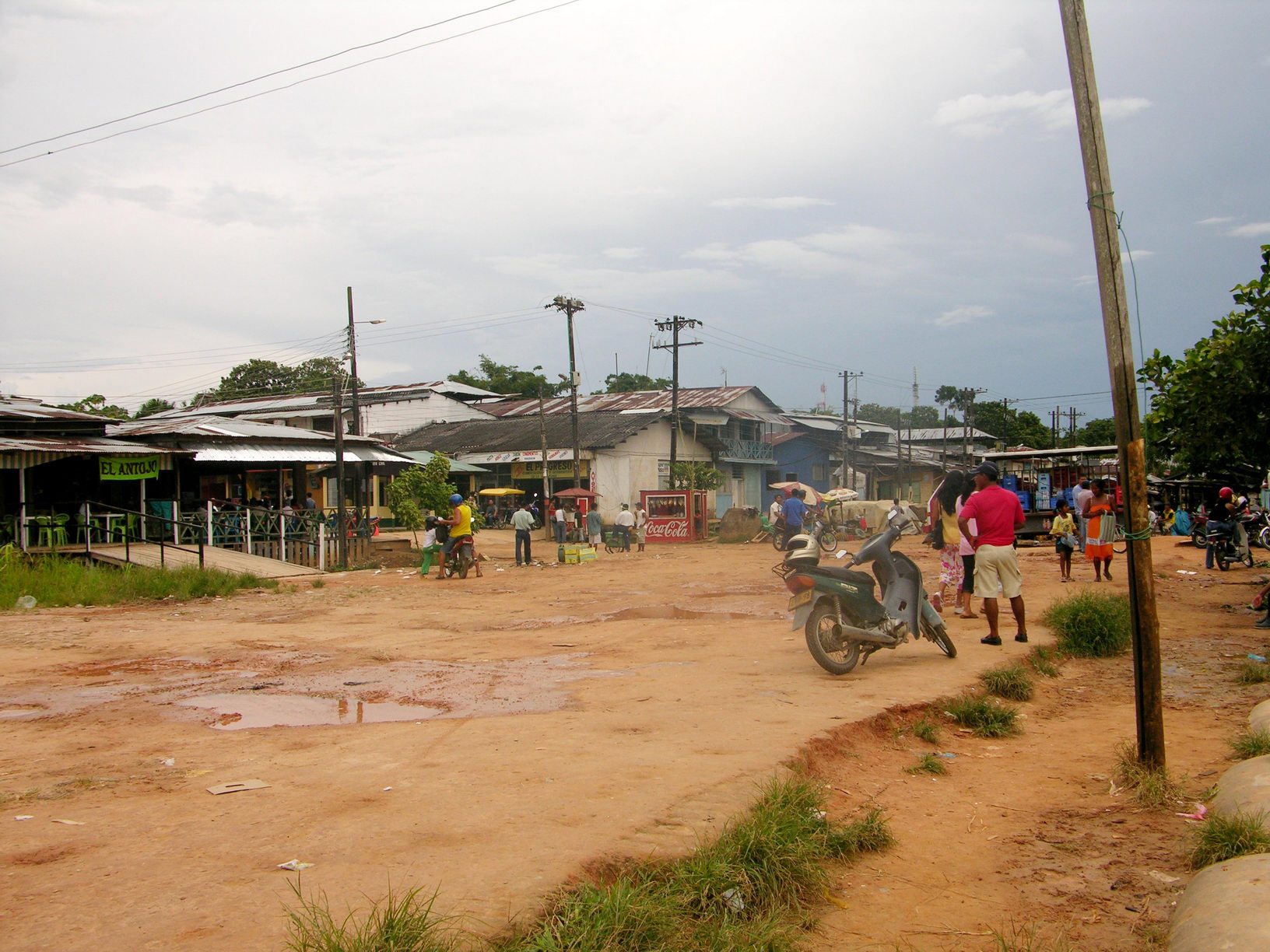
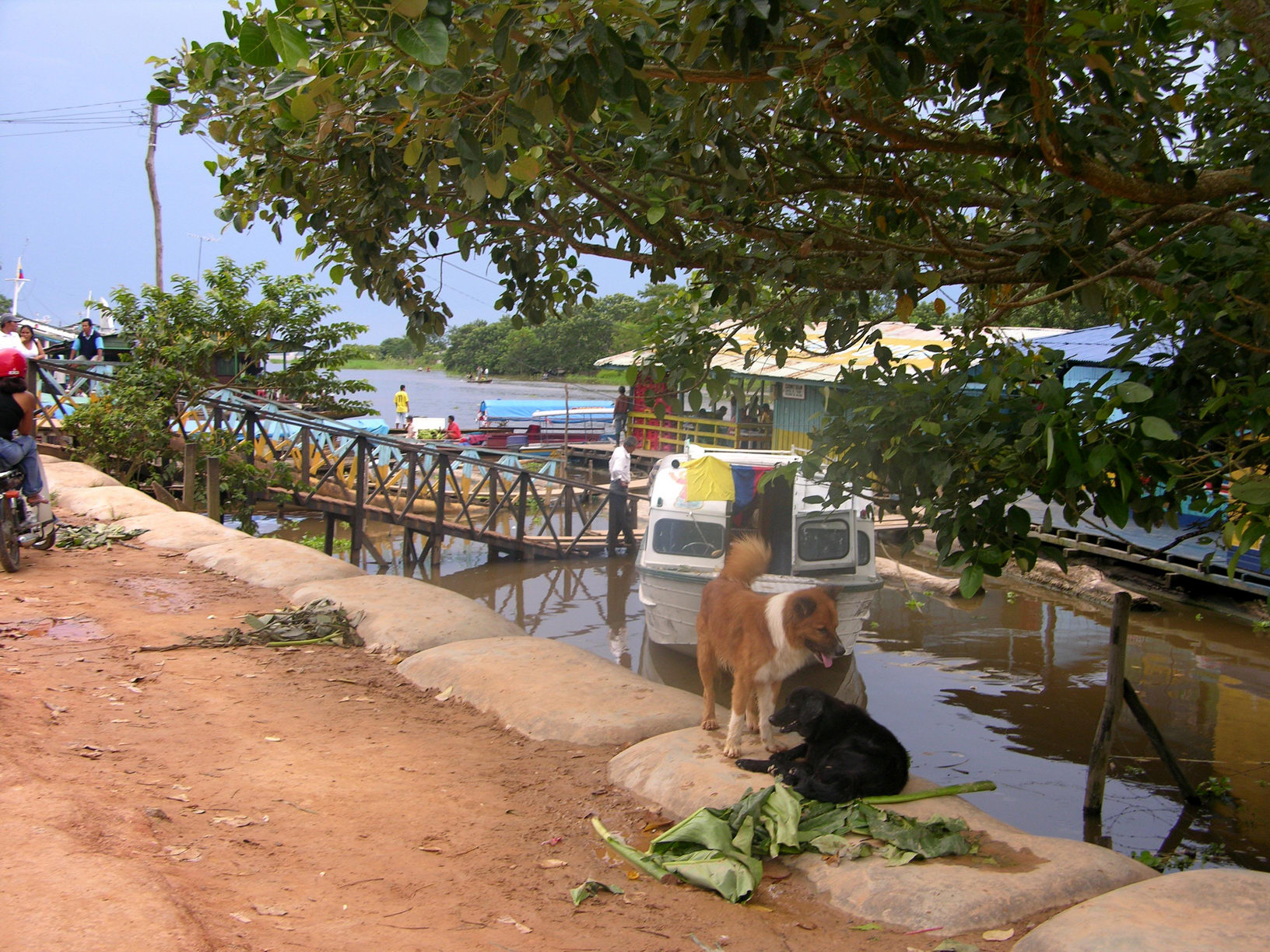
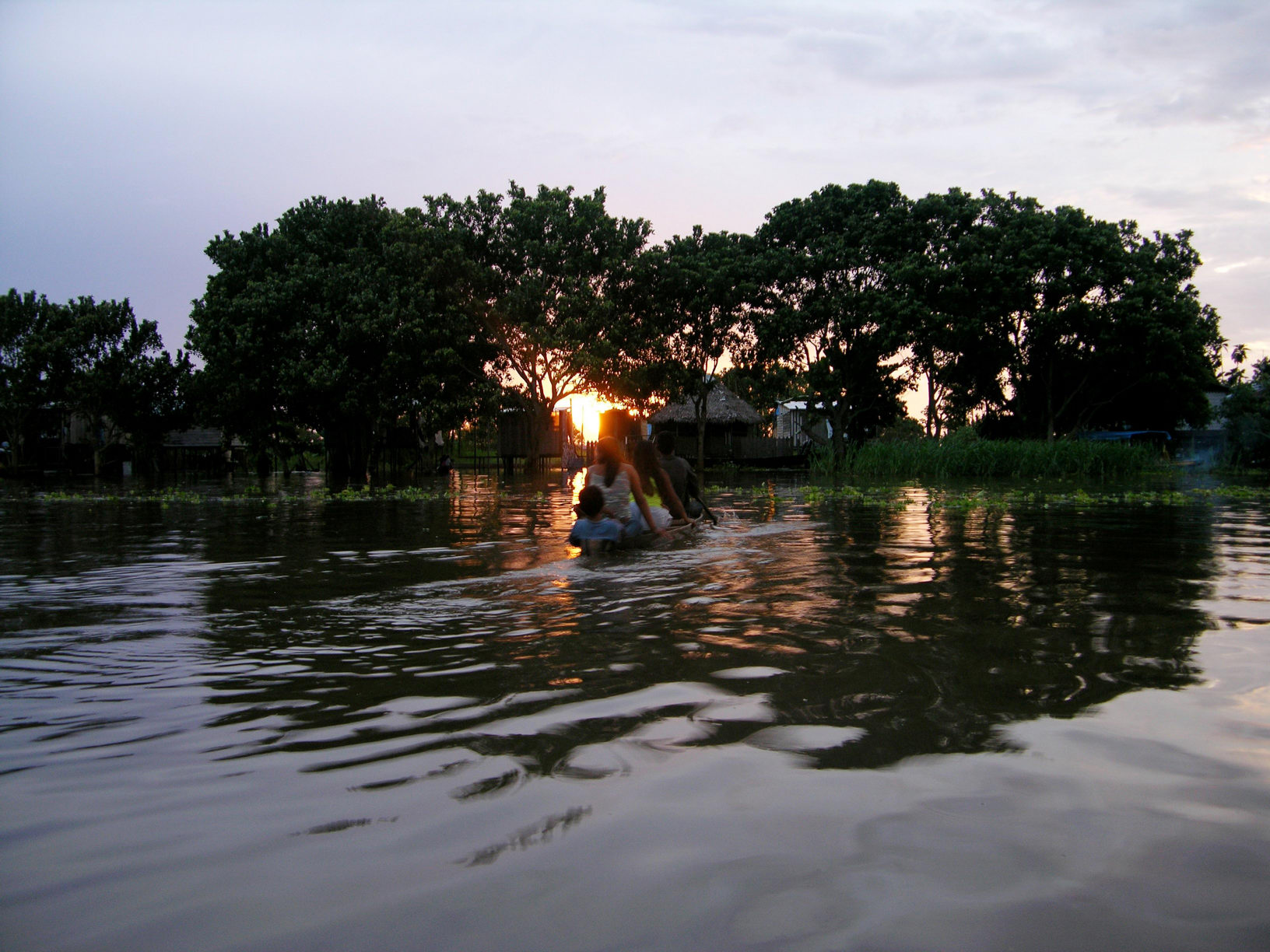
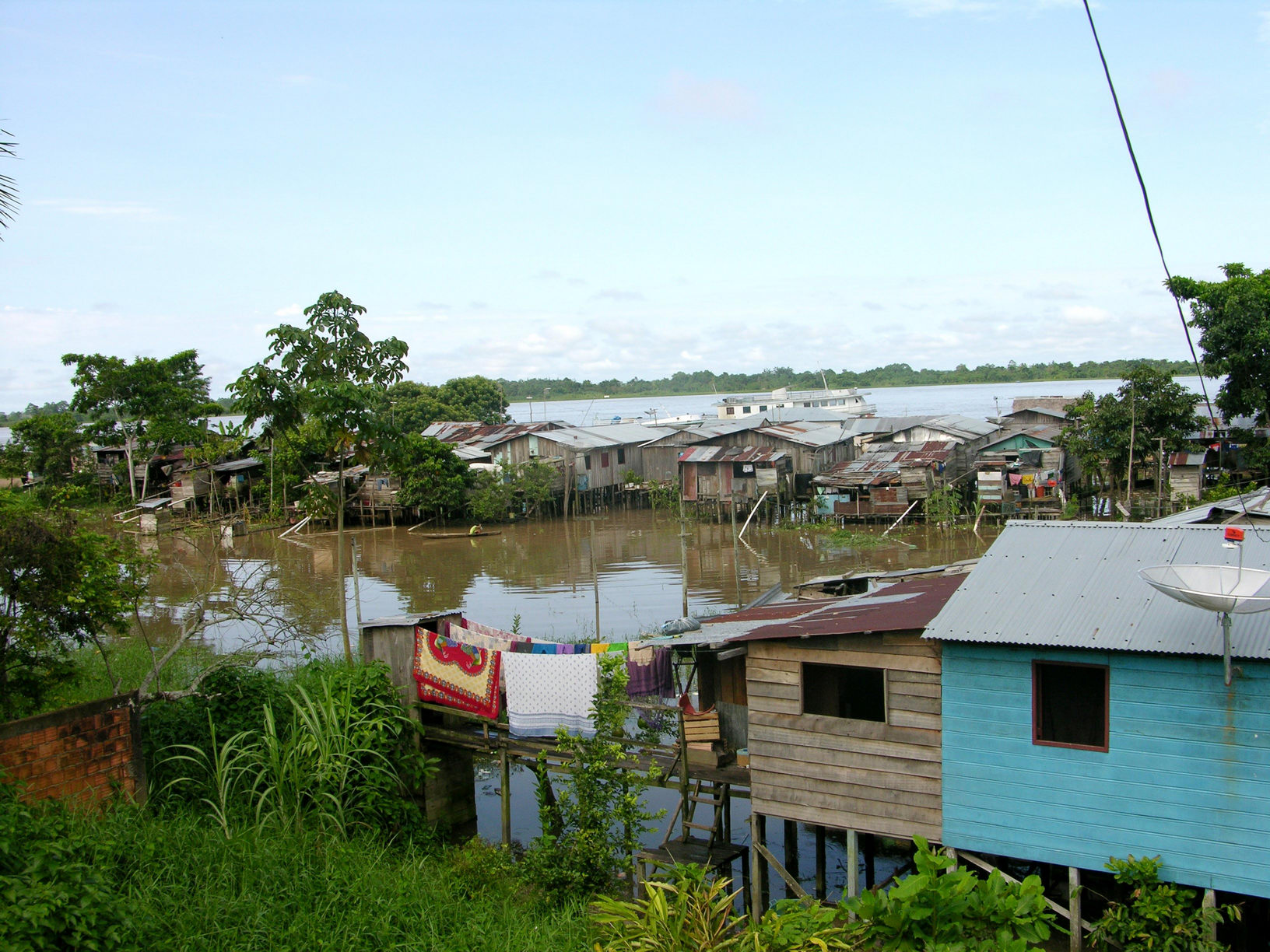
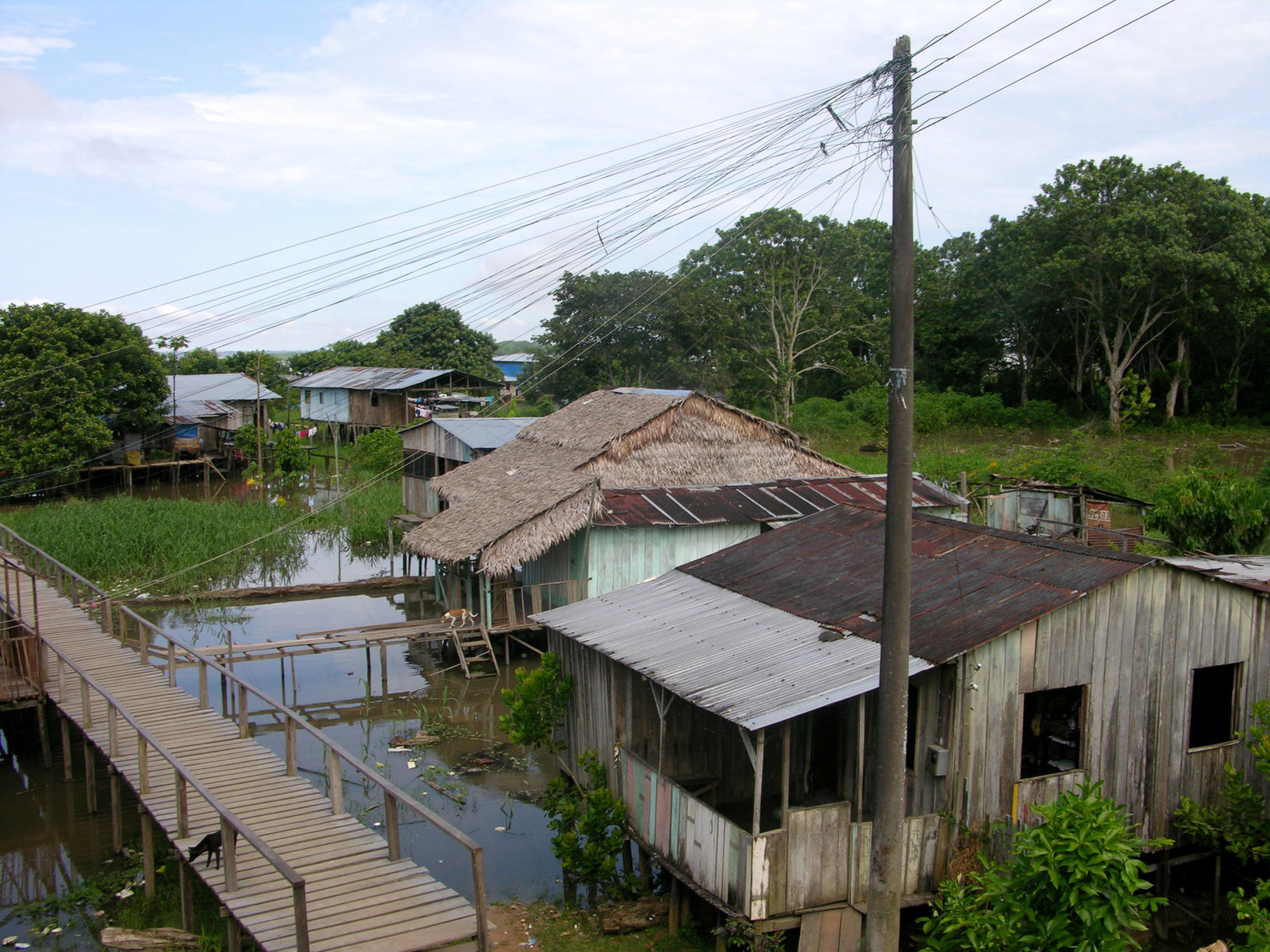
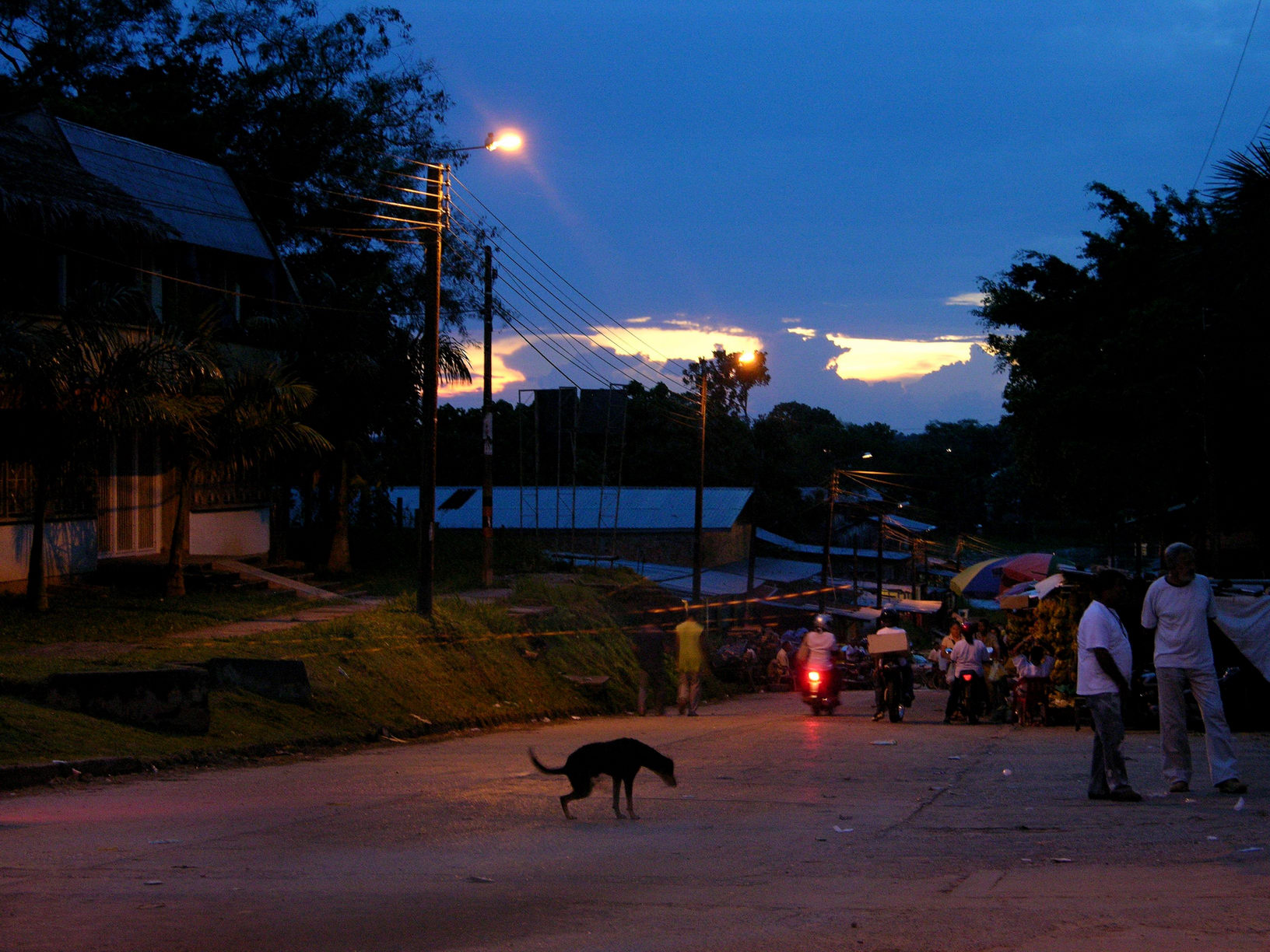
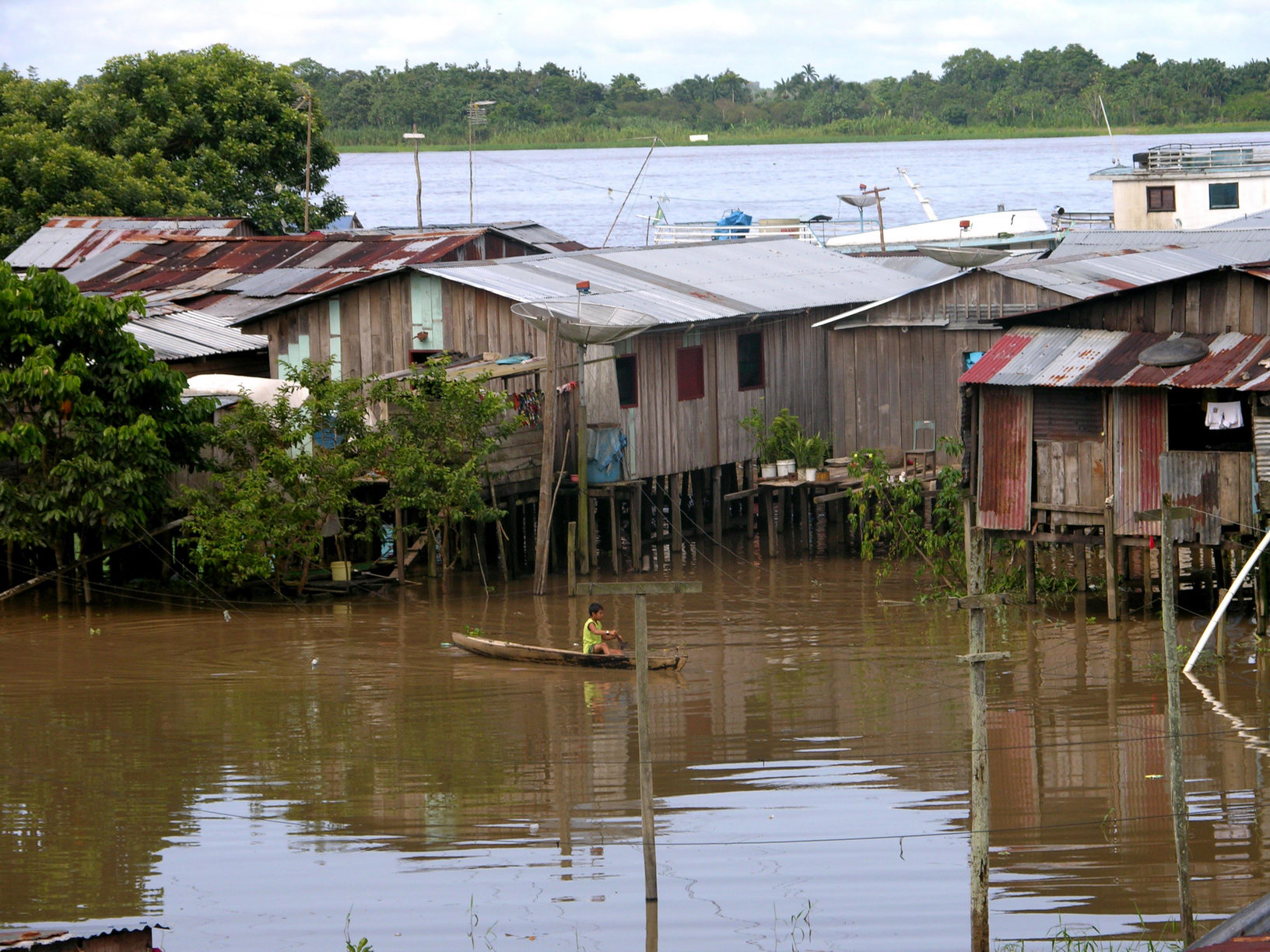
We entered the legendary homeland of the cocaine mafia, the silver triangle, by taxi. No visas or searches, just a ride from the airport at Tabatinga in Brazil to Leticia in Colombia. It's really one city on one bank of the Amazon, divided by a border you recognise only by its markers. On the main street, instead of a marker, there's the La Frontera hotel and a police post. It's an ordinary police post, though, of the sort you see everywhere in Brazil and Colombia, with nothing to do with running the border.
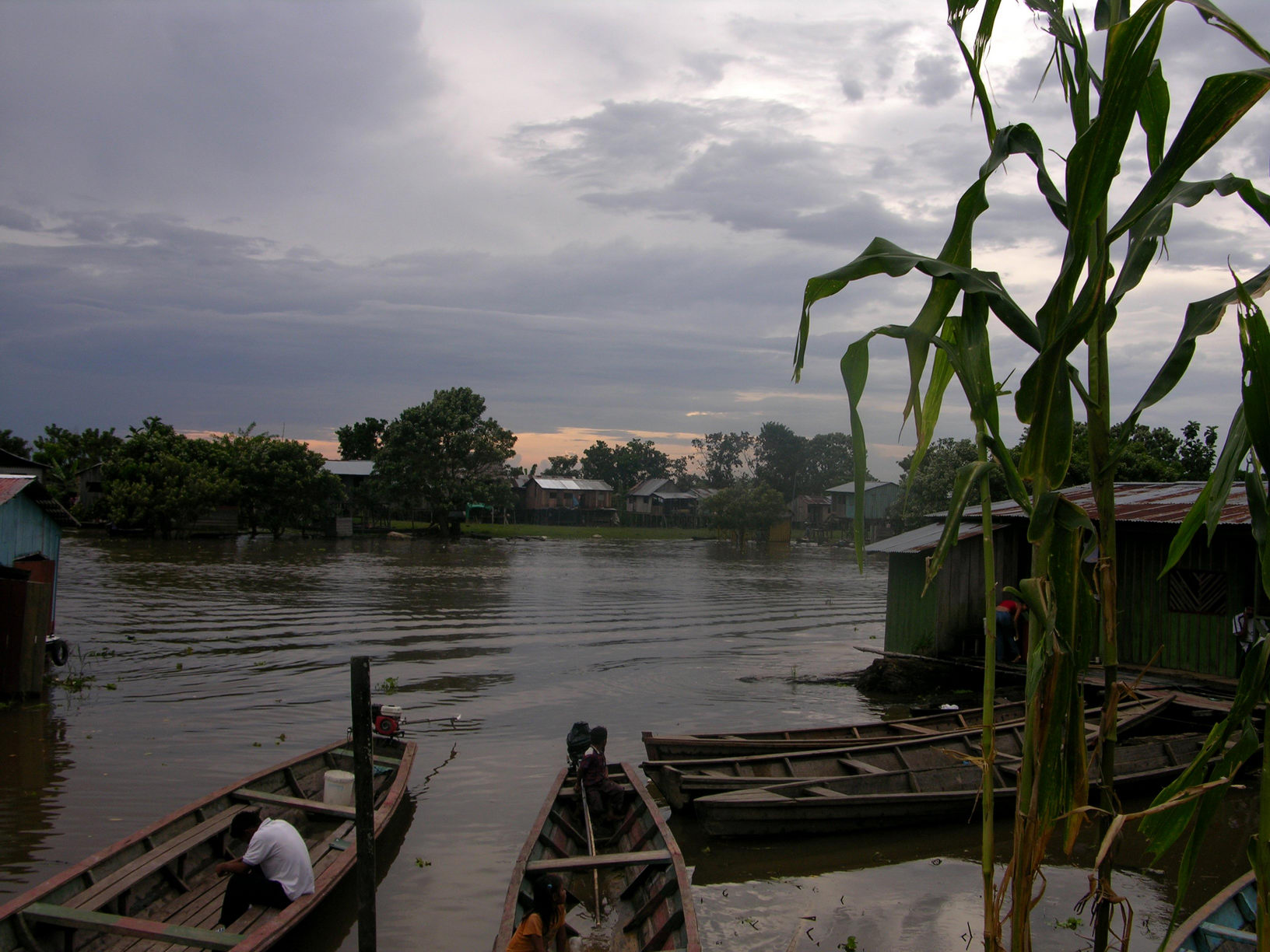
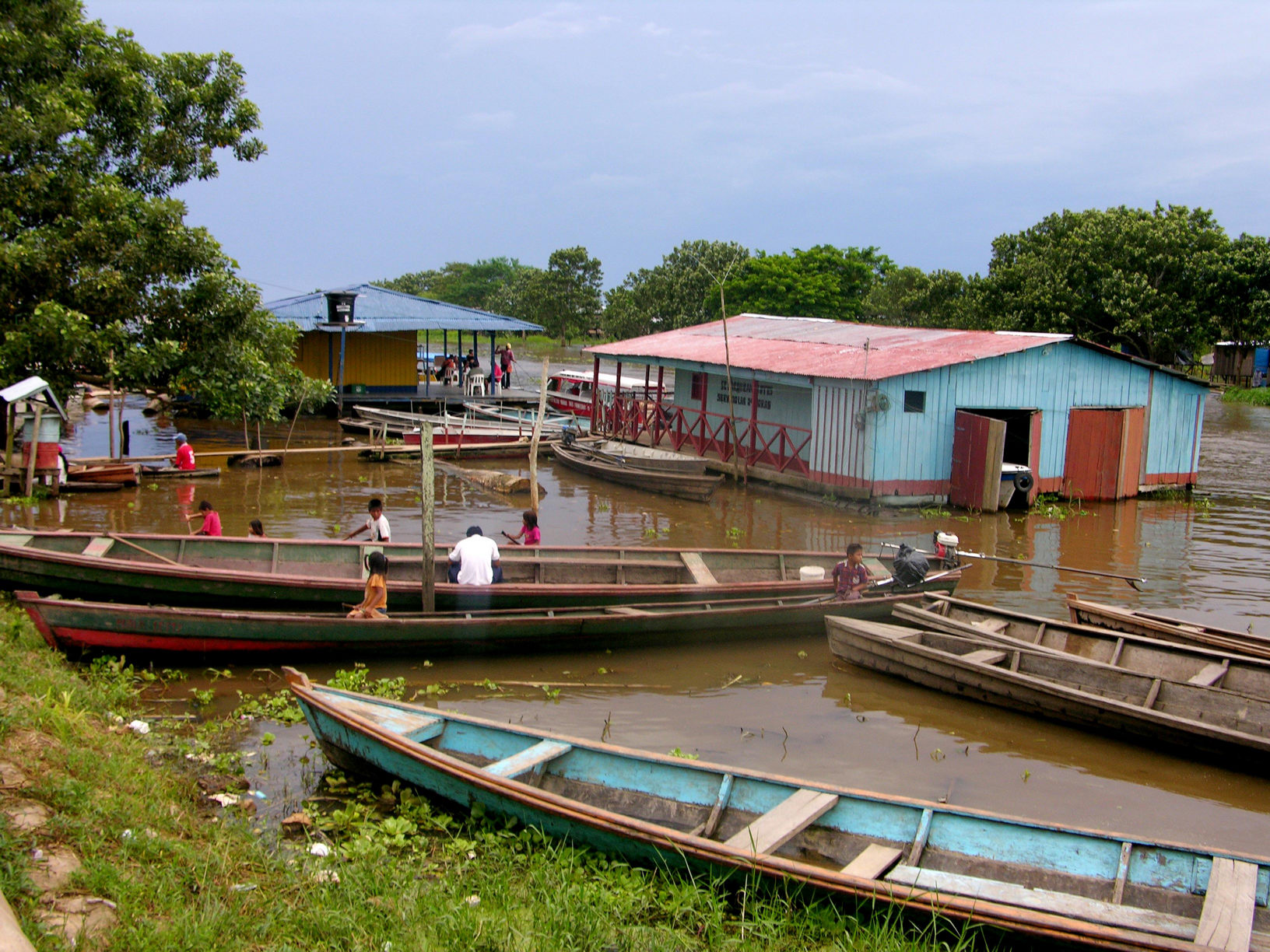
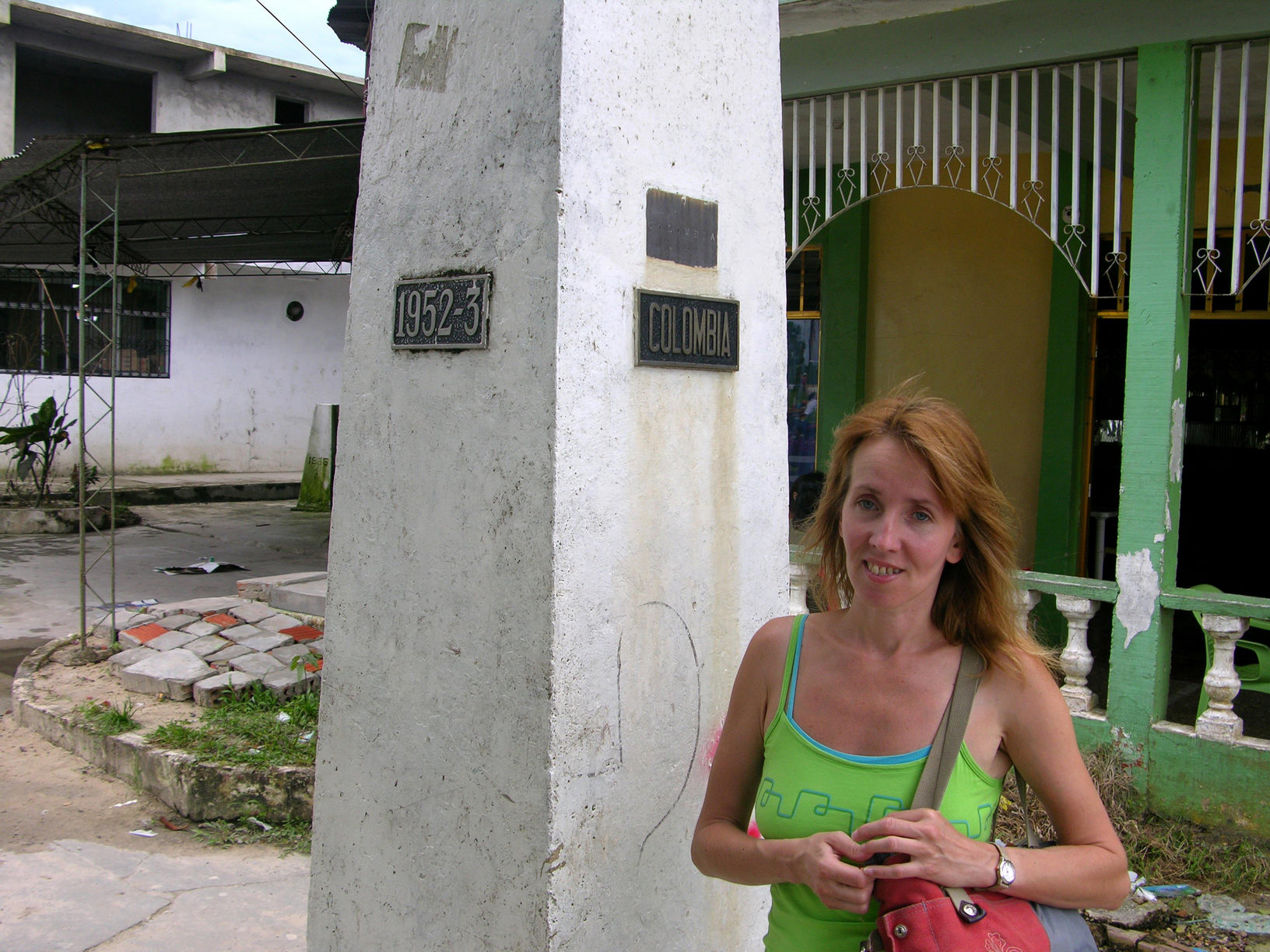
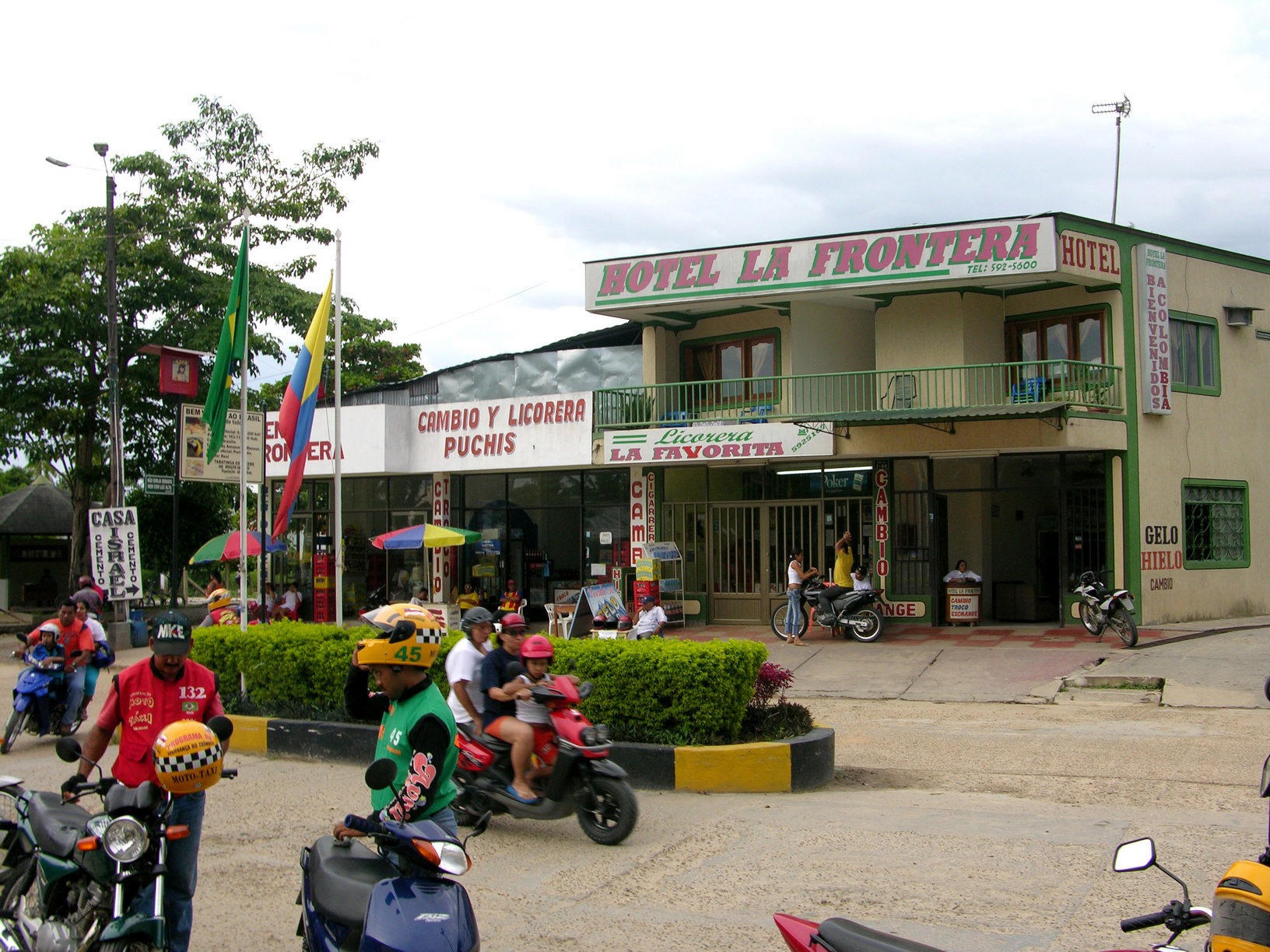
Across the Amazon is Peru.
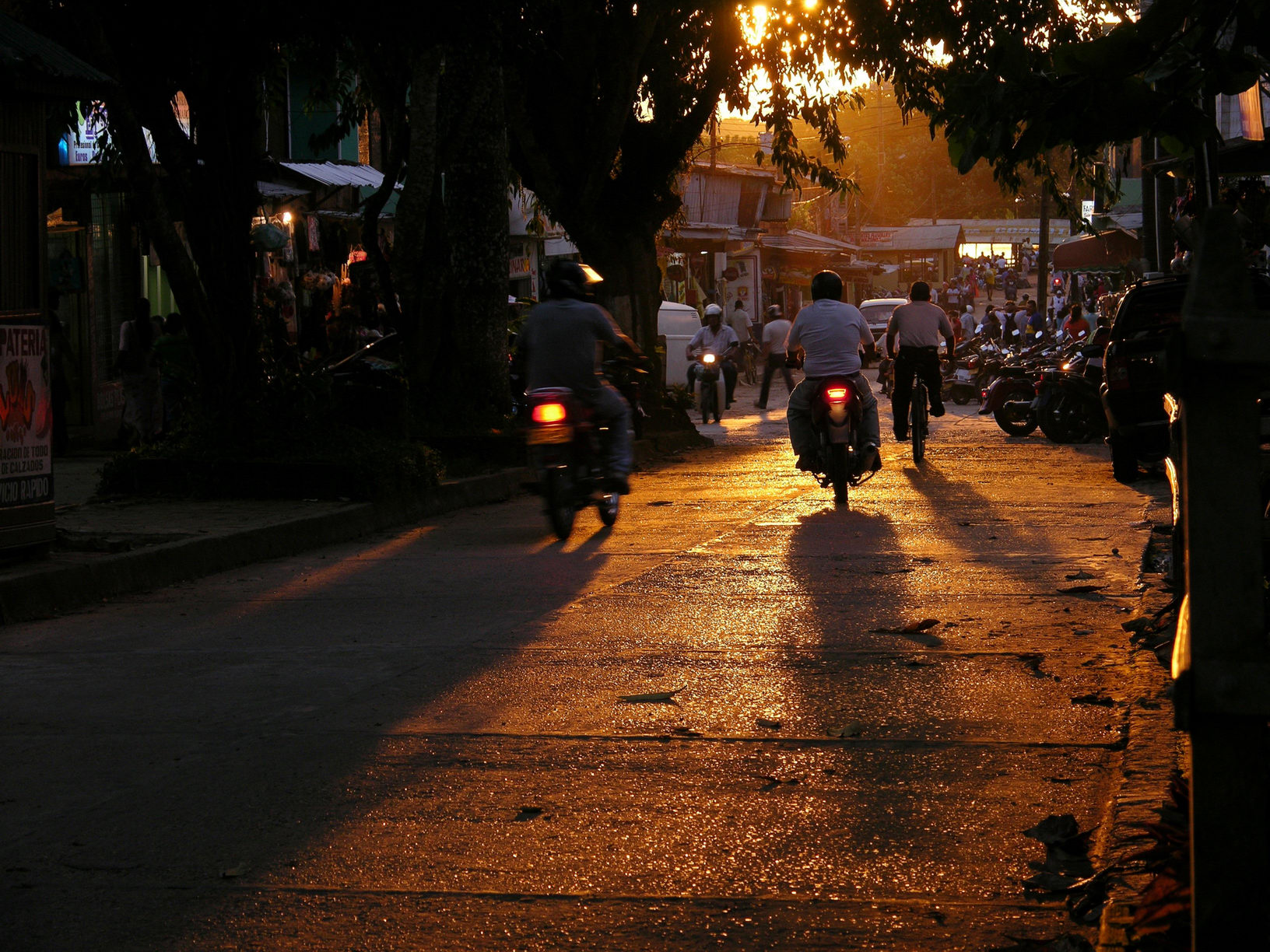
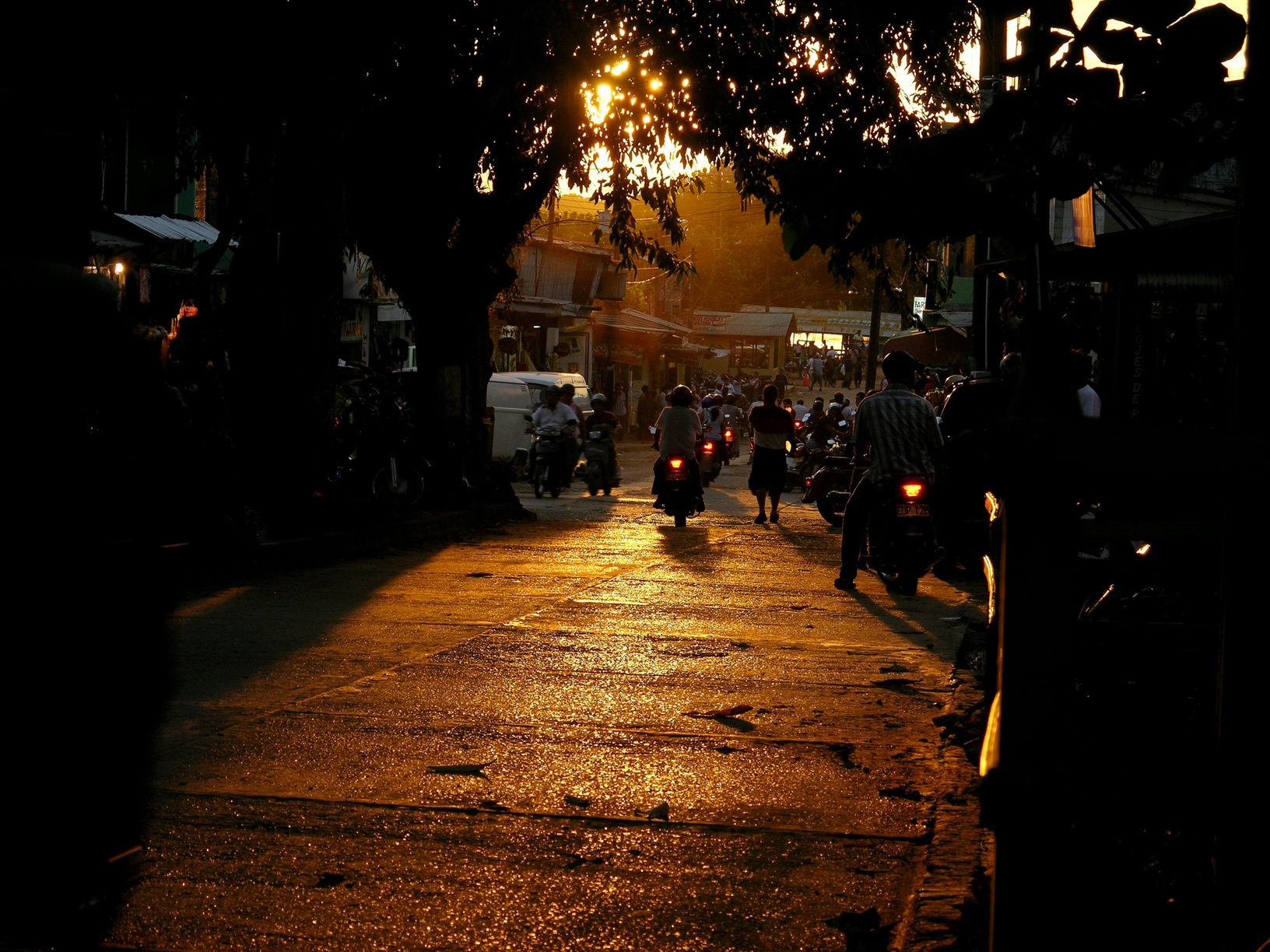
One city, but the difference is obvious at once. For one thing, another language. At last we could understand something. For another, the people somehow seemed more alive. Brazil was more official and sleepy.
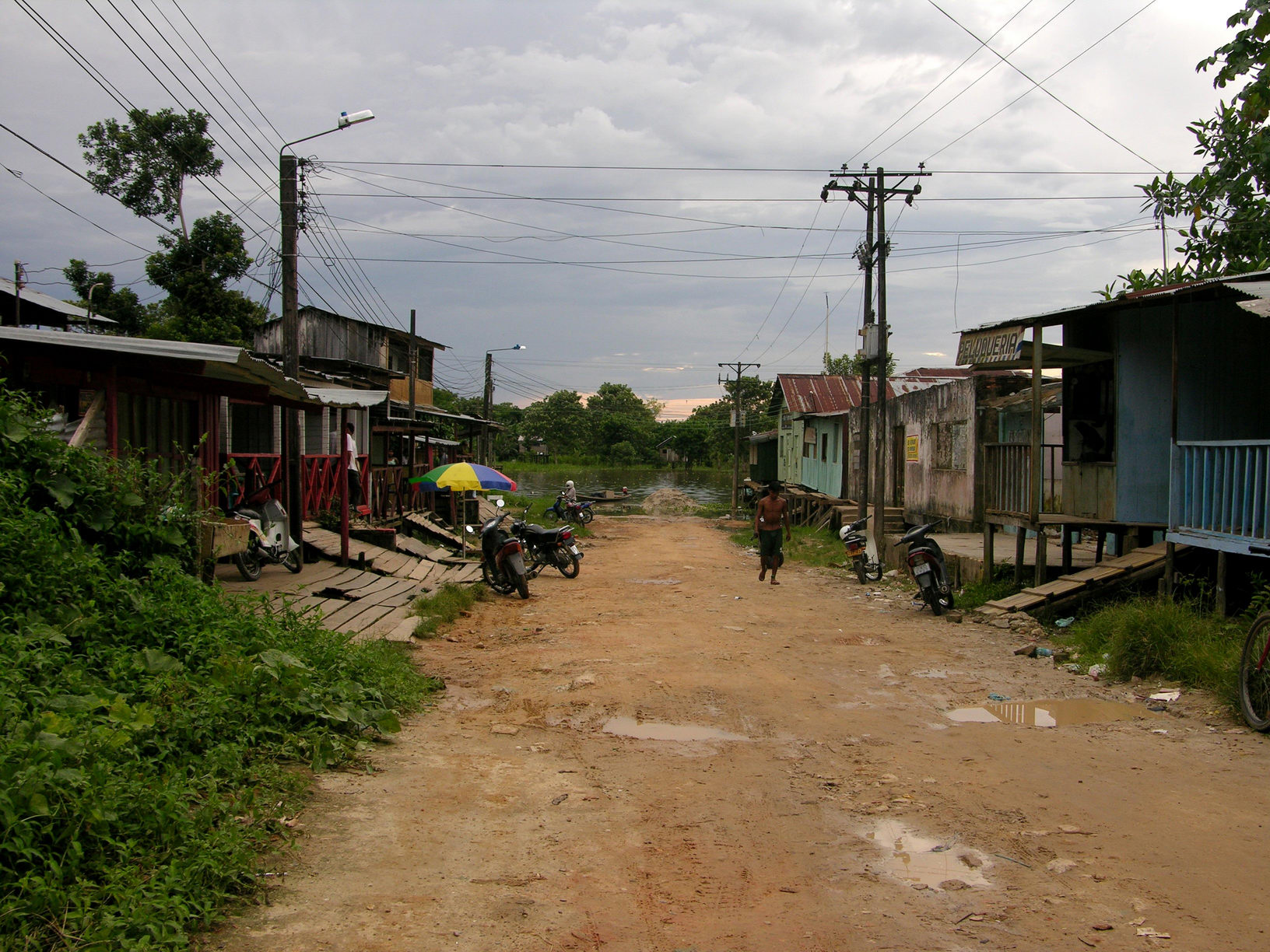
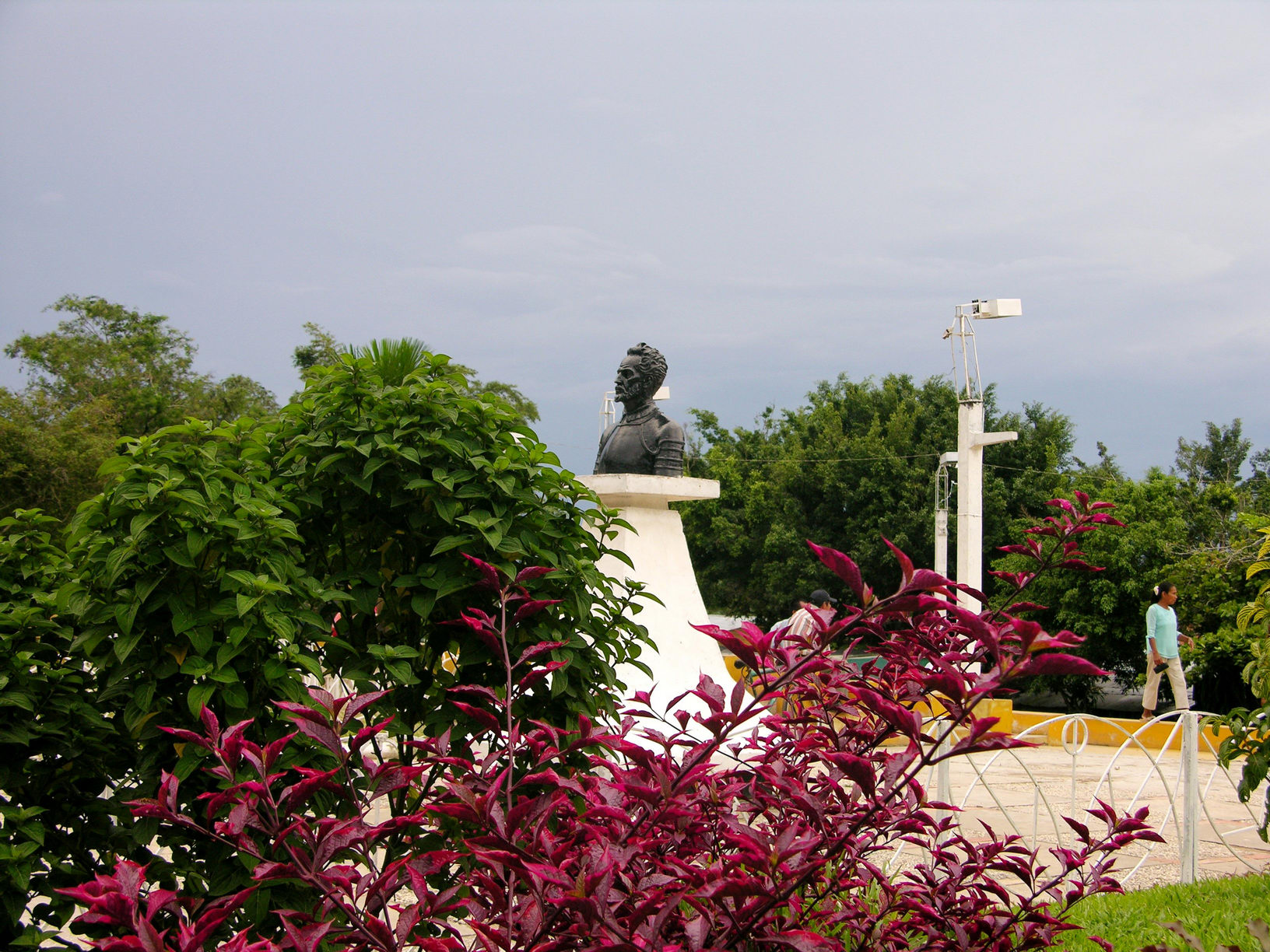
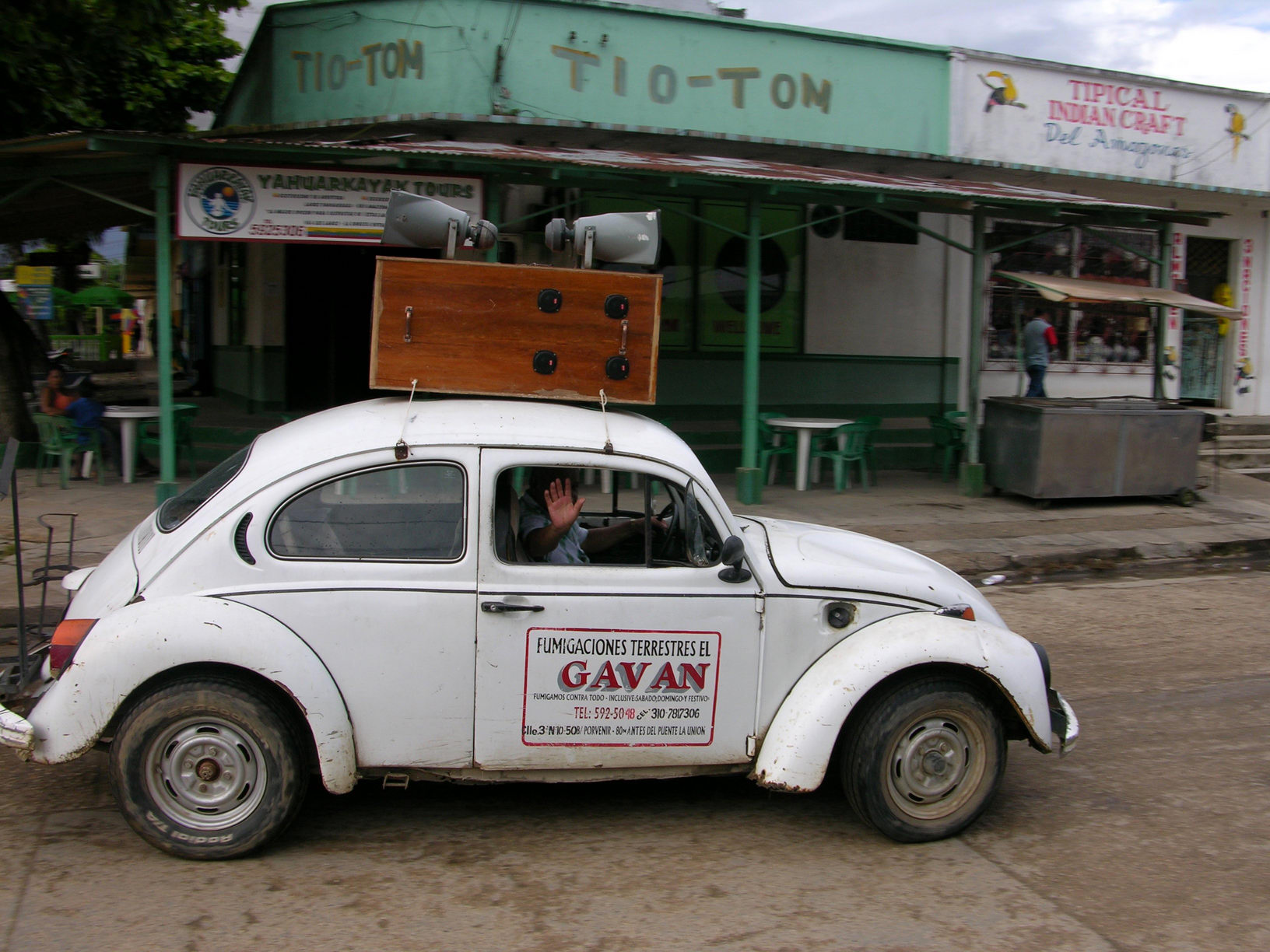
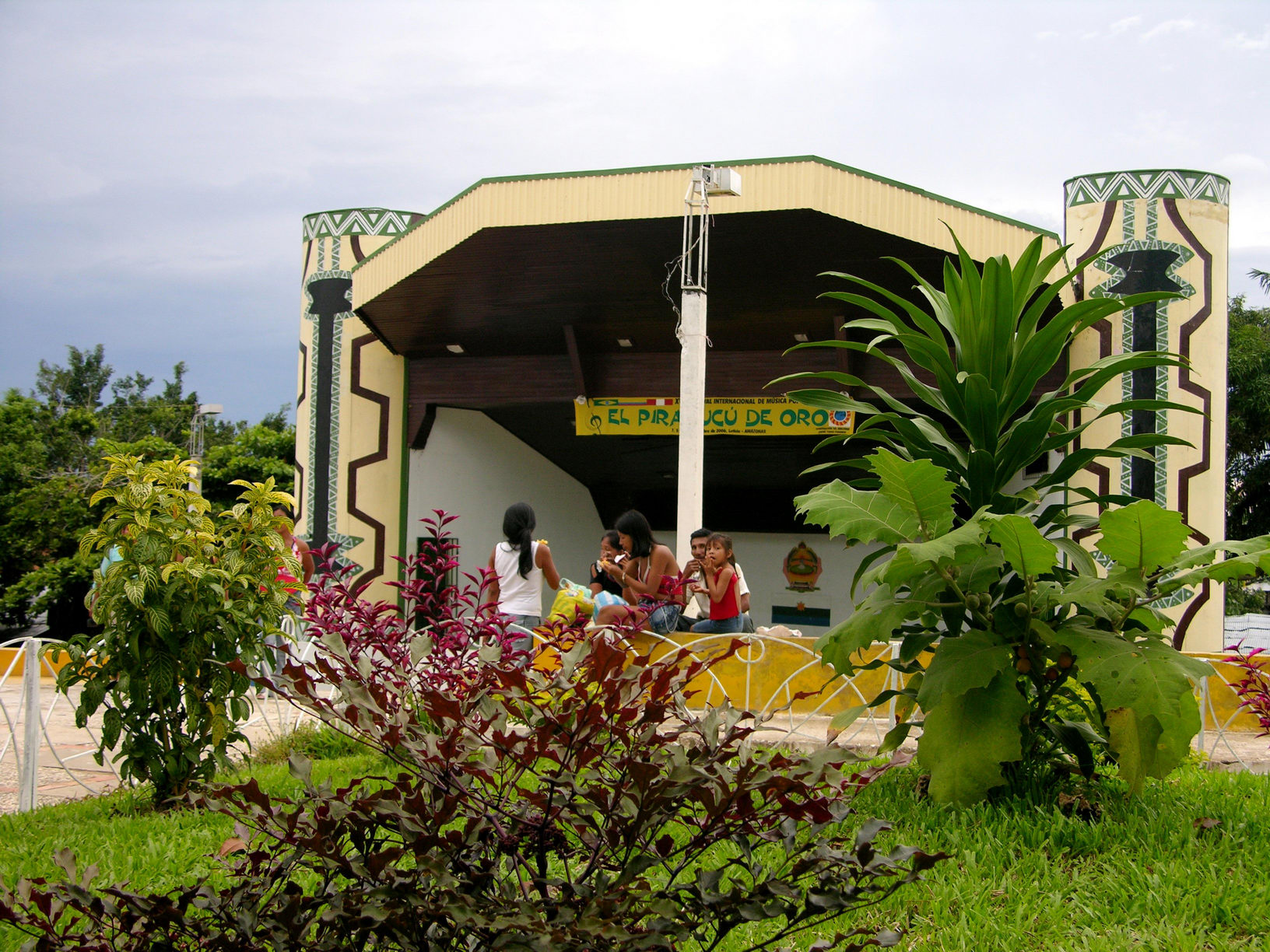
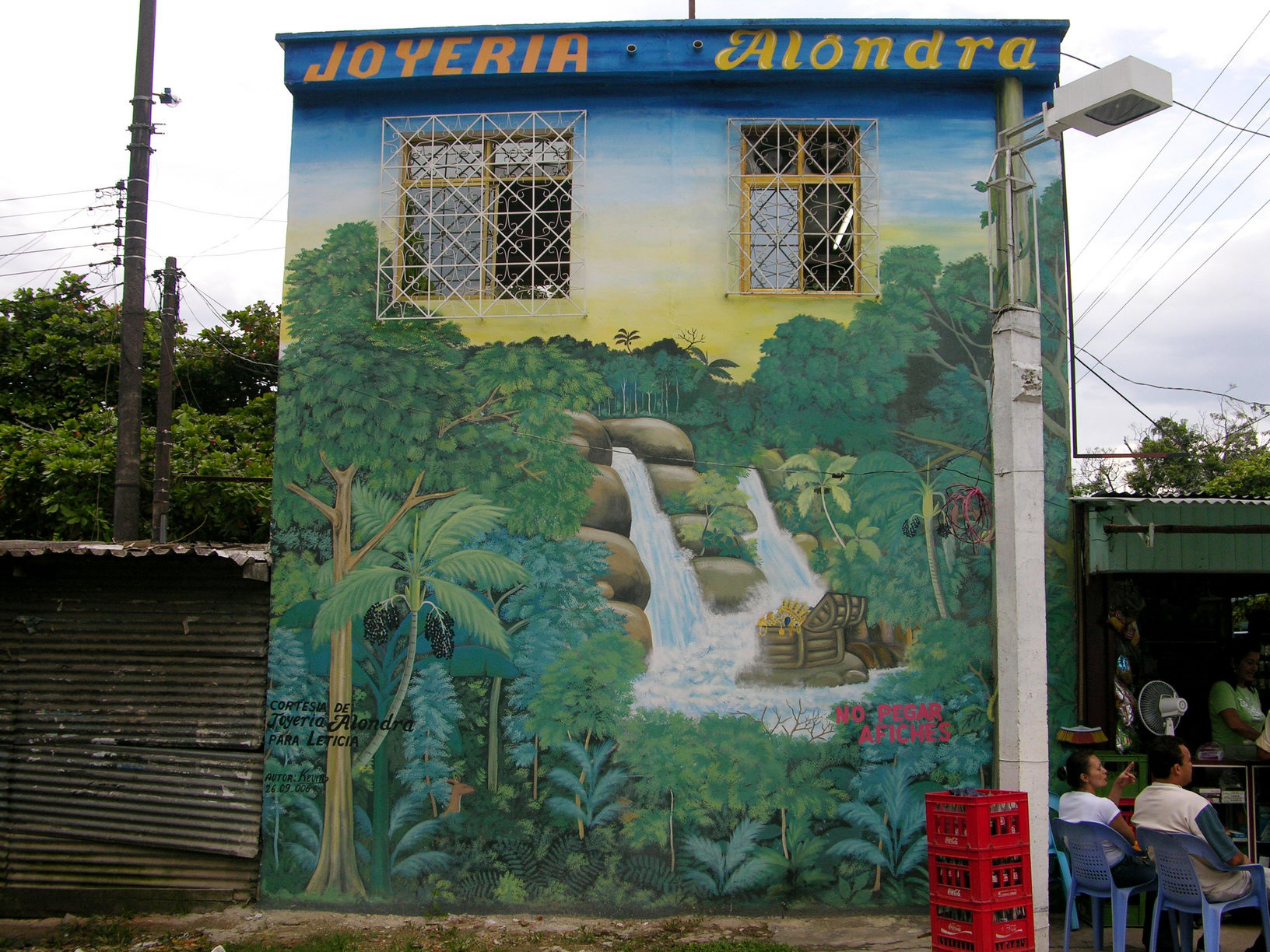
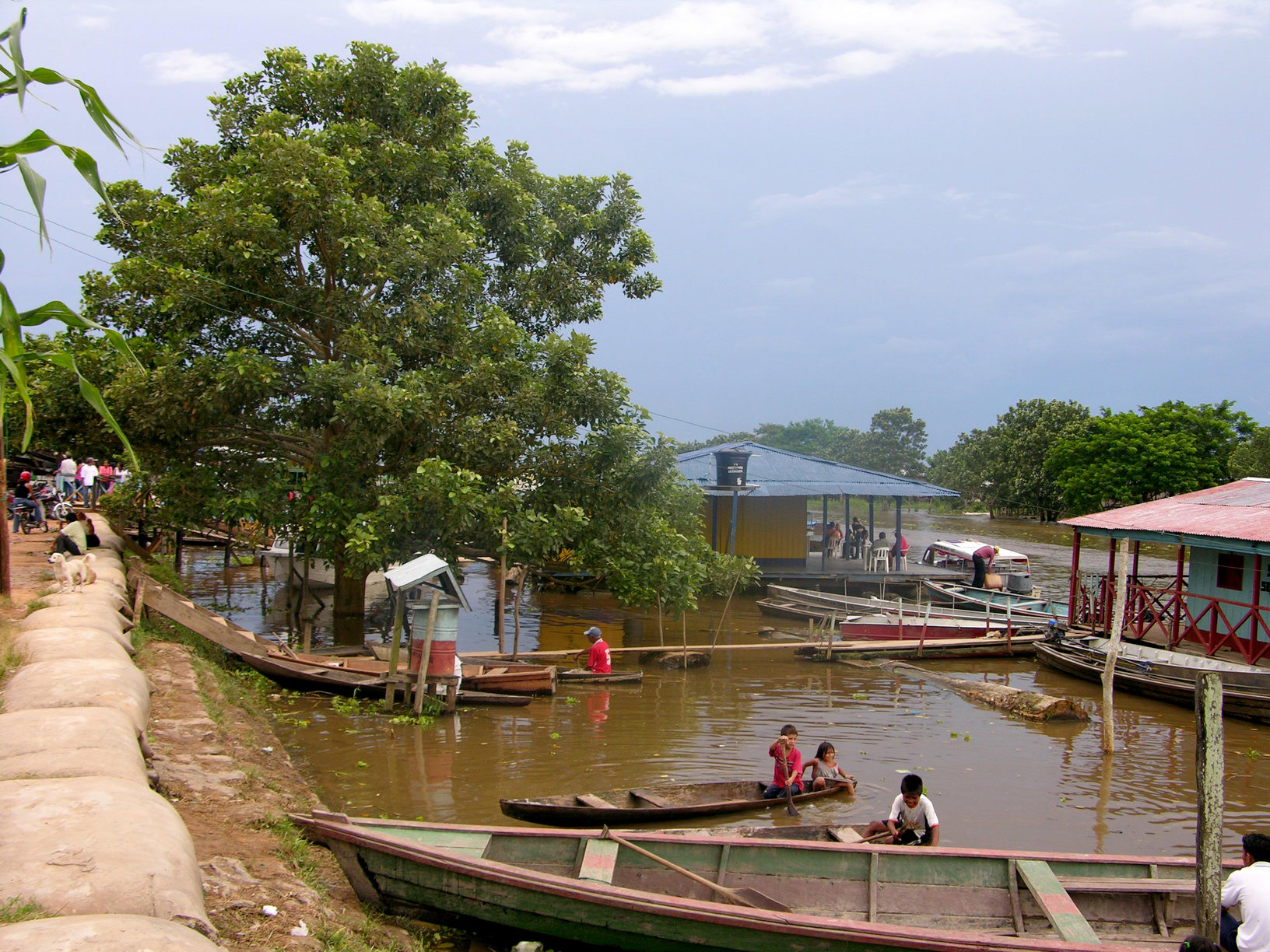
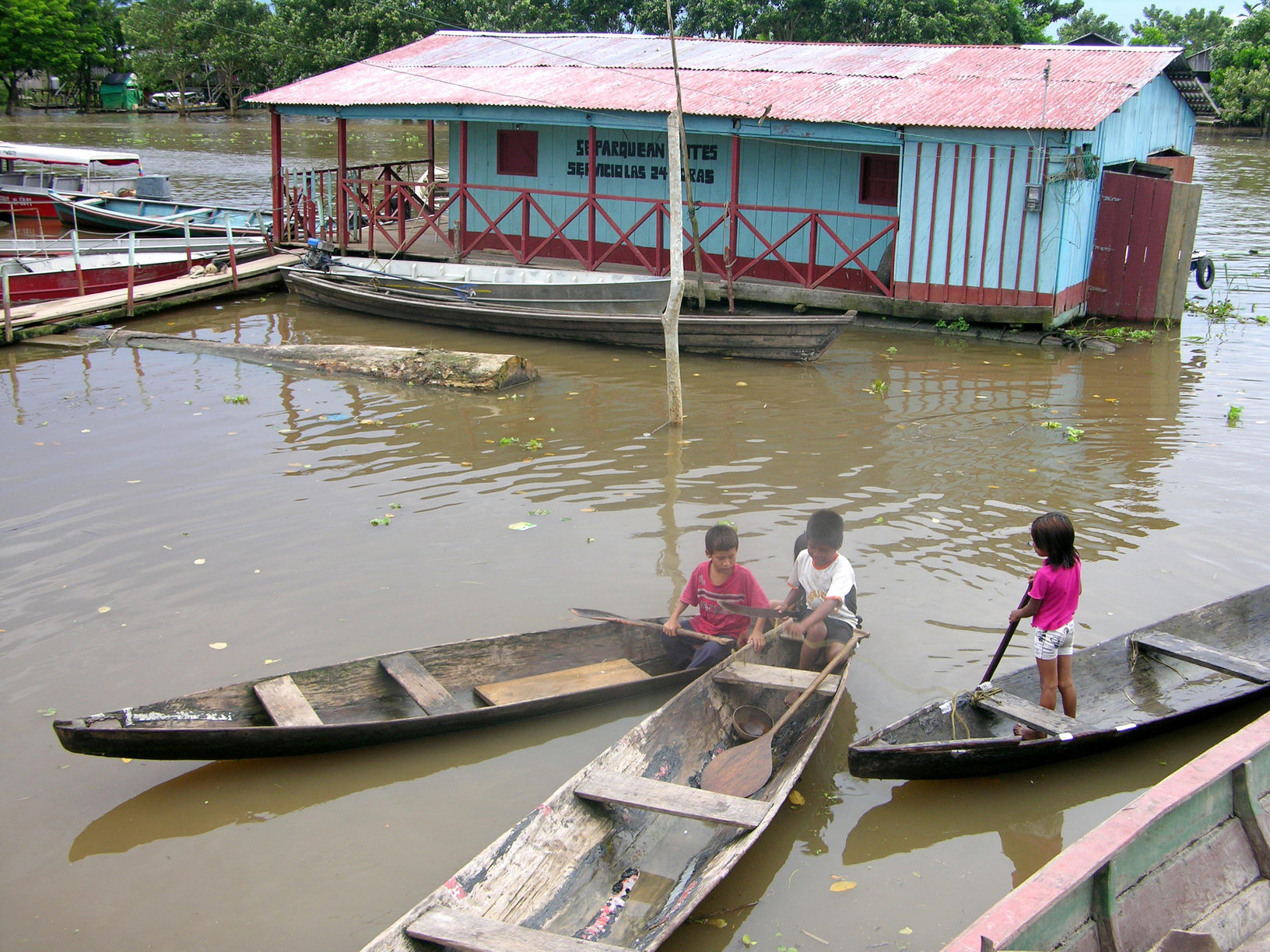
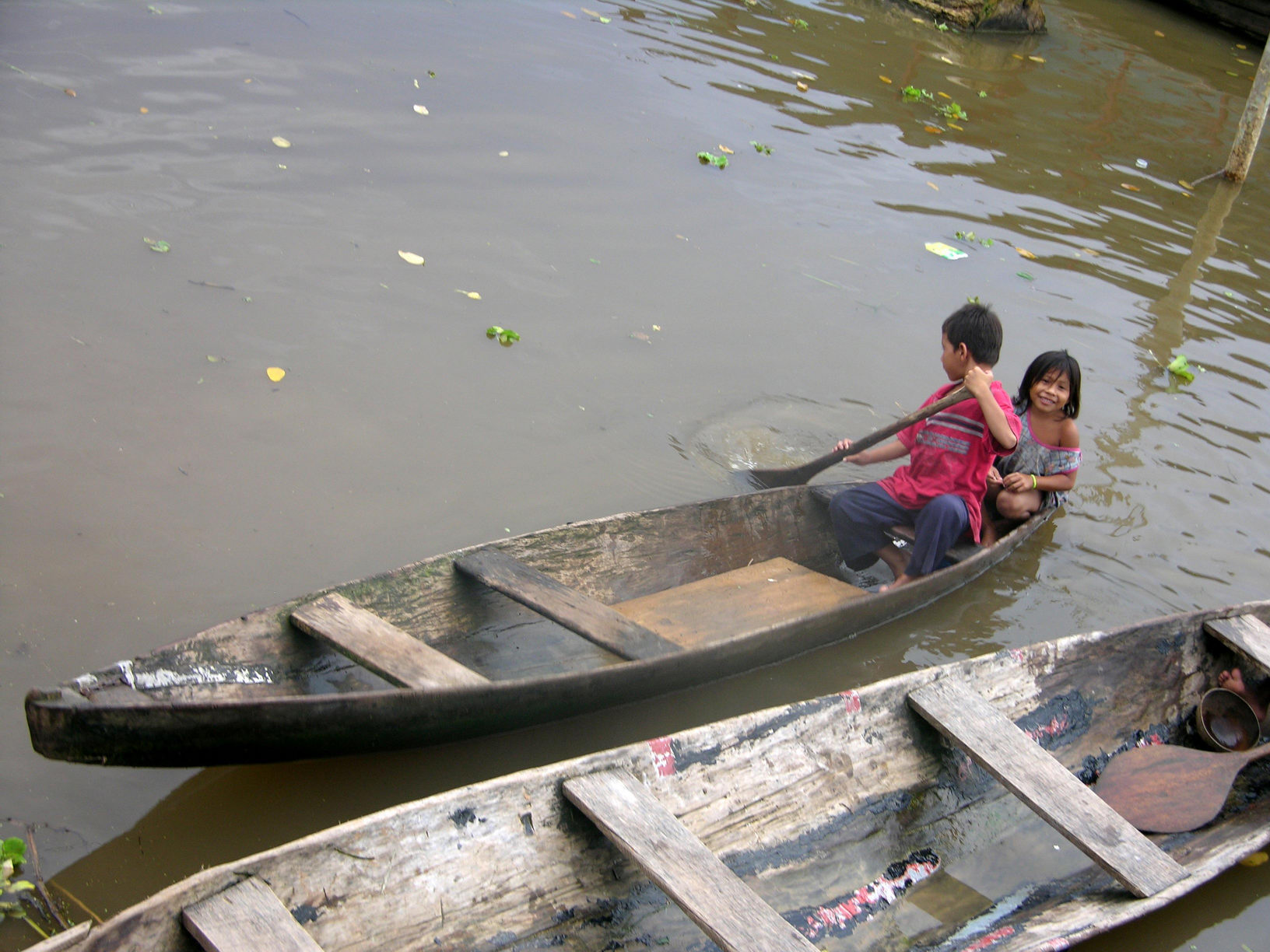
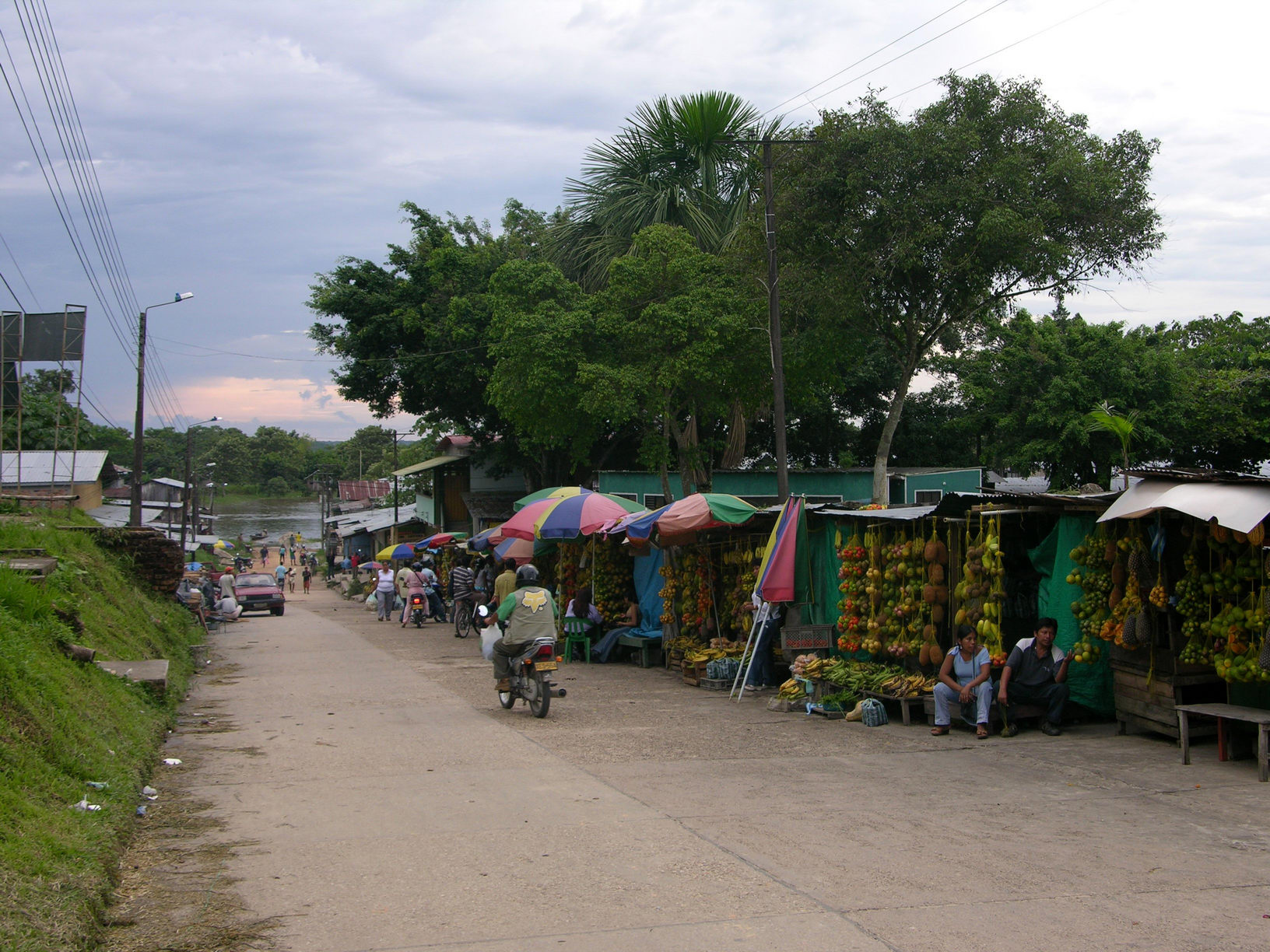
Taxis are cheaper in Colombia, and often don't carry a taxi sign. There are markets everywhere, so everything's cheaper. The ATMs work. Not every bank will deal with a foreign card, but it's always easy to find one that will give you money. The currency is the Colombian peso. A US dollar was 2,100 pesos.
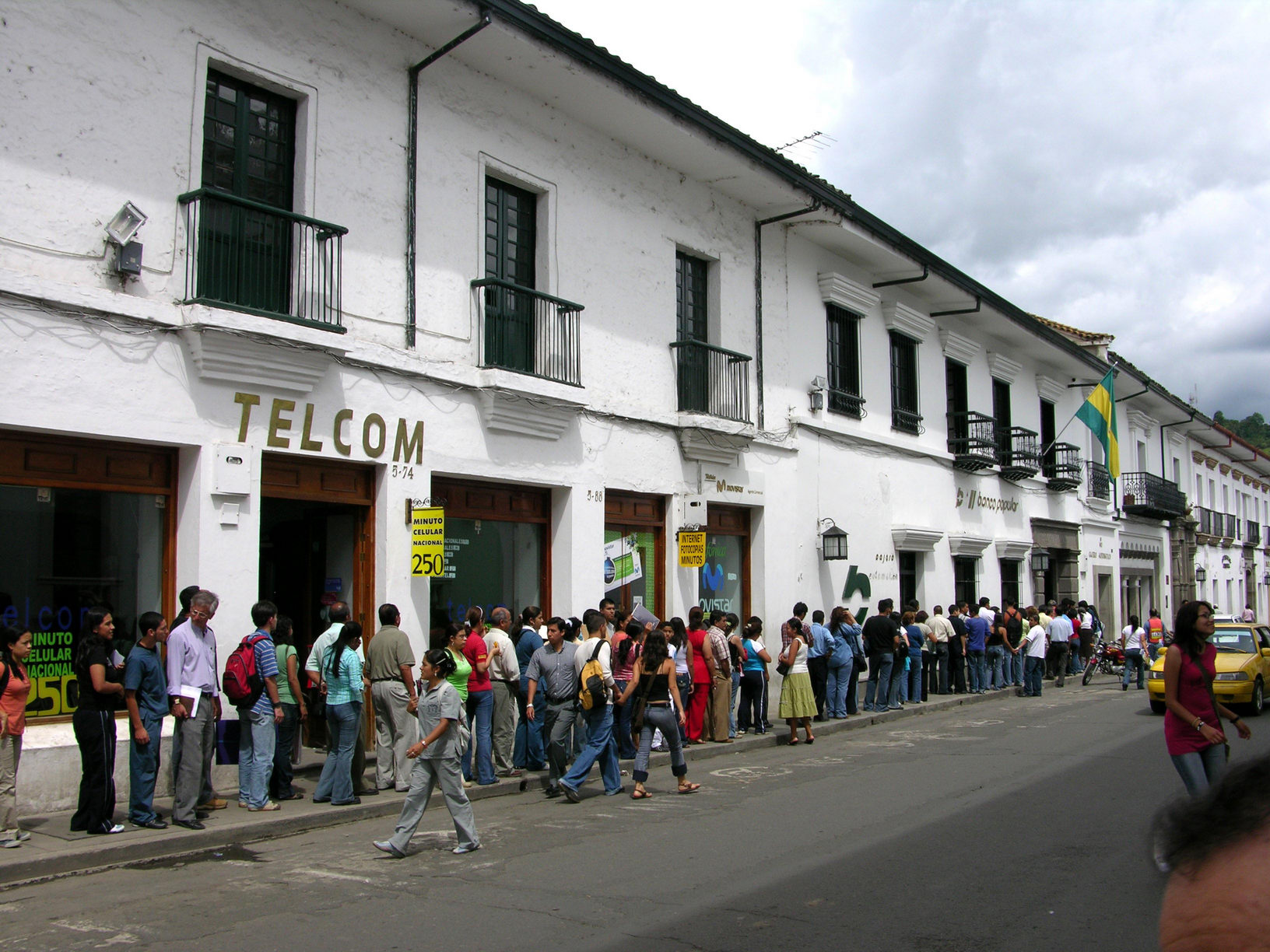
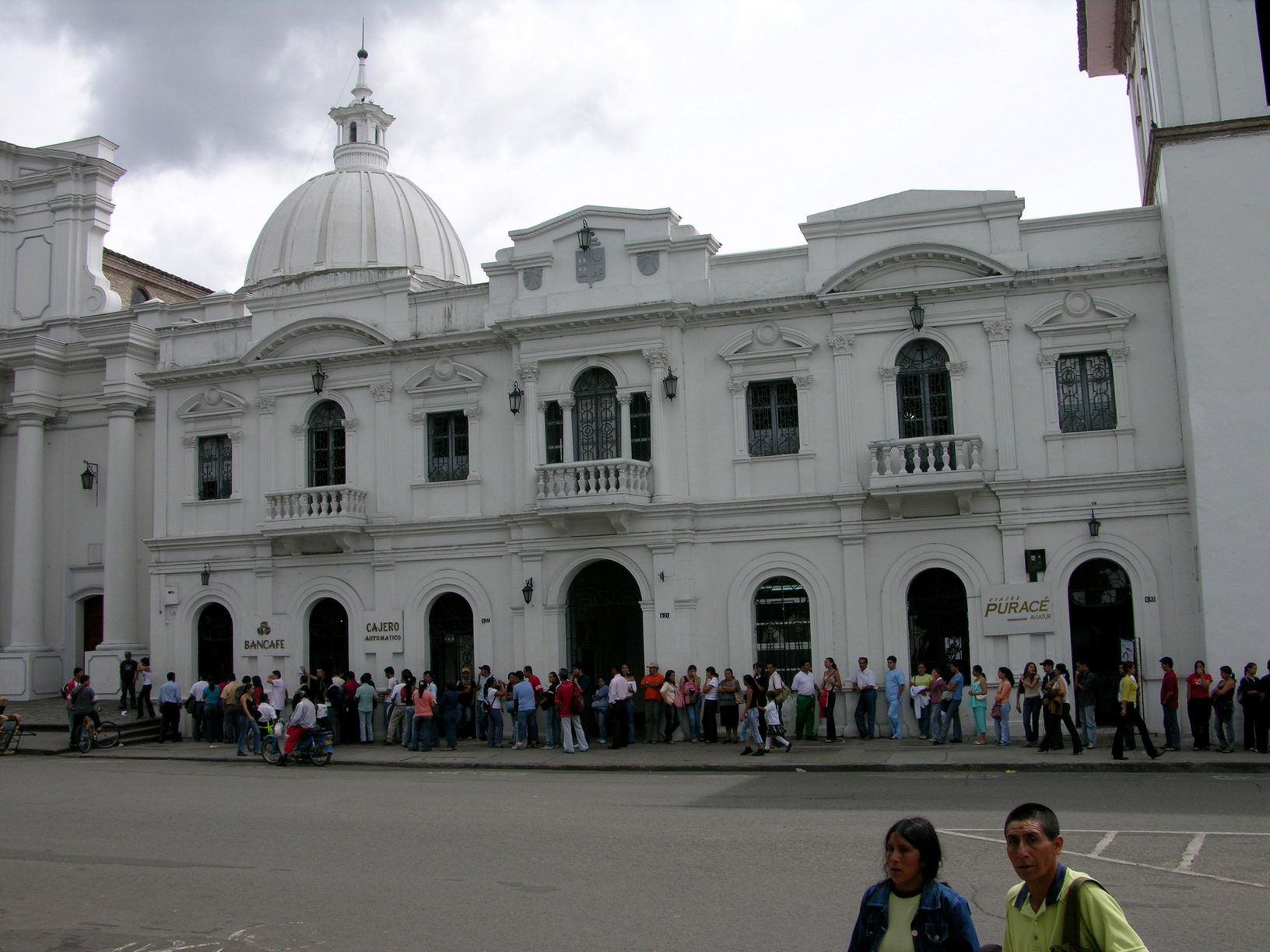
Another feature of the Colombian banking system is the enormous queues. Not for the ATM, but for the bank itself, so if you have to pay a bill, count on spending hours on it.
Another surprise, the mobiles didn't work. There was a network, but you couldn't call.
But people were cheerier than back in Brazil. The country was poorer. You could breathe freely. We liked it here. One hitch. We didn't have a visa and without one we could only walk around town.
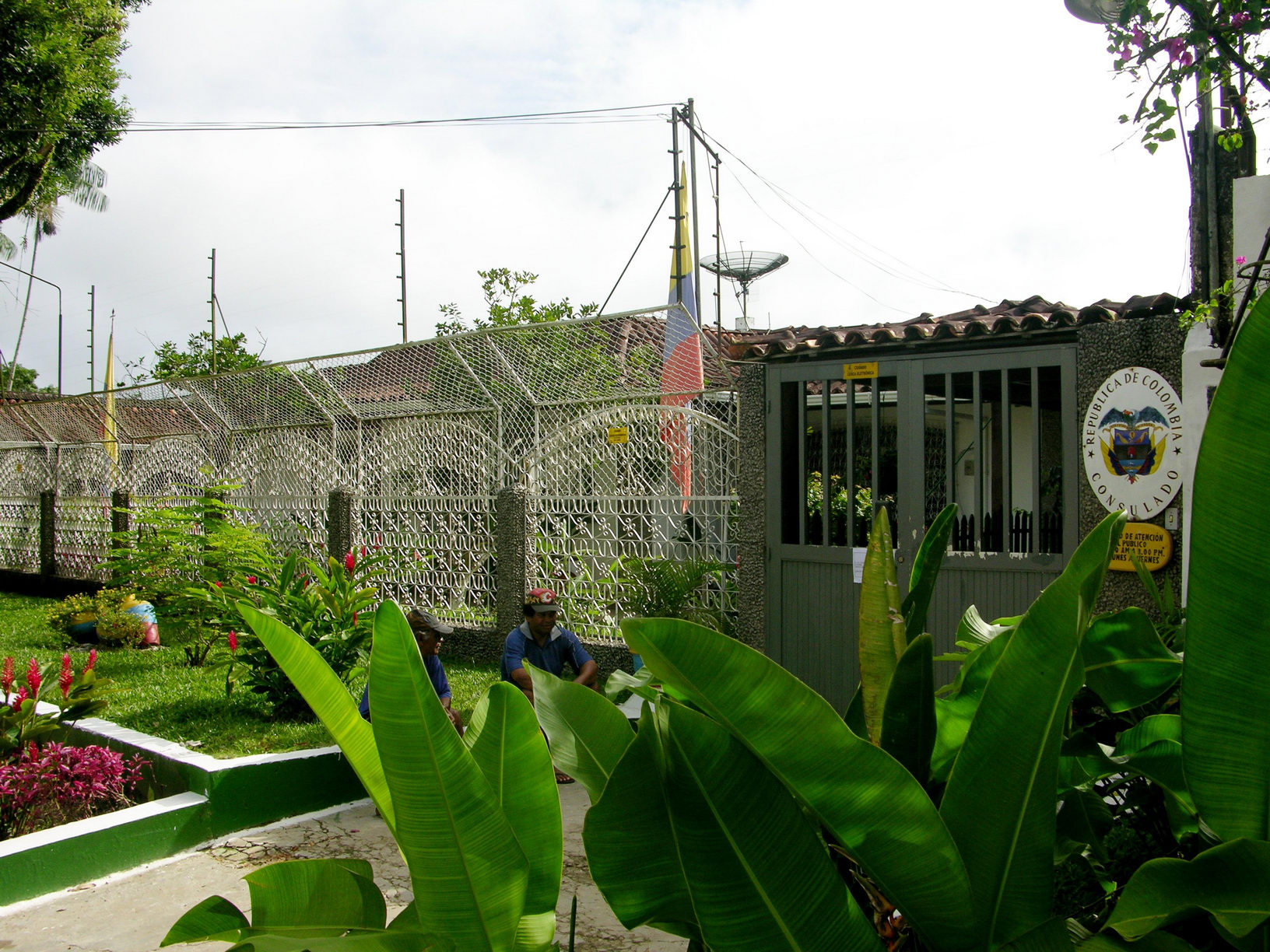
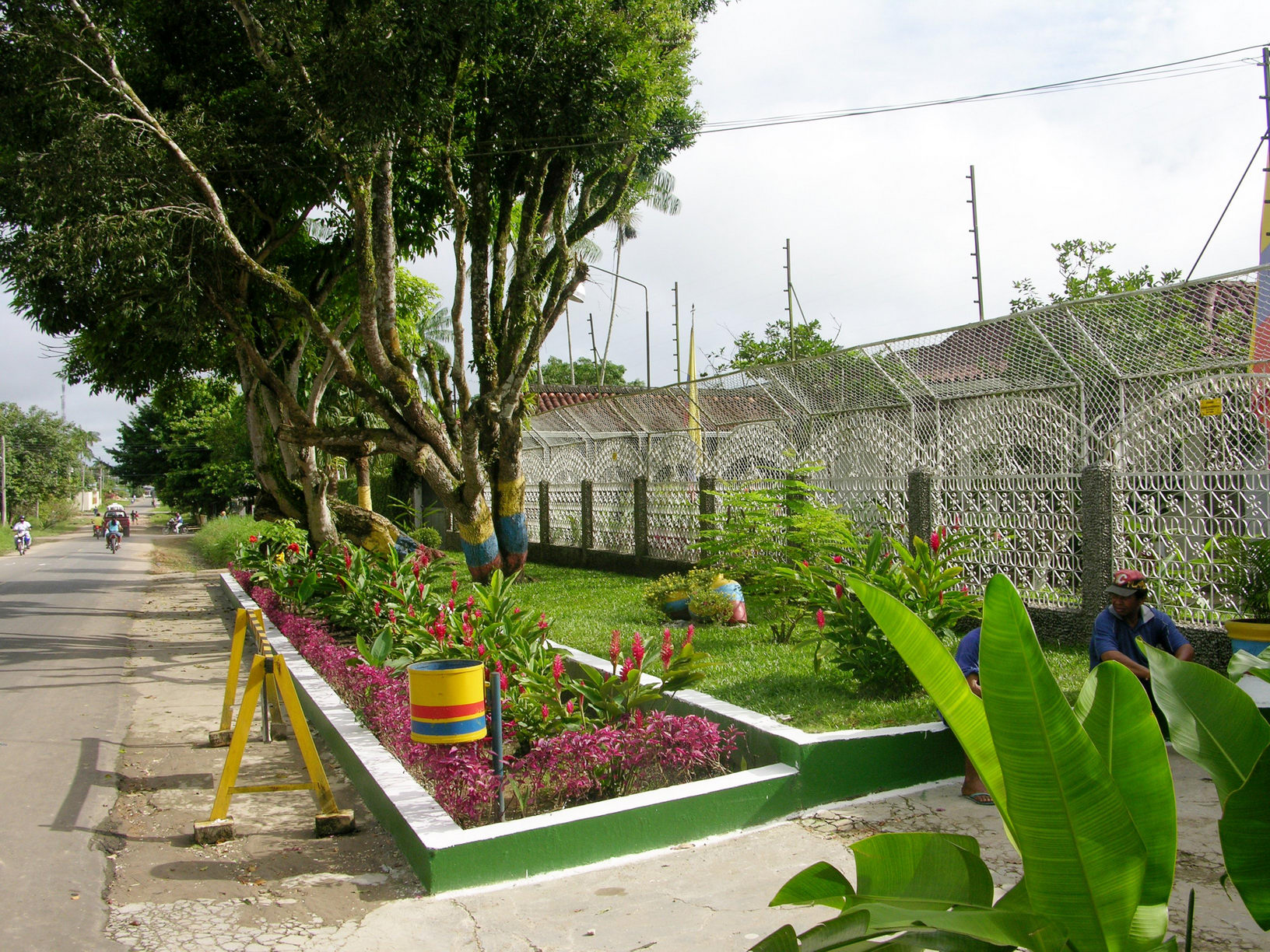
There's a Colombian consulate in Tabatinga. We would try going there tomorrow.
In the morning we walked back to Brazil in the cool. We found the consulate and saw the notice. Owing to the municipal carnival on 1 February, the consulate was closed.
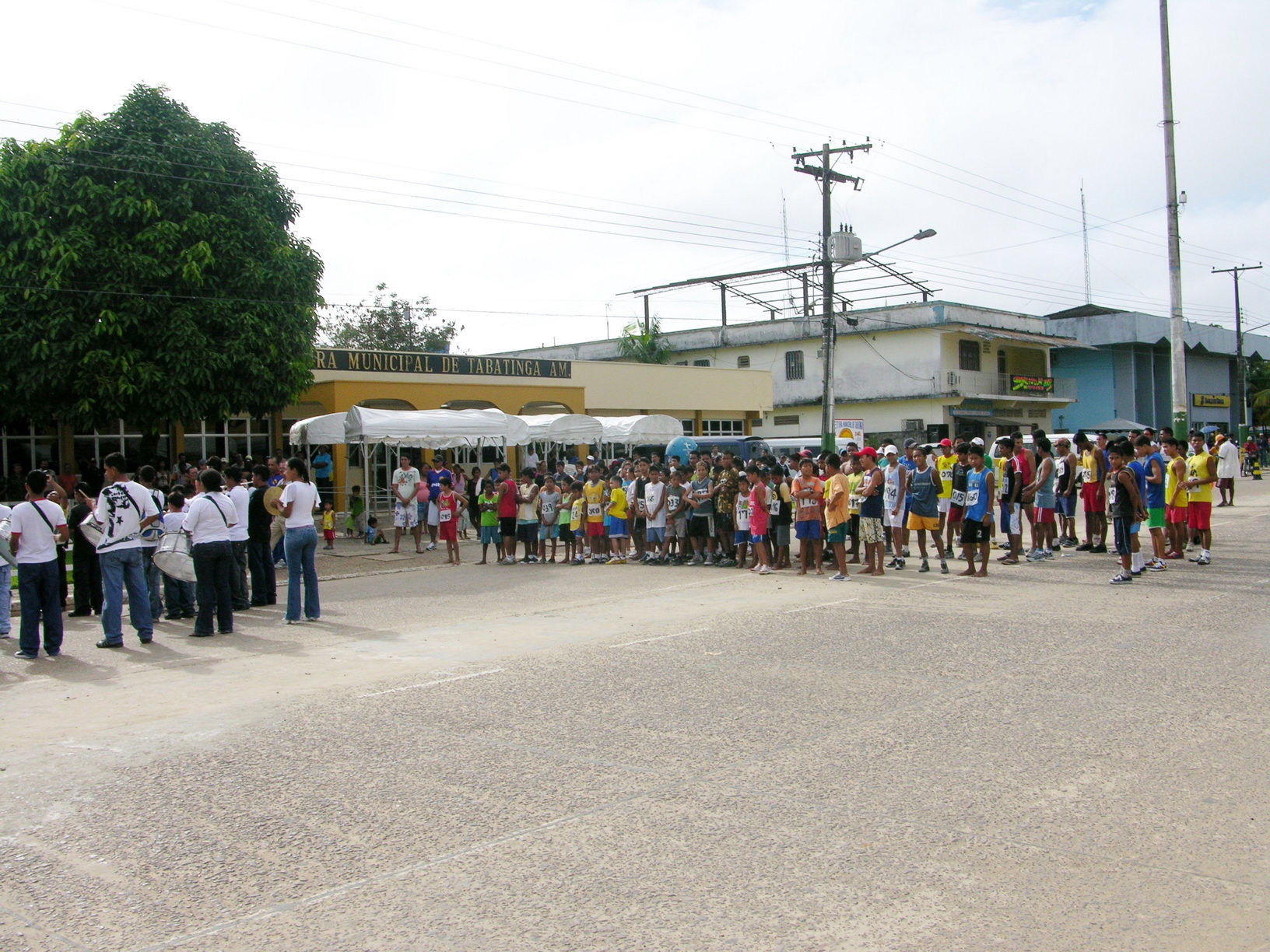
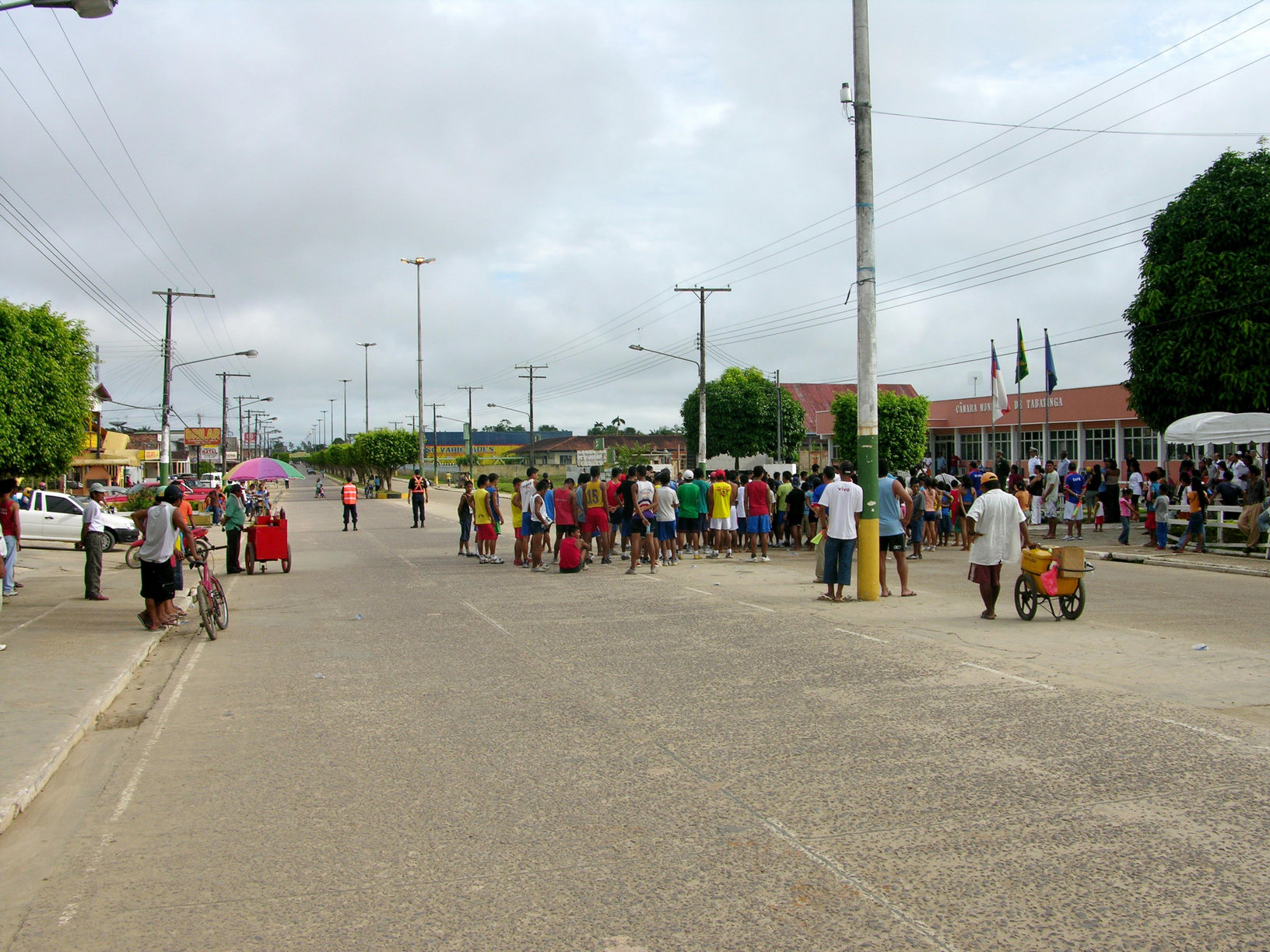
The municipal carnival consisted of children running down the main street of Tabatinga, and numerous officials handing out prizes afterwards.
How maddening it is to waste time waiting. There was nothing else to see in Tabatinga.
We could go to Peru, where we didn't need a visa, but we'd been there already, and Colombia beckoned all the more because it was hard to get in. We'd already missed Venezuela. A shame to lose a day, especially since tomorrow was Friday. If we couldn't do it in one day we'd have to wait two more over the weekend. We actually got as far as the ticket desk for Iquitos, the nearest Peruvian city, but something stopped us at the last moment. Probably the departure at five in the morning. I didn't fancy getting up in the middle of the night.
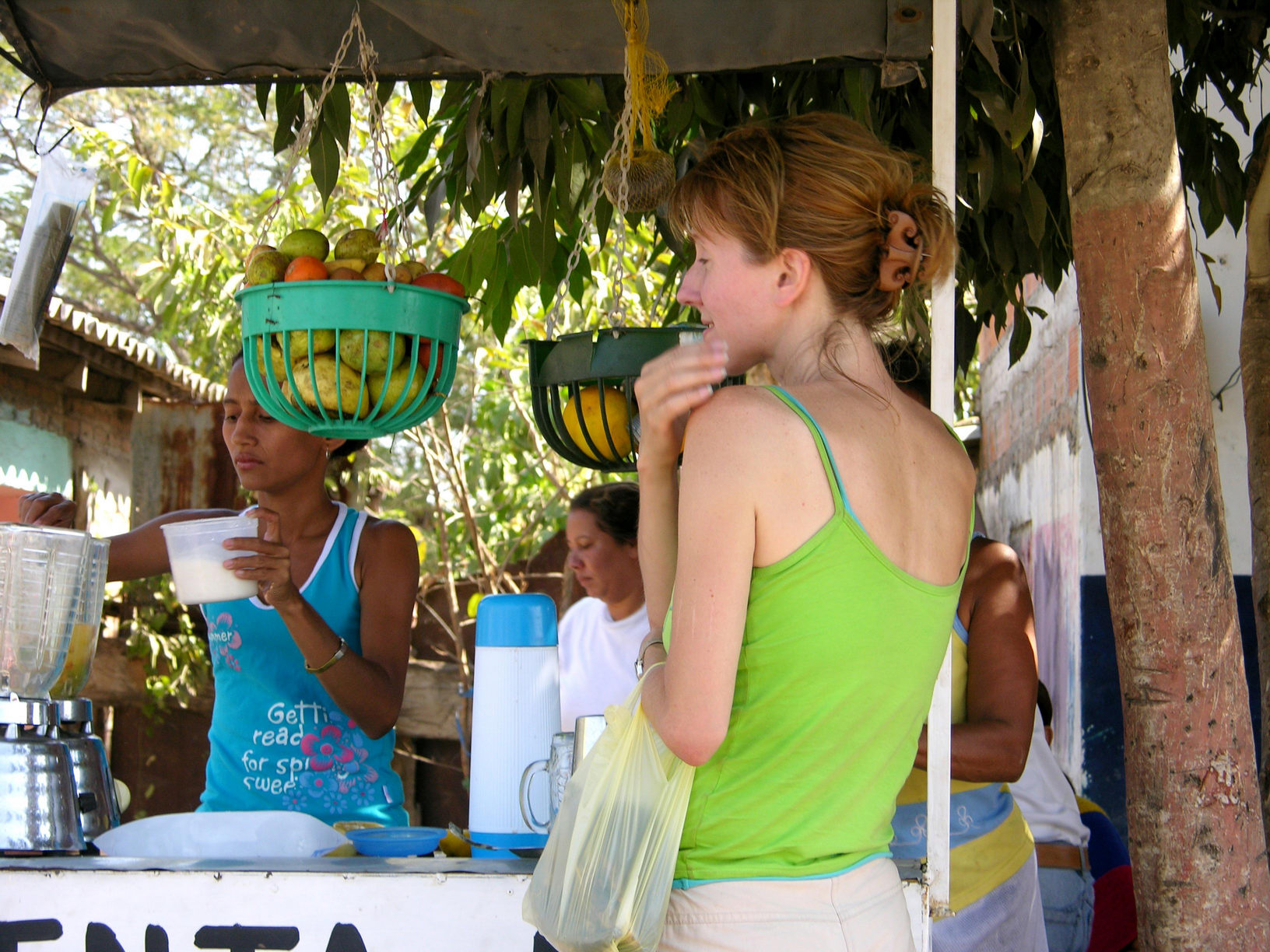
We decided not to give up. We'd wait for the consulate to open, spend the day sprawling on a sofa and swimming in the hotel pool, and try different freshly squeezed juices. They've brought that to a high art in Colombia. Point at any of dozens of items on the menu and for three or four thousand pesos they'll squeeze everything that can possibly be squeezed out of the tropical fruit you picked. They'll water it down with milk or water if you ask. Not all of them can actually be drunk, mind you. We tried almost everything. There was one fruit I couldn't manage, even with all my willpower. At the end of our experiments we settled on mora juice, made from the local blackberry.
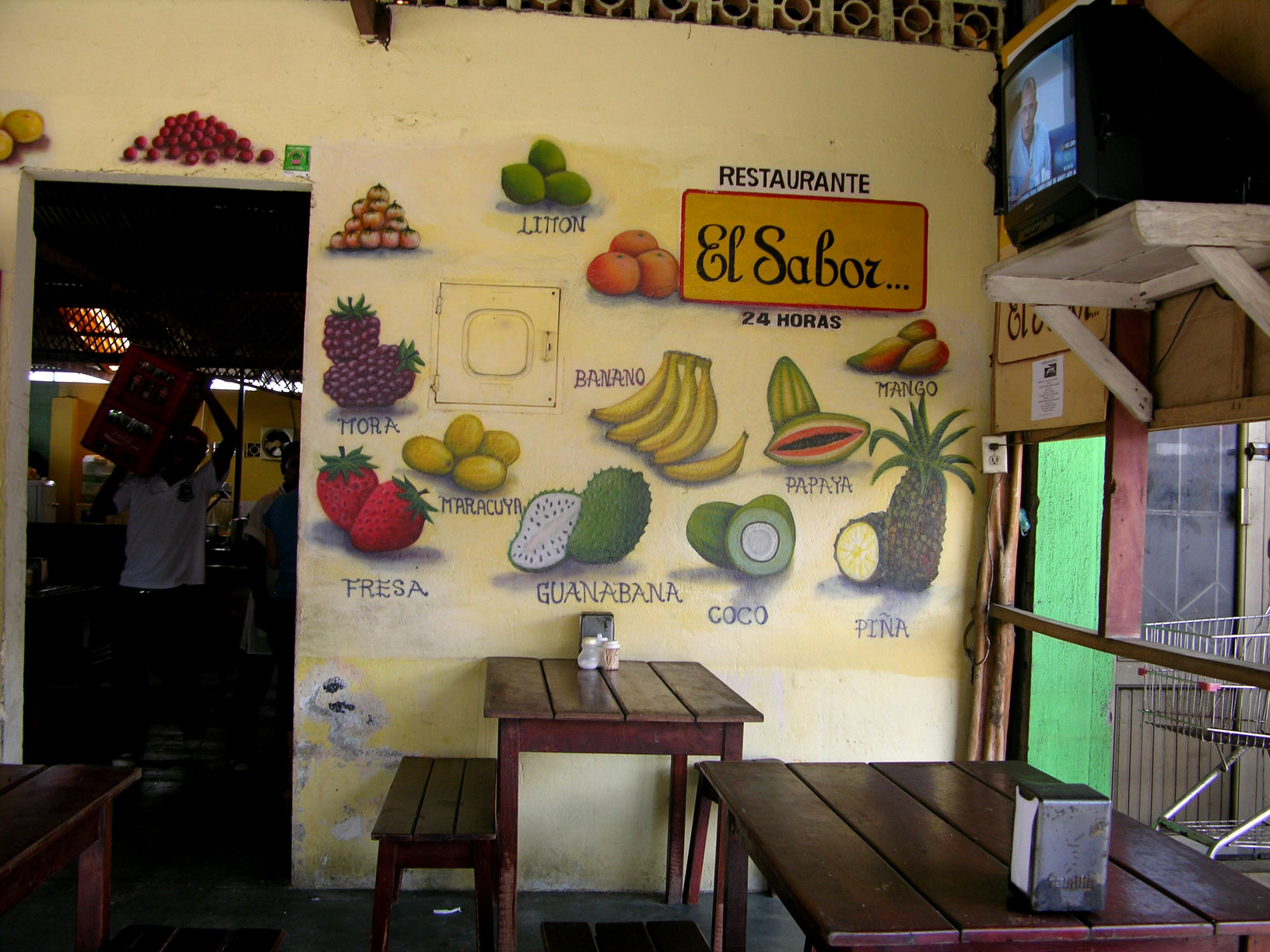
Next morning we went to the consulate at opening time. They say it's important to be first. The consulate only manages a few visas a day.
The consul received us but sent us to Leticia for plane tickets to Bogotá, to an agency of his choosing. “If you go to that one, everything will be all right and you'll get it done today.” It wasn't easy to do in one day. We bought the tickets in Colombia from AeroRepública, for 315,000 pesos. Then we took them back to the consul in Brazil. He issued an invoice for the 90,000-peso visa fee. We had to go back to Colombia to pay. An enormous queue at the bank. Luckily the taxi driver offered to help and negotiated with the manager to let us pay without waiting. The invoice, by the way, was payable to the local Rotary Club. Now back to the consul again. I hadn't seen such a methodical, unhurried official in years. He does all the work in his office himself. He filled our applications in for us in calligraphy. A funny form it turned out to be. Your address in Brazil: Colombia, Leticia, Hotel El Campín. He spent ten minutes cutting out the photographs himself, to make them fit the little printed boxes exactly. You need three photographs, by the way. One for the form, one for some card or other, and the third gets glued straight onto the visa.
When he got to the glue the consul put on sleeve protectors. Each photograph in turn was carefully covered in glue and, following the directions on the tube, pressed down by hand for fifteen minutes. Then came his signature, with every sort of curlicue. Drawing it took nearly a minute. Then he covered the signature and photograph with protective film. He spent more than an hour on us. Now I understand why it's so important to be first in the queue. A lovely visa. Now border guards stop to admire it at every border, then ask, “Where are you carrying the drugs?” In England it even landed me in the holding area for potential terrorists, where I sat for an hour with some Pakistanis with beards and turbans. They asked me over and over what I'd done each day in that frightening country.
We had the visa, but that wasn't everything. We still had to get an exit stamp from Brazilian immigration. It wasn't on the border at all but in the farthest corner of Tabatinga. It closes for lunch and on weekends. It was Friday and we had to make it. We tore up to the door five minutes before lunch. Now all we had to do was pick up our things from the hotel, change the last of the Brazilian reais, and finally get to the airport. Colombian immigration stamps you in before you check in for the flight. Customs didn't search us flying out of Leticia to Bogotá. I didn't even see anyone who could have done it. In all the commotion I'd left a pocketknife in my bag, and they didn't bother to take that either. Now that's a free country.
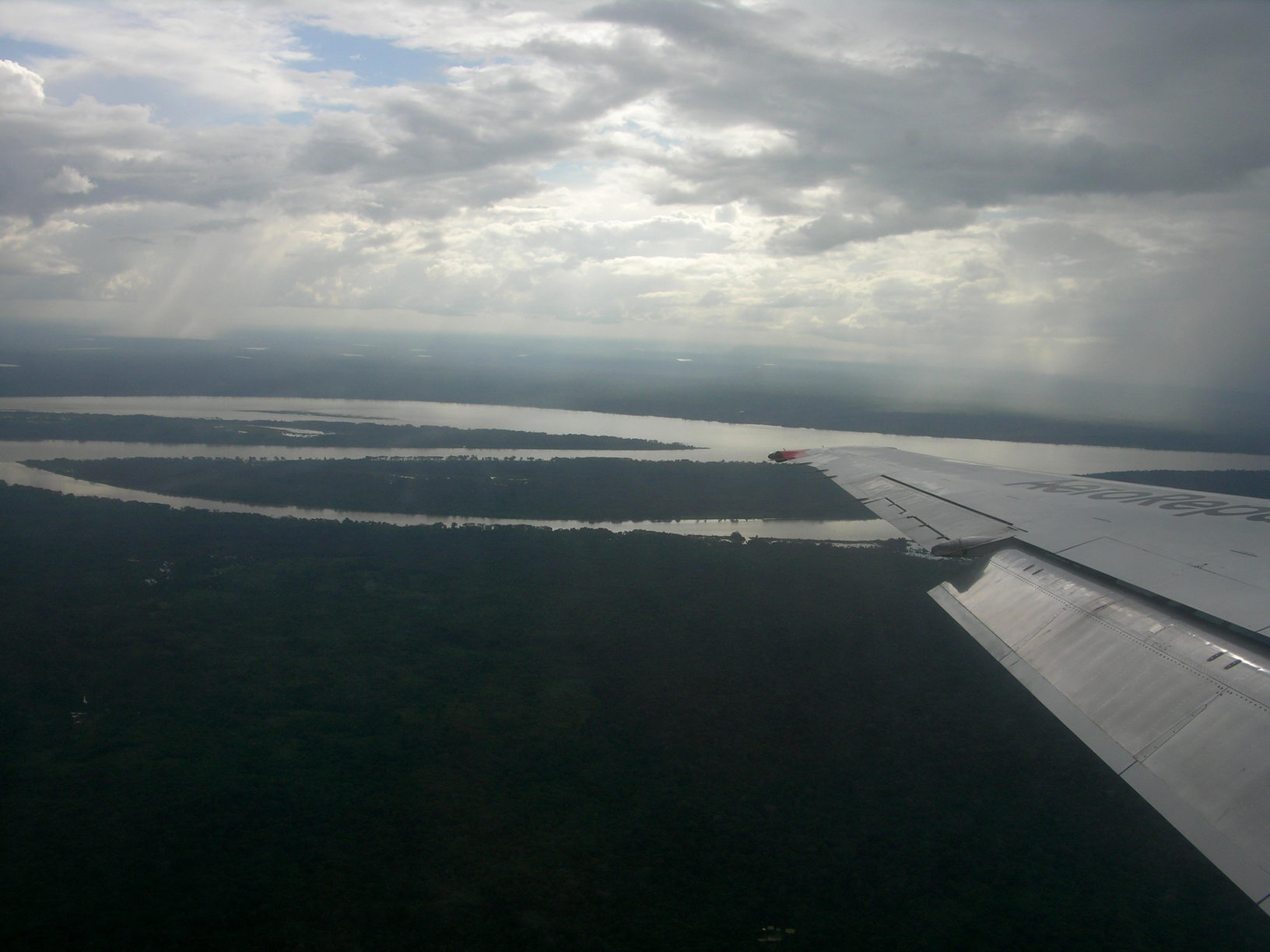
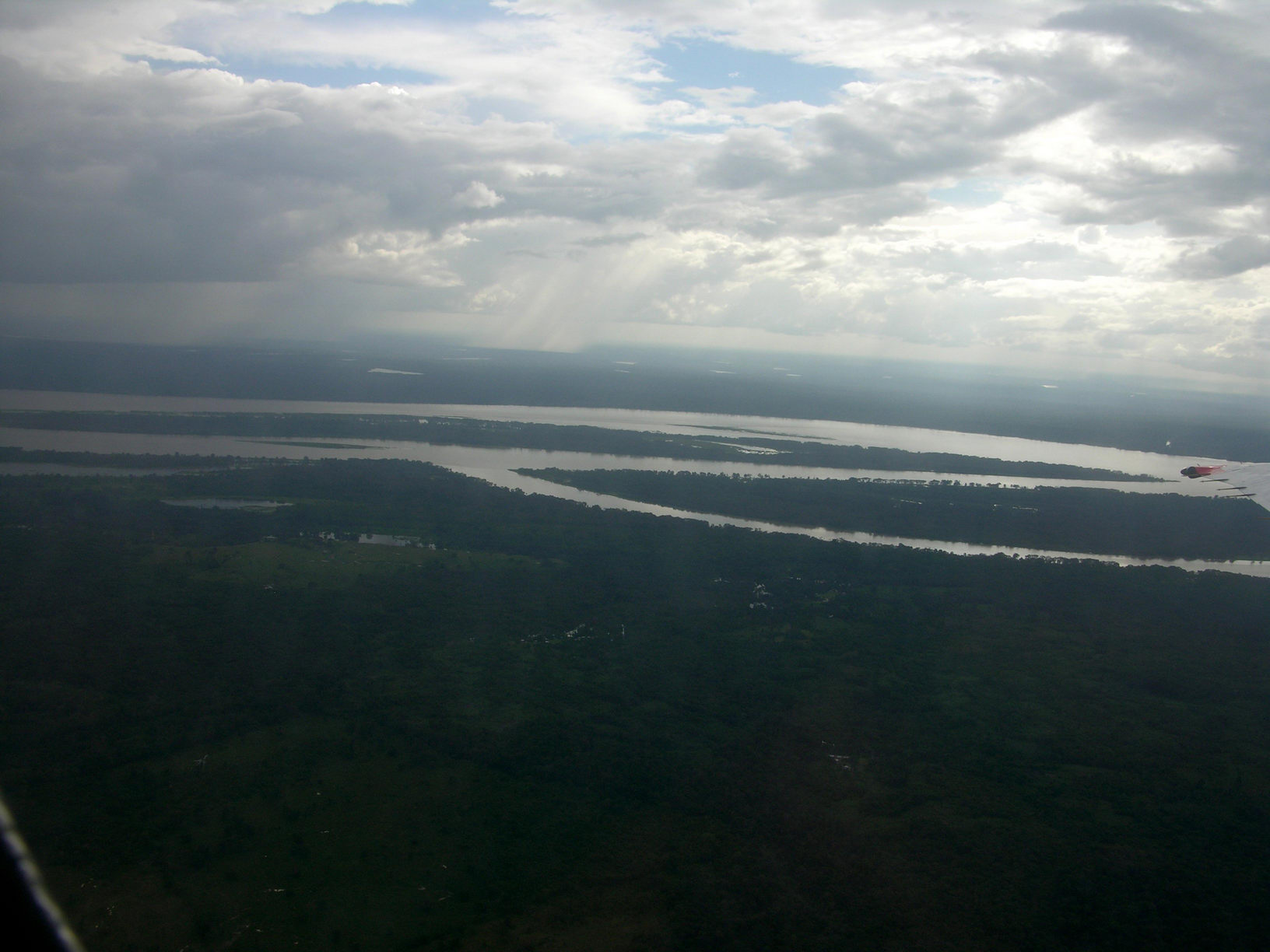
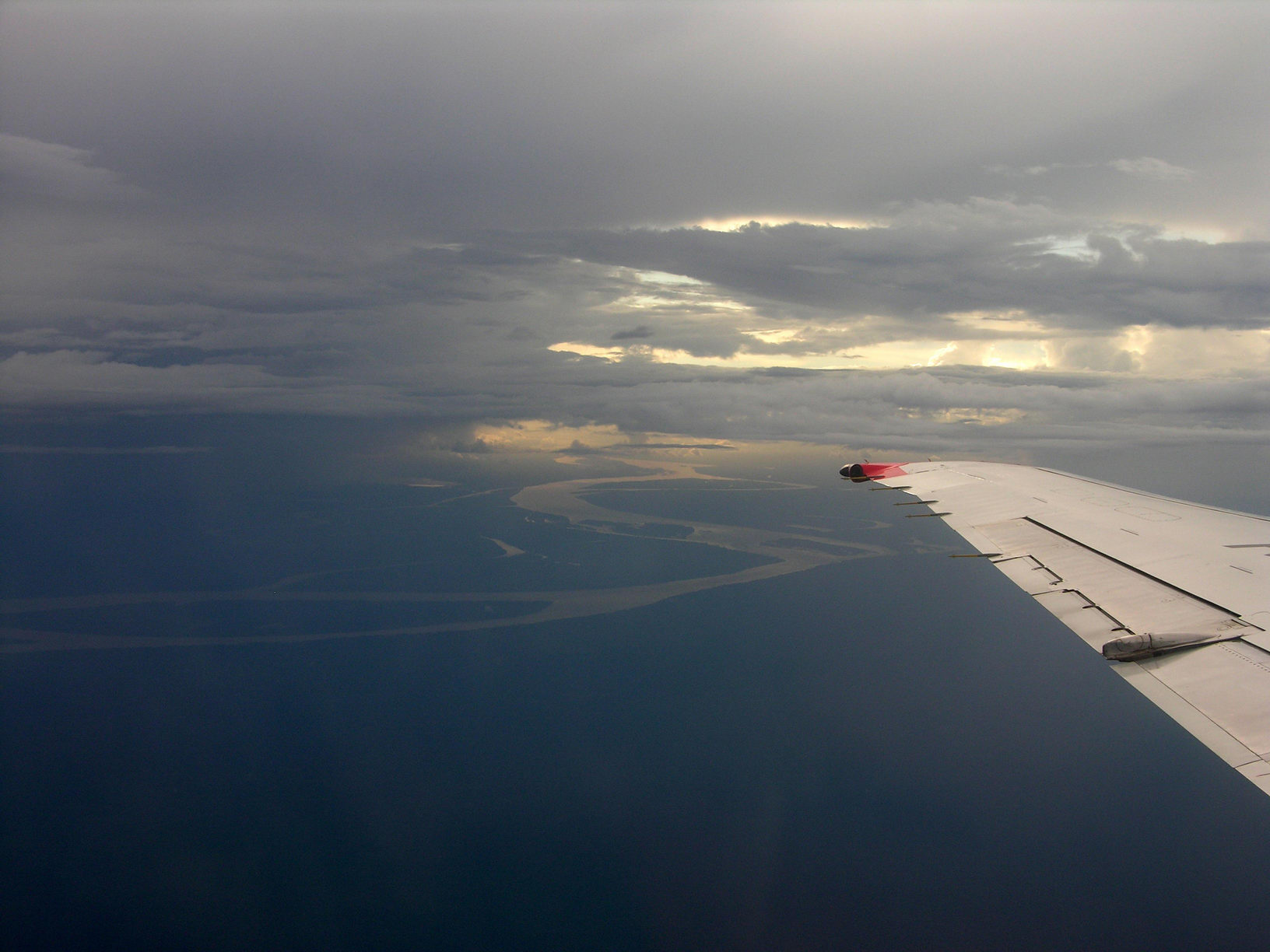
The afternoon tropical downpour and thunderstorm began. I'd come to think the plane wouldn't arrive, but it landed in dreadful conditions and took off on time. The Amazon flashed under the wing one last time and the plane turned north. There was no way to get to Leticia but by plane. First, there was no road. Second, the guerrillas controlled that country. A road was being built, and before long real travellers would have their chance to reach it by land with more adventure than they knew what to do with.
It's an hour and a half's flight to Bogotá. First there are endless tropical forests under the wing, then the towering Andes and their active volcanoes. Beautiful, but to reach those mountains takes days in a jeep. Probably more than we could arrange, quite apart from the region being controlled by the guerrillas.
Bogotá is a city of ten million at 2,500 metres. It's not hot at all, especially after more than a month in the hot, wet tropics. We thought of the jacket we'd sent to Saint Petersburg. How we were going to miss it!
An inconvenient airport. Not only do you pay for the trolley, it comes with a driver. It was bad enough that you needed a guide in national parks. Now even the airport! Too much.
Car hire isn't widespread in Colombia. It's considered very dangerous. There are no signs, the traffic is frightful and the roads are bad. Even Lonely Planet says it's a bad idea. We didn't believe it. Hertz gave us a car at sixty US dollars a day.
A car is a great help after all. One snag: you can't buy a map of the city at the airport, or a map of the country for that matter. We didn't have any sort of guidebook either.
So we drove out of the airport into the unknown, looking for the centre by intuition and common sense. We found it, and hotels actually started to appear. The first two we went into turned out to be partly love hotels. They assured us the walls were thick and we'd hear nothing, but they were hardly inviting. It always surprises me how institutional and completely unromantic love hotels feel. In Colombia it's easy to tell them apart from ordinary hotels. Usually it says so outright or there are little hearts. As in Brazil, “motel” means a brothel.
The streets didn't encourage us to search for long. Bogotá isn't a safe city in the evenings. A lot of people who sleep rough rummage through the rubbish, look at us hungrily and even yell something rude, along the lines of “Hey, gringo, hand over your money while you're still alive.” That's how they joke. They don't follow the words up with anything.
We had to take a room in the expensive Hotel San Francisco (4°36.619′N, 74°04.324′W), 140,000 pesos a night. But it was respectable and warm, with hot water, supervised parking and a splendid view from the eleventh floor.
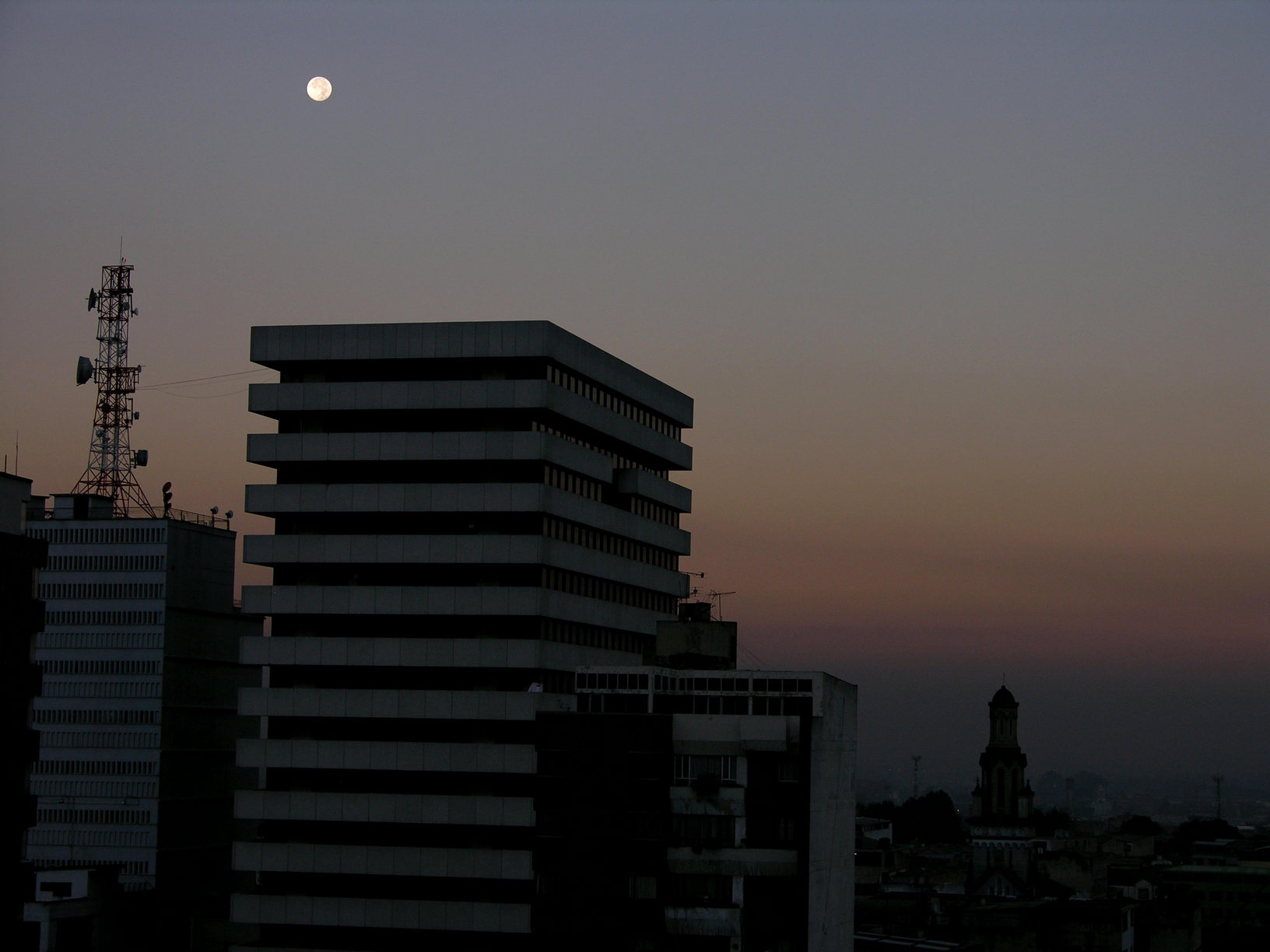
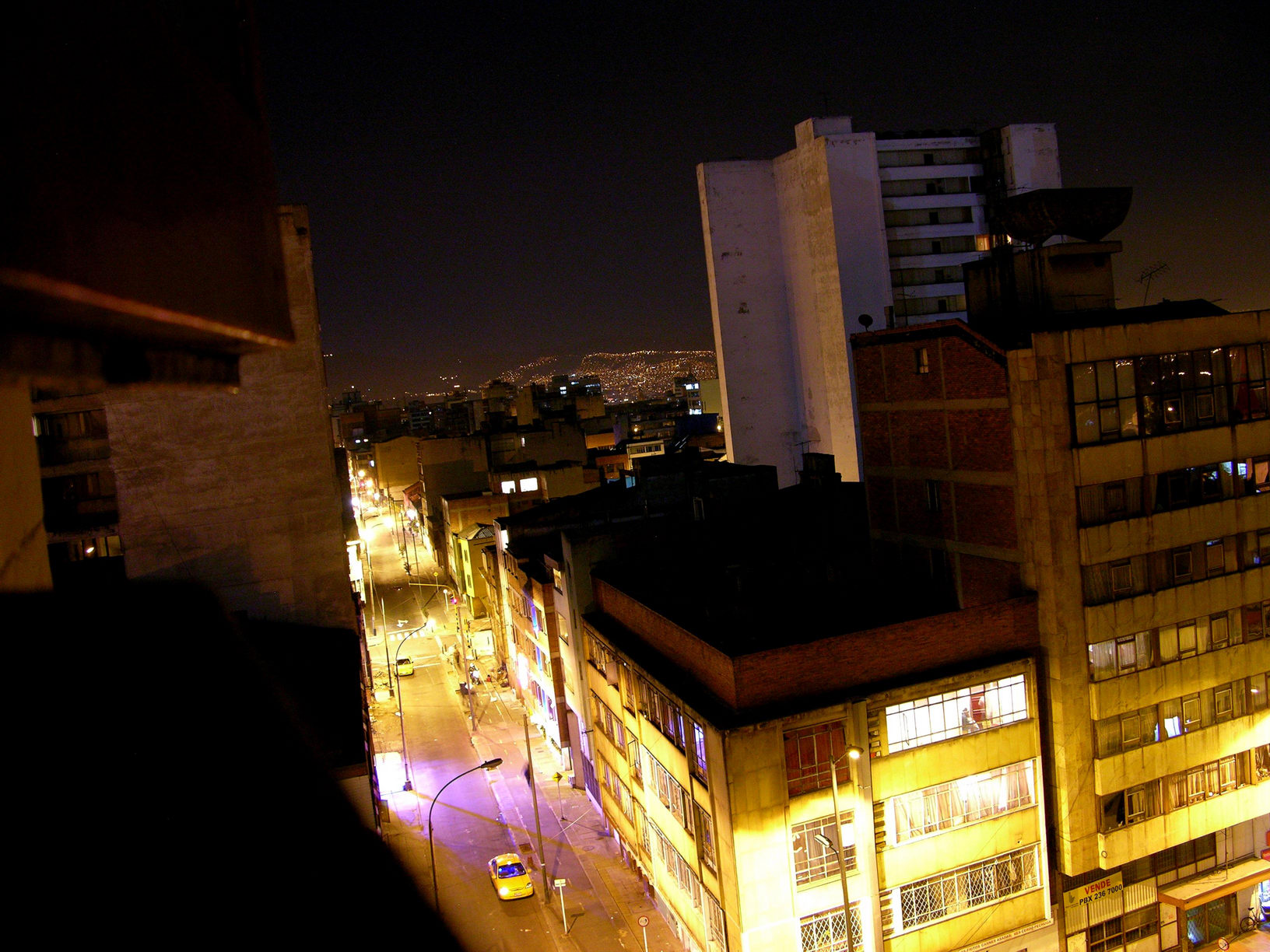
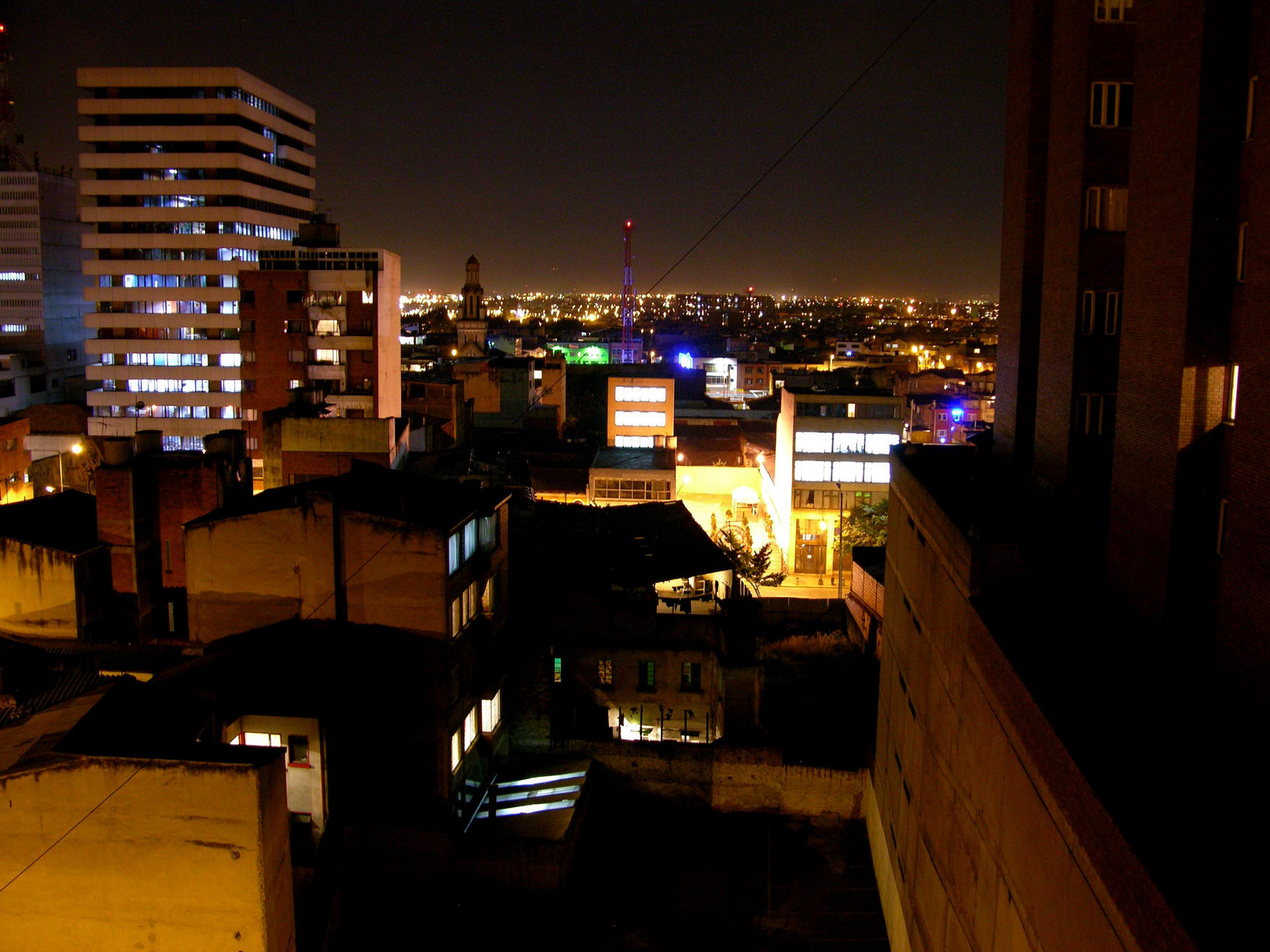
That was handy. We had to wash, do our laundry and go through our things. T-shirts wouldn't do us any good here. Time for jeans and a warmer shirt. As well as being high up, it was winter.
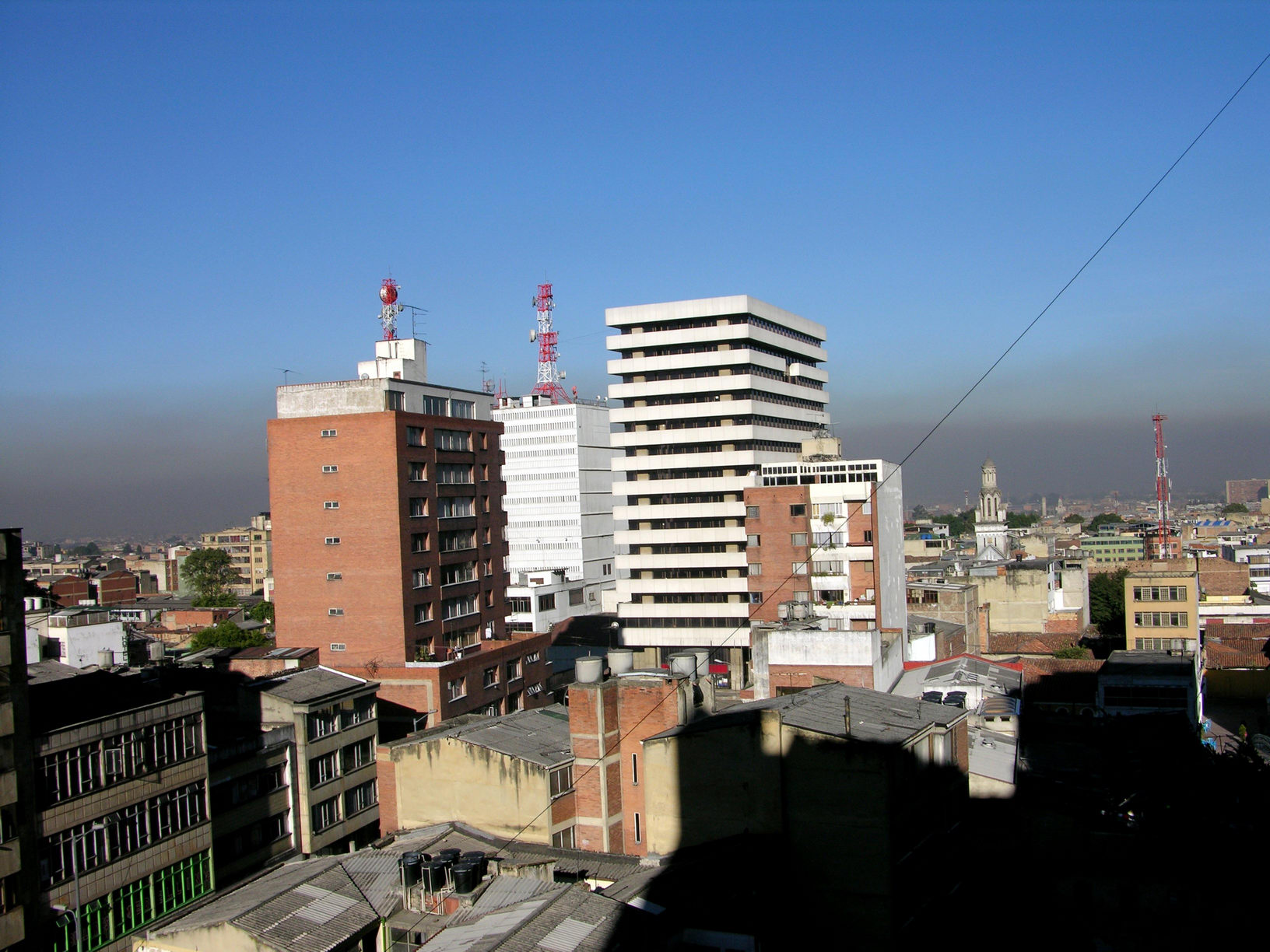
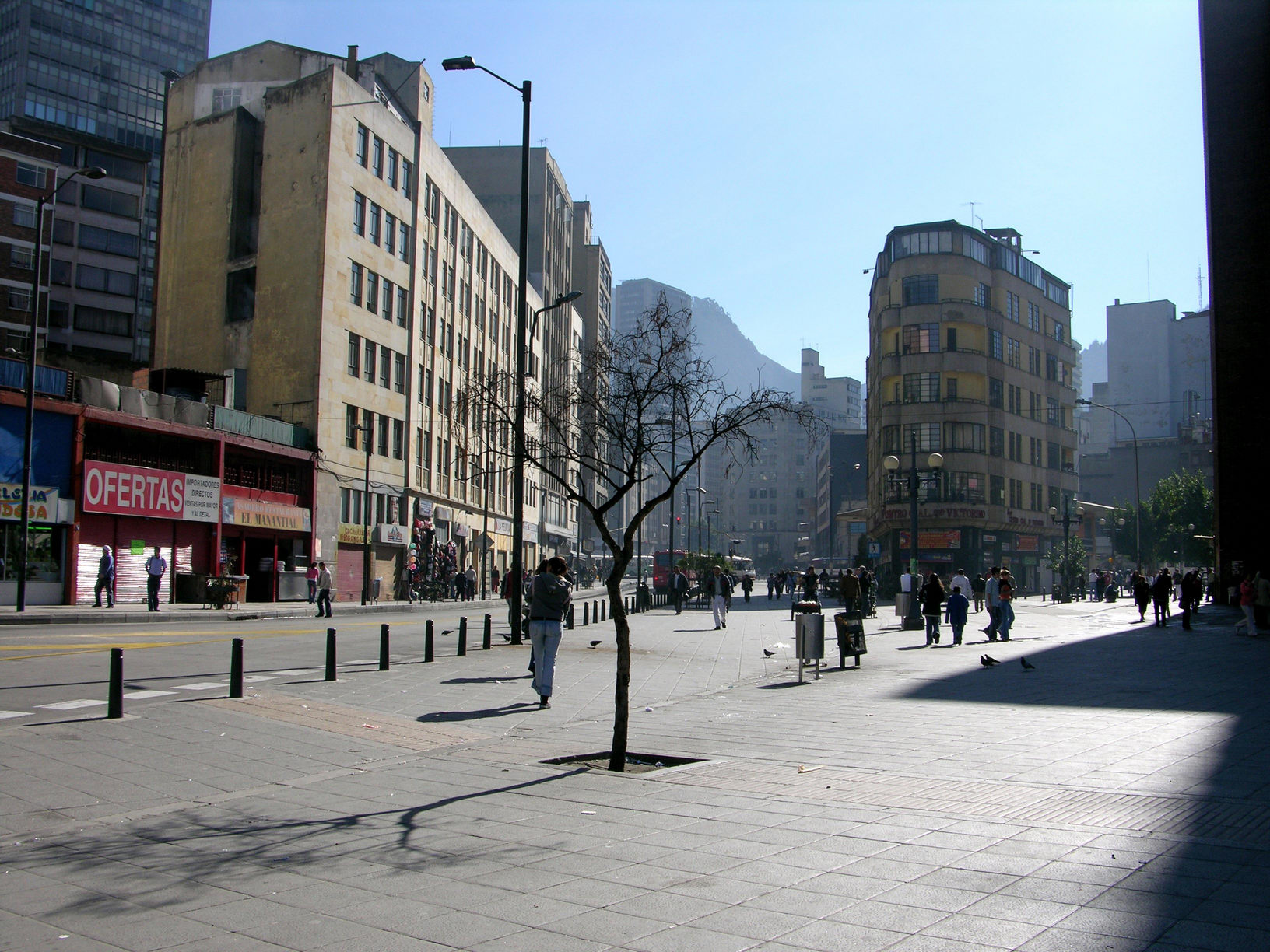
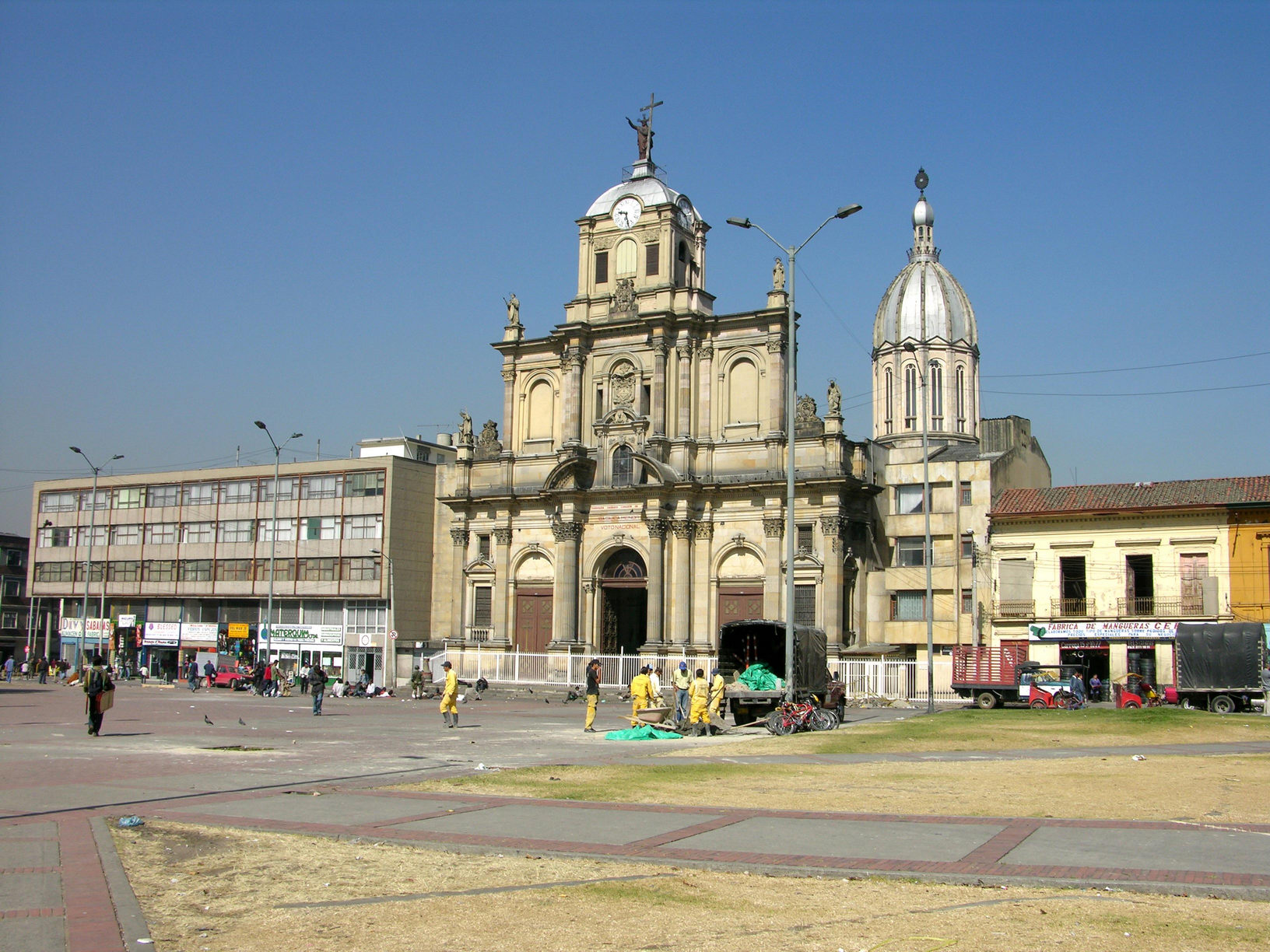
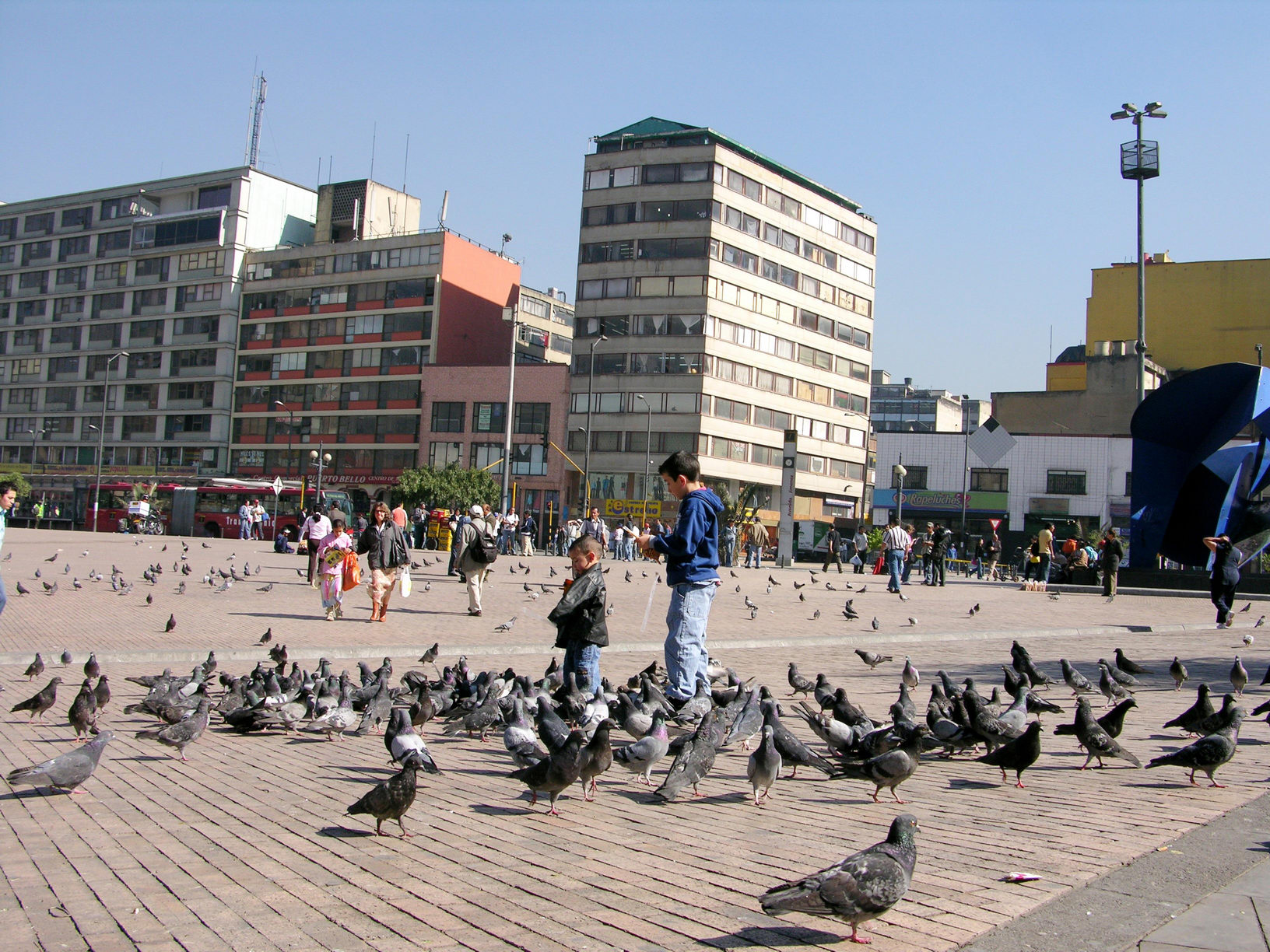
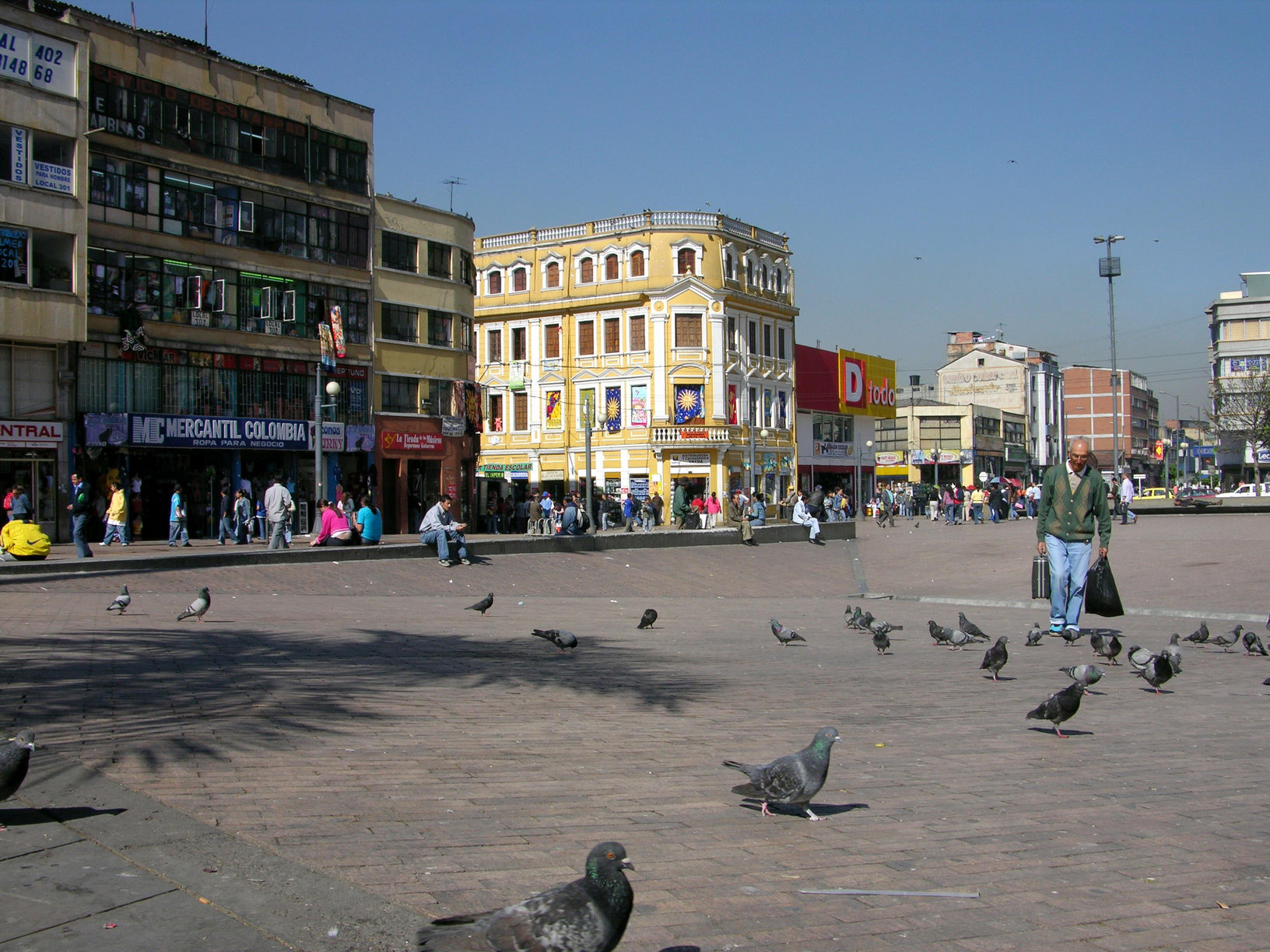
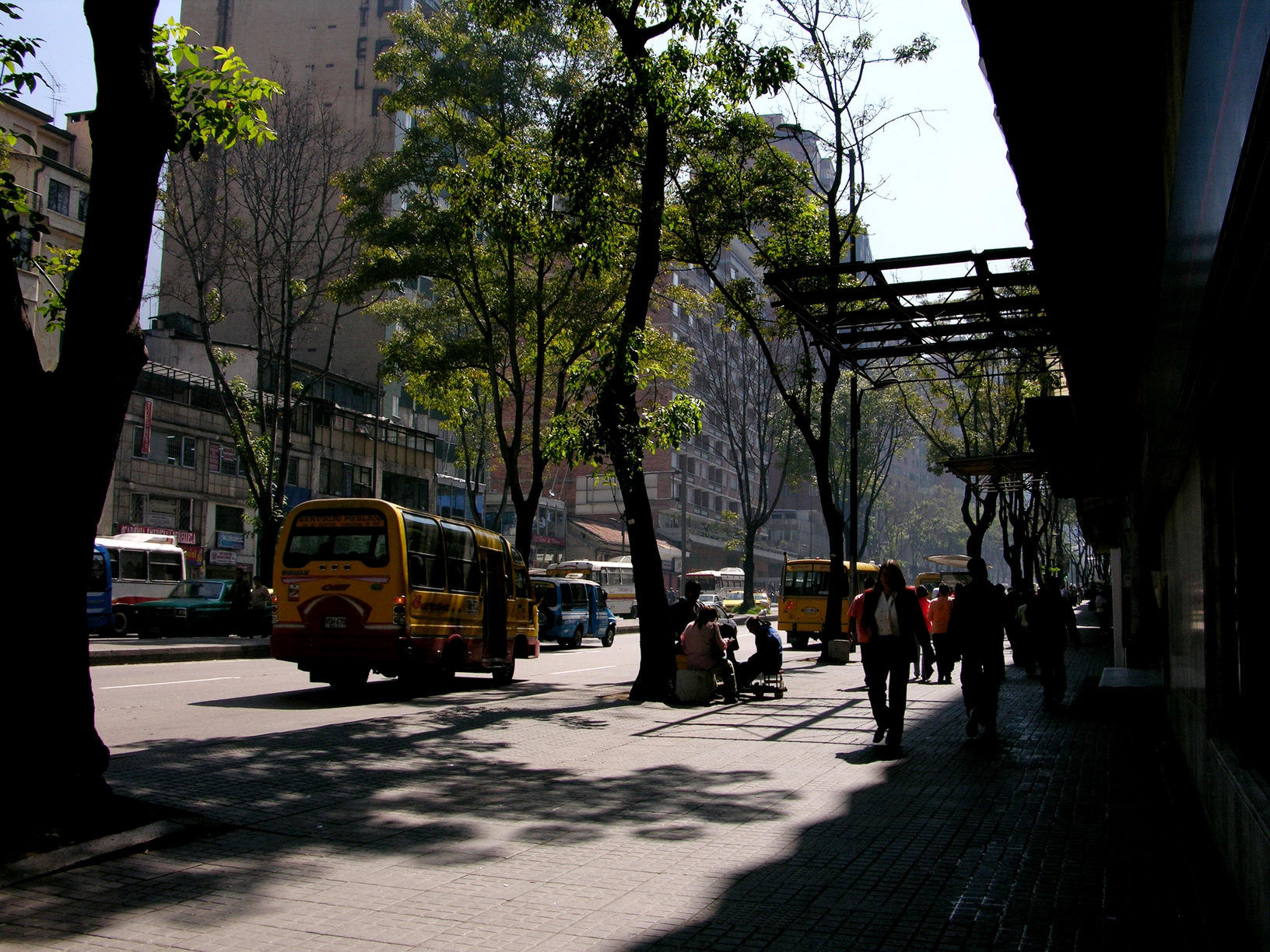
In the morning the city transformed. Crowds of people poured into the streets. The people sleeping rough had vanished, along with the rubbish they'd scattered. A beautiful, well-kept capital with broad streets and pleasant cafés lay before us. We planned to spend the first day in the city. For a start, we had to find maps and guidebooks. Then we wanted to visit the Gold Museum. There's more gold in Colombia than anywhere else. The explanation is quite simple: the Inca never got this far. They loved gold and put it on show. When the Spaniards came, all they had to do was sweep it off the shelves into a sack and melt it down. In Colombia it was customary to bury gold with the dead or sink it from a raft in a lake to please the god of the lake. A fine thing to try to find now. You have to dig for a long time.
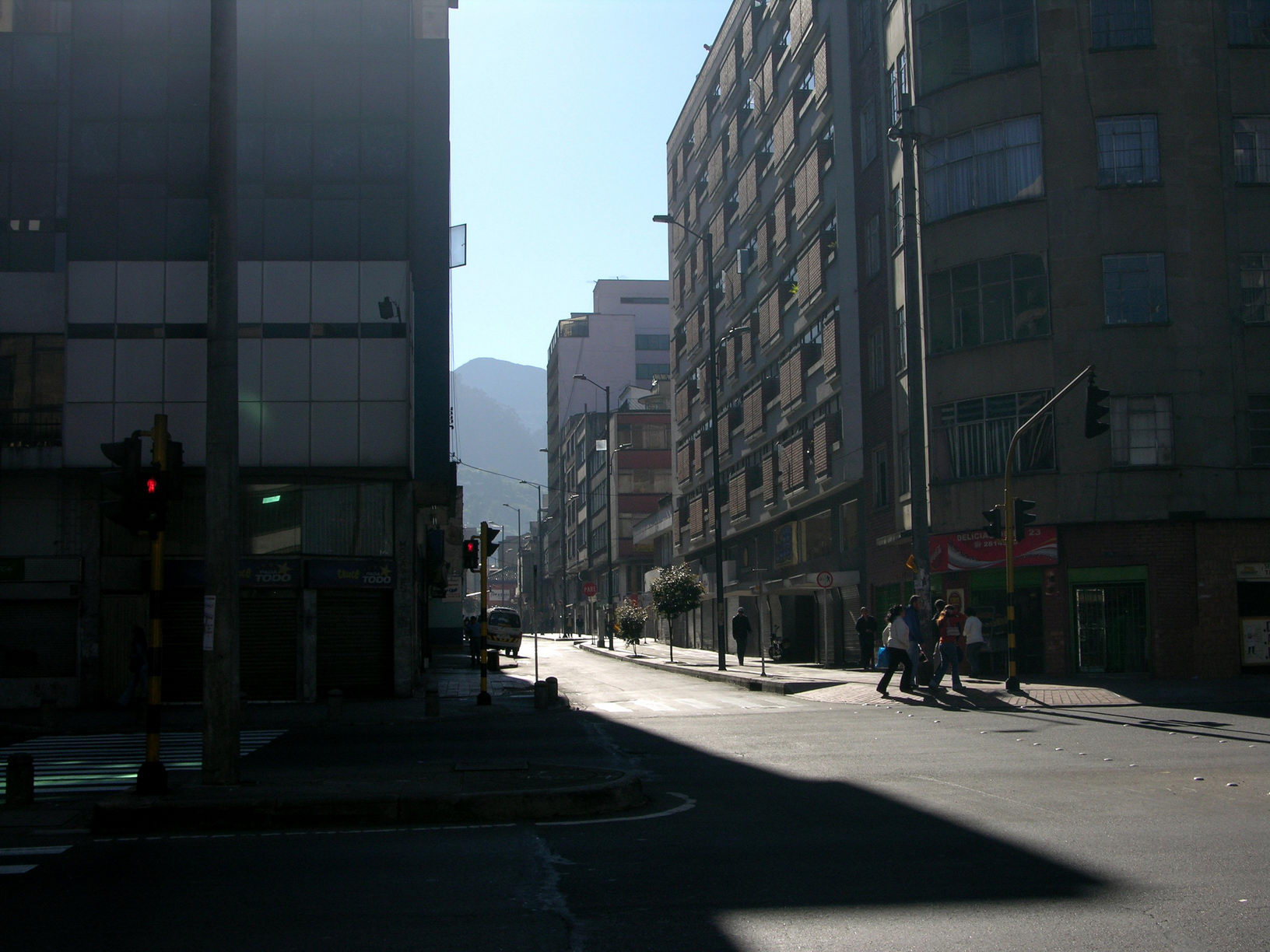
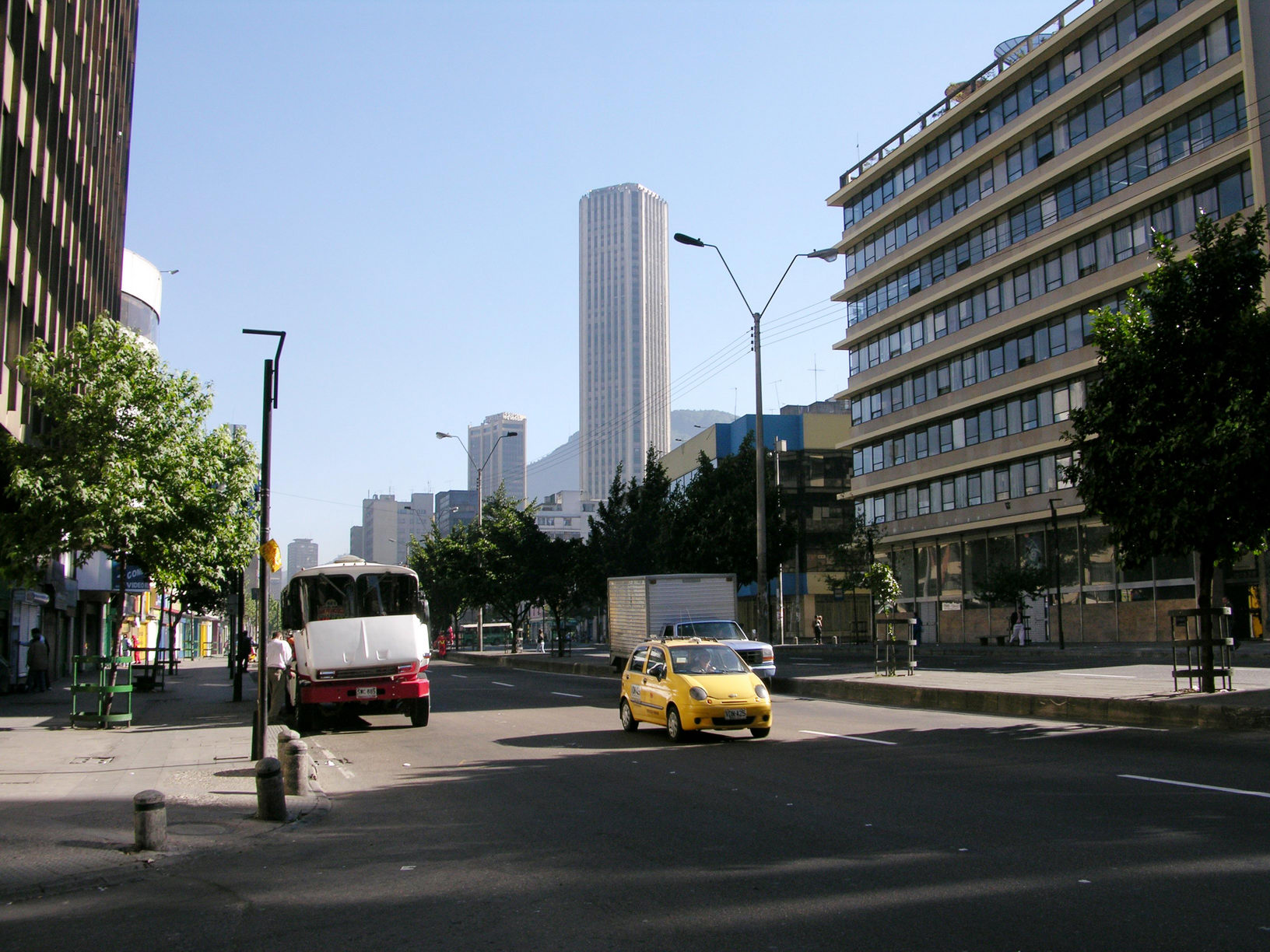
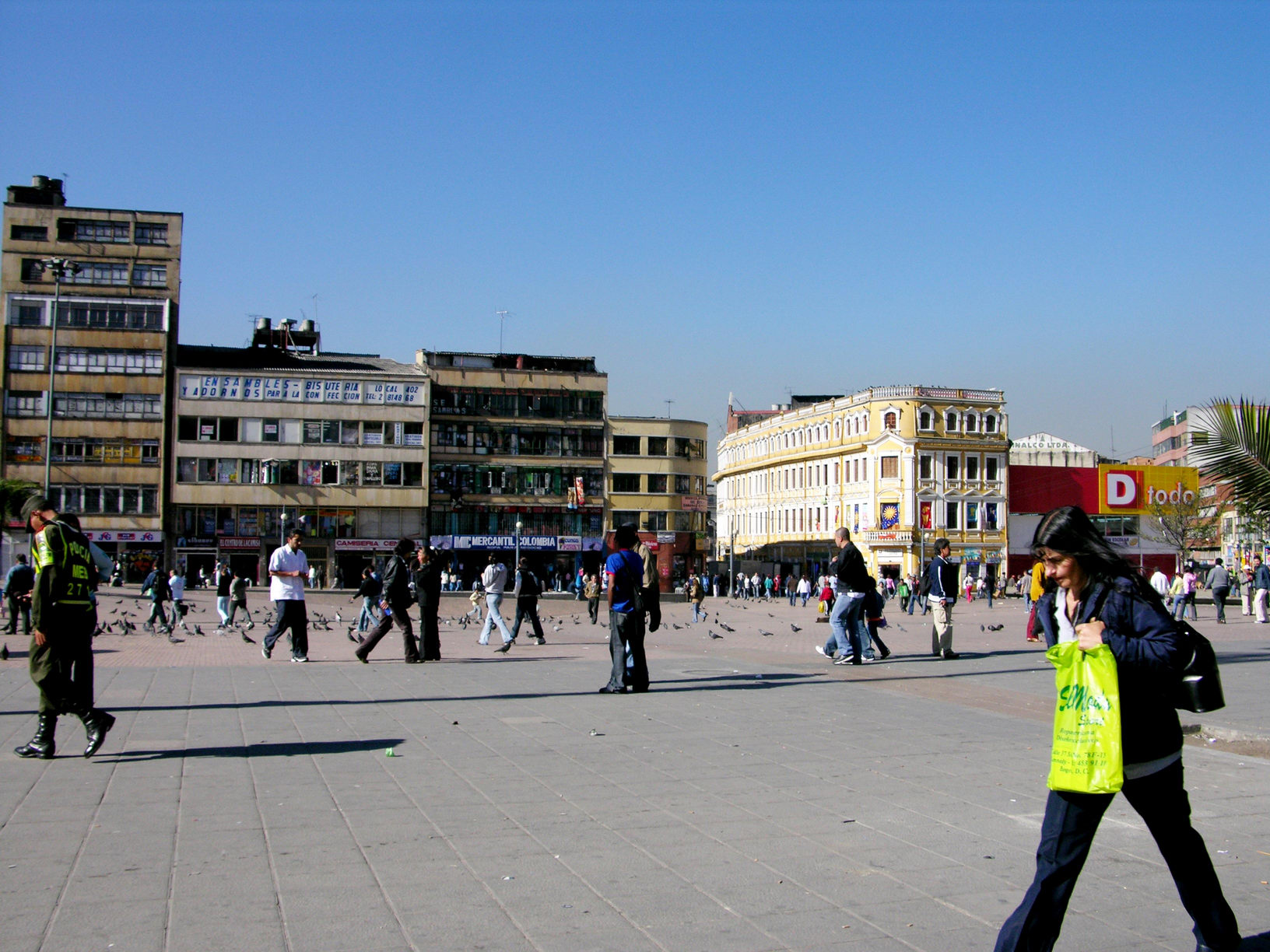
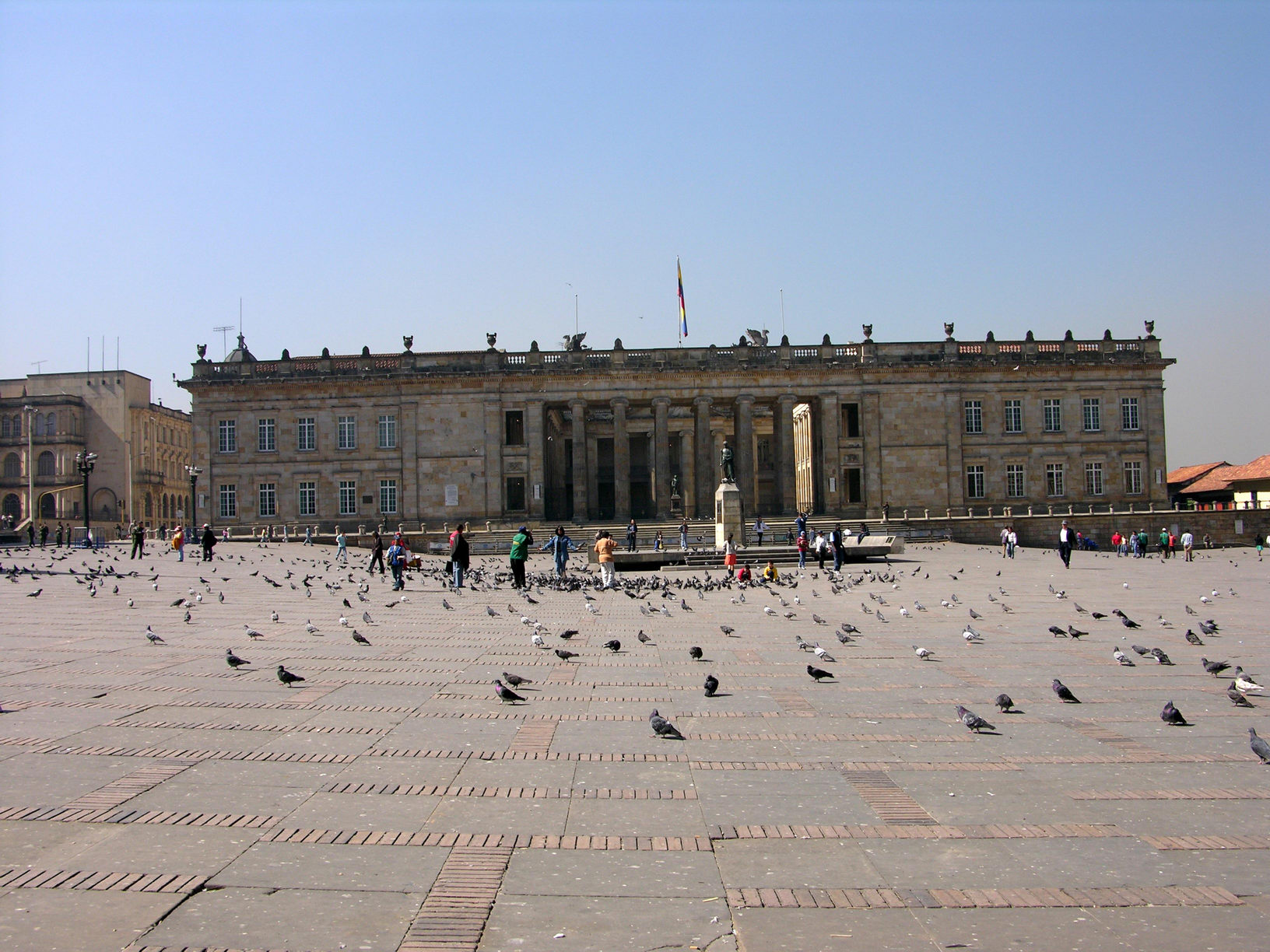
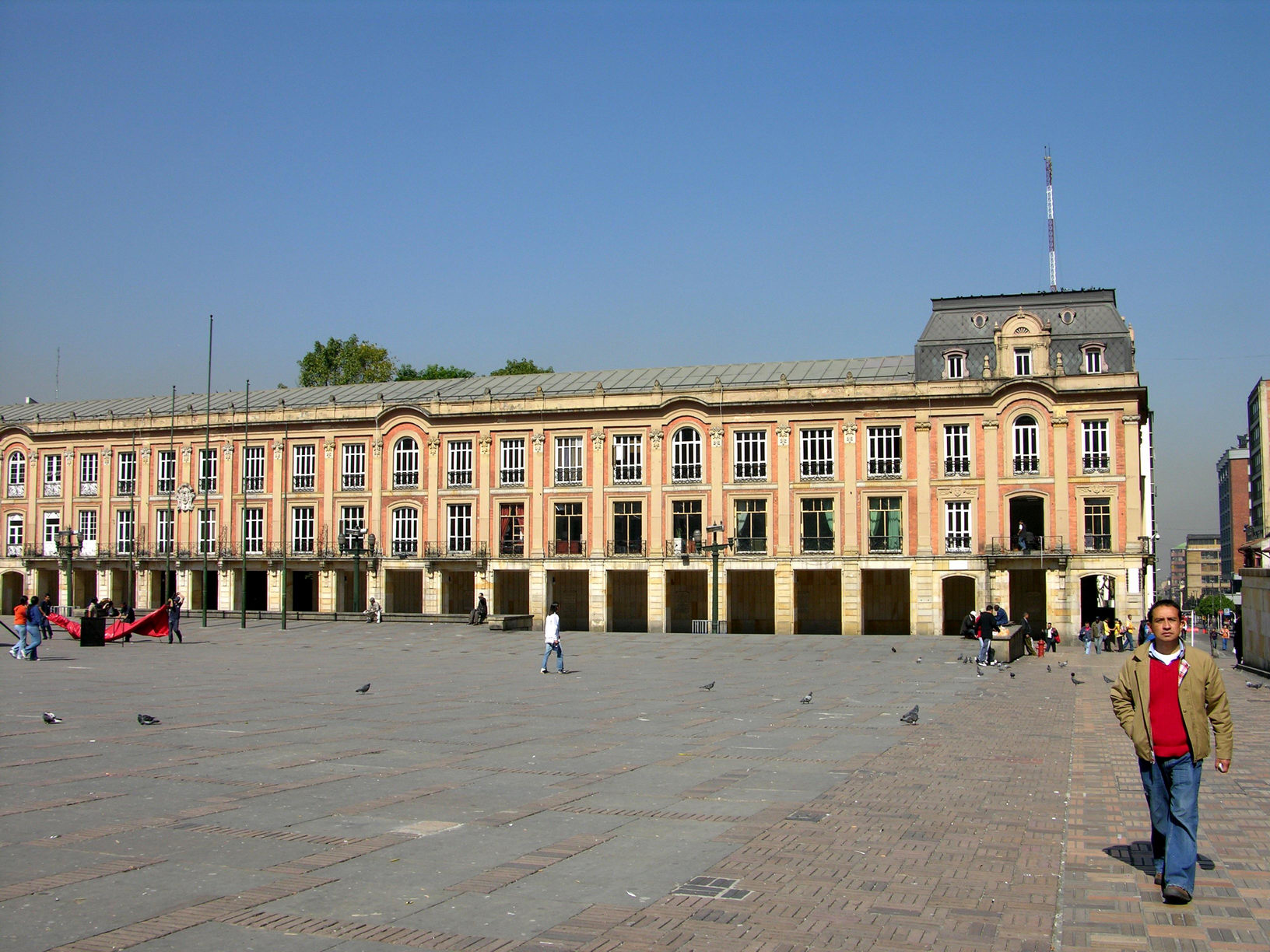
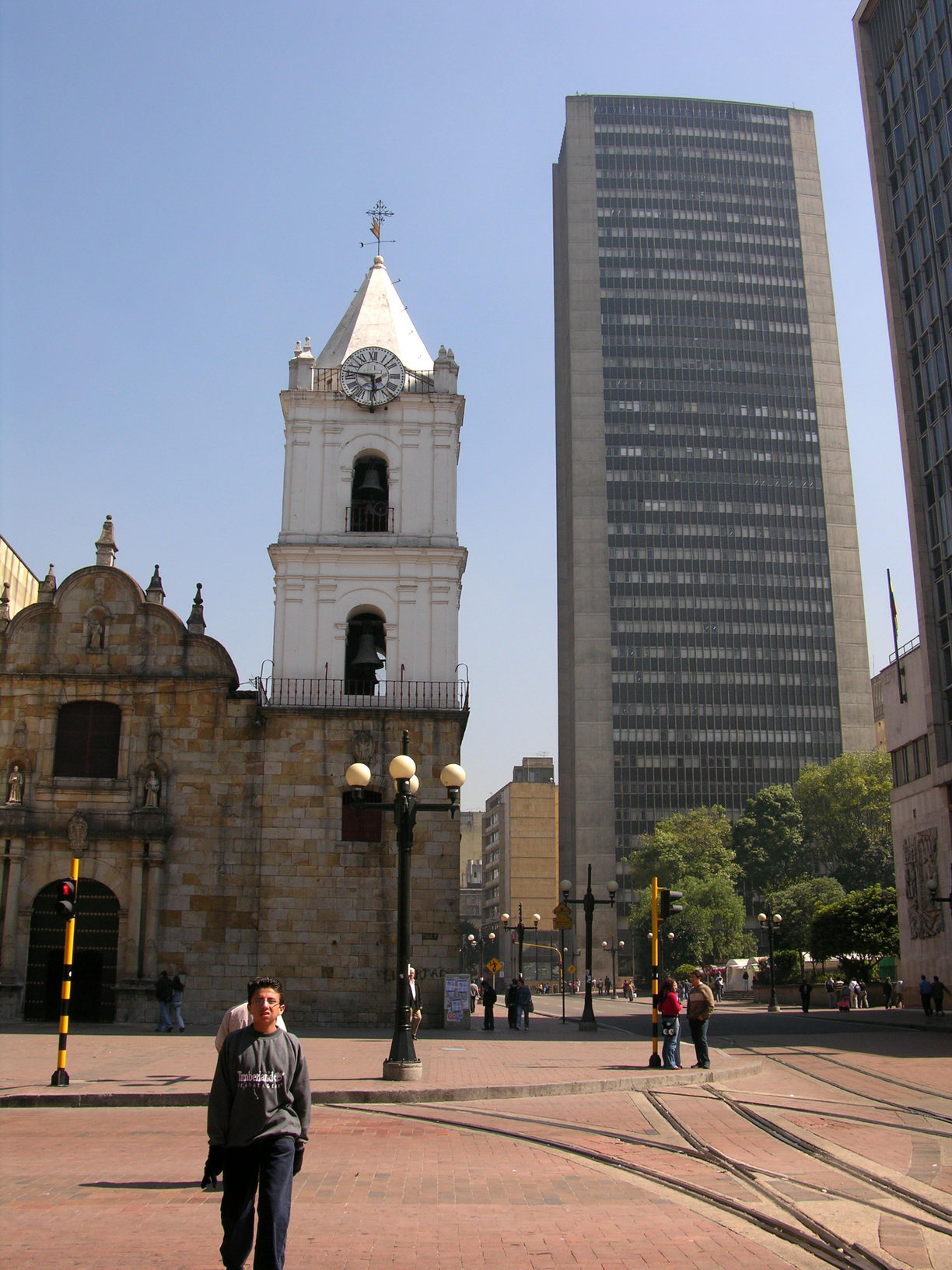
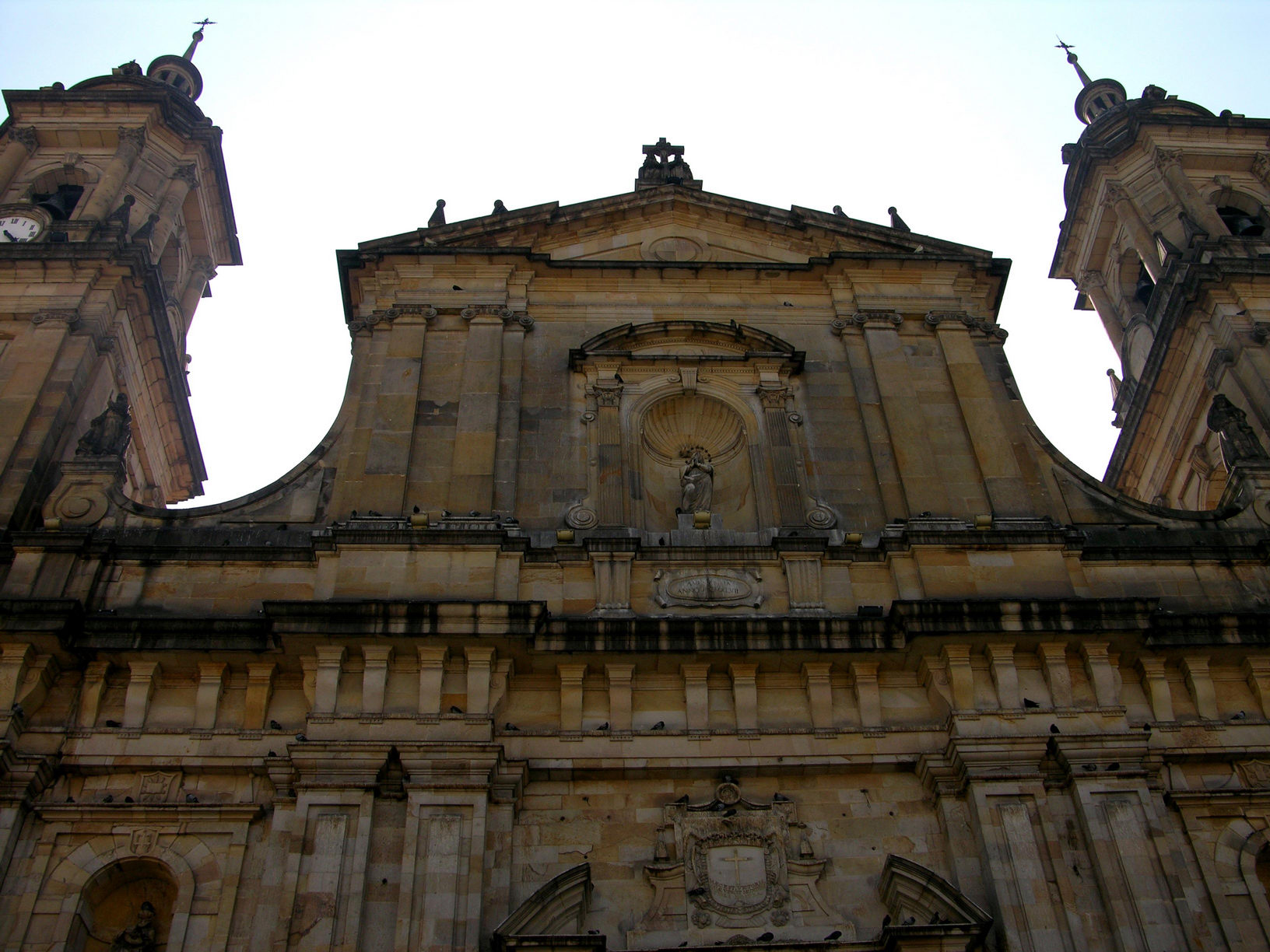
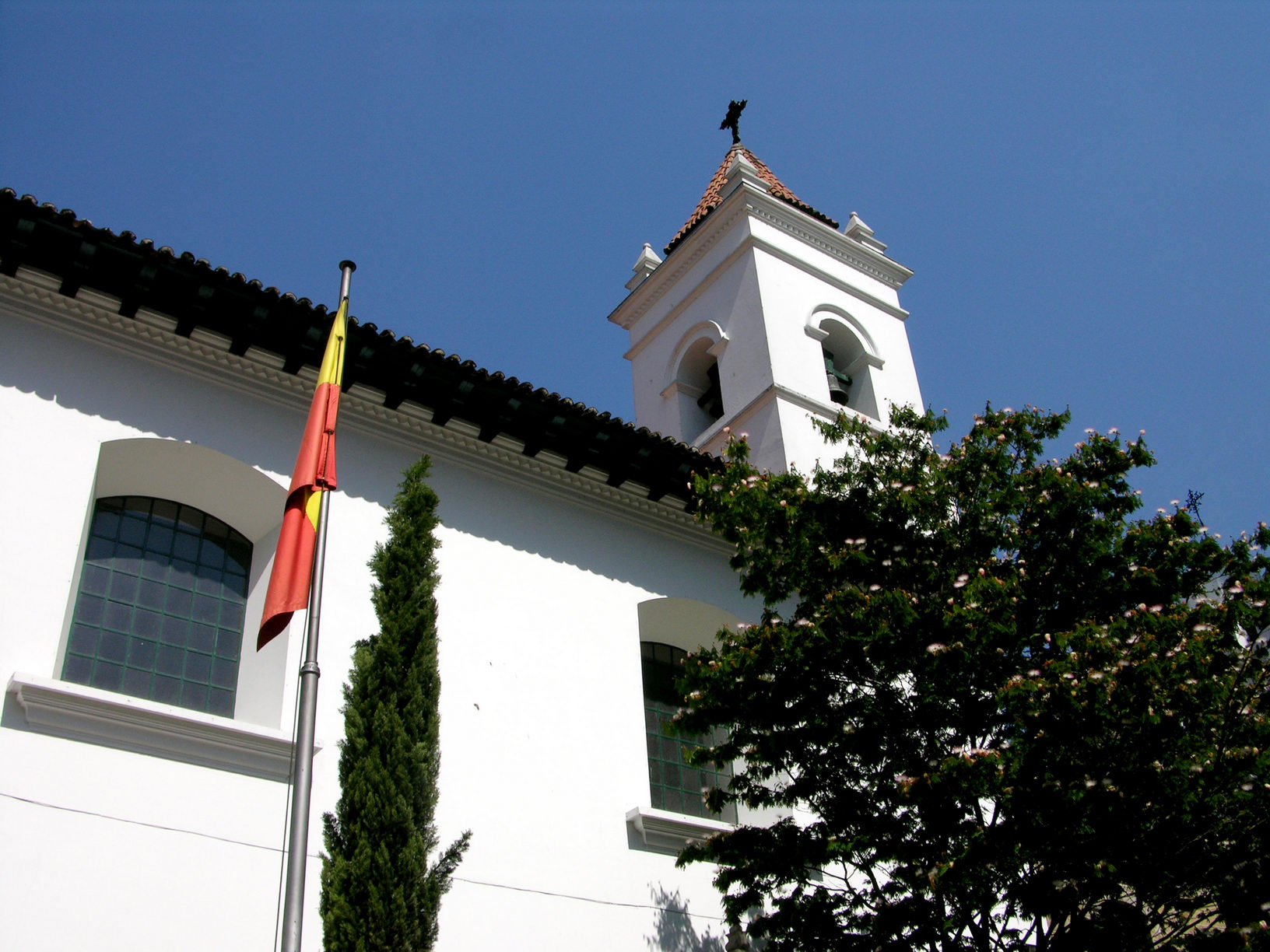
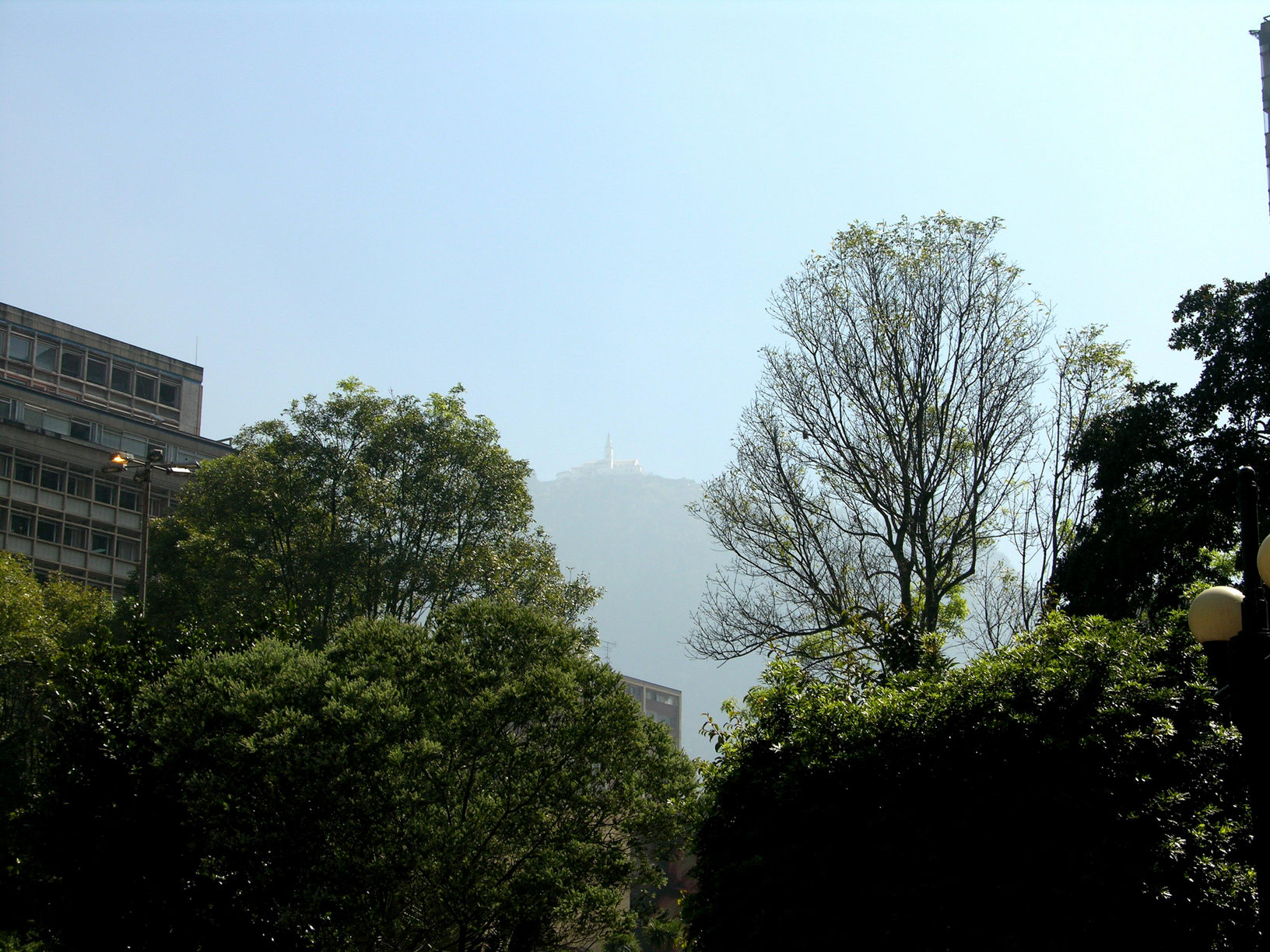
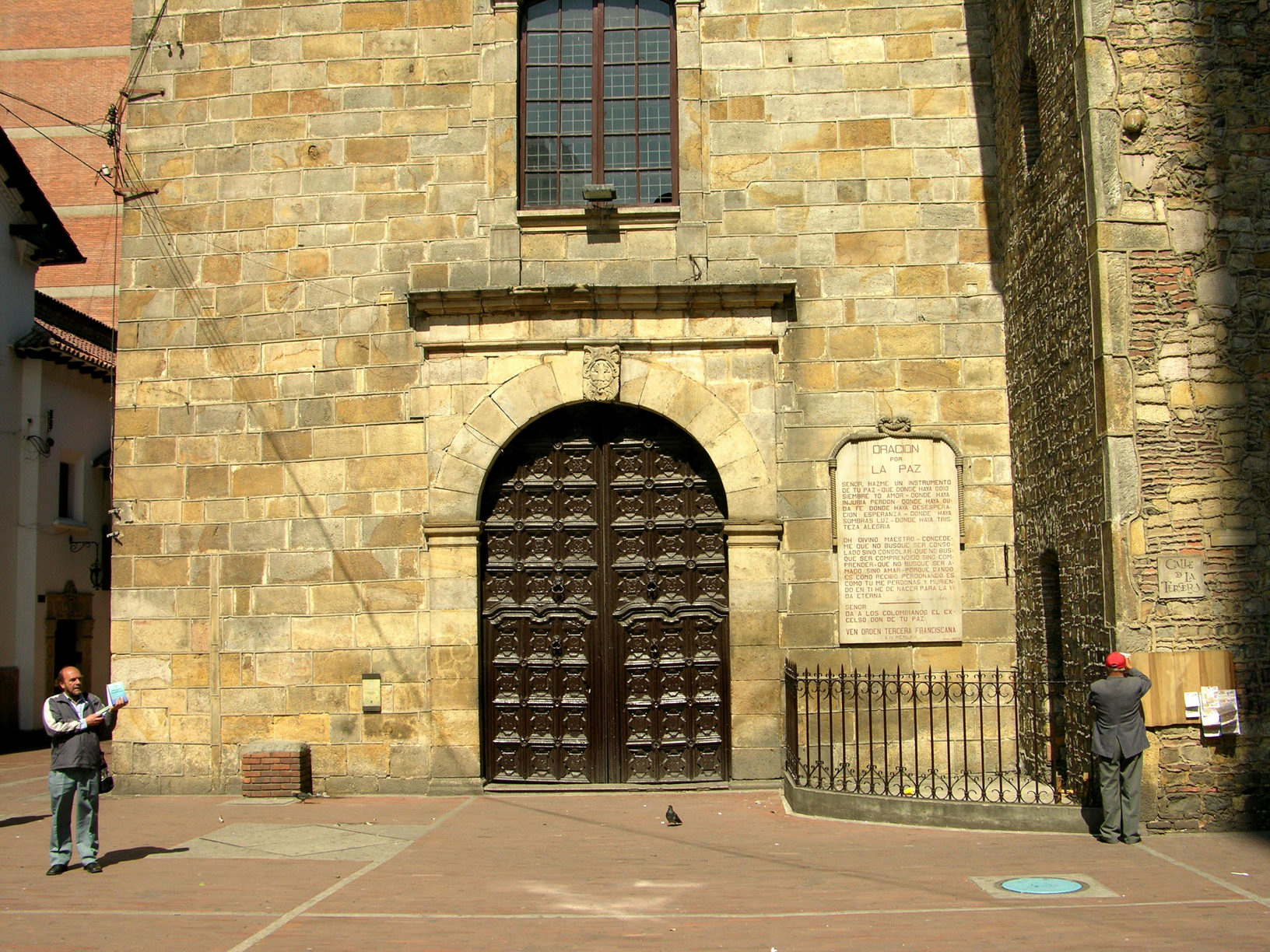
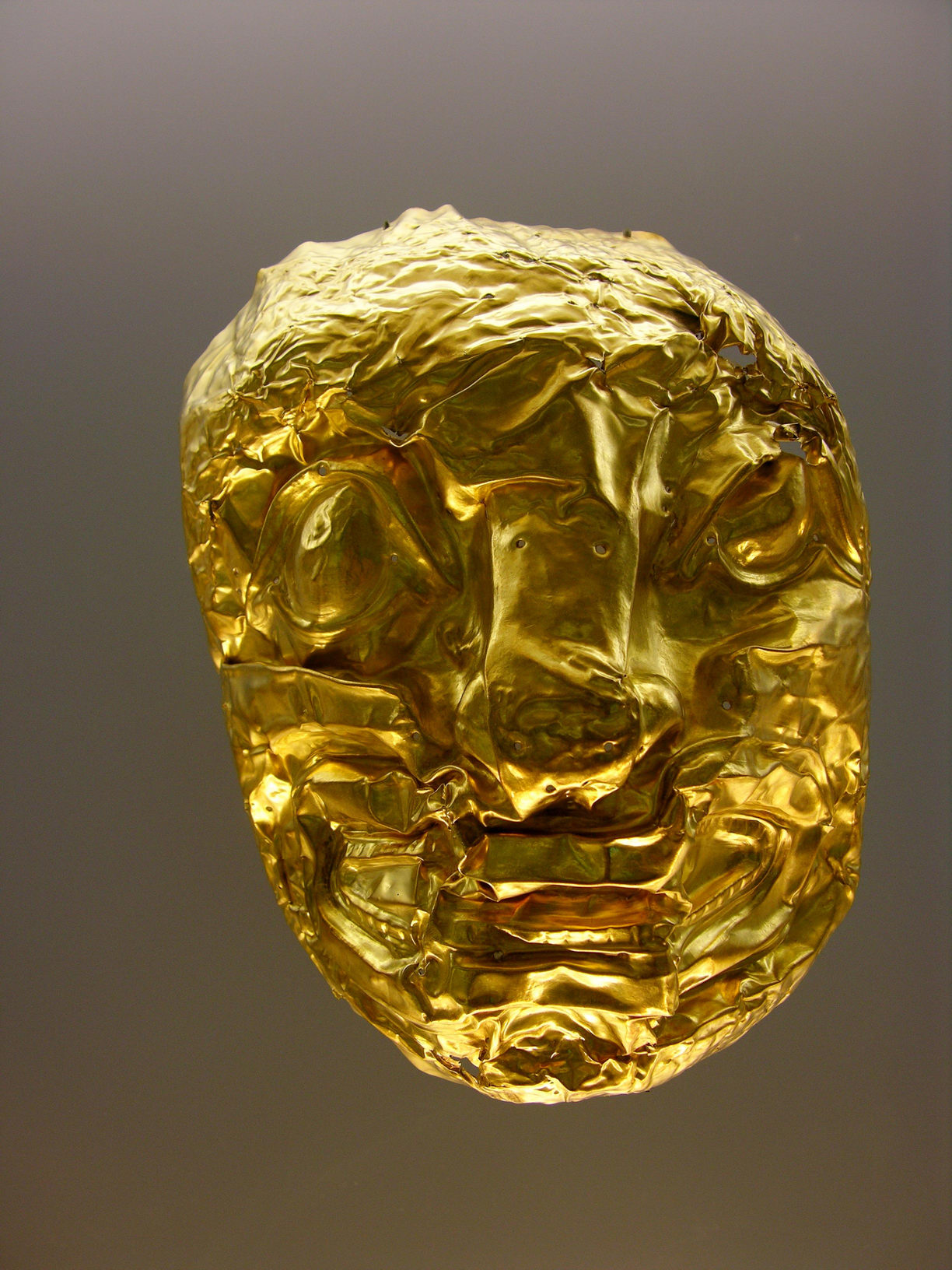
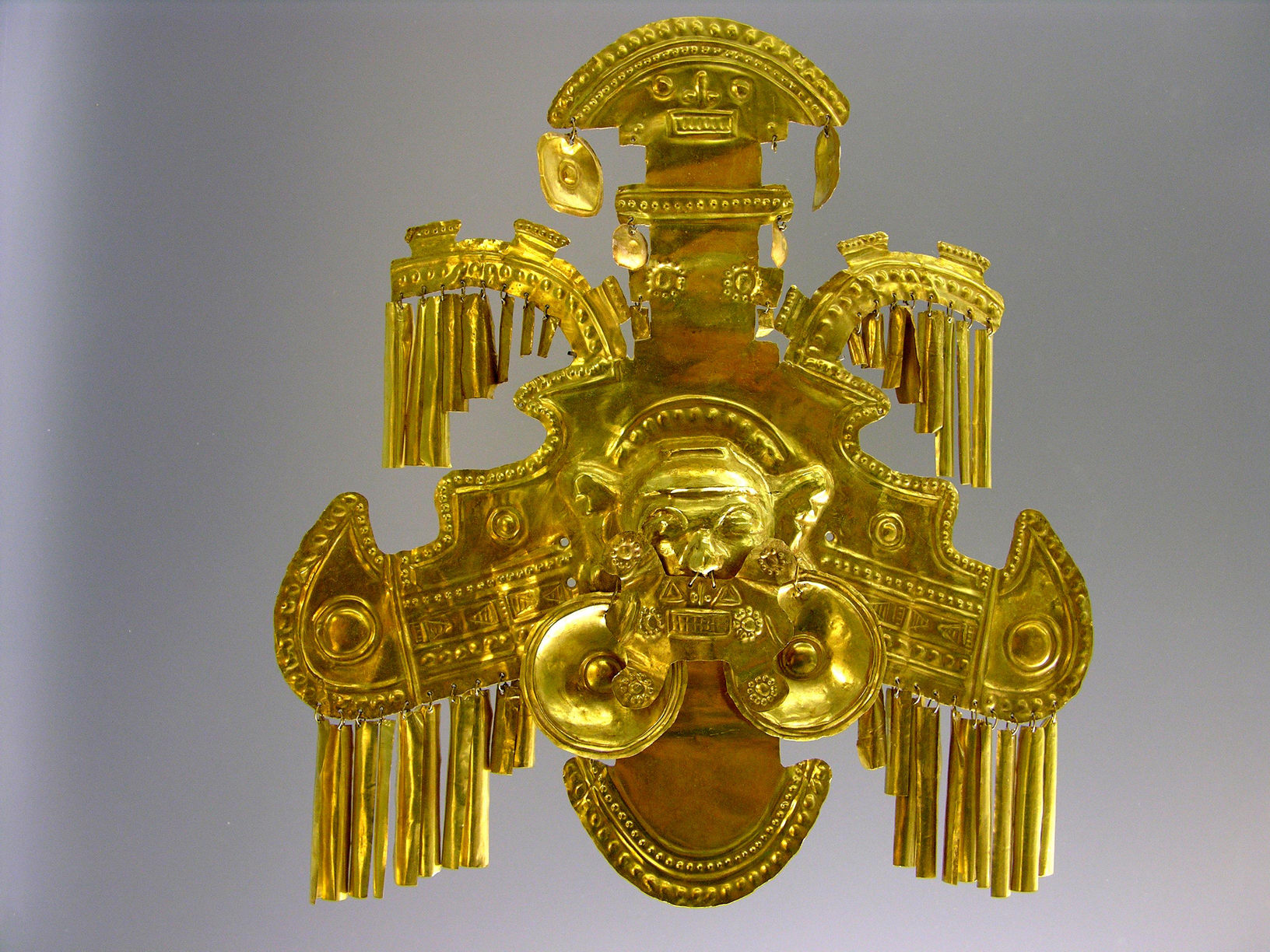
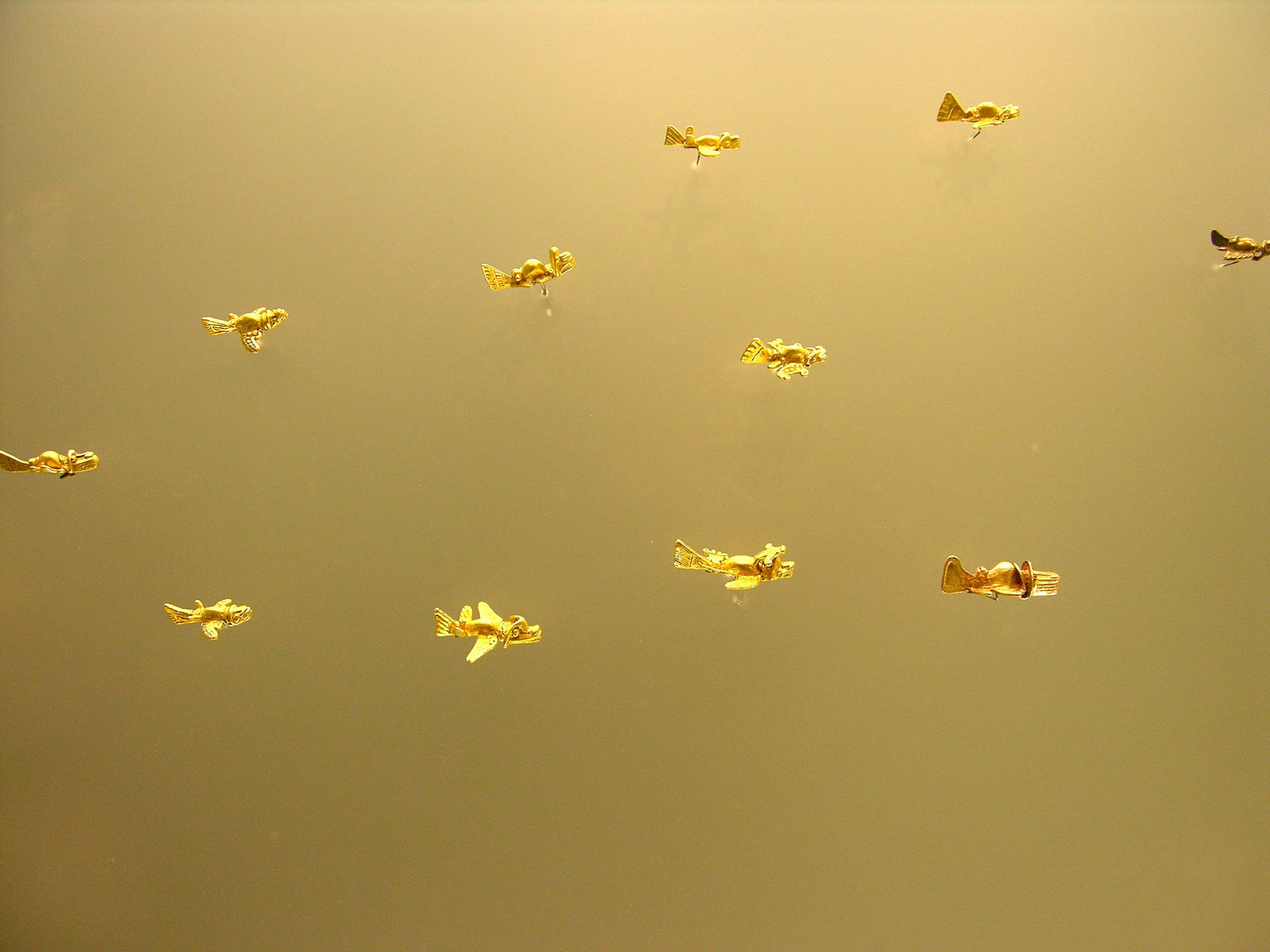
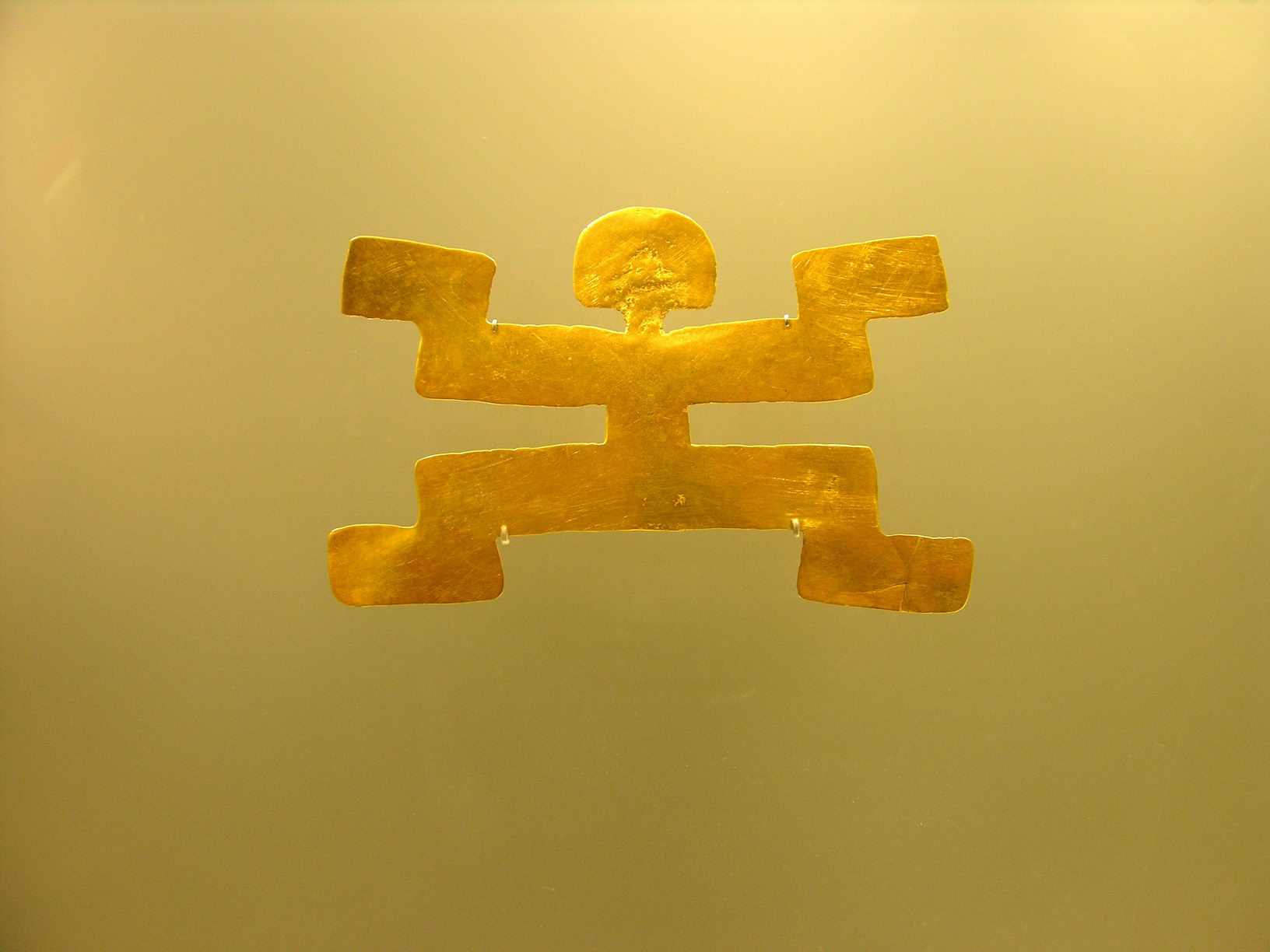
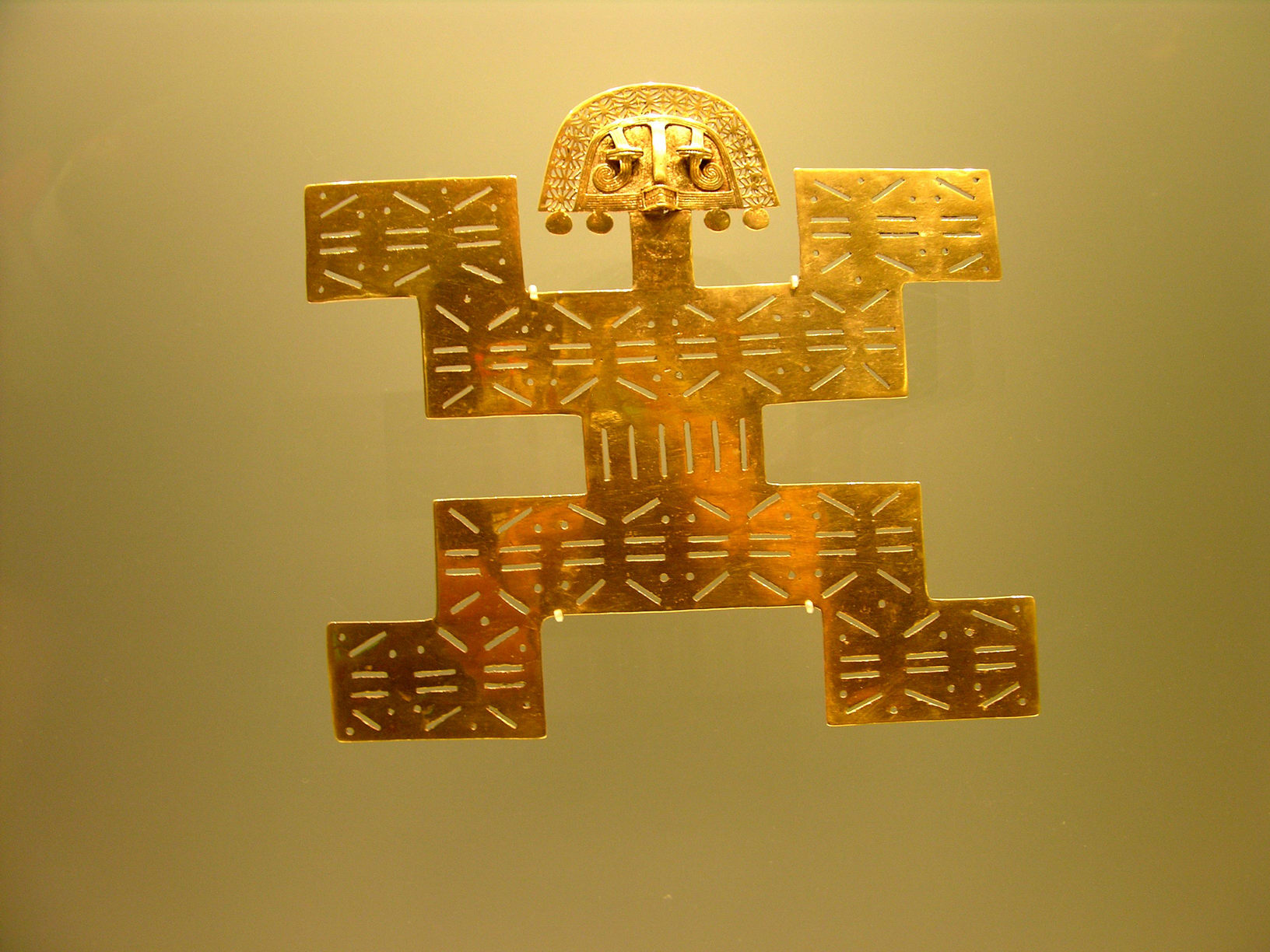
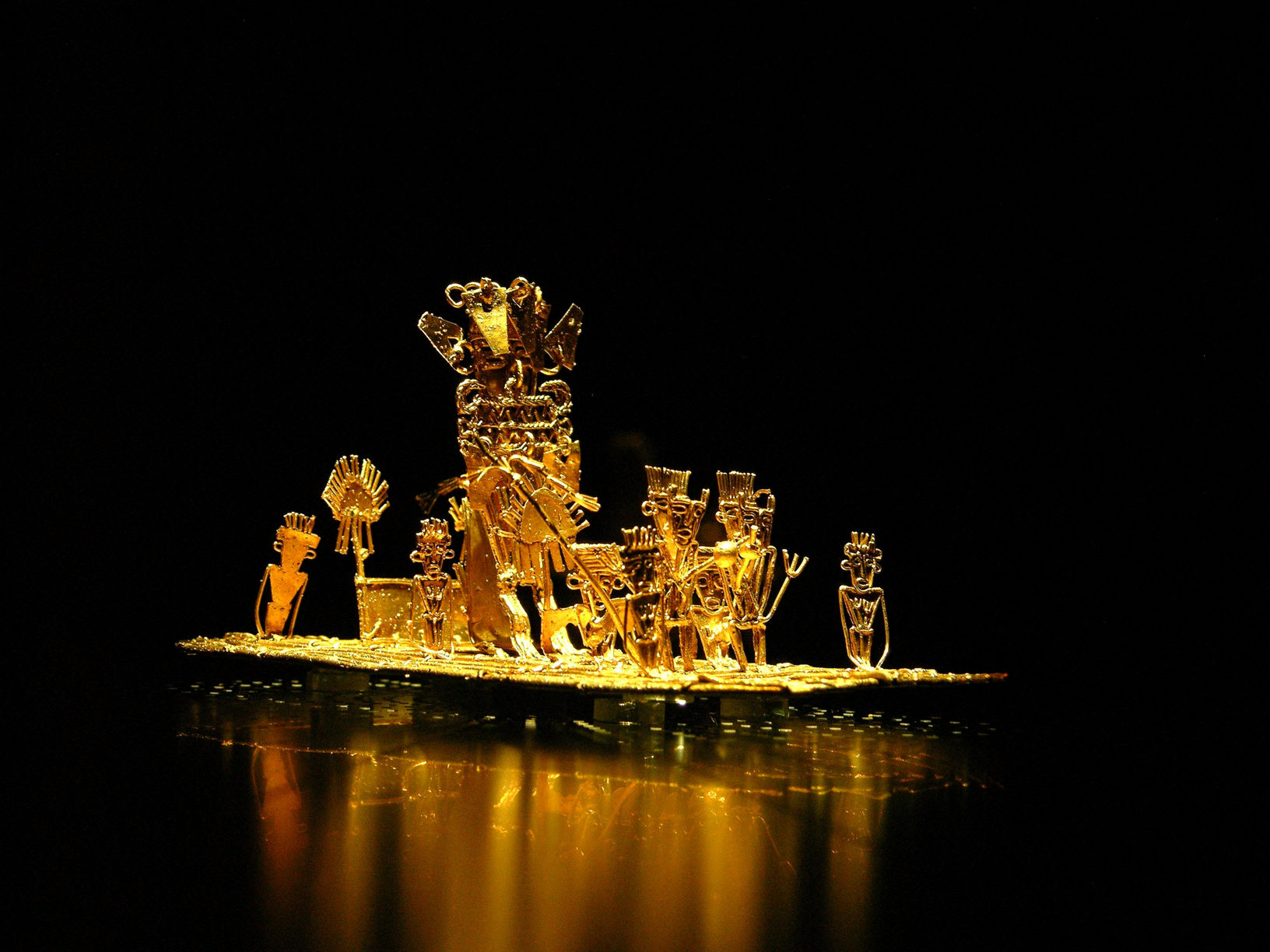
They've been digging ever since, from archaeologists to grave robbers. Slowly but surely they find it and fill up museums, and not only museums. What has found its way through official channels is quite enough to make Bogotá's Gold Museum the best in Latin America. It's nice, too, that you can photograph everything. The guards don't watch every step you take. Colombia is a free country, unspoilt by nasty officials and excessive security. Particularly the capital, where there are no guerrillas. They never came closer than twenty kilometres to the centre.
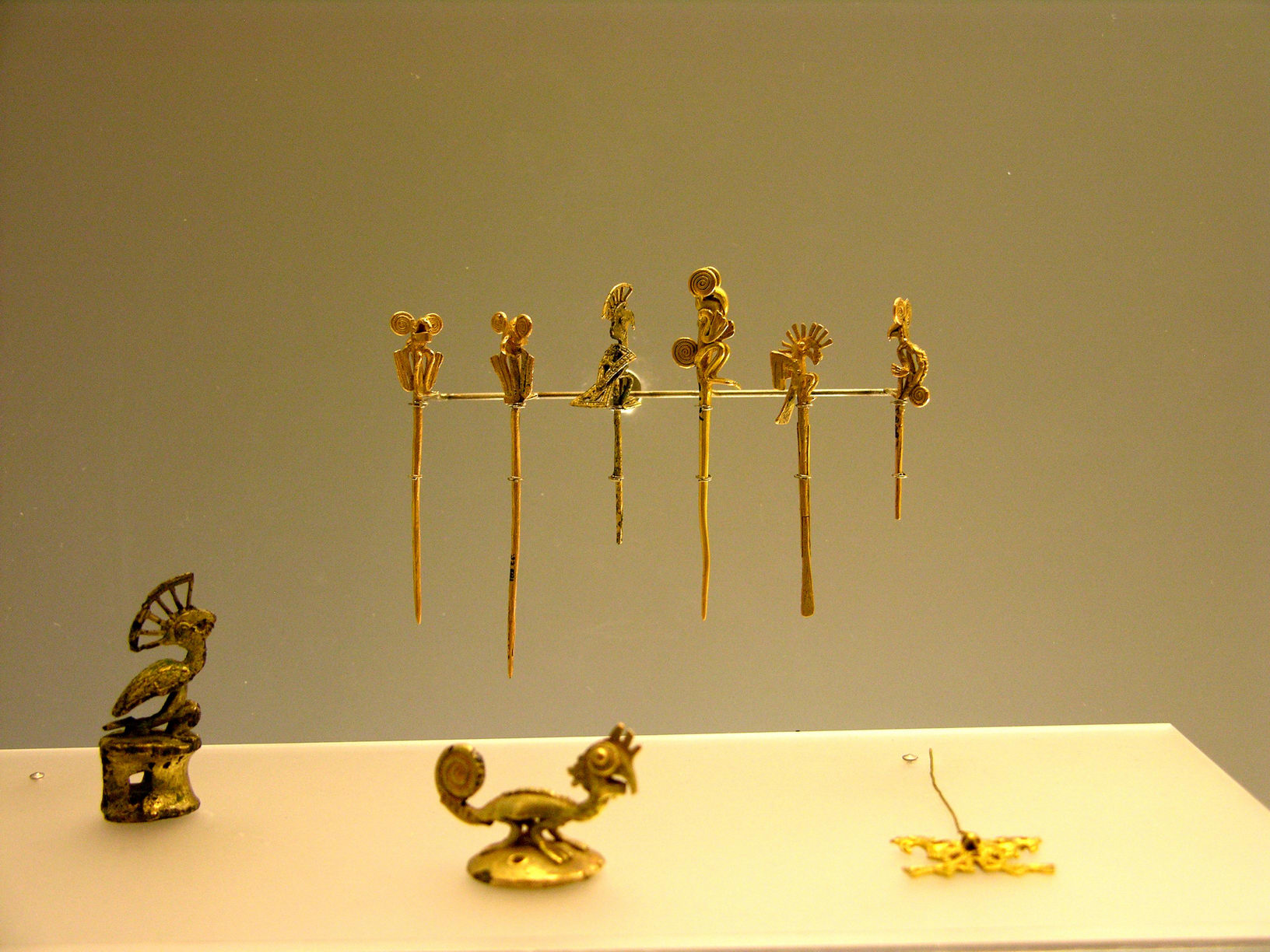
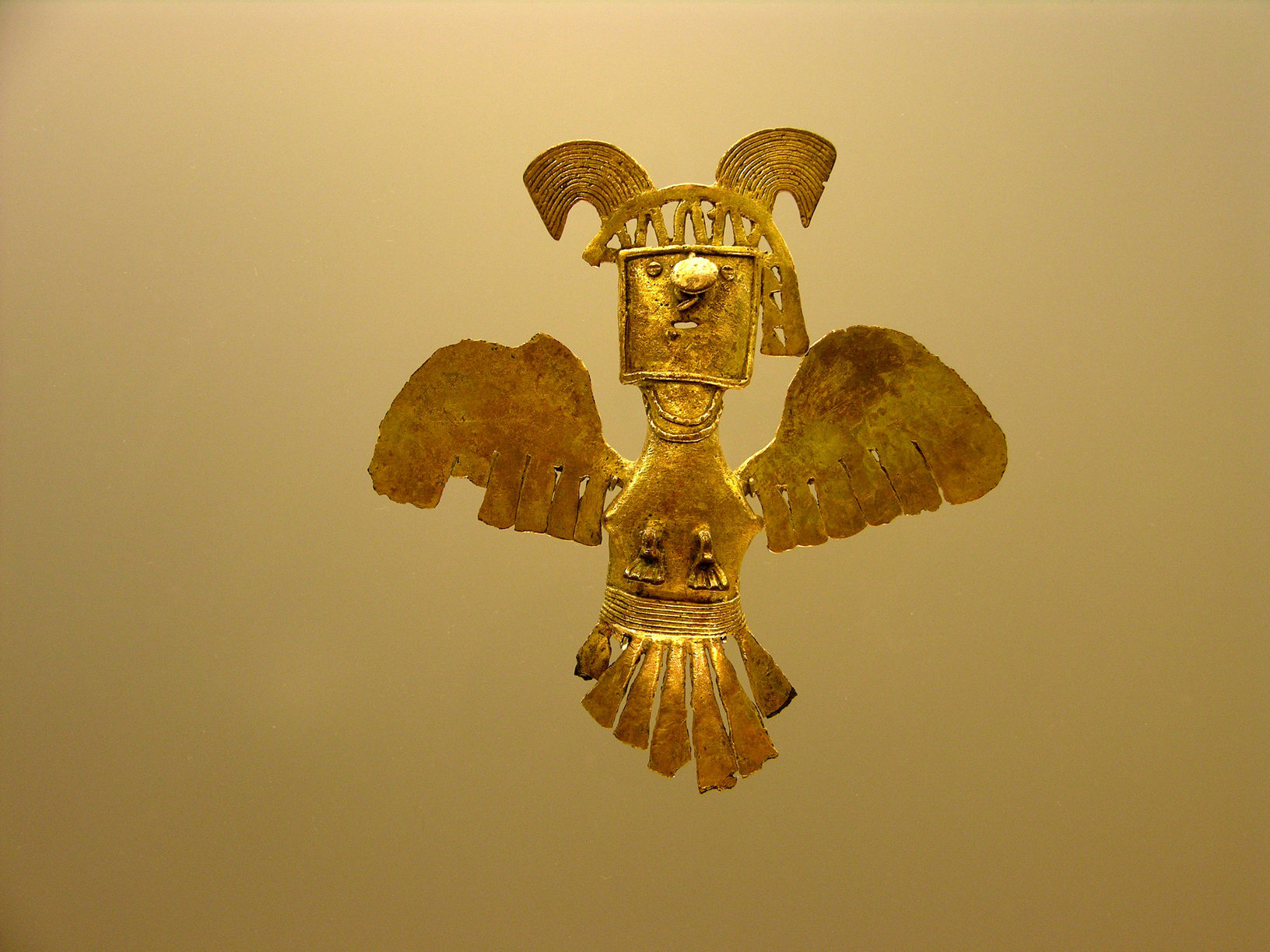
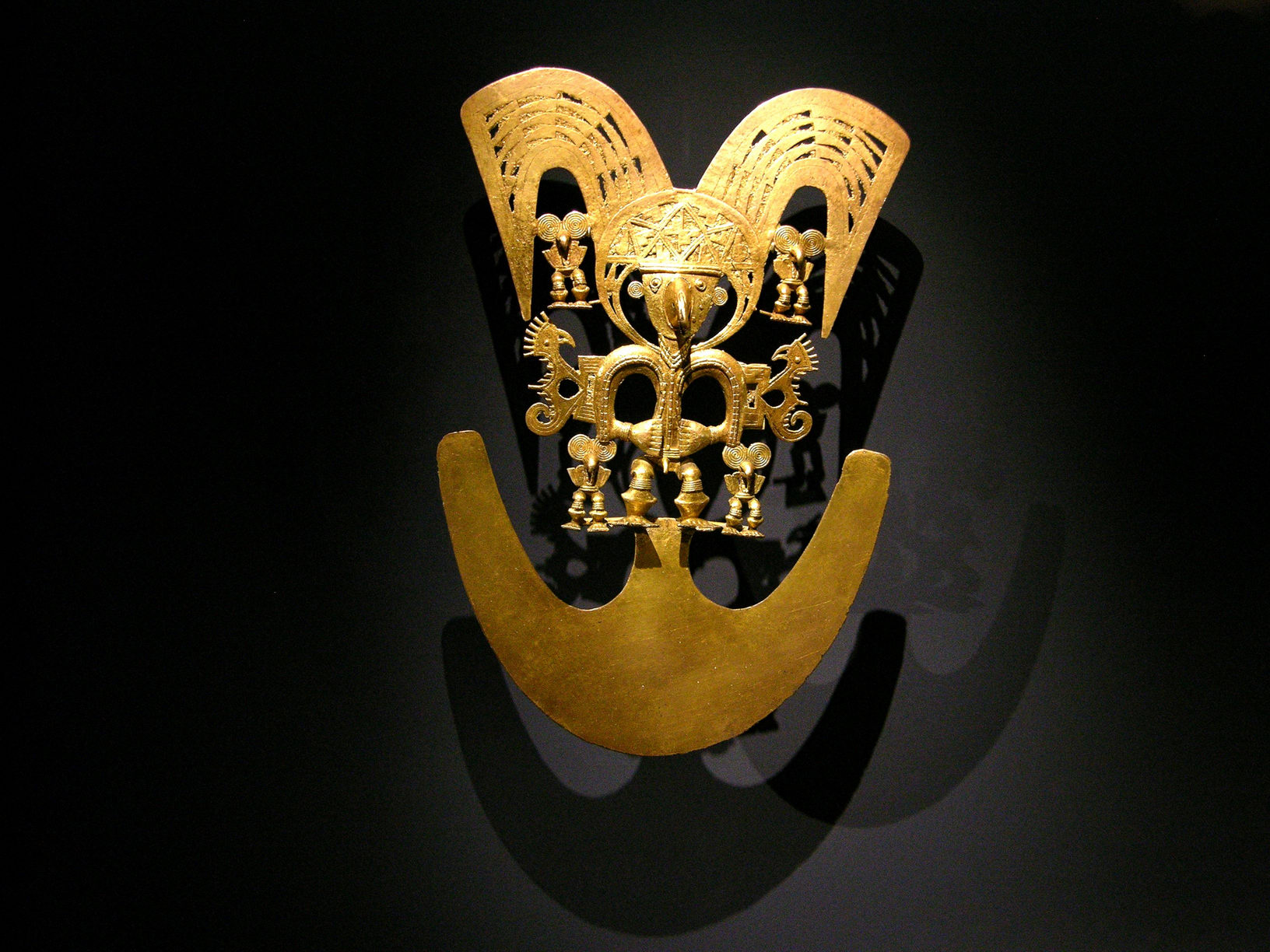
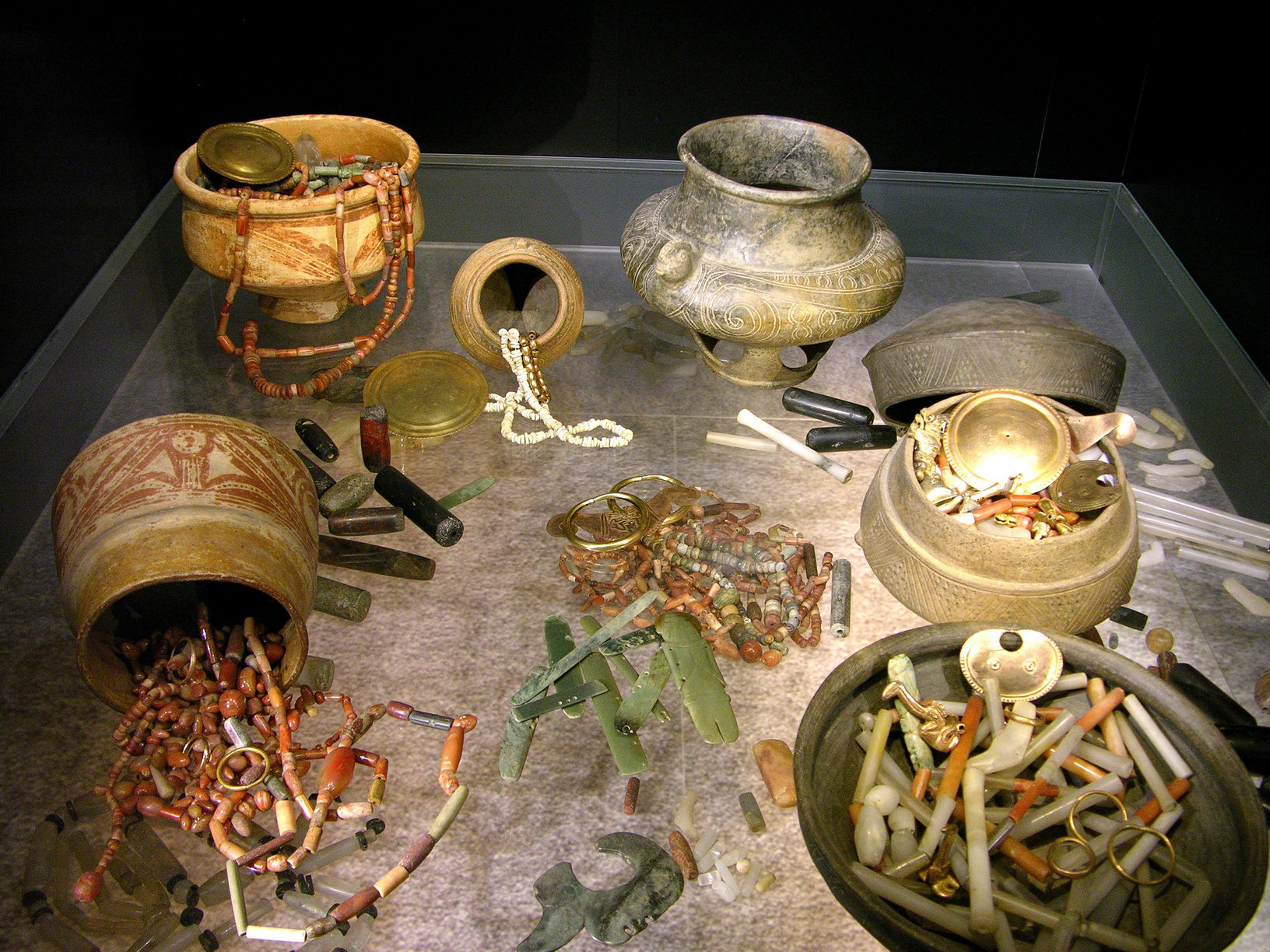
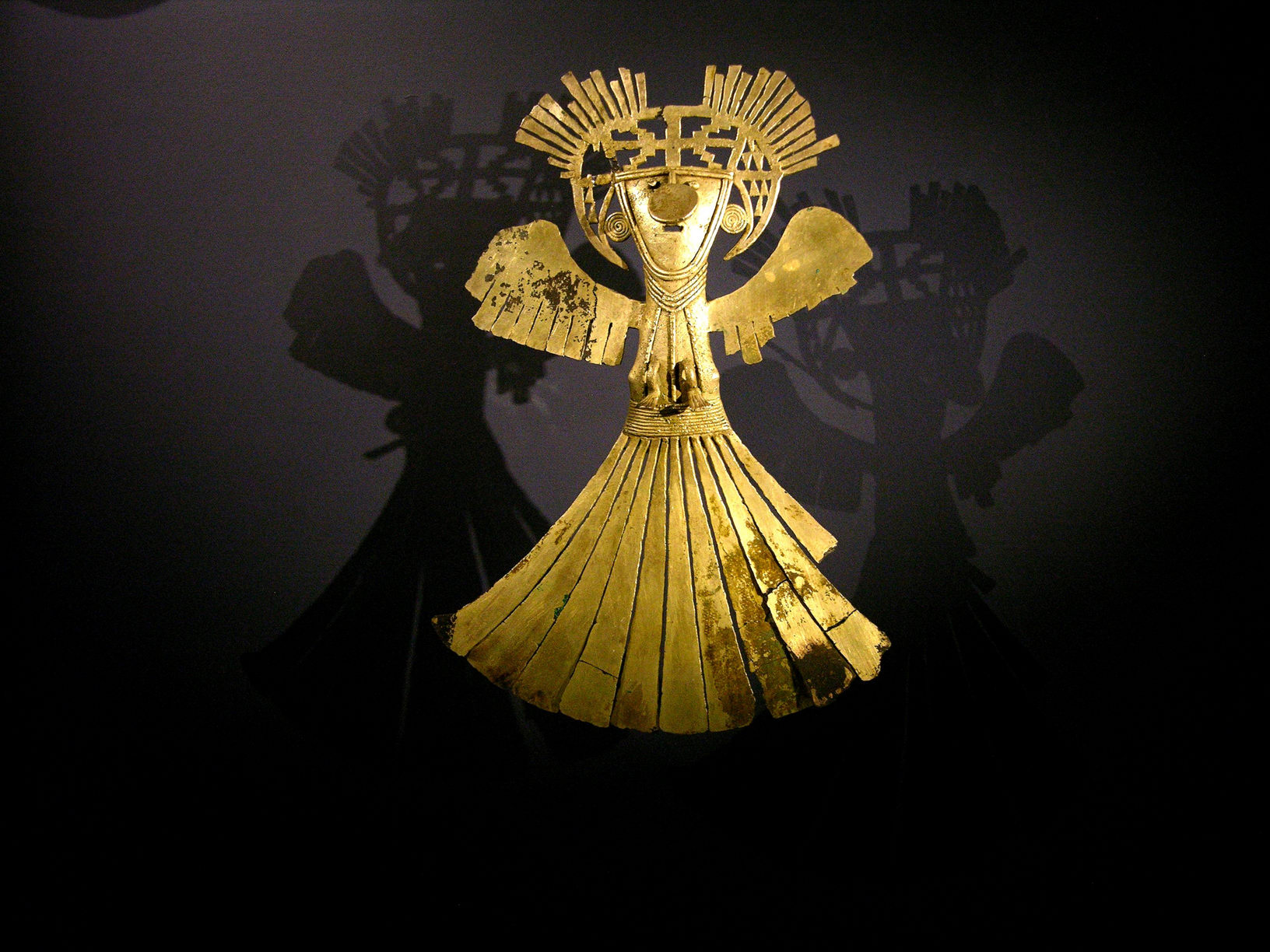
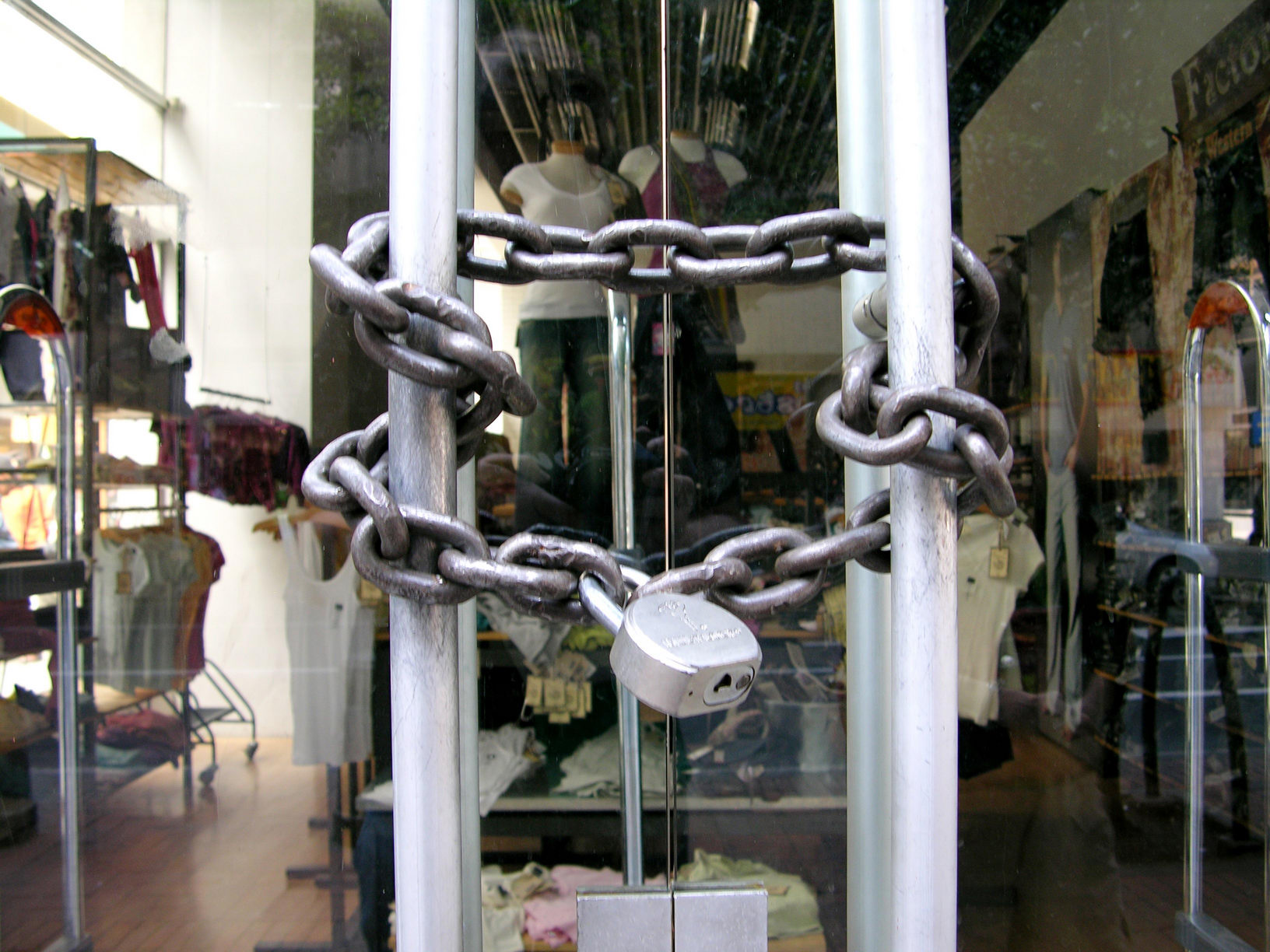
As well as museum gold, Bogotá has shop gold. Near the museum are kiosks selling a lot of copies of the pieces inside, and jewellery. Emeralds are cheap in Colombia, and Tanya bought three bucketloads. Small ones, mind you. A tenth of a carat apiece. Two as earrings, the third as a matching pendant.
Maps of the country were harder to find. Finding them ate up a great deal of time. We found Lonely Planet at the airport. We found the airport itself thanks to the GPS track we'd thoughtfully recorded in the evening. We couldn't find a proper national atlas, but a book called Guía de Rutas por Colombia was very useful. We found it in a bookshop in Bogotá, but anywhere in the country you can buy it at toll booths. Besides road maps there's a very sensible guidebook in it. It was the first time the local book was better than the famous Lonely Planet. The Lonely Planet for Colombia is dreadful. It looks as though the writer never left the bars, was frightened of everything and didn't like the country. Not a word about half the provinces, and that includes places outside guerrilla control.
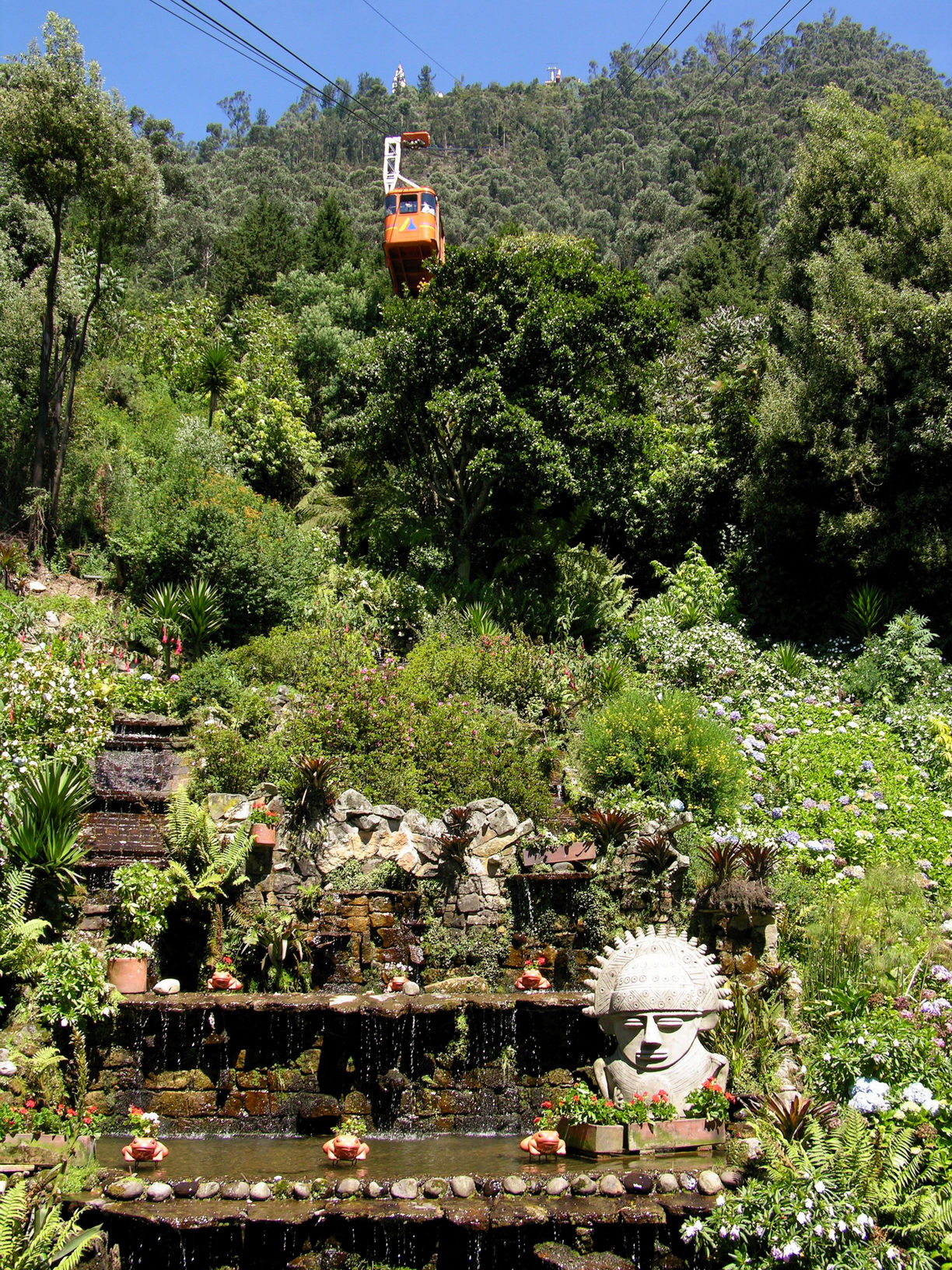
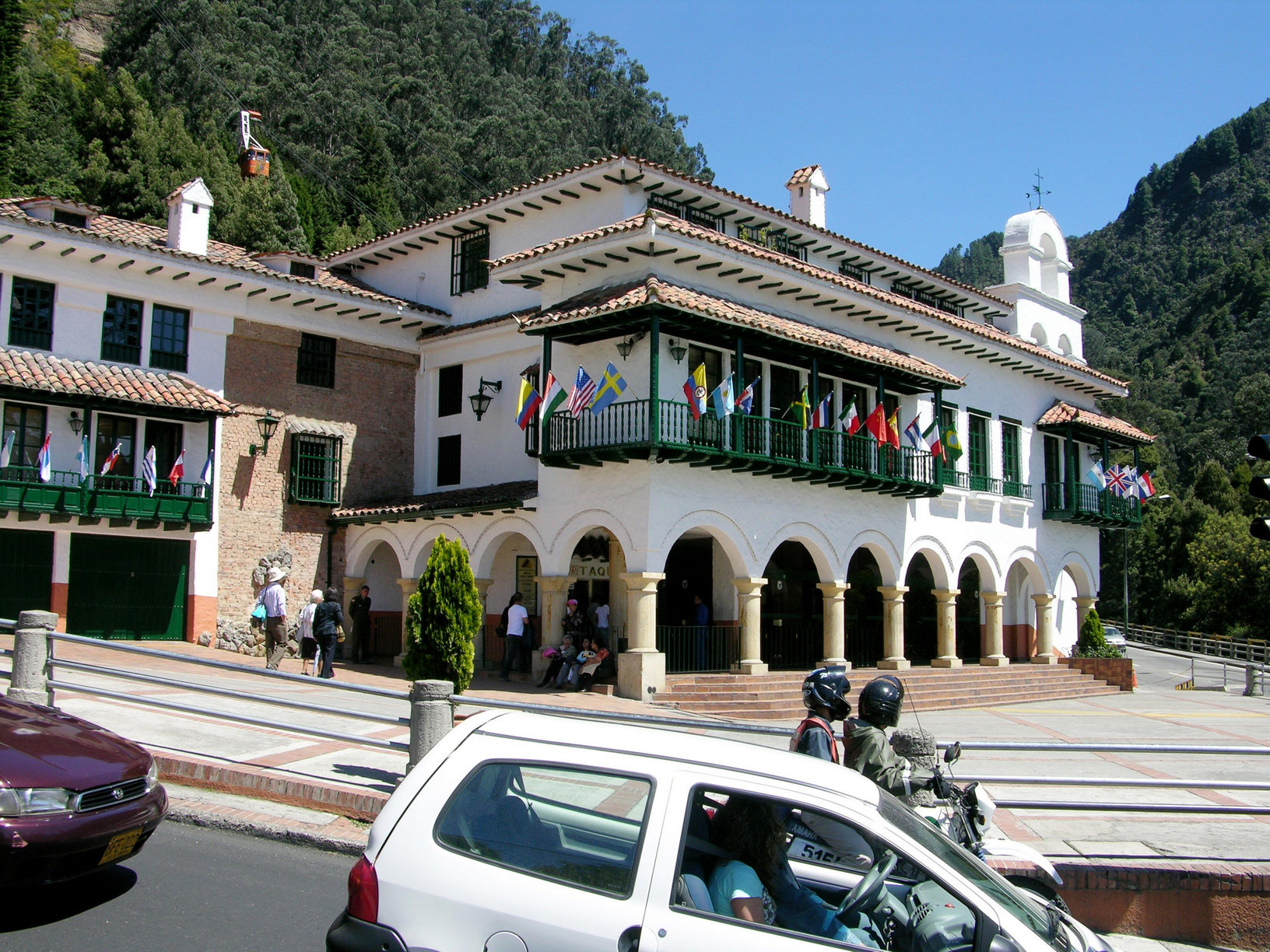
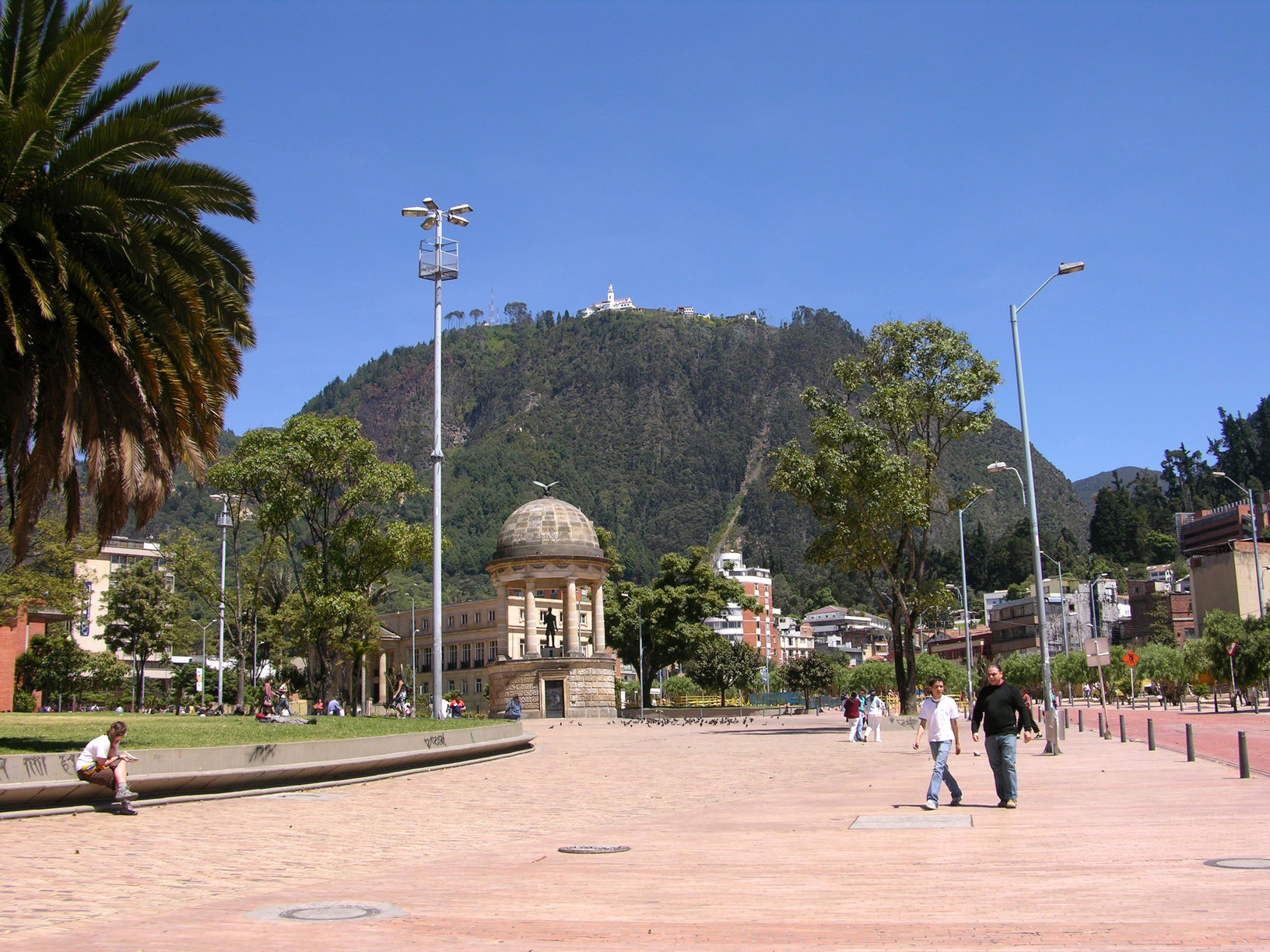
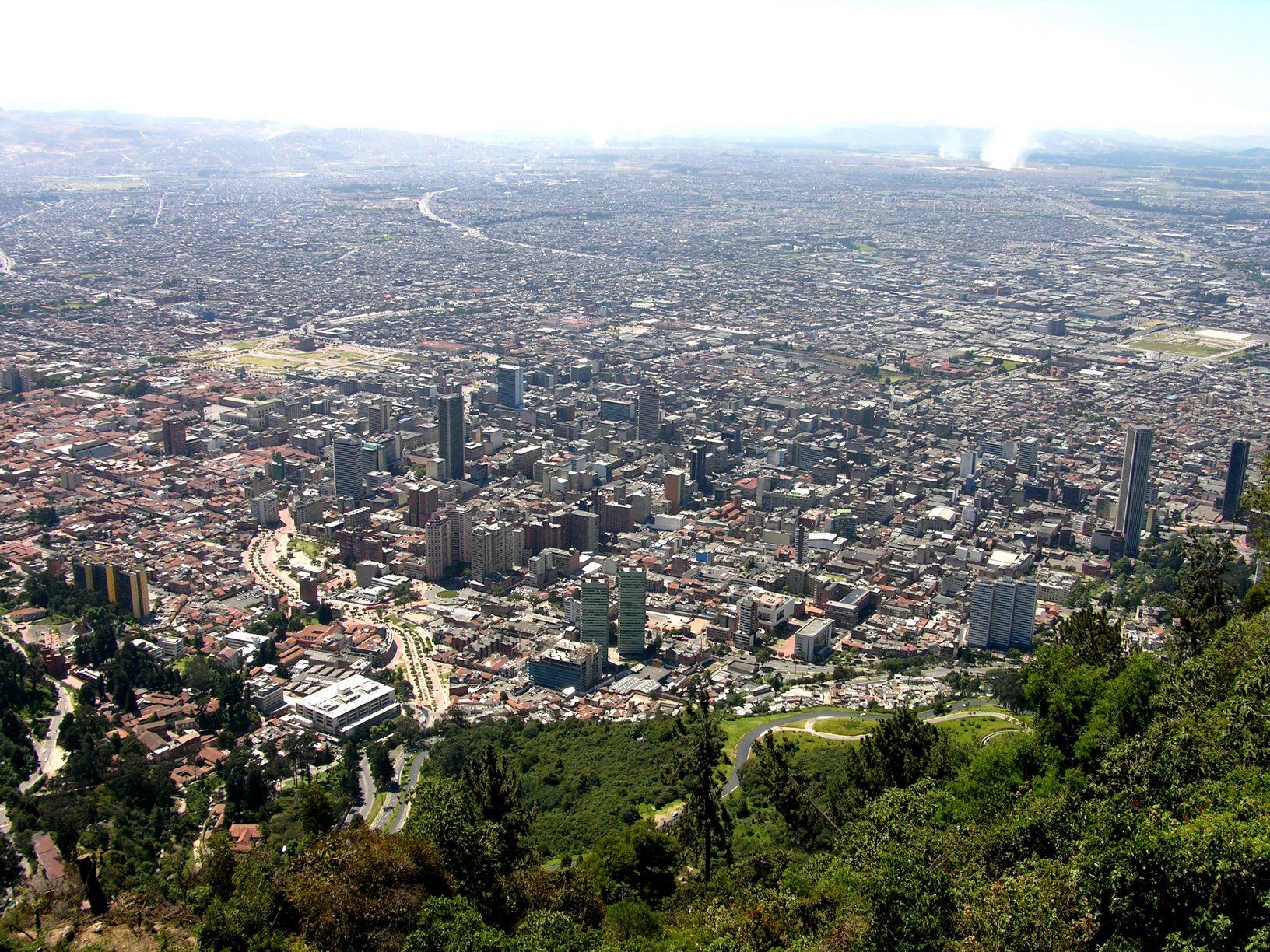
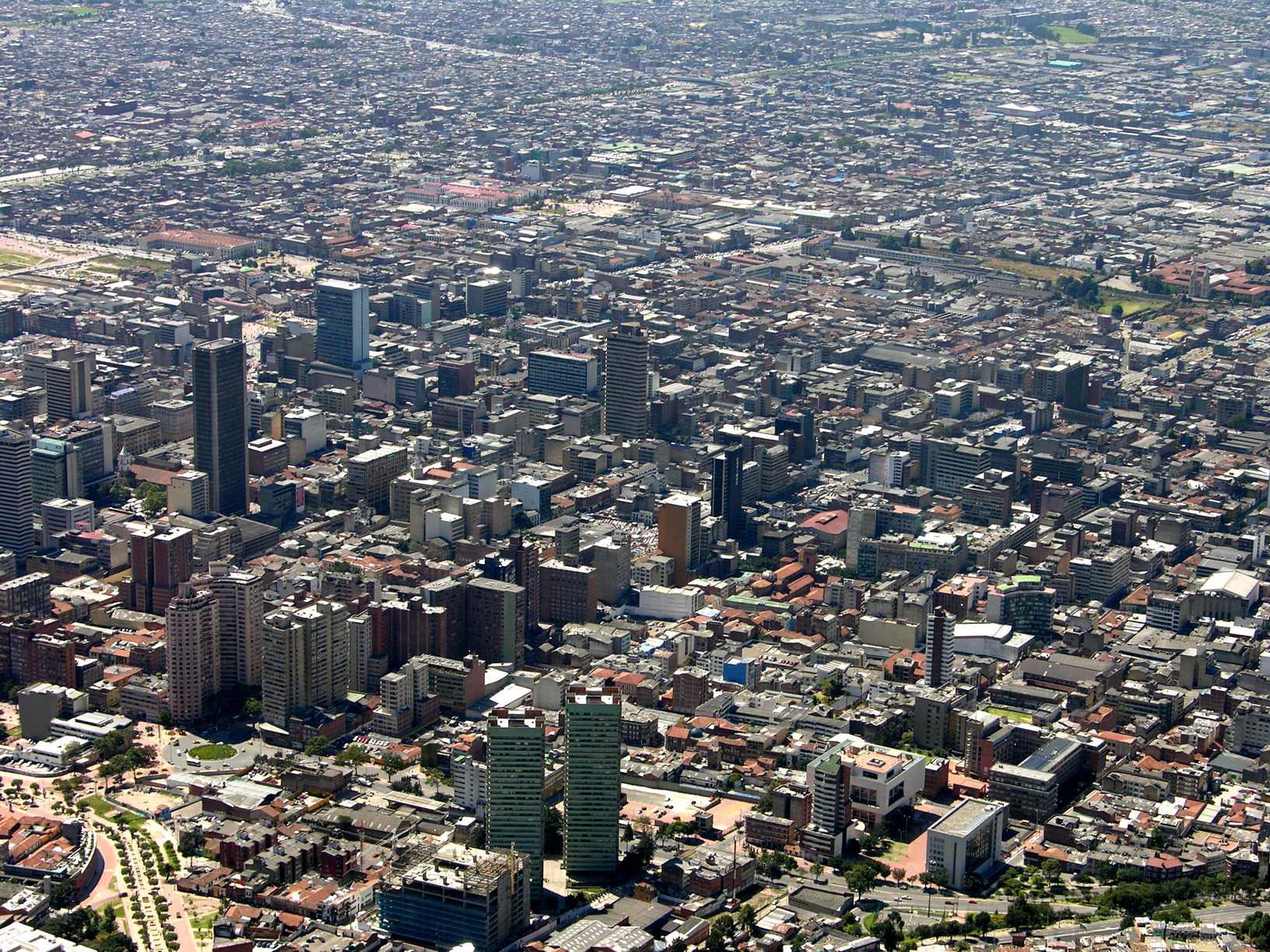
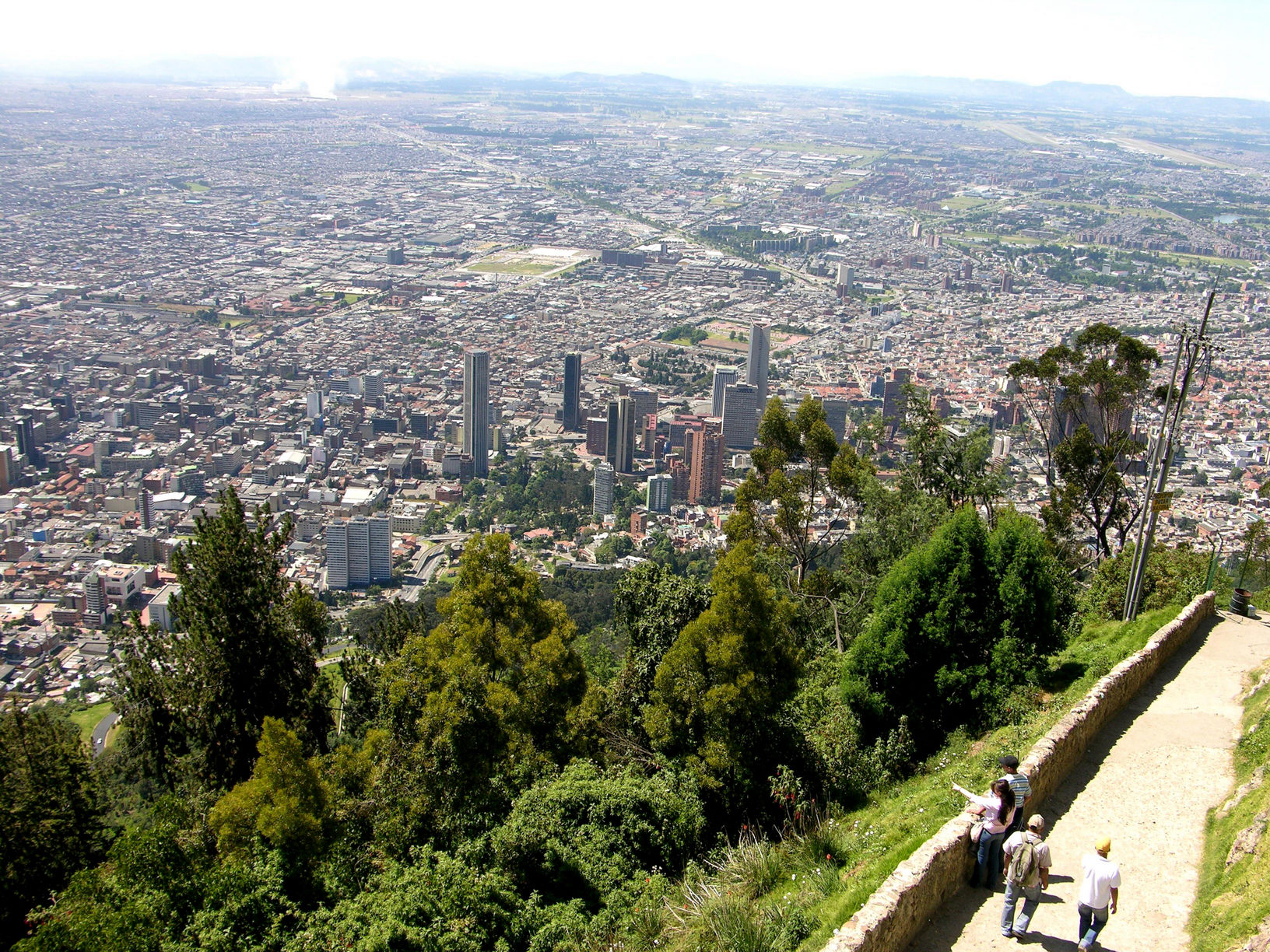
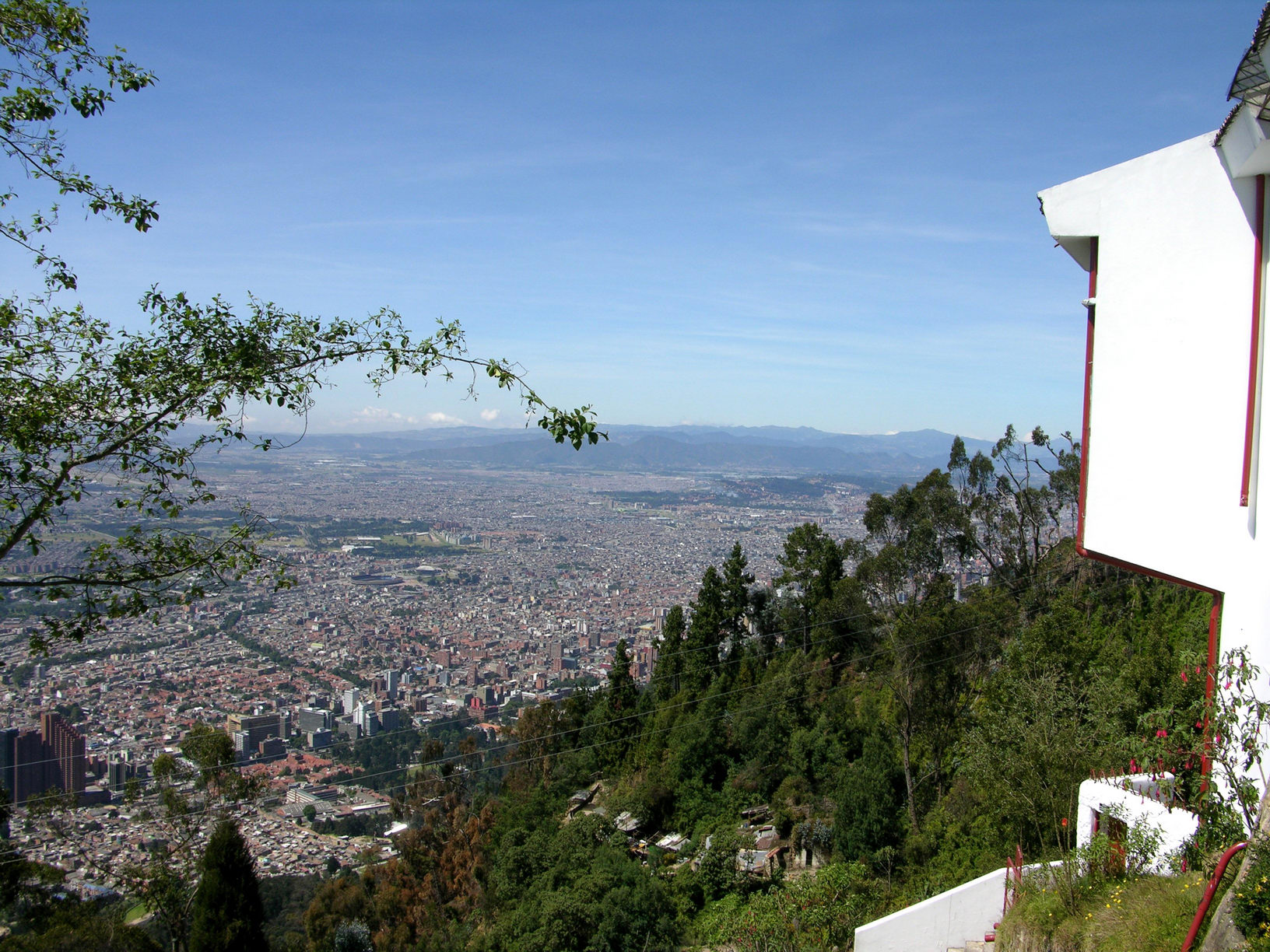
Bogotá is mostly a flat city, right at the foot of the Andes. A cable car goes to the nearest peak. From up there you have a wonderful view of the capital. The city centre has skyscrapers but most of the ten million inhabitants live in little one-storey masonry houses that stretch for tens of kilometres. It looks as if the city will never end, especially at night when the distant hills are covered with countless flickering lights. And behind each one somebody is living out a life.
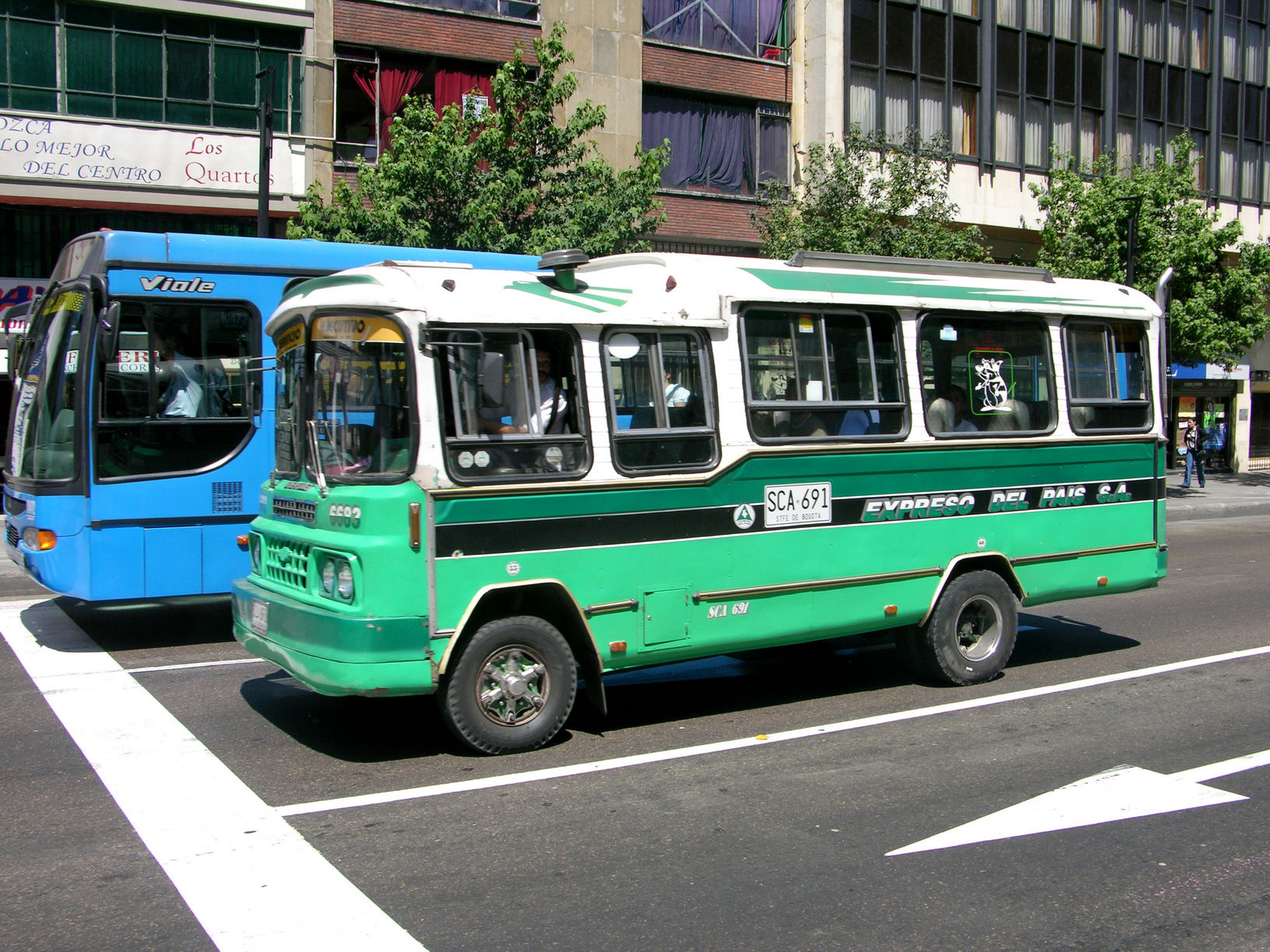
There aren't many private vehicles in Colombia. Nearly everything on the streets is a taxi or scheduled bus. The buses are from the States, apparently second-hand. The whole fleet is highly varied.
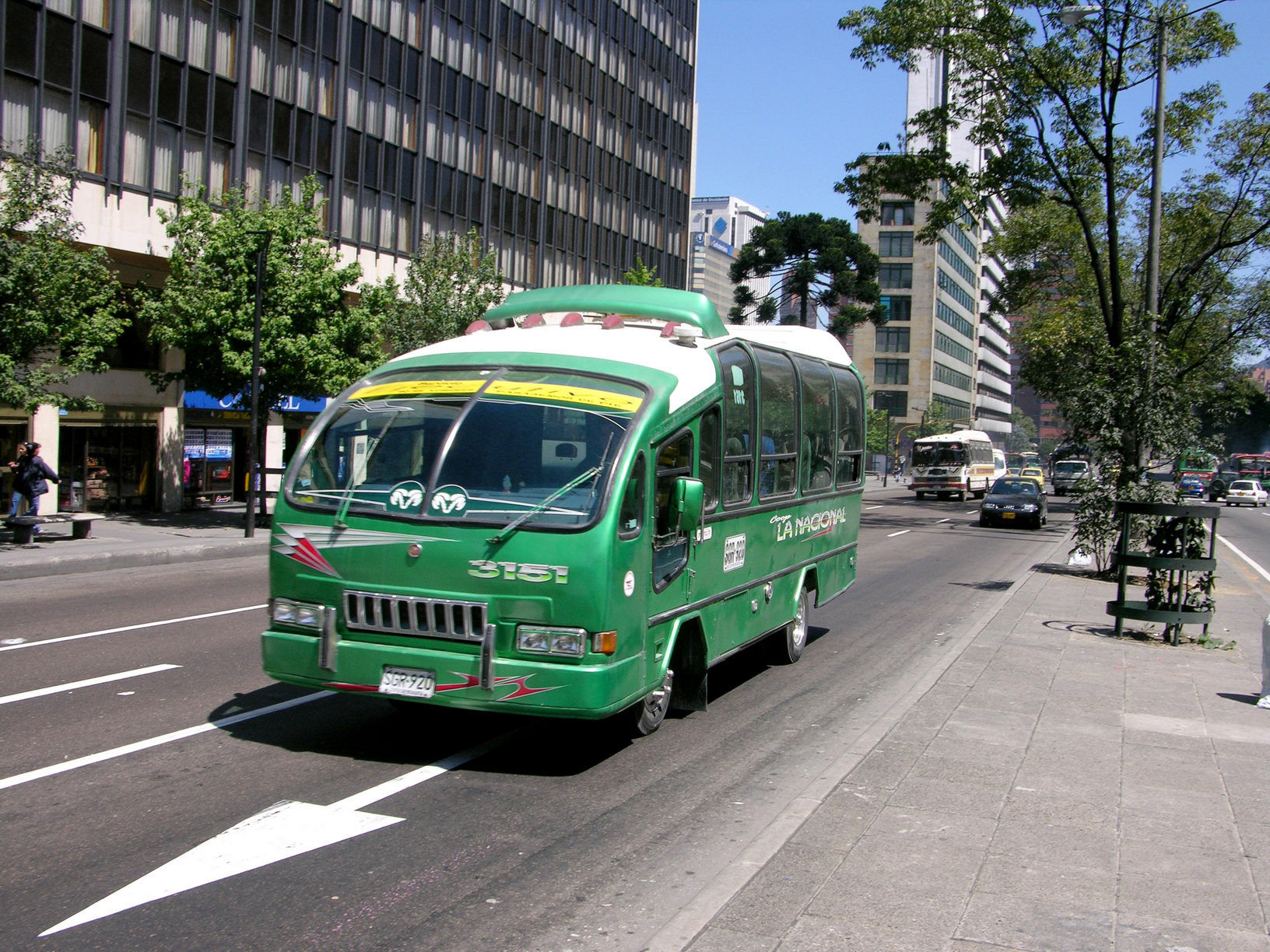
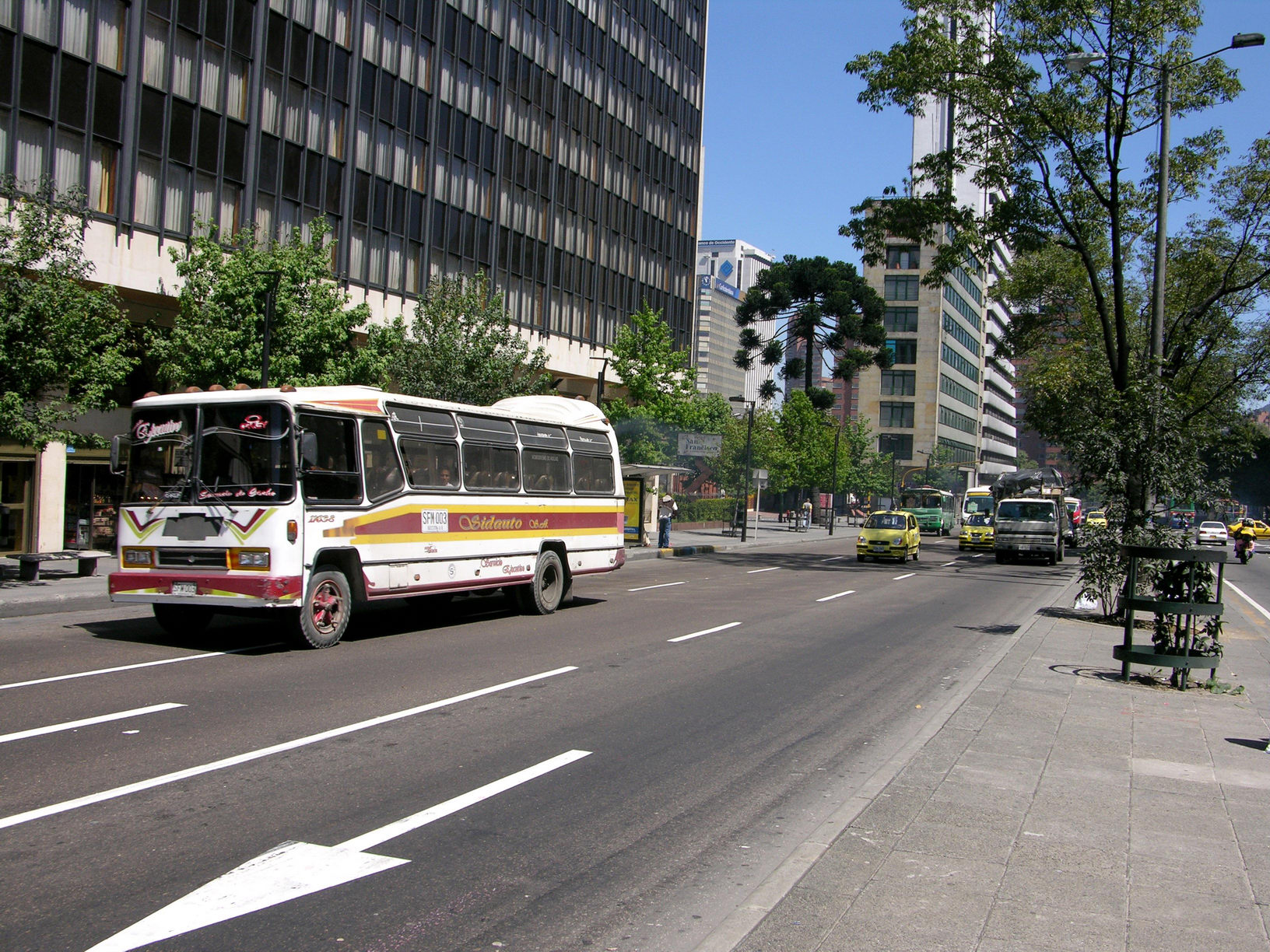
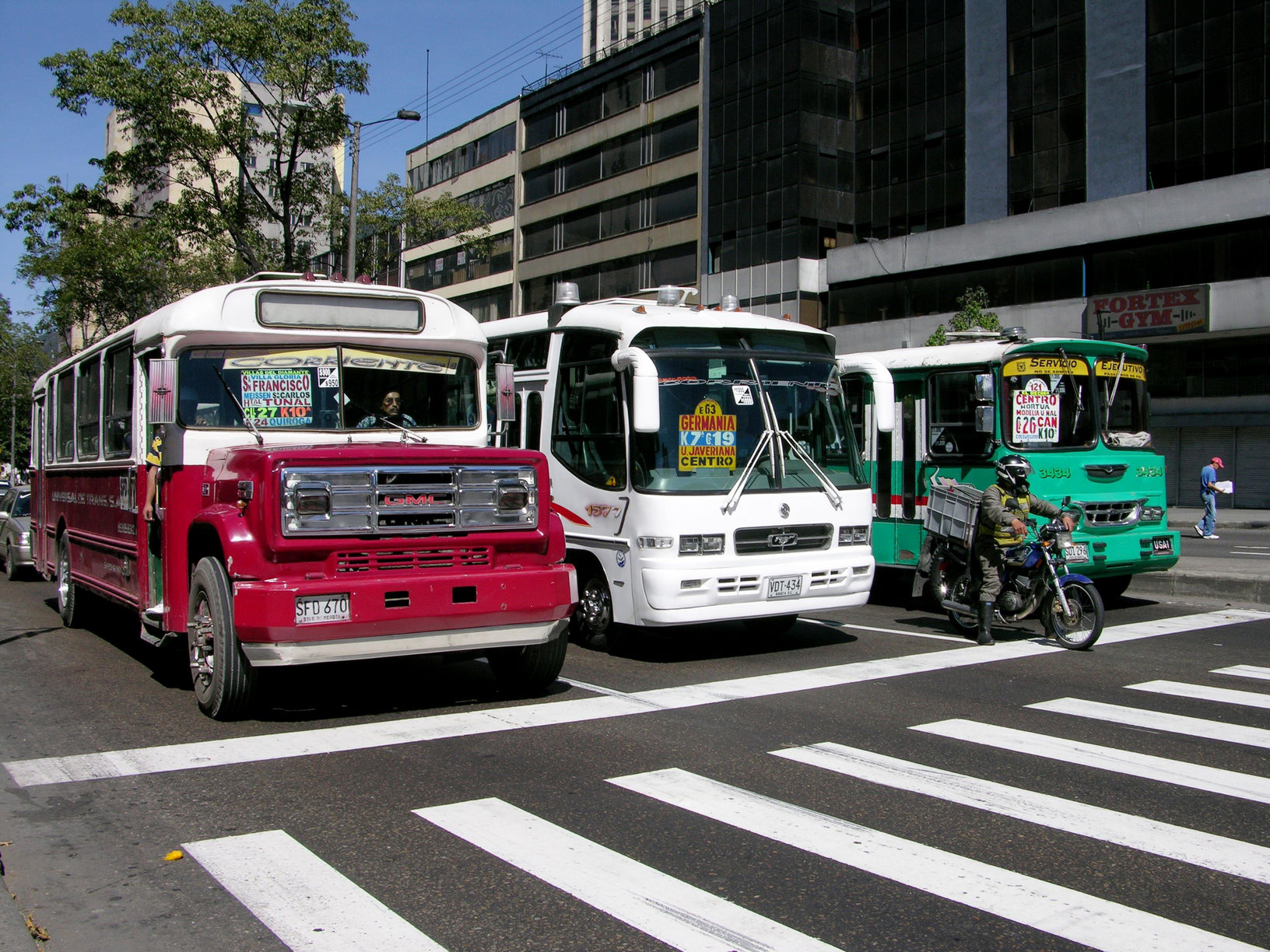
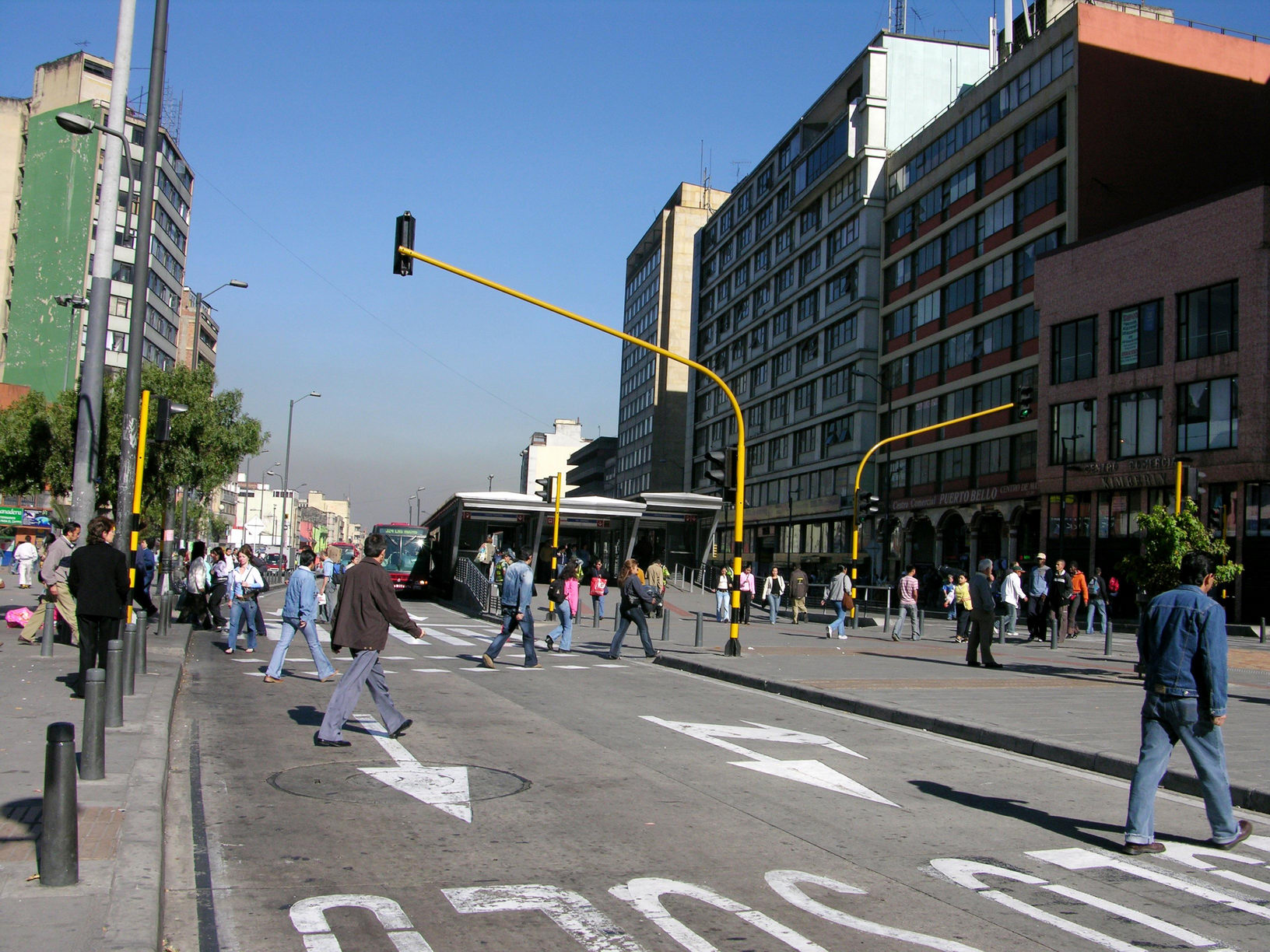
As well as ordinary private buses, Bogotá has an organised network of buses that use reserved lanes and stop only at raised platforms. The whole thing is proudly called the metro.
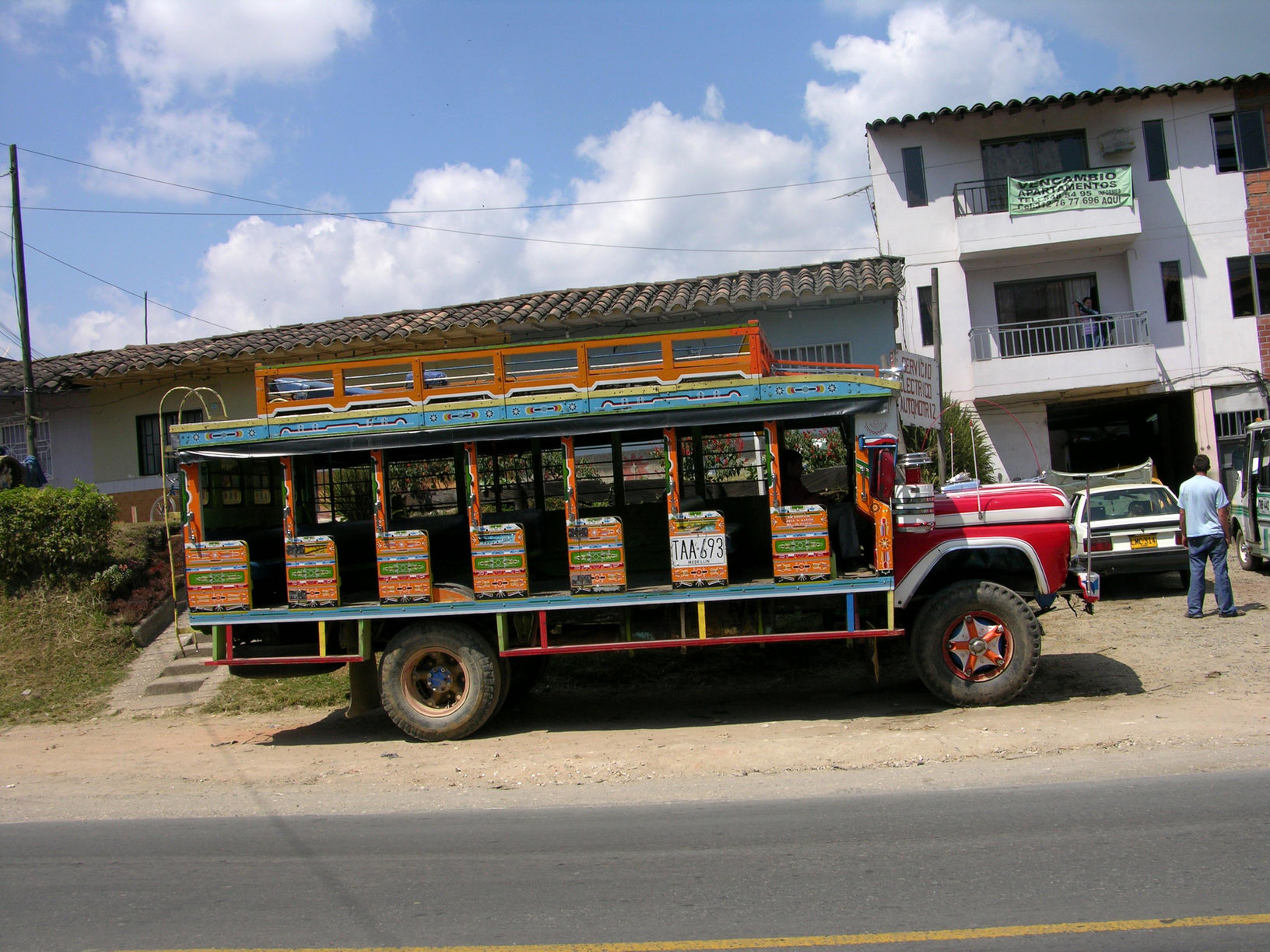
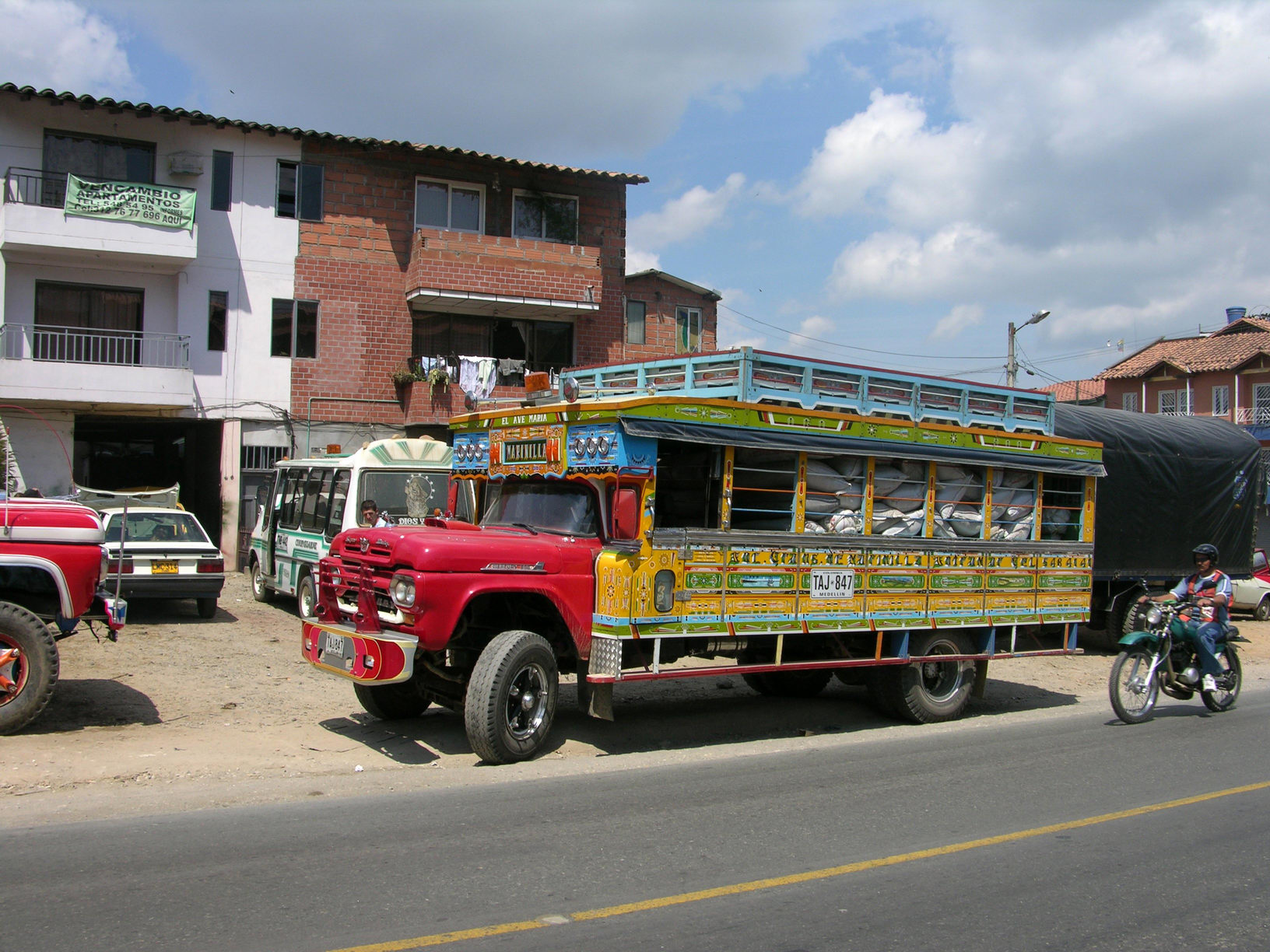
Driving yourself around town isn't that hard. The road network is a grid. The streets are numbered like New York's, only they're called calles and carreras. A broad north–south motorway lets you leave town quickly, if you're lucky and it isn't jammed. There are even enough signs around town to find your way without a map. Numbered streets are handy. One hitch: Bogotá incorporated several suburbs that had numbering systems of their own. You can no longer see where the old suburbs began and ended, but the street names stayed. There are therefore several streets with the same number.
The mobile phone unexpectedly started working in Bogotá. Apparently mobile service in Colombia wasn't for just anybody, and not all the time. The fight against the guerrillas had led to attempts to stop the enemy discussing their cunning plans by mobile phone. They wouldn't sell a SIM to someone off the street. You needed a passport, sometimes a permit too. Foreign phones roamed only in a few large cities and a few districts along the Caribbean coast.
They wouldn't sell a local SIM to non-residents. There were alternative networks who were said to take non-residents in some areas, but we didn't manage it. The rules were easing by then, and perhaps the bans were on their last legs. All in all, the country's mobile coverage was good.
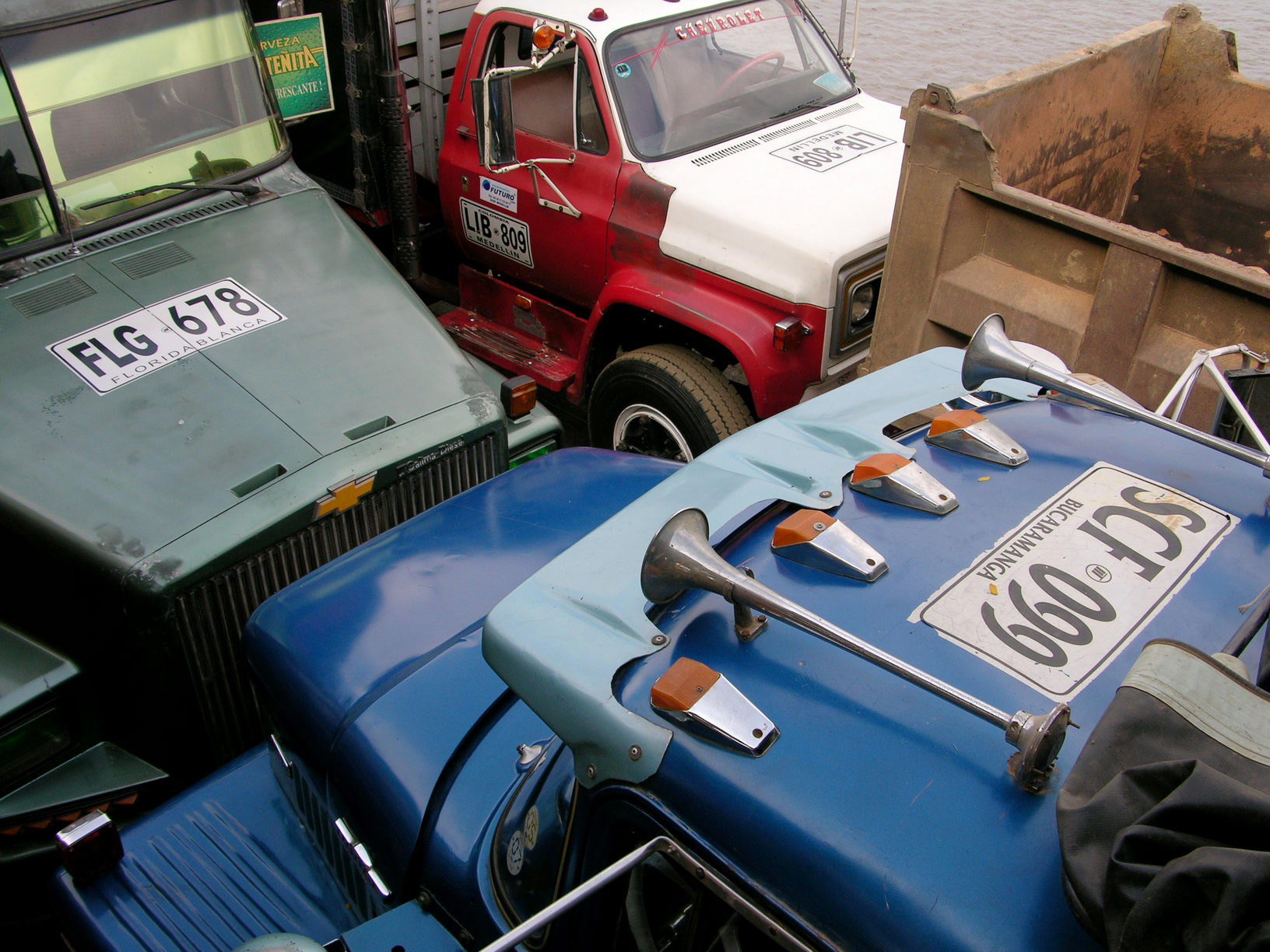
We had no wish to spend another night in Bogotá. Time to look at the country. Lonely Planet said it was exceedingly dangerous to drive outside towns after dark. Best to test that on the first day, so we wouldn't have to worry afterwards. We set a course north towards the sea. Traffic was heavy and didn't ease at all after dark. If the locals were driving, so could we. Who was going to tell us apart? Except perhaps by the number plate. The region where it's registered is marked along the bottom. They take car numbering seriously in Colombia. As if two plates, front and back, weren't enough, you're meant to have numbers on the doors, roof and bonnet. Possibly underneath, but I didn't crawl under the car to check. It looks as though that rule was going away too. At any rate our little car only had the usual two plates.
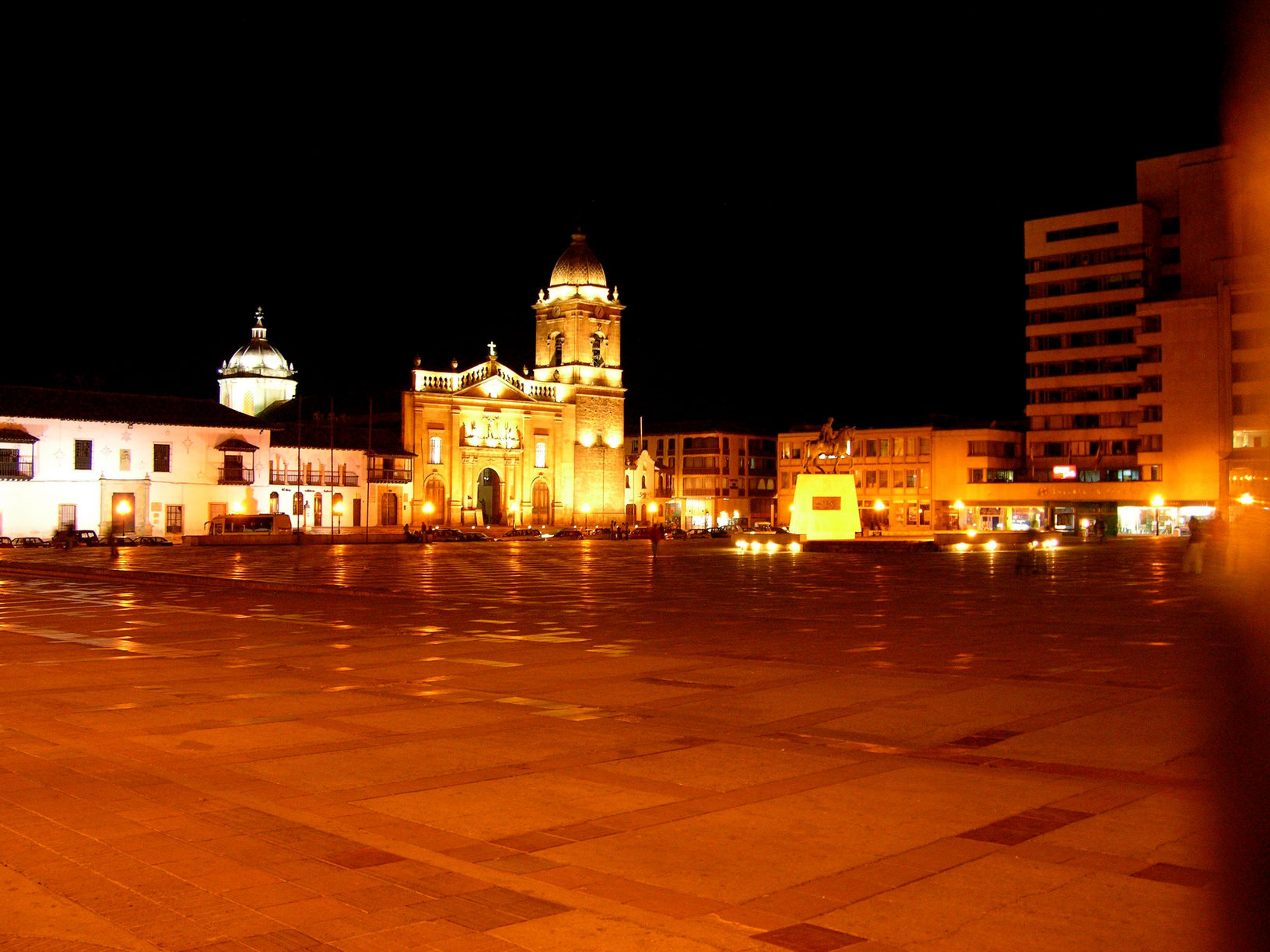
We stopped for the first night in Tunja (Tunja municipal website), capital of Boyacá. It's a pretty colonial city, at 2,900 metres above sea level. We felt that as soon as we got out of the car. A mere five degrees above freezing. We'd freeze to death here. Before all the shops shut, we needed to find a warm jacket fast.
Shops stay open late in Colombia, so the problem was soon solved. We even managed to pay by credit card. The banking network in the country is well developed. Lots of shops take cards, and there's a cash machine in every town. We had no trouble with foreign cards. There was even Citibank, where you could take out cash with one of its cards and pay no commission.
In the morning we went for a walk. A pretty town. As in any Latin American city, there's a large square in the centre, but here it's called Plaza de Bolívar instead of Plaza de Armas, as elsewhere in Latin America. It's the same all over the country. Streets are numbered all over the country too. This is where they should have set The Irony of Fate. Fifth Builders Street has nothing on Colombia.
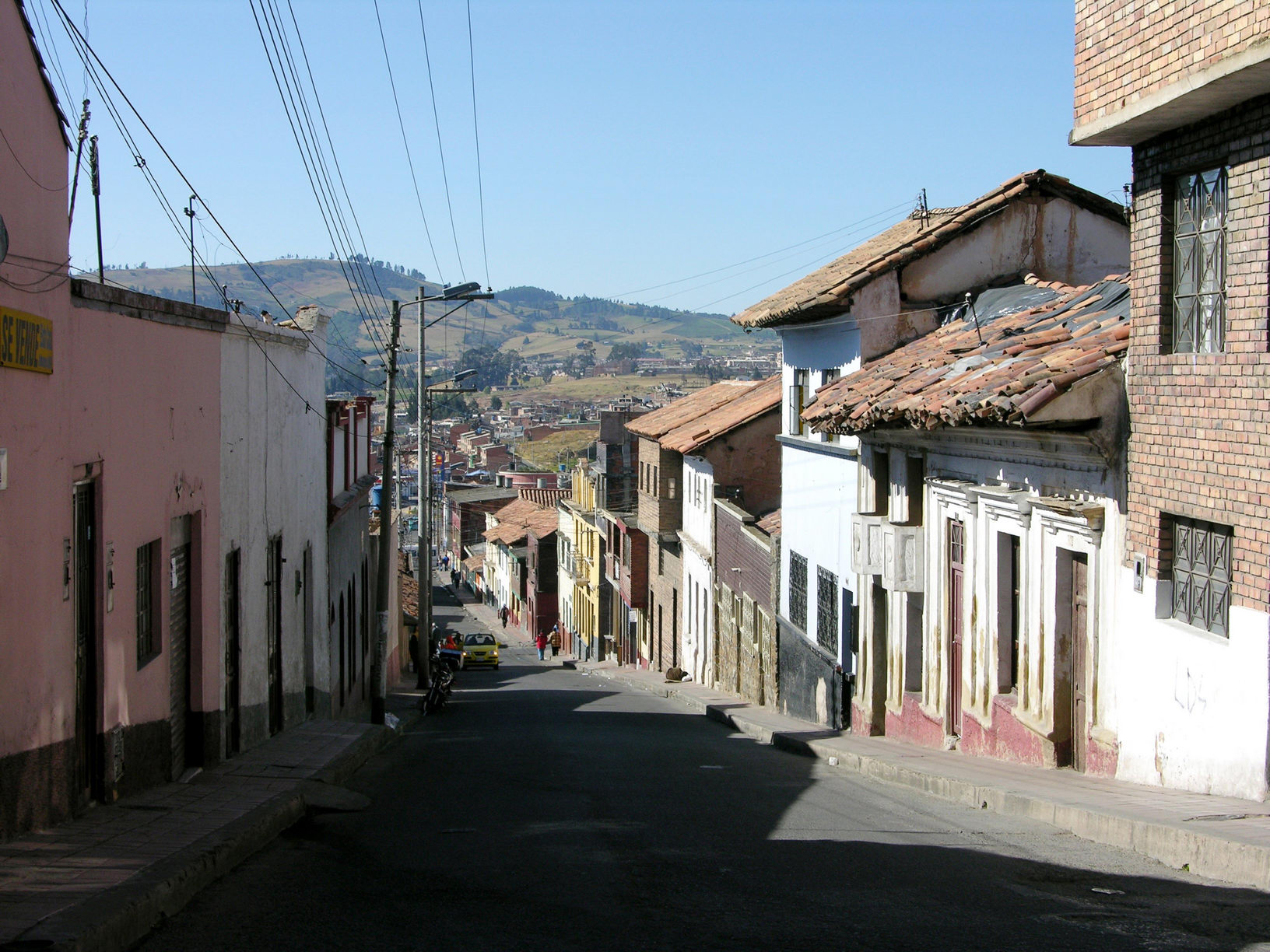
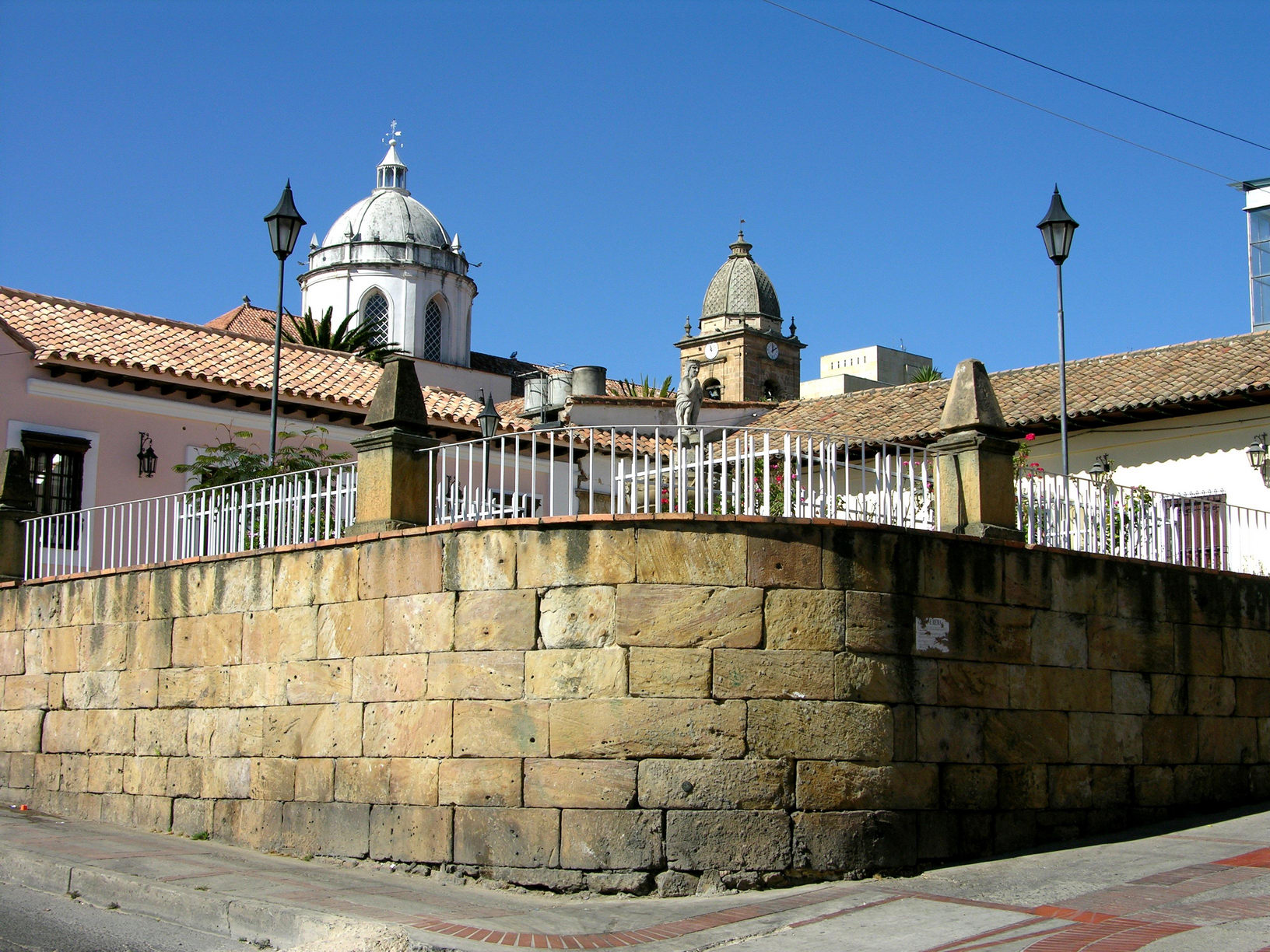
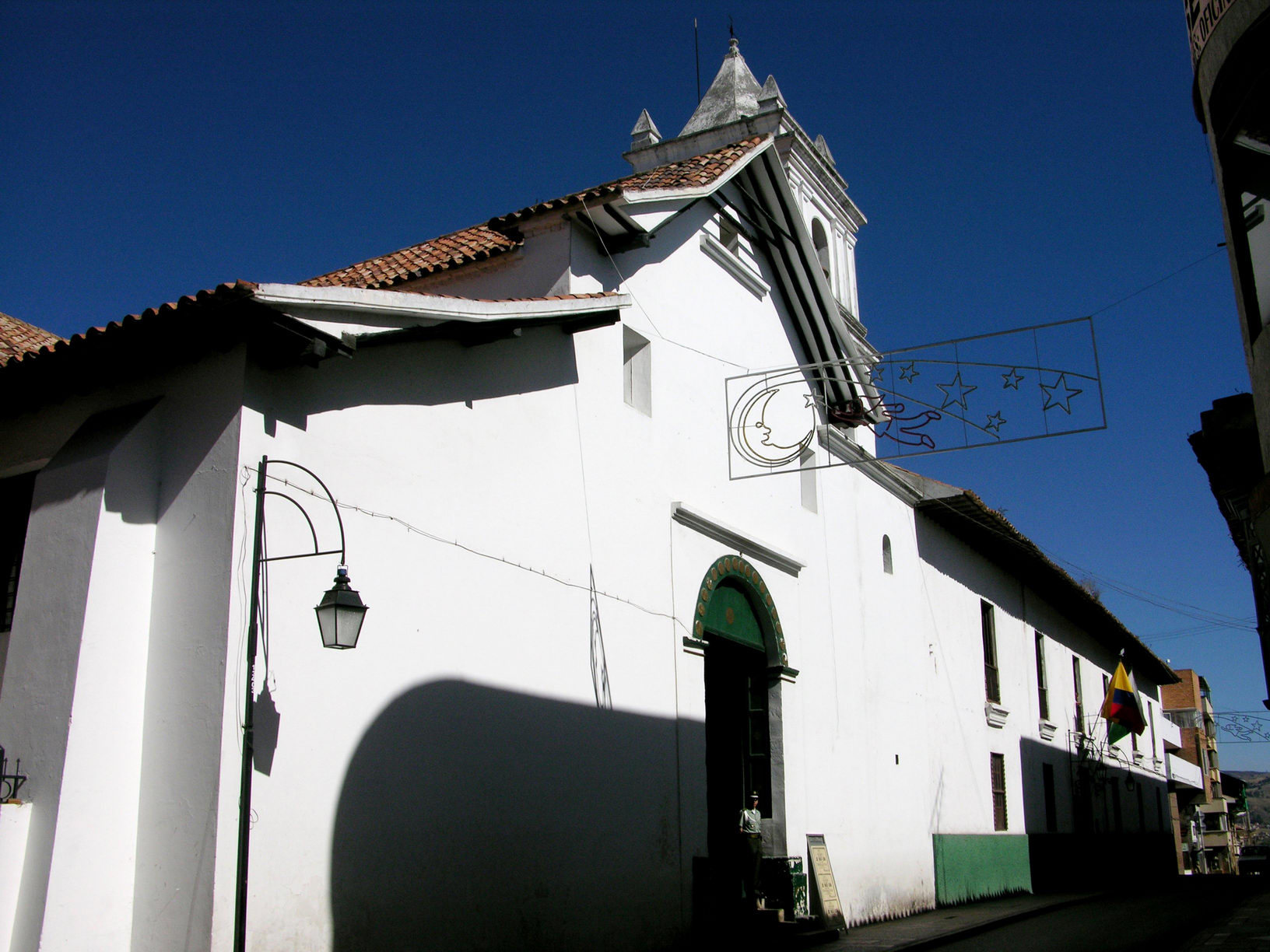
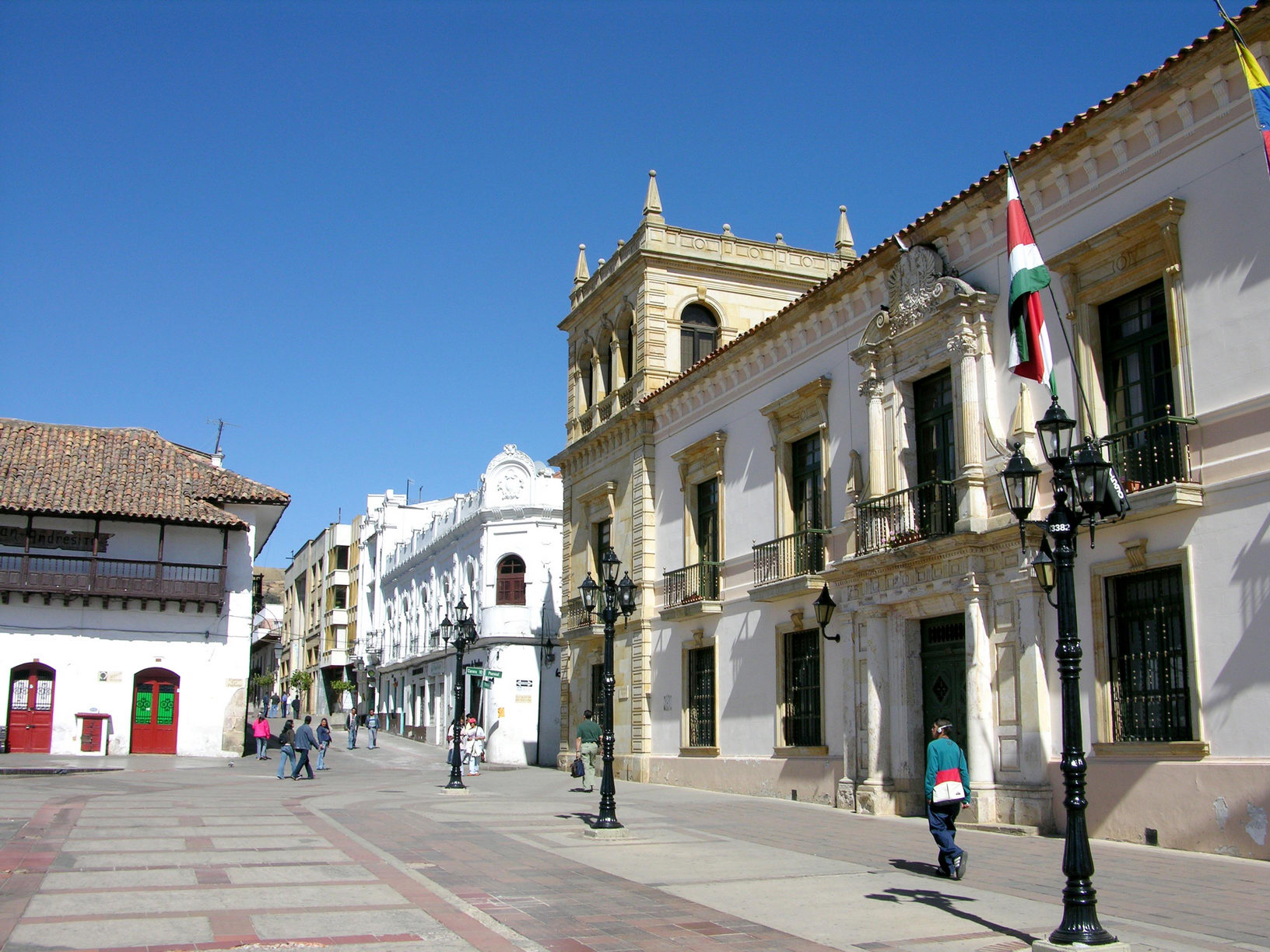
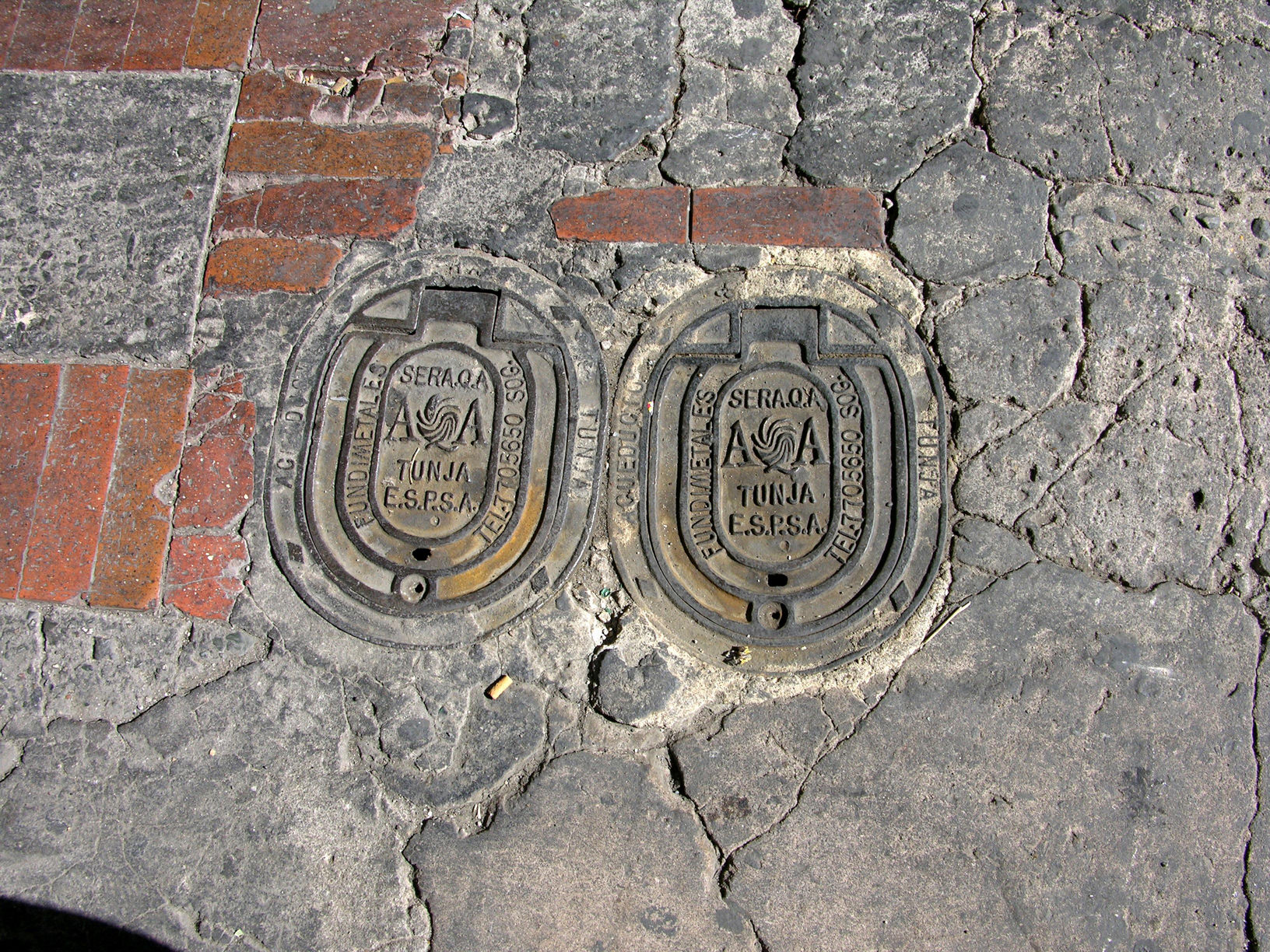
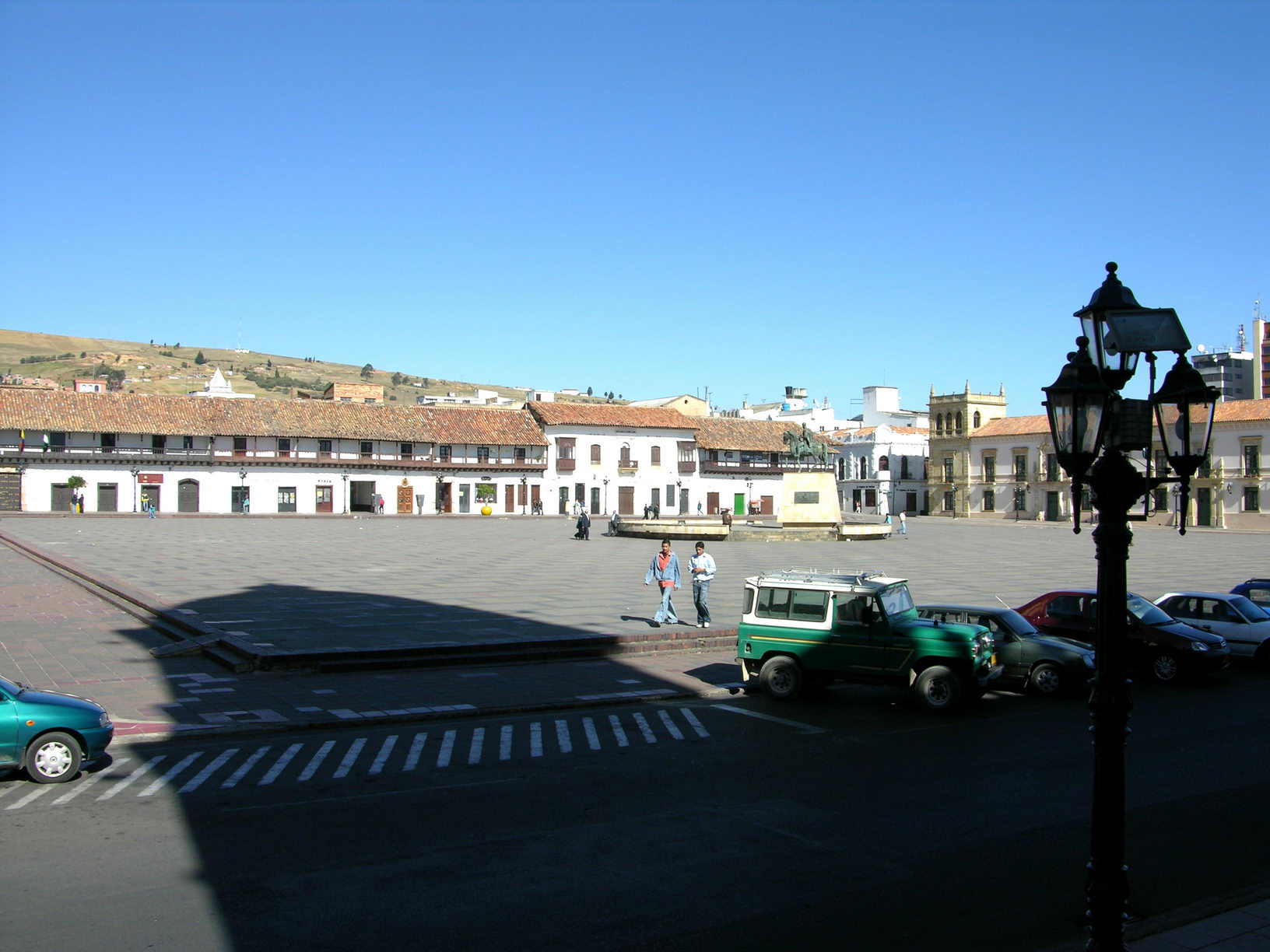
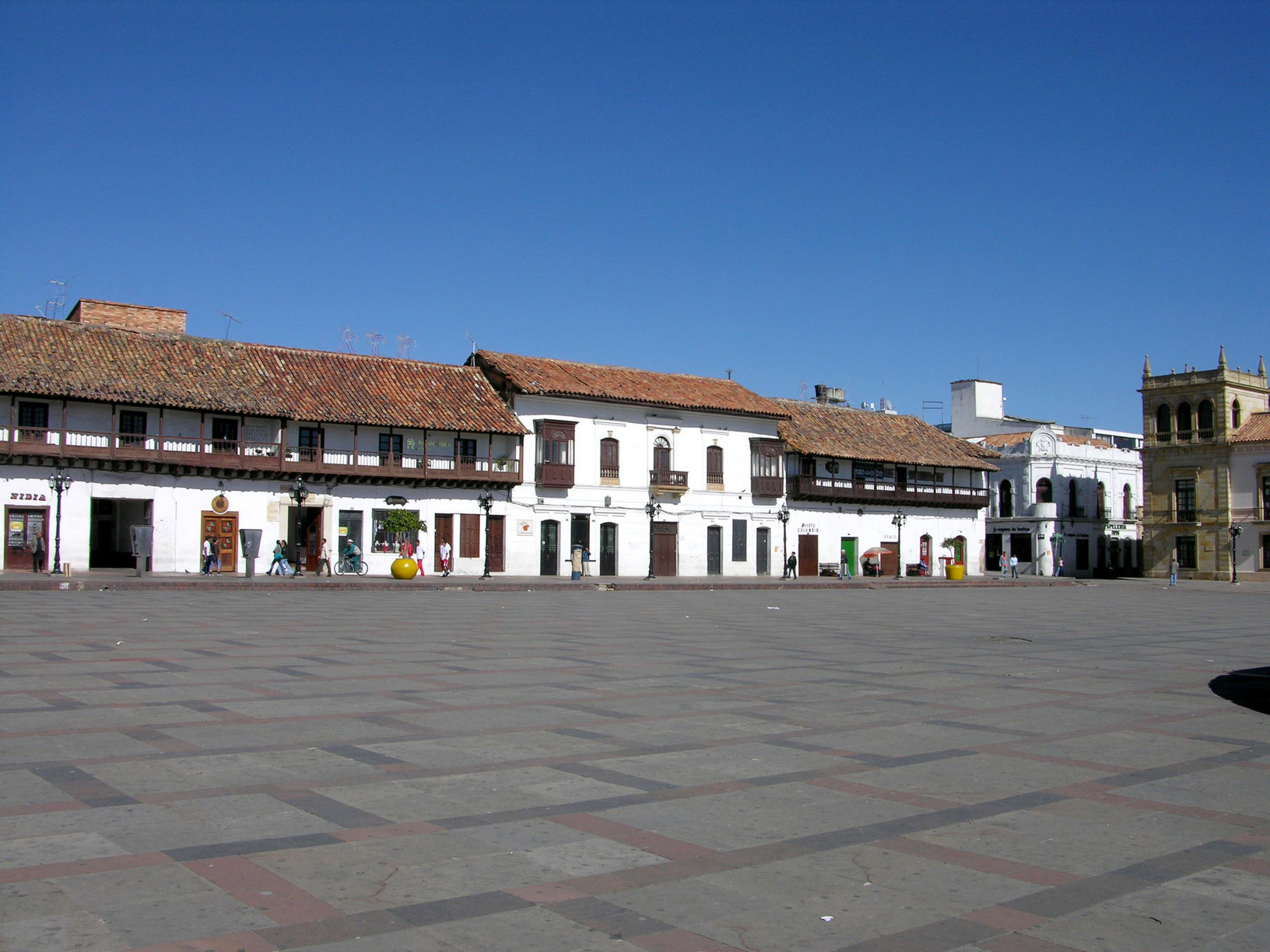
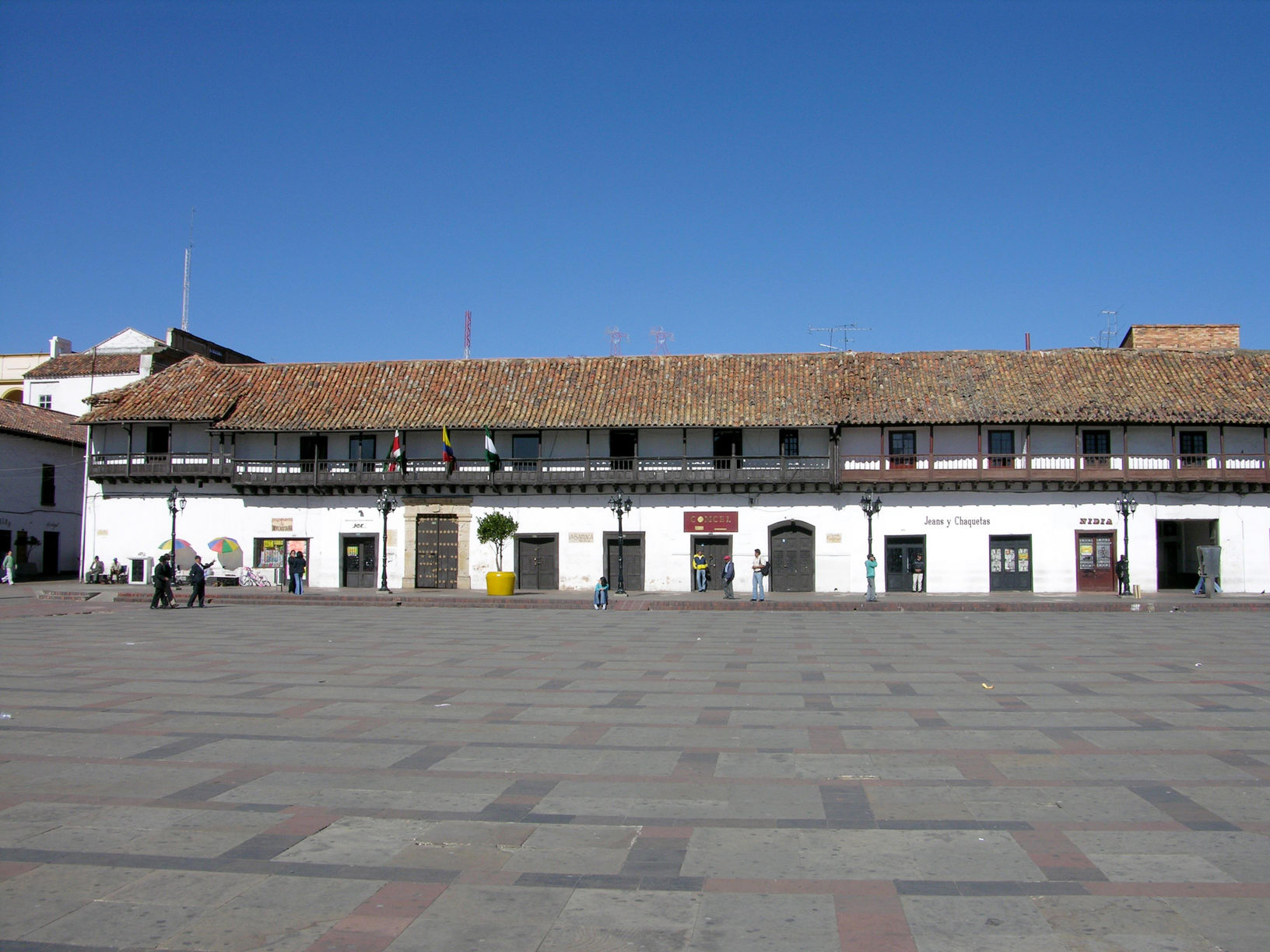
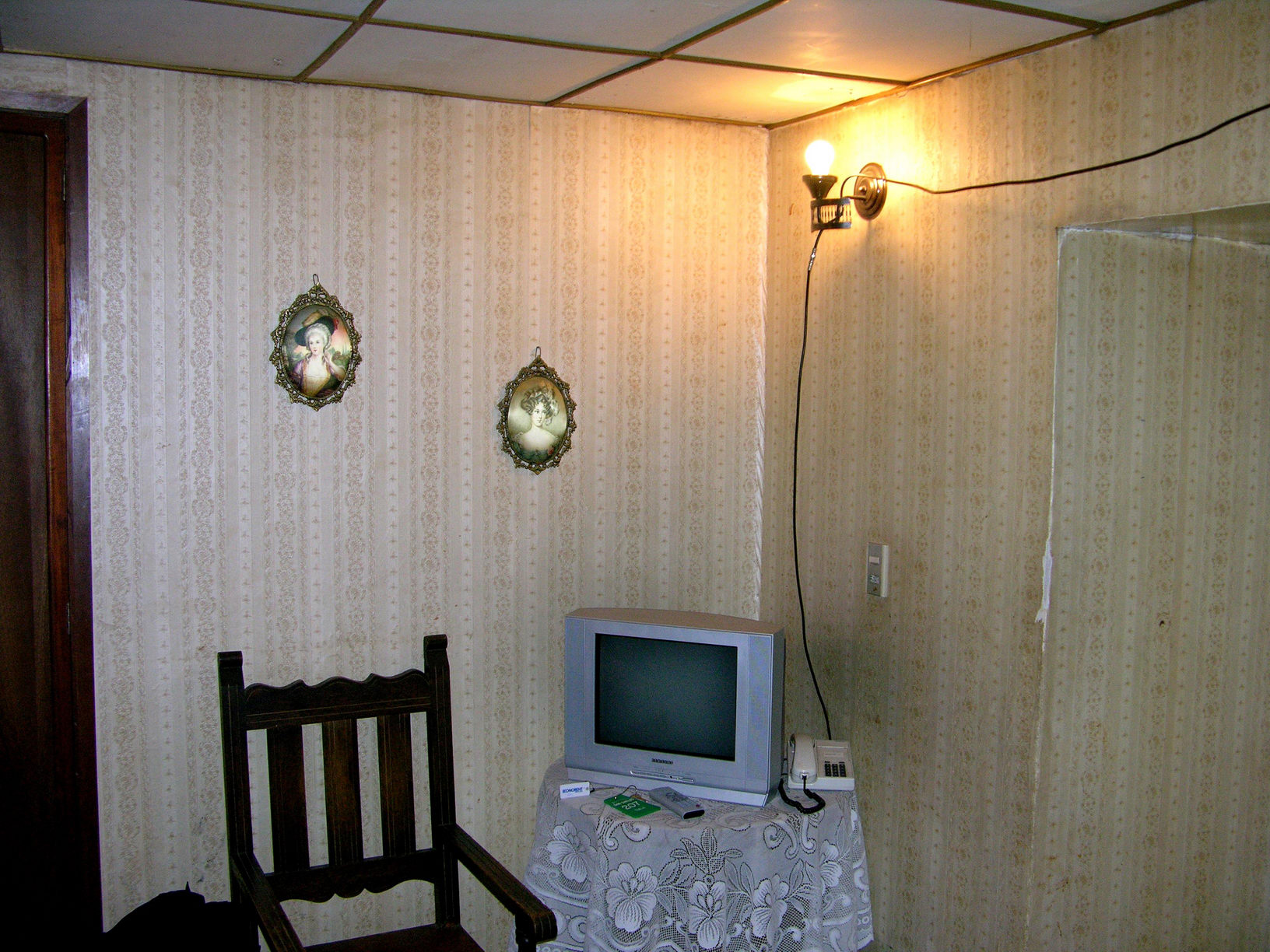
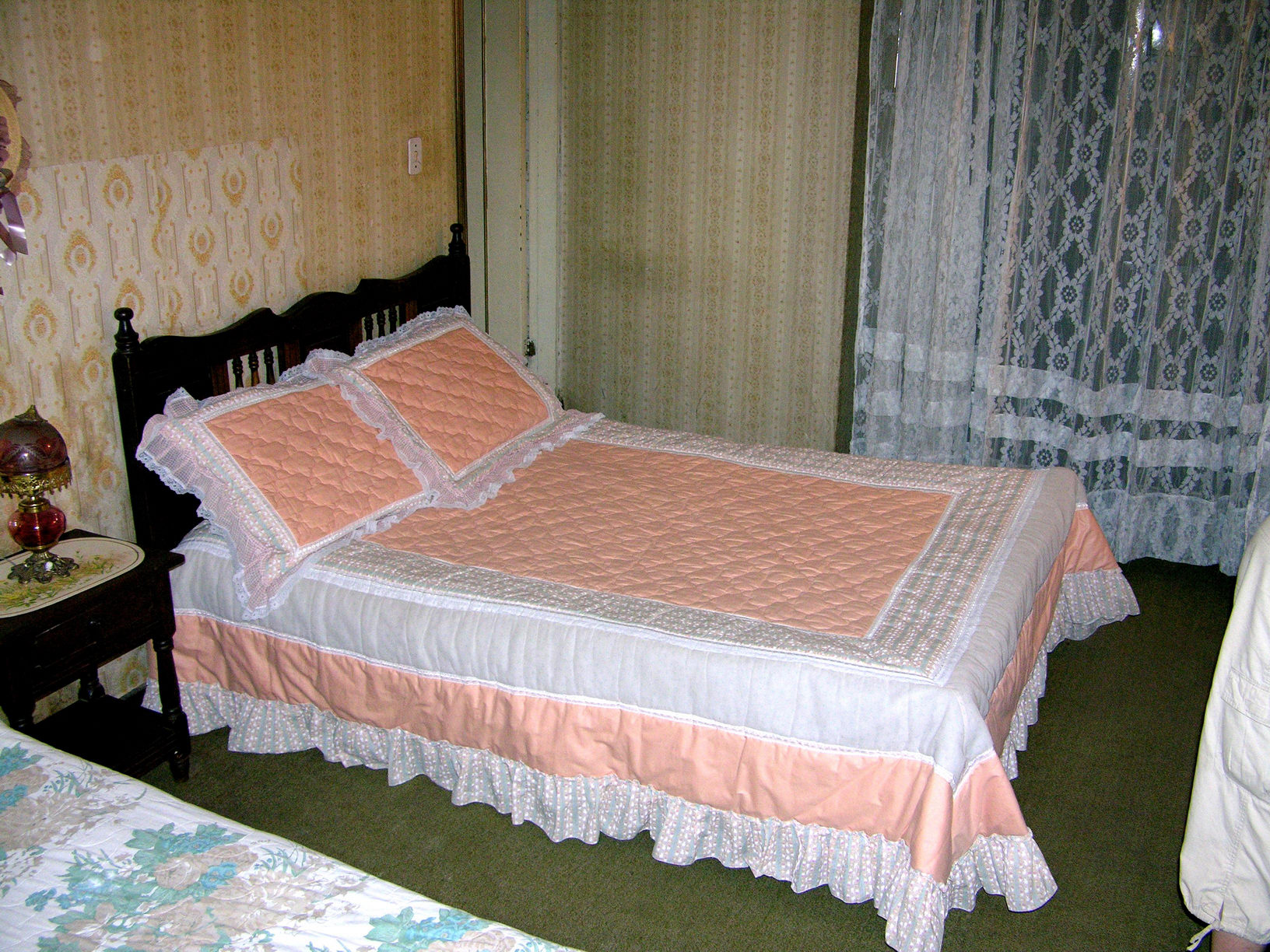
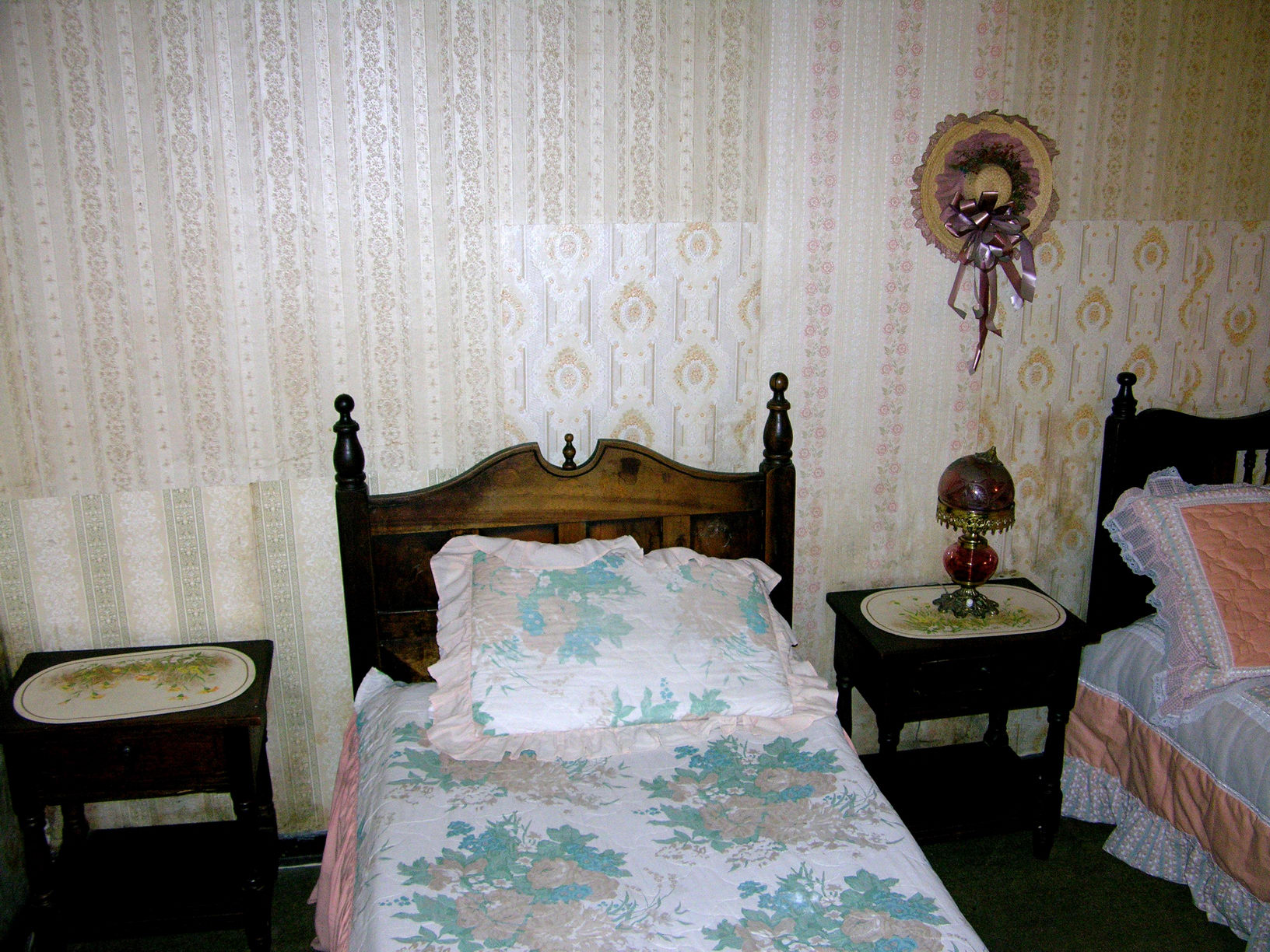
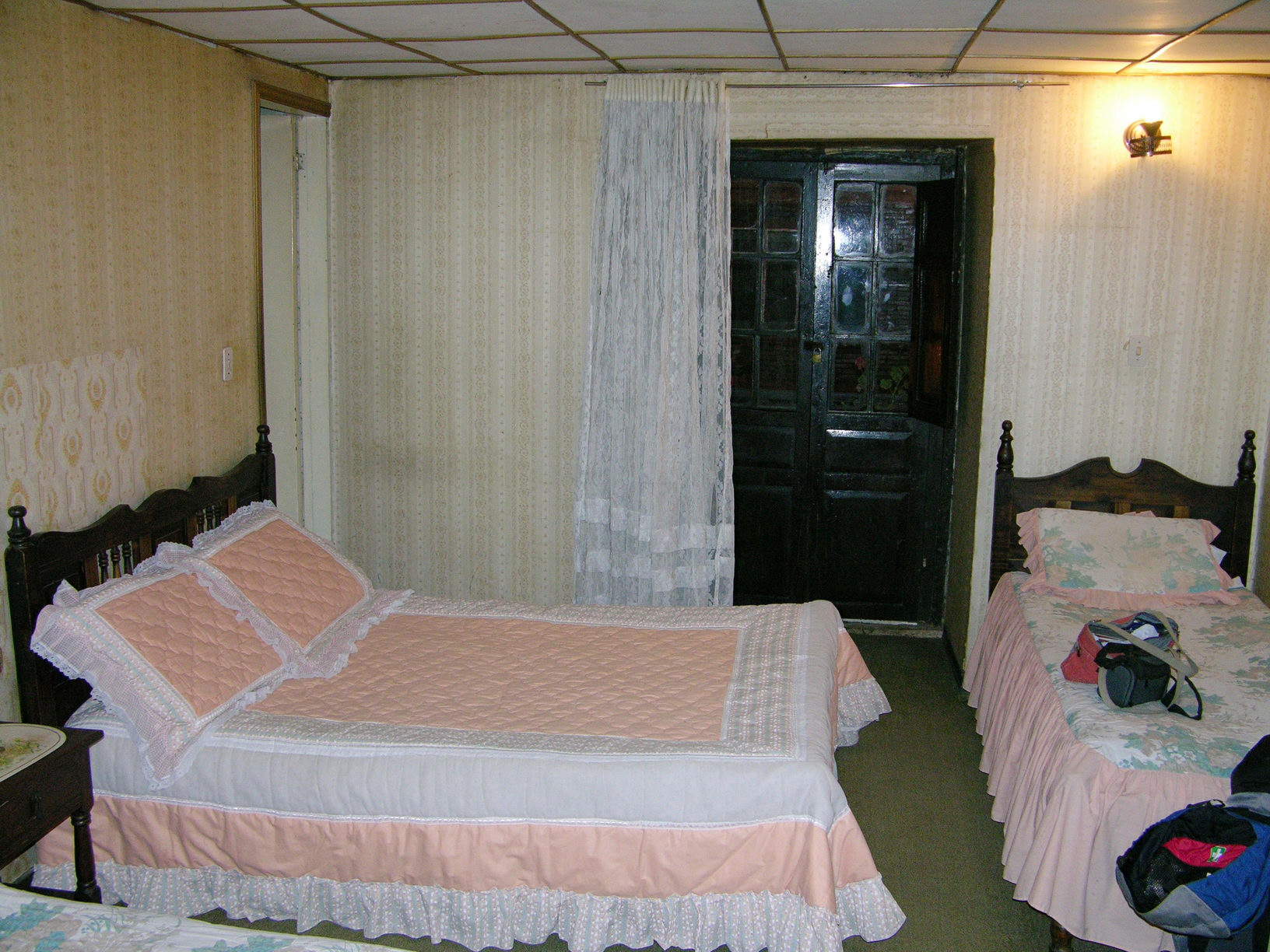
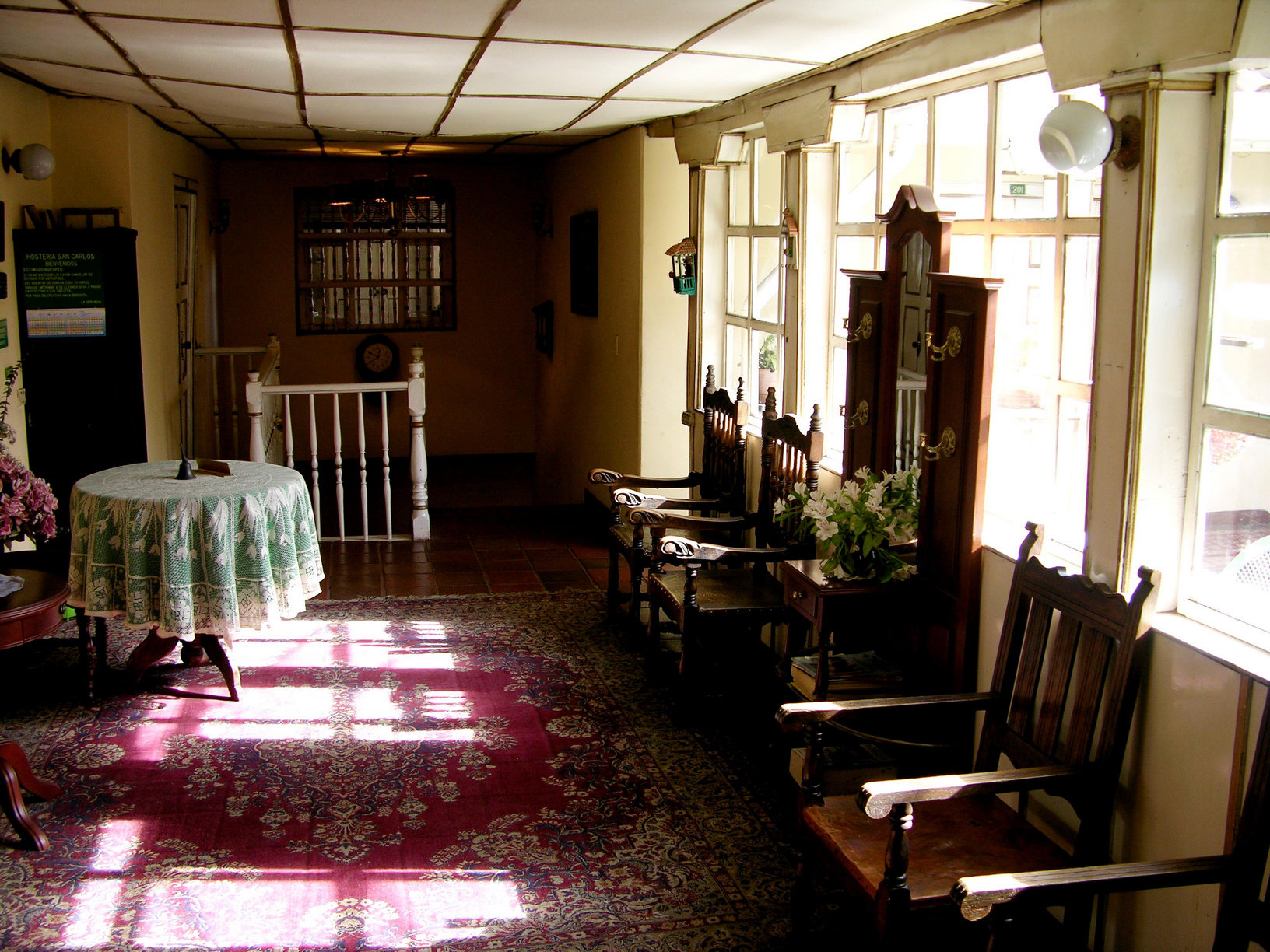
Tunja has changed little in four hundred years. You can see it particularly well if you stay at a hotel. Old furniture and curtains. A large room. The walls and roof are certainly centuries old, the furniture many decades old. The price is what you'd pay to pitch a tent at a European campground.
Among Tunja's sights, the founders' house, Casa de los Fundadores, is worth seeing for its cheerful ceiling paintings (Casa de los Fundadores website). People, elephants, palms, ostriches and crocodiles.
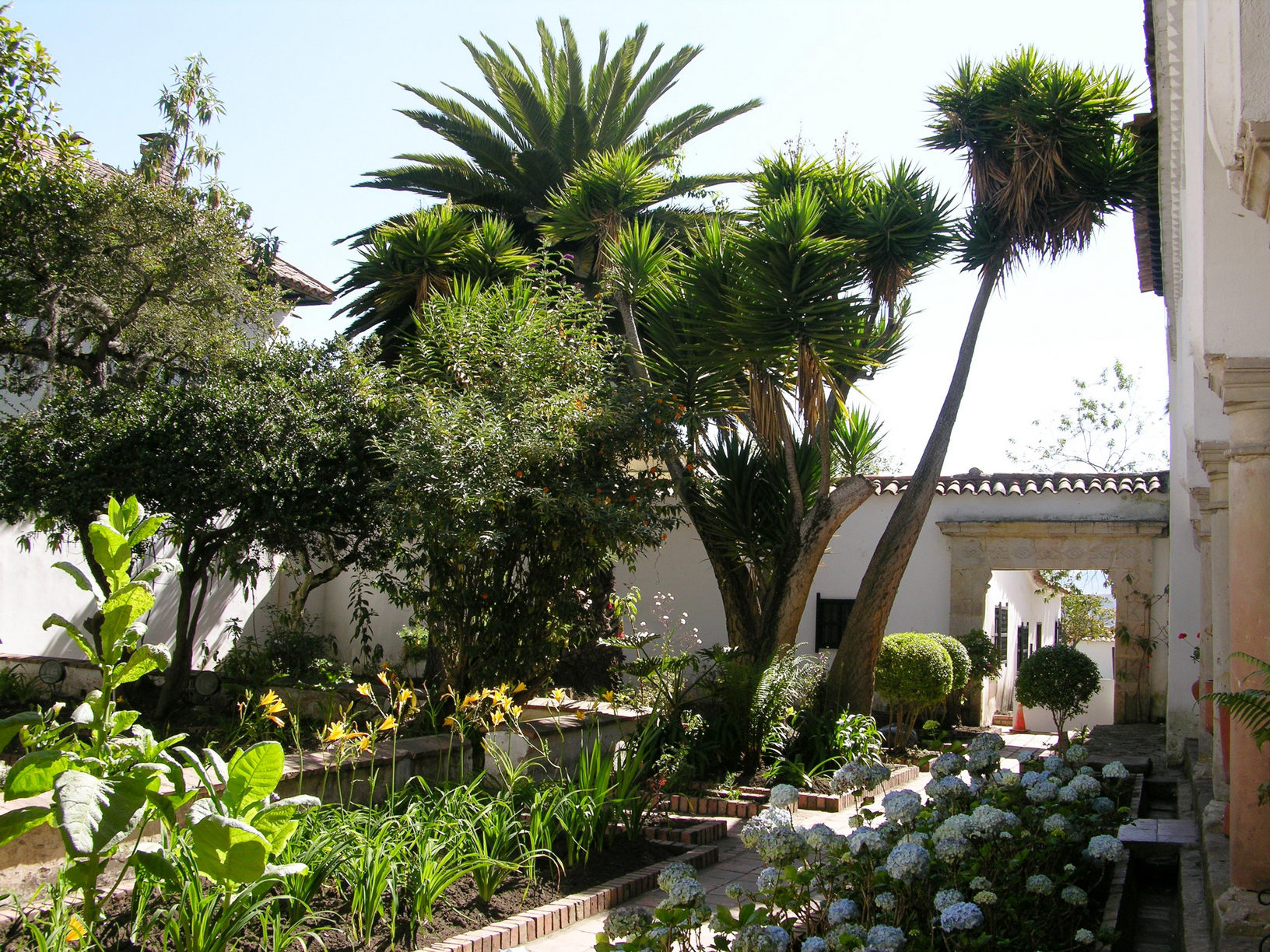
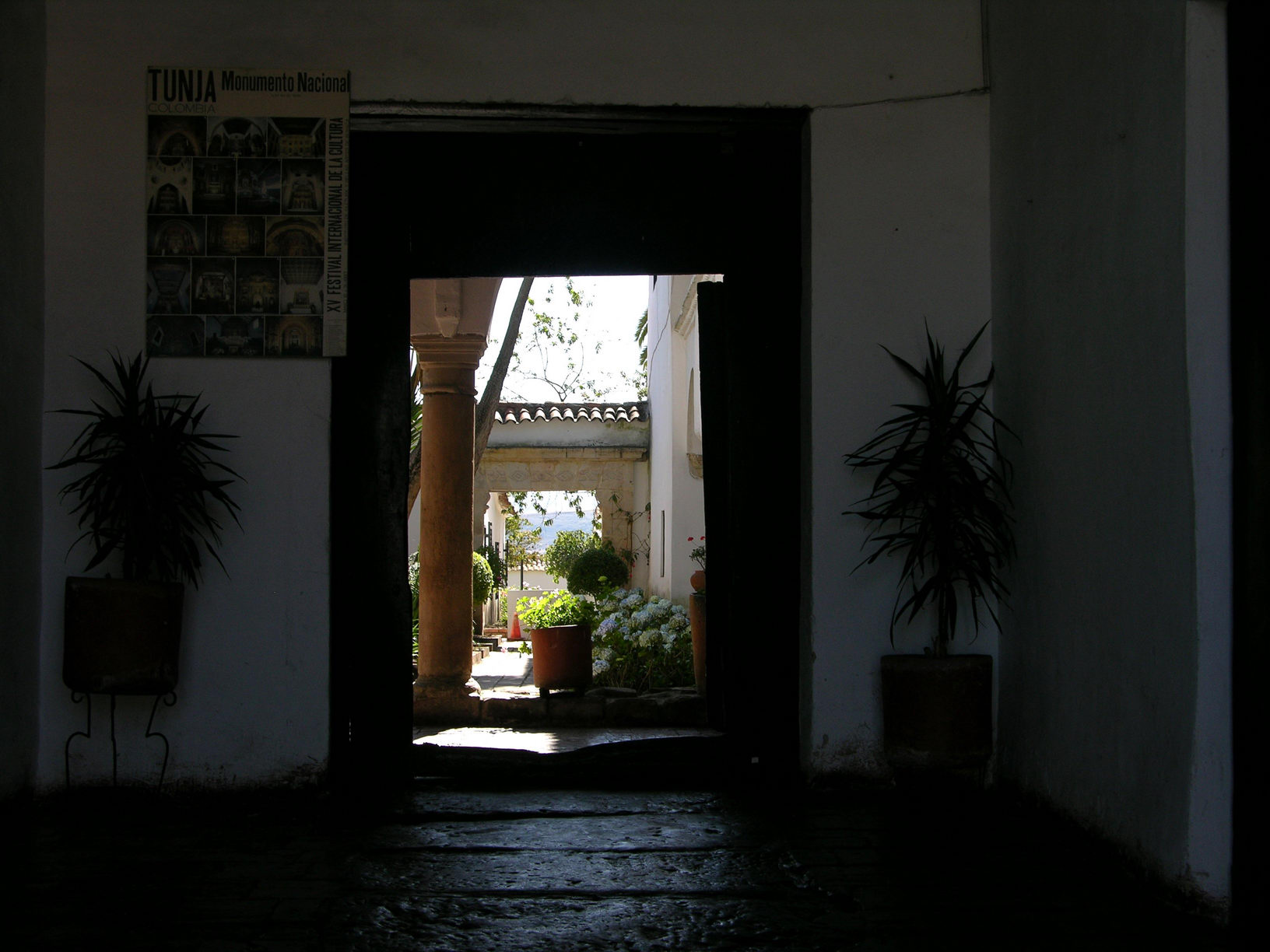
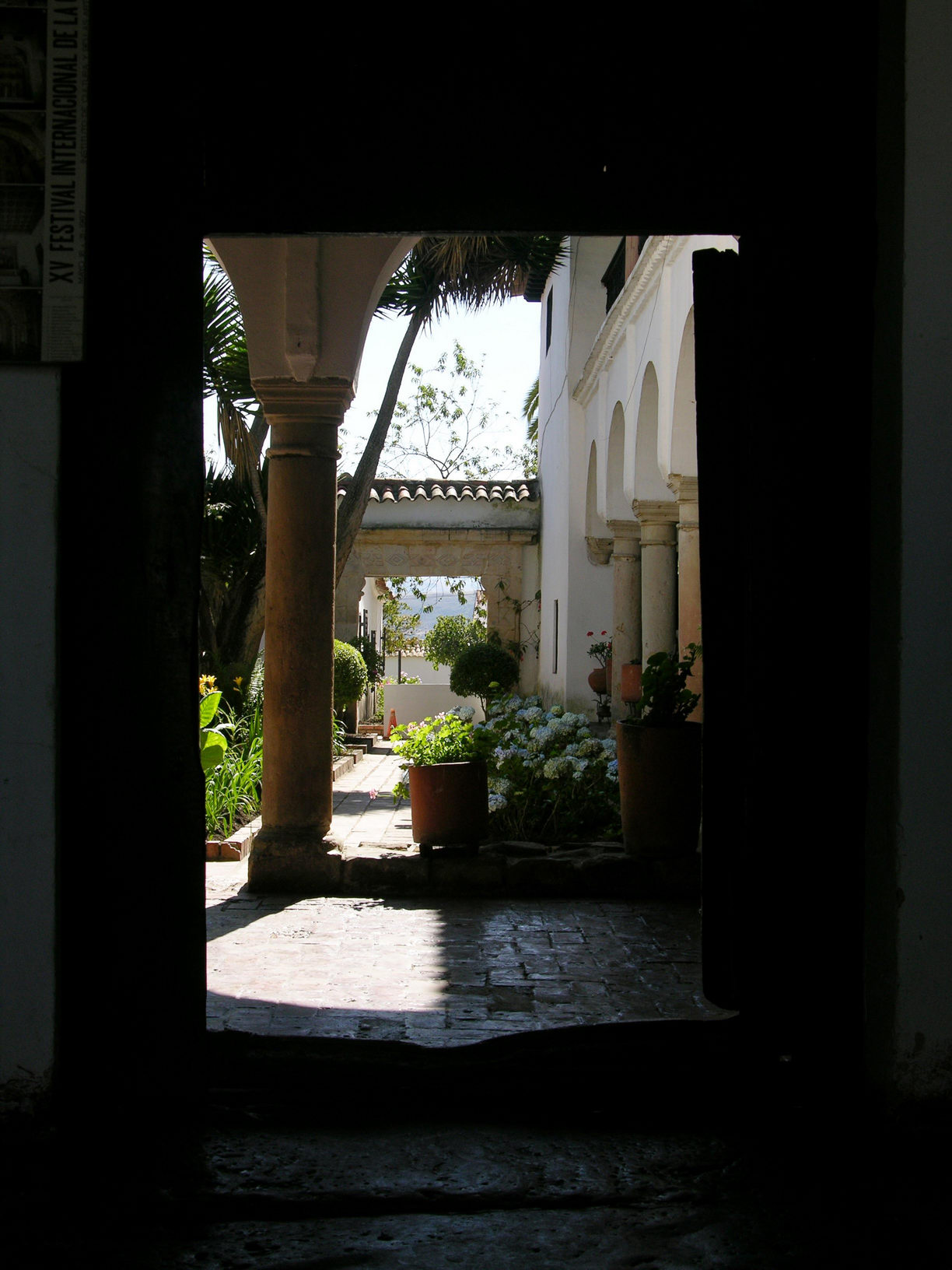
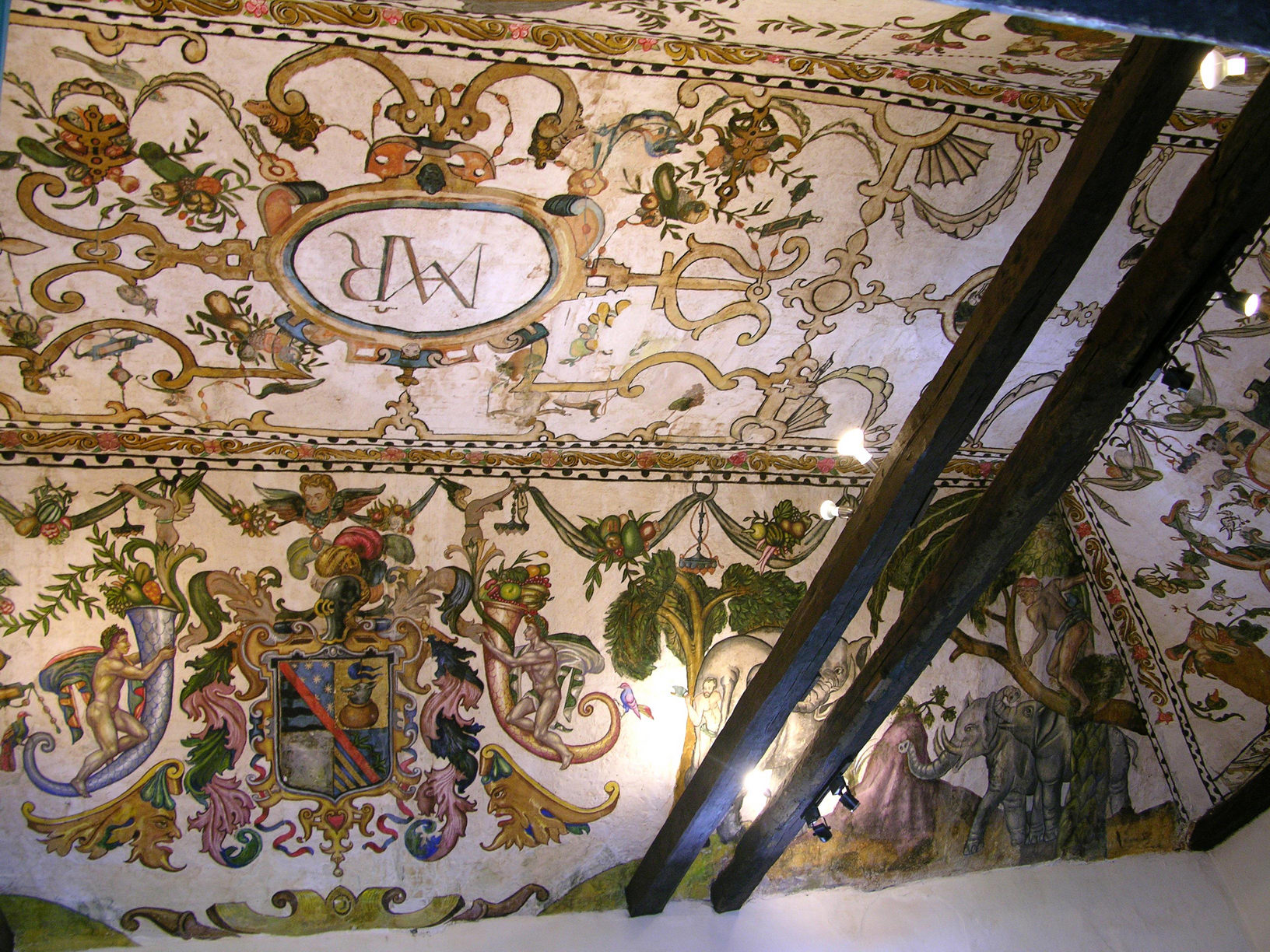
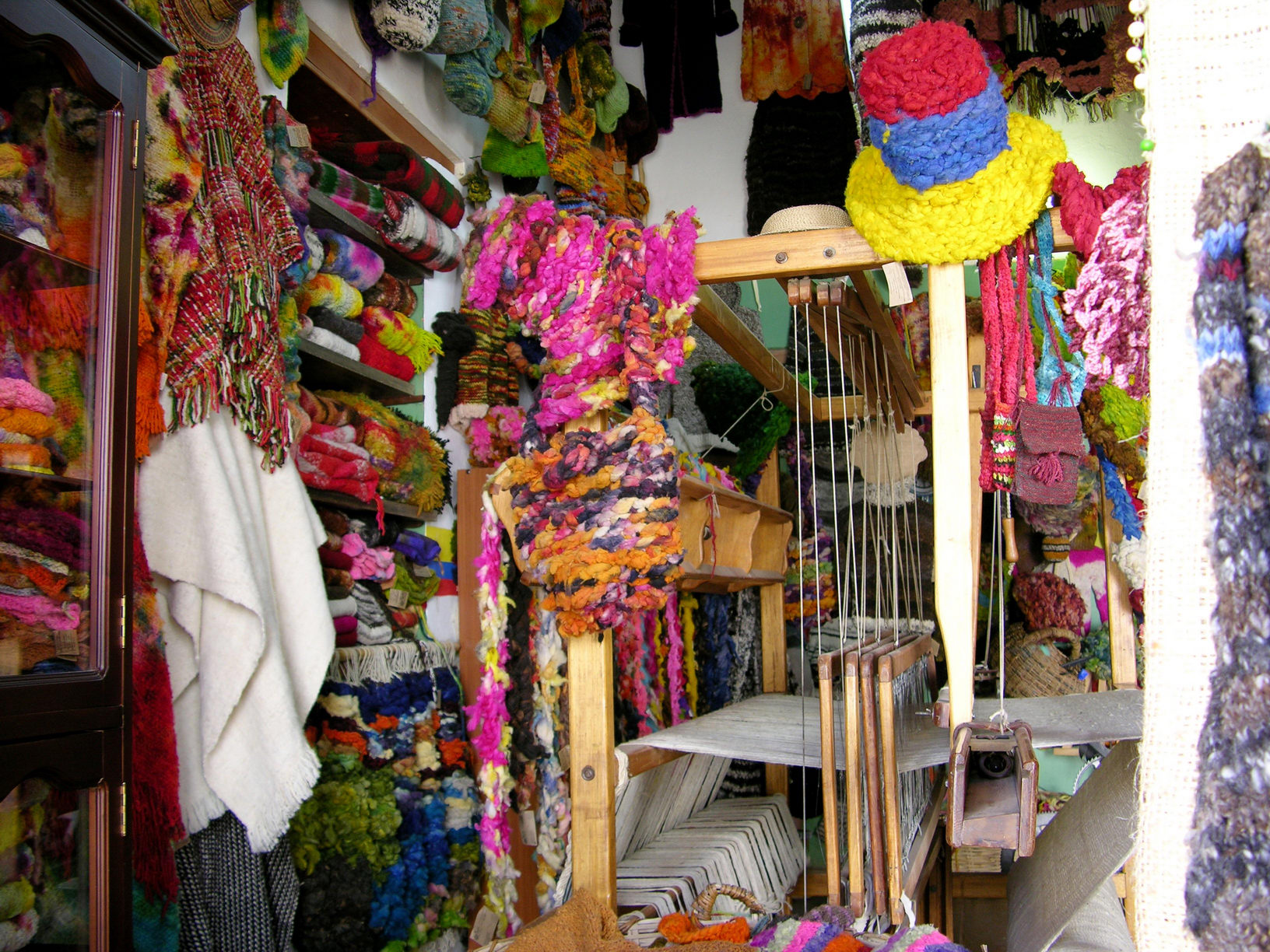
Near Tunja there's another village, Villa de Leyva (Villa de Leyva, town website), or rather another town of the same period. It's even better preserved in its original form. UNESCO, we were told, had recognised it as a wonder and protected it. Perhaps it really is better than Tunja. There are rather a lot of tourists, though, and souvenir shops. All kinds of multicoloured woollen wares. For local colour the shops have looms.
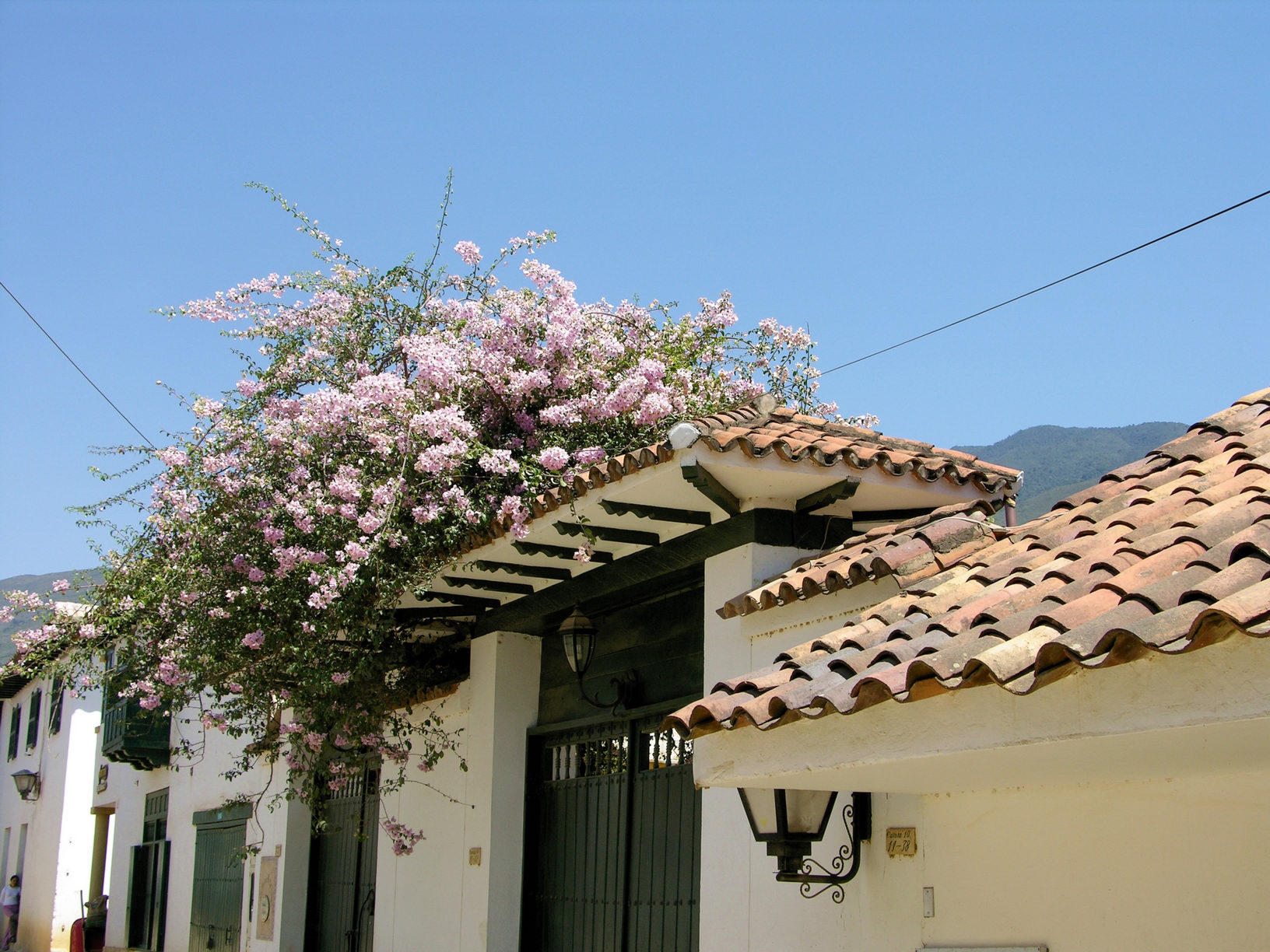
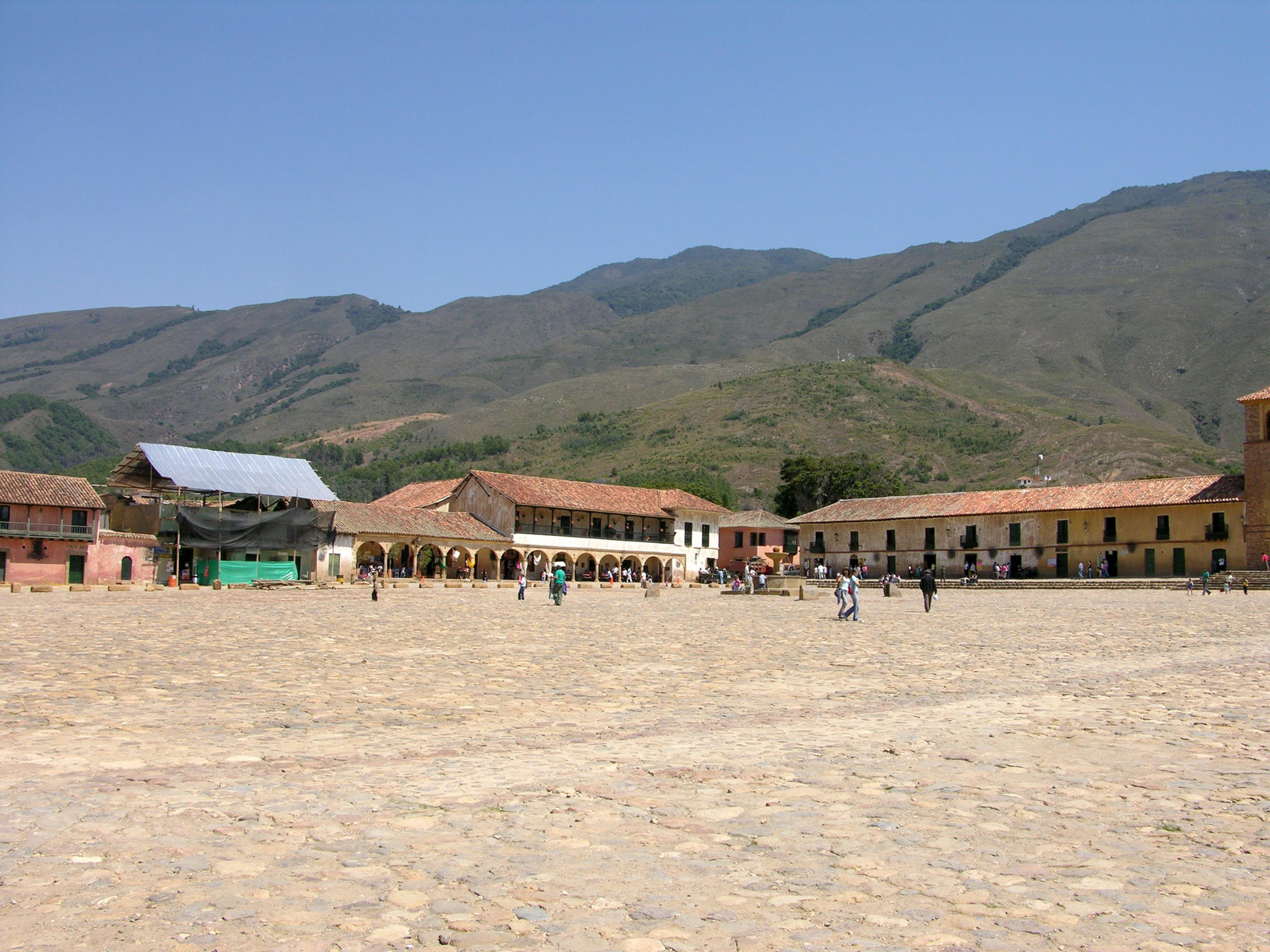
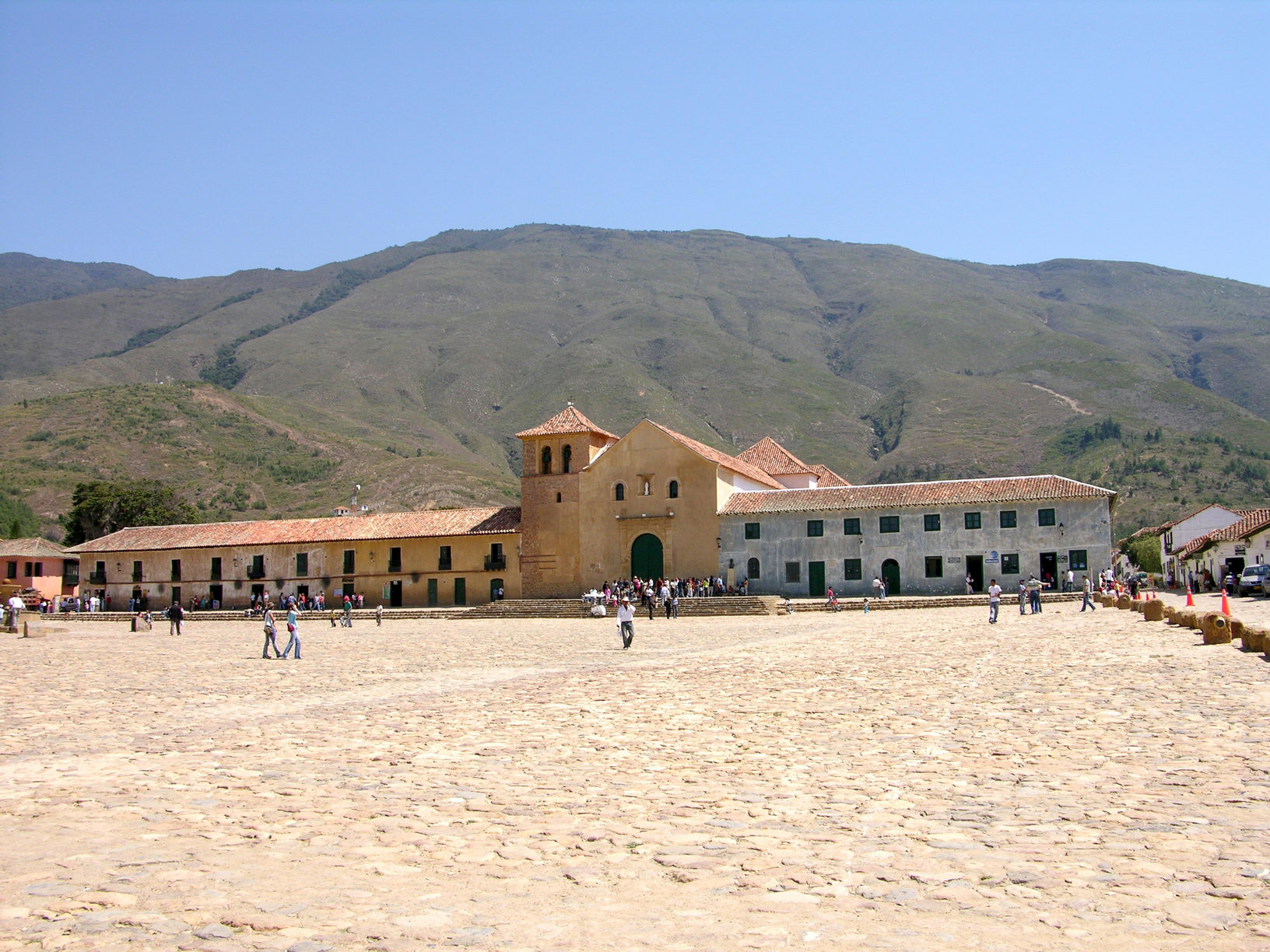
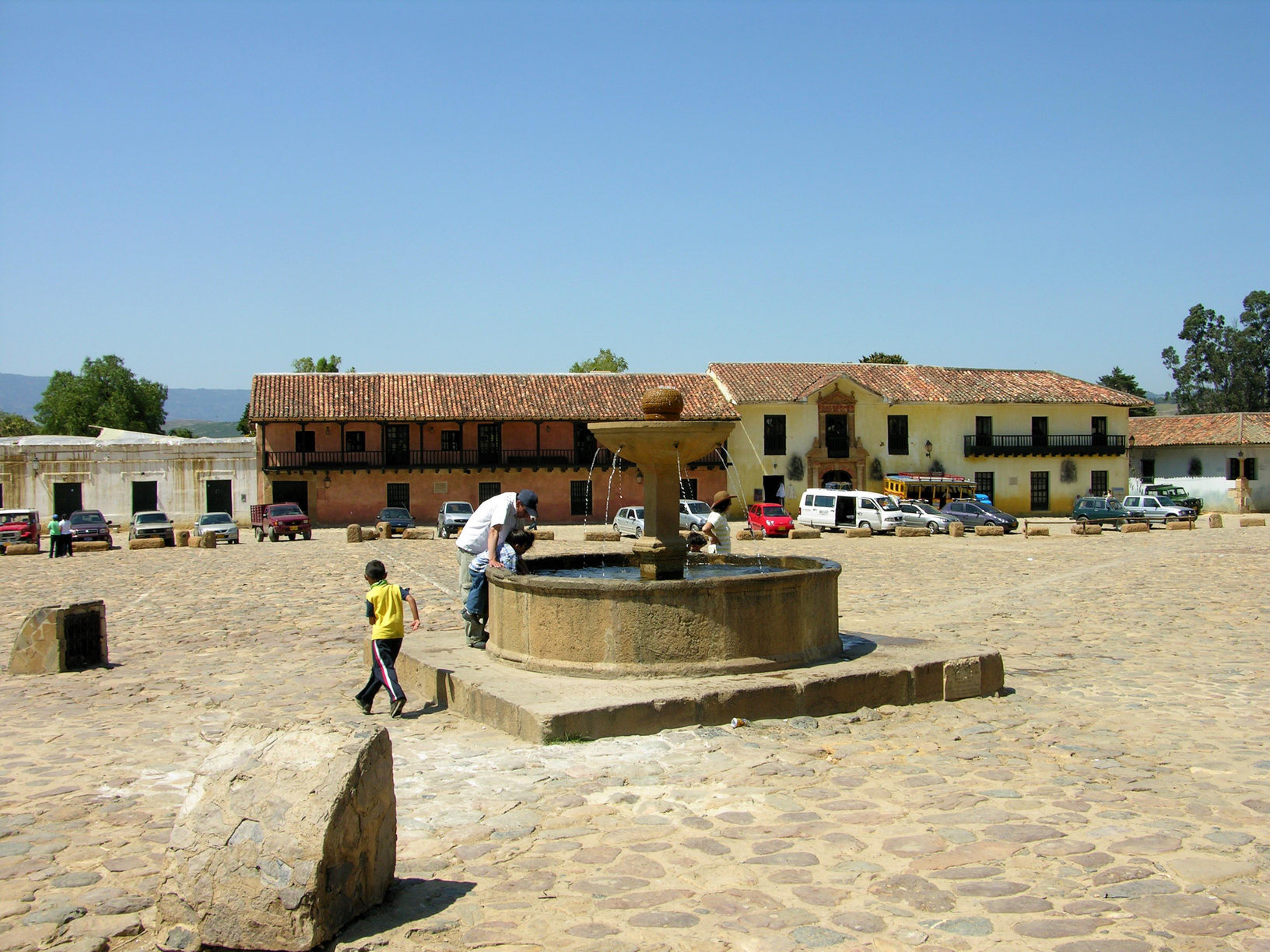
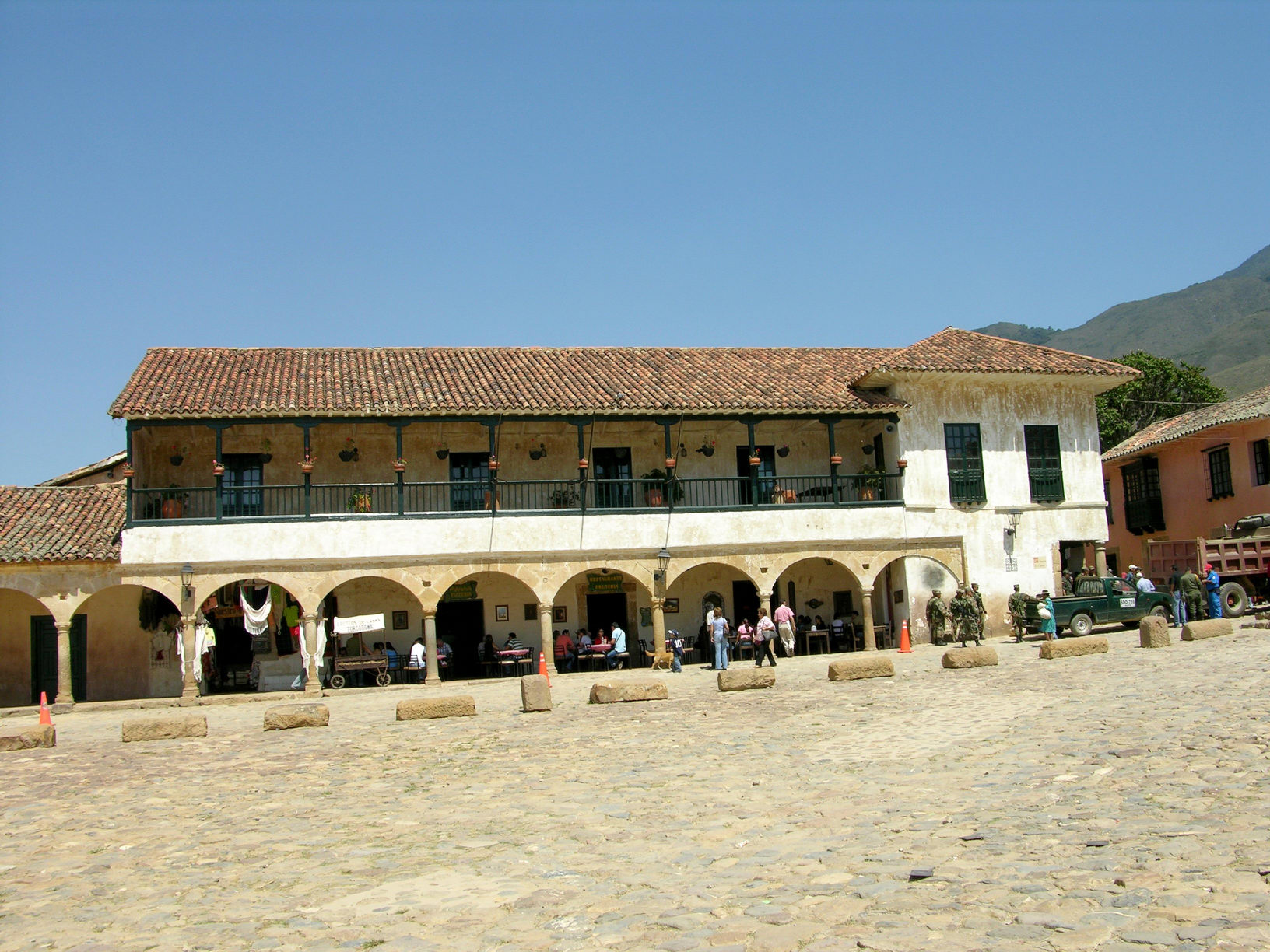
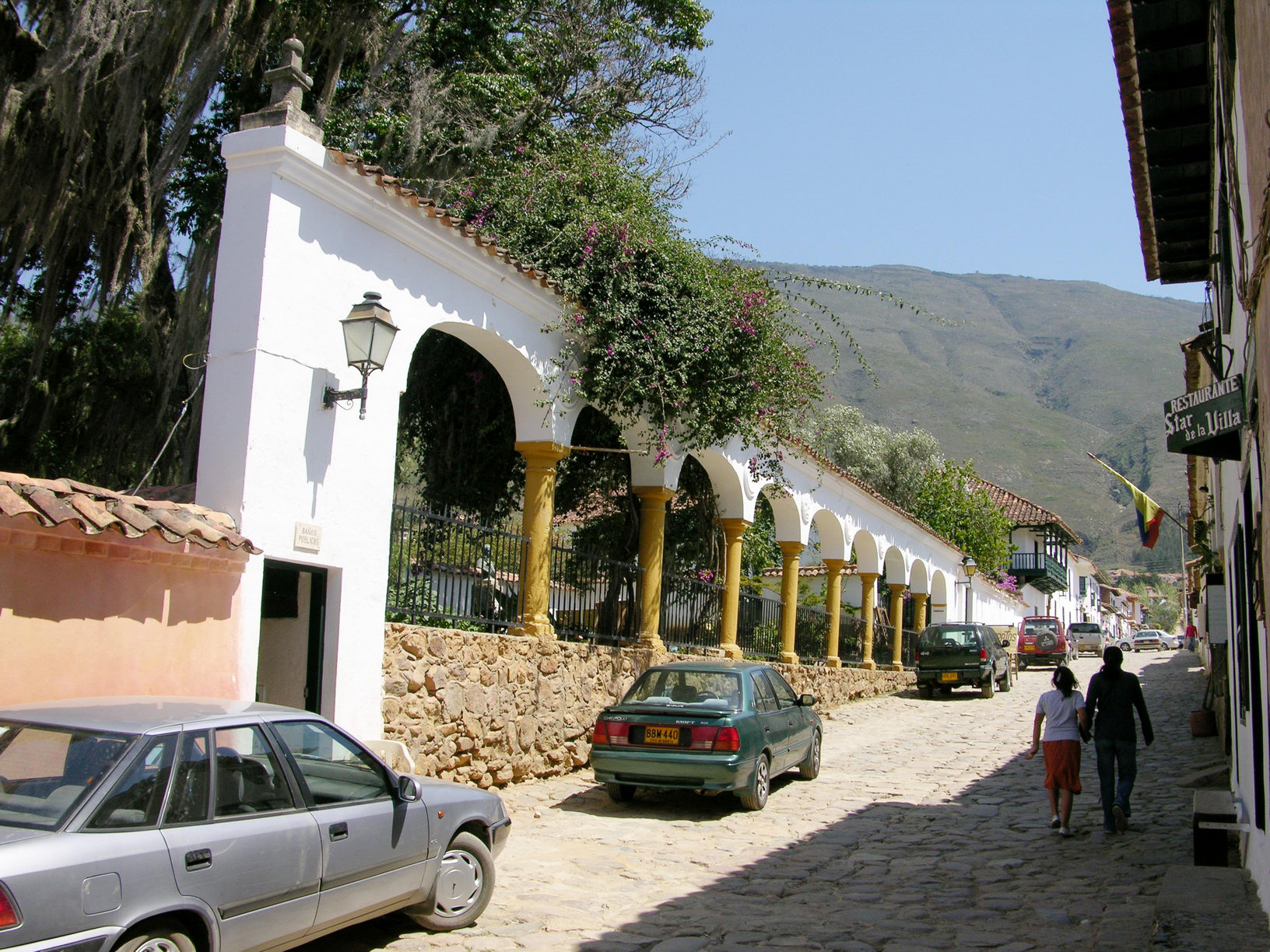
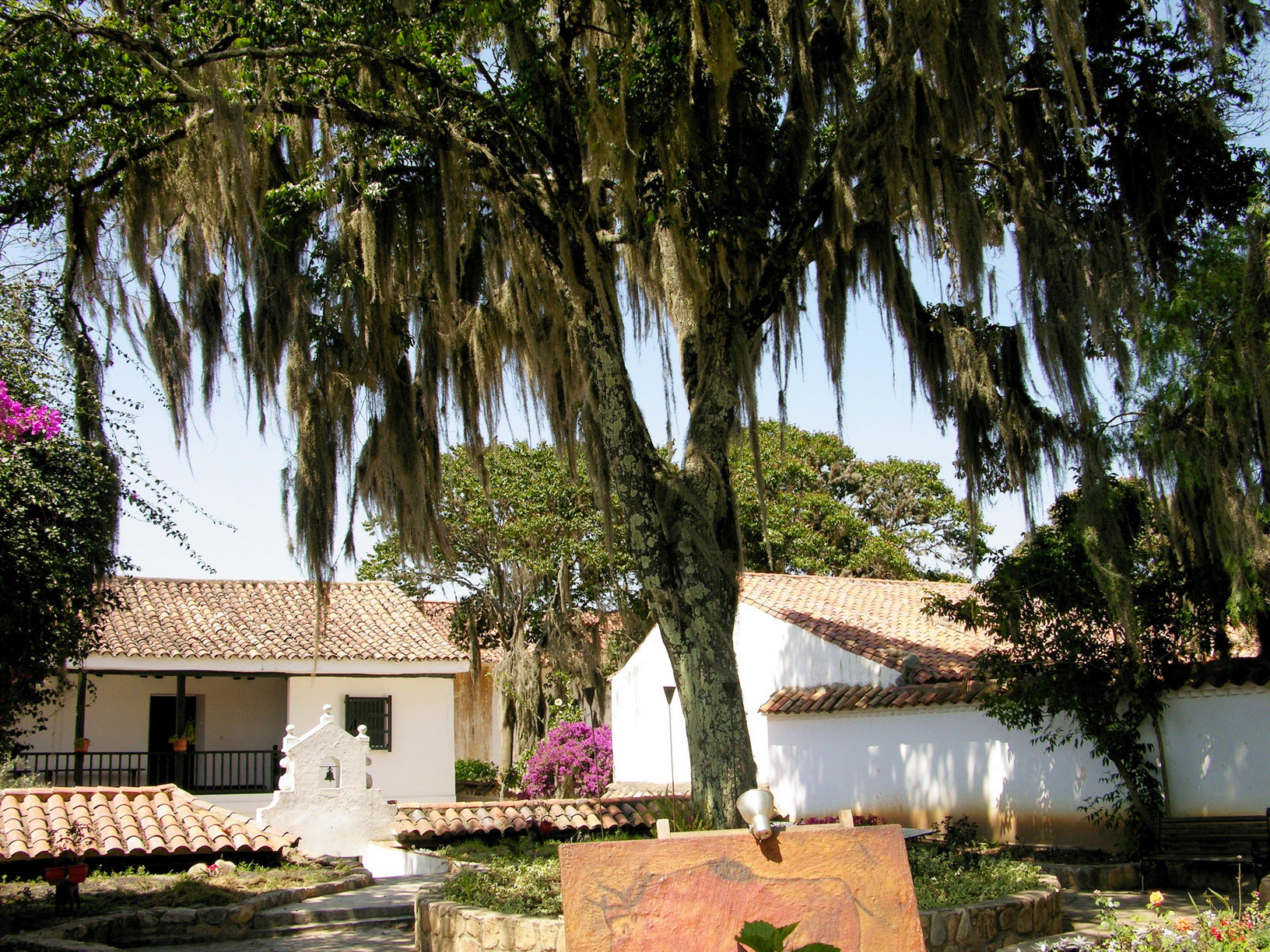
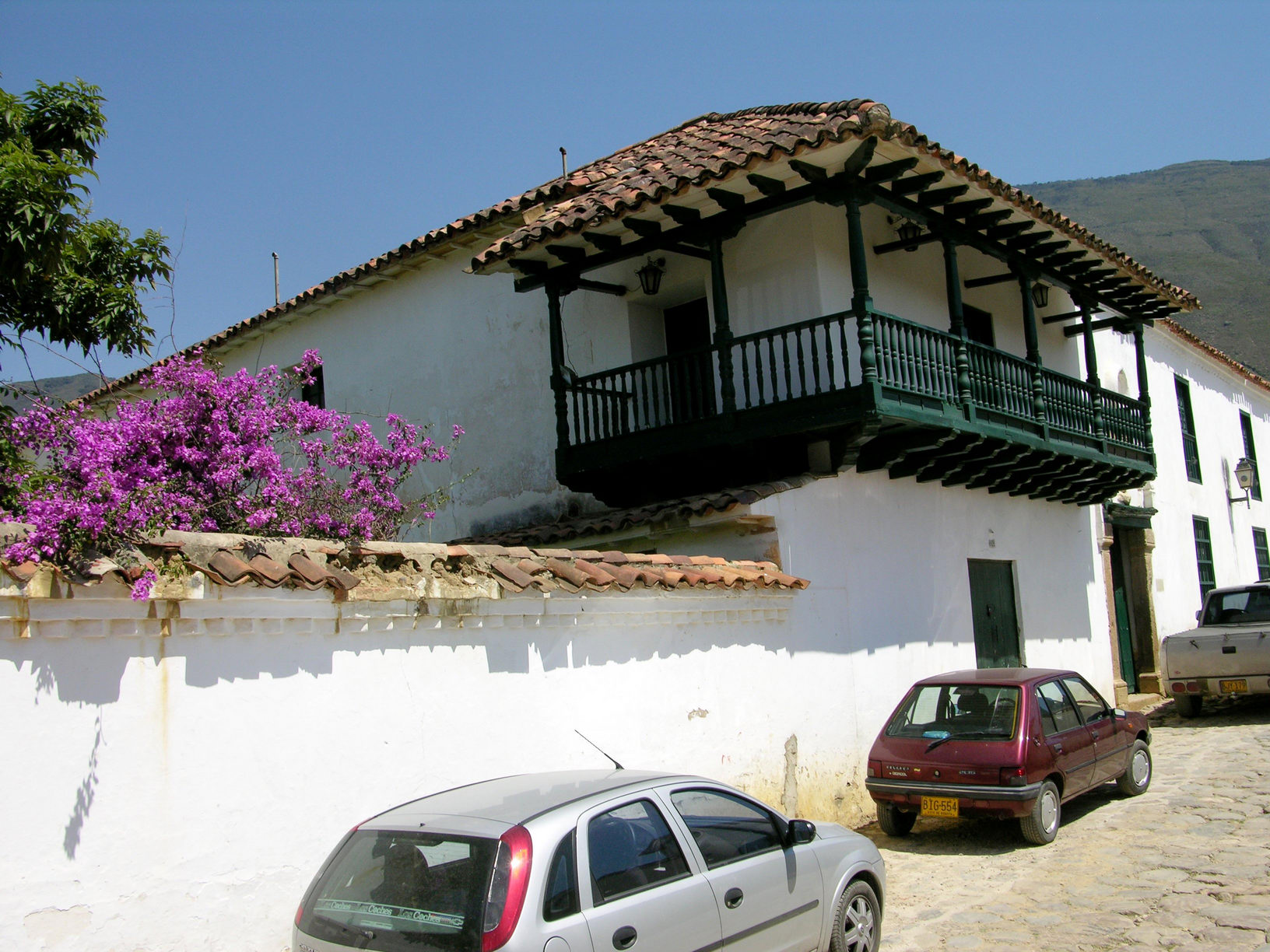
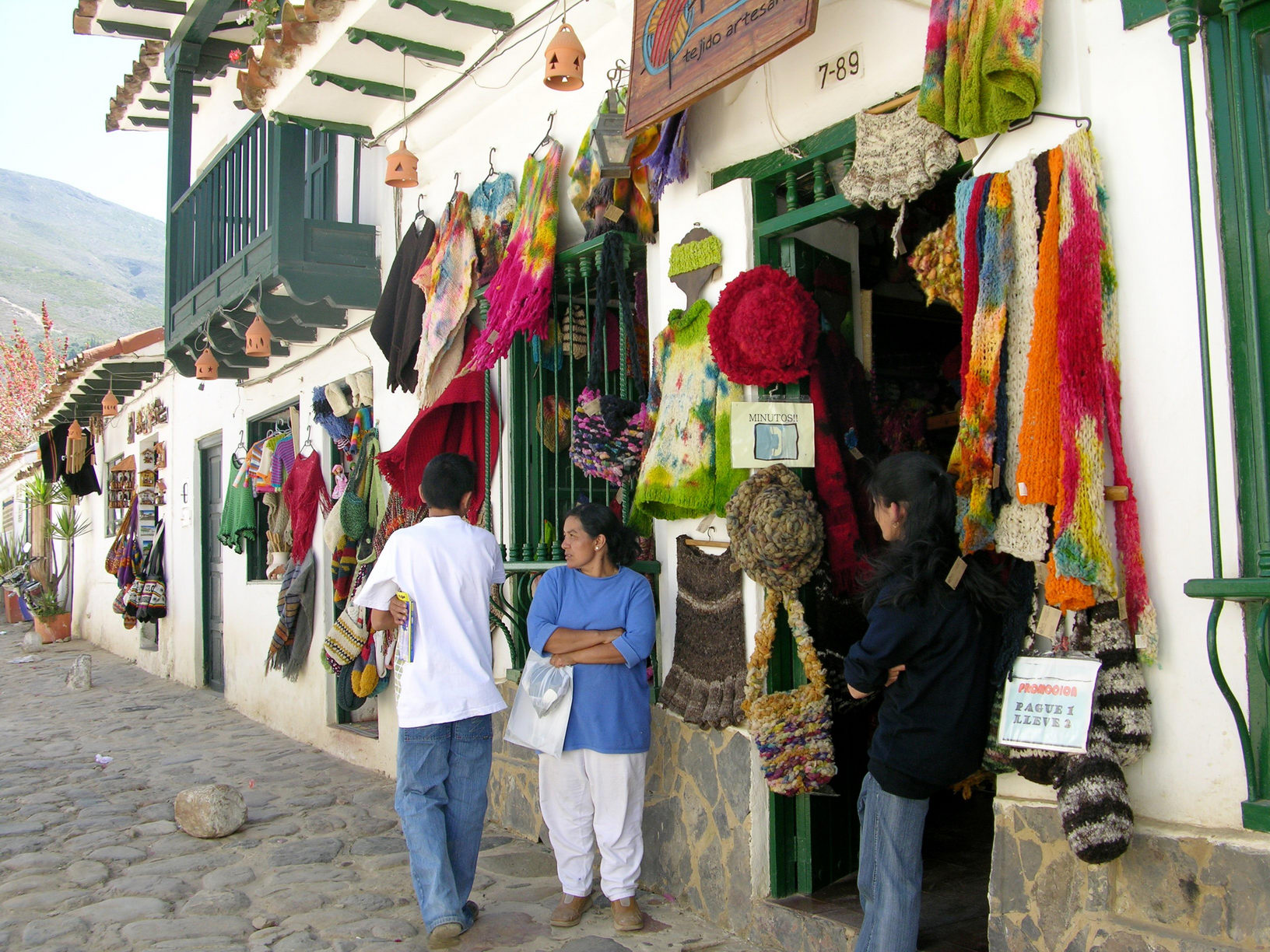
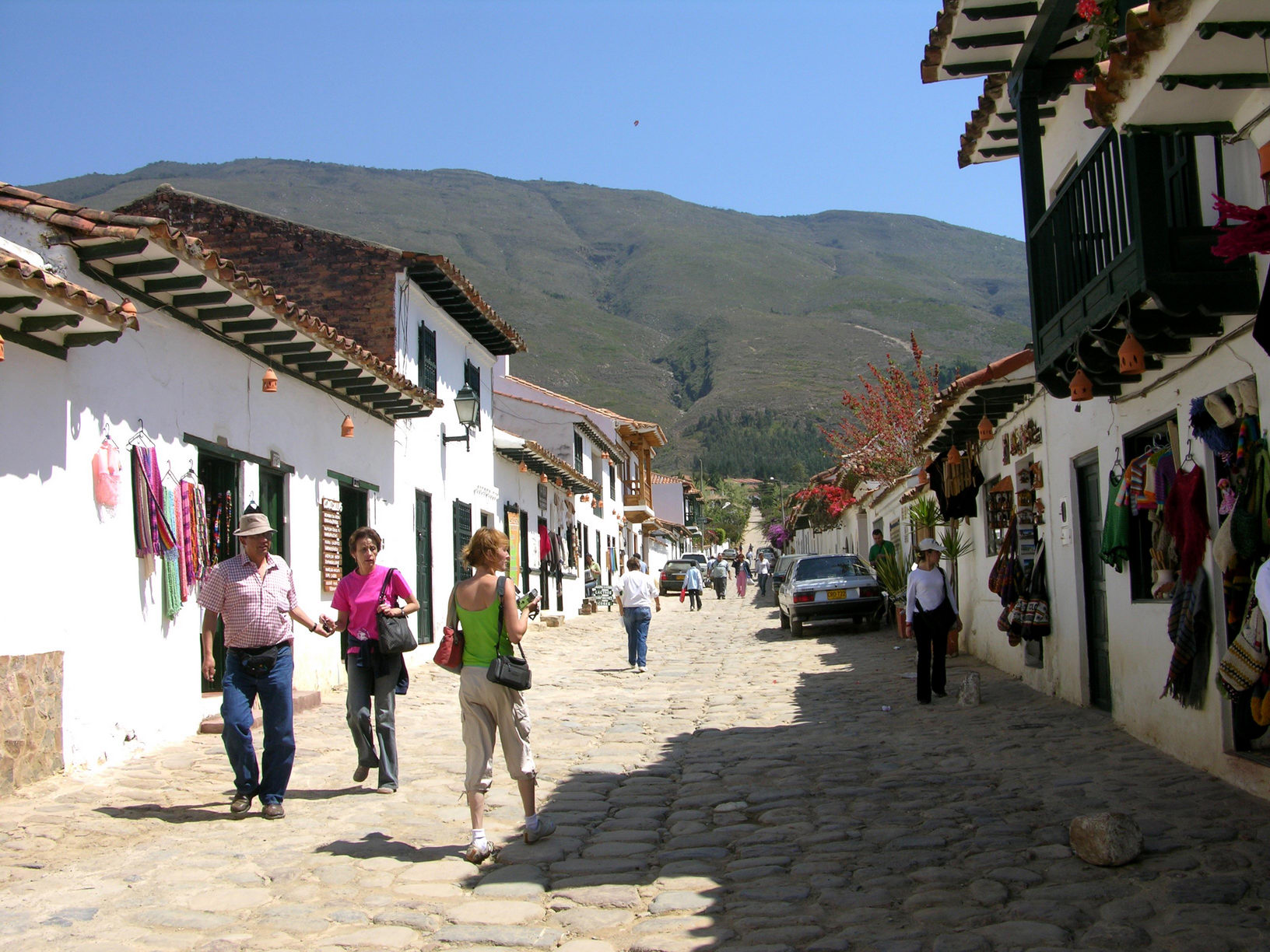
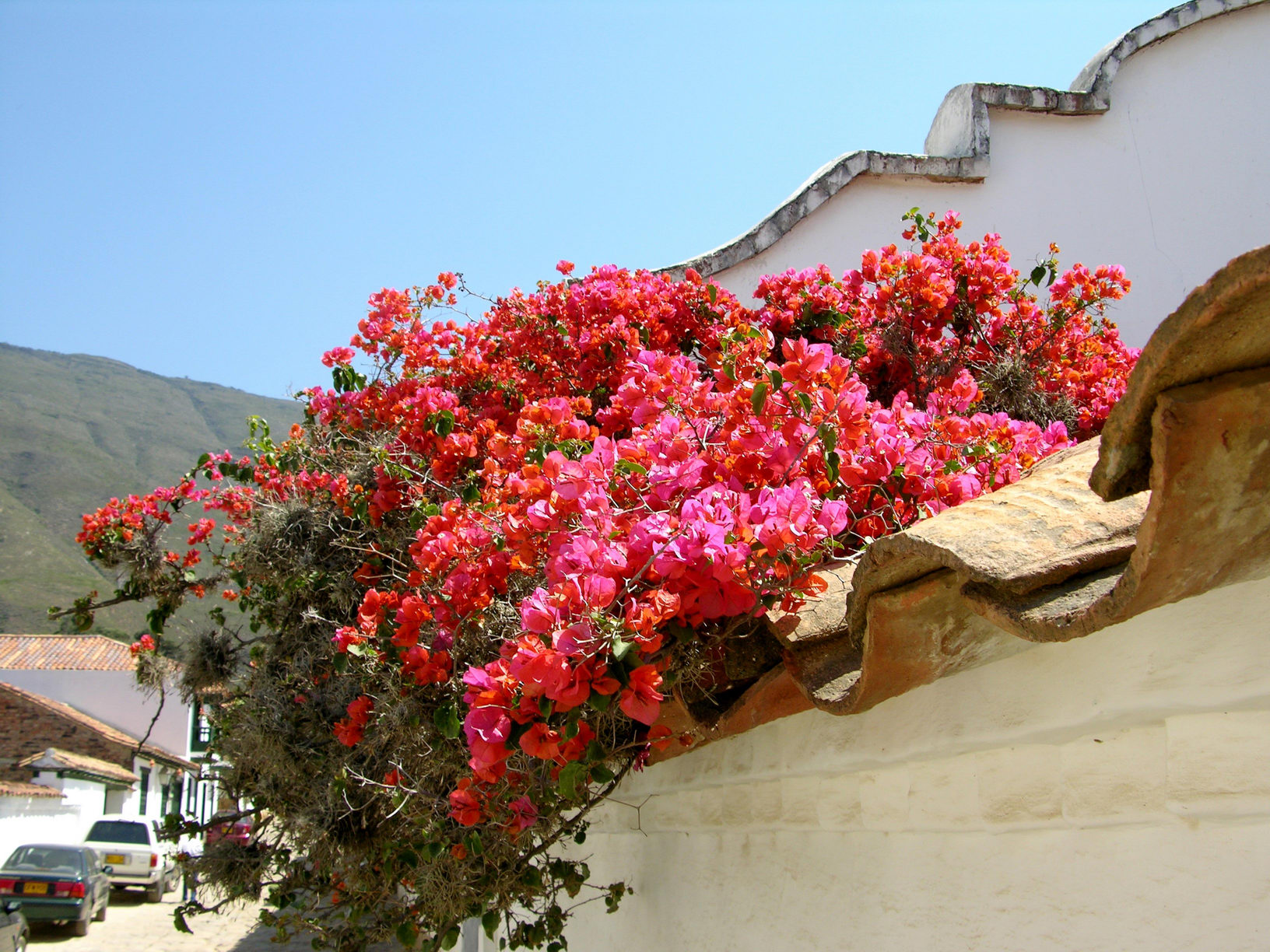
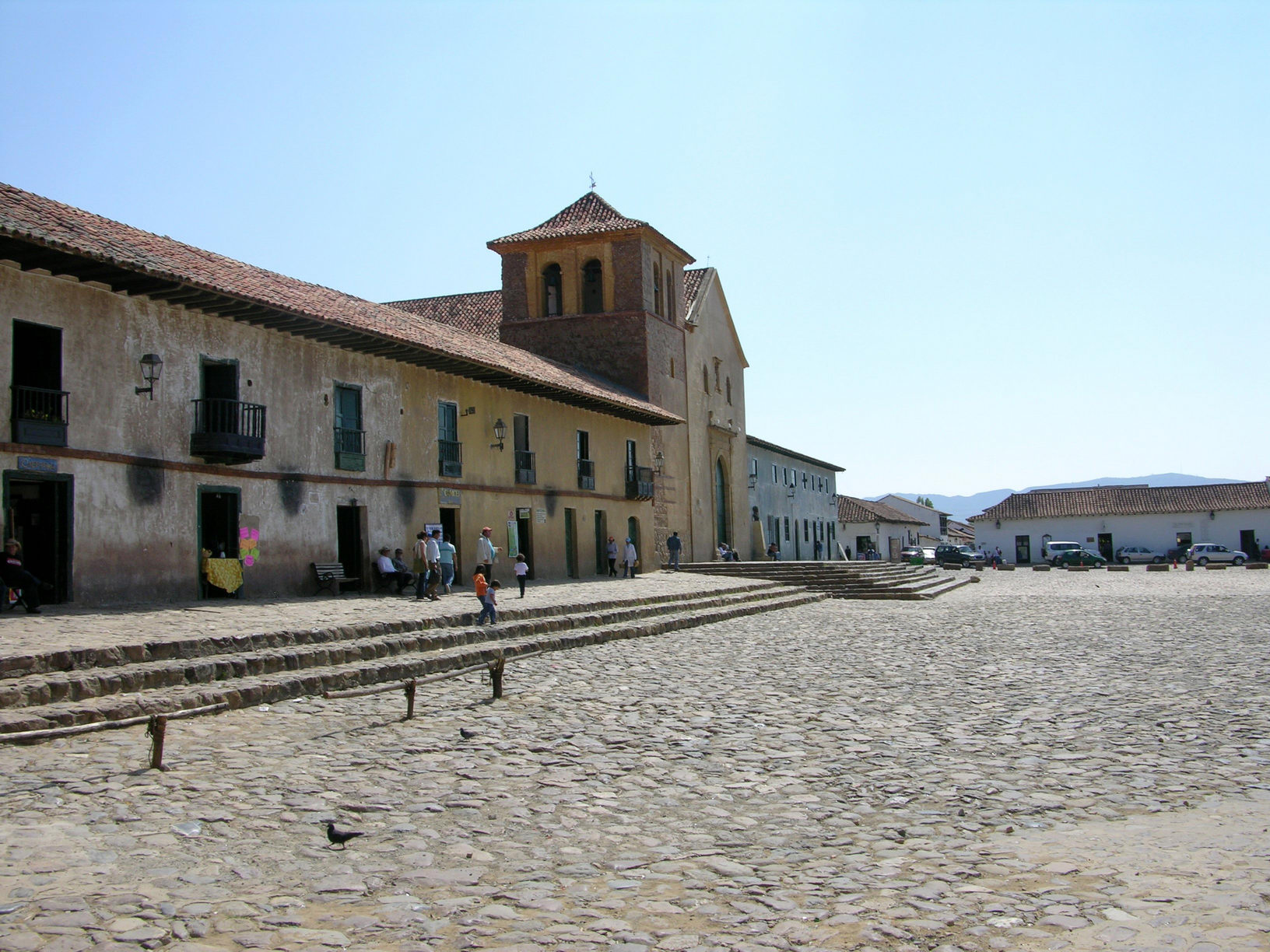
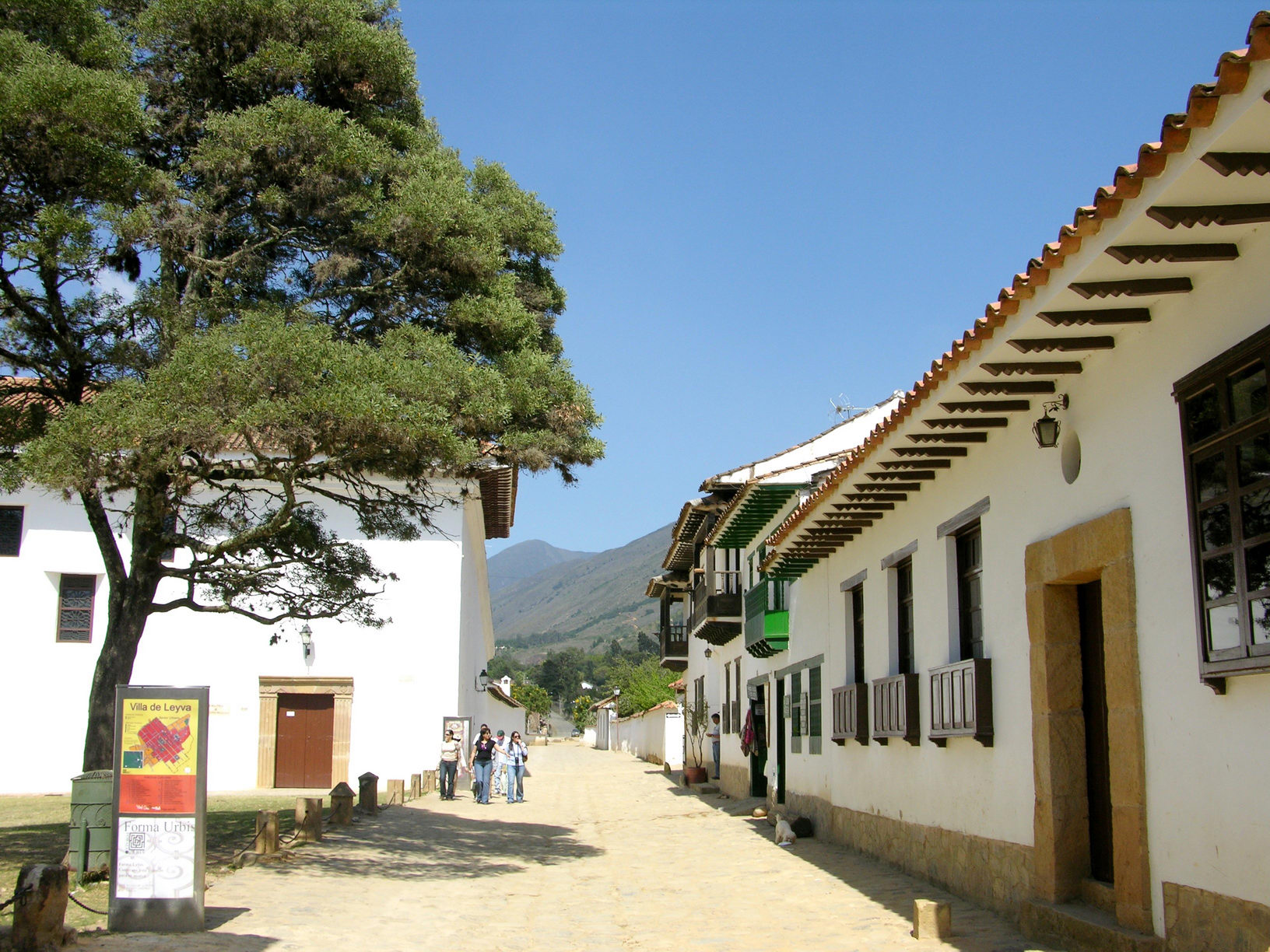
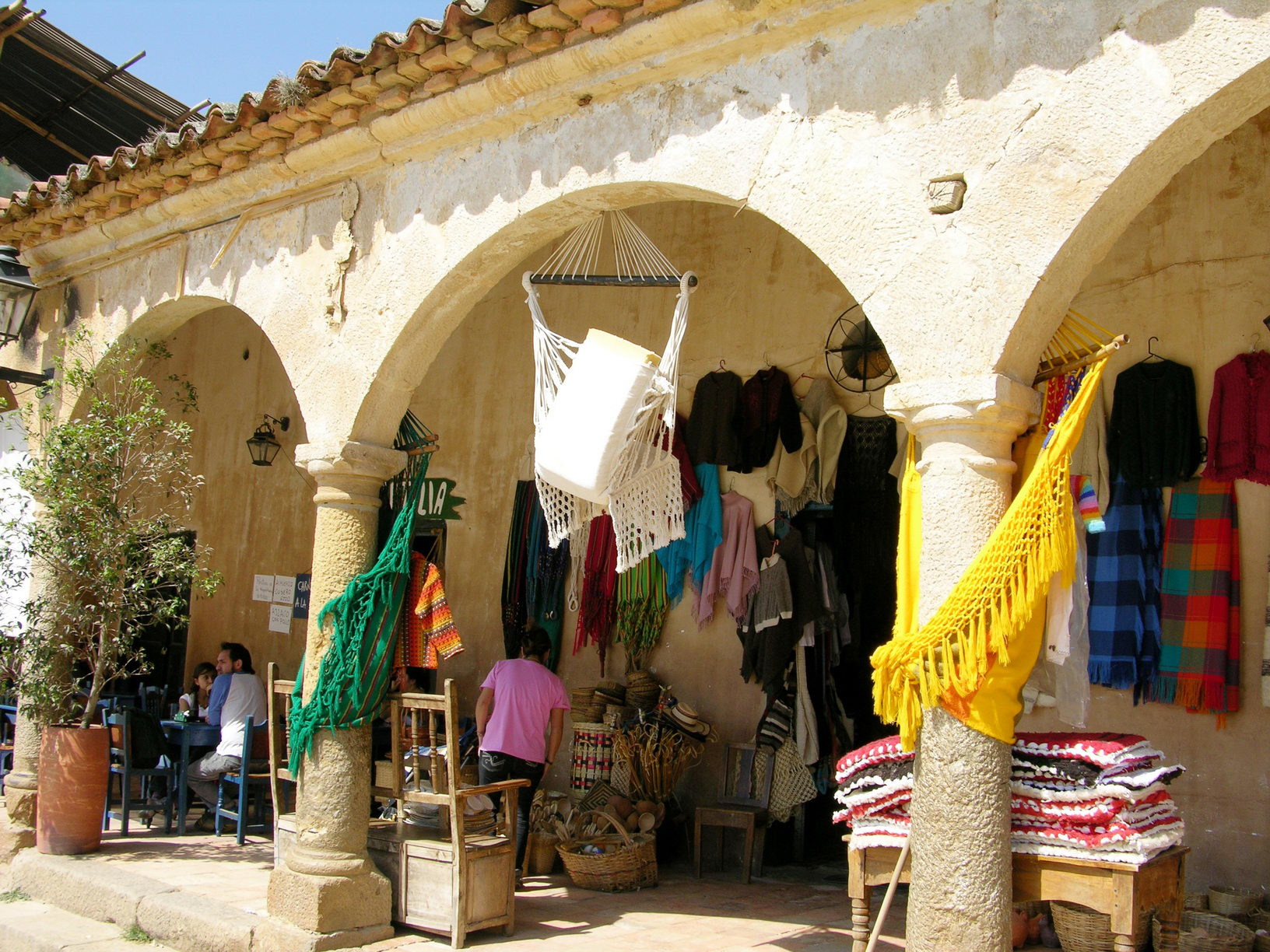
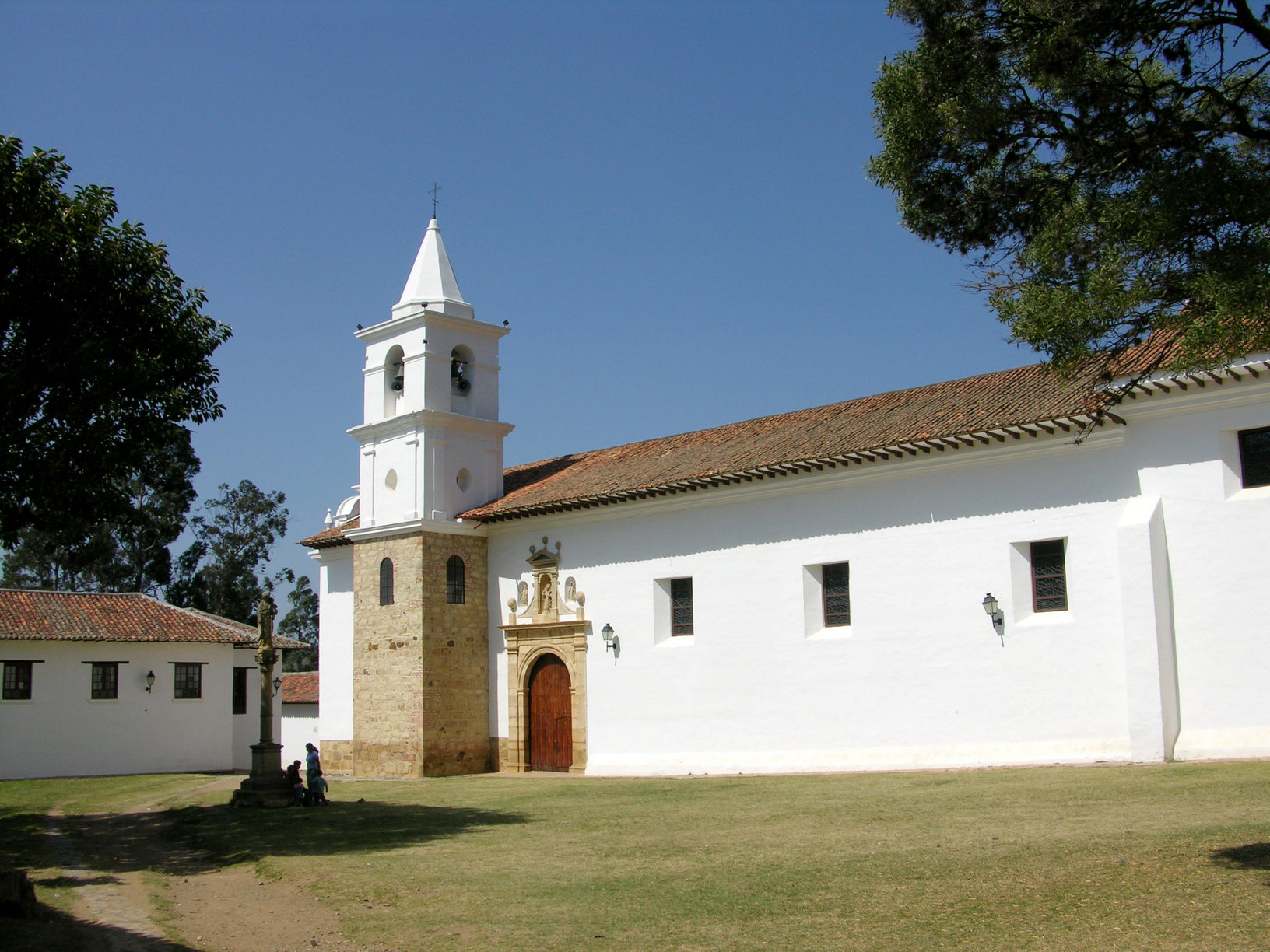
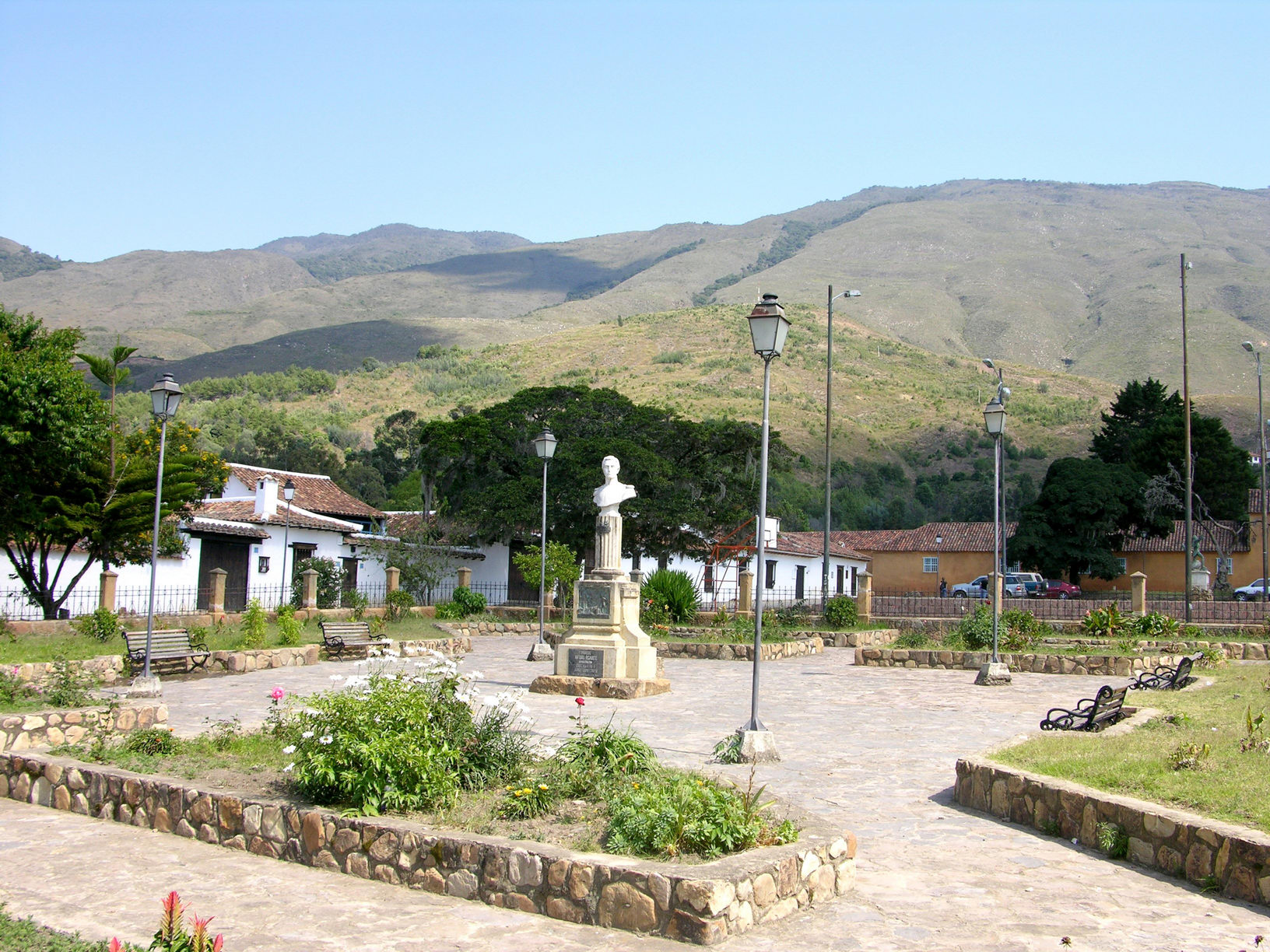
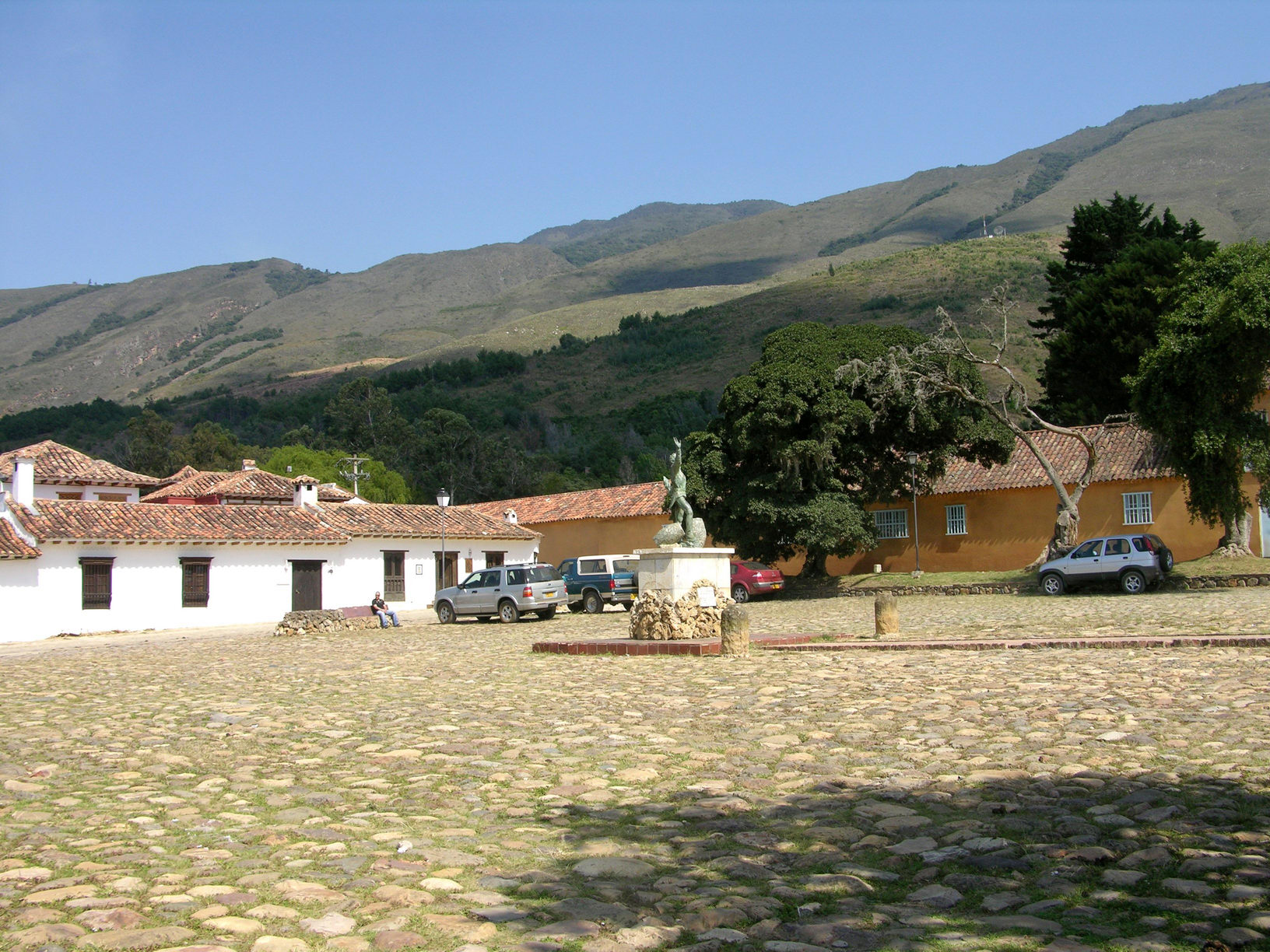
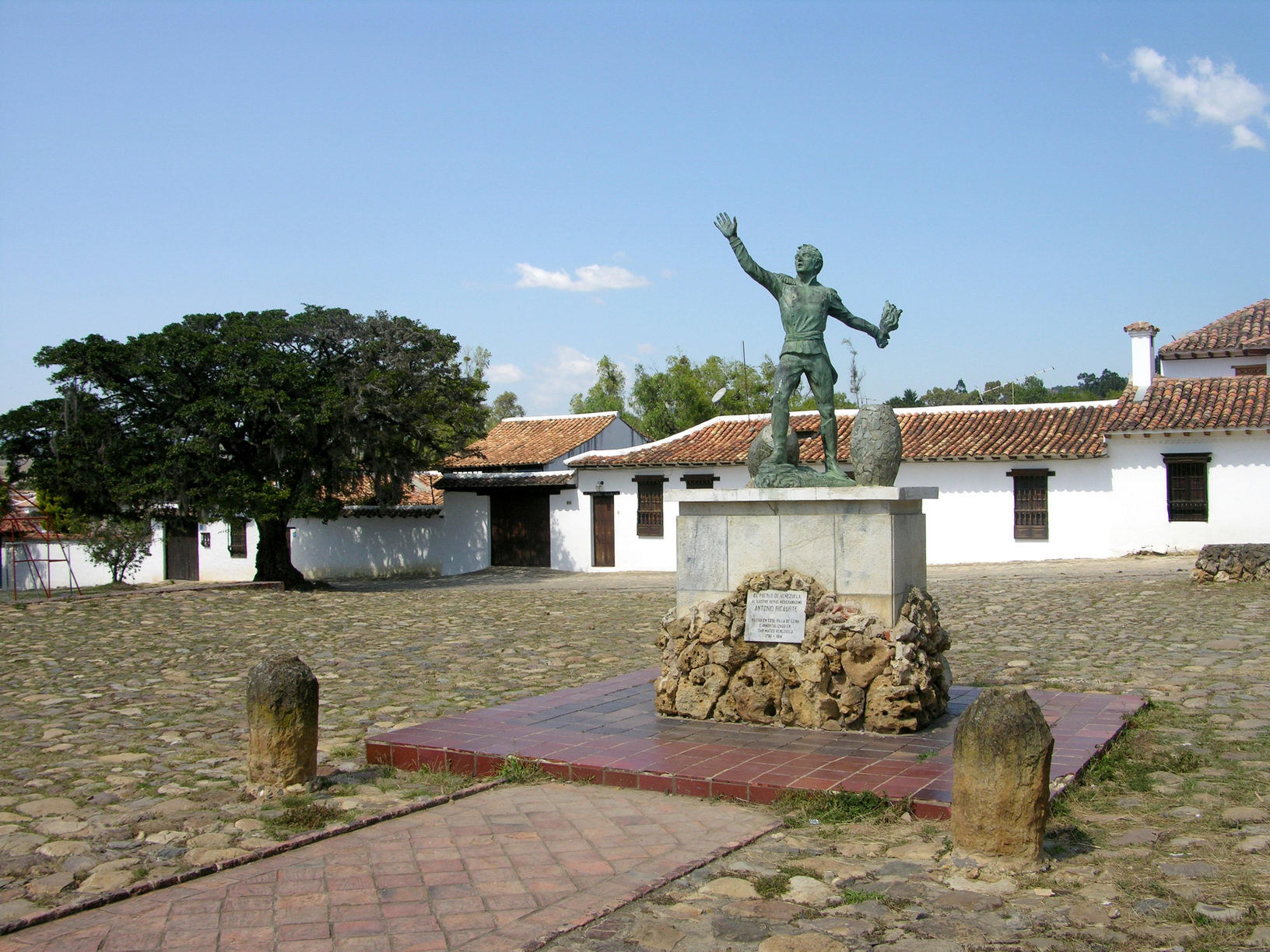
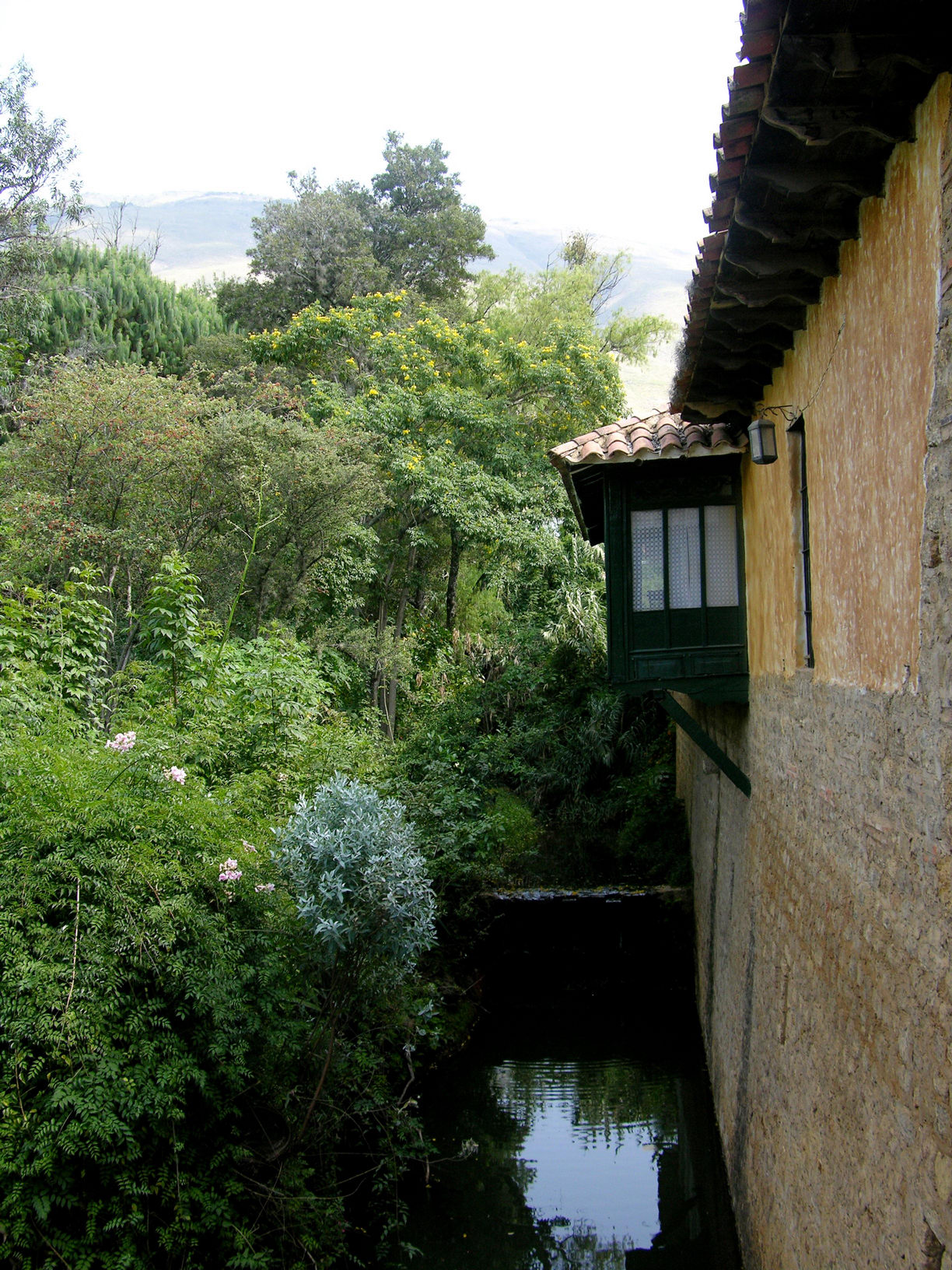
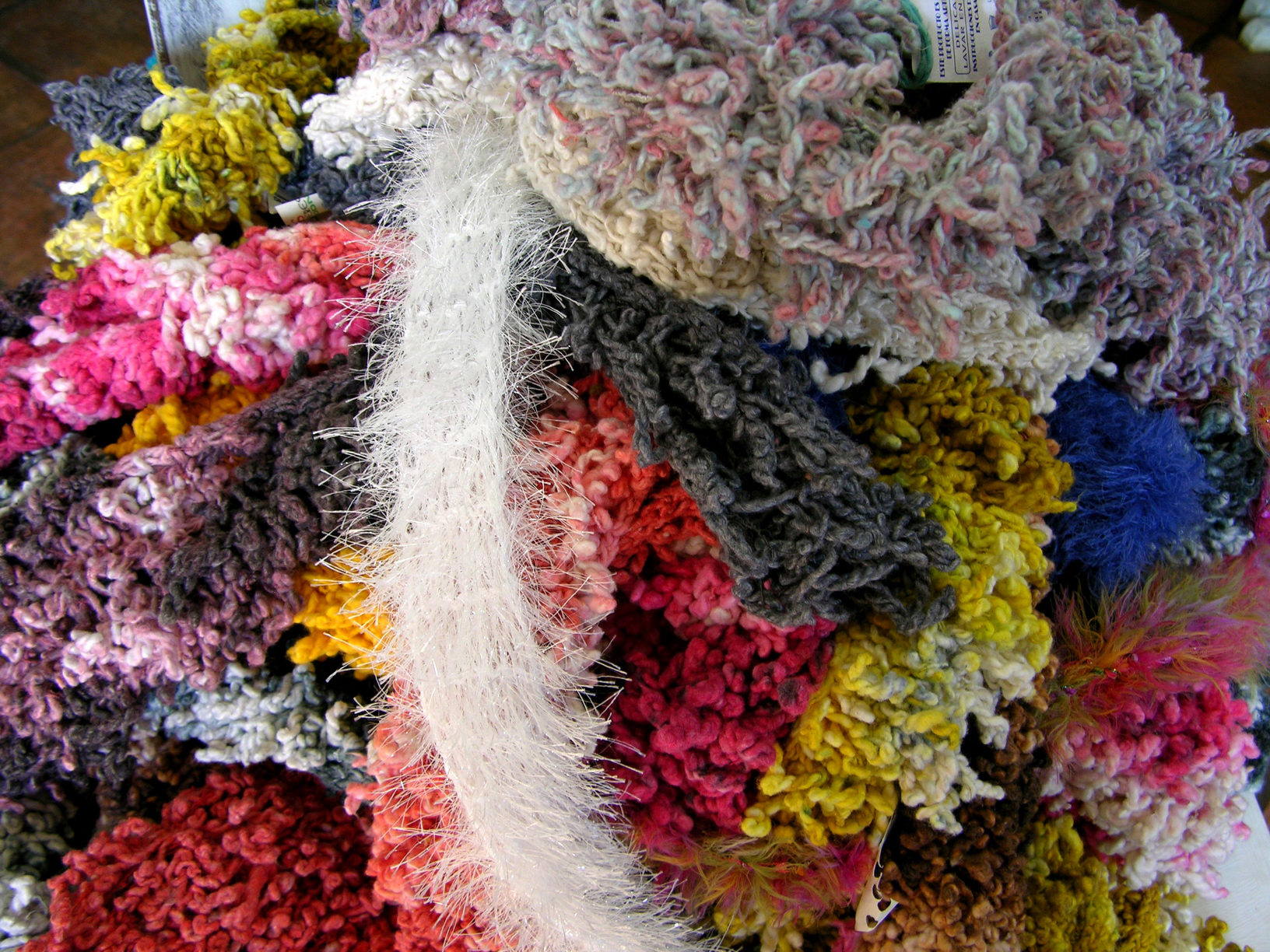
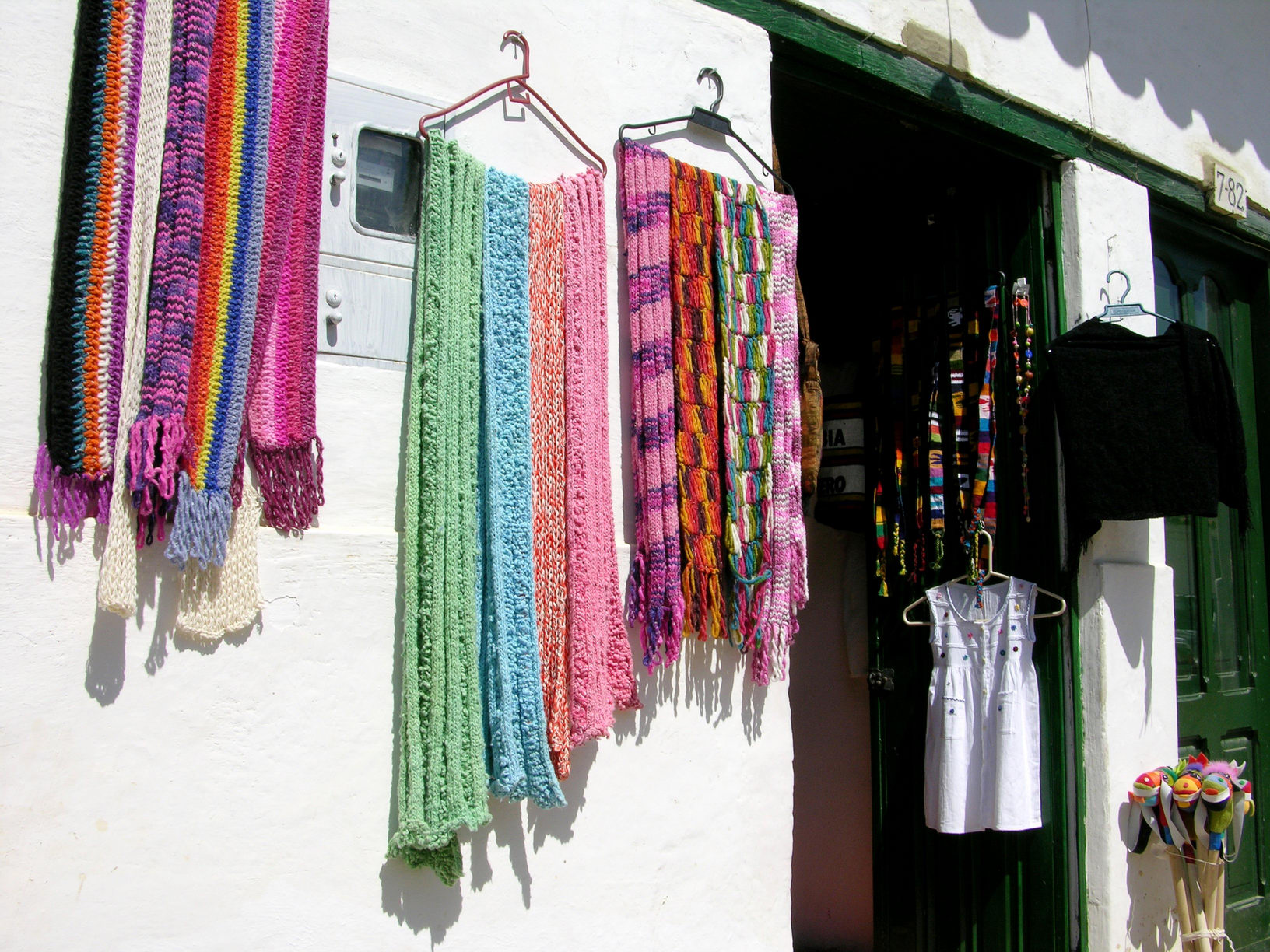
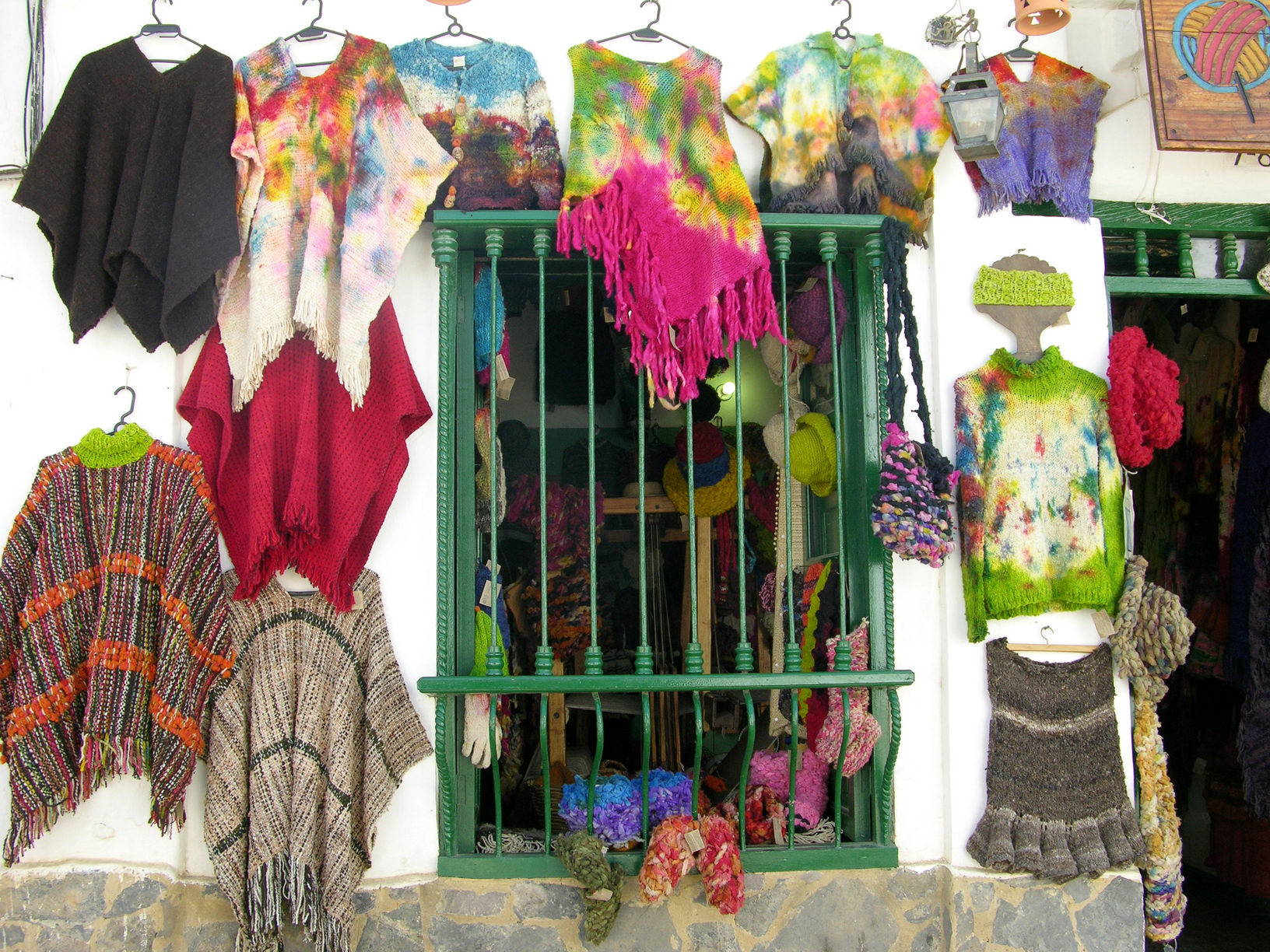
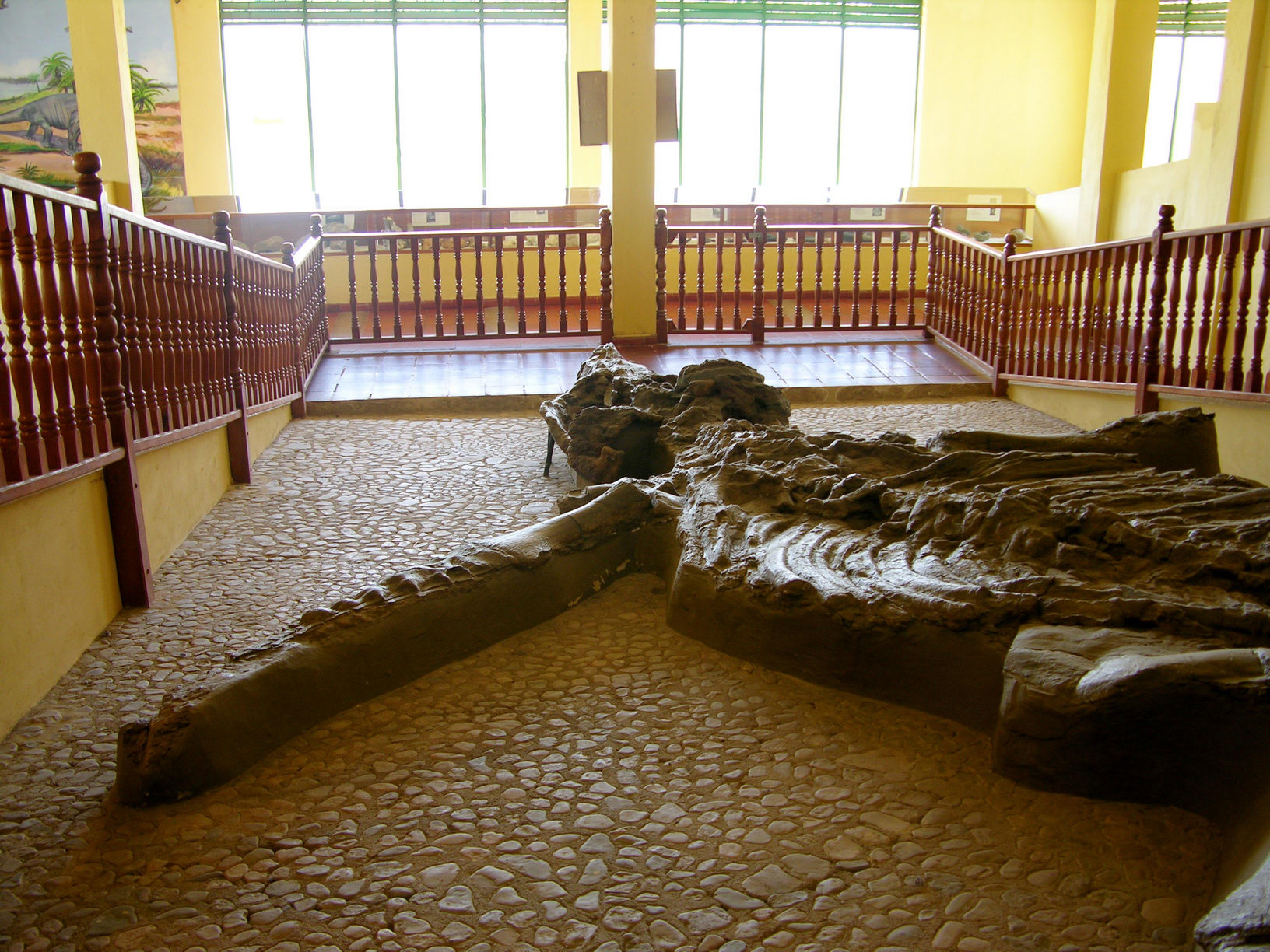
The village is surrounded by a tourist district that you can only get around by car. Plenty of natural wonders. In the museum lies an excavated skeleton of a great crocodile-like creature, a contemporary of the dinosaurs.
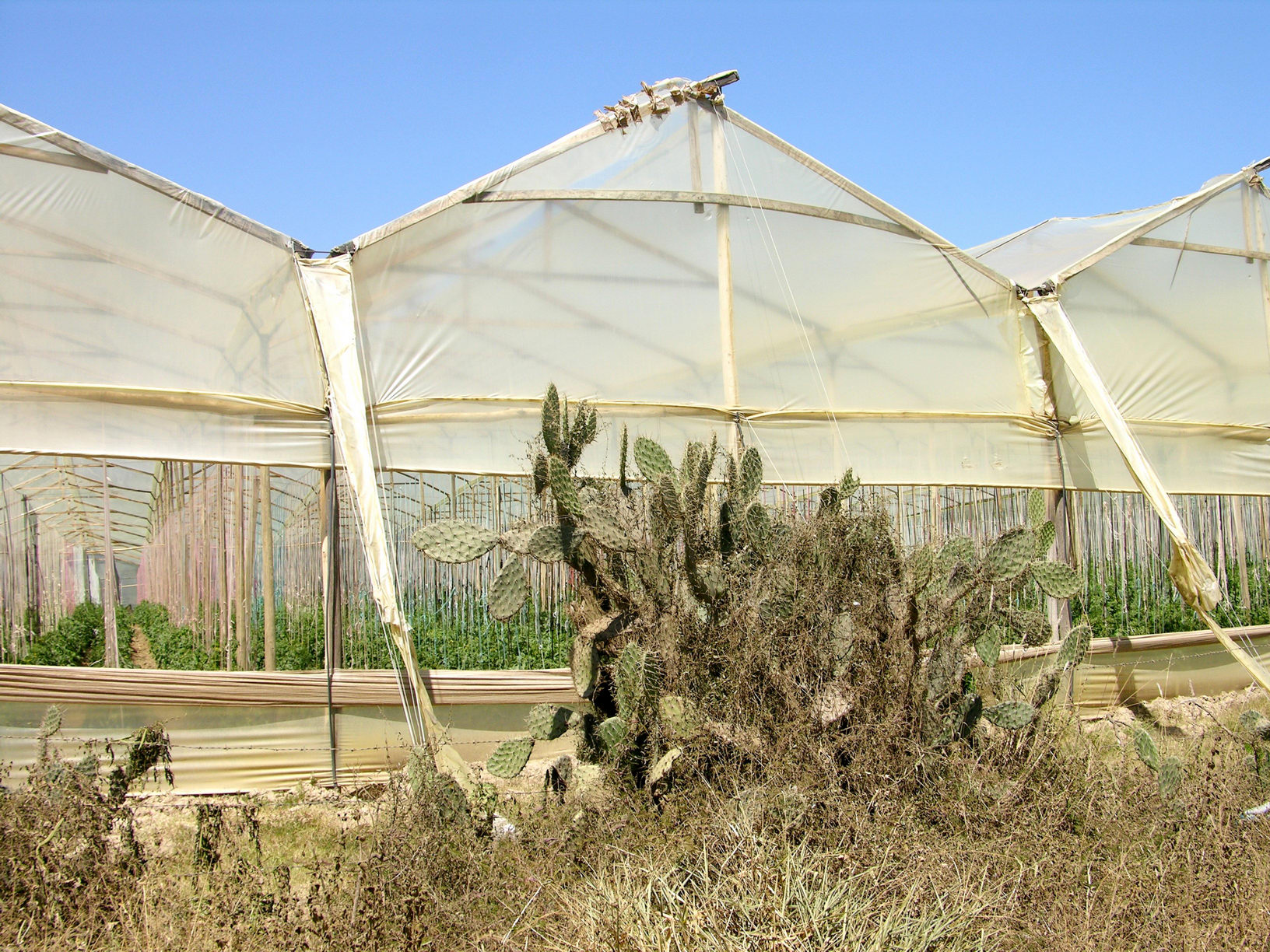
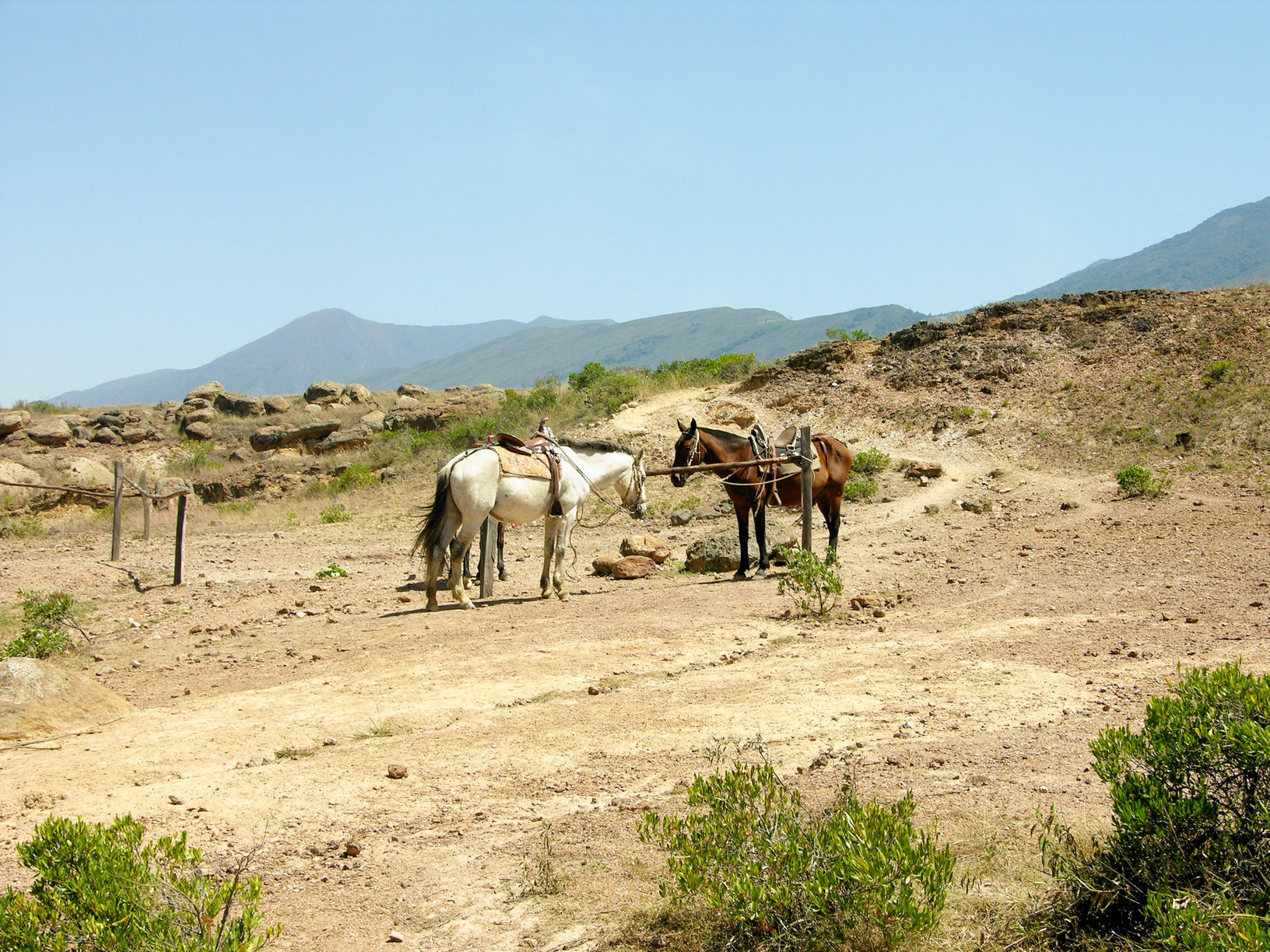
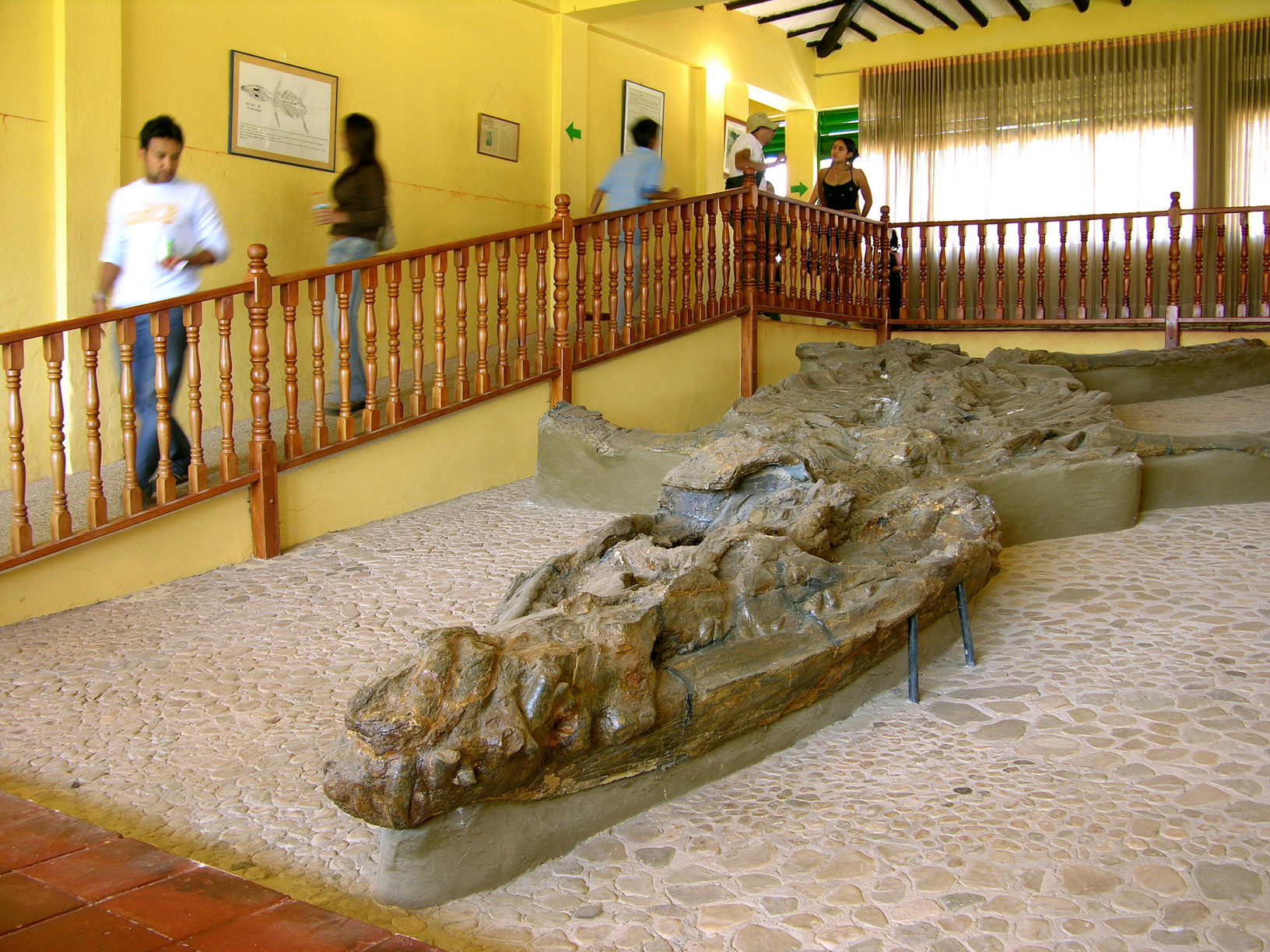
The local rock is sedimentary and full of fossils. At the museum exit the locals sell all manner of pretty stones.
At the ostrich farm you can not only buy an ostrich egg for twice its usual price, you also have to pay admission.
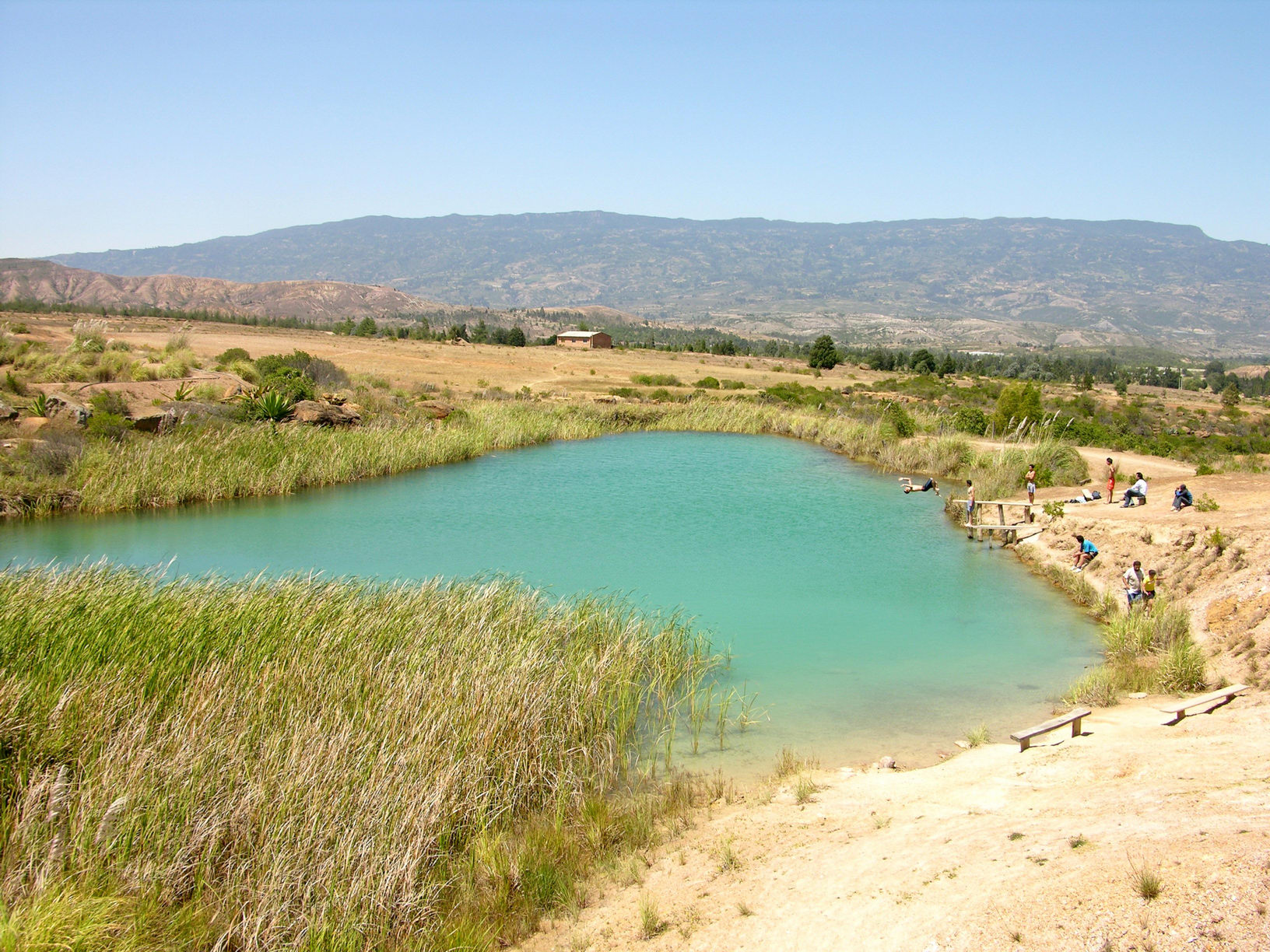
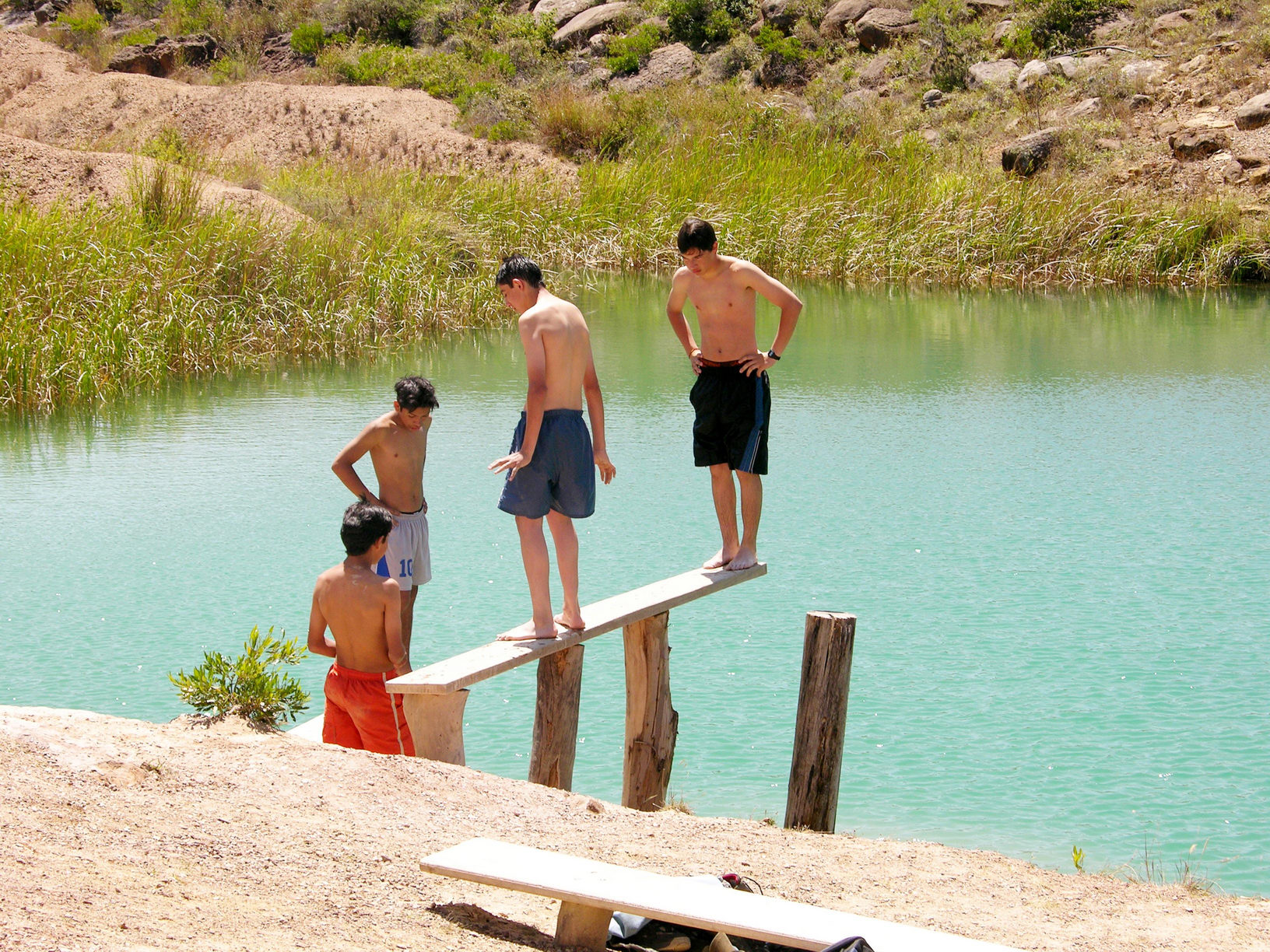
A little lake has been named the Emerald Lake. They charge a thousand pesos for a look at it, much more for a swim.
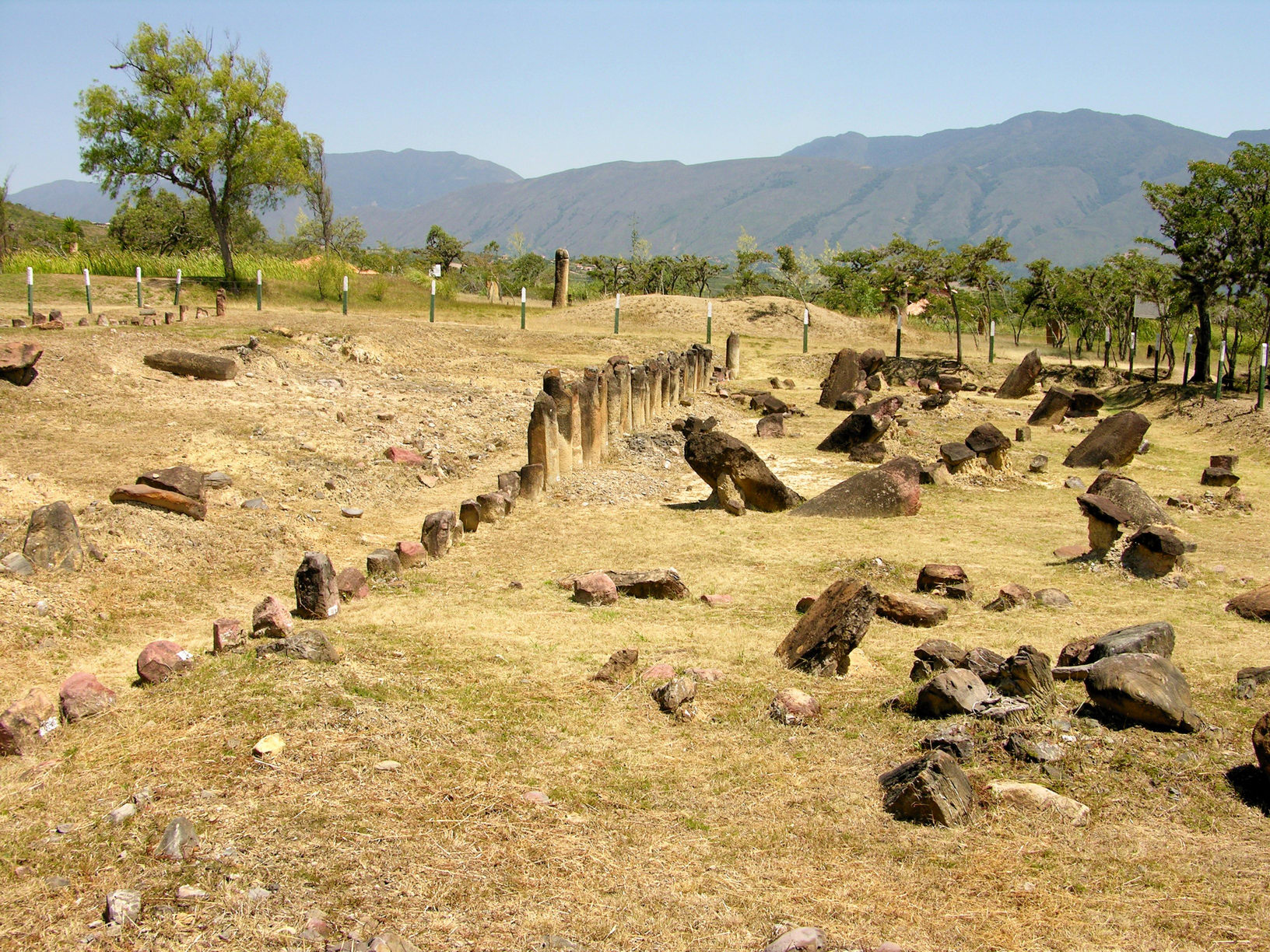
On the other hand, the ancient observatory of the pre-Columbian culture really is worth a visit. They say it's an observatory. With rows of stones you can calculate something or other, as at Stonehenge. Only the stones look rather too much like phalluses. I began to have serious doubts as to what they actually did in this observatory.
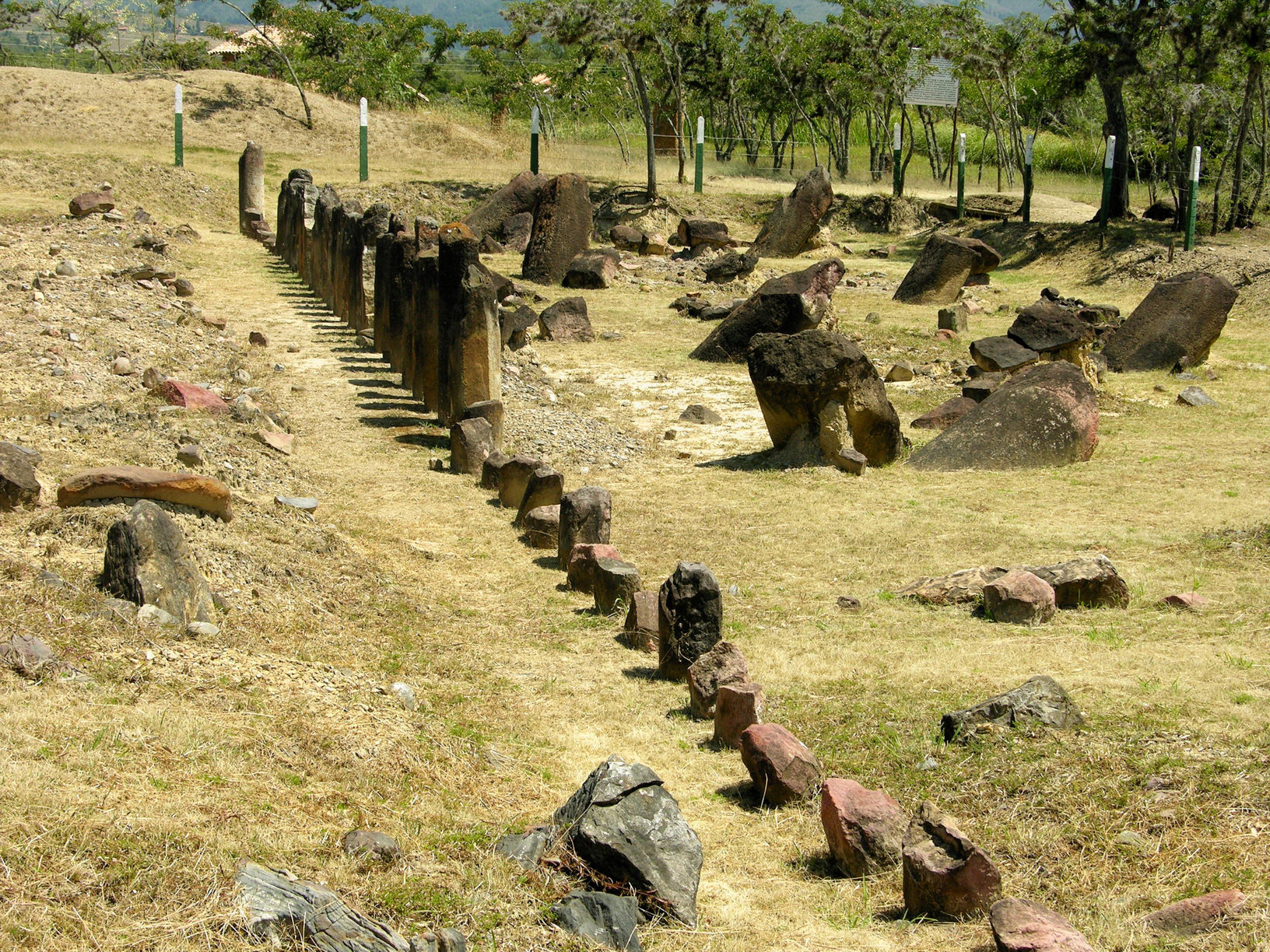
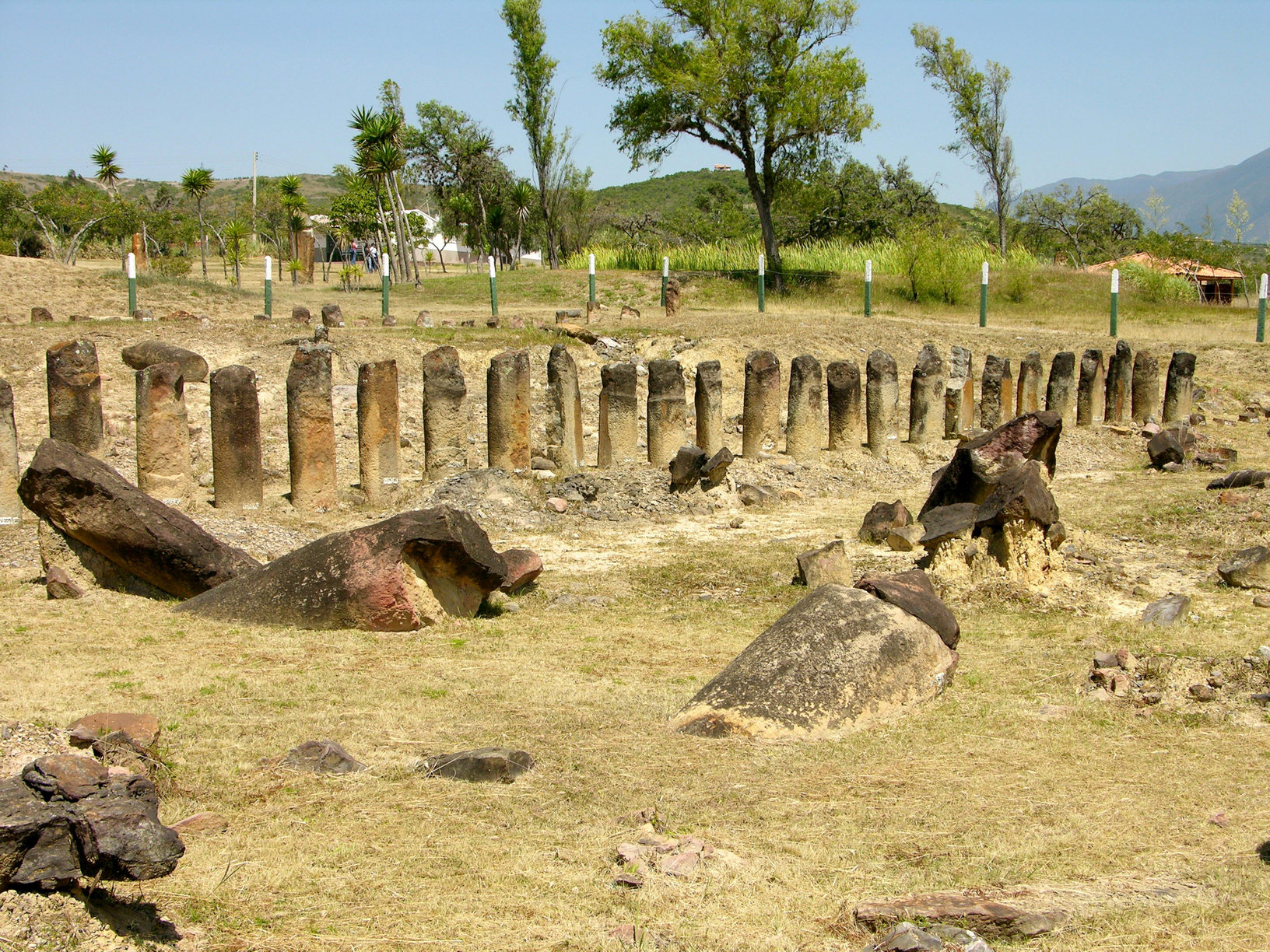
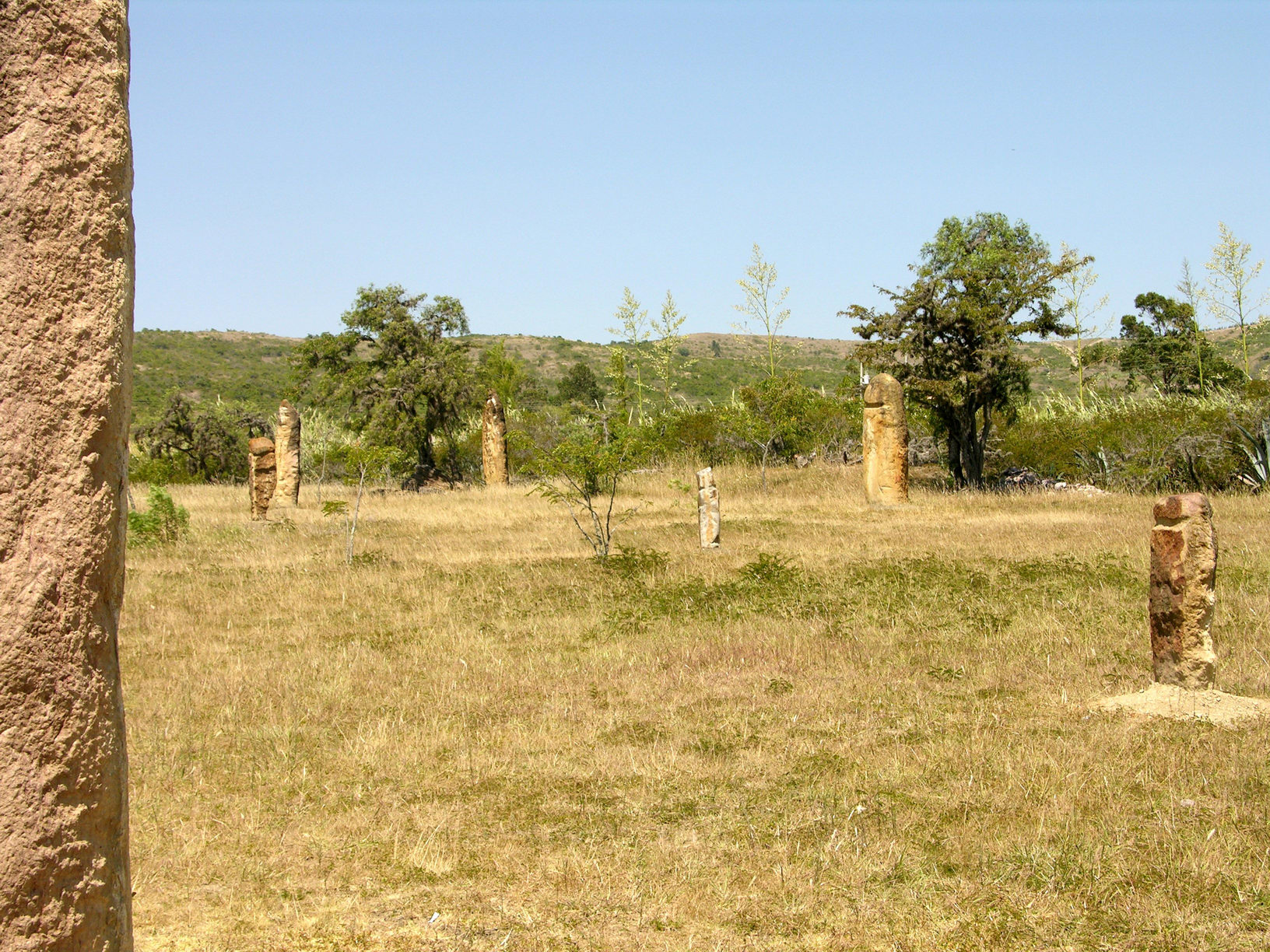
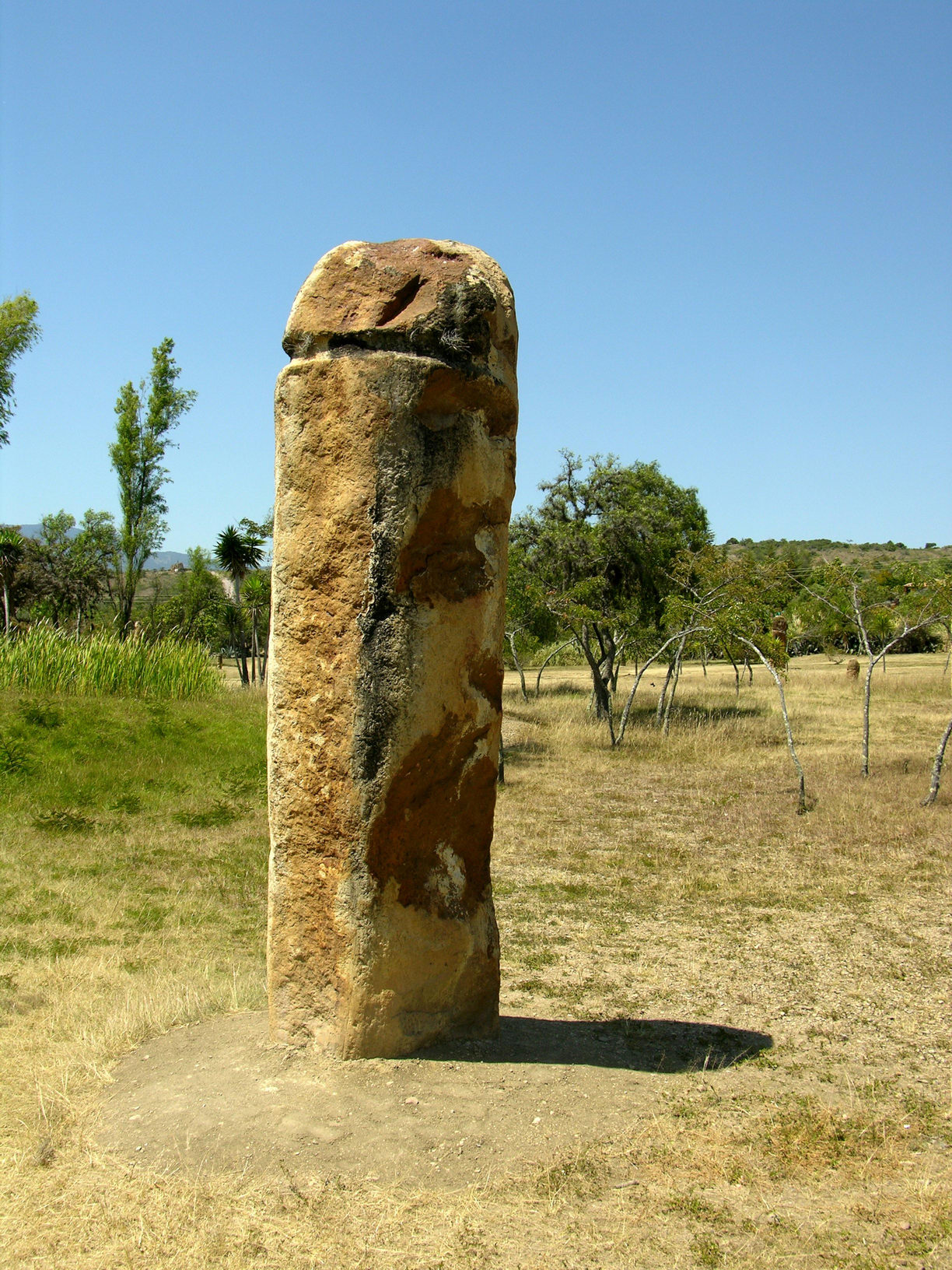
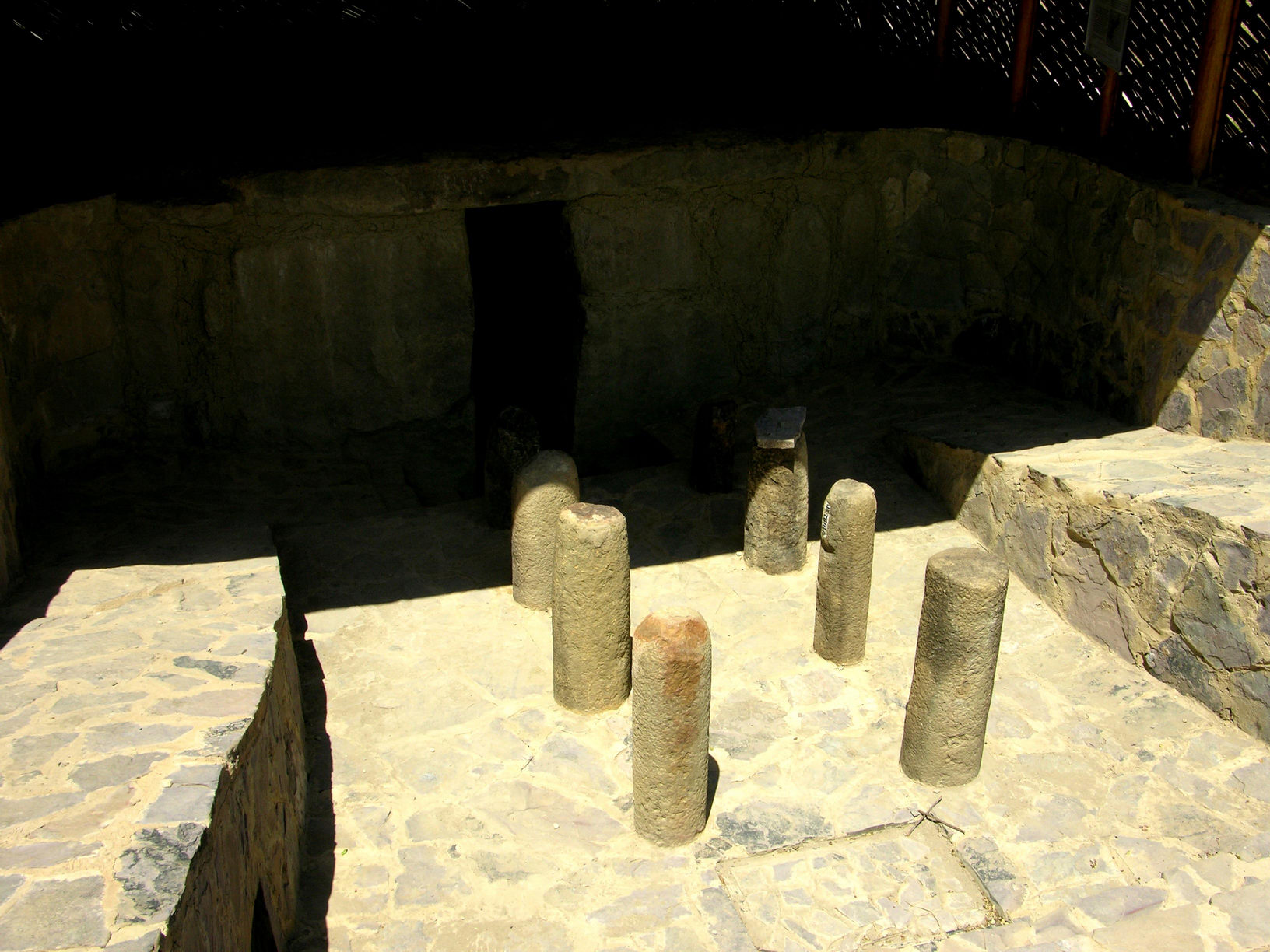
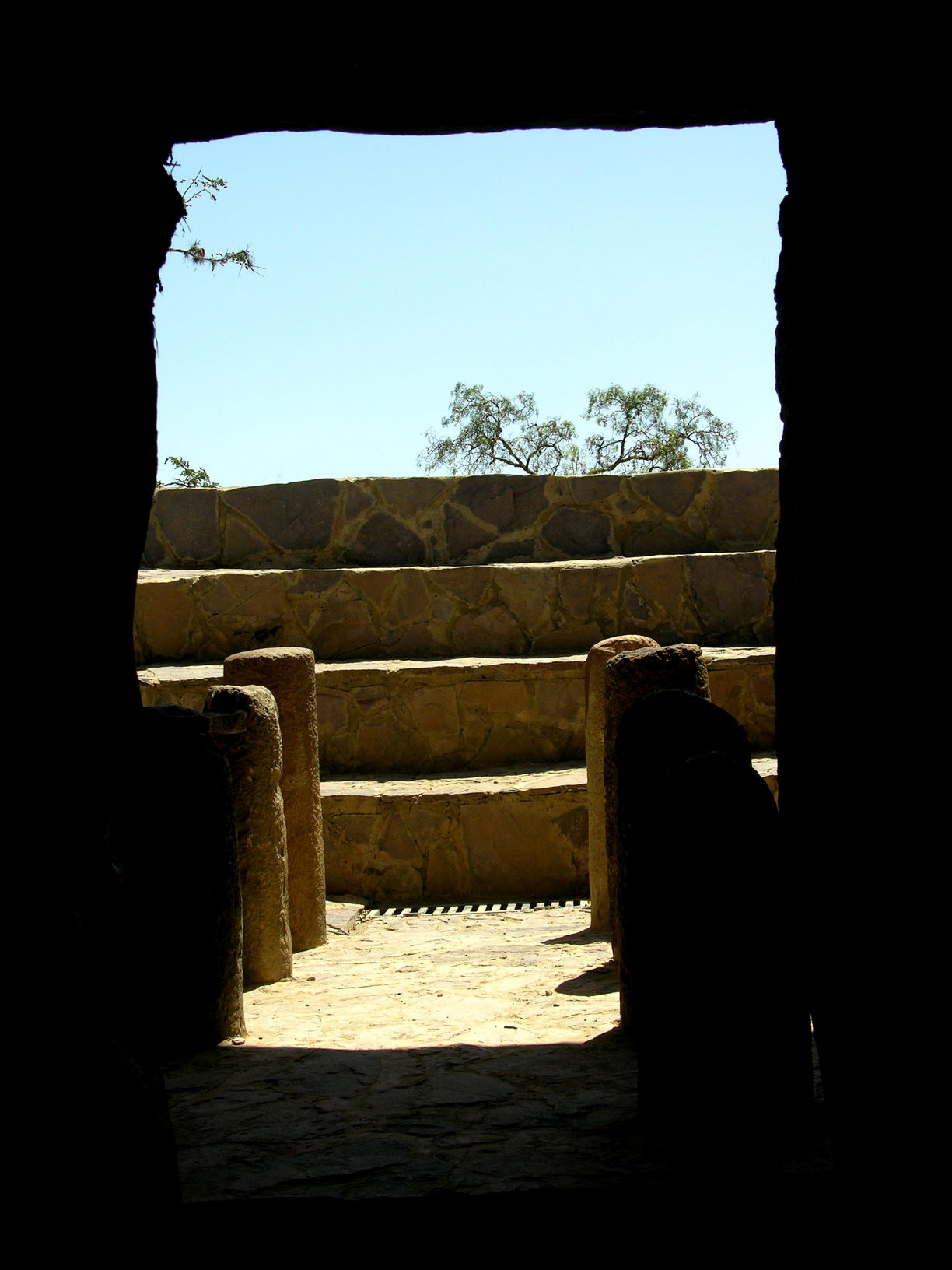
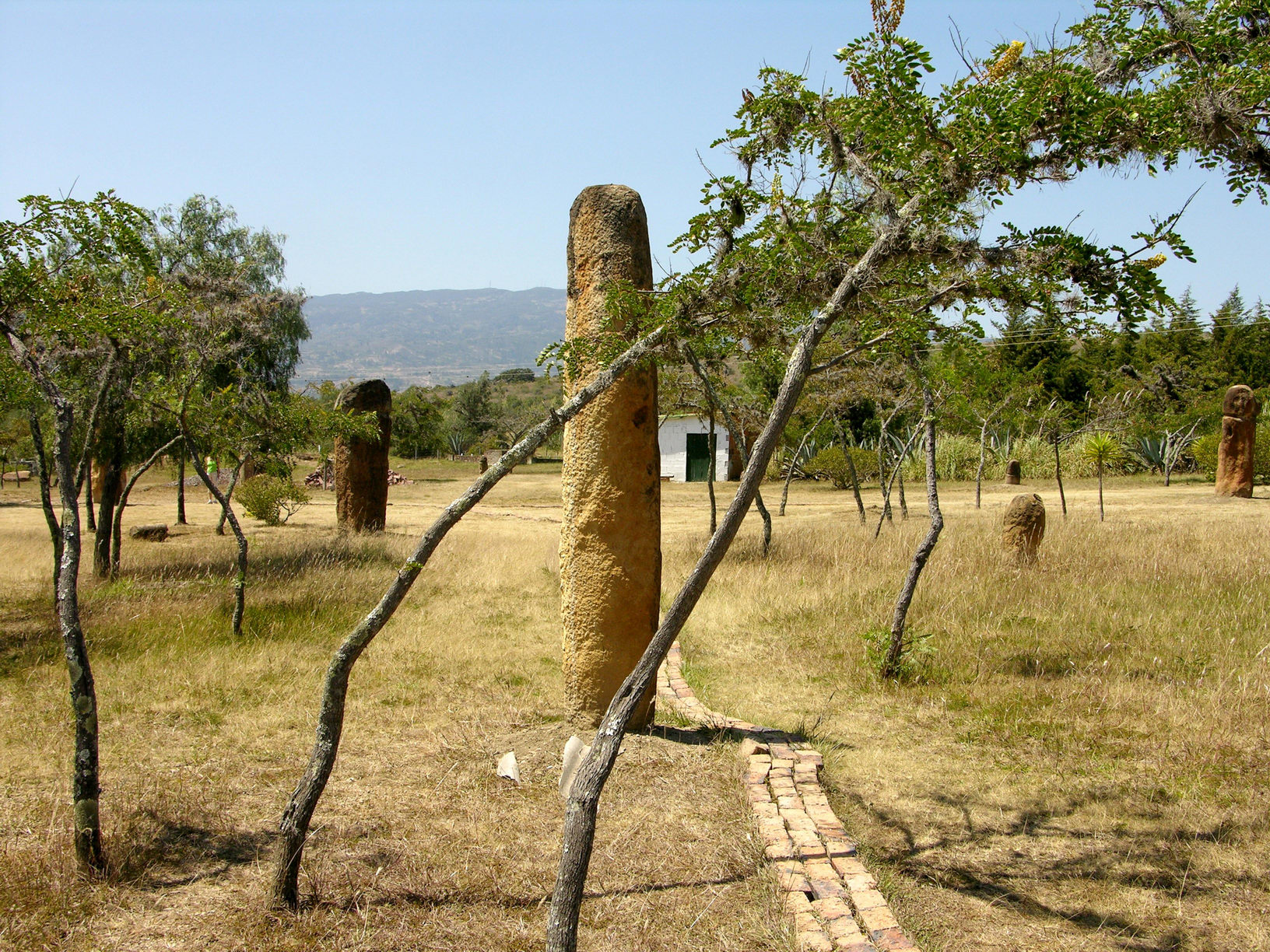
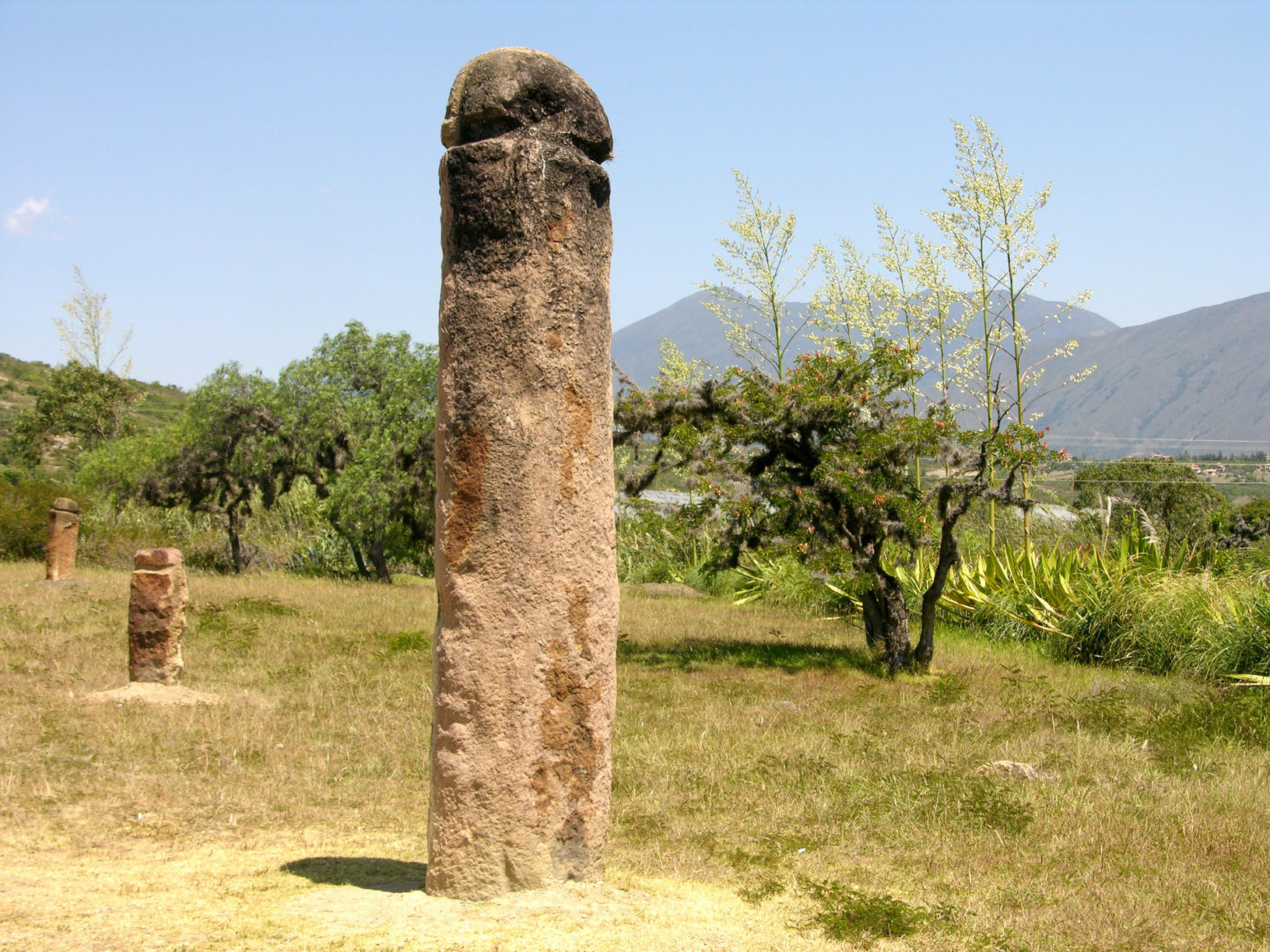
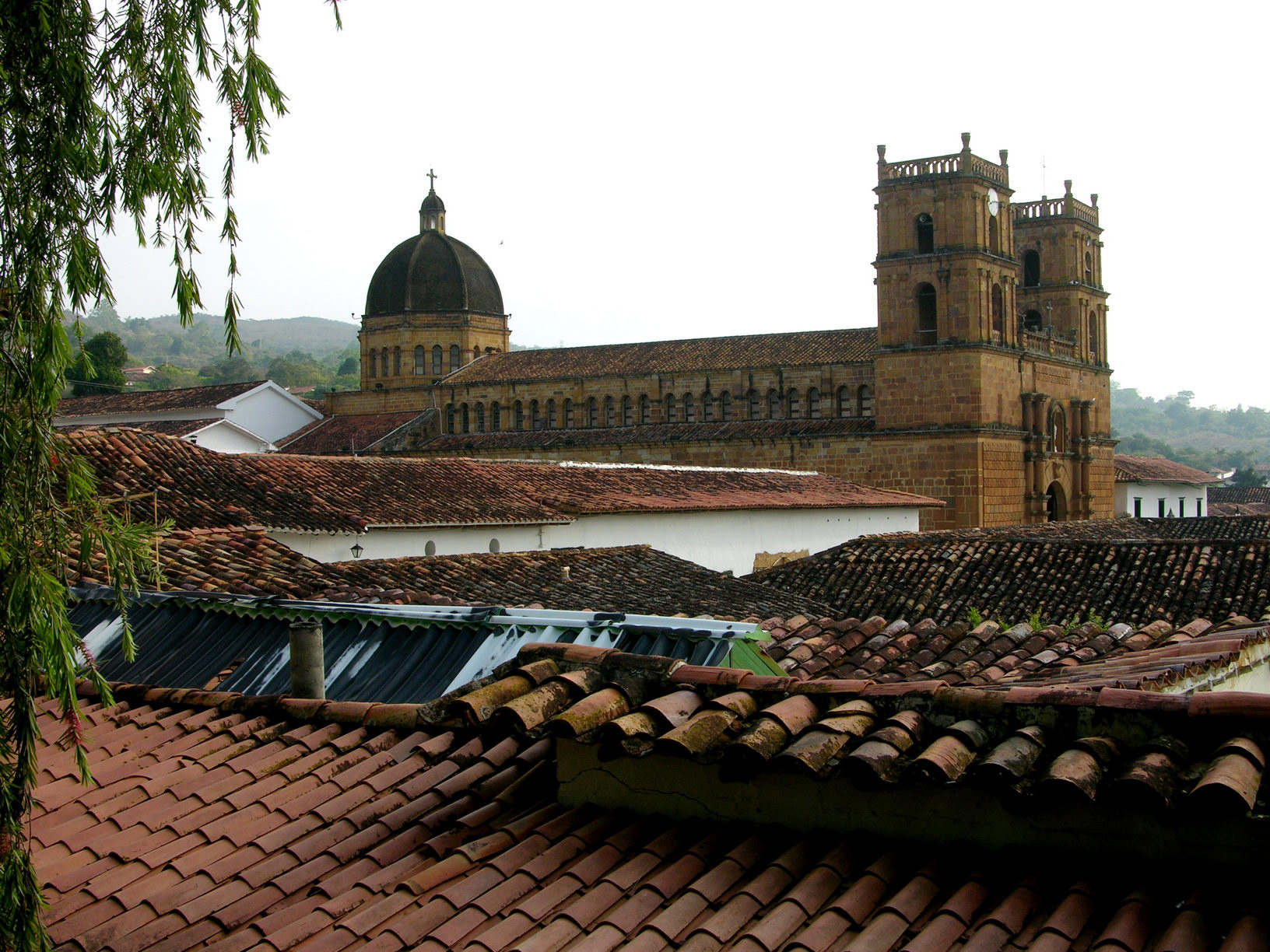
Farther on, on the road north near San Gil (San Gil, town website), there's another colonial town, Barichara (Barichara, local guide).
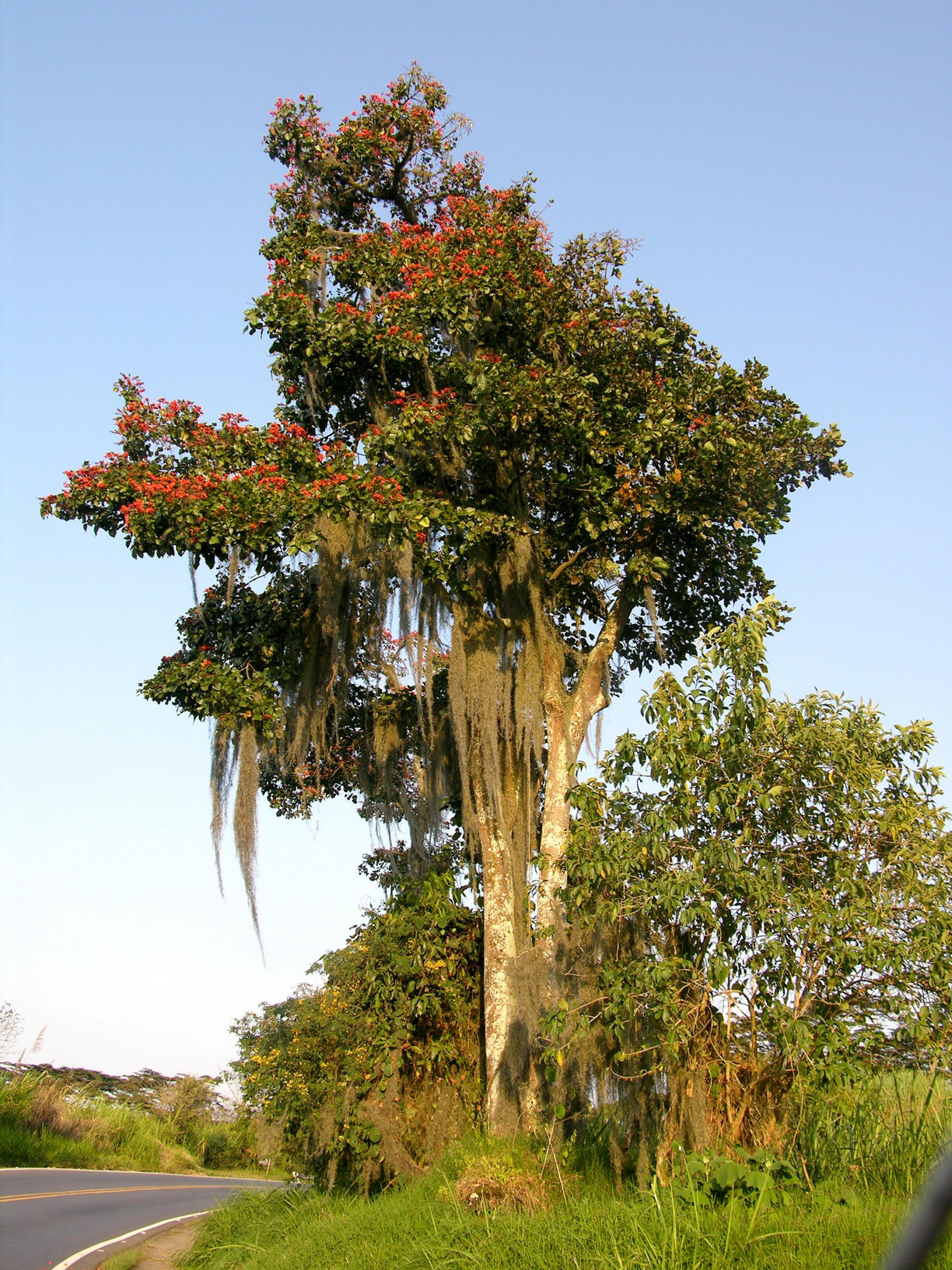
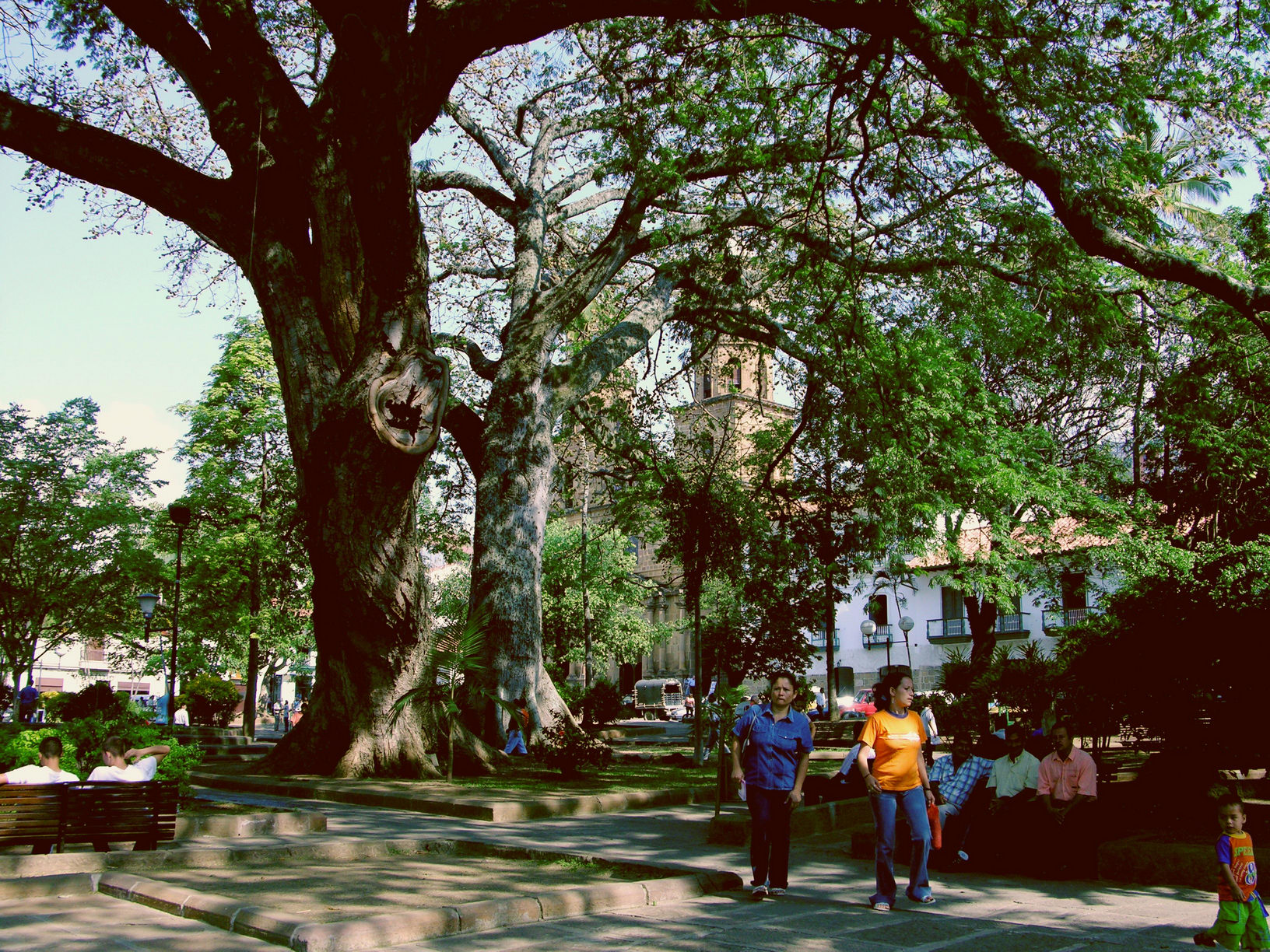
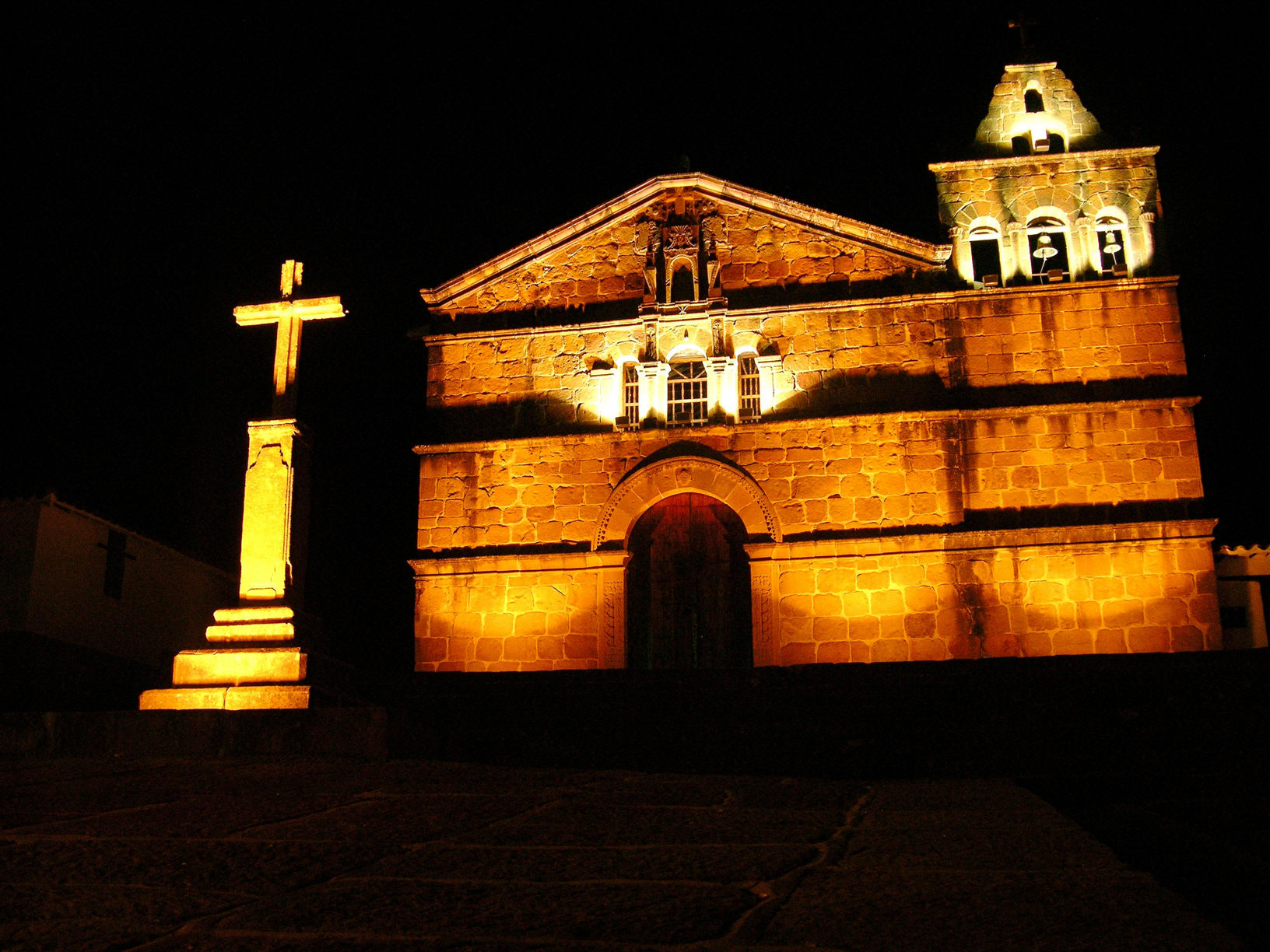
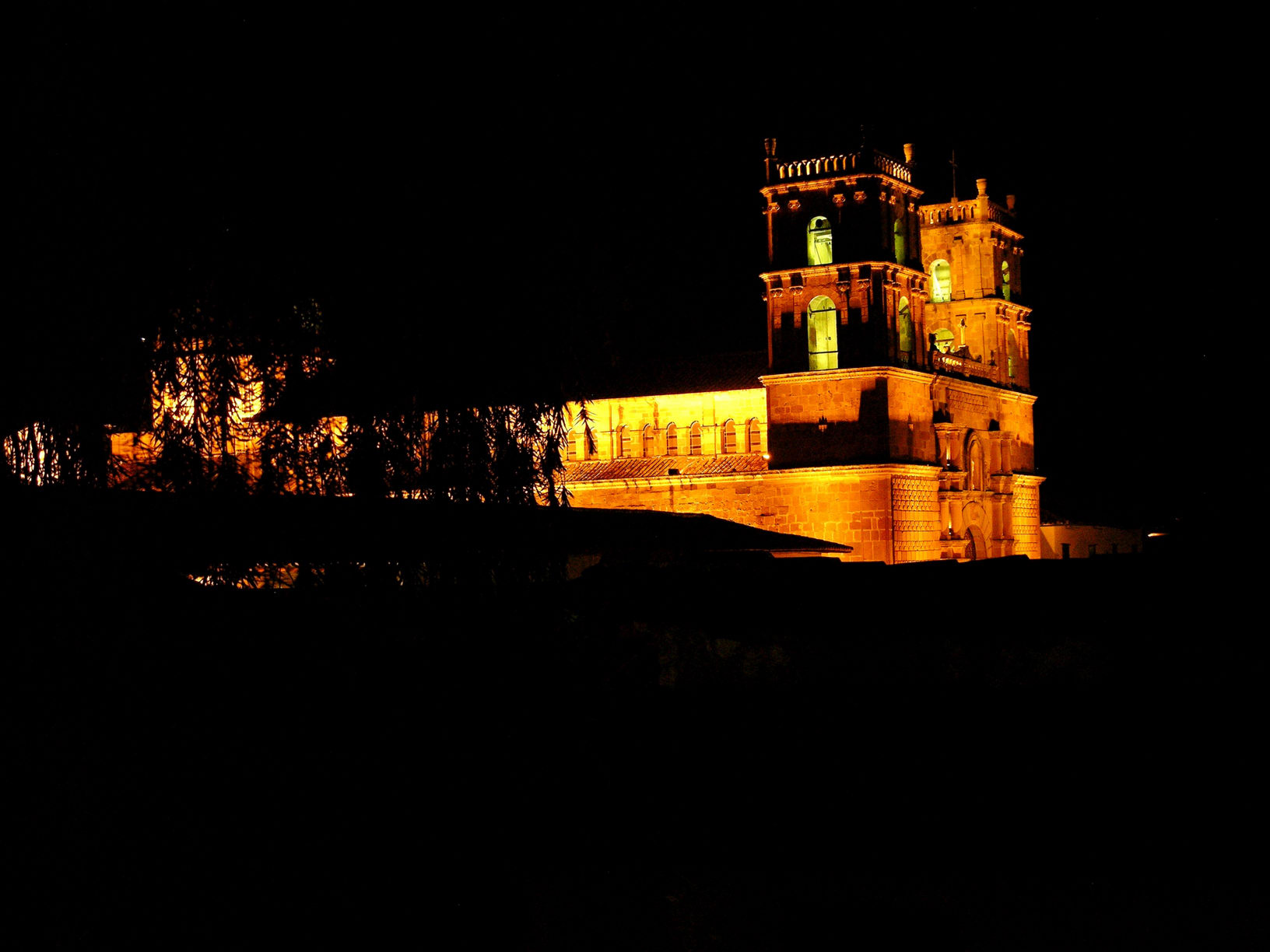
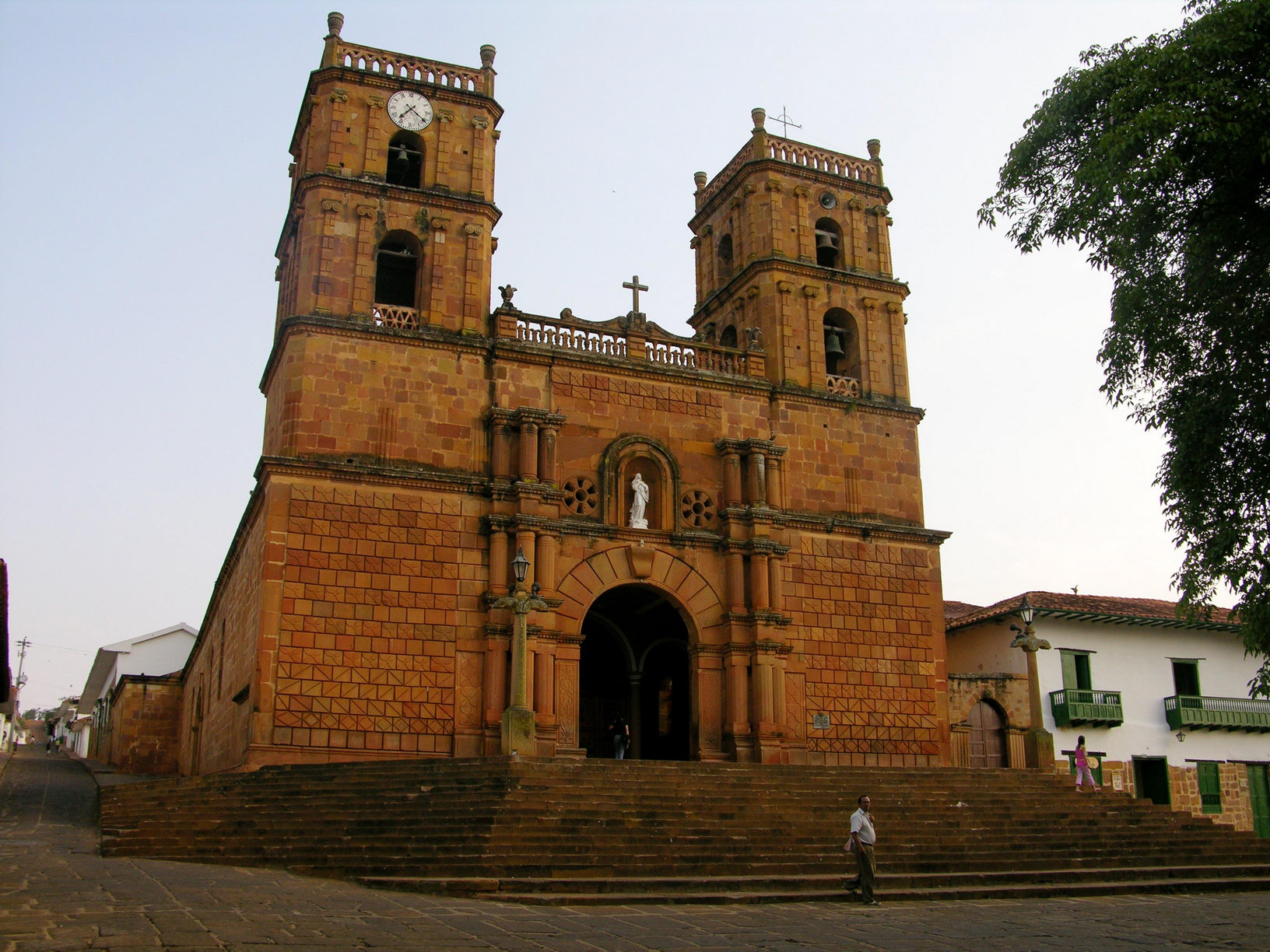
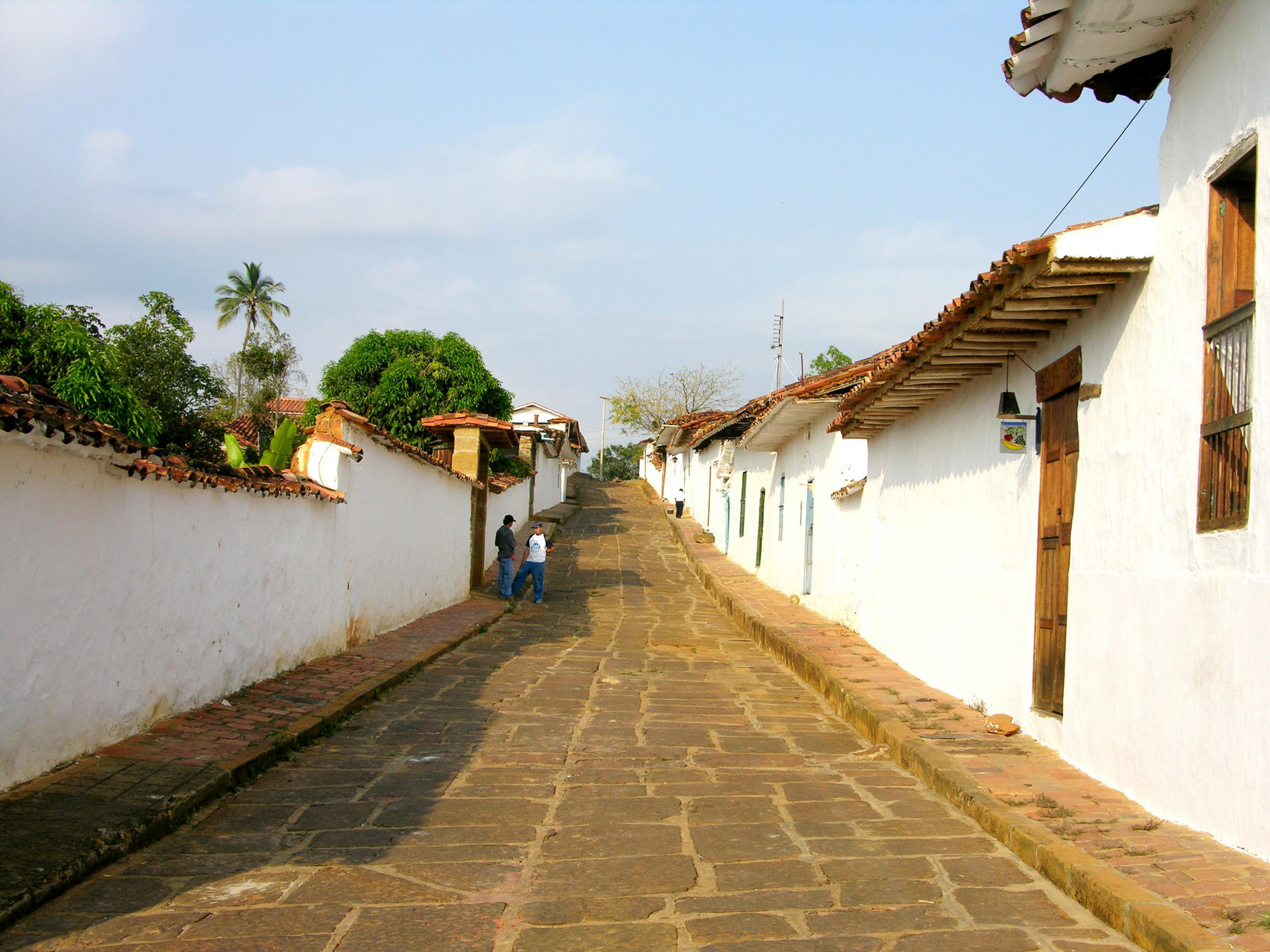
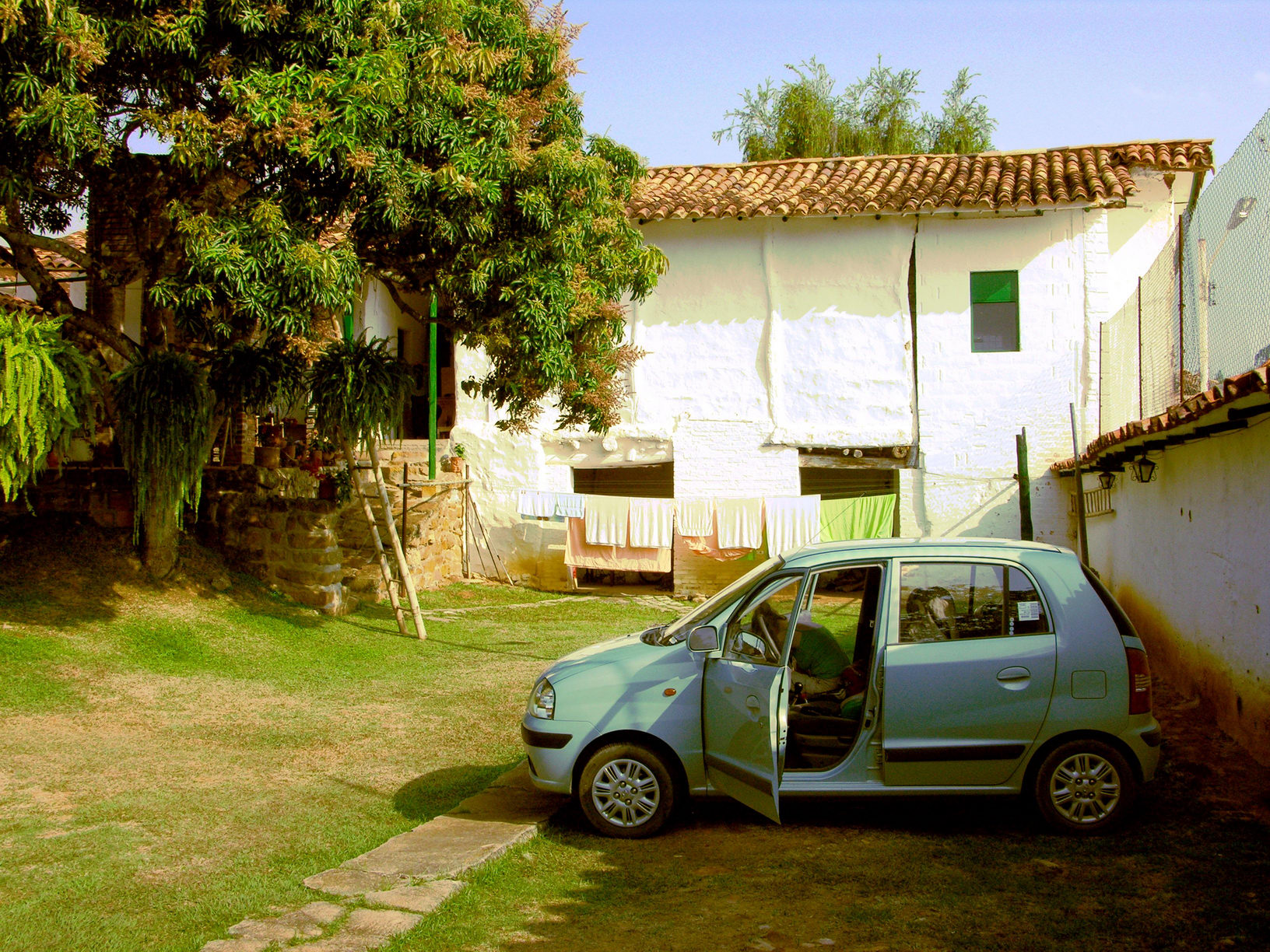
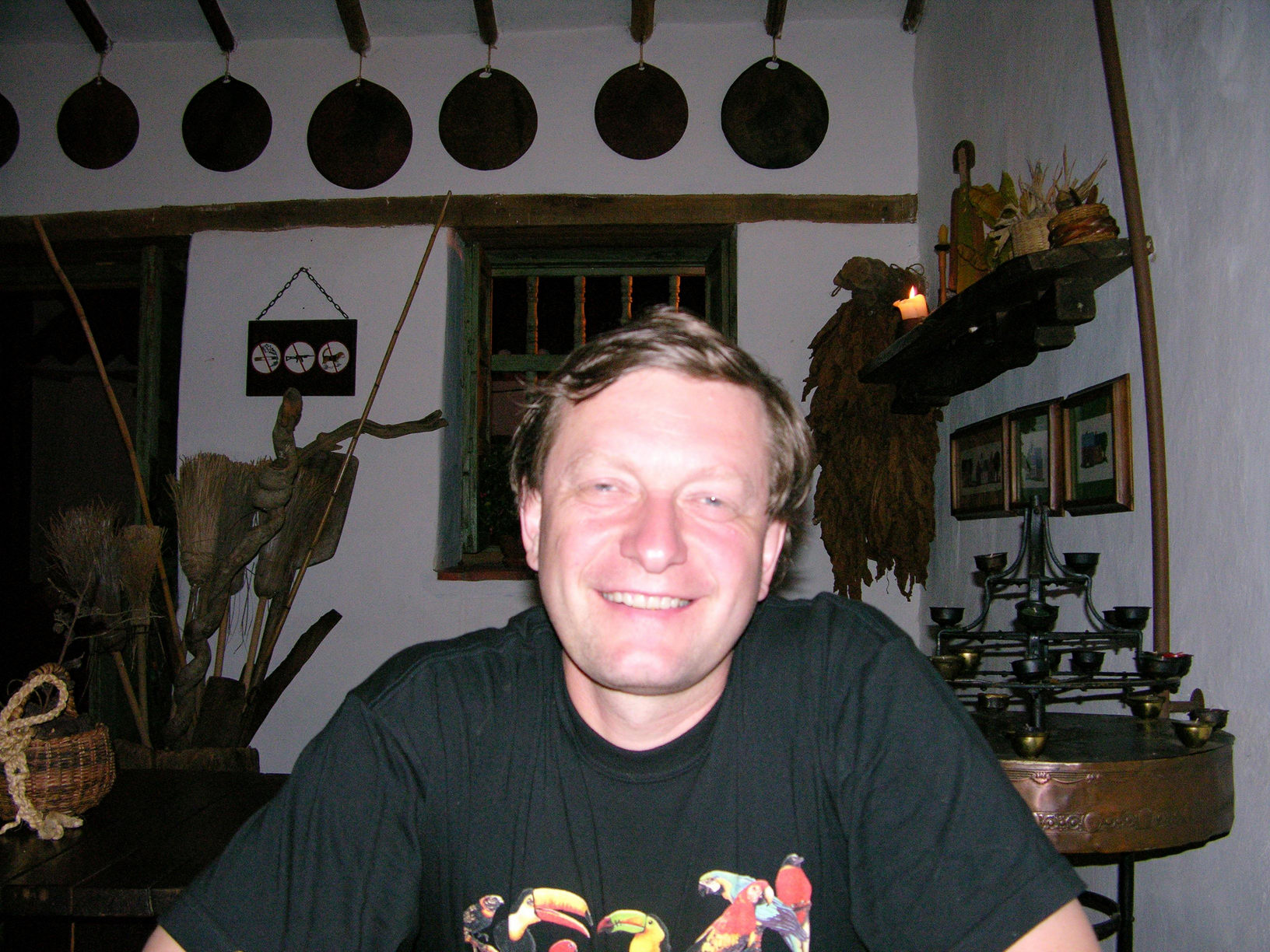
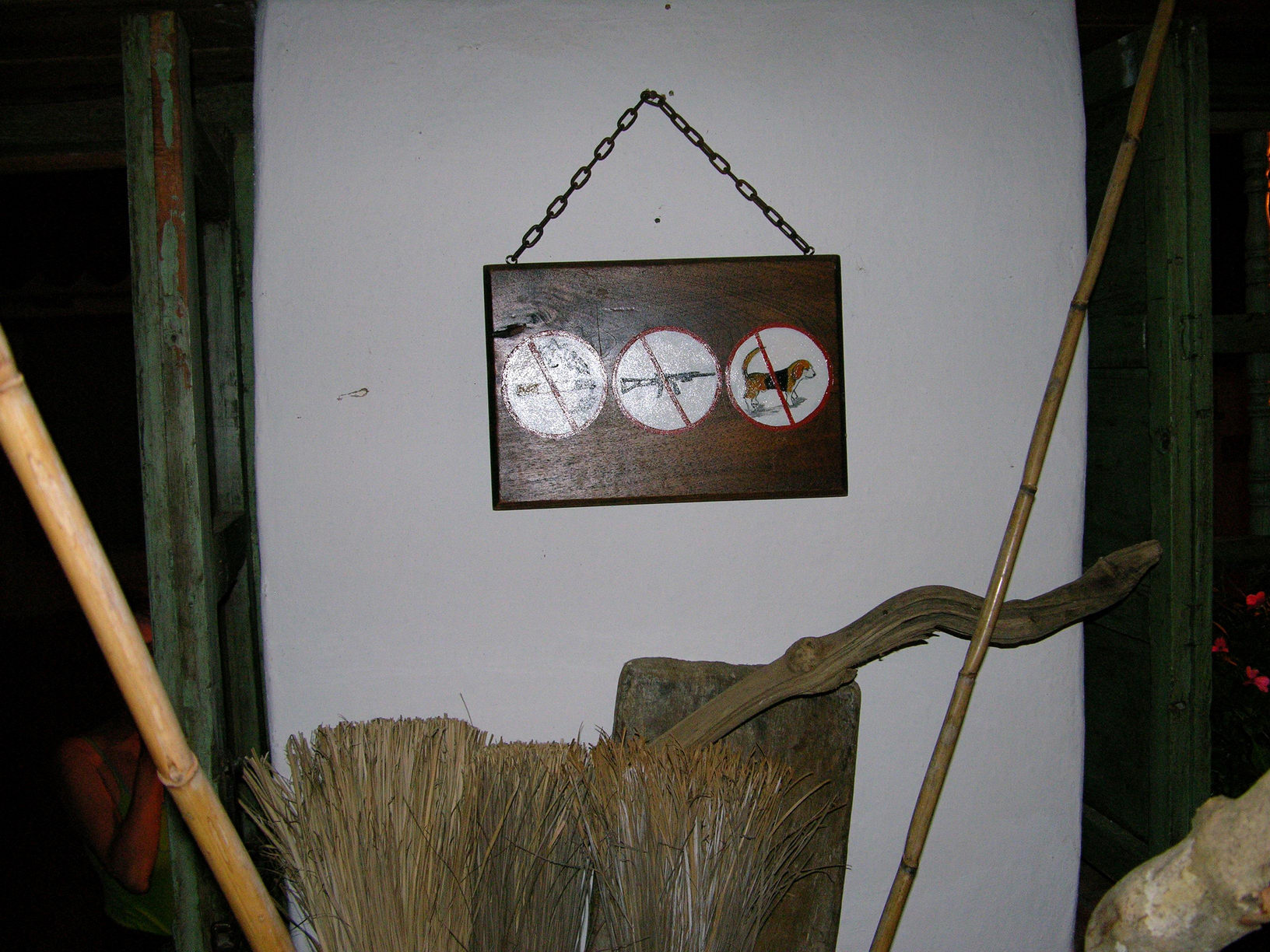
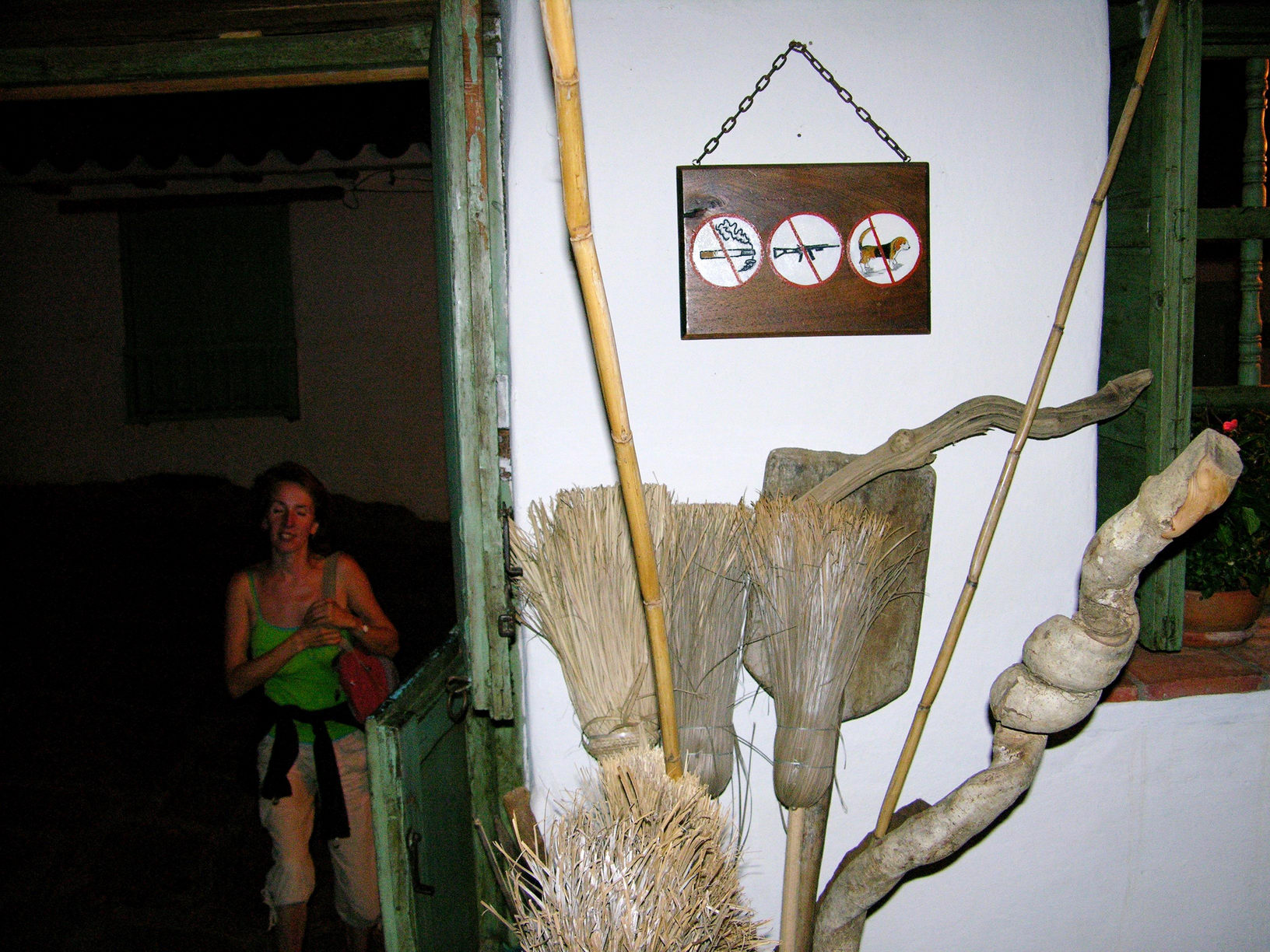
All the same streets, all the same square. The same little churches. Only the terrain is lovelier. Barichara sits at the edge of a huge canyon (6°38.146′N, 73°13.474′W). We ended up in another colonial hotel, Corata, with high ceilings and antique furniture. You don't get any other kind here. We had dinner in a café with signs saying “No smoking”, “No animals” and “No automatic weapons”. In Colombia that's no joke. There were plenty of people going about armed.
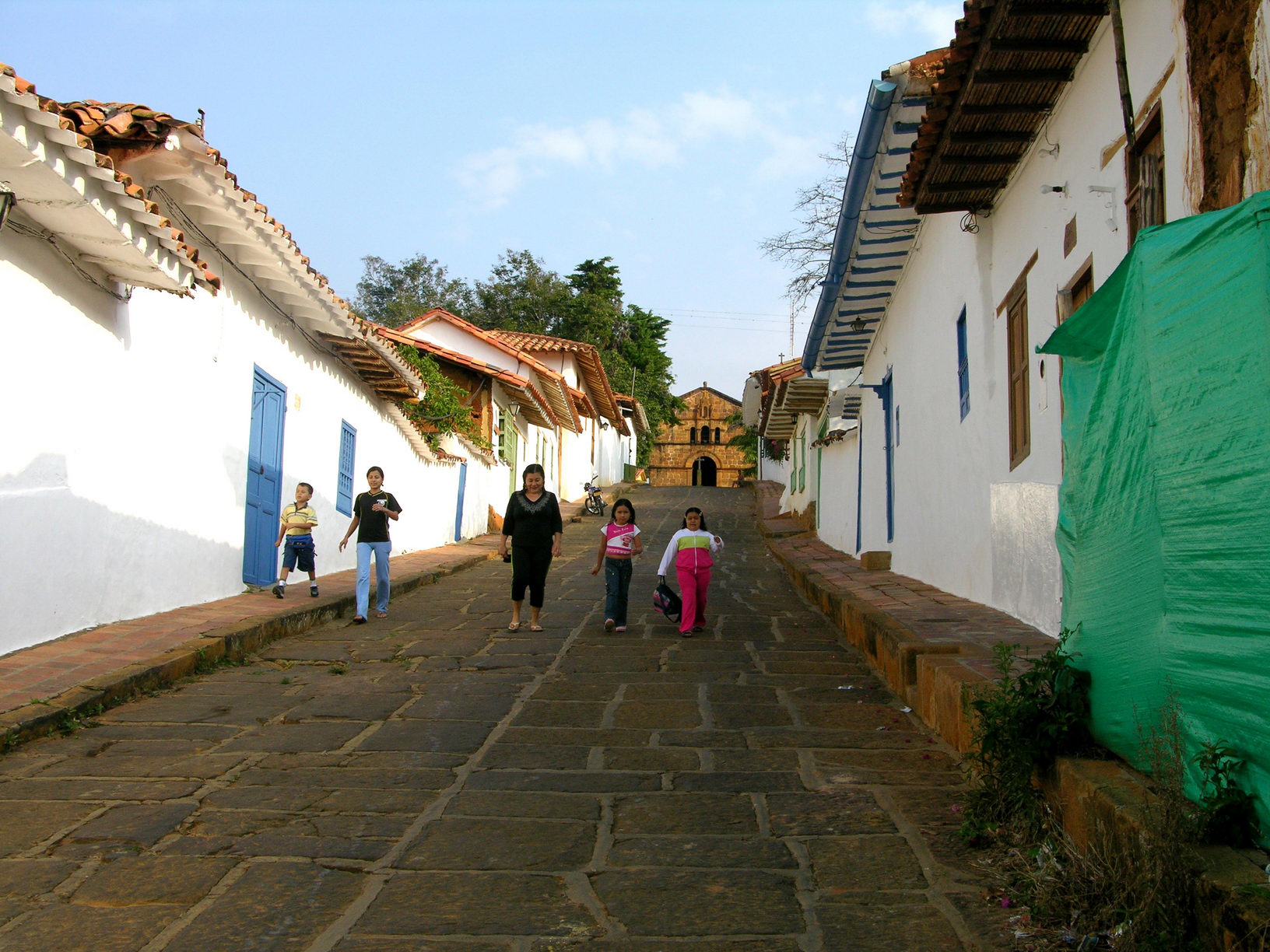
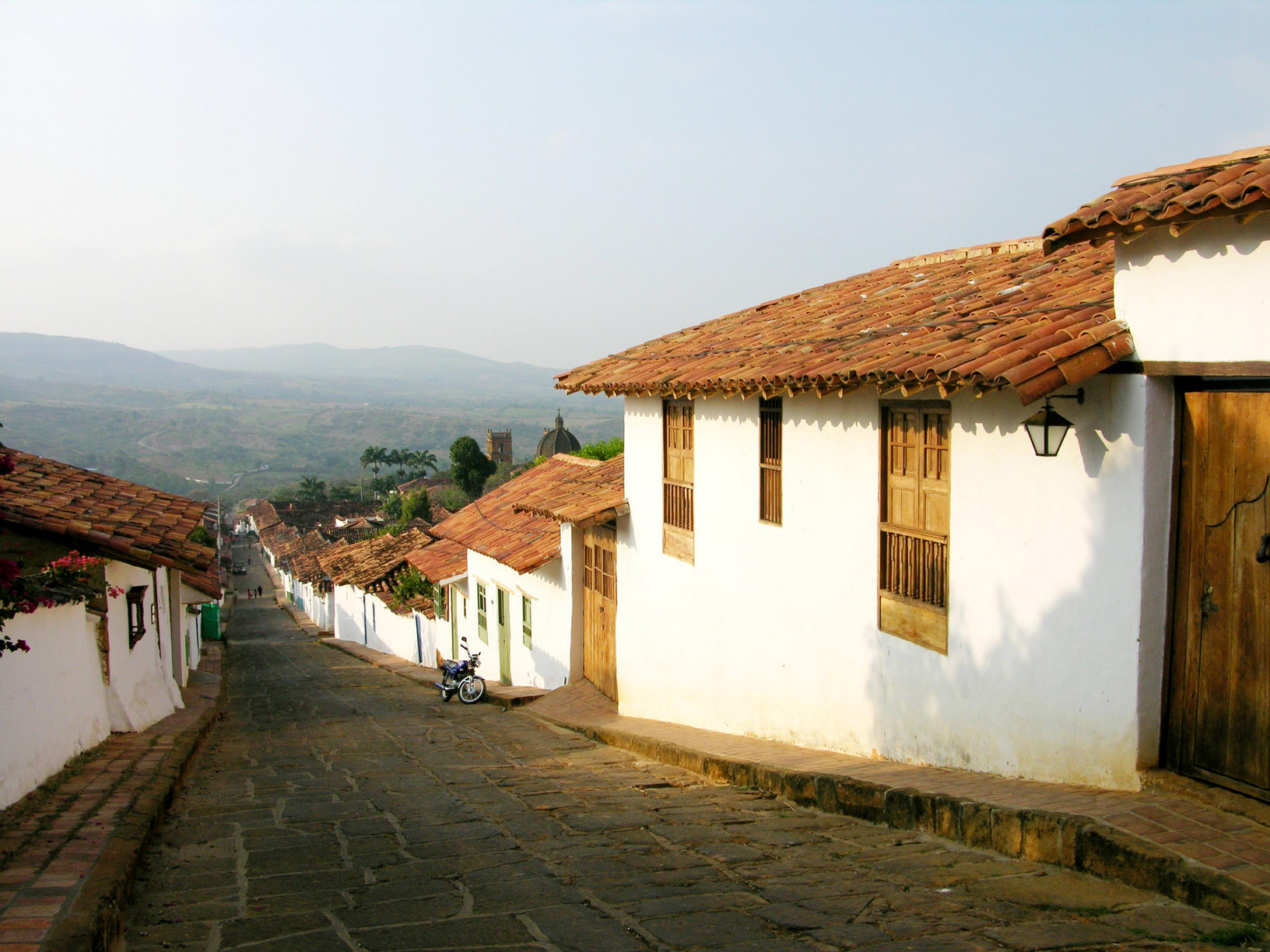
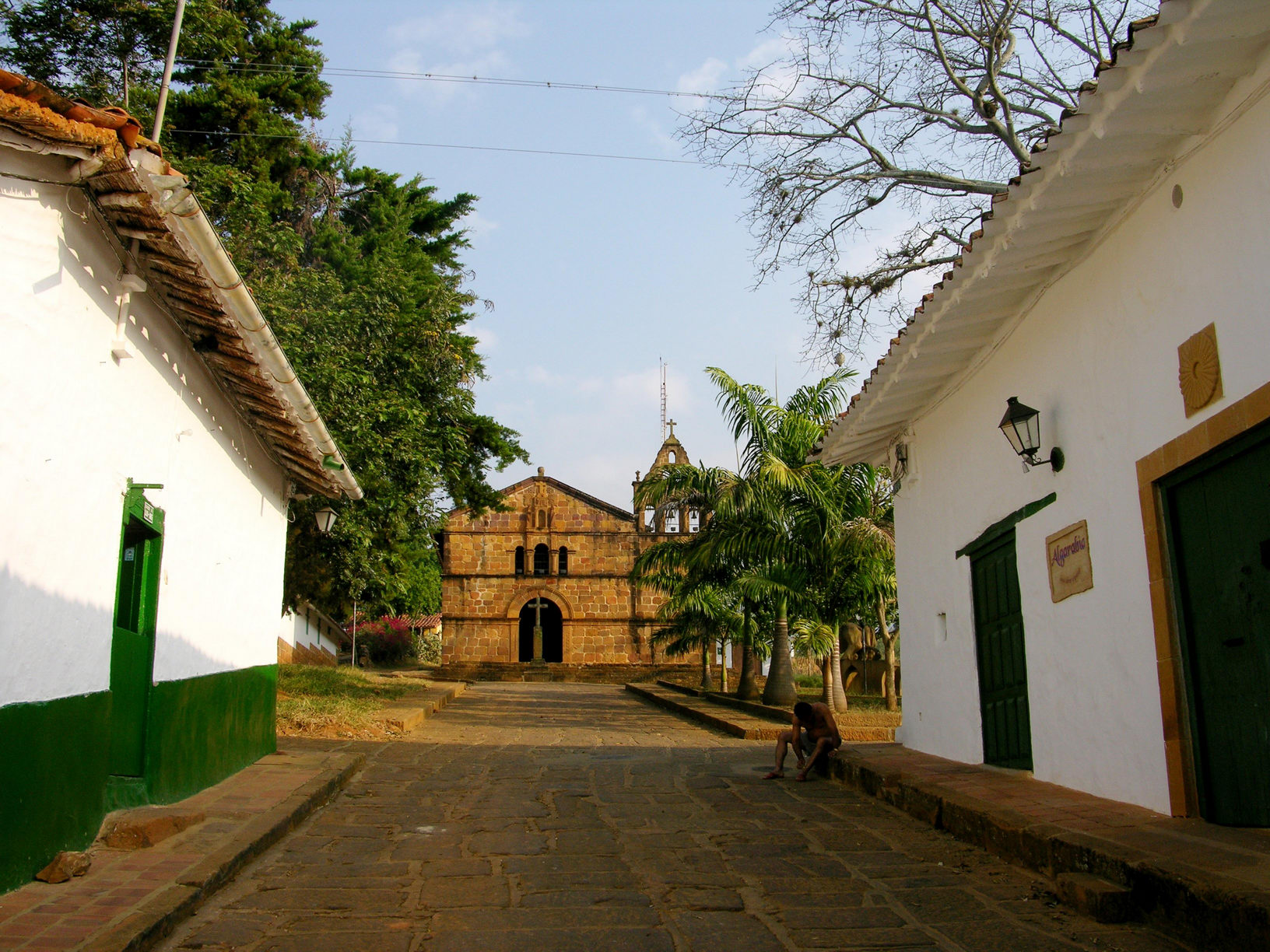
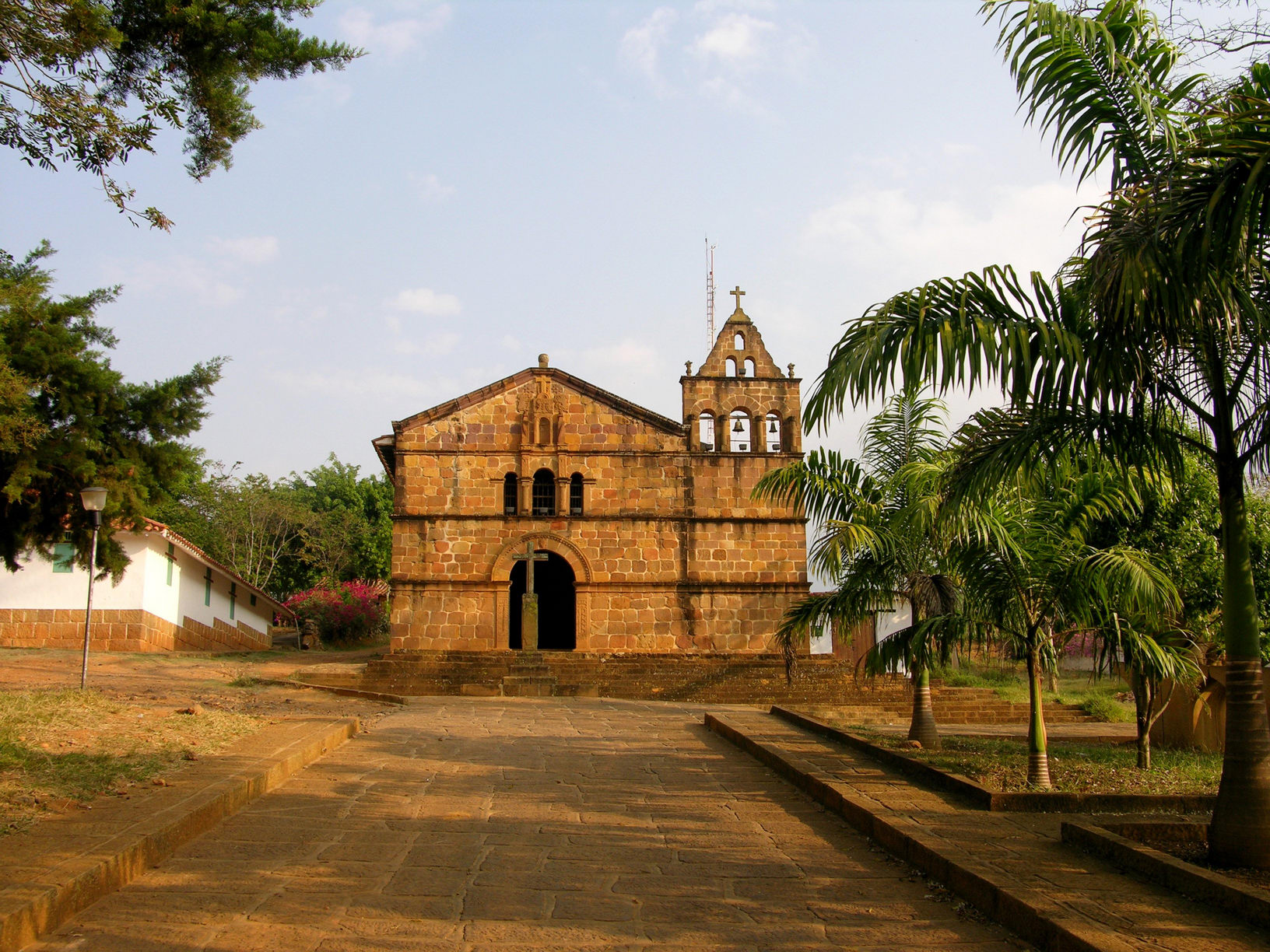
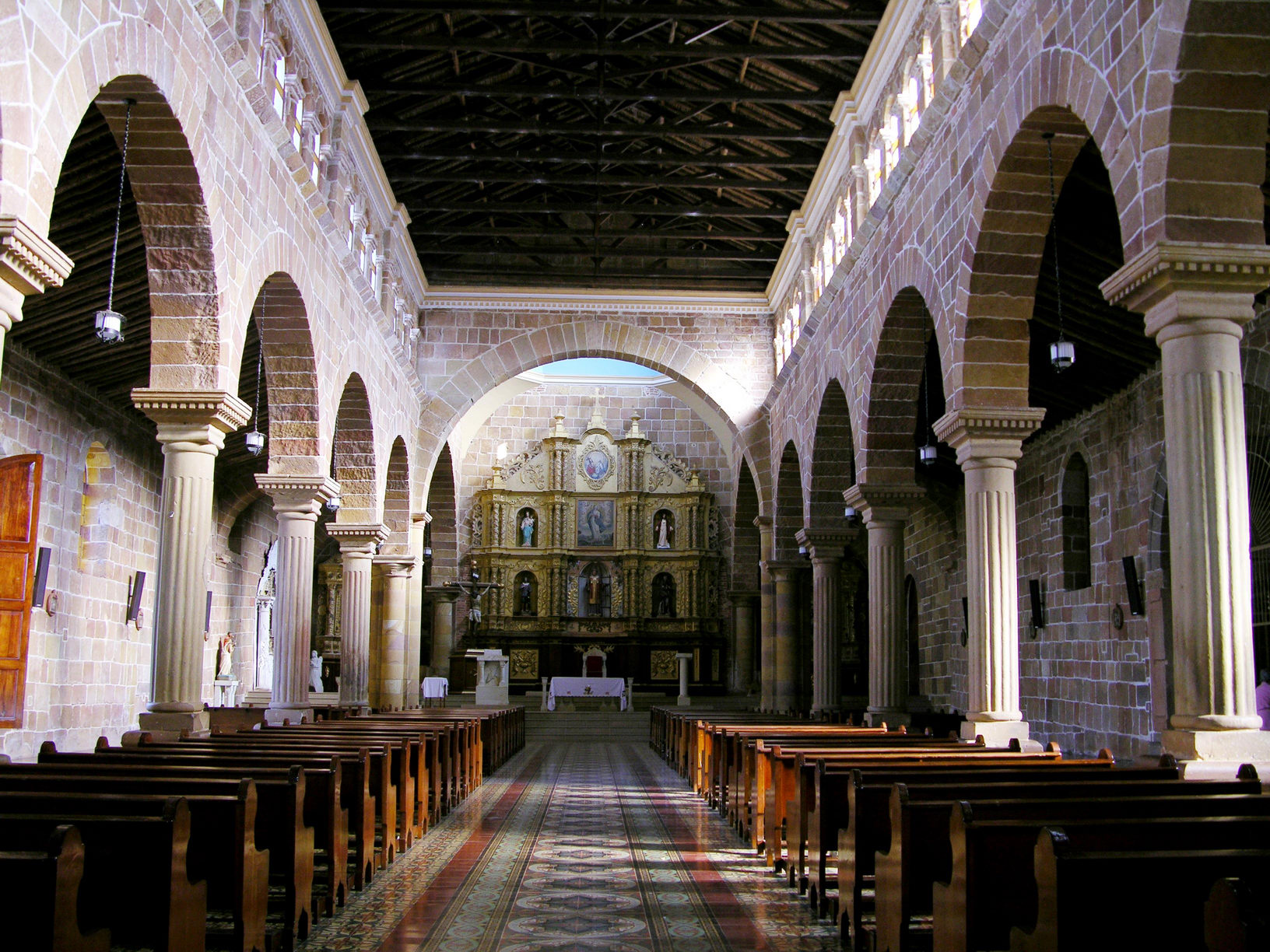
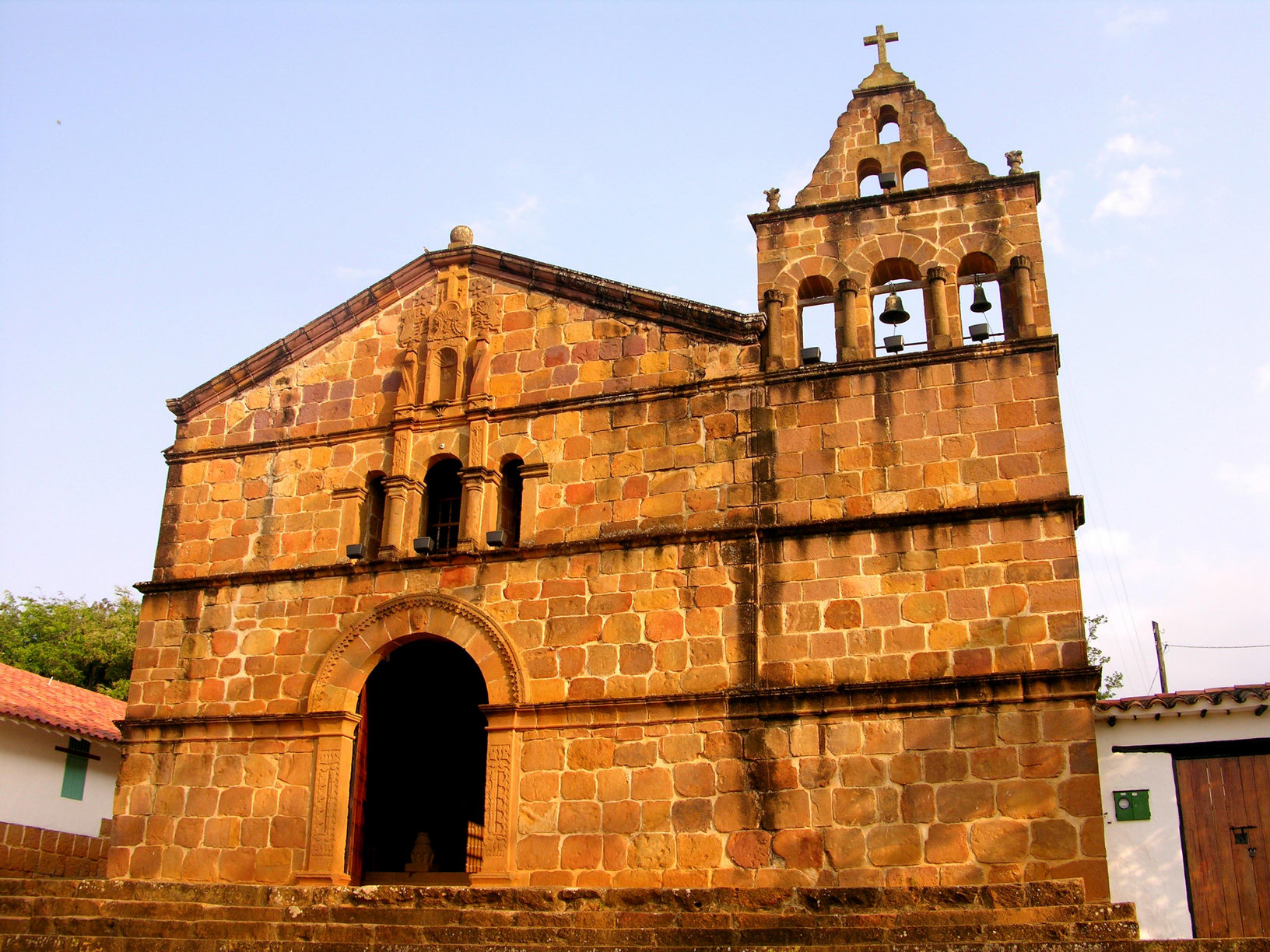
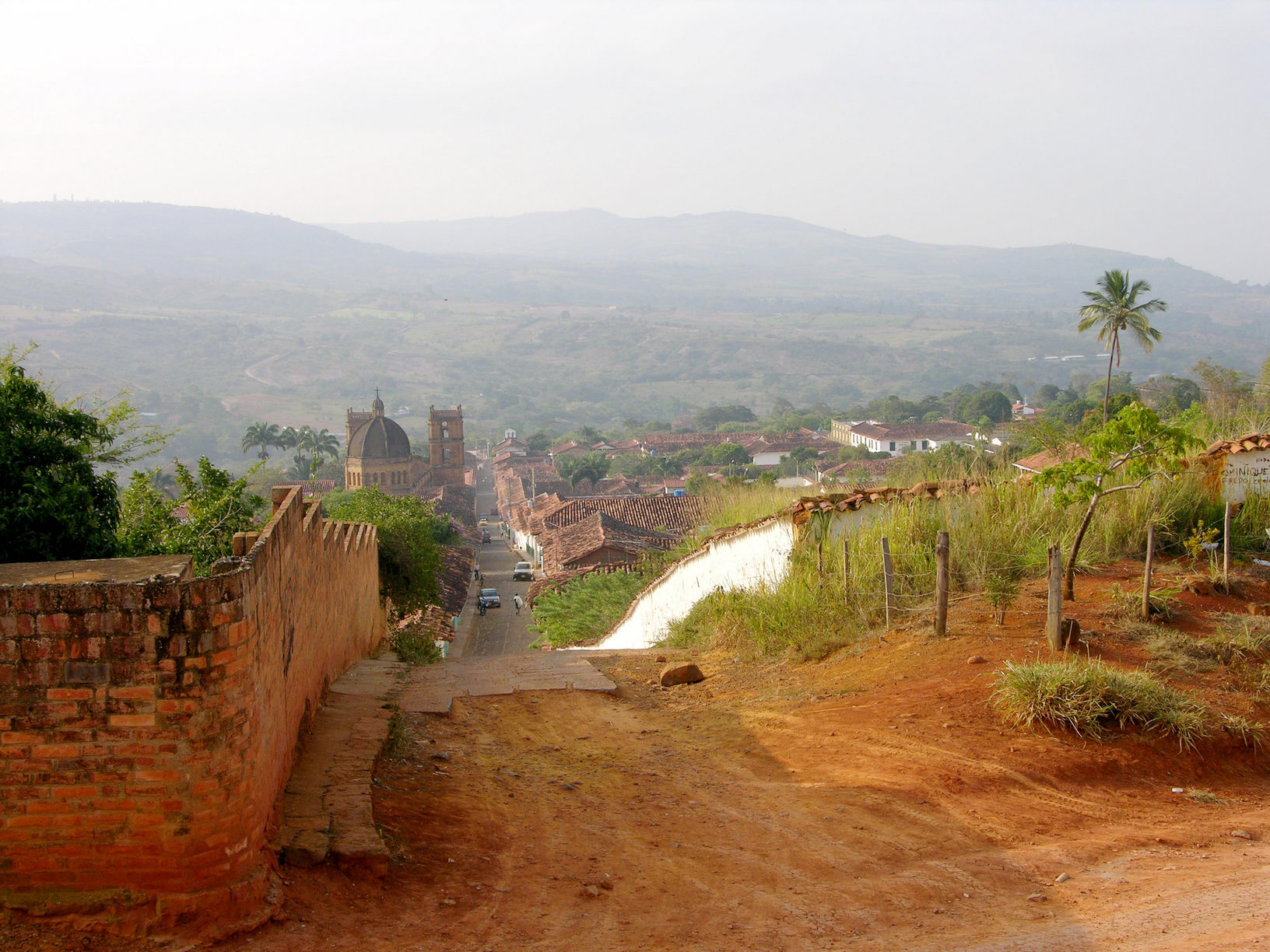
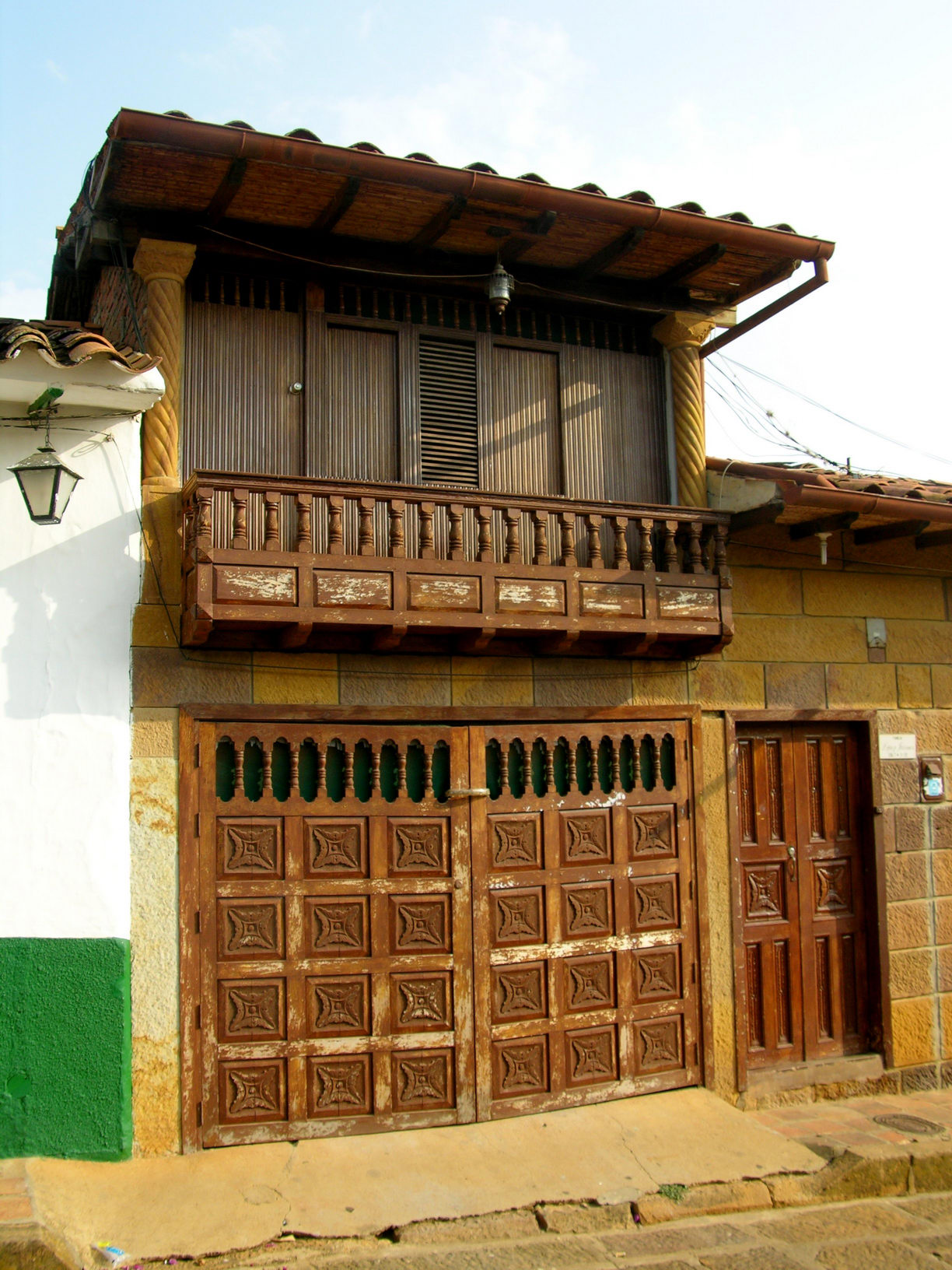
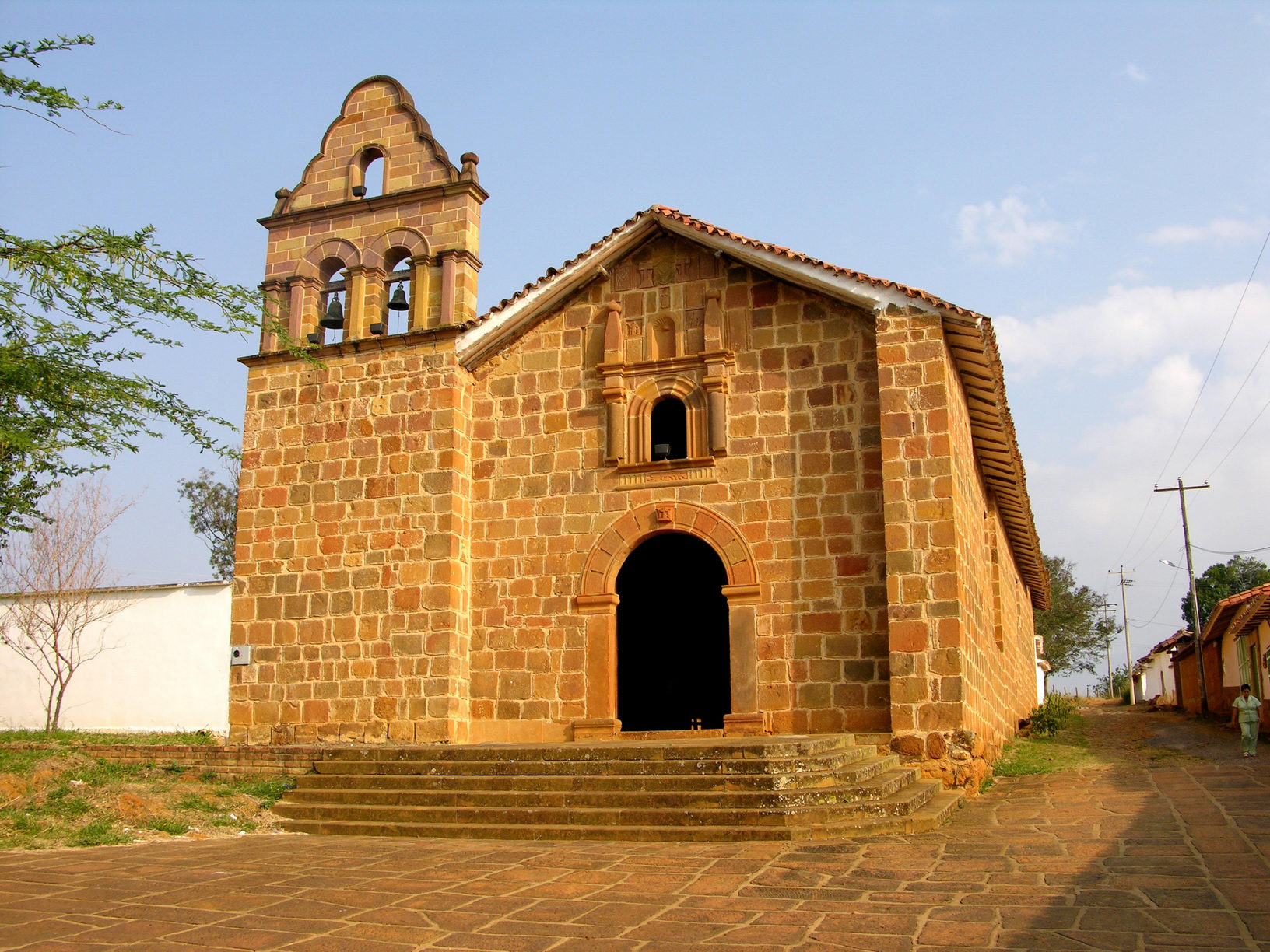
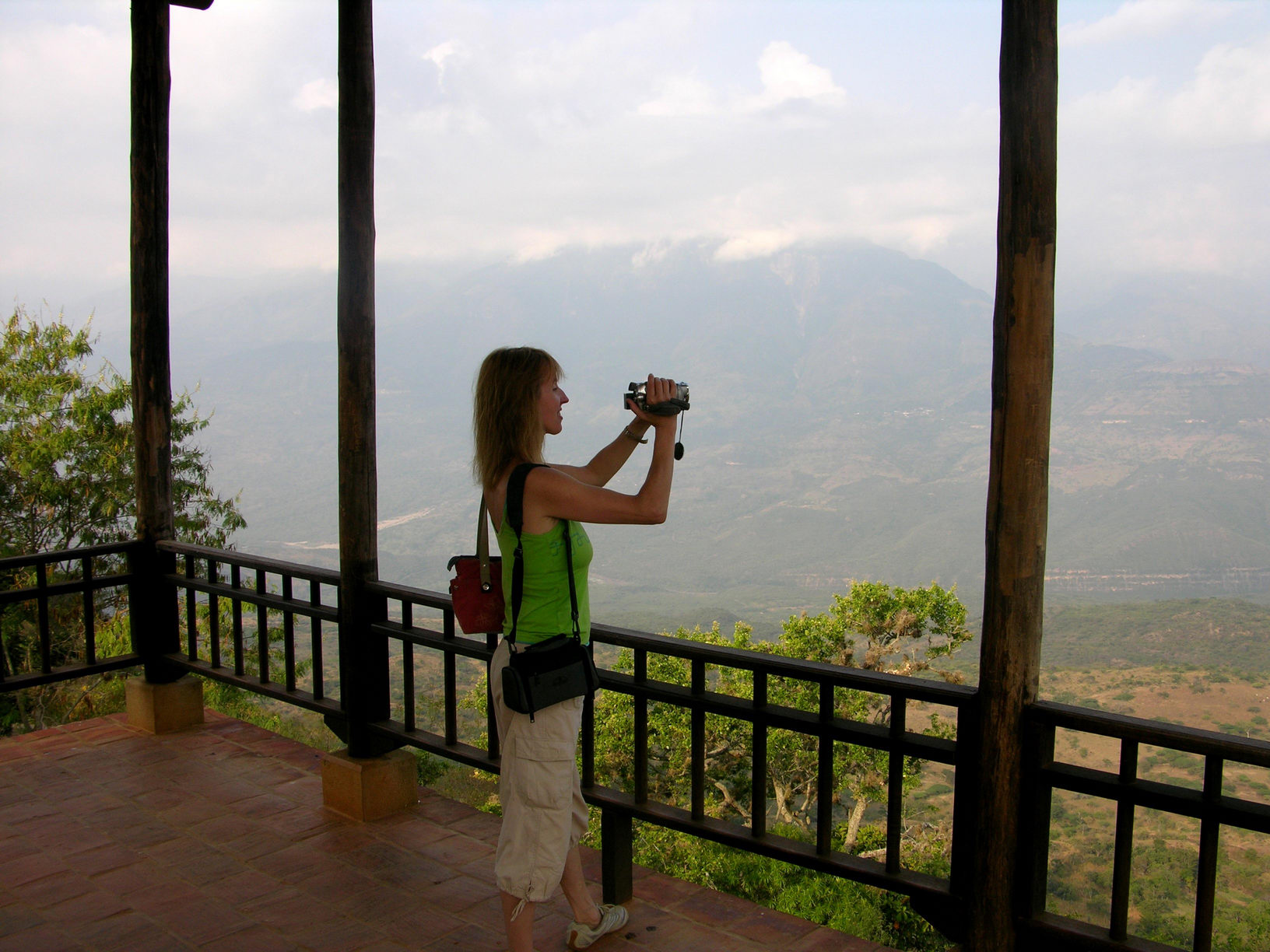
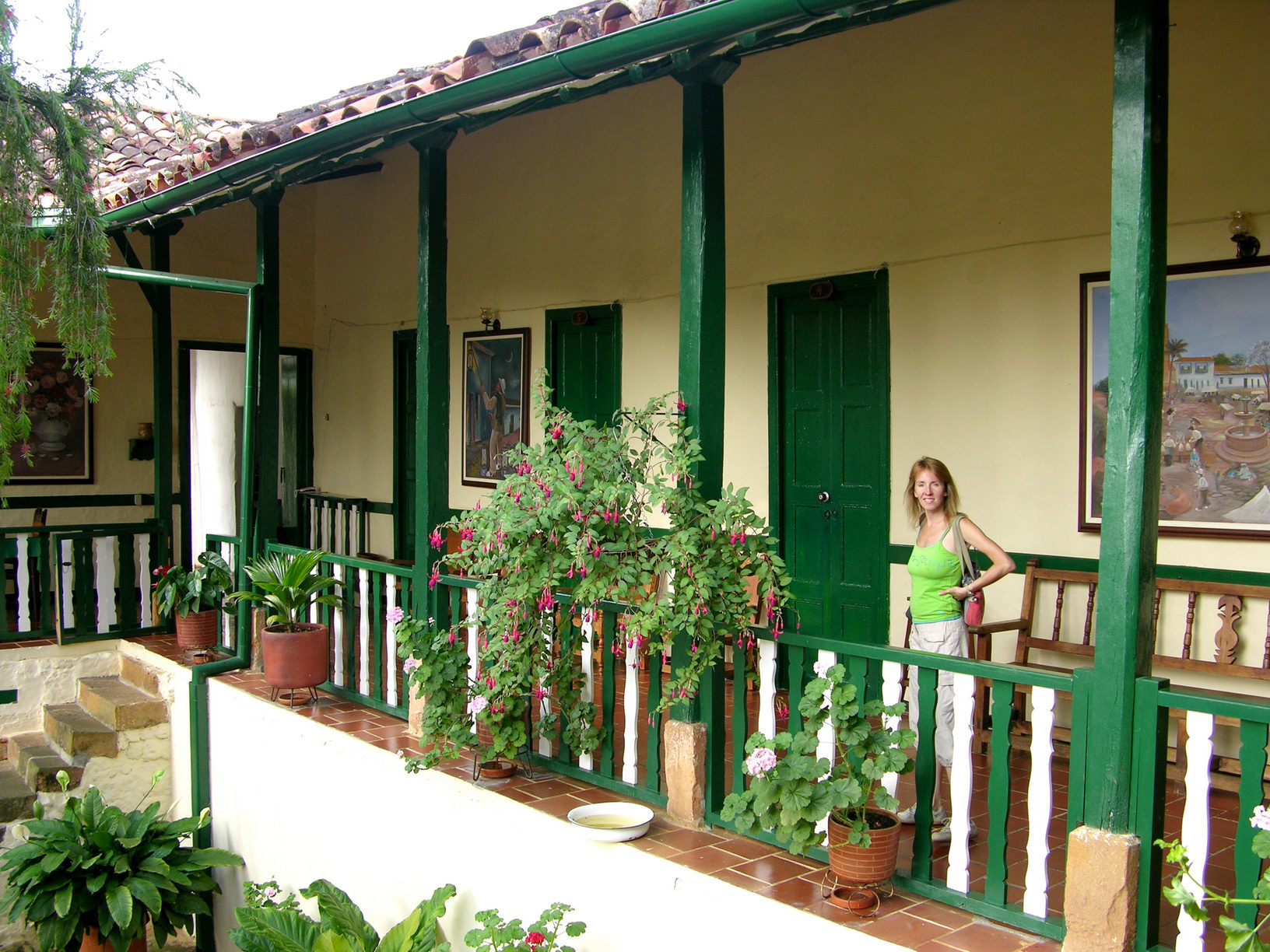
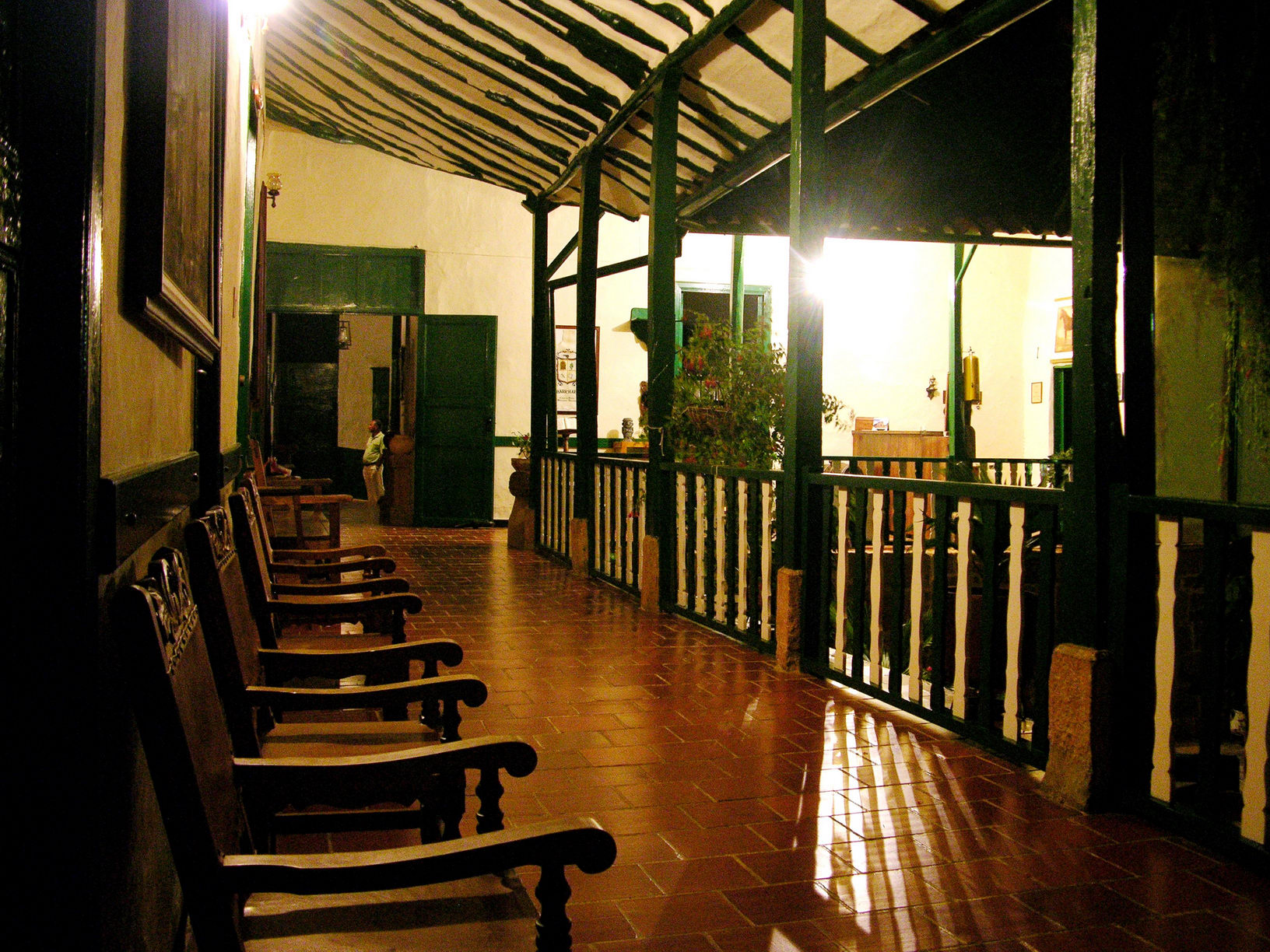
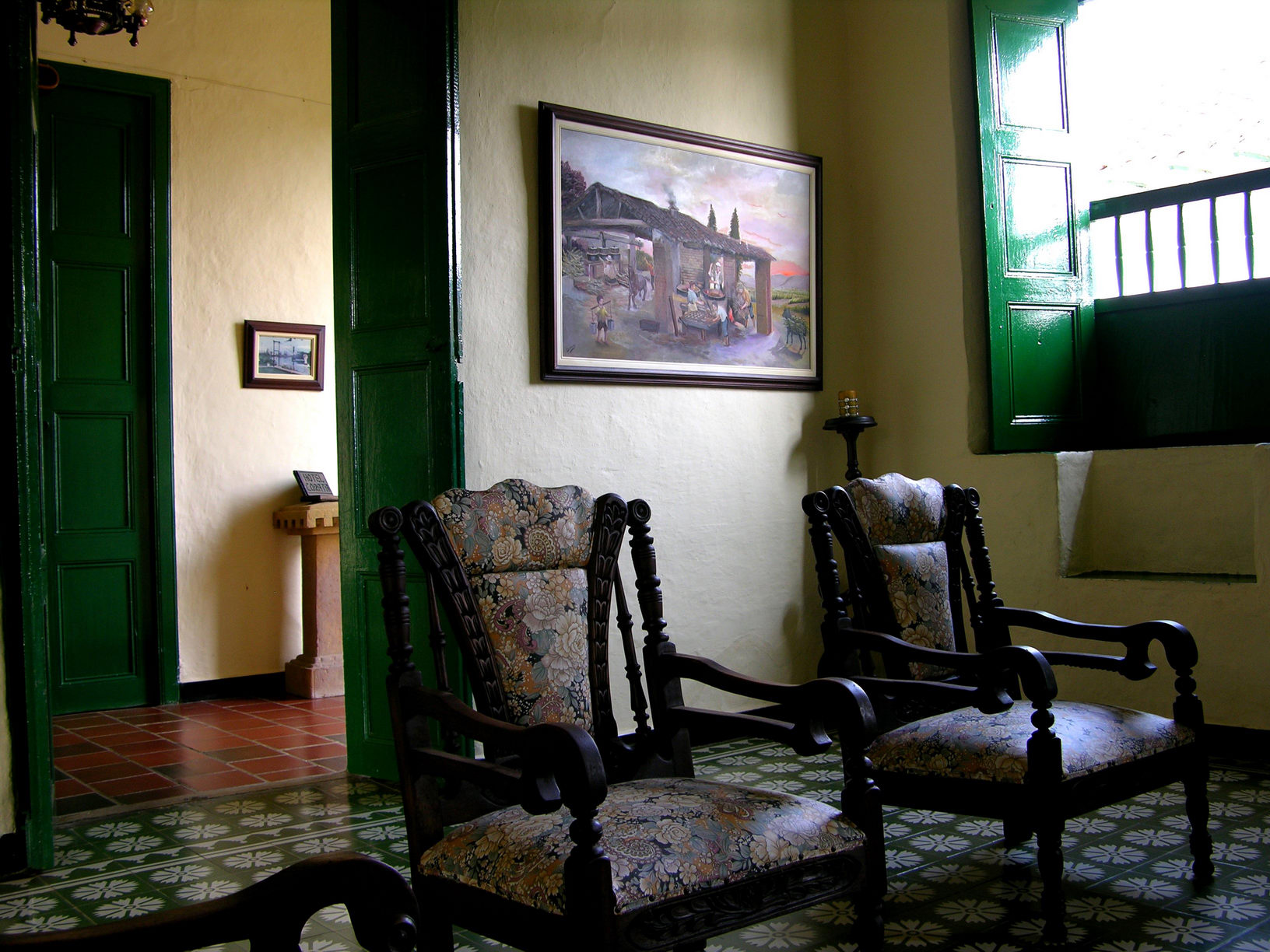
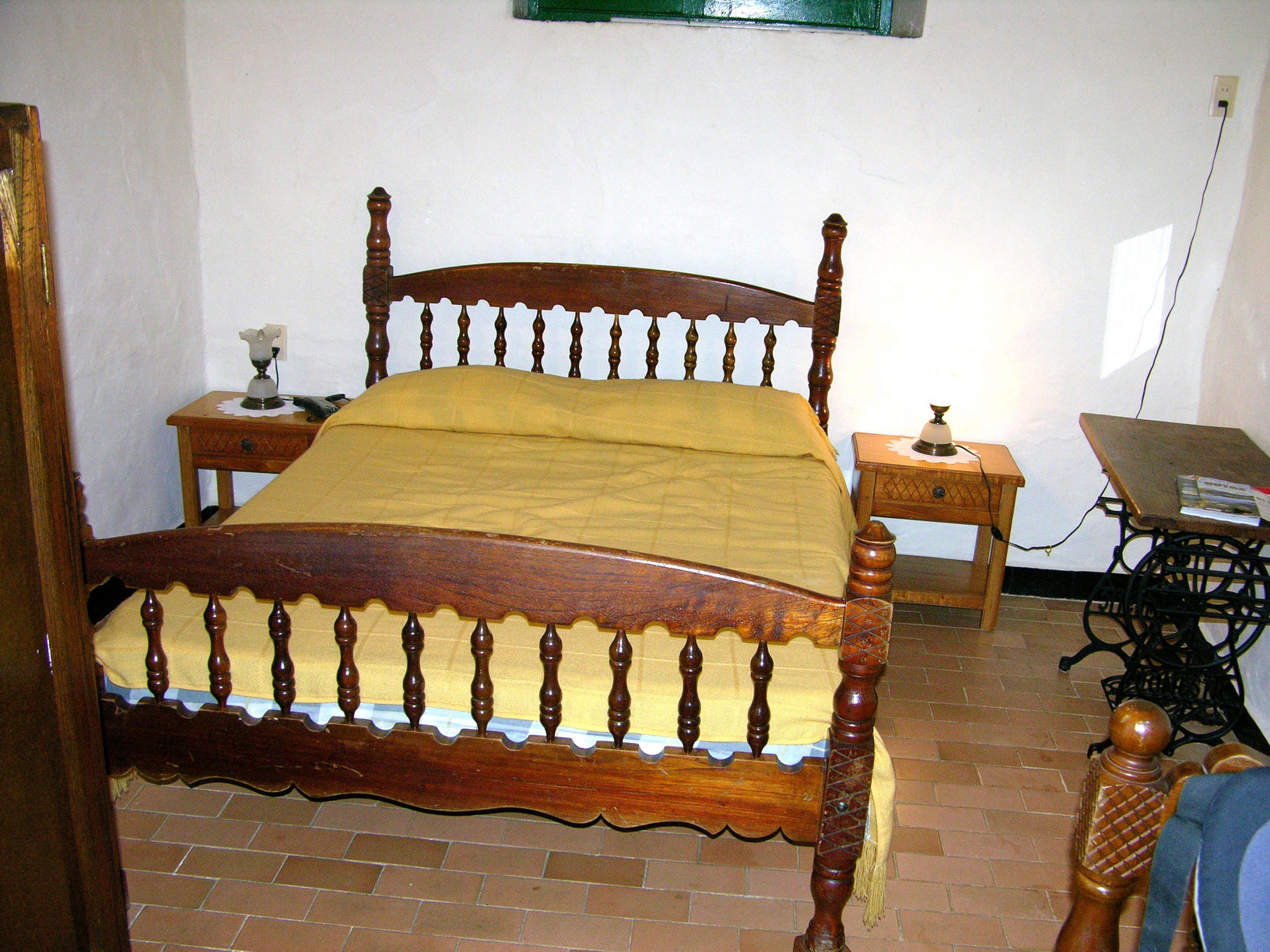
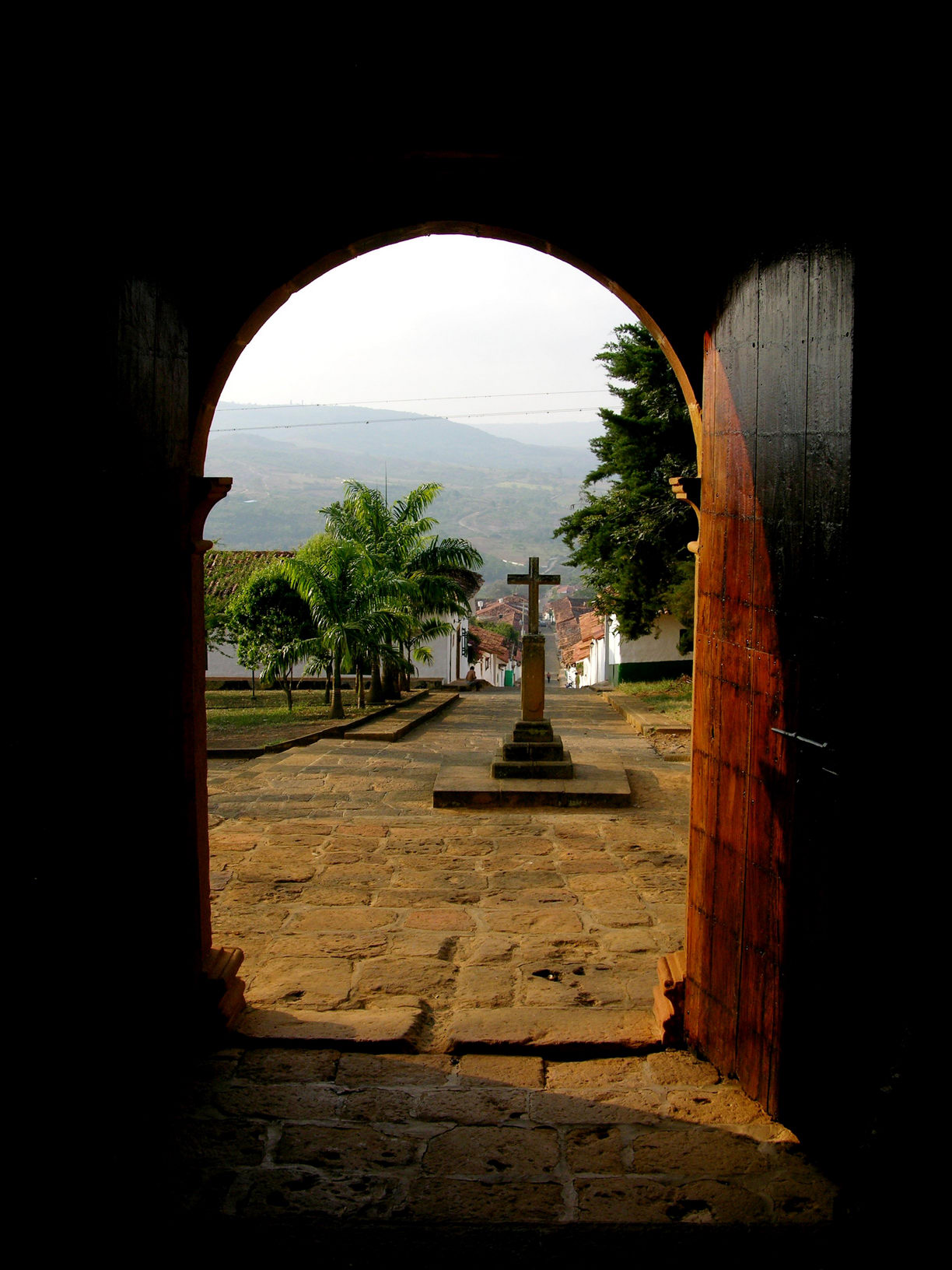
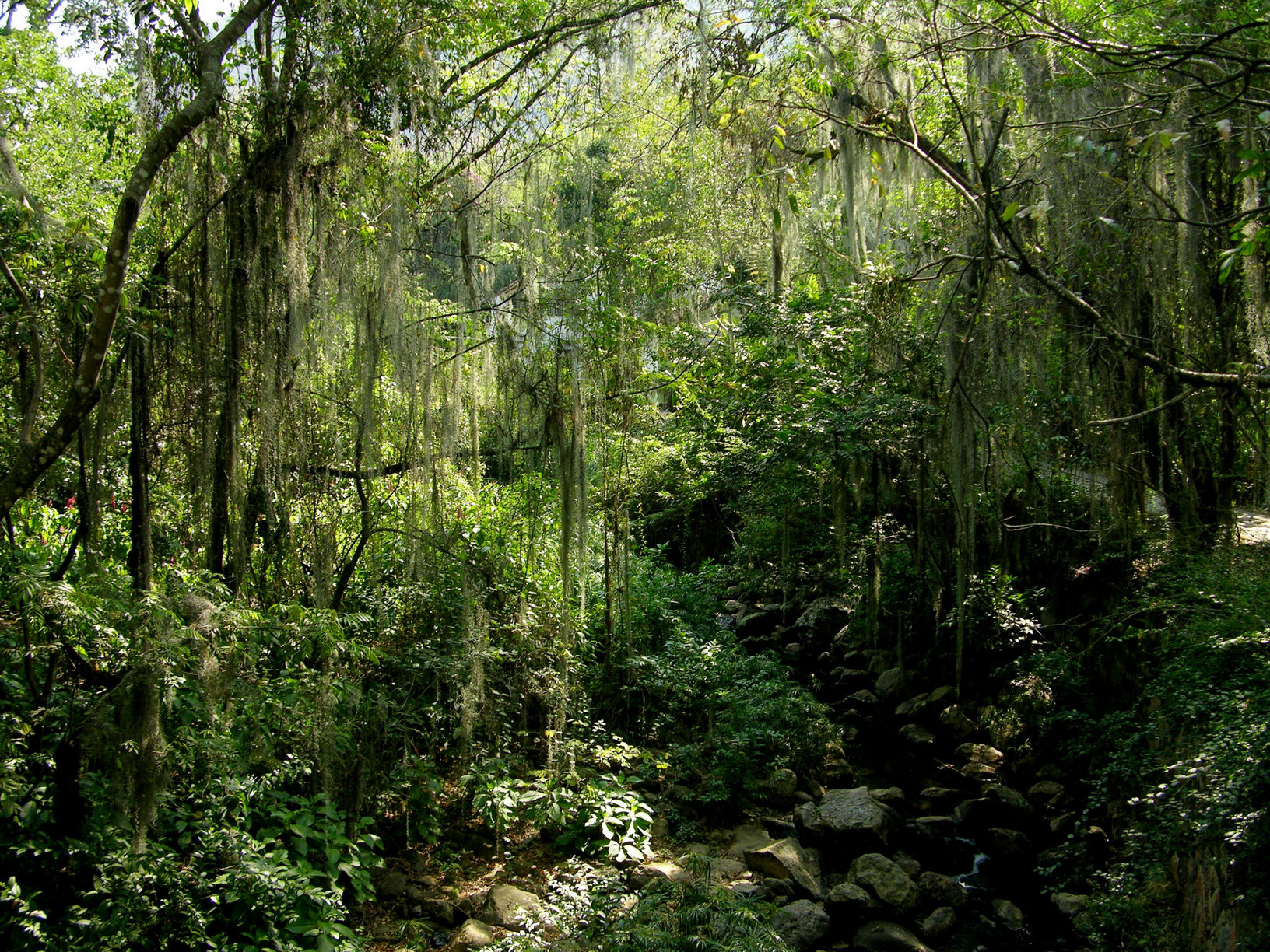
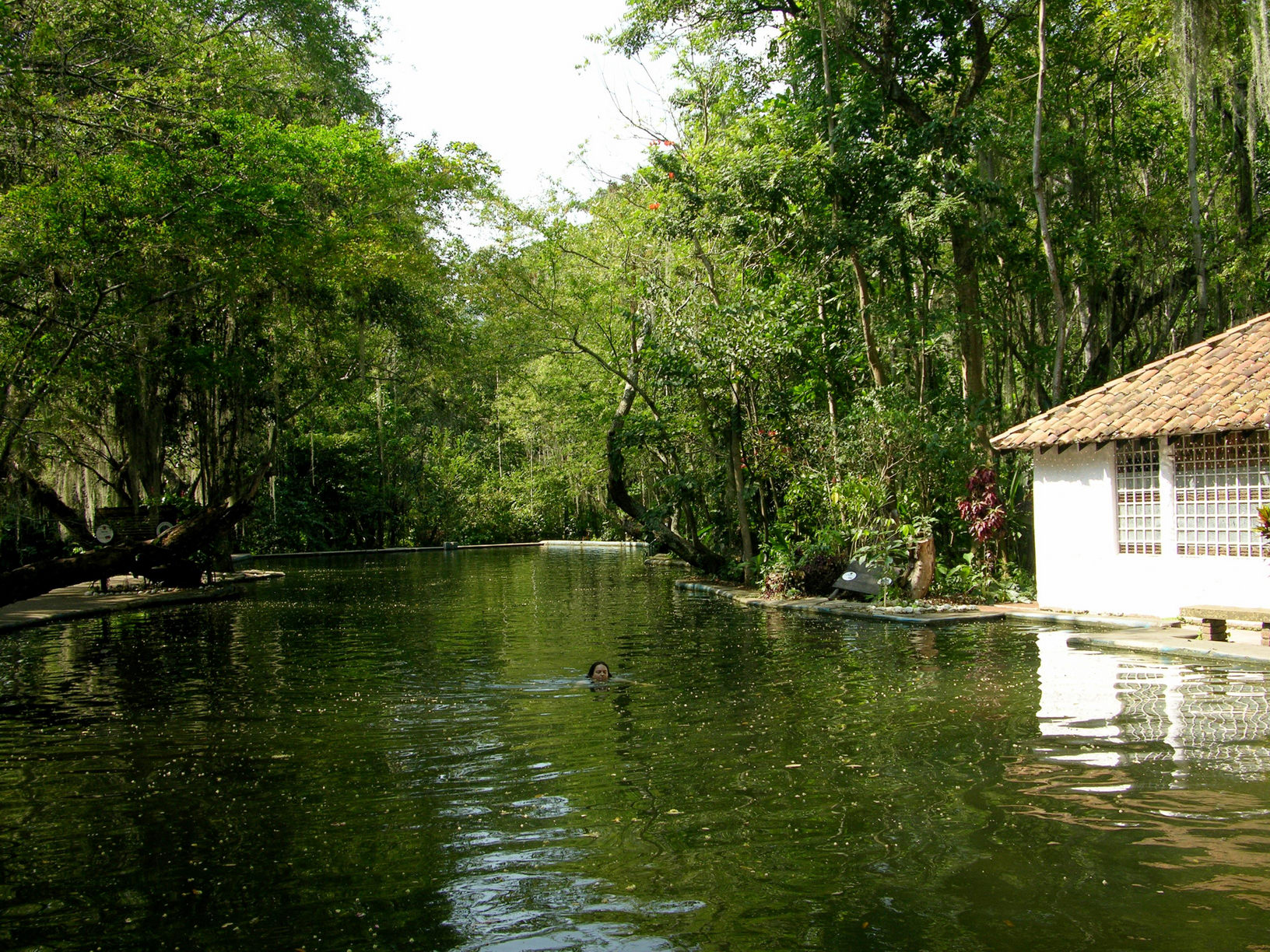
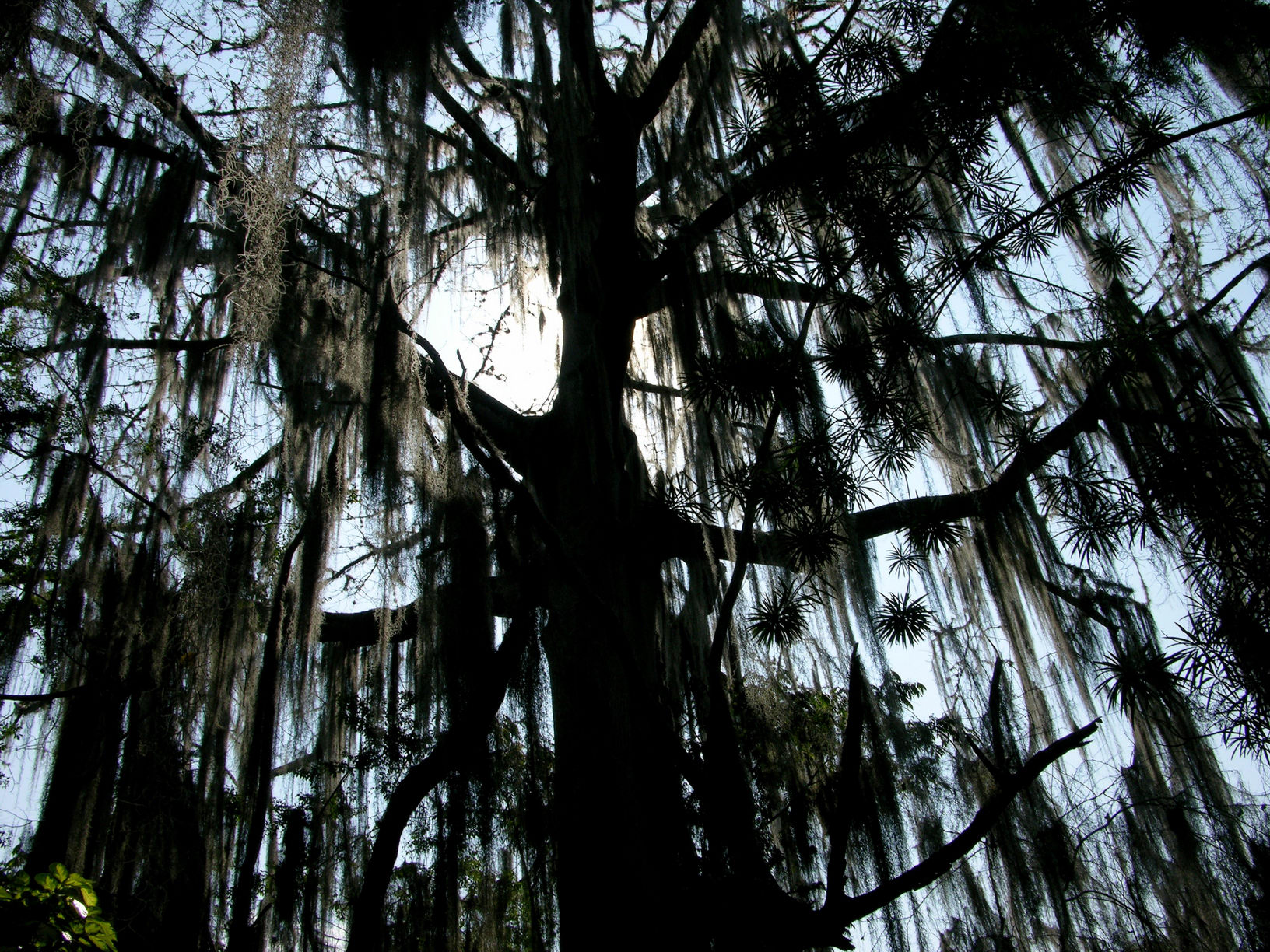
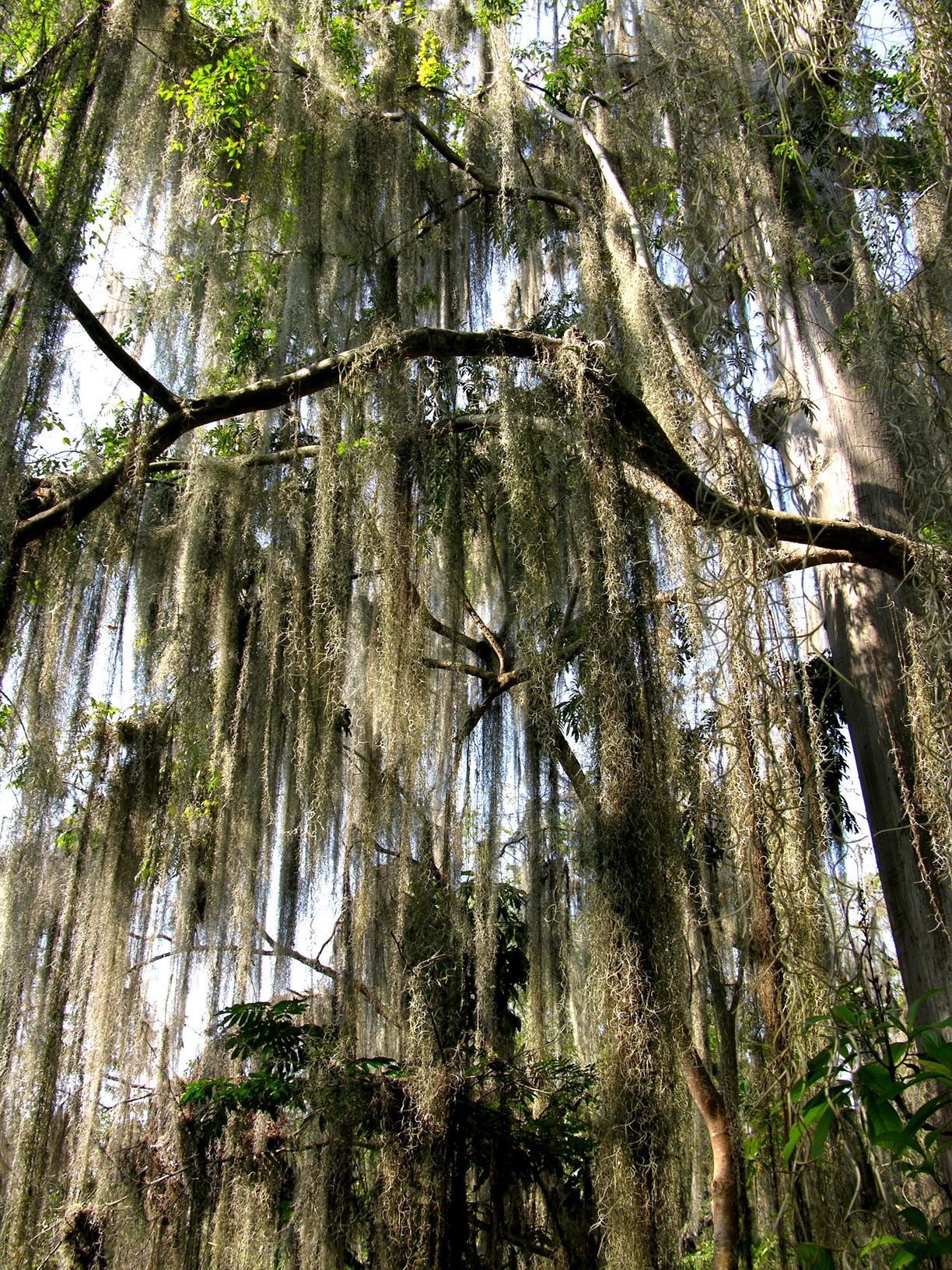
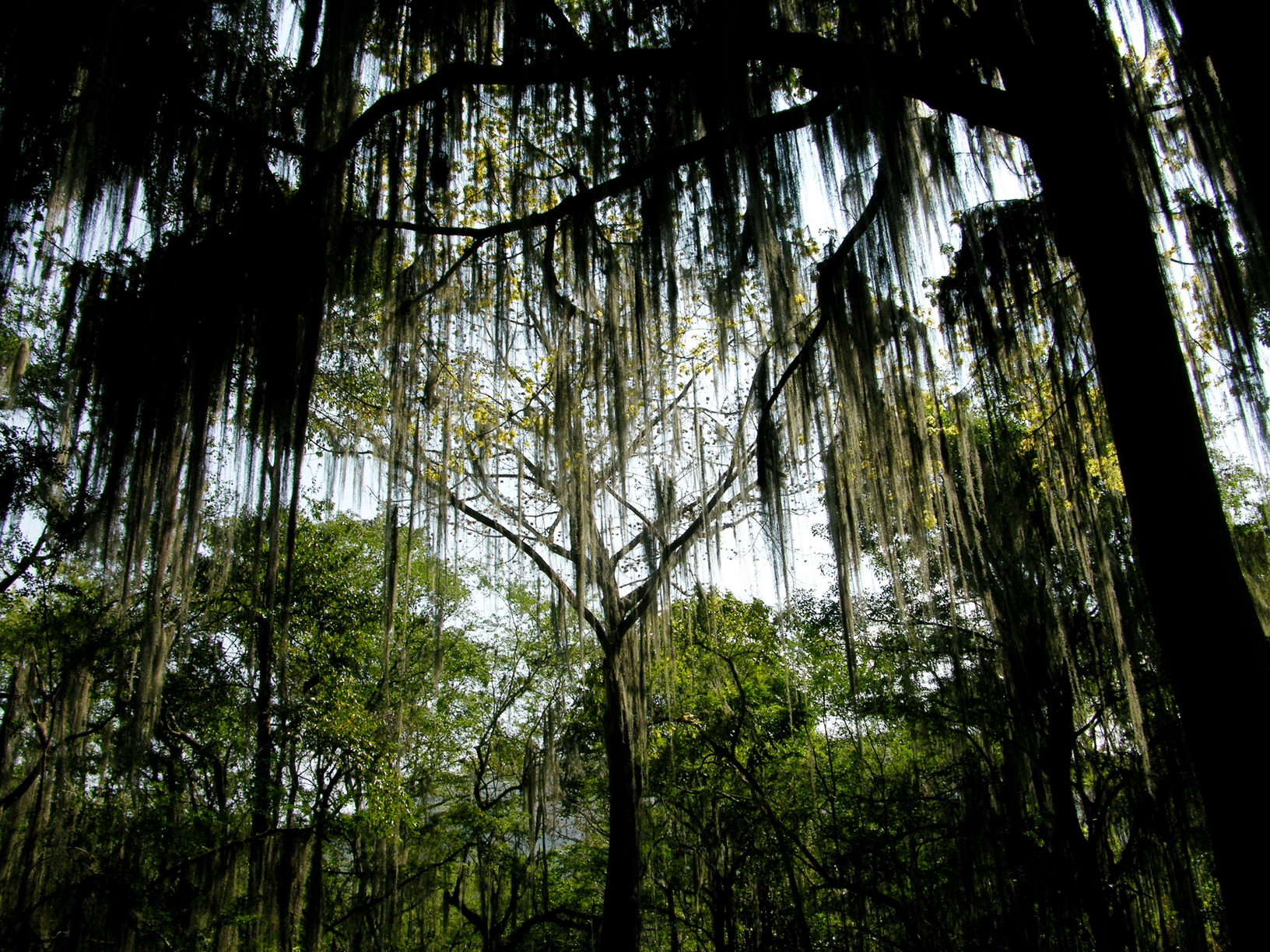
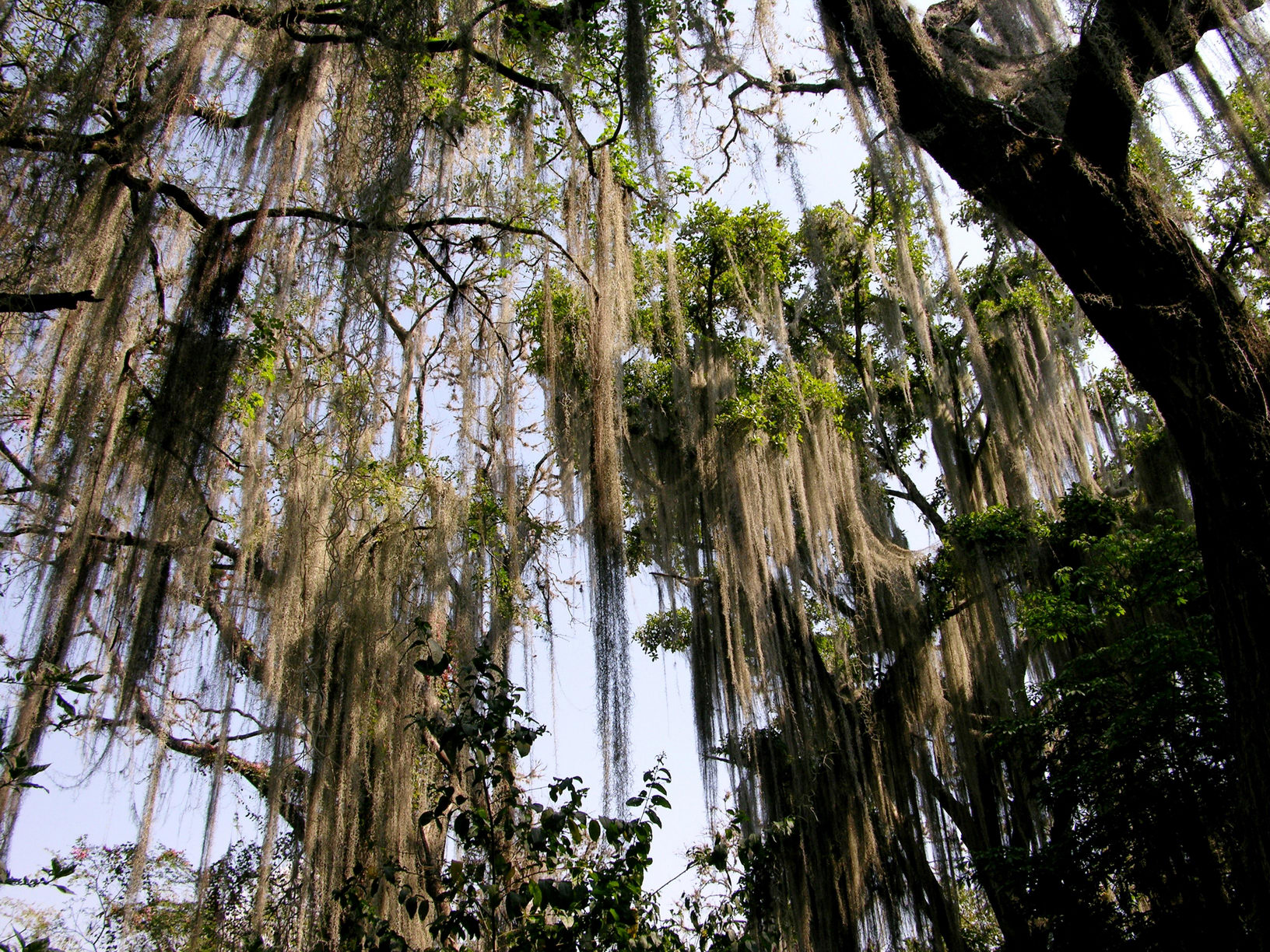
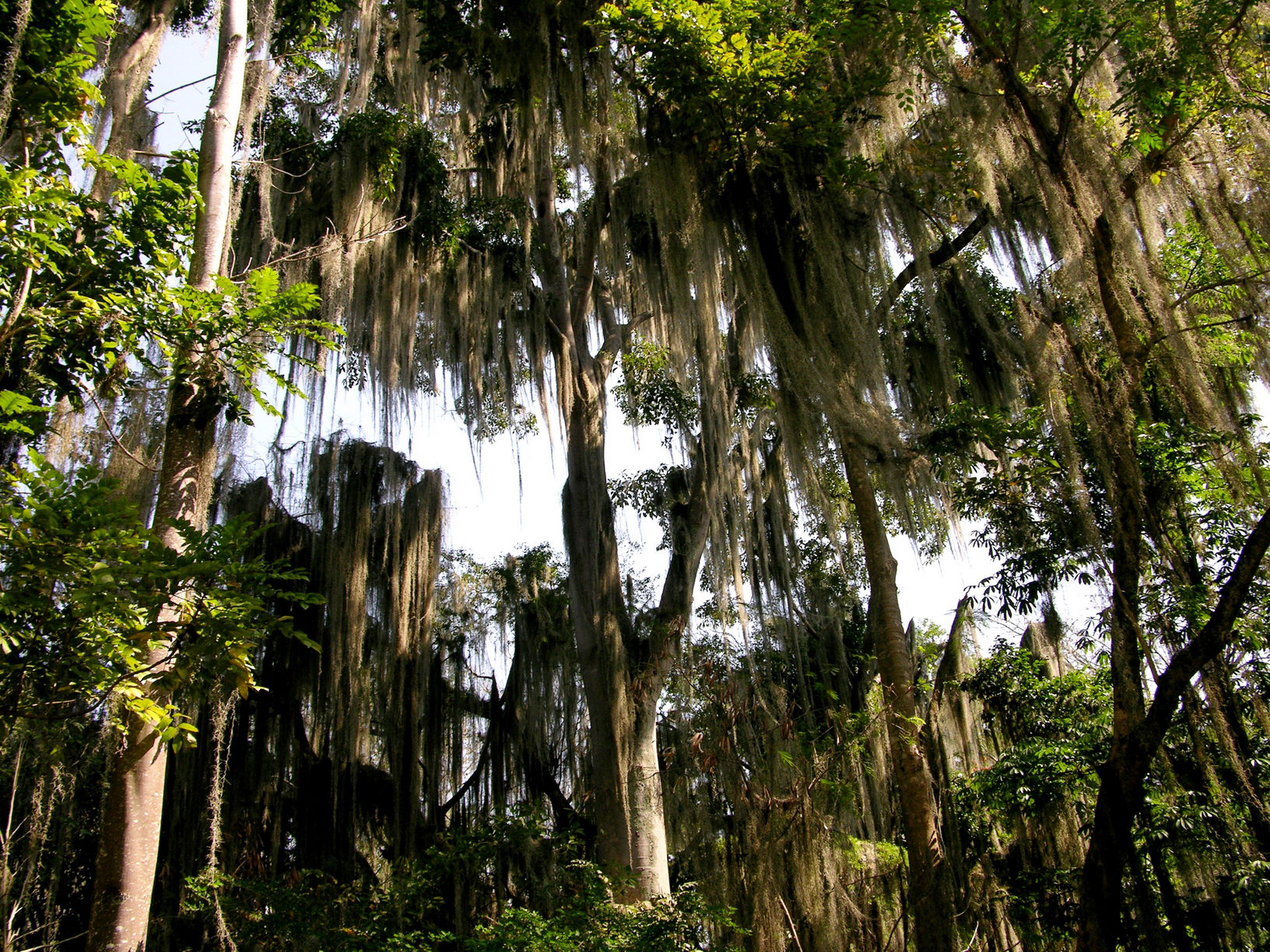
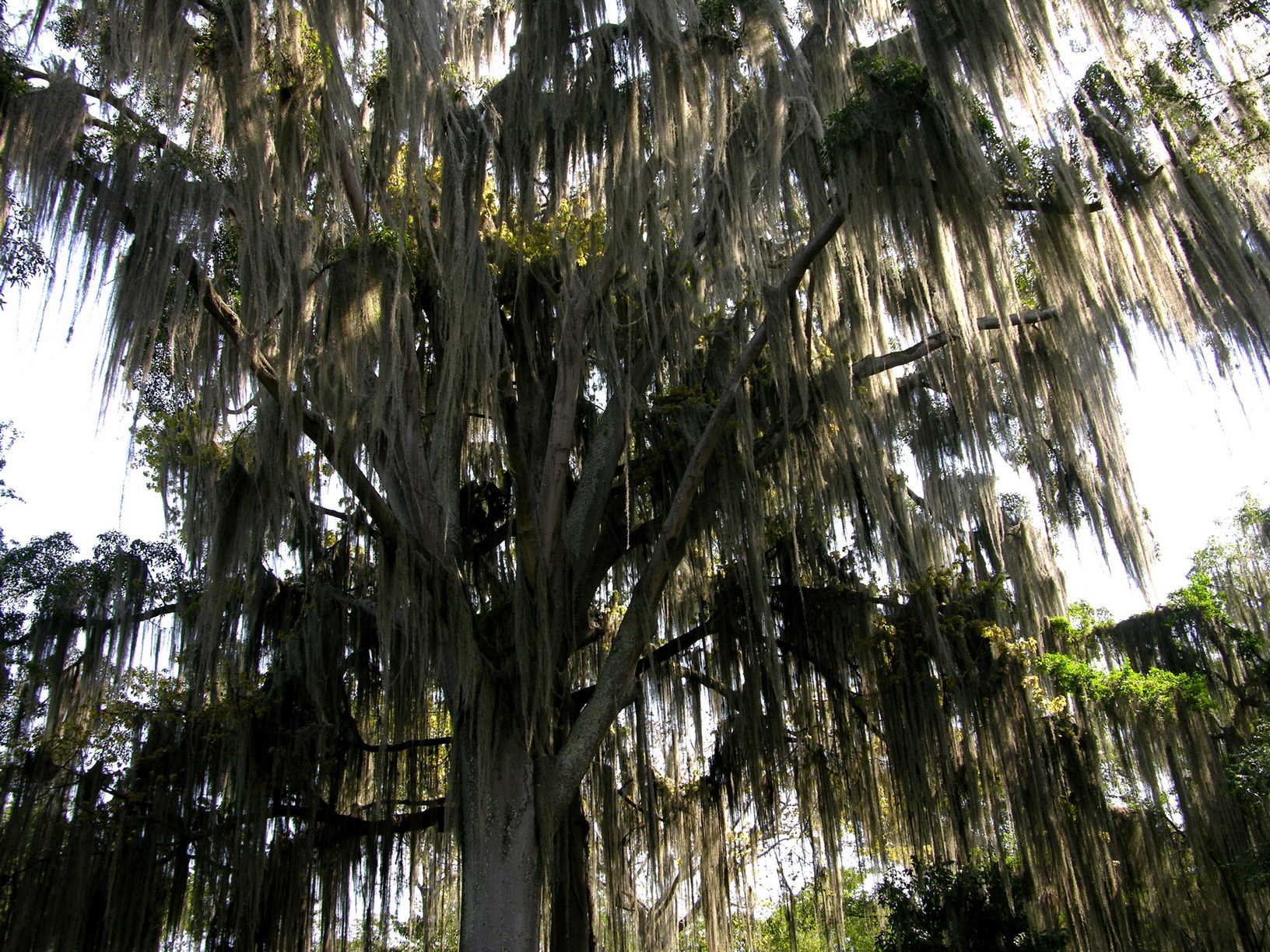
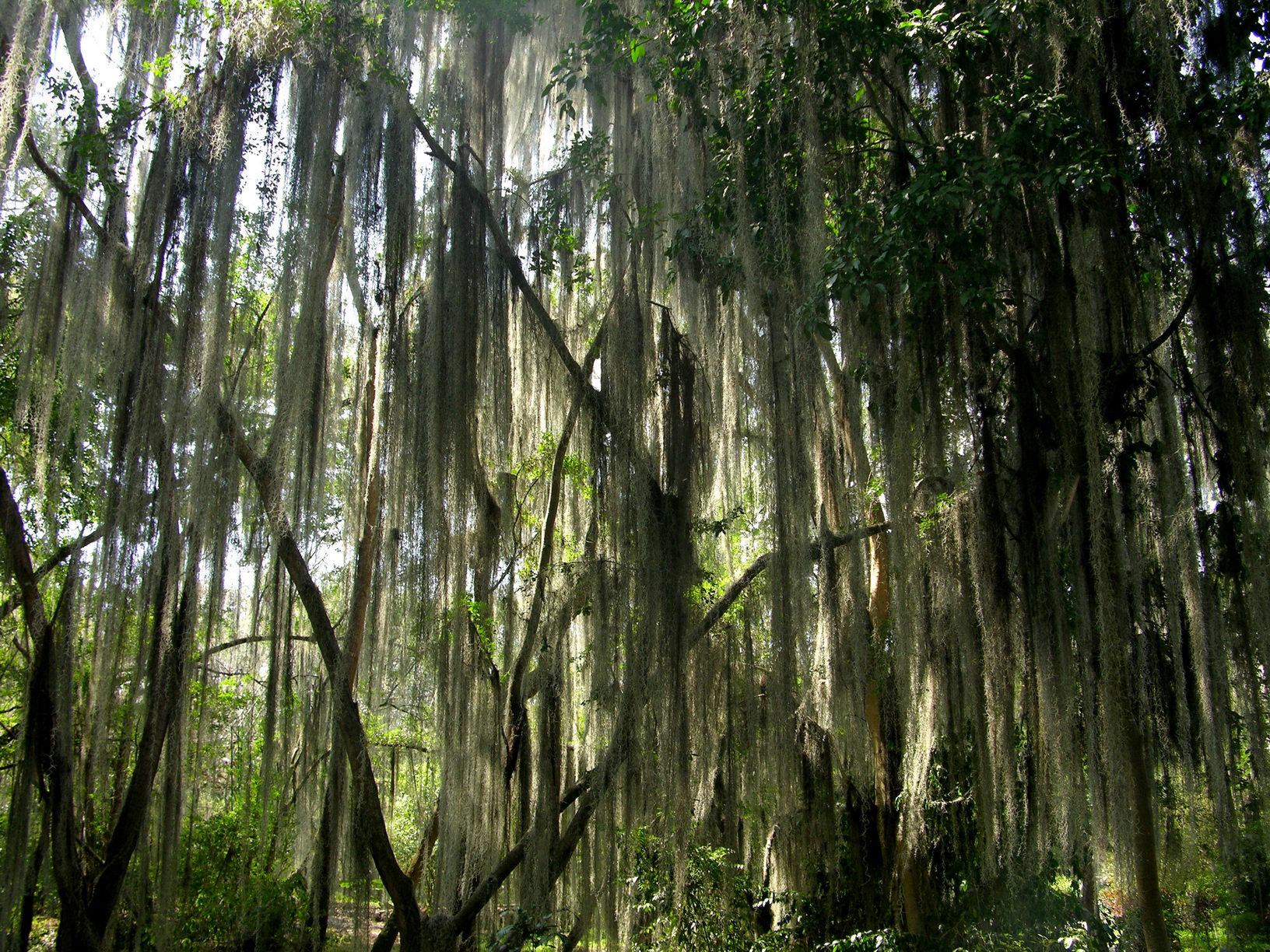
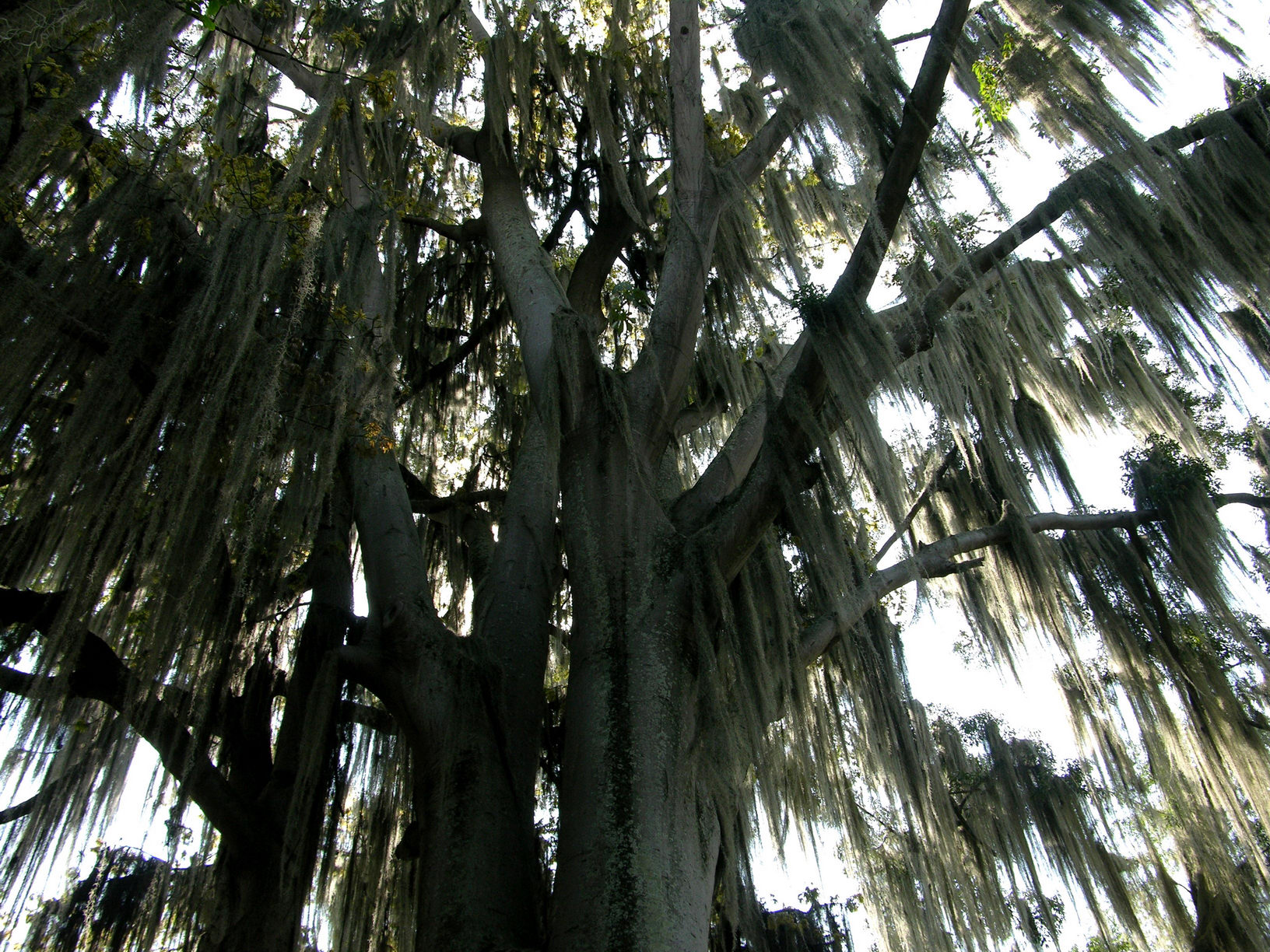
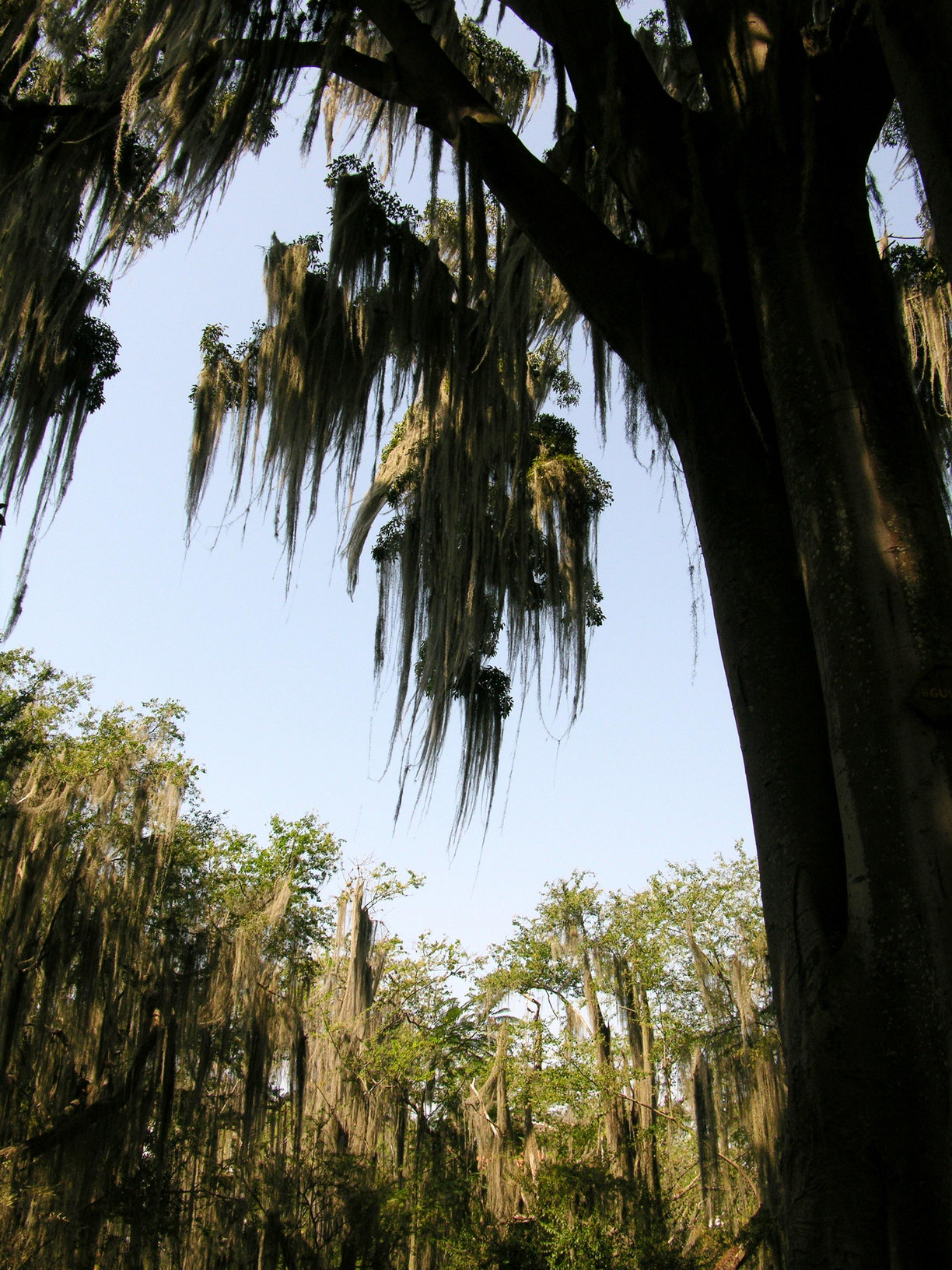
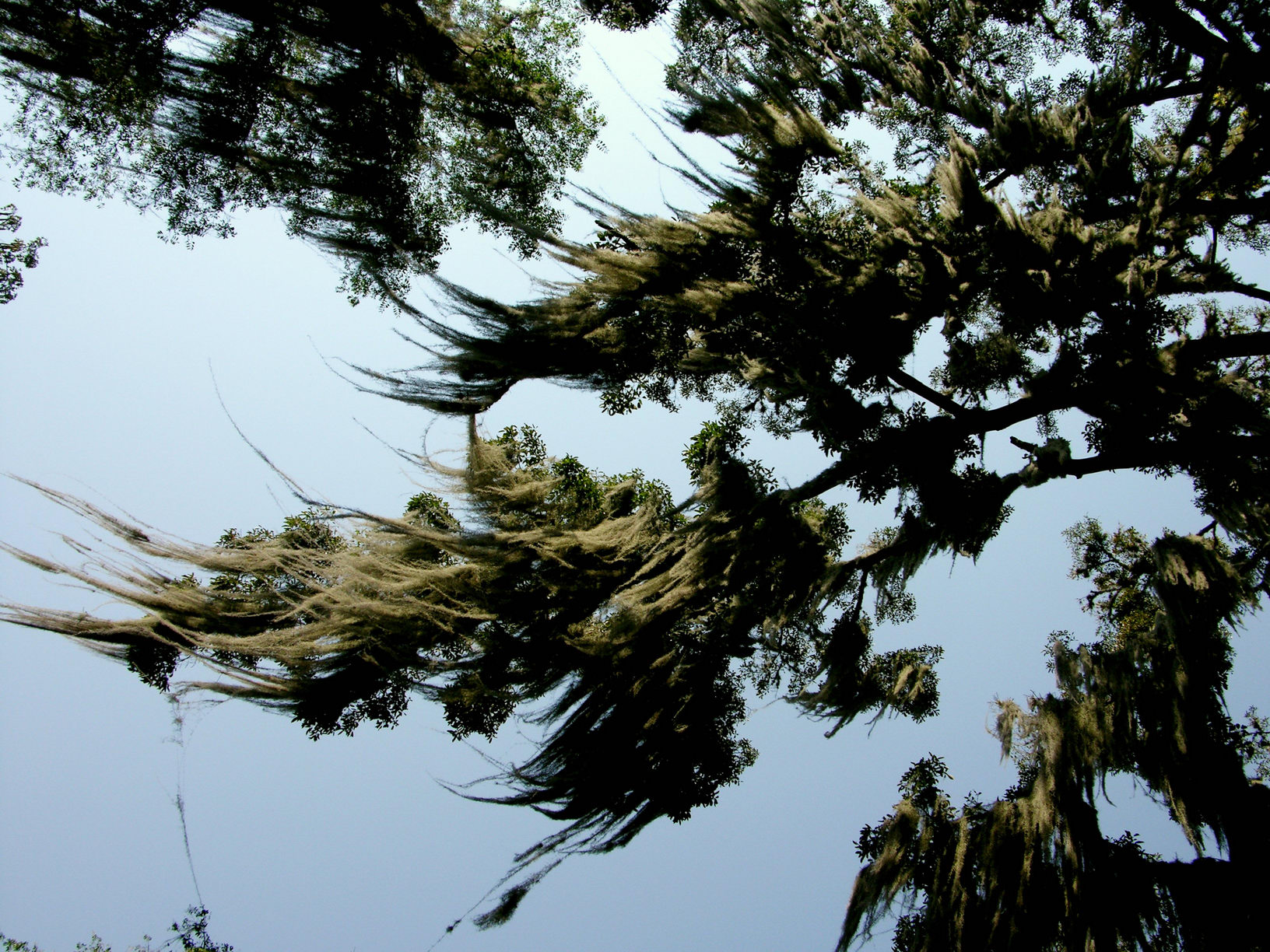
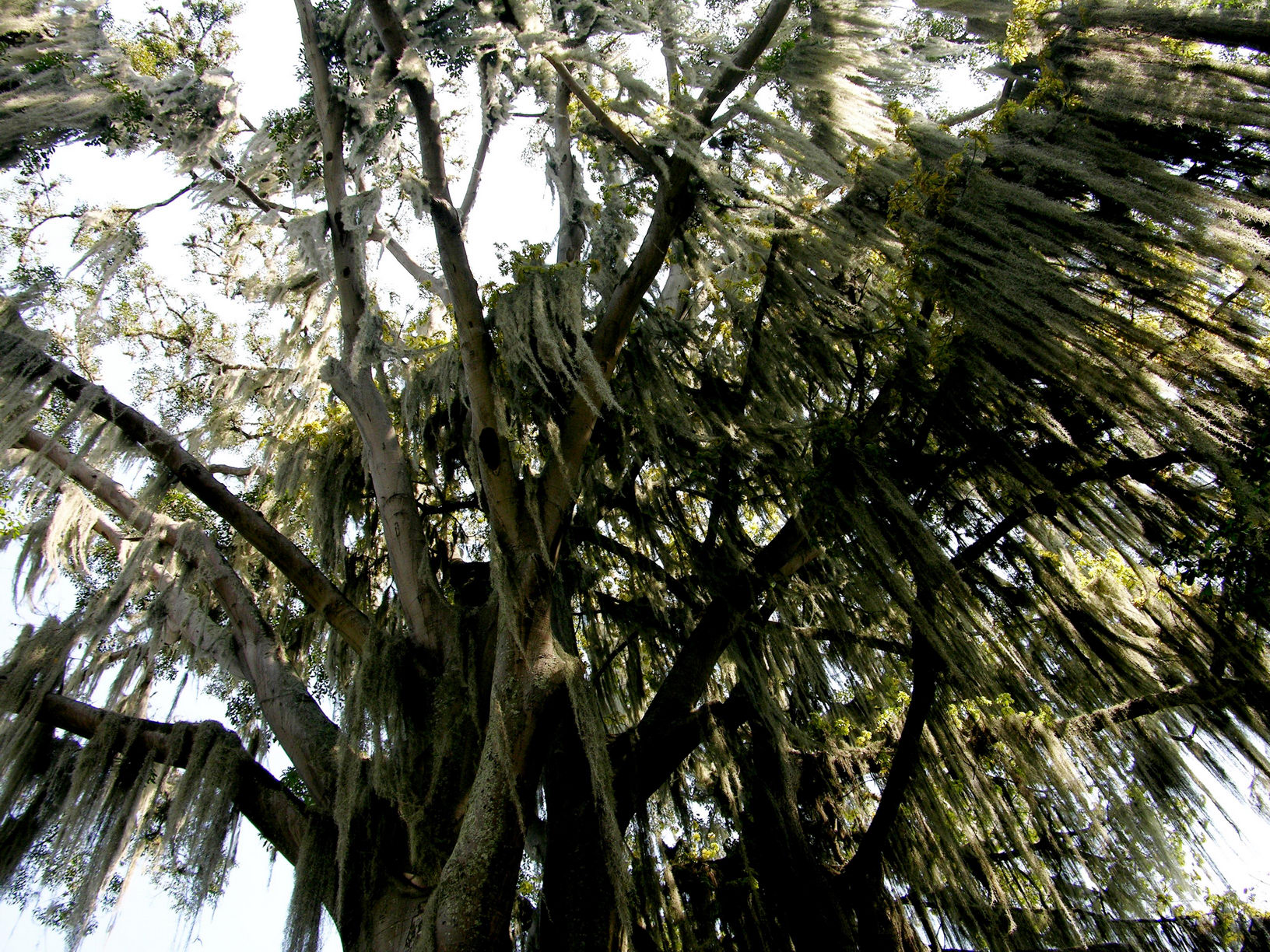
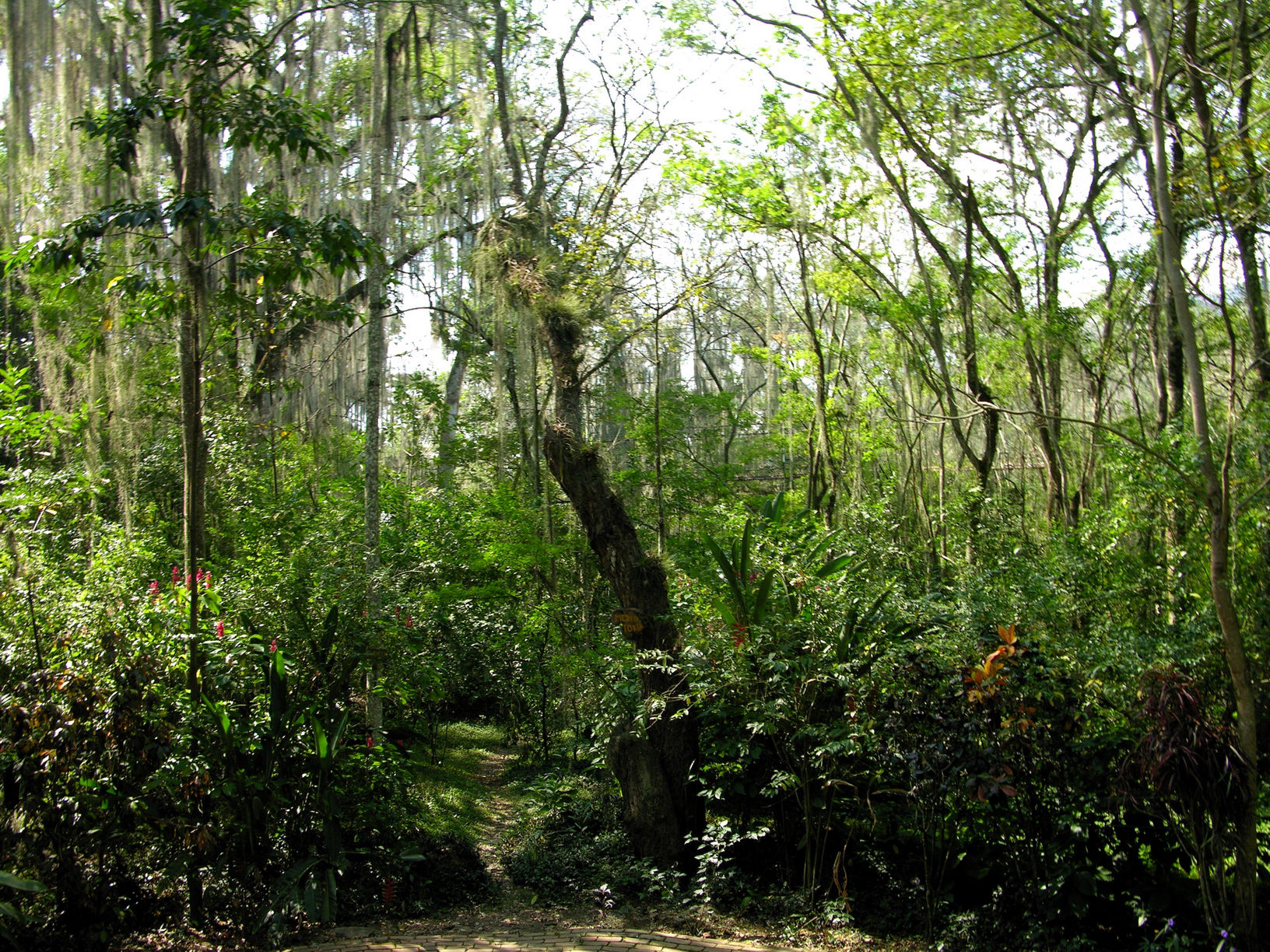
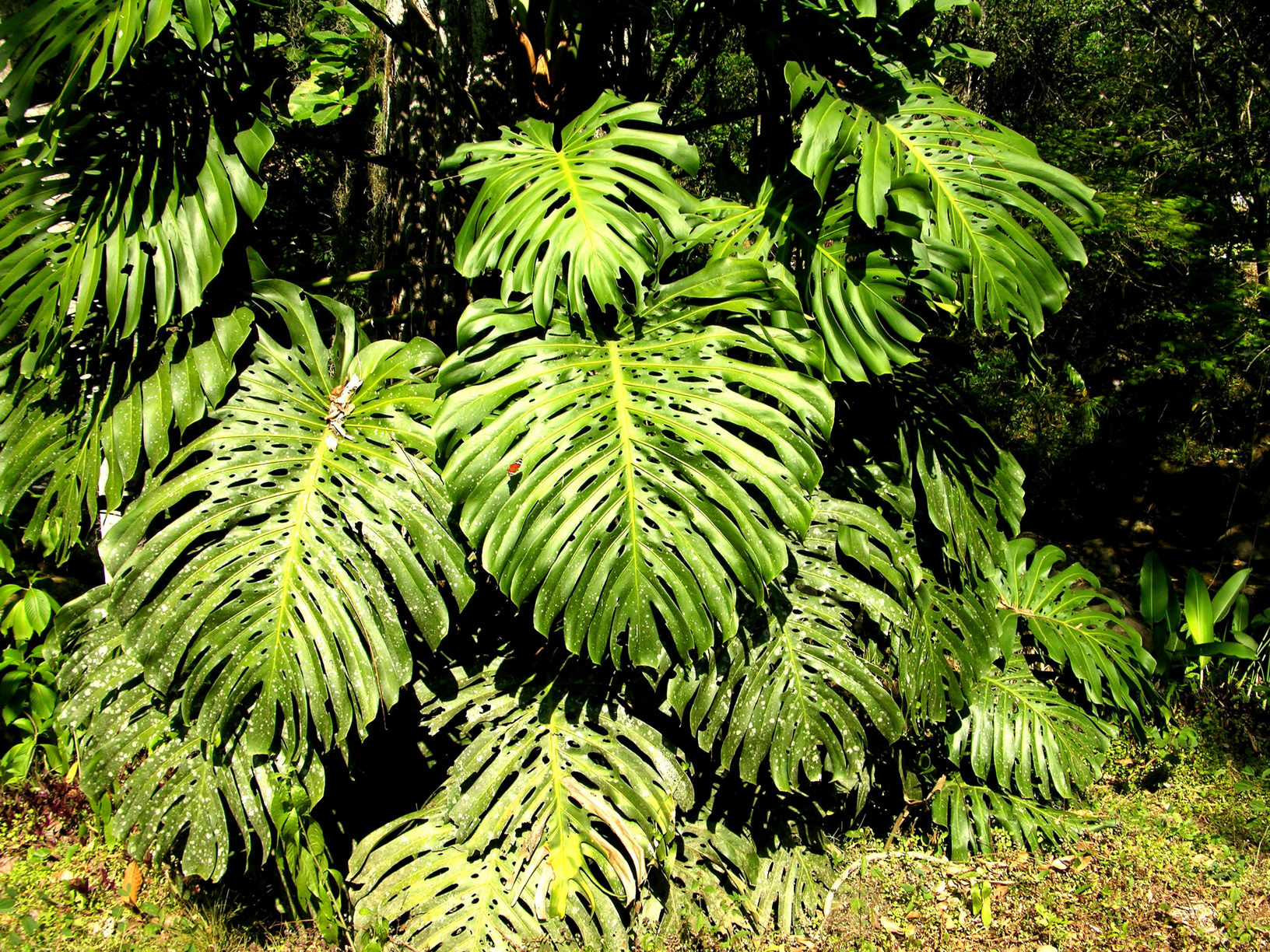
Barichara was our third colonial town and probably the most beautiful we'd seen, but it was time to stop calling at them. We wanted to get outdoors. At least into a city park: Parque El Gallineral in the town of San Gil. It lies along the banks of the river and is known for its woodland of three-hundred-year-old trees wearing long, hanging tresses of moss. Lots of trees here look like that. The trouble is the forests have been cut down, so the only way to see that many trees at once is here, in the park.
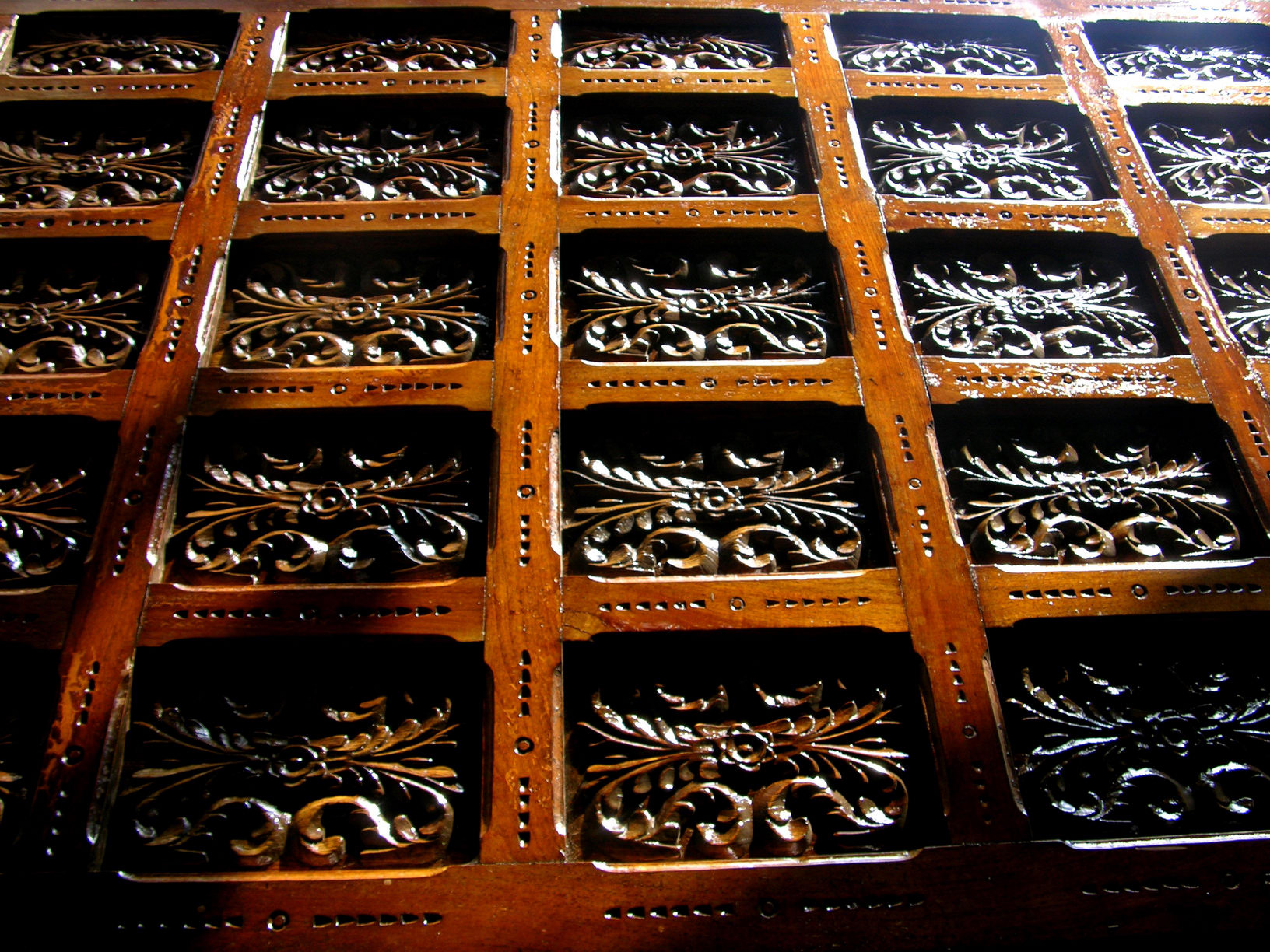
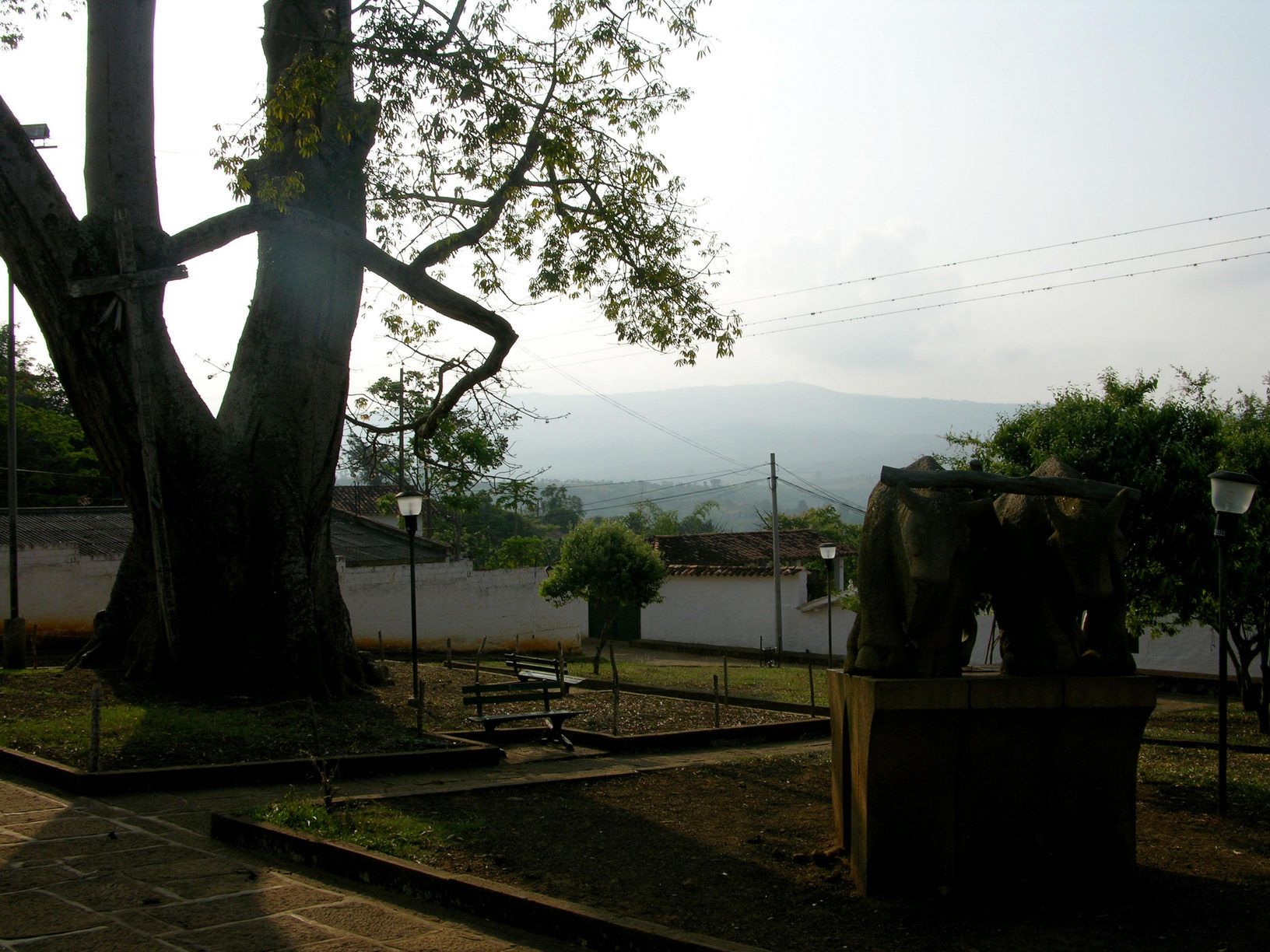
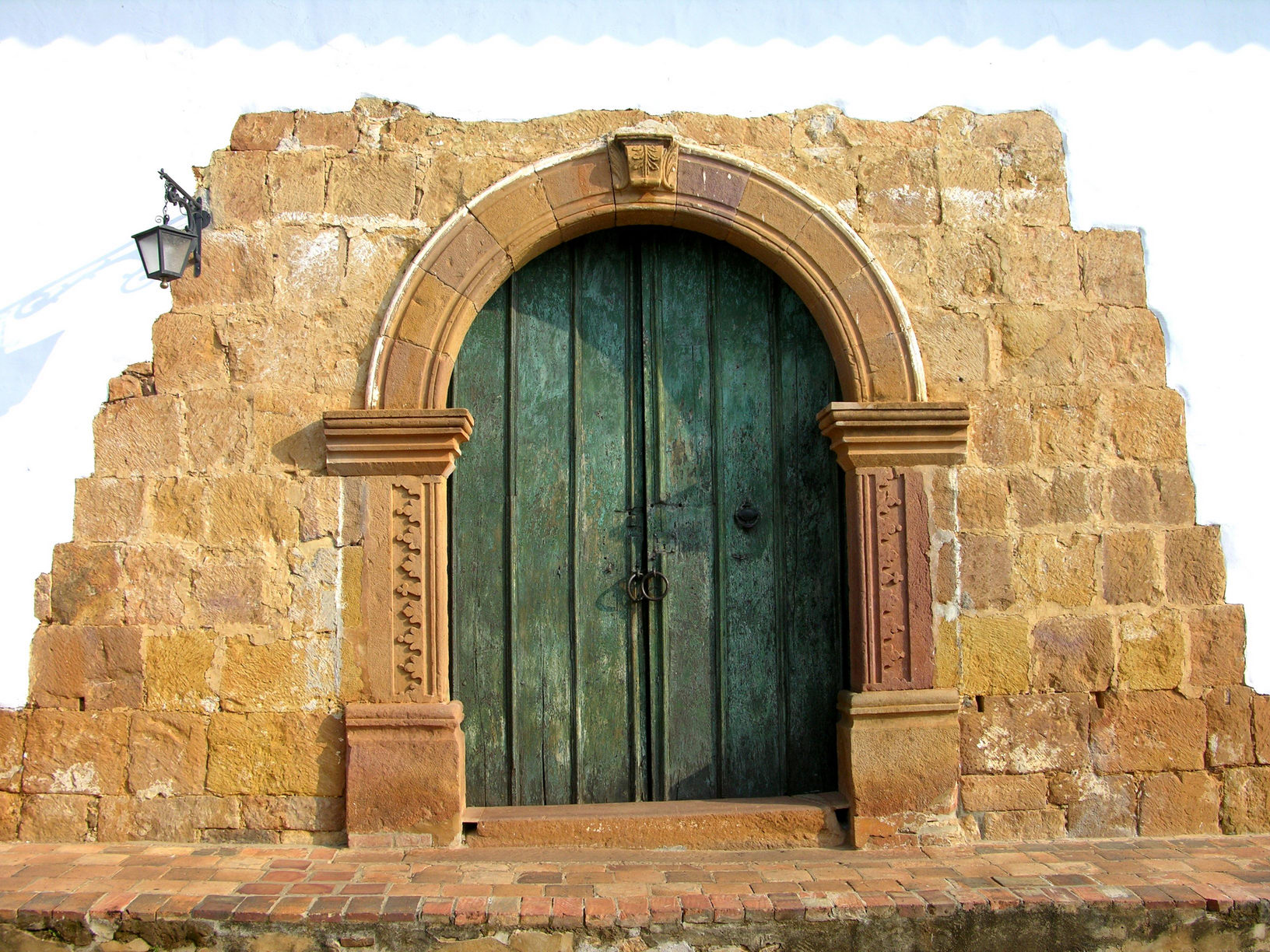
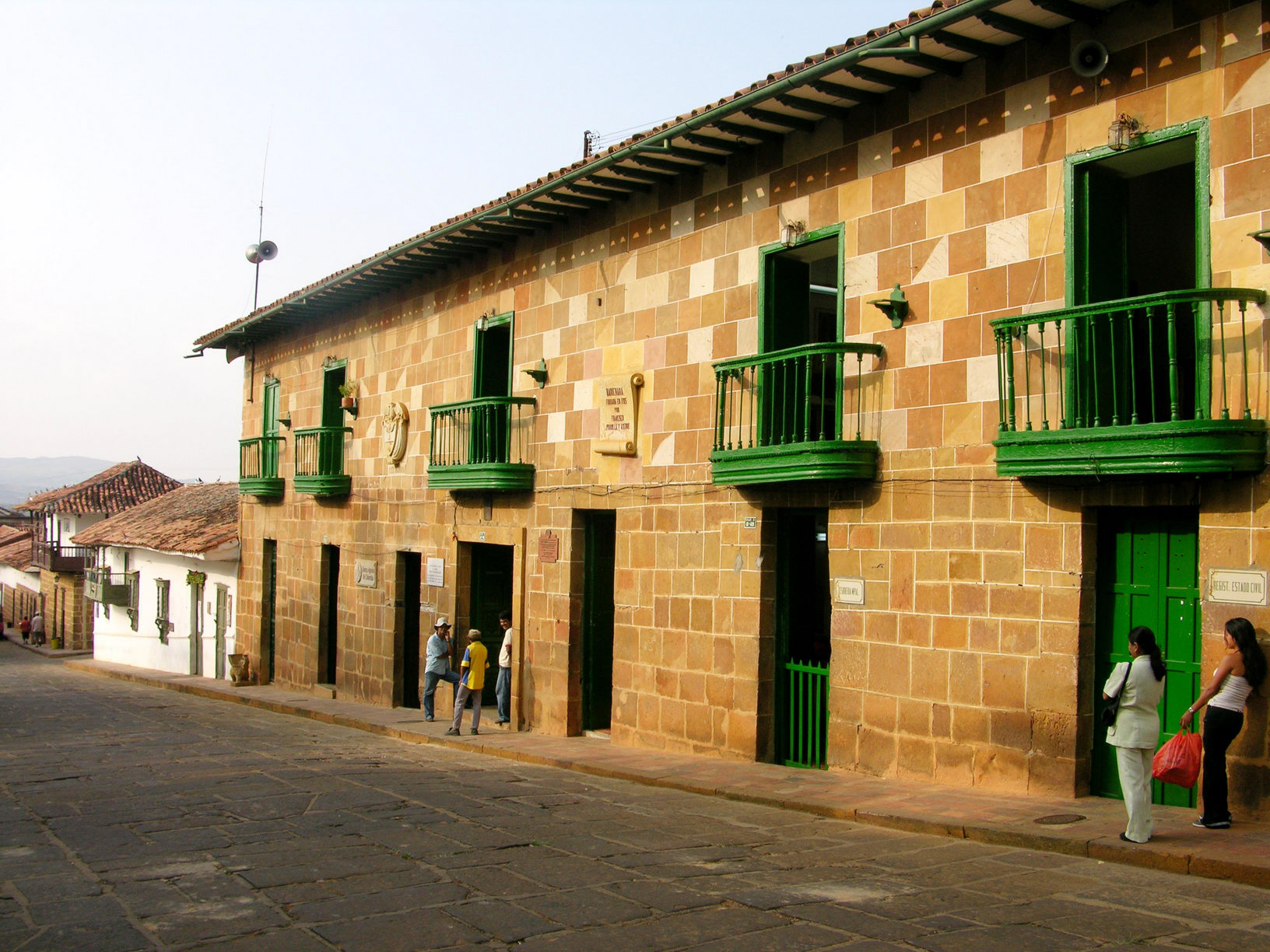
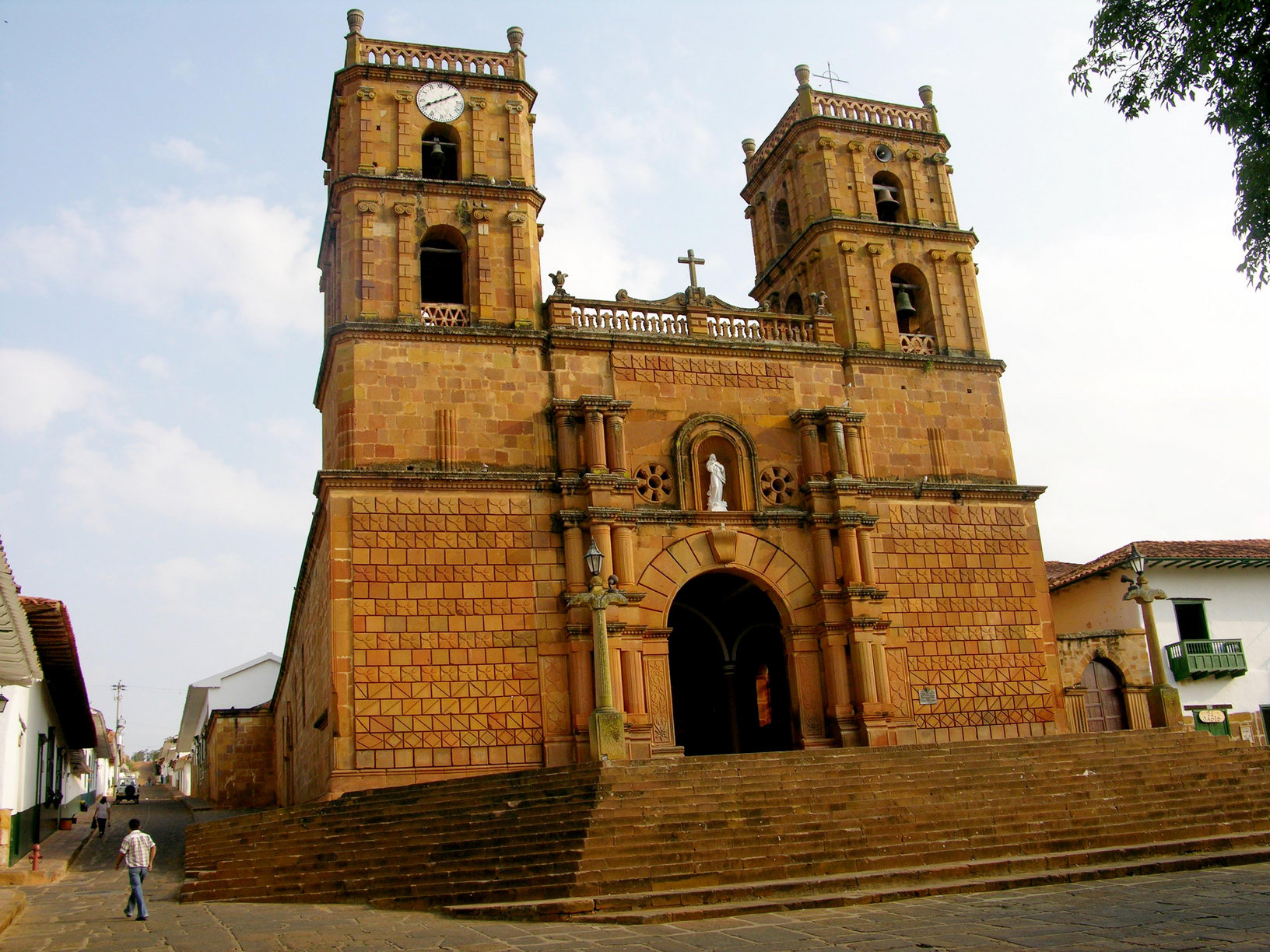
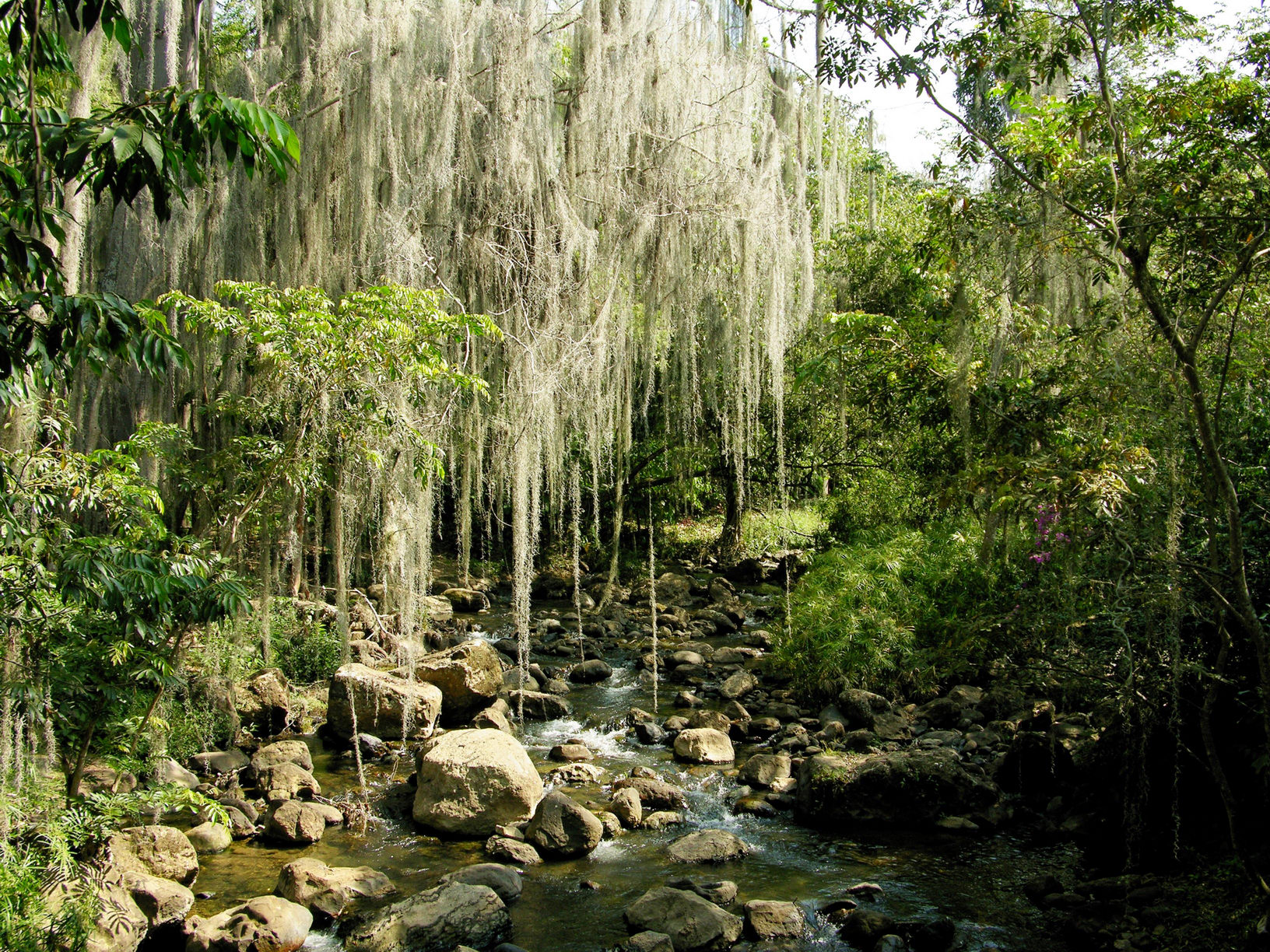
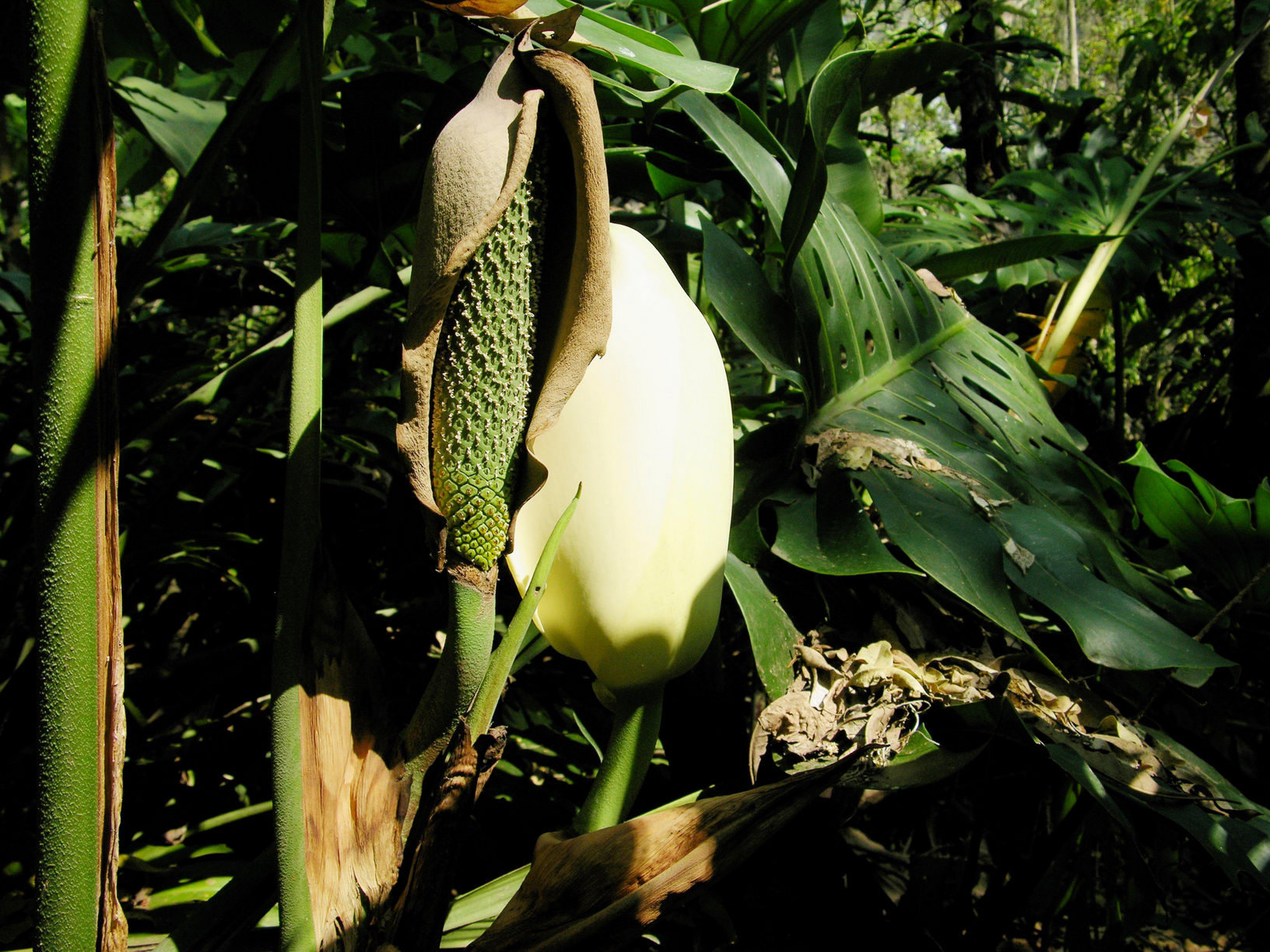
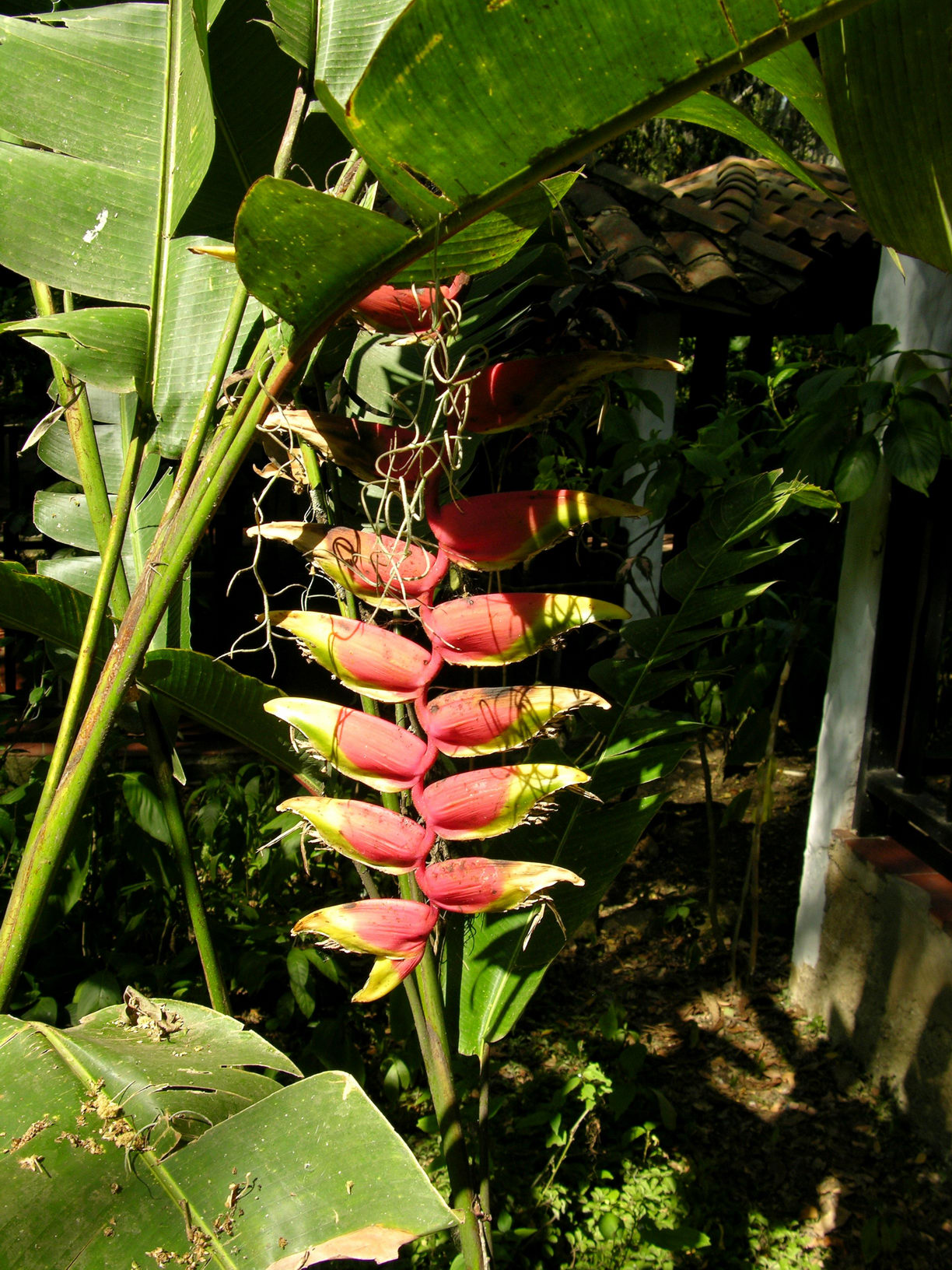
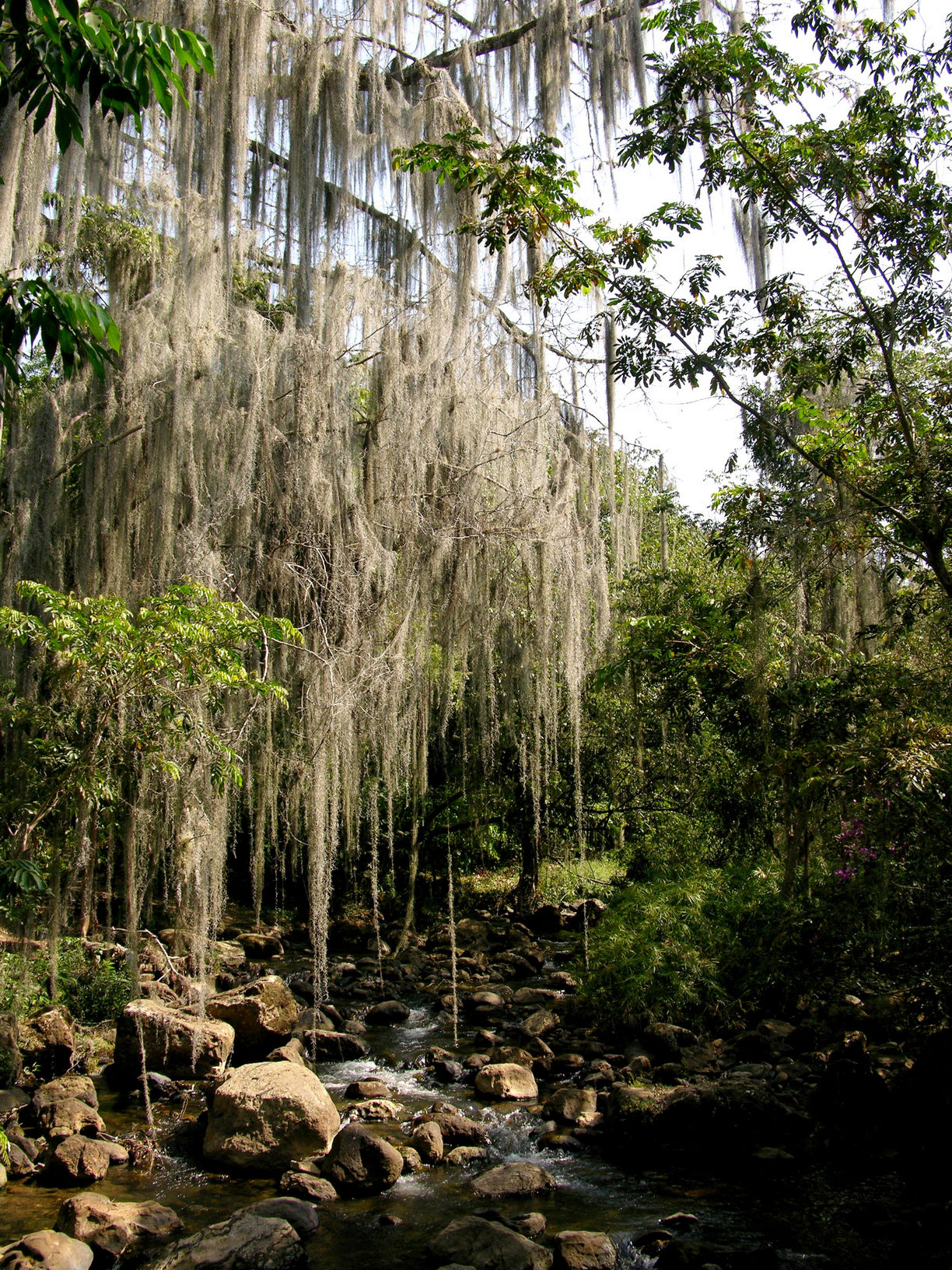
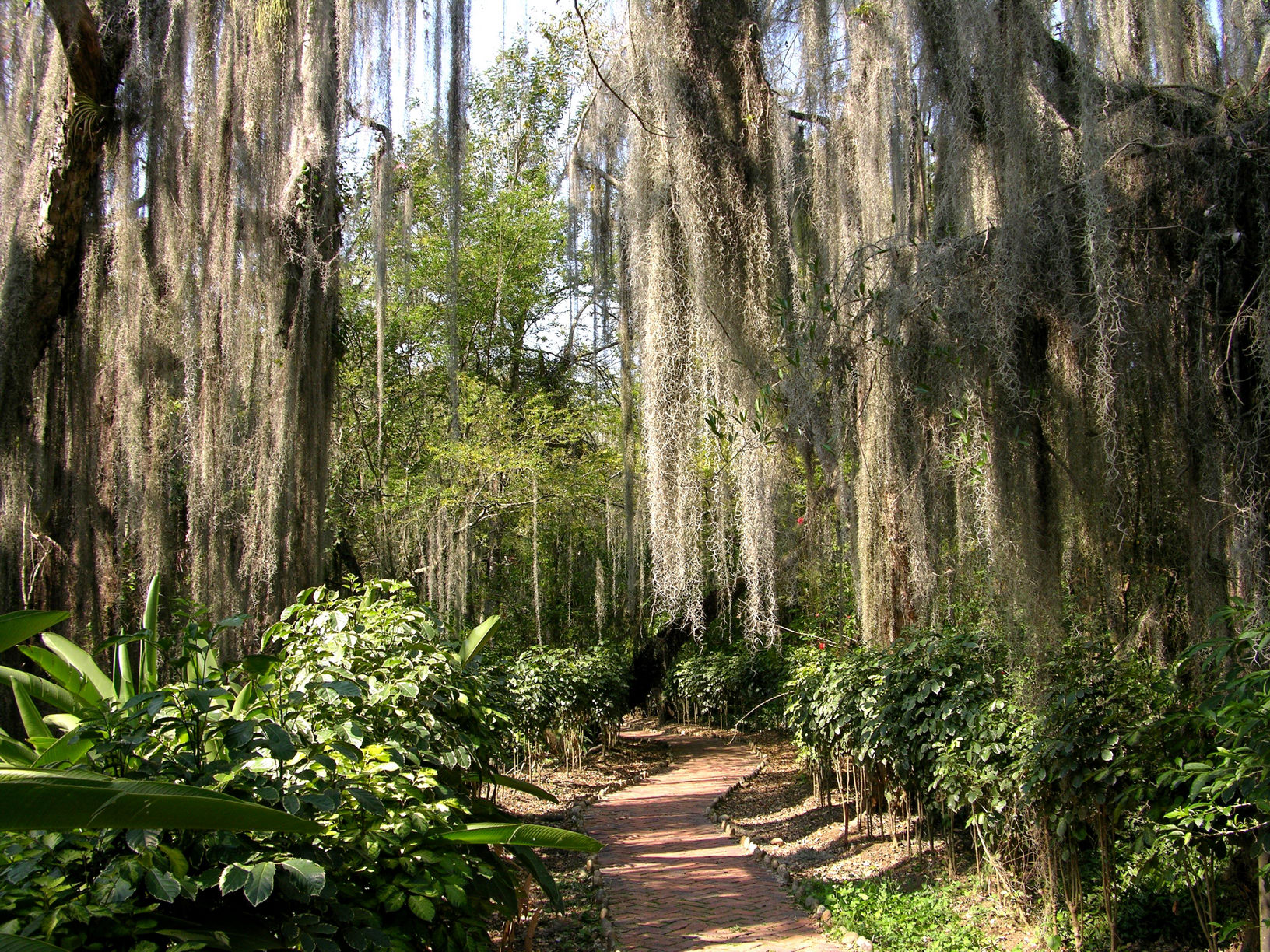
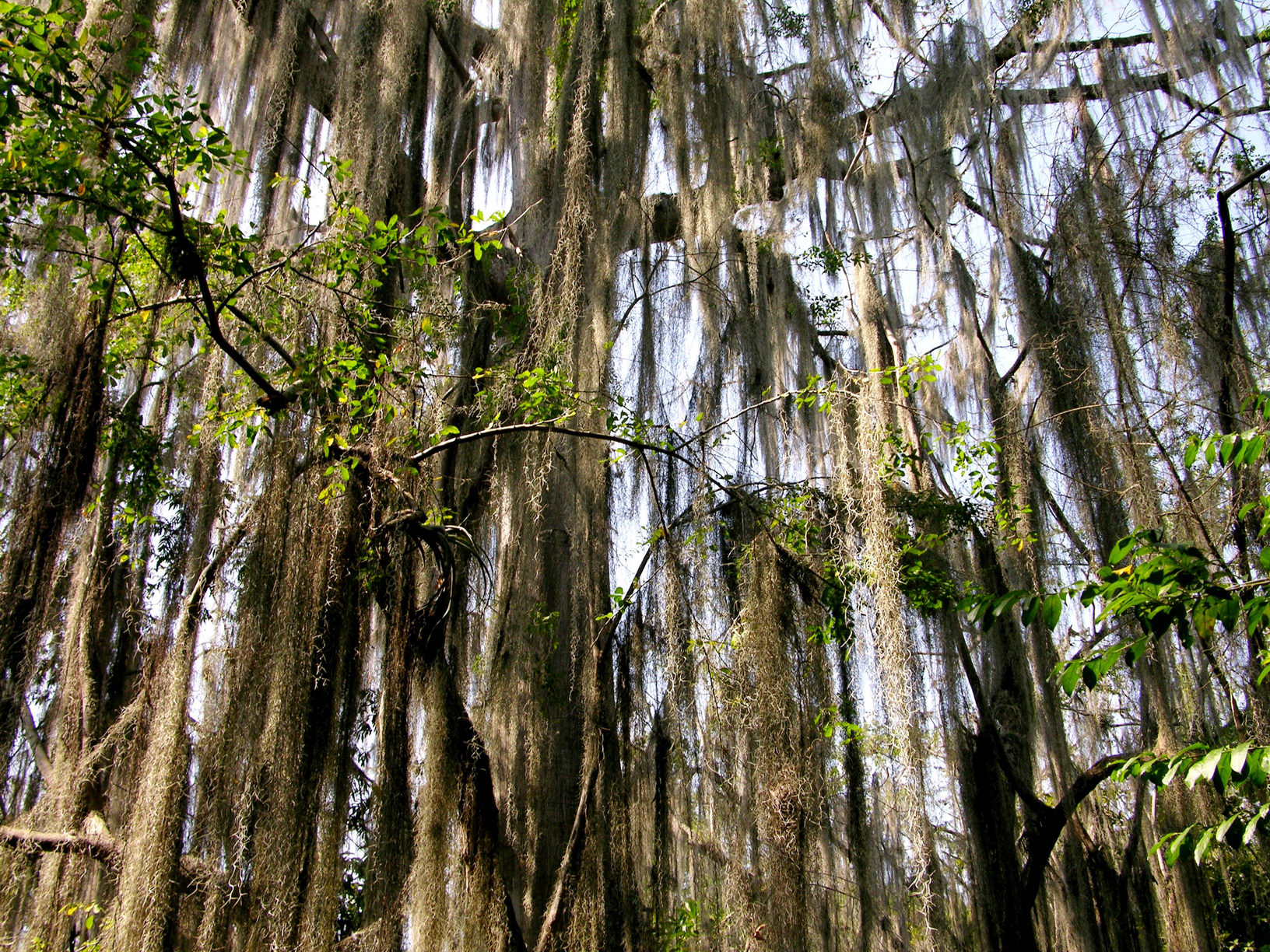
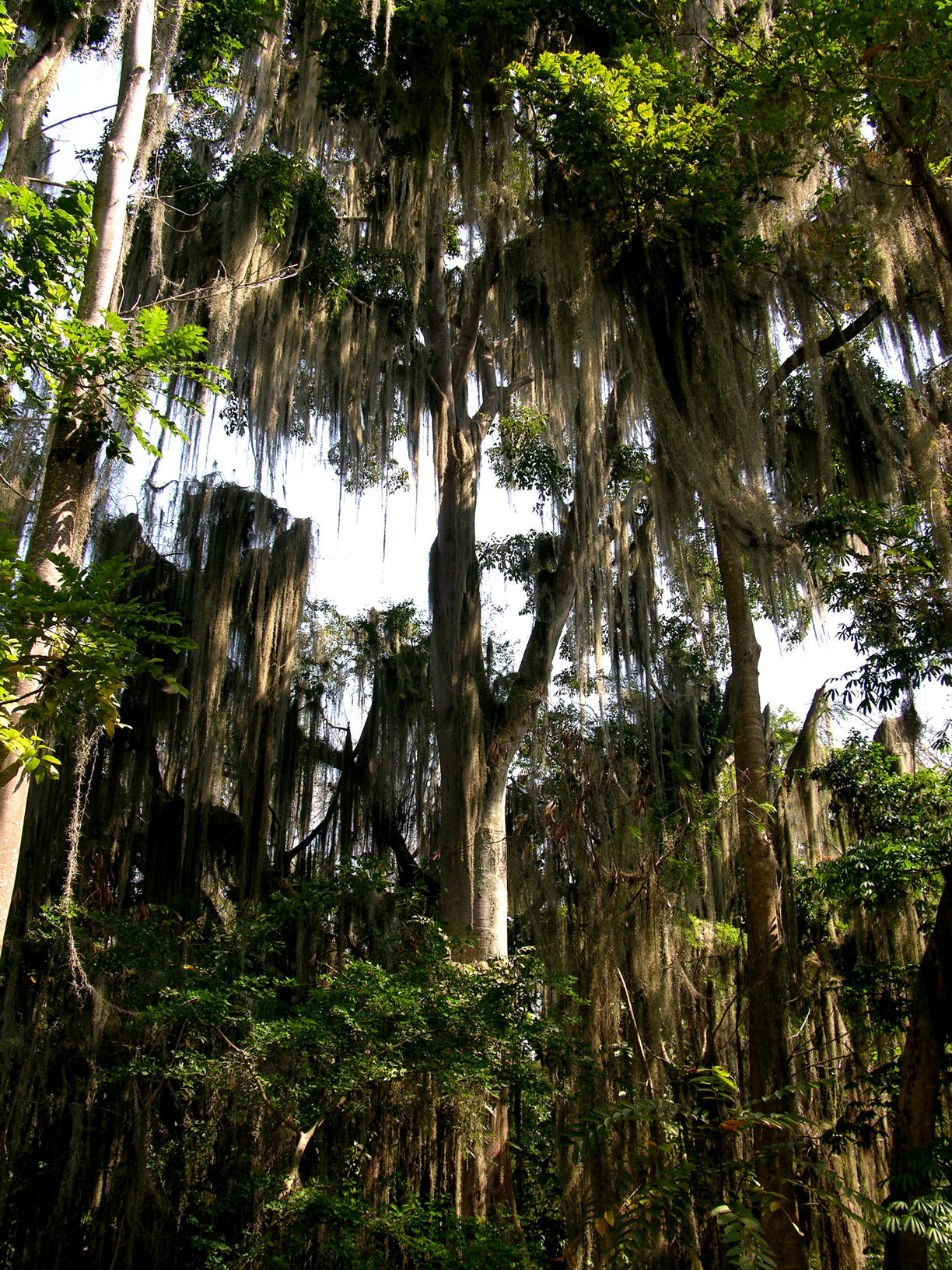
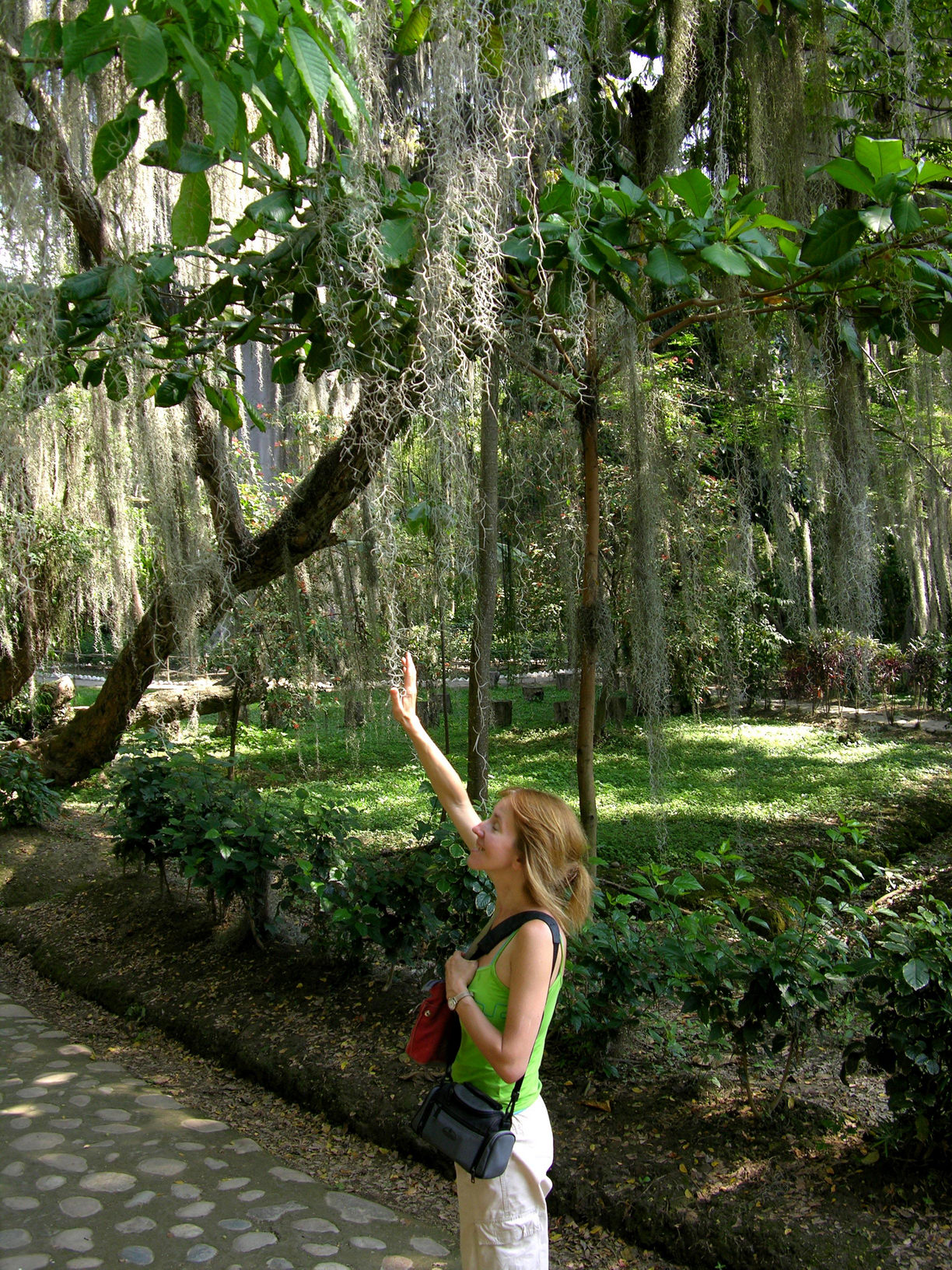
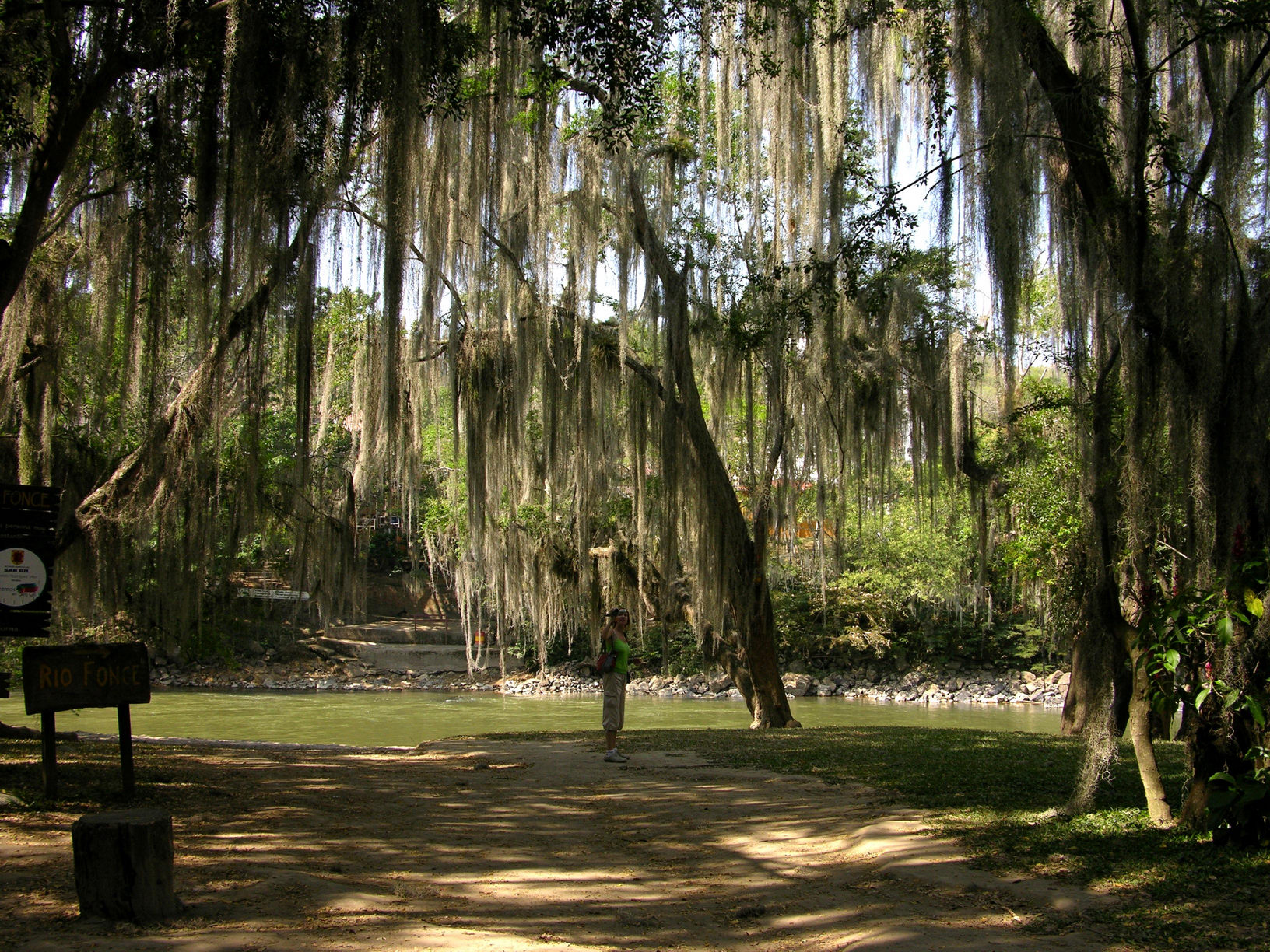
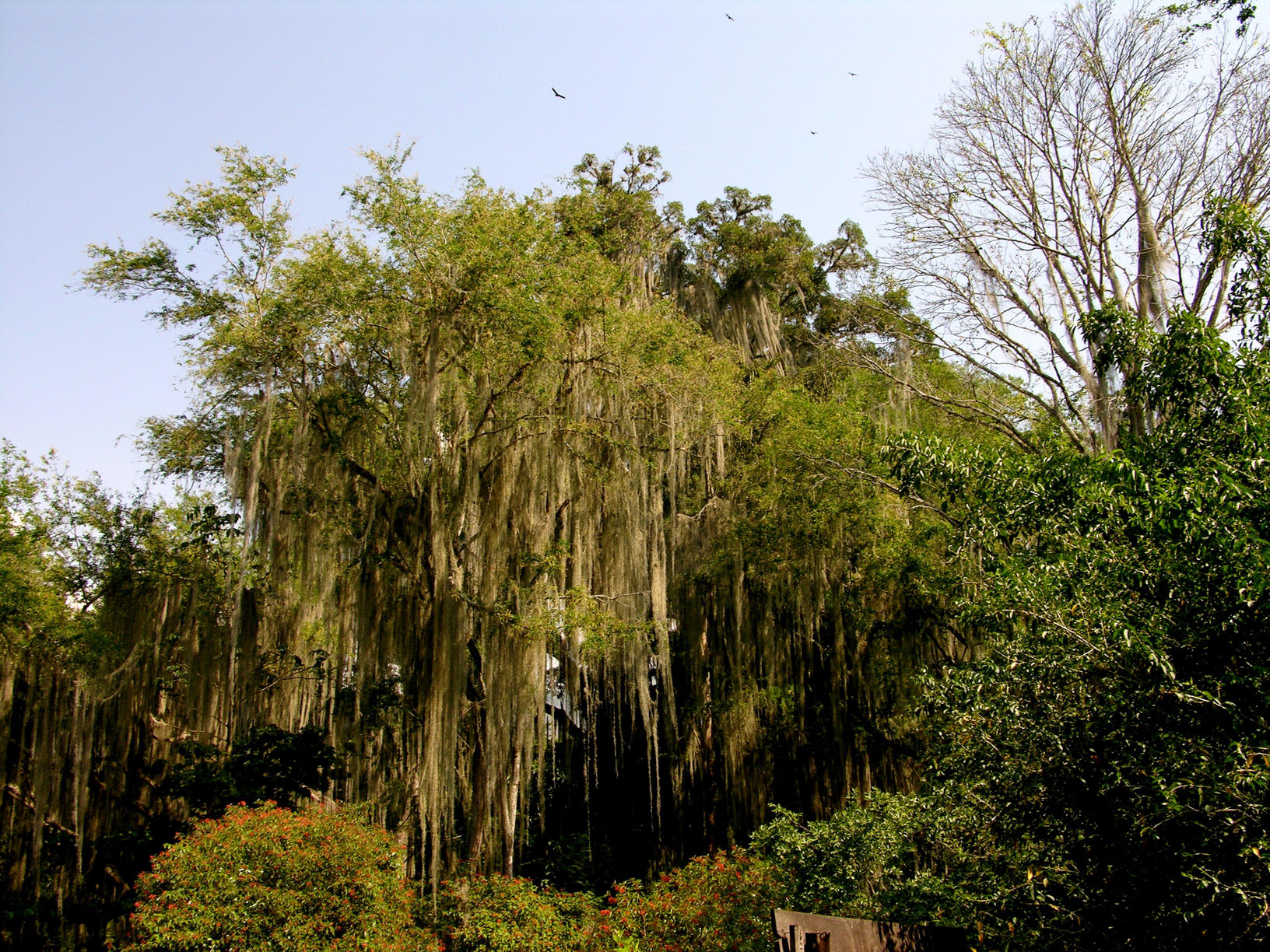
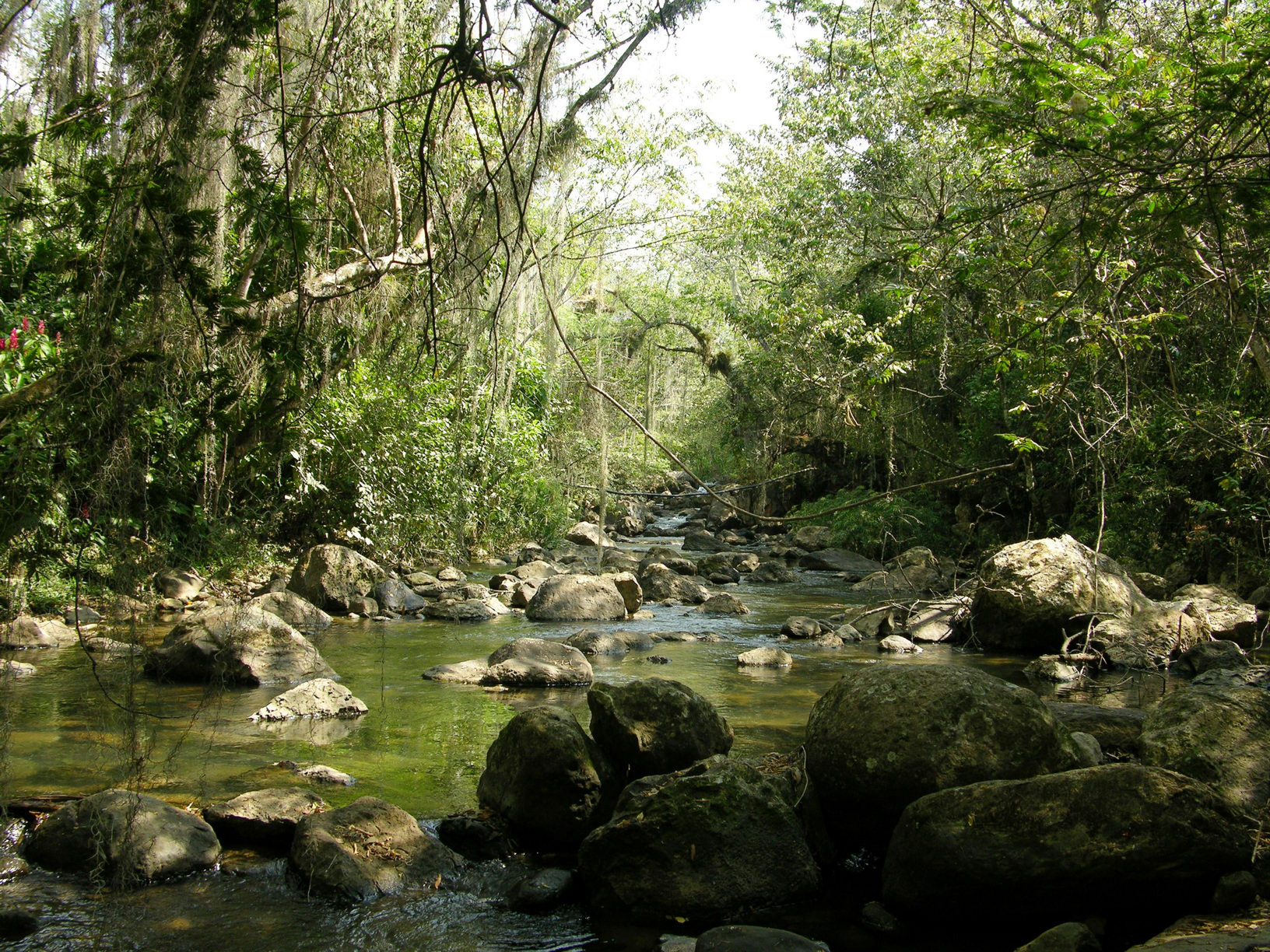
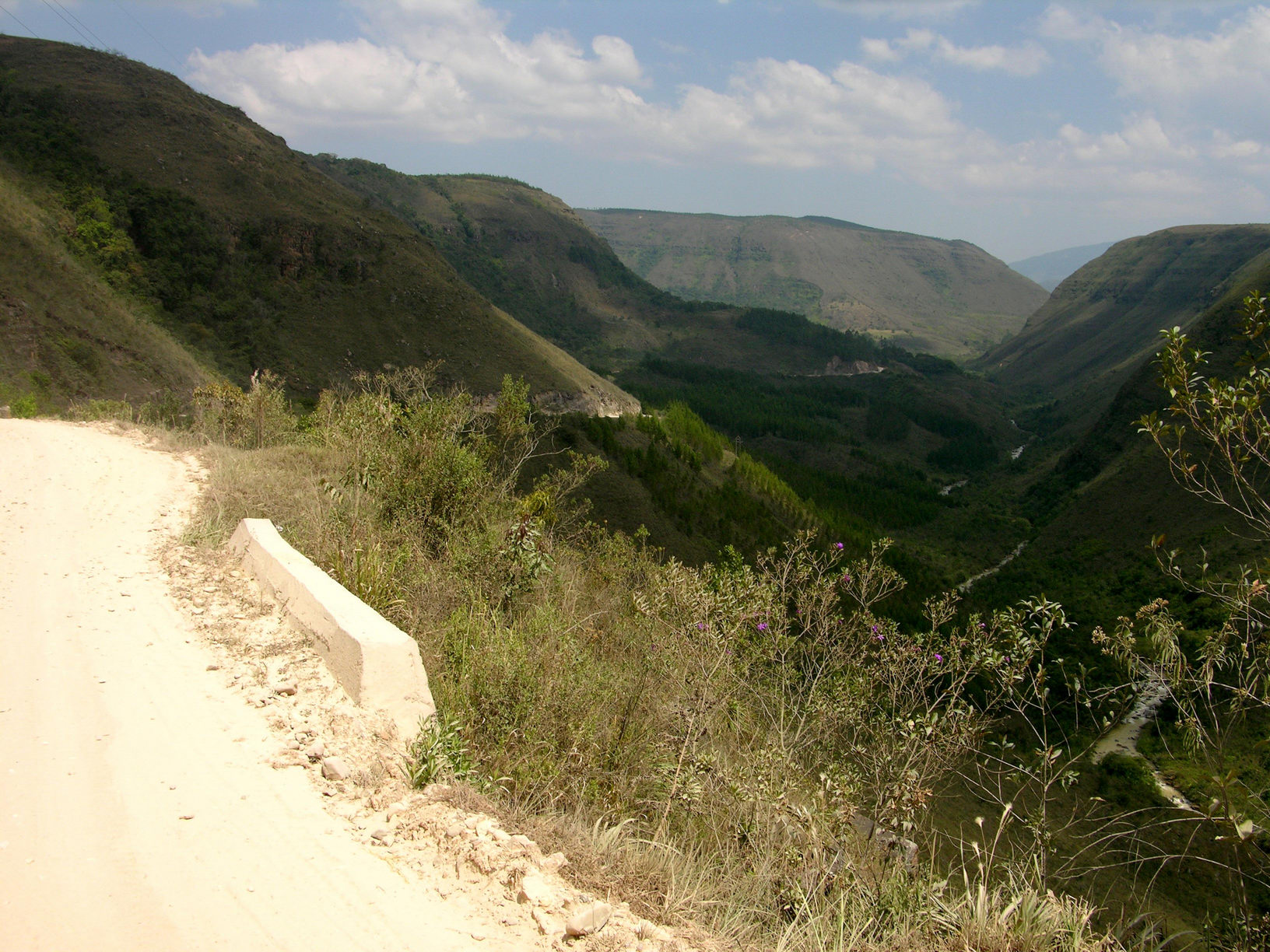
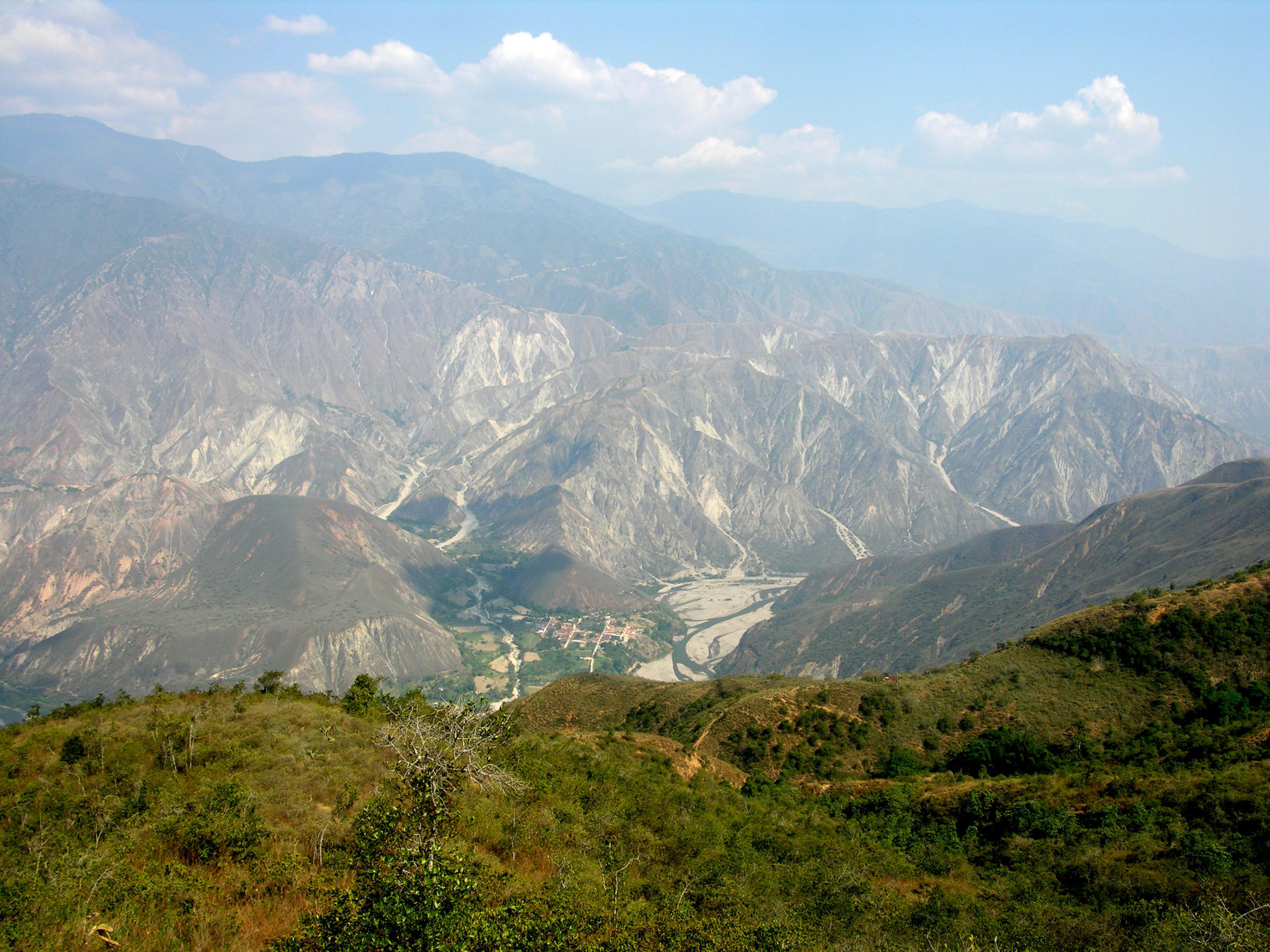
East of San Gil are the highlands and El Cocuy National Park. There are walking tracks, volcanoes, lakes and waterfalls. Almost nobody lives there, so it's a wonderful place to walk. Not even guerrillas there, let alone that abomination, a compulsory guide. We tried to find the road. The first stretch to Mogotes (Mogotes) changed our plans, unfortunately. You need a jeep. In the first seventy kilometres we'd hit rocks with the floor of the car so often that there was no way to do another two hundred kilometres like that. For a start, our car would fall to bits well before that. Secondly, we averaged twenty kilometres an hour. The locals confirmed our guess: the road ahead was even worse and there was no point going there in our tiny car. We had to accept we weren't going to see these mountains. We could only go for a walk around Mogotes. Another colonial town just as good as the ones we'd already seen, and with no tourists, which was nice. In a local canteen we had soup for 1,500 pesos, sighed and drove back. We'd have to go from town to town. Next on the road north was enormous Bucaramanga, with half a million people (local guide). The same sort of colonial centre, only it takes no less than an hour to reach it through the jams. The road gradually begins to lose height and comes out onto the plain. Mountain cool gives way to tropical heat. The climate here is fairly dry, so it was over thirty degrees outside.
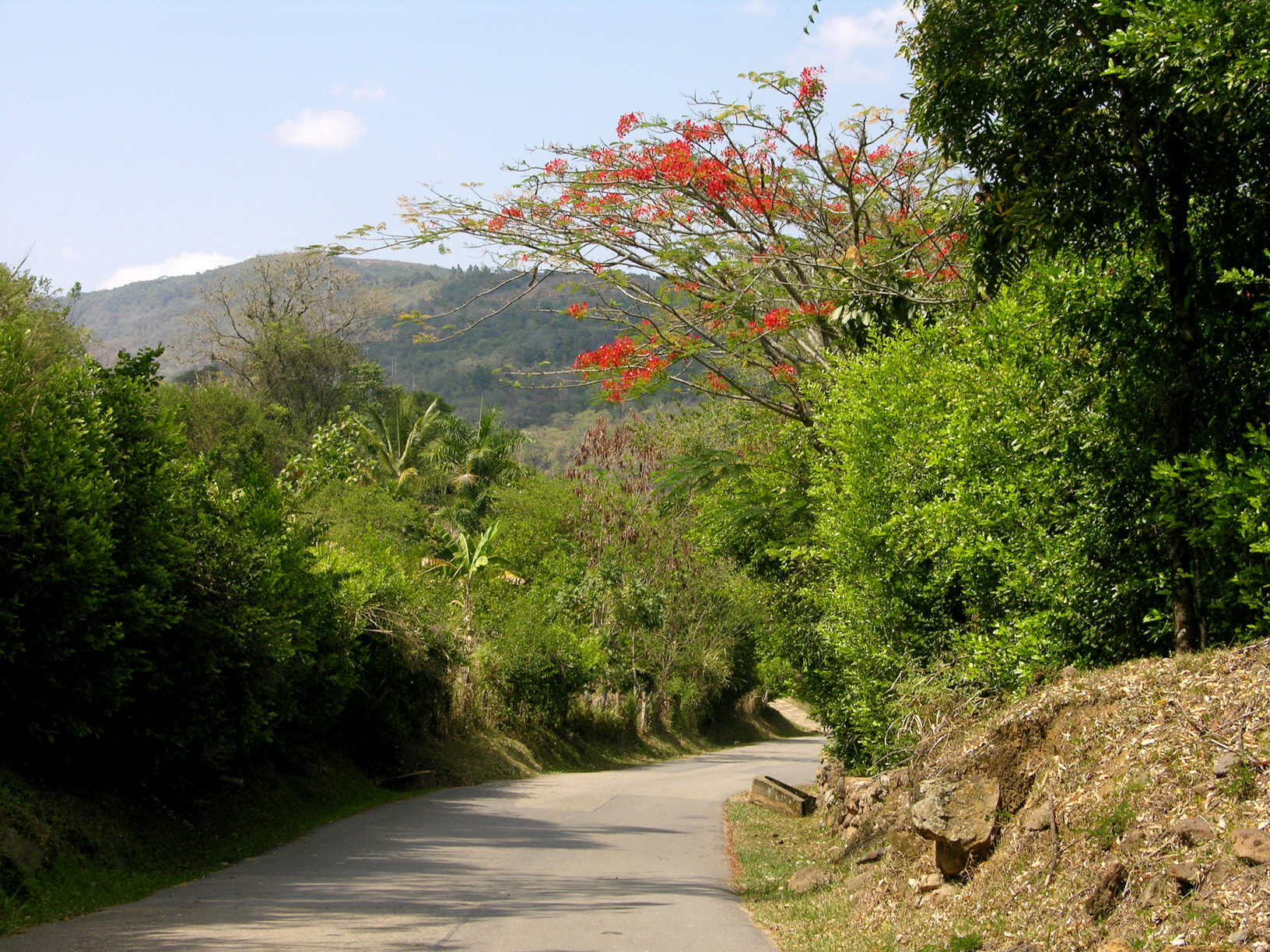
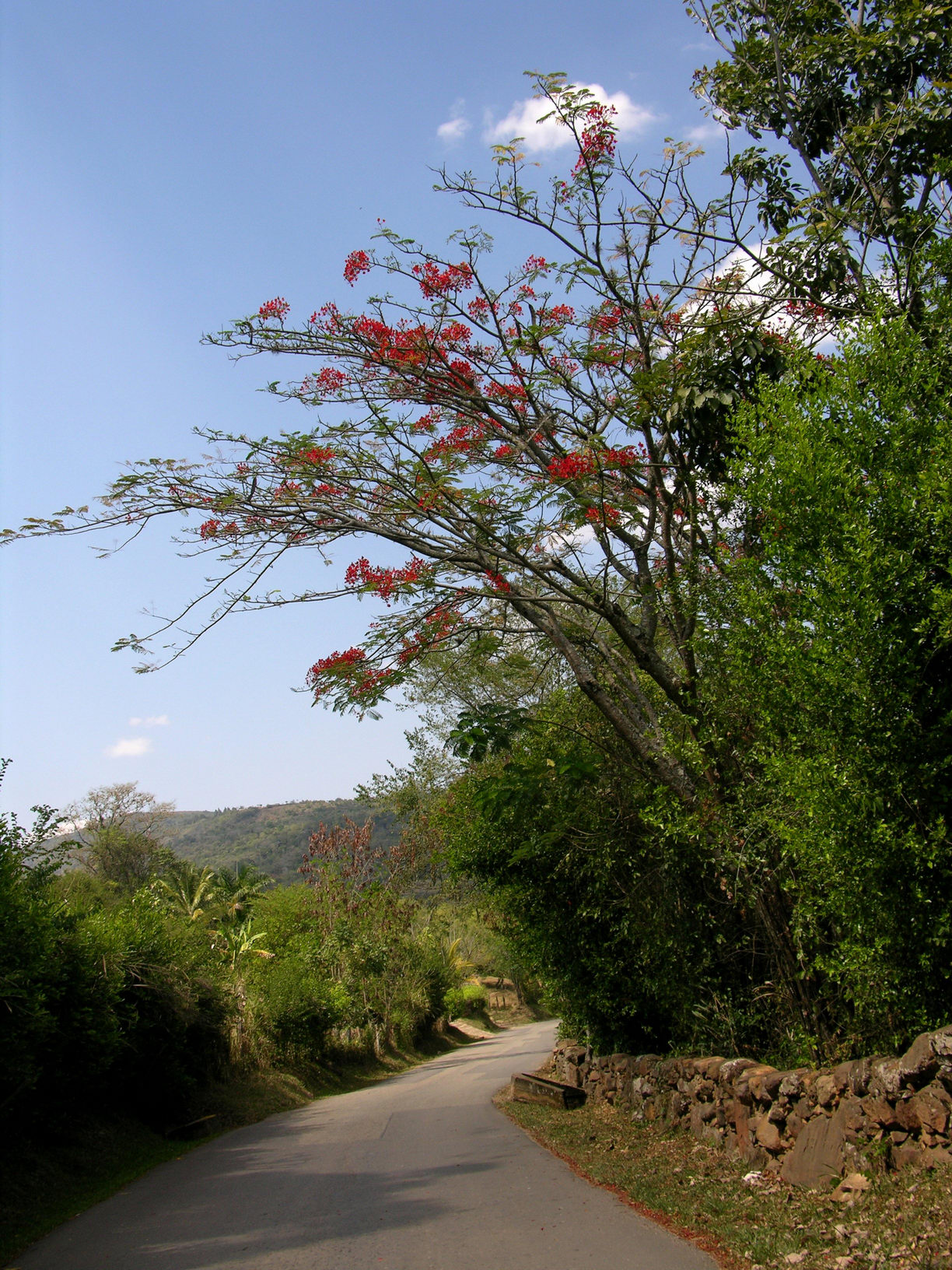
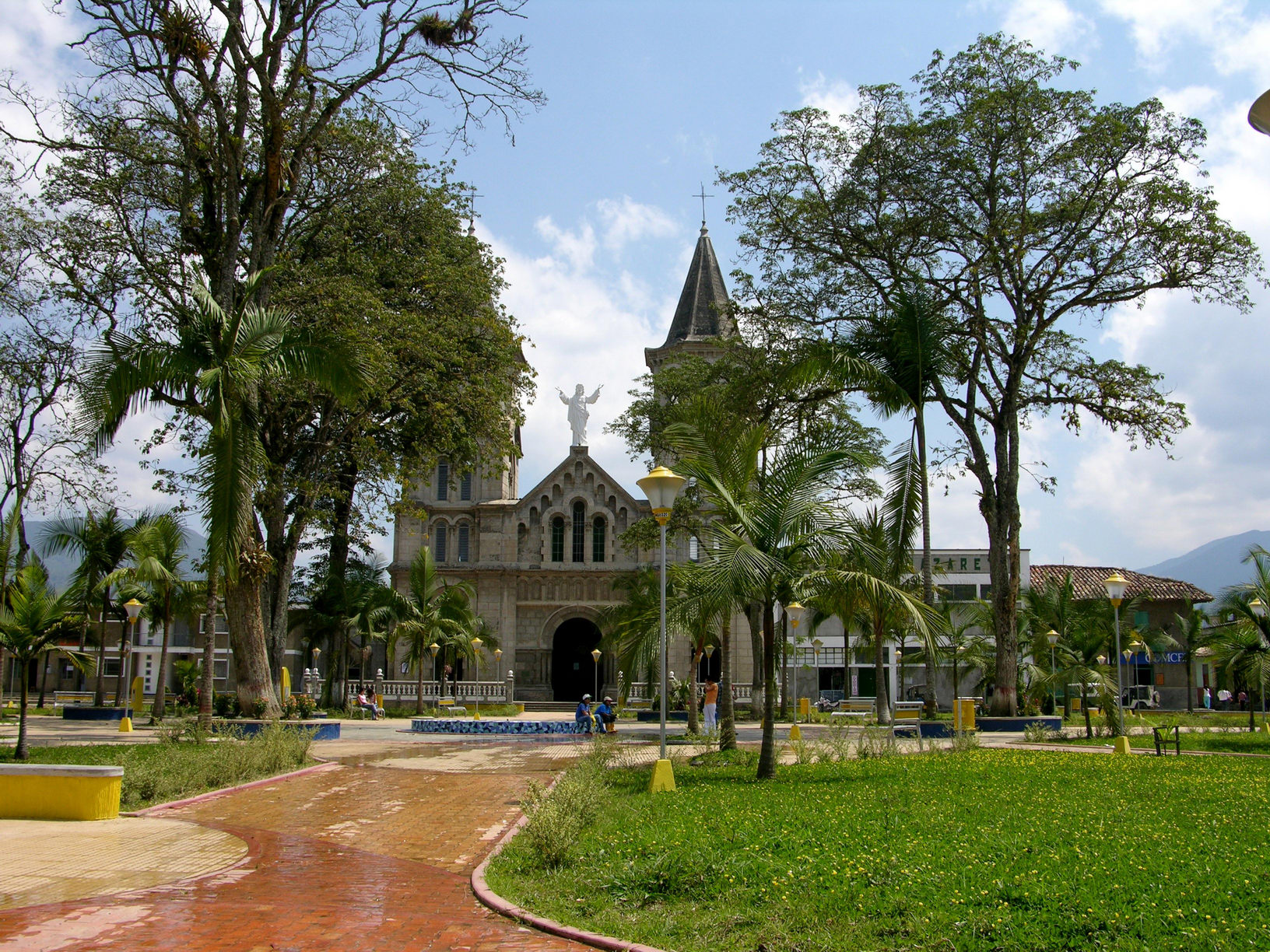
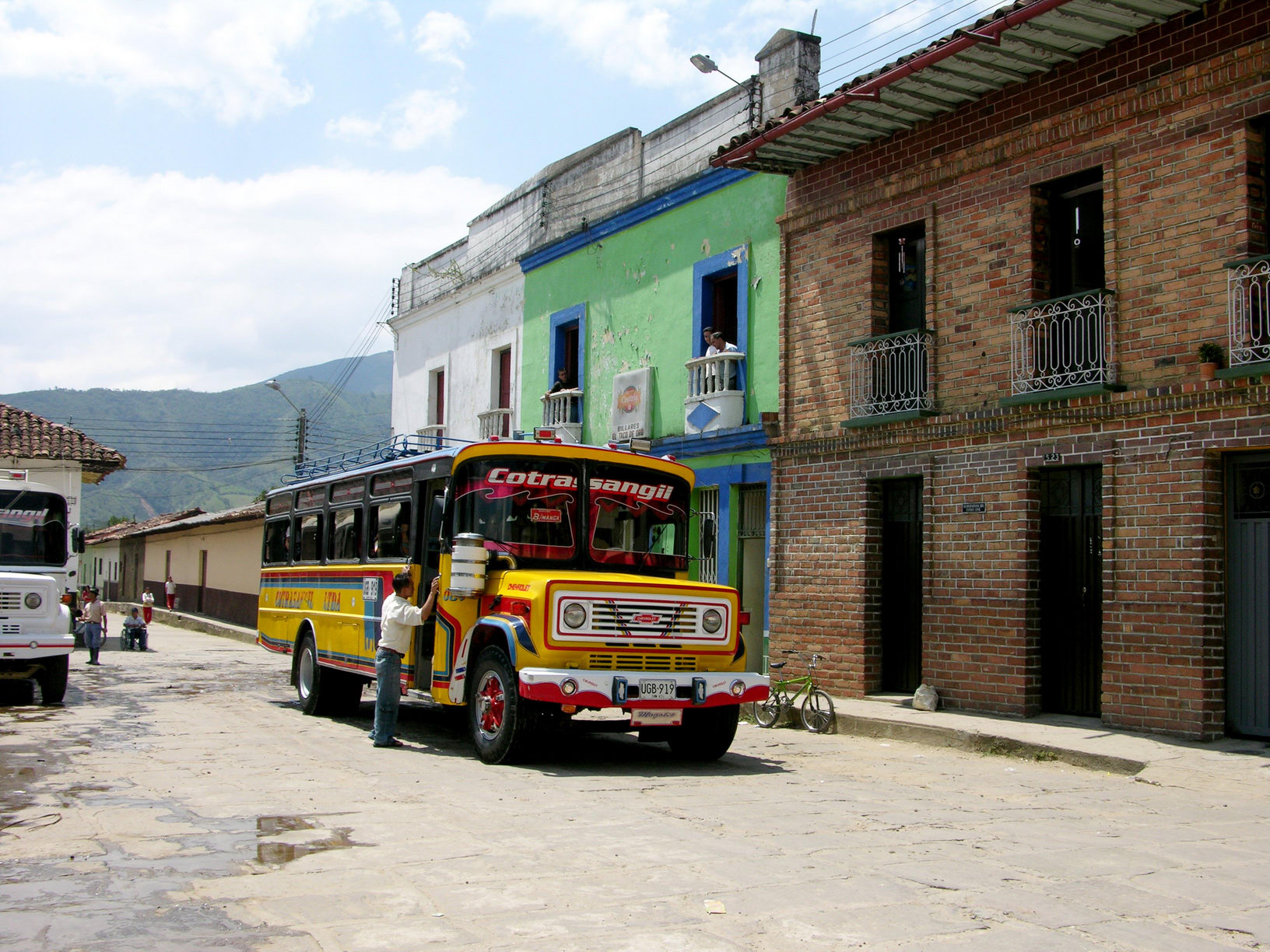
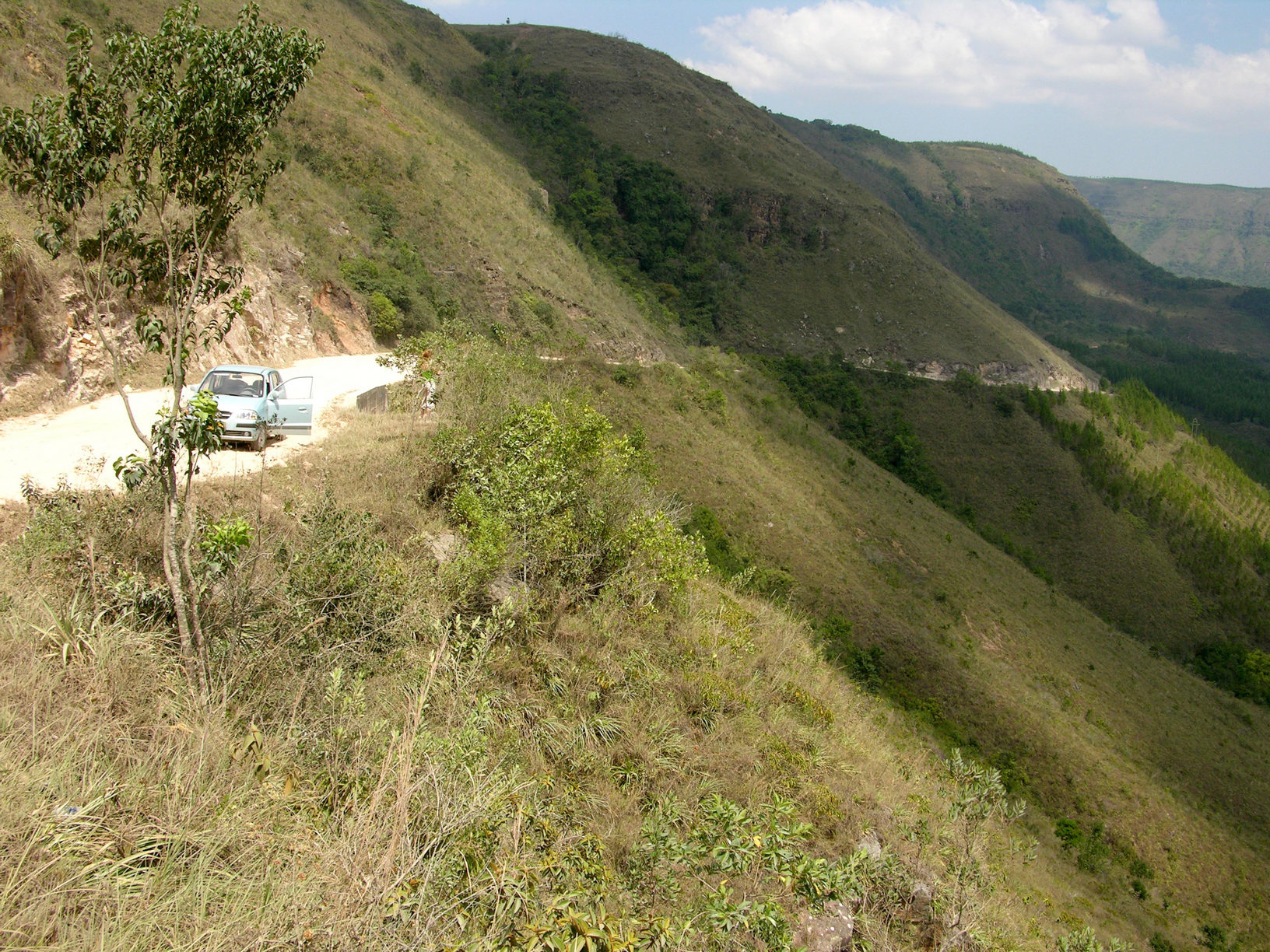
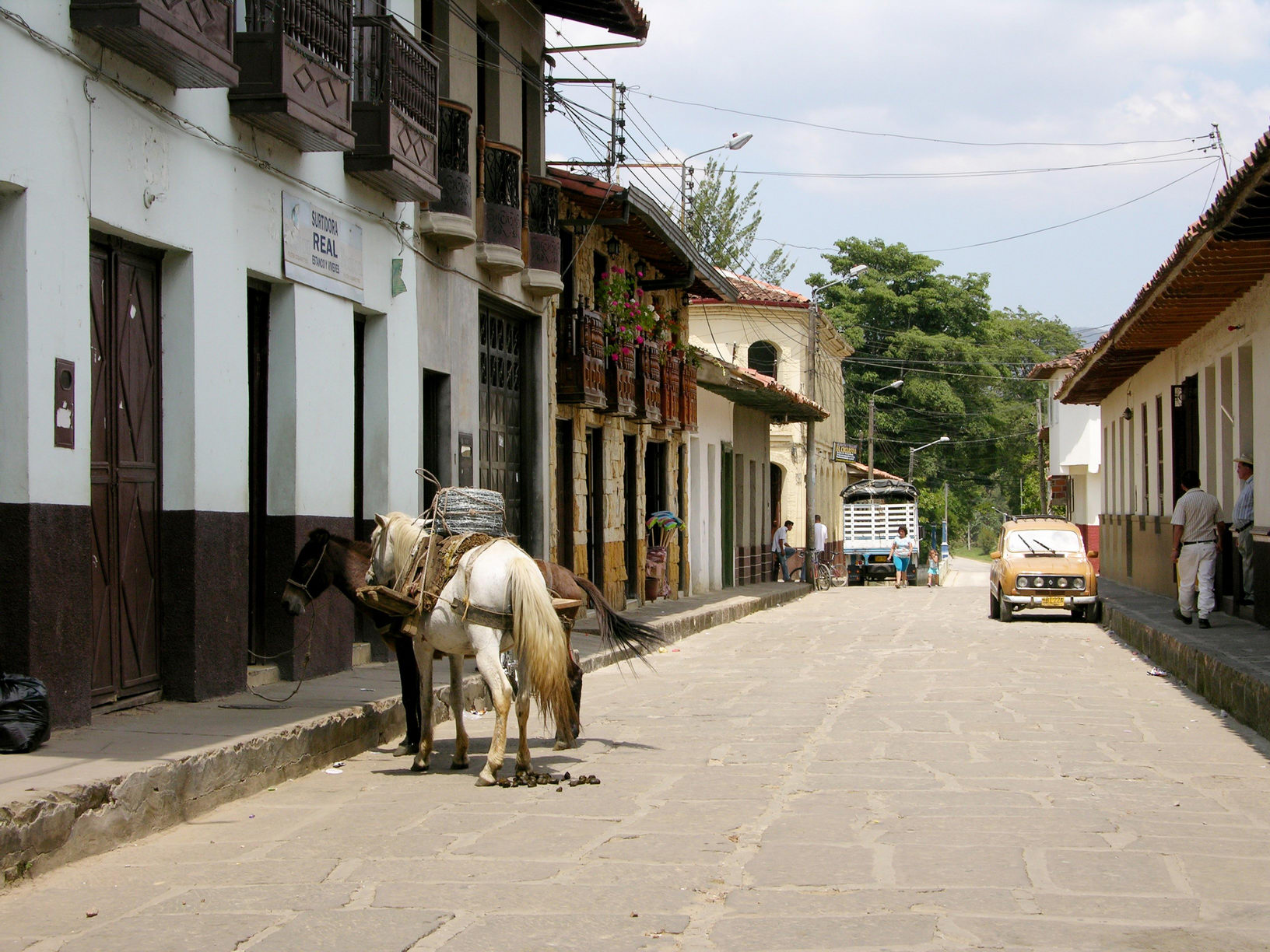
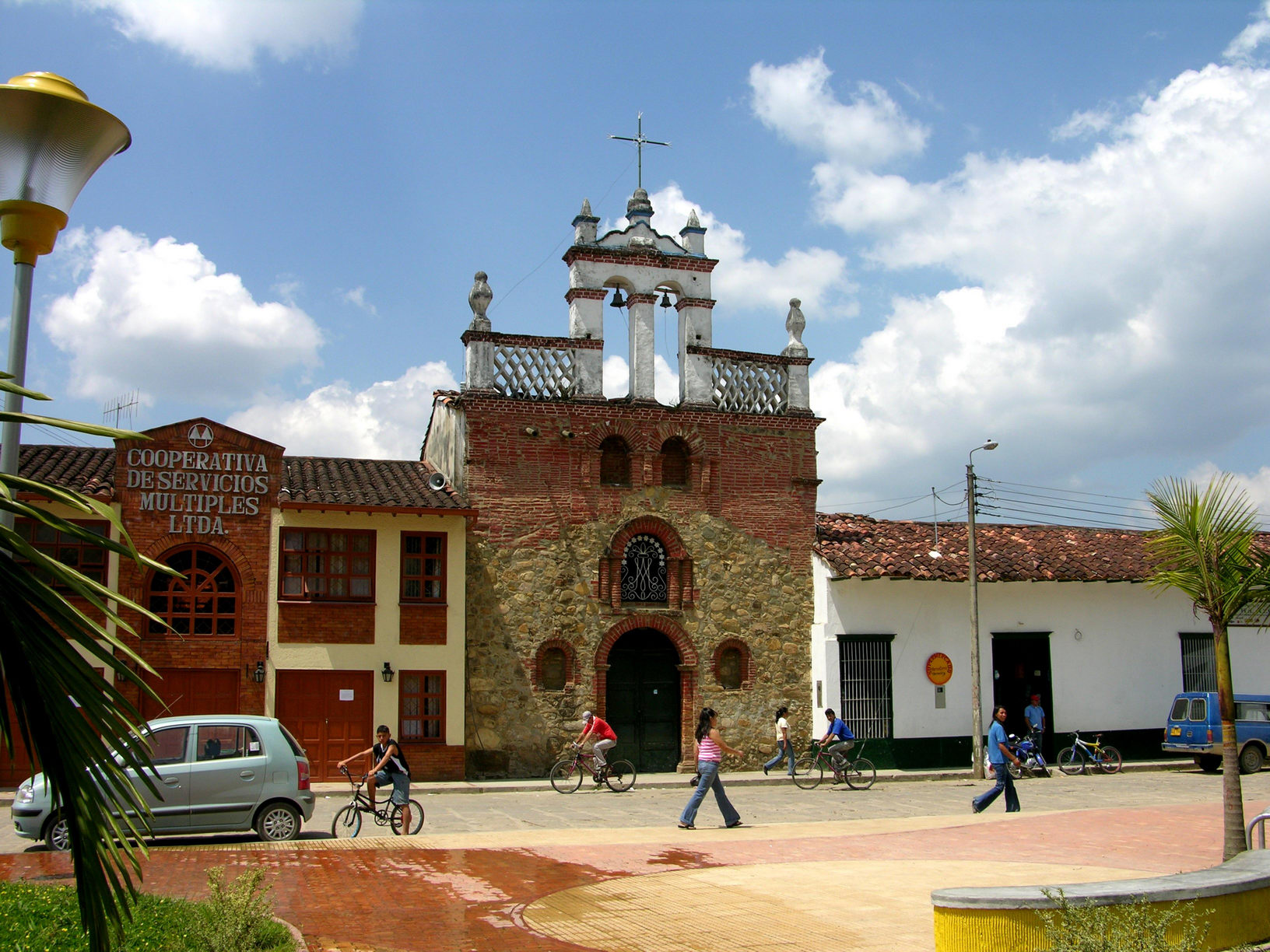
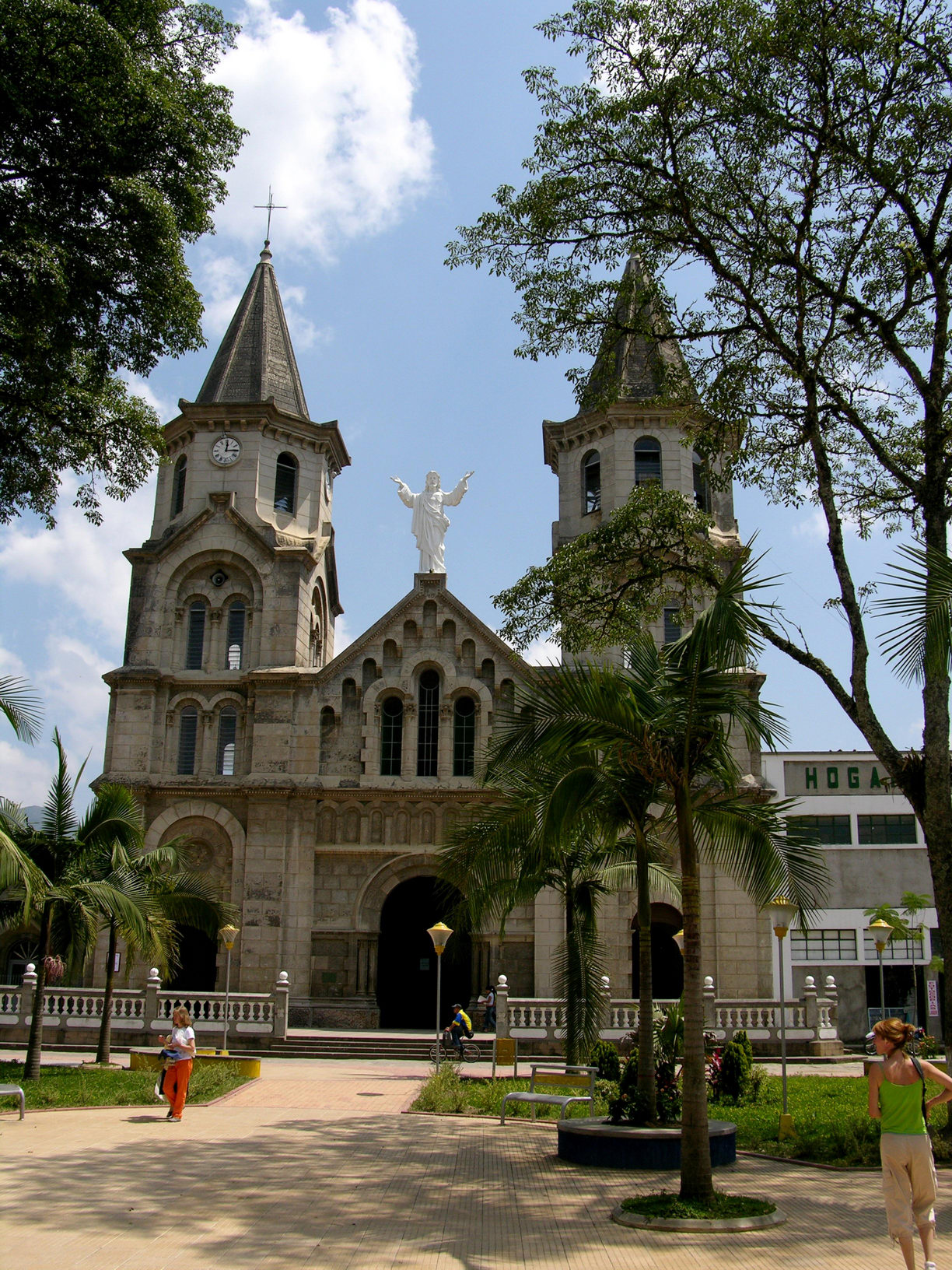
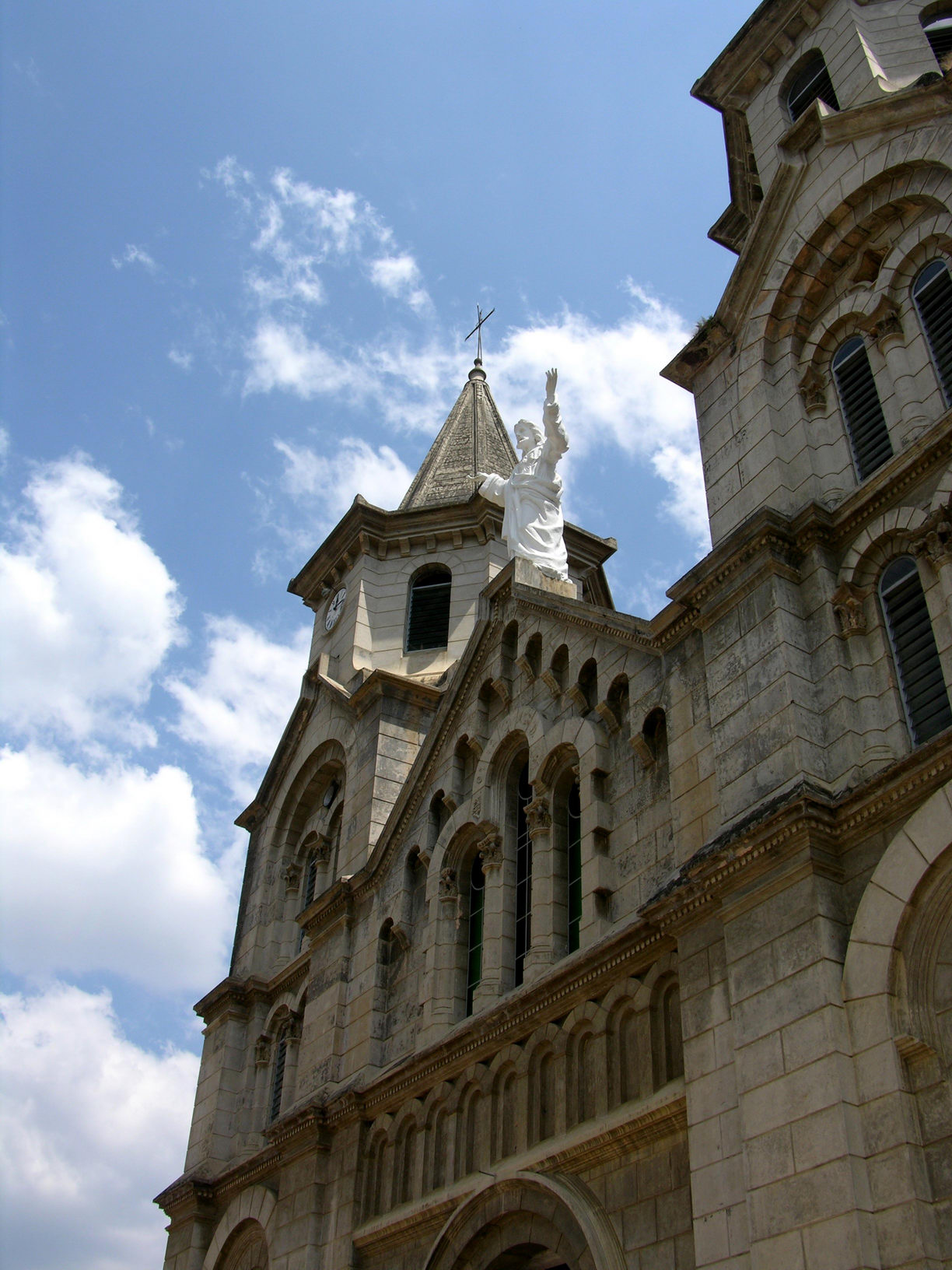
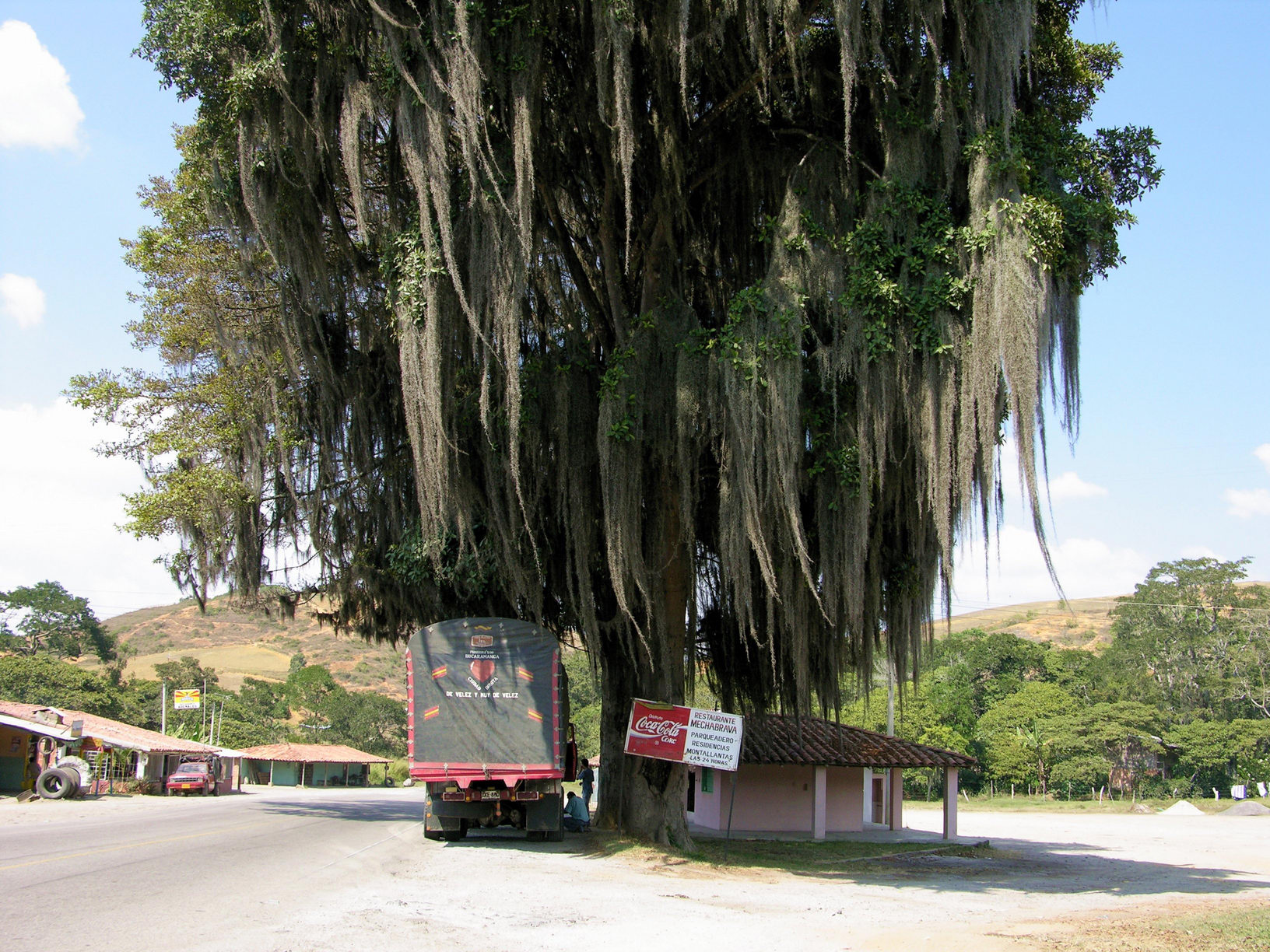
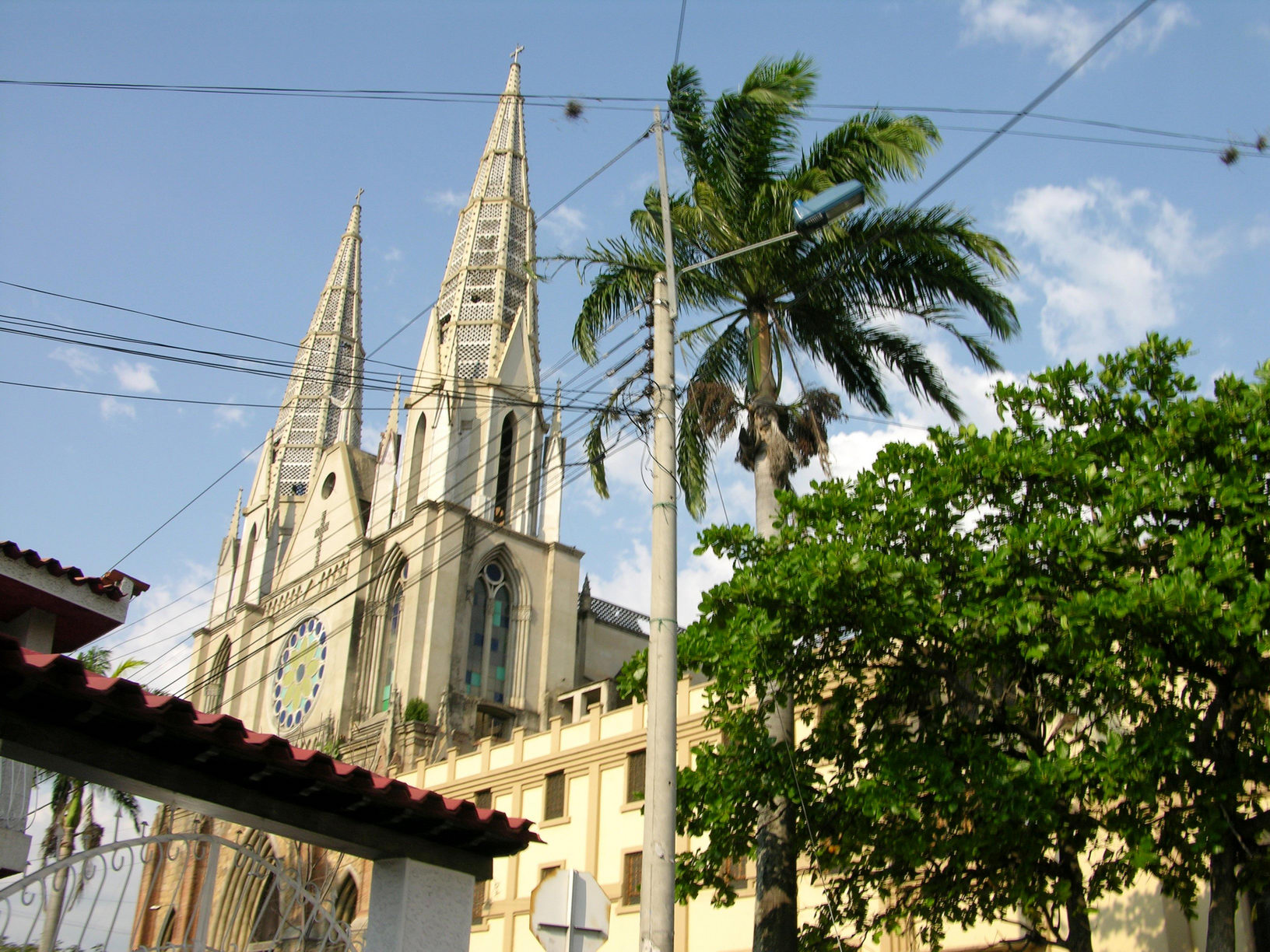
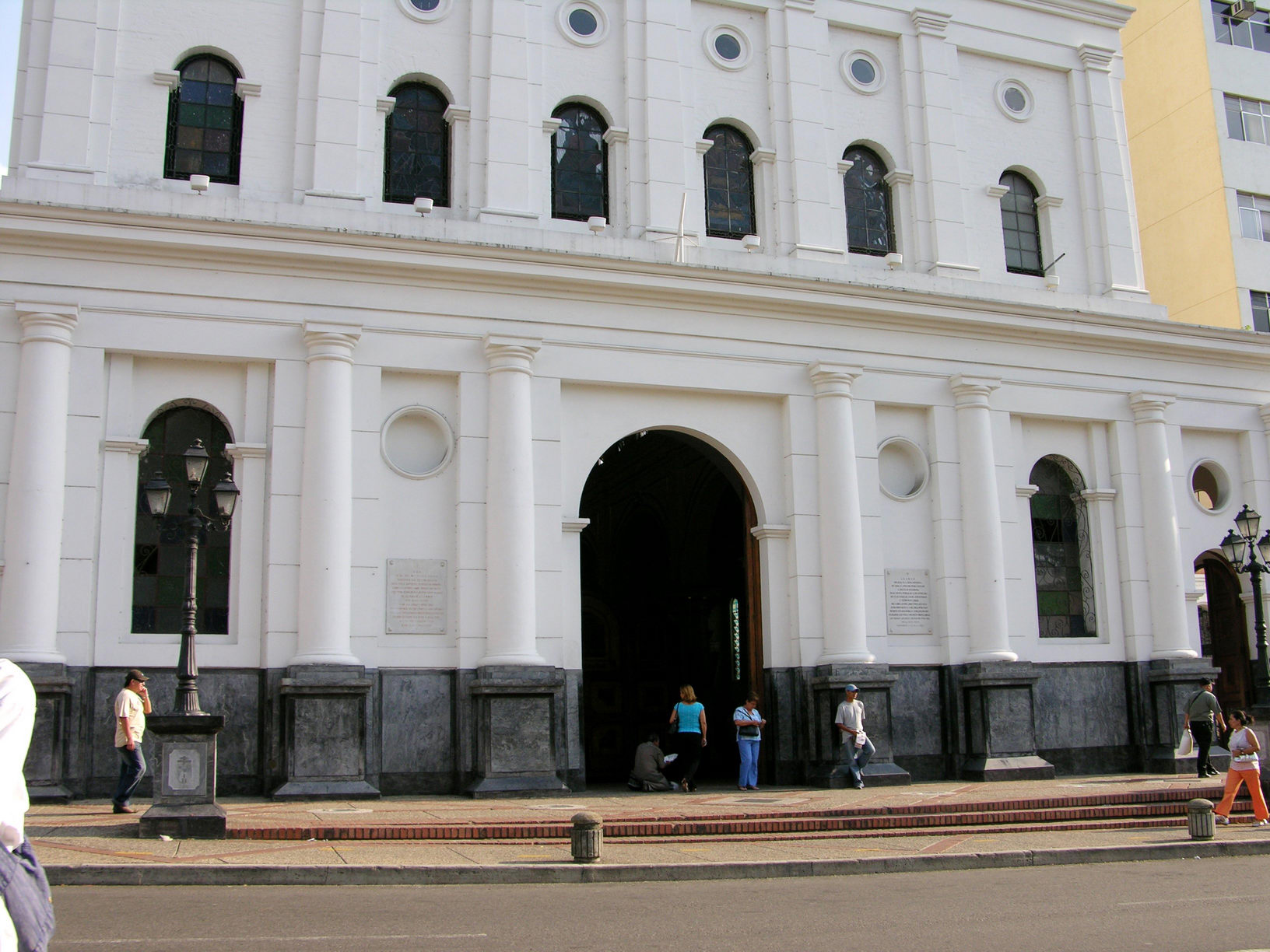
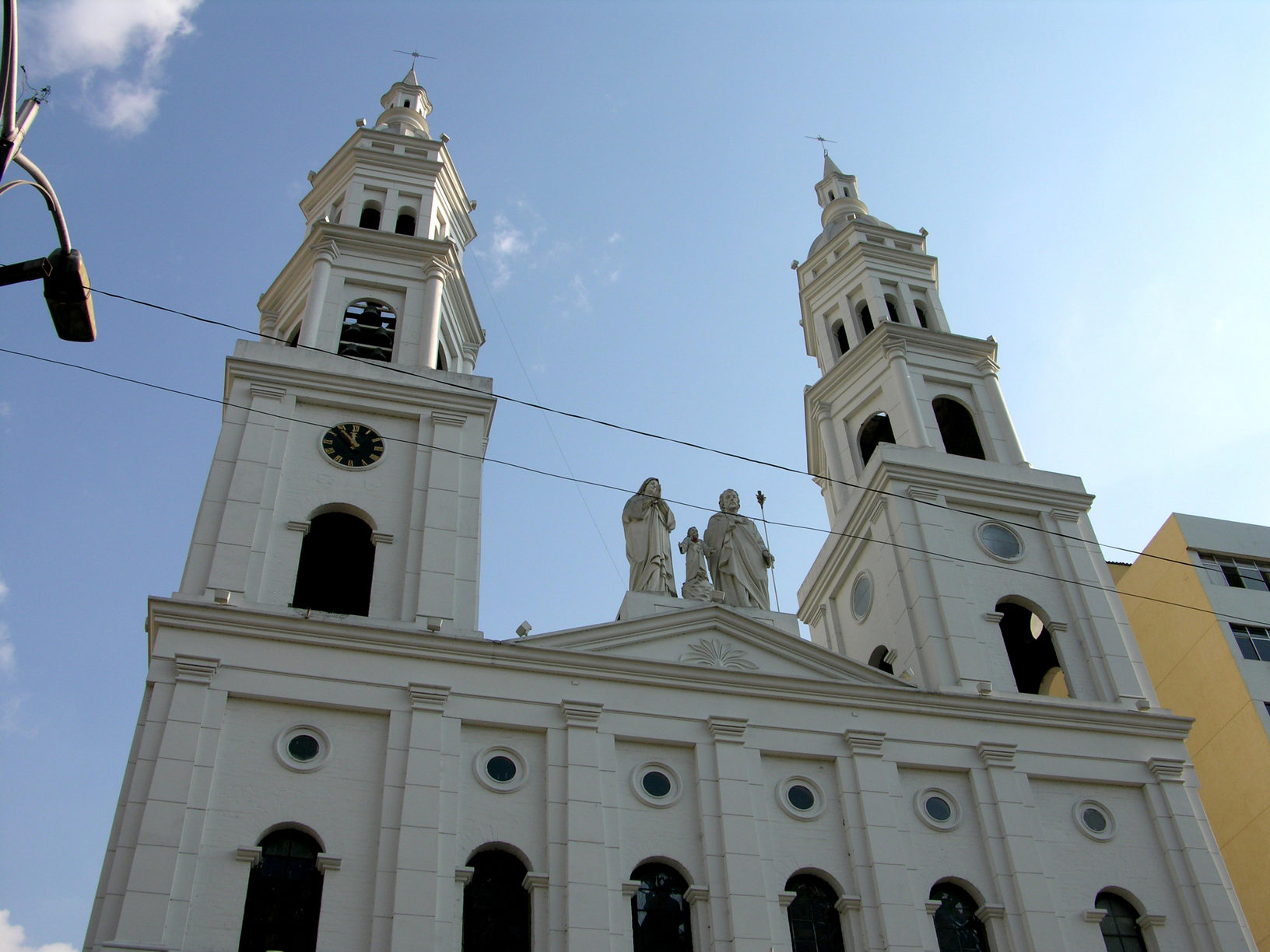
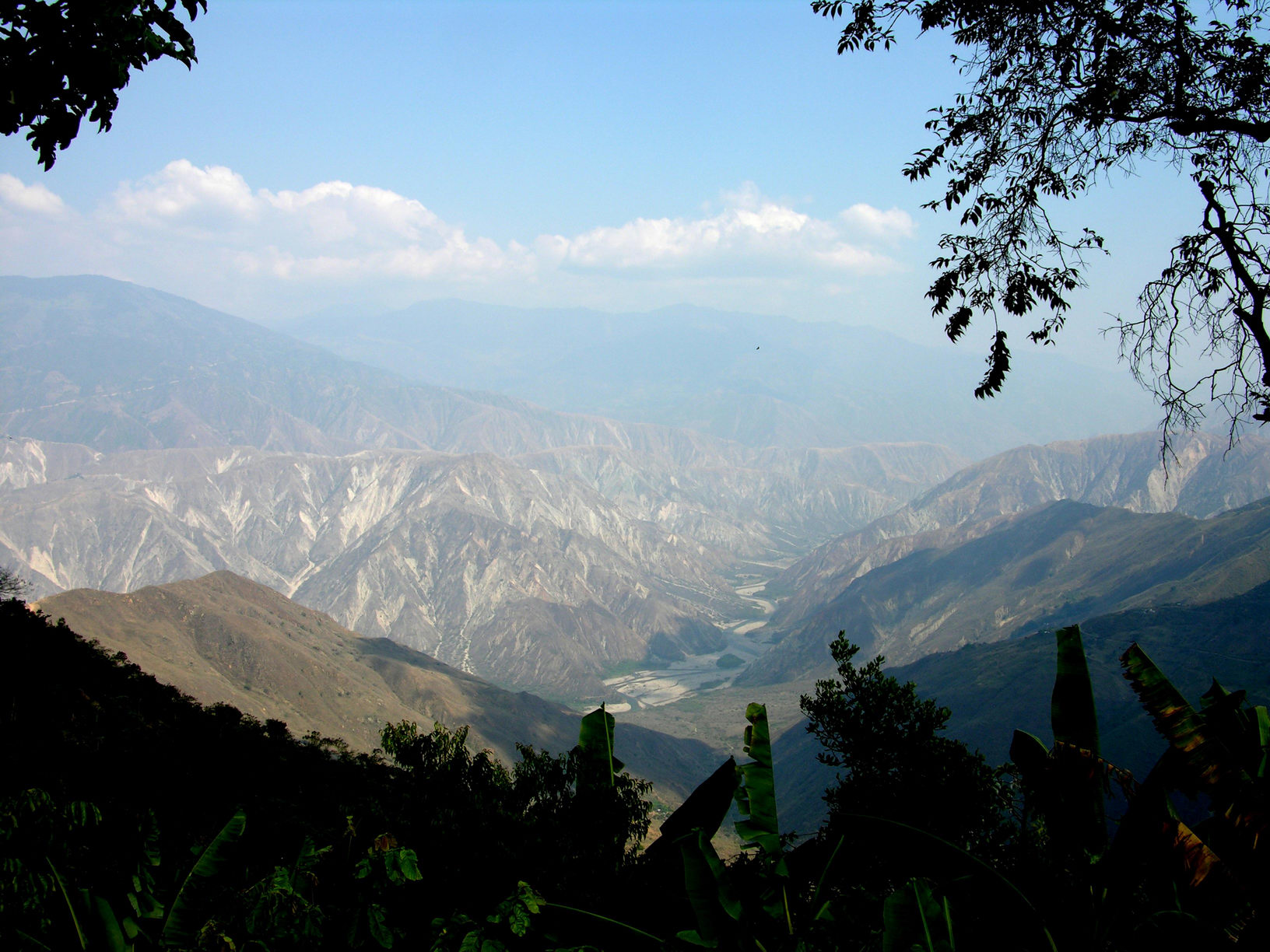
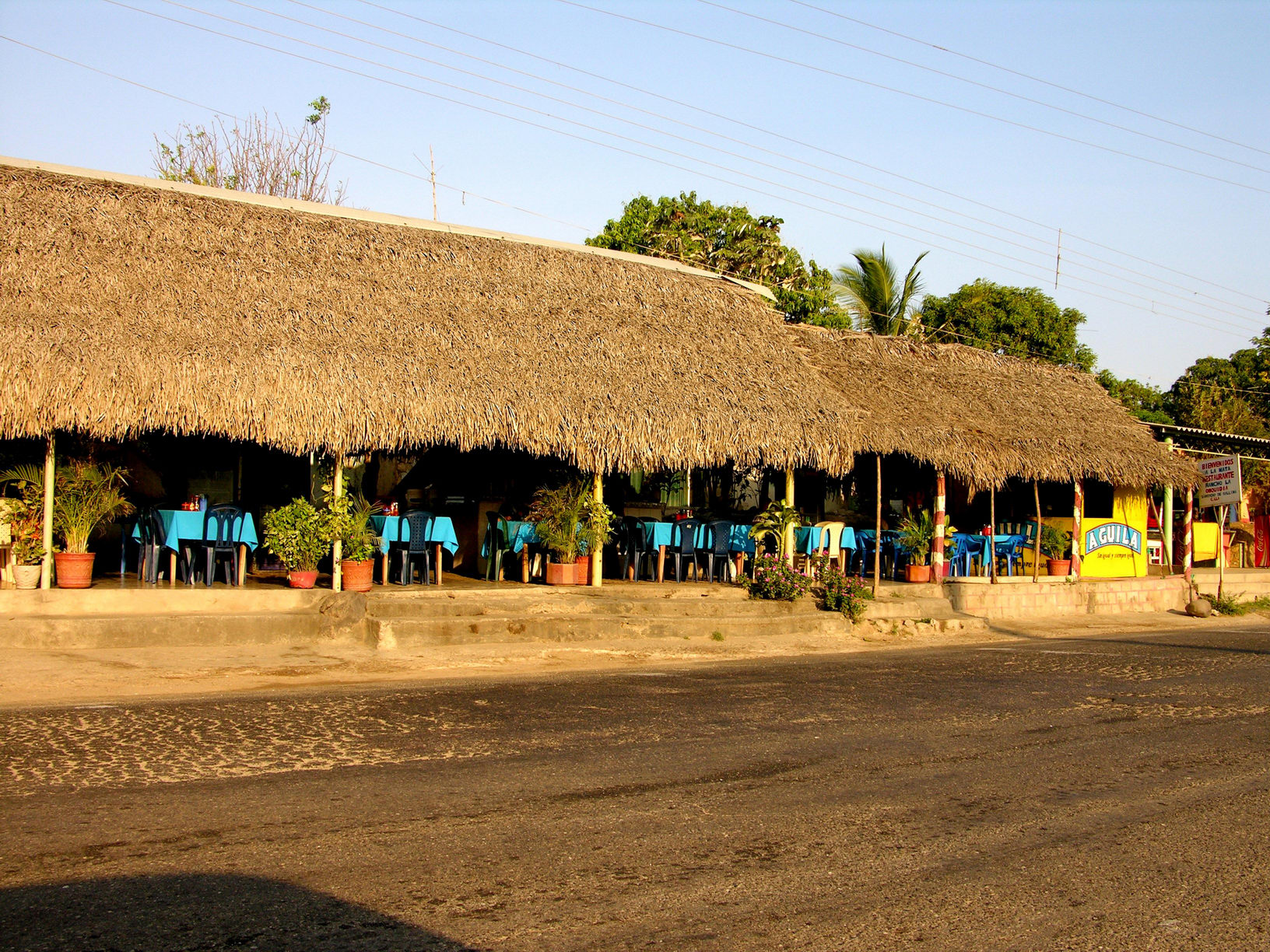
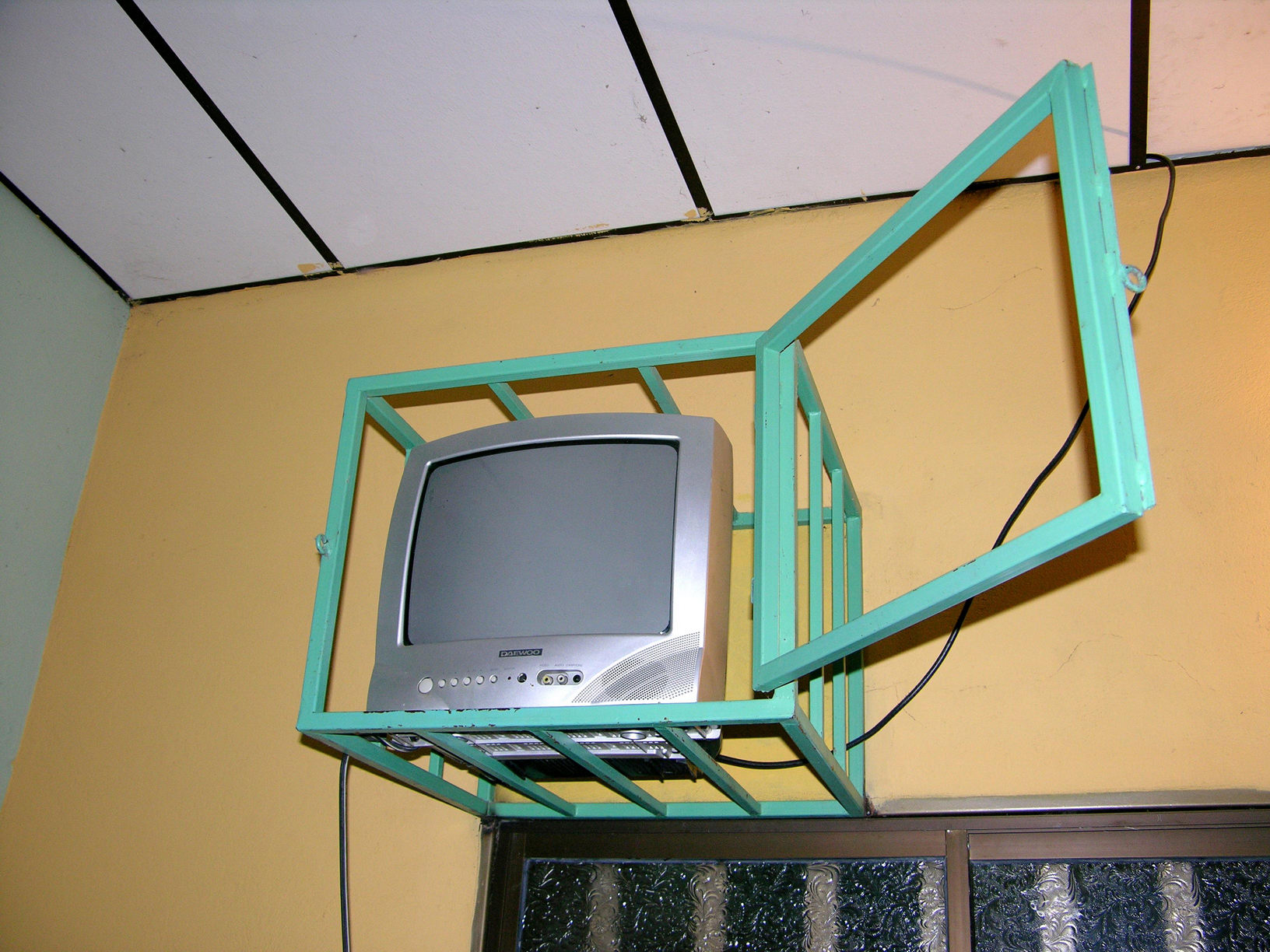
We stopped for the night in a nameless roadside village (8°12.002′N, 73°36.706′W). The hotel was almost empty. A little room with a shower cost 20,000 pesos a night. There was even a television. In Colombia to protect against theft and robbery they lock televisions in great cages welded up from angle iron. You won't be carrying one home. A robber can come in and the clerk or waiter doesn't even have the key. Kill him if you like, you still won't pinch the television. In recent years there had been a decline in banditry, though, and our television, while caged, had no lock. Freedom on television, of a sort.
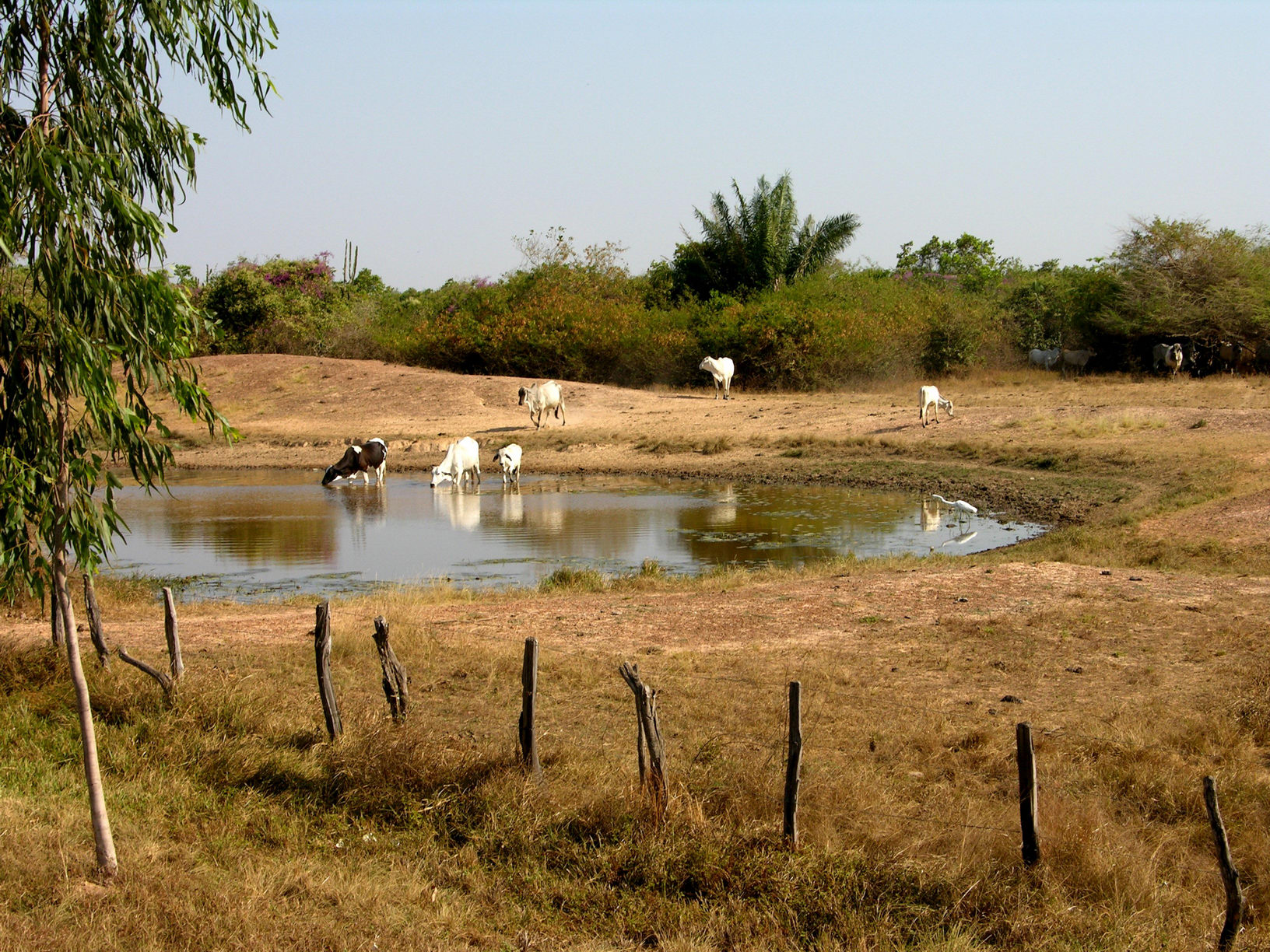
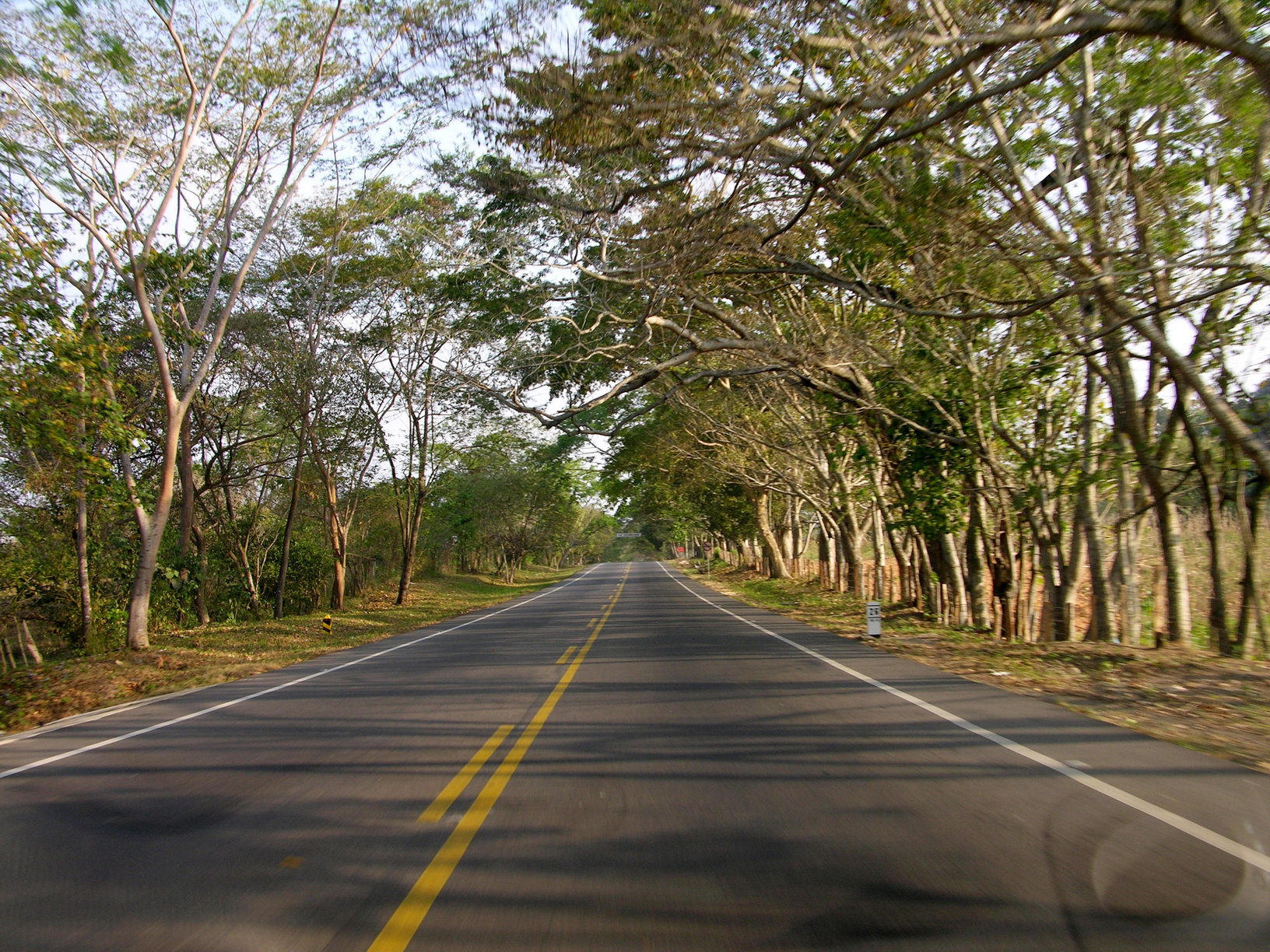
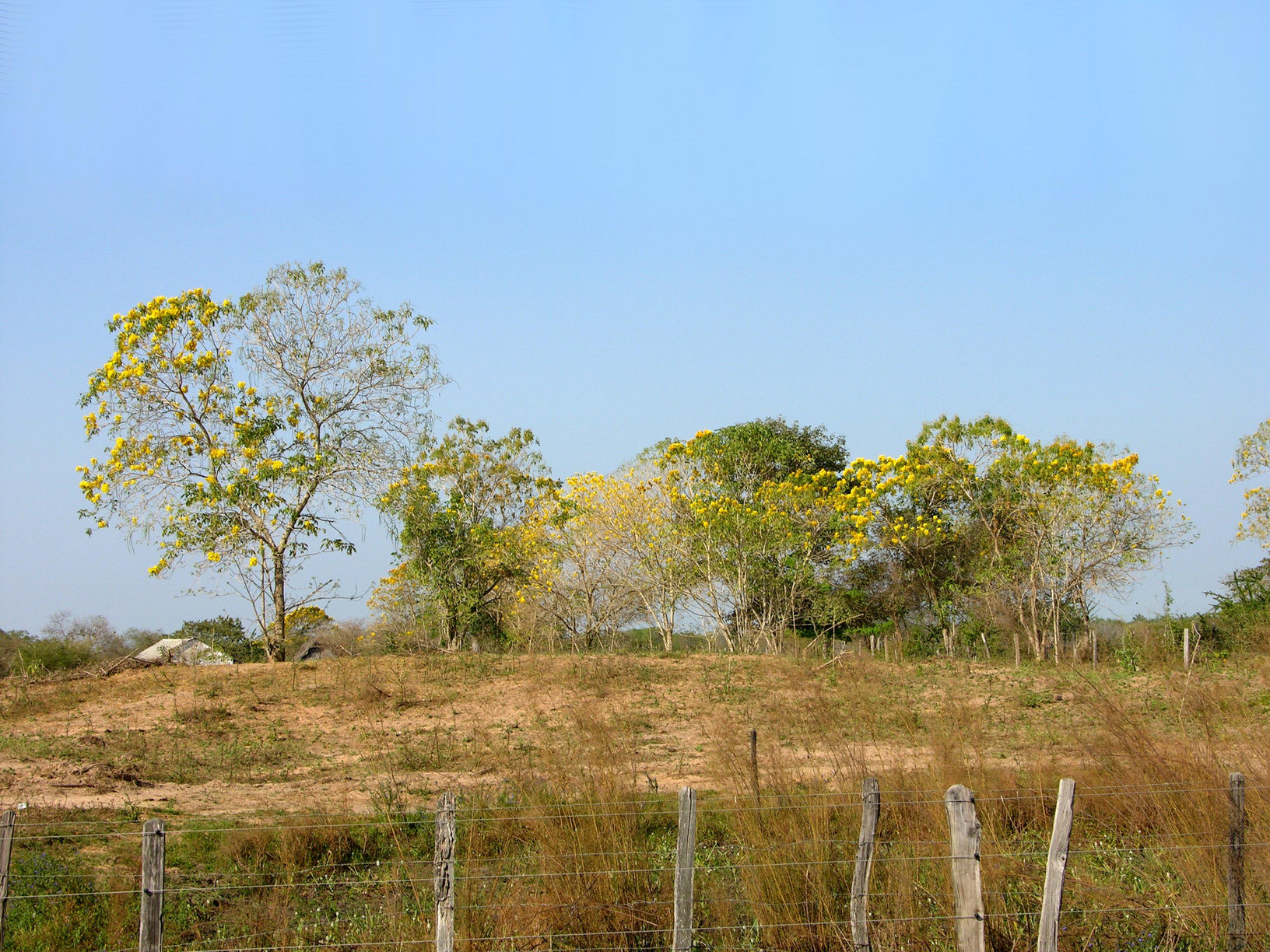
In the morning we carried on towards the sea. It only looks as if Colombia is a small country. The road just goes on and on. From Bogotá to the sea is like going from Moscow to Sochi.
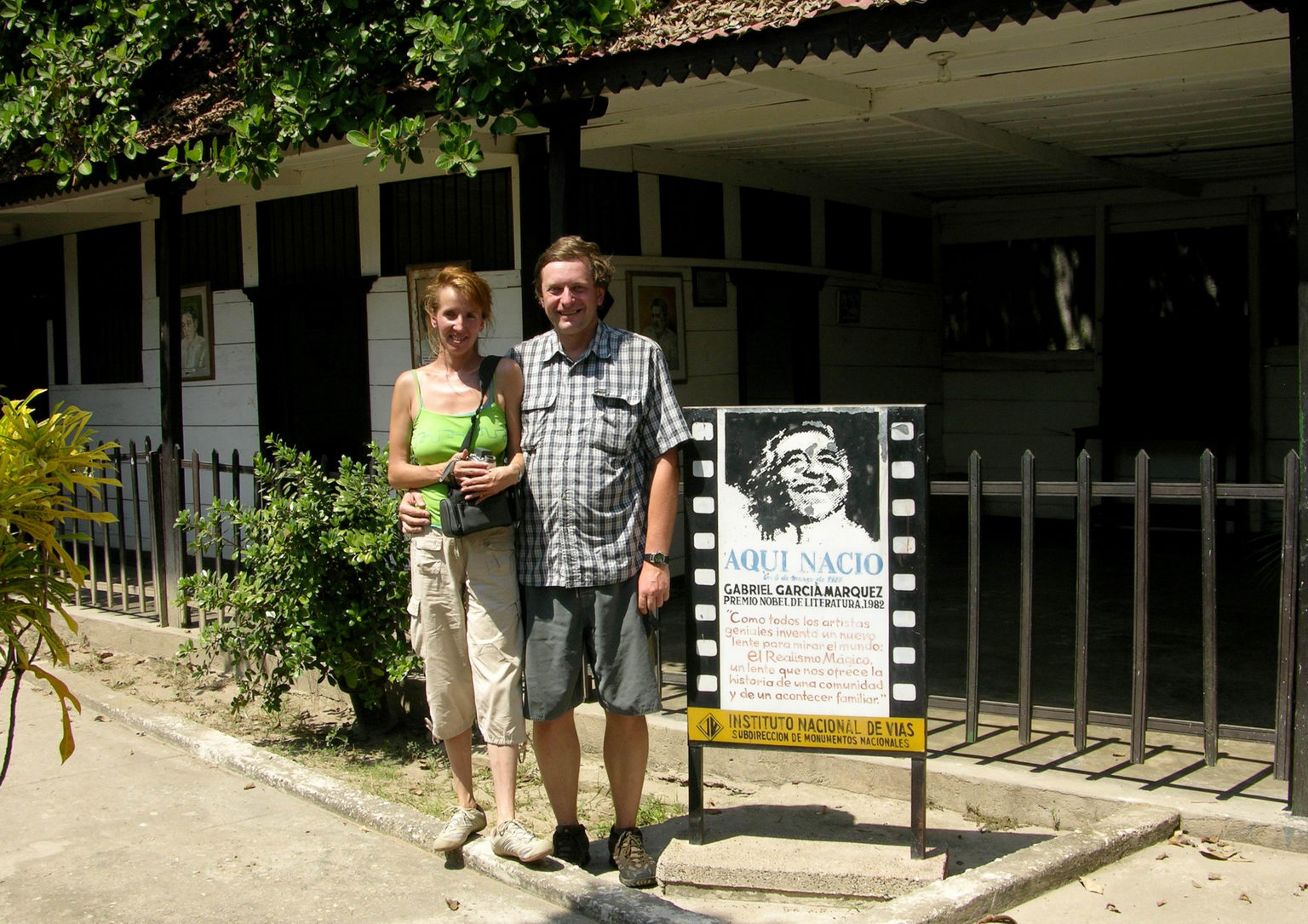
A hundred kilometres from the coast is the little village of Aracataca (Aracataca), at 10°35.62′N, 74°11.56′W. It was the birthplace of Gabriel García Márquez, the Nobel winner and author of One Hundred Years of Solitude. He wrote his great book about his home village, Aracataca. In the novel it's called Macondo. That name, as we'd heard it, wasn't made up by Márquez. He'd found it as a young man on a map of Angola. The village there still exists. Márquez had wanted to go there and unfortunately never managed it. By now the Angolan name had caught on outside the book too. Aracataca itself was sometimes being called Macondo. They'd tried to rename it, but the referendum hadn't attracted enough voters. Both names were now written together on billboards and signs.
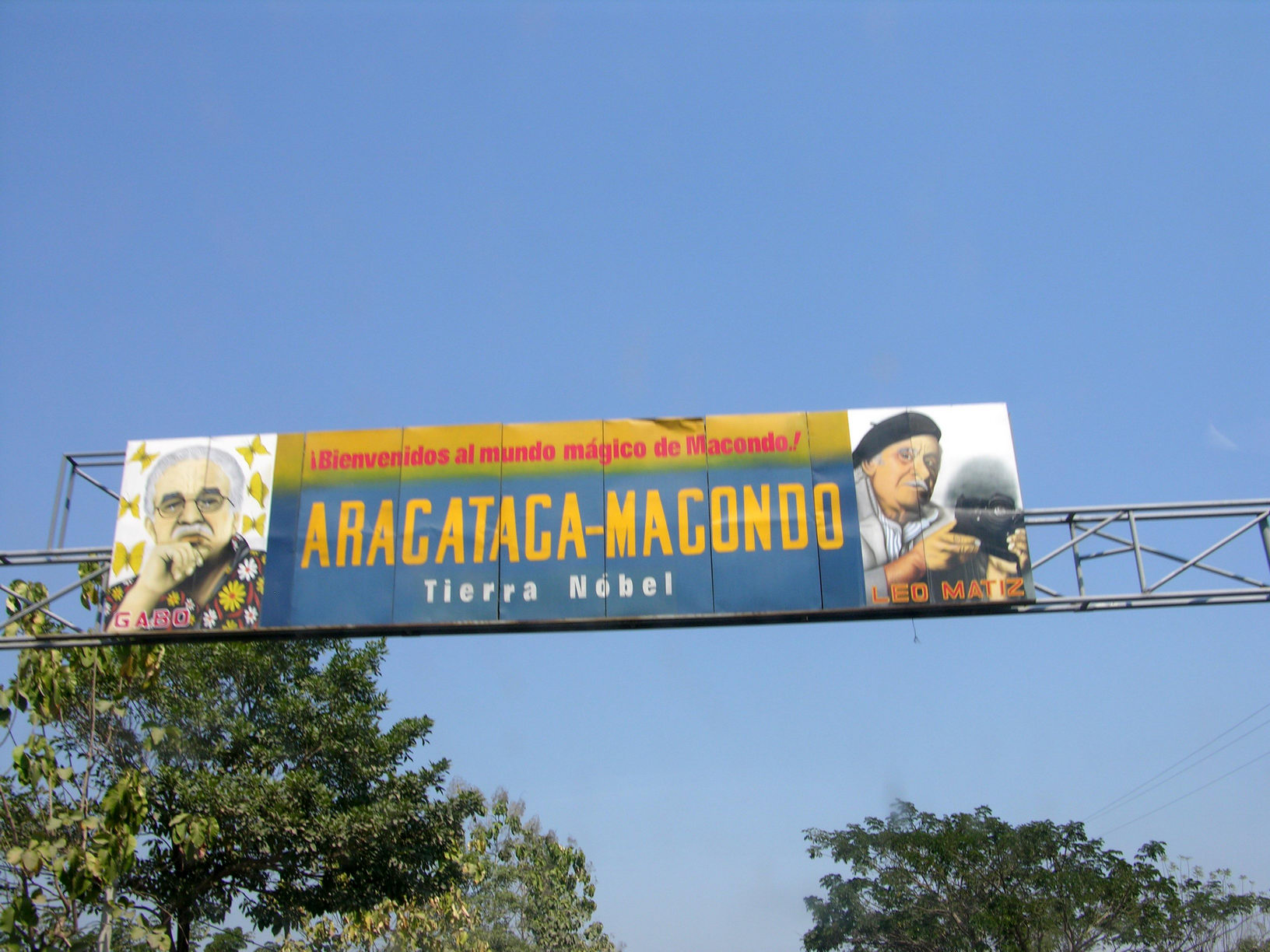
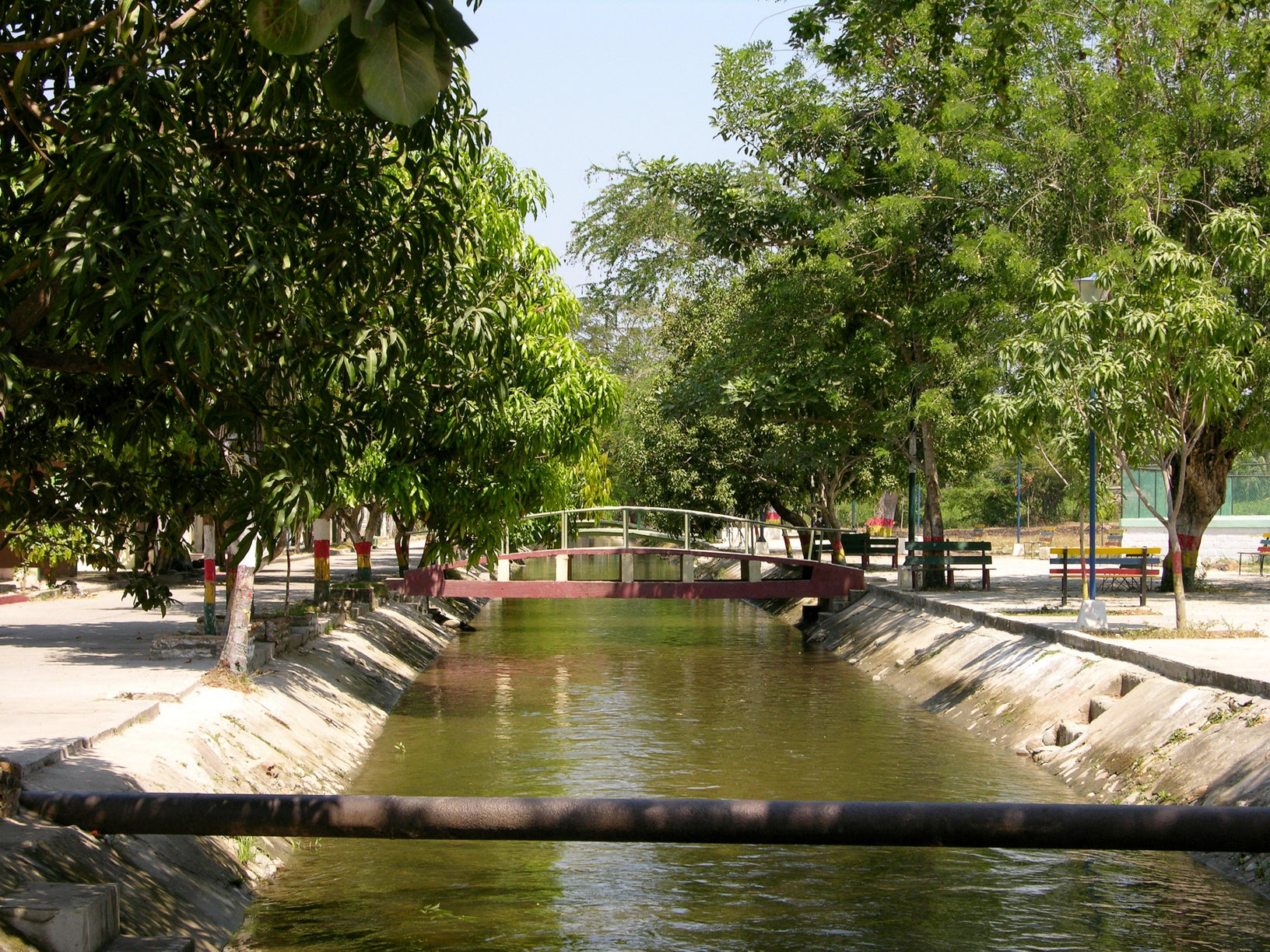
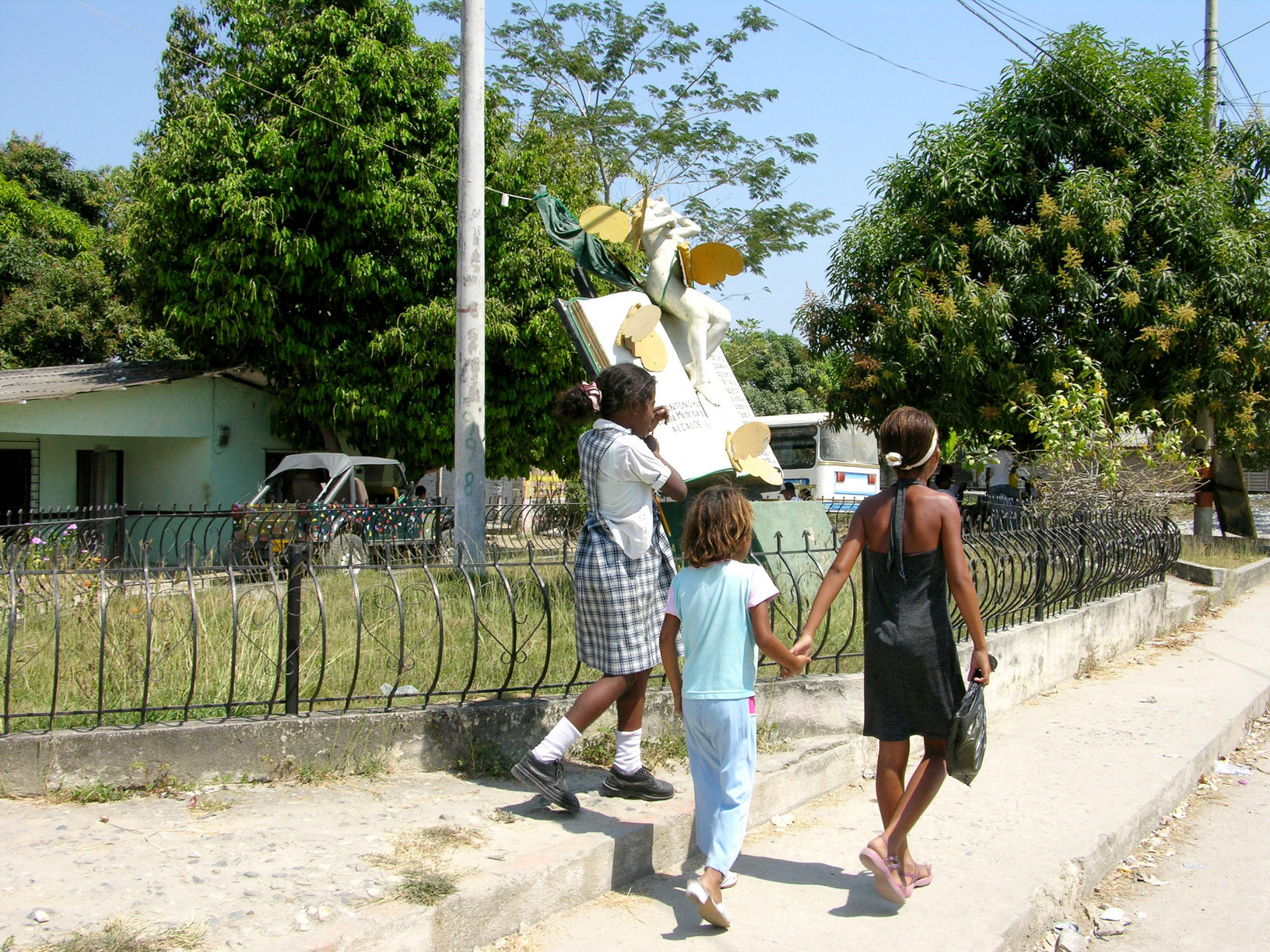
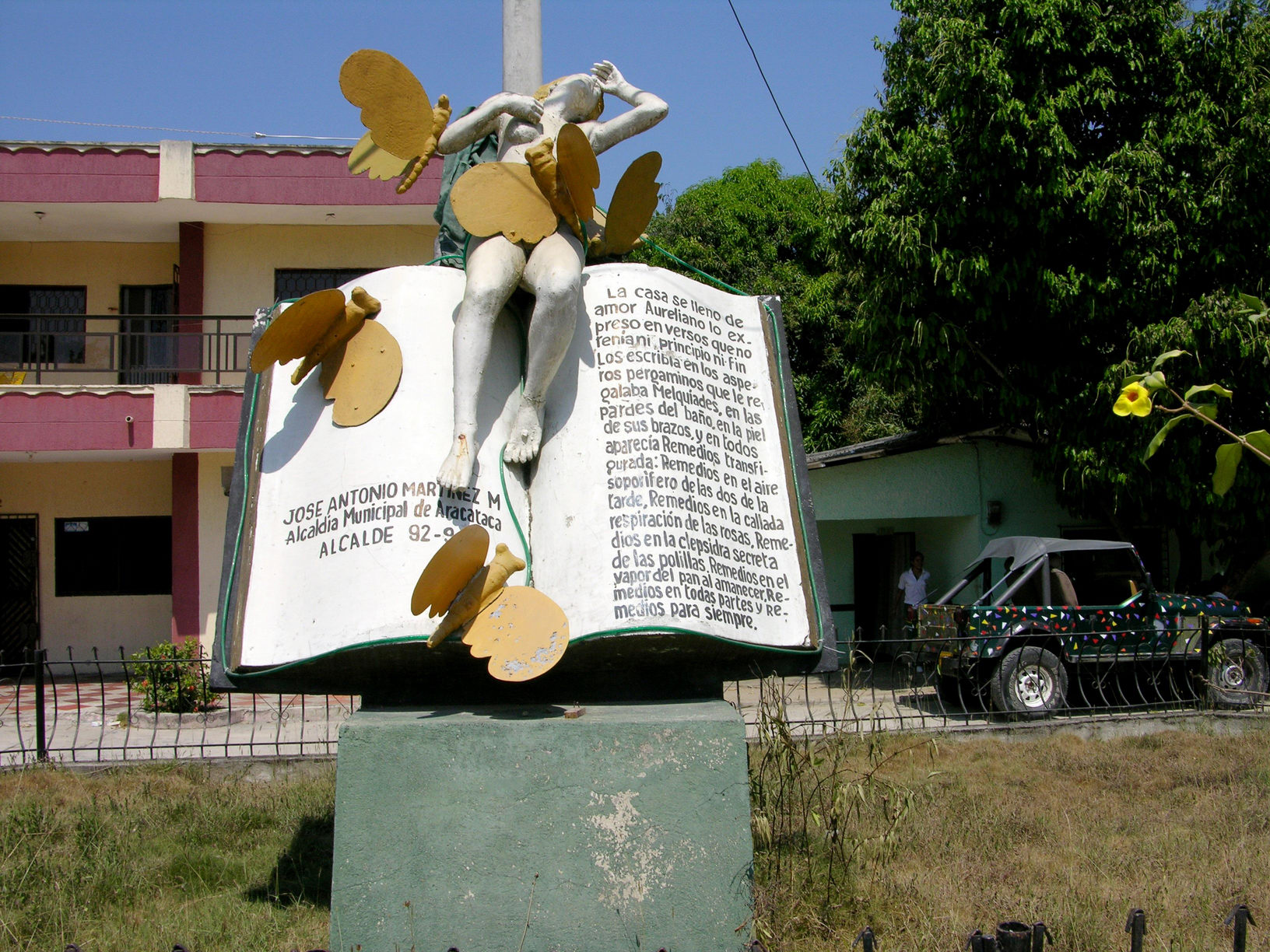
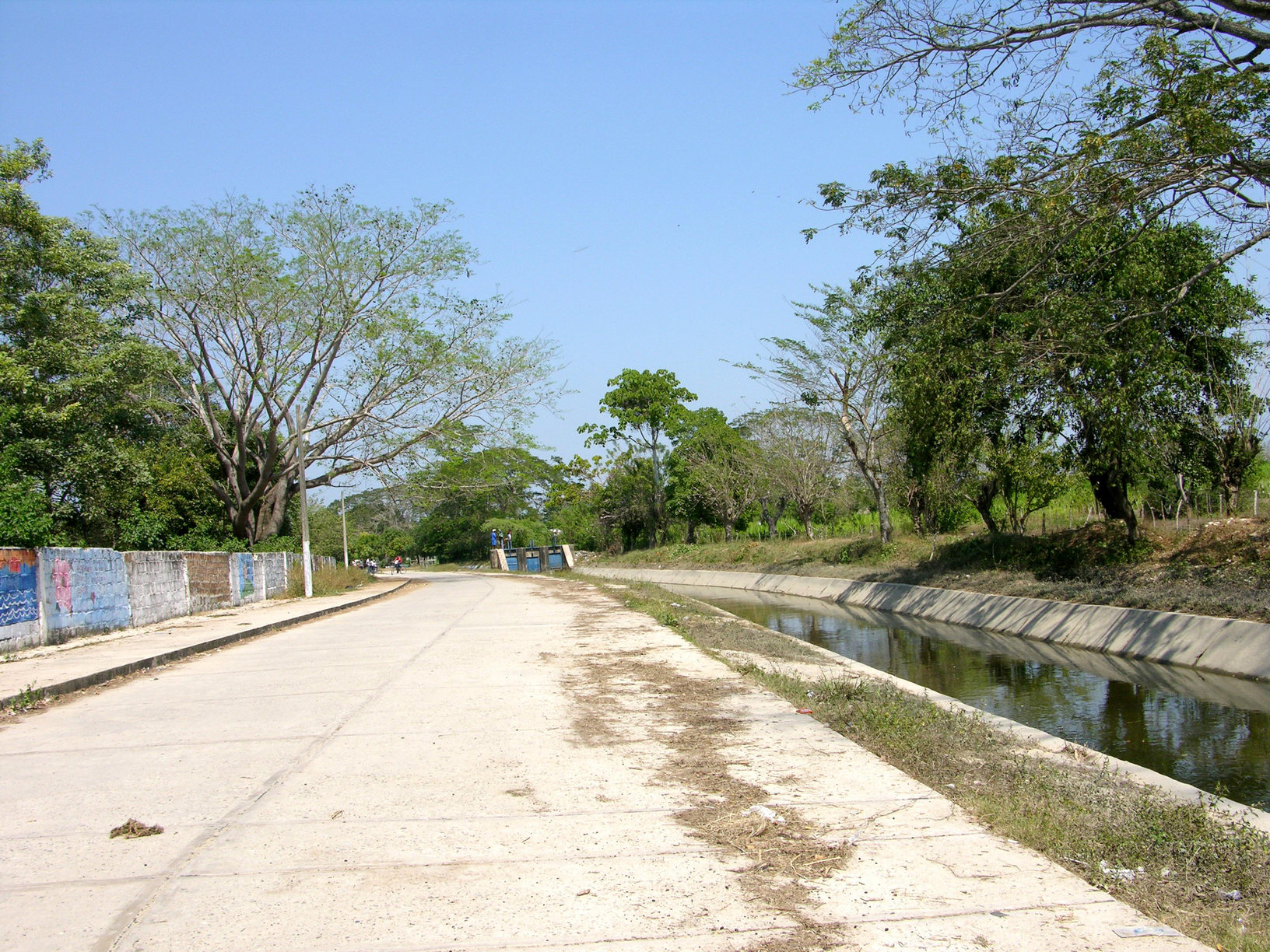
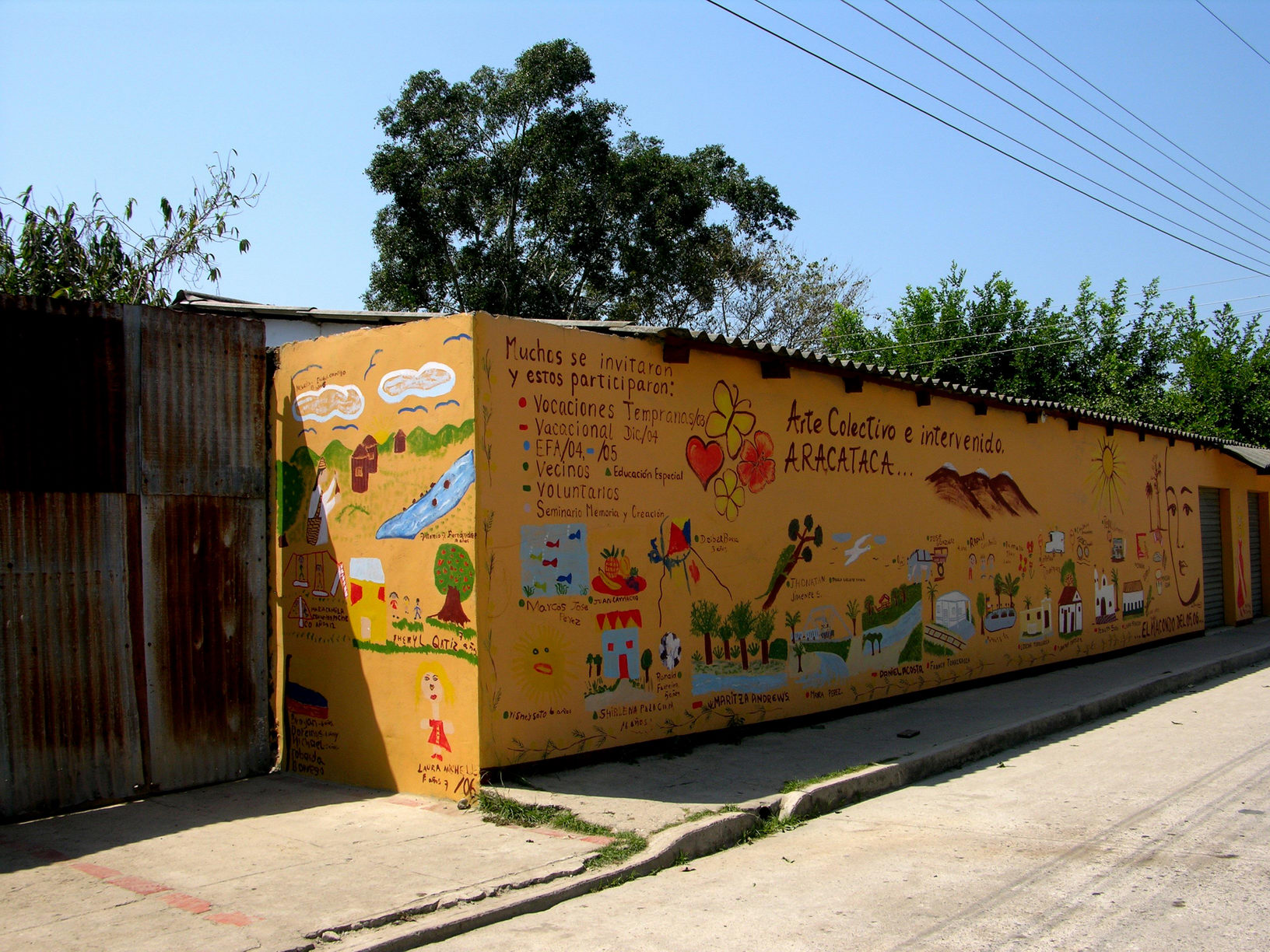
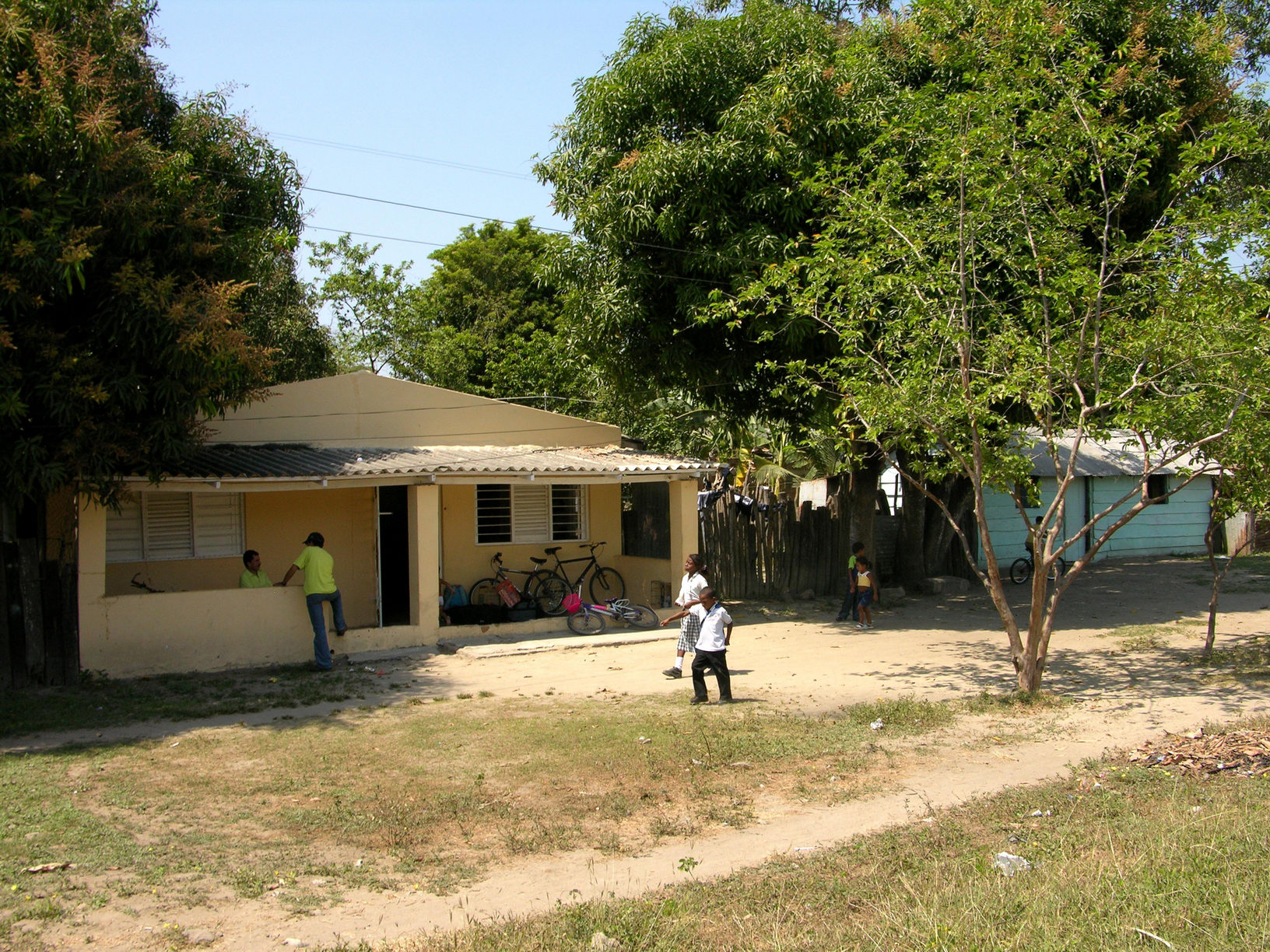
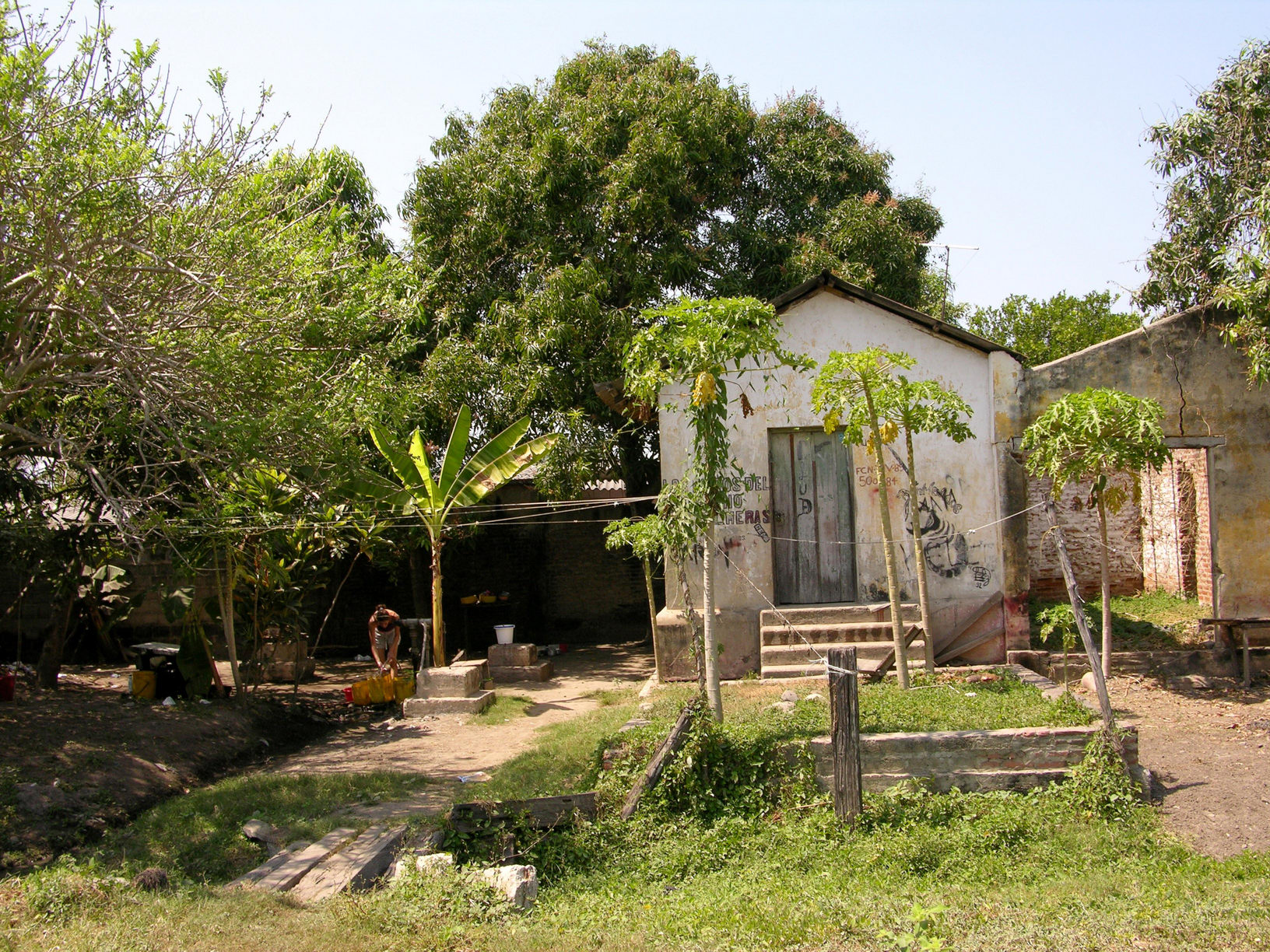
Márquez is my favourite writer. In the long years of Soviet stagnation, reading his books, I wanted so much to go to Macondo. When I heard it was in Colombia, in a guerrilla district, I decided it was impossible and even forgot I ought to go. But now the moment had come. From the guidebook we discovered we were a hundred kilometres from Macondo. That settled it. We had to go.
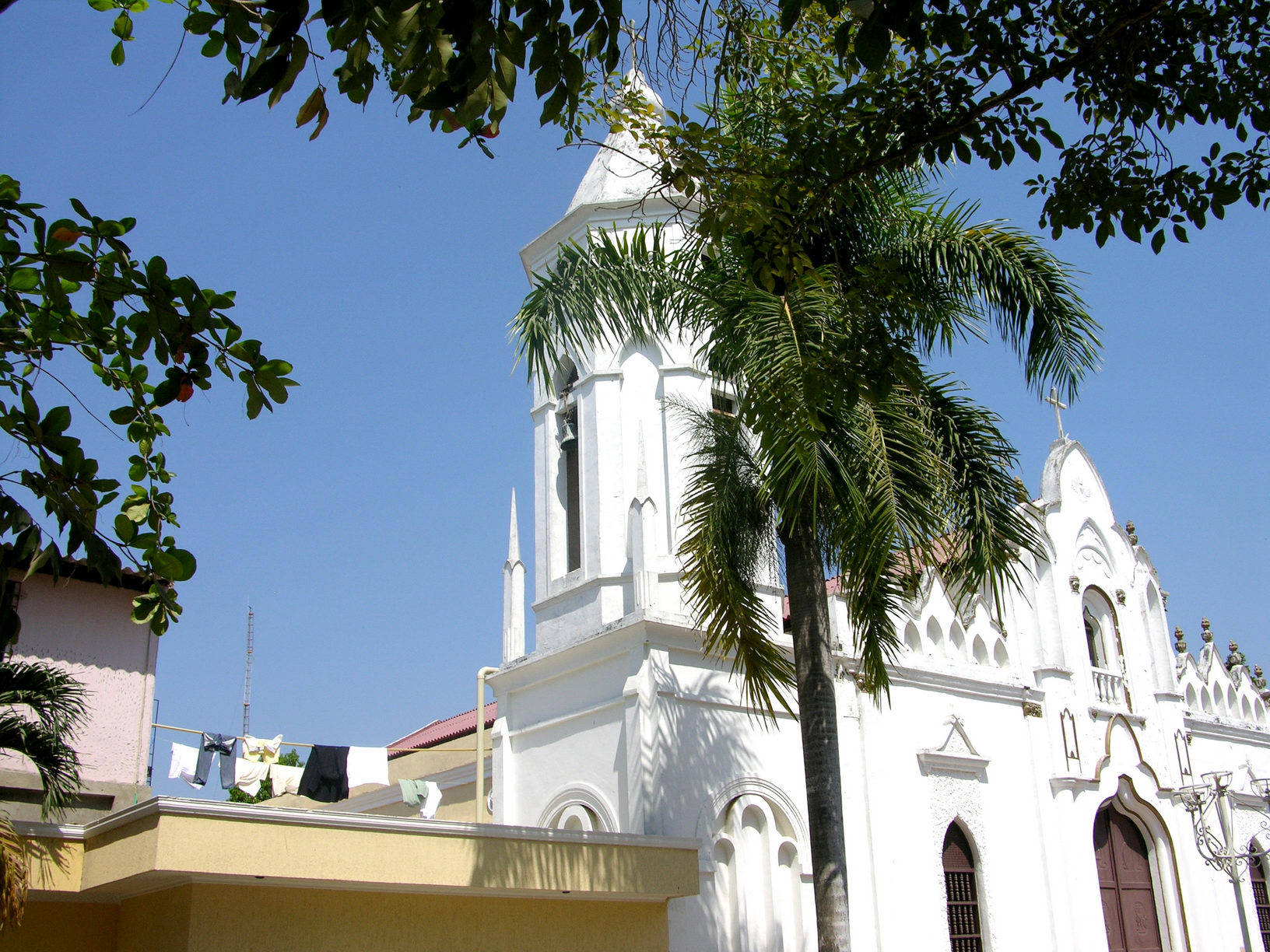
Colombians have a complicated attitude to Márquez. On one hand they want to bask in the Nobel laureate's world fame out of national pride. On the other, he's an unrepentant communist. Listen to him and the guerrillas are the good people and the government bad. And the saddest thing was that Márquez was still alive. Make him a national hero and instead of giving the ceremonial speech, imagine what he might come out with. He was nearly eighty when we were there. Though people said he was going senile, he still liked talking to journalists about Che Guevara and Fidel.
Not a word about Macondo in Lonely Planet. The United States had no reason to love him either. It's almost embarrassing. Had the world's freest country really come to censorship? There was only one line in the local guidebook. That's what put us on the right track.
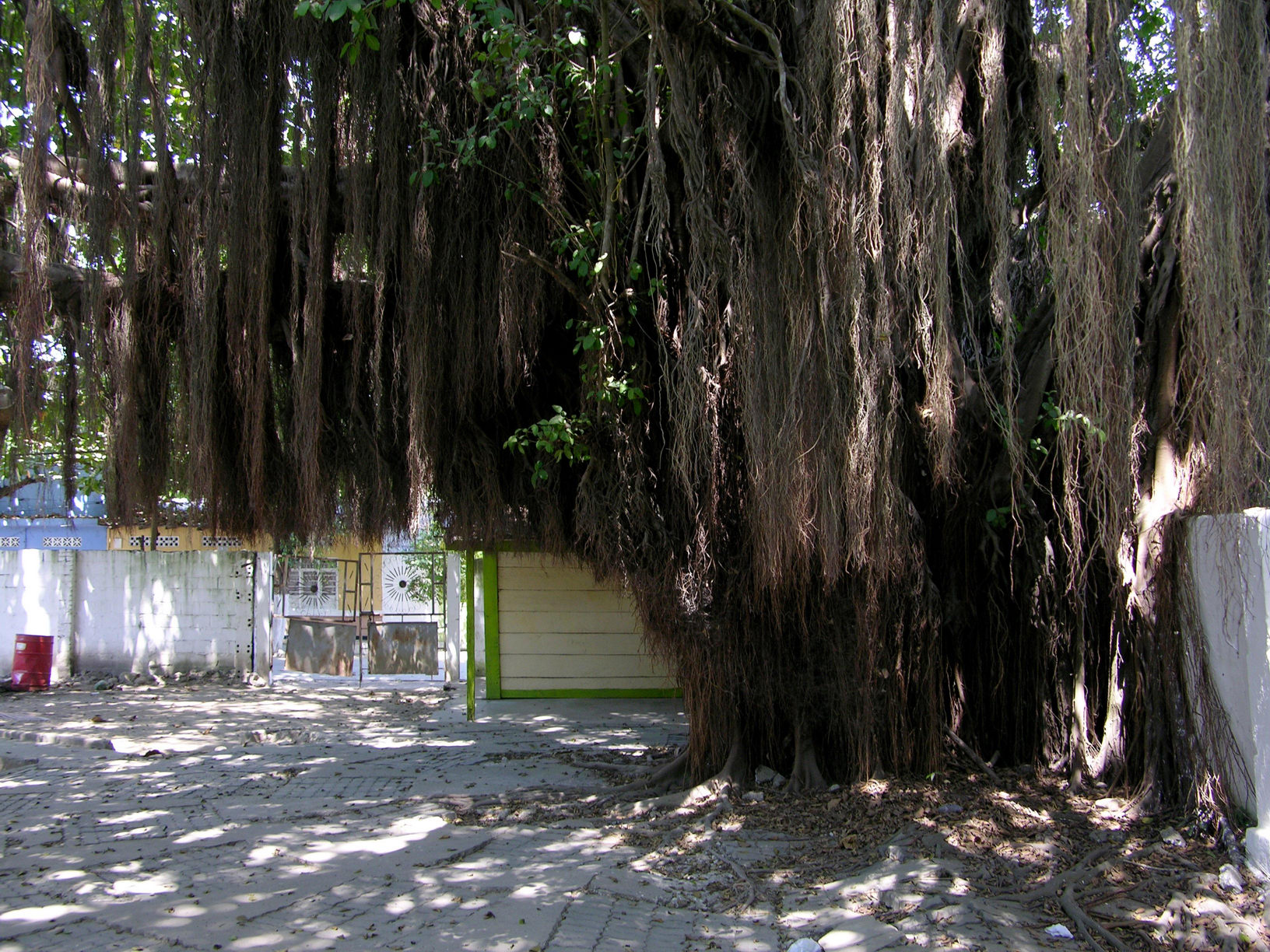
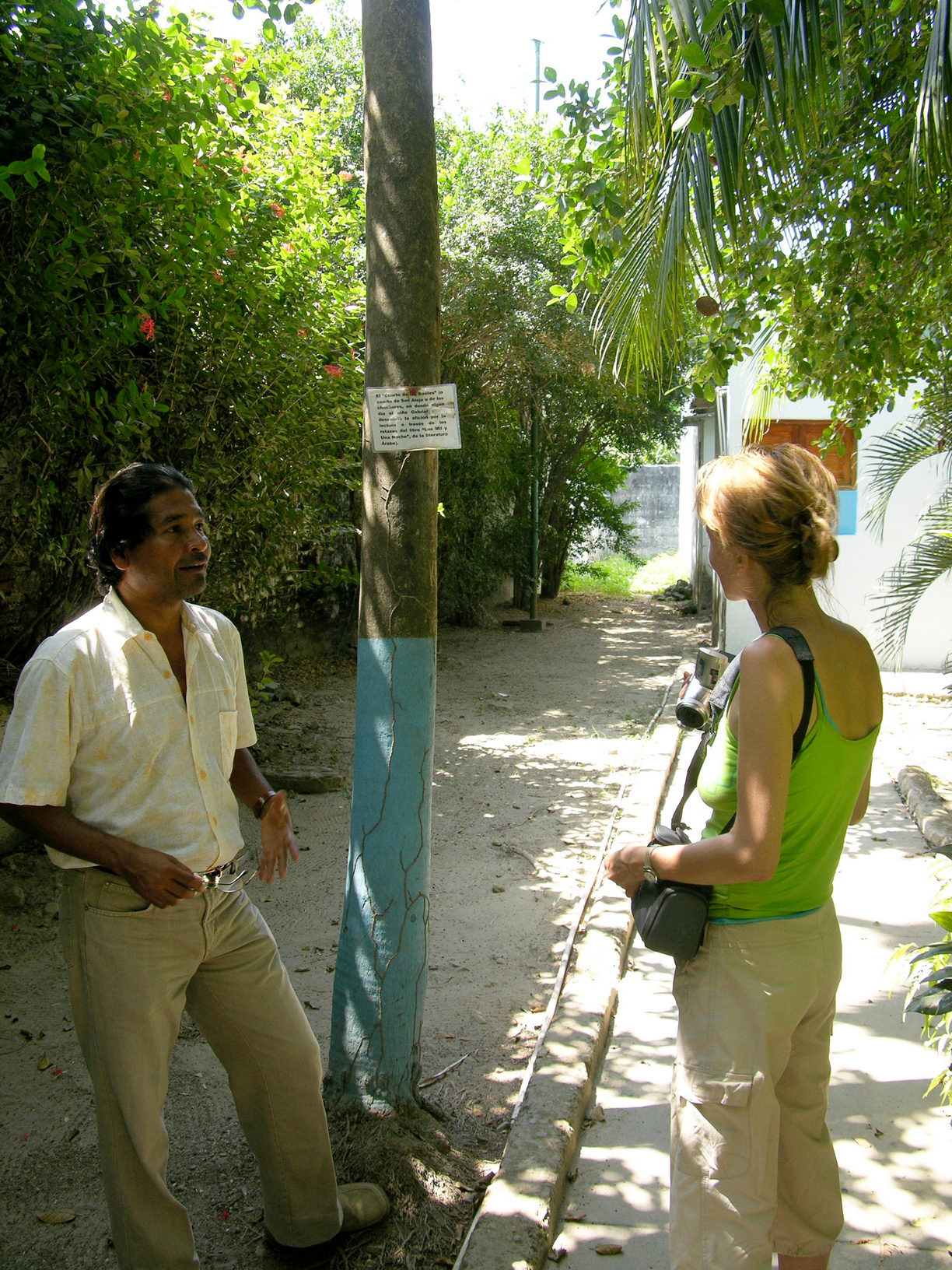
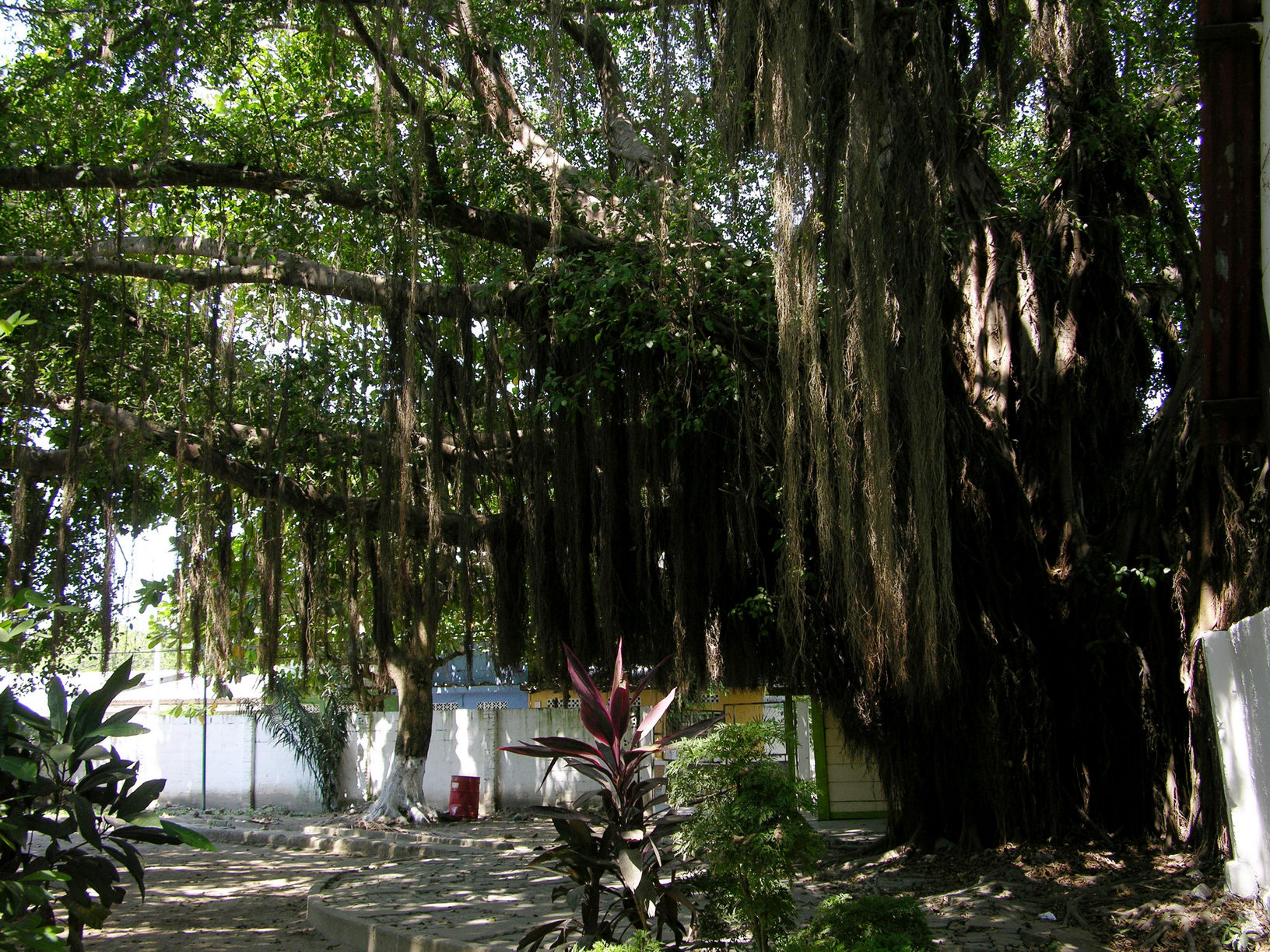
On a street that was hardly central in Aracataca stands the house where the Márquez family lived. It's a museum now. Five thousand pesos a ticket. The museum is hard to find. Not all the locals have heard of it. The house in which the adults lived has been restored. Gabriel himself lived under a shelter outside, beneath a fig tree. A hurricane took the shelter away, but the spot and the tree are still there. The museum is quite modest. The Márquezes were poor, after all. There couldn't be many things to survive for the simple reason they didn't have many things.
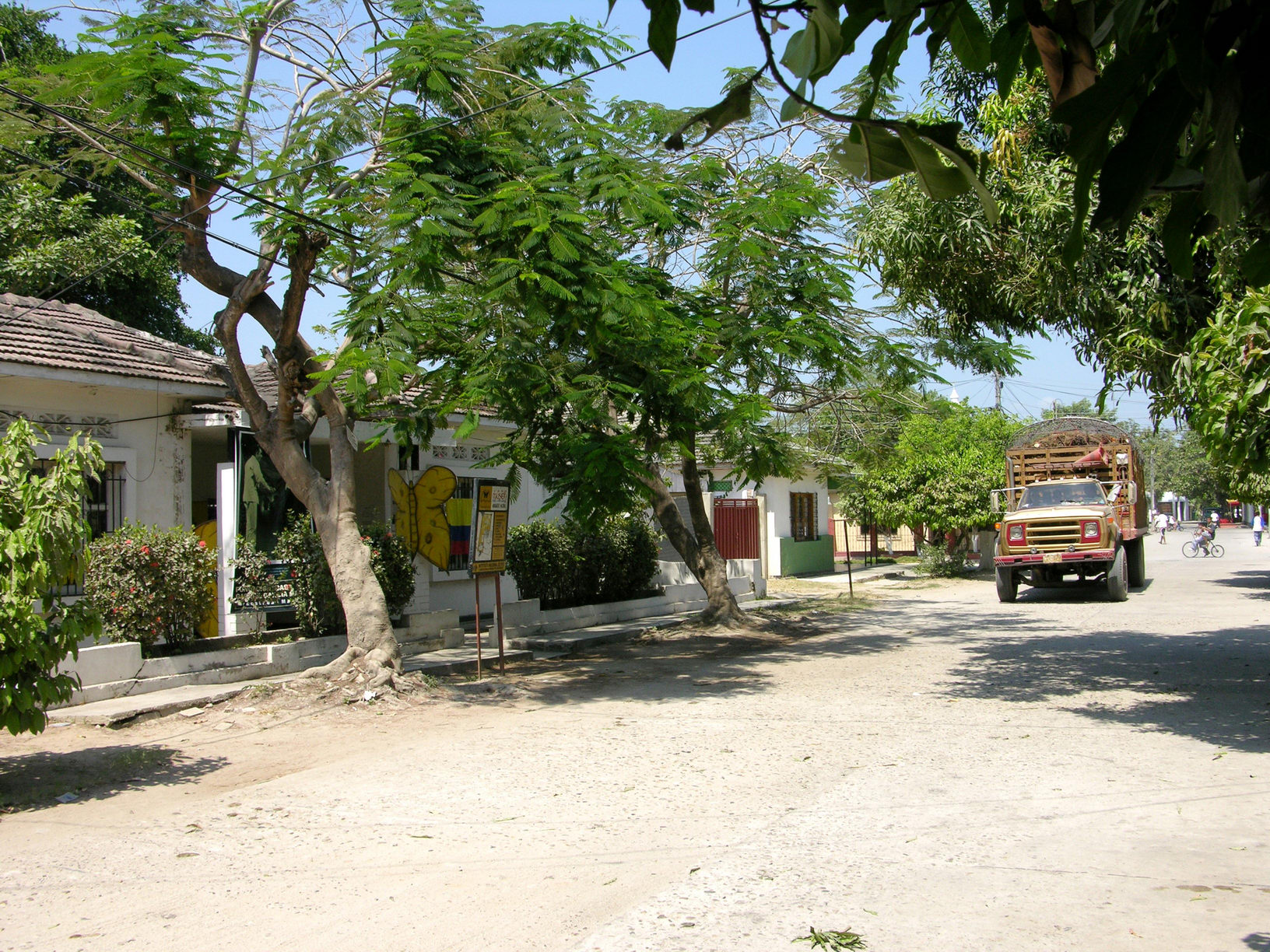
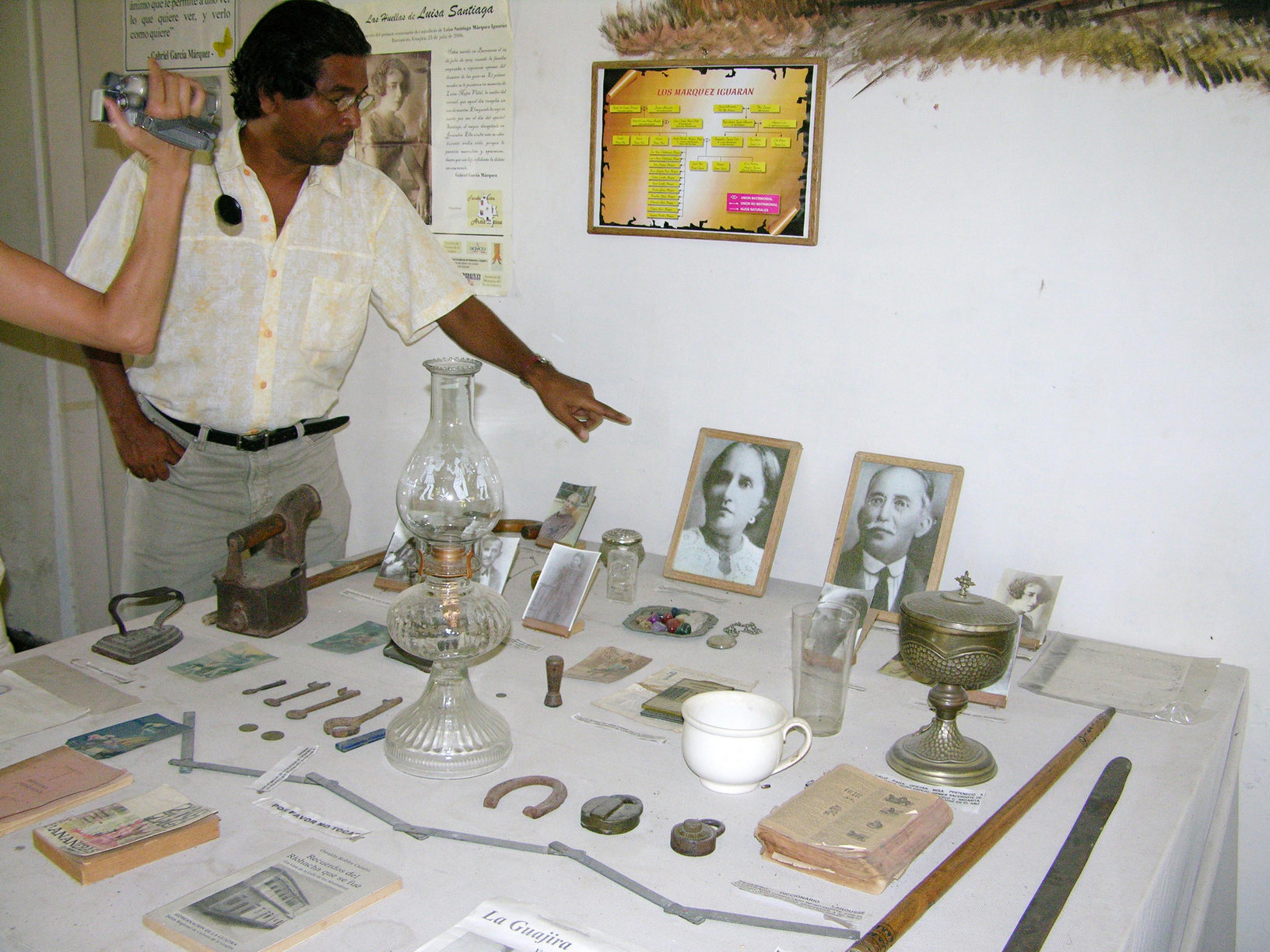
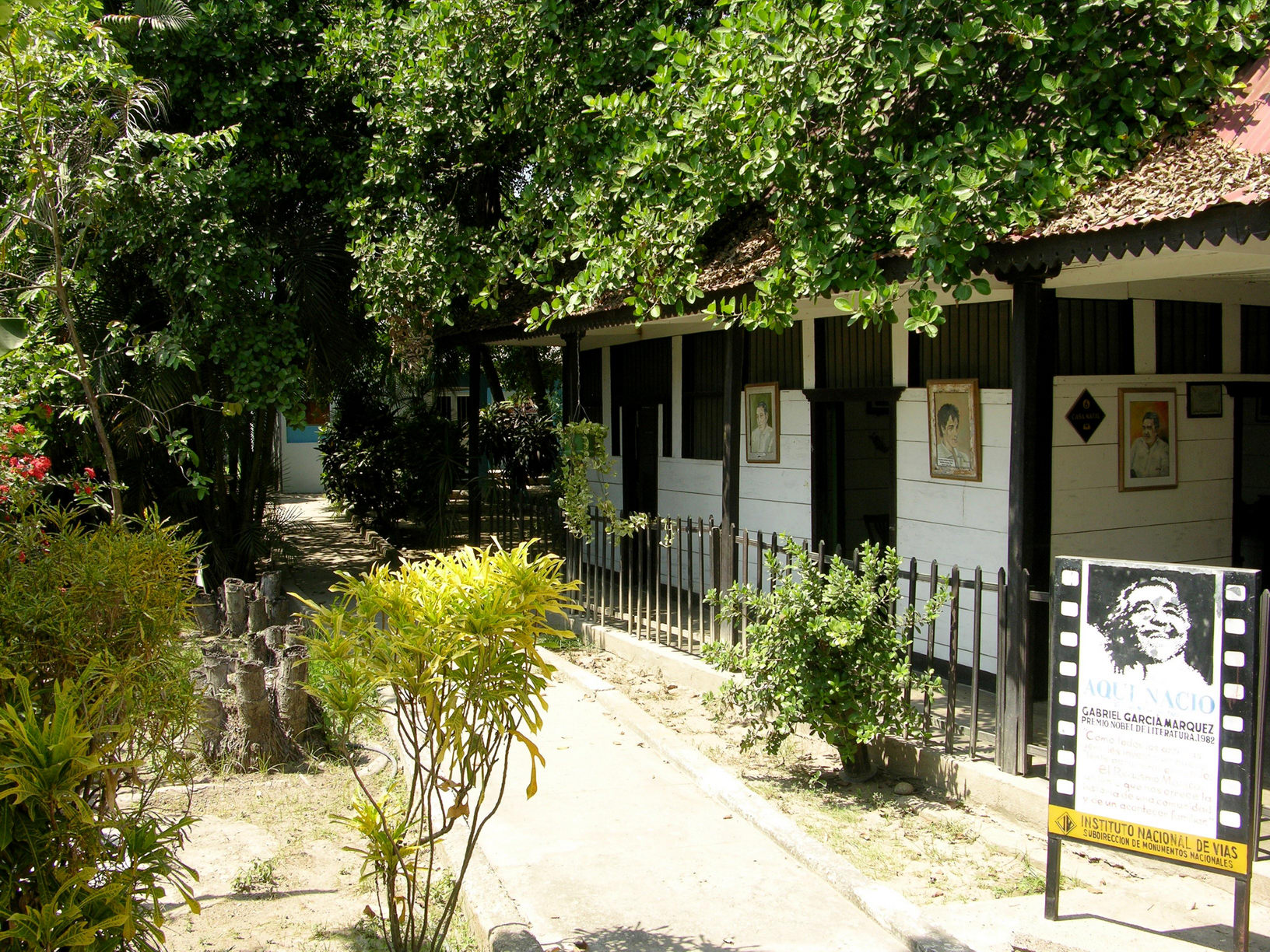
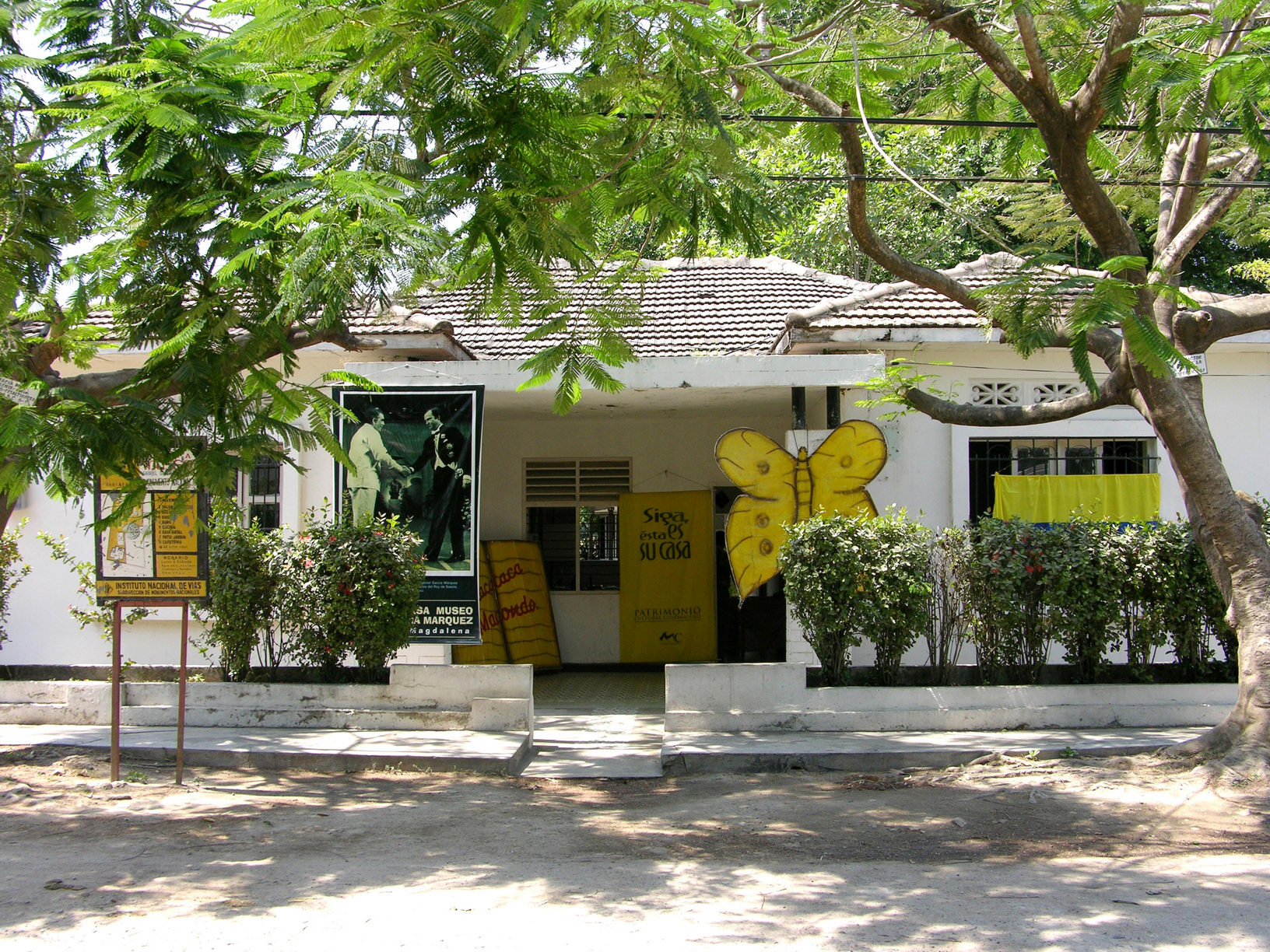
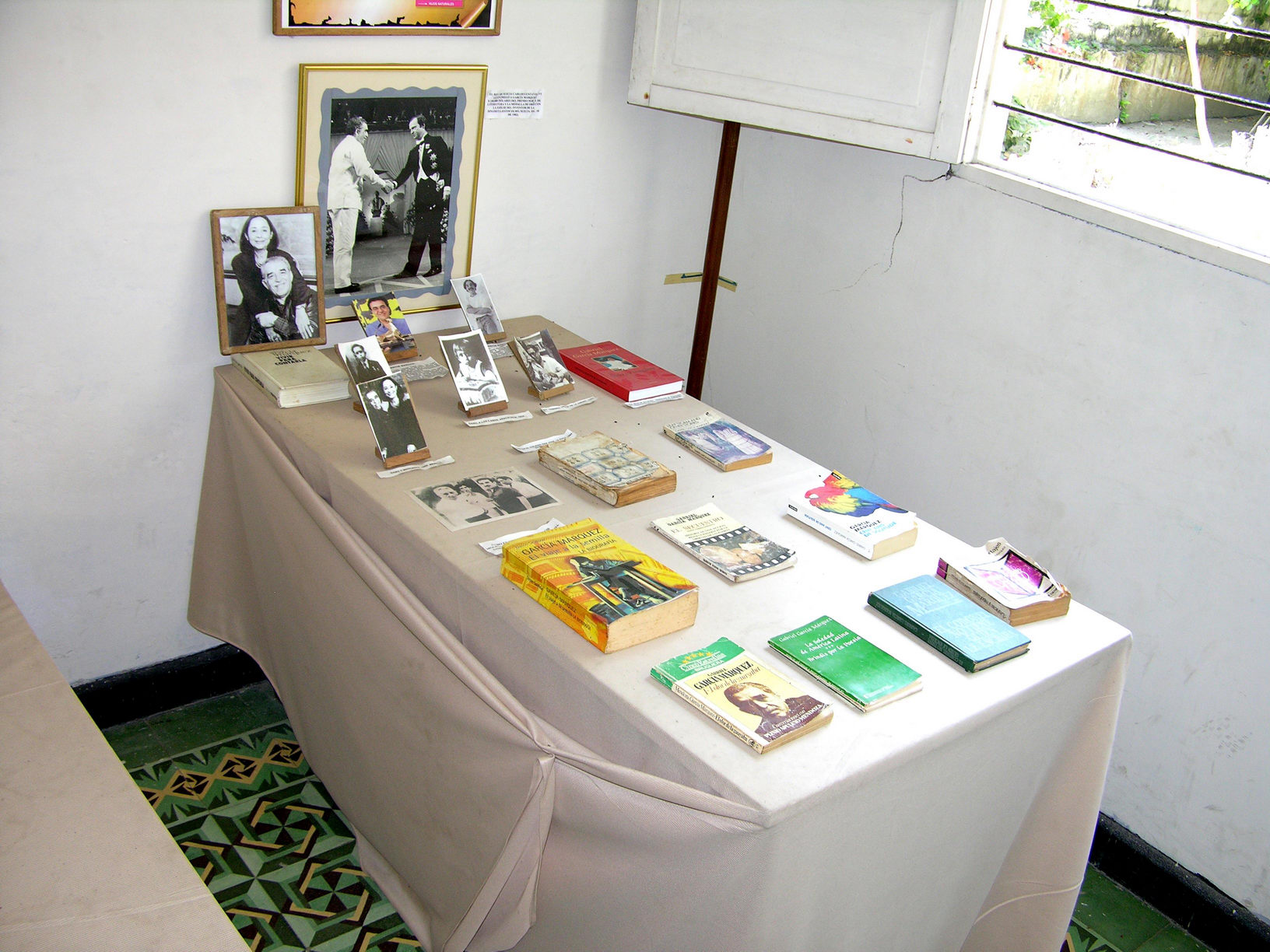
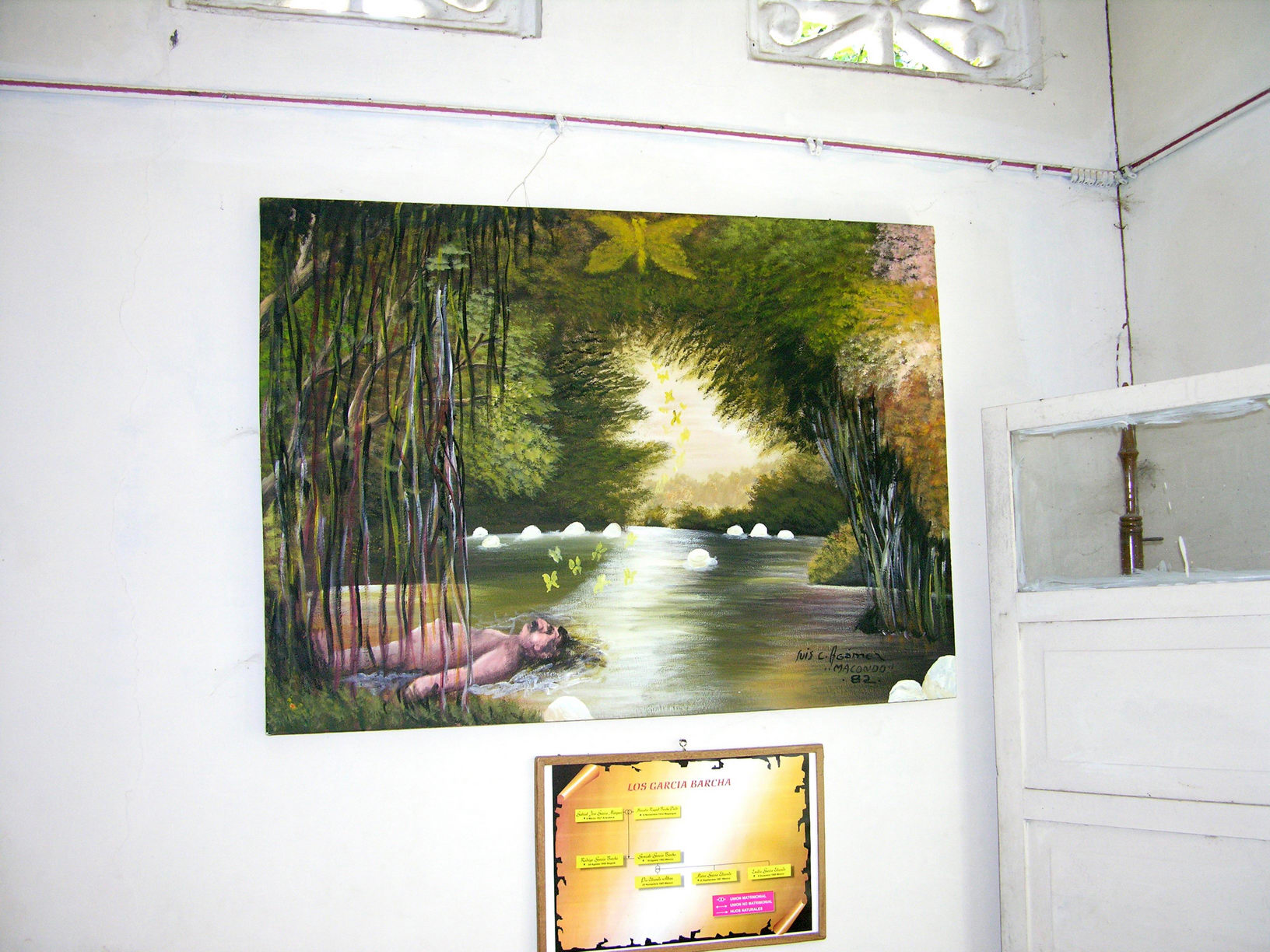
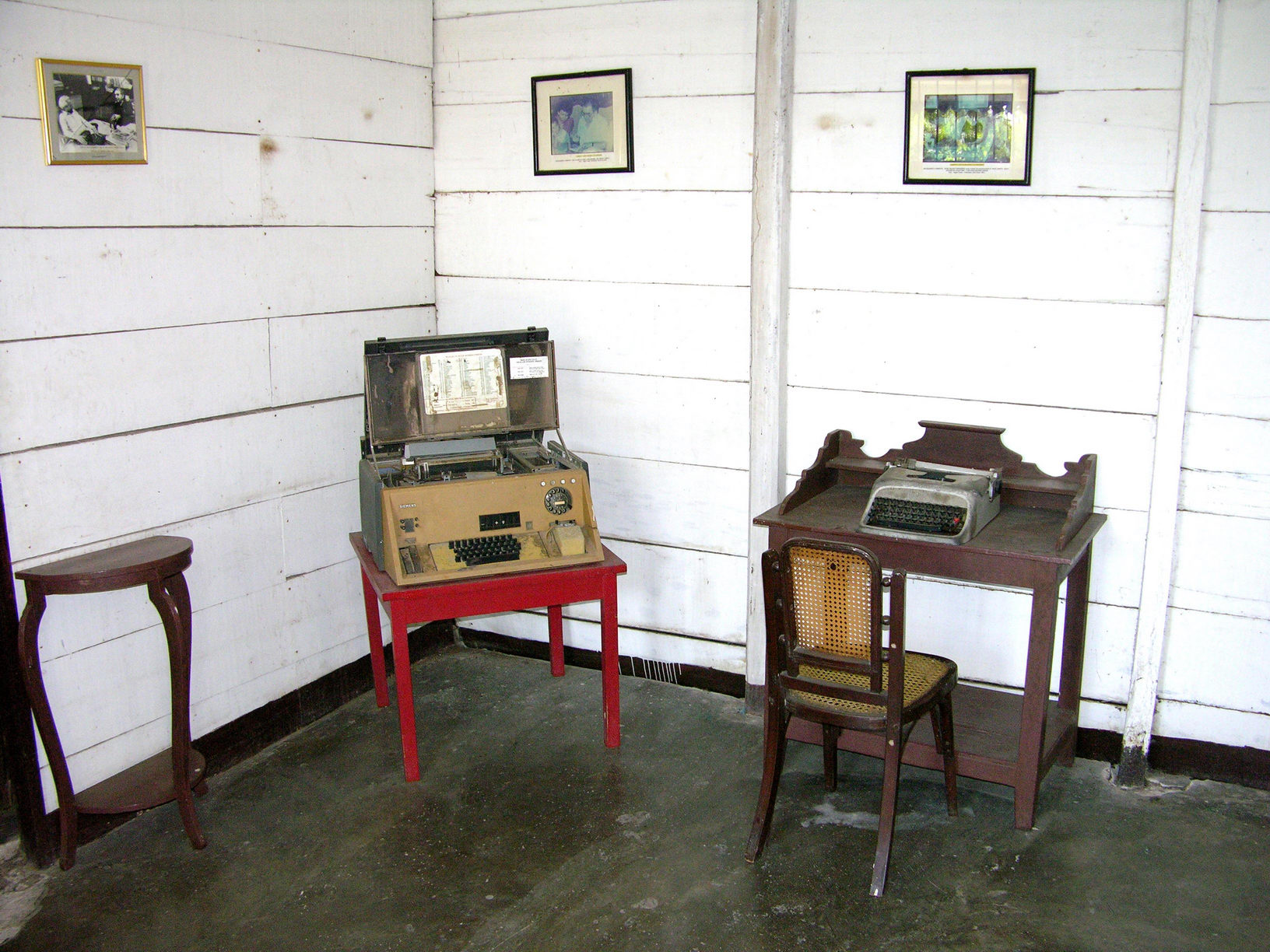
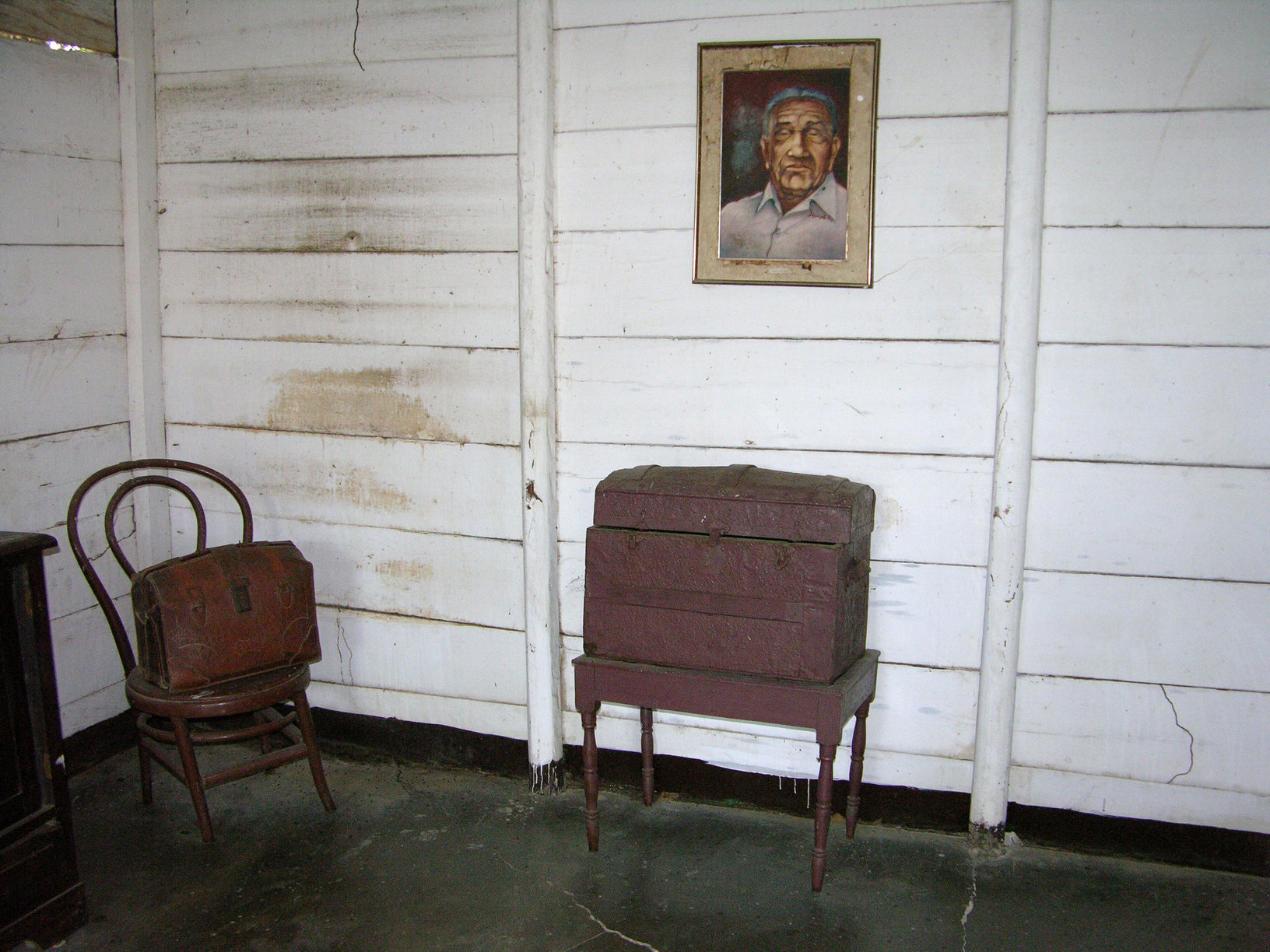
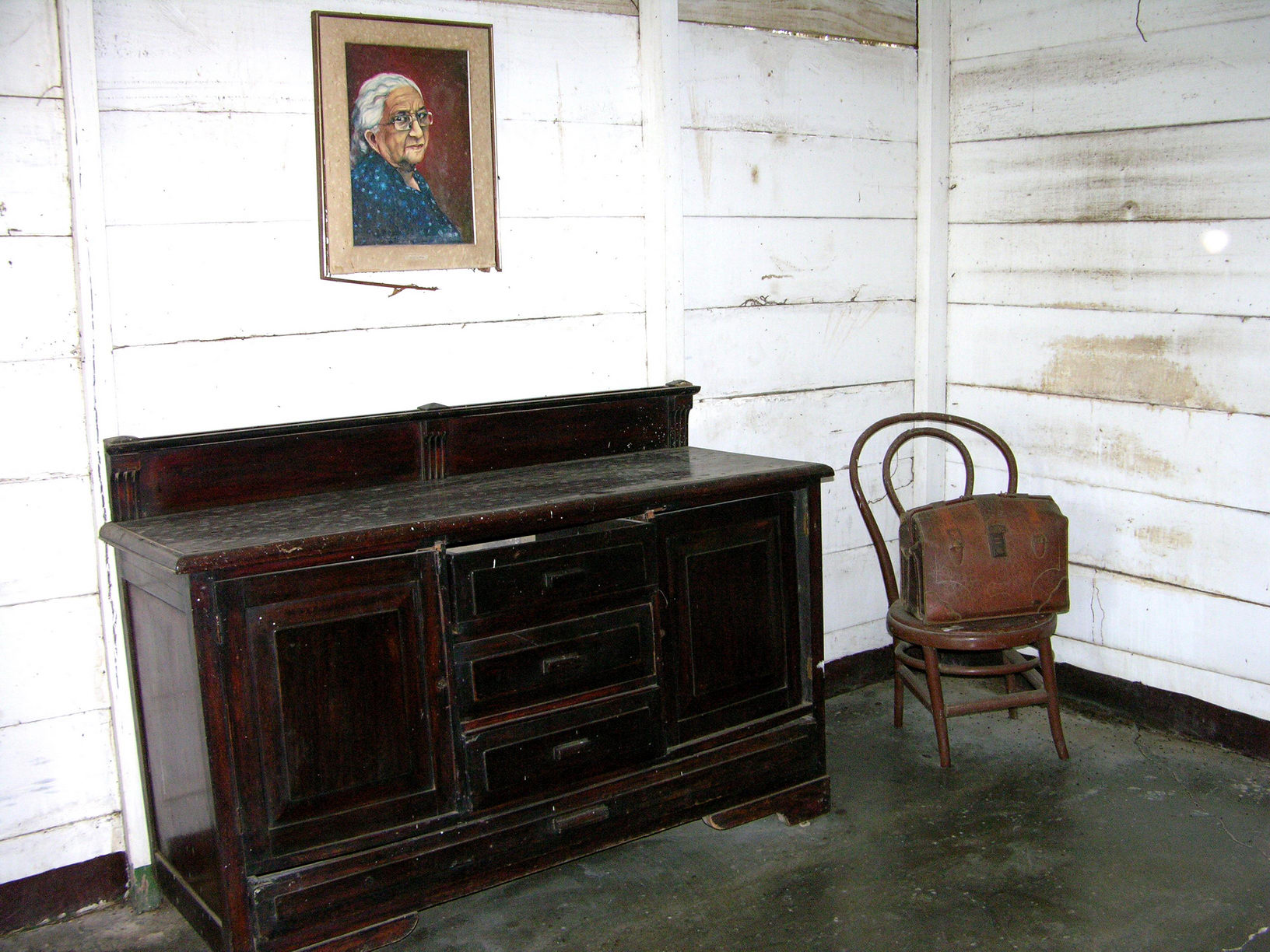
Most of the display panels are shot through with revolutionary spirit. Márquez hugging all the communist dictators. They called us comrades and were very pleased to meet visitors from the city of the great revolution. Could Márquez really have missed the horrors his comrades were perpetrating in their own countries? Still, Stalin and Che Guevara are two very different things.
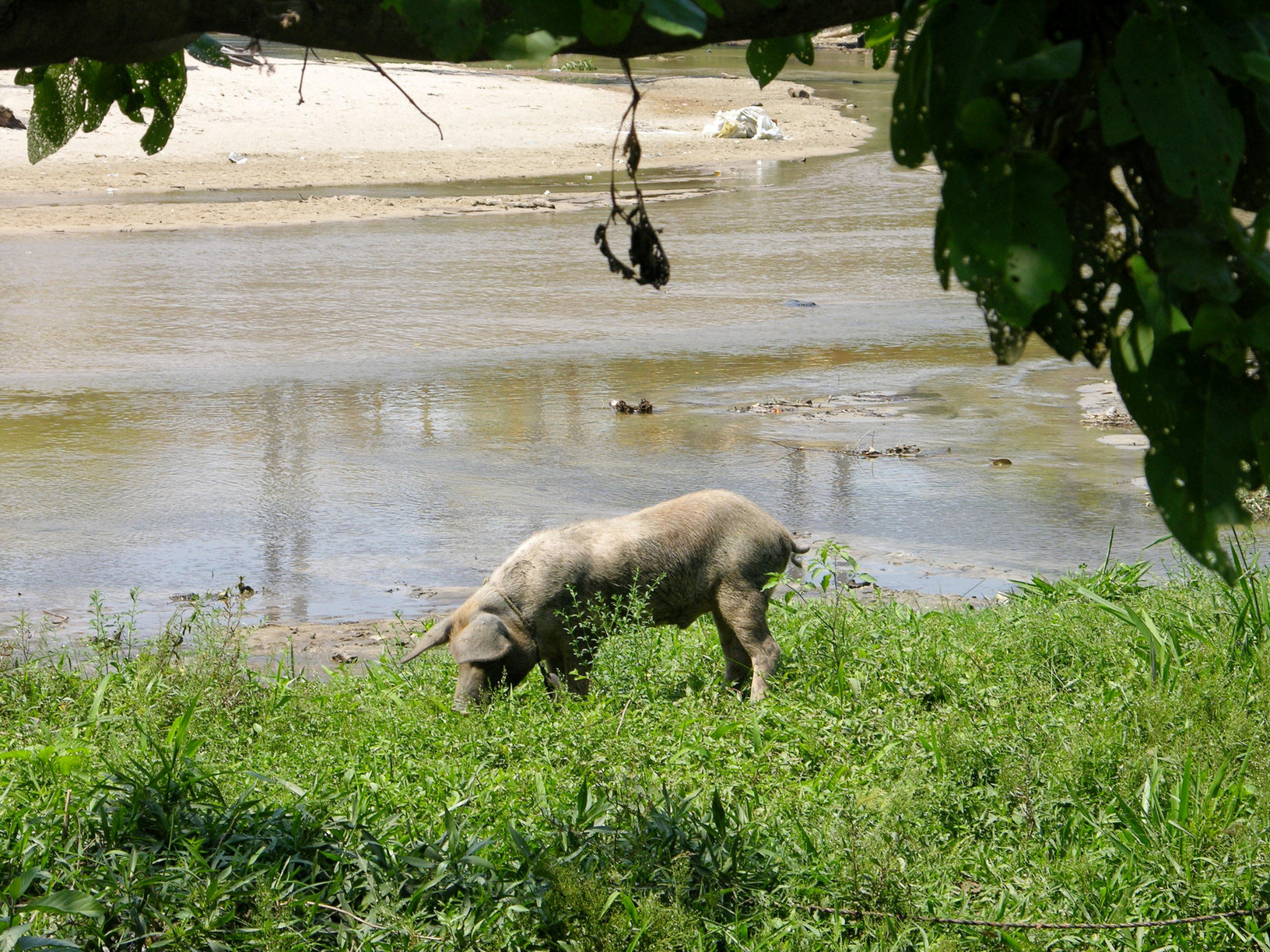
Today Aracataca is a one-storey settlement on both banks of the river of the same name. Dusty, hot streets, piglets running through them. The railway station is intact, but the traffic is mainly freight. They carry coal to Santa Marta, where it's transferred to ships. Under an enormous tree by the level crossing, at noon, an old woman sells soup from a hundred-litre pot. A bowl for a thousand pesos. Excellent soup. The pot is empty in half an hour. There aren't enough plastic chairs for all the customers.
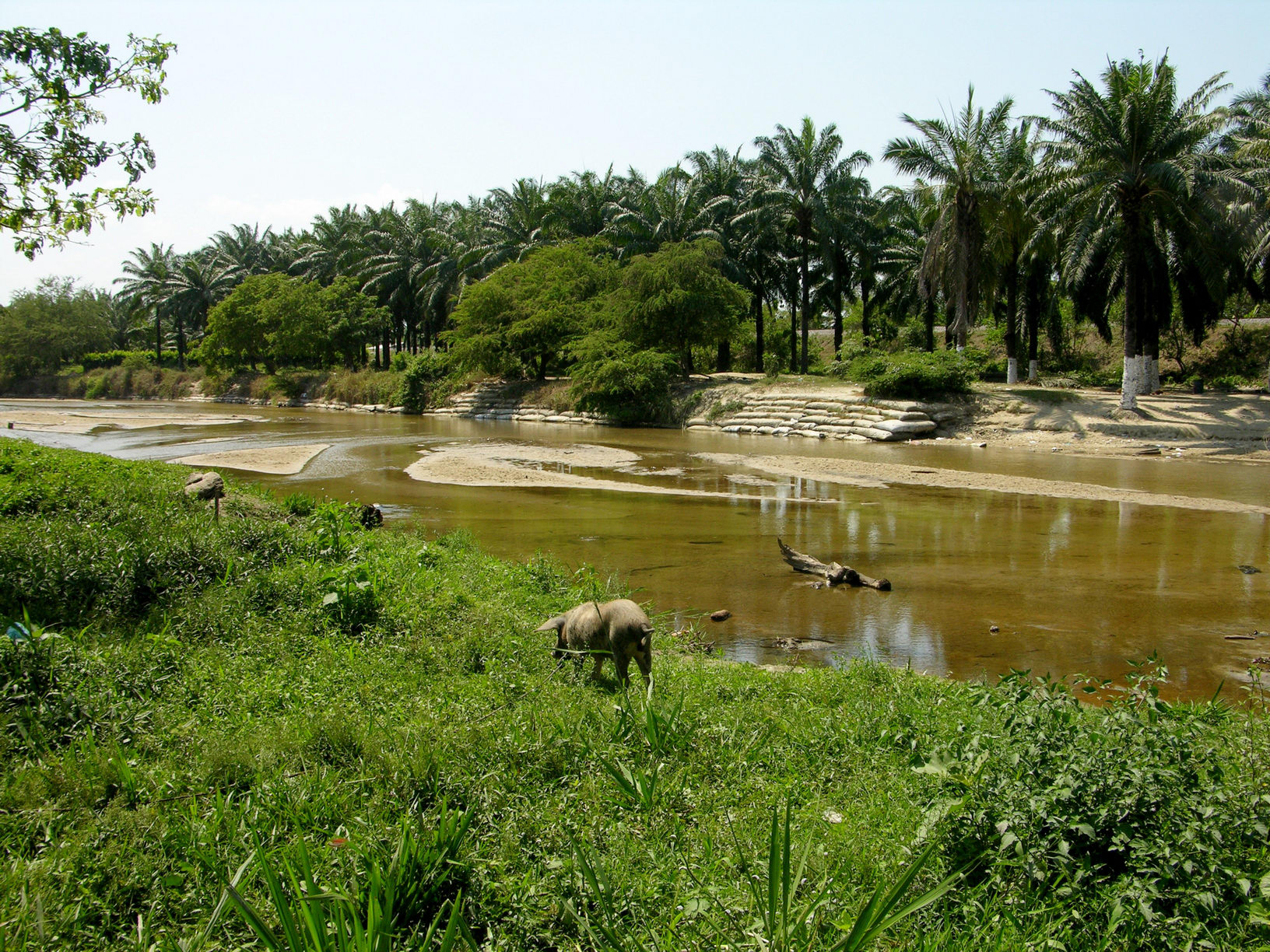
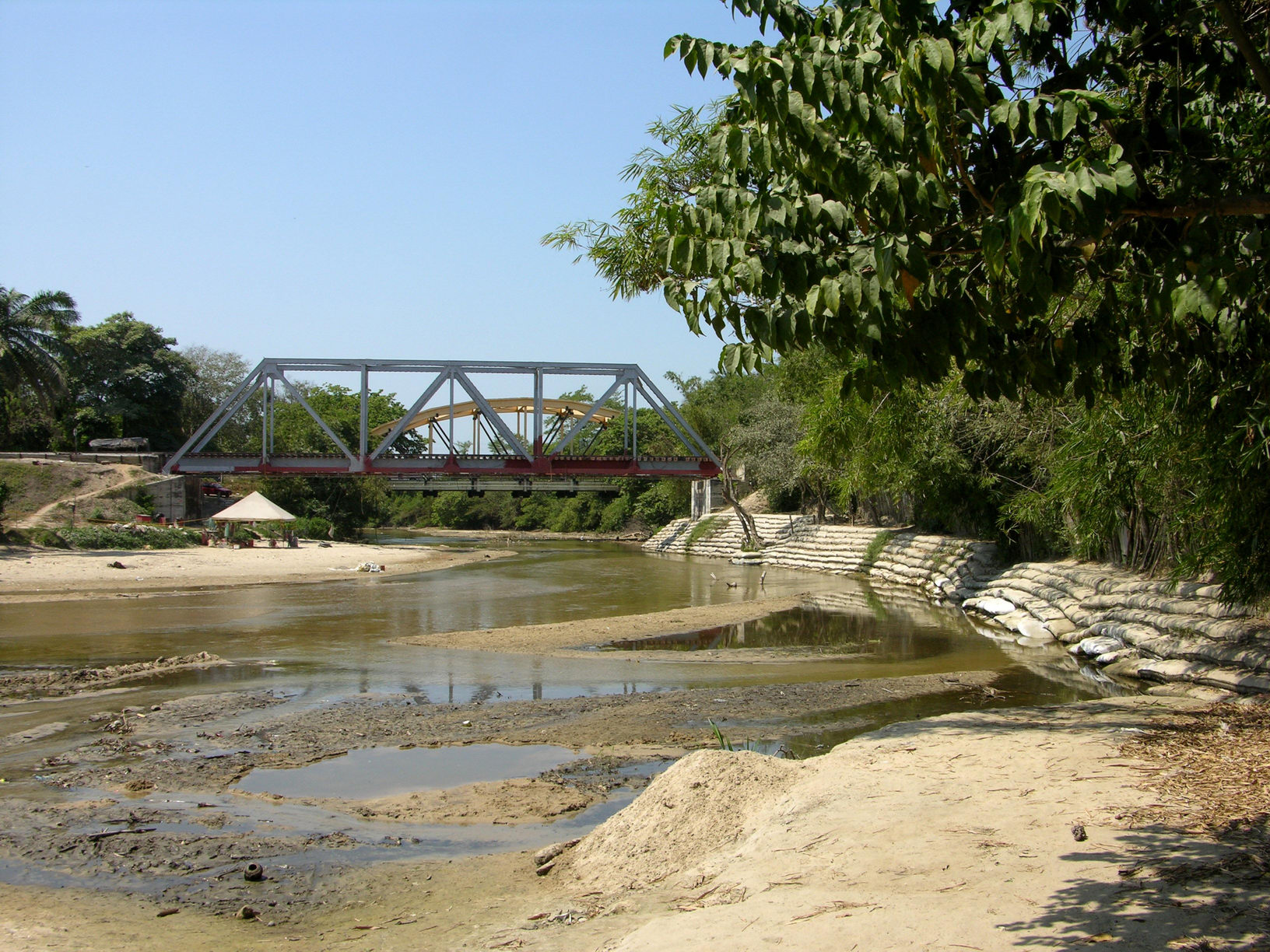
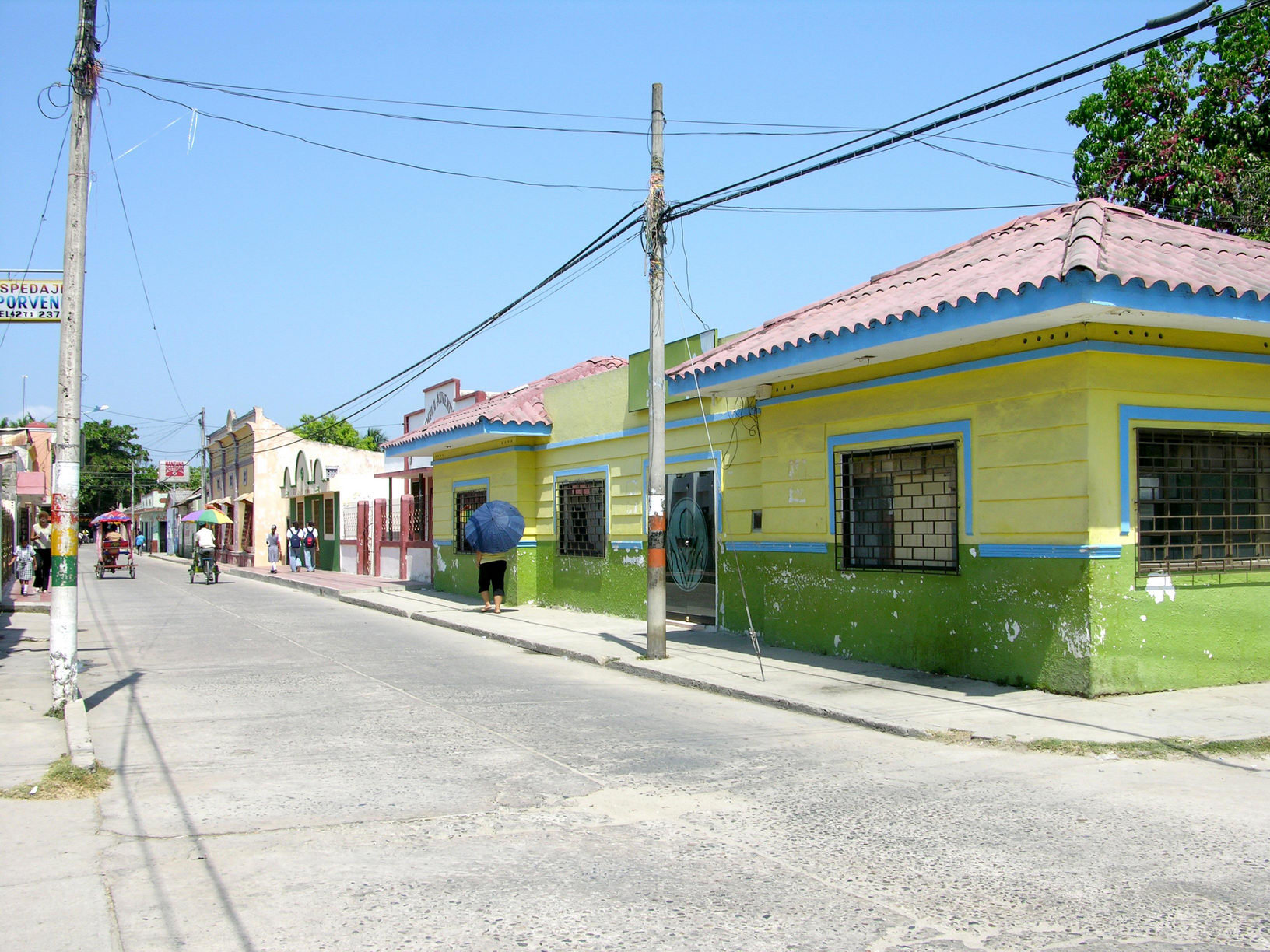
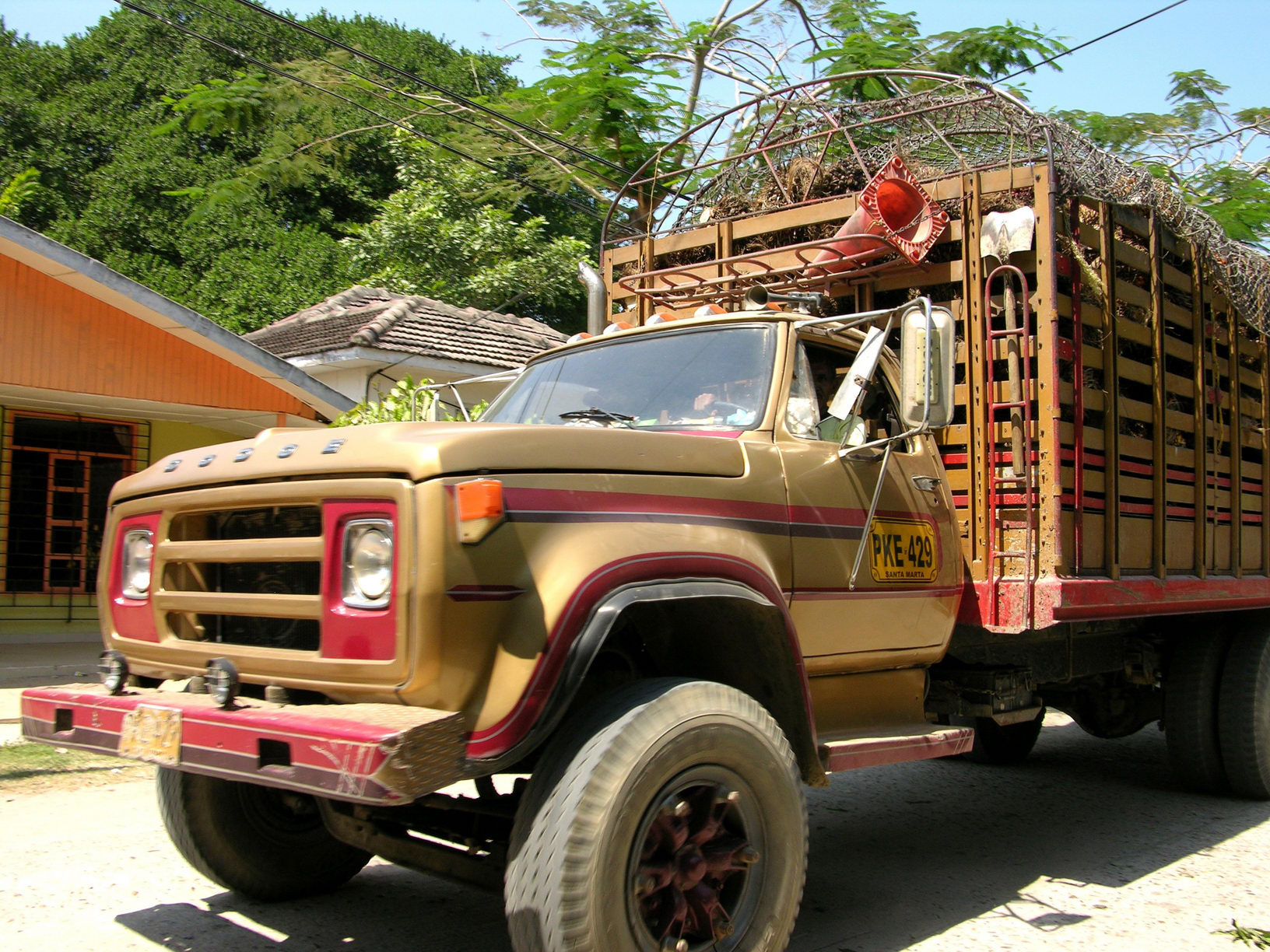
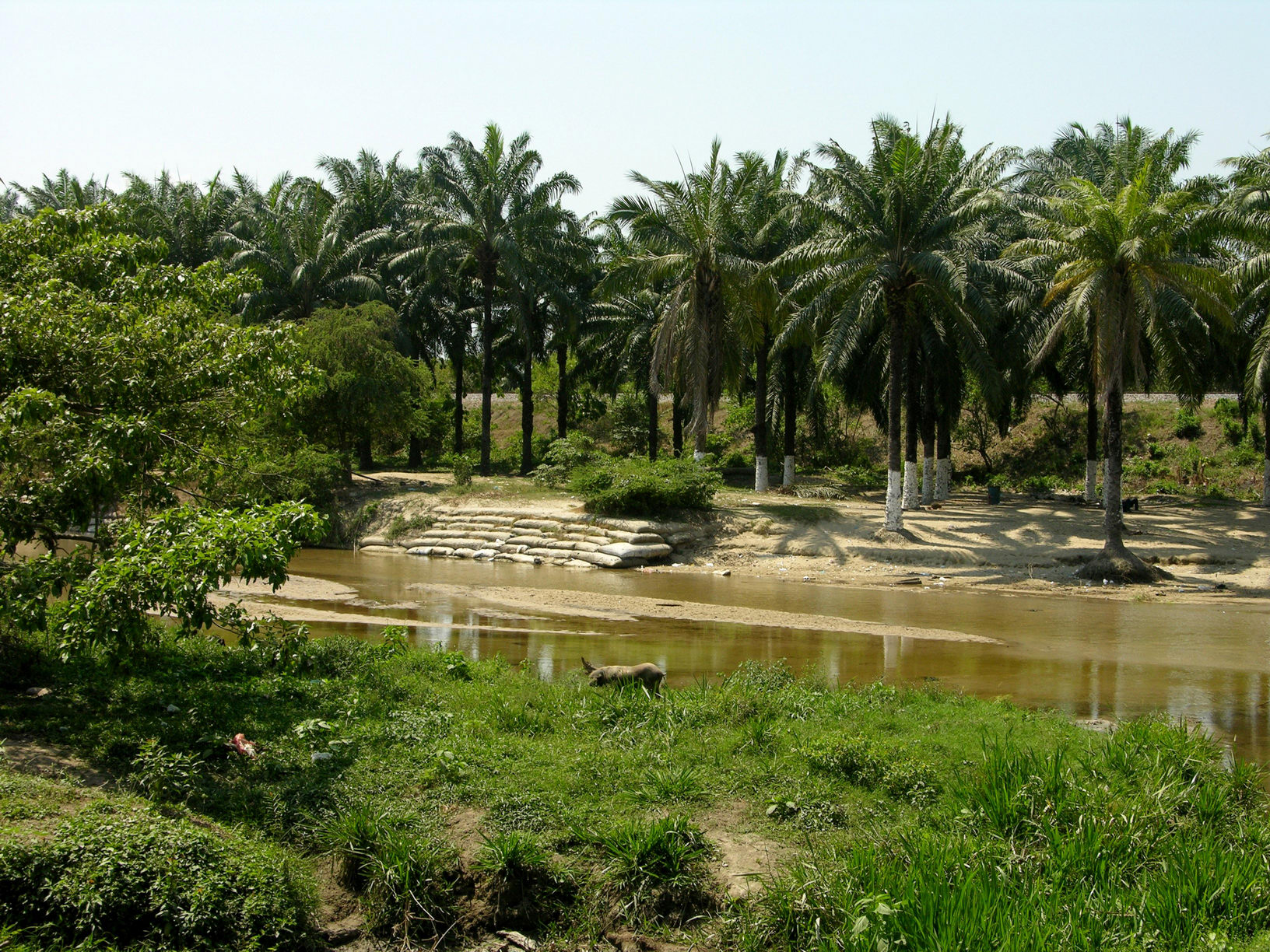
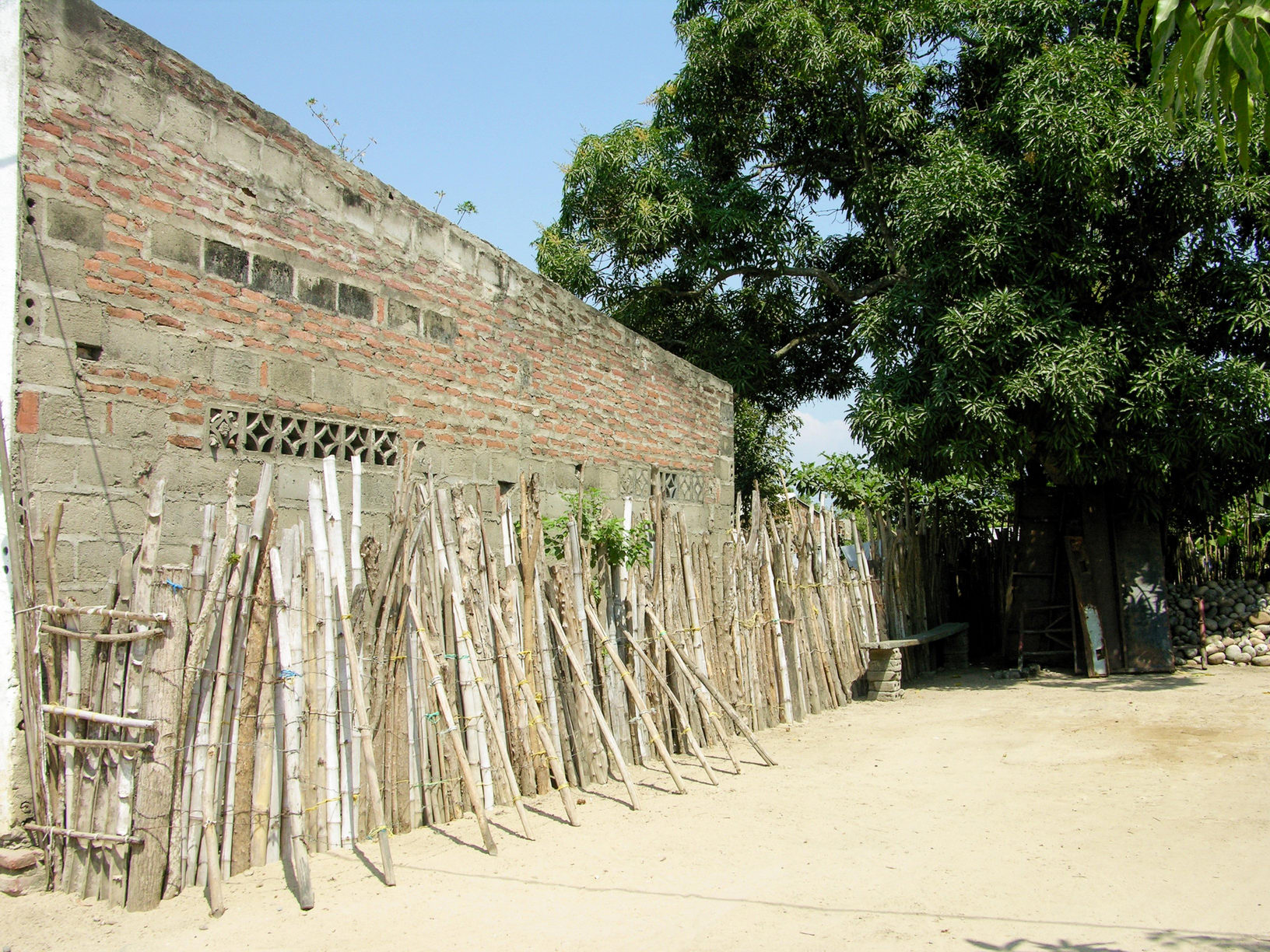
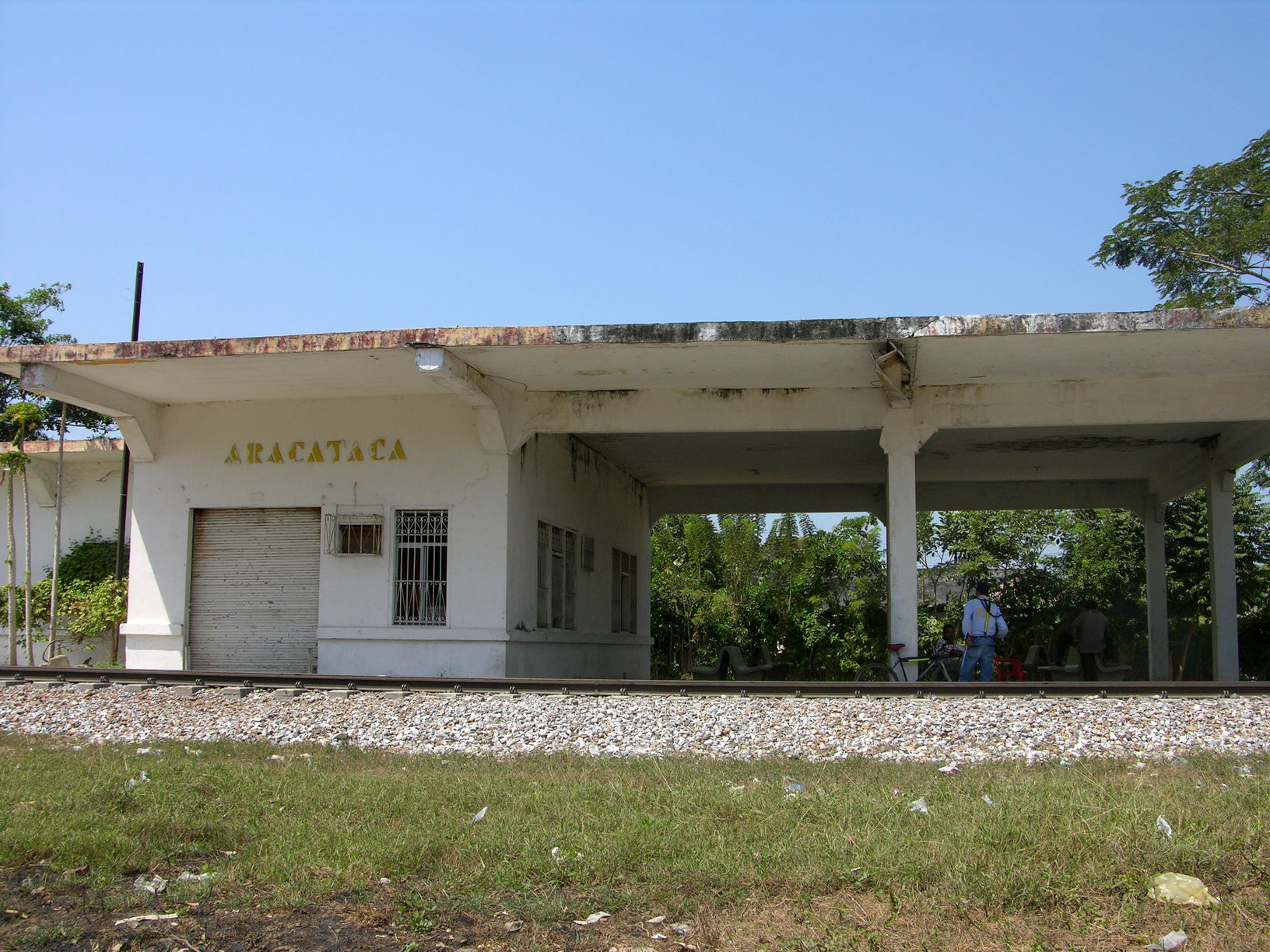
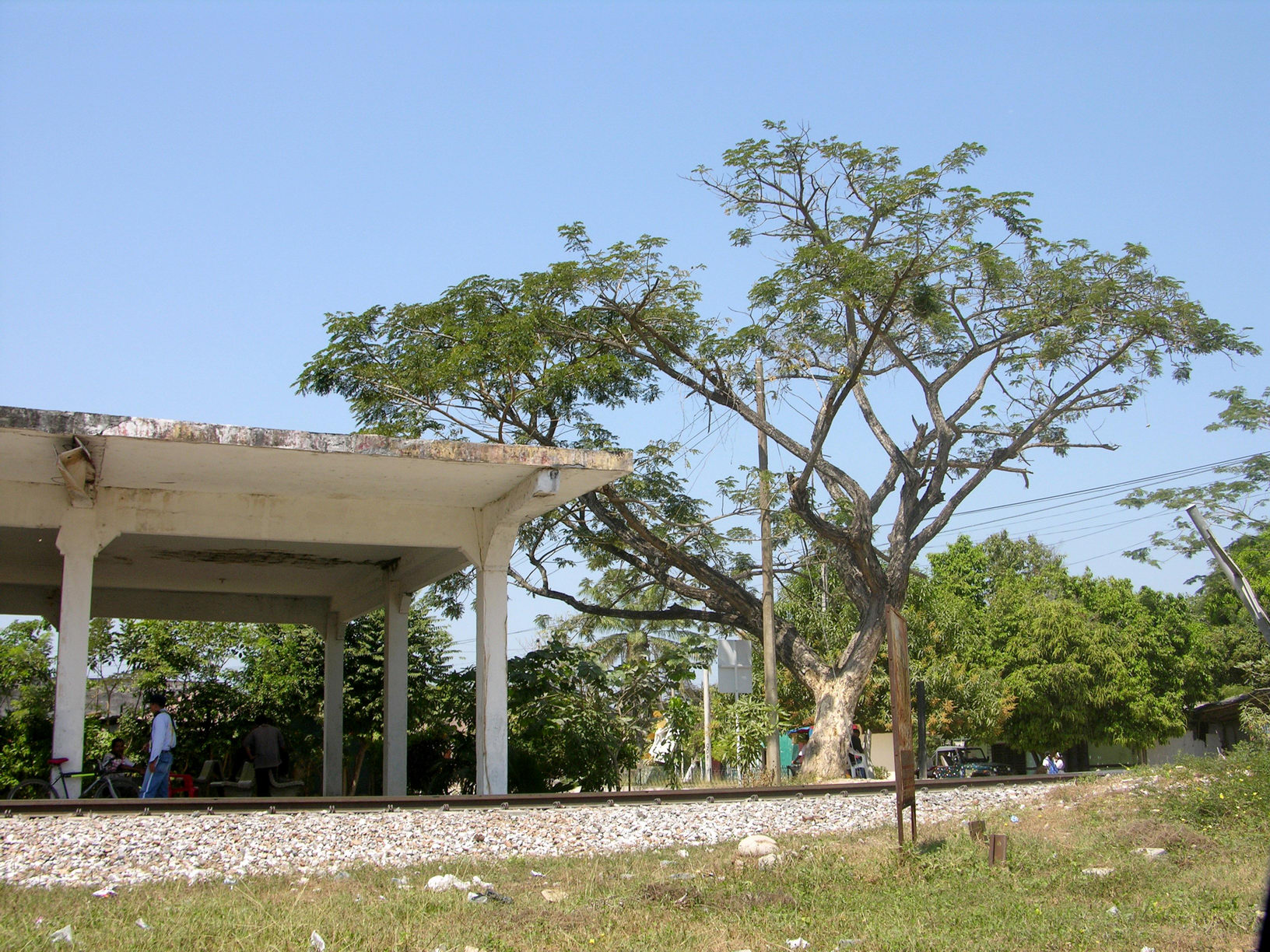
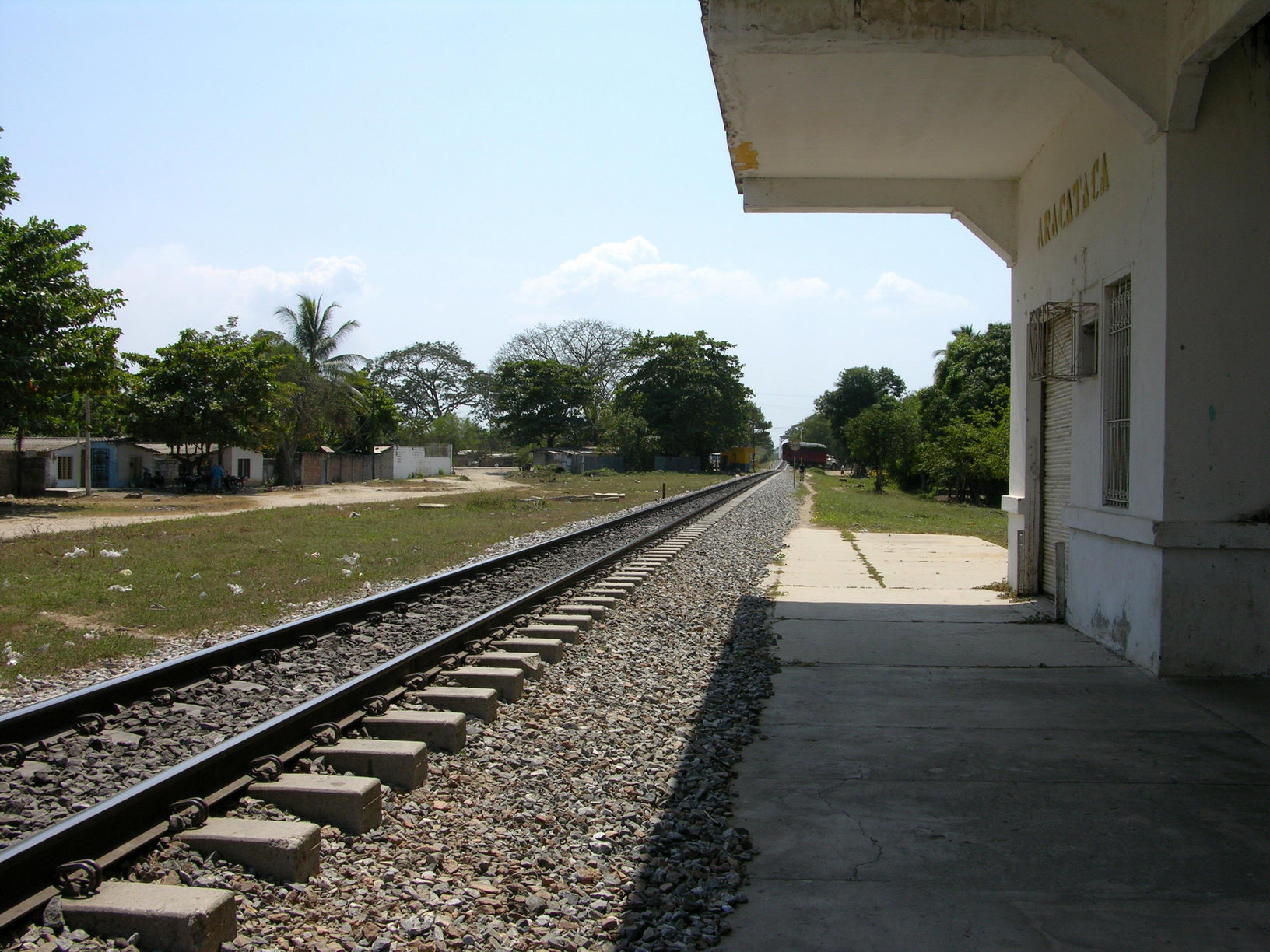
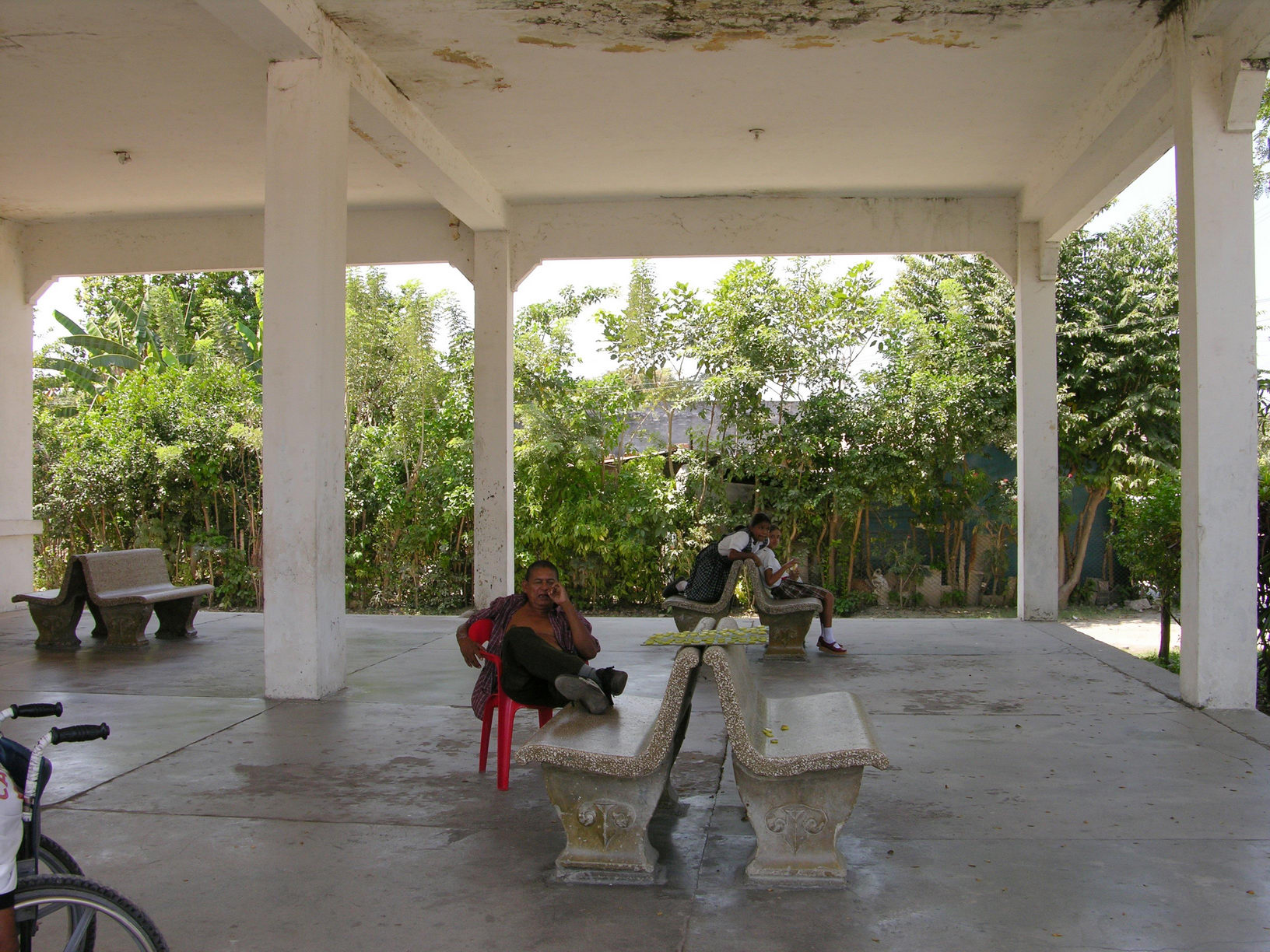
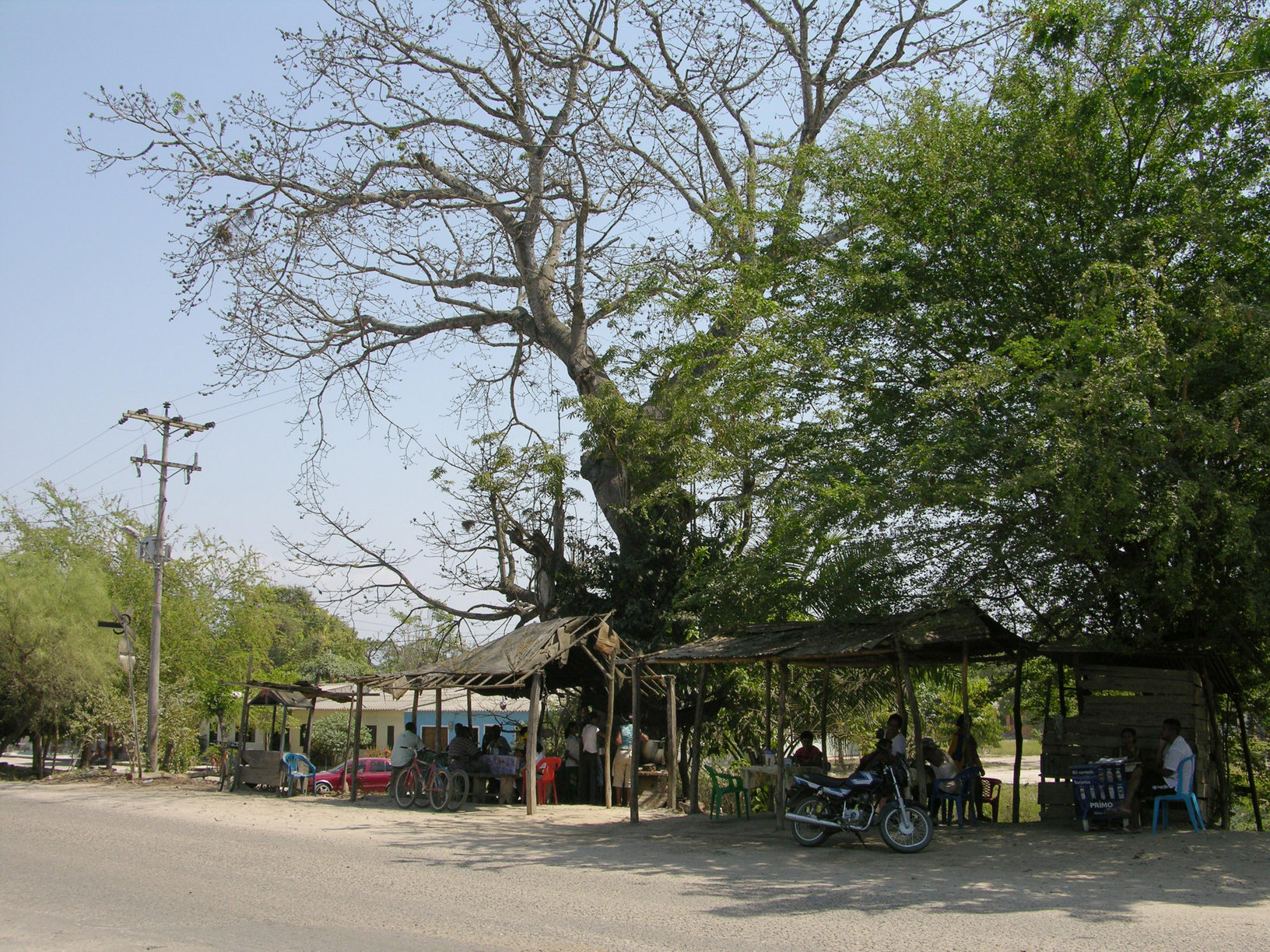
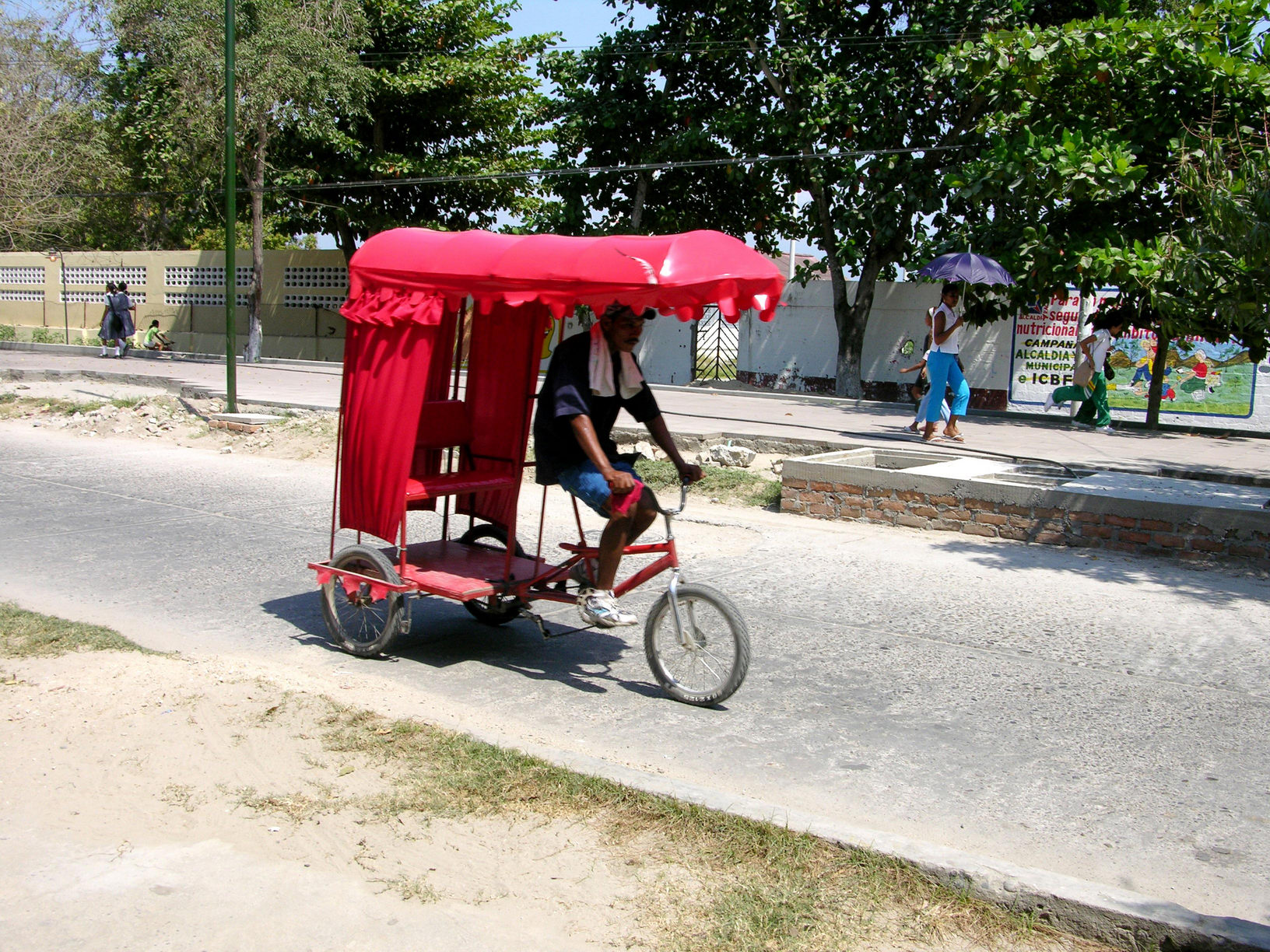
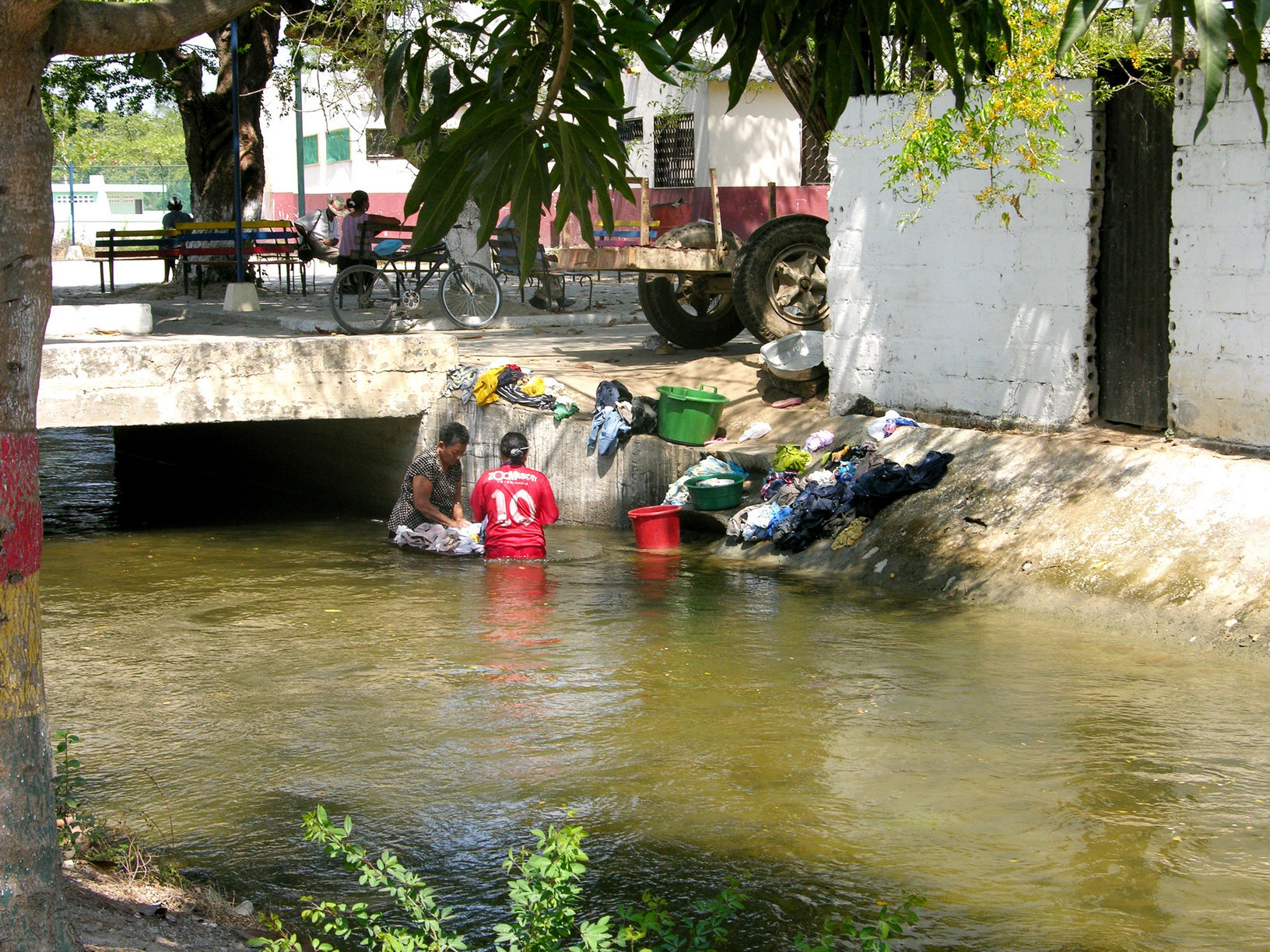
You see cycle rickshaws and old women washing clothes in the roadside ditch. In the scrub, ruins from different eras, the agricultural institute here and the satellite communications station there. At the army base a sign says “Welcome to Aracataca Military Base”. The young ladies, or rather muchachas, shelter from the heat under bright umbrellas. Instead of whitewash, the trees are painted in the colours of the Colombian flag. The soldiers came to the canteen in a jeep to eat their soup, drink beer and loudly discuss the fate of Colombia, automatic weapons and all.
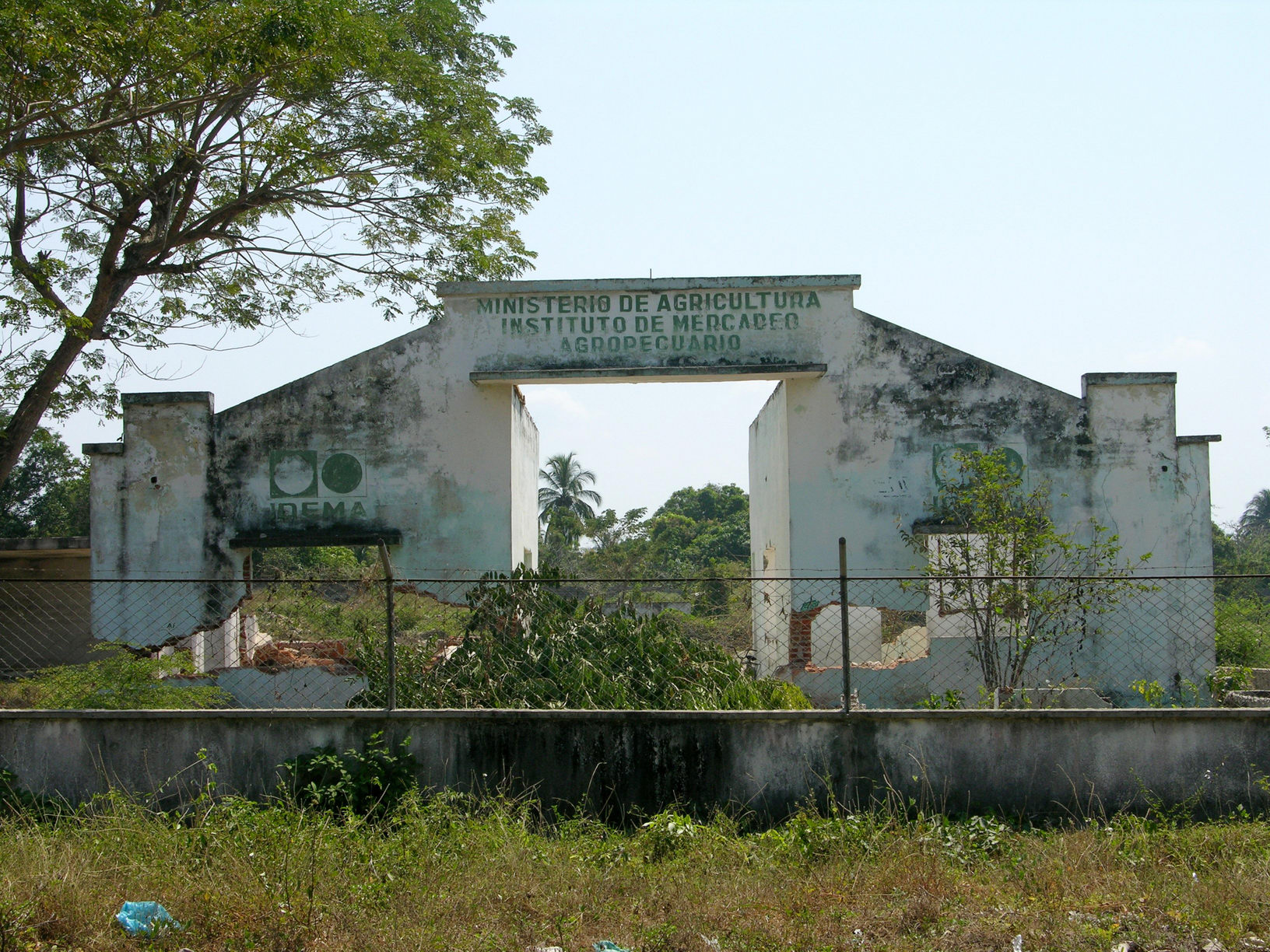
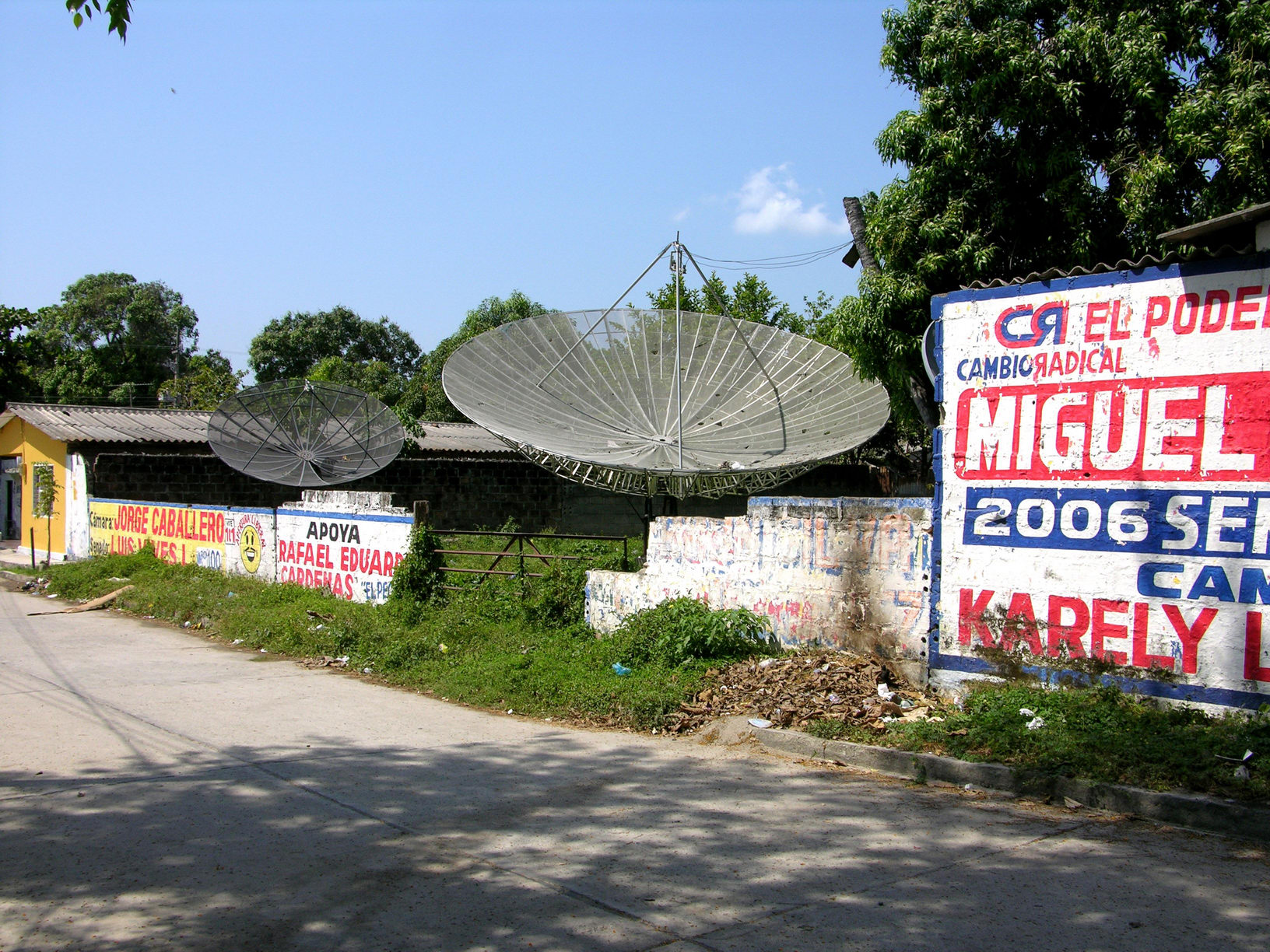
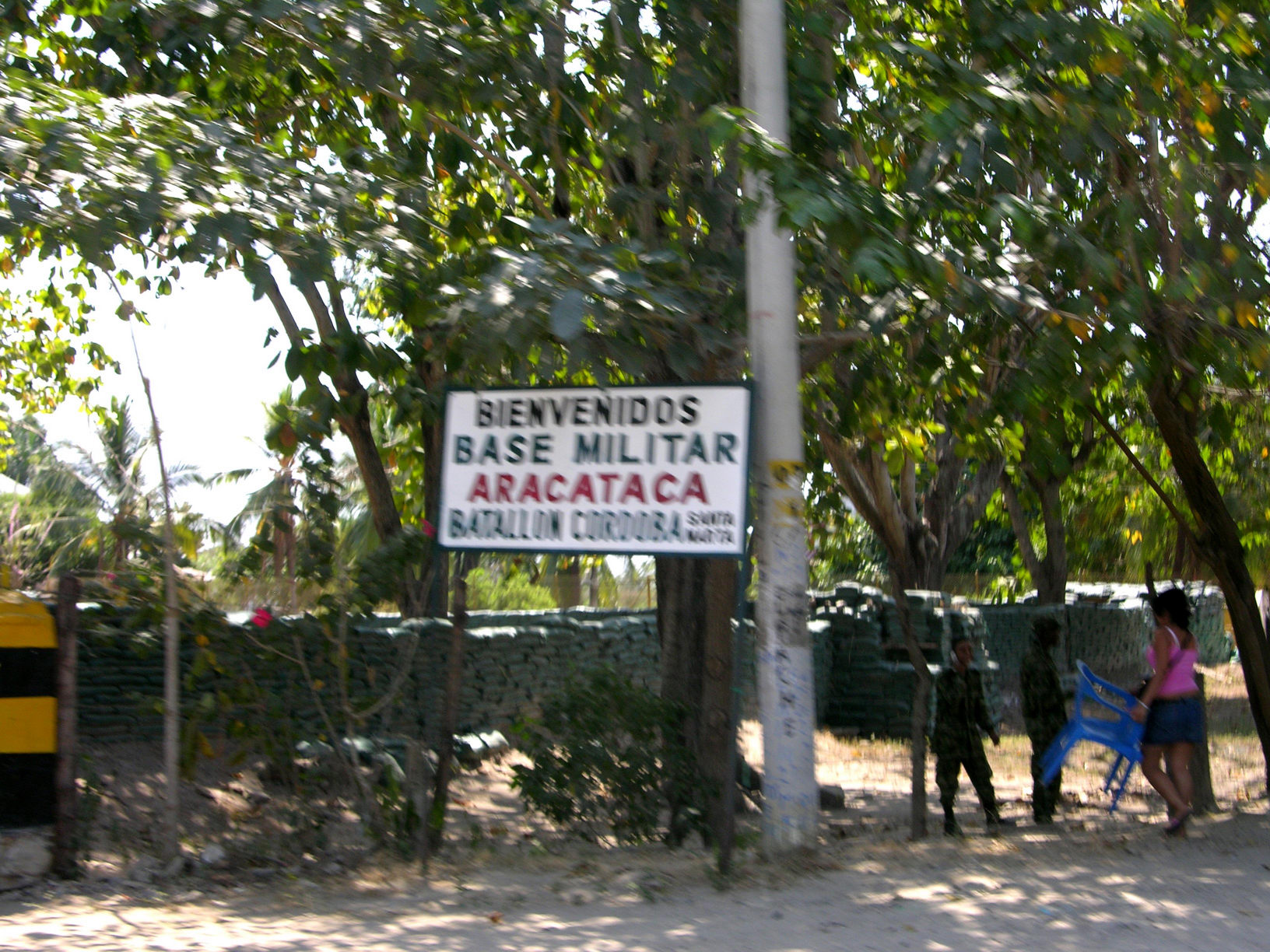
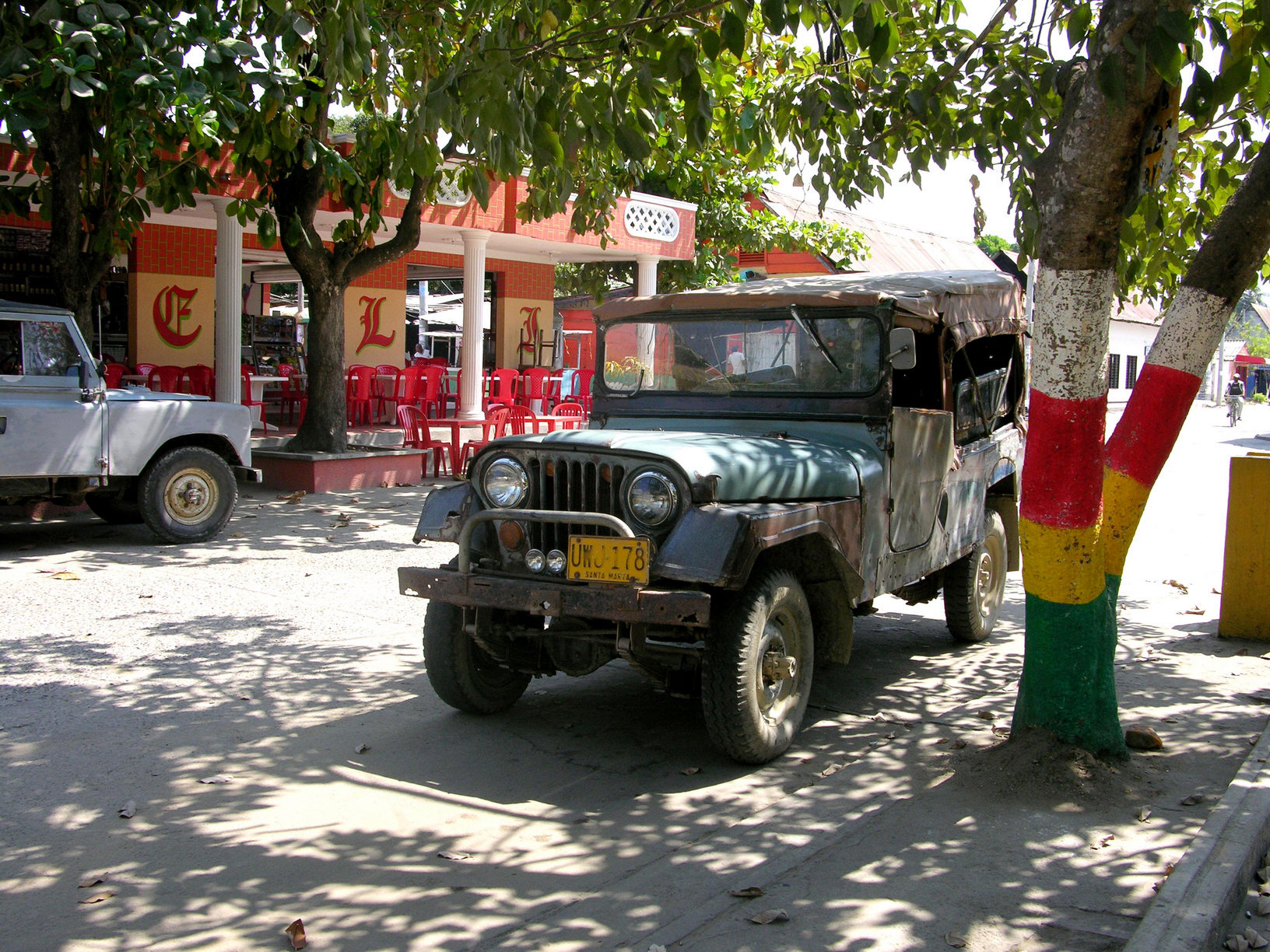
Of course, it had been eighty years since Márquez was a boy here, but something of Macondo still lived in the town. Something of home, too. There was something of my Vyritsa in the railway crossing. At any rate, I wasn't disappointed. One shame: the tropical forests had vanished without a trace. And the sea is only a hundred kilometres away. They'd come here through the mountains, making that enormous detour. If they'd had a map, they'd never have had to go into the mountains at all. They'd have made it in ten days.
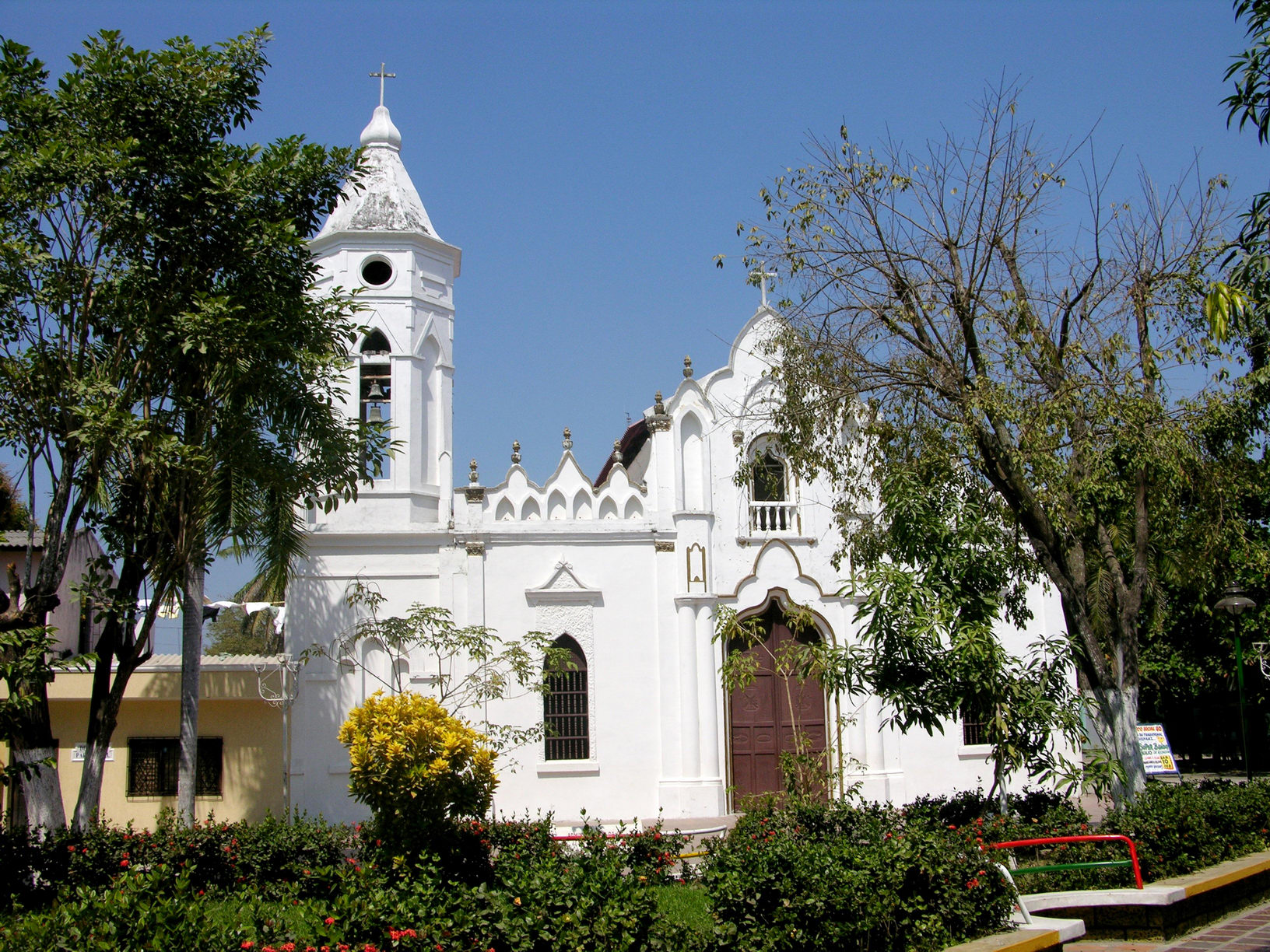
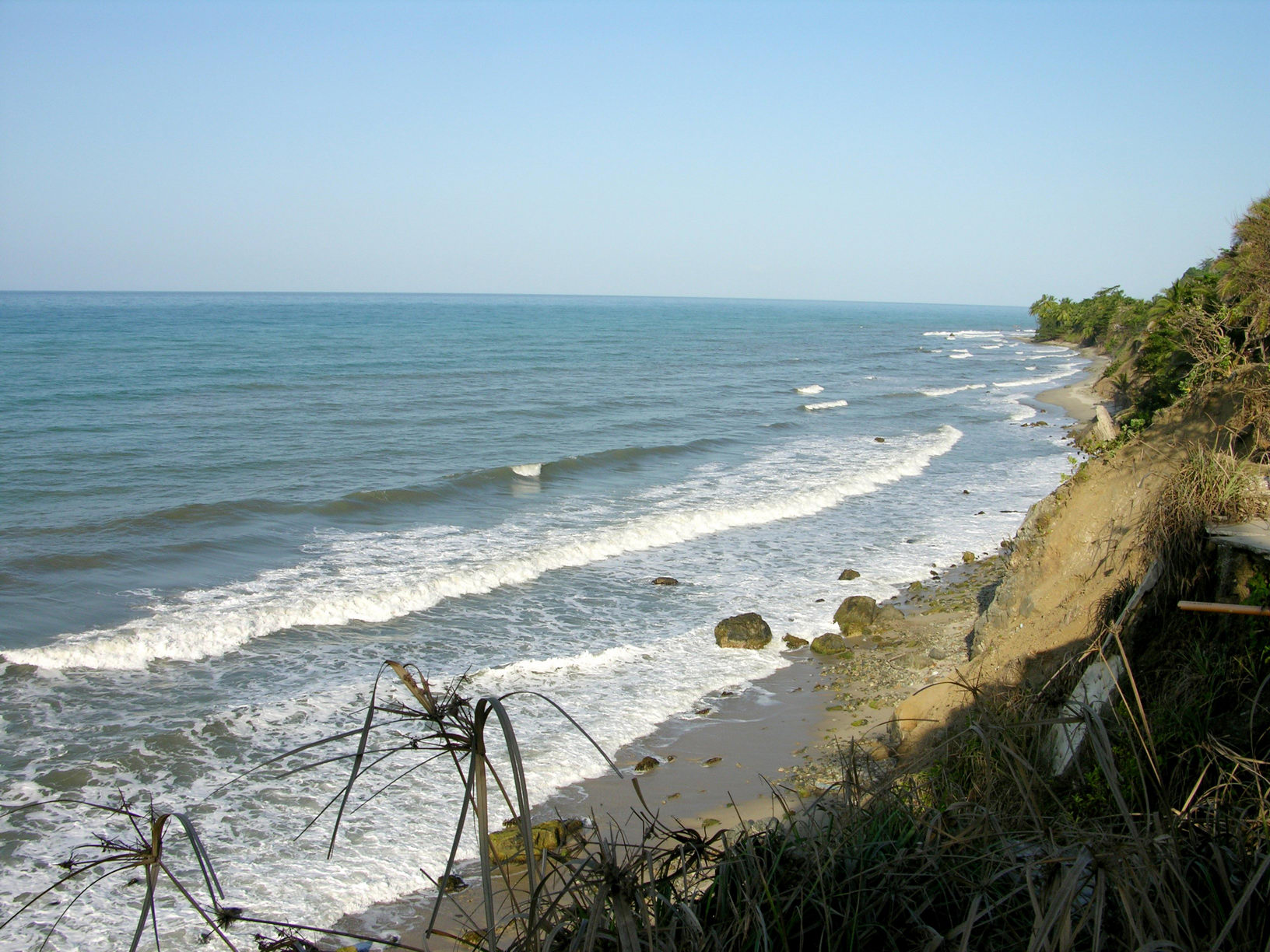
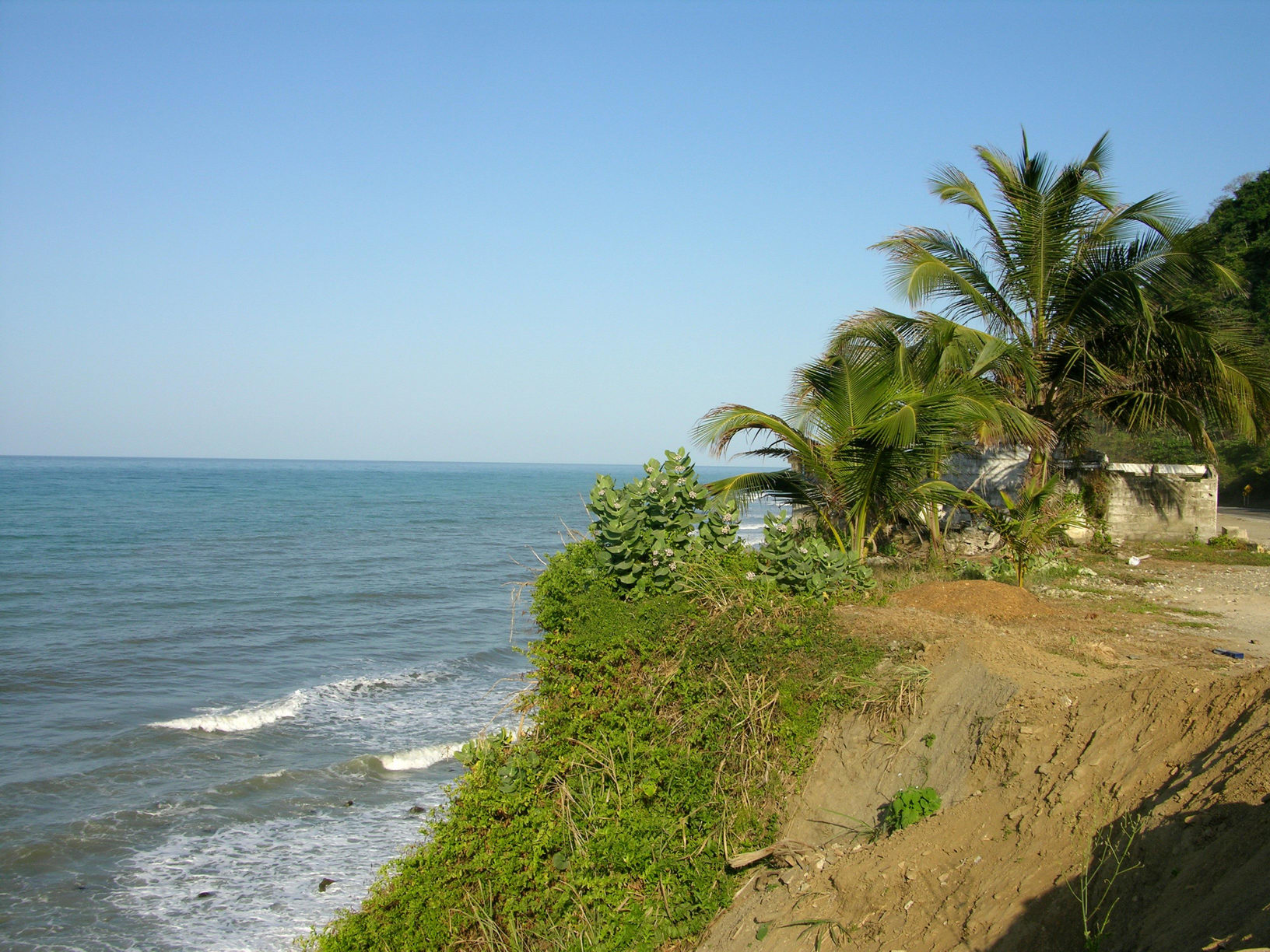
On the highway from Aracataca today it's an hour to the coast. The nearest town is Santa Marta, a large seaside city with a broad beach lined with high-rise tourist hotels. Just a few thousand kilometres and a few hours' flying from the States. Prices several times lower than Miami. So there they fly, out of the concrete jungle of their cities into the concrete jungle of a seaside resort. And a completely different country all around it, though few people care to step outside the fence and see it.
Farther on the road runs along the coast at the foot of the mountains. This is where the central Andean range comes to an end. Right from the sea you can see snow-covered Pico Bolívar, 5,775 metres high. On the foothills of the Sierra Nevada de Santa Marta there's forest, and more than forest. In theory it's a national park. That's not the main thing. In Colombia, a national park means much more than a place to protect nature. It's a good deal more complicated. If it's a national park, nobody is supposed to live or work there. In that case the army and police have no business there either, and they're not there. But there are coca plantations and guerrillas. The authorities know perfectly well what's going on there, of course, and the idea of the park is little more than a fig leaf. But you have to be realistic. Half the country has been under rebel control for decades. They couldn't be wiped out, though it had been tried many times. If you fight to the death, it's anyone's guess who finishes whom. To the great satisfaction of the world outside, the current government is fighting drugs, but within reasonable limits. Or rather, they seem to have come to a tacit agreement over some sort of status quo. And then the price of oil went up. Colombia produces oil, which allowed it in a way to buy peace. So coca grows in the national parks. Conservation is a sacred affair. No good trampling it with an army boot.
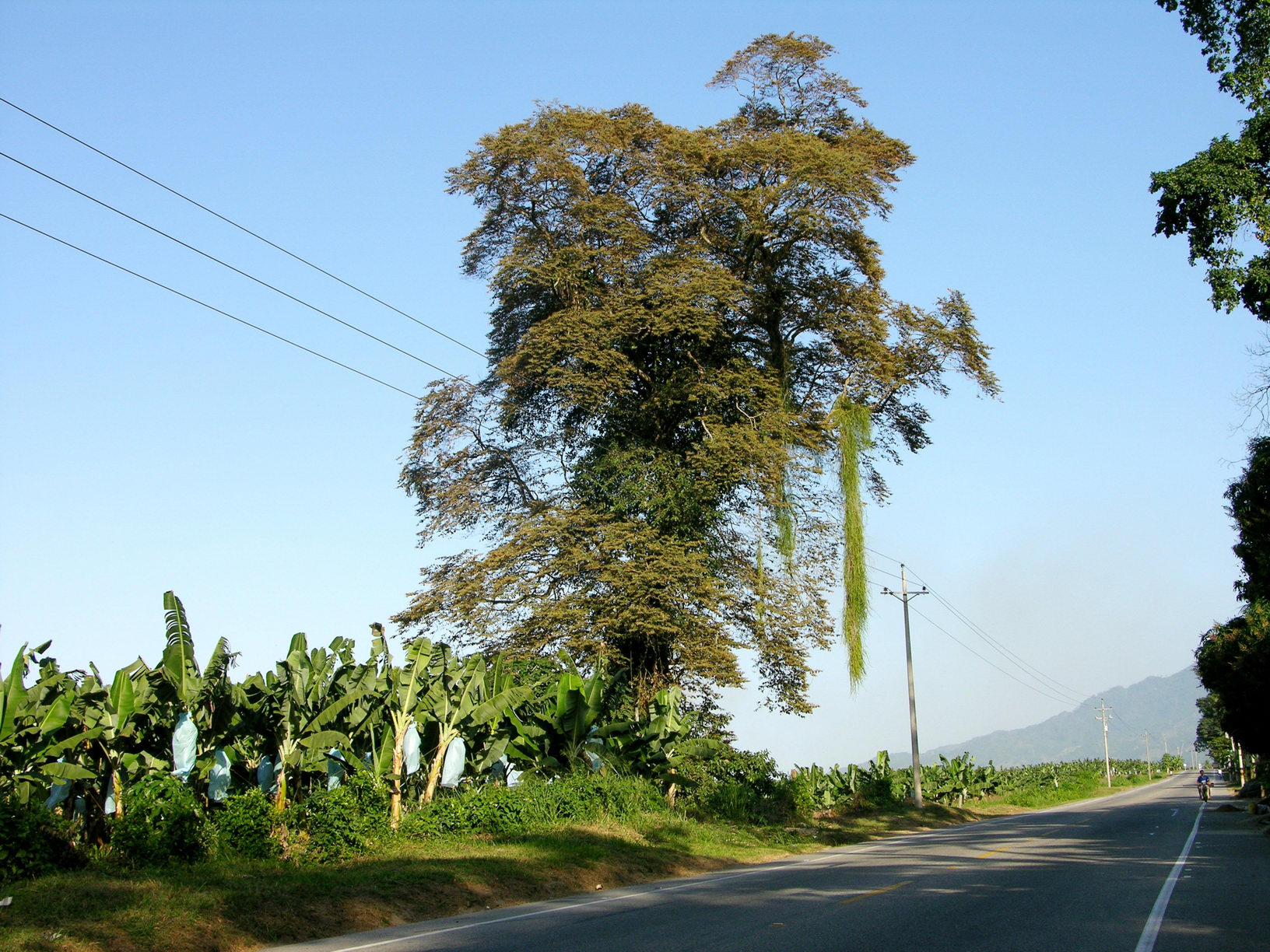
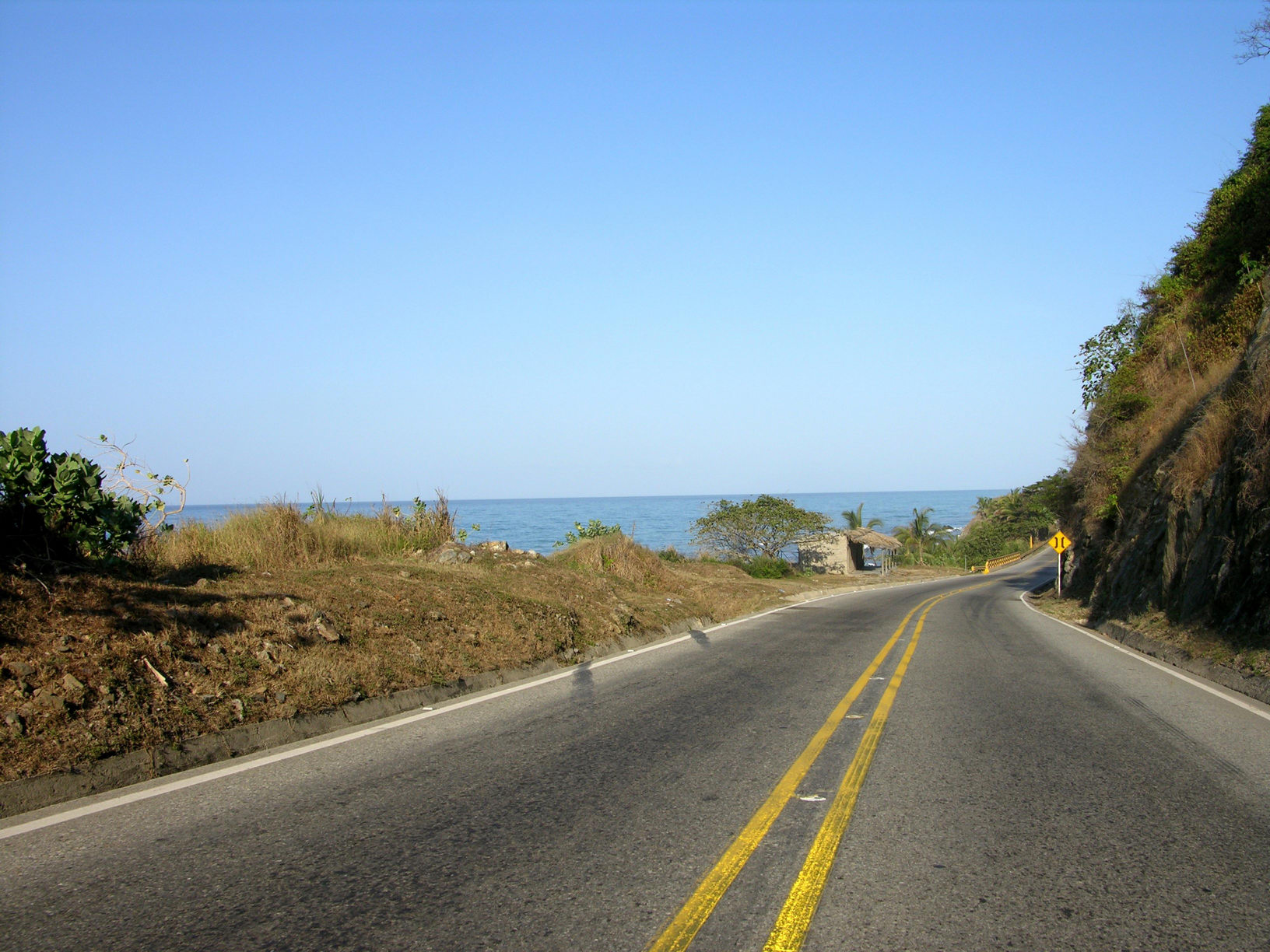
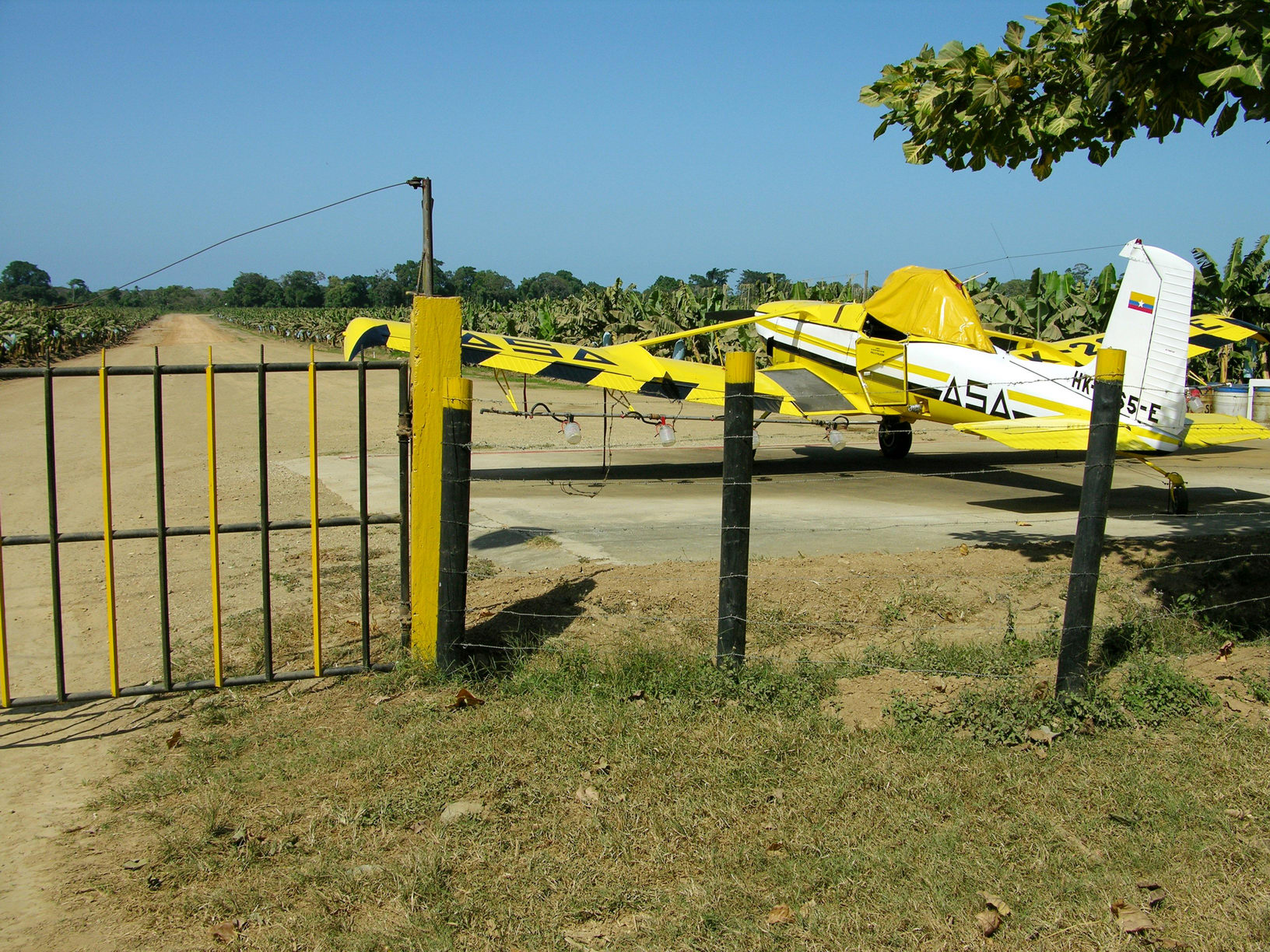
The mountains south of Santa Marta are one of the principal growing areas. It's even on television. Here's the plot of a documentary called Drug Tourism. First you see a group of Europeans who have no trouble finding guides in Santa Marta. Up they go into the mountains. This happy drug user sees coca growing for the first time in his life. They let him stir the brew in the pot. At last he gets his trembling hands on the precious powder he's made himself. This is where, according to the rules of the genre, masked narcotics police ought to jump out, but nothing of the sort happens. At the end the happy tourists get on a plane. The narrator says drugs are evil, then gives the figures for how many visitors like these come each year and how much money they leave in the country.
None of that means the local police are soft, by the way. Petrol in Colombia is cheap, about fifty US cents a litre. In Ecuador and Brazil it was three times as much. Naturally there are smugglers. On a different television programme they shoot those people mercilessly, right on camera in the jungle.
Despite the lull, Colombia's roads are guarded like nowhere else in the world. Where the district is quieter there are simply plenty of posts, manned by soldiers. Where things are less quiet and mountains or “national parks” are close, there's a post every five hundred metres. Soldiers lie in cover with automatic weapons watching every straight stretch of road. An ambush in every bush. Every kilometre there's a fixed post with tanks. So drivers unused to it don't get frightened, there are signs everywhere: “Relax, we're working here so you can drive in peace.” They themselves look as though they've been relaxed for quite some time.
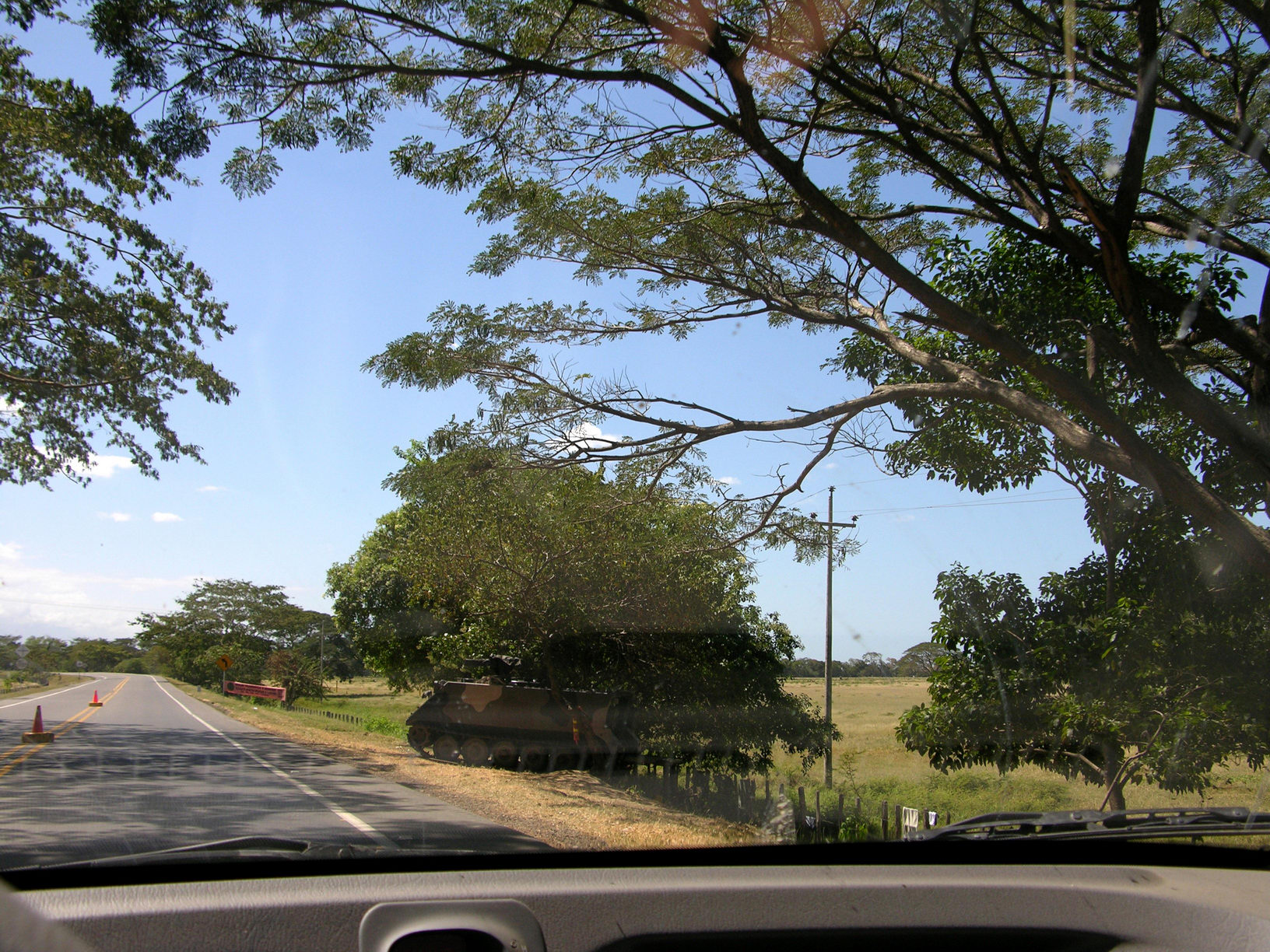
You're walking through the forest and come to a bush with music coming out of it. What could that mean? In Colombia it means an army post. Girls from the neighbouring village parade up and down beside the bush. What else can they do when all the boys have been called up?
In all our drives through the country, the military only stopped us once. They realised we were foreigners and waved us on without even asking for papers. They have no interest in traffic regulations, by the way, so you can break those in peace. All their posts do is slow you down with a lot of STOP signs and speed humps. You stop at one and the local hawkers spring out of the bushes. Perhaps that's what the army is there for.
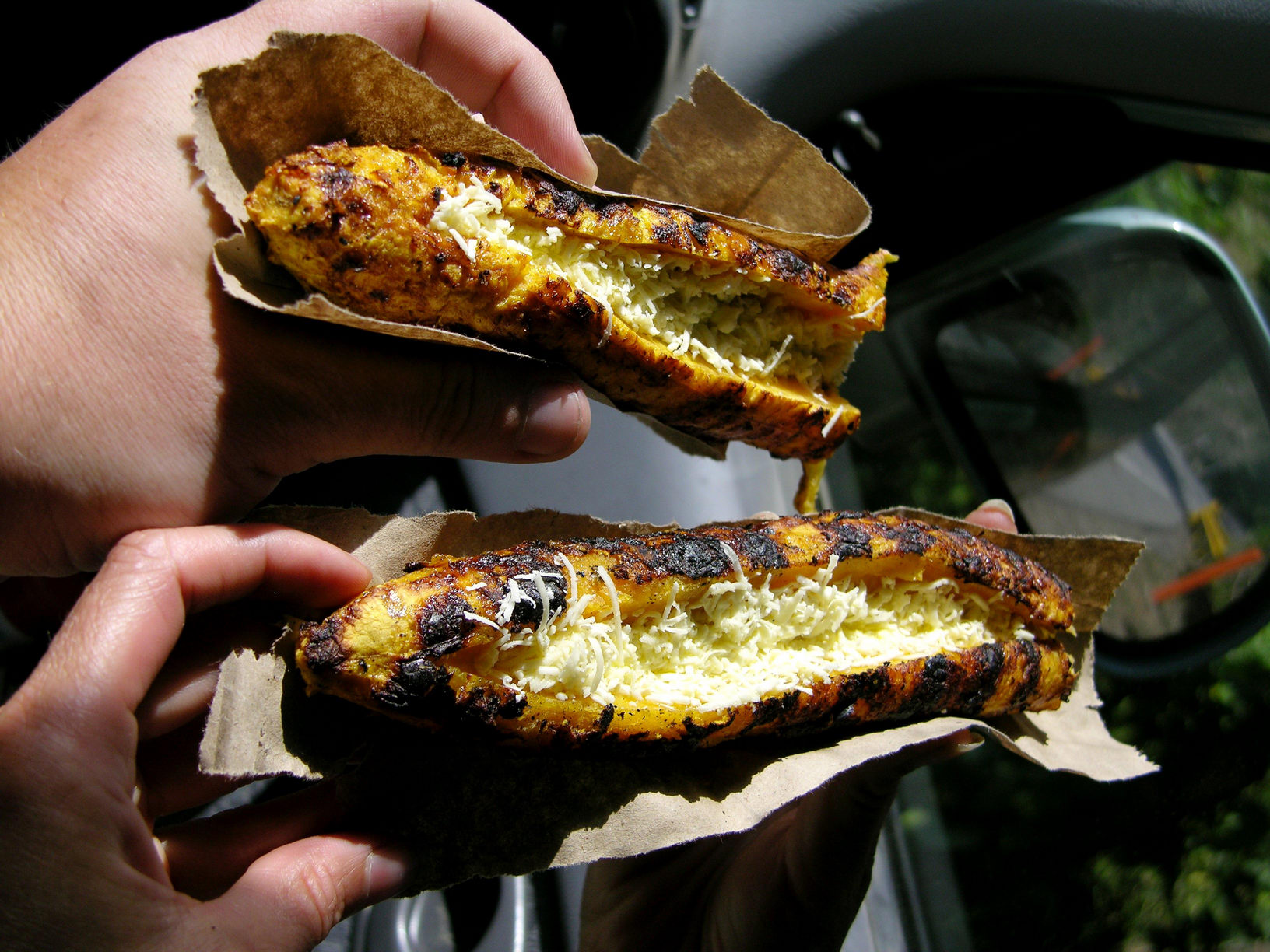
They mostly sell Coca-Cola and the like, though there's some very good food. For instance, a banana baked with cheese. A thousand pesos. Tanya and I loved them and ate them whenever we could.
Sometimes they're not selling anything, though, and just demand money. If you don't give it to them, they swear and try to hit the car with their fists. We met people like that only once, on the road north from Santa Marta towards Riohacha.
Our main reason for going towards Riohacha was to see the lake with the flamingos.
In the high Andean lakes it's cold now: winter and twenty degrees of frost. The birds fly down to warmer country, including the coastal salt lakes. It's meant to be a national park, but in practice the neighbouring villages have a monopoly on the lakes. The people of the little fishing village of Camarones are the owners of this lake.
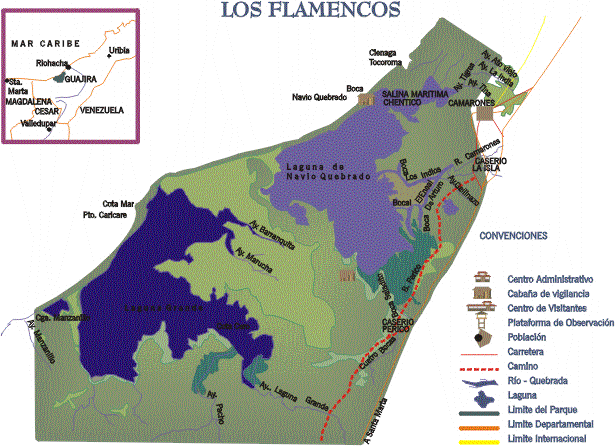
A long dirt road leads there. In the wet season you might need a jeep, though when it's really wet, even that won't help. Anything, even a tank, will bog in flooded clay. When it's dry and the clay has dried out, the daintiest little car can get through. Fortunately winter is the dry season, and winter is just when the flamingos arrive.
There are no signs to the flamingo lake. What's more, the people of Camarones will only show you the road for money. The idea is that a tourist goes to the village first and then on to the lake, Laguna Grande. There the people from Camarones pay the local fishermen for the visit and the boat. Perhaps that doesn't cost you any more. Not knowing the direct route, we went into a little seaside village geared to independent travellers. You can spend the night there. On the seashore under coconut palms is a shelter with places for hammocks. If you don't have your own, you can hire one. You can get something to eat right there too.
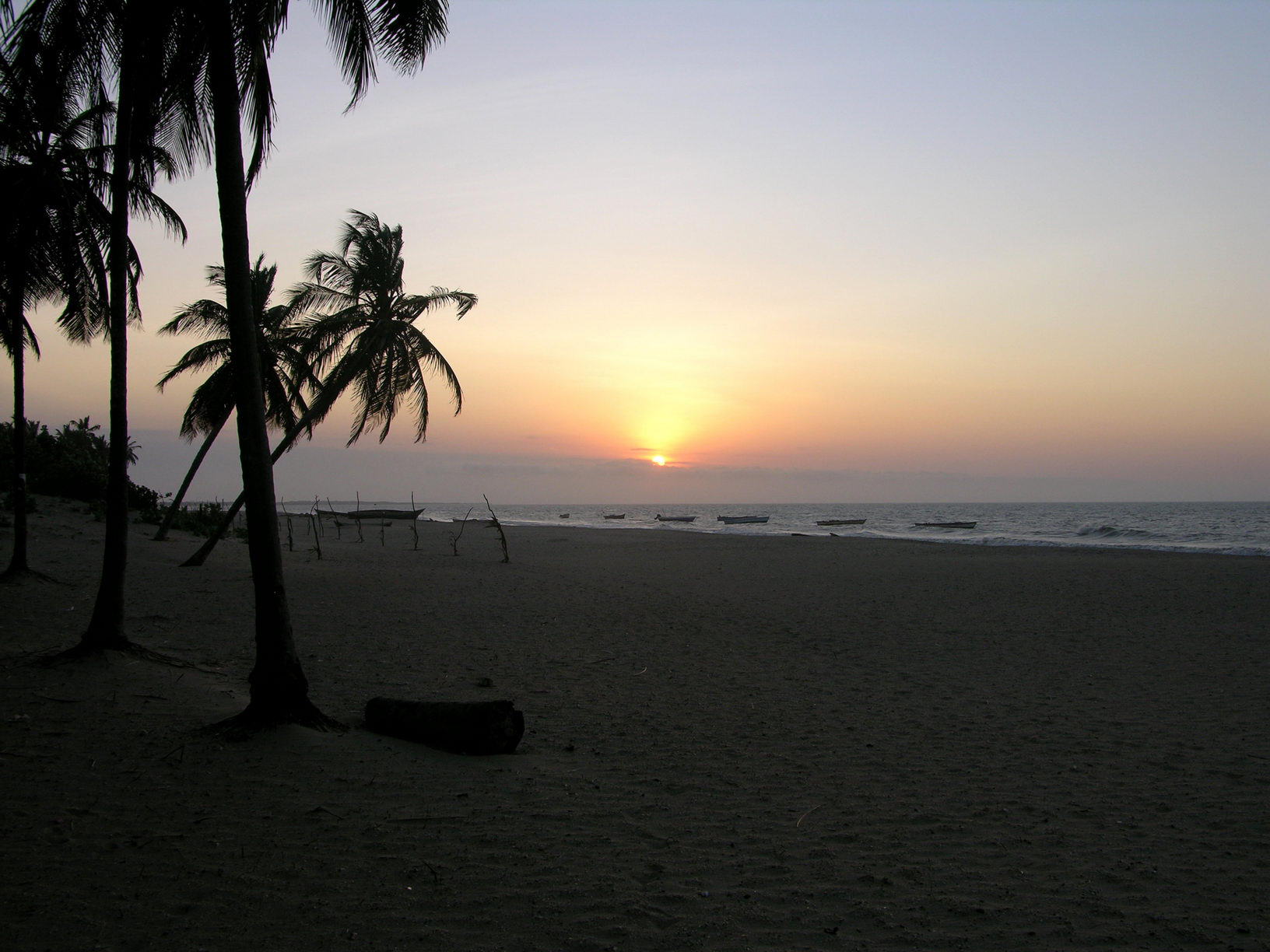
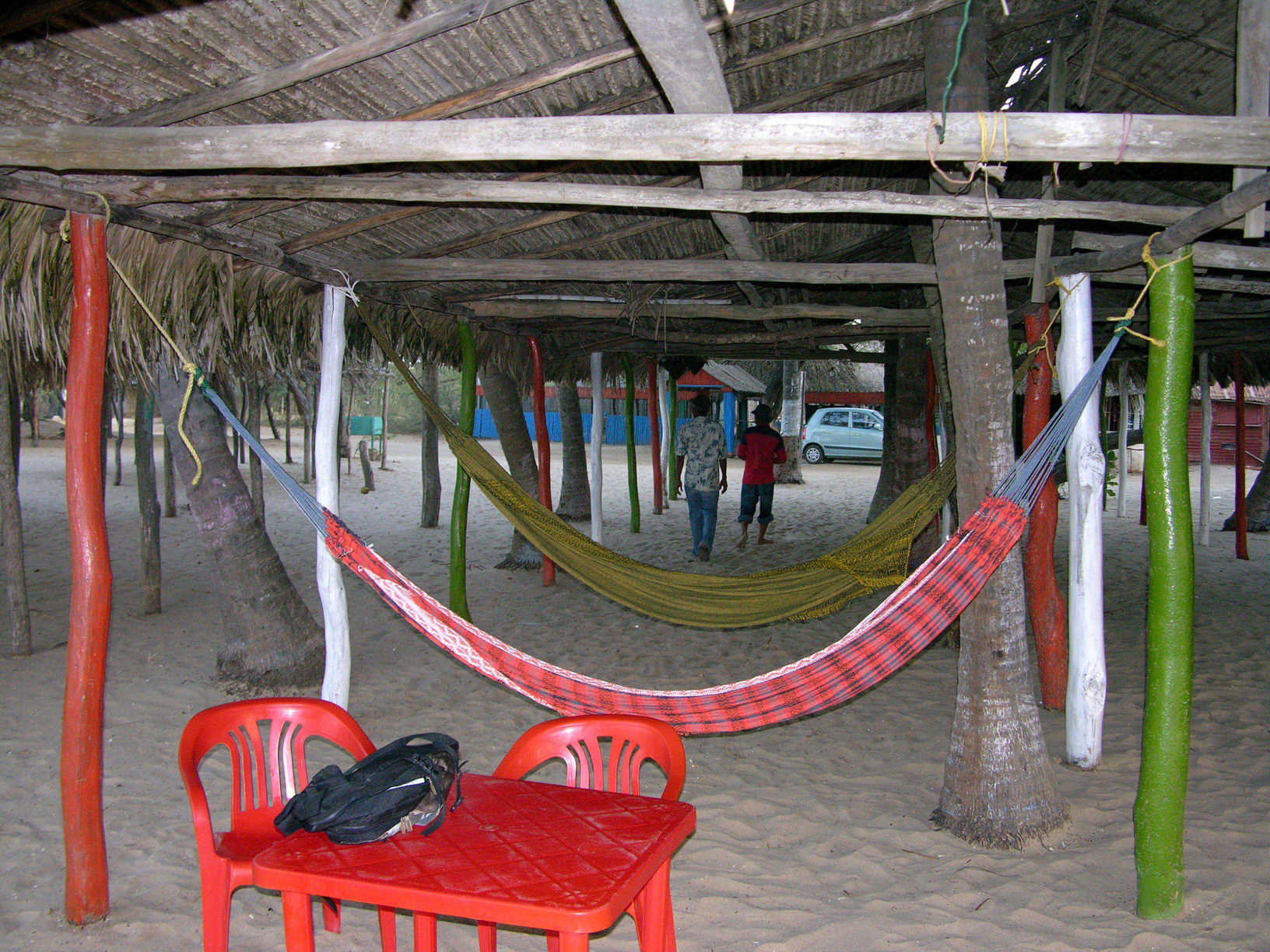
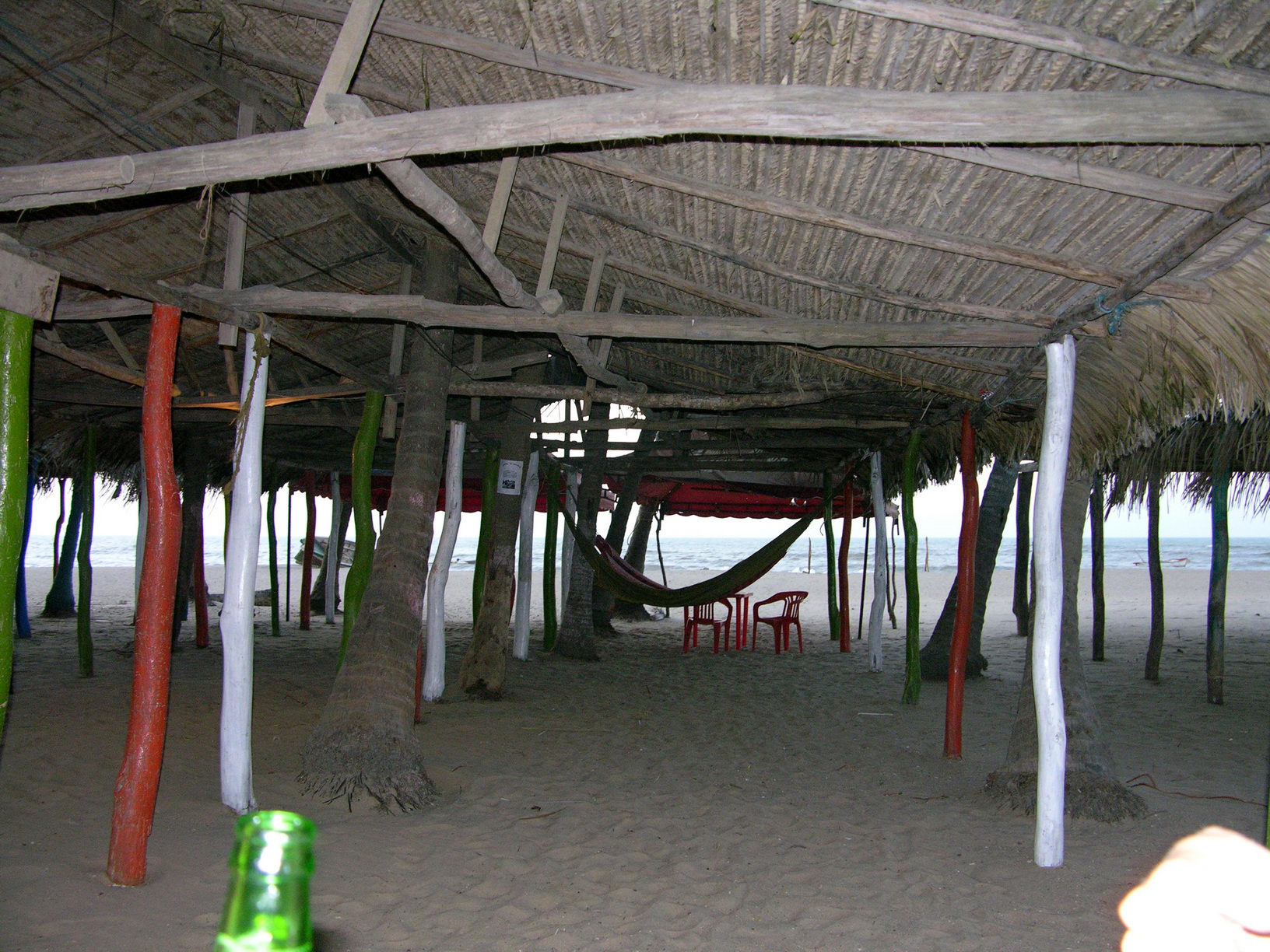
We were the only guests. We picked places in the front row looking out to sea so we would see the sunset and the first stars (11°25.839′N, 73°05.322′W, 1 m). They brought a little table and chairs out to the hammocks. We began our long dinner with beer. In Colombia as in every Latin American country, it's mainly local, and a source of national pride.
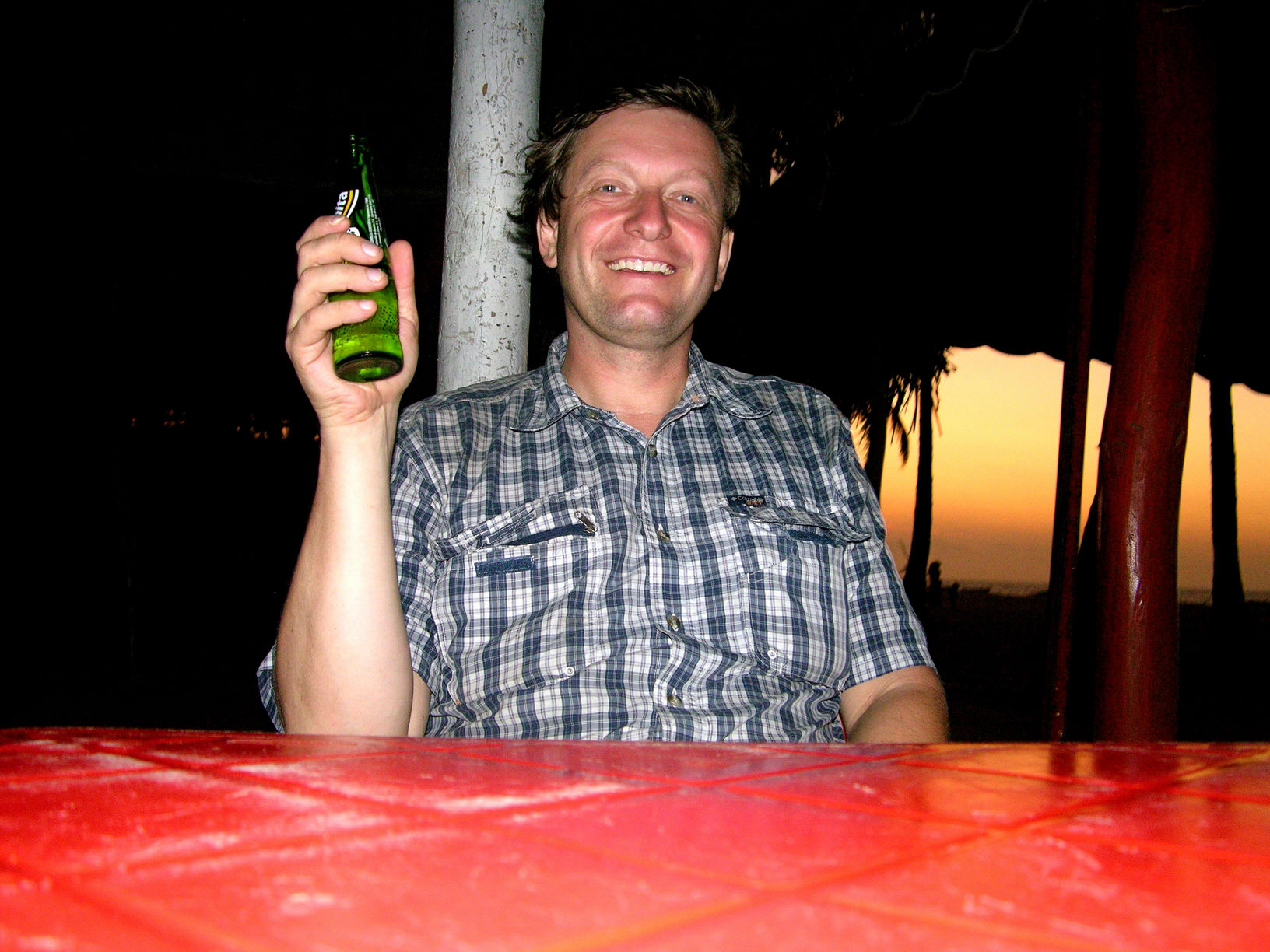
We finished six bottles in an hour, and the owner fried us fresh fish straight out of the sea. Dinner was delicious.
It was a wonderful evening. We were alone on an enormous beach on the Caribbean Sea. The evening breeze brought the cool we'd been waiting for. The Southern Cross in the black sky and the rustle of palm leaves. A miracle. We spent a long time walking along the edge of the surf, jumping back from the waves as they ran up. Before sleeping, we went for a swim.
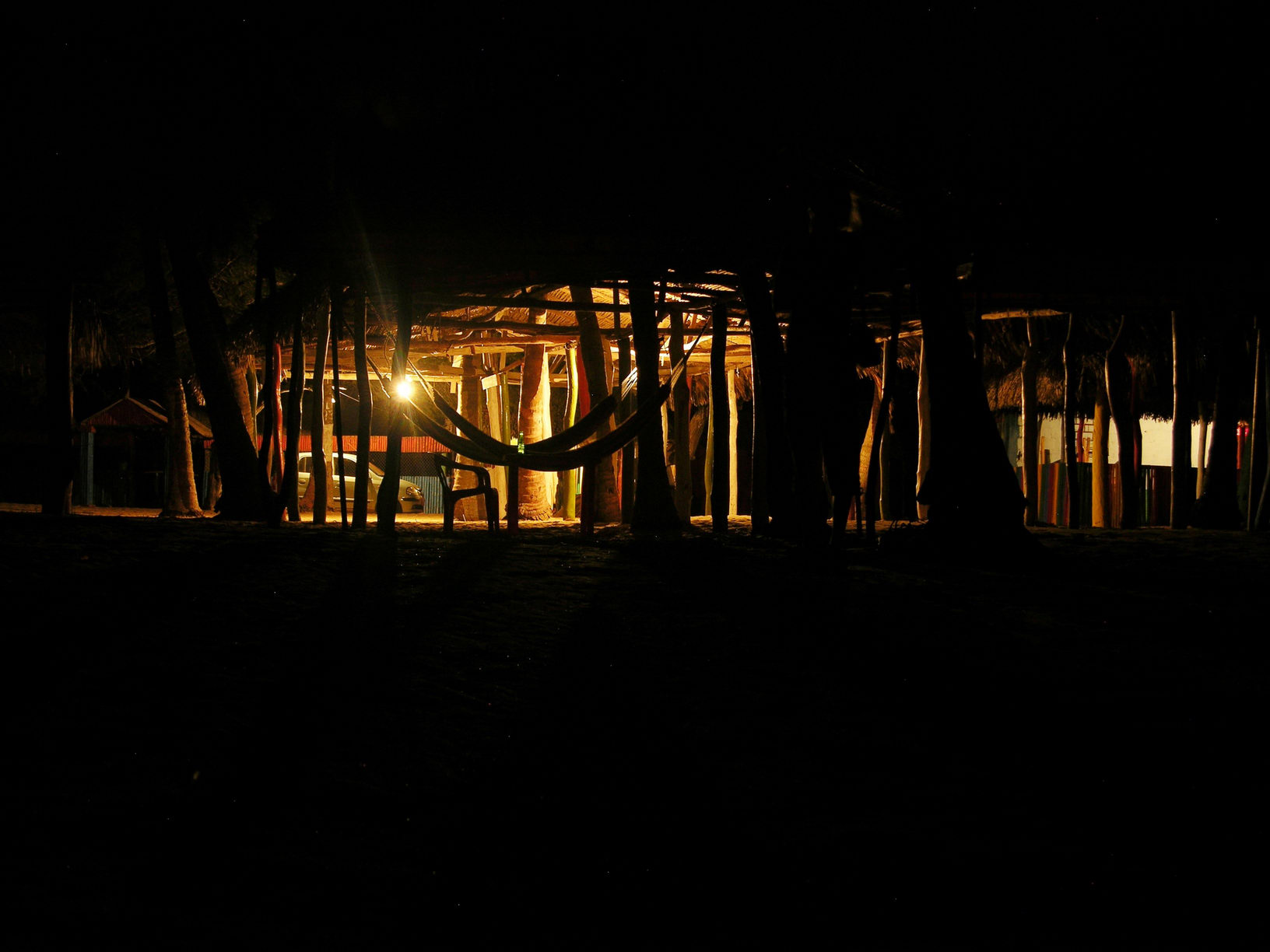
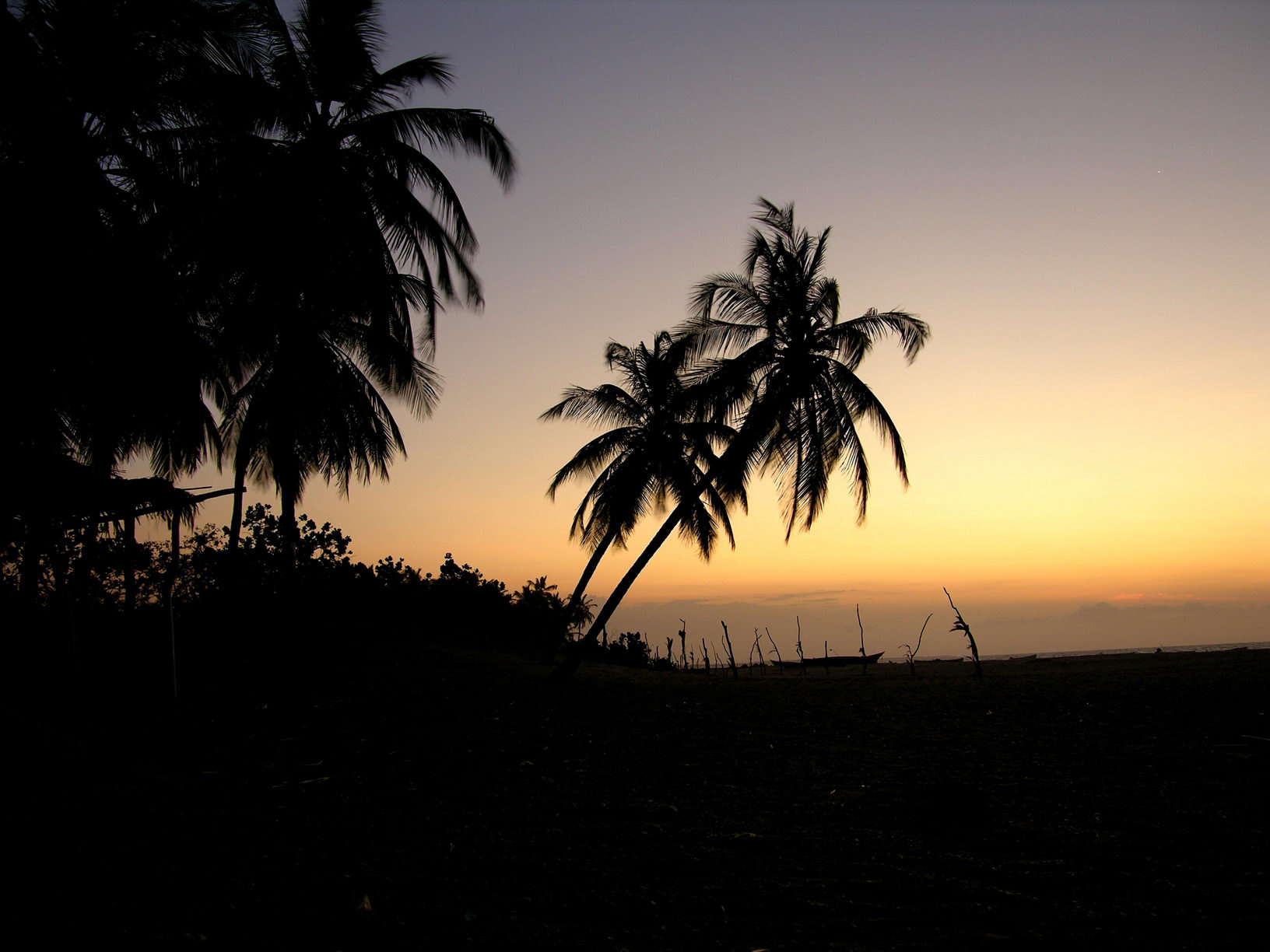
How good it is to sleep in a hammock on an empty shore! How few places there are left in the world with sea and palms and absolutely nobody but poor fishermen unspoilt by civilisation.
It was even a little cold in the night. I wanted to wrap myself in the hammock and put on something warm.
In the morning we drove to the flamingos in our own car. A local man showed us the way.
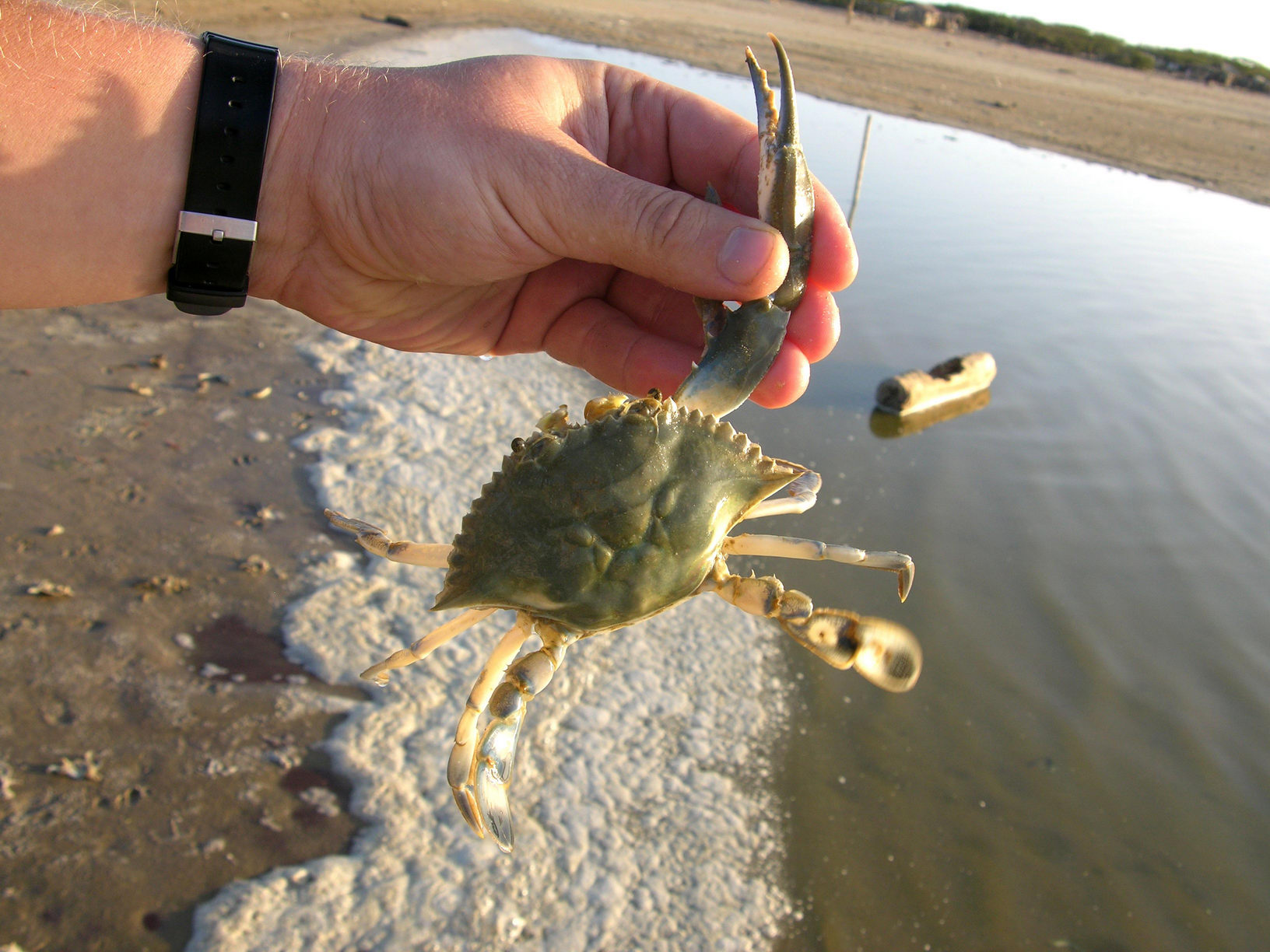
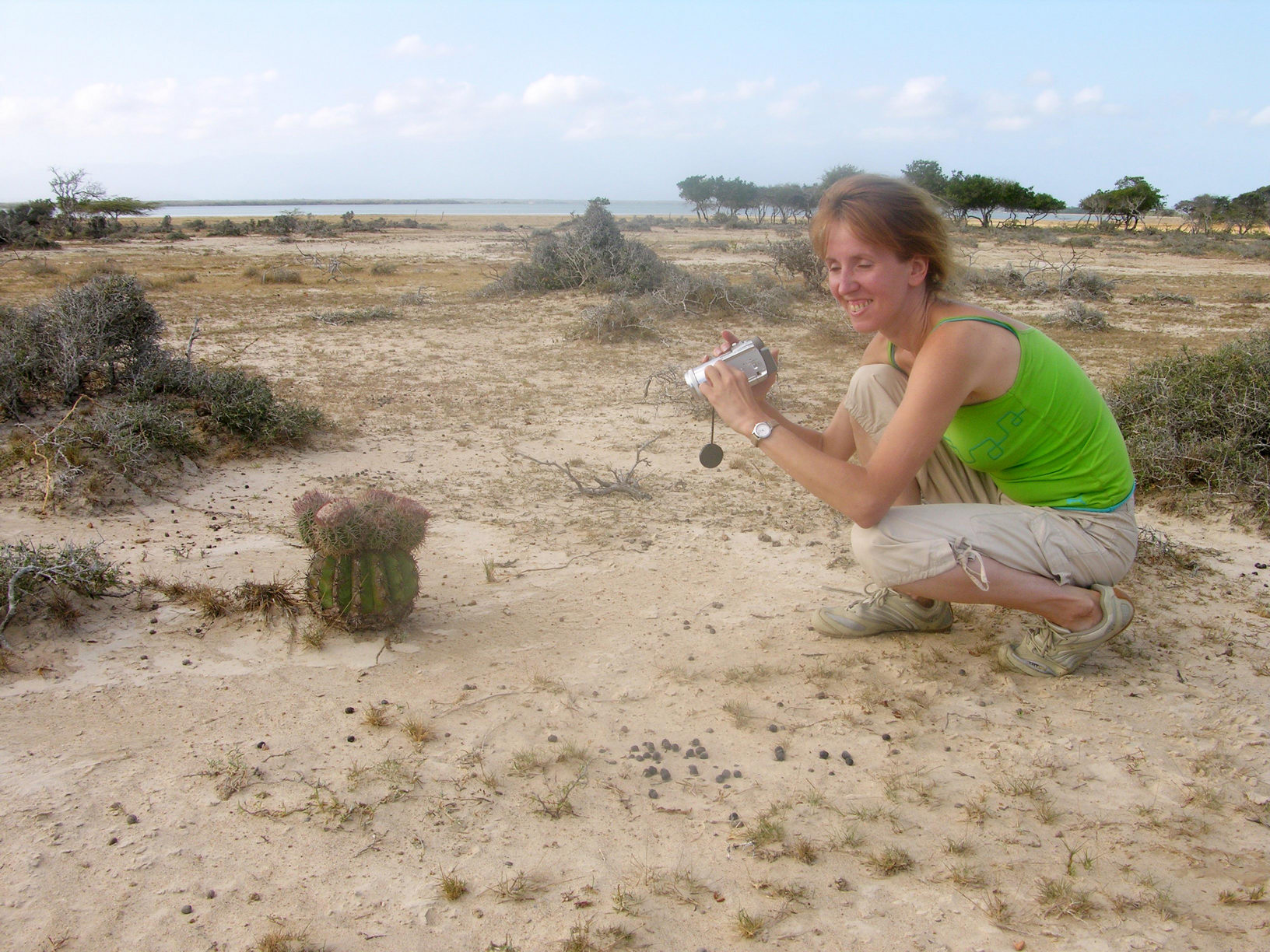
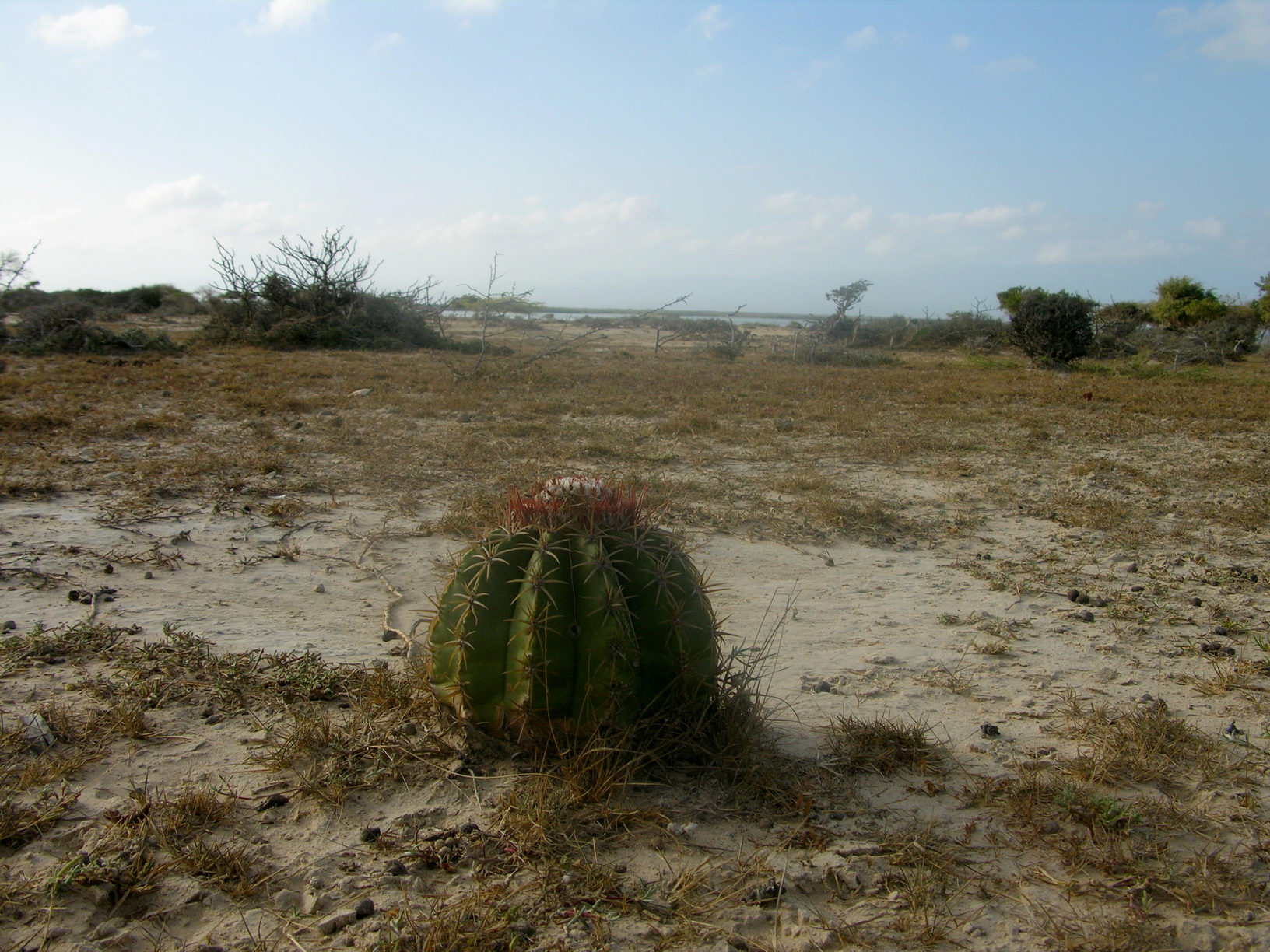
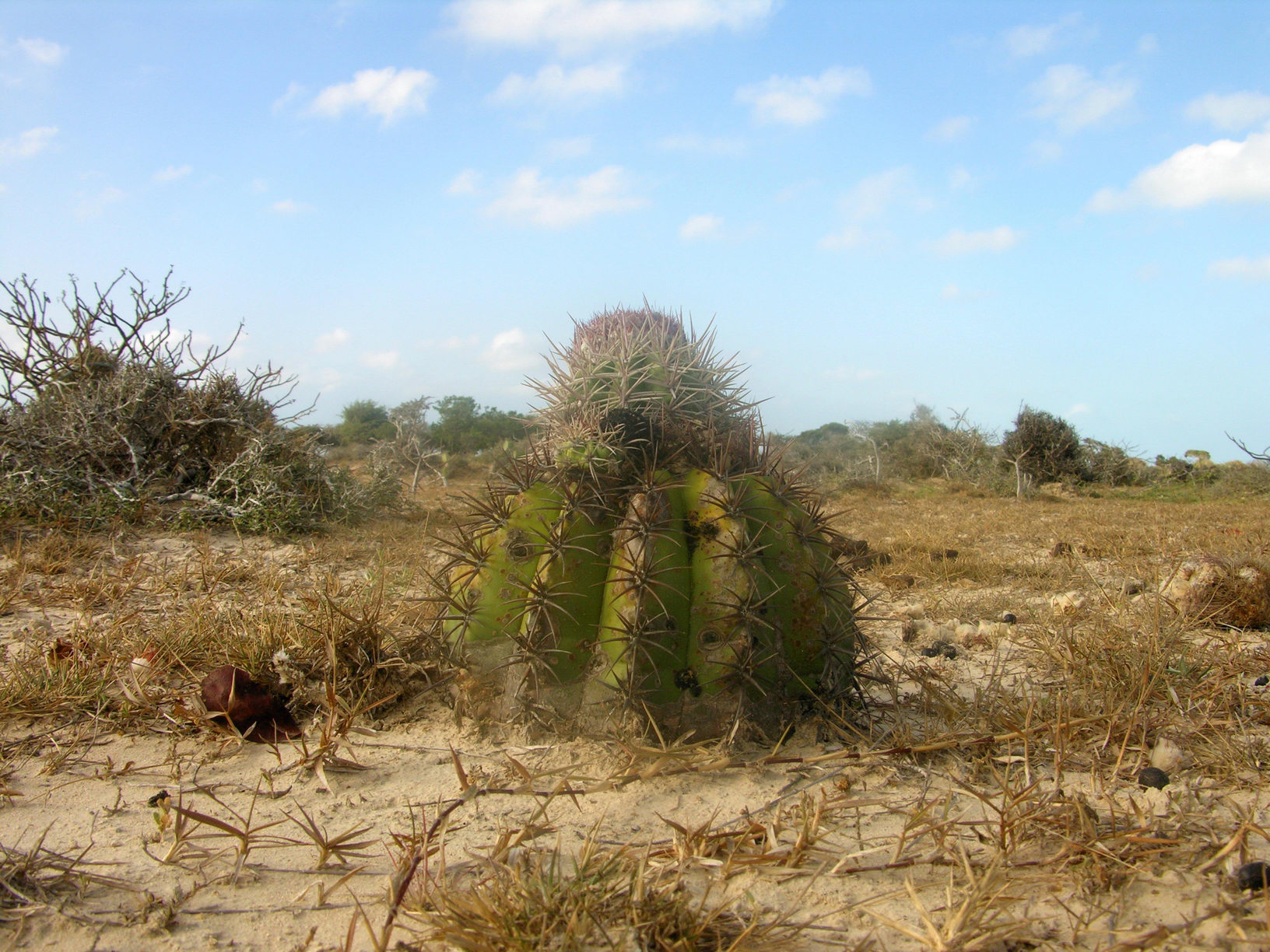
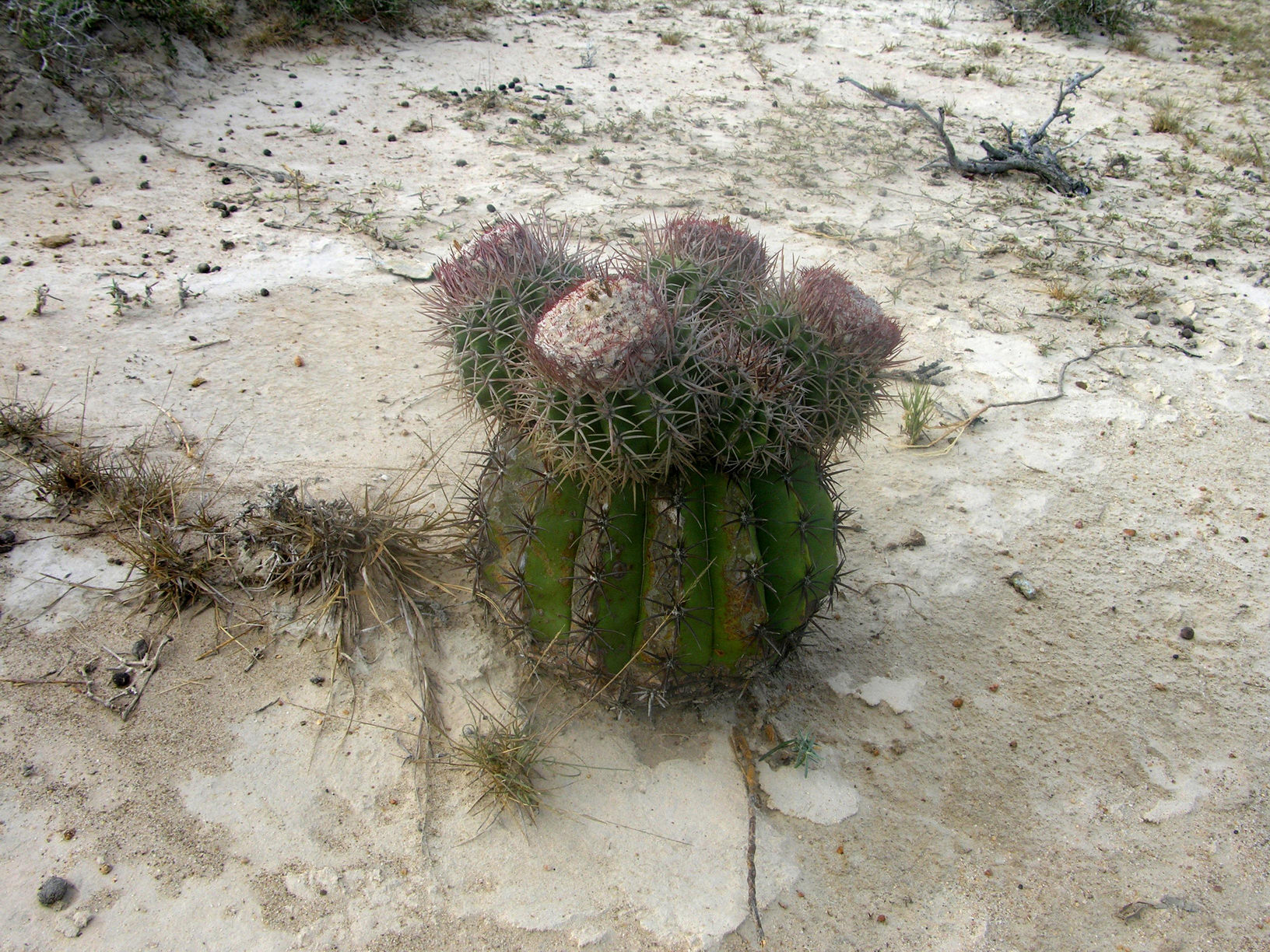
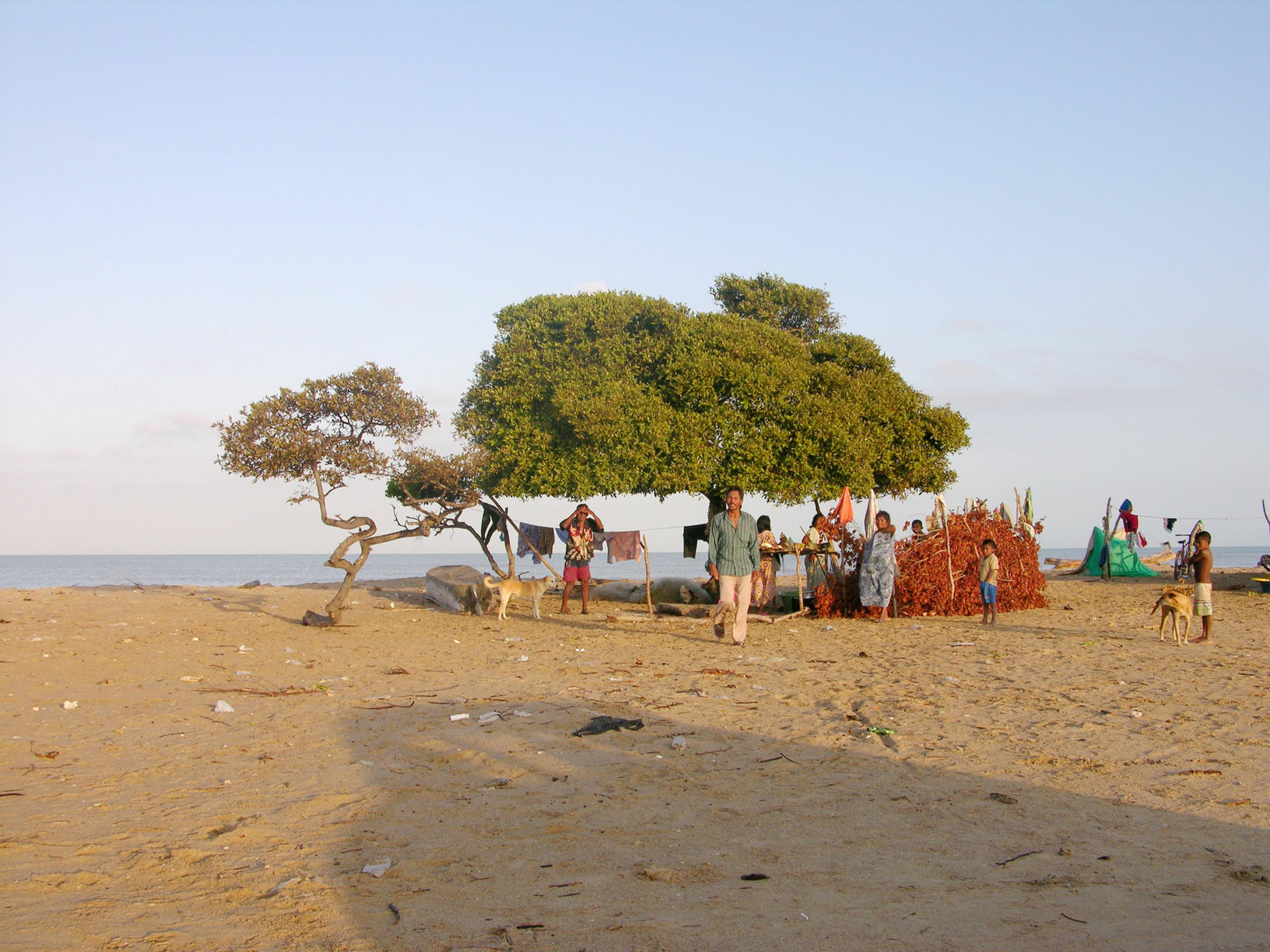
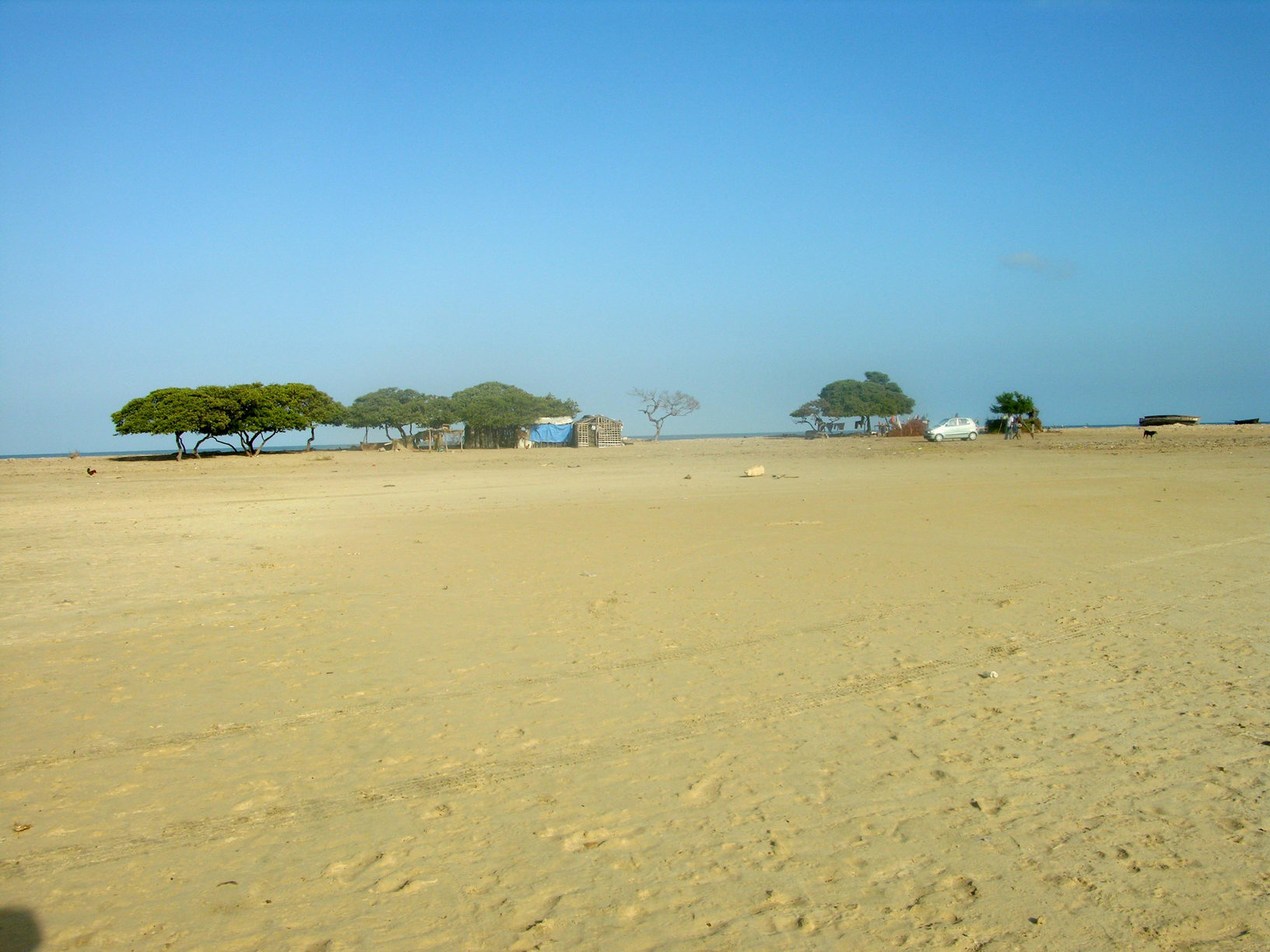
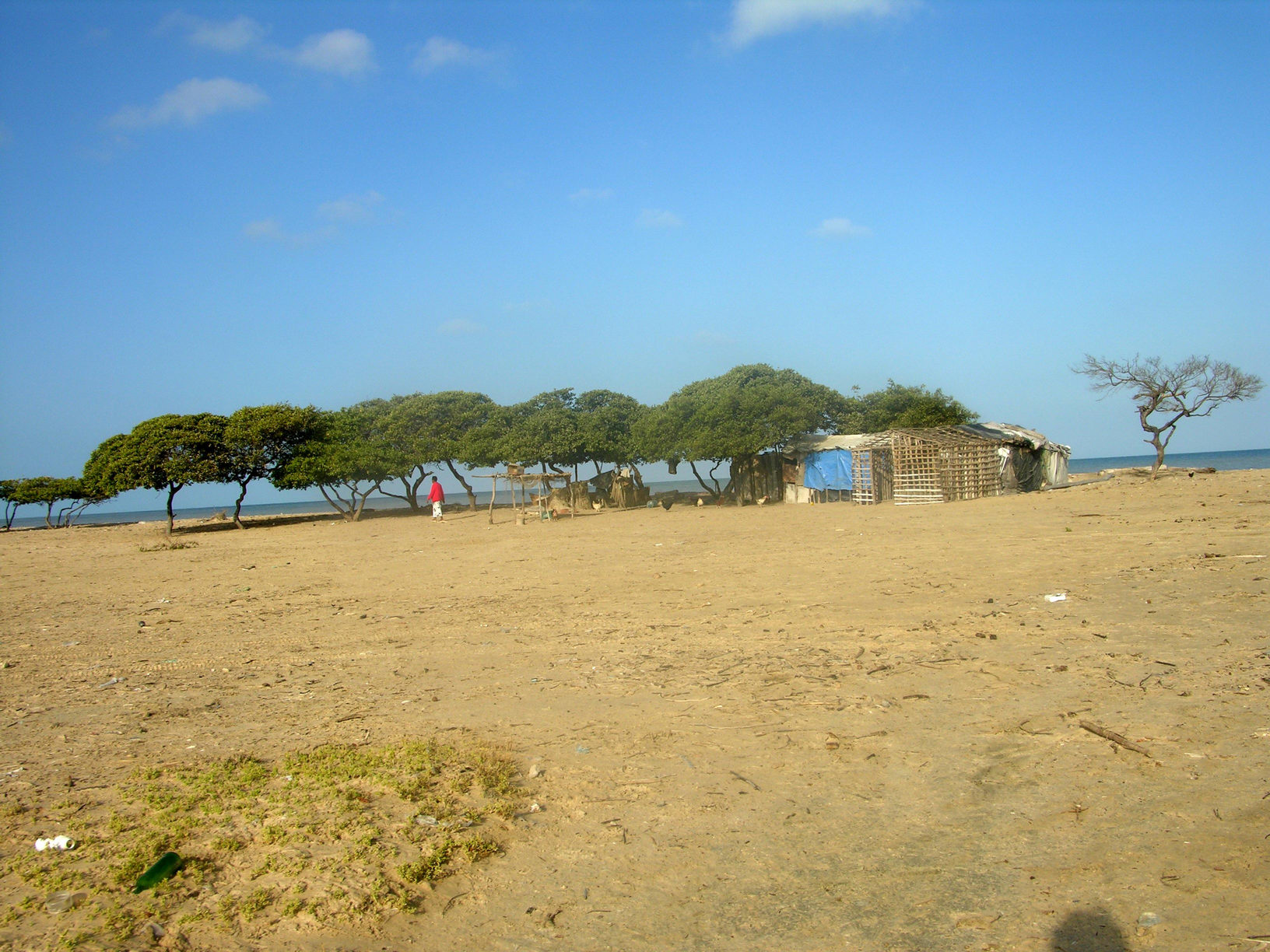
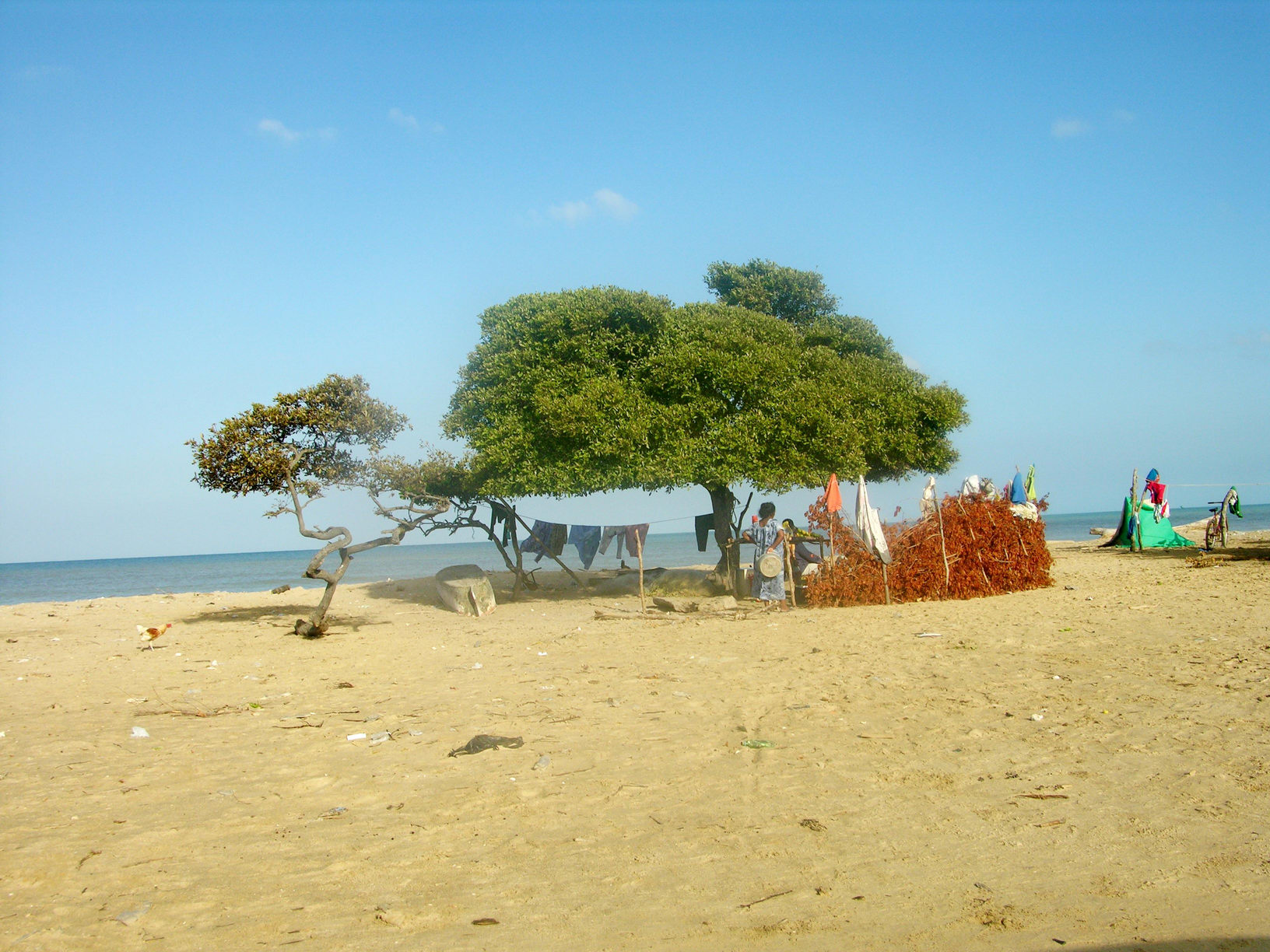
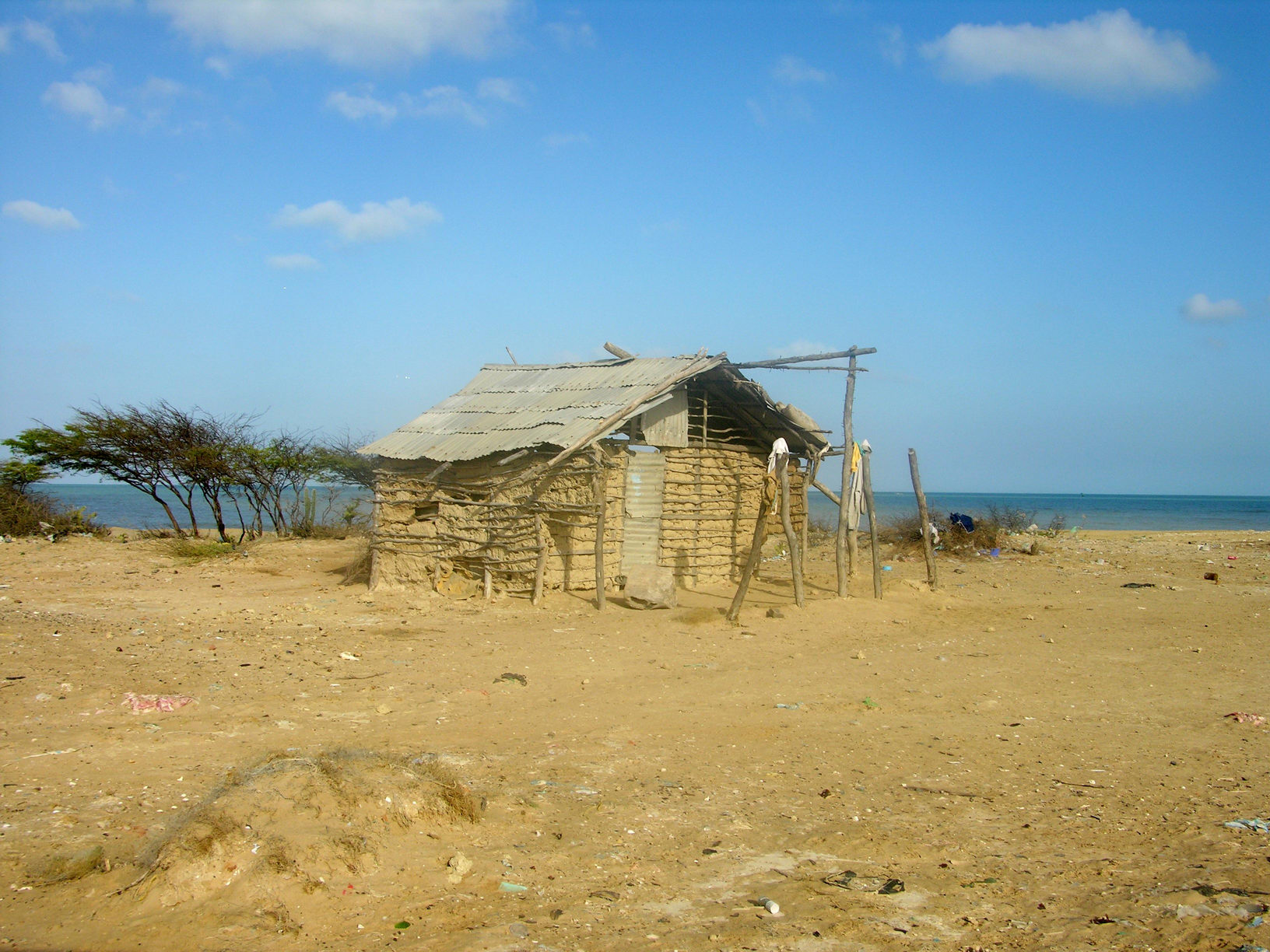
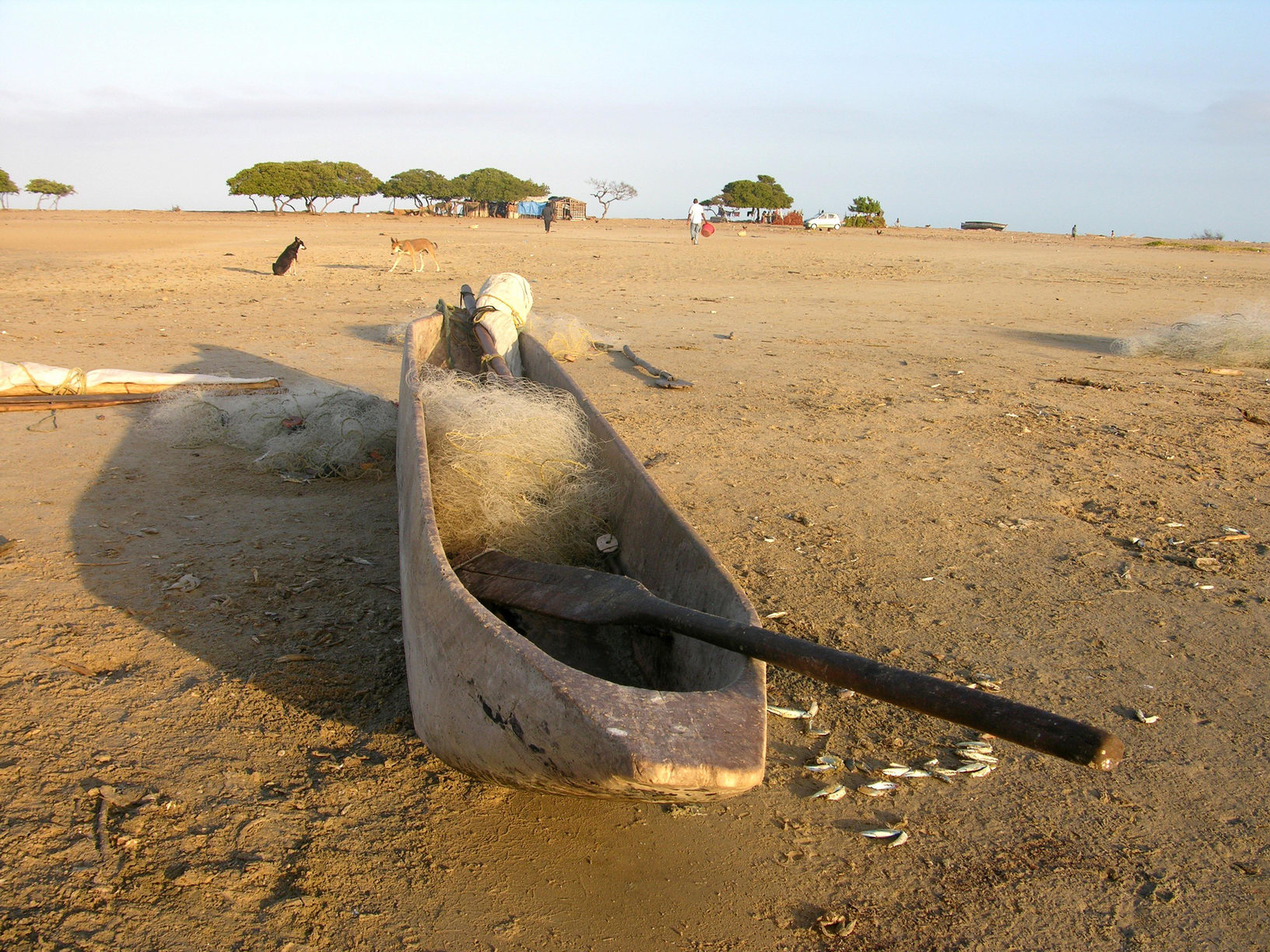
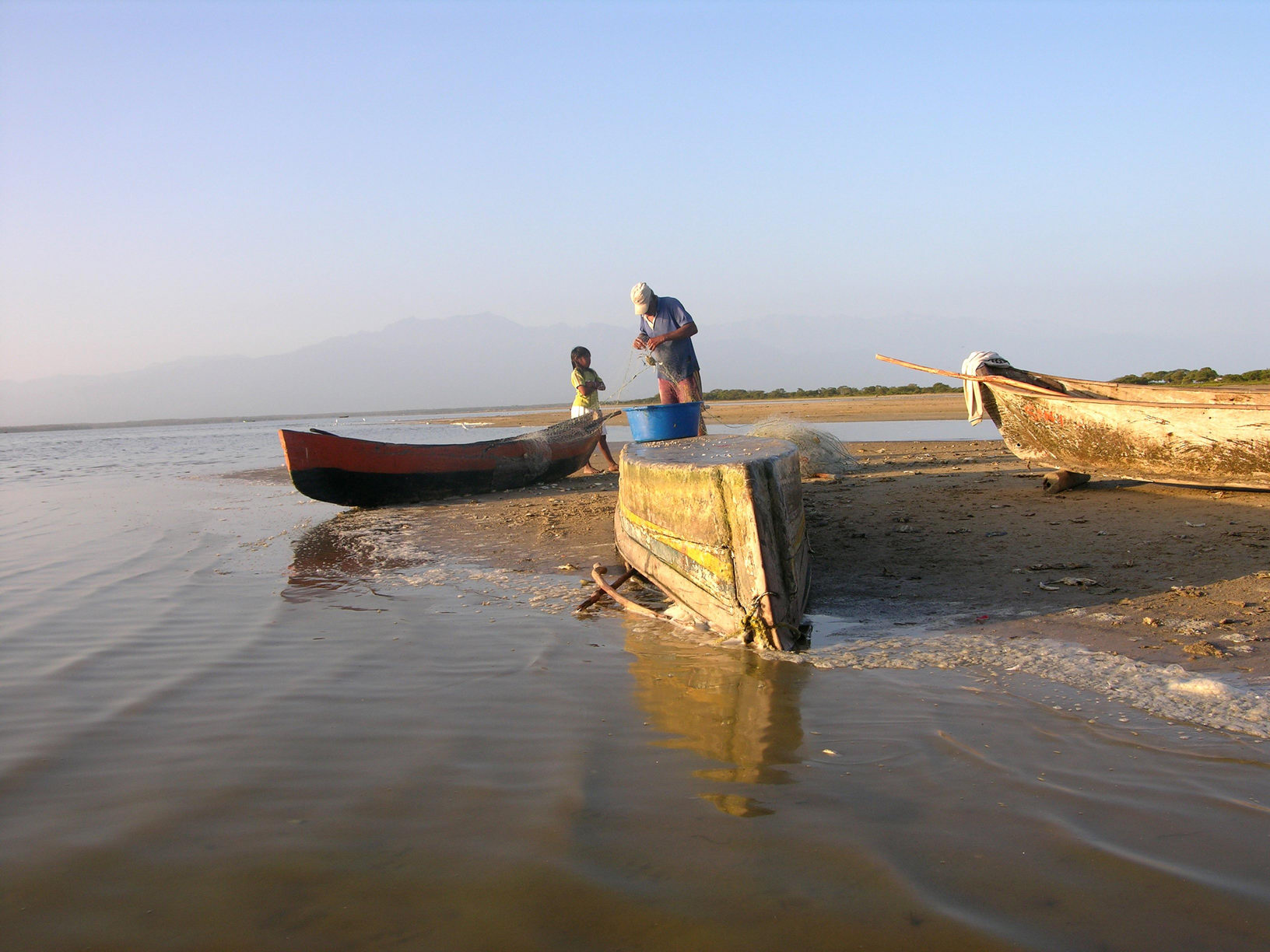
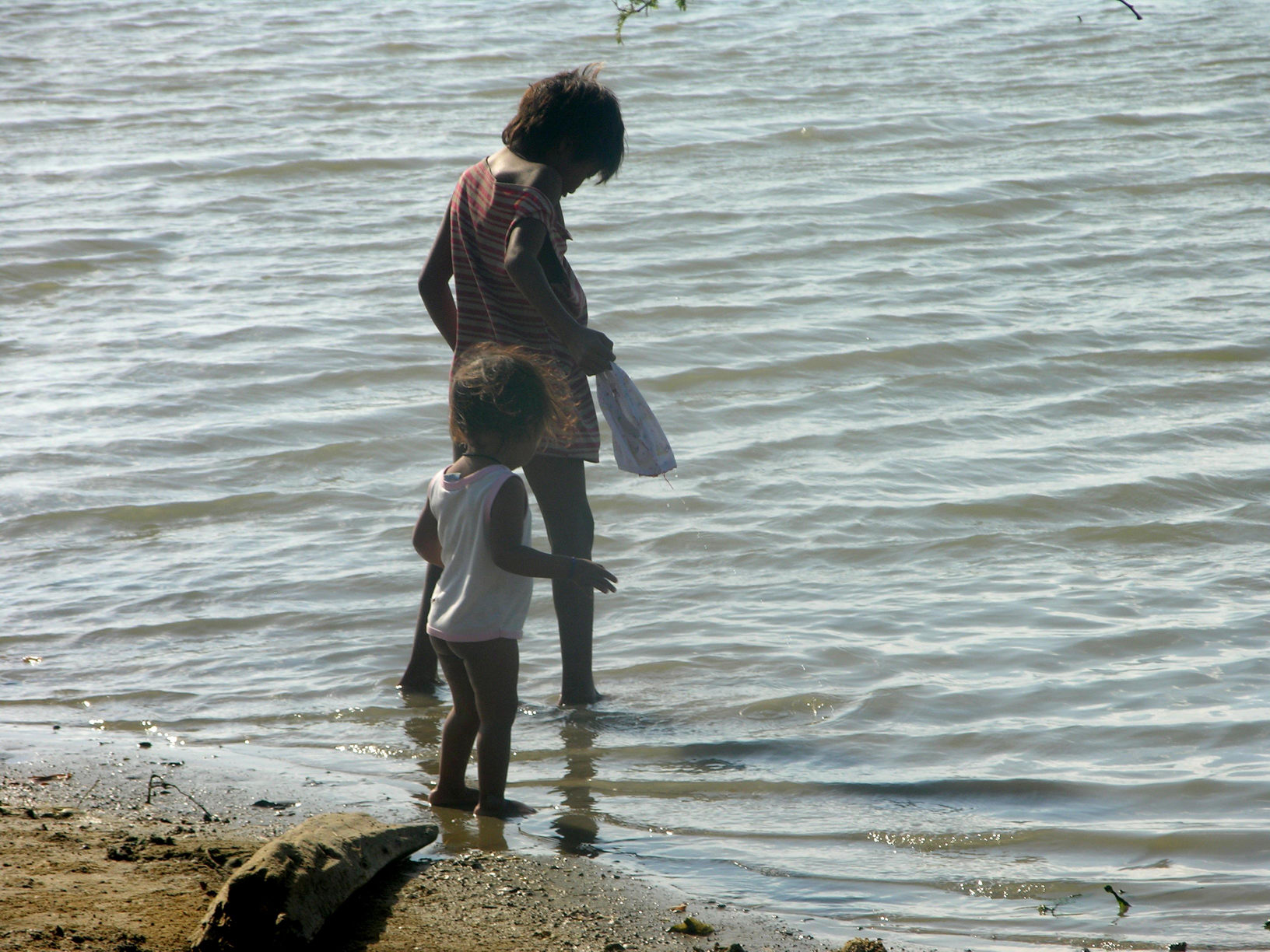
Besides the flamingos there are lots of other birds here. The country is semi-desert. Cacti grow everywhere. The little coastal village is small. The poverty is staggering. Tiny houses made of clay and sticks. In each of them is a family with a lot of children. The lake is shallow, no more than knee-deep. You could walk, but we were supposed to go in a boat with a man to paddle. It was an old dugout, hollowed out of a tree, and it already leaked. We sat down, and even three of the villagers couldn't shift us. The lake was shallow and I was heavy. I took off my boots and hauled the boat with the village men halfway across the lake. The men were used to fussy white people. They were pleased we weren't afraid to get dirty and didn't treat them with squeamish contempt. As a reward they tried to show us more, get nearer and go back later. The flamingos numbered about a thousand birds. They walked faster than the boat could move. They wouldn't let us closer than a hundred metres. If you got them backed up against the shore, they'd reluctantly fly to another spot. Beautiful. And over the lake, beyond the morning mist, Pico Bolívar shone like a mirage.
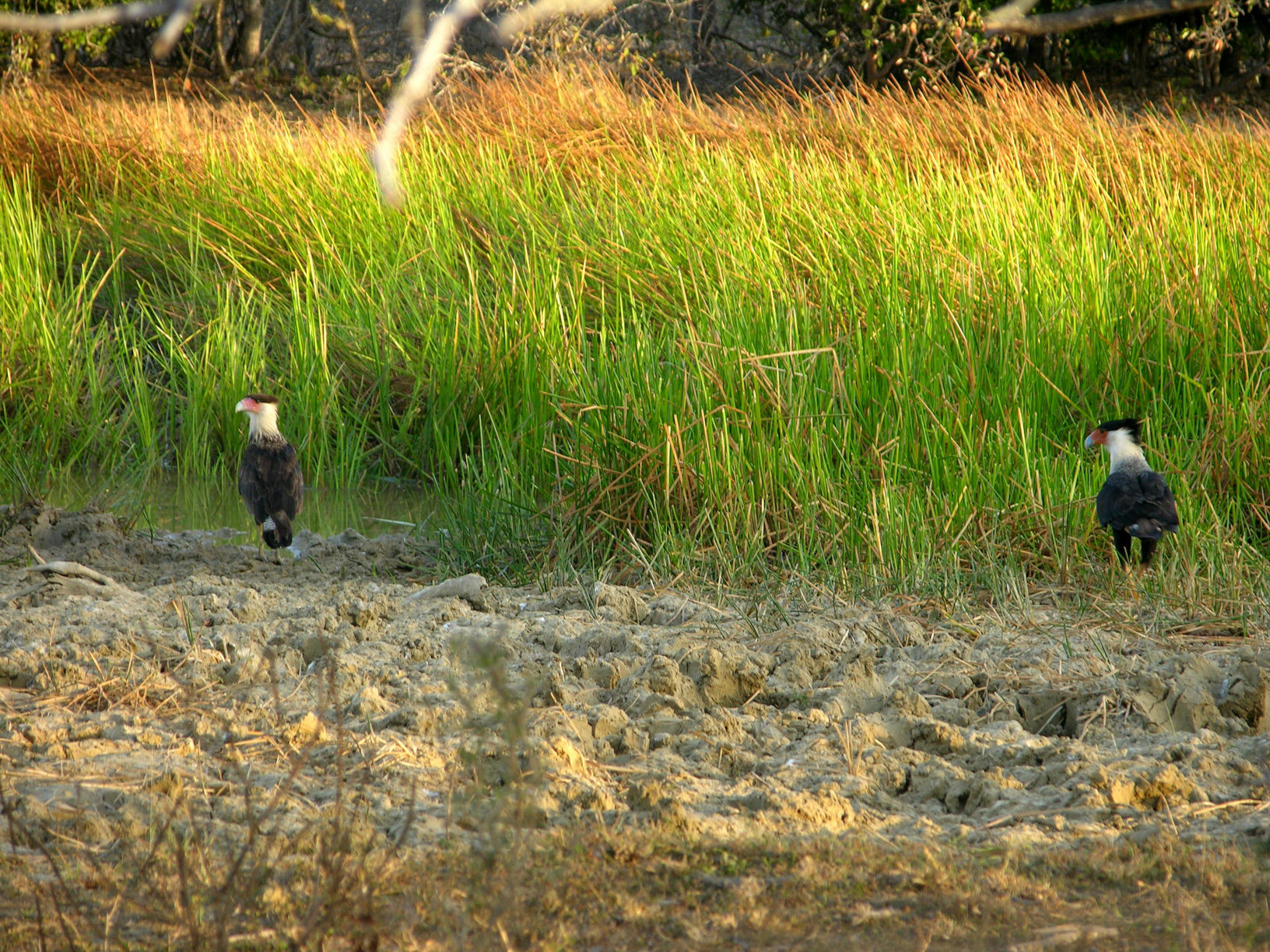
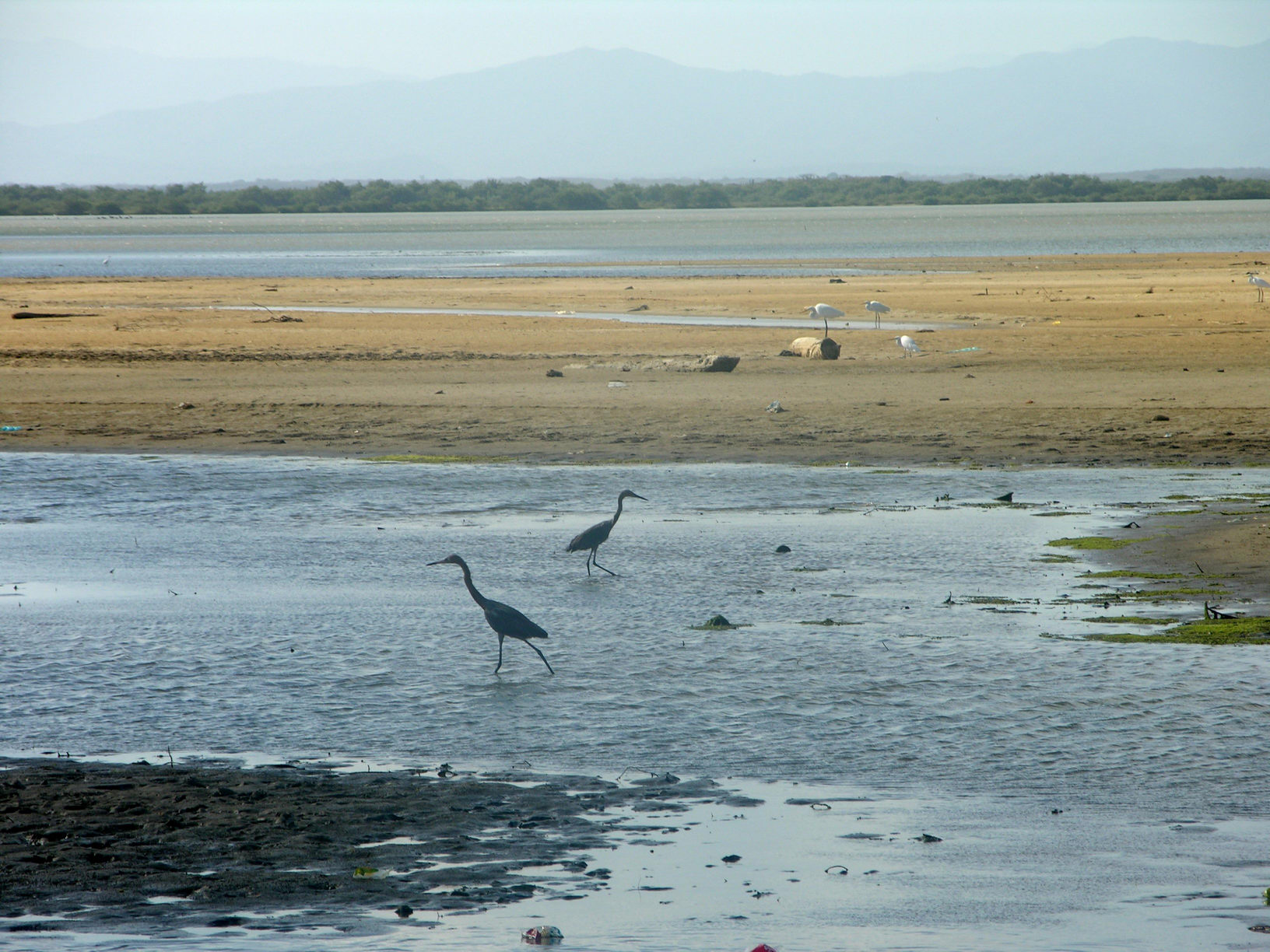
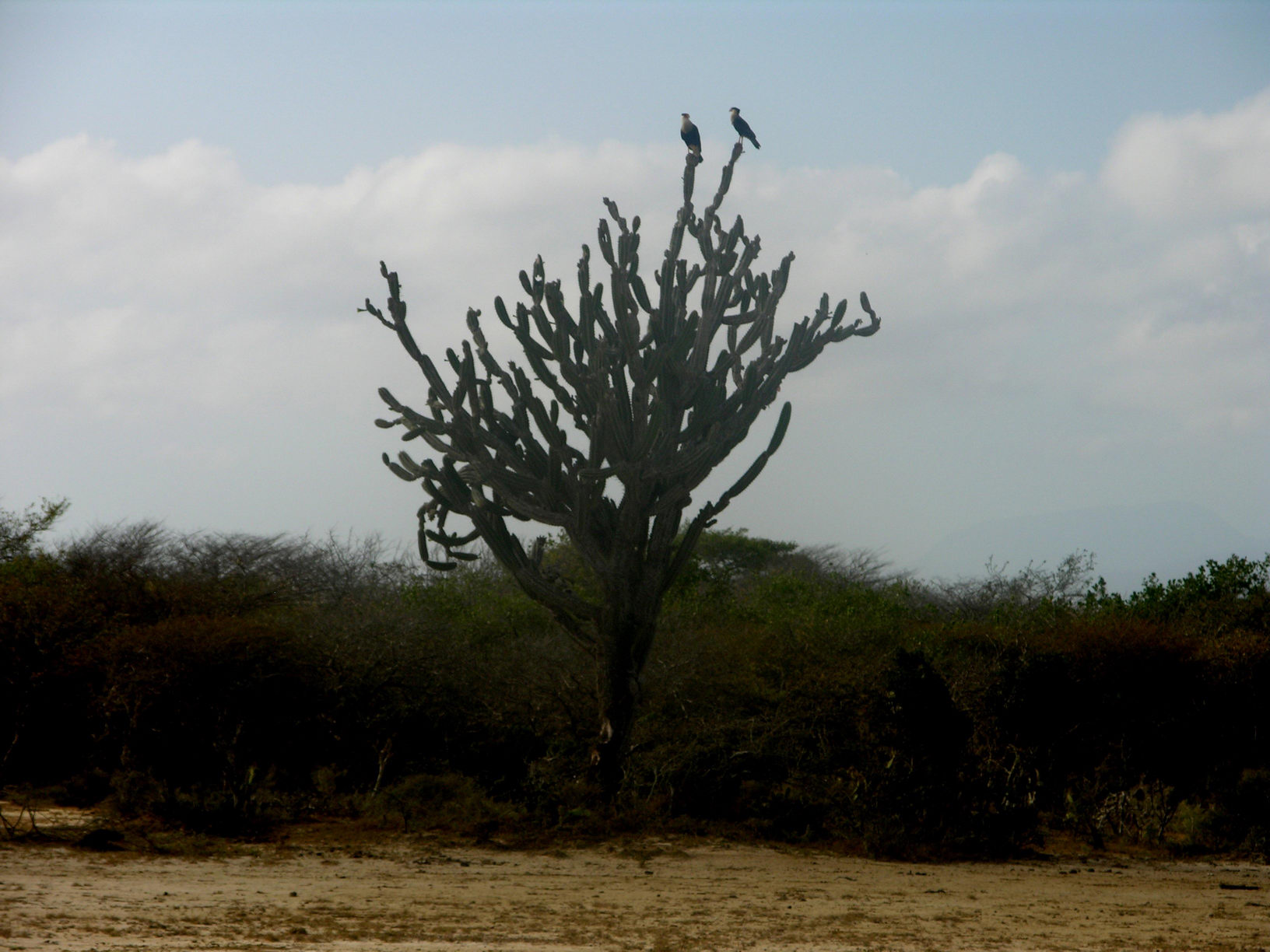
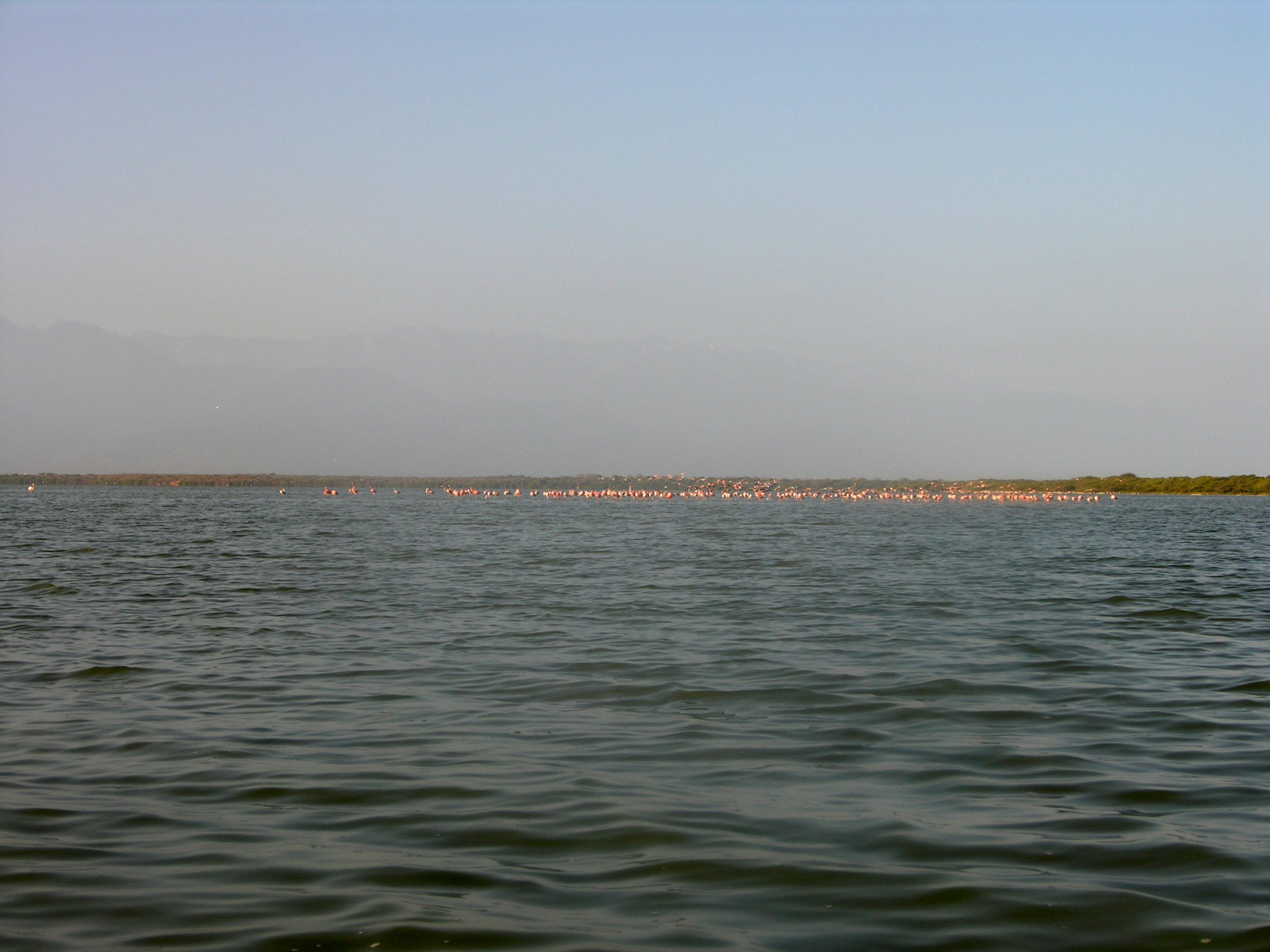
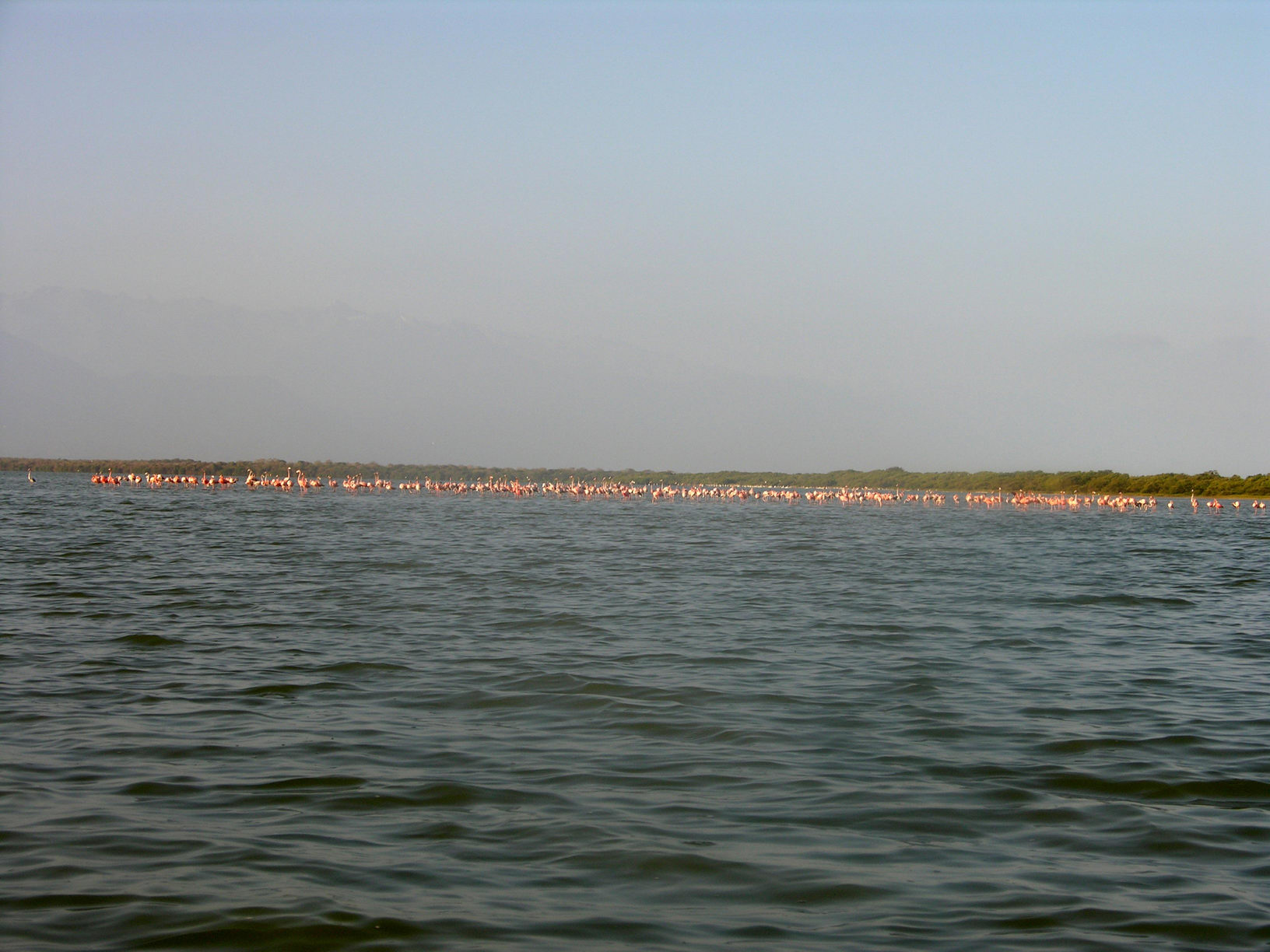
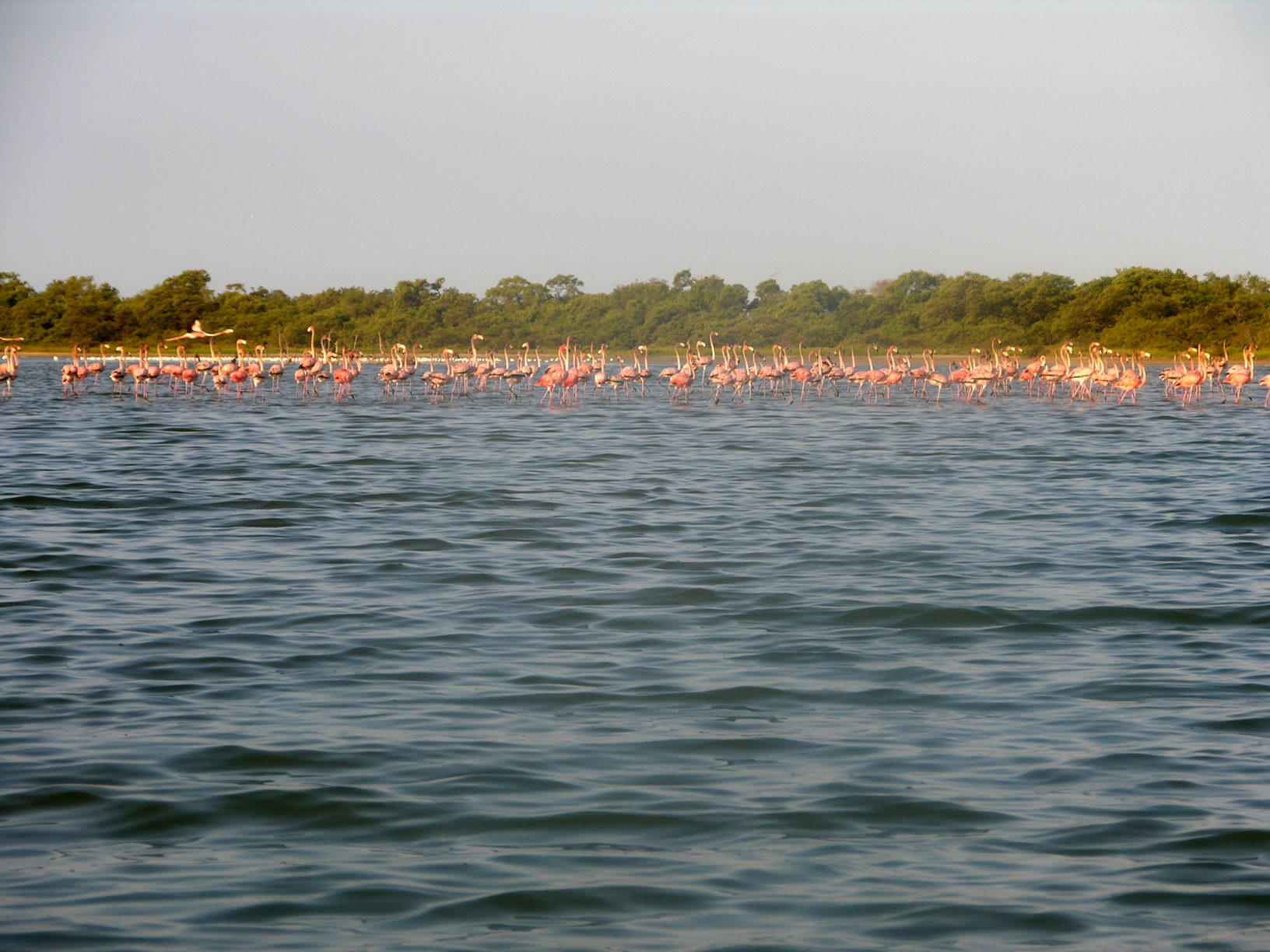
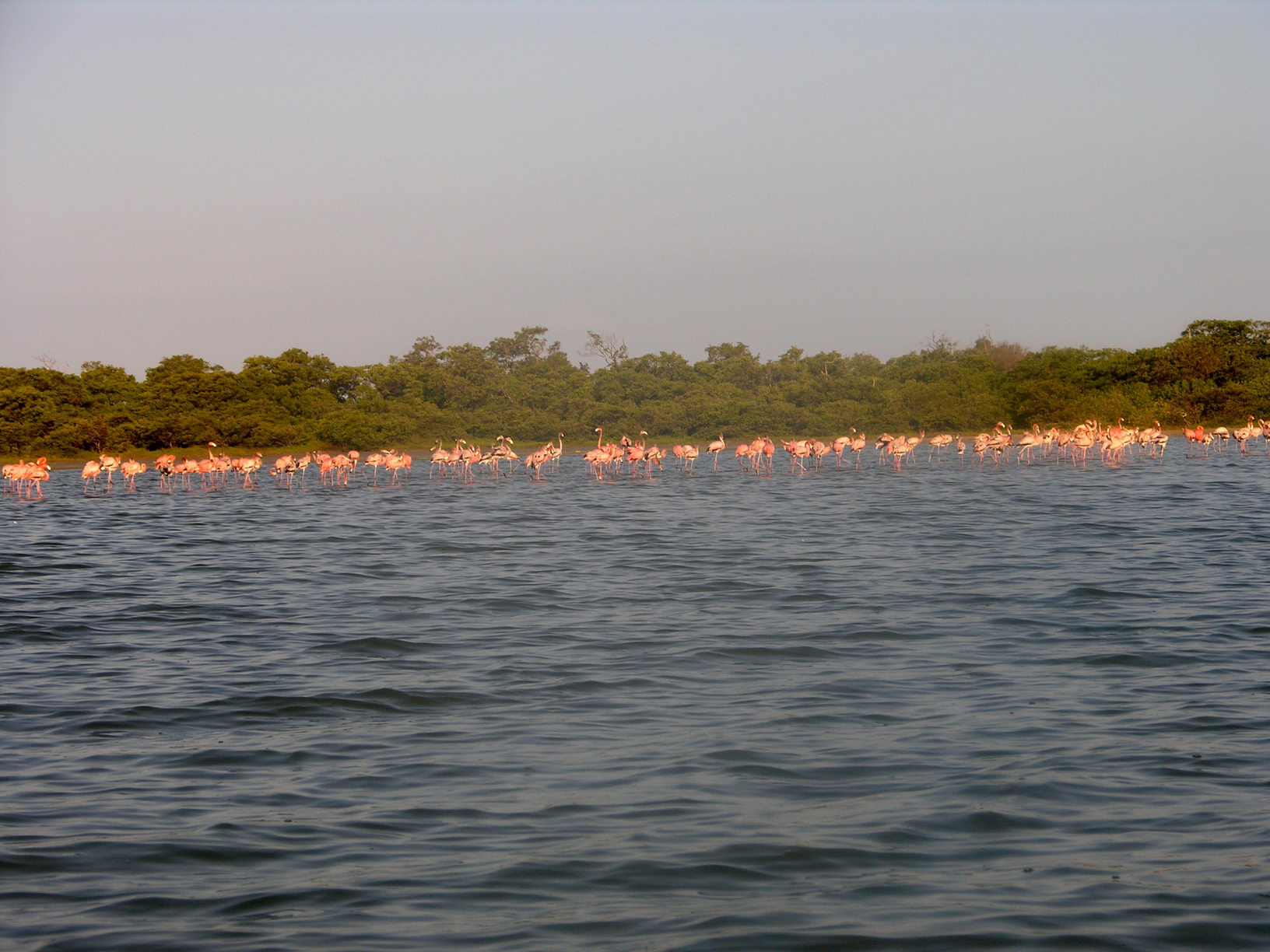
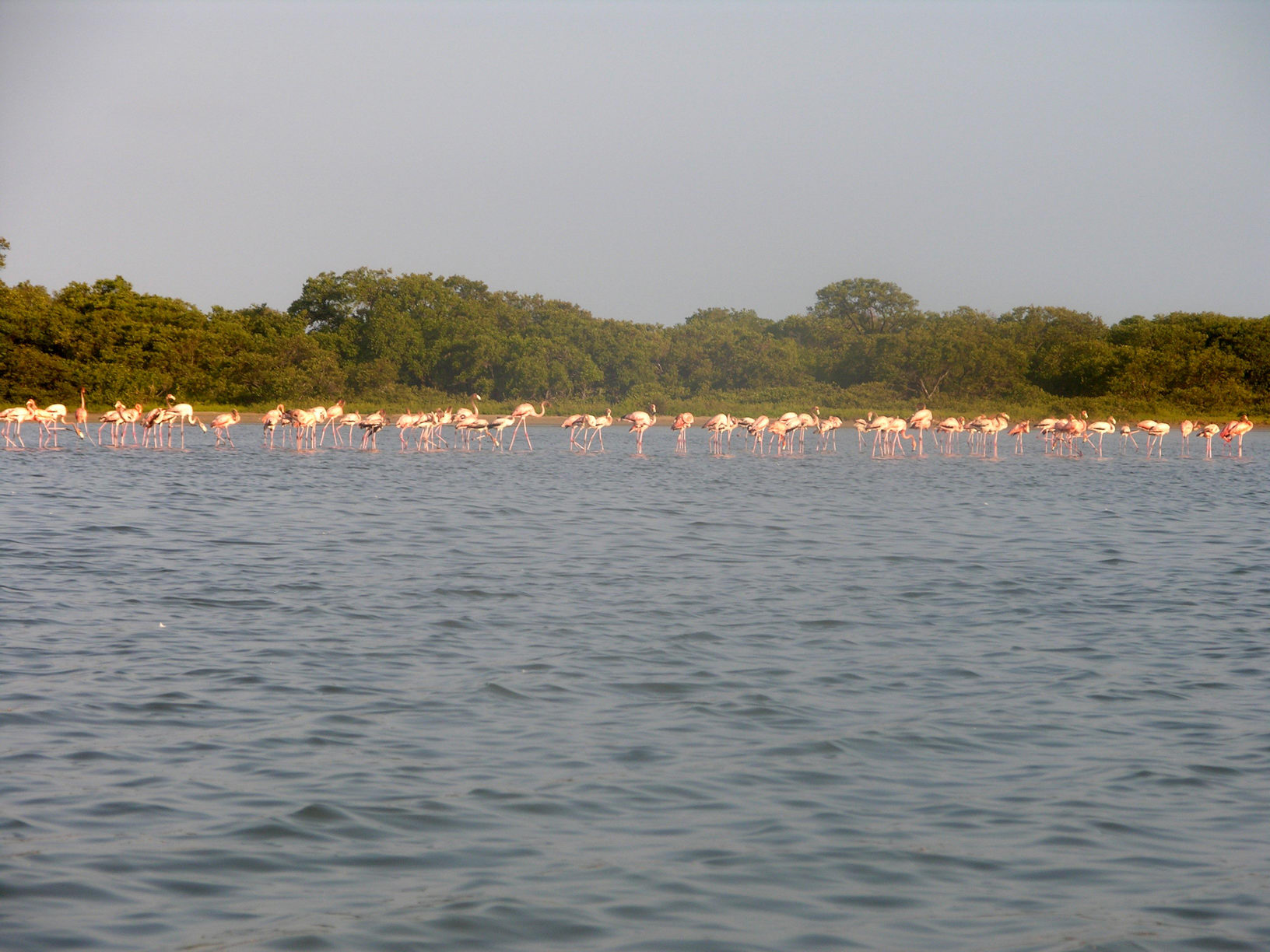
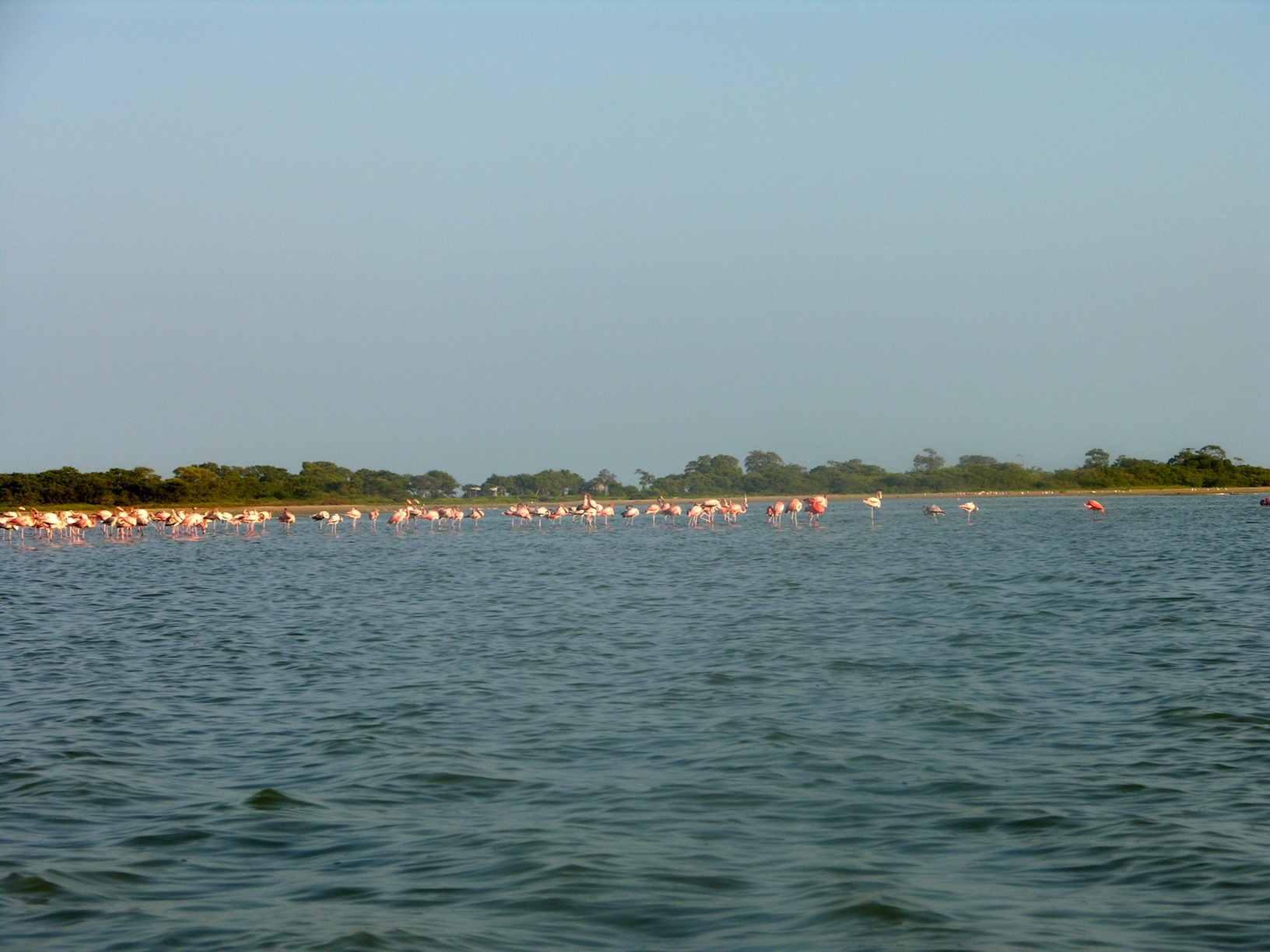
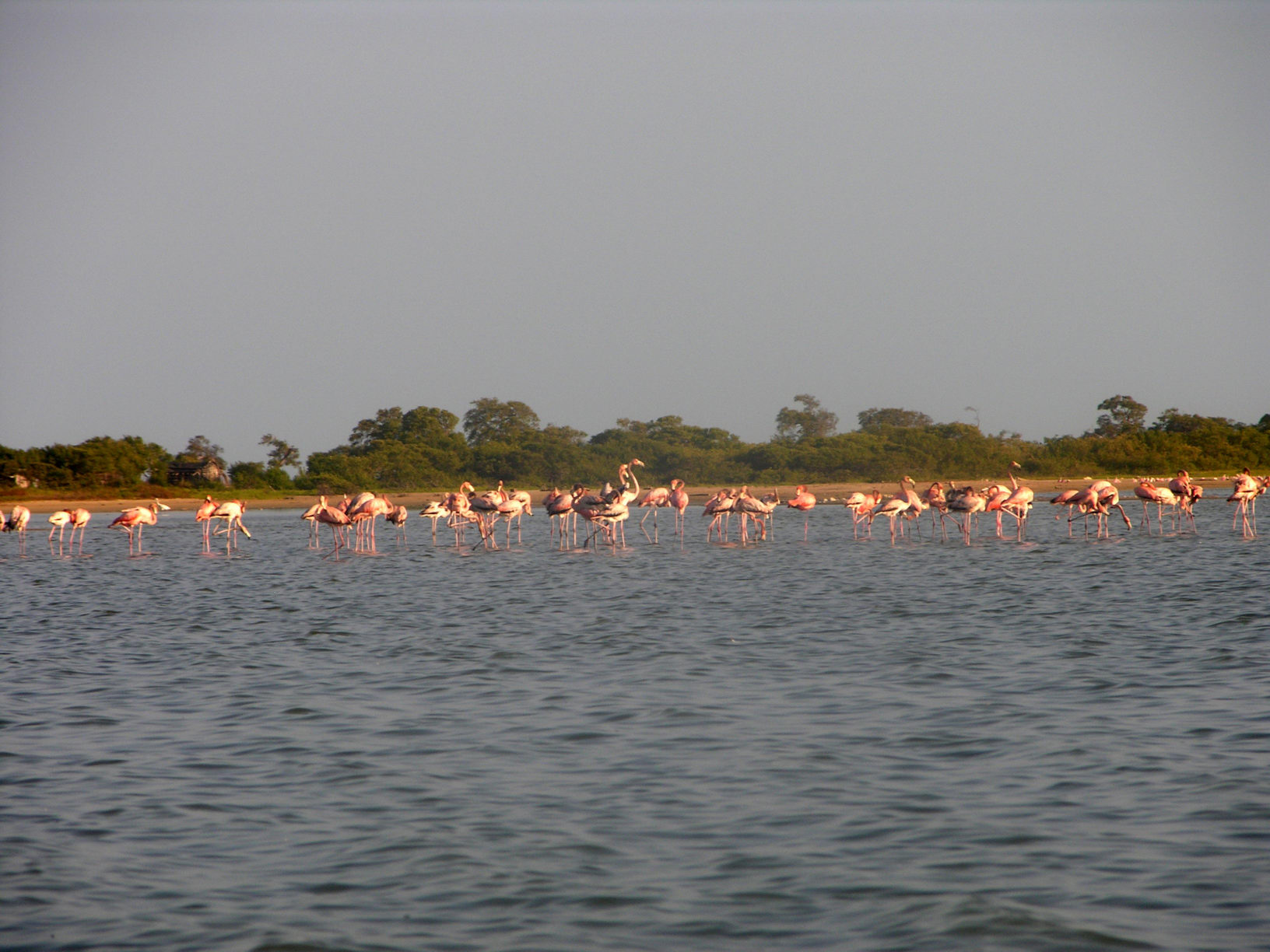
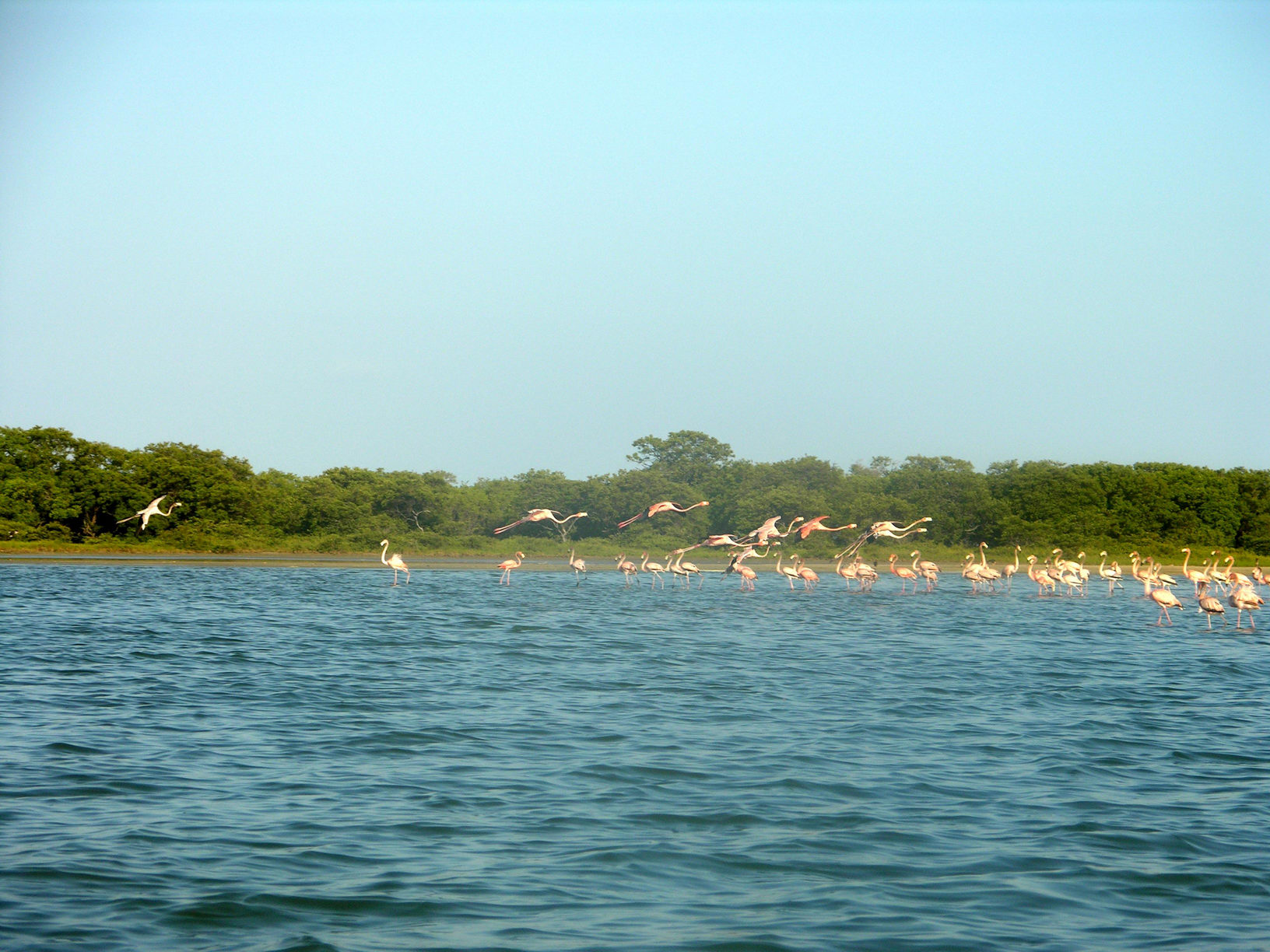
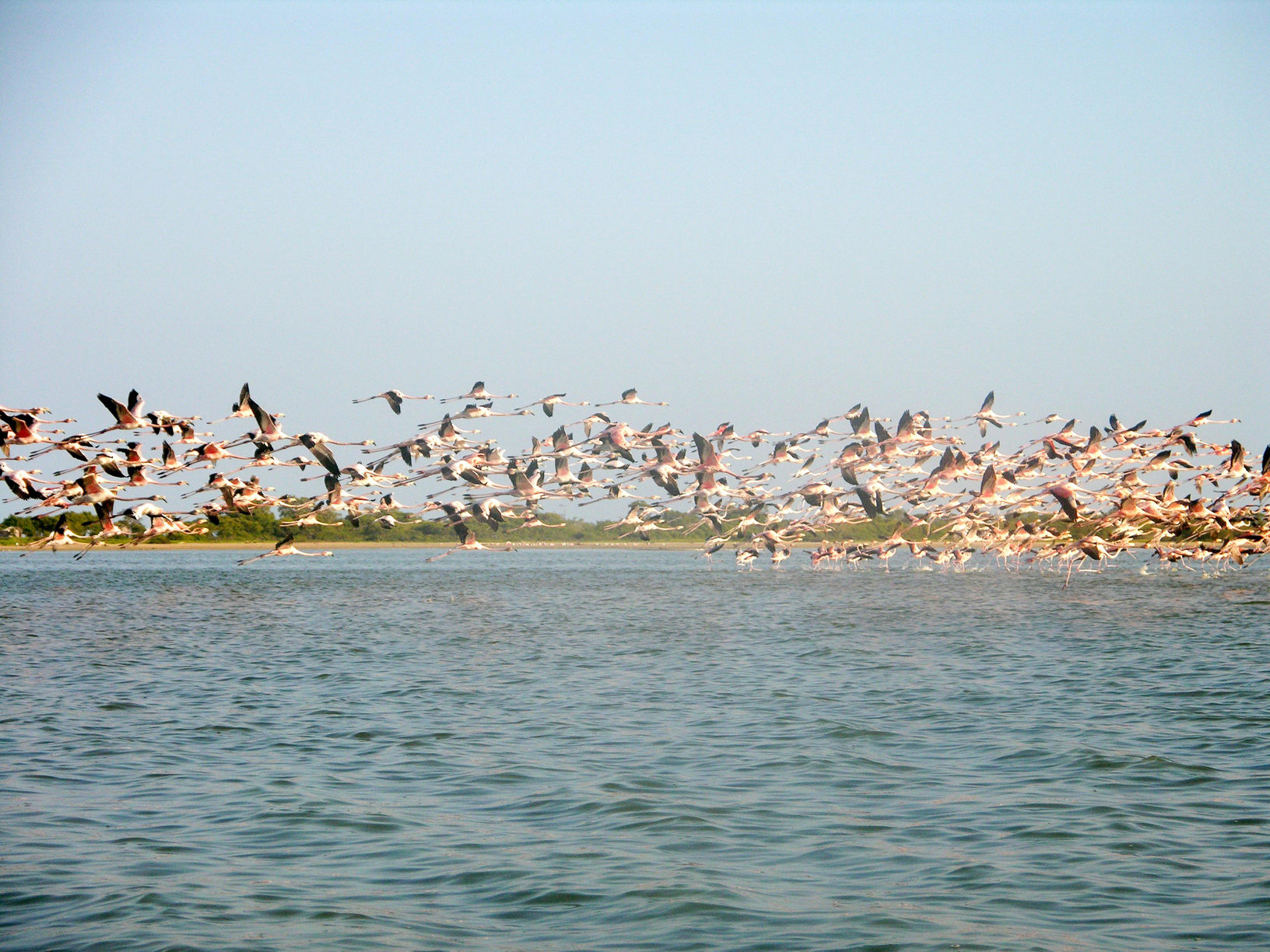
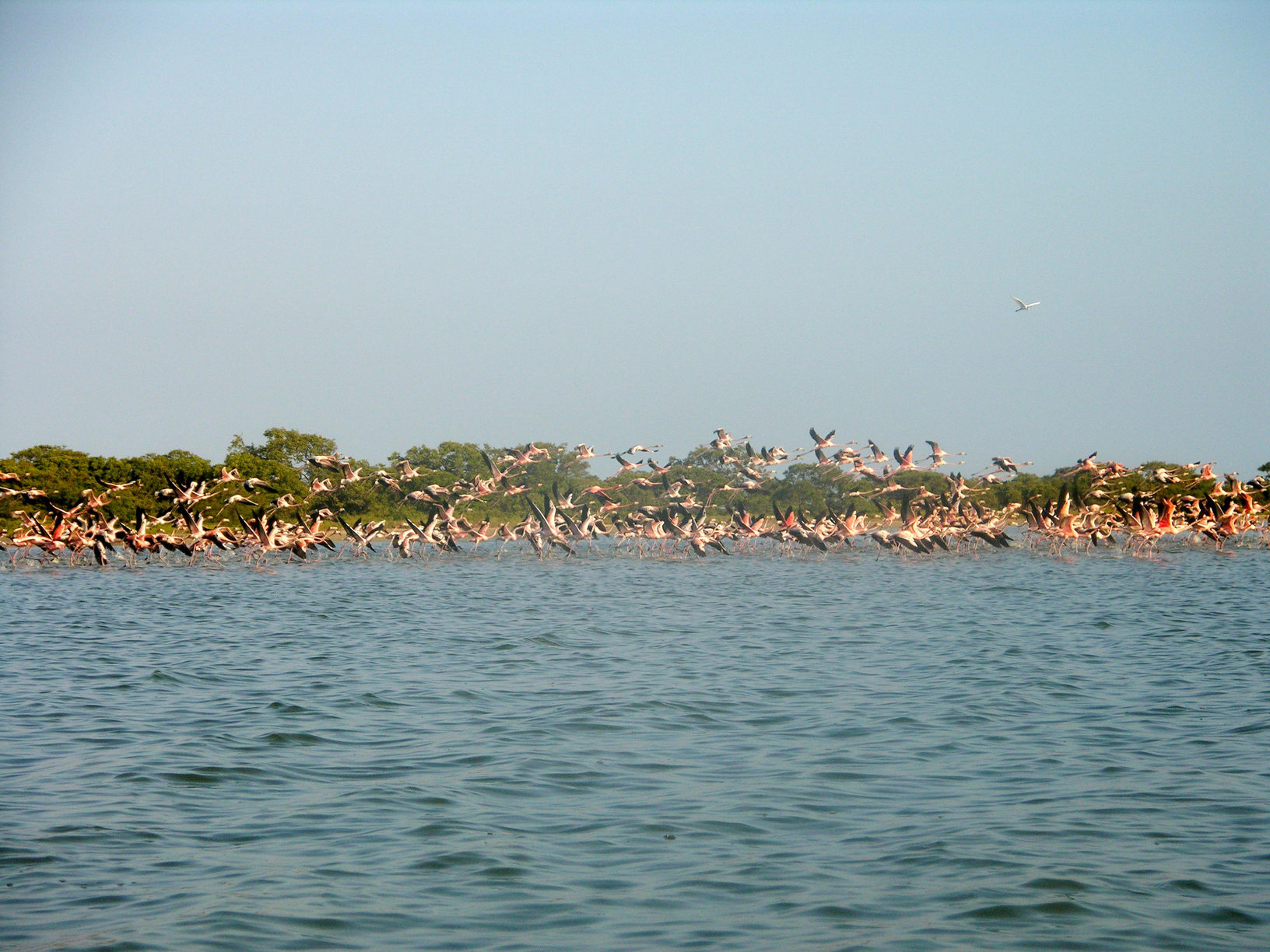
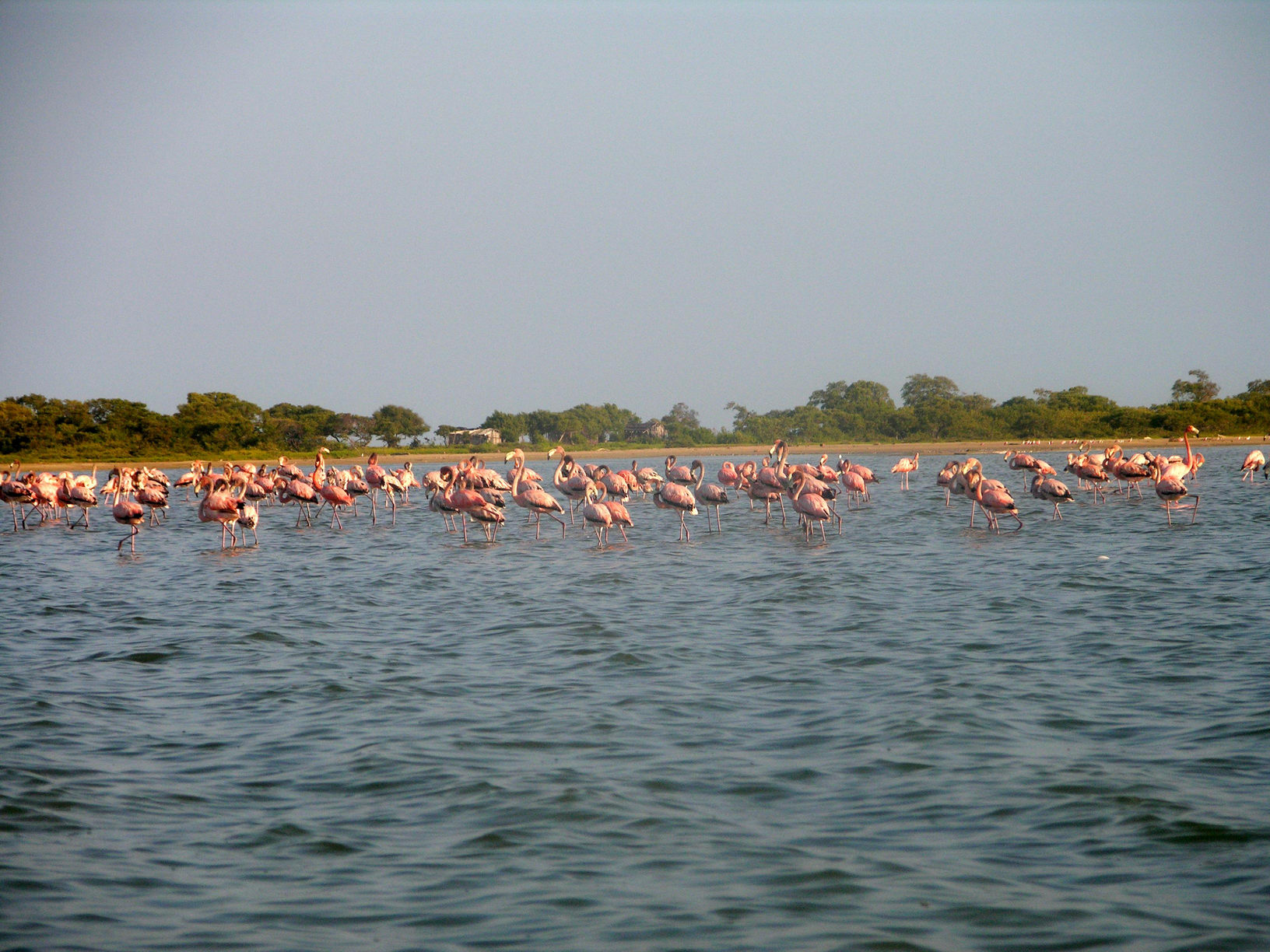
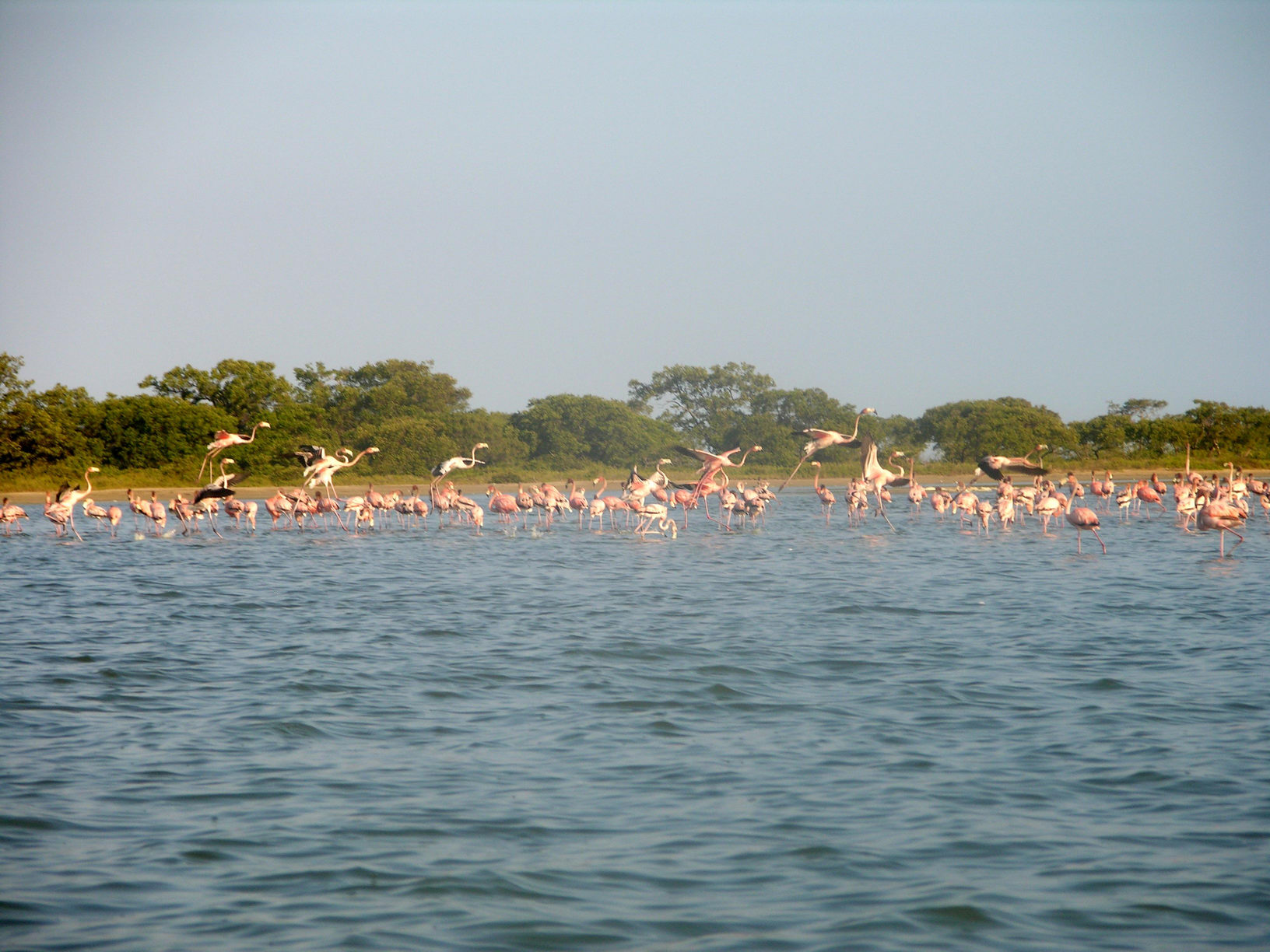
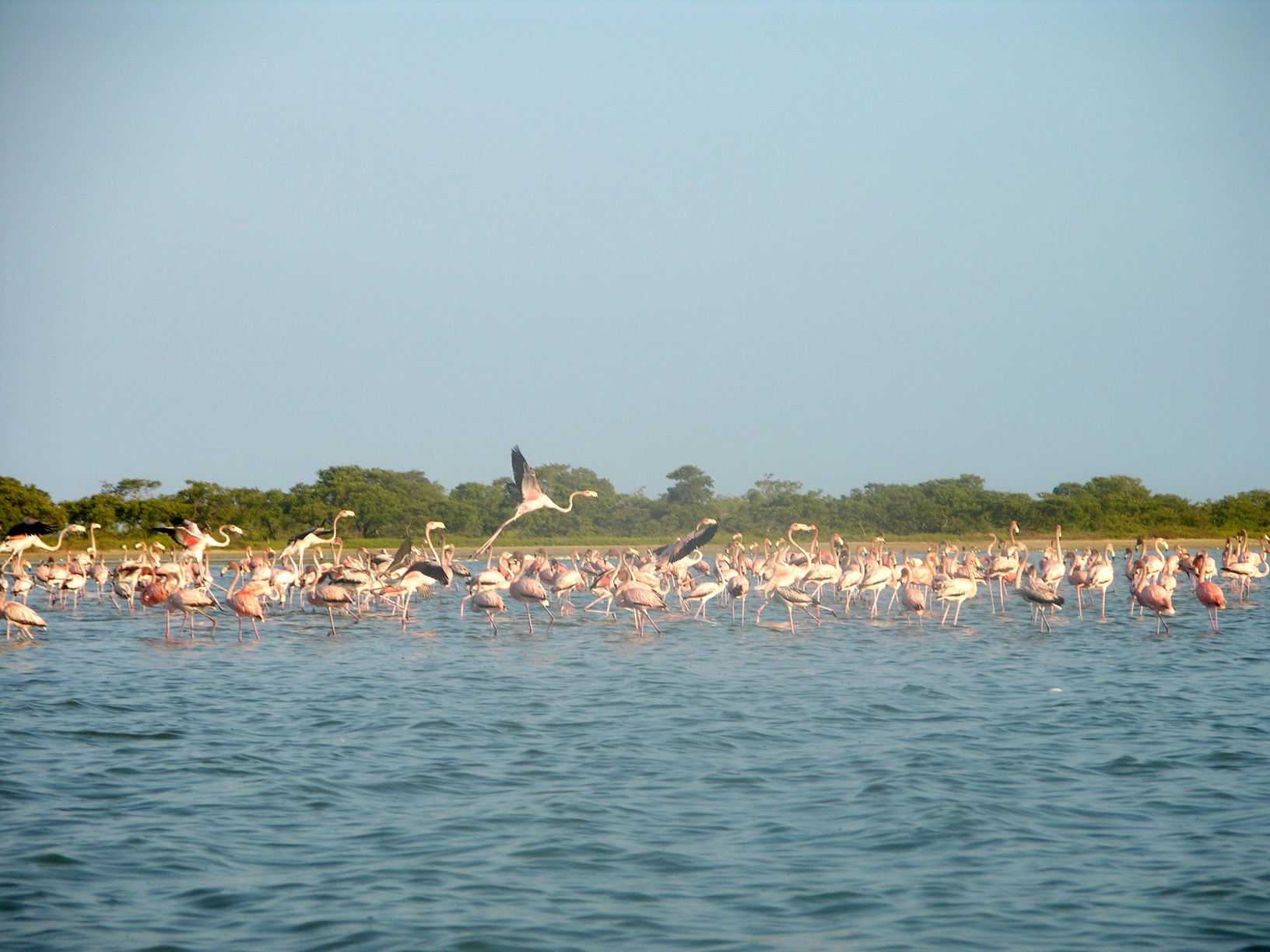
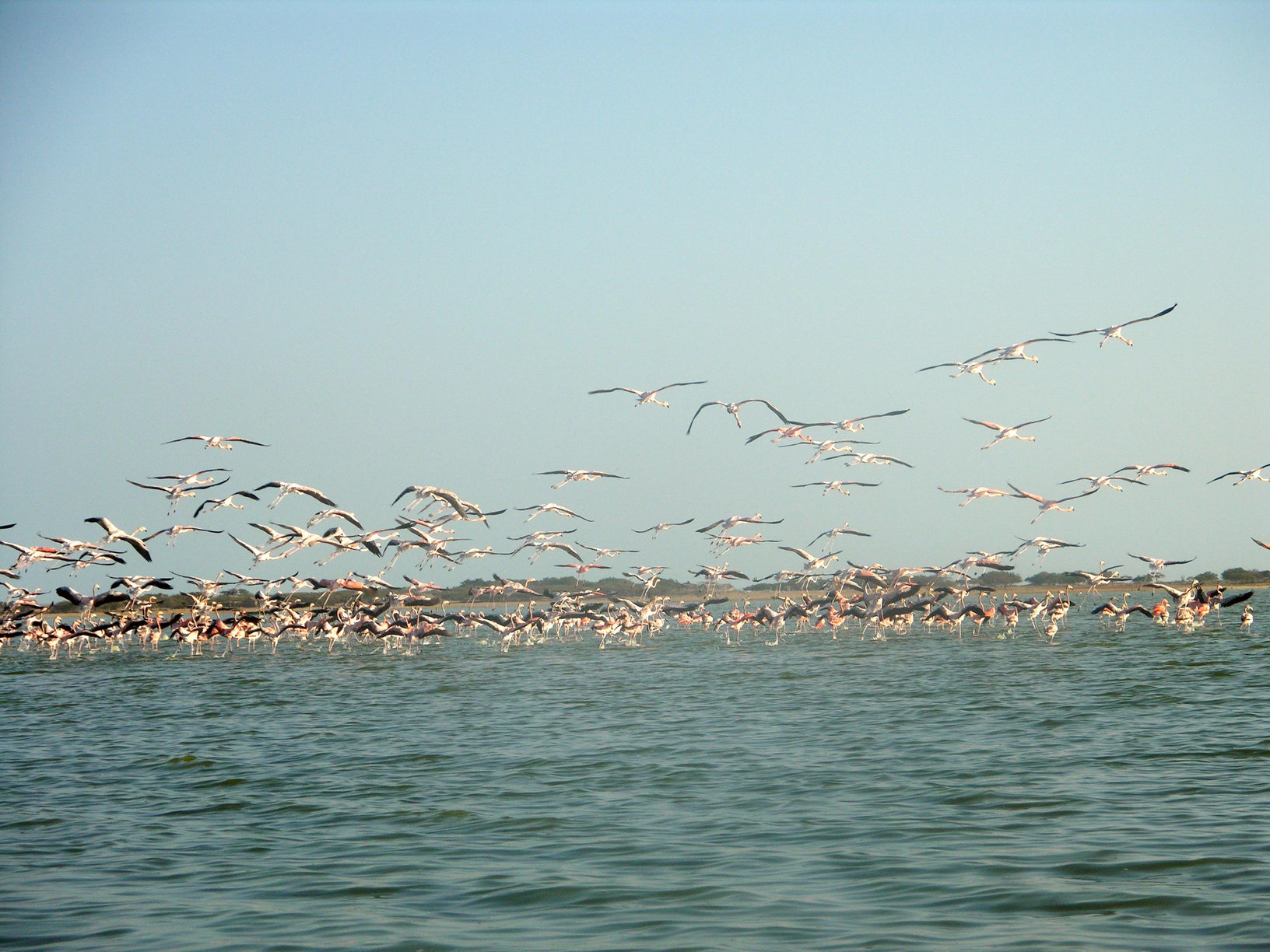
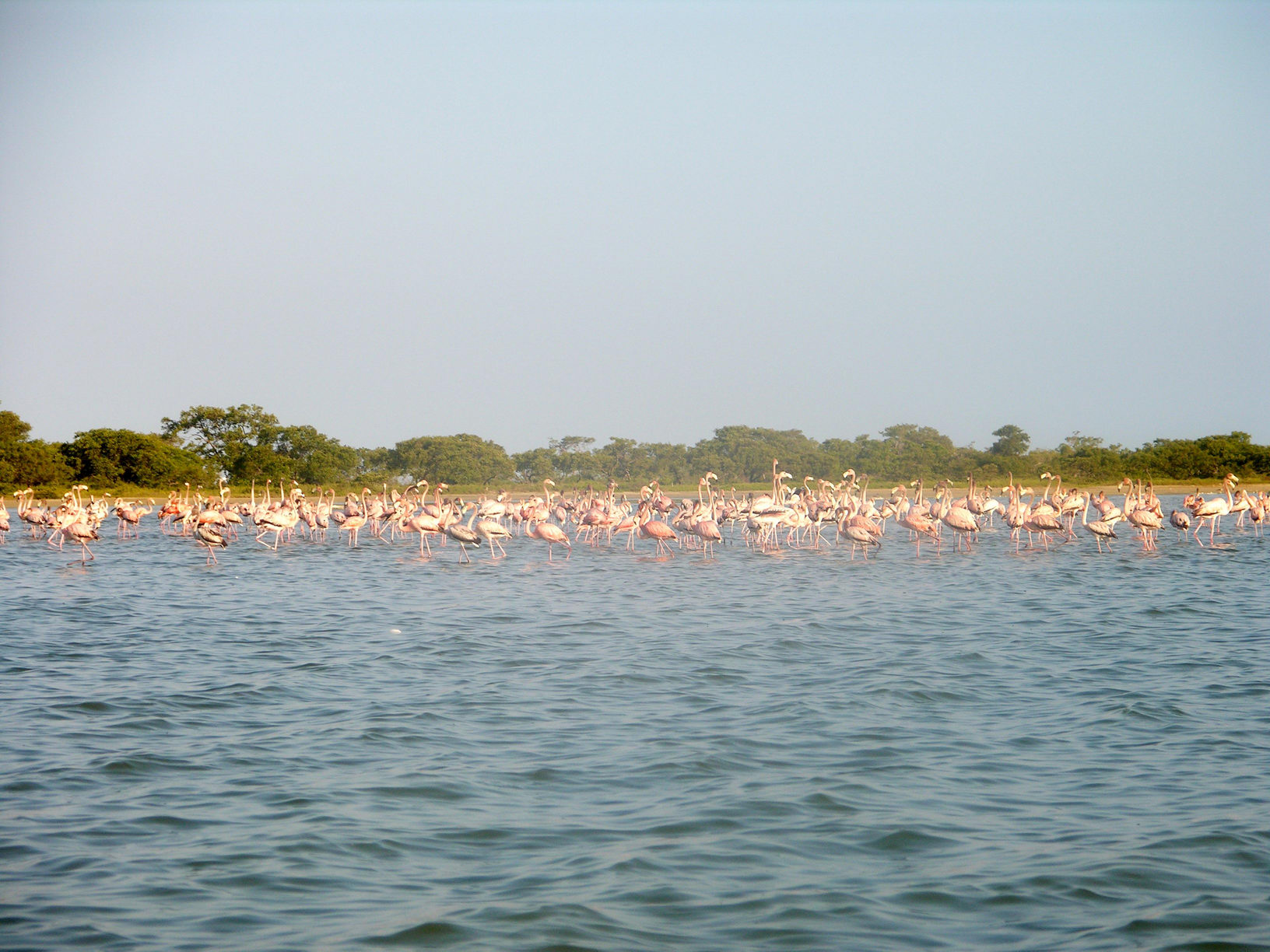
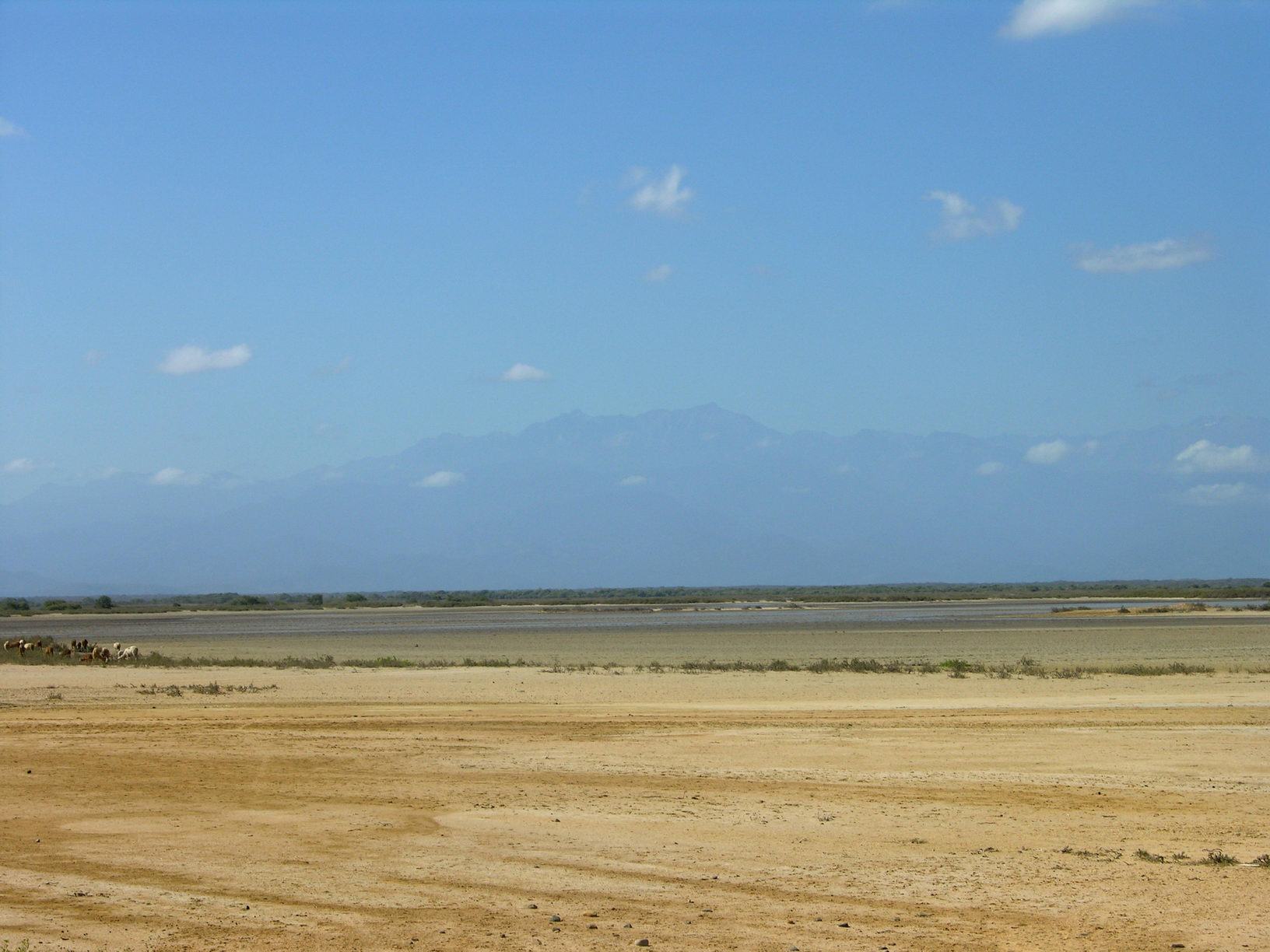
When we got back to the village an organised group of tourists arrived in jeeps. These tours cost a hundred dollars or two in Santa Marta and Riohacha. They hadn't laid on boats for the group, so all they could see was a thousand white dots on the horizon. Once again we were convinced you ought to go everywhere for yourself. Just as well we hadn't tried the local travel agencies. They might have talked us into believing we needed a jeep, couldn't find the road, and would be robbed by the locals.
From the flamingo lake we went back to the village where we'd spent the night. Nearby, across the stream, stand a few cabins belonging to the national park. They raise sea turtles there, whose young swim around in plastic barrels. There in the stream are some rather remarkable pink waders, roseate spoonbills, which the local man insisted on calling another species of flamingo.
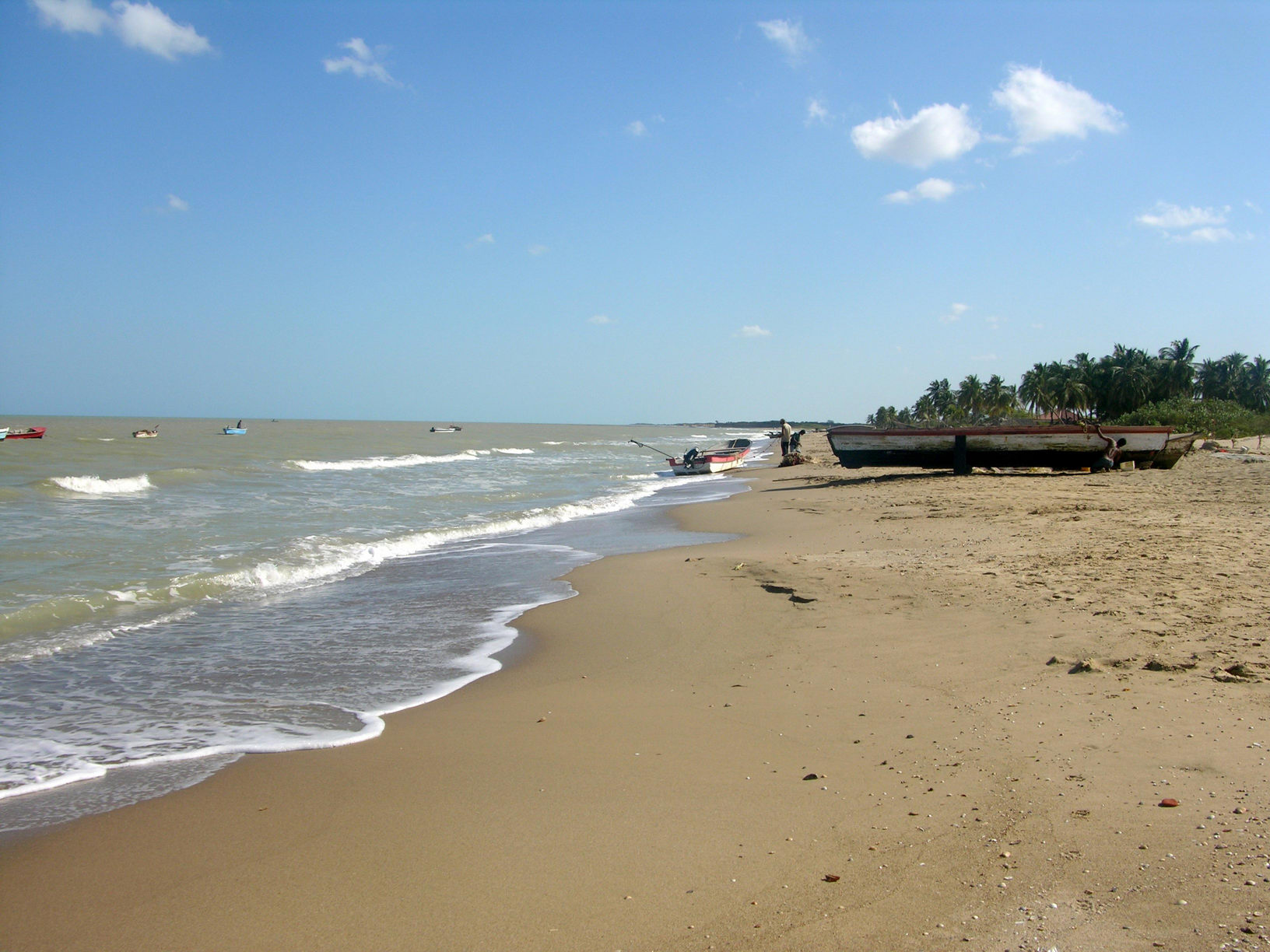
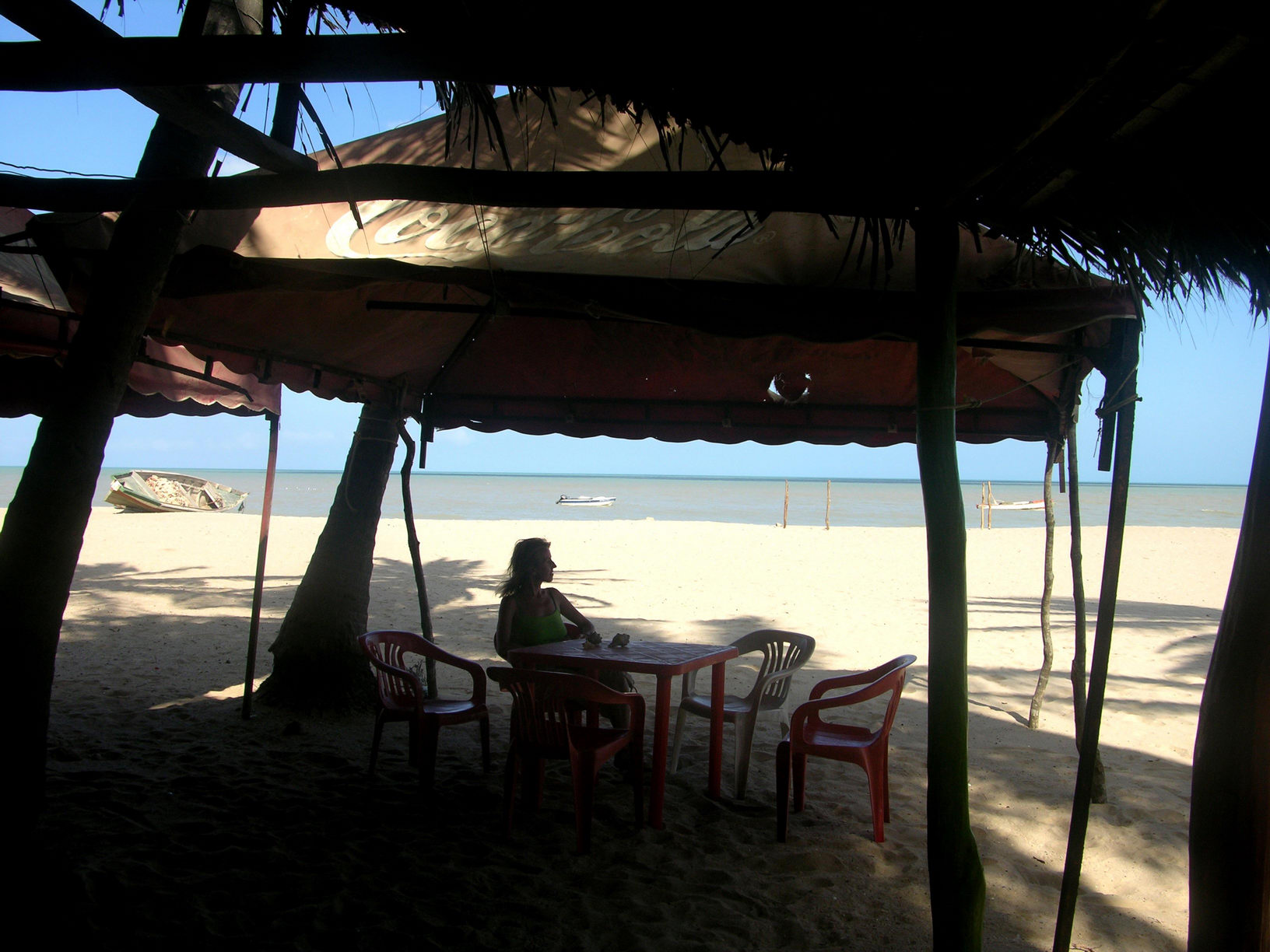
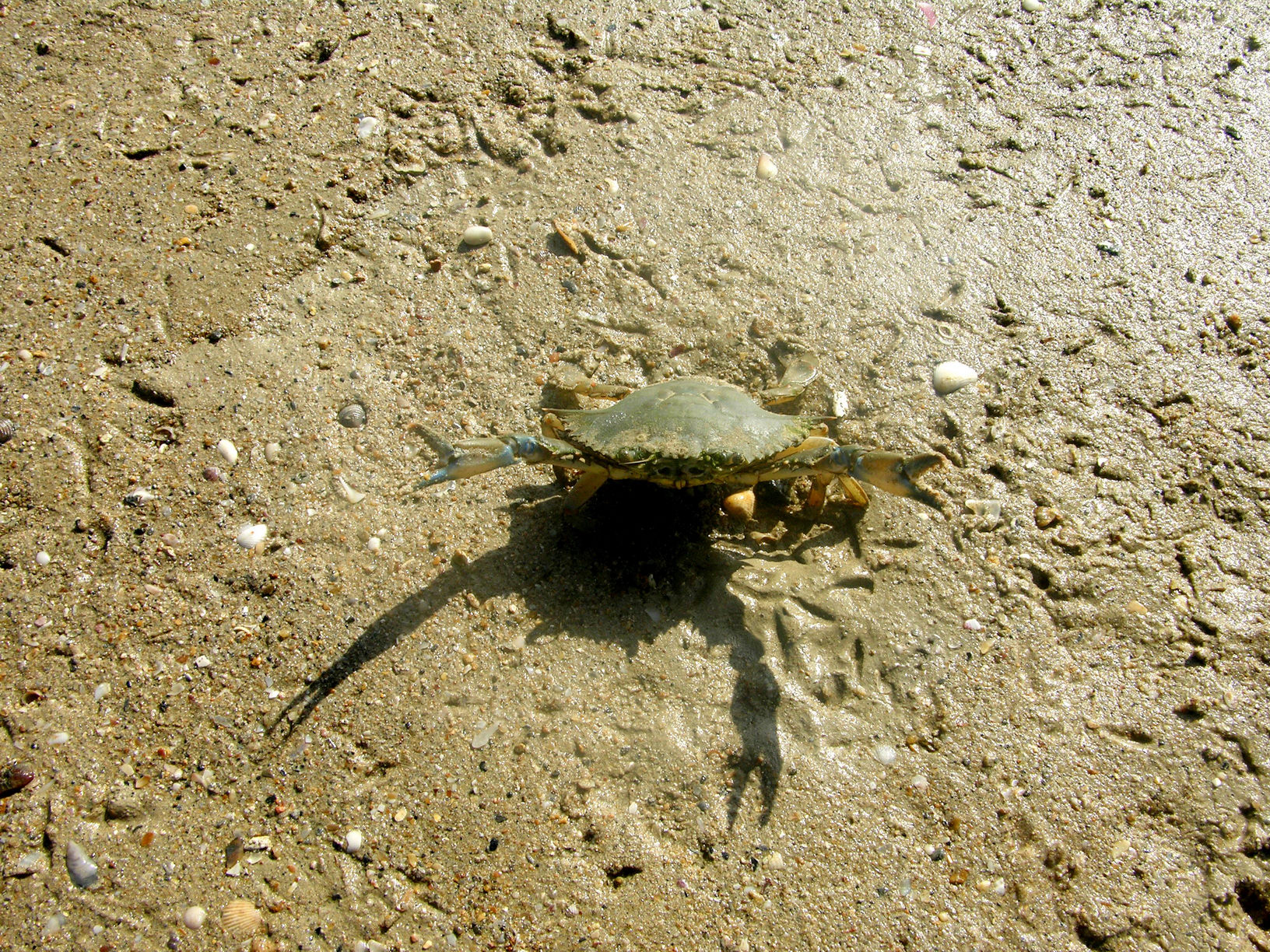
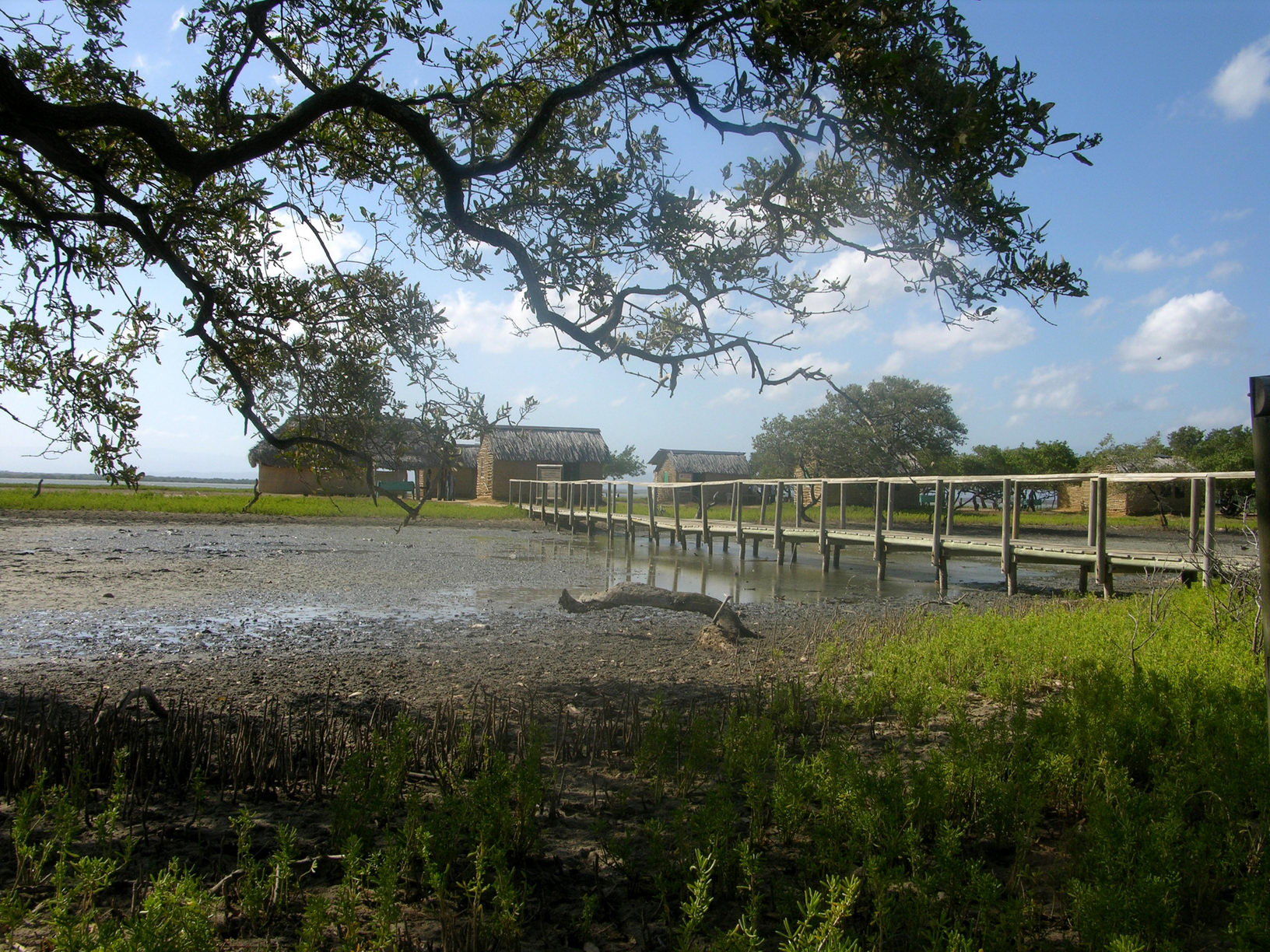
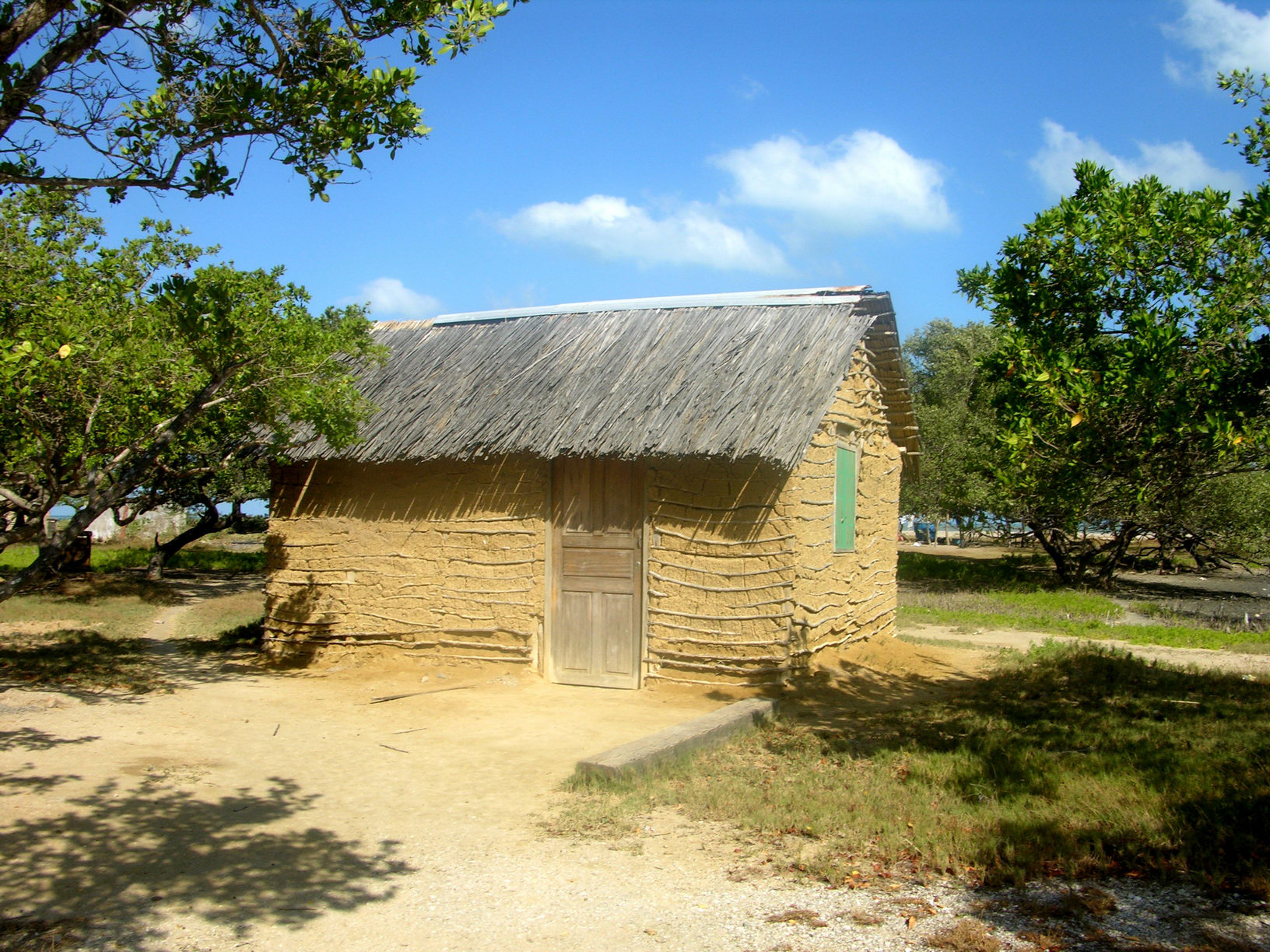
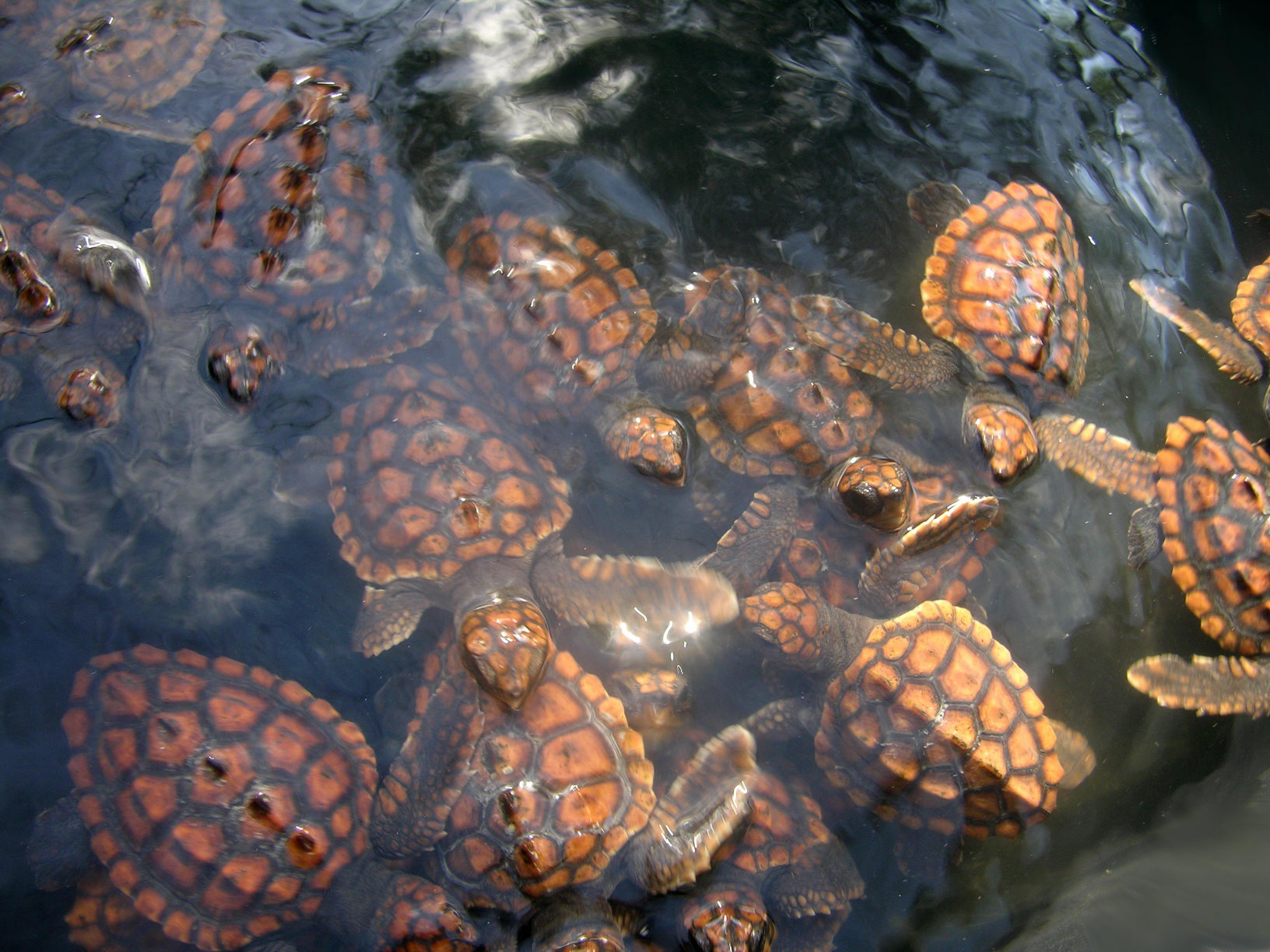
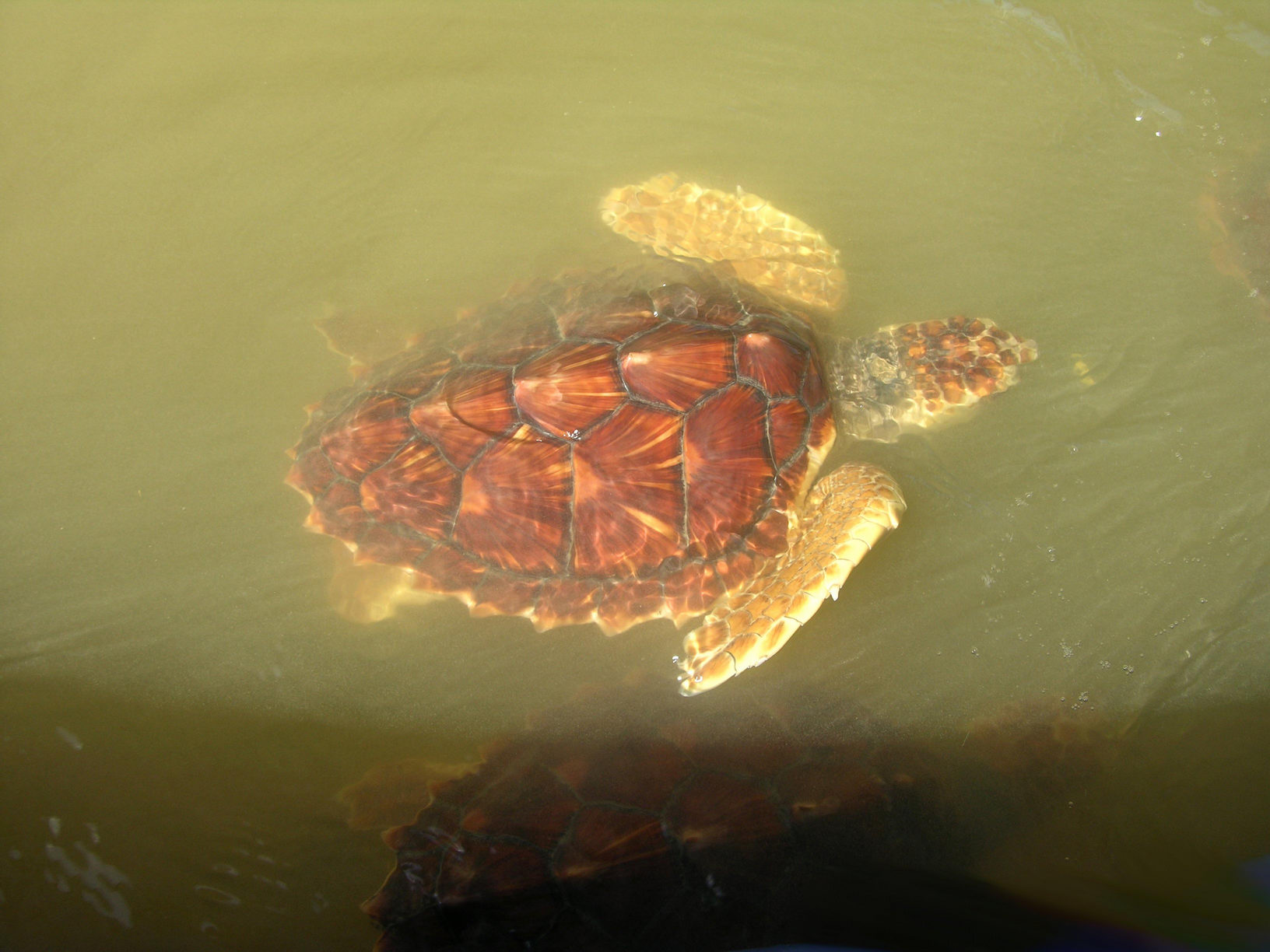
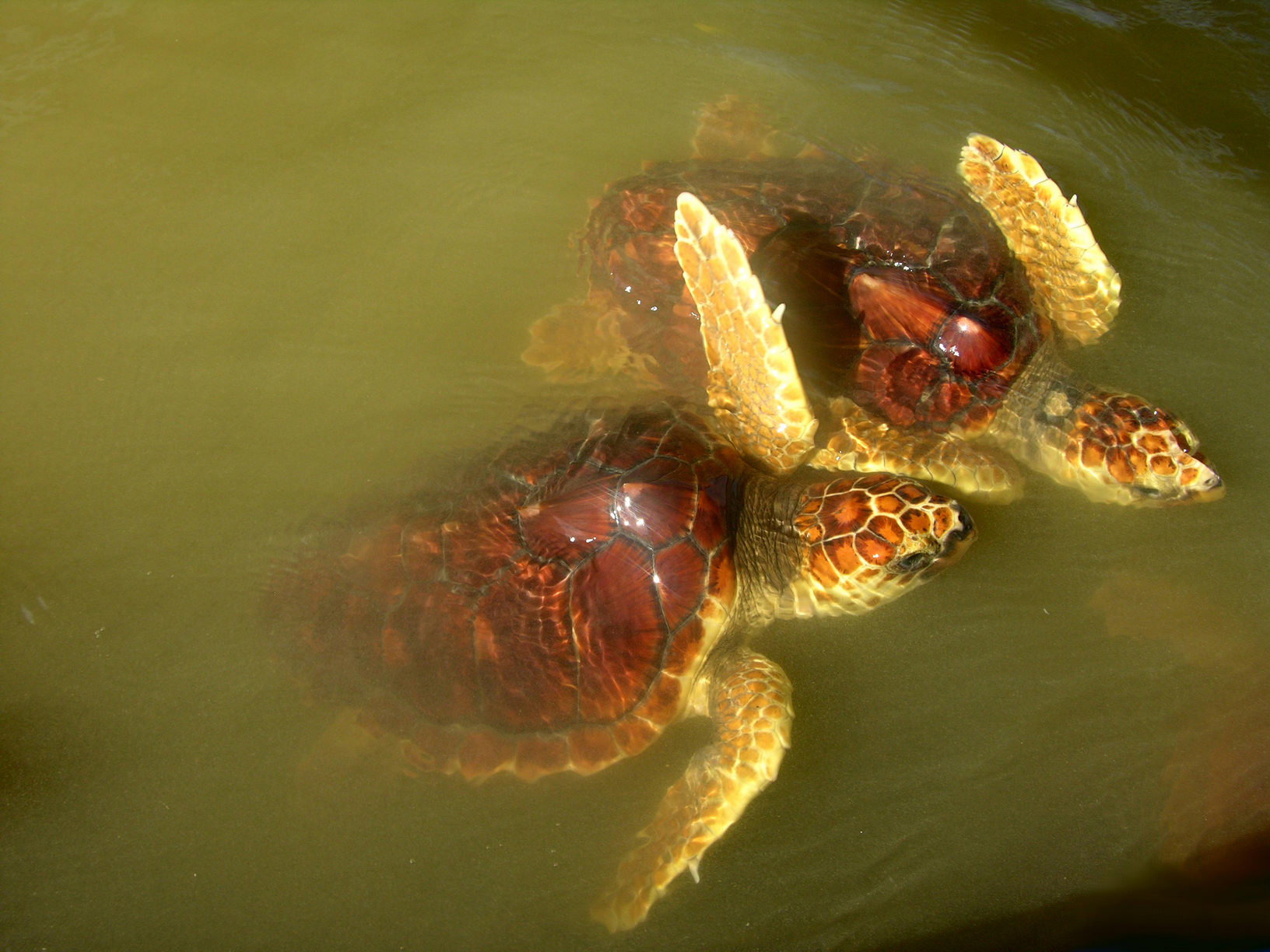
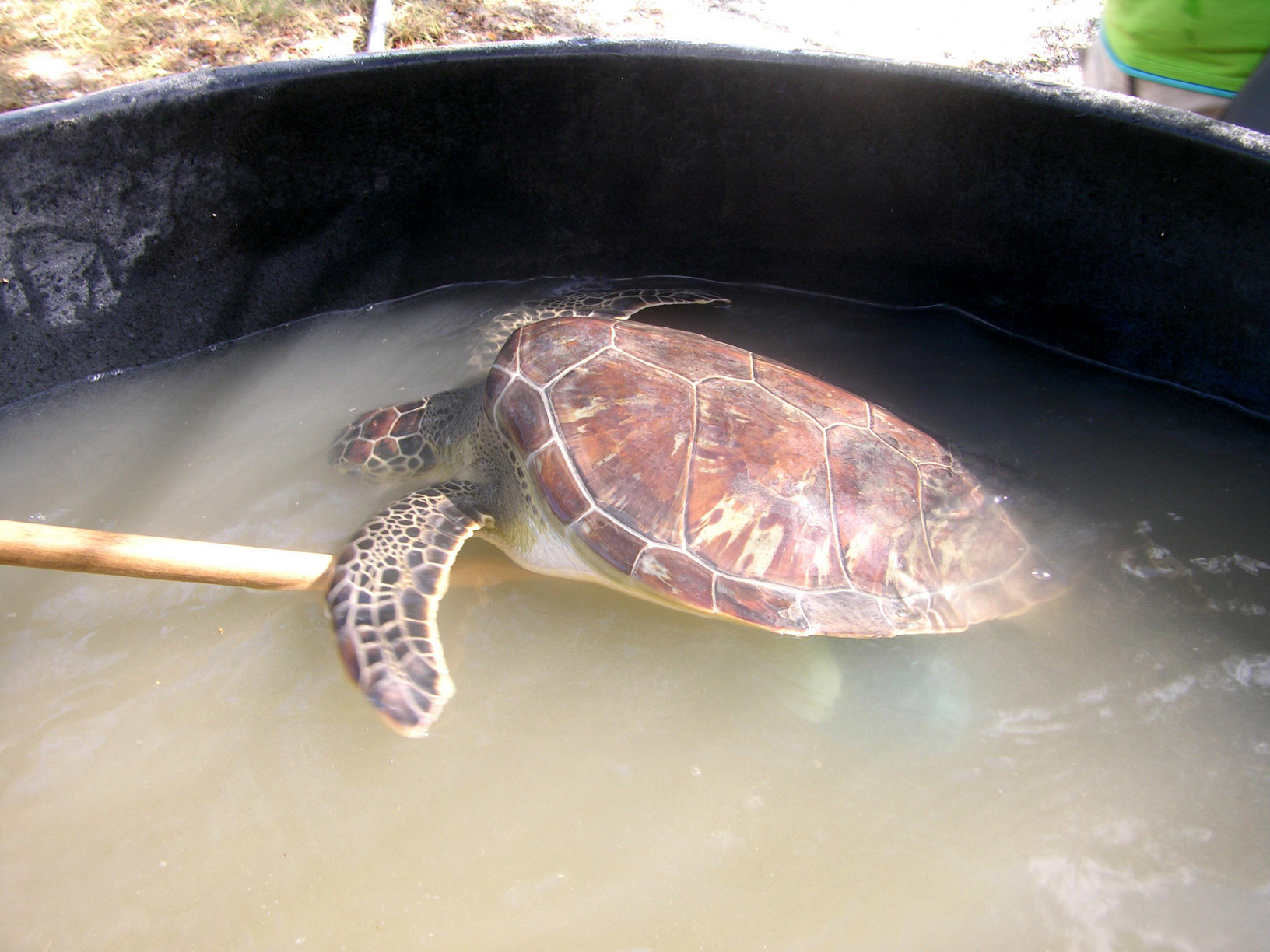
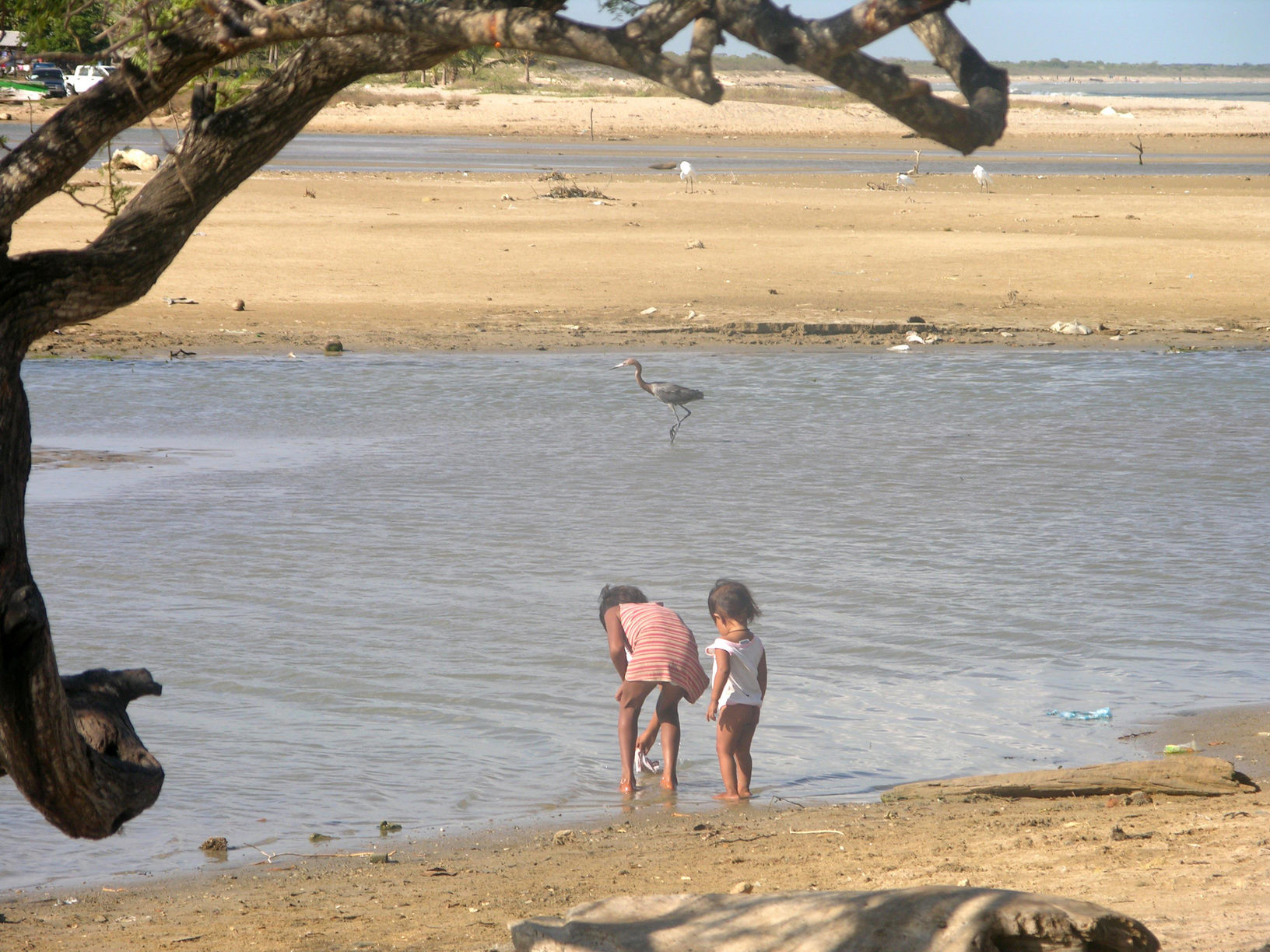
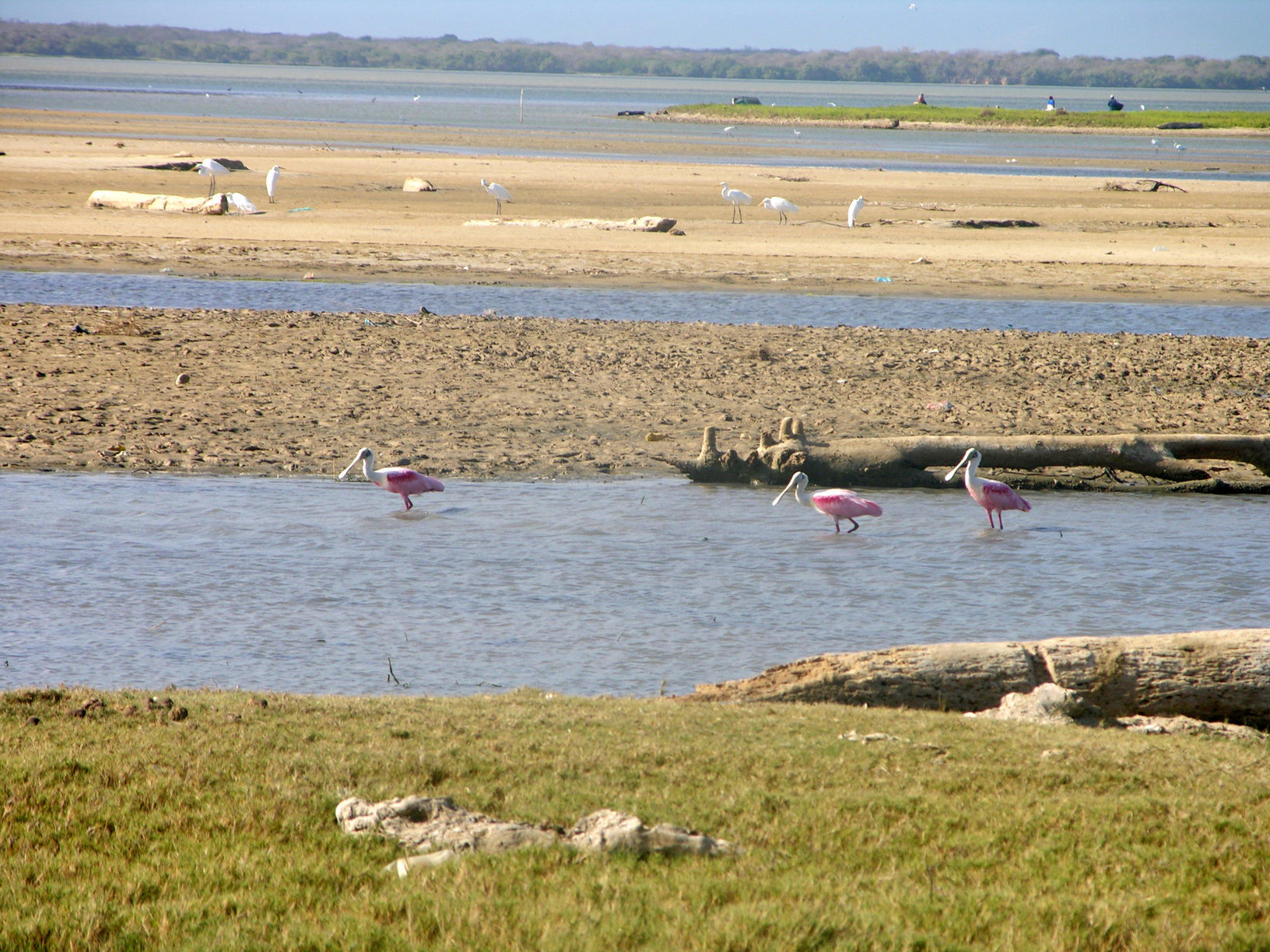
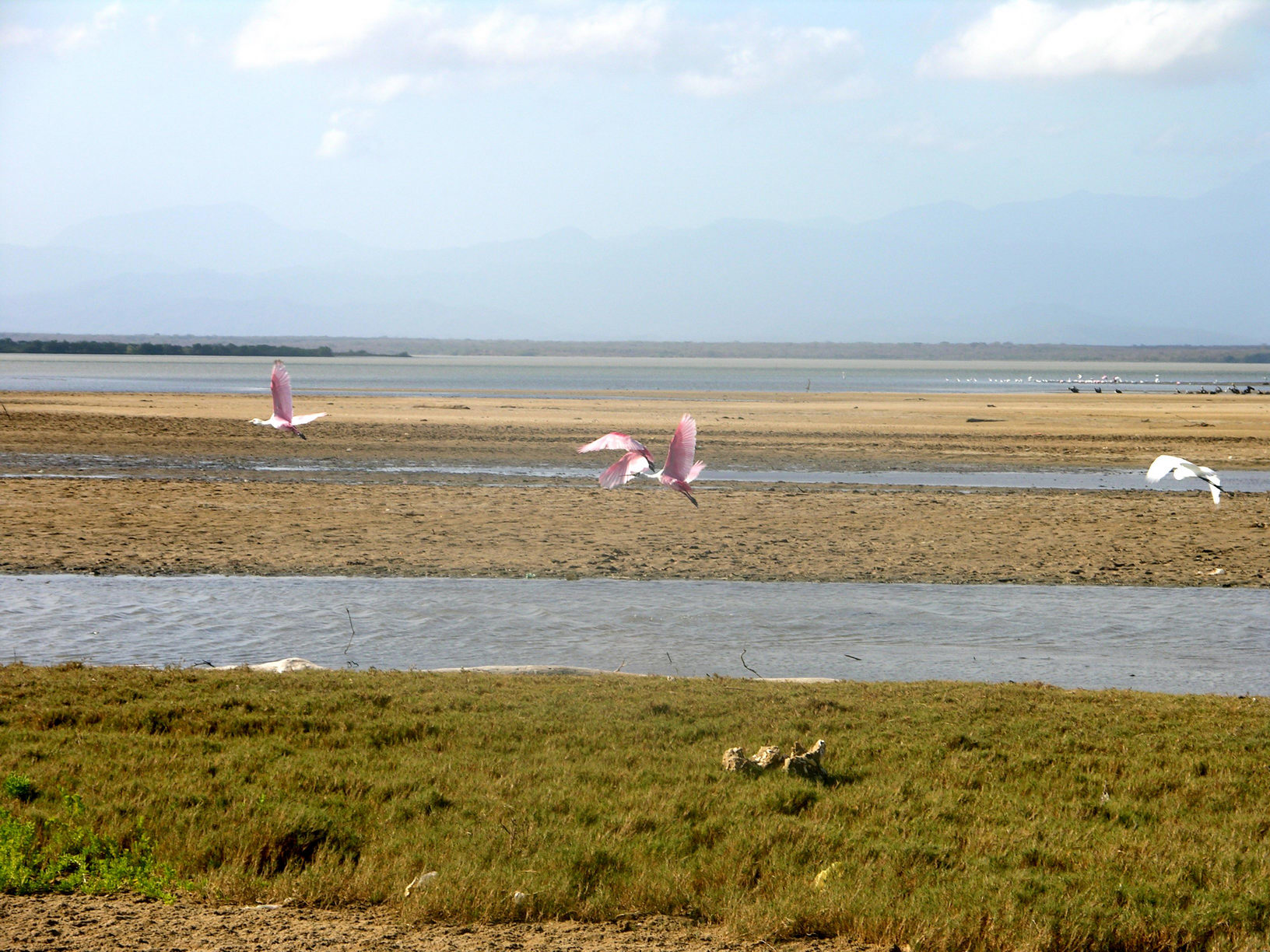
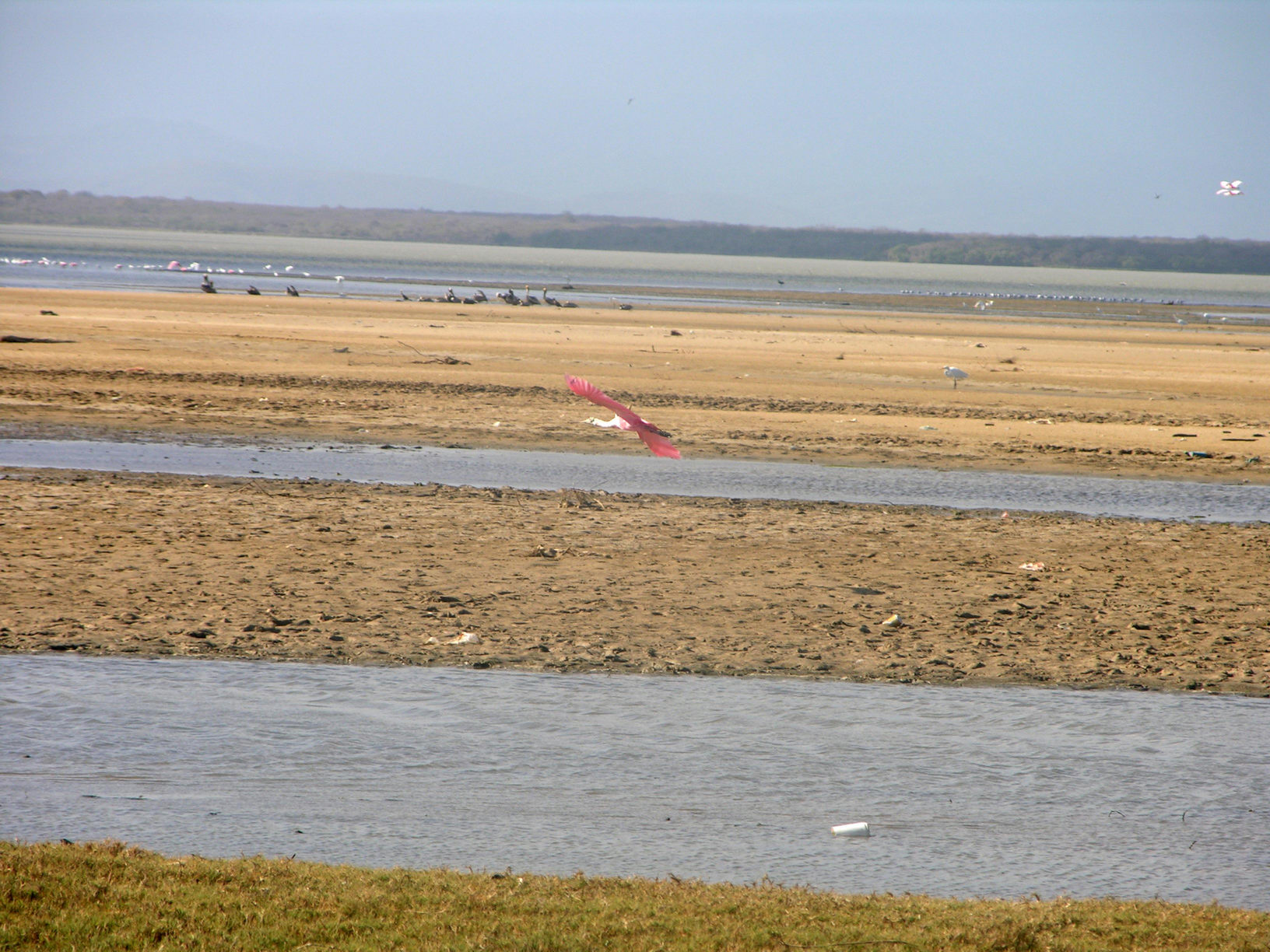
There were cabins for visitors beside the park office. You could spend the night in those if a hammock under the palms didn't suit you.
After the flamingos we went to Riohacha (Riohacha), the northernmost city in Colombia. The northernmost point of mainland Latin America is on the peninsula next to it. Unfortunately there's no decent road to it. It's deserted, sandy country. You can get through in a jeep, but where do you find one here? Only with a driver, on a guided trip of several days. We should have hired a four-wheel drive from the beginning. Without one, all we could do was have a walk around town, get something to eat and go back. The first time I read the name Riohacha was in Márquez's One Hundred Years of Solitude. The founders of Macondo set out from here to cross the mountains in search of a new world.
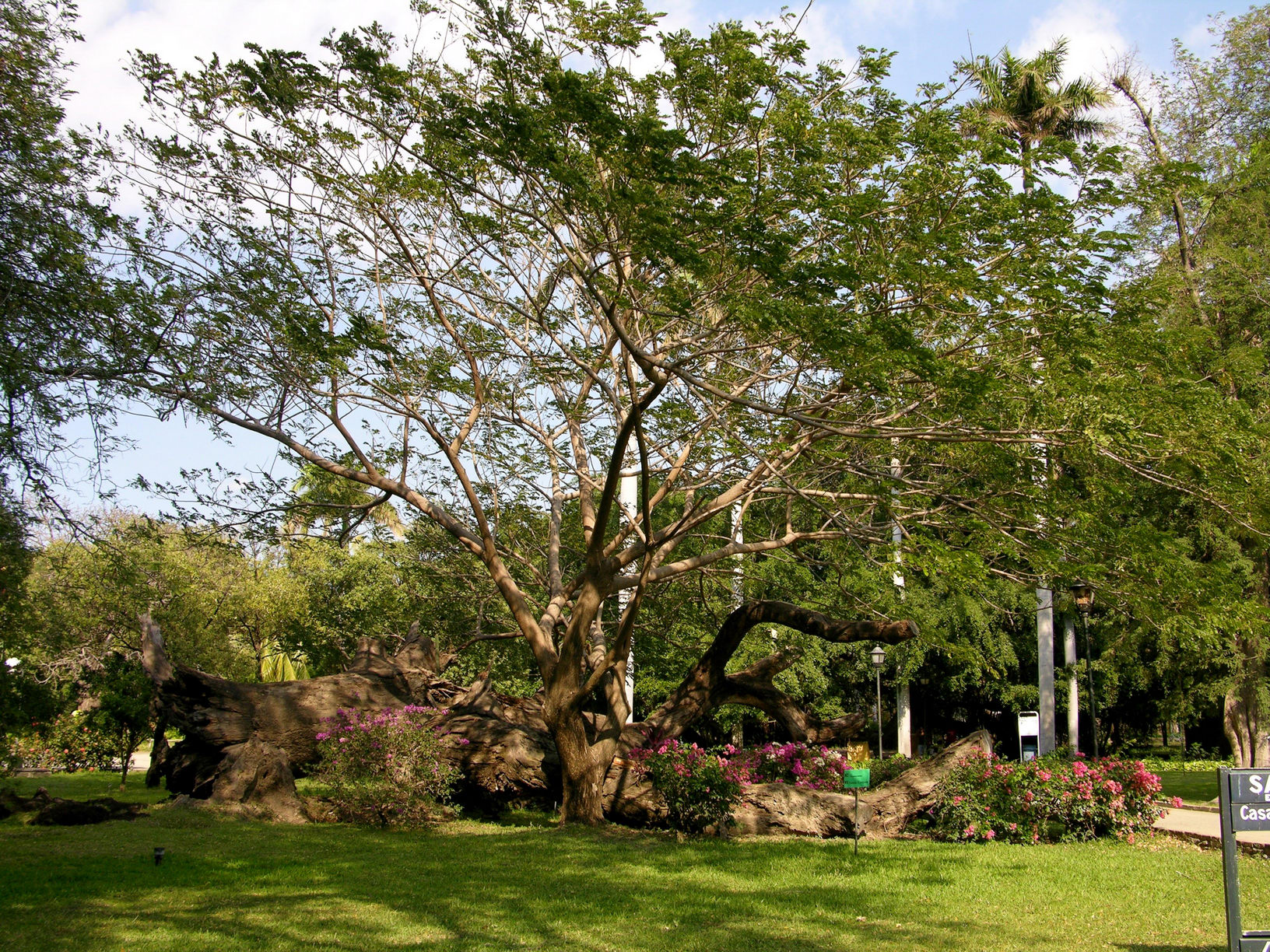
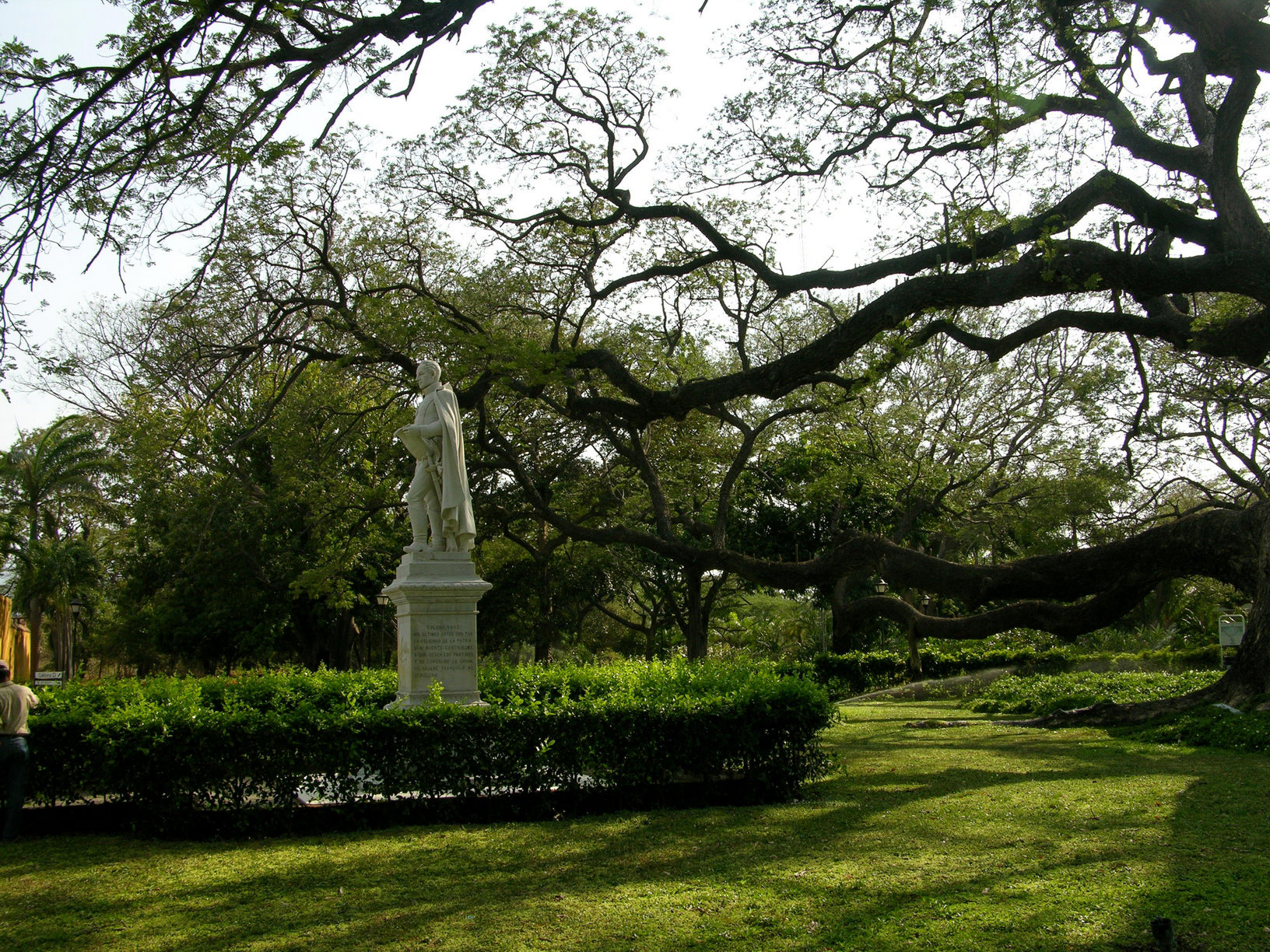
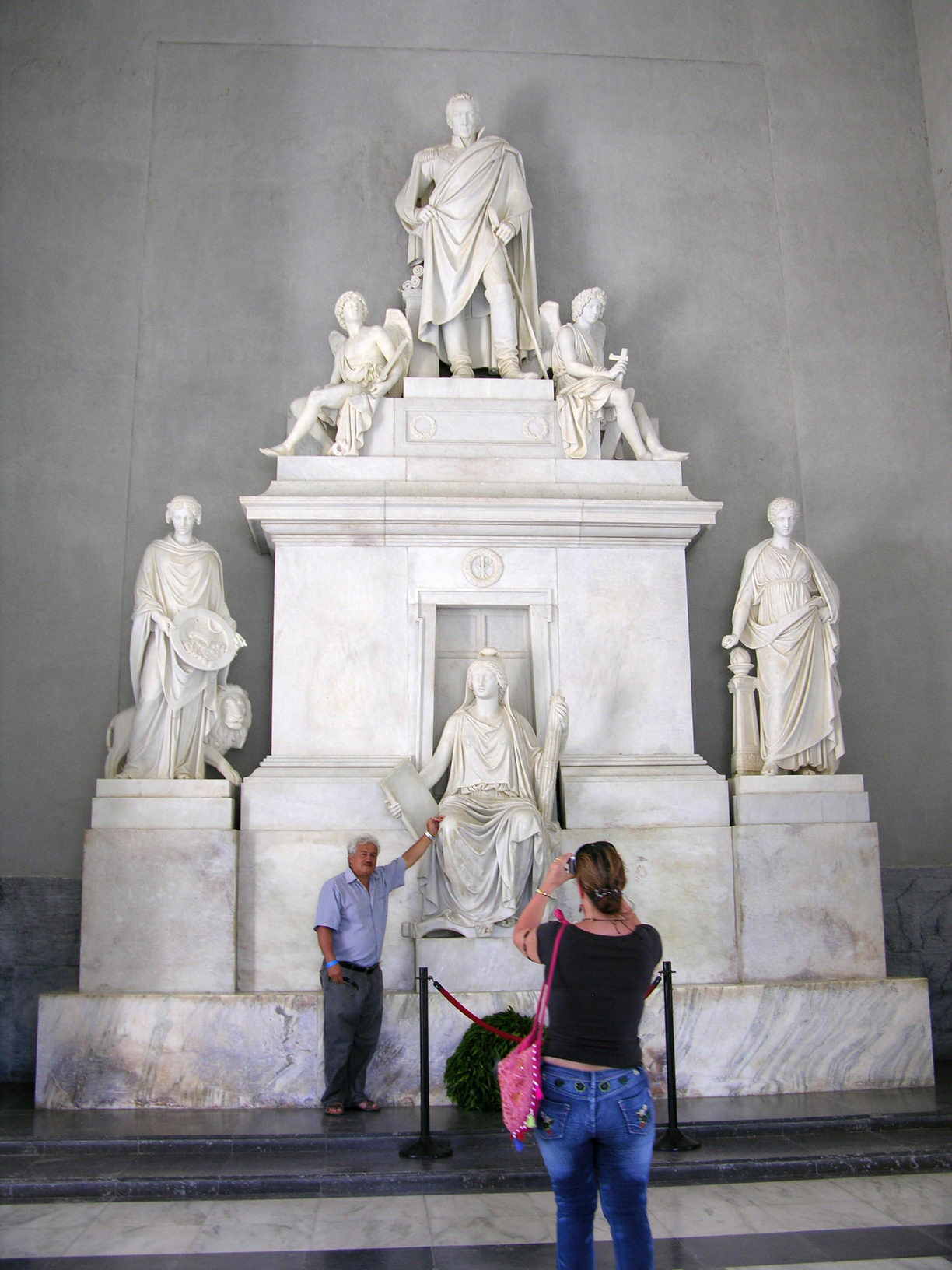
From Riohacha we went back to Santa Marta. Simón Bolívar, the liberator of Colombia from the Spaniards, was originally buried here. Colombia was bigger then. Bolívar's project for a united Spanish-speaking South America reached across what are now Peru, Ecuador, Bolivia, Panama, Colombia and Venezuela. As after every revolution, war began. The idea of one great state broke up into several countries that in turn spent a hundred years fighting one another as the worst of enemies. Bolívar didn't live to see it, though. They made a museum out of the little distillery where he rented a house. Very boring and pompous. Admission was 9,000 pesos. At the exit you regretted spending the money. Bolívar was probably a vivid, exceptional person, but after he died they made him into something officially patriotic.
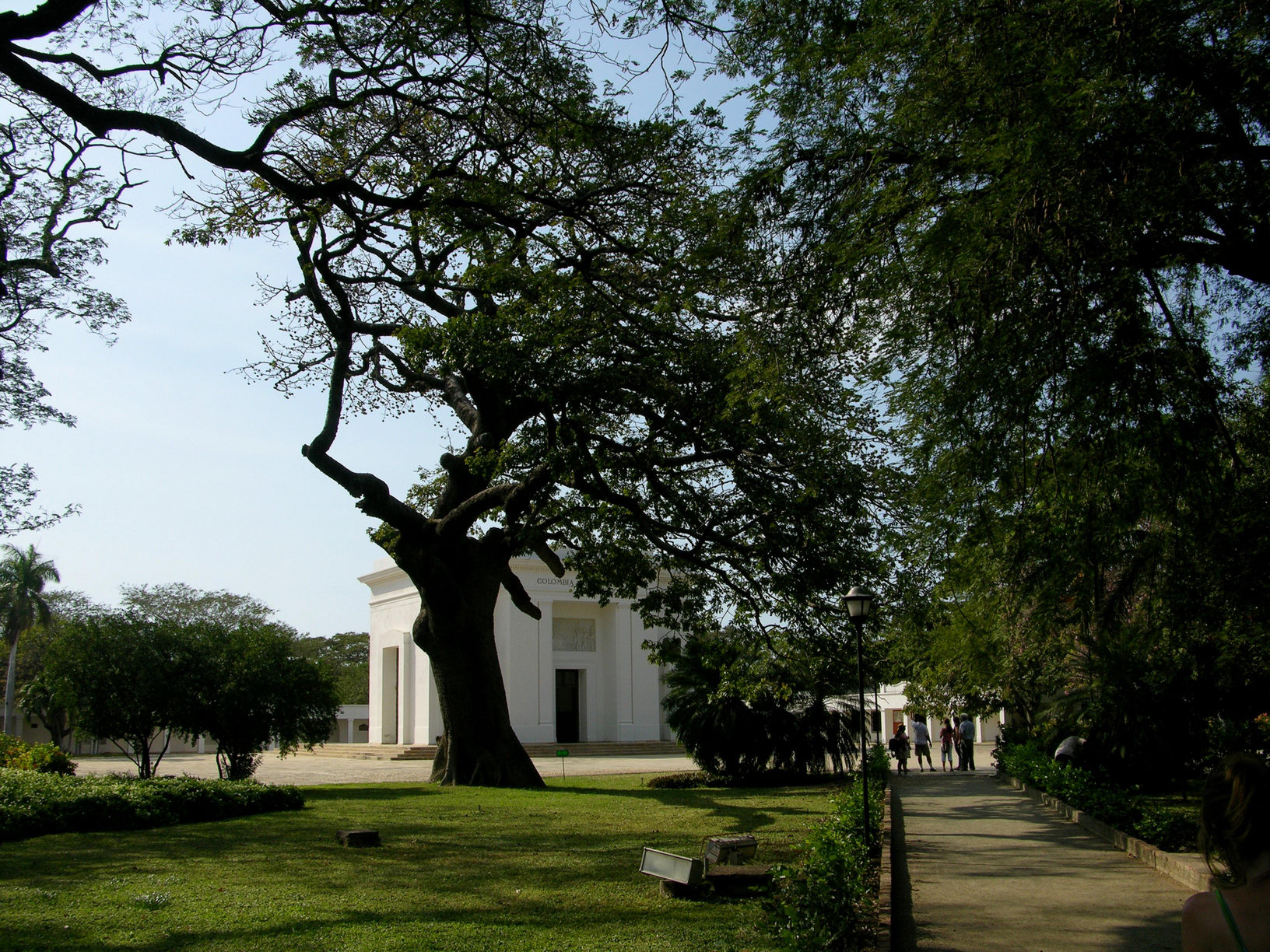
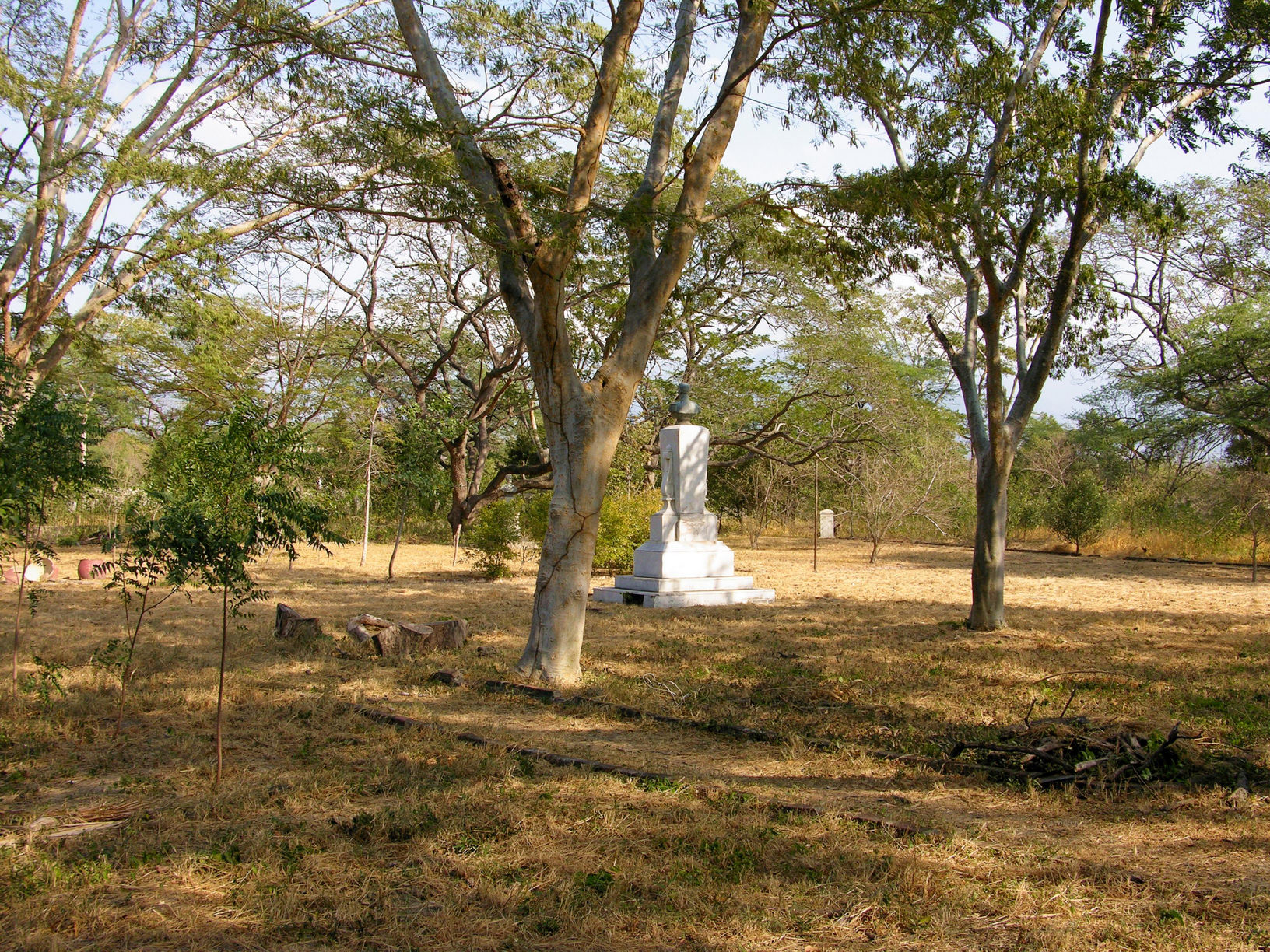
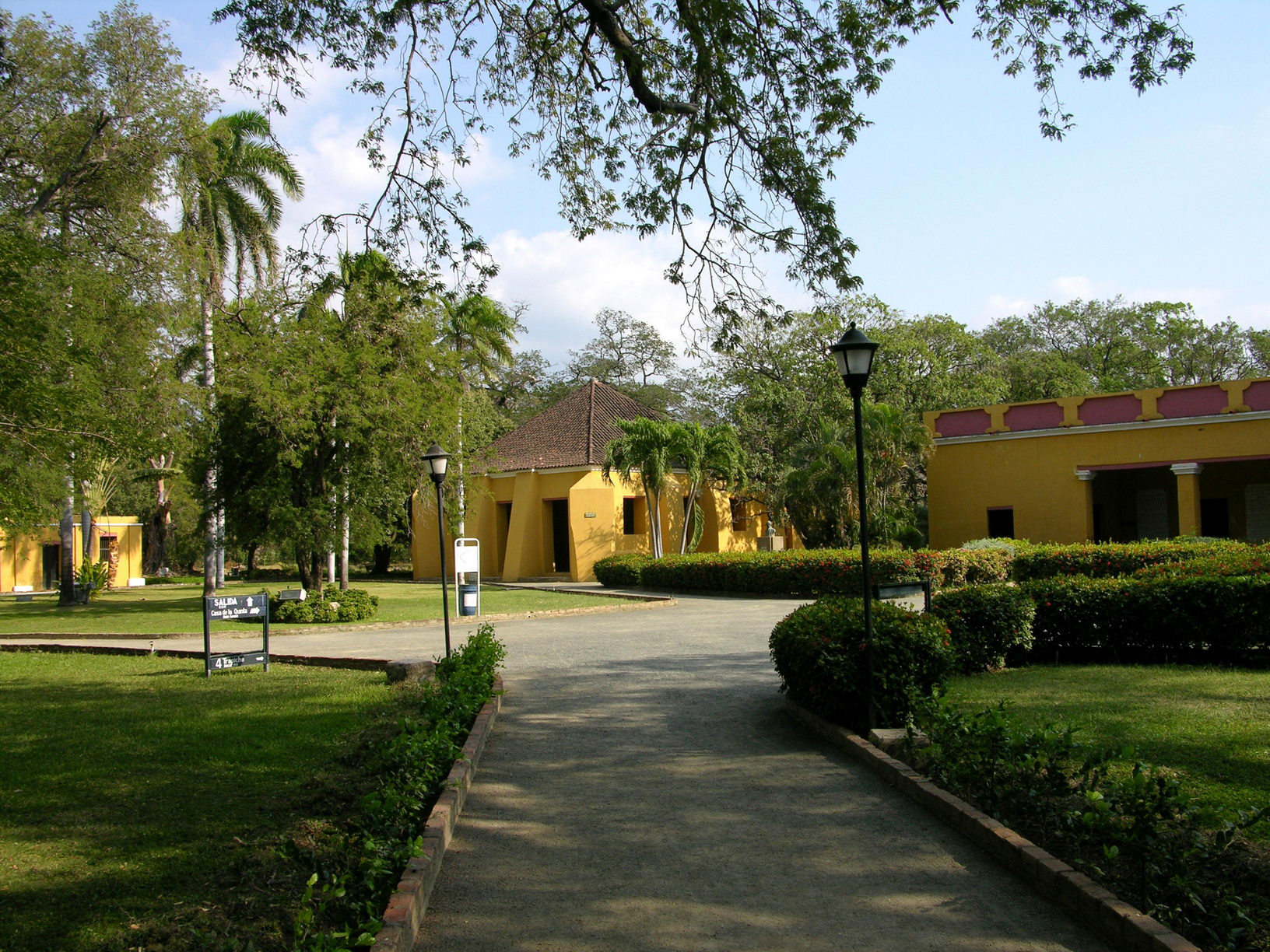
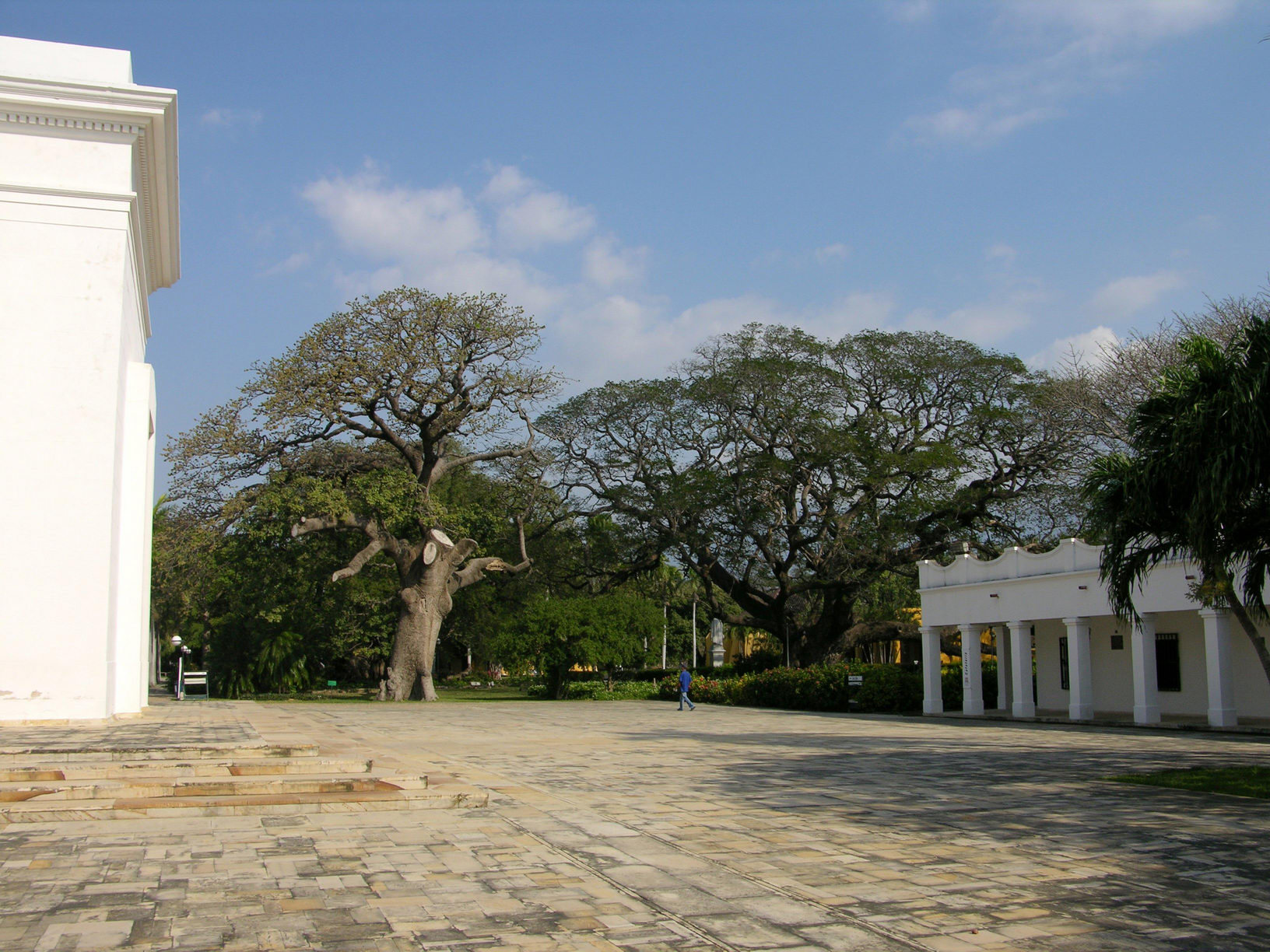
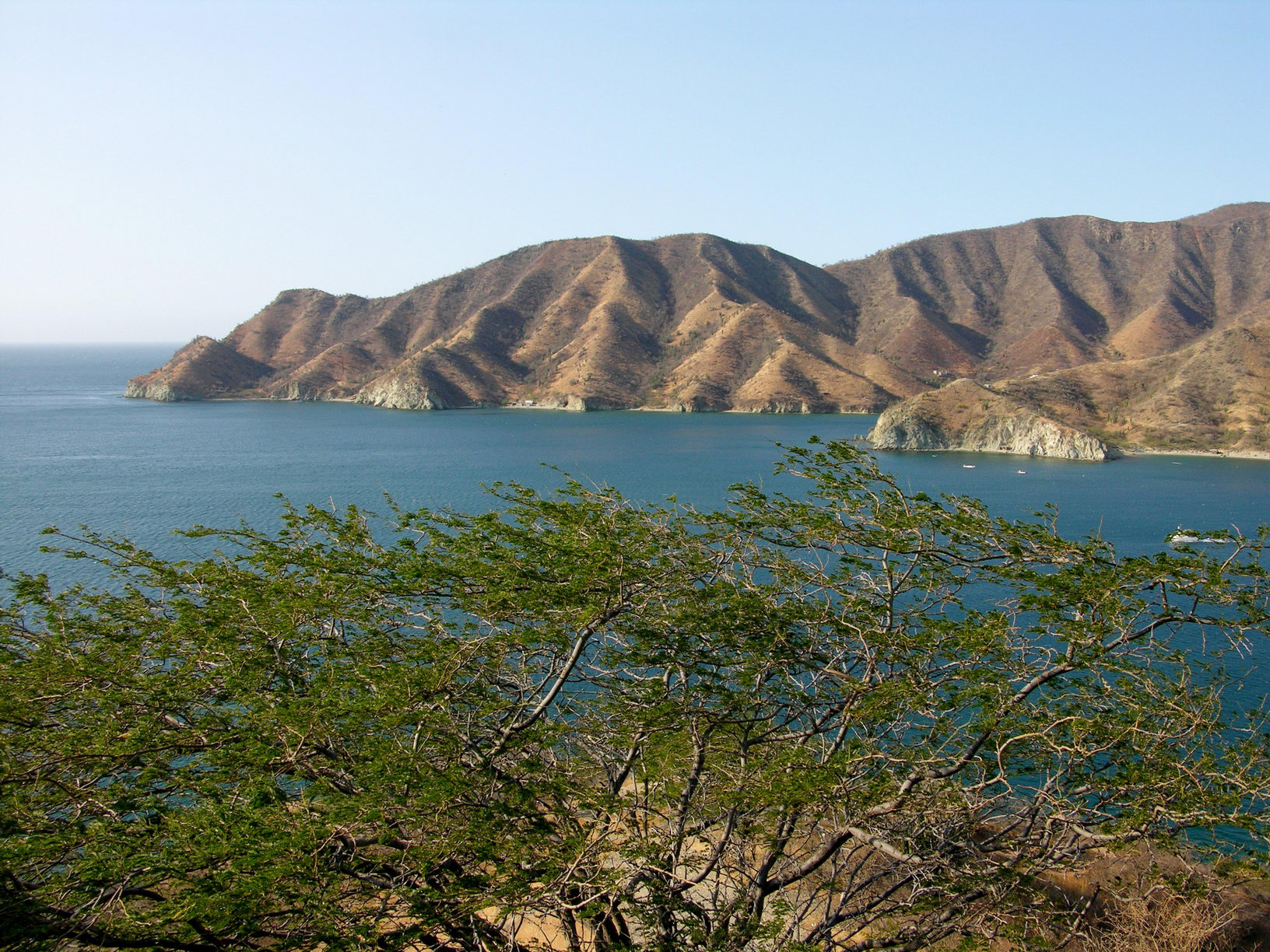
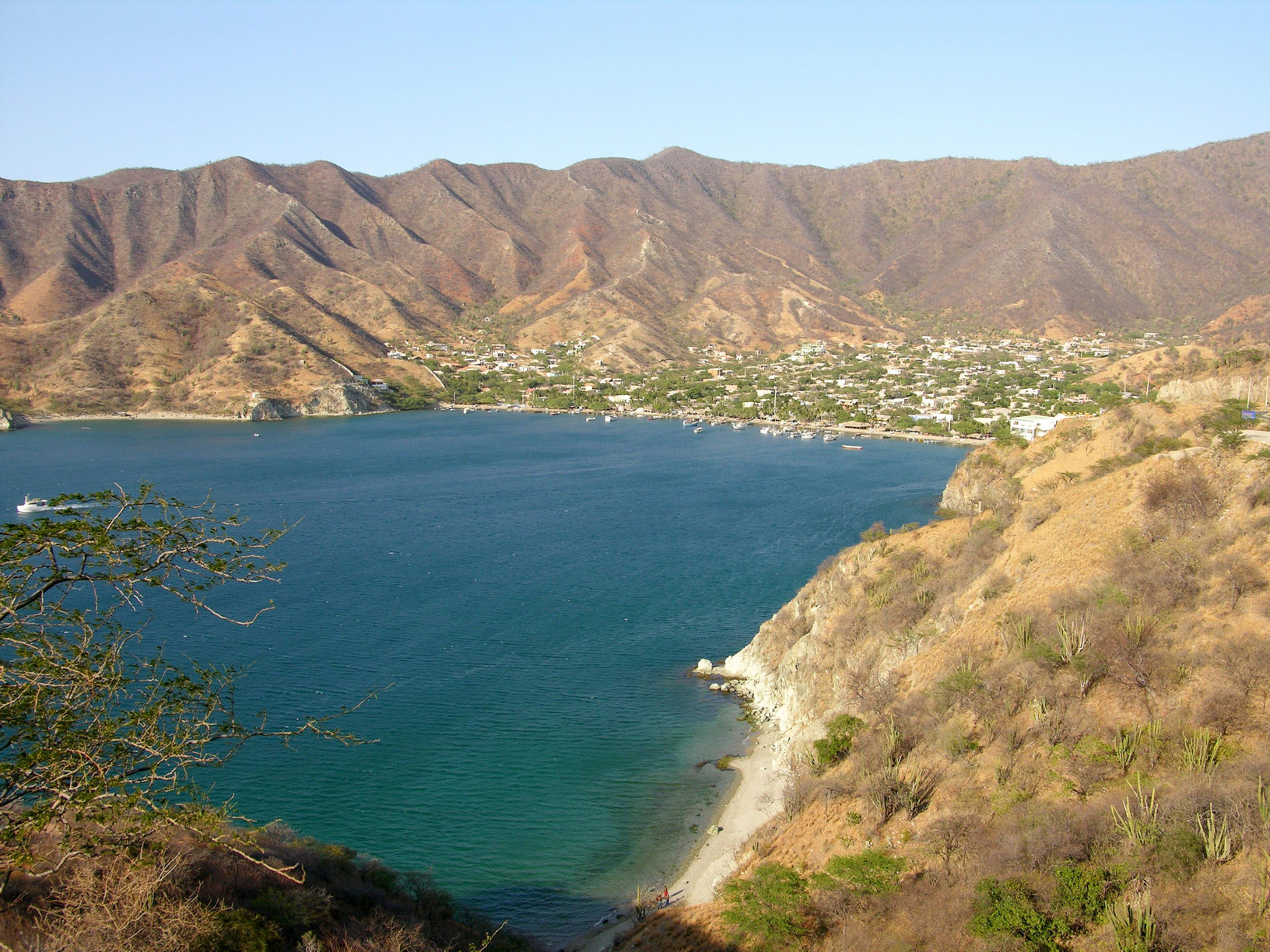
If you believe Lonely Planet, near Santa Marta there's a village called Taganga (Taganga, visitor information), which you only have to see once to want to stay in for ever. From the pass above it the place really is lovely. But if you go down into its little streets… Perhaps everyone who ever came here really has stayed for ever. Thousands of people wandering in the streets. A bar in every house. Every bar so packed there's a queue at the door. Music and noise all around. No, thank you. If this is paradise, can we go to hell instead? We didn't even want to get out of the car. We hurried back to Santa Marta and on westward along the coast.
Past Santa Marta, the shore with its high-rise hotels gives way to an enormous coal port. Beyond that begin the poorest villages, home to Black and Indigenous people. Instead of glass skyscrapers, shacks made of sticks. The people are employed digging salt. The technology is straight out of the Stone Age. In the middle of the salt slush workers in rags toil with wooden shovels.
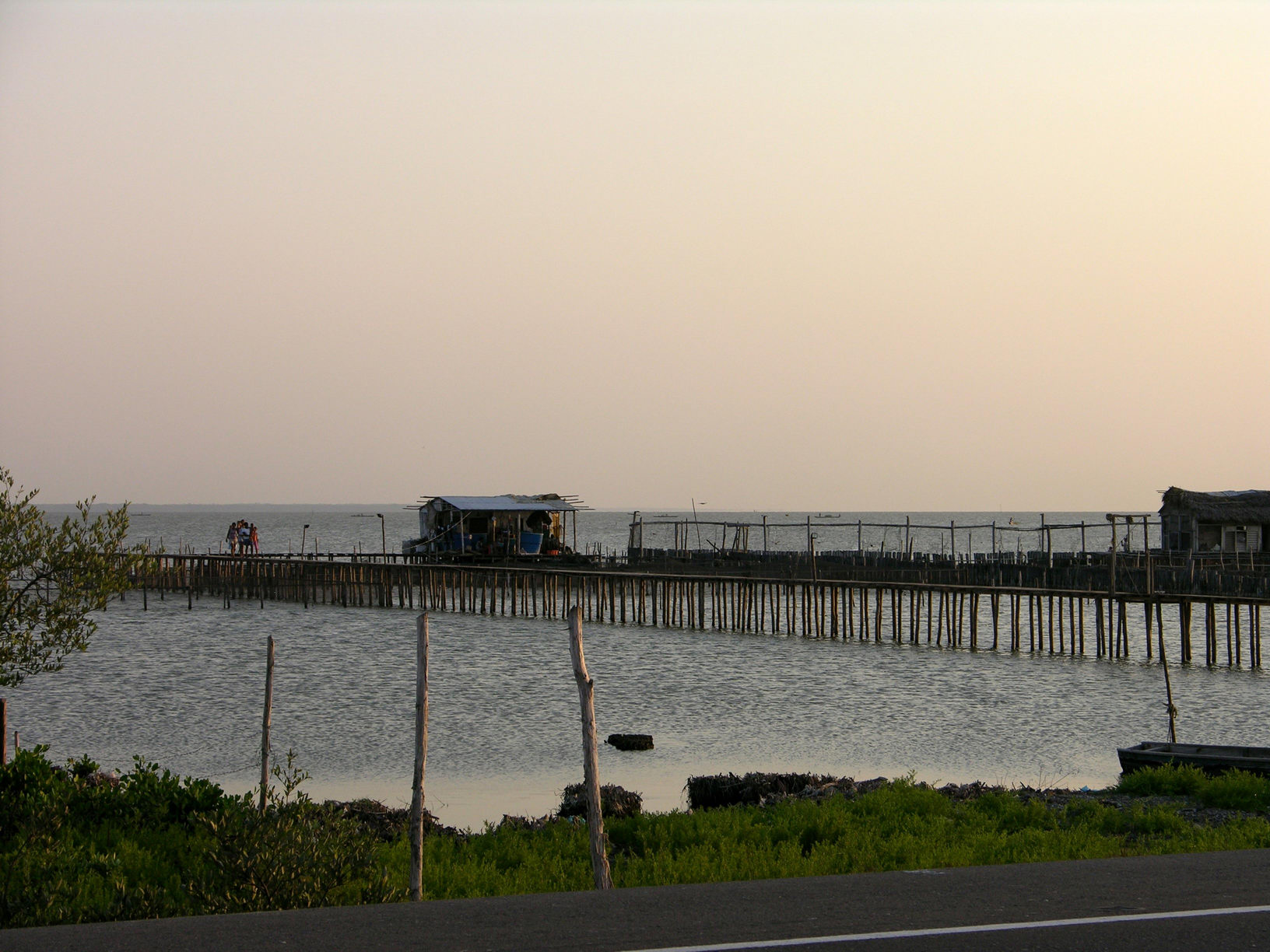
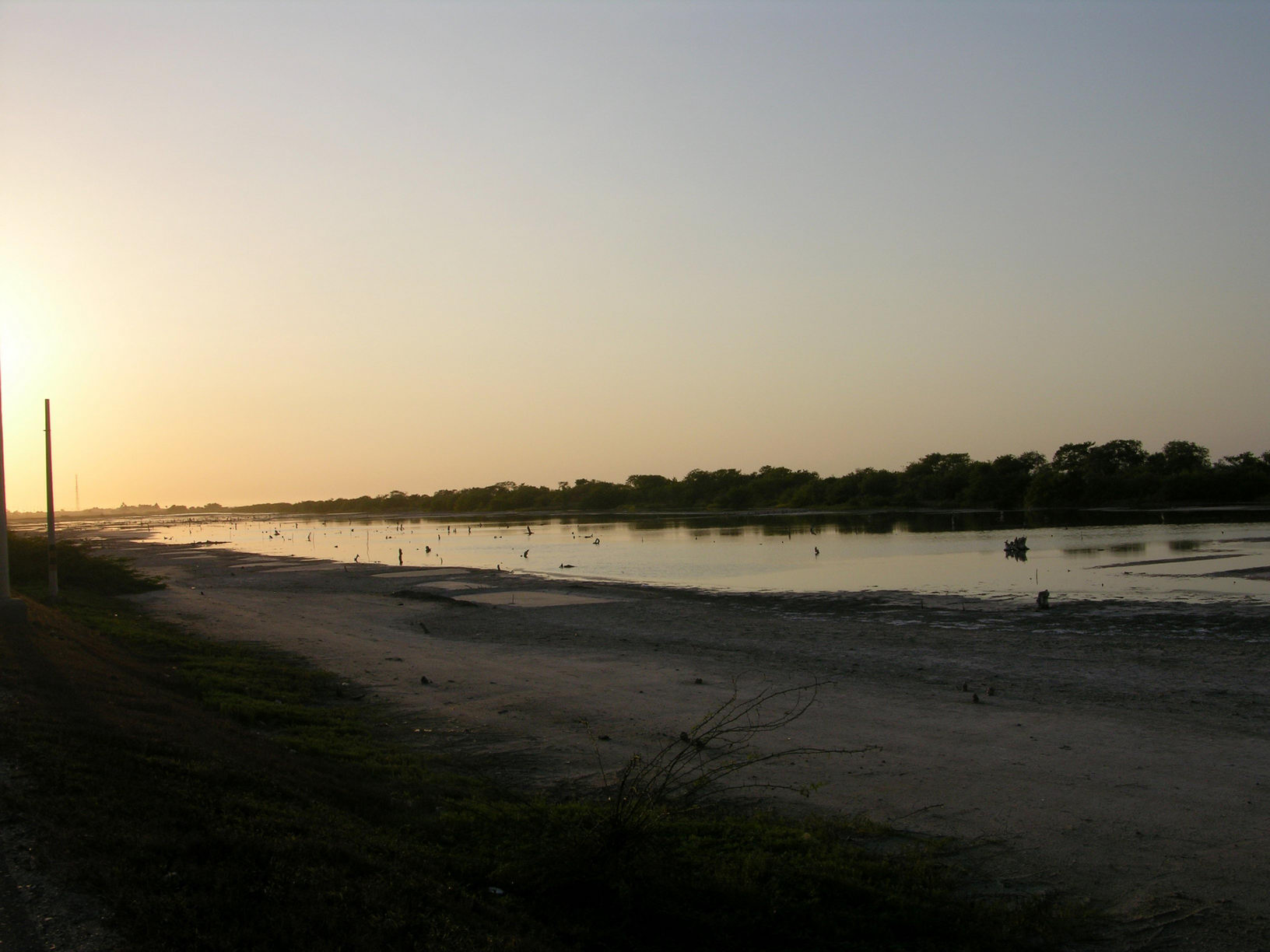
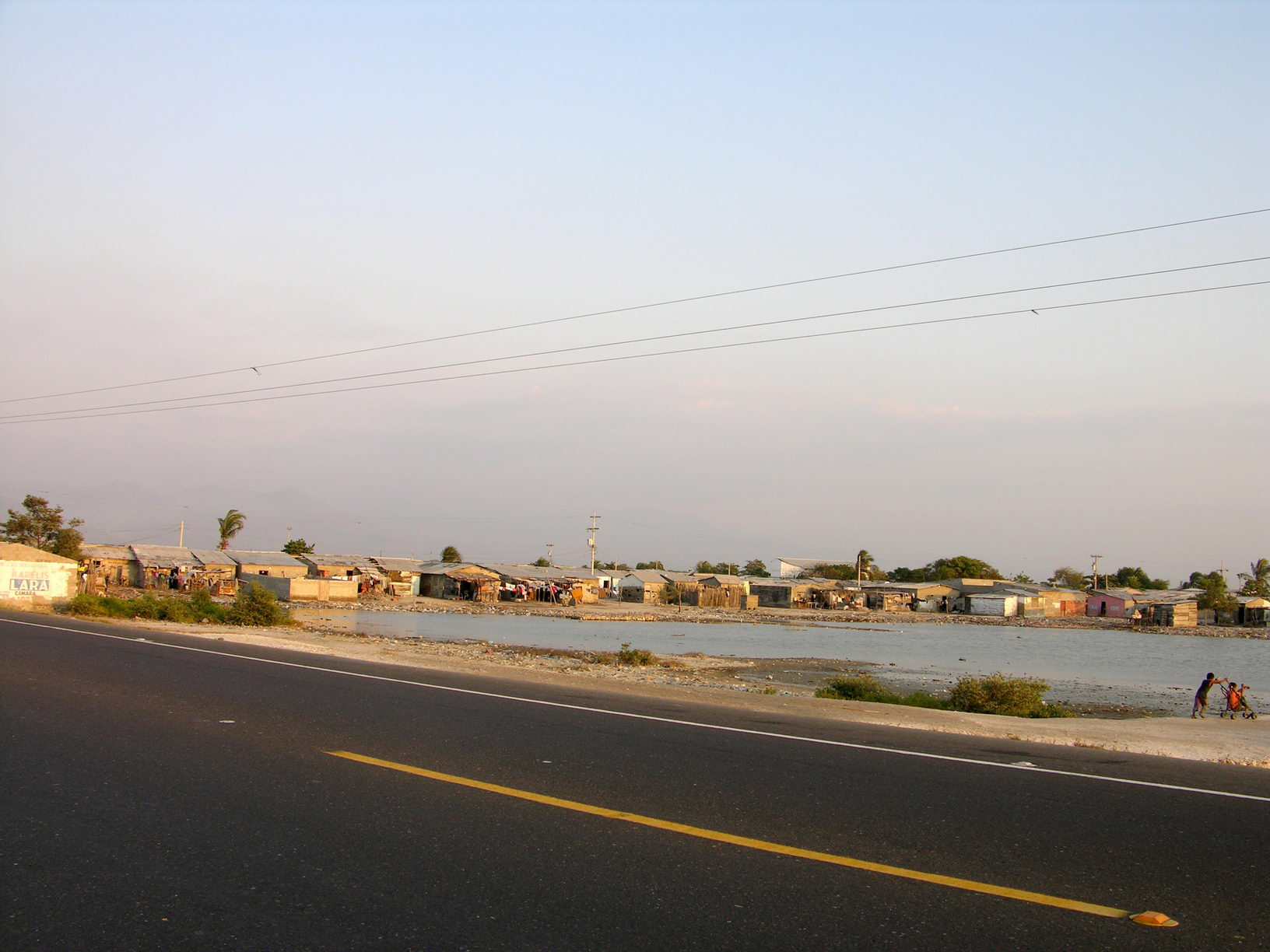
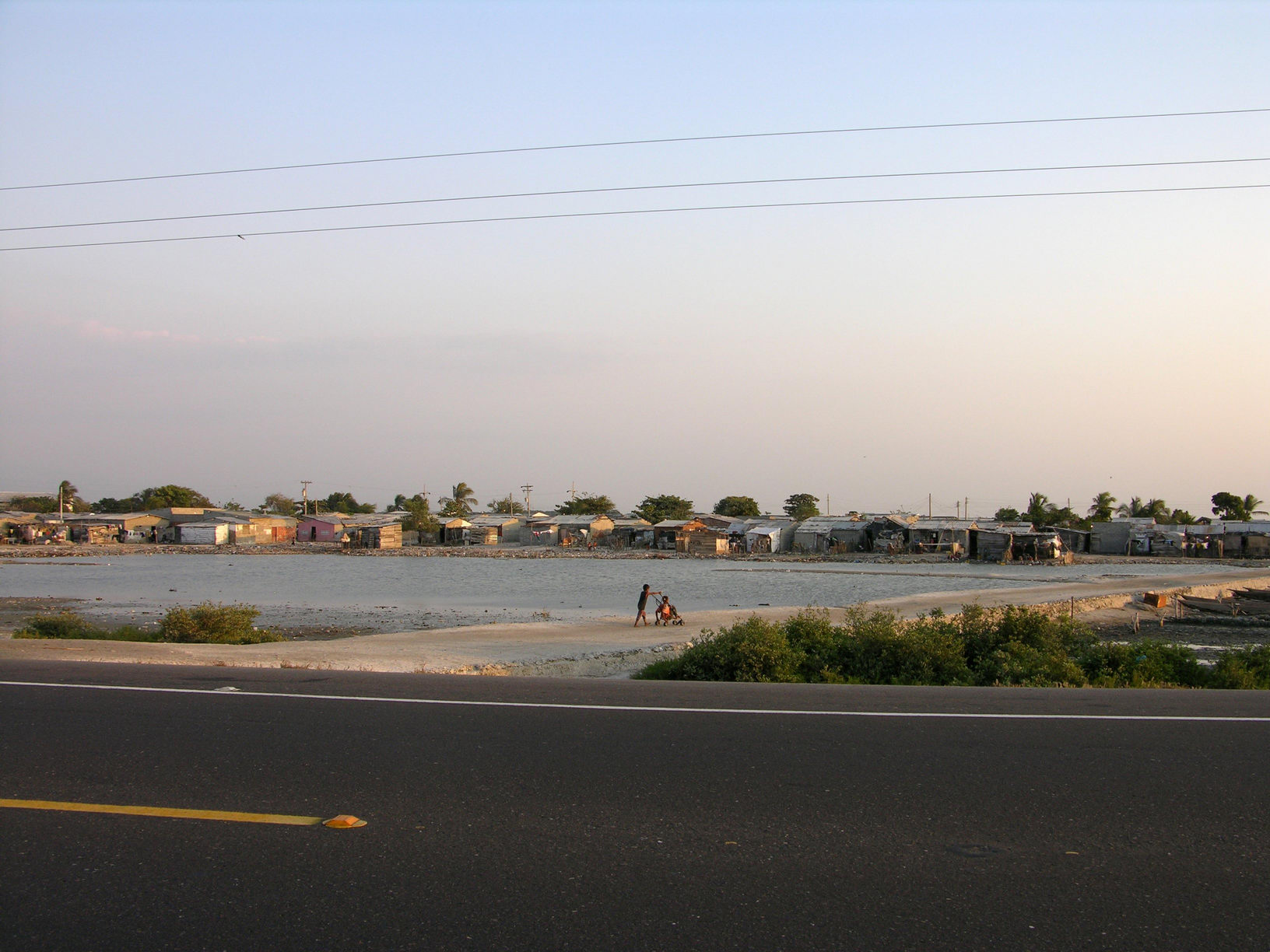
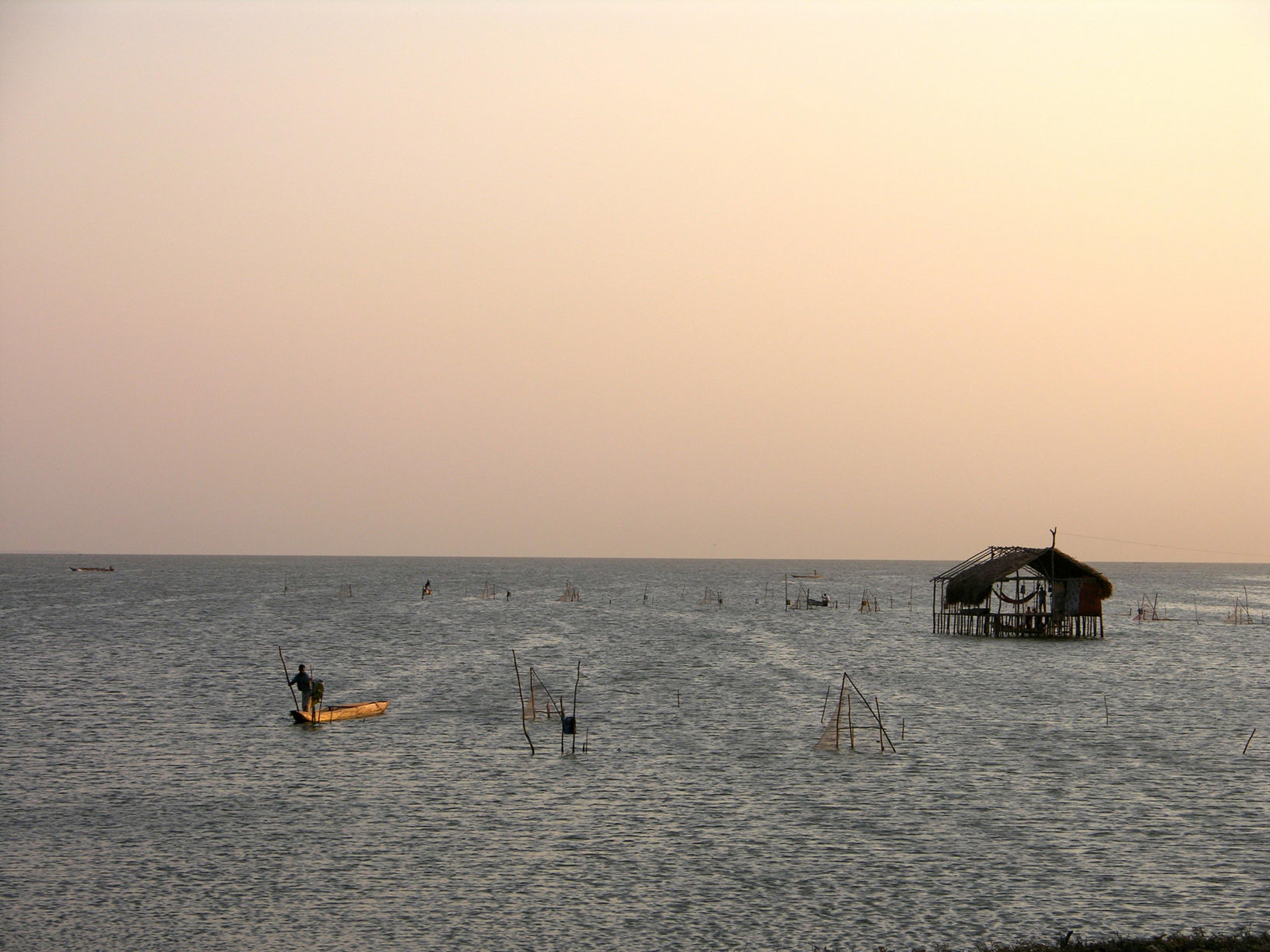
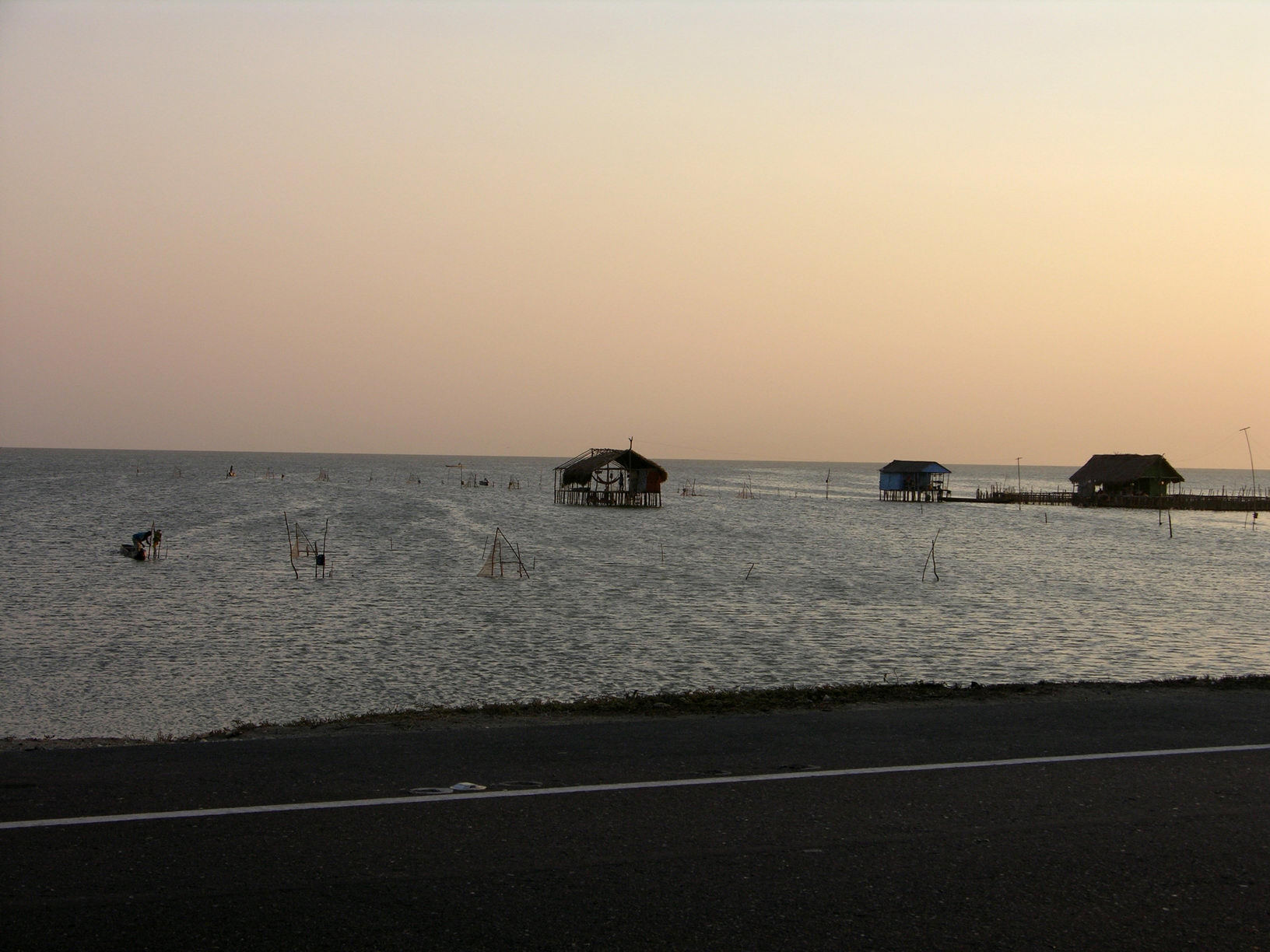
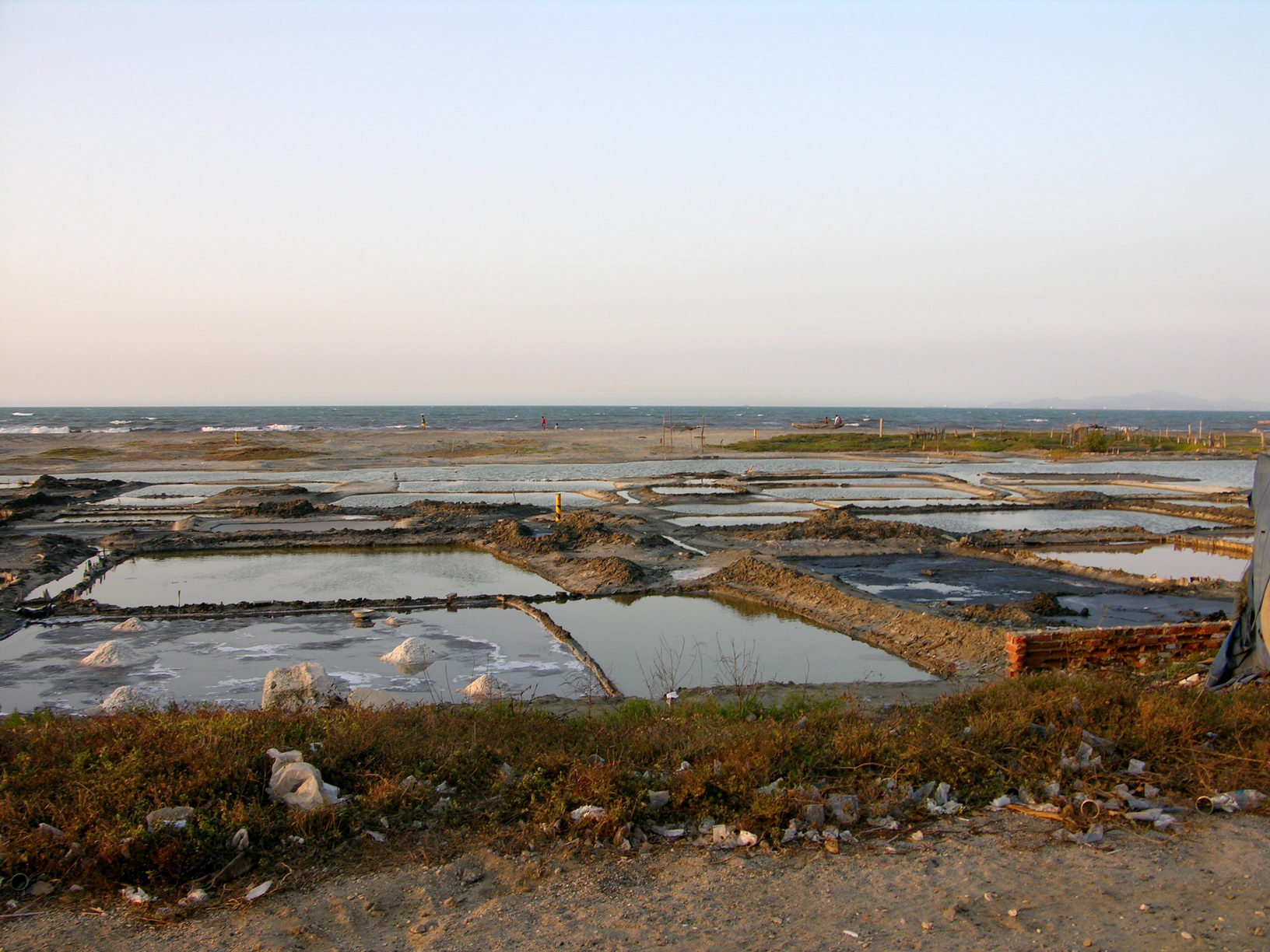
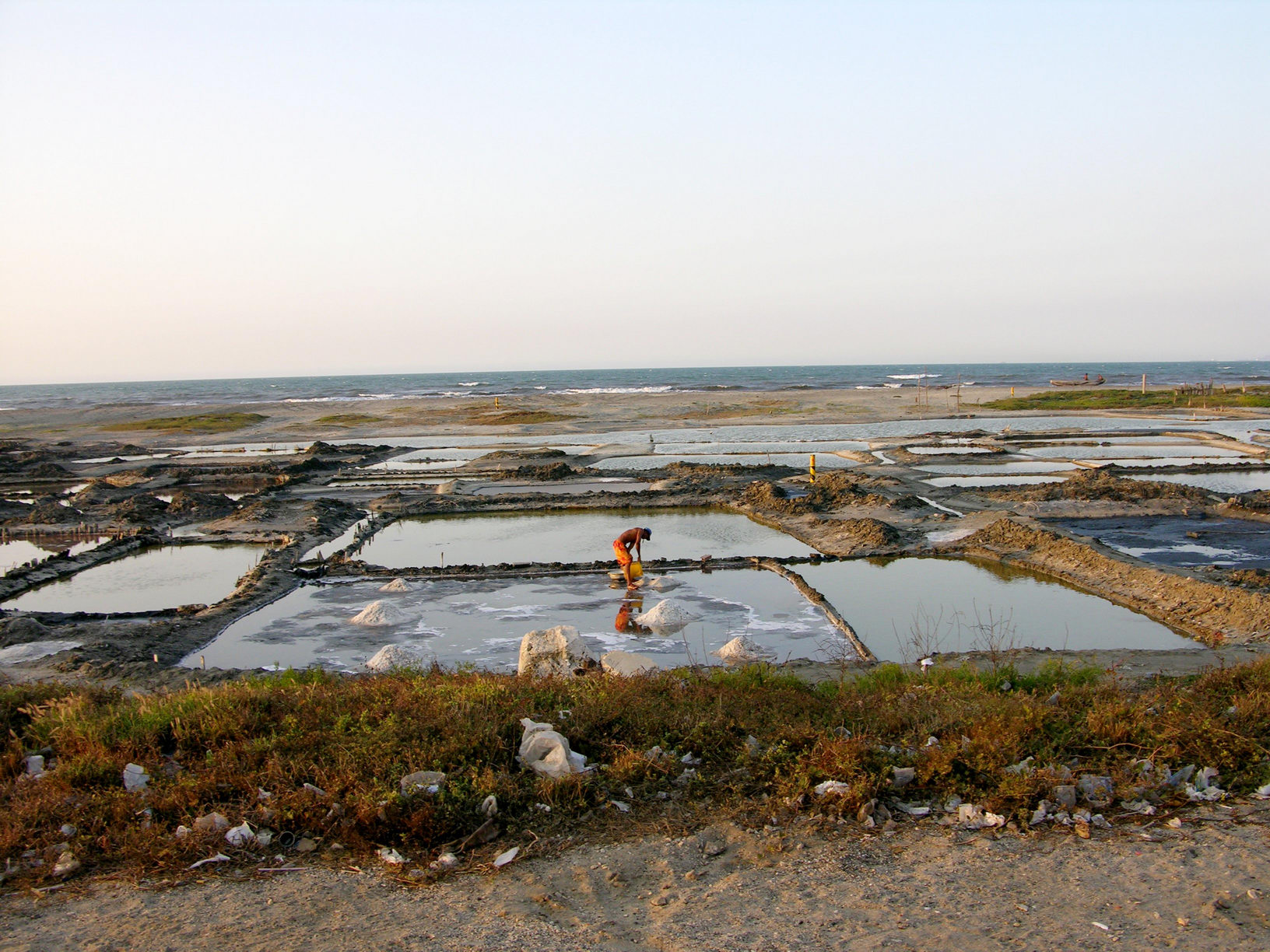
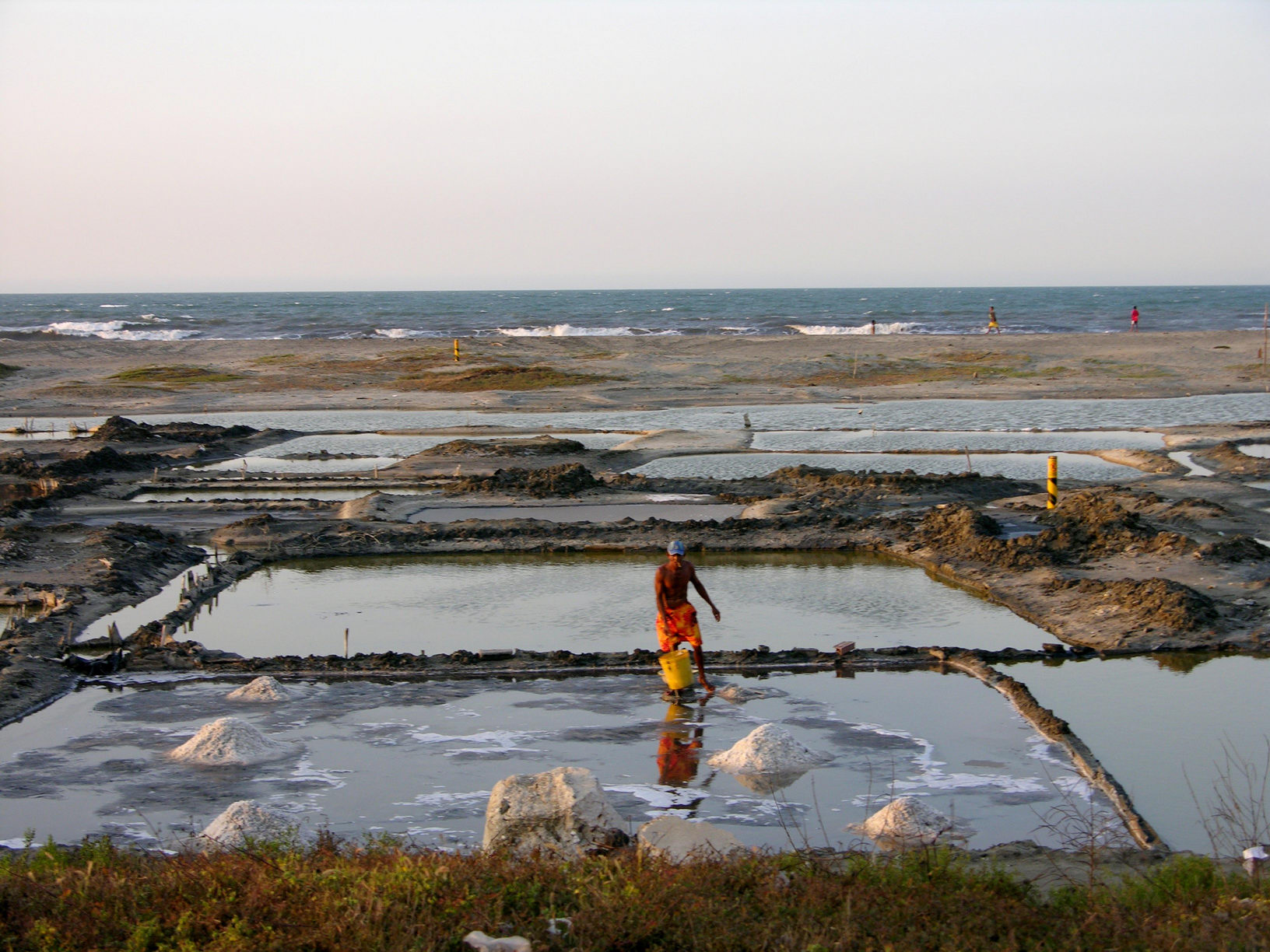
Farther west civilisation abruptly runs out for a hundred kilometres. Only the toll road goes along the shore. Where Colombia's main river, the Magdalena, enters the ocean it forms a huge lagoon. On its marshy spit is the Isla de Salamanca National Park, with plenty of birds and the mosquitoes that go with them. We would have loved to spend the night there. Unfortunately there was no turning off the highway. Some old roads ran into the scrub, but a new ditch kept us from getting across to them. The road to the park office was shut with a barrier, and obviously hadn't been driven on in a long time. All abandoned. A pity, in a place like that! Again we wished we'd hired a four-wheel drive. With one we'd have managed to get into the scrub somehow.
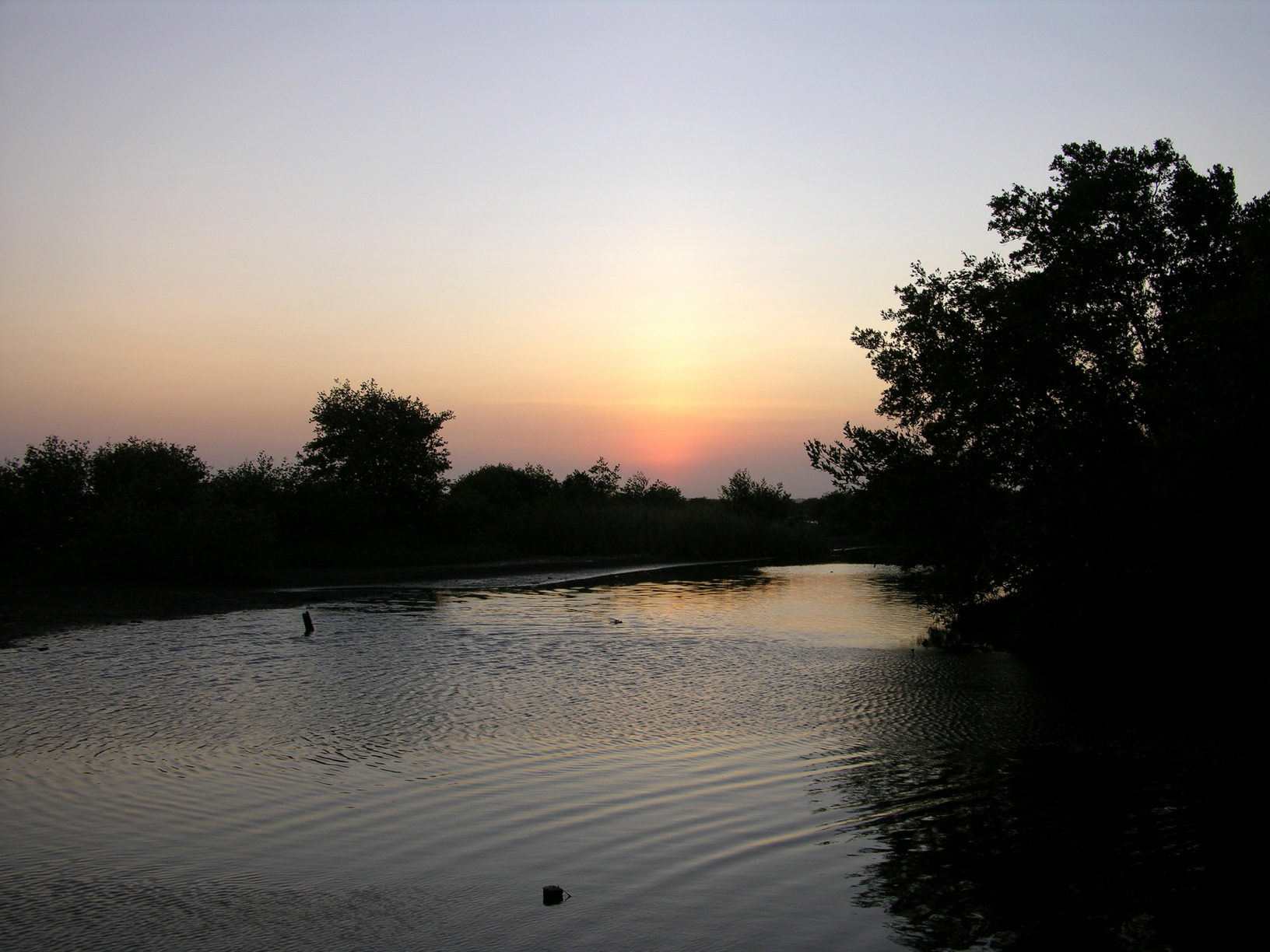
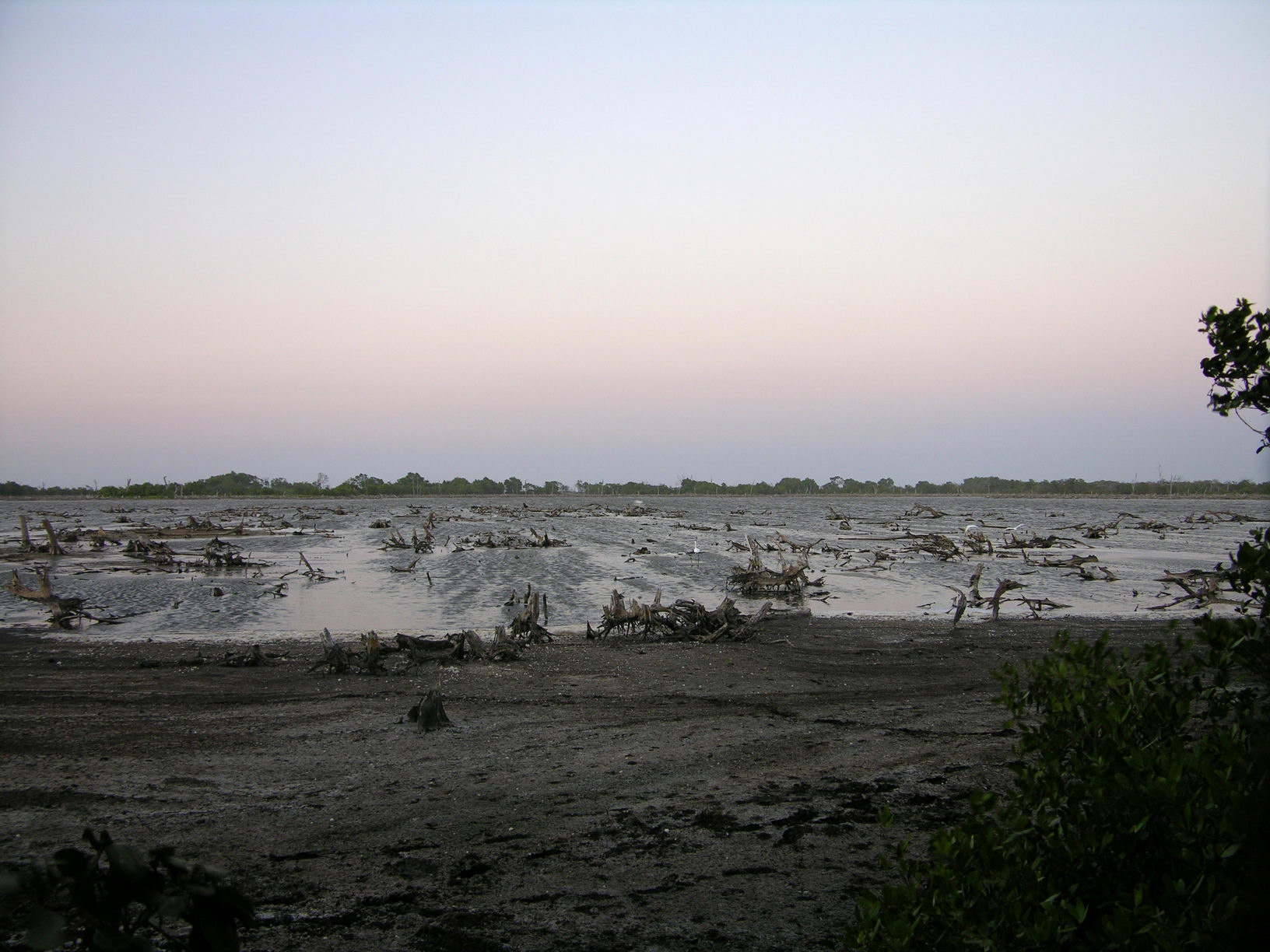
The swamps ended and the city of Barranquilla began, with a million people. Jams, people, chickens. We spent more than an hour getting across it.
Ahead lay a resort coast with what ought to be lots of hotels. We drove up and down the first town, Puerto Colombia. Not one of the desired signs. After that it got downright strange. Darkness everywhere. Not a point of light. Town after town, as if everybody had died. Santa Verónica, said the book, had lots of hotels. It looked equally deserted. Just in time it dawned on us. The power was out! We did find a hotel in the dark, took a room by torchlight and ate dinner by candlelight (10°52.762′N, 75°04.988′W). We even managed to do some laundry.
In the morning the place turned out to be surrounded by hotels and restaurants. It just wasn't the season. It was winter. Thousands of people stay here in summer, but now it's cold. Air twenty-five, water twenty-five. They can't live like that.
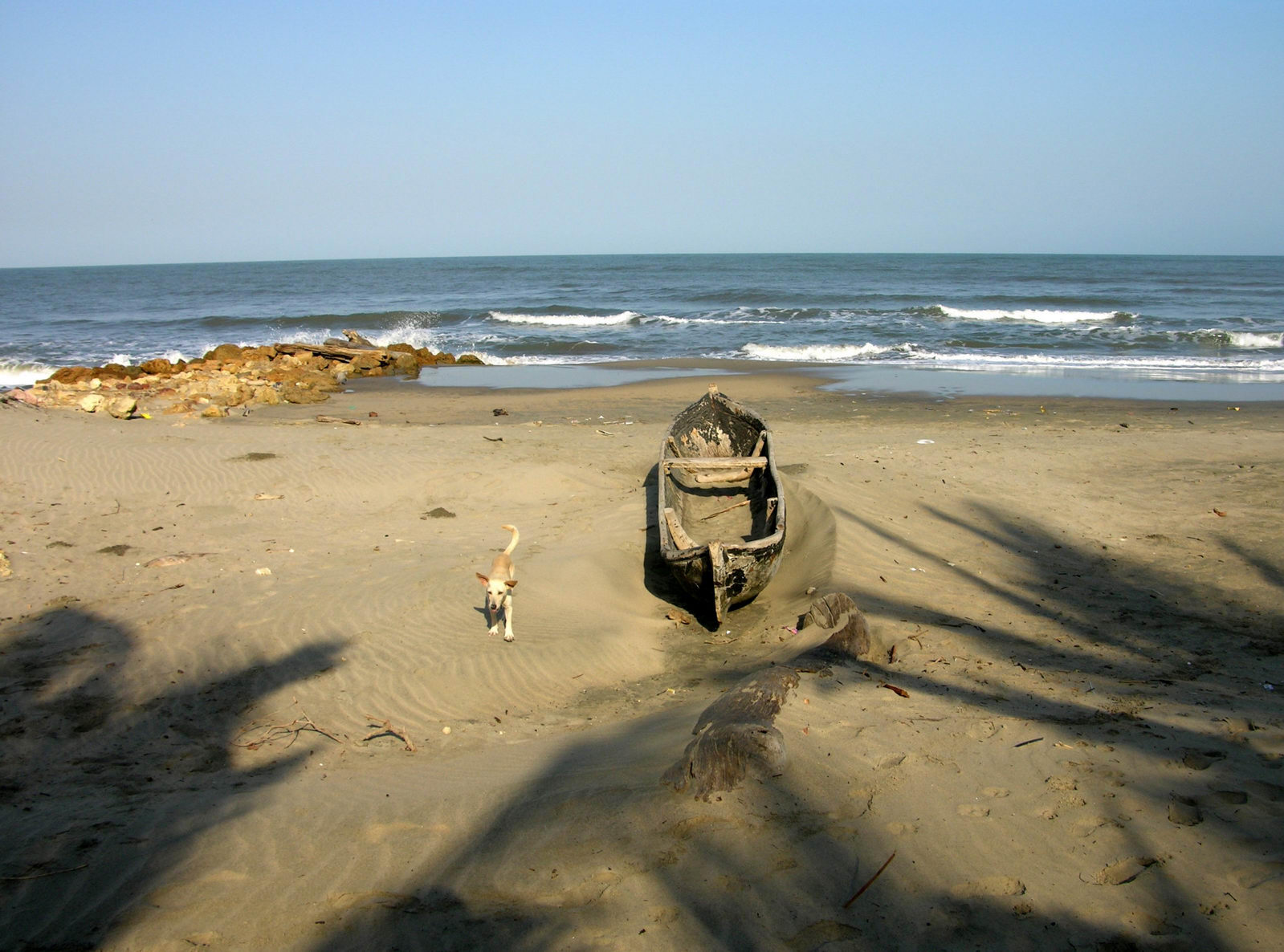
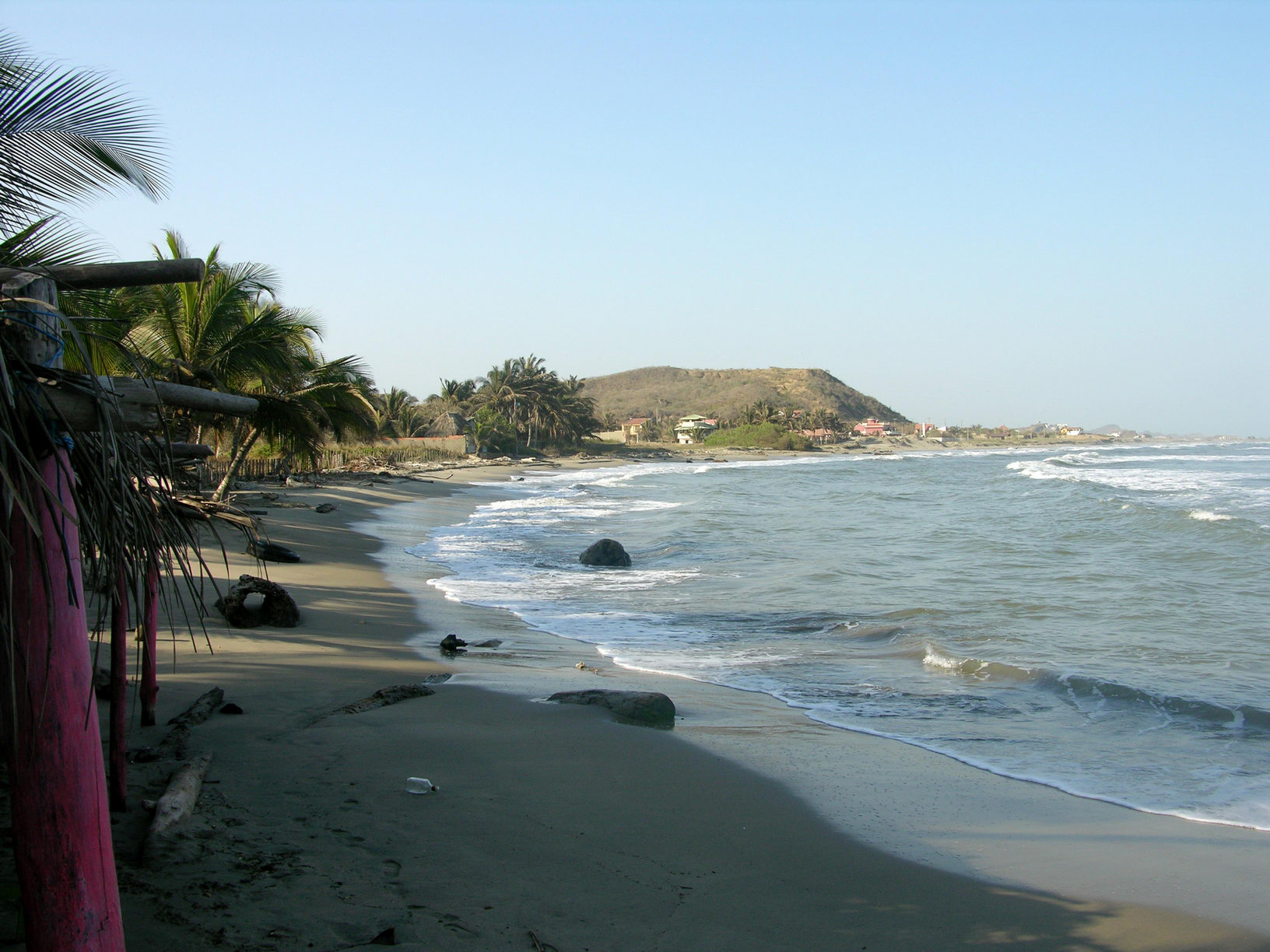
Farther west, four kilometres from the coast road (10°45.019′N, 75°14.997′W), near Pueblo Nuevo, is the Volcán de Lodo El Totumo mud volcano. There are many volcanoes here, but most are far from roads, so only this one got lucky. It's been declared a natural wonder. There are signs on the highway and the books all mention it.
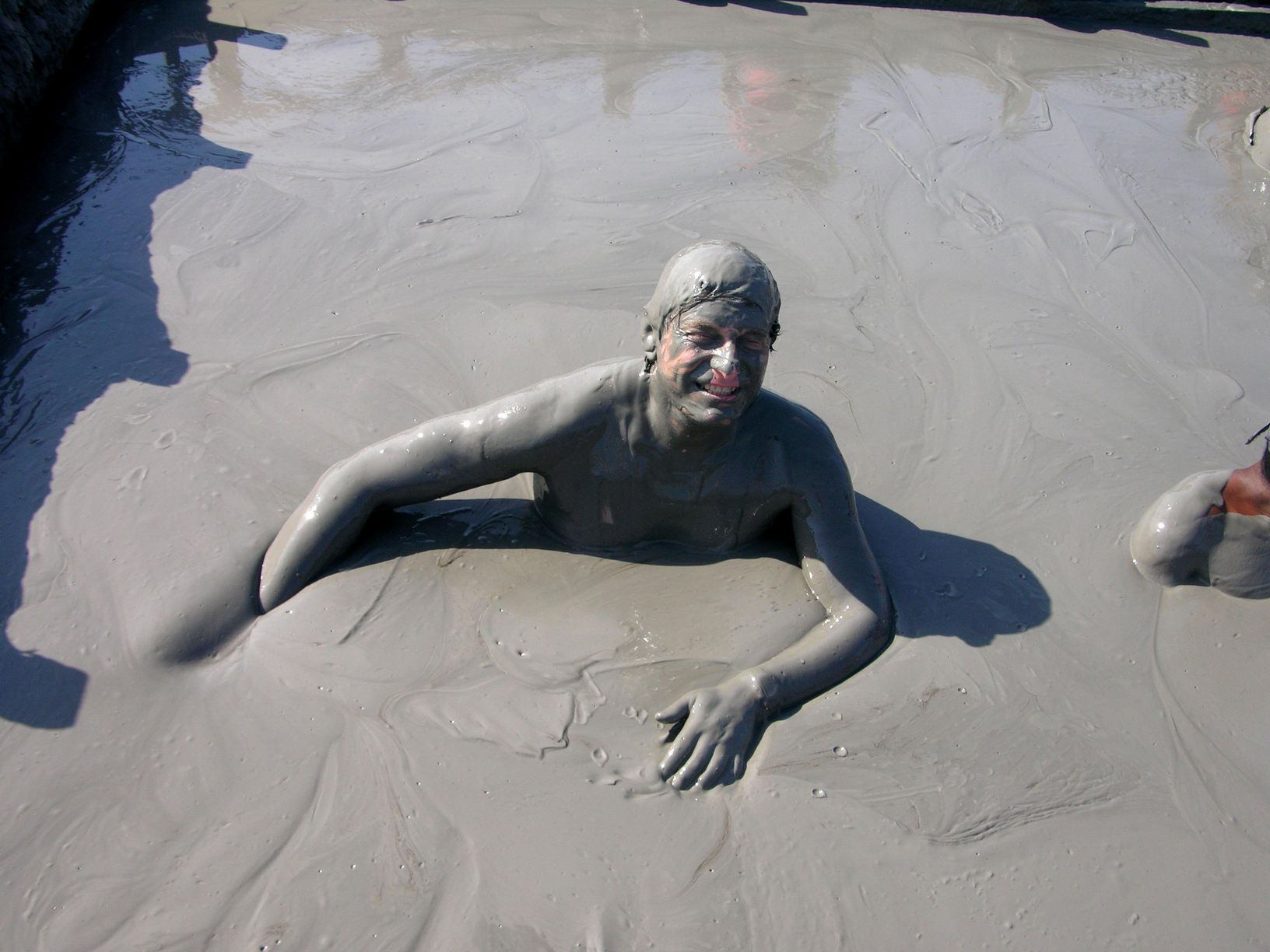
You pay to get in. A staircase goes to the top of the fifteen-metre cone. There's a railing up top. In the crater is a bubbling puddle five metres across. The mud is thick and black, about thirty degrees. A resident masseur floats inside, and he's hard to shake off. I, for one, don't like massage. I get into the mud and he starts wanting to stroke my back. A man, too. Now if it were a pretty girl, I'd understand.
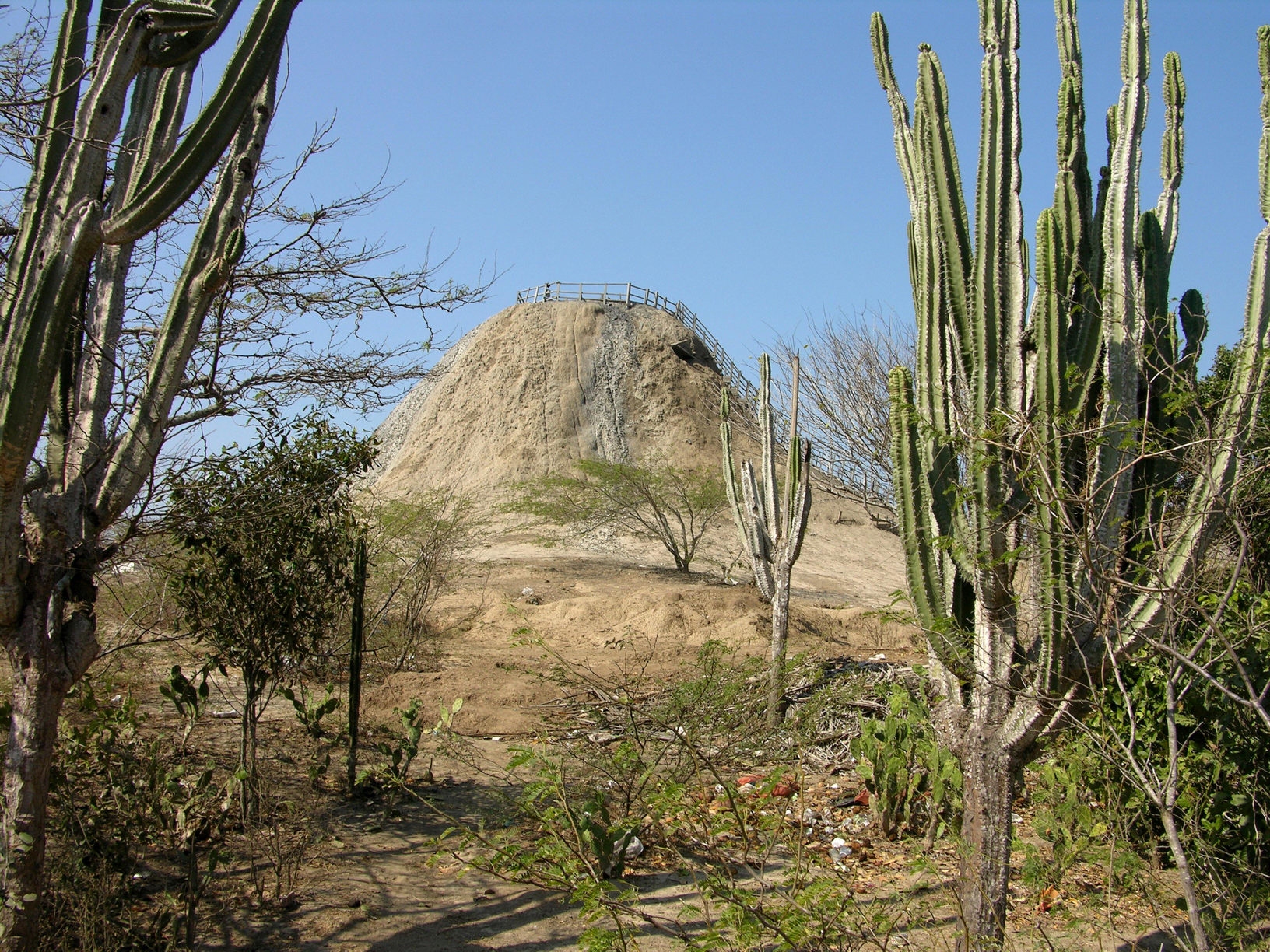
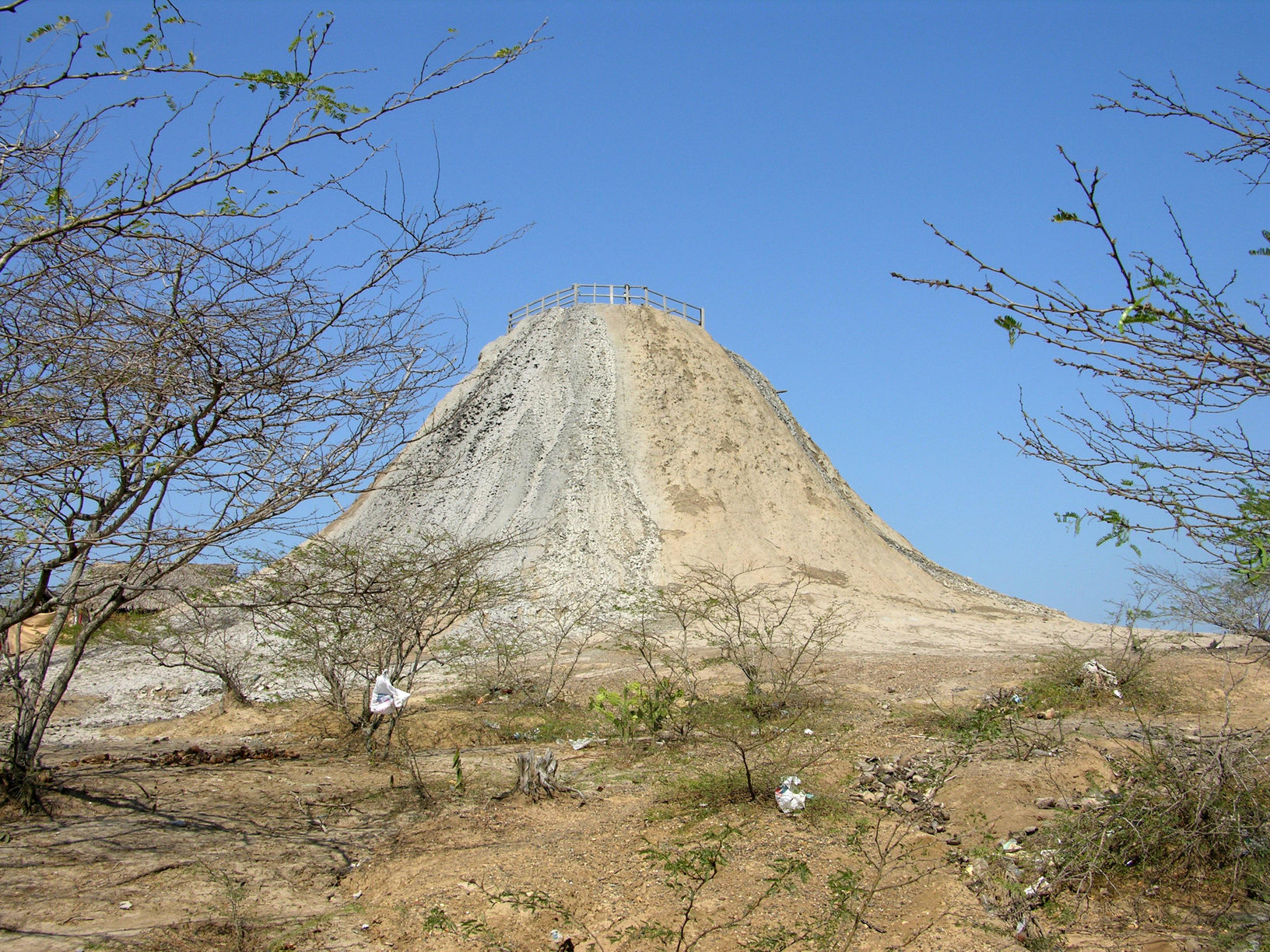
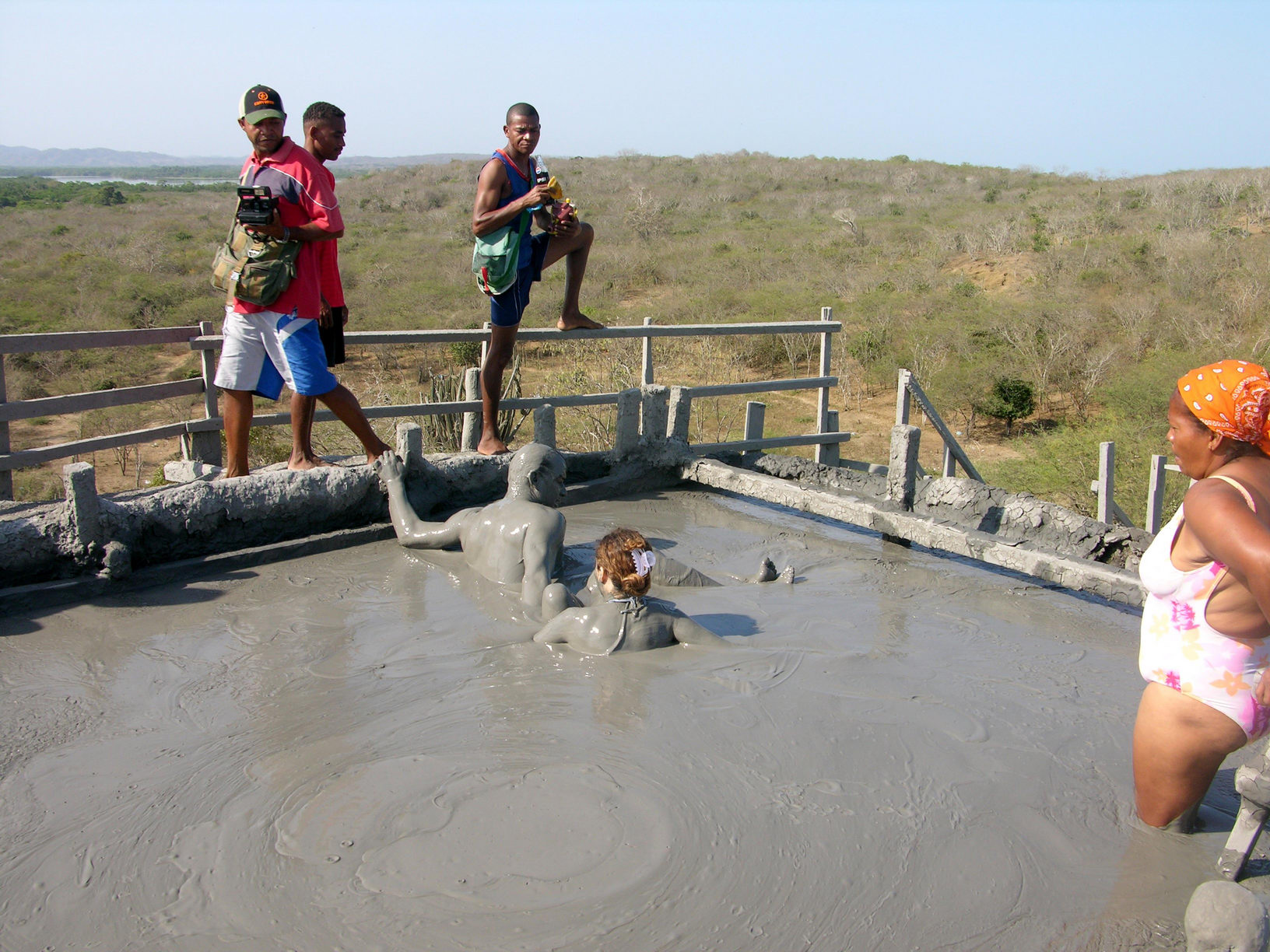
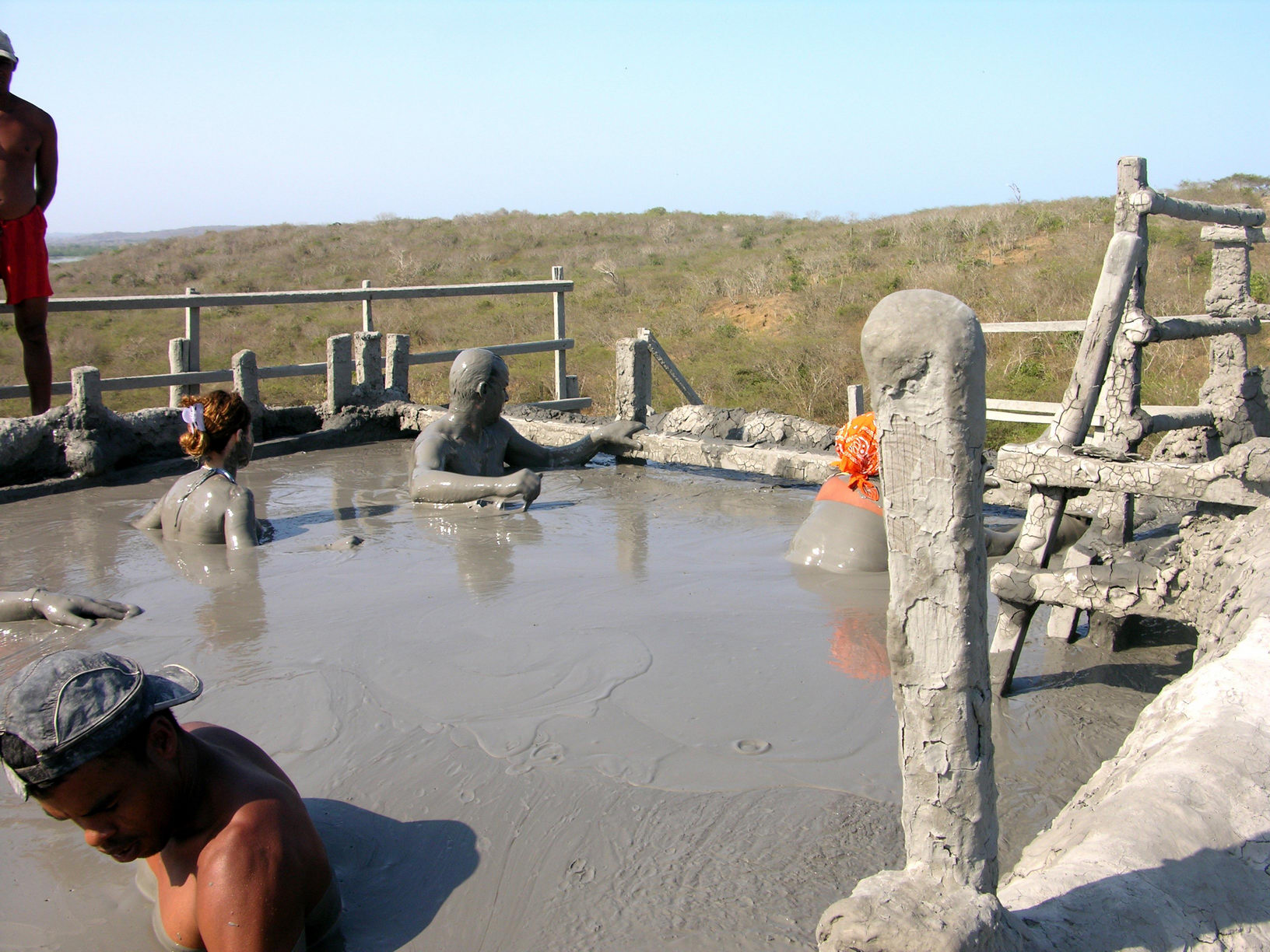
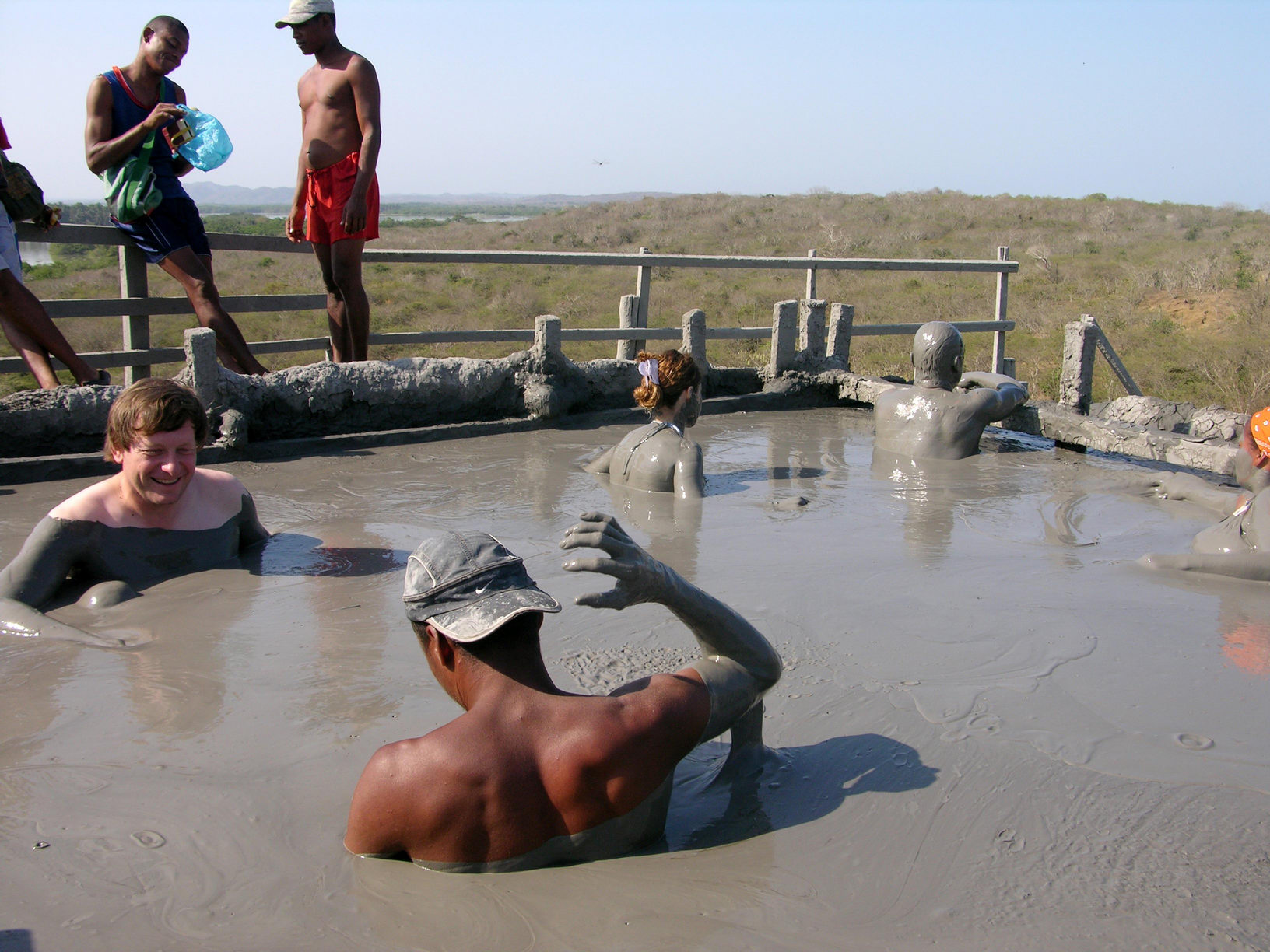
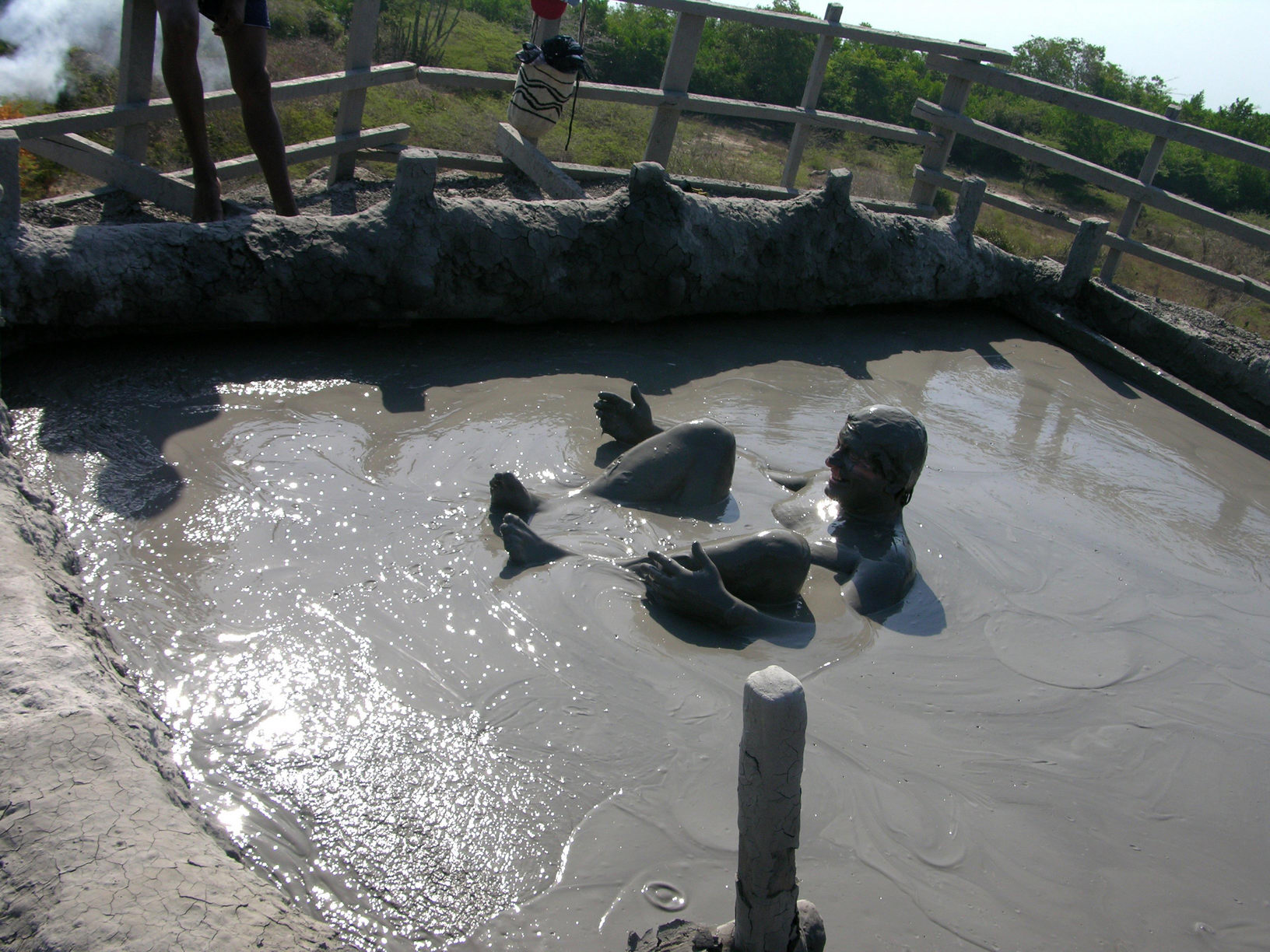
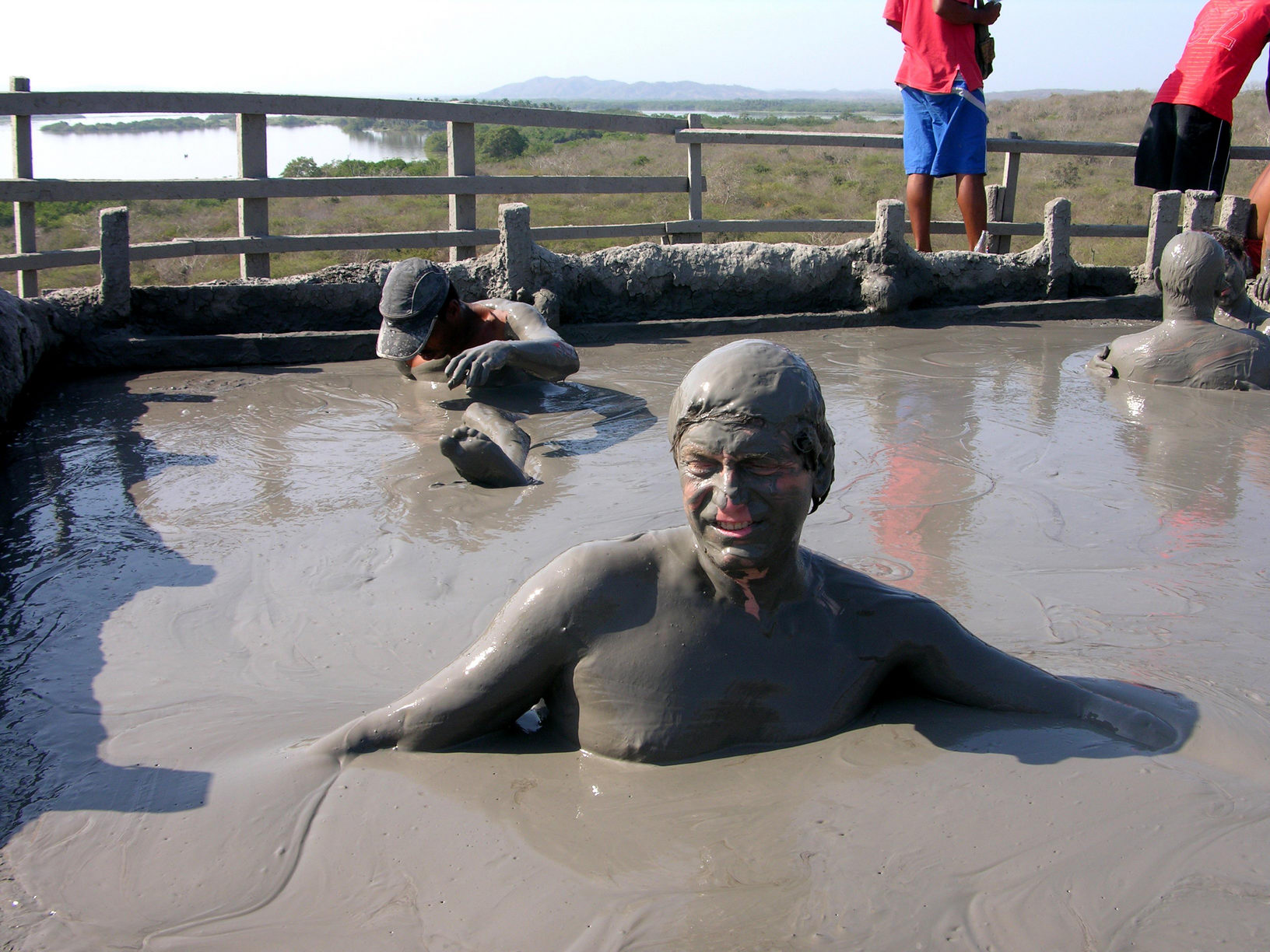
The mud is perfectly opaque and covers you evenly, so it looks as though everybody splashing around in the puddle is naked. A very sexy scene. And not only for me, apparently. One bathing couple hugged and panted so much that there was scarcely any doubt what they were doing under the layer of mud. Tanya worried for a long time about how the girl would wash herself afterwards. That's an awful lot of mud. At first she didn't even want to get in, but she did eventually. She absolutely refused to follow our neighbours' example.
The mud is about half again as dense as water, so you can't sink in it. Like the Dead Sea. You can't dive either. I tried it. All very well, except afterwards you can't open your eyes.
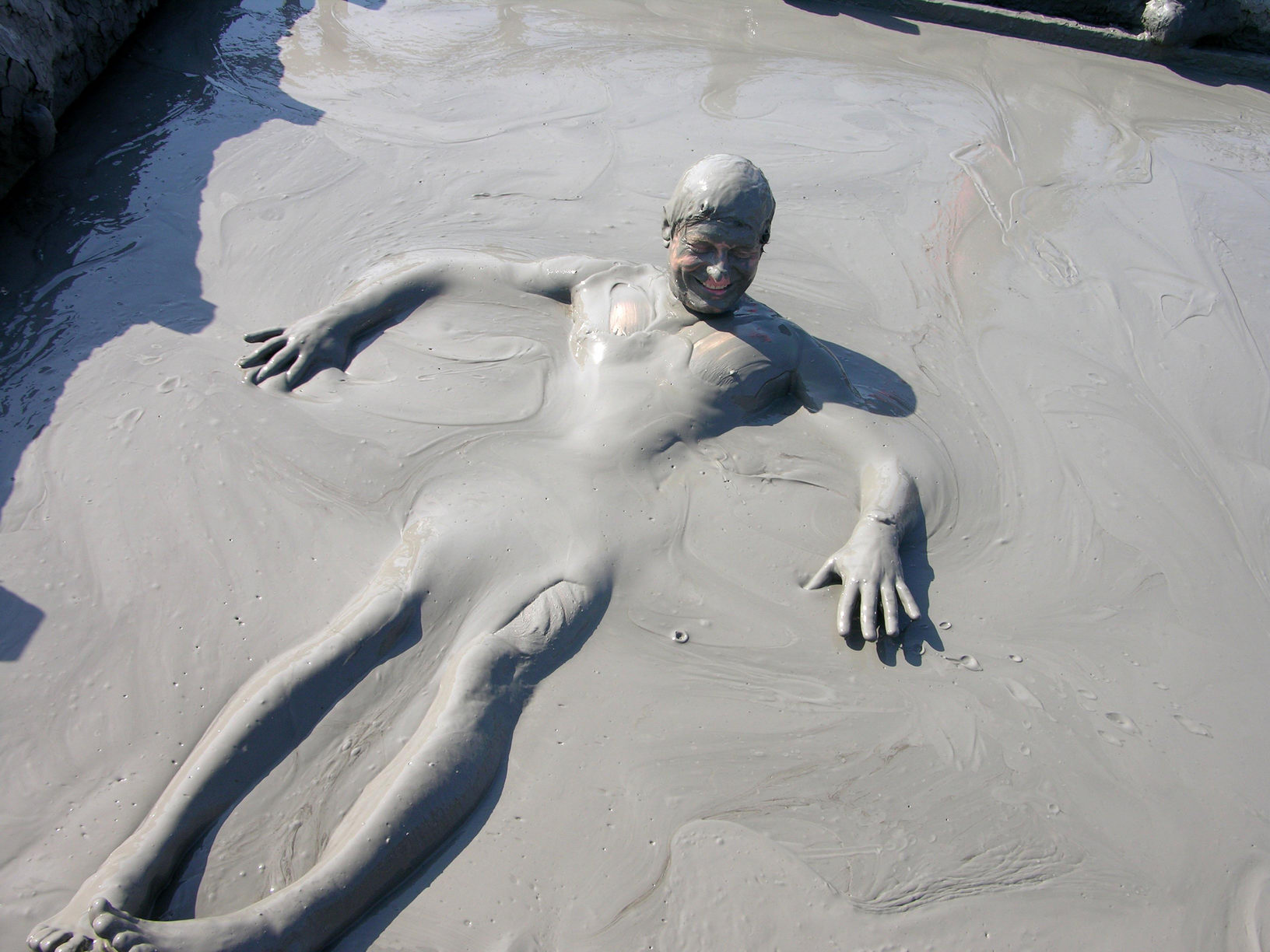
After the mud you need to wash. There's a lake a hundred metres from the volcano. You walk over and bathe in it. Surprisingly, the mud washes off easily, even from your hair and swimsuit.
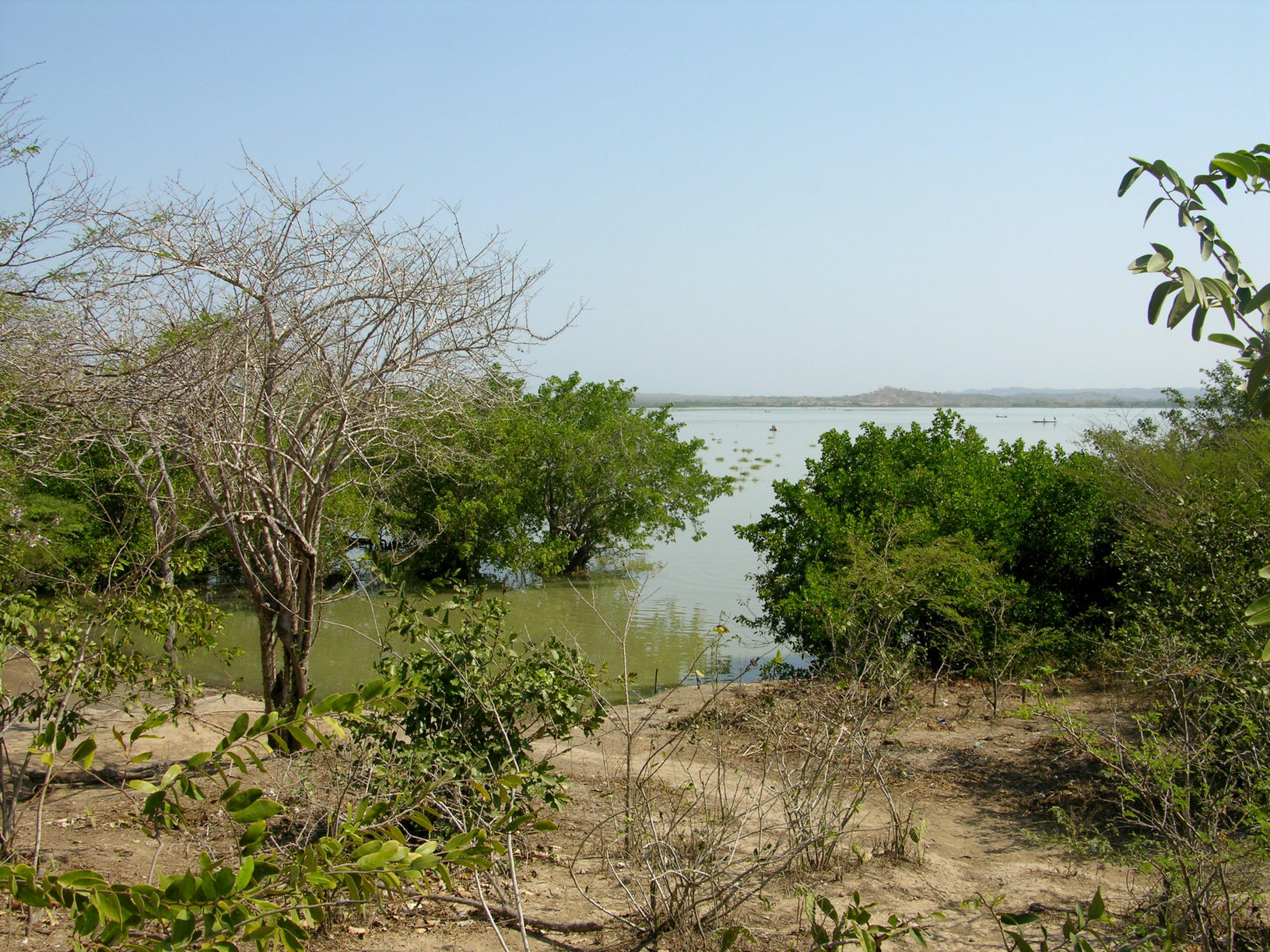
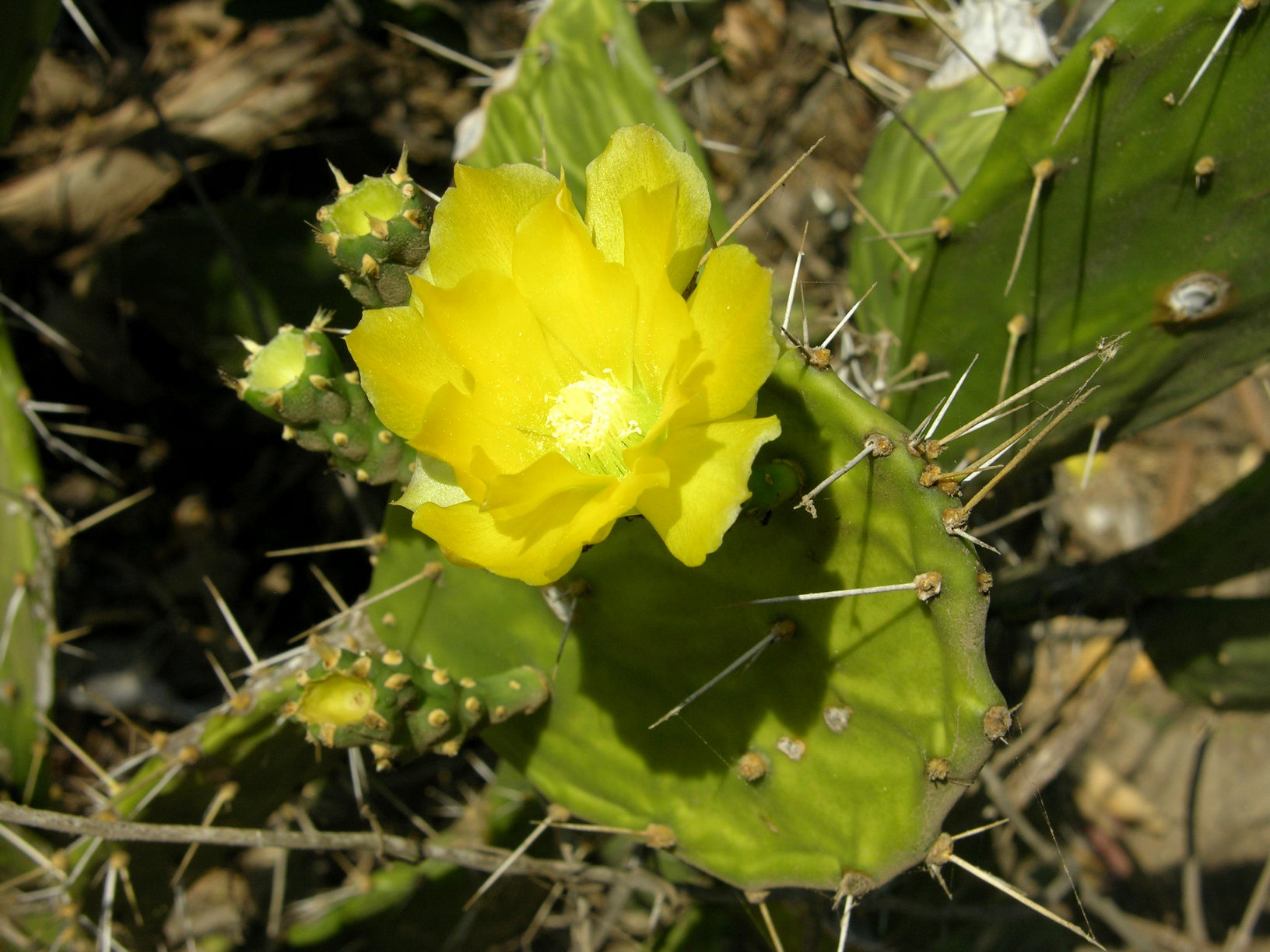
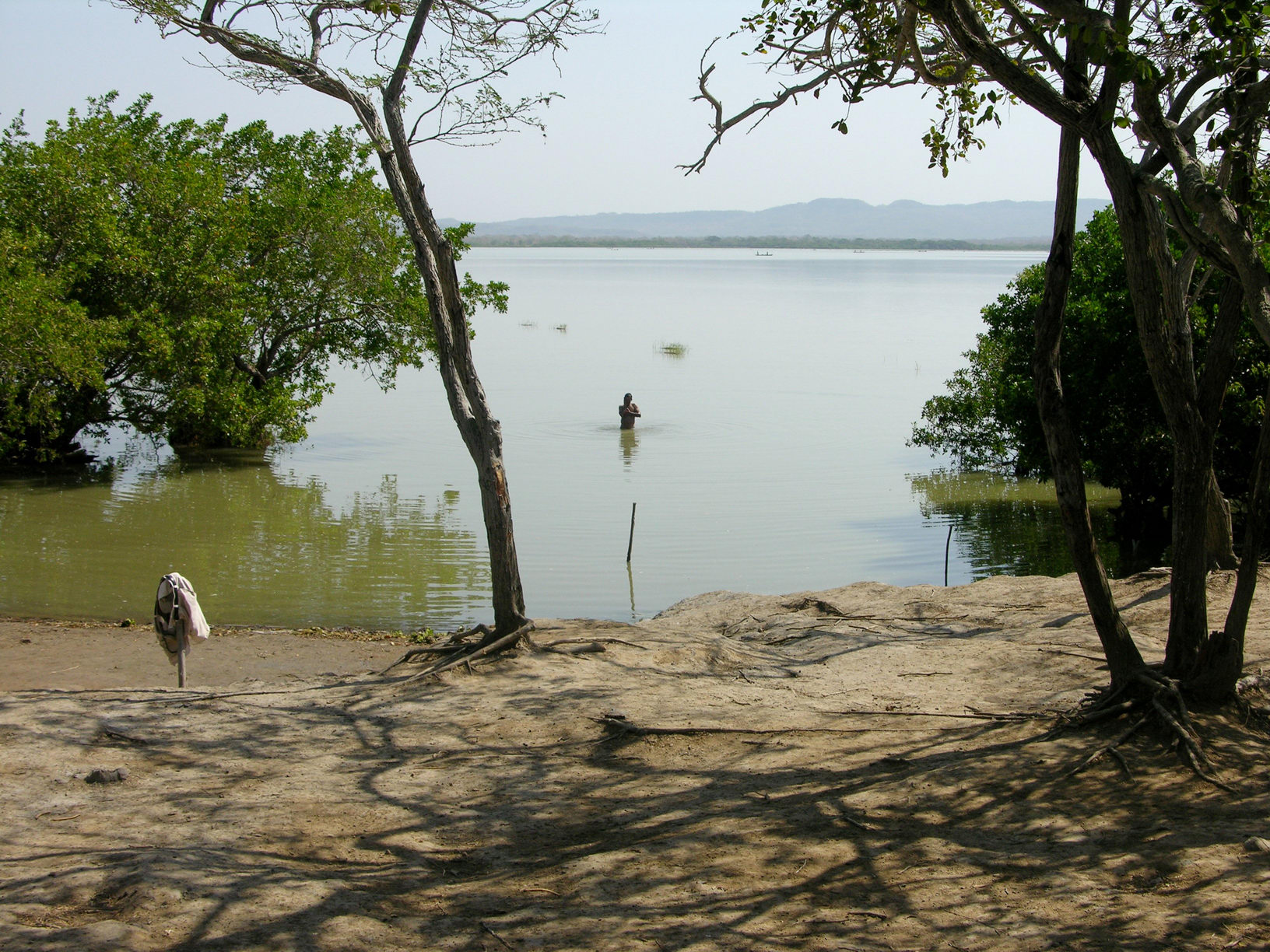
We liked it. Just rather a lot of people.
They say the mud is medicinal. On the way out they sell it by the jar. I vividly pictured myself taking out a three-litre jar of it at customs and when asked what it was, proudly replying, “Mud!”
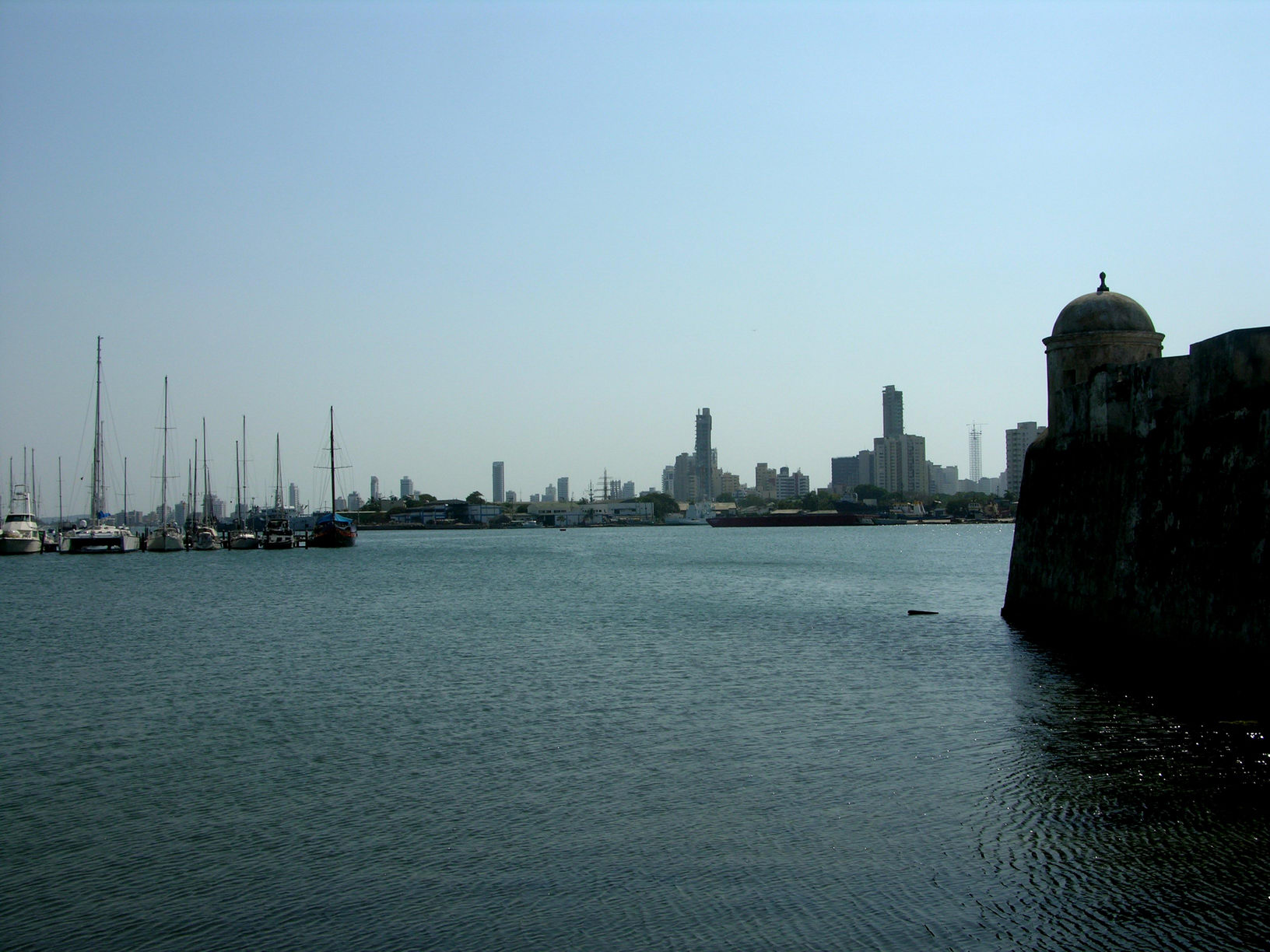
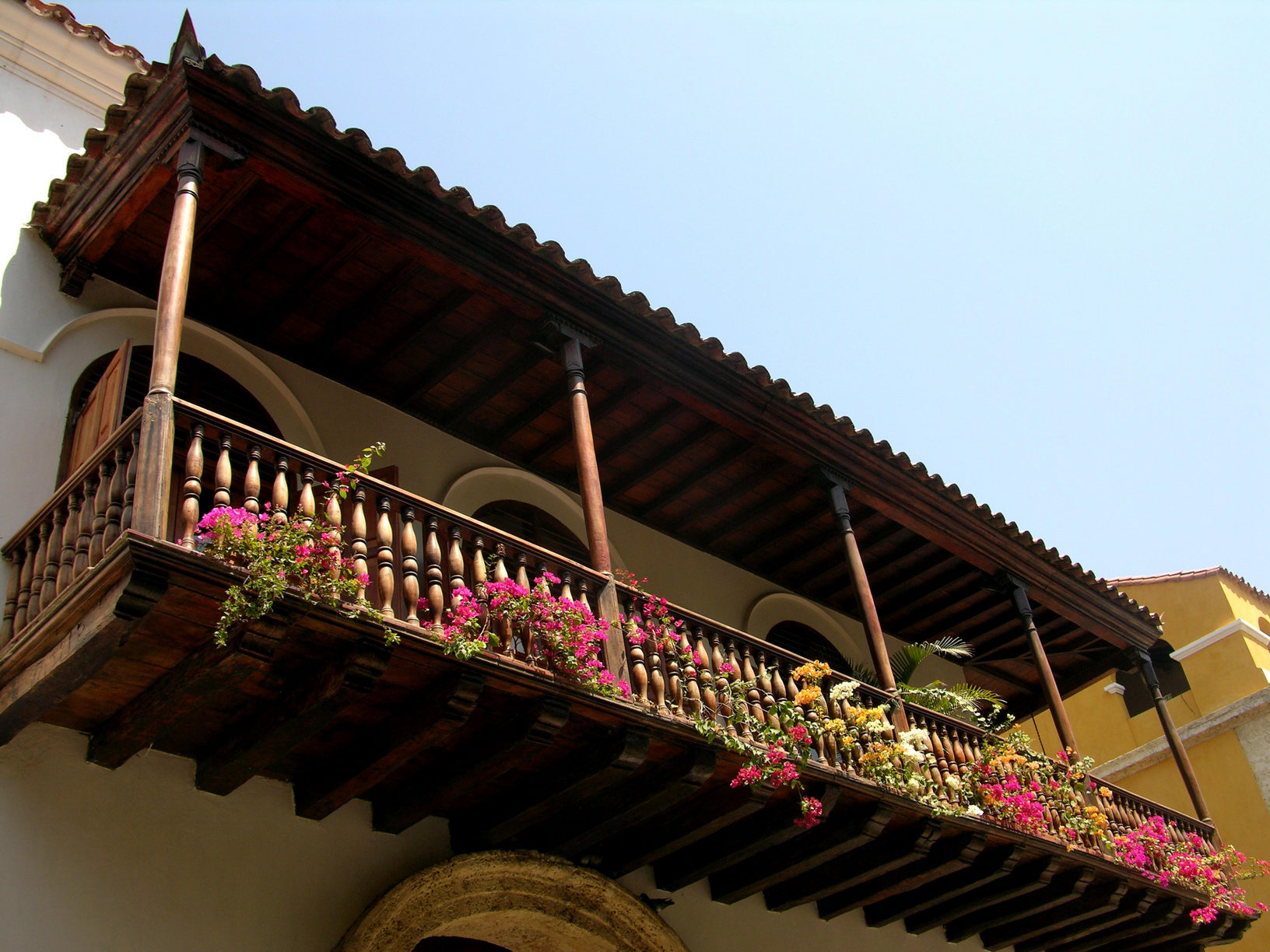
It's fifty kilometres from the volcano to Cartagena (Cartagena, visitor information), the most famous city of the pirate era. It was plundered constantly, by anyone who could be bothered. Everyone from individual bandits on the loose to Drake in the name of the Queen of England. The city was under siege for years. It was captured many times, but the days of pirates are long gone. The city is recognised by UNESCO as a historic monument and is quite well preserved. That doesn't prevent them building new districts full of skyscrapers. Cartagena really is a city of contrasts. Beside the high-tech buildings are huts made out of cardboard boxes. Back in Russia we've still got a long way to go before we see that kind of gulf between rich and poor.
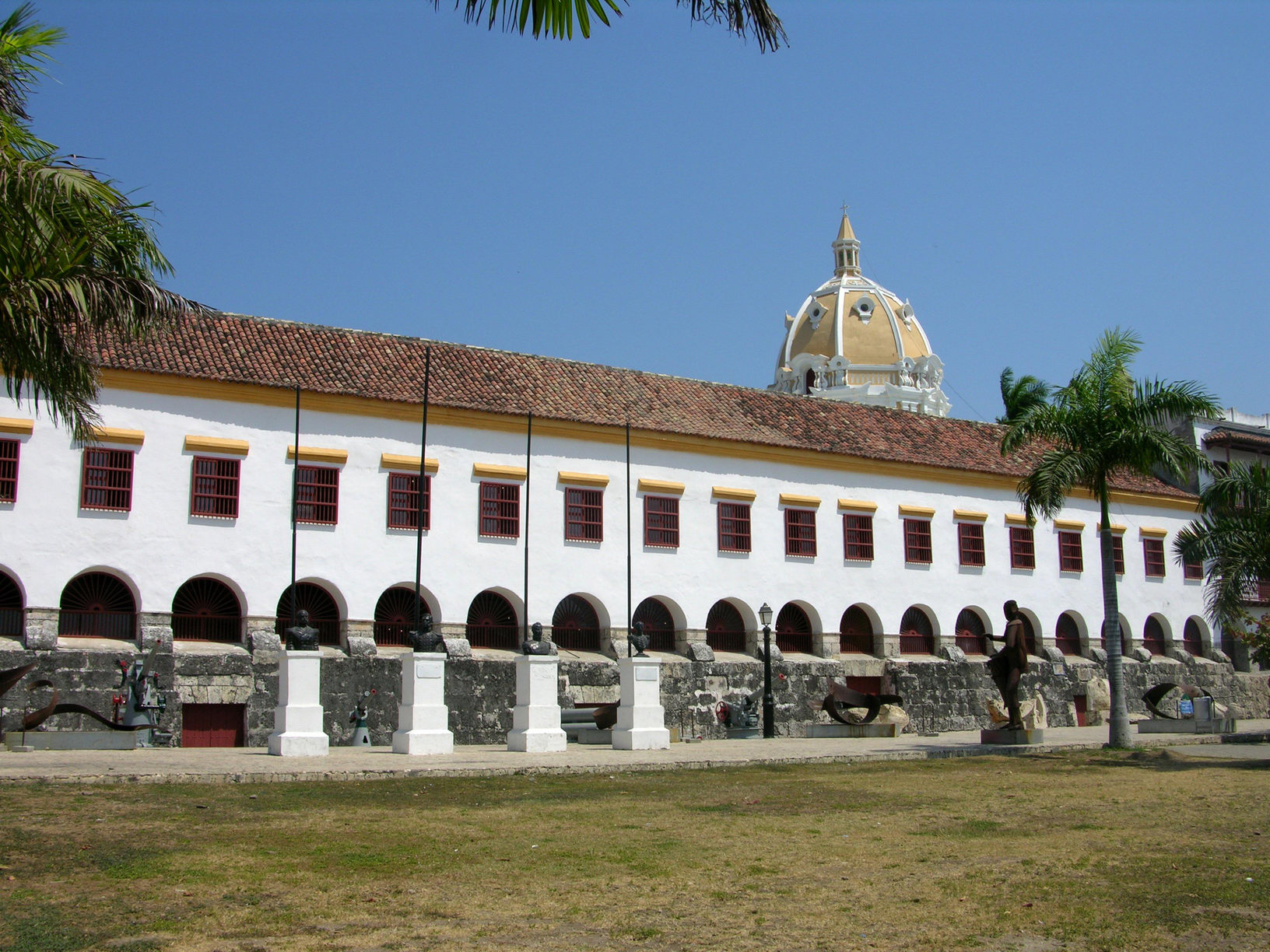
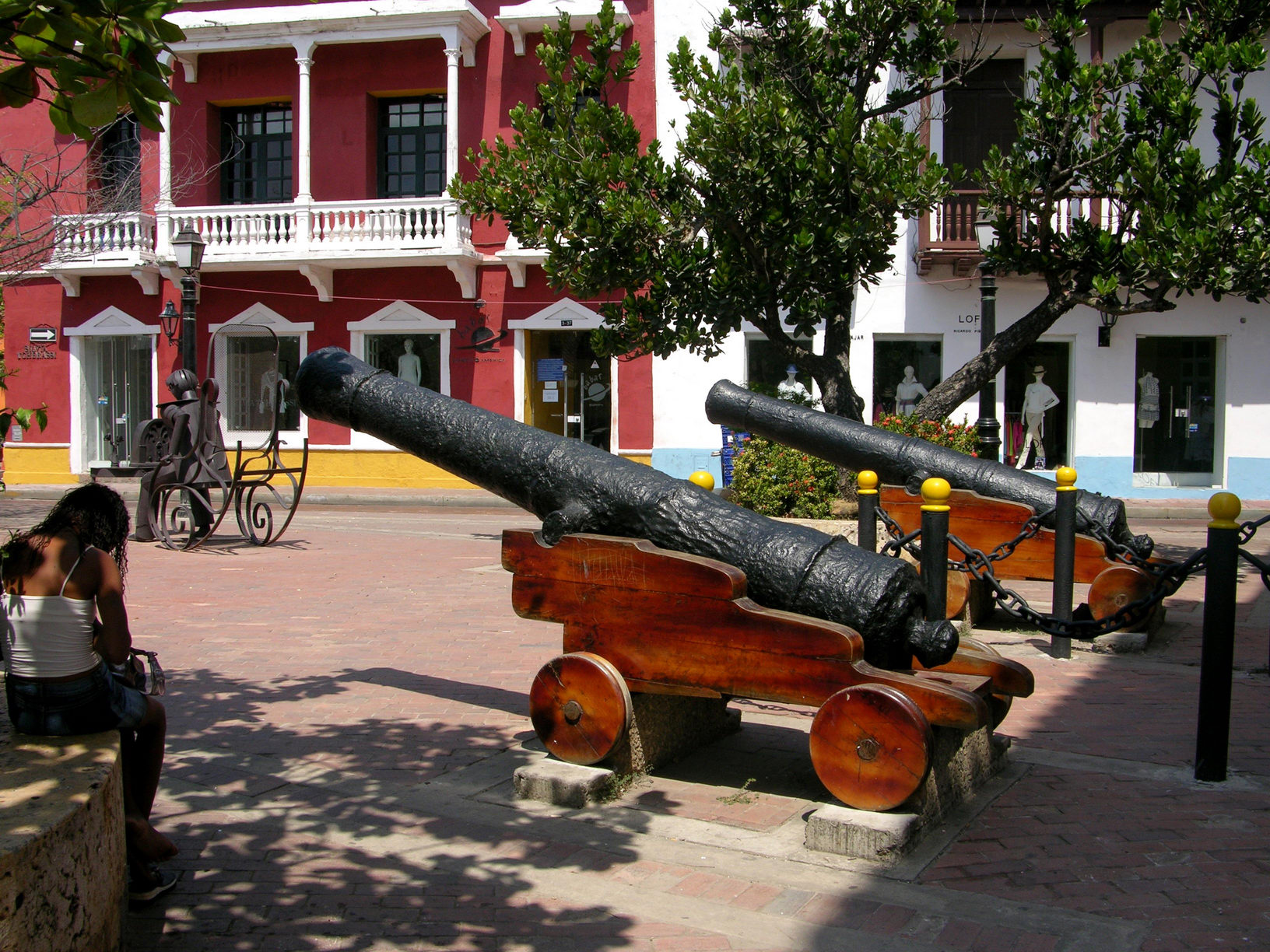
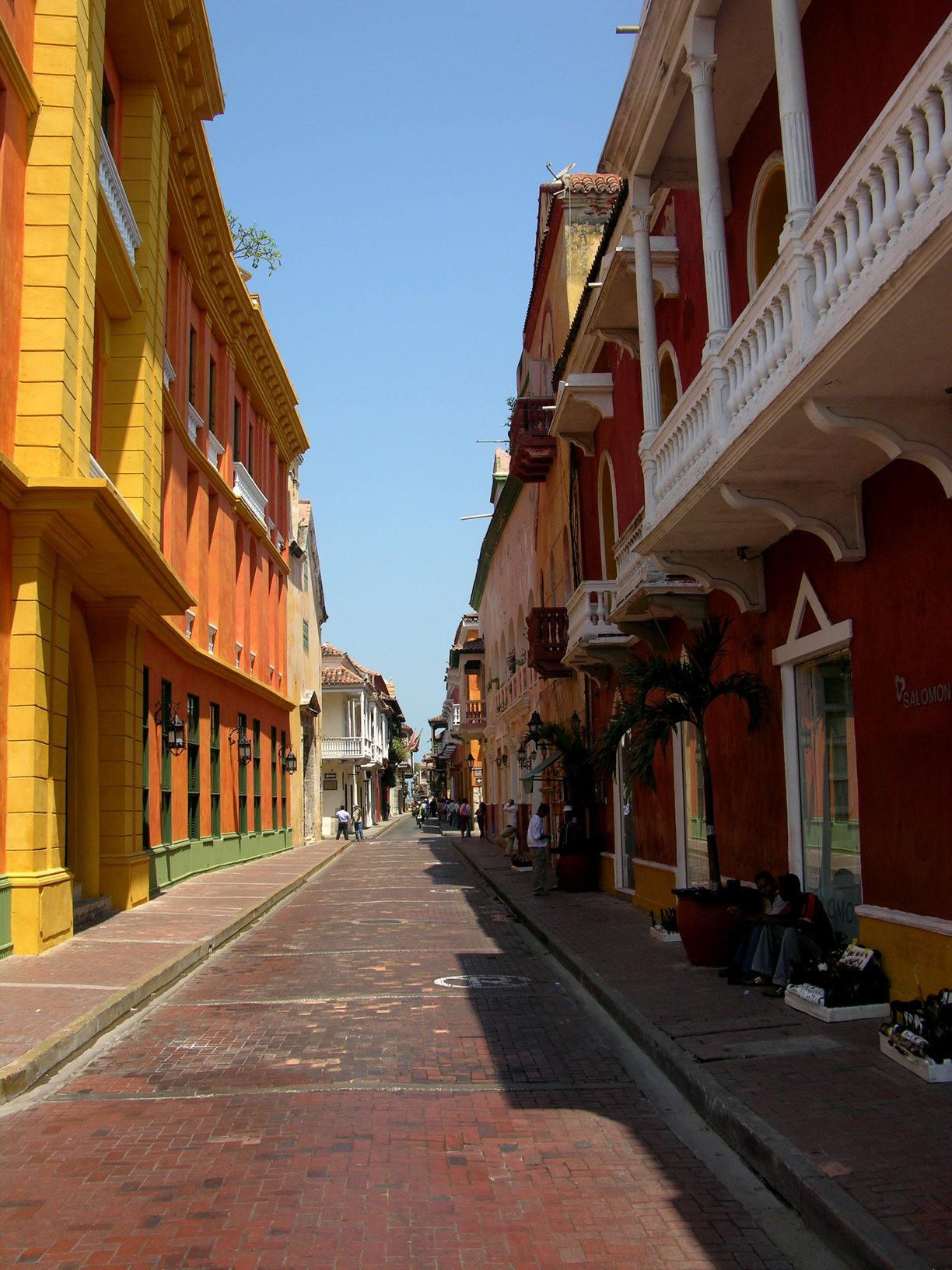
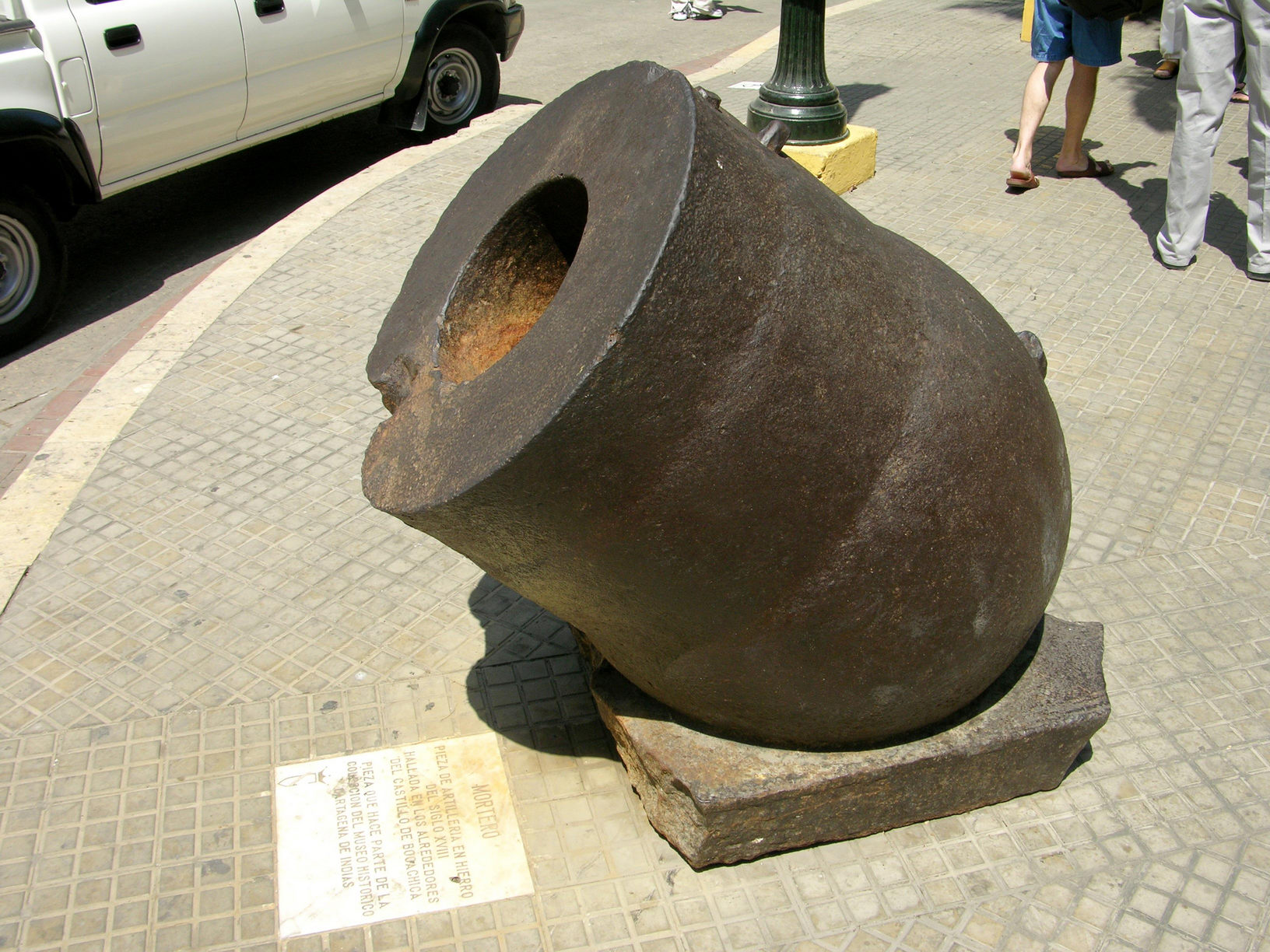
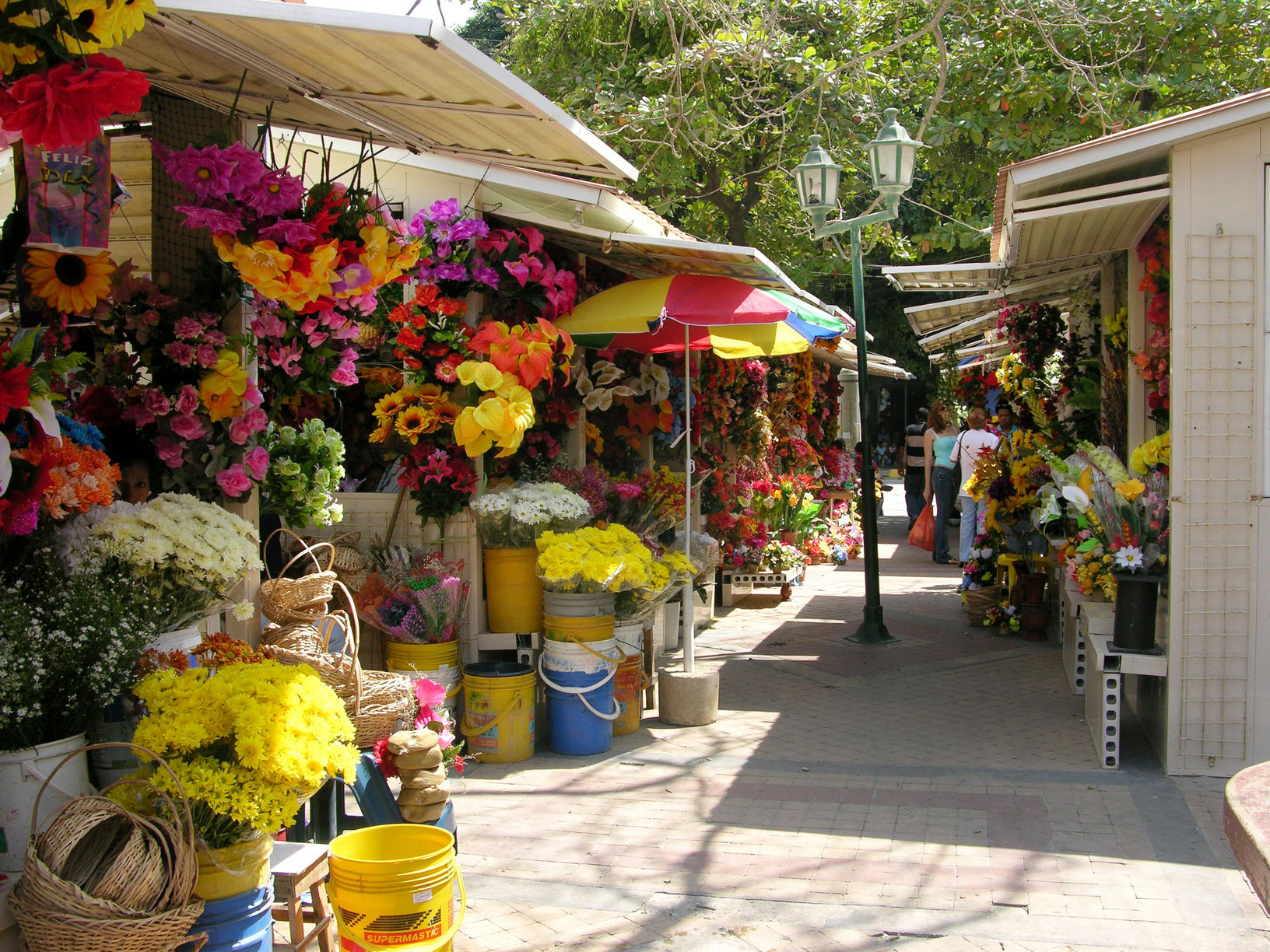
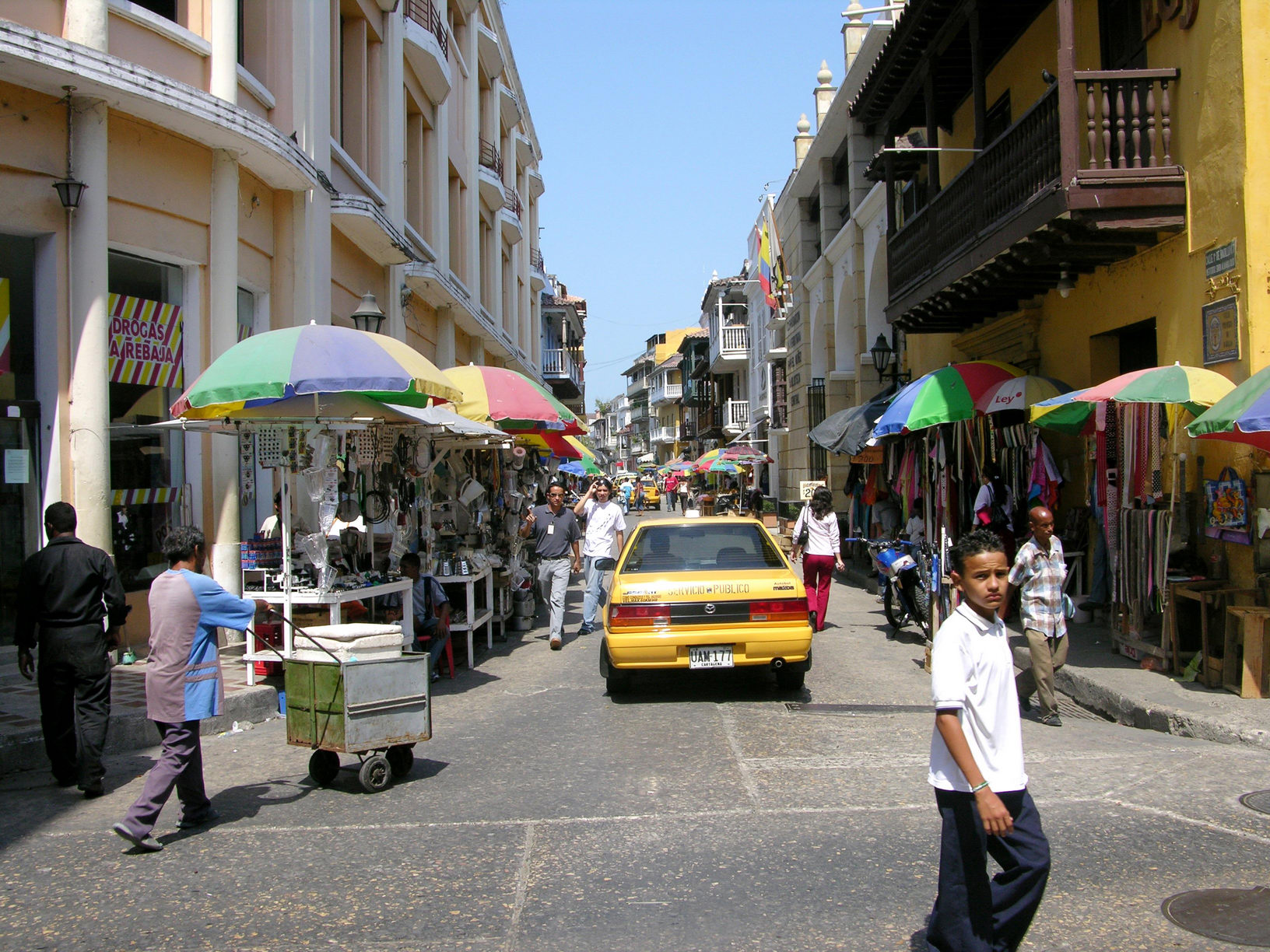
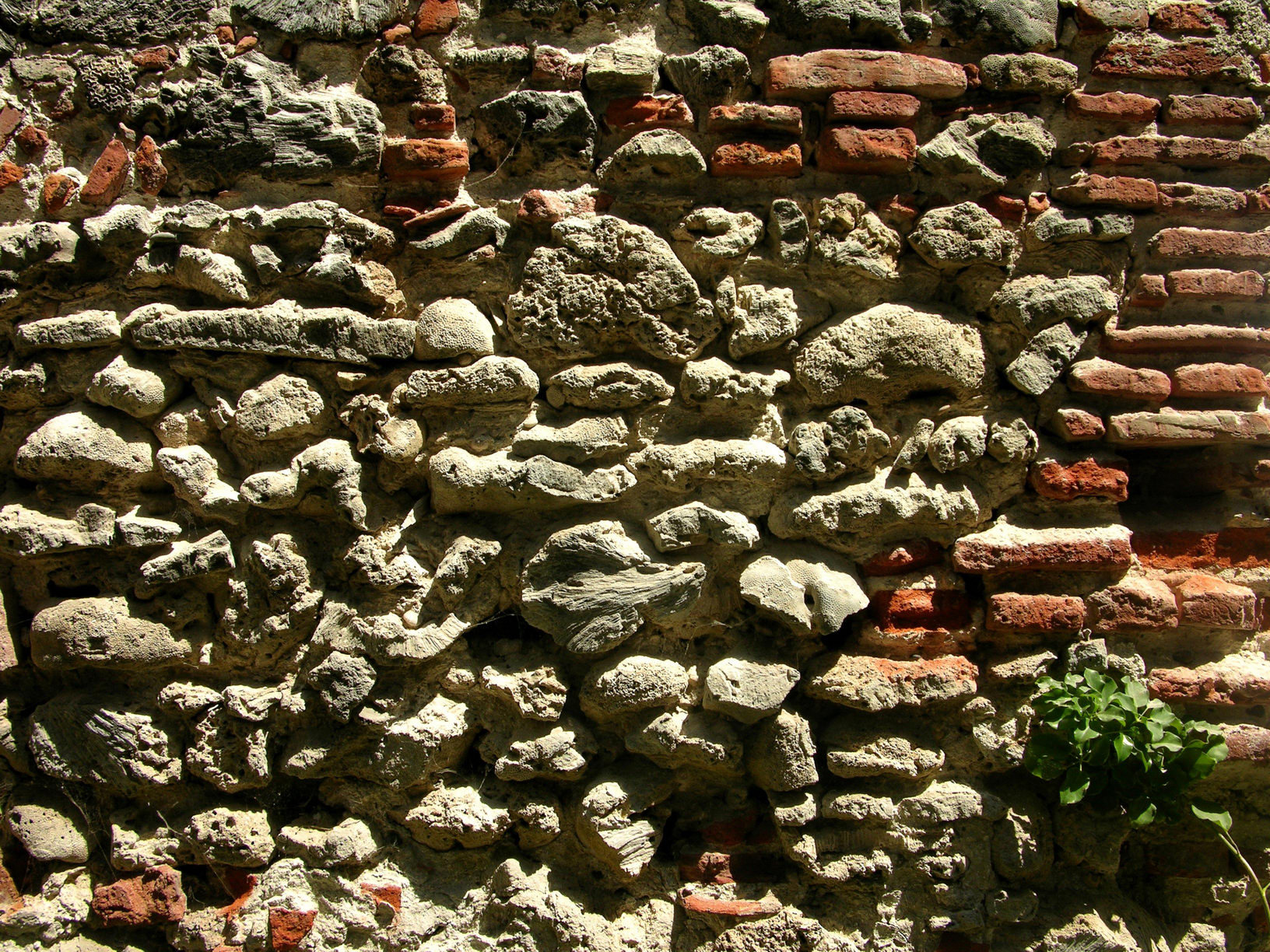
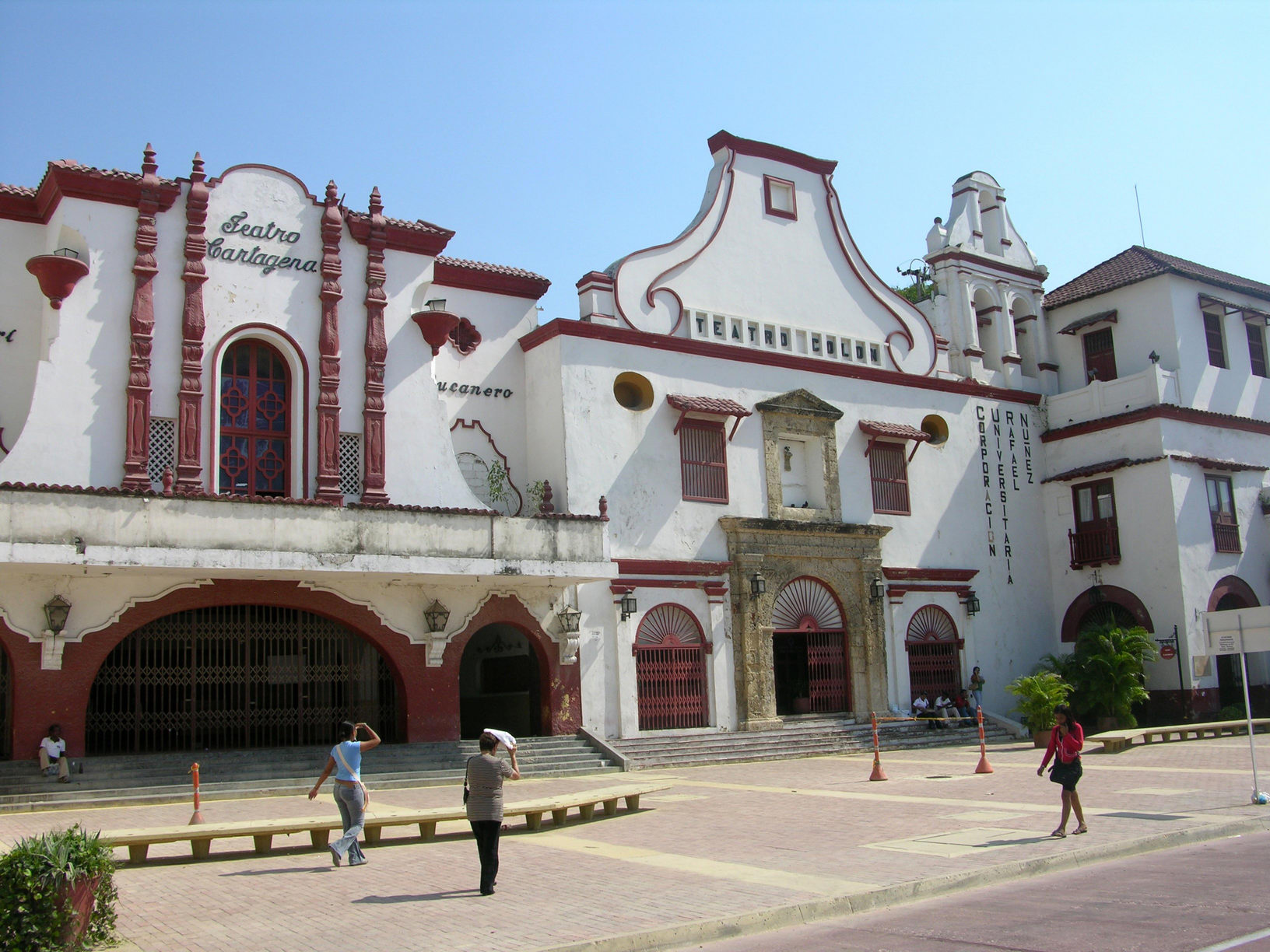
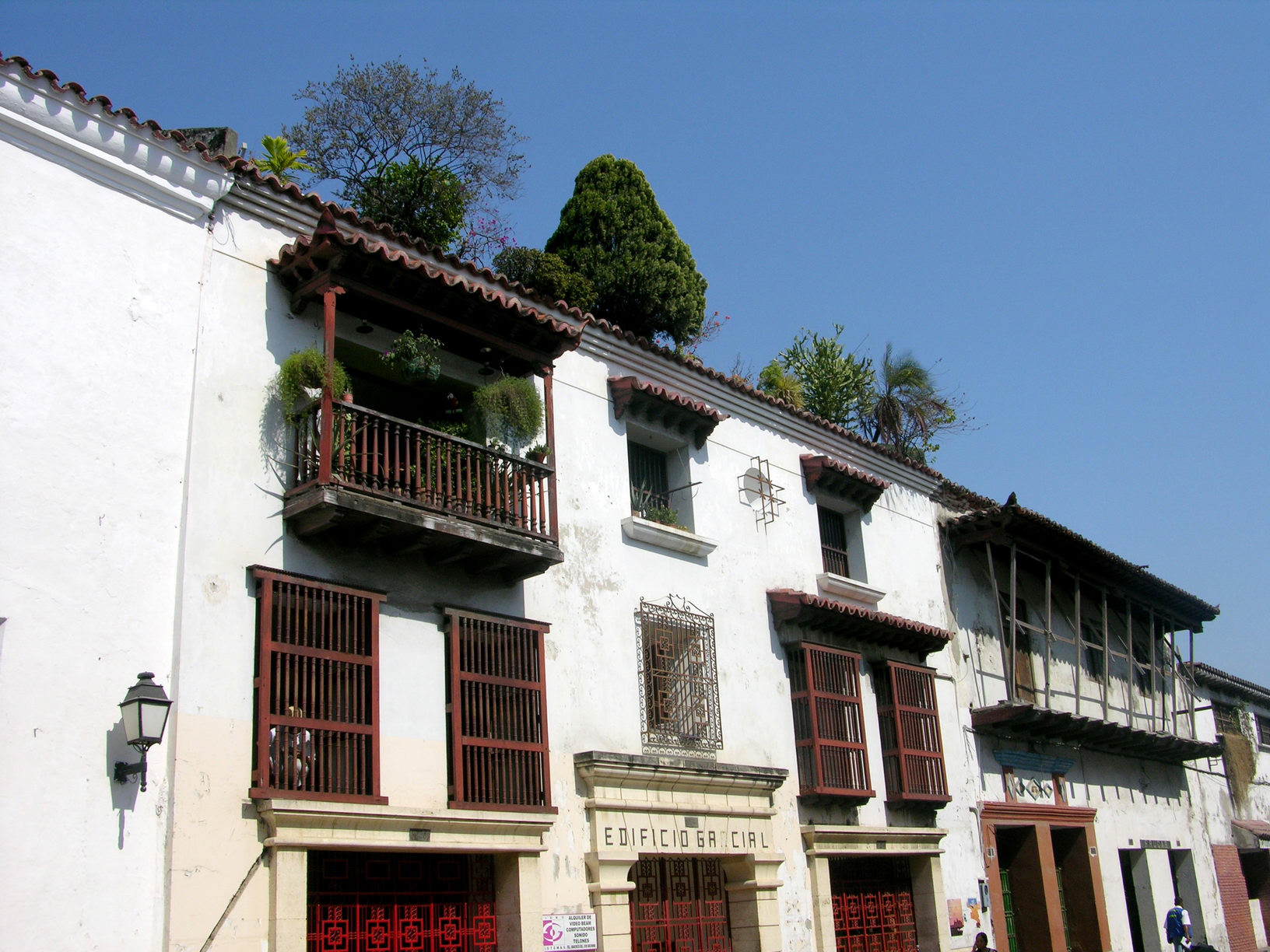
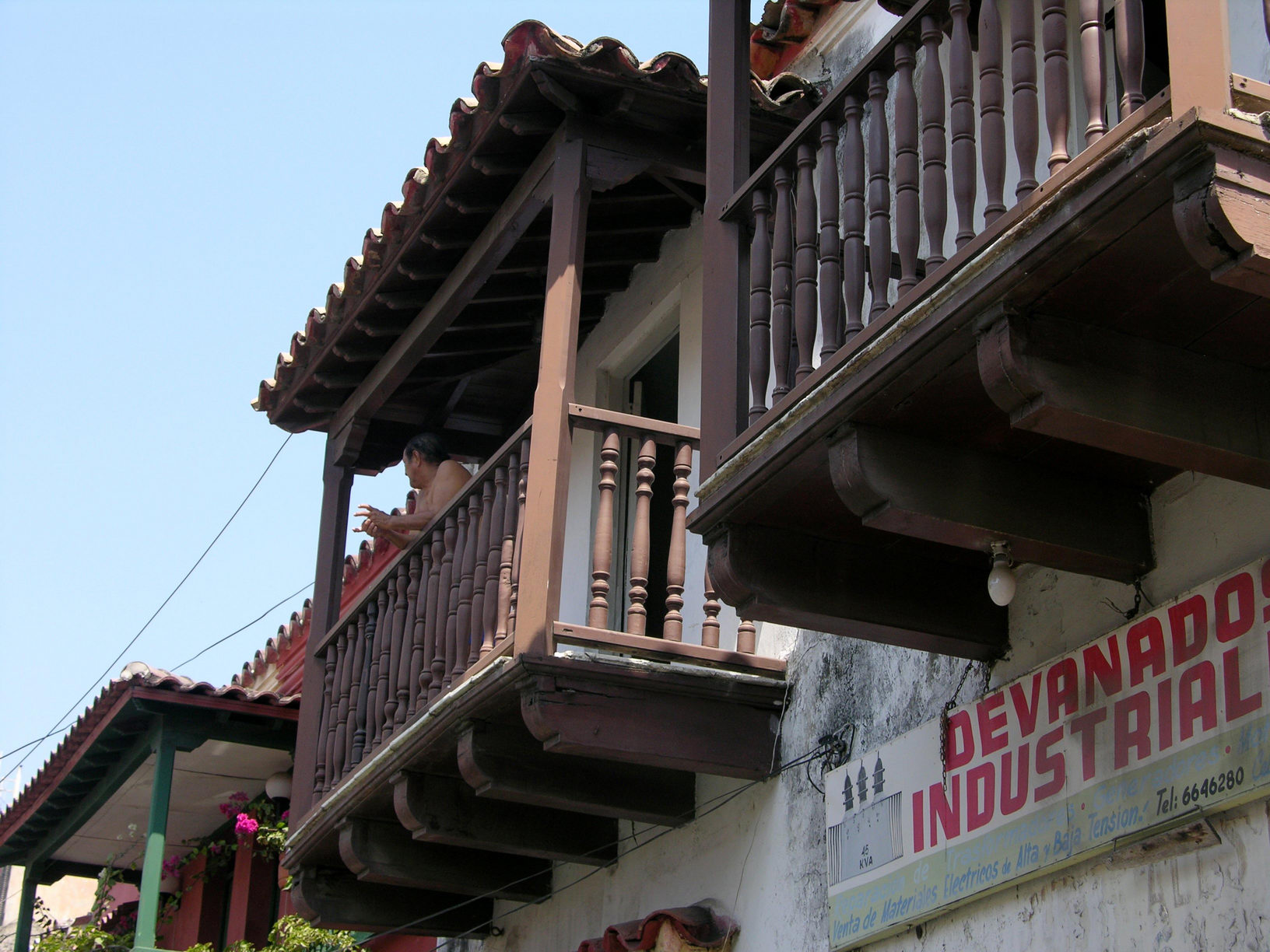
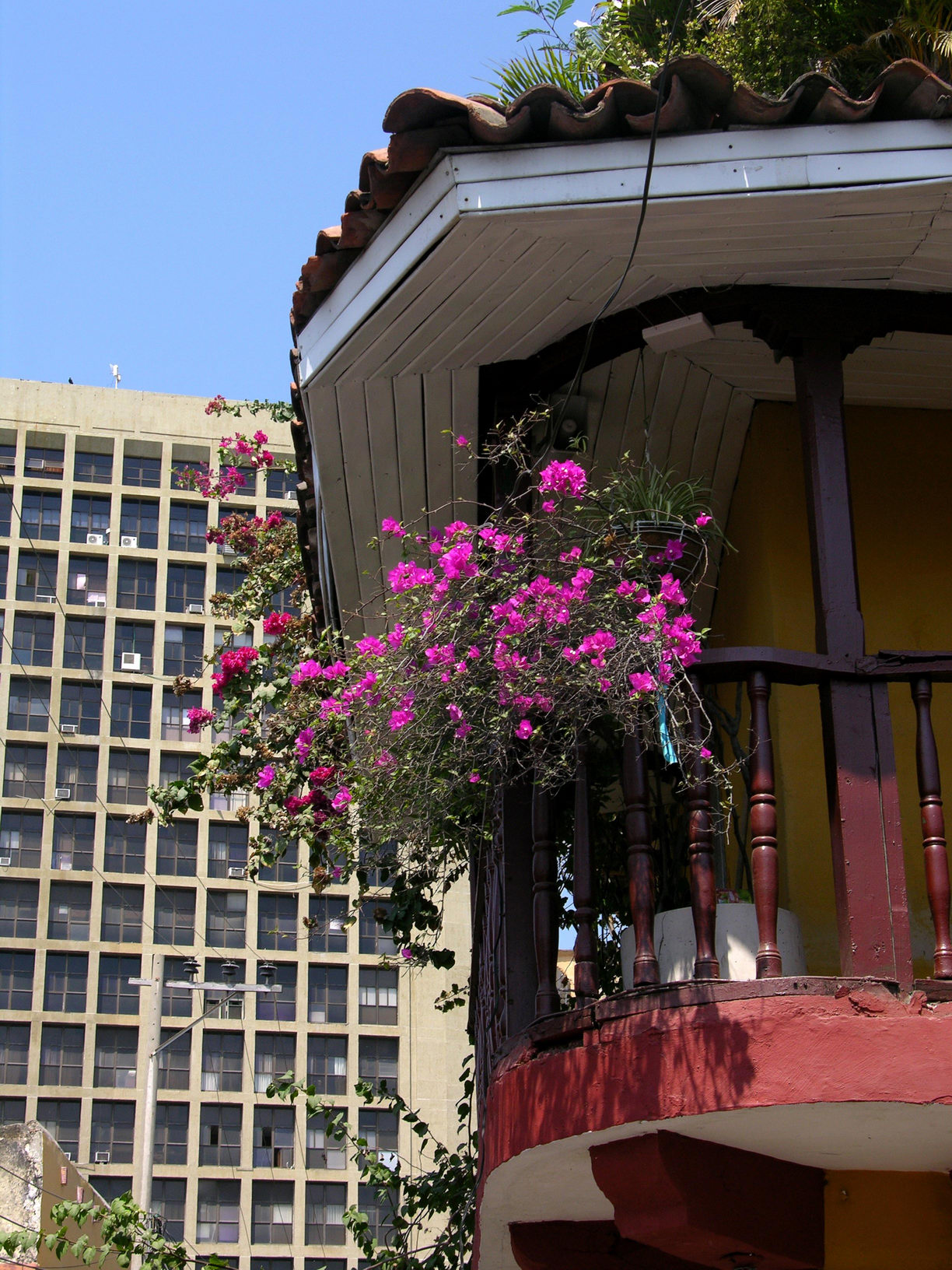
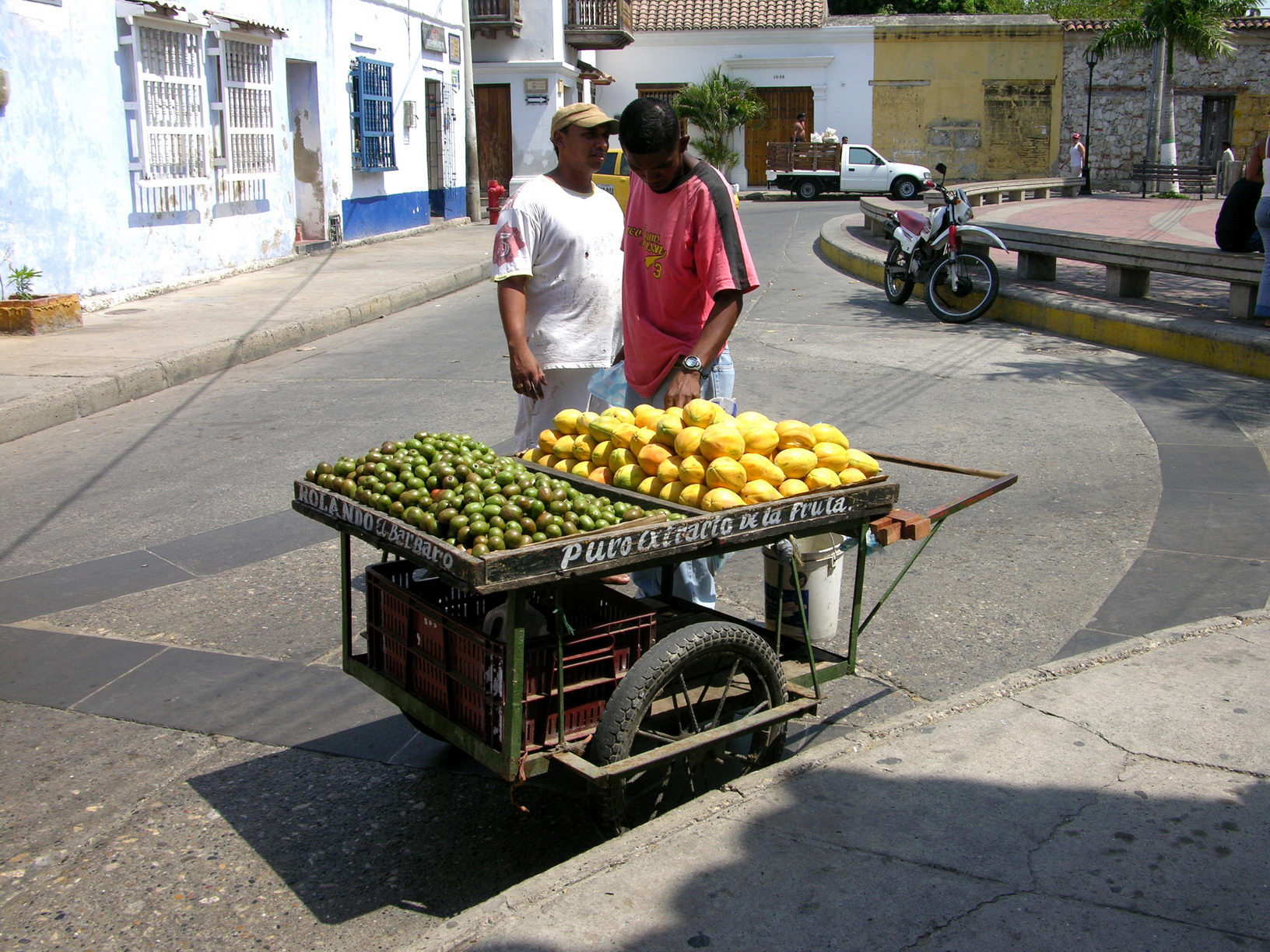
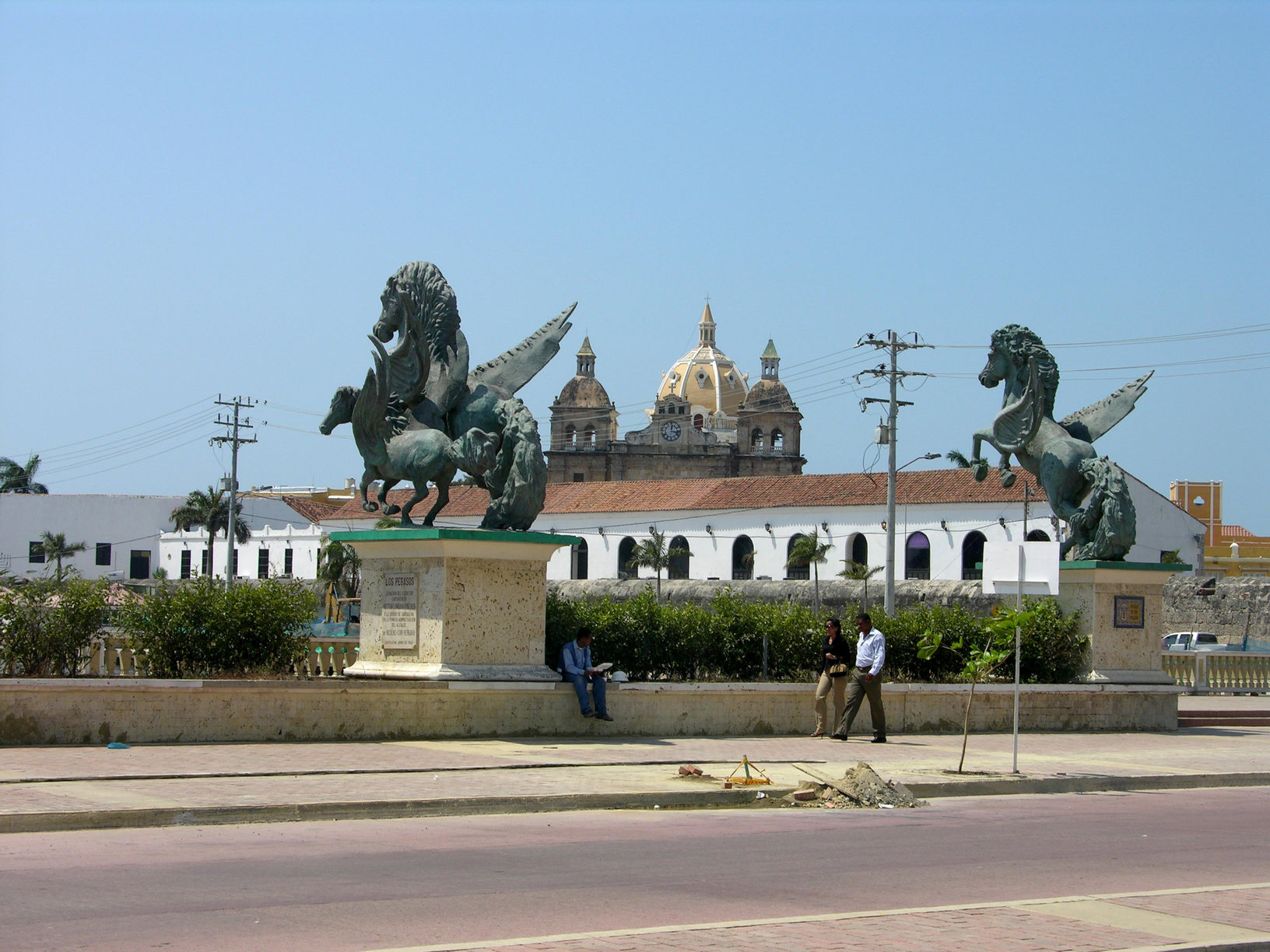
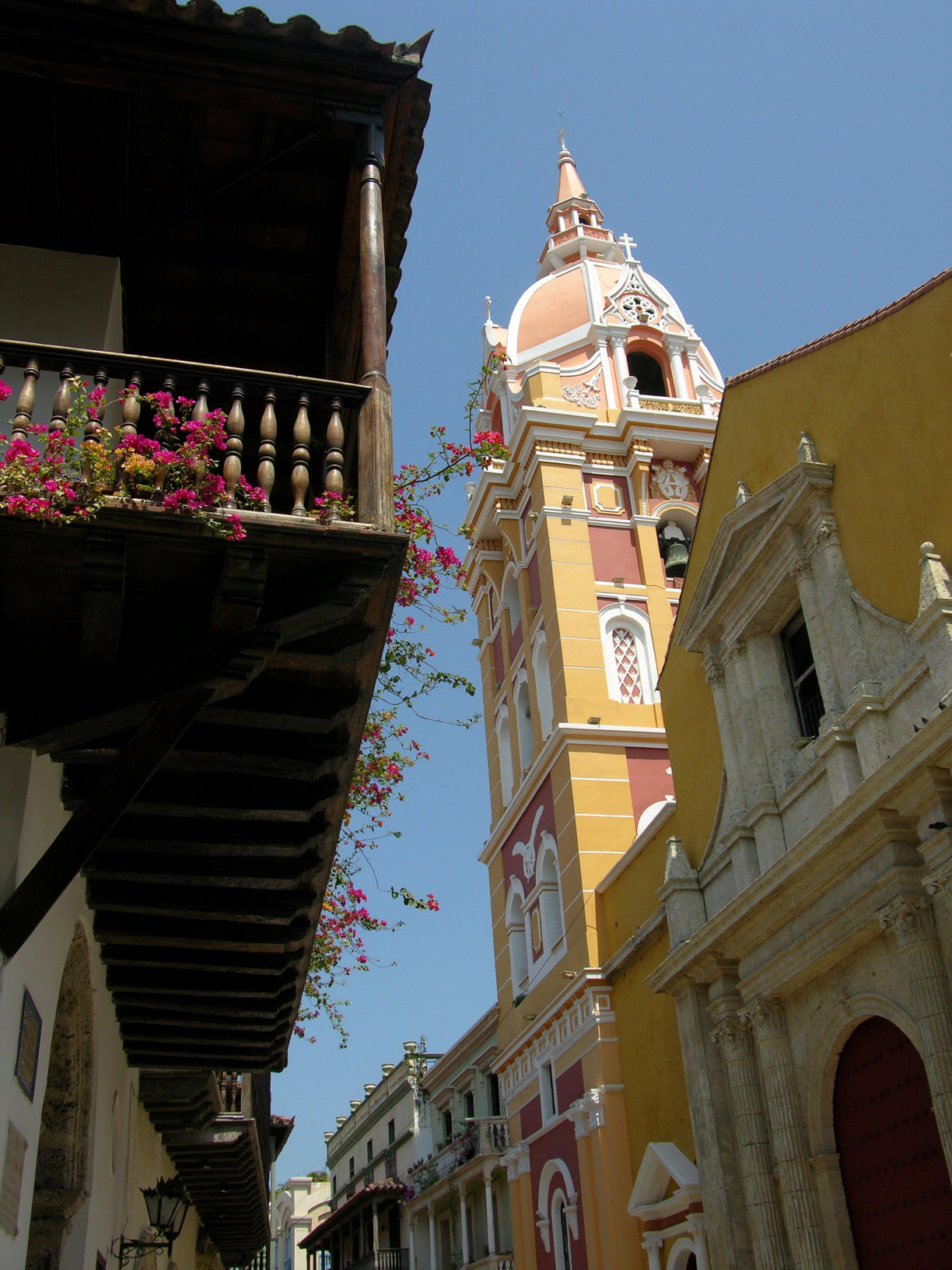
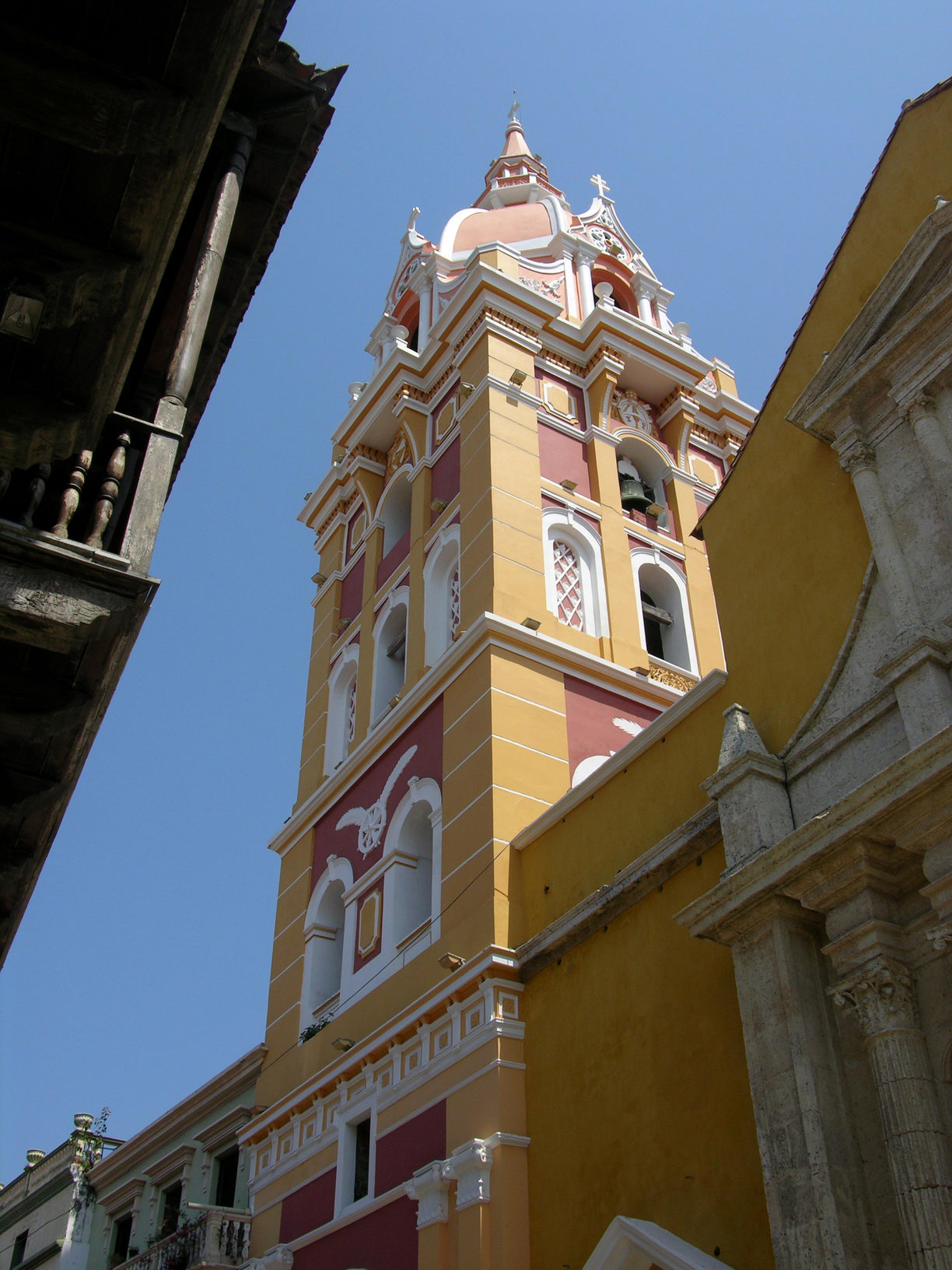
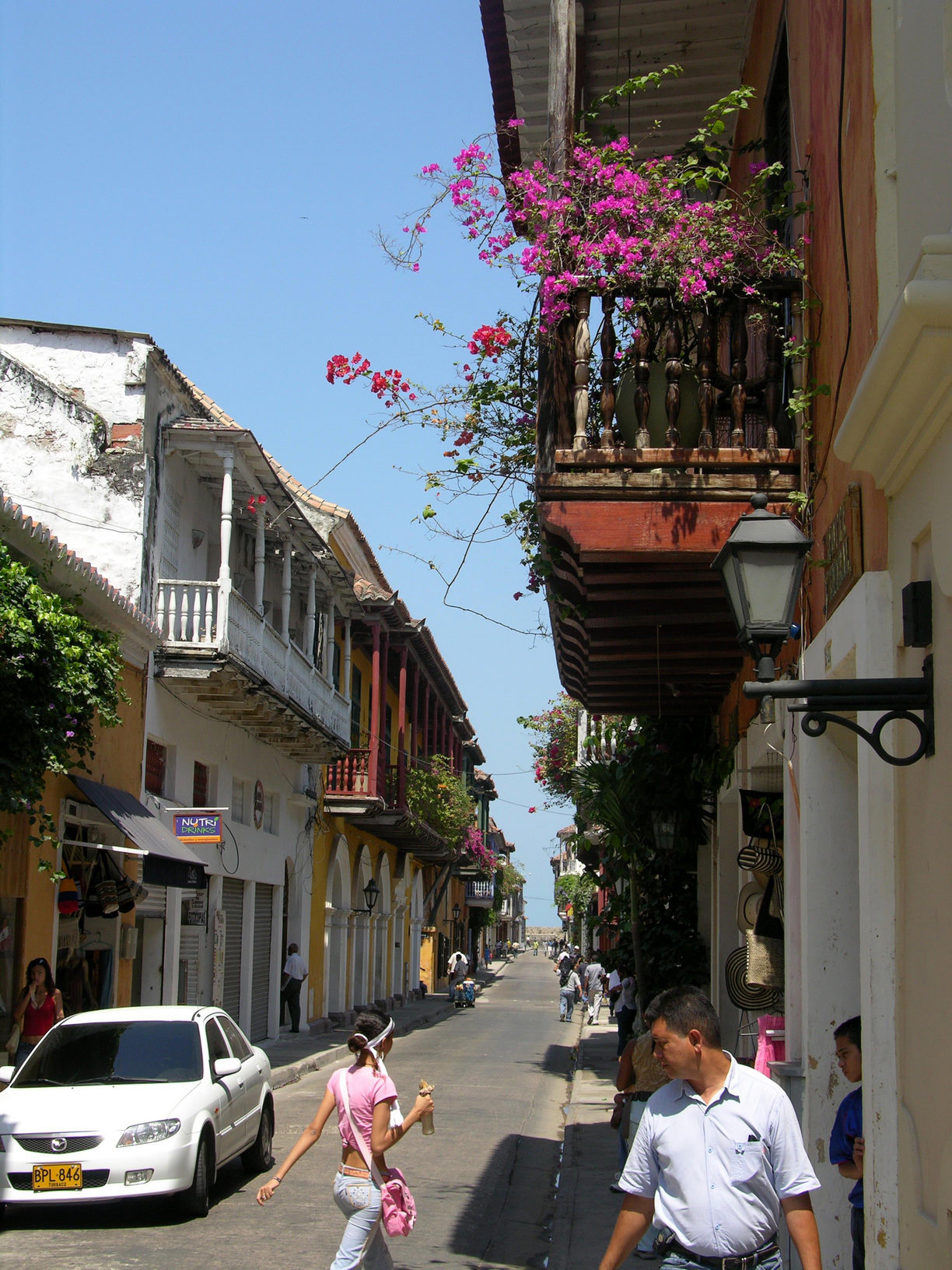
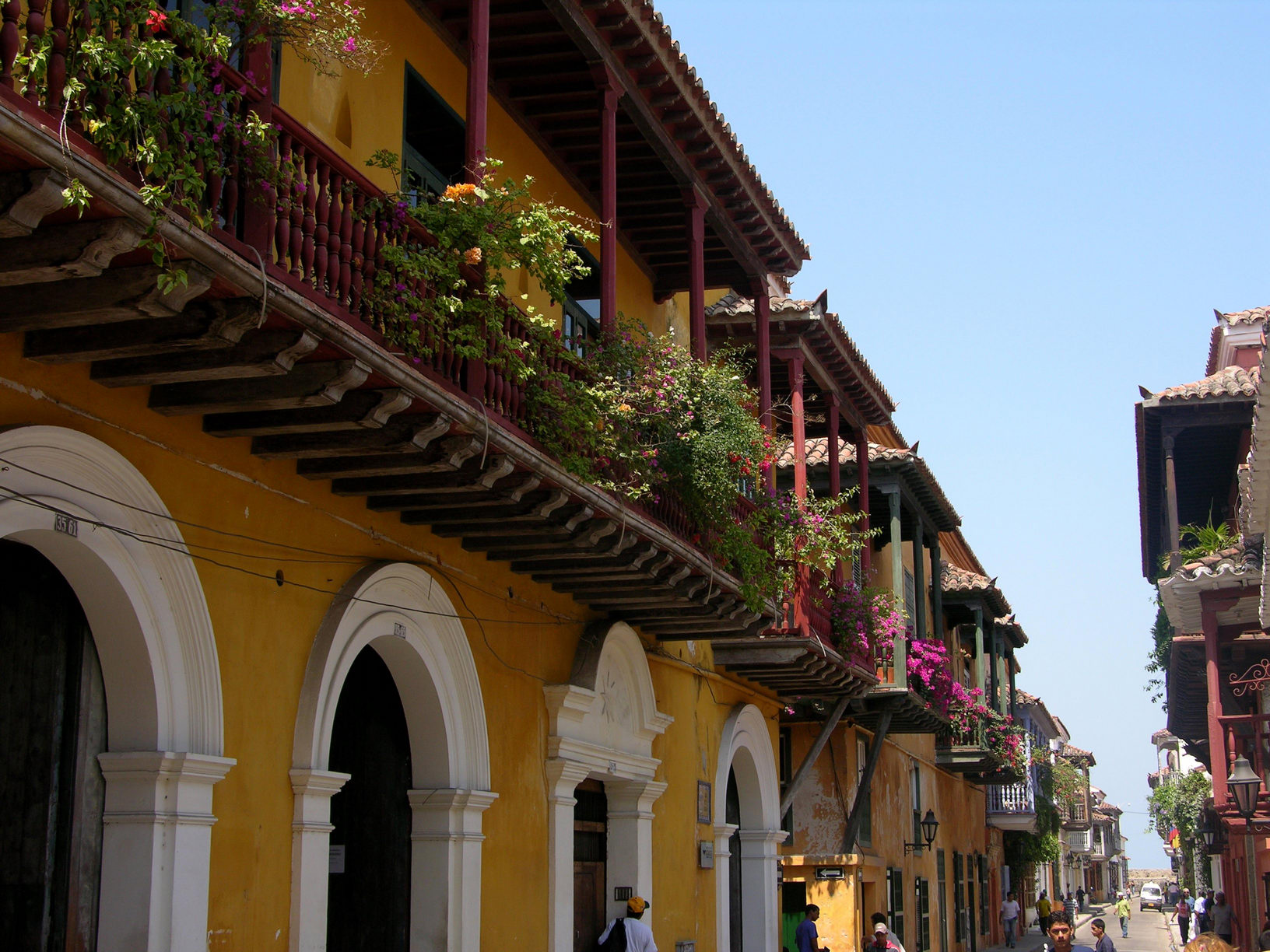
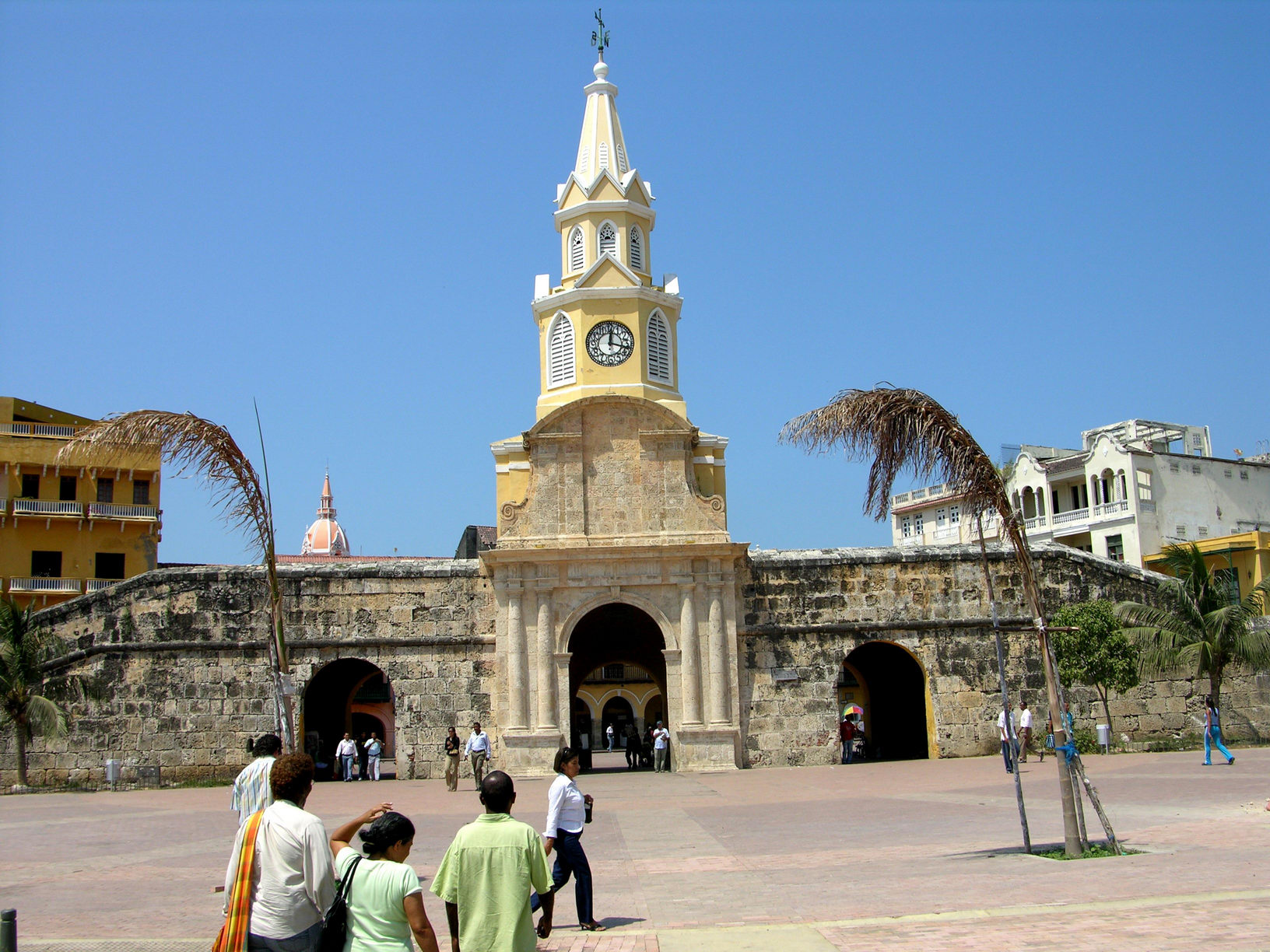
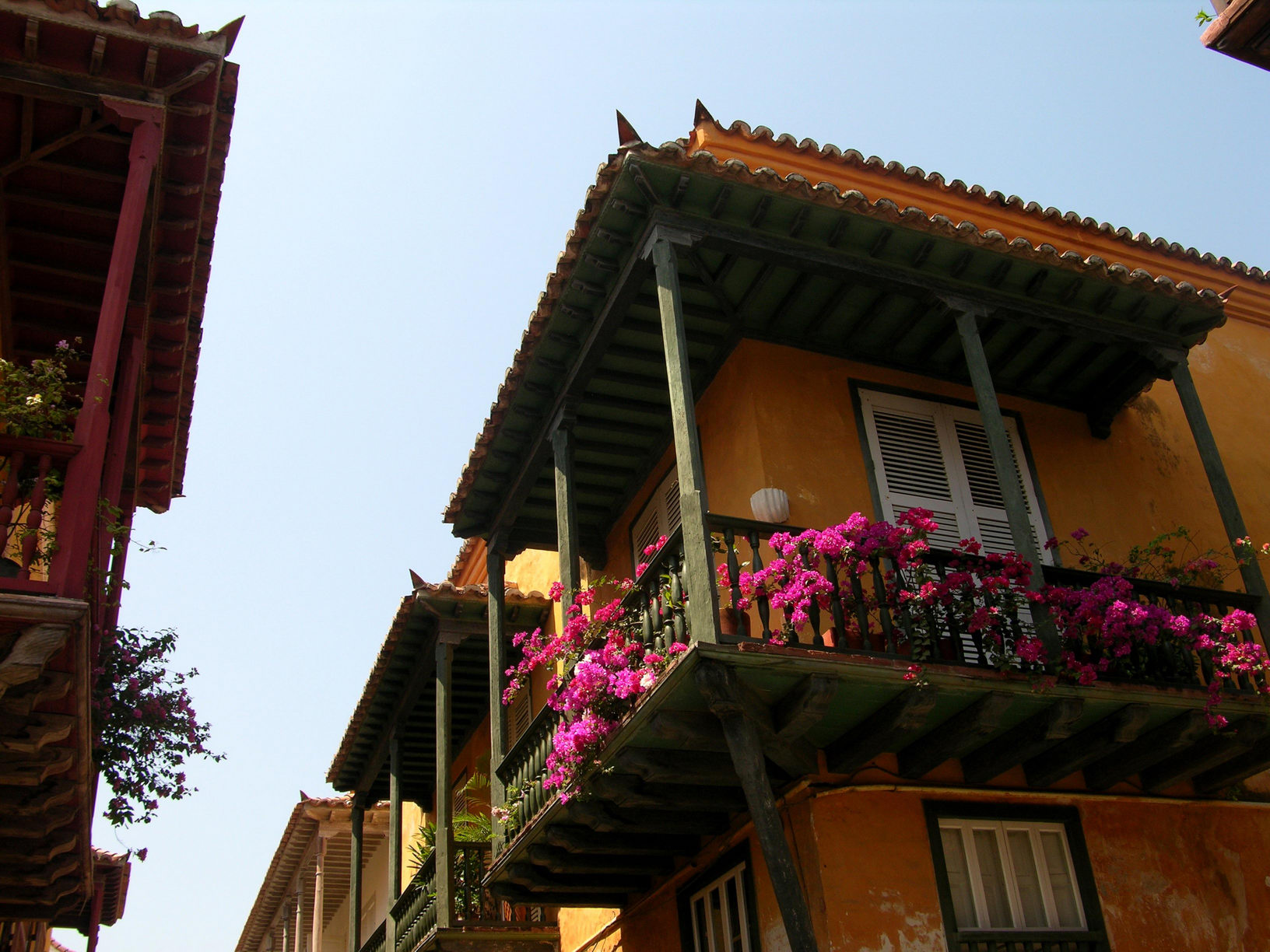
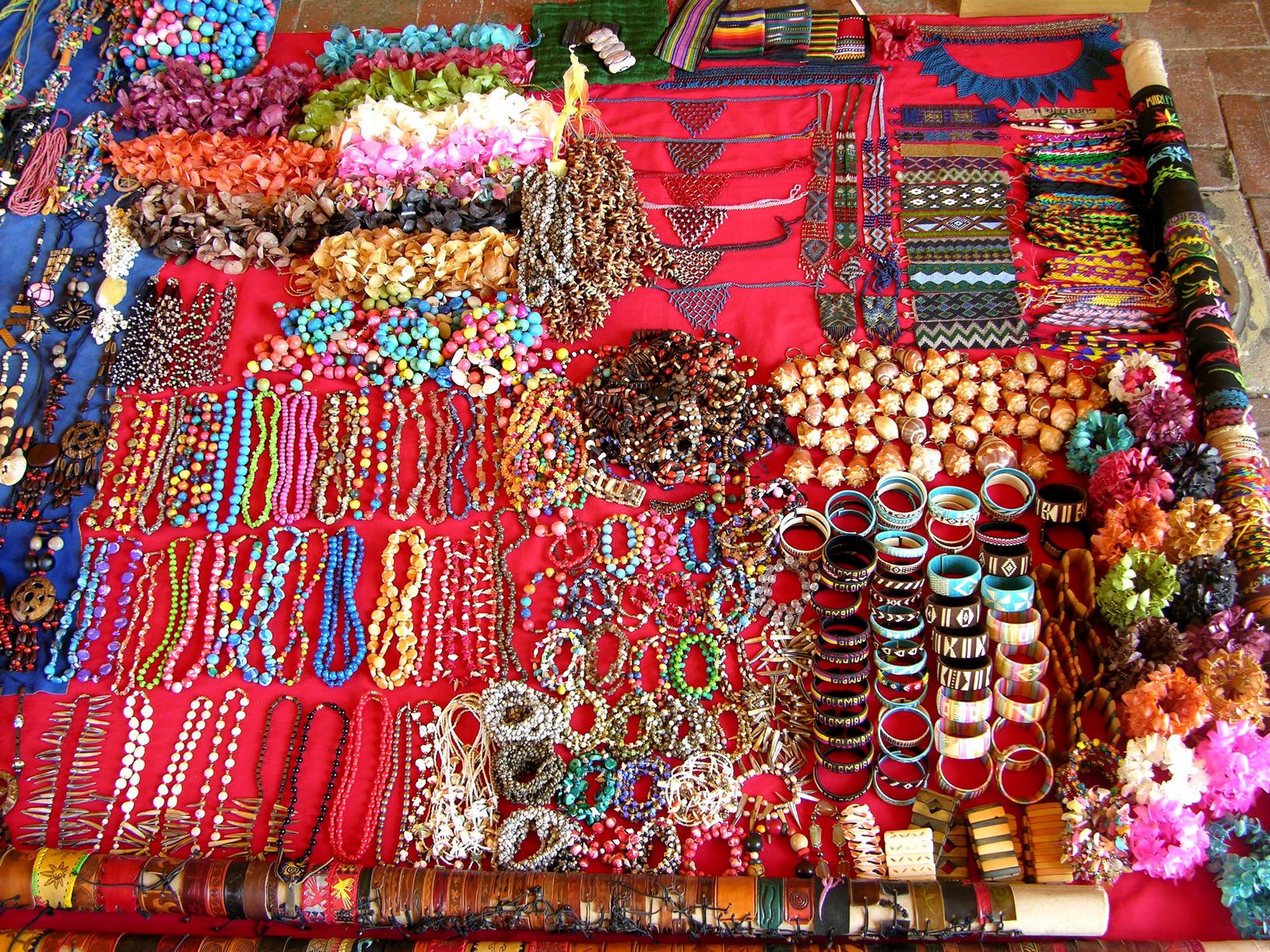
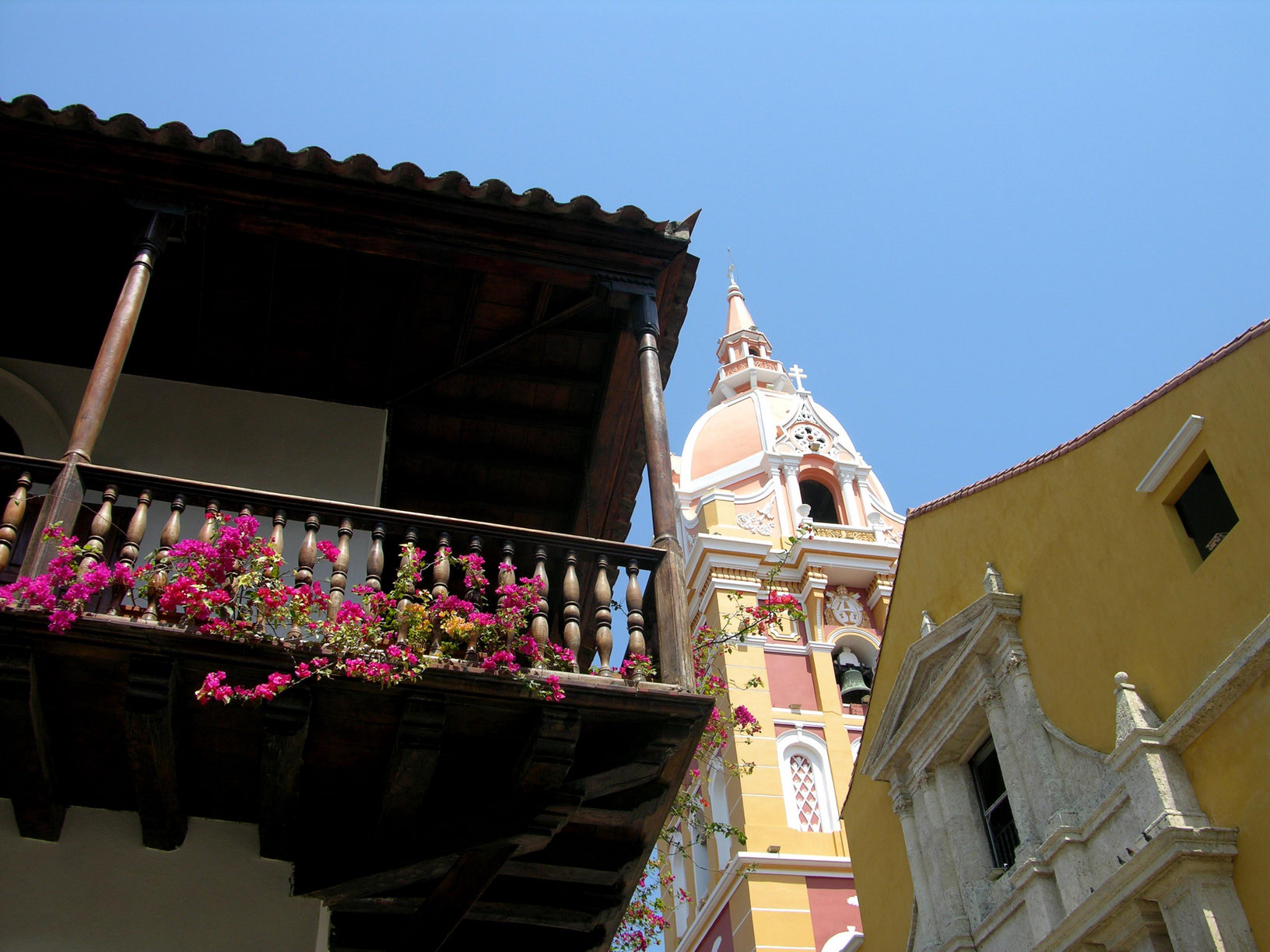
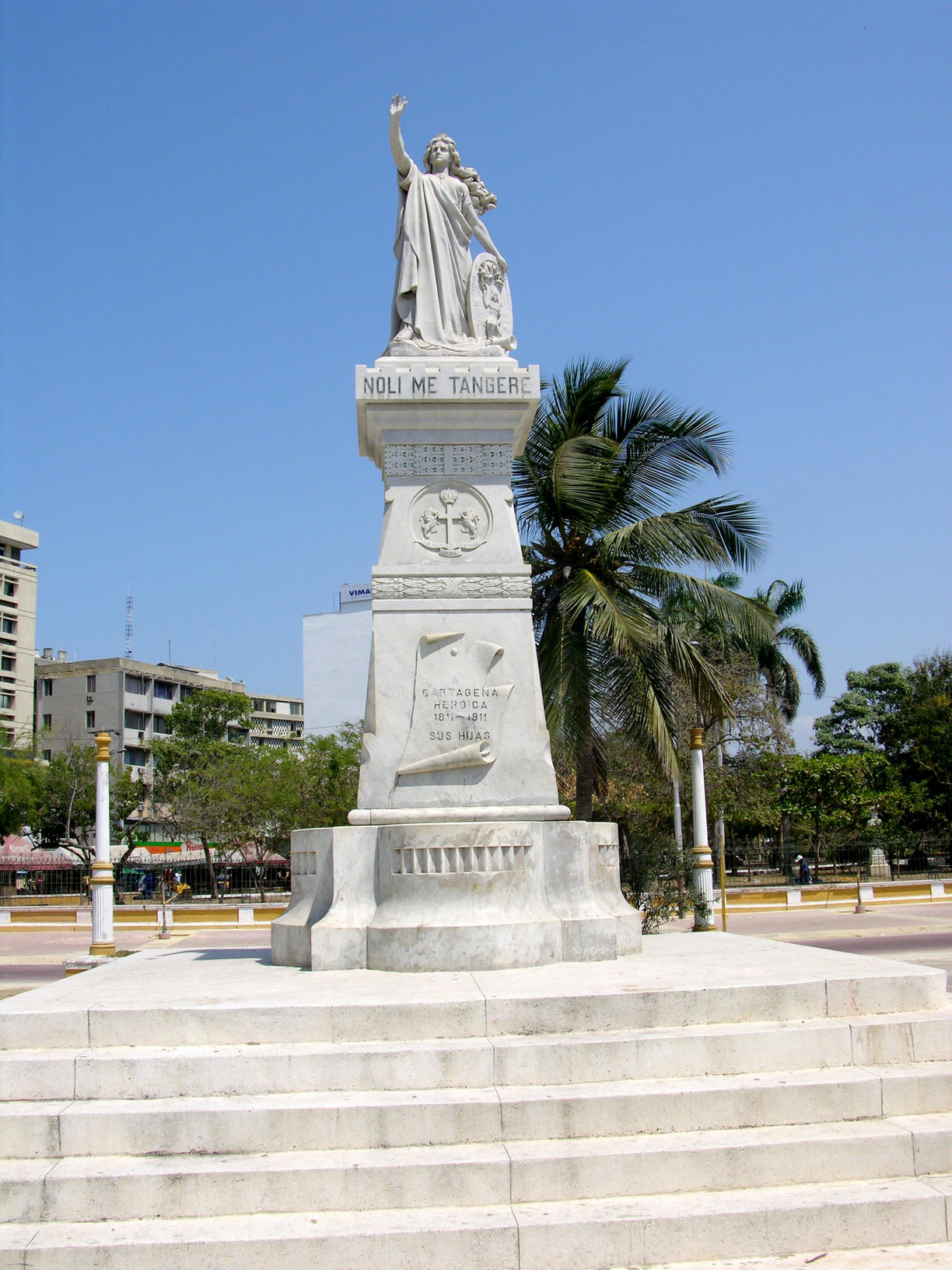
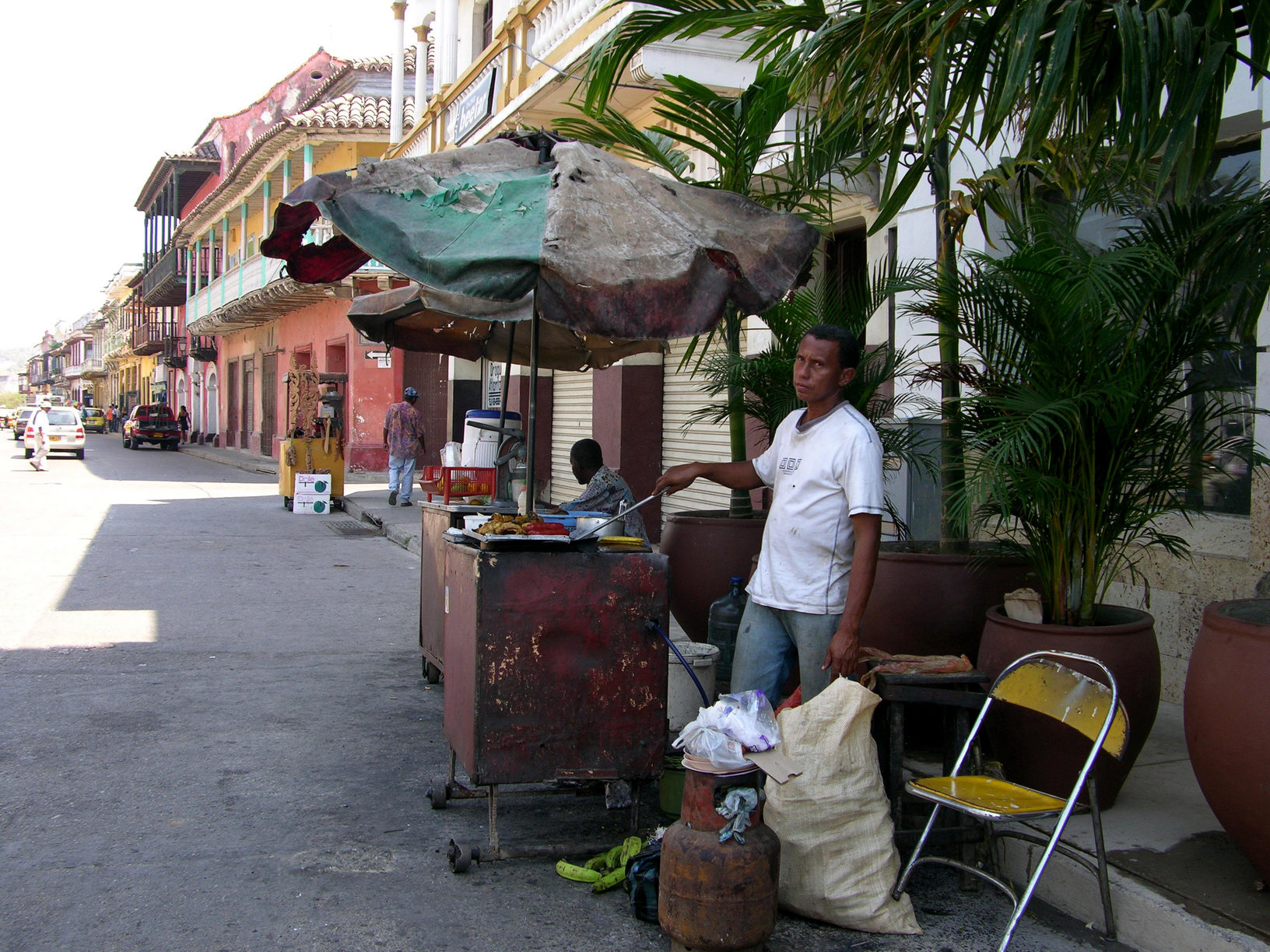
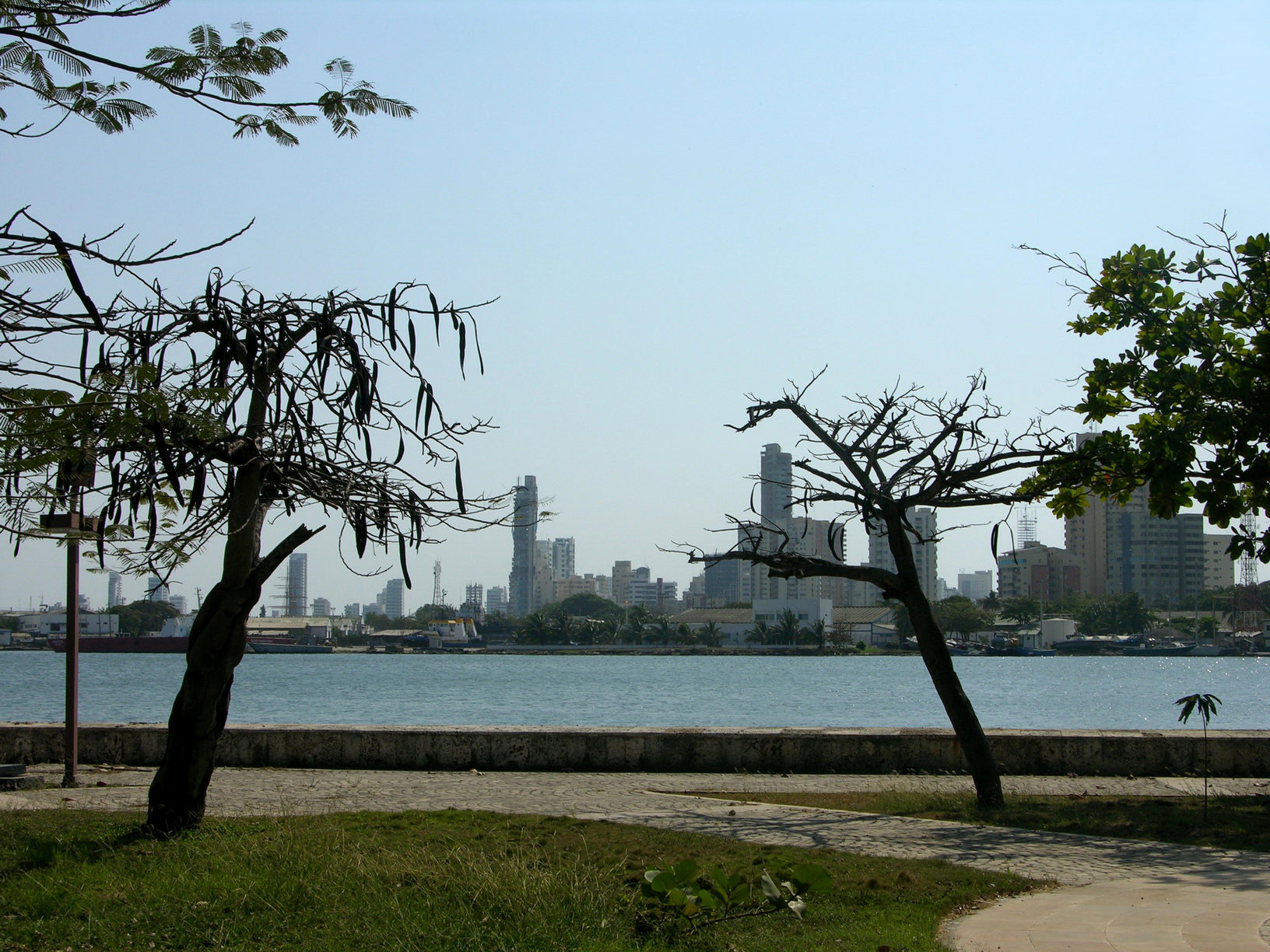
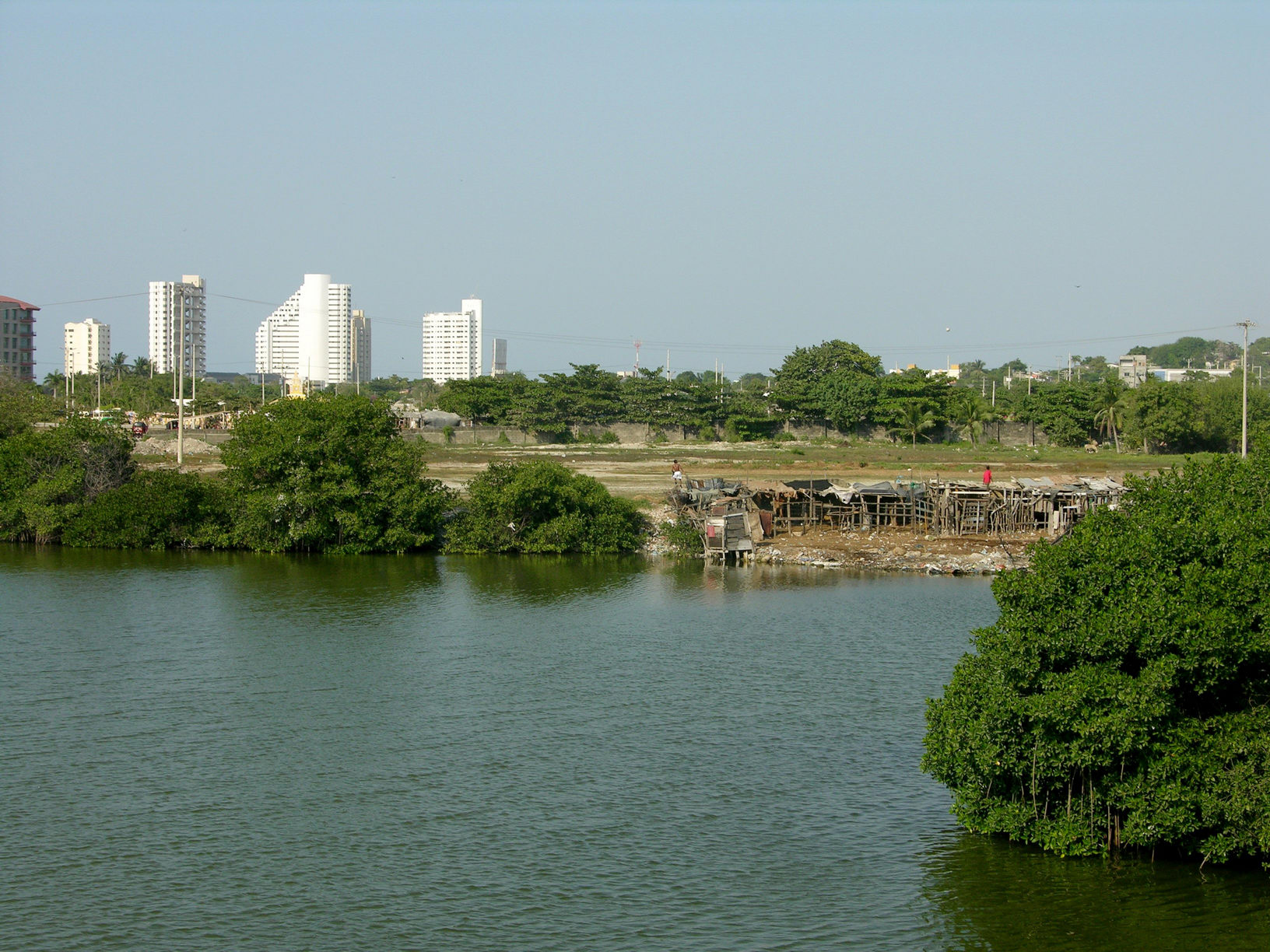
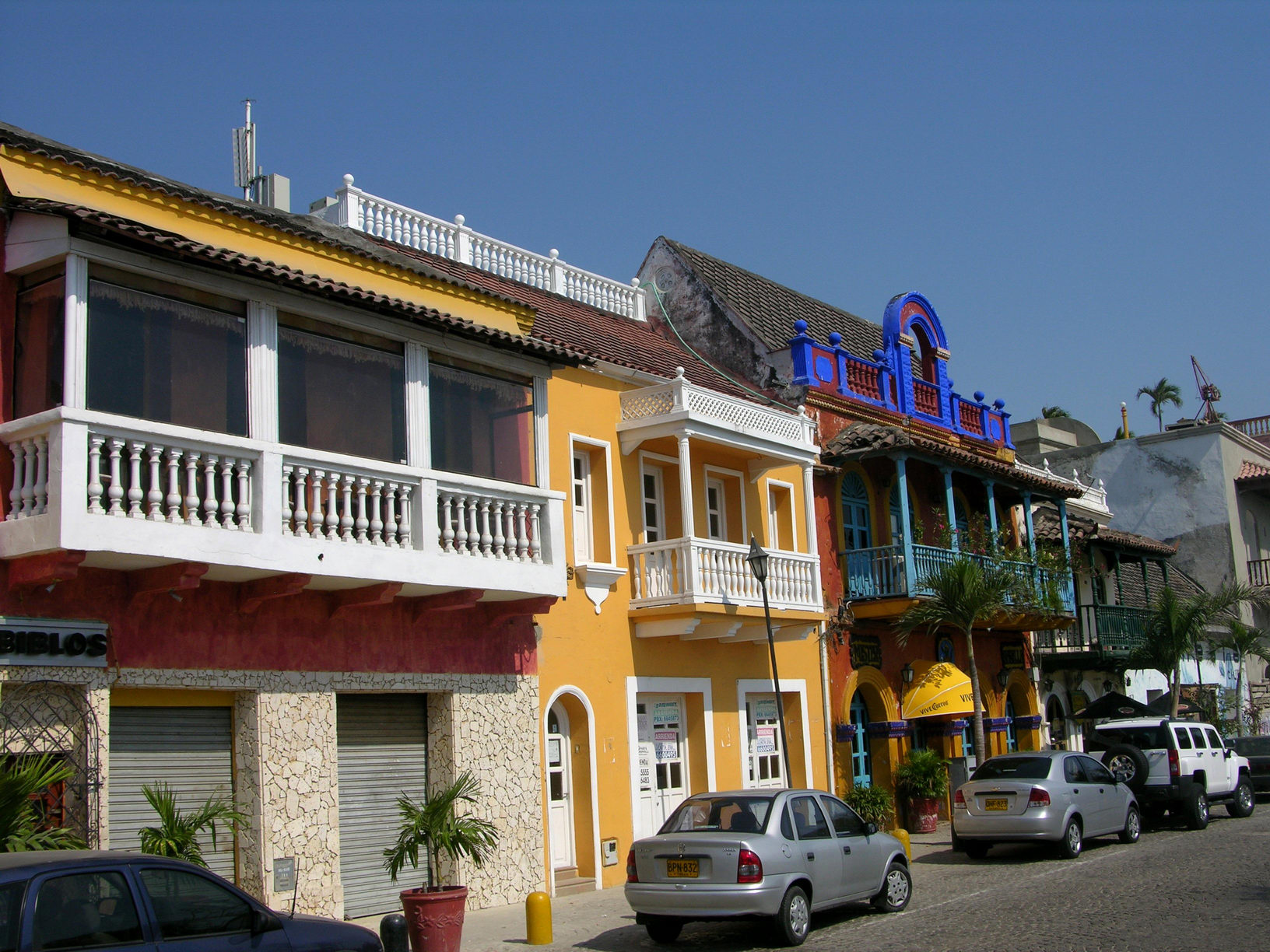
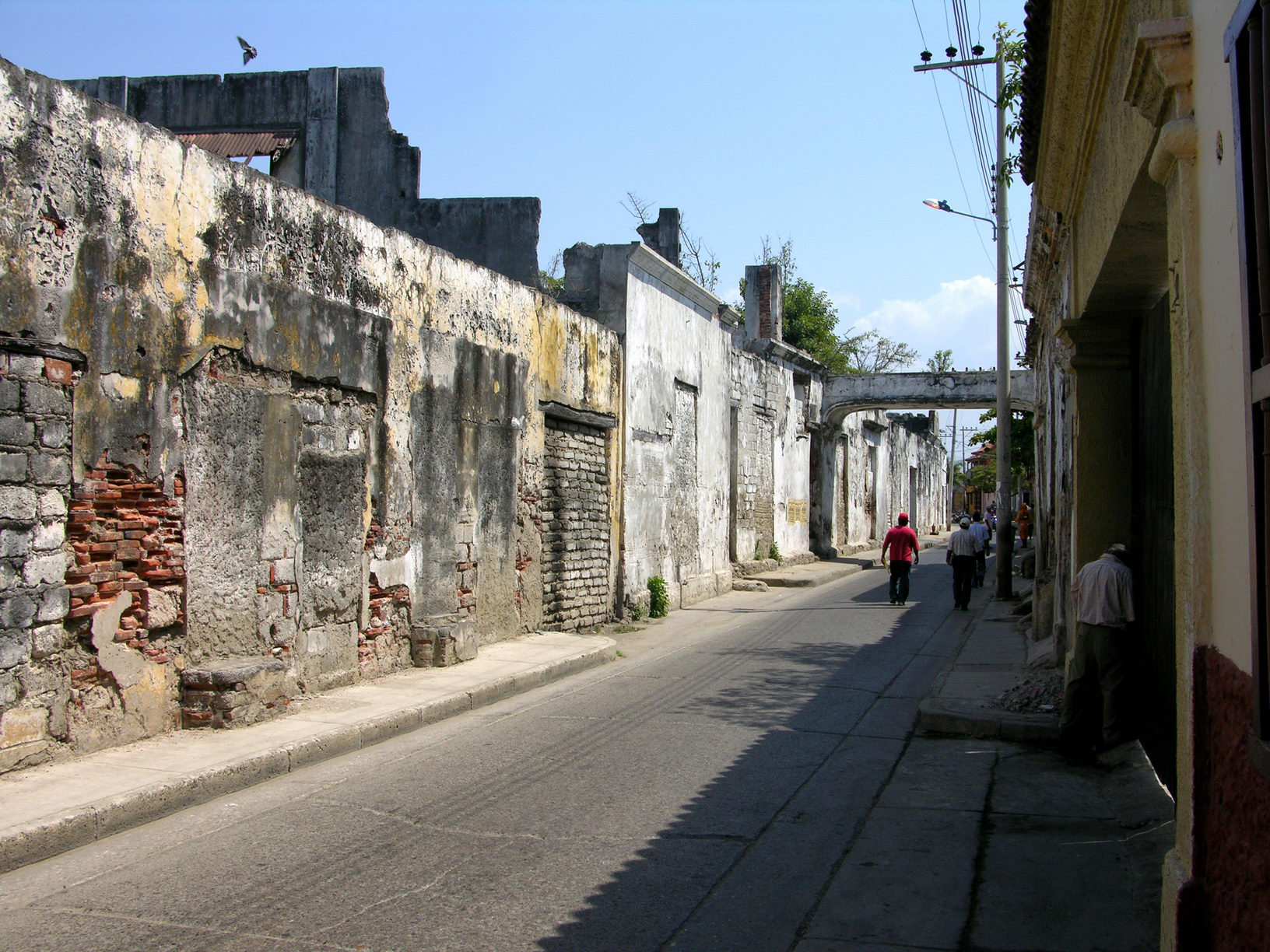
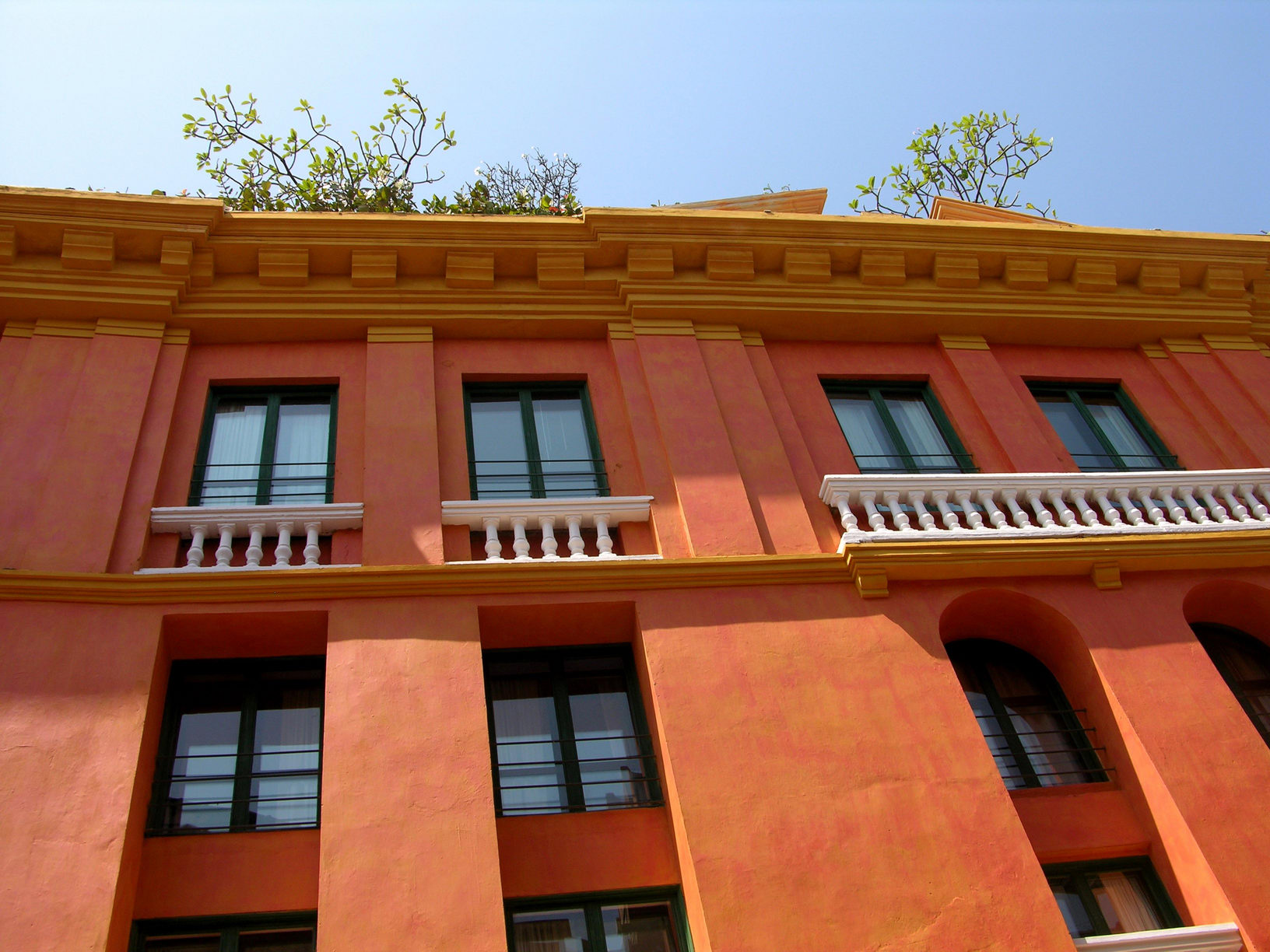
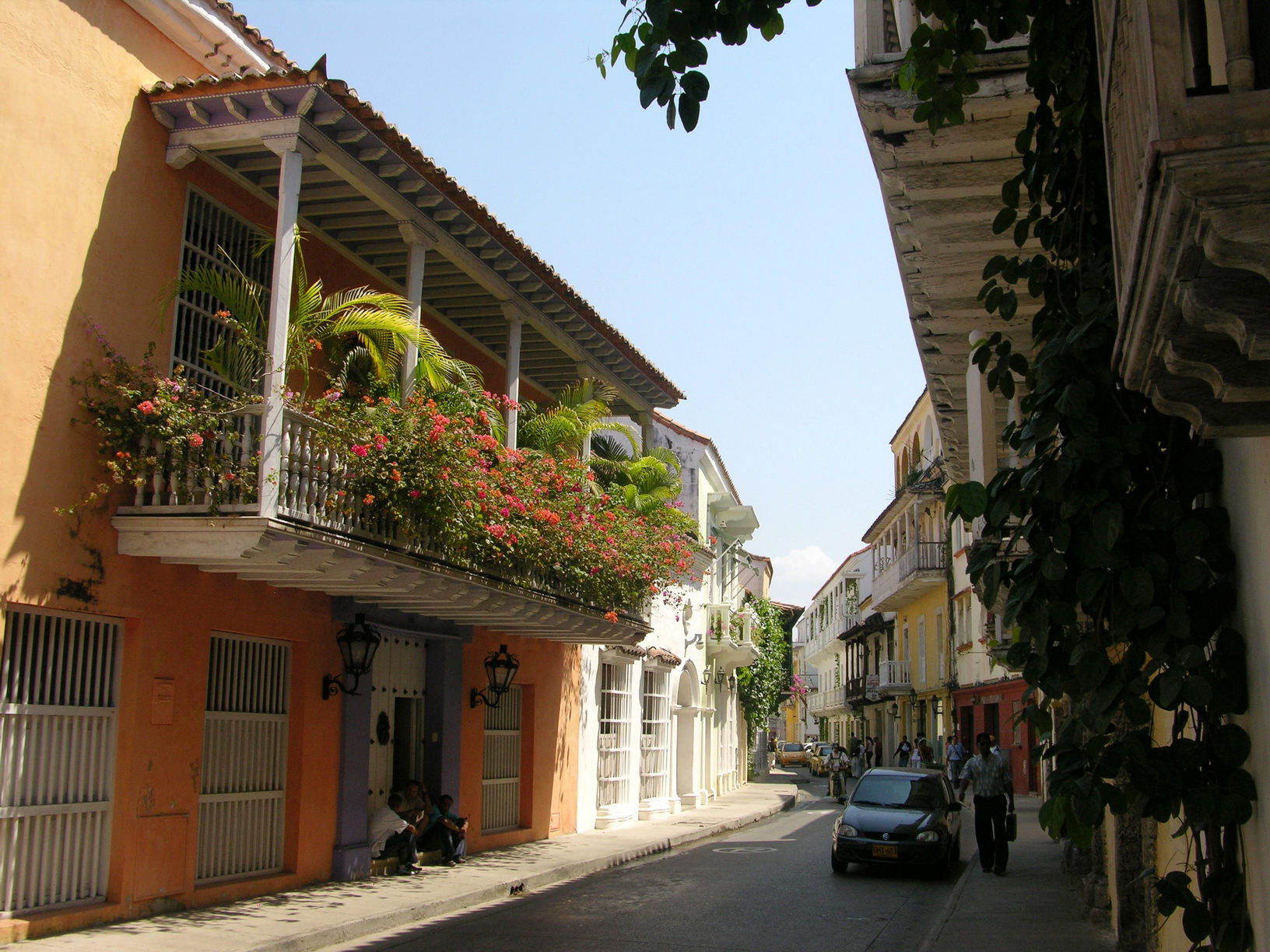
The historic centre, with its medieval houses, covers several square kilometres. On the central square is the local museum, most of it devoted to the Inquisition. Gallows everywhere, instruments of torture and a guillotine. Where did that come from? The French could only have brought it with Napoleon's decree ending the Inquisition. In all the years the churchmen tortured seven people to death in Cartagena.
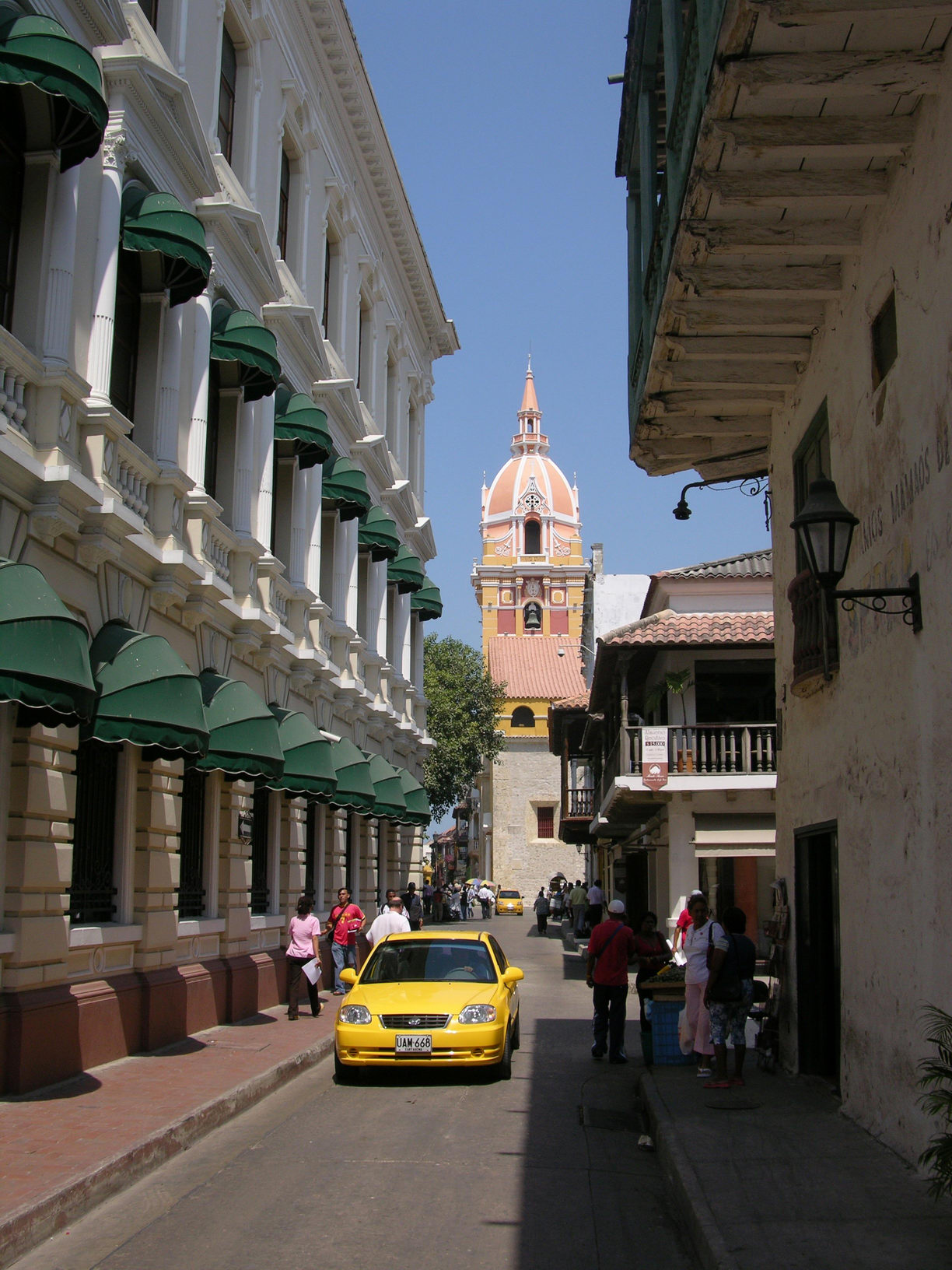
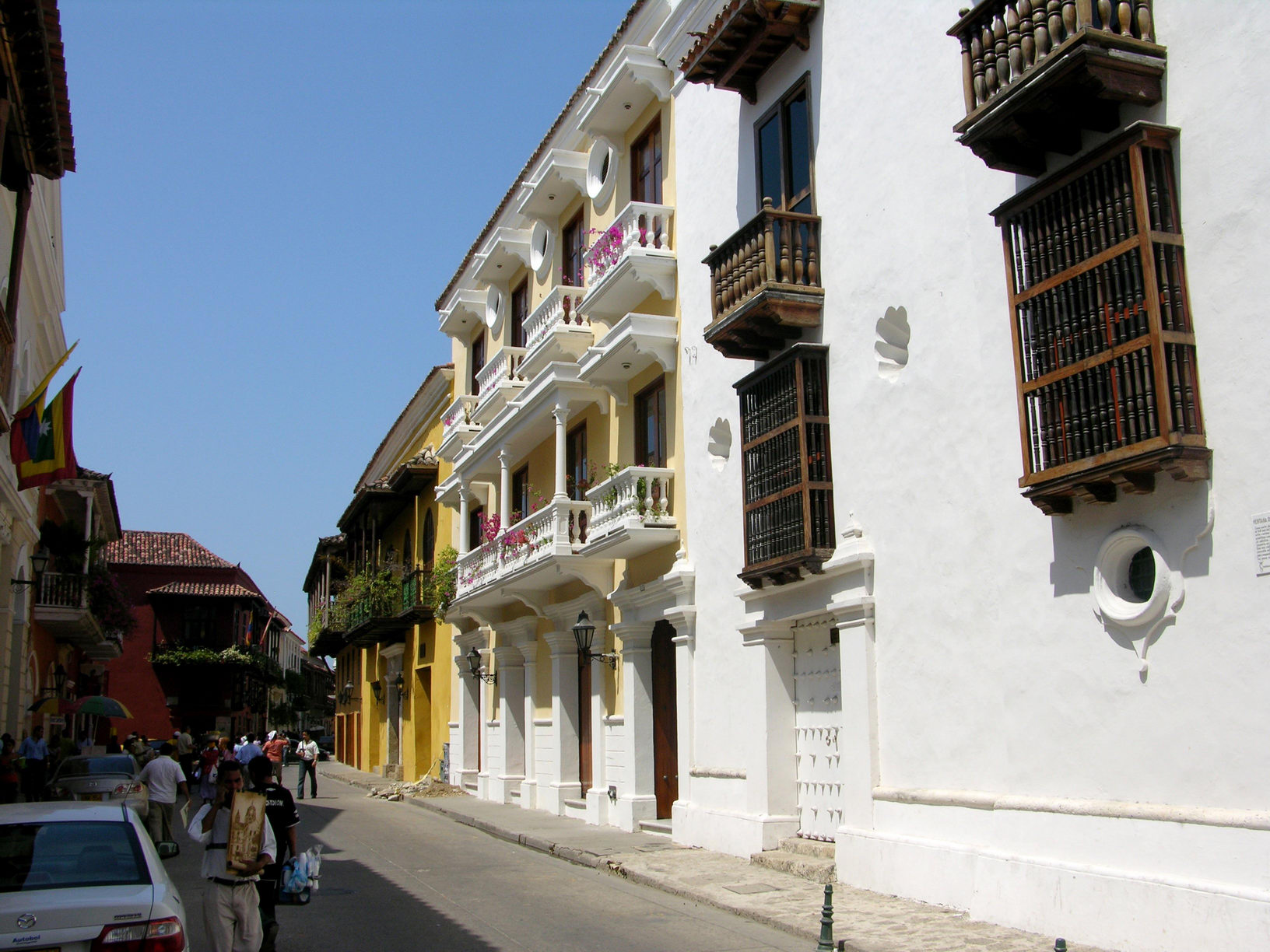
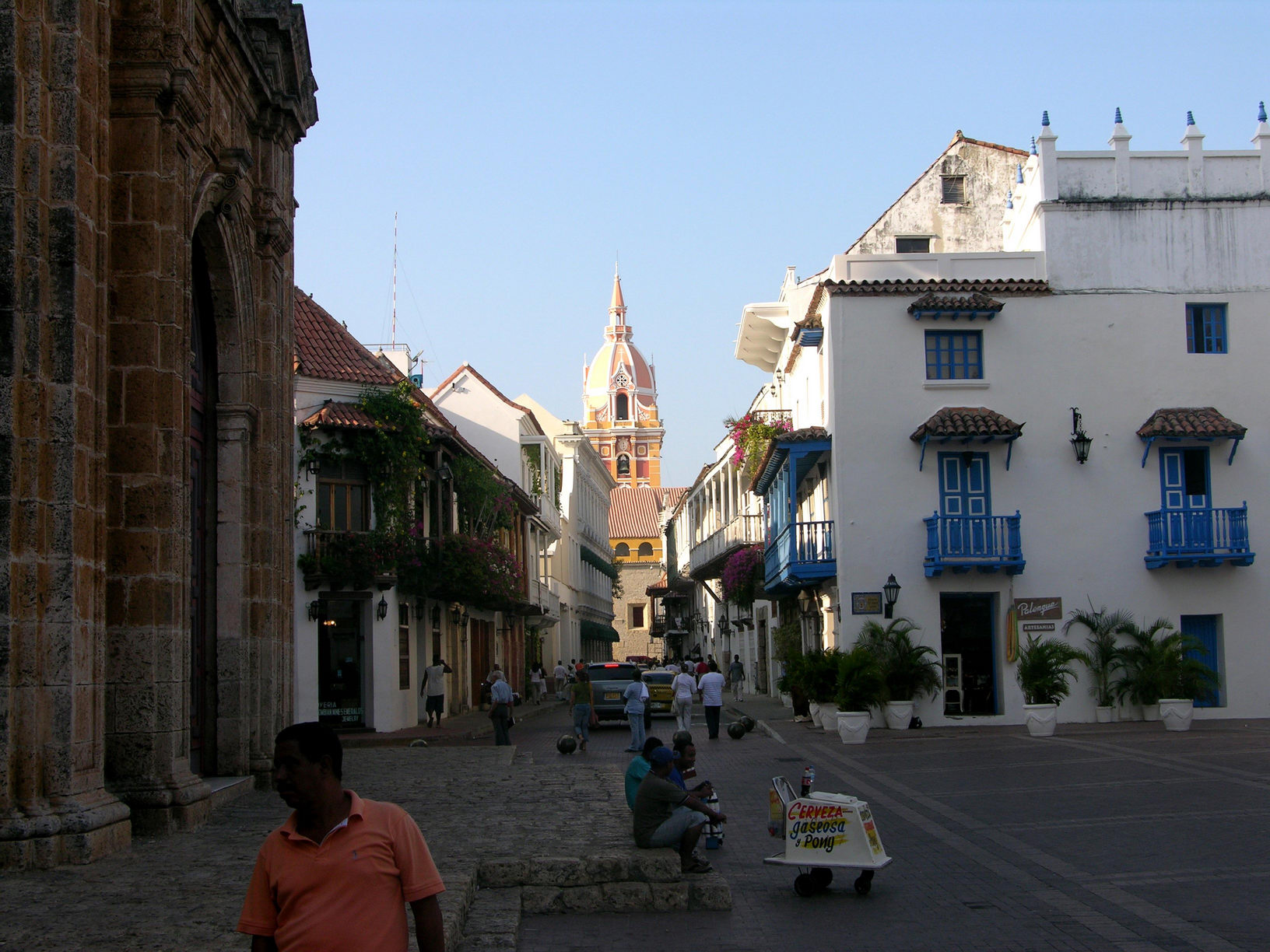
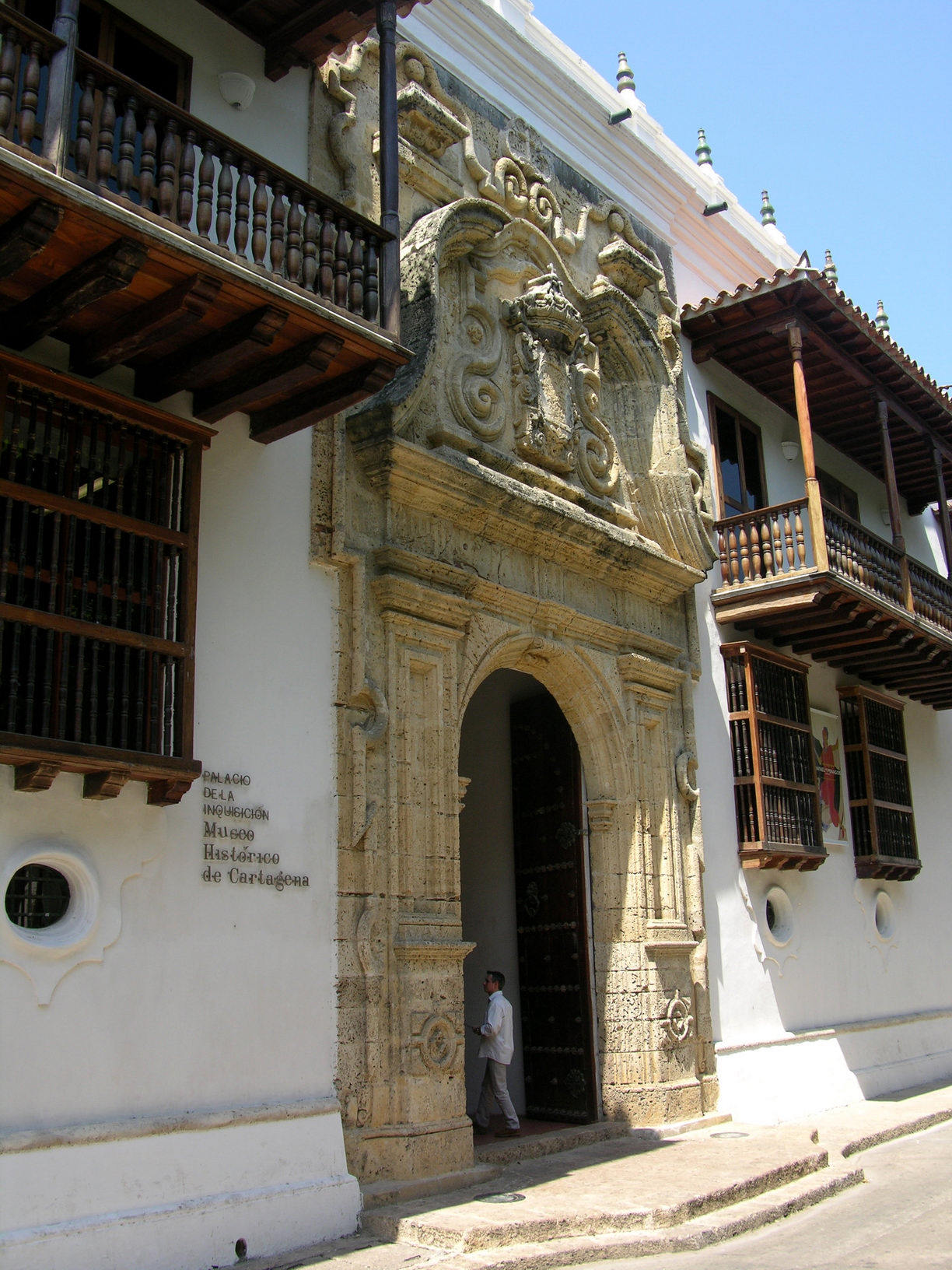
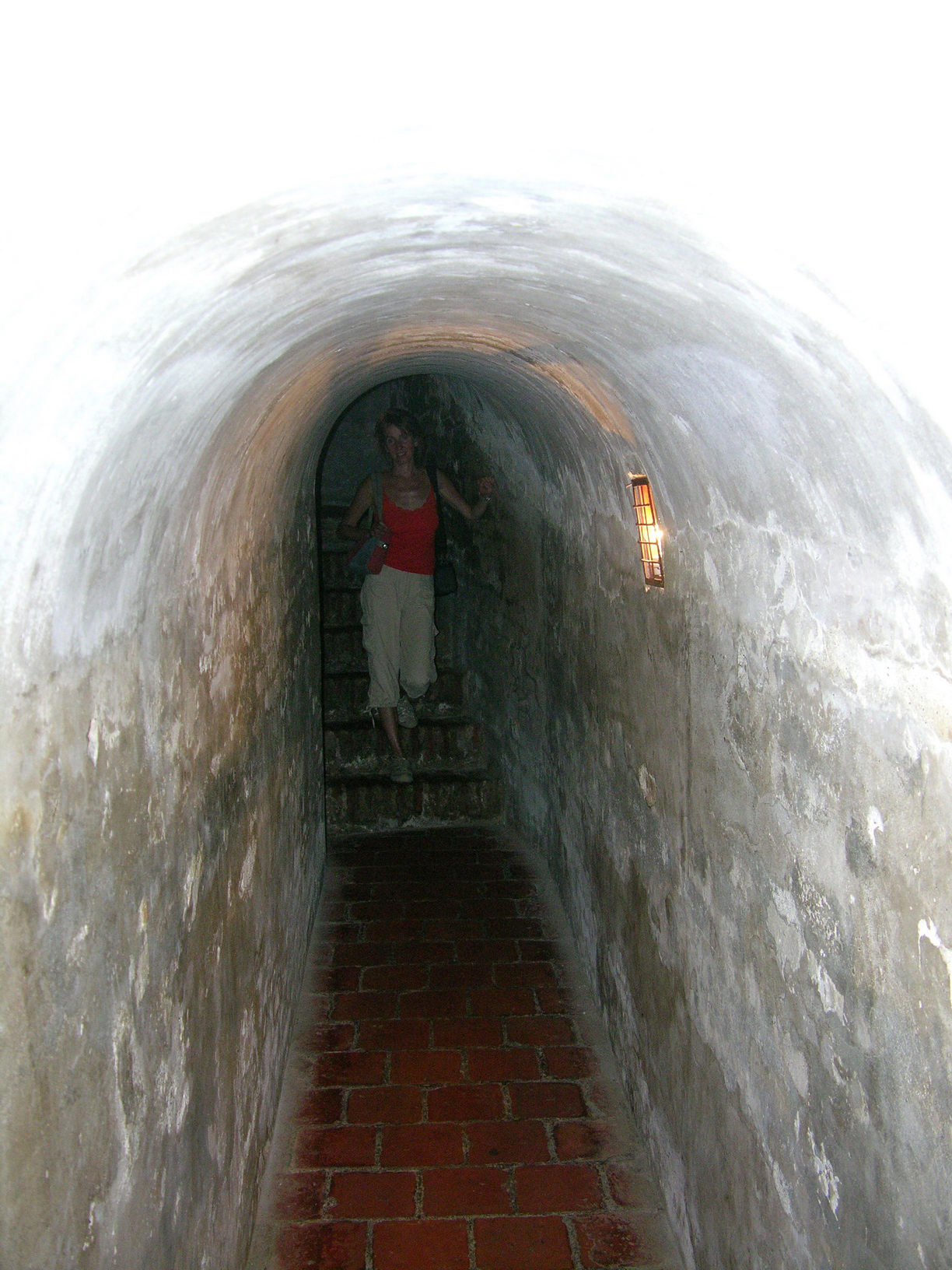
Far more interesting is a visit to the fortress (Cartagena fortifications). It really is impressive. You can tell the Spaniards had a hard time here if they had to build anything like that. Inside the walls there's a system of underground passages you can scramble around in. On top is a little town and Bolívar Square. Now I understand why Colombia's central squares aren't called Plaza de Armas, the army square. In other countries the whole army fits on it and marches round. In Colombia it's the other way round. The whole country is at war and covered in various armies. Only the central square has none.
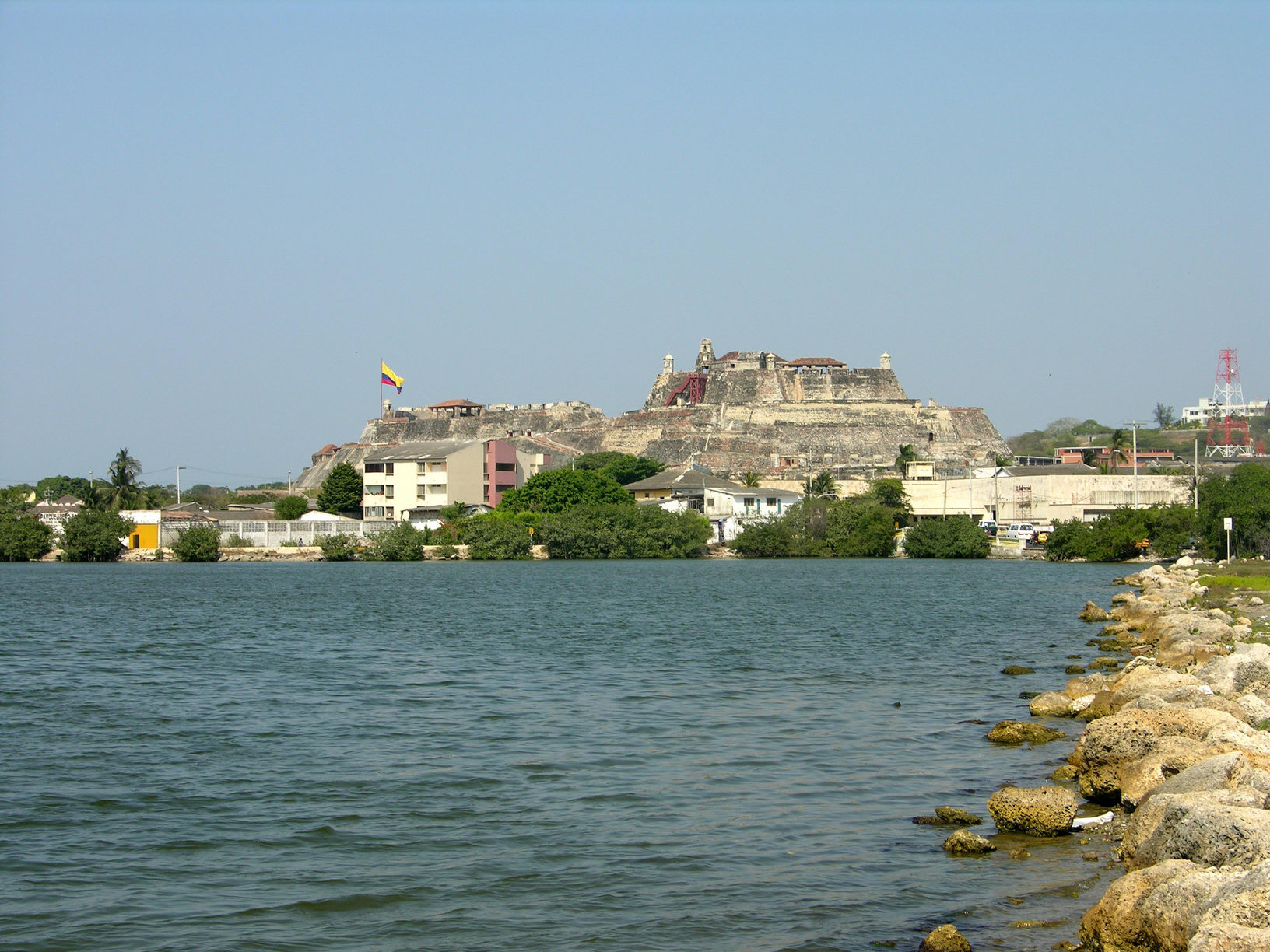
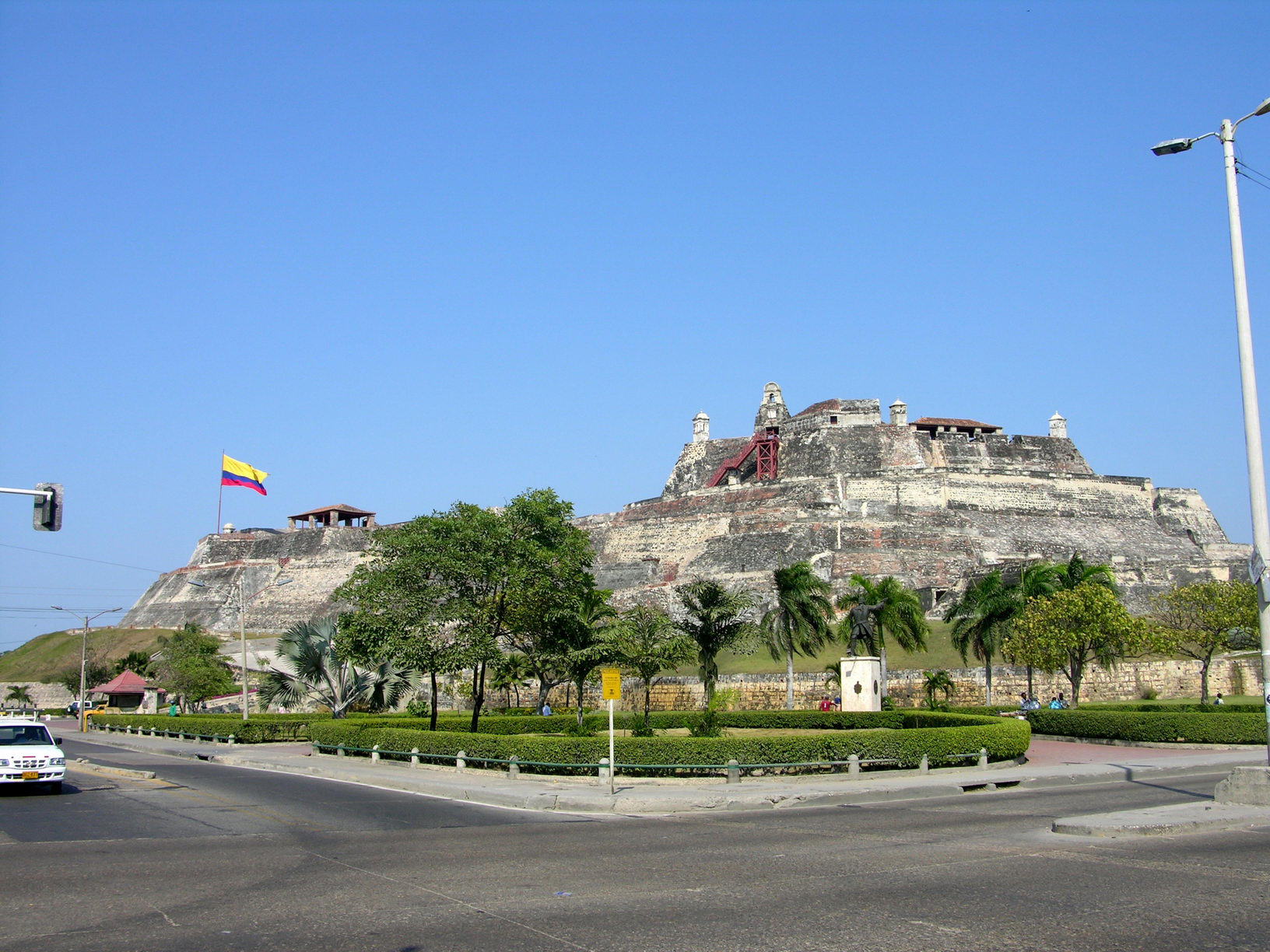
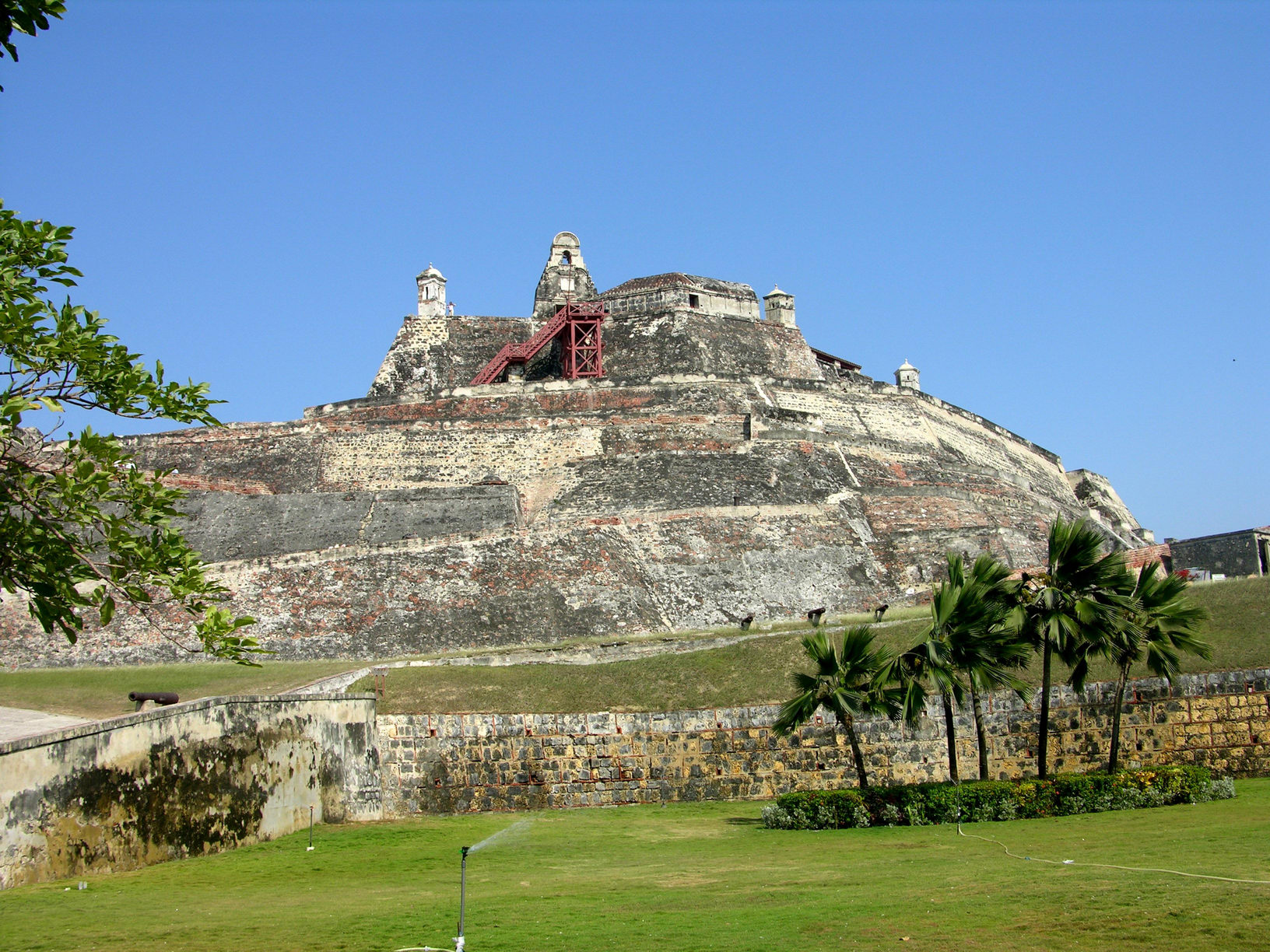
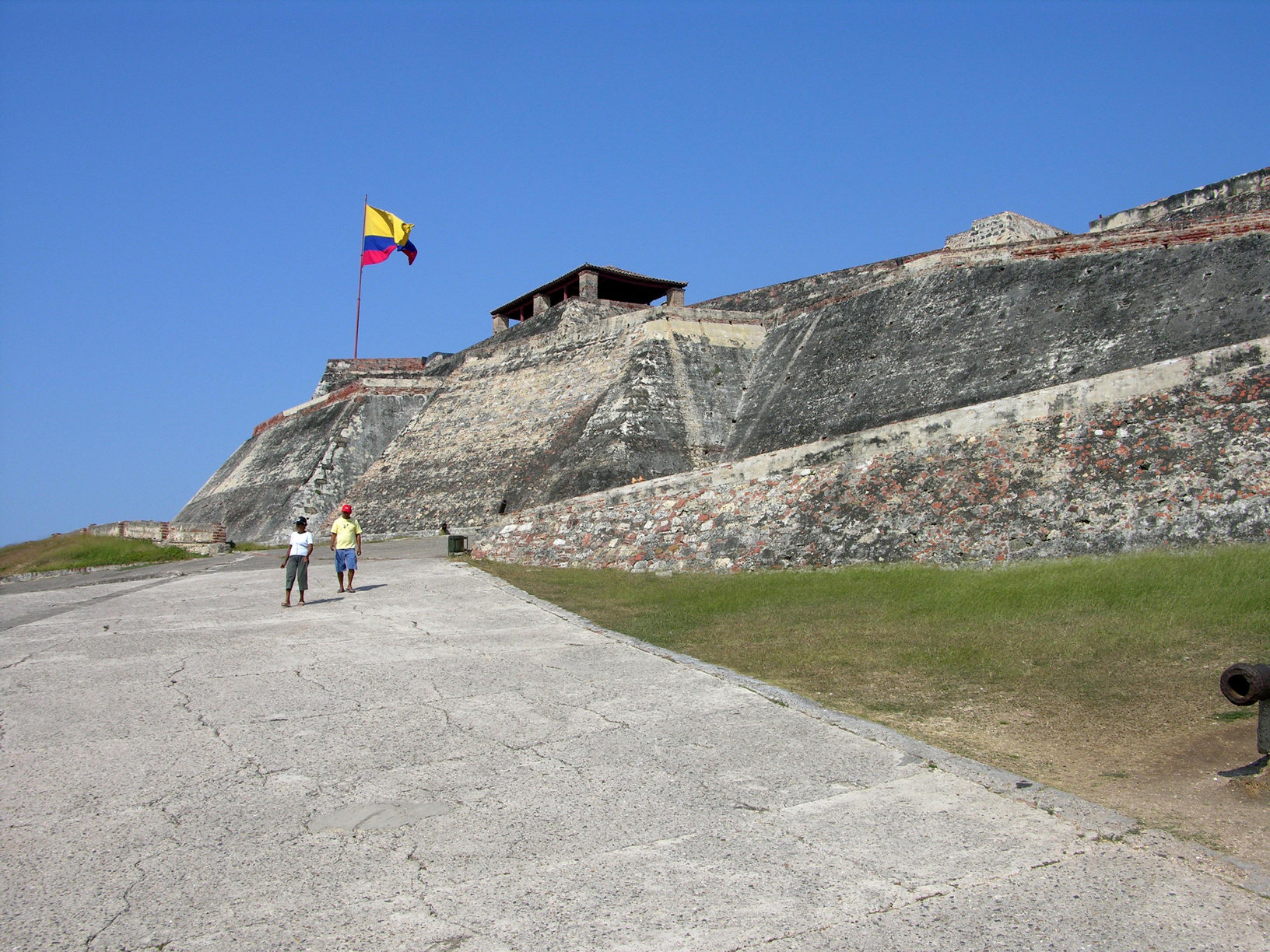
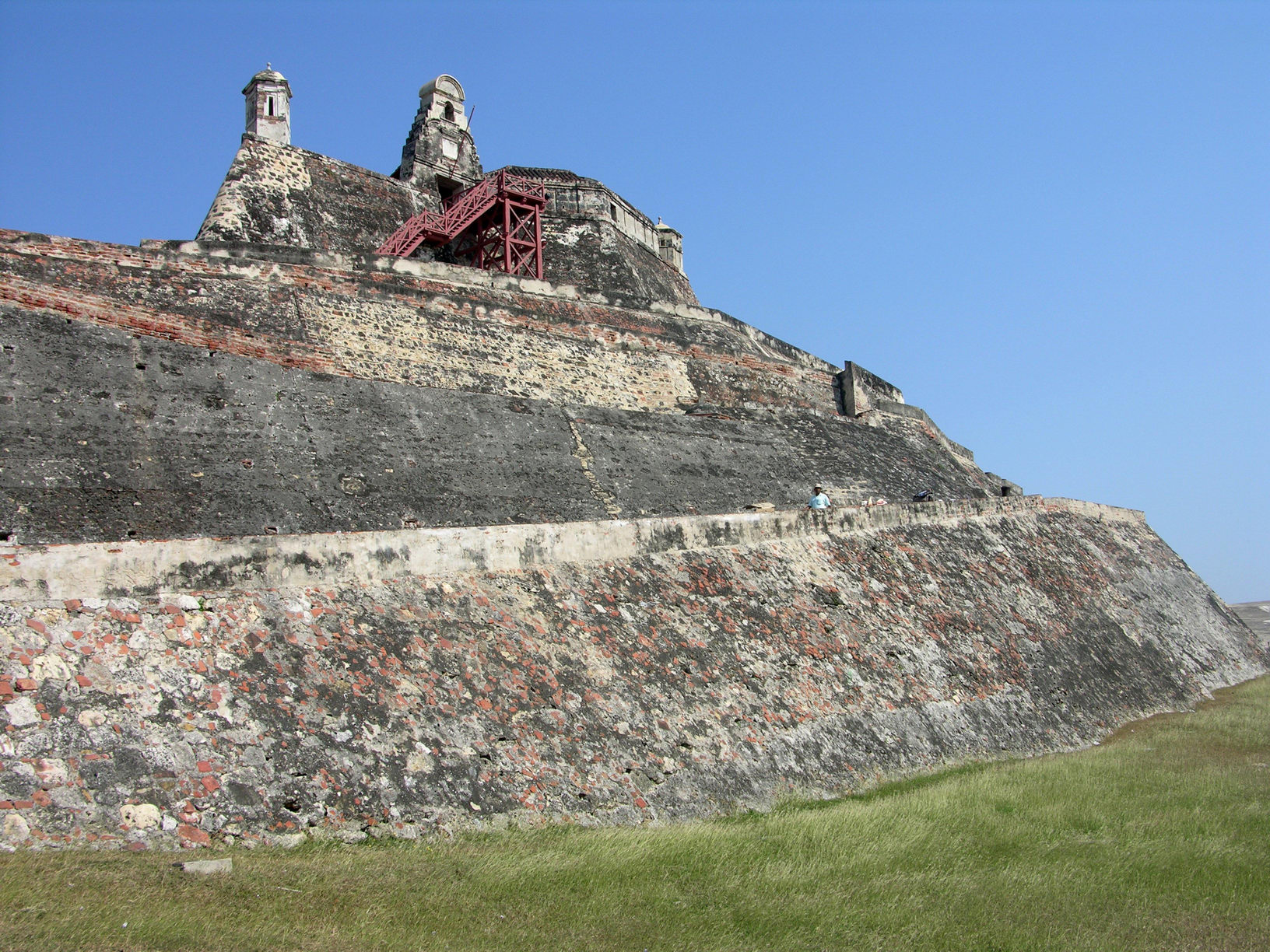
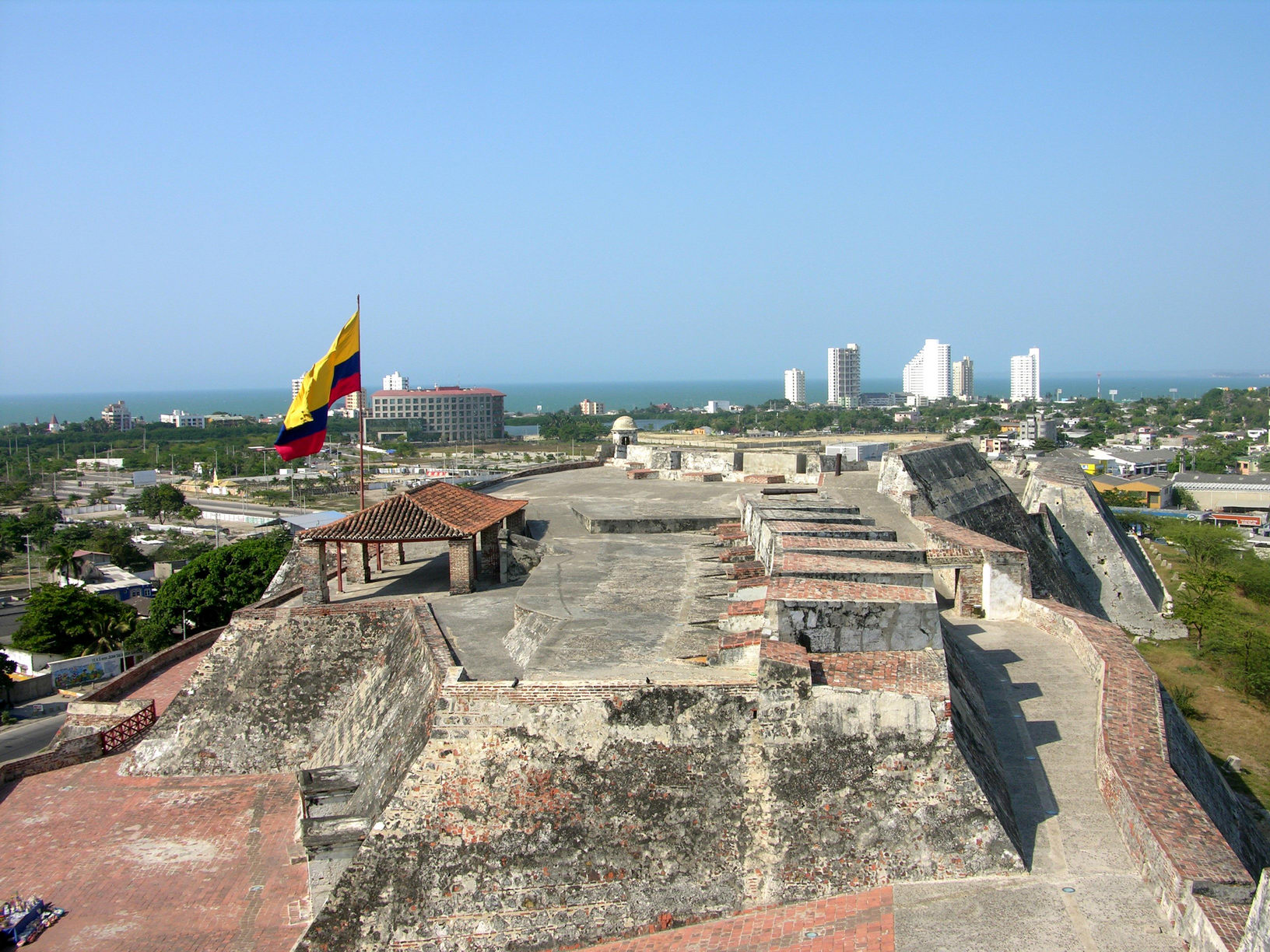
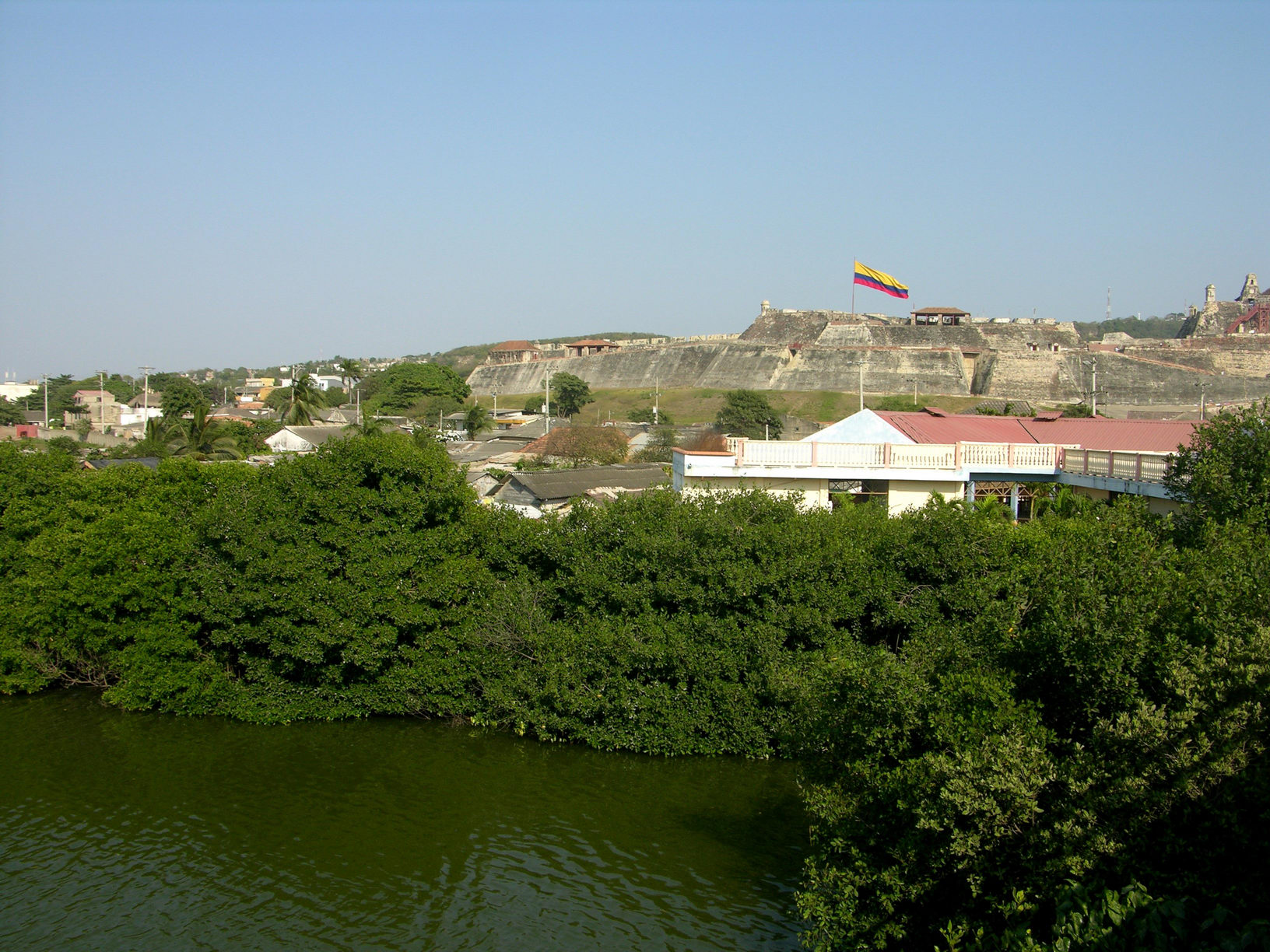
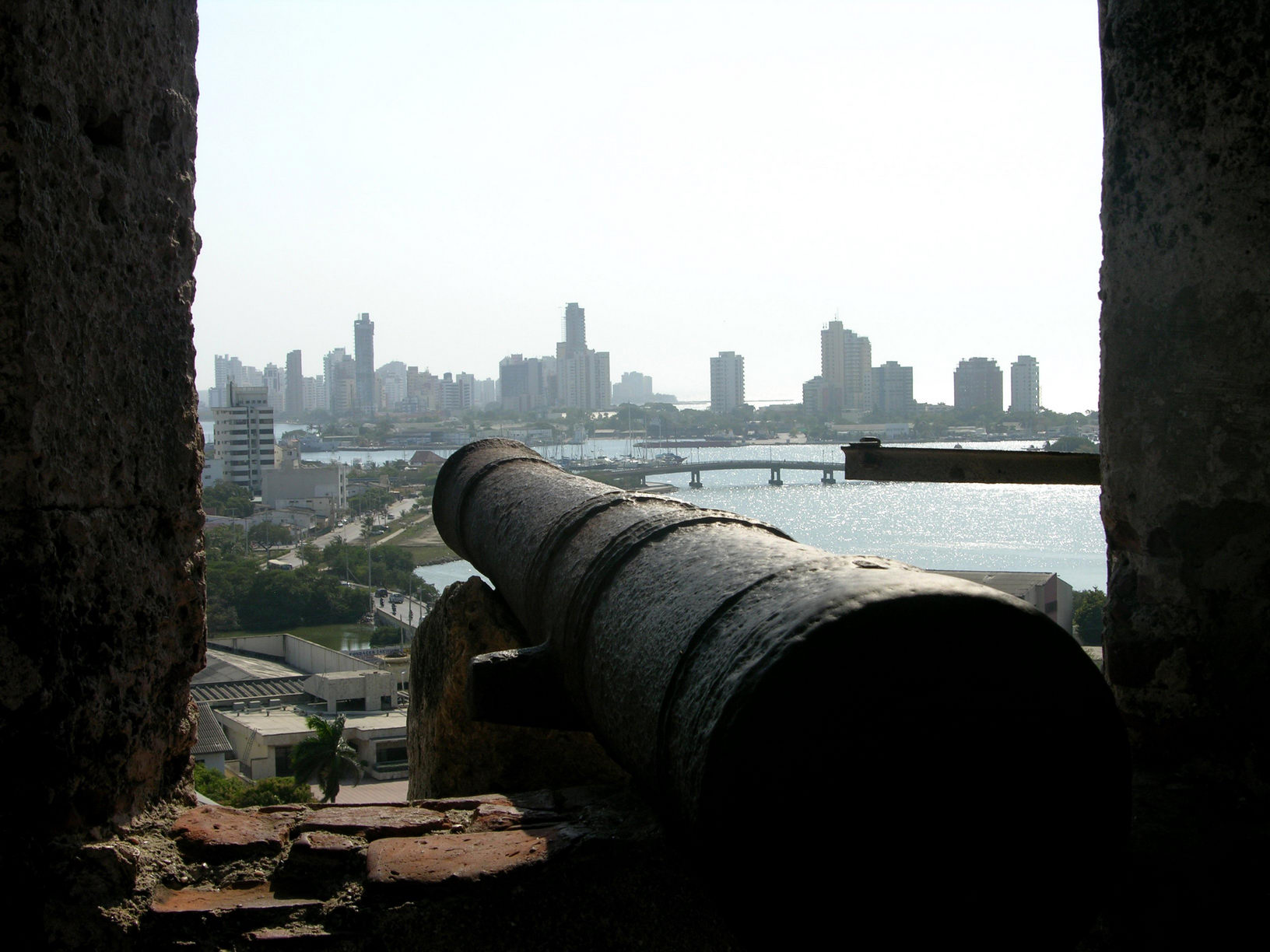
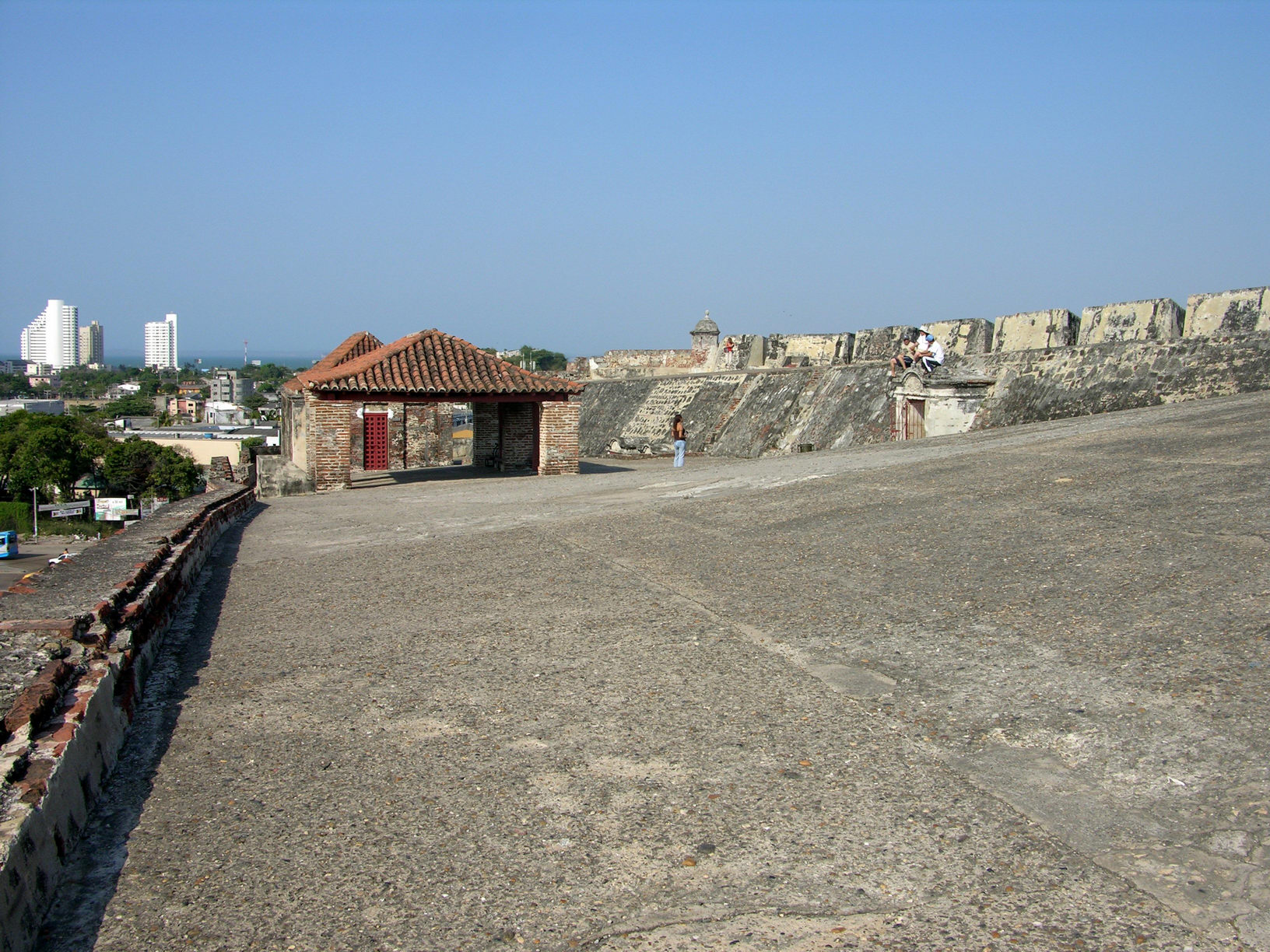
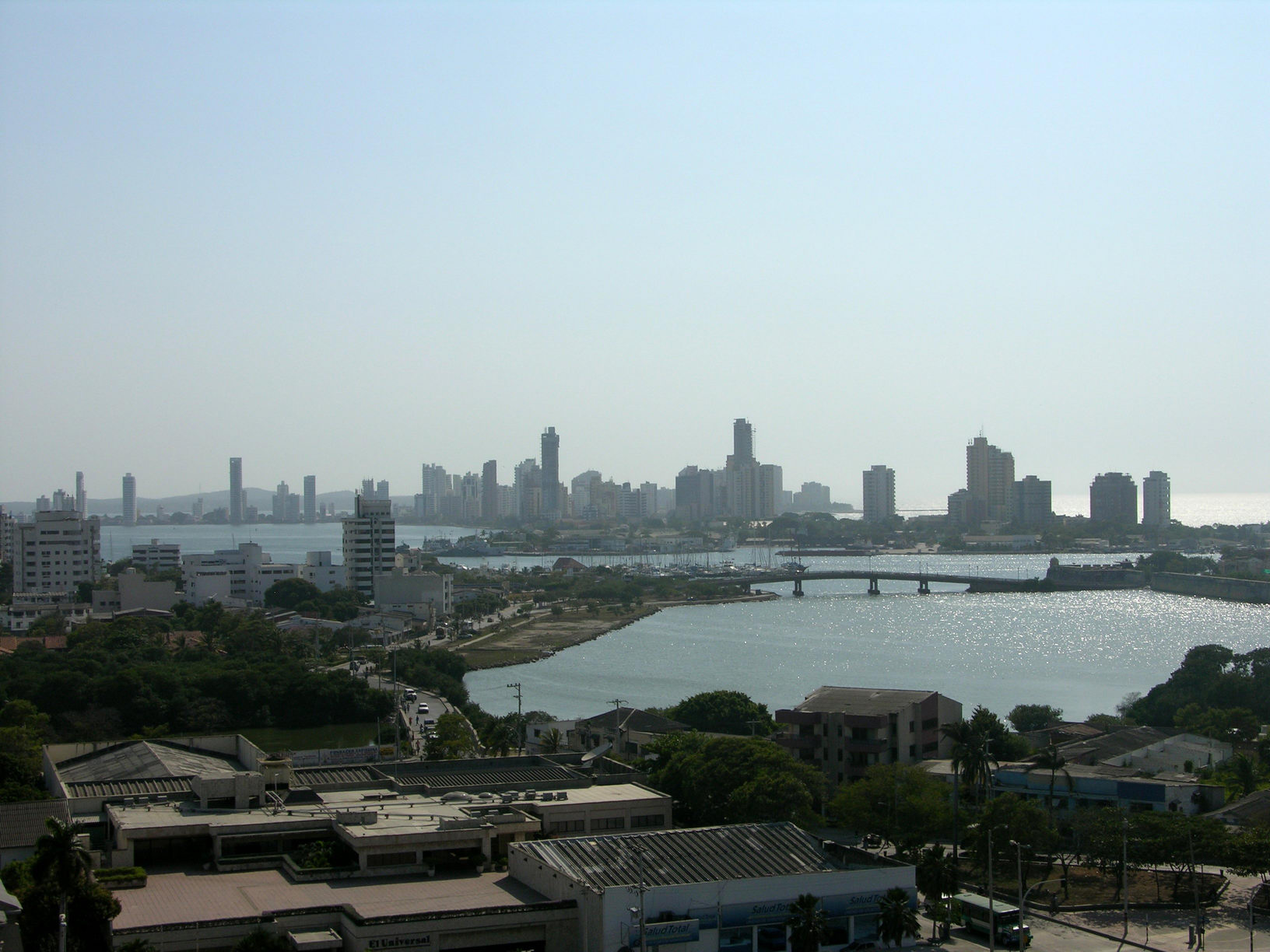
The defender of the fortress, Blas de Lezo, had lost an arm, an eye and a leg in earlier campaigns. That didn't stop him commanding the garrison. When the British stormed the city again, he had 2,500 men against an attacking force of 25,000 on 186 ships. Blas de Lezo held out. He lost the remaining leg too, according to the story we'd been told.
There's a monument to him now. Before we saw it, Tanya and I gleefully discussed how many legs, arms and eyes a monument to him ought to have. If it has legs, it's the monument to someone who hasn't become a hero yet.
We spent the whole day walking around the city. It was getting dark by the time we reached the viewpoint at the Convento de la Popa by car, a former fortress on top of a hill.
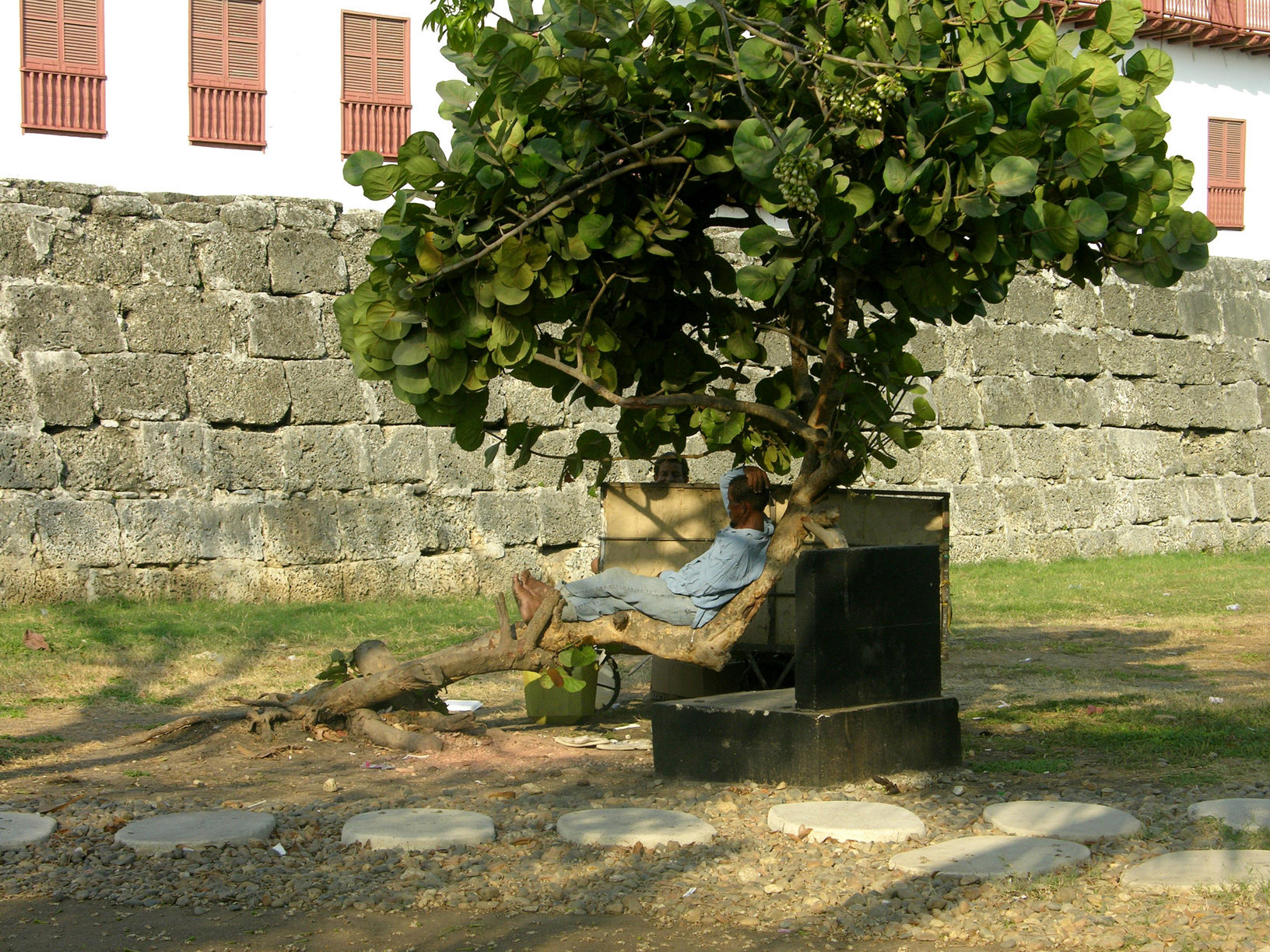
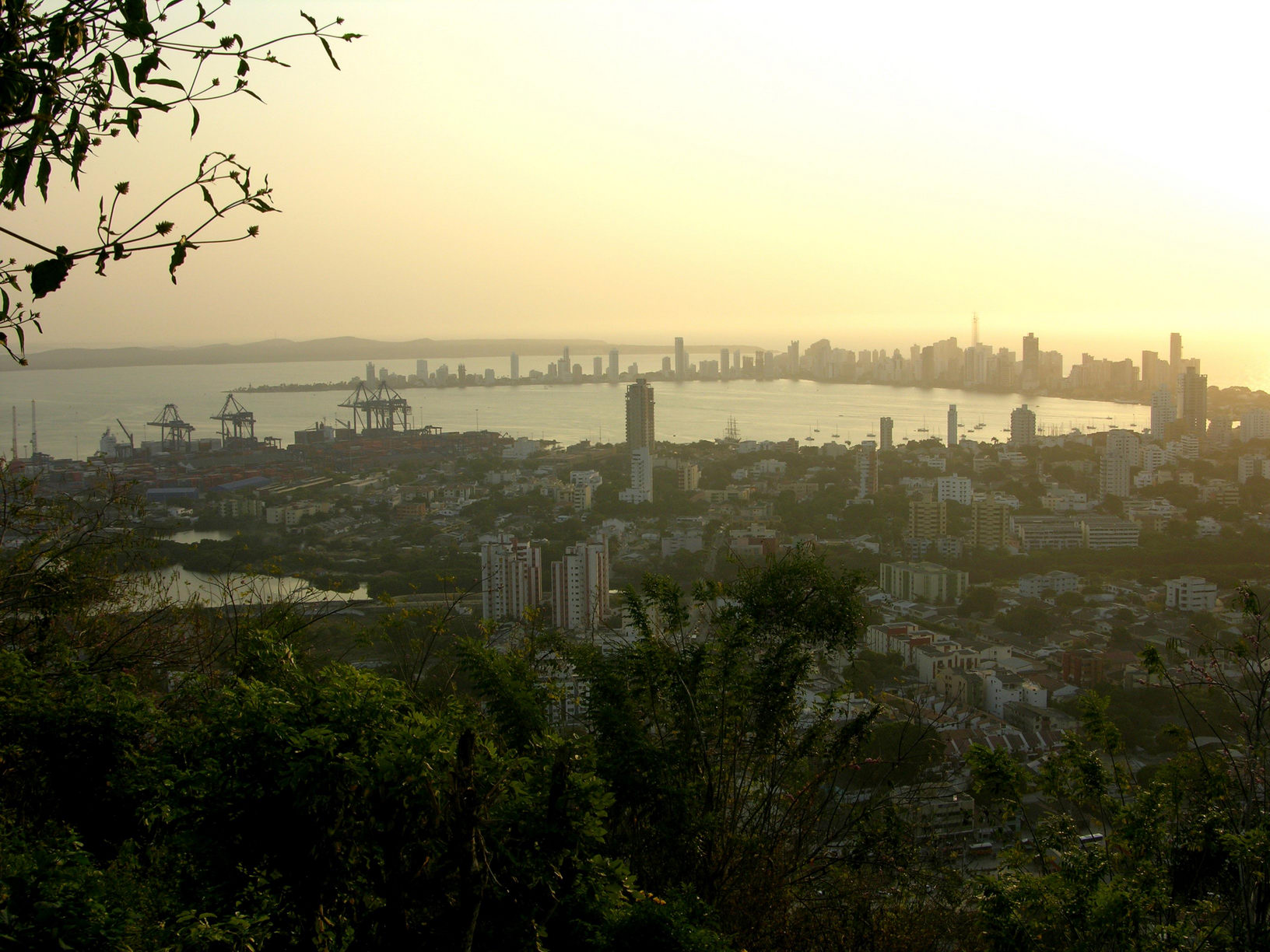
We'd seen a sign saying “Camping” on the approach to Cartagena. We did manage to find a little house on the shore. The man there was surprised we wanted to spend the night in a tent. Apparently a campsite in Colombia is a place for daytime picnics. But if someone wants to spend the night, why not take their money?
All he asked was that we leave early in the morning, so the owner wouldn't see us.
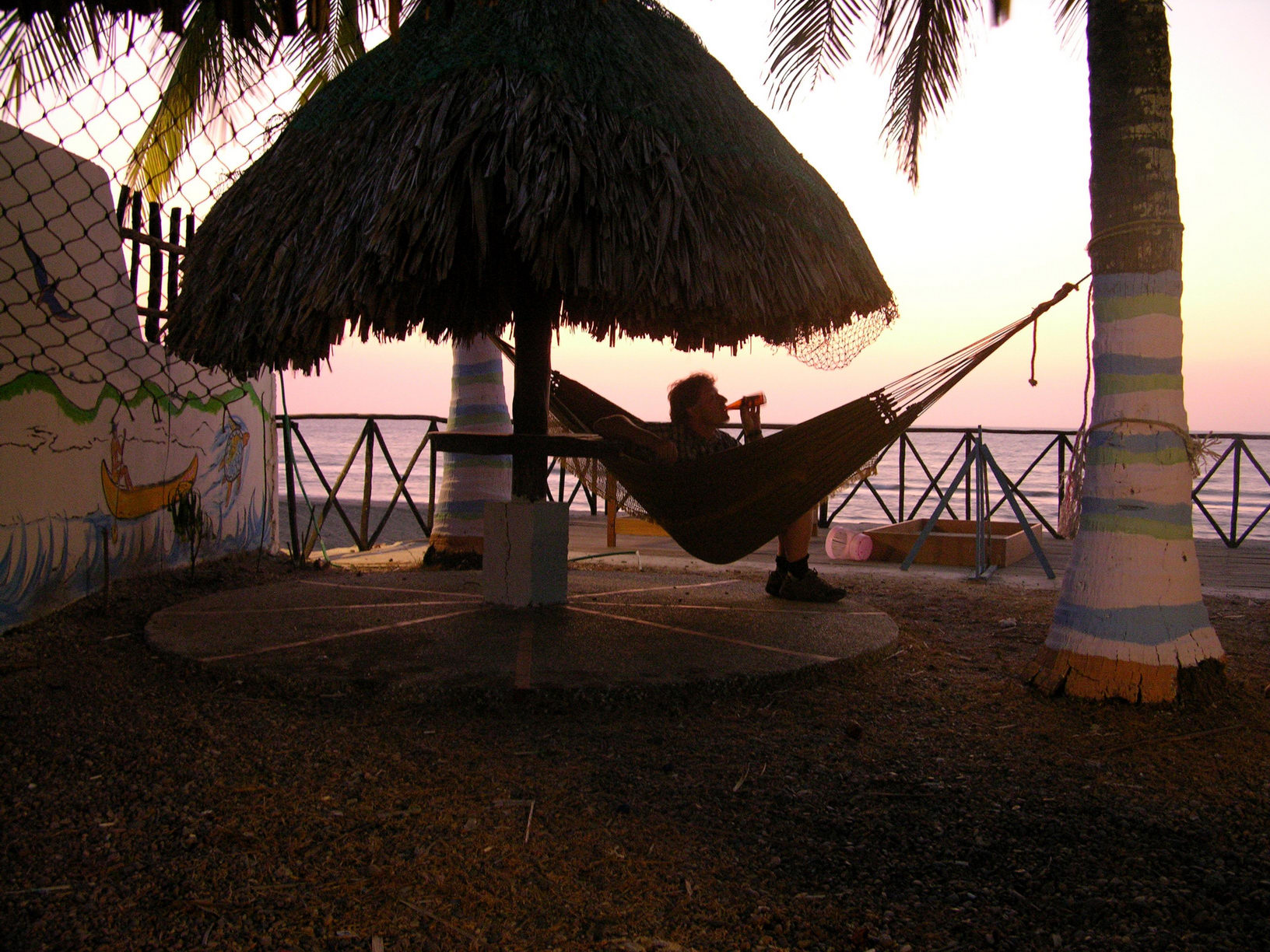
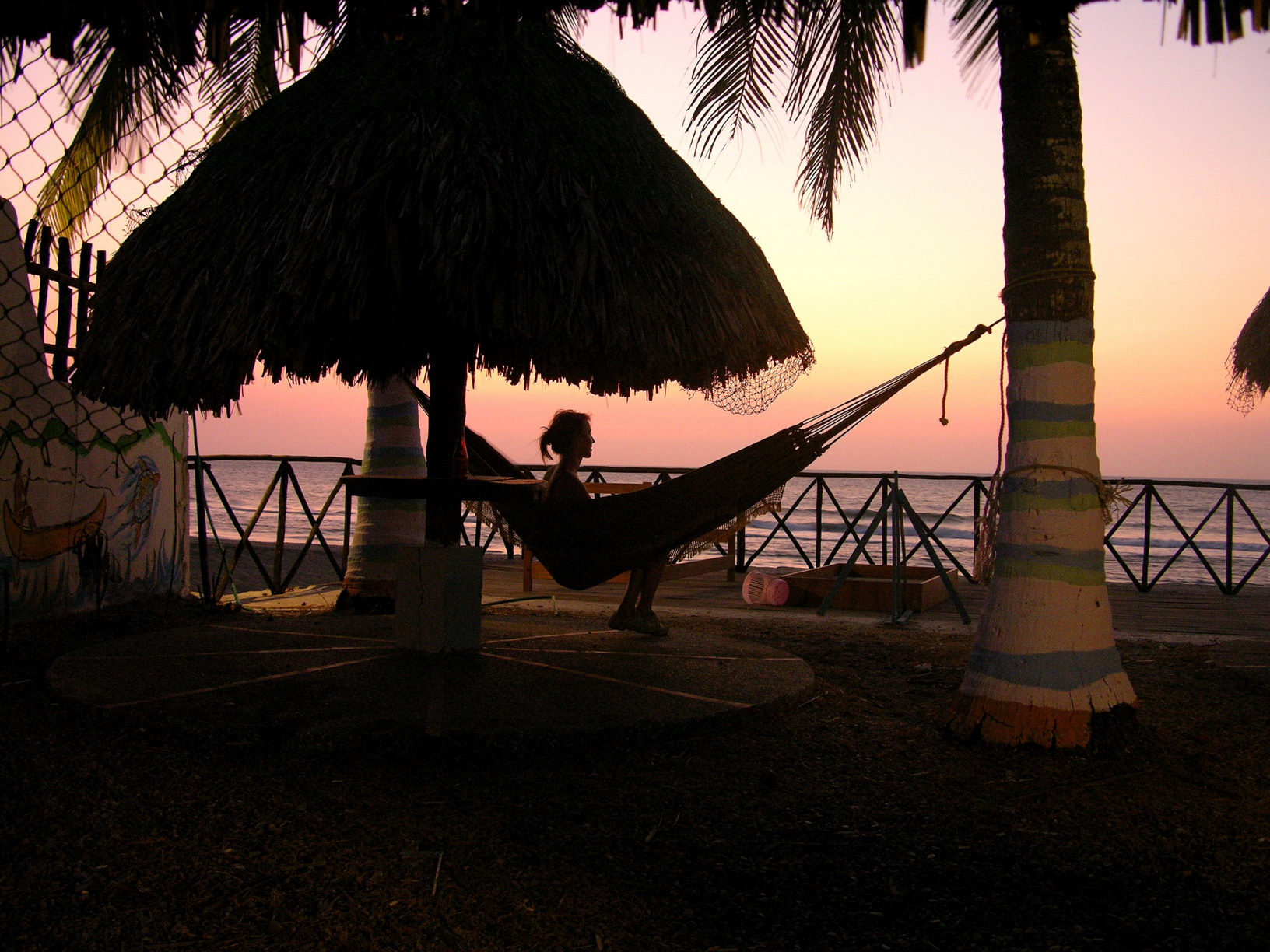
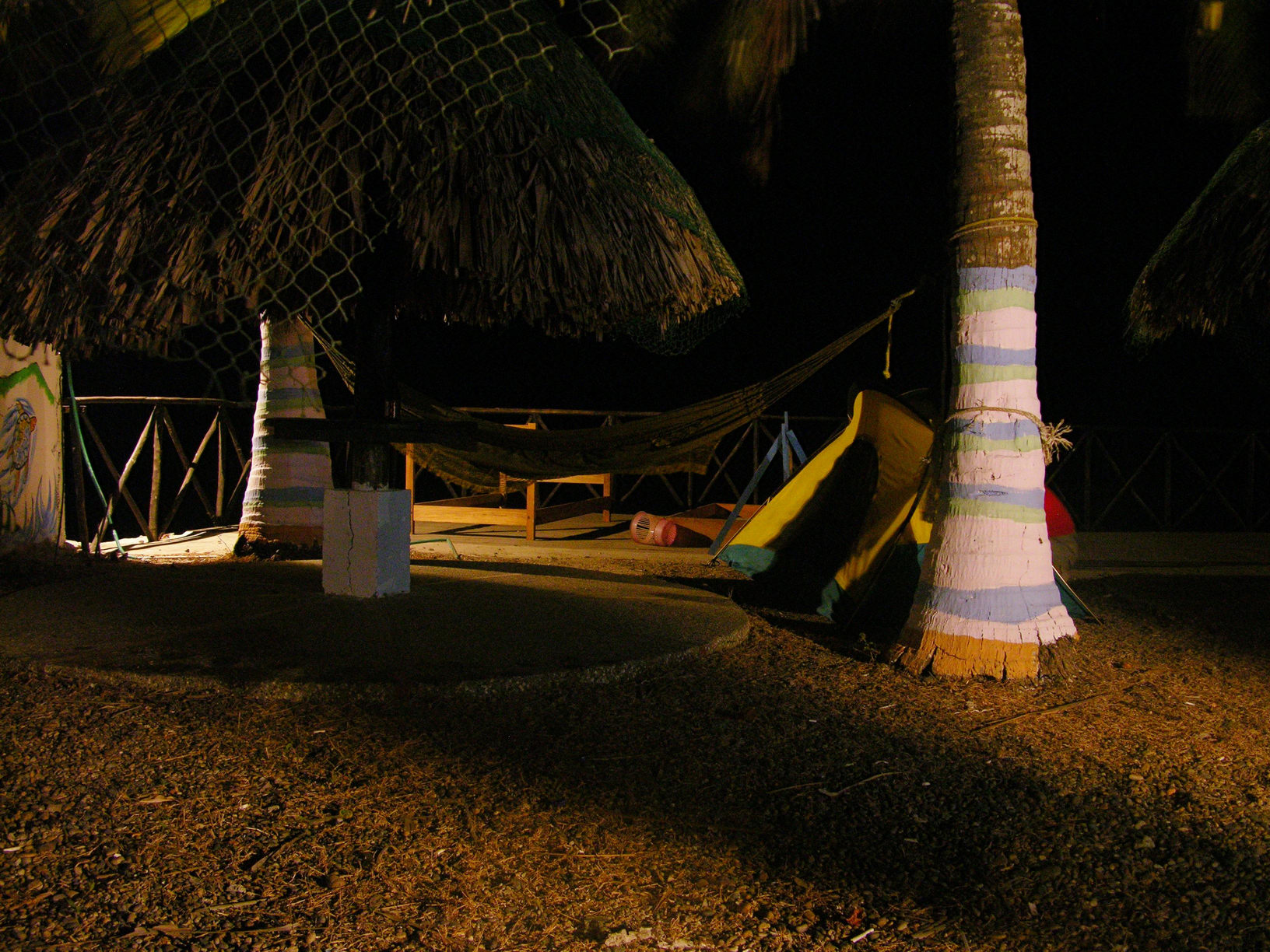
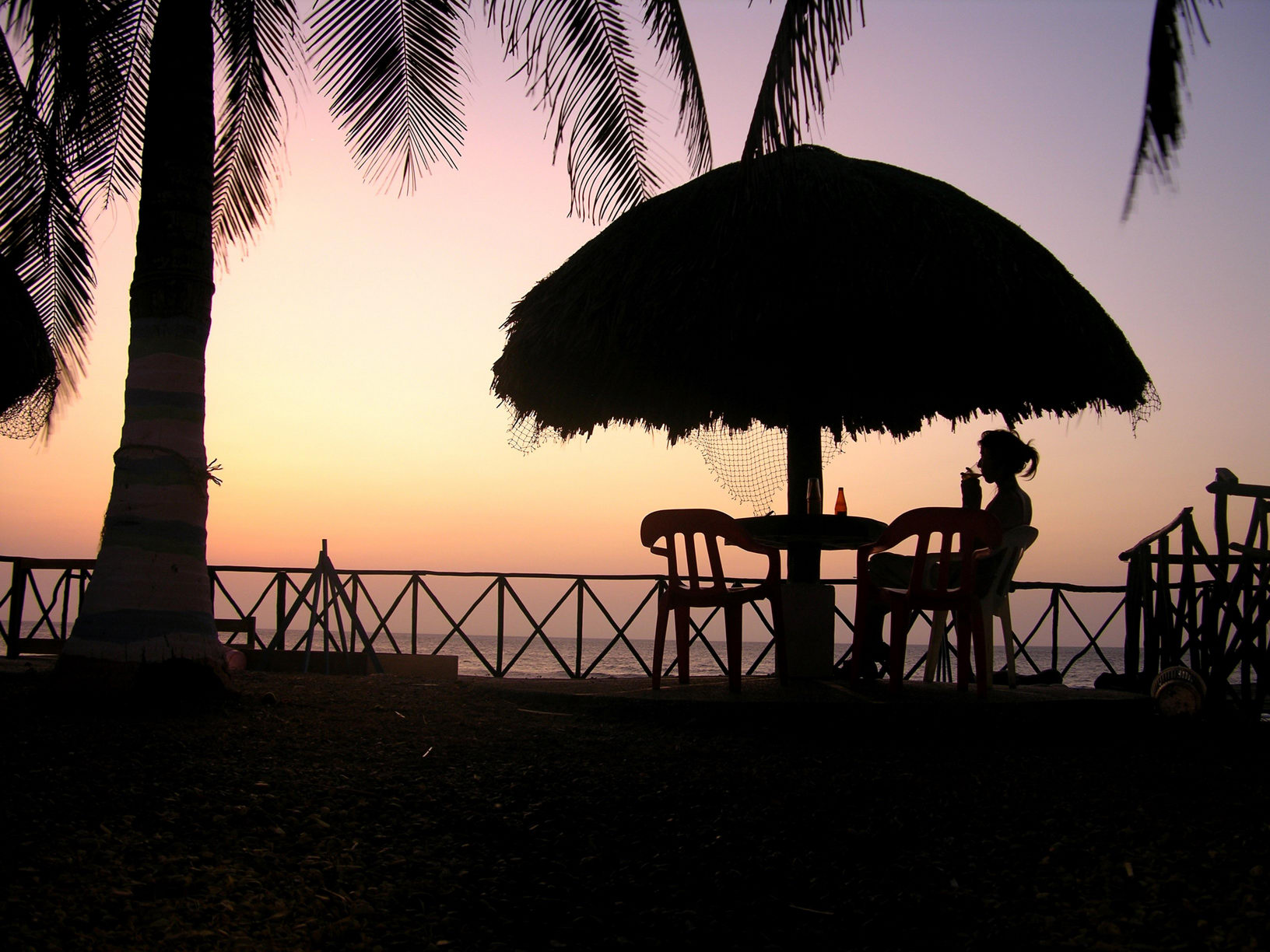
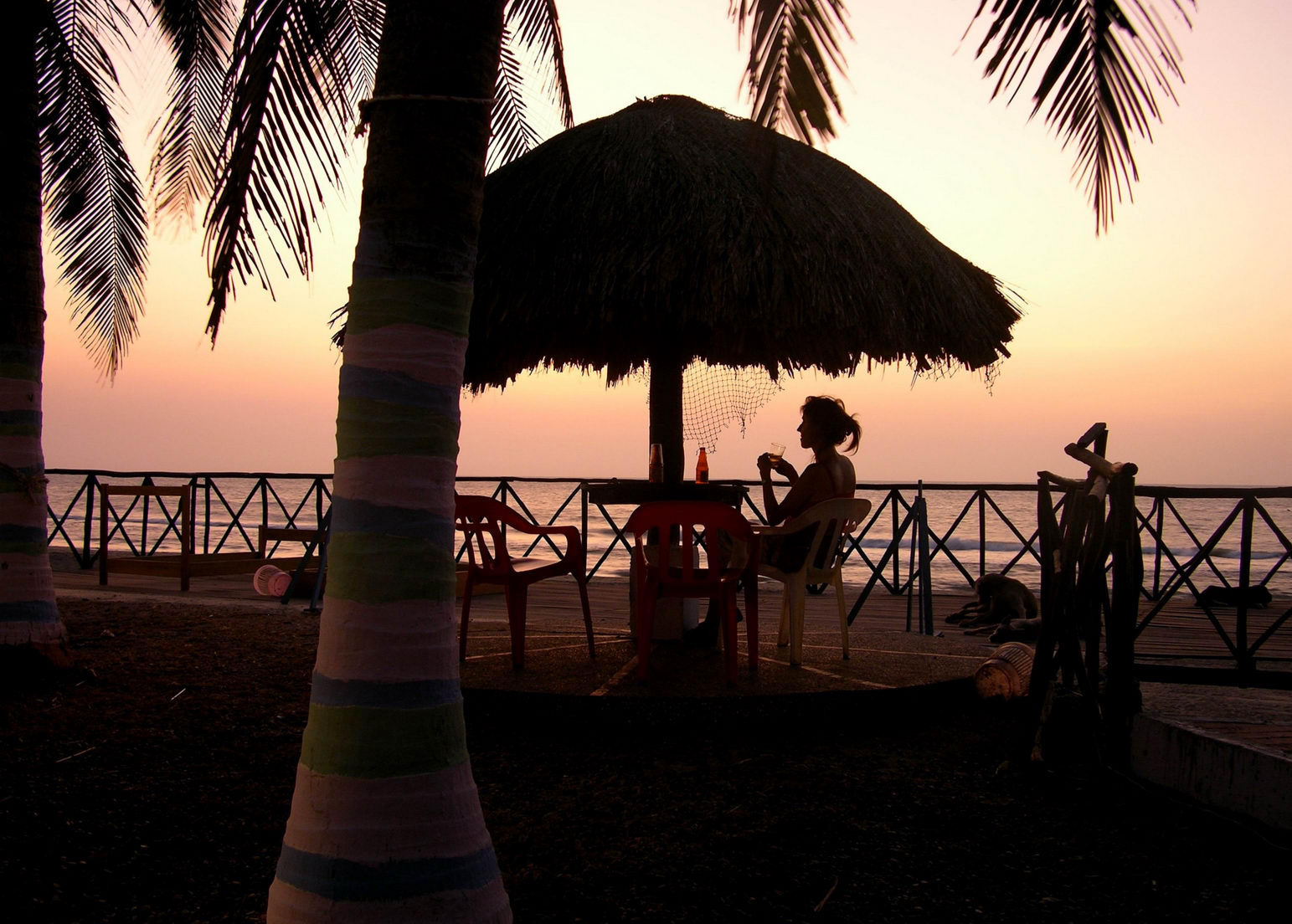
To begin with we hung a hammock between coconut palms and drank beer in the last rays of sunlight. Meanwhile they made us dinner. On the horizon the lights of Cartagena's skyscrapers flickered, reflected in the sea. Once it was dark, we swam in the pool and looked up at stars through the palm leaves. A wonderful night (10°31.248′N, 75°29.812′W, 2 m).
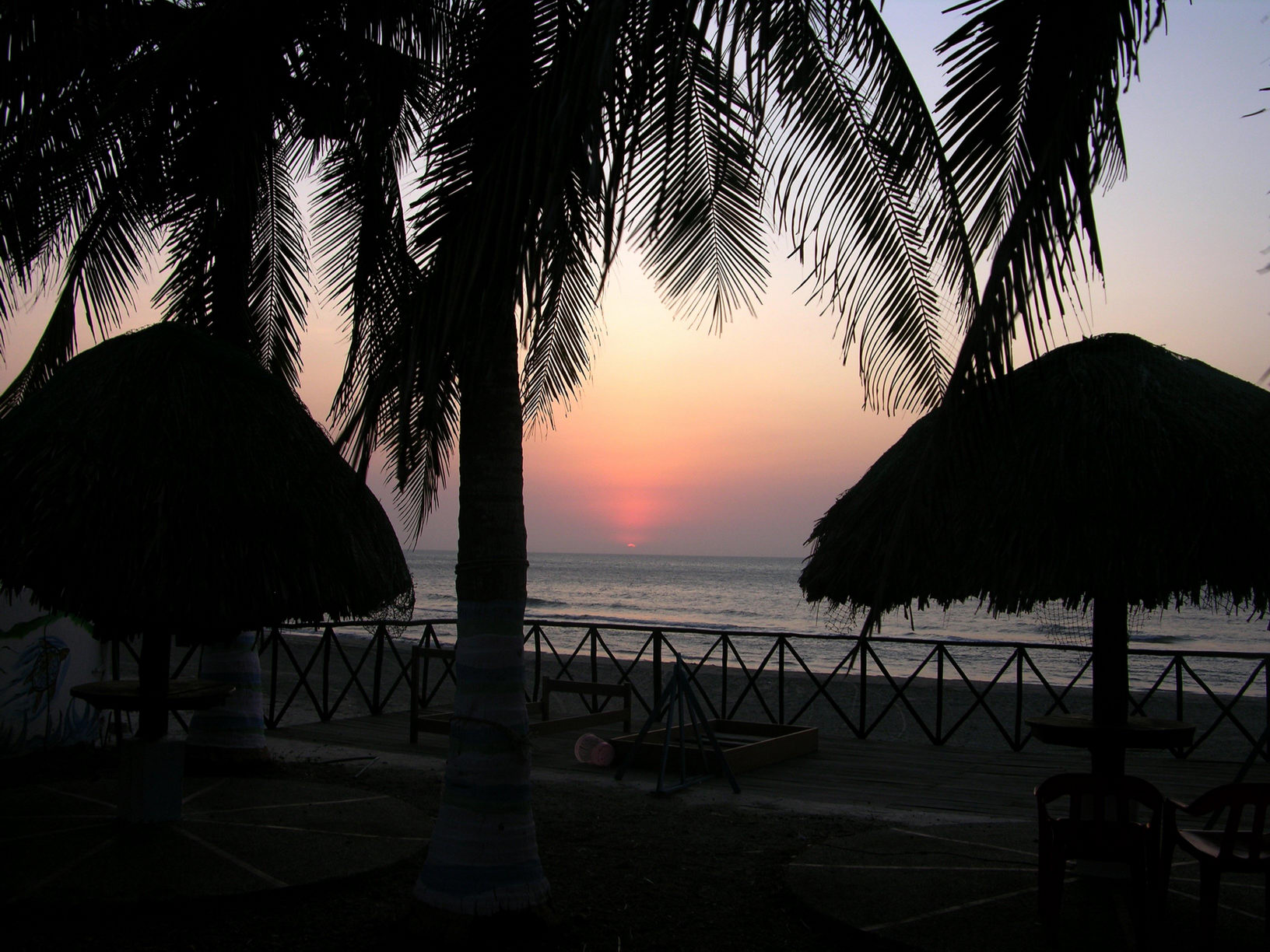
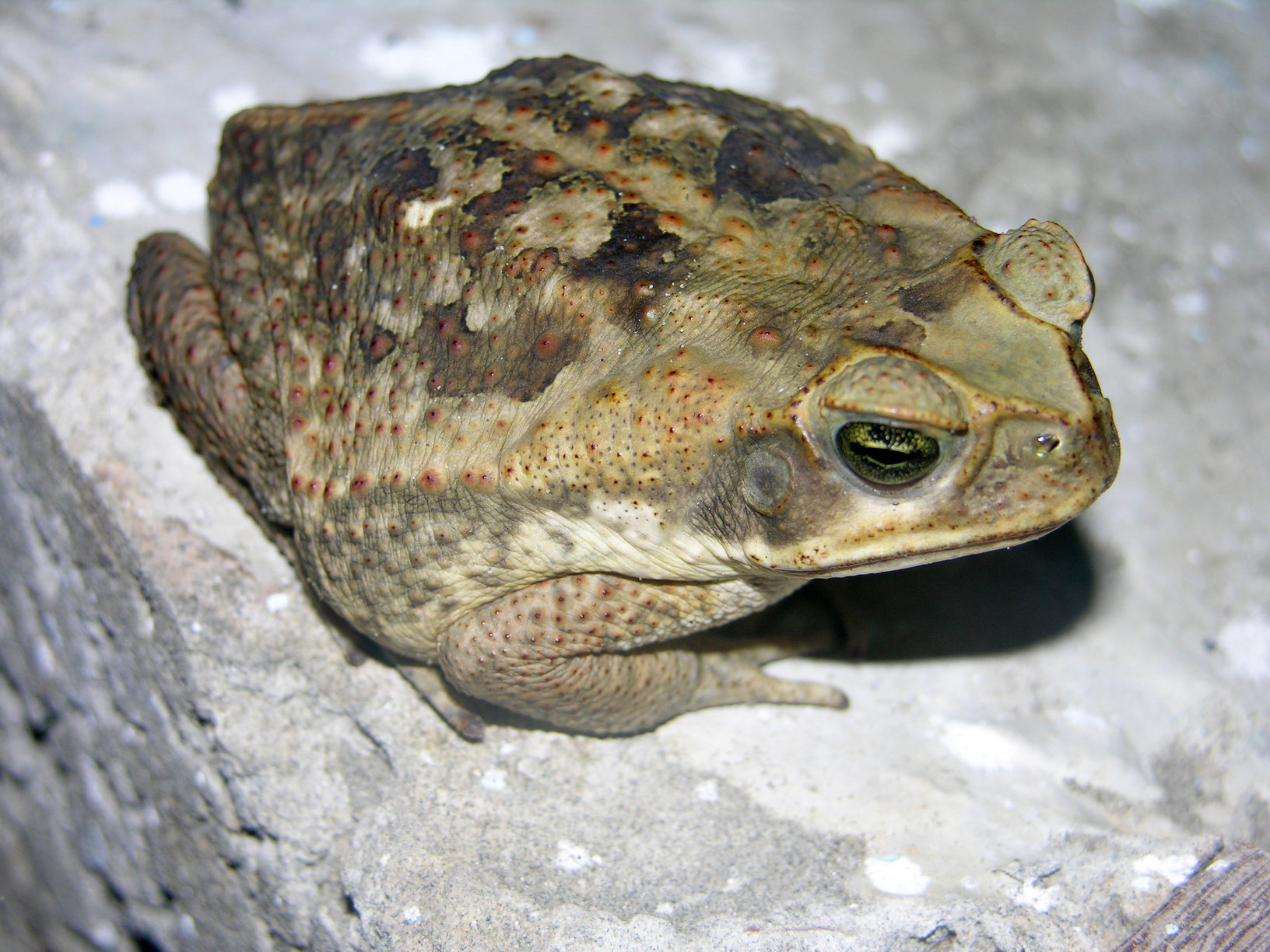
In the morning we were back in Cartagena. The city sits on a series of spits amid lagoons, so there are no roads around it. There's no way through without going down the middle. Since we were in town anyway, we might as well drive down some side streets while it was still early and traffic hadn't built up. At the waterfront at the foot of the skyscrapers we went onto the beach and swam. The beach is free but they expect you to pay the people who insist on watching your car.
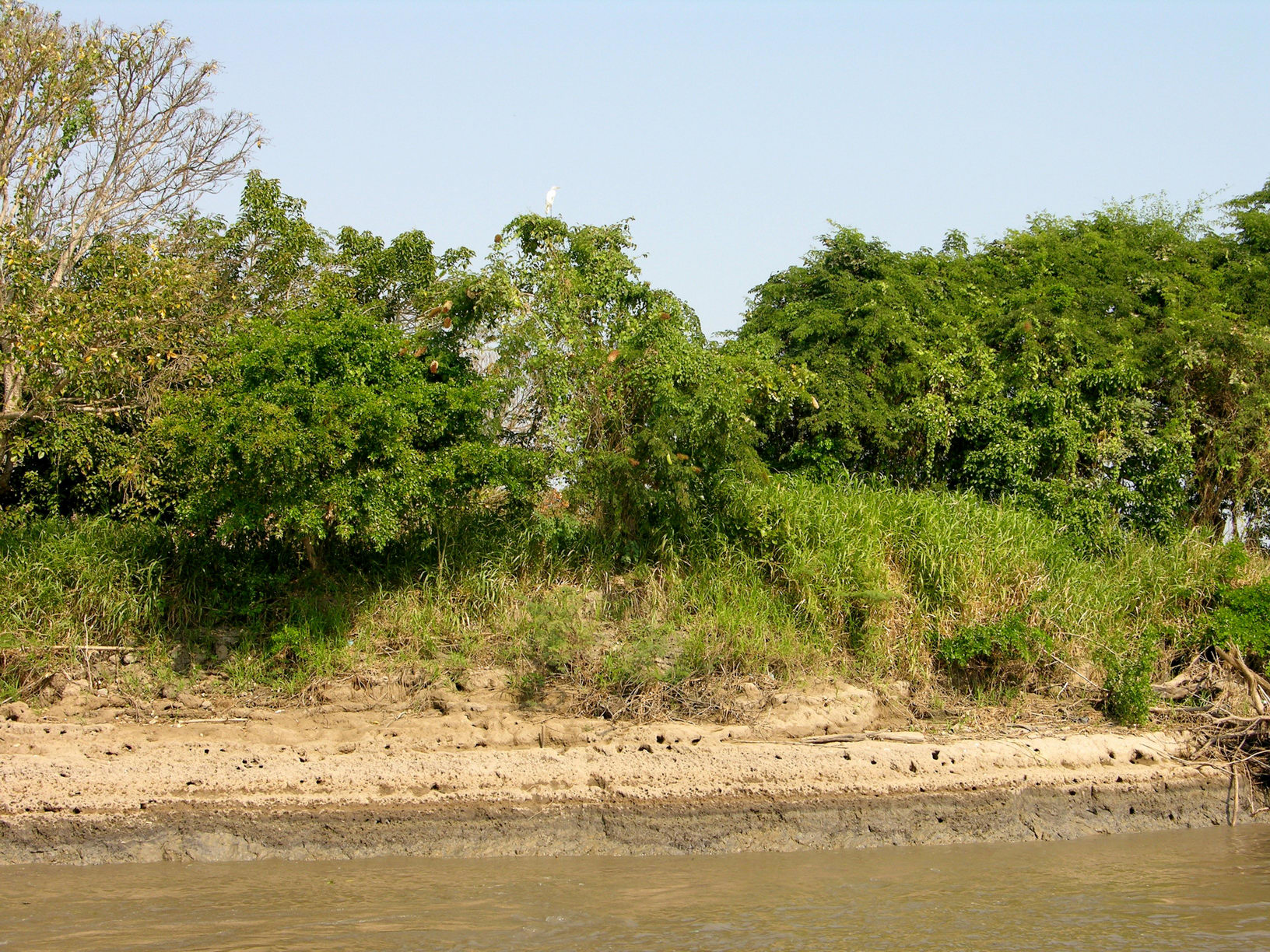
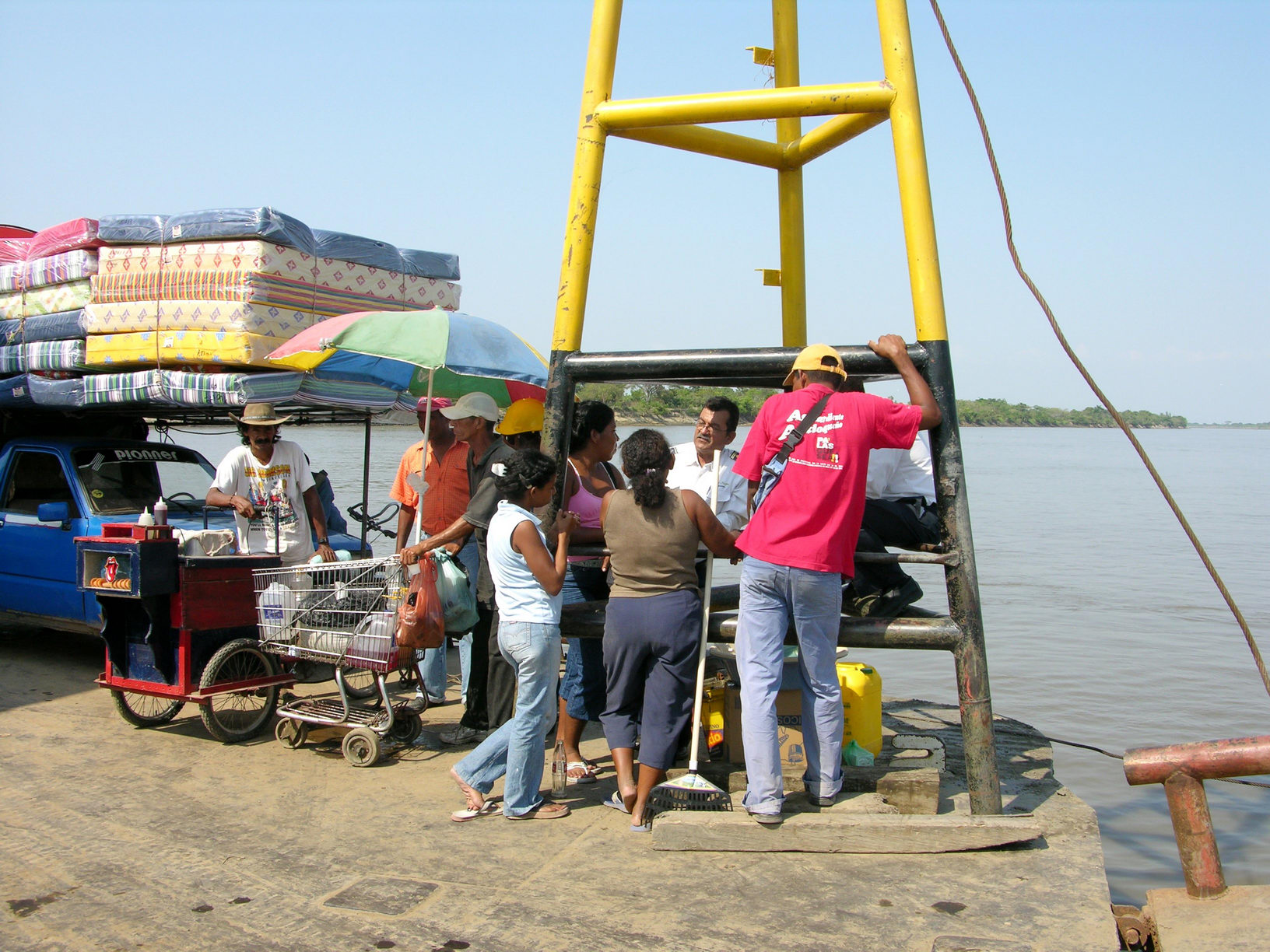
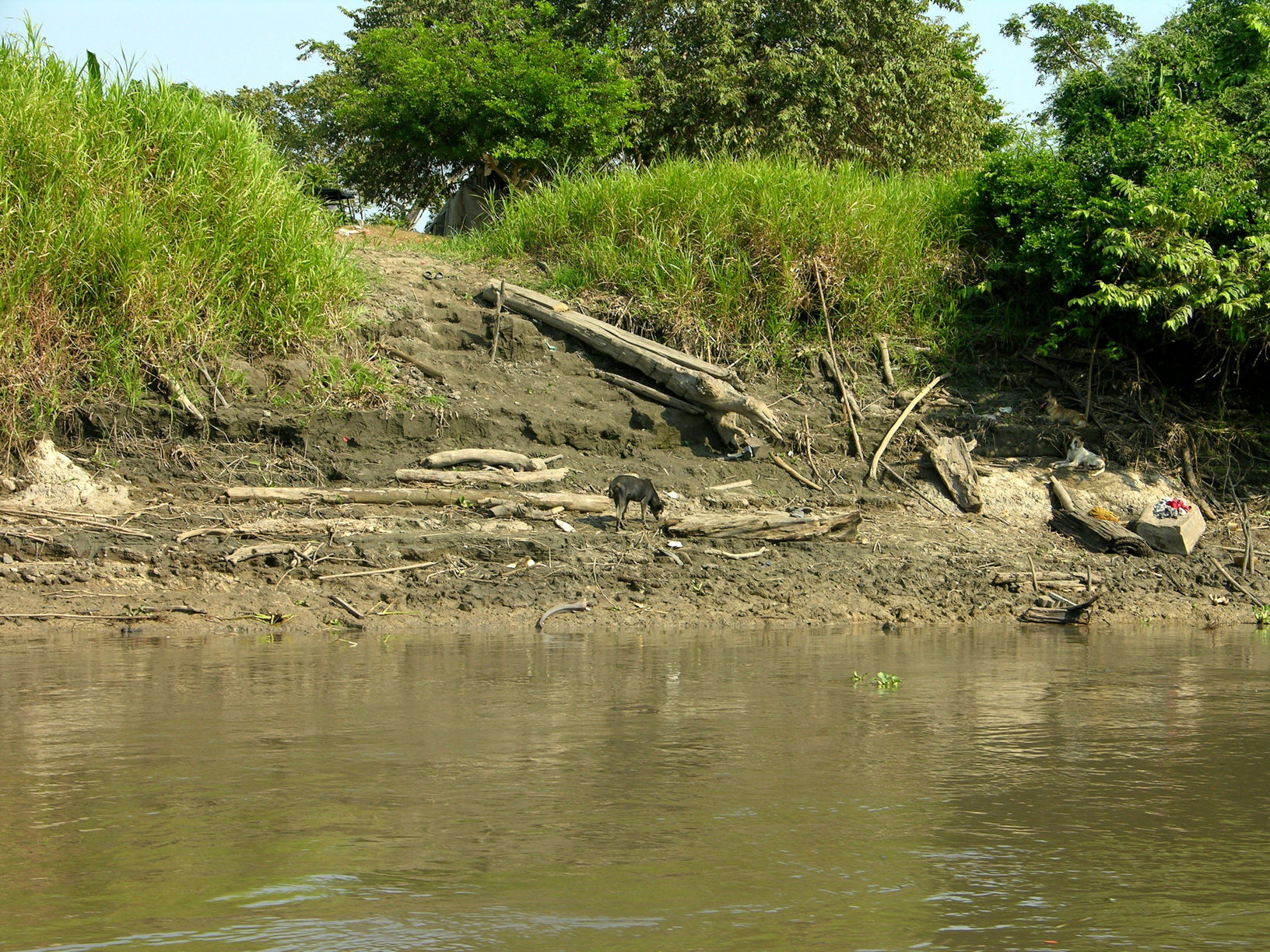
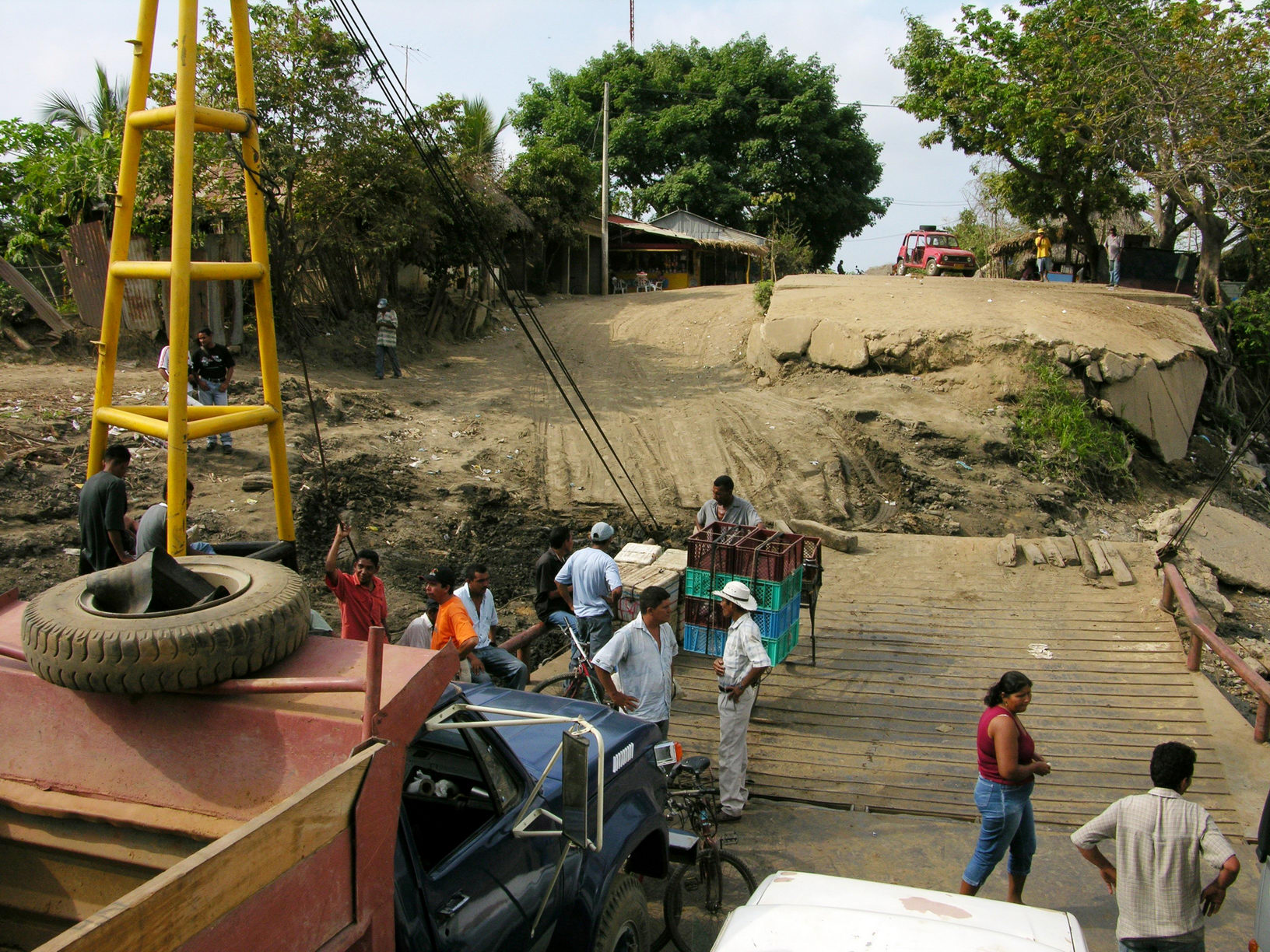
After the city of pirate glory, our road went south to Mompox. When the pirates were besieging Cartagena and the heroic defenders were losing arms and legs, the civilians quietly went up the Magdalena River to a refuge. The sieges and assaults lasted for years, so a town grew up farther along the river. The Magdalena is shallow and ocean-going ships can't get up it. You can't get there by land either, because the Magdalena splits into many channels. Even now there's no road all the way to Mompox. You have to cross two channels. They recently put a bridge over one of them, the Chicagua, but you still cross the main channel of the Magdalena by ferry. It goes three times a day. They load the cars on a ferry that must have been built in the days of the pirates. Its engine stopped working long ago. To keep it moving they've lashed a tug to it with ropes. There's no terminal for loading cars. The ferry comes up to the river bank (9°16.722′N, 74°43.289′W). A few men jump off and set to with shovels, making something resembling a road. A good hour's work and you can drive on. Not all cars, of course. Some bog down and the wheels spin. Little saloons scrape their undersides on the lumps. That's how you only manage three trips a day, and they need no more. We only made the last evening ferry, at two in the afternoon. The crossing took about two hours. At first the barge goes downstream, then turns into another channel and goes up. Here the river is fast with shallows and riffles. In places the speed falls almost to zero. Surprisingly, the mobile phone worked. The place must have been so hopeless even the guerrillas couldn't reach it, never mind the pirates. It's no easy matter to pull into a dirt bank in a swift current (9°17.735′N, 74°41.090′W). We lined up to land five times and missed. We unloaded at about five in the evening. Seventy kilometres still to drive to the town, so we arrived at sunset. Just time to run through the streets before it was dark.
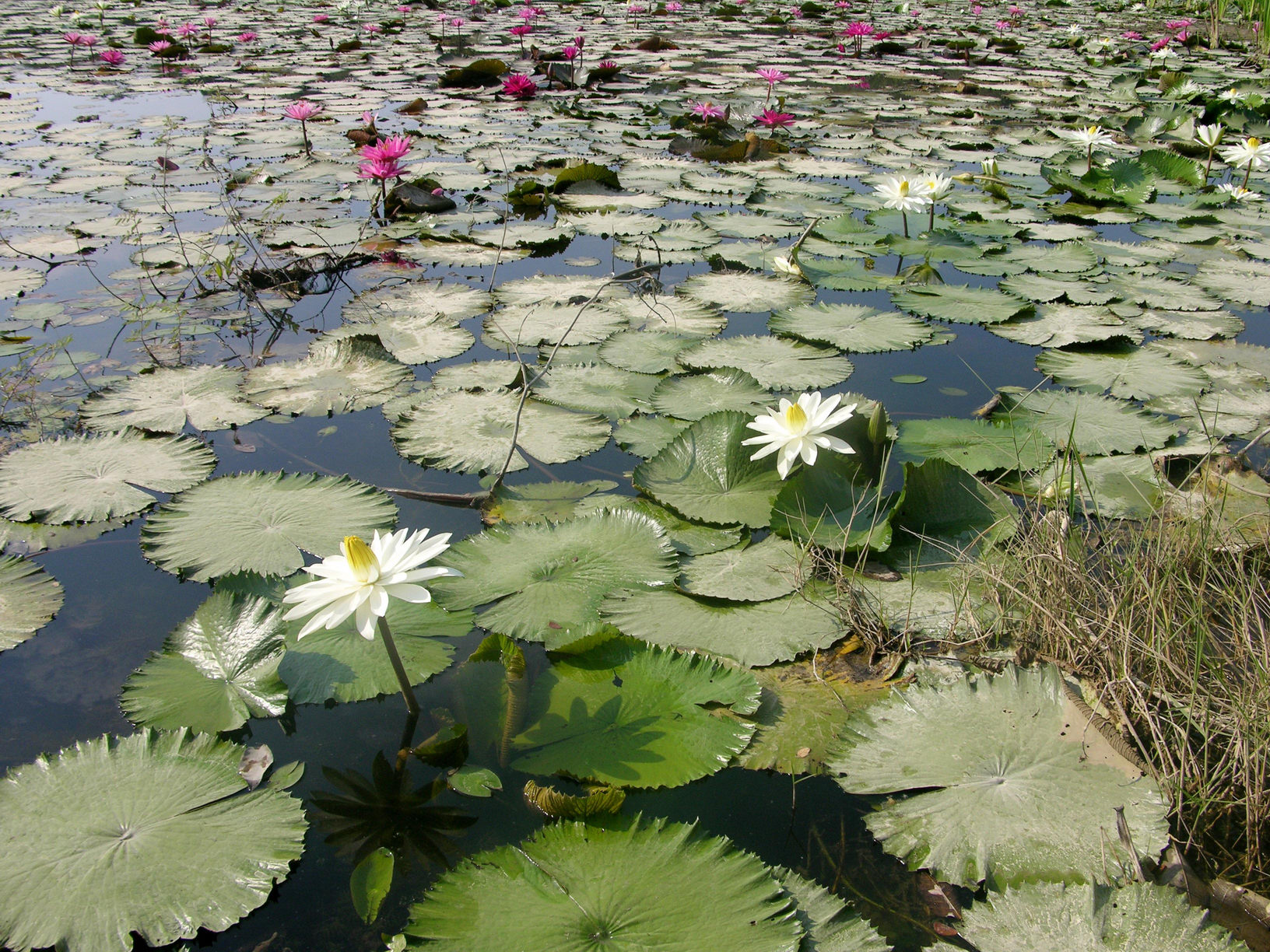
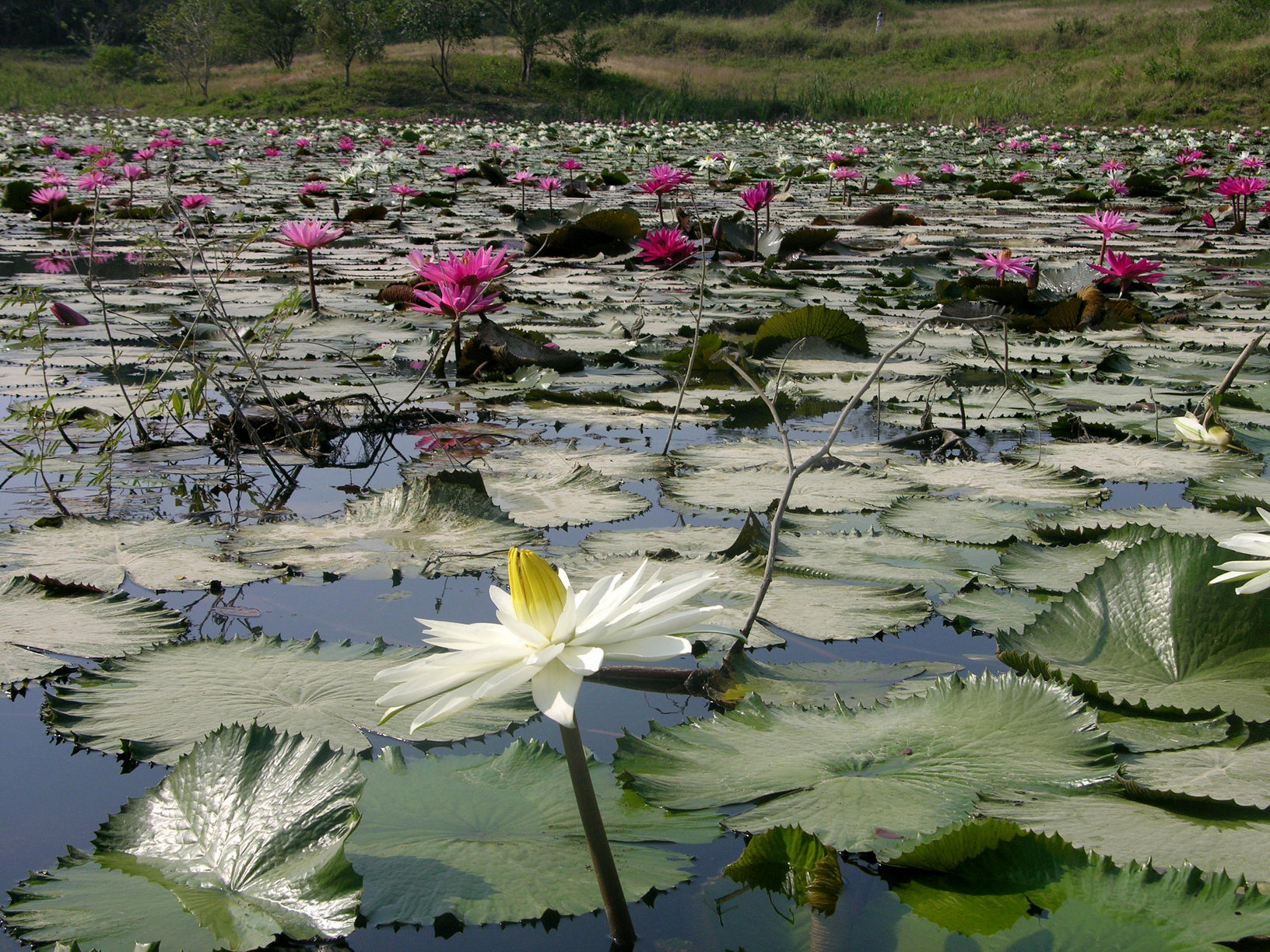
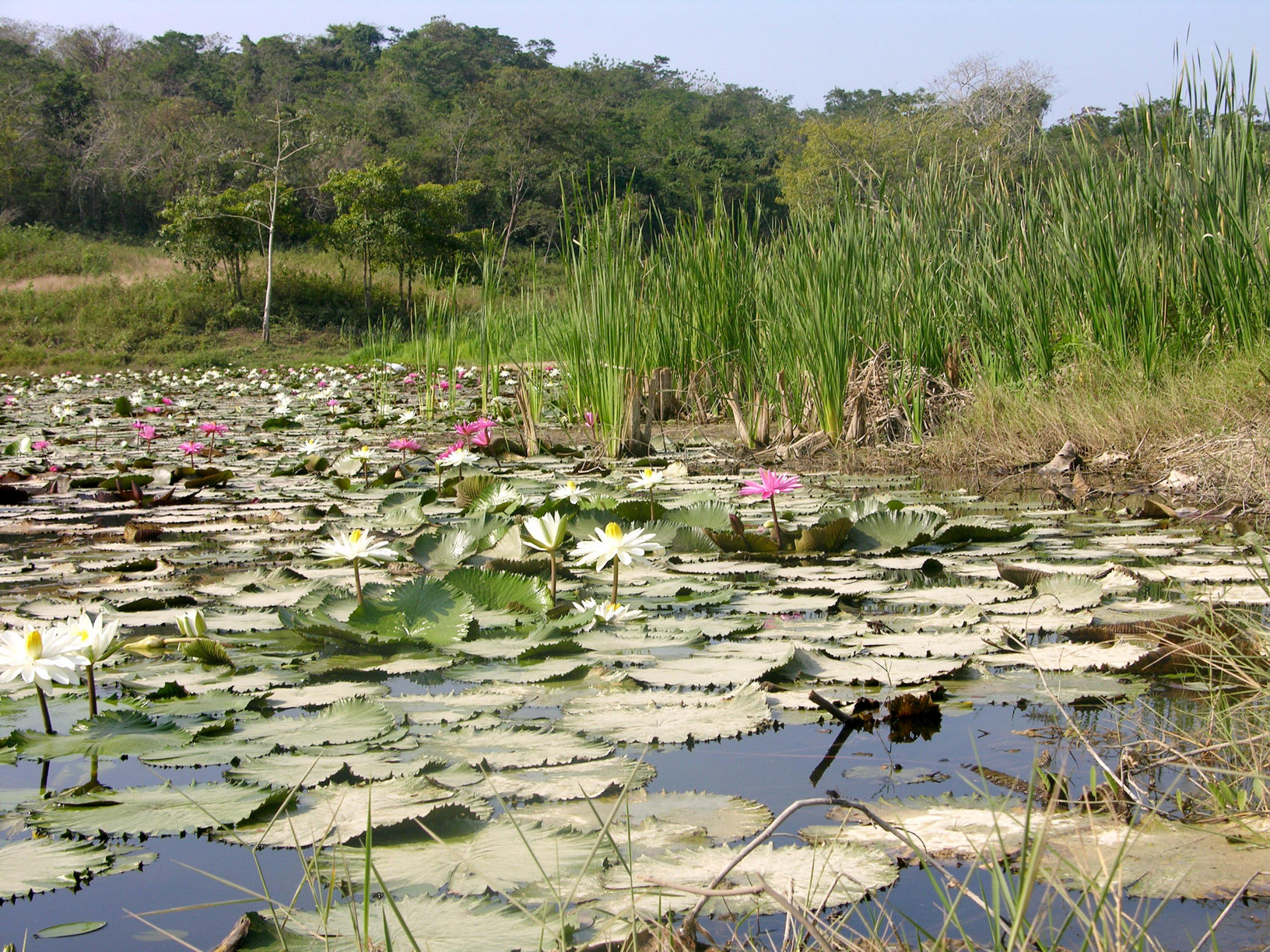
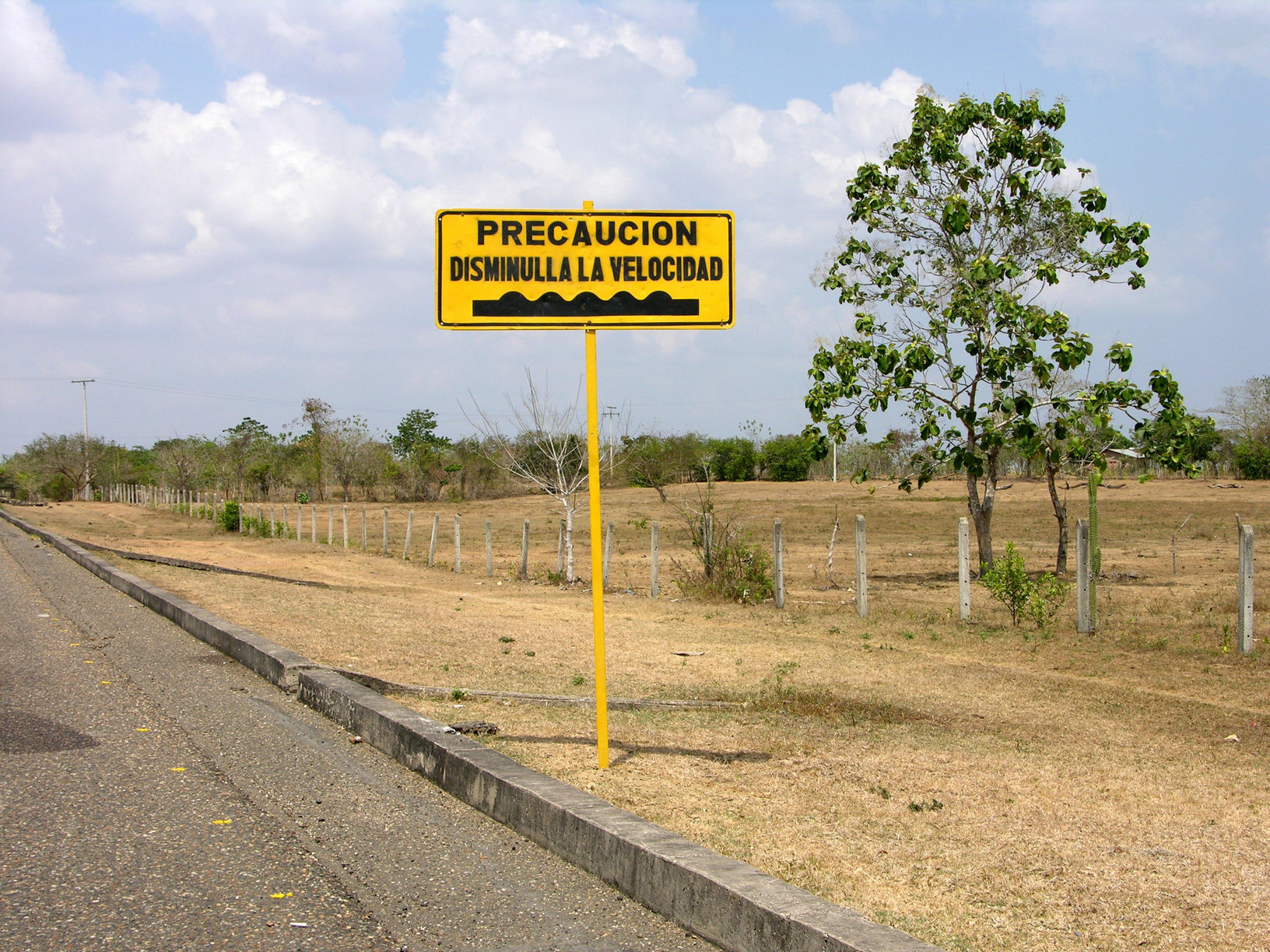
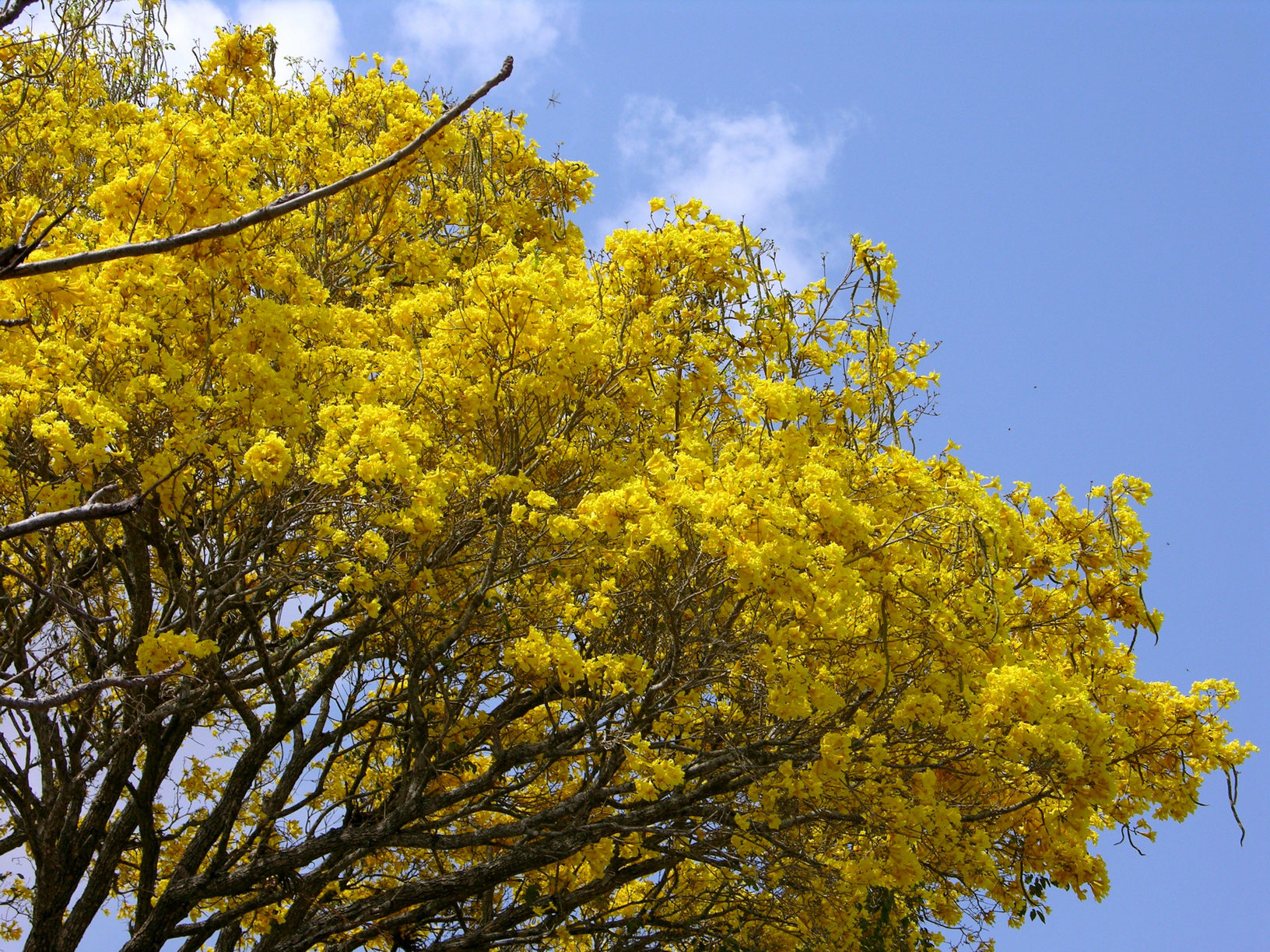
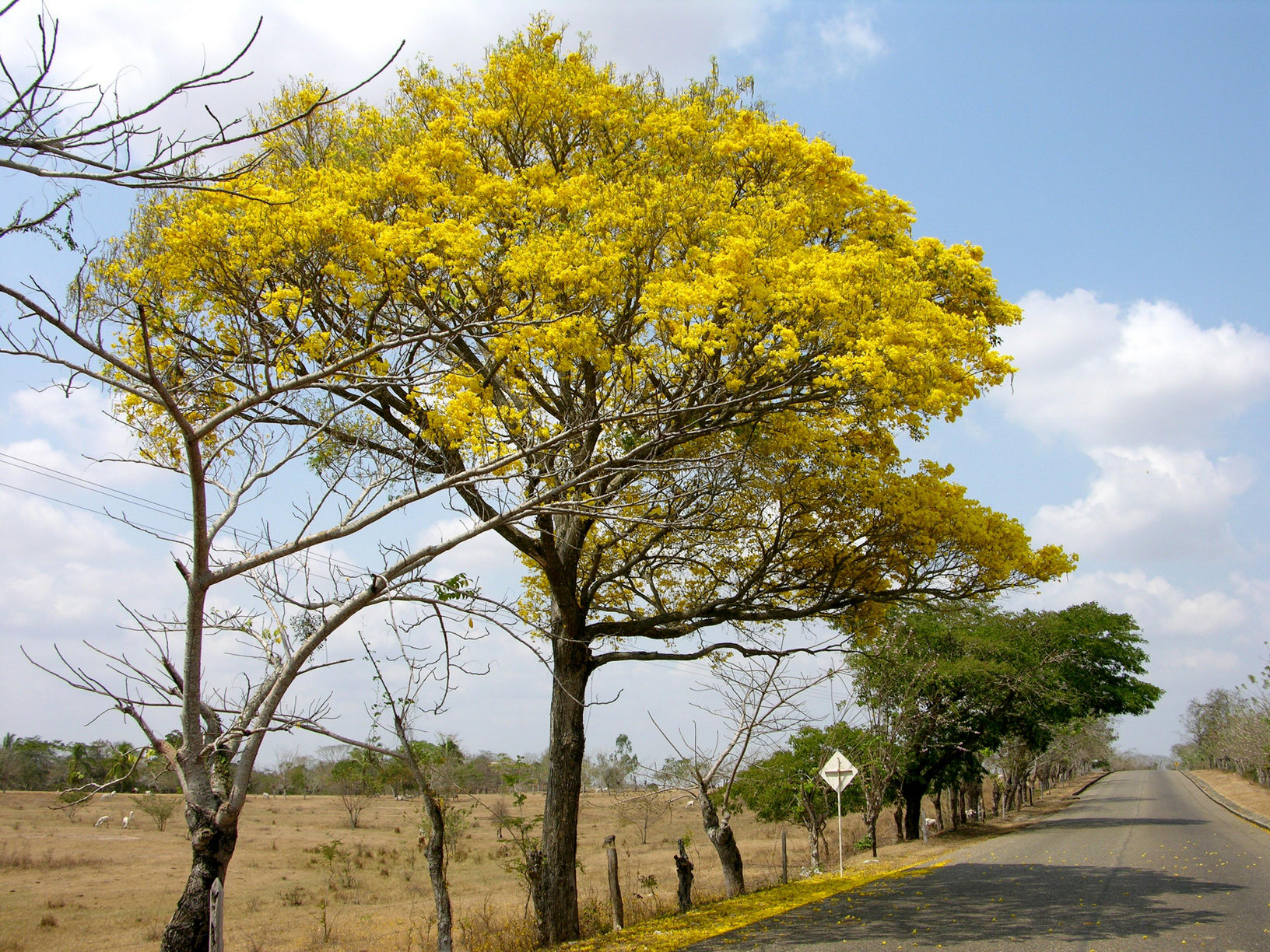
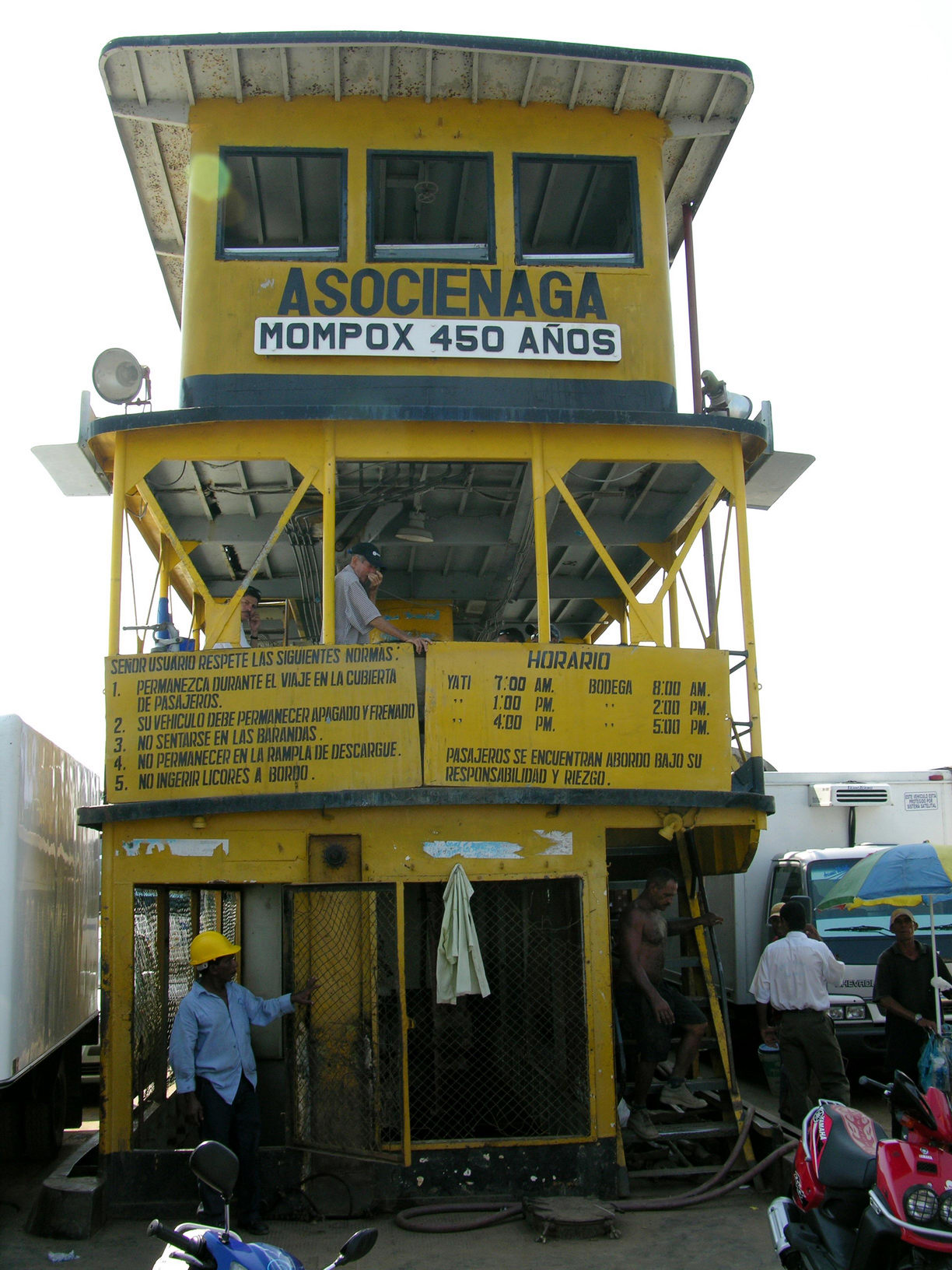
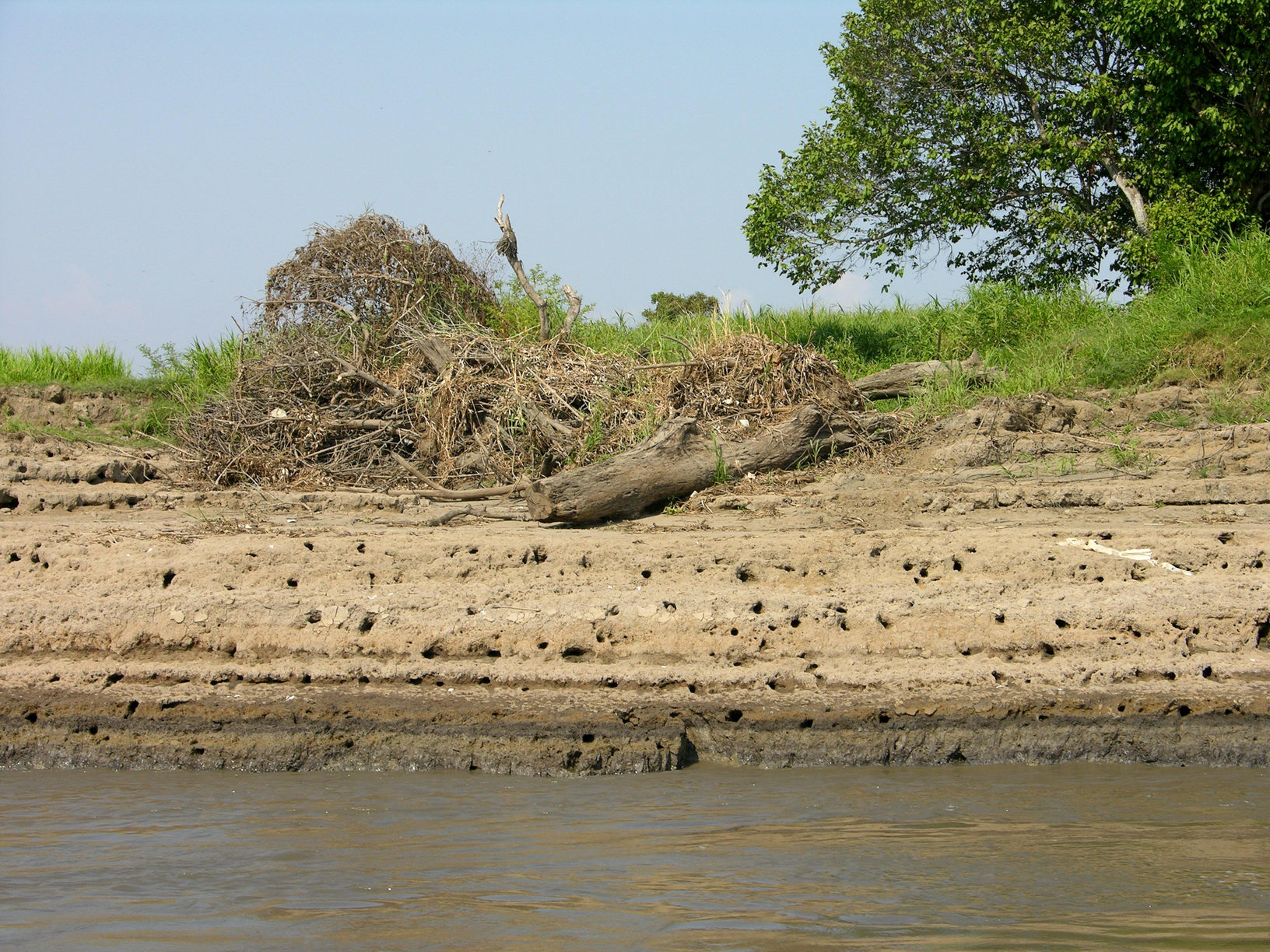
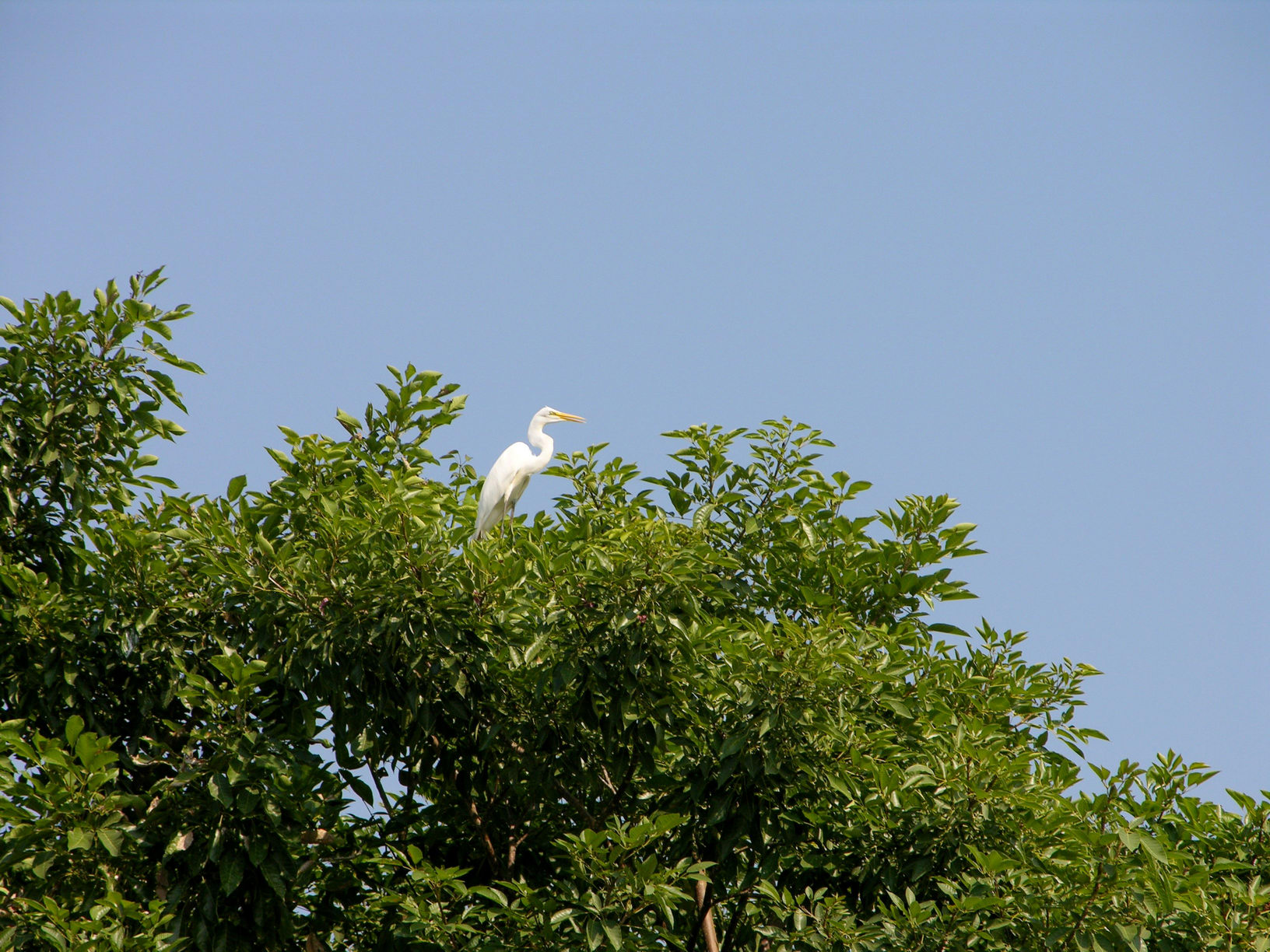
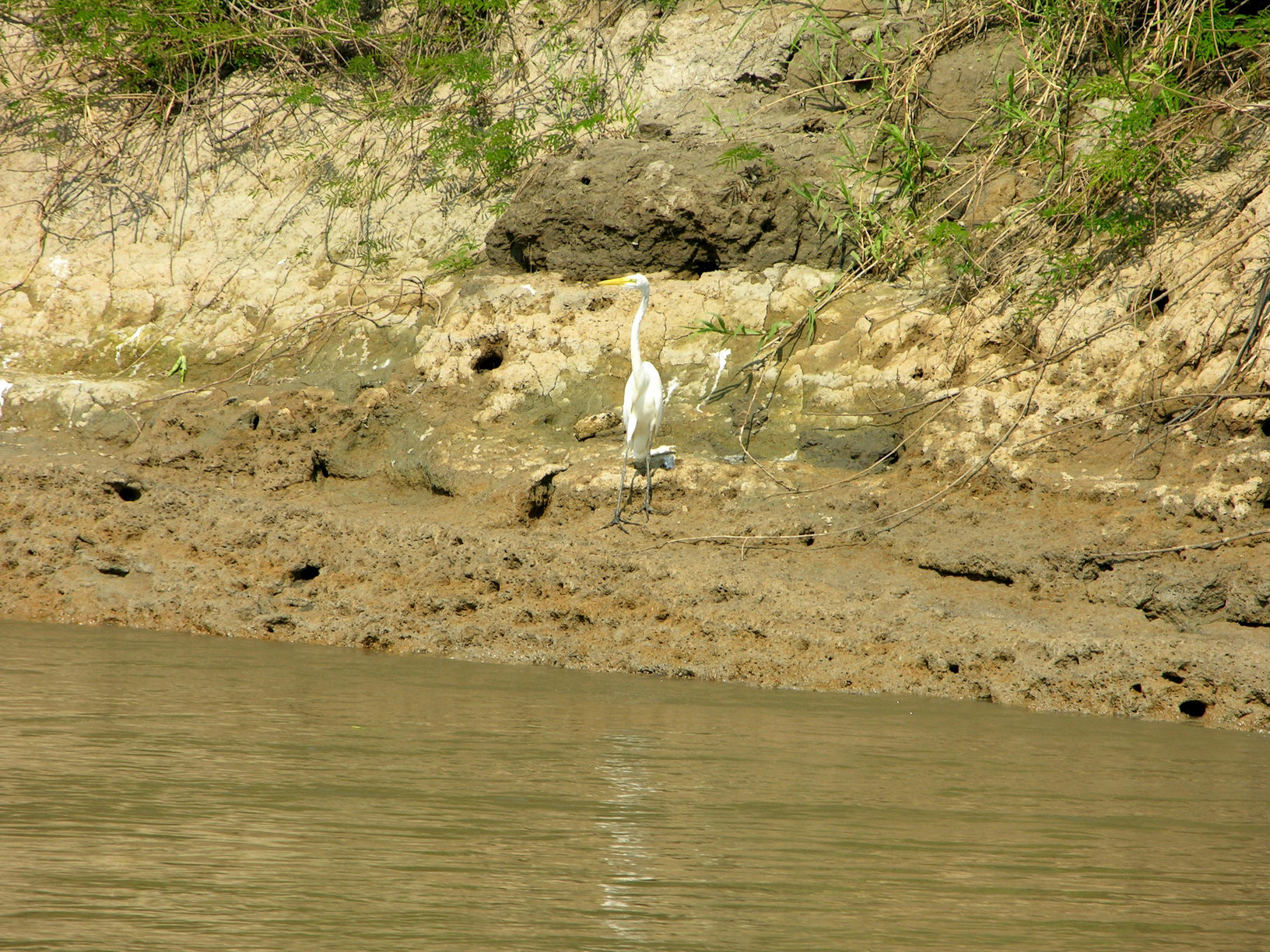
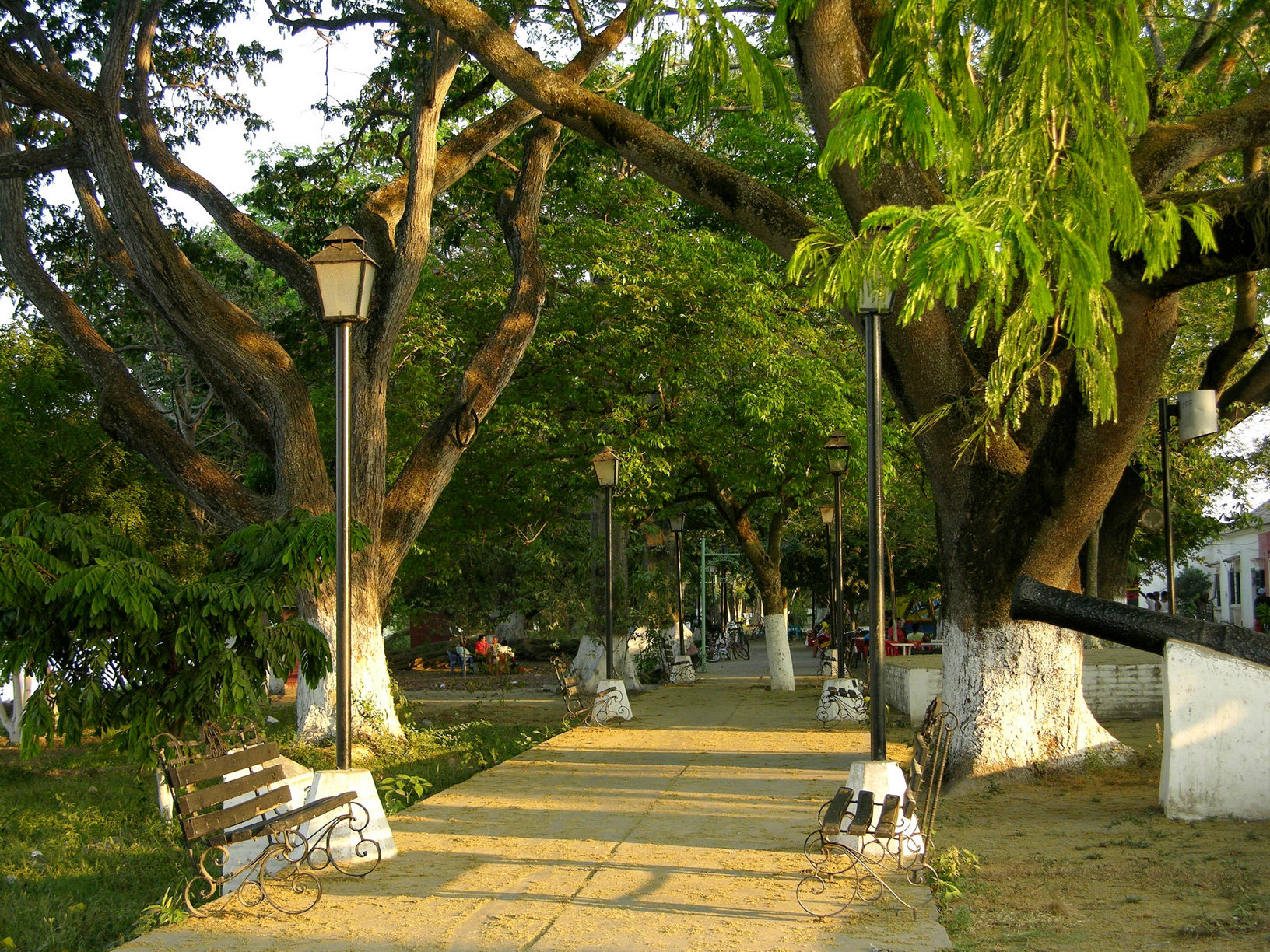
Of course it was yet another colonial town, like all the others. But the transport difficulties had spared it millions of tourists. The old world you see here isn't a museum piece. It's as genuine as it gets. For the whole town there's one car park for three cars. That's enough. We were the second. The main forms of transport are the bicycle and a cart pulled by a donkey.
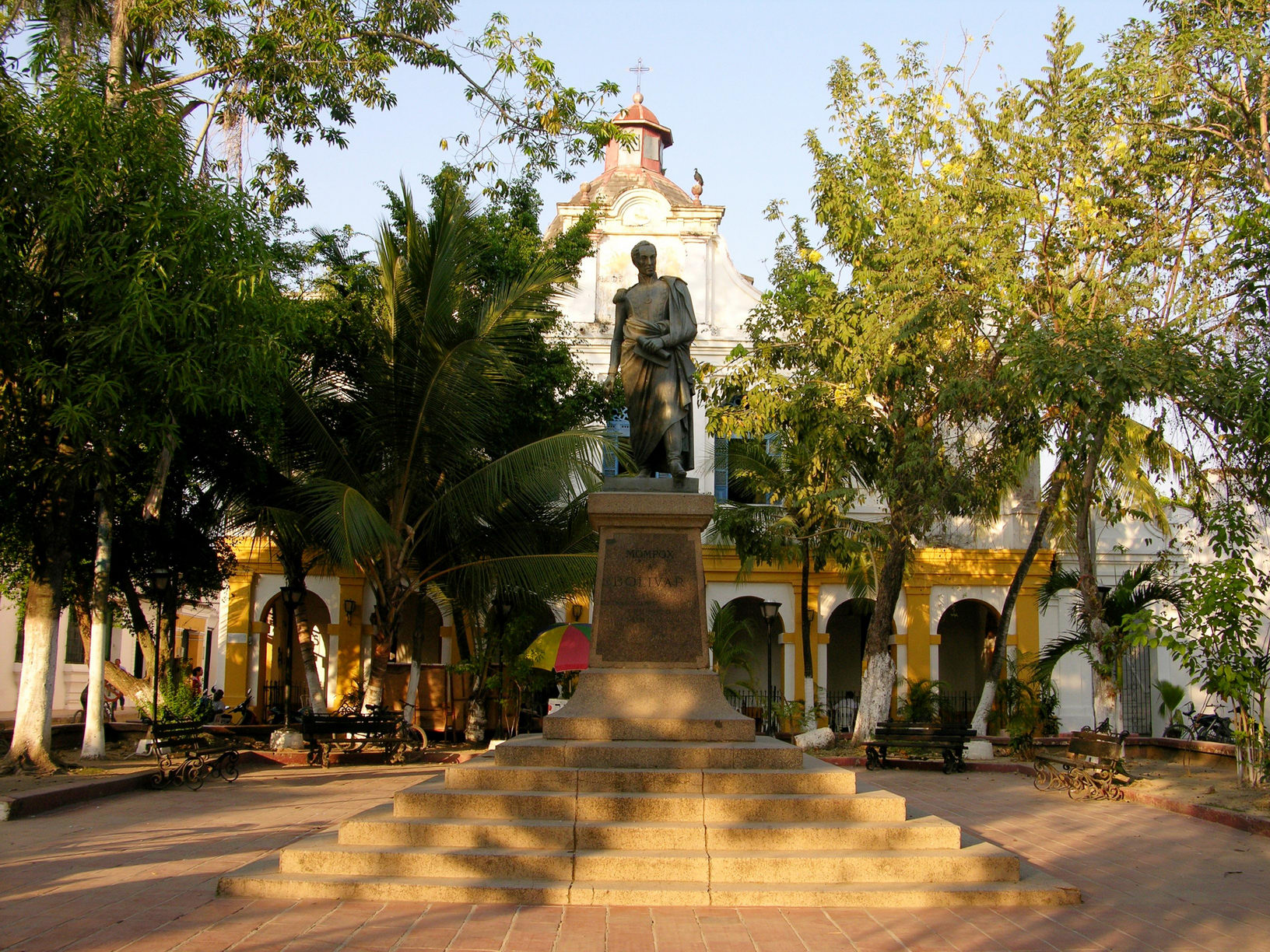
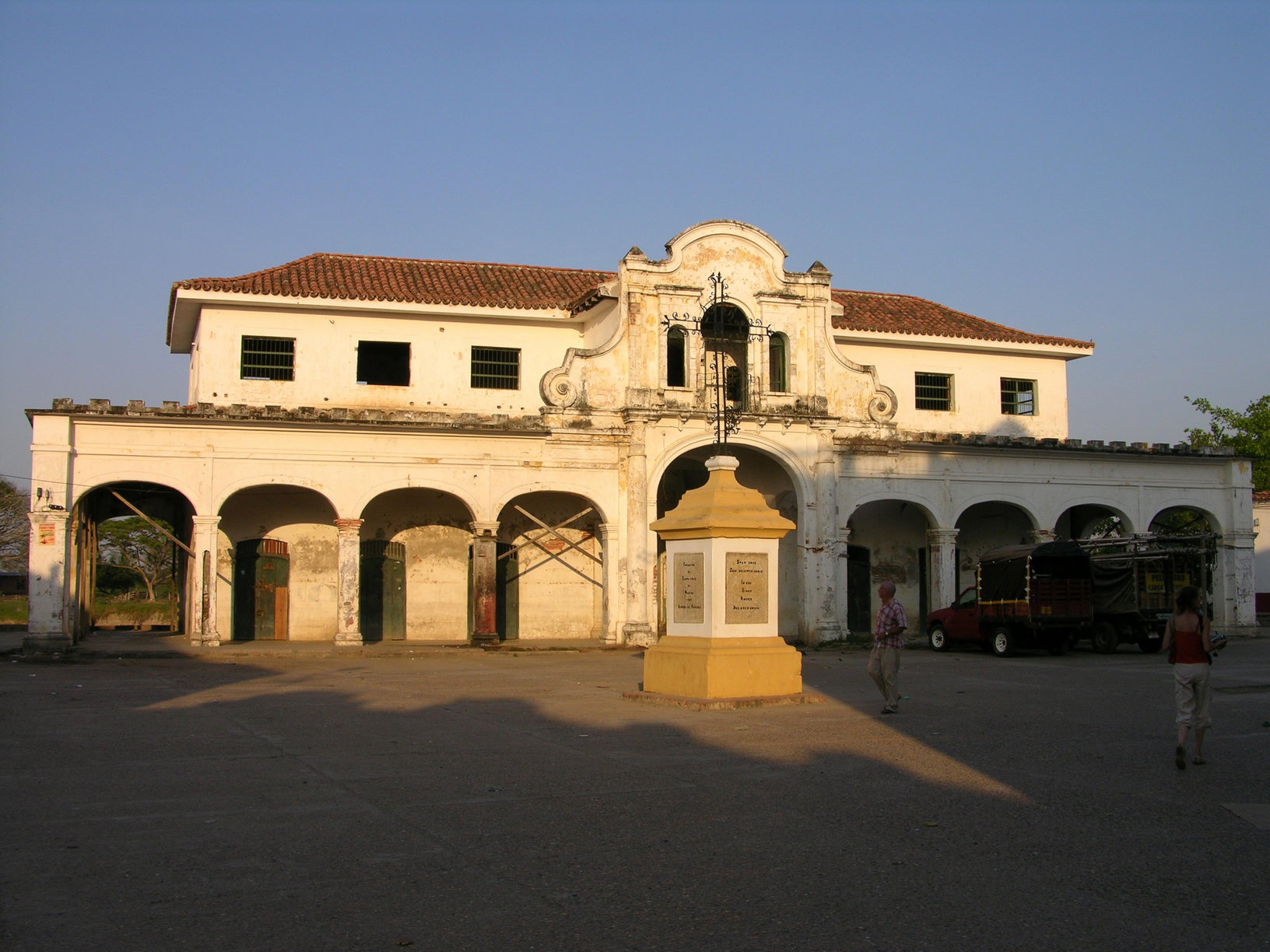
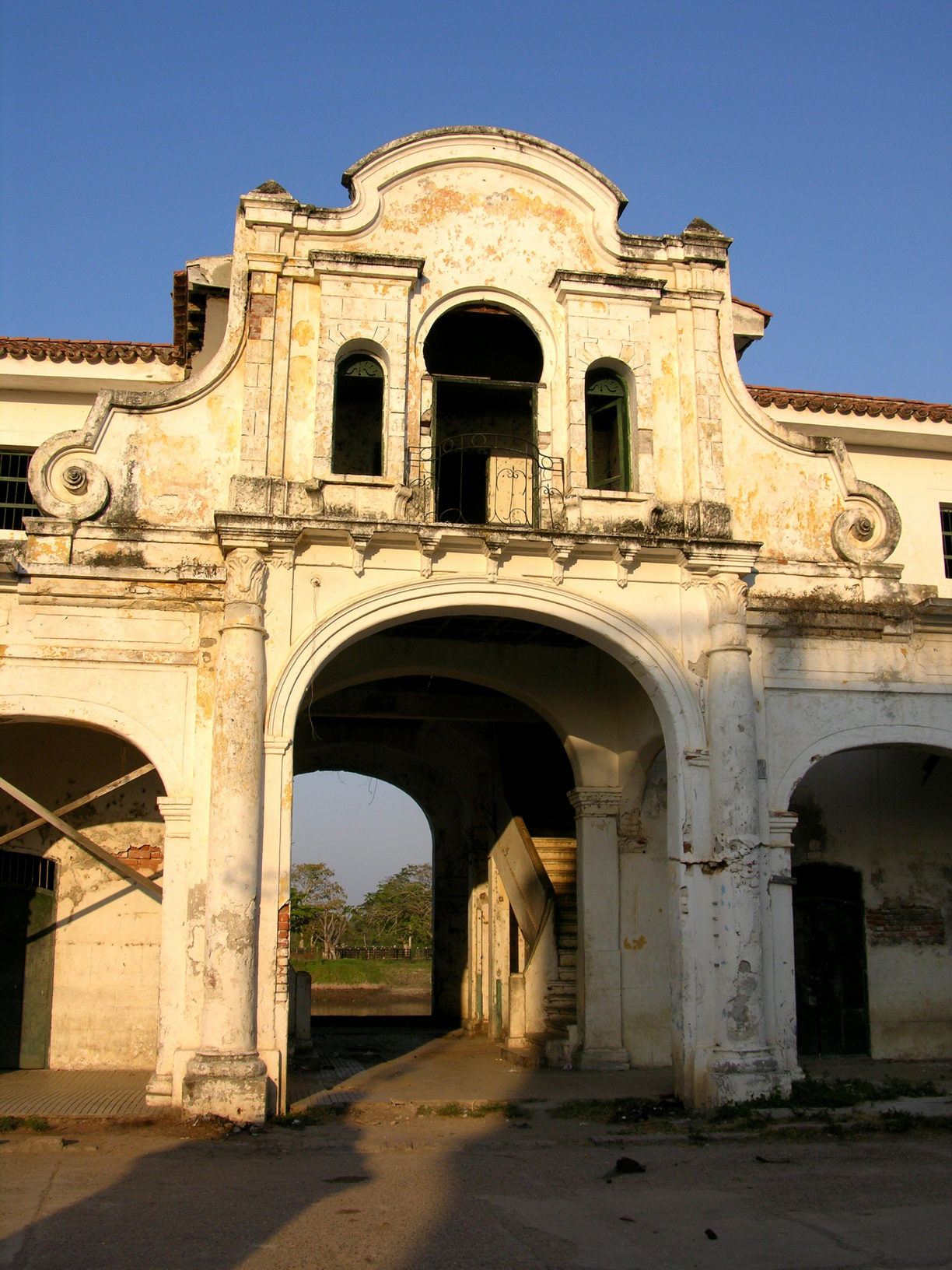
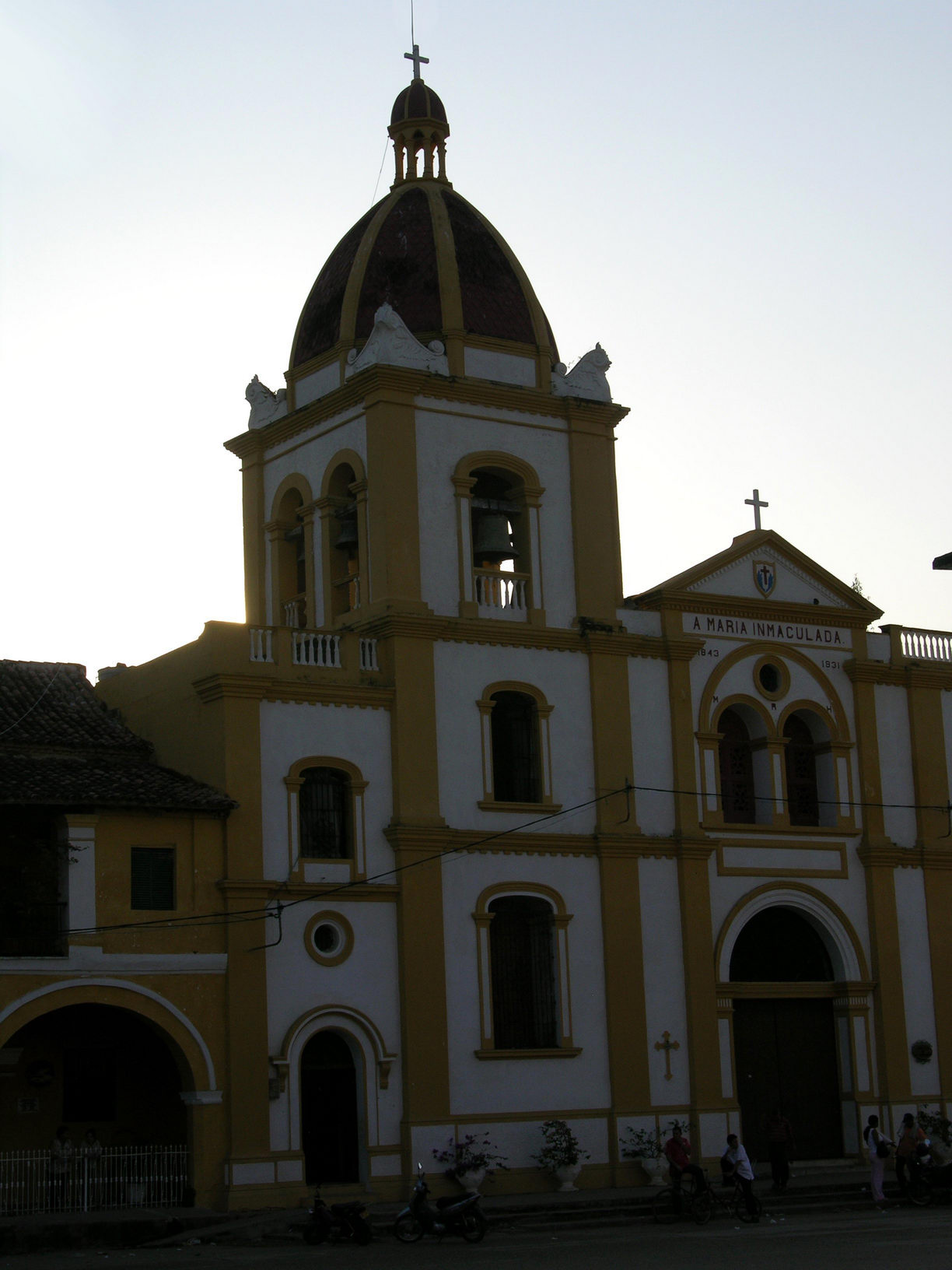
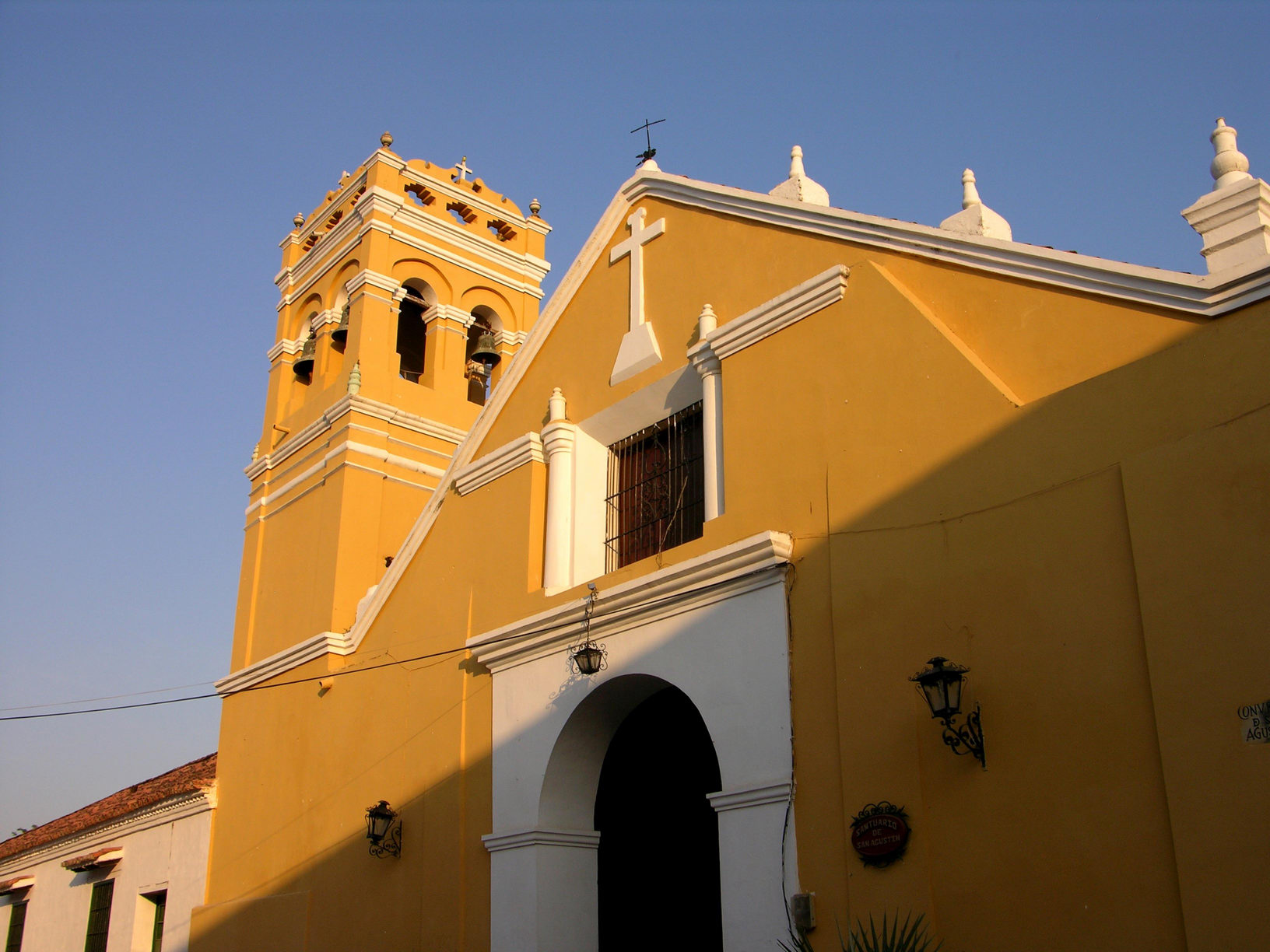
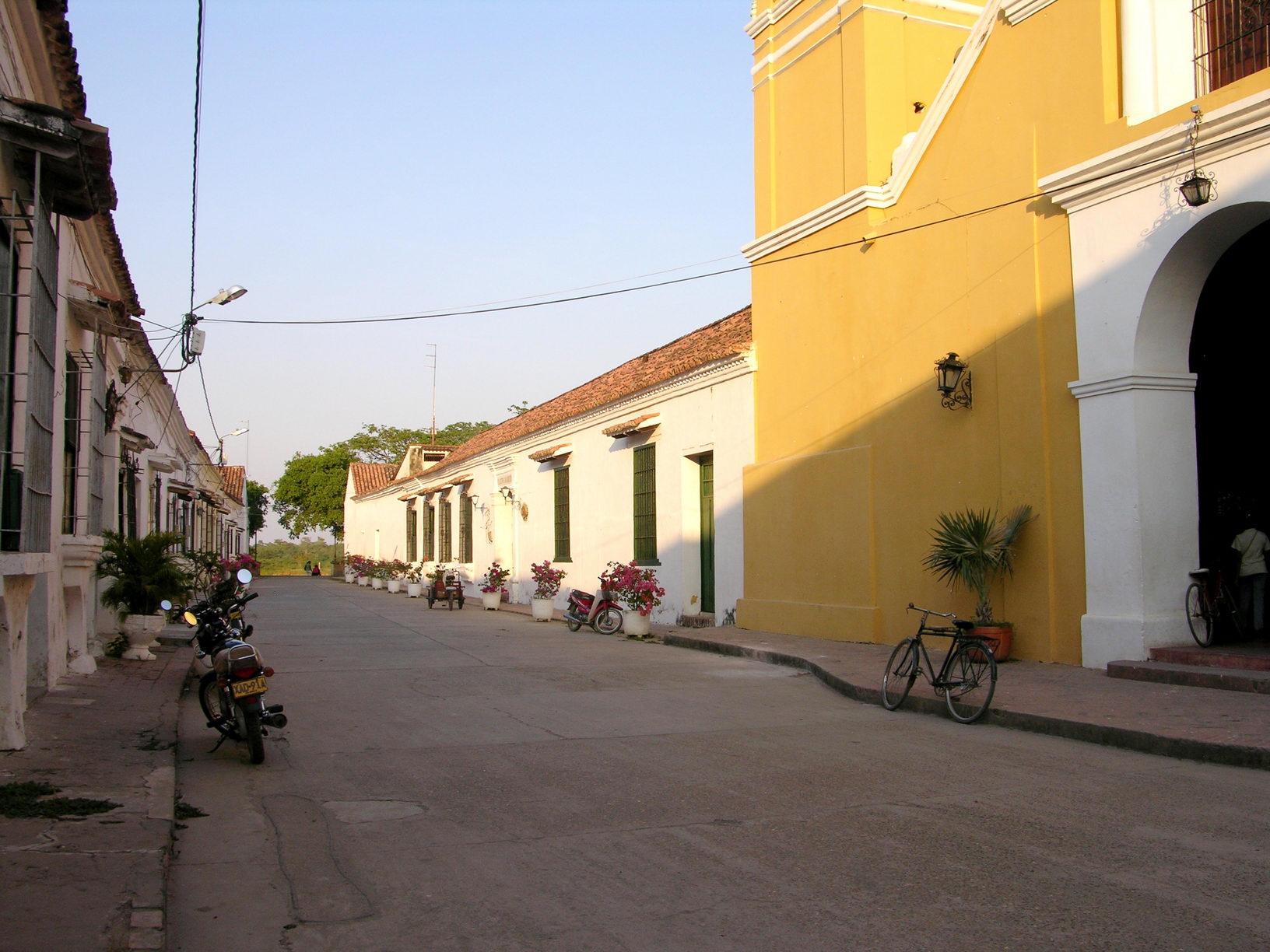
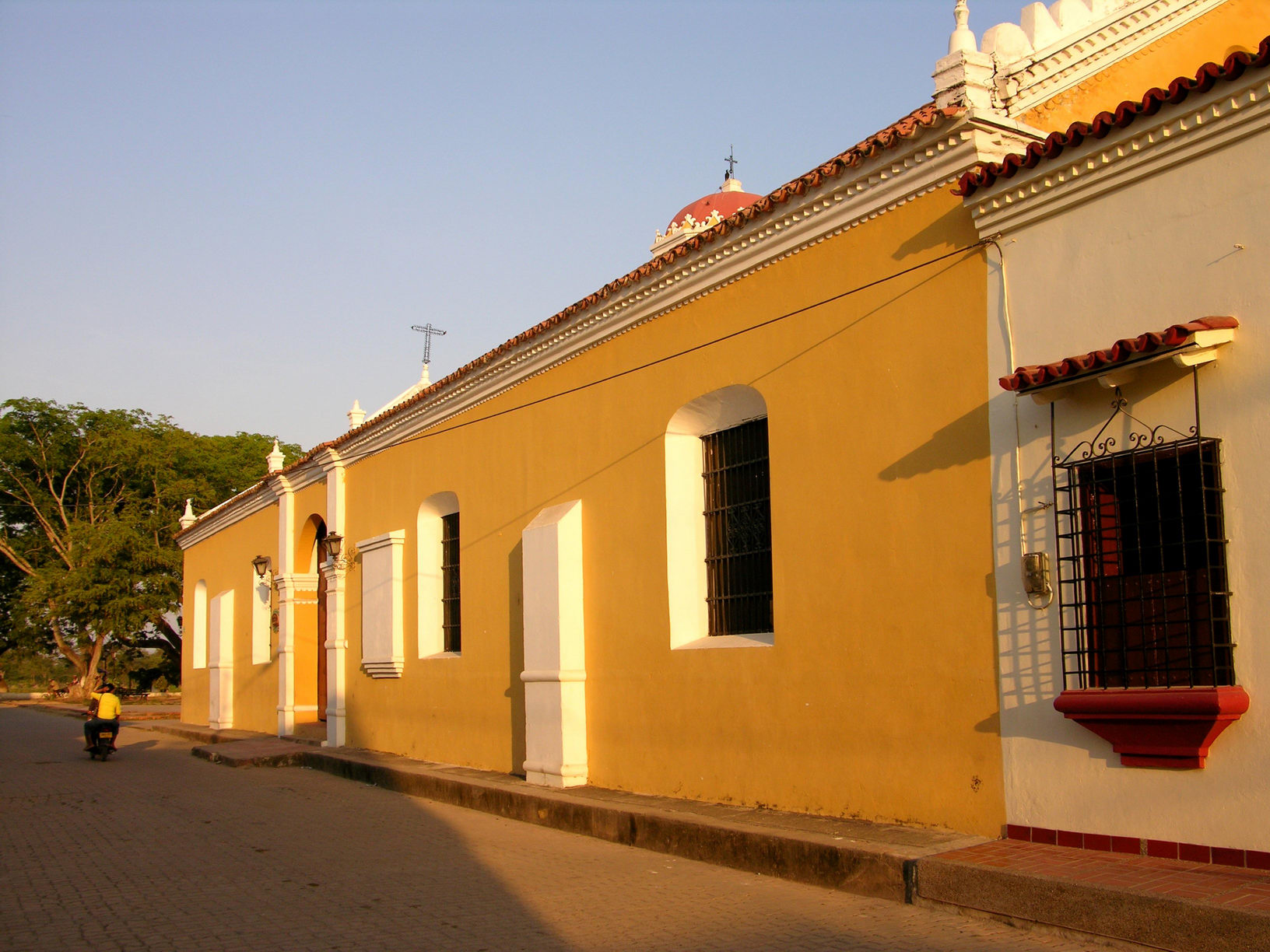
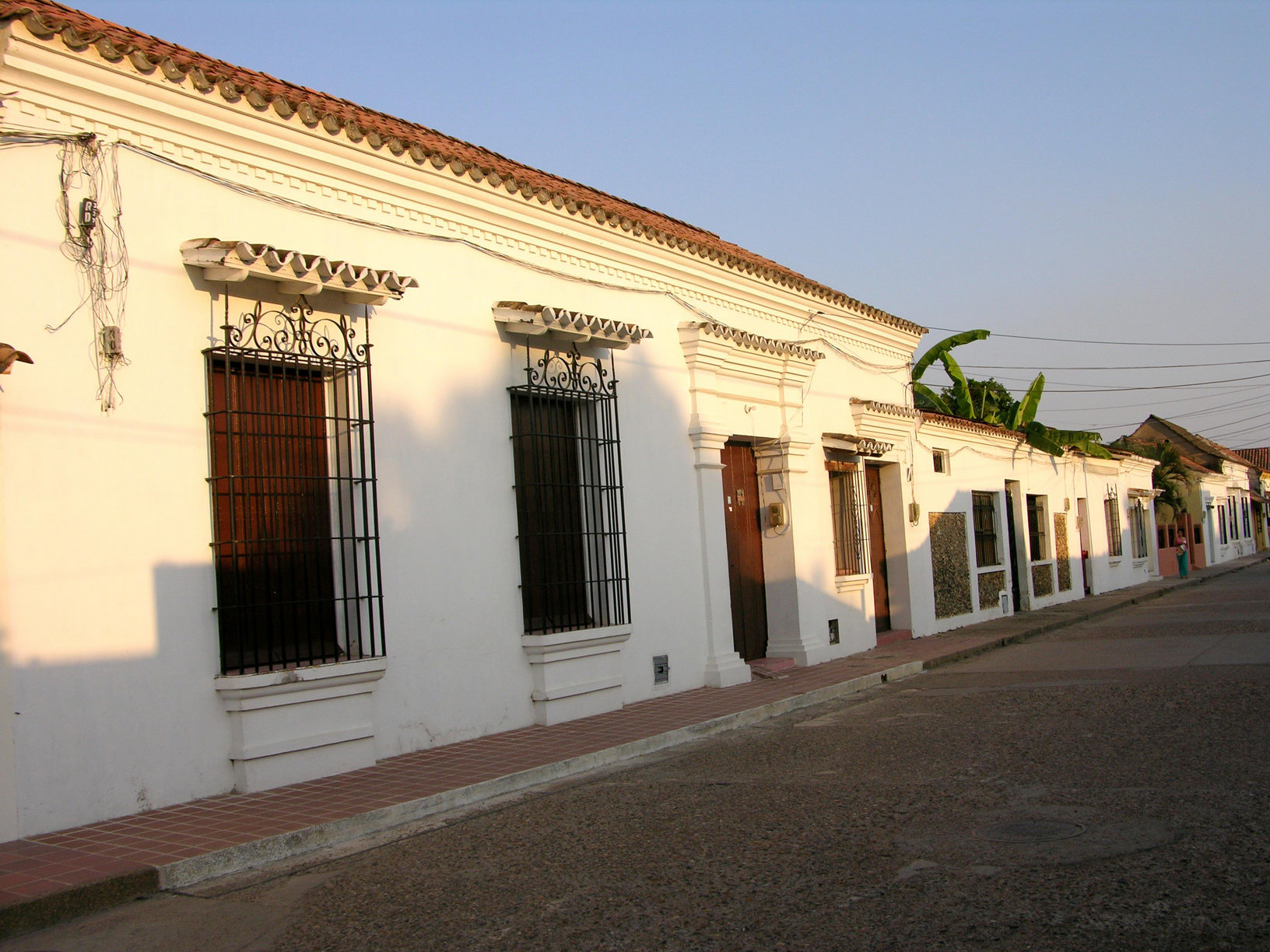
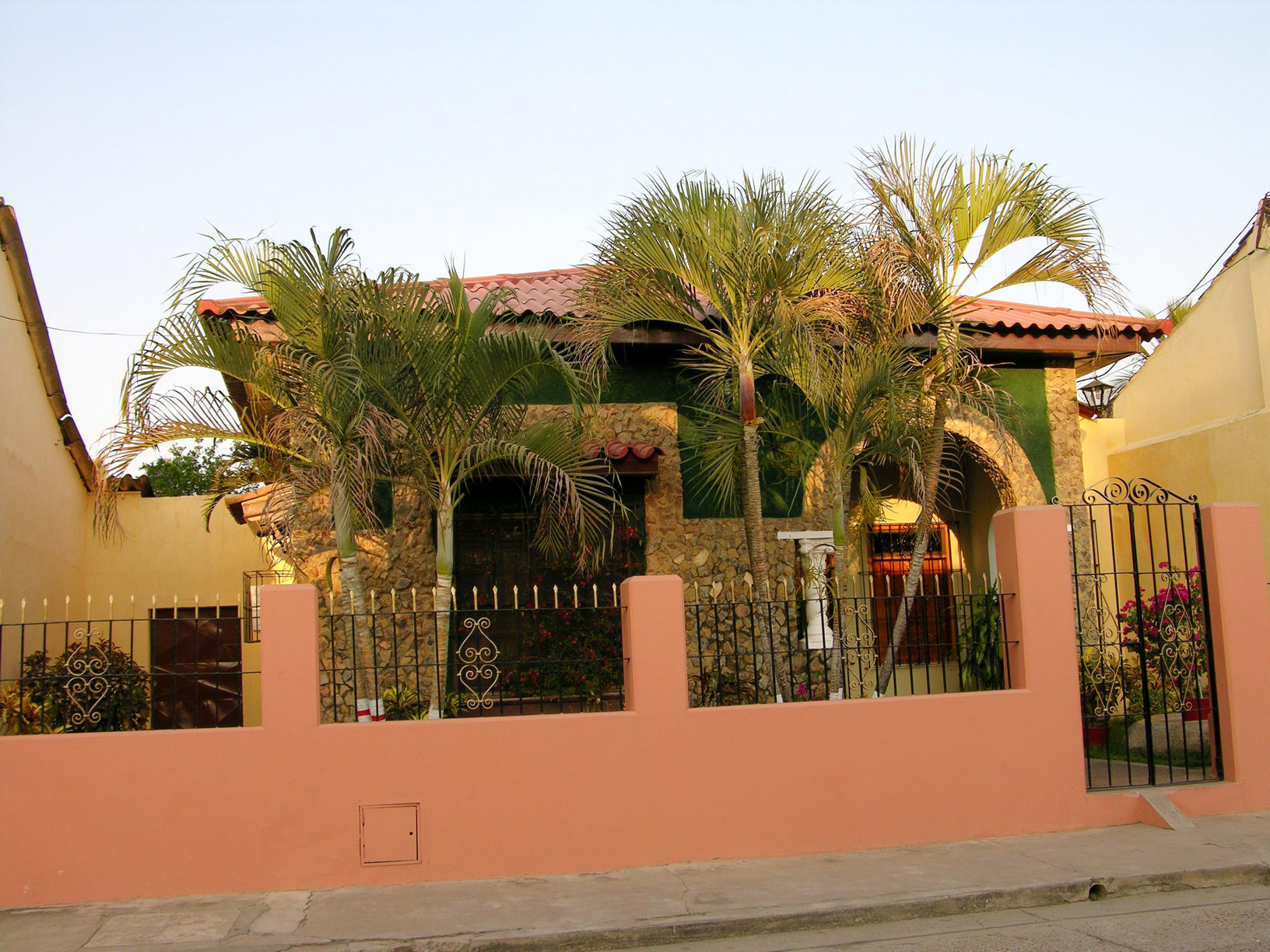
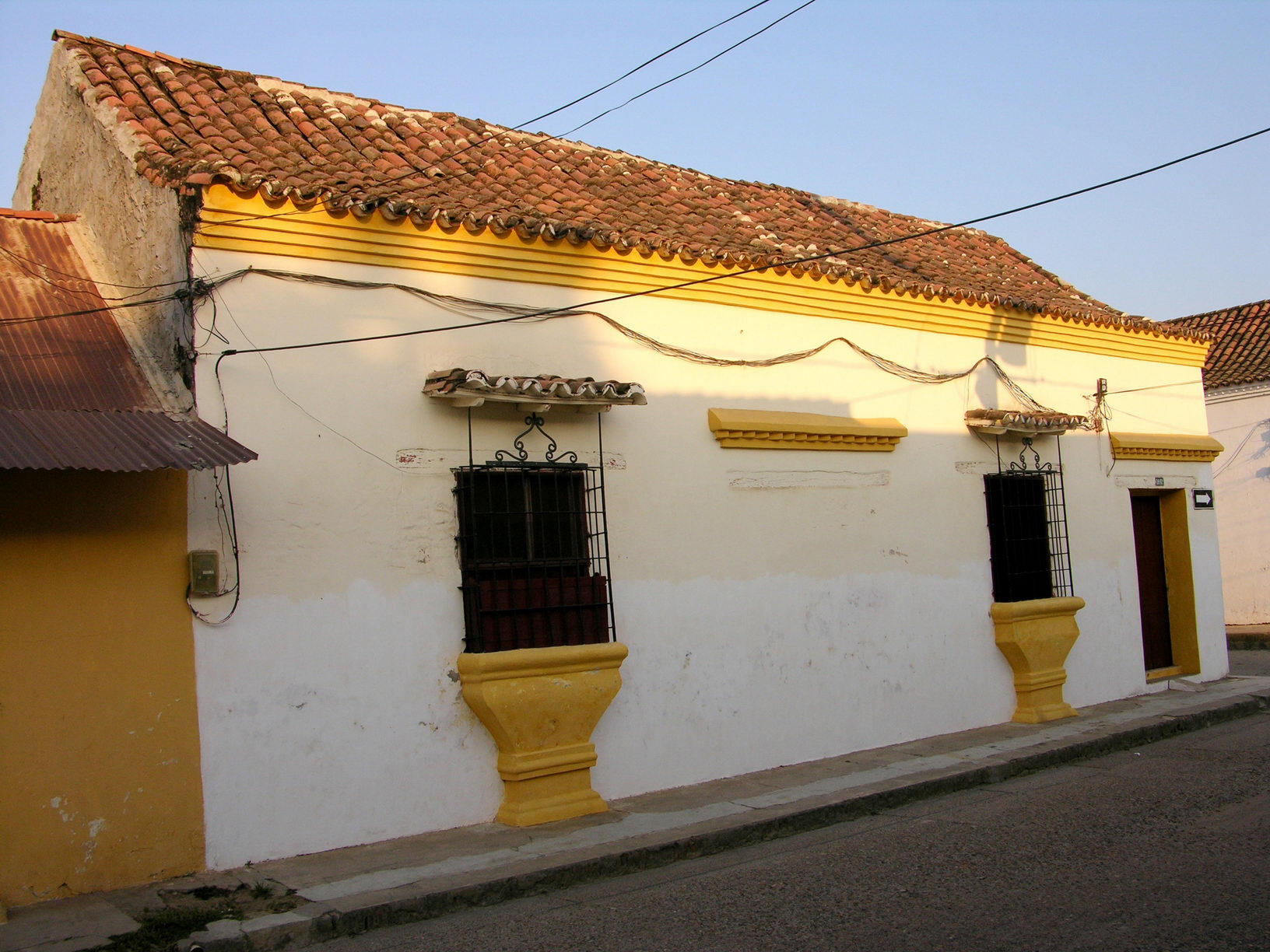
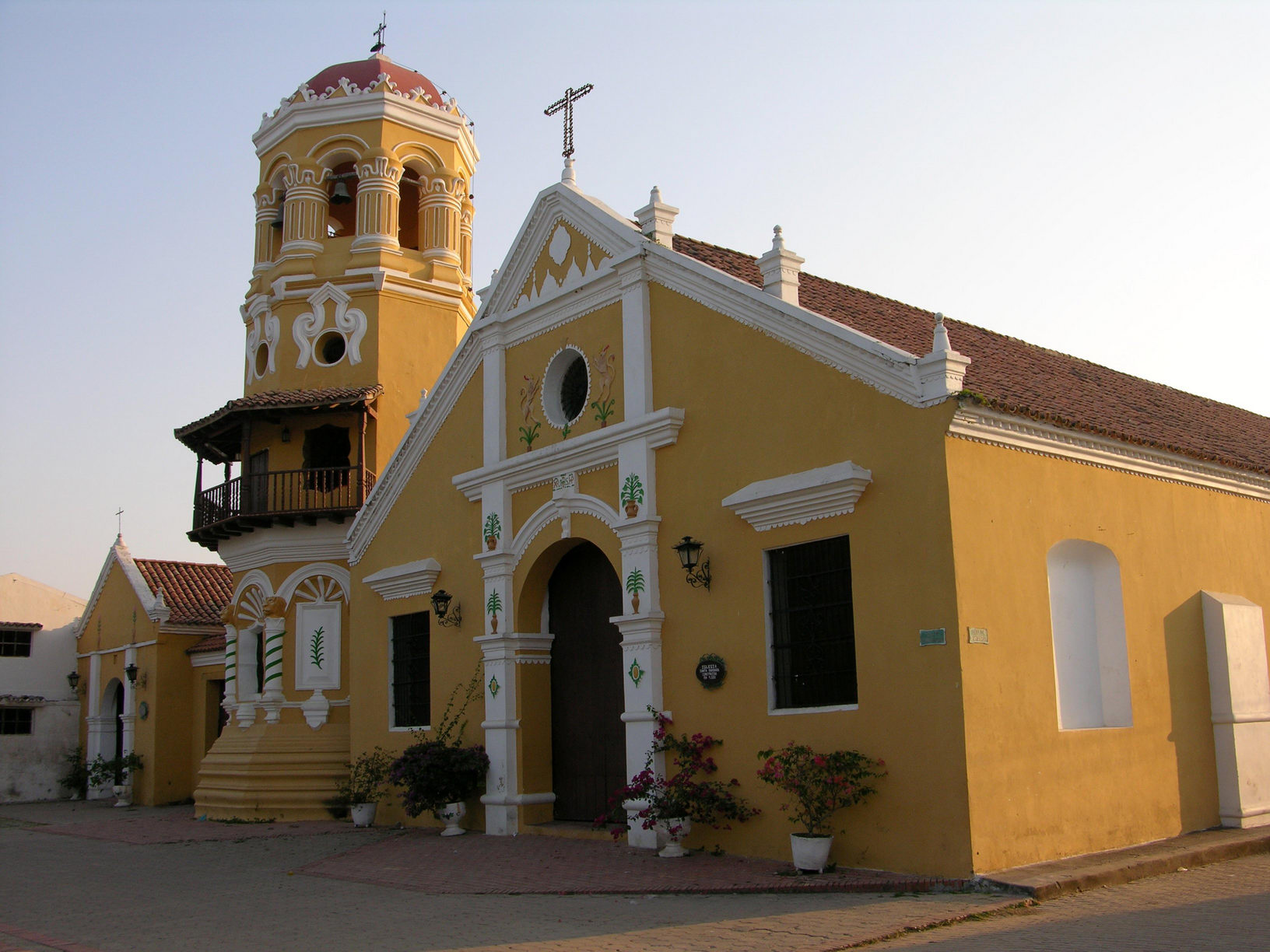
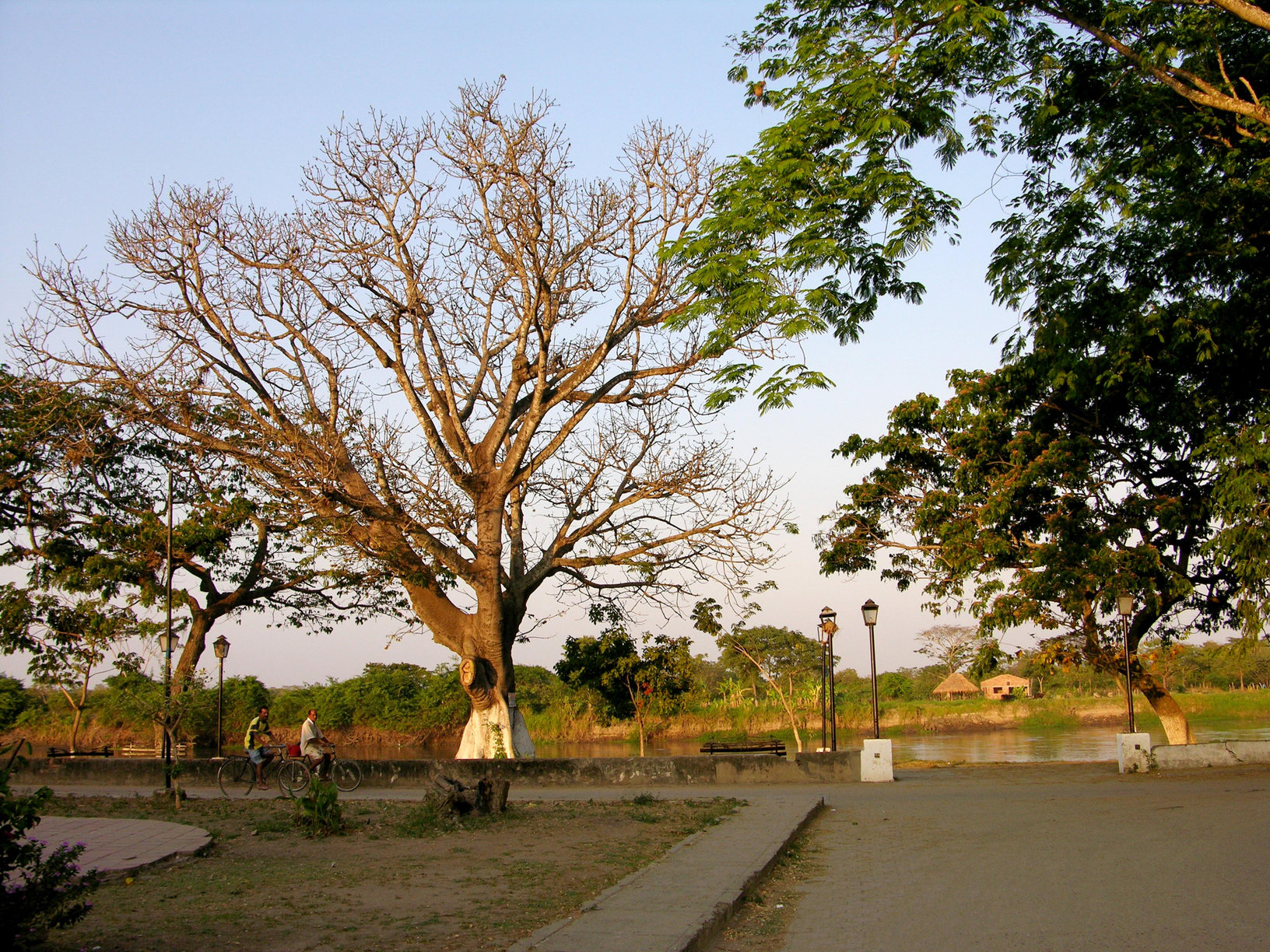
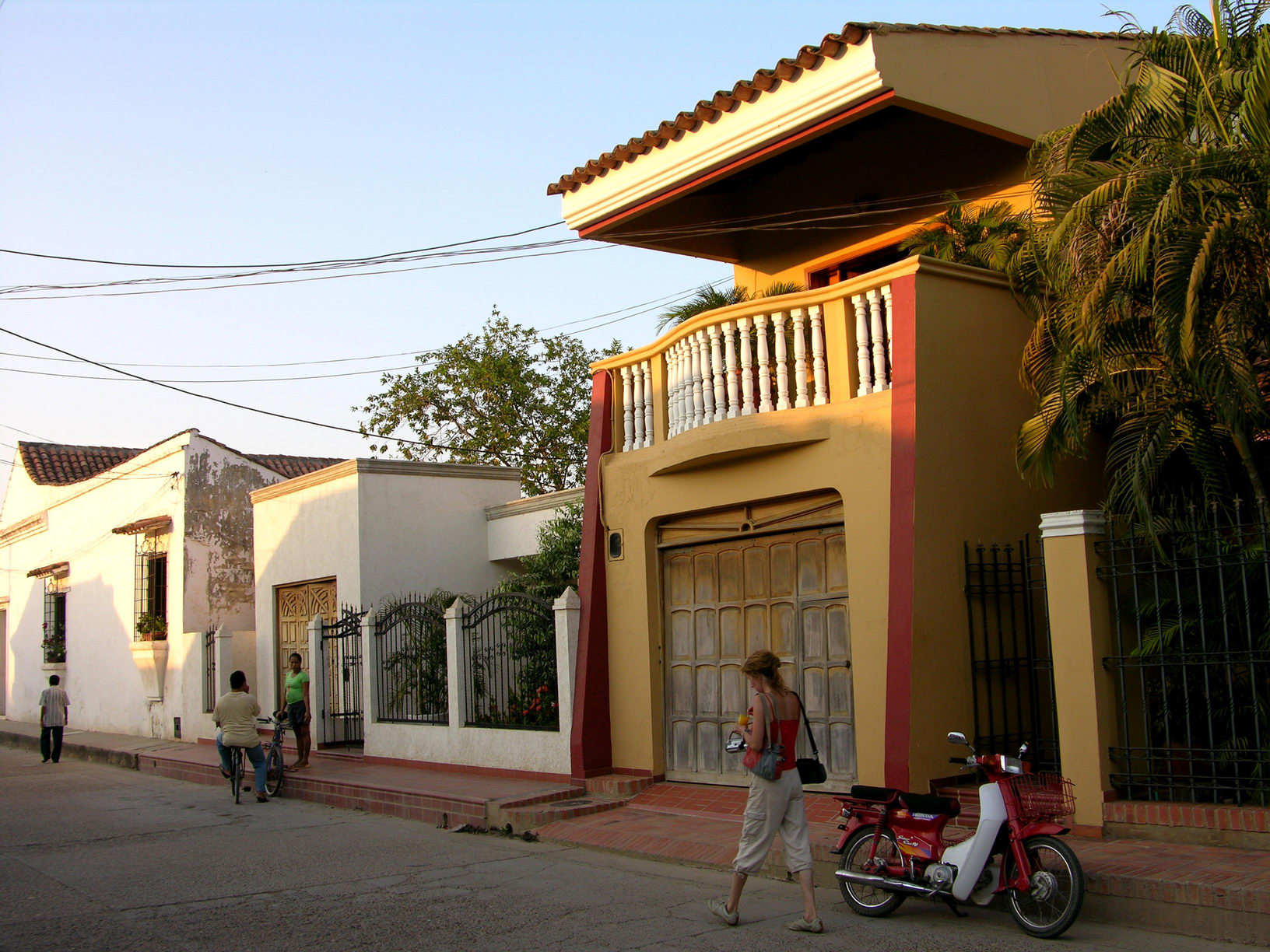
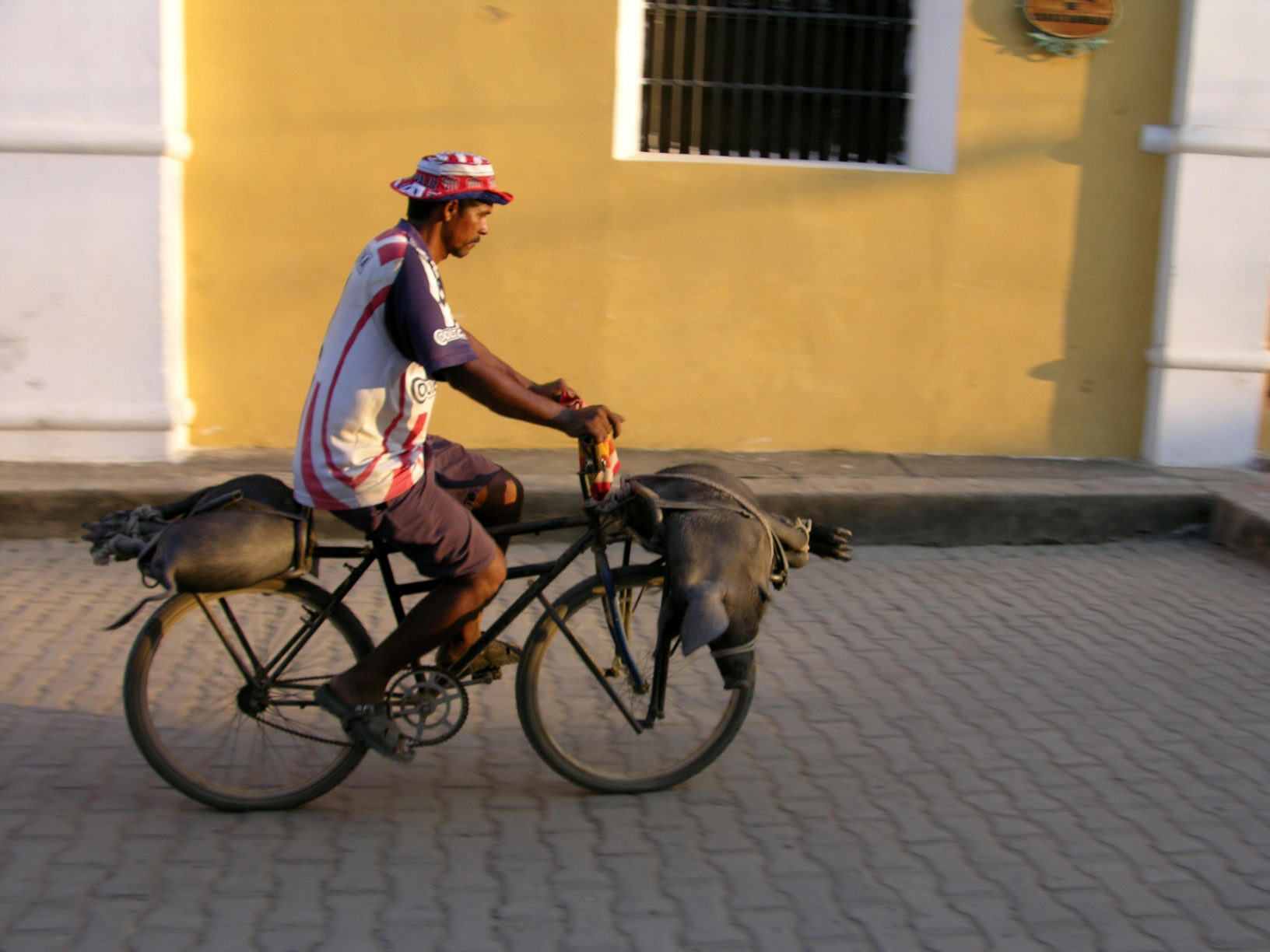
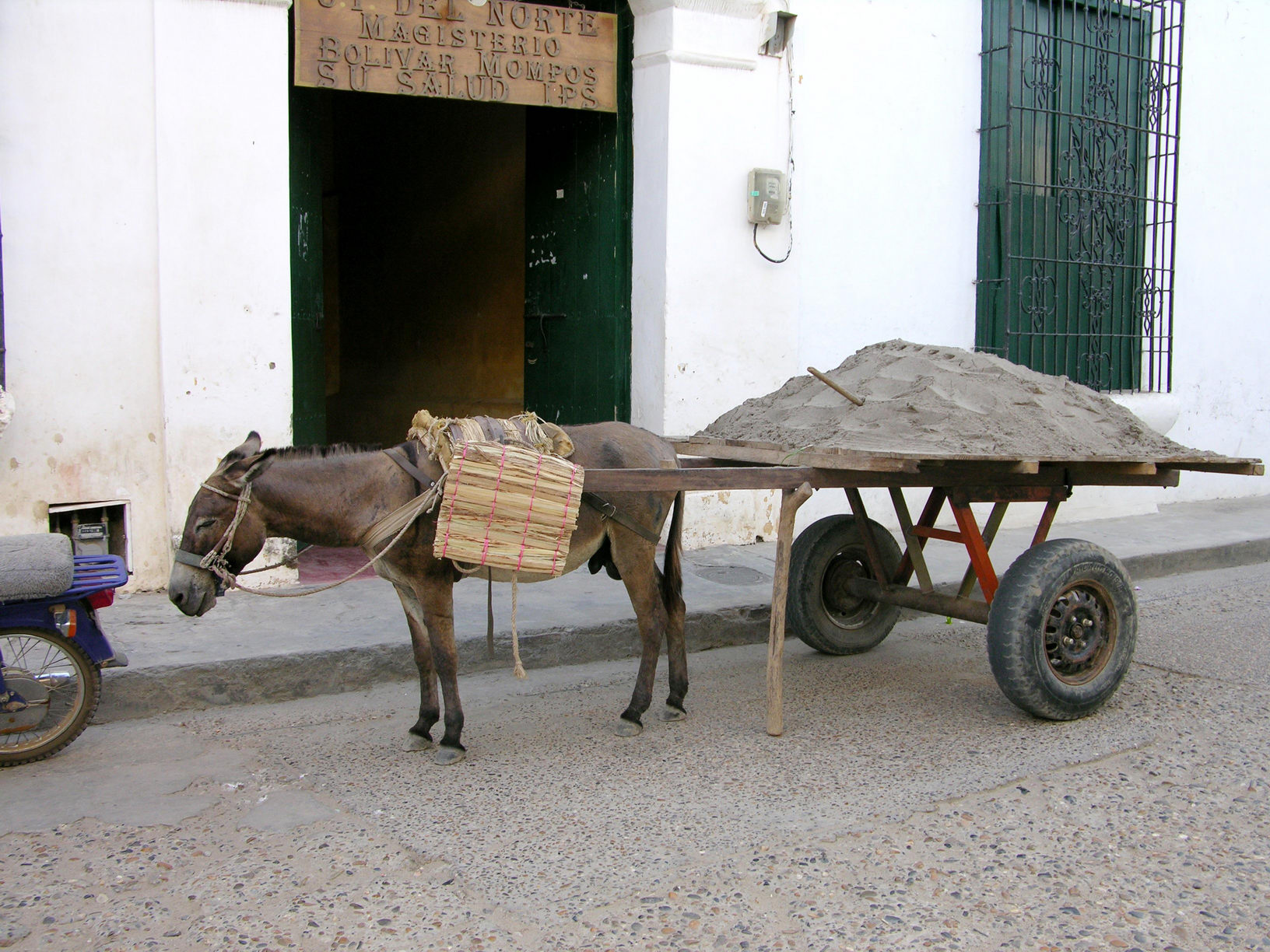
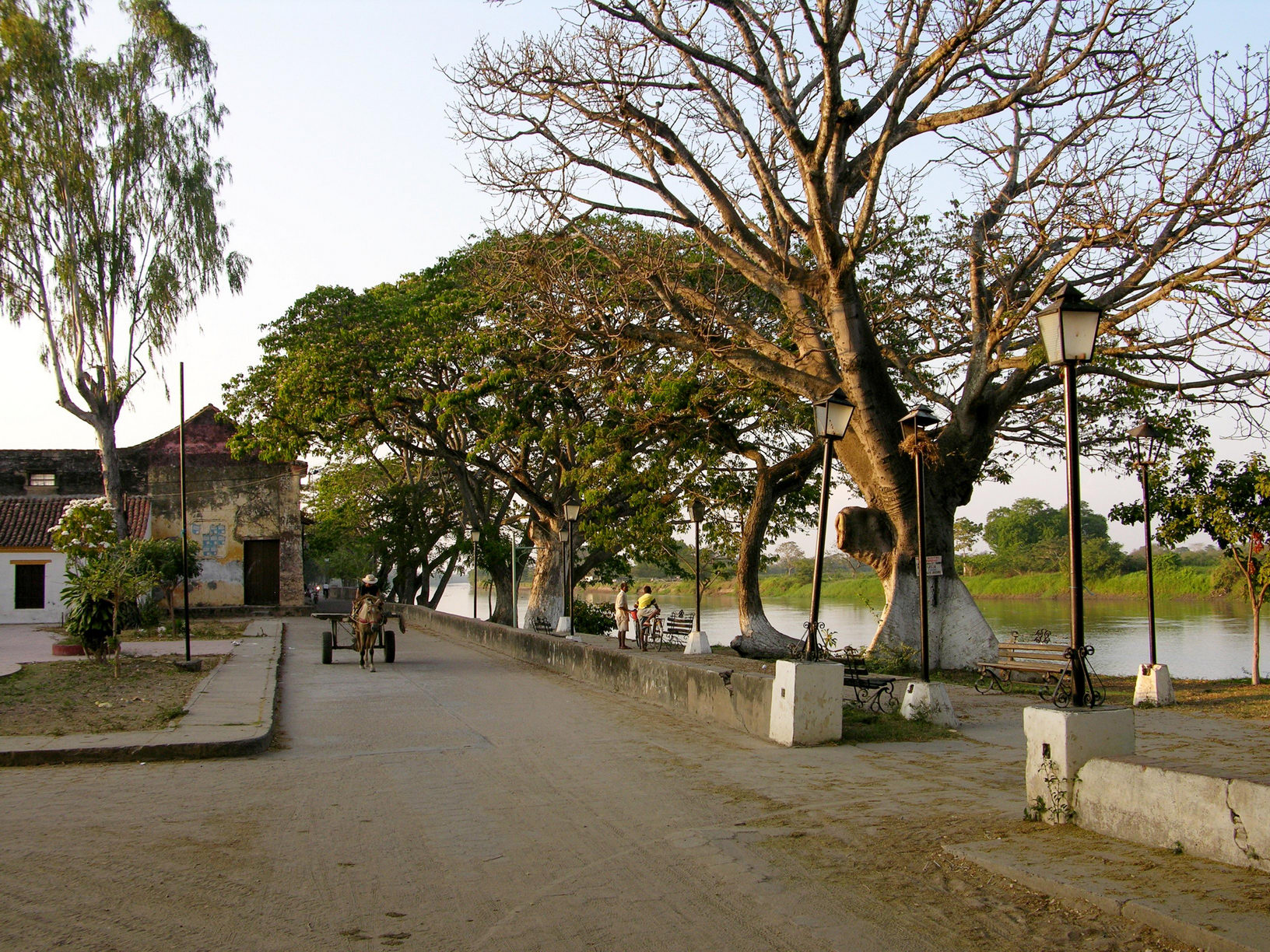
At dusk people put their rocking chairs outside their houses and sit enjoying the cool of the evening. There aren't standard cafés one after the other. In town you eat after sunset at one of the squares. Under the awnings they grill kebabs, squeeze fresh juice and play music.
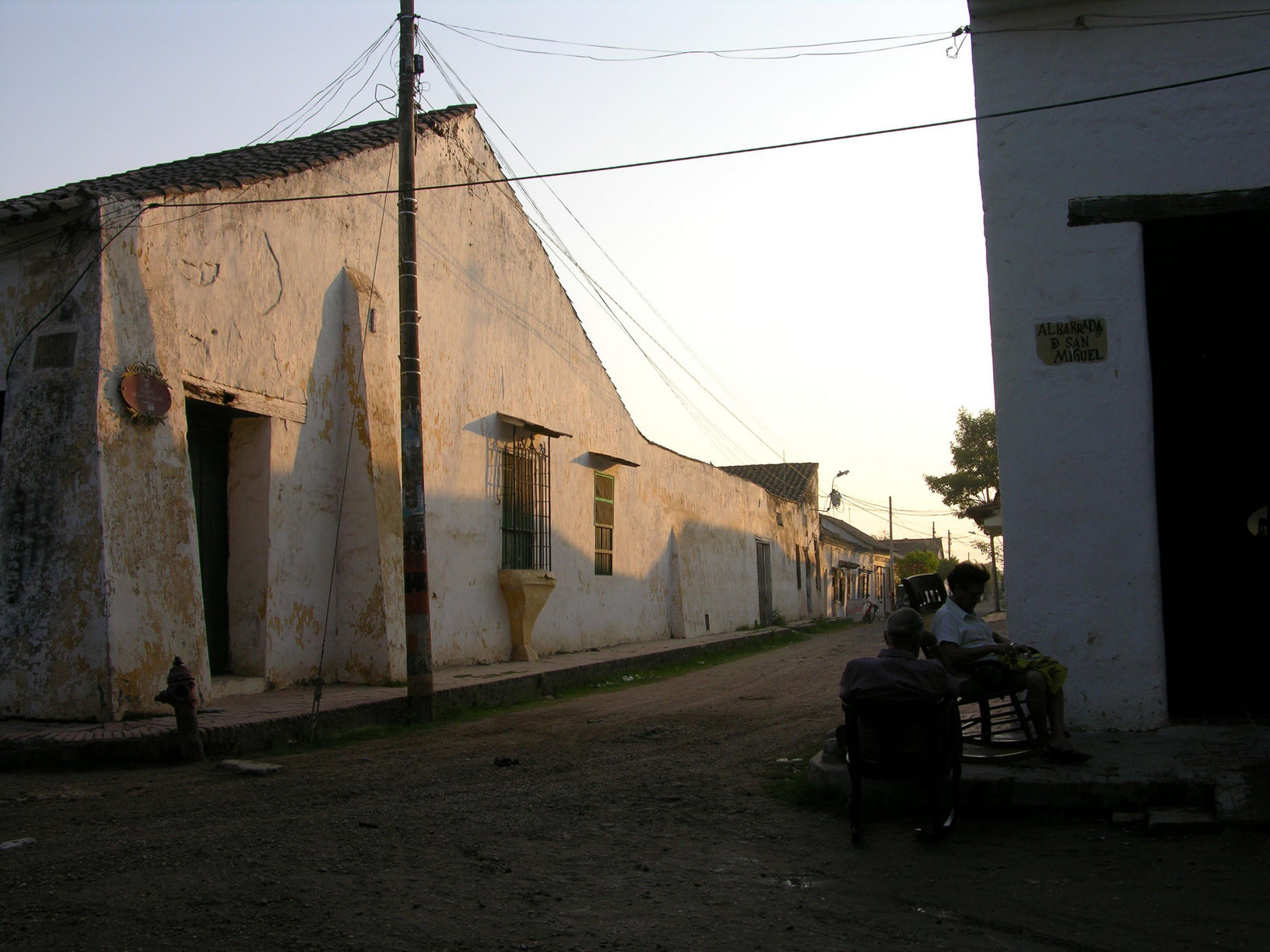
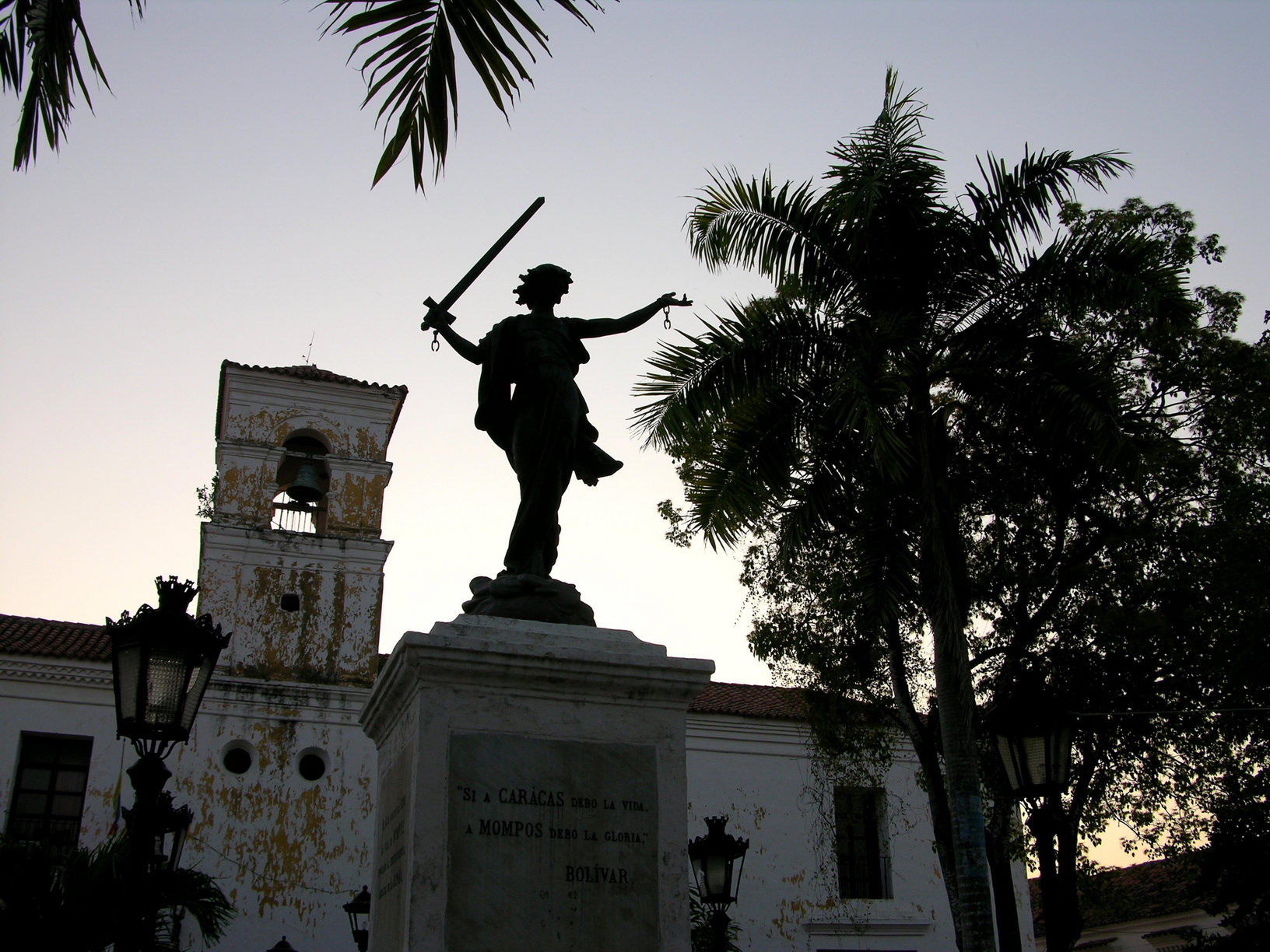
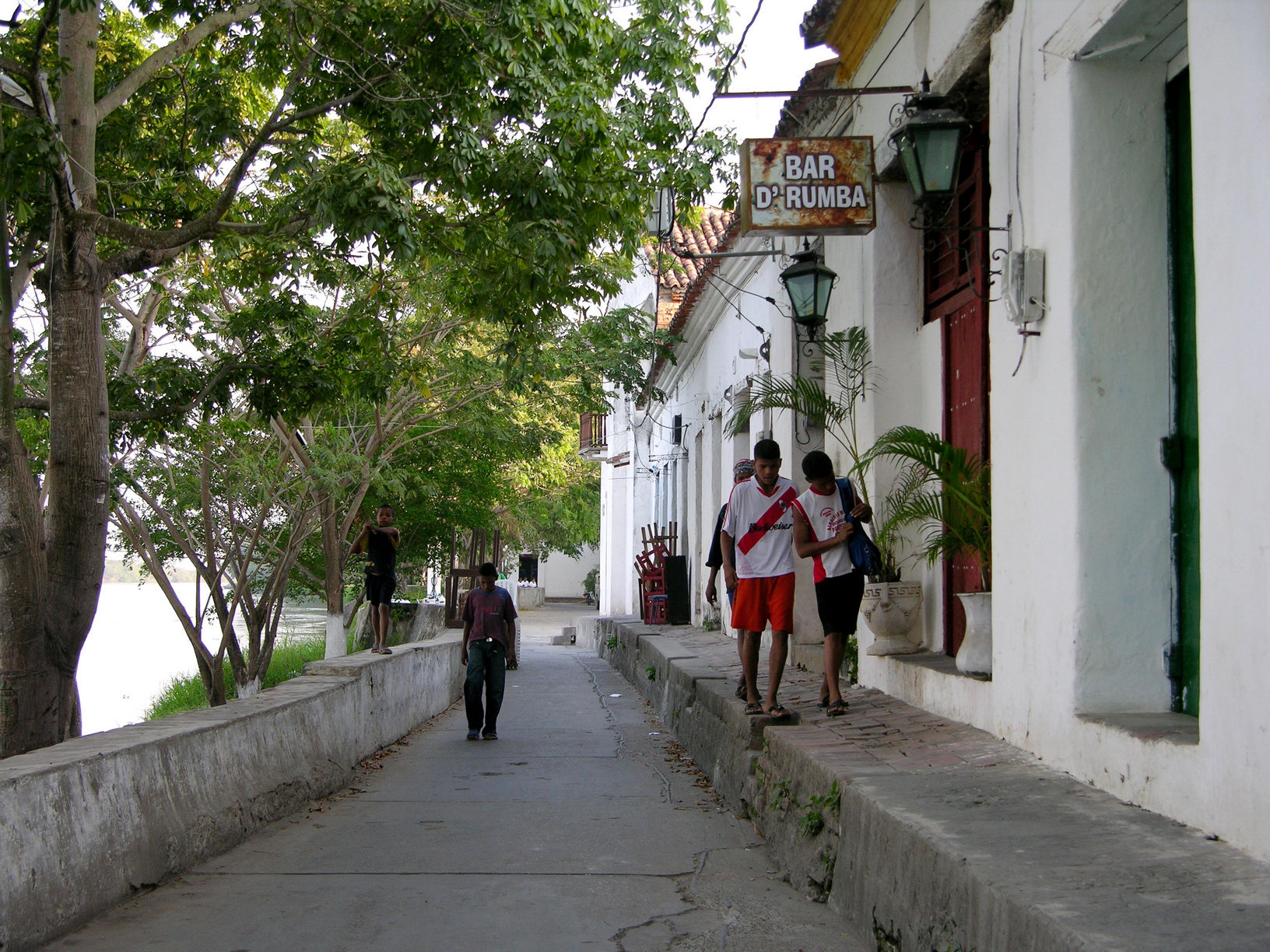
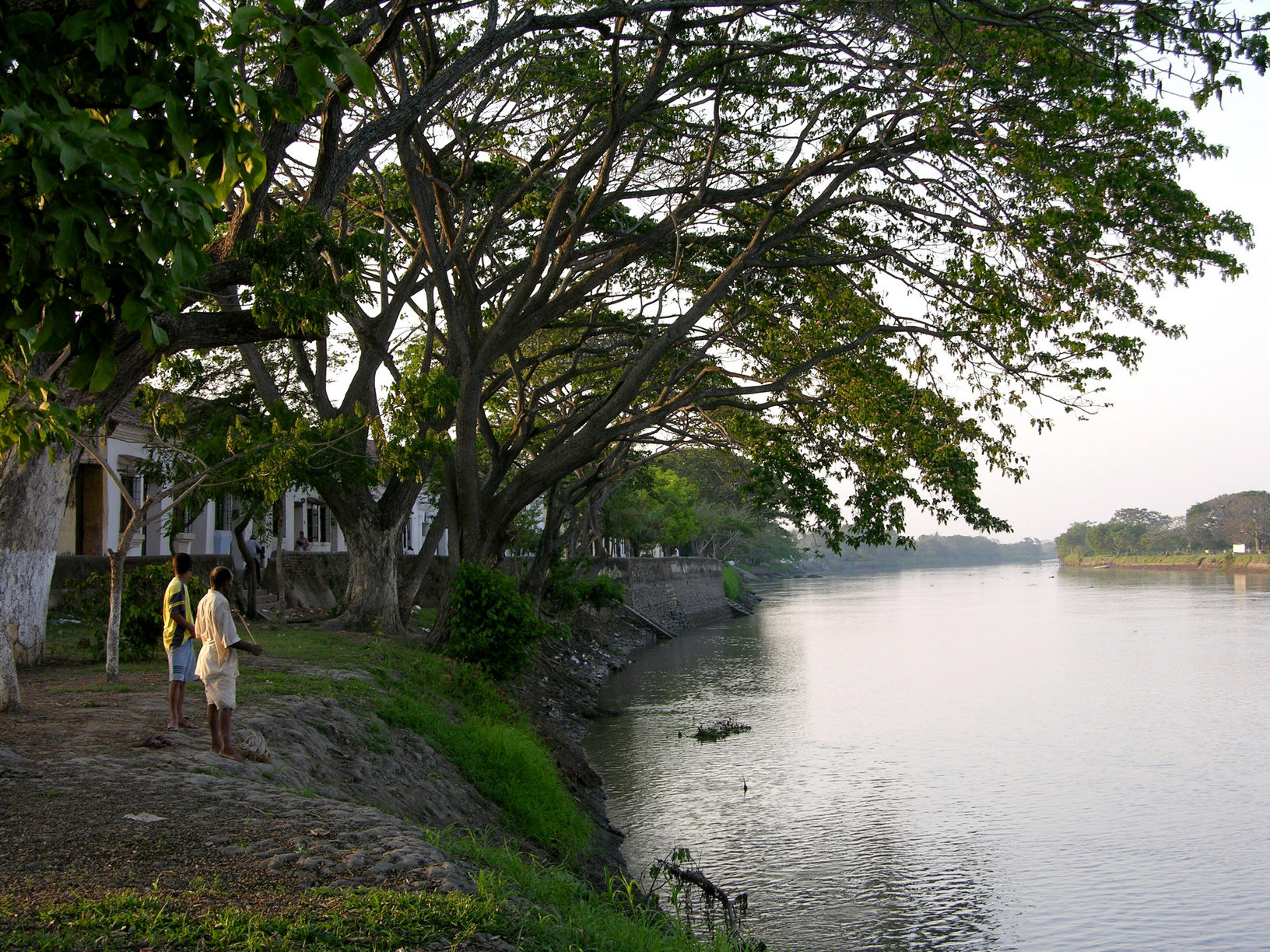
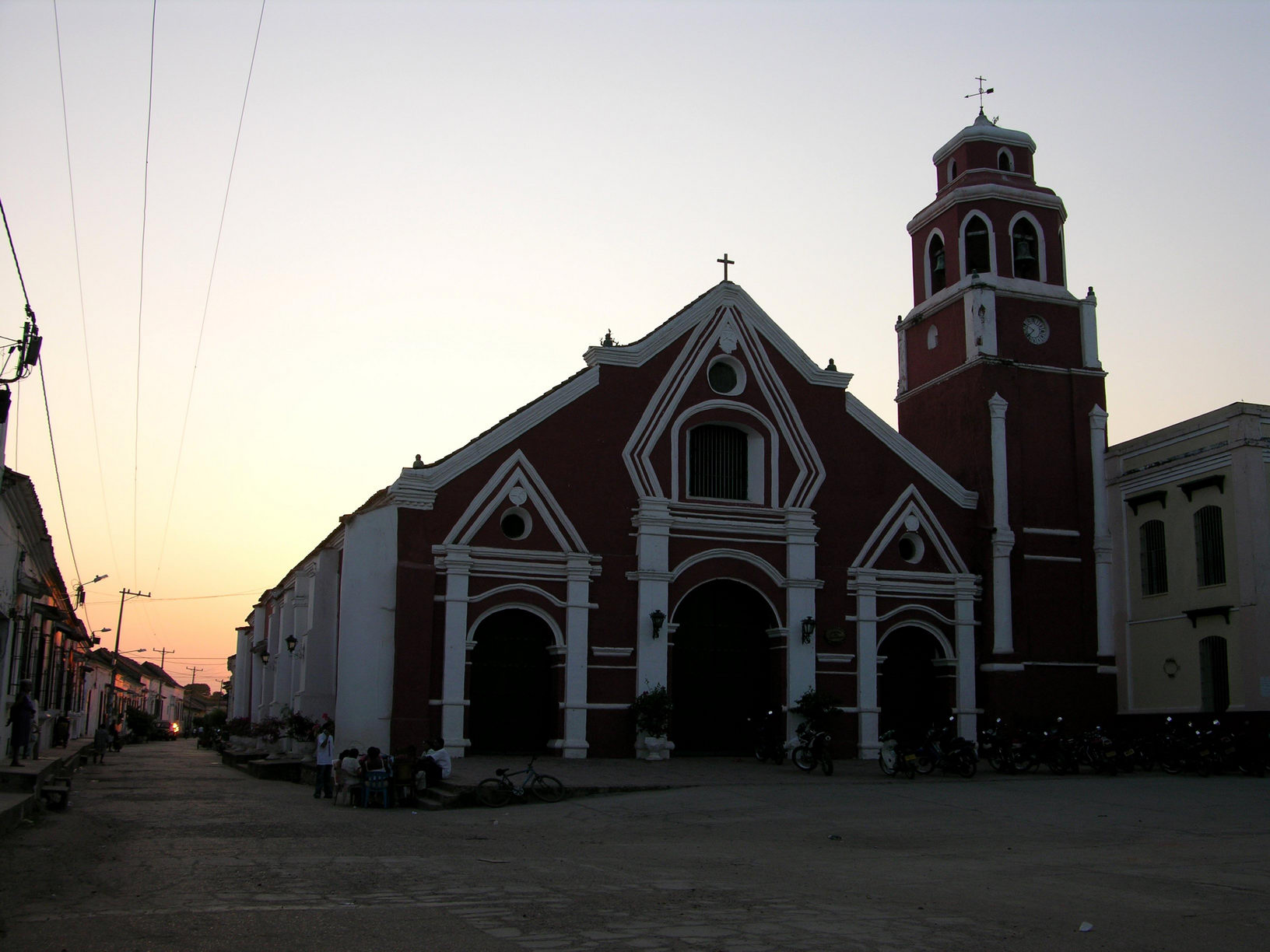
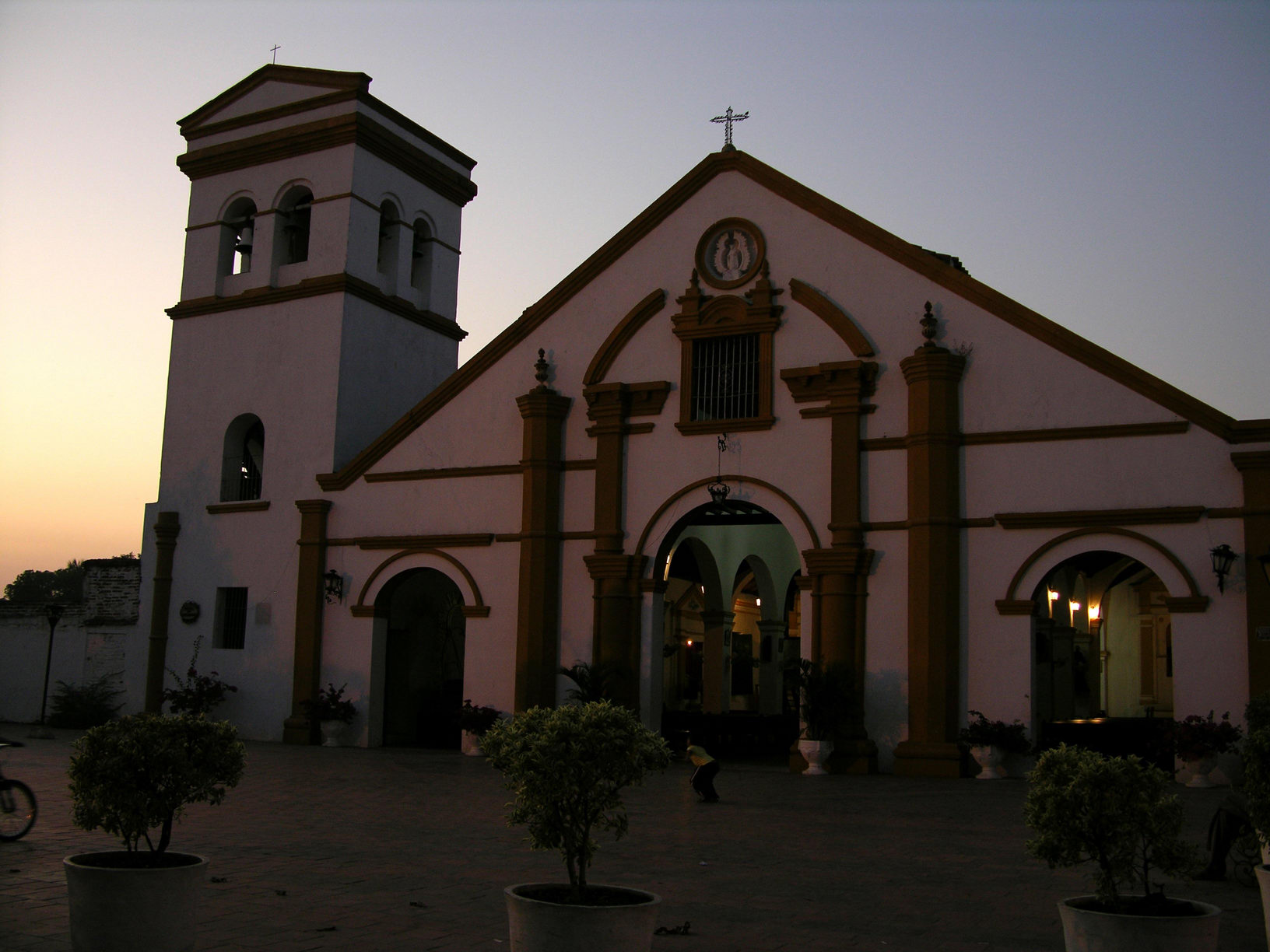
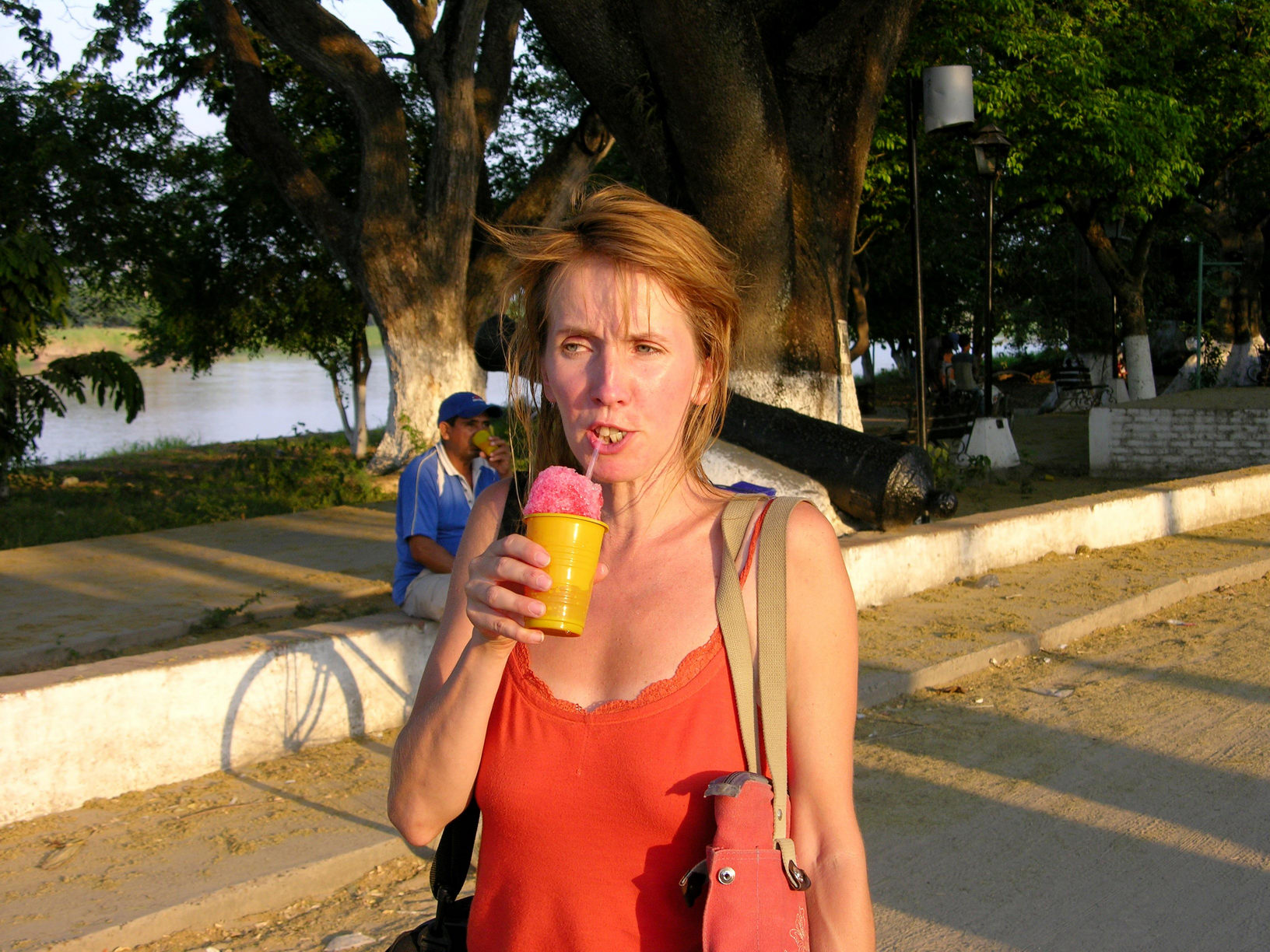
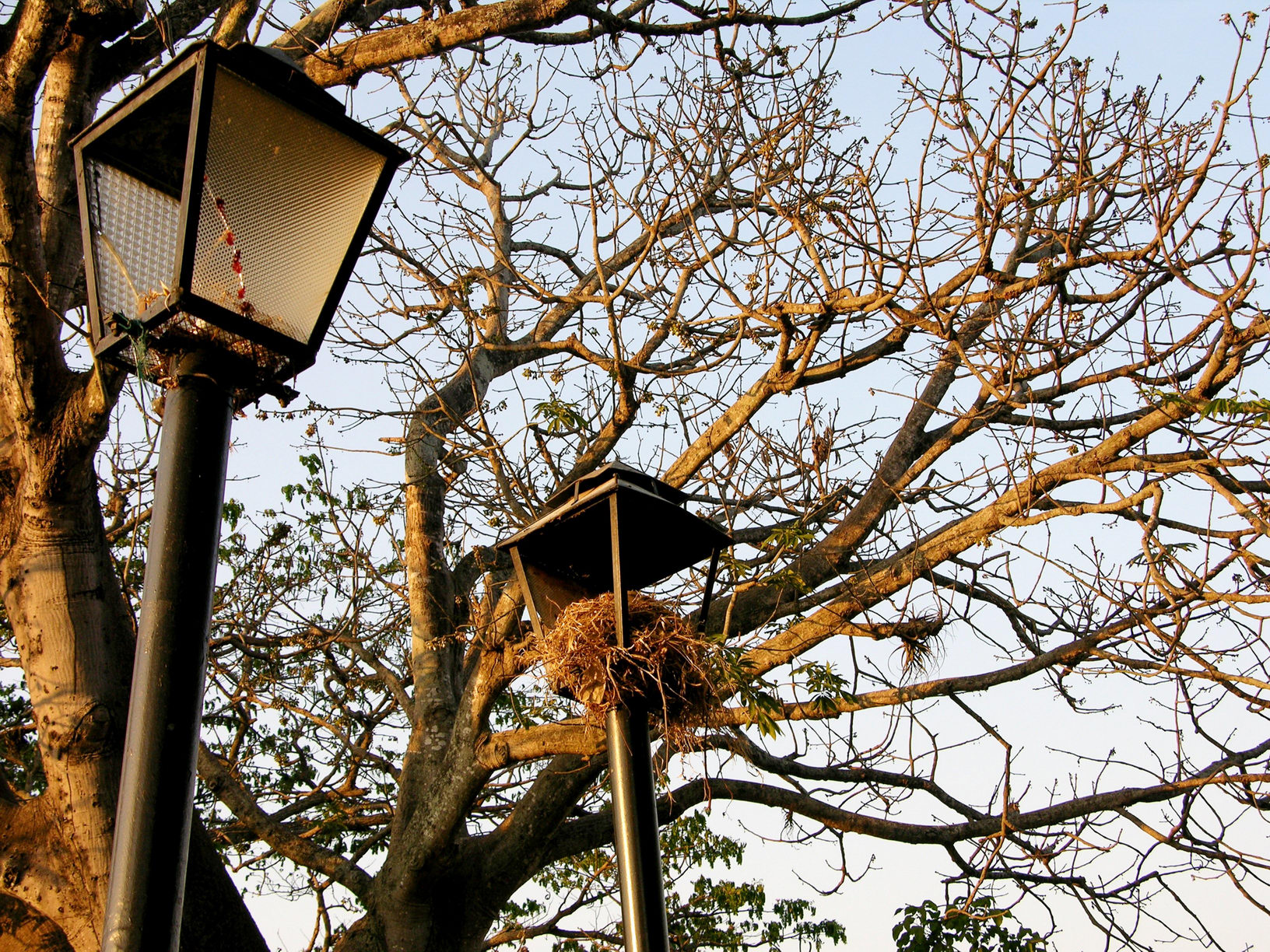
On the Magdalena farmers paddle about in hollowed-out dugouts. They sell frozen juice instead of ice cream. Some of the buildings have been restored, but plenty are in a state of picturesque collapse. Someone once put up electric lamps. Now they're abandoned and birds have built nests in them. Wherever you look you think of Márquez's books and Macondo.
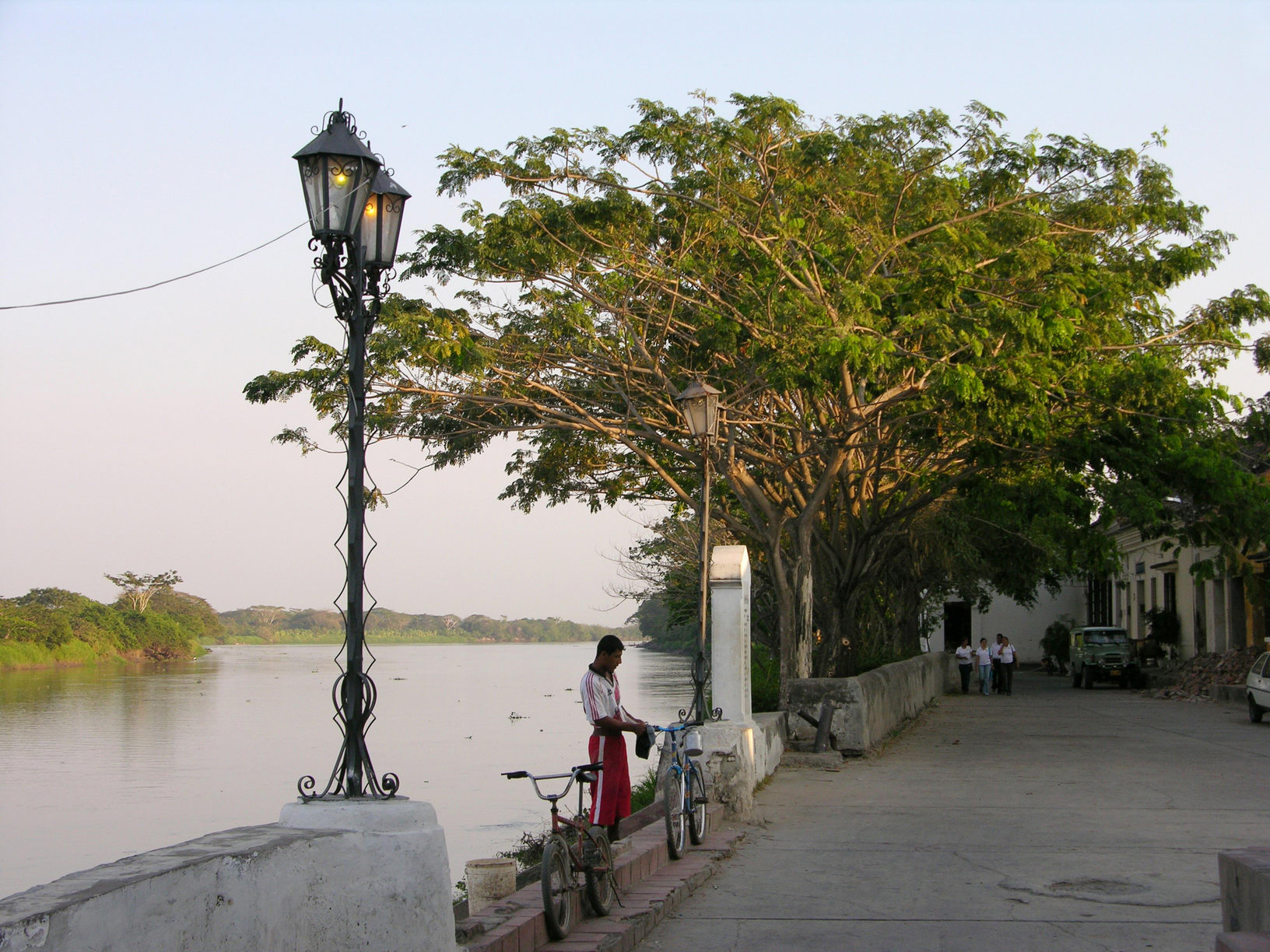
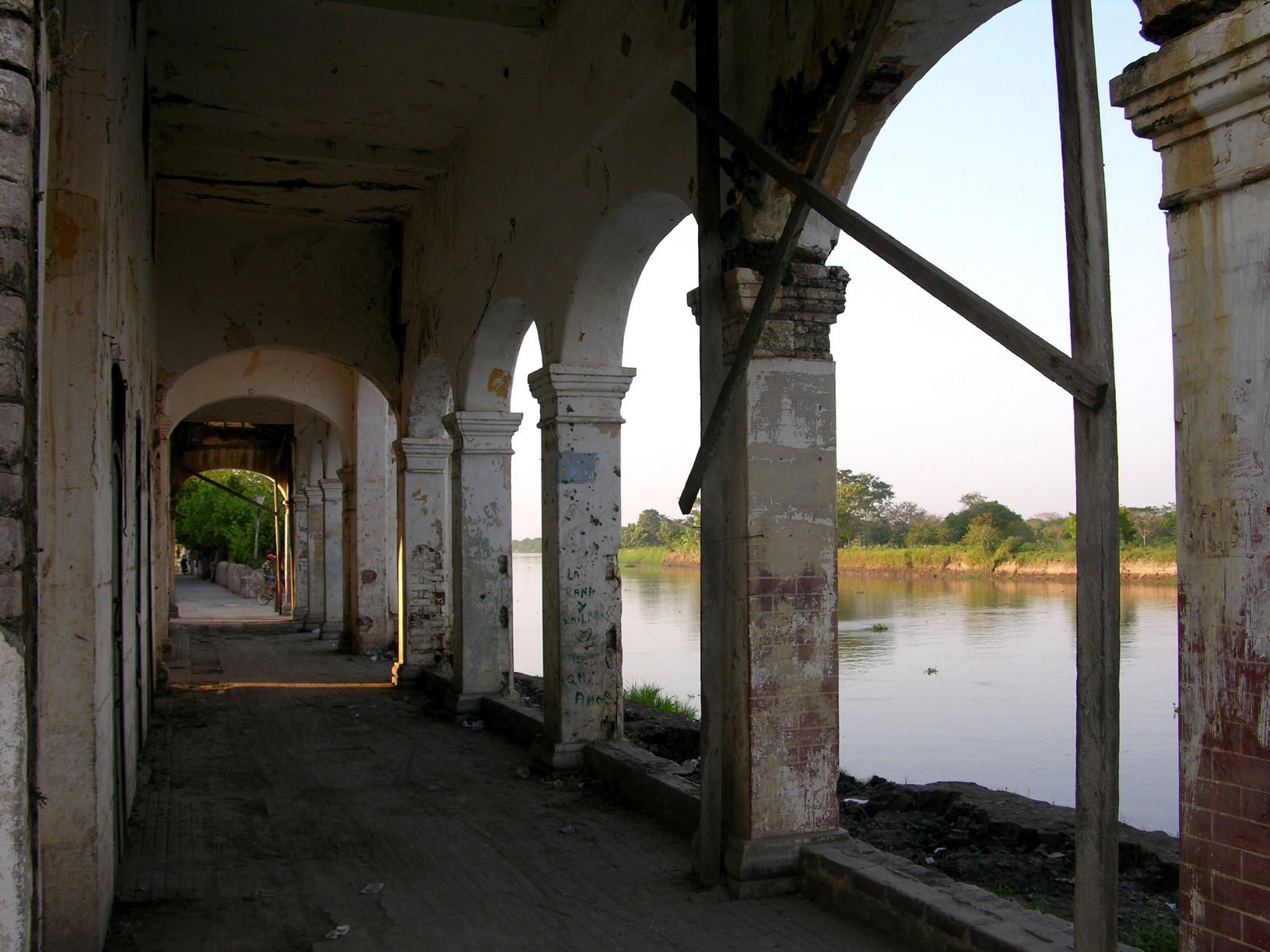
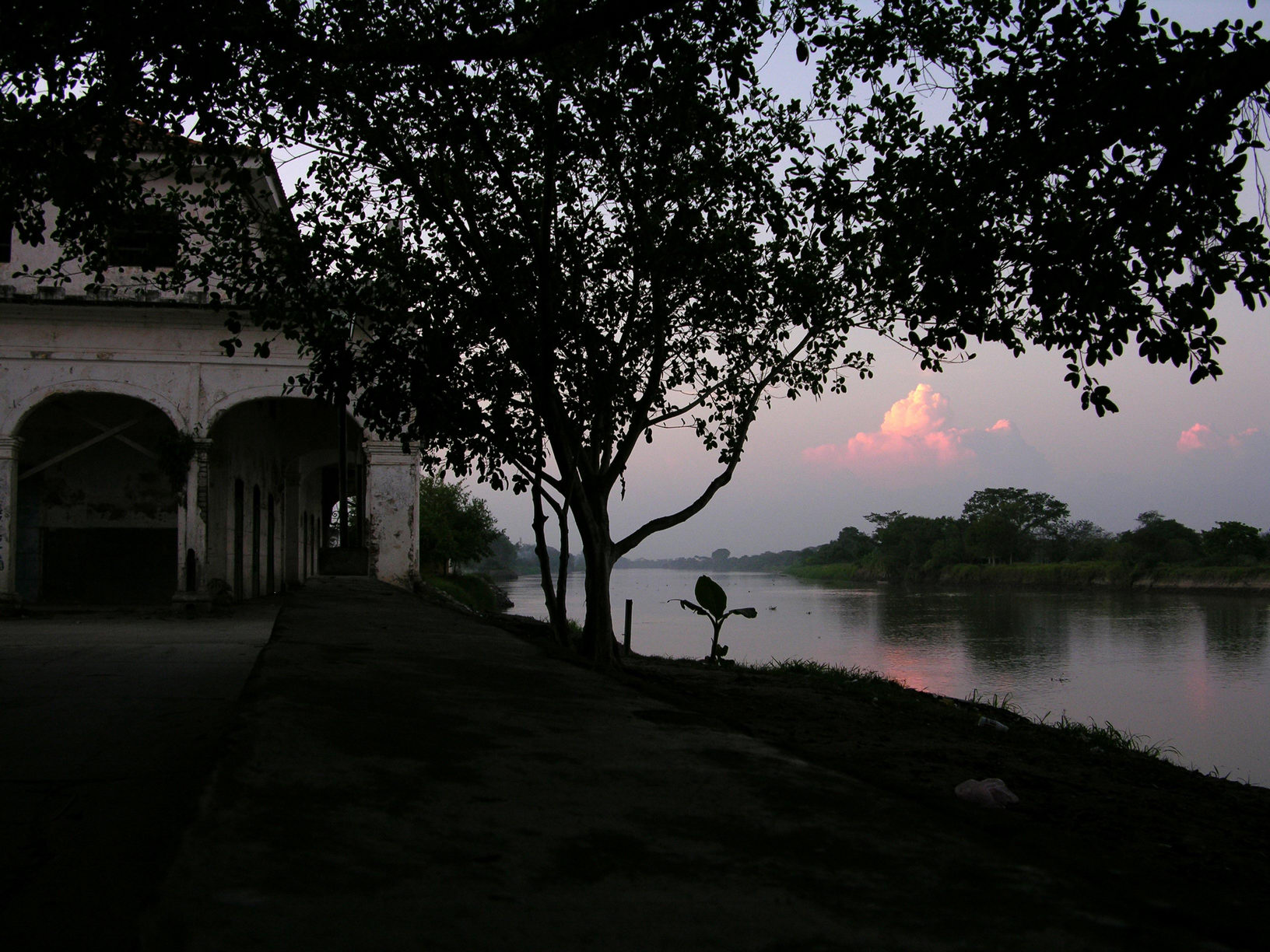
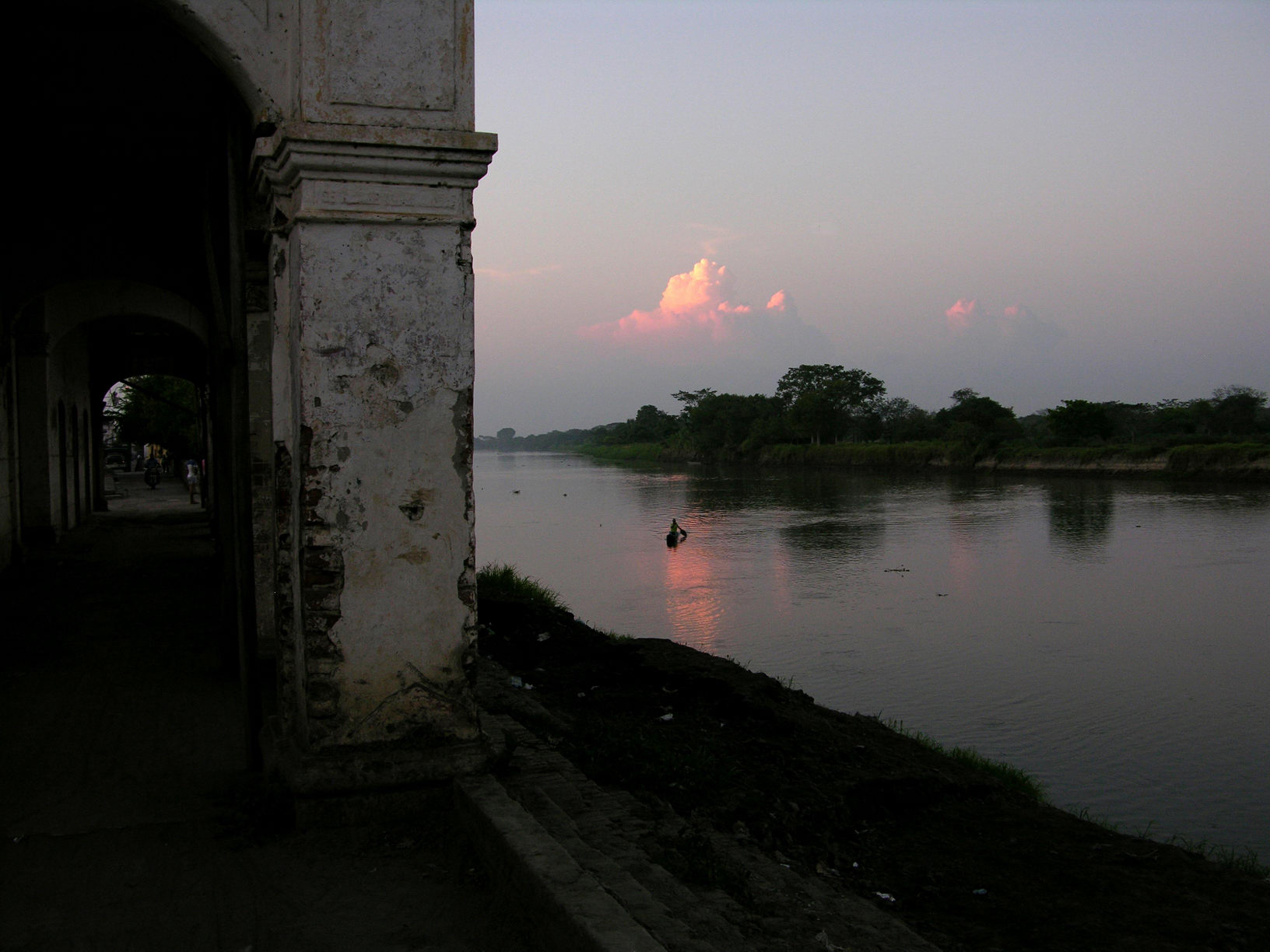
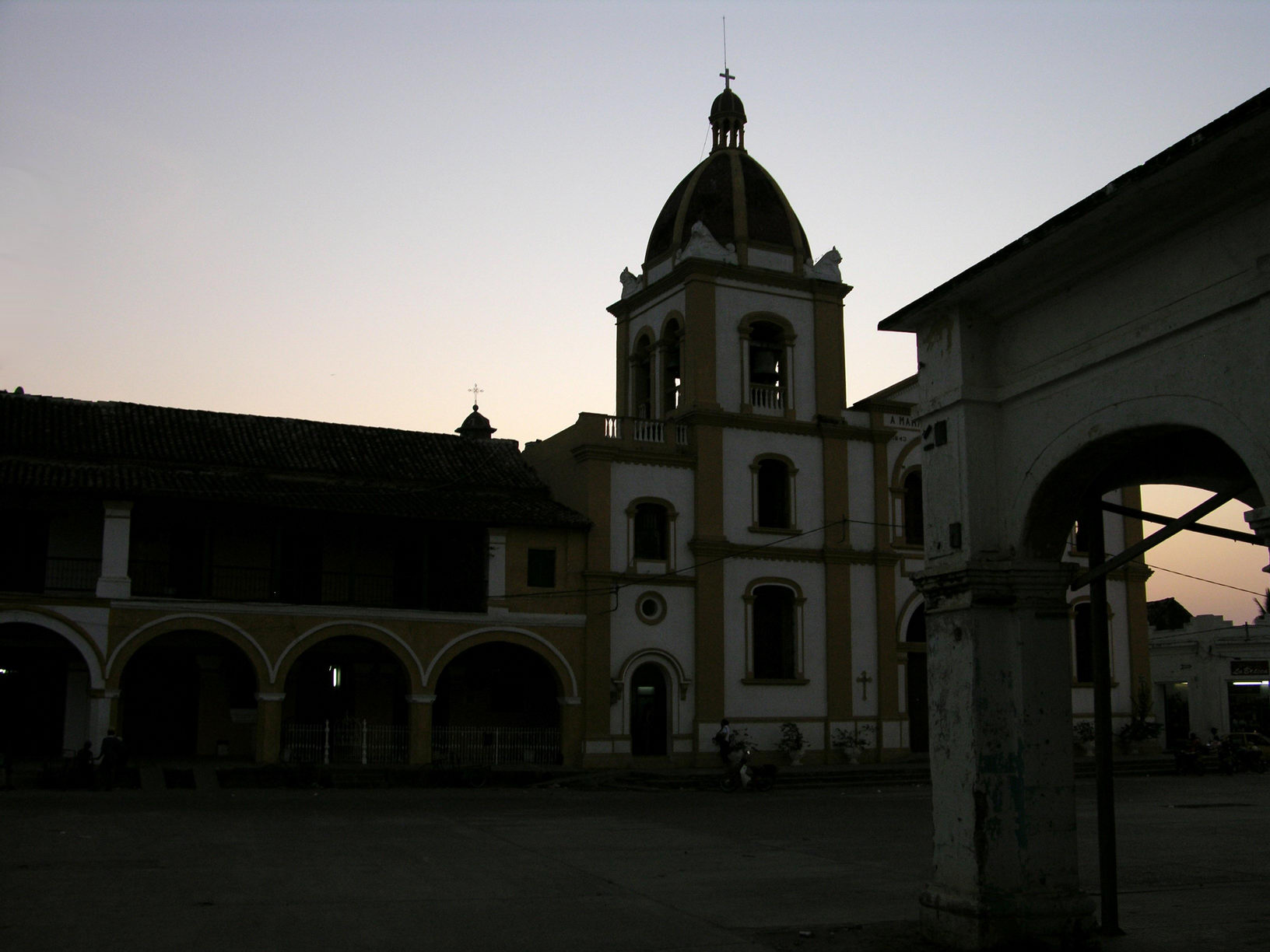
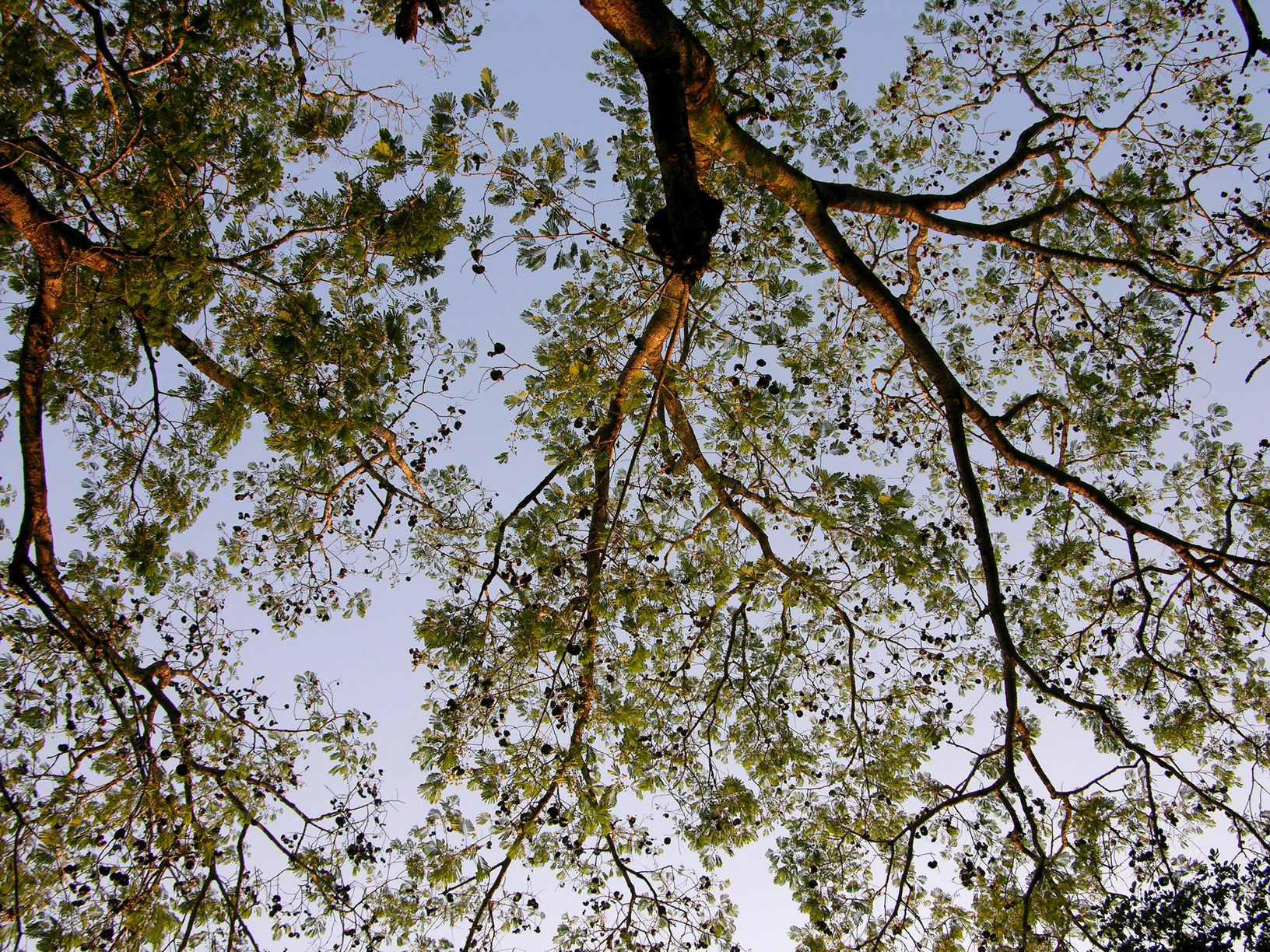
As you do in places like this, we spent the night at an old hotel that had been in its house for five centuries (9°14.657′N, 74°25.626′W).
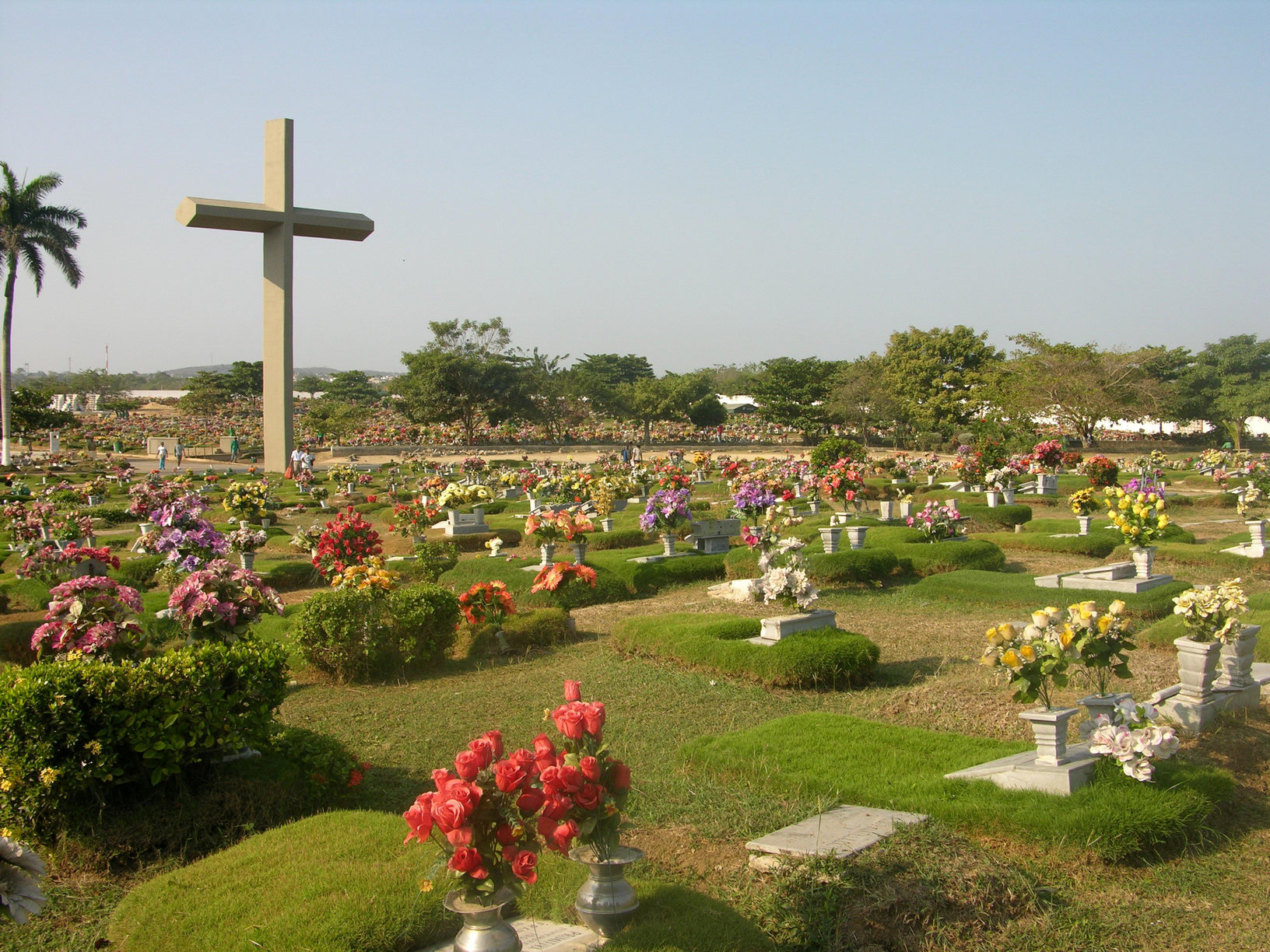
We were lucky to find a filling station in town too. Otherwise we'd have been stuck there for a long time with no petrol. Then again, it's simple in Colombia. Get out in any village and ask where you can find petrol. Somebody will have a drum in their shed and be pleased to sell you a gallon or two. All the pumps in Colombia measure it in gallons. Everything here is American in the United States sense. Mains power is 110 volts, 60 hertz, with American sockets. All the vehicles are from the States. So are the look of the cemeteries and the road signs. Interestingly, “American” here means someone from the United States. They call themselves Colombians. In the rest of Latin America they think of themselves as Americans and take offence if you use it for people from the States.
We drove out of Mompox early in the morning in time, we hoped, to catch the first ferry. We only made it to the tail of an enormous queue. How could so many cars fit onto such a small thing? We might have to wait half a day for the next crossing. Kiosks stood all along the line by the road, frying fish from the Magdalena. Delicious. Children offered to wash our car and we didn't pass up the chance. Loading started an hour late. They packed the vehicles so densely that once loaded you couldn't get into them. But there was room for us. Most were lorries carrying little pigs. There's a lovely life for them here. Pigs feel at home in all the channels and swamps of the Magdalena. The black mud is such that pigs all over the world ought to be jealous. Unfortunately they all come to the same end. Caught, washed and taken to the meatworks. They spend a long time on the road. It's hot and they can't go long without water. I'd recently learnt that under an international animal welfare convention they're meant to be given water several times a day. Nobody here had read the conventions, of course. The poor things squealed. Only the kind children who'd washed our car brought them a bucket and sprayed them with the hose. What grunts, what little snouts they poked out! I felt sorry for them.
Loading went well, but soon after we left something awful happened. In the strongest current the barge ran aground. It swung around and the tug, lashed on with little ropes, was slammed into the bank. The ropes snapped and our barge tore downstream, rudderless and without a sail, in the racing river. Thankfully the tug survived the blow and kept its head. Just as the barge was bound to crash into the bank, the launch caught up and pushed our side. It was enough to get us past and only graze the bank with an edge. For kilometres more our tub rushed downstream, spinning aimlessly and guided by nudges from the indomitable tug Princesa, until at last the channel joined a wider stretch. The current eased. The tug came alongside. They tied the broken ropes and lashed the tug back on. All was sorted out. Only we'd been carried ten or twenty kilometres downstream. Luckily you can eat and drink on the ferry, including our favourite freshly squeezed mora juice. They sell it all on deck. There's no electricity, so they put diesel generators right there on deck to power the blender and fridge. Each stall has its own generator. It took us four hours to creep upstream to the unloading place.
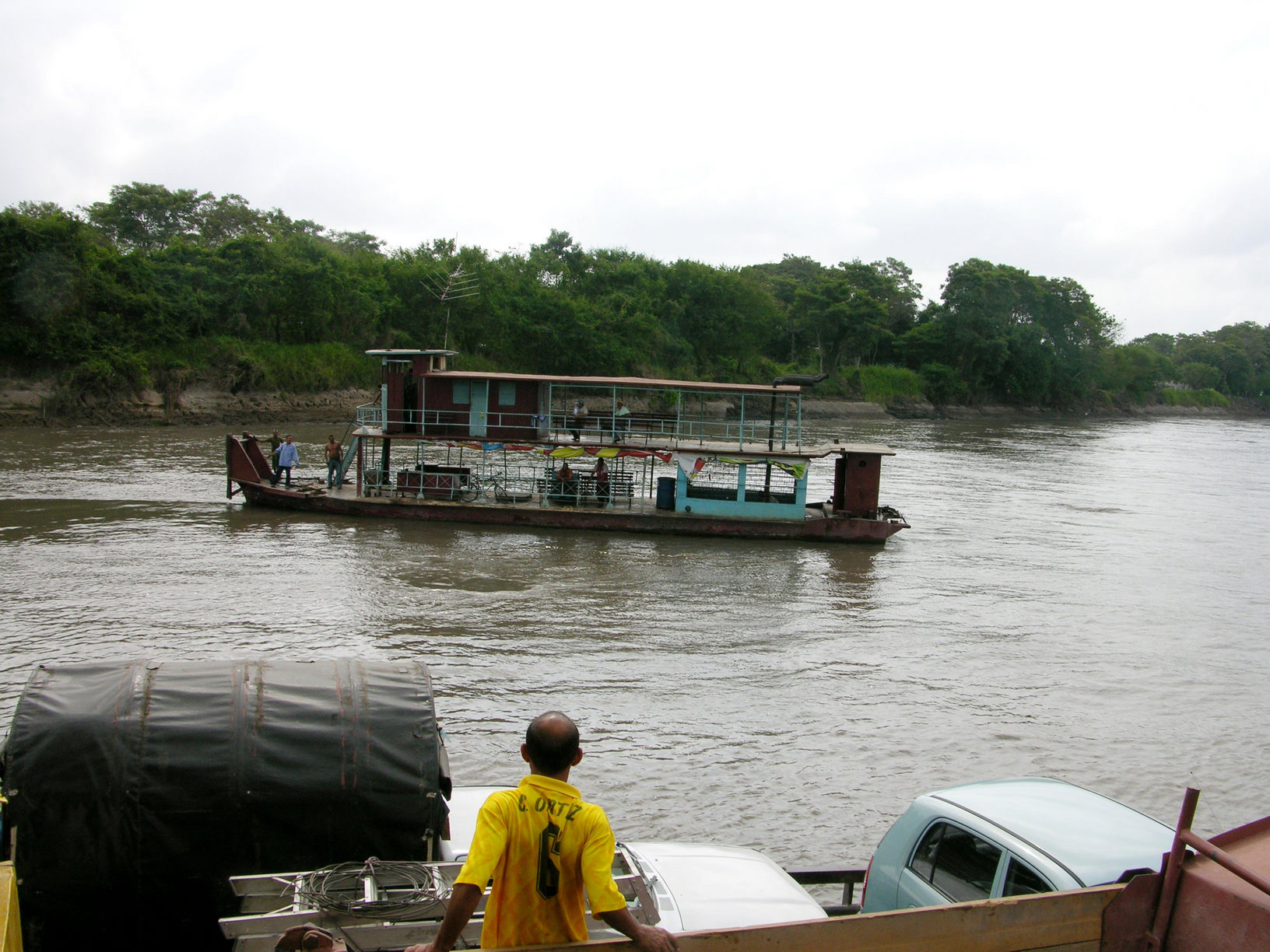
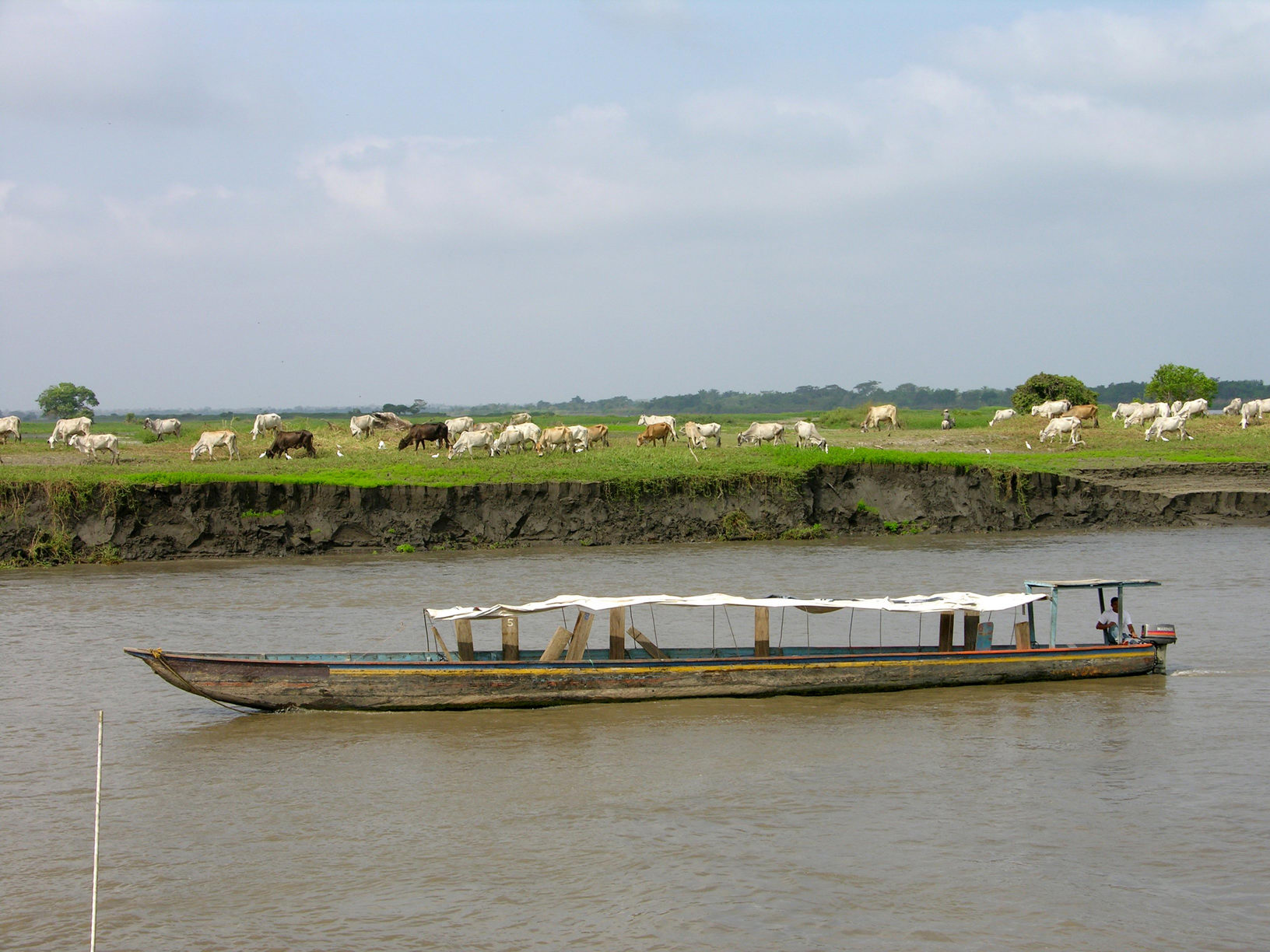
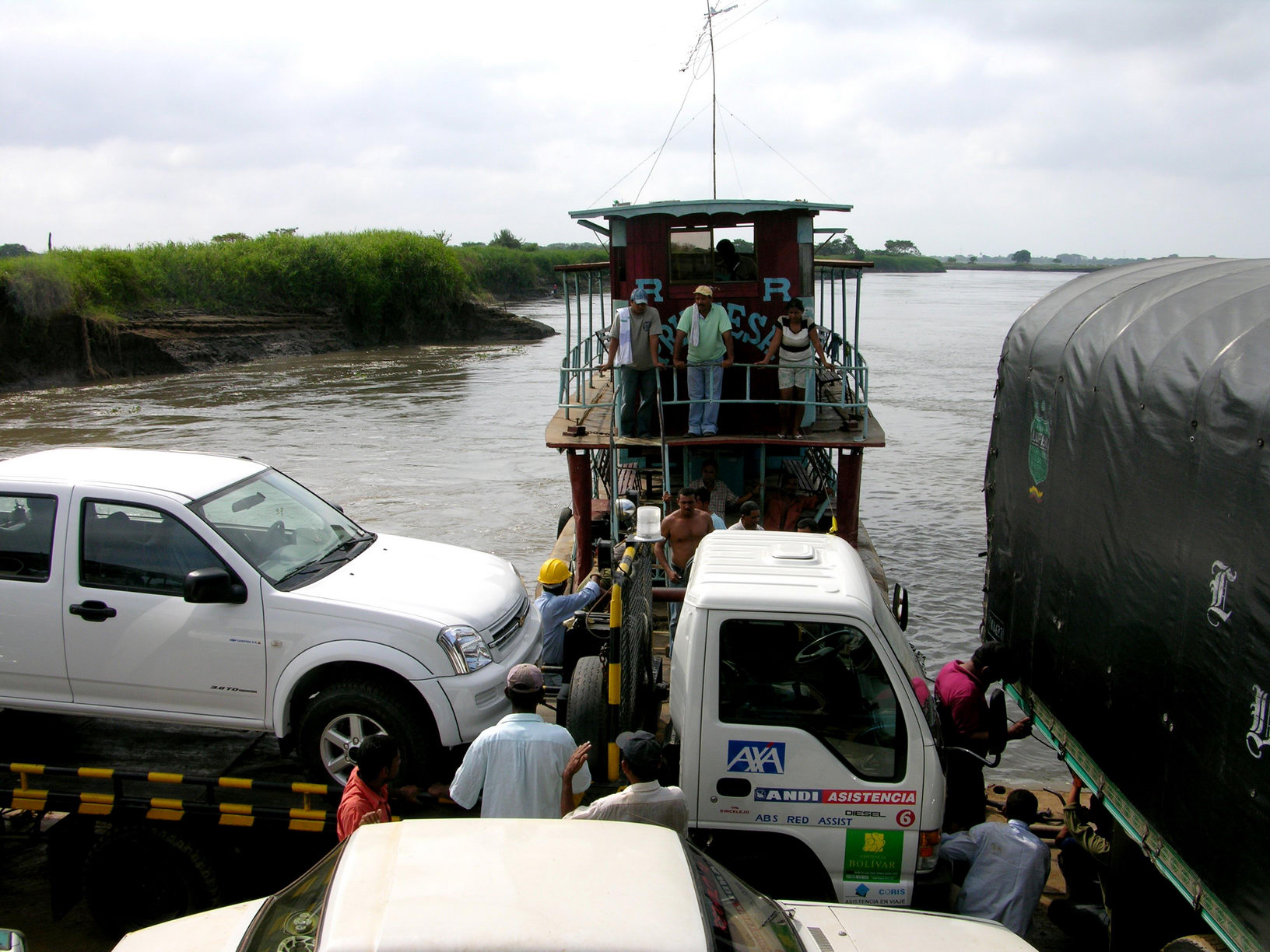
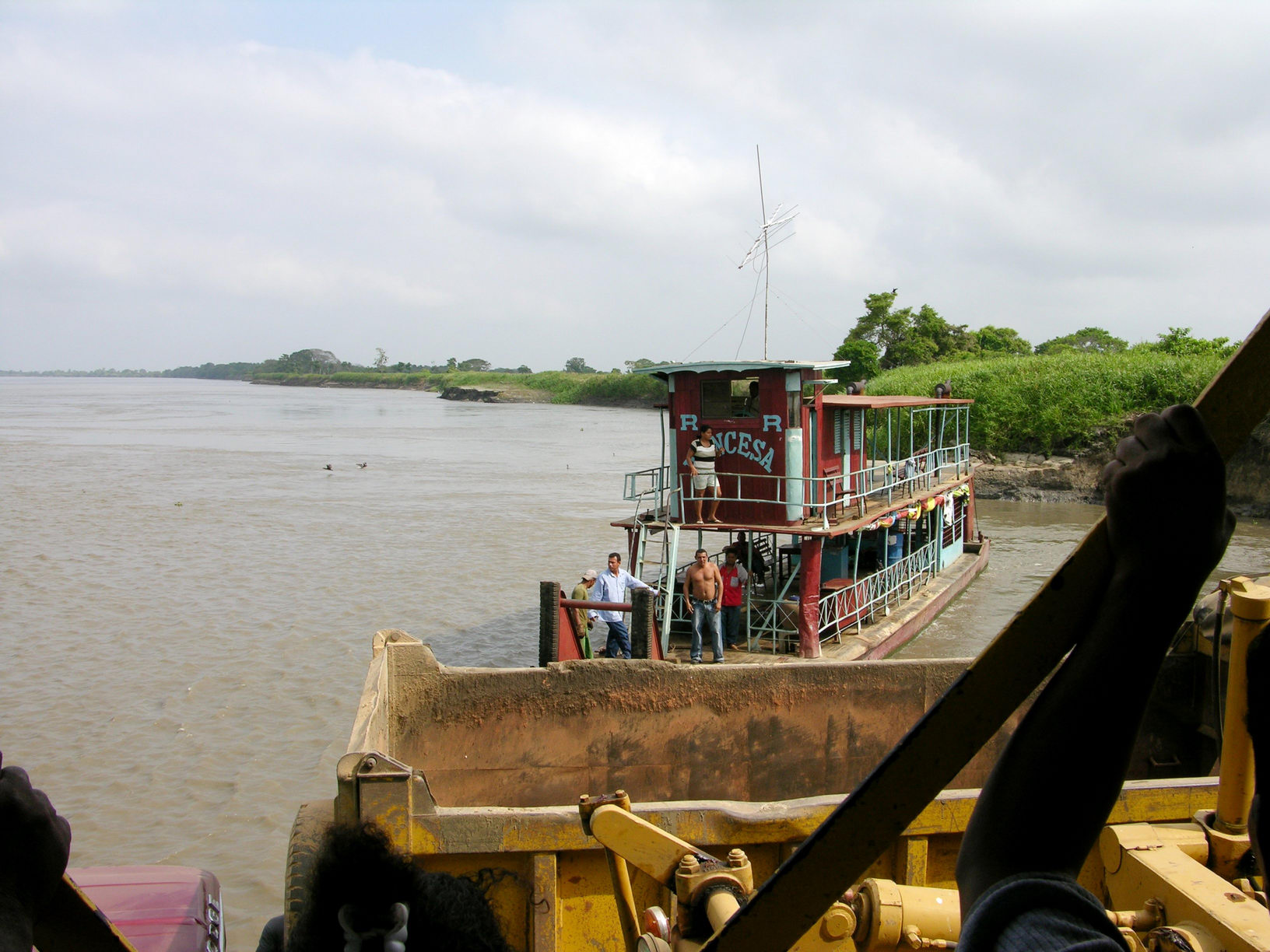
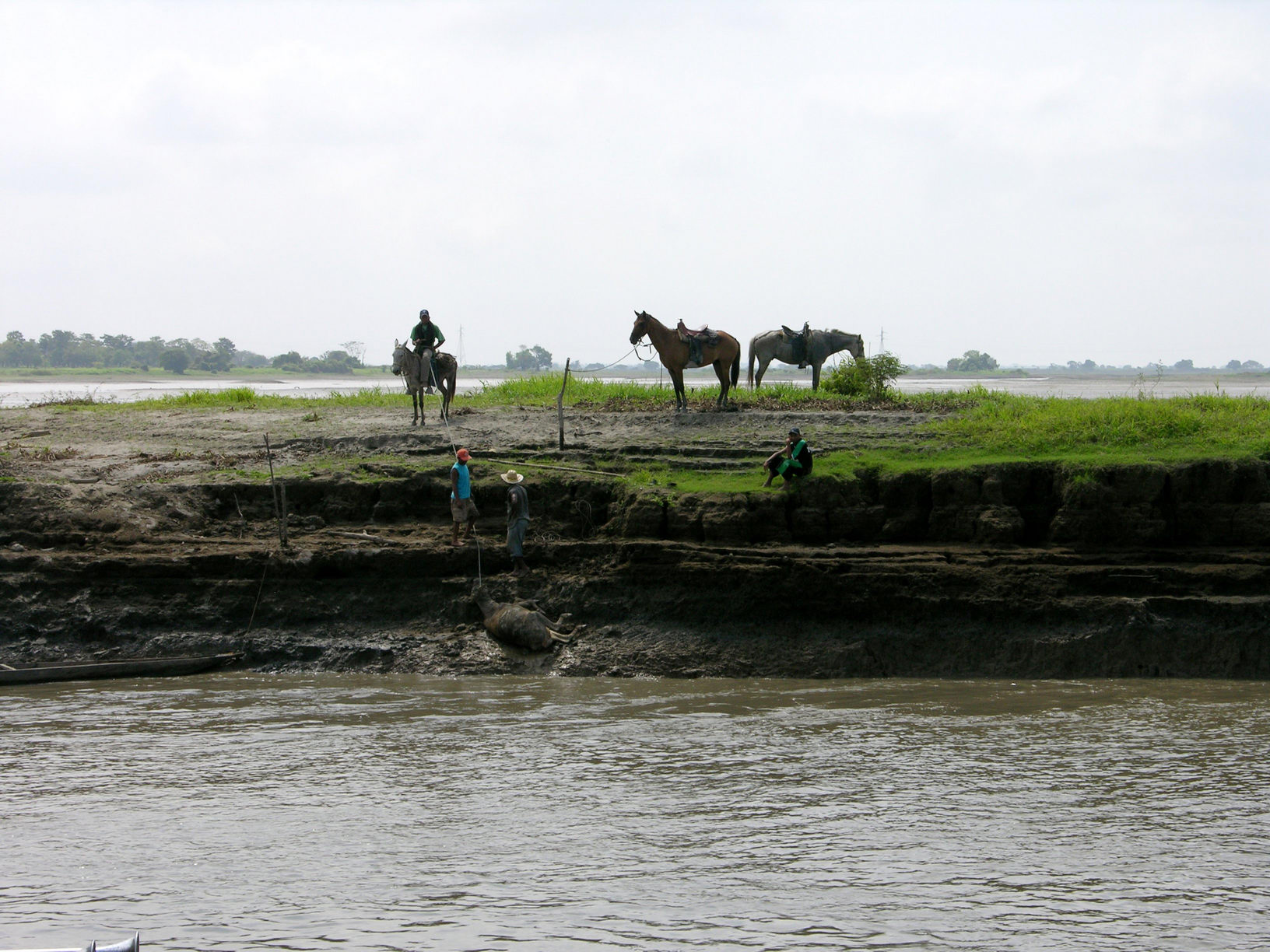
Then came a long unloading. Wheels spun in the freshly dug earth and people pushed the cars. You're supposed to pay 2,000 pesos to the head parking man, who builds the road and pushes the cars.
From Mompox we drove on towards Montería, through several little towns. Signs are poor in Colombia. Miss the main road and you'll spend ages trying to get out of a maze of town streets. Every town on the way, especially where the road forks, means a long search for the exit.
By sunset we'd made it to the sea near Arboletes. The climate here is more humid. The tropical swamps of Panama are very close. Along the roadsides there began to be scraps of forest, huge trees shaped like baobabs.
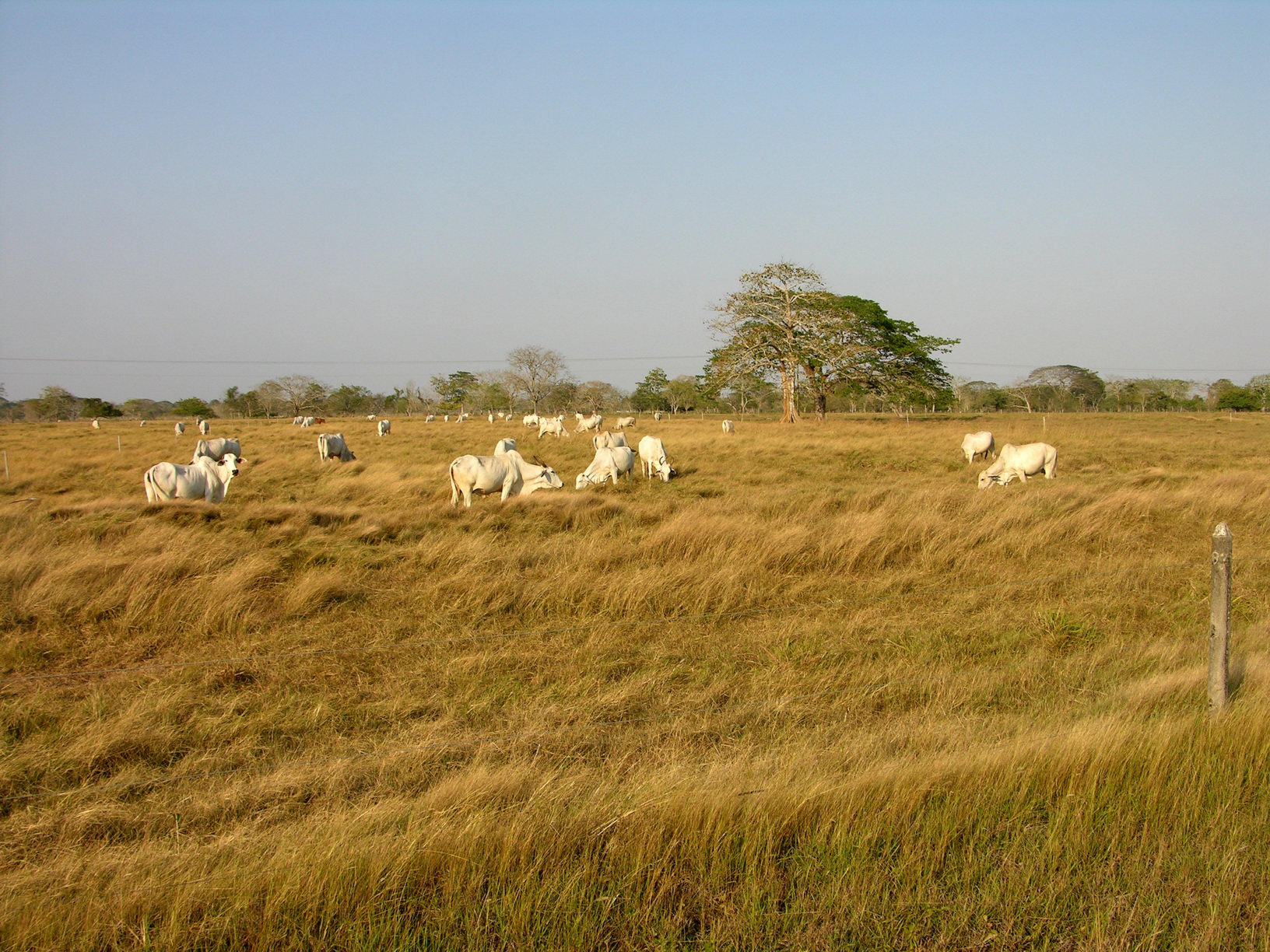
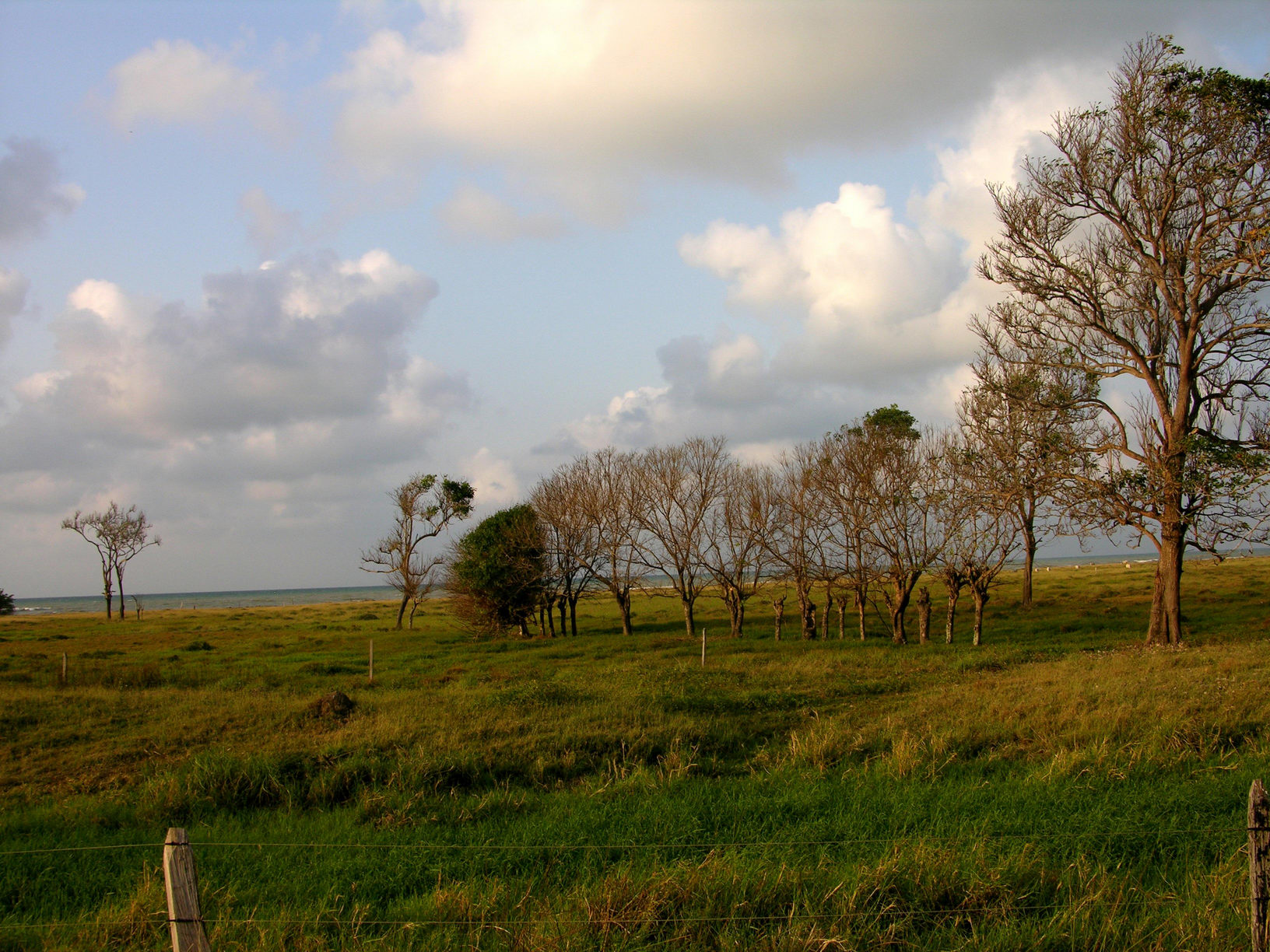
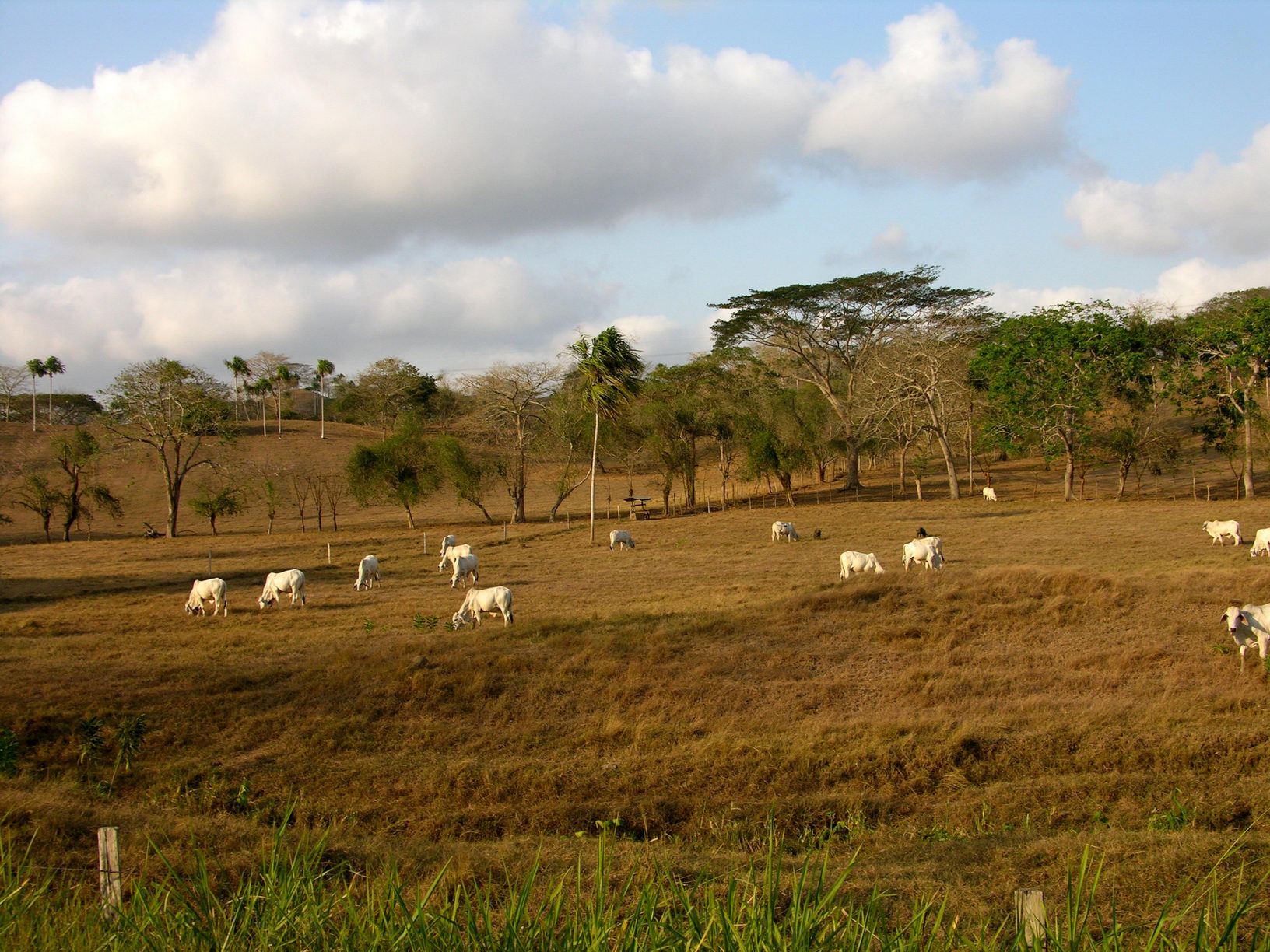
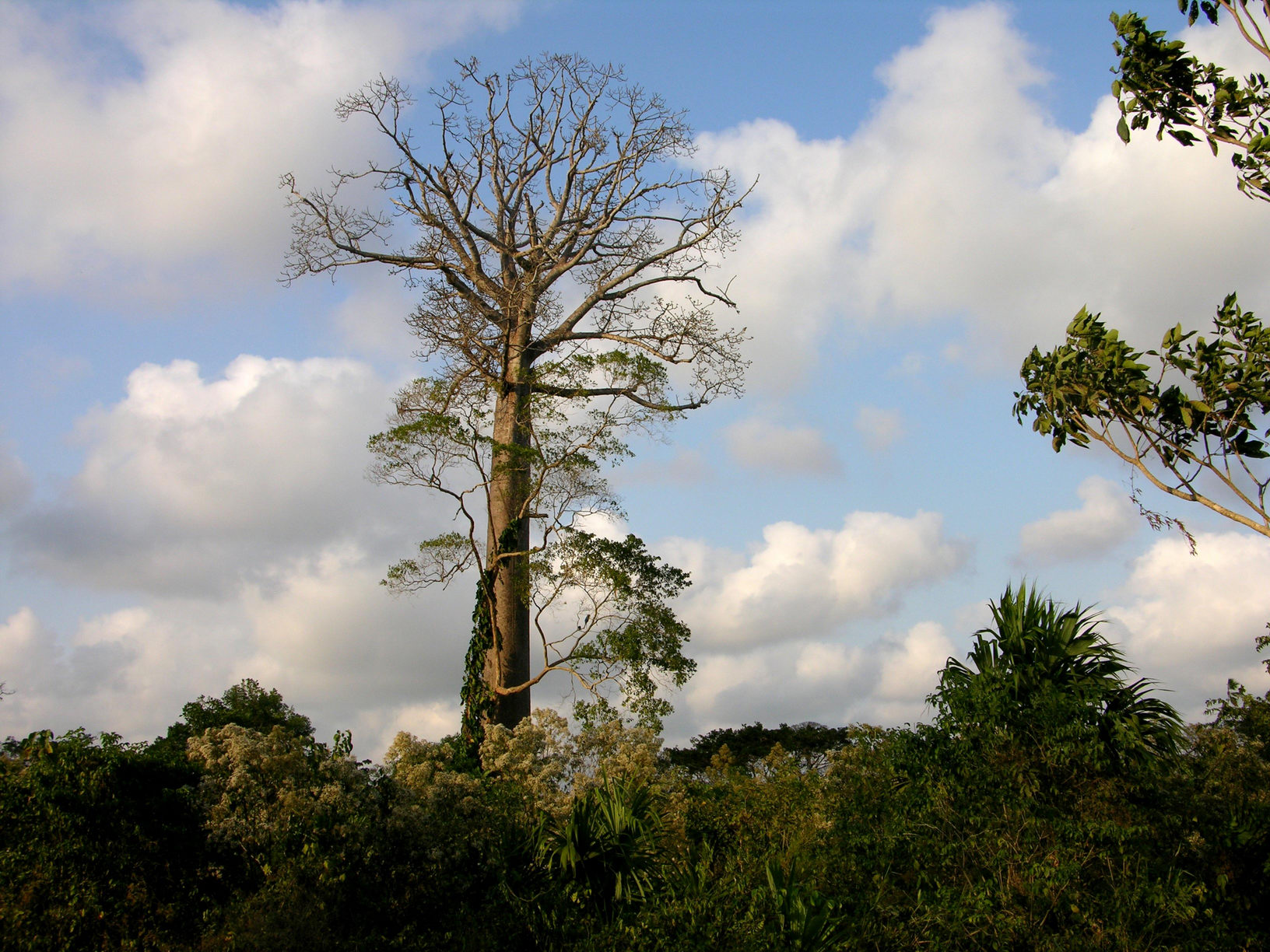
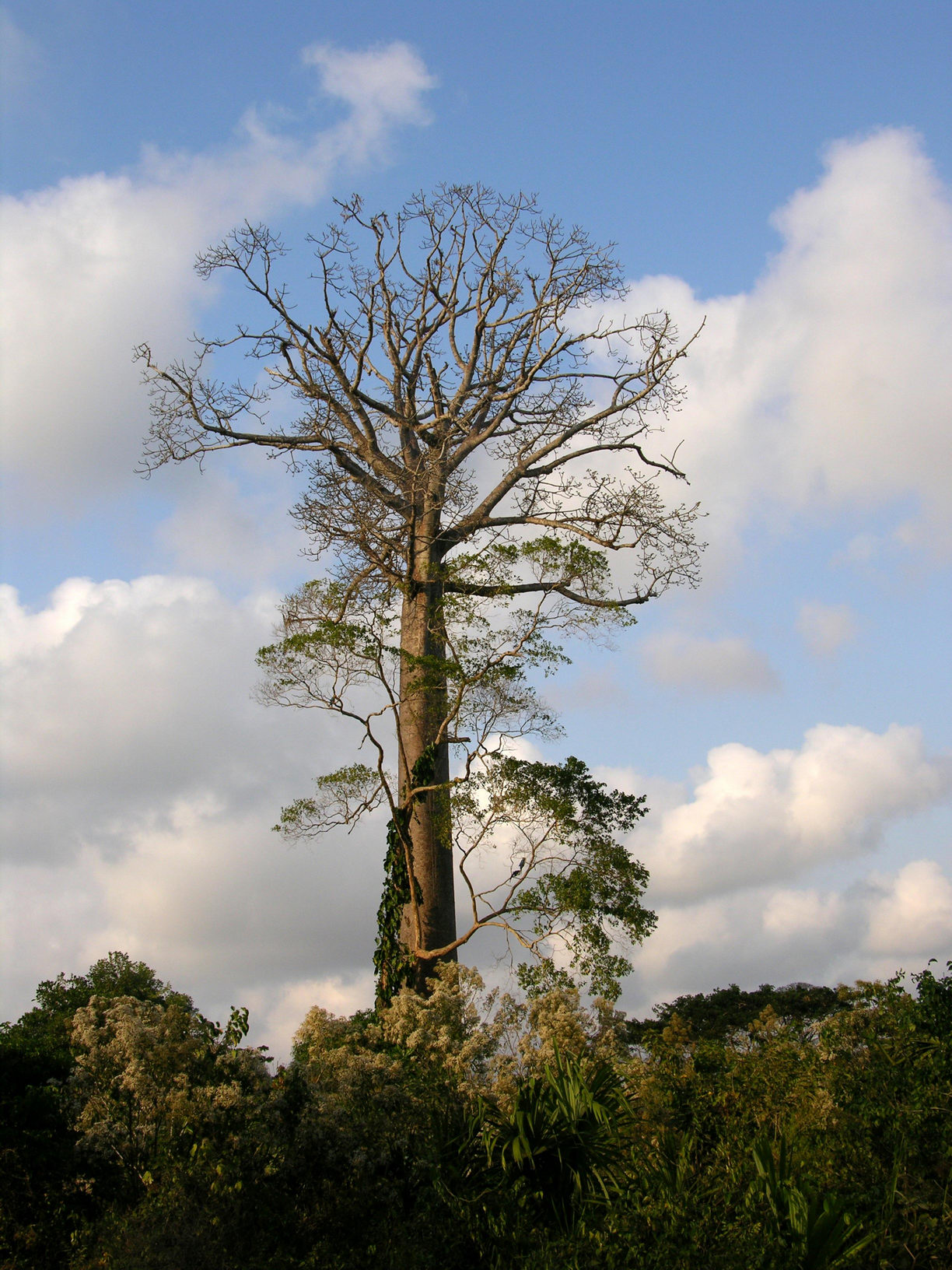
Arboletes is a resort town with plenty of places to spend the night. We stopped before reaching town, in a small cabaña (8°51.547′N, 76°25.349′W). A cabaña usually comes with a stove and things to cook with, but this one had only walls and a bed. We drove into town for dinner. Quite a civilised little place.
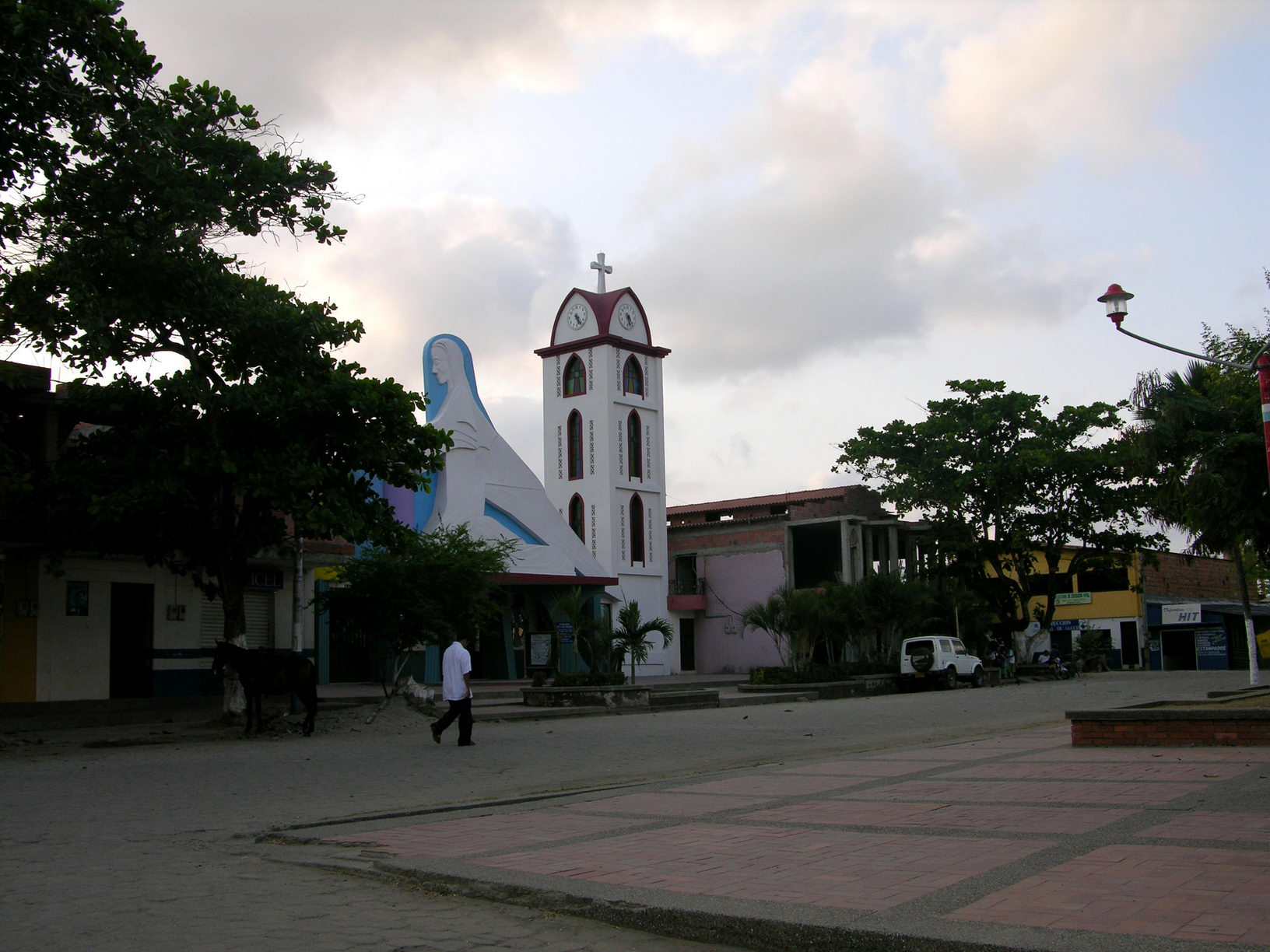
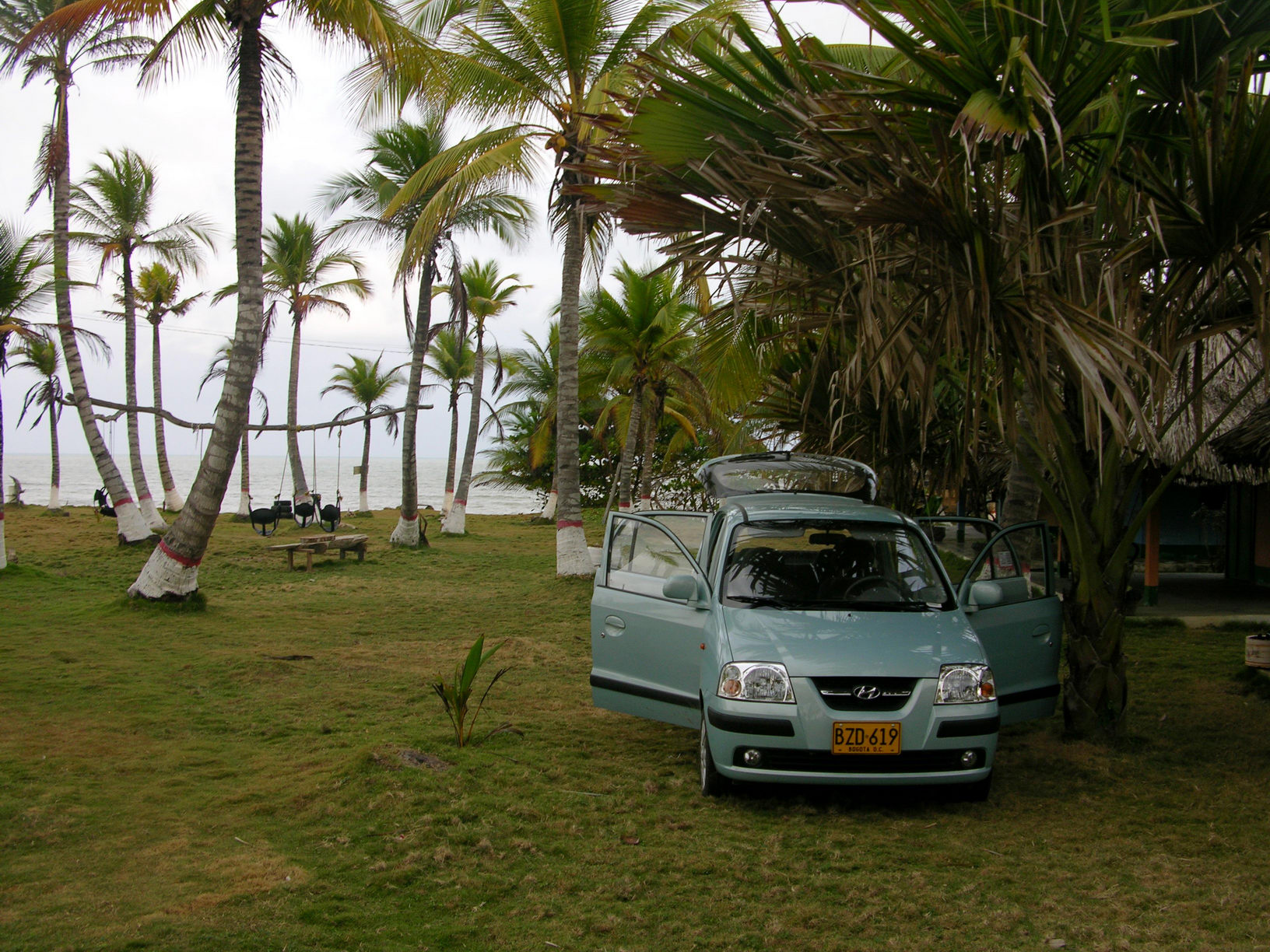
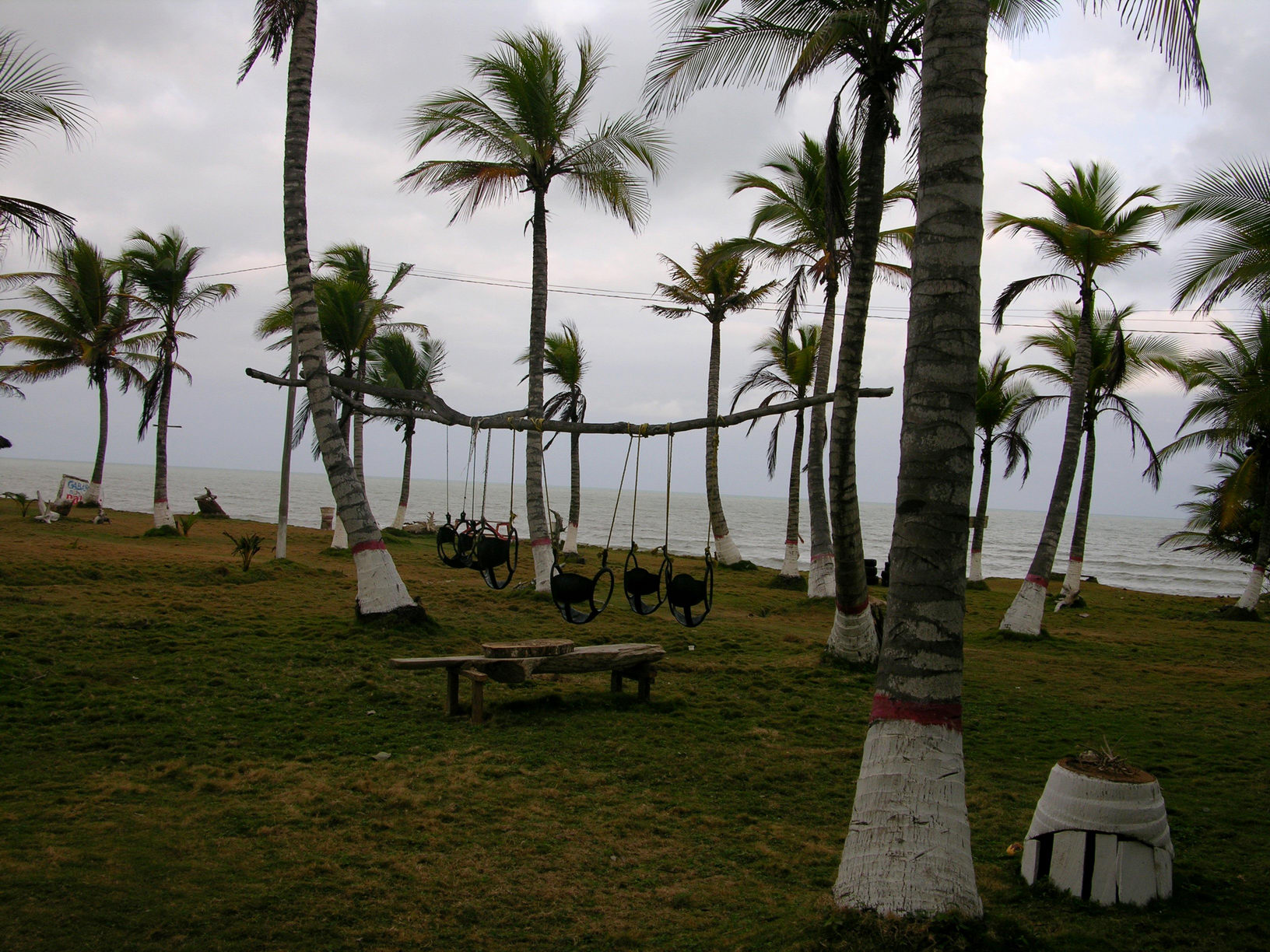
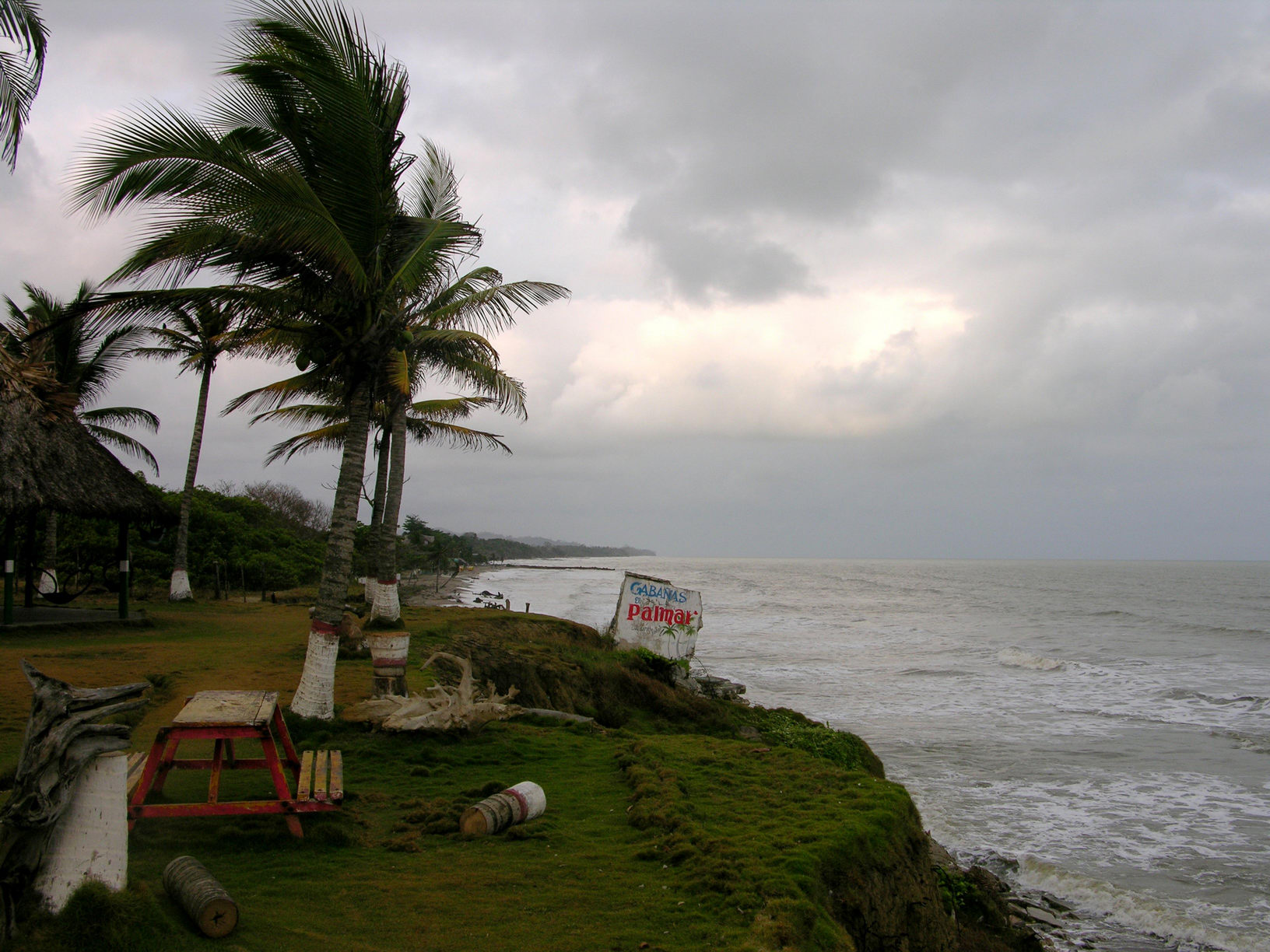
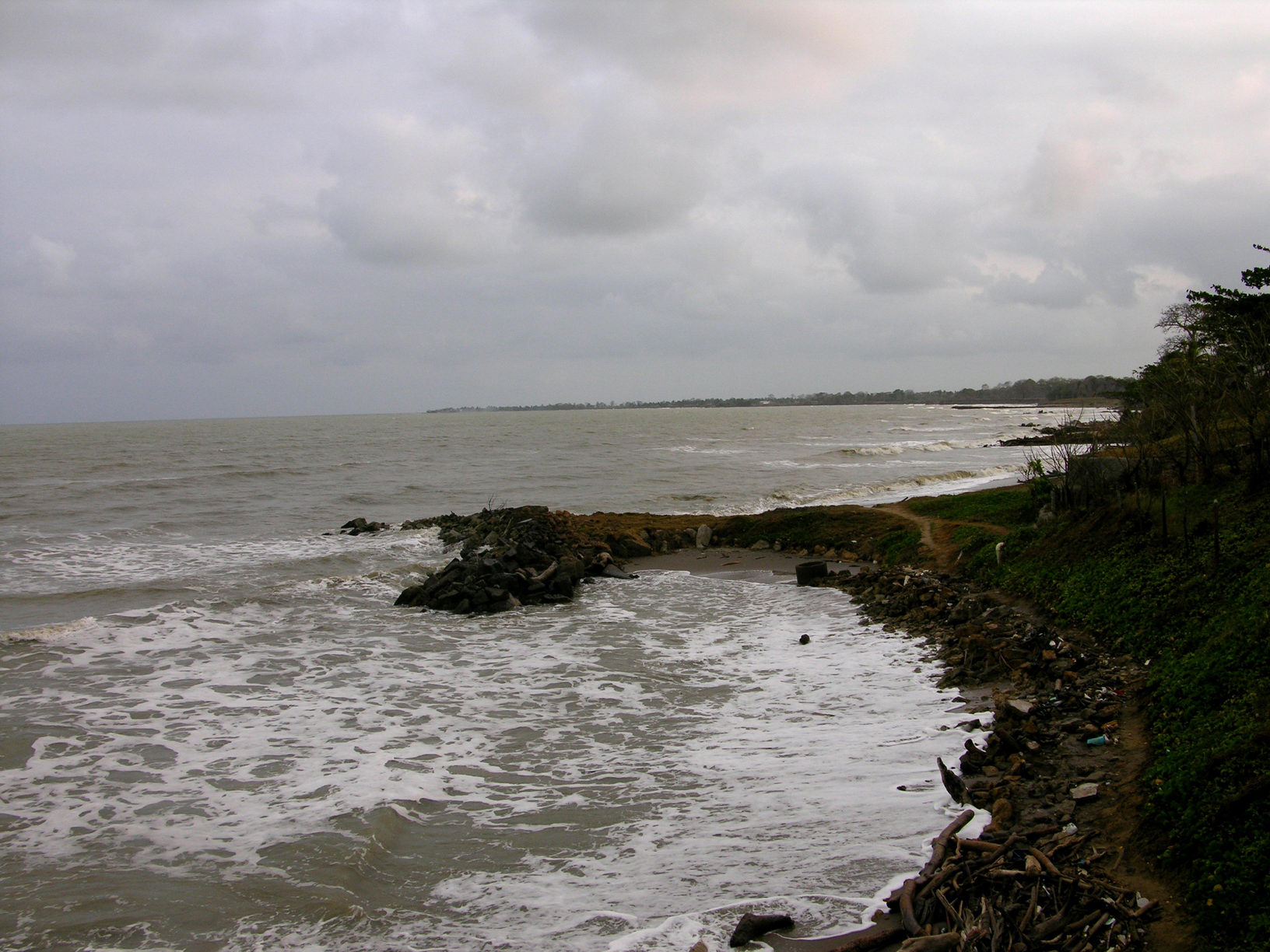
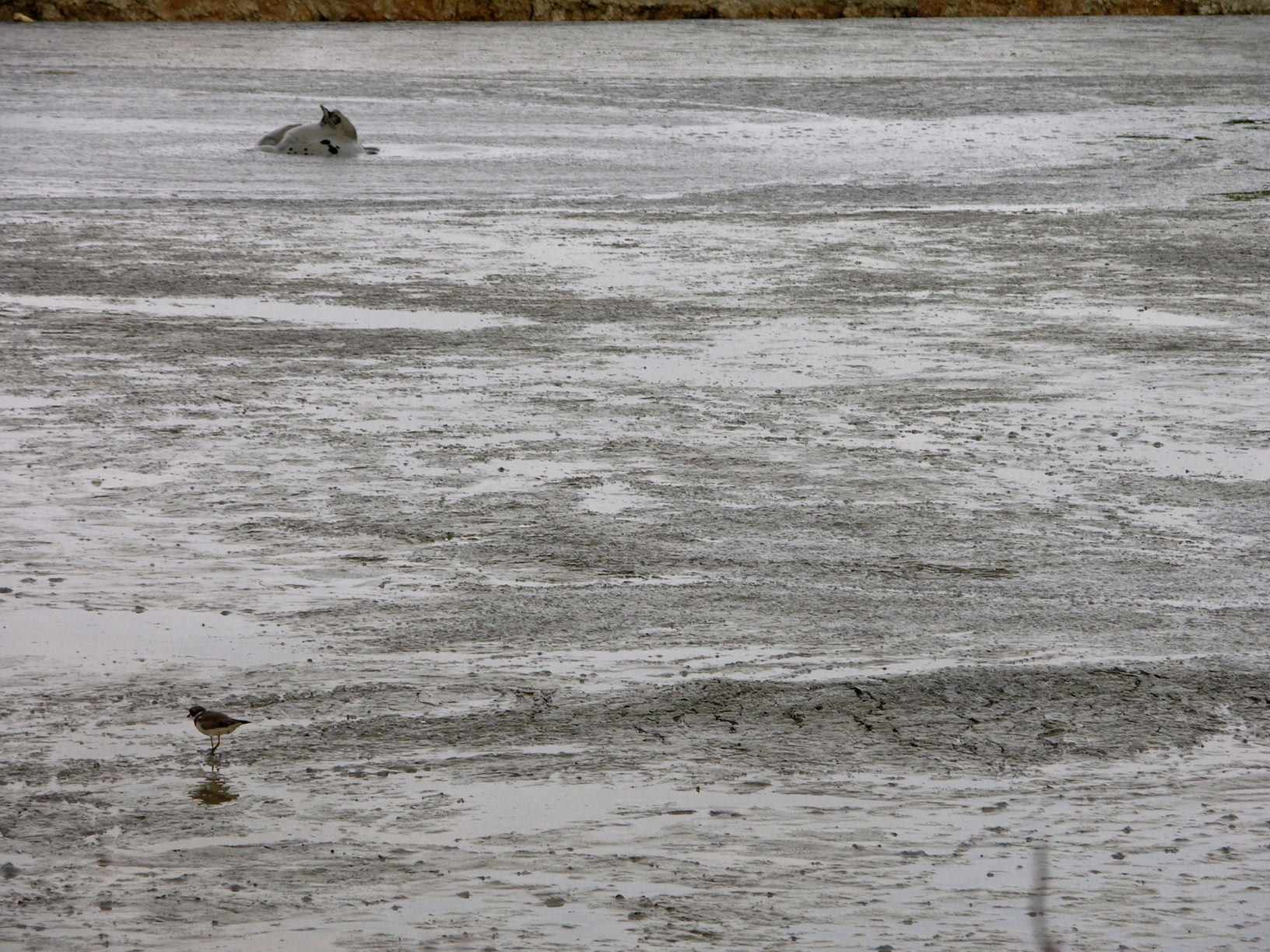
Arboletes has its own mud volcano, about a kilometre east of town. It doesn't have a beautiful cone, but you can bathe for free. The mud puddle is vast, around a hundred metres across. You pay for the shower, except it has no water. Either way, afterwards you've got to go a few hundred metres downhill to wash in the sea.
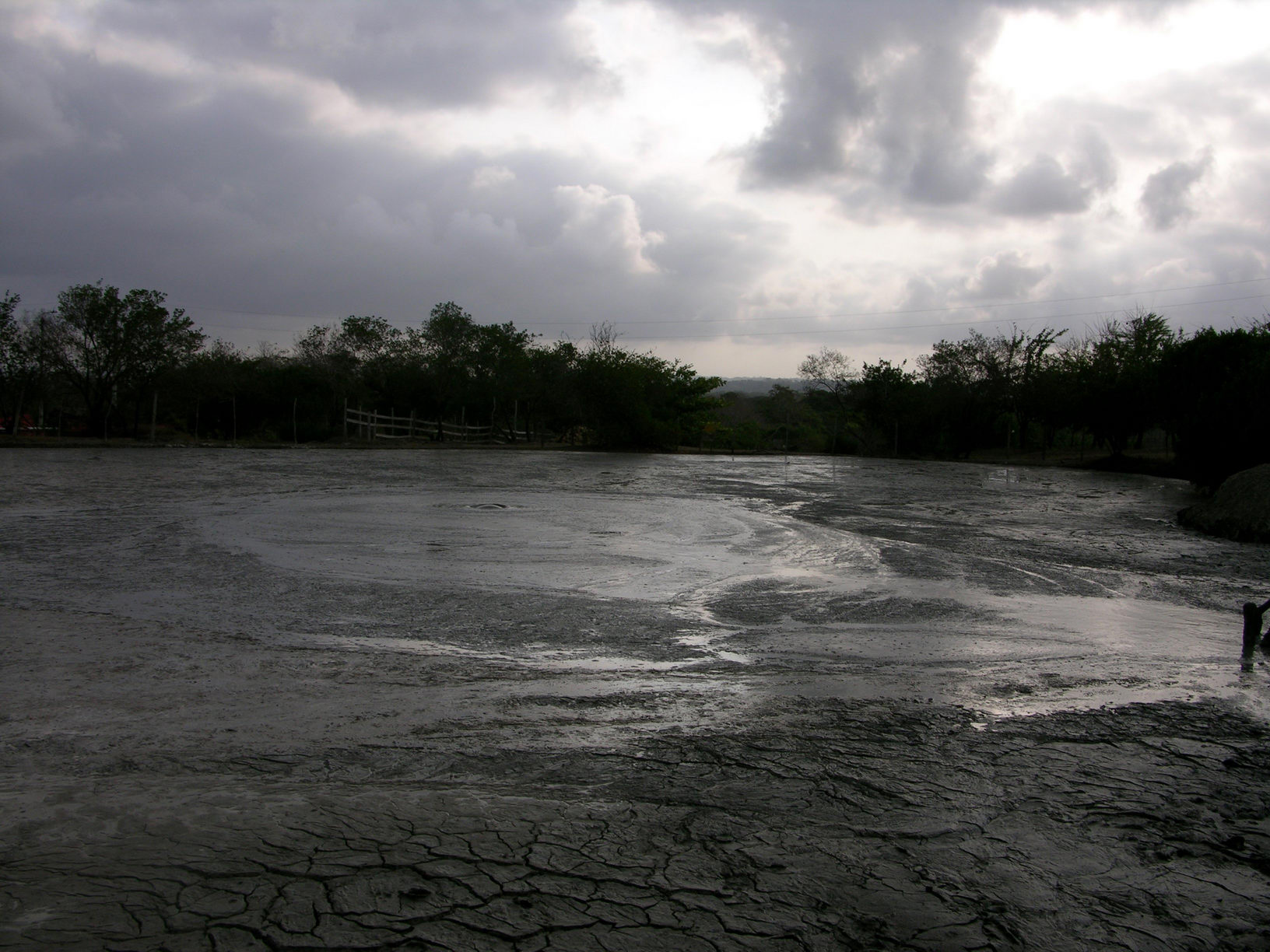
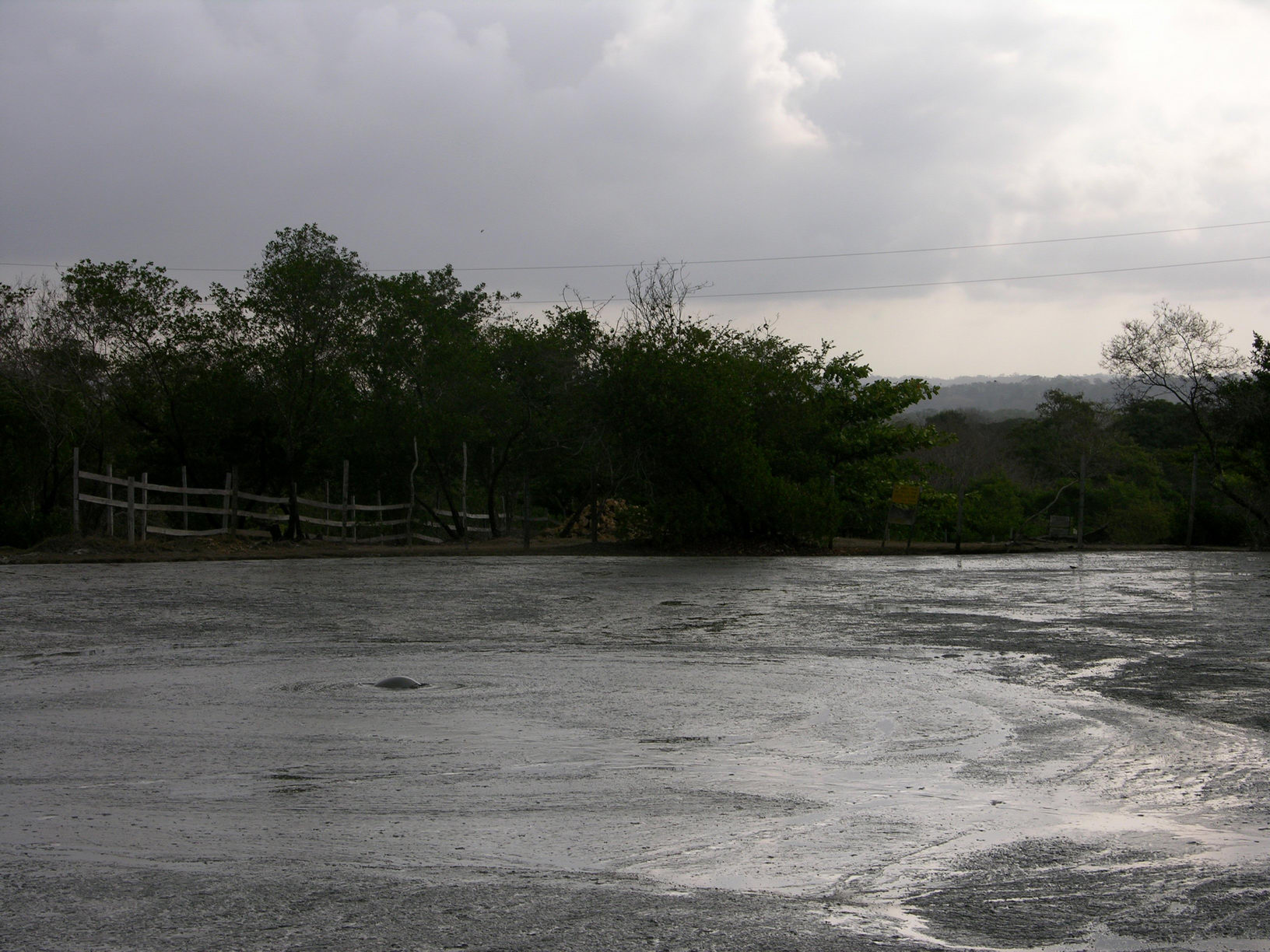
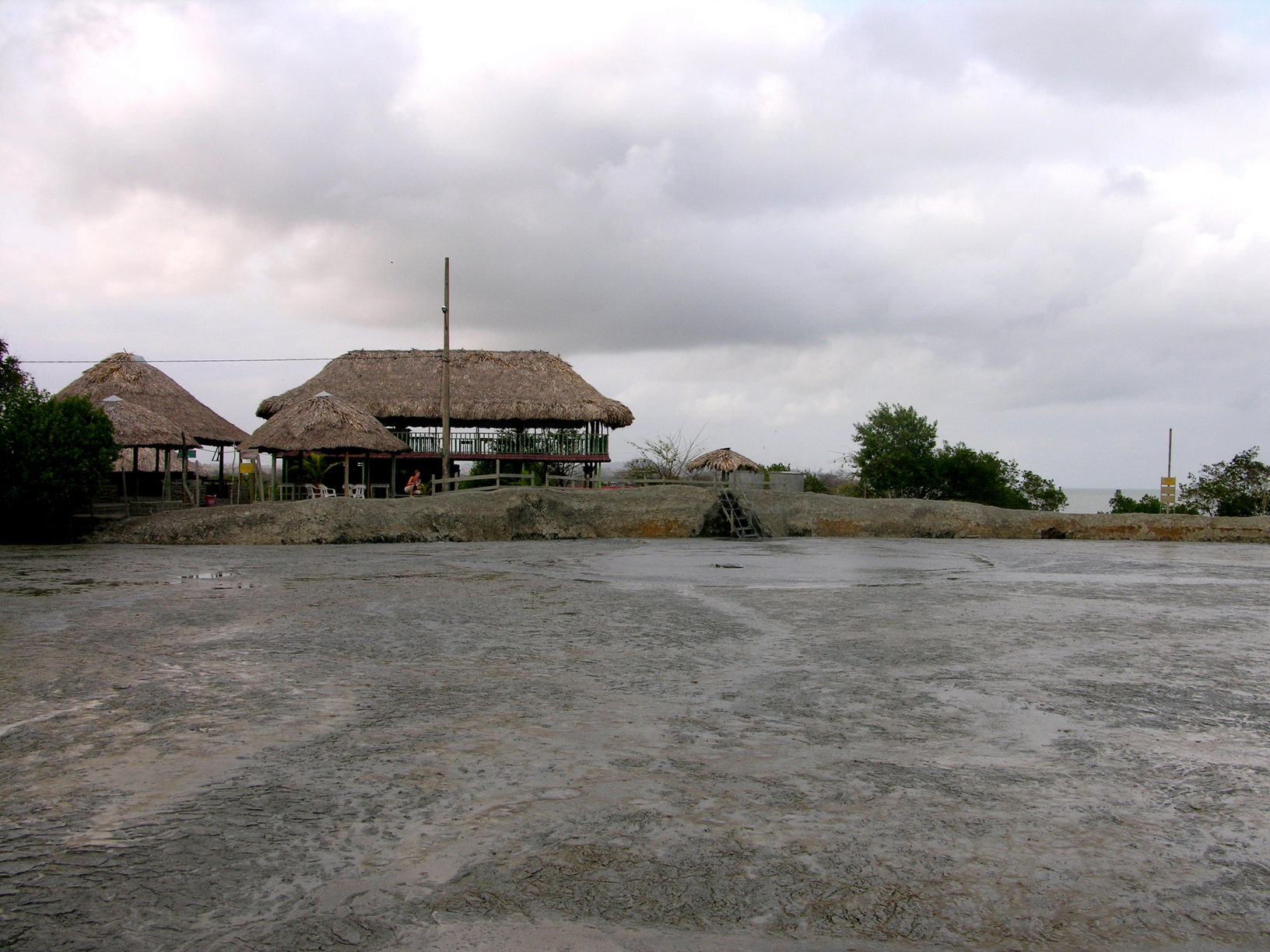
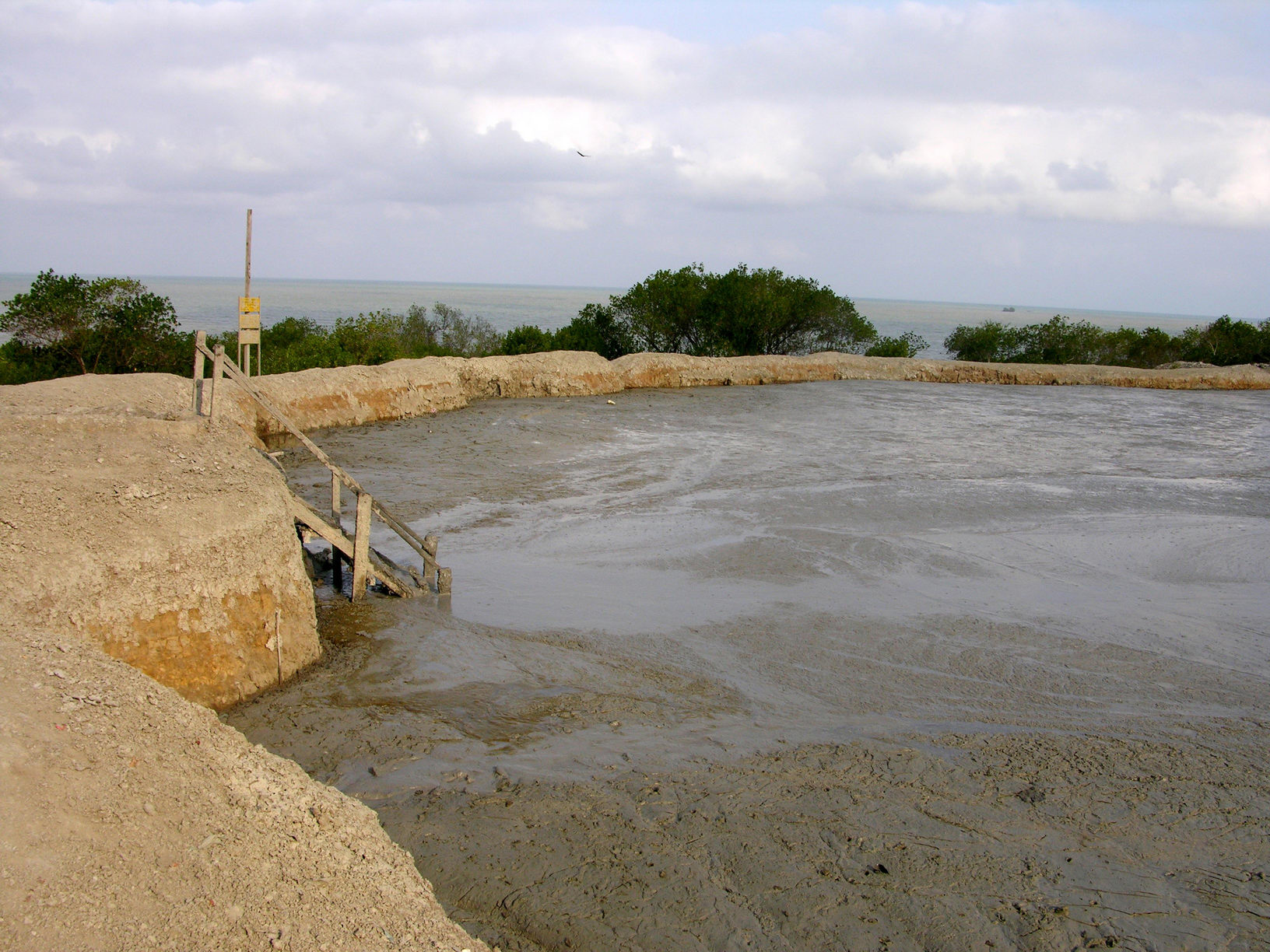
We went to bathe in the mud early in the morning, before the main resort crowd woke up.
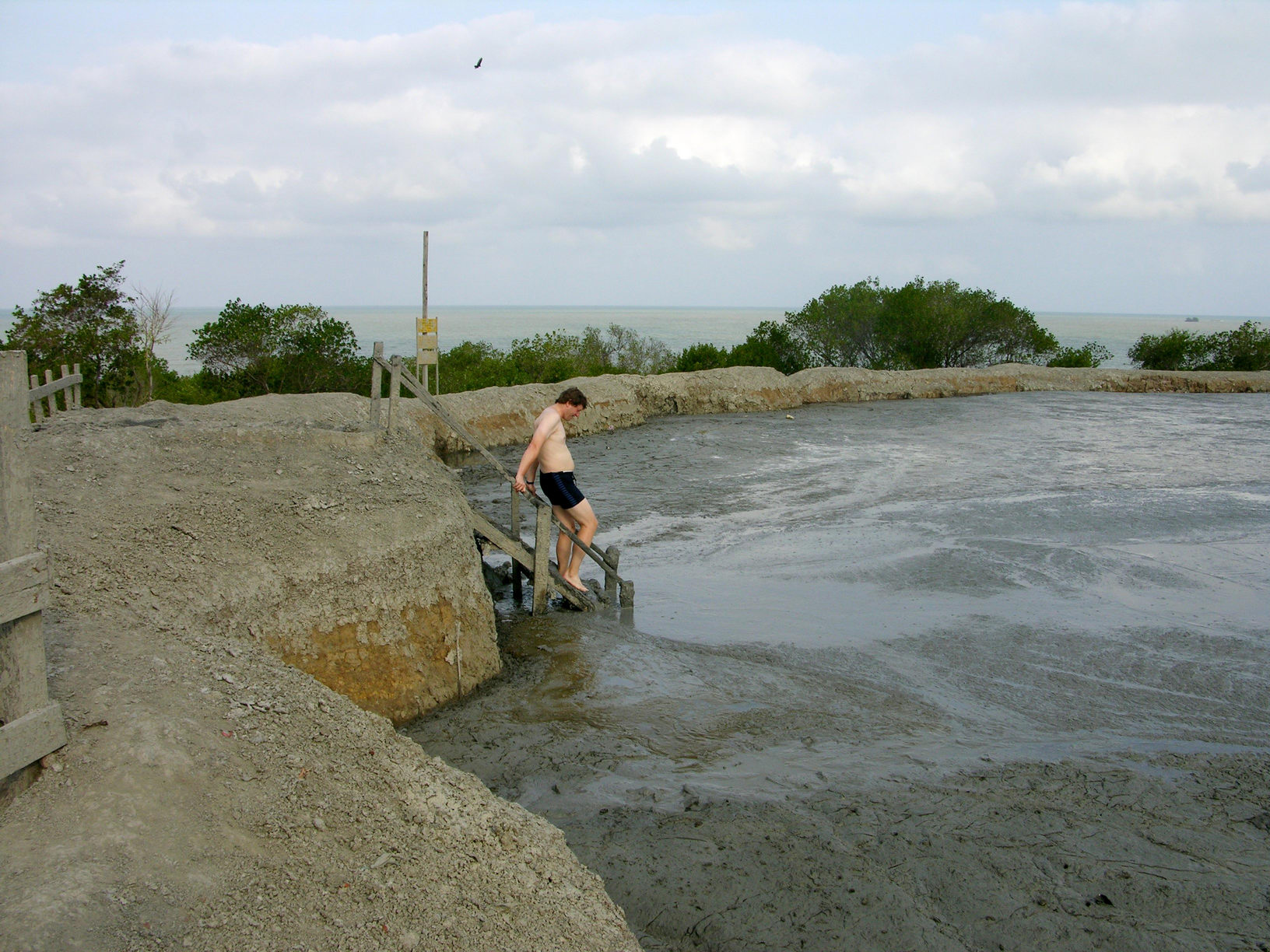
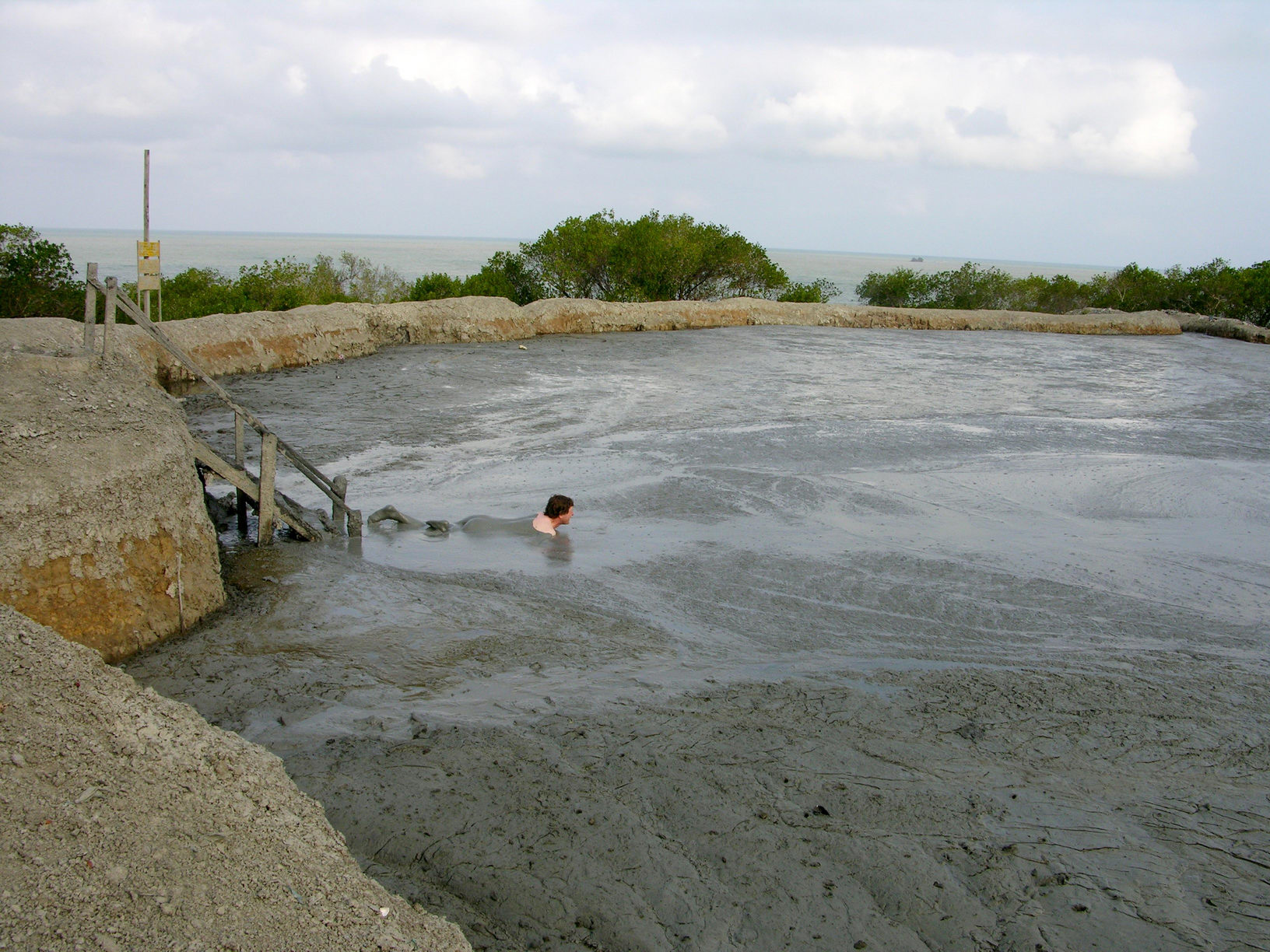
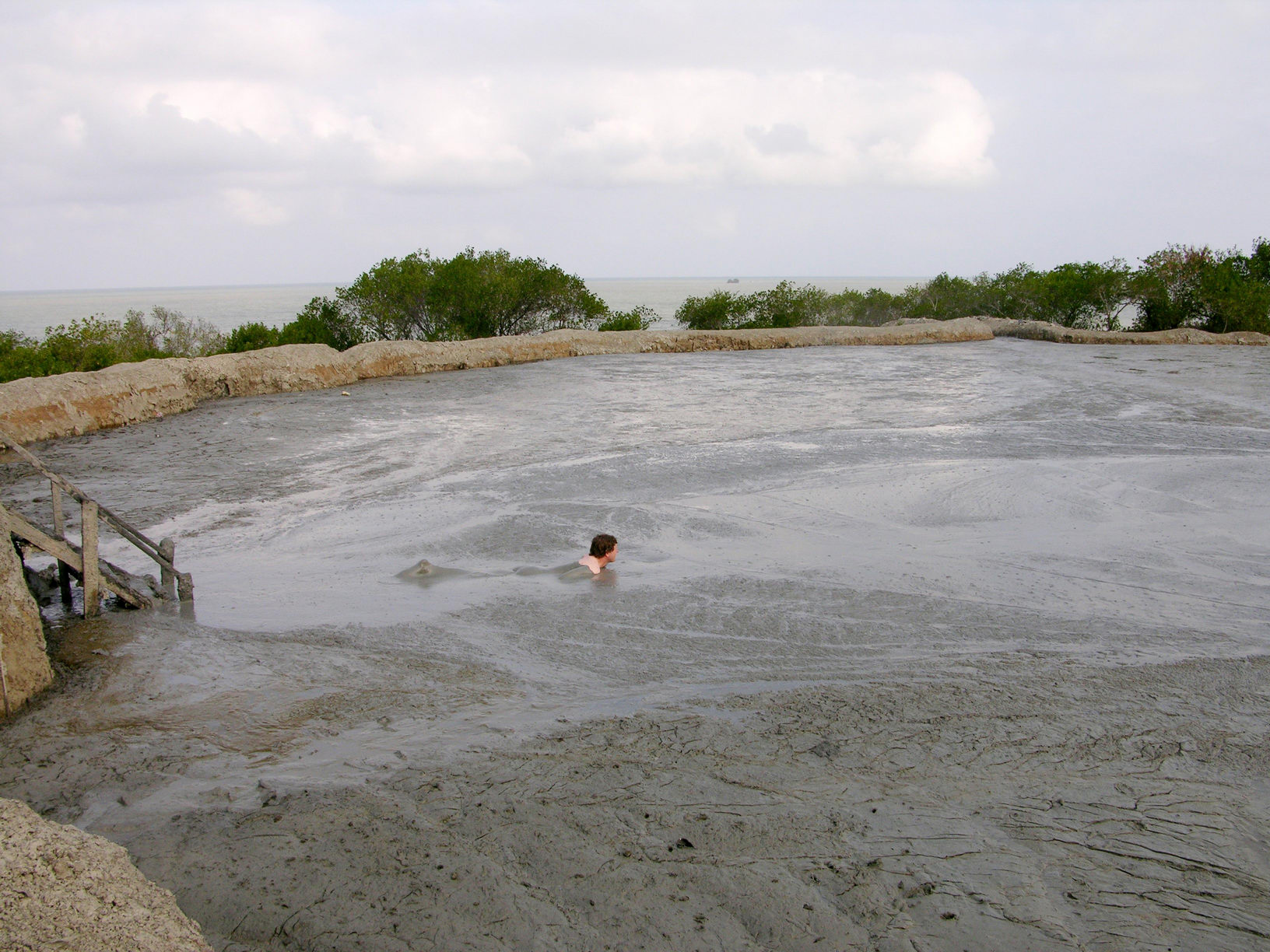
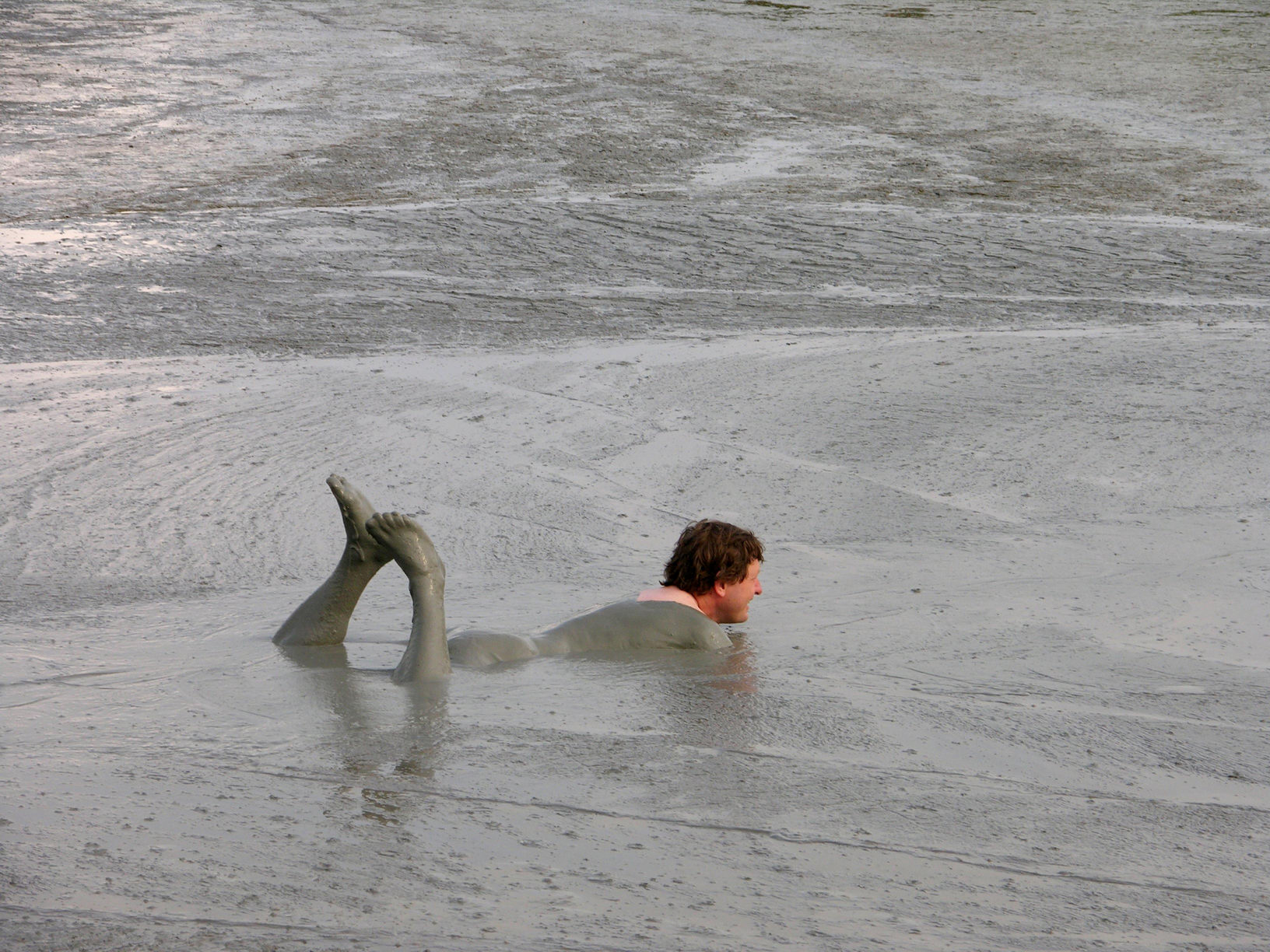
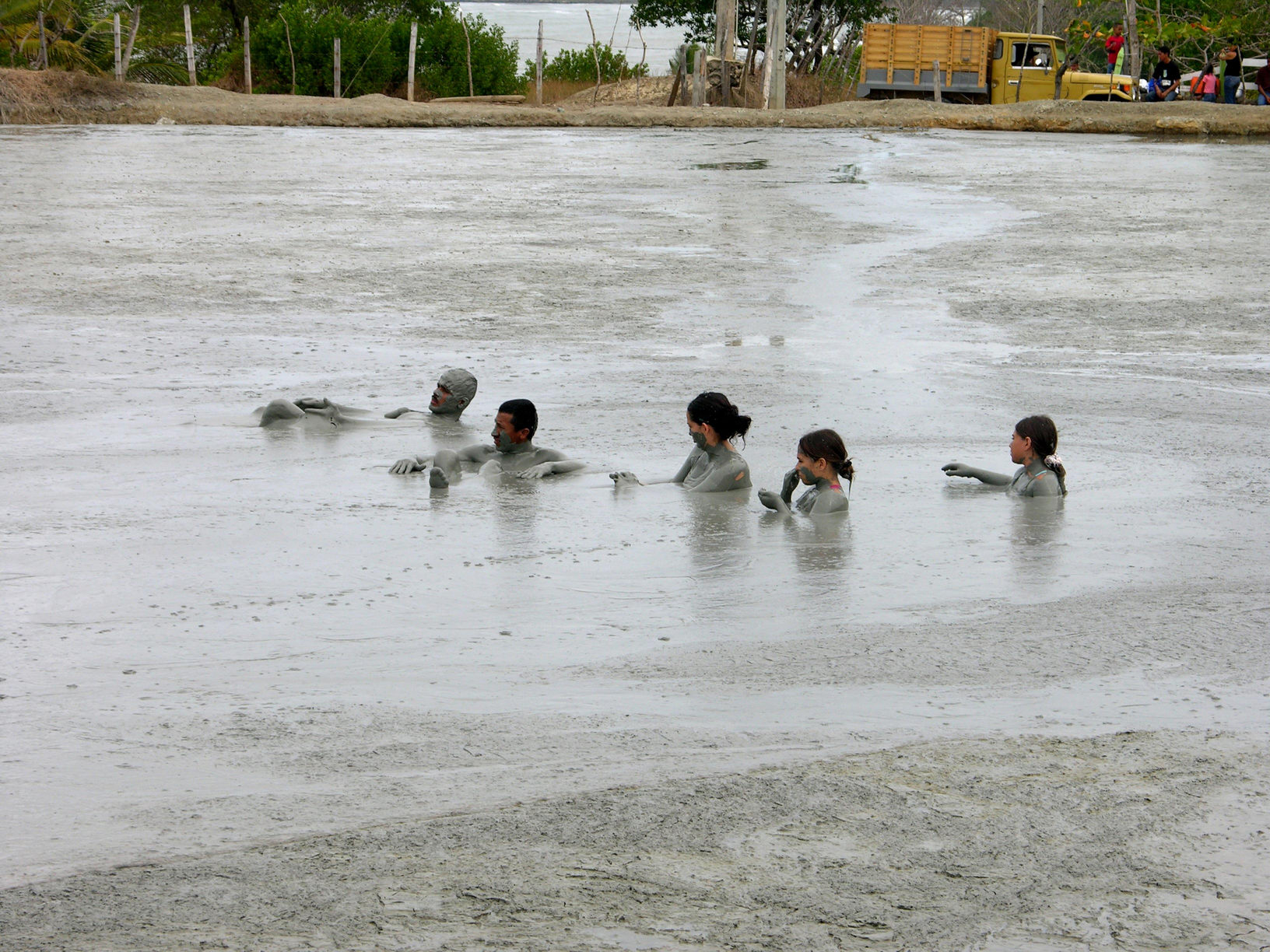
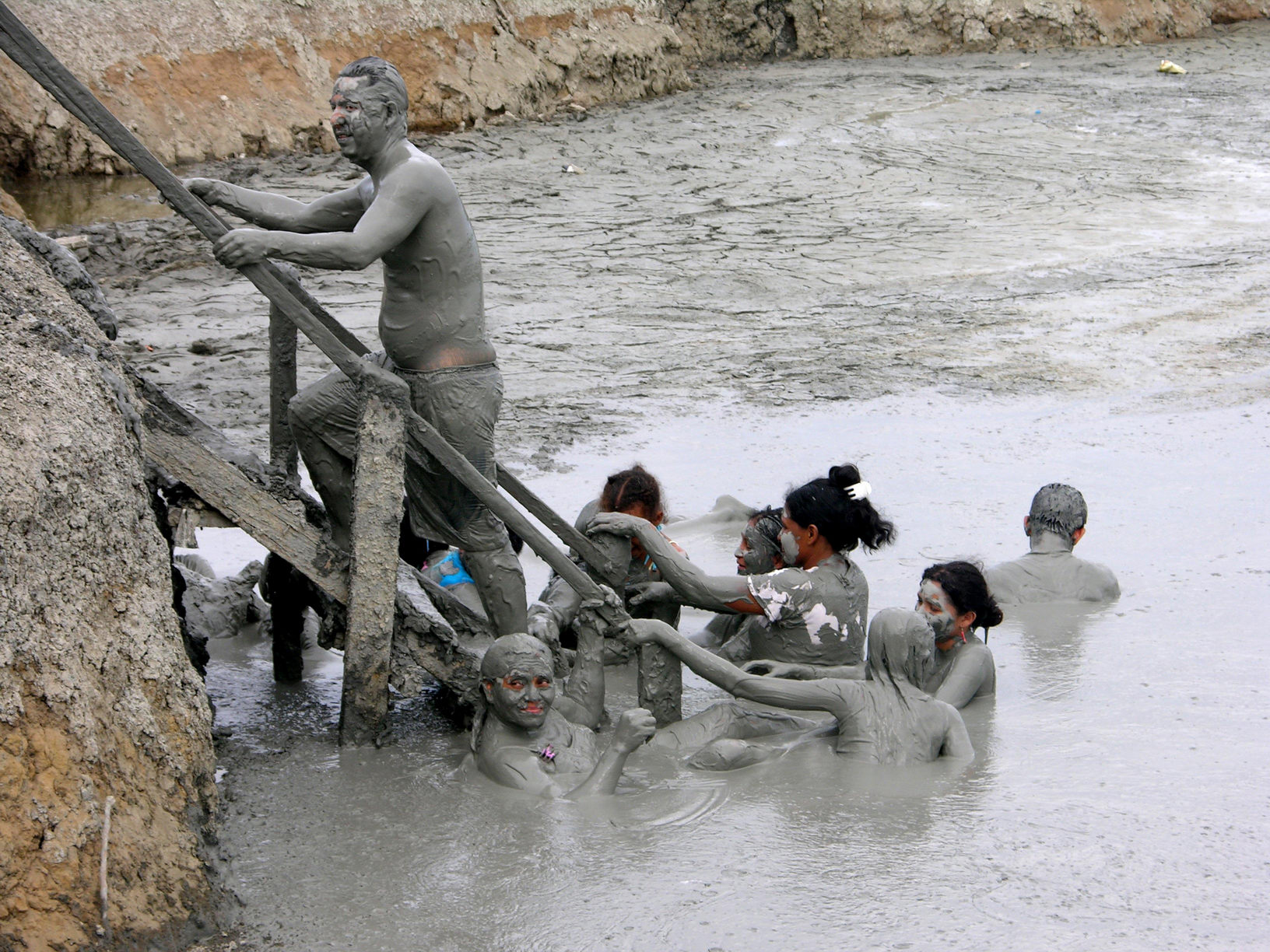
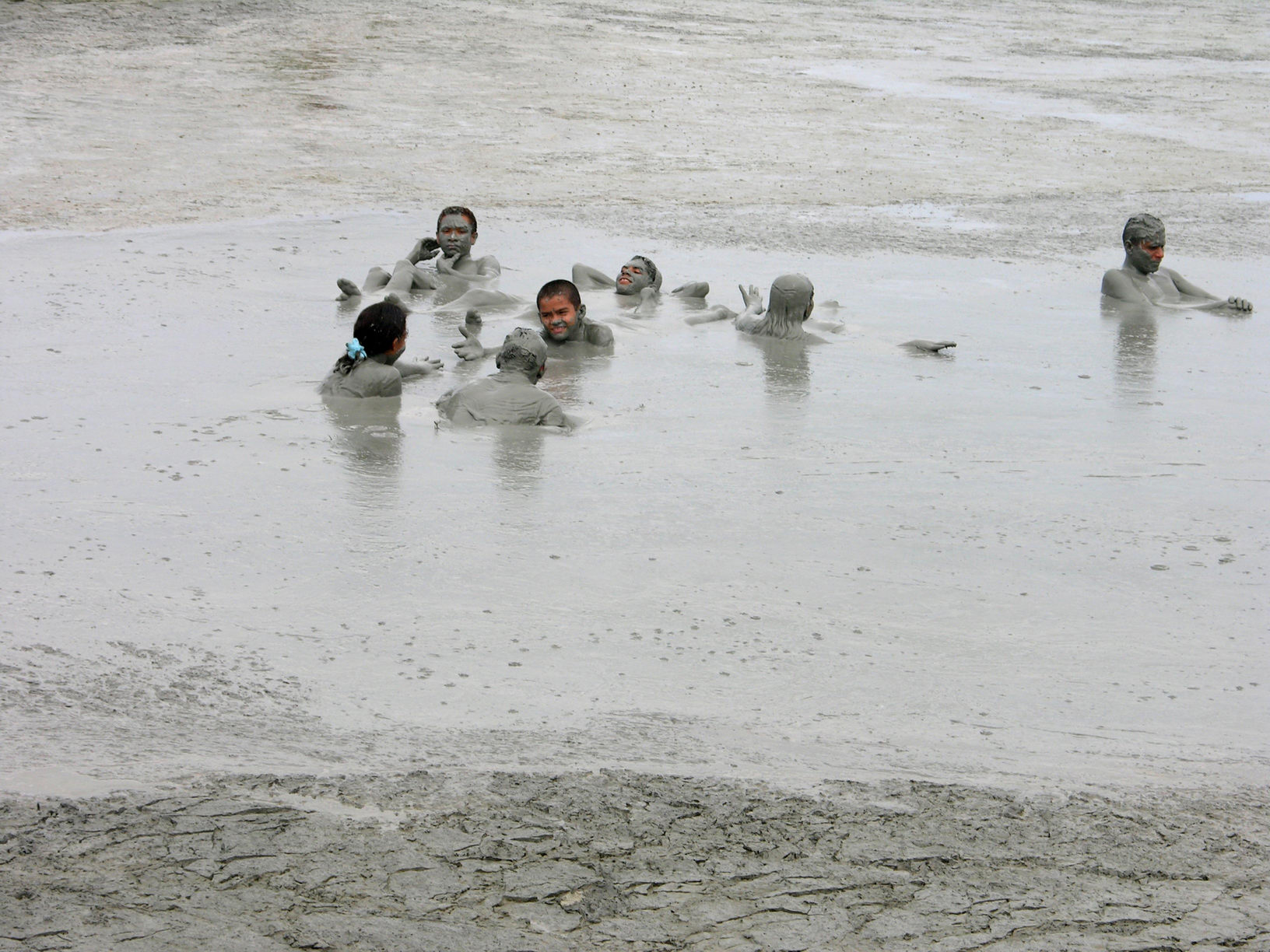
You can get down on a little ladder. The mud is cooler and thicker at the edges. It's hotter in the middle, but getting there is hard. You can't swim in mud like that. Moving through it is more like crawling. It takes real effort to reach the centre, where enormous gas bubbles break through the mud. You can float over a bubble there. An odd feeling when it touches your legs and then your belly. It tickles. And then there's a plop and mud drenches your face. Now I've got nothing to lose. I'm covered in mud.
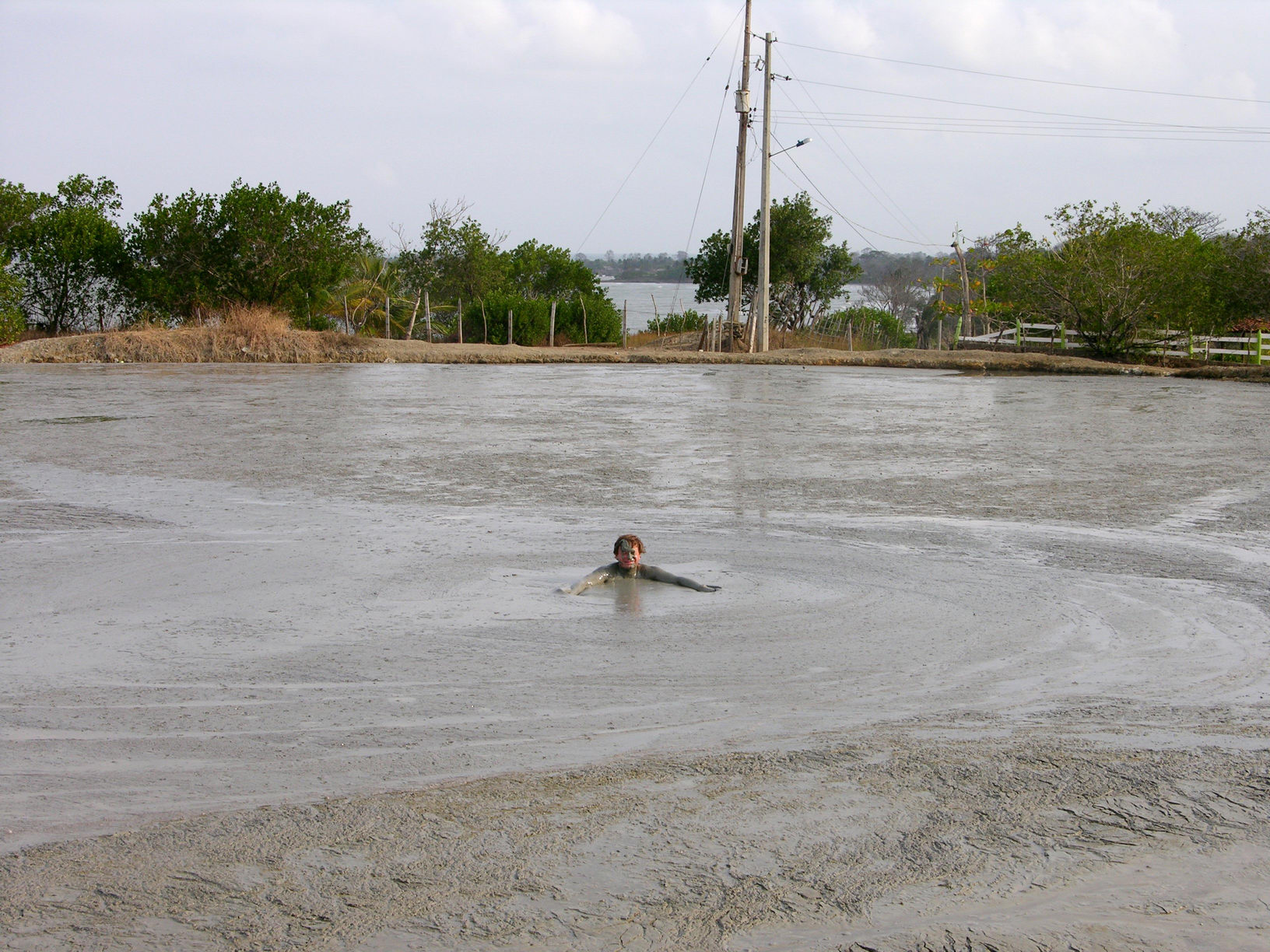
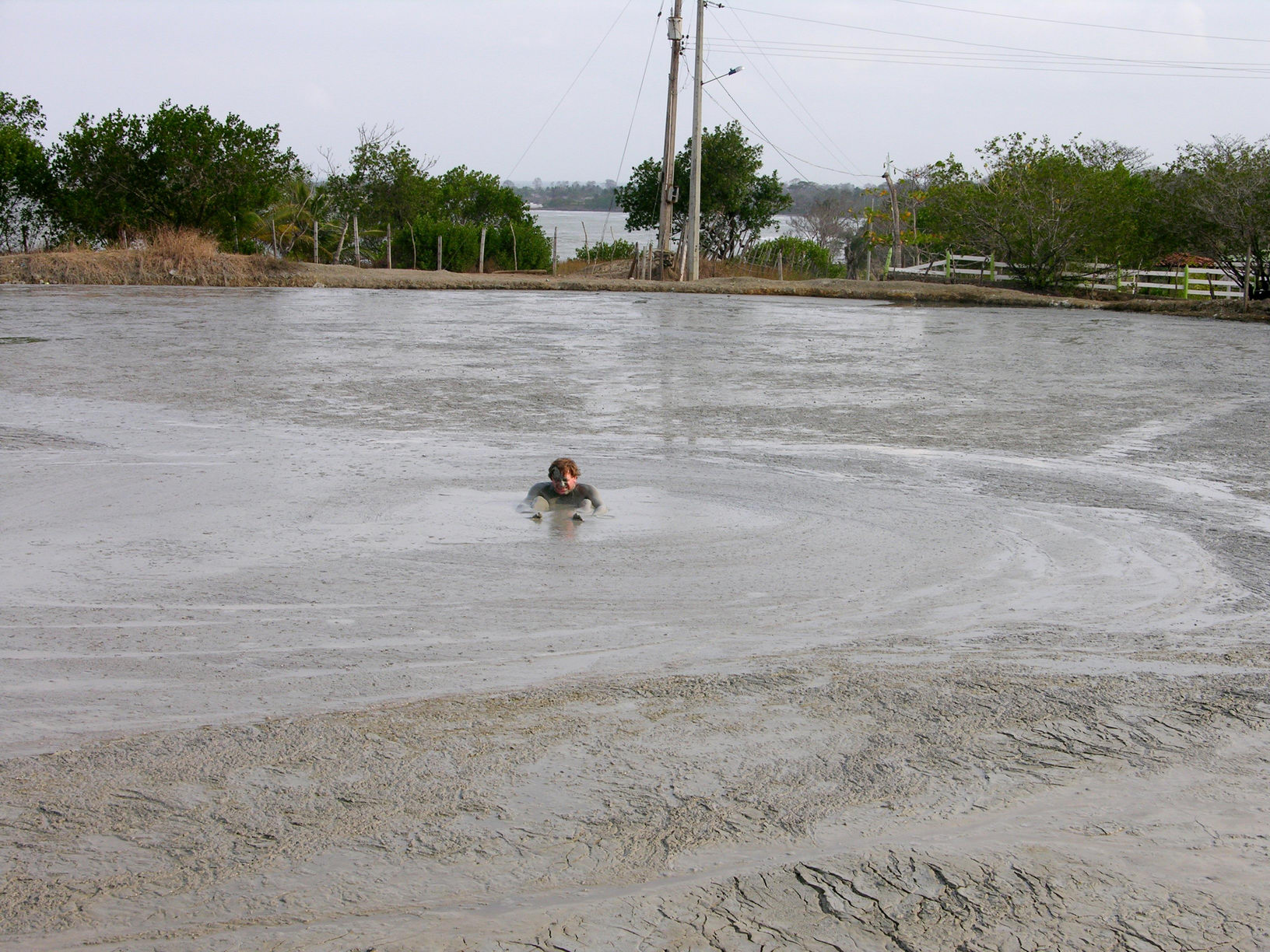
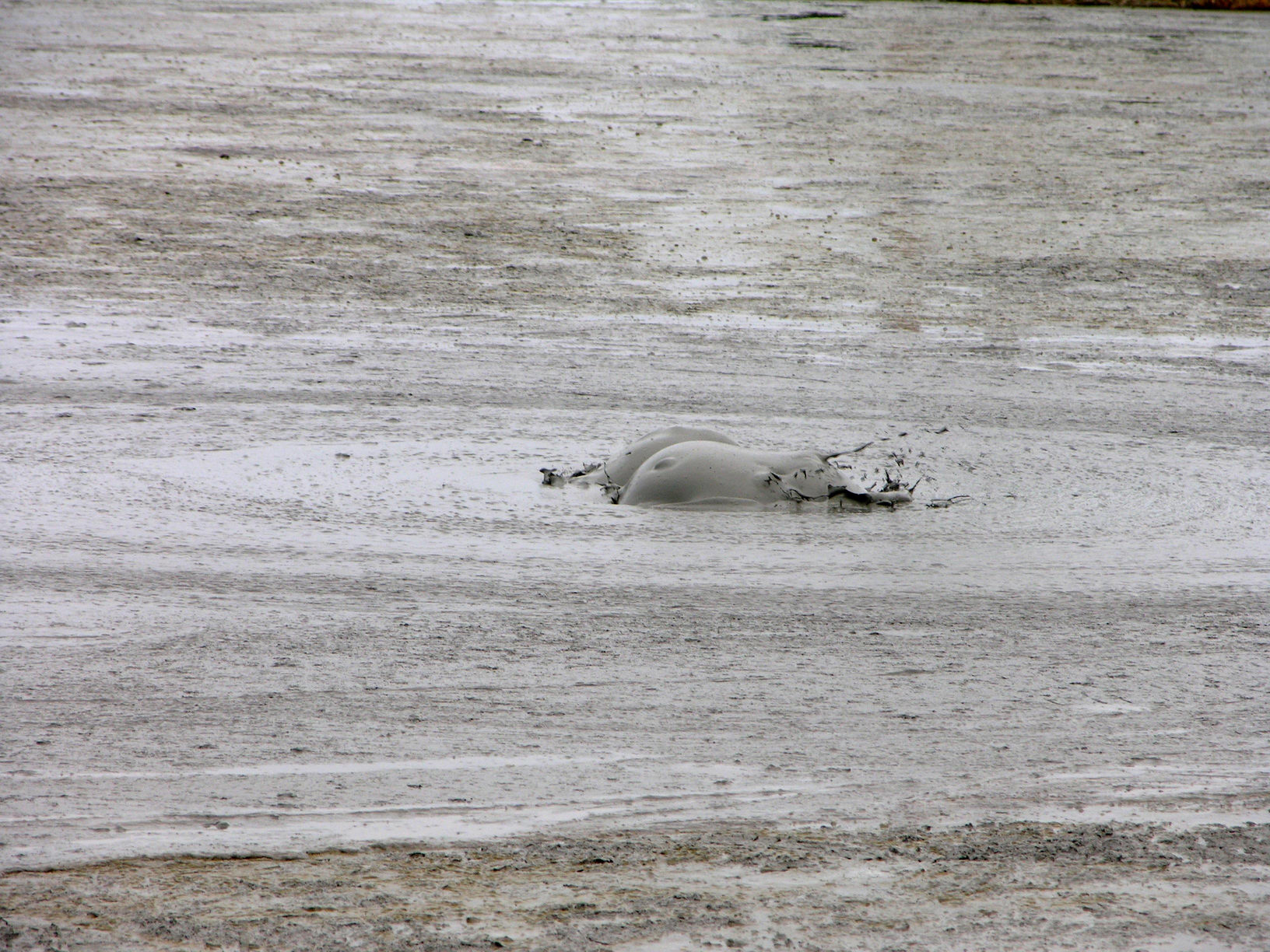
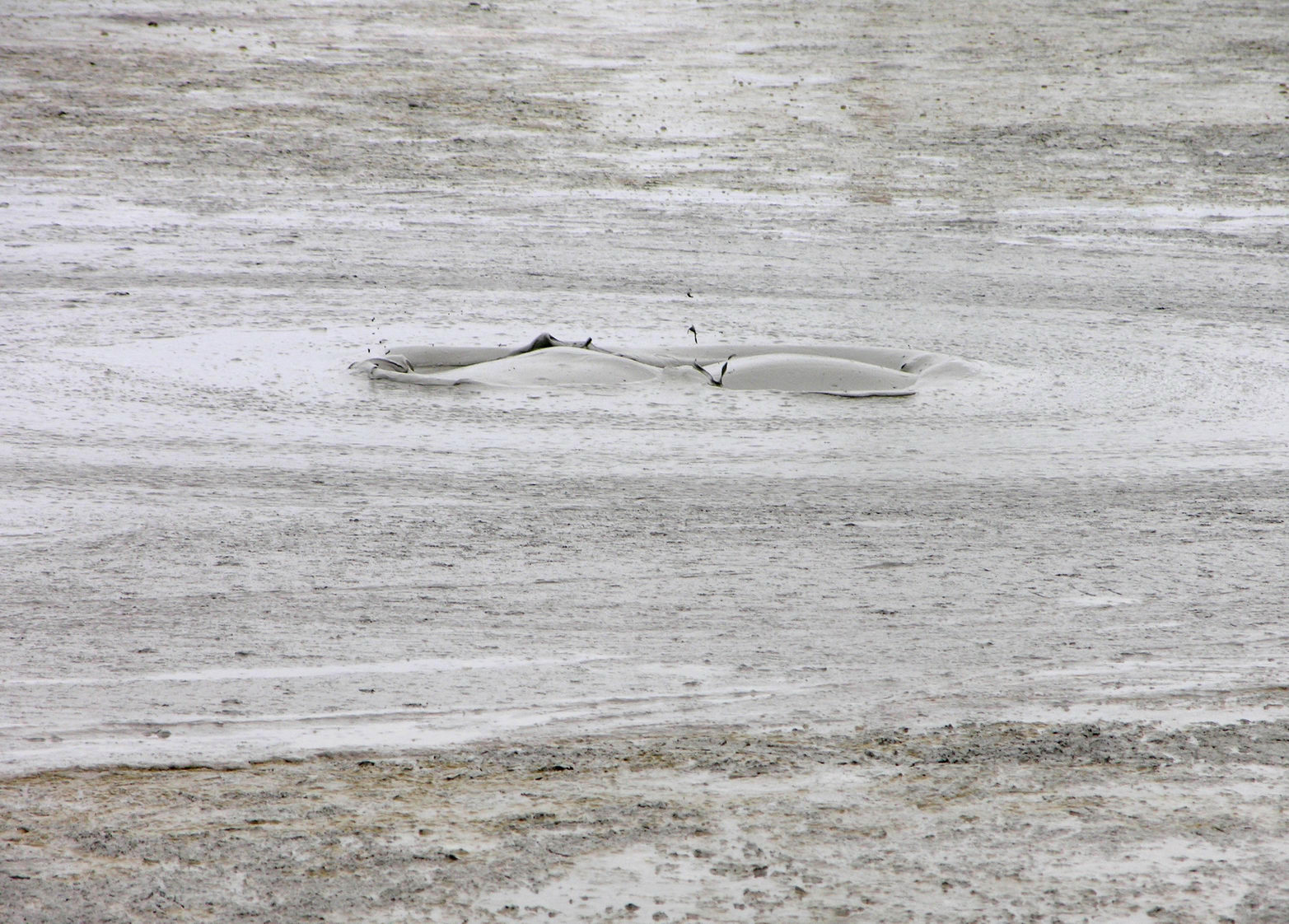
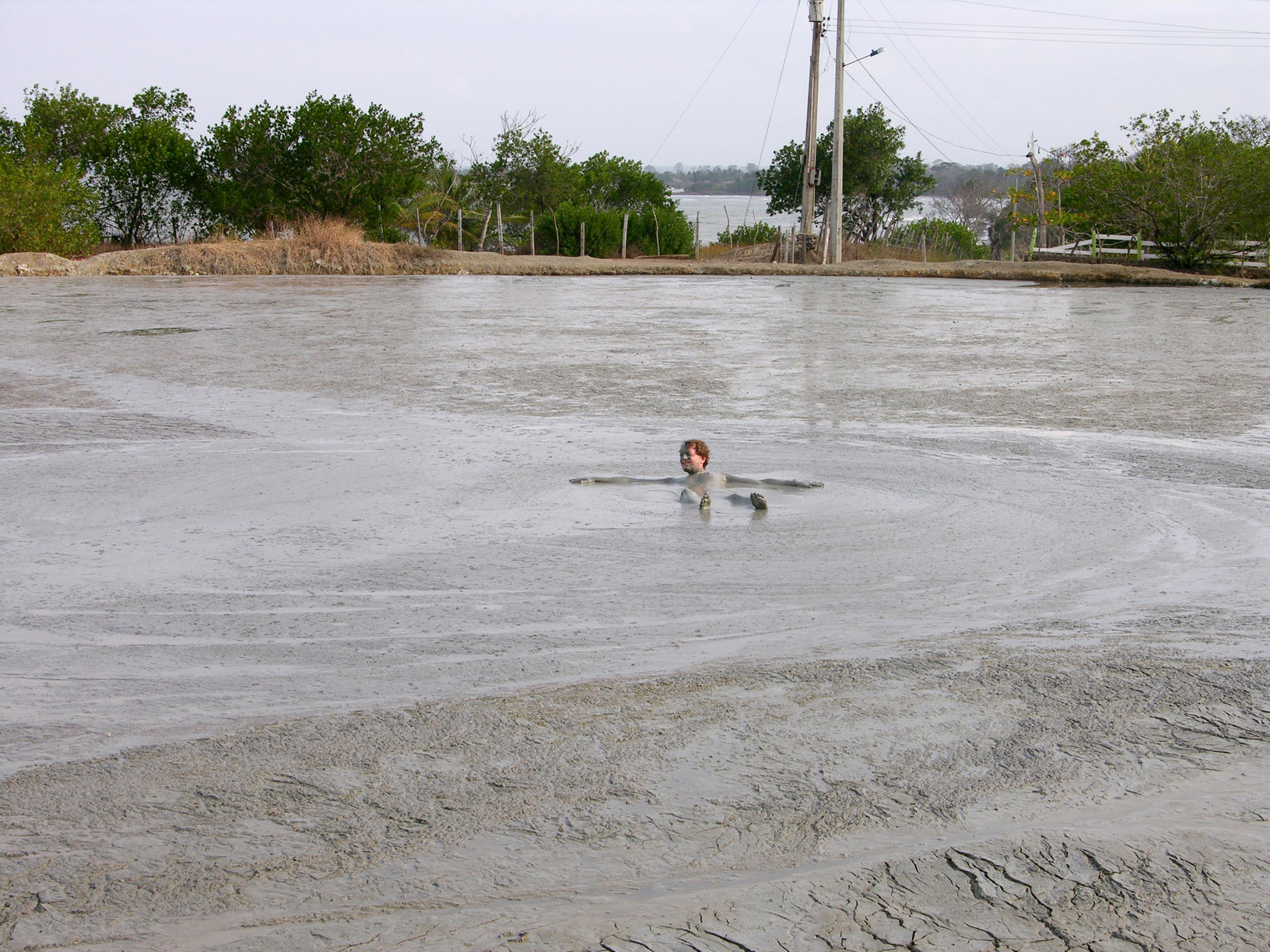
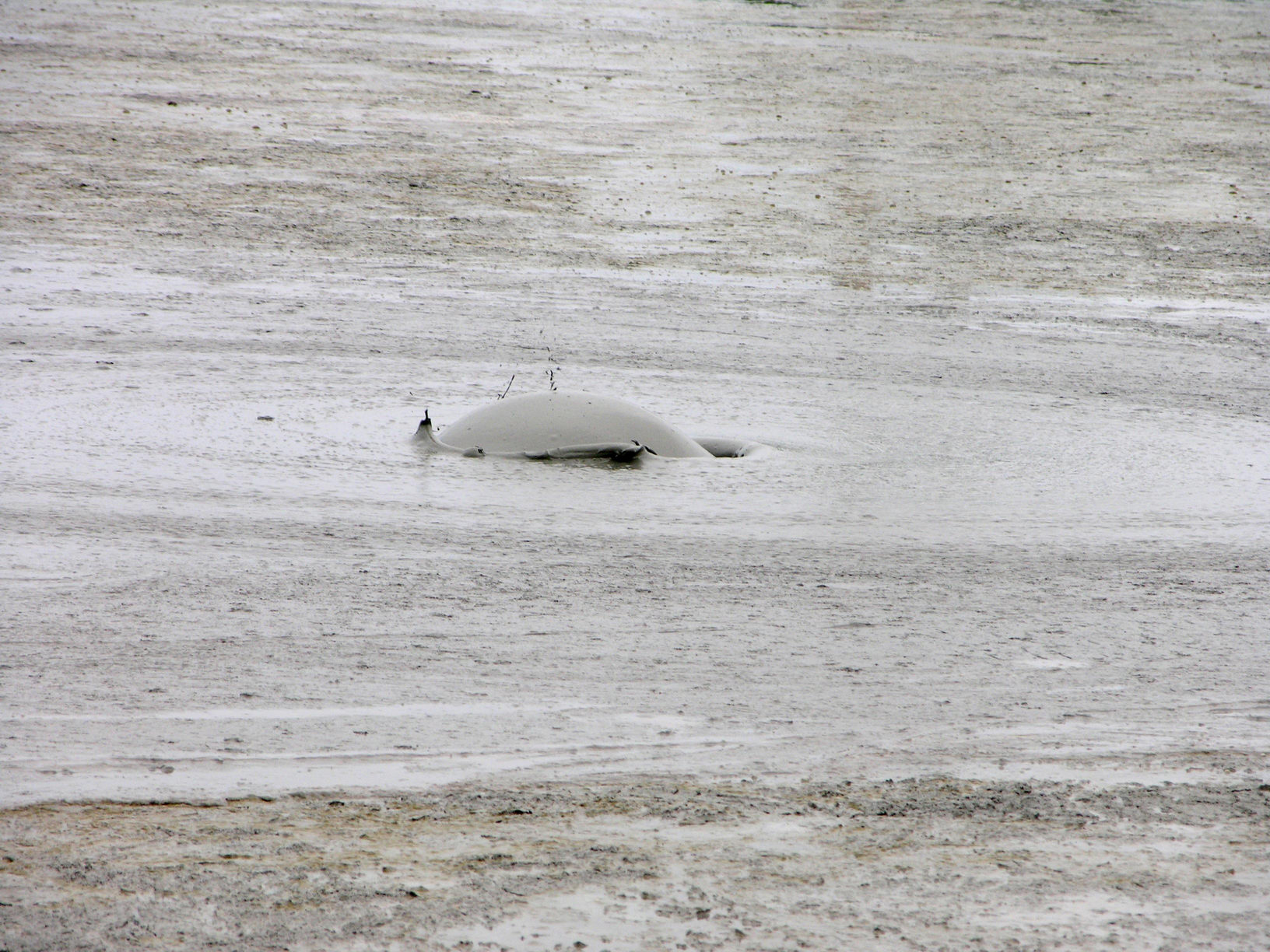
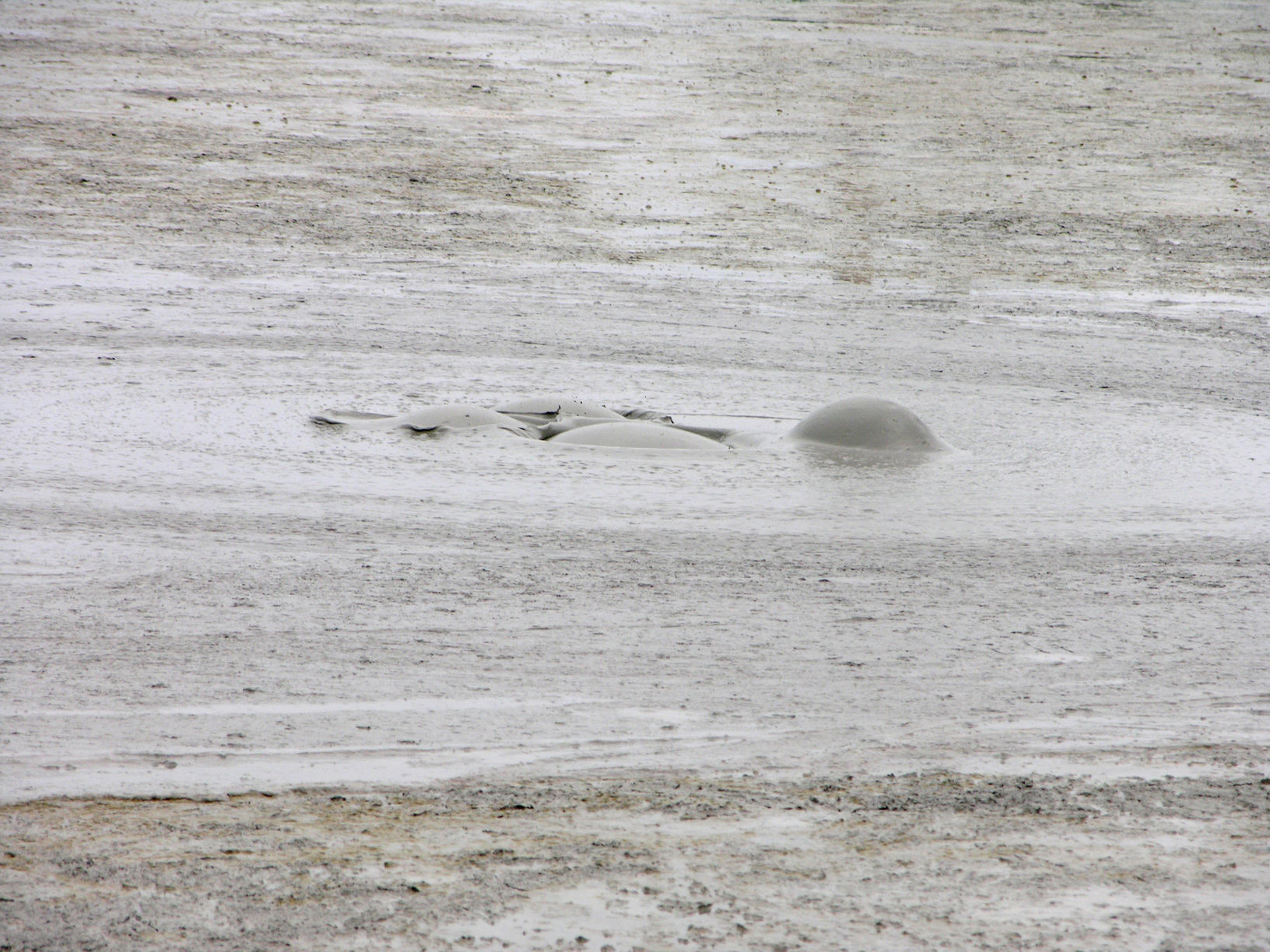
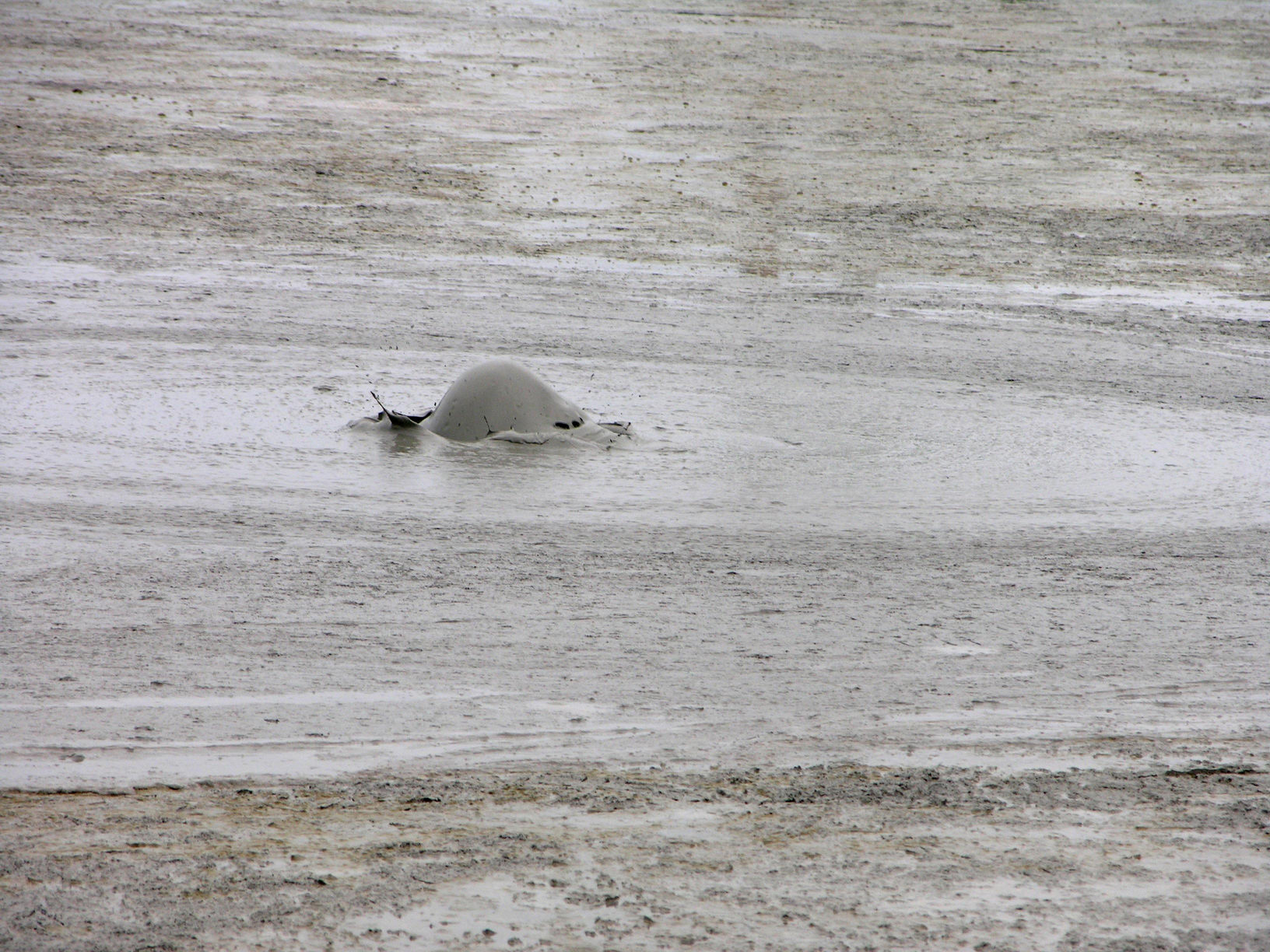
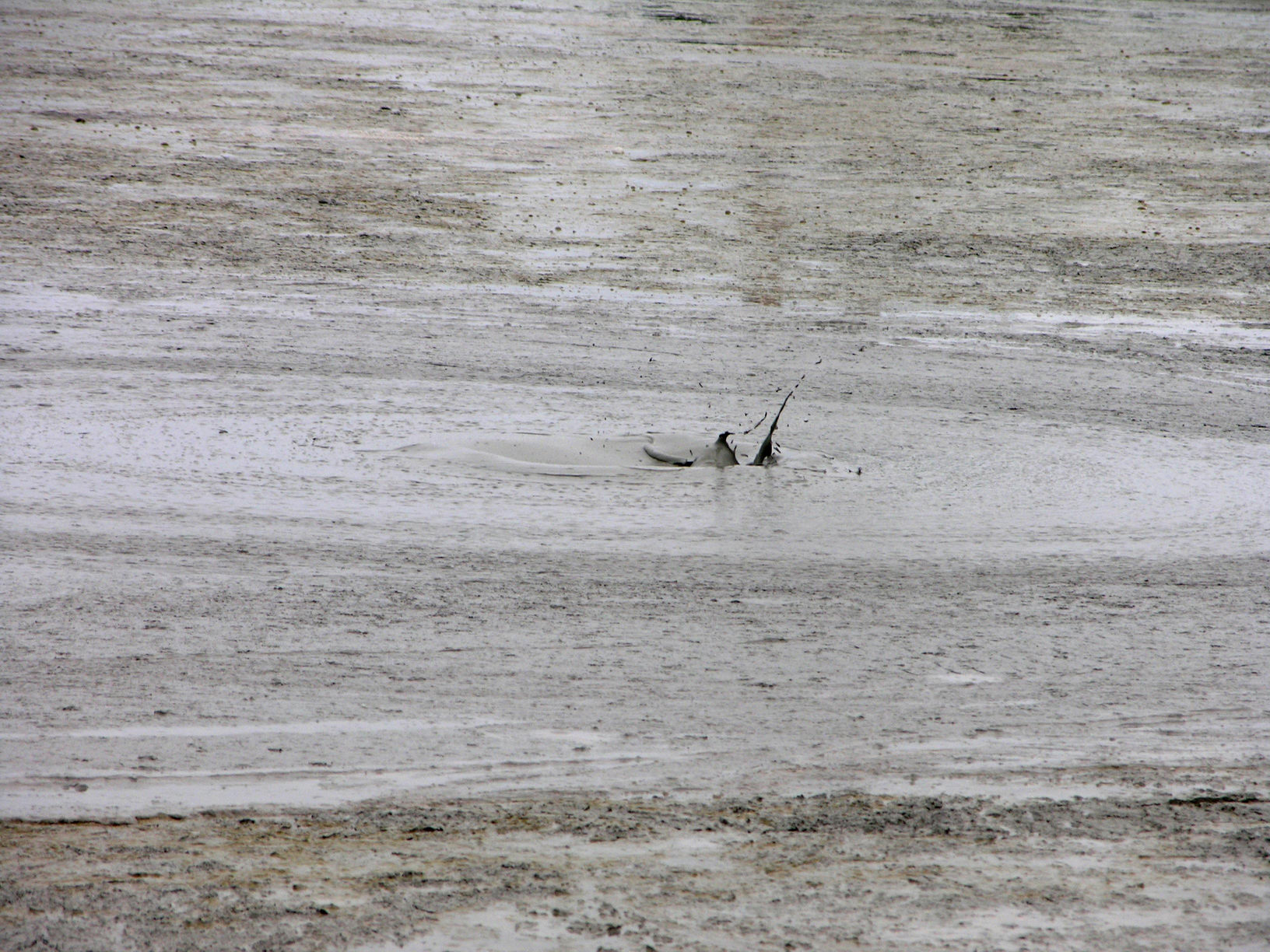
It's lovely to float and splash about. I spent an hour in the pool. By then other people had turned up. Children began jumping off the bank into the mud. That looked like fun. I wanted to do it too. I climbed out and went round to the edge. A crowd came to watch. “The gringo's going to jump. Come on, gringo. Hooray!” A whole line of spectators stood waiting. So I jumped. Not some little child. A hundred and ten kilos. I came up and the whole crowd was holding their stomachs with laughter. All right, I don't mind bringing people joy. Then at last I saw what it was. Some of the girls who'd come to watch the gringo's brave jump were wearing white dresses. Well, they'd had their look. The wave of mud had covered them head to foot. There they stood, dripping. They were laughing too. Colombia's a fine place. The people are still alive here. In Europe they'd probably have filed a claim, if not against me then against the volcano or the state as the authority in charge of it.
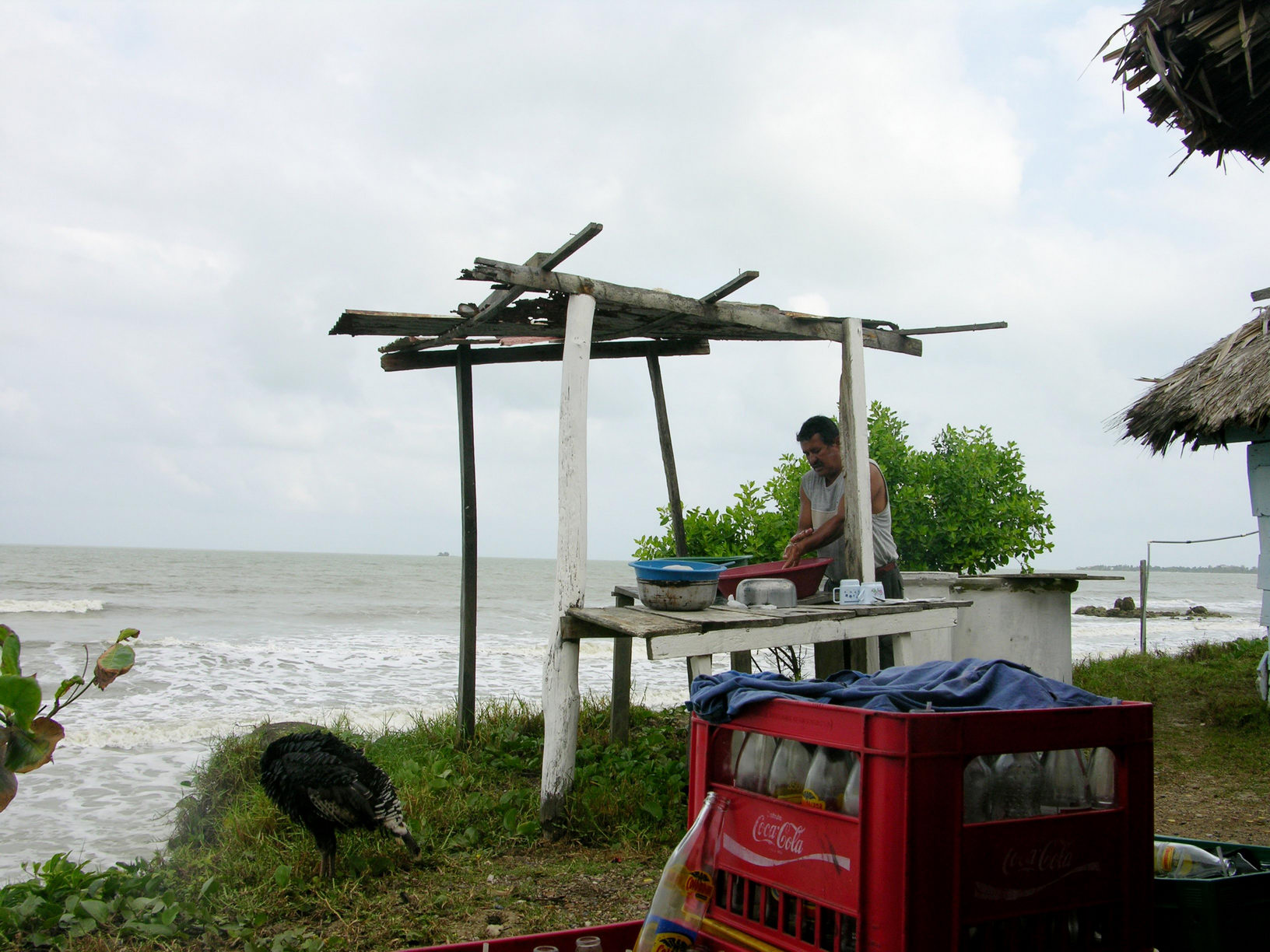
Good fun, except I'd swallowed mud when I jumped. It was everywhere now, up my nose, in my stomach, in my lungs. My nose was running mud and I was coughing mud. Never mind. The mud is medicinal. I'm going to be very healthy now. We went down to the sea to wash. On the sandy beach it's lovely to splash about in the warm, cloudy Caribbean. Right by the shore, in the shade of the local “baobab”, a café has tables where you can eat a whole fish. There are so many varieties, each more delicious than the last. The turkey mentioned on the menu was standing nearby, tied to the stove. We went for the fish.
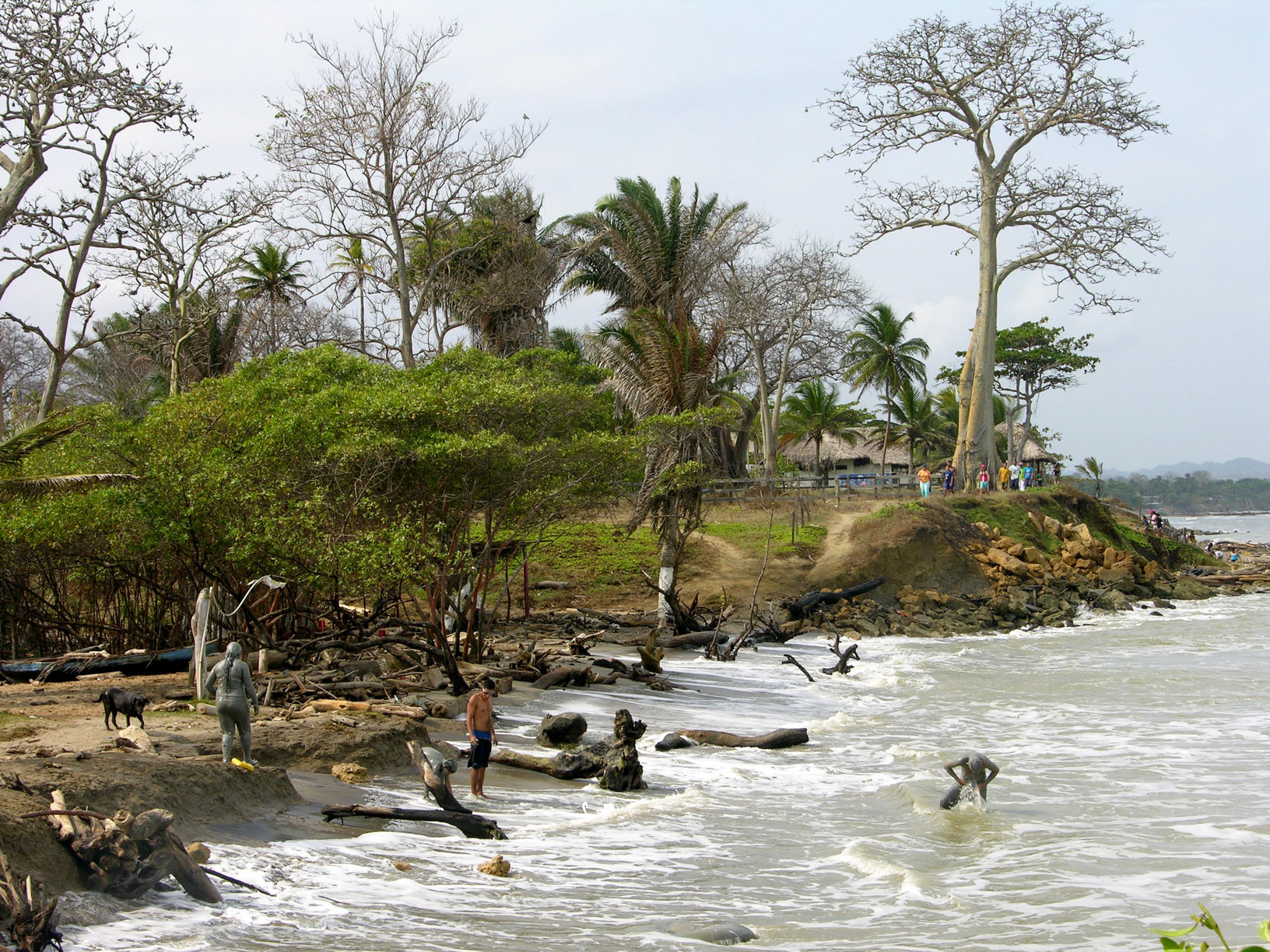
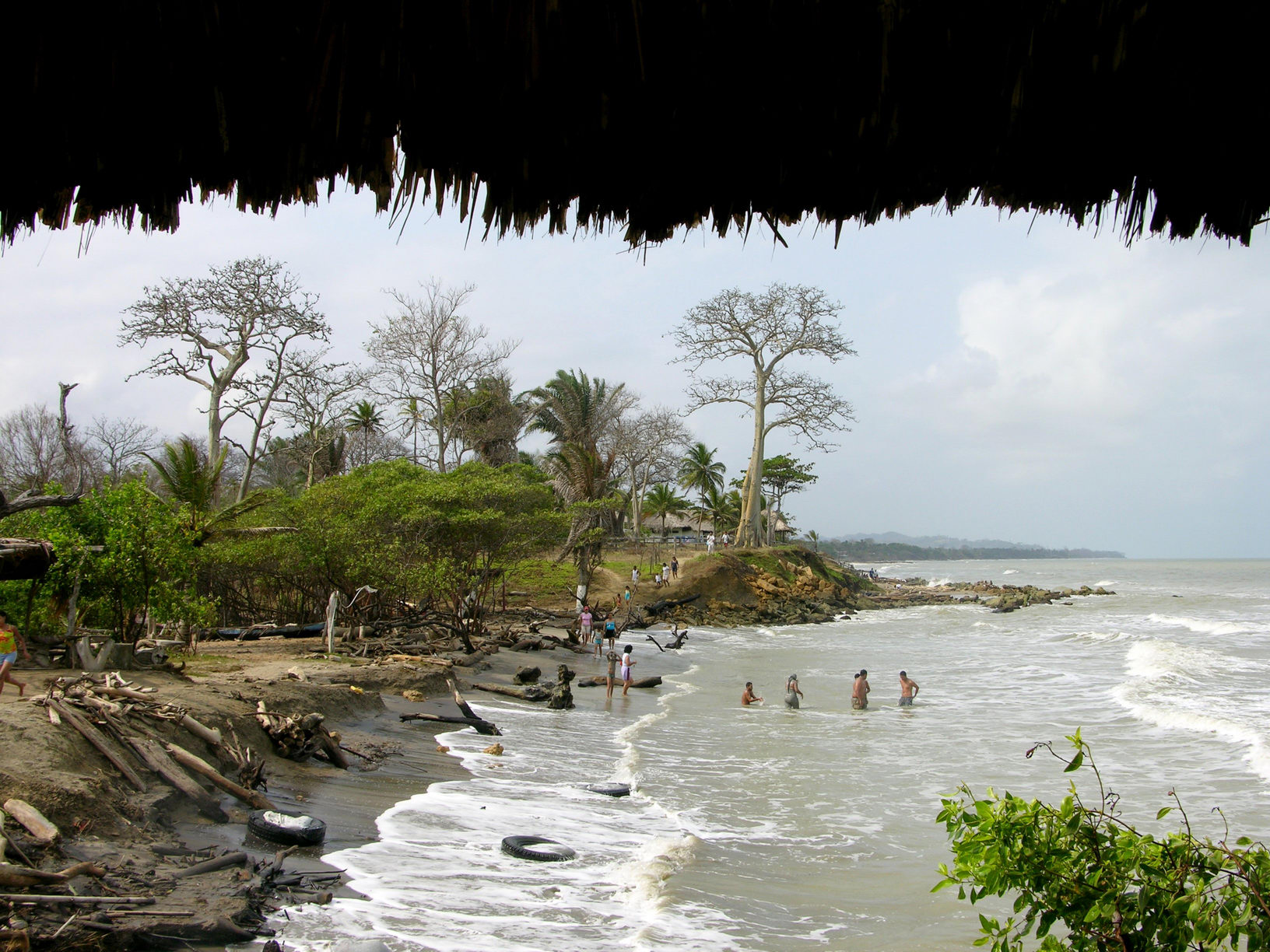
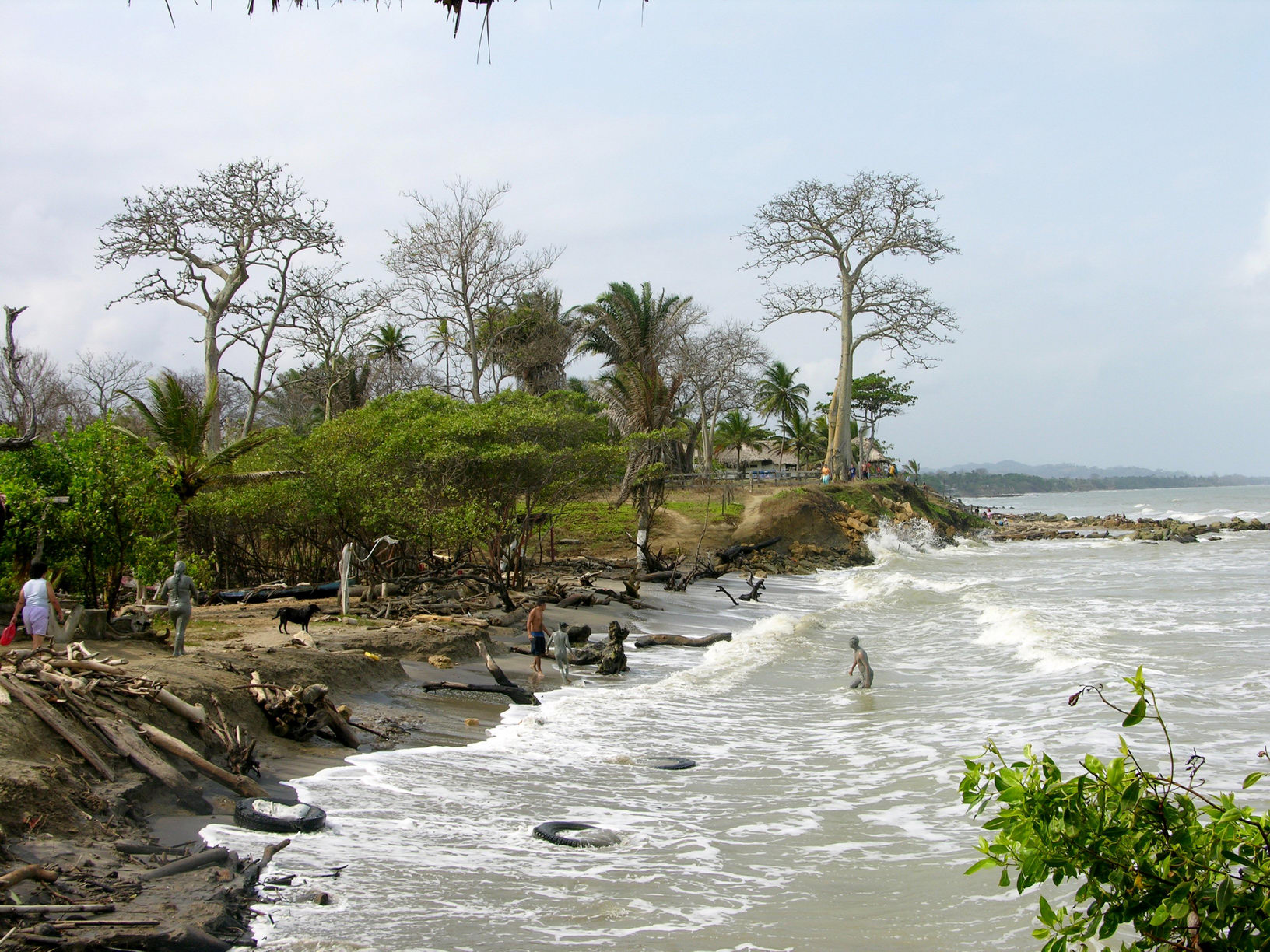
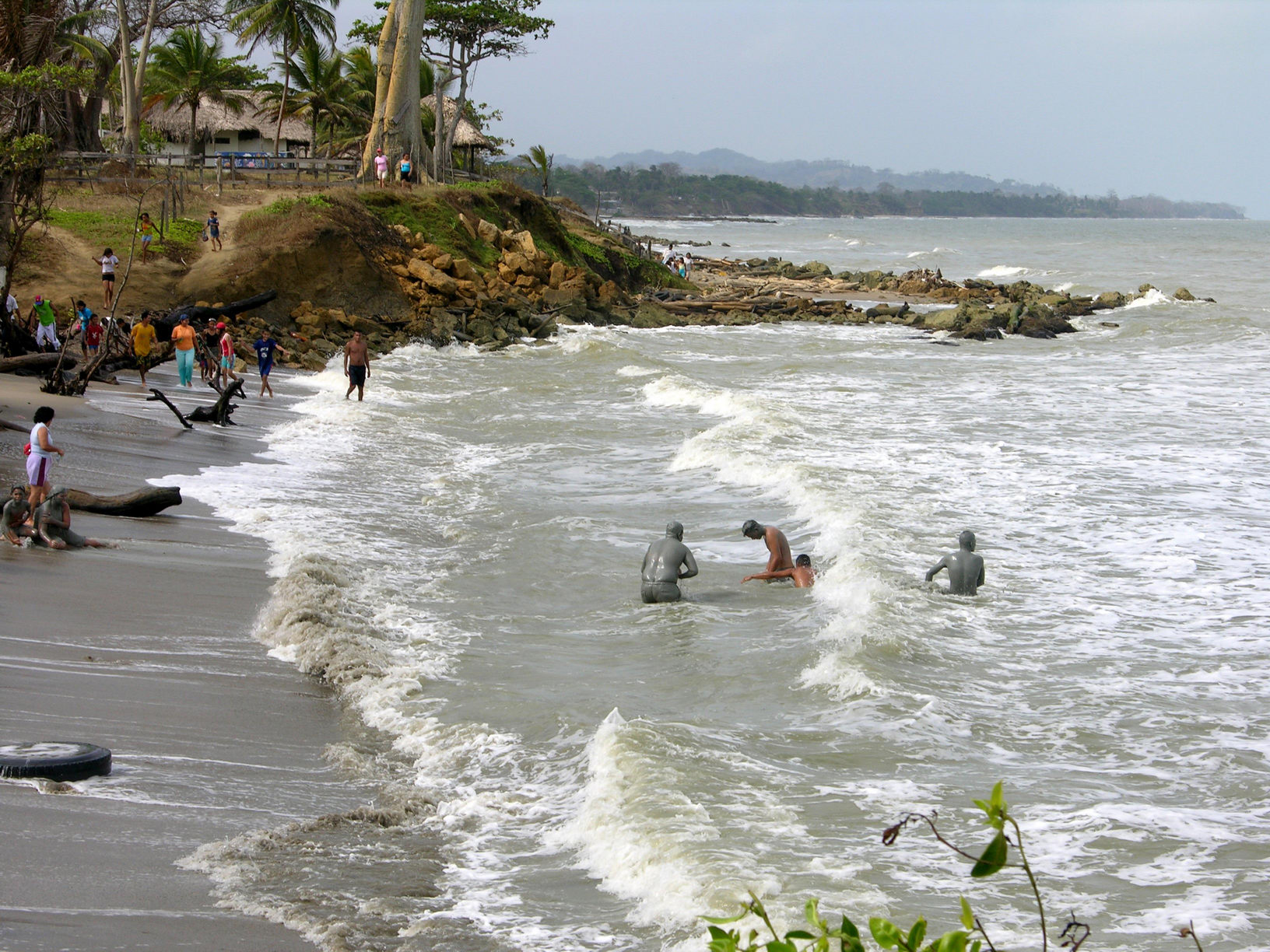
The children splash in the surf and in the mud in turn. There it is, freedom. There it is, childhood happiness. Nobody is keeping an eye on them. Parents aren't fined for leaving minors unattended. Arboletes is a marvellous holiday spot in general. A fishing village forgotten by God at the edge of the world. Warm sea, sandy beach, beautiful trees. I'd spend a week here. This is what Crimea was like forty years ago. Perhaps Saint-Tropez was like this when Brigitte Bardot opened it up to the world. In short, go to Arboletes while it's still there. There weren't any guerrillas here, by the way. People weren't afraid to leave their belongings and keys on the tables while they swam.
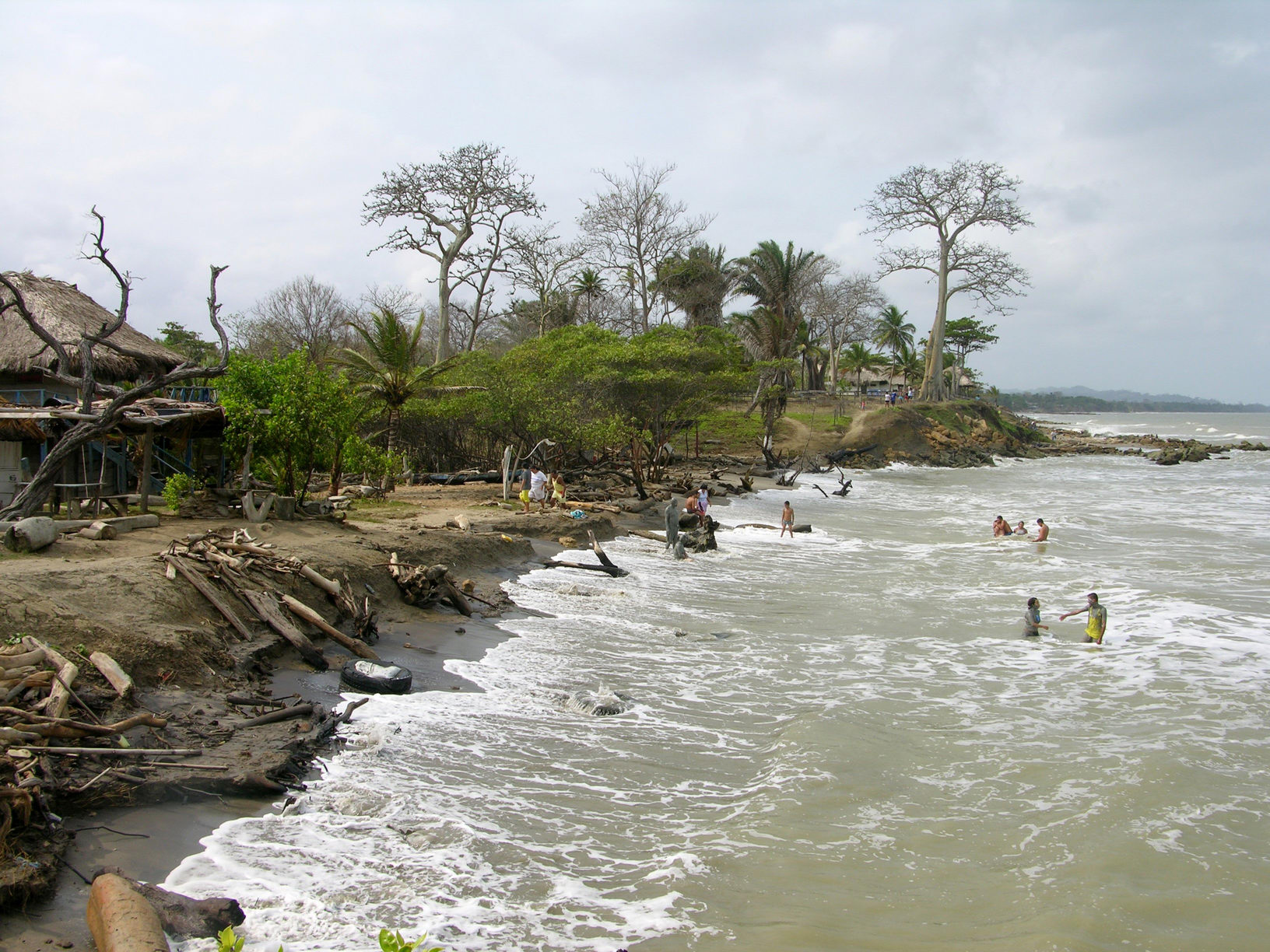
Farther west of Arboletes, along the sea, there's only a rutted dirt road. Cows graze by the water. The villages aren't set up for holidaymakers at all. There isn't a hotel in San Juan. This is the place to buy up property. Two thousand kilometres to the States, after all. A two-hour flight.
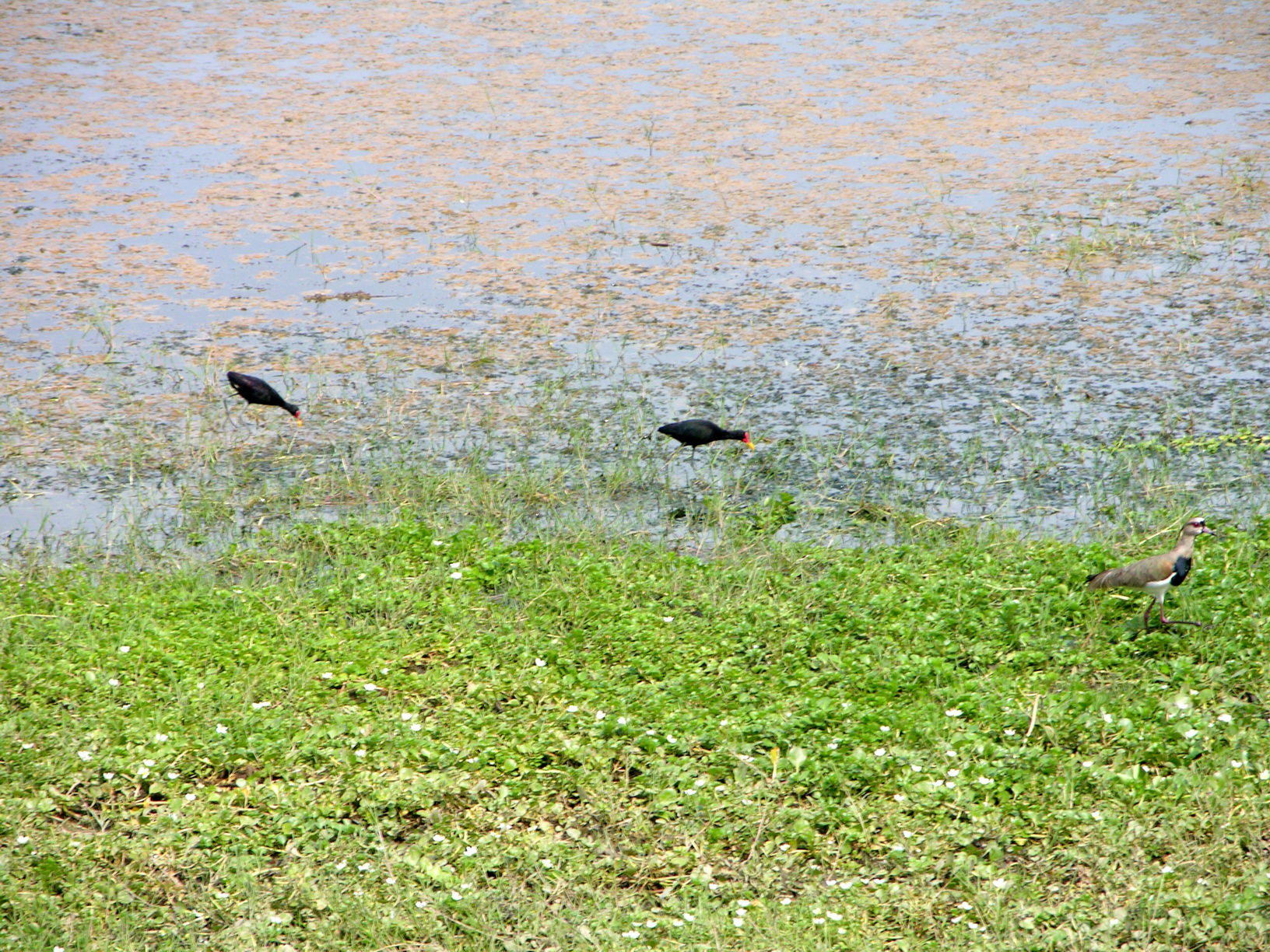
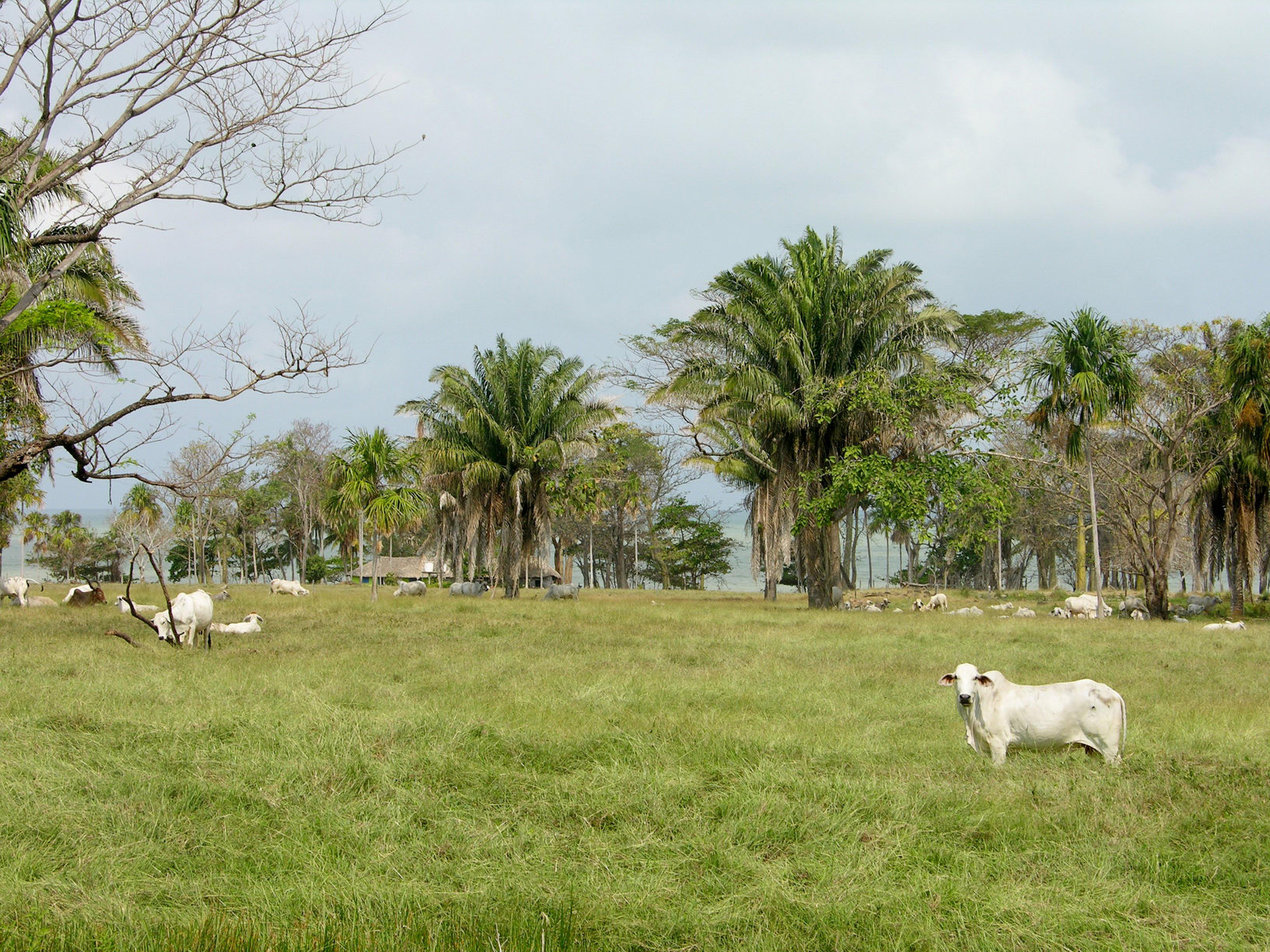
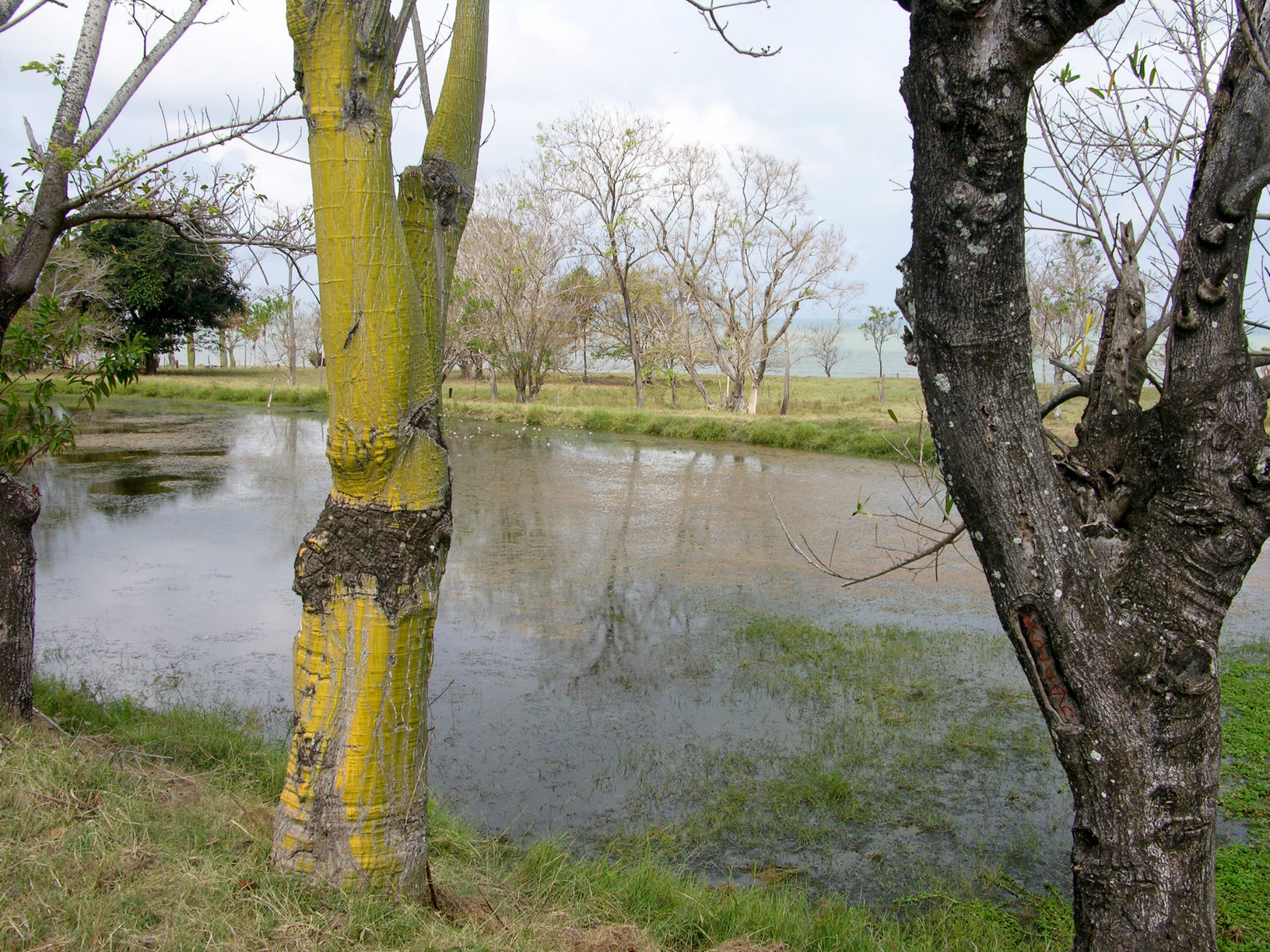
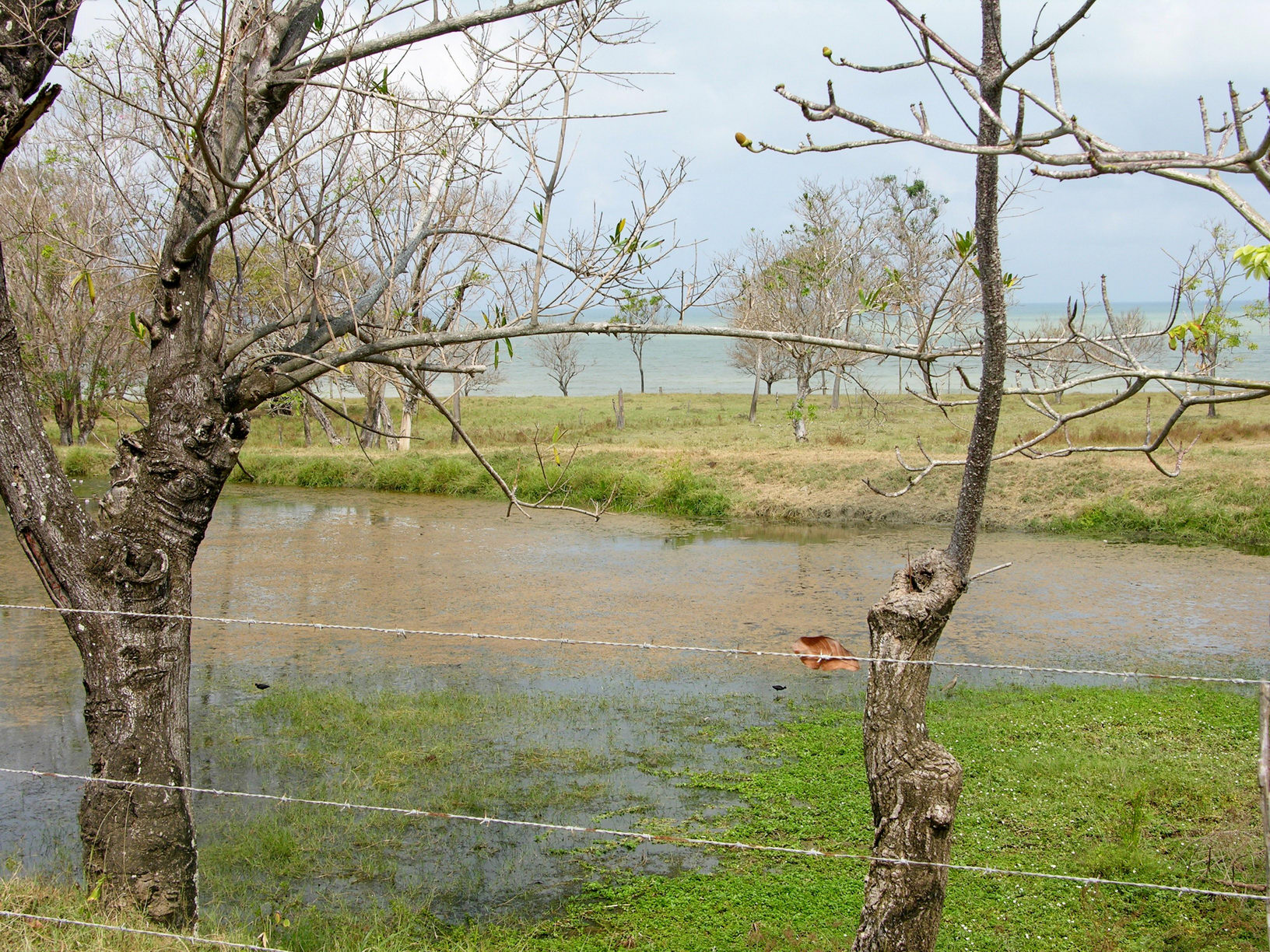
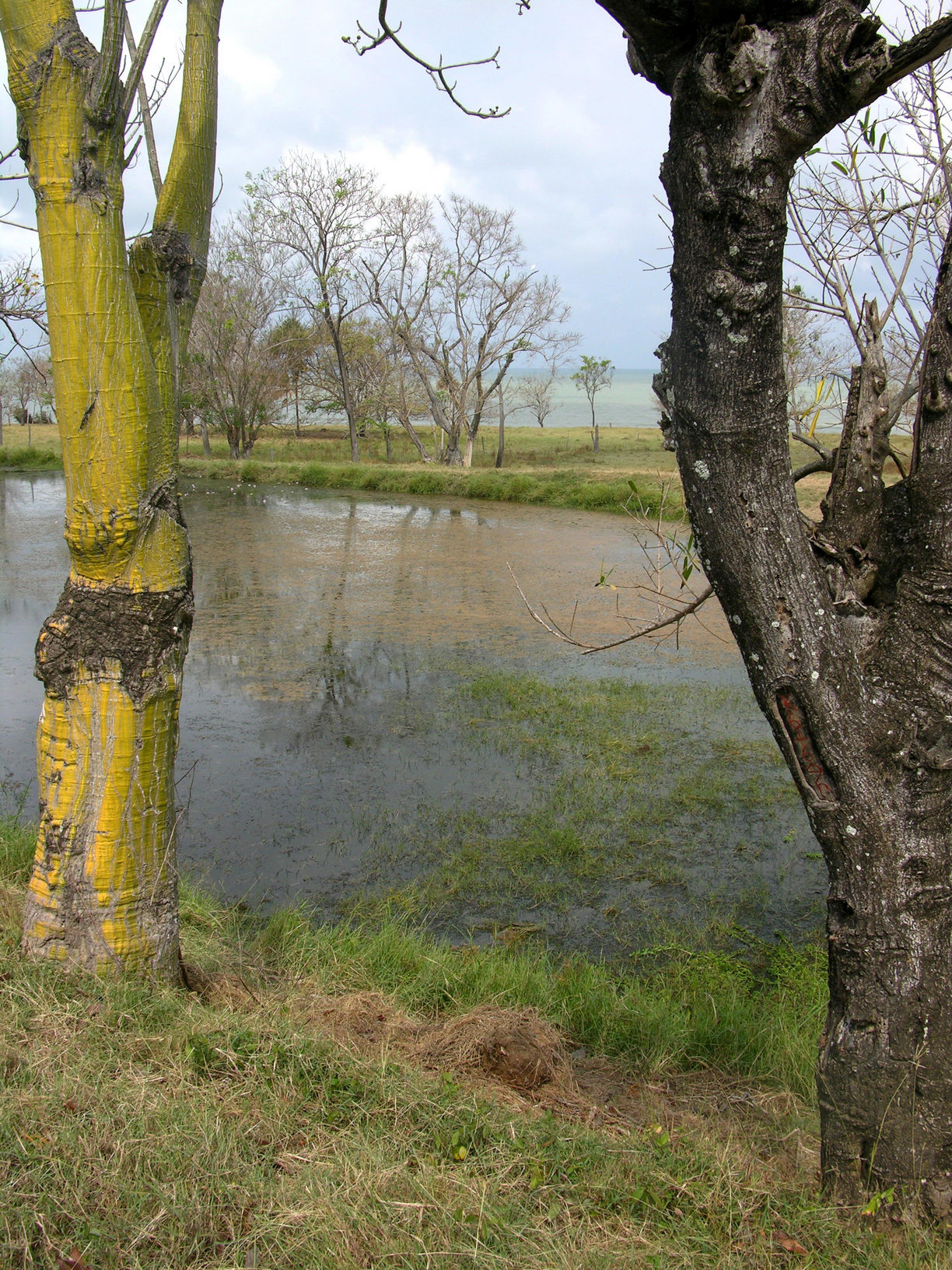
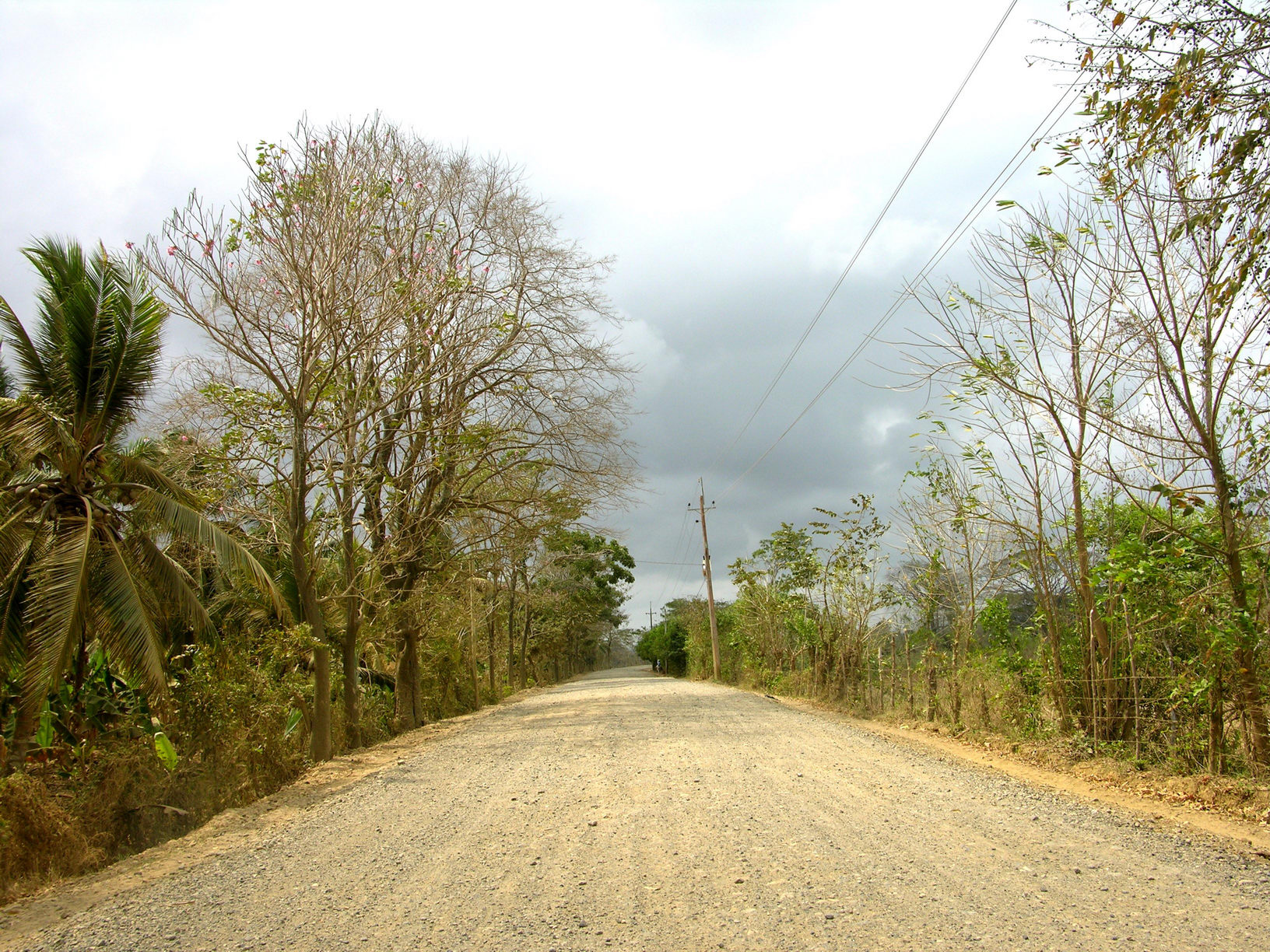
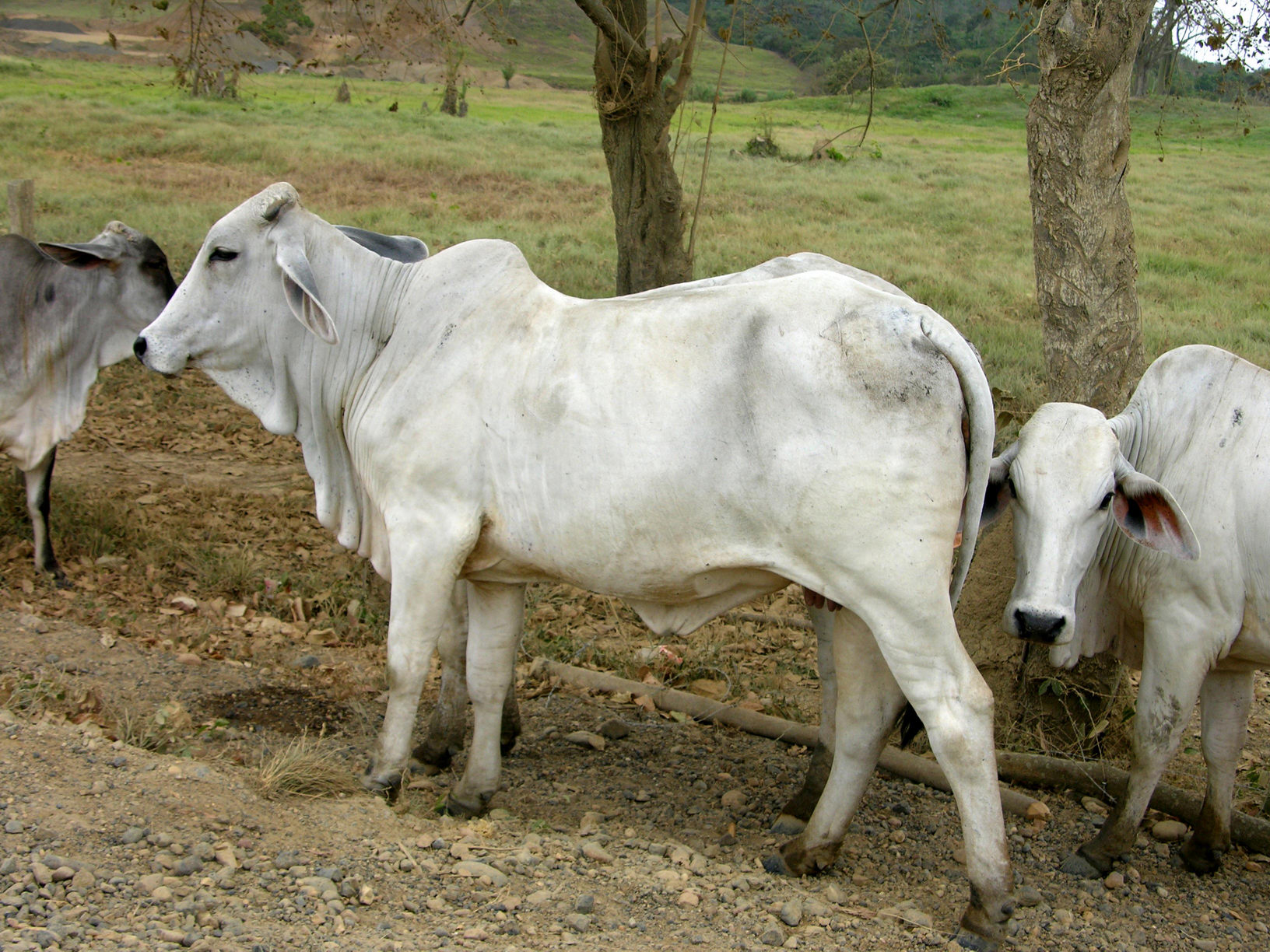
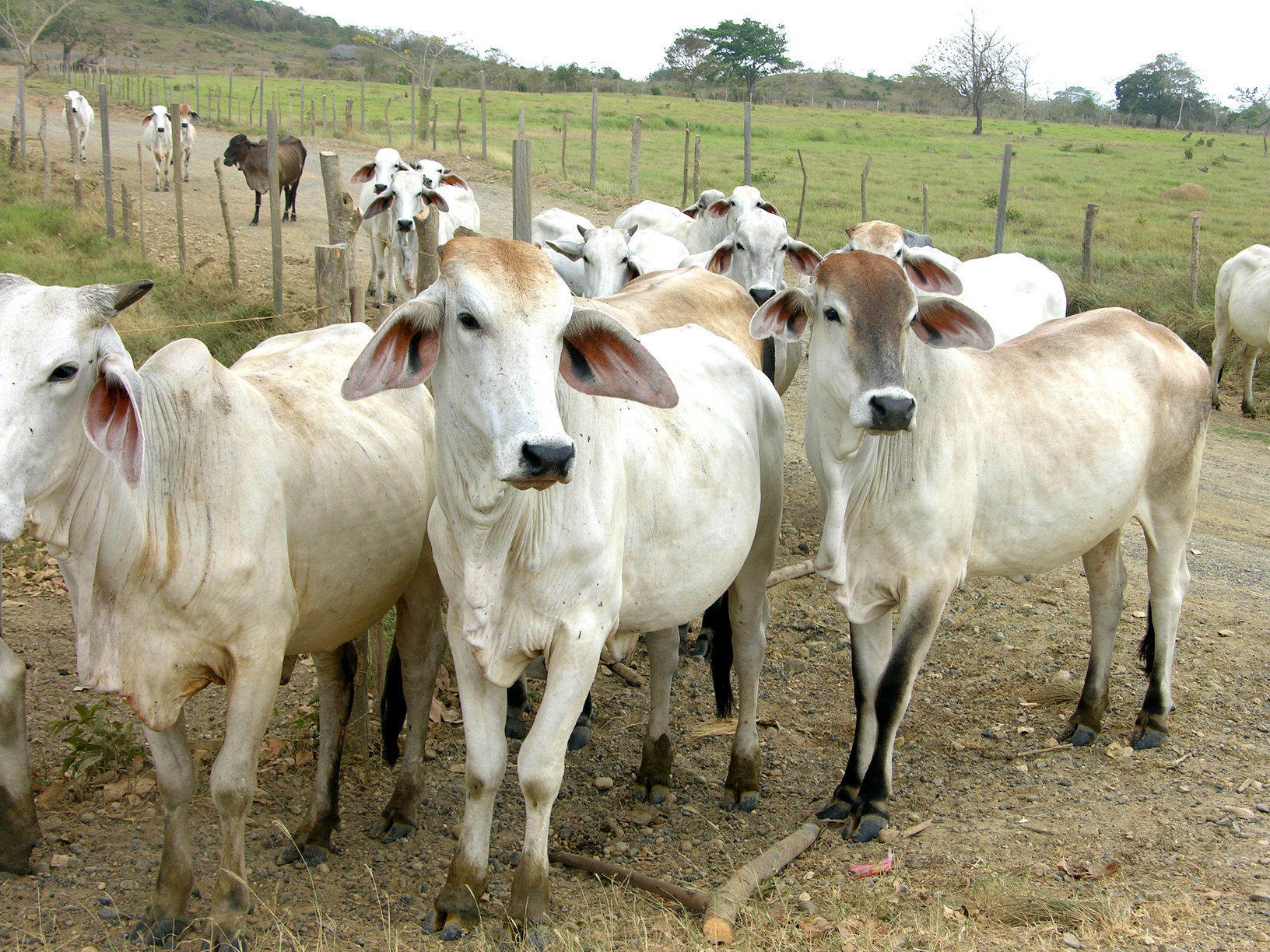
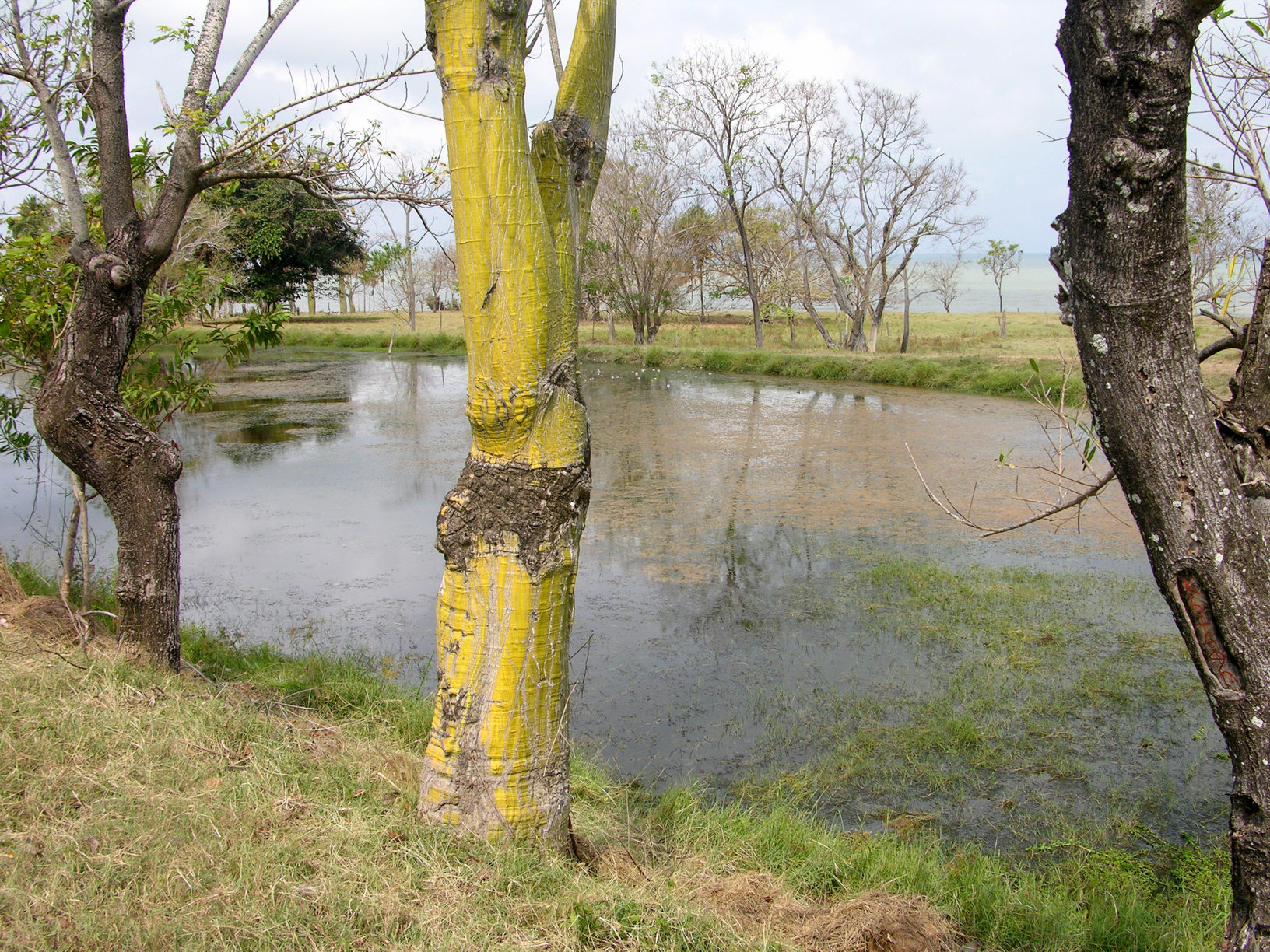
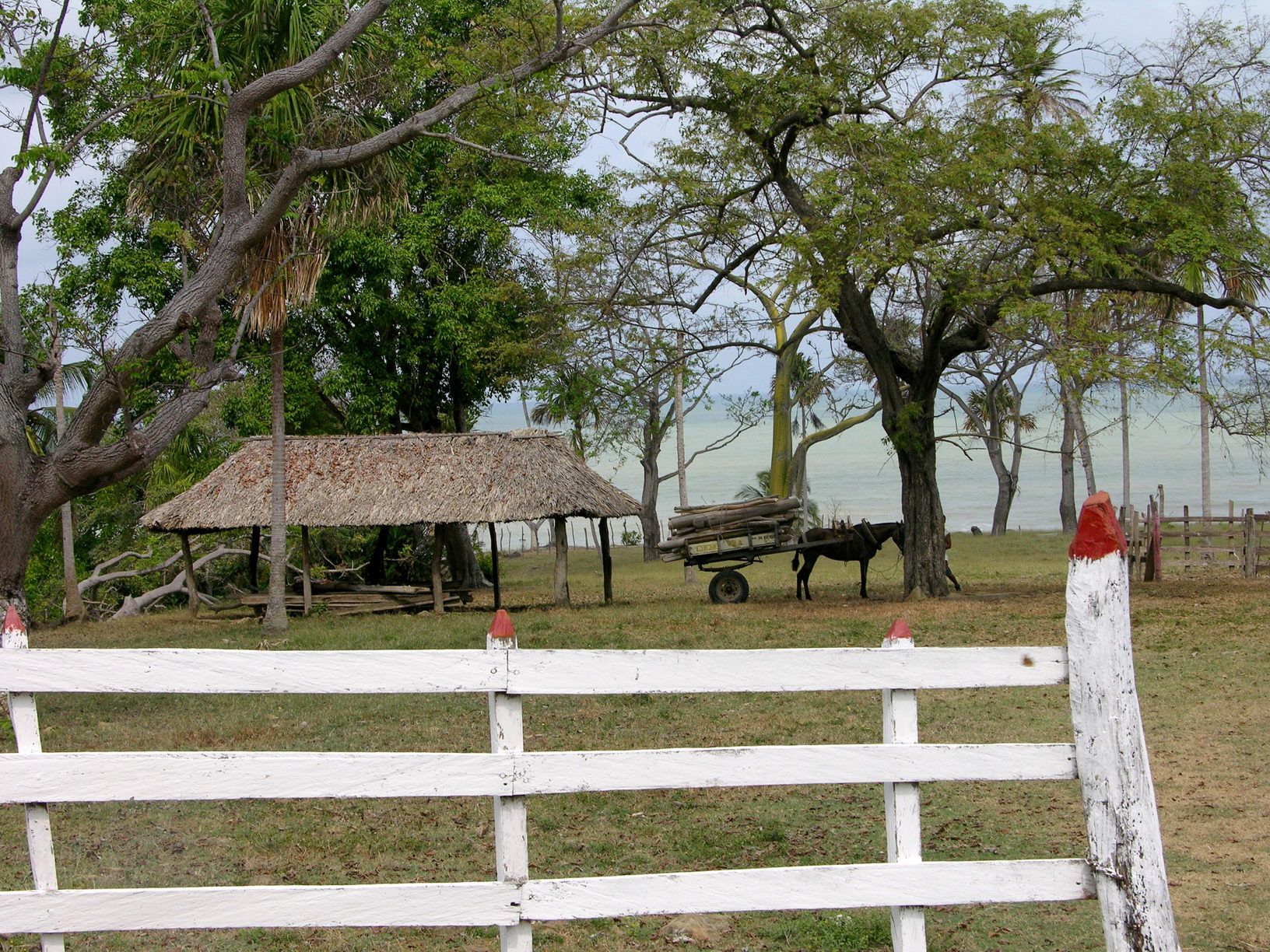
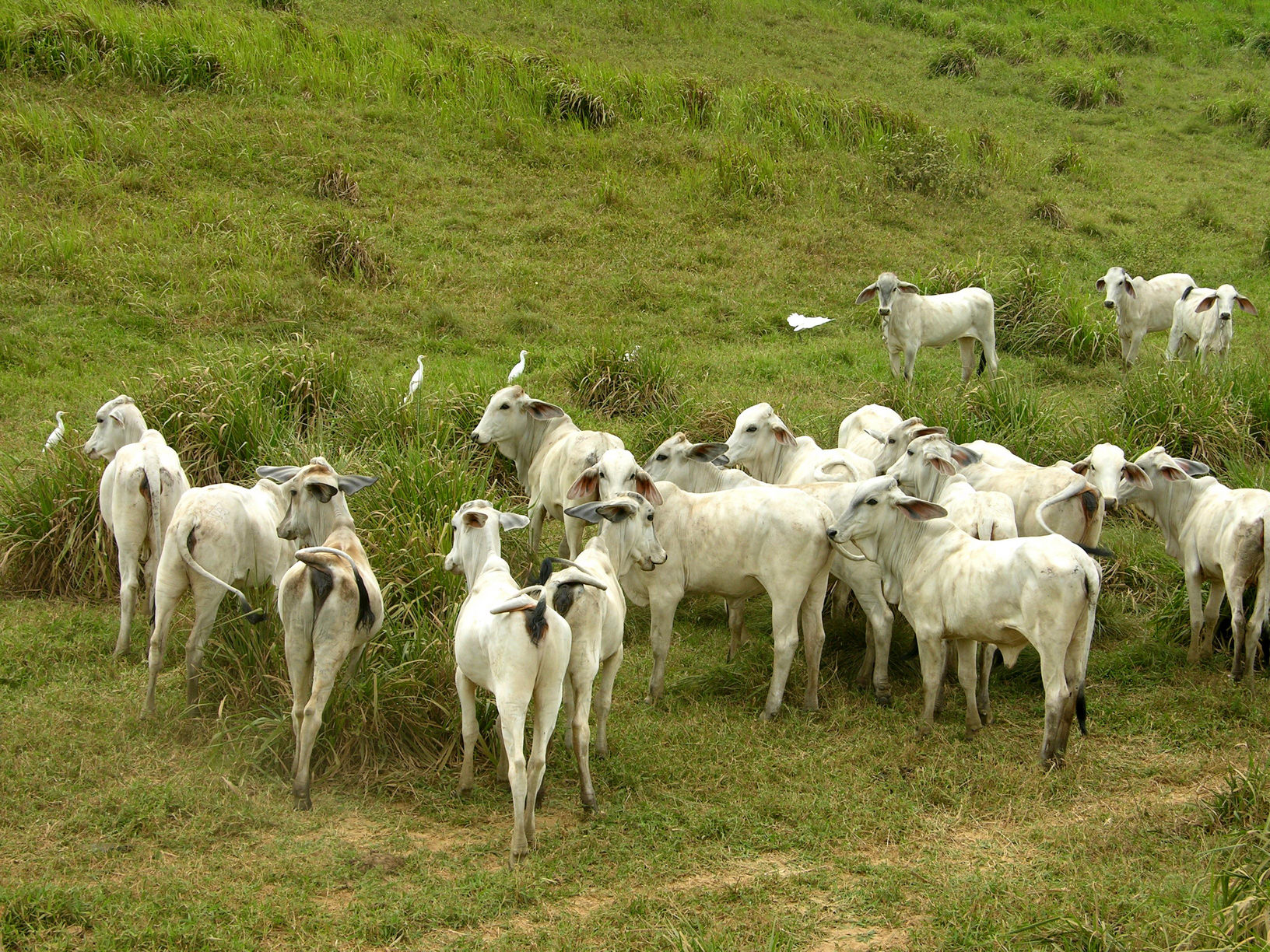
We drove a hundred kilometres over those ruts before reaching the dusty town of Caribia at a road junction. What a primitive market it had! We bought cherimoya and all sorts of other useful things.
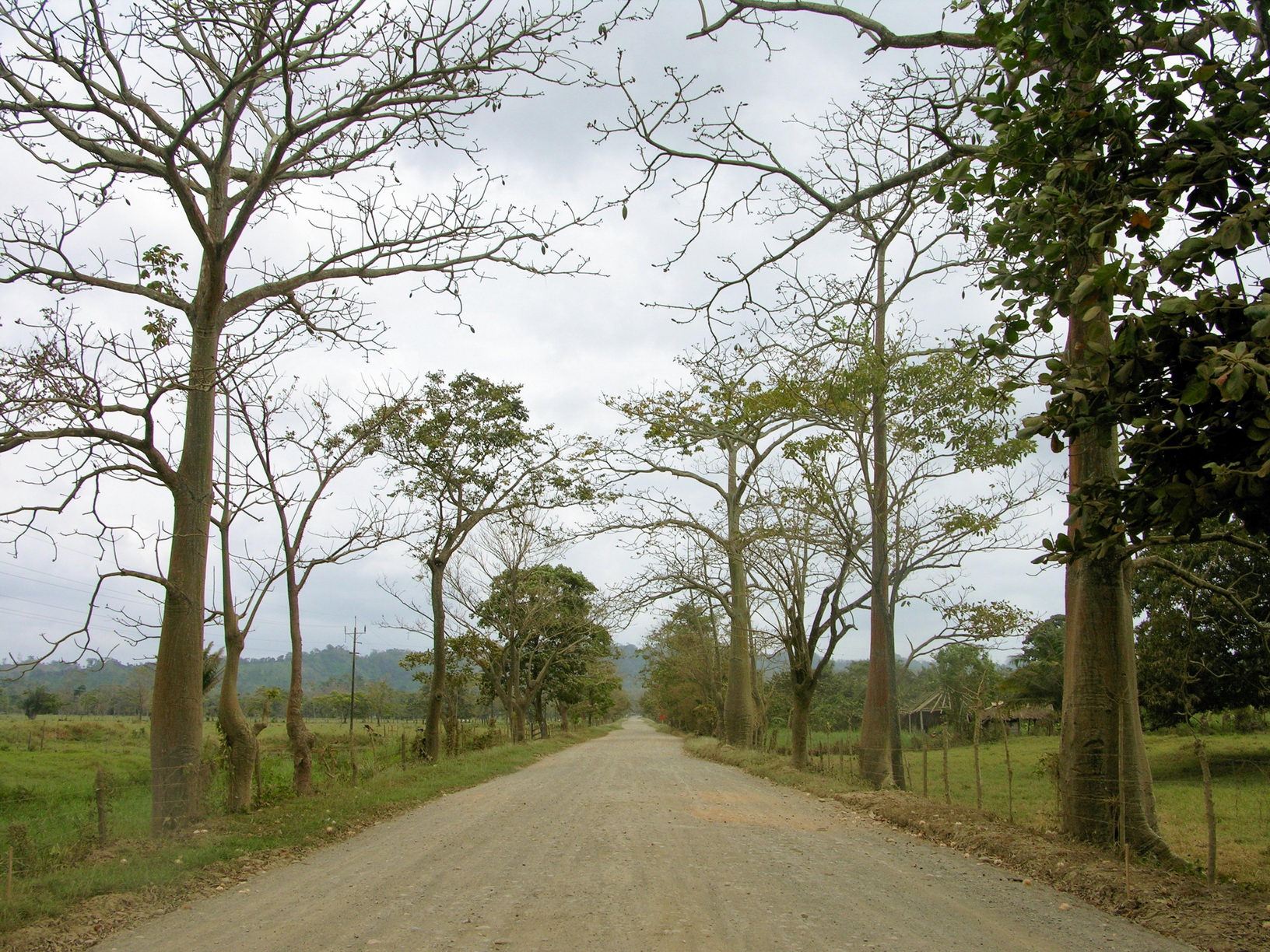
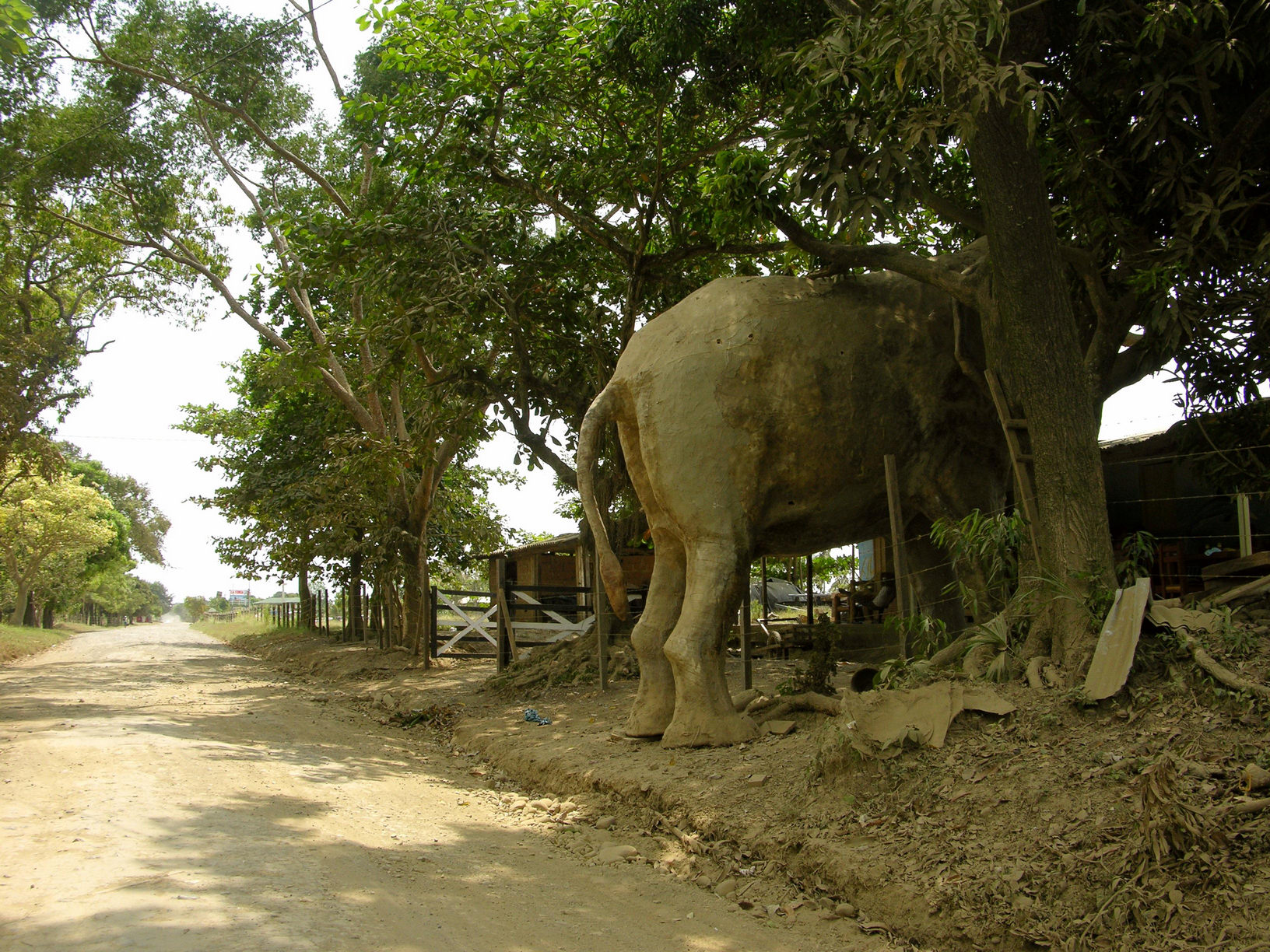
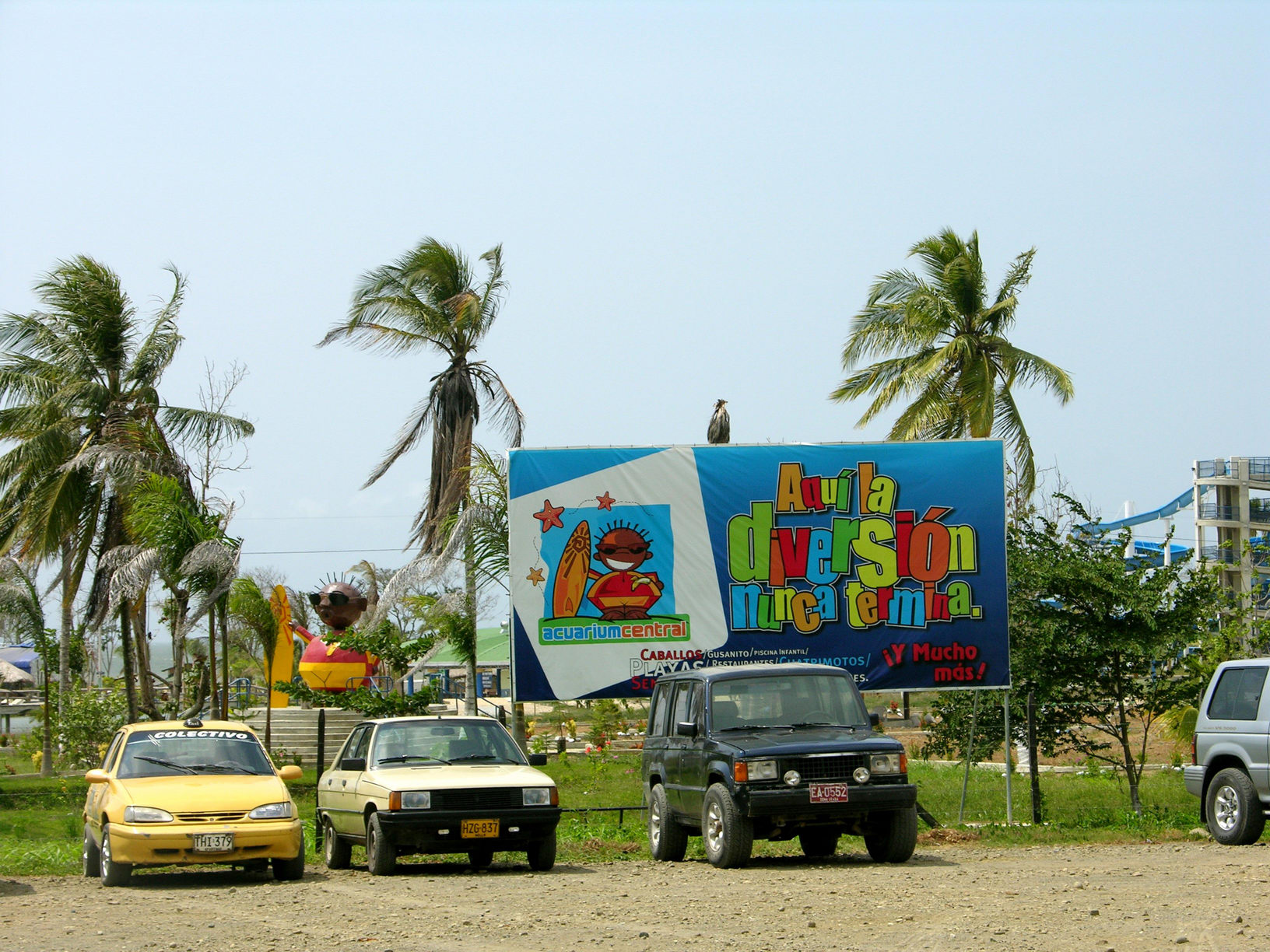
Gradually, as we approached Turbo, tarmac appeared and other signs of civilisation. What's more, an elephant appeared by the road. Plaster, unfortunately. Behind it a water park, like one on a Turkish beach. Asphalt all round, electronic passes at the entrance, plastic slides. A country of contrasts, indeed.
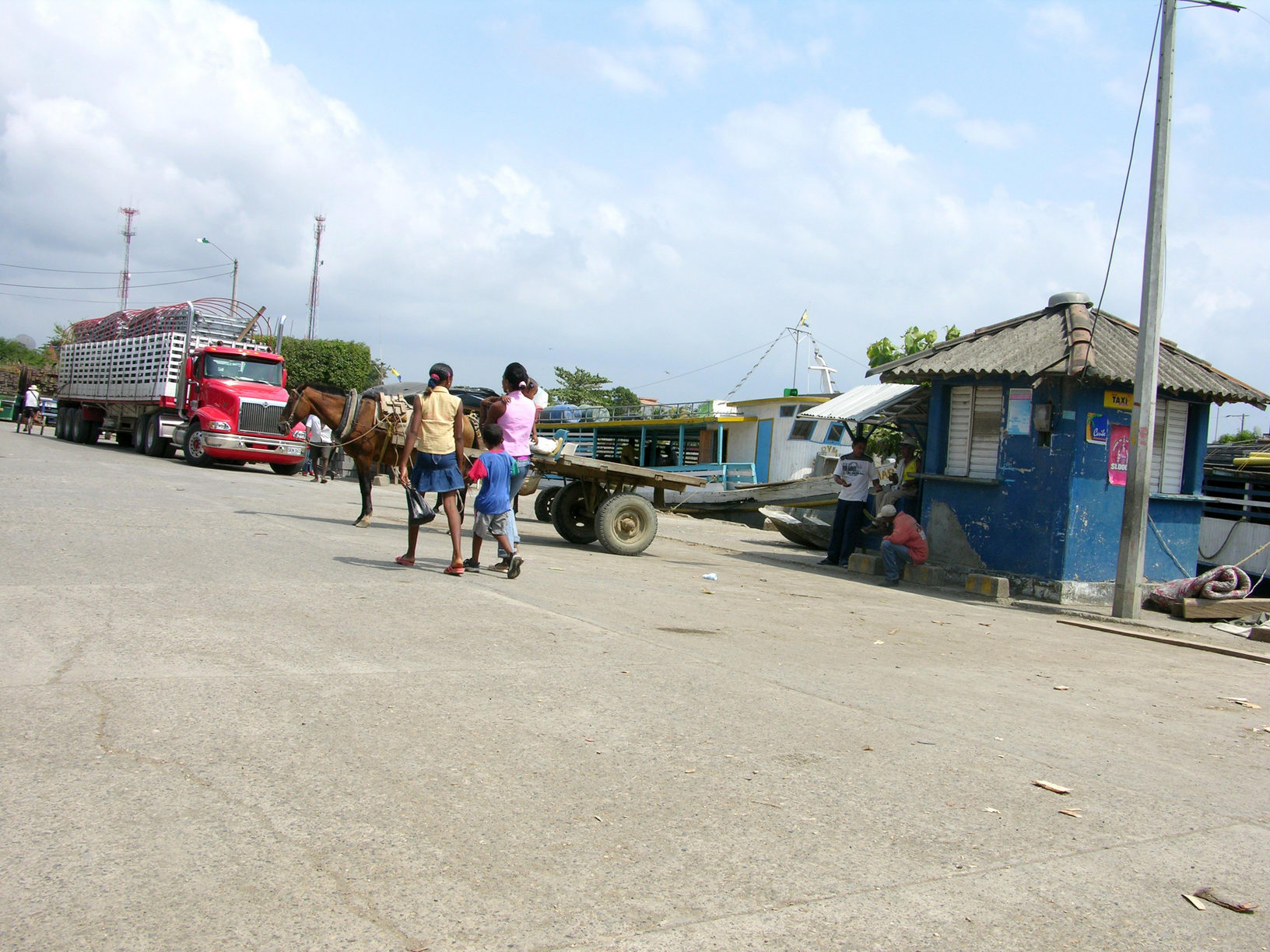
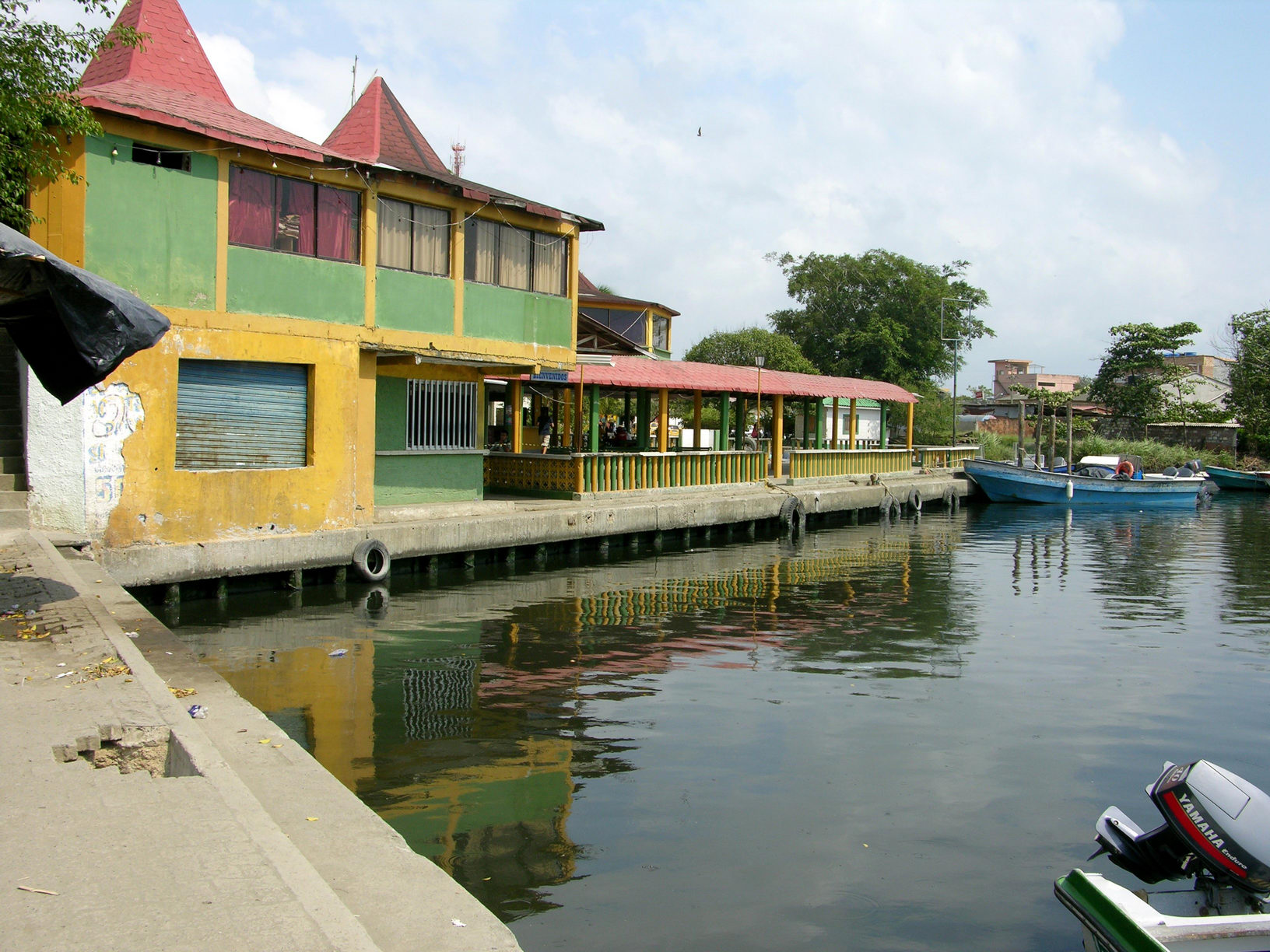
Turbo itself was dusty, dull and dirty. The Turbo River had been turned into a sewage ditch. It stank so badly you could hardly go near it. That's where the little motorboats are moored, too. They go to the next village. Nobody knew much about getting to Panama, and it's only ninety kilometres. The southern part of the Pan-American Highway ends in Turbo. Or rather, a hundred kilometres south of Turbo it was supposed to bend westward, but the swamps on the lower Atrato River prevented them finishing it in the first place. Then they became afraid it would be used to bring cocaine across. Panama and Colombia weren't on friendly enough terms to keep the land border open either. Then there are the guerrillas. There are no roads in the mountains of the western Andes. Thick forest. The Pacific coast is undeveloped. Perfect country for rebels. The road south from Turbo is guarded like no other. Soldiers lie at every bend surveying their stretch over the sights of a machine gun. Tanks everywhere. The road goes through empty country amid rocky mountains clothed in thick rainforest. The standard of the Pan-American Highway there is appalling. In places rockfalls block the route. Instead of clearing them they just started driving over the top. The rocks scrape the underside of the car. There's one set of ruts, hard to pass.
At the next post we asked whether we'd make it through to Medellín that day. Wasn't it dangerous to drive on this road at night? “Nothing to it,” they said. “You'll make it.”
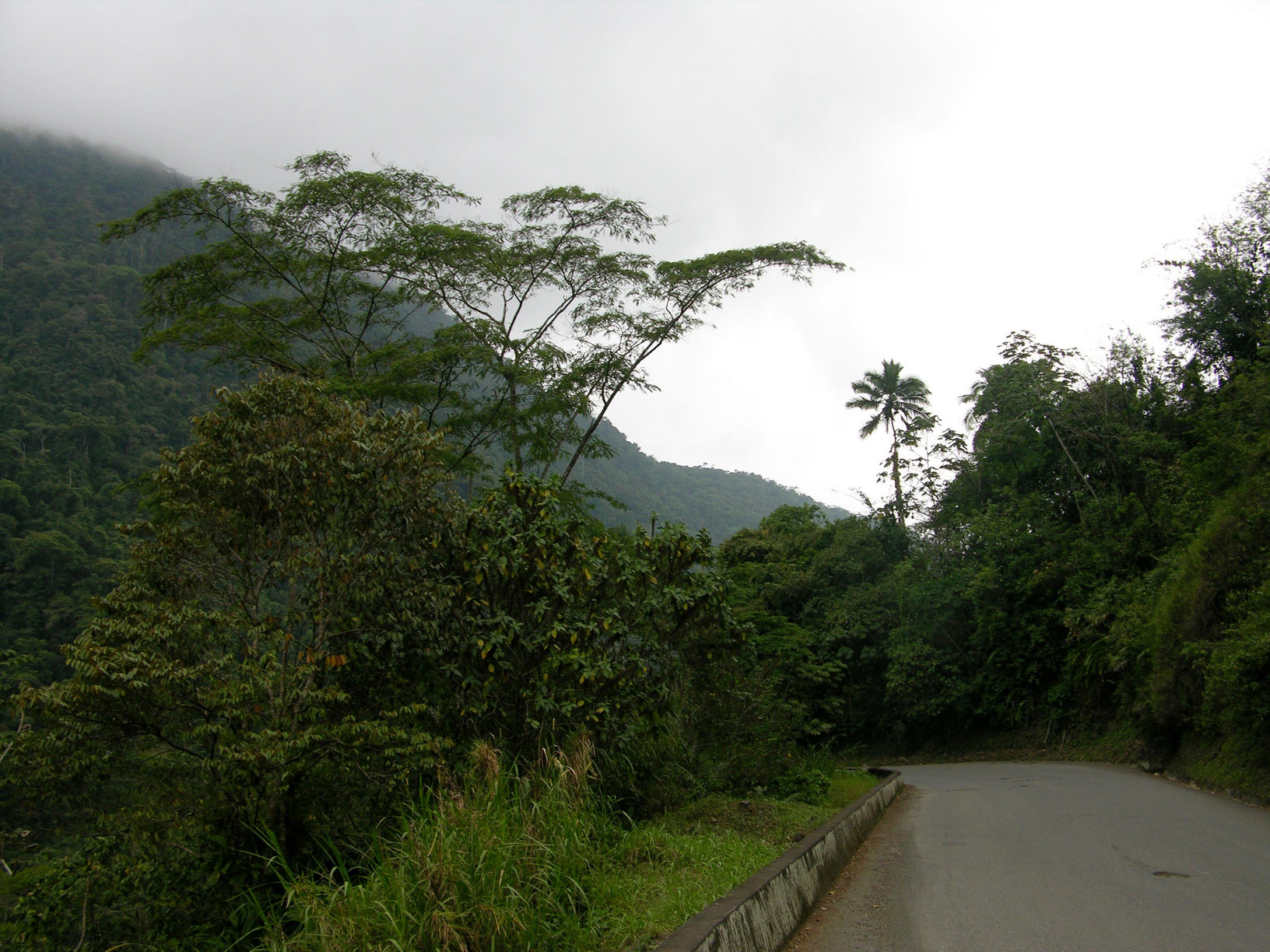
The road gradually climbed. It got cold. The temperature fell to zero. A grey November drizzle like Saint Petersburg's began. The forest ended and the country was settled again. No more guerrillas or checkpoints.
We stopped a hundred kilometres short of Medellín, for the night in the old capital of the Colombian department of Antioquia, the town of Santa Fe de Antioquia (Antioquia, department website), at 6°33.727′N, 75°49.951′W.
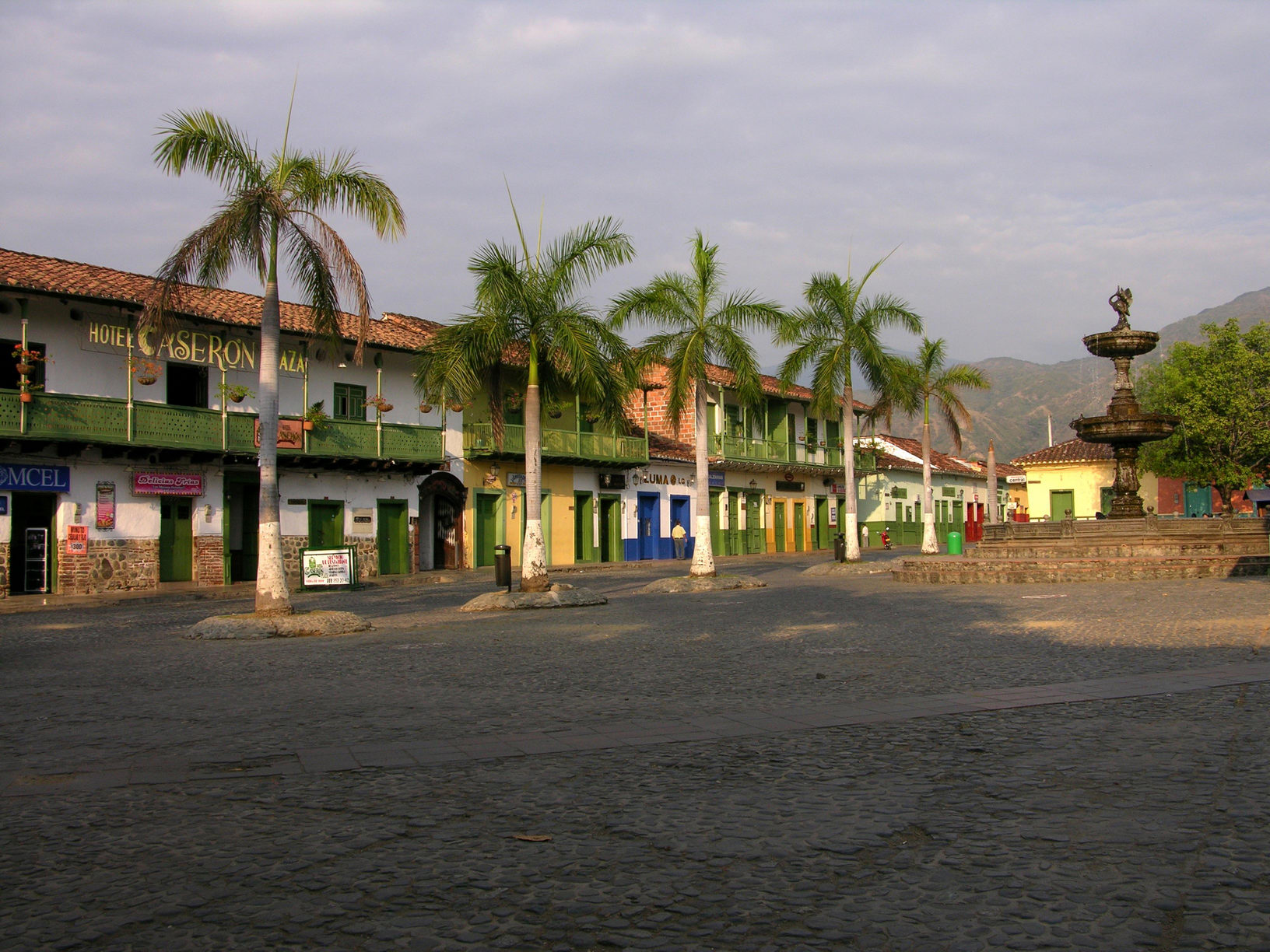
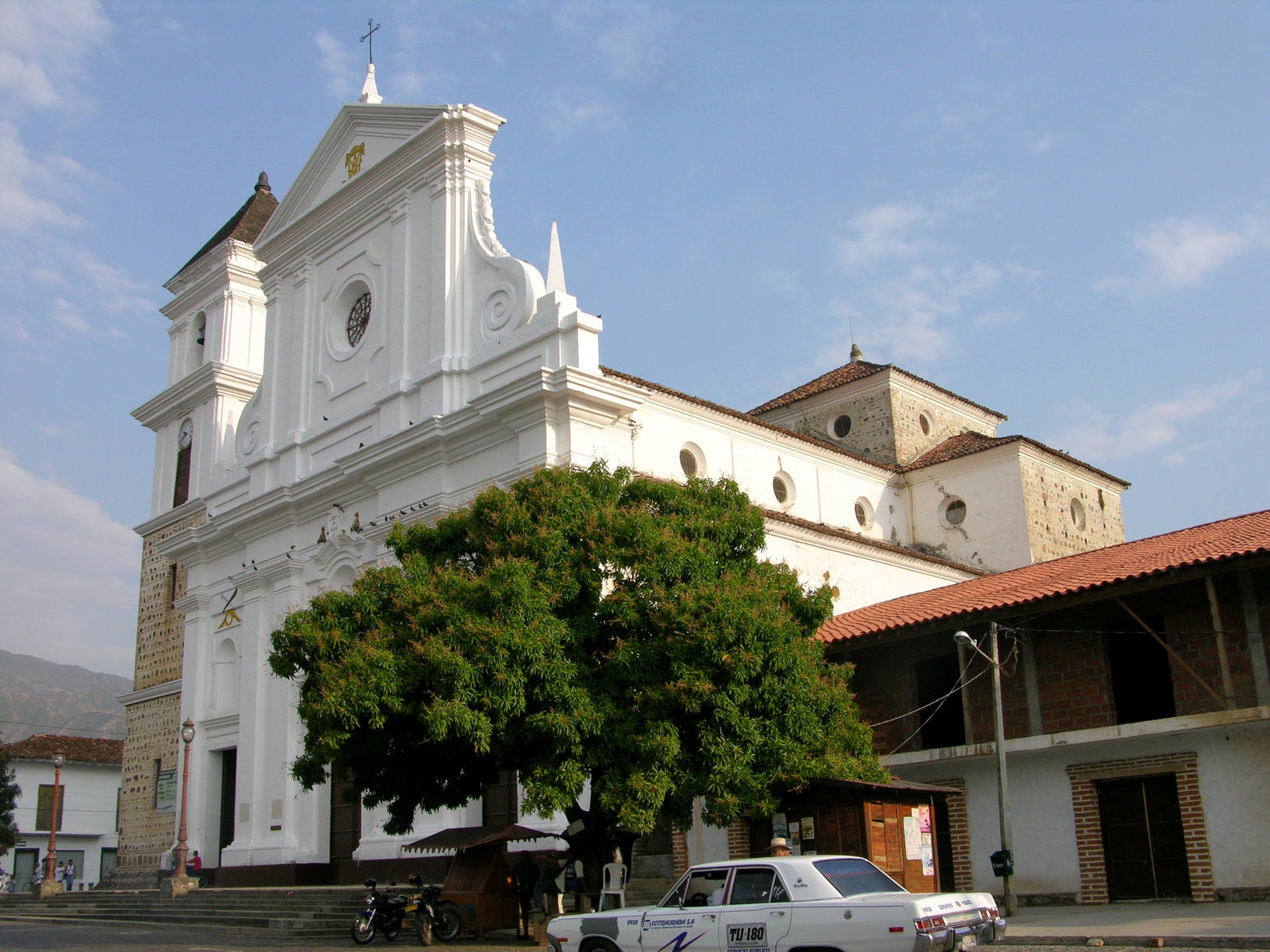
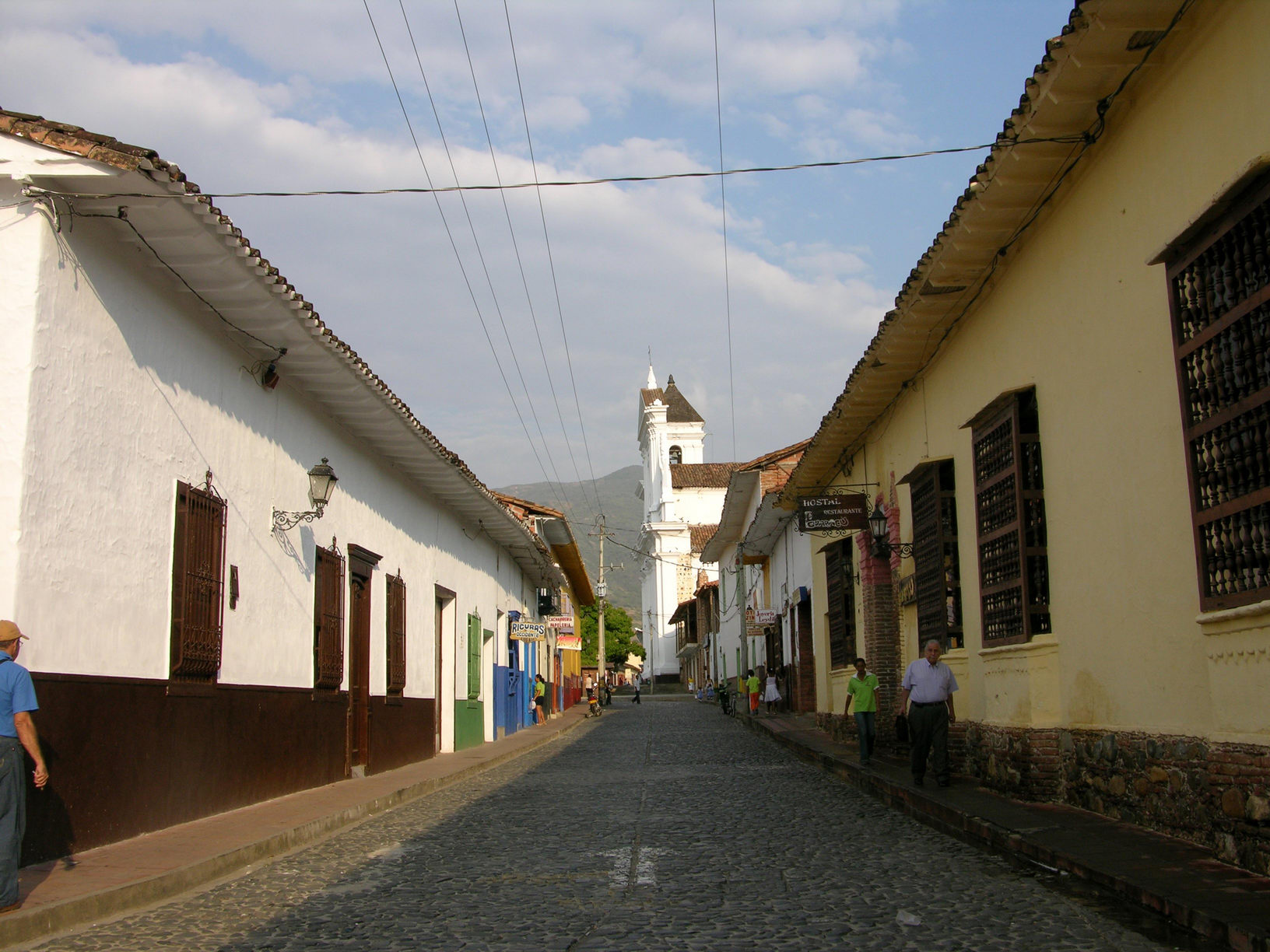
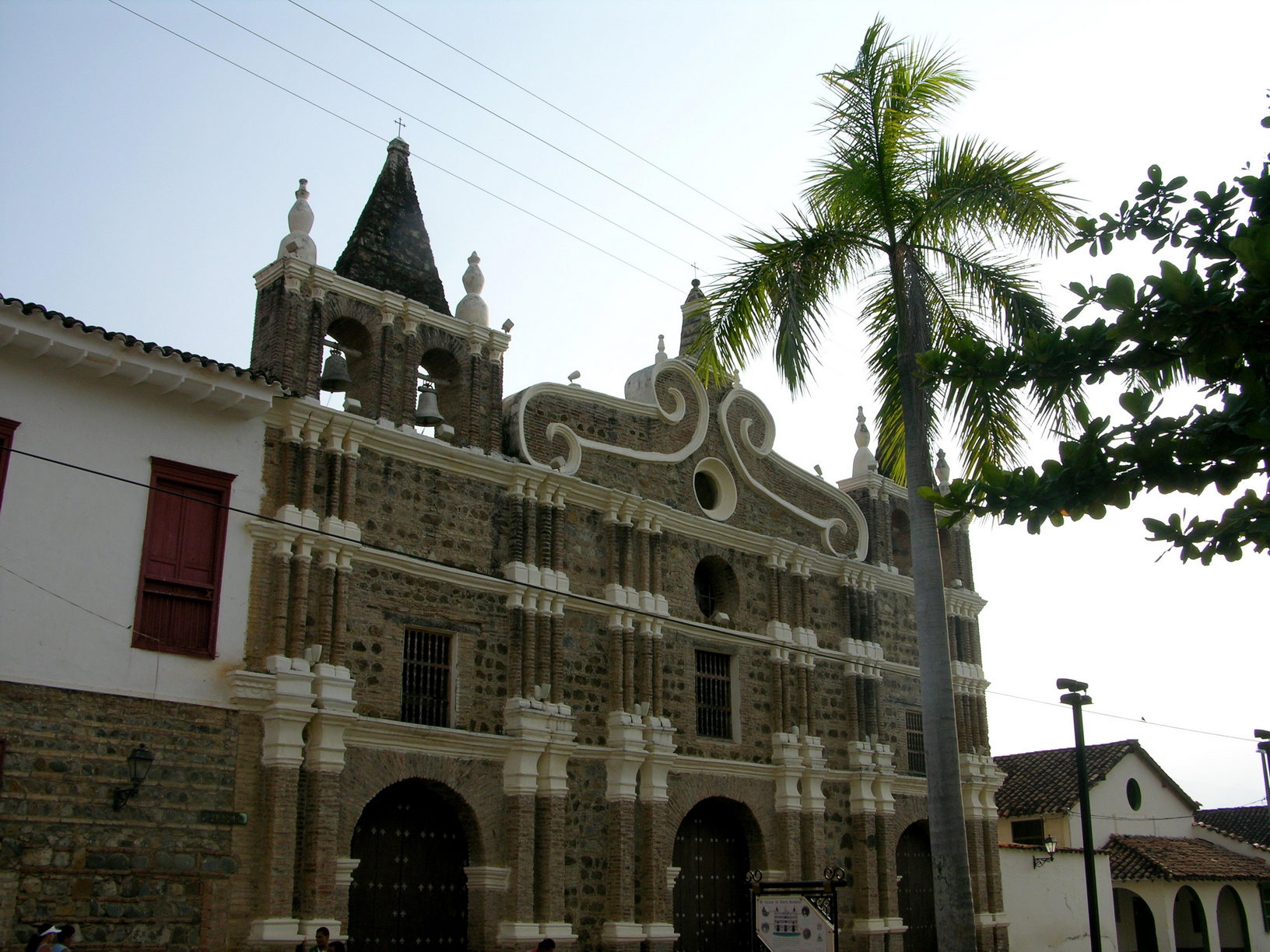
A modern hotel with a pool. A wooden cottage out the window. In the morning a rooster jumped onto it and woke all the guests. Good thing the equator is close and the sun rises at seven. Back home the beast would have started singing at four.
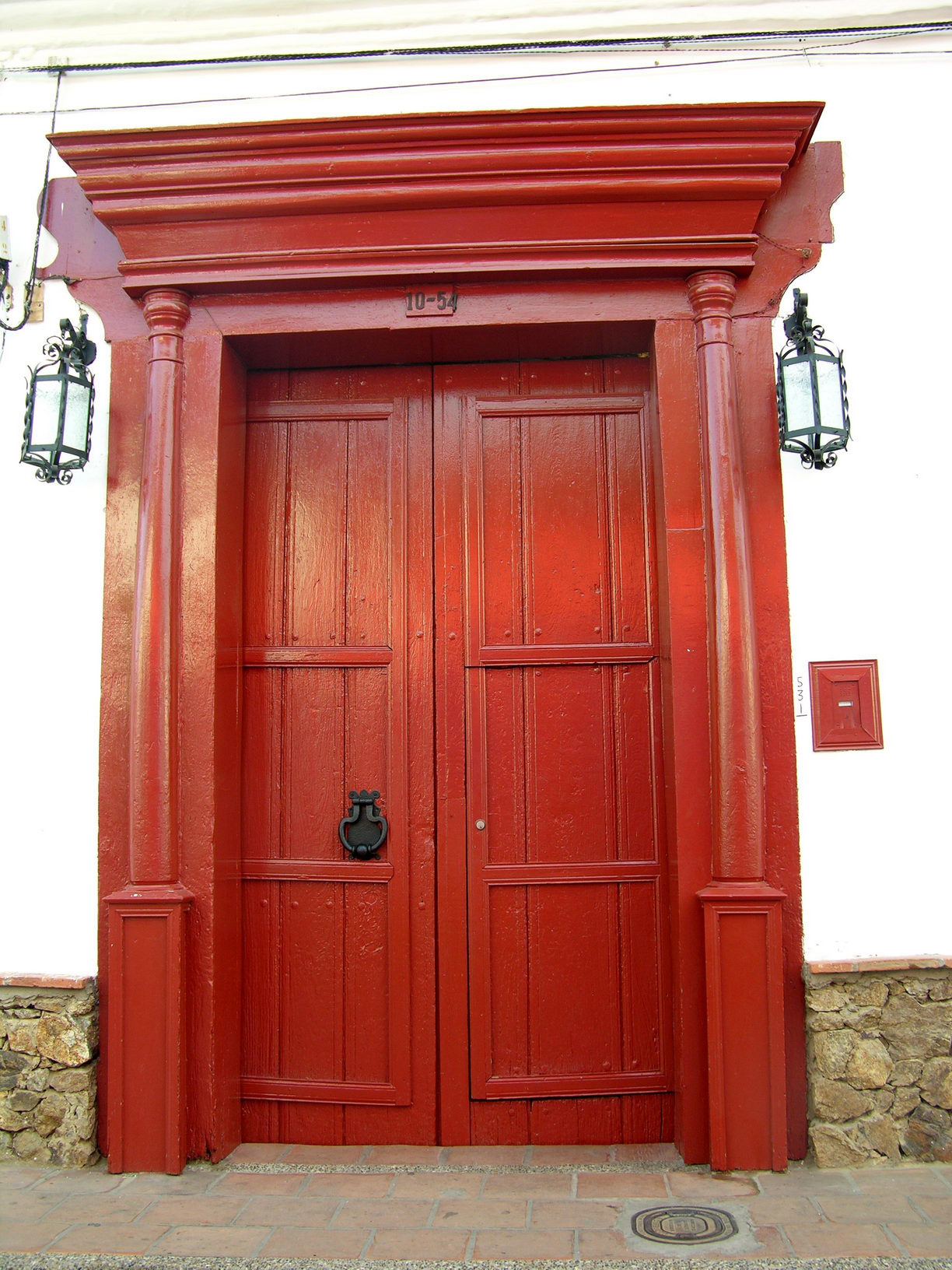
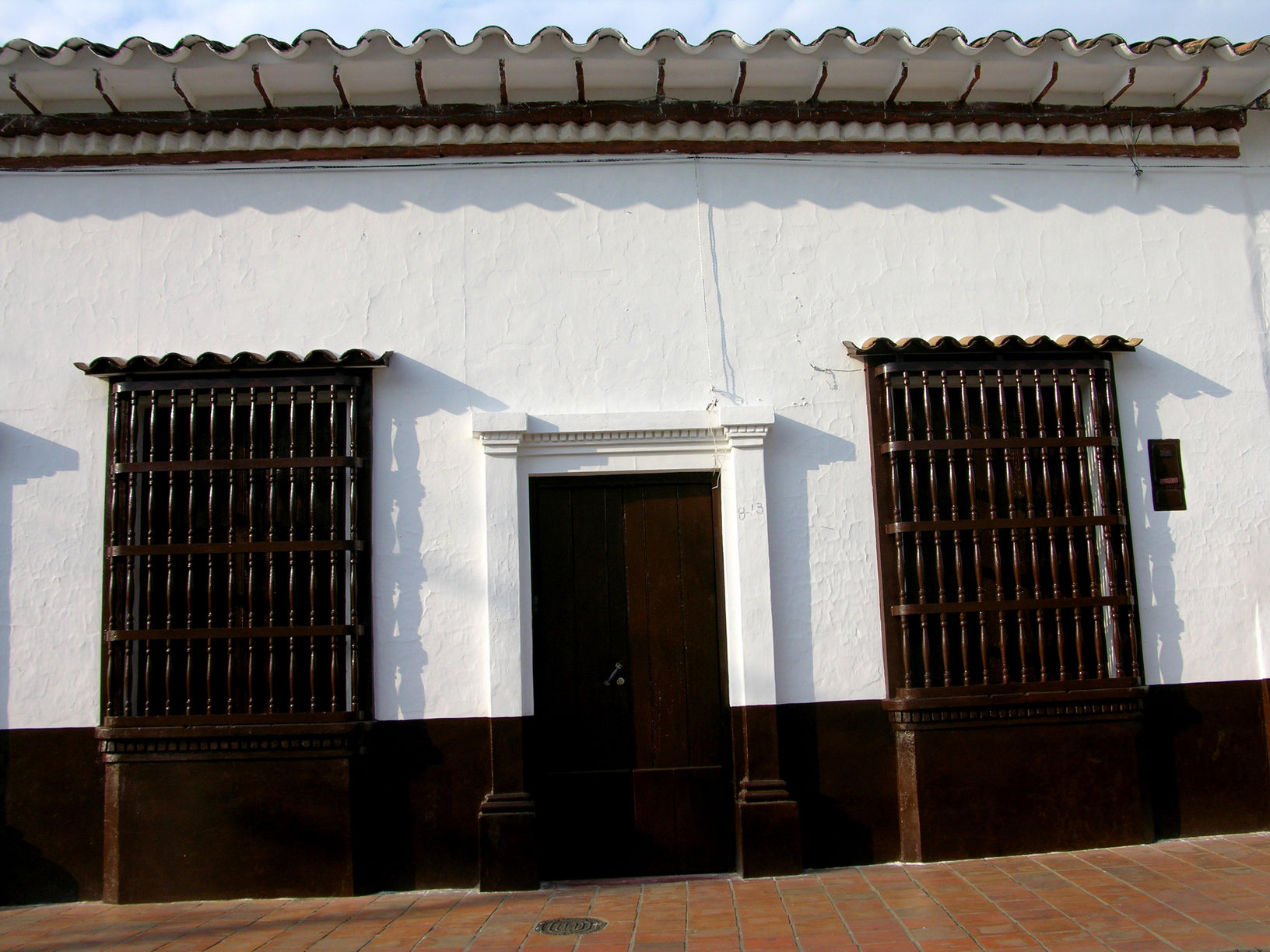
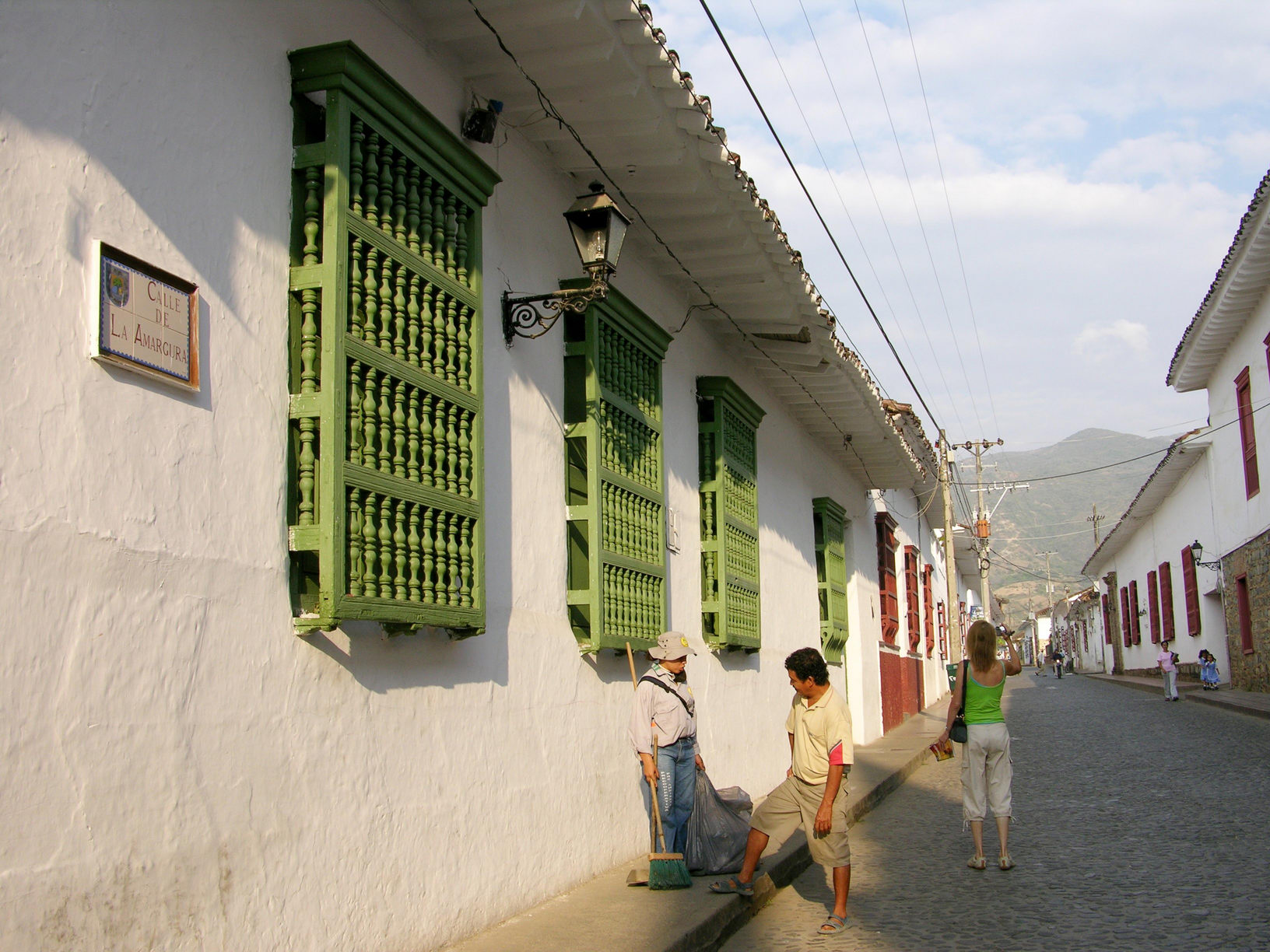
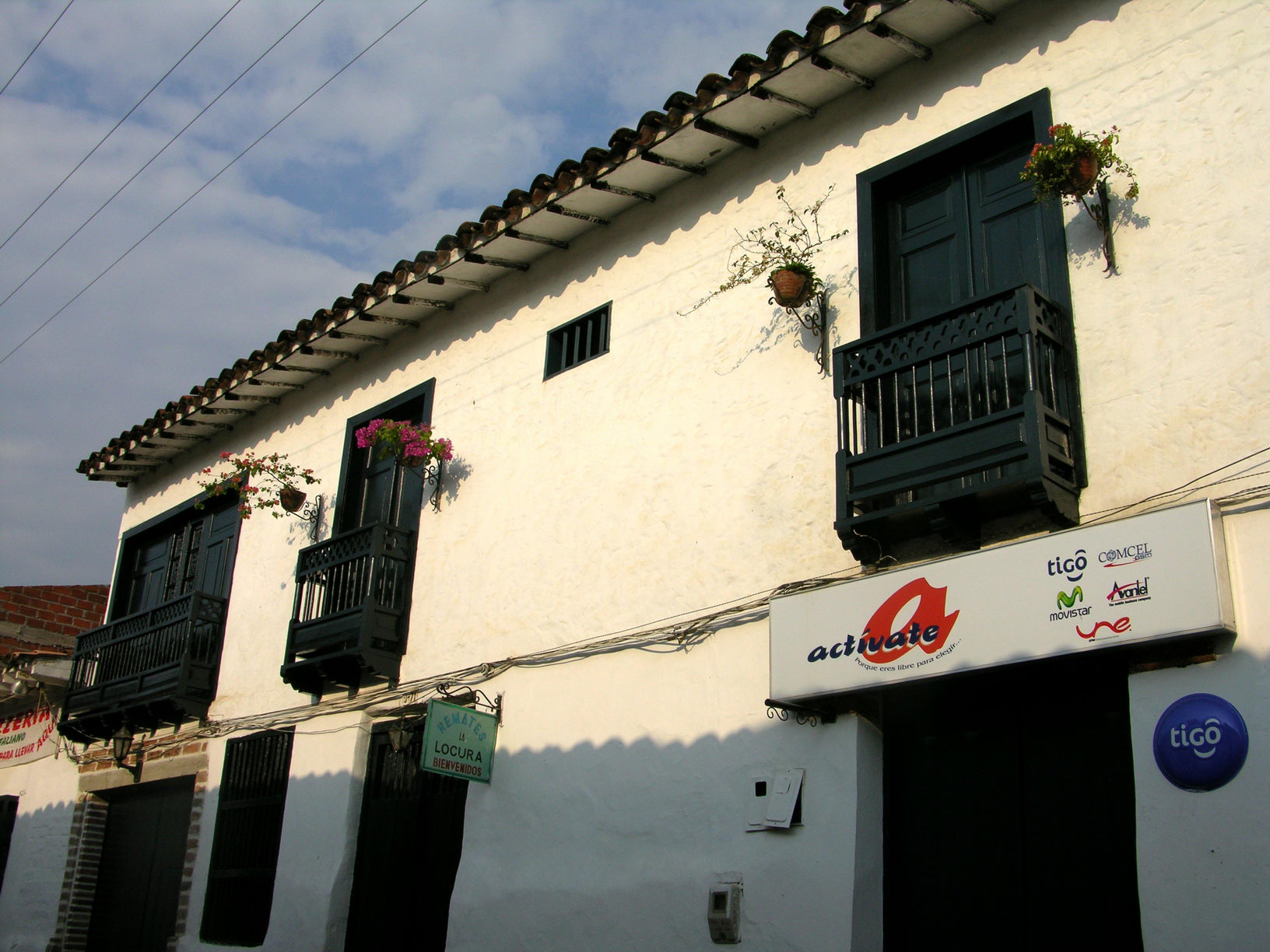
Antioquia itself is another colonial town. “Marvellous”, says Lonely Planet. Oh, that “marvellous”. Bolívar Square, a cathedral and little houses around it. Still, every place has something of its own. In Antioquia it's wrought iron or wooden grilles on the windows. Apparently there have been guerrillas doing what guerrillas do since colonial times.
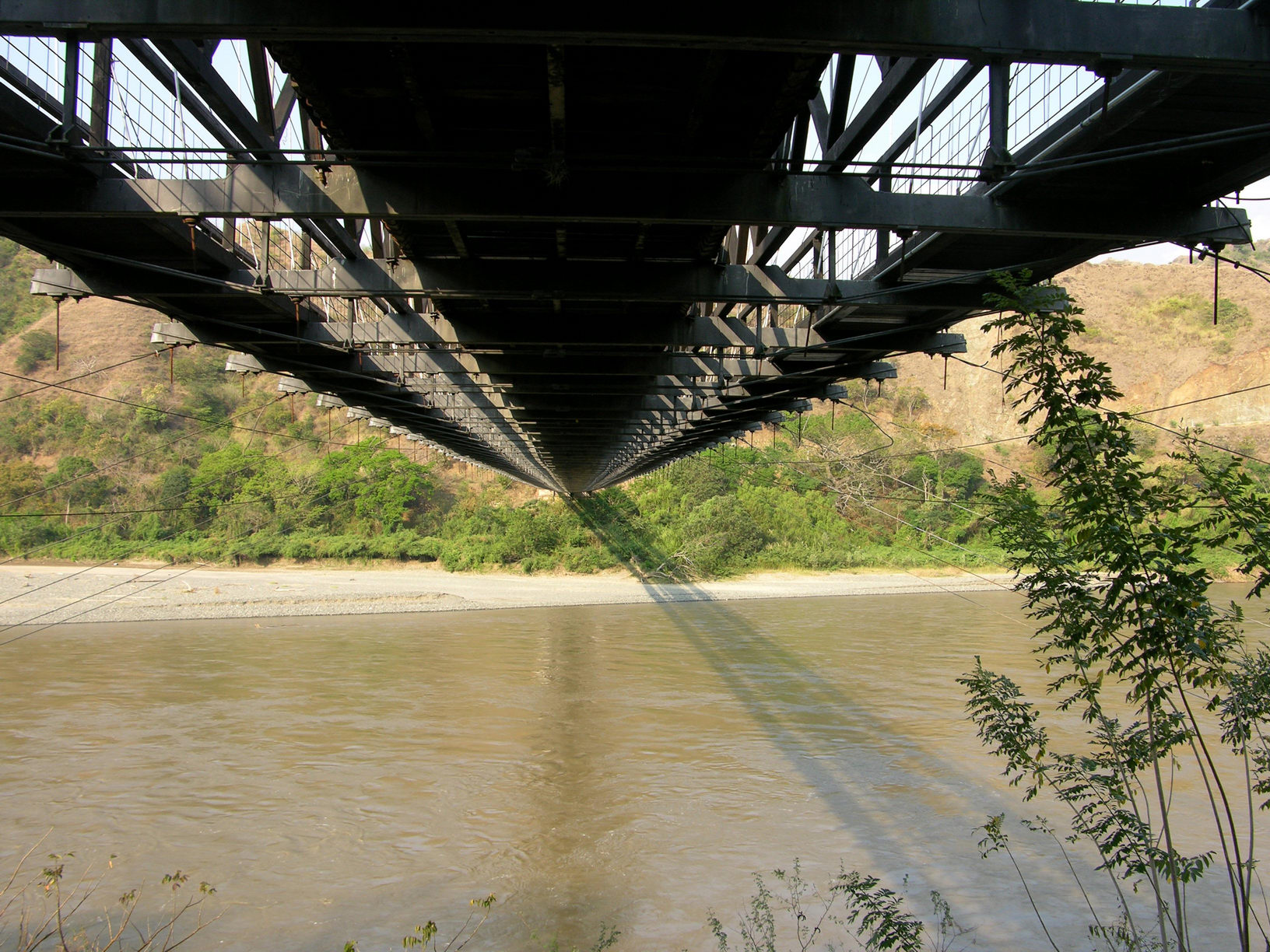
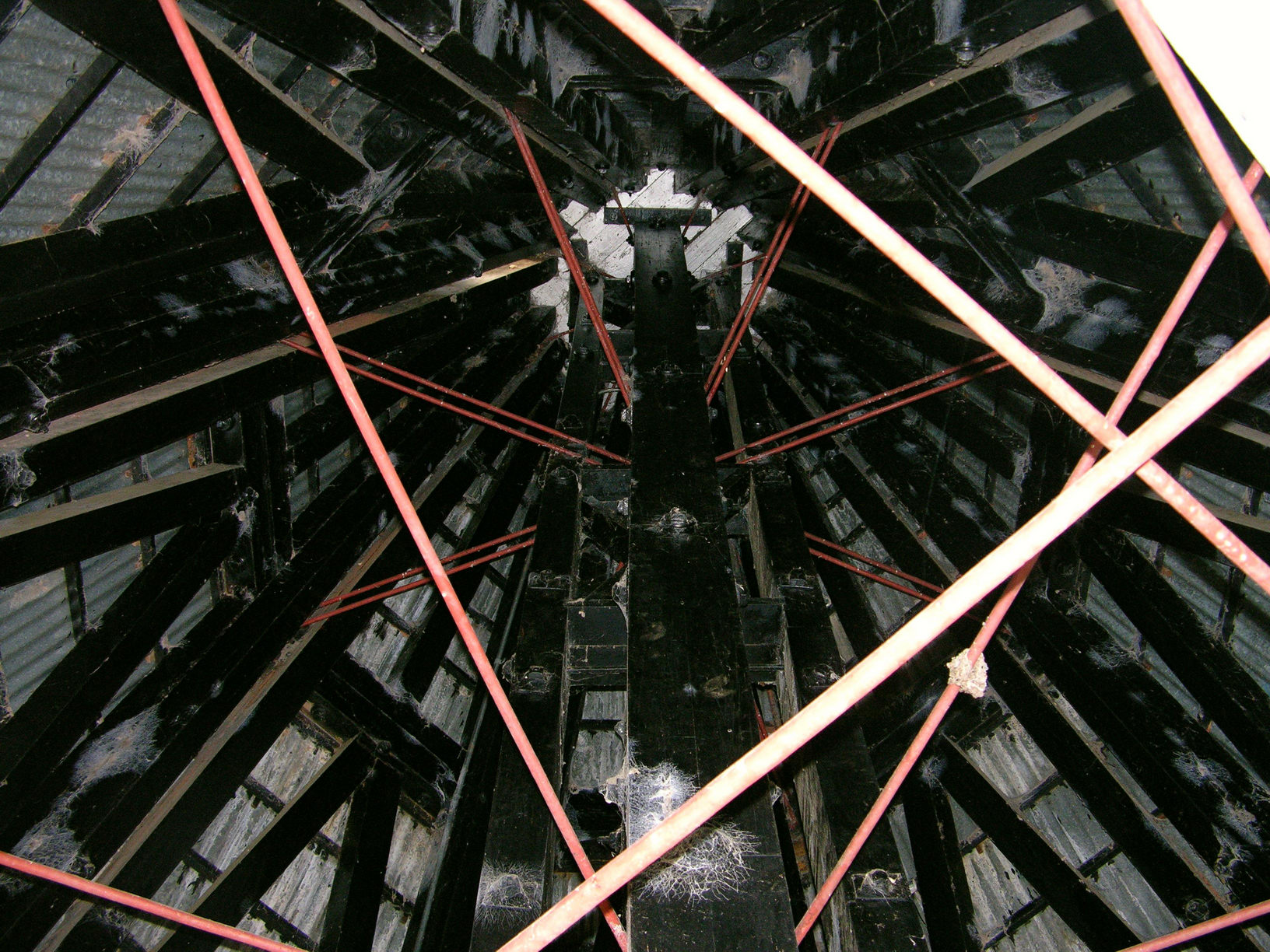
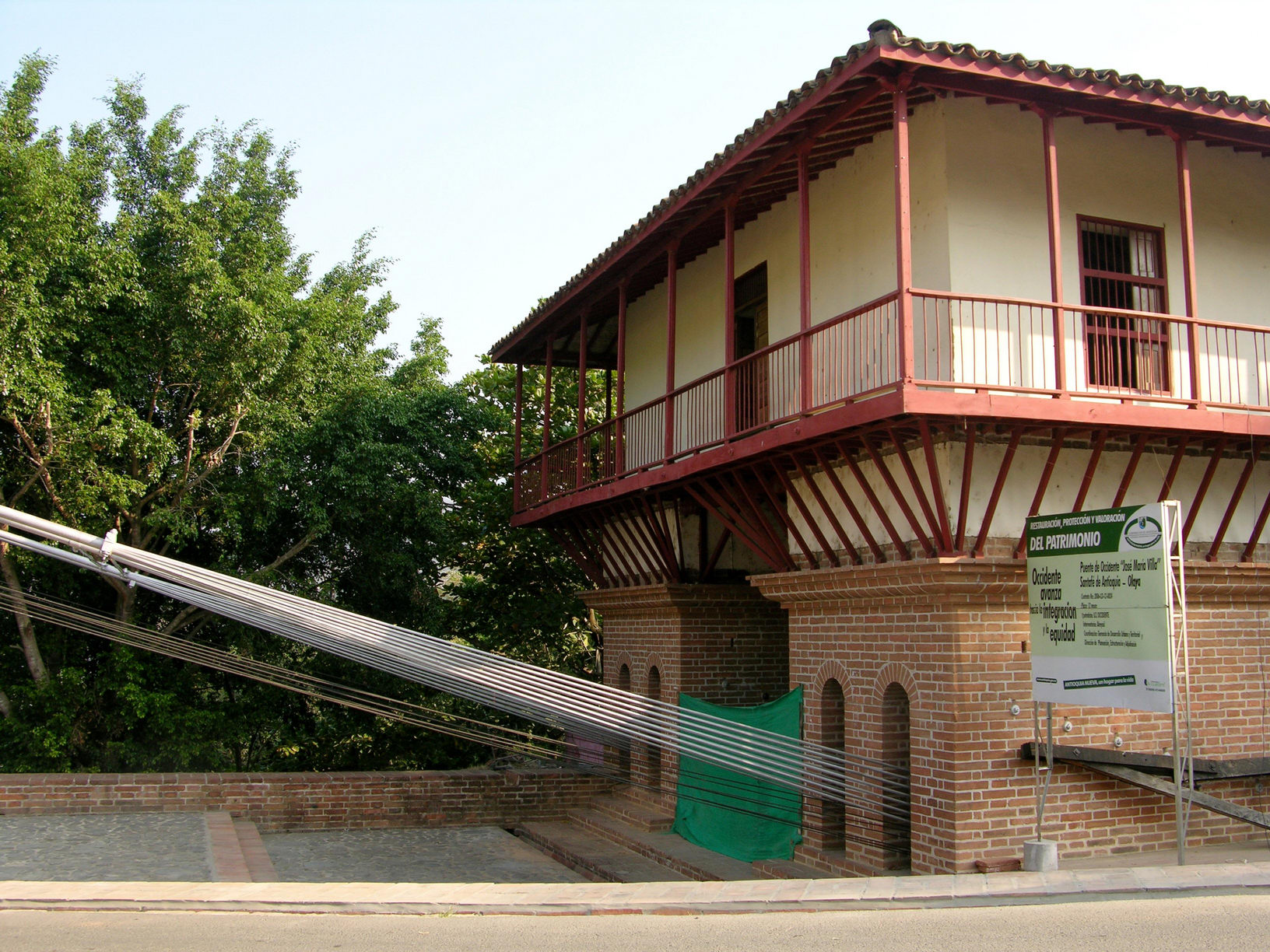
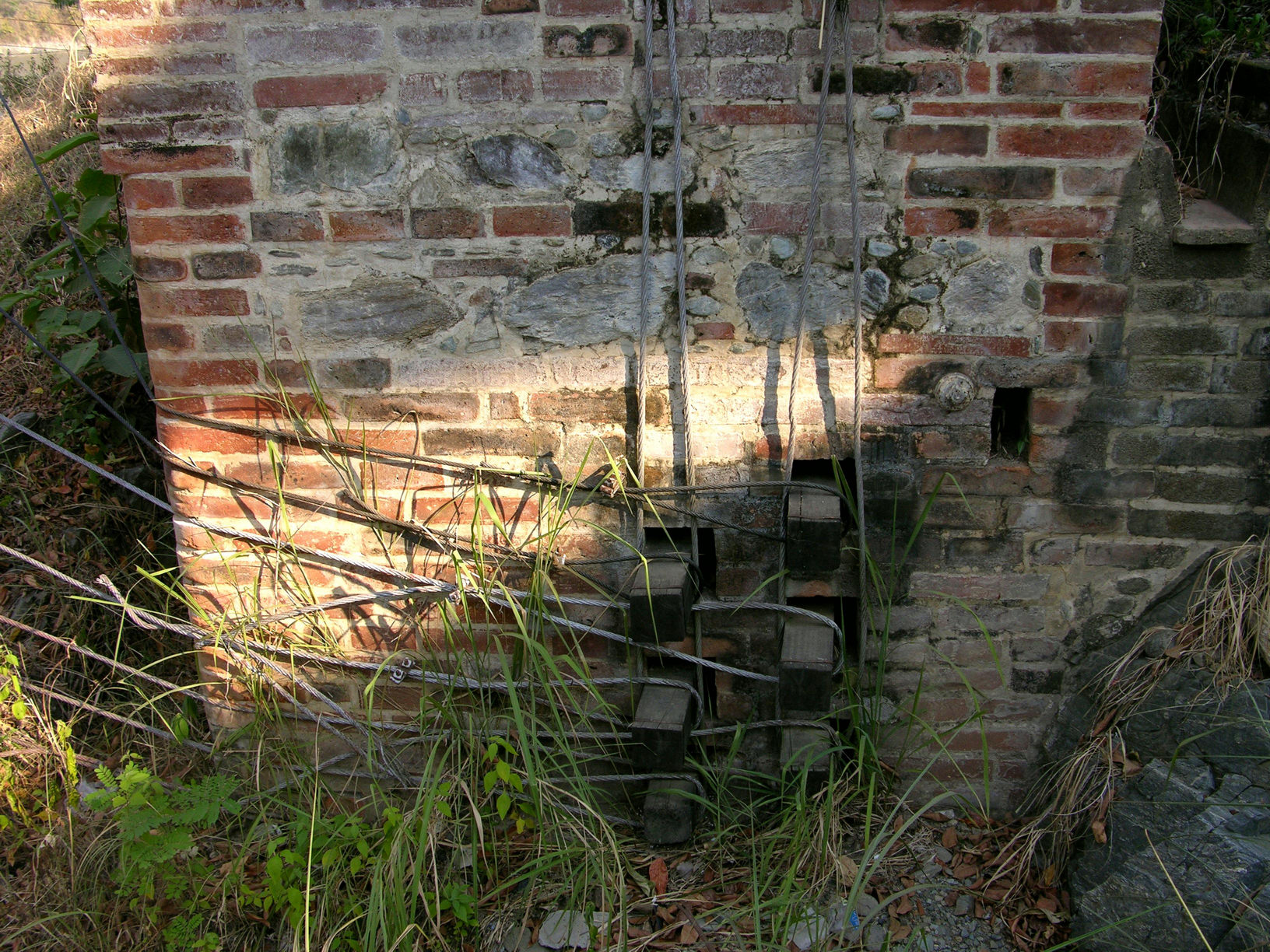
Antioquia is on the Cauca River, a tributary of the Magdalena. It's swift and crossing it was always a problem. In the nineteenth century they built a wooden suspension bridge that was for its day the peak of technology and scientific thought. The bridge is still whole. You can even drive across it in a car weighing up to three tonnes. Only one car at a time is allowed on the bridge. The road surface is boards and driving across is frightening. You can see the water through the gaps, and the boards look old and rotten. But the bridge holds, and we drove over it four times.
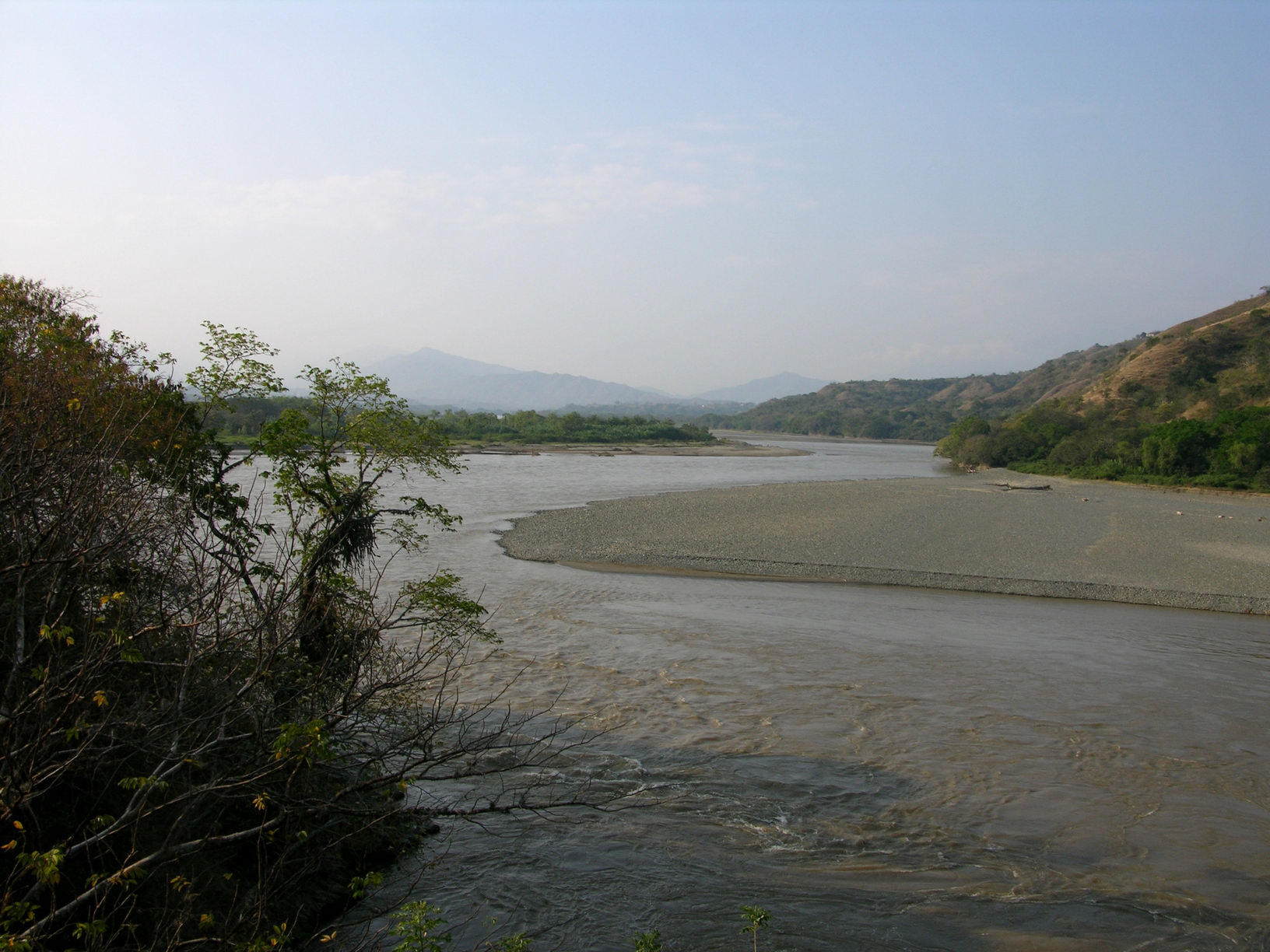
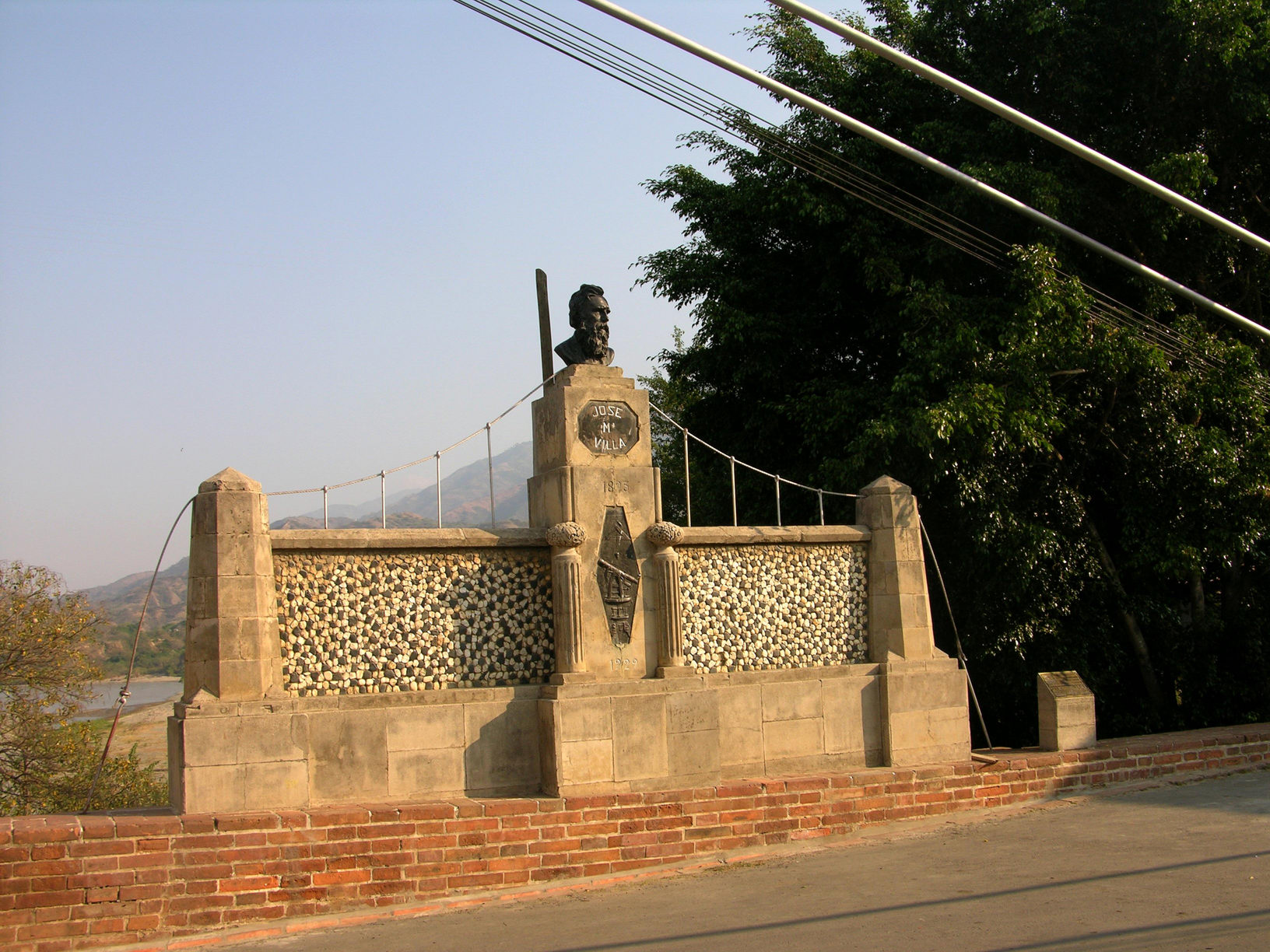
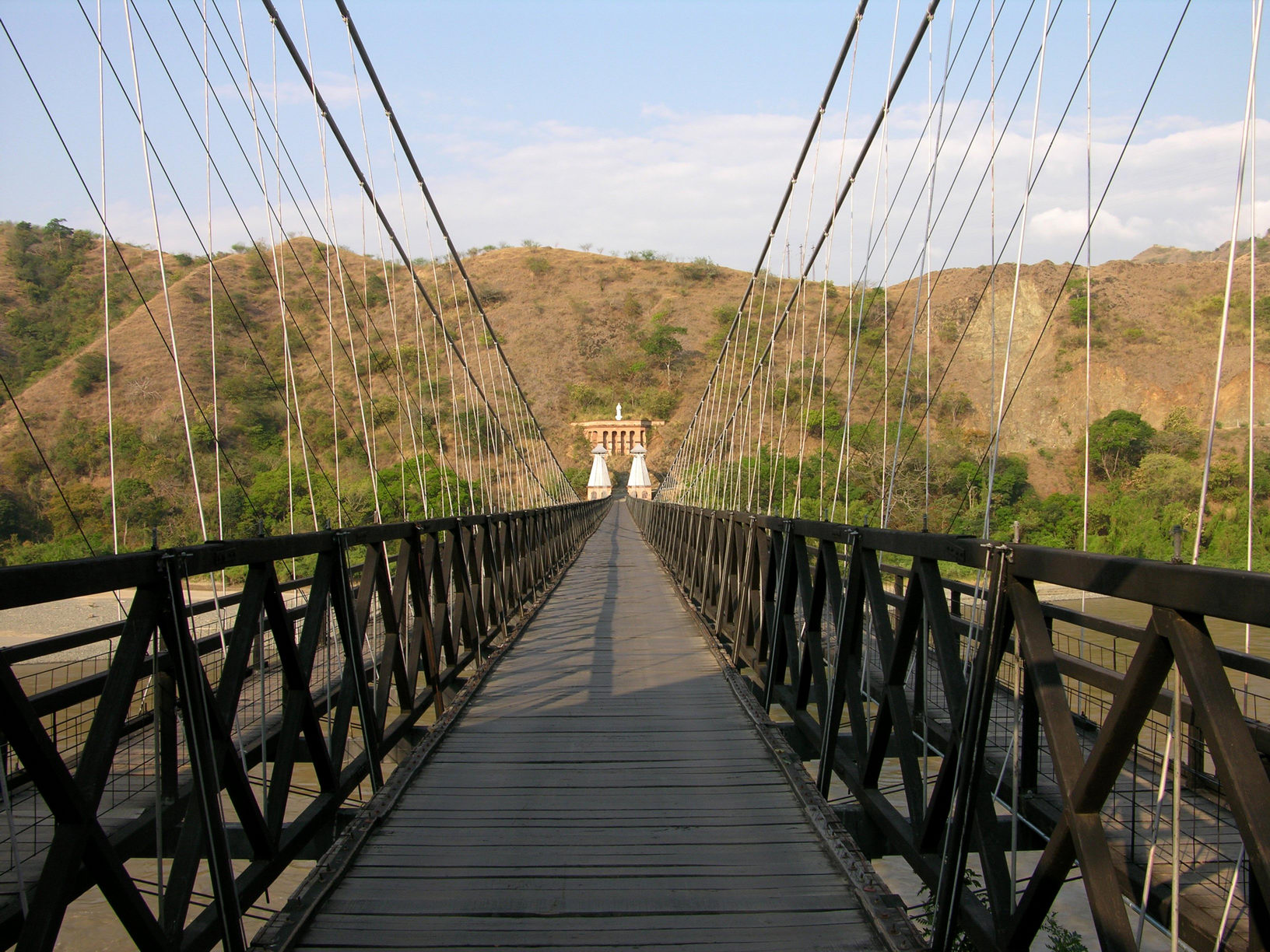
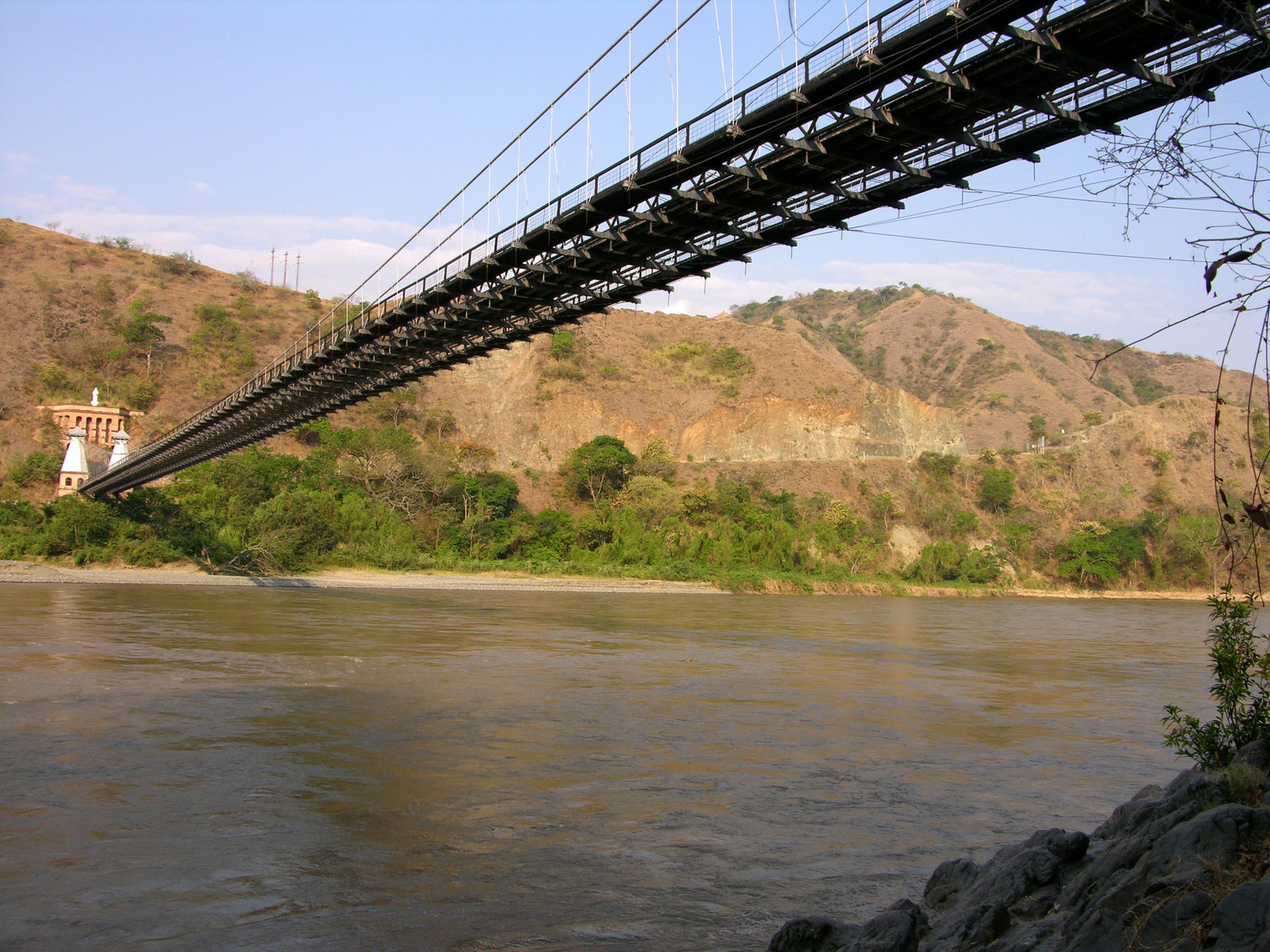
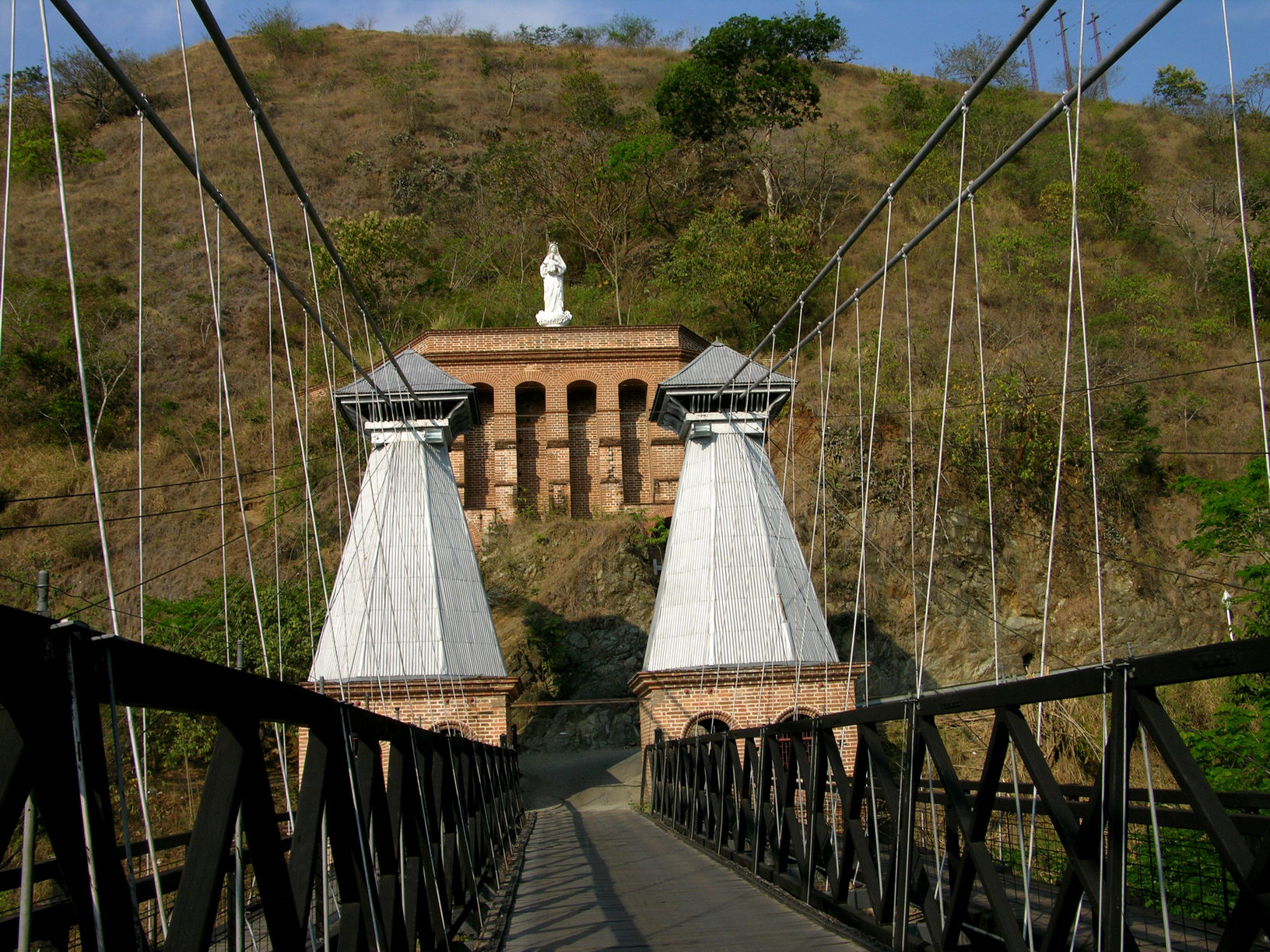
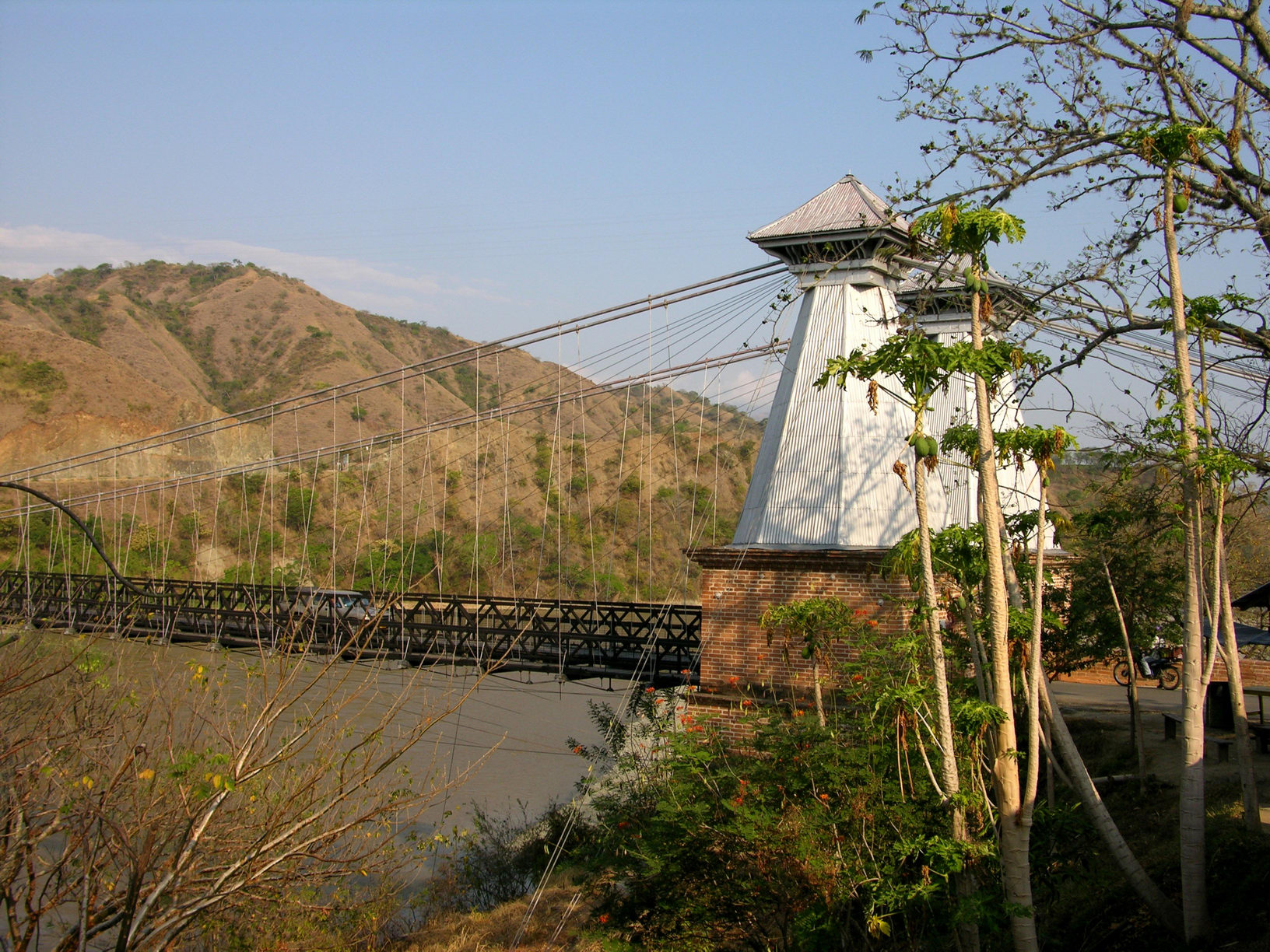
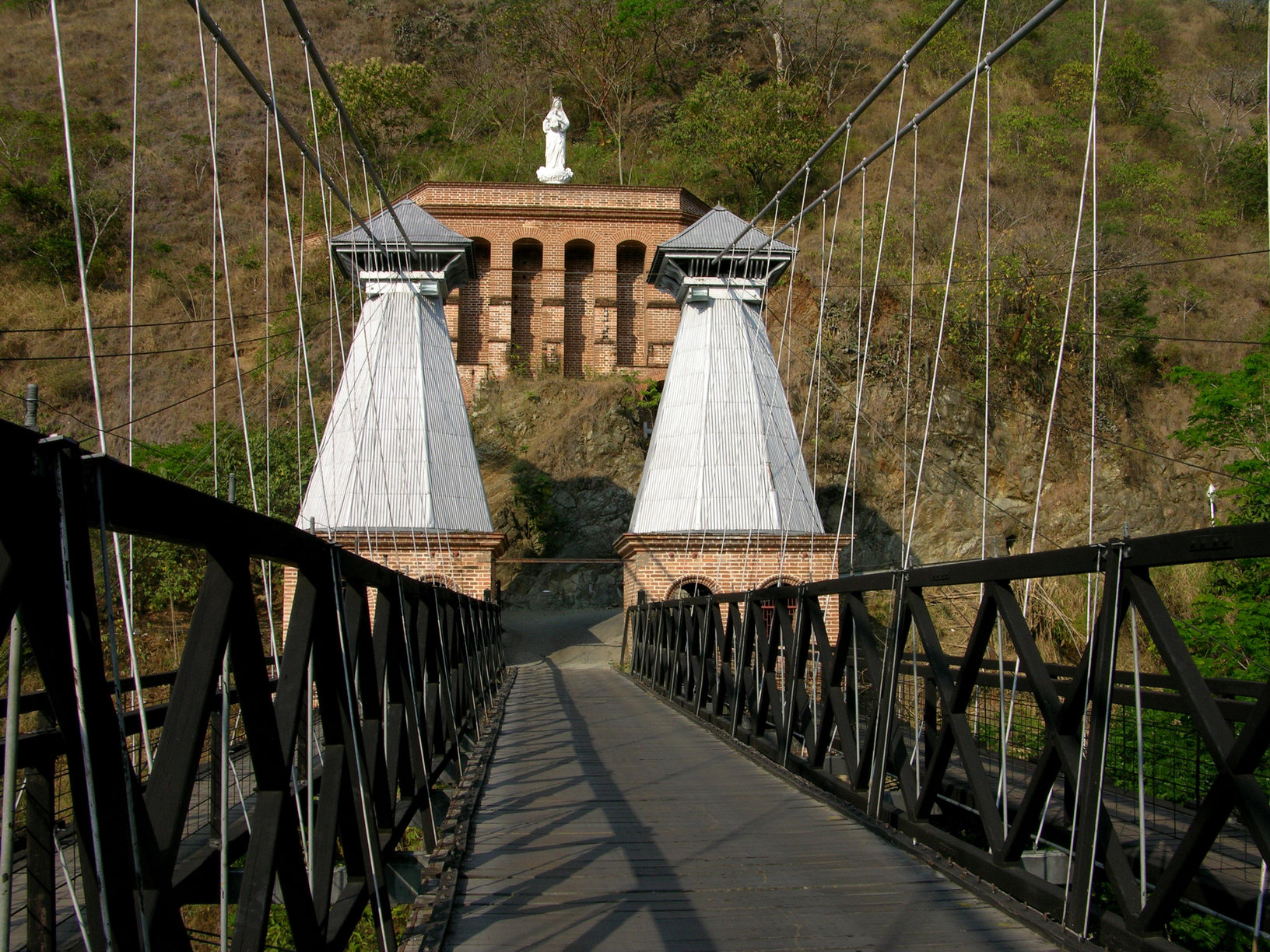
We entered Medellín (Medellín, city guide), the capital of the Colombian mafia, at around noon. Now it's a huge city stretching for tens of kilometres along the bottom of a gorge. It has its own metro and this one is actual trains, not buses, just like Europe, except up on a viaduct instead of underground. They say the project ate an enormous amount of money. People still accuse the government of squandering public funds.
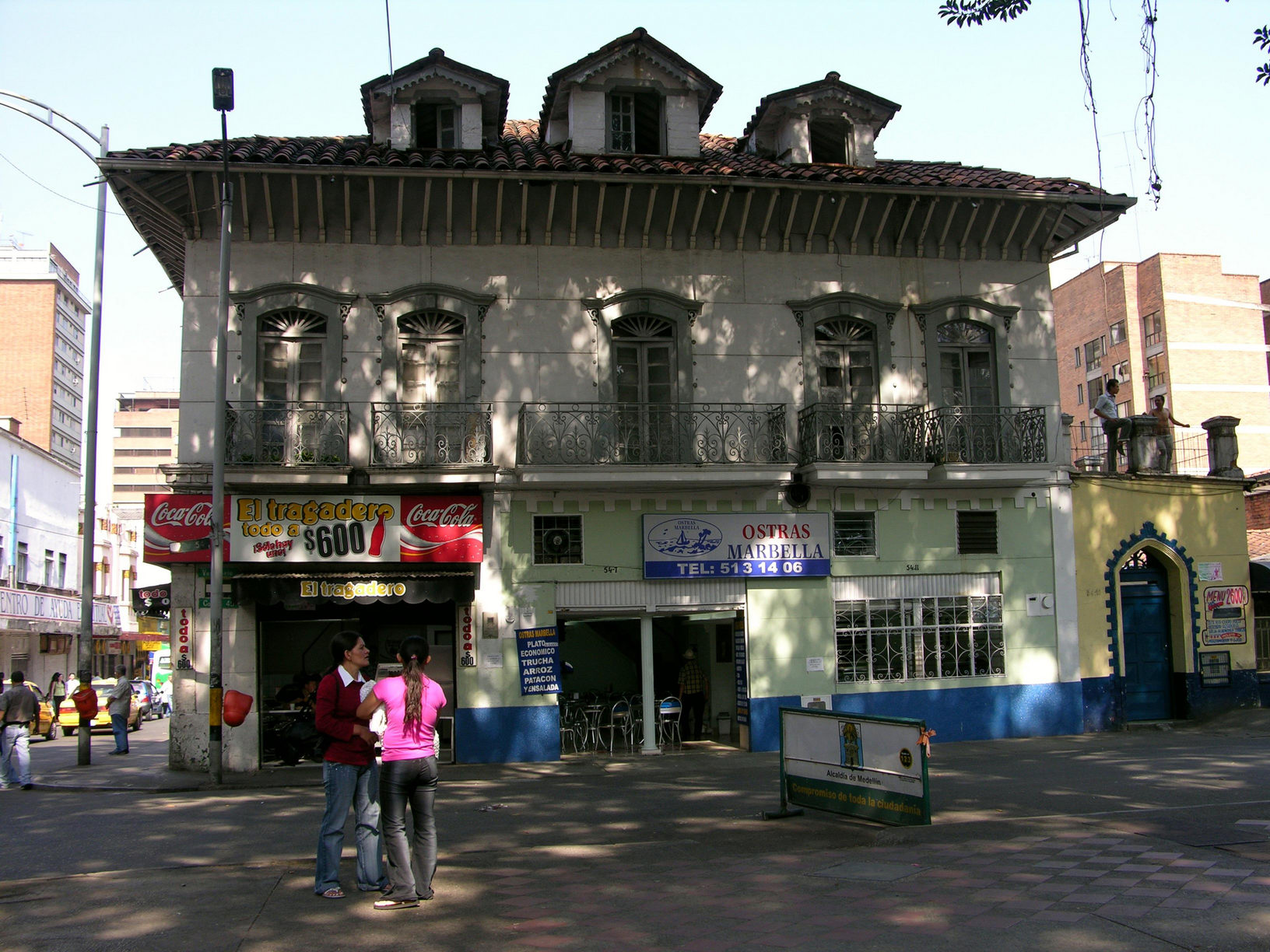
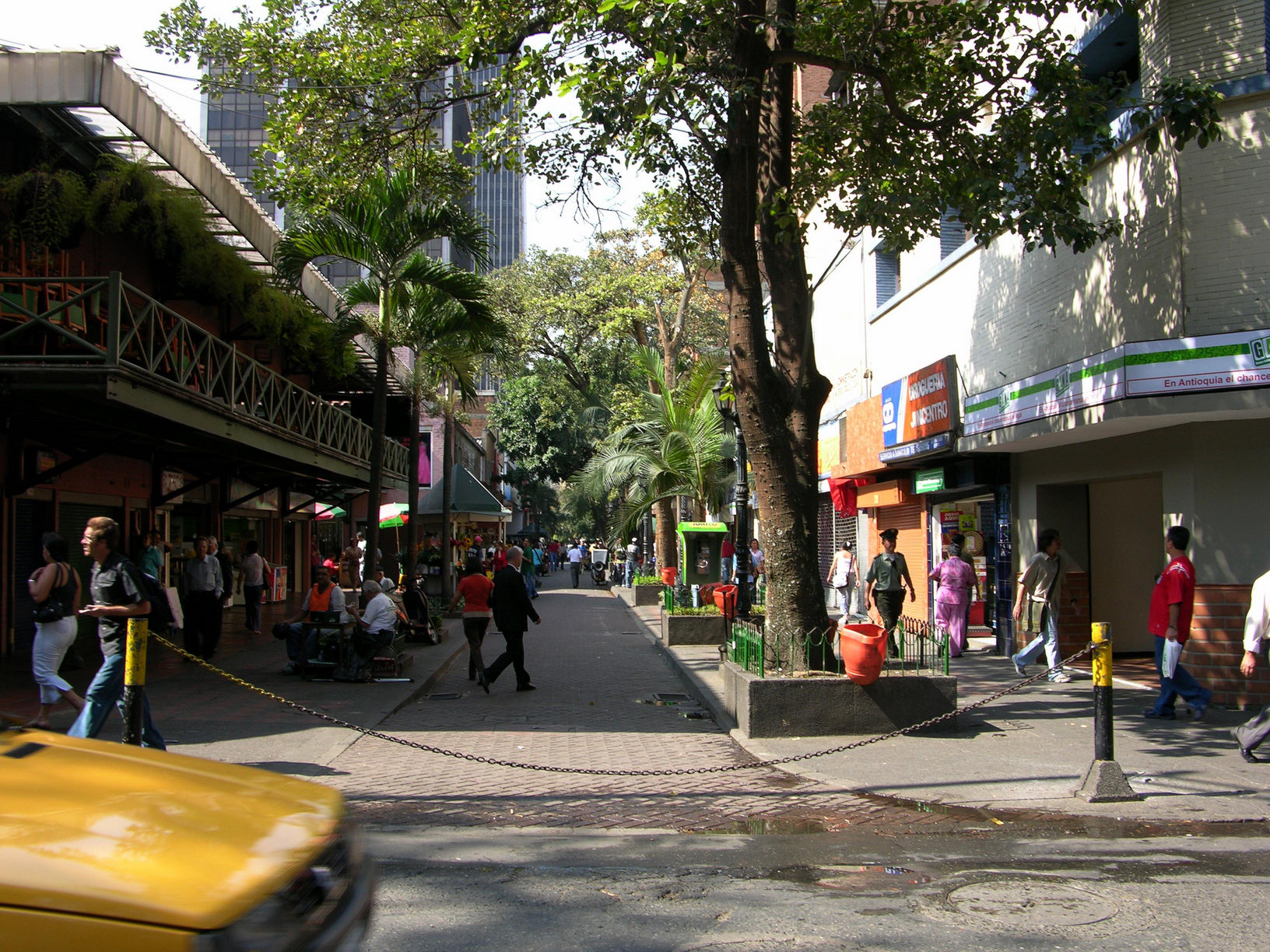
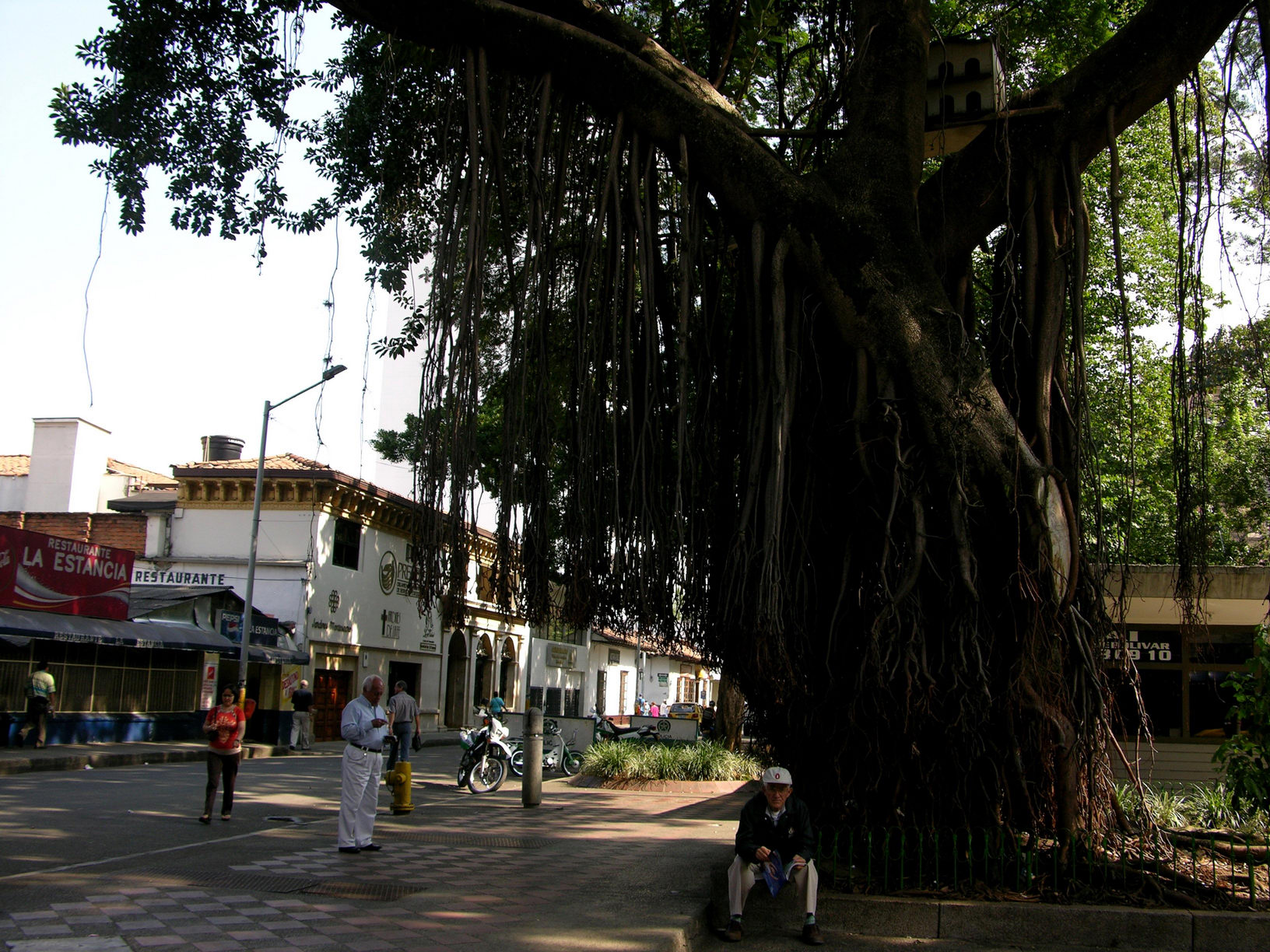
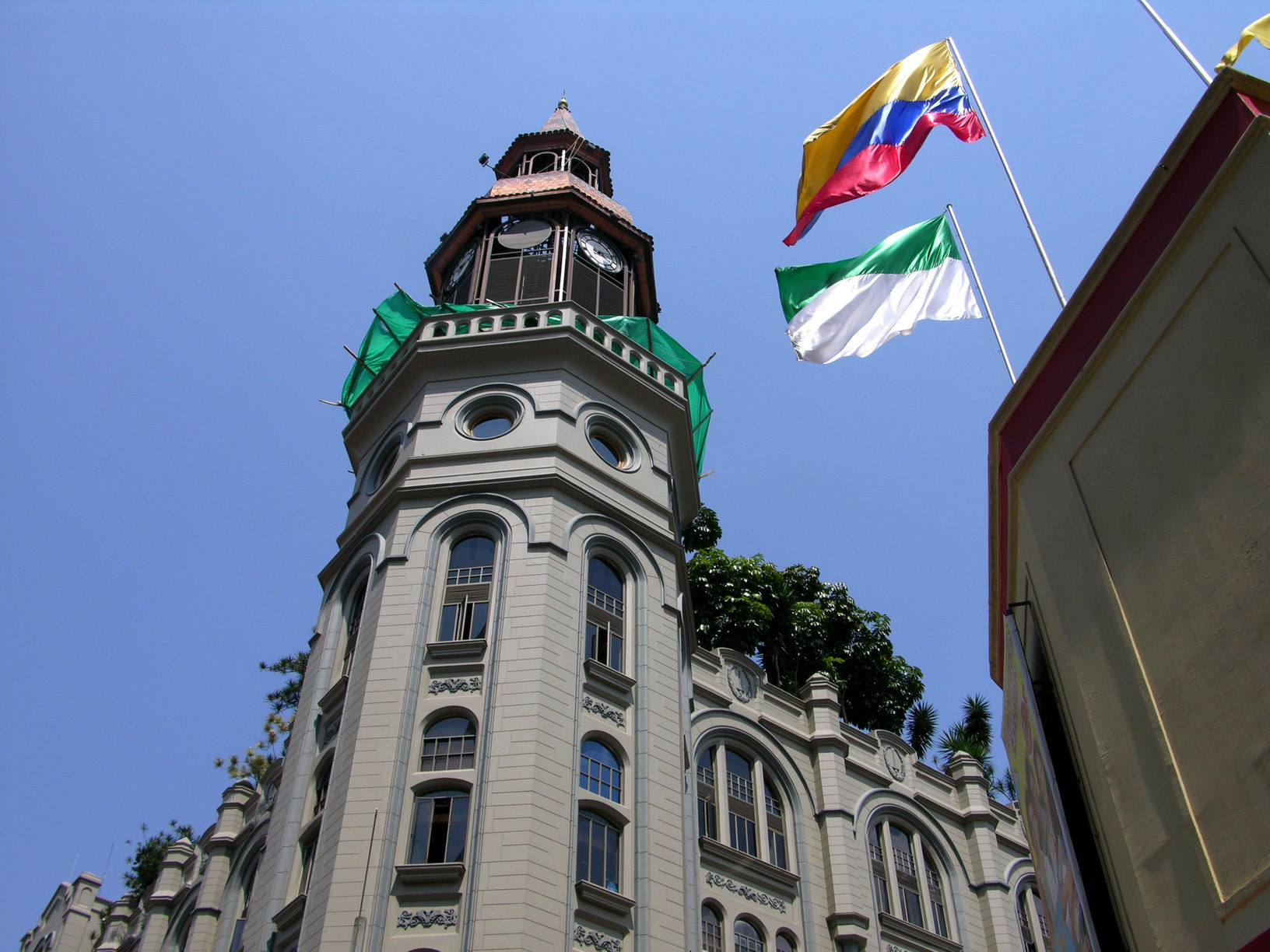
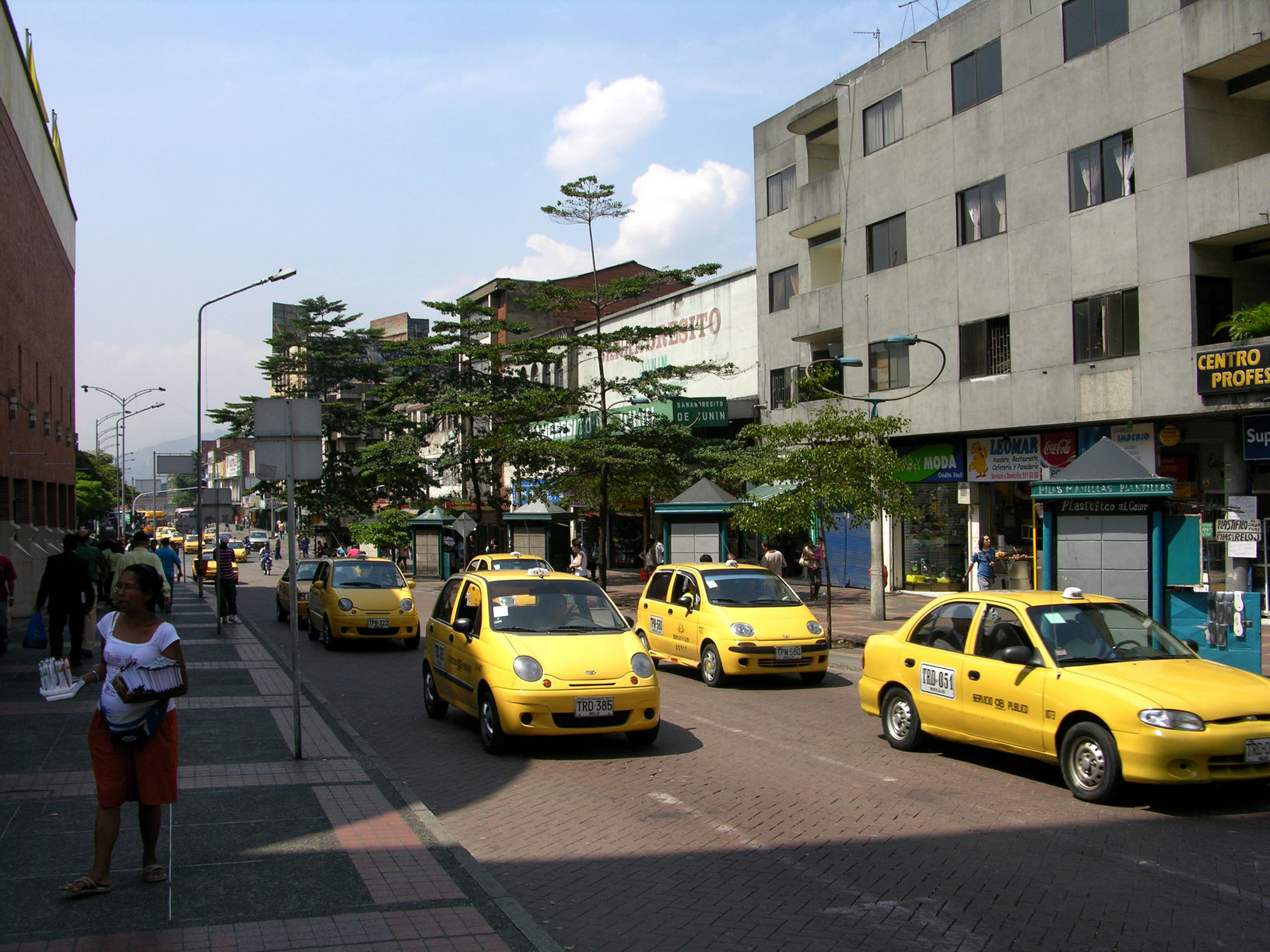
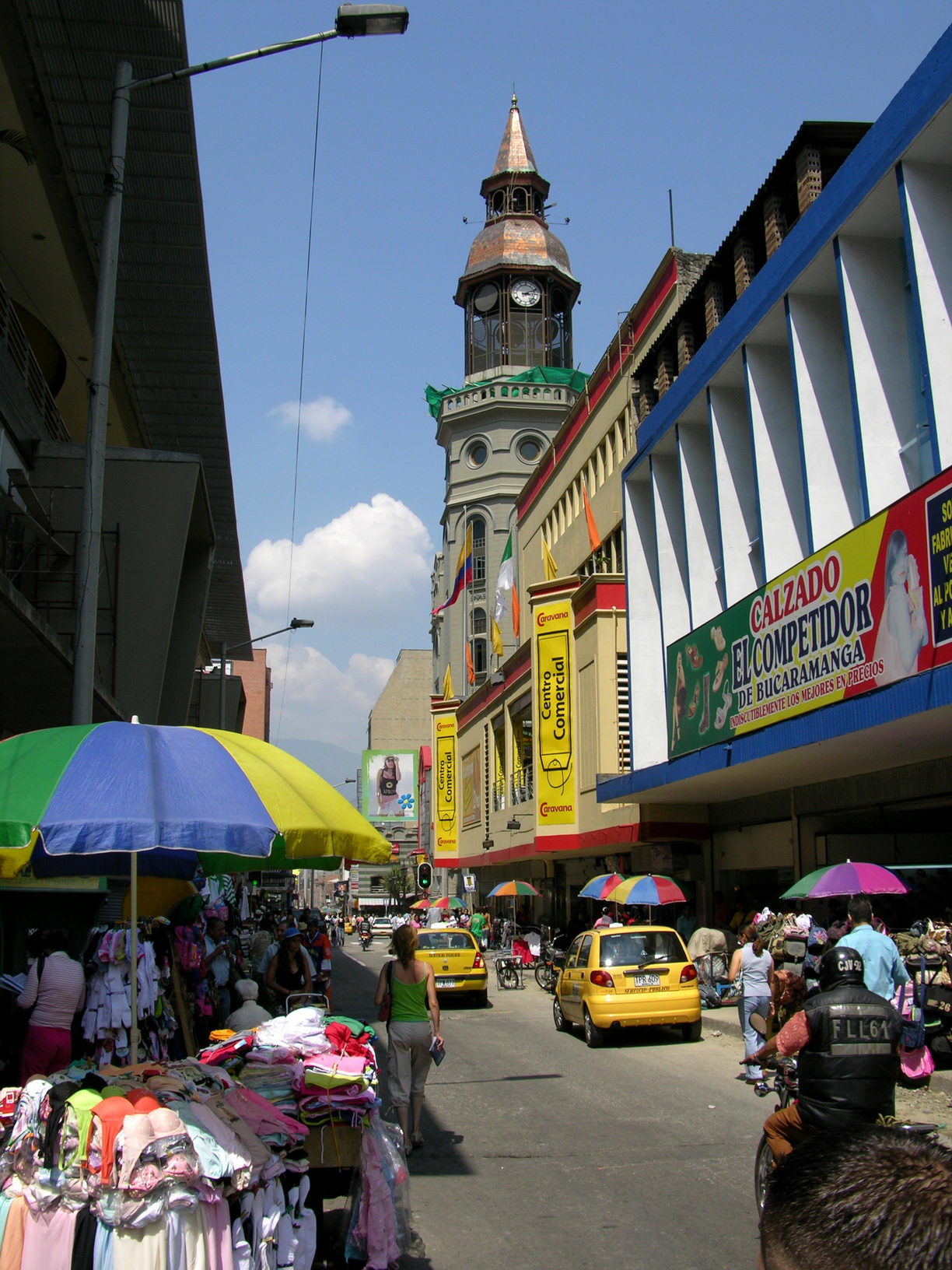
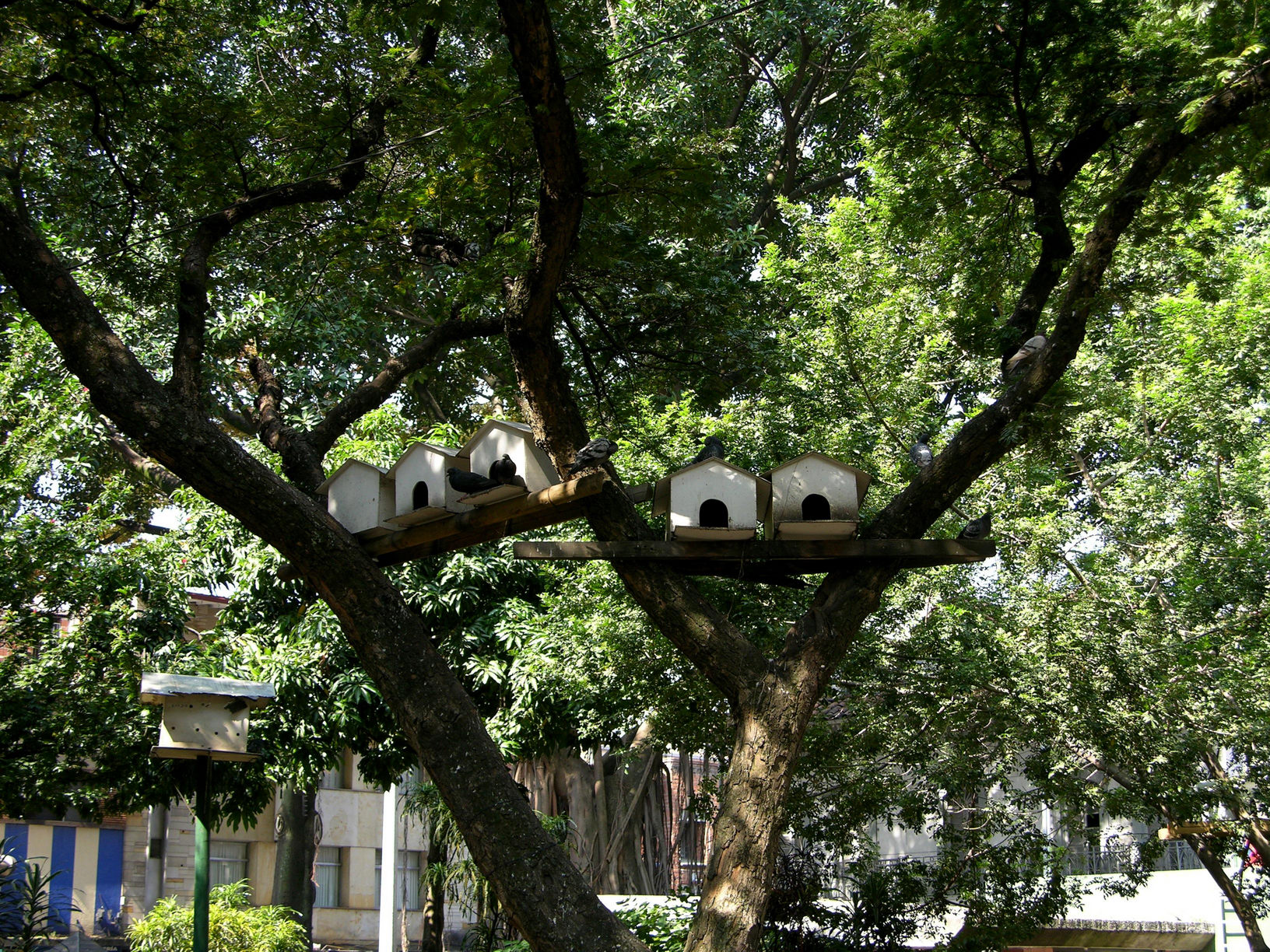
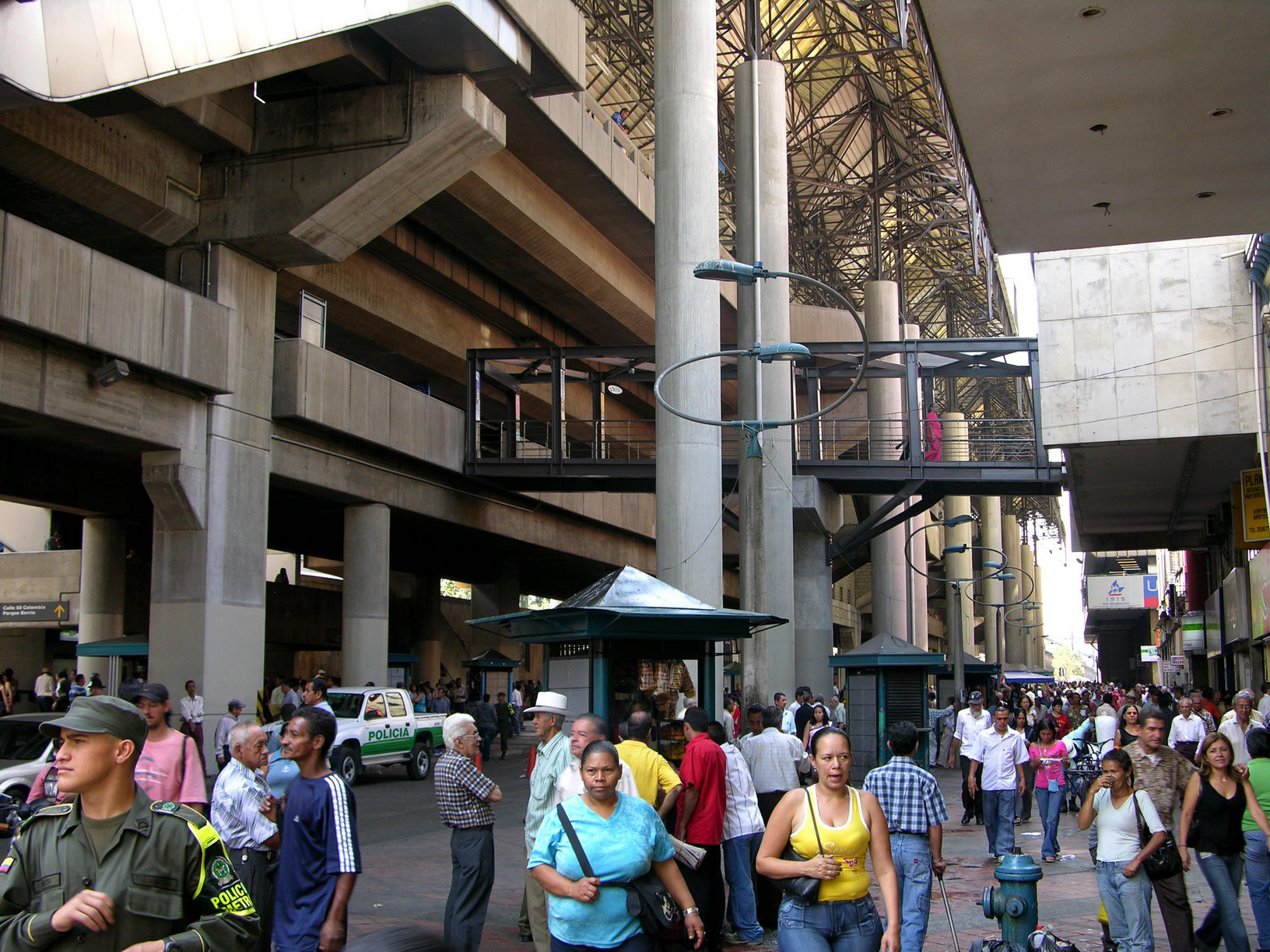
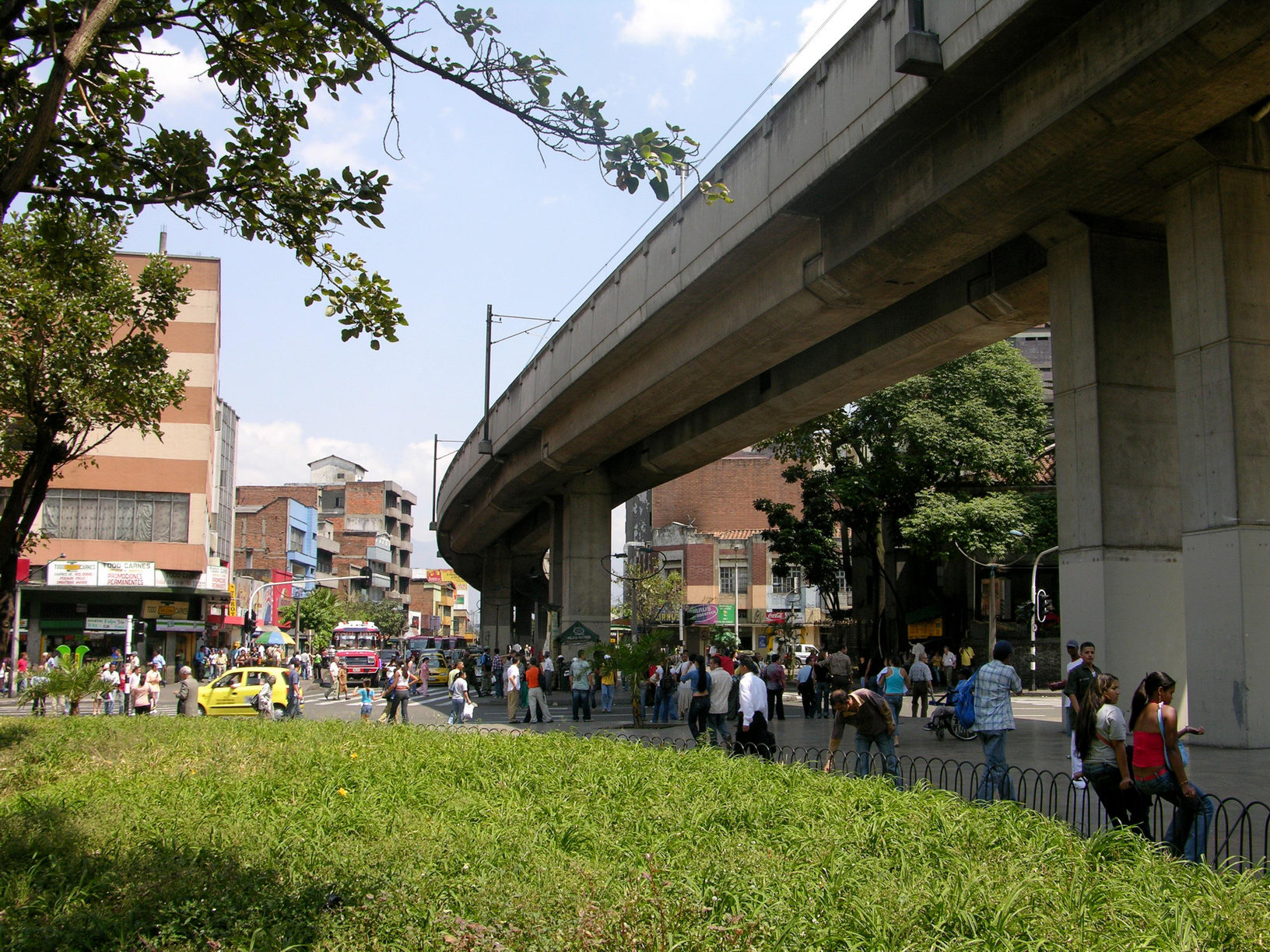
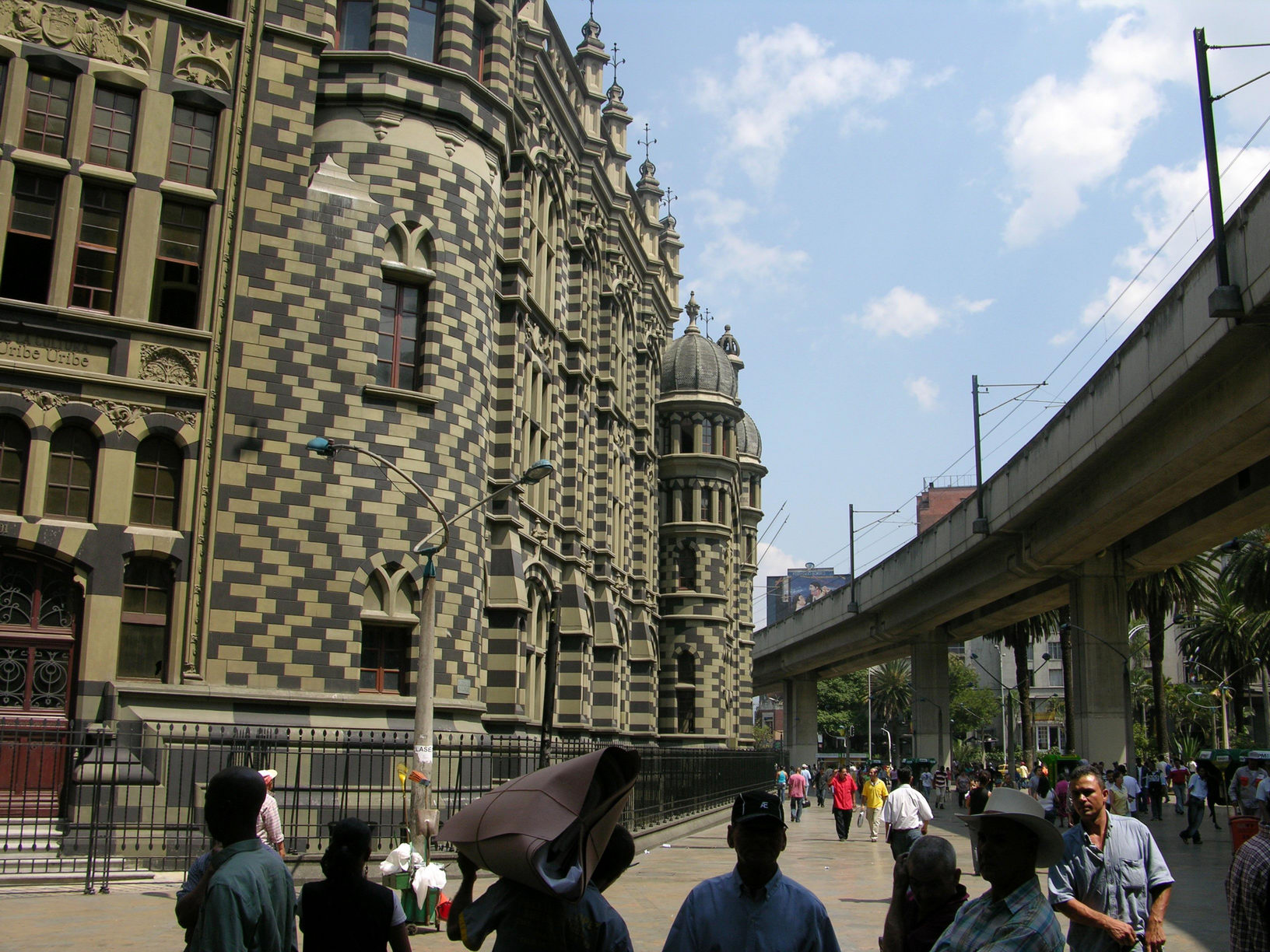
In Russia the name Medellín immediately brings drugs and the mafia to mind. In Colombia it's an ordinary city, thought to be entirely safe. Foreign mobile phones are even allowed to work here.
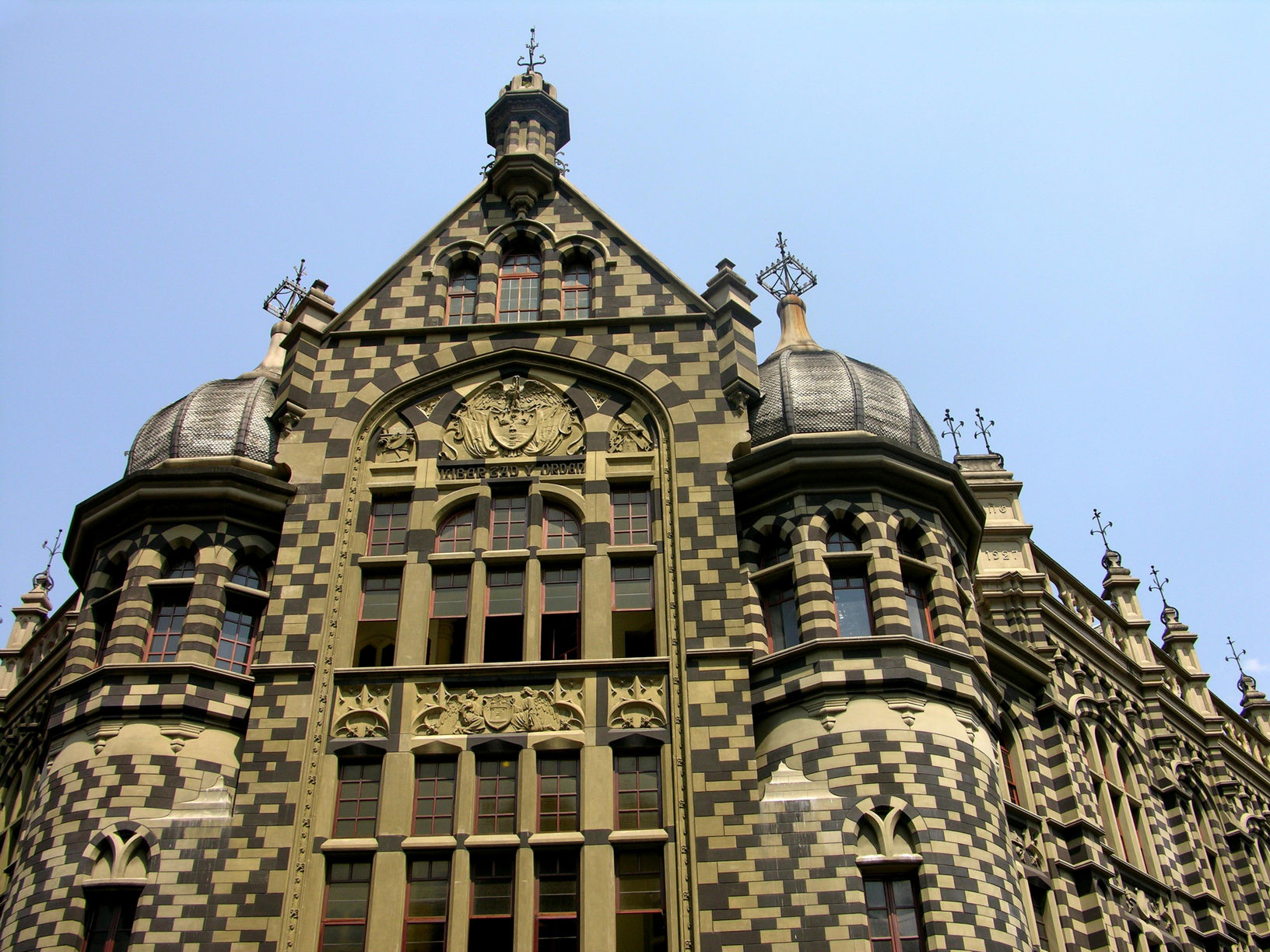
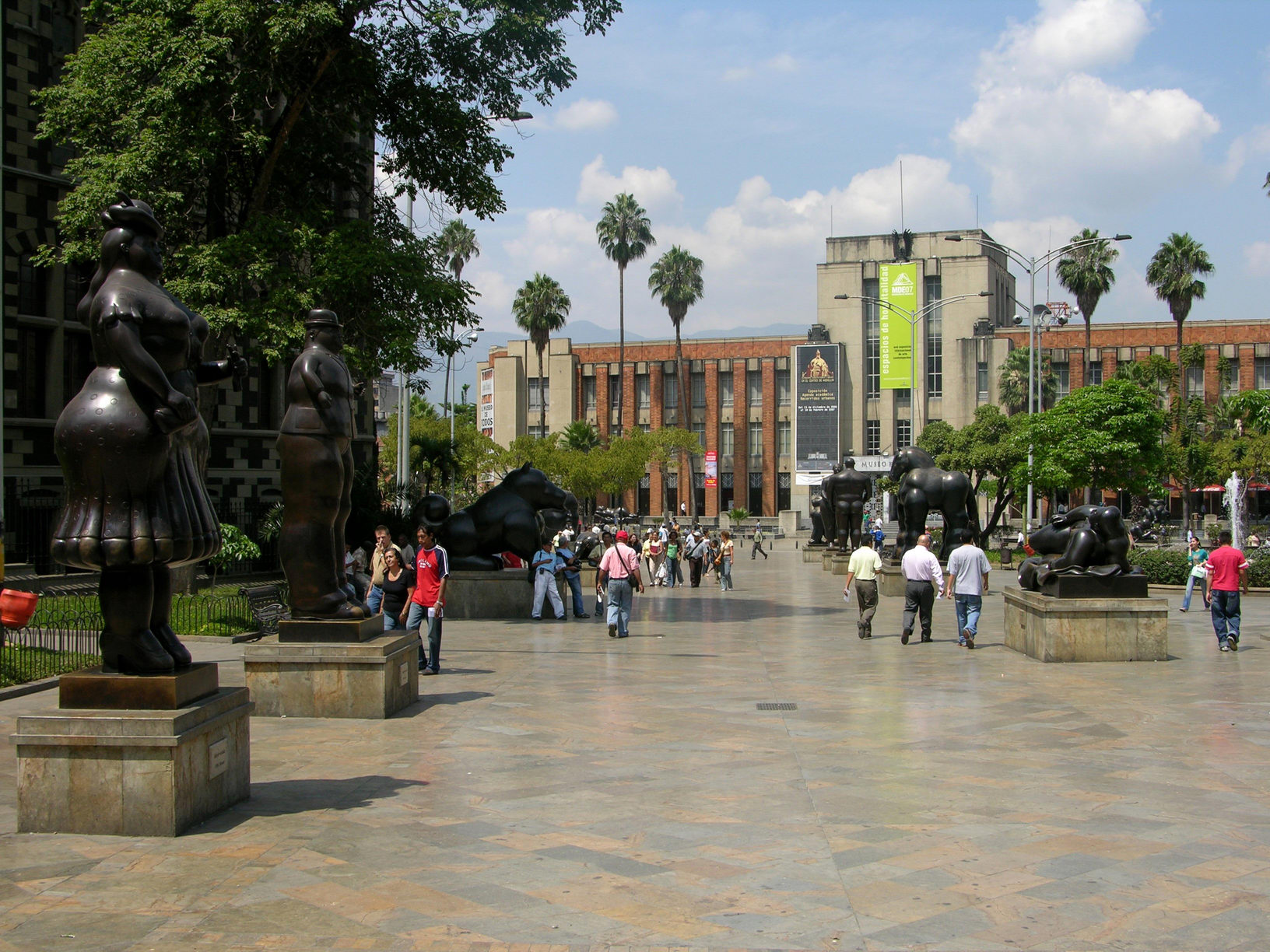
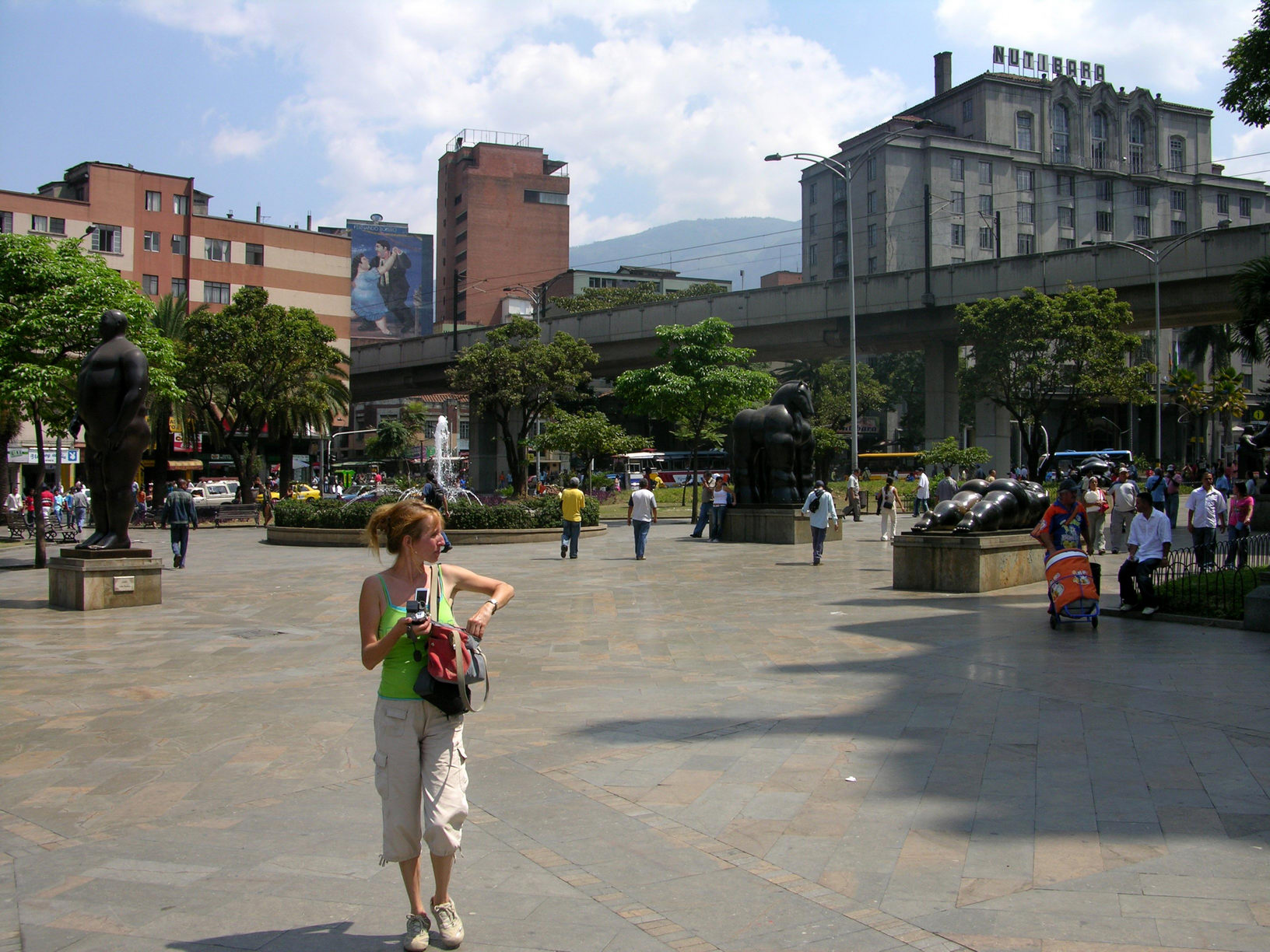
The city is quite unusual. Old churches alternate with blocks of skyscrapers. Narrow streets choked with people and cars. Squares displaying the distinctive sculptures of Fernando Botero, the local equivalent of Tsereteli. It's a big city and you need time to look at it.
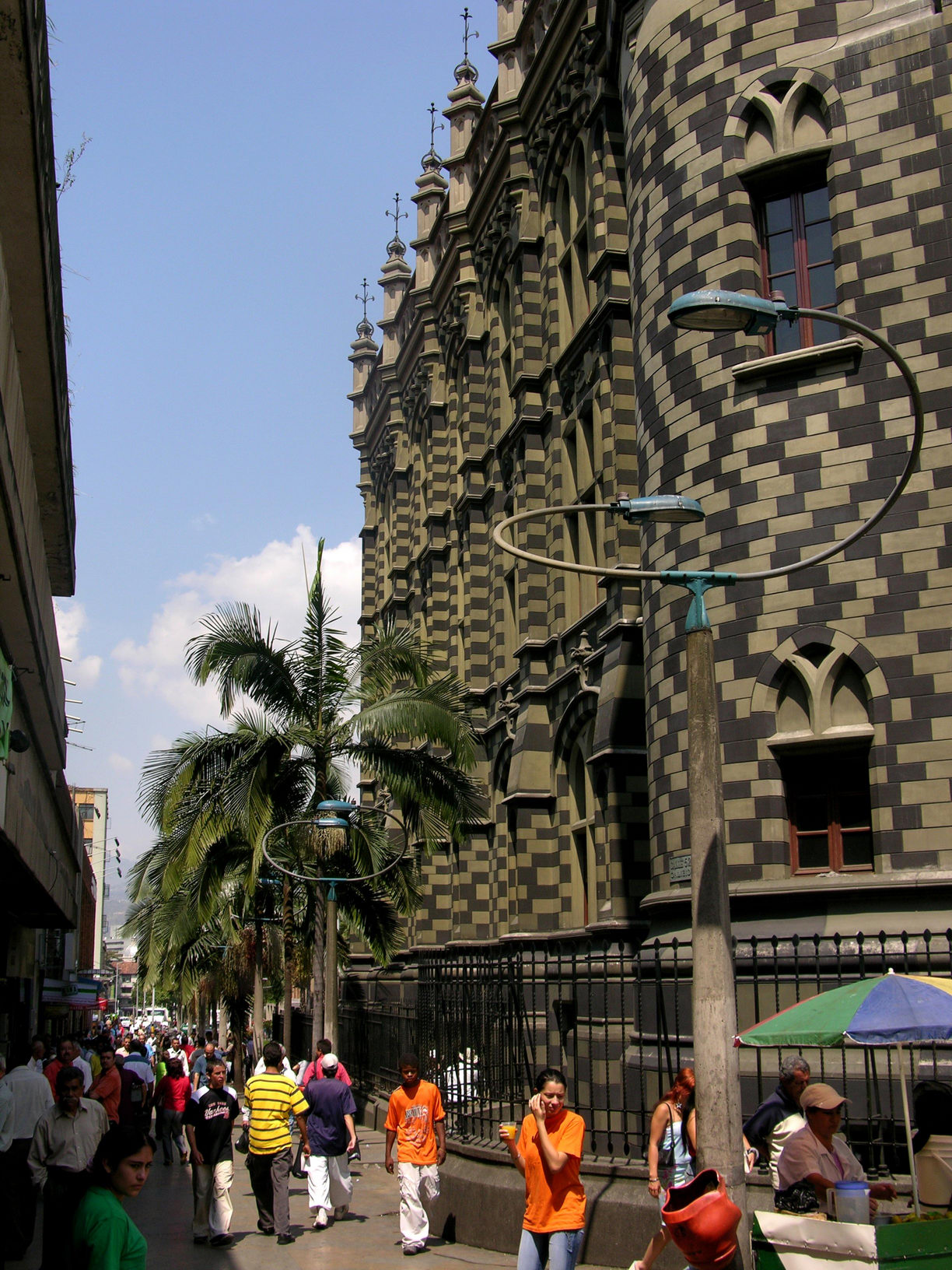
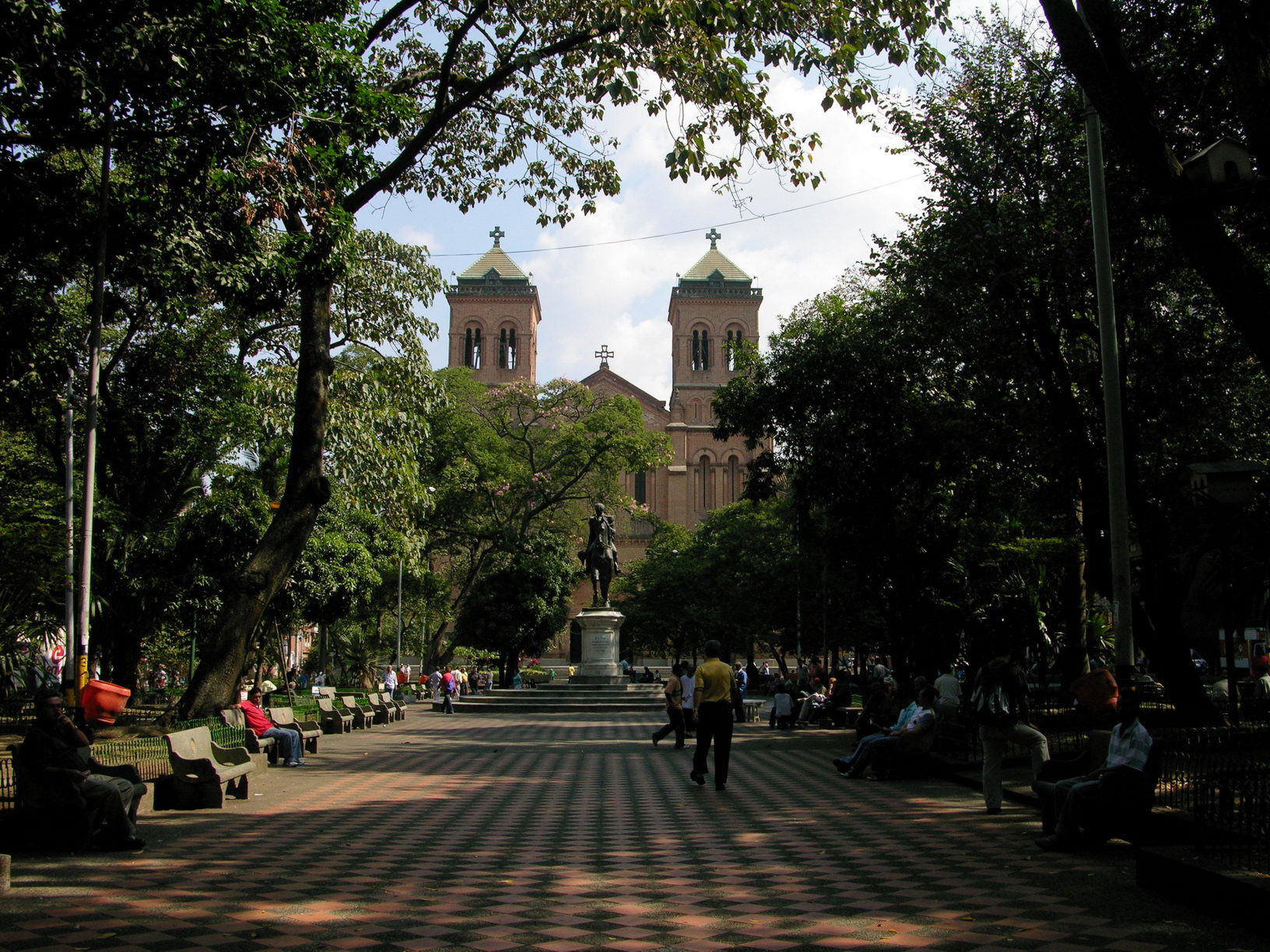
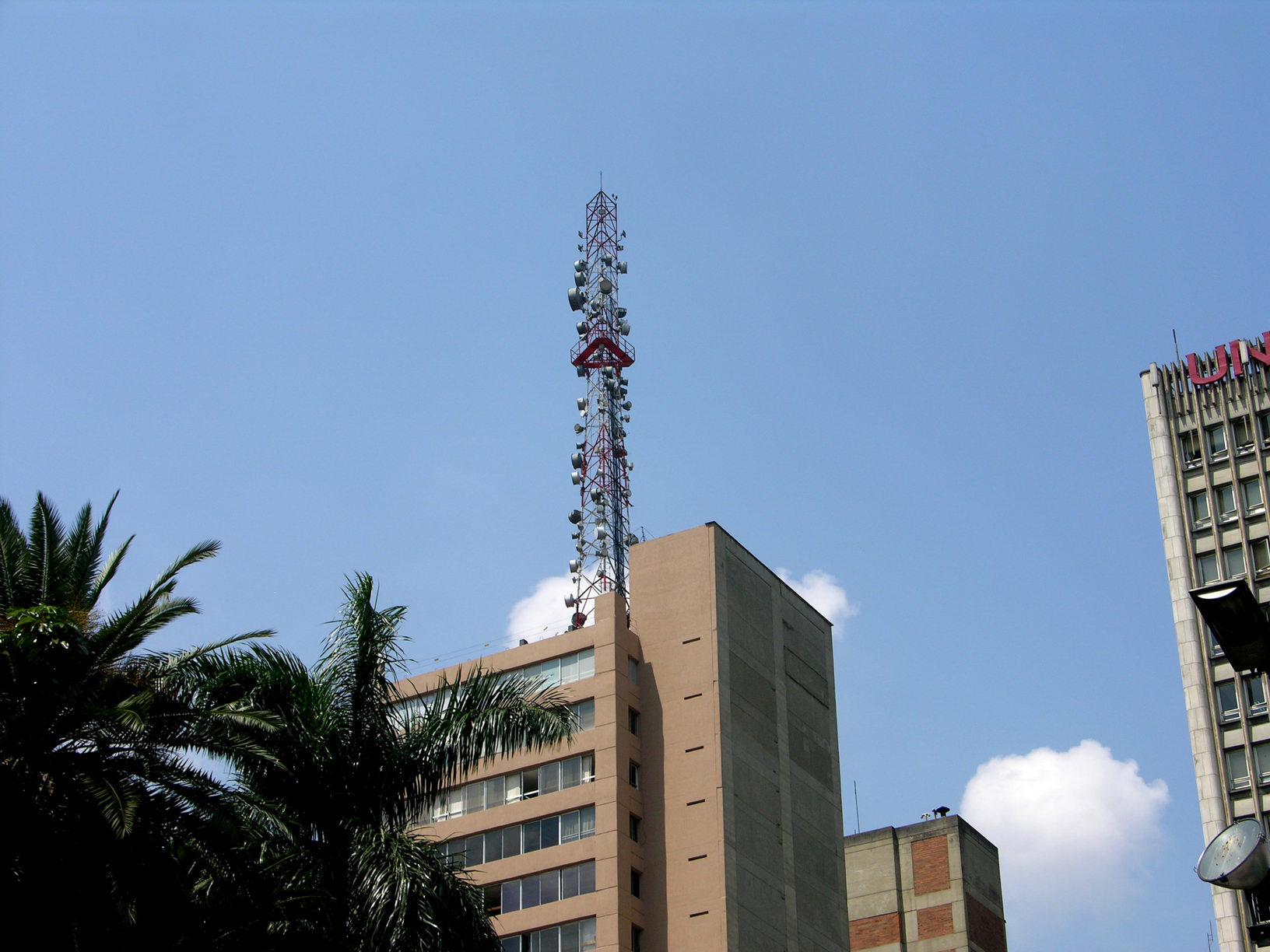
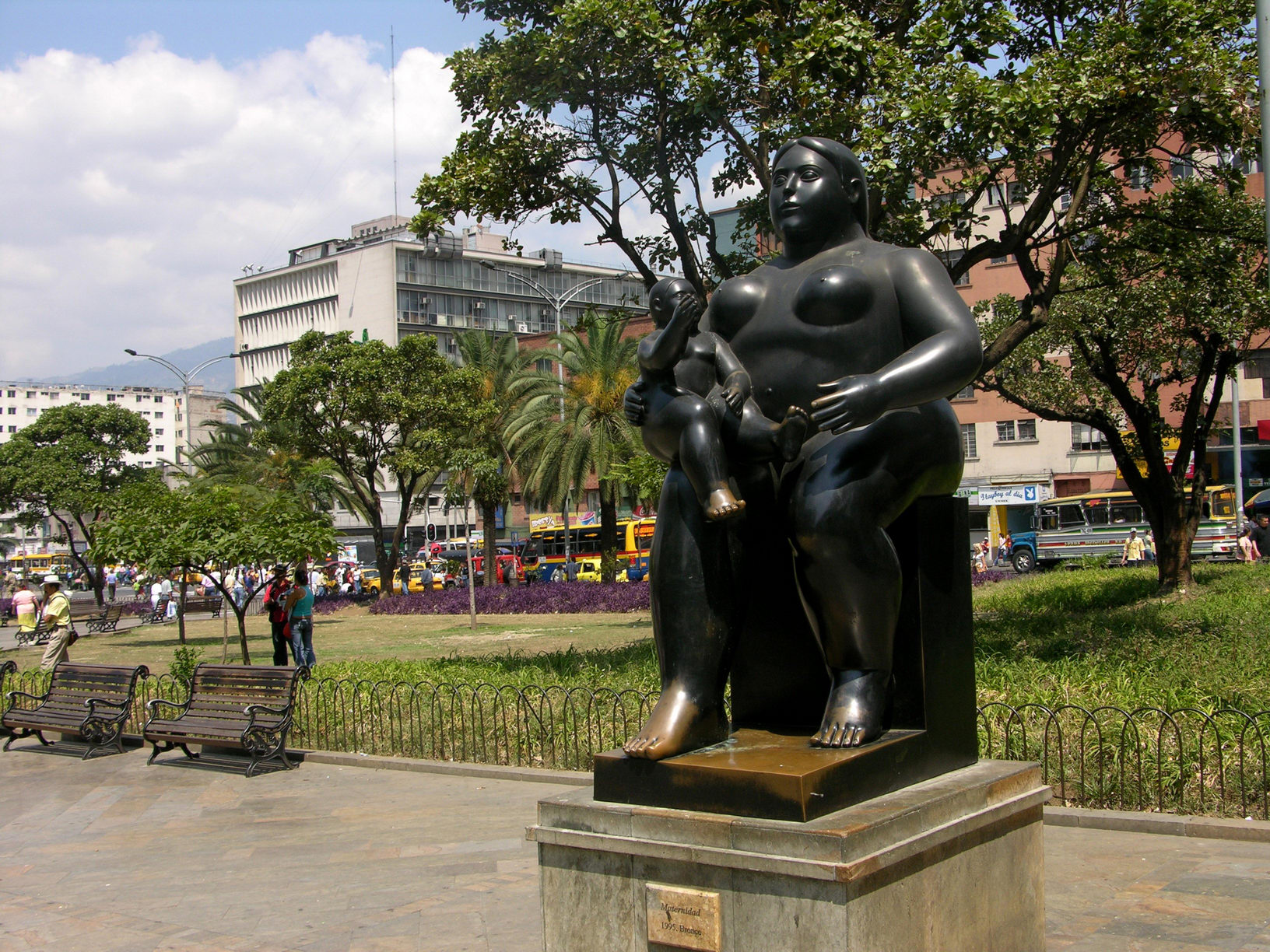
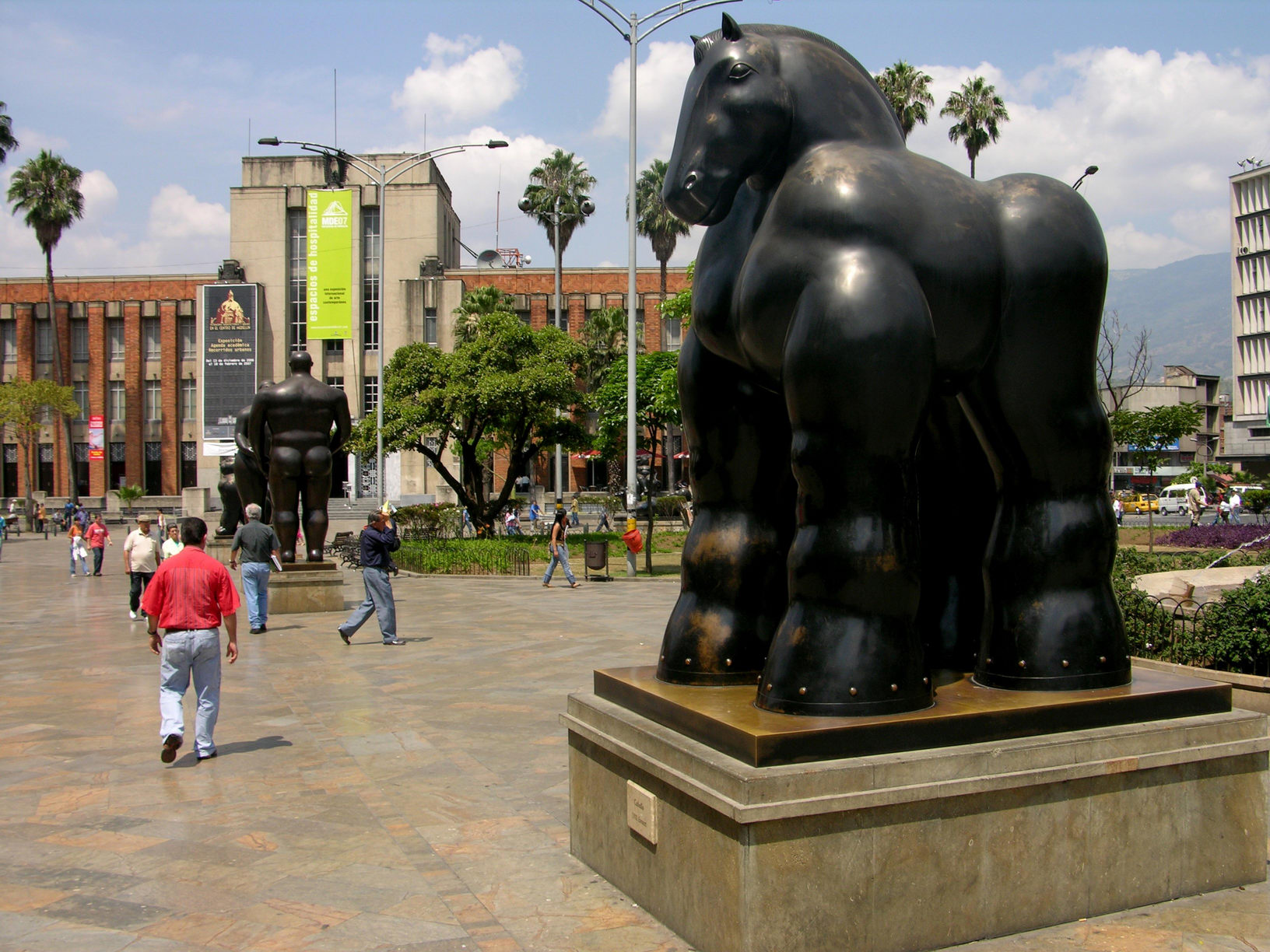
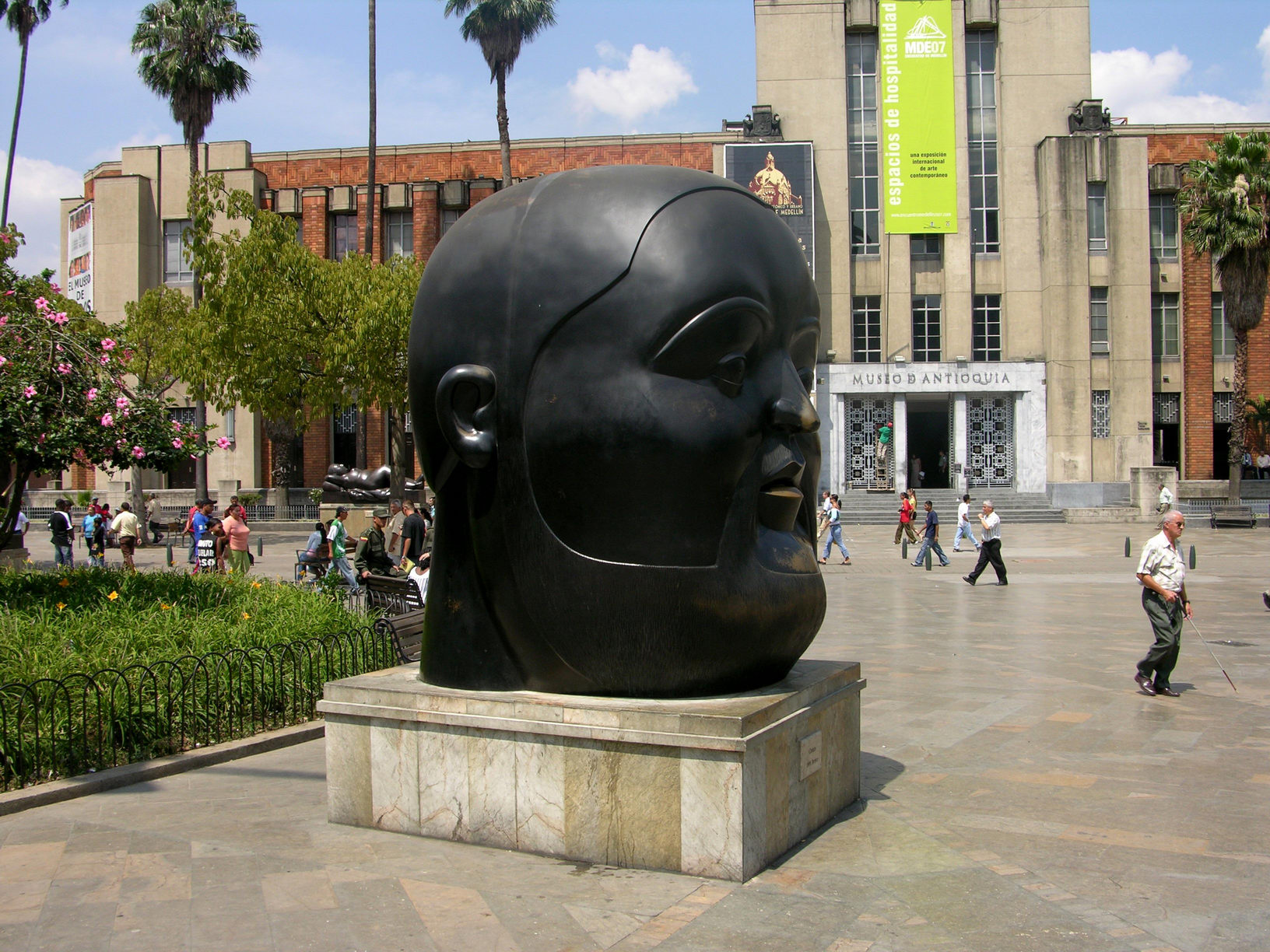
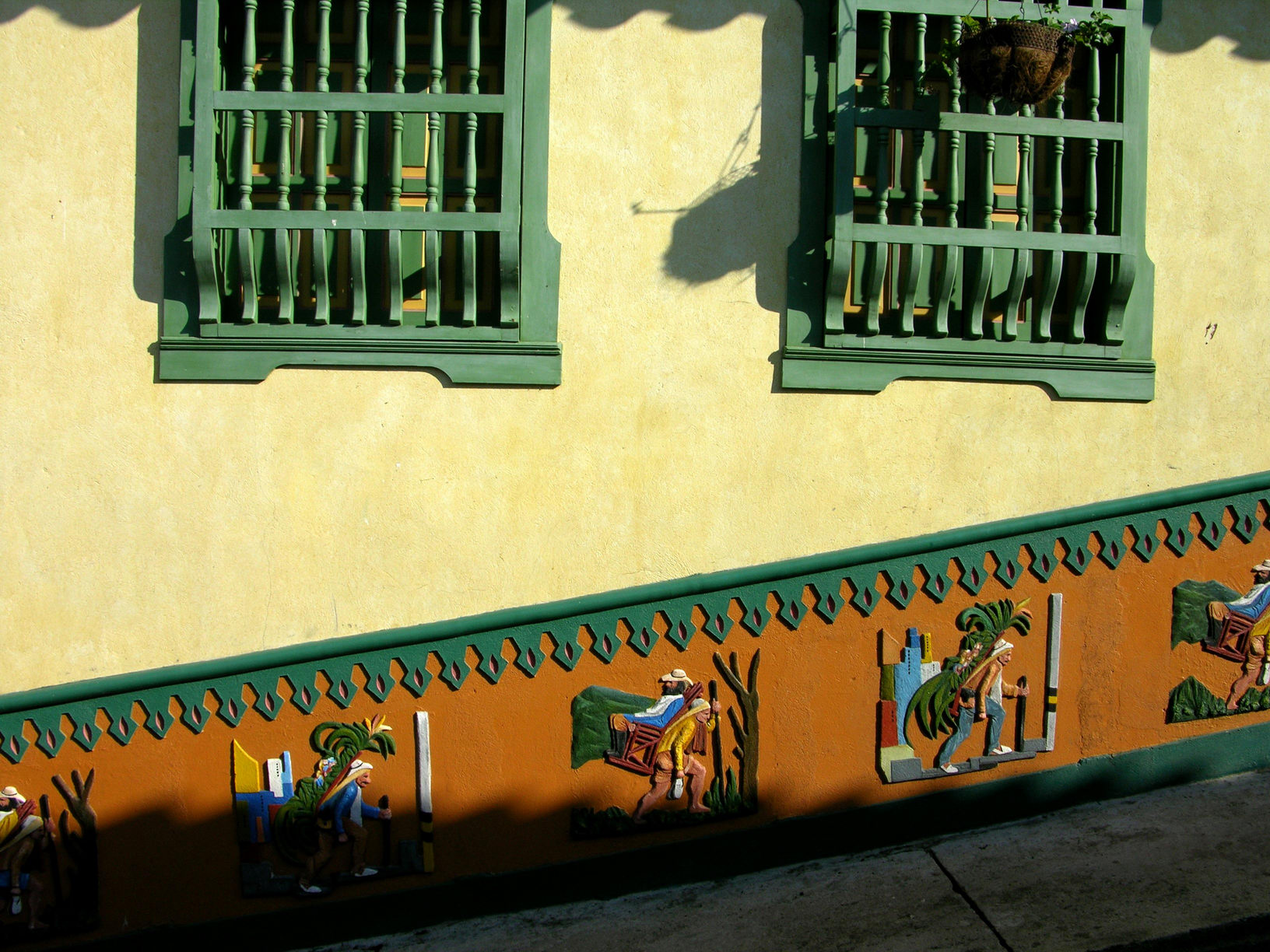
We took a quick walk and had coffee with a bun, then went on into the mountains in the direction of Bogotá. A few little towns are dotted over the pass. Colonial again, and too good to pass by. One of them, Guatapé (Guatapé, town website), is recognisable by the painted bas-relief work that every house has below its windows. All of it varied and in good taste.
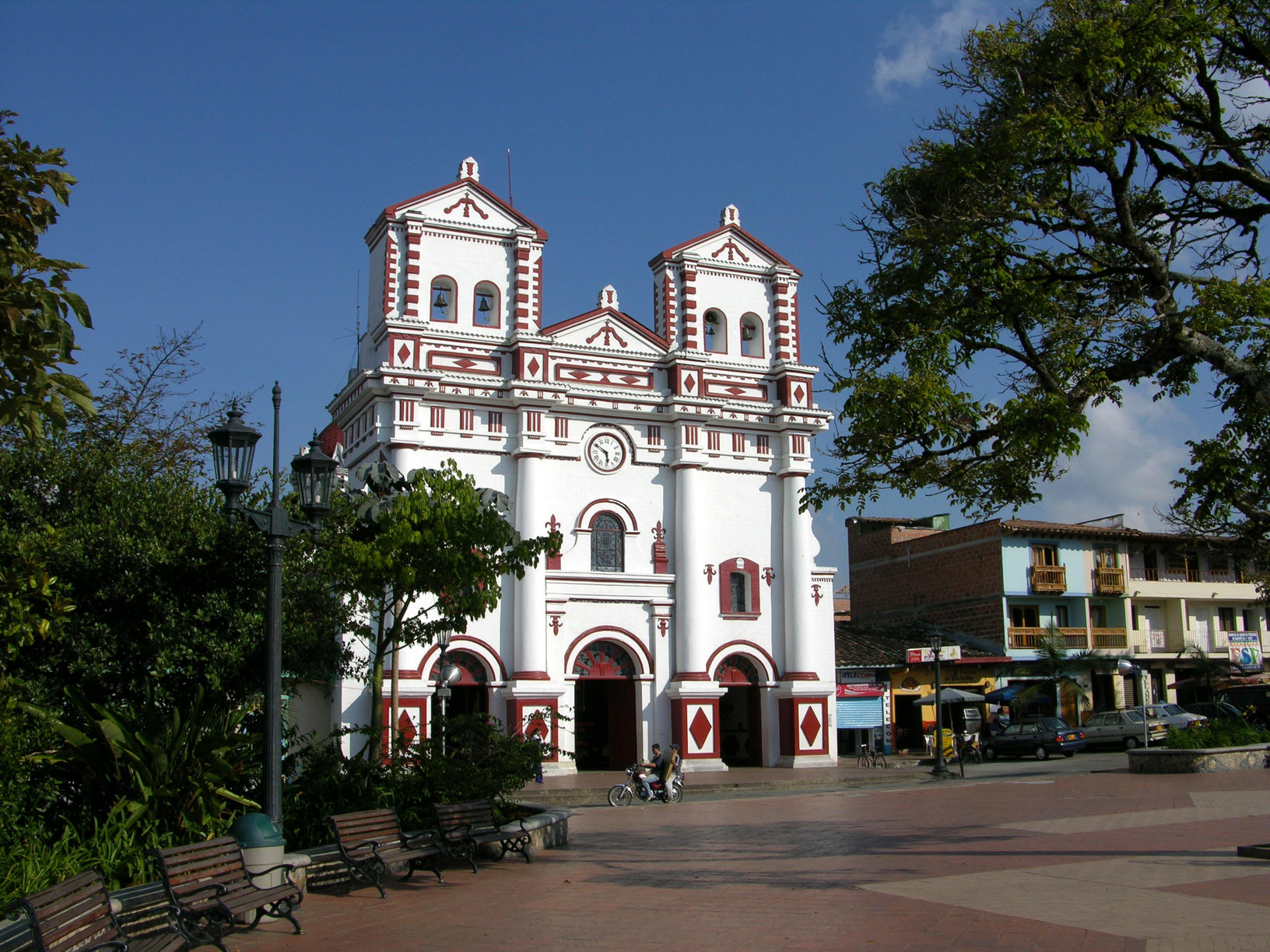
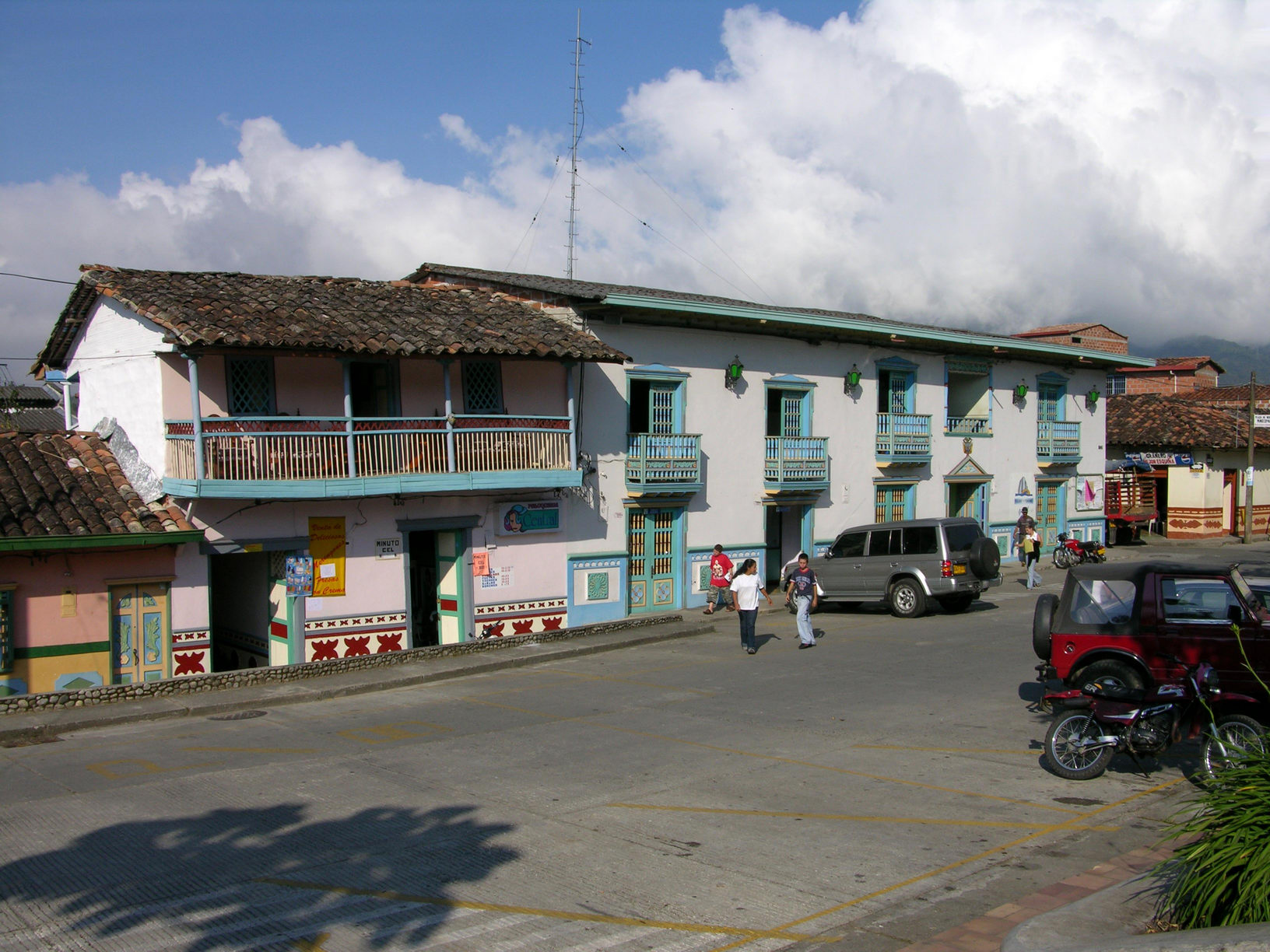
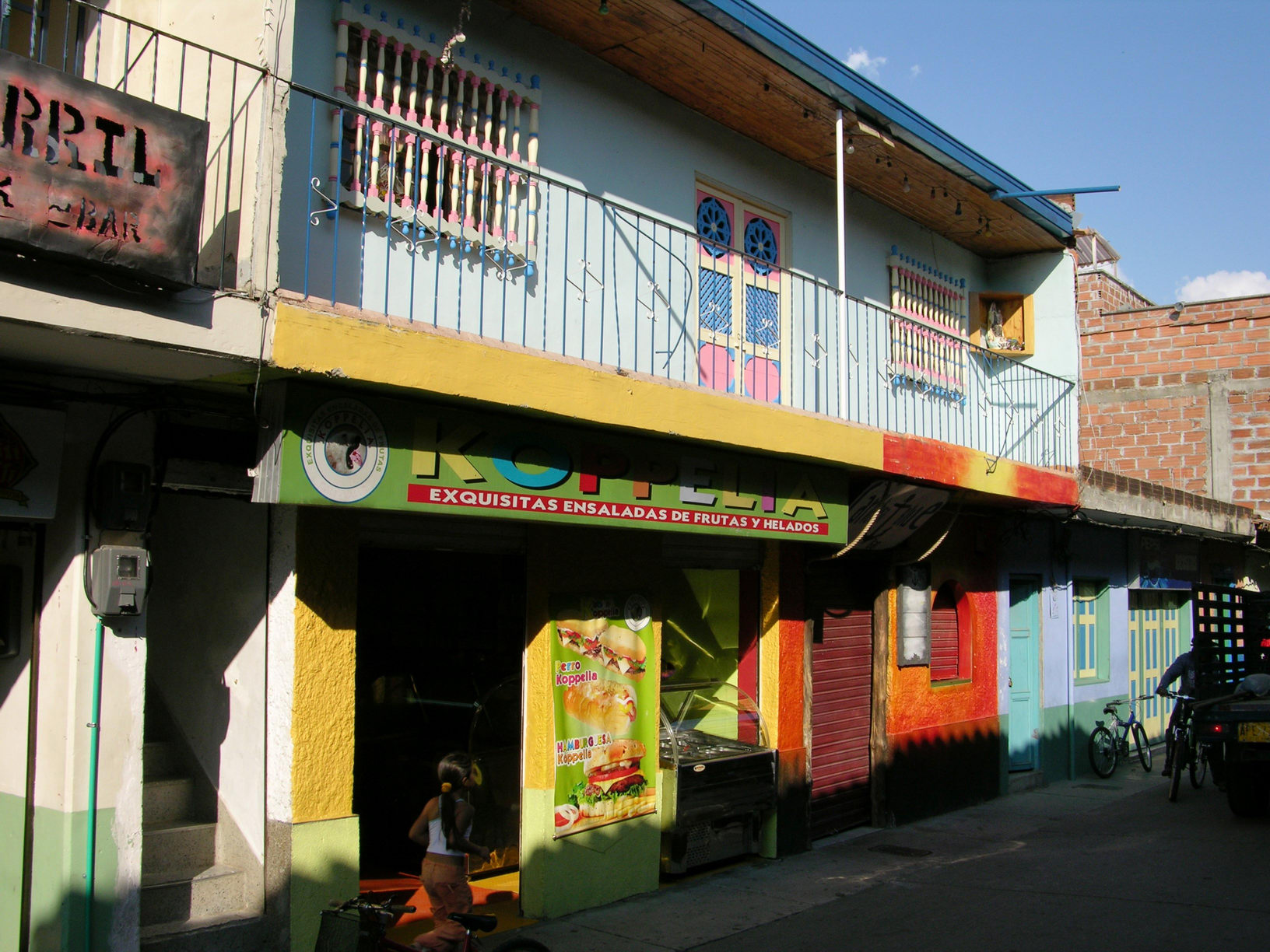
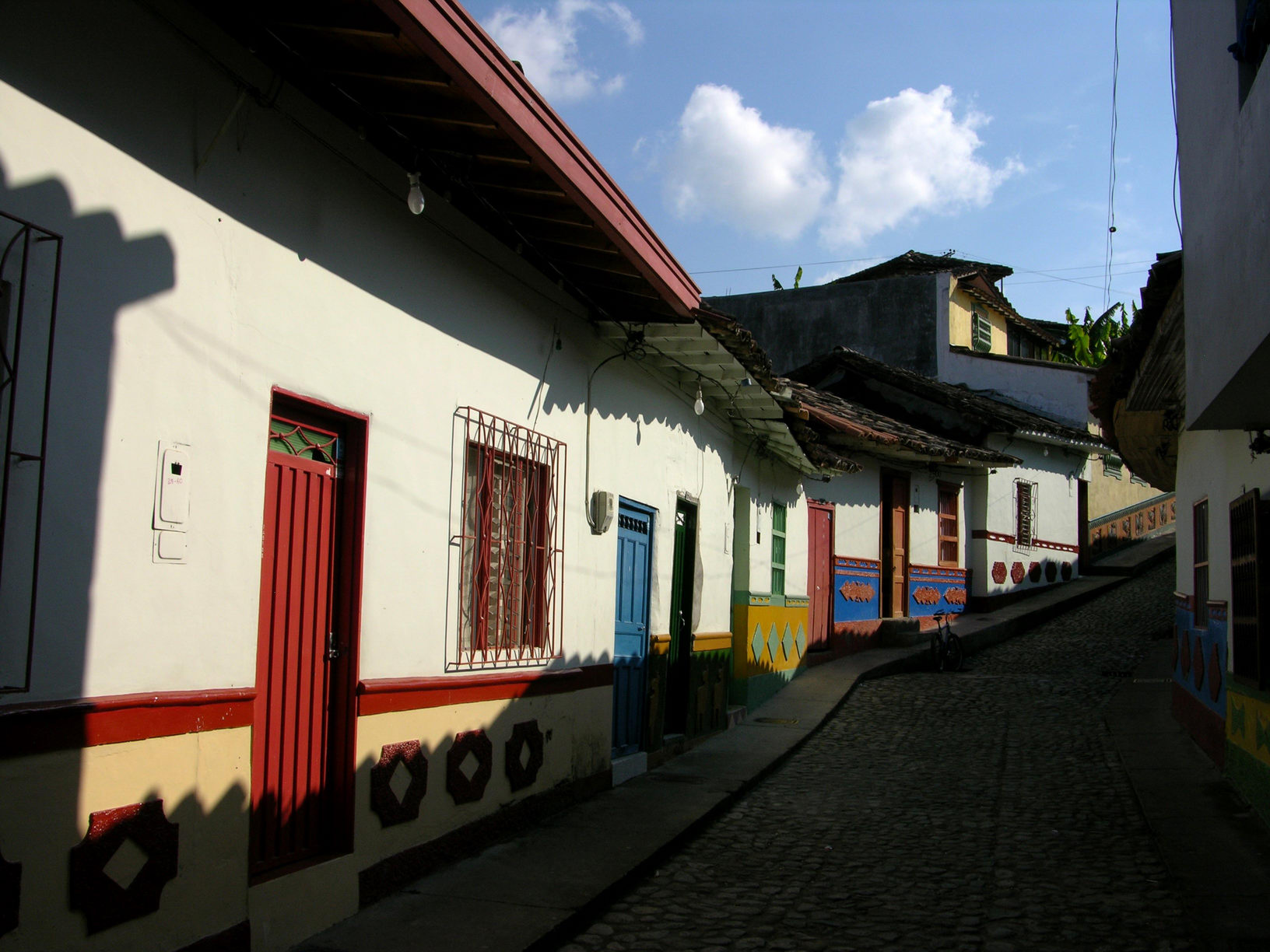
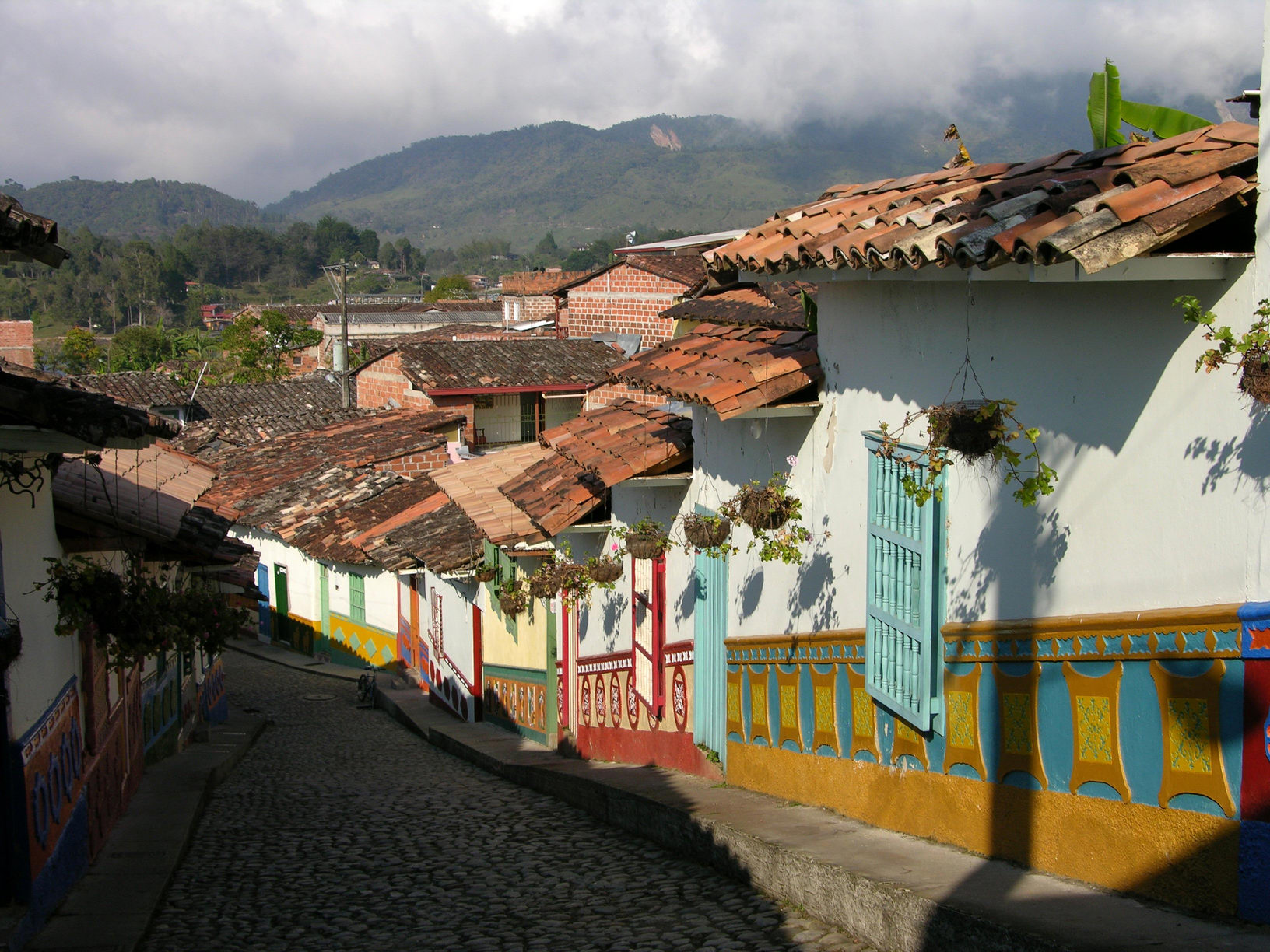
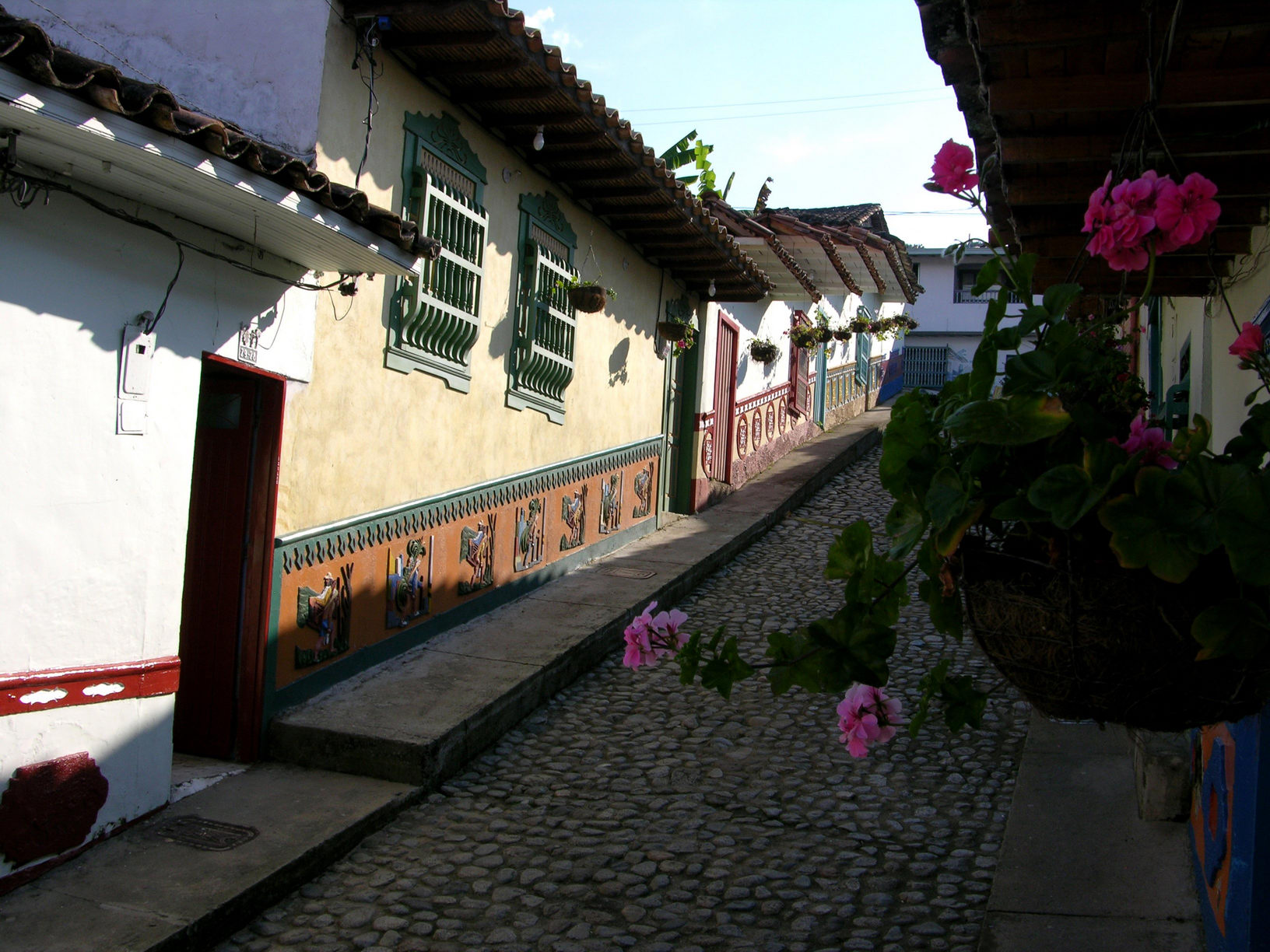
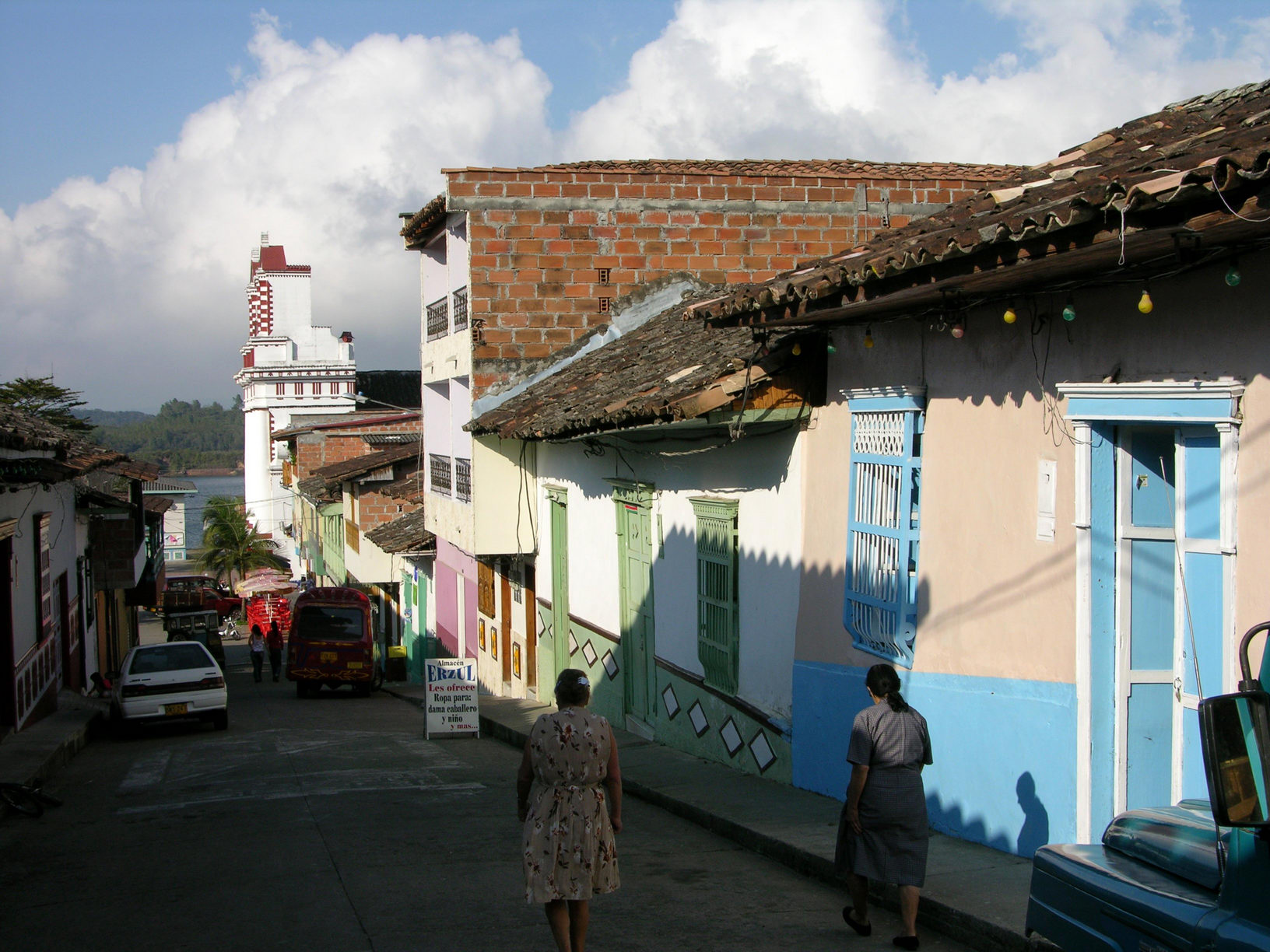
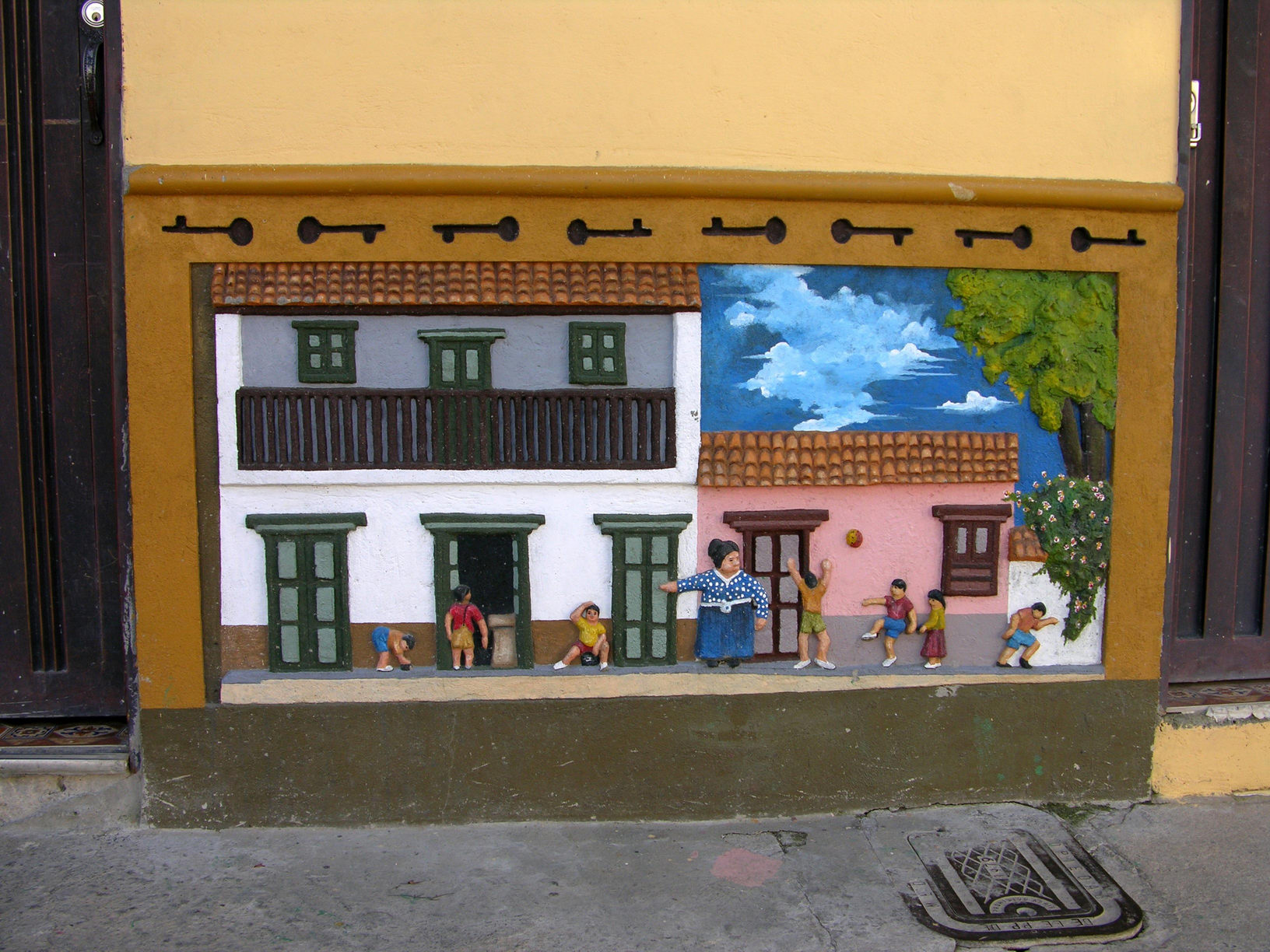
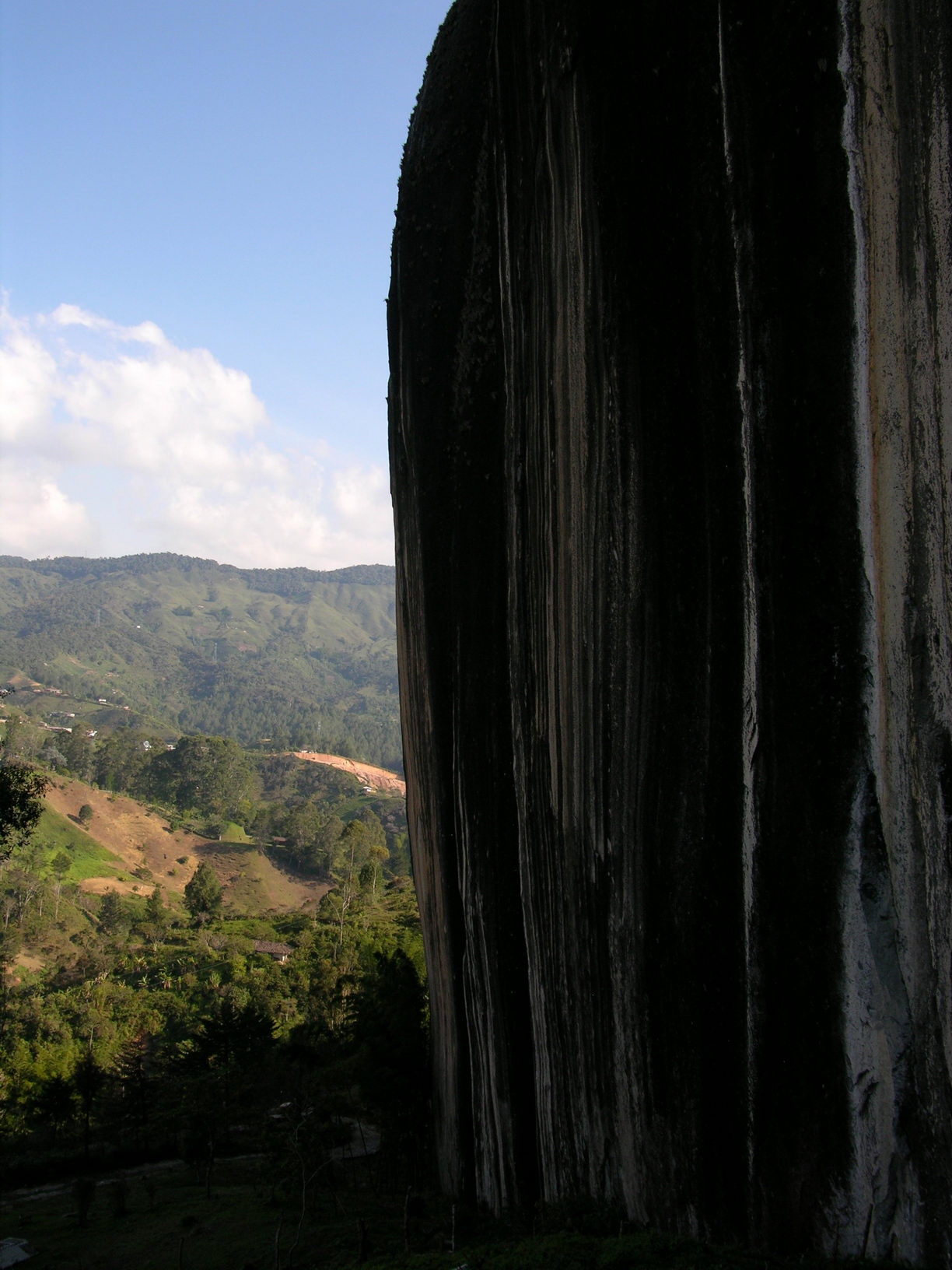
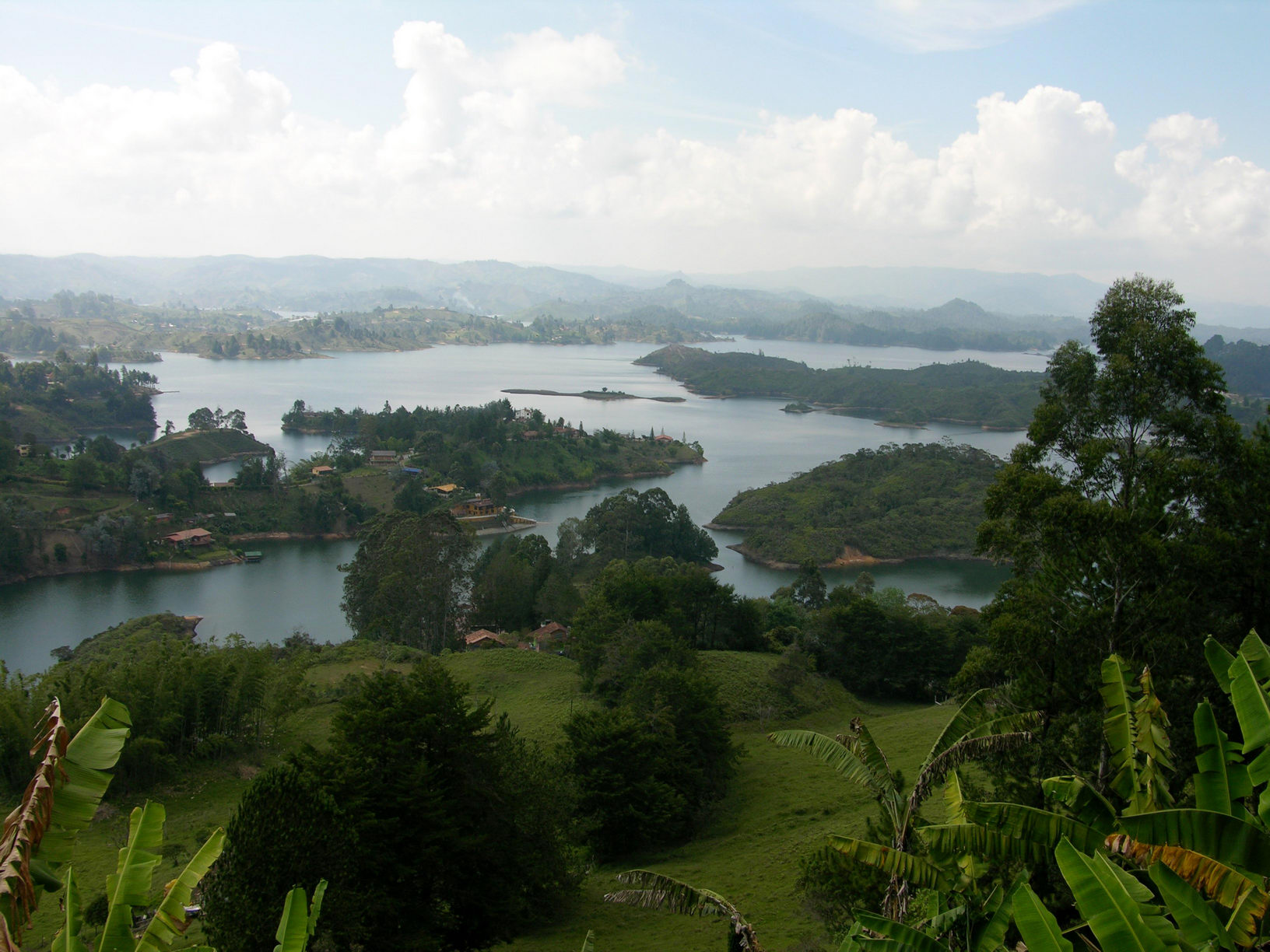
Near town is the granite rock Piedra del Peñol, two hundred metres high. They've built a staircase to the summit with 649 steps. Admission is 4,000 pesos. A wonderful view from the top. The nearby hills have been flooded by a reservoir for a hydroelectric plant. A lake formed, with lots of little islands. And so a resort came into being. Not far from the capital and not too hot. You can go boating. A bit full of people, of course.
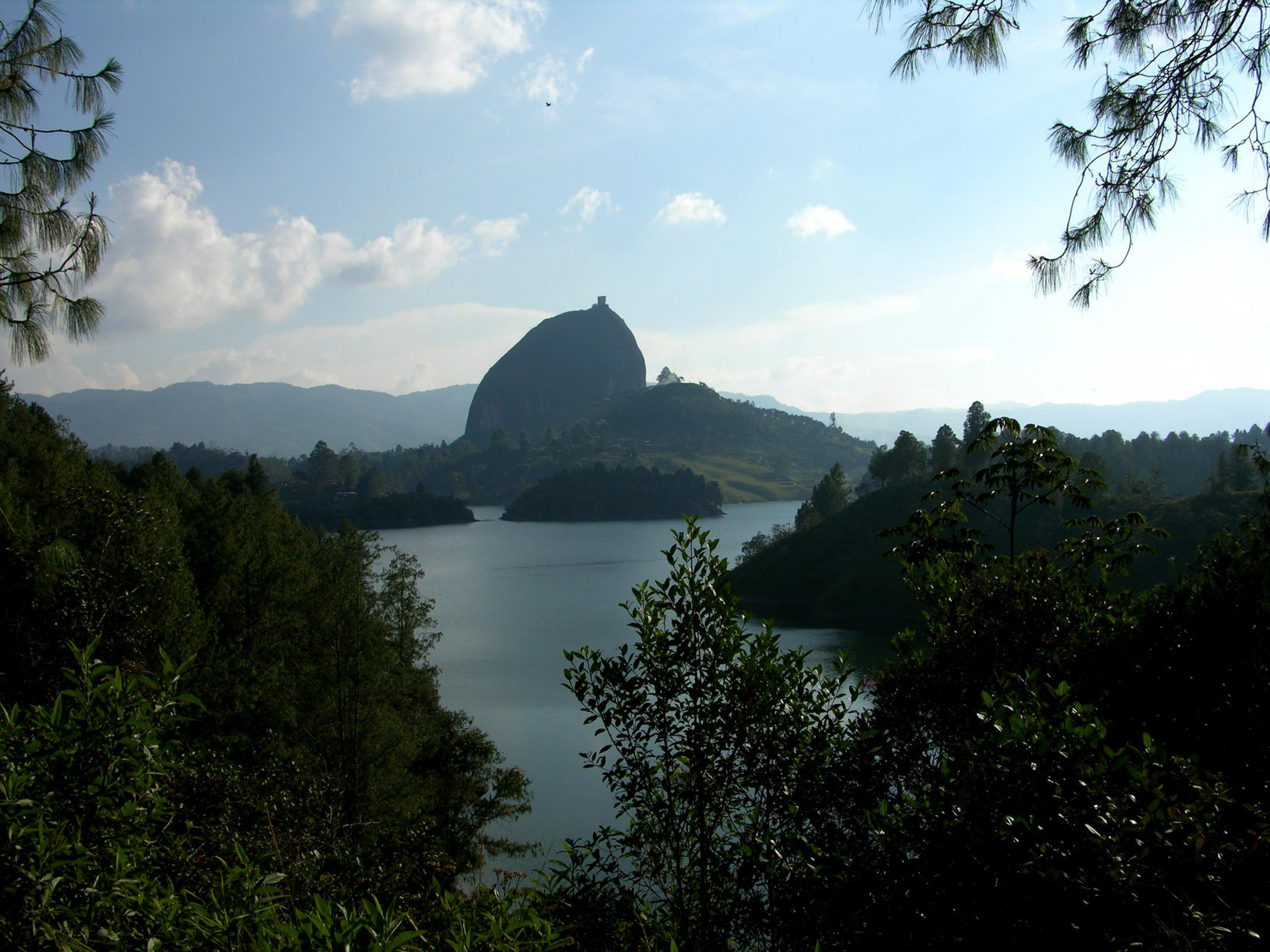
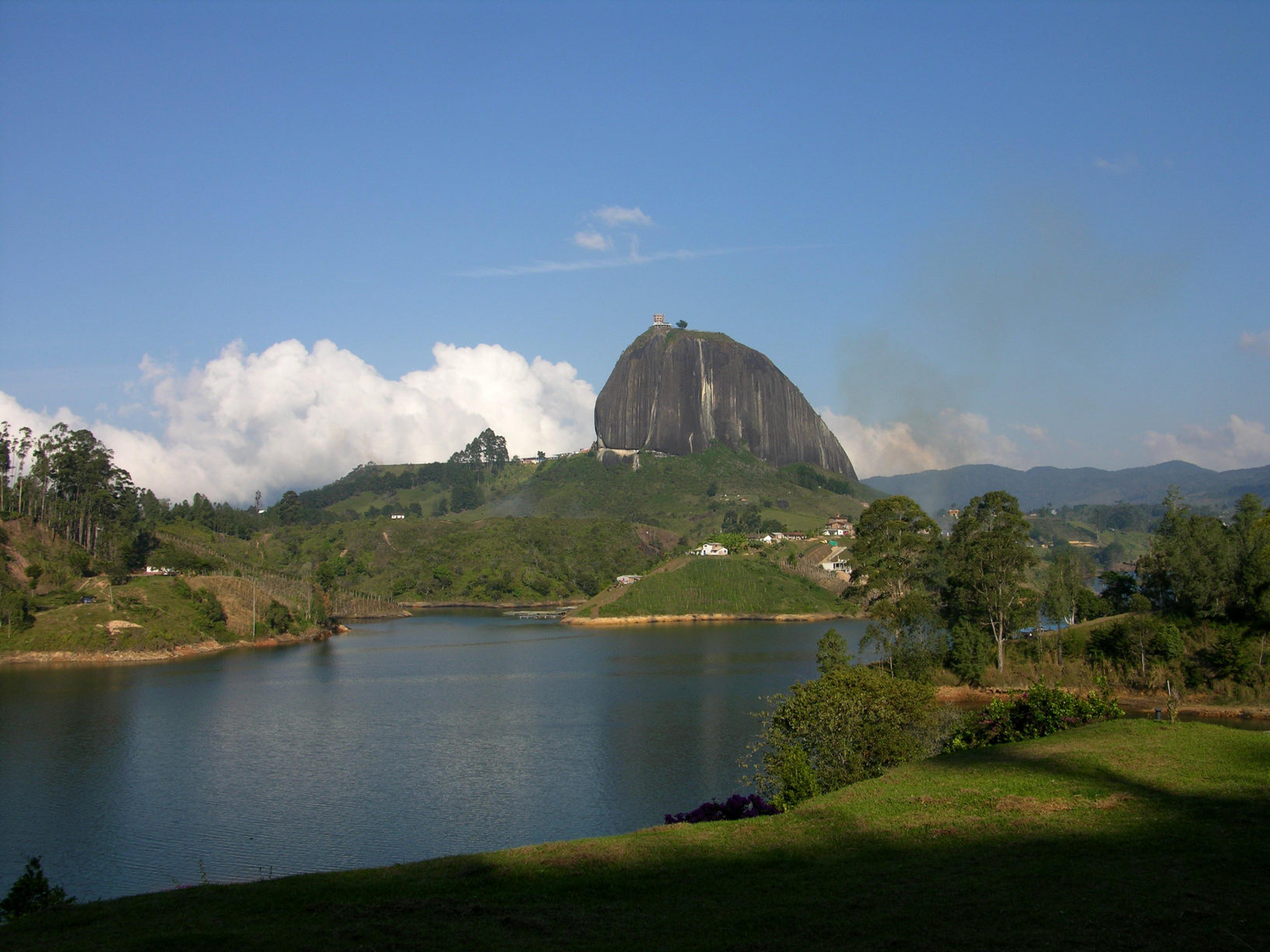
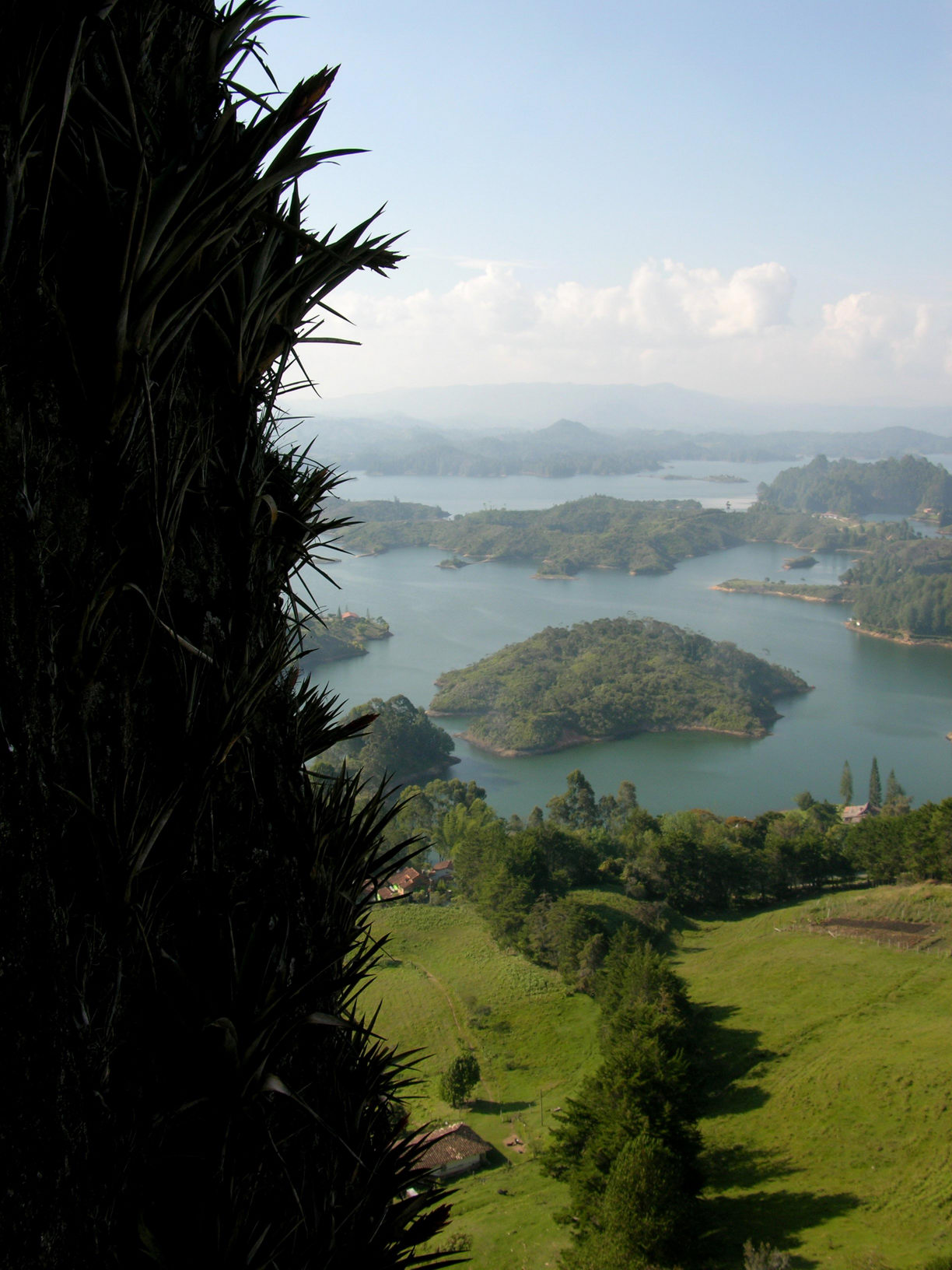
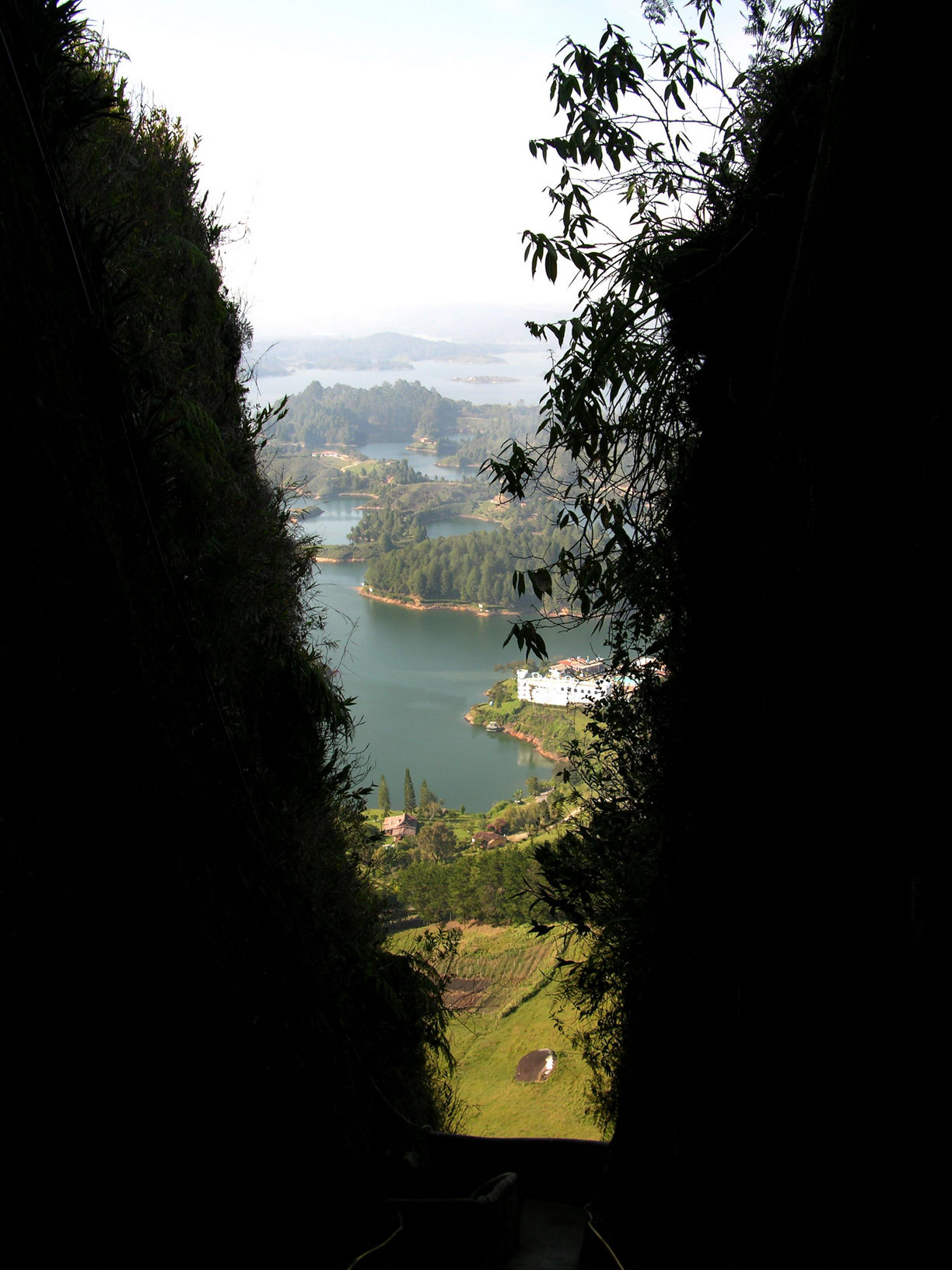
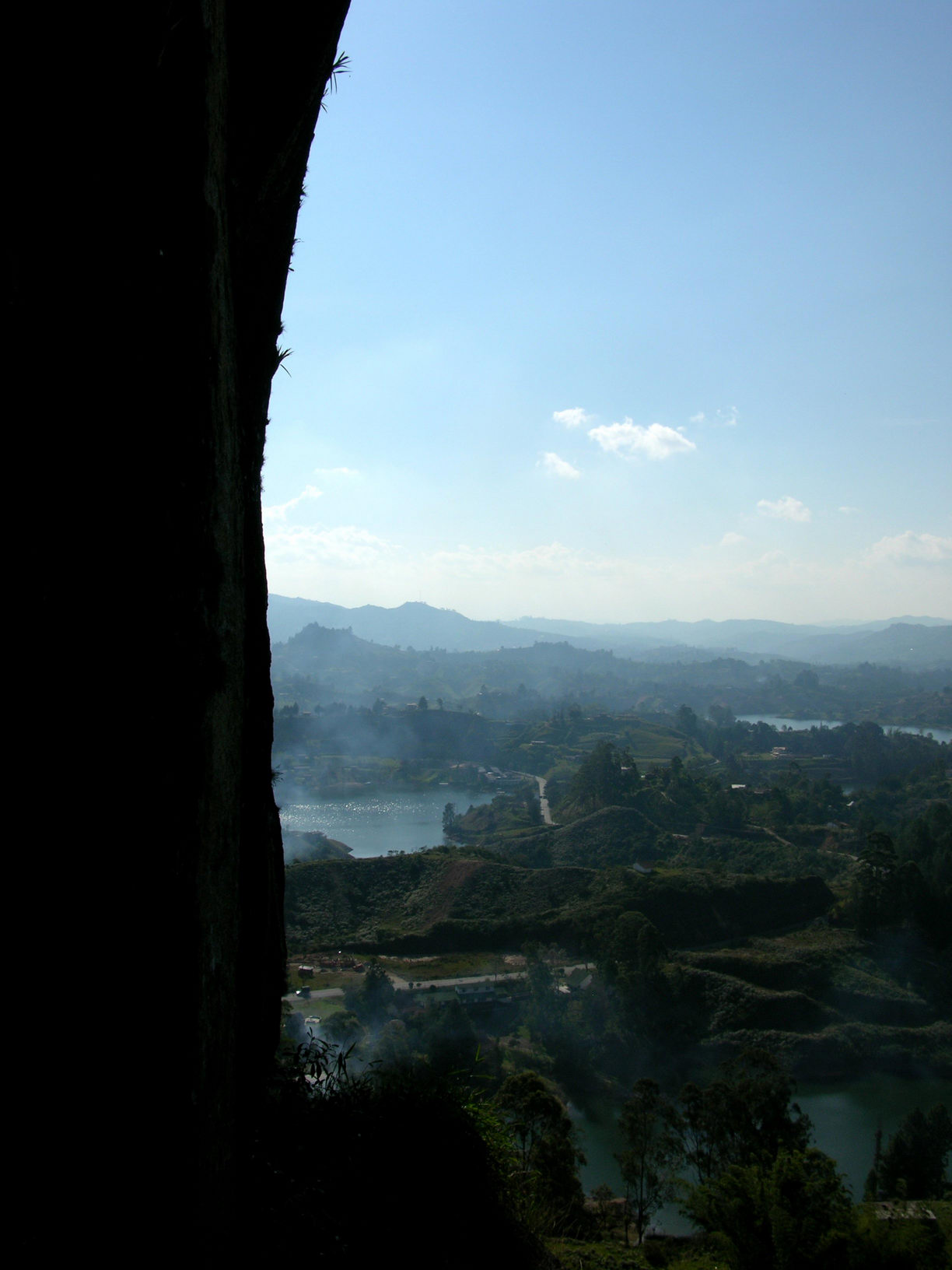
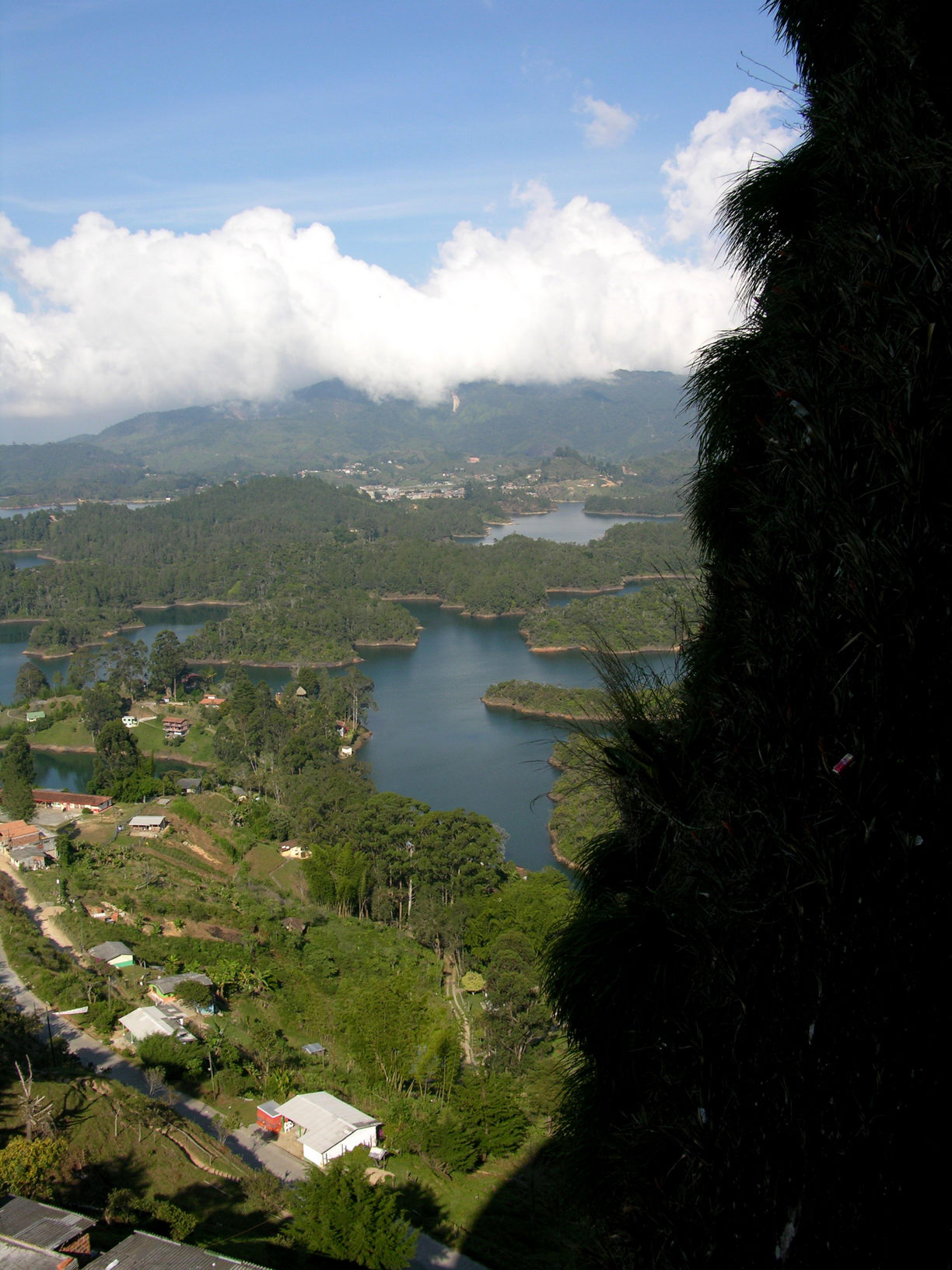
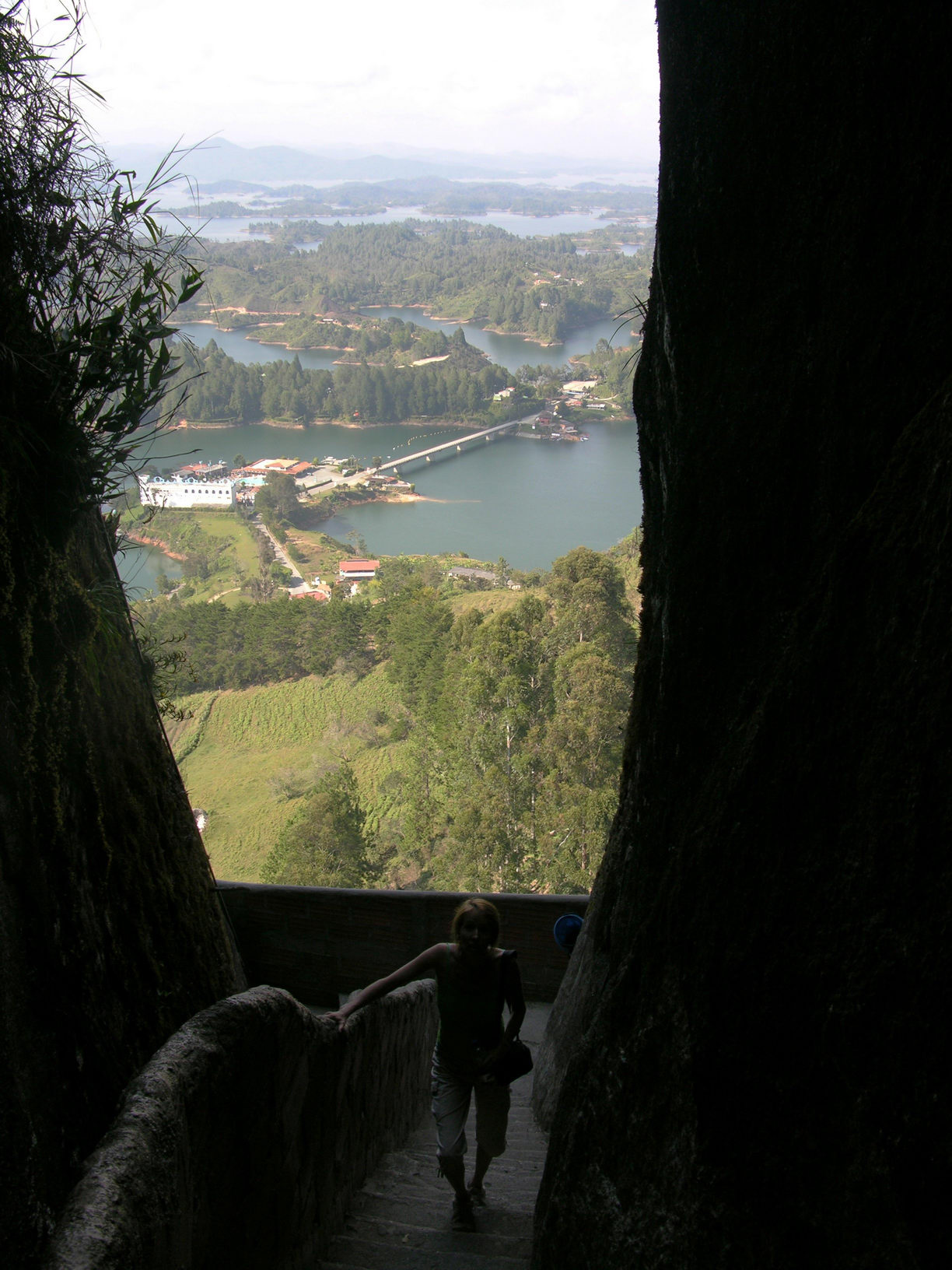
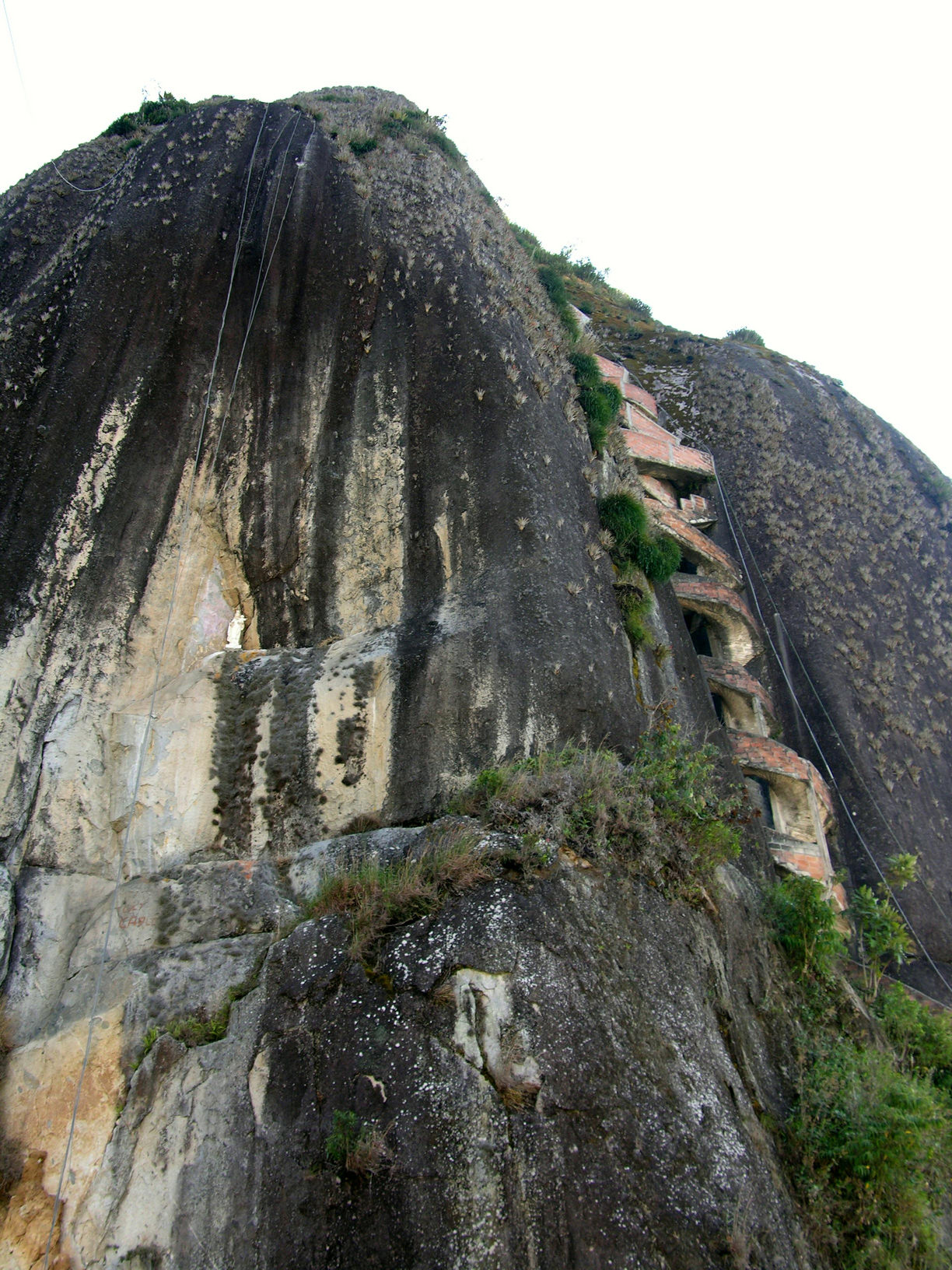
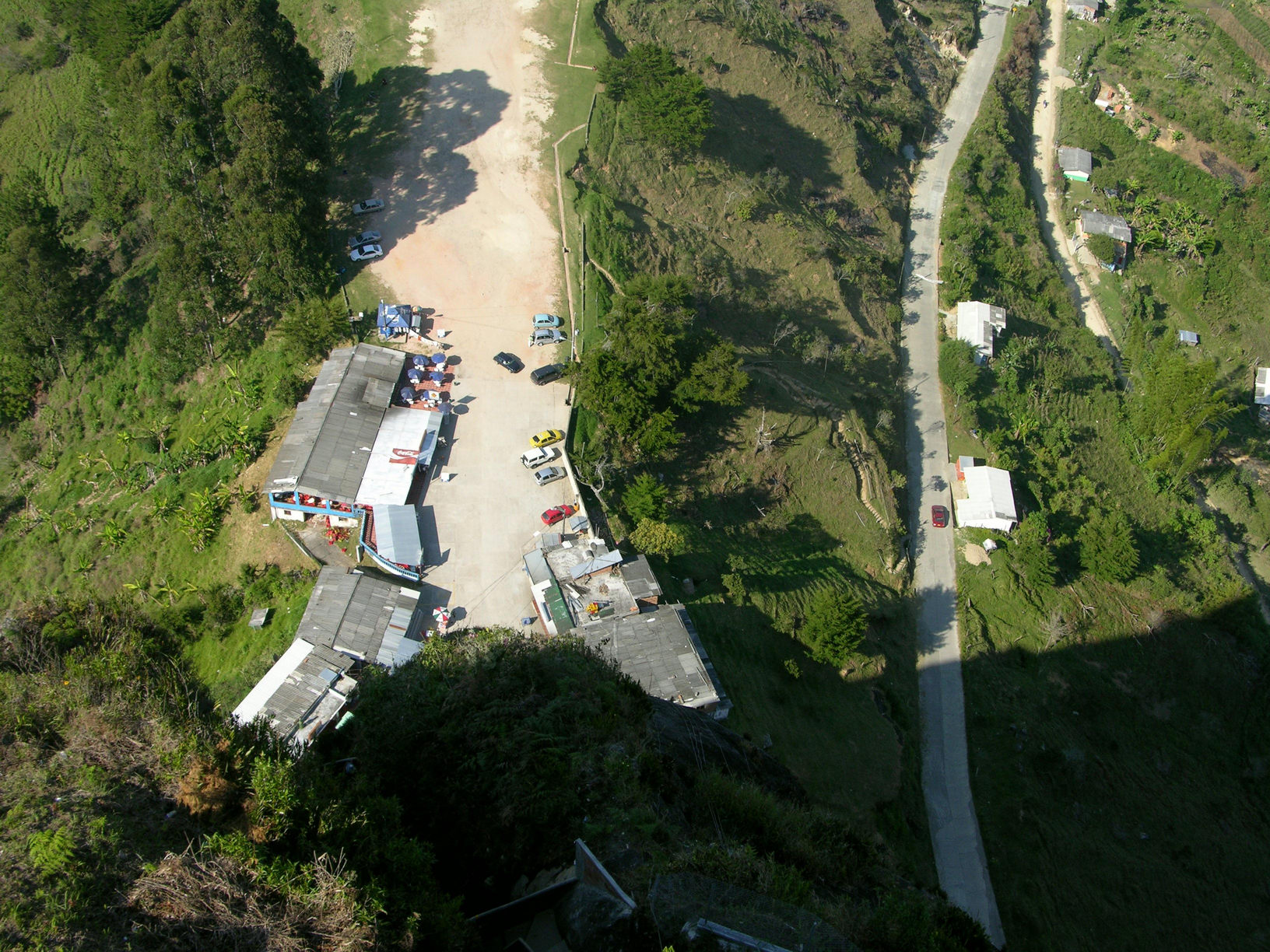
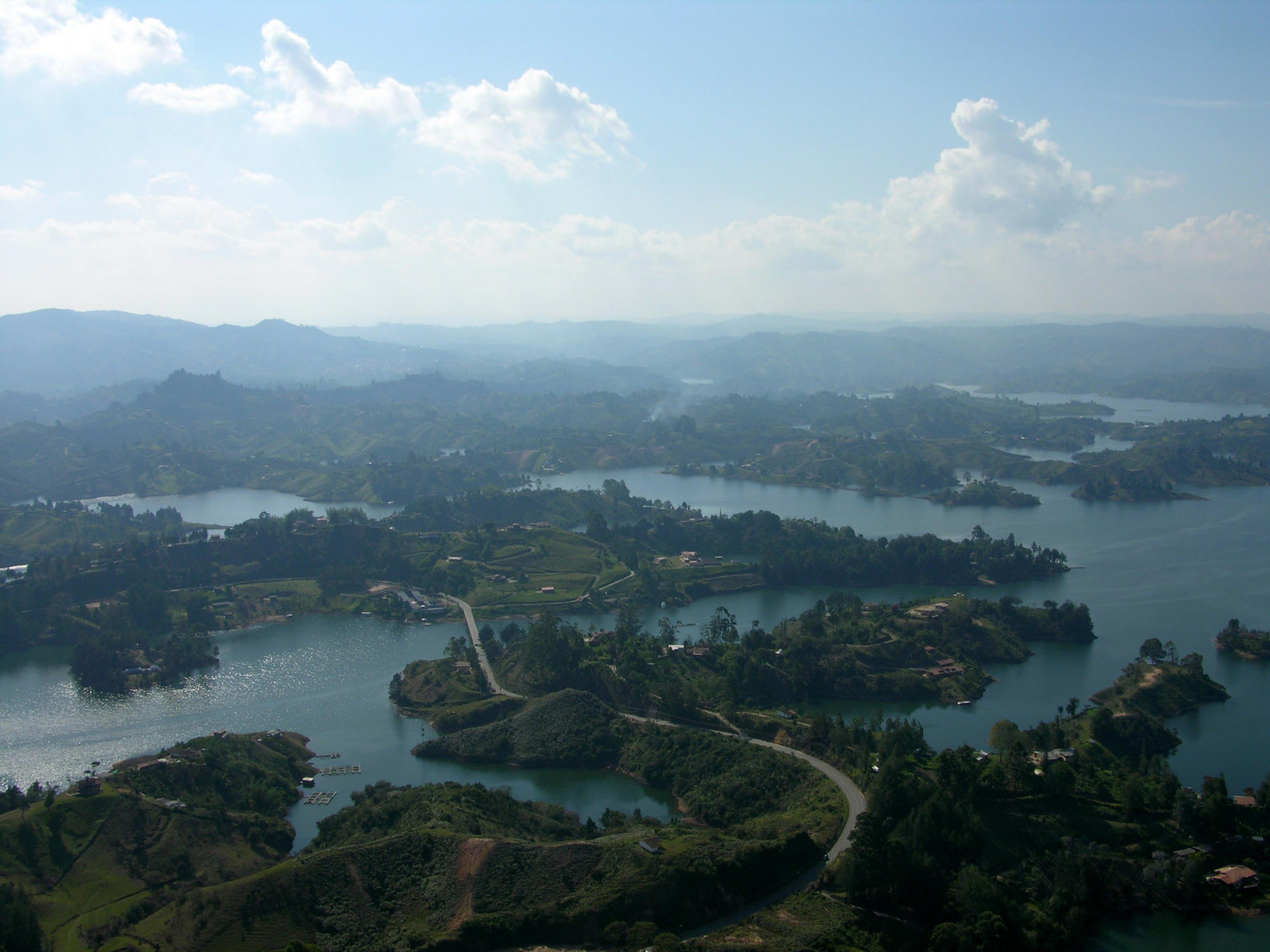
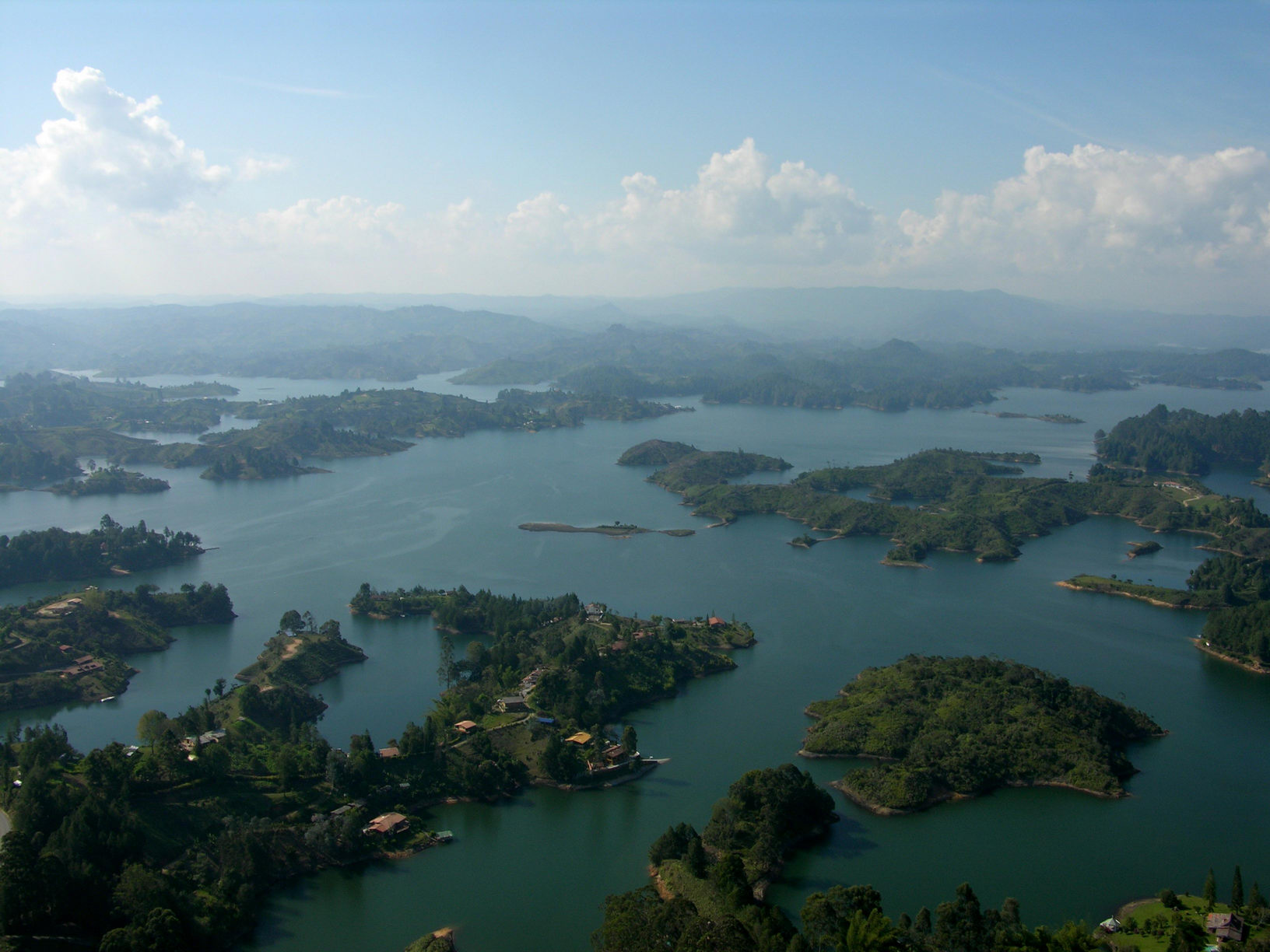
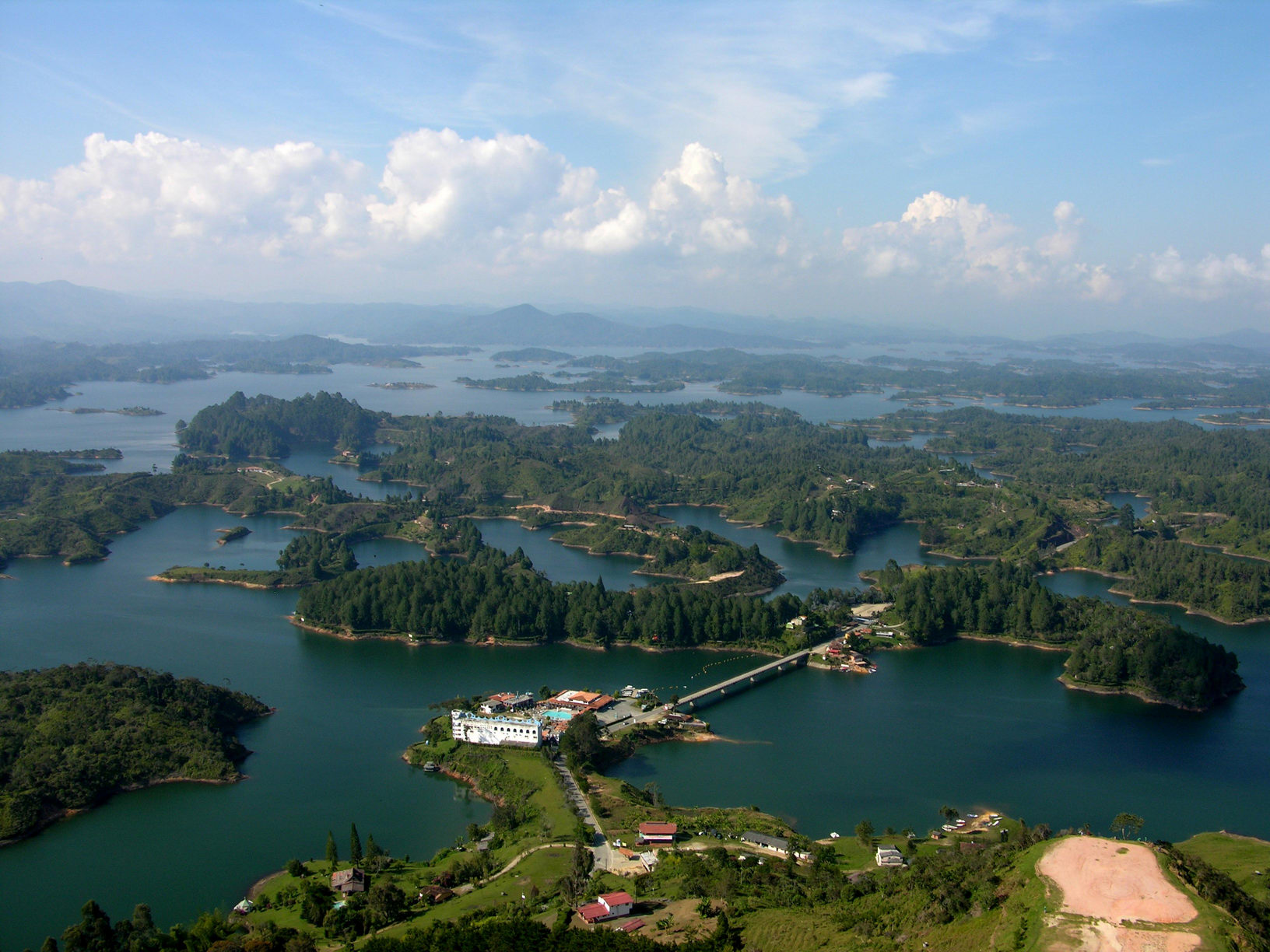
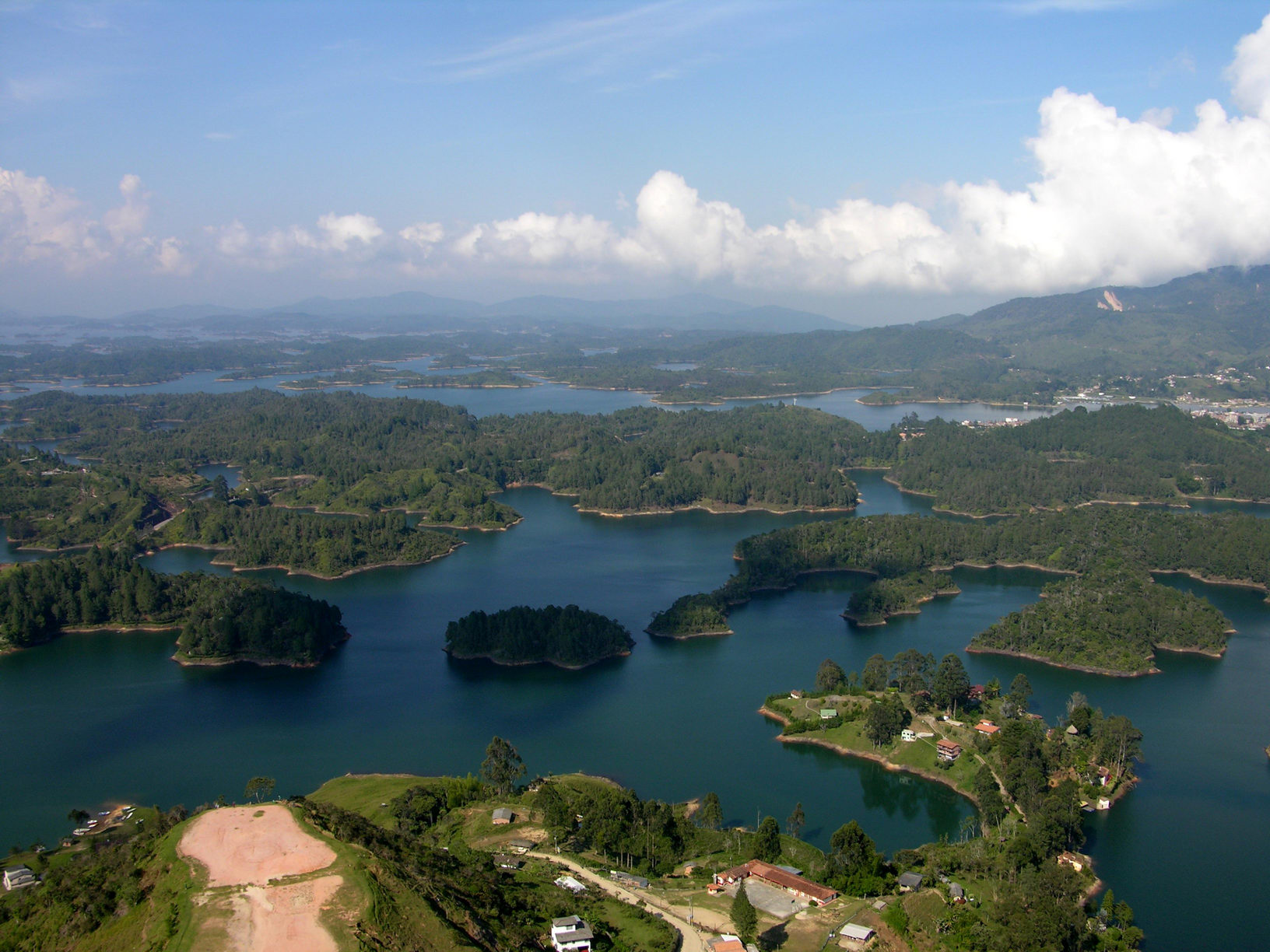
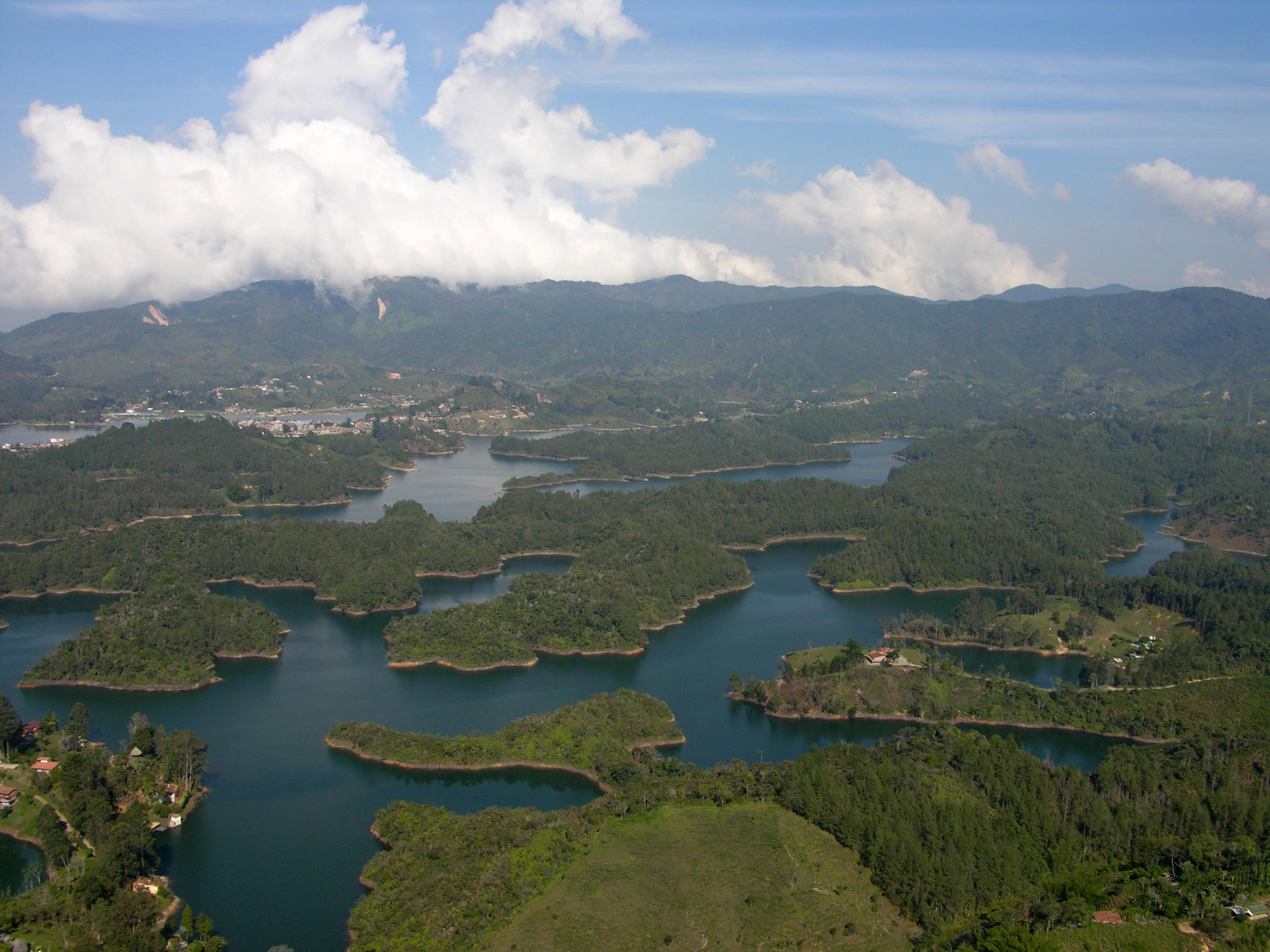
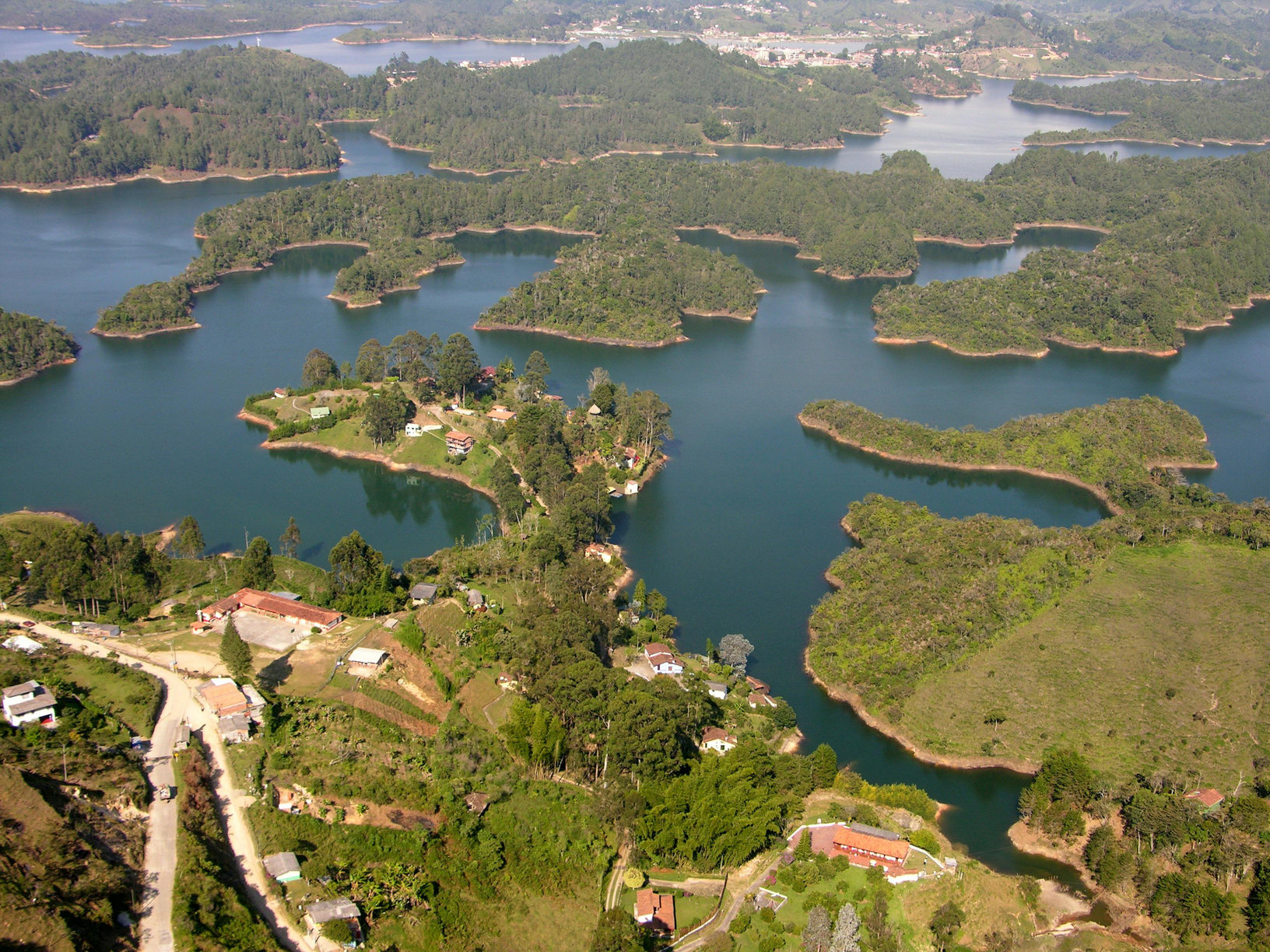
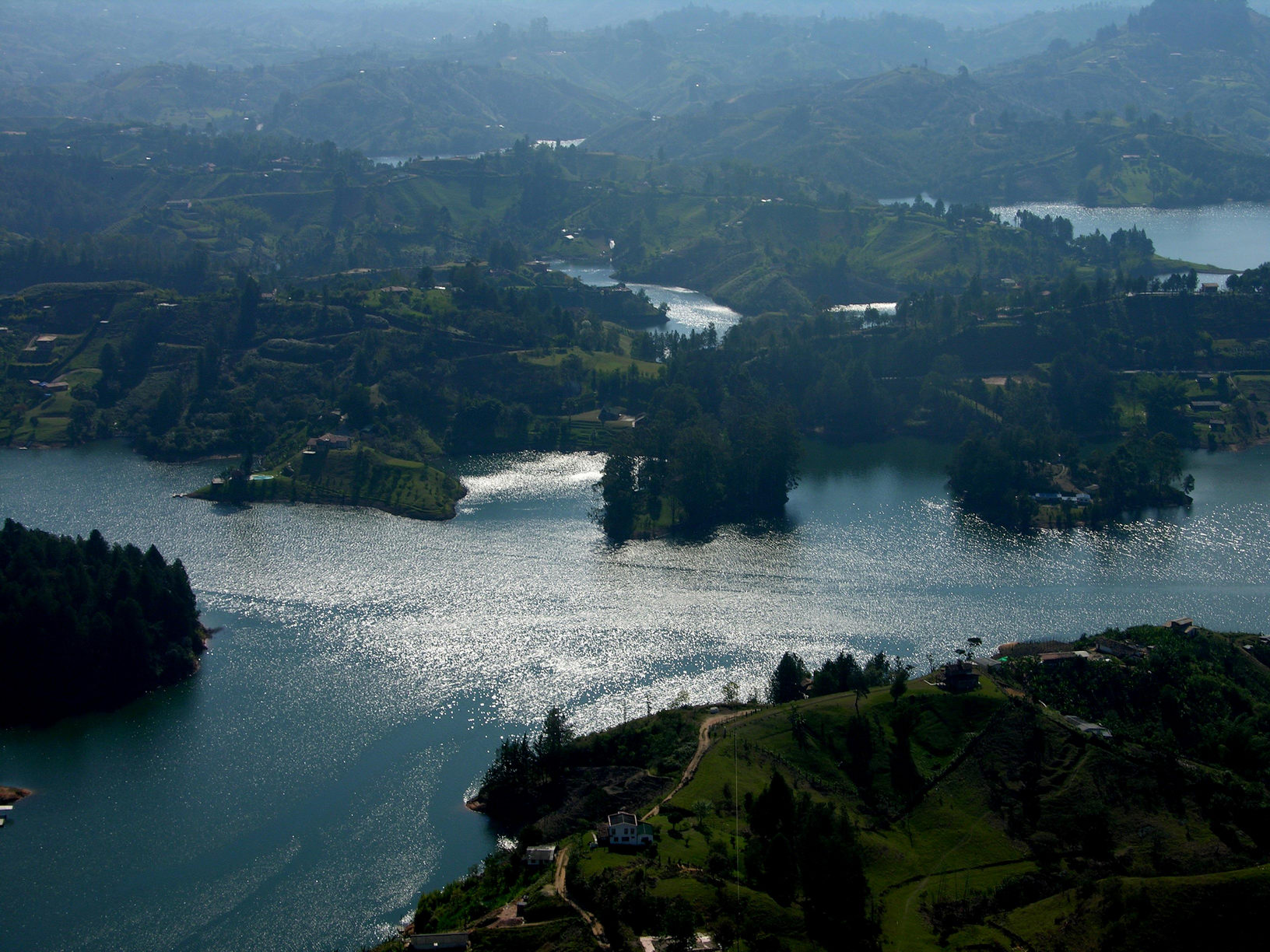
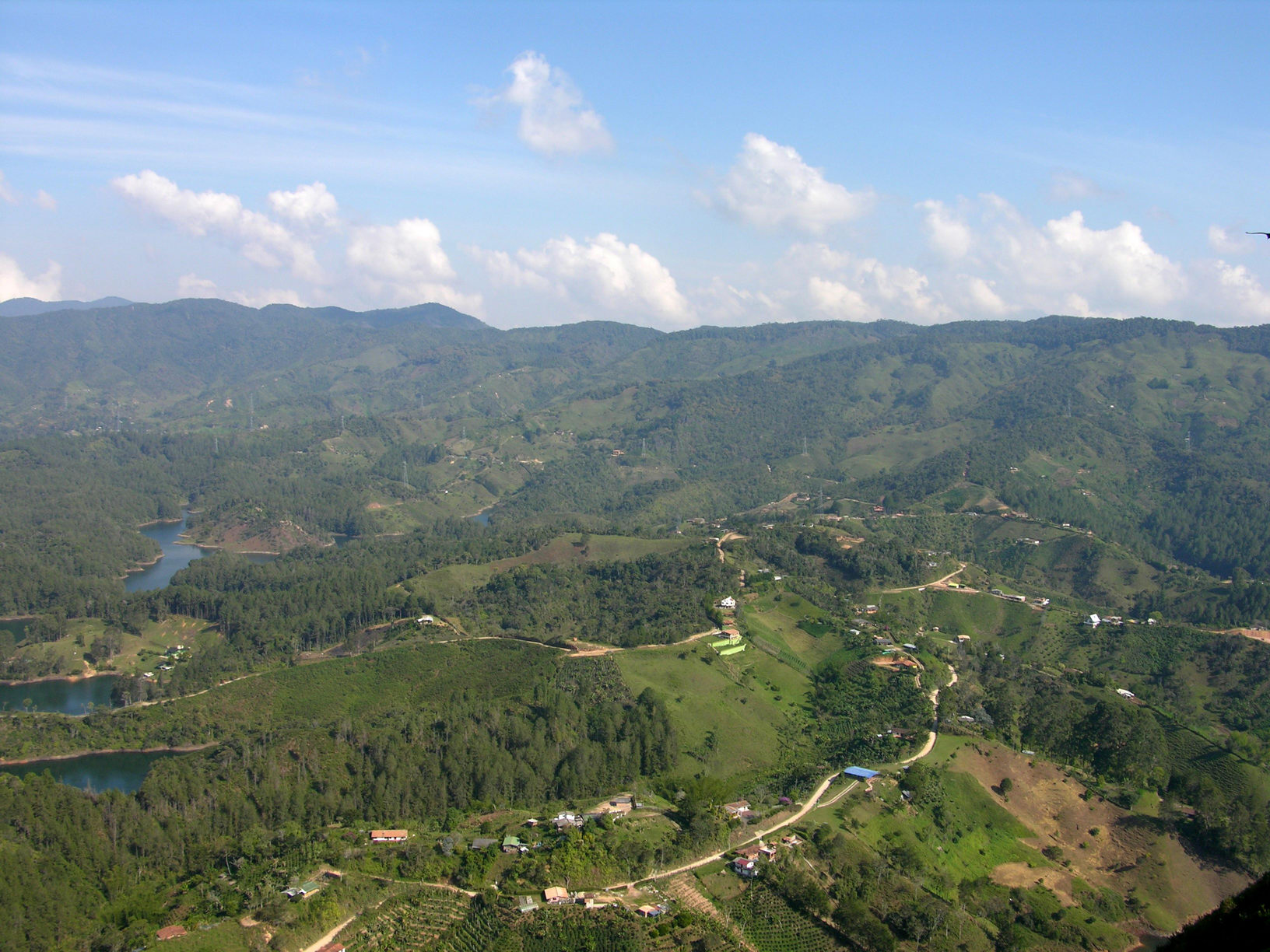
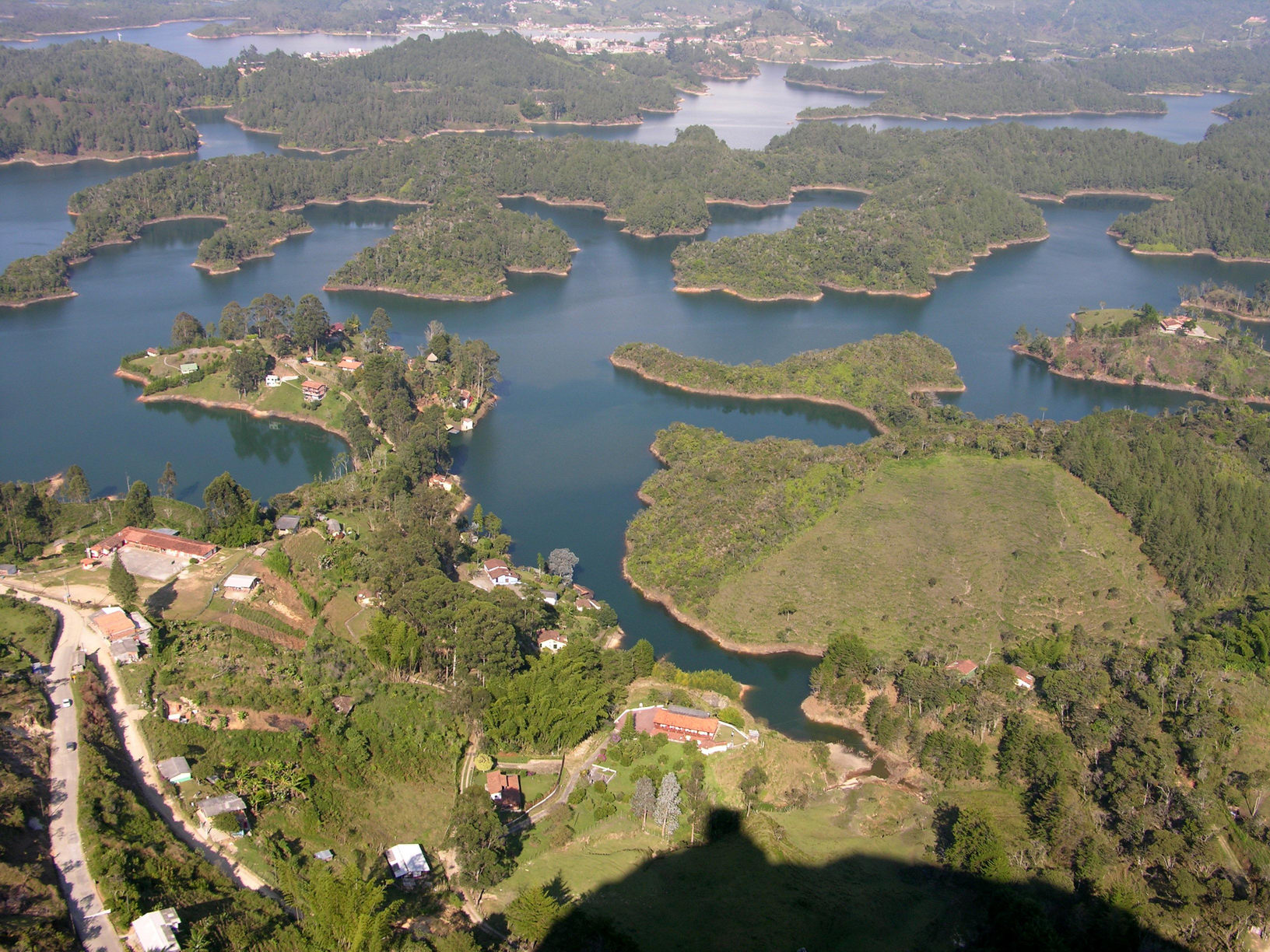
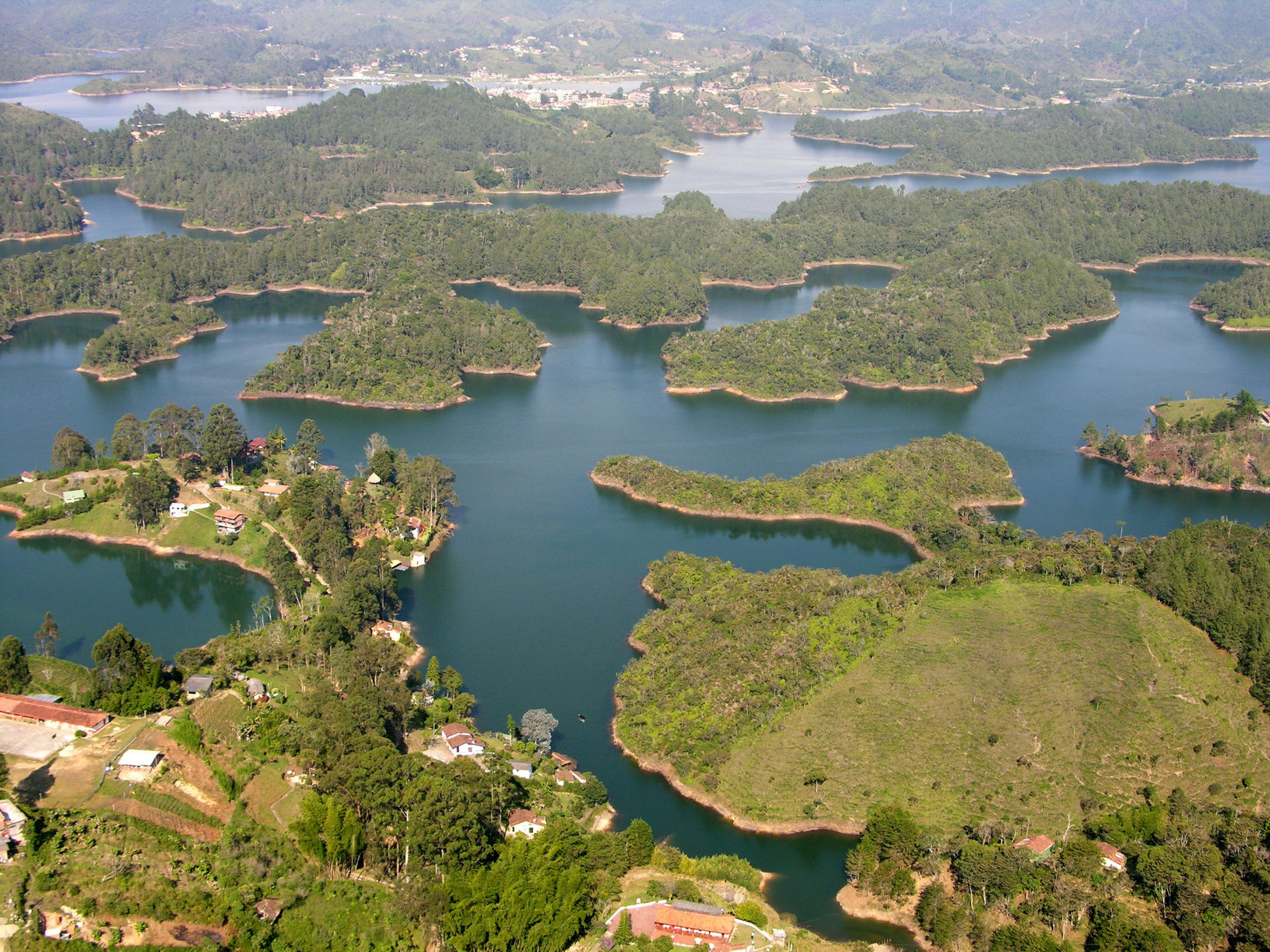
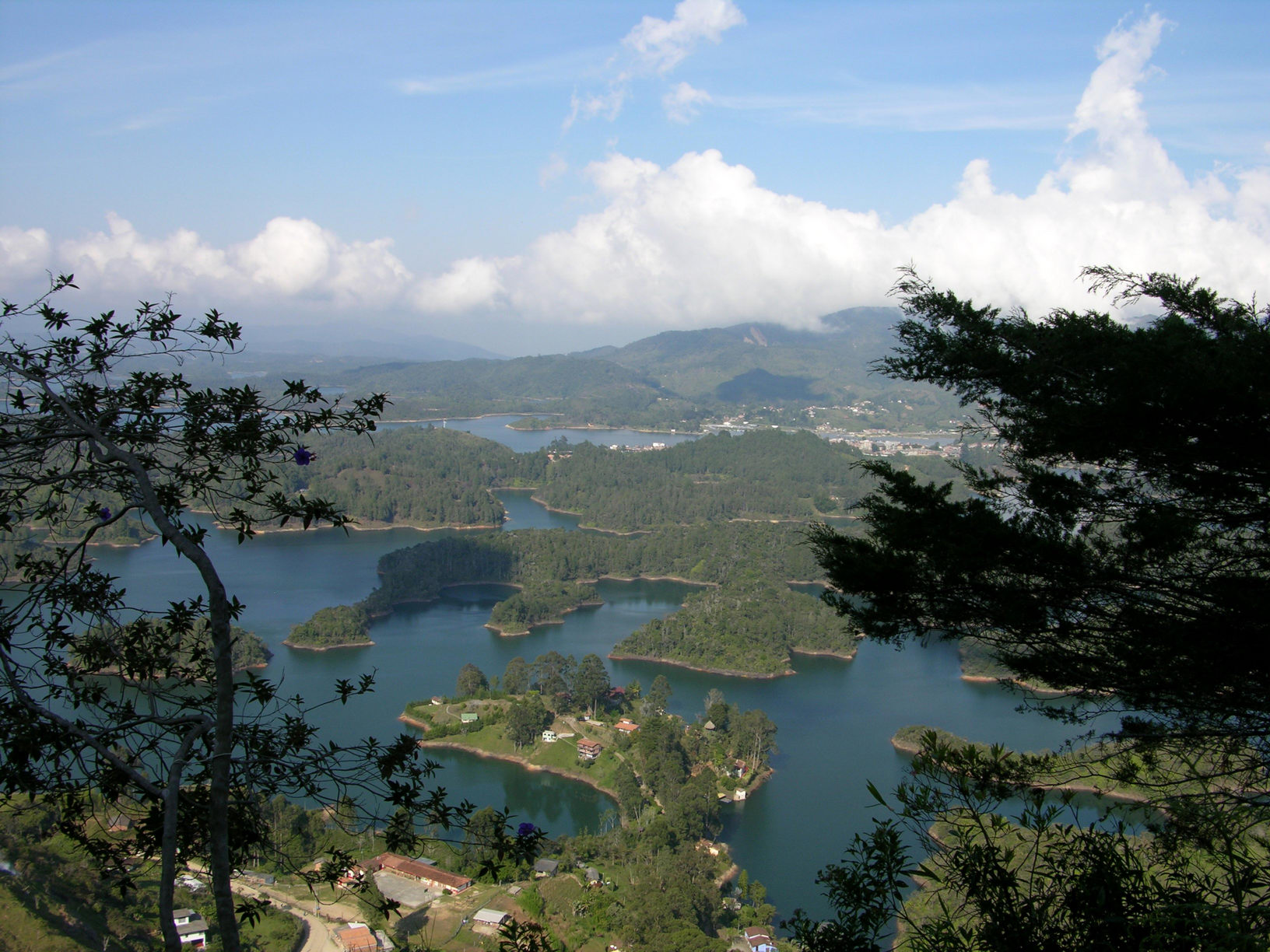
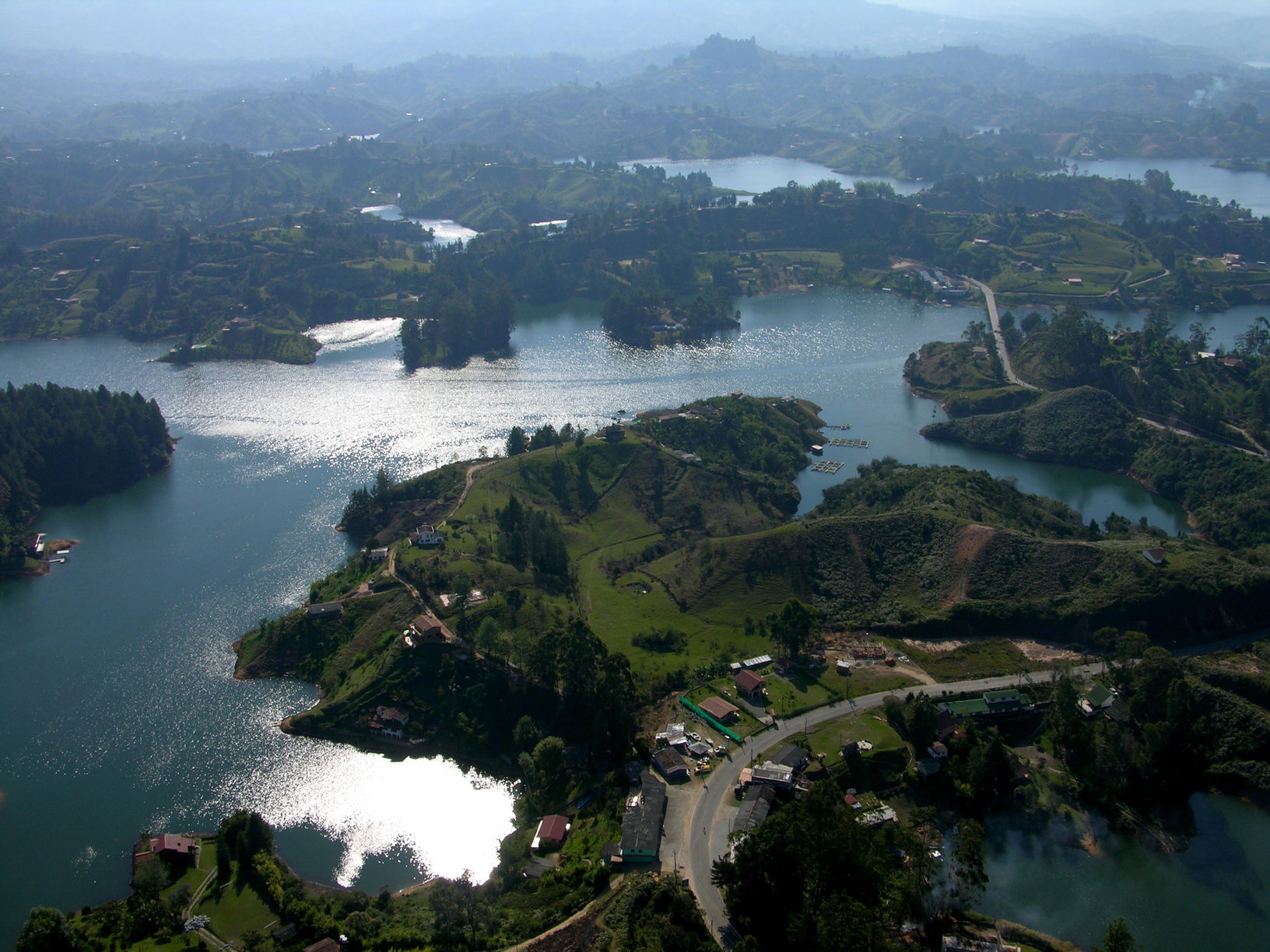
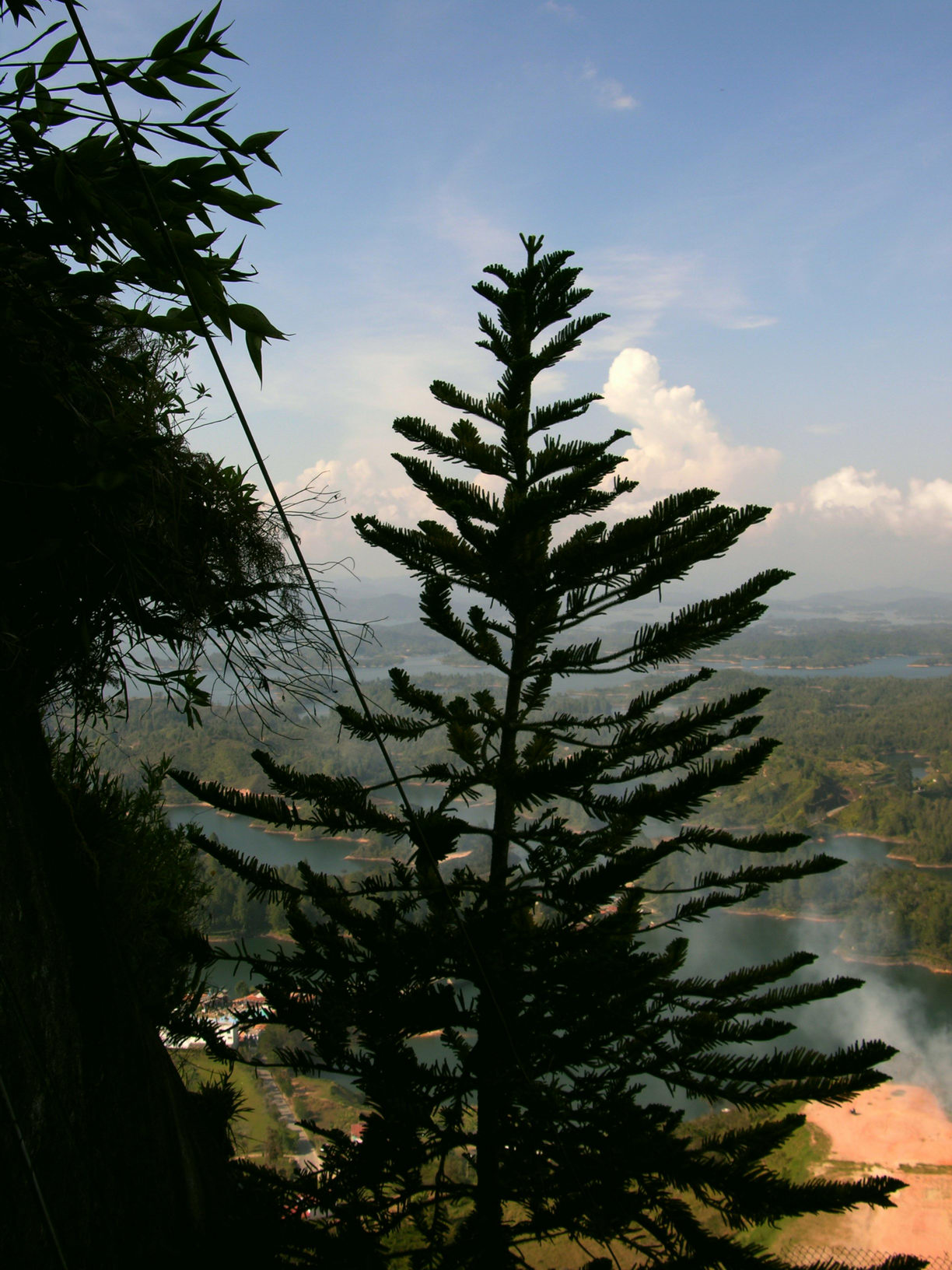
At the top of the rock there is a shop and a café.
Time to go back to the capital. For that you have to cross the Central Cordillera of the Andes. The mountains aren't especially high here but there are guerrillas. The road had been declared safe and the guerrillas defeated only a few years before. Now halfway up the pass you could walk around and spend the night on the banks of the Río Claro (Río Claro). It's a crystal-clear mountain stream, as you could guess from its name. There are expensive hotels on its banks. We reached it in pitch darkness and happily stopped at the first one, which was a mistake (5°54.182′N, 74°51.364′W). A waste of money. It cost 100,000 pesos a night and was designed for long stays with children. We'd have been better off at the campsite on the river bank. There's a road to it going upstream on the west side. All the facilities, nobody around. Not even anybody to collect money. When we reached it in the morning we were very sorry we hadn't found it the previous evening. All because we drove at night, all because we never have enough time.
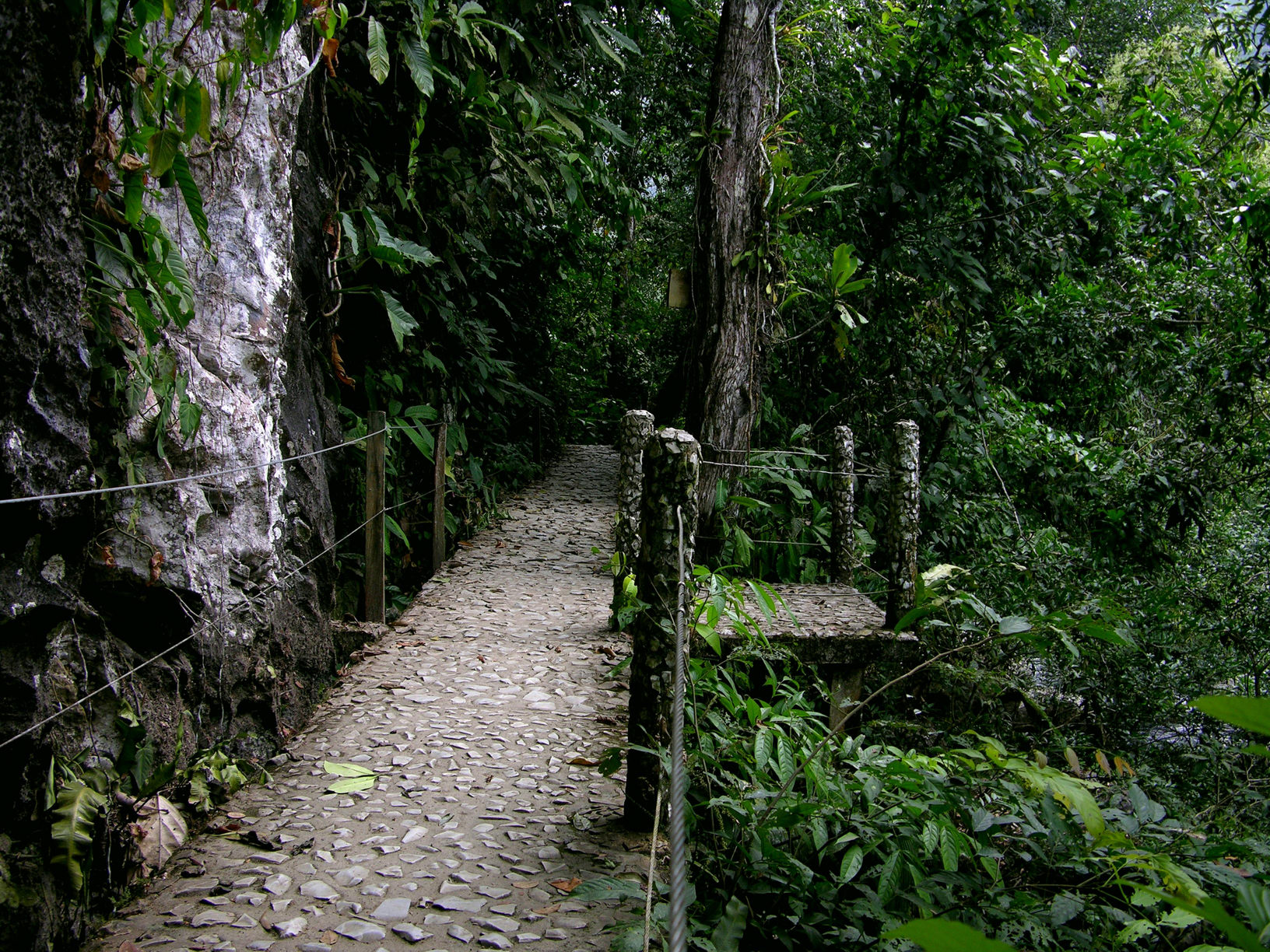
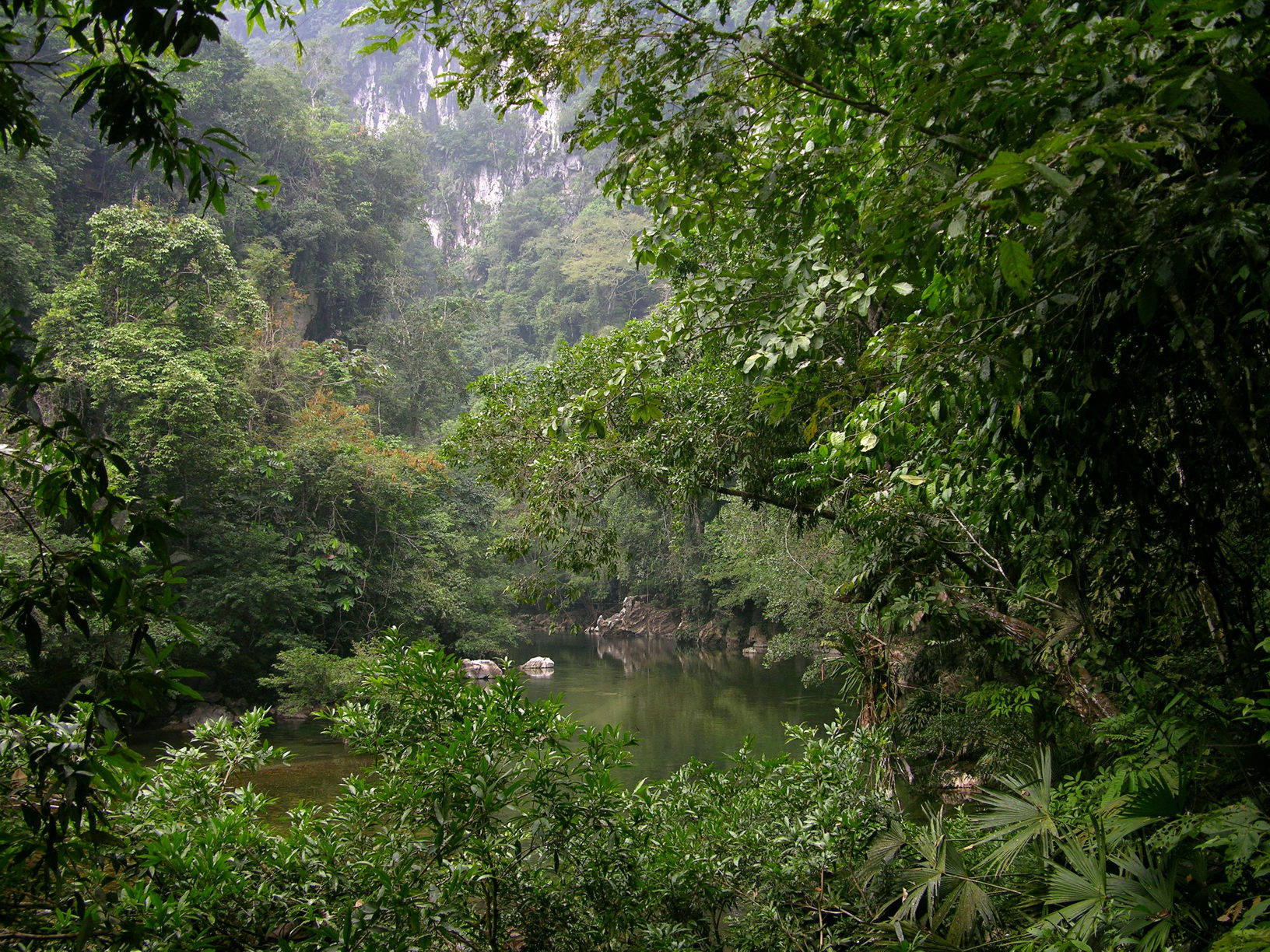
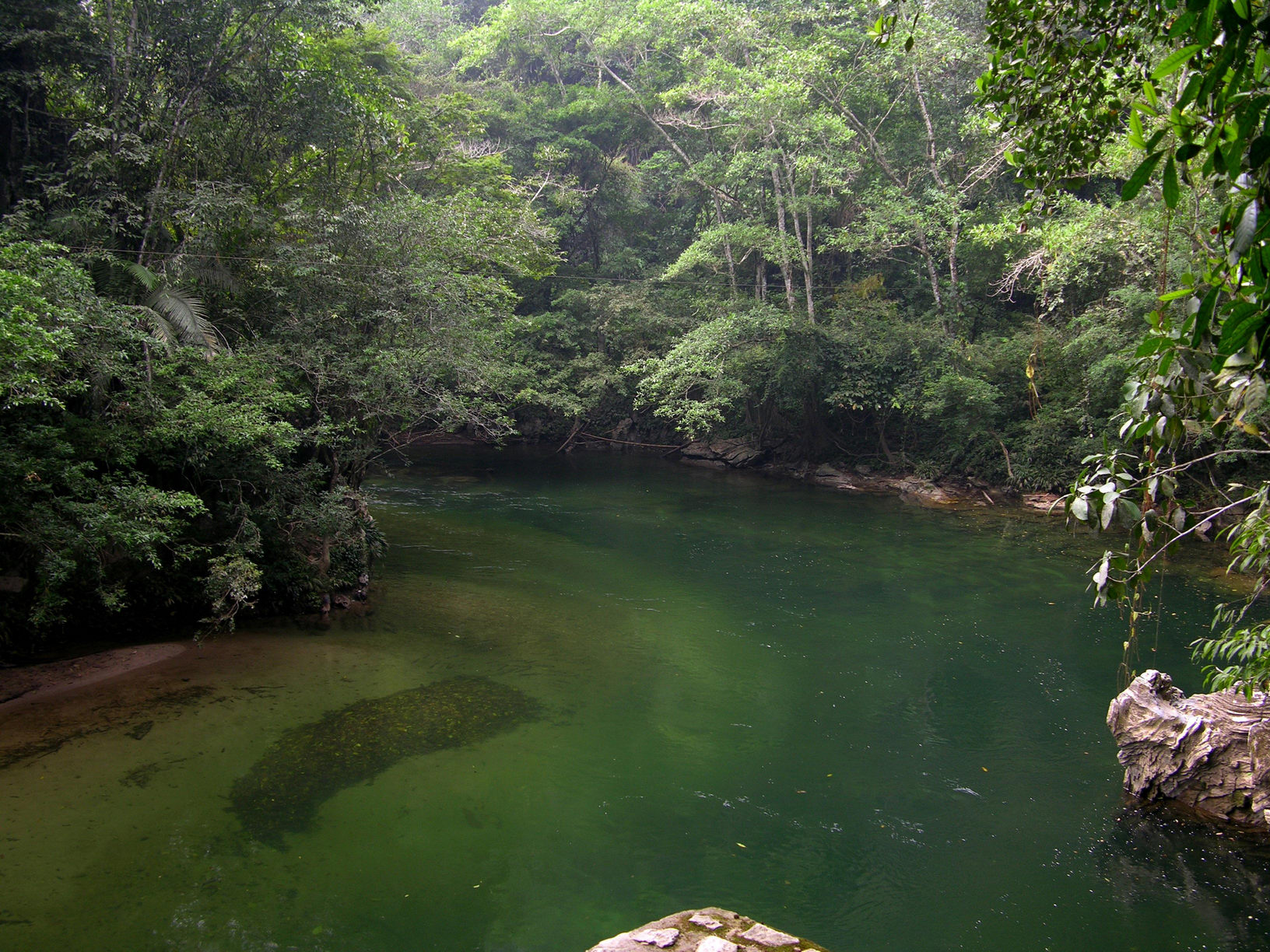
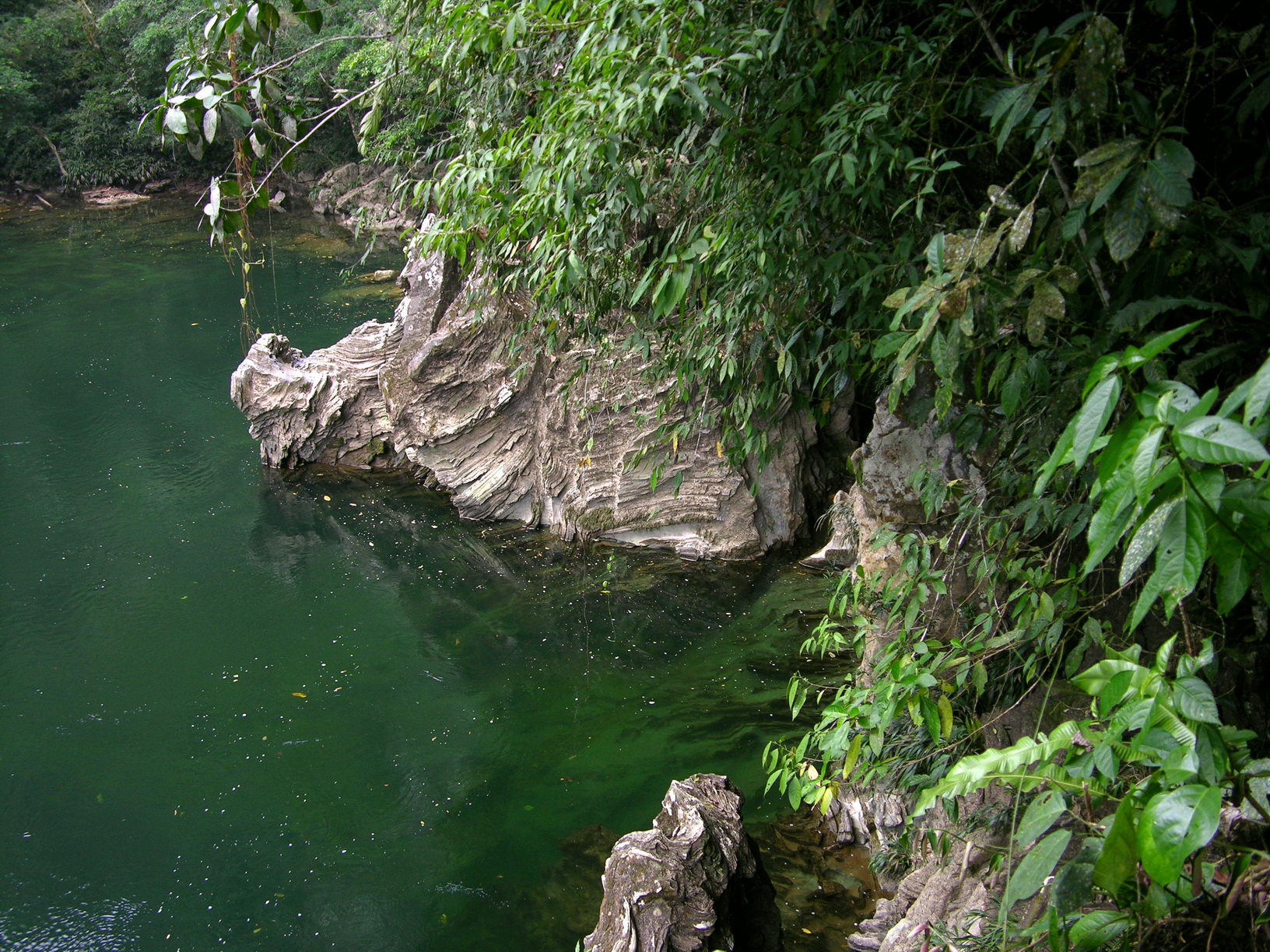
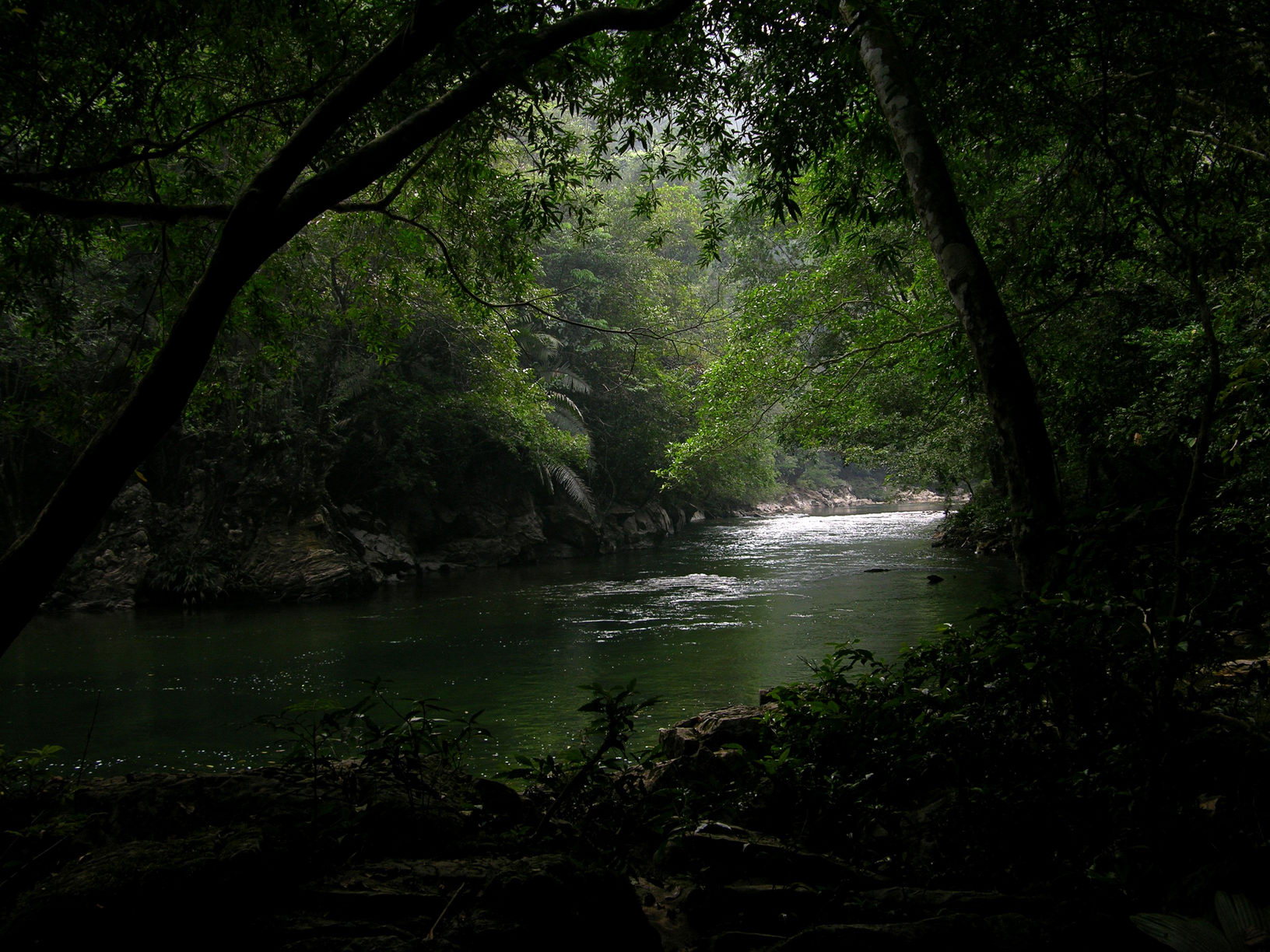
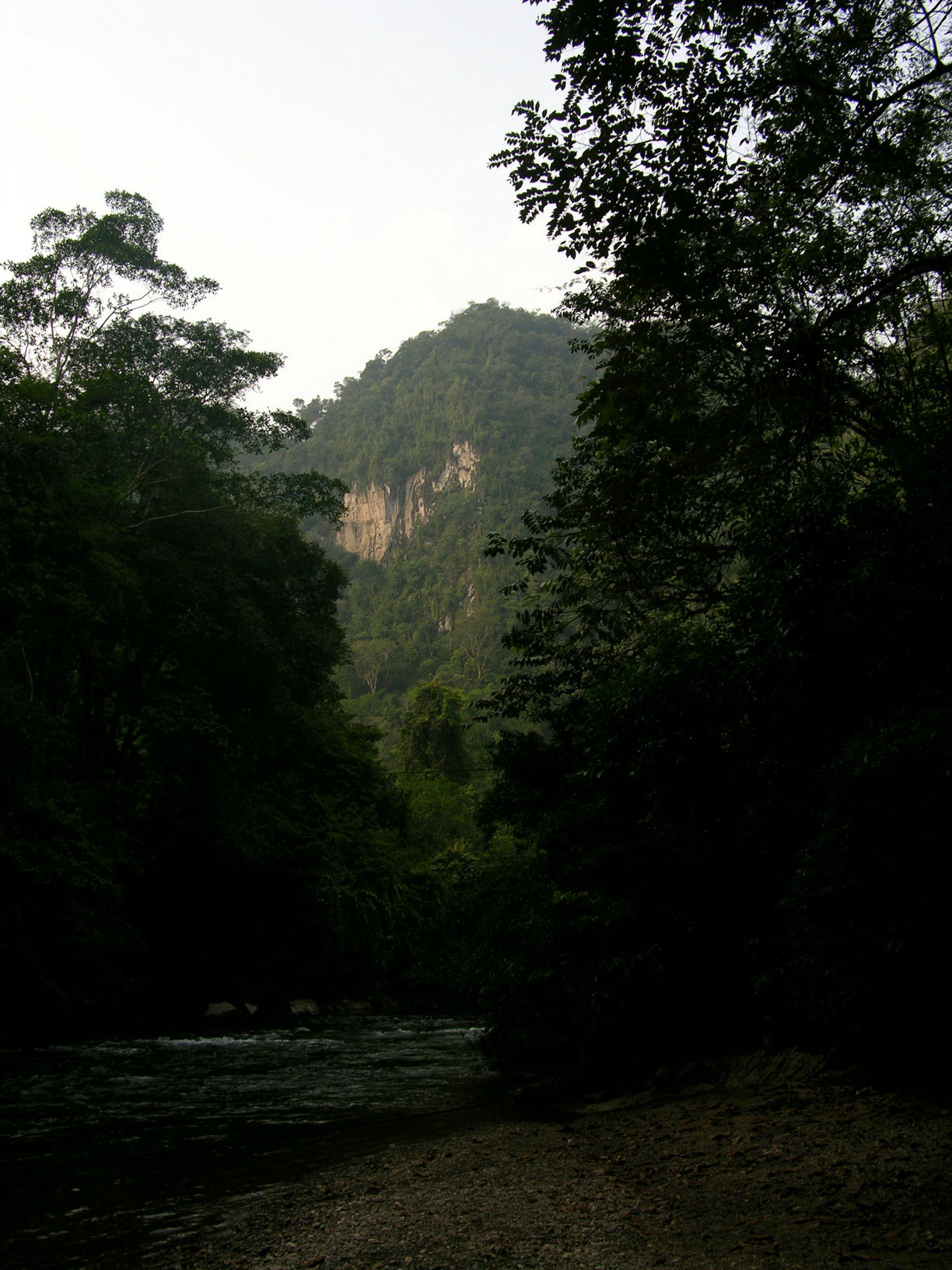
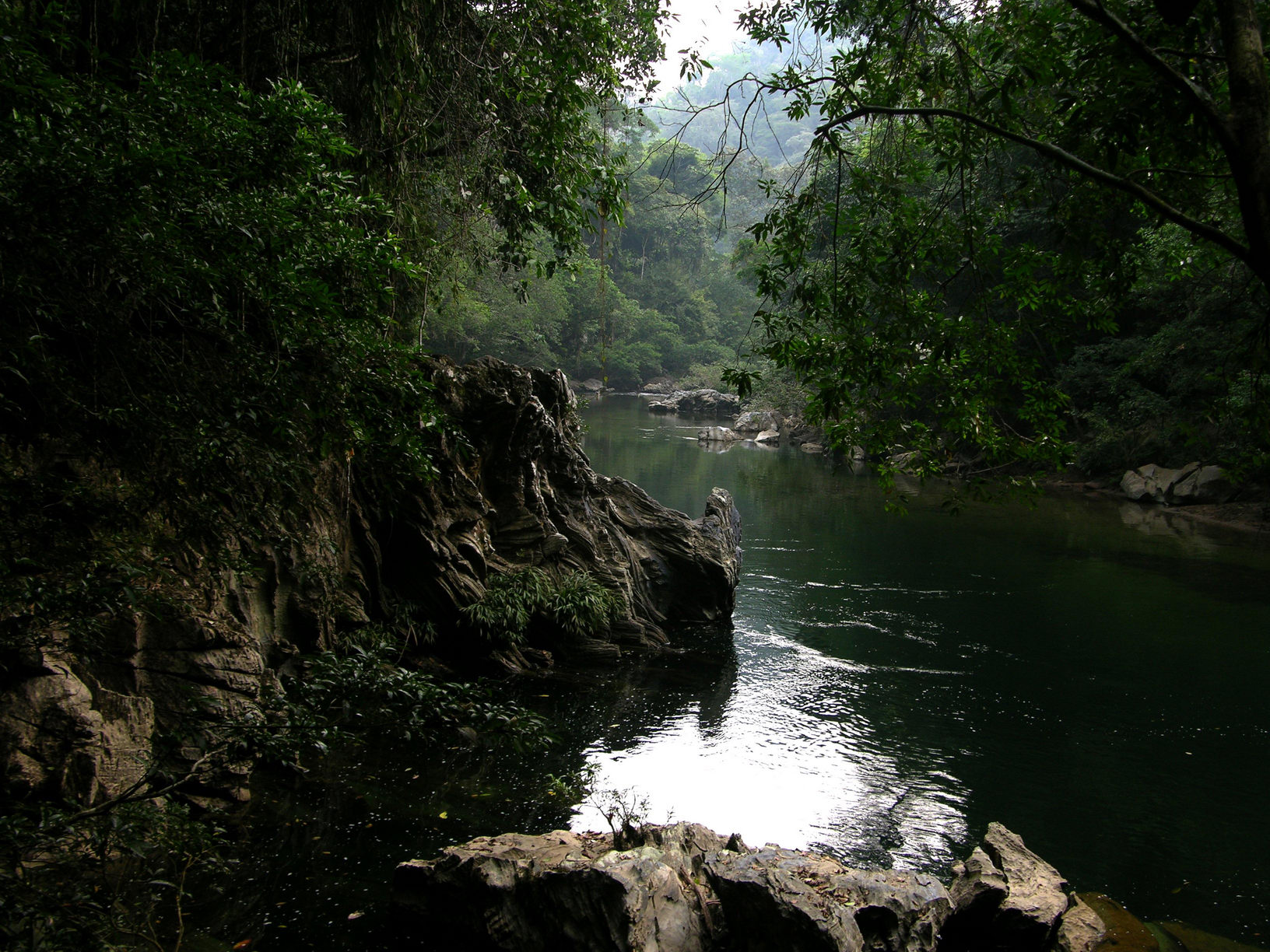
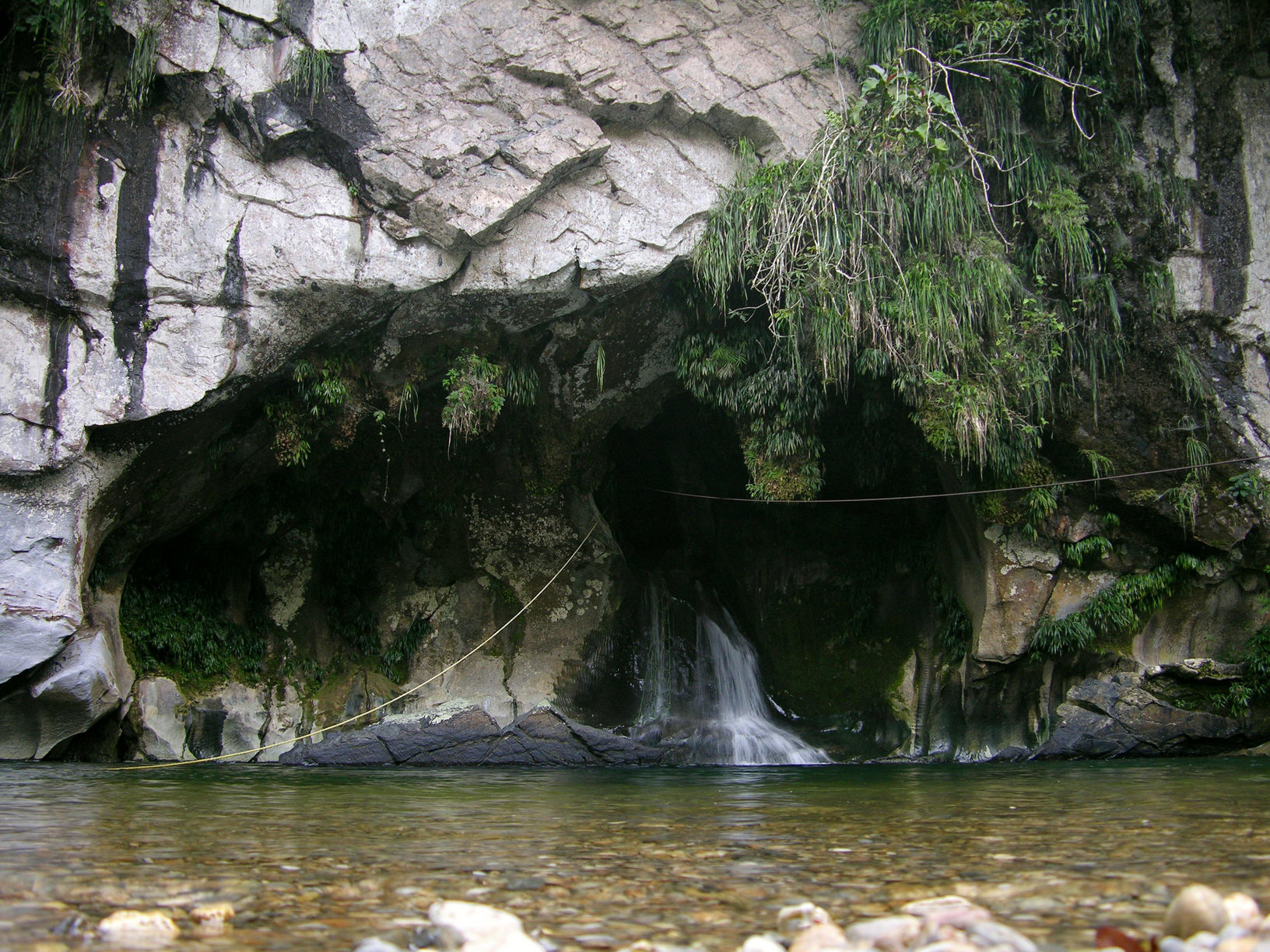
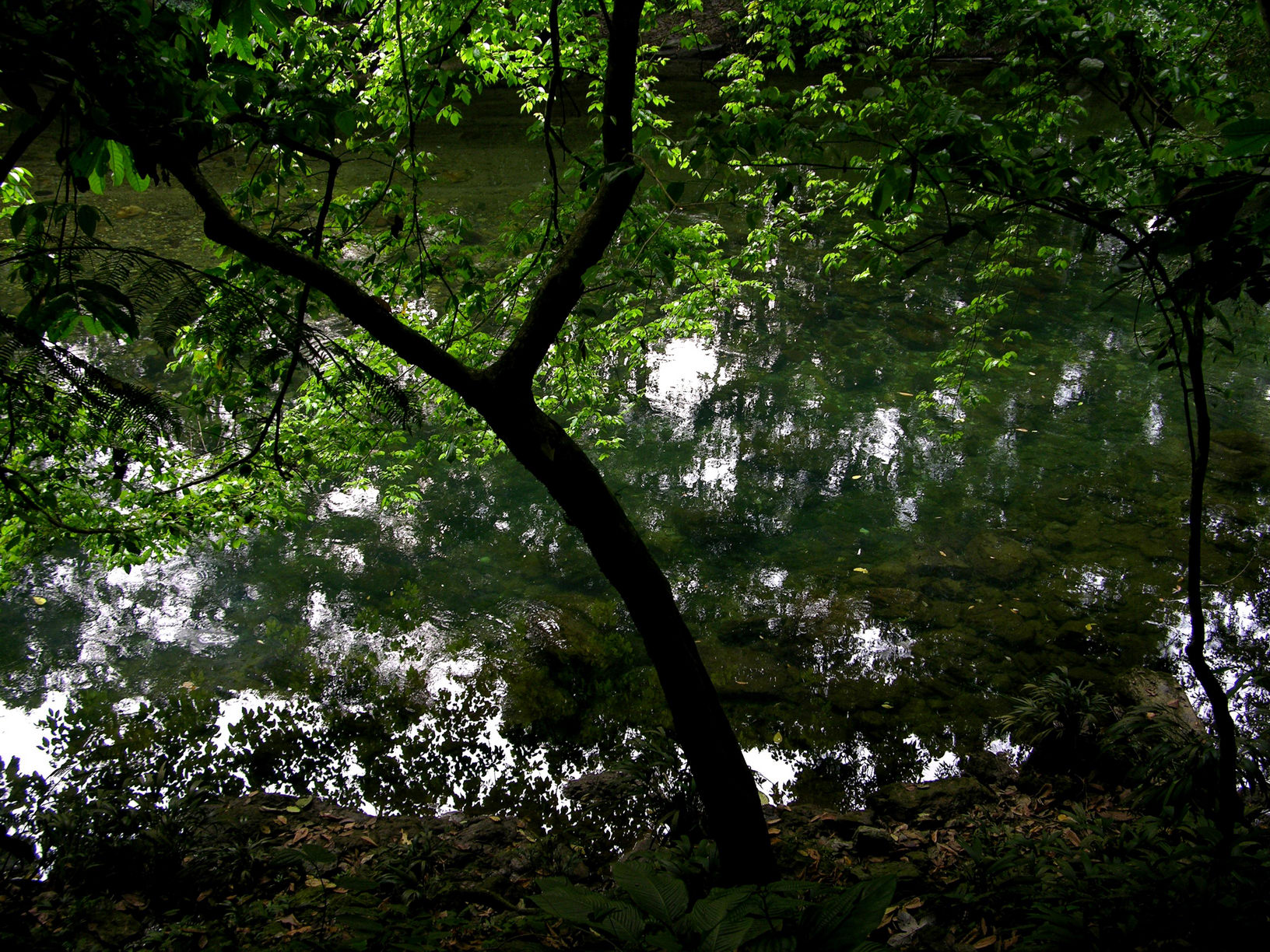
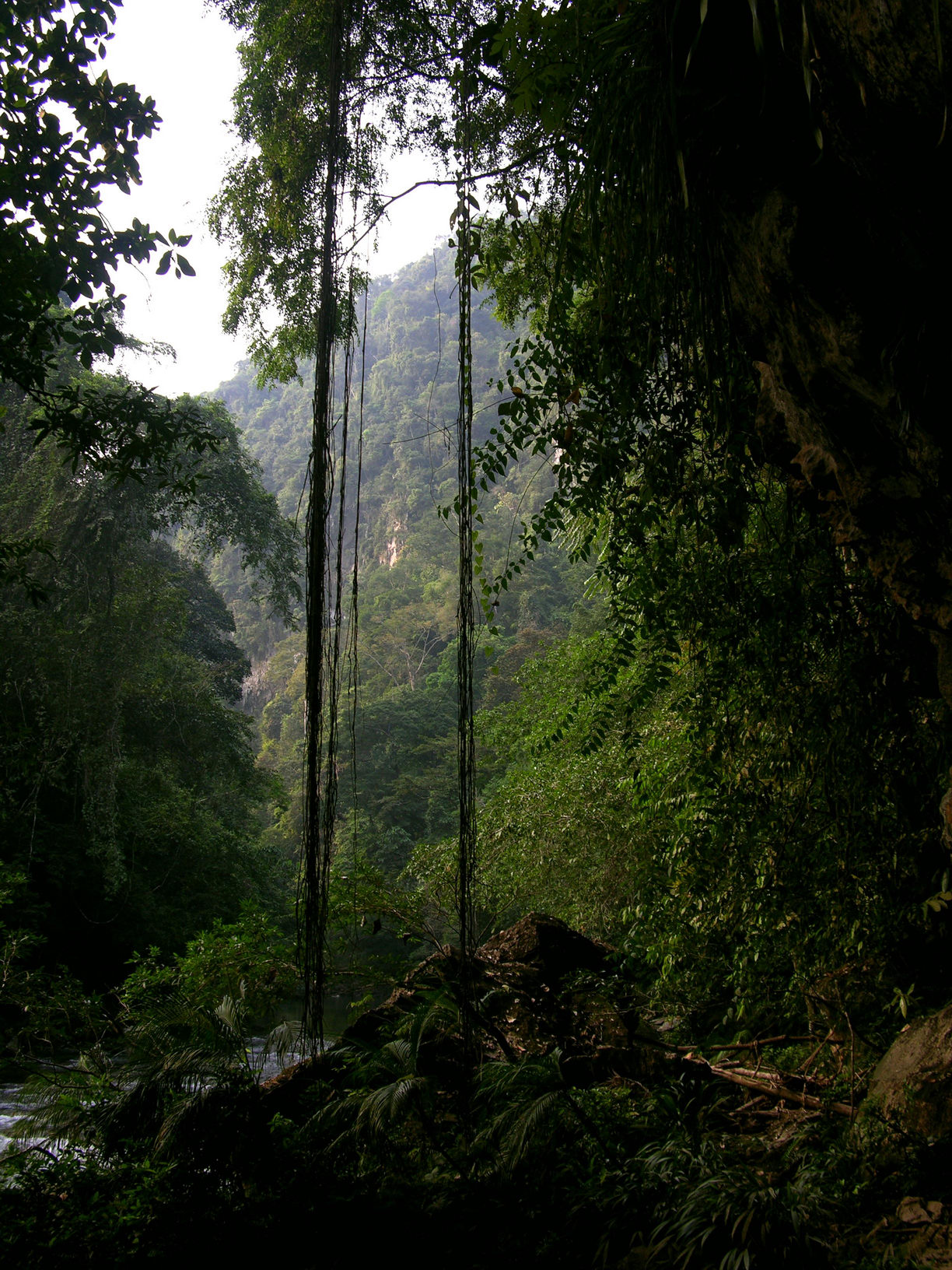
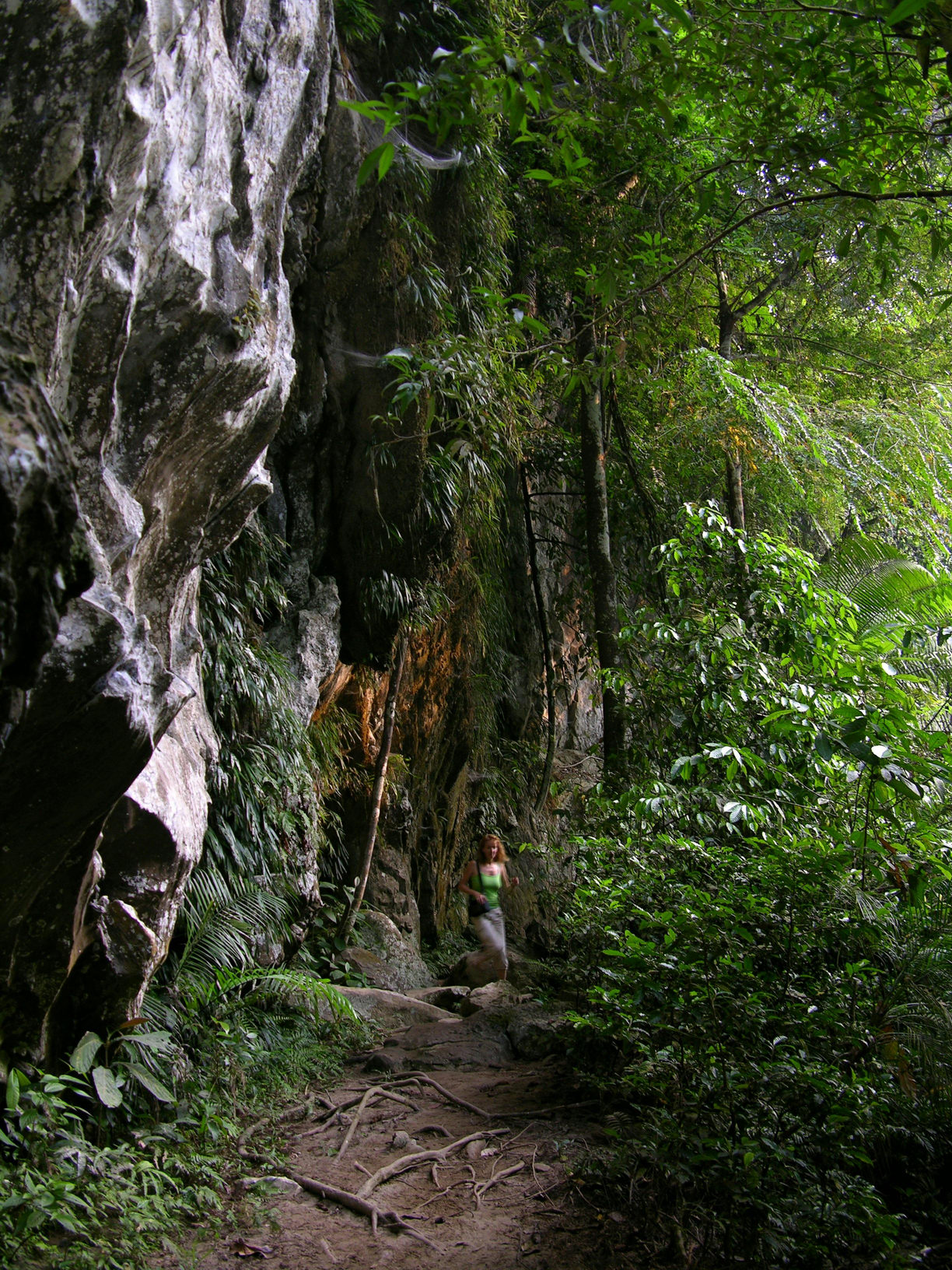
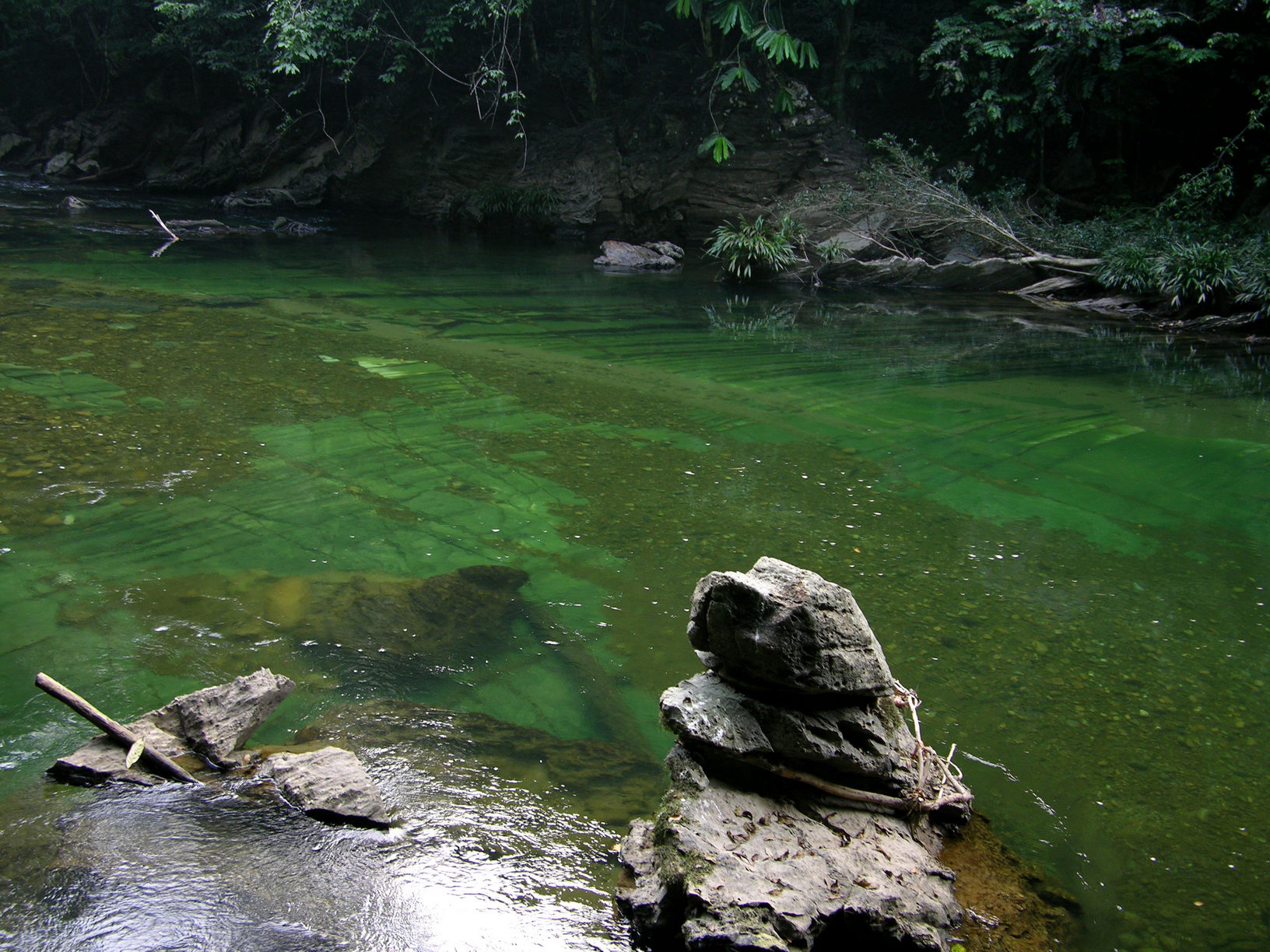
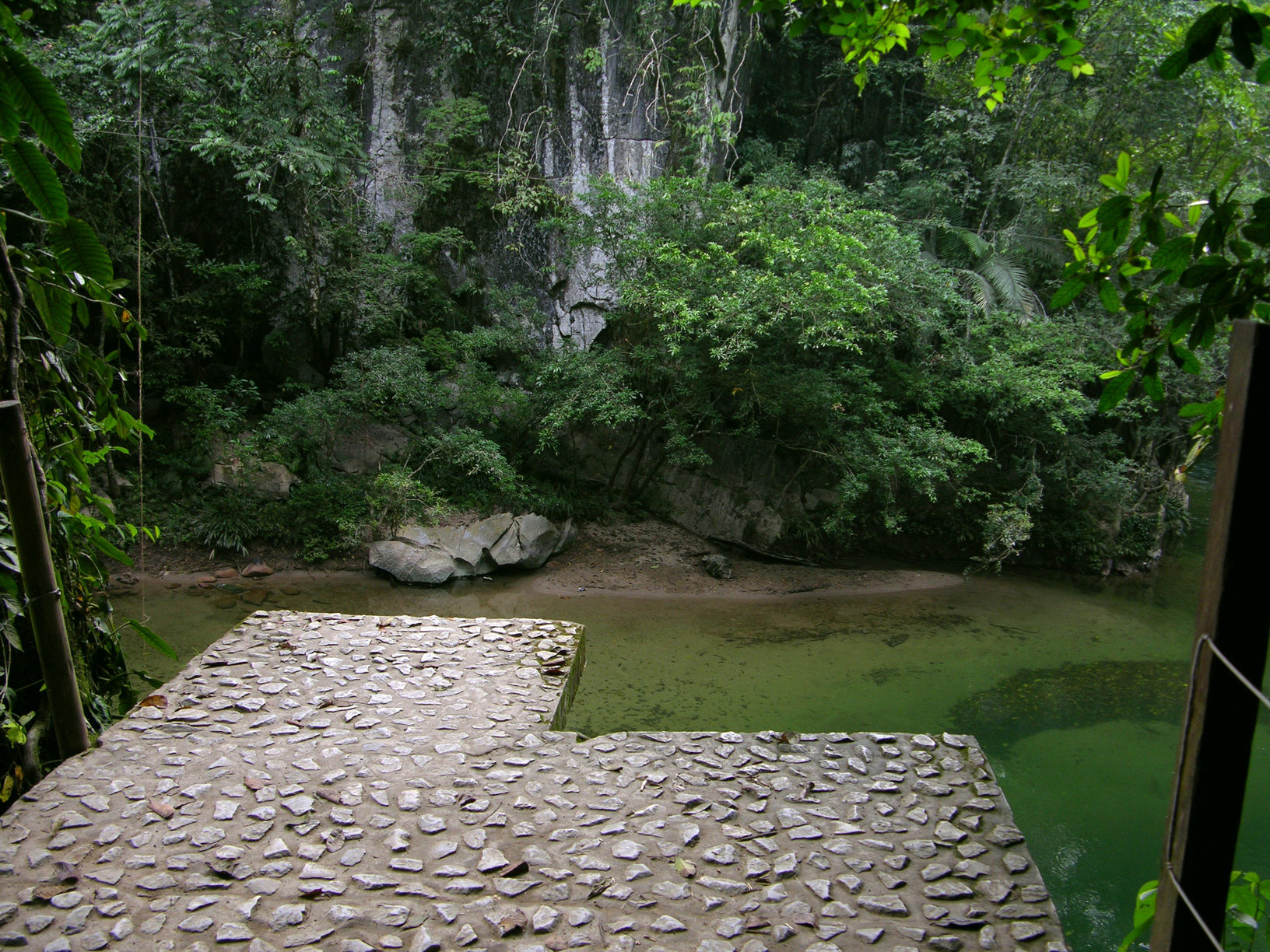
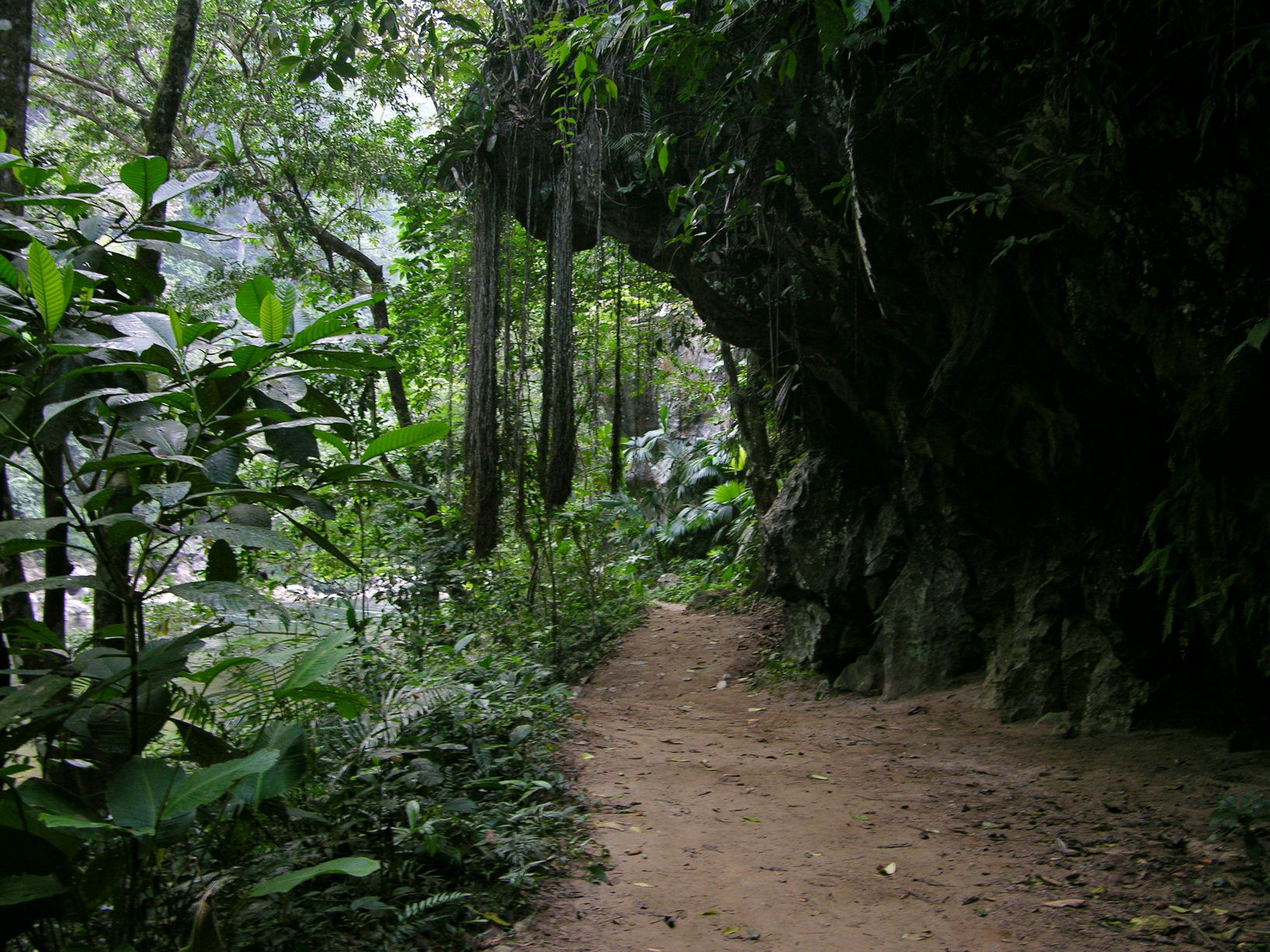
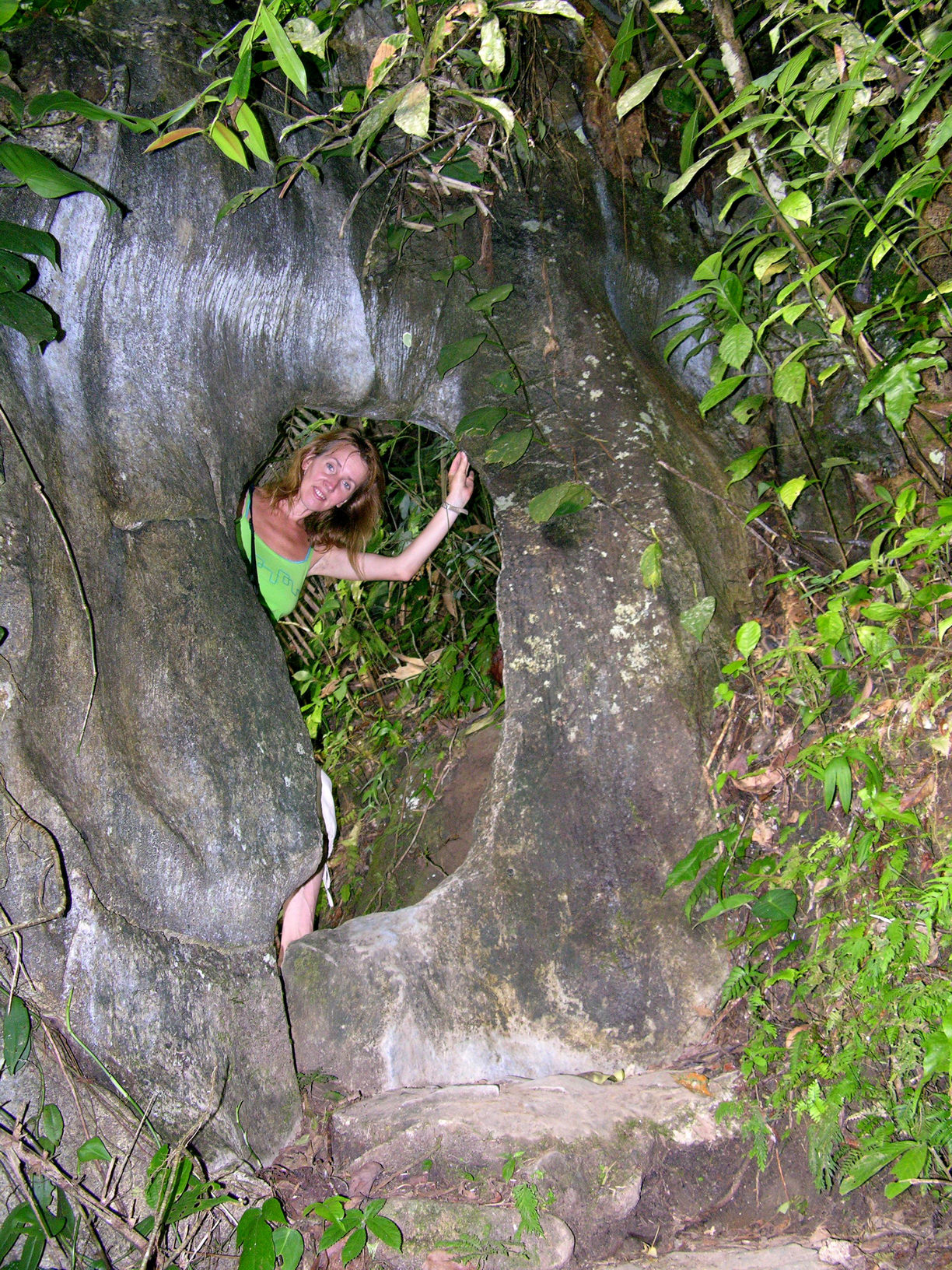
On the other hand, it's a pleasant walk along the river. There are caves along the banks and you can swim in the river, which we did. Today we had to return the car and go south by bus.
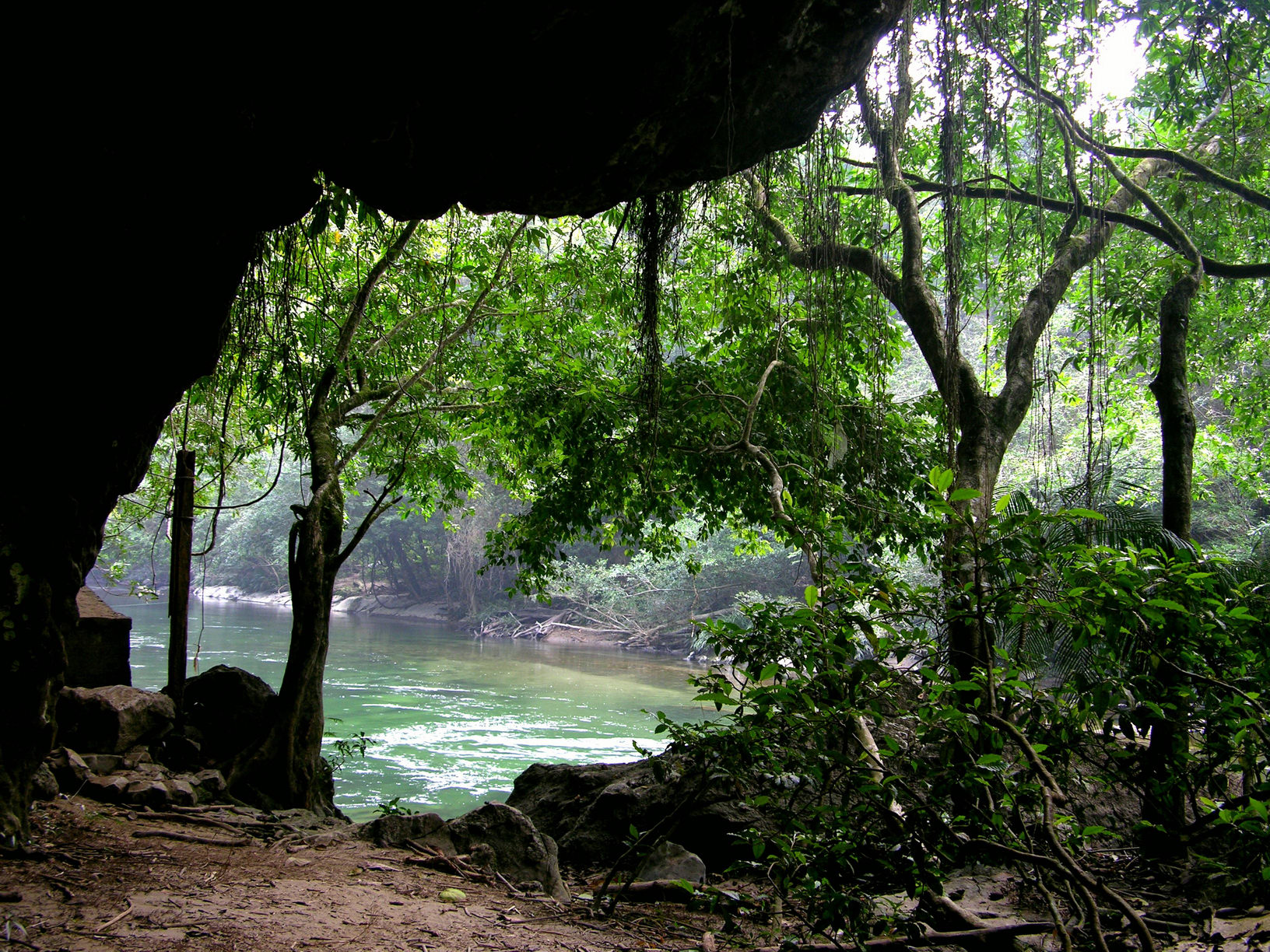
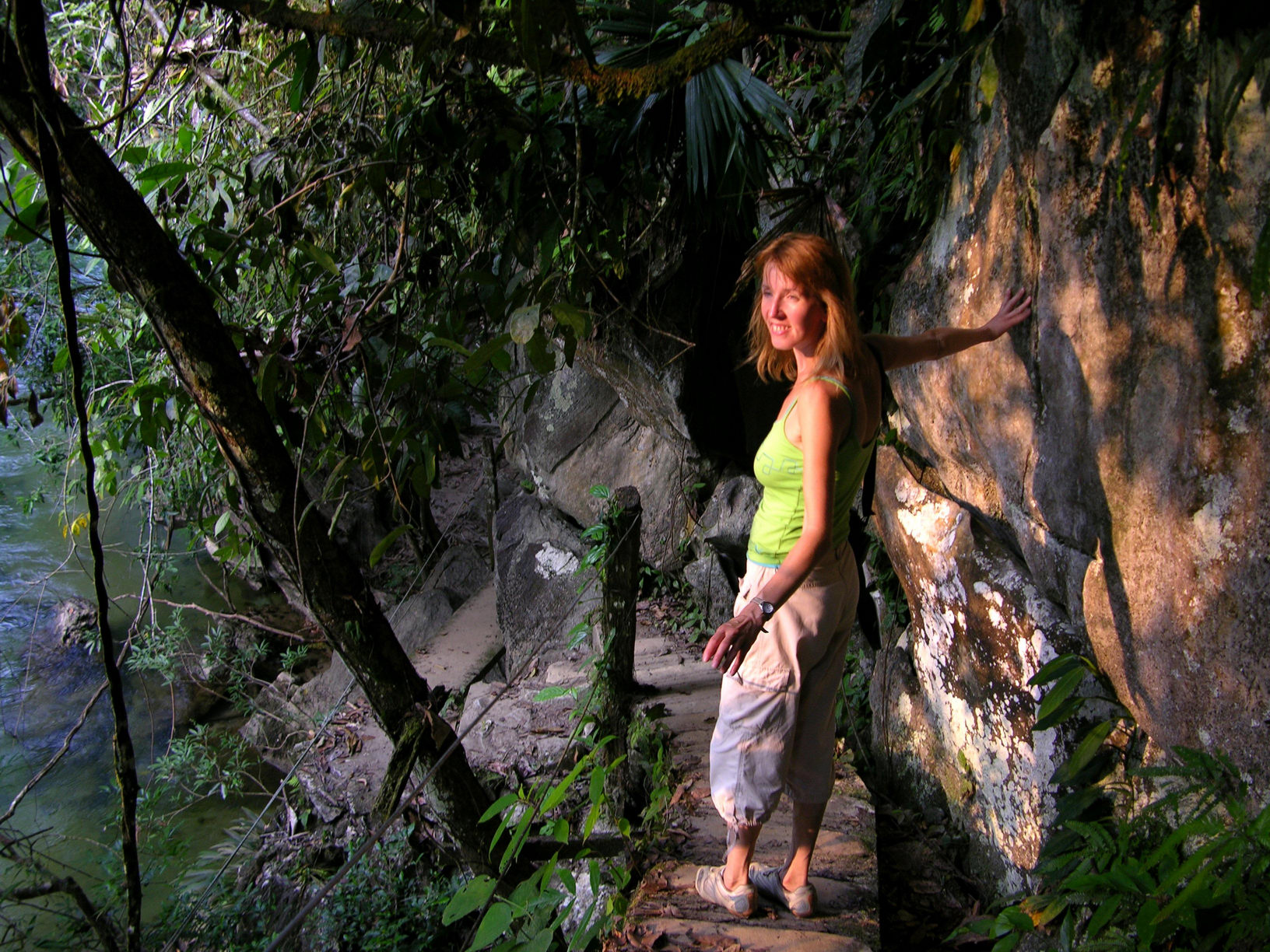
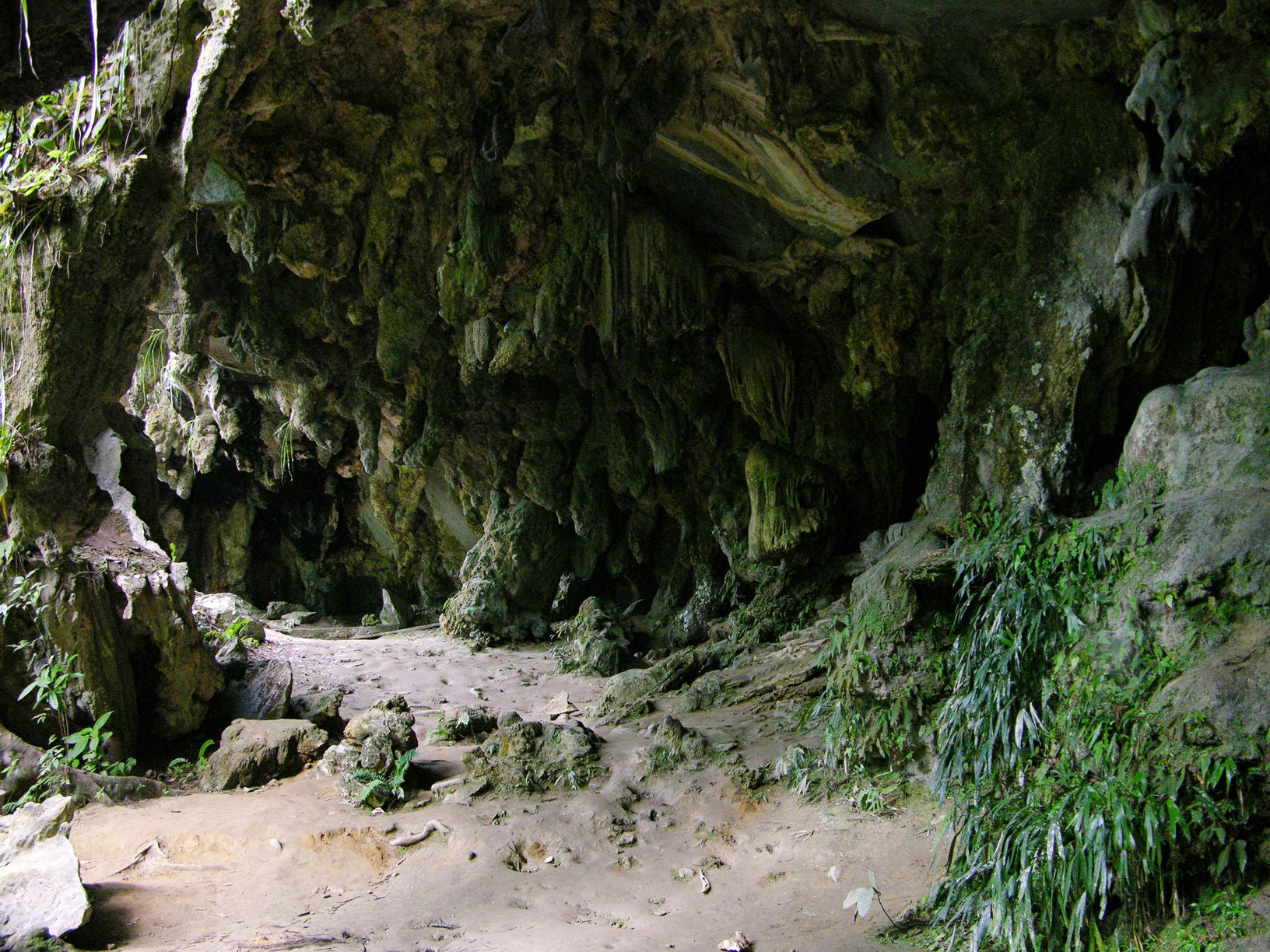
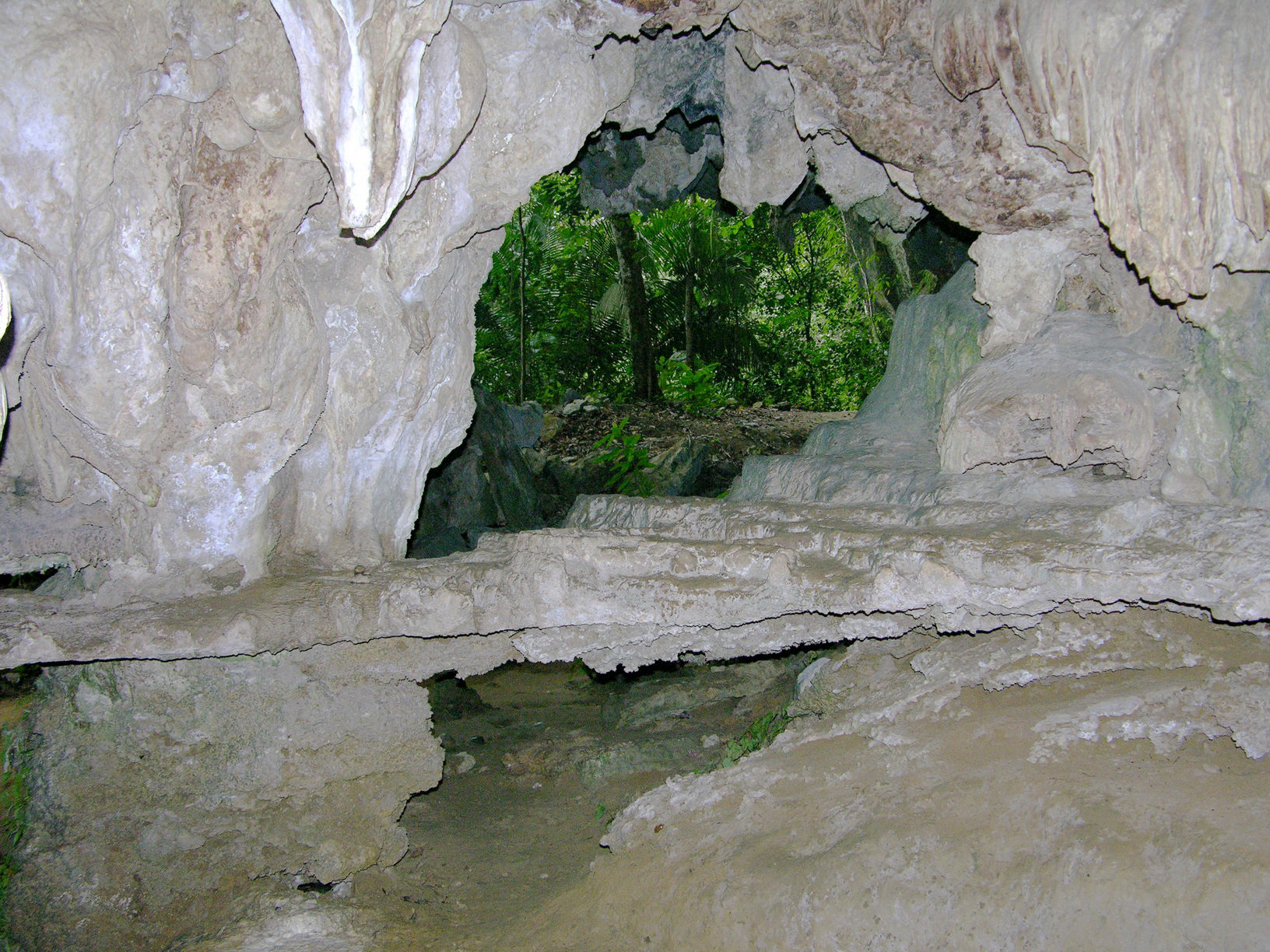
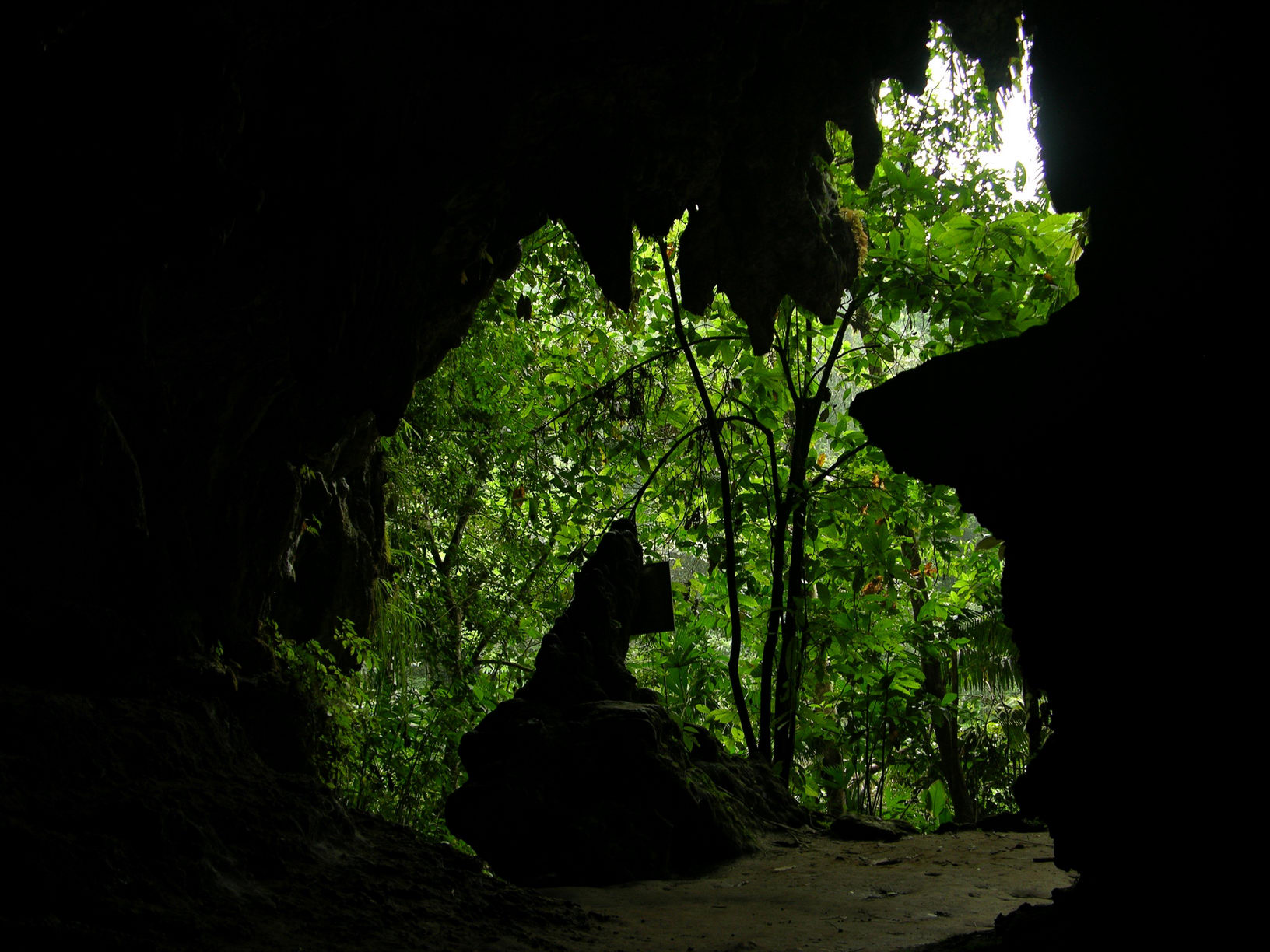
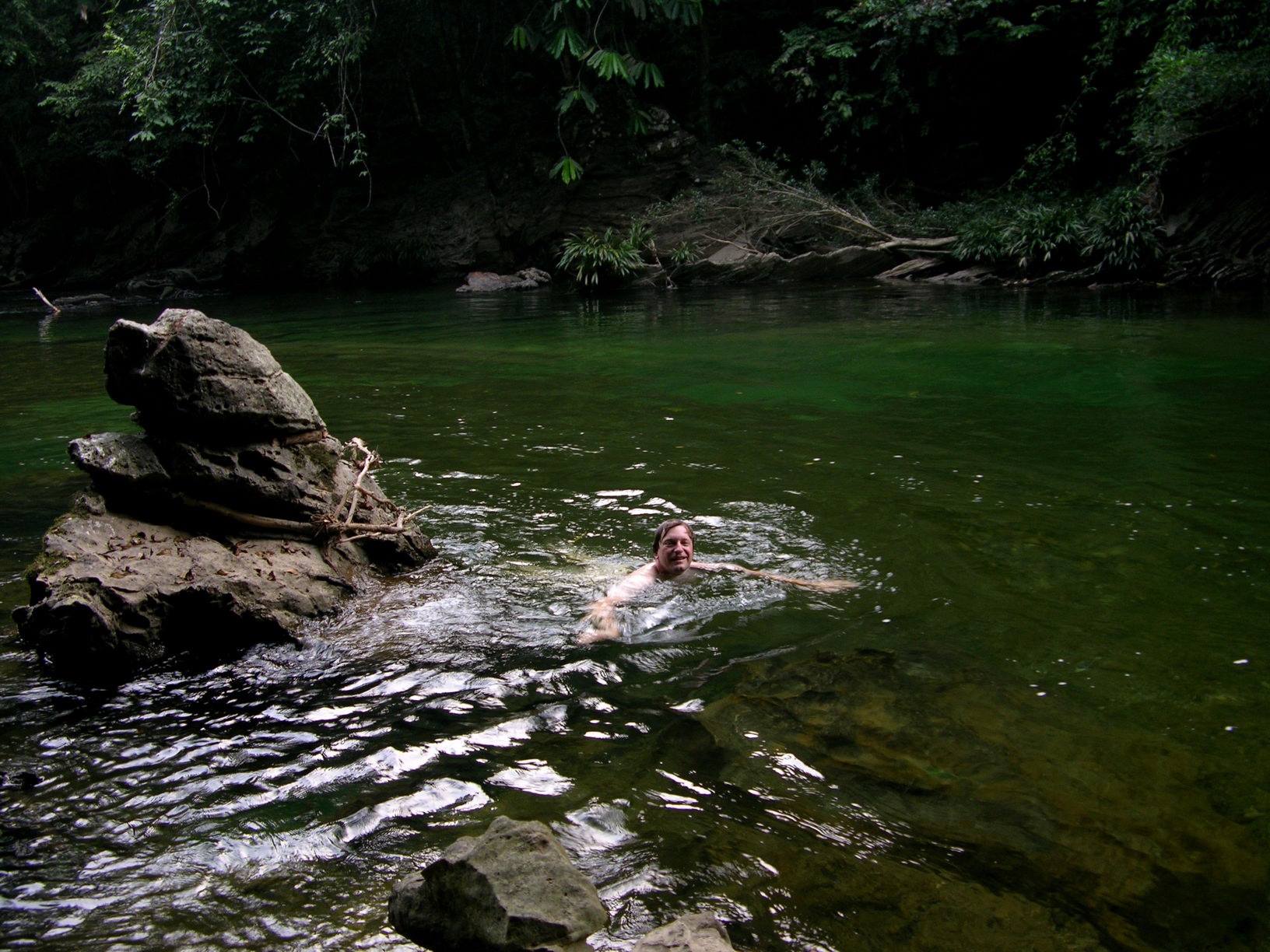
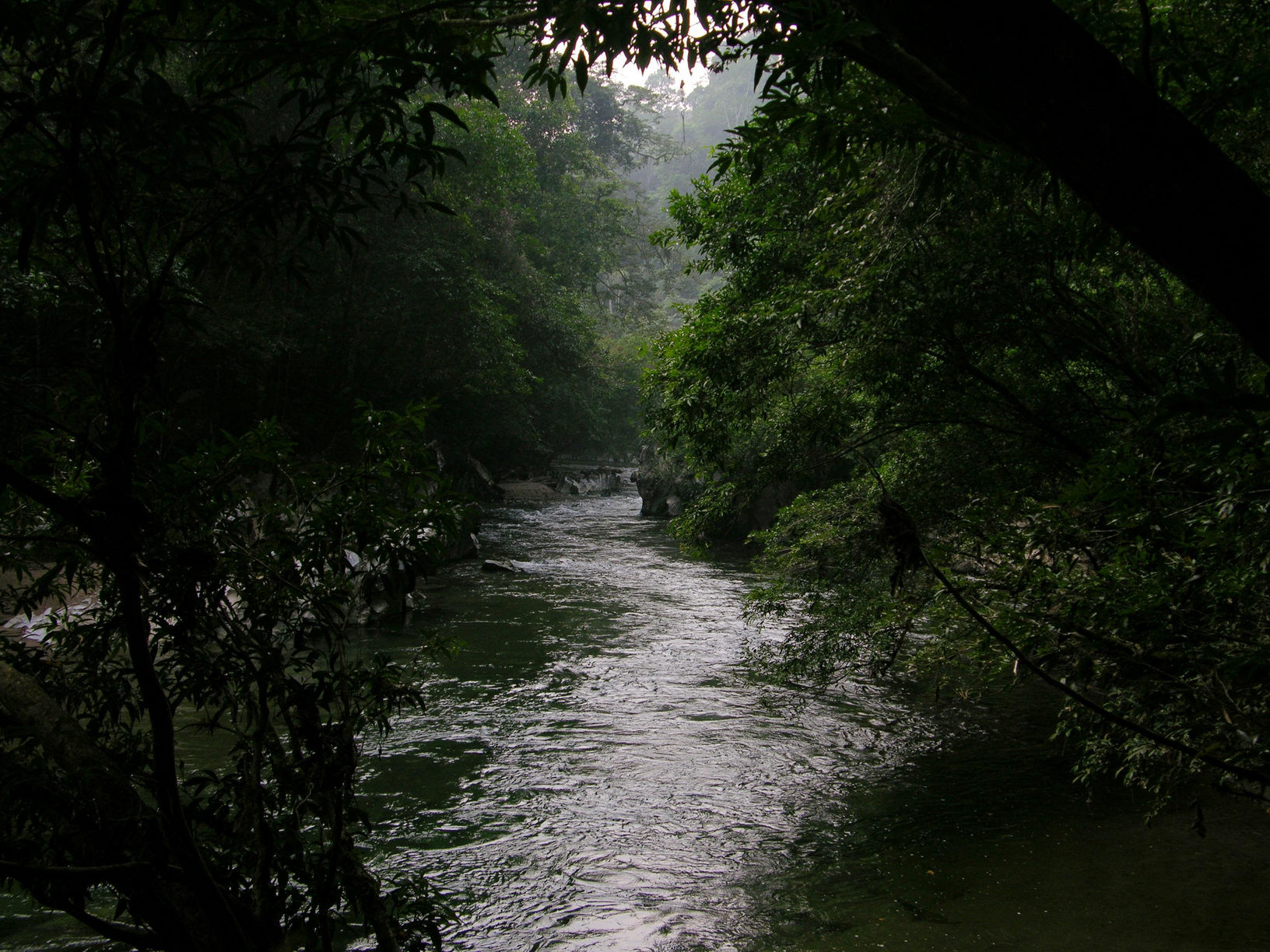
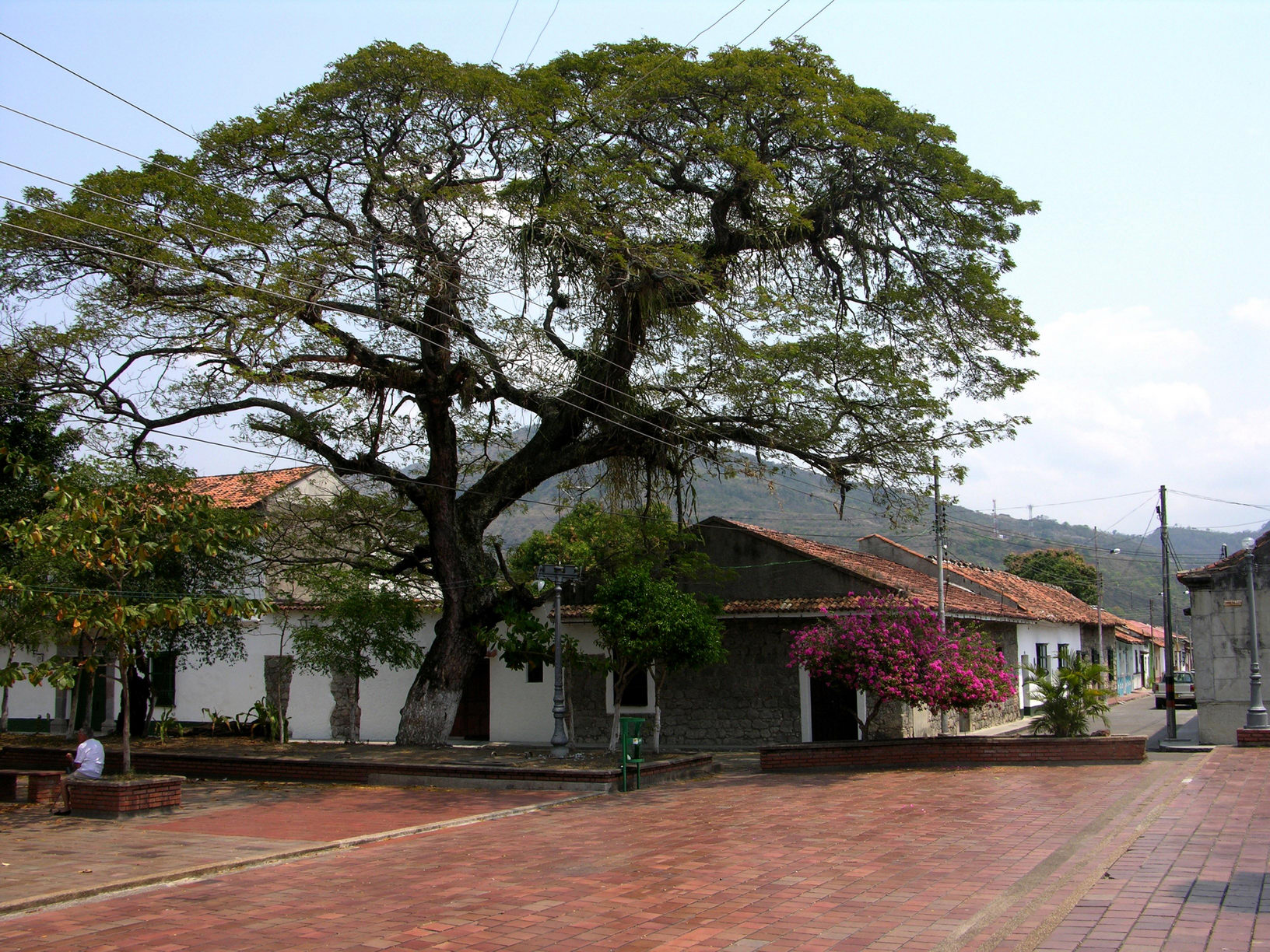
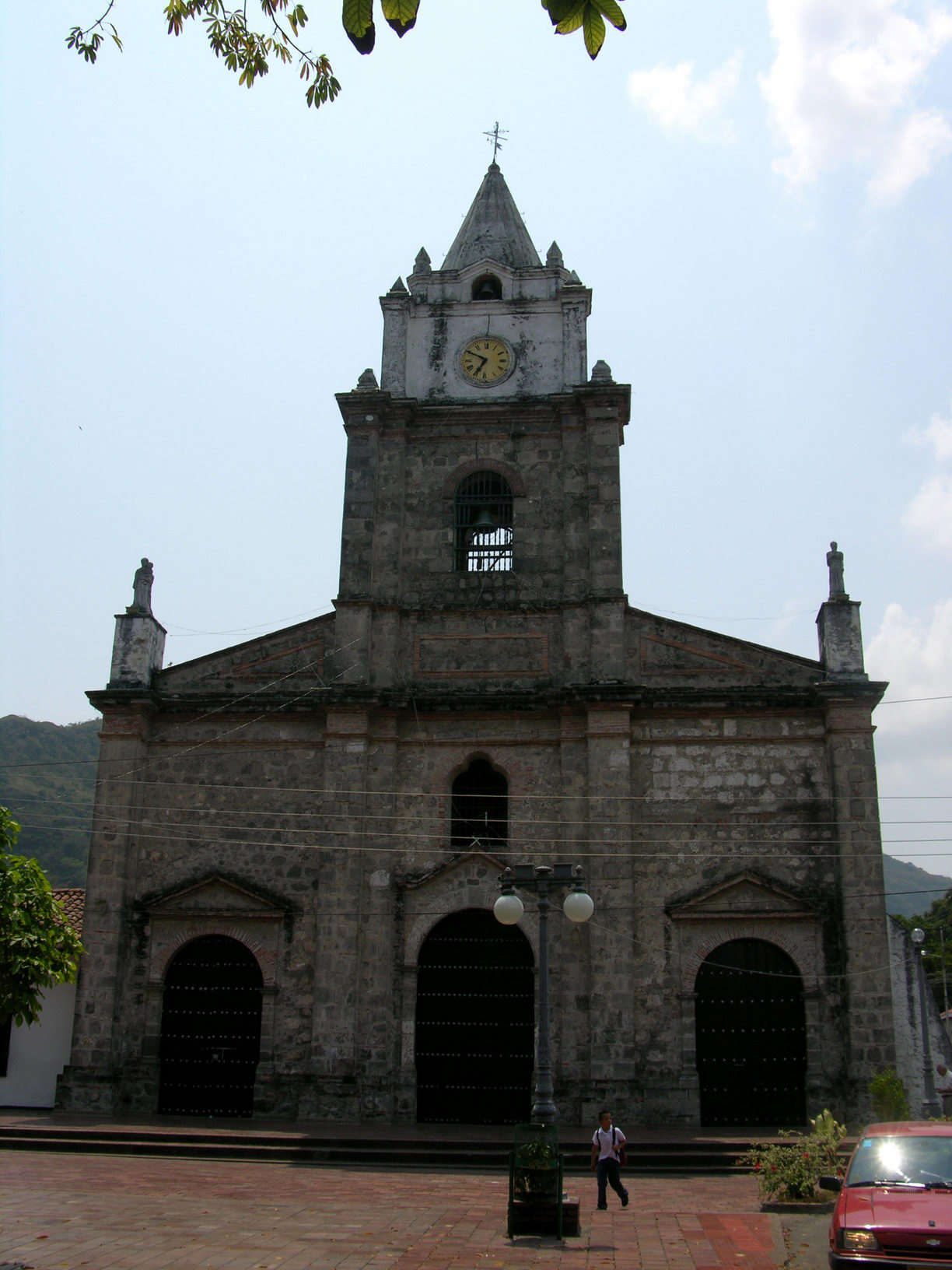
On the way to Bogotá we stopped for lunch in the town of Honda (Honda), which has a little church of incredible age.
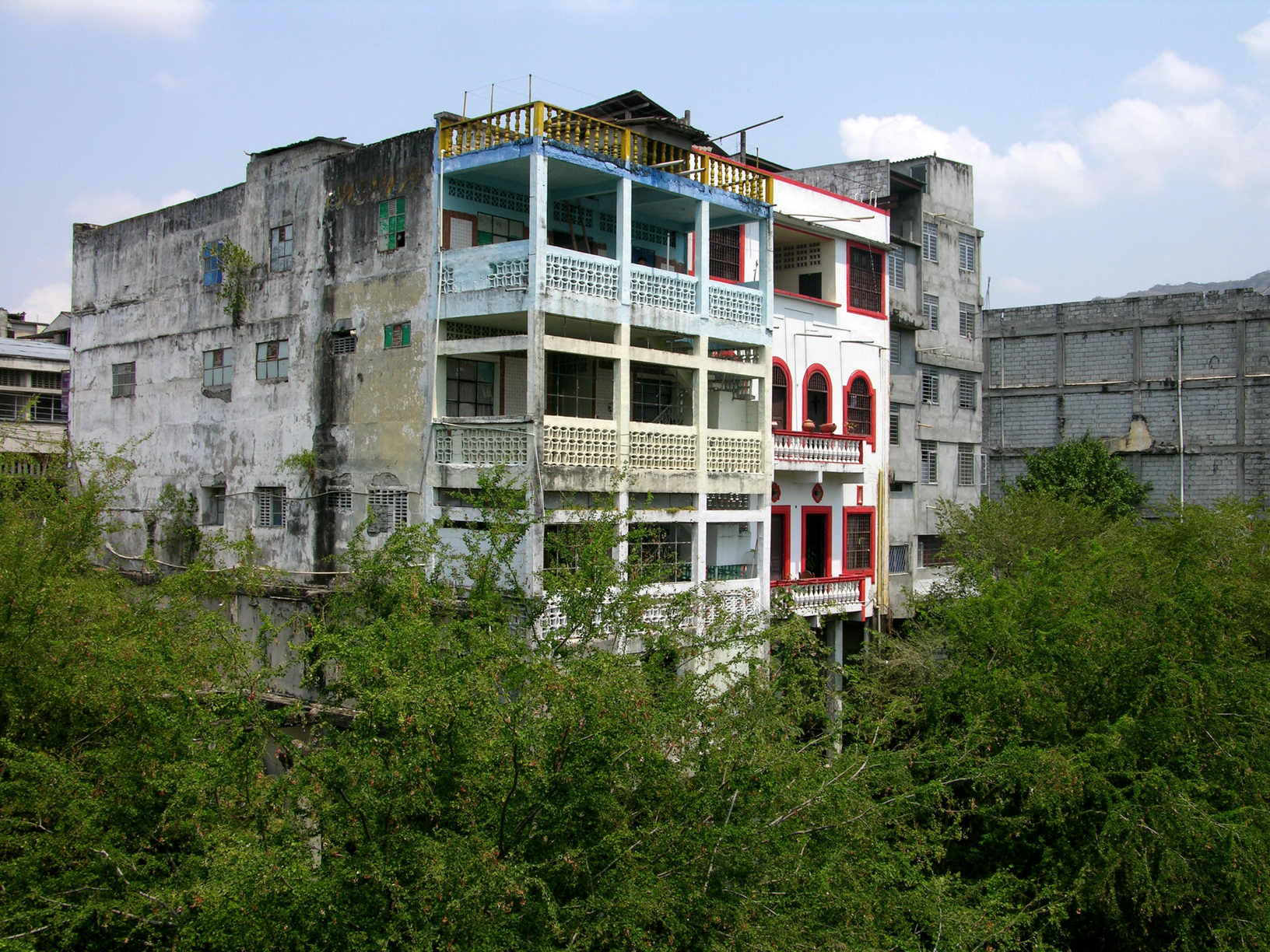
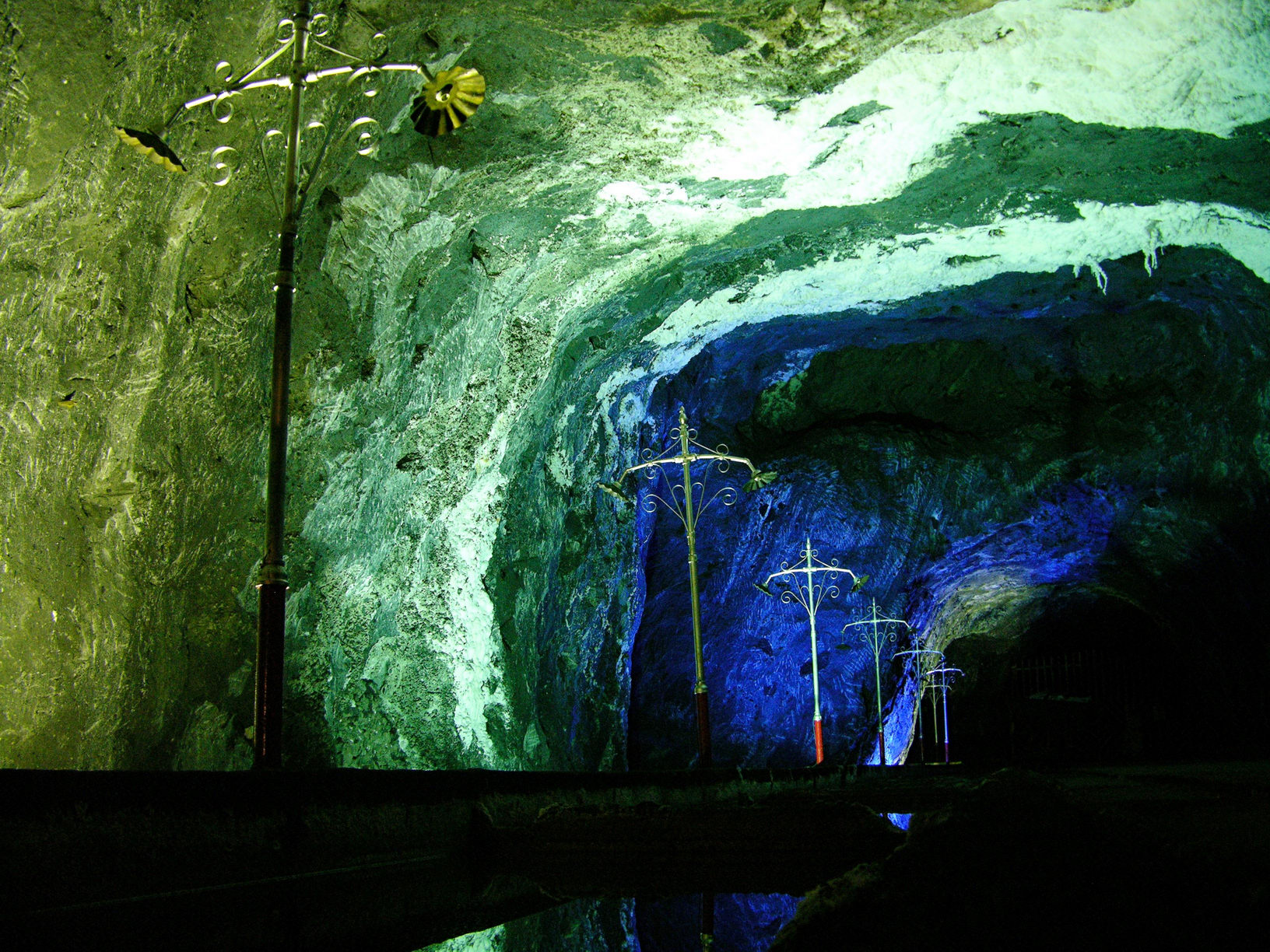
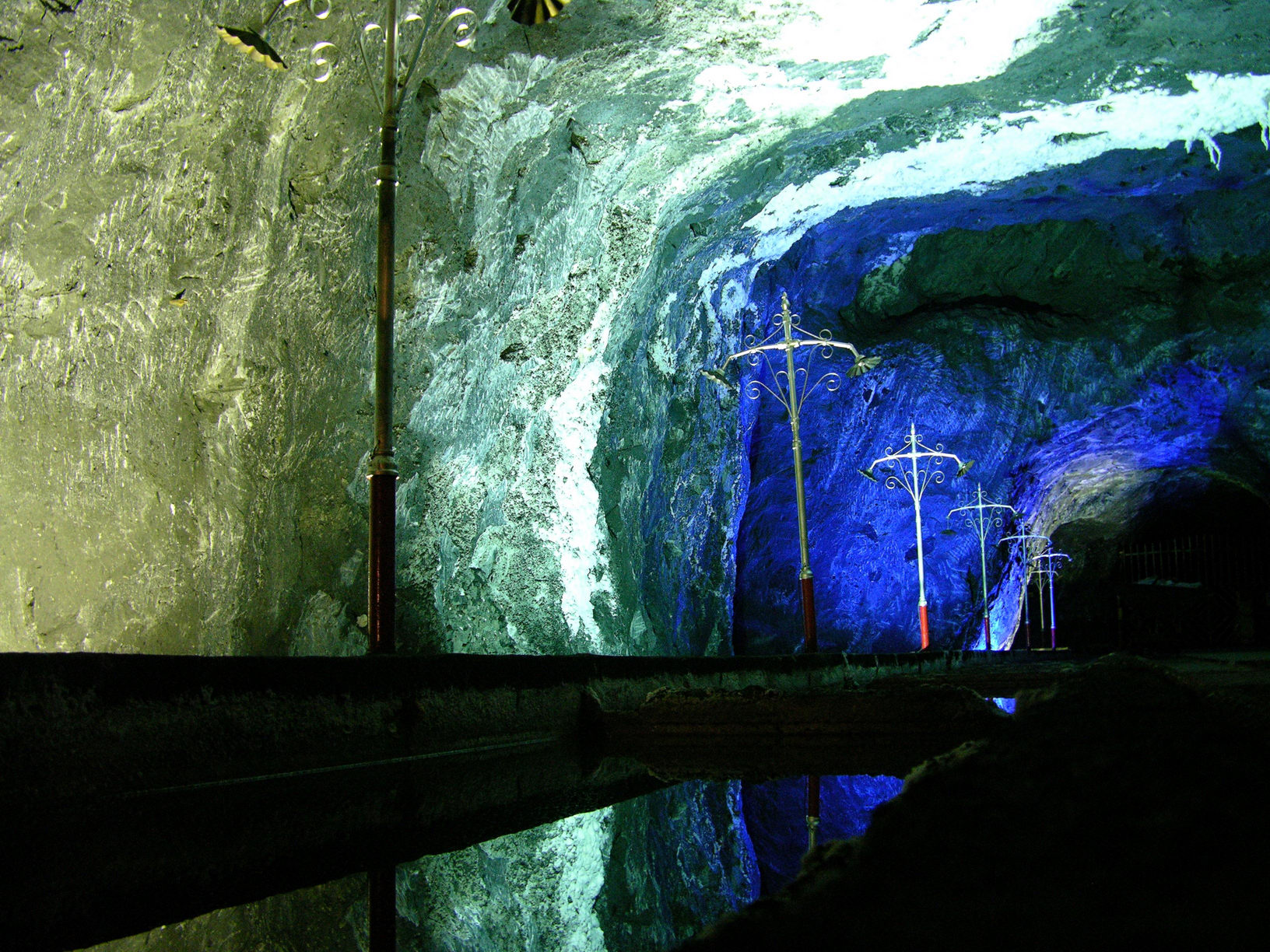
We reached the capital at three. We still had time to visit one of the country's most famous sights, a salt museum and its underground church. Only we couldn't make out where it was. No sensible signs, nothing to make of the map. Lonely Planet put it in Zipaquirá, but that wasn't where we ended up. Traffic jams everywhere. How slowly they drive! And they call themselves Latins. They're dead slow, with less temperament than Finns. I fought my way ahead on the opposite shoulder, like people do back home. We seemed to be close, to have arrived even, but nobody knew where the salt museum was and everybody tried to point us the wrong way. It turned out to be in the neighbouring town of Nemocón (5°3.919′N, 73°52.484′W). We made it. They were open until six in the evening. We were the only visitors and they opened the door and switched on the lights just for us.
The museum is an old salt mine lit in different colours. In one of the galleries there's a Madonna and they have put in chairs. It's called the underground salt cathedral. It's all simple, but an unusual sight. Worth seeing despite the expensive ticket, 12,000 pesos.
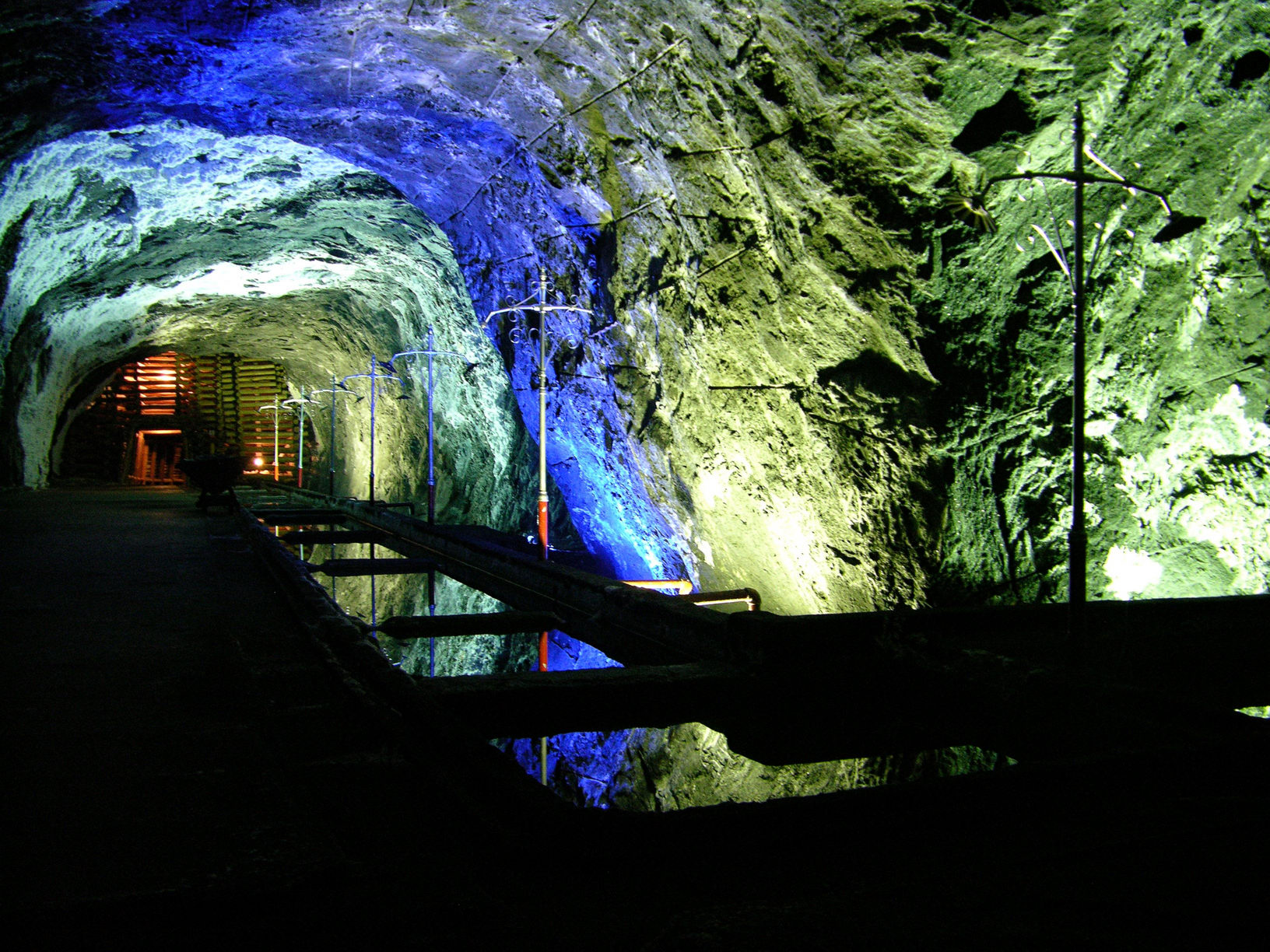
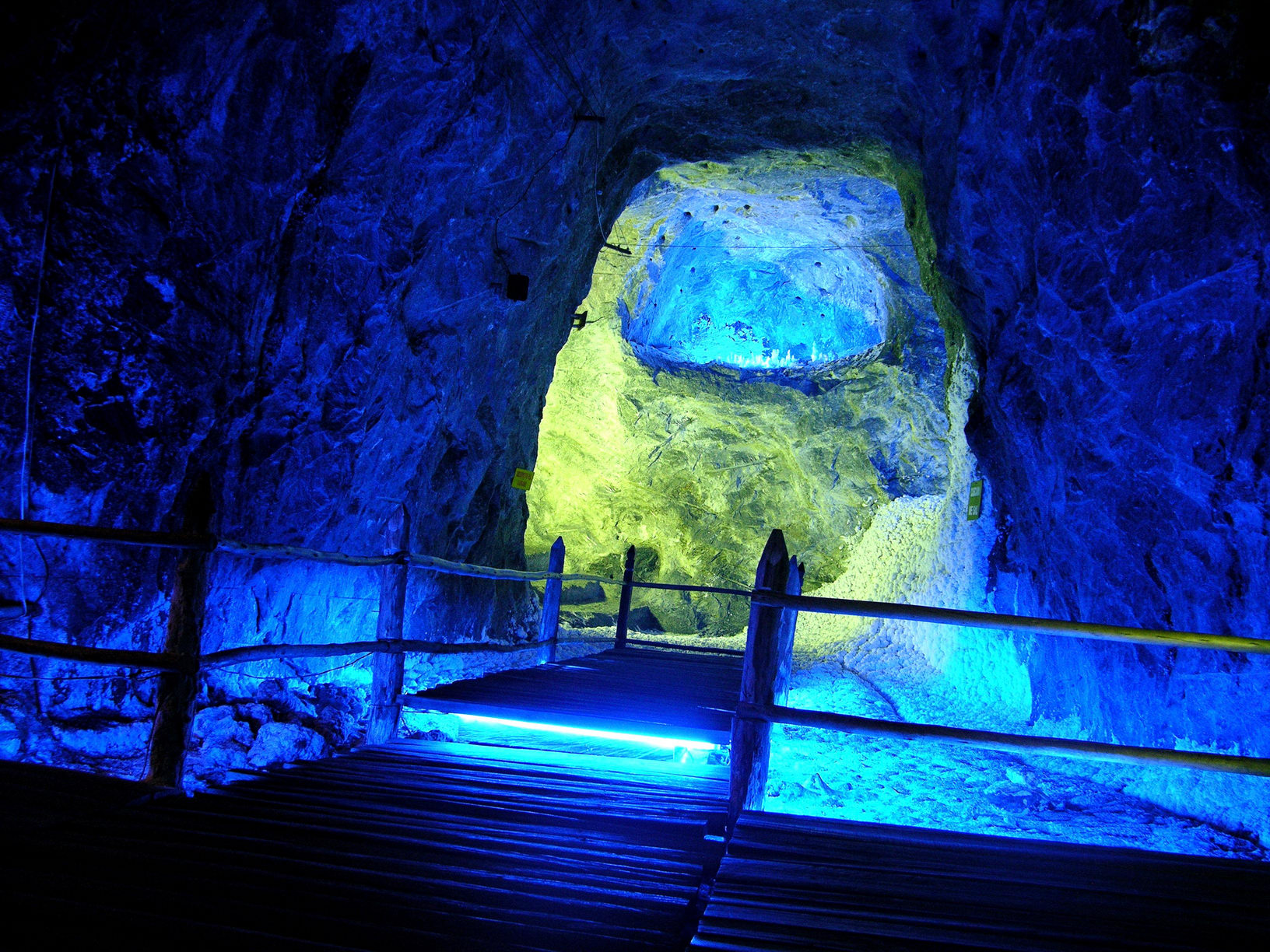
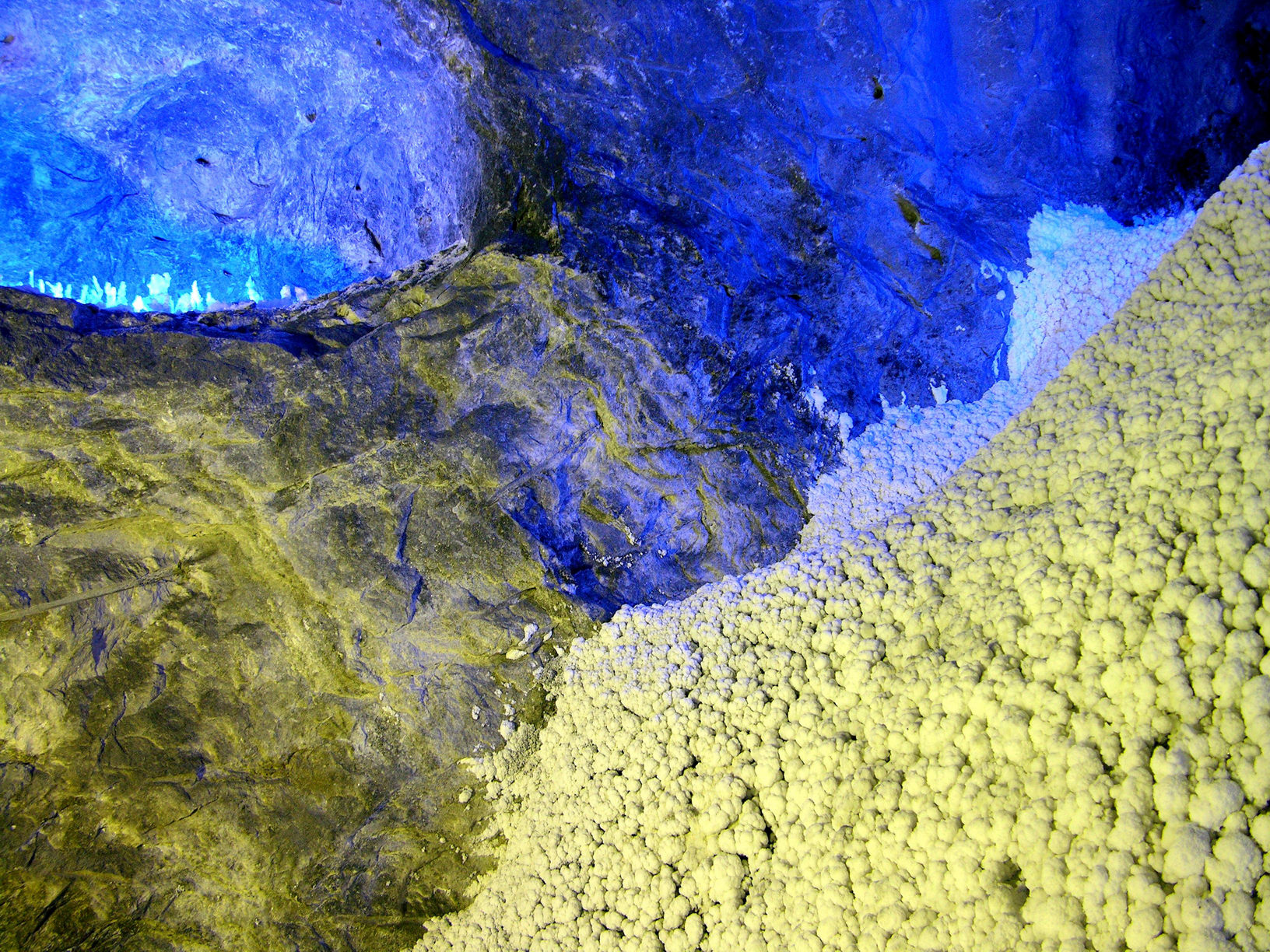
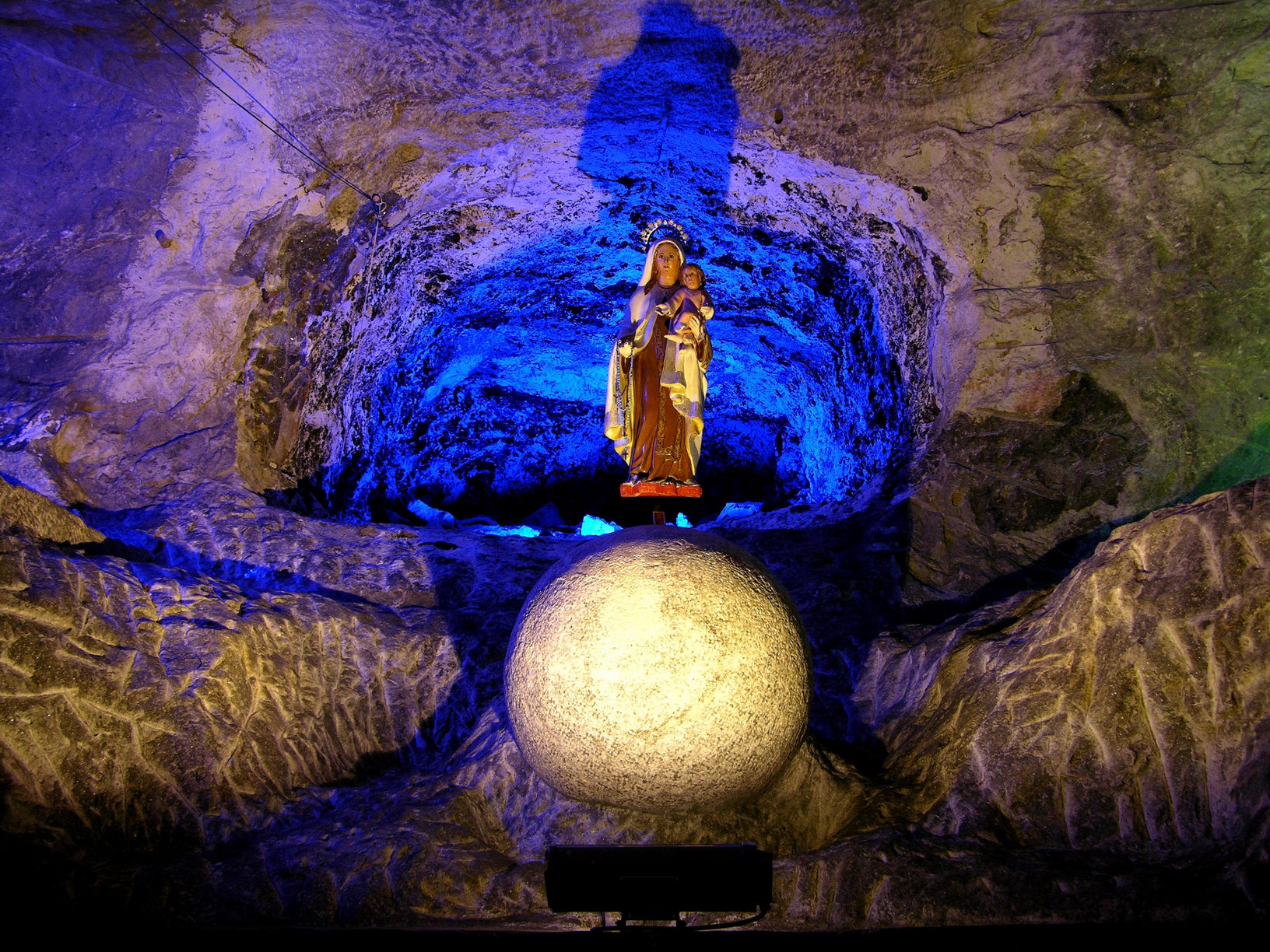
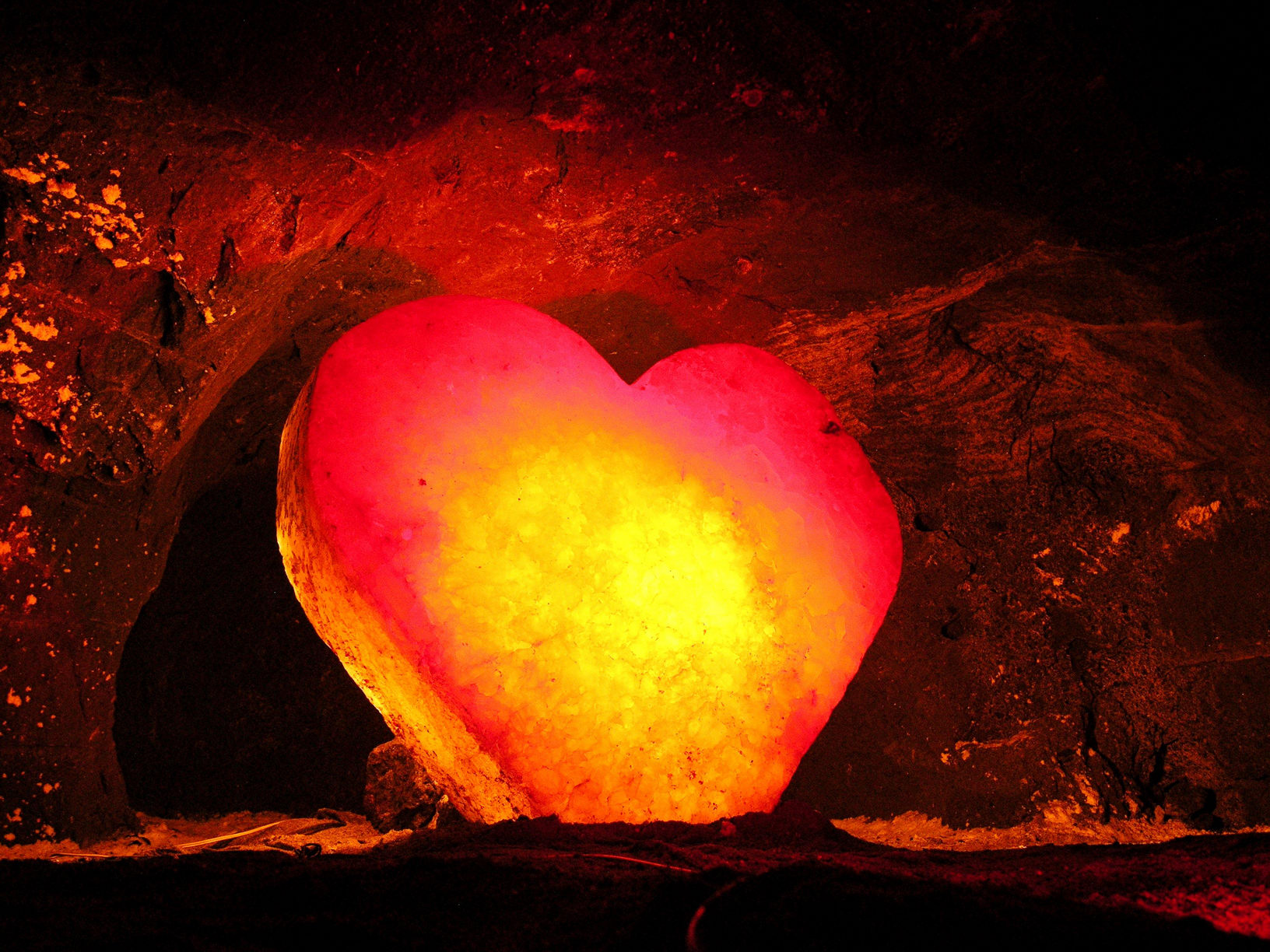
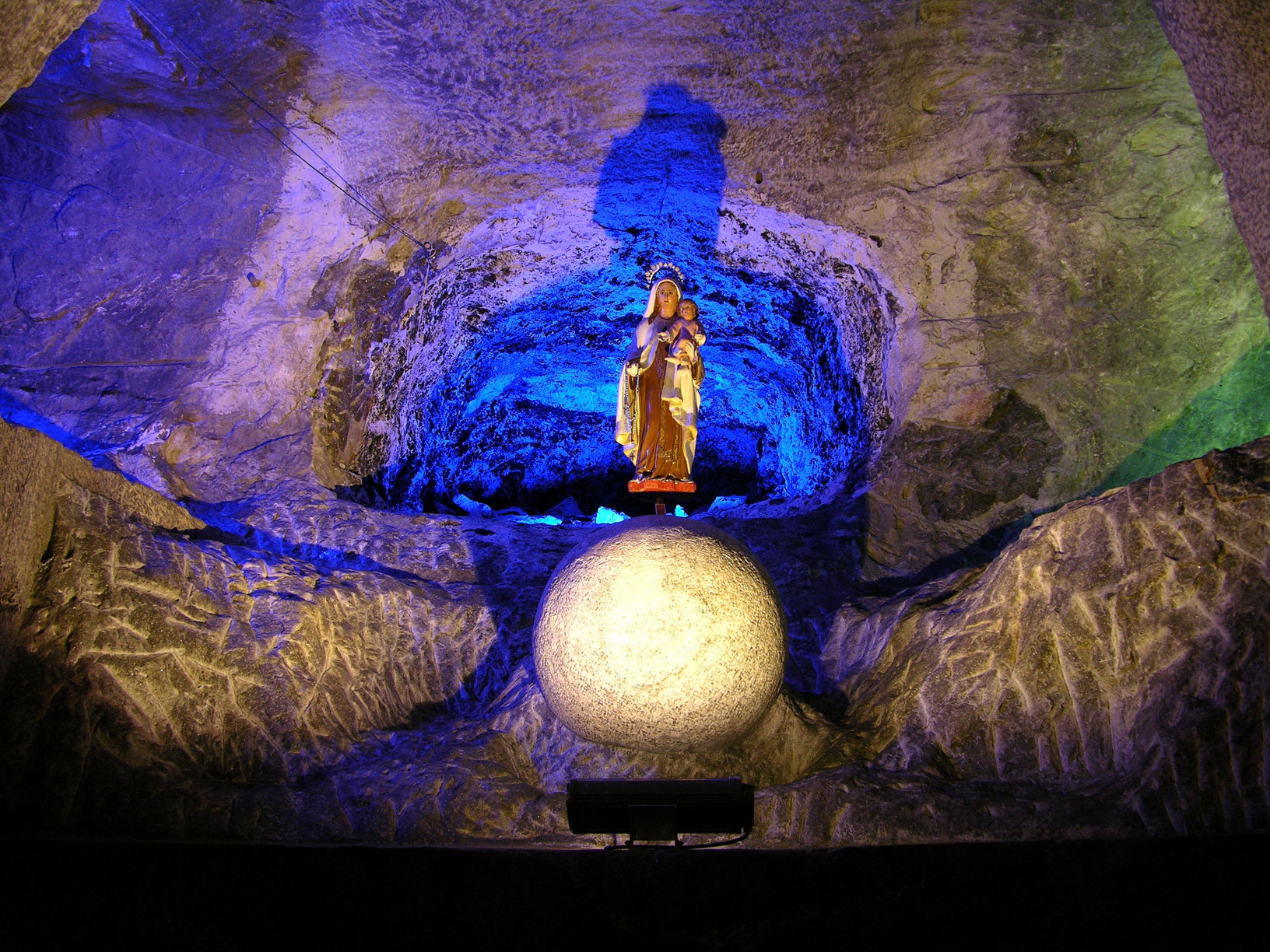
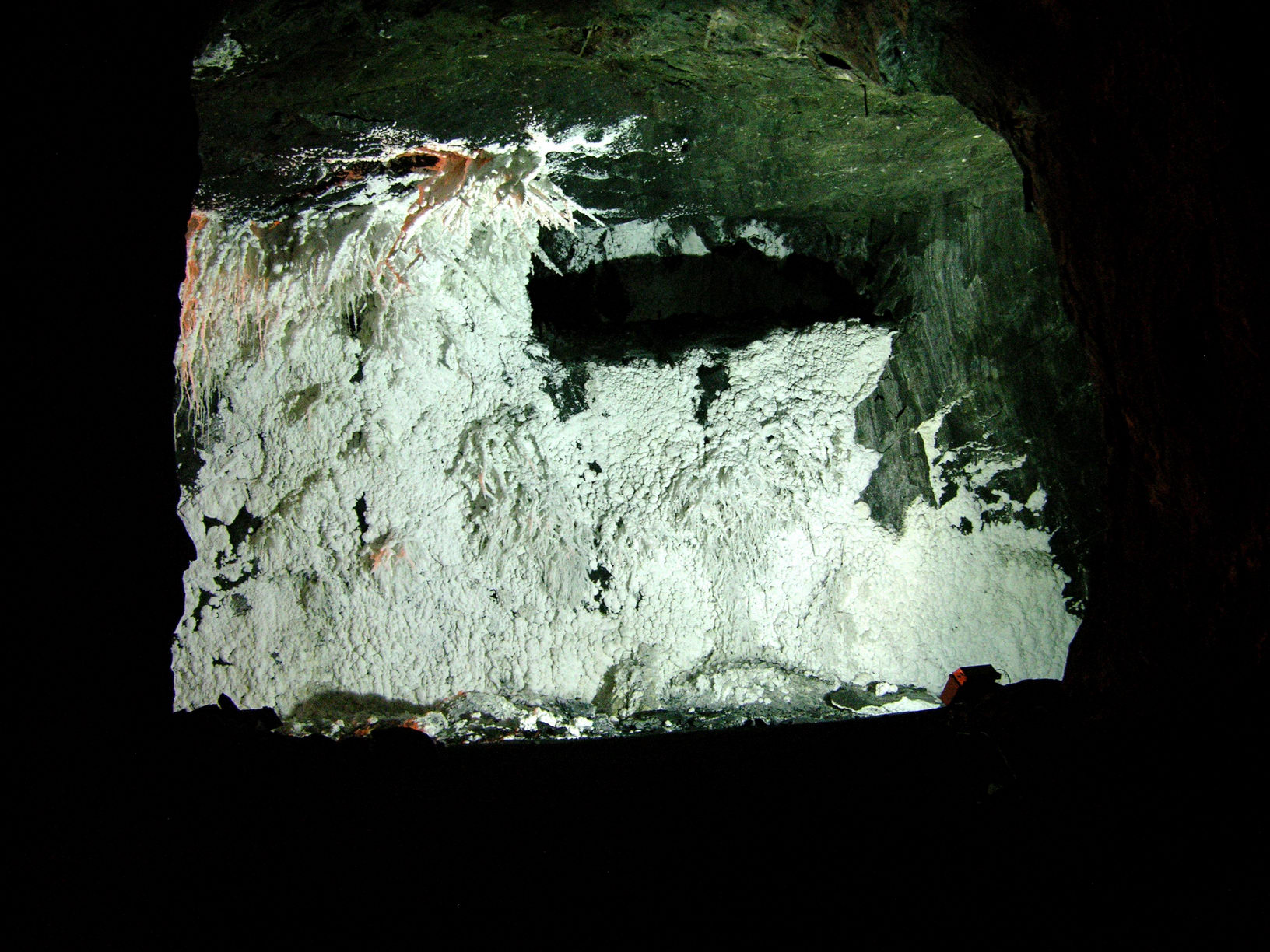
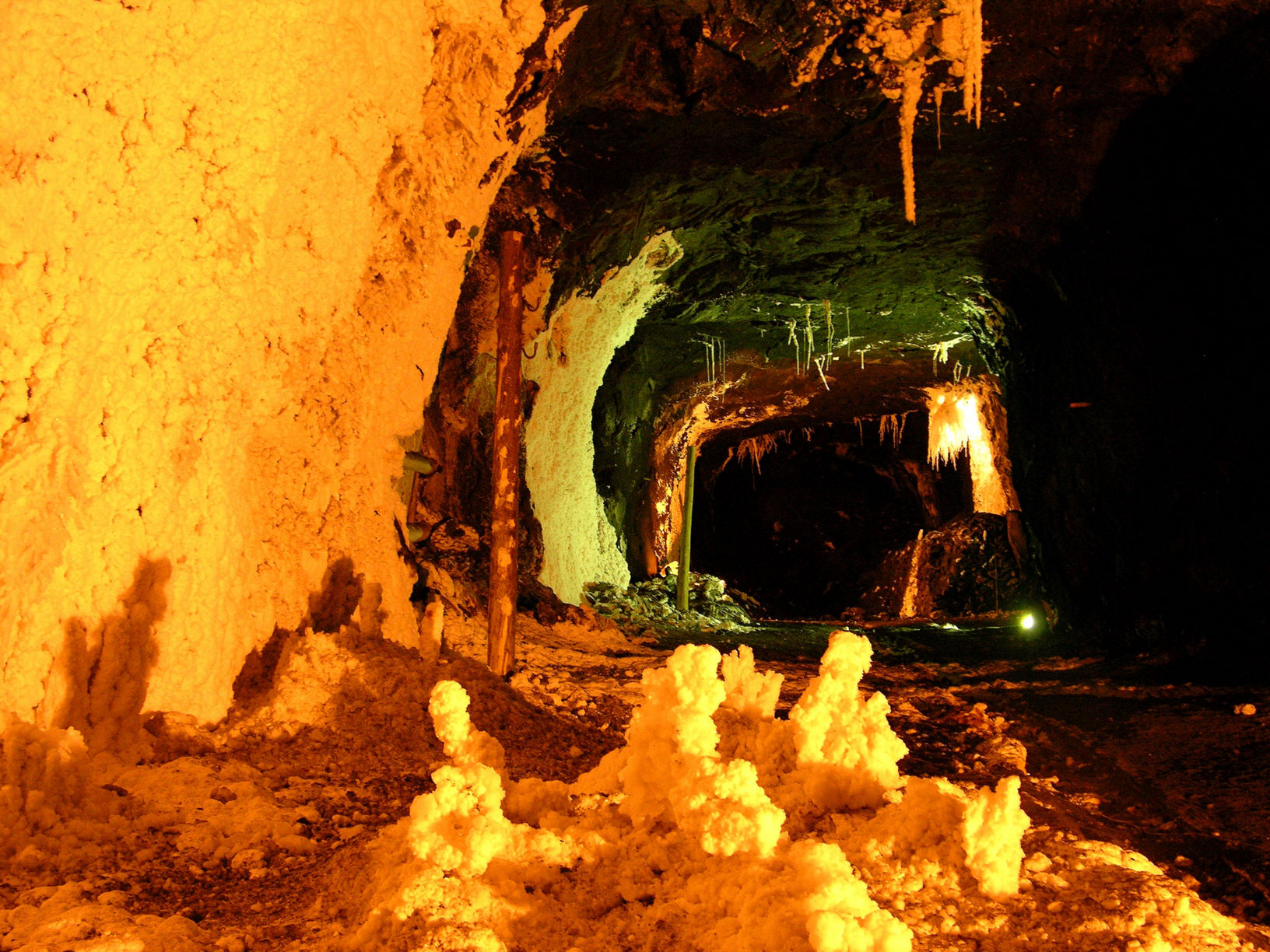
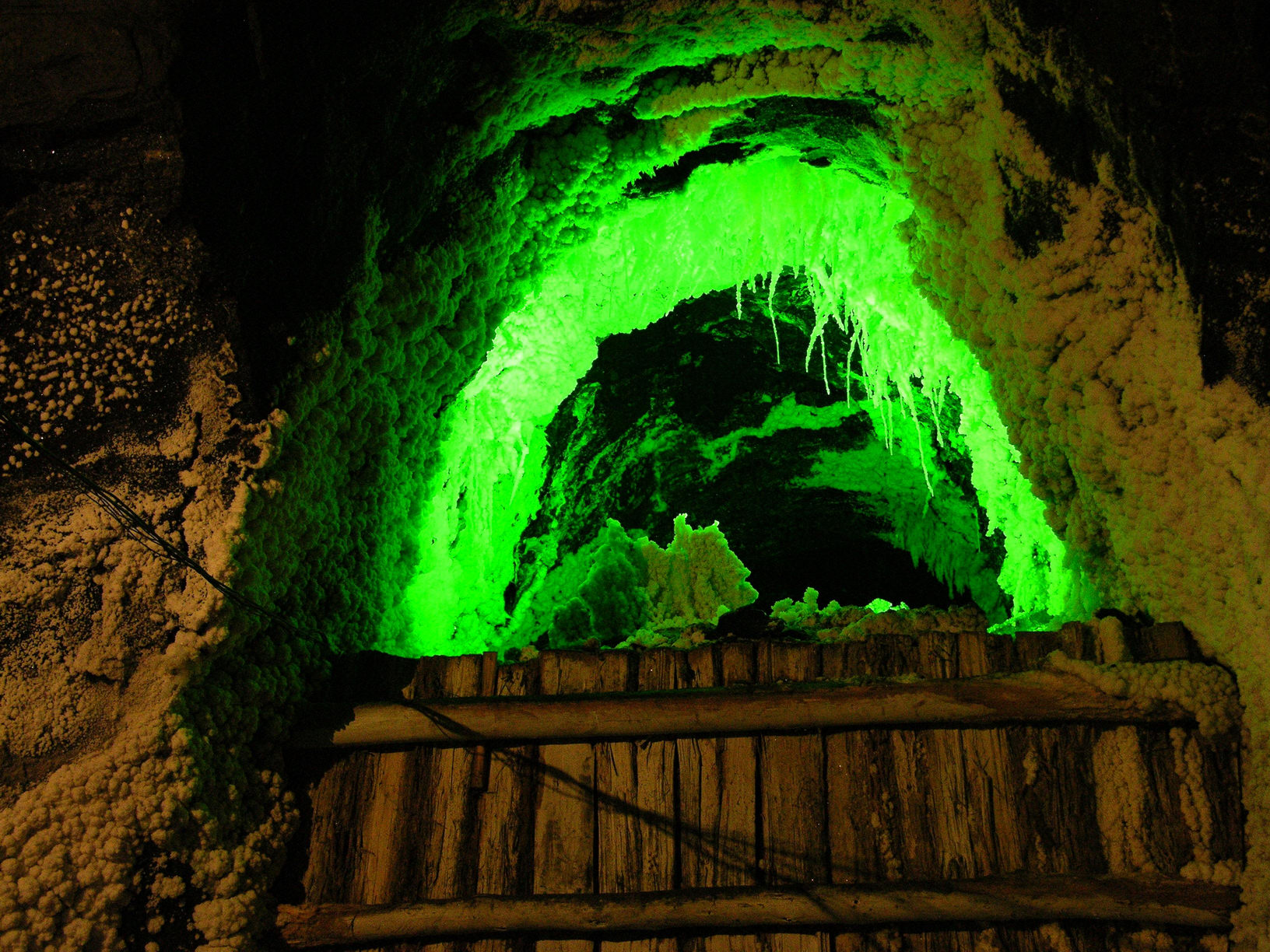
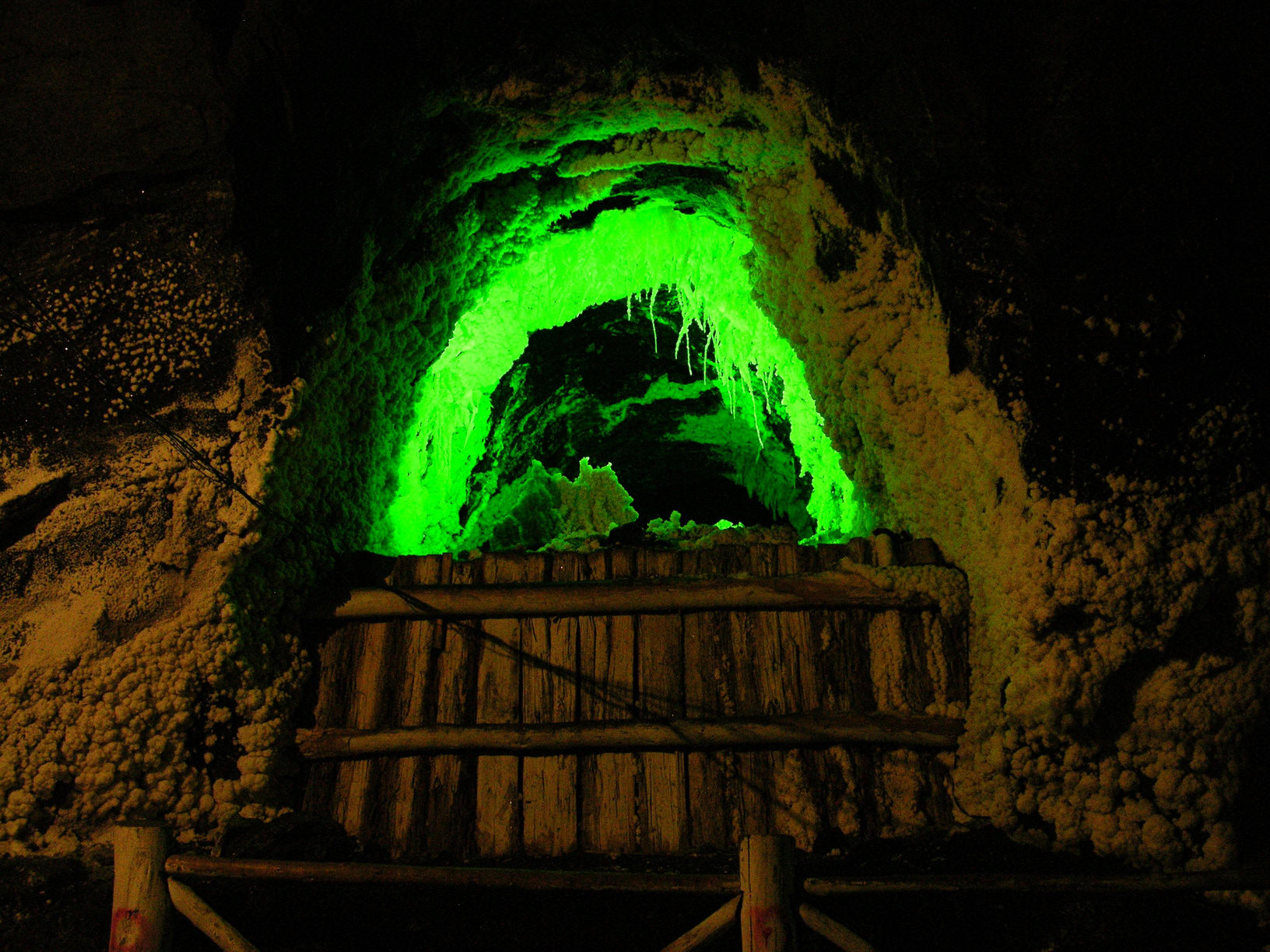
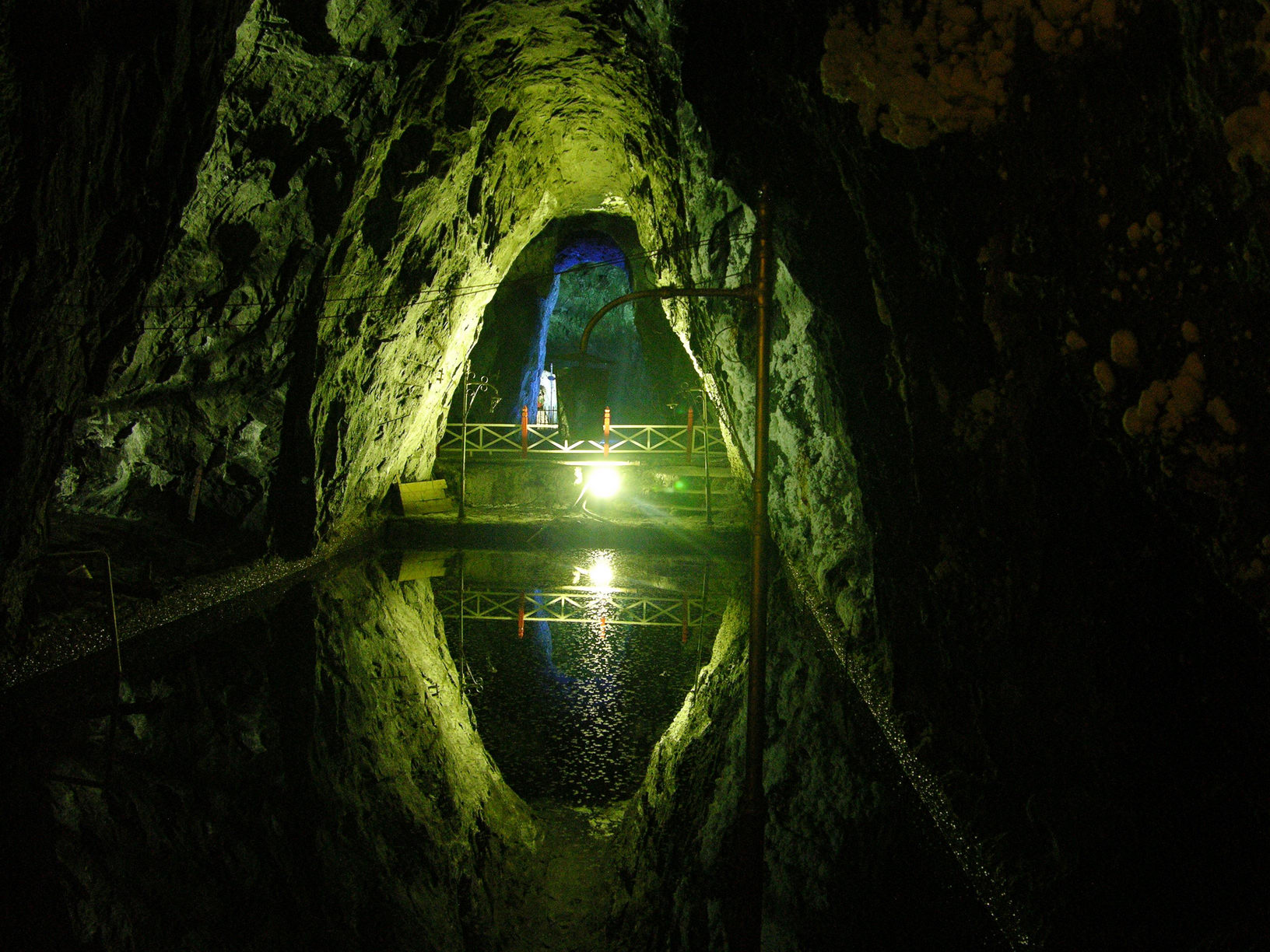
We walked around for a whole hour. Now we had to tear off again, breaking every rule to get the car back on time. Colombia has traffic police, but they're more corrupt than ours. I was caught twice in the whole trip. The first time was for speeding. The country sets you up nicely for that. There are thirty signs all over the motorway, sixty at best, and that's kilometres. Nobody obeys them. They go eighty to a hundred and ten.
Double lines everywhere, and everybody crosses them everywhere. By local standards it's frowned on, but you can do it. Right under a traffic policeman's eyes, too. At worst he'll check your documents.
Only the traffic police take an interest in driving offences. The army and all the other checkpoints aren't interested. The police may be rotten, but they know how Colombia works. They put up signs for forty everywhere and only count you as speeding over ninety kilometres an hour. Ten over and the fine is two hundred US dollars, which to a local is more than infinity. You pay the fine at a savings bank, take the receipt and… In short, we didn't need that explained. The first alternative price I heard was twenty US dollars. I got it down to ten easily enough and rounded it down to 20,000 pesos.
In Colombia you're also supposed to drive with your lights on outside town, and without them in town. Now I know where the Russians copied that rule from. This was what caught me a second time. I realised it before I'd got as far as talking to the officer, though, and switched them on. I handed him my papers and he told me very importantly that I'd broken the rules and he'd take my licence. As if that frightened me. I had plenty of licences. The Russian one, an international one and two American ones. I could give him any one of them and get it replaced.
I said, “Look, the lights are on.”
“But your headlights don't work.”
“Let's have a look. Uno, dos, tres, cuatro. All four work.”
“I've got two eyes,” he said. “Uno and dos. They both saw you didn't have your lights on.”
“I'm counting my eyes and Tanya's. That's four, times four lights, sixteen. You only have two, times zero. So I'm right and you're blind.”
“Can't spare the money, then? Give me a thousand.”
“I'm not giving you any. Haven't got it.”
“Give me a dollar, then, or whatever you have in Russia. Give me a euro.”
“In Russia we have roubles. I can give you one.”
“No, never mind.”
“Give back the licence, then, and clear off.”
“It's hot, I'm thirsty. Give me a bottle of water.”
“Listen, my friend, I haven't got any water. There's a little left at the bottom of this one. Finish it, if you want.”
“No, that's your water. I want my own water. It's hot. Give me water.”
“No. I said it in Spanish, no agua. And it isn't hot today.”
“Ah, take your licence and clear off, you miser.”
From that point I understood. A local policeman doesn't cost much, and he's easily bought. That goes for the other services too, by the way. Border guards, customs men and all the other extortionists.
I made it to the airport with five minutes to spare and handed in the car. We even got to the bus station and bought tickets with Coomotor. One trouble: Tanya and I had fallen ill again. Fever and a sore throat. Fortunately there was a pharmacy, and we bought some local sachets of powder for colds. It's all very clear in Colombia. There's a yellow one labelled DÍA for day and a blue one labelled NOCHE for night. And you don't need a prescription, though one has a sleeping drug and the other has codeine. They worked well for us. They've been forbidden to sell things like those at home for a long time. A shame we didn't buy more. They'd have come in handy on subsequent trips.
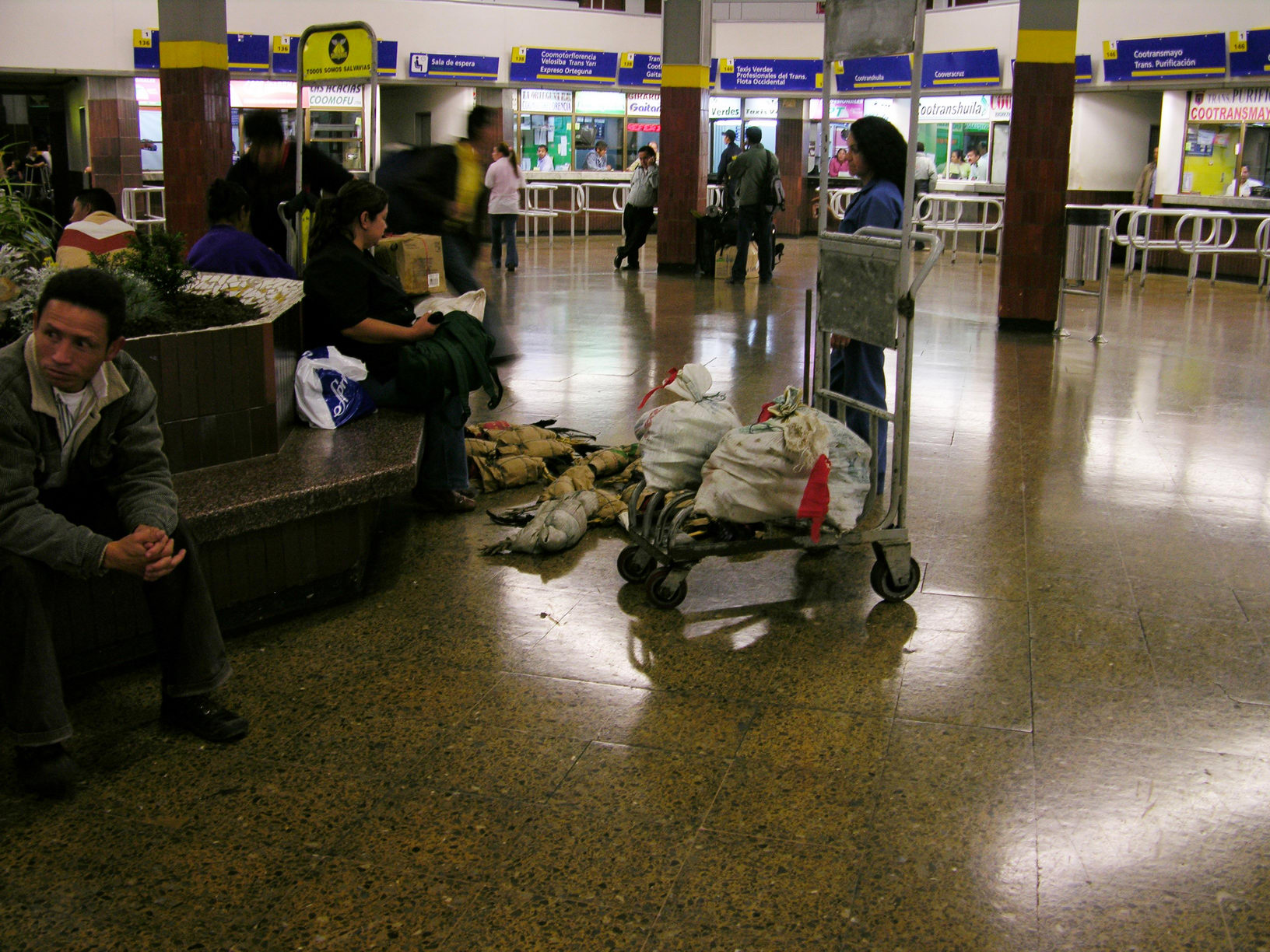
As I walked through the bus station I saw a funny scene. An old woman was travelling with chickens. Each one was in a bag, so only its head stuck out. She had about forty of them. They were heaped on the floor of the waiting room. The cleaner went for her. “Your hens are making a mess and I'll have to clean it up.” “They're doing it inside the bag,” the old woman argued. “The bag's torn,” said the cleaner. In the end the hens successfully waited for their bus and were checked in as luggage.
We took the overnight bus to San Agustín (San Agustín). It's a town in the mountains where there are remains of pre-Columbian civilisations. The Inca didn't get this far, so they didn't have time to destroy it all. The Spaniards did arrive, but too late to loot the whole place. The government of the day wasn't particularly in control there either. Lonely Planet practically told you not to go to San Agustín at all, only after checking the current situation. And then not to leave the hotel.
The Colombian rebels are no picnic, of course, and little different from the Chechen insurgents. They might kidnap you or they might shoot you. Locals will do, foreigners even better. Hundreds of people were listed as hostages. The price of oil had gone up not only in Russia but also in Colombia, where they actively produce it too. The result was much the same. They managed to come to an arrangement with the guerrillas, in part by buying them off, in part by handing tourism over to them, and by appointing their leaders to run local government. Unlike the major roads around the centre of the country, there were no army posts. Setting those up would have been like offering the soldiers as a sacrifice. If they had to, the guerrillas would kill them all. So by leaving the capital to the south we effectively found ourselves in guerrilla country.
As soon as we stepped off the bus, a man met us, let's say from the local travel agency. His English was excellent, a first for us in Colombia. Everything was under his control. Just tell him what you wanted. Knowing what to expect from businesses that push themselves at you, we went along with it, but picked our own hotel (1°52.892′N, 76°16.279′W).
All the same, he'd heard about us. When we came to him for a jeep, he already knew where we were staying. We bought the next day's bus tickets through him. He filled us in. After six you could buy cocaine over there. Any Indigenous man would pour you a mate de coca to keep you company, free of charge. Marijuana was available round the clock at such and such a place. “After six I can sell you pre-Inca gold,” he said. “But only after six. That's our agreement. Till six I'm the head of local government and the police are on duty. After six I'm still in charge, but the police go out to dig for gold.” There's your governor of the night. Governor twenty-four hours a day.
In the morning we had time before the archaeological sites opened, so we went to the main one of them, four kilometres on foot.
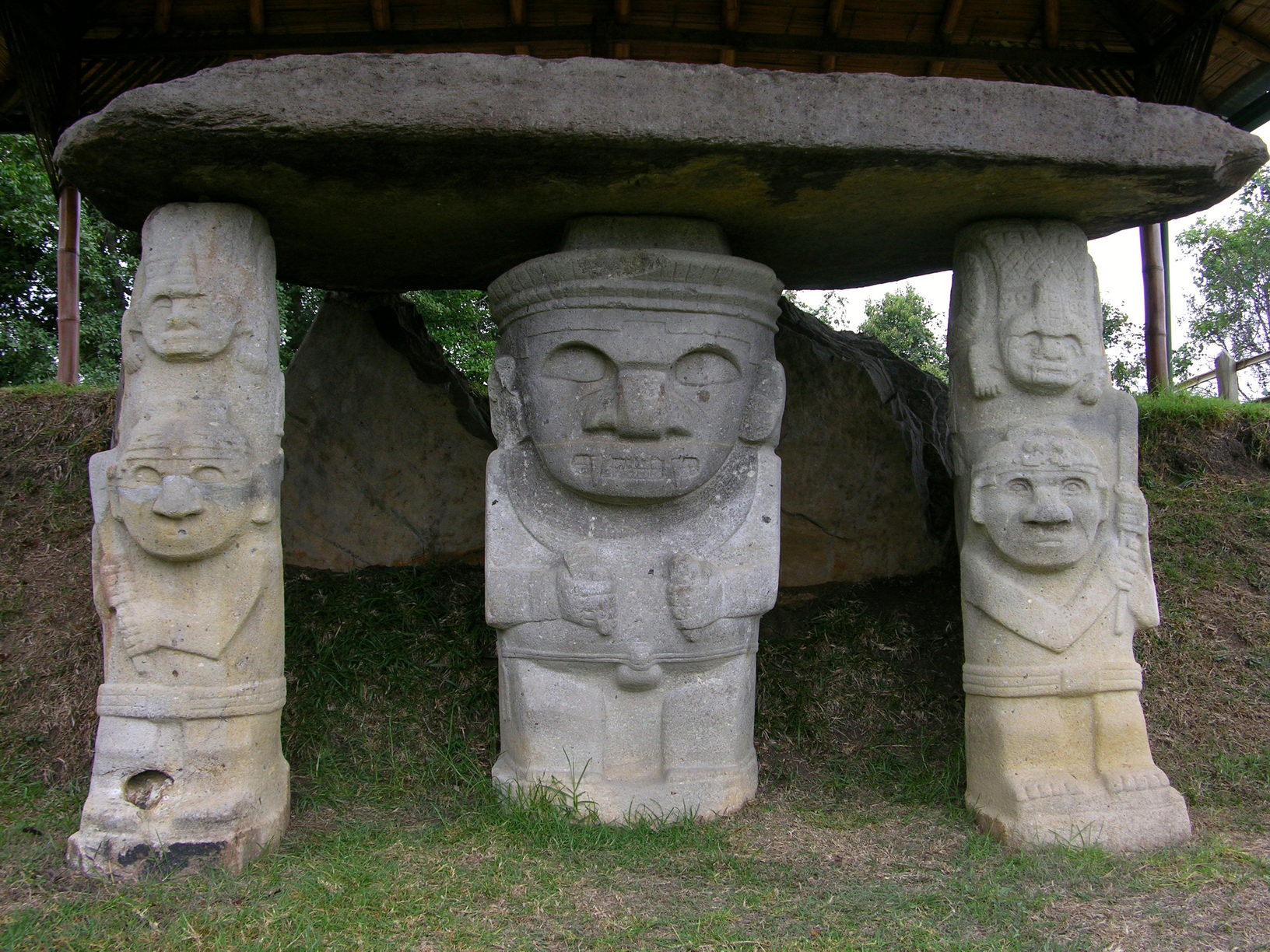
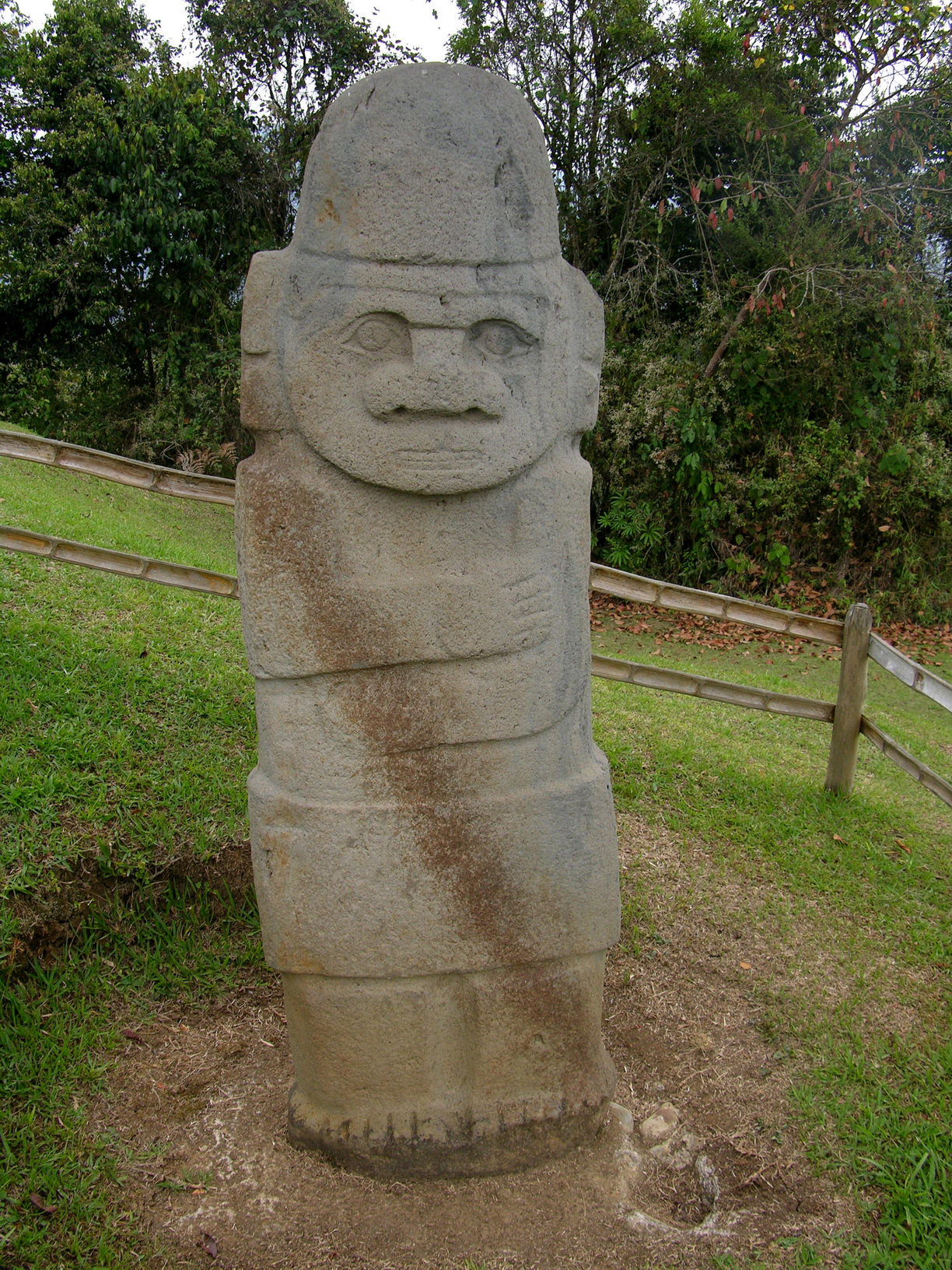
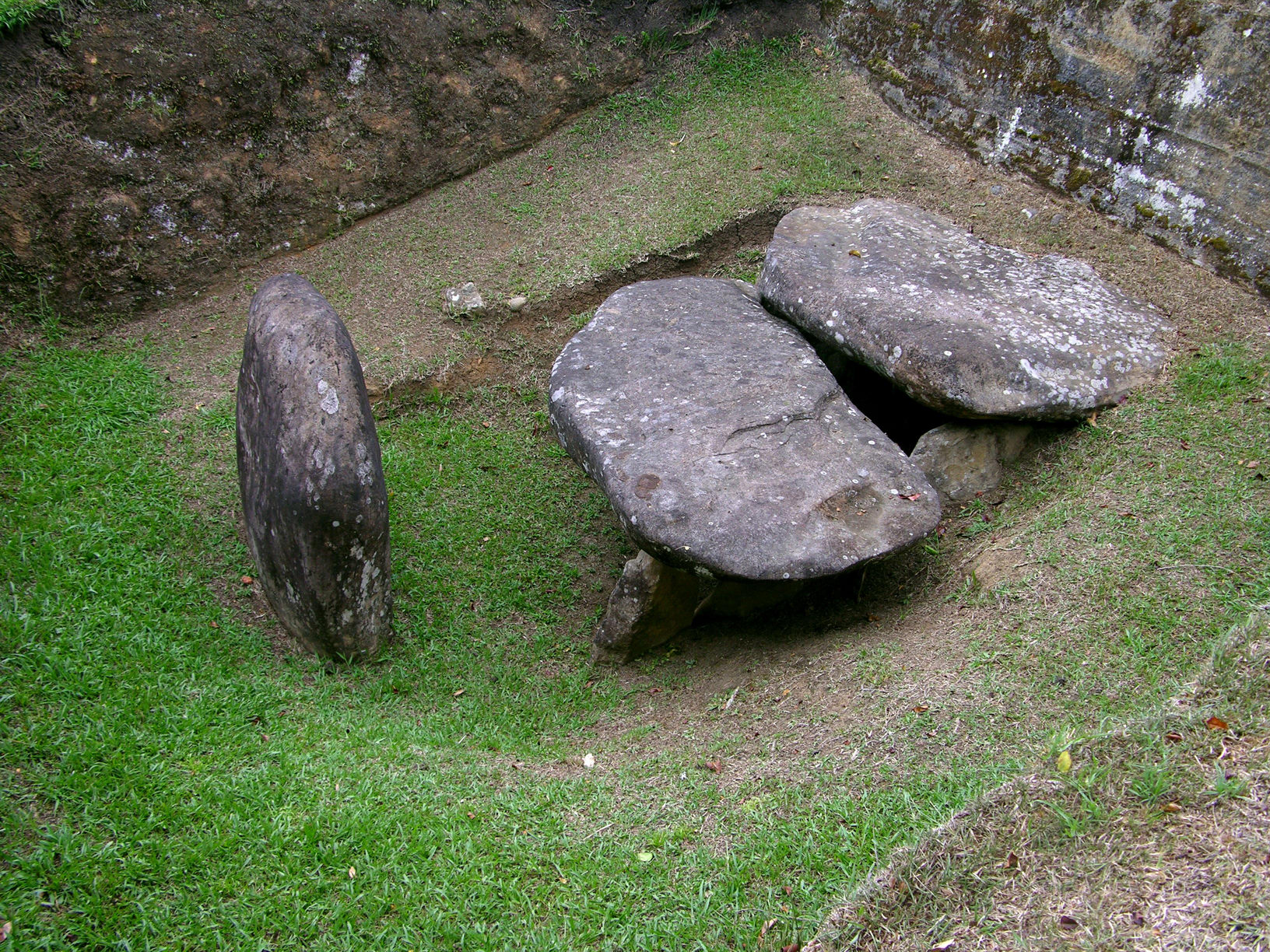
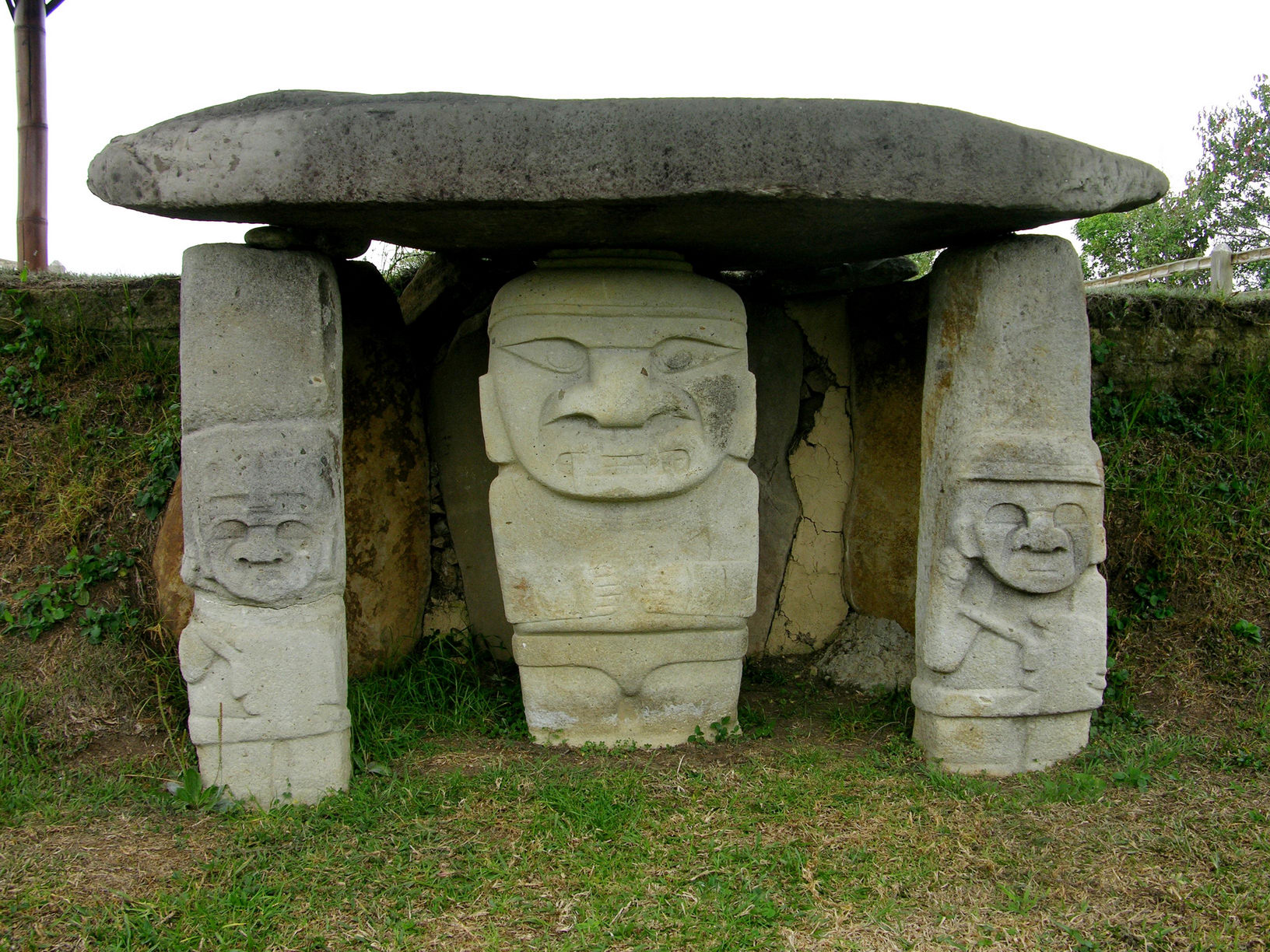
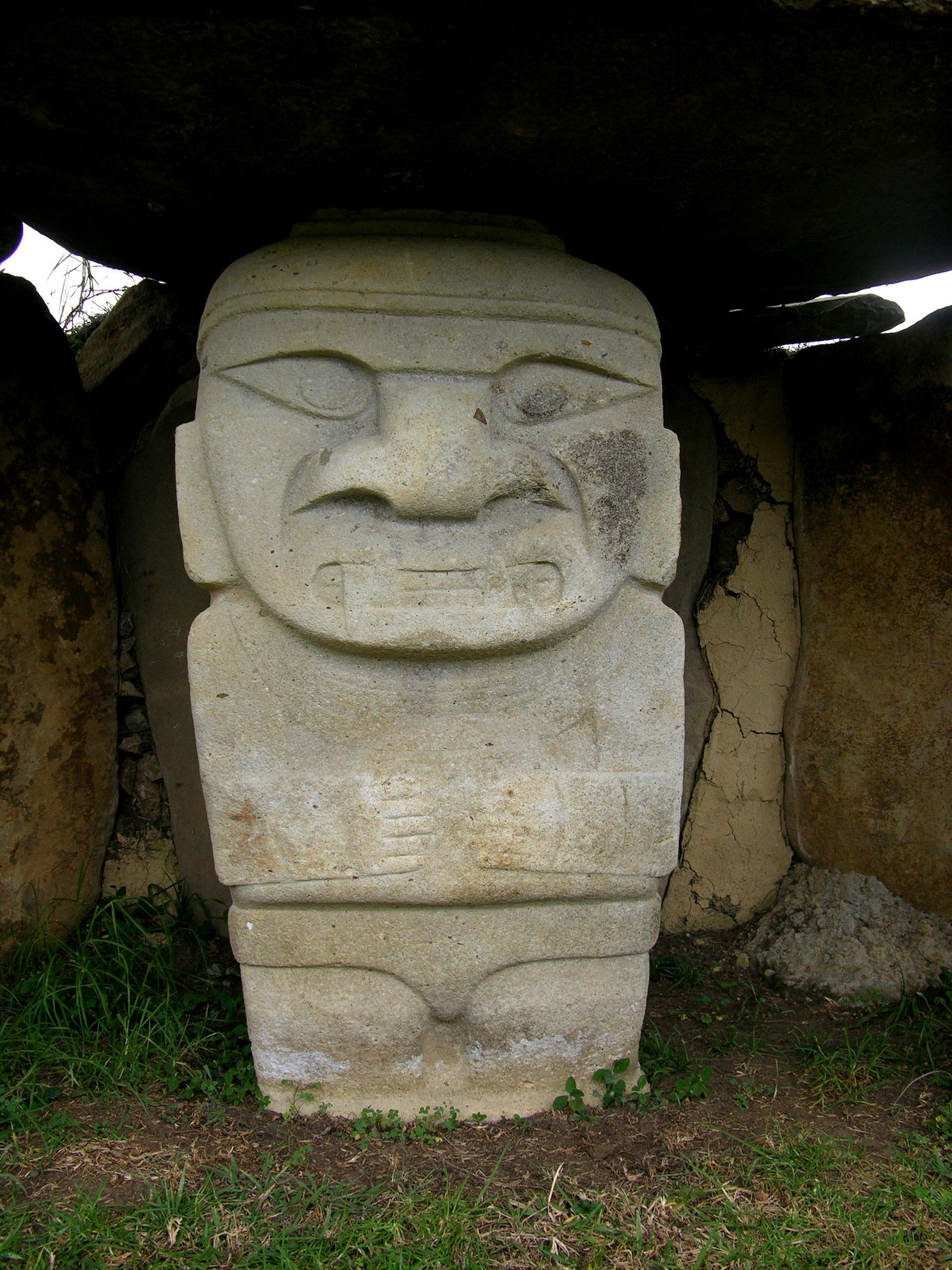
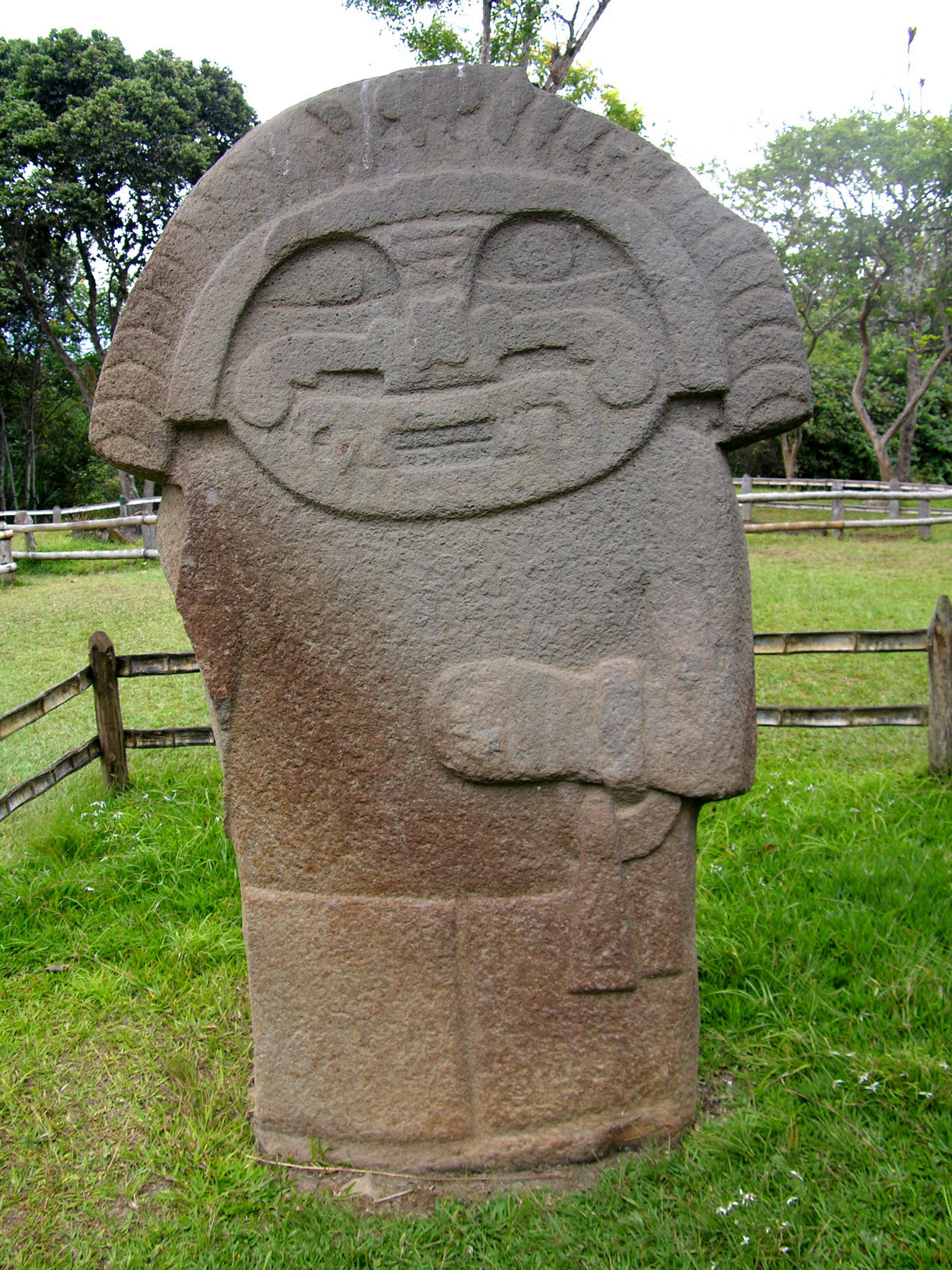
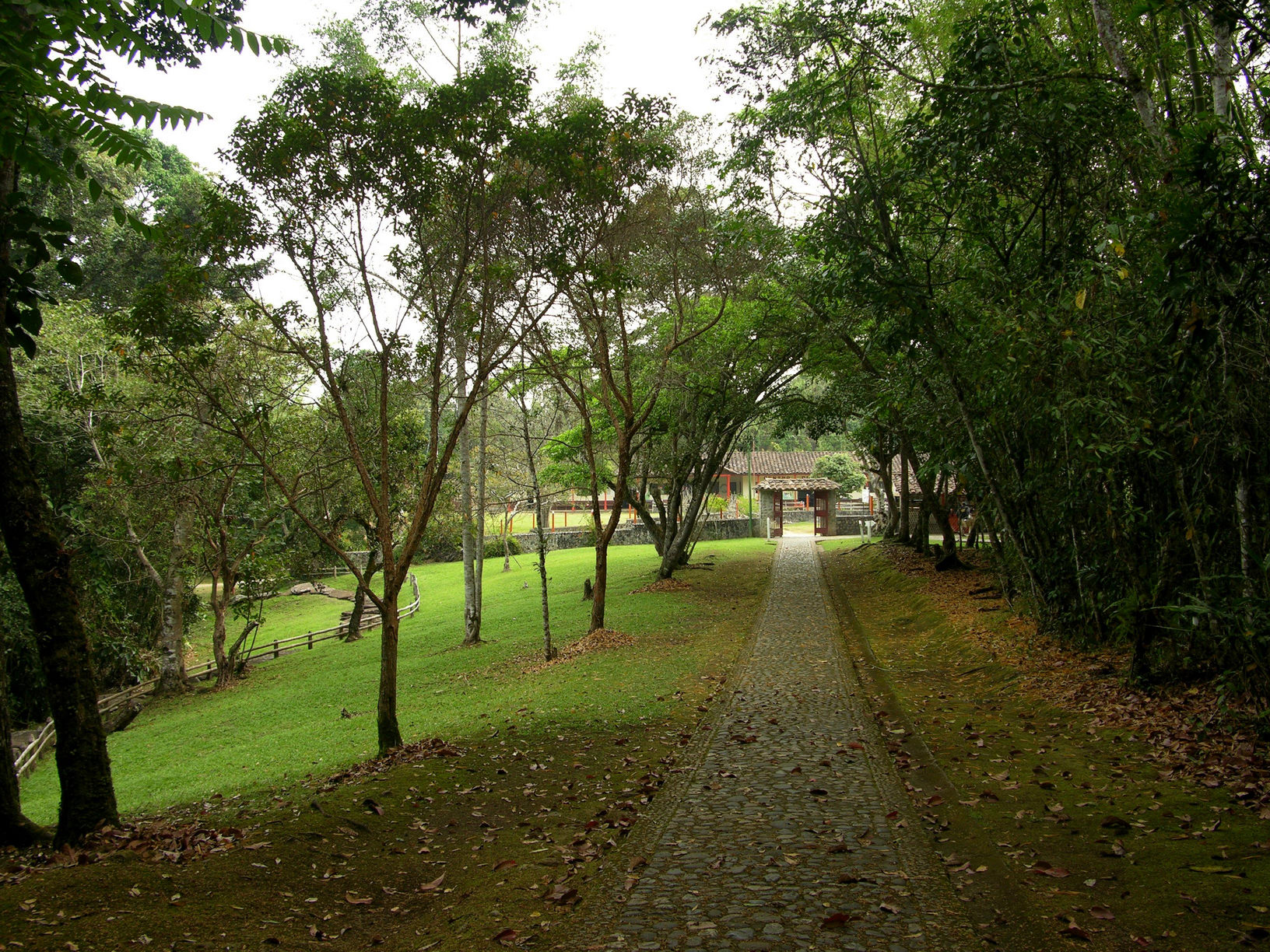
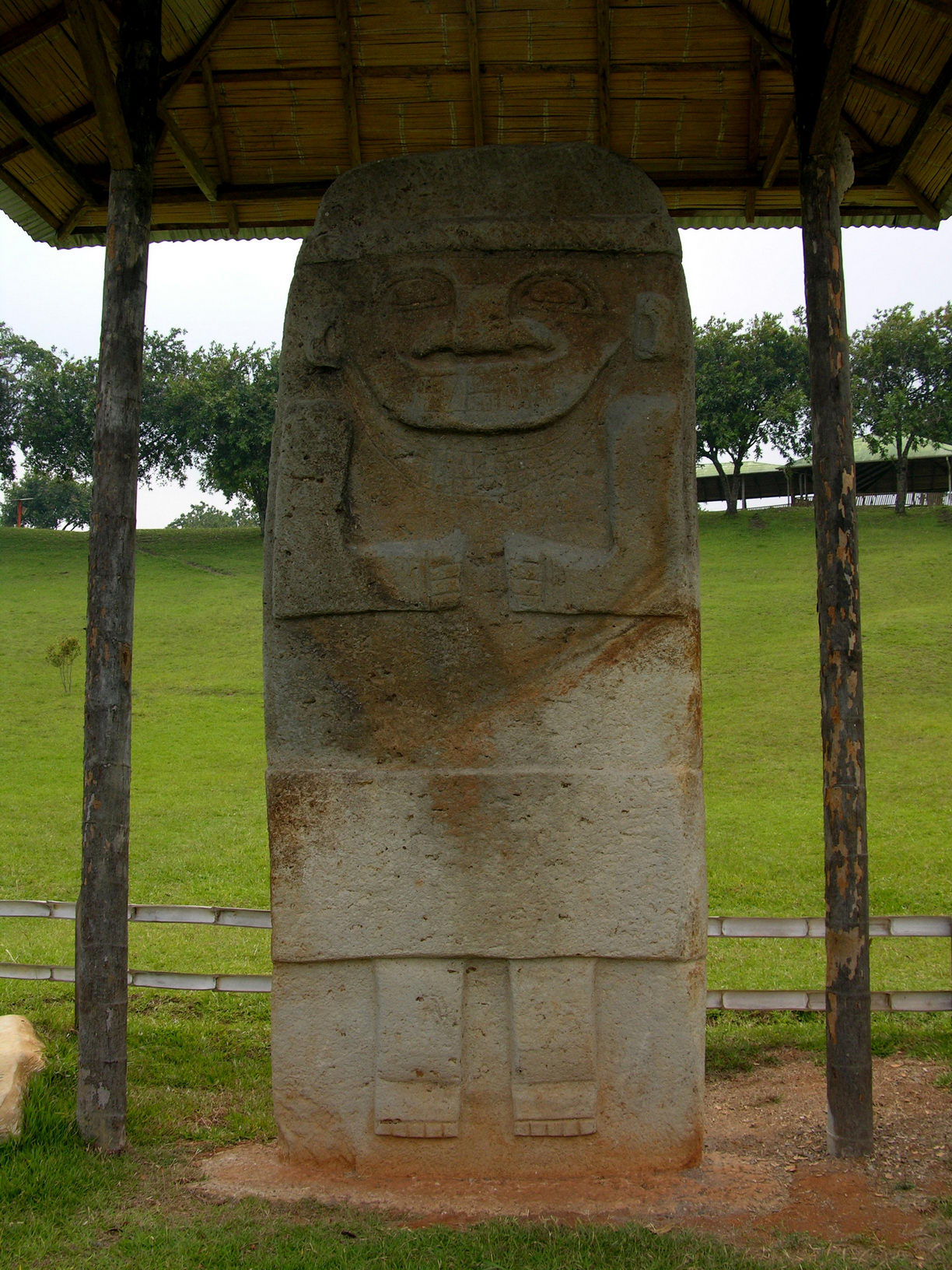
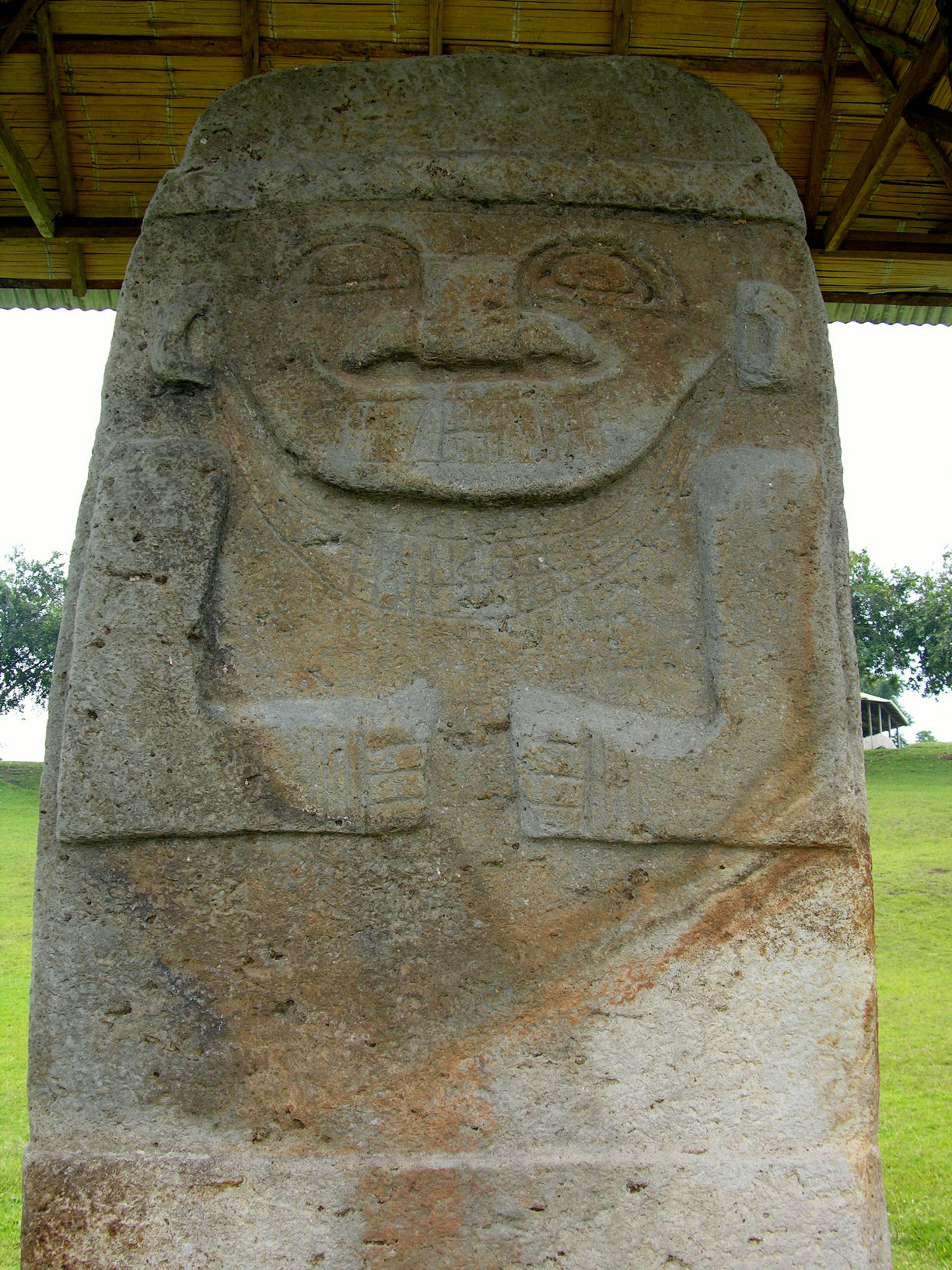
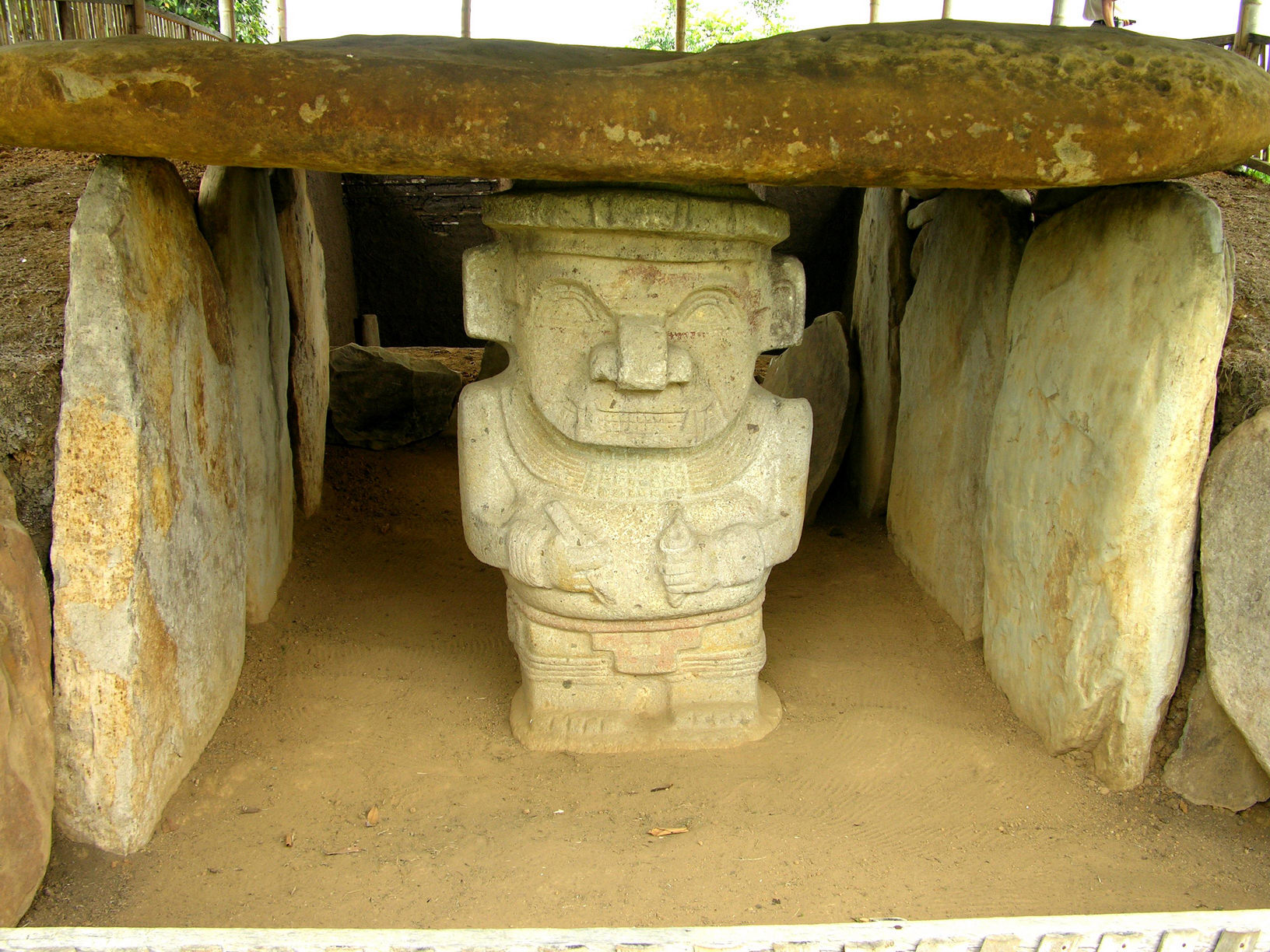
We made it just for opening. The local culture lasted from the sixth century BC to the twelfth century AD. The excavated sites are essentially cemeteries.
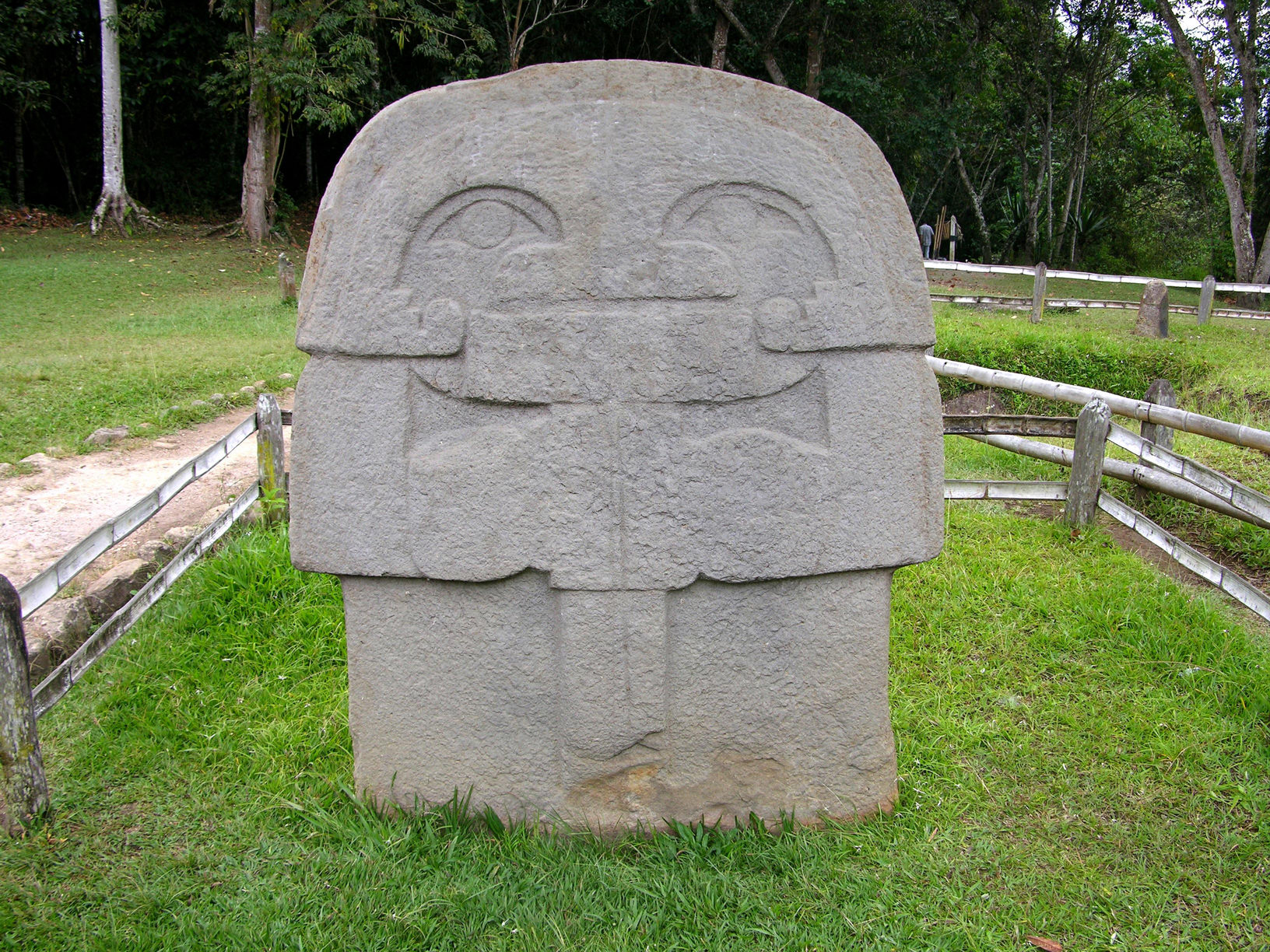
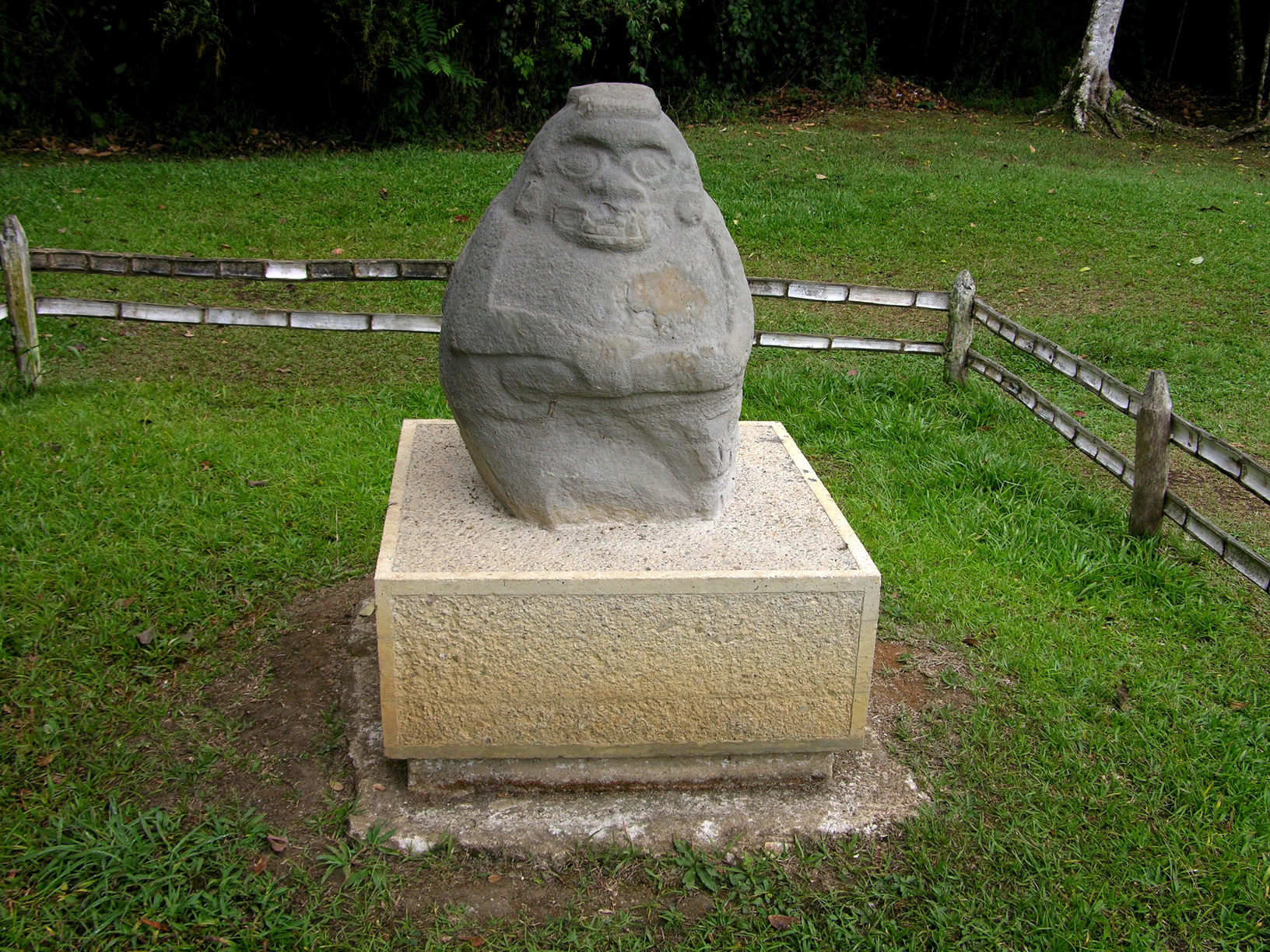
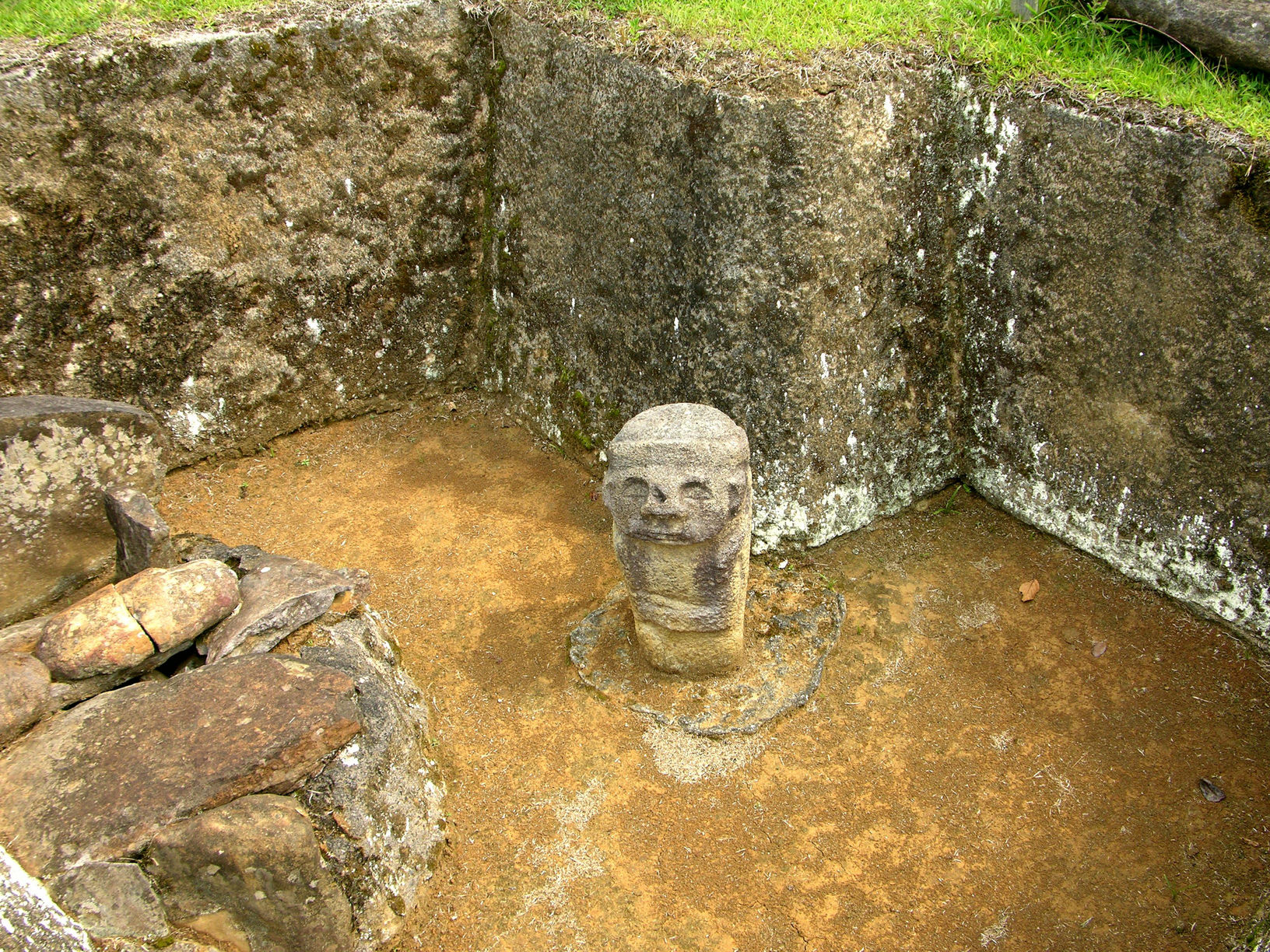
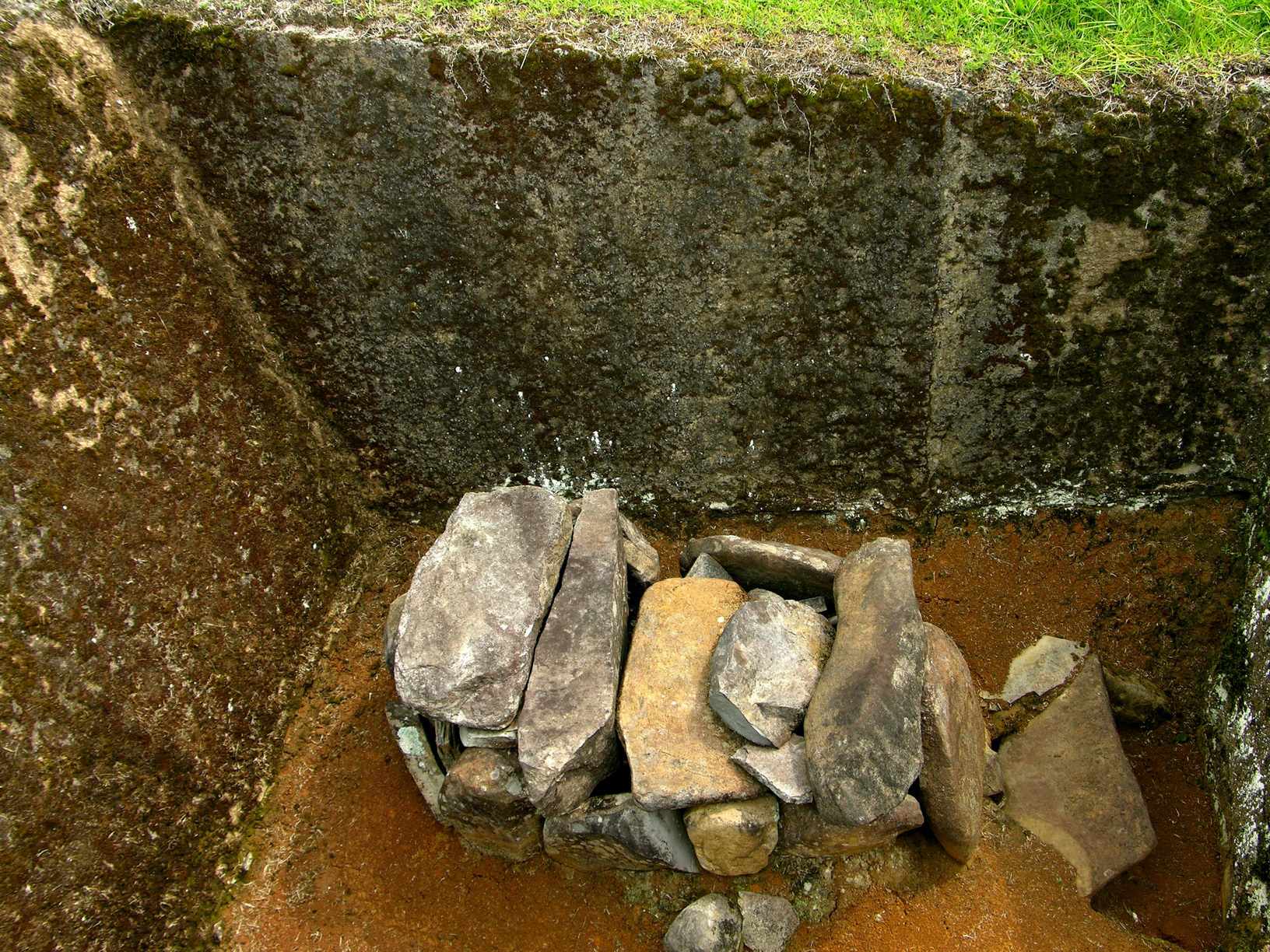
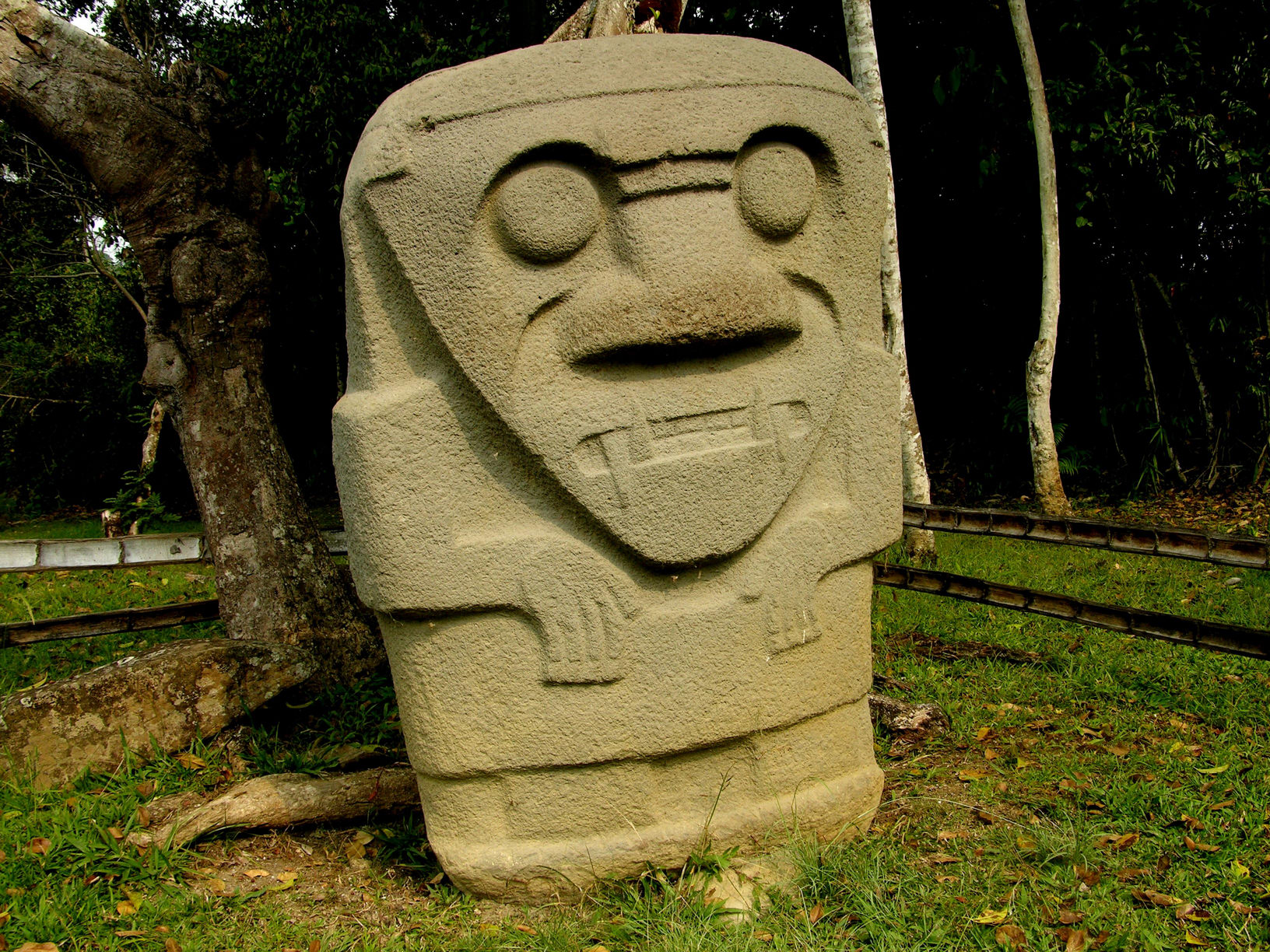
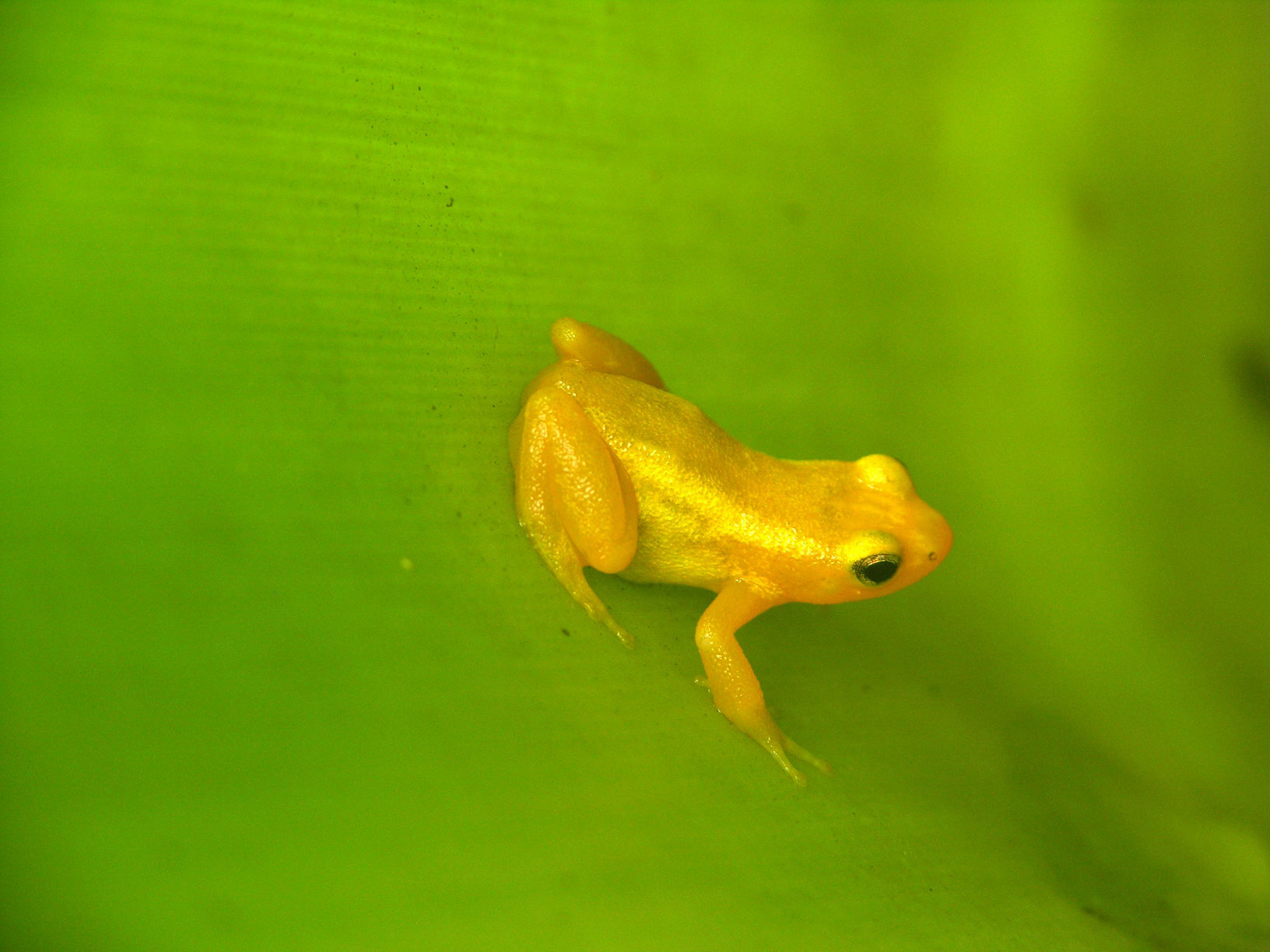
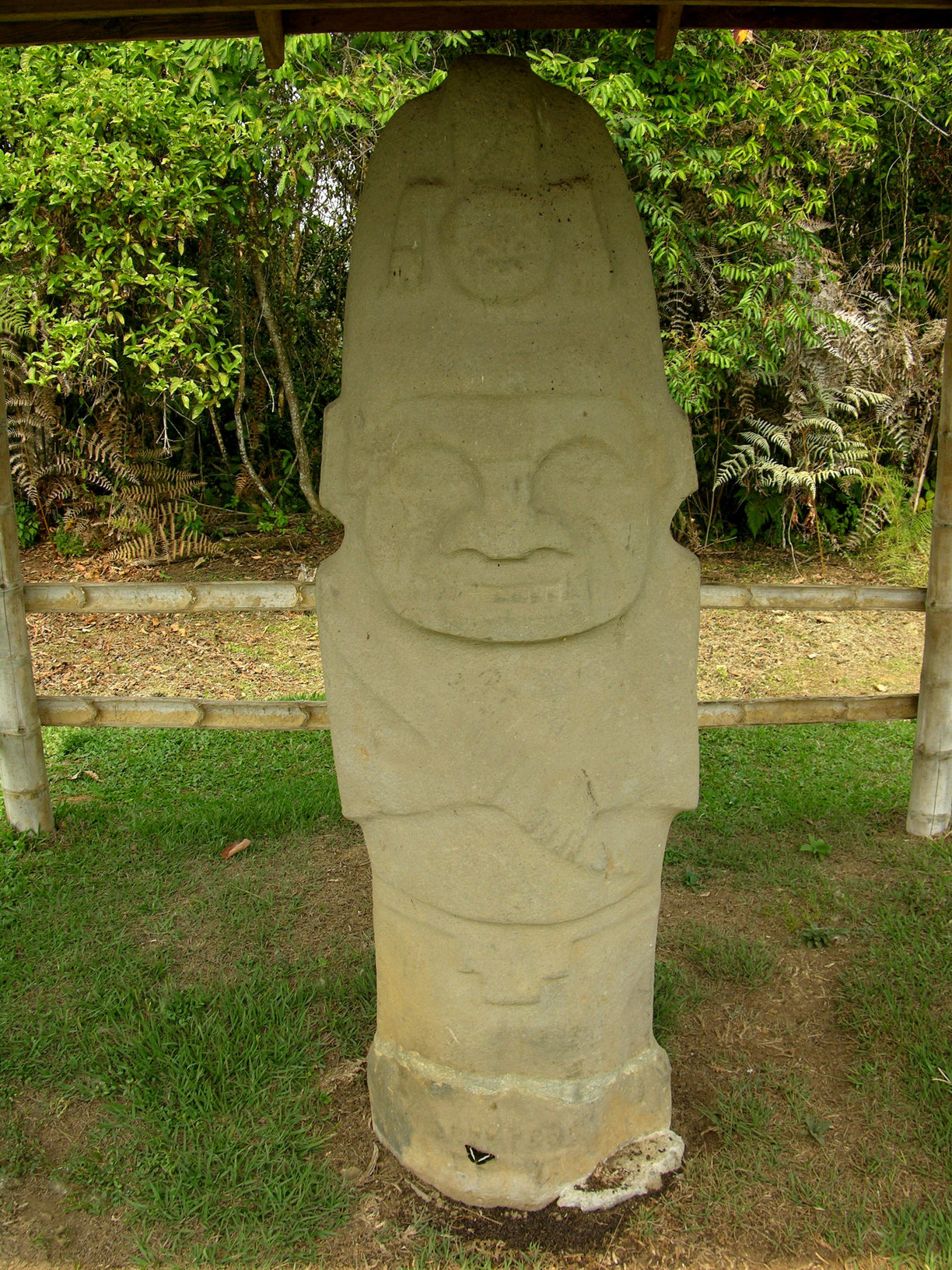
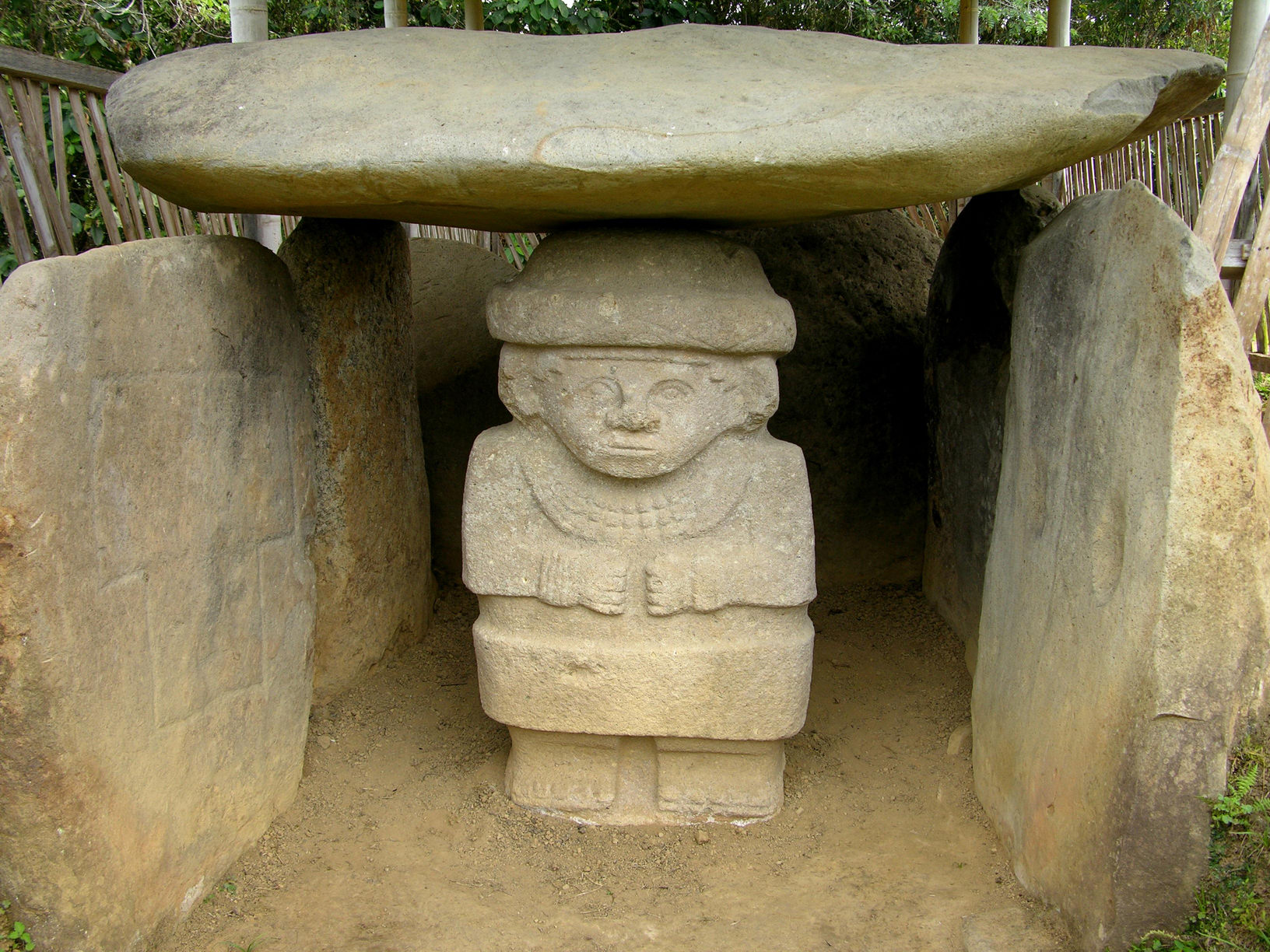
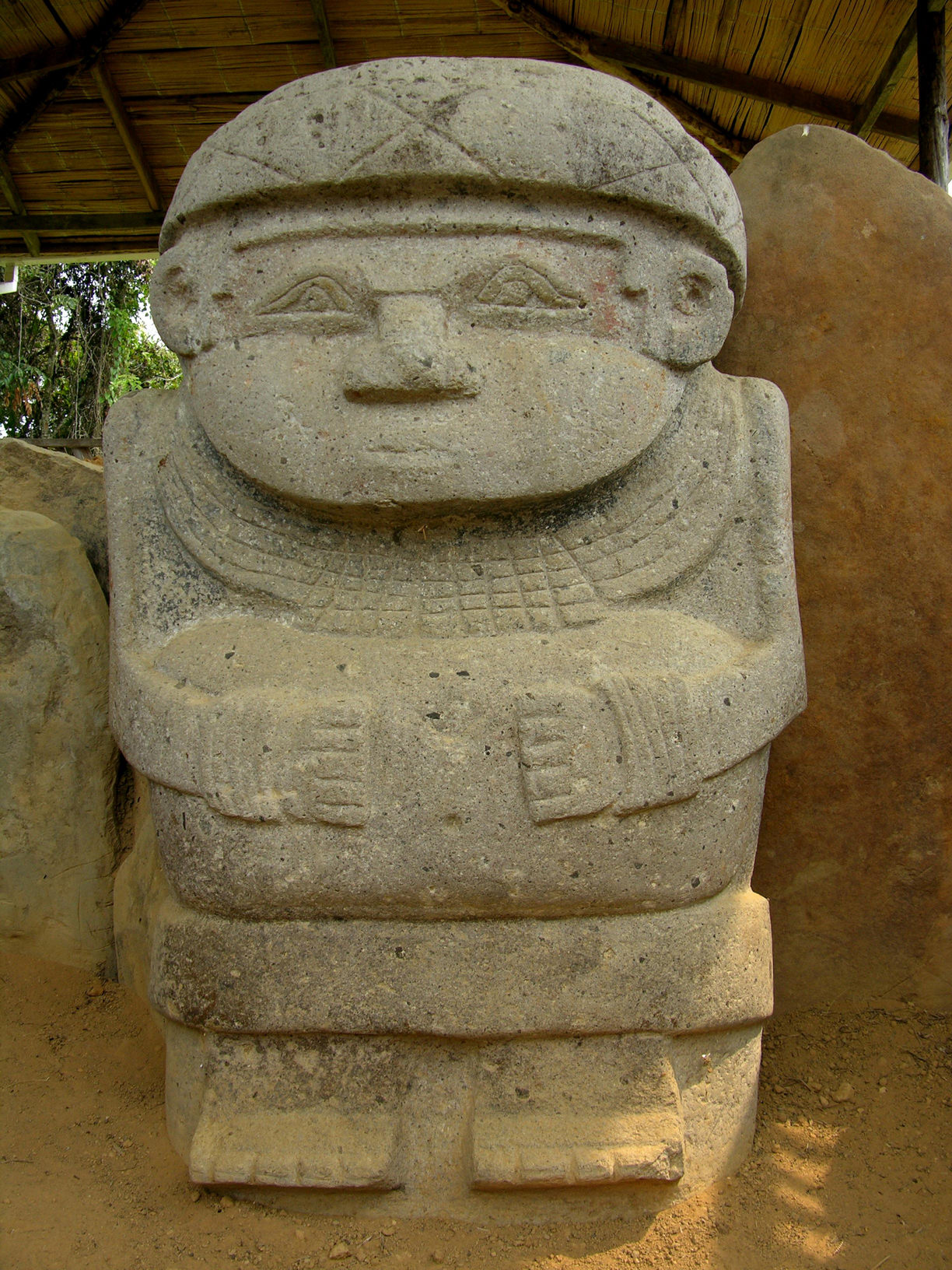
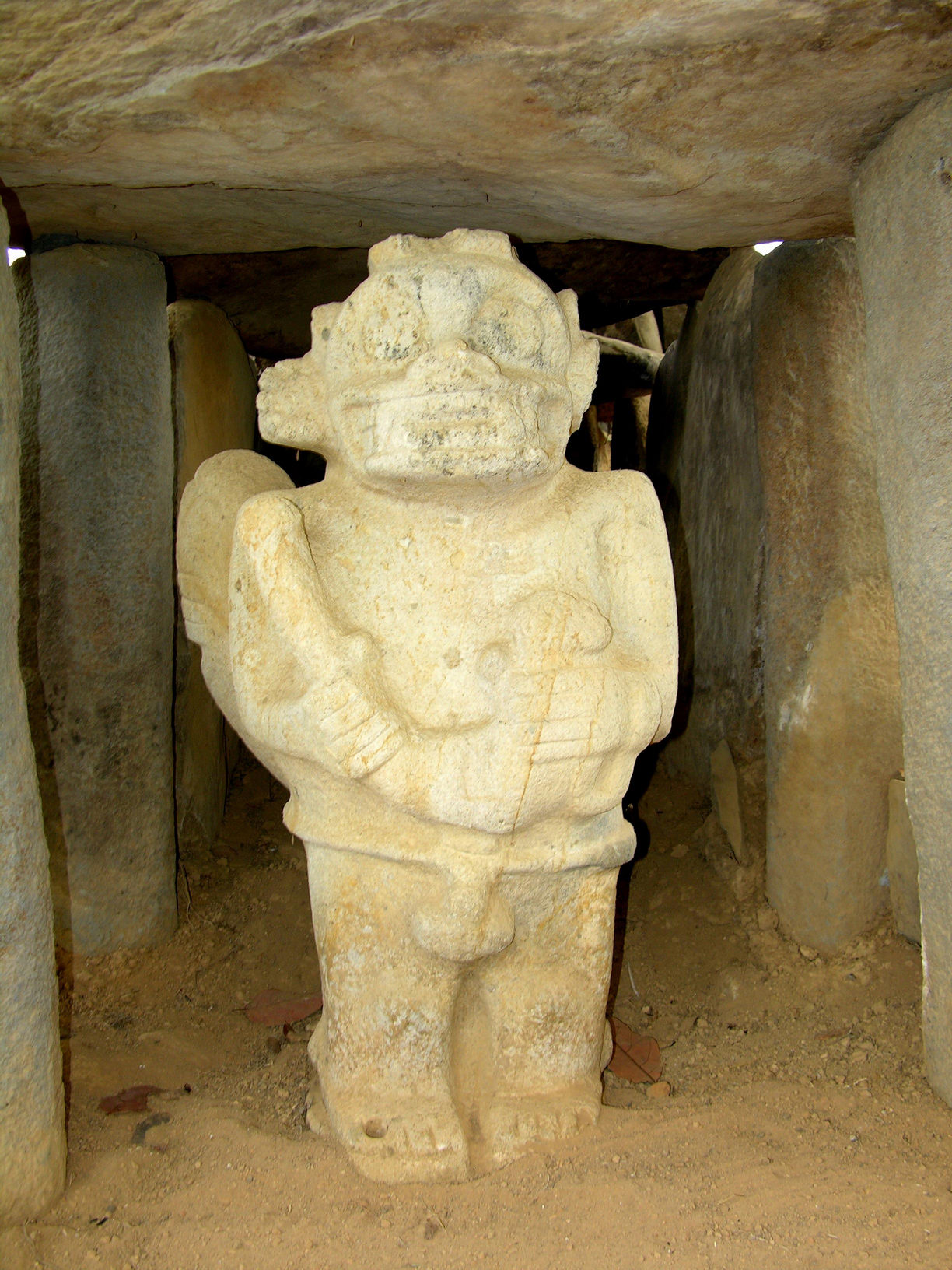
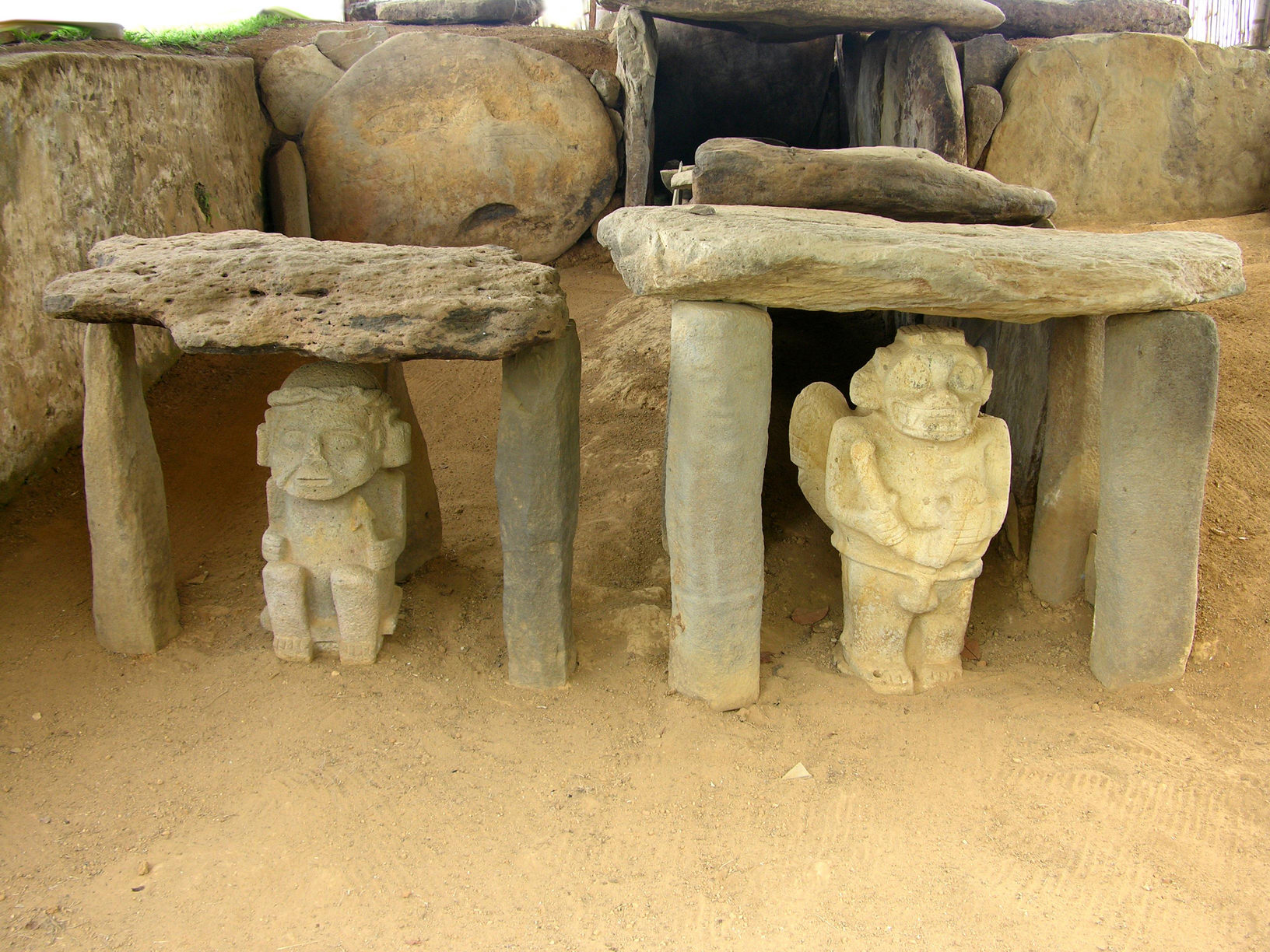
The stone figures found in such large numbers portray people who had developed so far as to merge with four divine powers: a jaguar, a snake, an eagle and a frog. The last made the list on the strength of its poison. The figures show different degrees of union with one or more of those powers. Some wear a jaguar skin on their backs, others have a beak and the rest are the image of frogs. All that's missing is Fomenko, the revisionist historian. He'd certainly have thought of the Frog Princess.
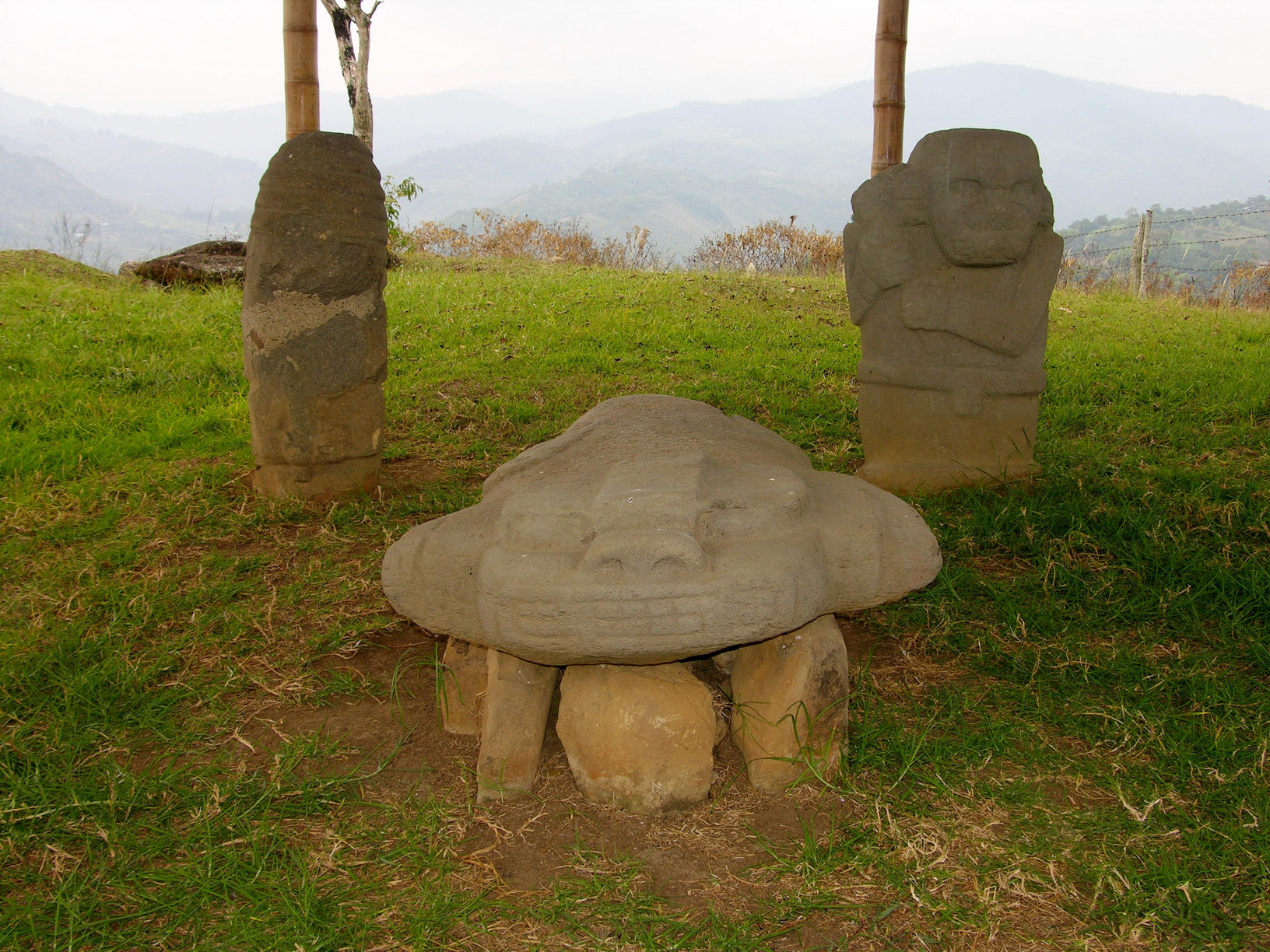
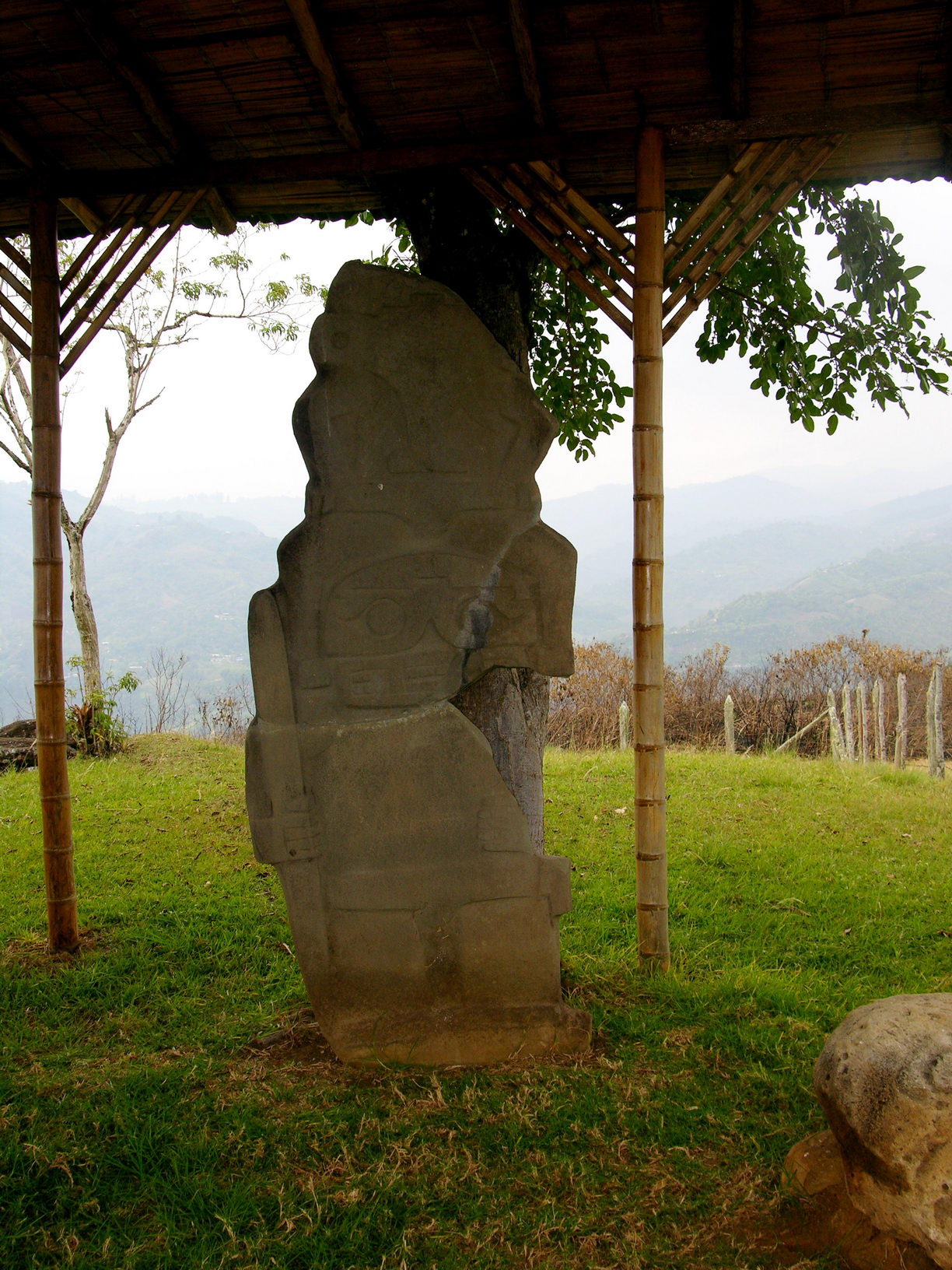
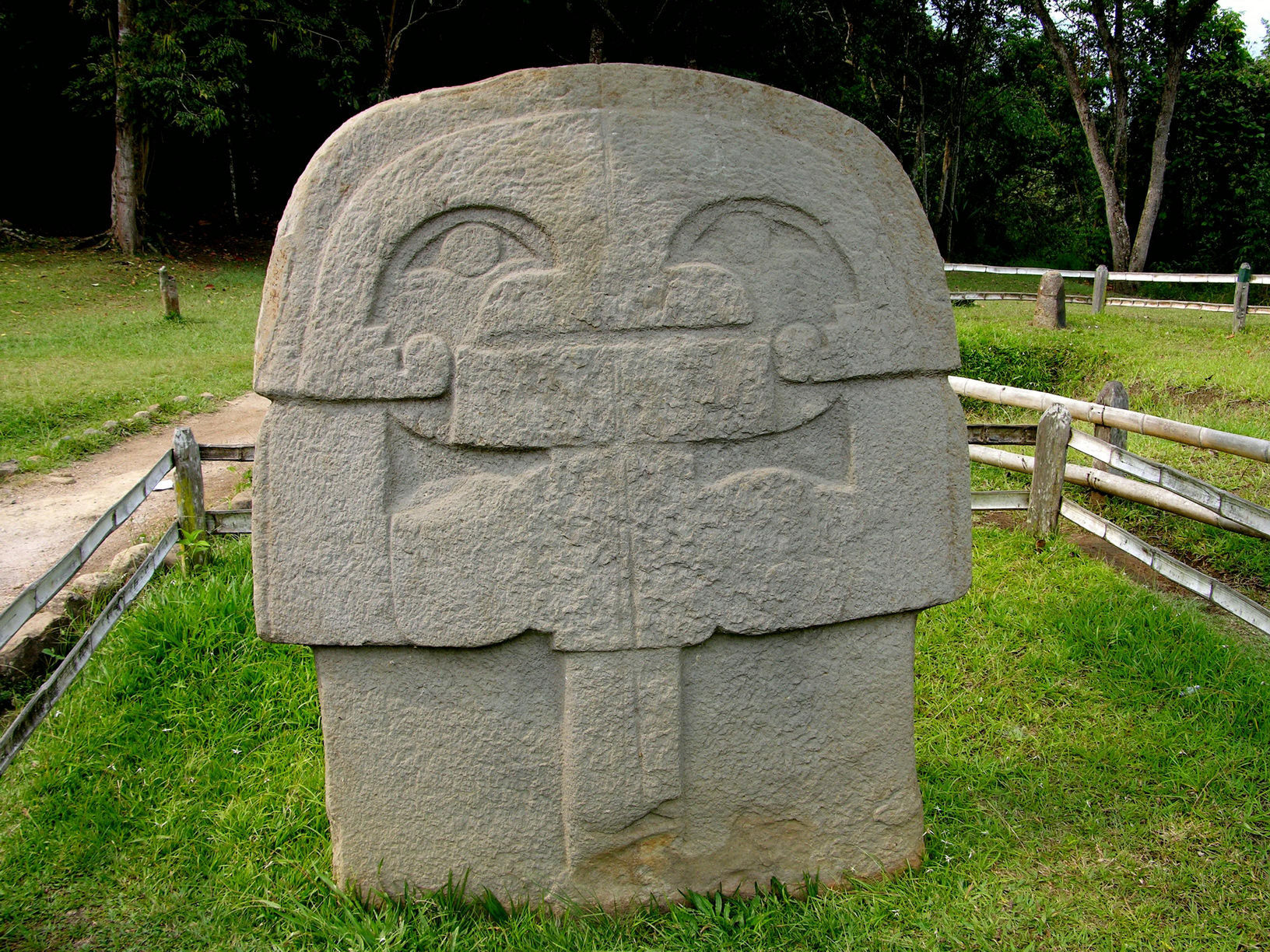
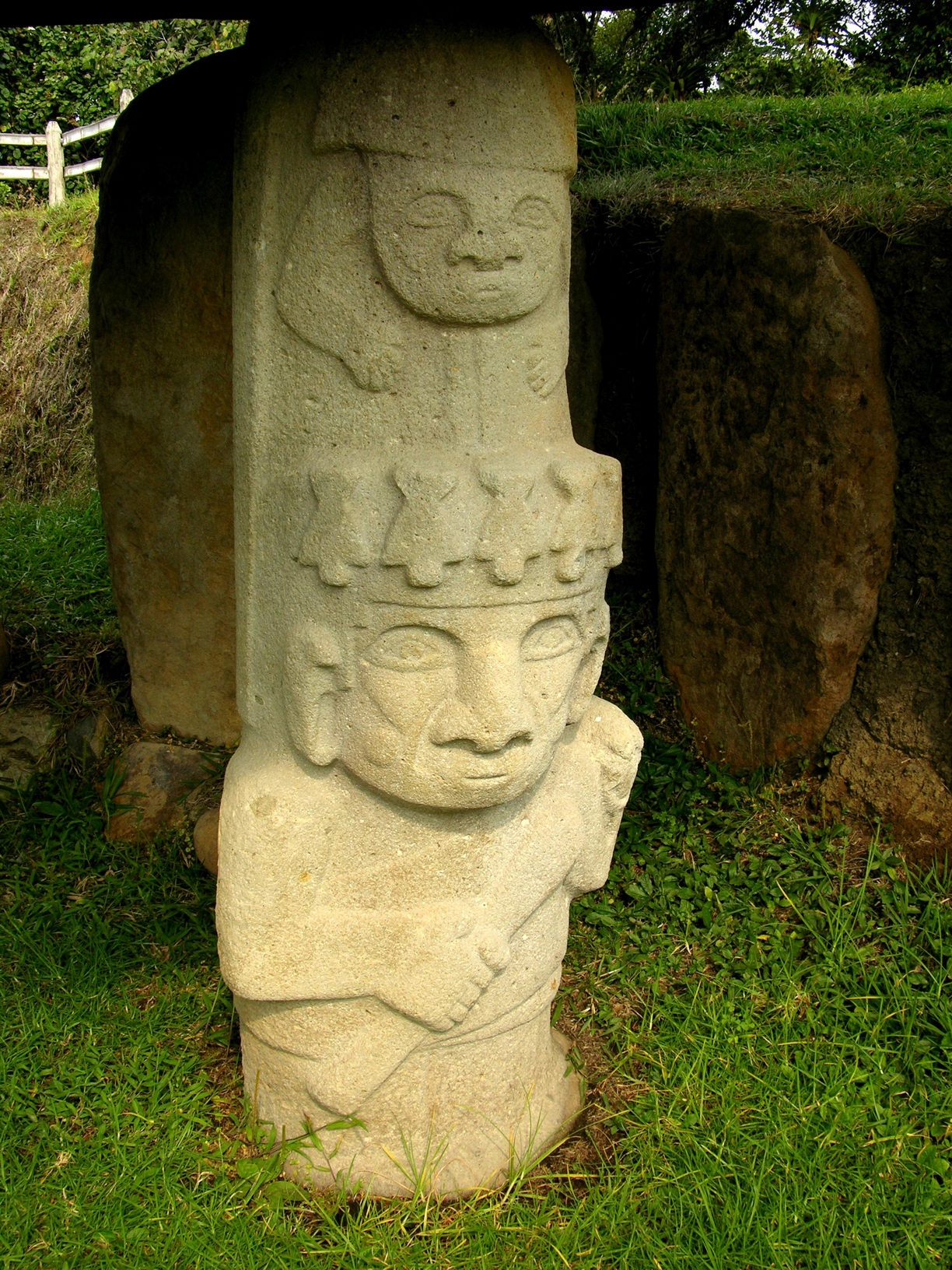
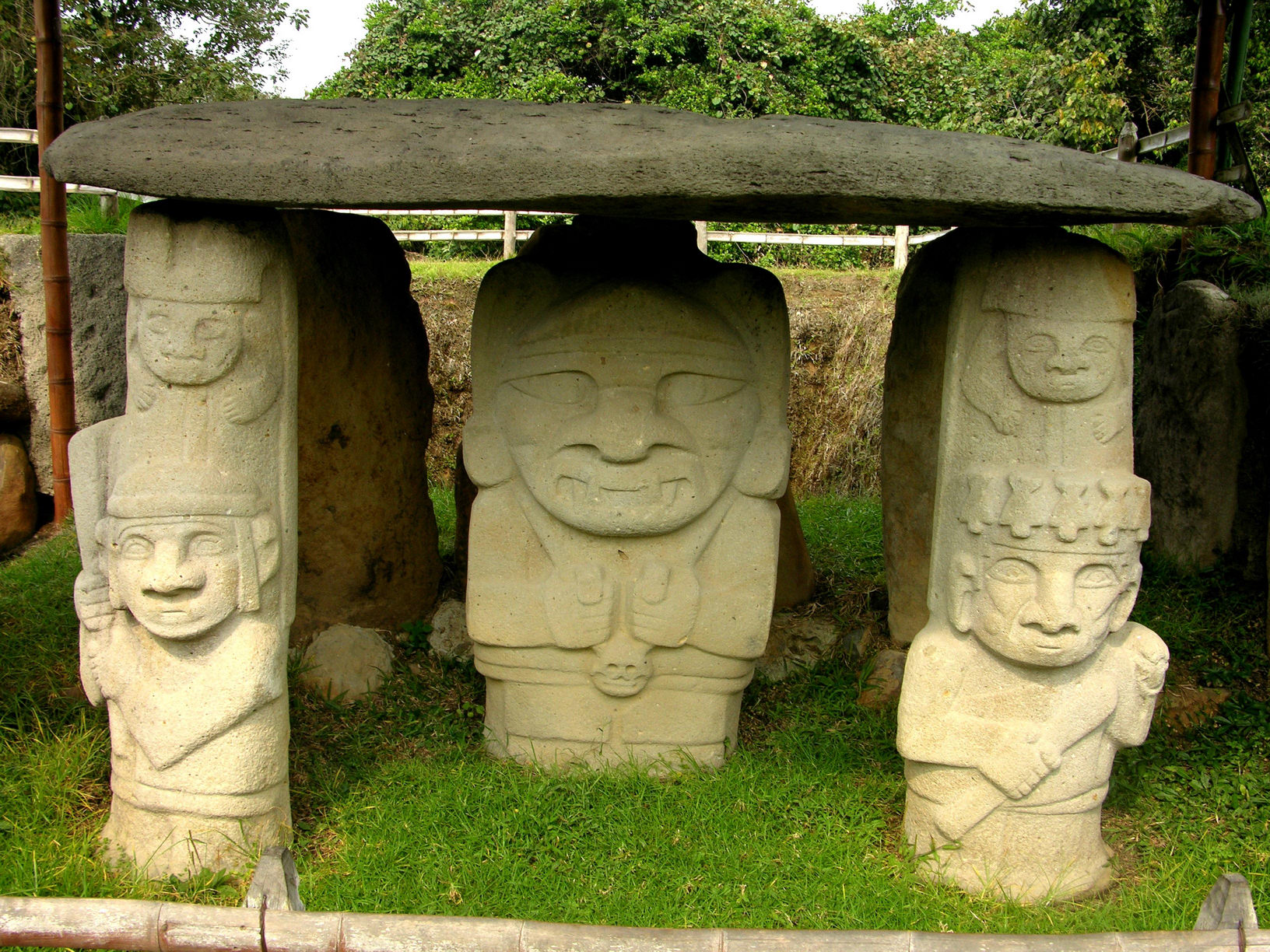
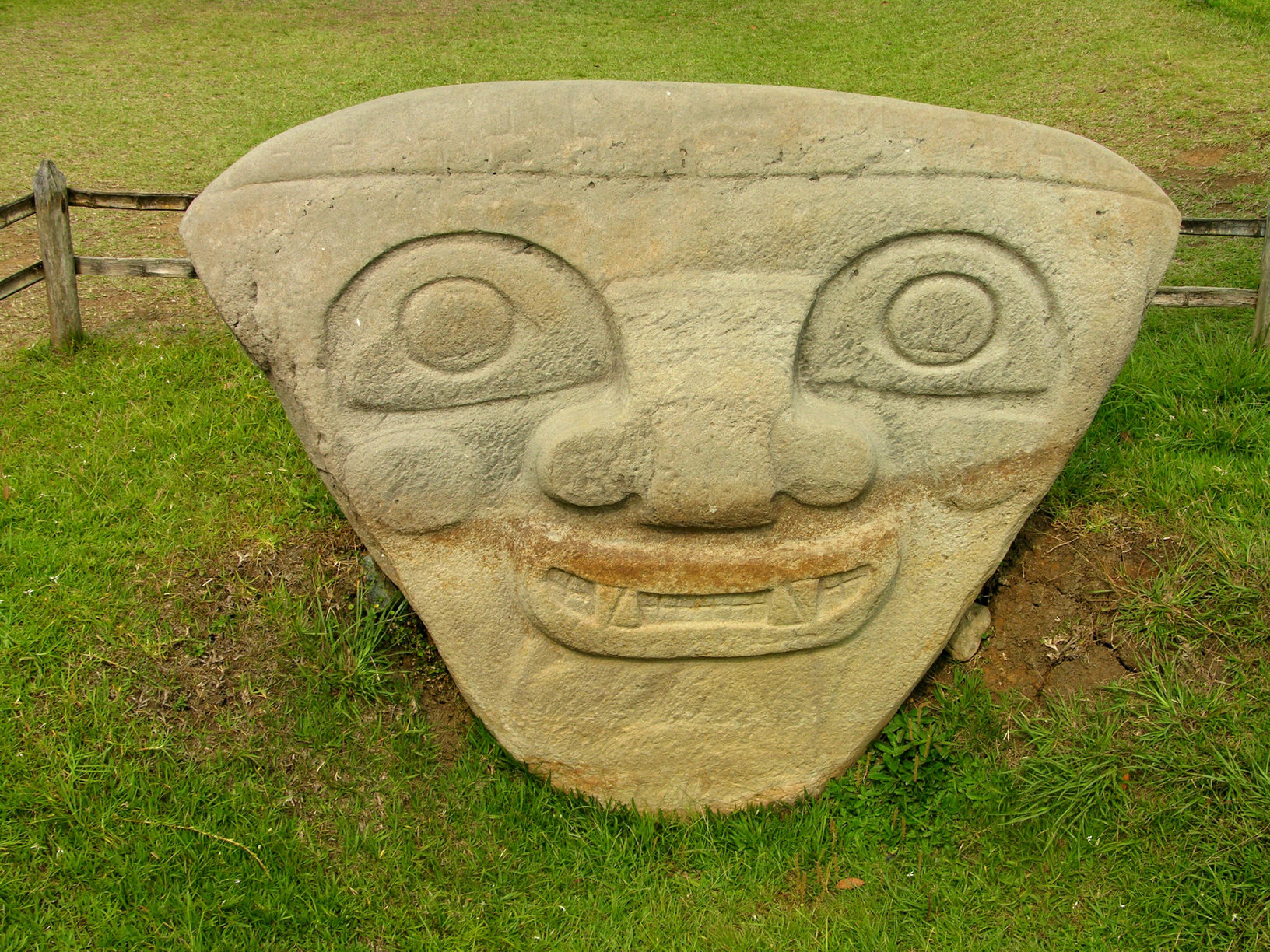
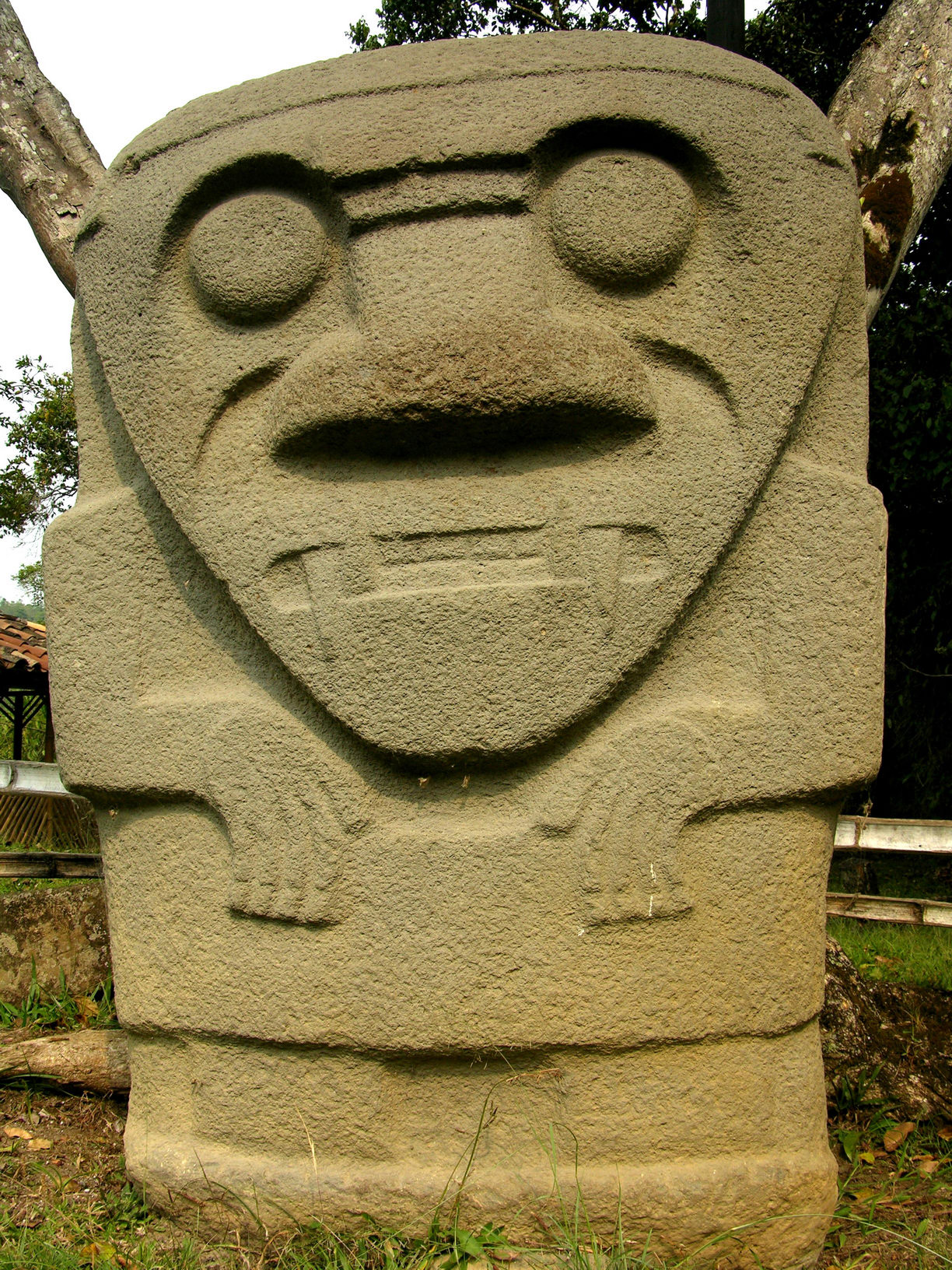
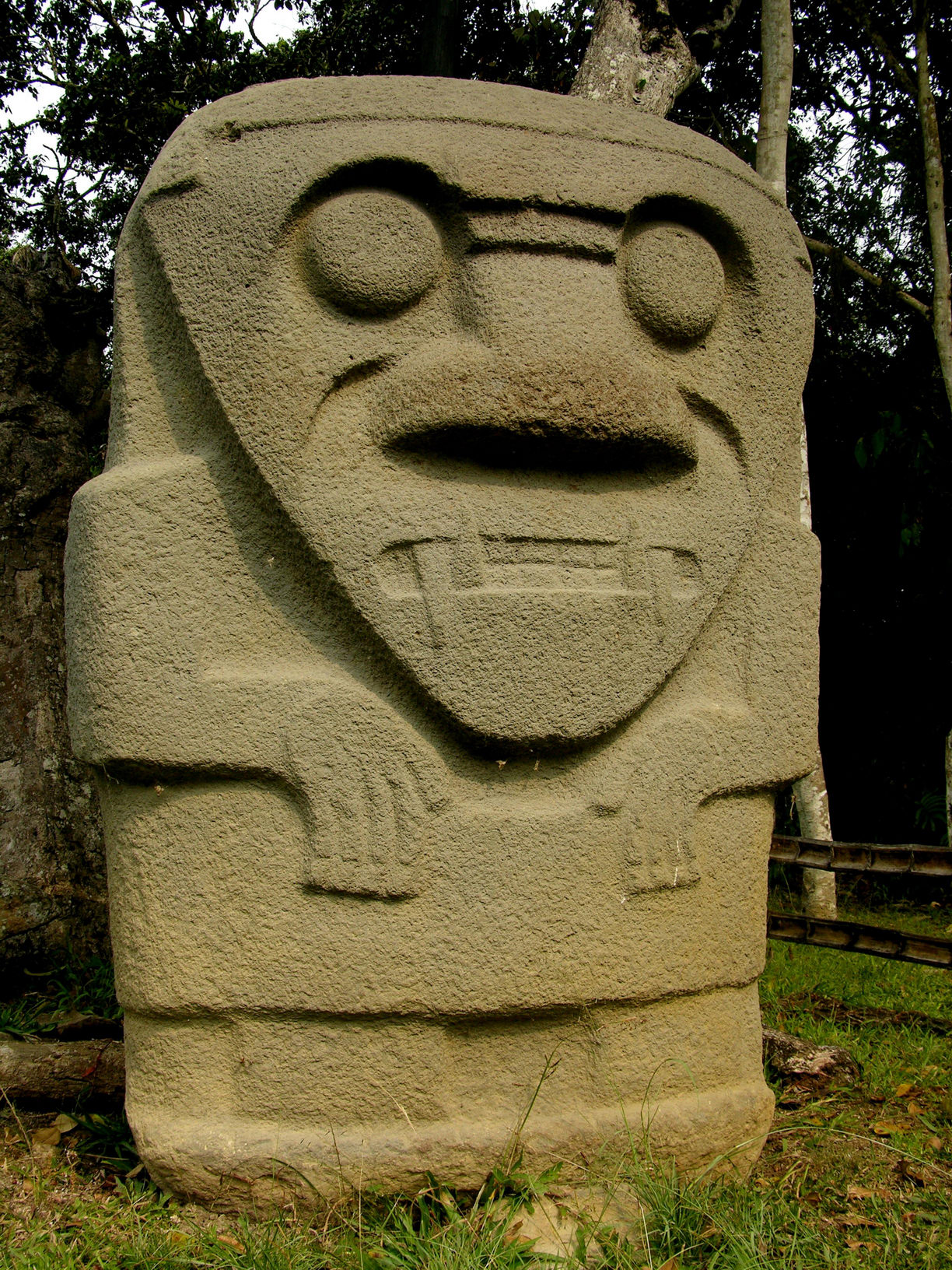
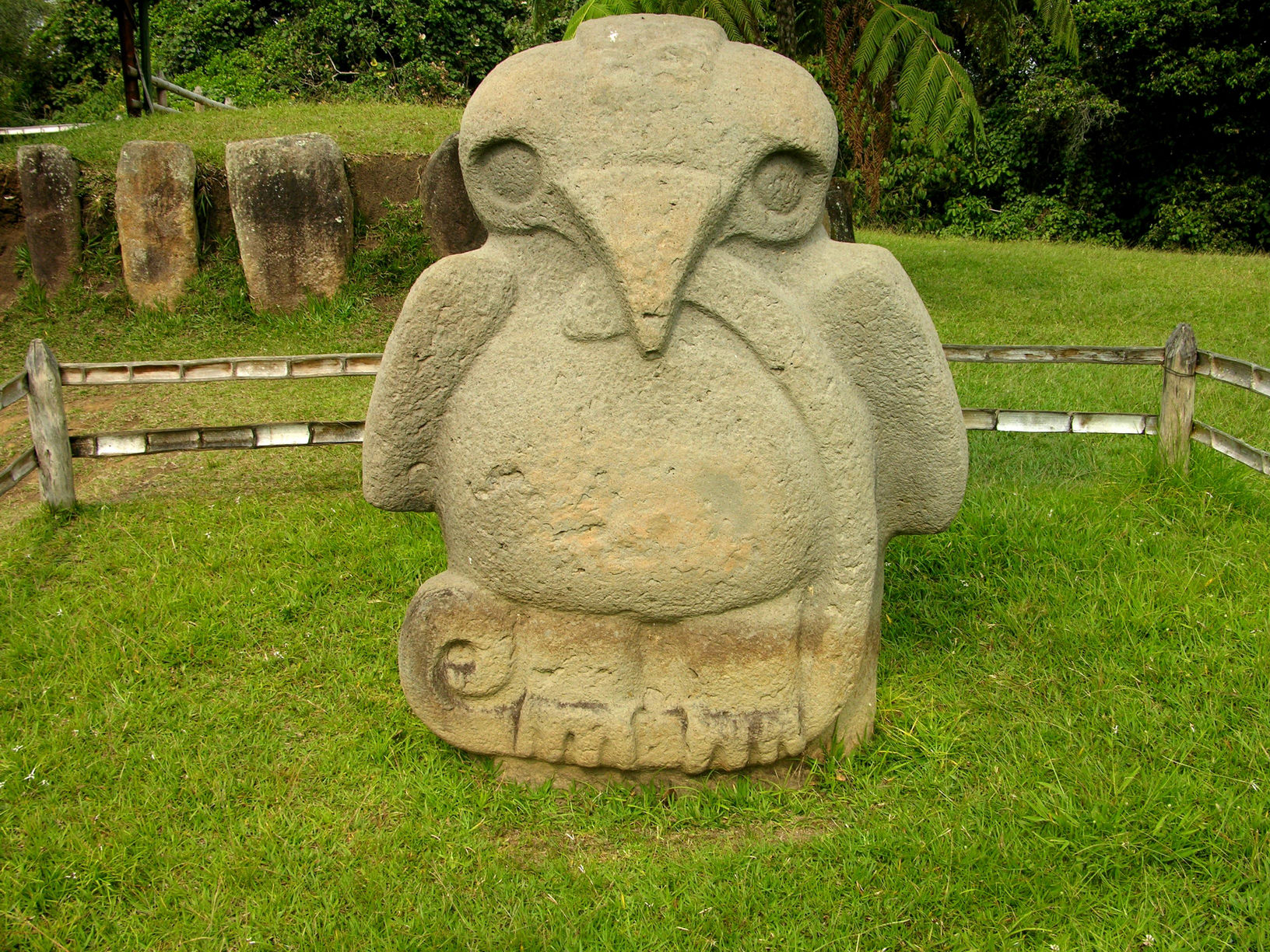
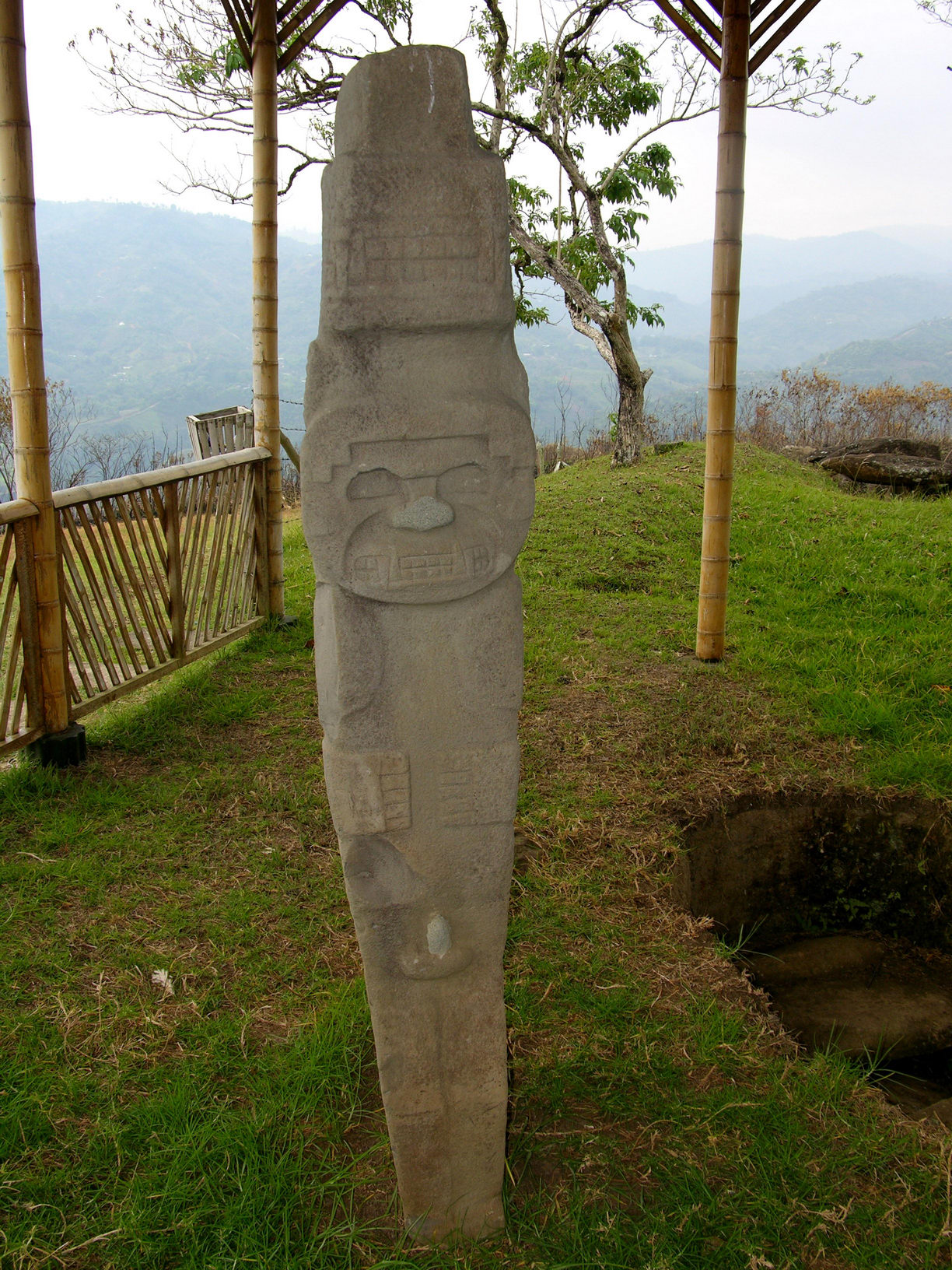
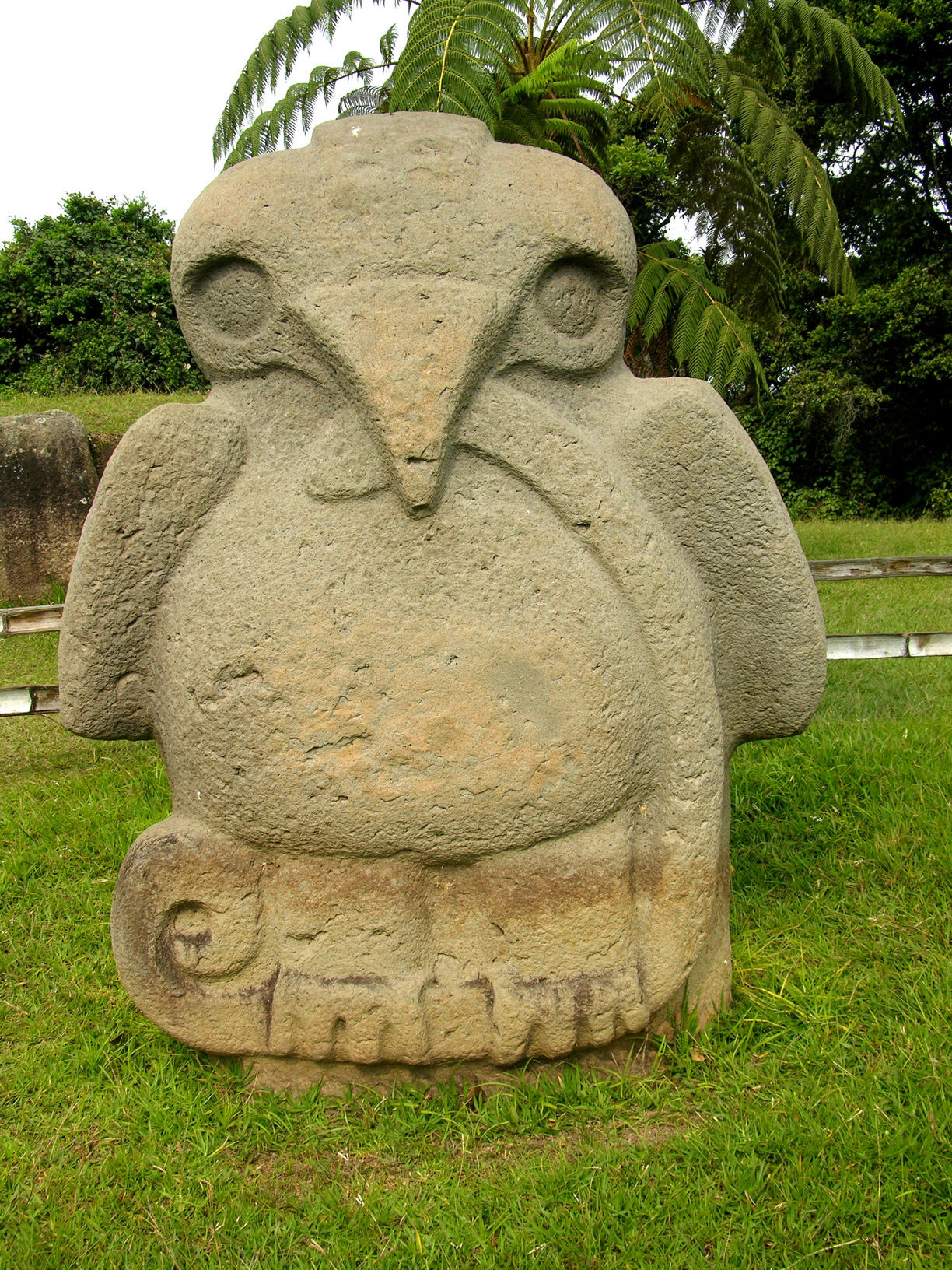
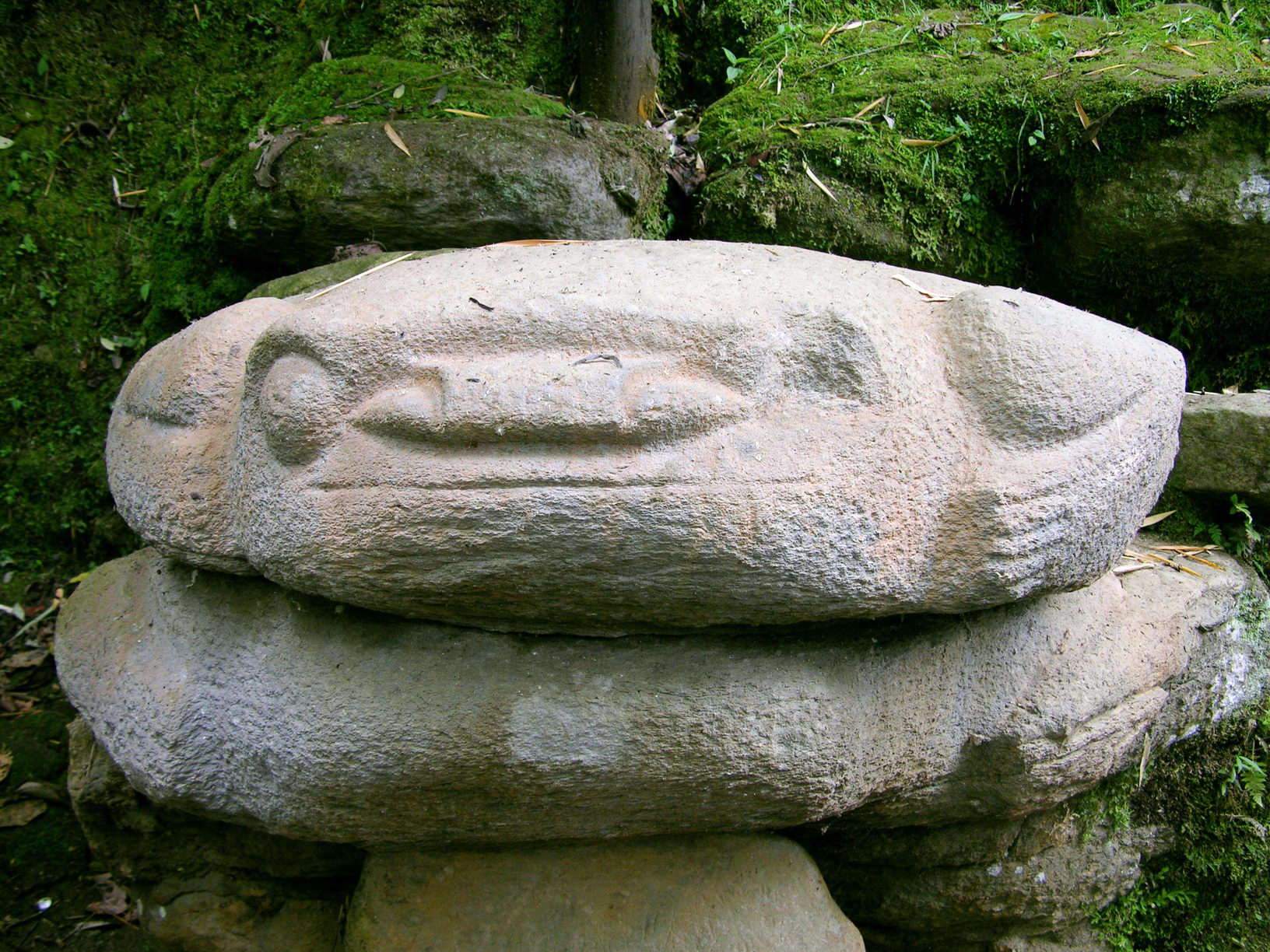
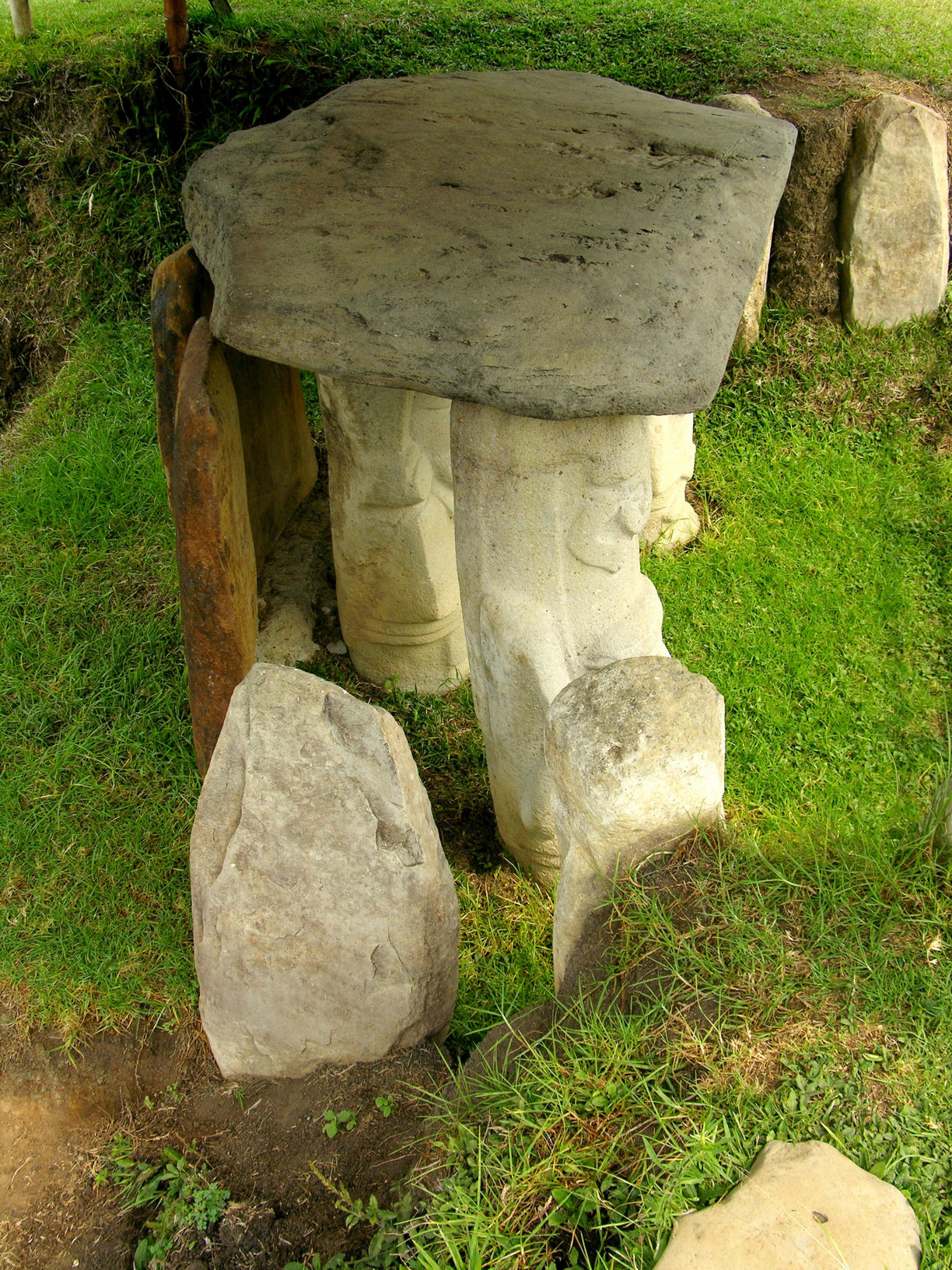
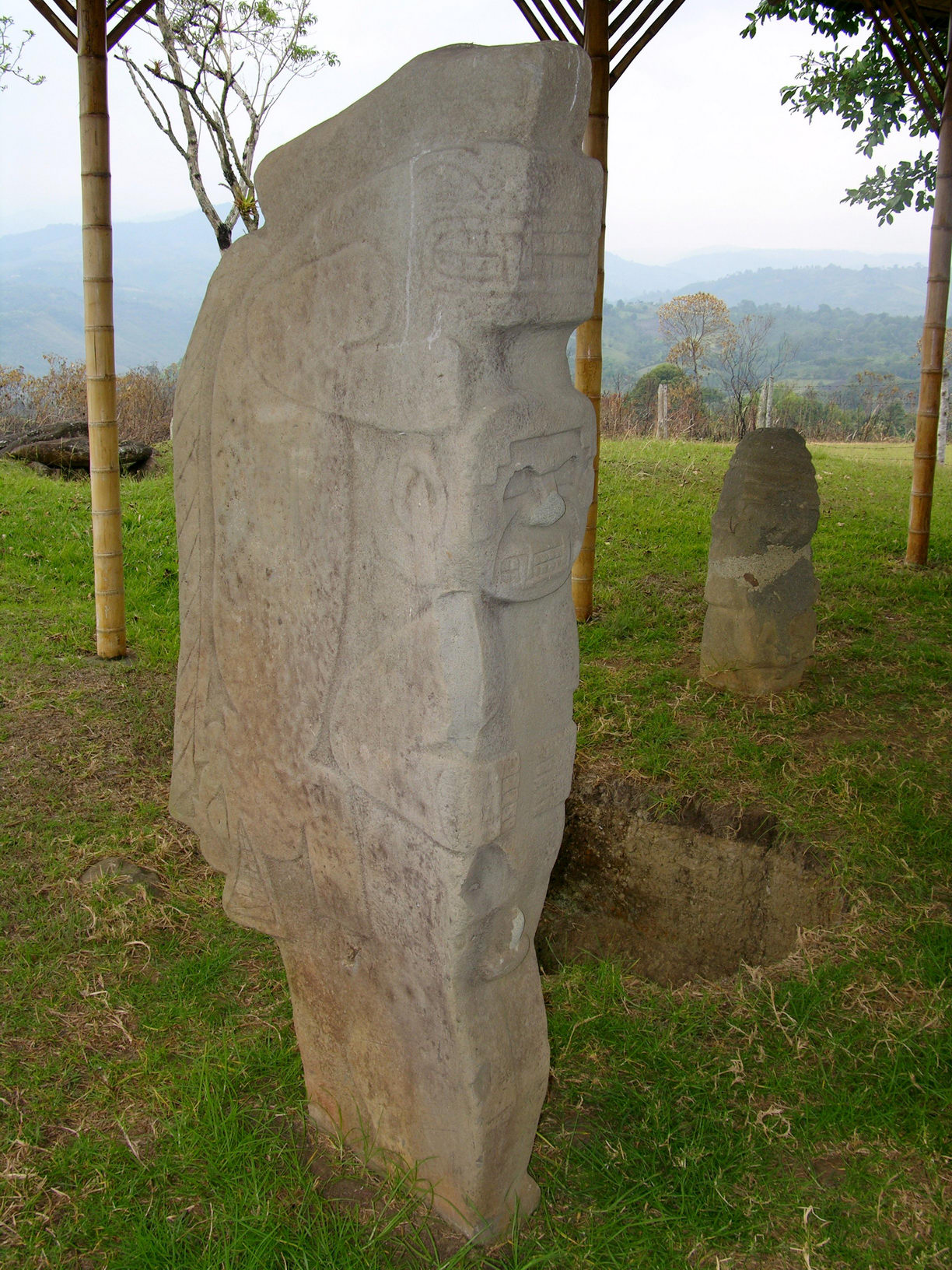
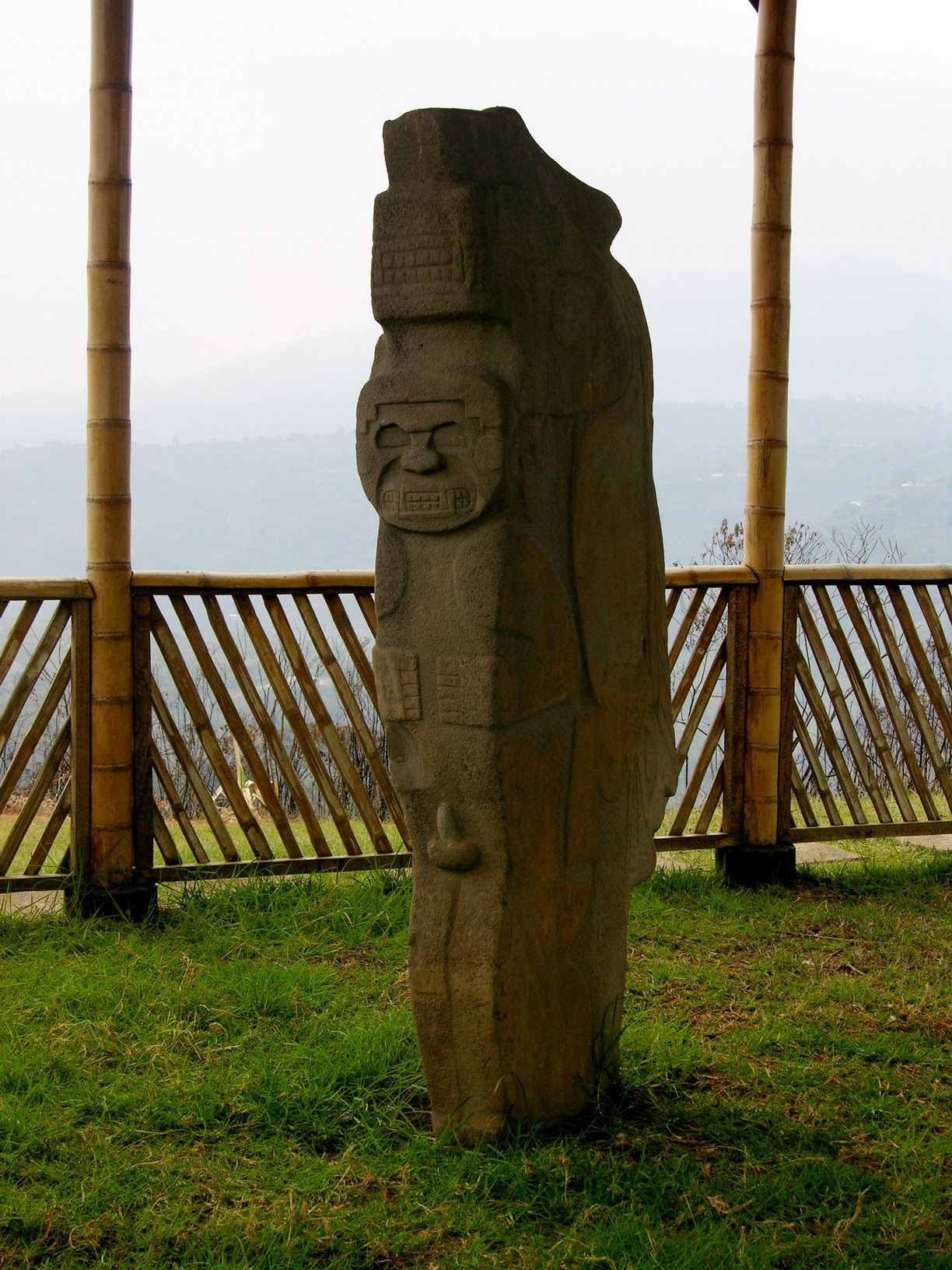
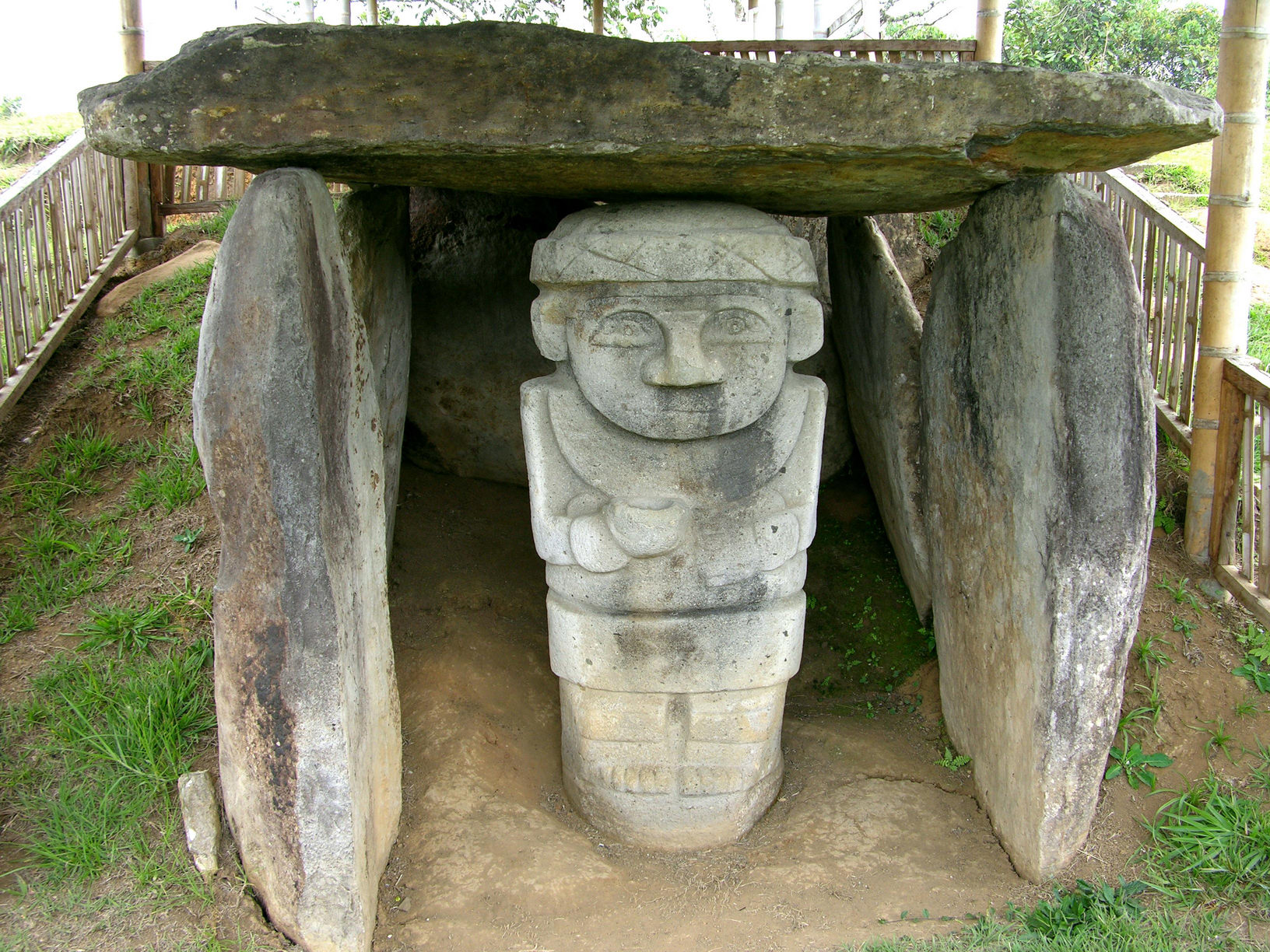
The figures may stand beside a tomb, or serve as the lid of a sarcophagus. Figures with eyes pointing in different directions apparently depict shamans in a trance. Perhaps high on the frogs. As well as stone figures they laid little gold man-jaguars or other hybrid creatures in the tombs. That's what the grave robbers dig for nowadays.
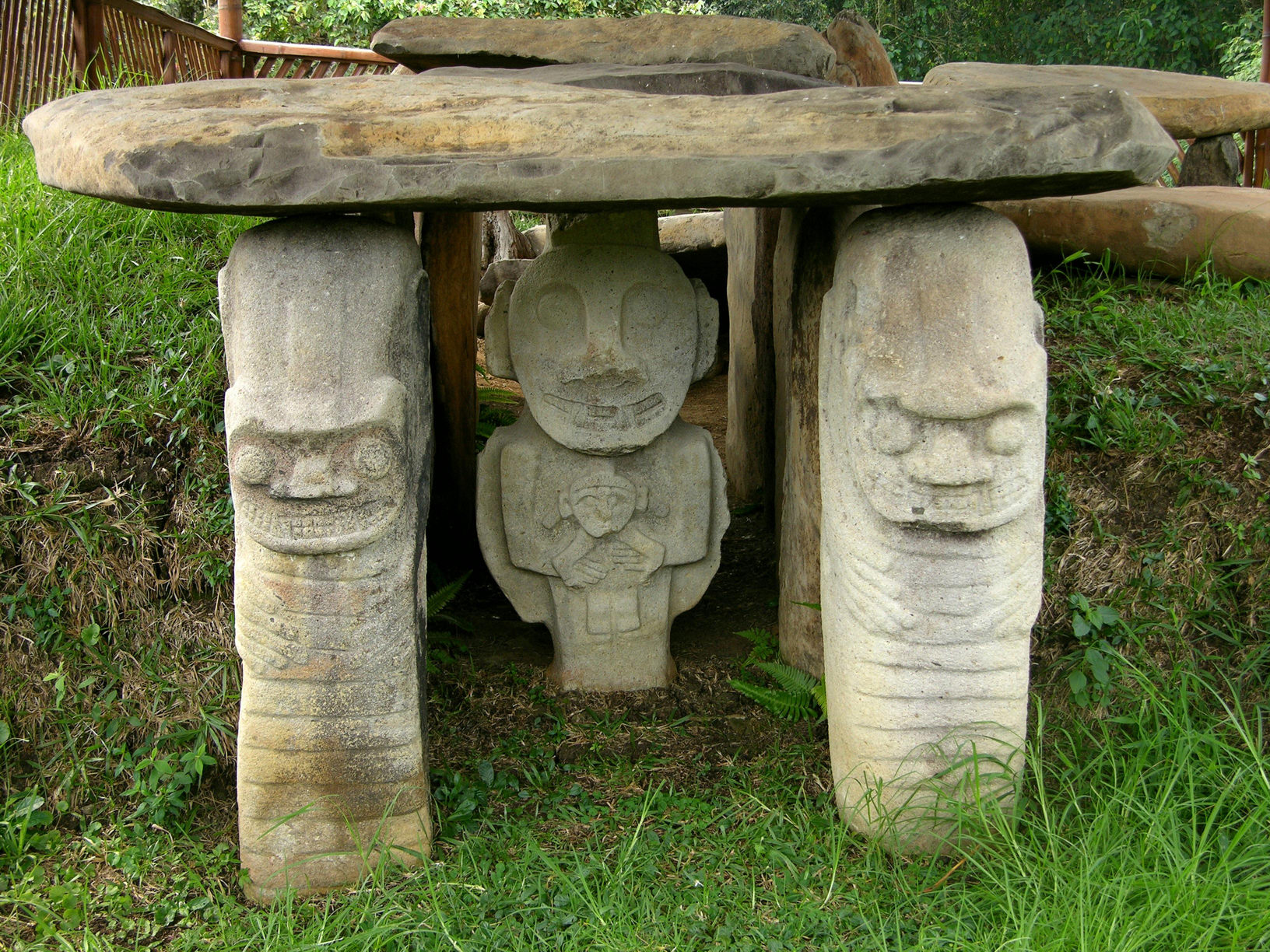
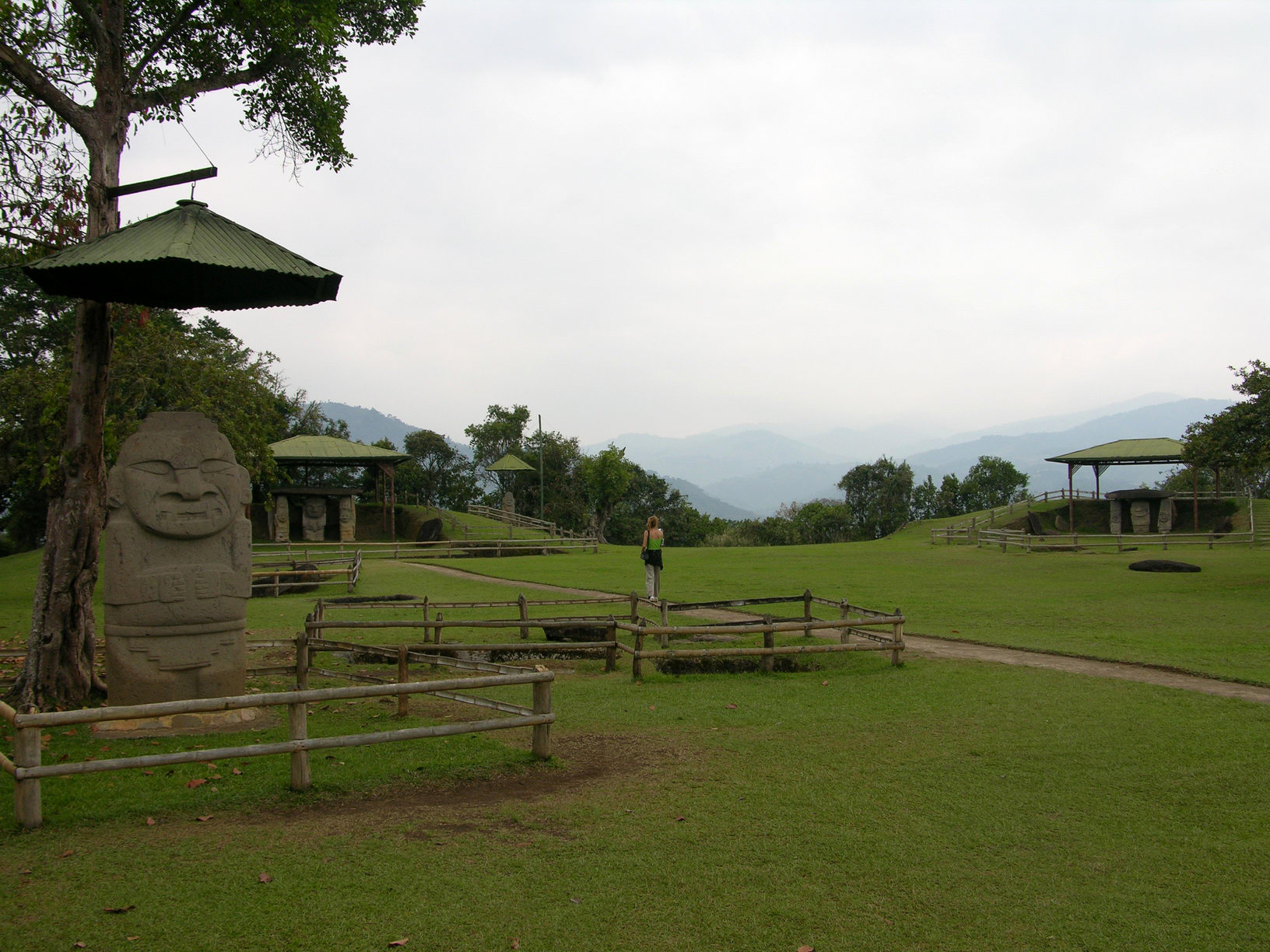
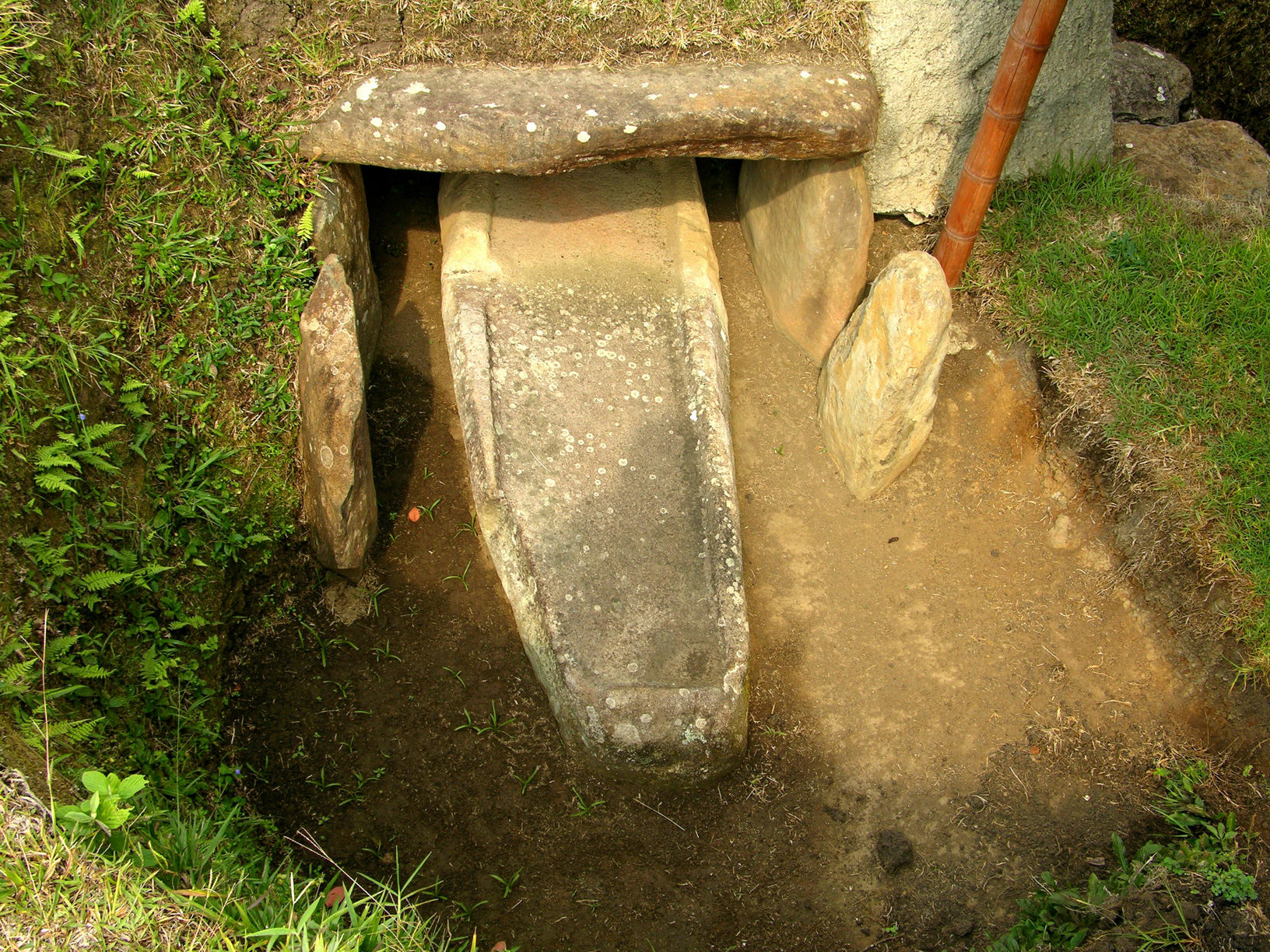
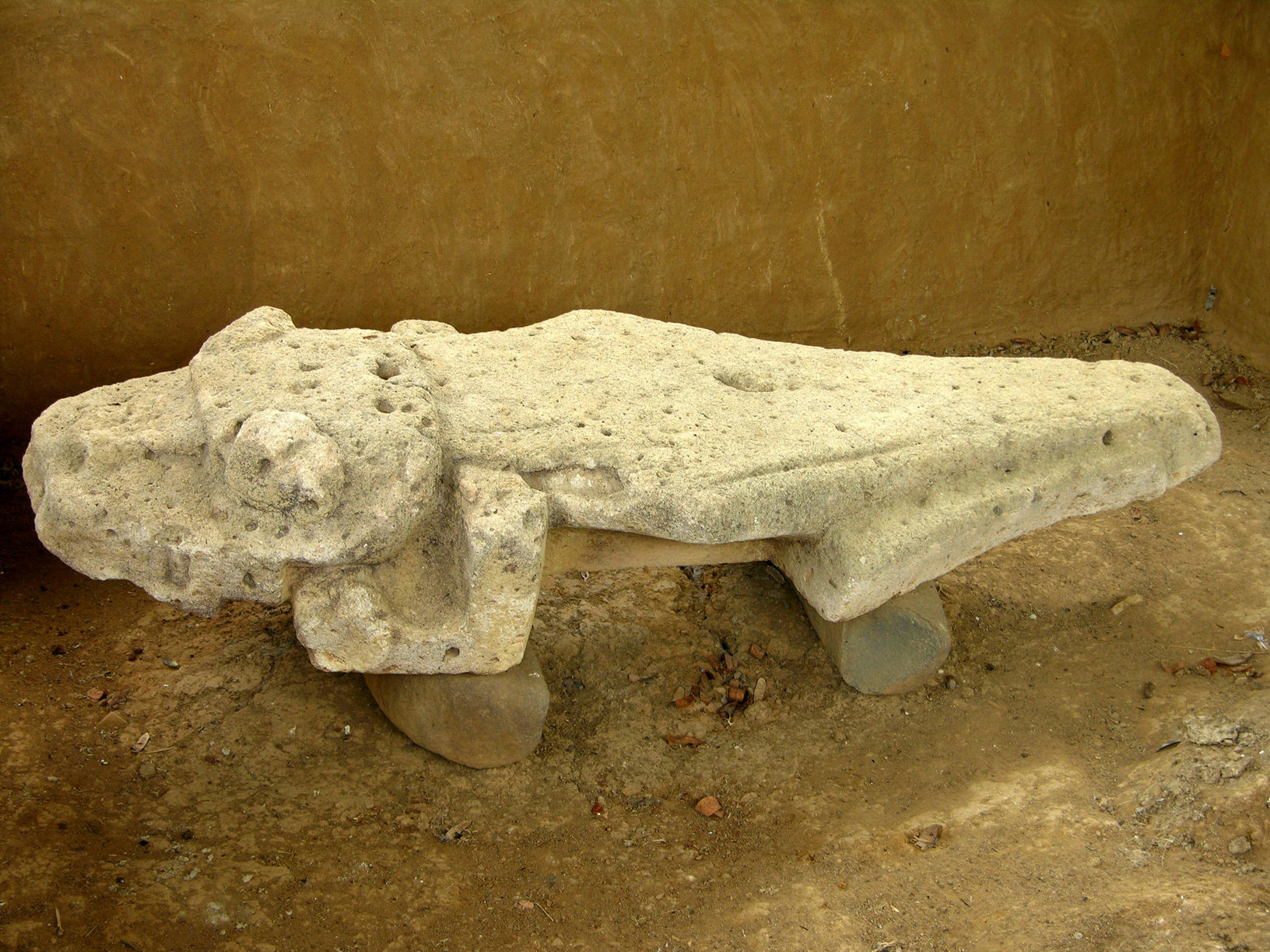
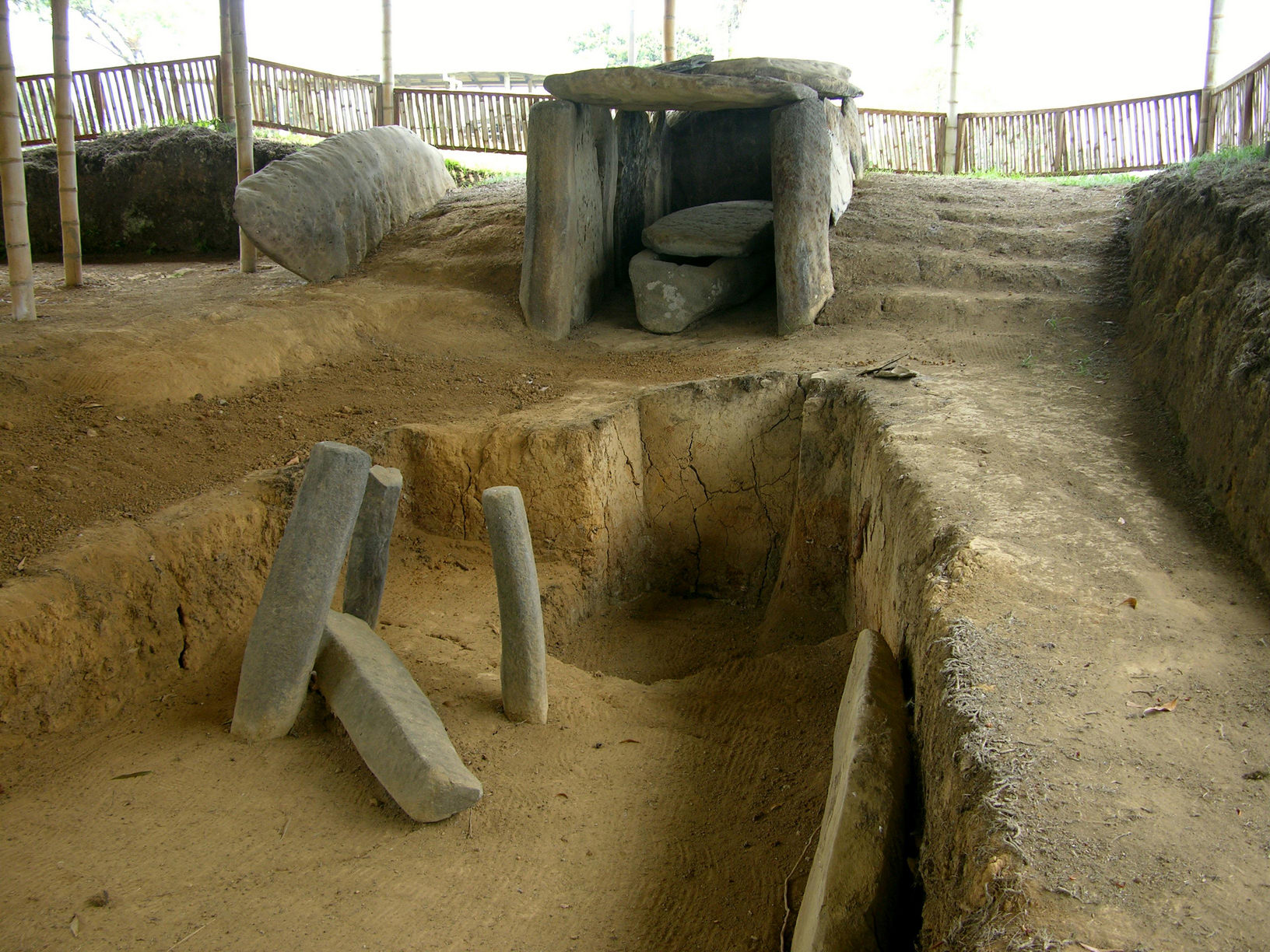
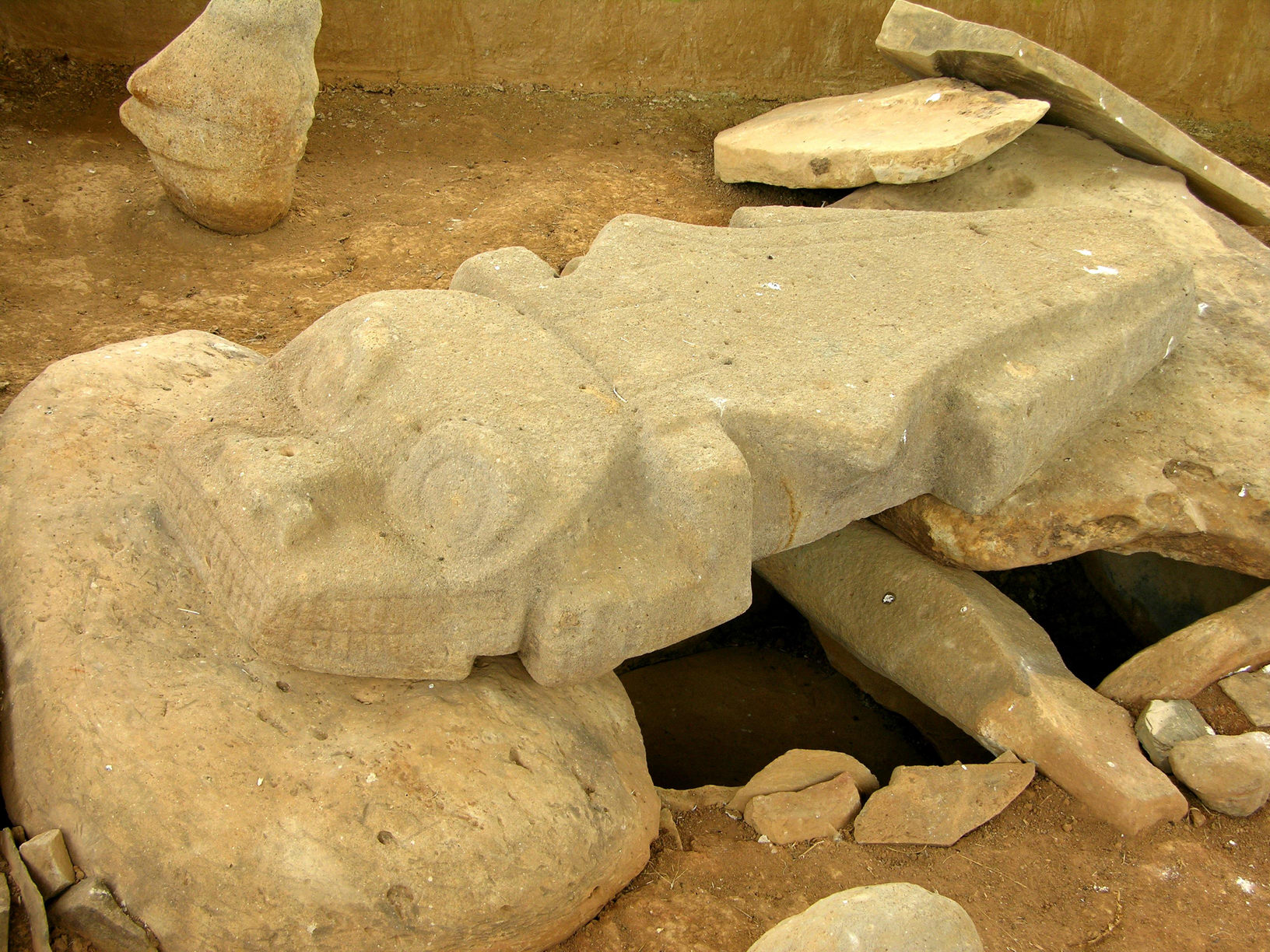
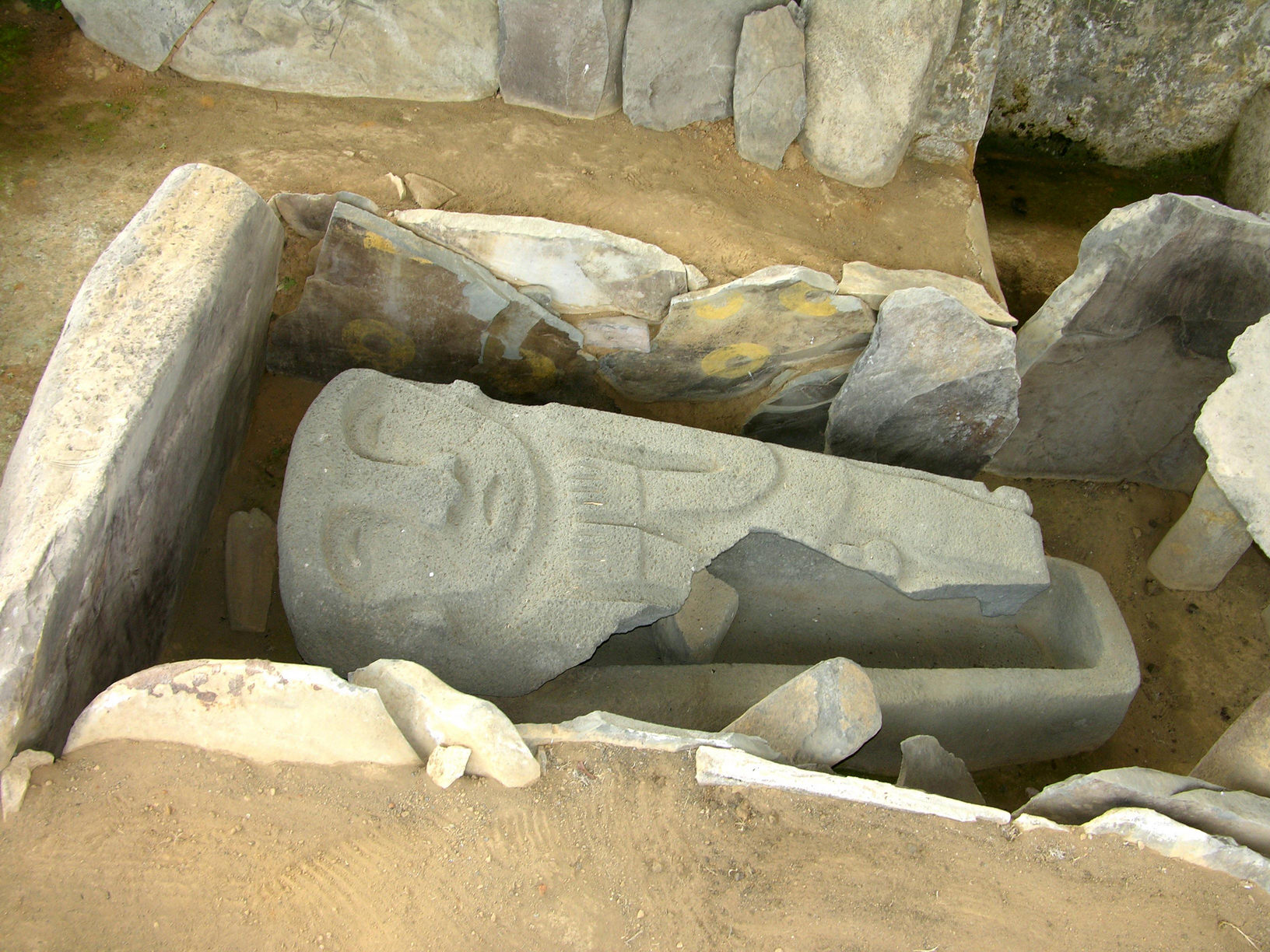
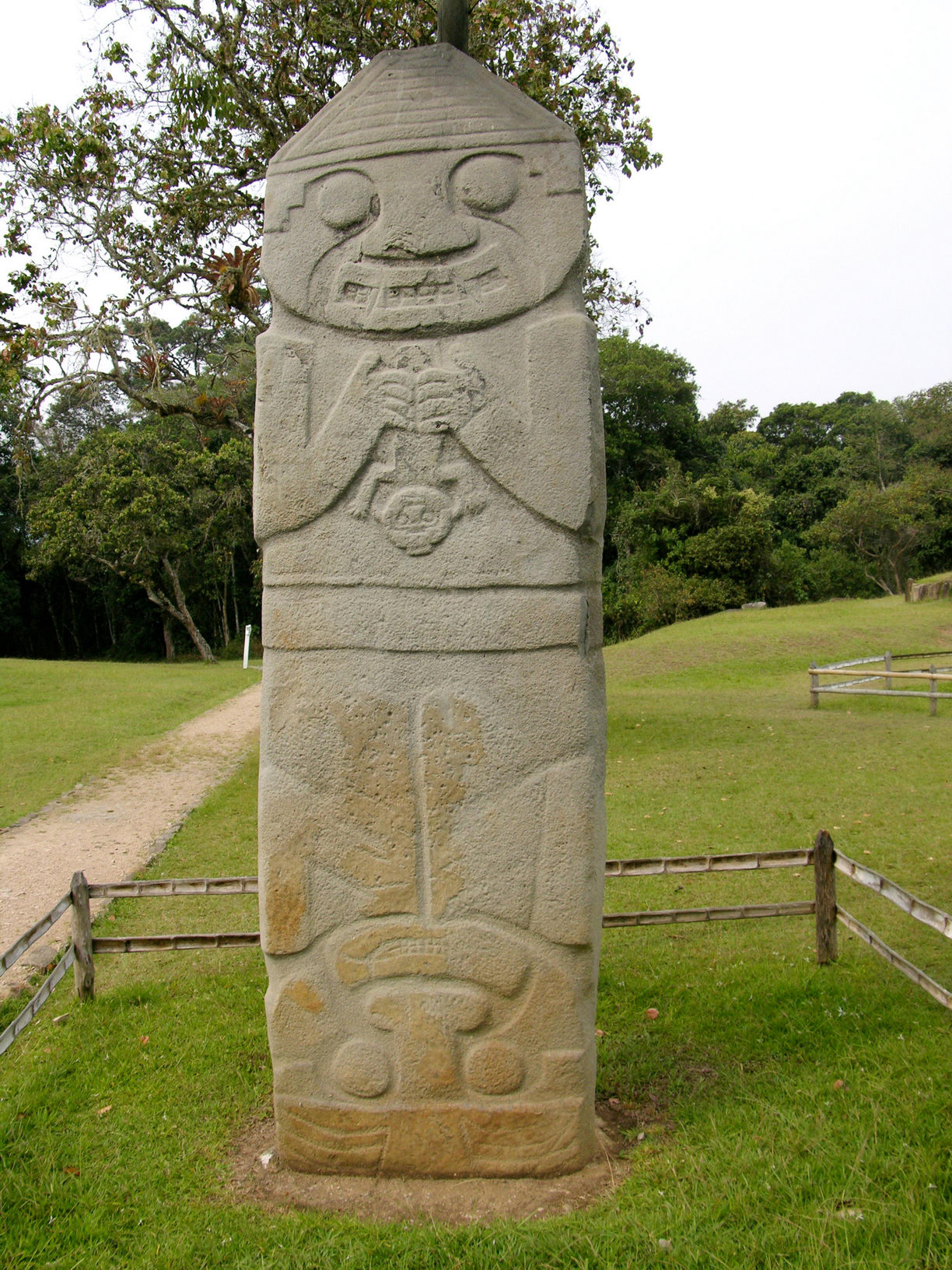
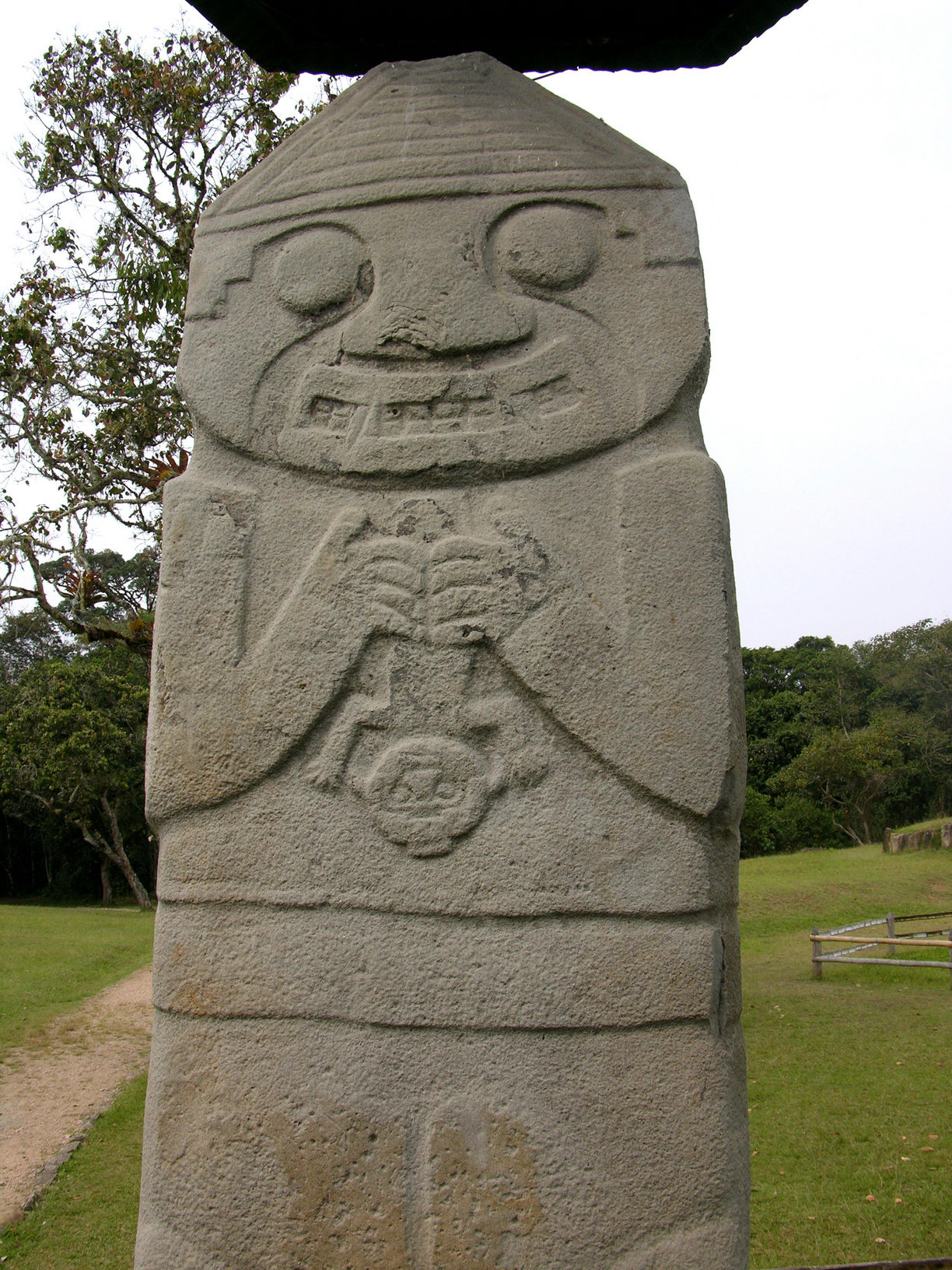
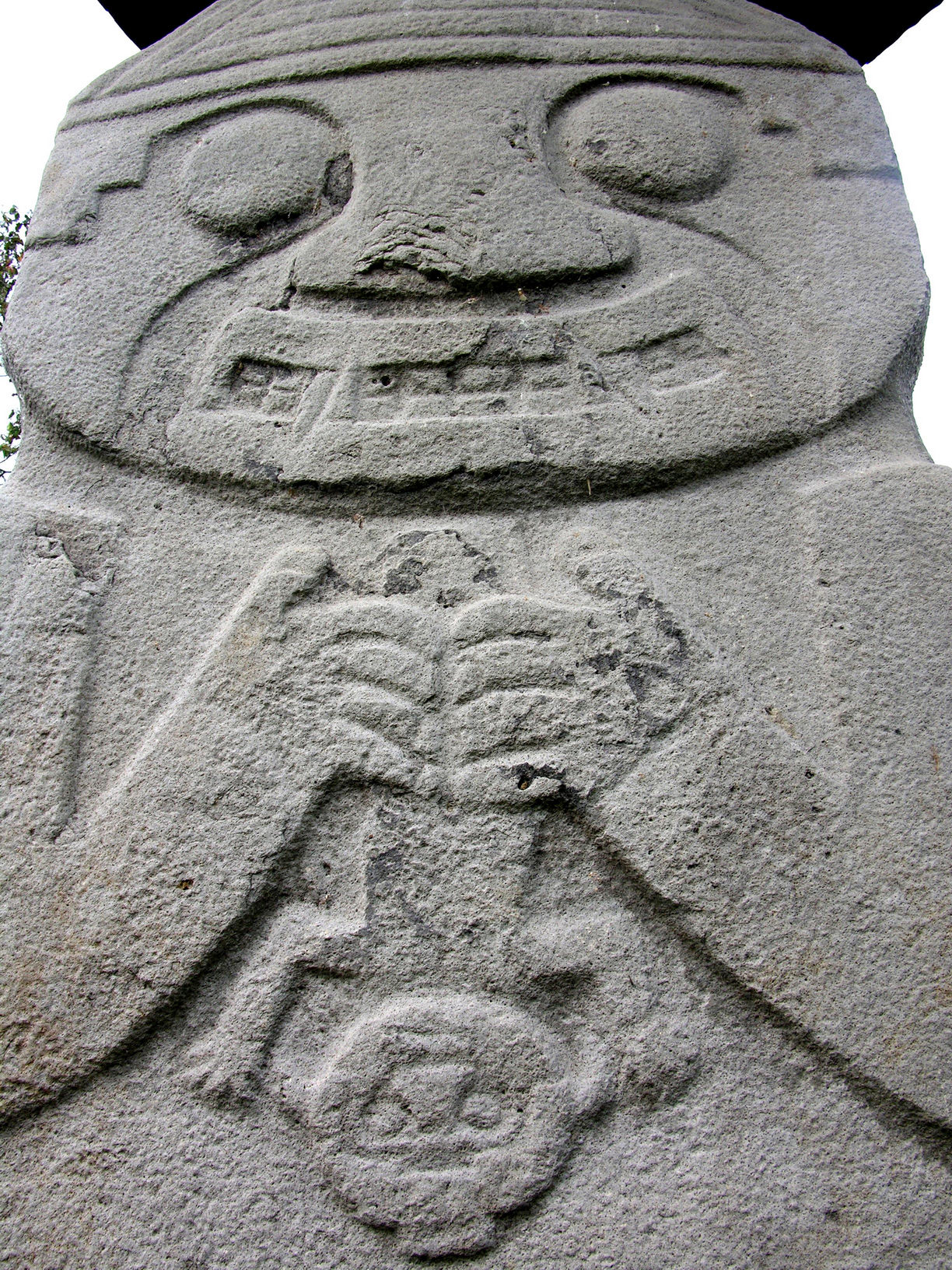
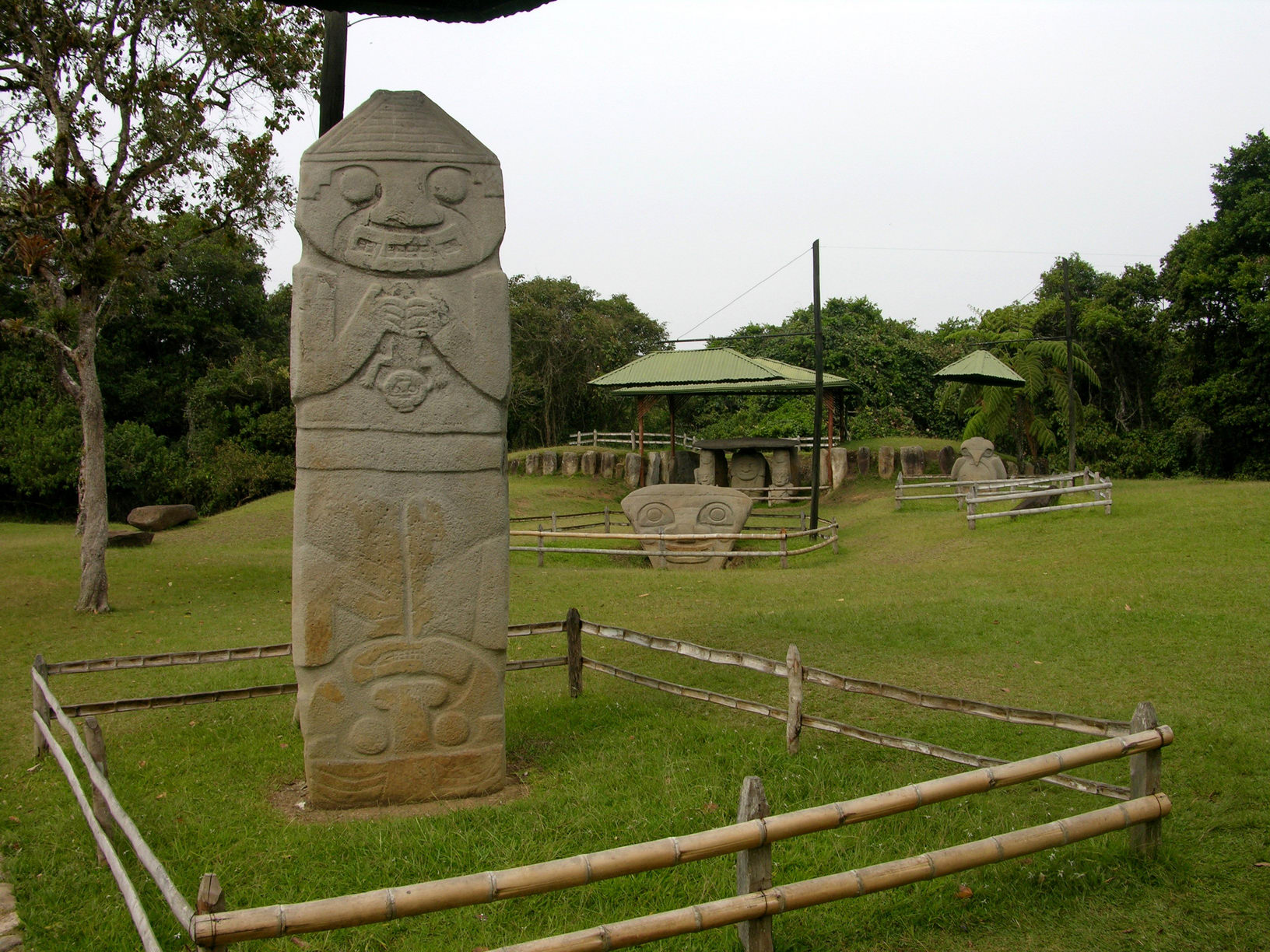
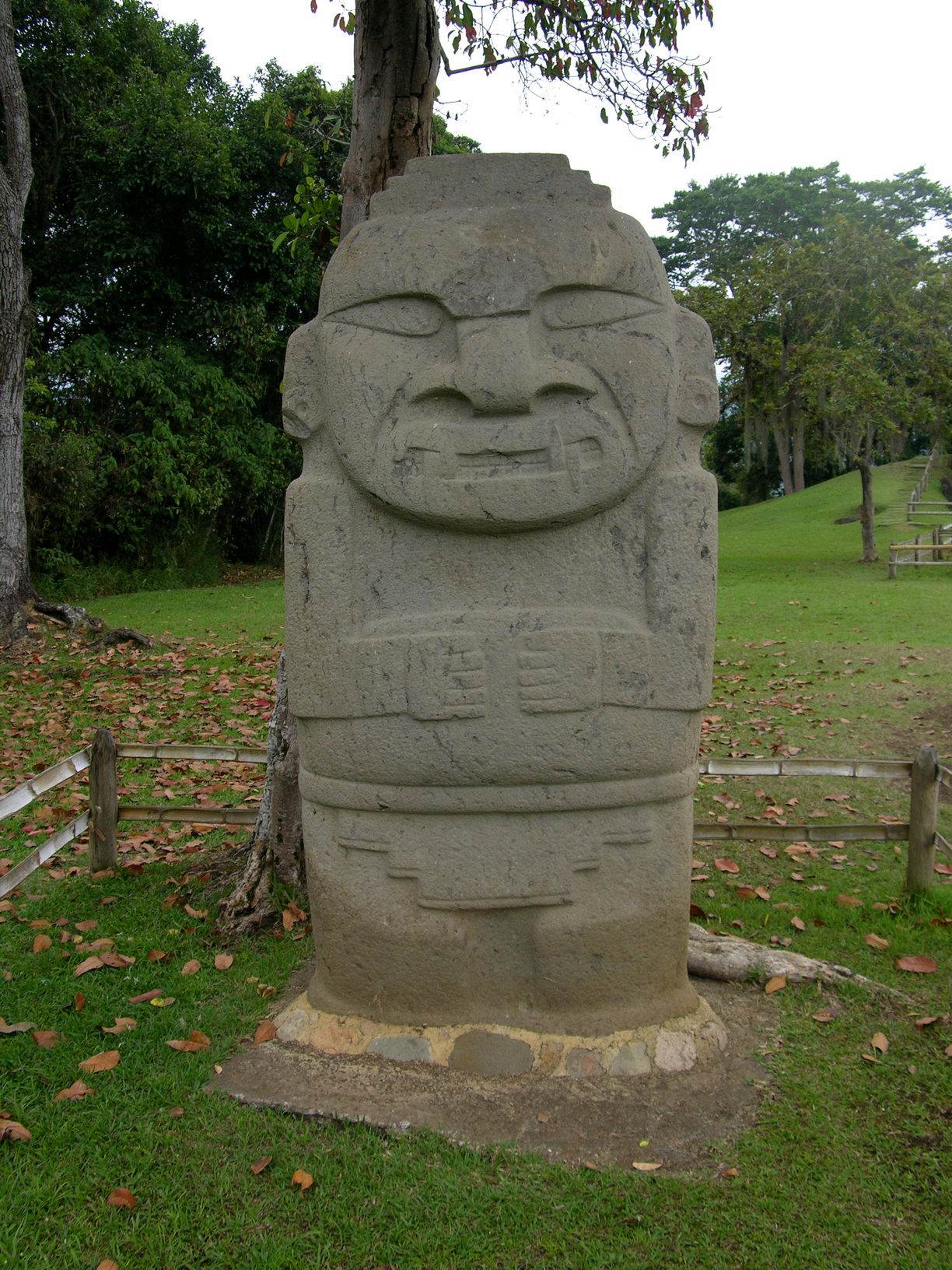
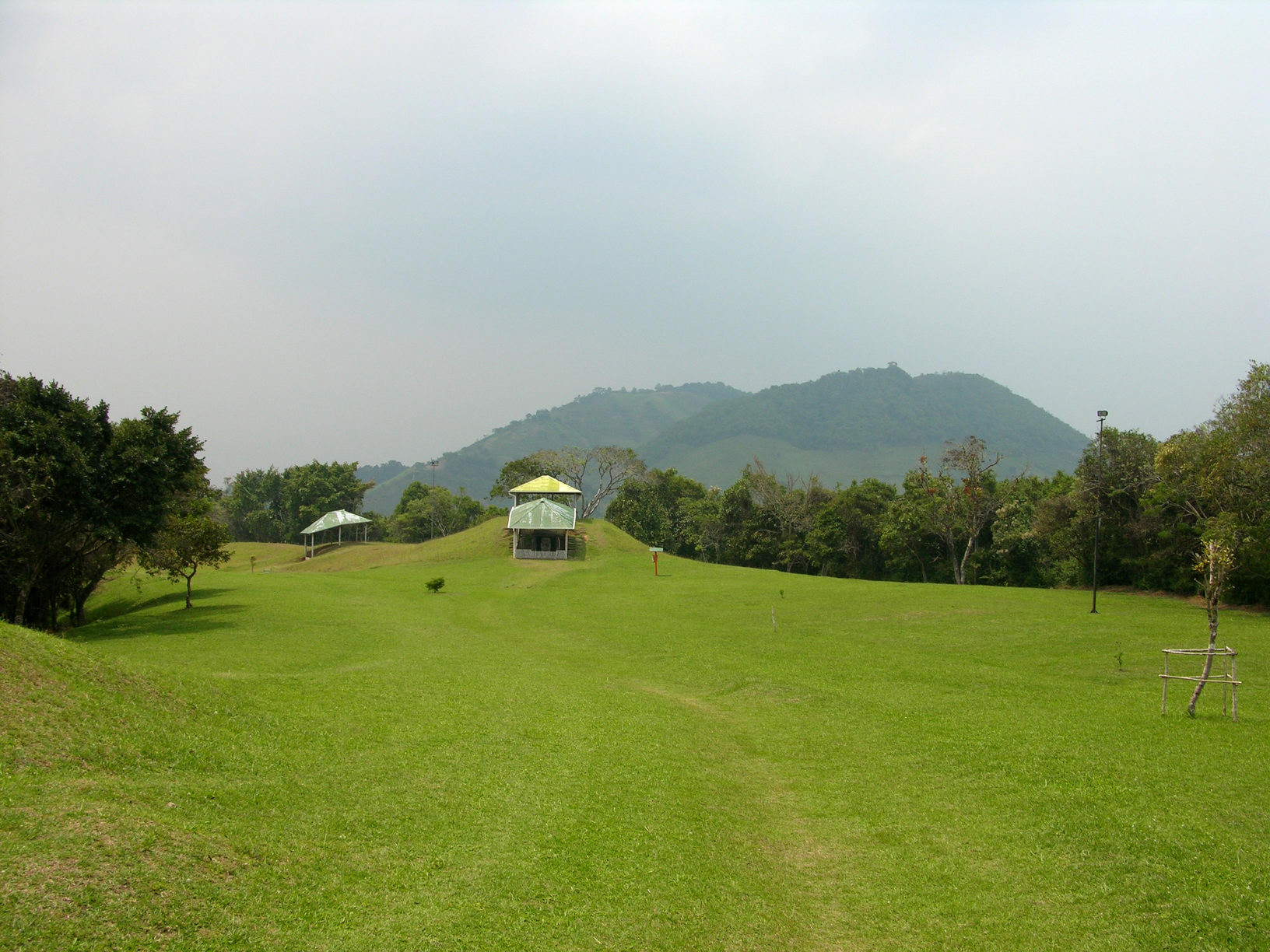
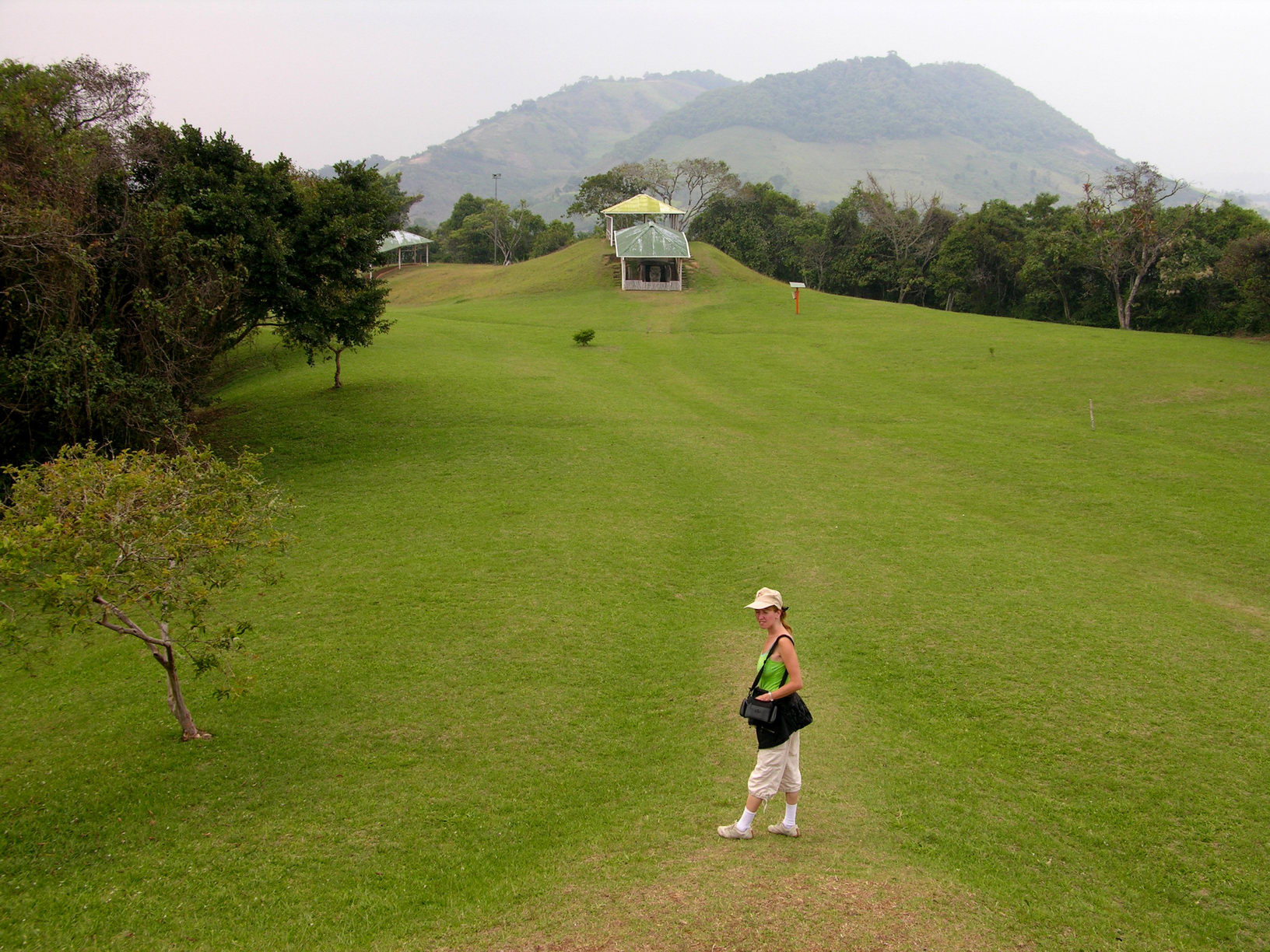
San Agustín has quite a number of sites that have survived, scattered over the tops of the hills. The rocky stretches of creek with channels cut into them are also interesting. They're thought to have been used for ritual washing connected with burials.
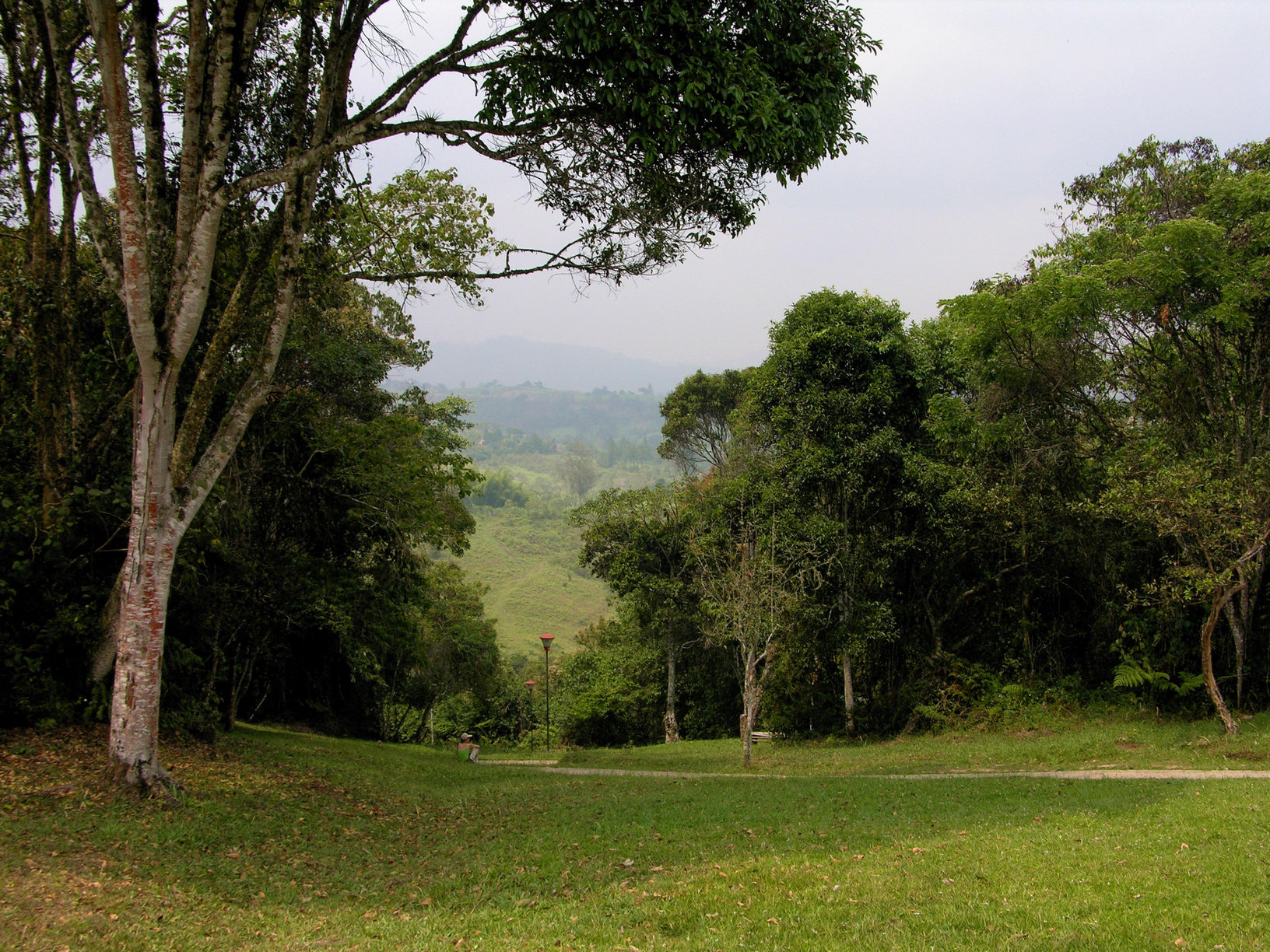
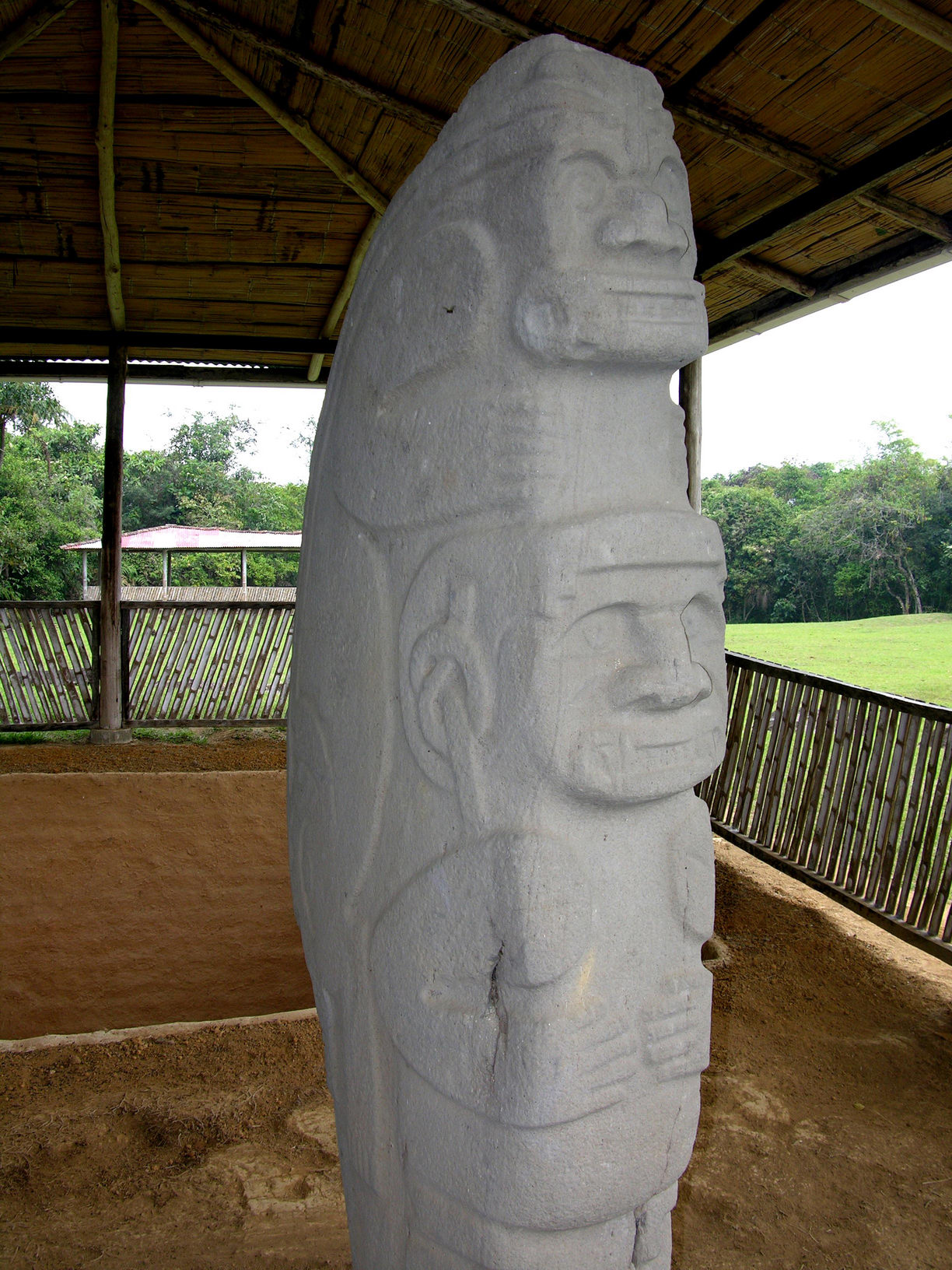
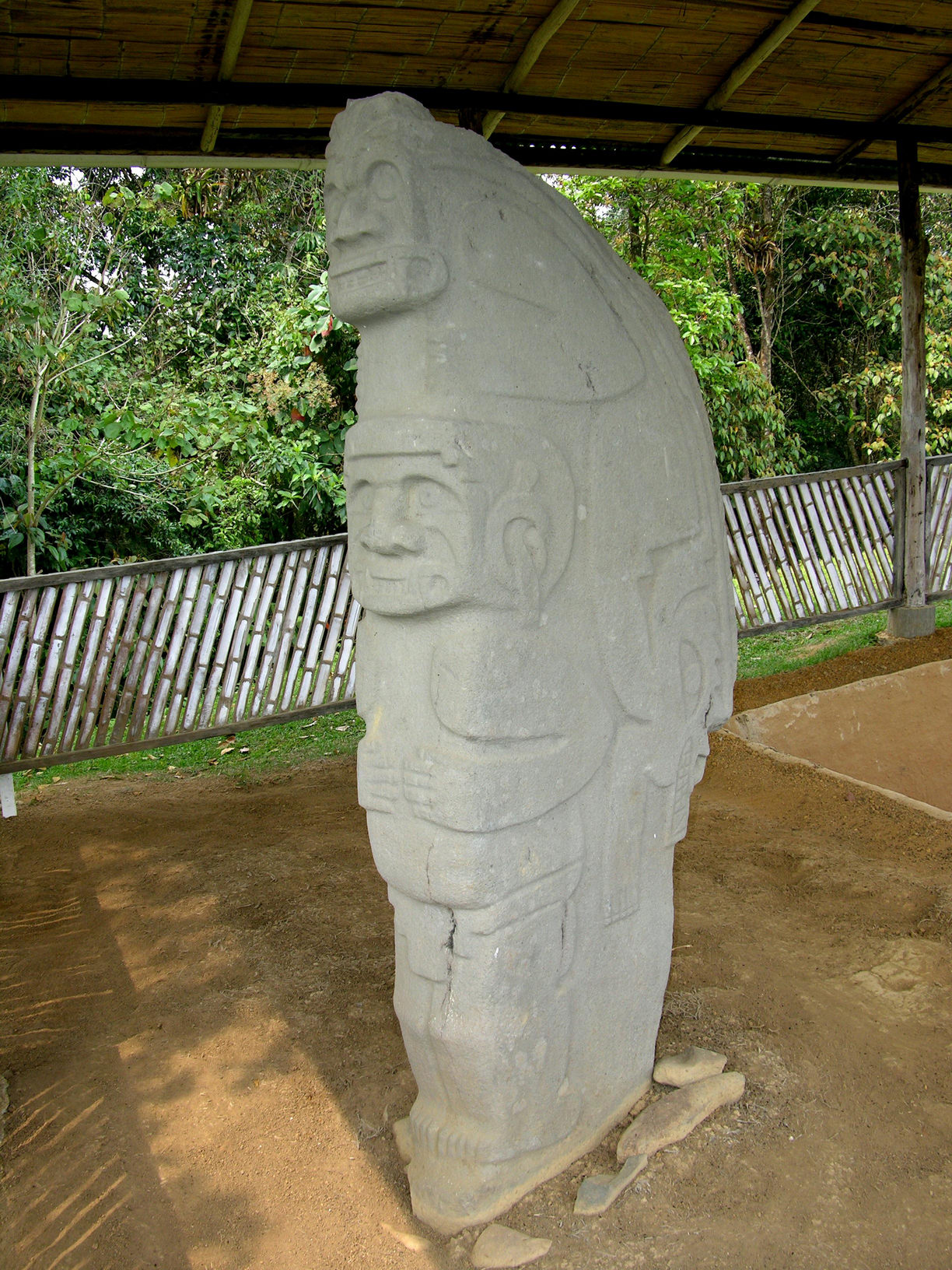
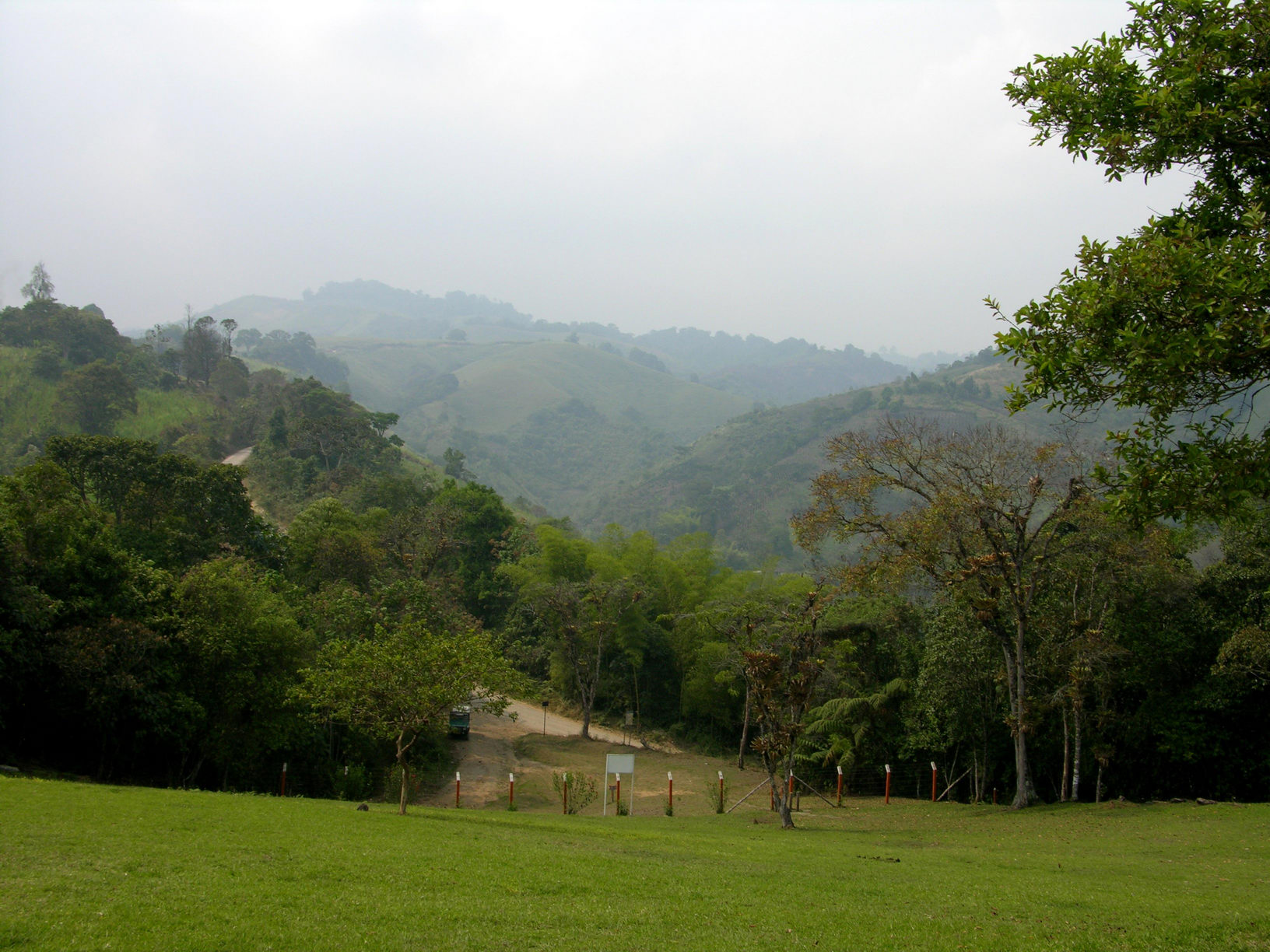
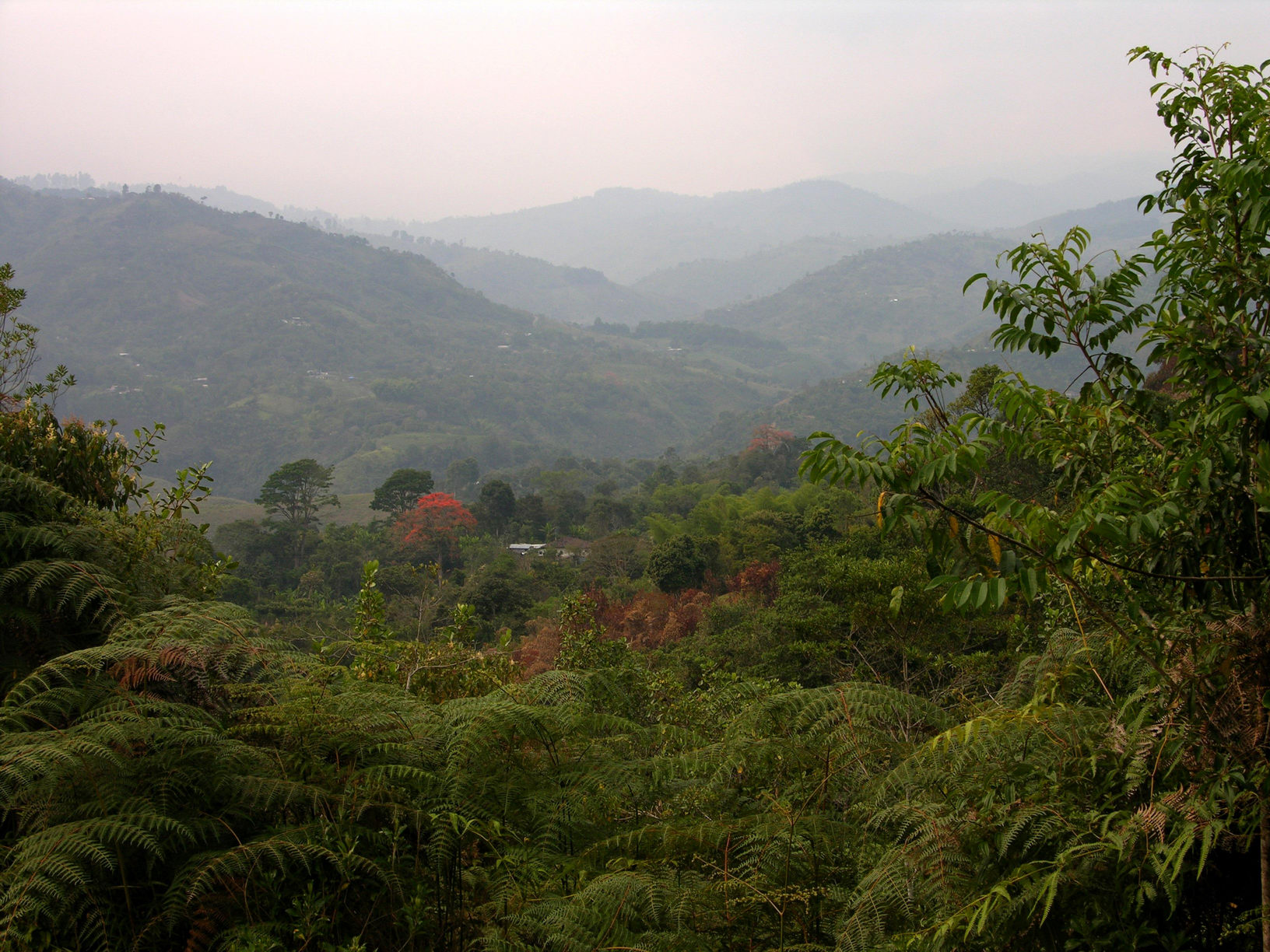
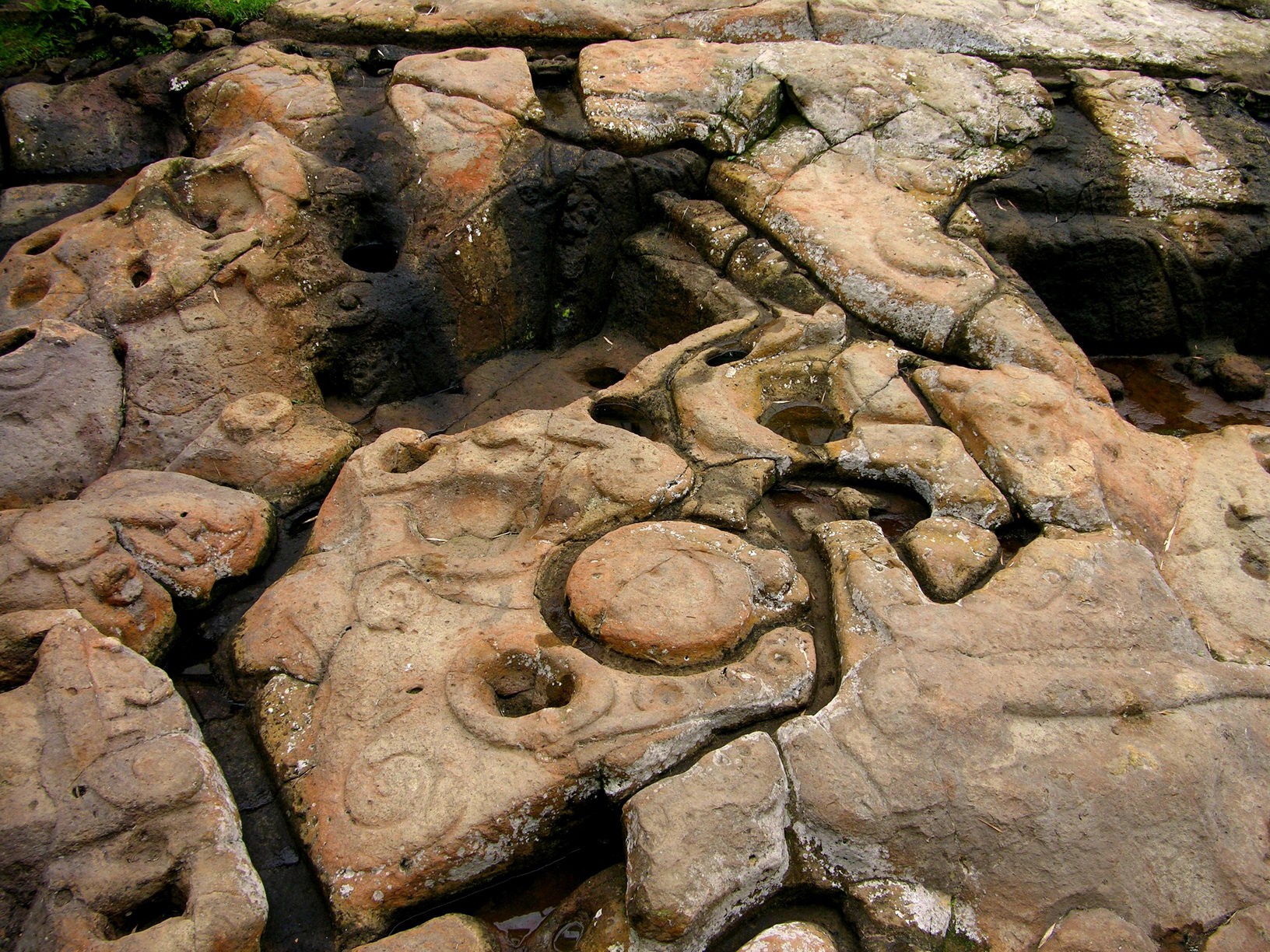
Four main sites are close to town. To reach the others you have to get there by car or on horseback.
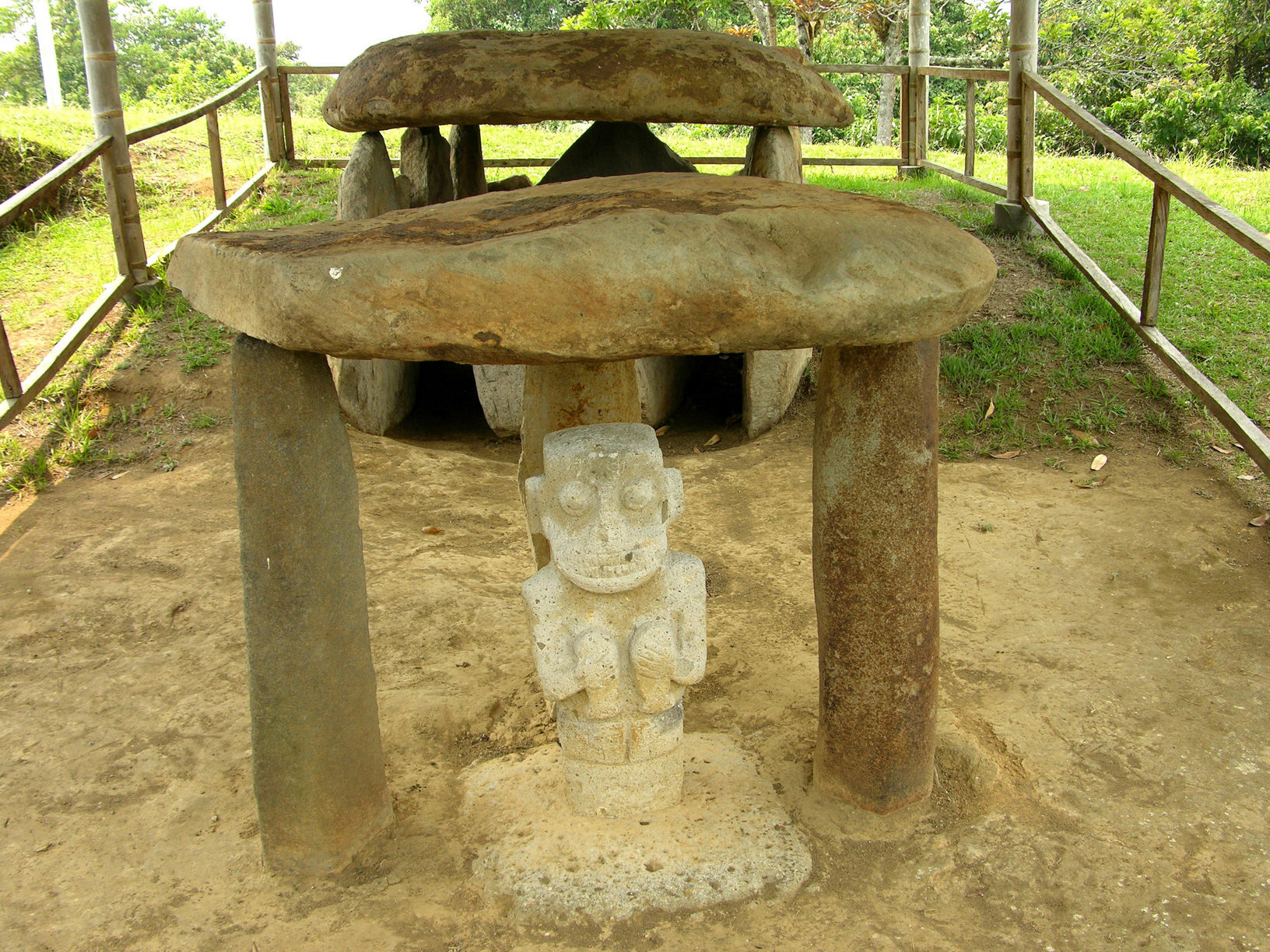
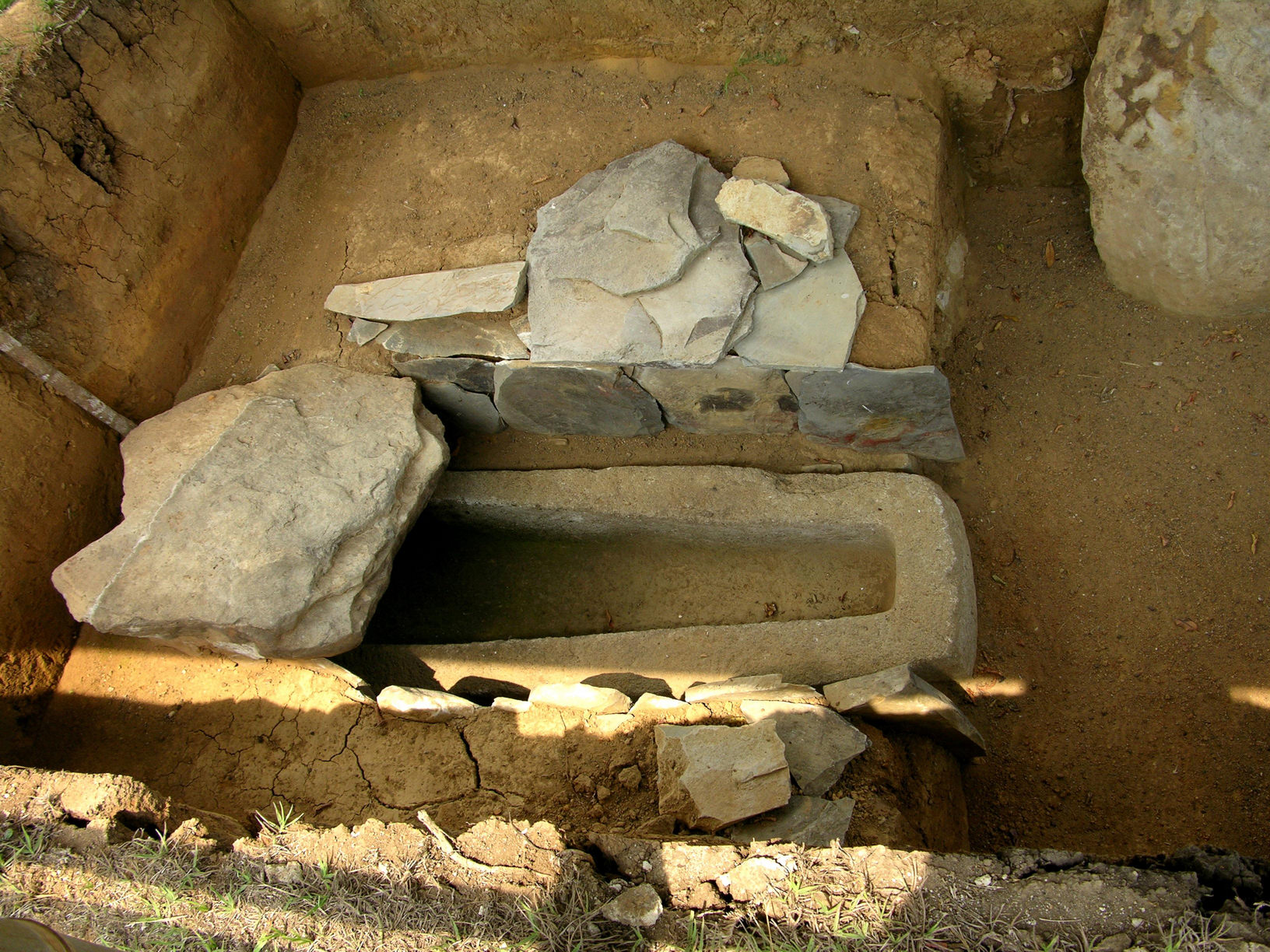
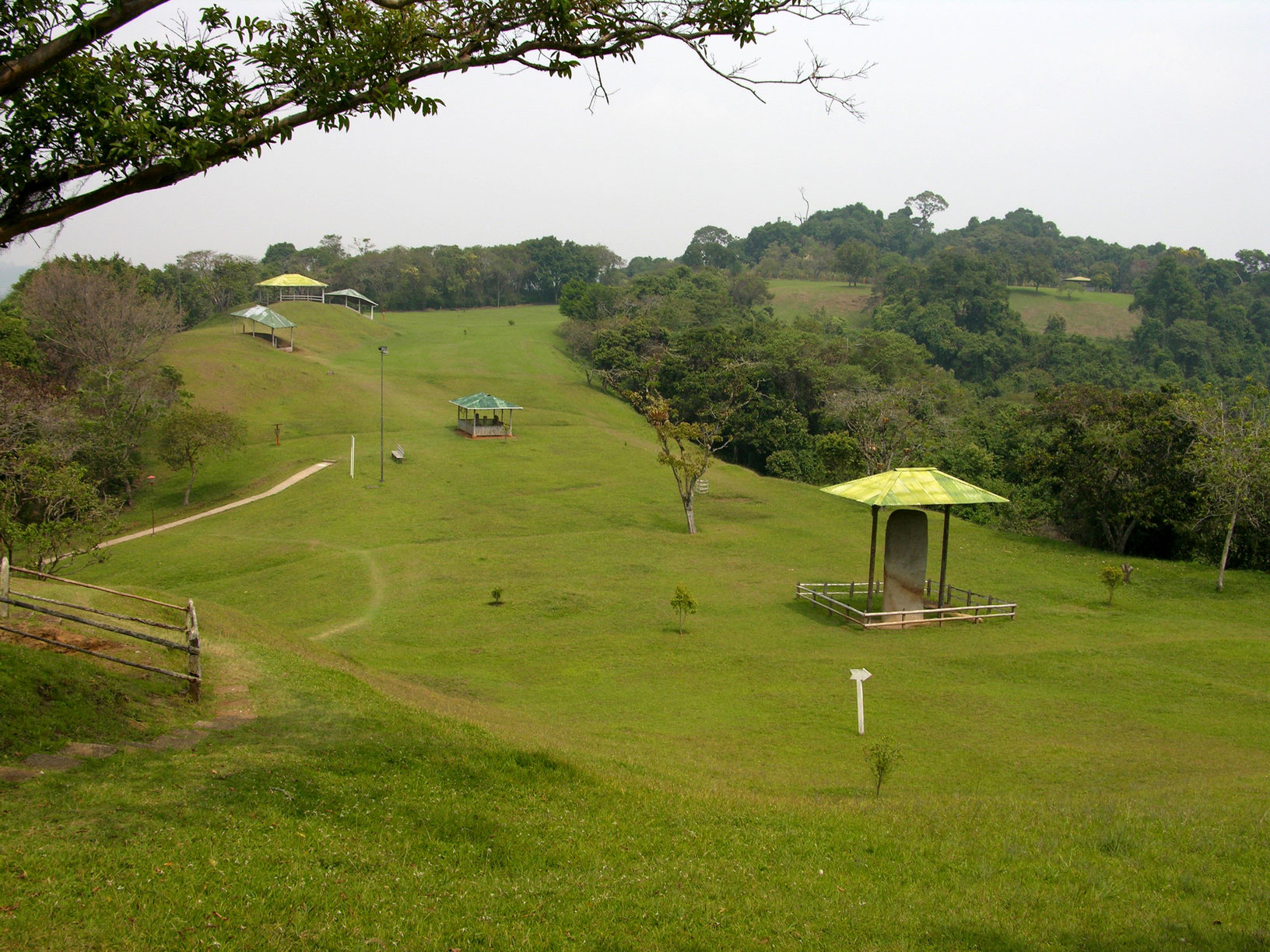
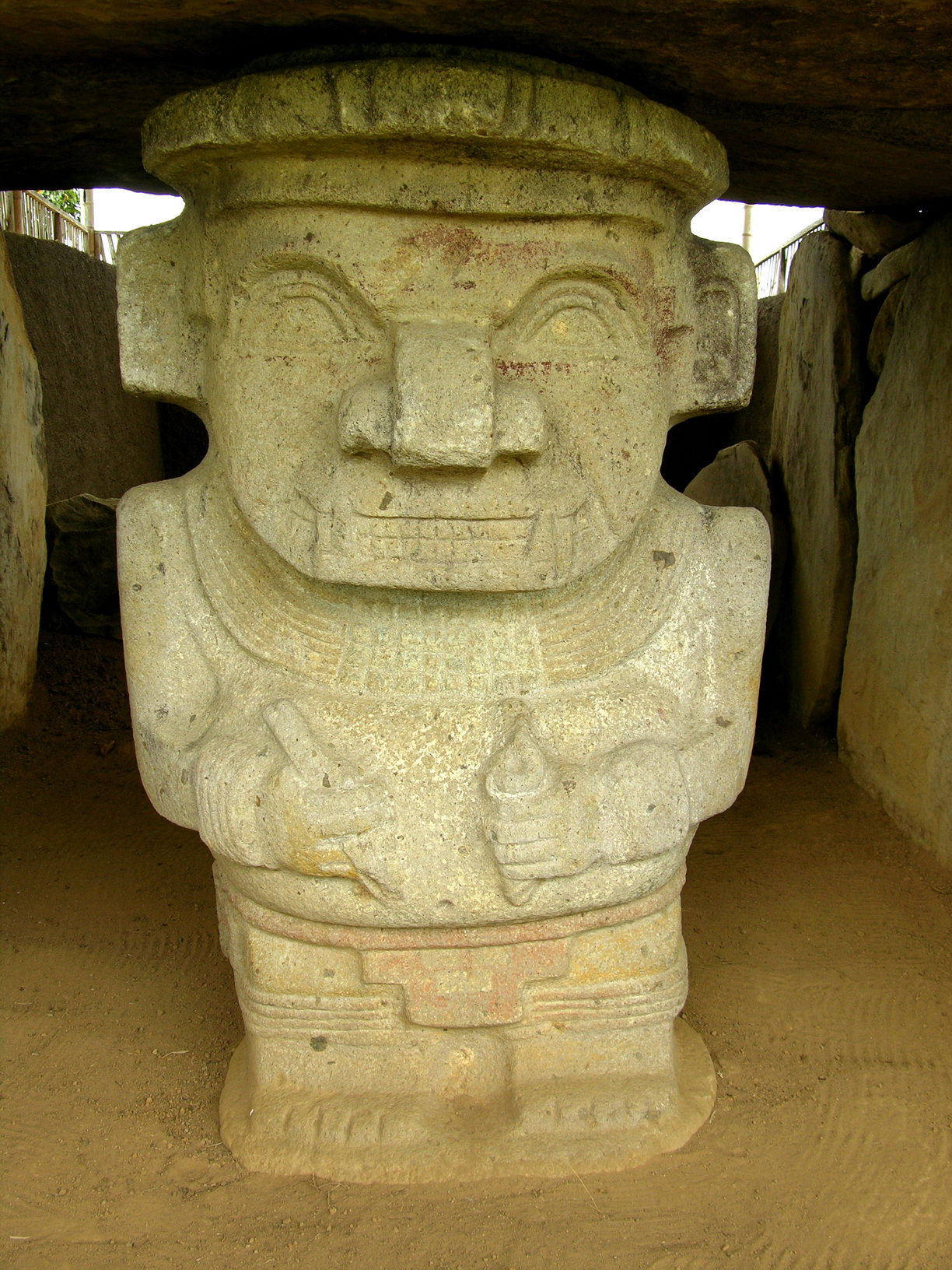
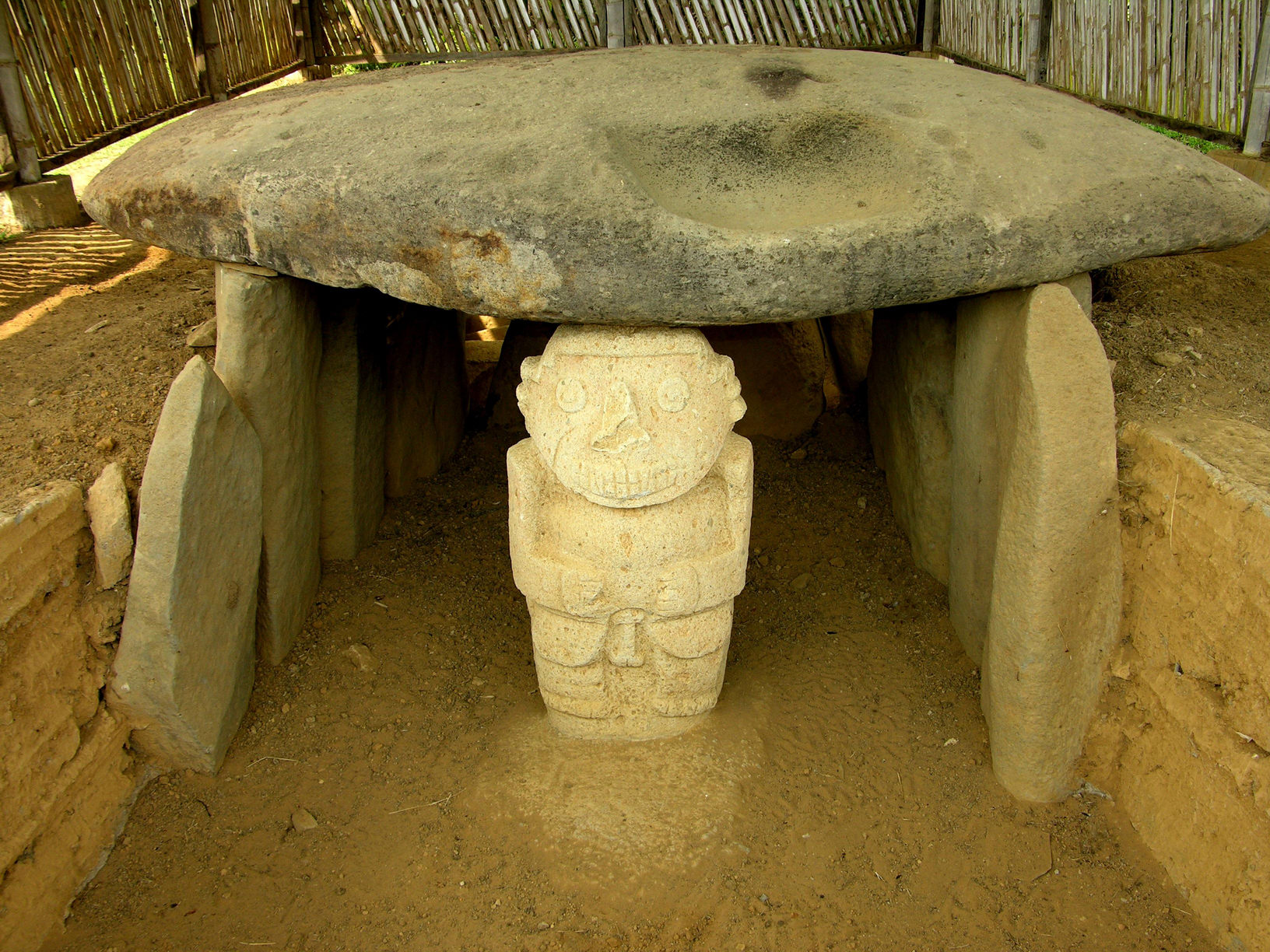
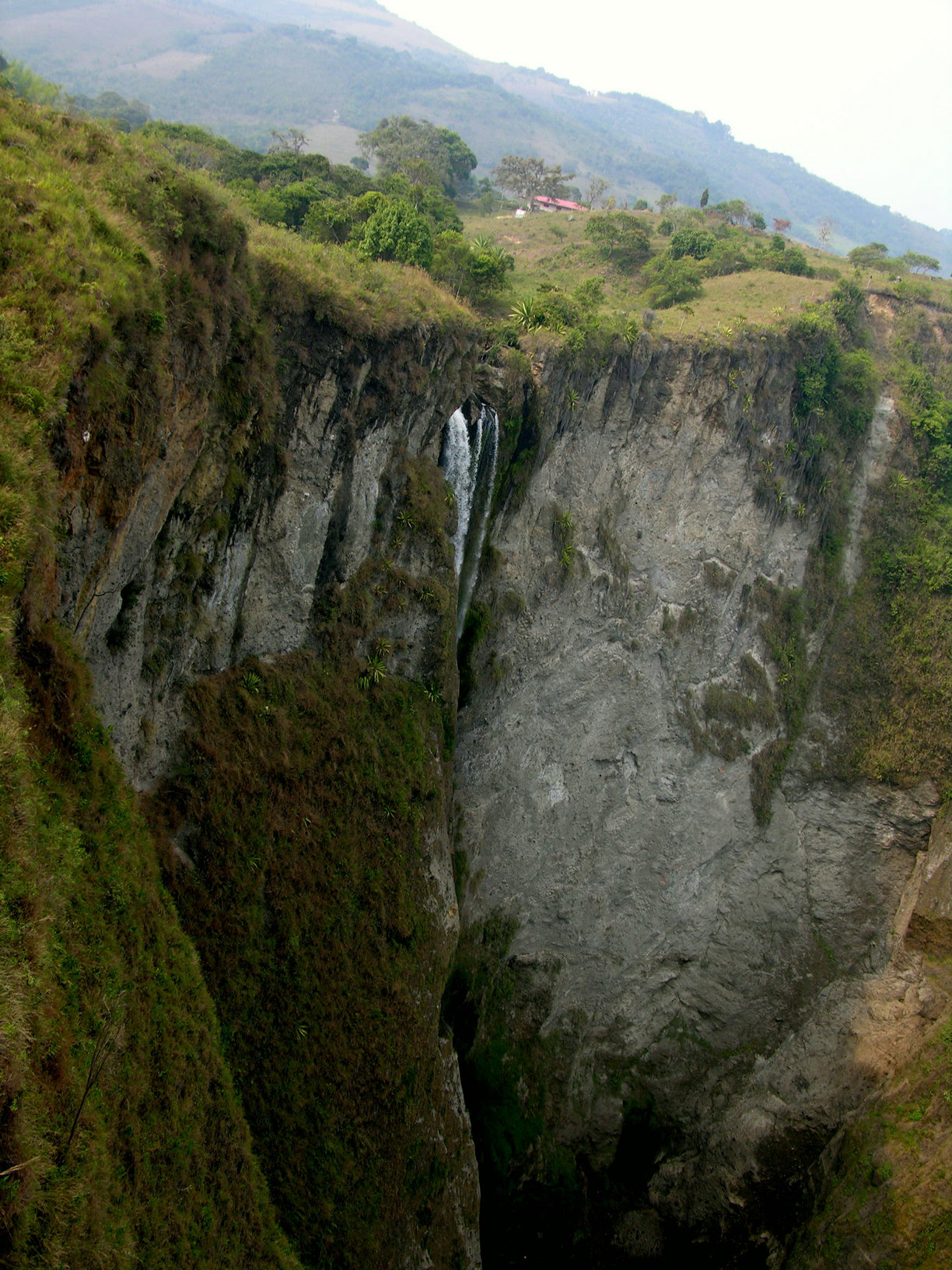
After walking everywhere we could, we ordered a jeep and driver from our English-speaking leader of the local gentry. The driver took us around the outlying sites. To a layman they don't look very different. Along with the ruins they showed us a waterfall, a little trickle coming down from a hundred metres. What we liked was the cane sugar works.
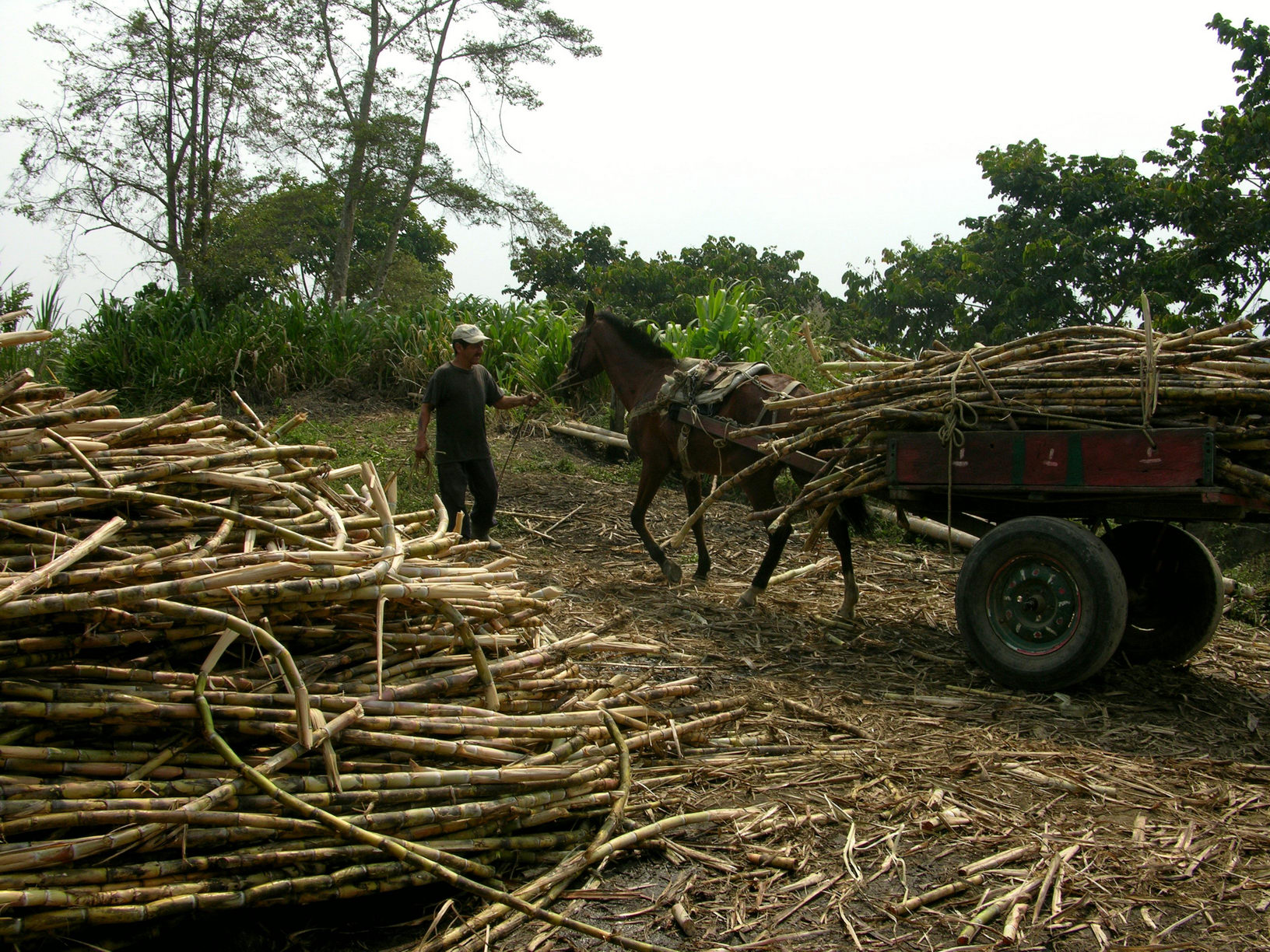
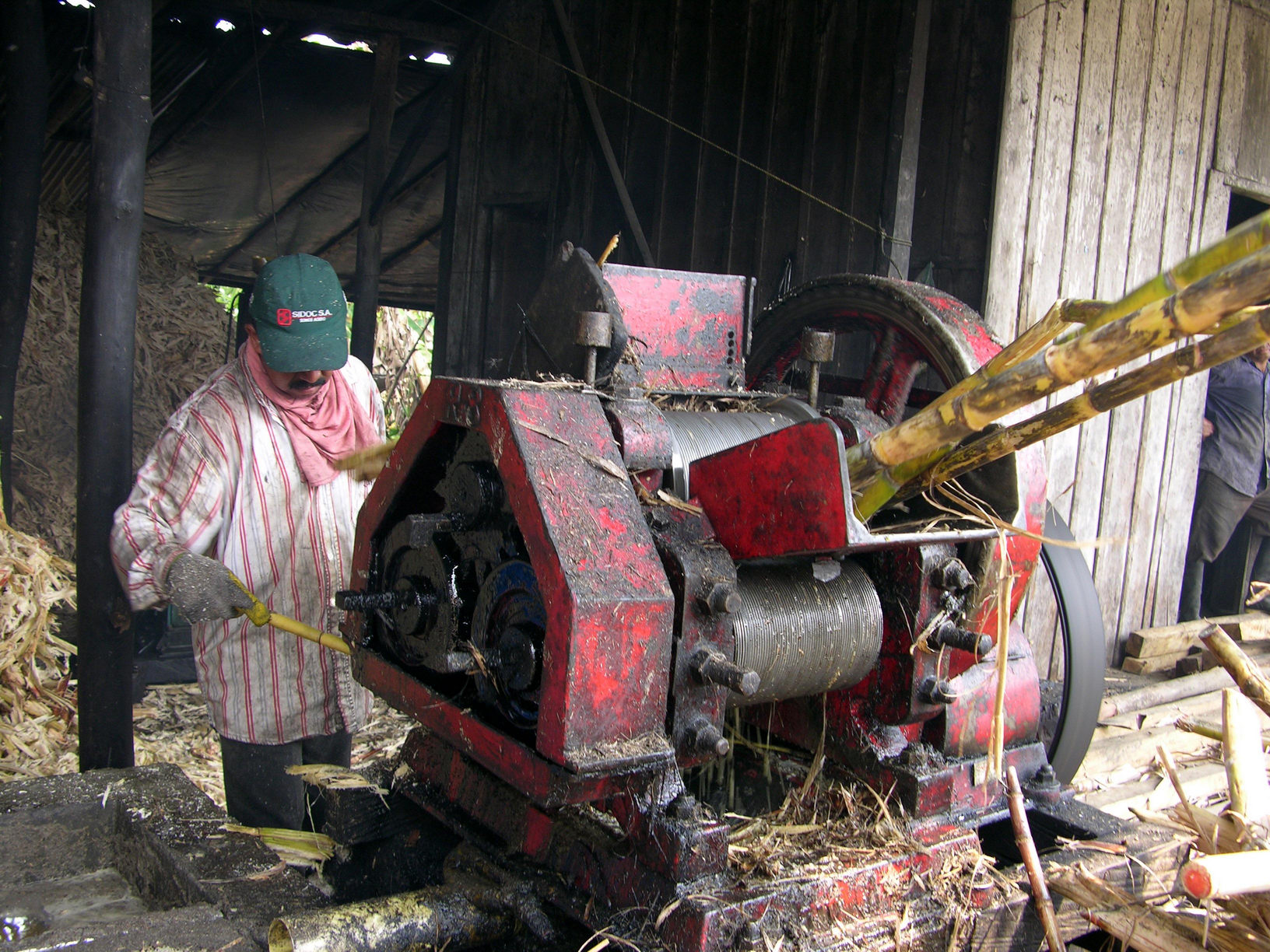
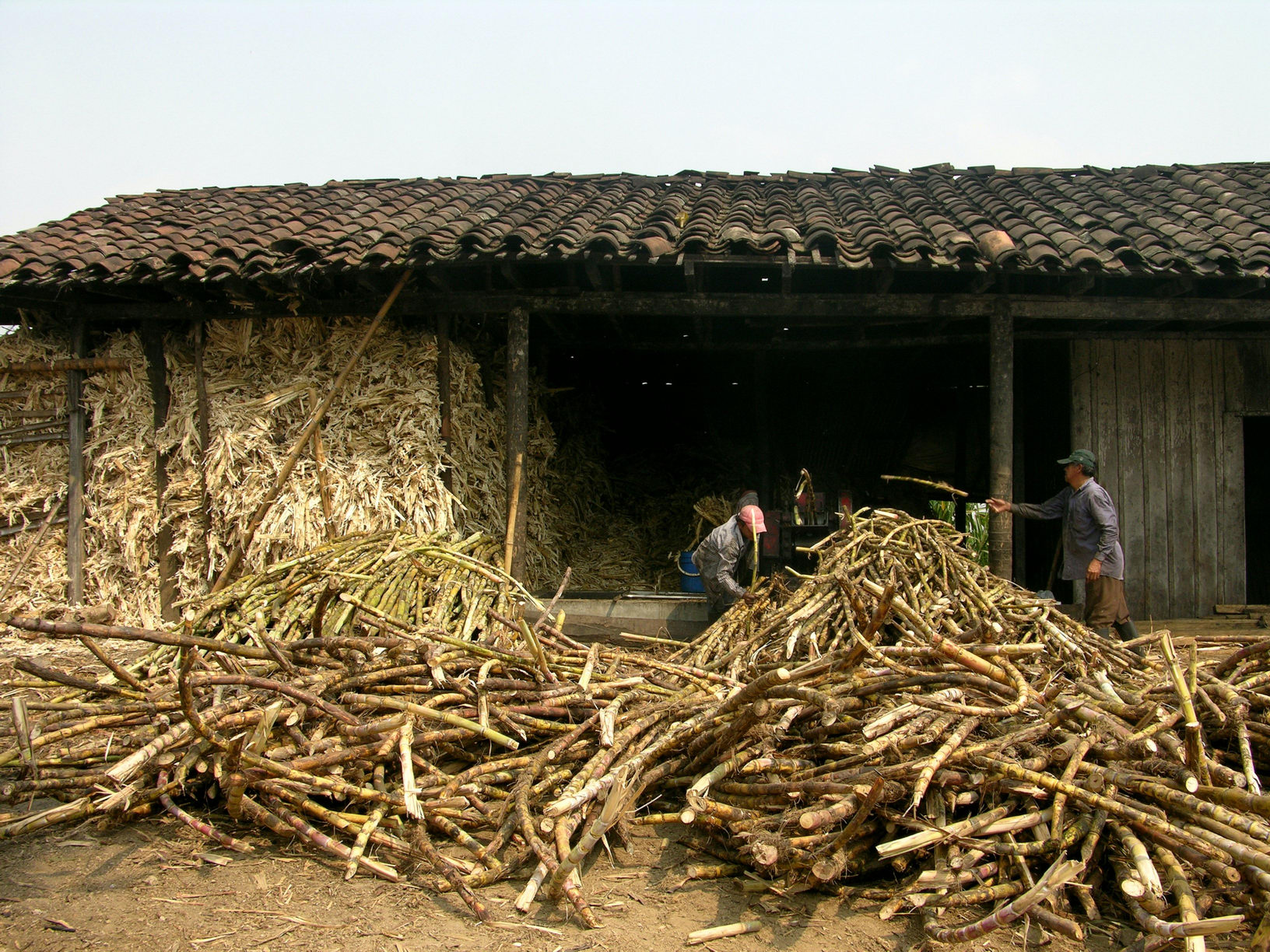
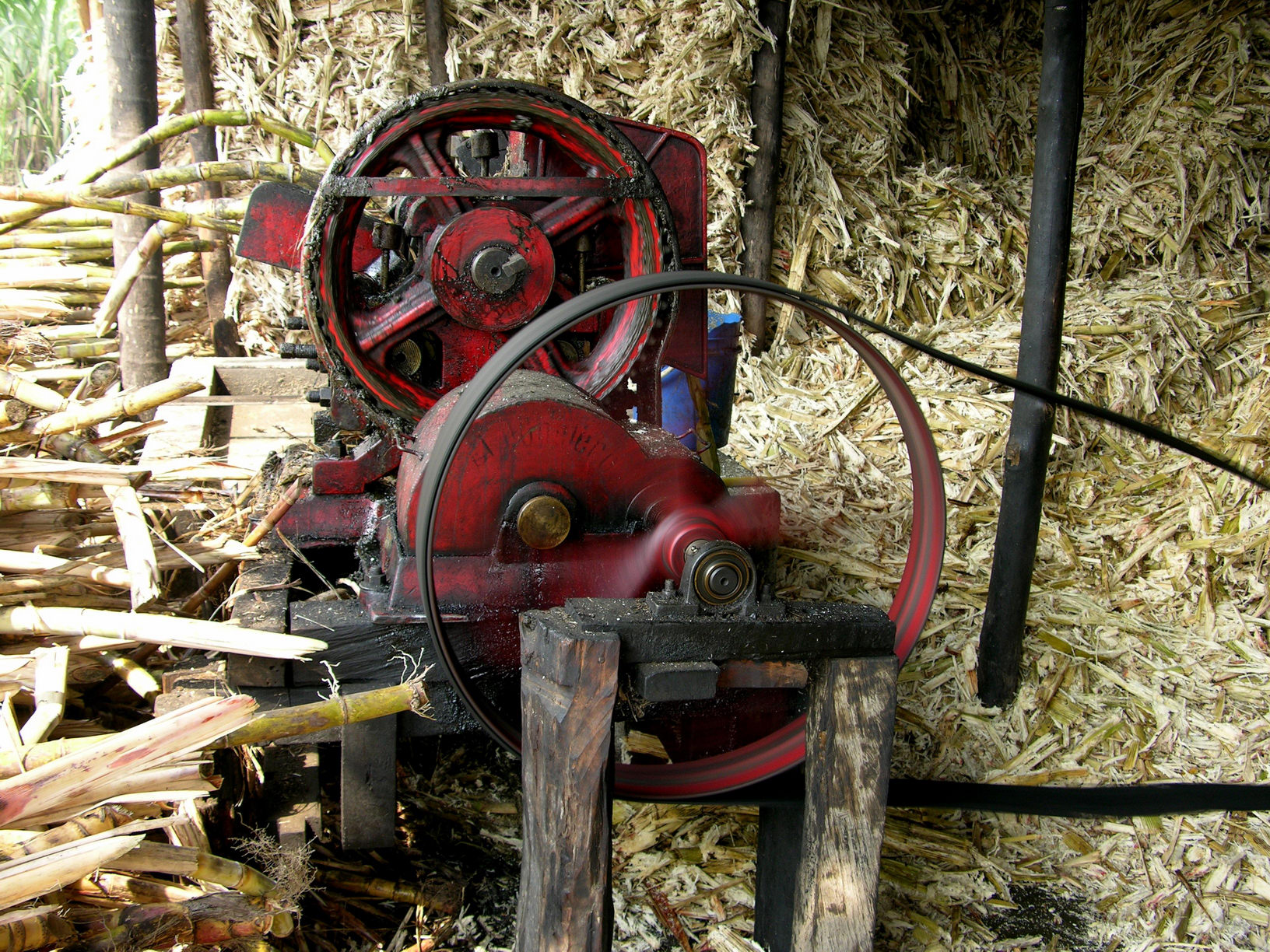
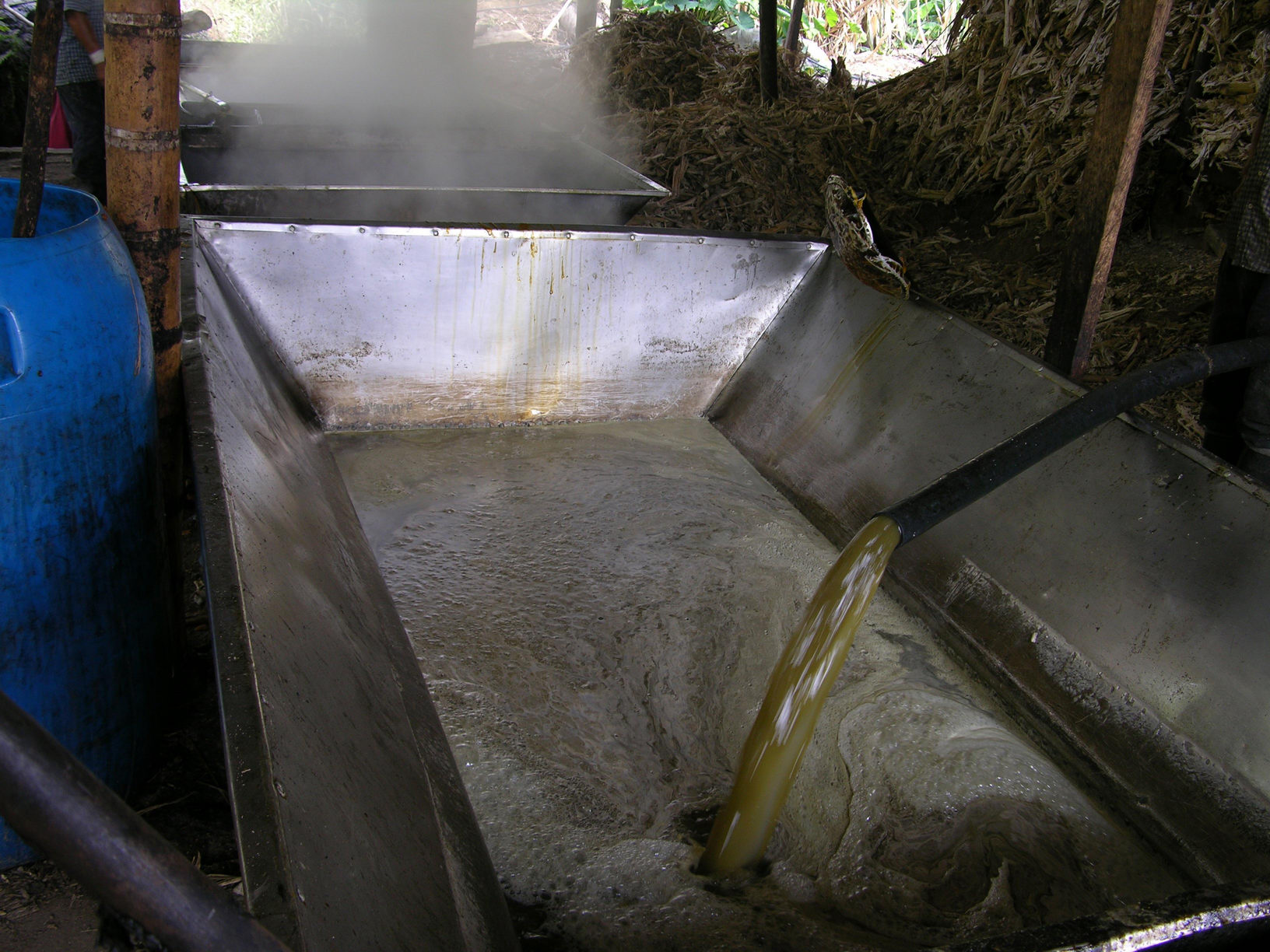
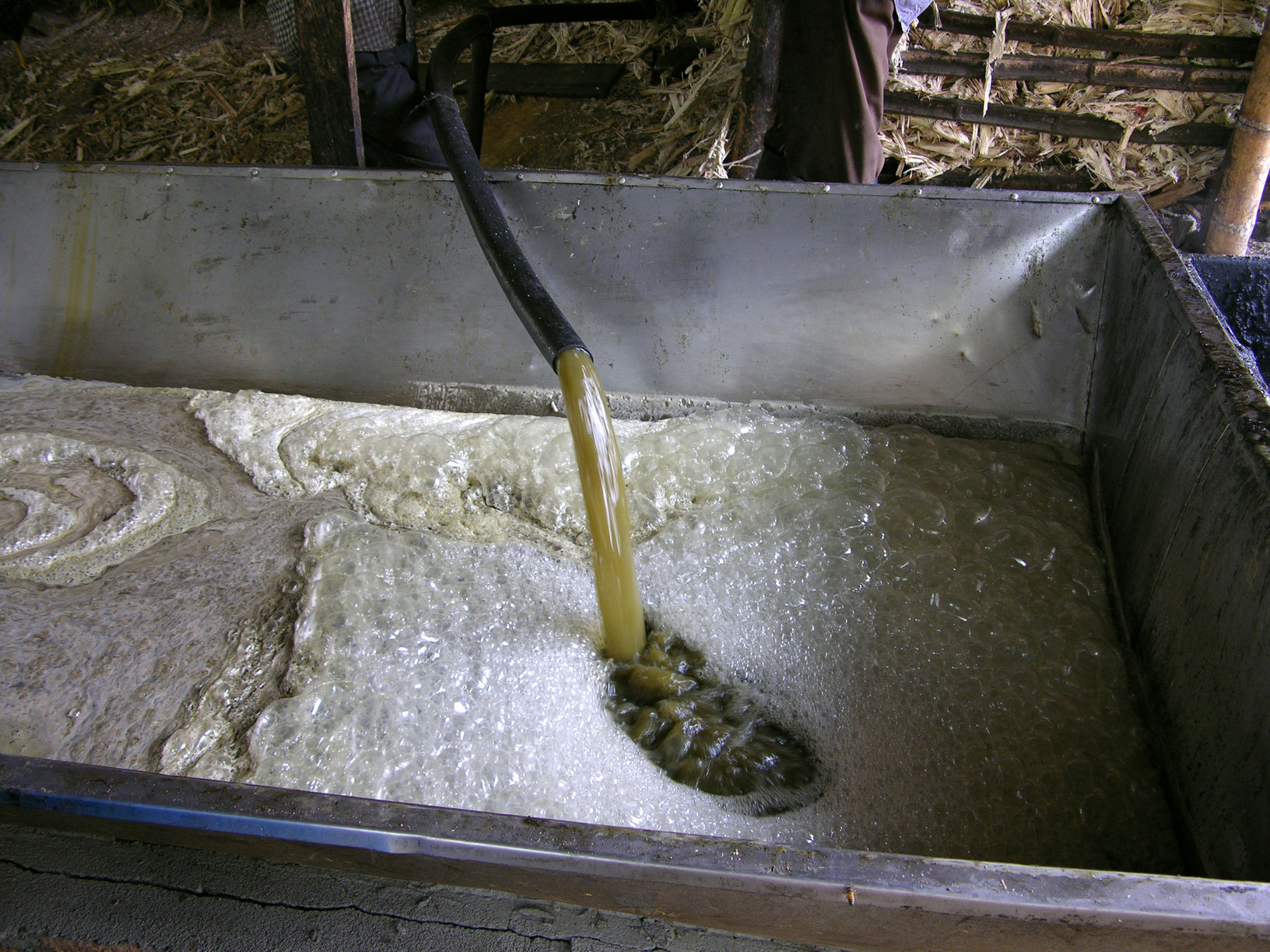
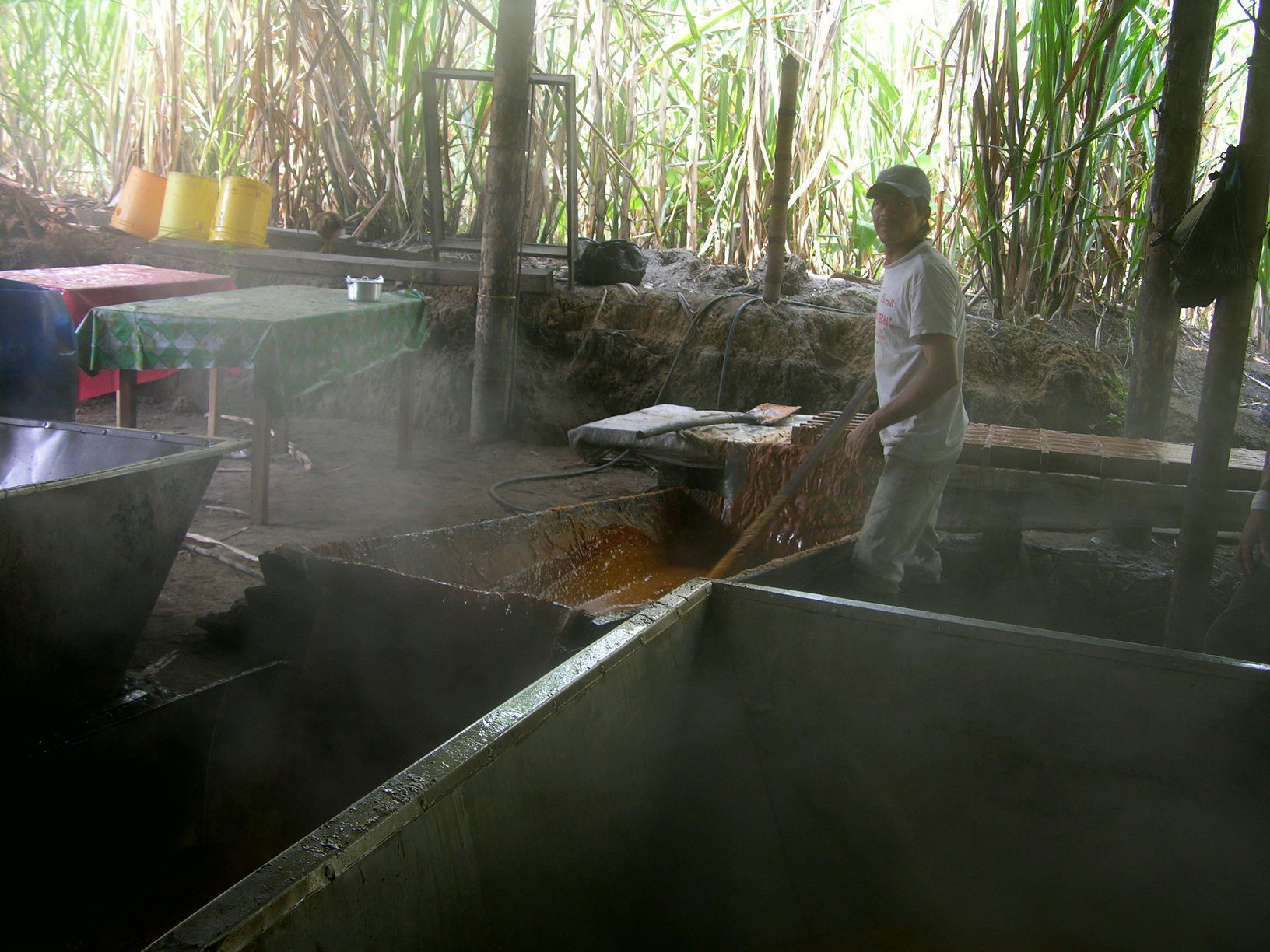
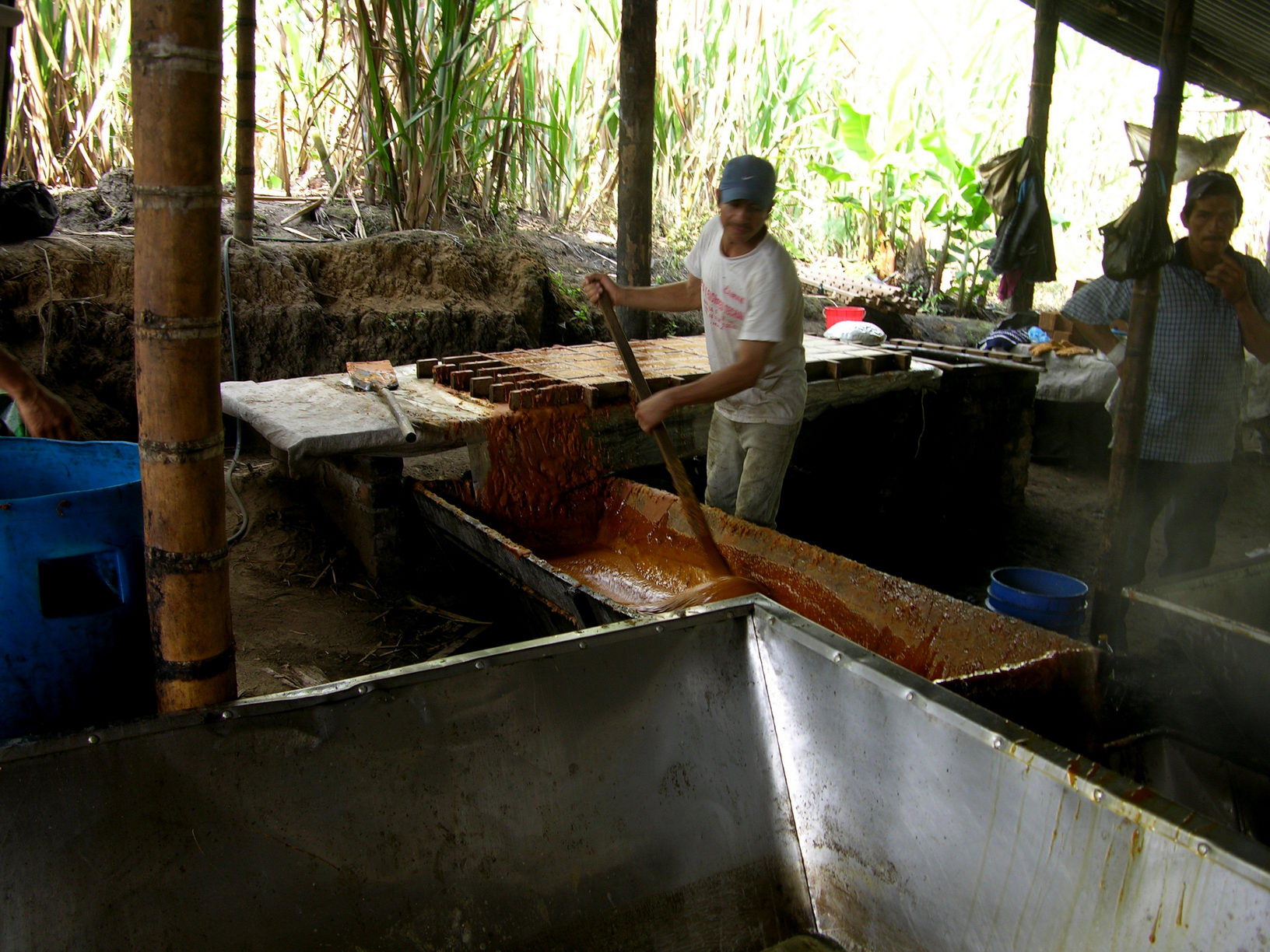
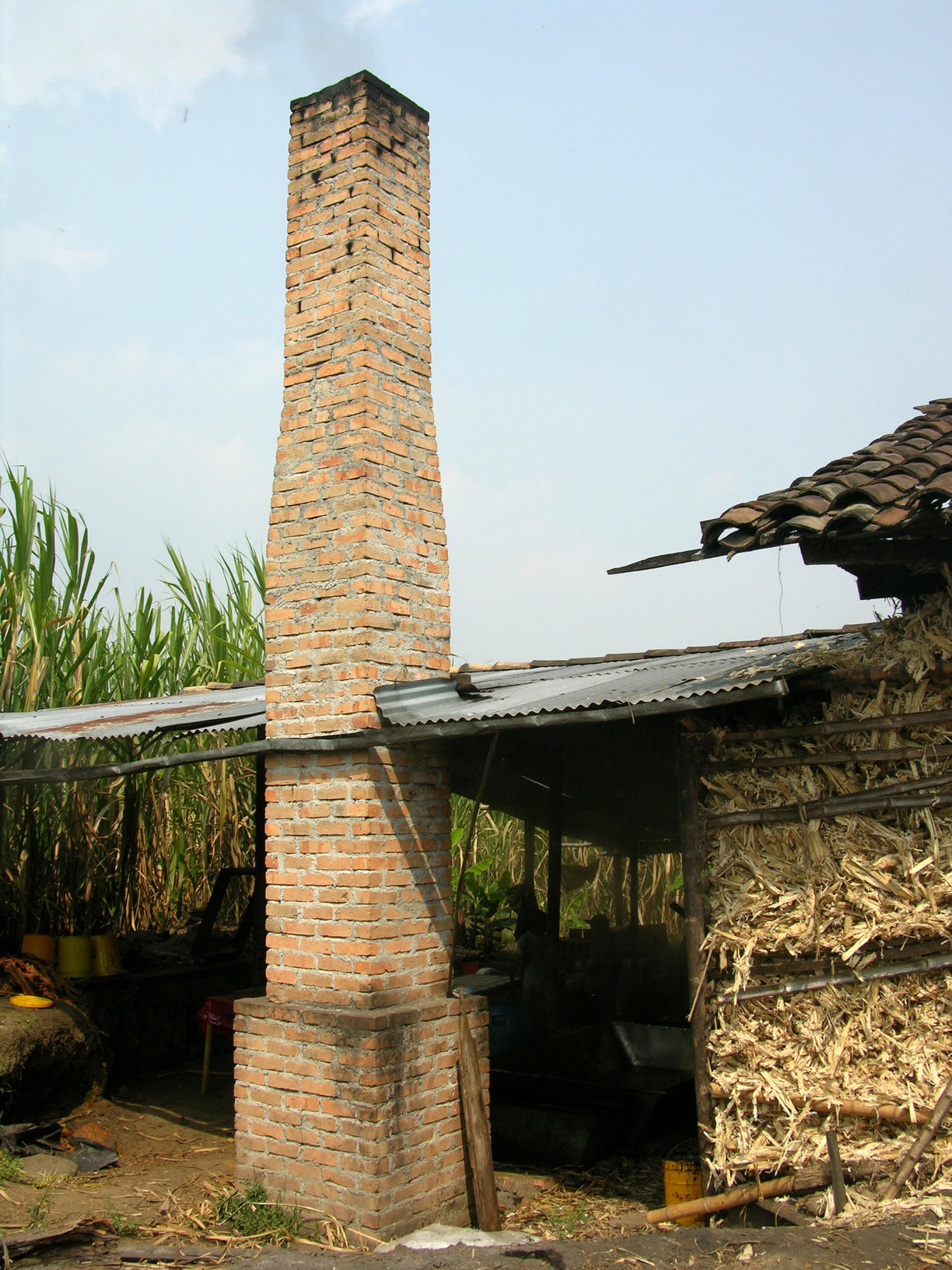
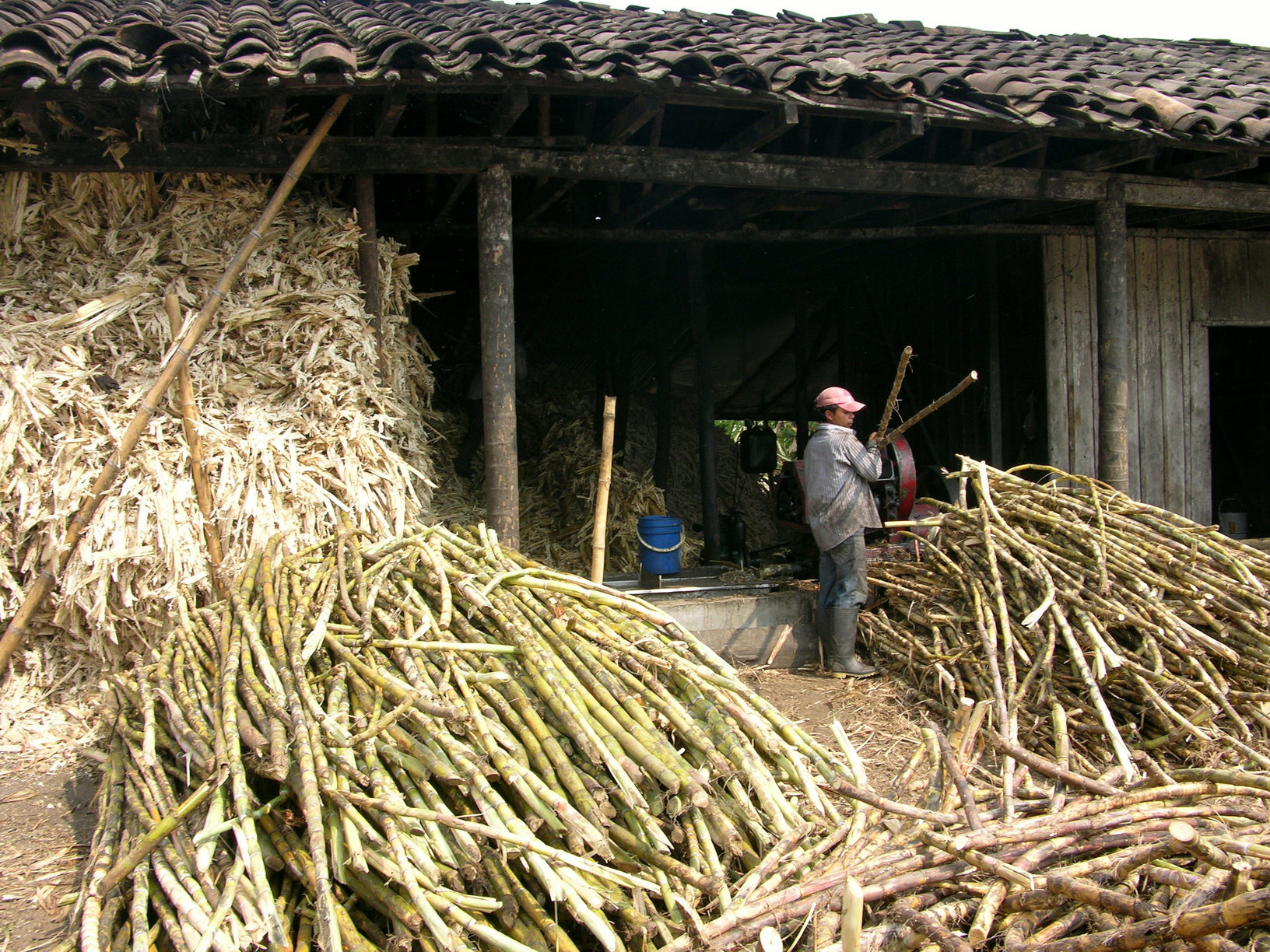
Everything was done on a cottage-industry scale, but it was ecological, organic and non-GM. Fashionable and expensive, in other words. They feed cane into a press that squeezes out the juice. The juice goes into a vat, where they boil it down. The fuel is the crushed cane, dried in the sun after pressing. They evaporate it in stages. With each stage the juice gets thicker. At the last it's like condensed milk. They pour it into a mould, where it cools and crystallises almost instantly. Described like that it sounds dry and scientific, but seeing it was wonderfully colourful.
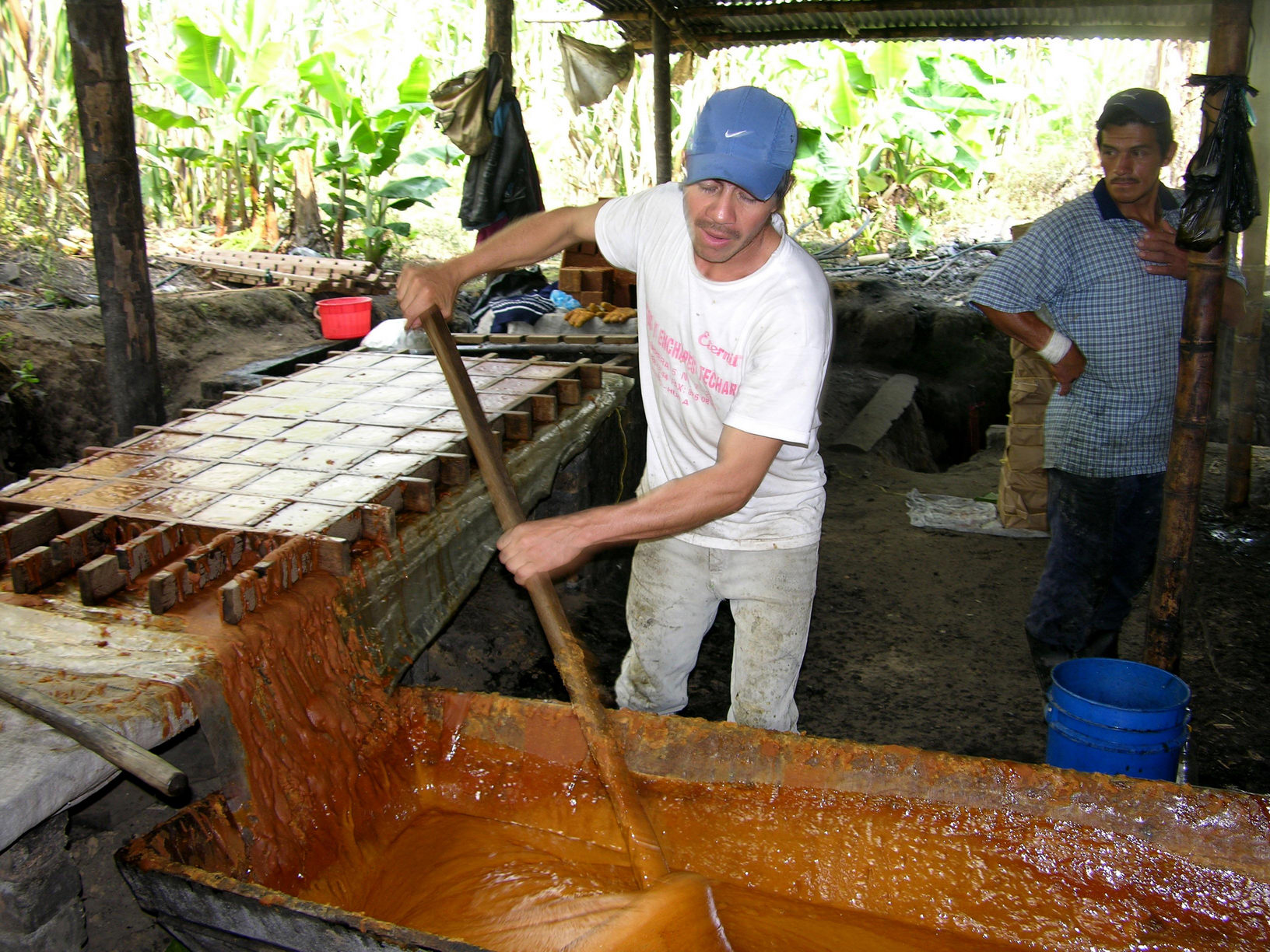
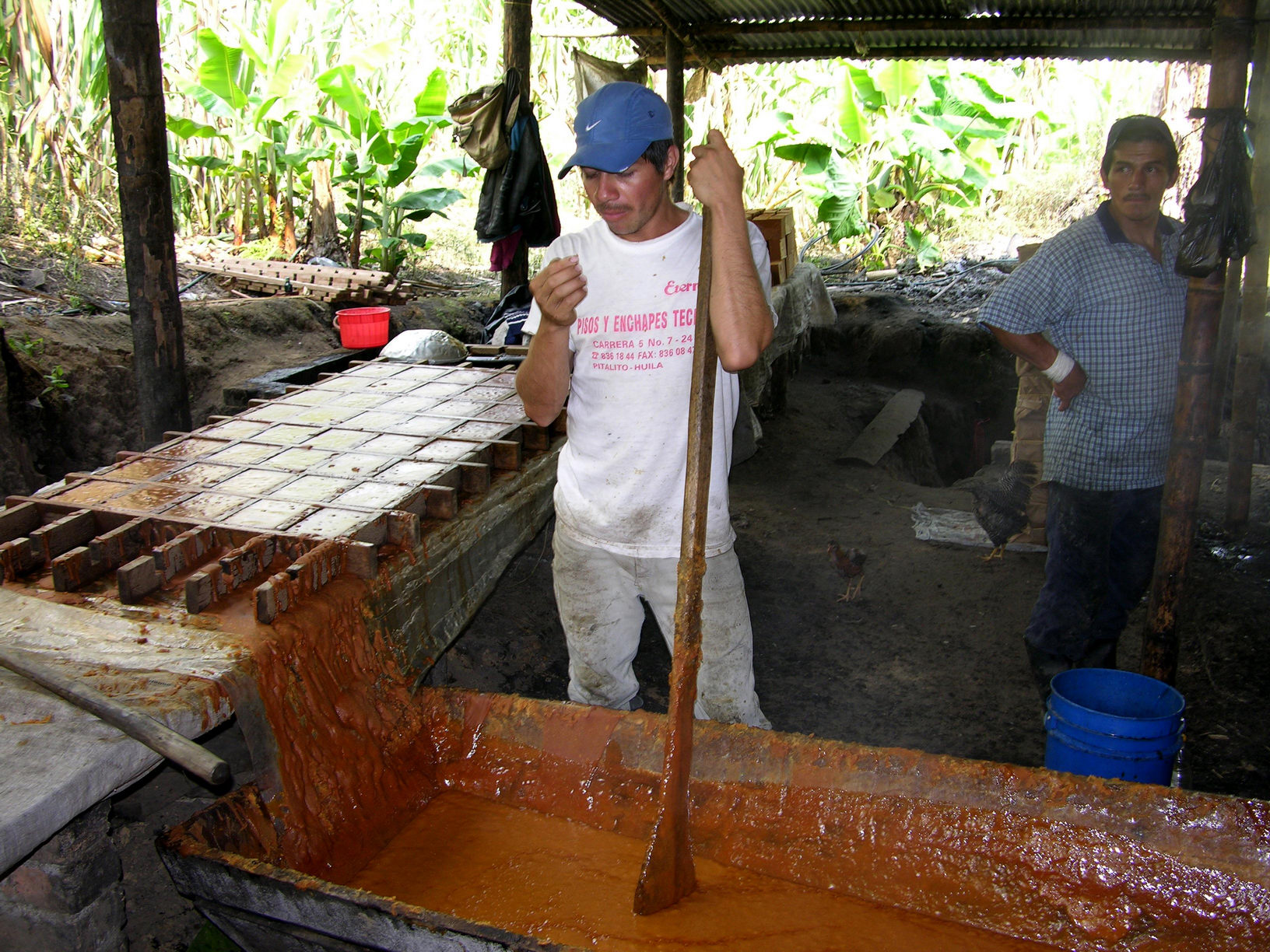
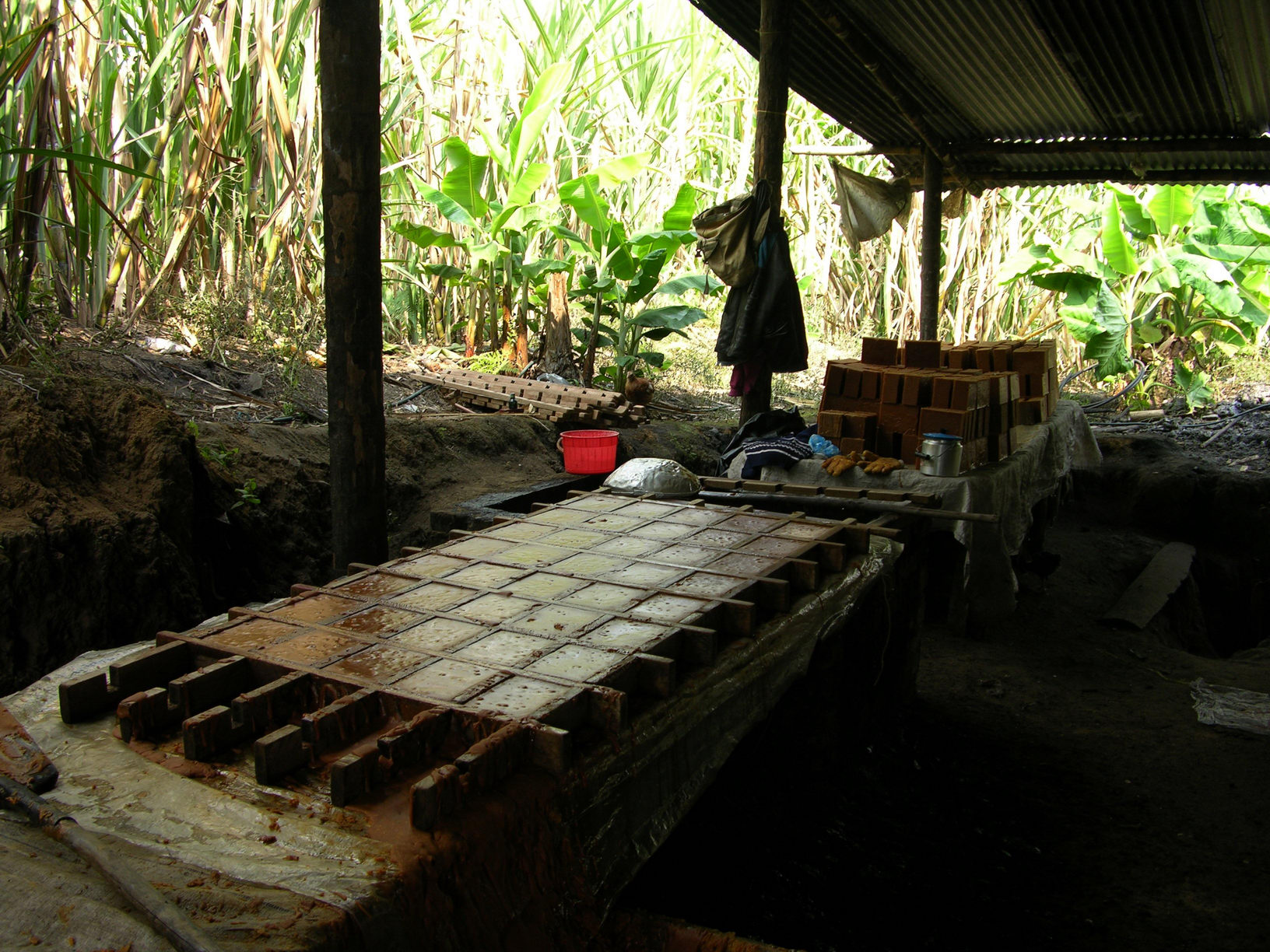
There was still a little daylight to walk around town and have dinner.
At six our English-speaking friend knocked on the door and took a handful of little gold figures out of his pocket. Beautiful. Just like the ones in the Gold Museum in Bogotá. A hundred to two hundred US dollars each. Frightening to buy one. What if it were a fake? Worse, what if it were a trap? You hand over the money and a minute later the police walk in. Then they'd fleece you properly. Frightening, but I wanted it. Frightfully. Well, ten years in a Colombian prison would be a life experience. At least I'd learn to speak Spanish properly. We bought a leopard-man for a hundred dollars. I made a point of showing the seller where I'd put it. As soon as he was out the door I went into the corridor and to the toilet. That's where I hid the leopard. We didn't have to worry about a search that night. I didn't sleep well. I kept hearing steps on the stairs and the clink of weapons. What had I got myself into now, smuggling antique gold out of Colombia…
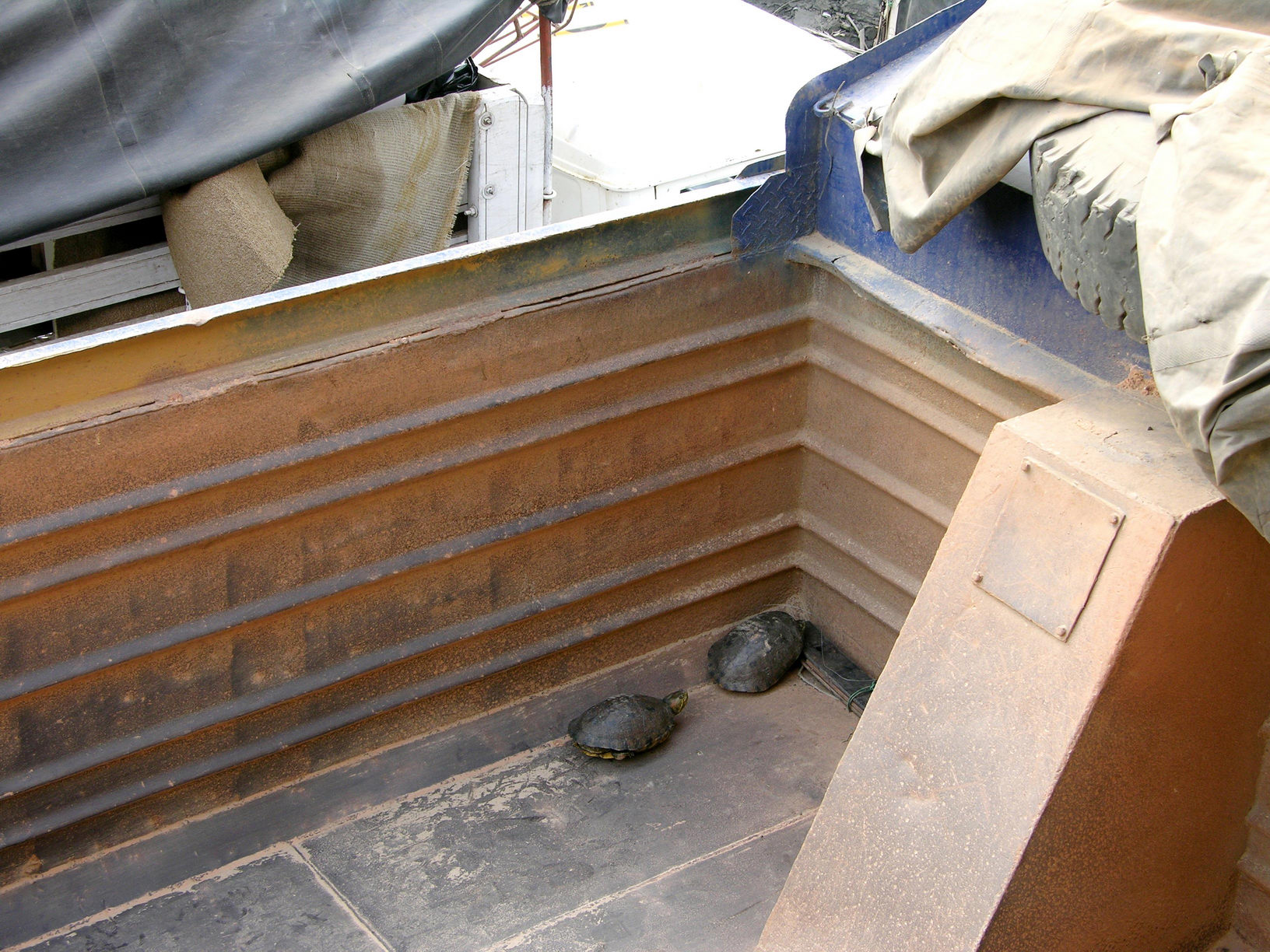
It turned out fine. In the morning a shared minibus dropped us at the junction (1°55.803′N, 76°12.848′W) where you can catch the bus from Pitalito to Popayán. It crosses the mountains through a national park. This park belongs to the sort where the principal thing protected is the coca plantations. Lonely Planet forbade you to take that bus, but it went anyway. And if someone is risking the one thing that matters most, money they'd lose if the bus were destroyed, then at least 99.9 per cent of the buses make the journey successfully. So we went. The road was broken up and the bus barely crawled along. At the highest point it stopped for lunch (2°3.472′N, 76°19.549′W). A very pleasant, colourful little canteen. Then a national park sign and a road sign: “Do not run over the tapirs.” We didn't see any guerrillas. Gradually the road began to go down. Villages appeared. Local girls sold strawberries along the road. We bought half a kilo for a thousand pesos. The berries weren't much to look at, but they tasted wonderful, like the ones of my childhood. They sell all sorts of things beside the road in Colombia. The turtle sellers especially stuck in my mind. A man stands there with several enormous live turtles strung together beside him. The custom is to boil them and eat them. Long-haul drivers also pick them up from the road, throw them in the back and eat them at overnight stops. The bus to Popayán takes an entire six hours, though it's only eighty kilometres as the crow flies.
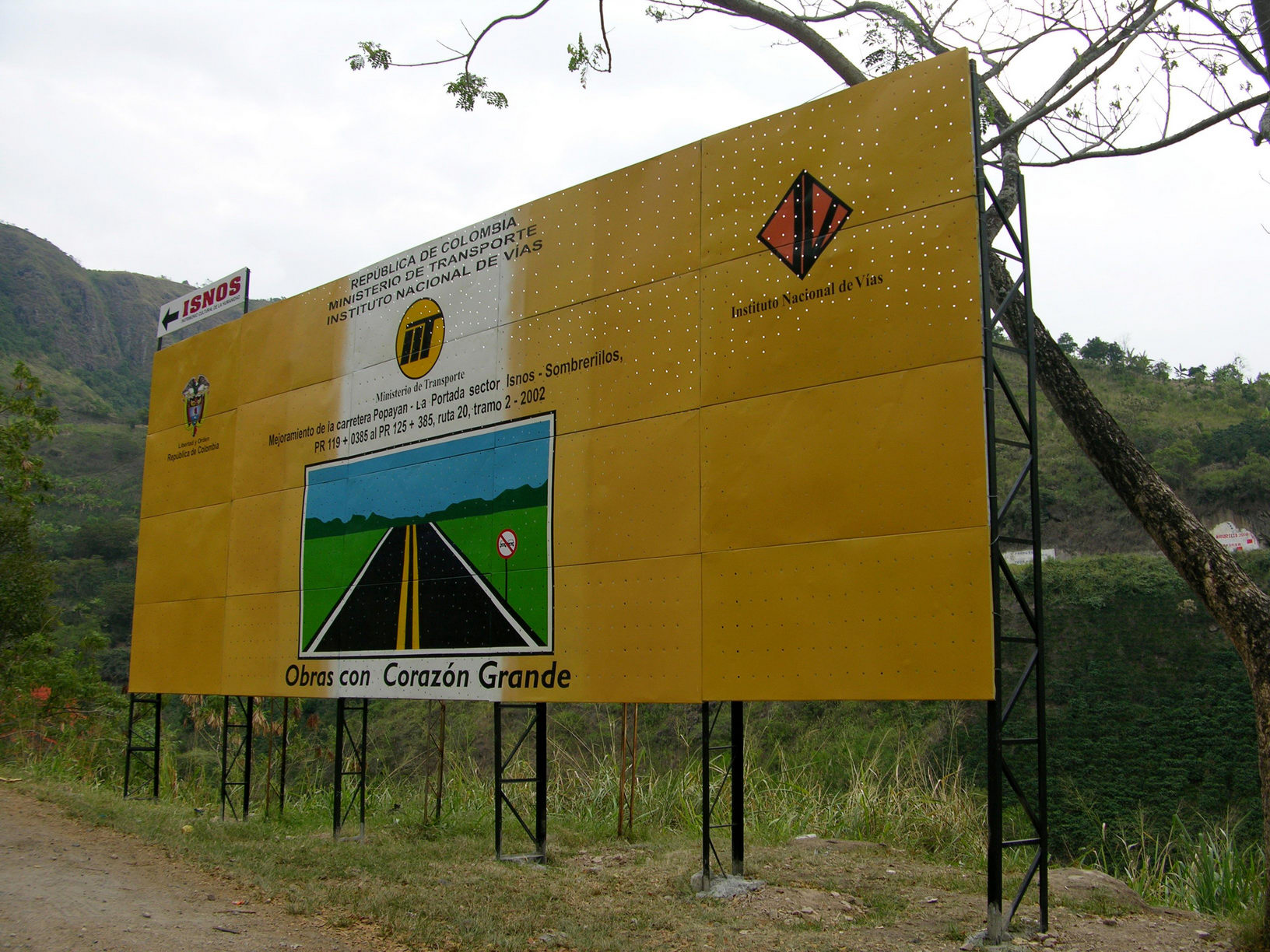
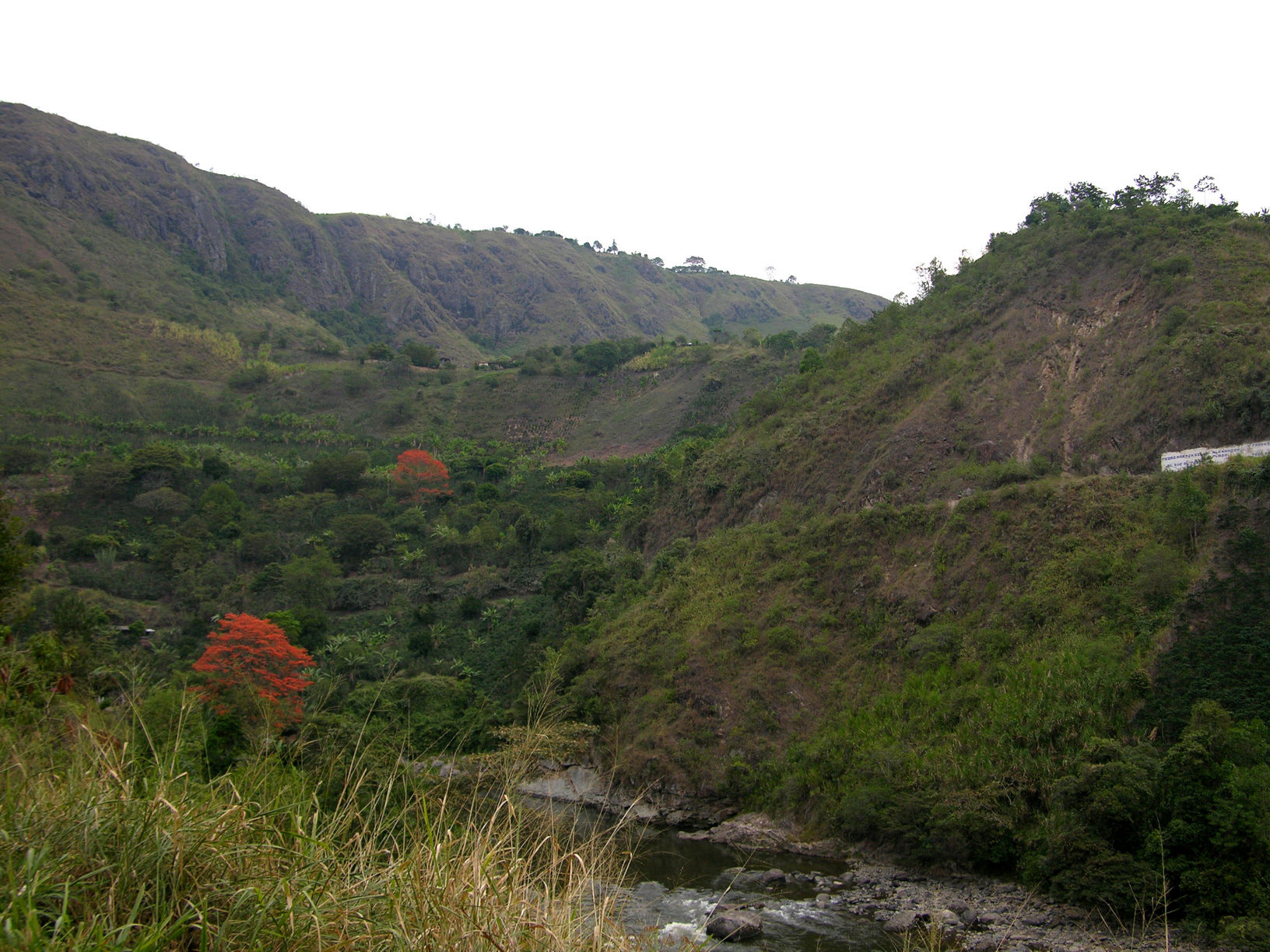
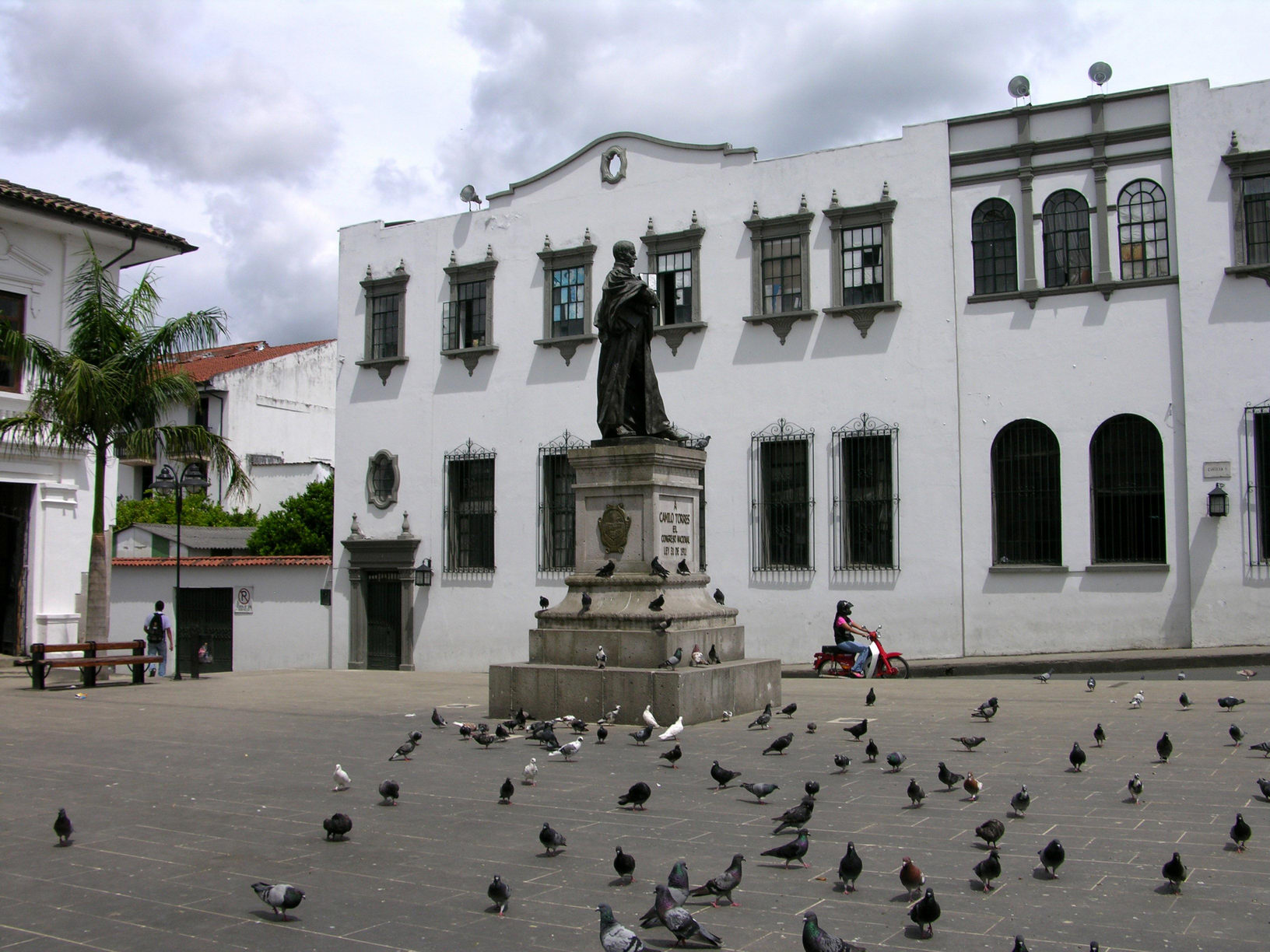
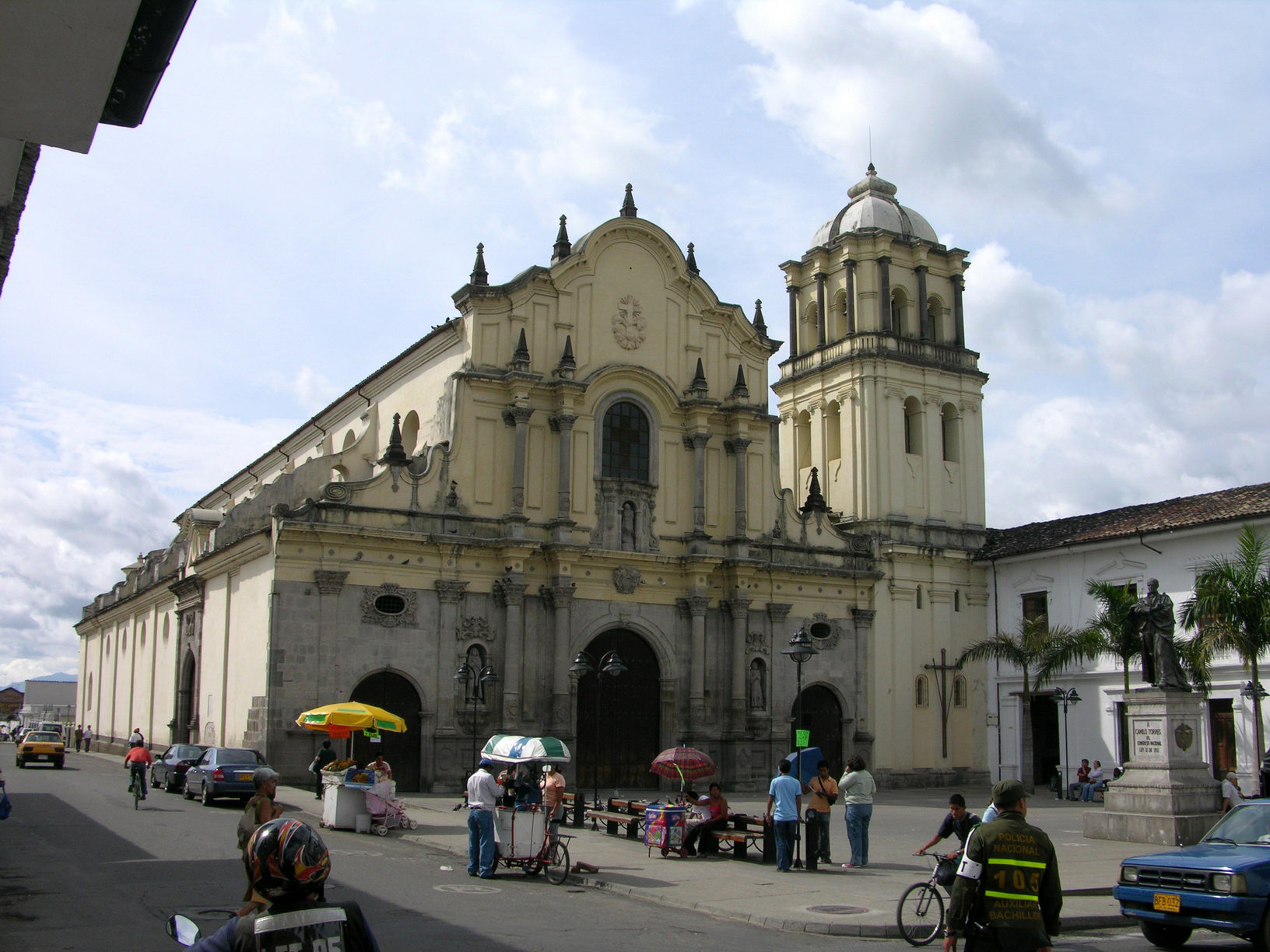
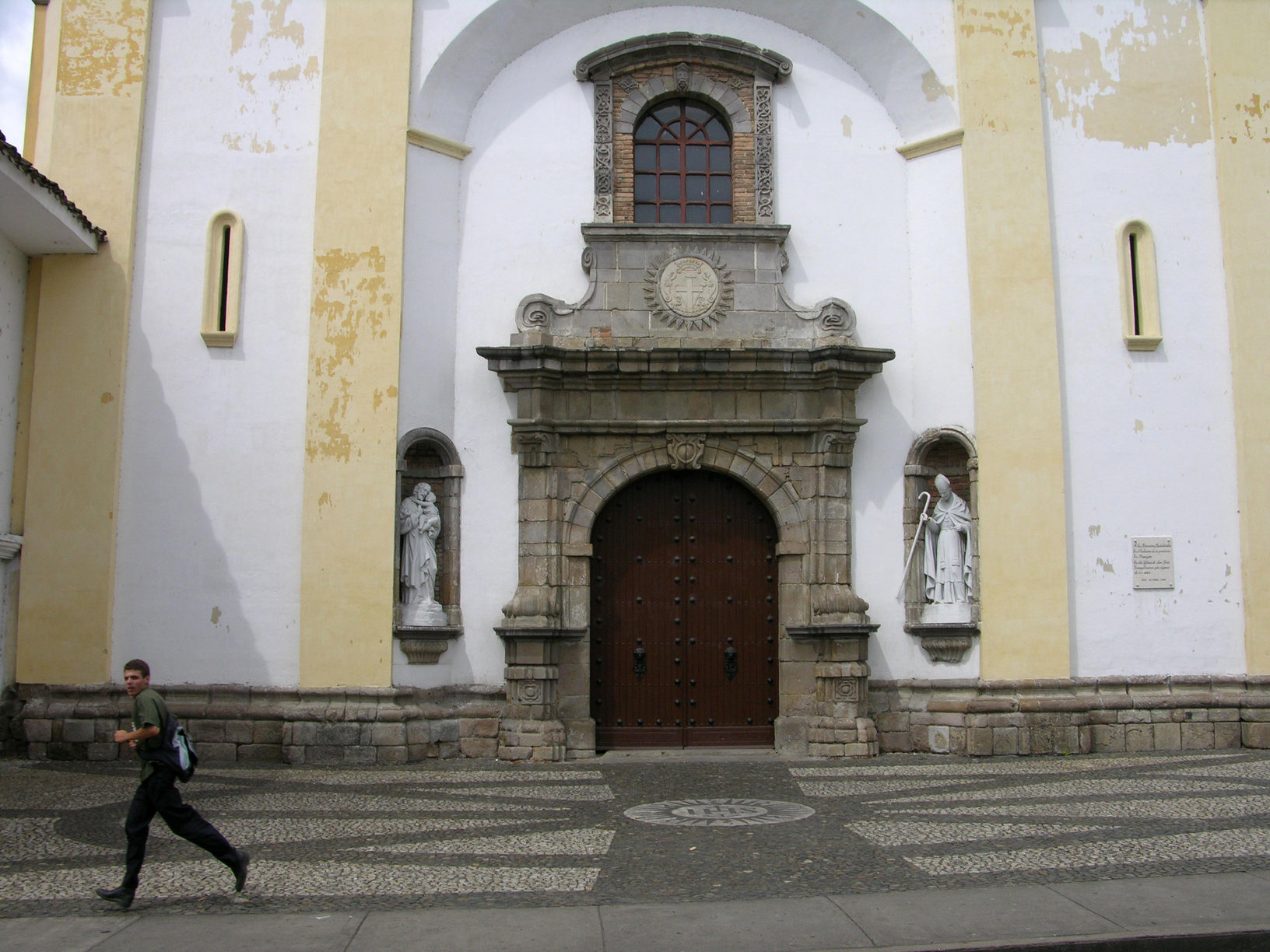
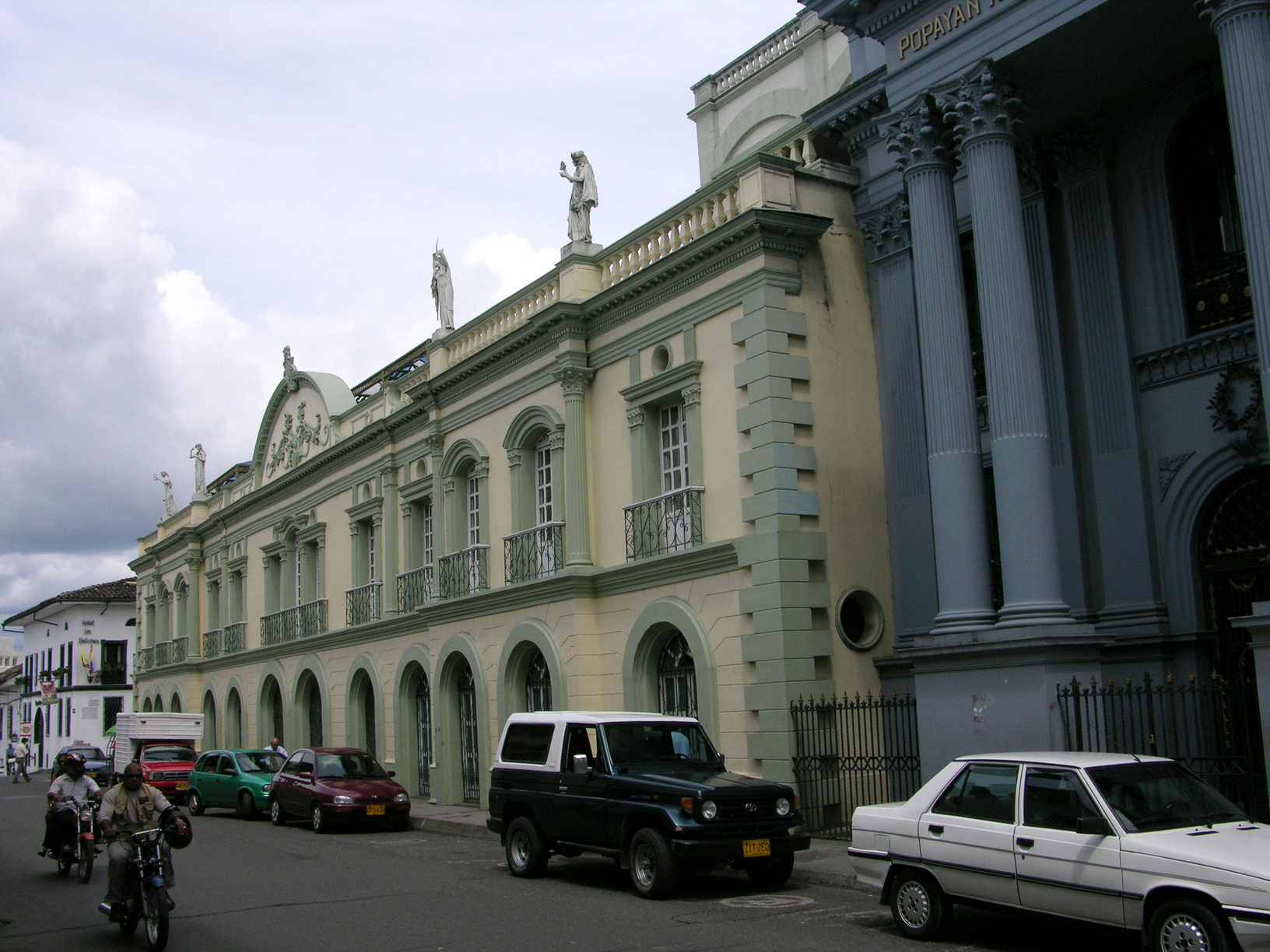
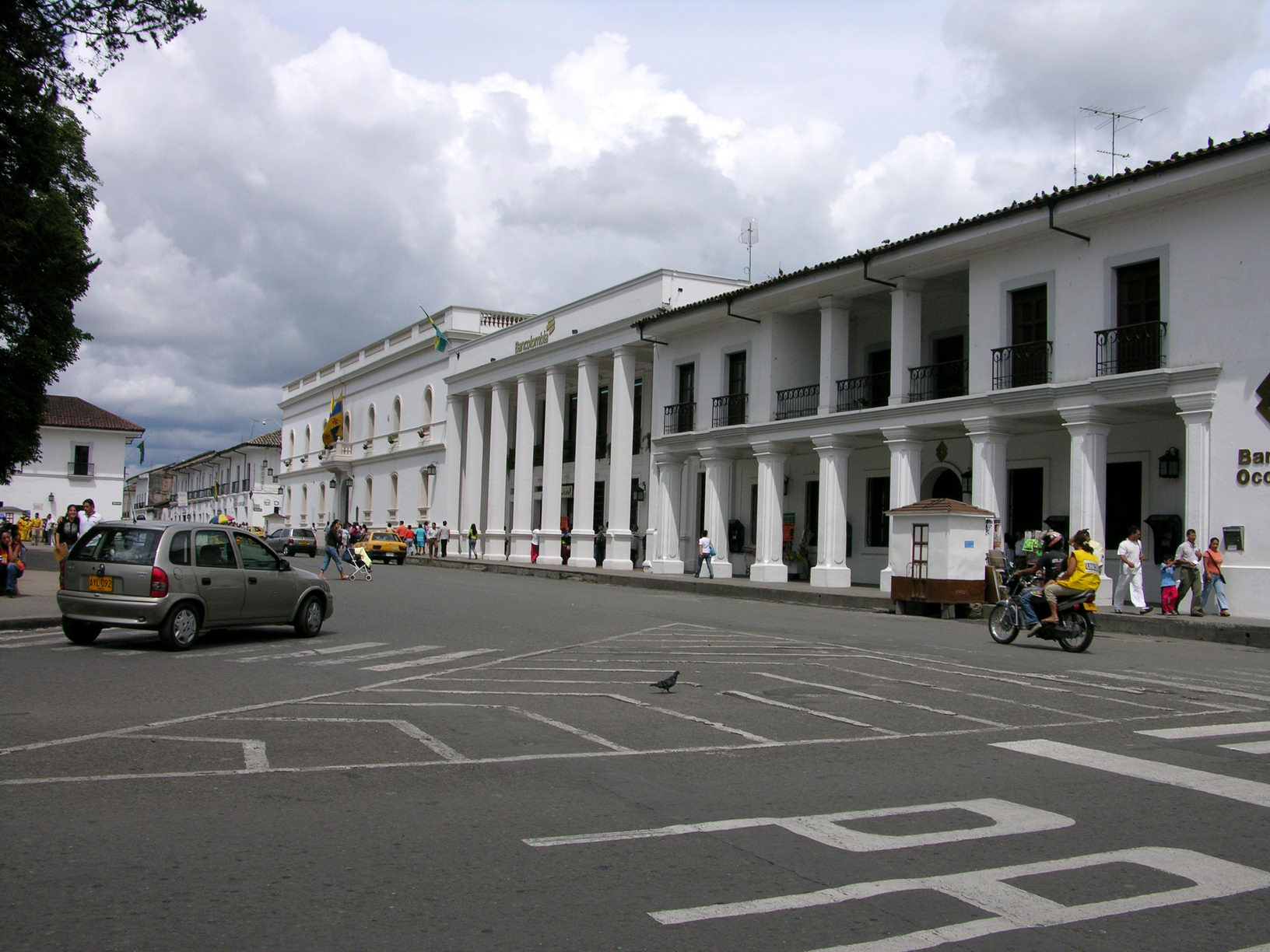
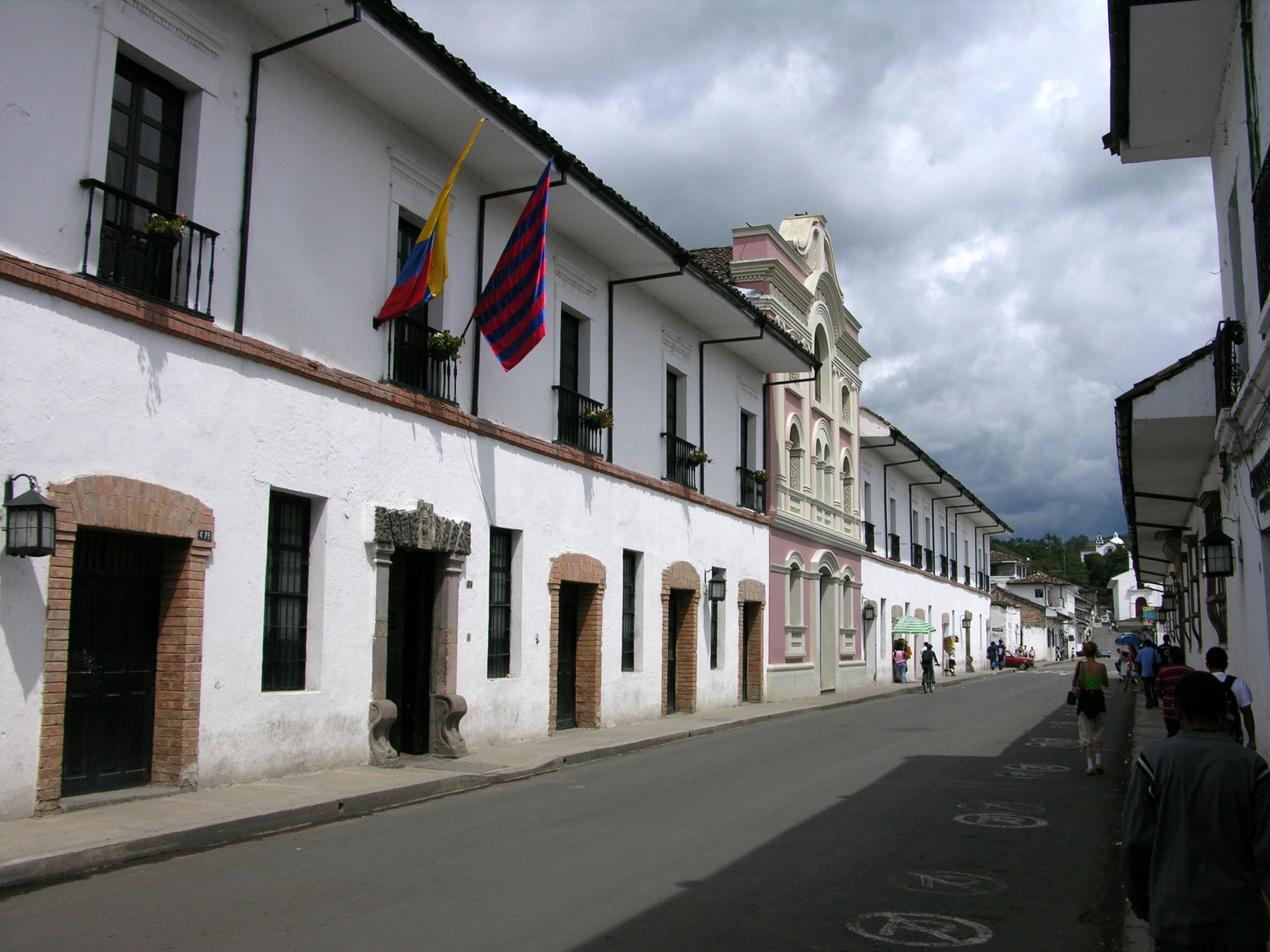
At the bus station we bought tickets to Pasto and left our things in the luggage store, then went for a walk around town. All the same colonial architecture. The town is famous for its sweets. We ate them with coffee. The evening was spent on the road south to Pasto.
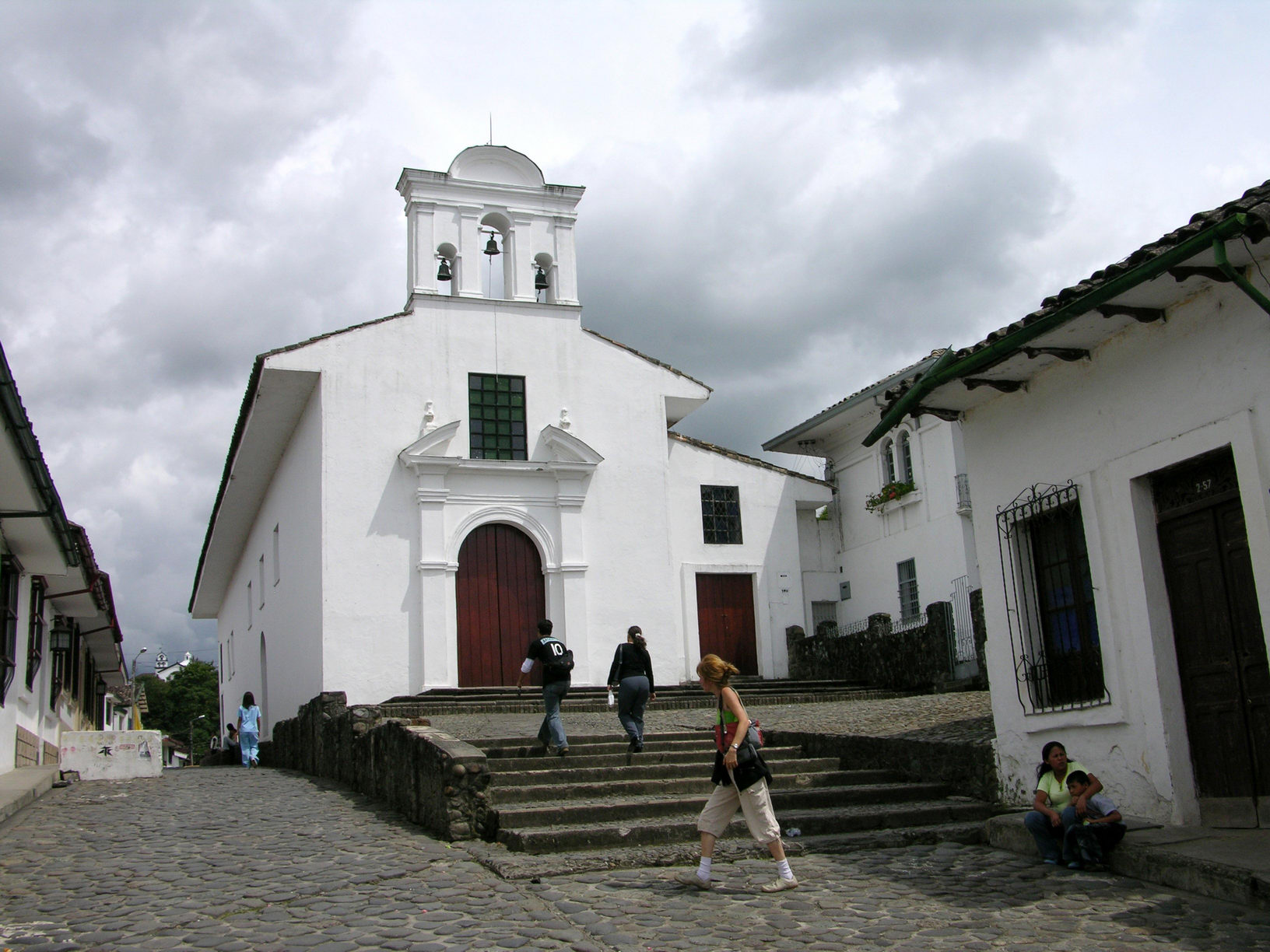
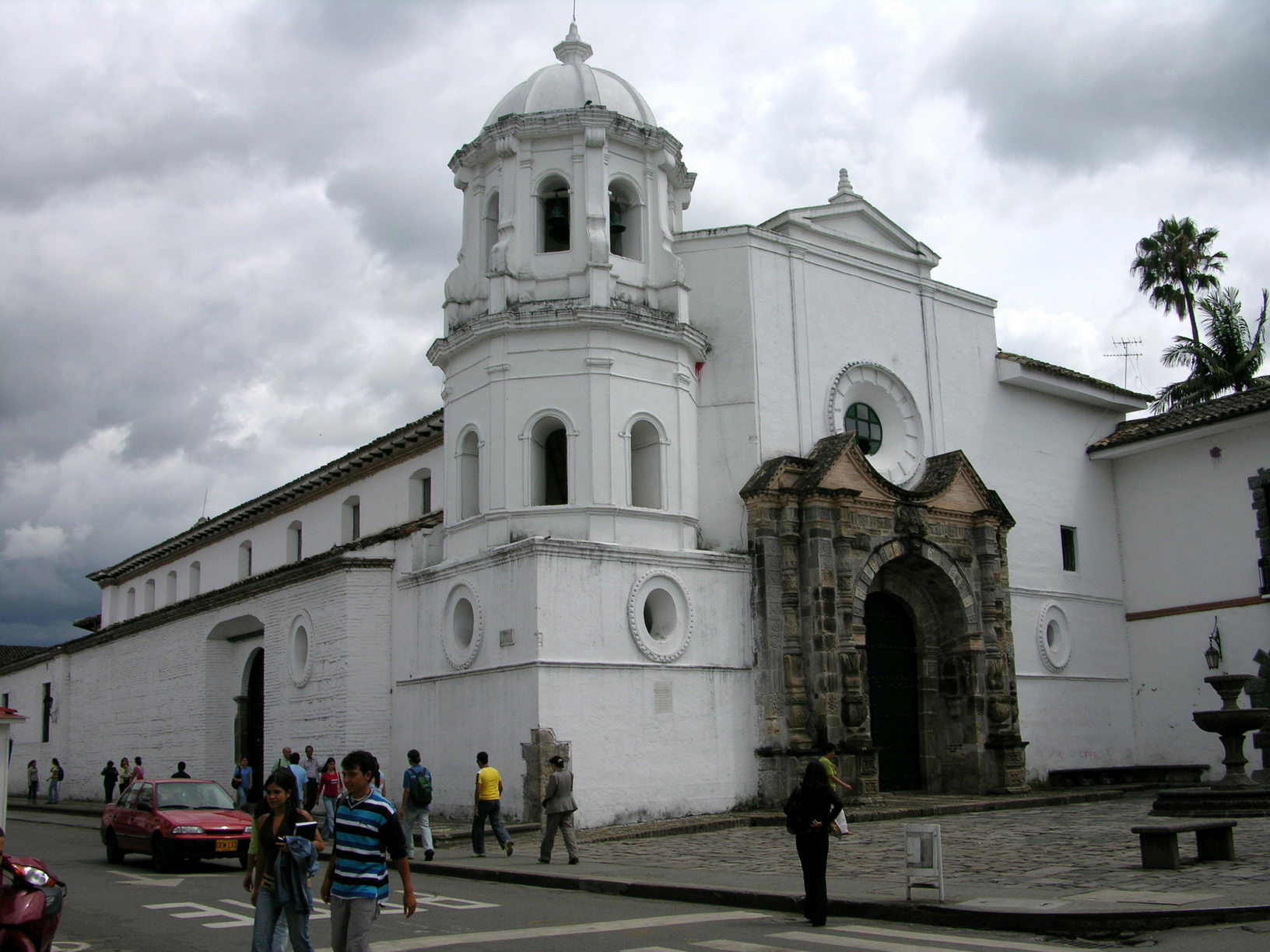
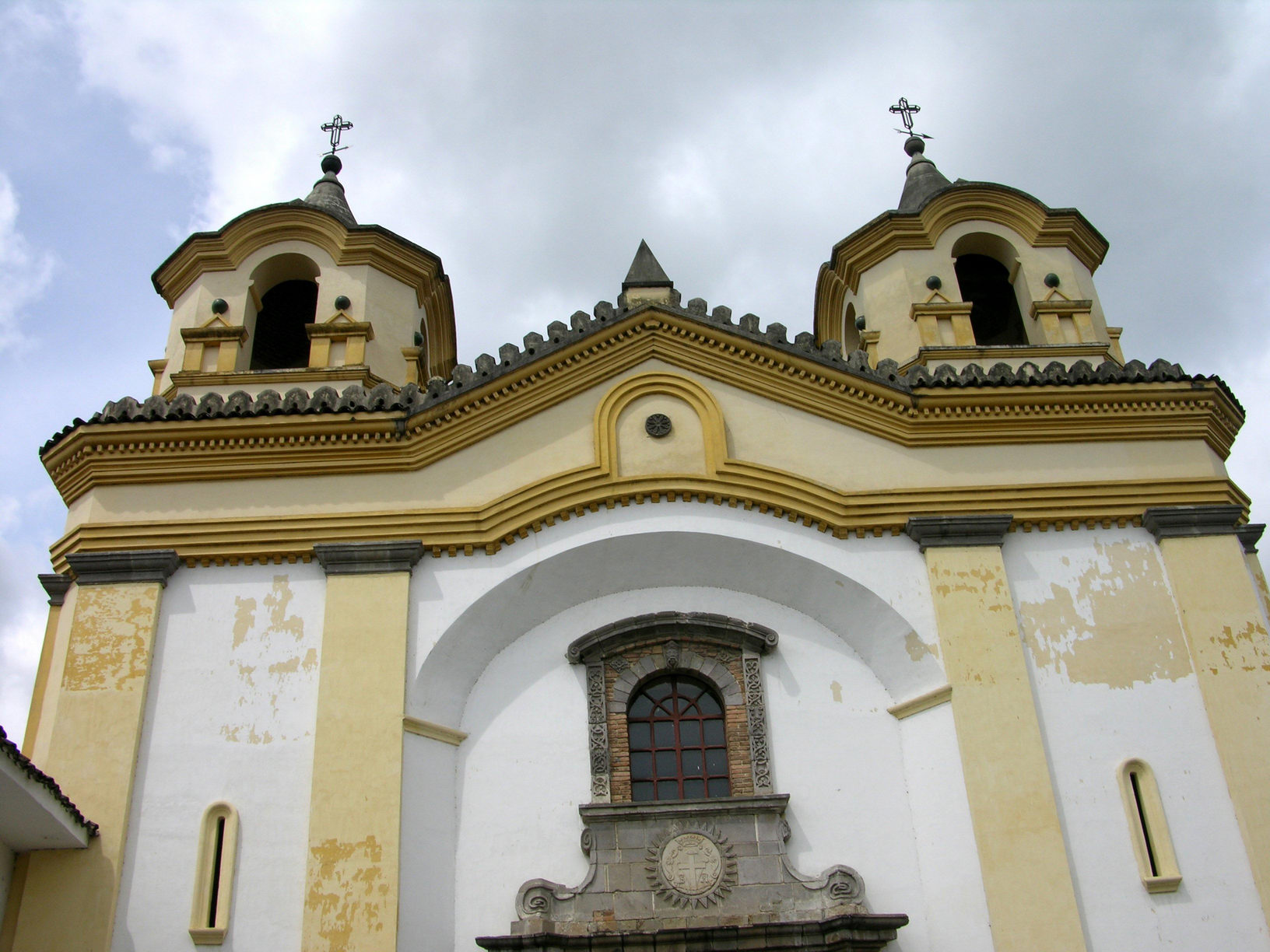
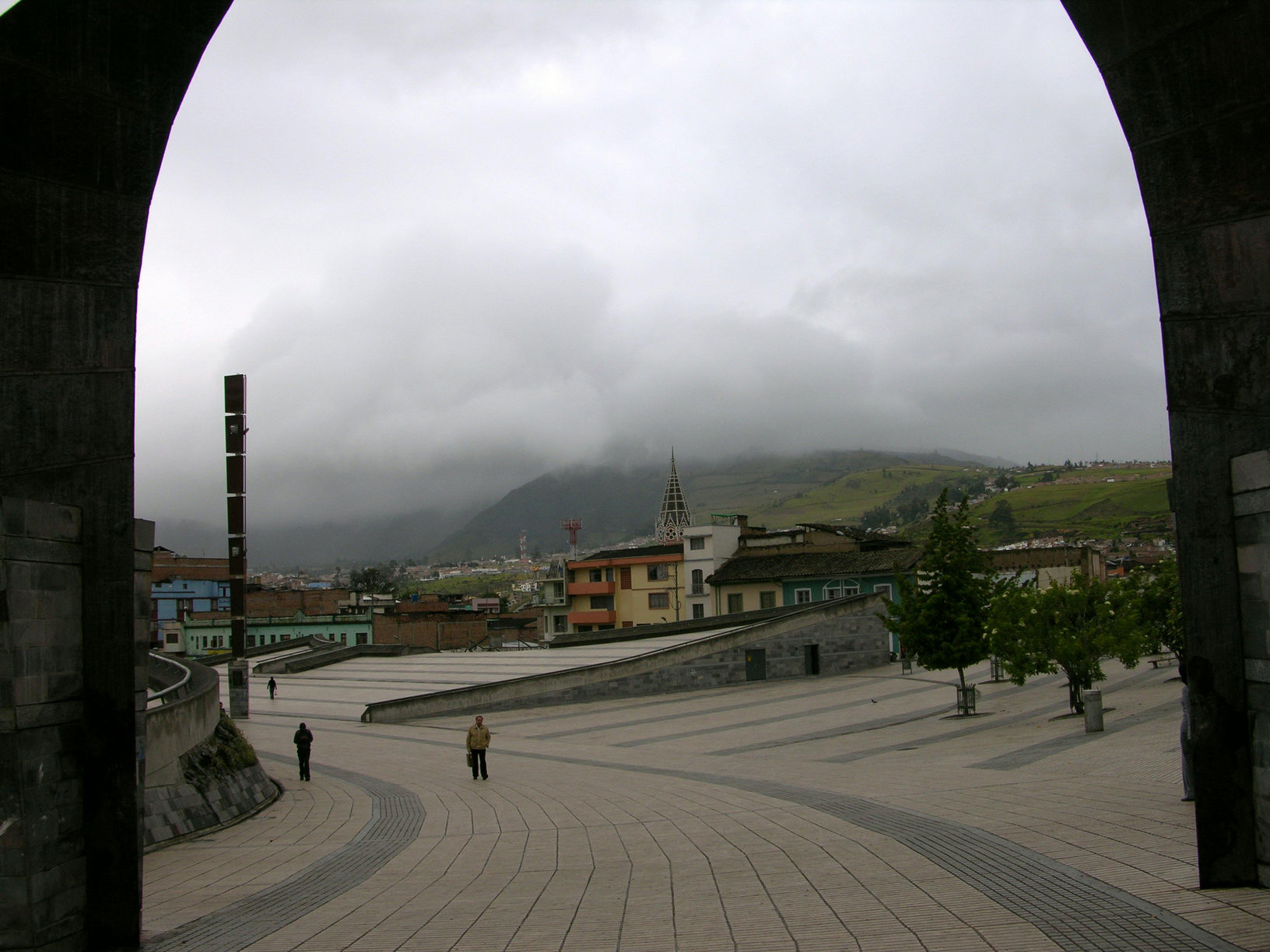
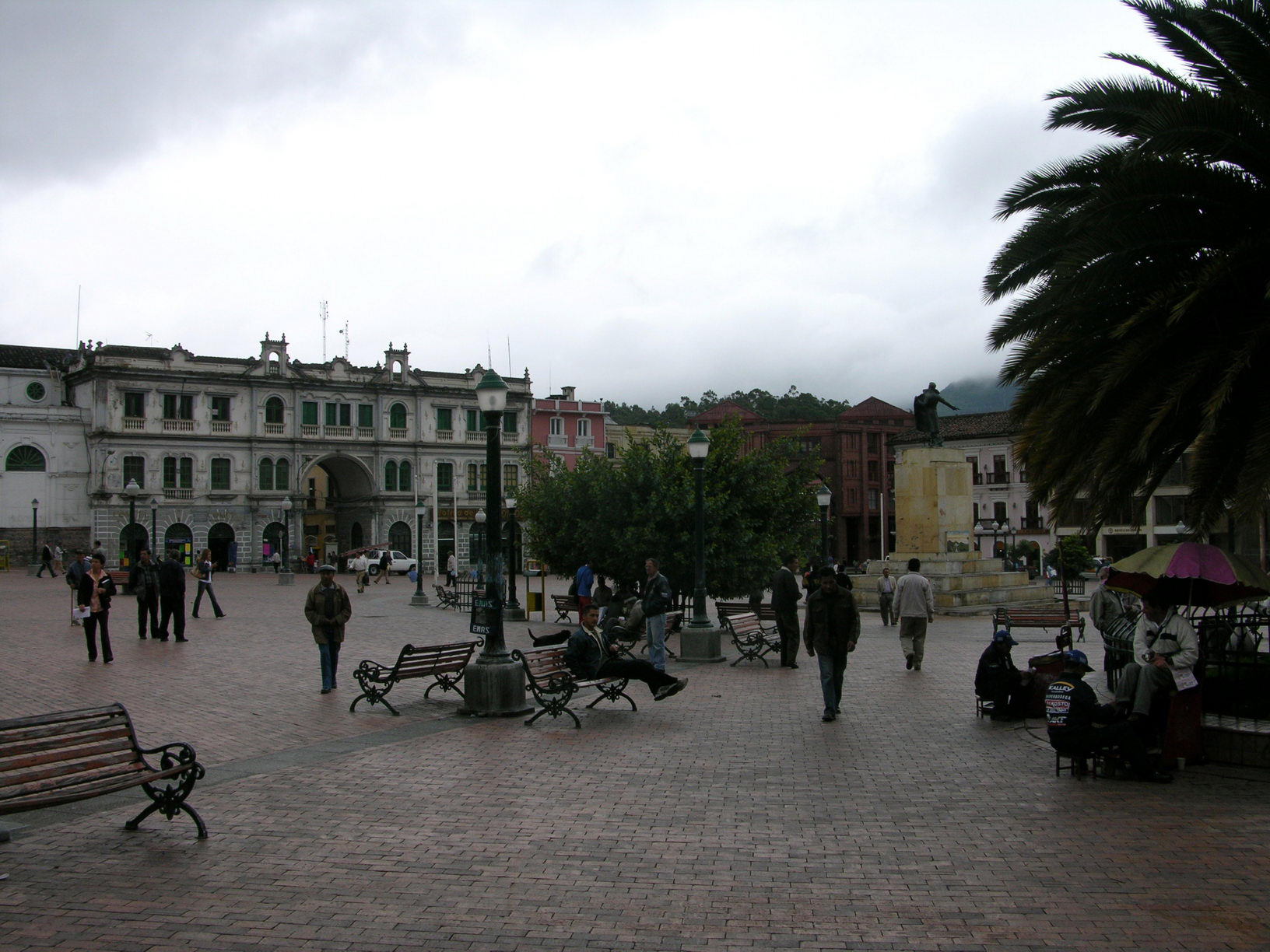
Now that was the real capital of the drug mafia. As I saw it, a substantial part of its inhabitants worked in the production and distribution of drugs. The city had simply flourished in that line. Hotels everywhere for the couriers. Expensive shops for them too. A lot of buses and flights to every part of the country. But shooting people in the streets isn't done. People have work to get on with, no time for childish games with pistols. We arrived in pitch darkness and found a hotel near the bus station. Television, Jacuzzi, fridge, music. Everything for someone in that hard and dangerous profession. Meanwhile Tanya still hadn't recovered from her cold, and I wanted to go into the mountains, to the top of the volcano next to the city.
Early in the morning we went to find out what we could. At the local travel agency they said you weren't allowed to go up. I understood that, but how did you get there? No, they said, it's forbidden. All right then, how did people used to go? There was no point asking organised tourism for anything.
I left Tanya in the hotel room (1°12.028′N, 77°16.144′W) and took a taxi to the slopes of the volcano. I went to speak to some local men. How could I get up the volcano? “It's raining,” they said, “and it's dangerous up there. Let's ask the commissioner.” That's what they call their local policeman. “Well, you can't go today,” he said. “It's already late and it's raining. It won't rain tomorrow. We'll go together. Pay me and we'll go right to the top.” The rain was pouring down. I asked, “It's raining here. What about on top?” “Raining up there too,” he said. “Only it's very cold as well. It'll be sunny tomorrow.” “All right. Tomorrow then. Where does the path start?” “What do you need to know for? I'll show you tomorrow. It's behind that house, up the stream.” “Up the stream?” “Yes, right to the top. Only don't be surprised if it looks more like a river than a path. It's supposed to.” “Fine,” I said, “see you tomorrow”, and slipped off along the stream. There was a sign right before it explaining lahars. It said they move at a hundred and twenty kilometres an hour at a temperature of six hundred degrees. There were arrows all over the place showing you where to run. What runners they must be here. A hundred and twenty kilometres an hour is fast. The arrows went down, so I went up. The nice thing about a volcano is that it has no ridges. Just go straight up and you'll get to the top. I seemed to have found the way. First there was a track, and then, sure enough, a mountain torrent. You crept through the water as if through a tunnel in the thick vegetation. I passed some farmers who said I was going the right way. In the first hour I gained five hundred metres. Not bad for me. An old man, but climbing the height of the Ostankino Tower in an hour is good going. I started at 2,400. Another hour, another five hundred metres. 3,400. I was starting to get out of breath. I hadn't been at altitude for a long time.
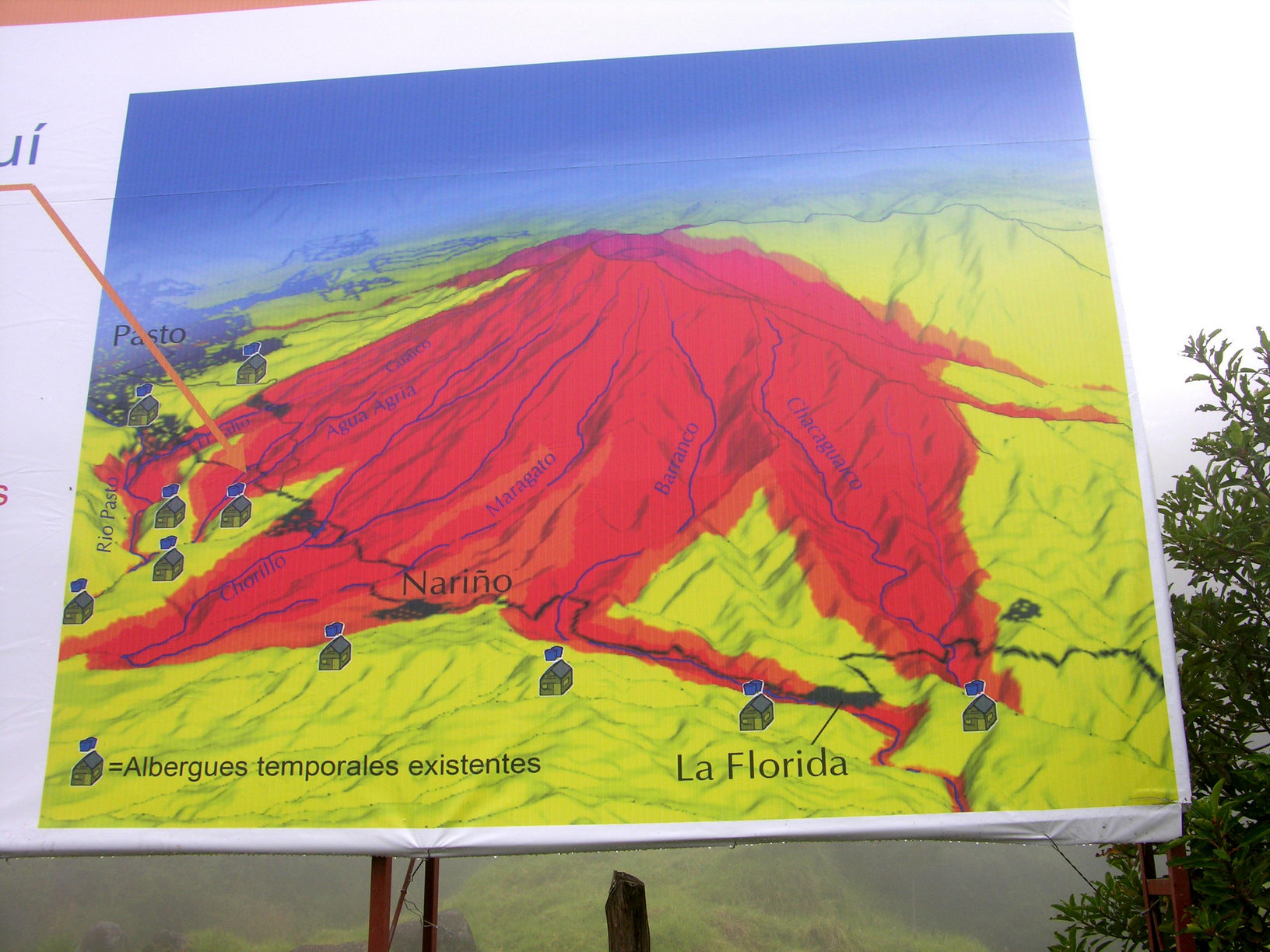
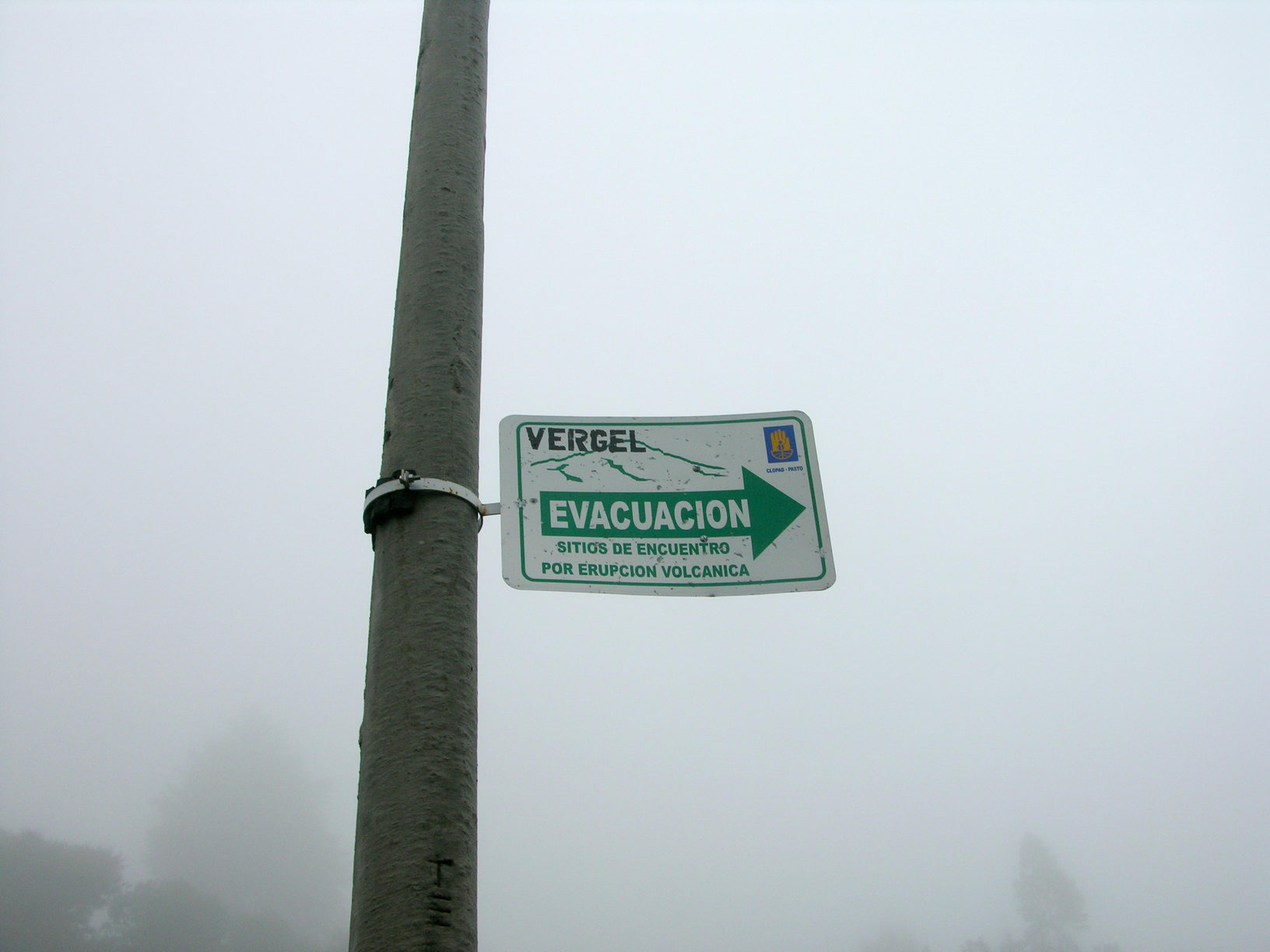
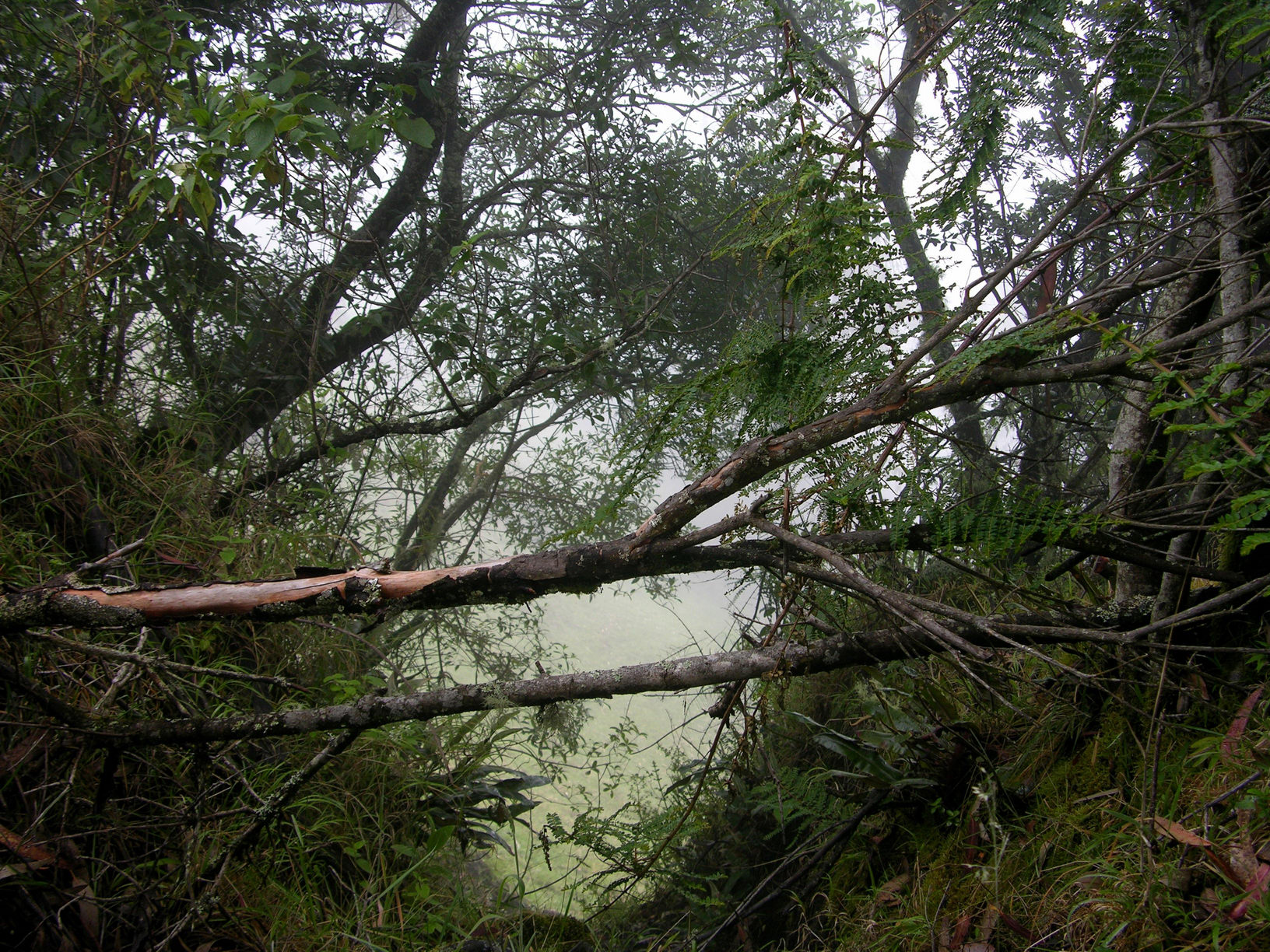
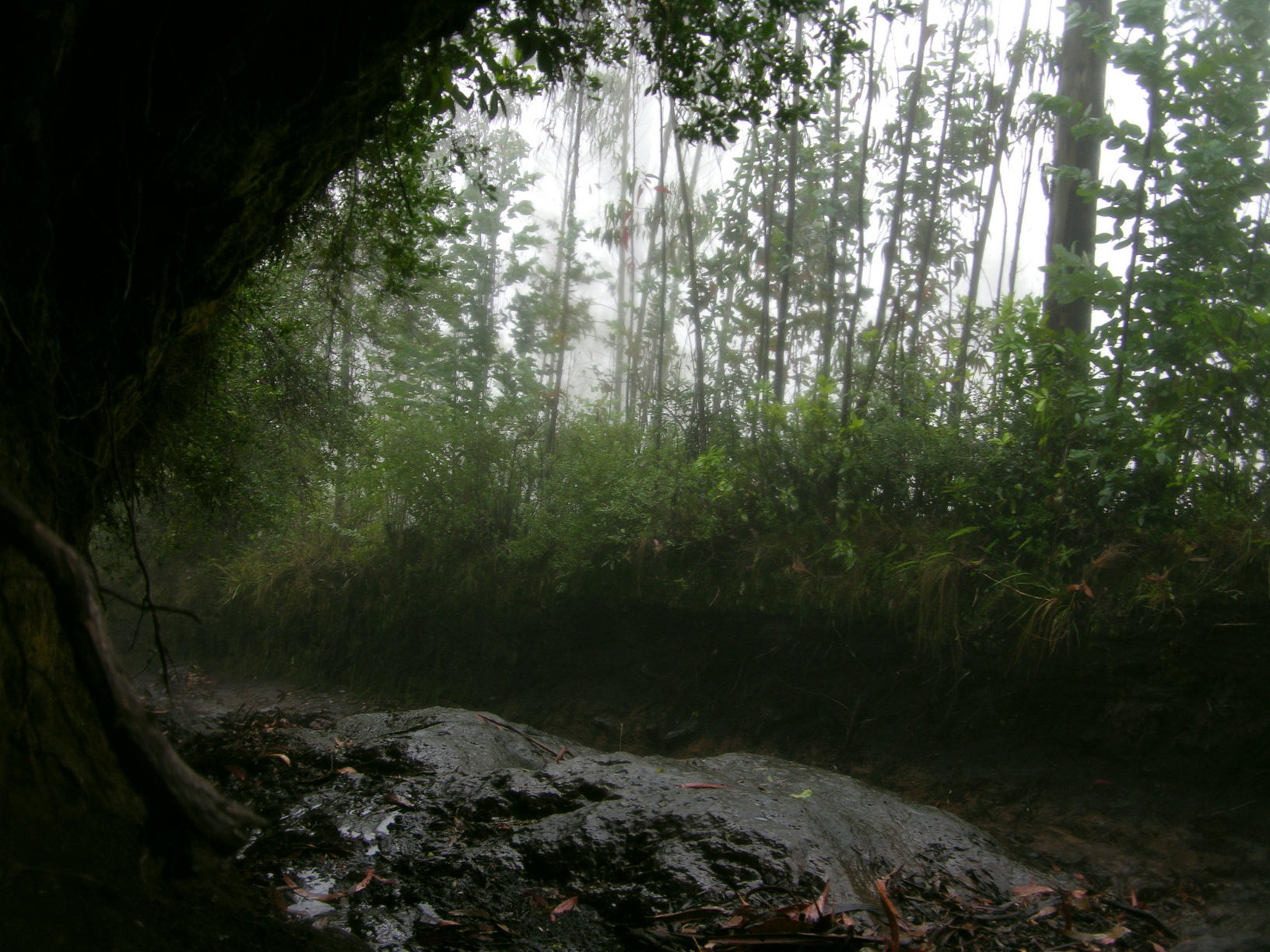
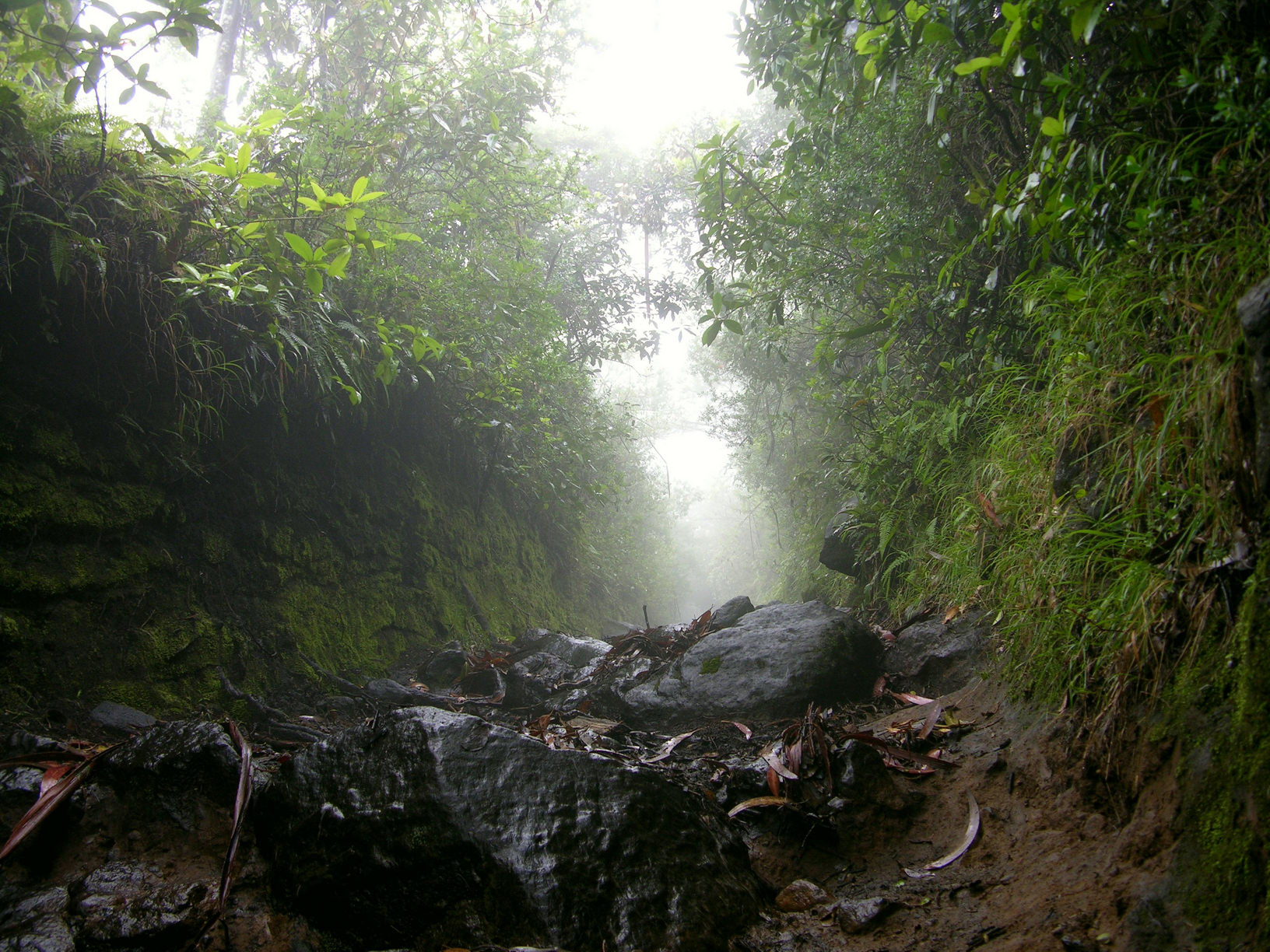
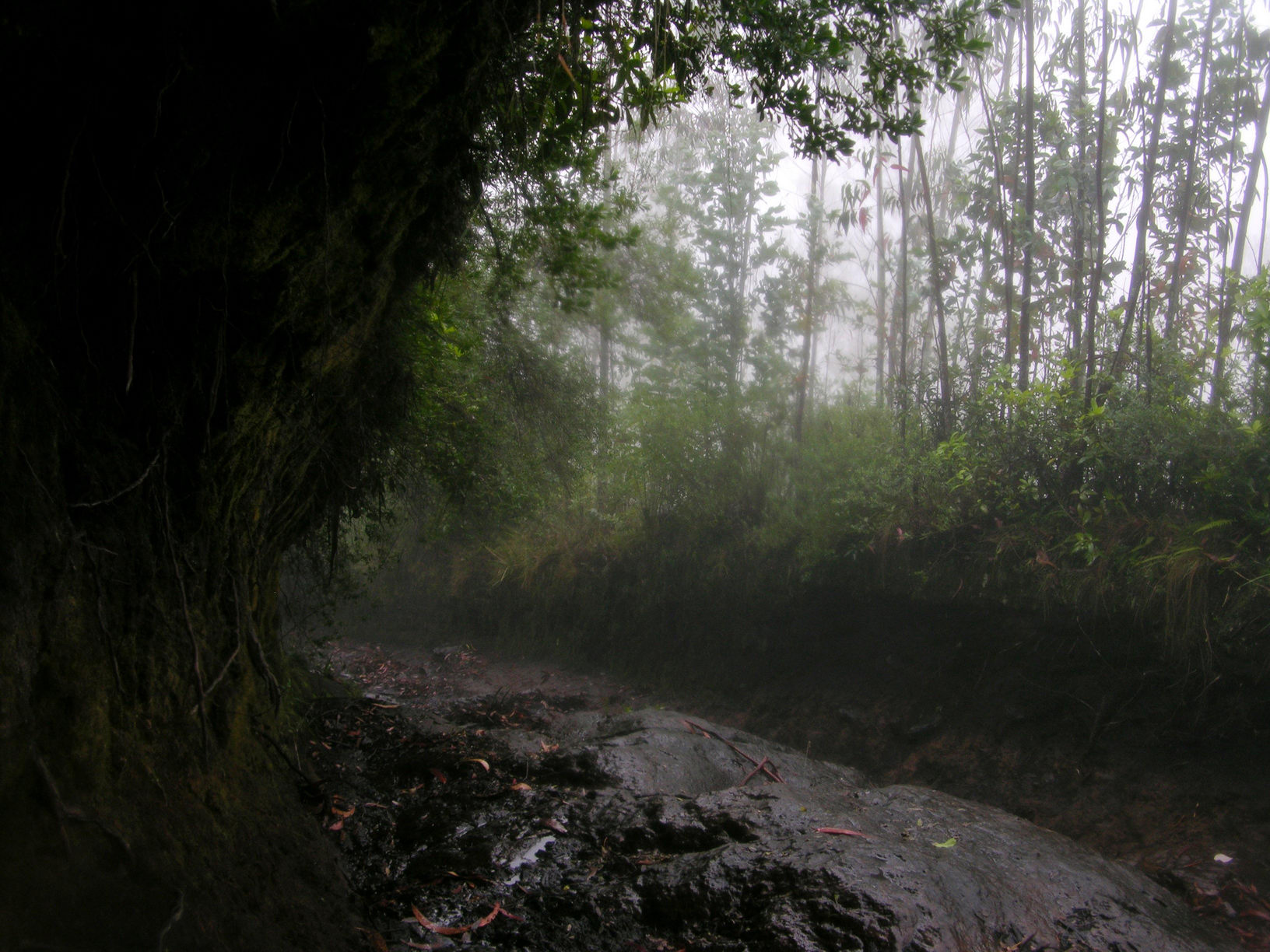
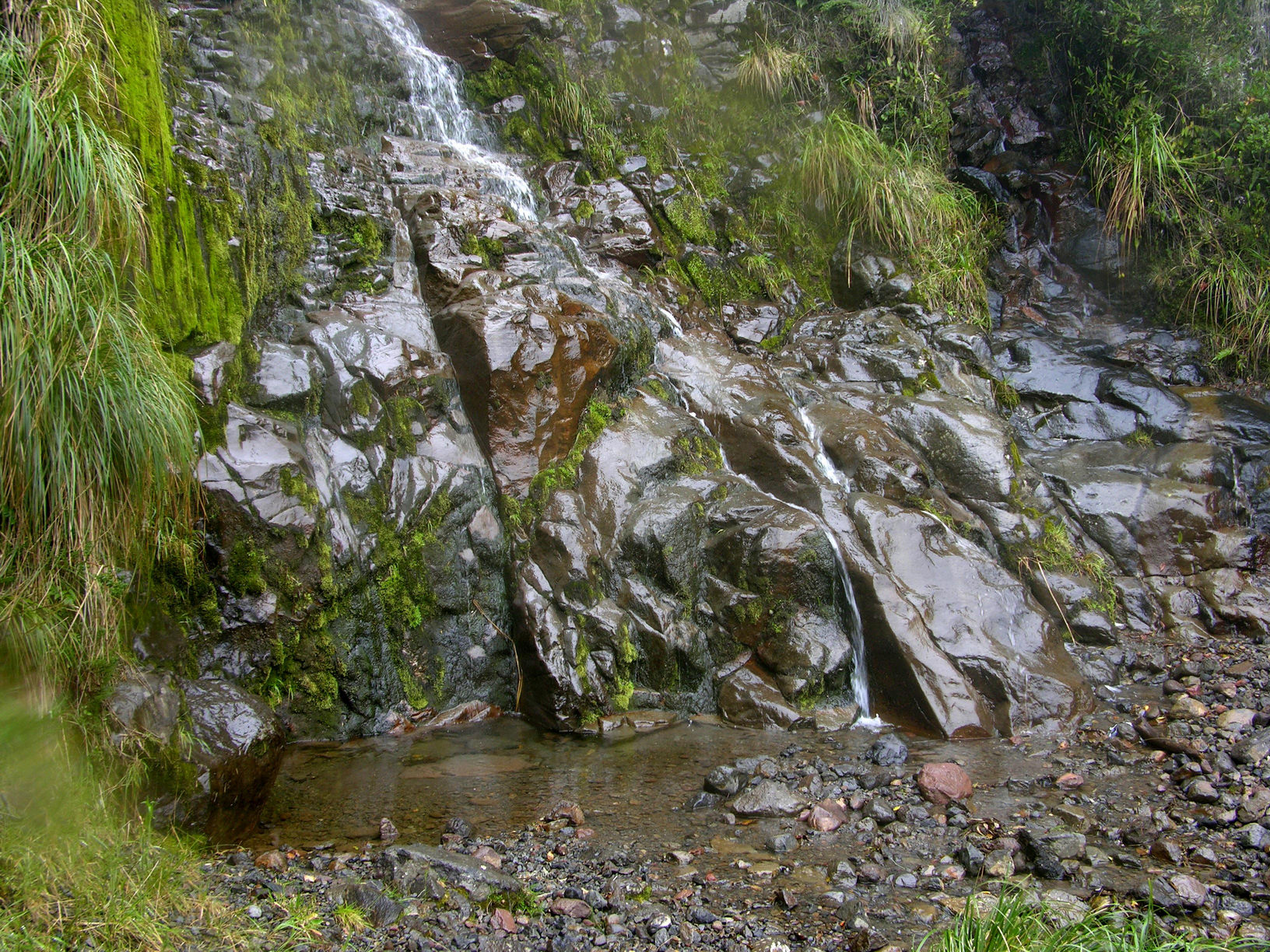
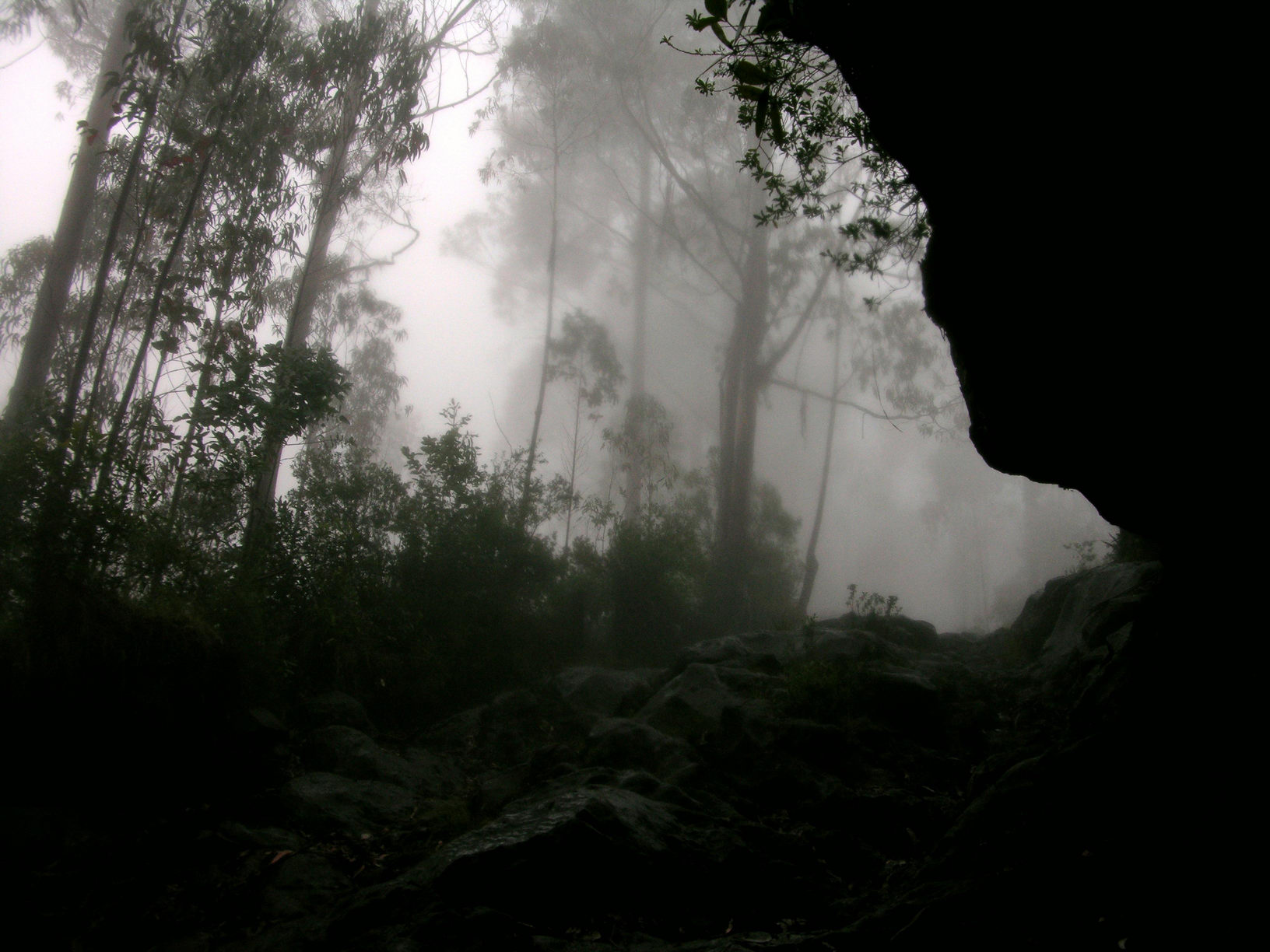
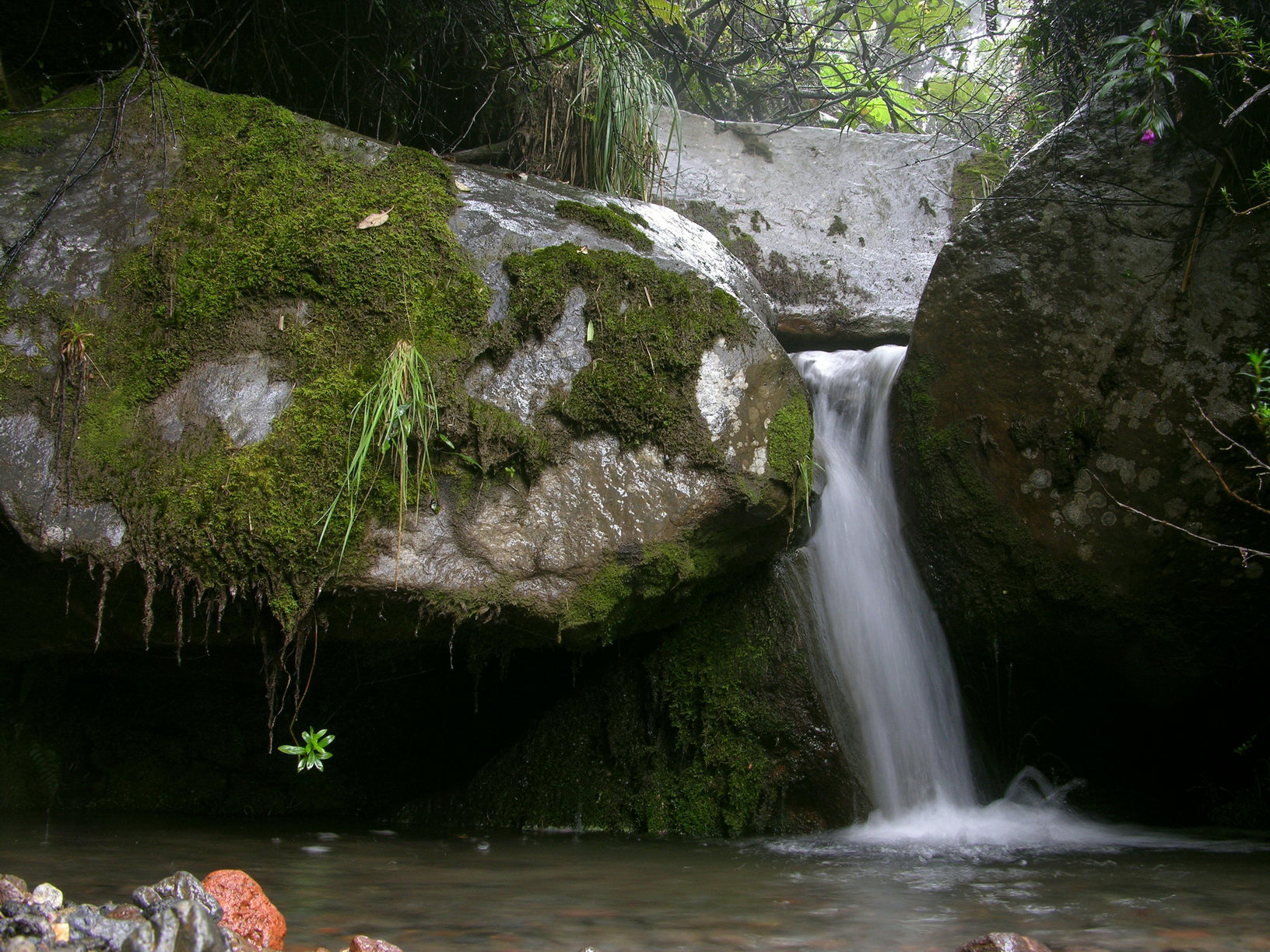
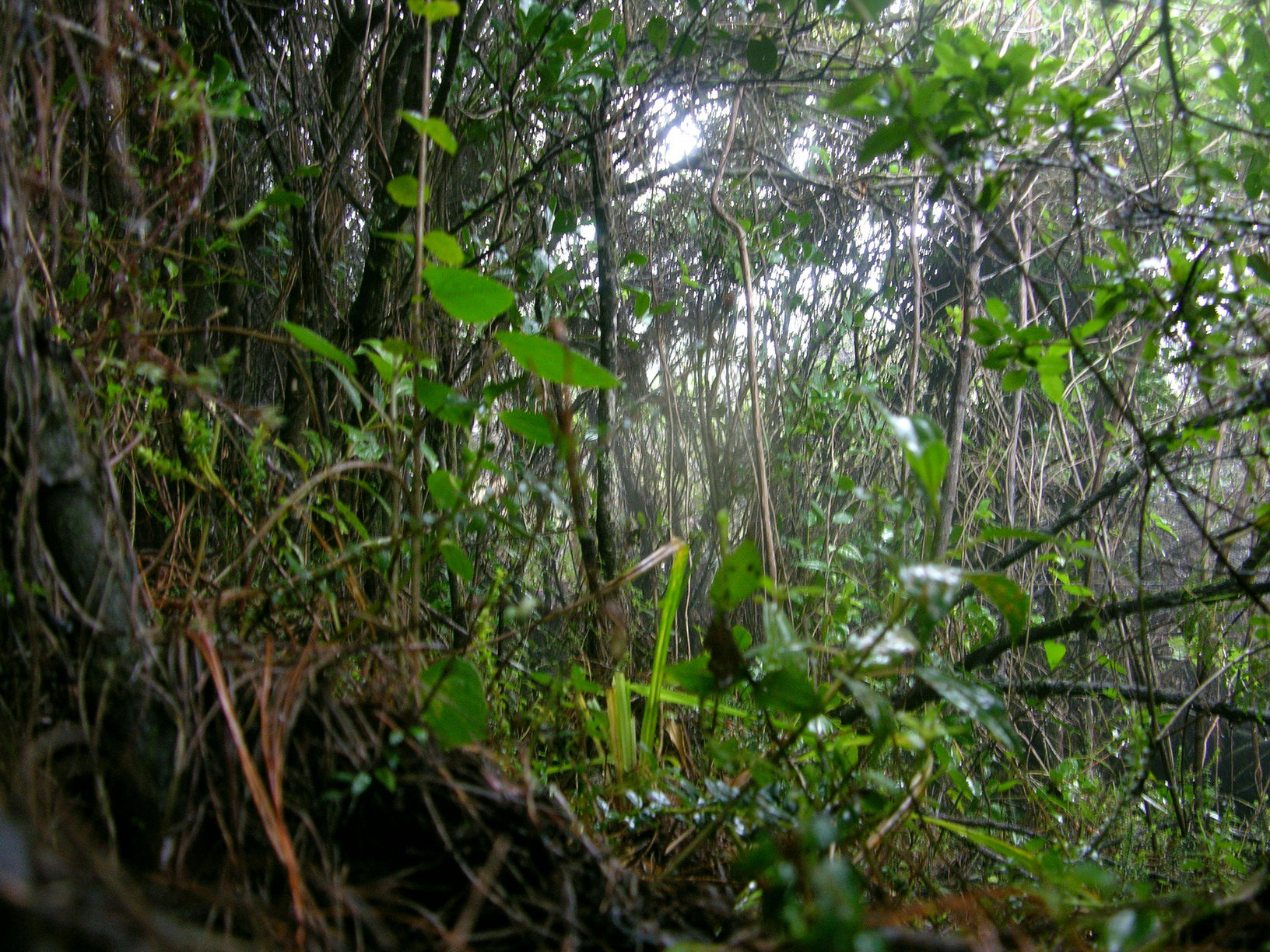
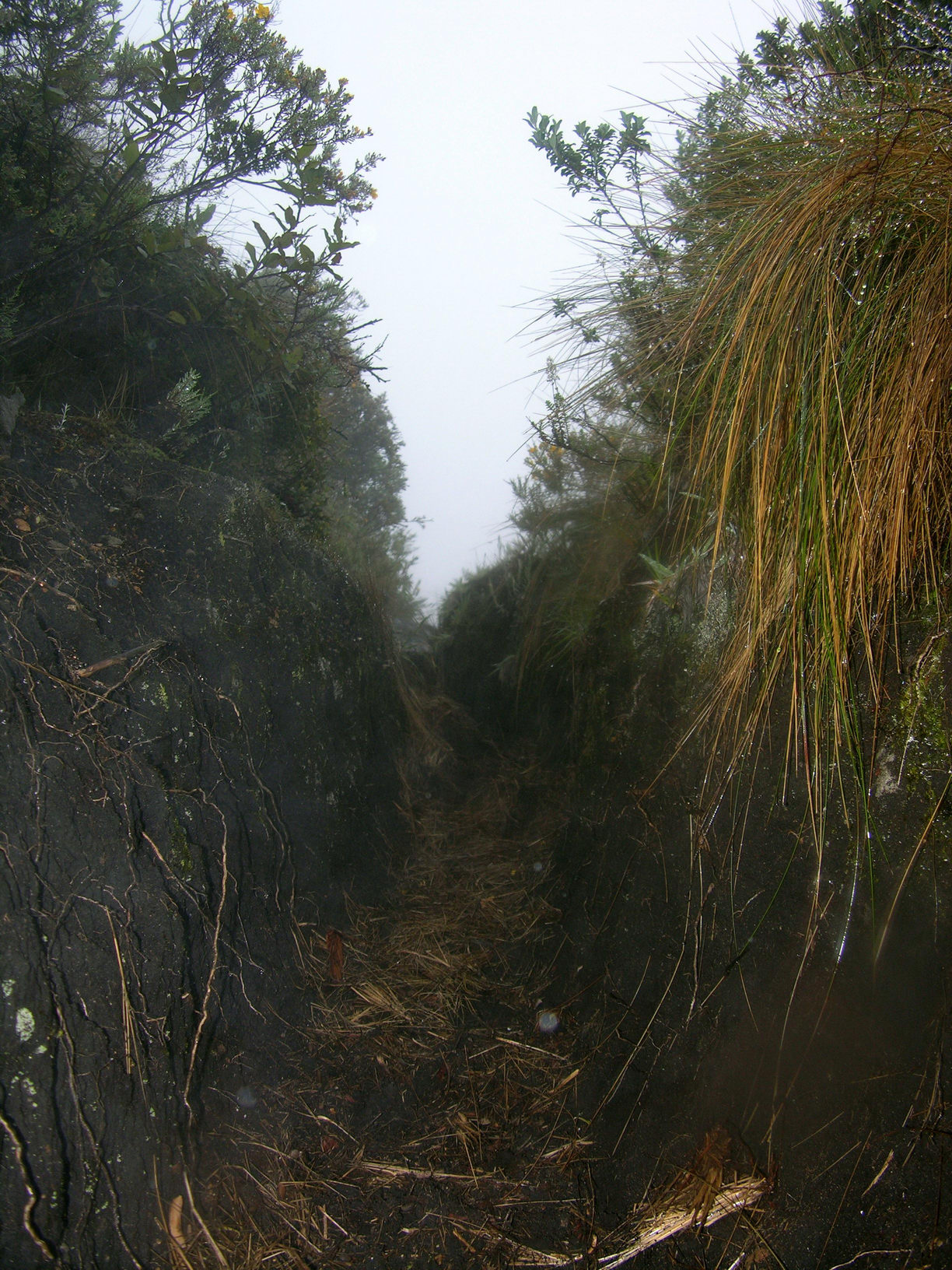
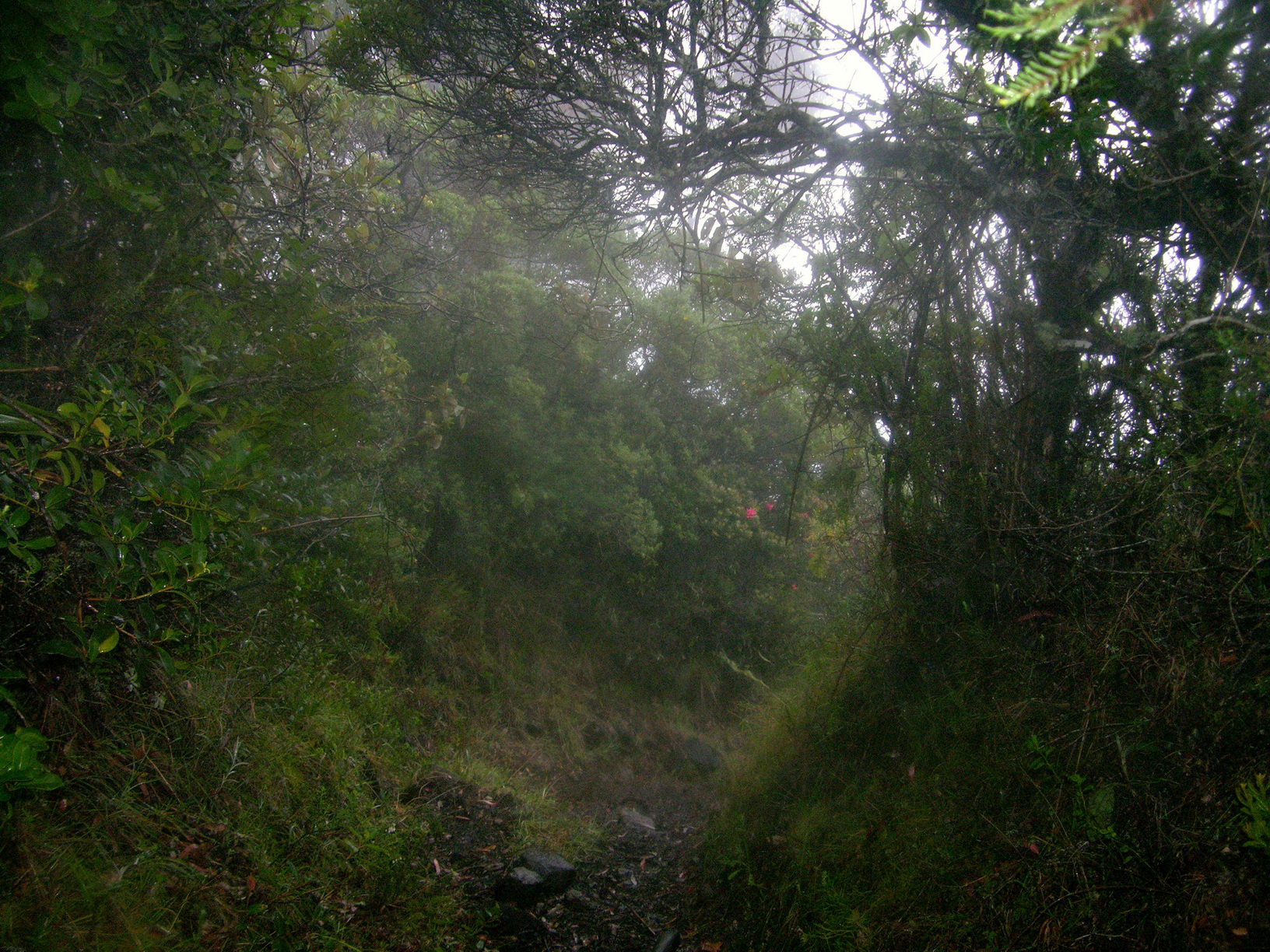
The fields and the cows ended, and the national park began. A demonstration plot, so to speak, for the capital's university of cocaine studies. And here coming the other way was a man in a mask, wearing uniform and carrying a machete. A guerrilla?
“Good afternoon,” the man said.
“Good afternoon,” I said.
“How are you?”
“Fine, thanks. And you?”
“Fine too.”
And with that we parted and went our separate ways. At four thousand metres the mountain ran out. The track ahead went on without gaining any height. Cold, with rain and snow. It poured down in buckets and the wind blew a hoolie. Through all the Gore-Tex I was soaked. I went back and forth and couldn't find a way up. My strength was gone. I can't run around at four kilometres up without acclimatising. My legs were going from under me. I had to lunch on the chocolate bar I'd brought. With Tanya I carry supplies. On my own I had only a chocolate bar, and that only because good-hearted Tanya had slipped it into my pocket. I had to go down, two hundred metres short of the summit. A shame. We hadn't got to the top of a single mountain on this trip. But I had to go back. At that rate I'd reach the road in the dark, and sleeping in the mountains in that weather could be the end of you. Later it turned out I'd reached the rim of the crater, but couldn't see it in the rain. The summit, at 4,200, was on the other side. I ought to have gone down into it and warmed myself at the fumaroles, but I never saw my chance.
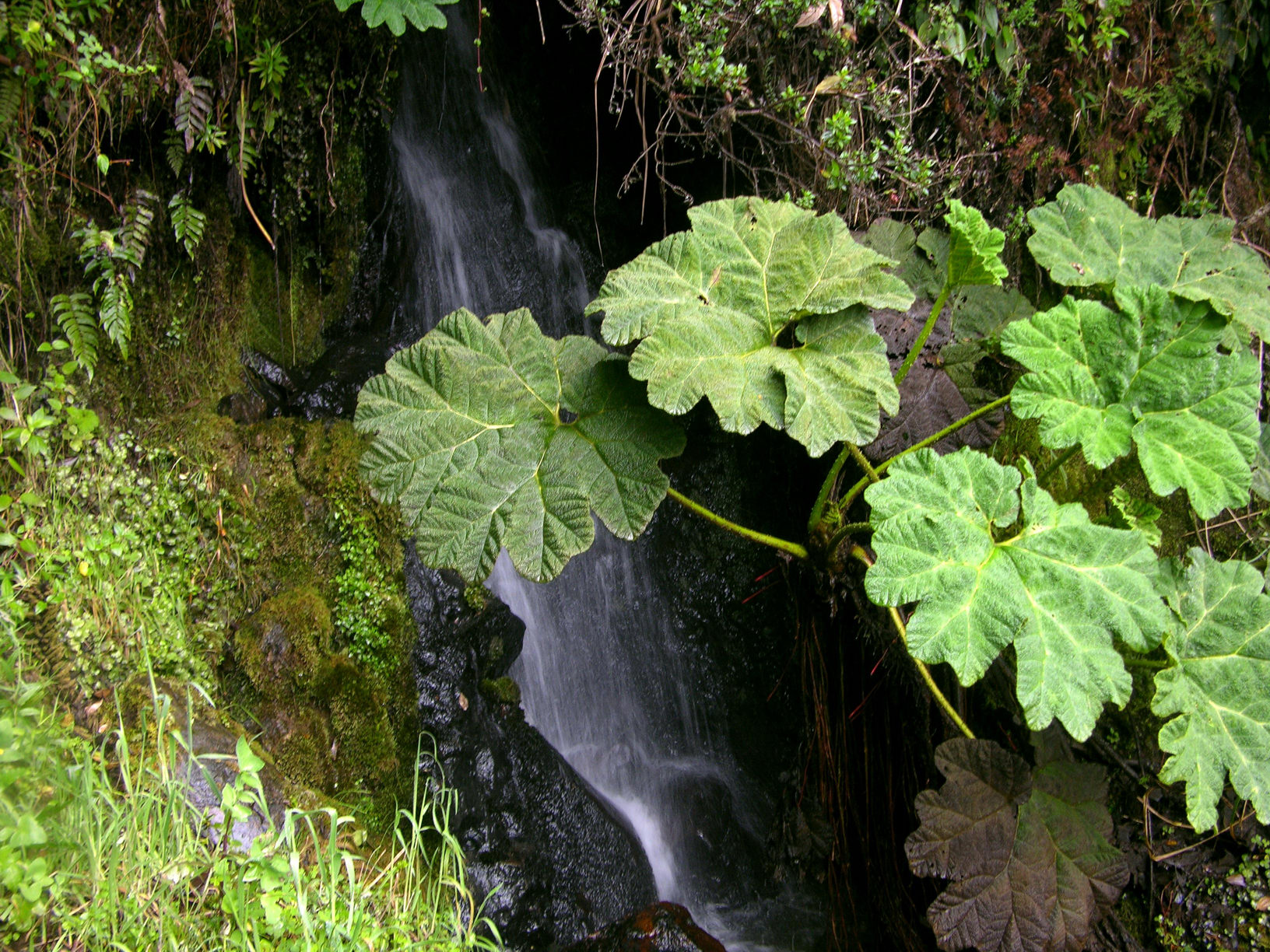
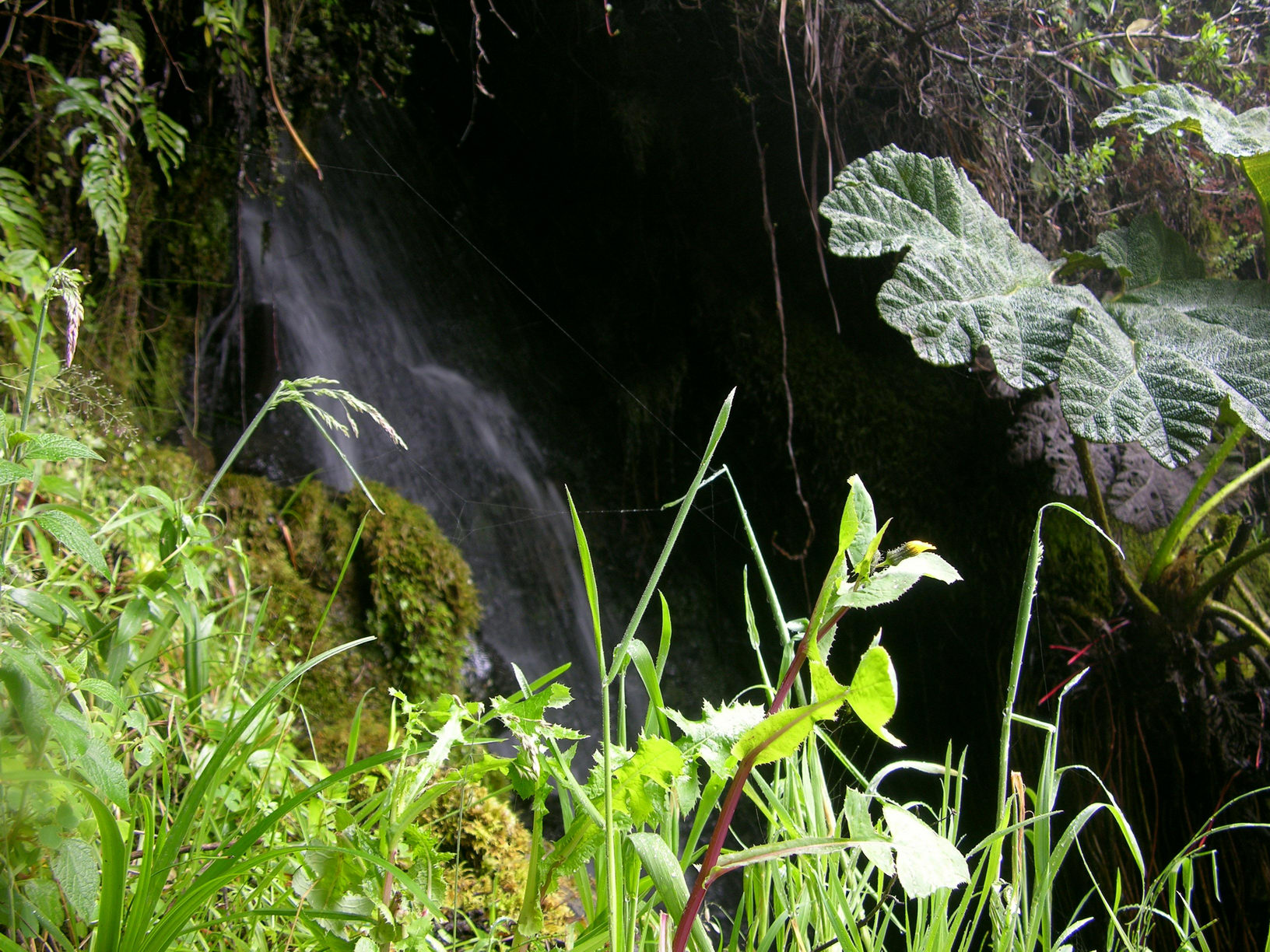
I did get down in time, in the last rays of light. Soaked right through. When I sat down in the bus, more than a litre of water poured out of me. I just got off too soon, and it took an hour to get to the hotel. Tanya had concluded I'd gone missing and was looking for a police number. Or rather, she'd found it, then read there was no point in calling, since nobody would come looking anyway.
In the evening we still had time to go and eat in a restaurant.
Early in the morning we went farther south, to the Ecuadorian border and the town of Ipiales. A bus first, then a taxi. Seven kilometres out of town, in the nineteen-thirties, a Catholic church was built above a mountain river. For a great many years I'd looked at its picture and had wanted to go there for ages. The church is built over the river between the rocks. It fits the landscape perfectly. The beauty of it is fantastical. The clergy maintain the legend that miracles happen here. For every miracle you're supposed to leave a plaque on the wall or the nearest rock. The walls ran out long ago. Even the rocks are covered for a hundred metres. Miracles come in different forms. A football team winning the championship, for instance. Is that not a miracle?
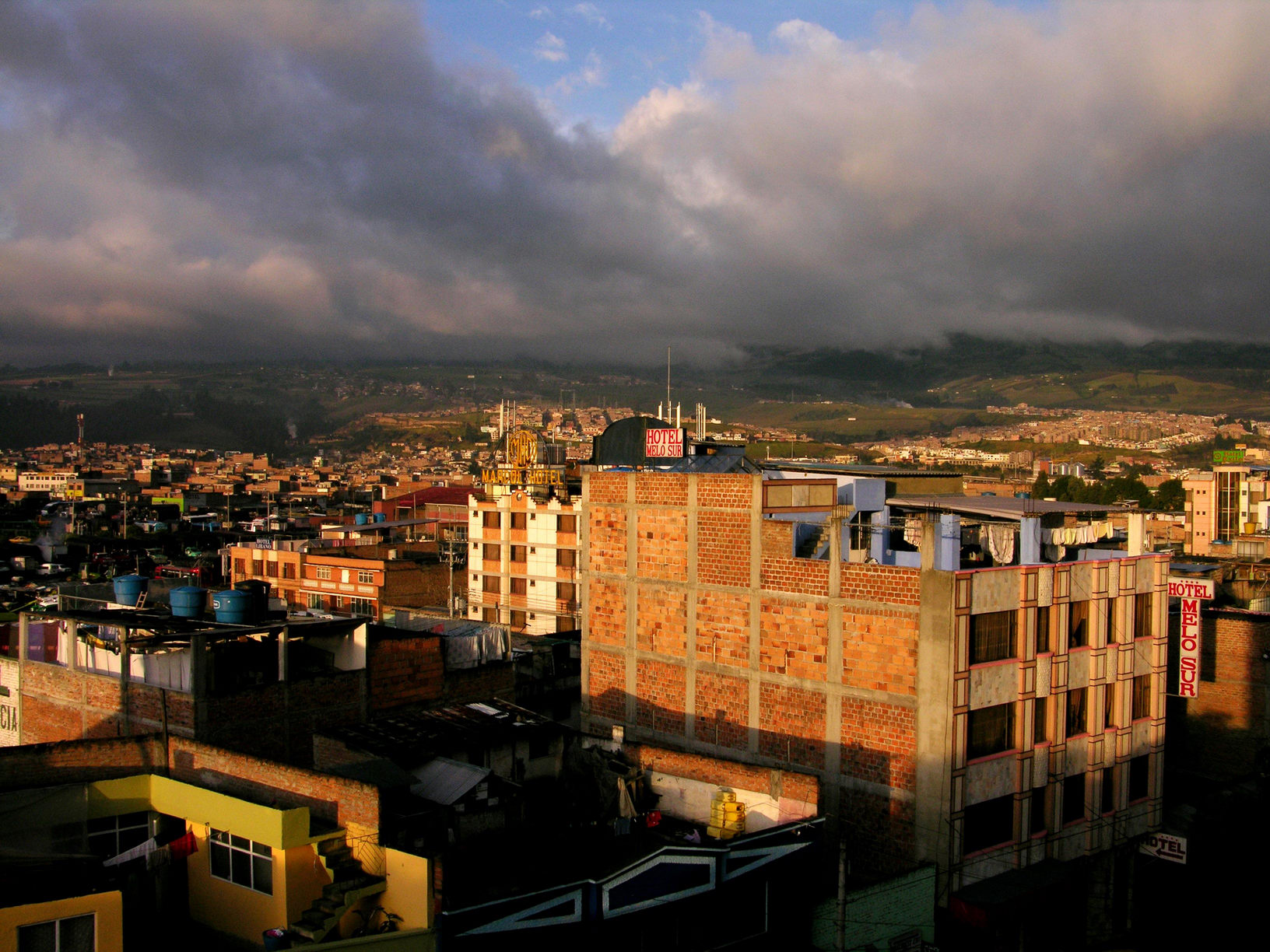
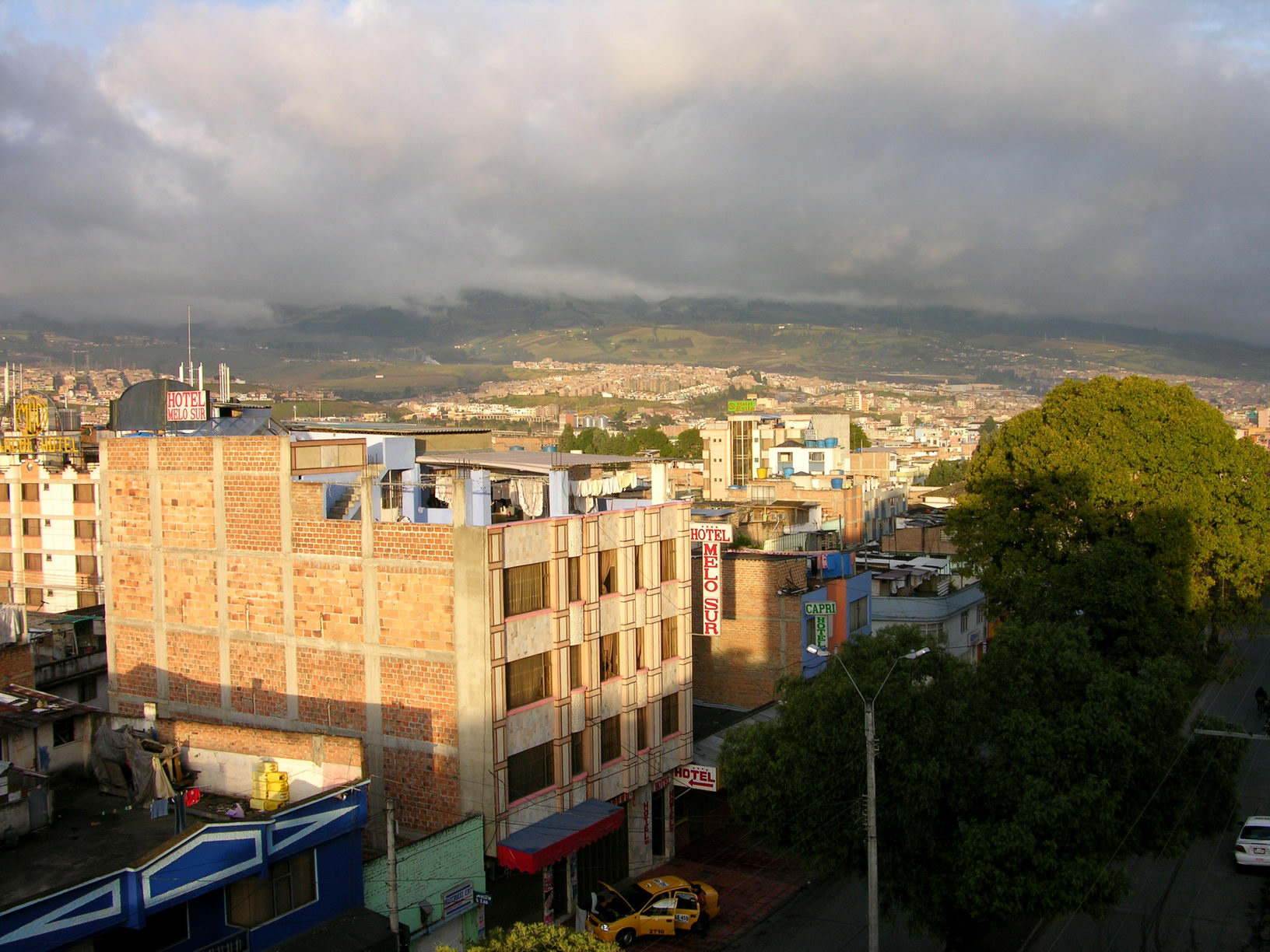
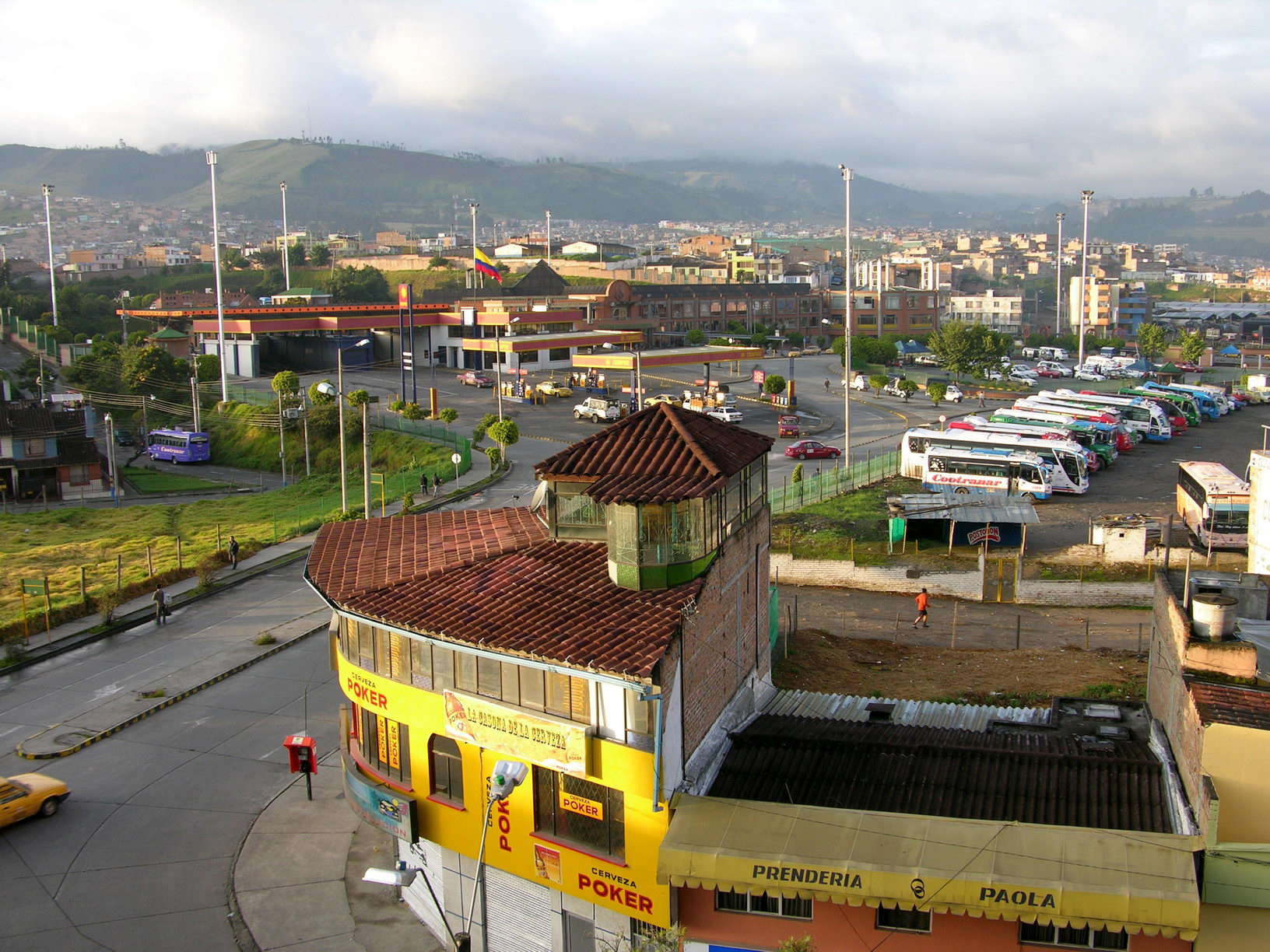
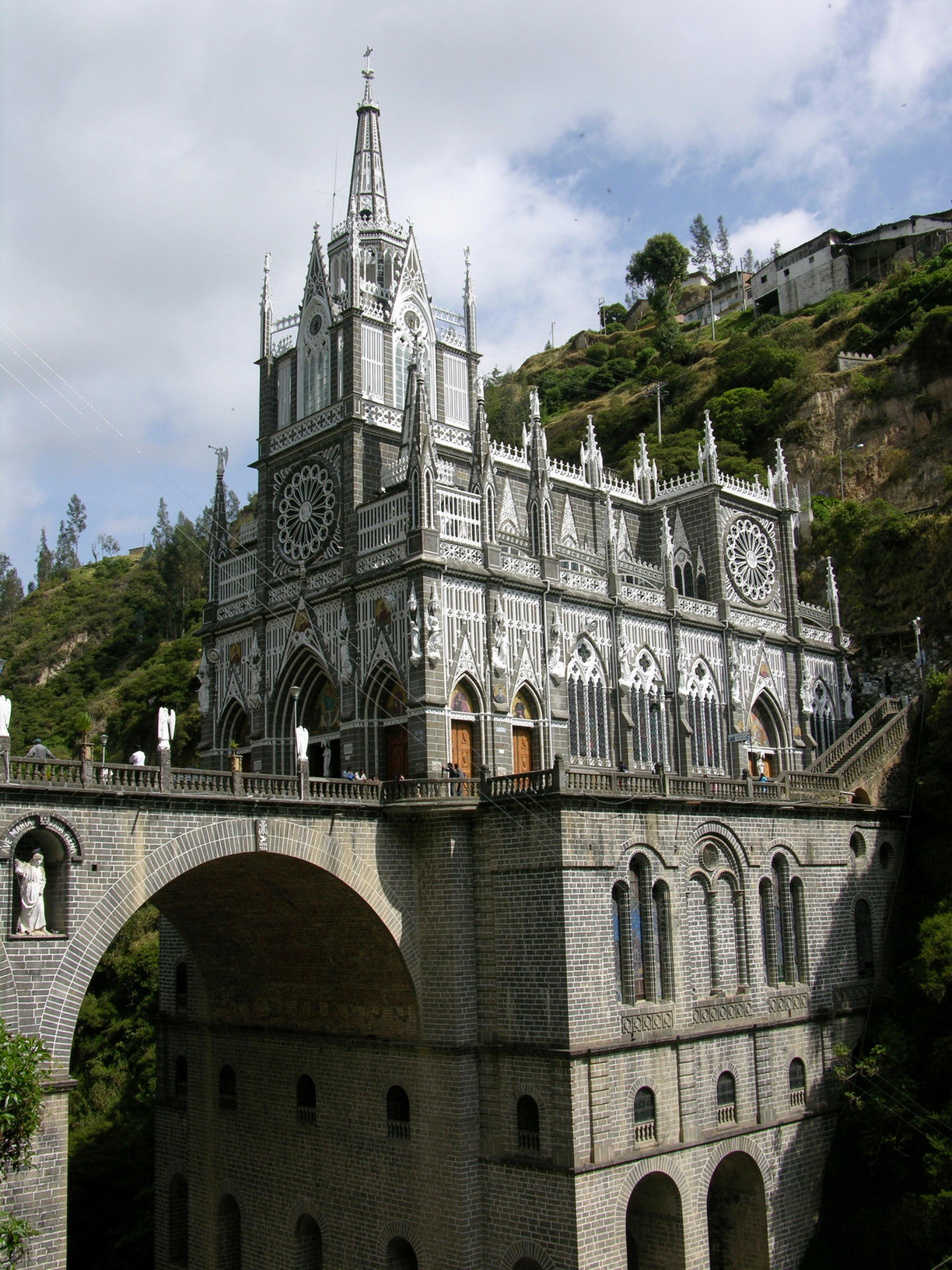
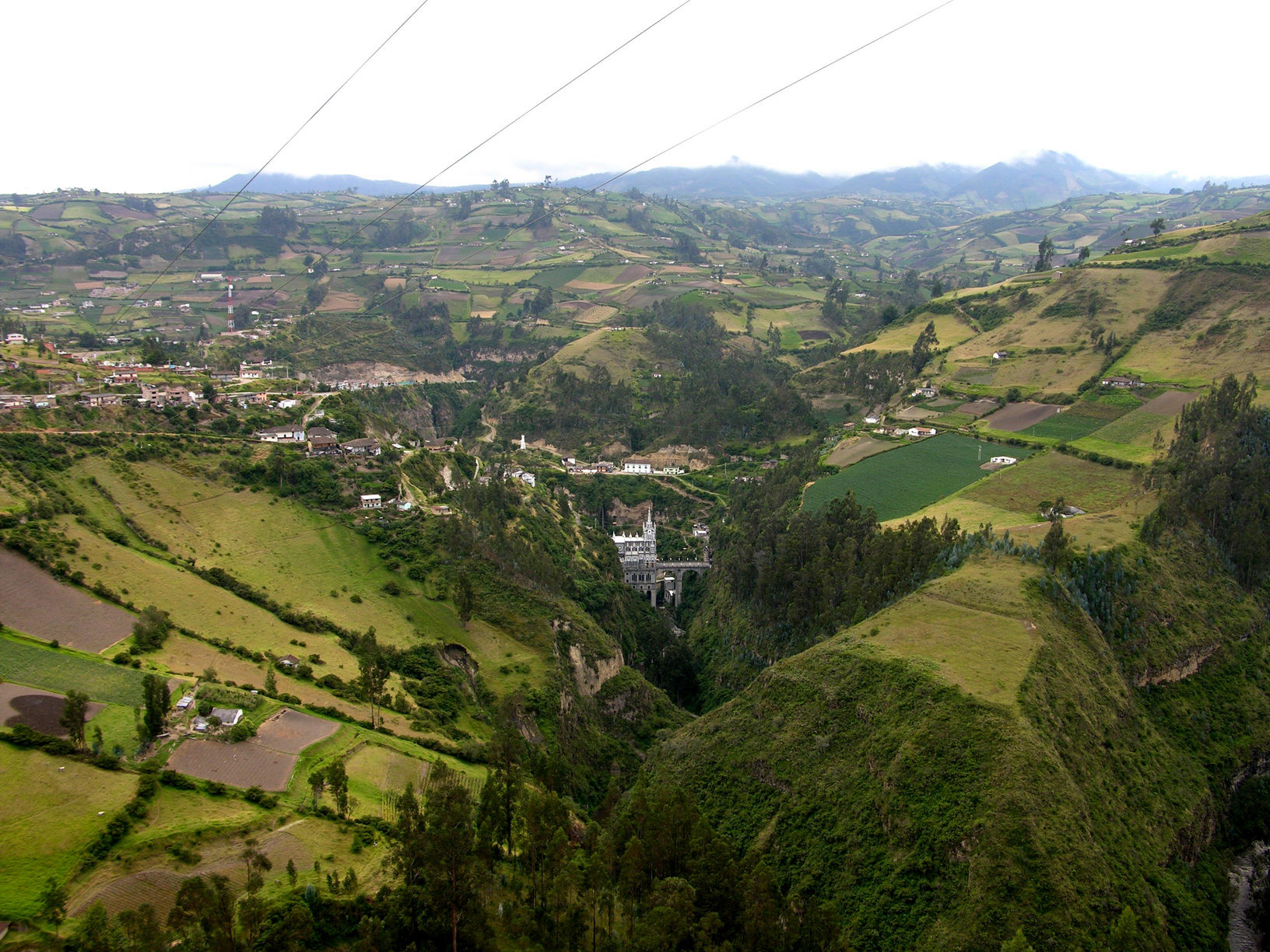
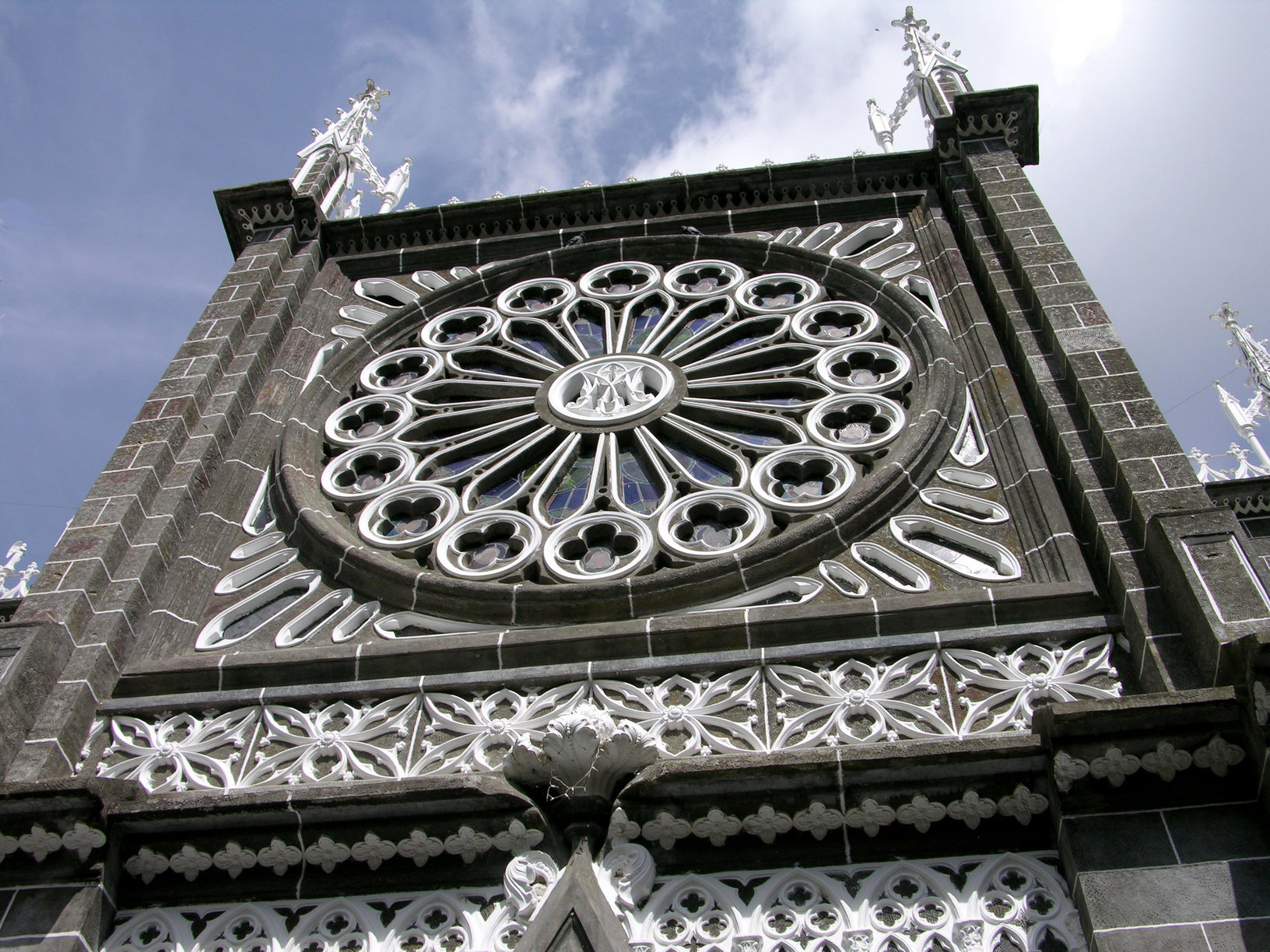
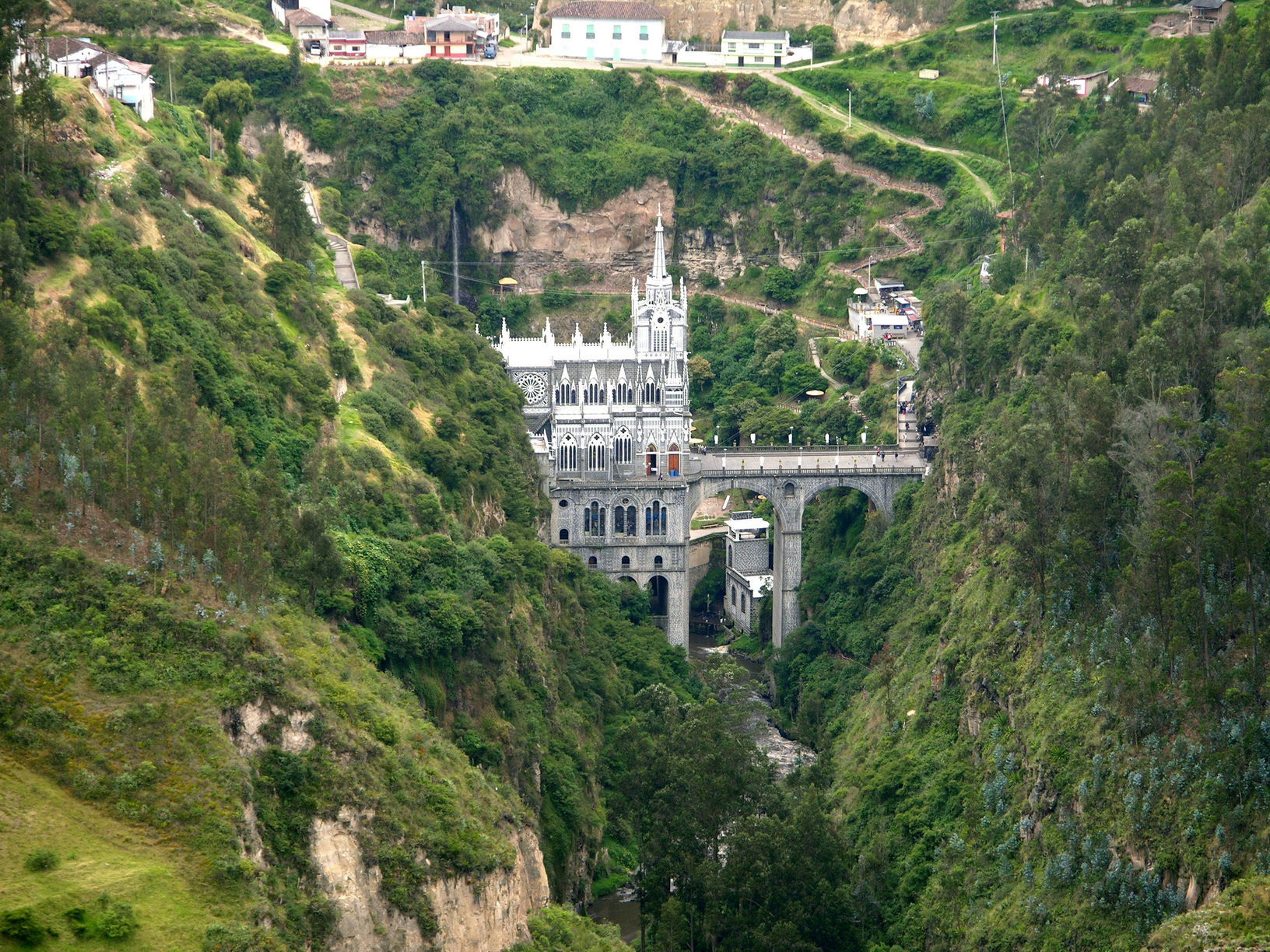
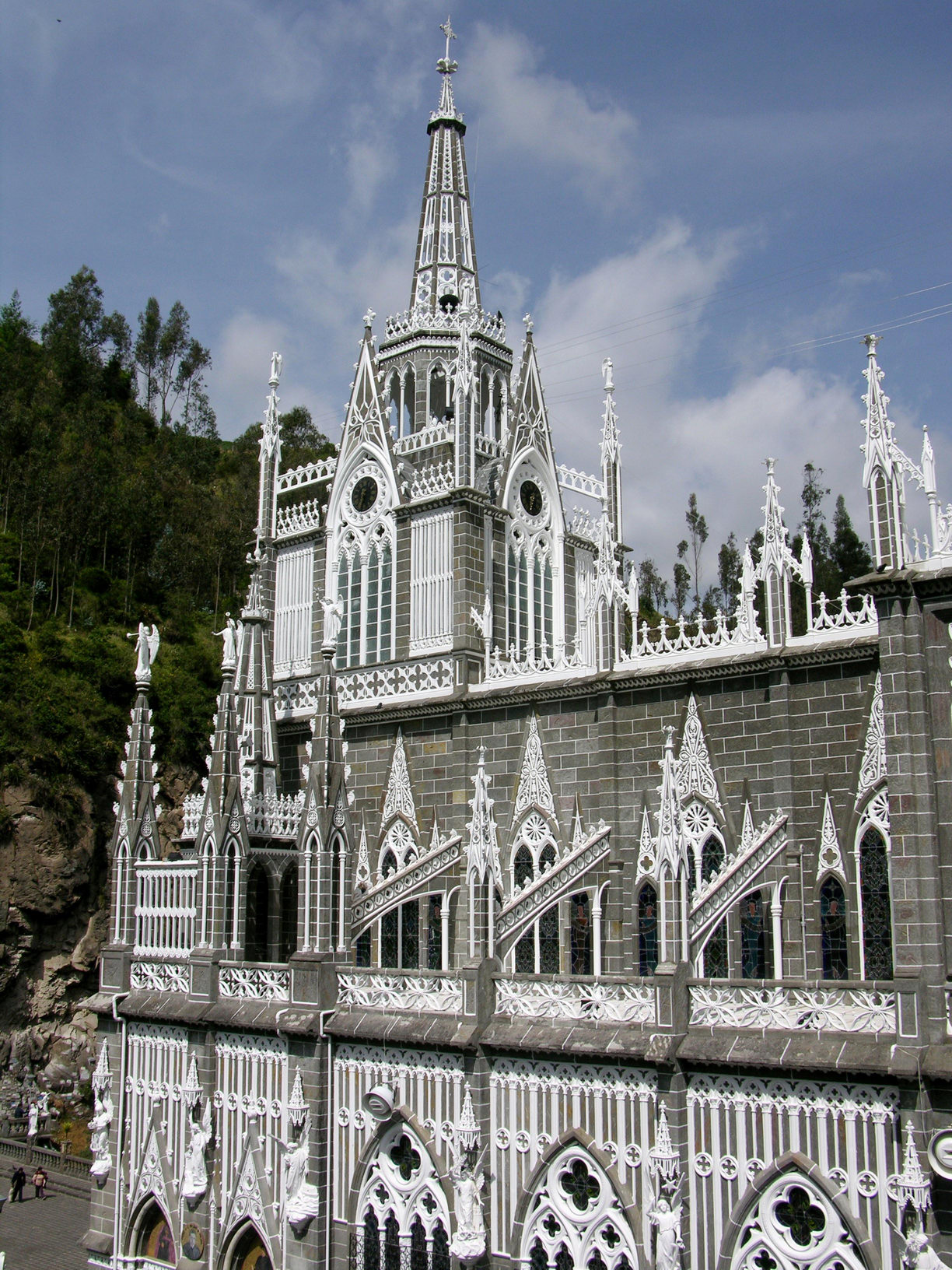
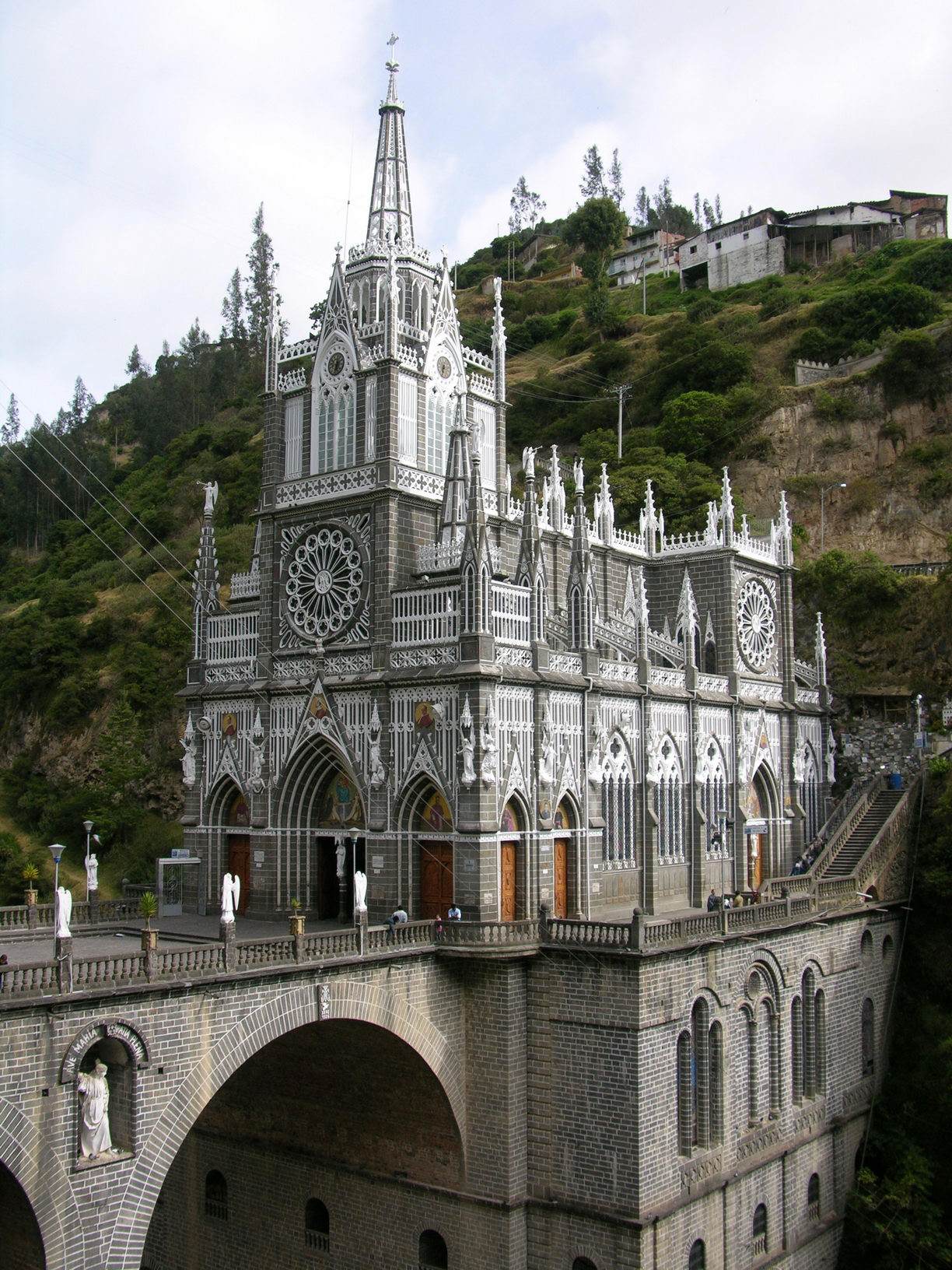
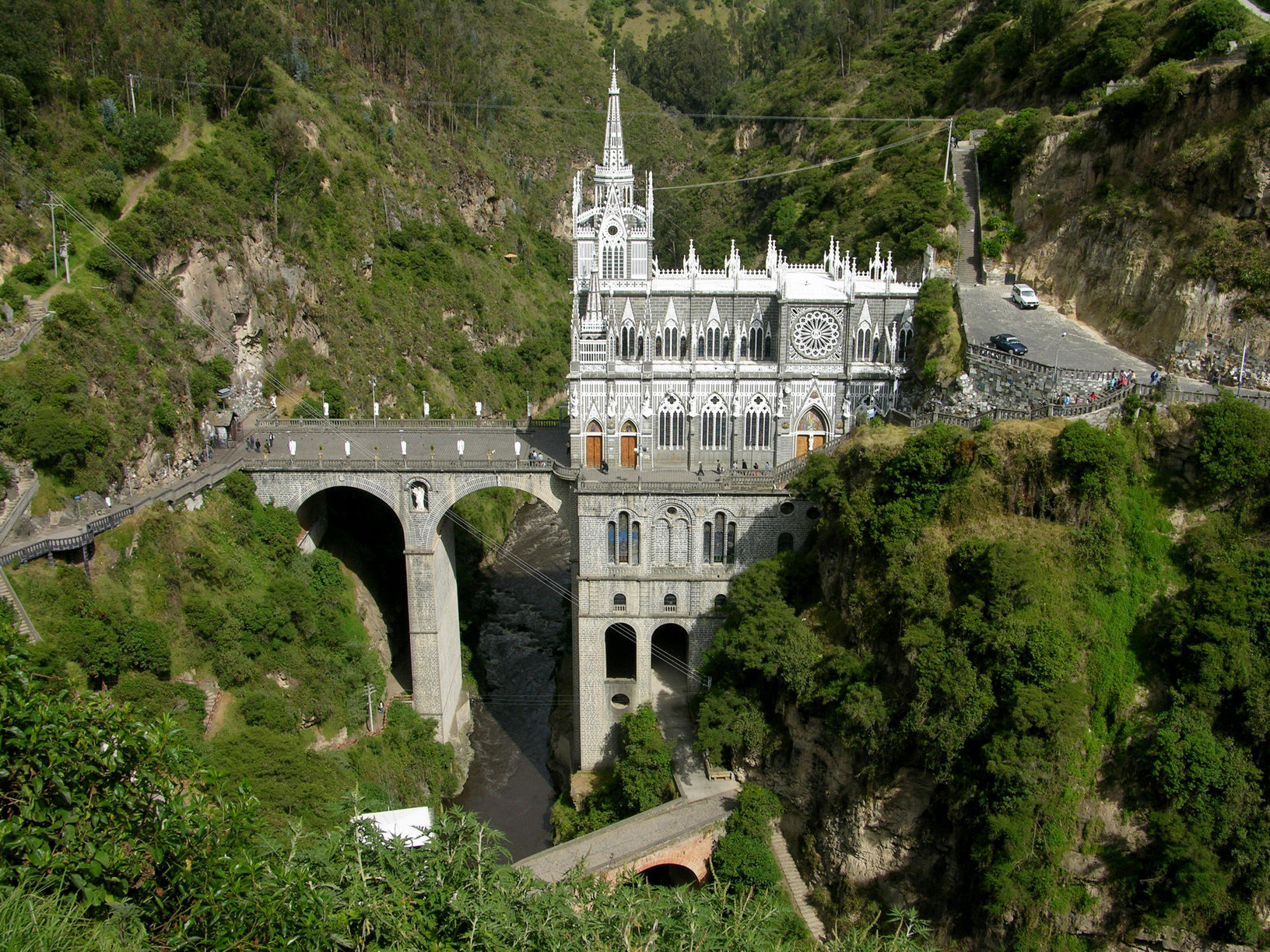
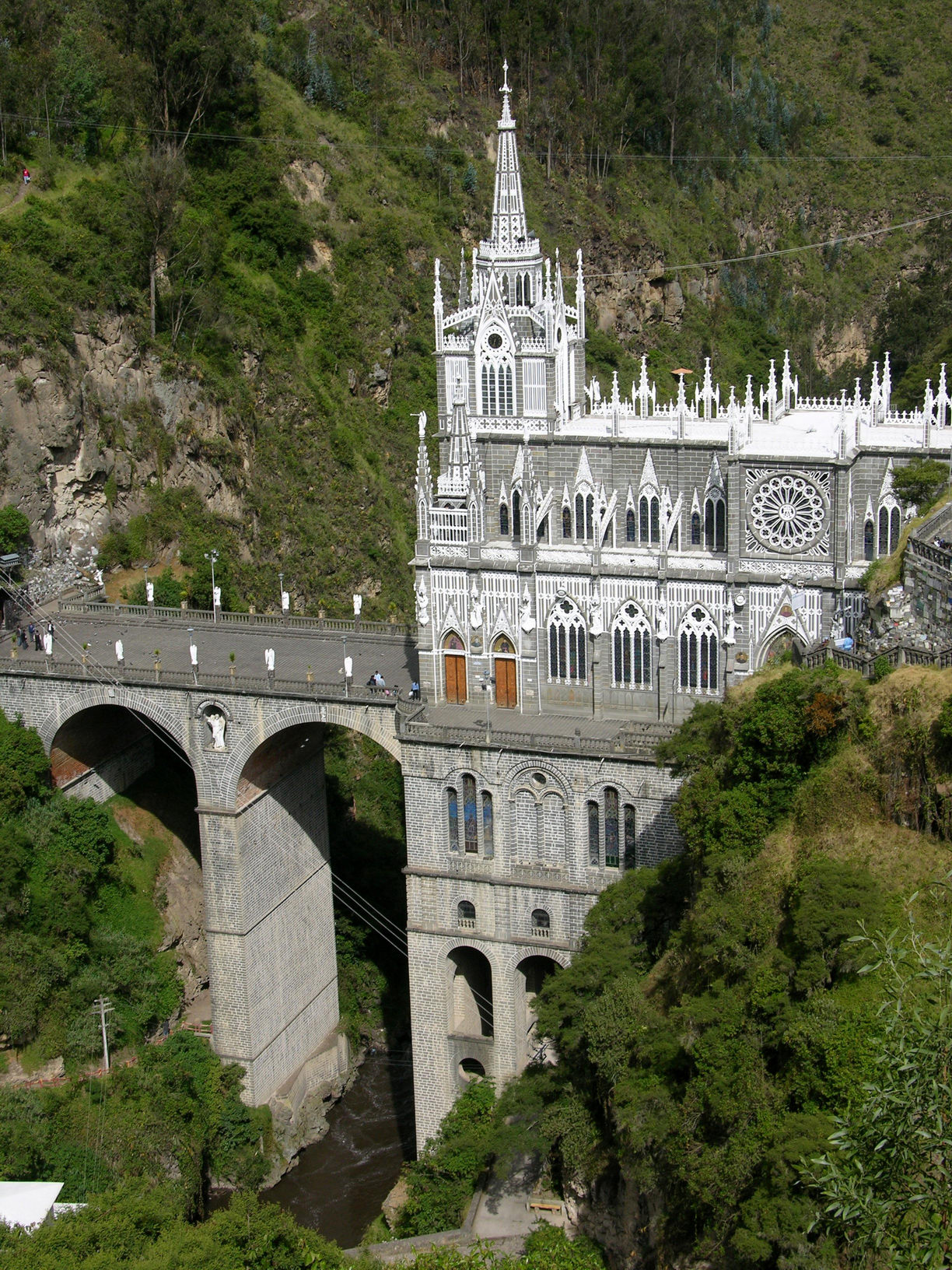
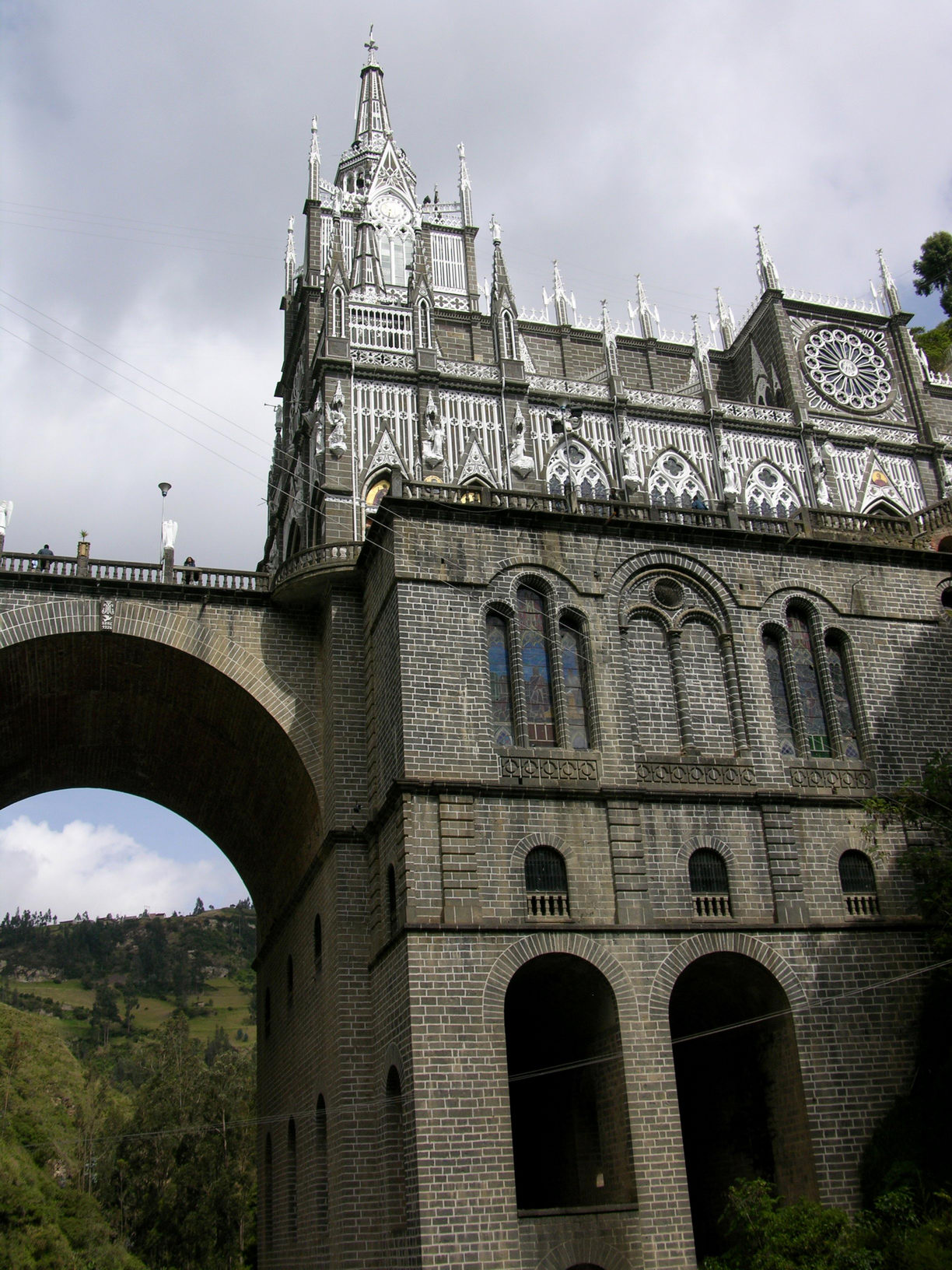
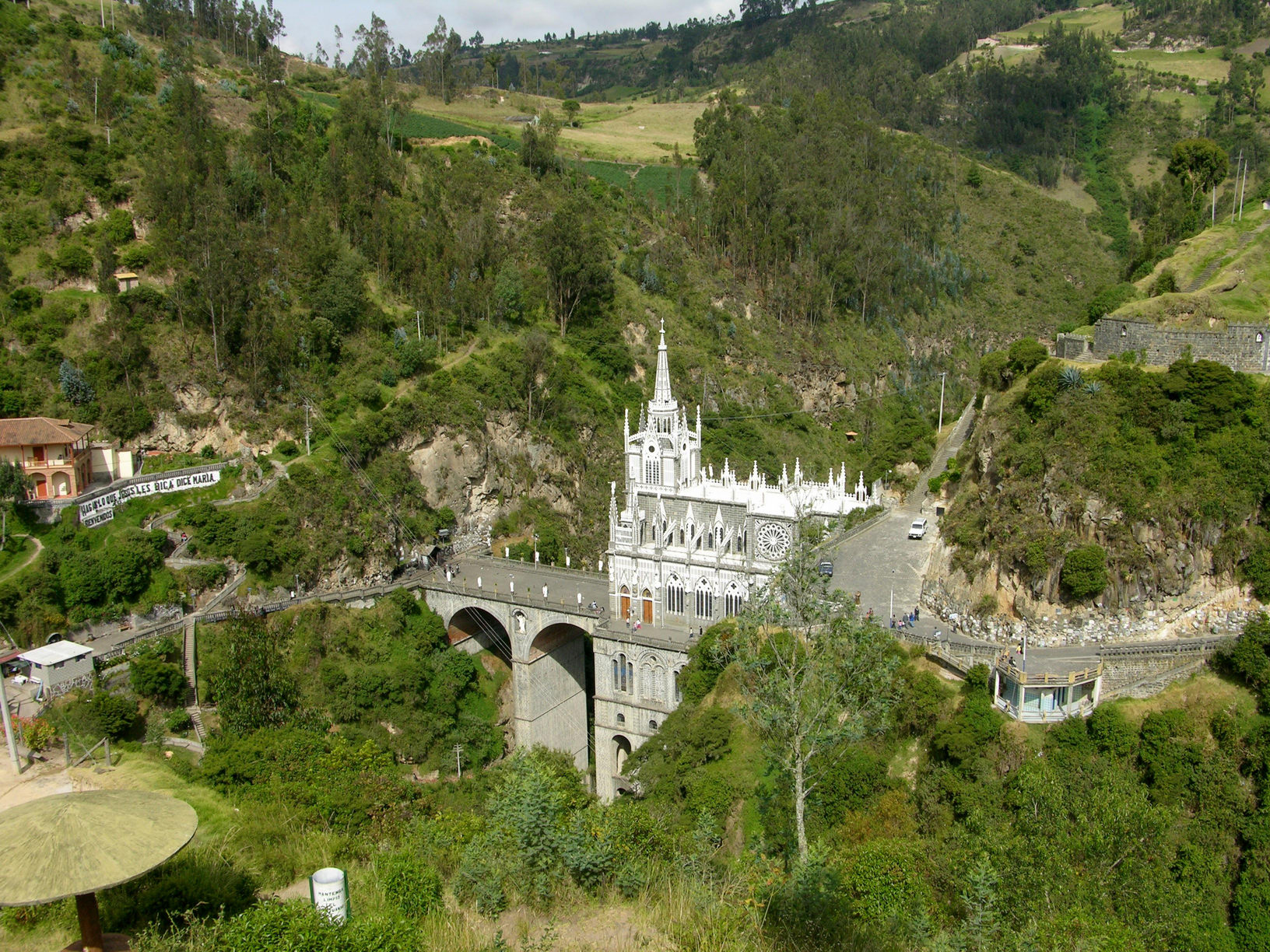
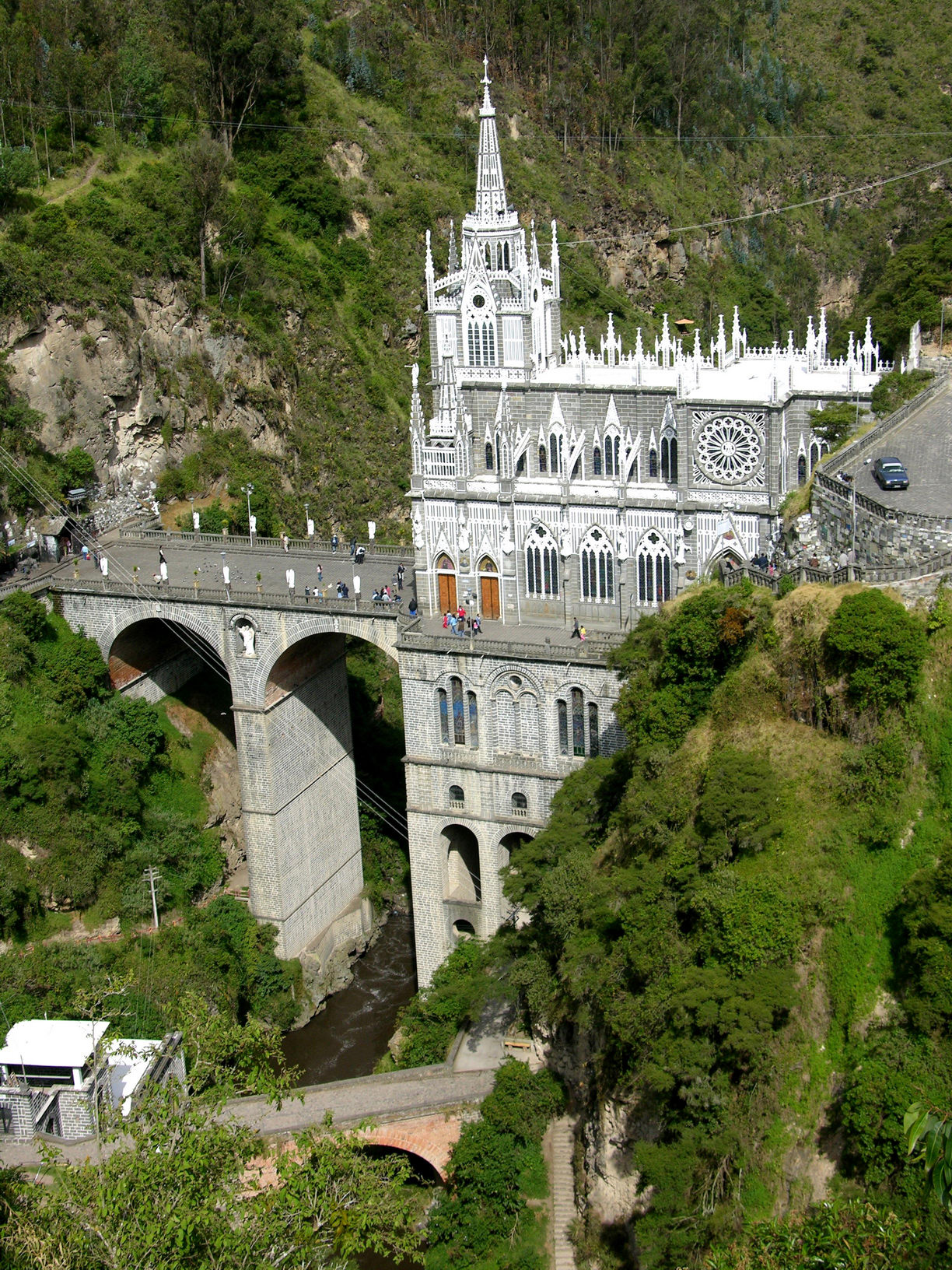
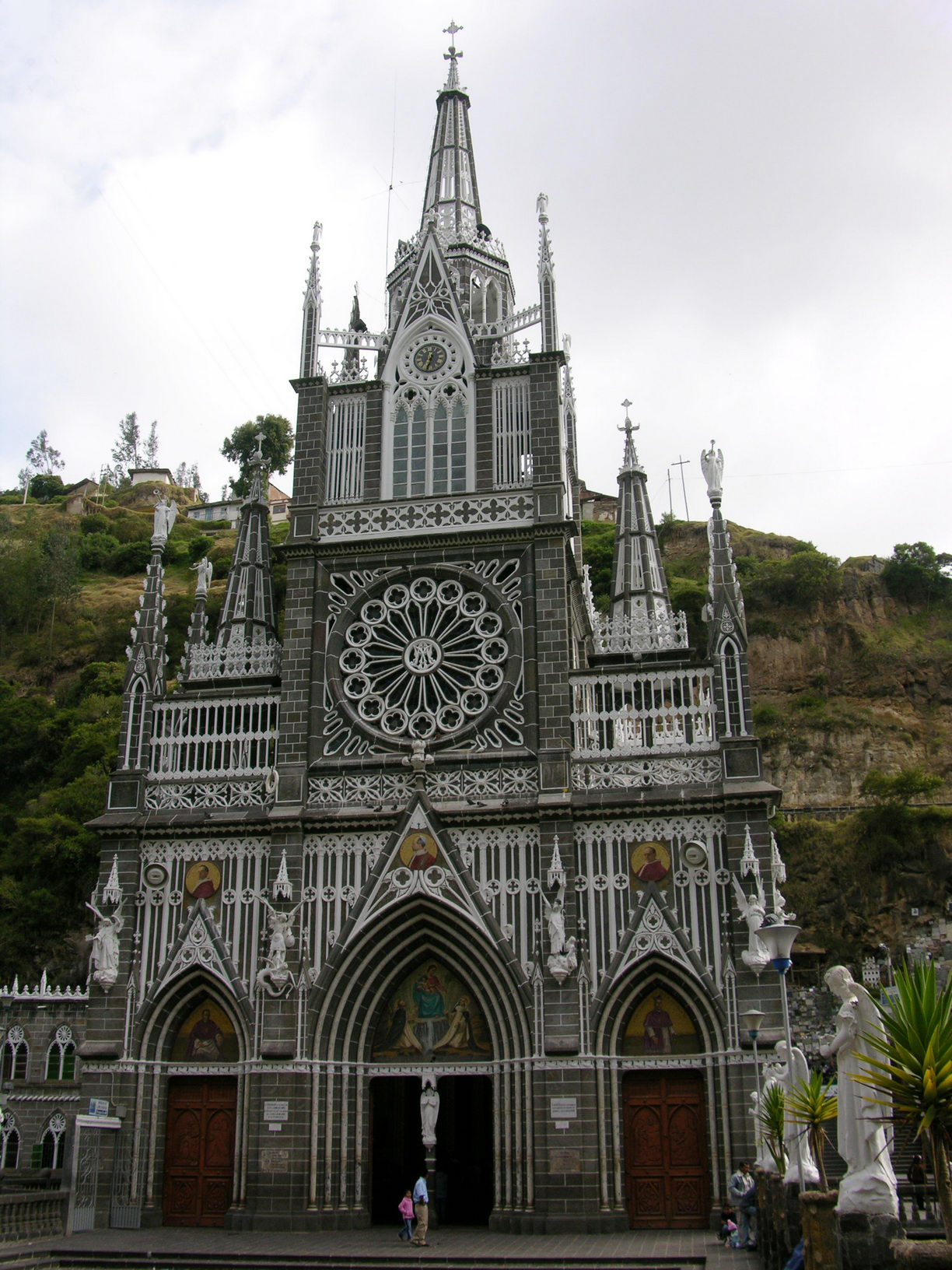
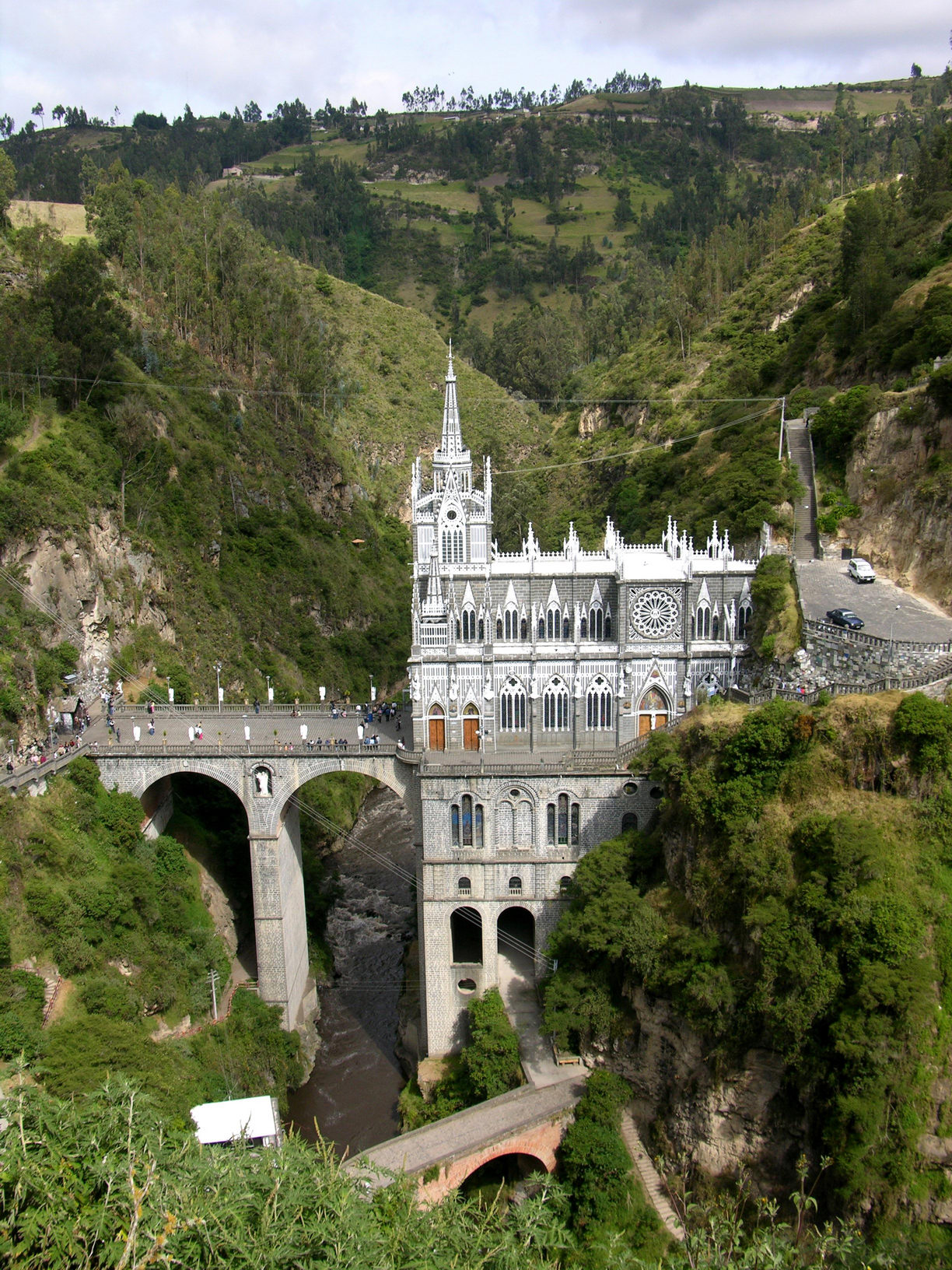
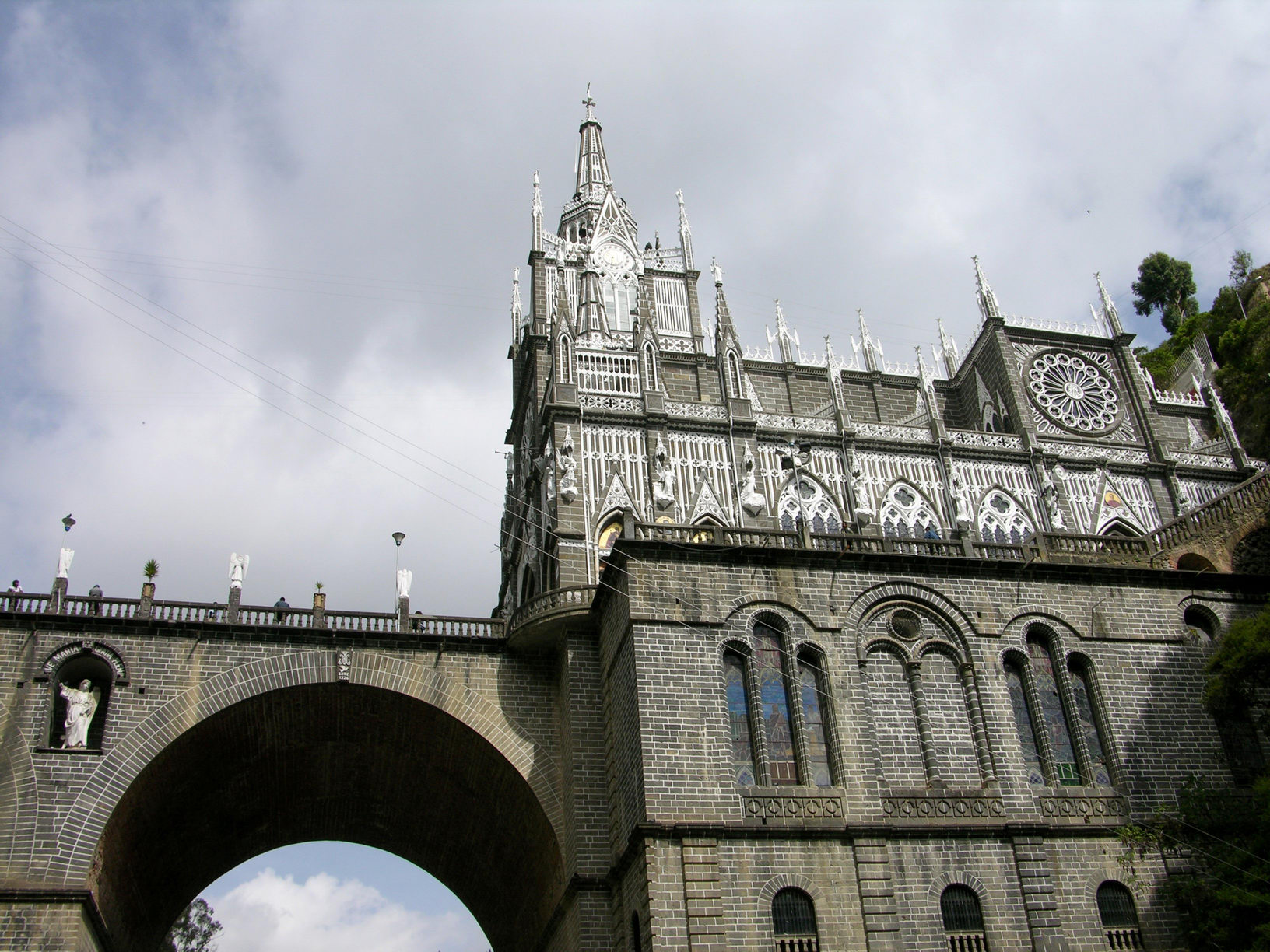
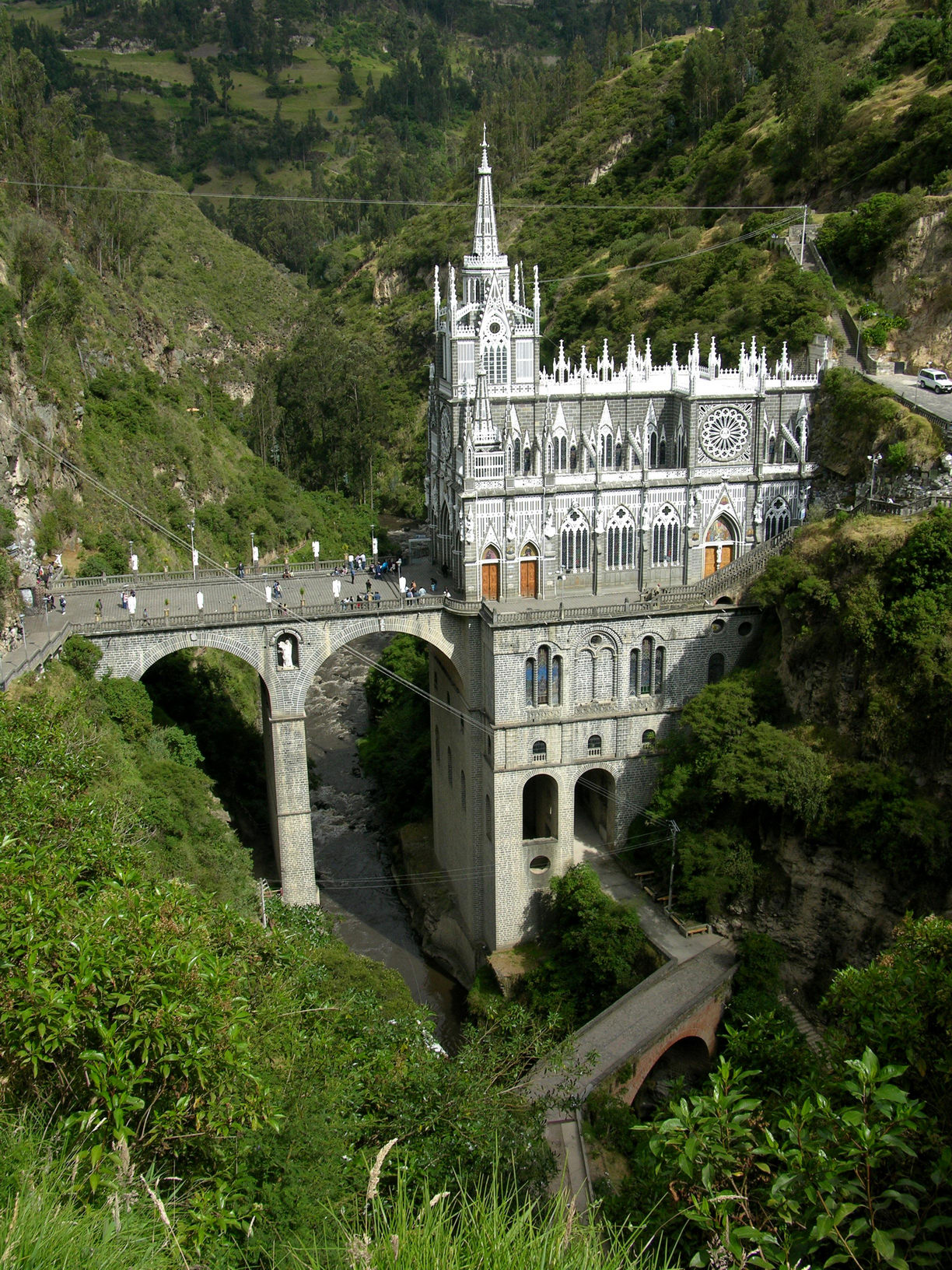
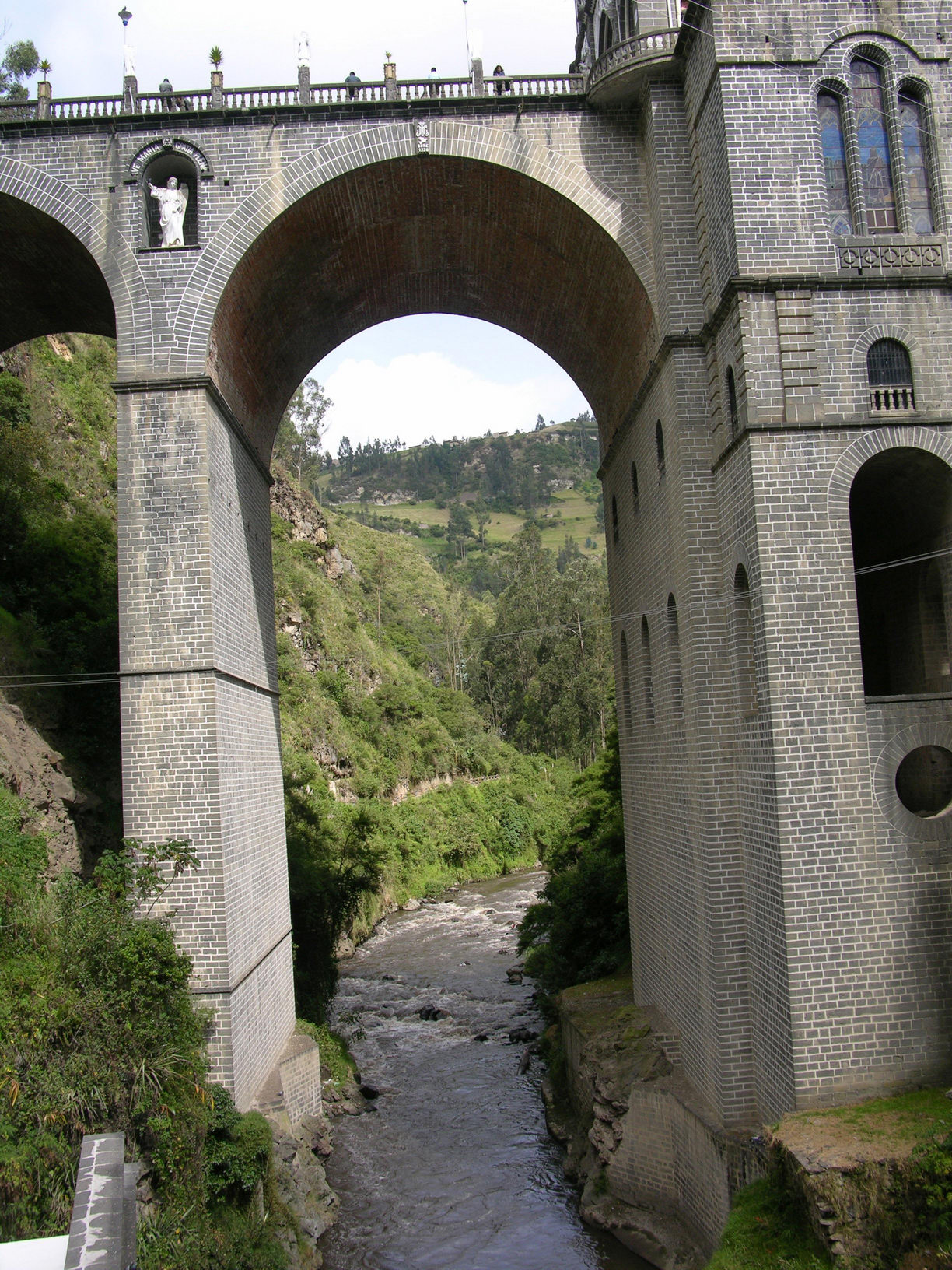
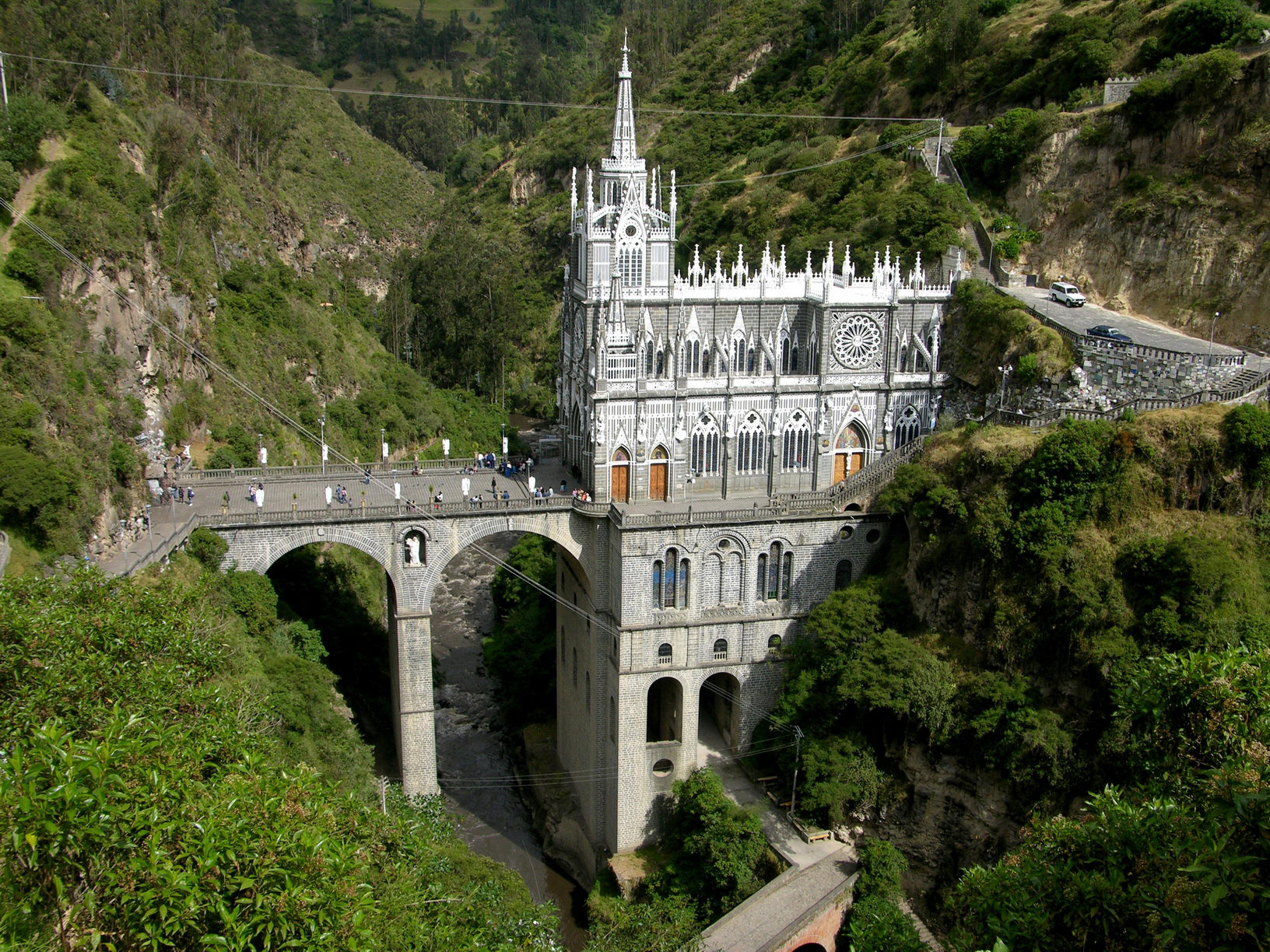
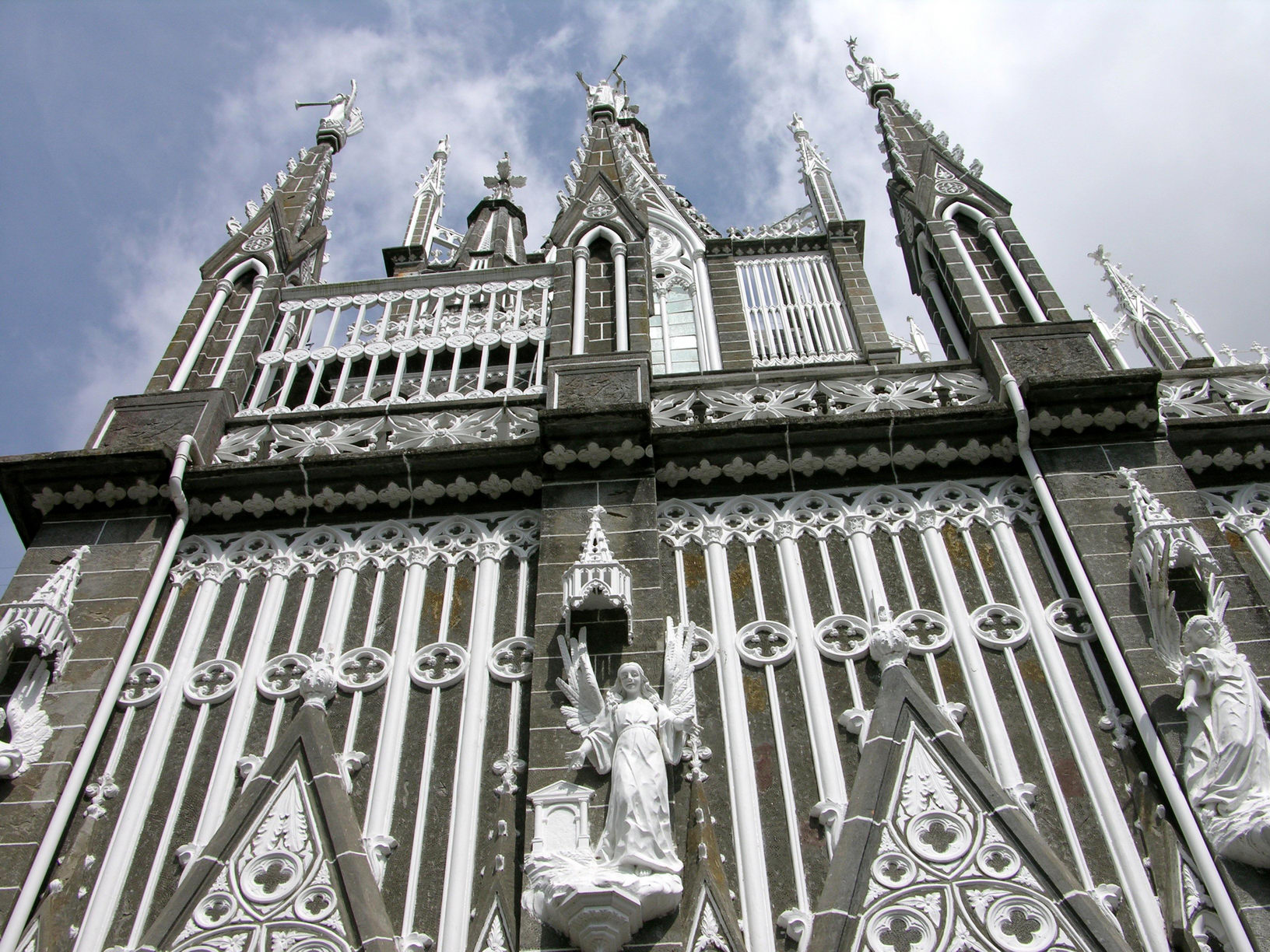
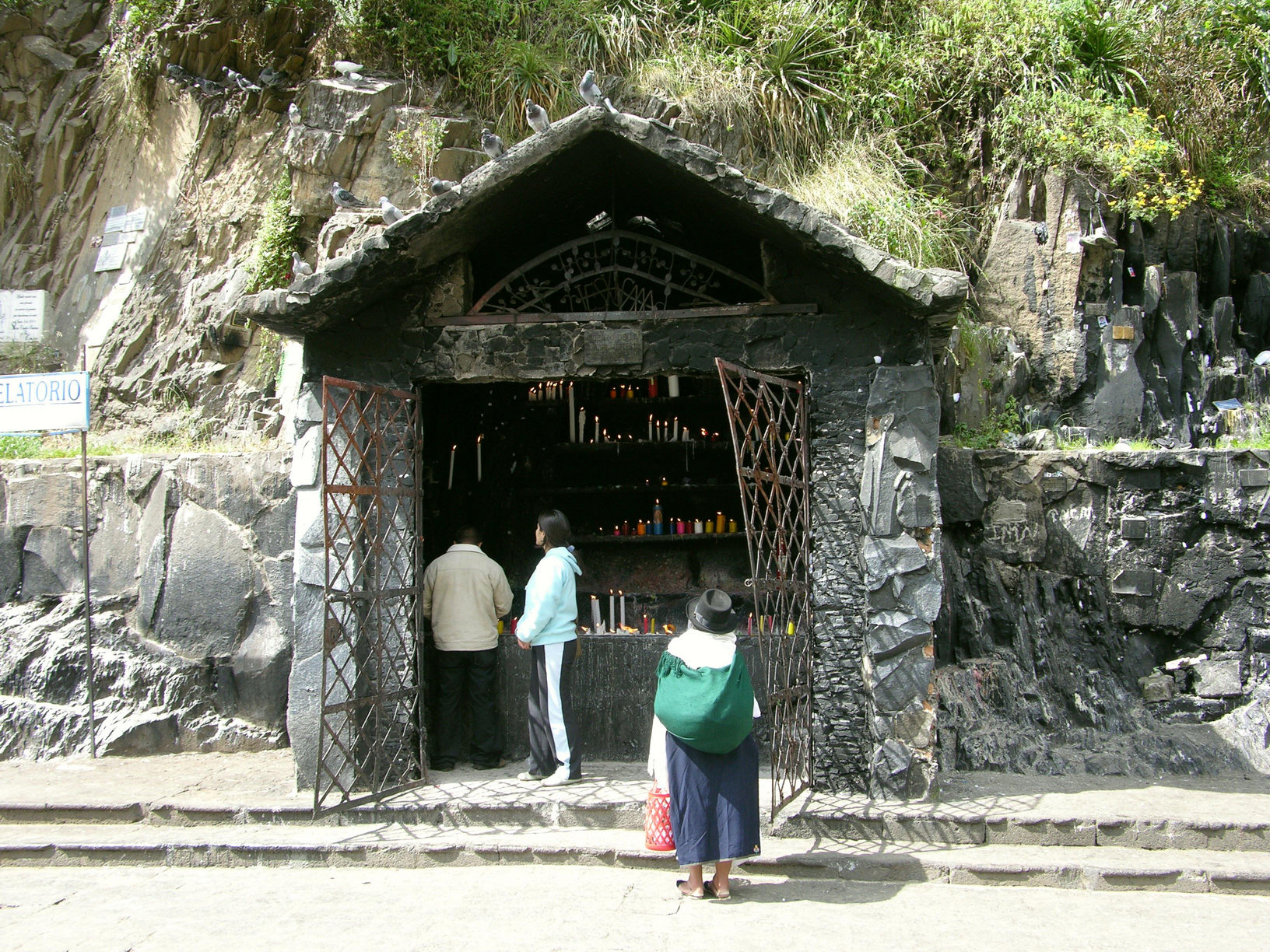
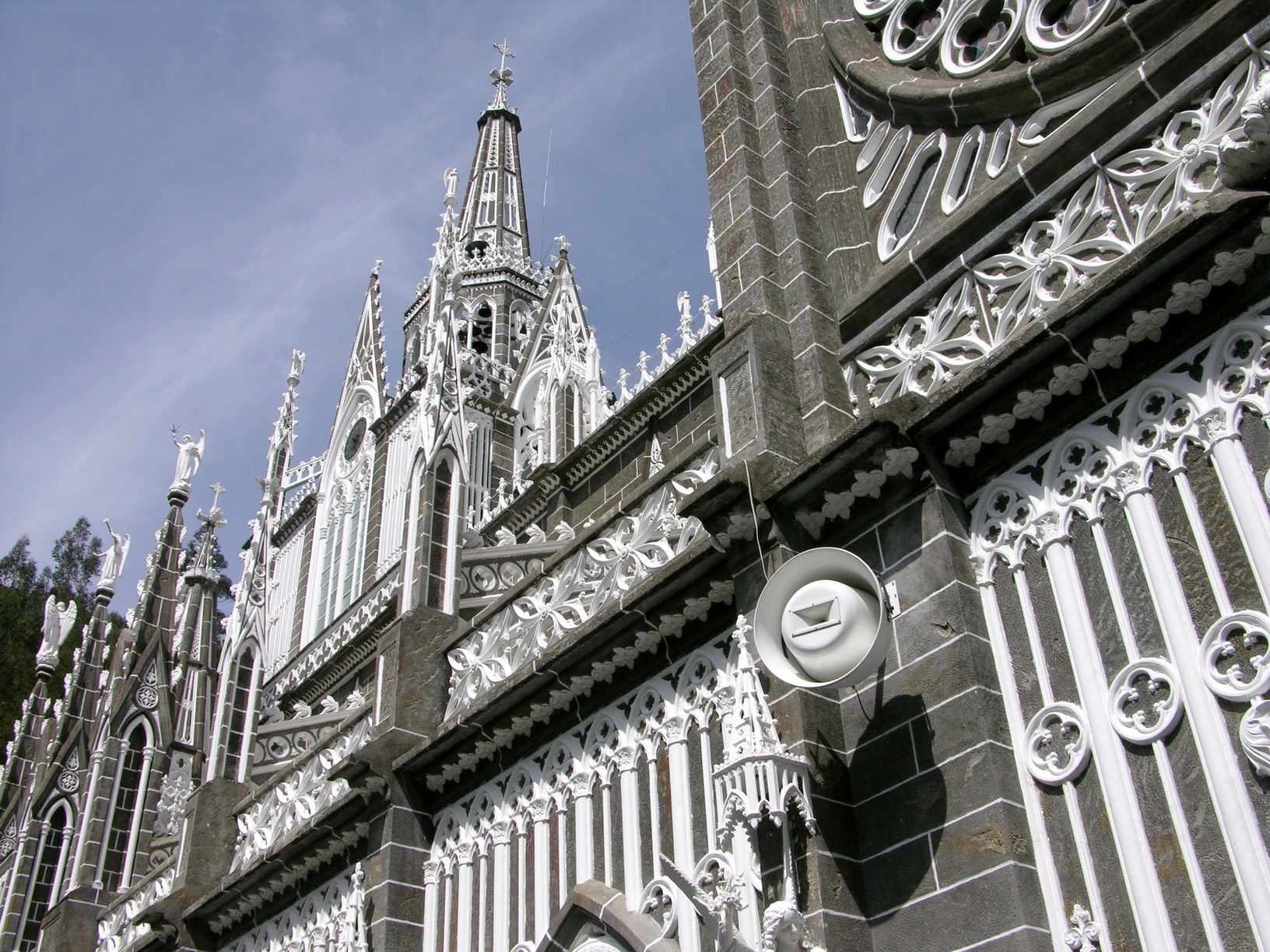
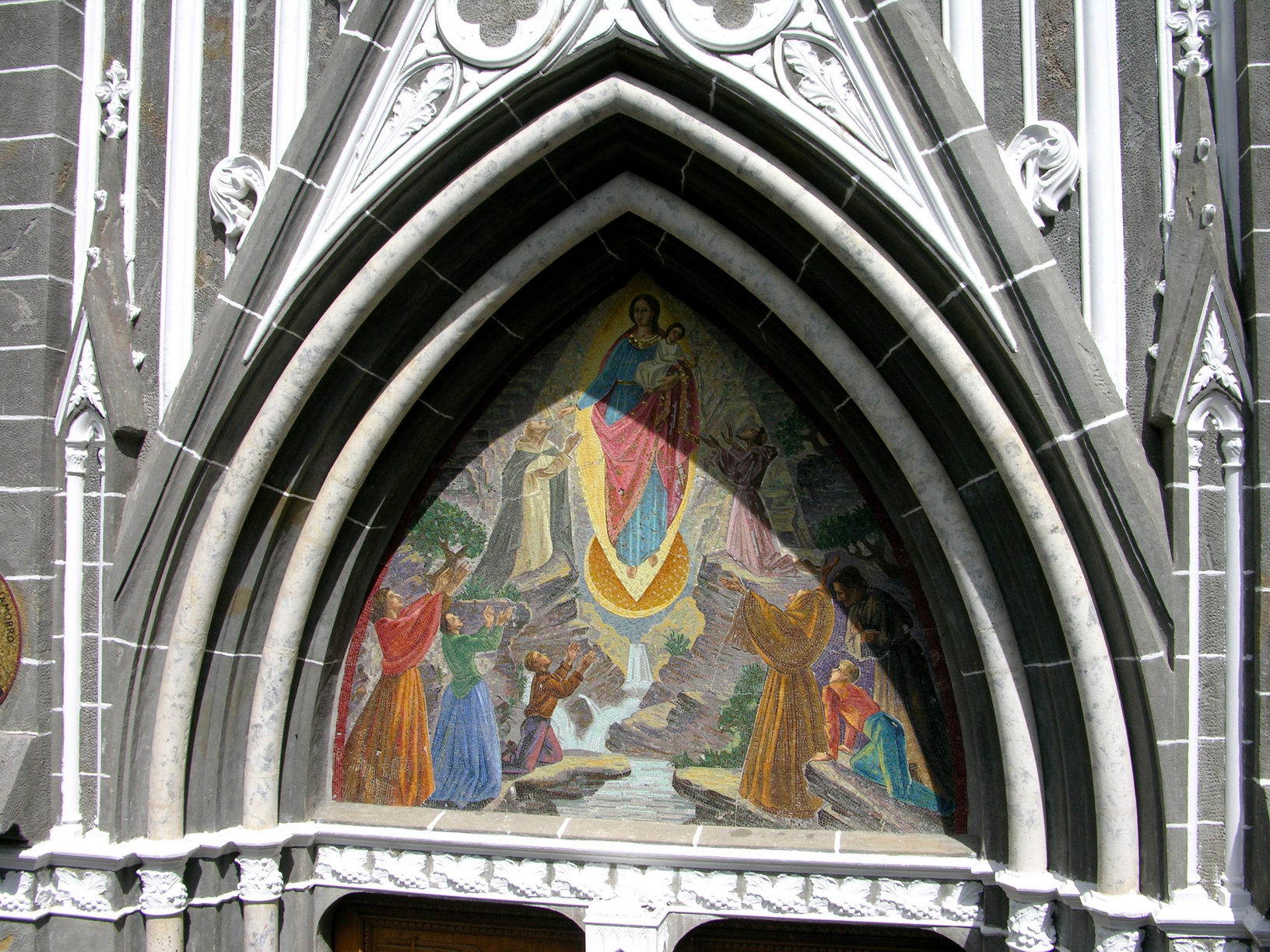
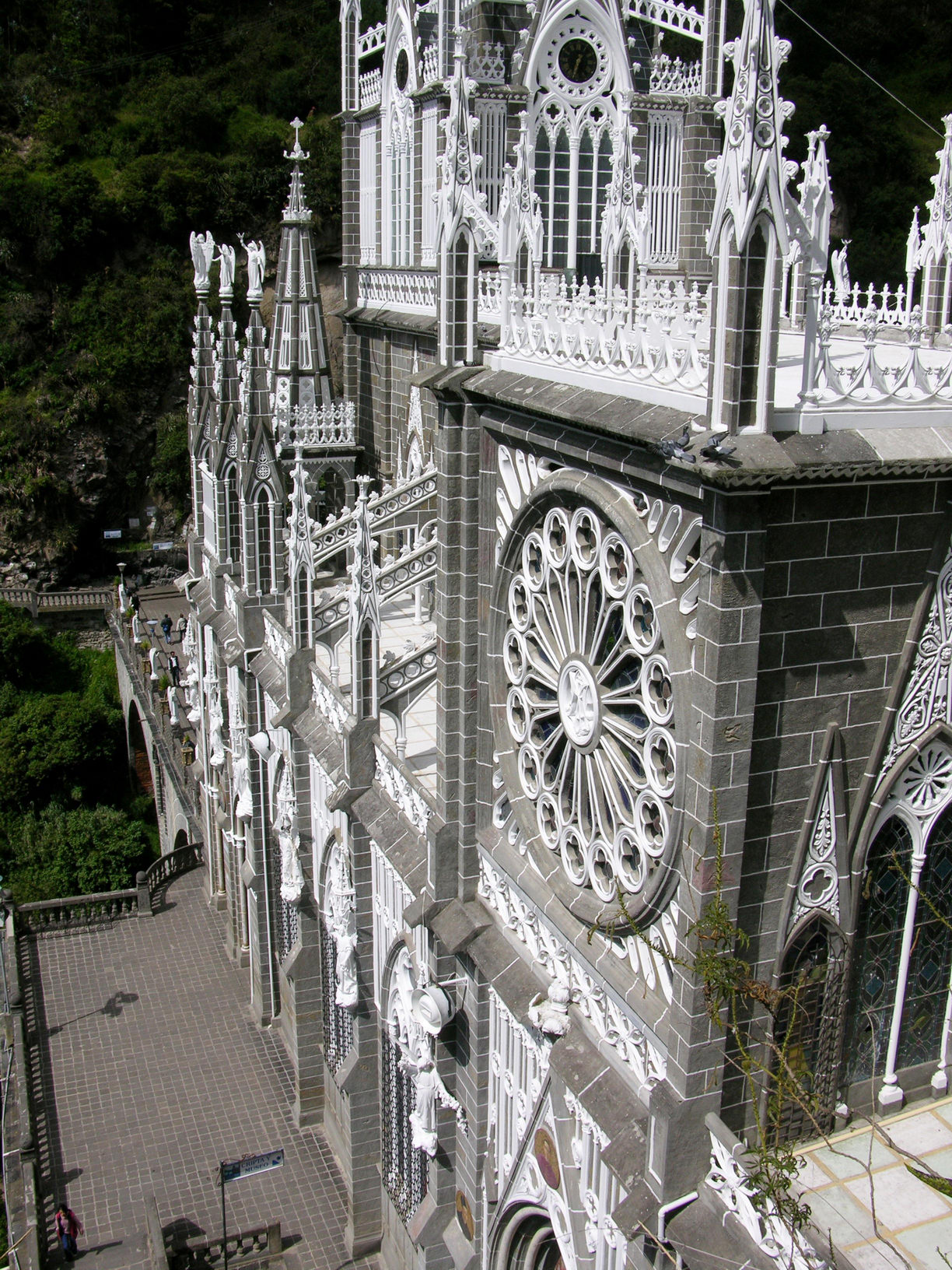
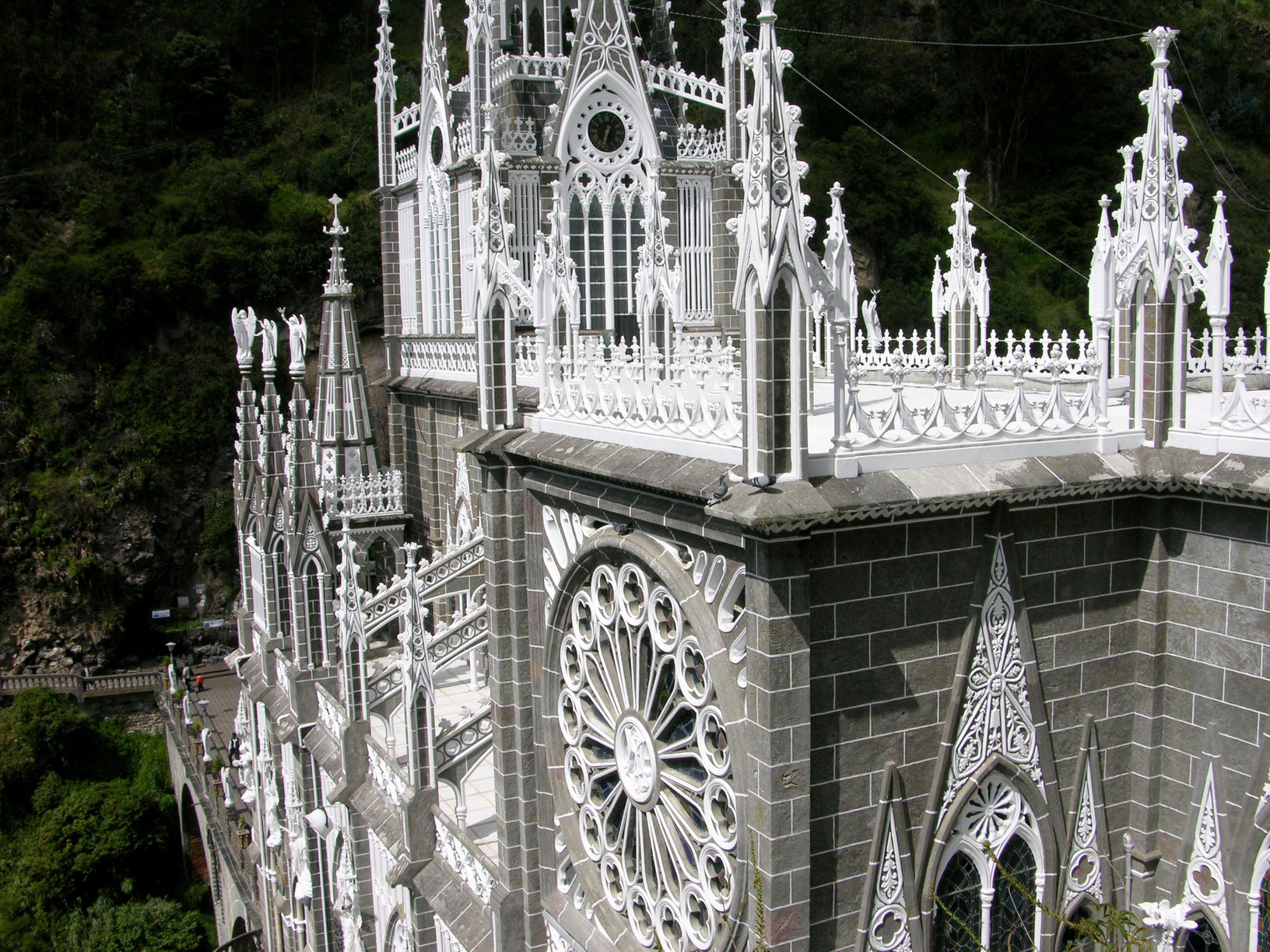
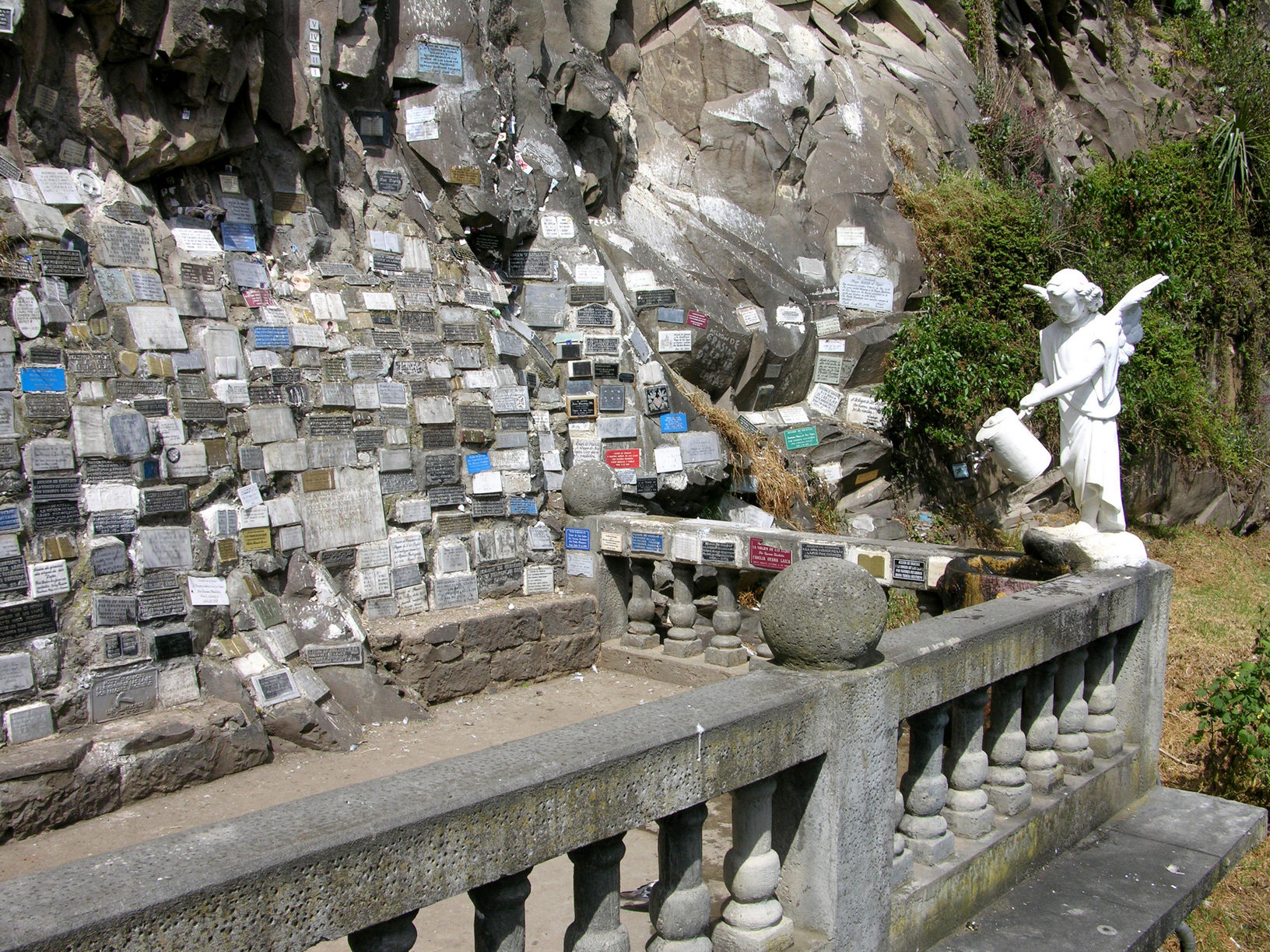
There are paths on every side for looking at the church. To keep the spirit of miracles alive, they built a fountain at the foot in the shape of a jug that never runs dry. There are souvenir stalls, and you can have a photo with llamas for money. The business runs on an industrial scale. It was time for us to go. Our plane was the next morning.
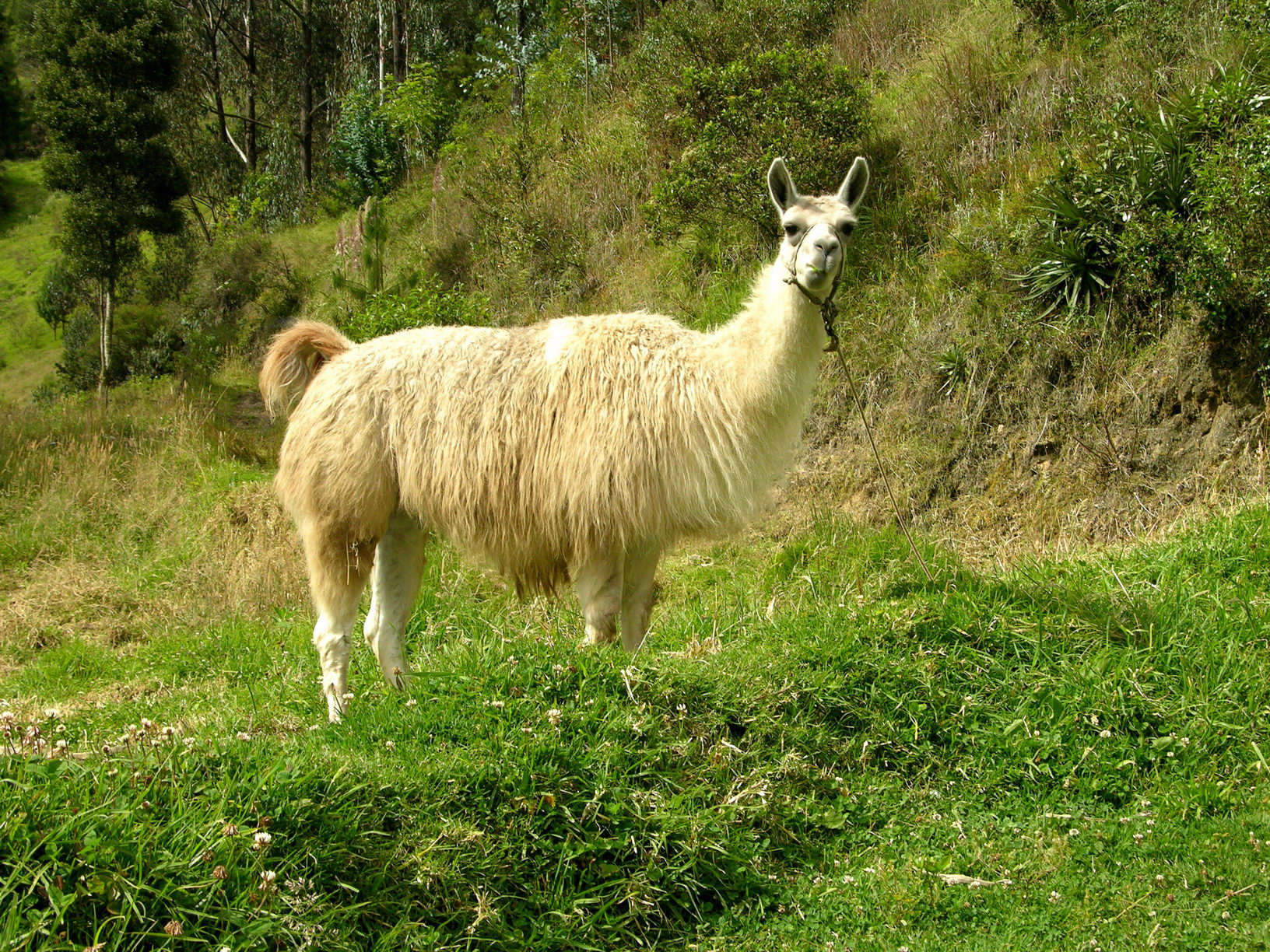
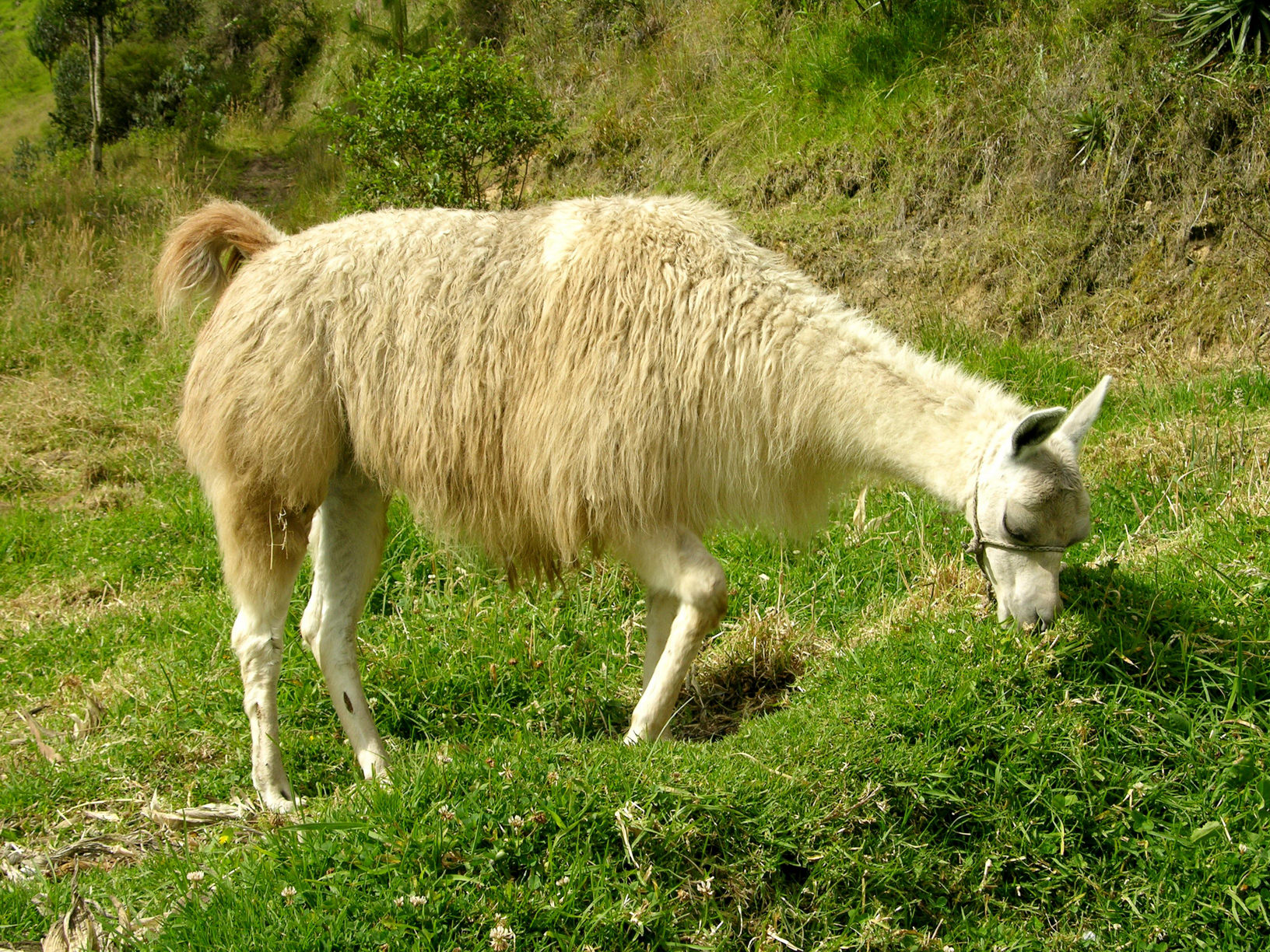
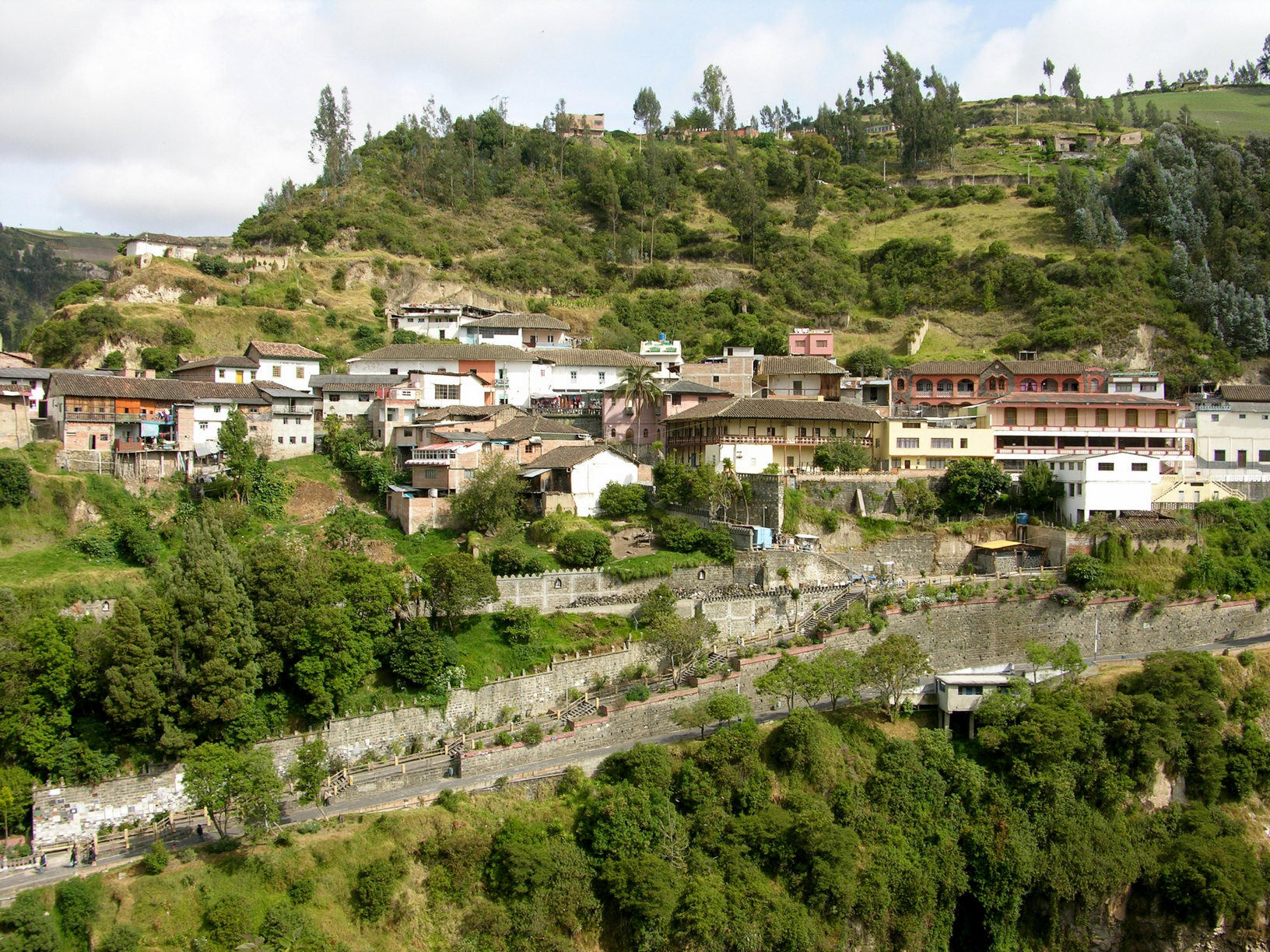
We went to the border in the same taxi. They took 50,000 for the whole trip. A bit expensive. We should have haggled first. The border crossing is on the bridge over the river. On the way out, customs took no interest in us. A stamp in the passport and off you go. Technically you could do without the stamp. Nobody would forcibly stop you.
We spent twenty-one days in Colombia. We could have spent just as many more. It was a fascinating country, quite unspoilt by mass tourism. A pity we didn't get to all the places we wanted to see. We should have taken a four-wheel drive. My advice to anyone is to go before it's too late. If the peace lasts, before long everything will be made respectable, and then it's too late. If the price of oil falls, the war will start again and it'll be frightening. Now is the time.