Trip report
June, summer, and north of the Arctic Circle the sun doesn’t set. This is the fourth year I’ve gone north at this time, combining work and a bit of holiday. The job is simple enough now: servicing railway sites. I’m carrying a 60-litre cylinder of refrigerant for one of the fire suppression systems, so there’ll be no going abroad this time.
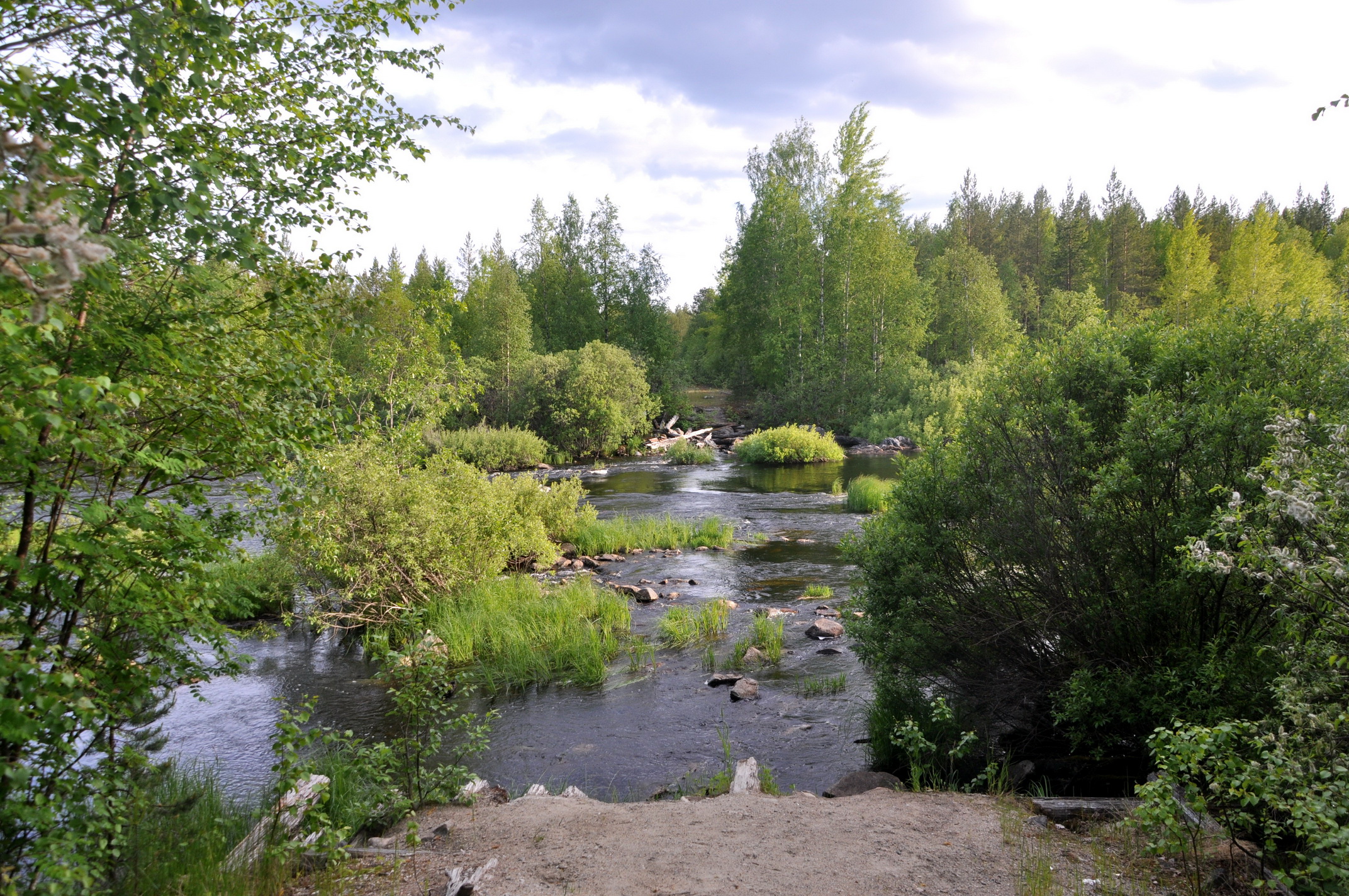
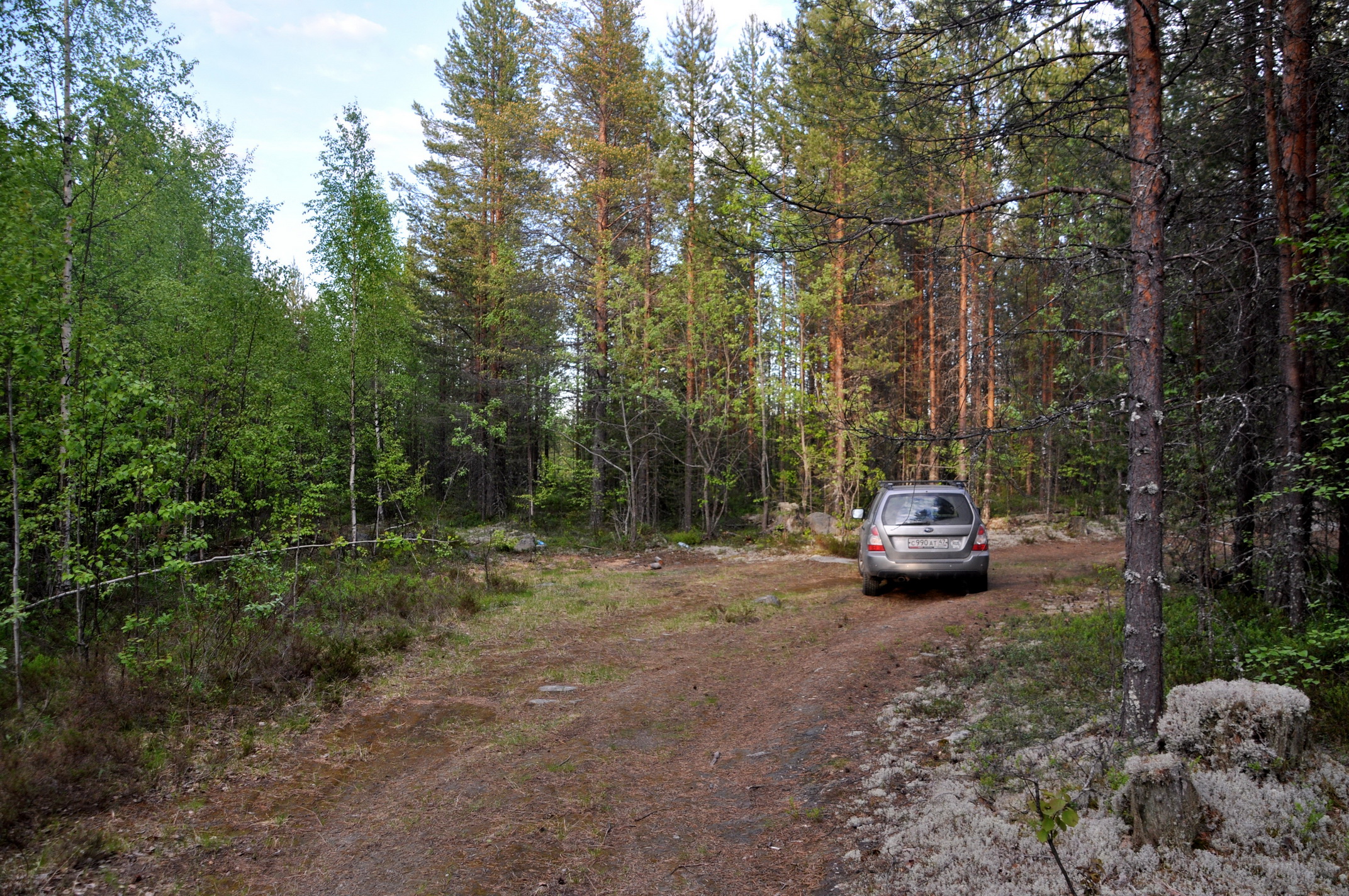
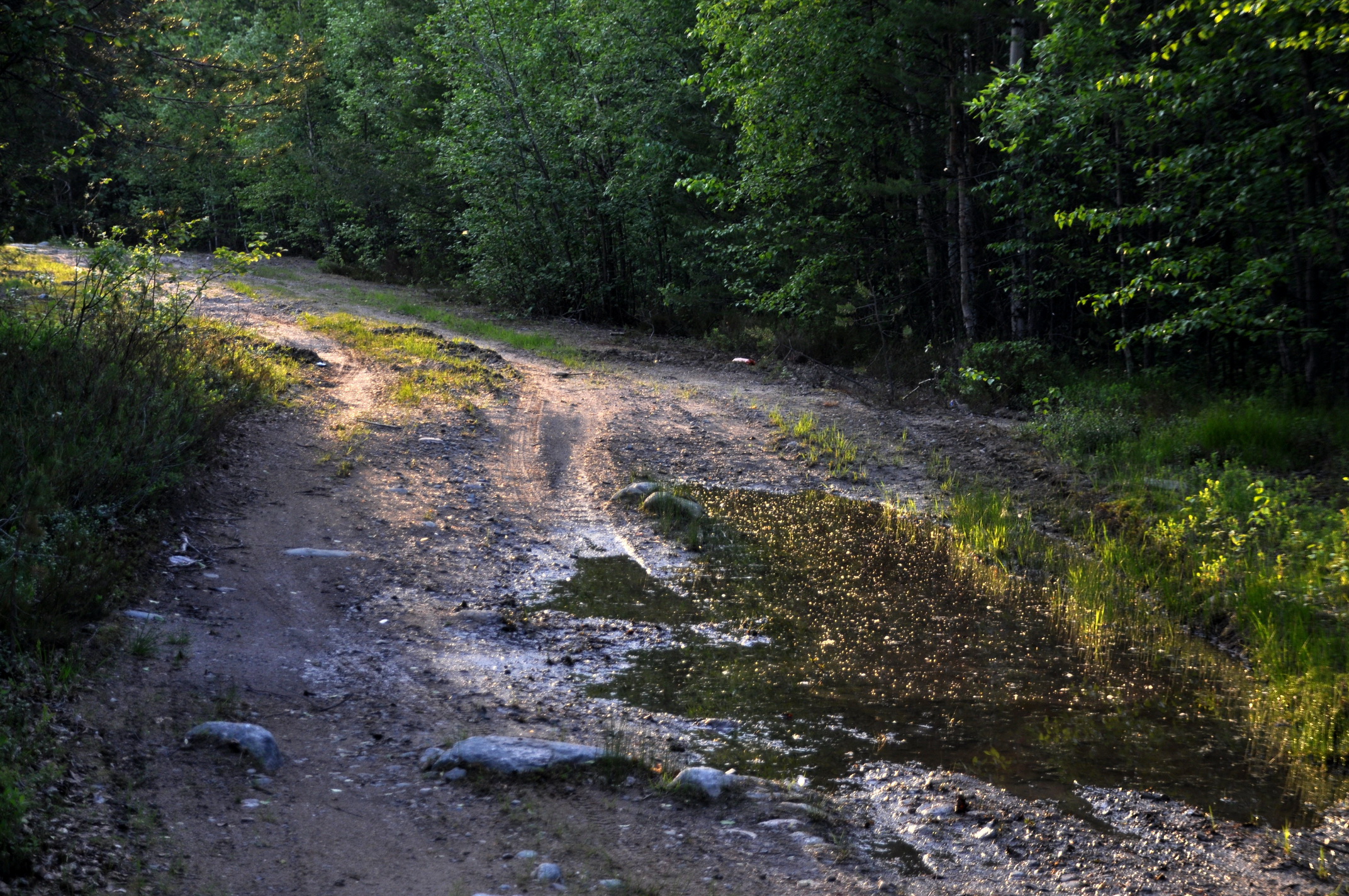
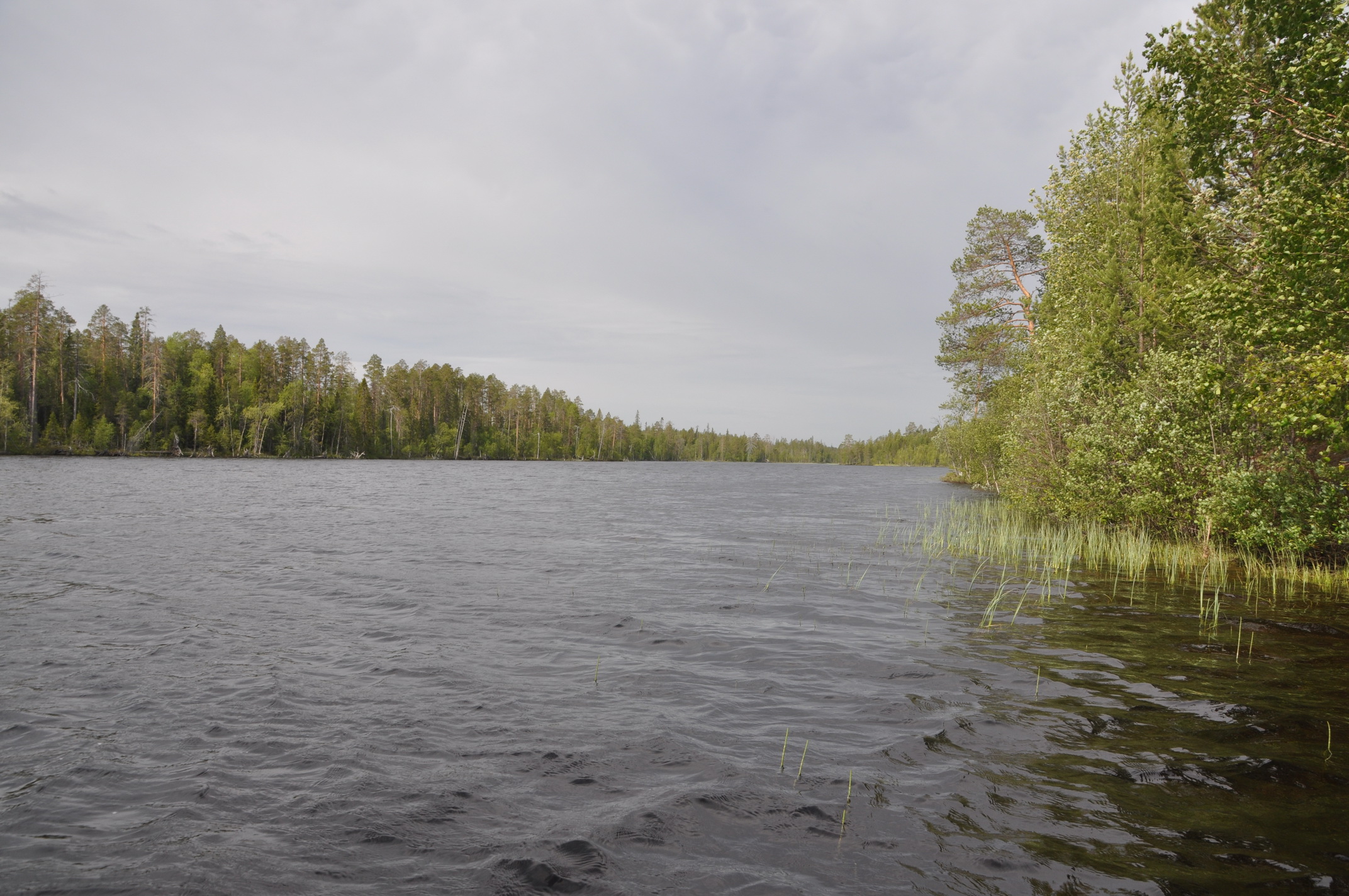
On the first day I made it up the Murmansk road to the Kuzema River (65°30.836′N, 33°22.808′E). I spent the night on the bank, where the river widens into a lake between the rapids. It was a warm summer’s day. I stopped early enough to have a good meal and a swim. On work trips I’ve developed a signature dish. The recipe may offend the sensibilities of gourmets, who can safely skip the next paragraph.
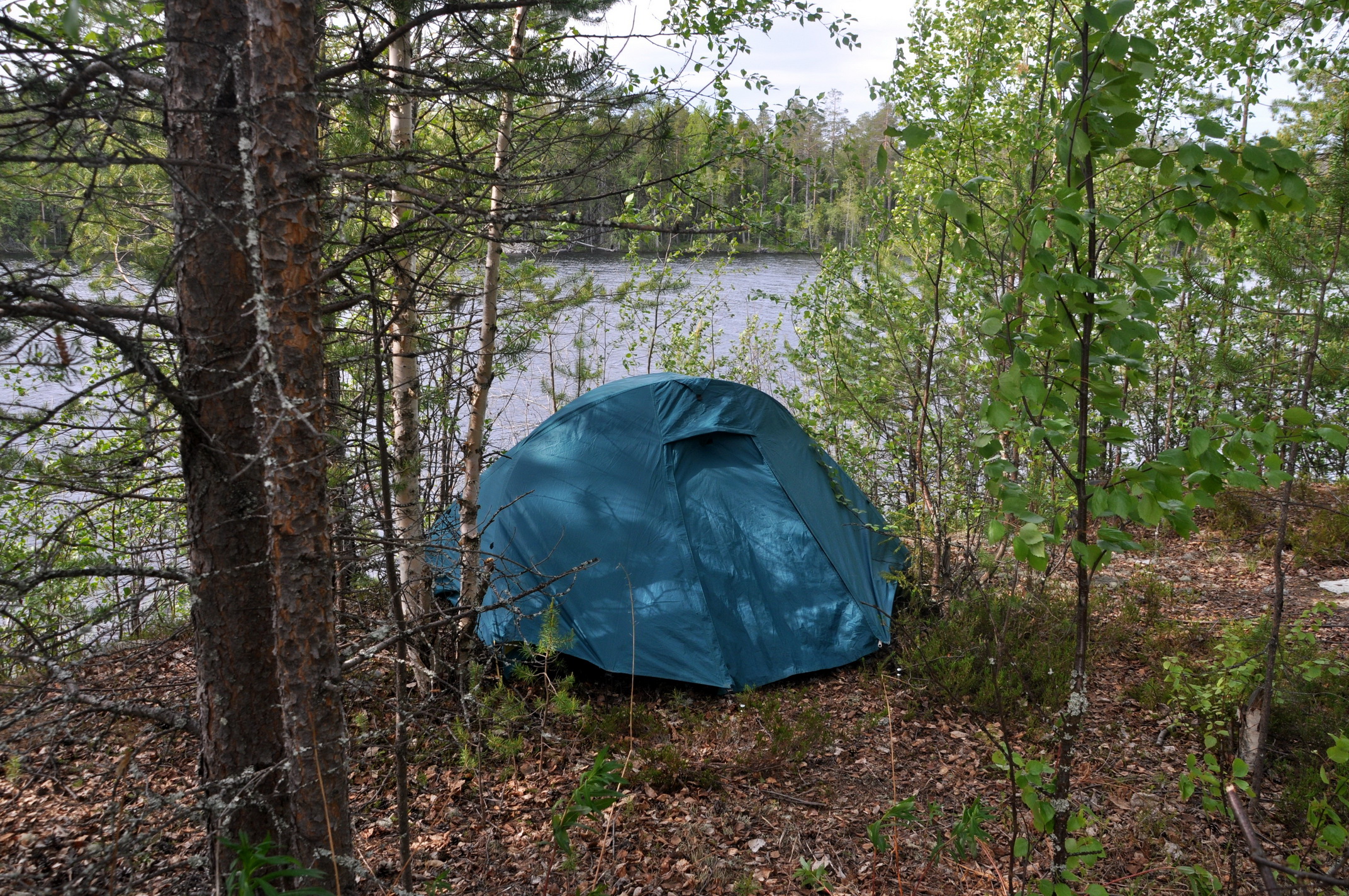
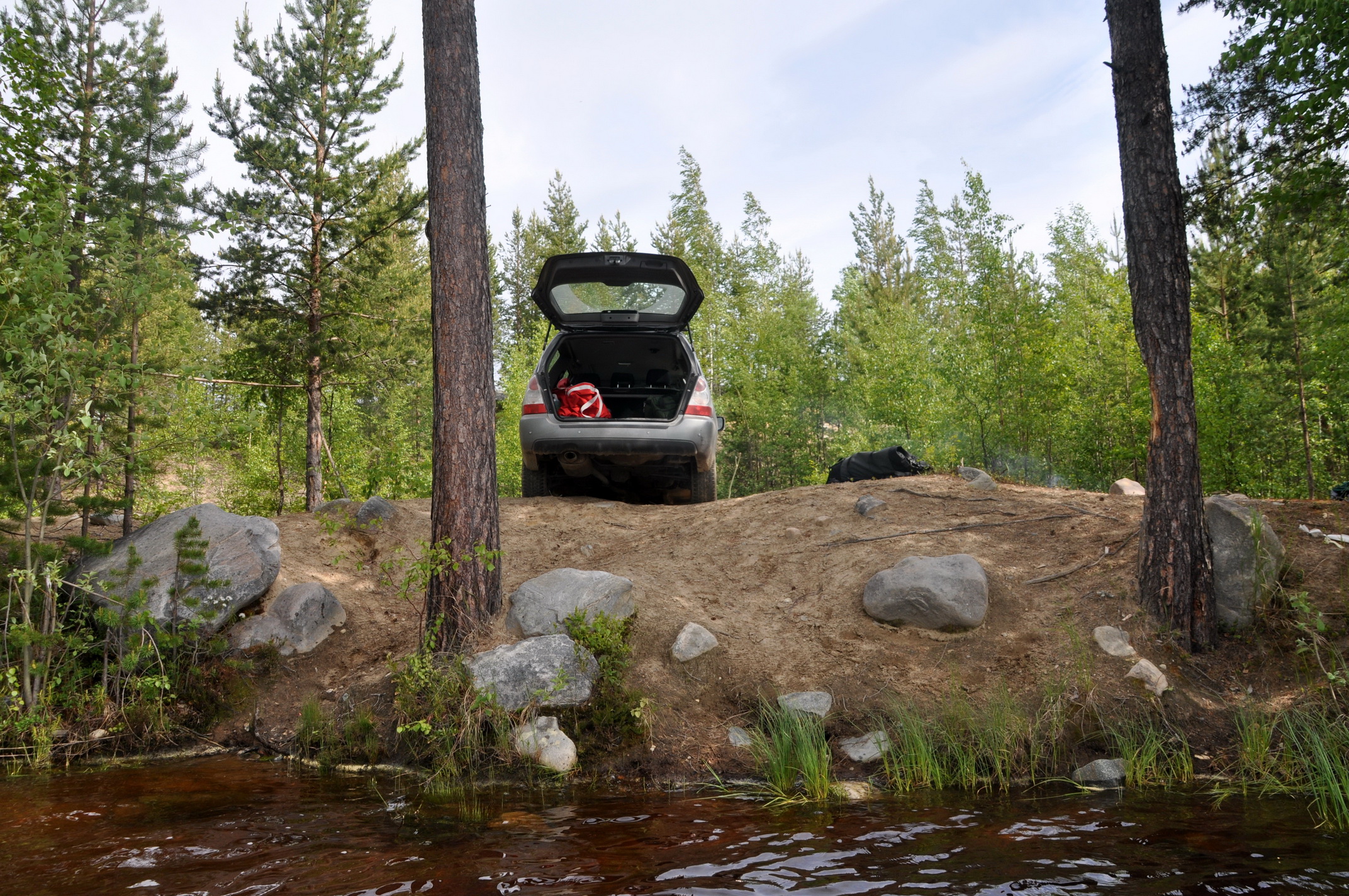
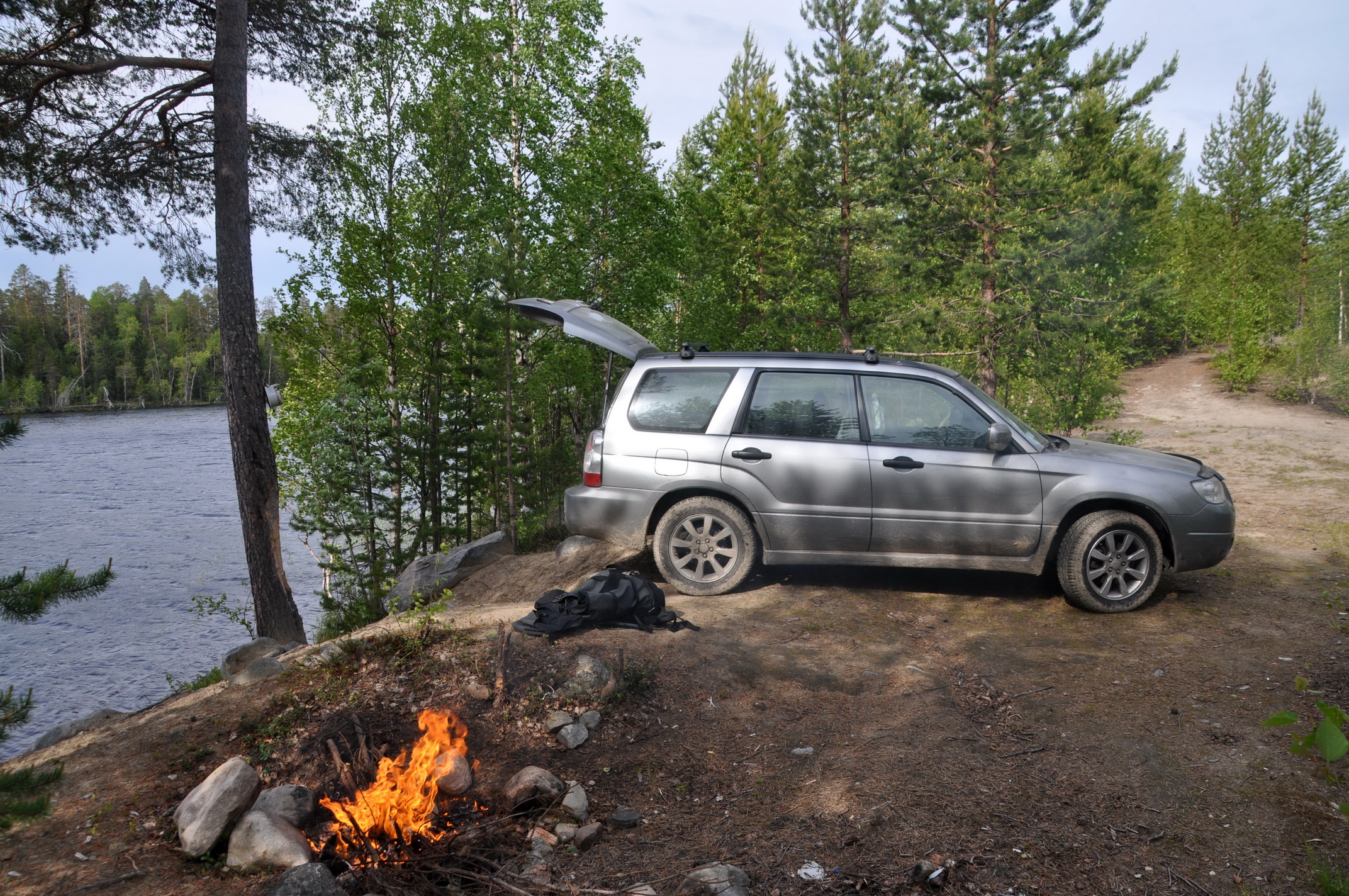
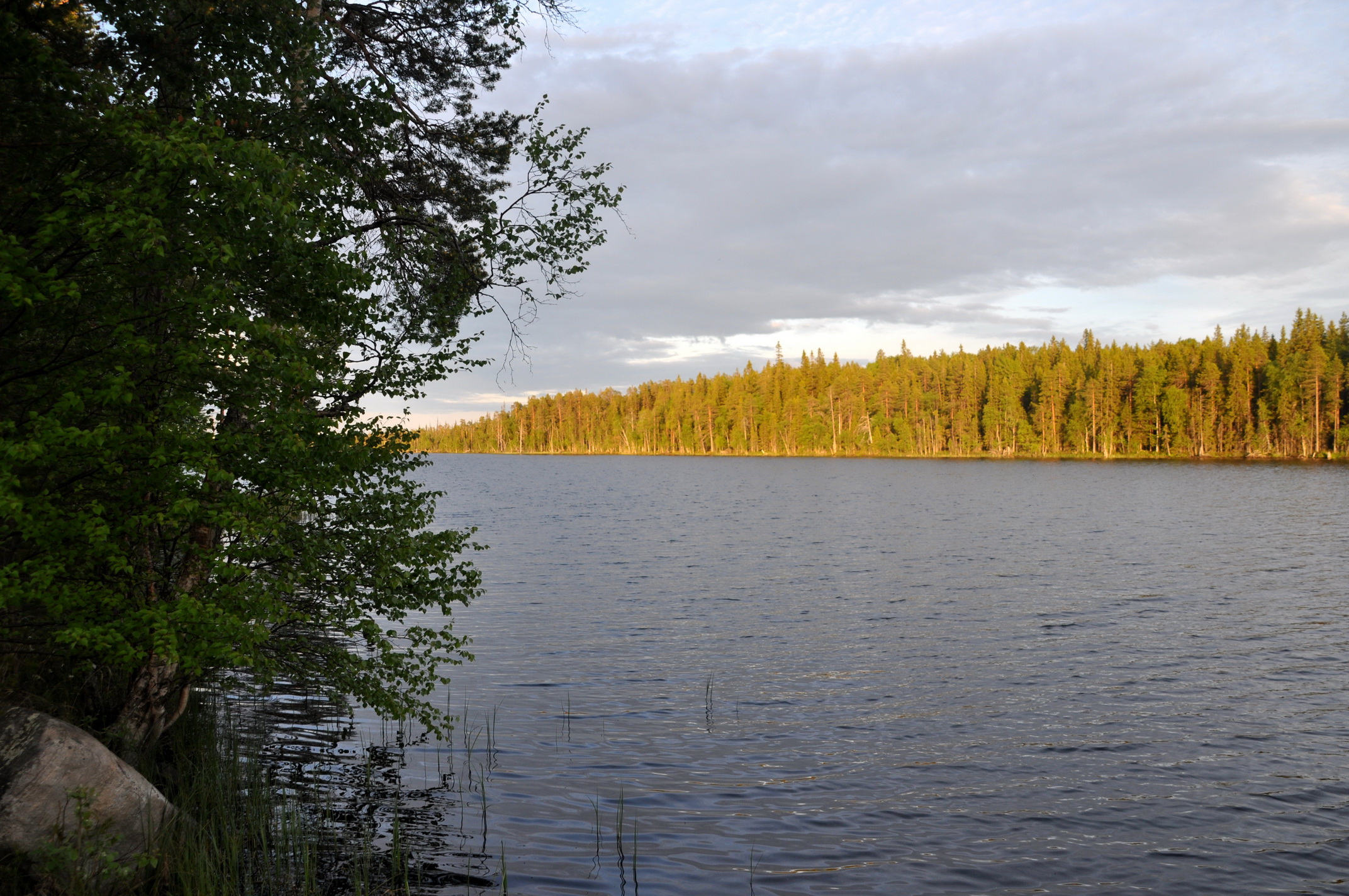
I buy a tin of borscht, three big sausages and a tub of sour cream. I cook the first two ingredients together with a little water, but only enough to leave the soup thick enough for a spoon to stand up in it. The sour cream goes in at the end to cool it down so I can eat it sooner, with black bread. There’s enough for supper and breakfast.
The Tersky Coast
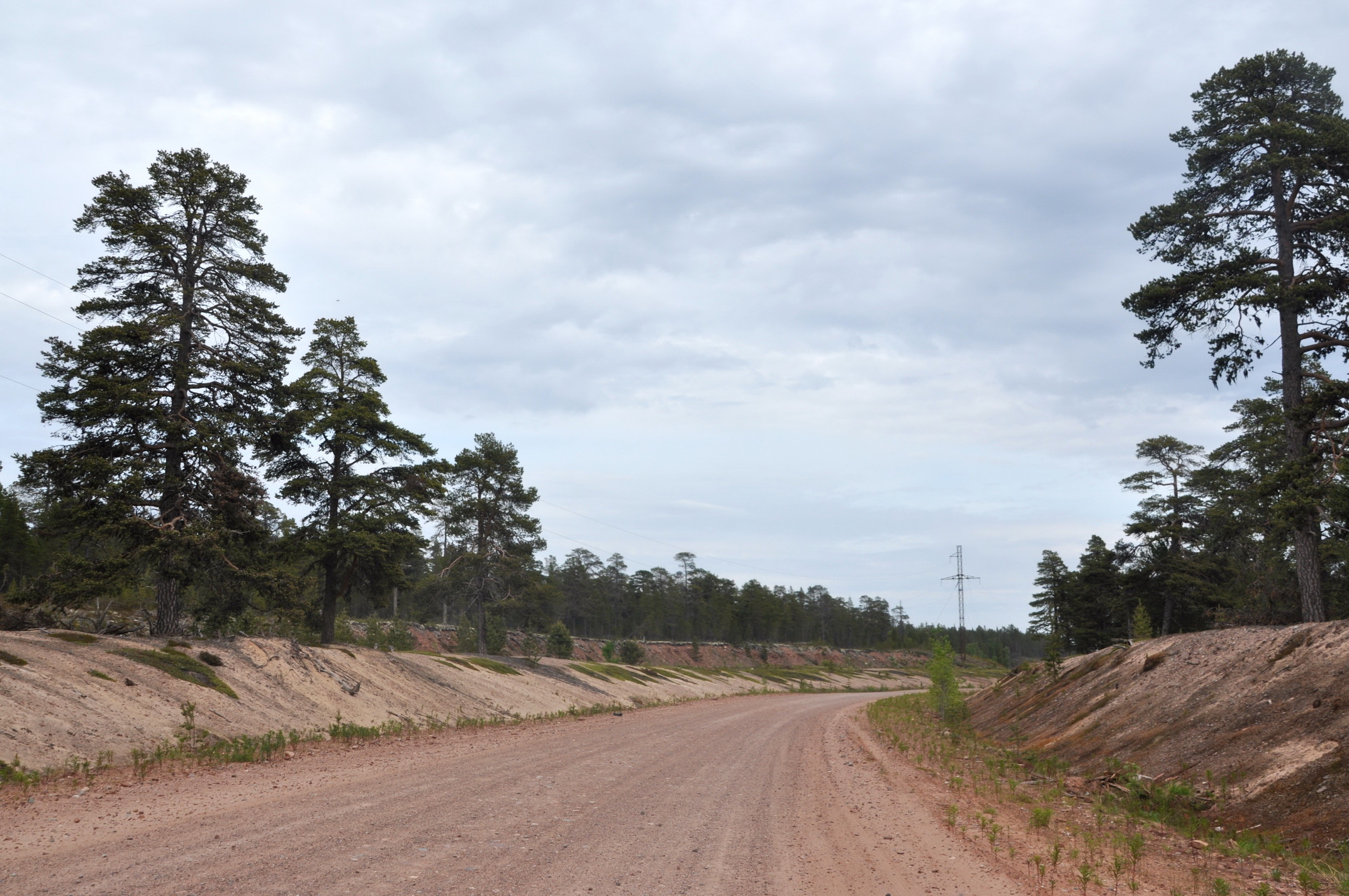
In the morning I drove along the Tersky Coast of the White Sea. That’s the stretch running east from Kandalaksha, the south shore of the Kola Peninsula and the north shore of the White Sea. The road runs for 250 kilometres. It’s paved as far as Umba and gravel beyond that, but quite decent.
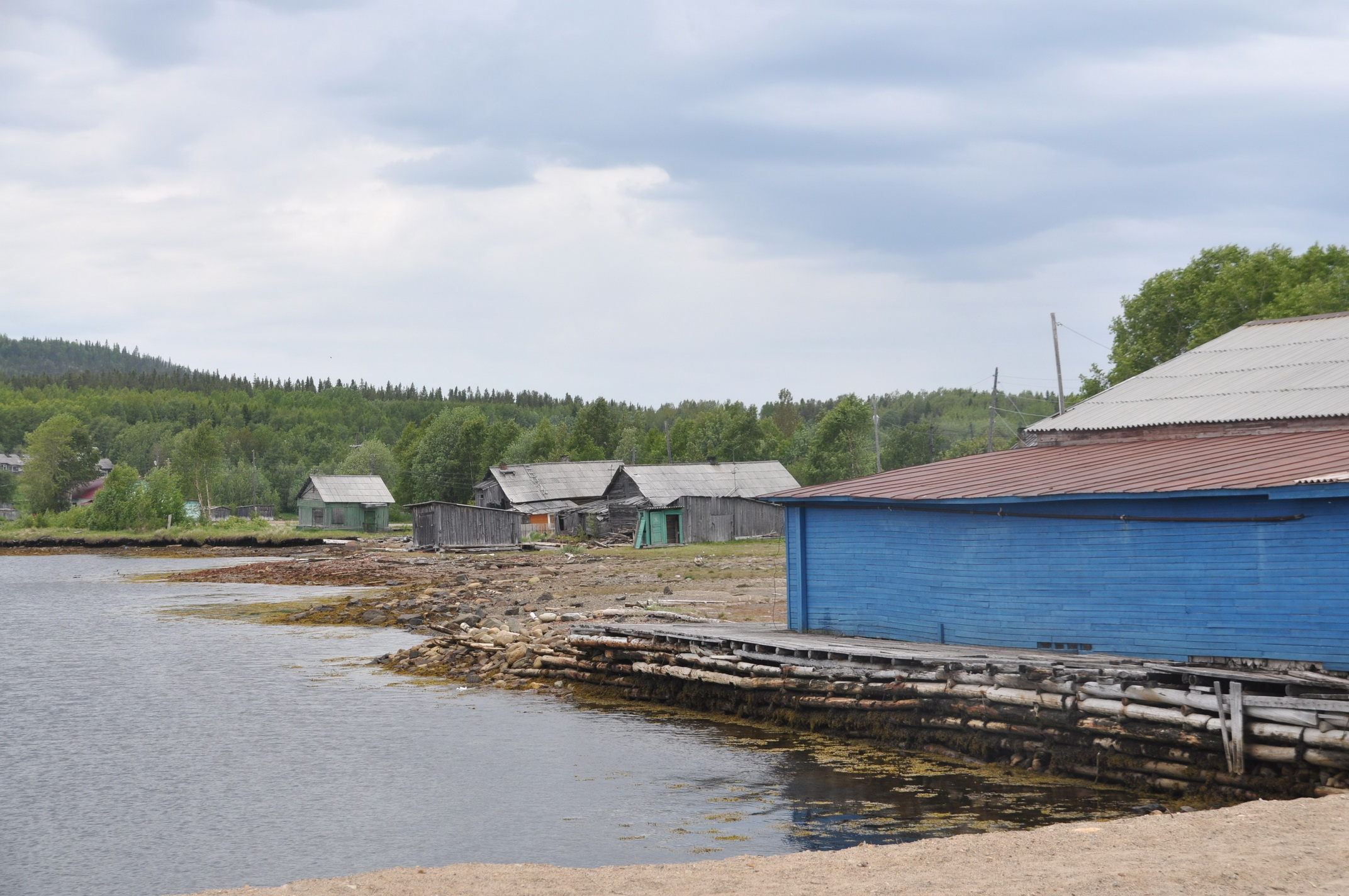
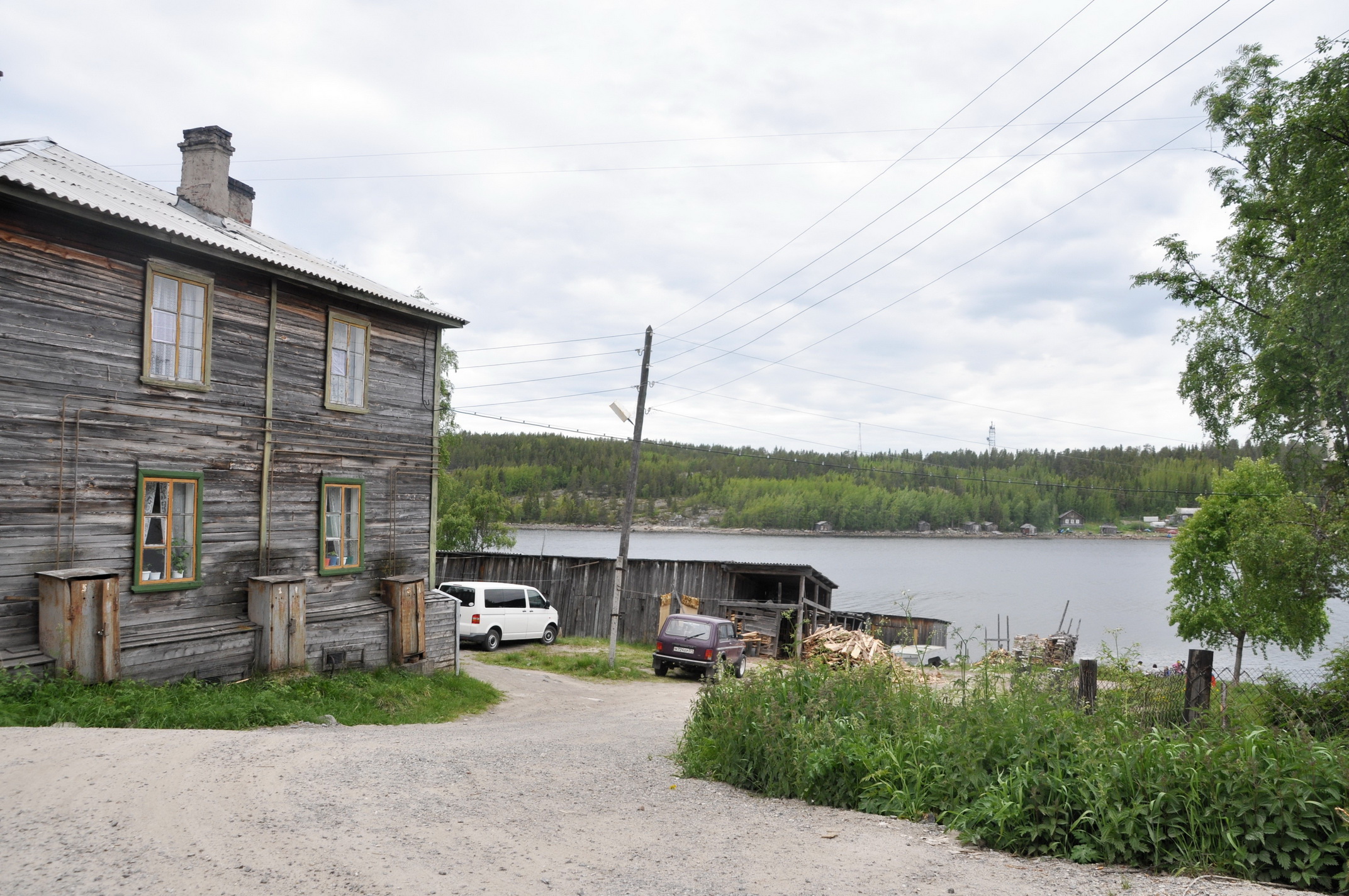
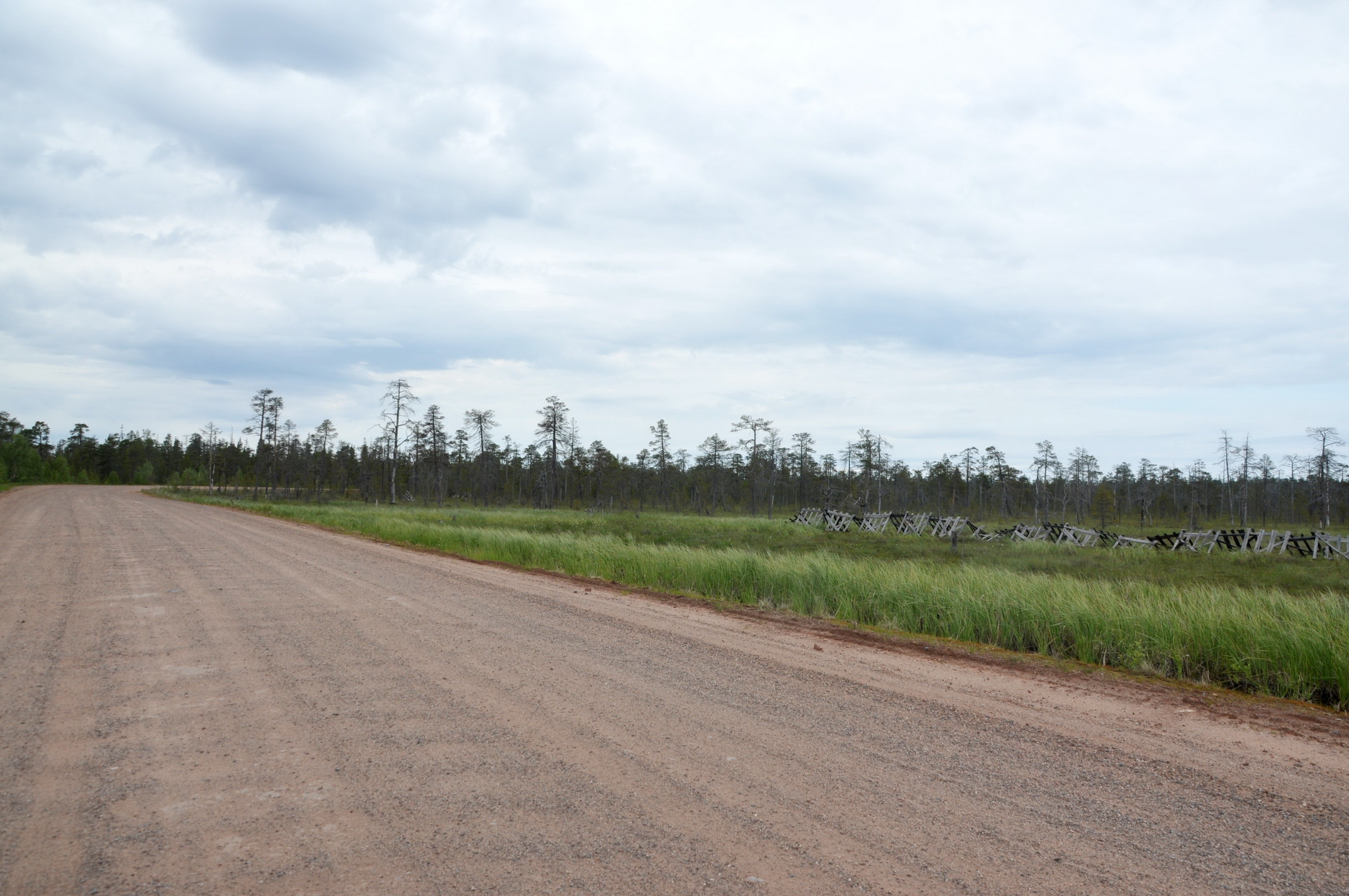
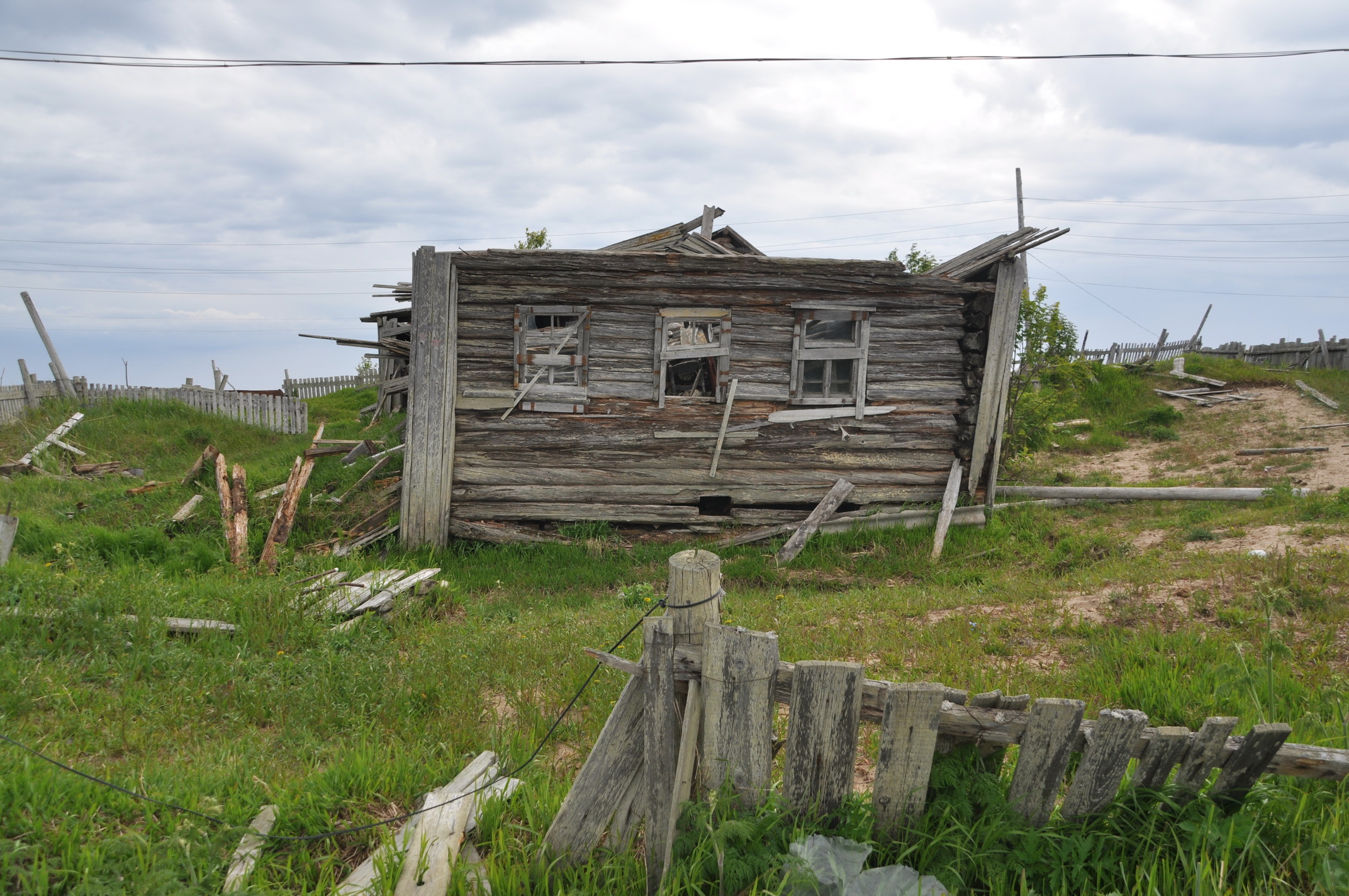
The road winds through several colourful little coastal villages. Their sandy streets are lovely to walk along. The country is open and the sea is right there. There’s a feeling of freedom and peace in the air. Of course there are plenty of houses leaning to one side, but poverty seems less in evidence here than it does on average in Russia.
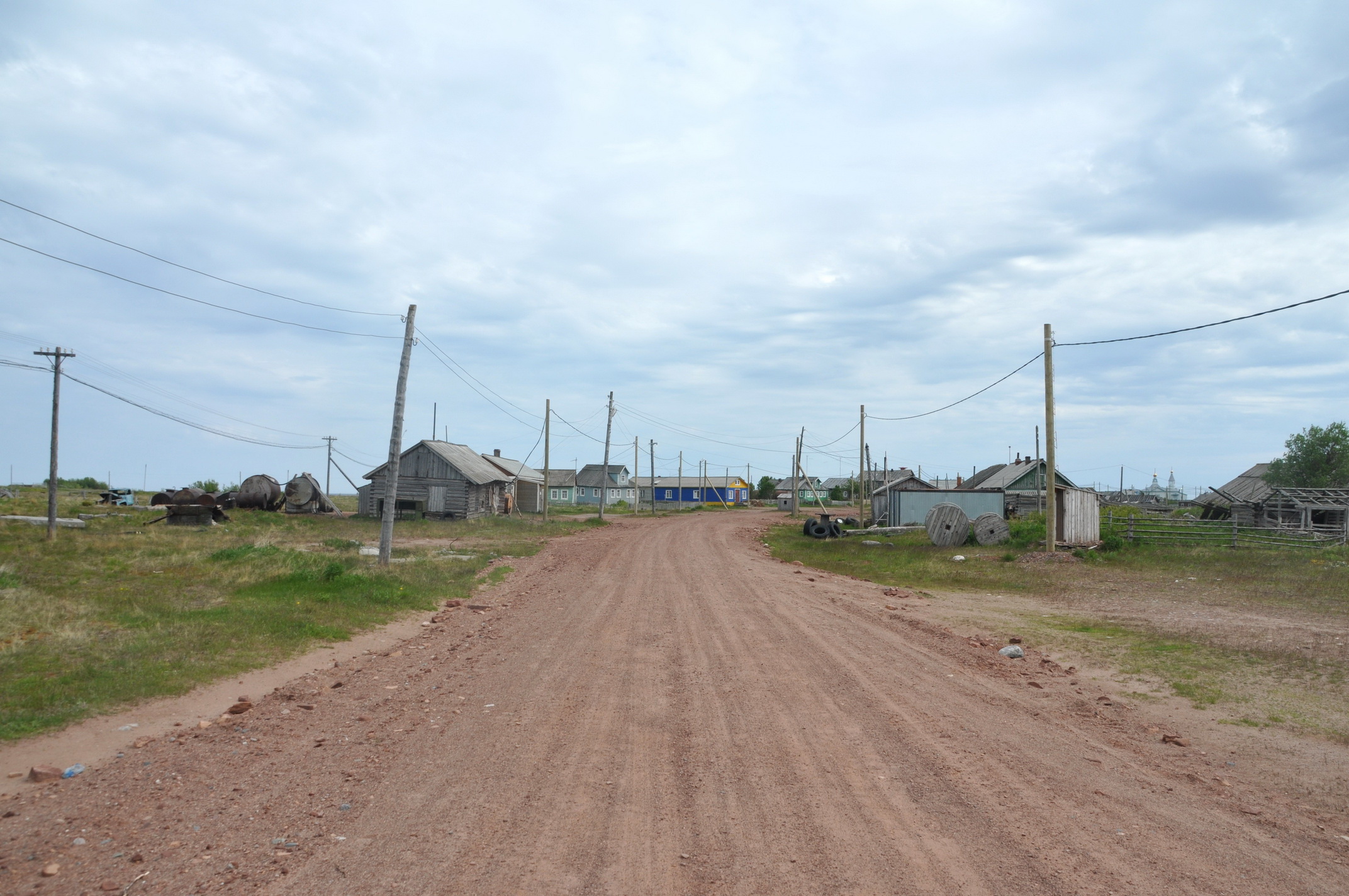
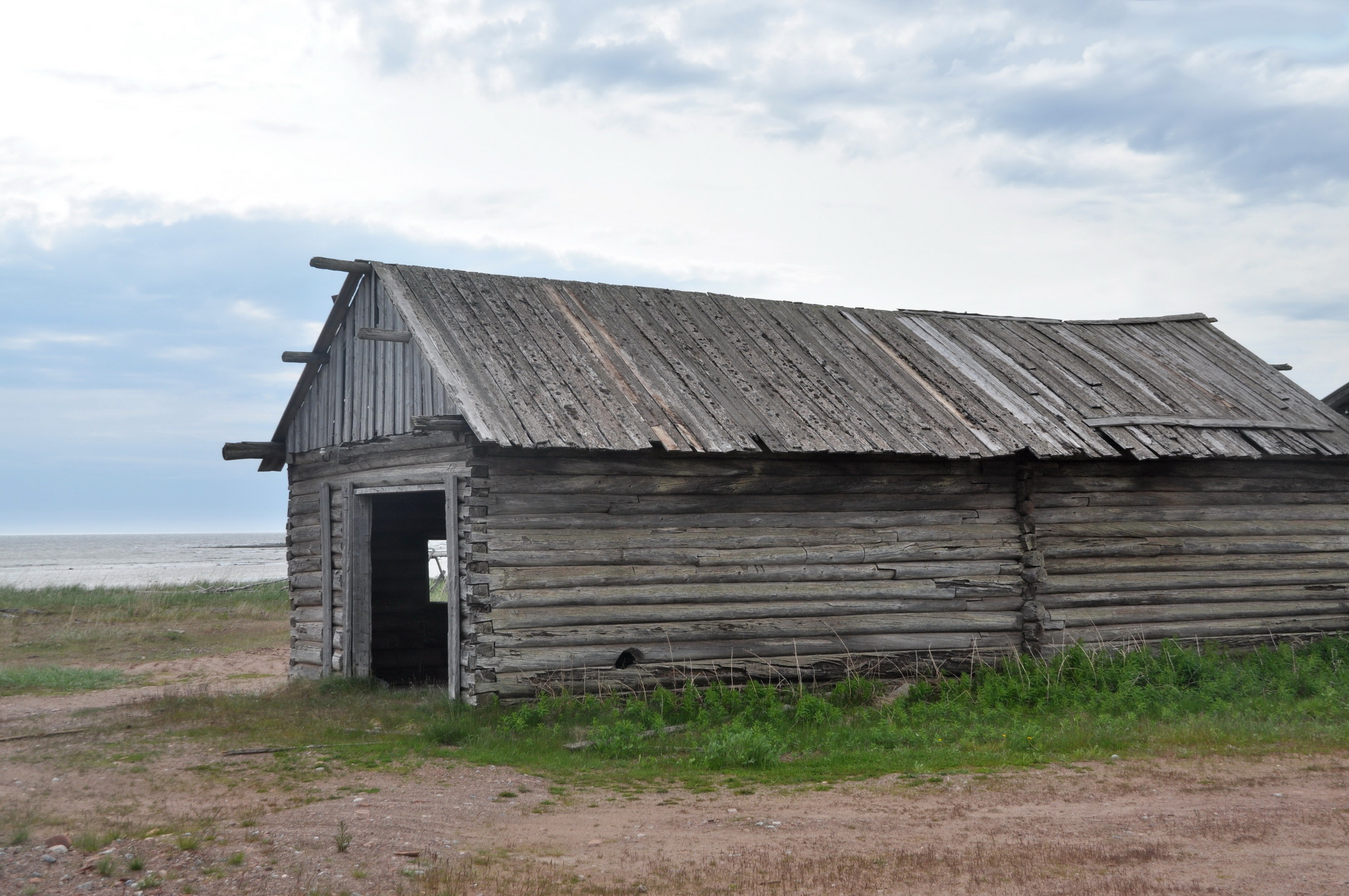
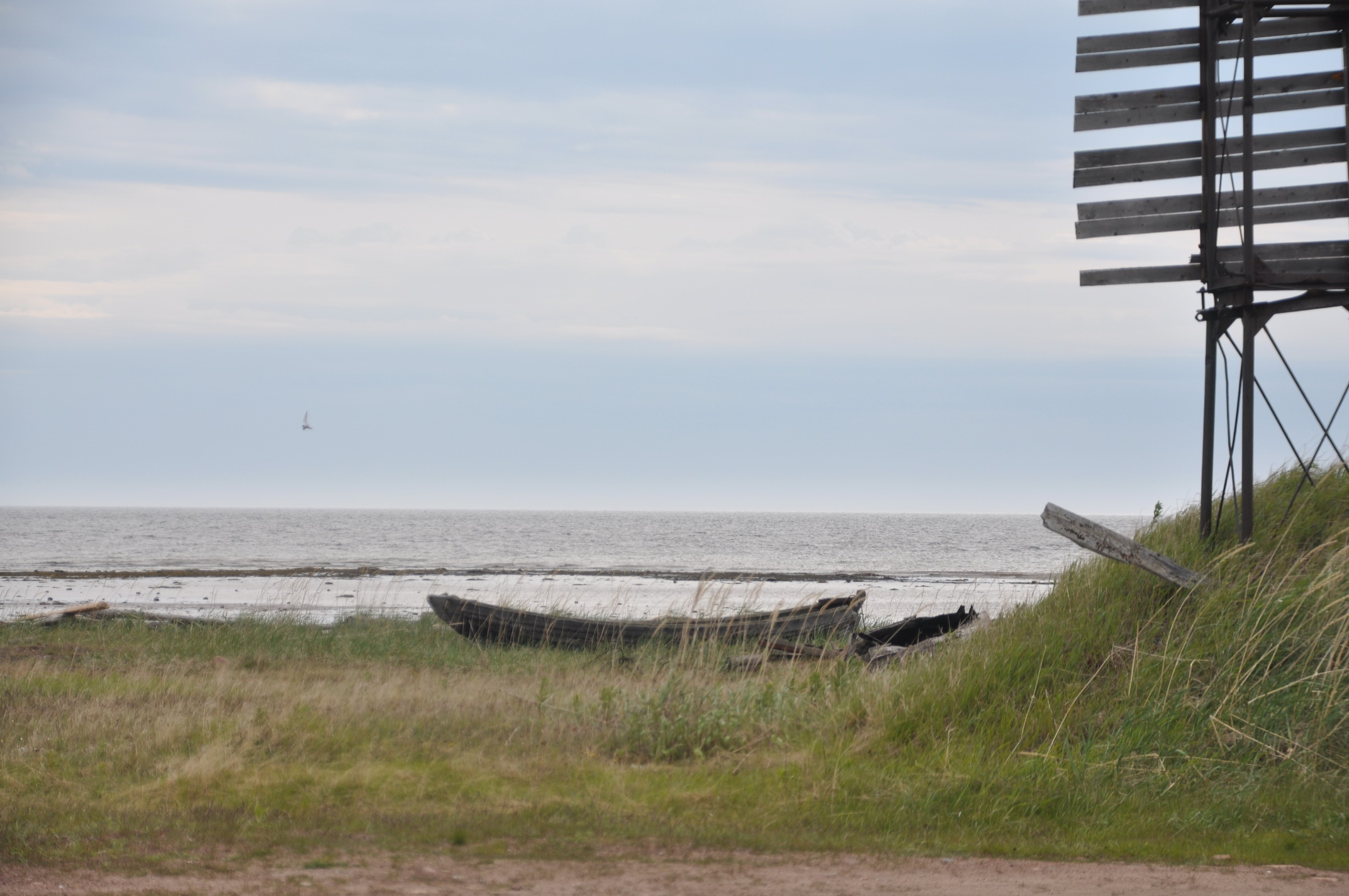
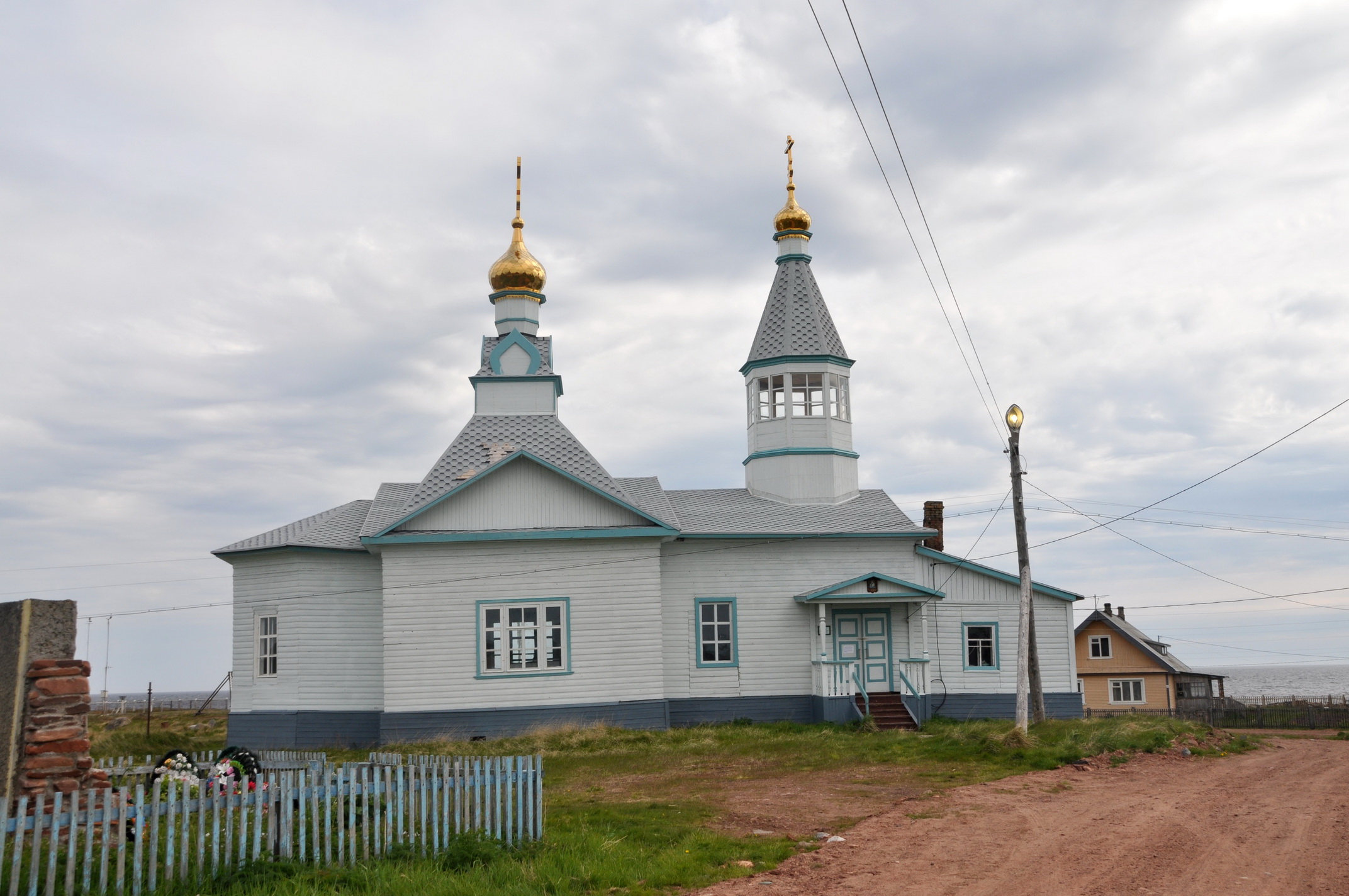
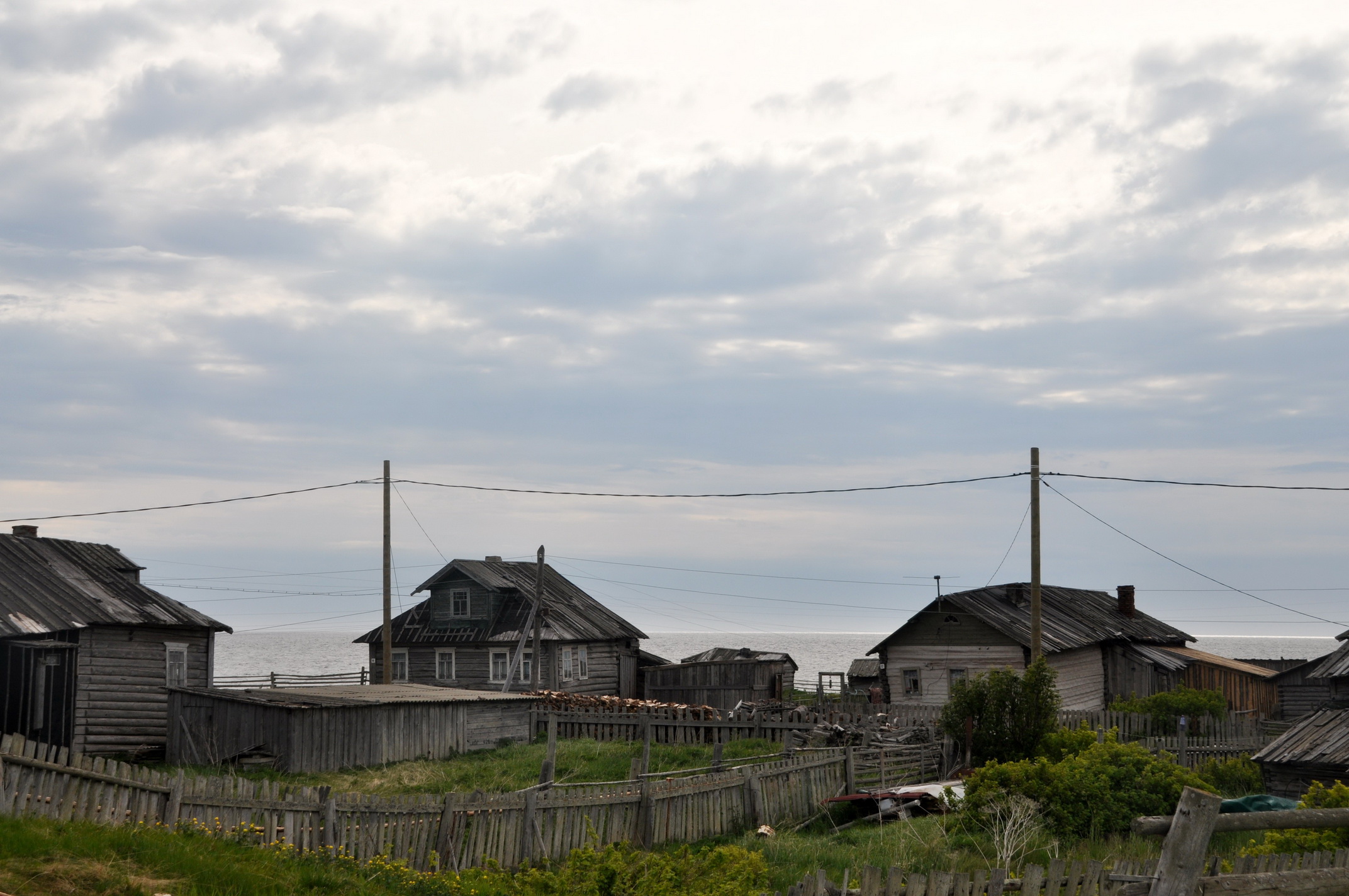
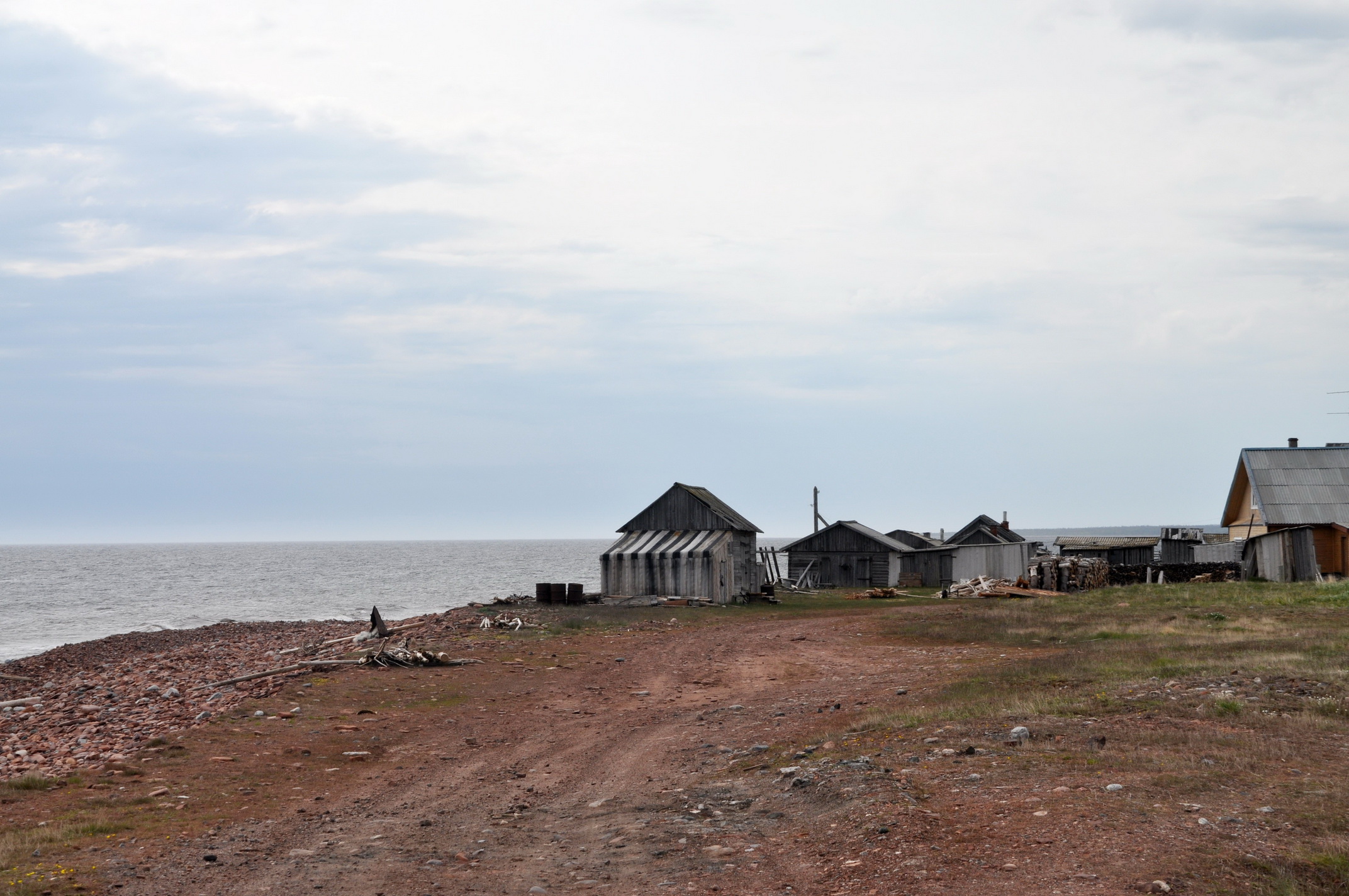
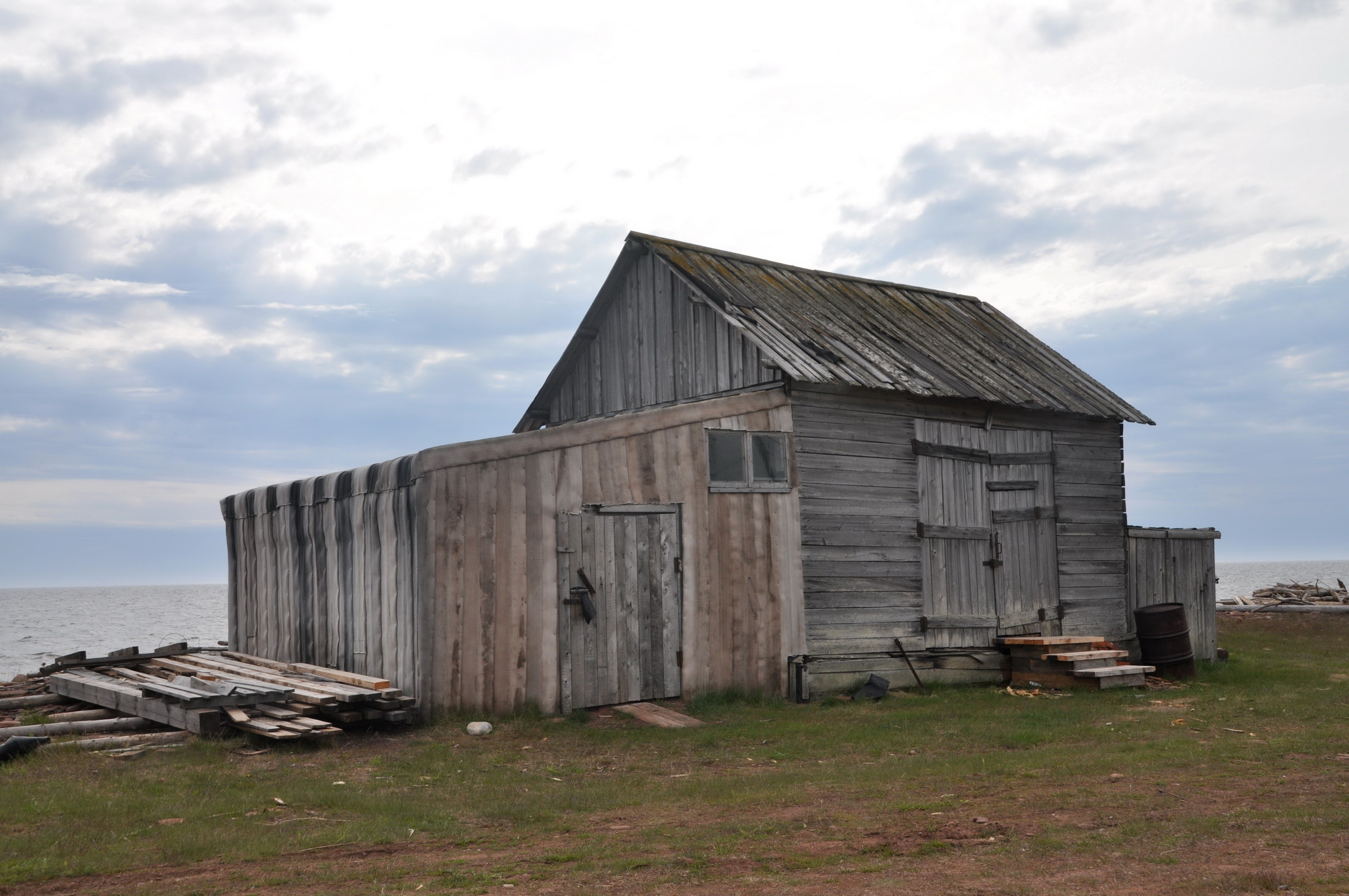
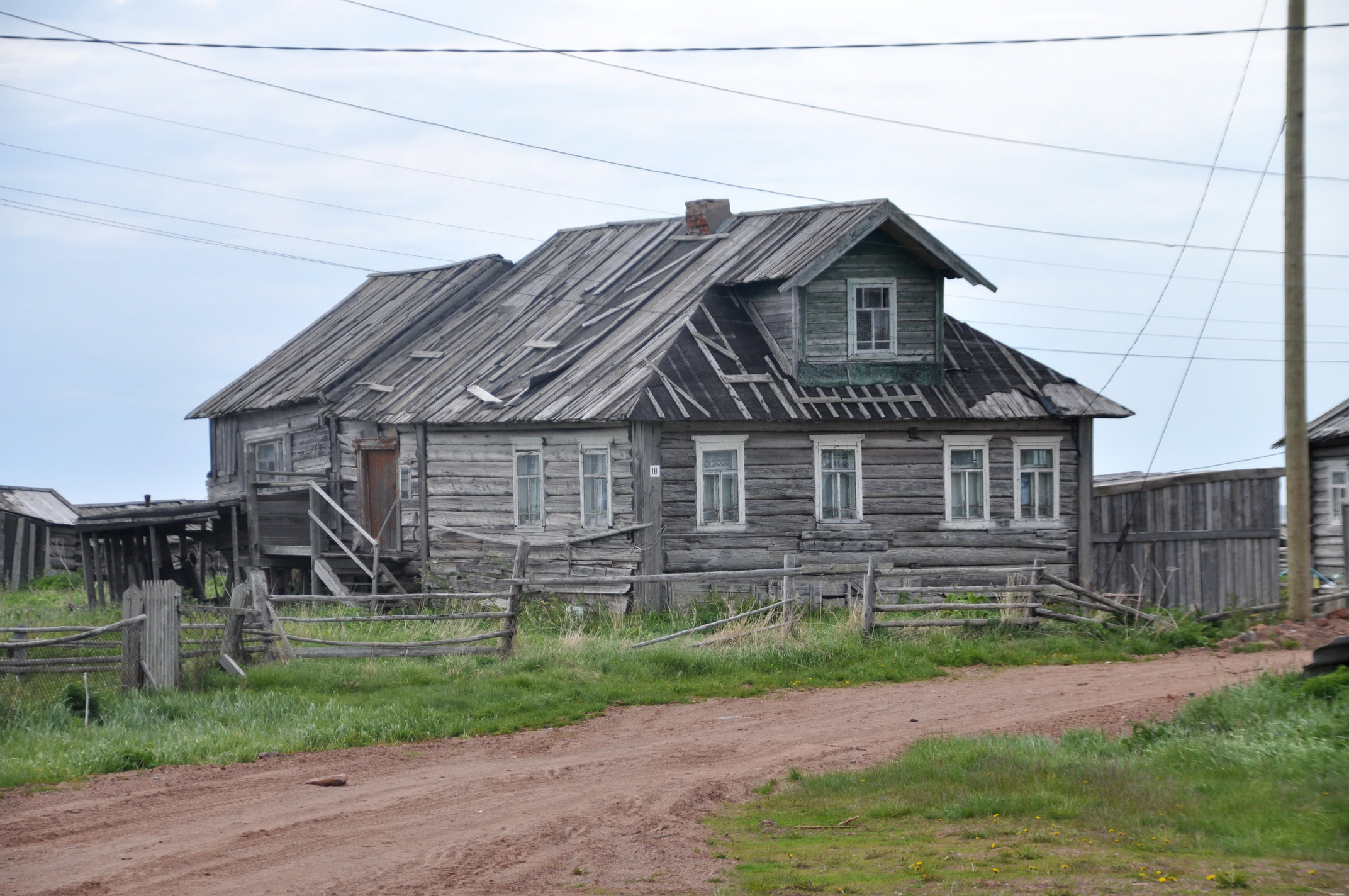
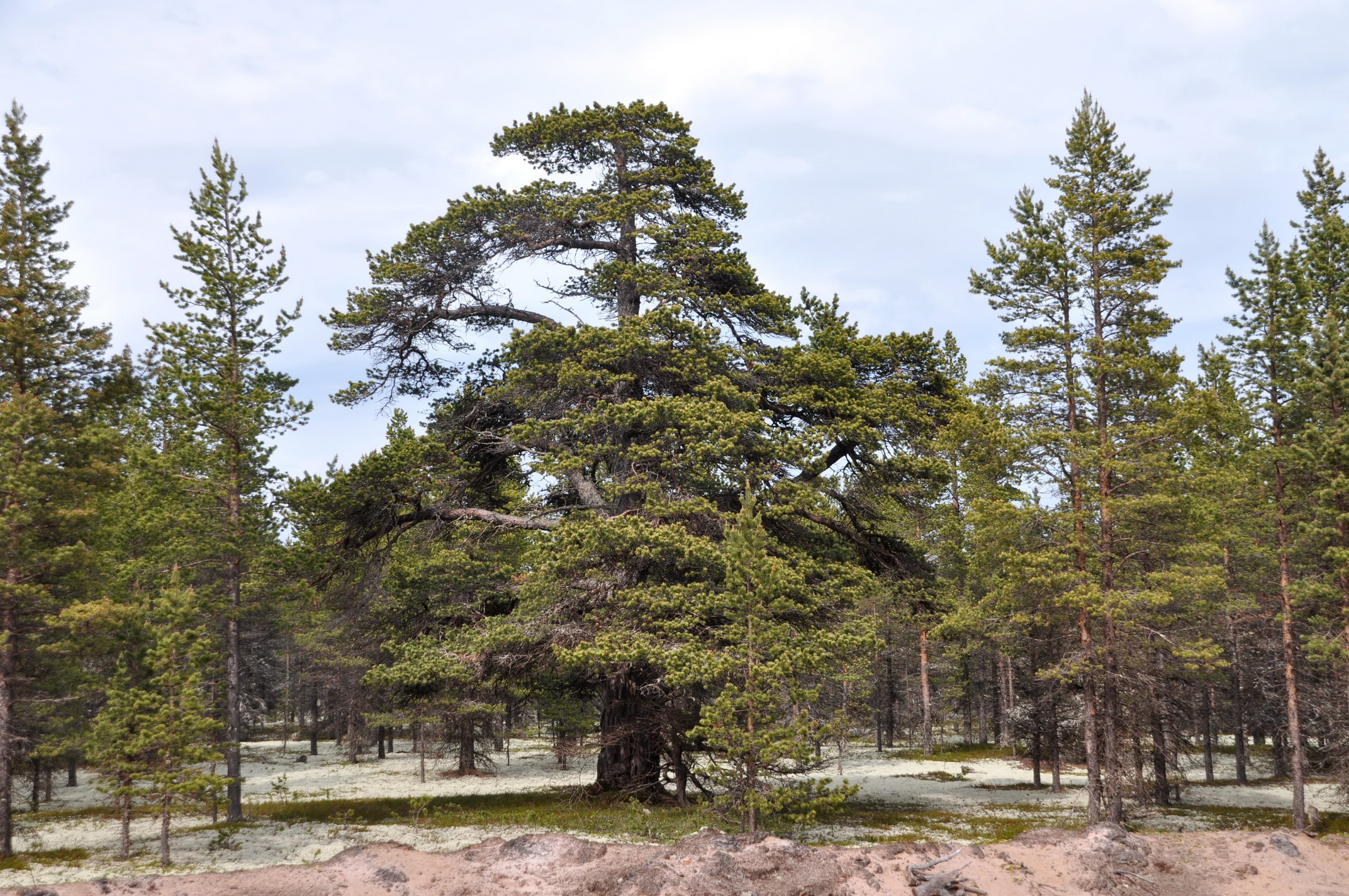
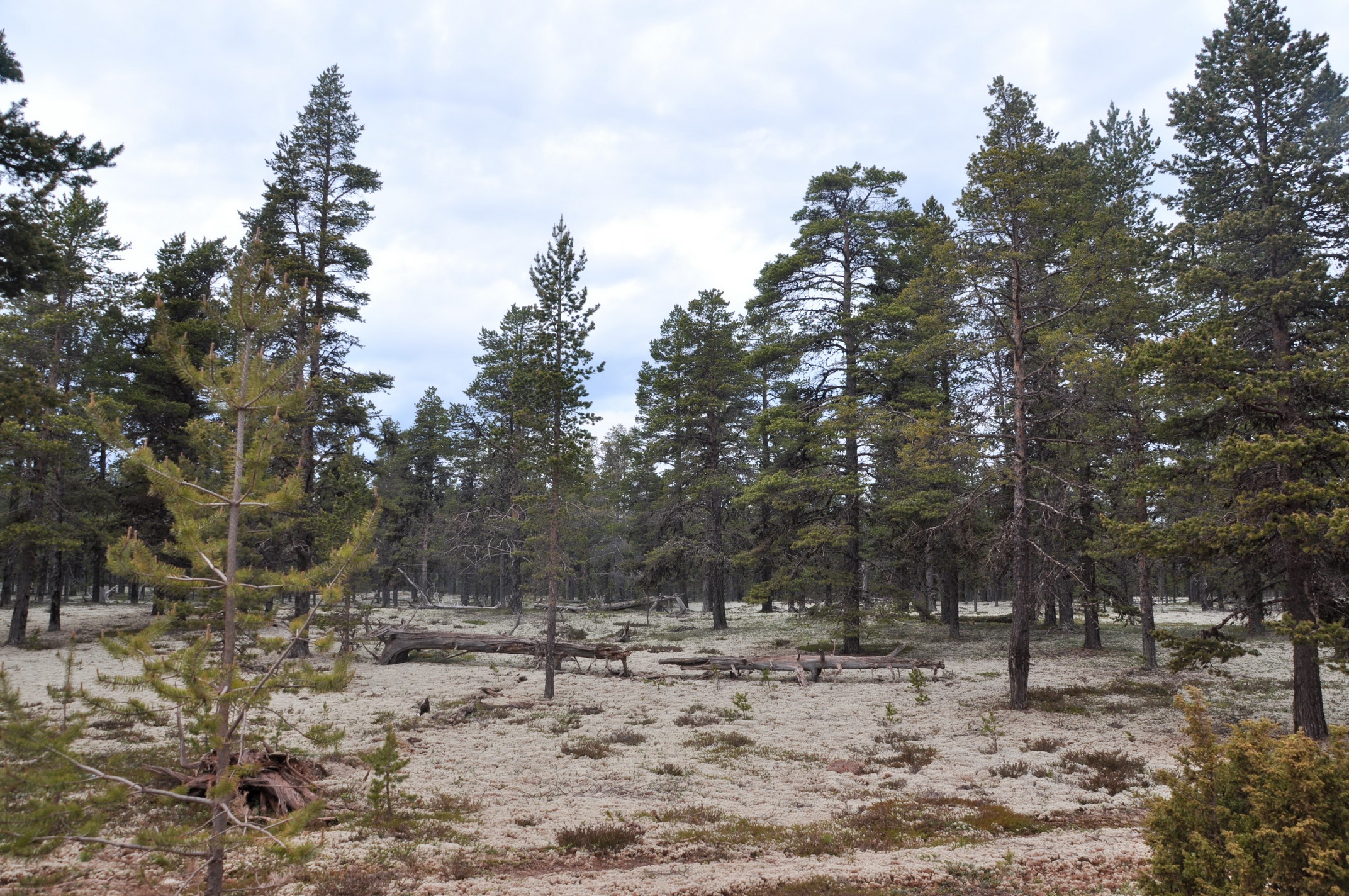
It’s a beautiful road through pine forest with a carpet of white reindeer lichen. On the Kola Peninsula, this is the one place where you see tall woodland instead of the stunted trees of the tundra.
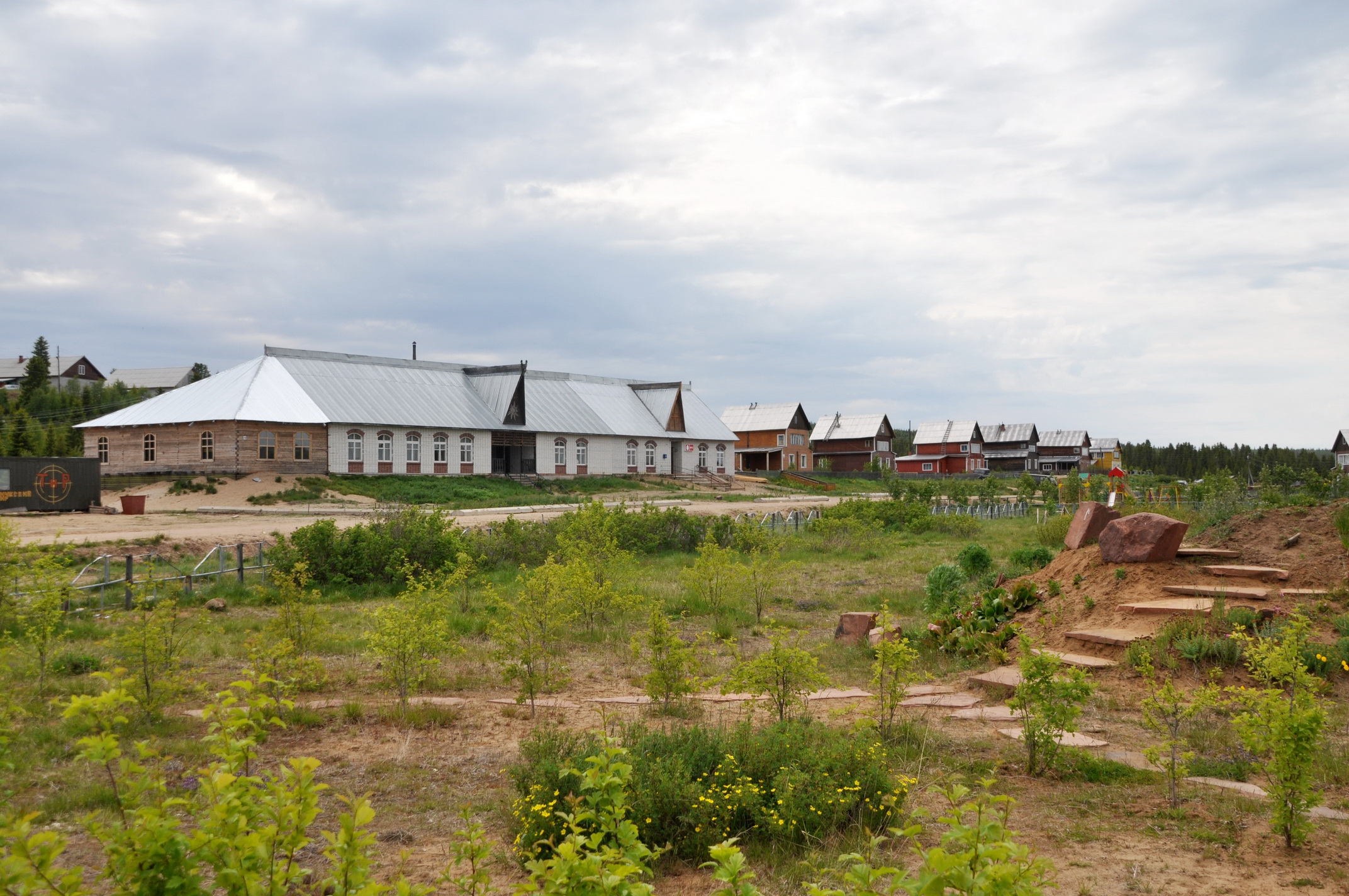
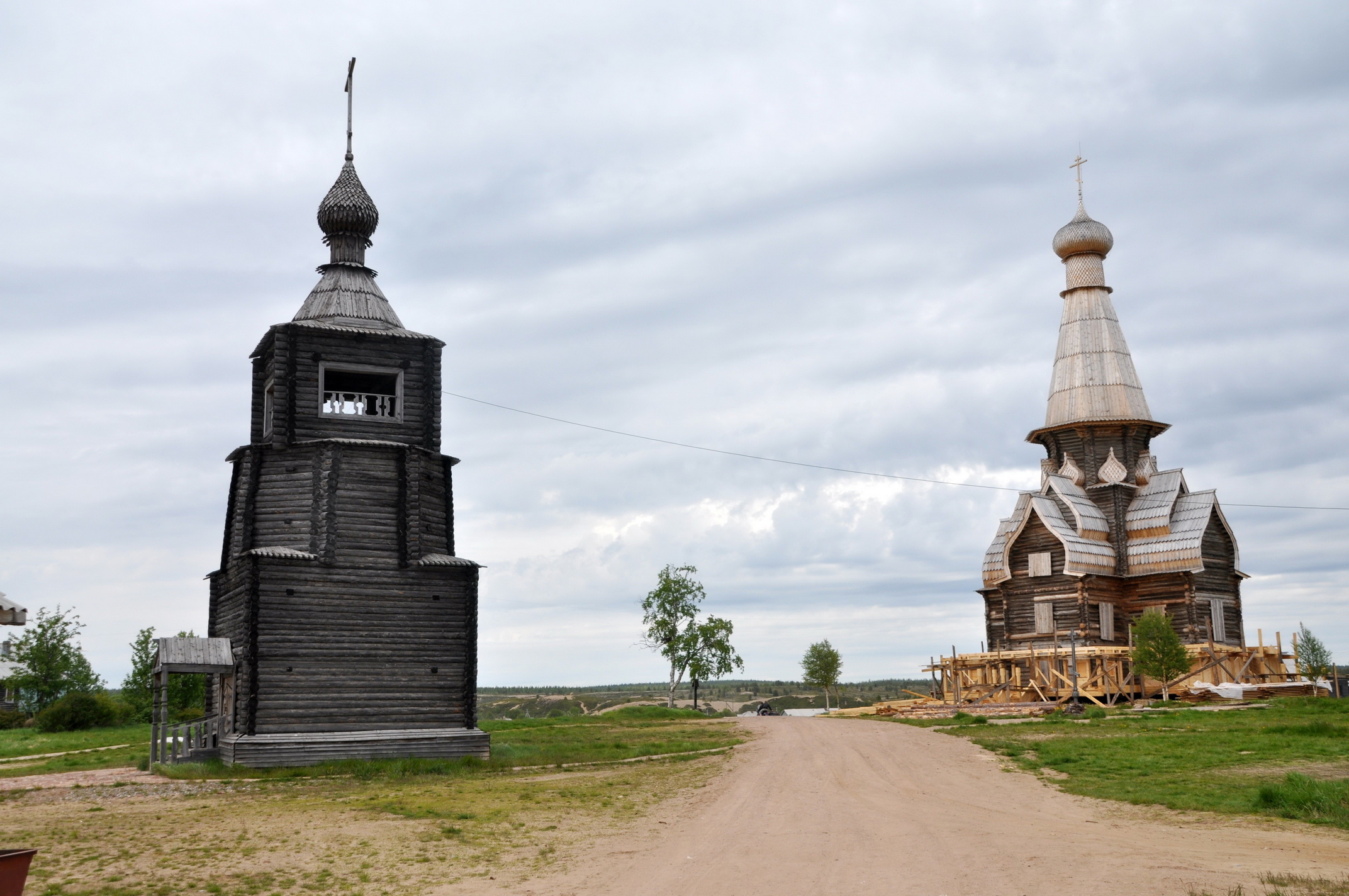
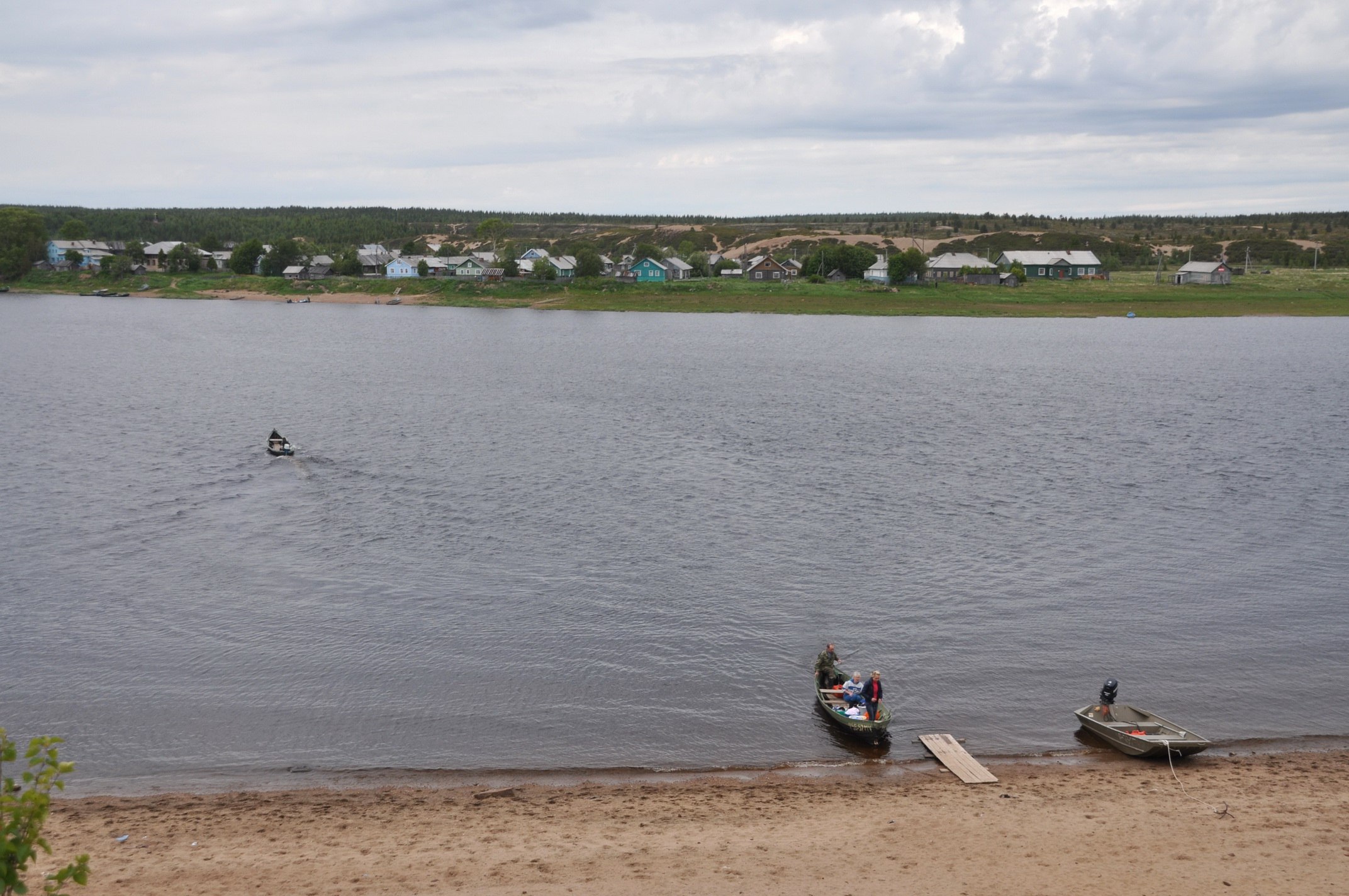
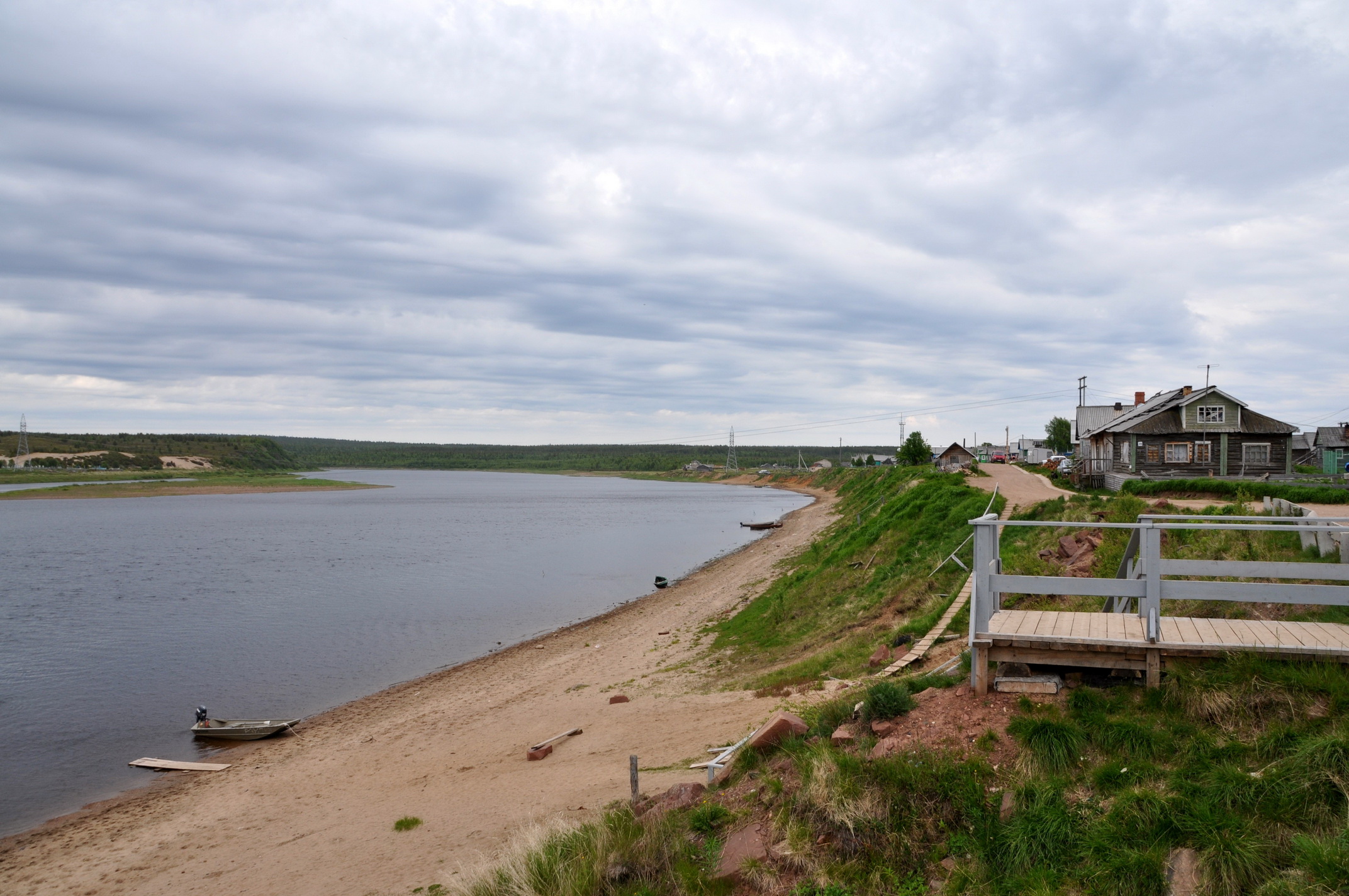
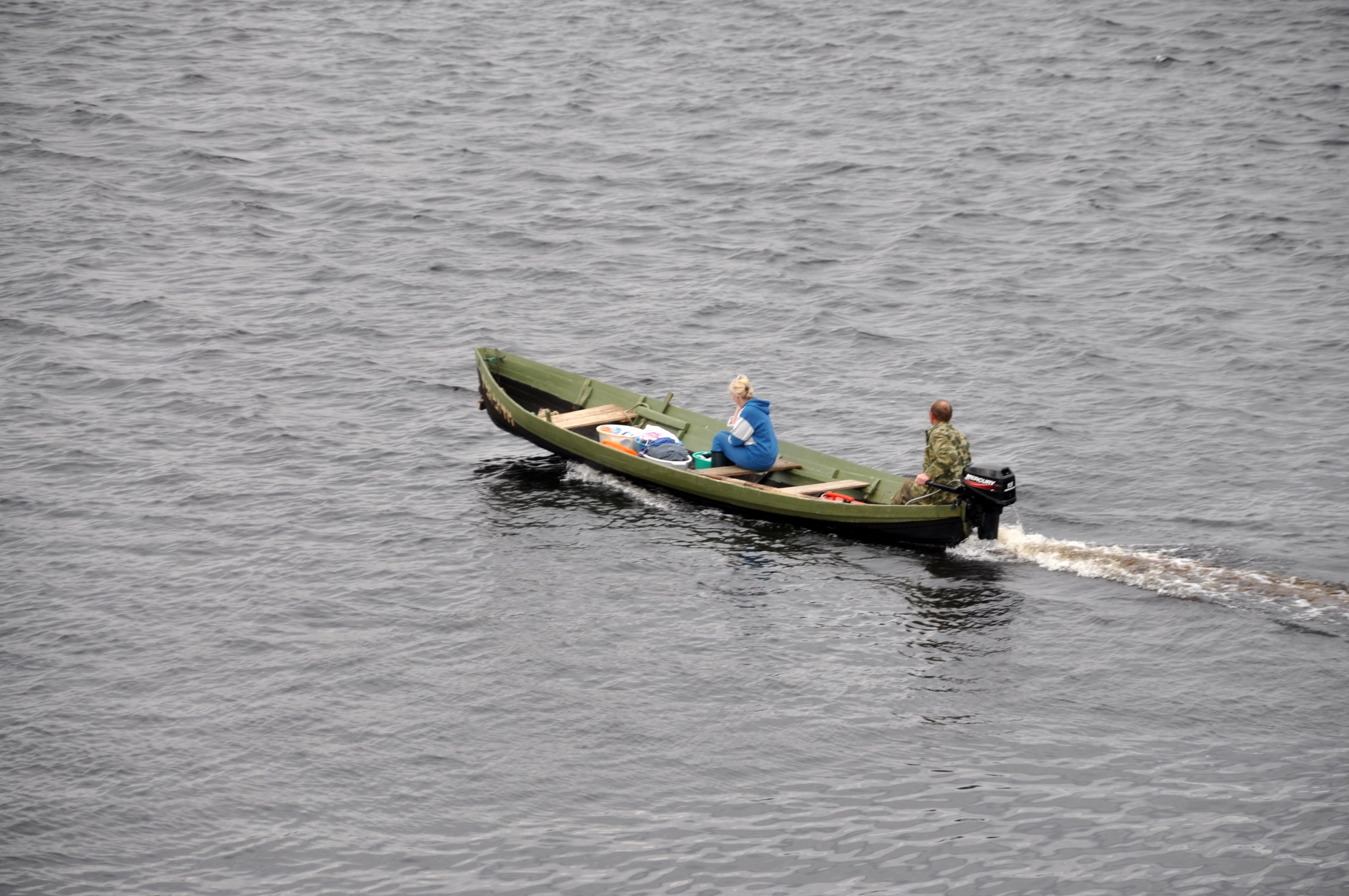
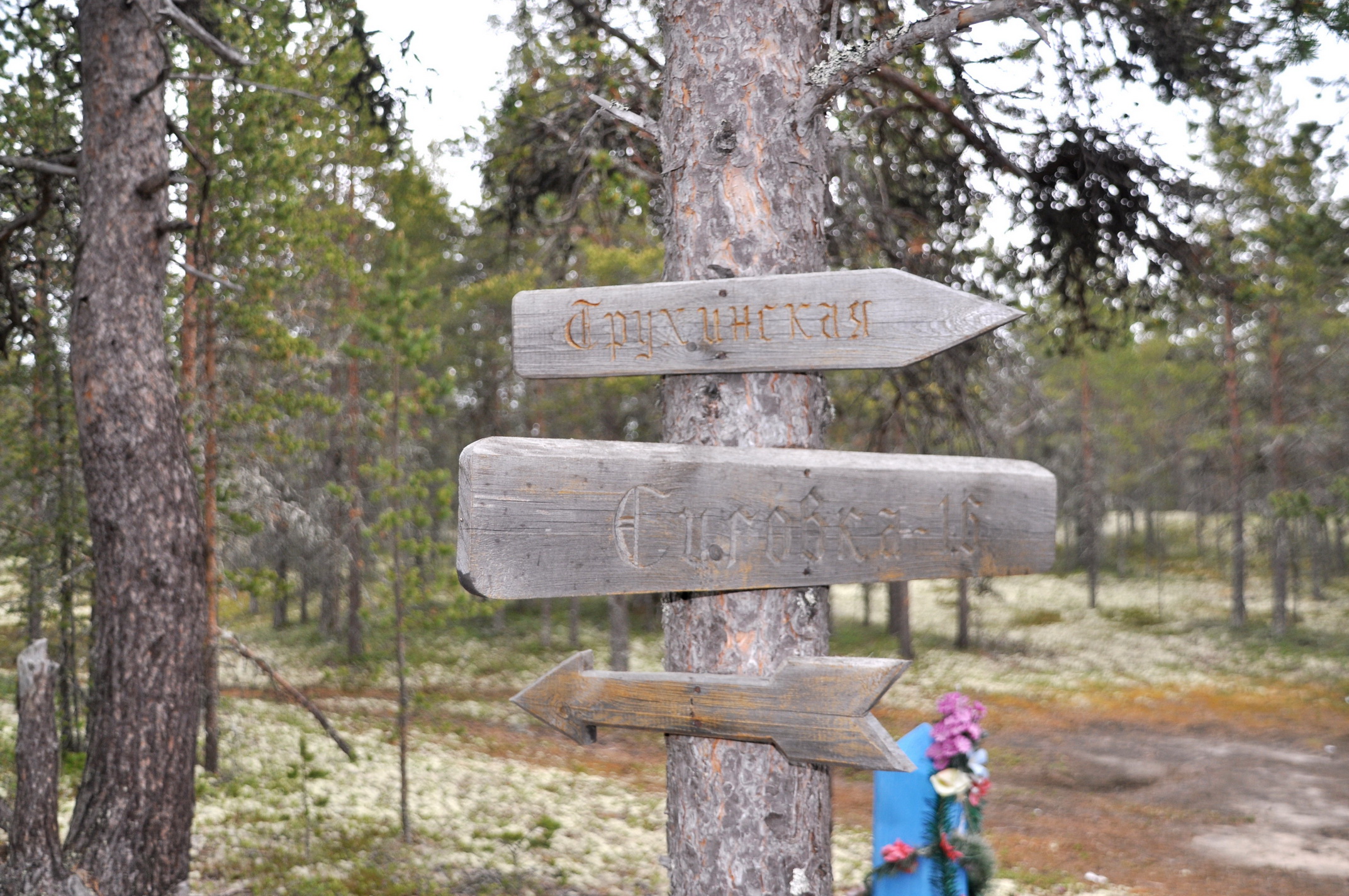
The road ends at the village of Varzuga, on the river of the same name. There’s no bridge, but you can cross by boat. Varzuga has a shop, a post office and lots of little wooden churches that draw considerable numbers of pilgrims.
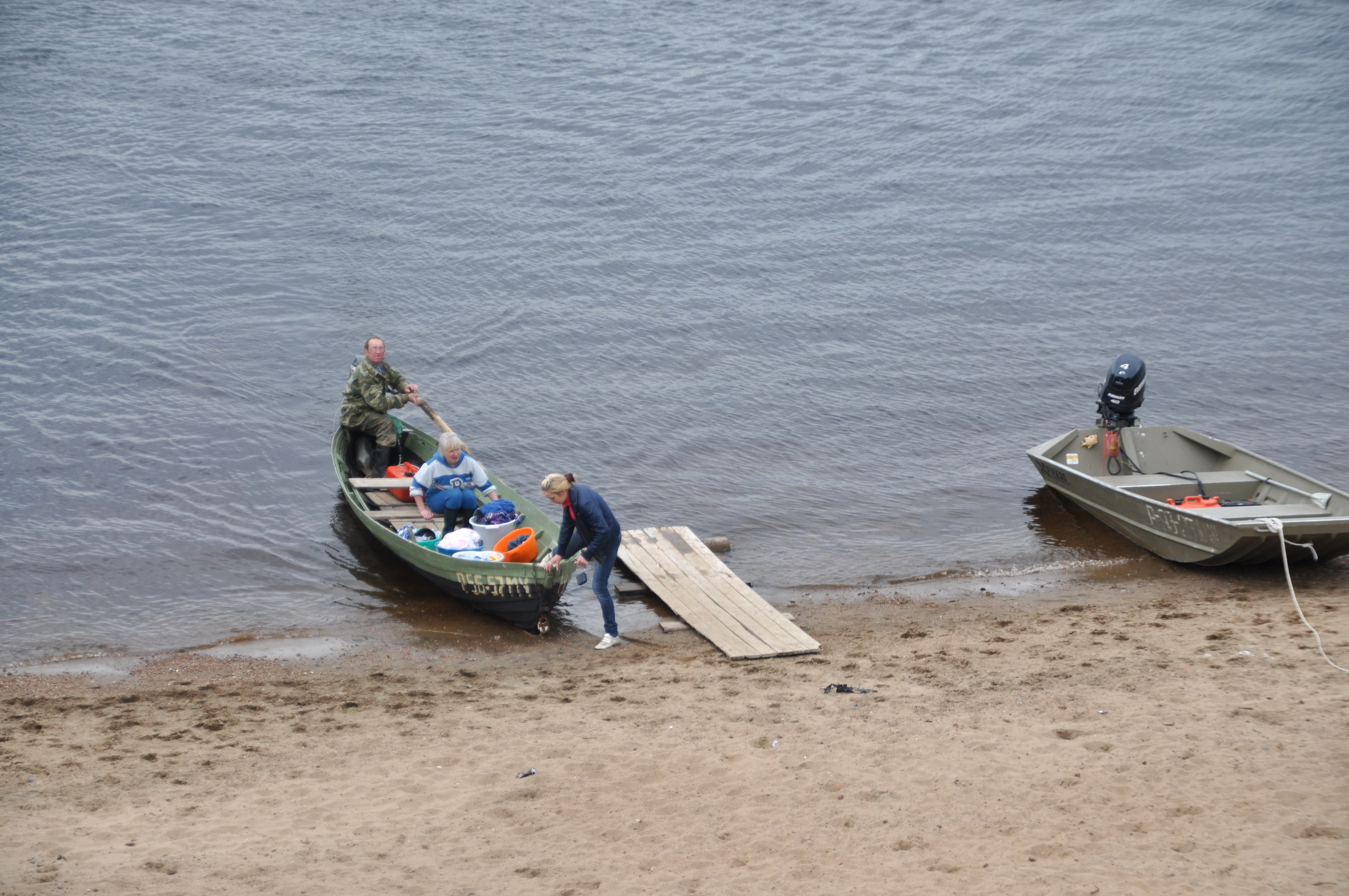
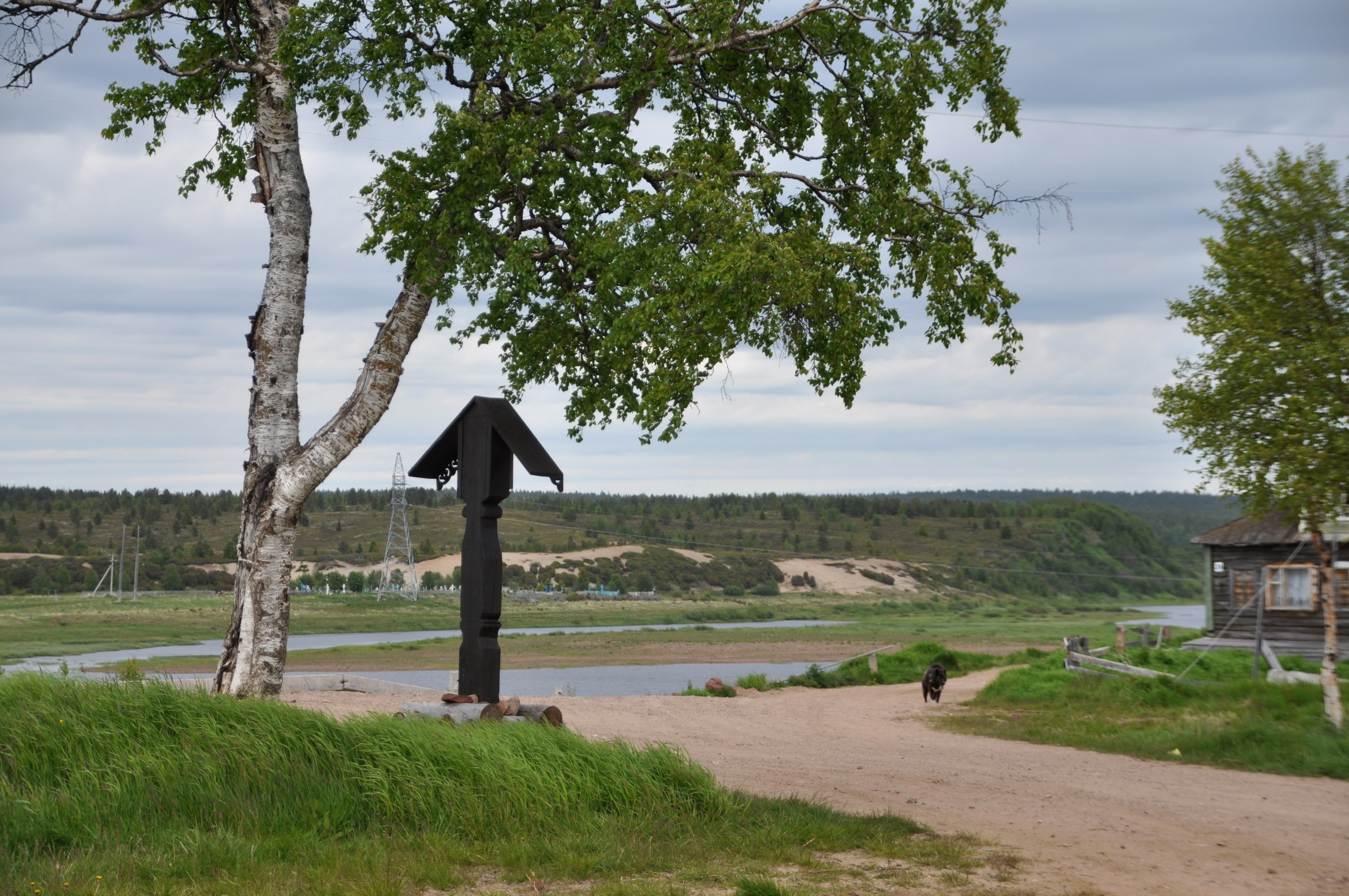
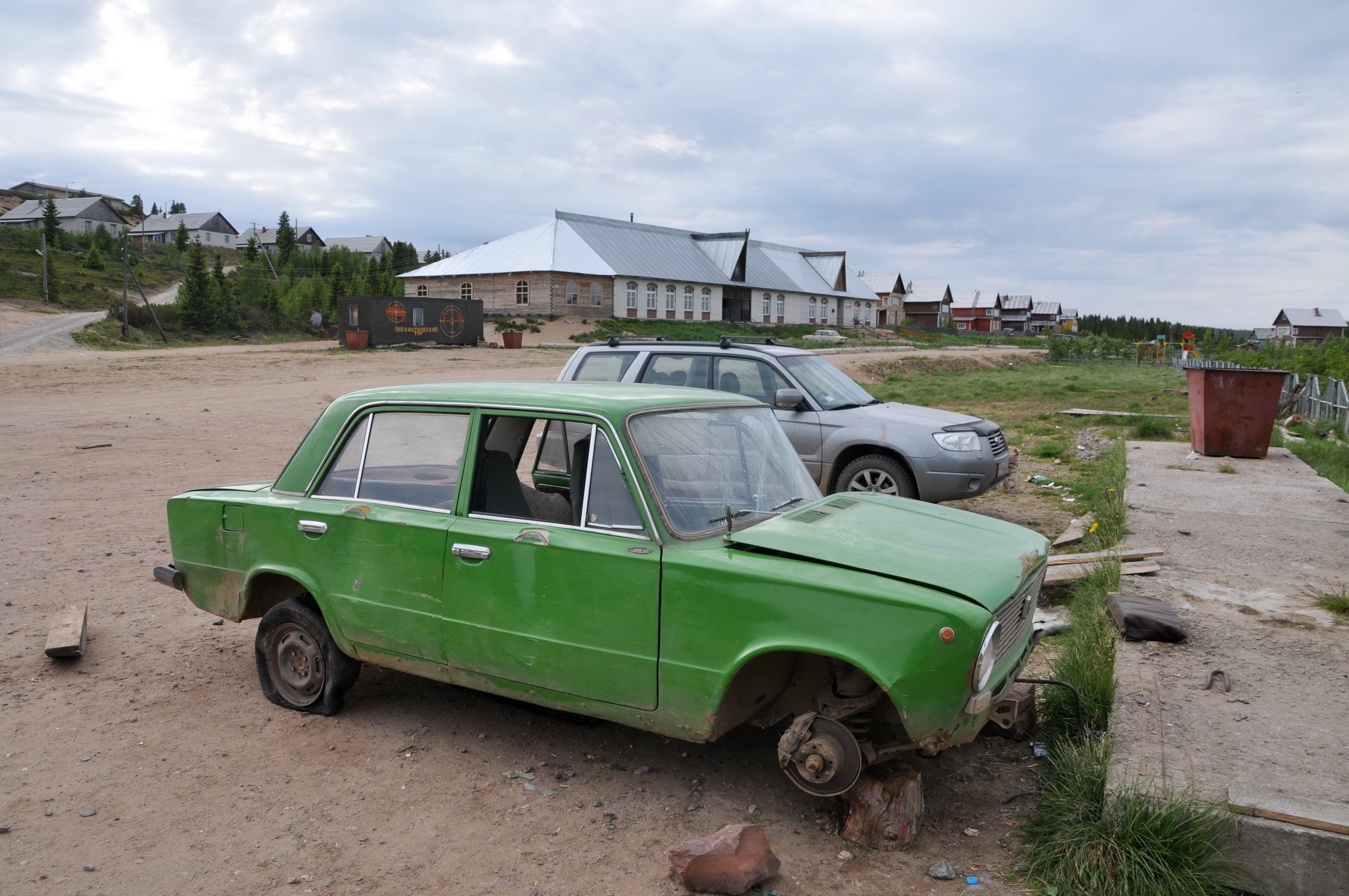
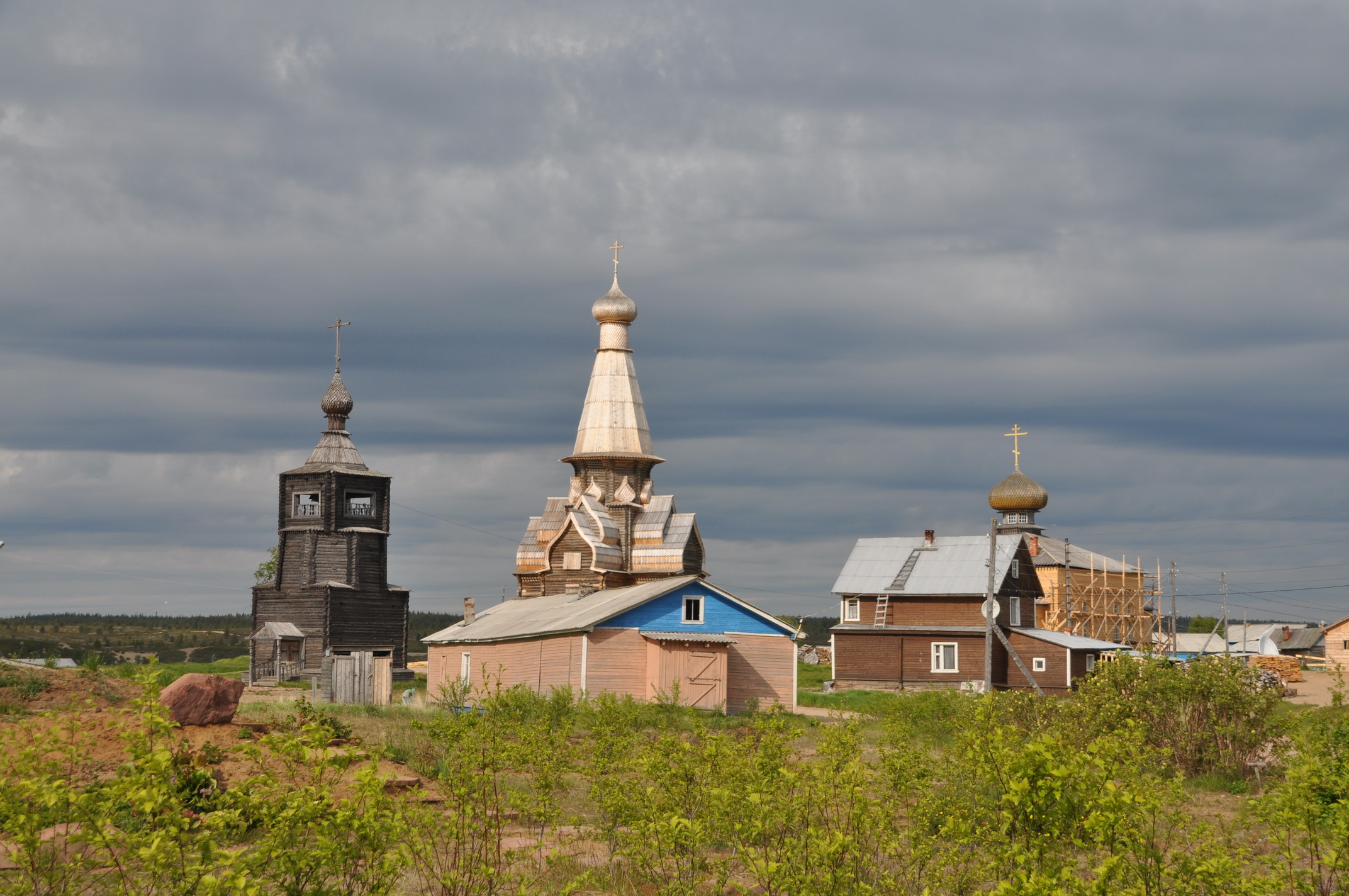
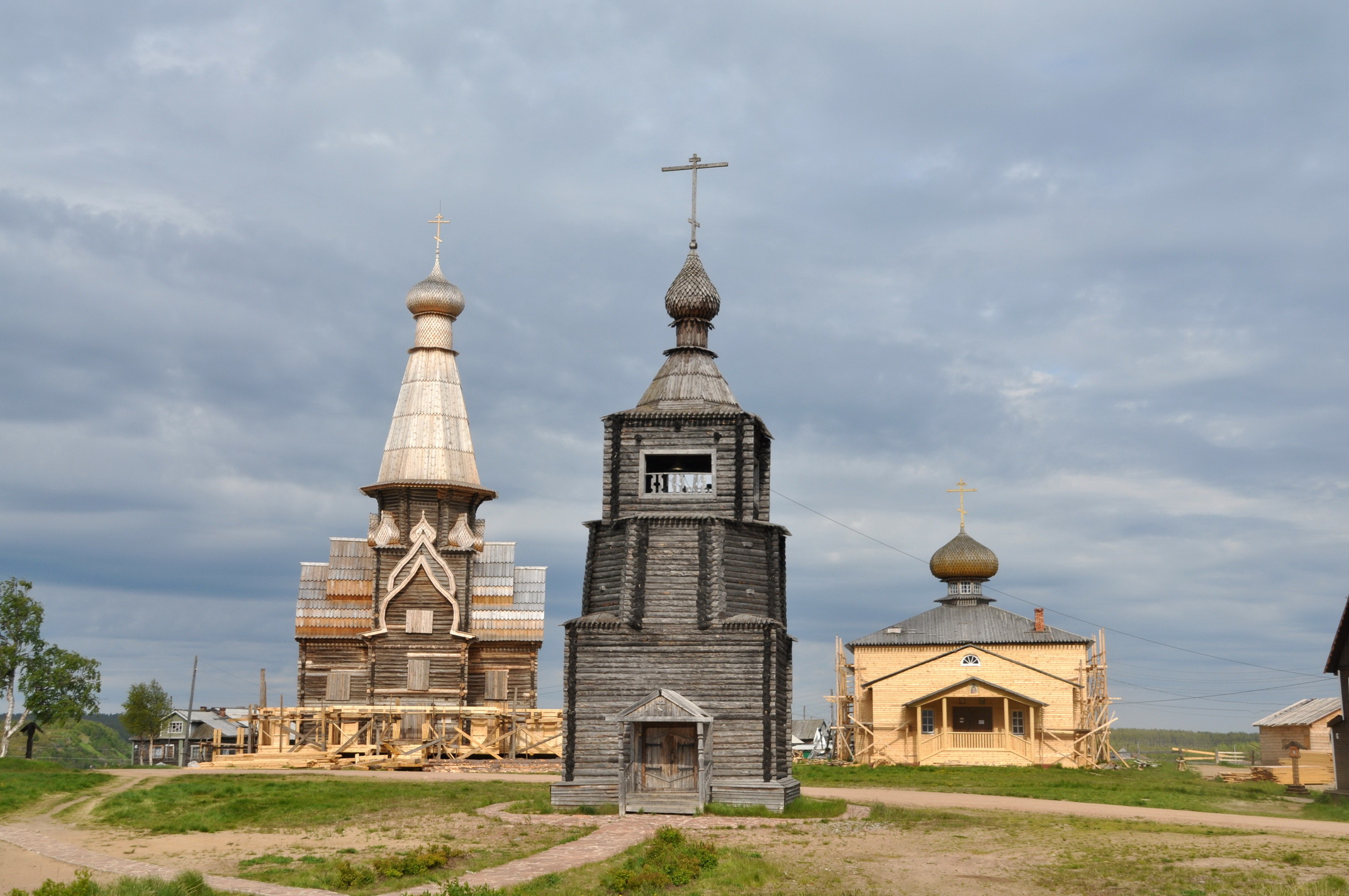
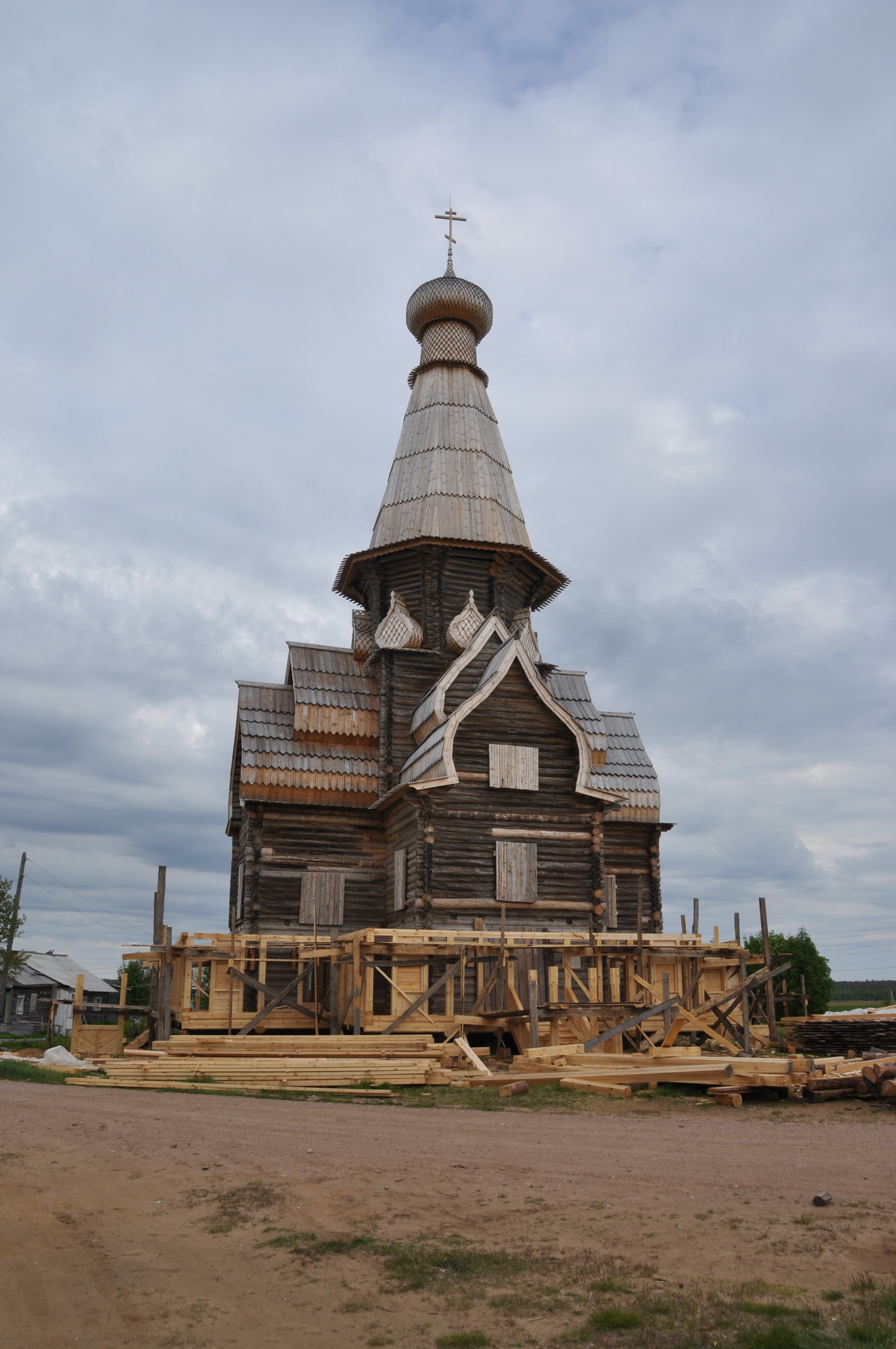
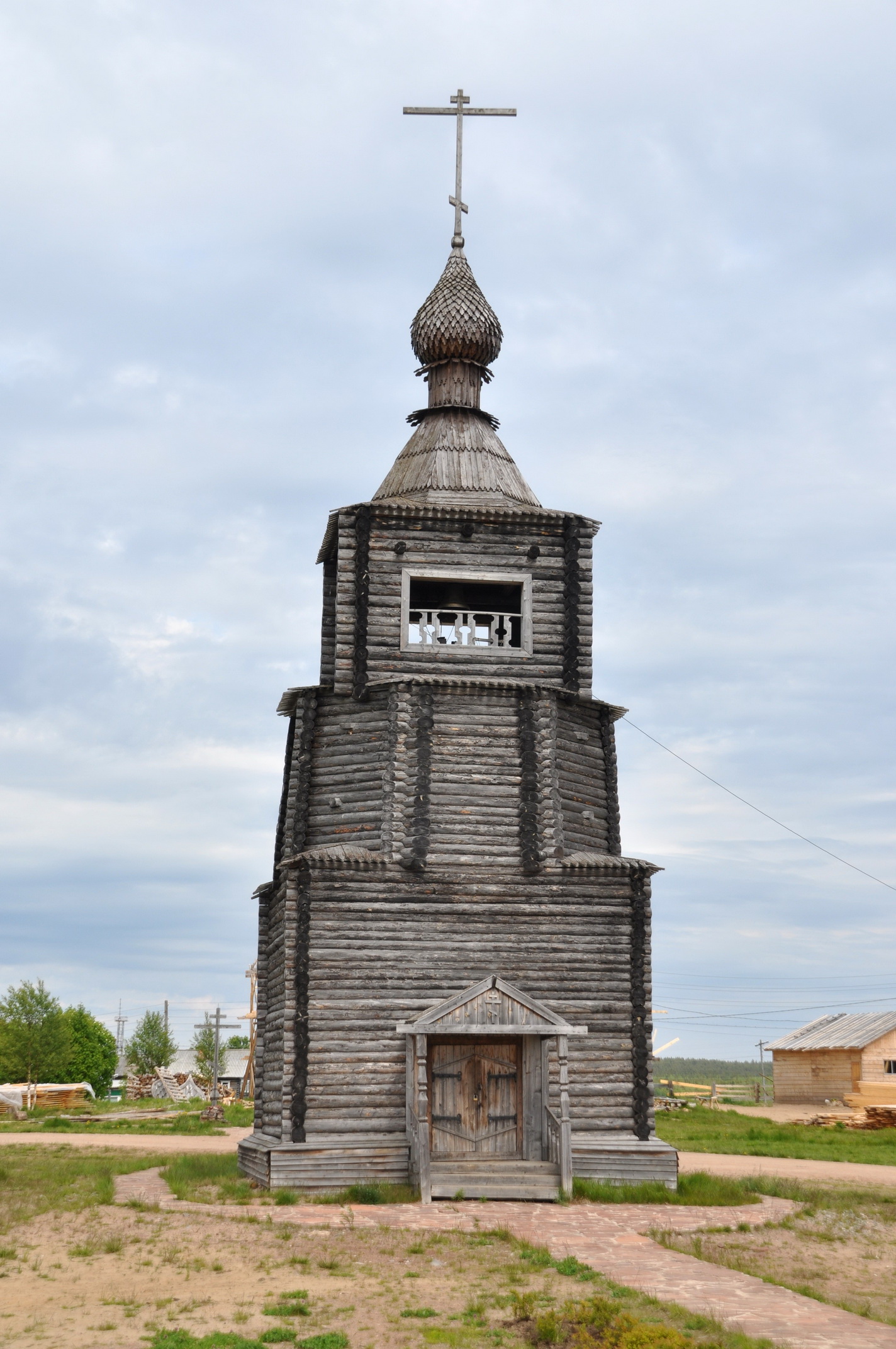
You can drive a little farther, to the mouth of the Varzuga where it flows into the White Sea. About five kilometres before the village, turn right towards Kuzomen and Ust-Varzuga. At first it’s an ordinary road through the woods, but then it comes out into the sand dunes and splits into a mass of tracks. The more a track is used, the more sand gets churned up and the deeper the ruts get. You need a more powerful vehicle to get through. People look for a way around and you end up with a maze among the hills.
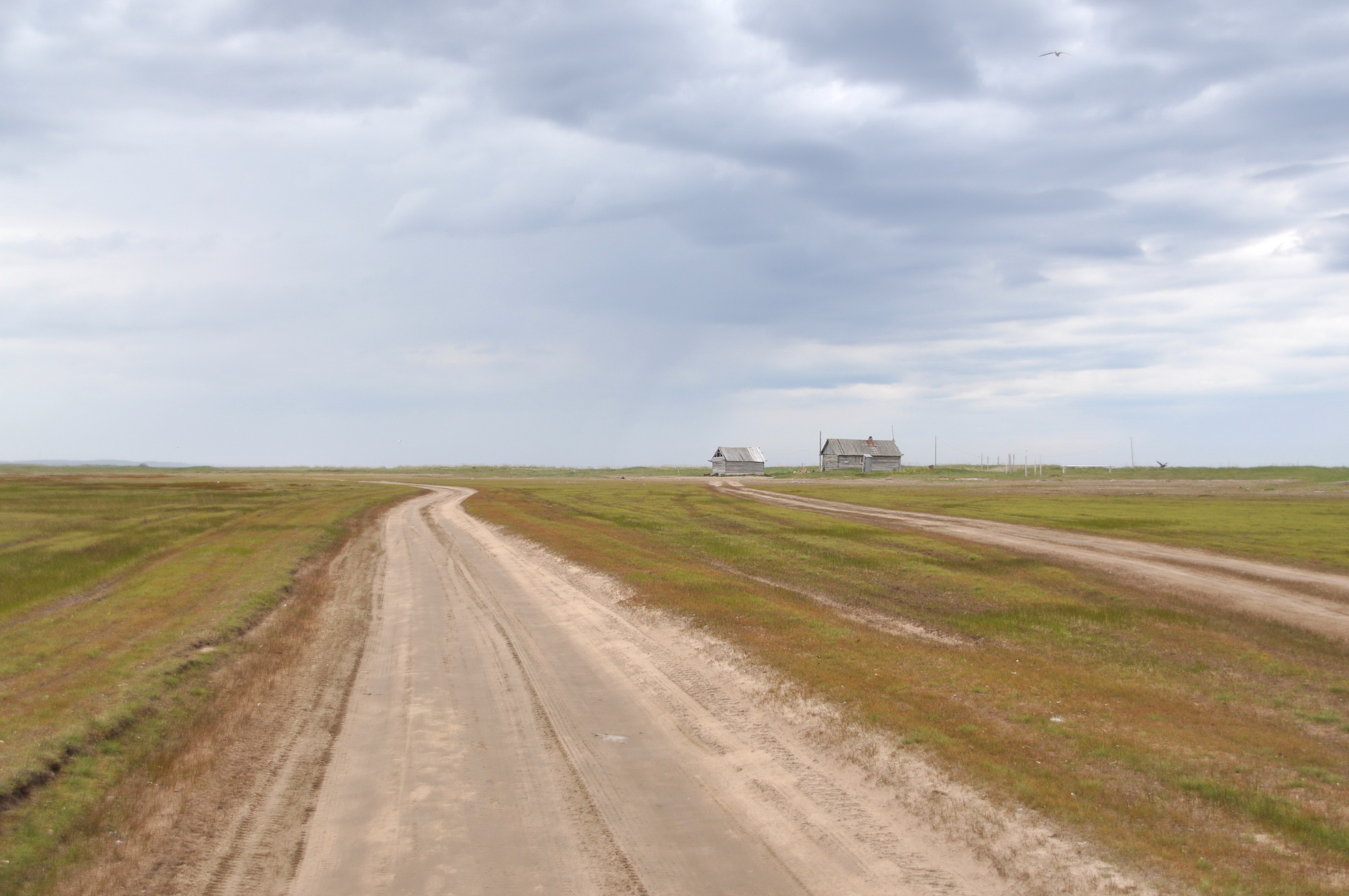
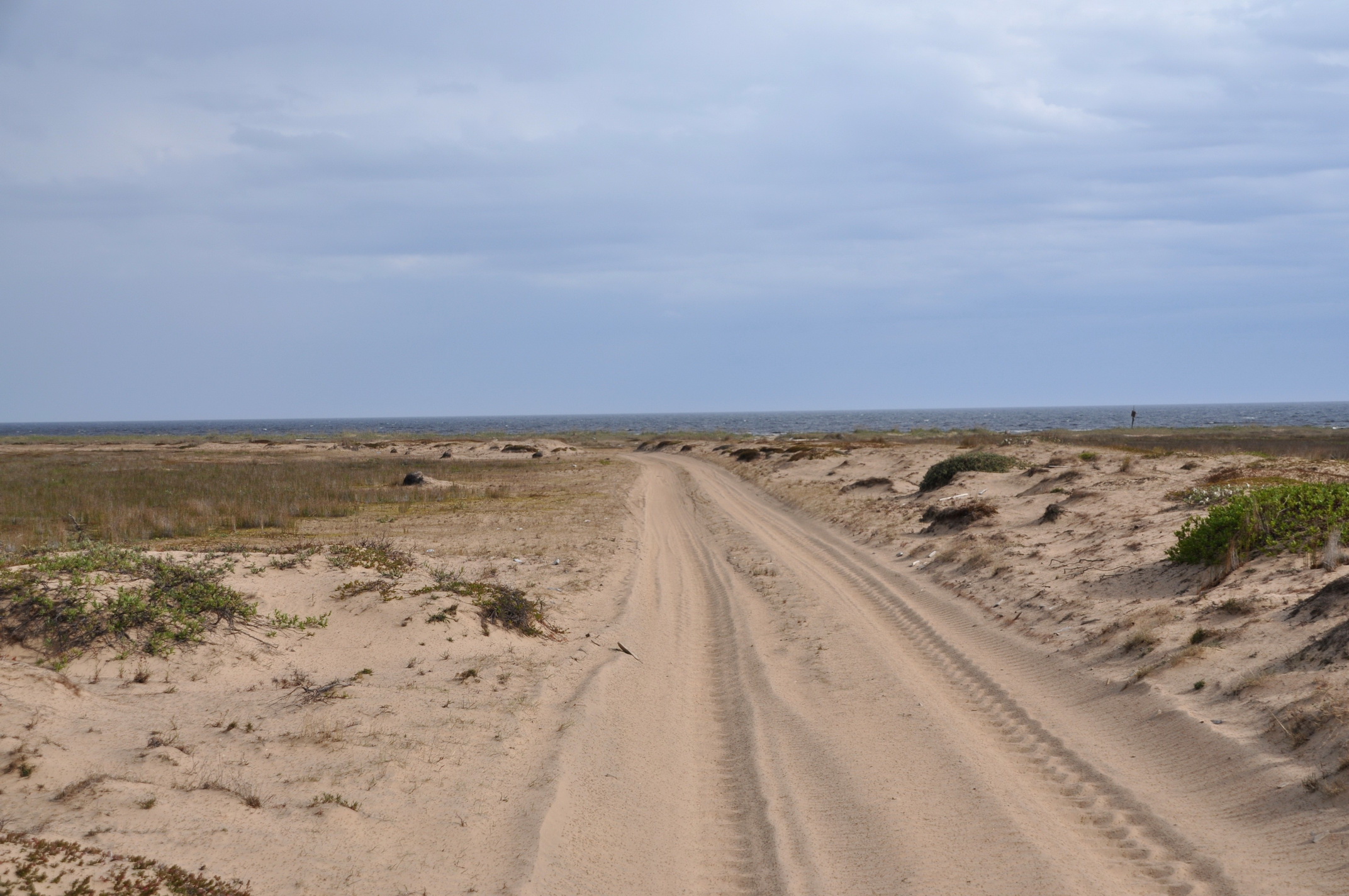
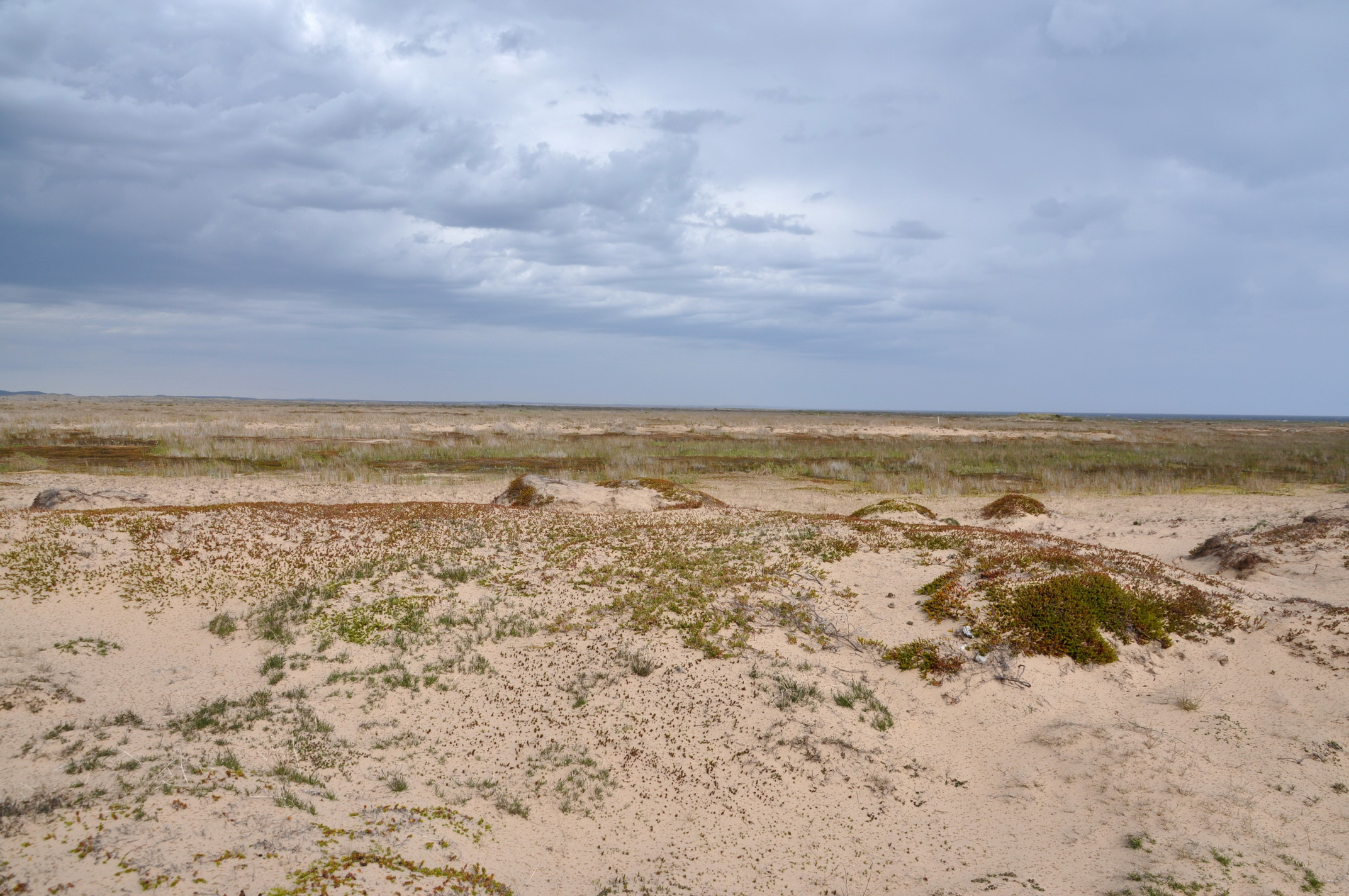
Surprisingly, there are plenty of puddles in the sand. Some are very deep, so it’s worth finding out how deep before charging into one.
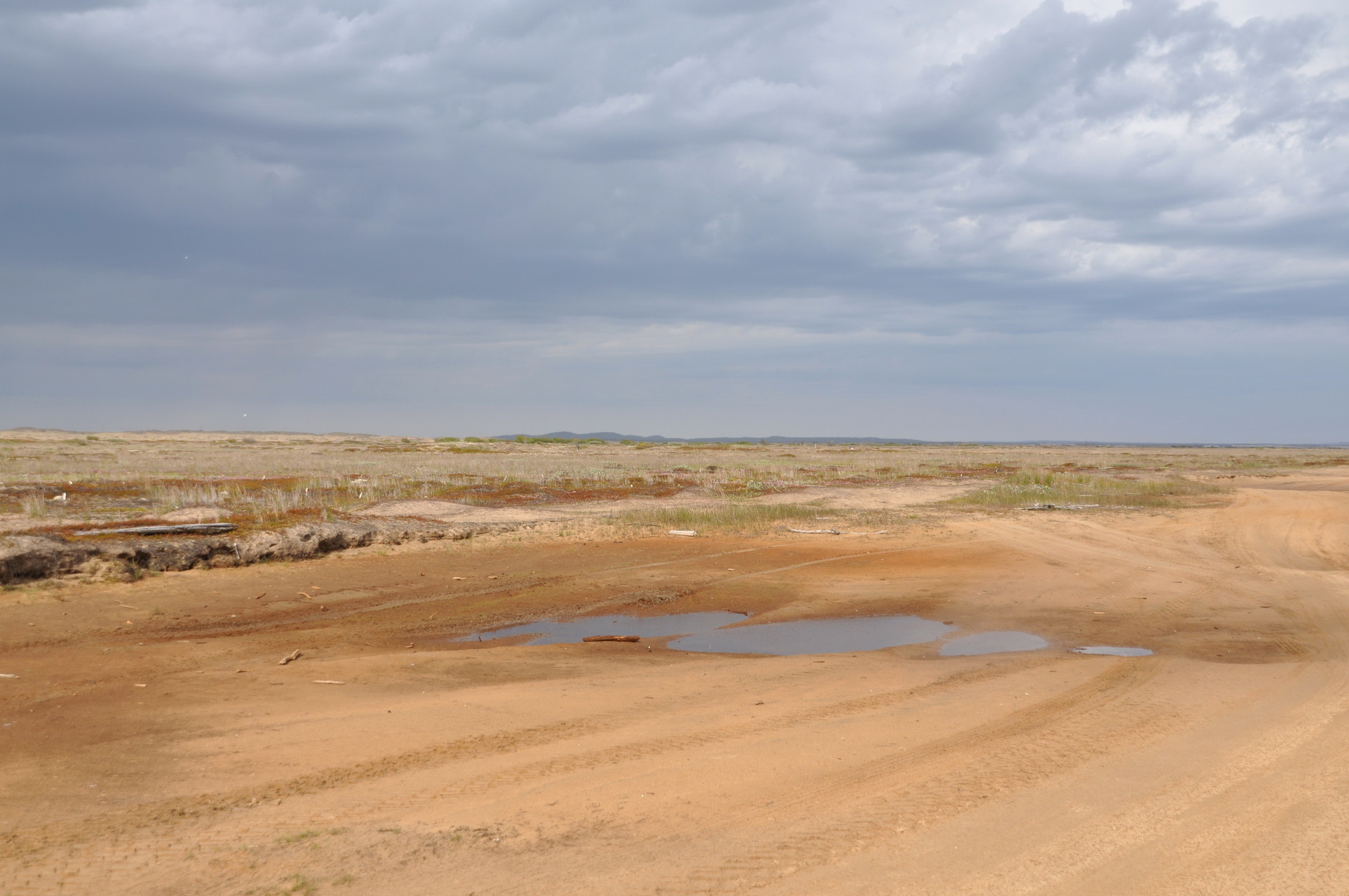
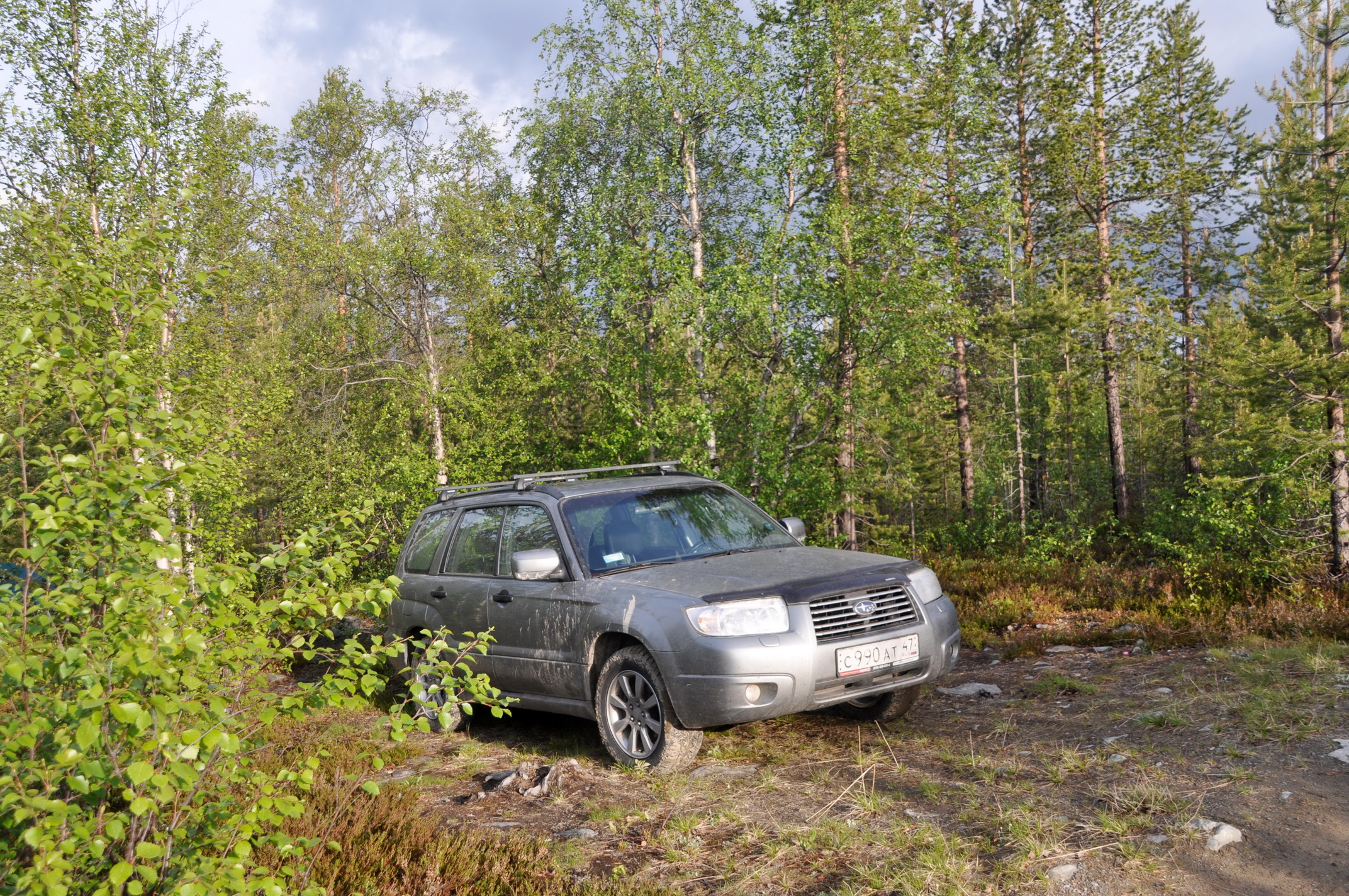
It’s a great place to drive around and go bouncing over the dunes. Unfortunately I didn’t get away with it: my heavily loaded car cracked in half. No immediate catastrophe, but over time the crack between the boot and the rest of the car widened. In the end it was a long and very expensive repair. An entire rear end had to be welded on from another car.
At the time all I heard was a crunch. There was no obvious damage.
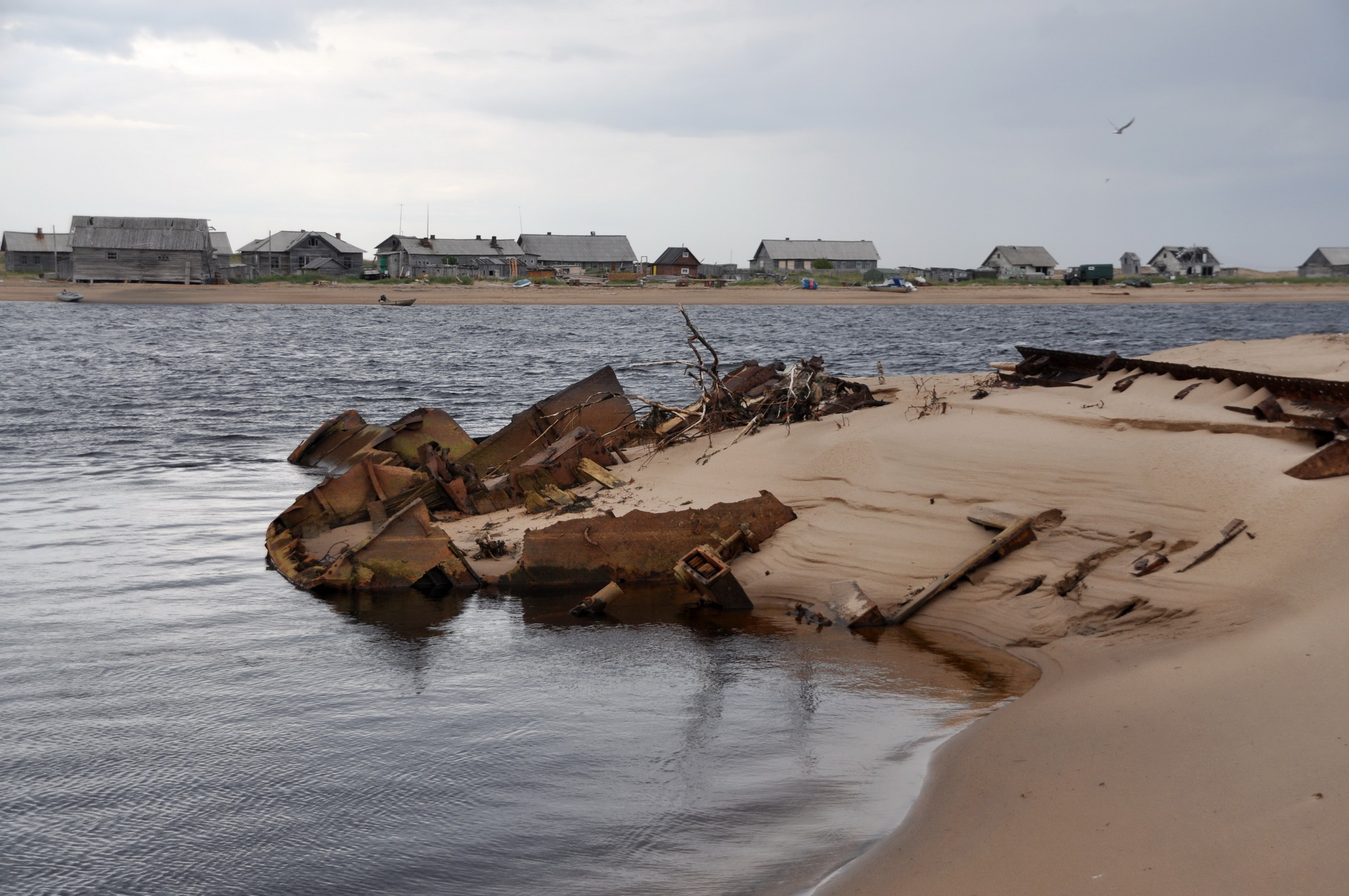
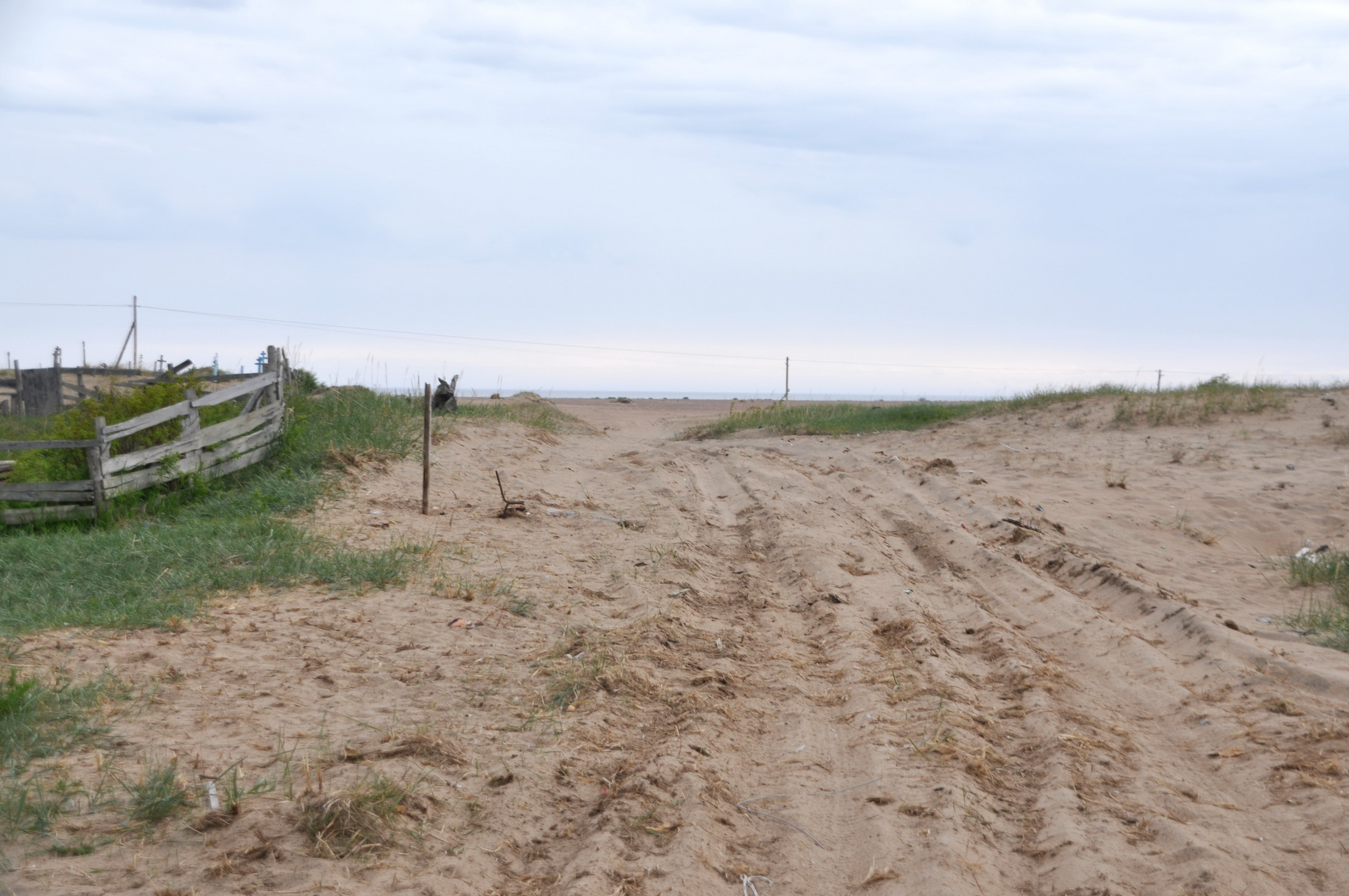
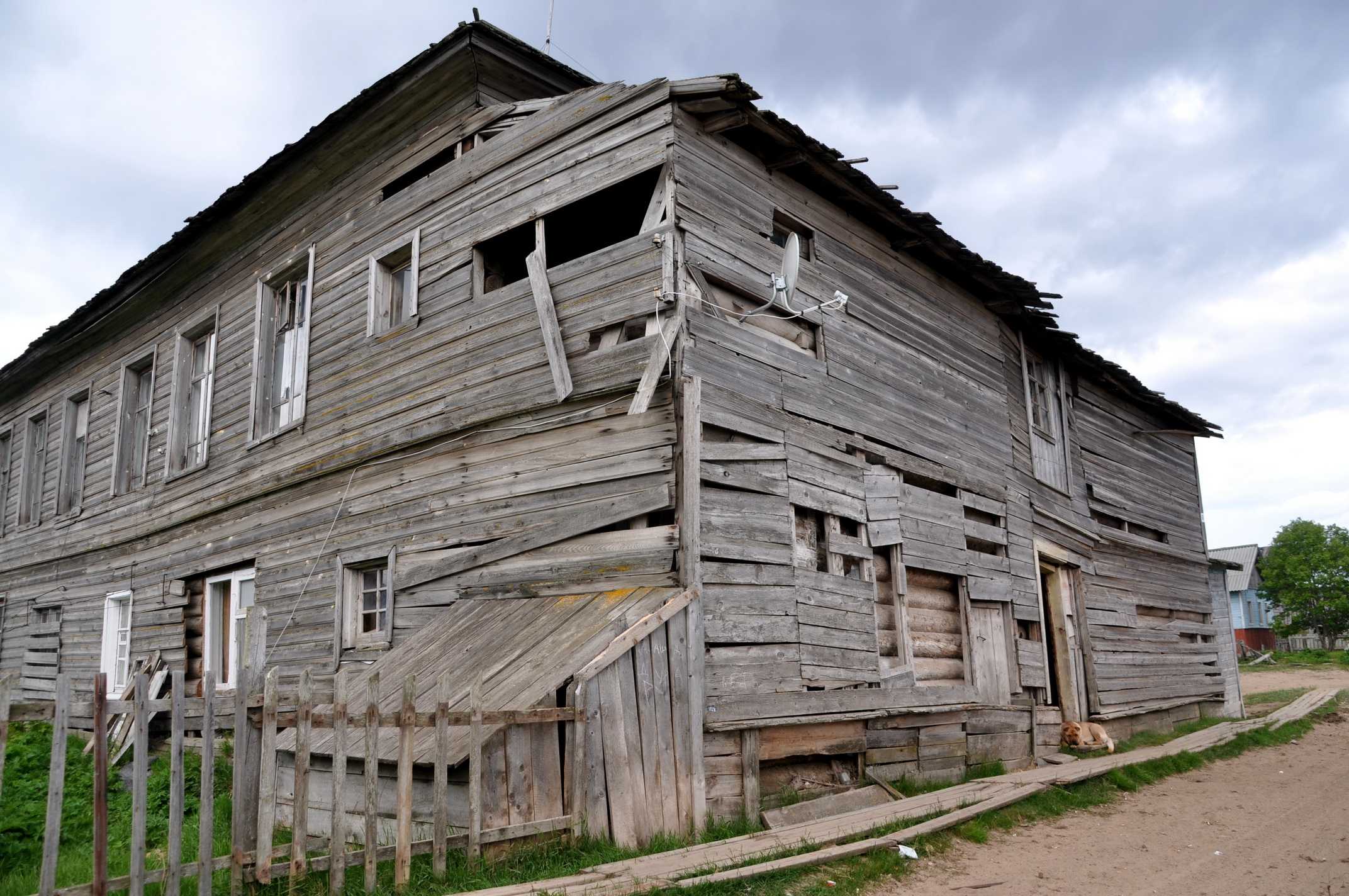
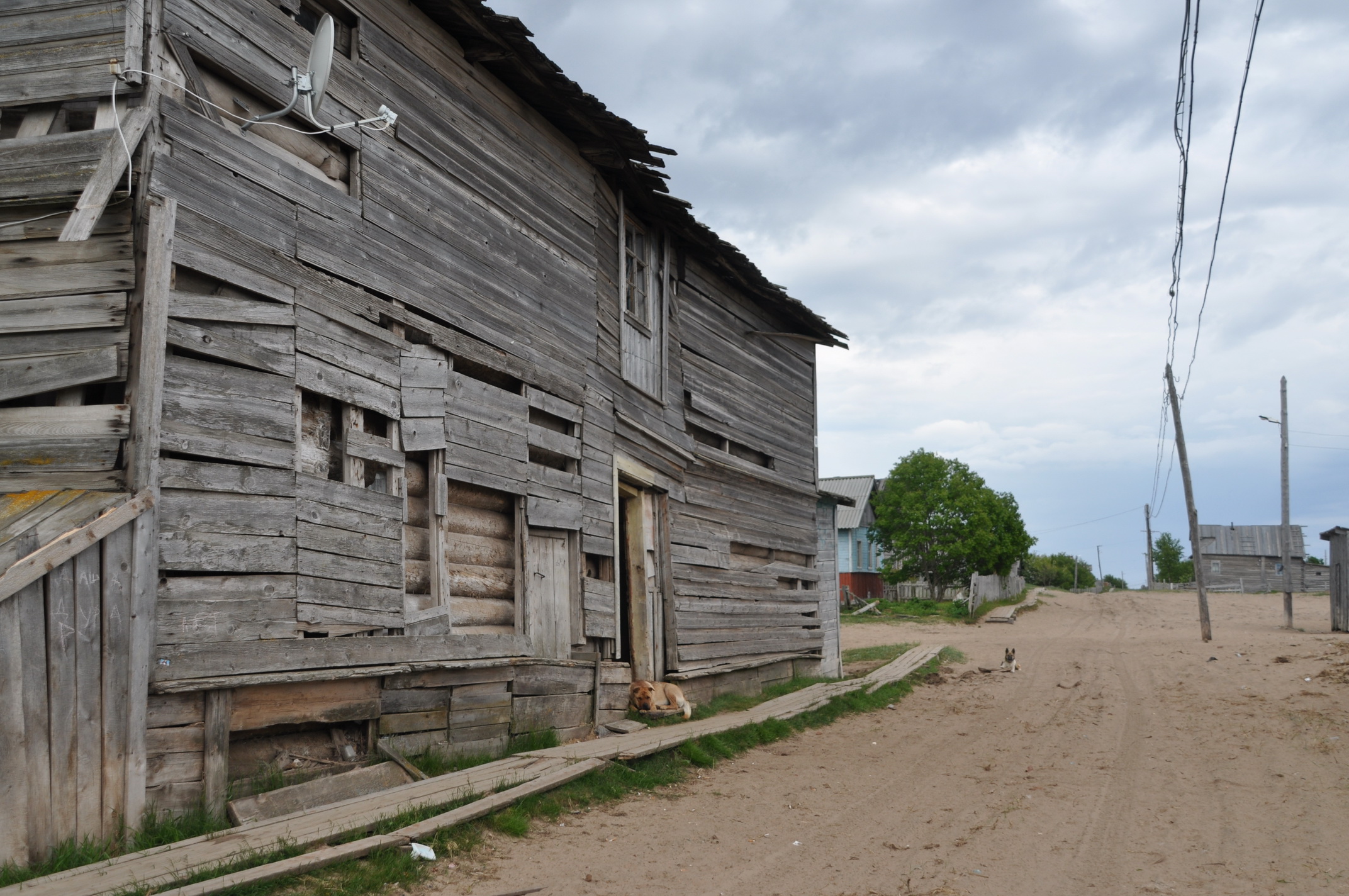
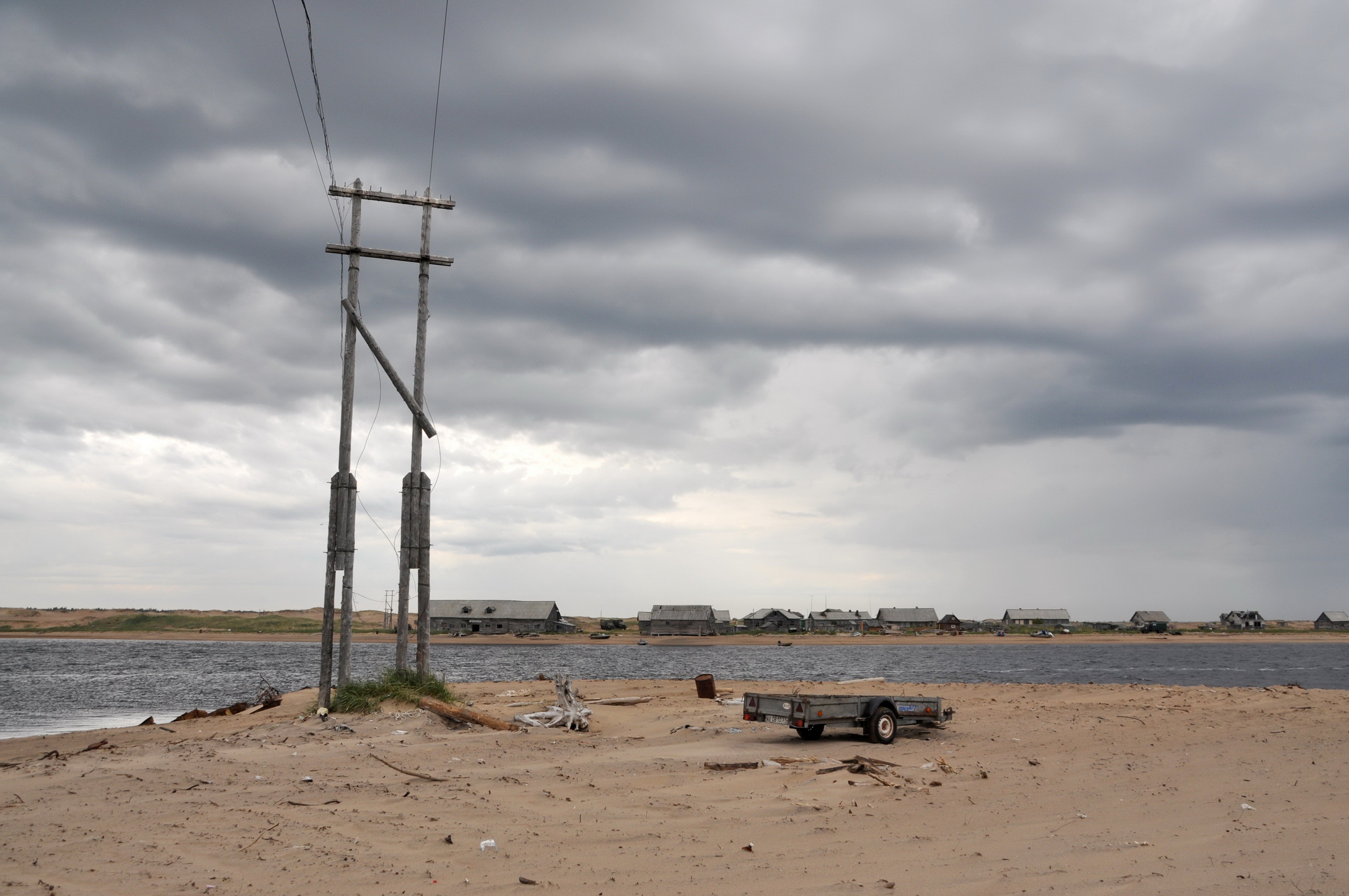
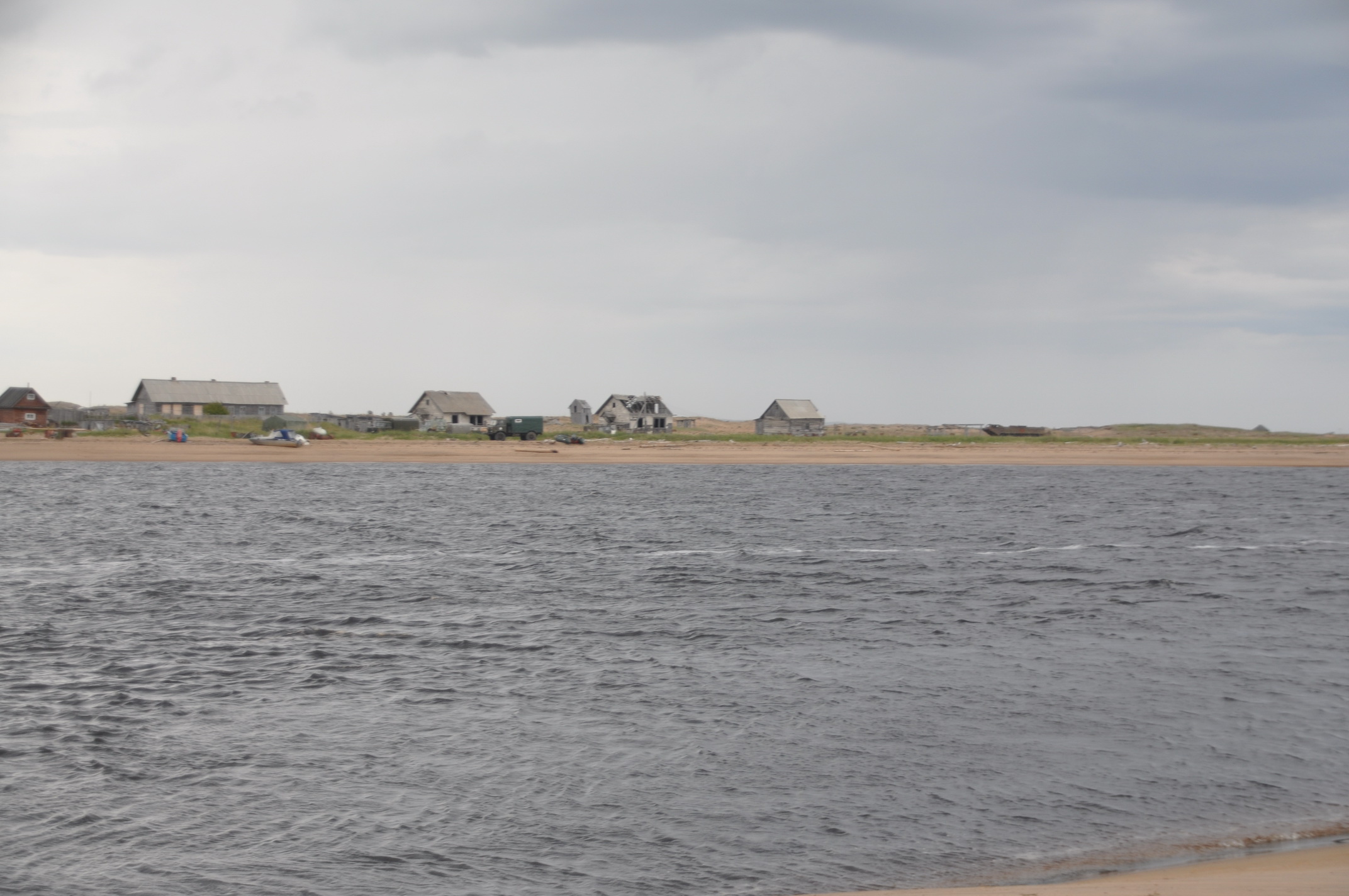
The village of Kuzomen is swallowed up by sand. It’s everywhere. Even walking along the streets is hard, so there are wooden walkways along the edges. Ordinary cars can’t get in. About half a kilometre short of the village there’s a spot where the locals leave their vehicles and go on foot. I wouldn’t even try to get to Kuzomen without four-wheel drive, and even then you can get bogged down. I made it to the village without trouble, but got stuck by the cemetery on the way back. I got out fairly quickly, though I had to jack up the car.
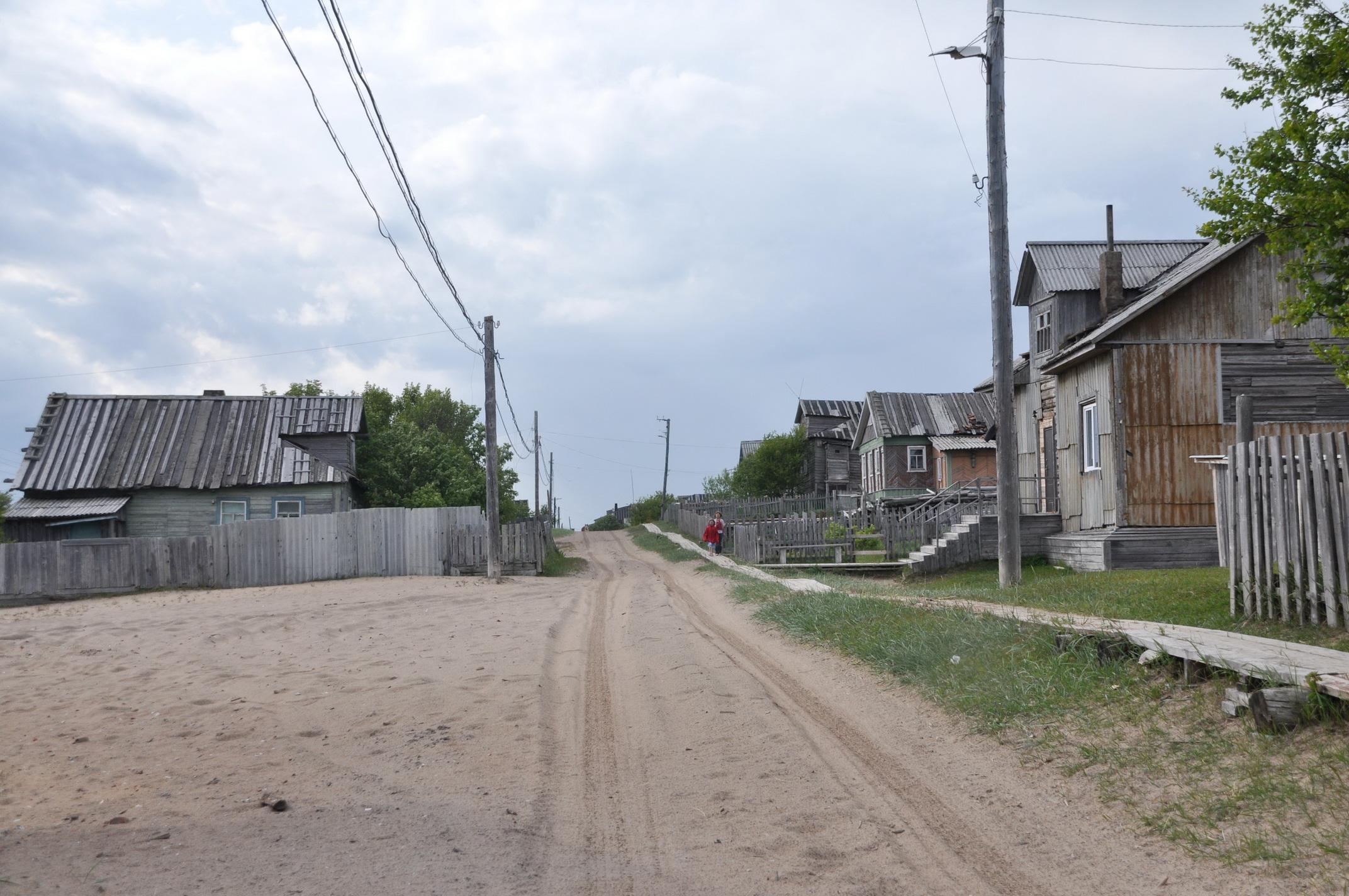
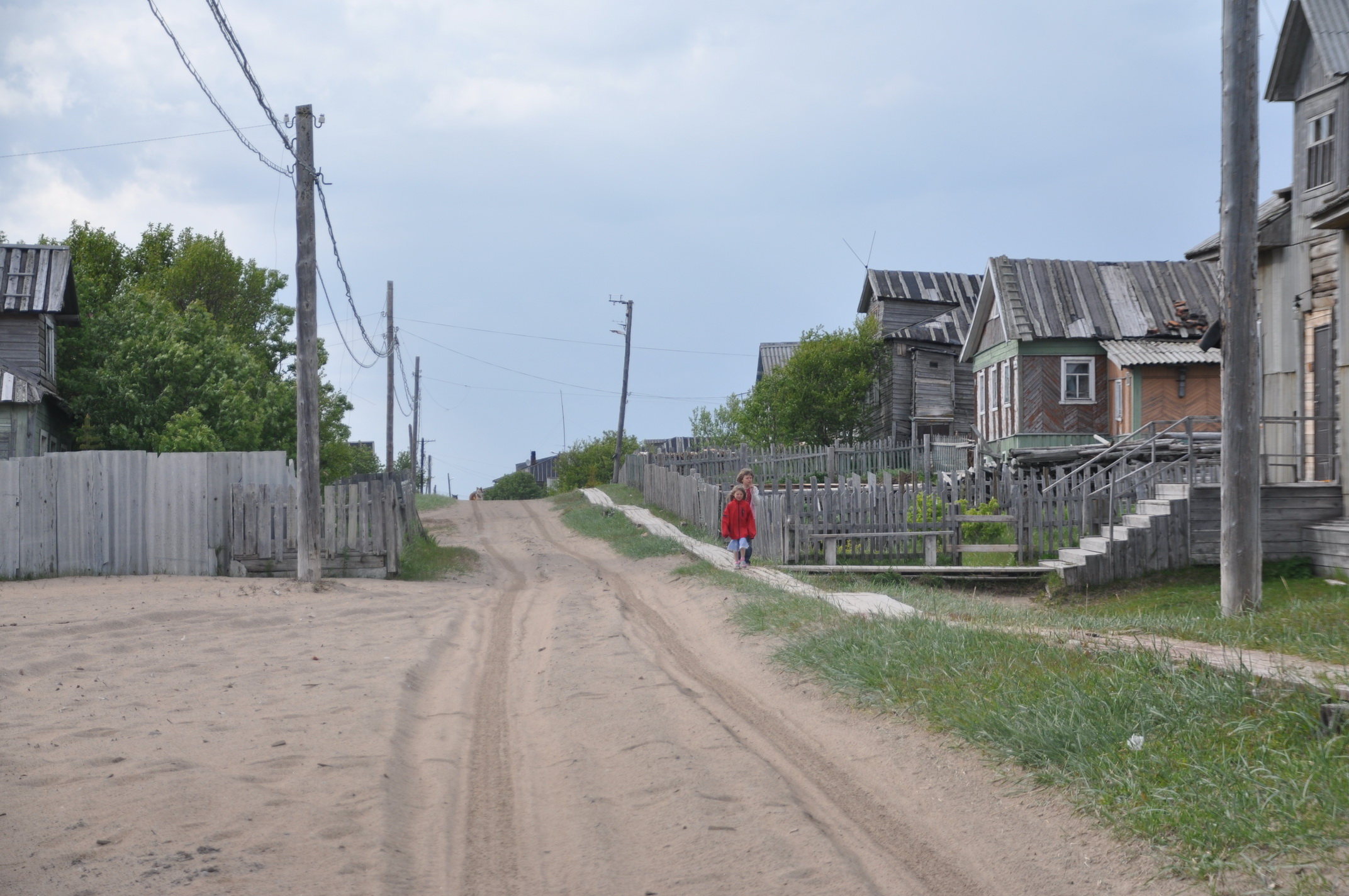
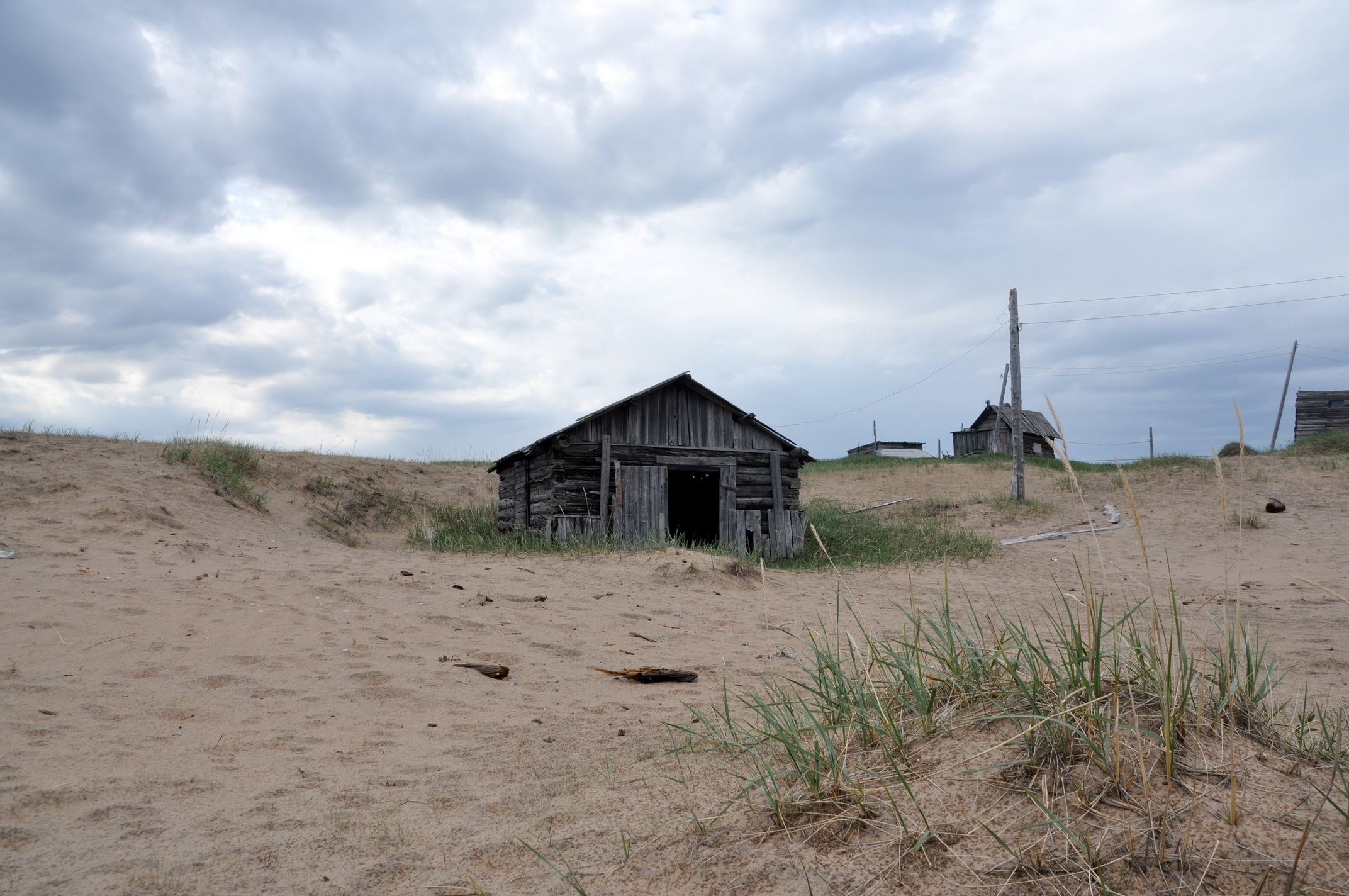
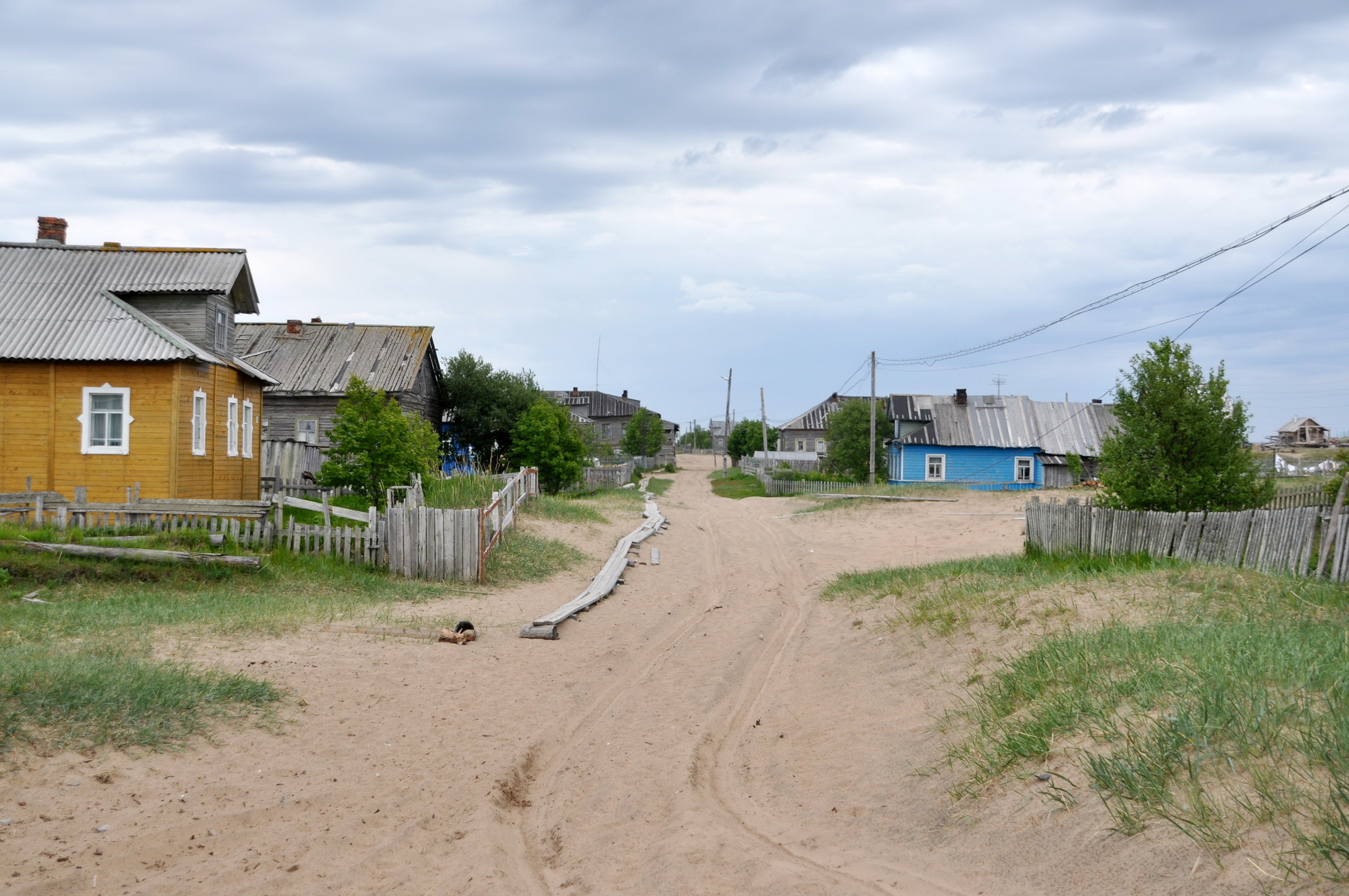
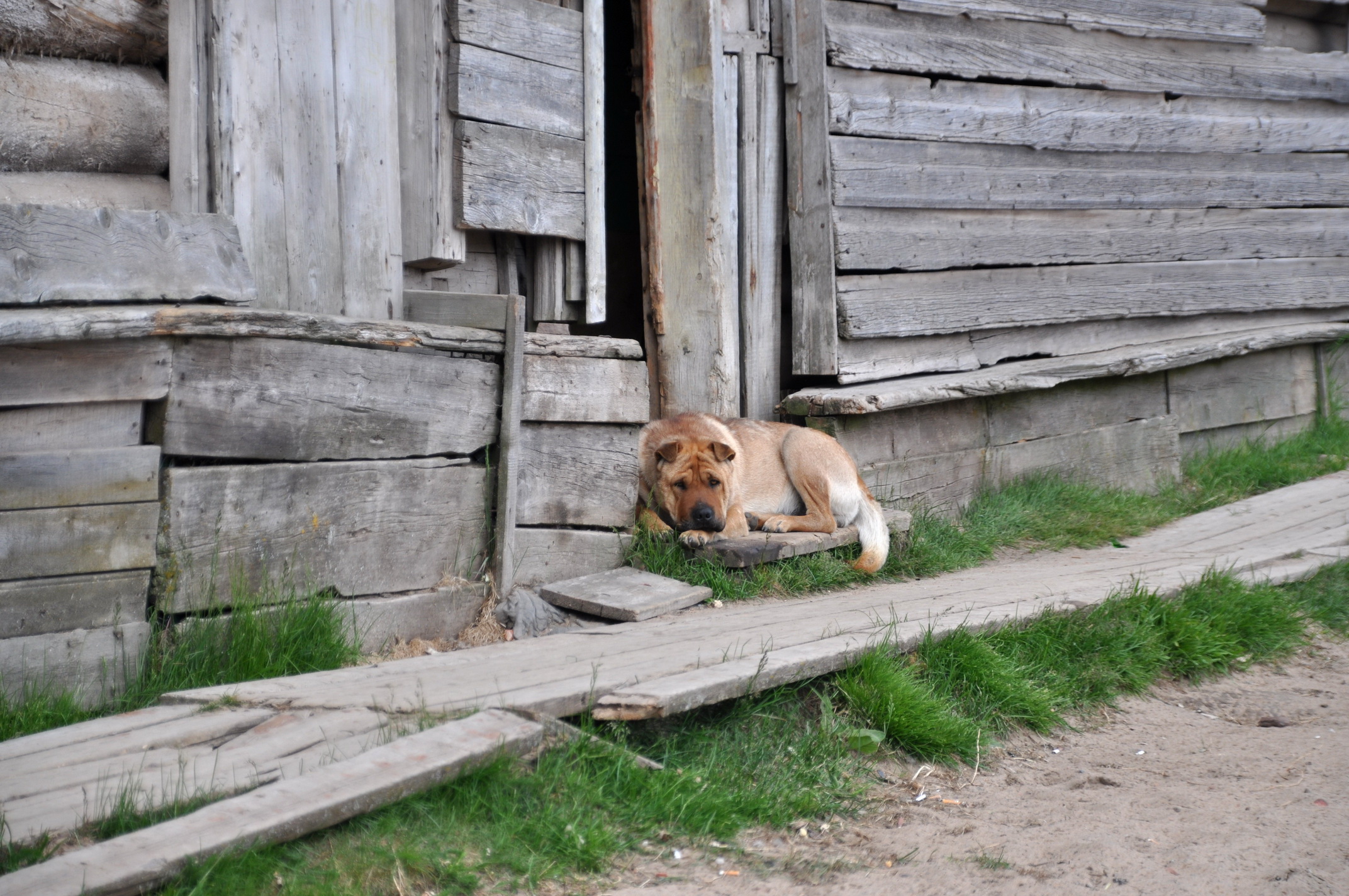
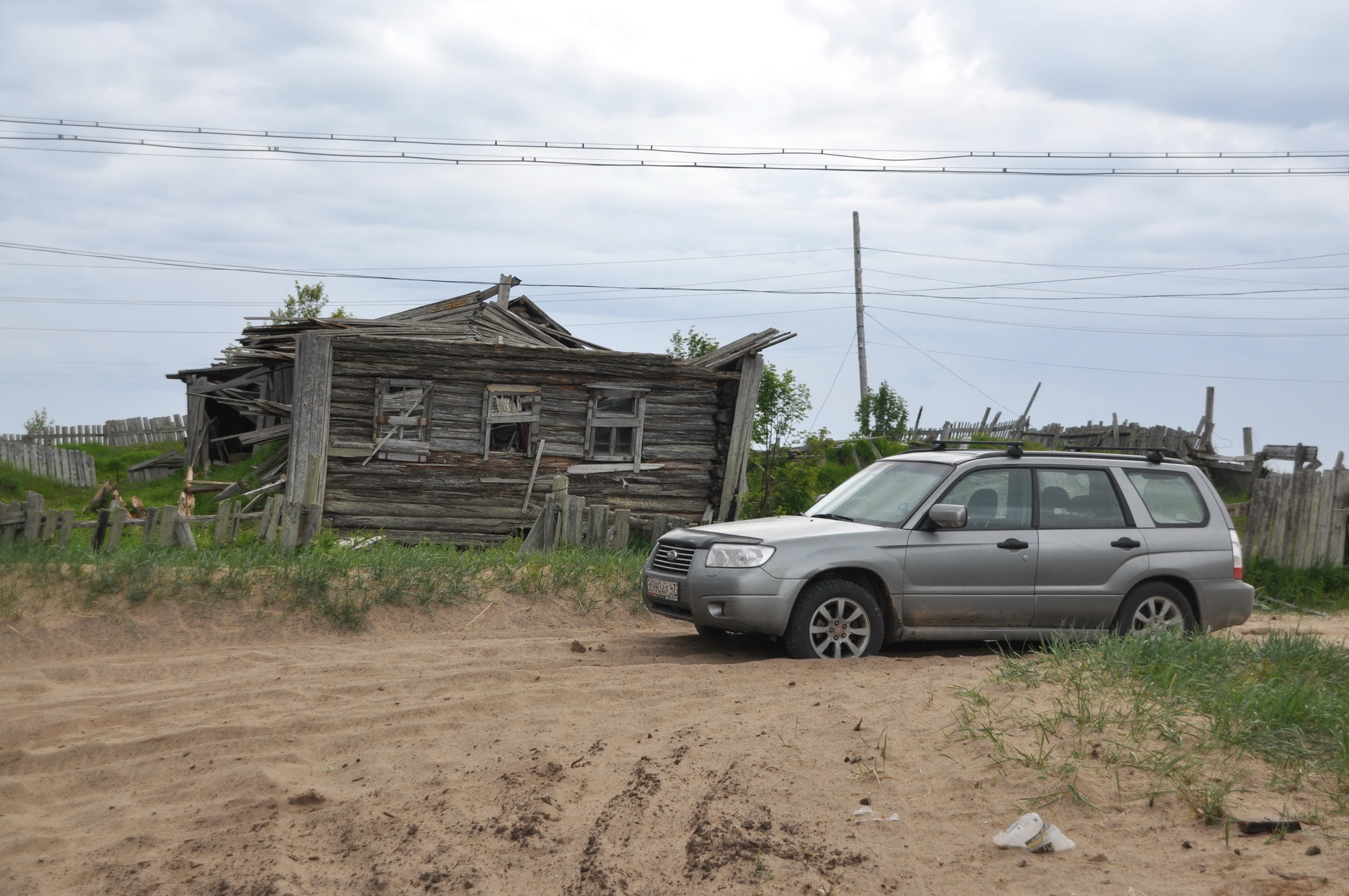
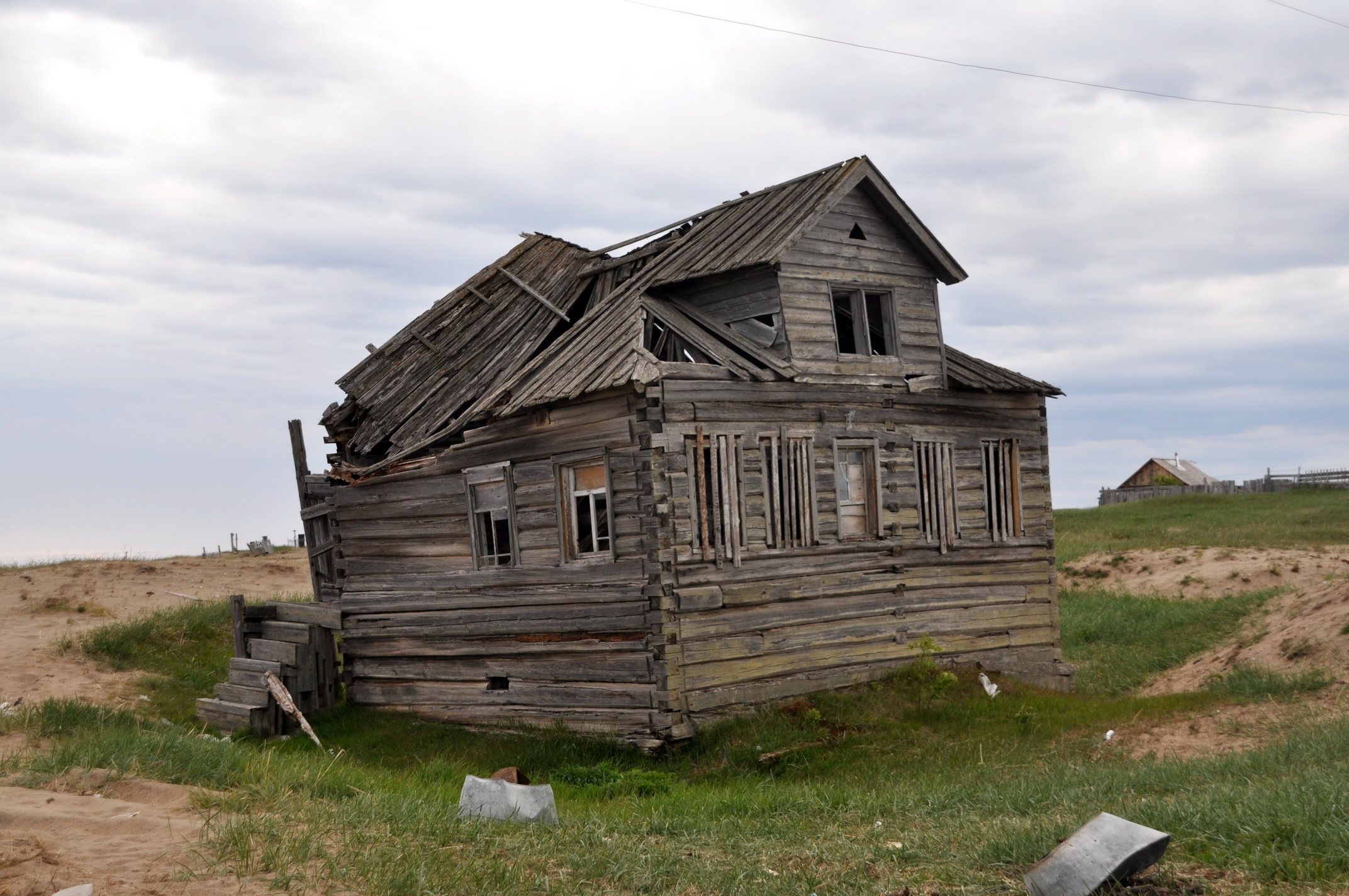
Kuzomen is a very pleasant place and worth a visit. Out amongst the sand dunes, the lopsided houses never quite look tragic. They’re just picturesque ruins. There are some new houses here, too.
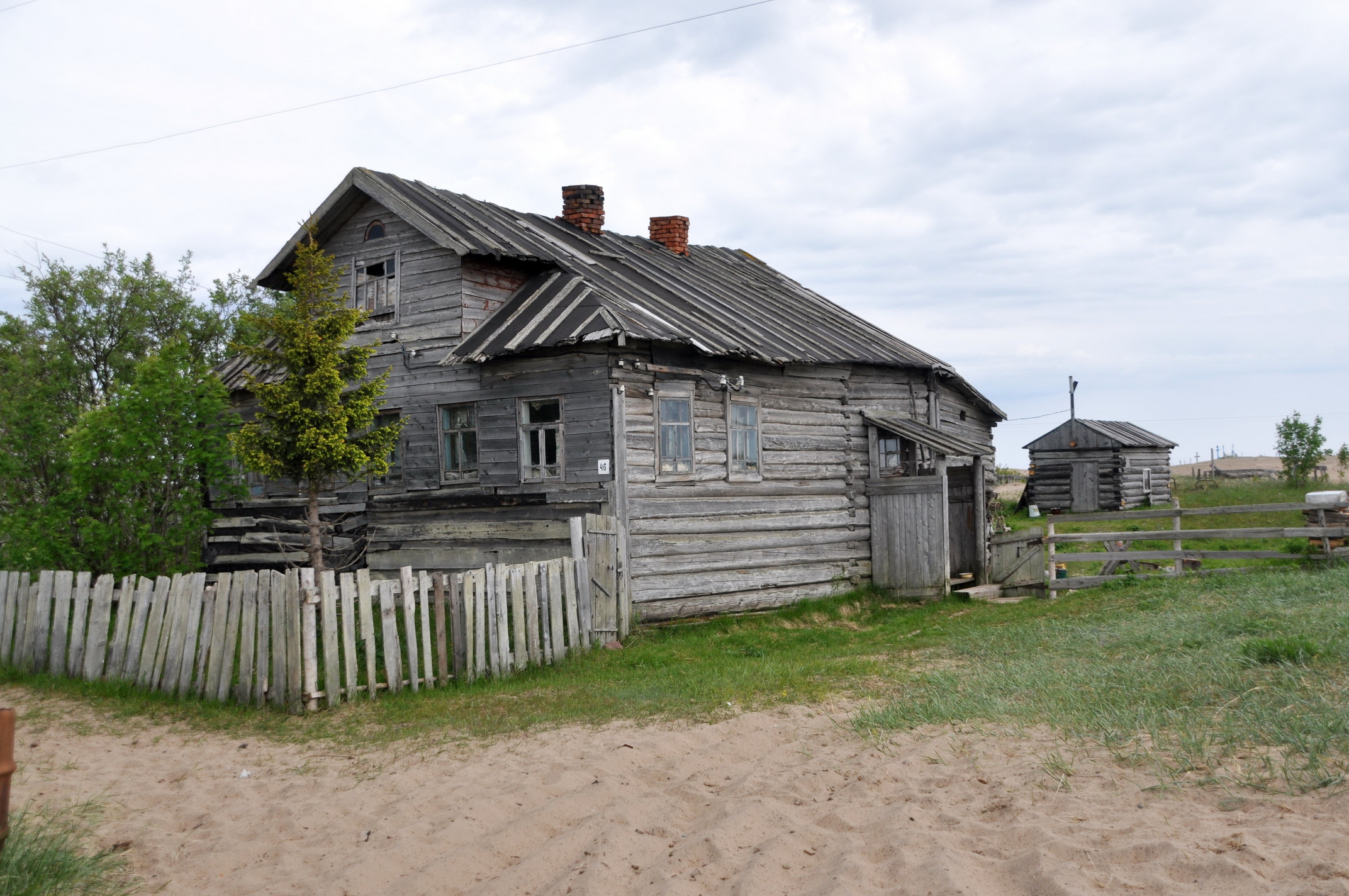
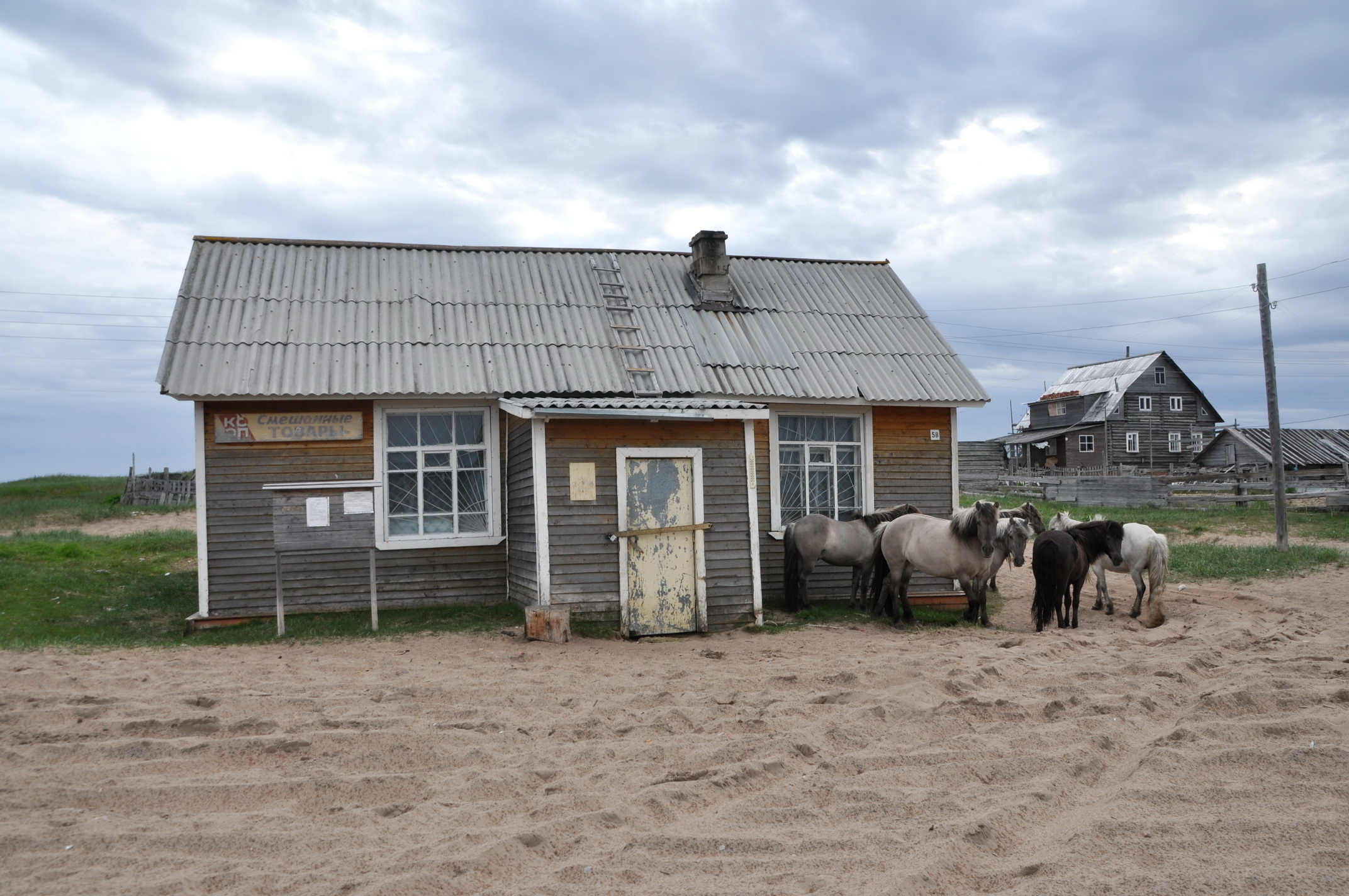
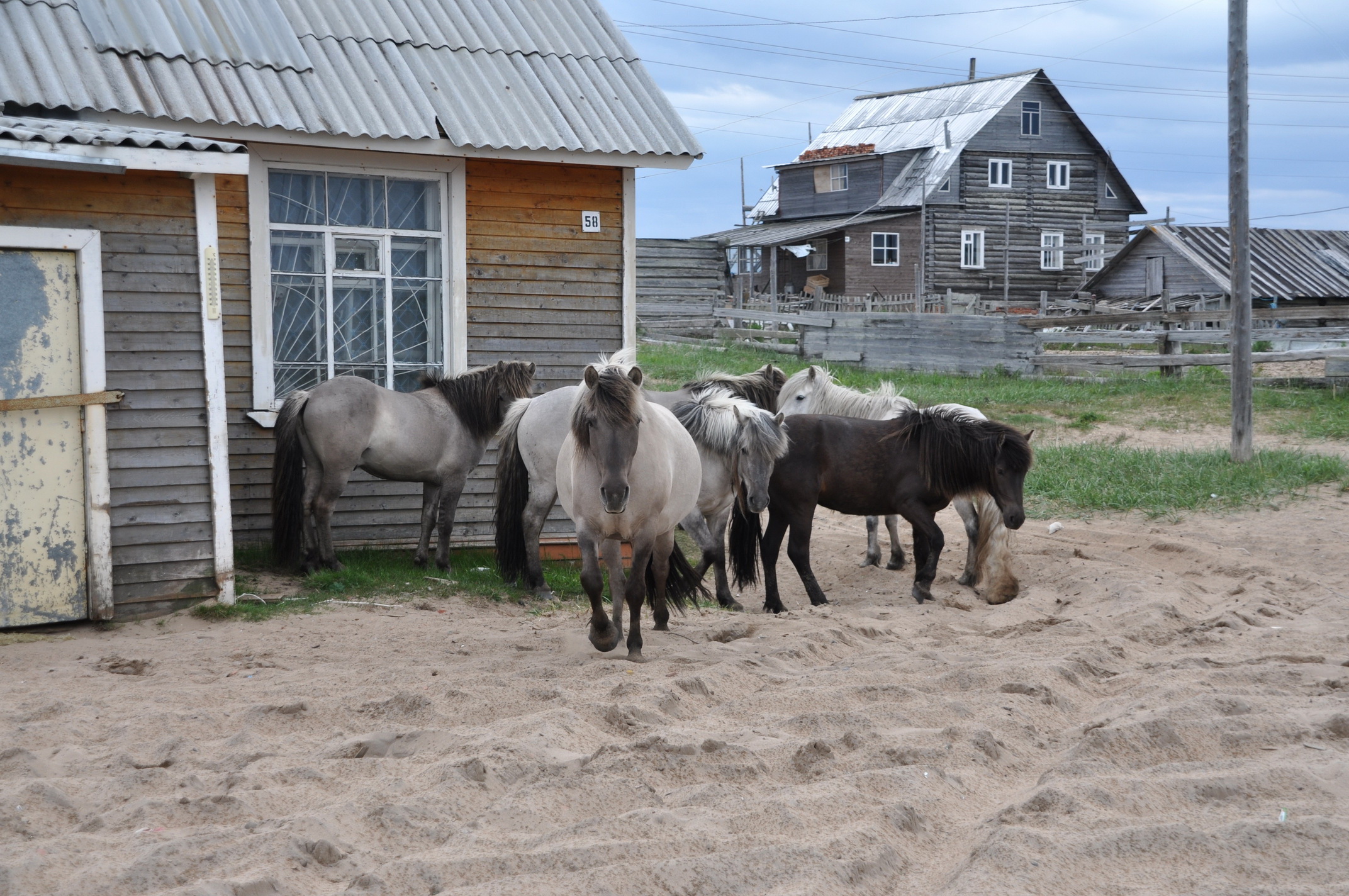
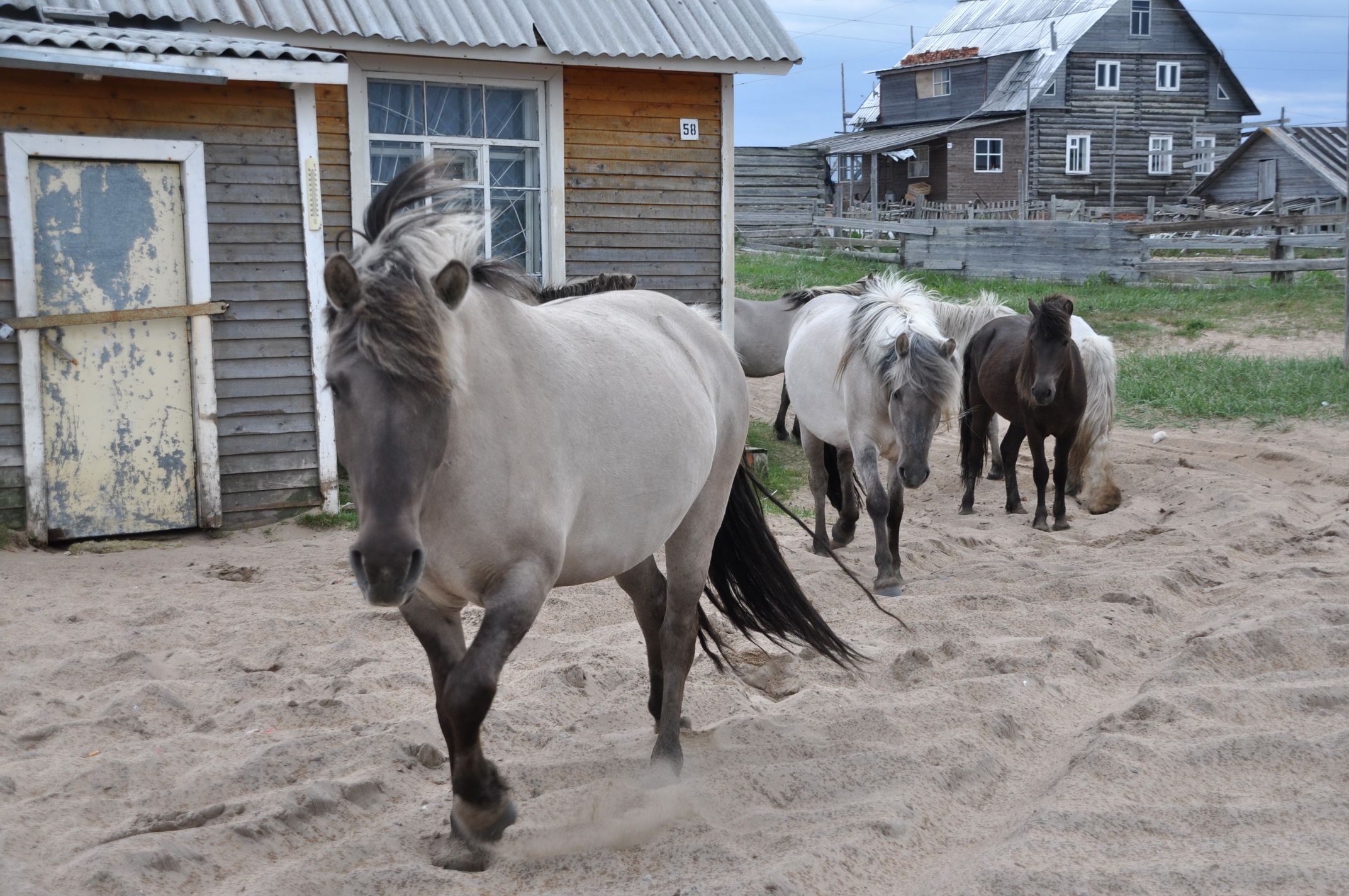
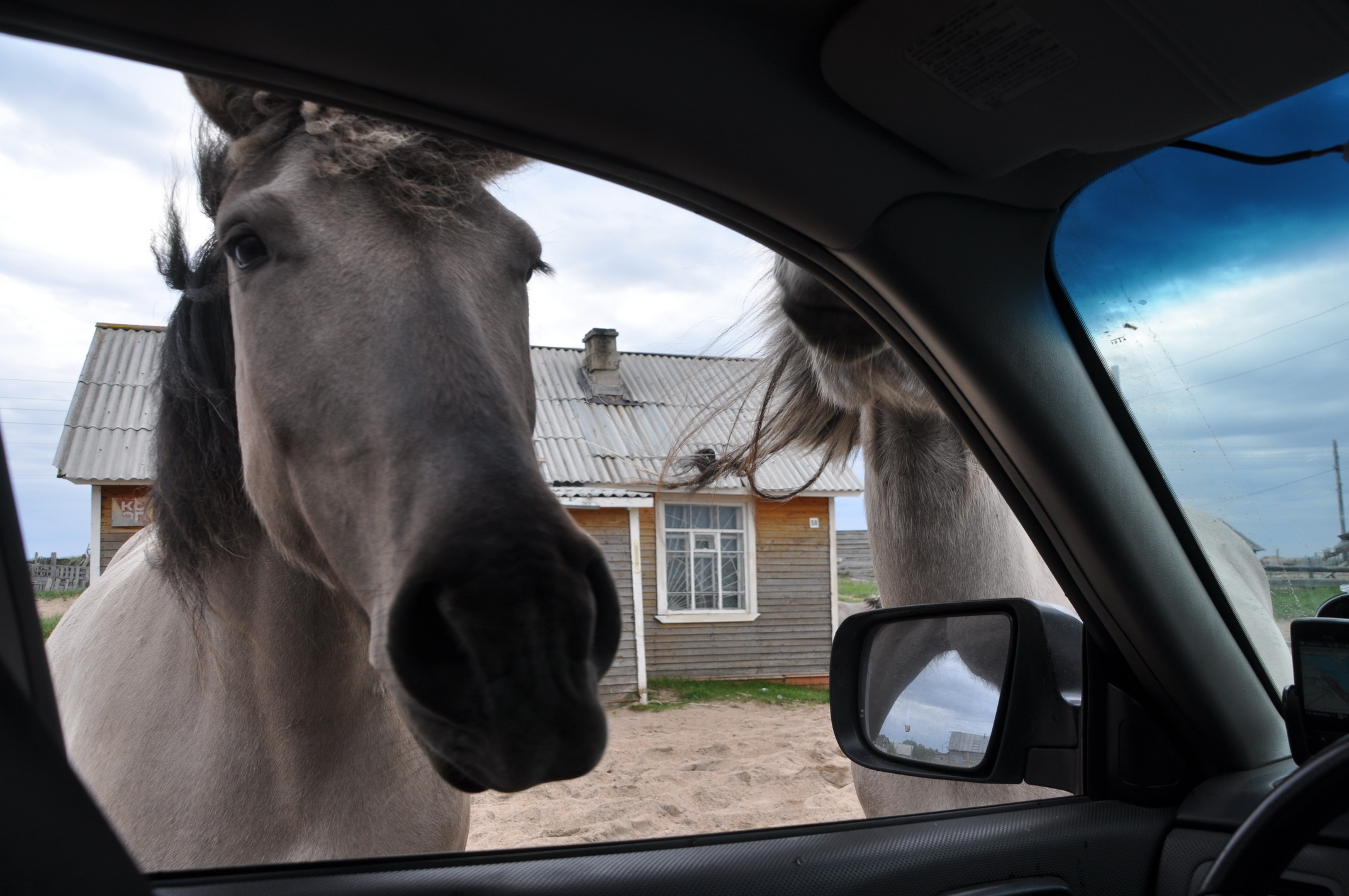
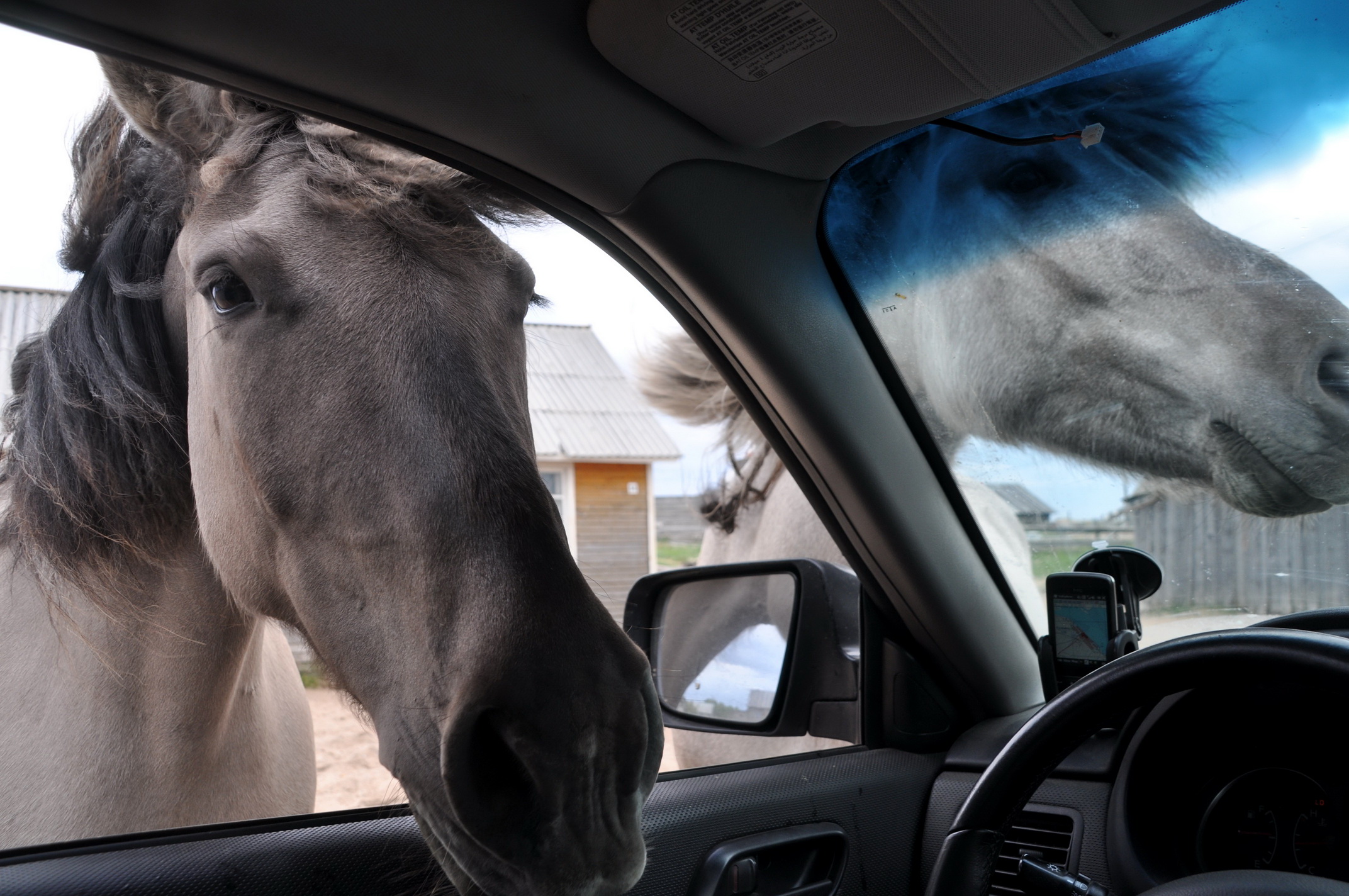
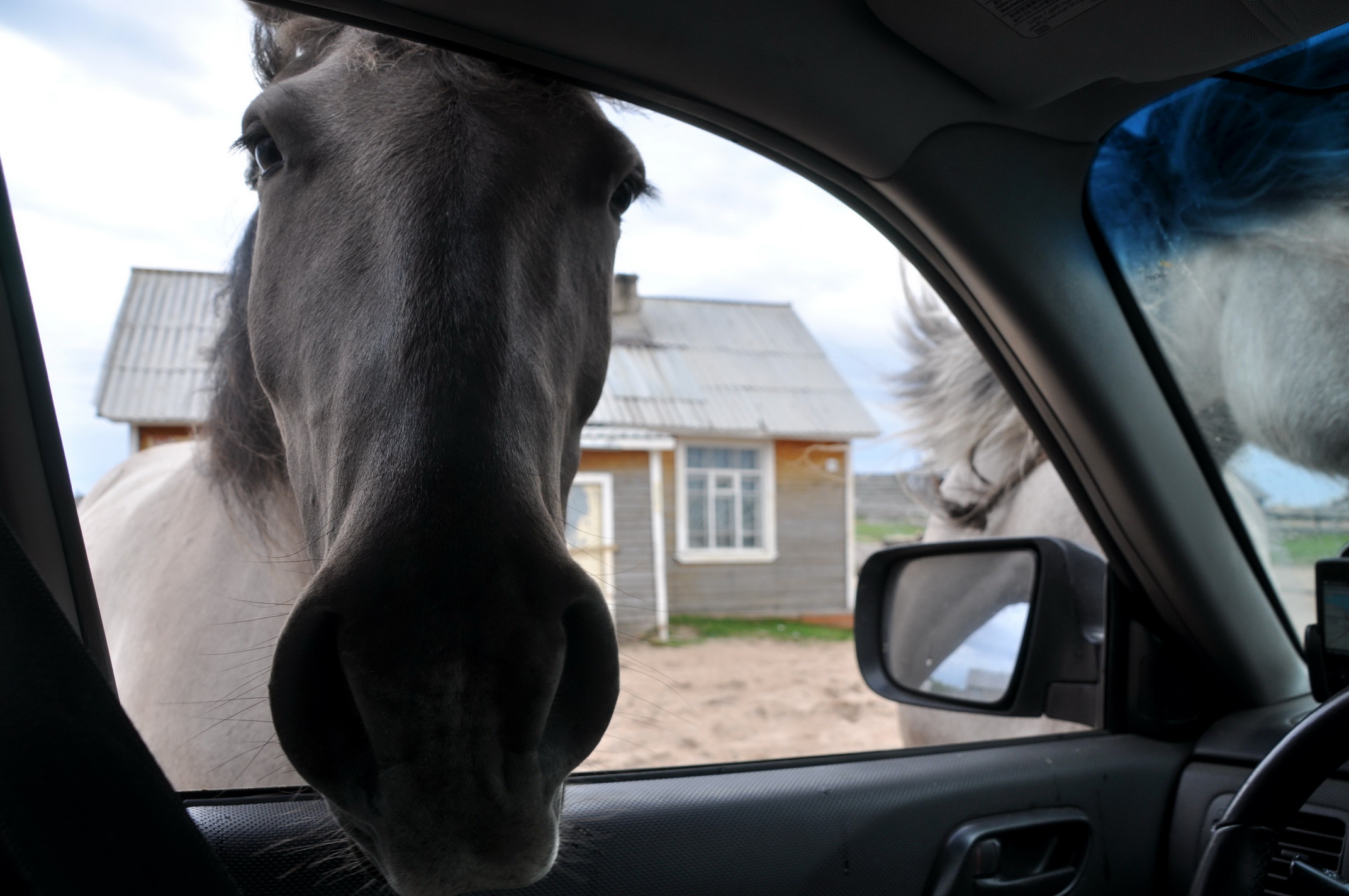
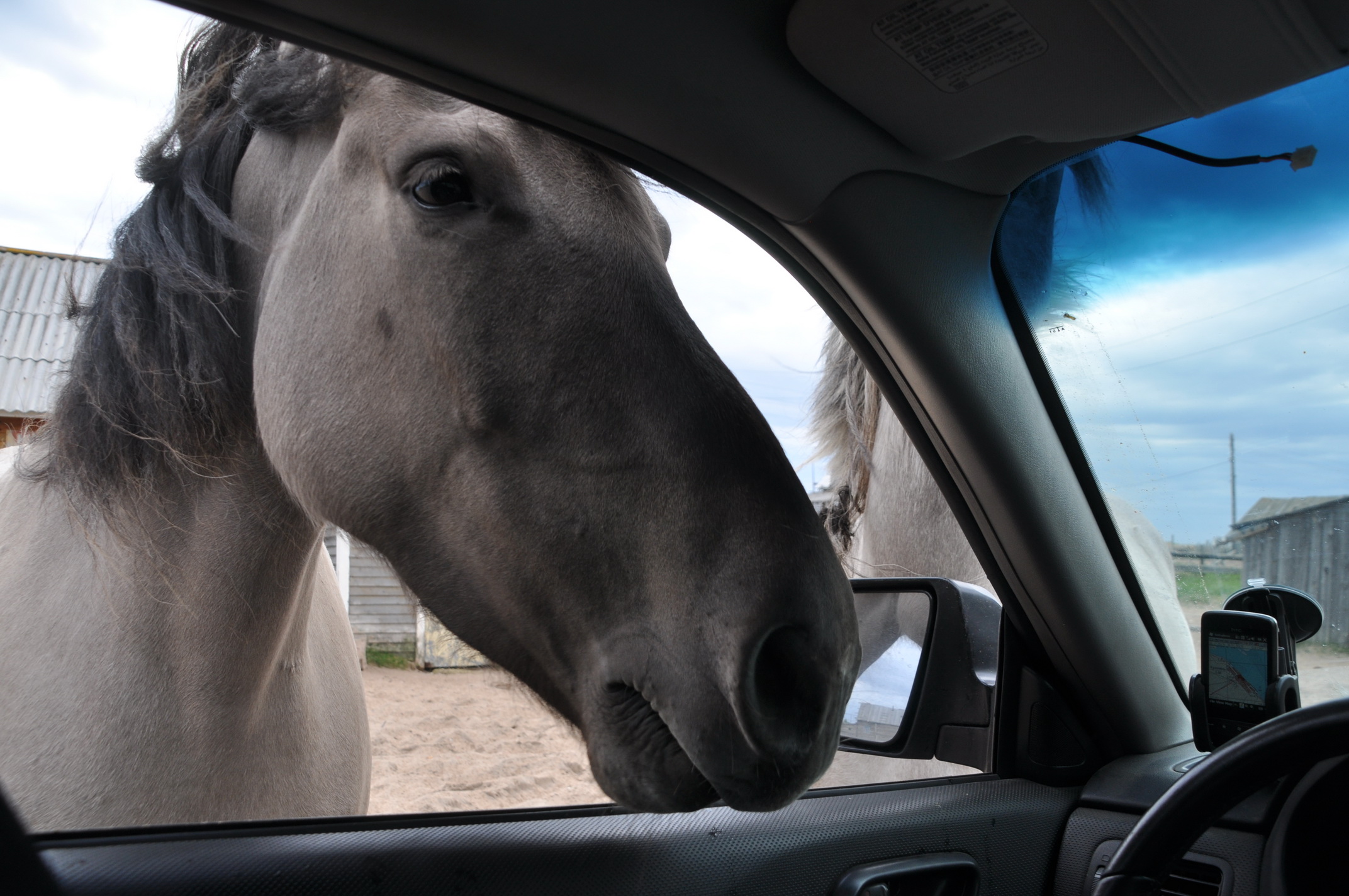
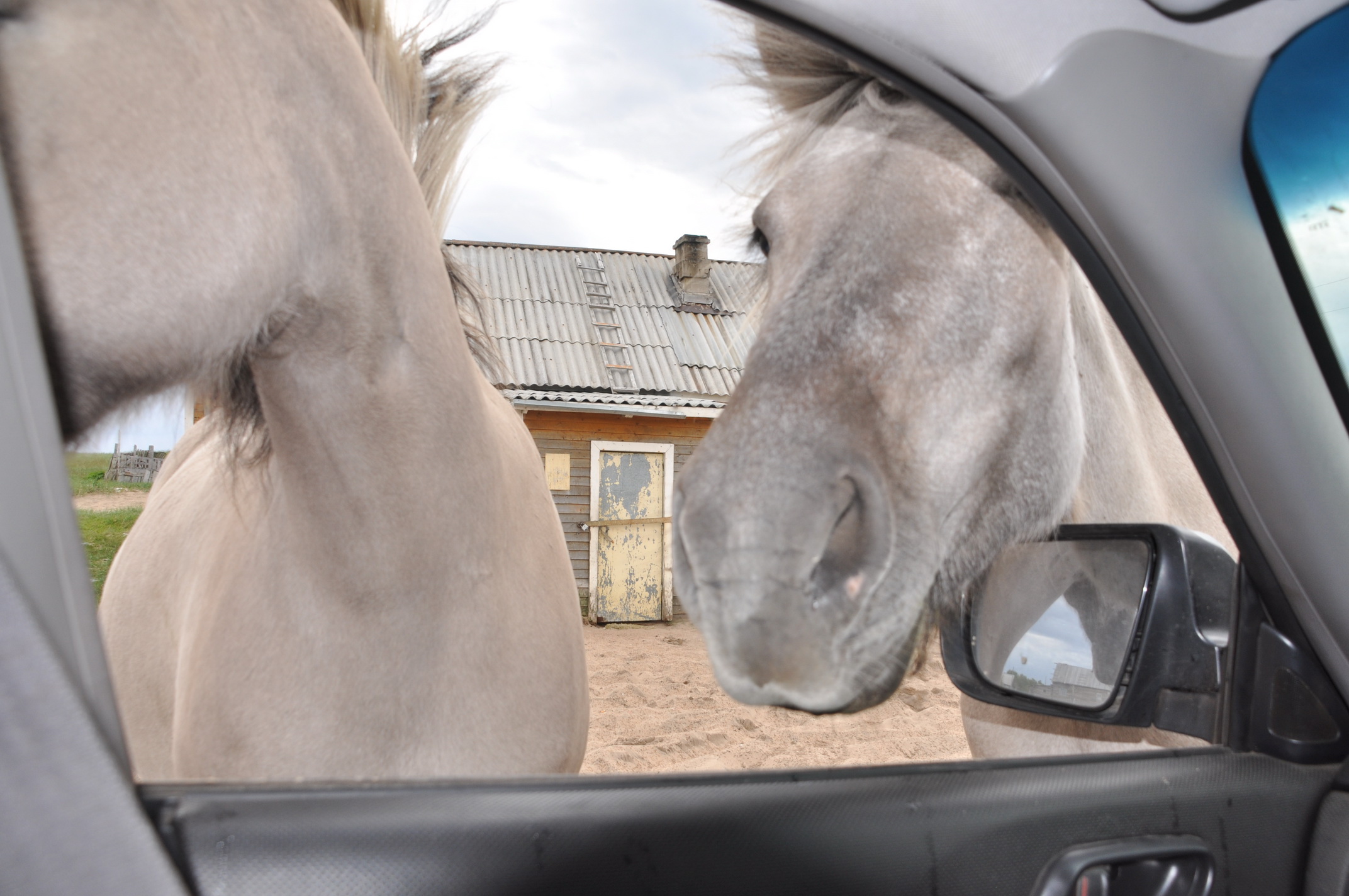
The village’s main attraction is its wild horses. They were brought over from Yakutia in the 1980s to work on the collective farm. These horses are especially hardy in cold weather, with a dense coat and undercoat. When the collective farm folded, nobody needed them and they were simply left to fend for themselves.
But the herd survived. Several generations of horses have now grown up in something like the wild. In winter they scrape for reindeer lichen with their hooves, and in summer they beg from the crowds of tourists. They stand by the shop and wait for people to come out. I’d barely opened the car window when in came an enormous horse’s head. It’s impossible to resist putting half a loaf into that mouth. The locals feed them as well.
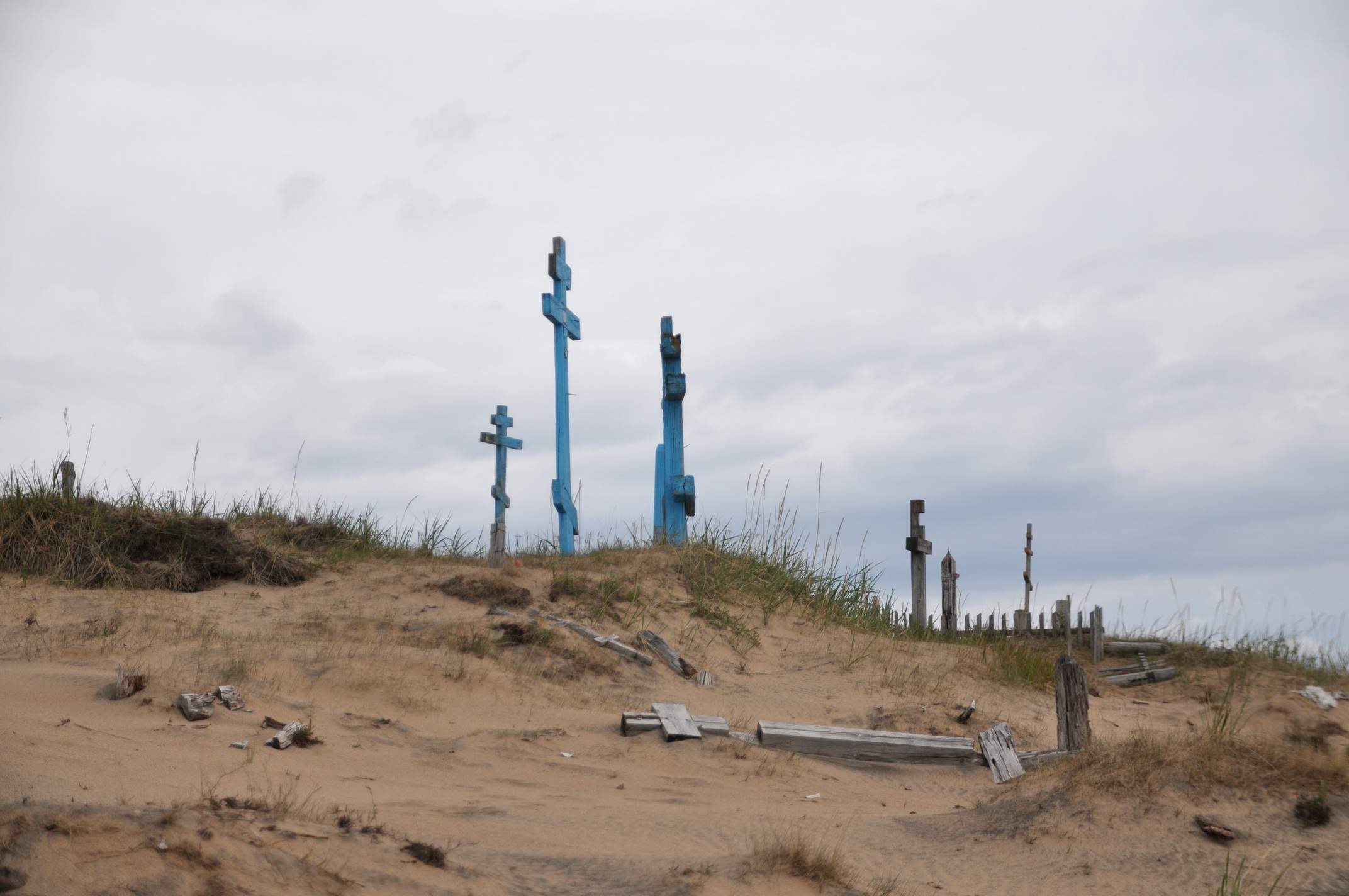
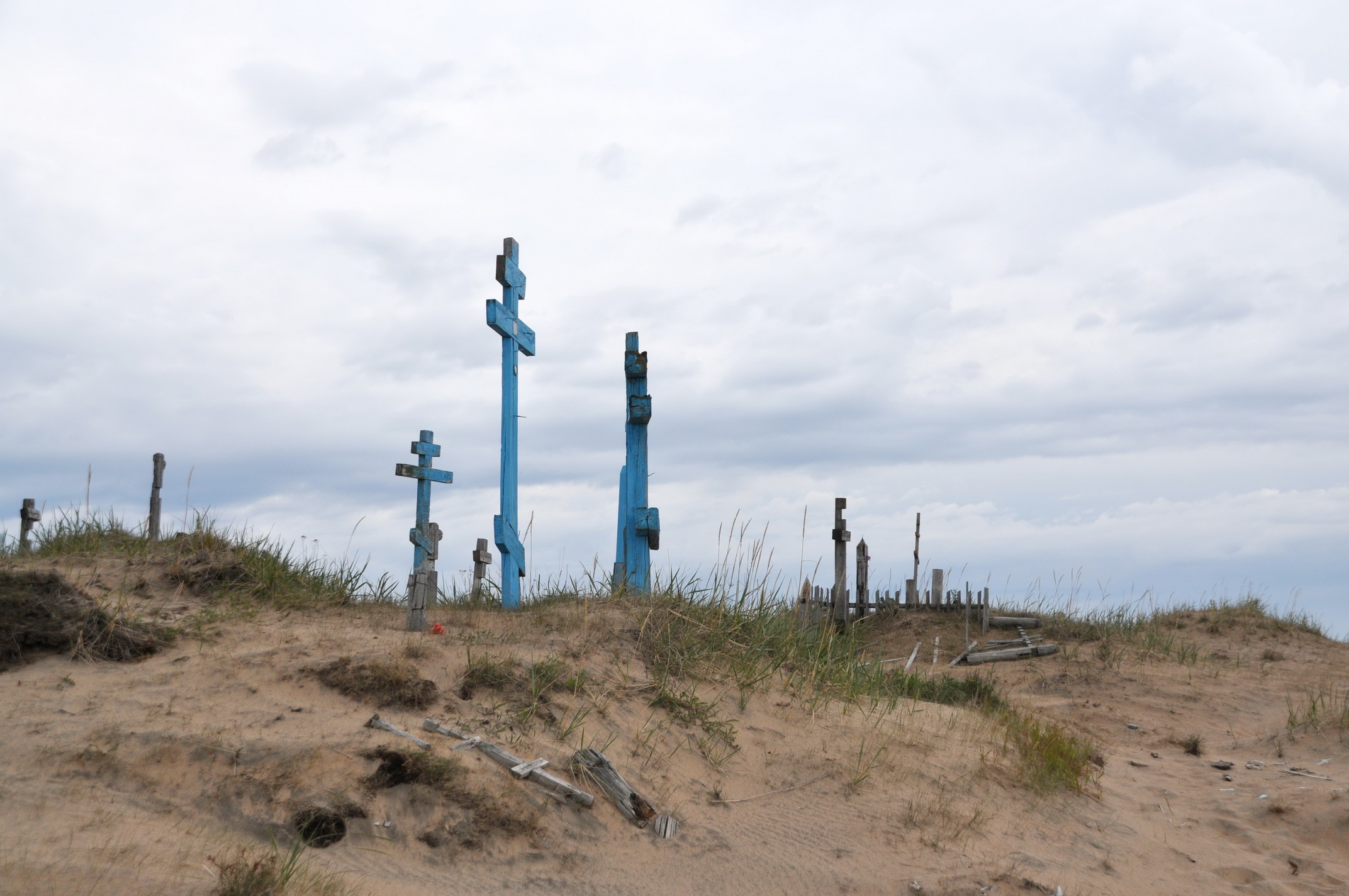
Besides the horses, Kuzomen has an old cemetery. Like the rest of the village it stands in the dunes, and dunes are unreliable things, here today and somewhere else tomorrow. Sometimes a grave gets buried by drifting sand and all you can see is the top of the cross sticking up.
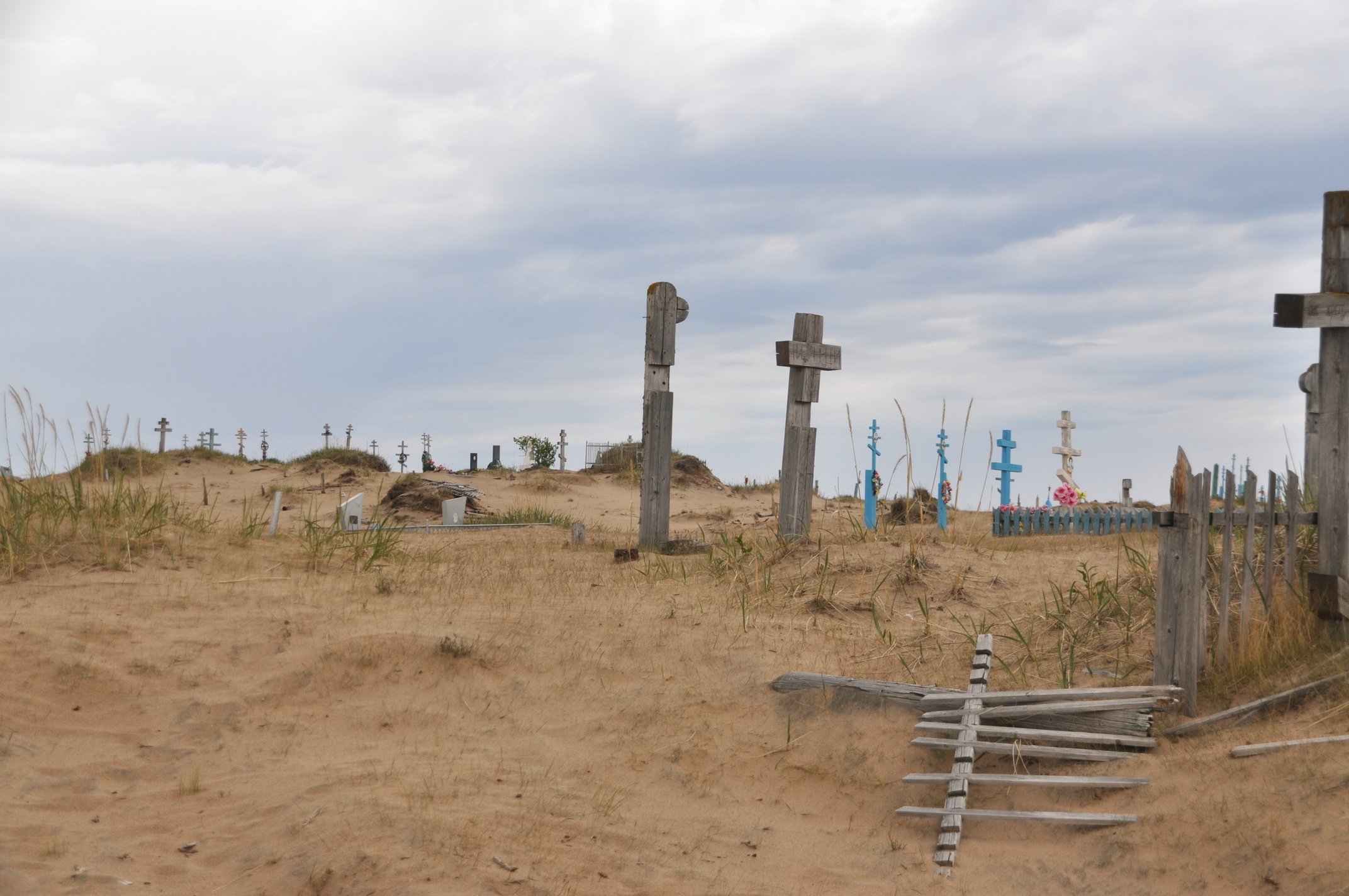
That’s why they make such tall crosses here. Sometimes it goes the other way and a human skeleton suddenly appears on the surface. Bones don’t rot in the sand. A good place if you like ghost stories.
The village has a shop that takes credit cards, a post office and a church.
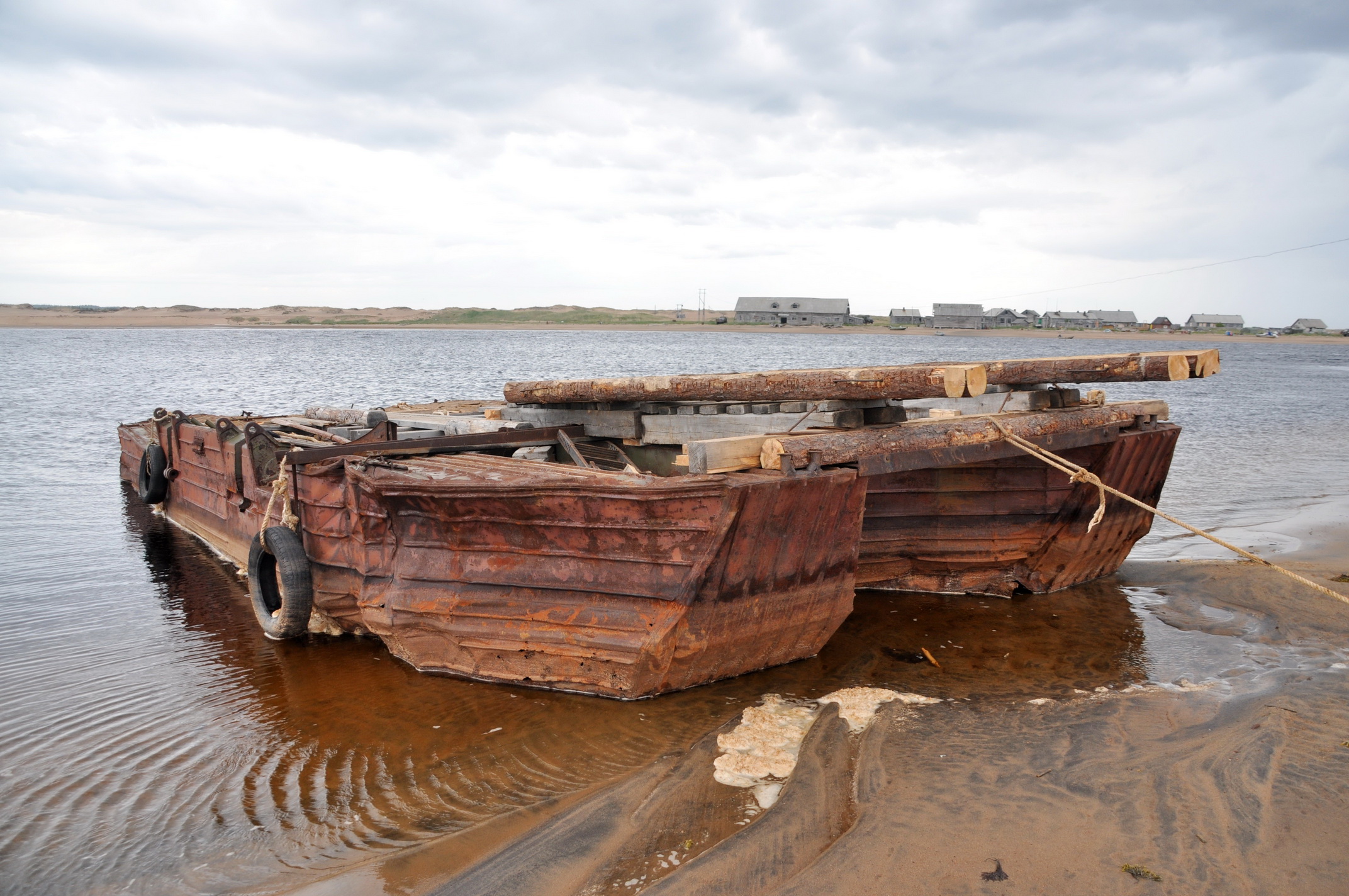
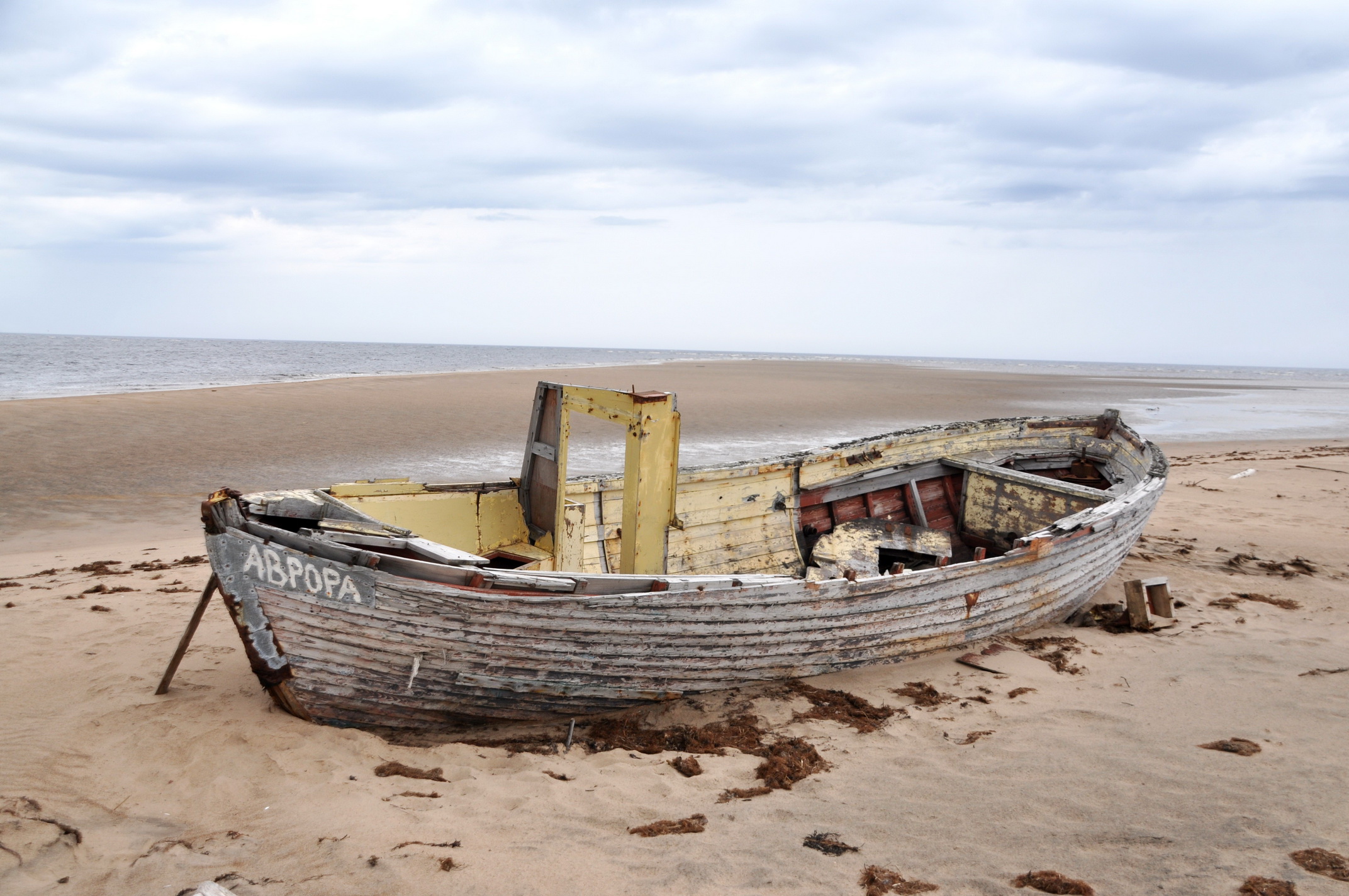
It’s a shame the road doesn’t go any farther. There’s a pontoon ferry where the Varzuga flows into the sea, with a rusty pontoon tied to the bank, which isn’t much use. There’s still no road beyond it. I’ve dreamt for years of making a long walk along the coast of the Kola Peninsula. At this rate it won’t happen in this lifetime, but I ought to come back for another overnight trip.
Back to the railway
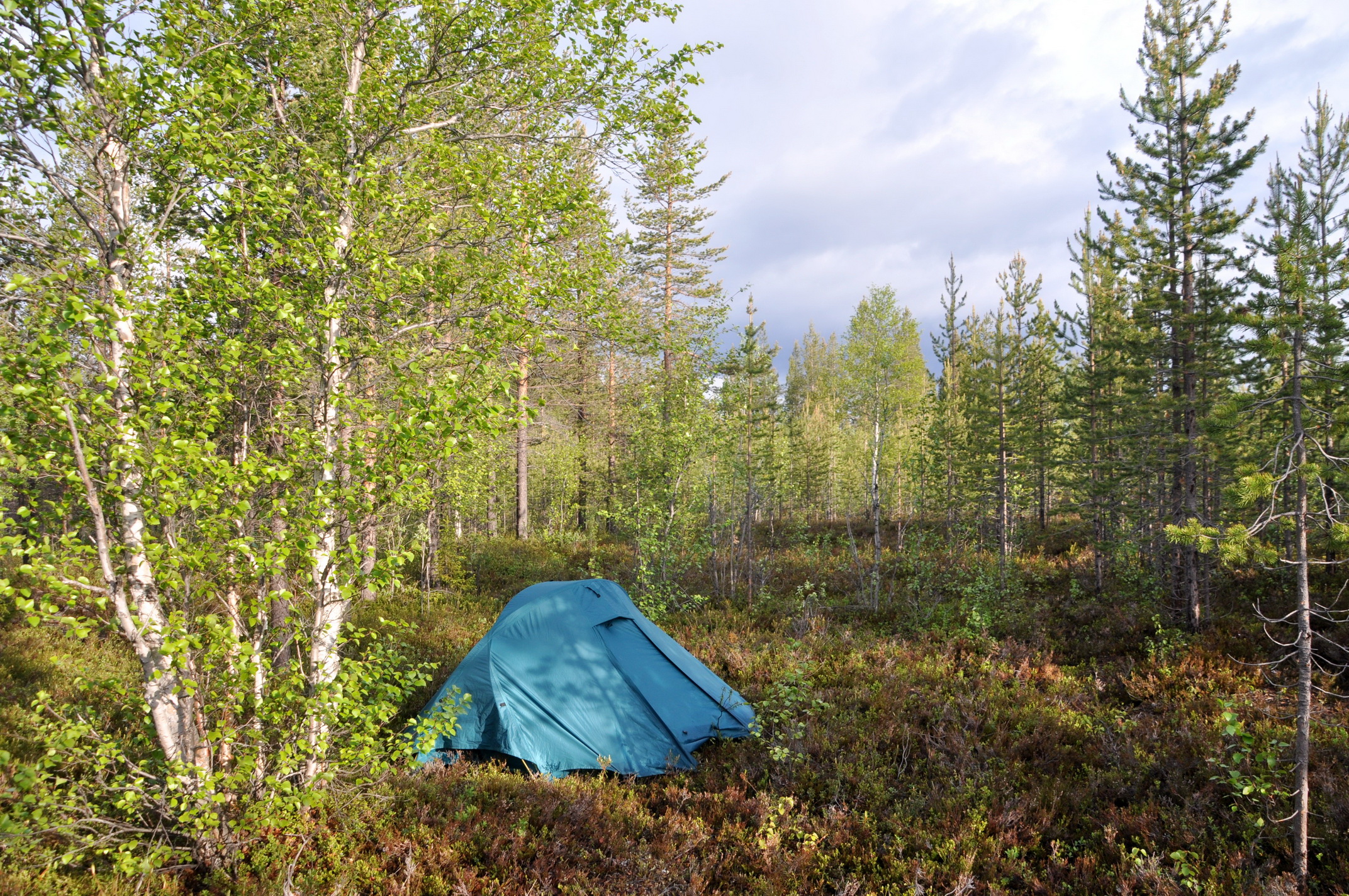
Unfortunately work had to start the next morning, so I had to drive back the same day. I camped near Olenegorsk (68°03.922′N, 33°04.073′E), for a quick drive into Murmansk in the morning.
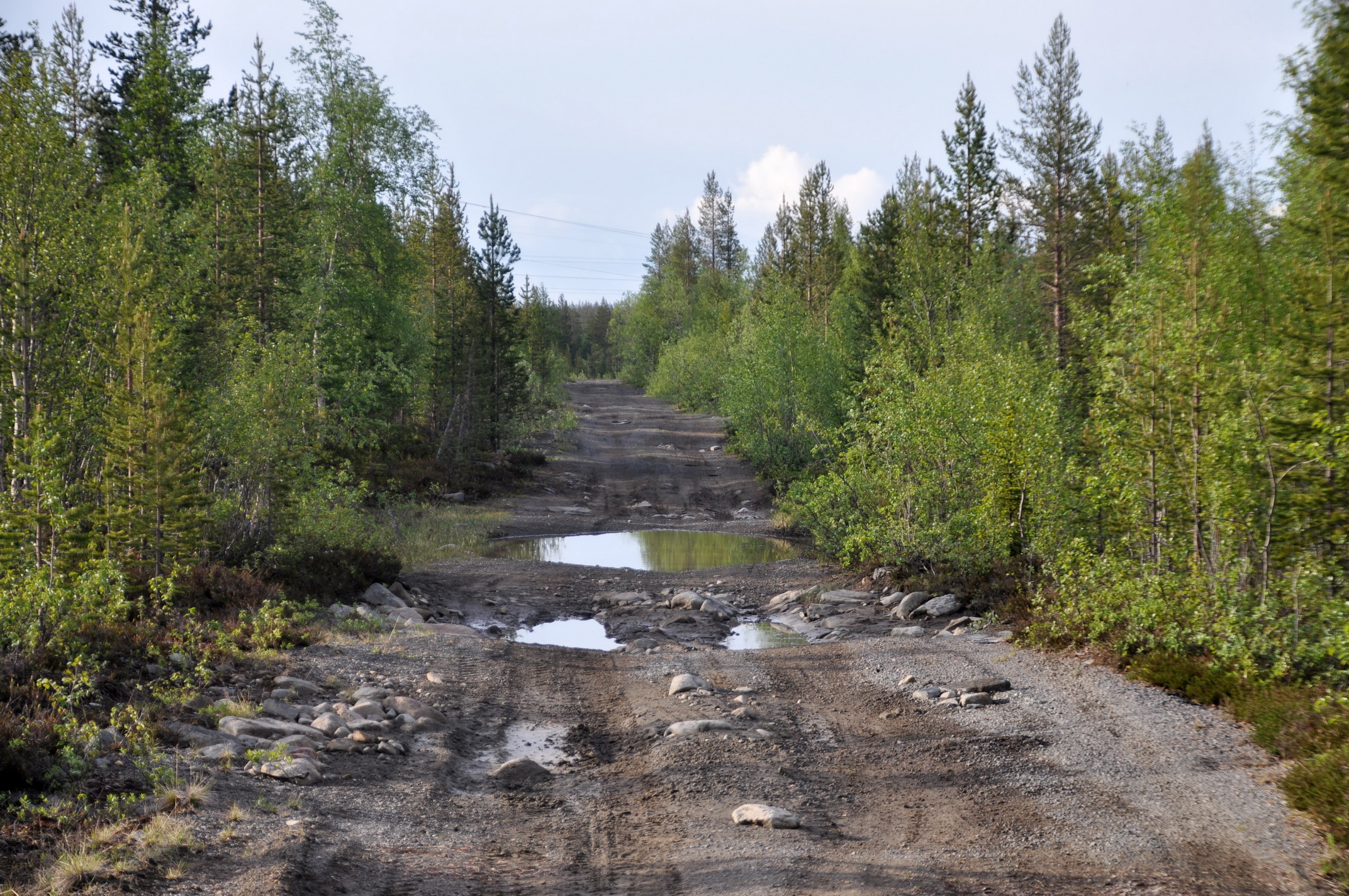
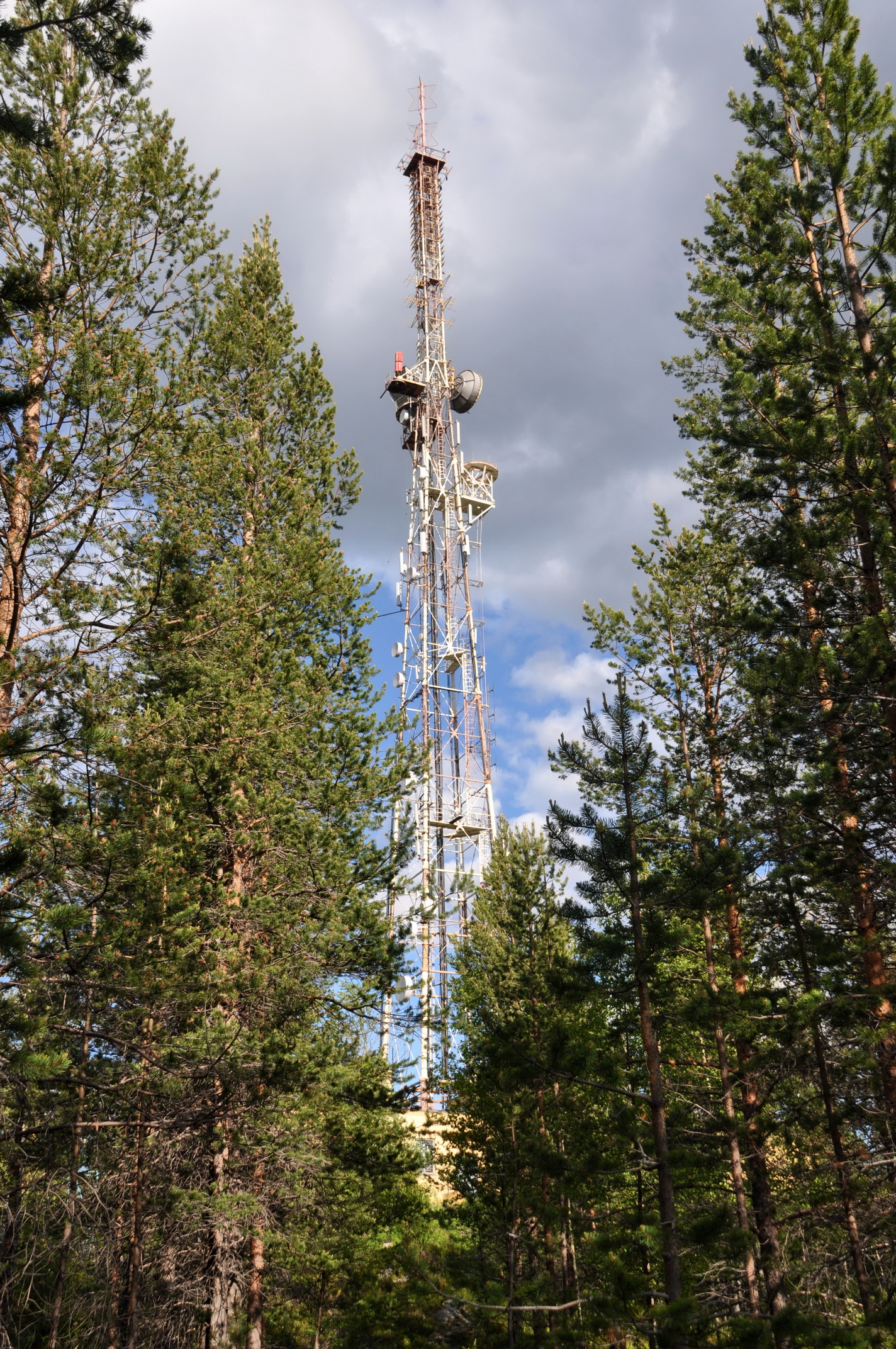
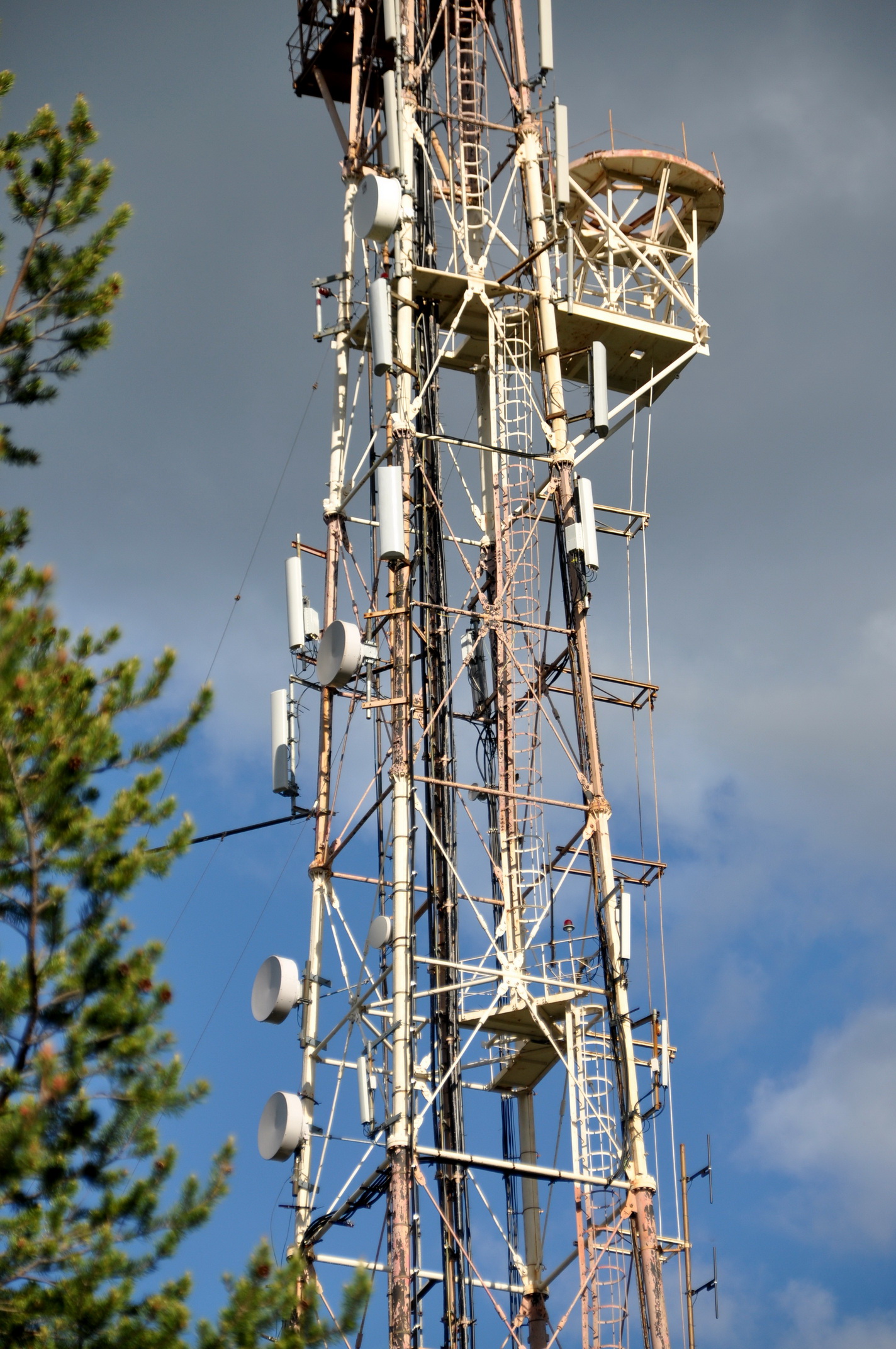
Then came several days of station visits. I spent nights in Kandalaksha and Kem. In Kandalaksha I drove out to the TV tower on the hill and just drove around the town.
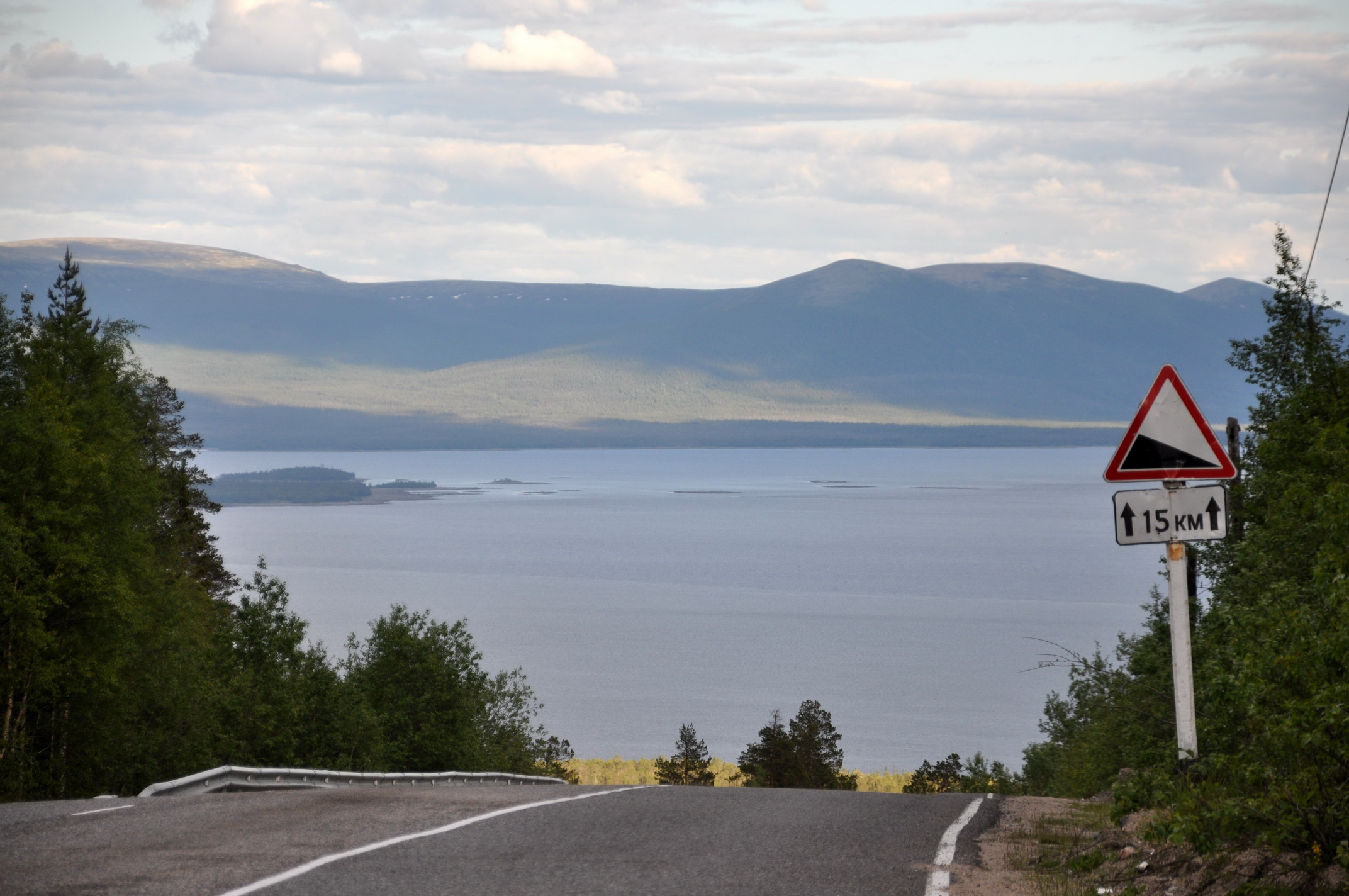
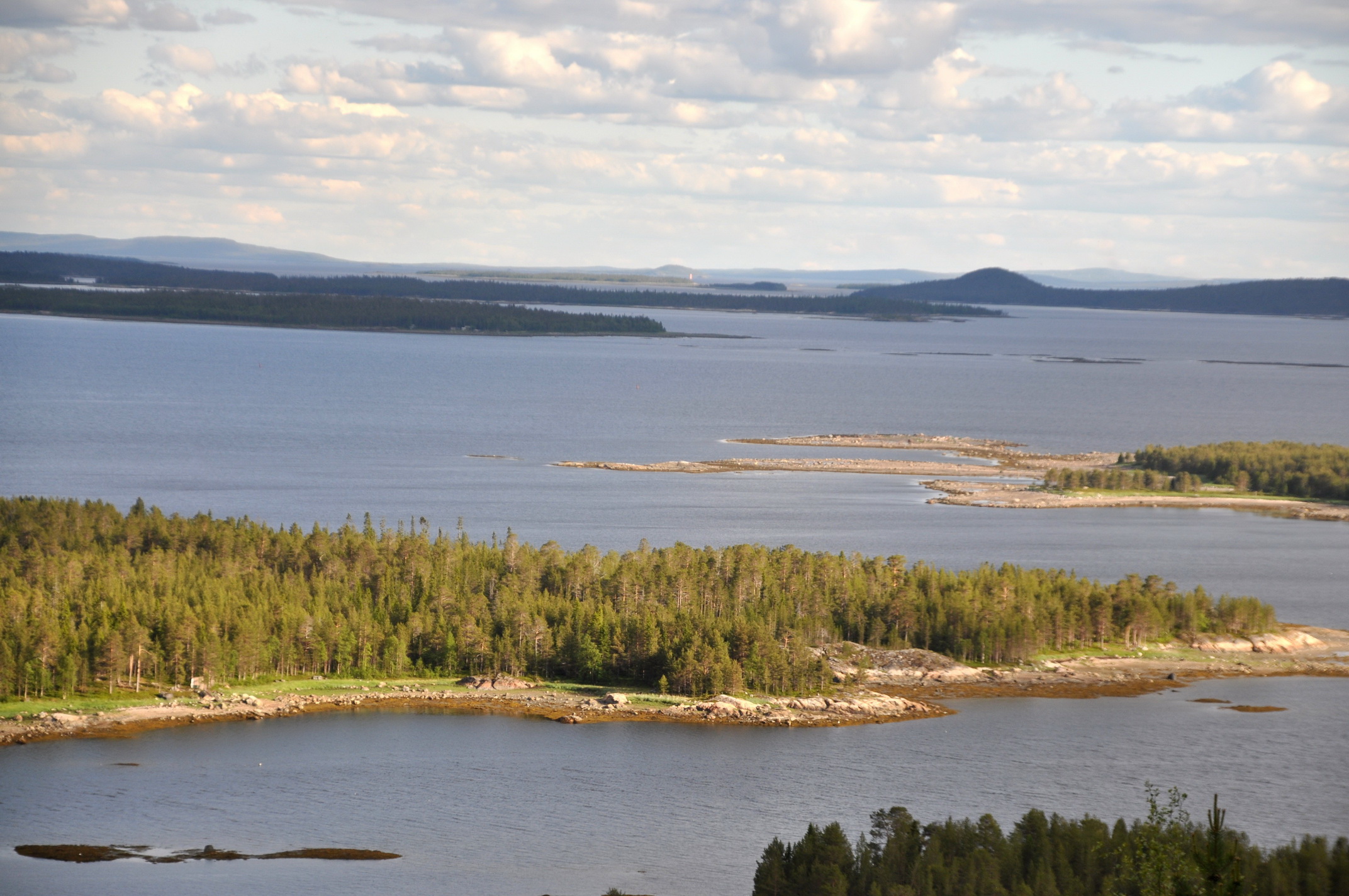
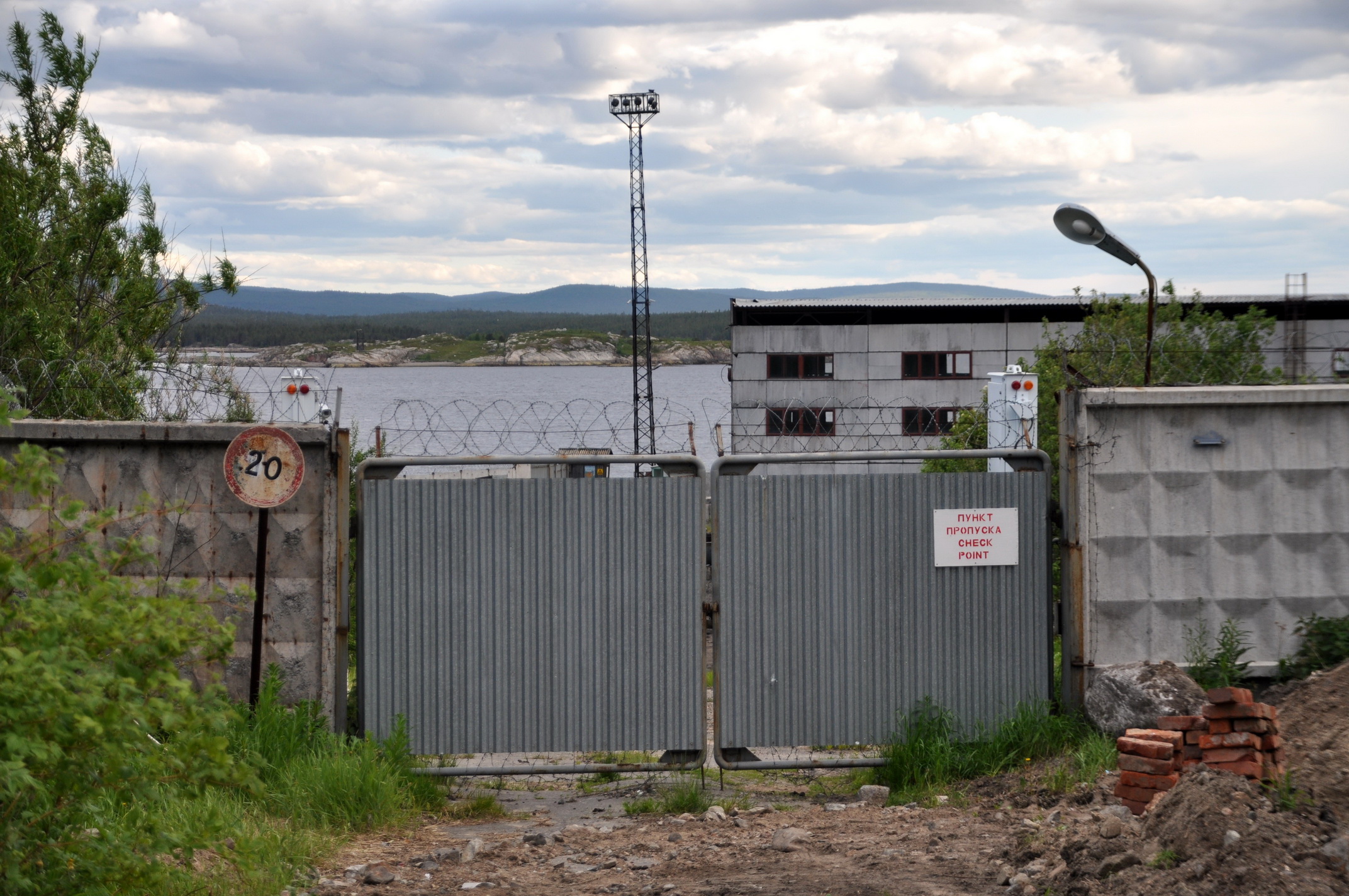
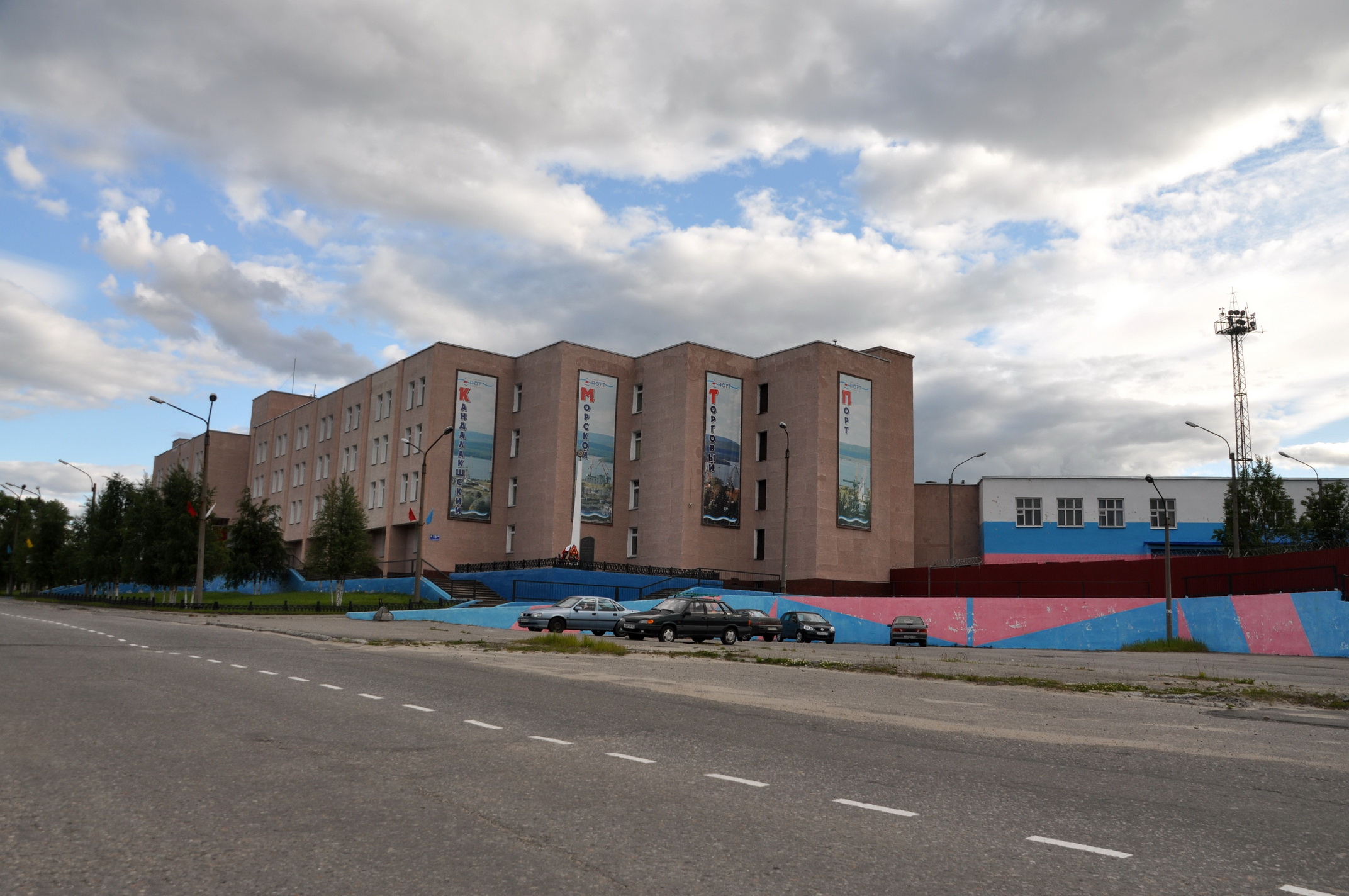
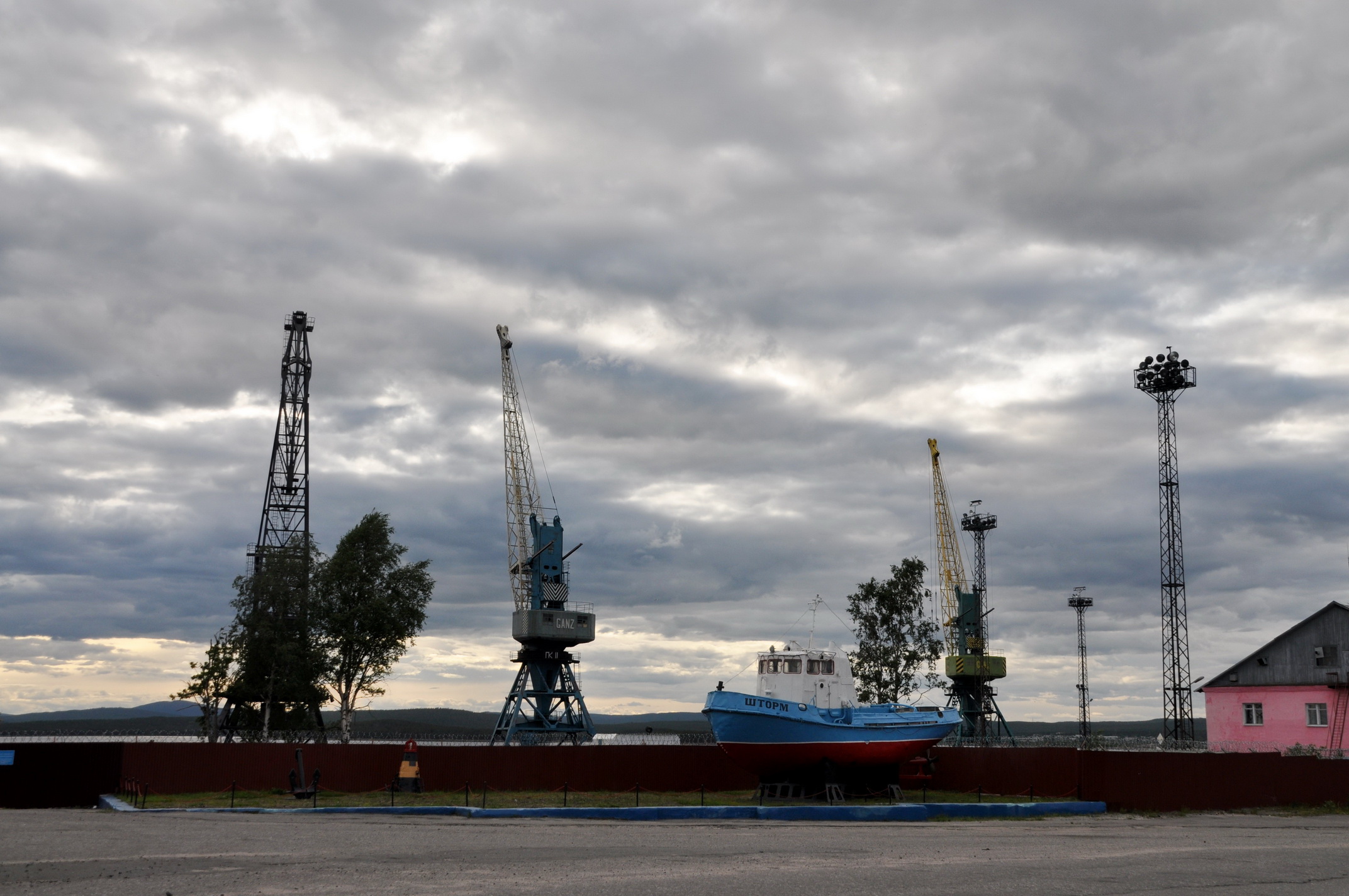
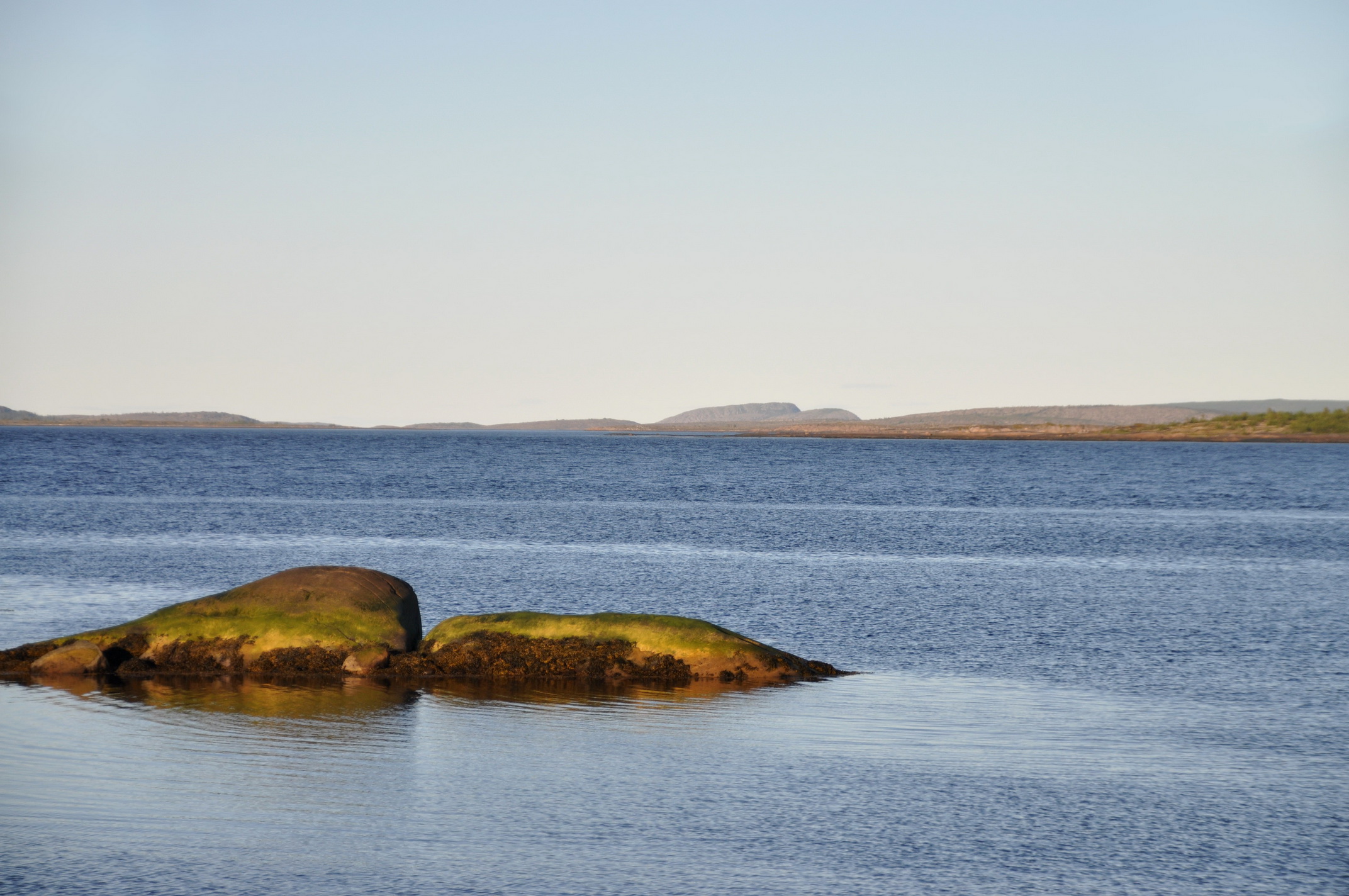
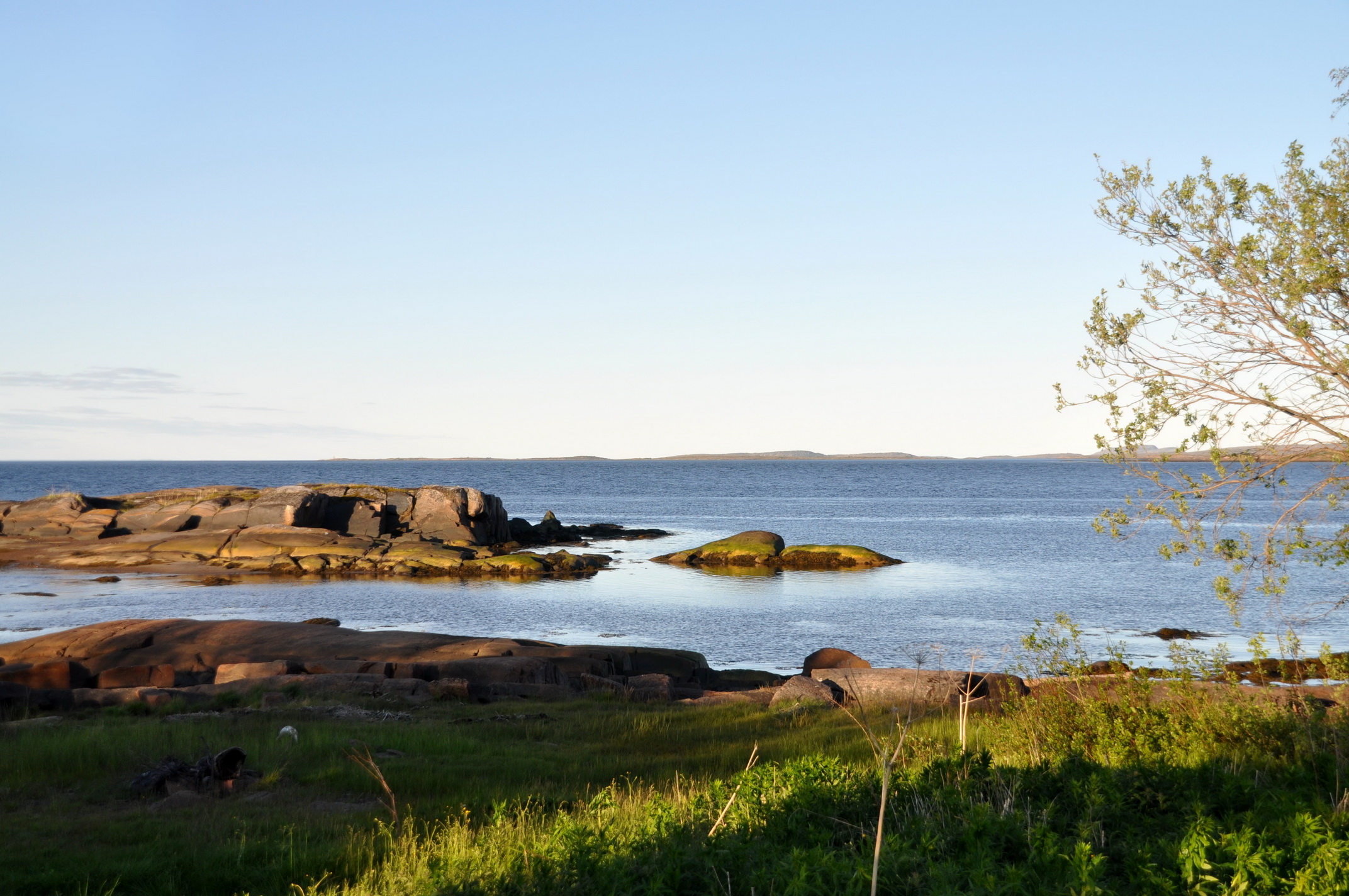
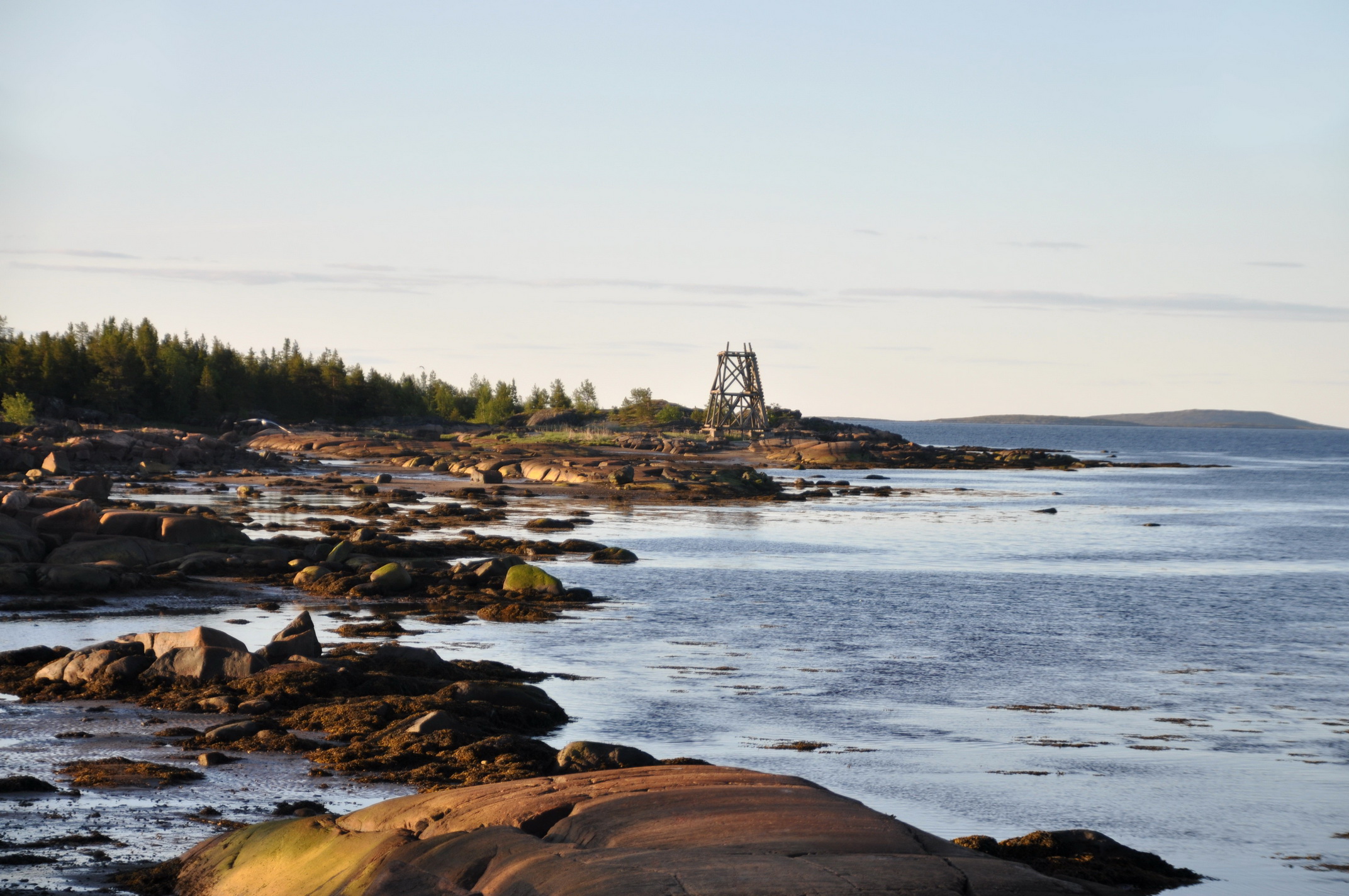
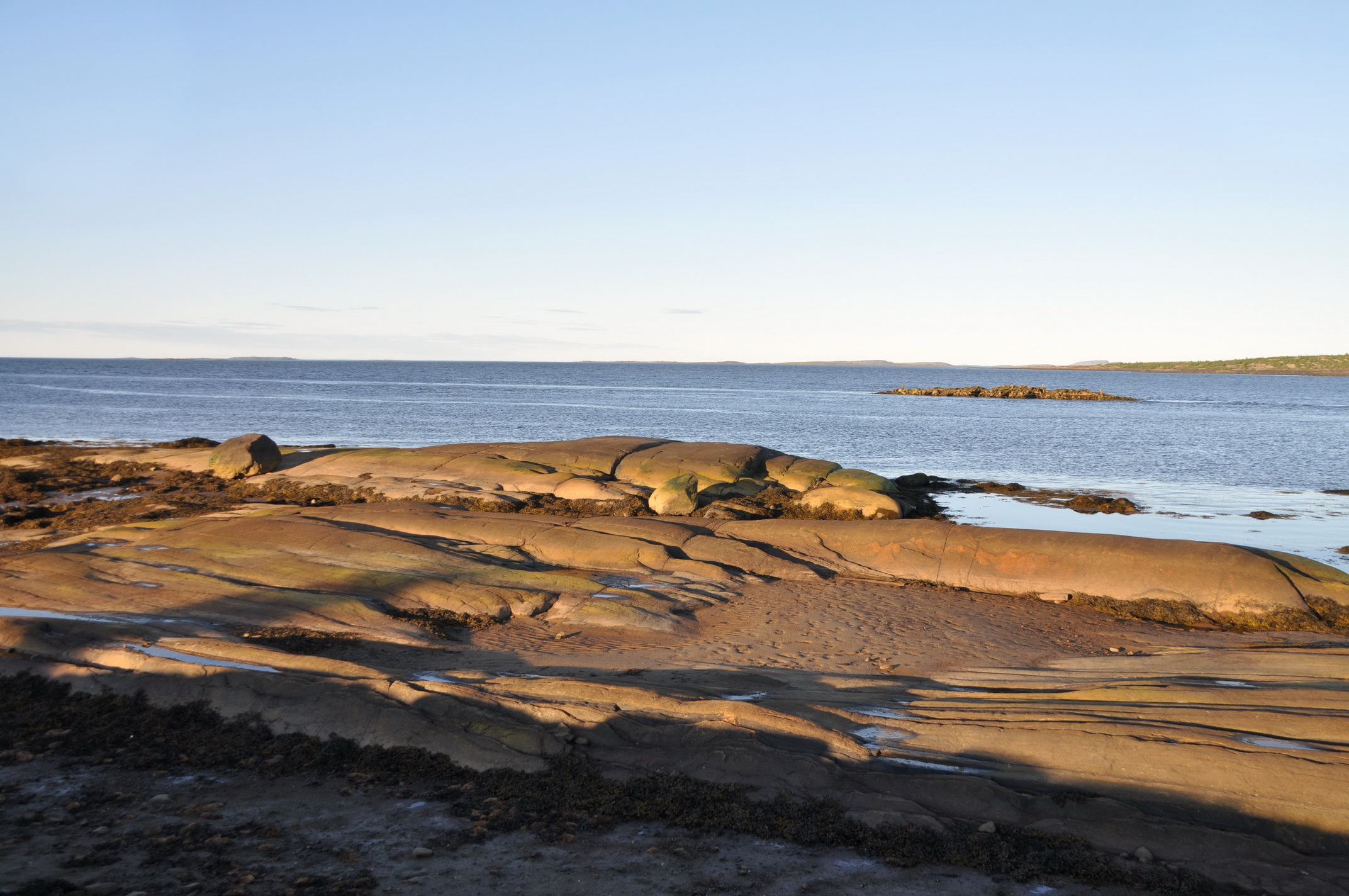
From Kem I went to Rabocheostrovsk to look out at the distant islands, Kolovary, Kuzova and Kilyaki, where we paddled our kayaks fifteen years earlier. They’re as beautiful and inviting as ever. Yak Island is just across the water. It was our last camp, only 600 metres from here.
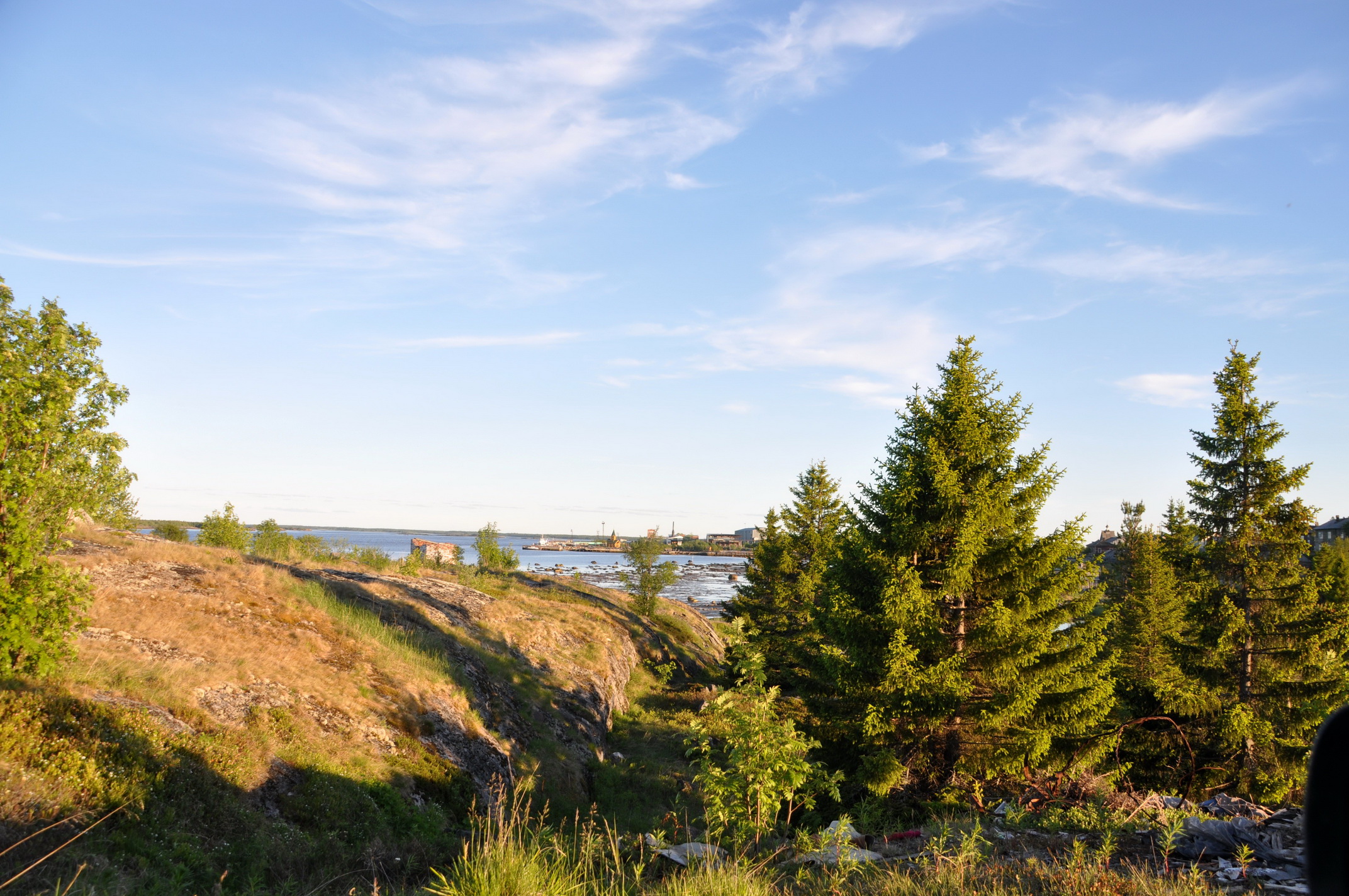
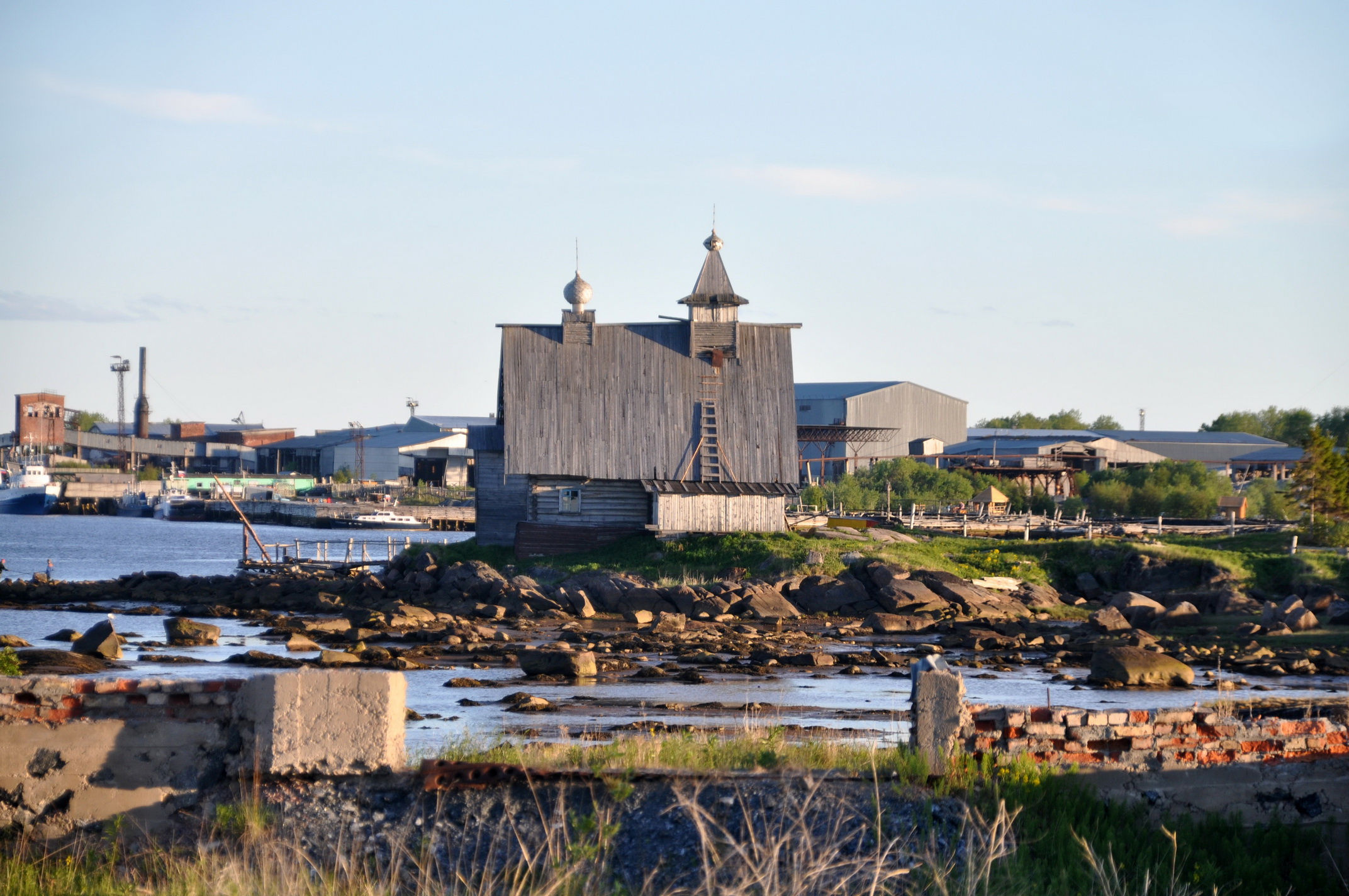
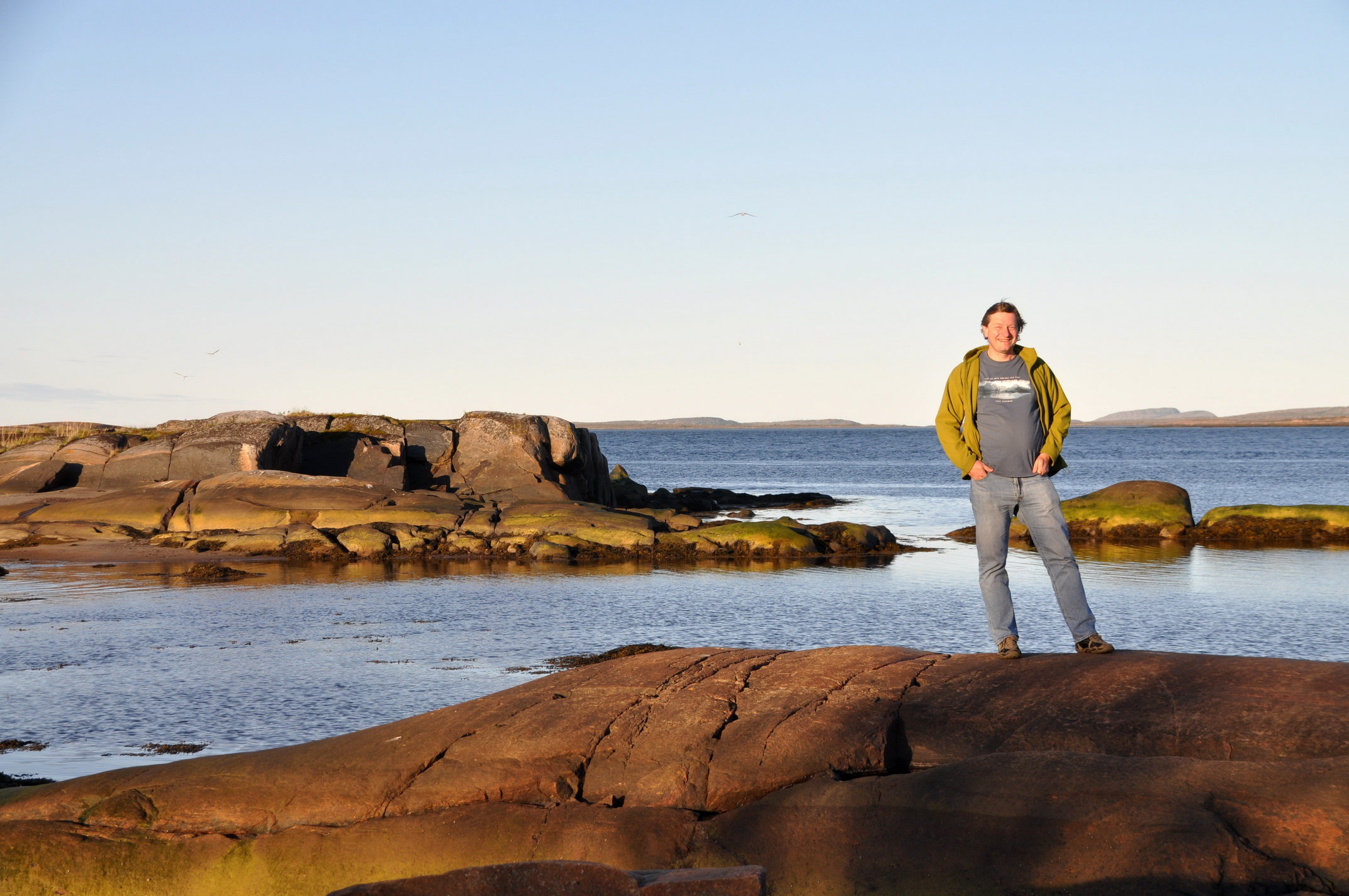
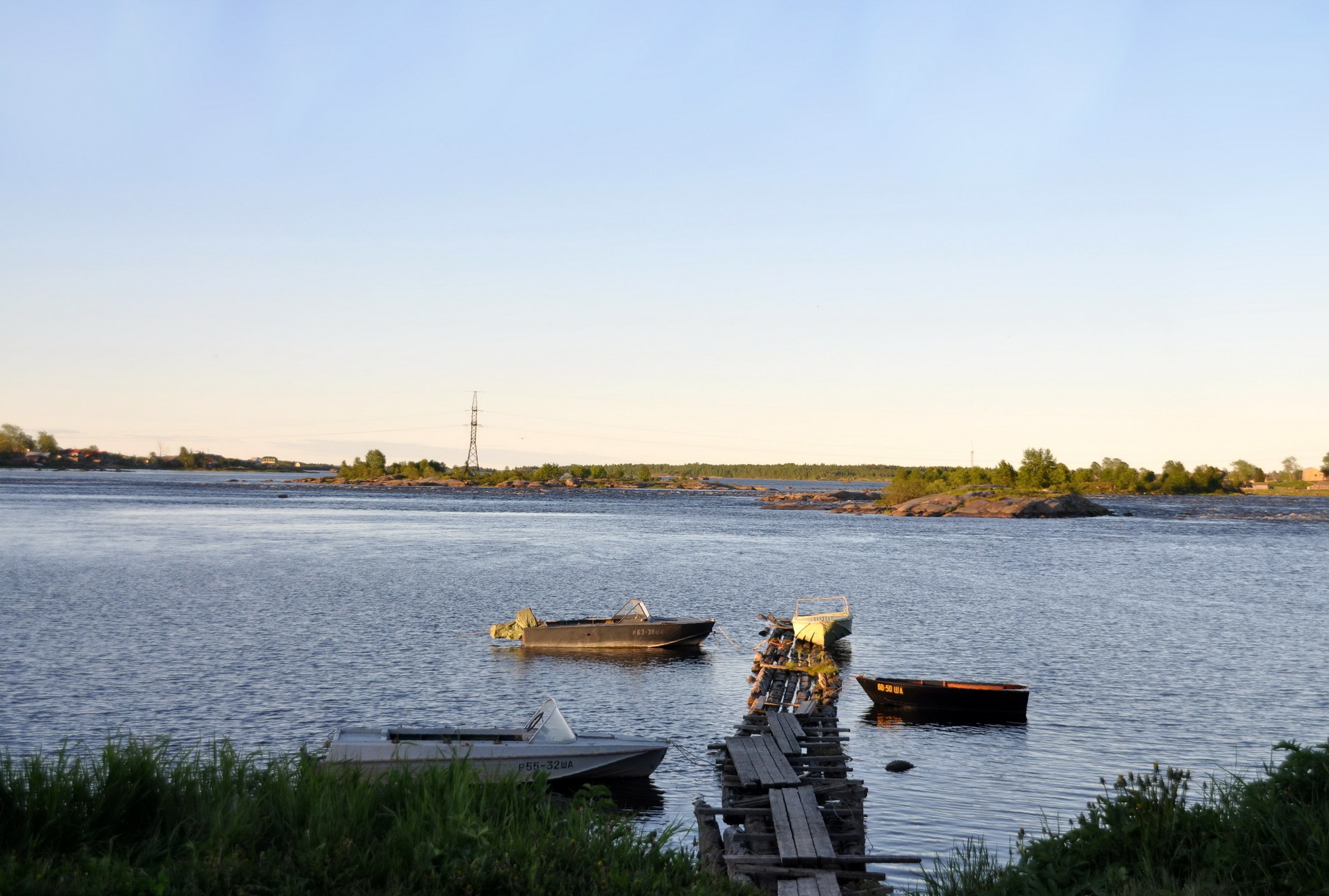
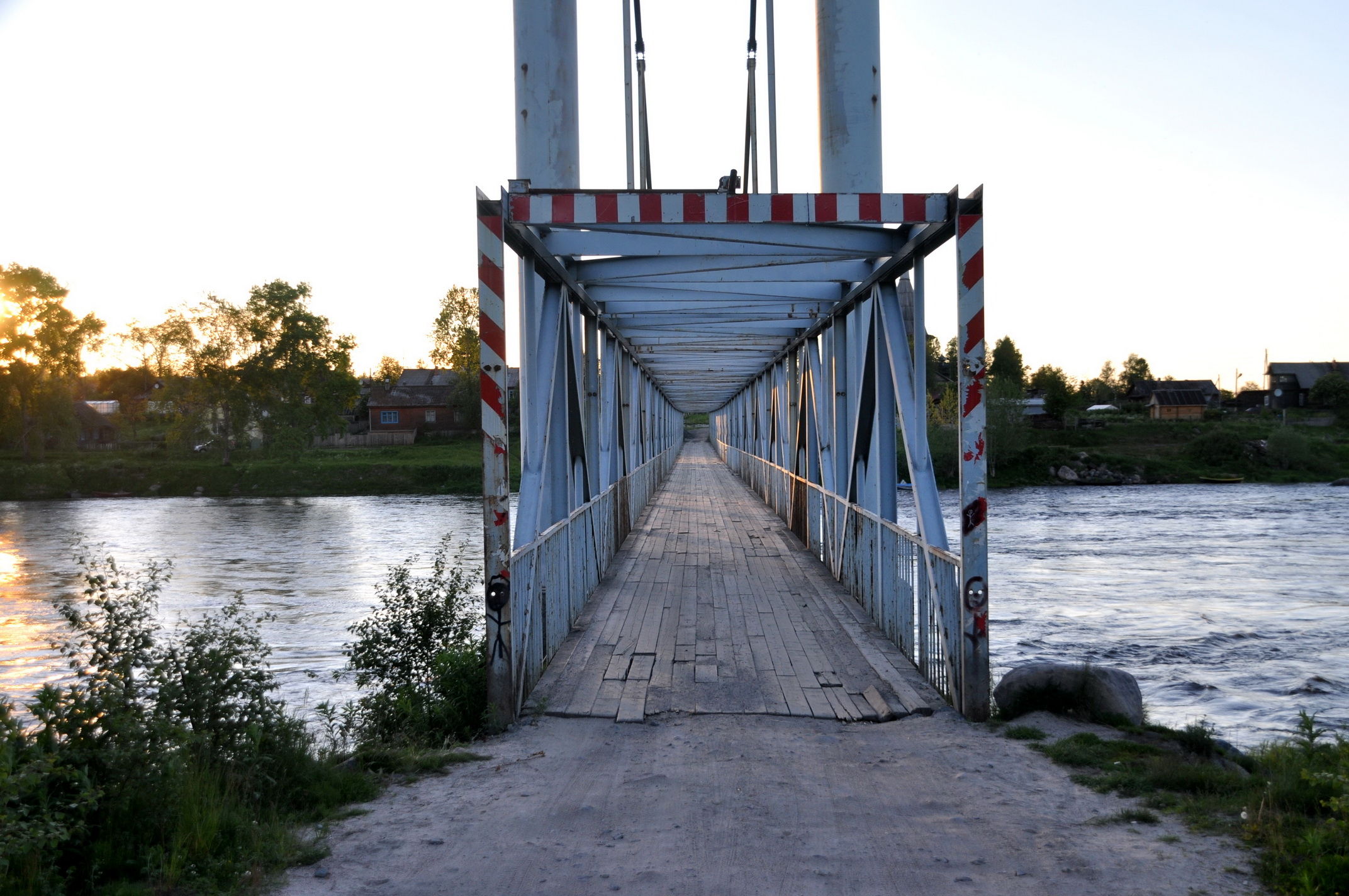
I drove around Kem. Not everybody knows that there’s a road bridge across the river beside the eighteenth-century Dormition Cathedral. Out of curiosity I drove to the opposite bank.
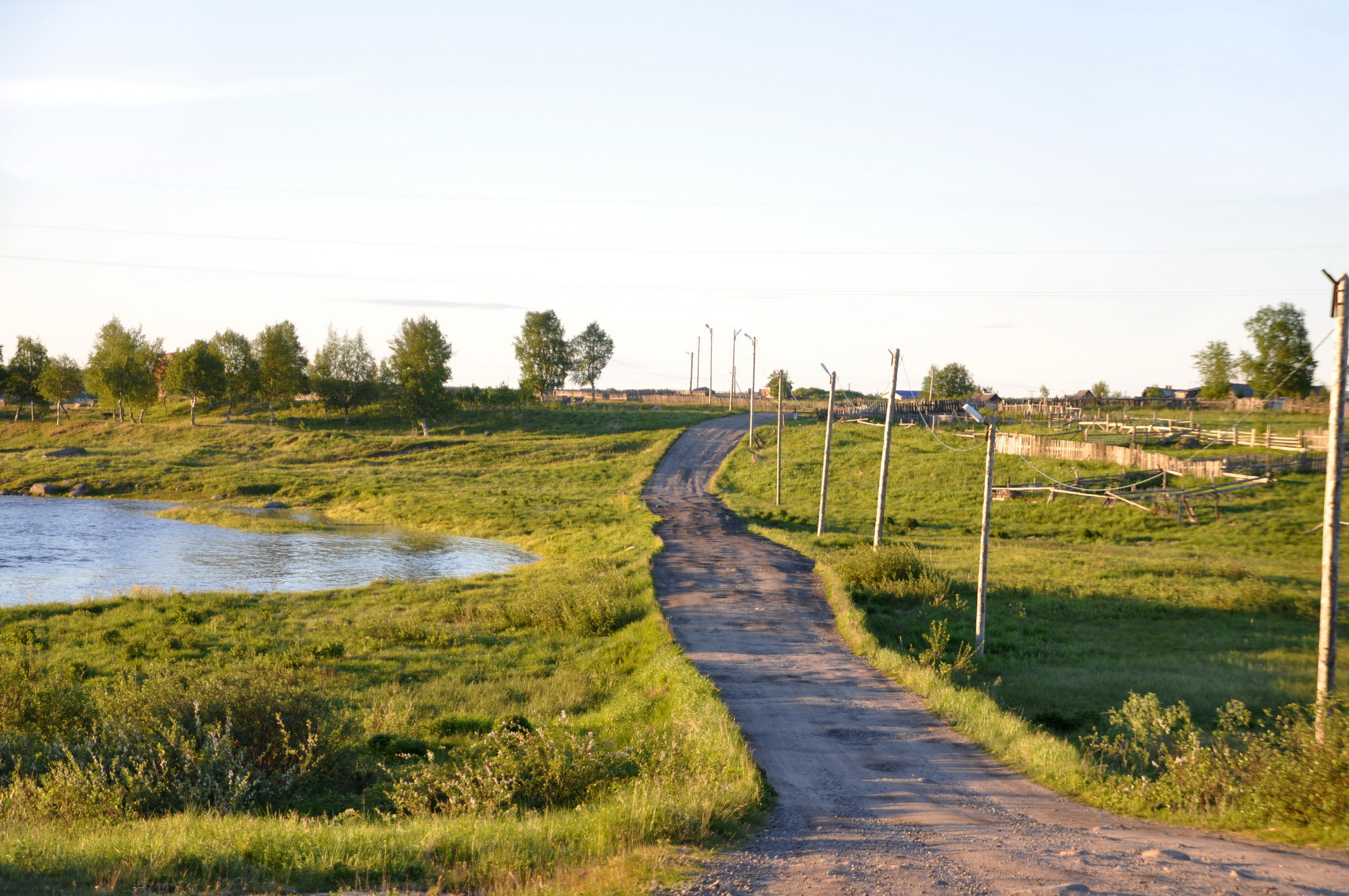
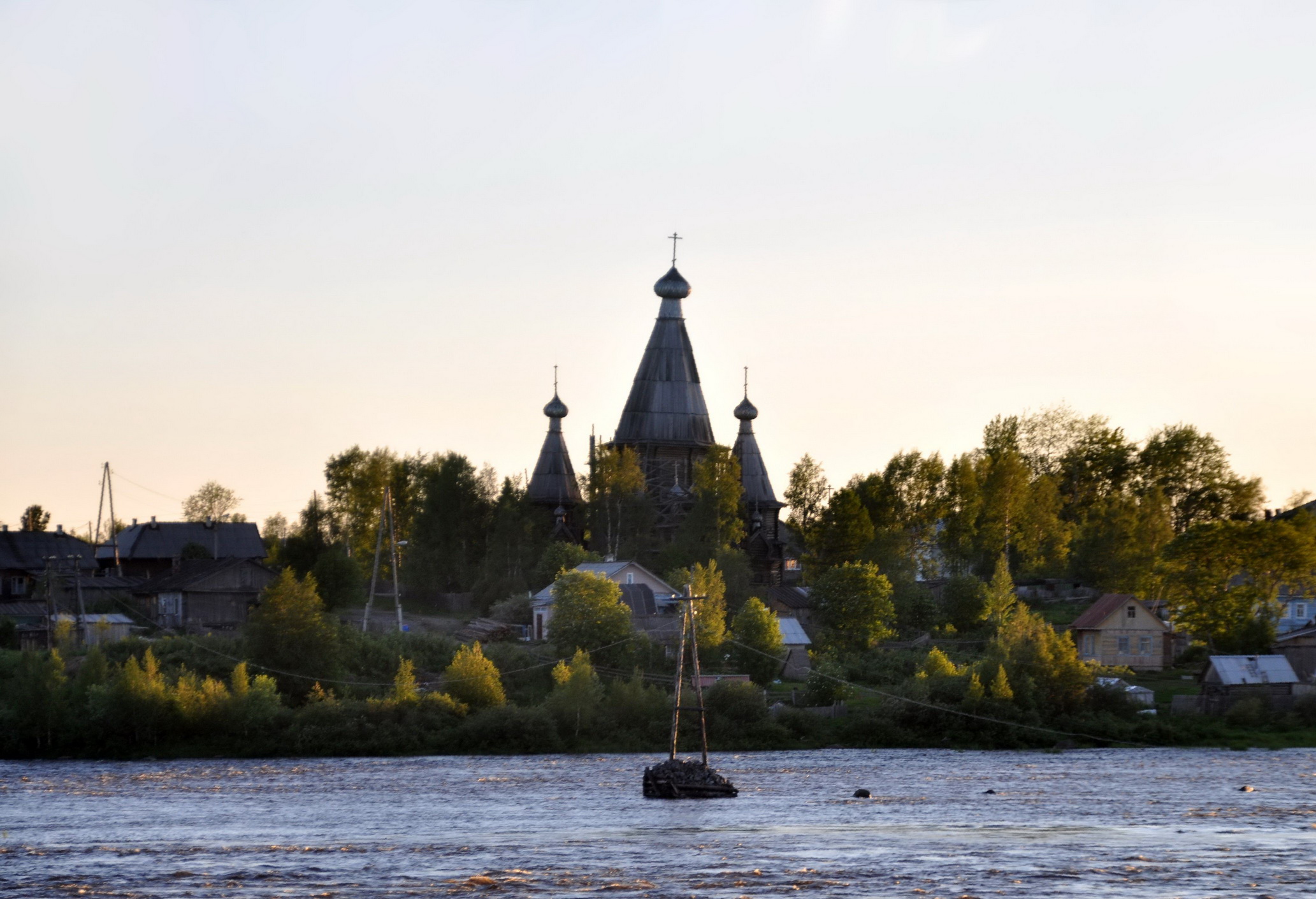
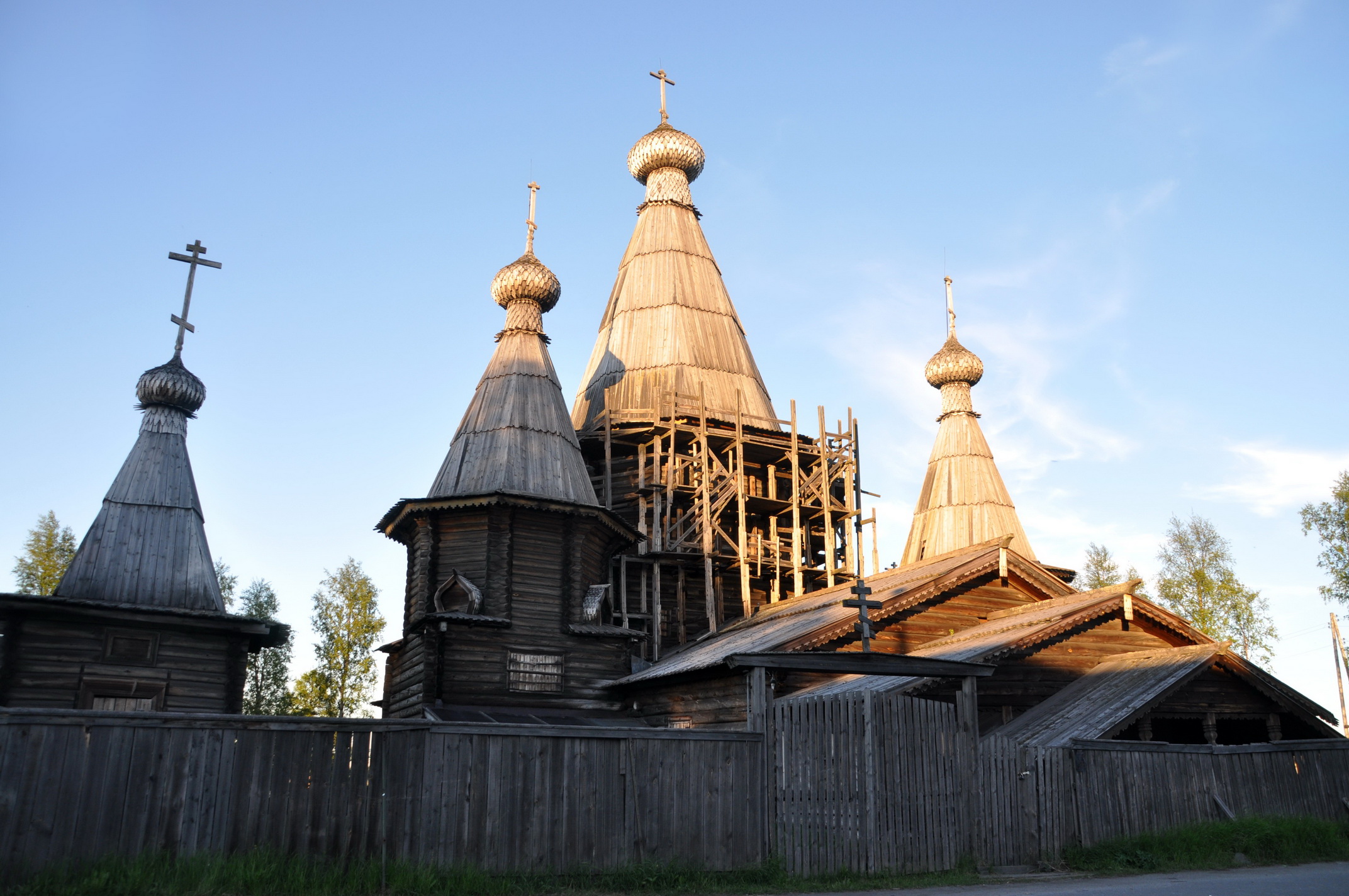
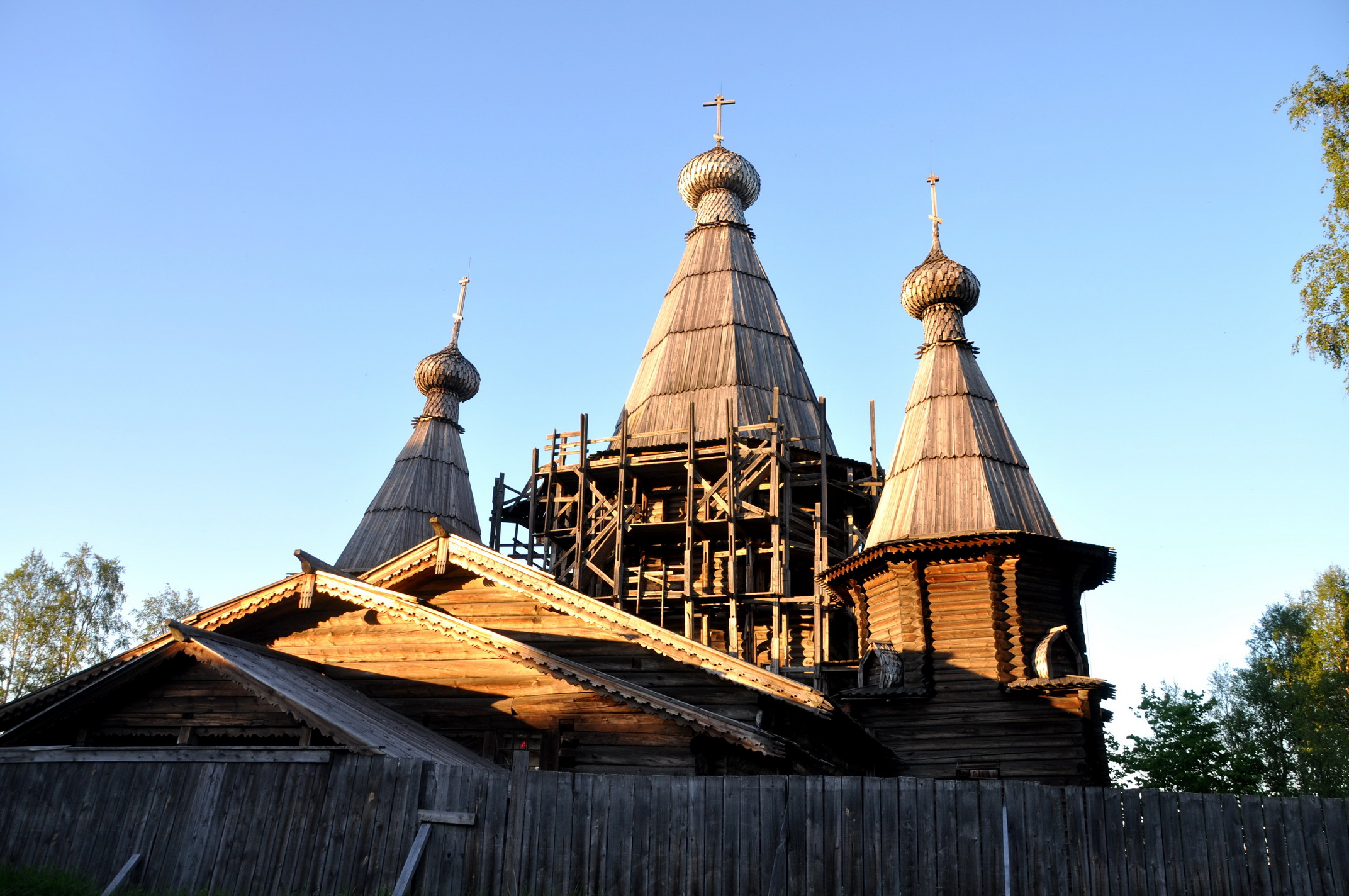
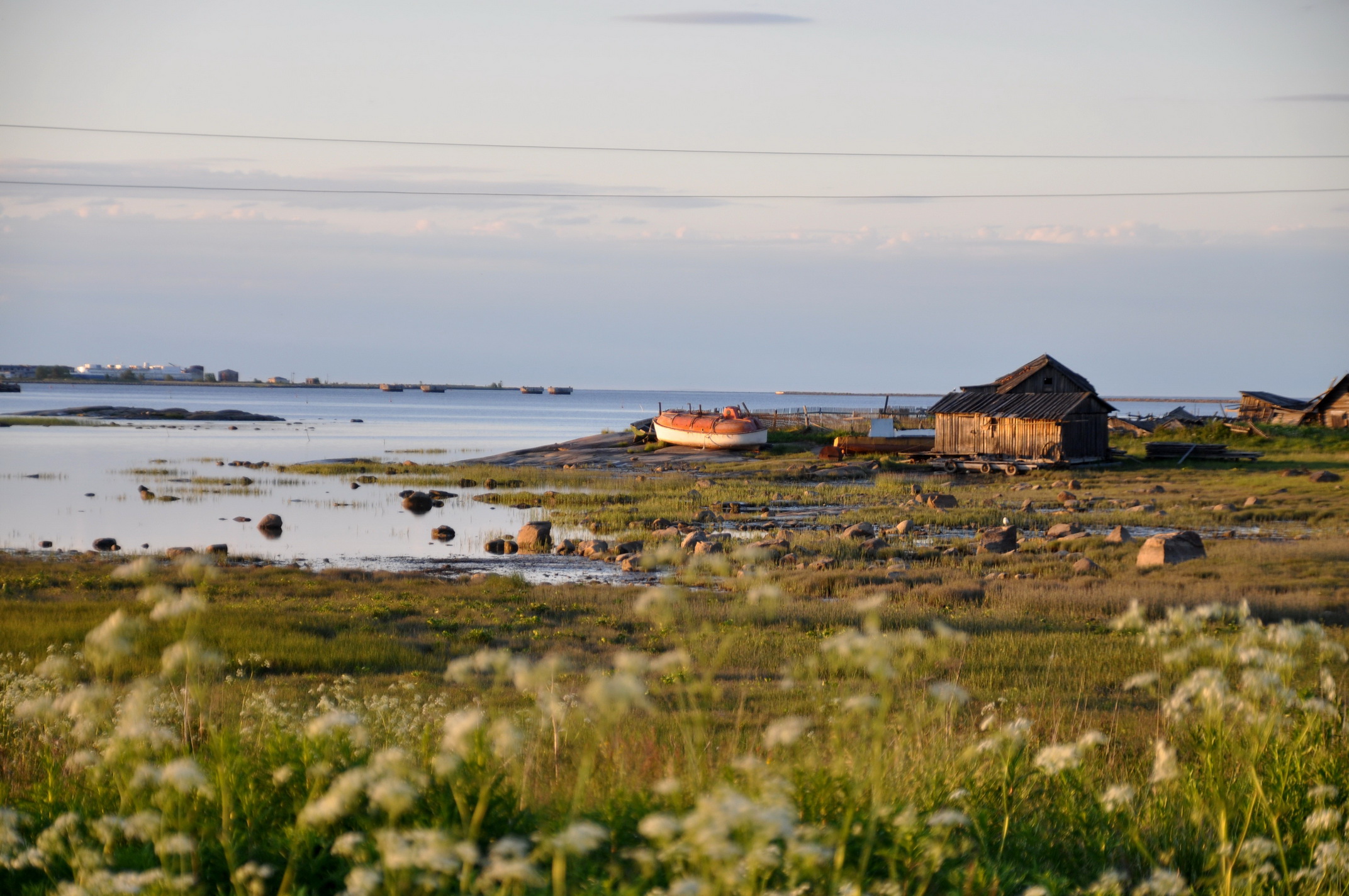
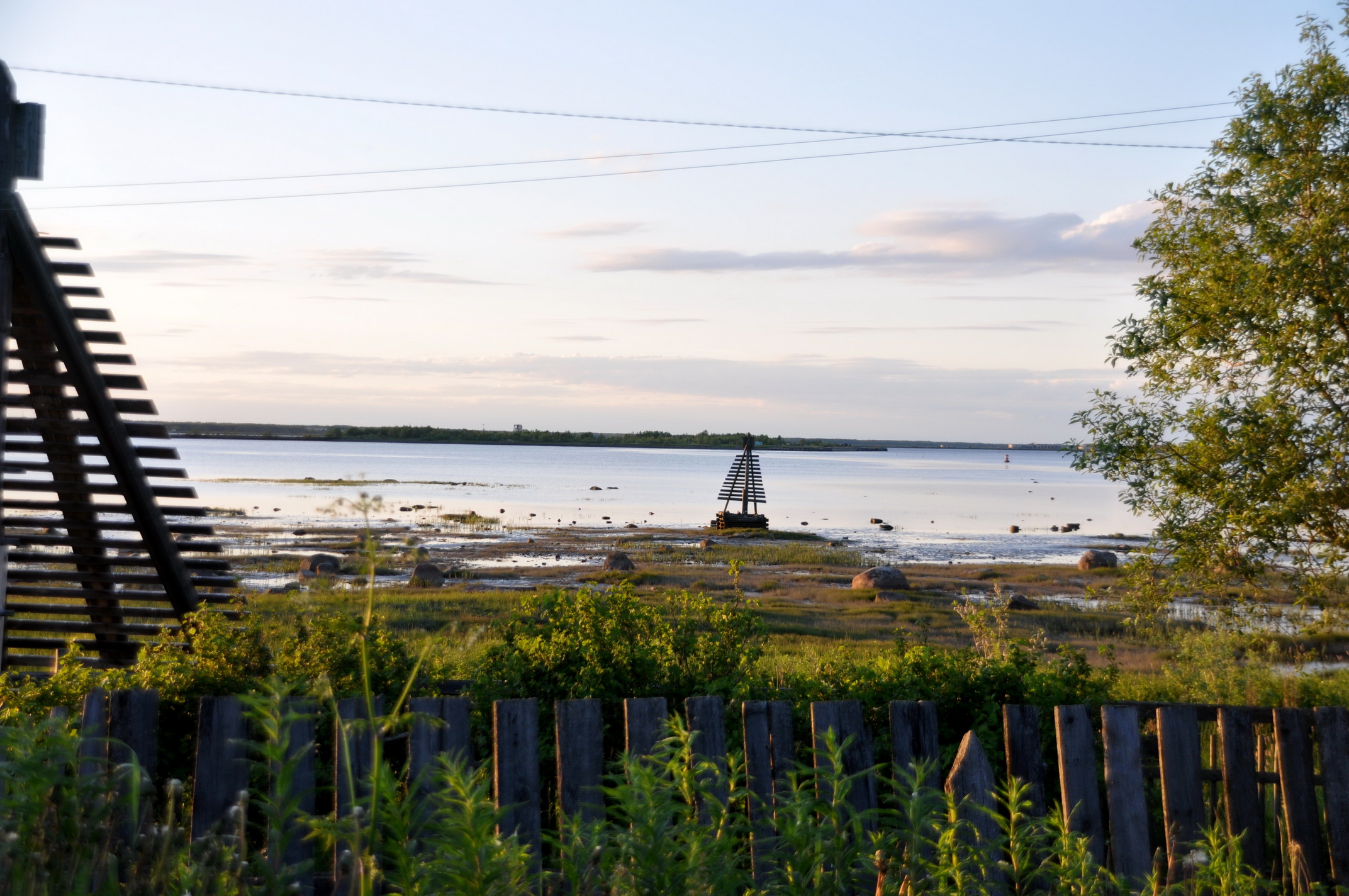
The last stretch was near the White Sea: two stations, Sumsky Posad and Malenga, on the Belomorsk–Obozersky railway. It’s wild country. You can’t drive to Malenga at all. A local train runs a few times a week.
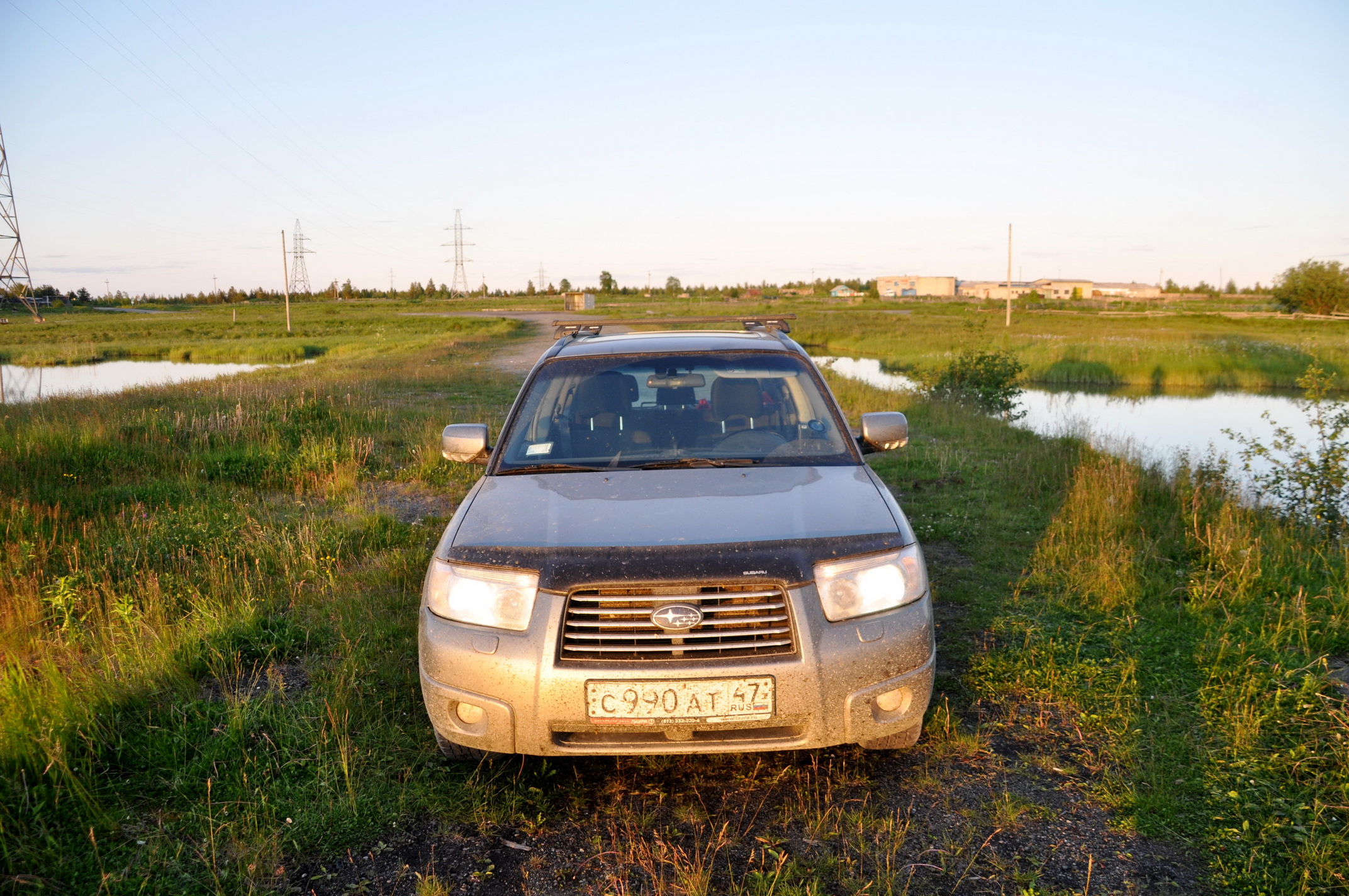
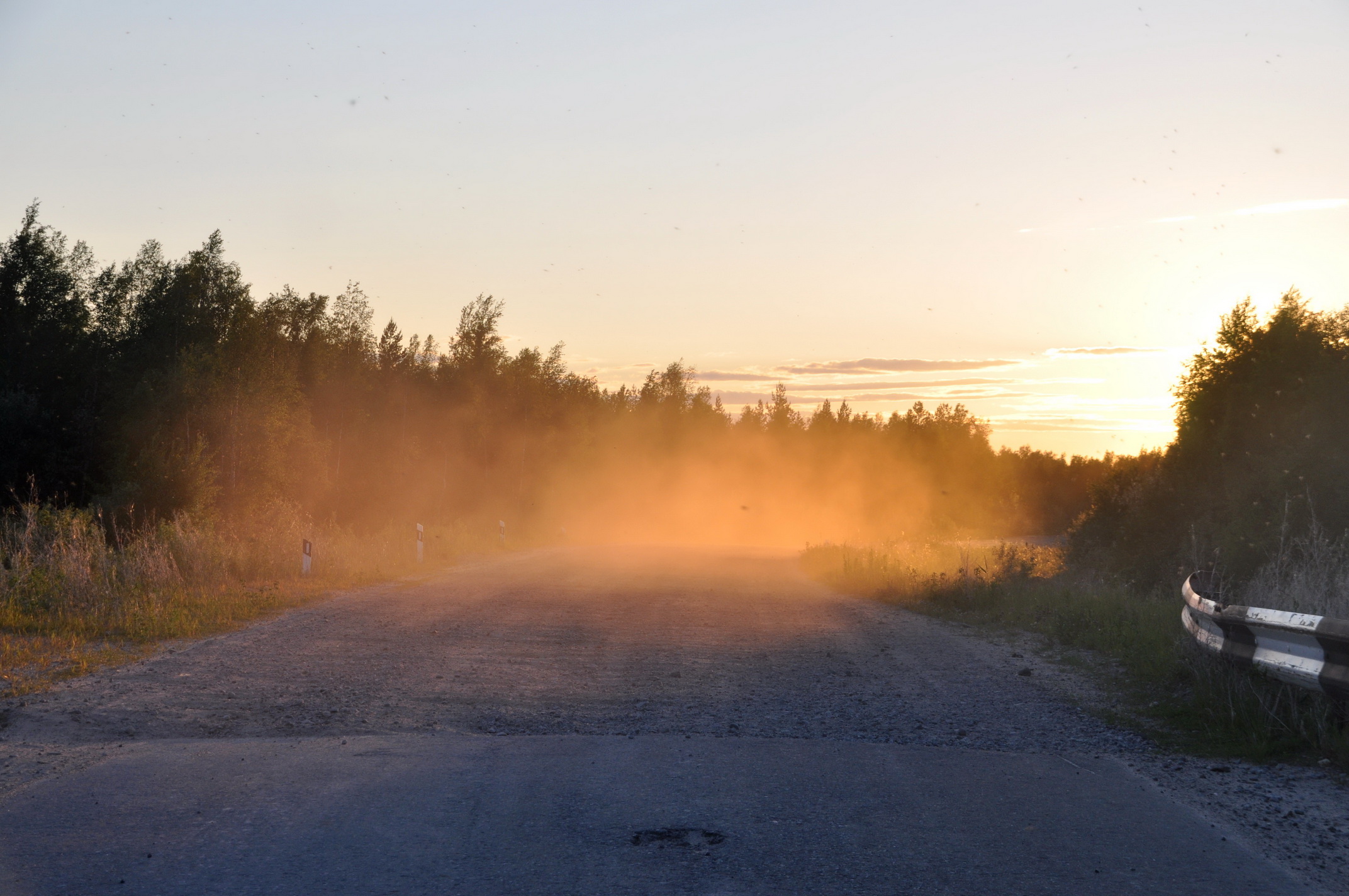
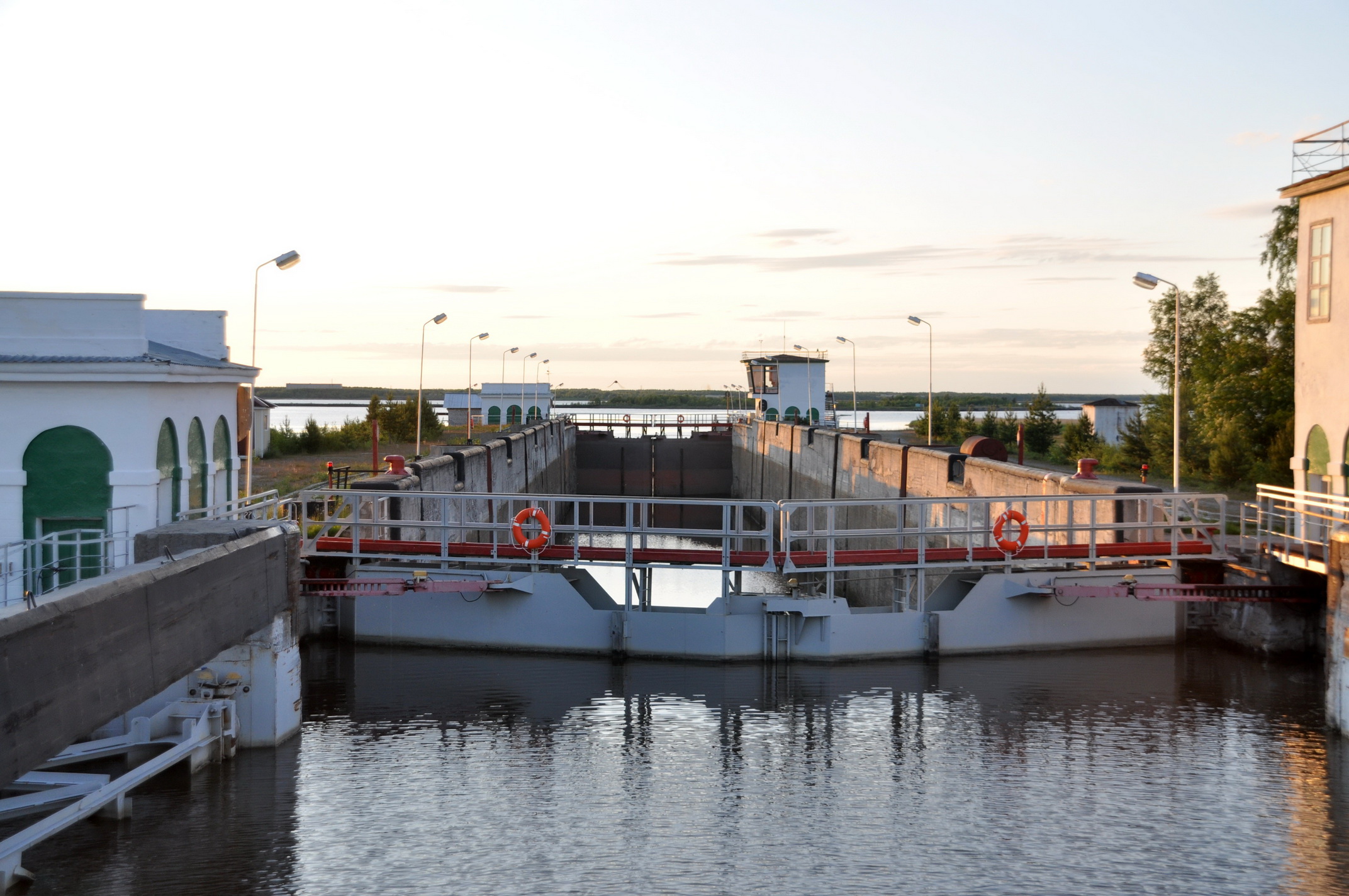
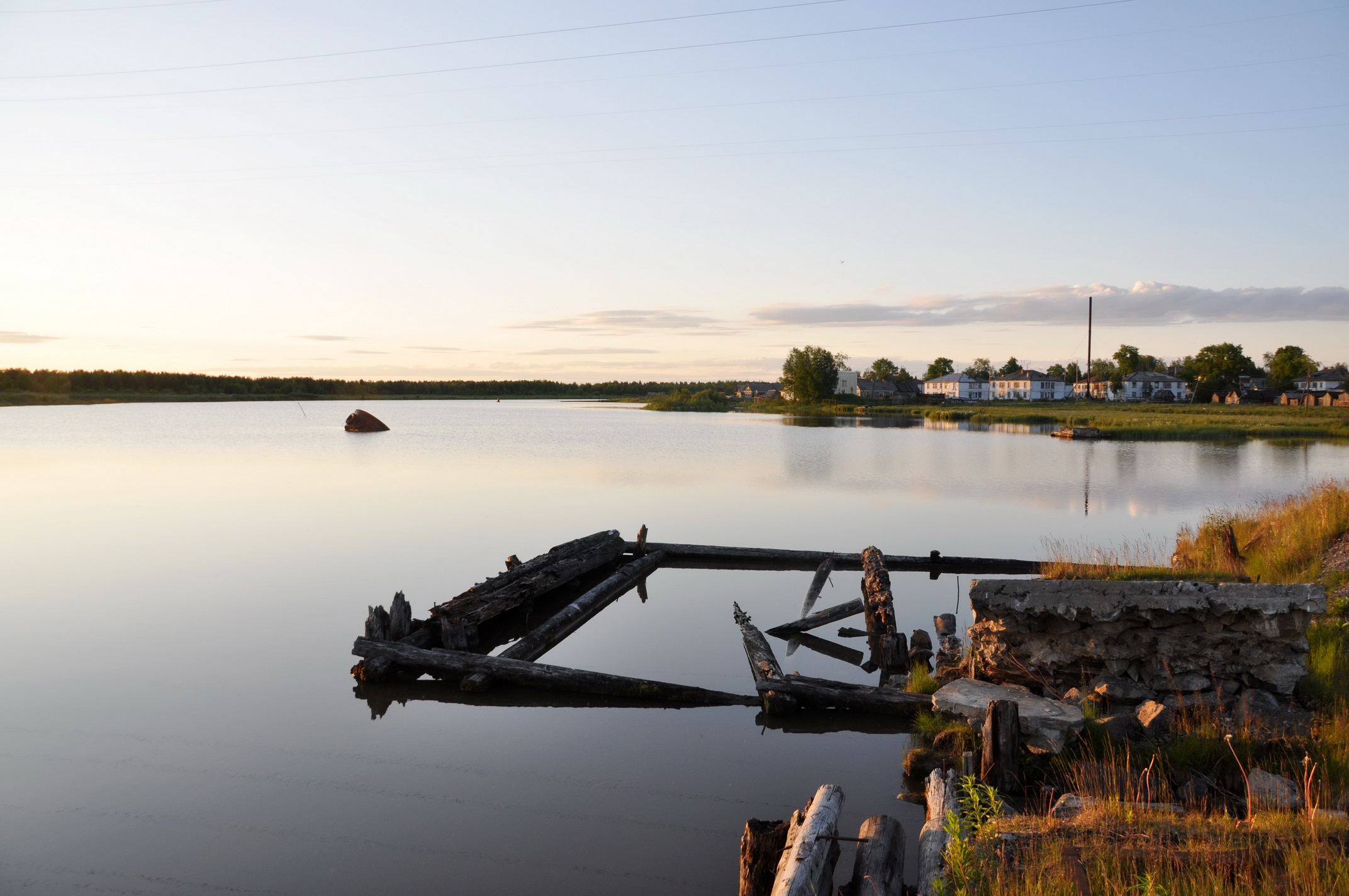
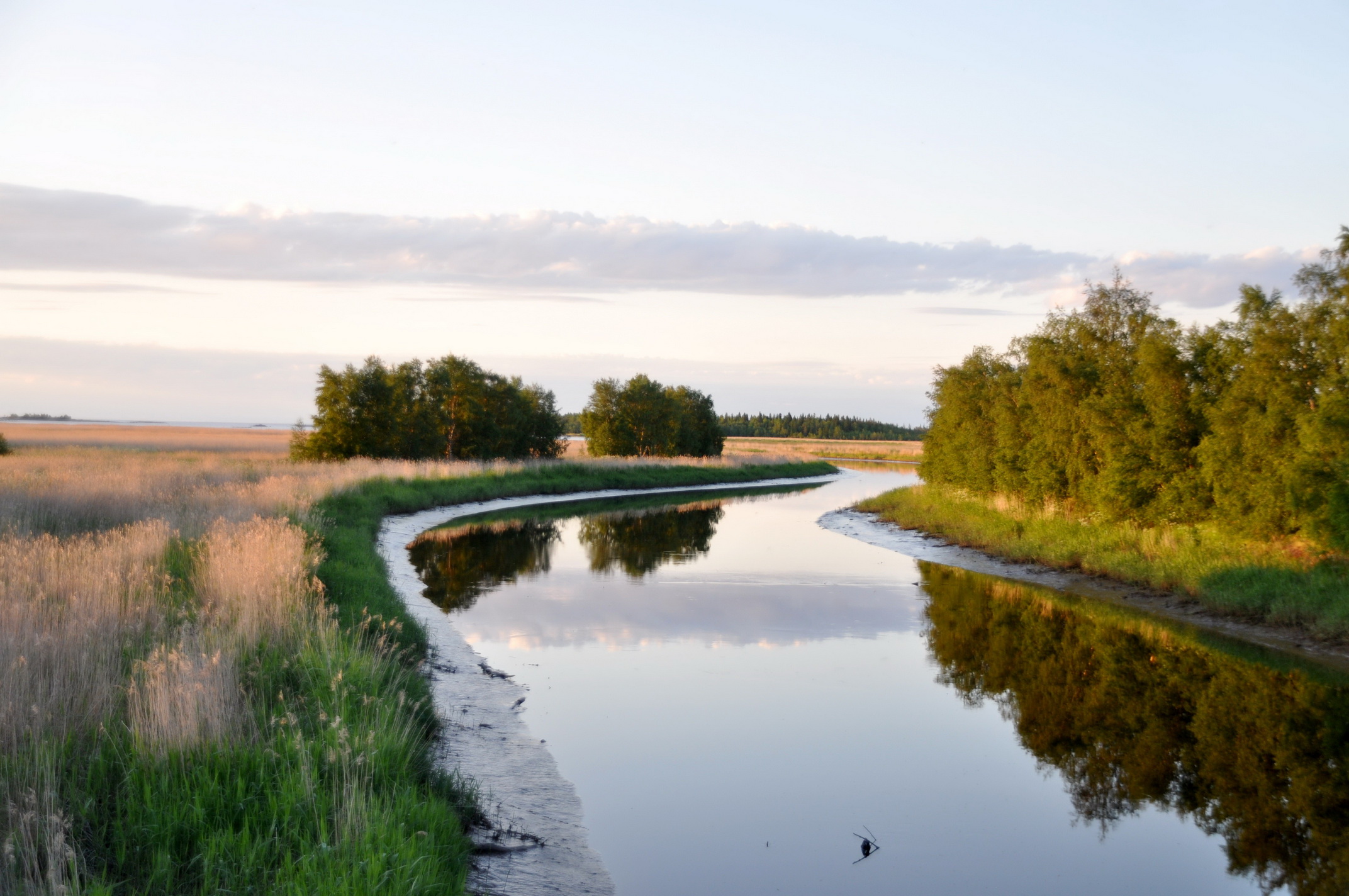
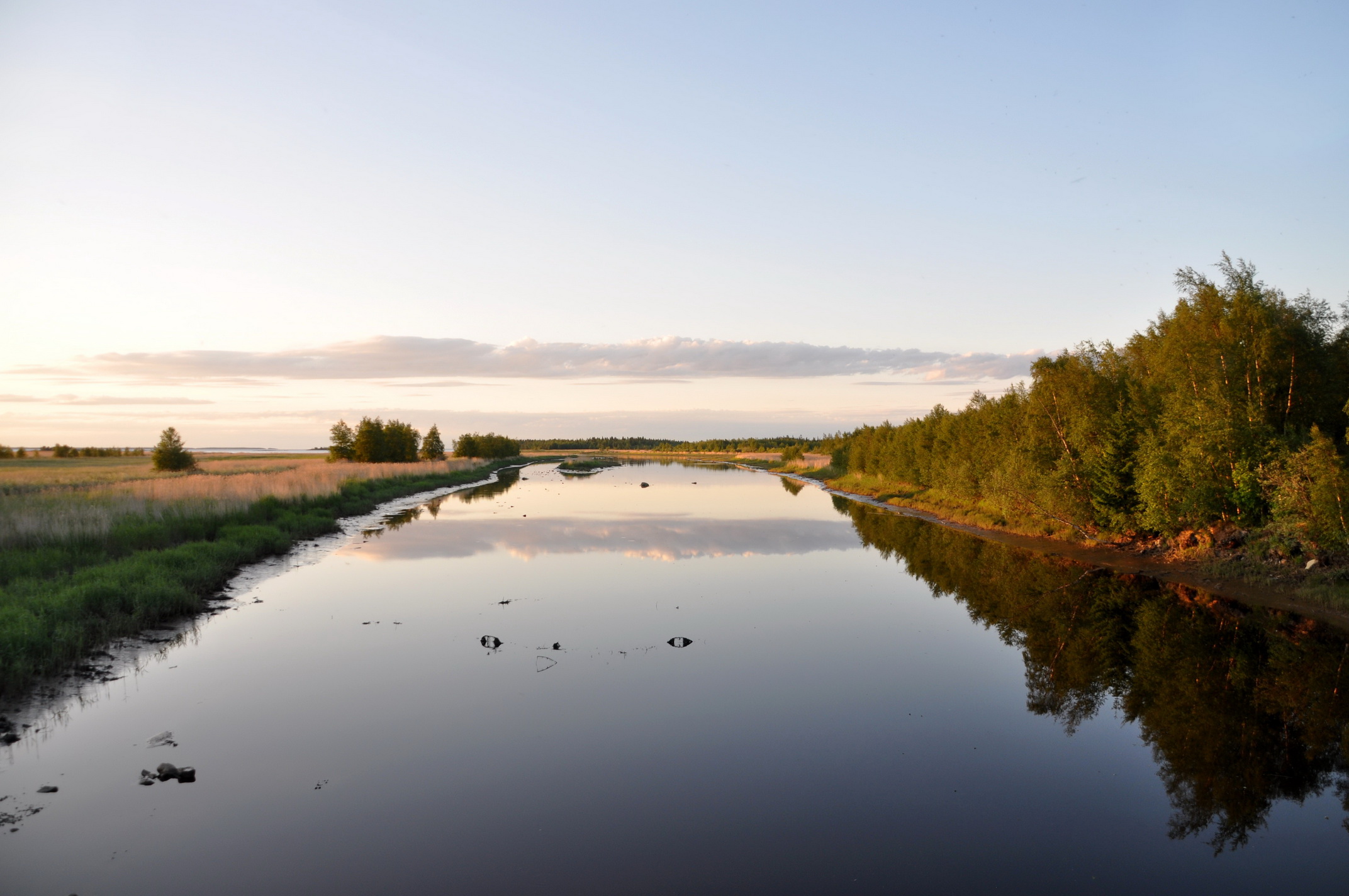
We arranged the work on this stretch like this. In the morning the technicians set off from Belomorsk. I get on their train at Sumsky Posad and we ride to Malenga. Once there we have 15 minutes to get all the work done before the train leaves again. We come back to Sumsky Posad, finish the work there, then drive to Idel and Belomorsk.
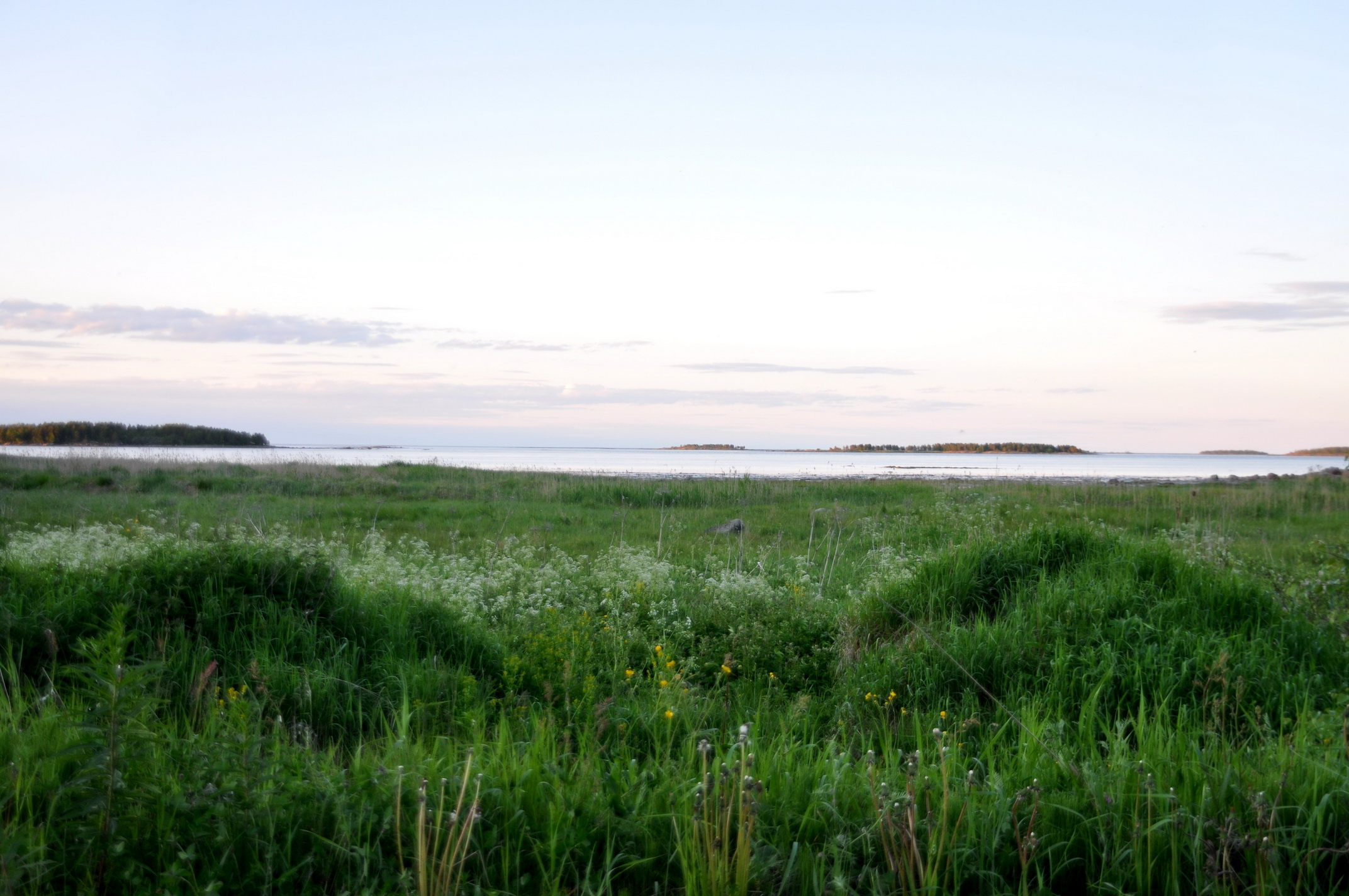
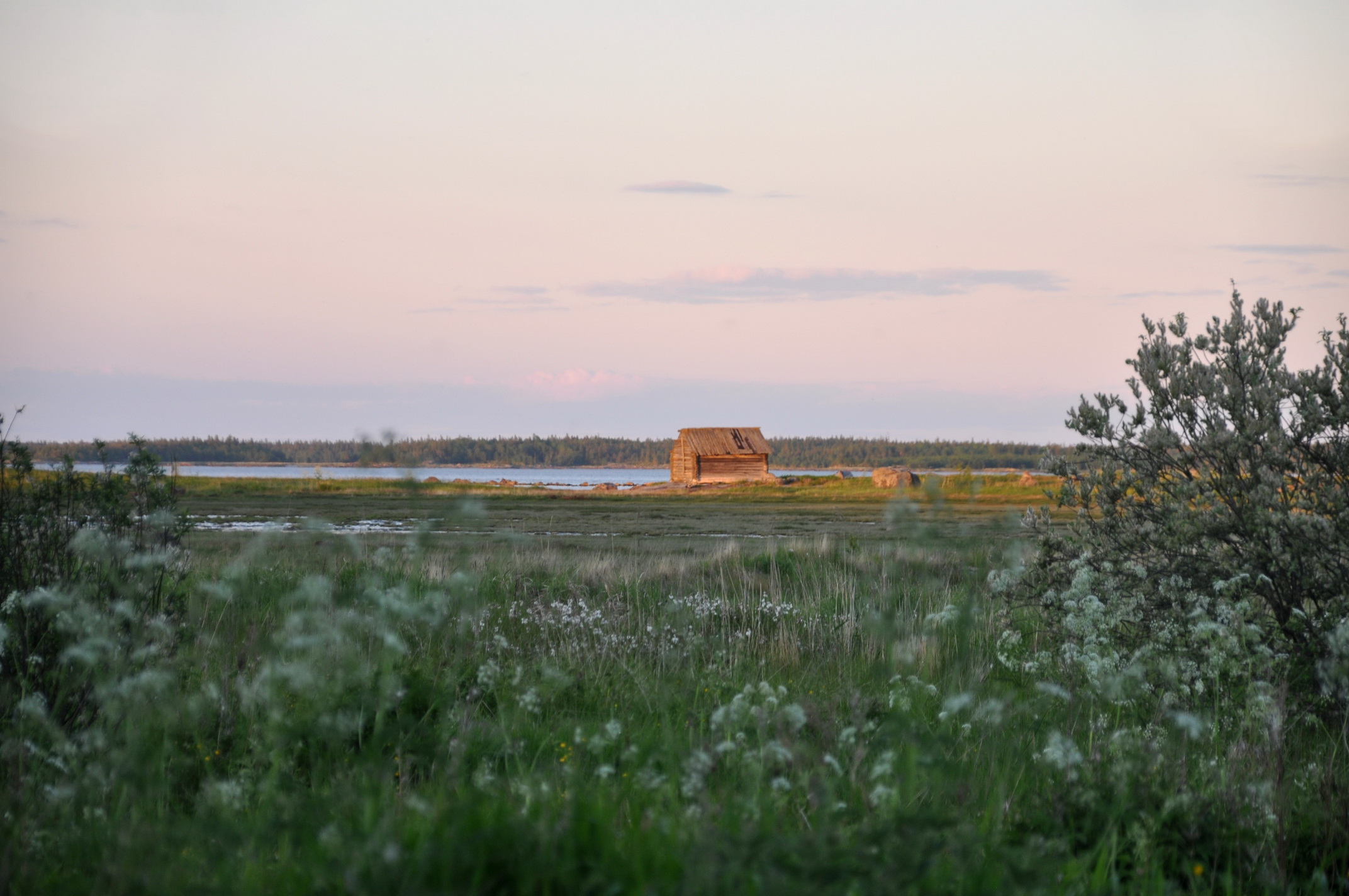
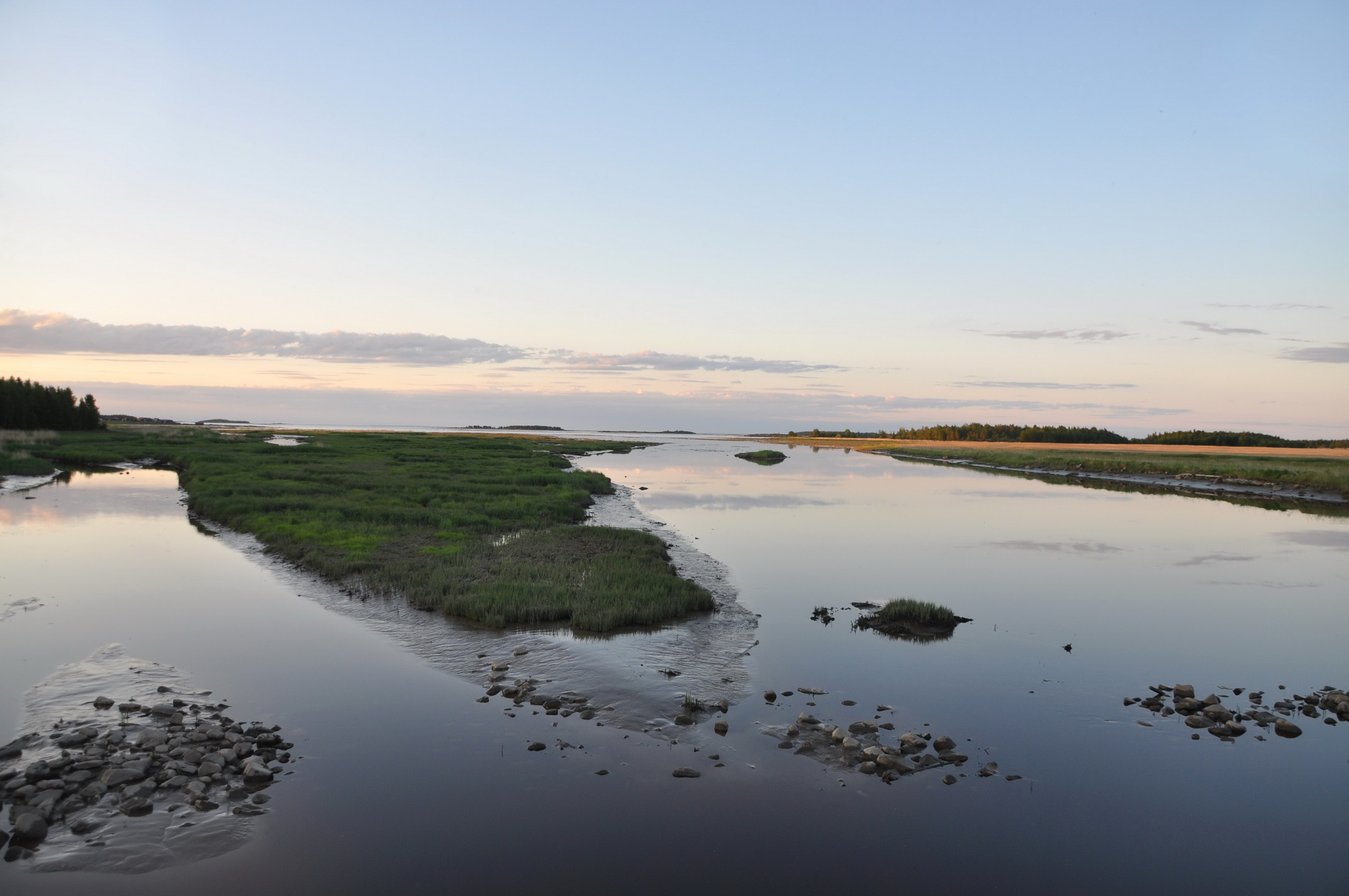
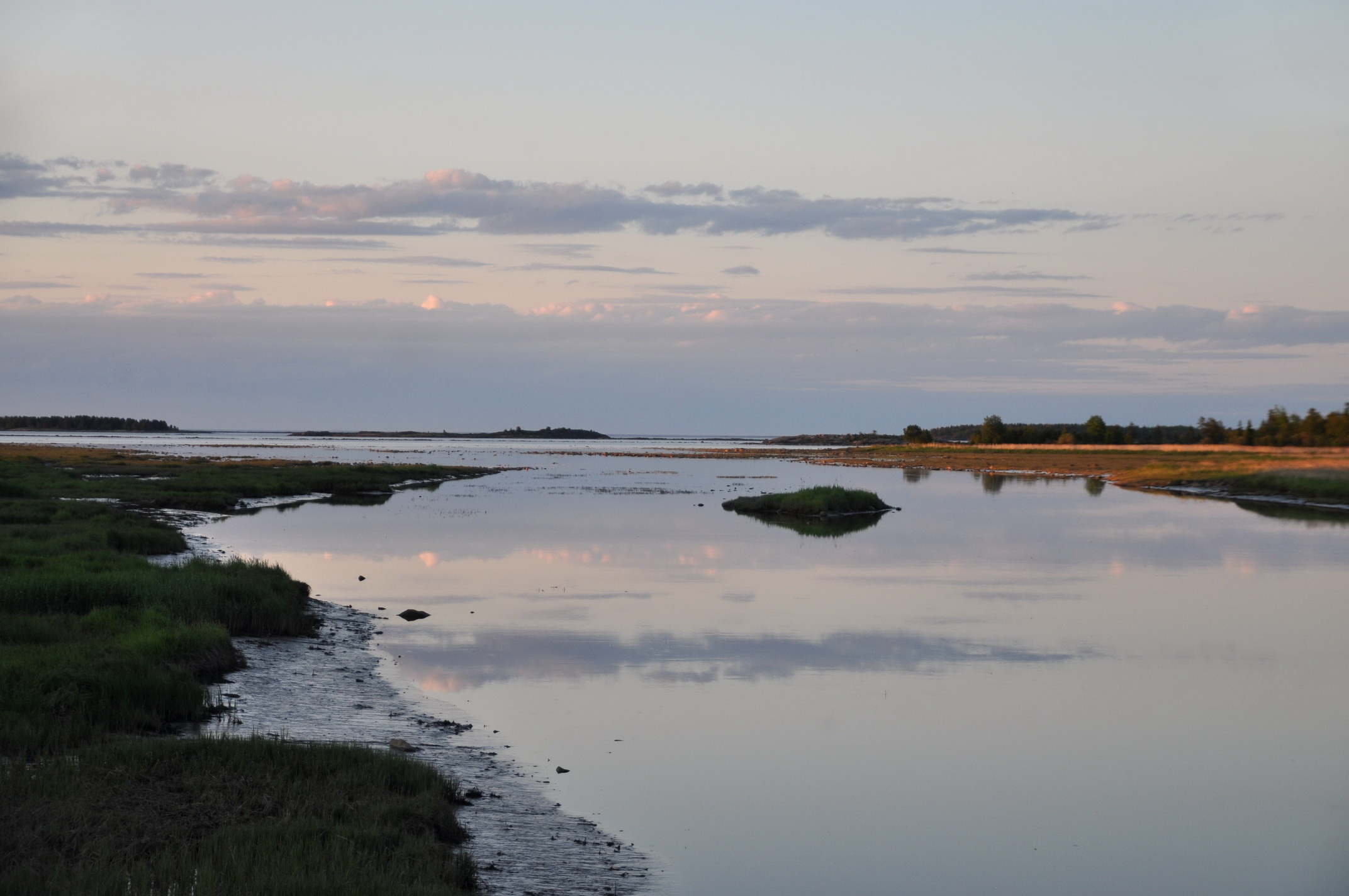
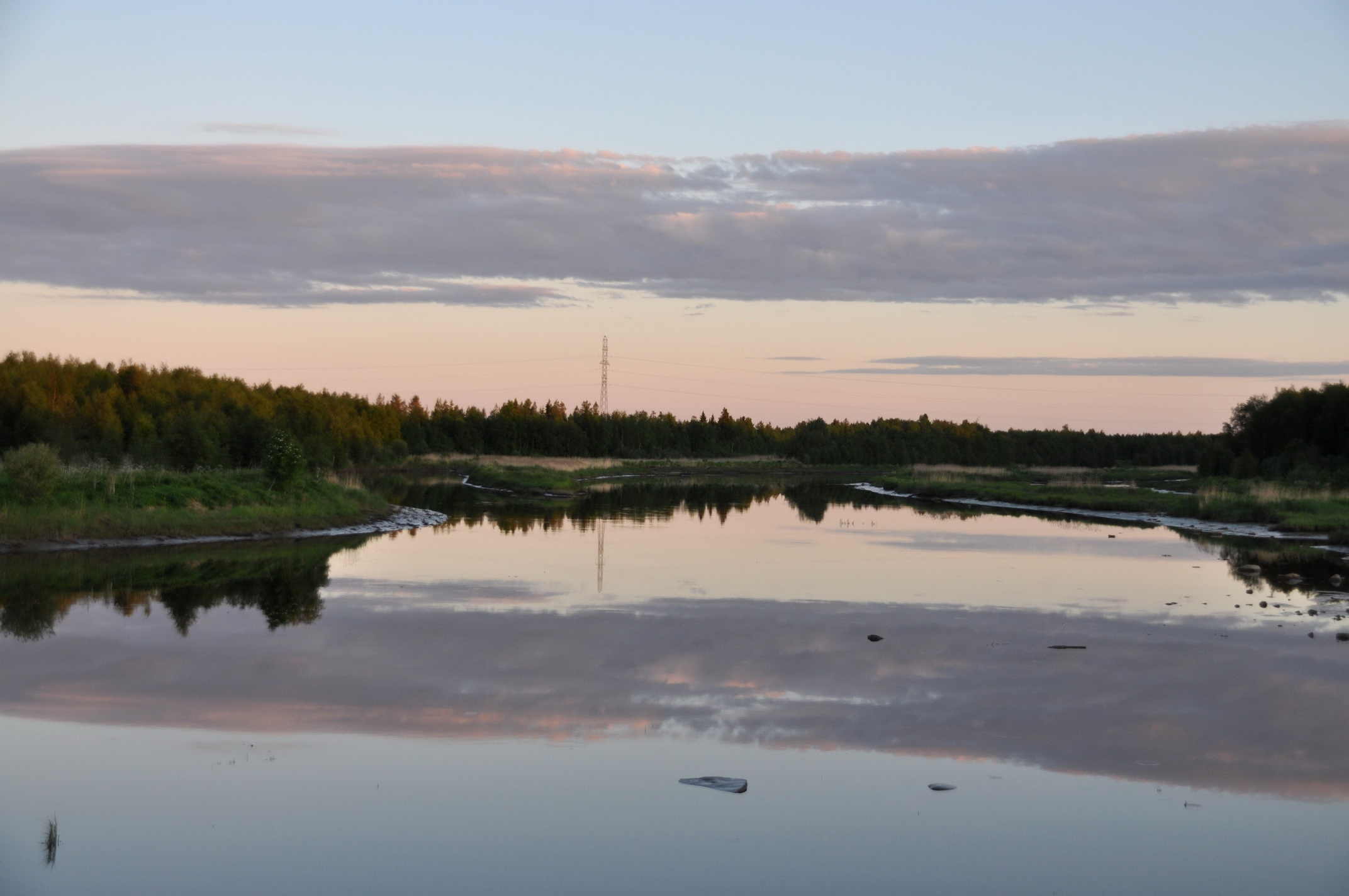
That left my evening free. The road to Sumsky Posad is exceptionally beautiful, especially in the evening. In places you can see the White Sea. In the village of Virma there’s a wonderful view from the bridge over the Virma River. A long, long time ago we set off on a White Sea kayak trip from here.
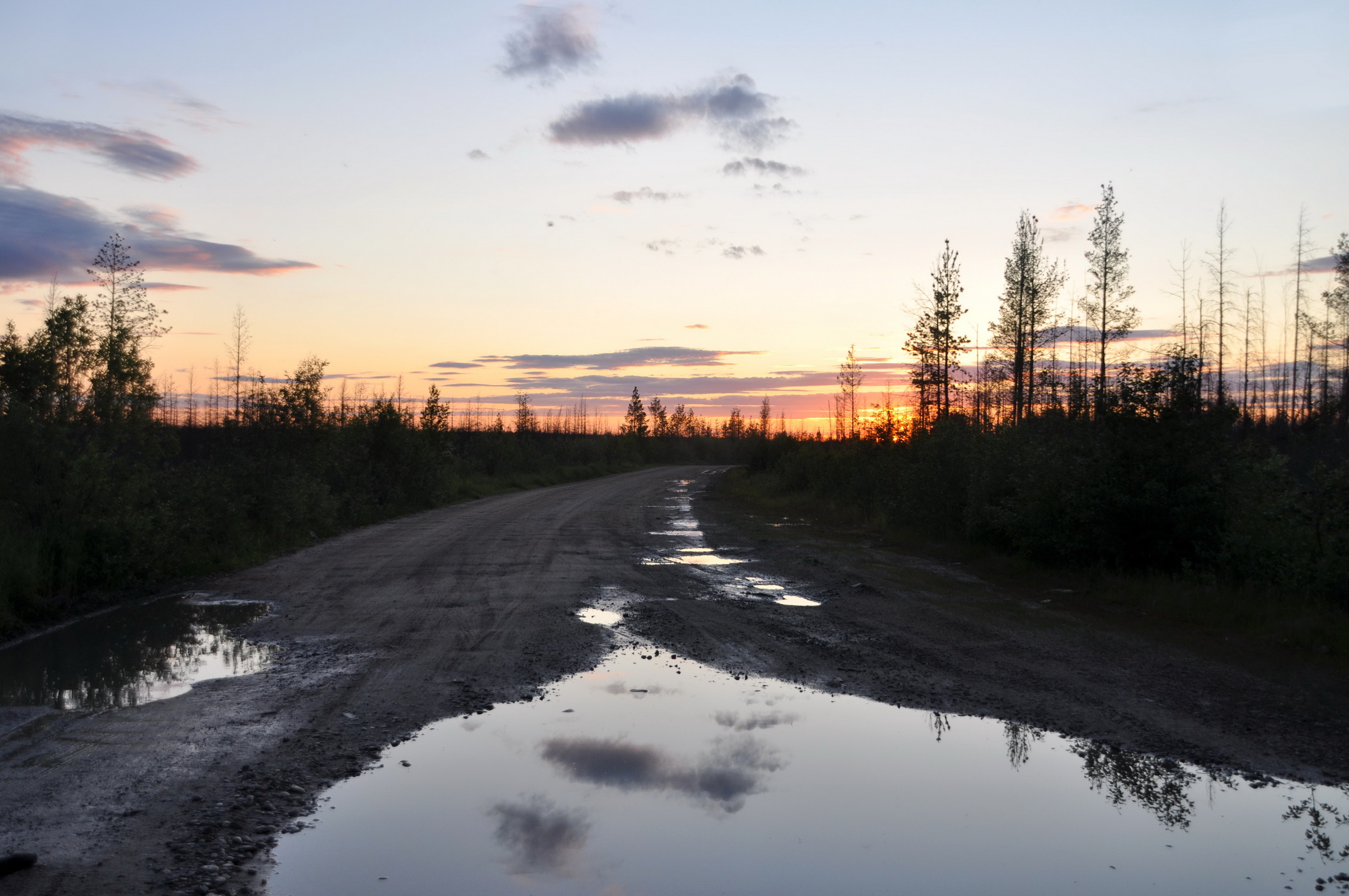
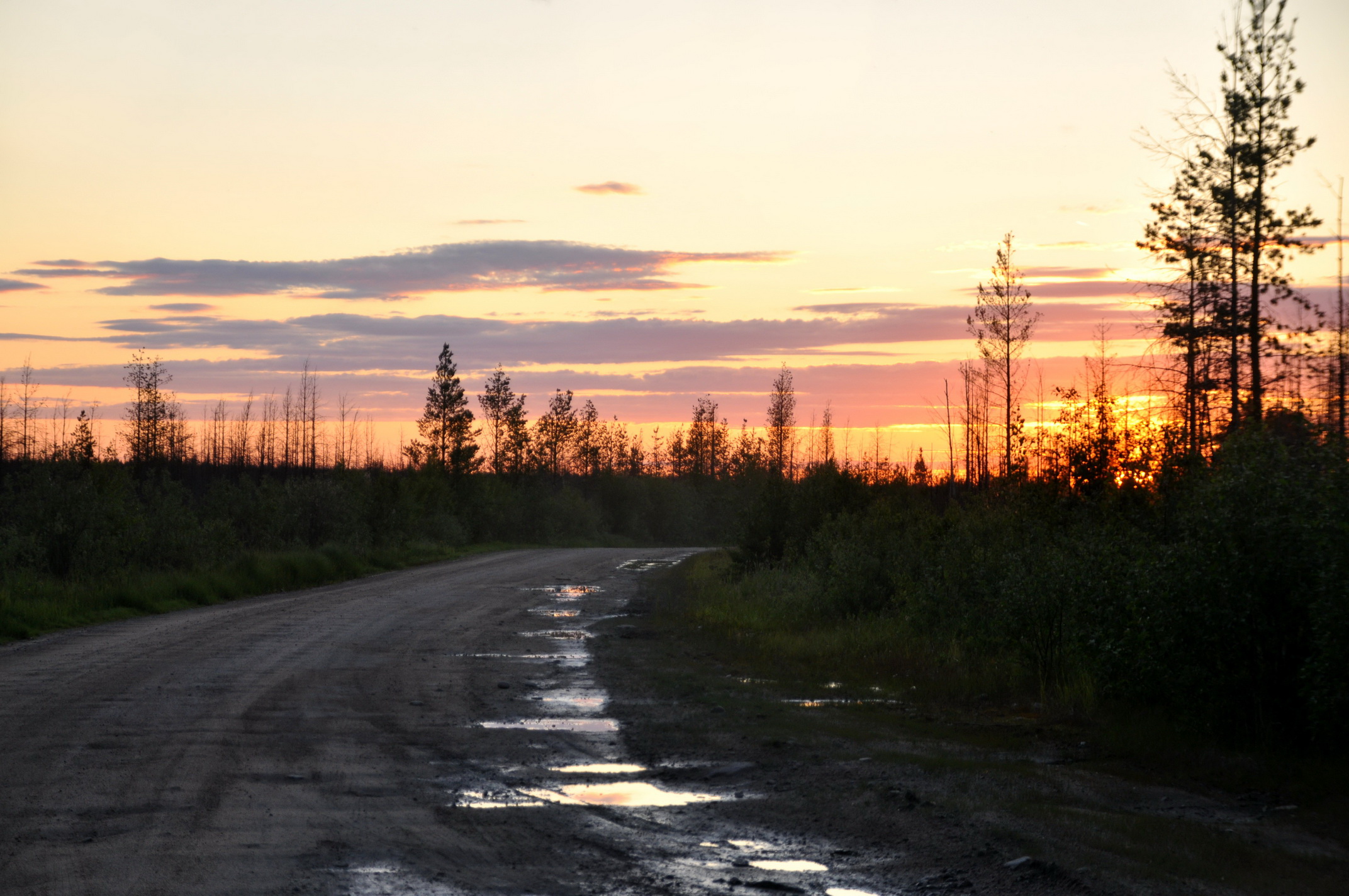
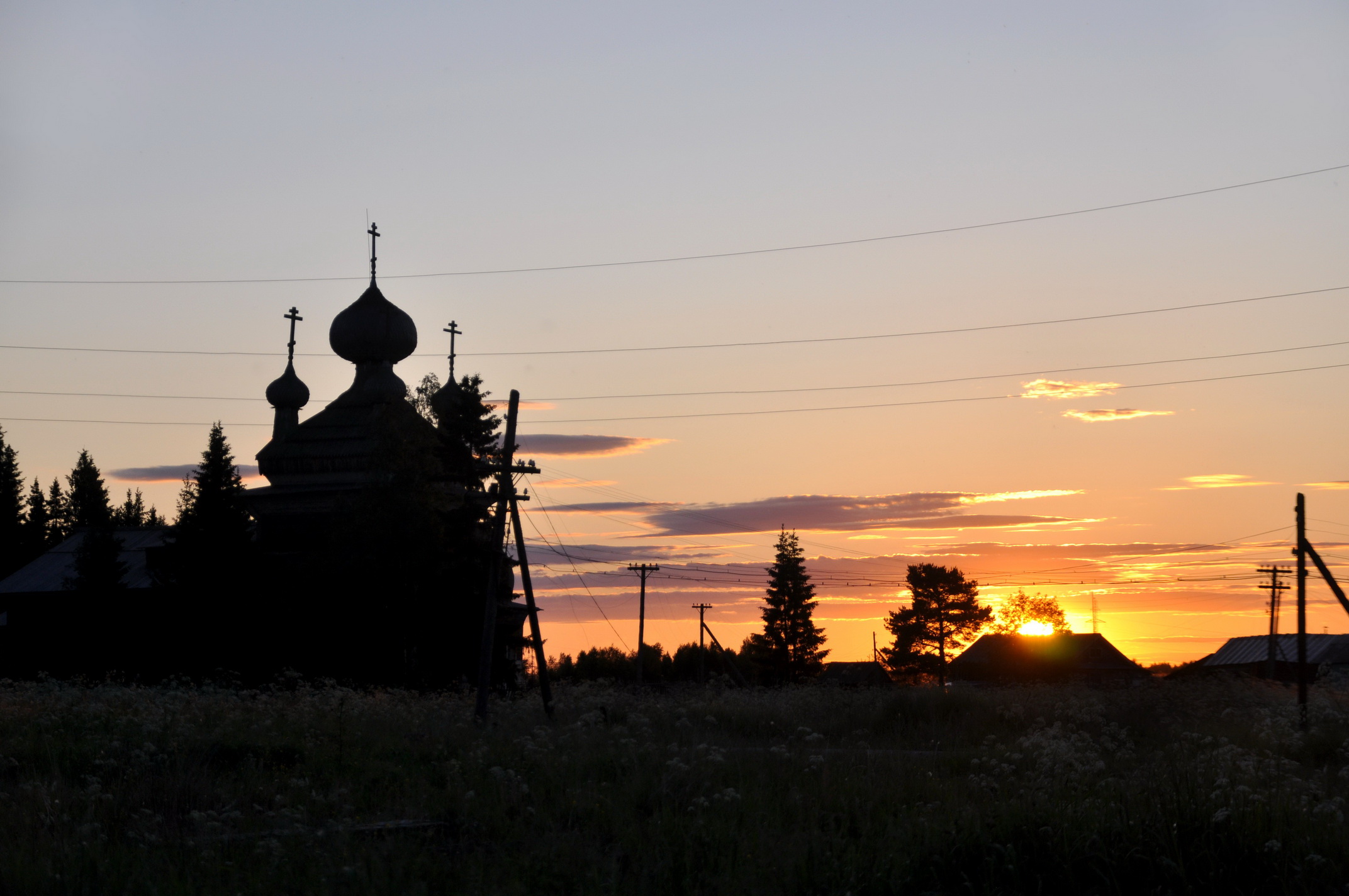
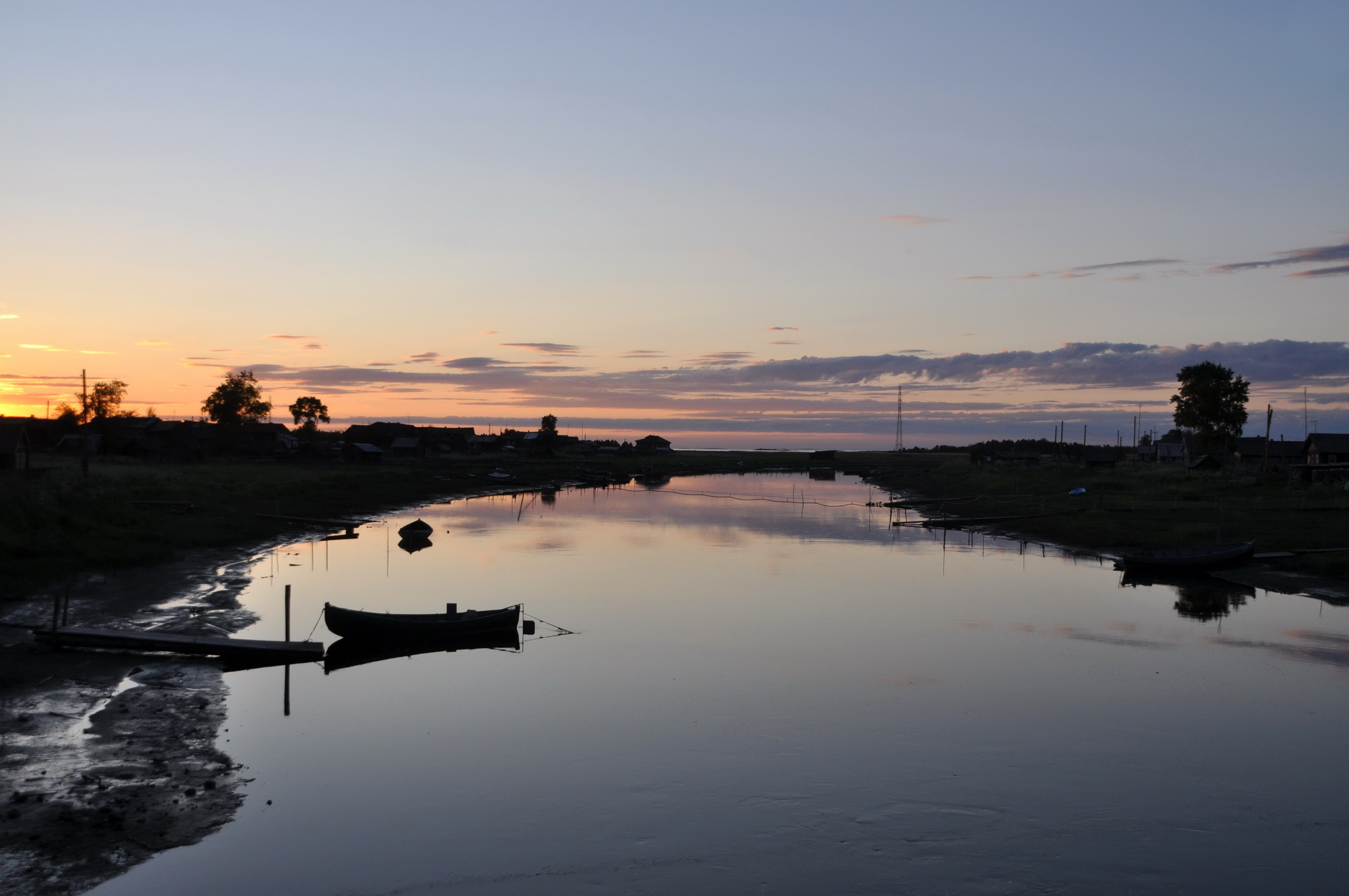
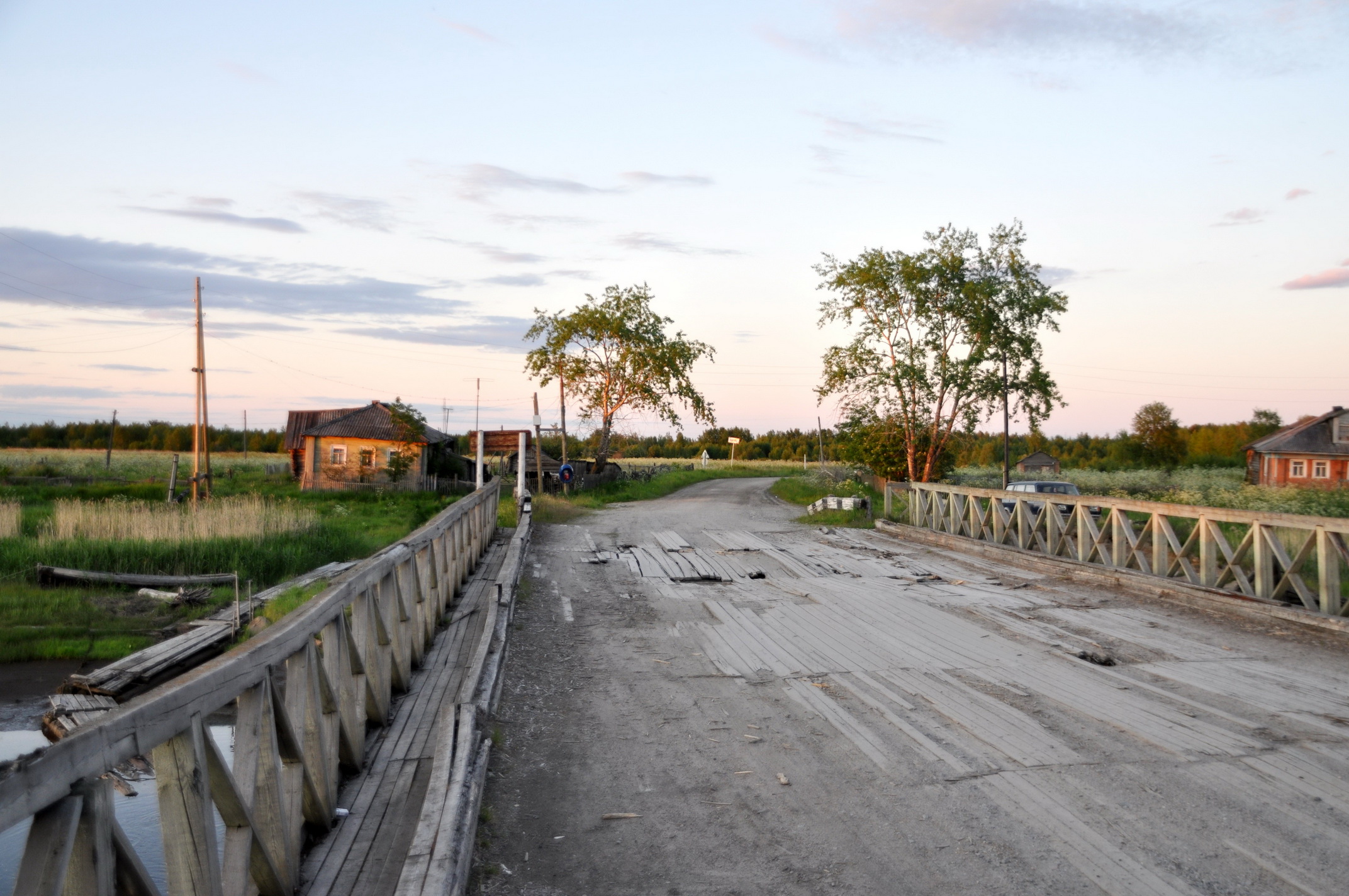
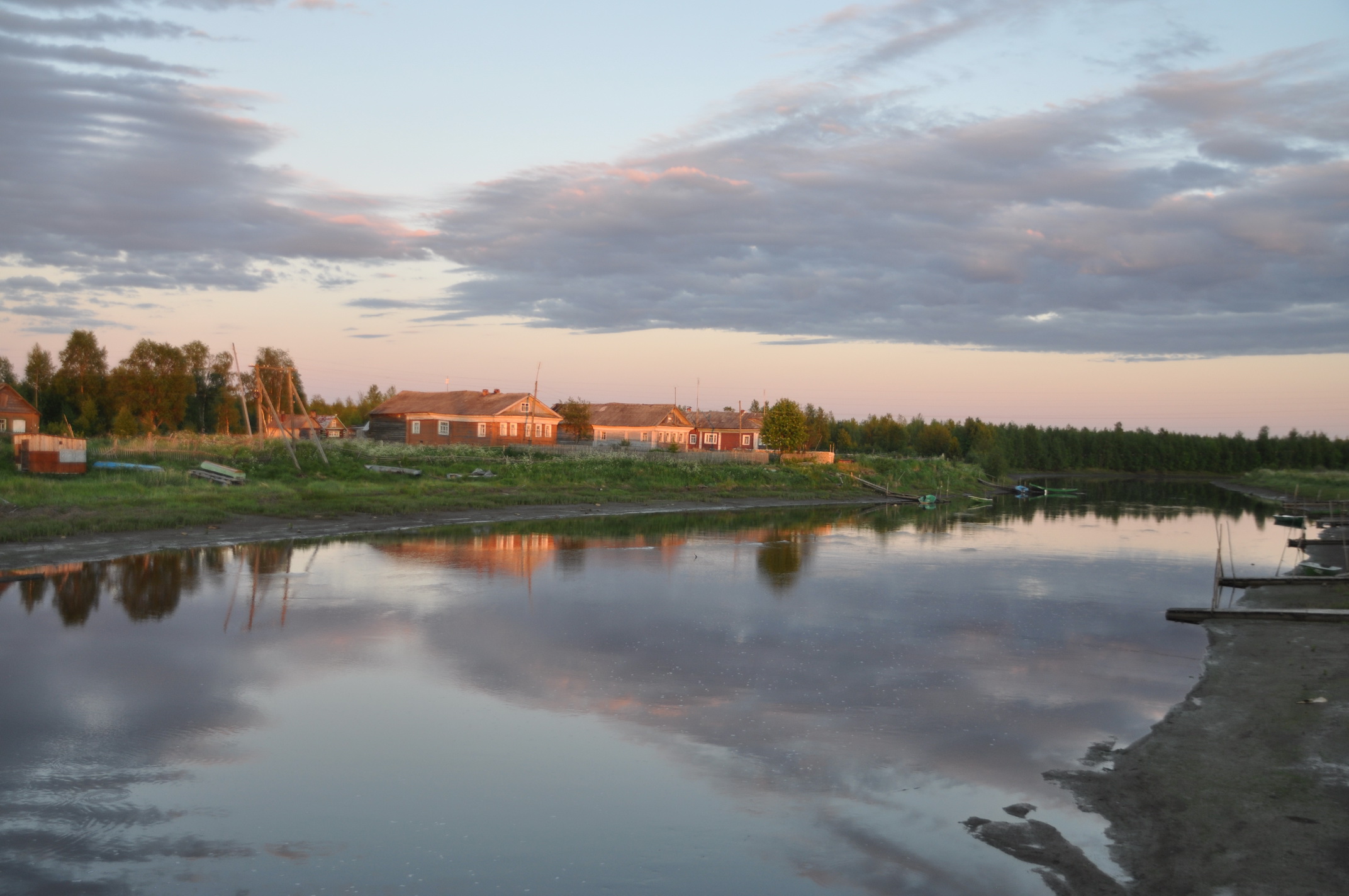
It was night by the time I reached Sumsky Posad. A white night, of course, so what difference did it make? I was worried. There was bad news from New Zealand. All our efforts had come to nothing. They had finally started looking at our residence application, almost a year after we submitted it. In the meantime the business that had offered Tanya a job had all but gone bust.
The immigration officer concluded that the offer was fictitious, that the firm didn’t need an employee and that our application should be refused. There were long, fruitless negotiations. We even thought of trying to keep the business alive ourselves by lending it a hundred thousand dollars.
Things came to a head that night. I found a wonderful spot on the shore of Lake Pustovskoye (64°09.975′N, 35°19.169′E), but hardly slept. We kept calling each other and frantically making plans that had no hope of working. It was futile. We couldn’t even withdraw that much money from the bank, and if we somehow did it would immediately trigger an investigation, the last thing we needed. We’d be deported on the spot. There was little chance of staying even without that. We needed to find a job fast. By morning the immigration officer had given us a month to find one. After that the residence application would be turned down, the existing visa cancelled and we’d be stuck forever in the tenacious little claws of the motherland.
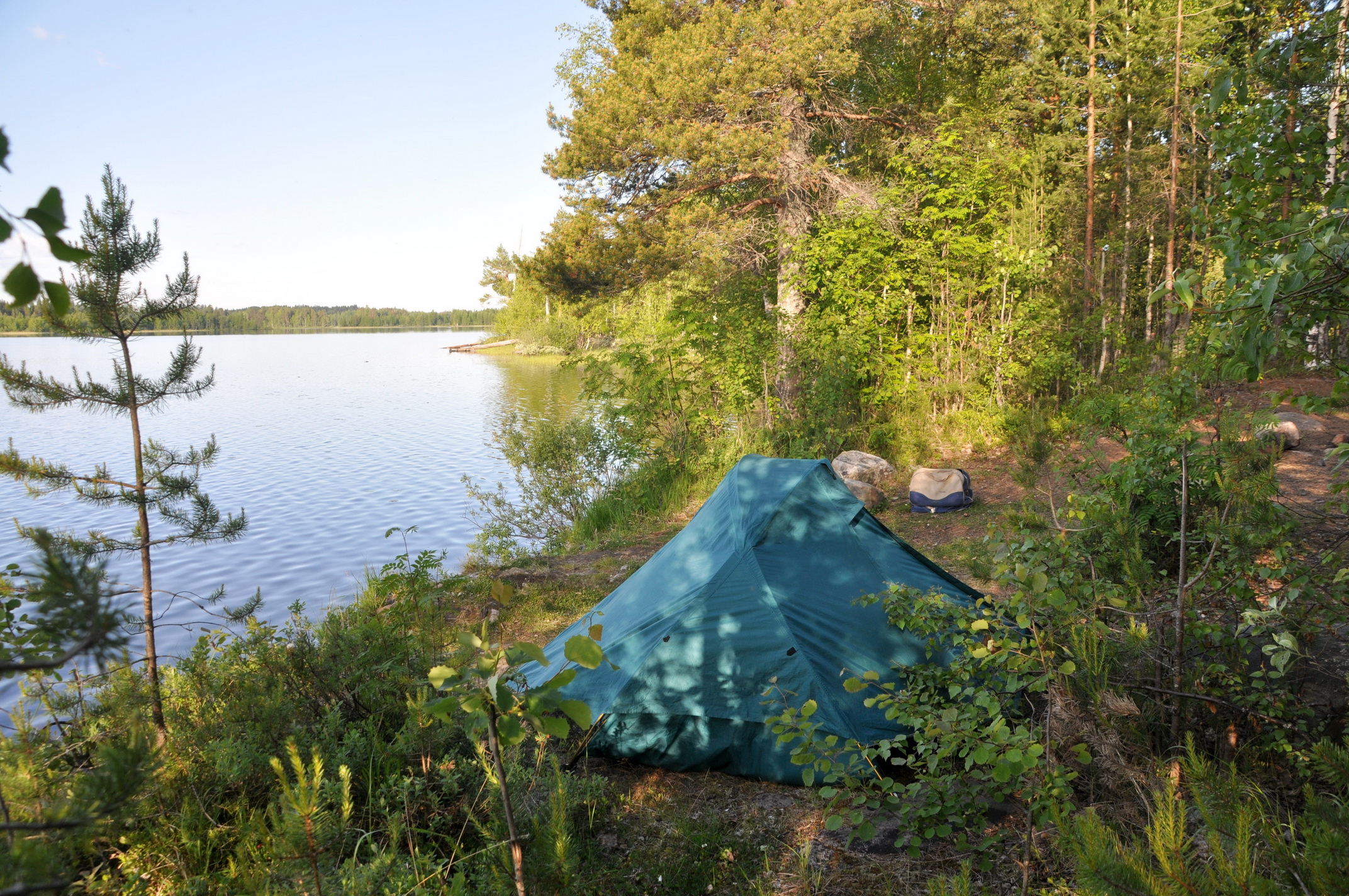
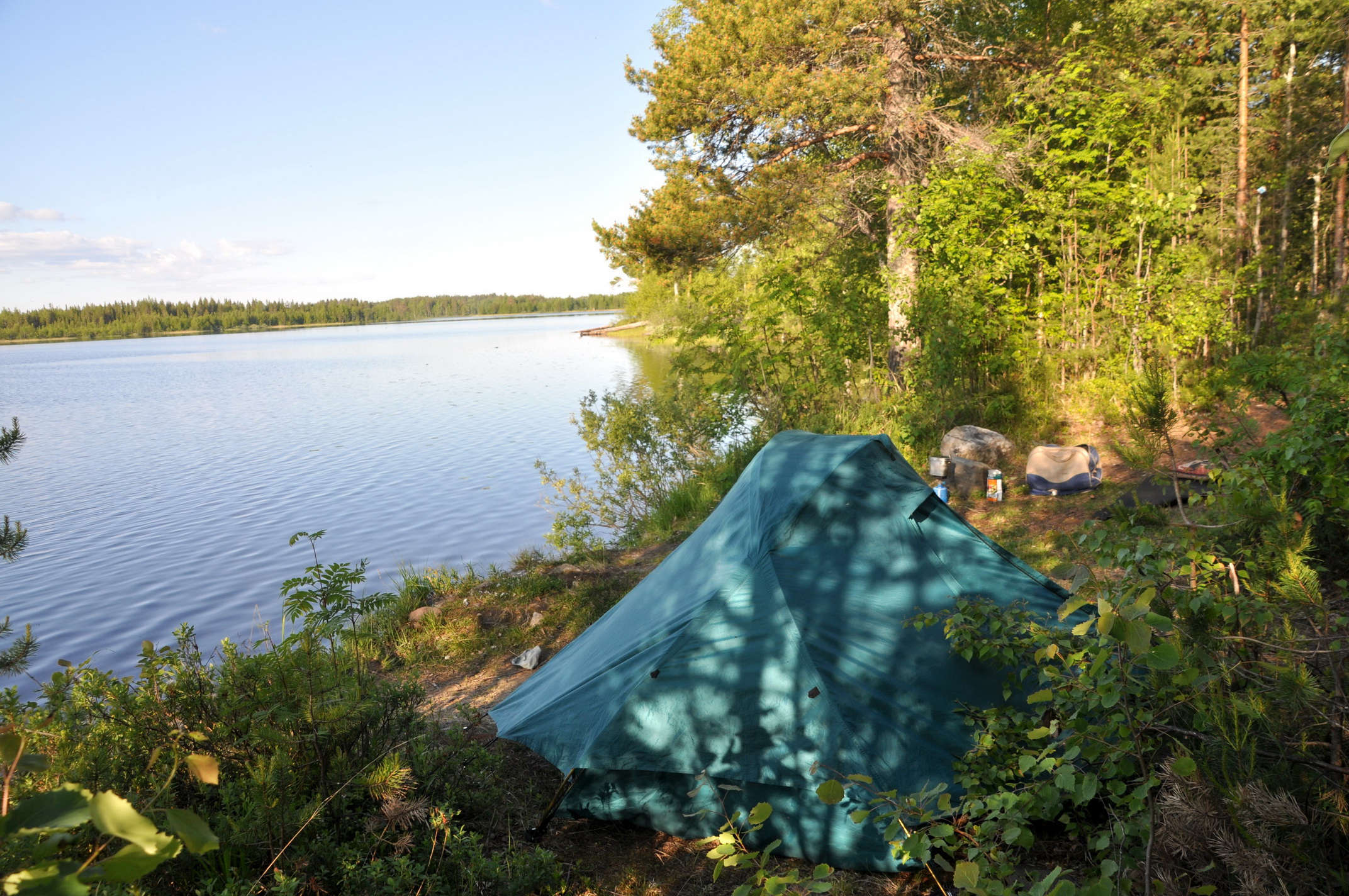
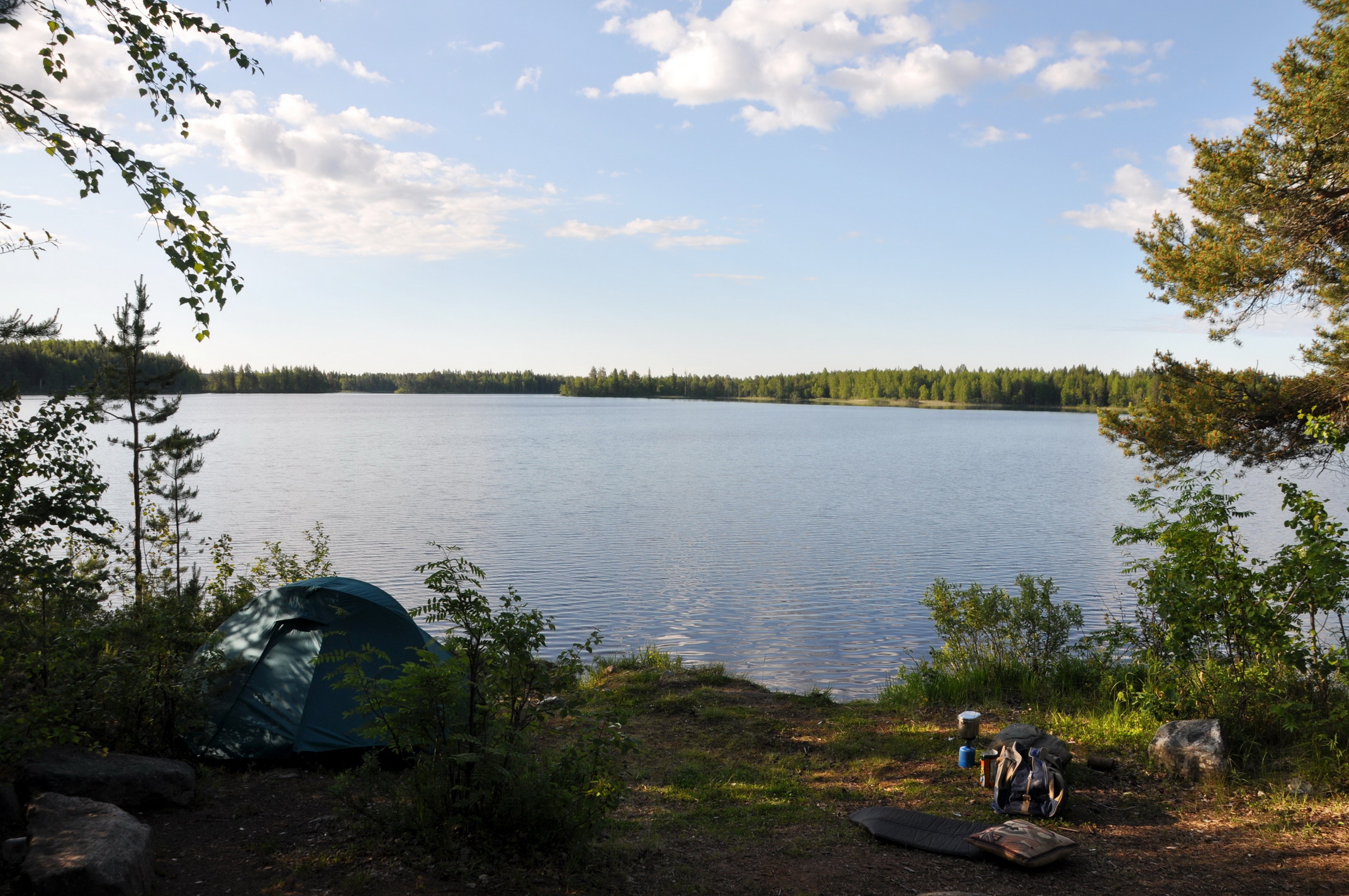
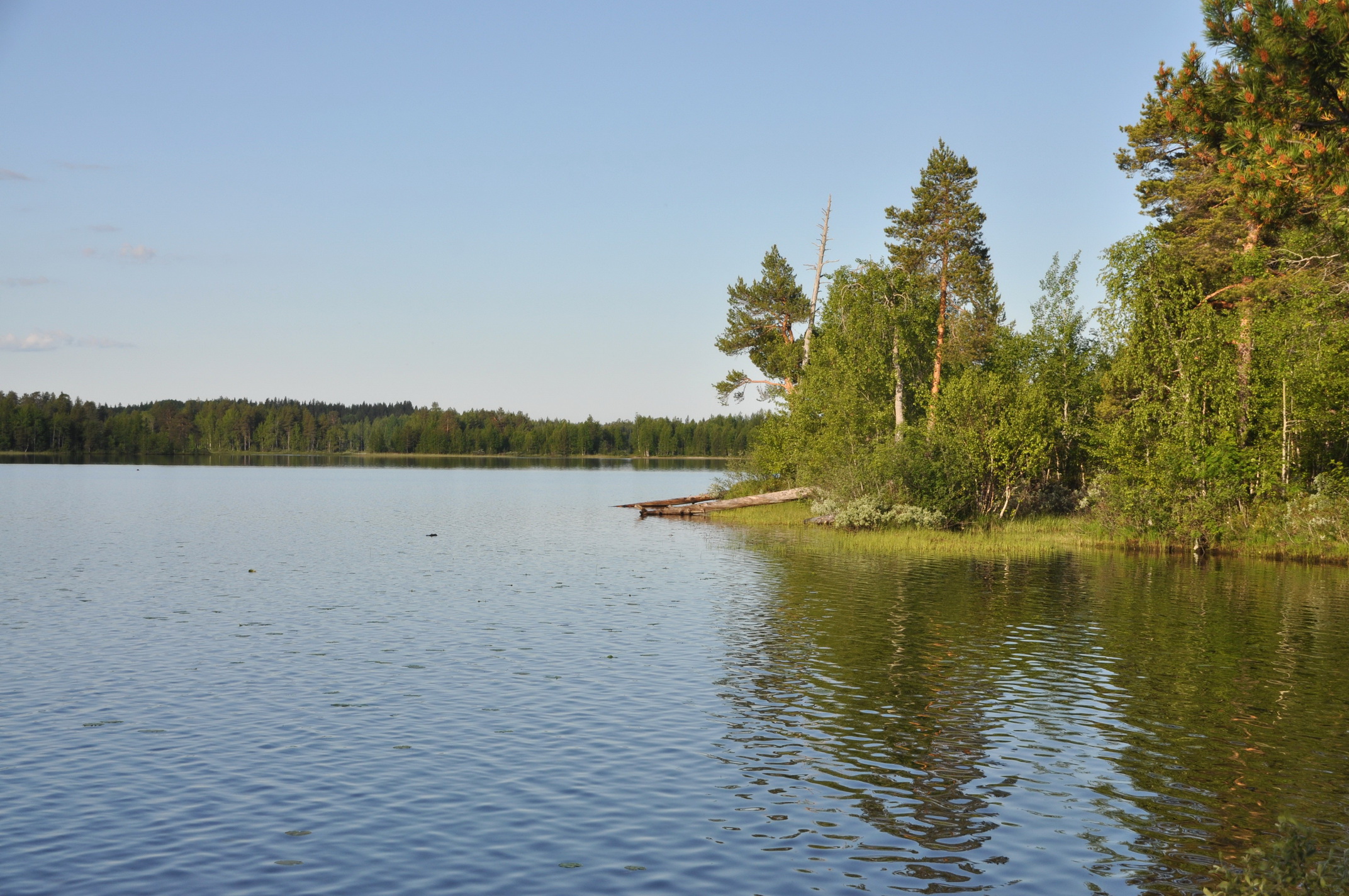
Such a beautiful night all around me, and no happiness in it.
Home along Lake Onega
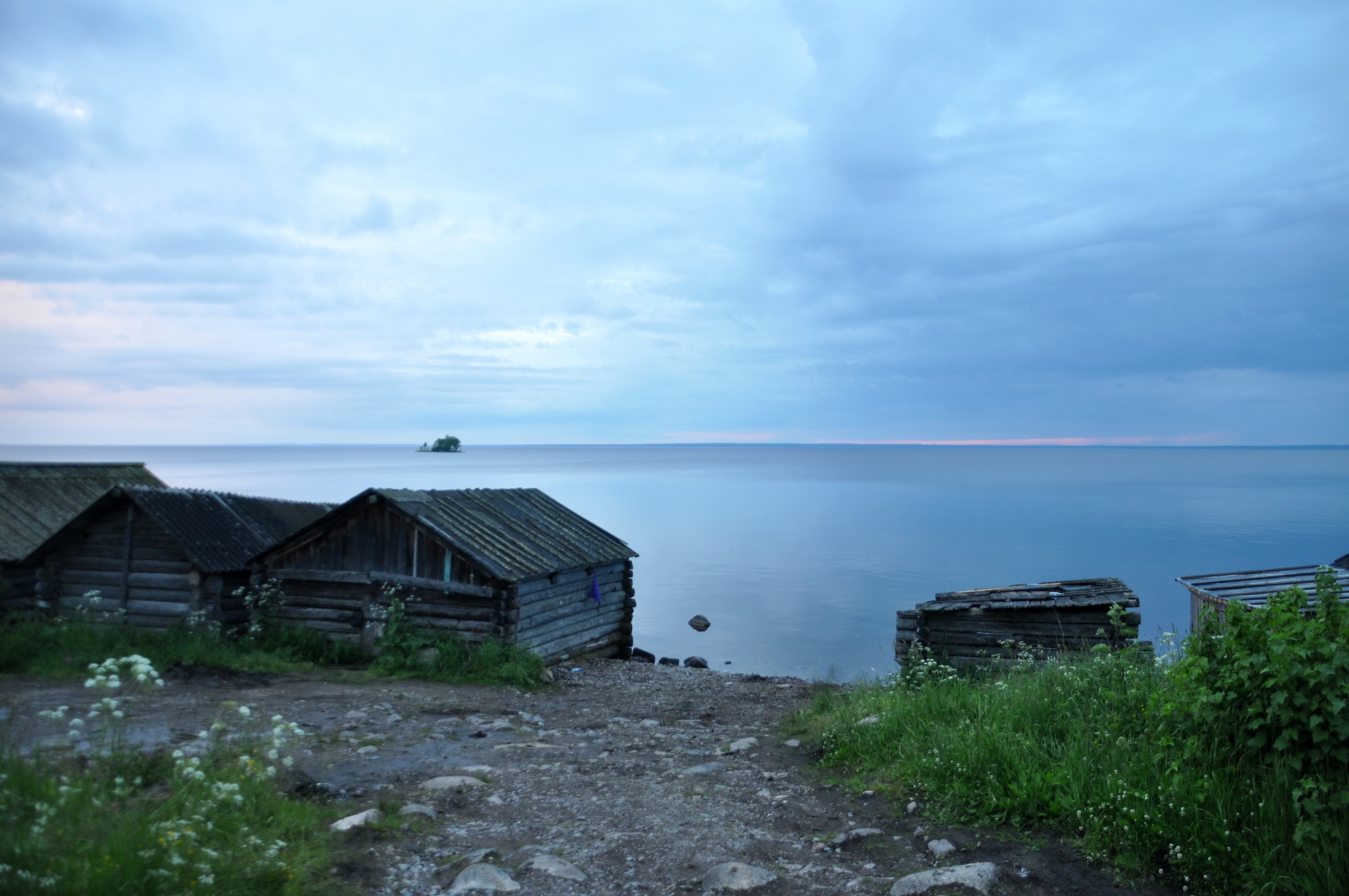
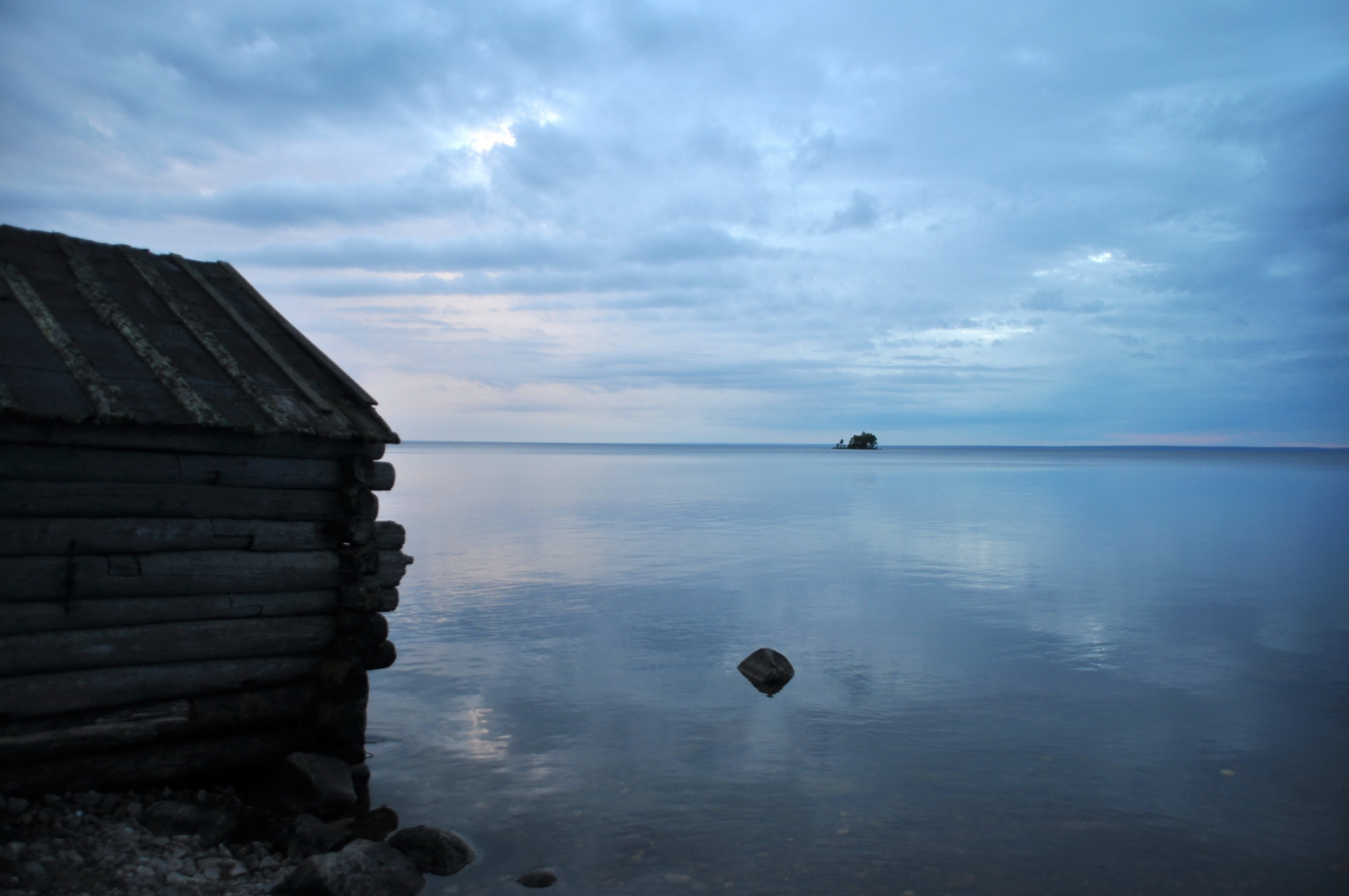
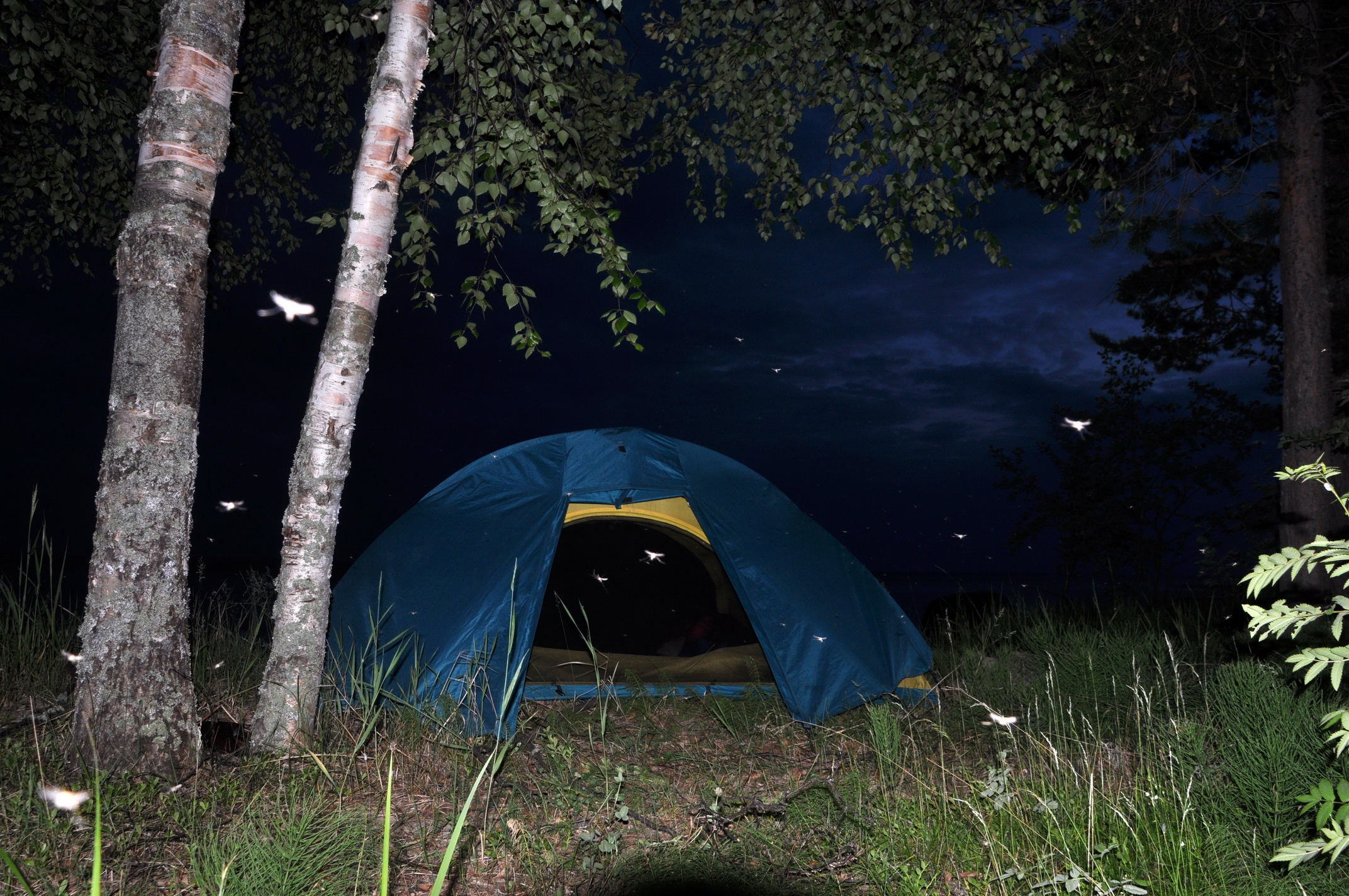
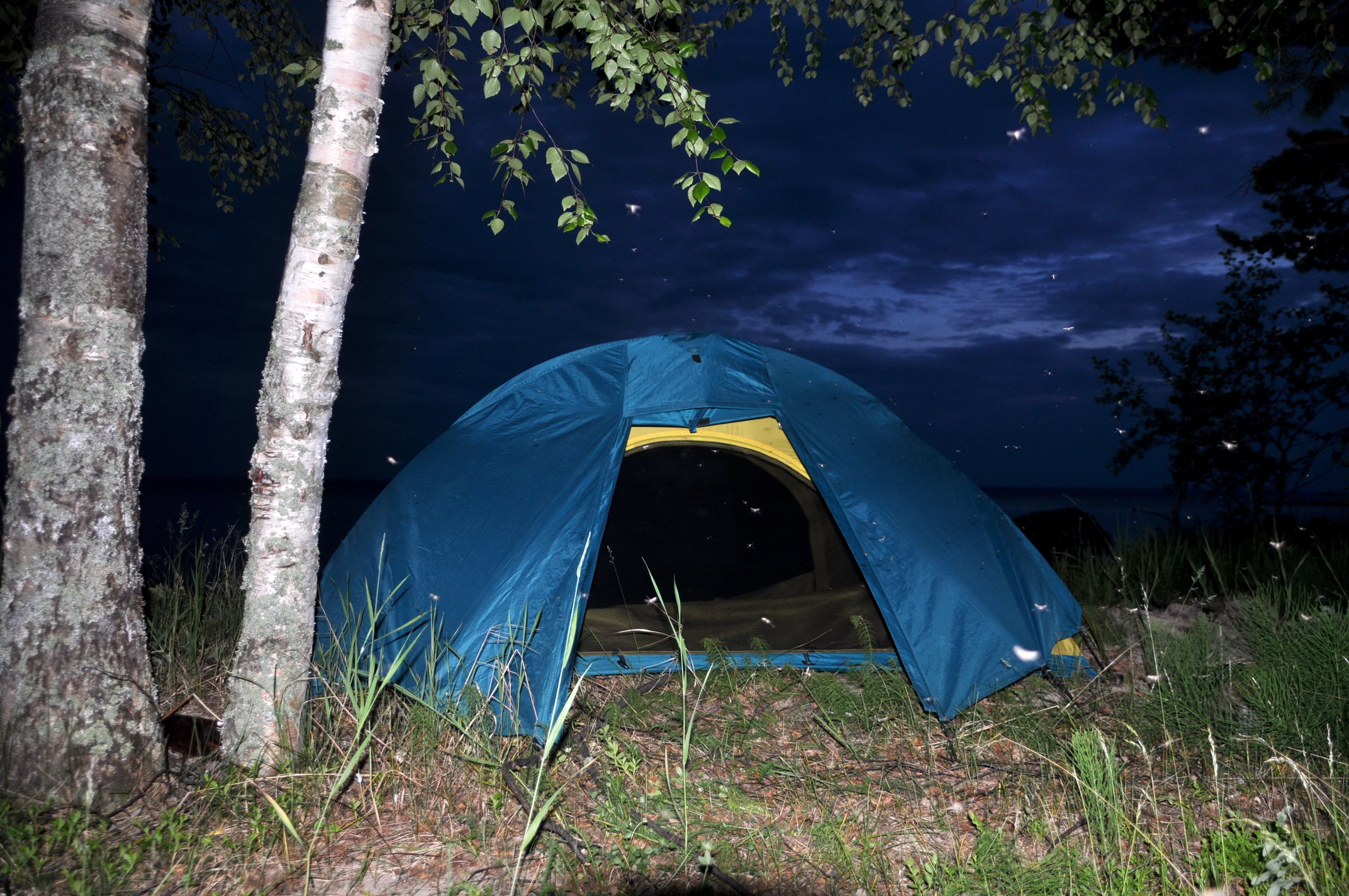
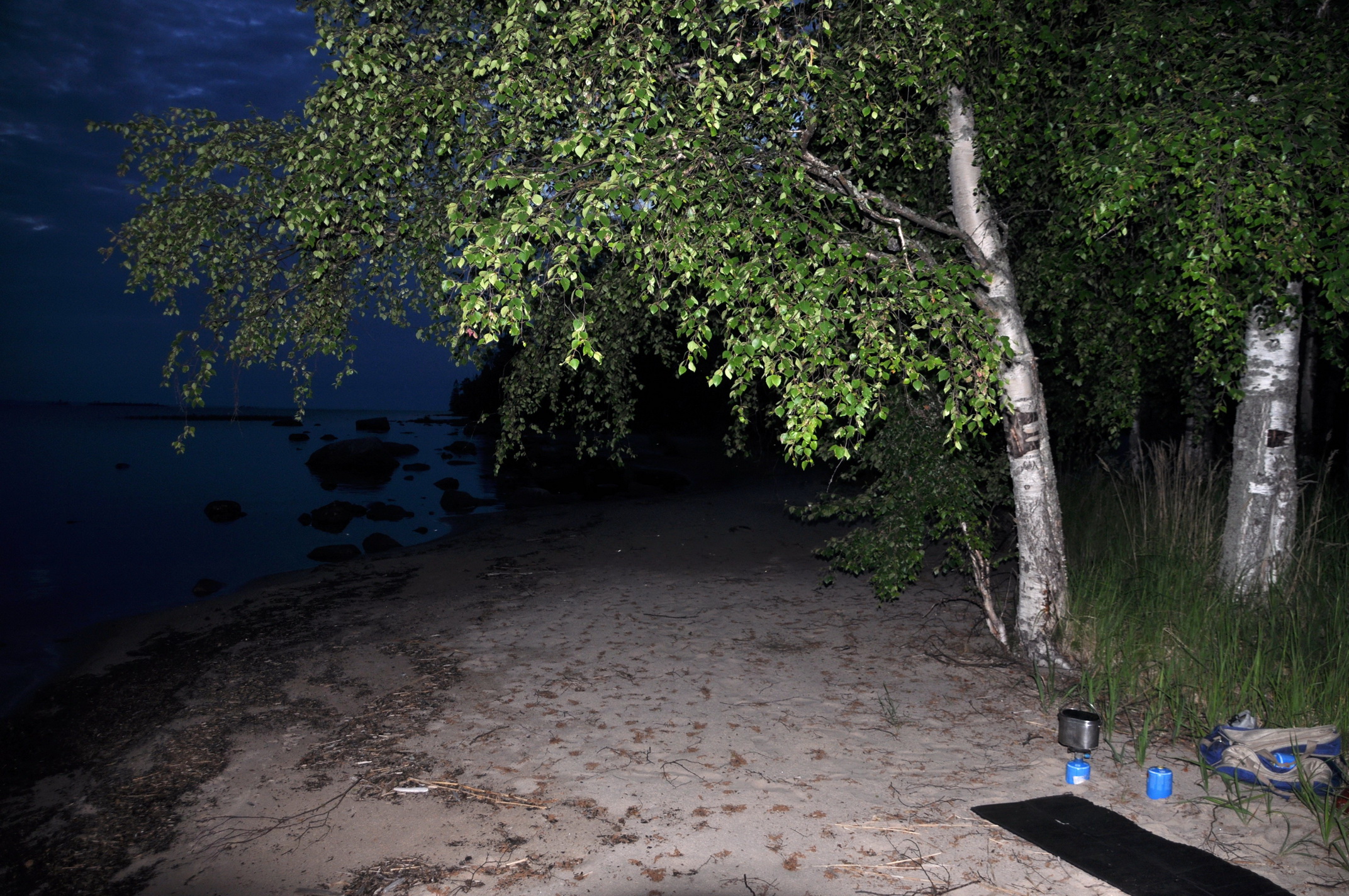
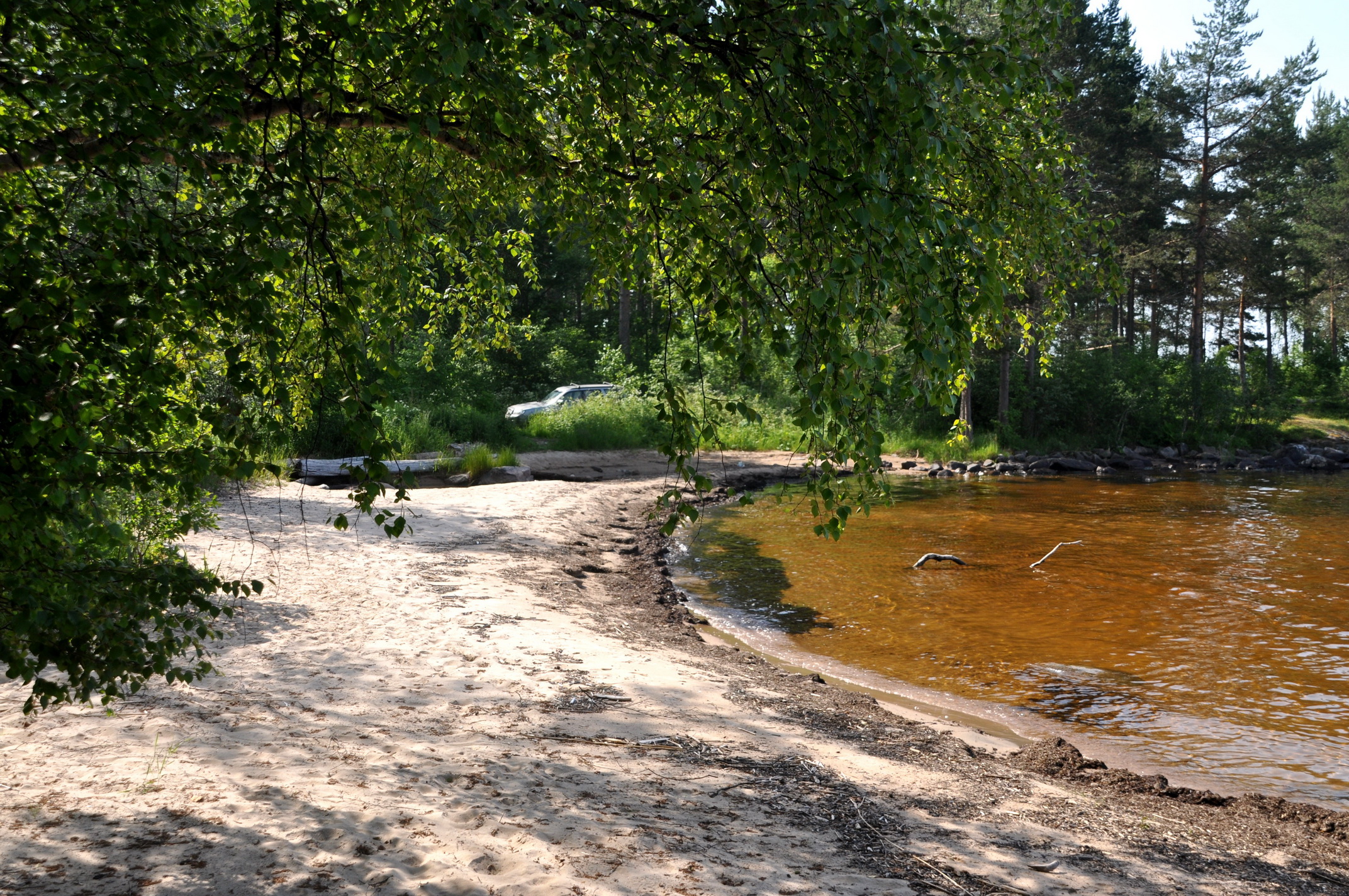
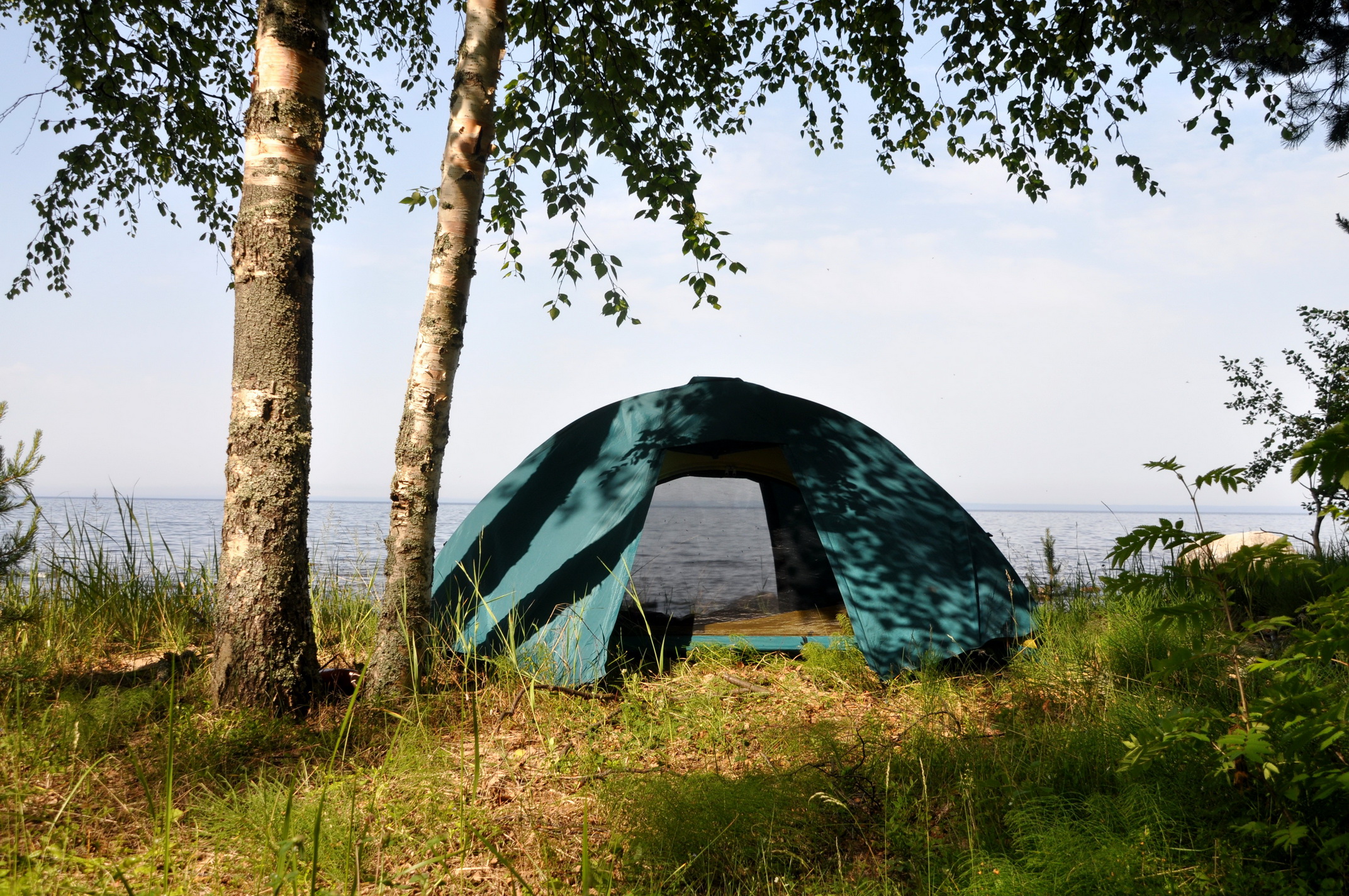
In the morning, still in a daze, I did all the stations and drove to Medvezhyegorsk. From there I decided to return around Lake Onega on its eastern side. It took ages to find somewhere to sleep on the shore (62°15.134′N, 35°49.267′E). After dark I finally found a decent way down to the lake and pitched the tent on a small beach right by the water. A truly beautiful place, but the mosquitoes were beyond all reason. You couldn’t take a picture. They filled the frame.
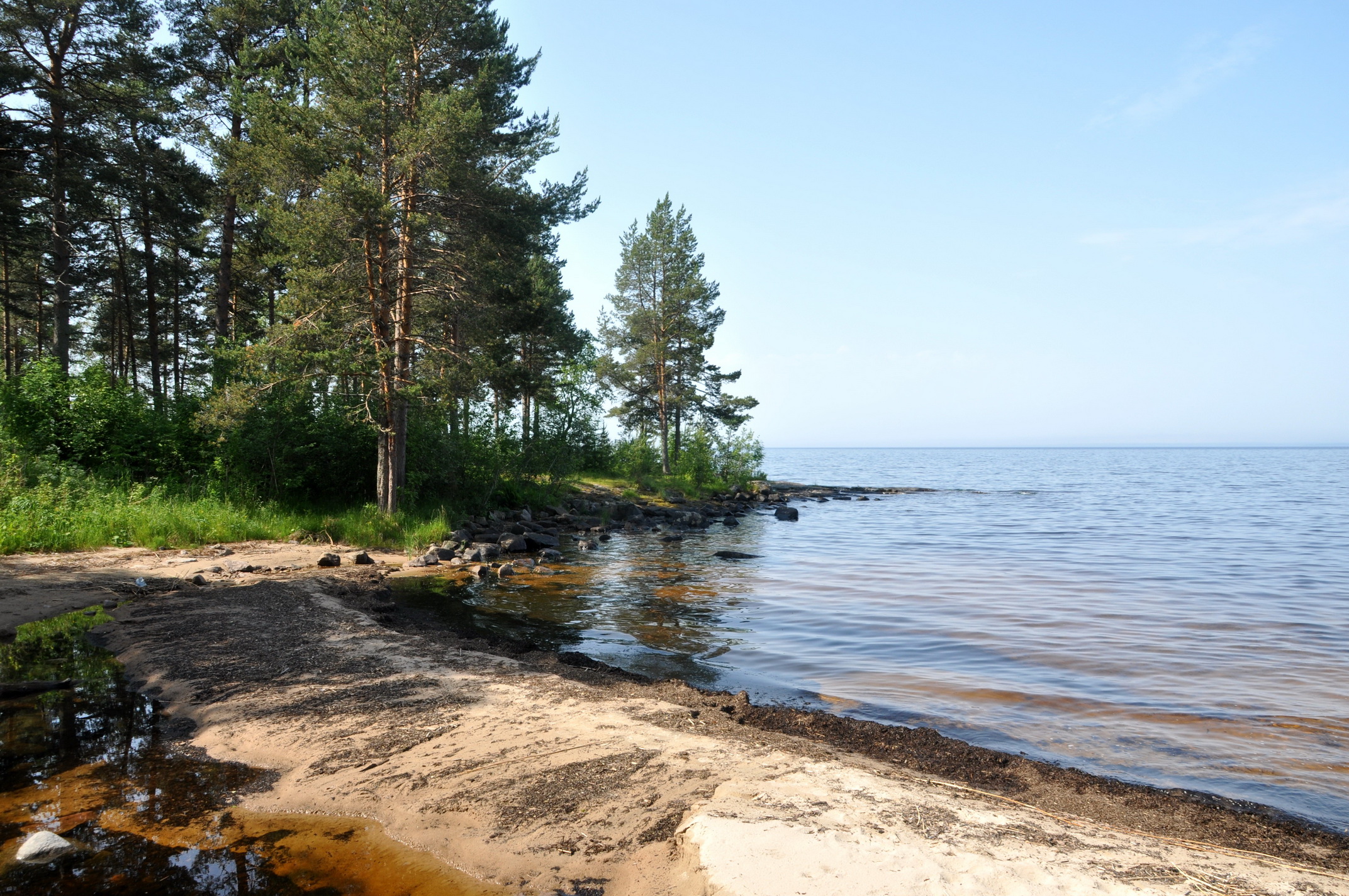
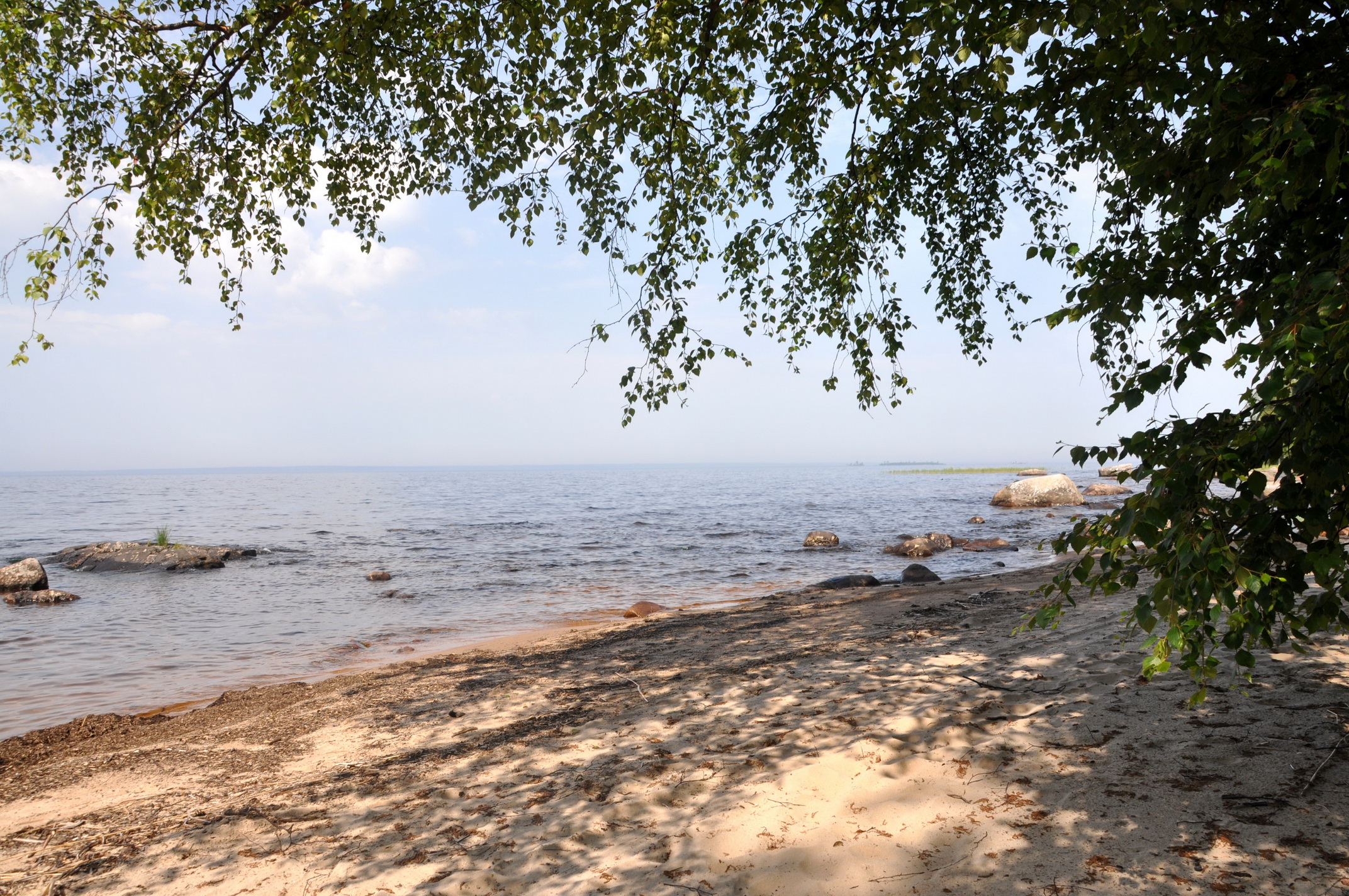
In the morning I carried on through Pudozh and left Karelia for the Vologda region. The hills gave way to endless meadows, and there were Vologda cows lying in the shade of the bus shelters.
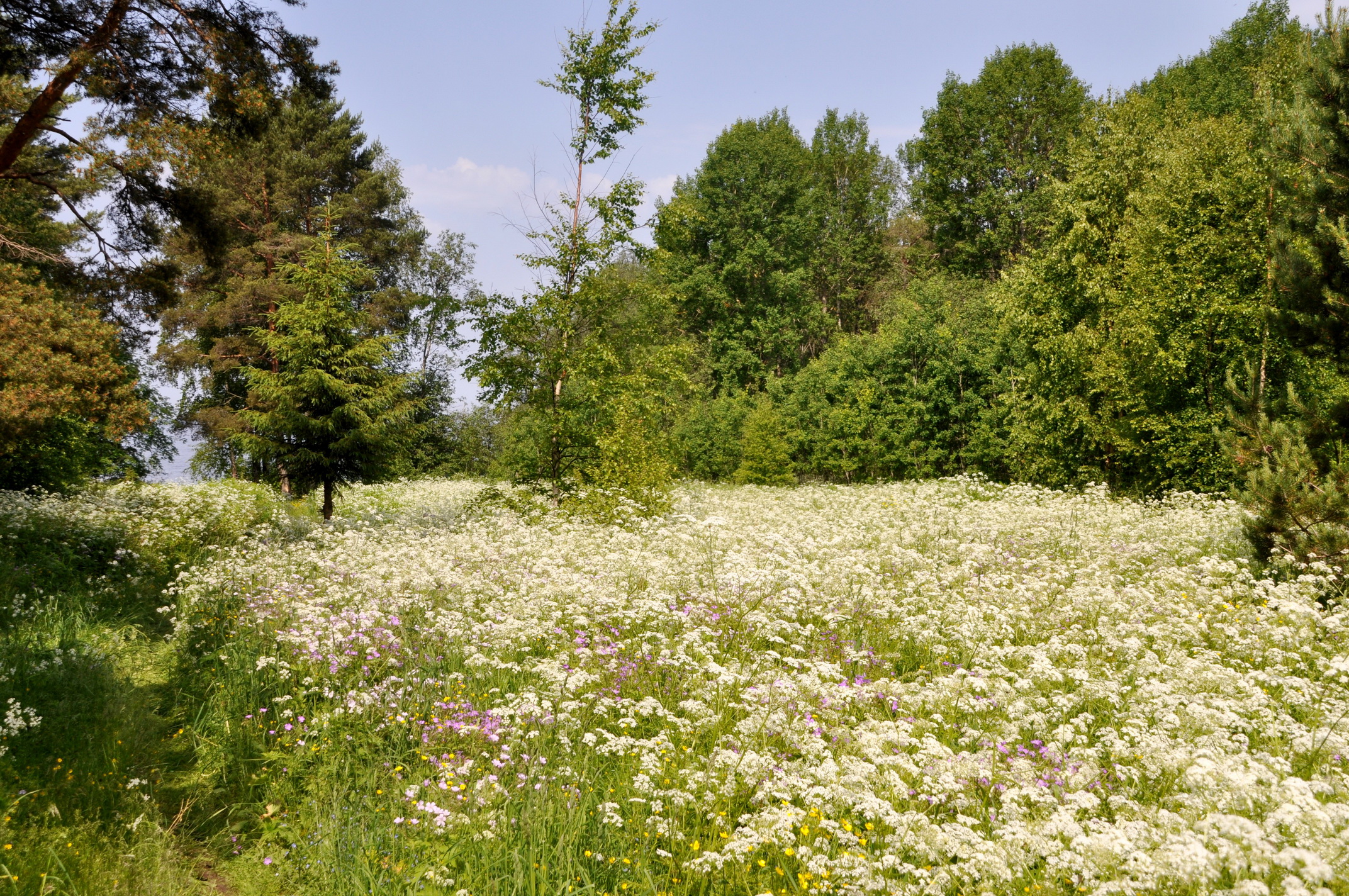
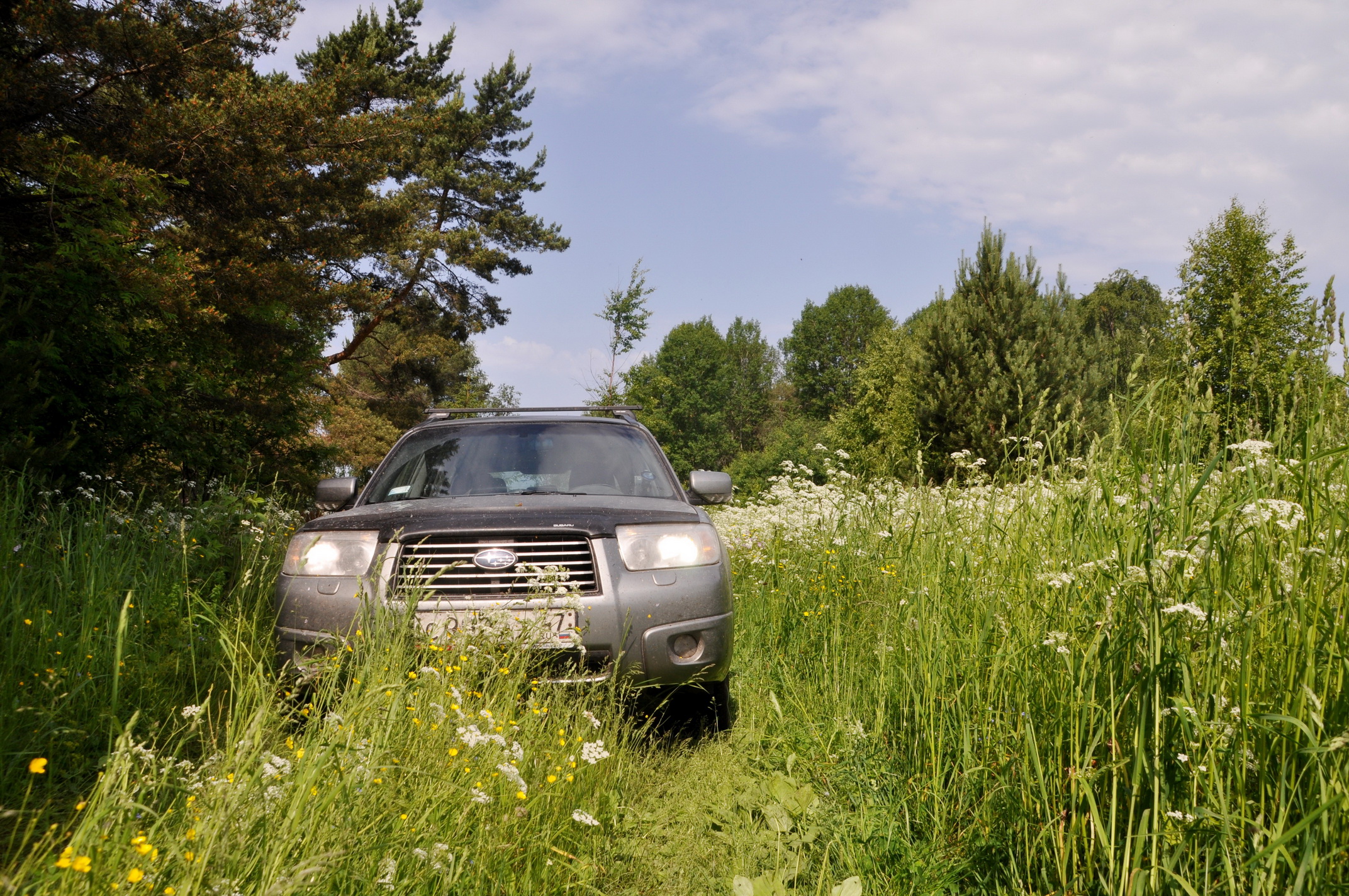
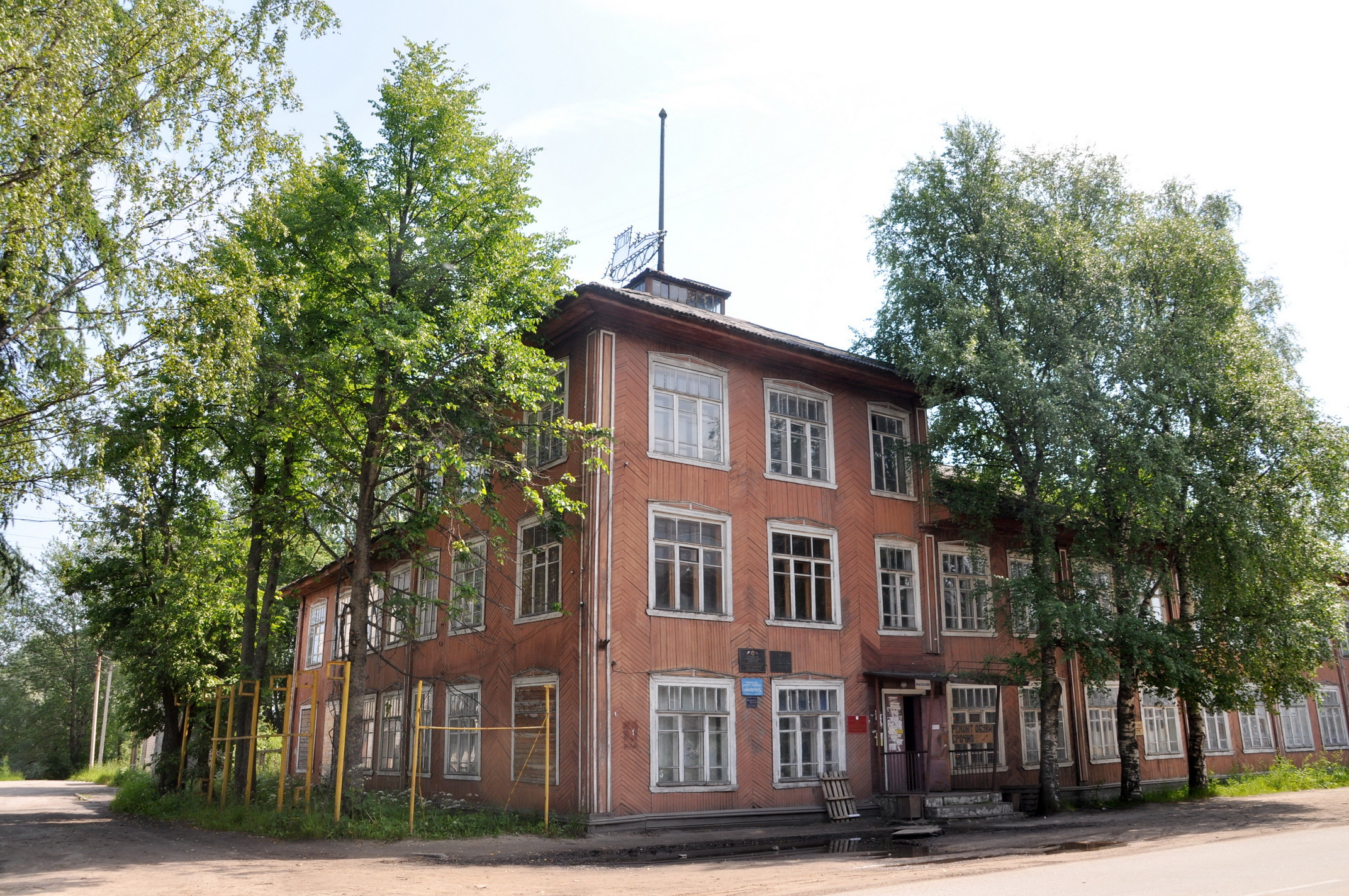
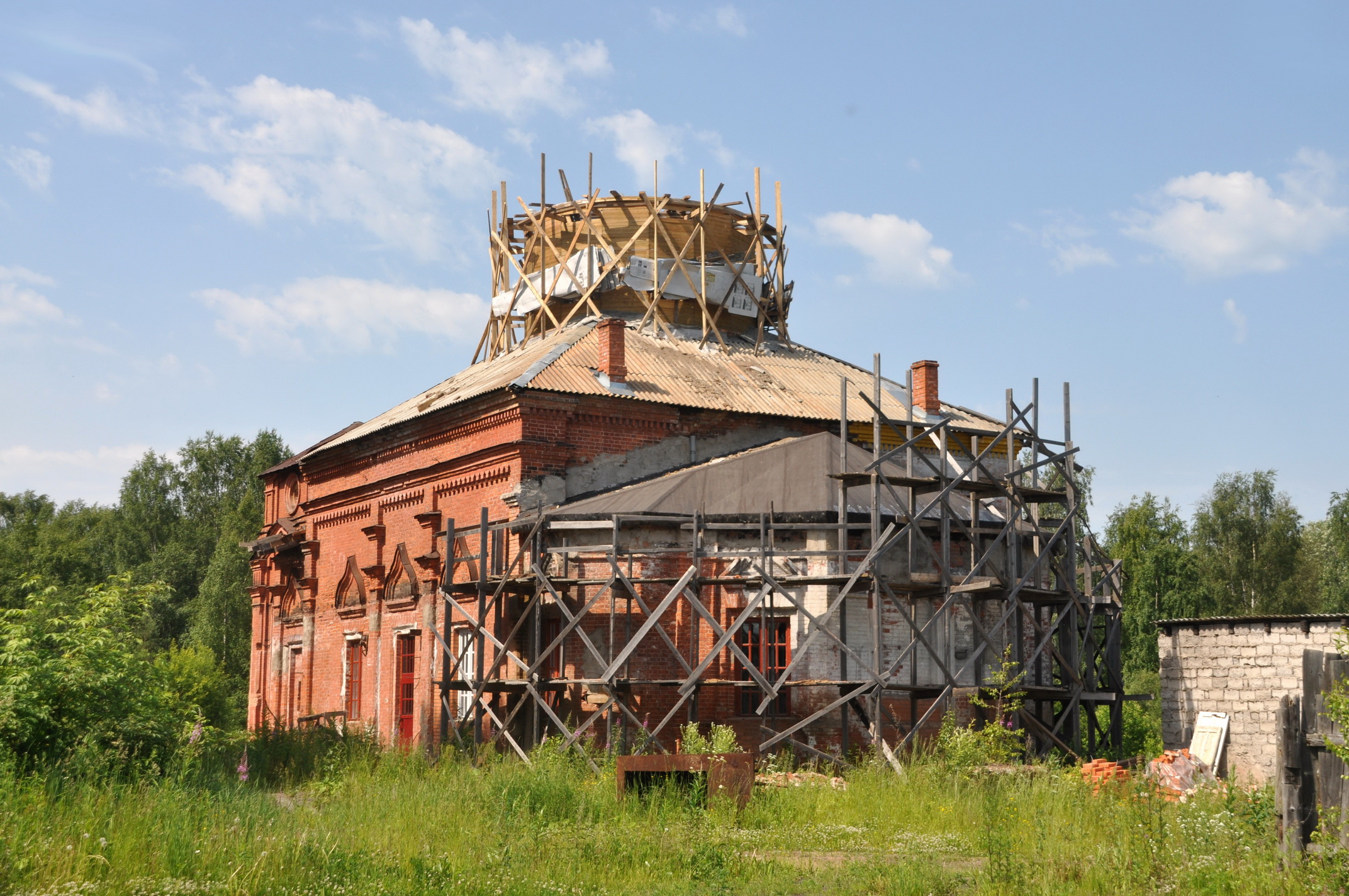
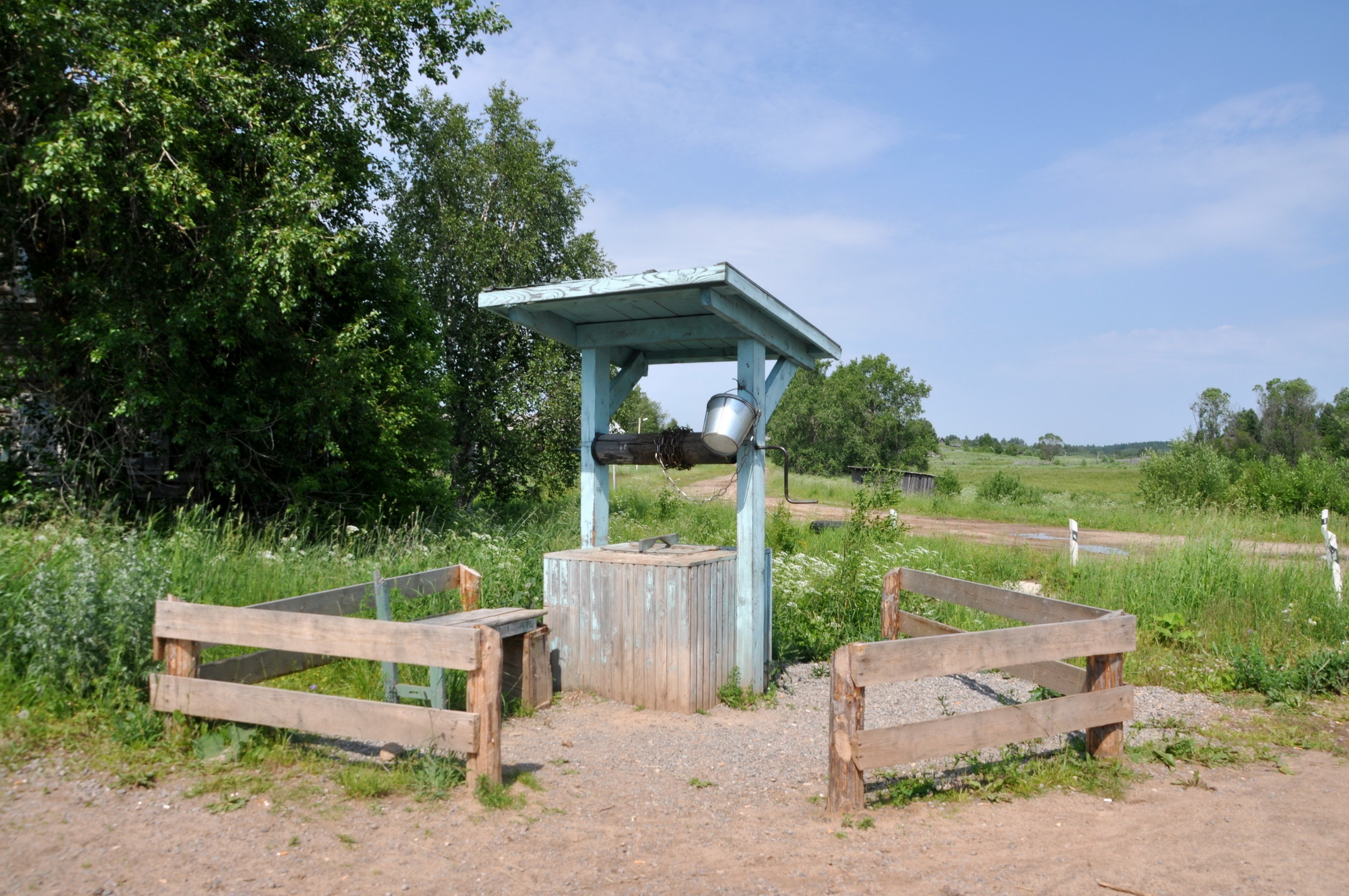
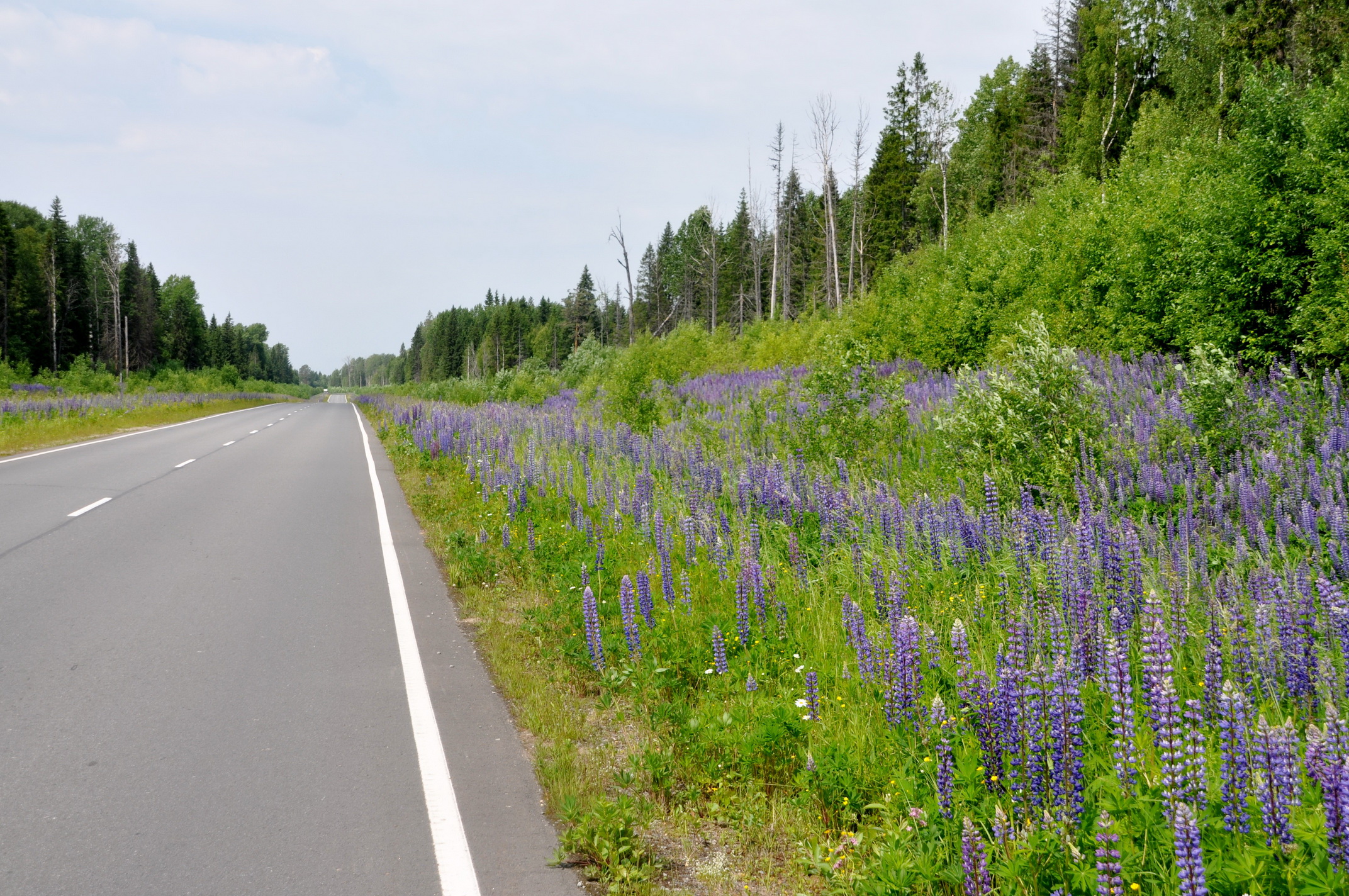
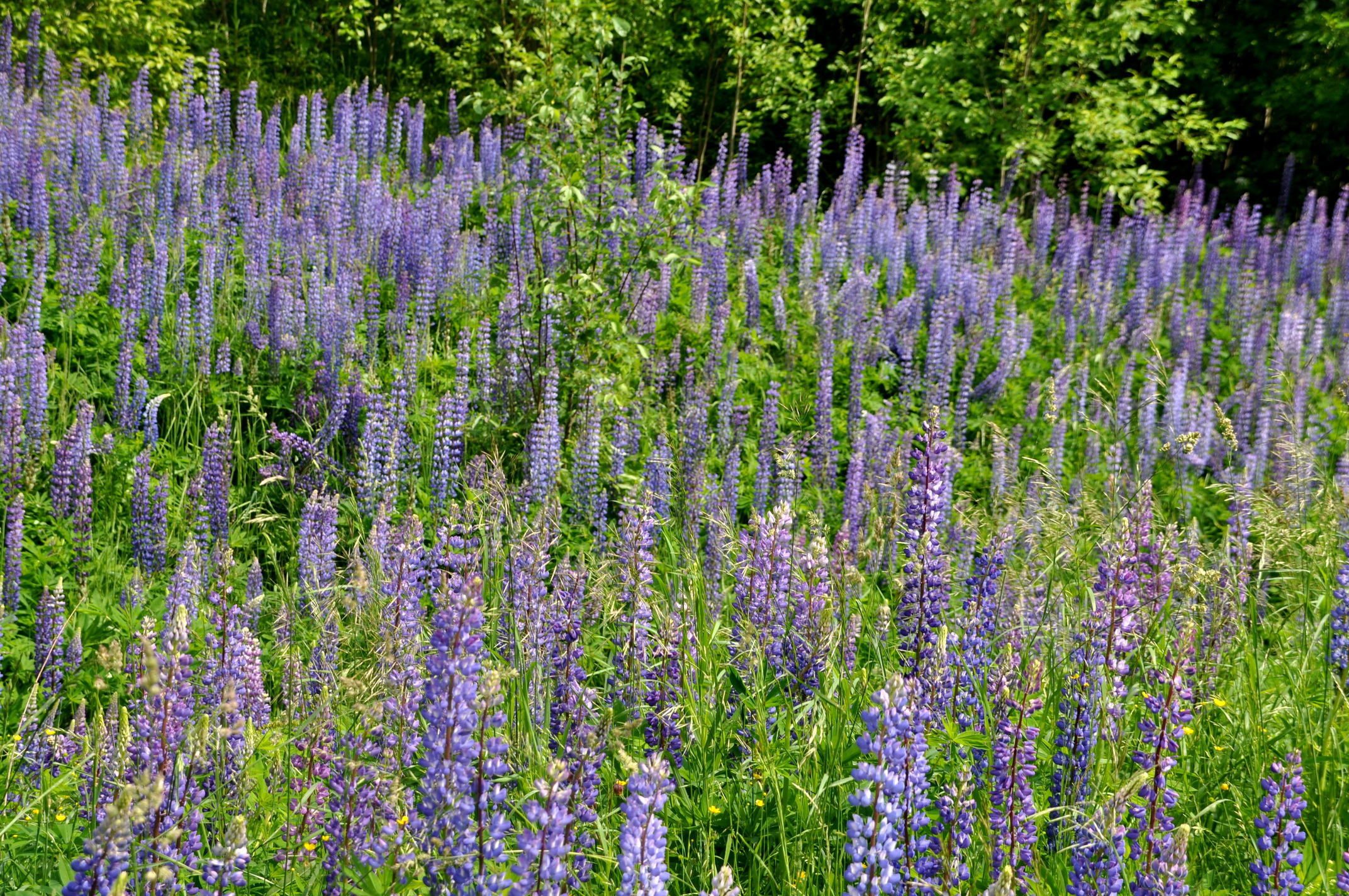
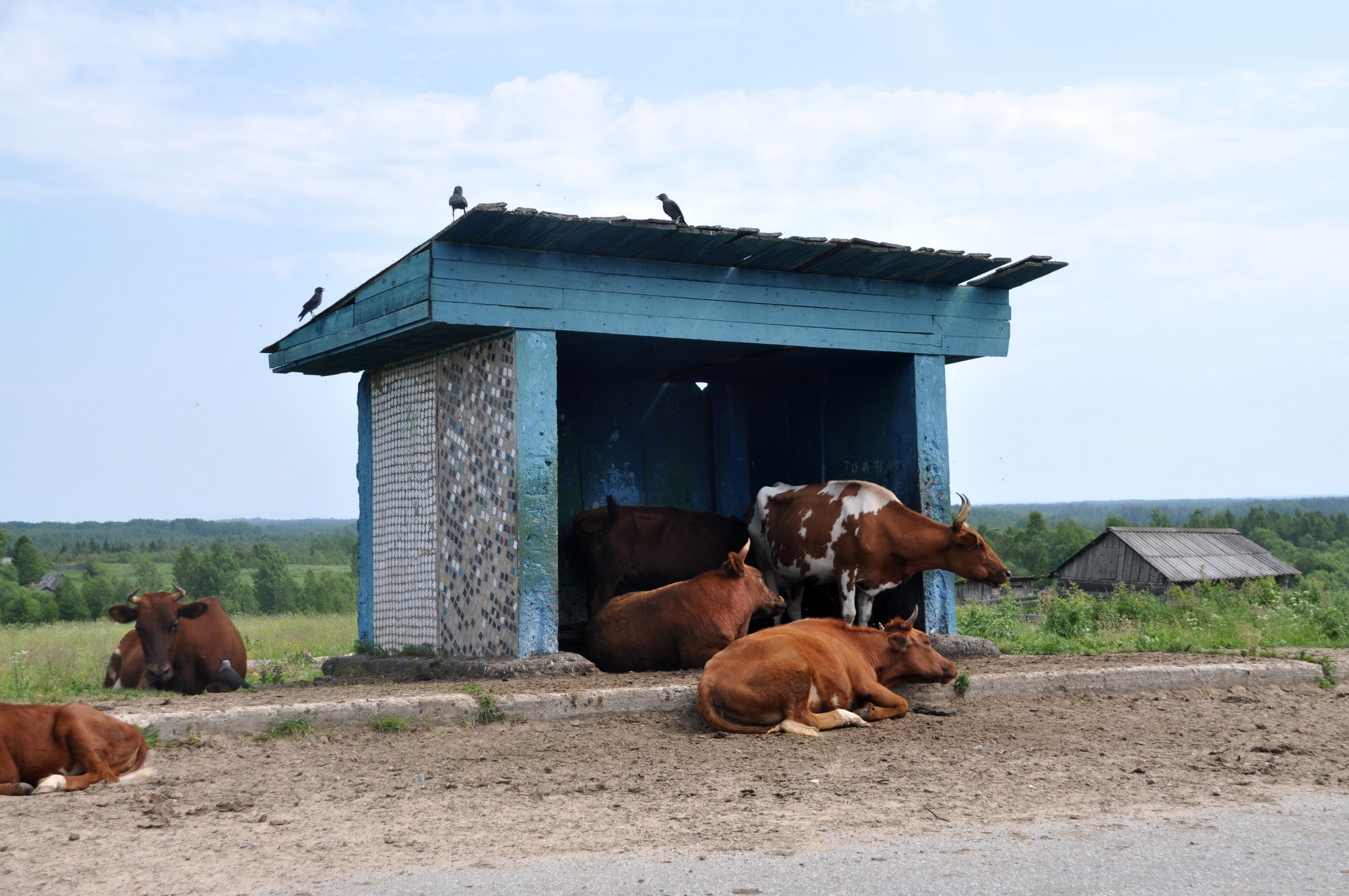
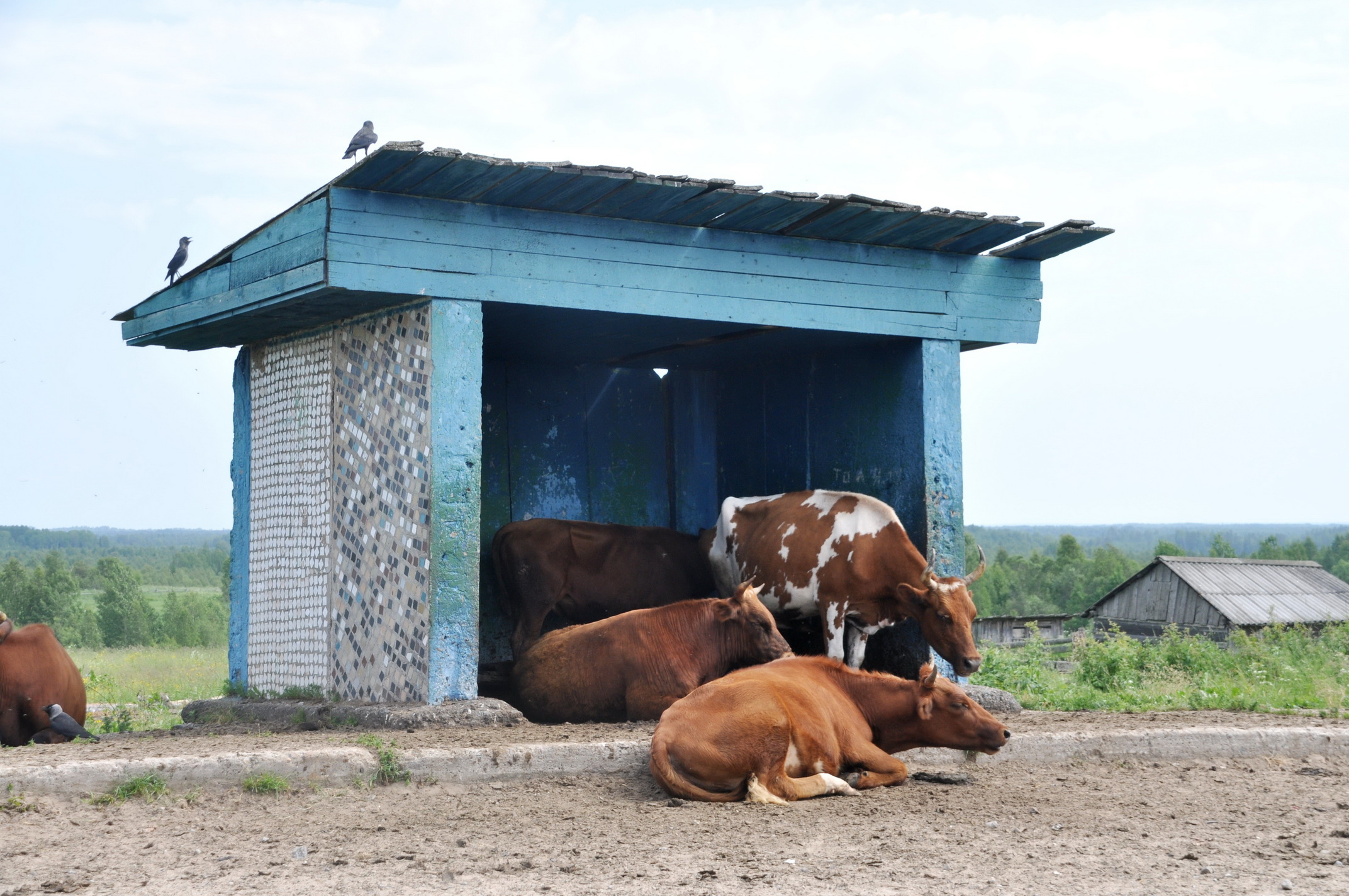
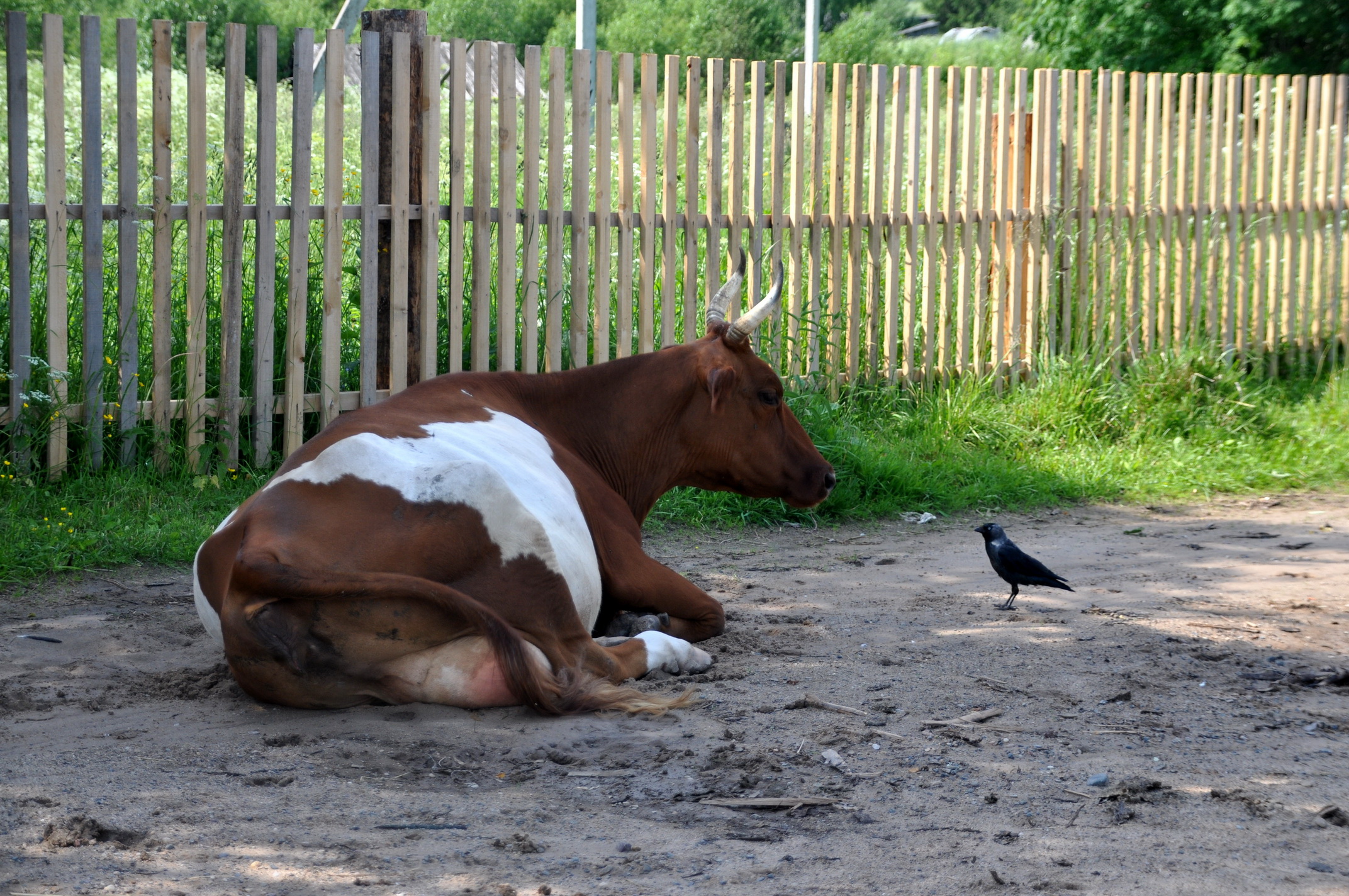
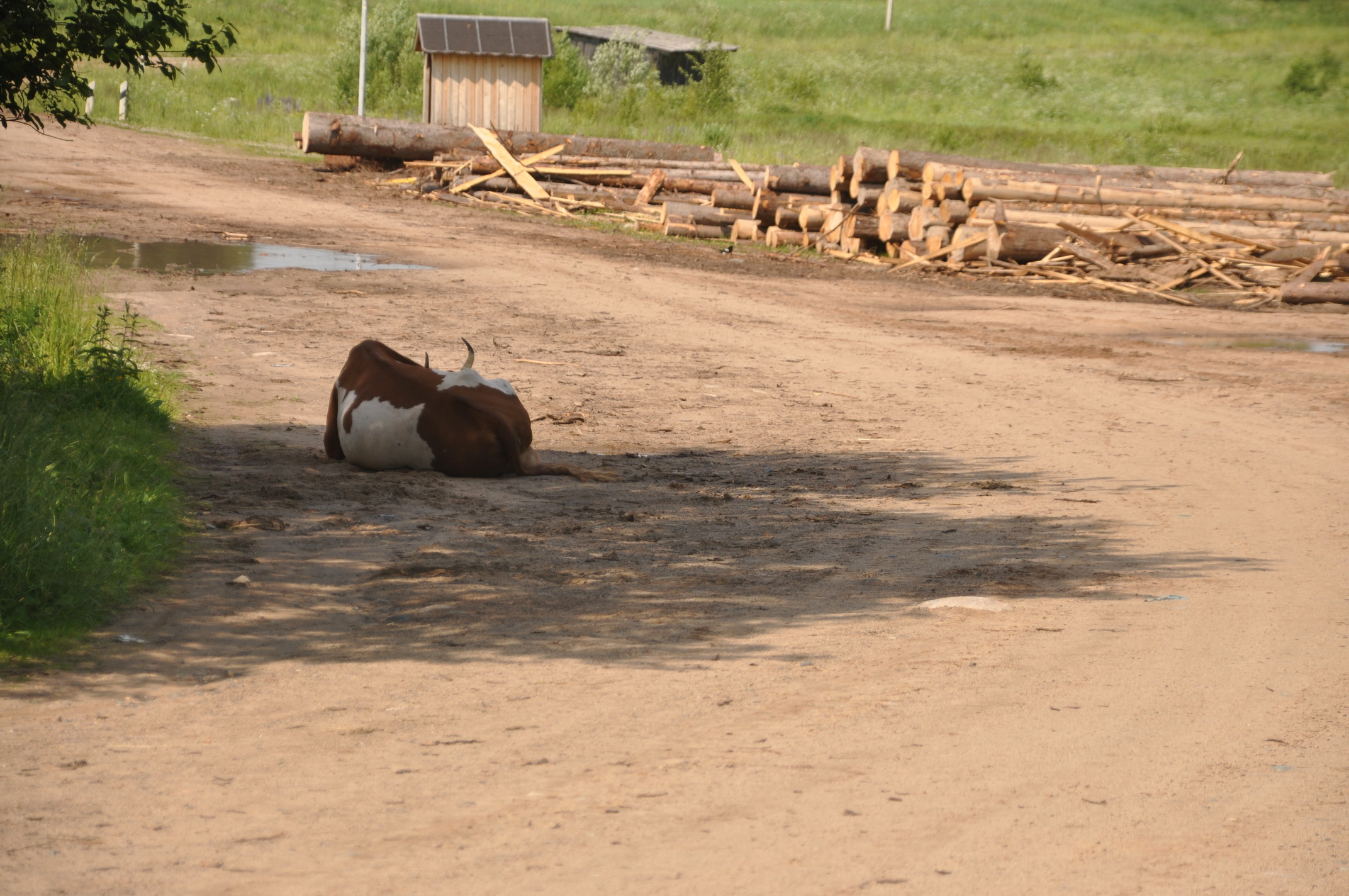
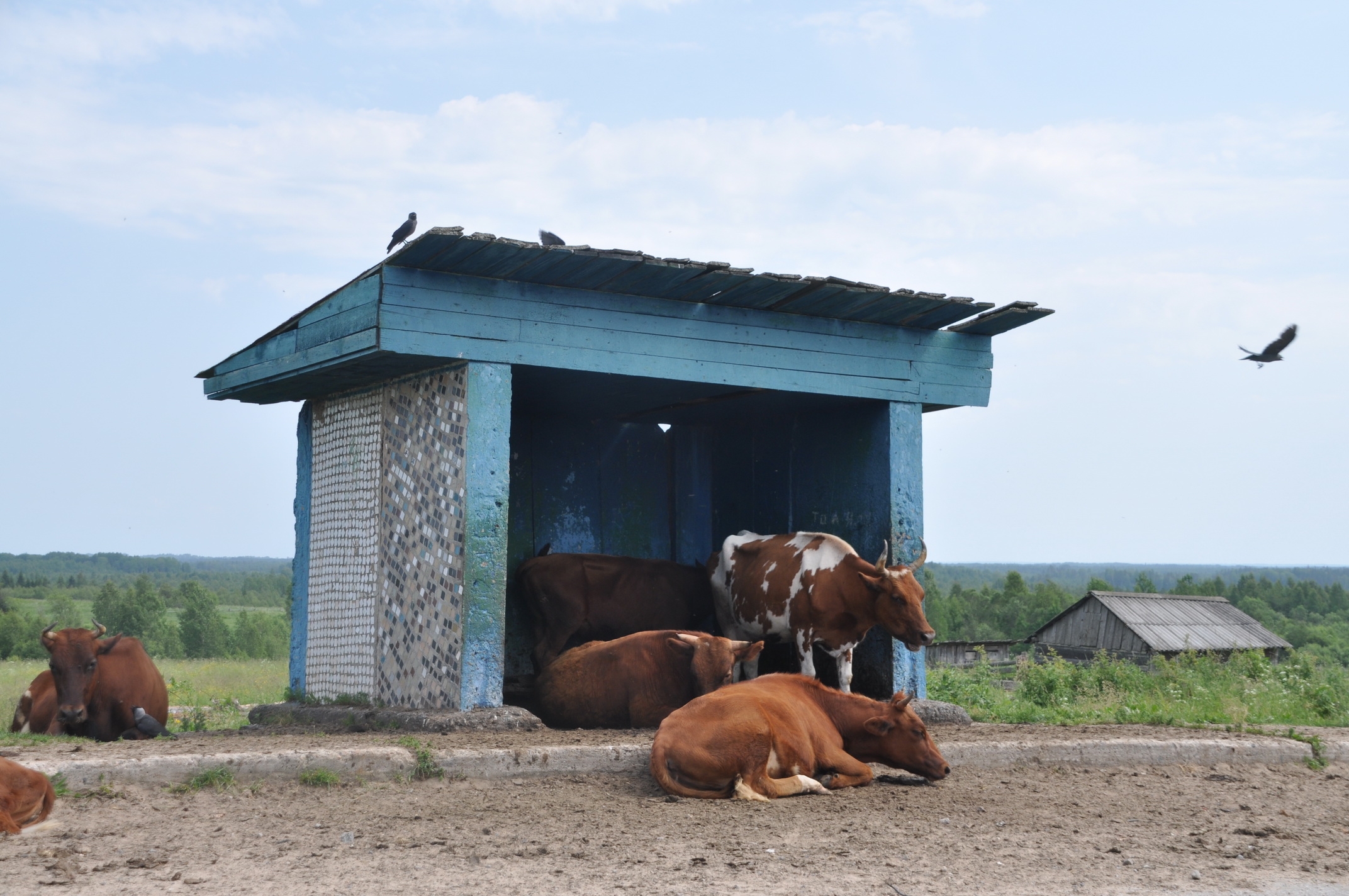
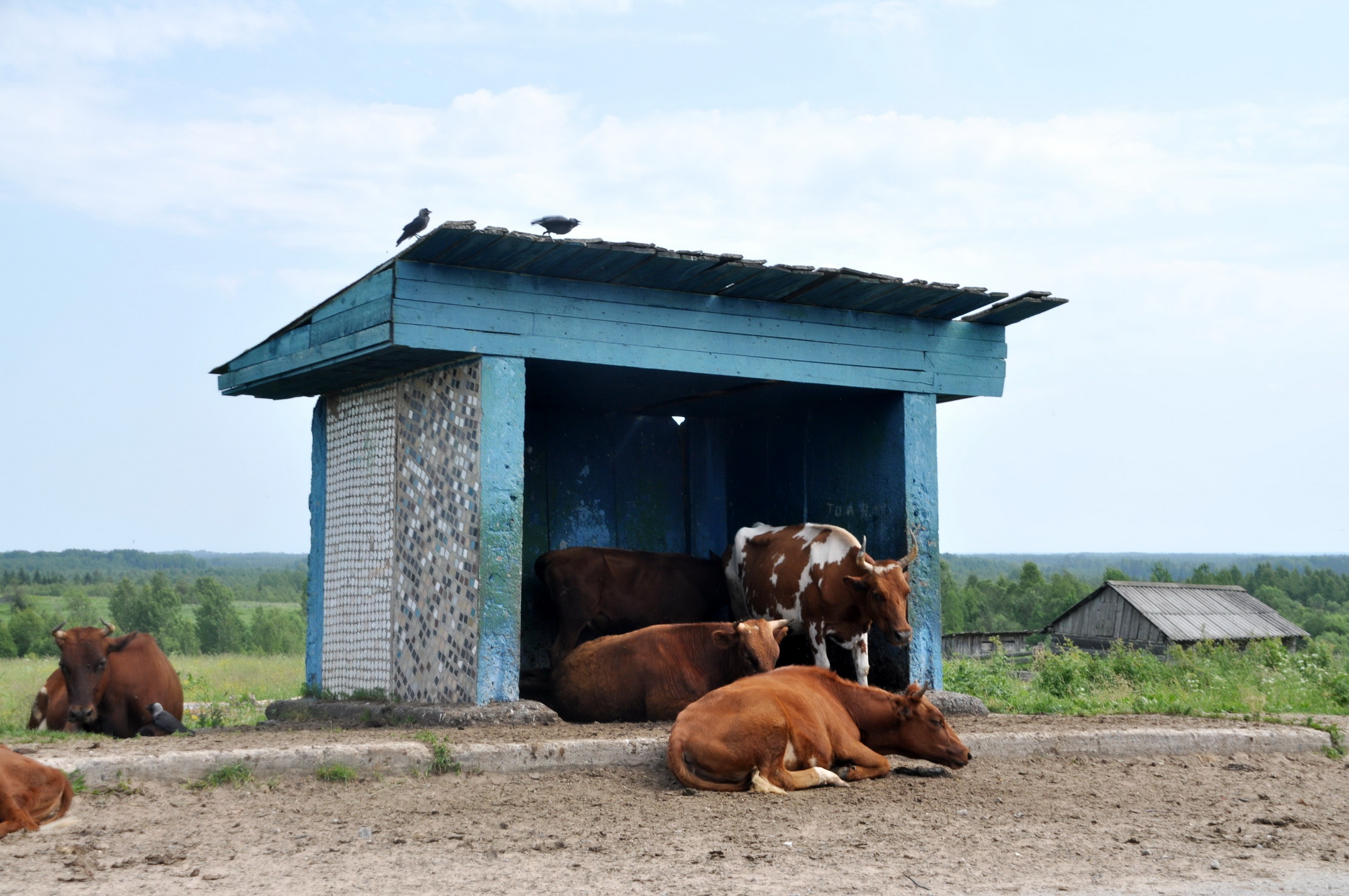
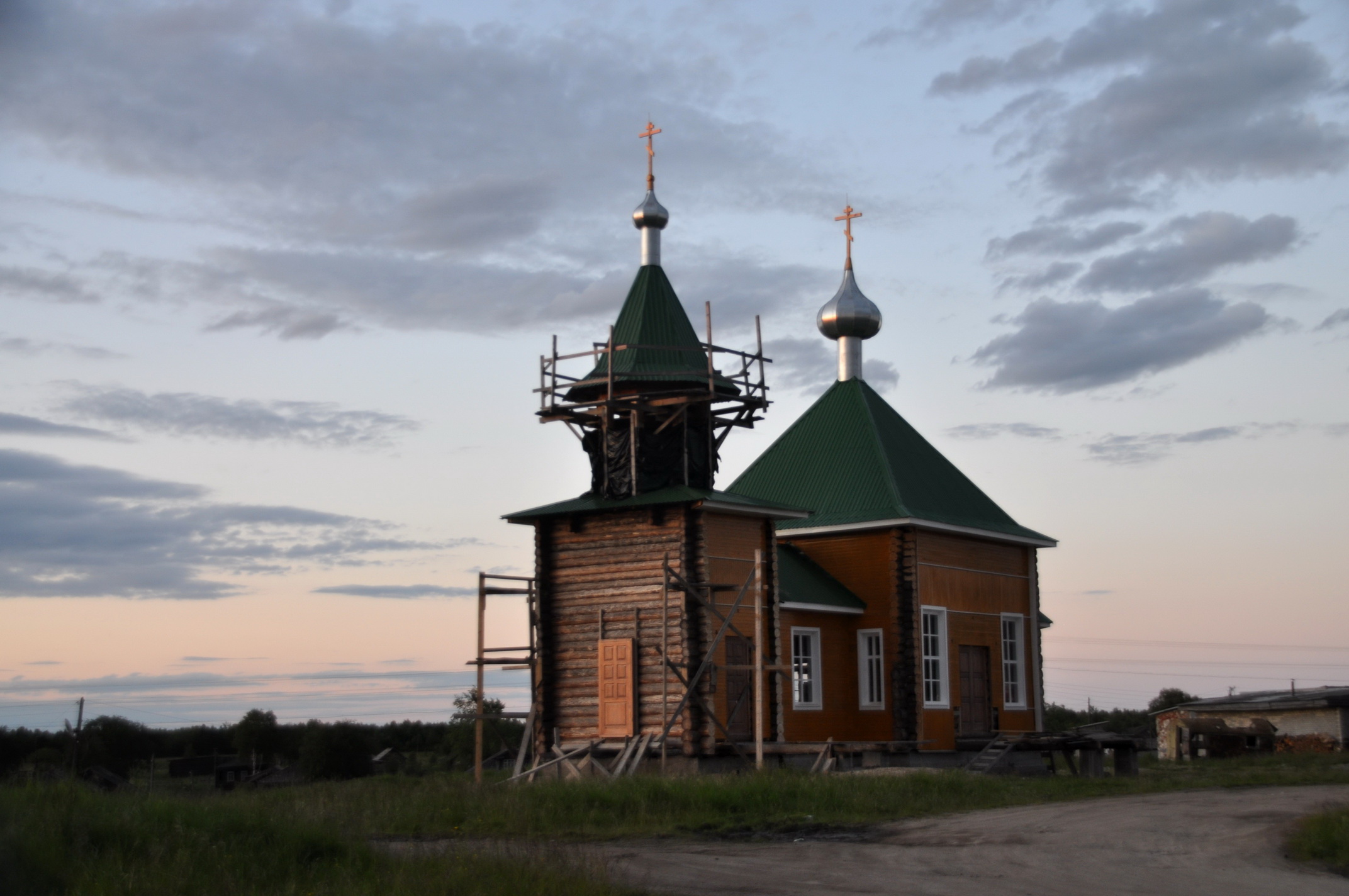
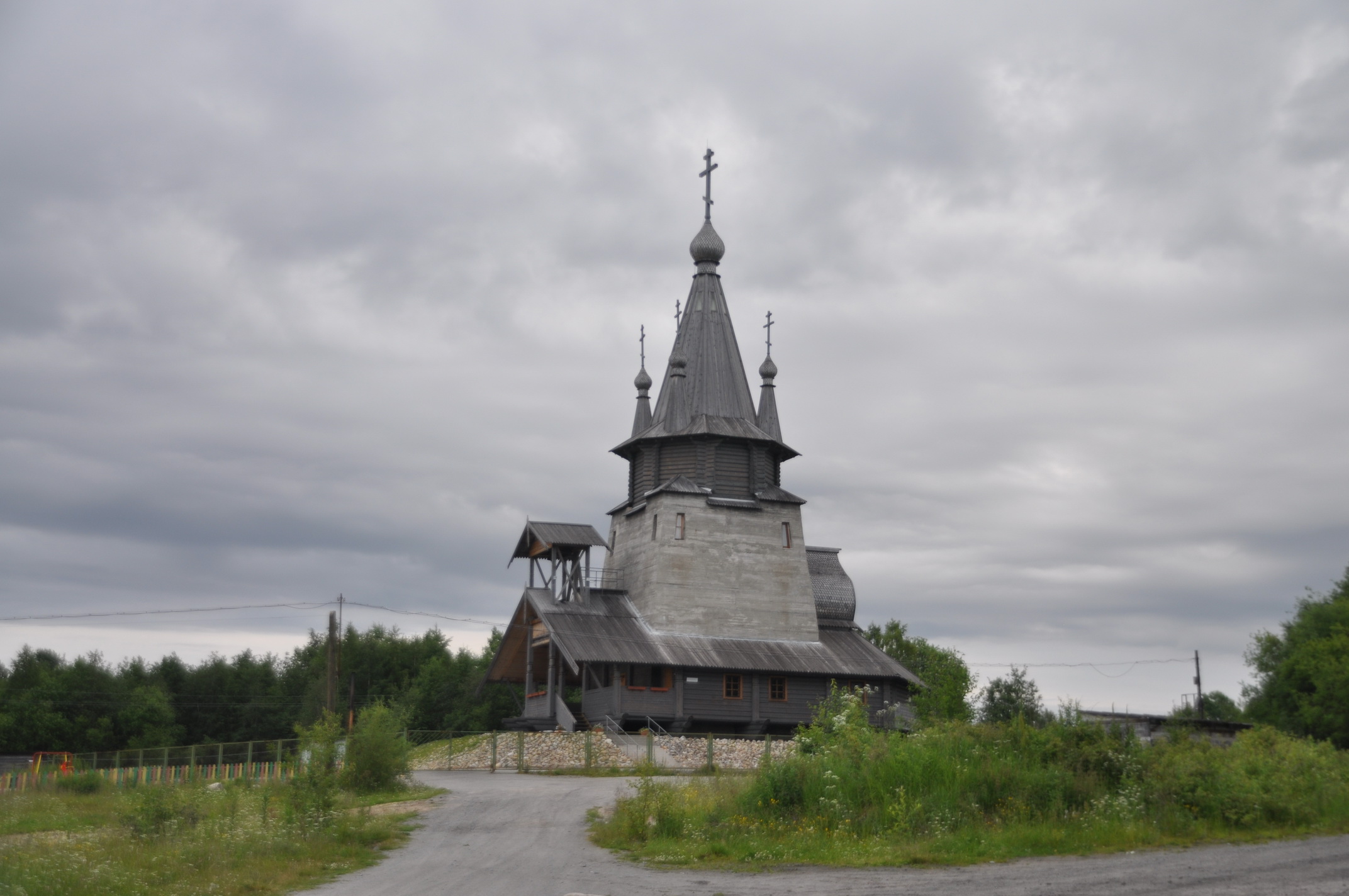
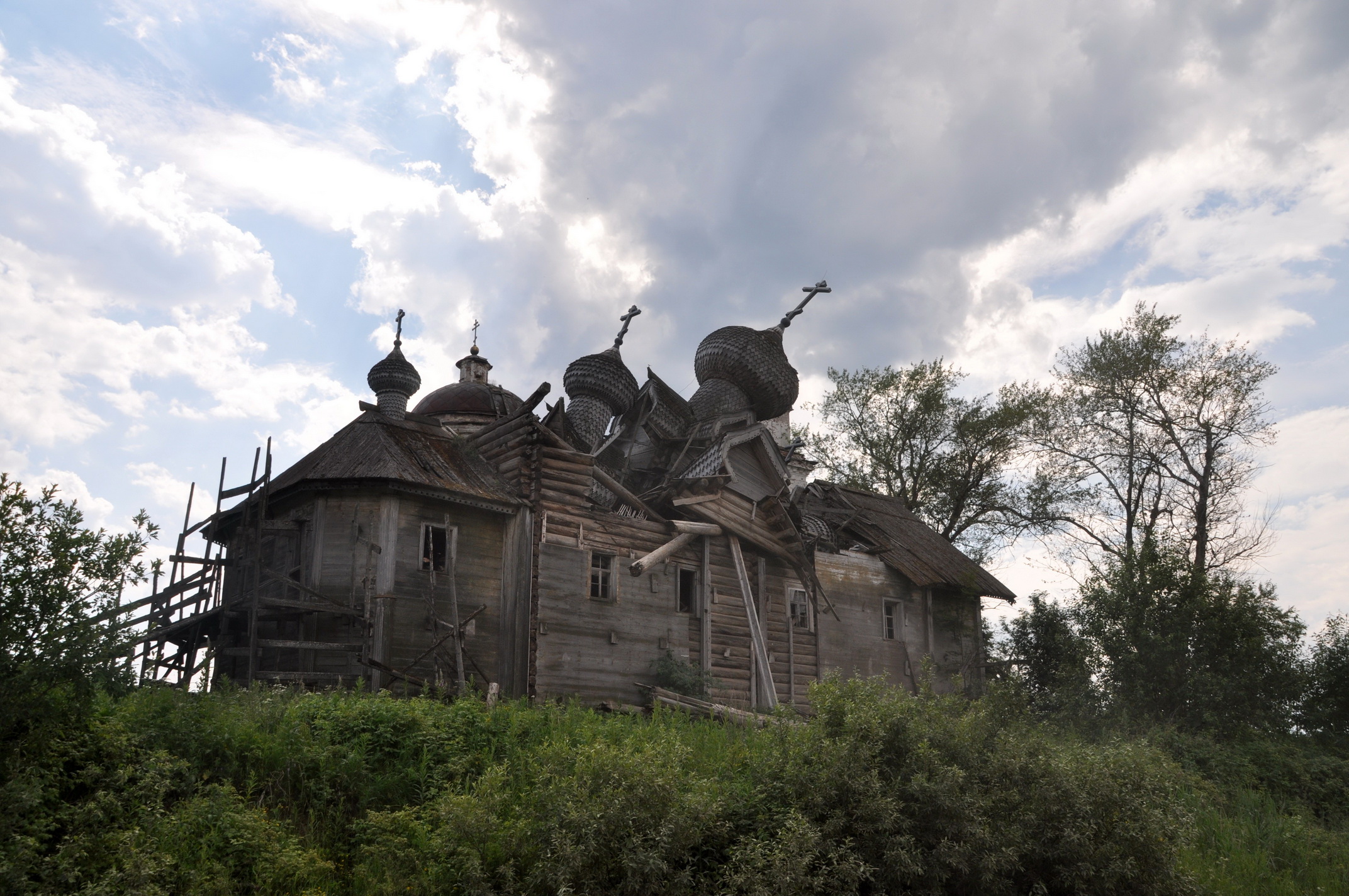
In the village of Paltoga I remember a picturesquely collapsing little eighteenth-century church. That, by the way, was the work of some decidedly ham-fisted restorers.
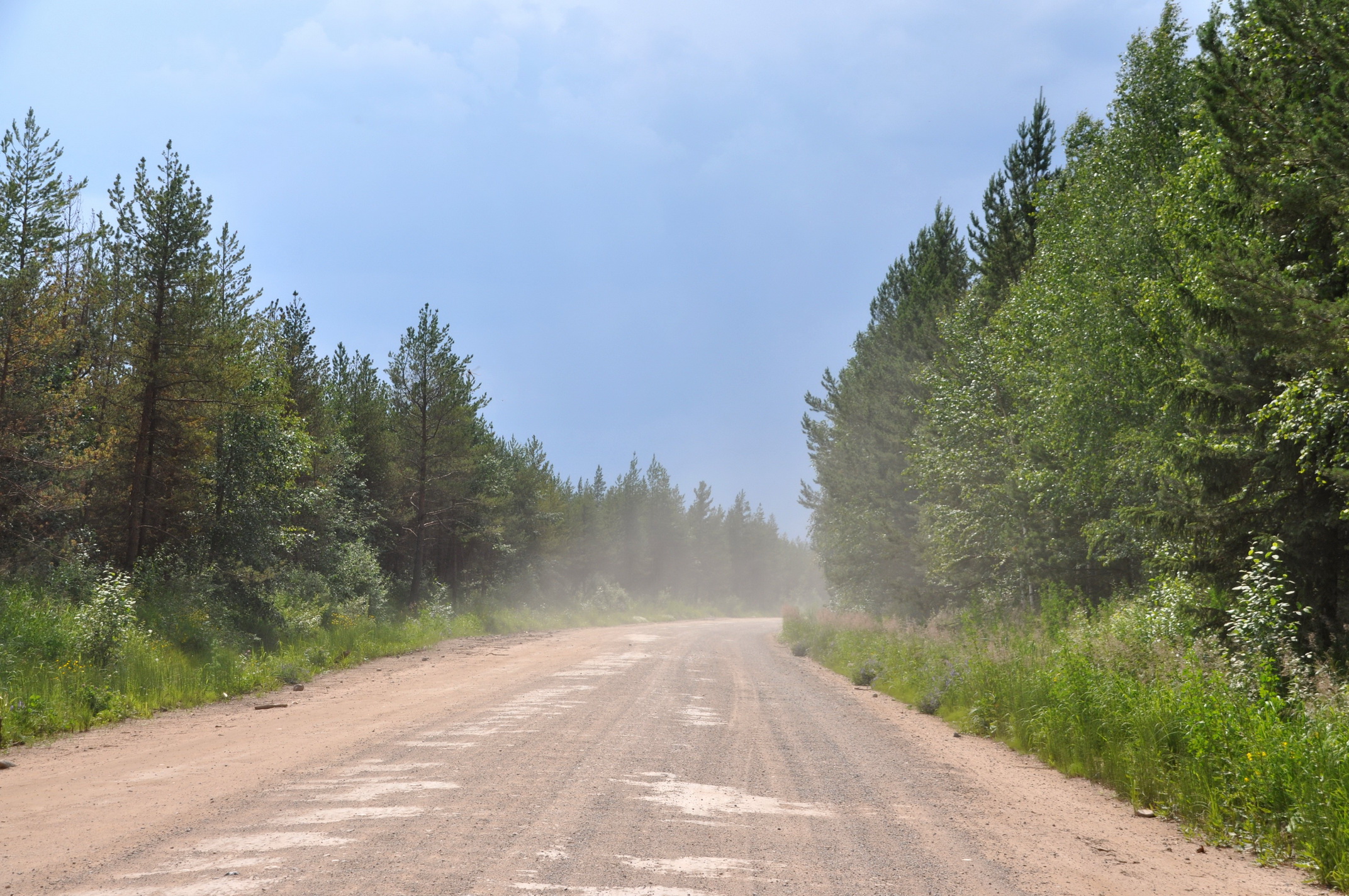
It was a hot day. As if the rest of my troubles weren’t enough, the air conditioning in the car broke down. A thunderstorm was brewing by evening and it turned muggy. The road at the border with the Saint Petersburg region was a wreck. My broken car rattled away.
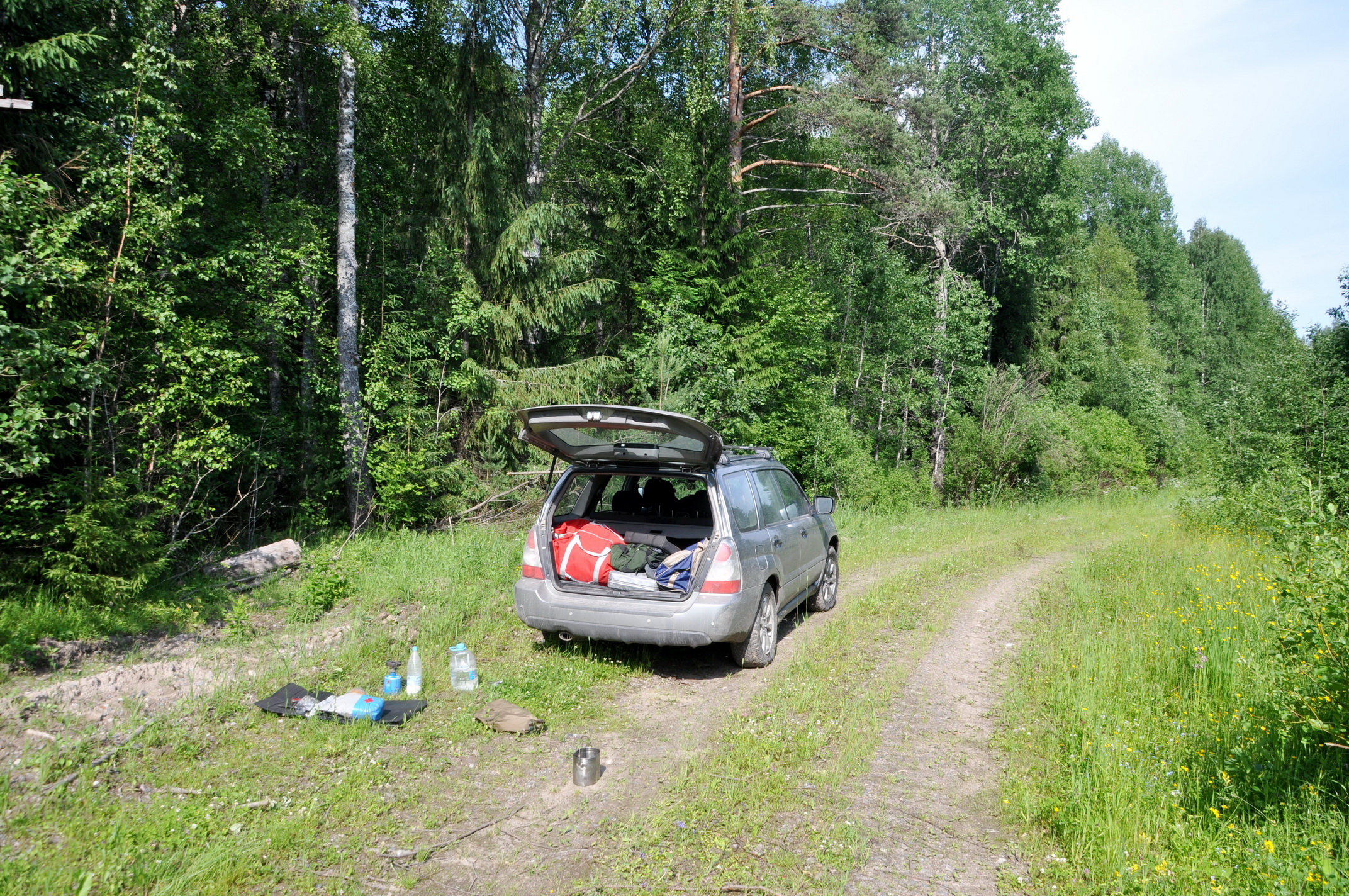
I stopped for something to eat at the spot by the Svir where Tanya and I had once spent the night. A beautiful view. Life goes on. In a week I’m flying to Easter Island to see a solar eclipse, and then to New Zealand. We’ll find a way through somehow.
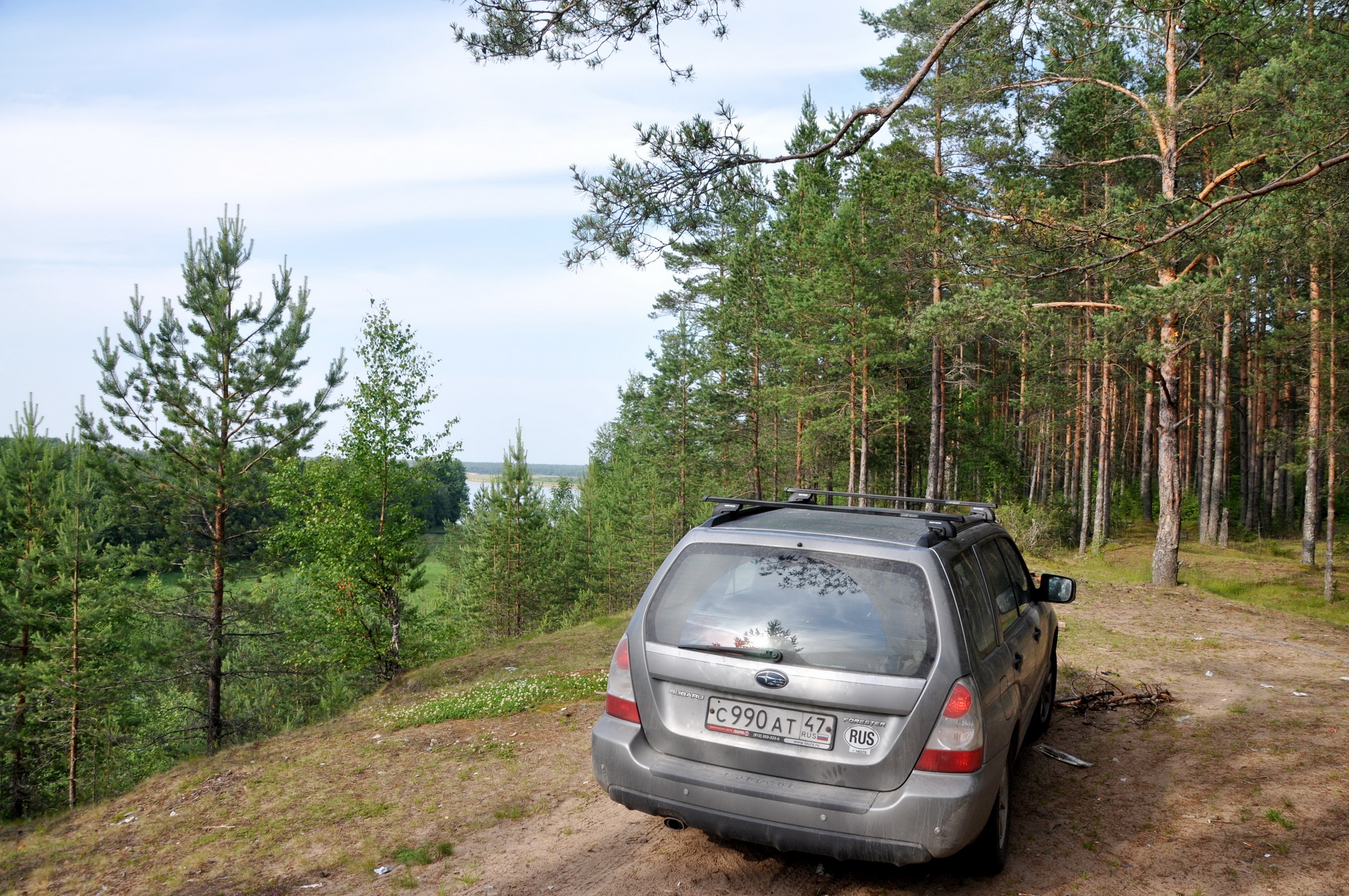
I had lunch and went home.