Trip report
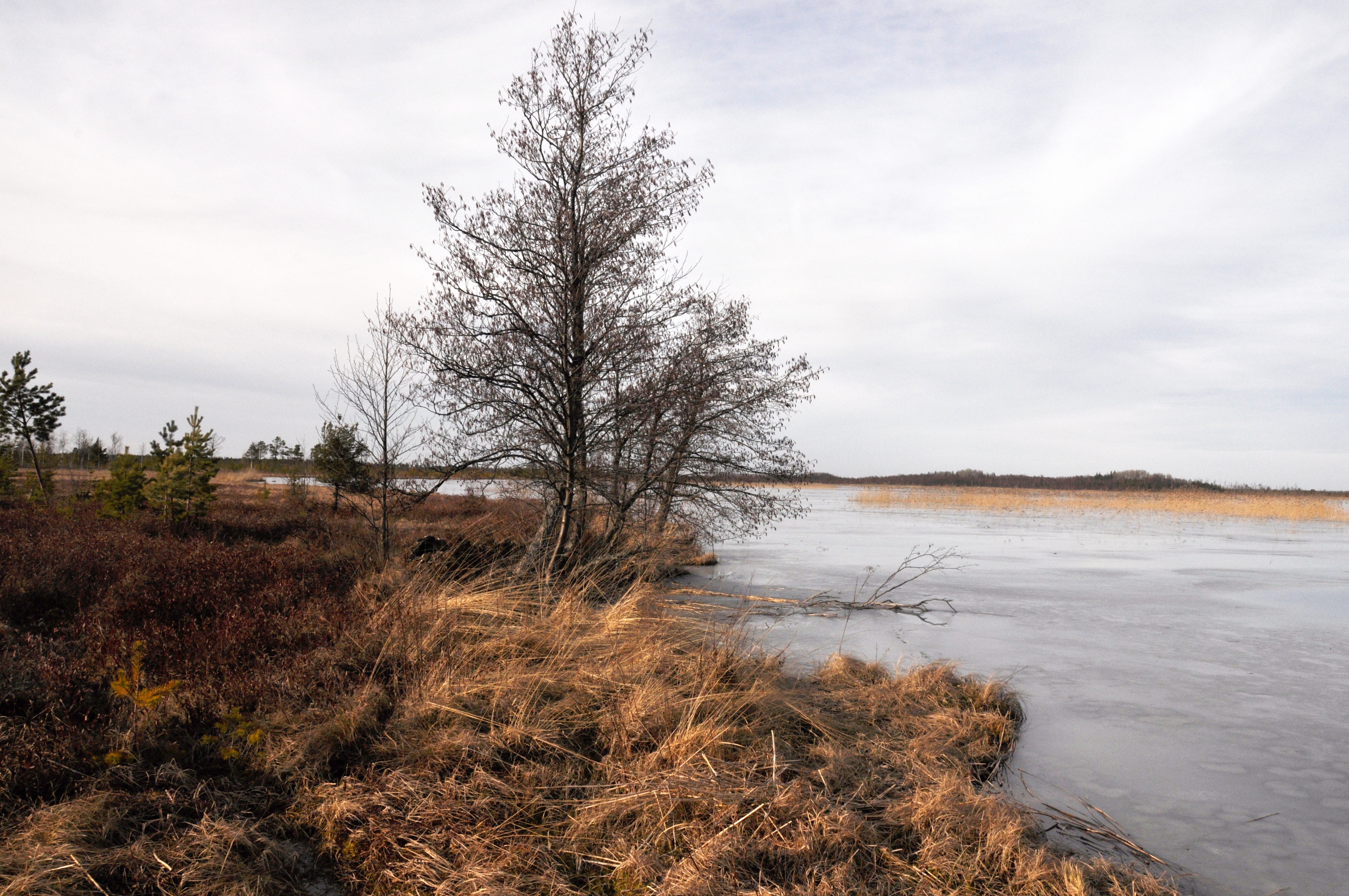
Winter brought almost no snow and spring came early. In early March the woods around Lake Vyalye are usually waist-deep in snow, but this year it had almost all melted. With any luck there would still be ice on the lake to walk across.
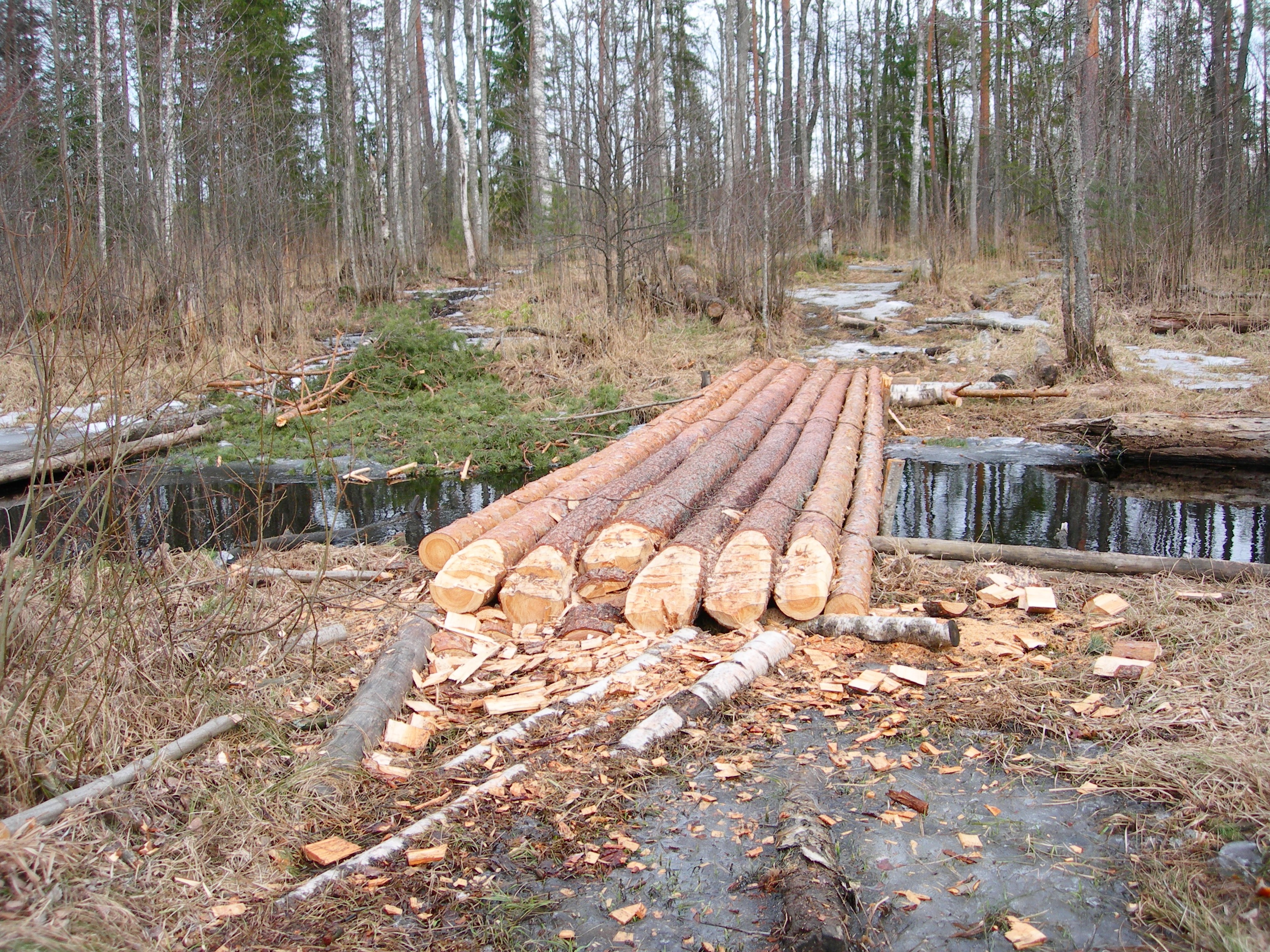
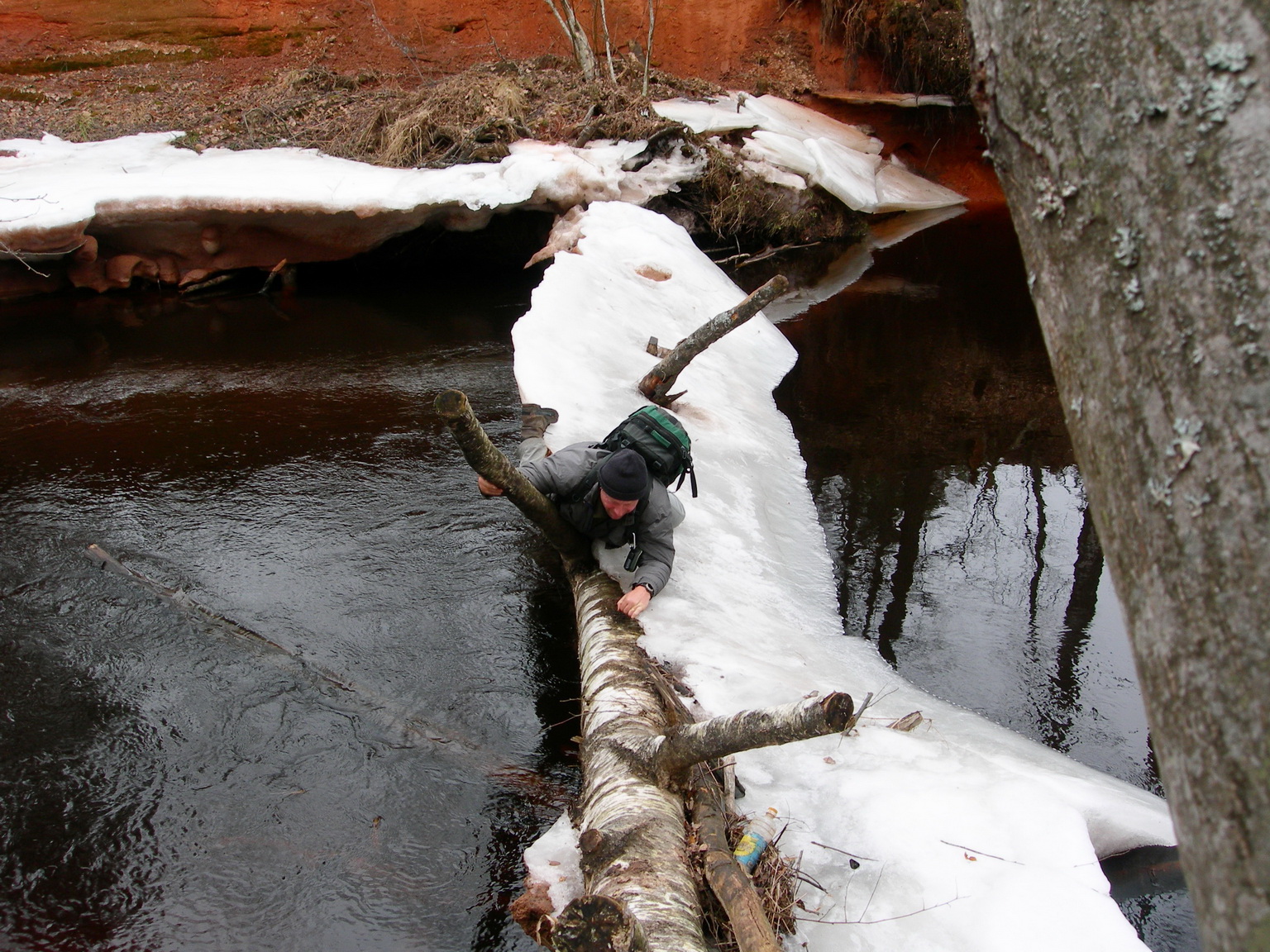
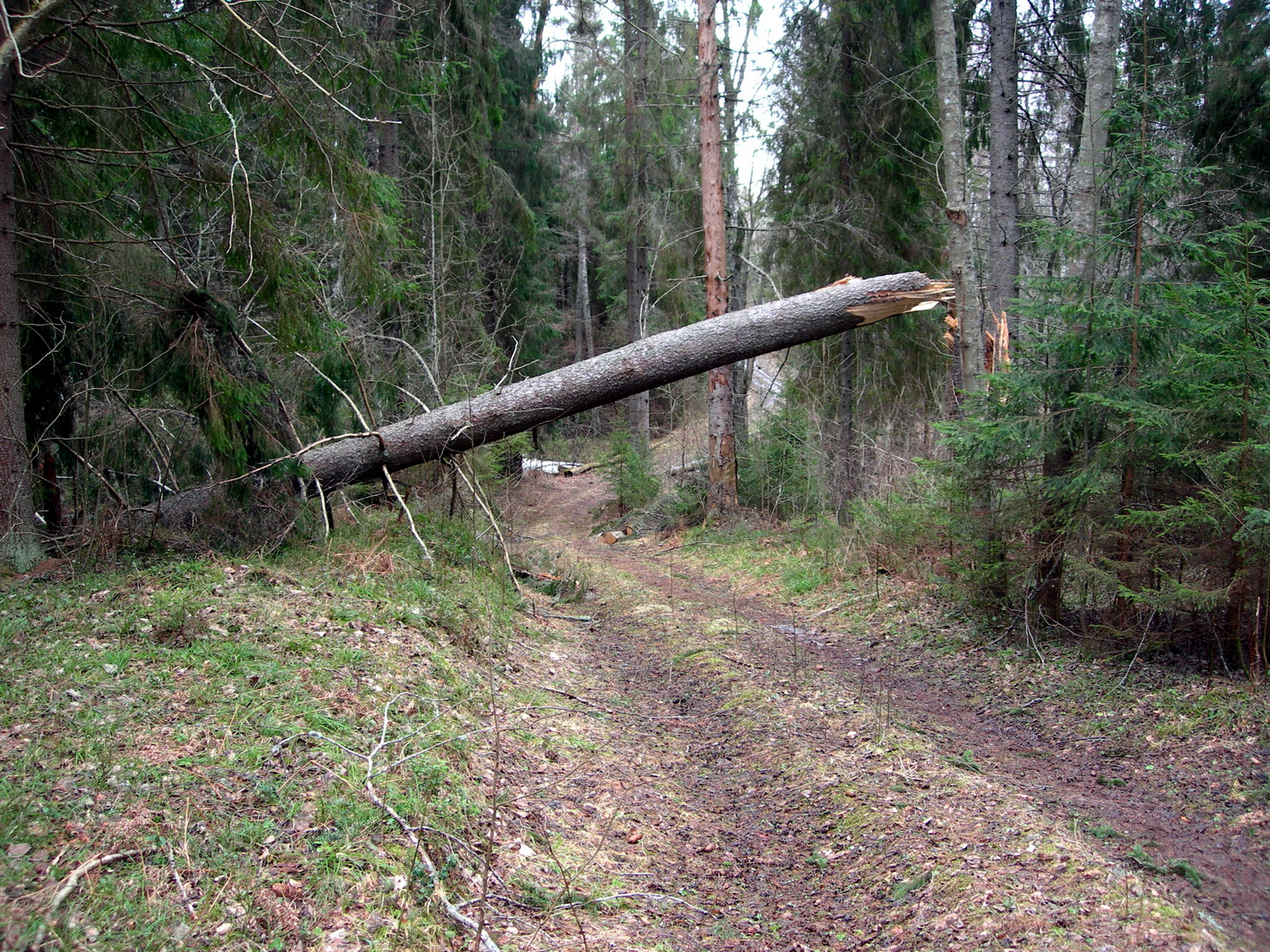
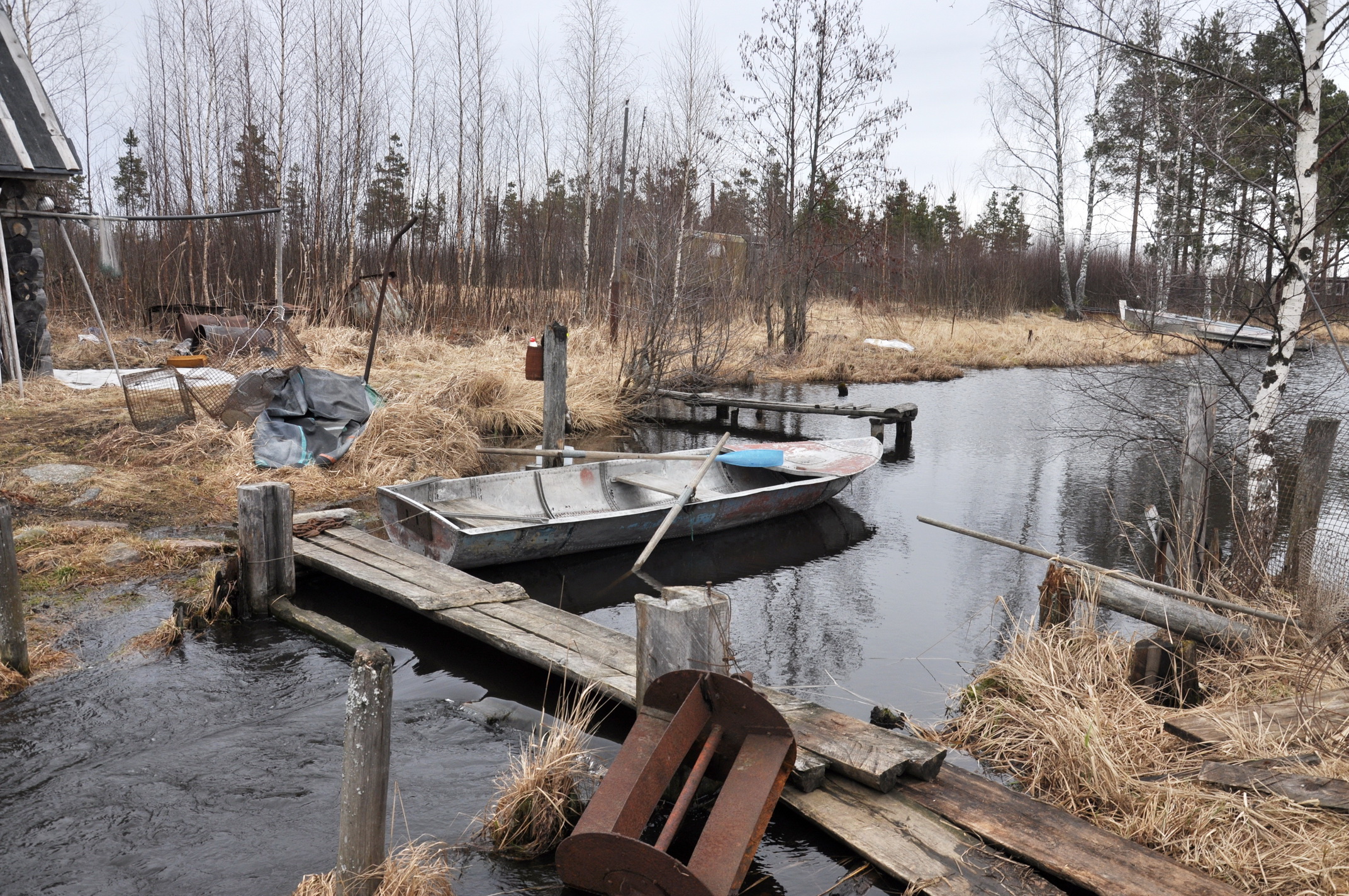
Daniel came with me this time. We set out from the village of Selishche and ran into trouble right away. The bridge over the Yashchera had collapsed. The ford was deep and cold with the spring flood. Scrambling over fallen trees did not look much better. They were all coated in ice.
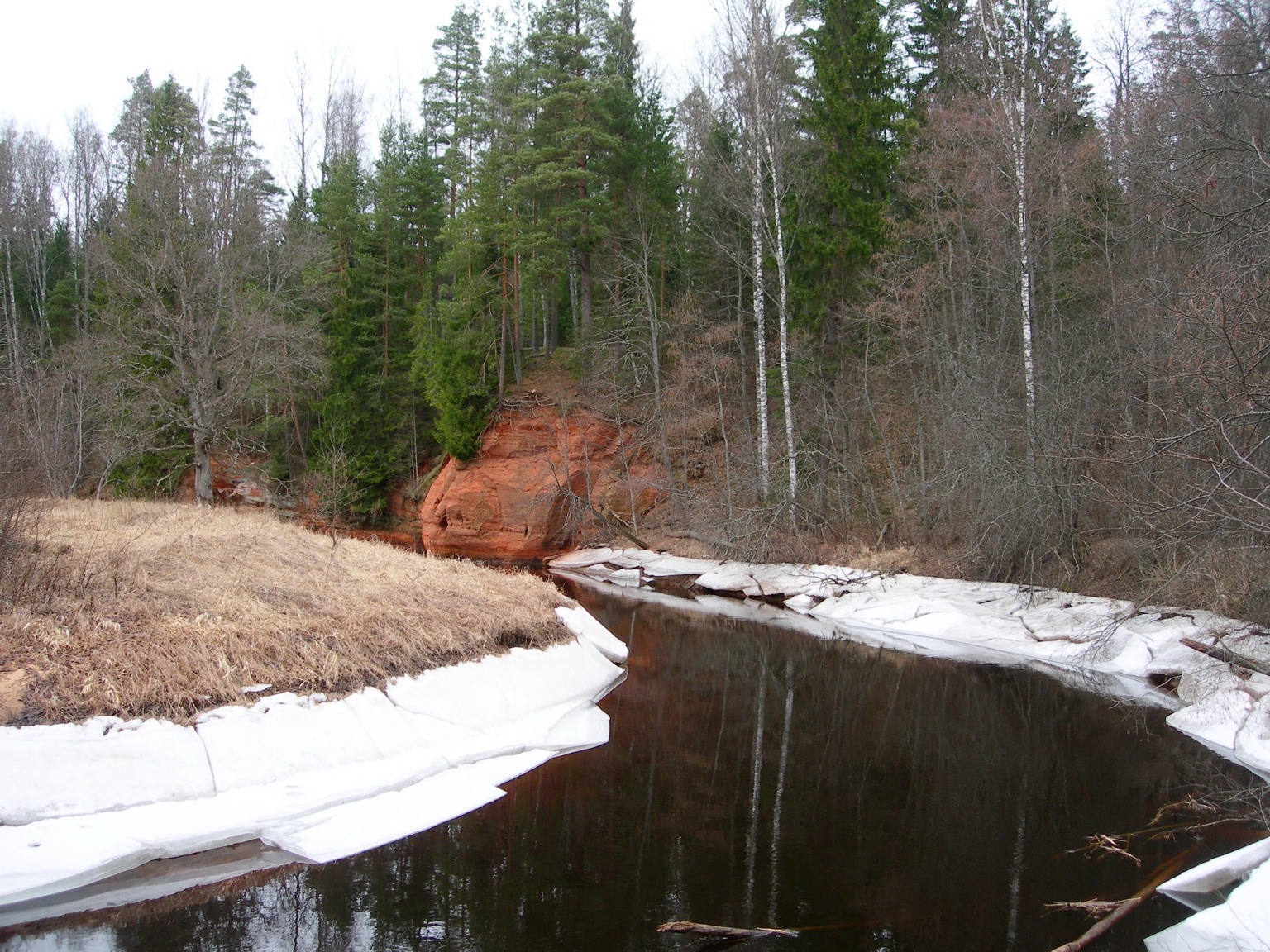
In the end we decided to cross on the fallen timber after all. It was slippery and we might slide into the water, but we would not drown. At worst we would simply ford the river after all.
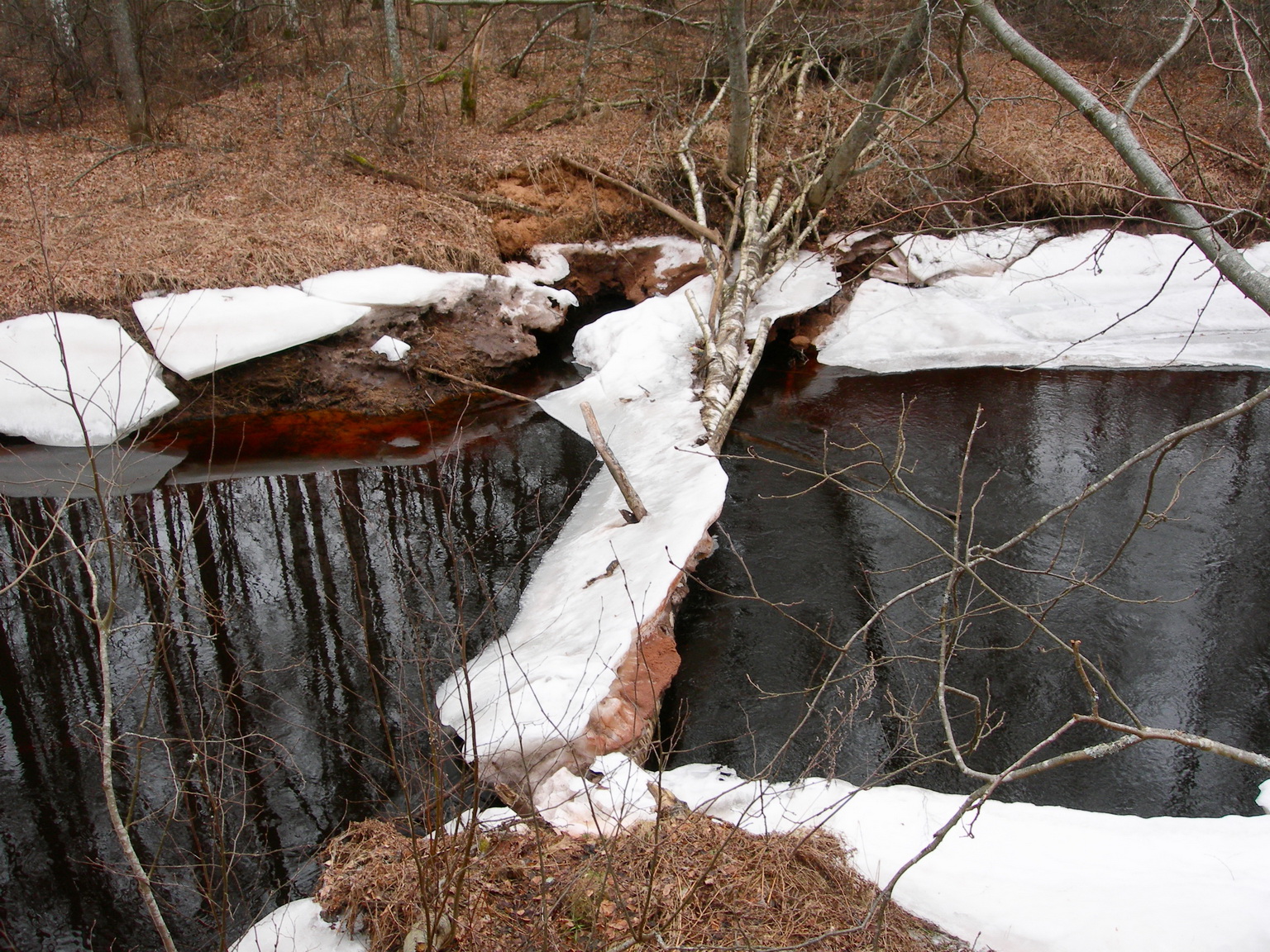
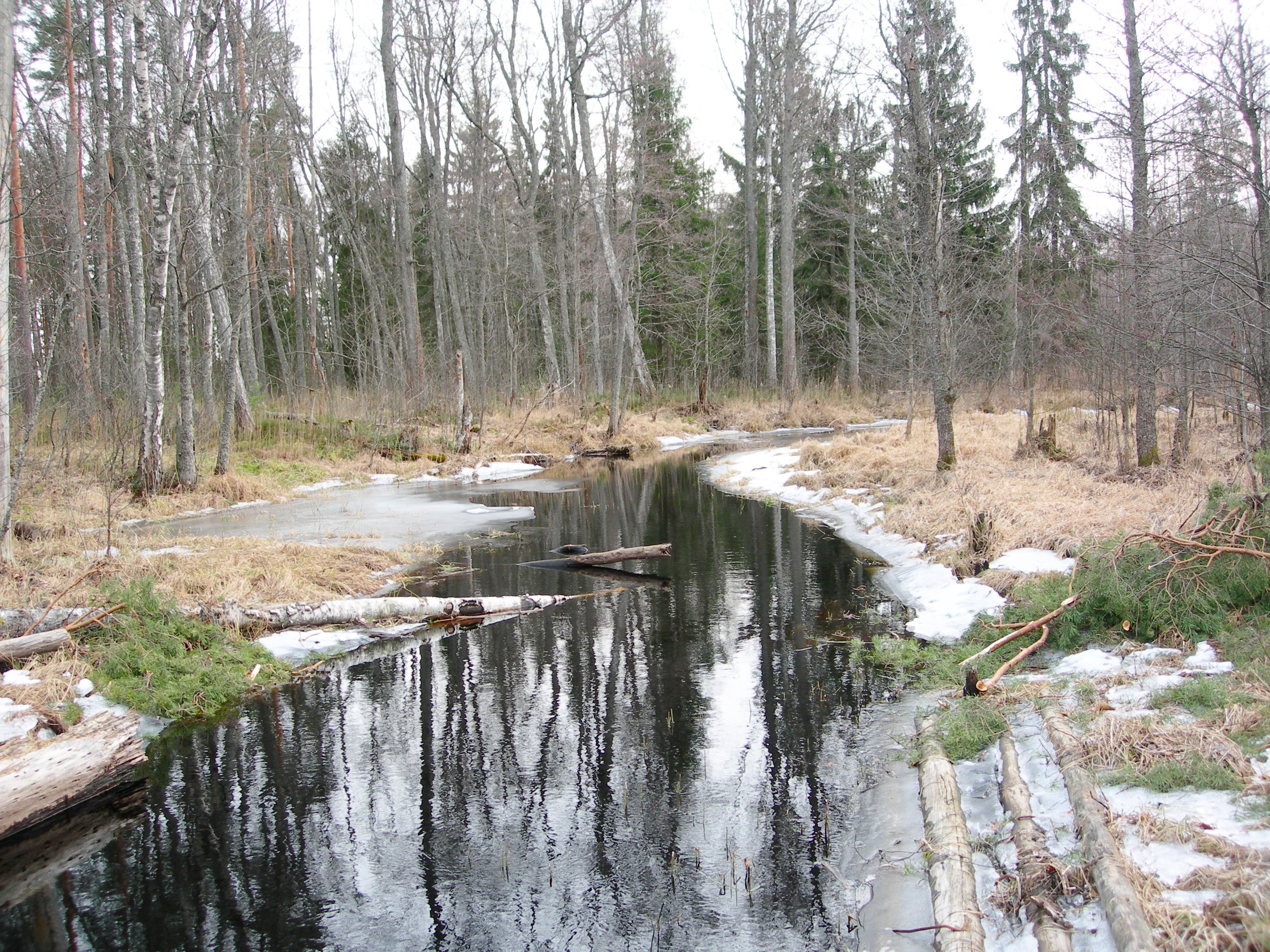
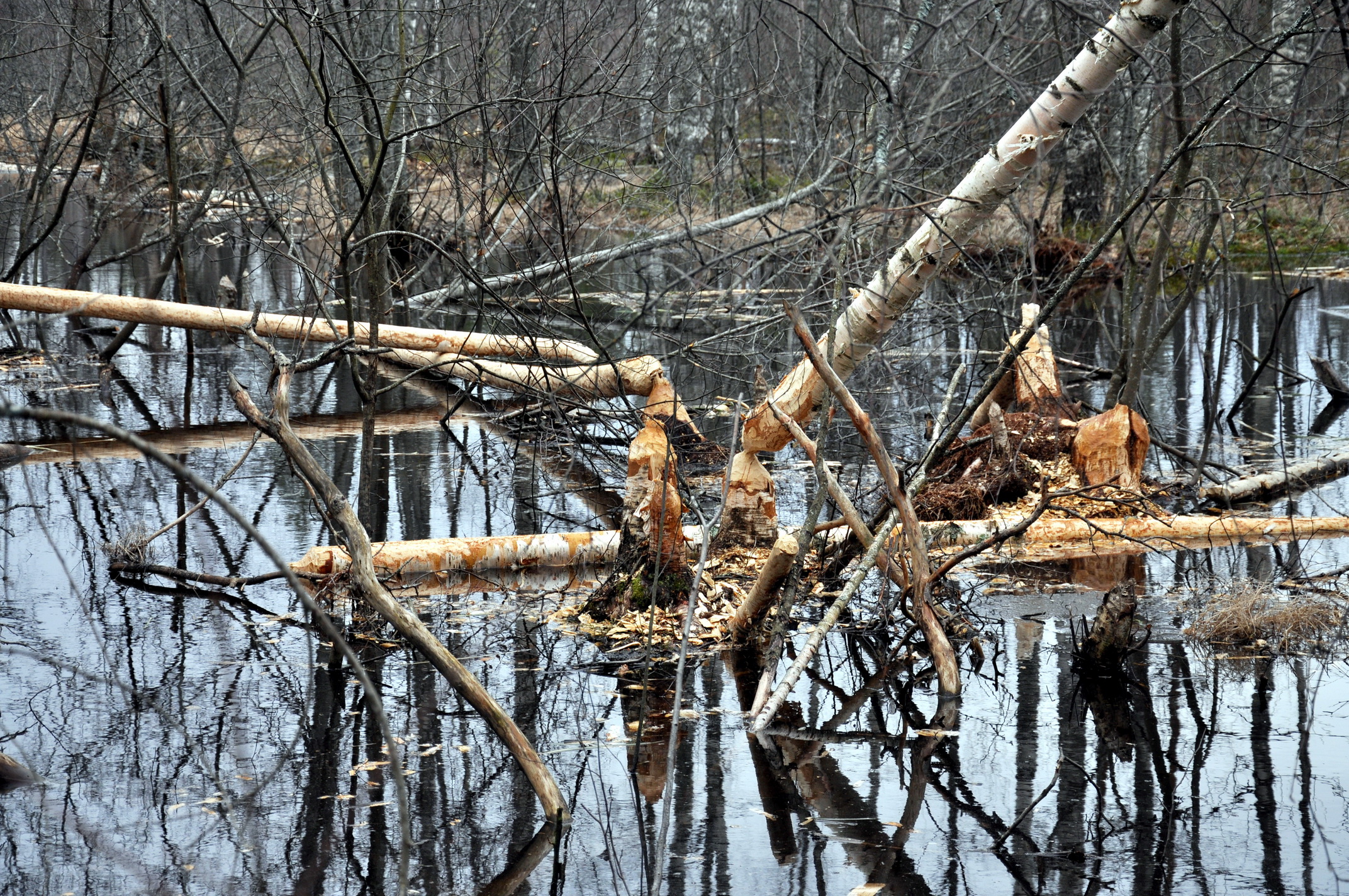
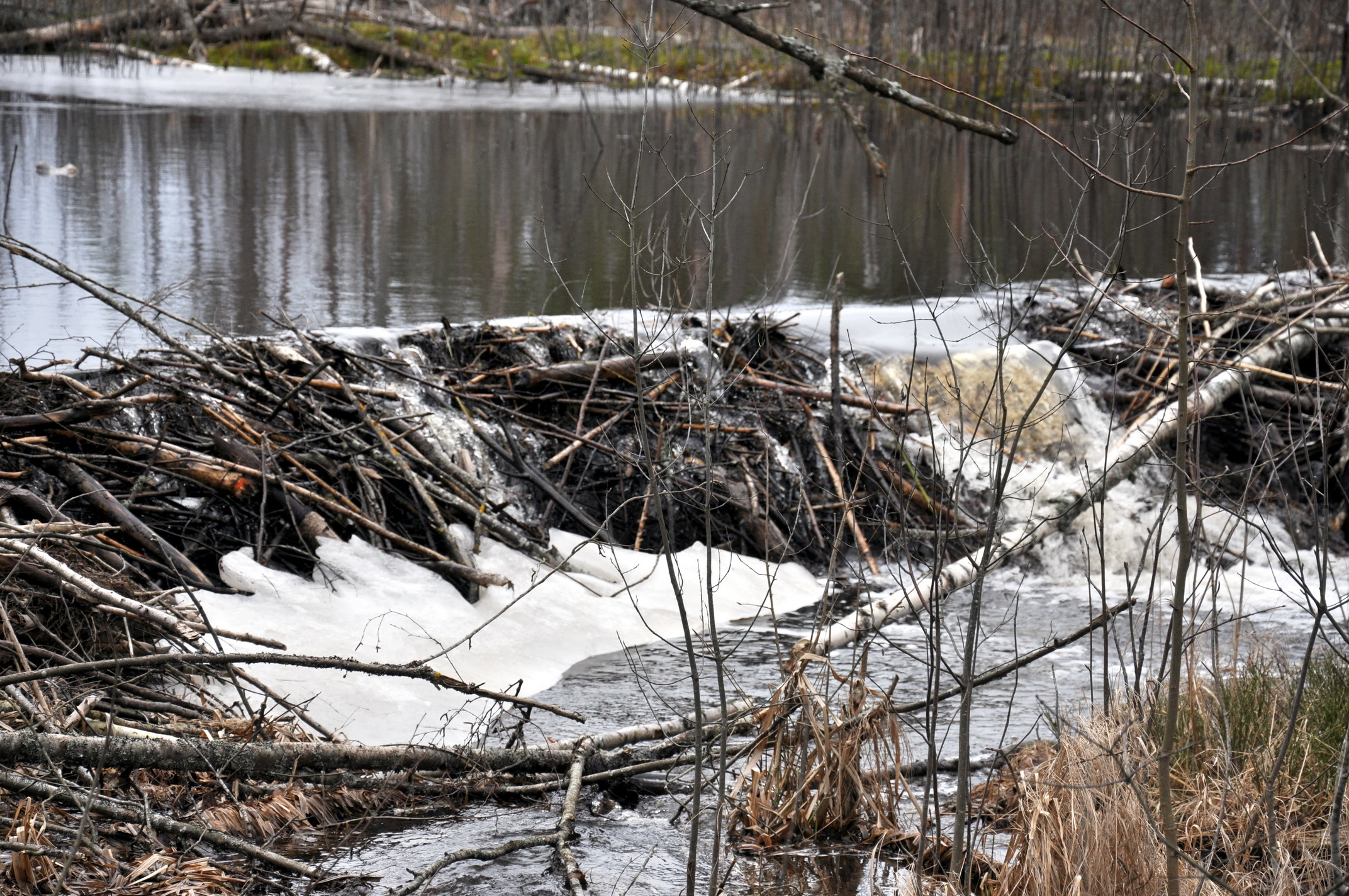
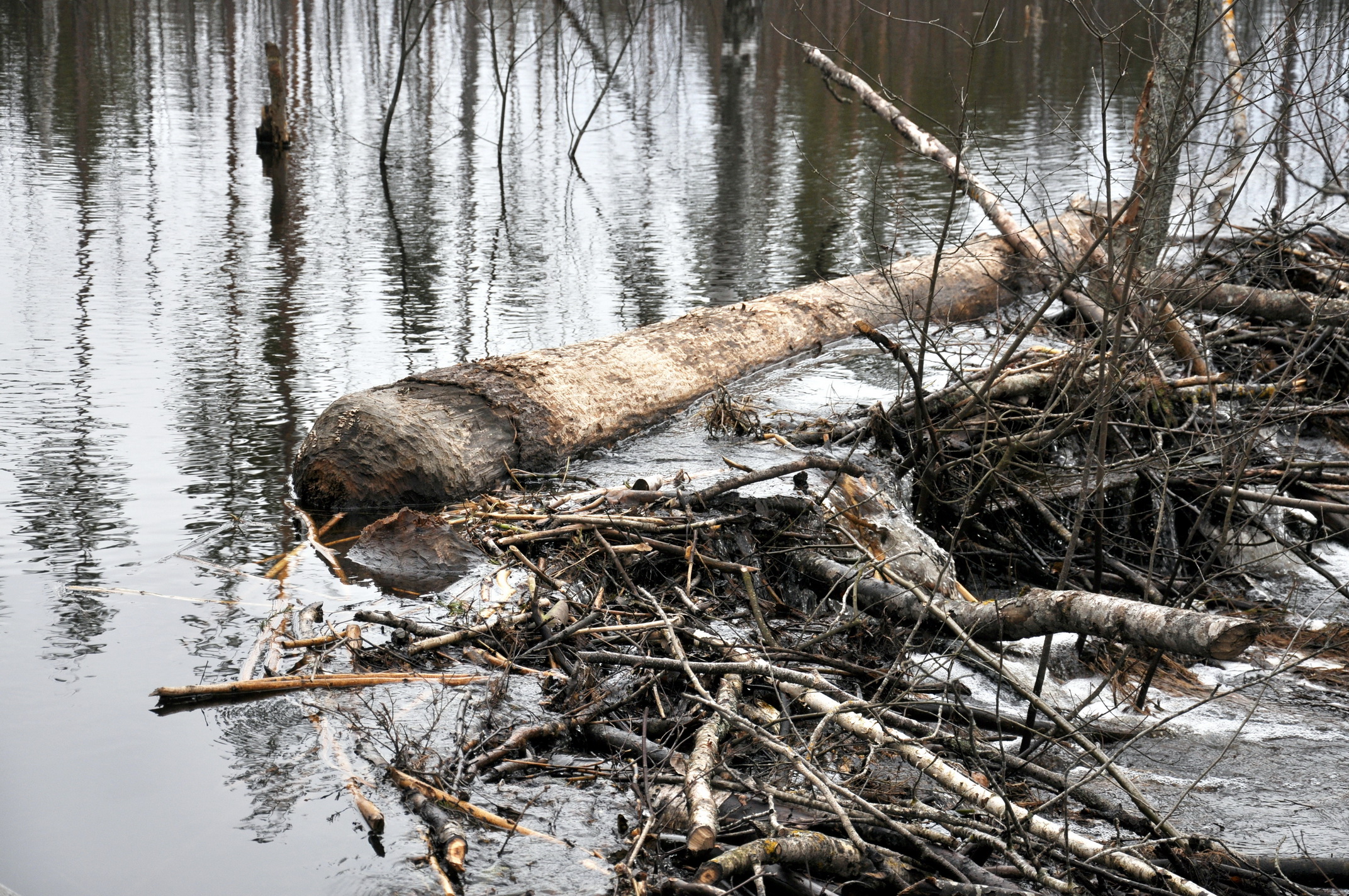
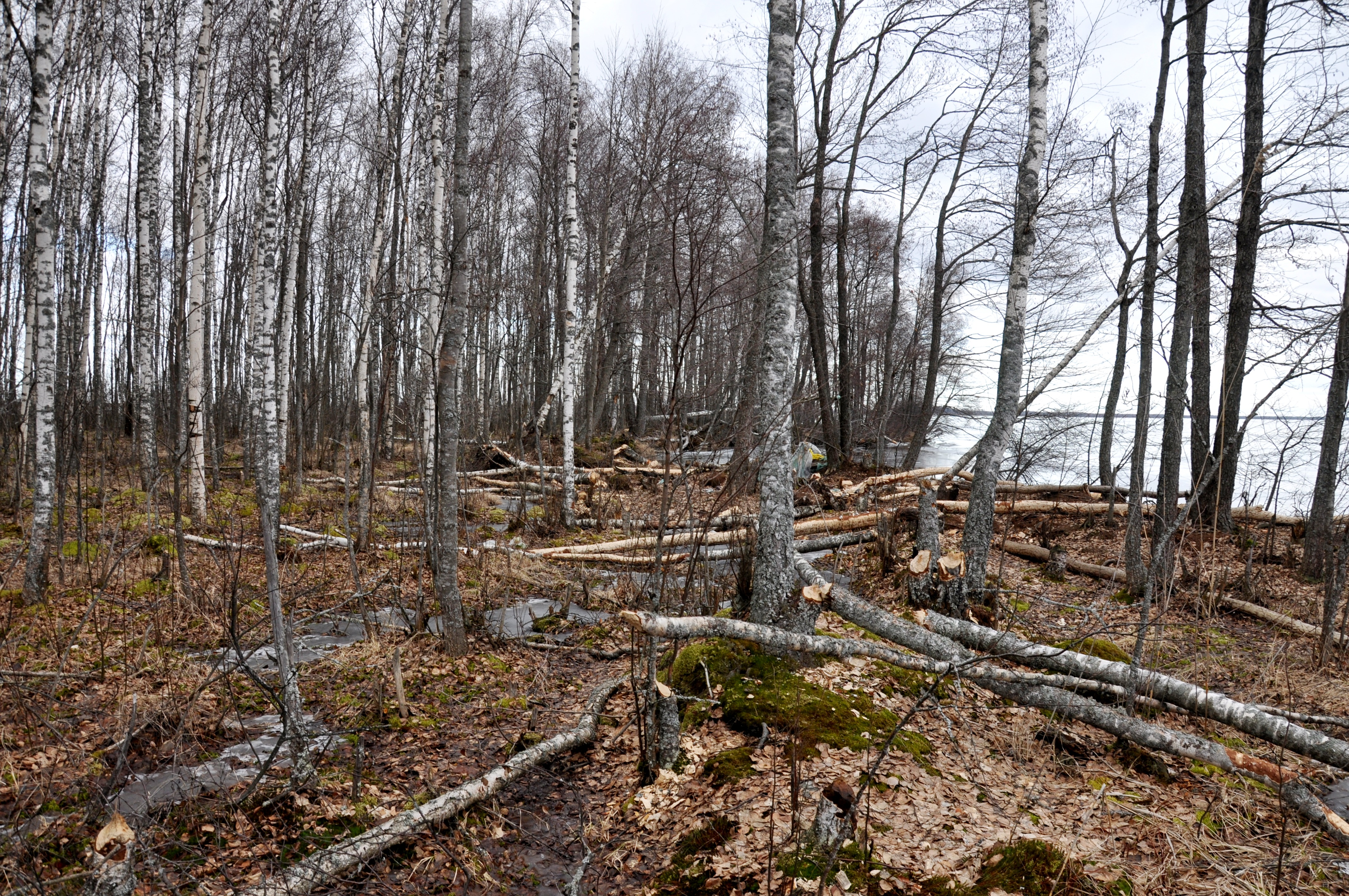
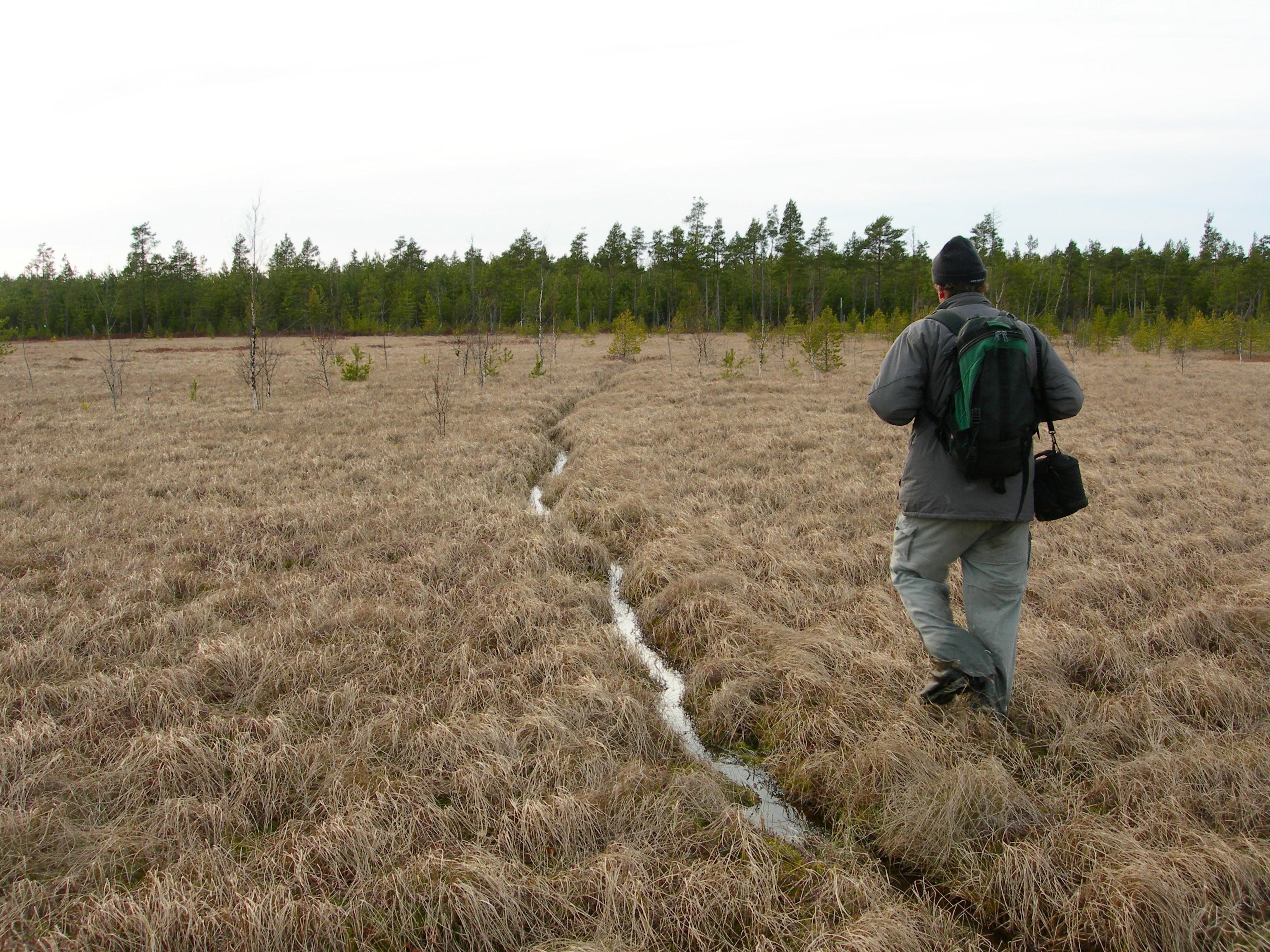
We made it across and headed along the Selishche drainage ditch. The beavers had multiplied out of all proportion. They had built a whole lot of dams and flooded the track.
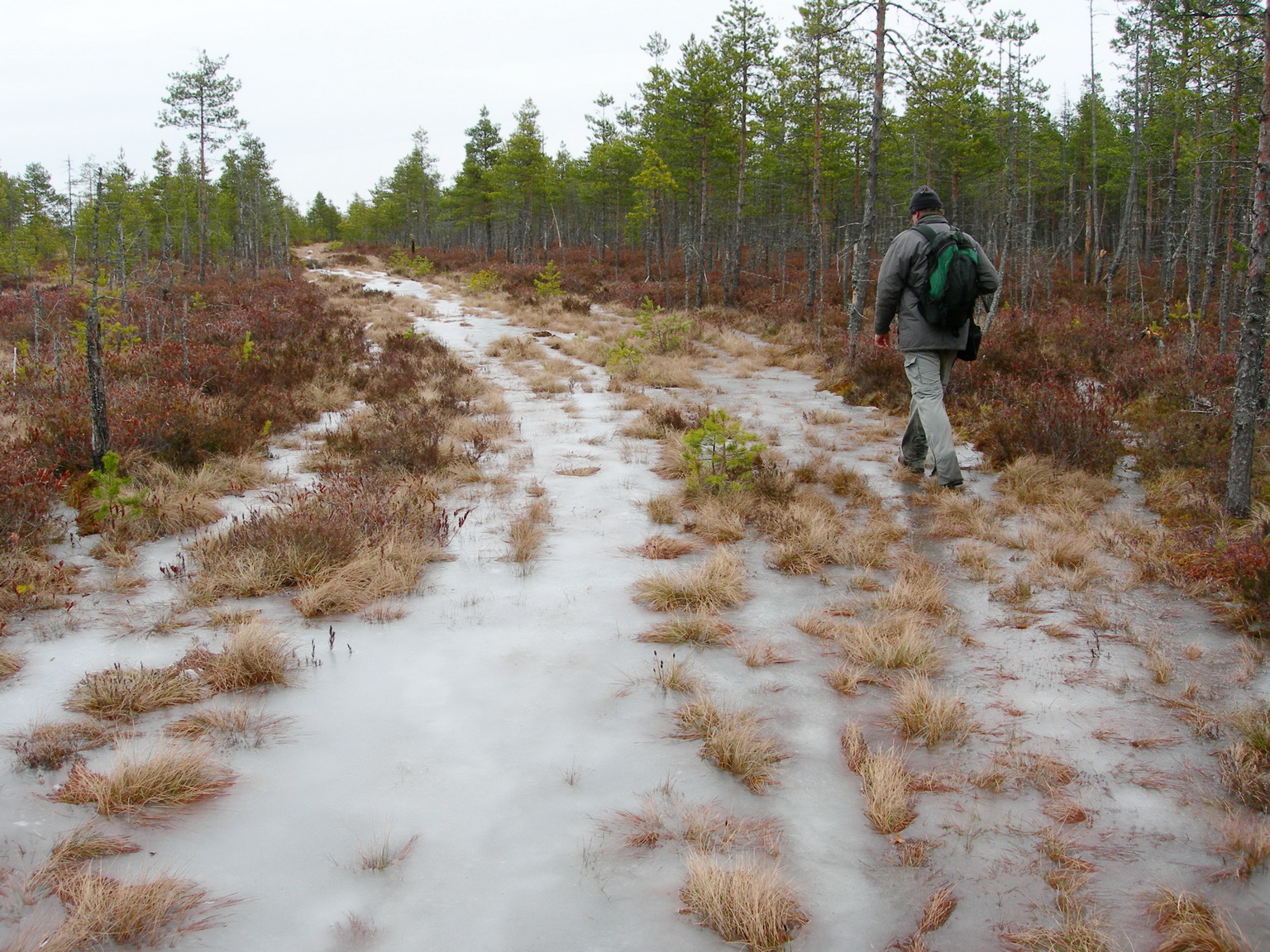
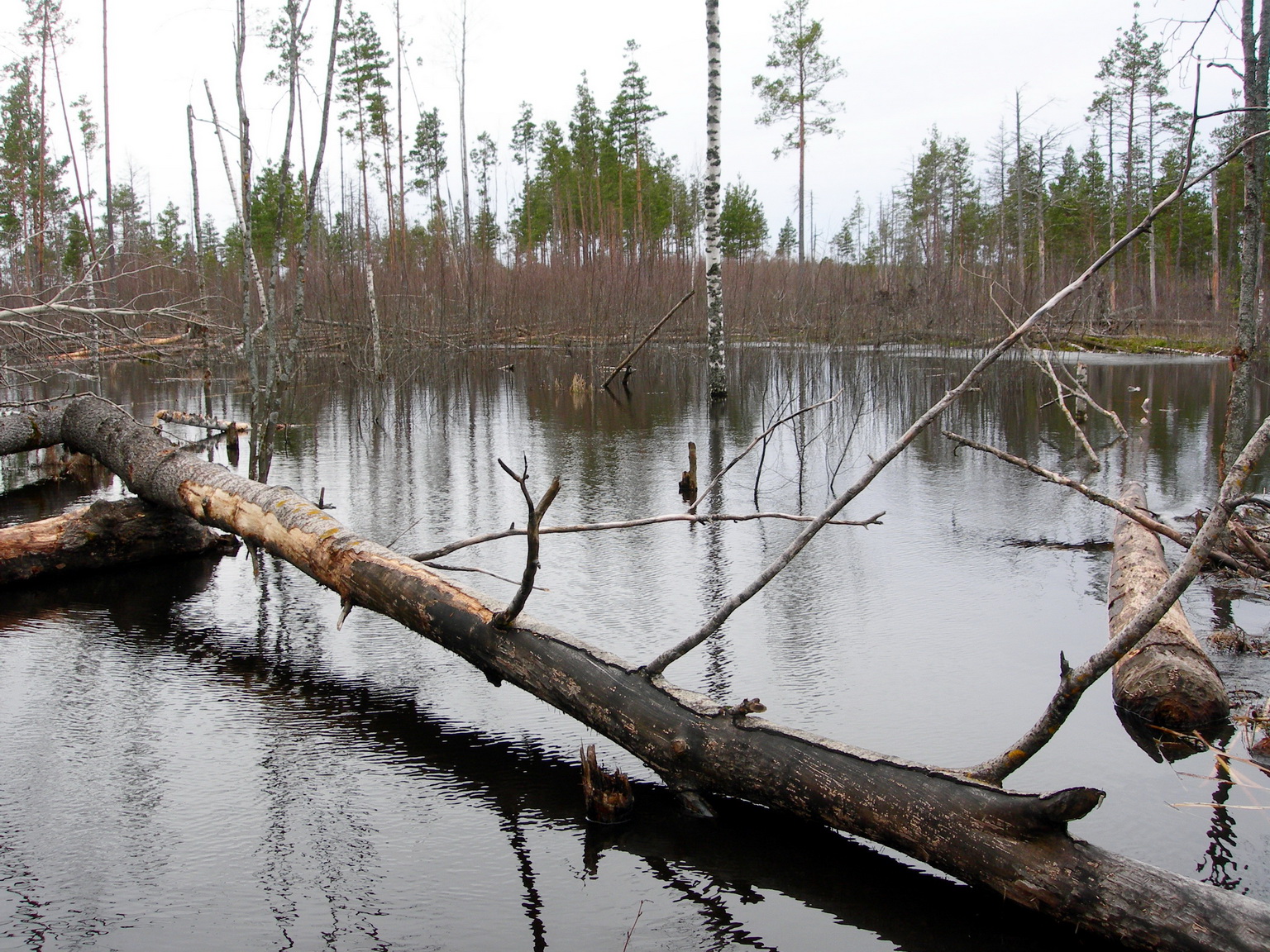
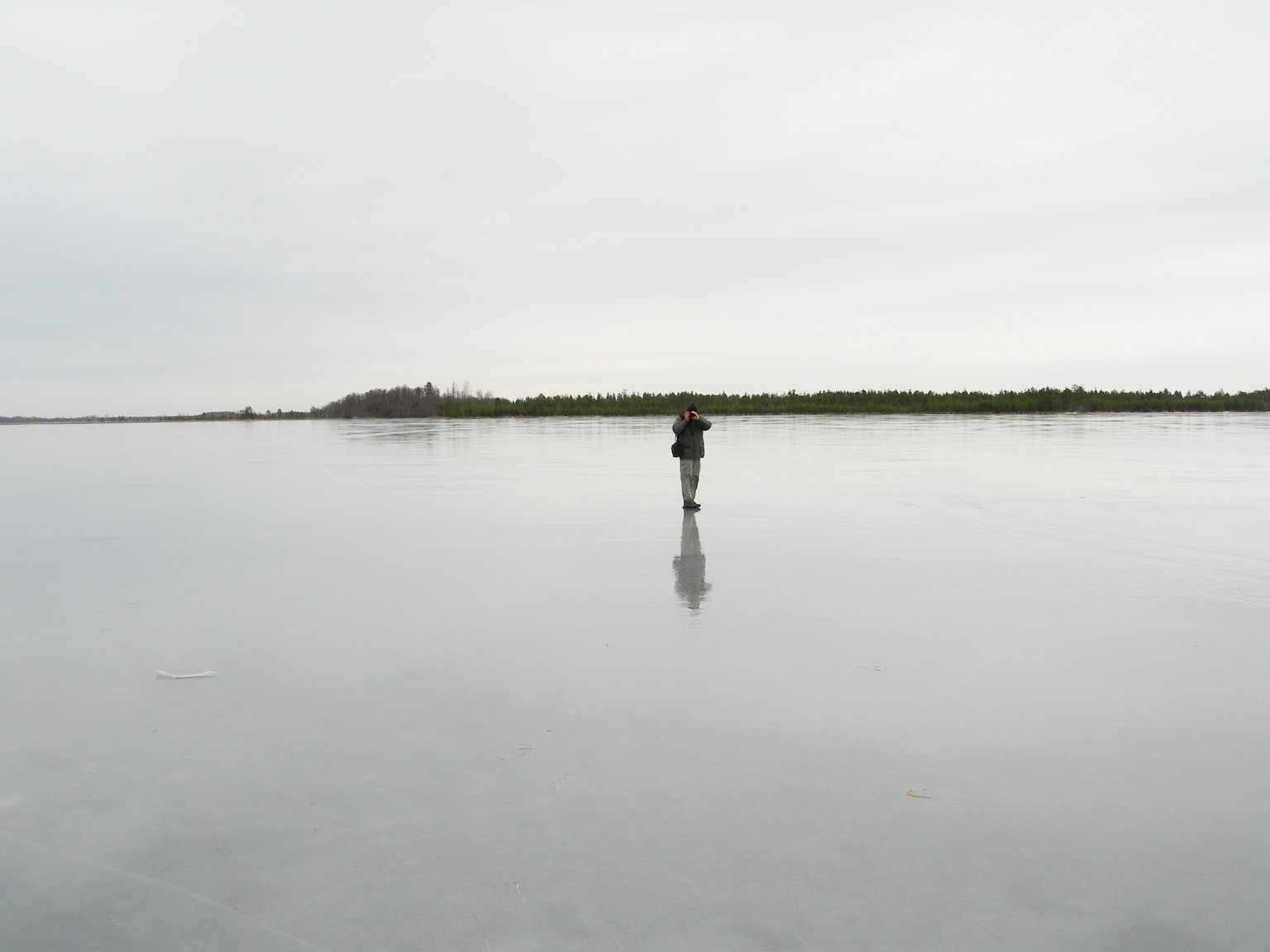
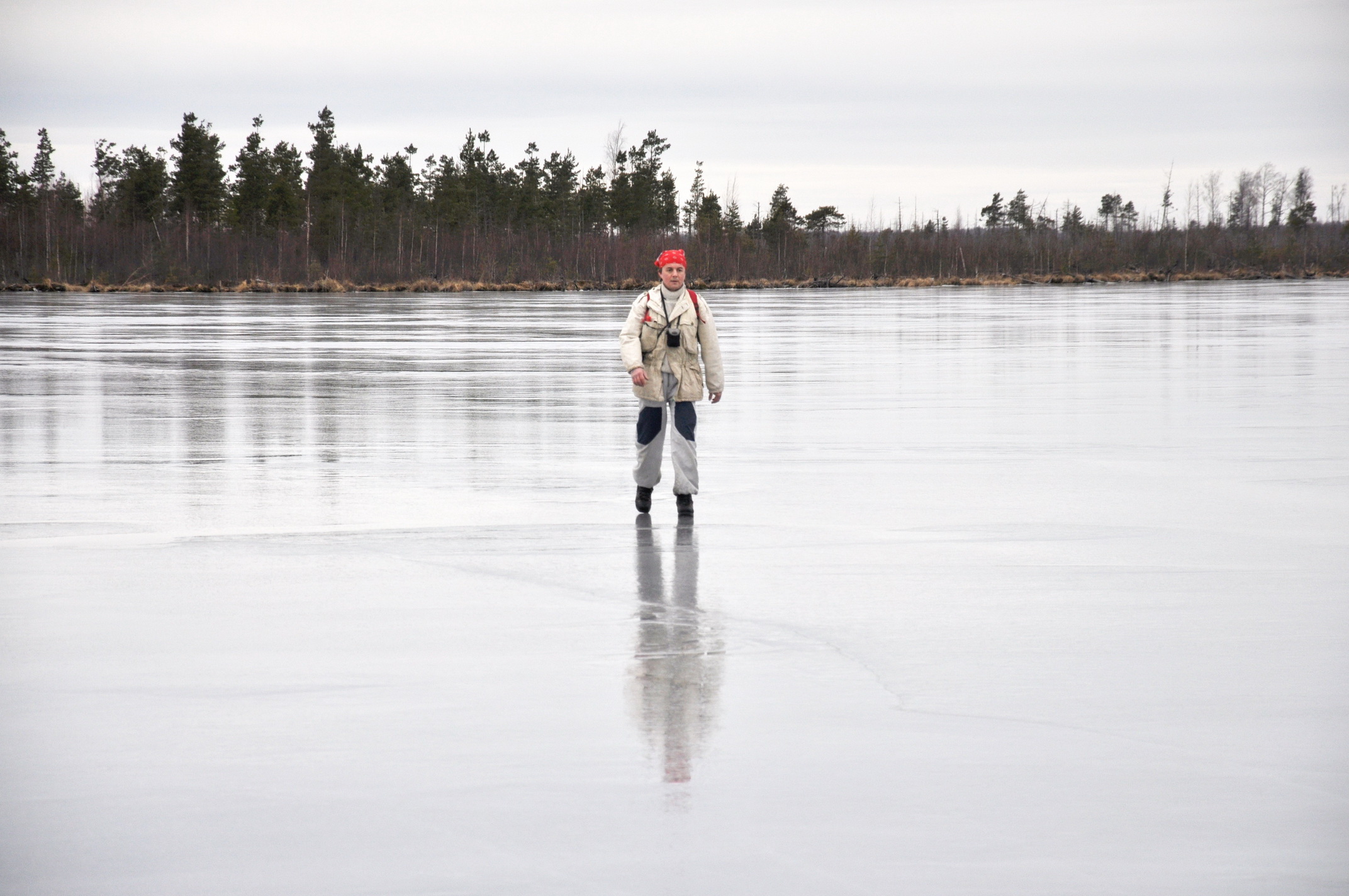
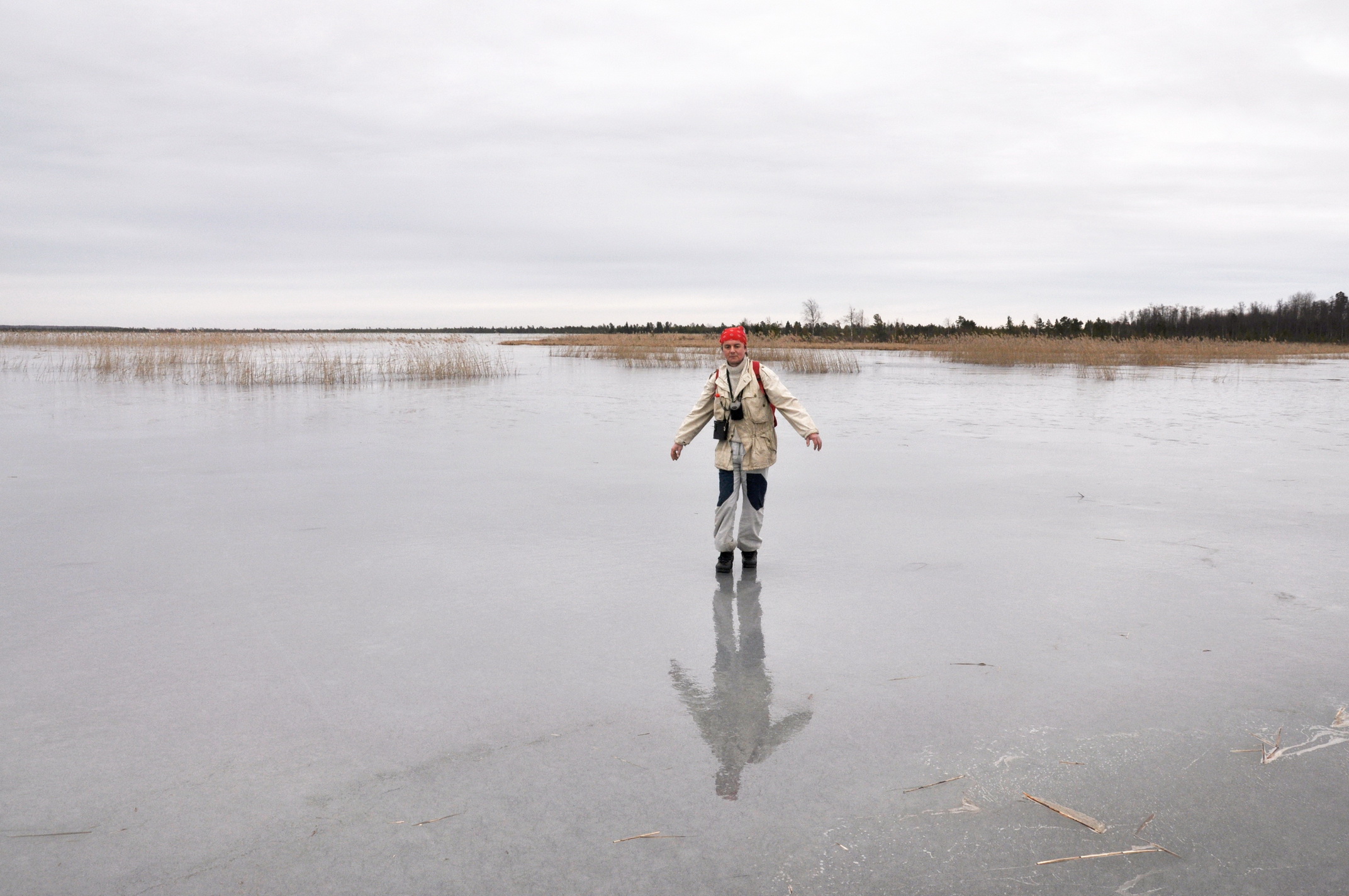
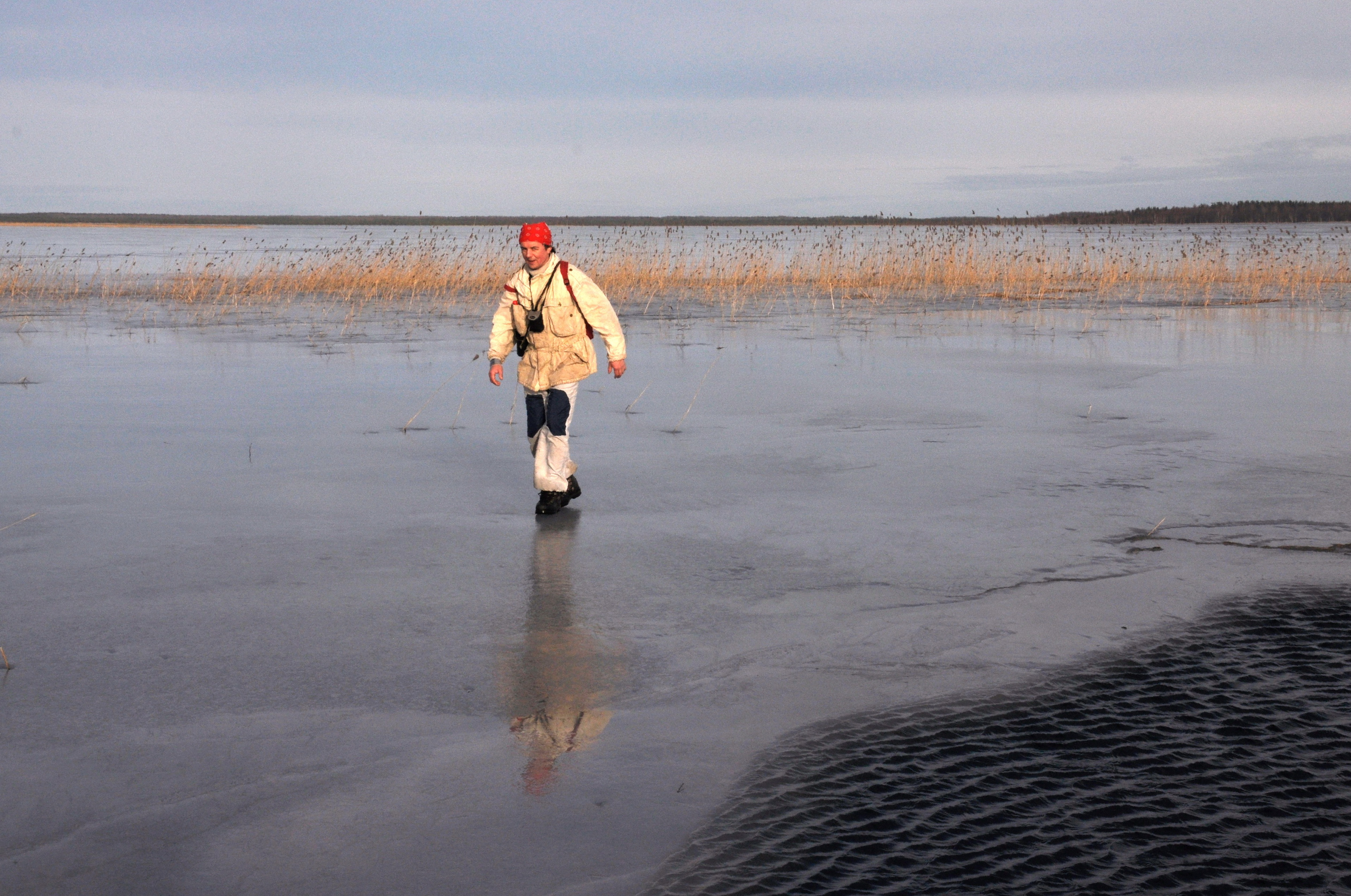
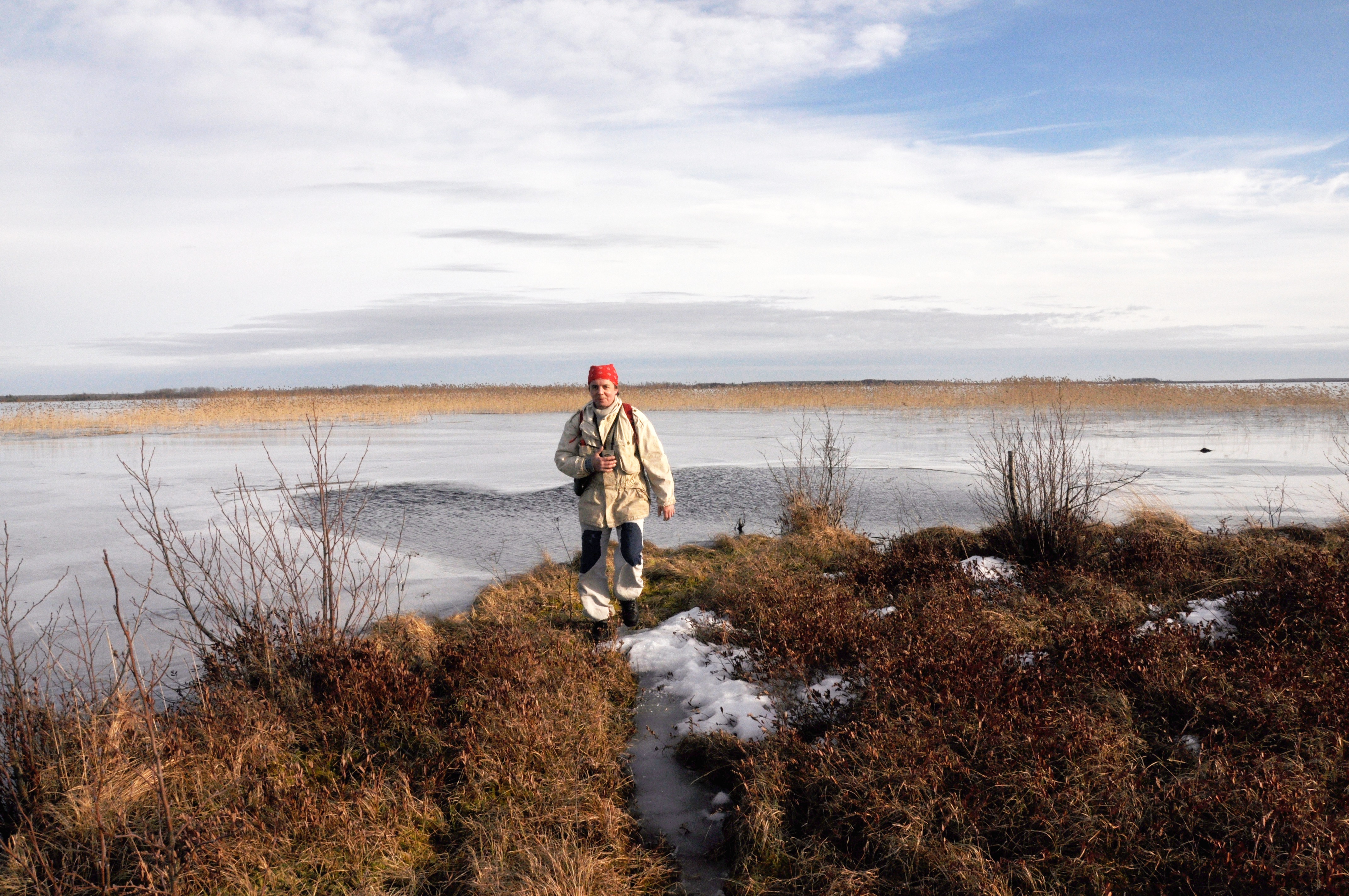
Out on the lake, the ice was covered with water. It could hardly have been more slippery. There was open water where the Selishche ditch starts, but elsewhere it looked as though we could walk. I quickly crossed Lake Strechno to the area known as Sukhoy Pen. Daniel saw that I had survived and joined me.
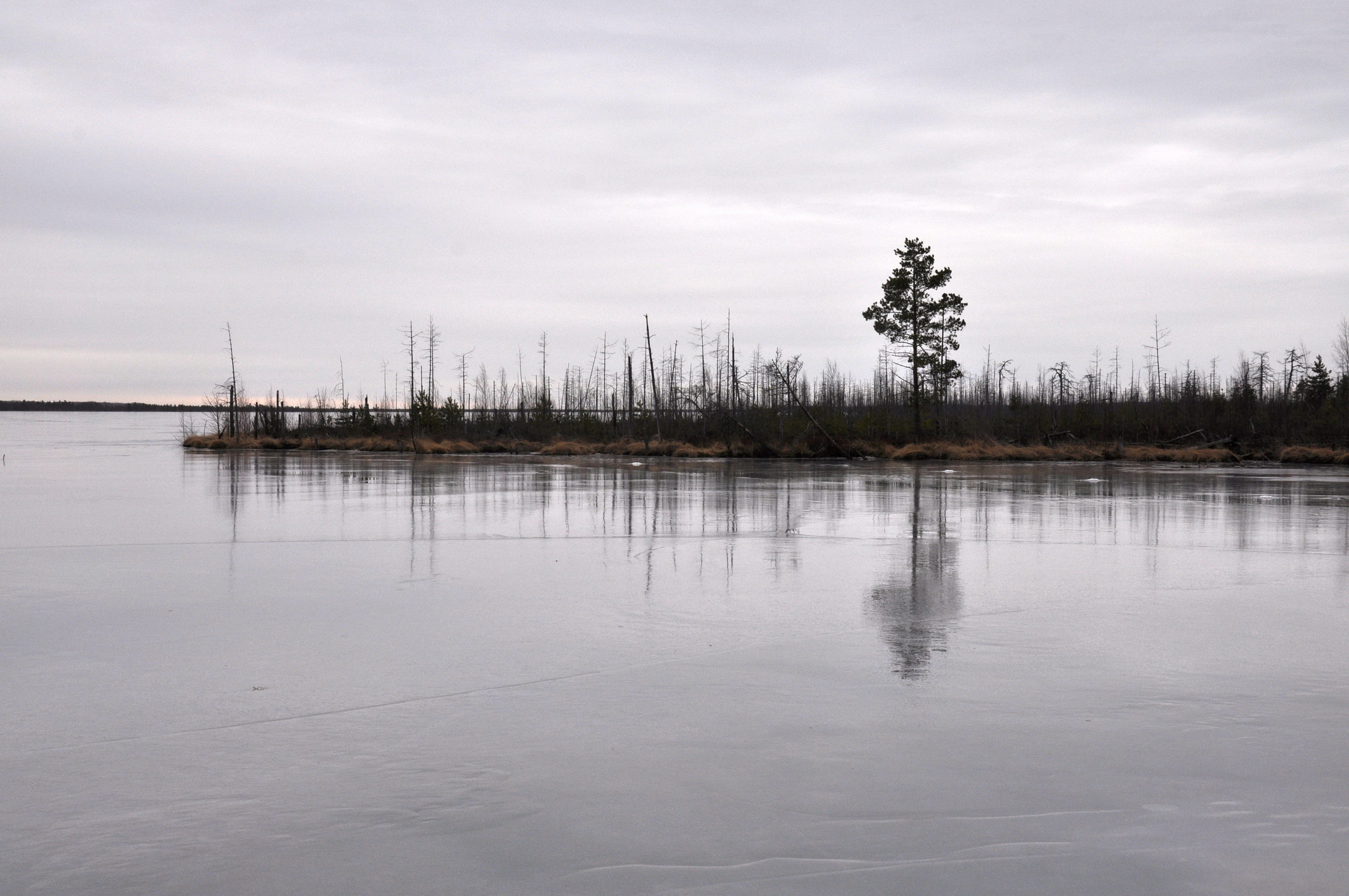
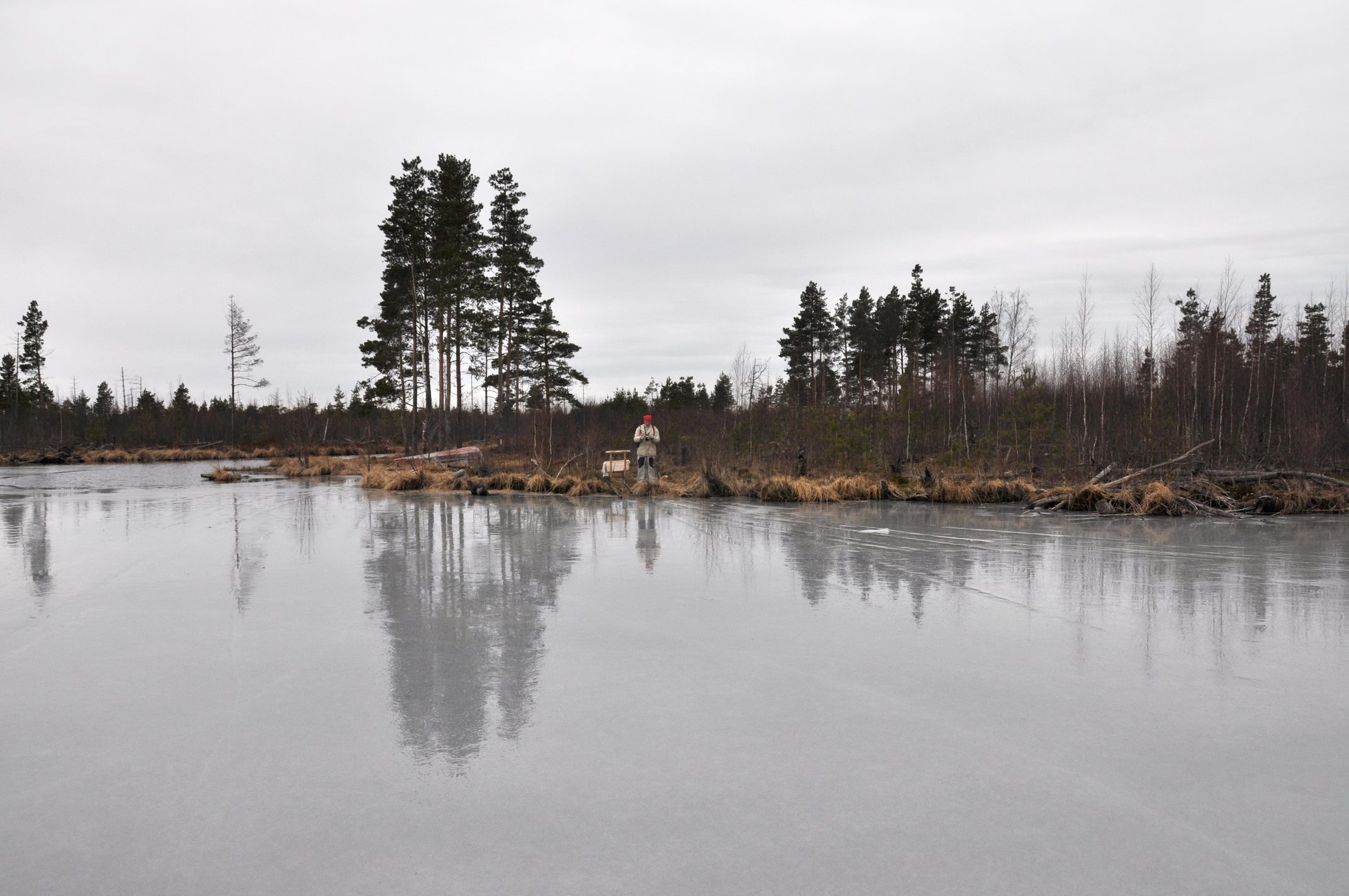
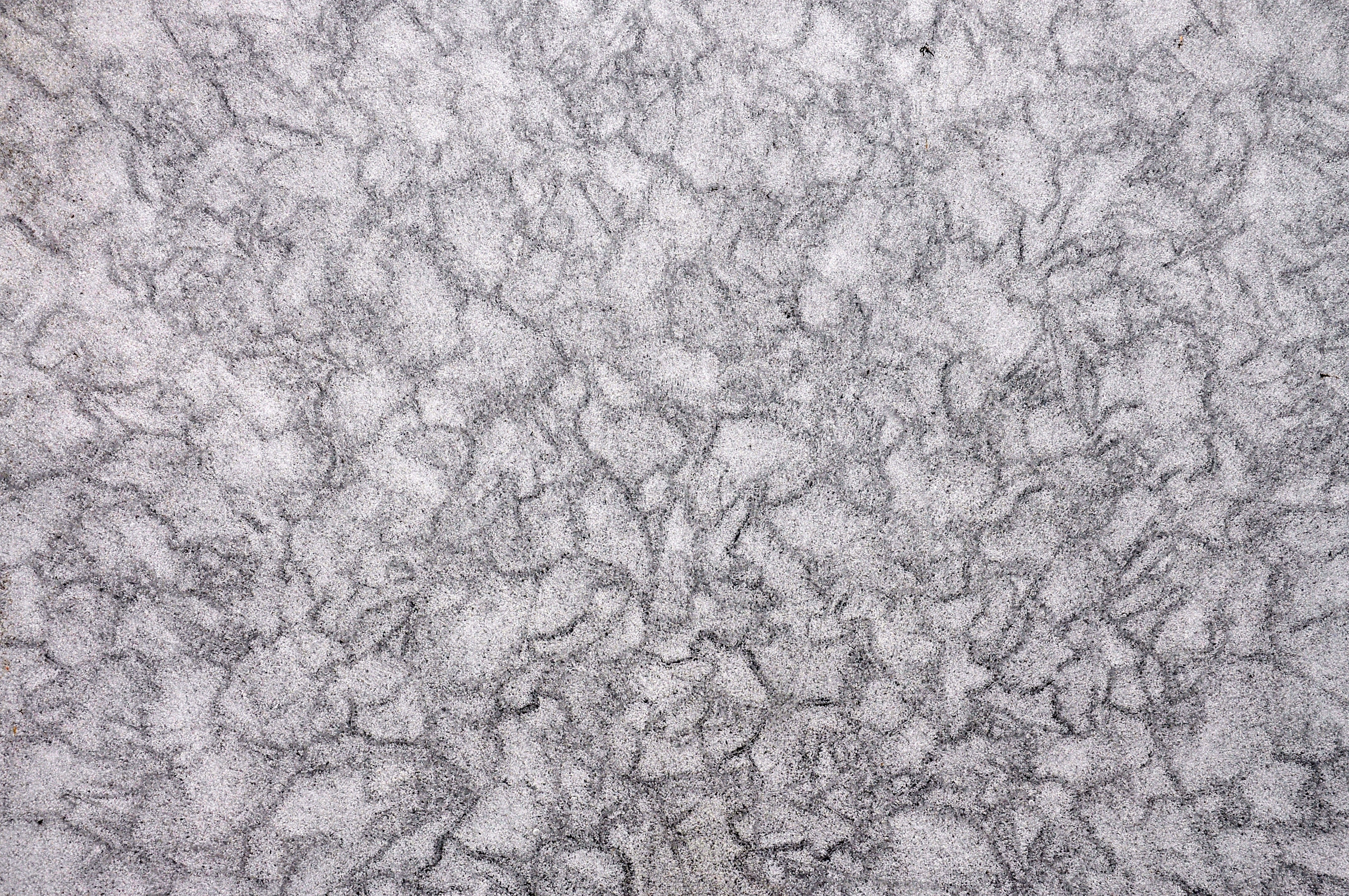
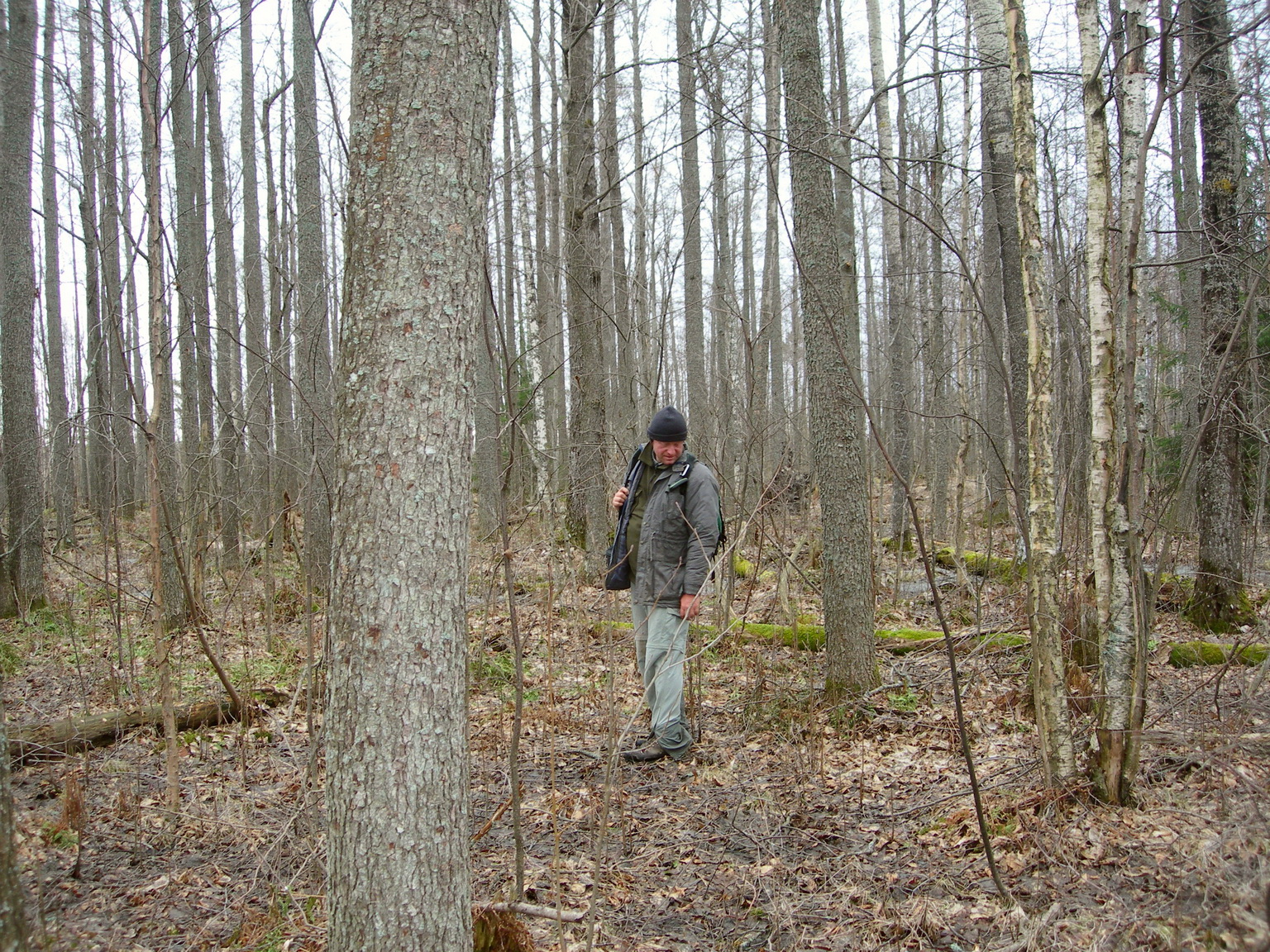
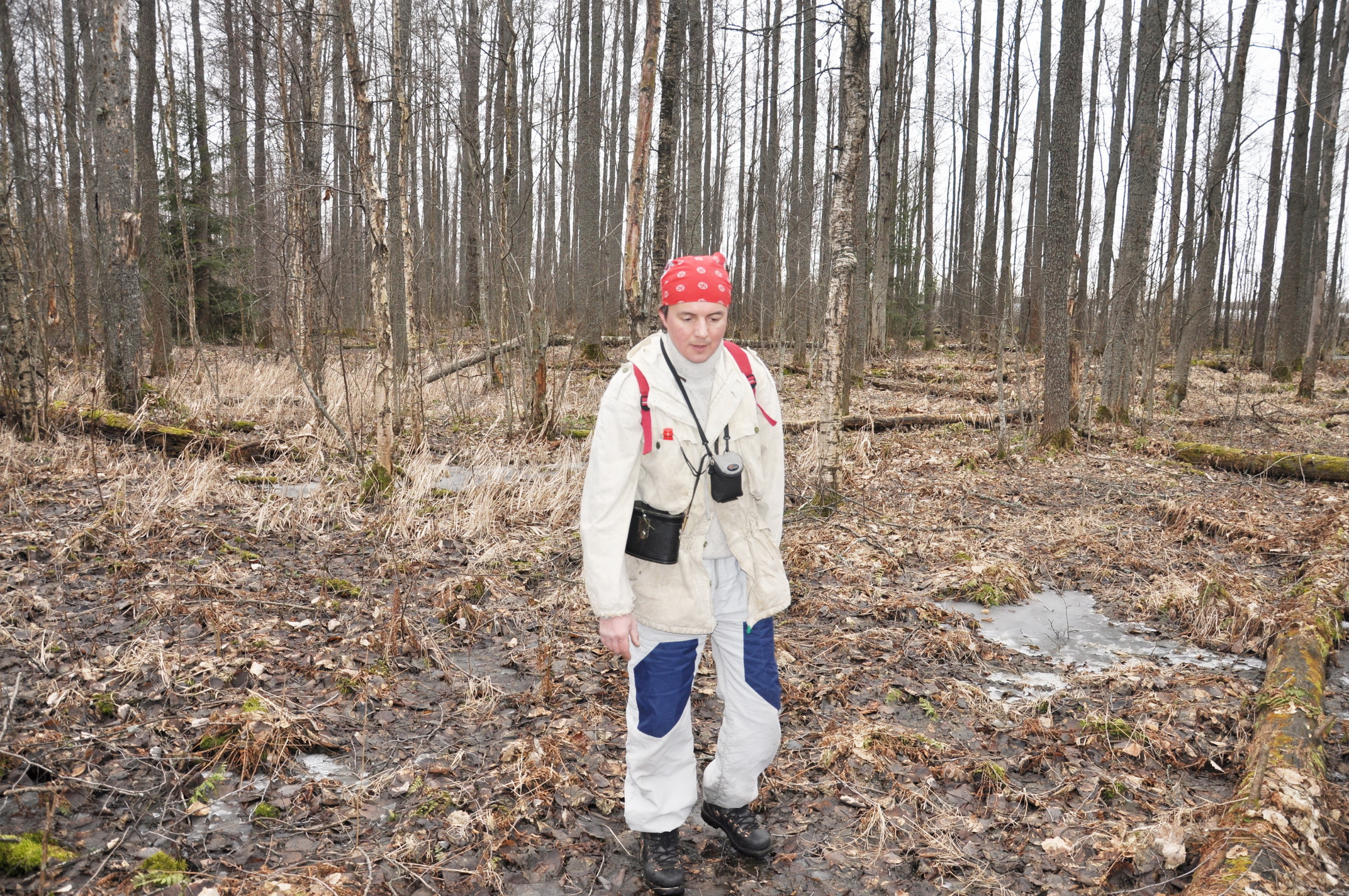
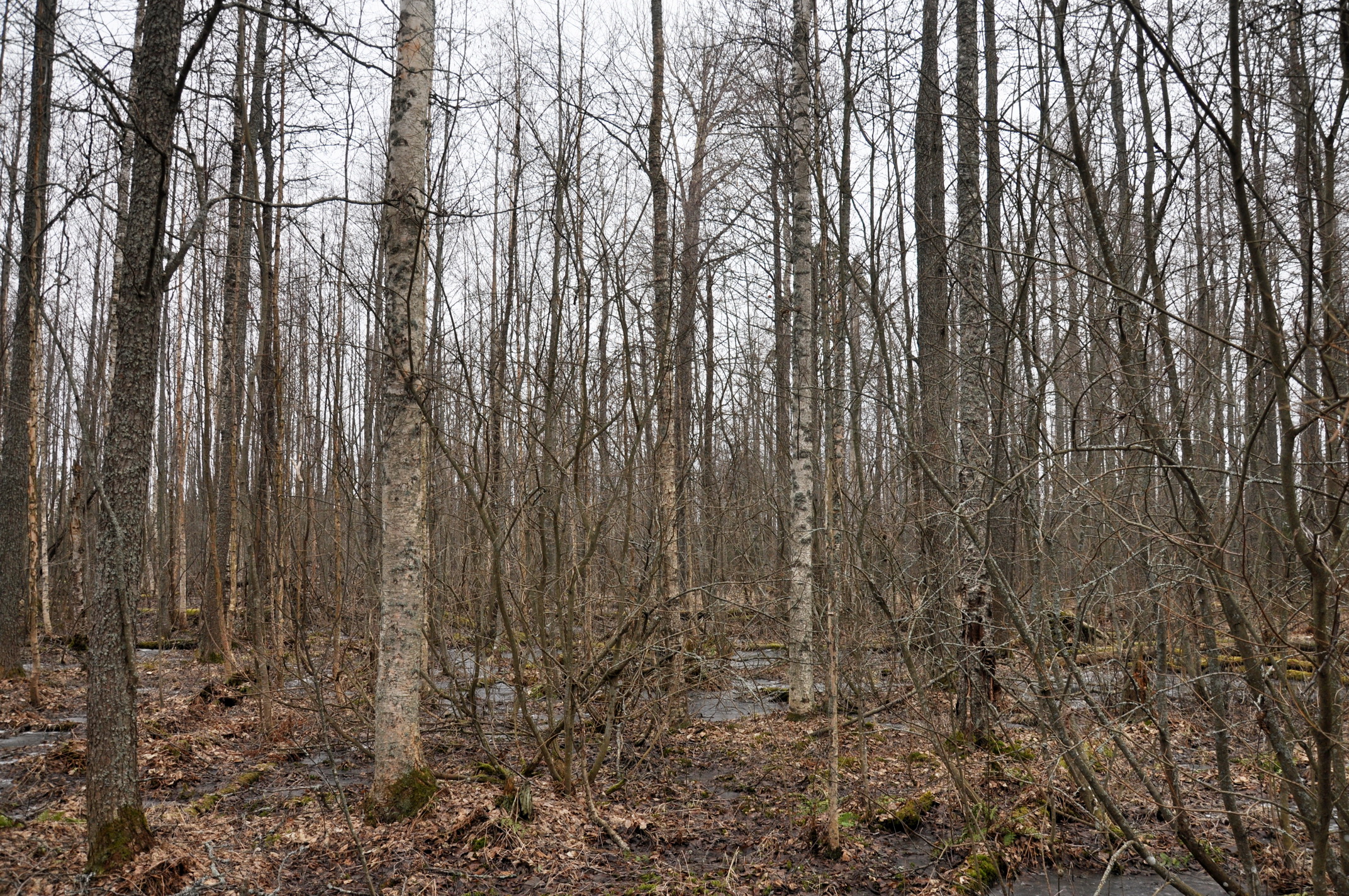
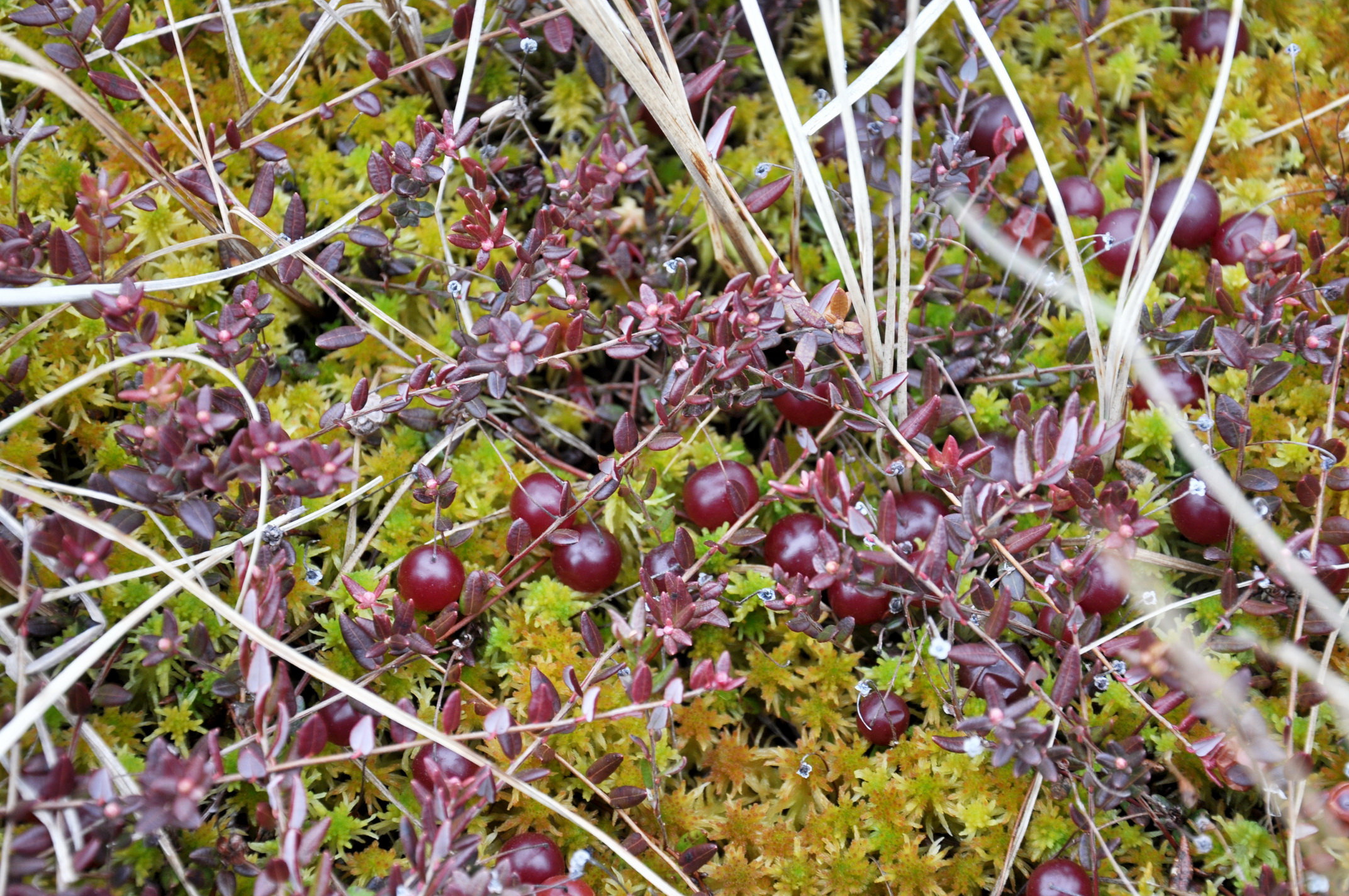
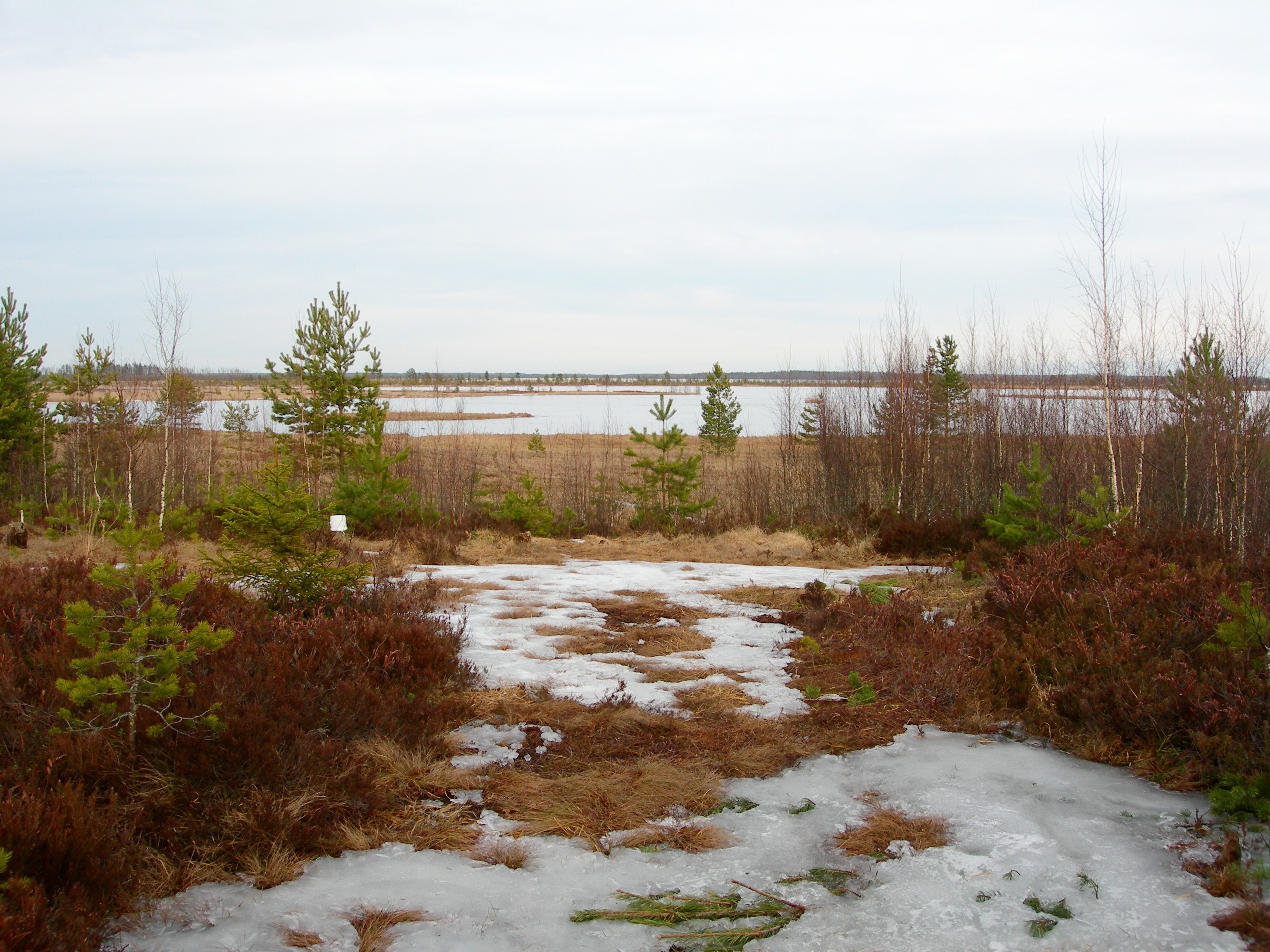
Next we crossed the channel near Cape Prigozhaya Sosna to Bolshoy Rel island. There was almost no snow, but plenty of cranberries left from autumn.
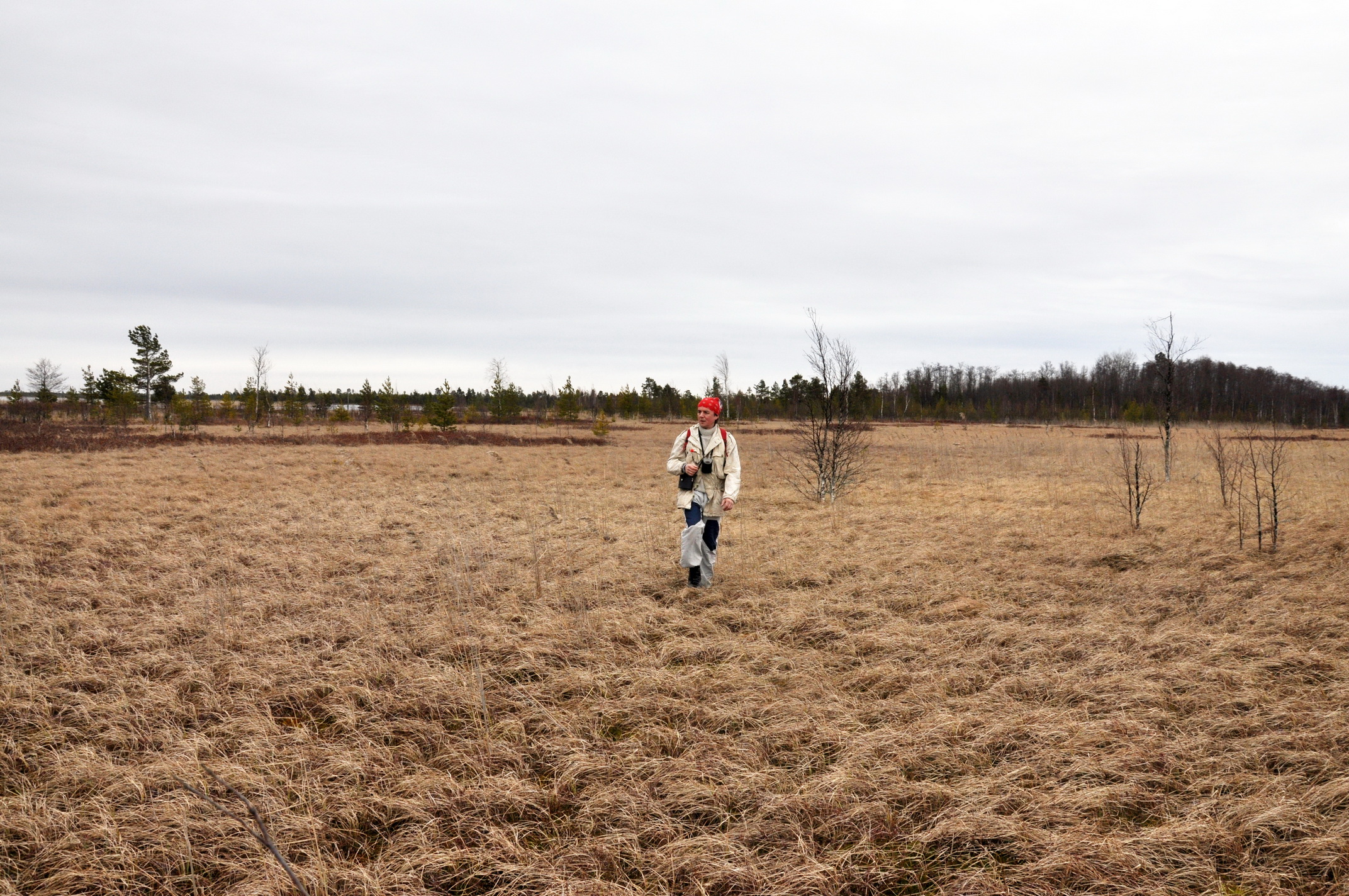
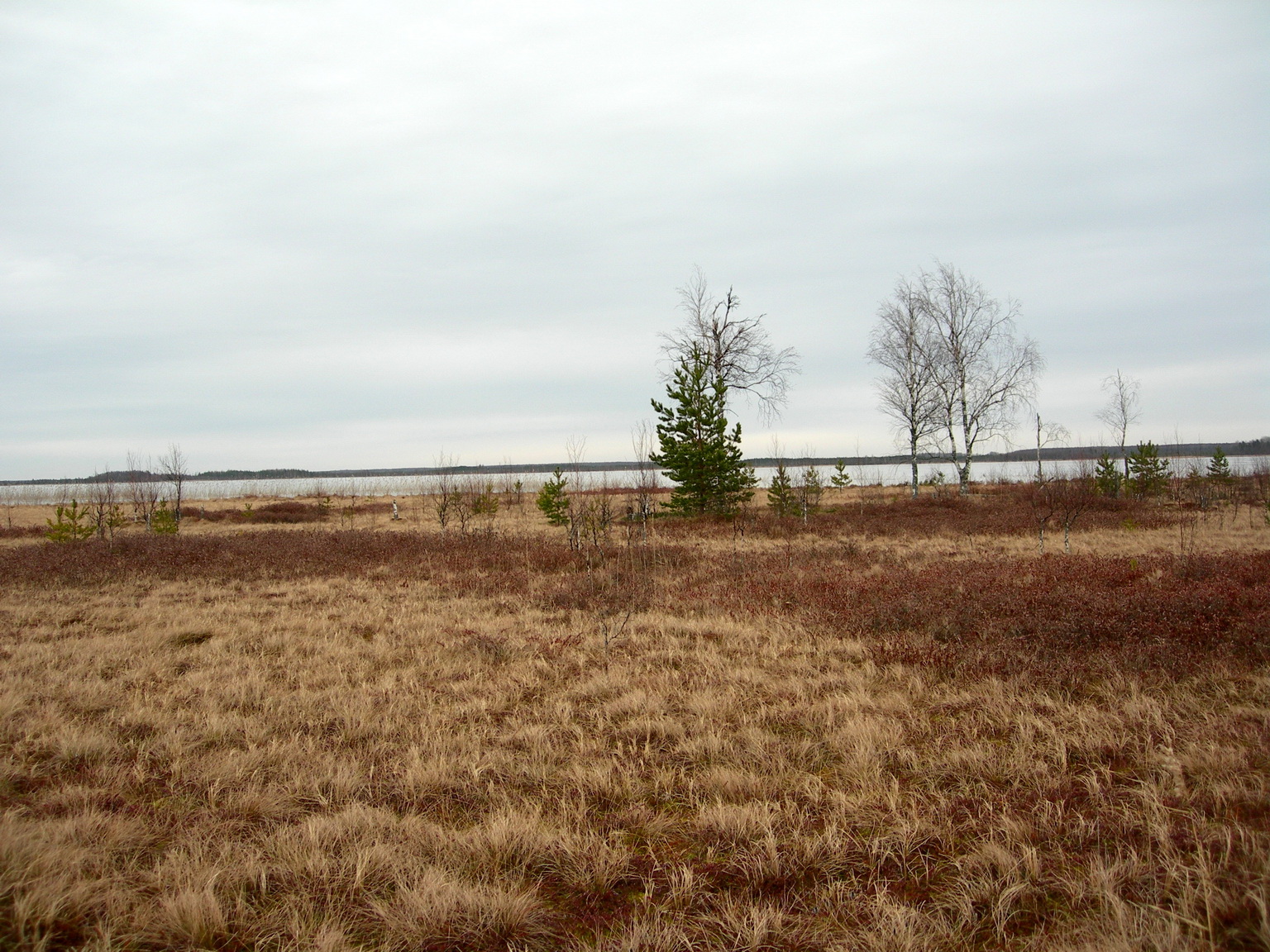
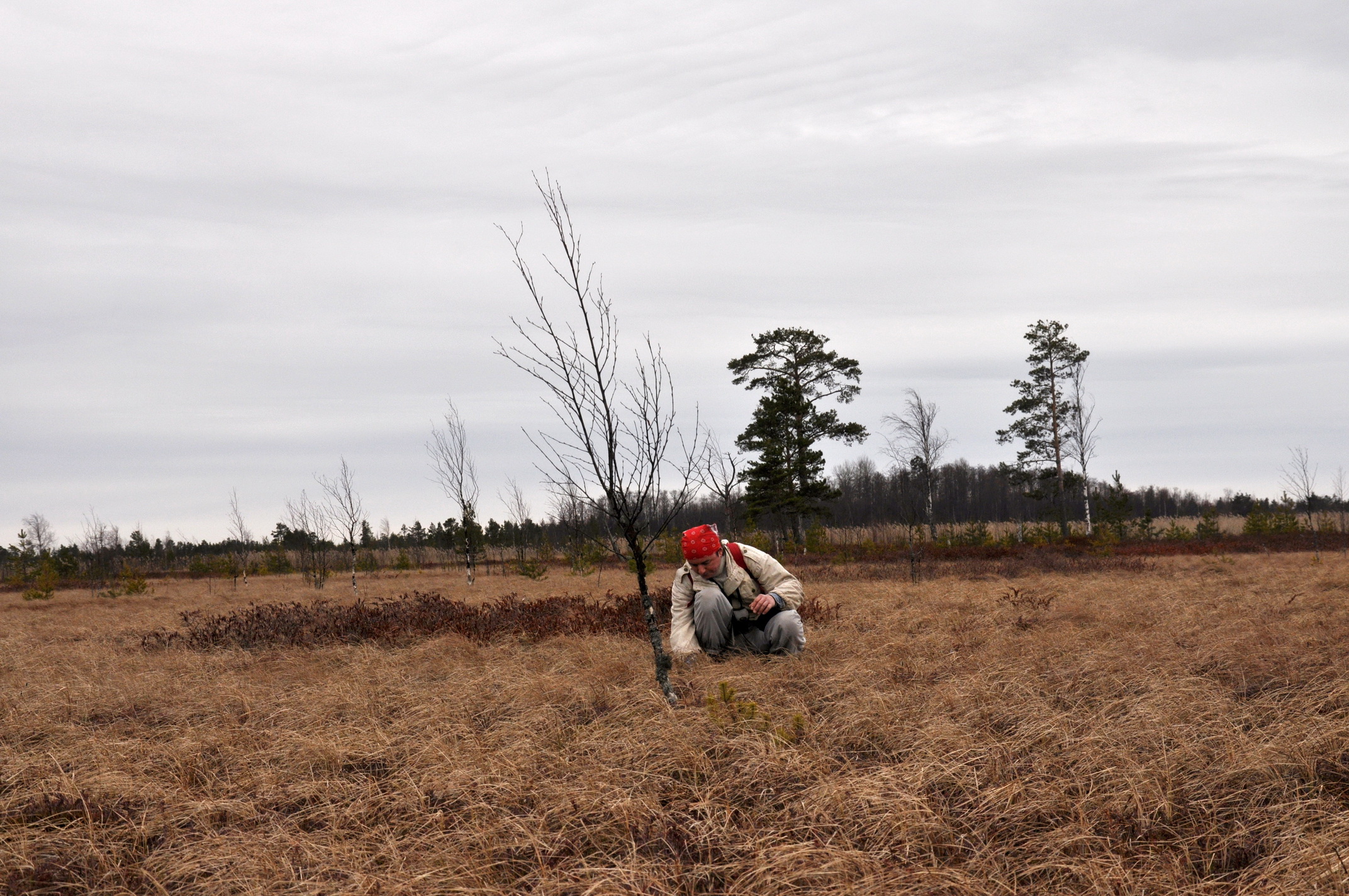
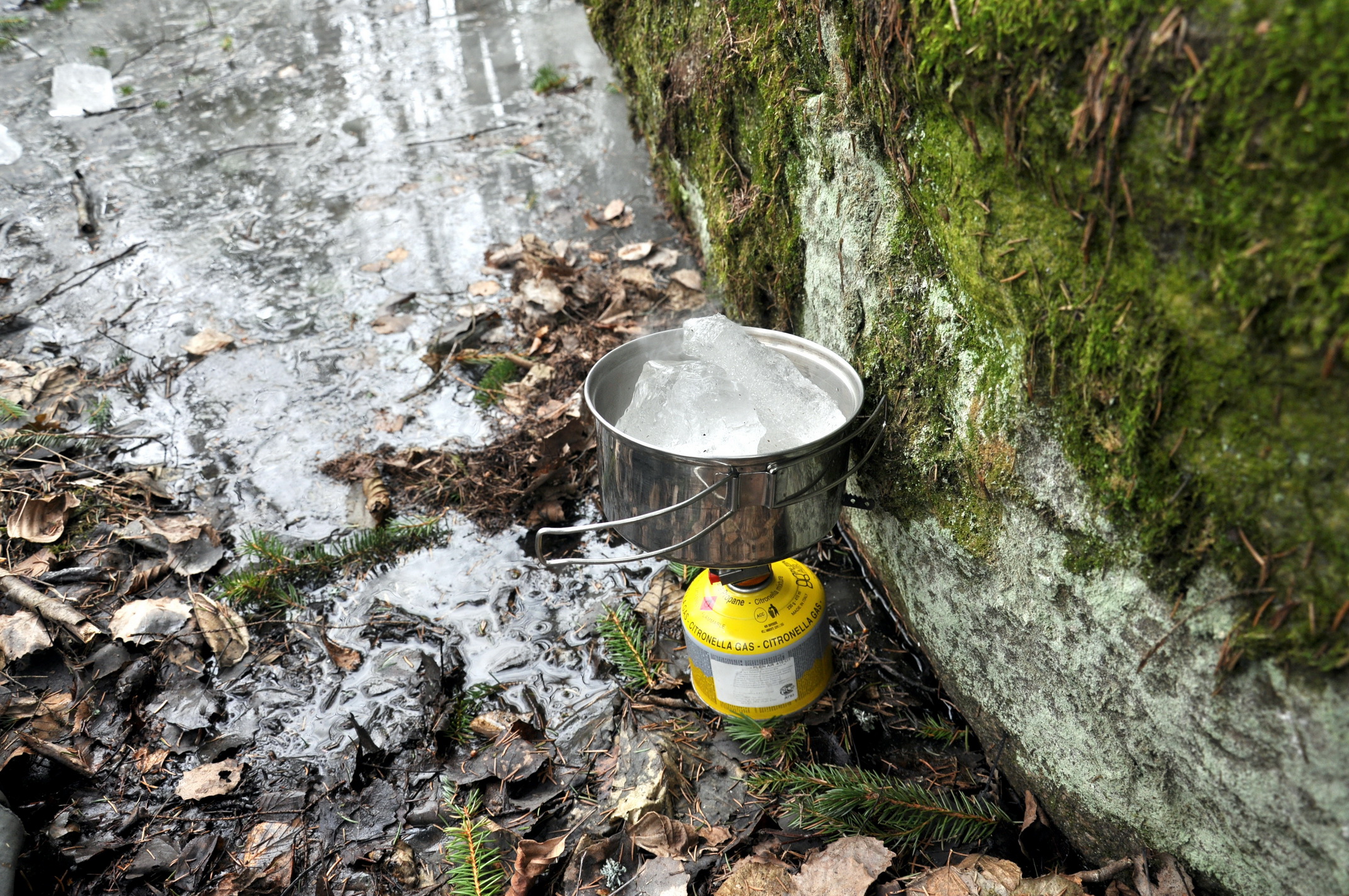
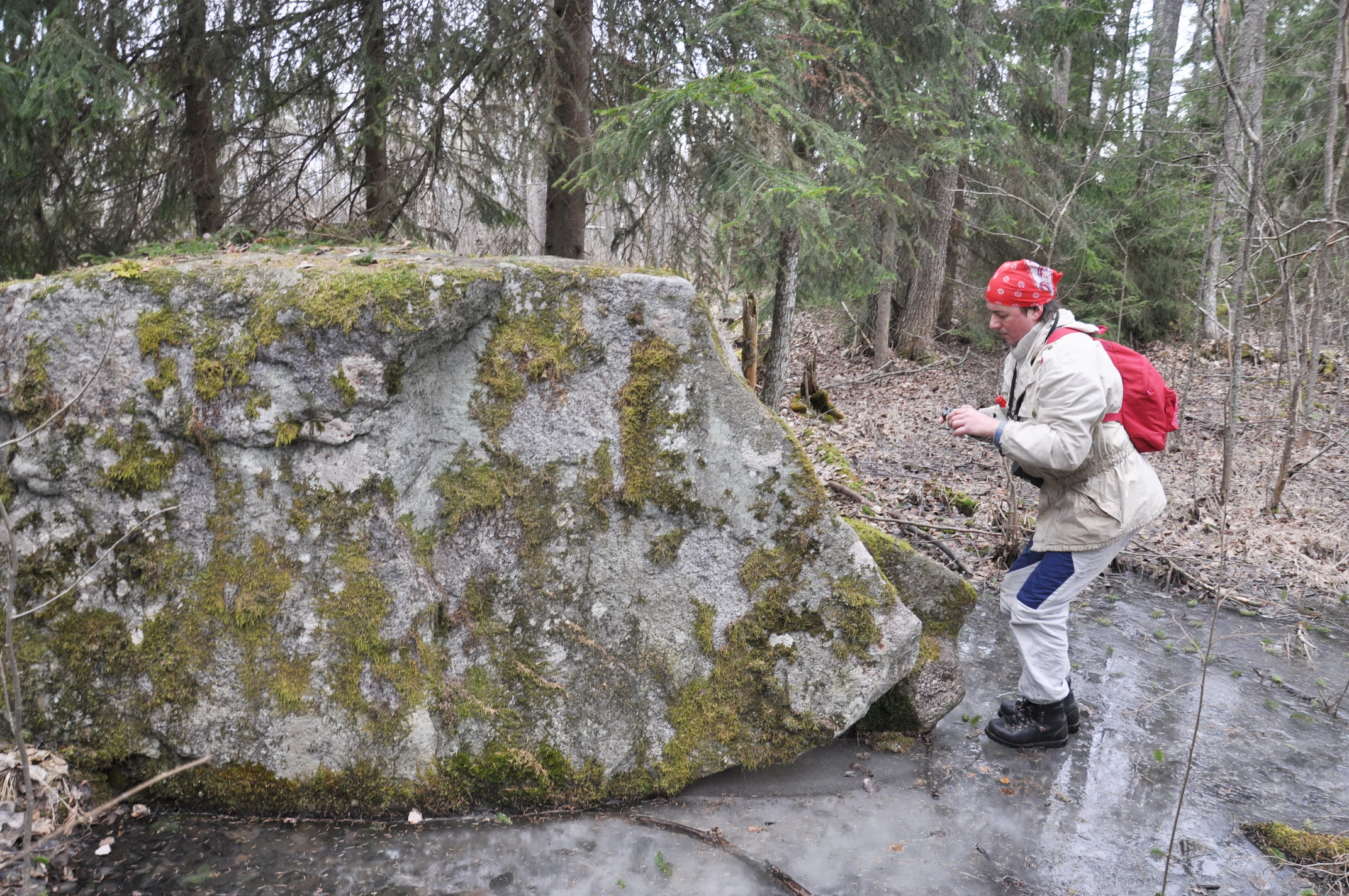
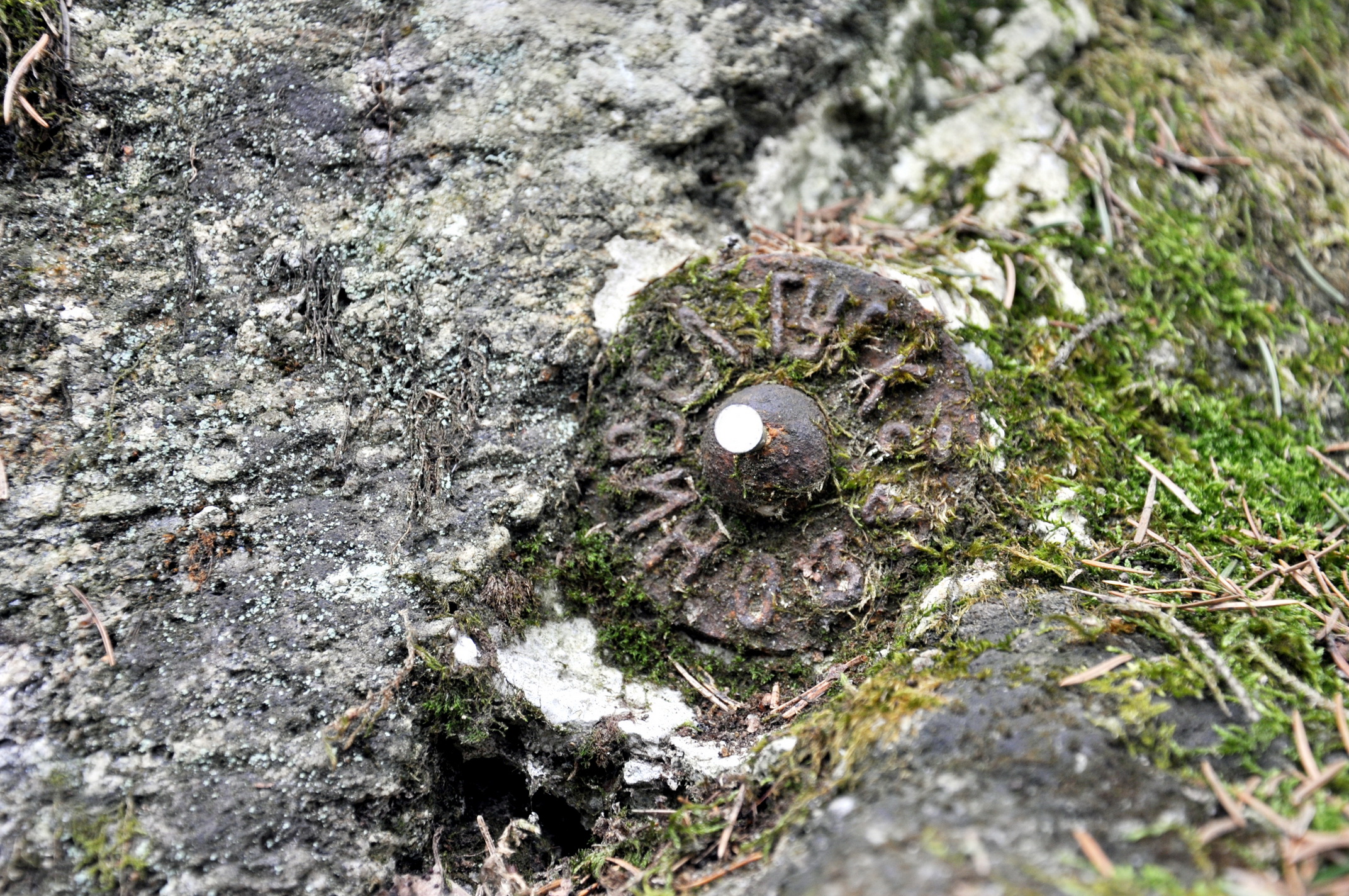
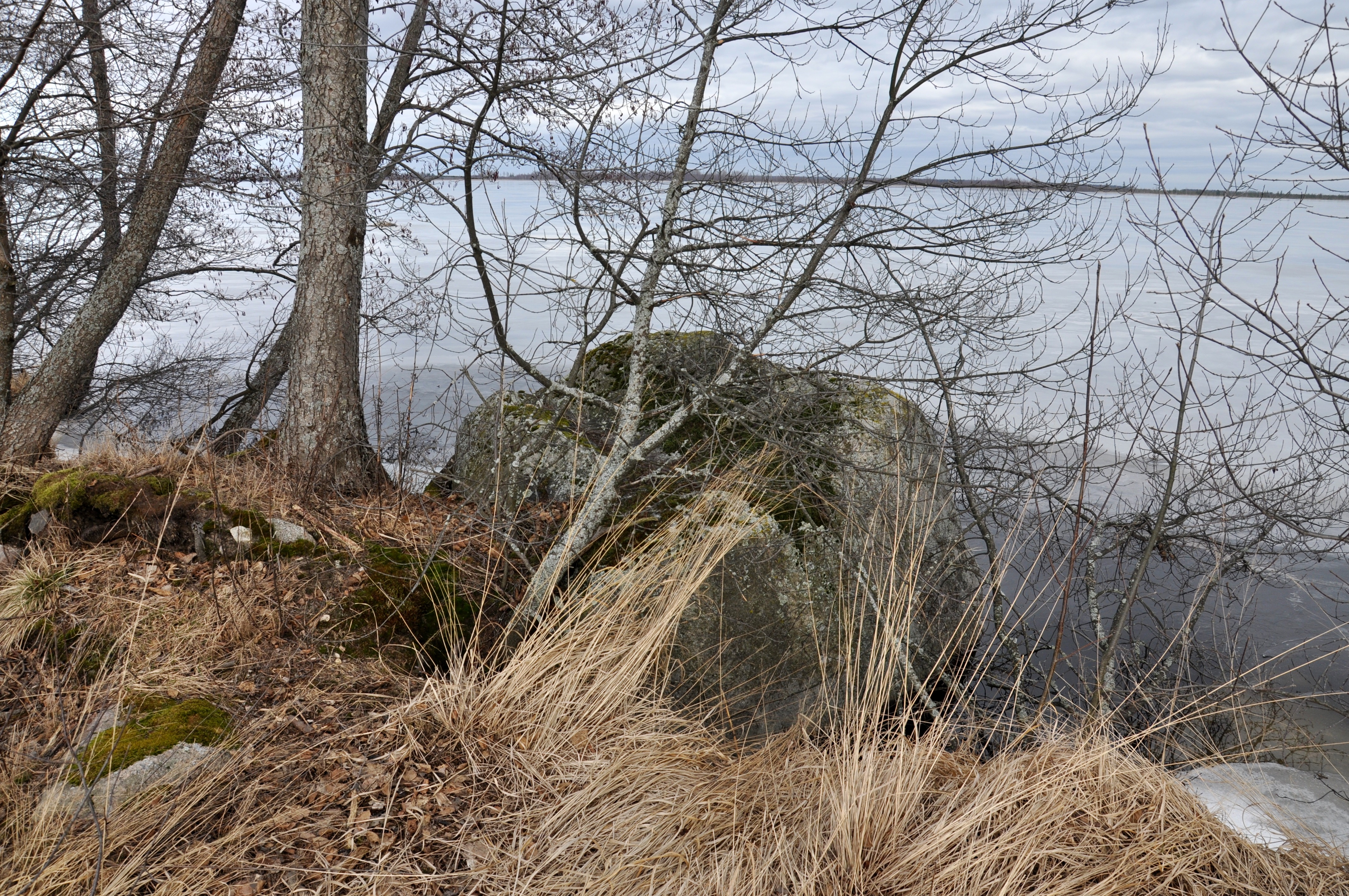
We had lunch by the big boulder (in Russian) with a survey mark on the southern side of the island. Then we walked across the island to the northern cape, where my father and I once spent our first night in a tent of our own and went fishing.
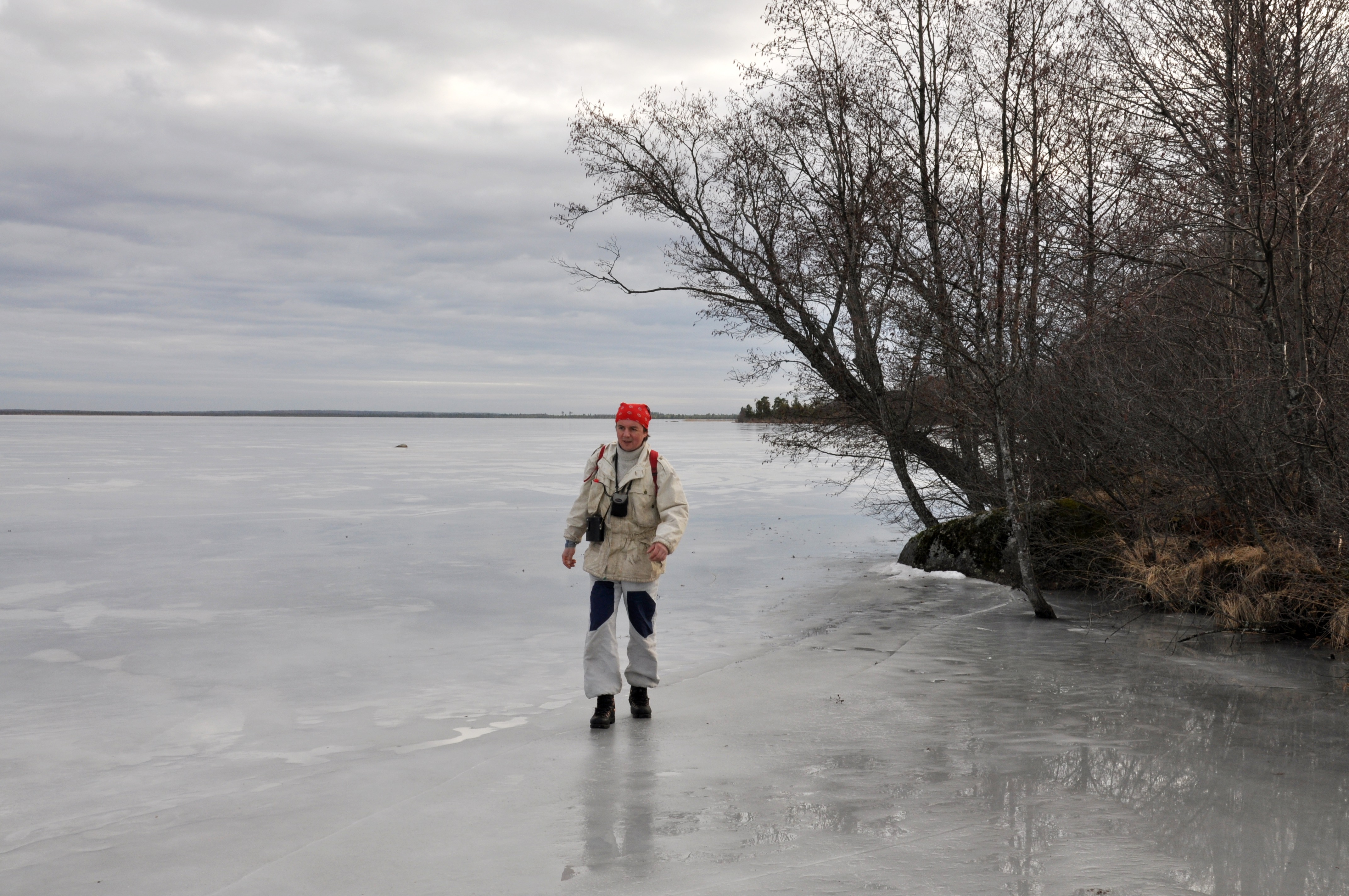
Ahead lay a wide channel between us and the Bolshoy Obrelok peninsula. Crossing was a little frightening, but the lake is shallow here and, more to the point, anglers ride snowmobiles on it. If the ice could hold a snowmobile, it could certainly hold us.
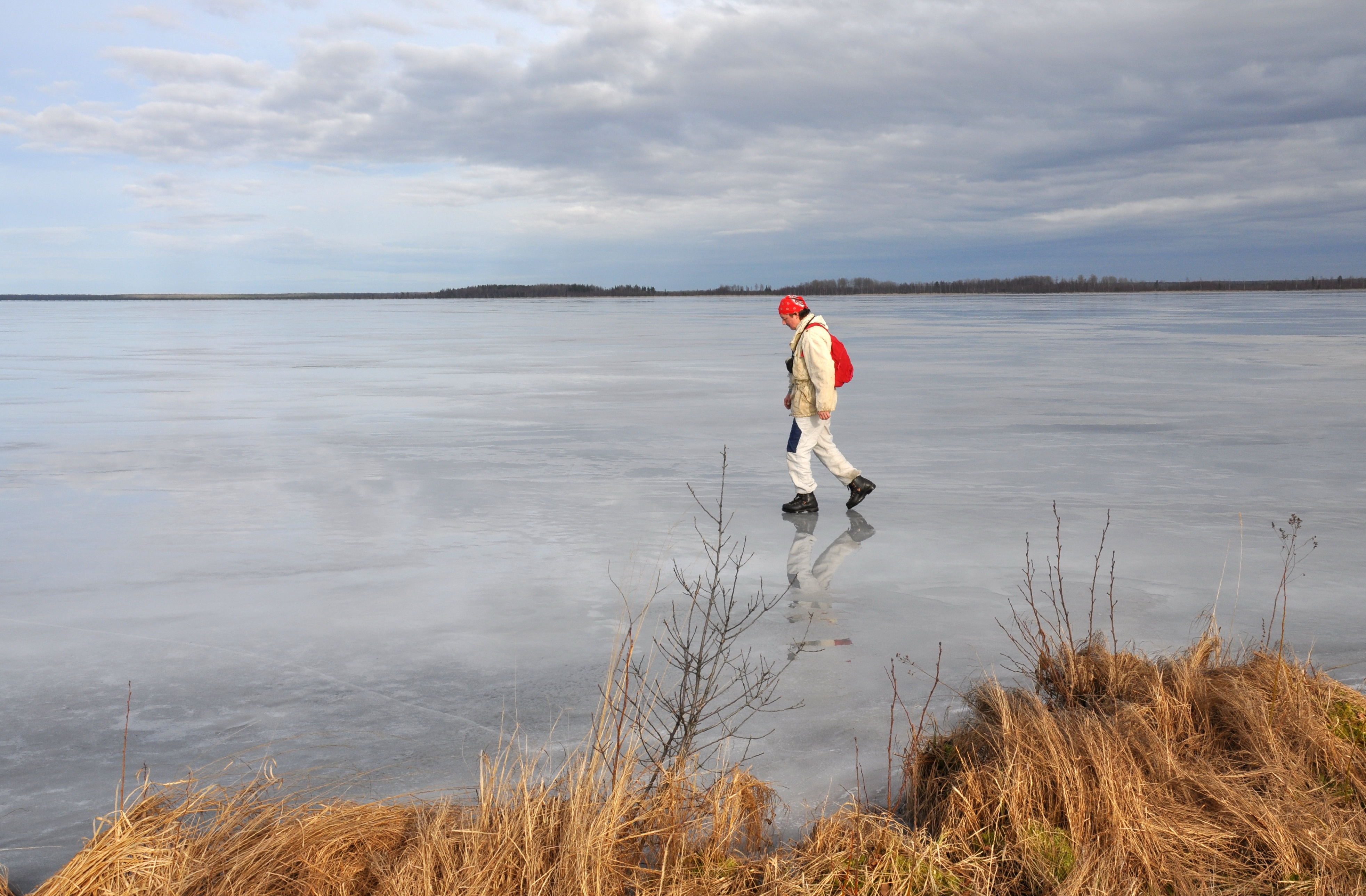
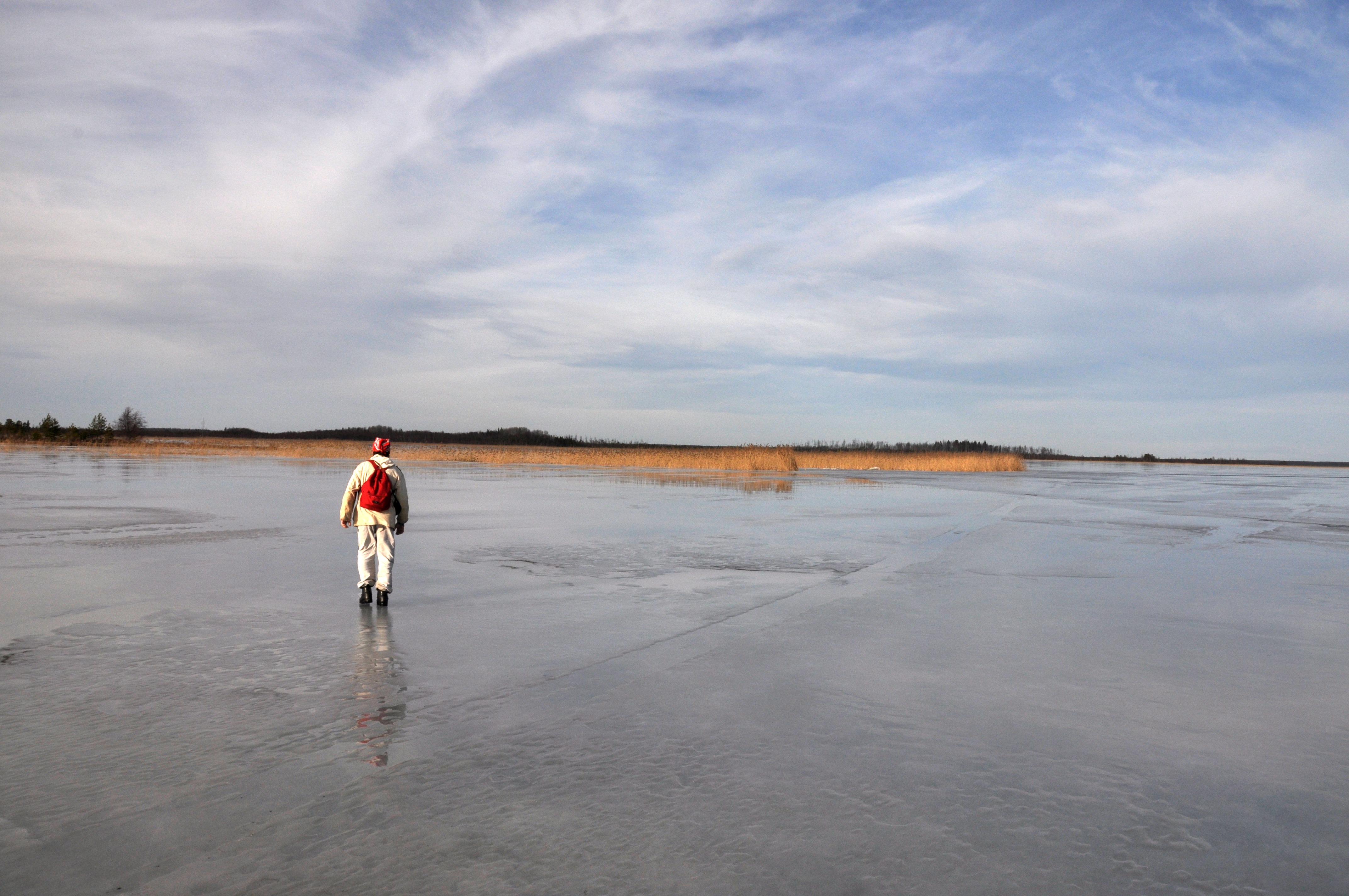
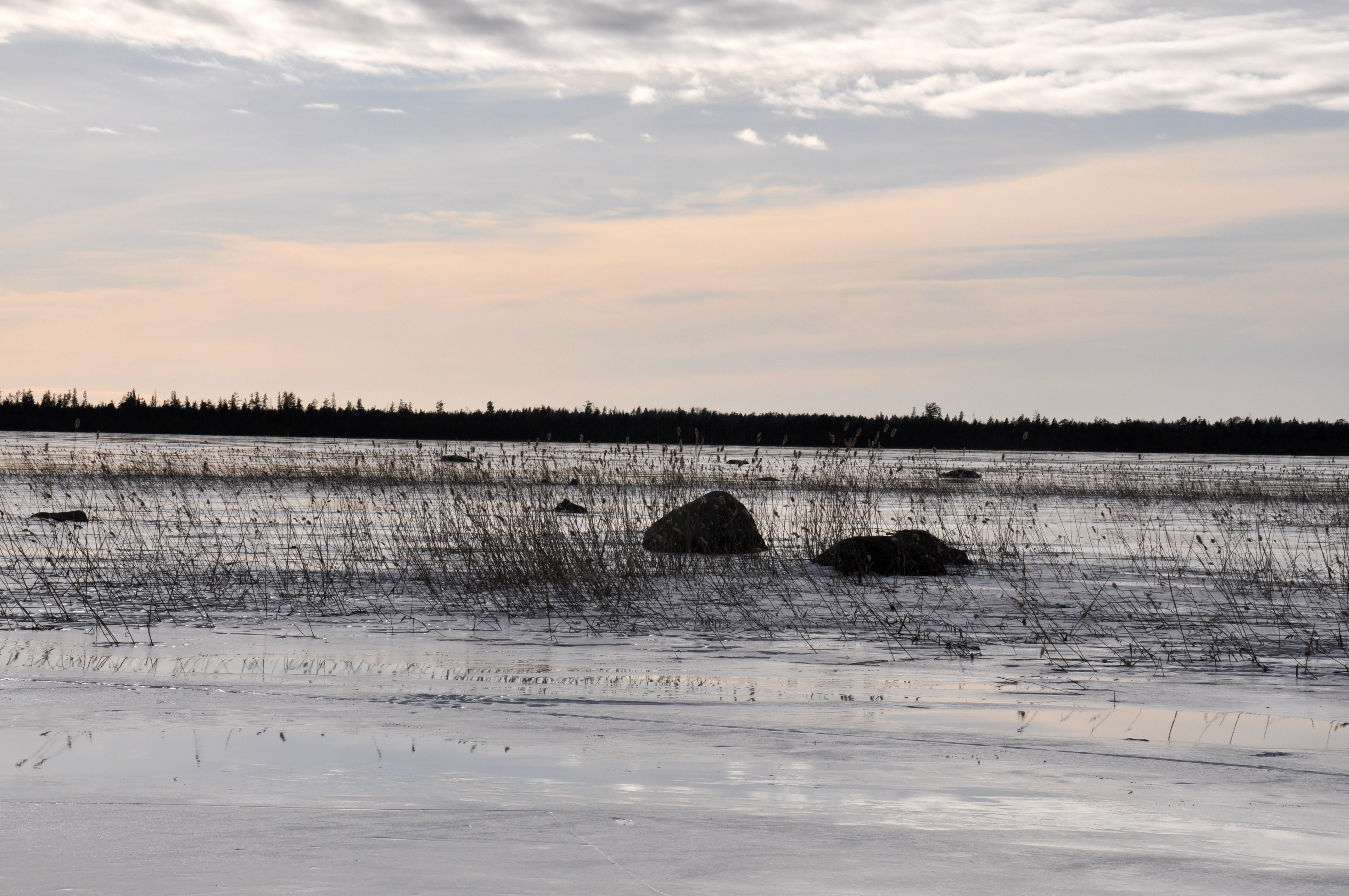
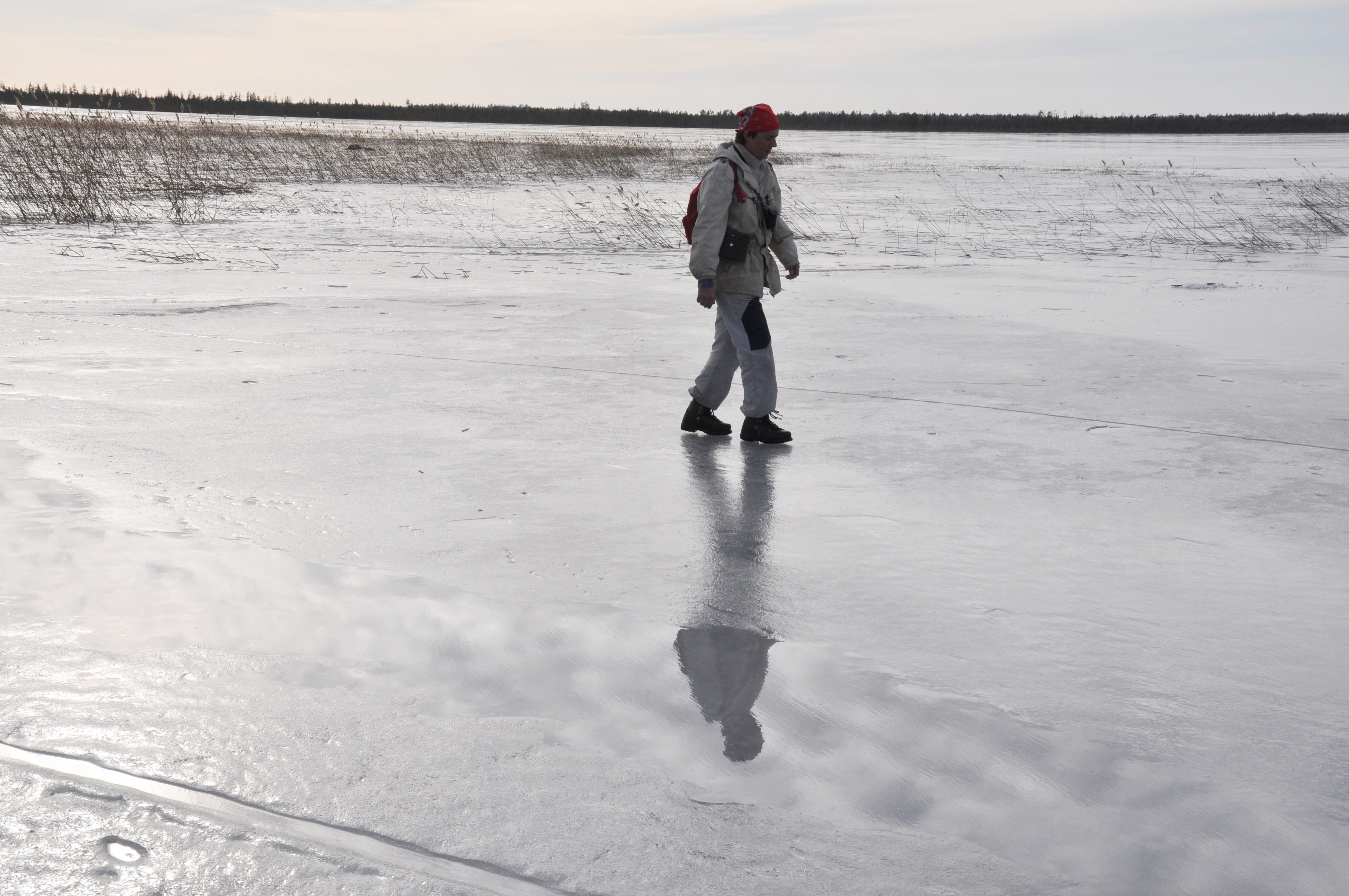
We headed north. There was just one problem. It was so slippery that when the wind got up it blew us along. If you stood still, you slid gently downwind across the ice.
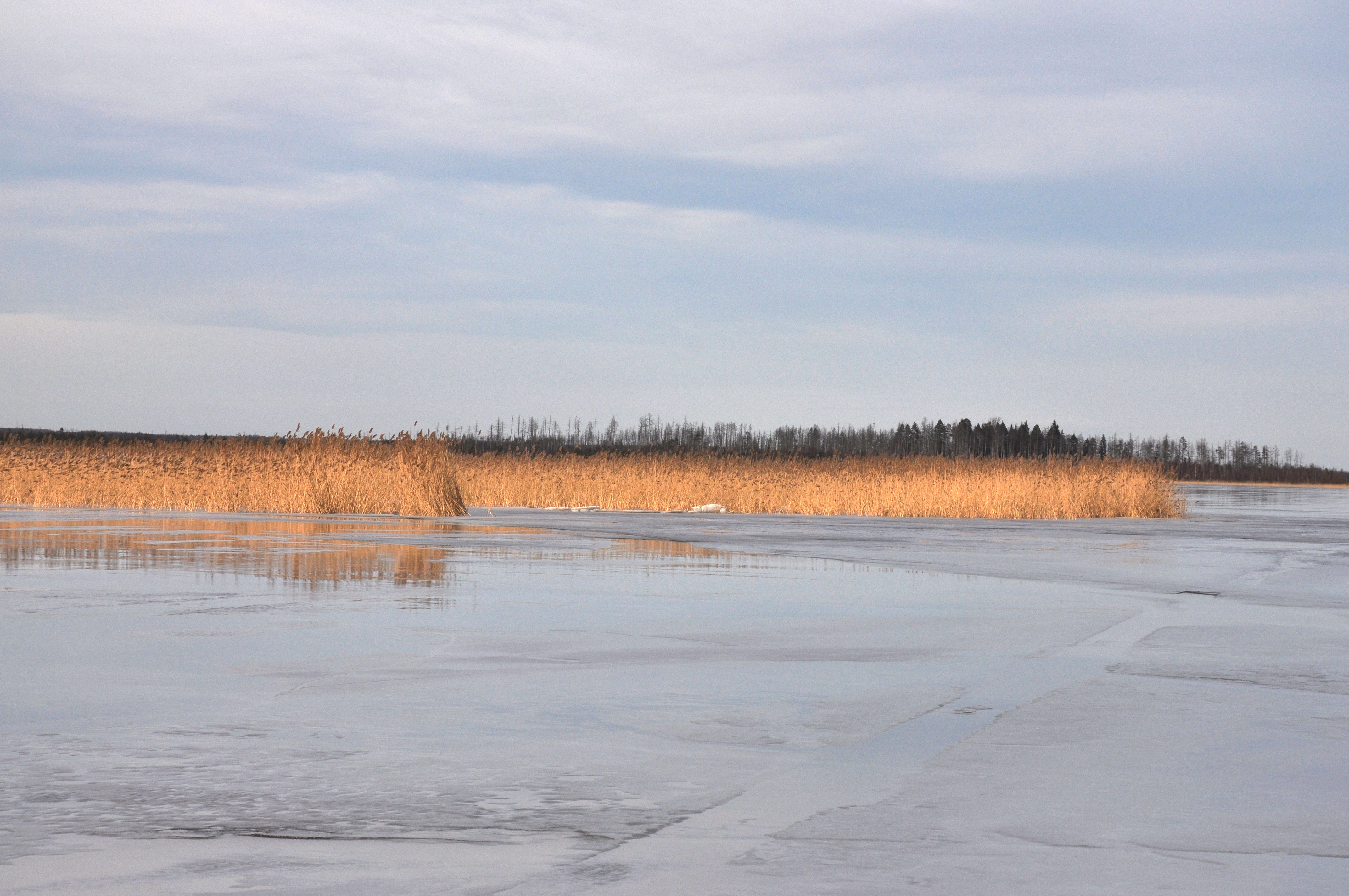
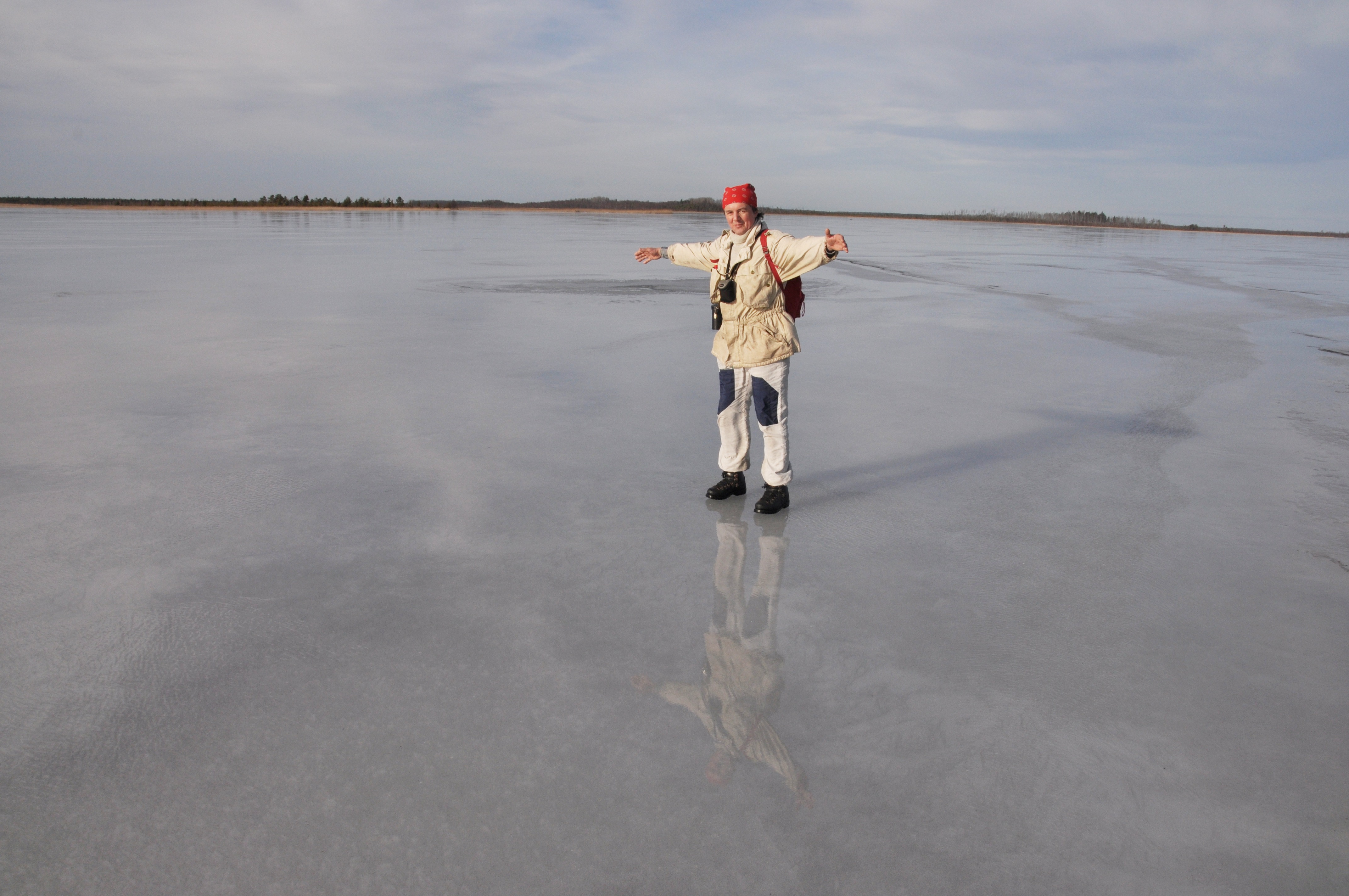
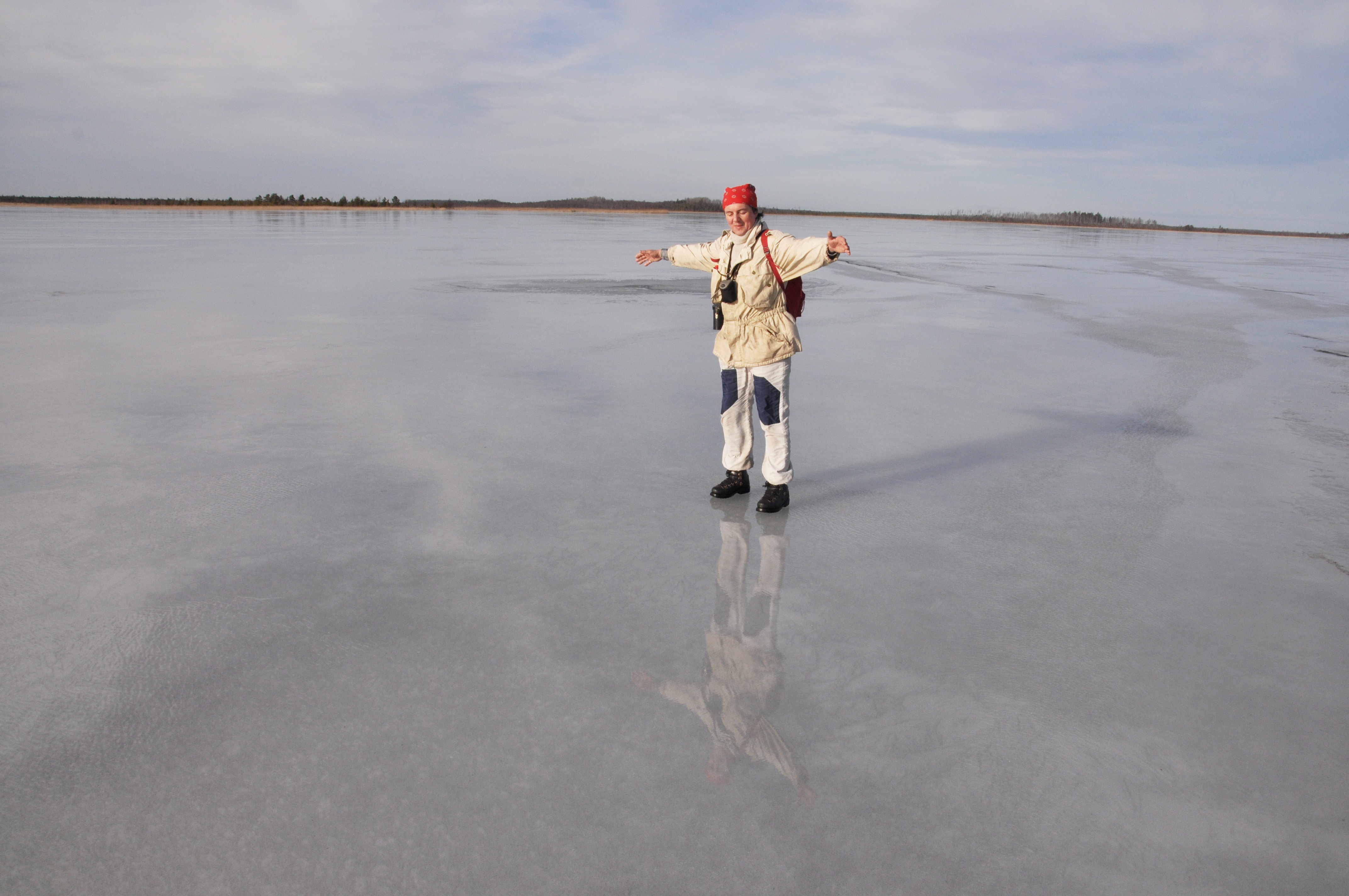
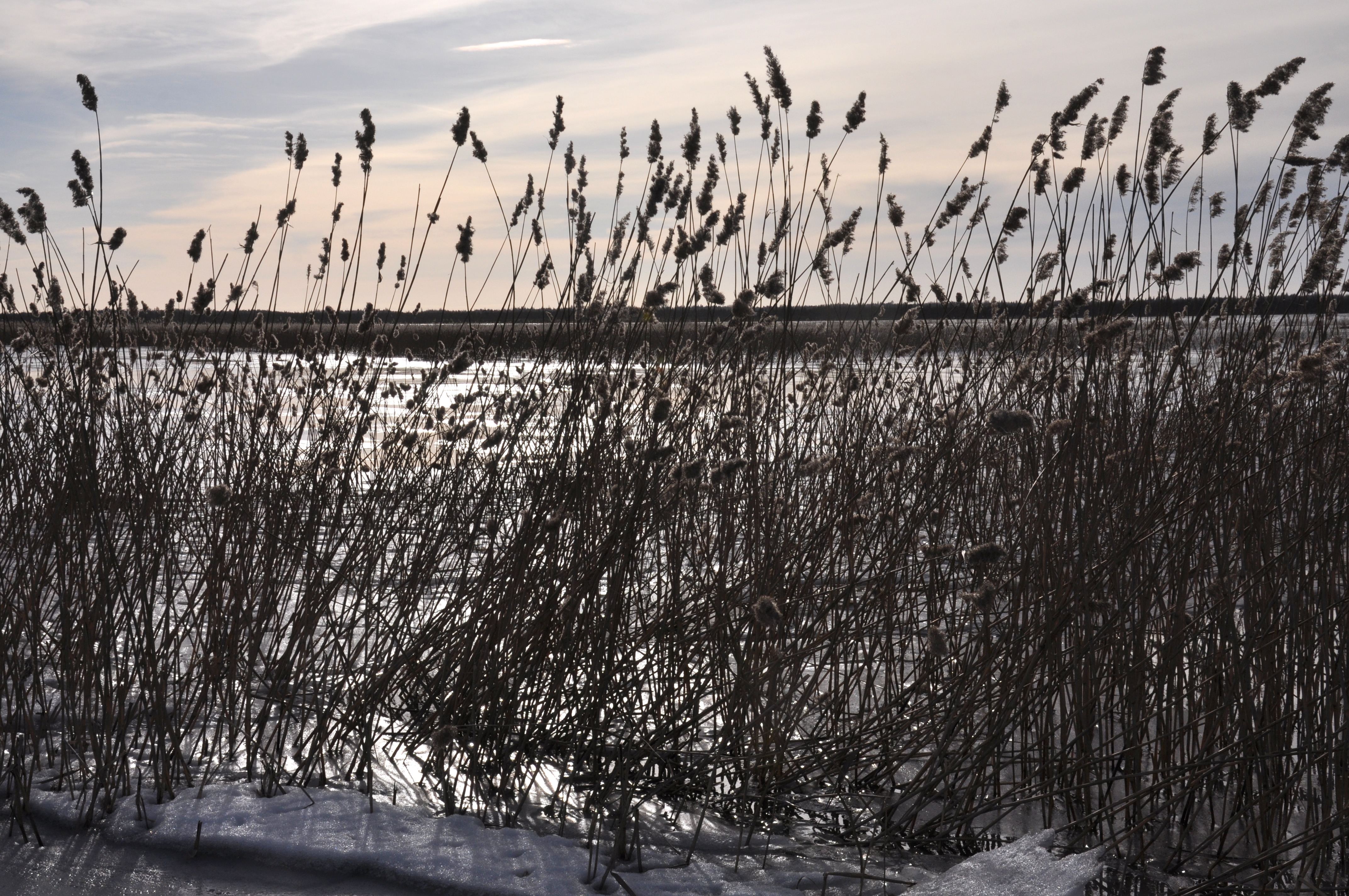
There were many patches of open water along the shores of Bolshoy Obrelok, but by then we were close to land. We followed the shore to the road to Luzhki.
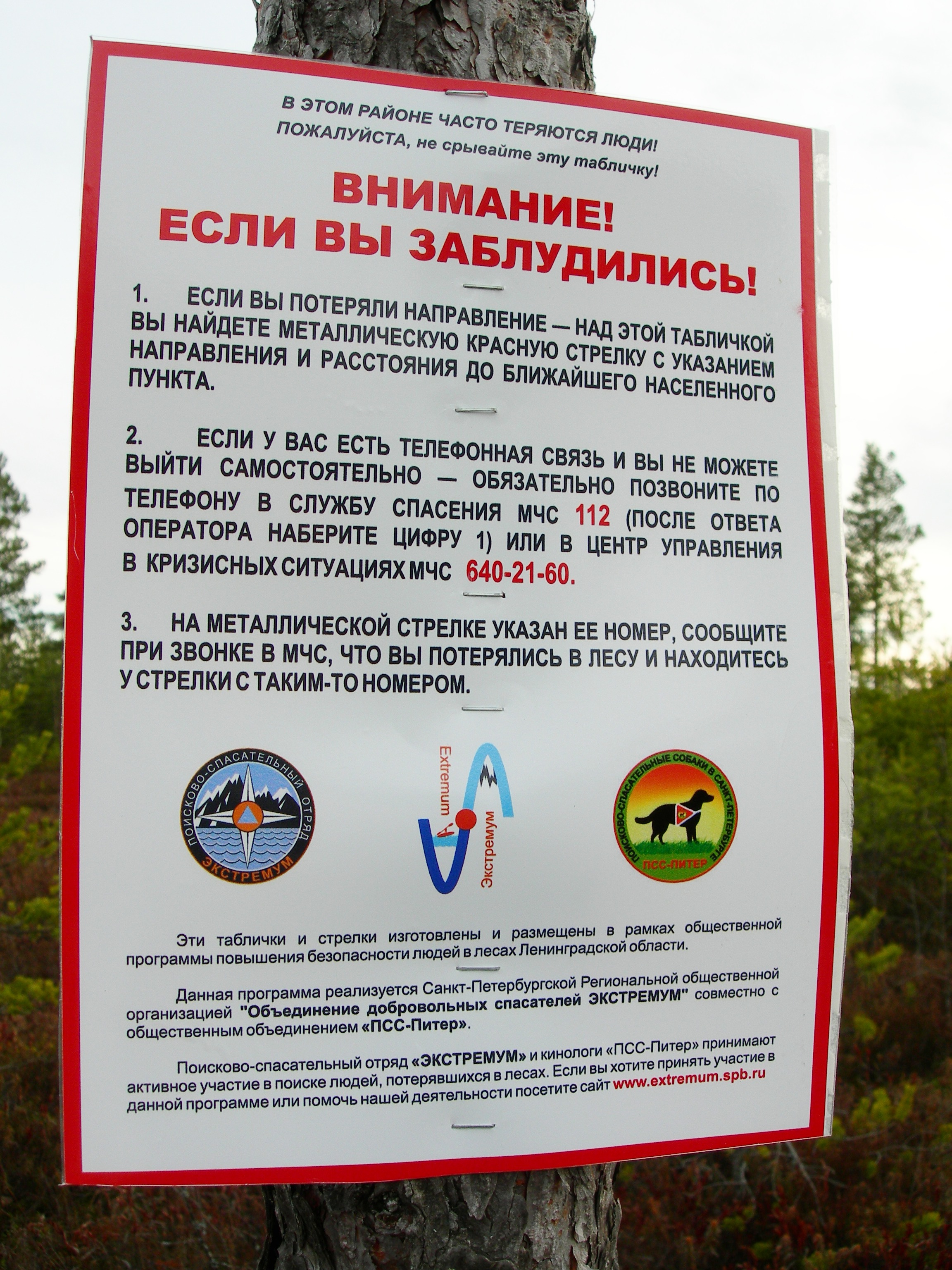
Volunteers had put up signs for anyone who got lost. Each pointed the way back to civilisation and gave a phone number to call and a sign number to quote.
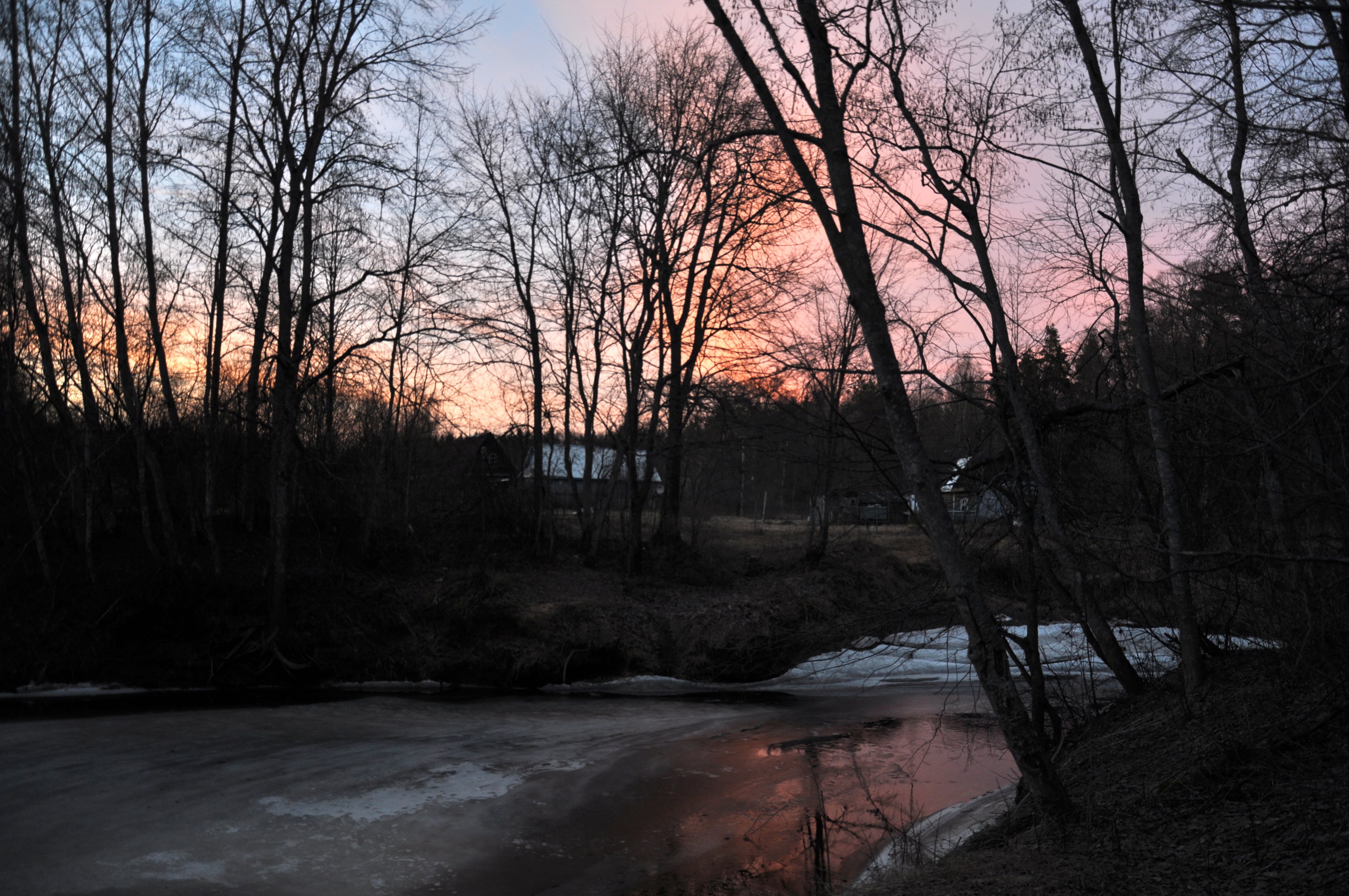
A new bridge had been built over the Zhelezinka. It was already dark when we reached Luzhki. I no longer remember how we crossed the Yashchera. Apparently it was less frightening in the dark.