Trip report
Along the Oredezh from Nesterkovo to Chashcha
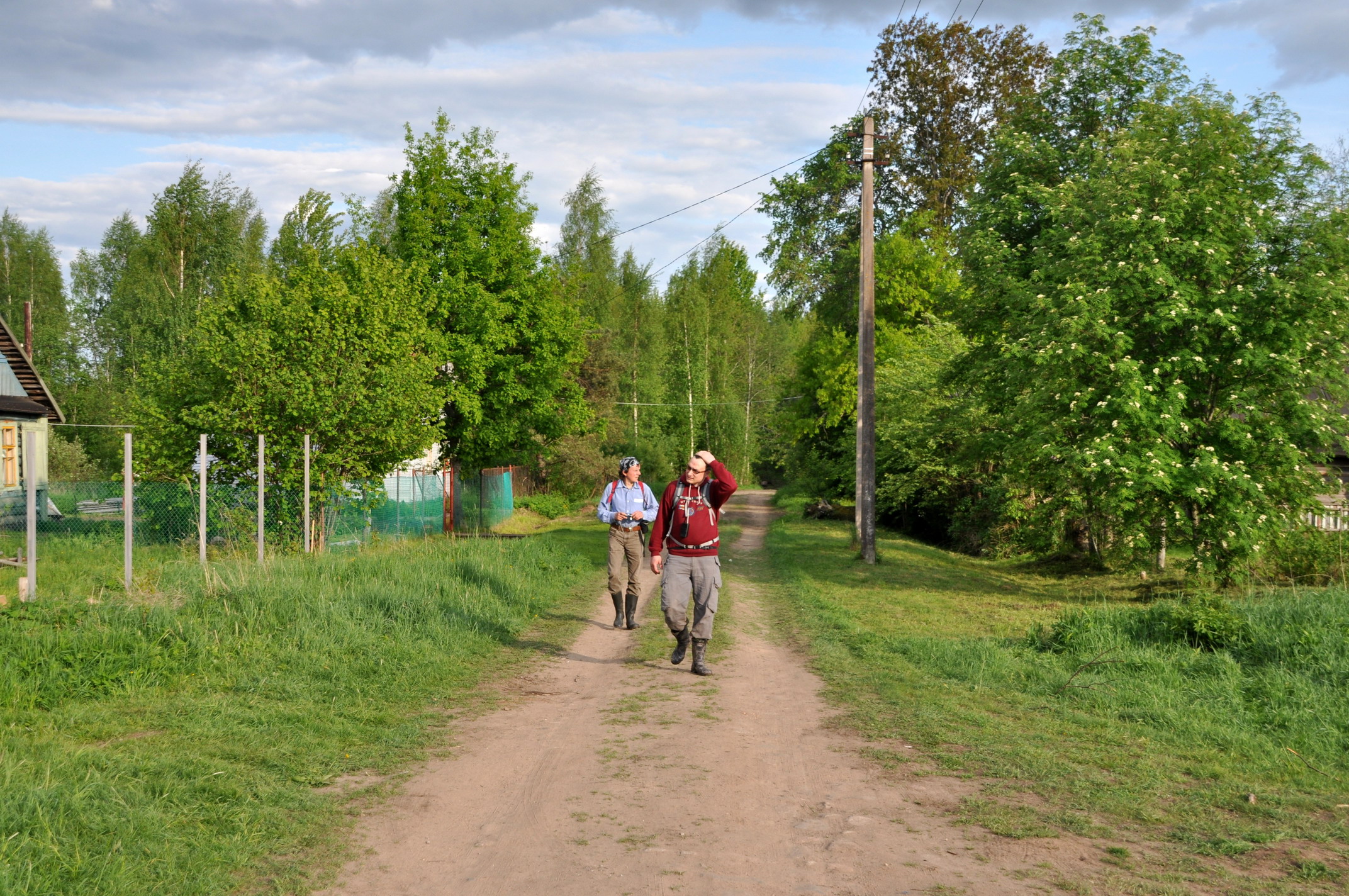
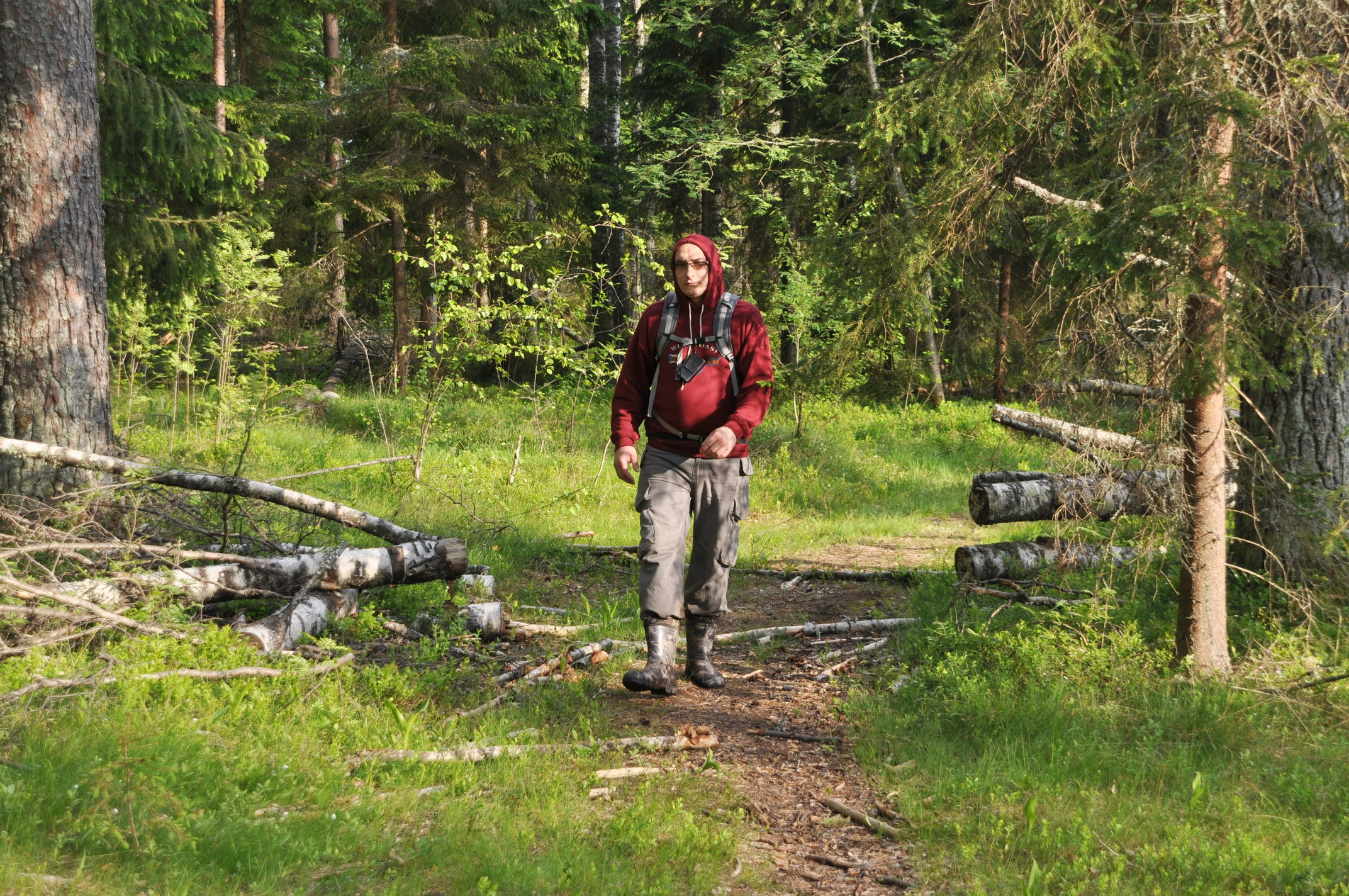
Spring is the best time to walk in our woods. The grass has not grown up yet and the meadows are easy to cross. The days are long, so you can get a lot done. This time we decided to follow the Oredezh south from Dalny, reach the Cholovo hydroelectric station, and finish in Chashcha. There were three of us: Daniel Sachs, Pavel Prikhodchenko and me. With that many people and cars, you can start in one place and finish in another if you leave a car at the far end first.
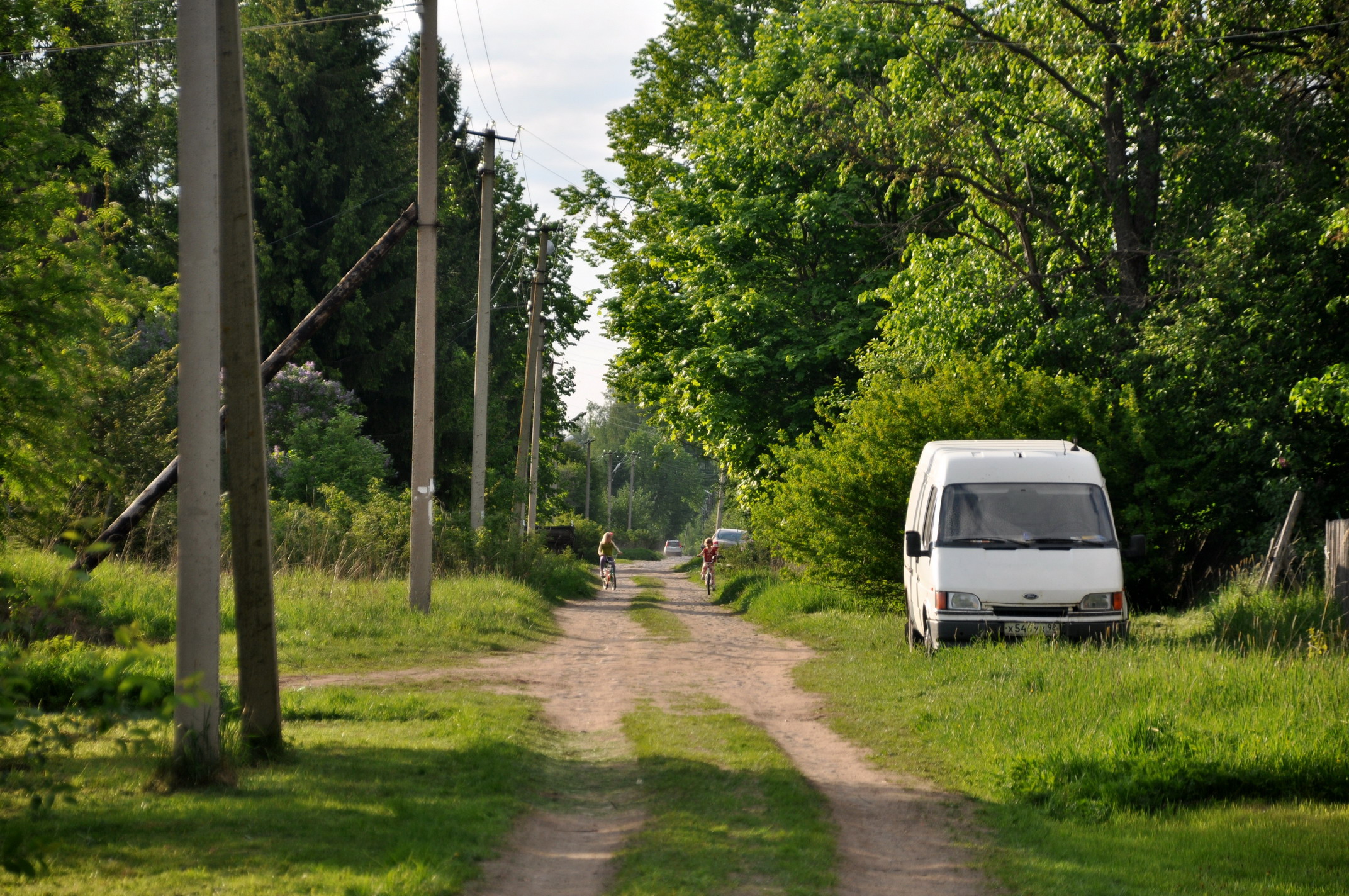
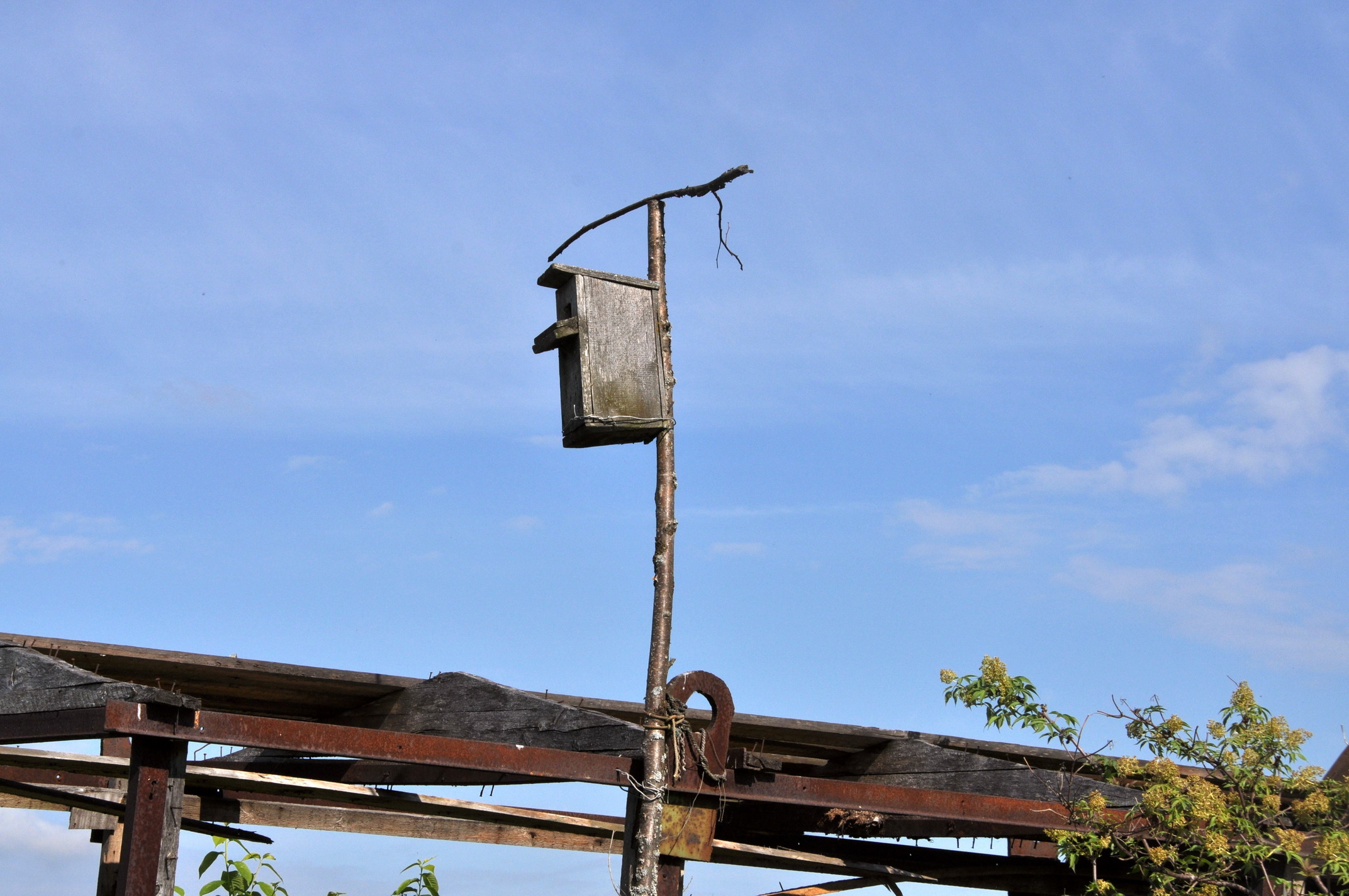
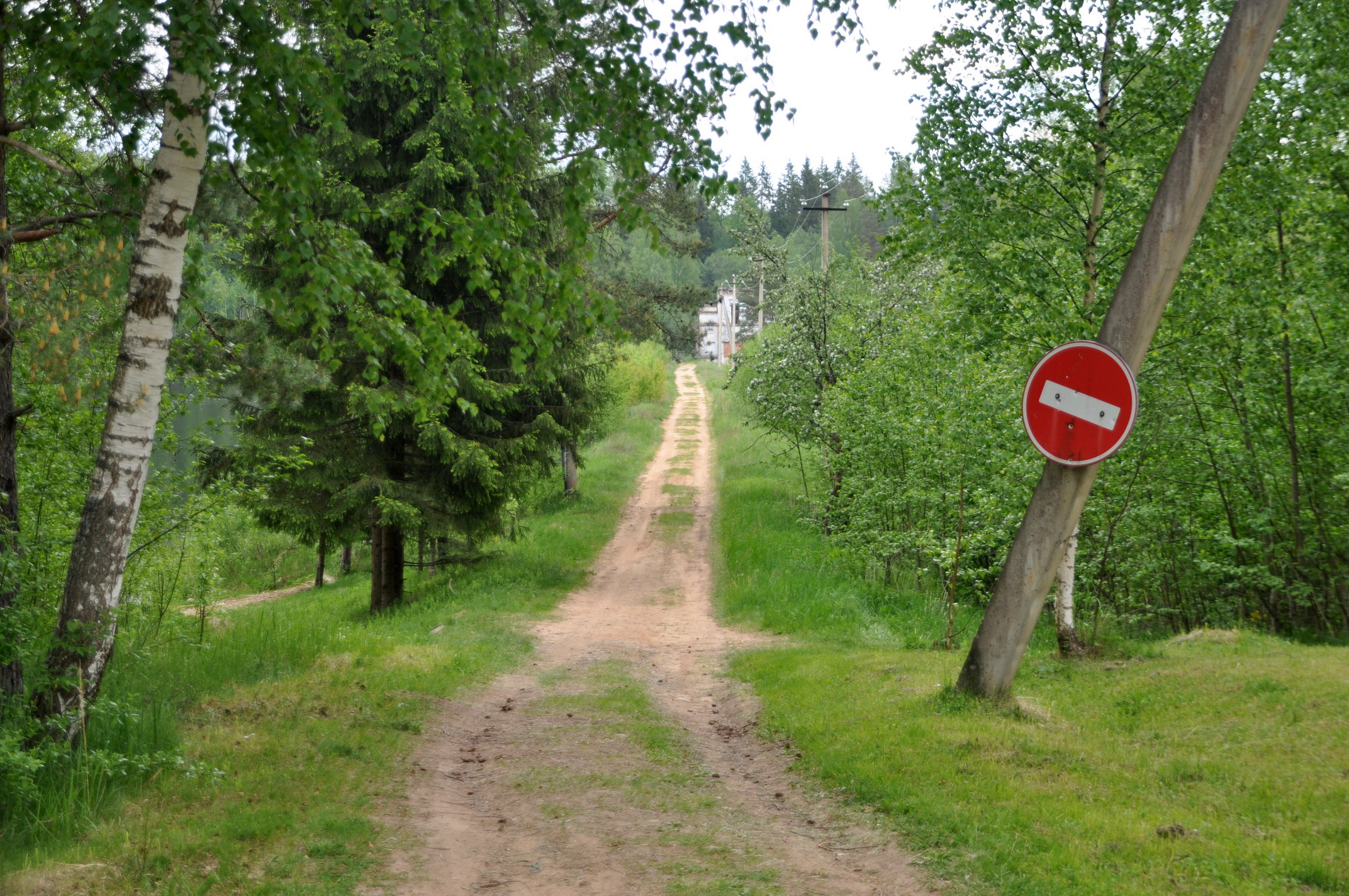
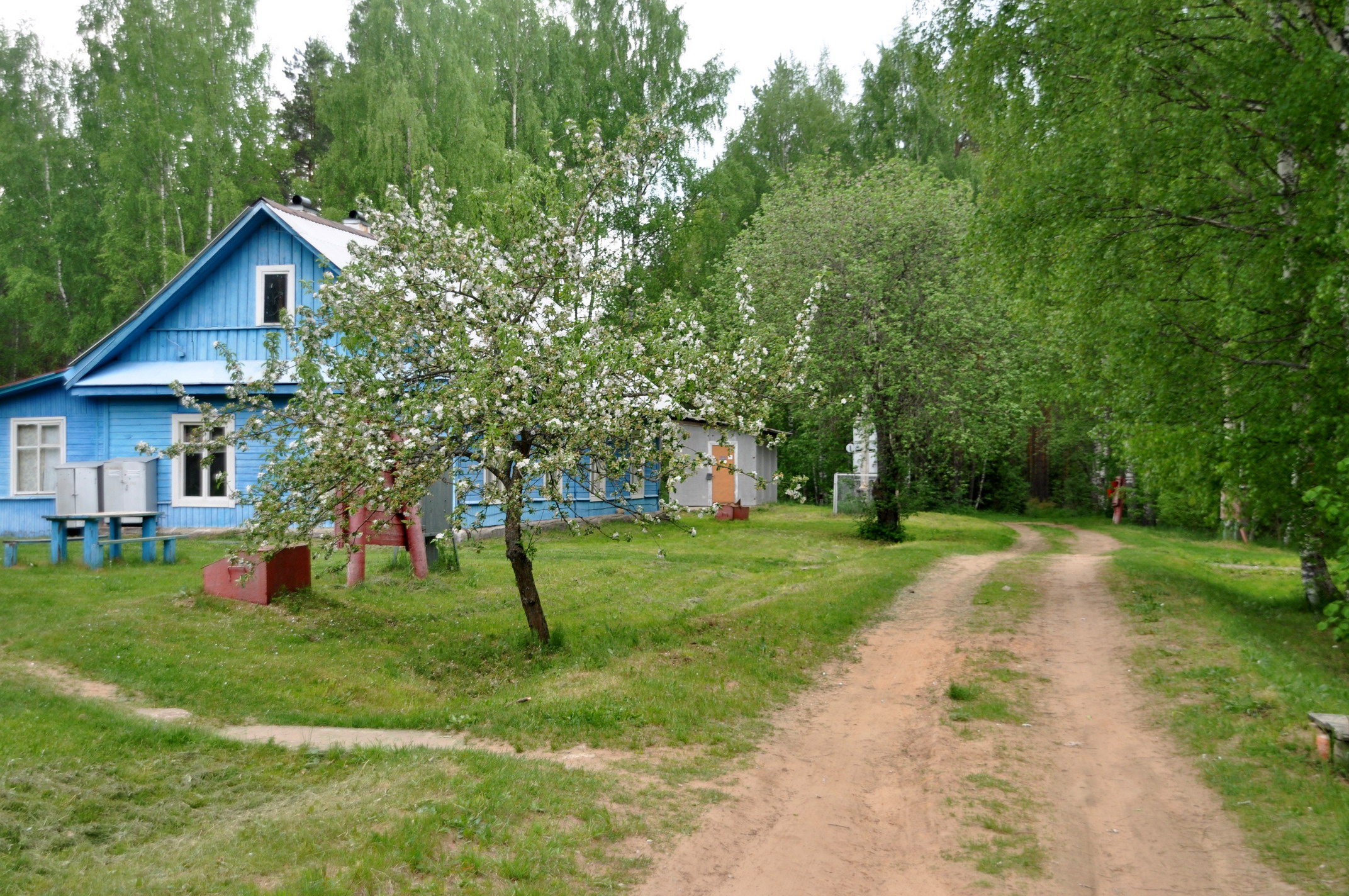
We set off from the jetty at Dalny. It is in ruins now. For years someone looked after the place, repairing the road and keeping the power on. People wrote complaints about him, saying he had closed off the riverbank and was lording it over everyone like a landowner with serfs. He had enough in the end, especially after he saw what the electricians quoted to repair the power line following the latest bout of bad weather. It is all abandoned now. There is a dacha belonging to a wealthy official from Gatchina, a few little houses where elderly residents are seeing out their days without electricity, and shops. The road is gradually falling apart too.
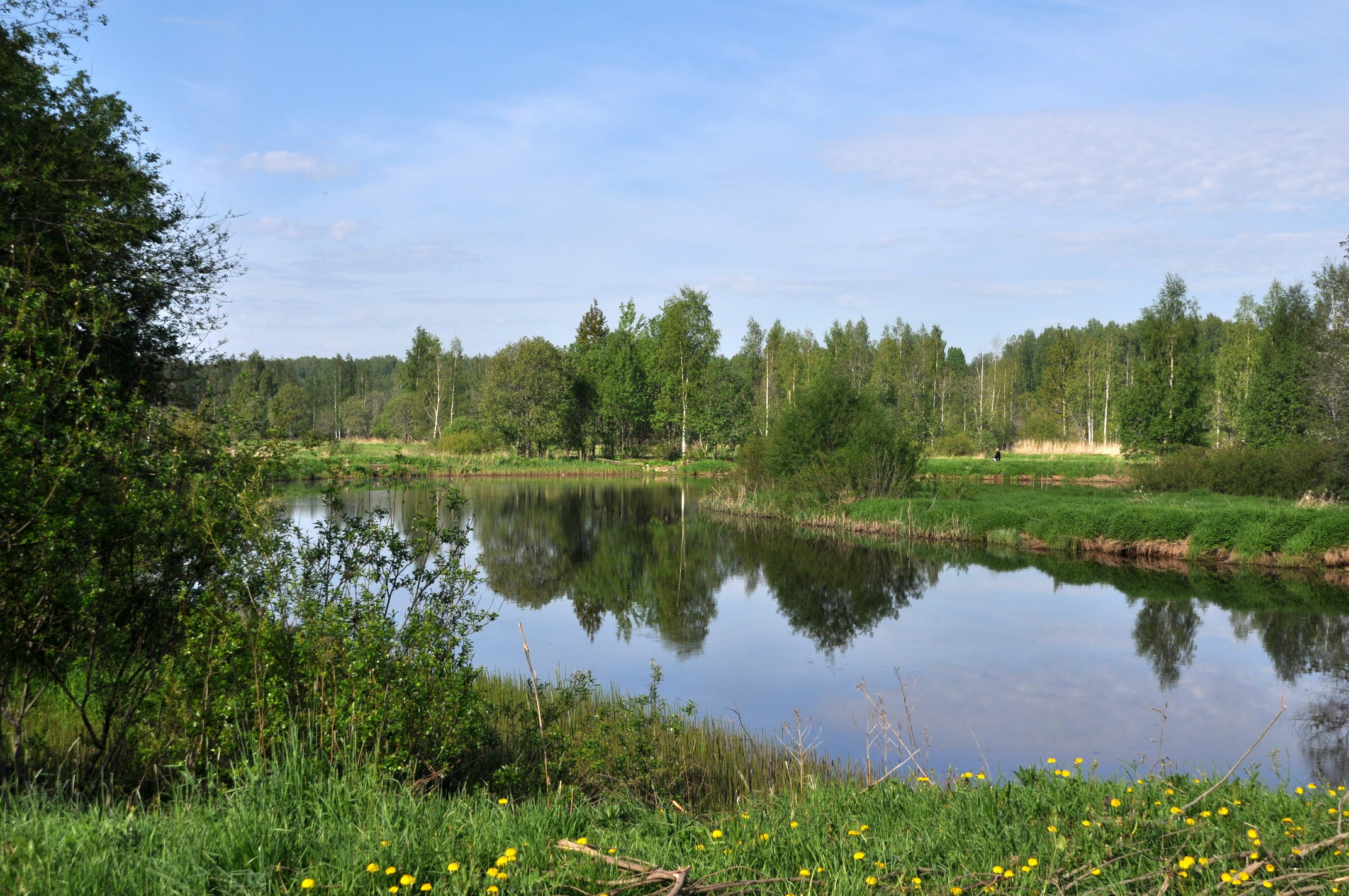
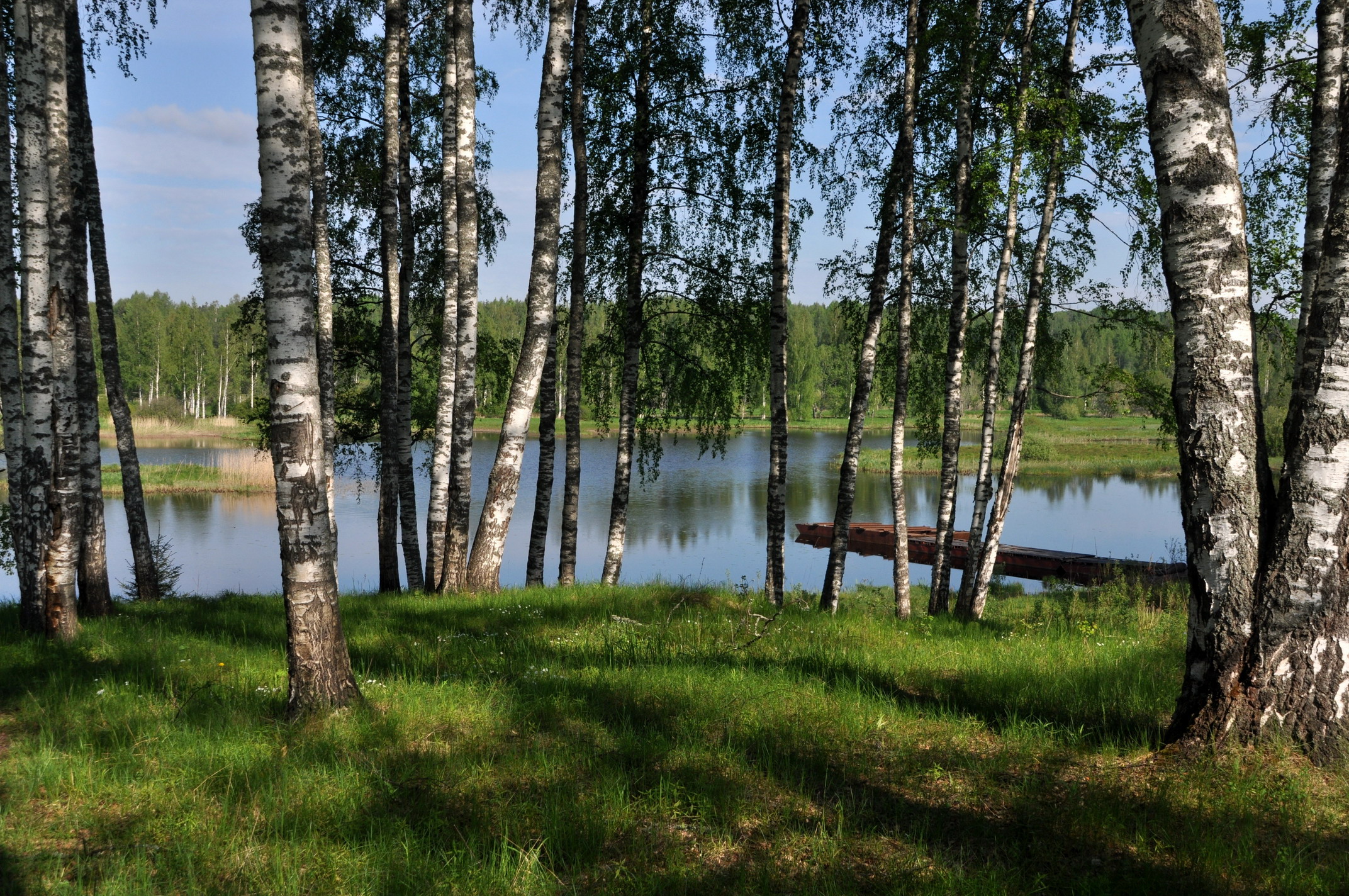
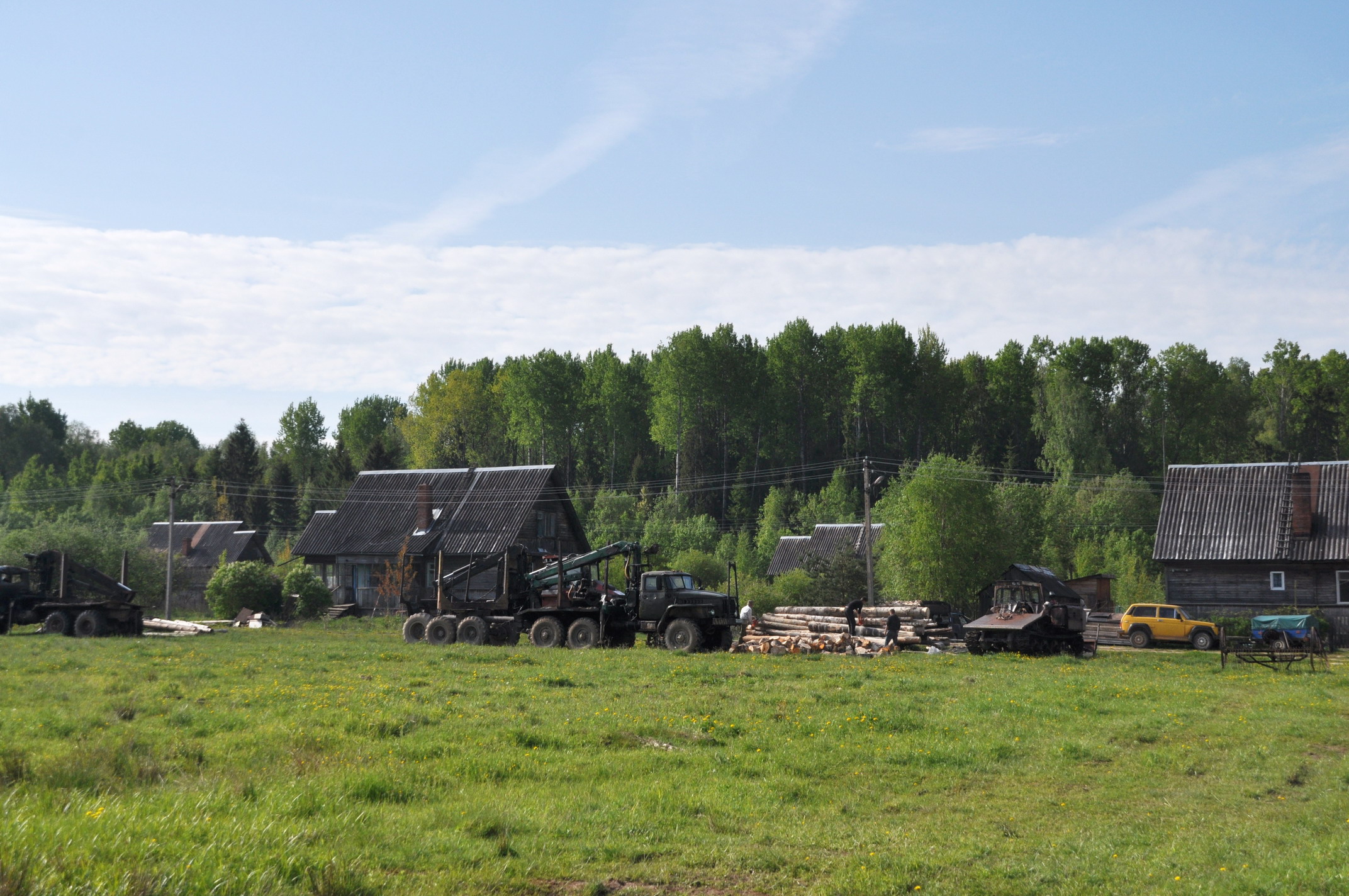
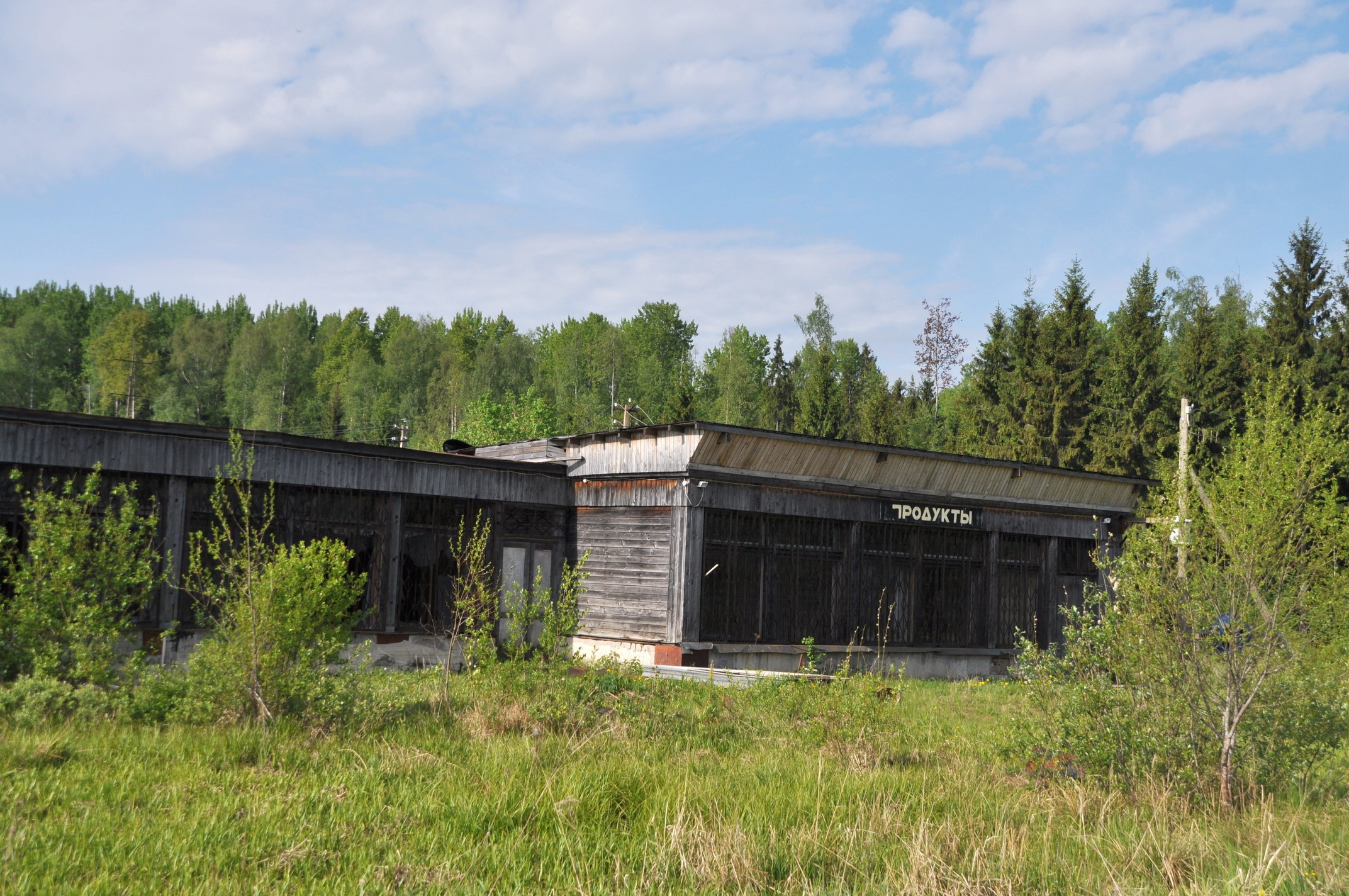
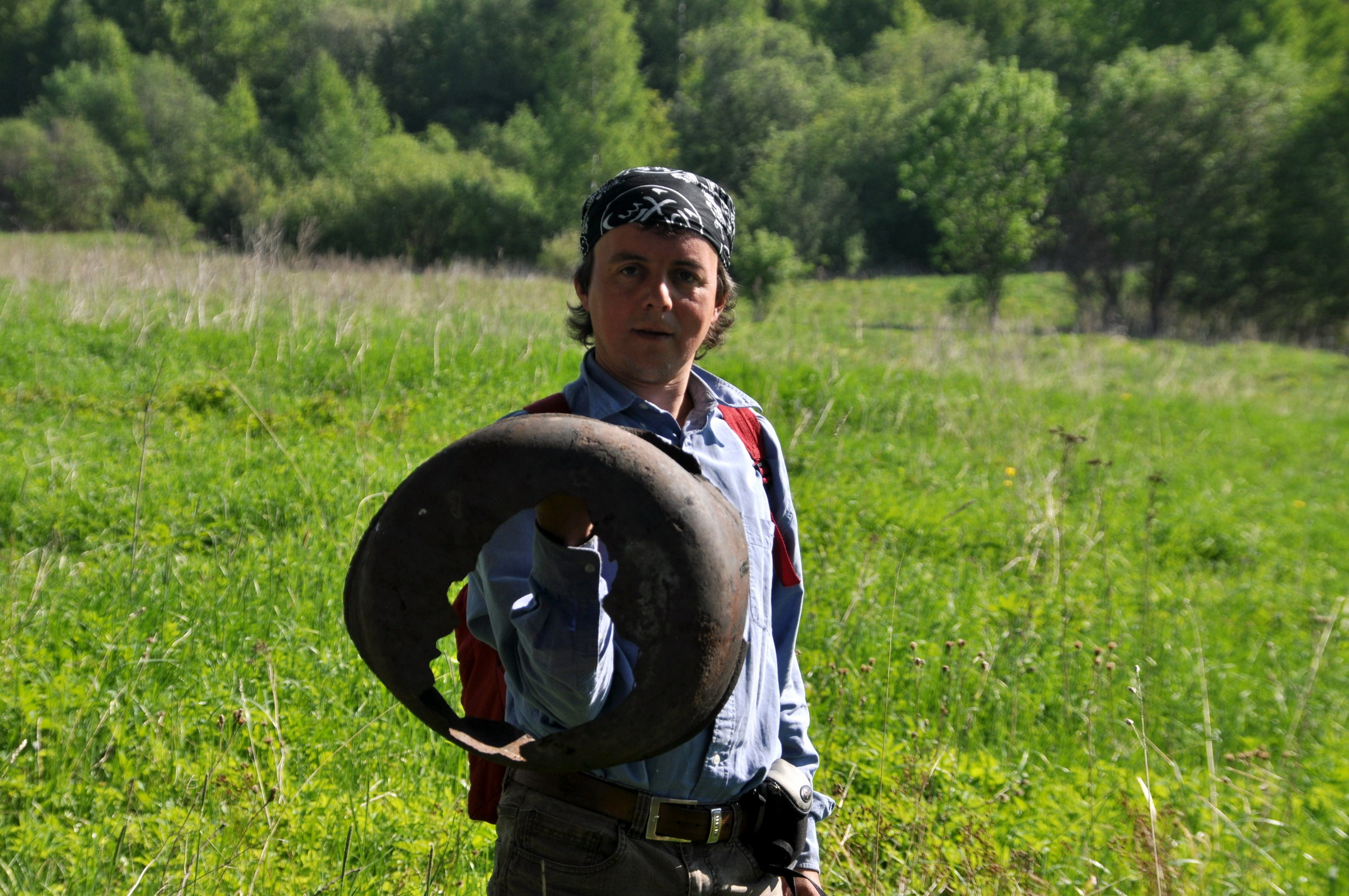
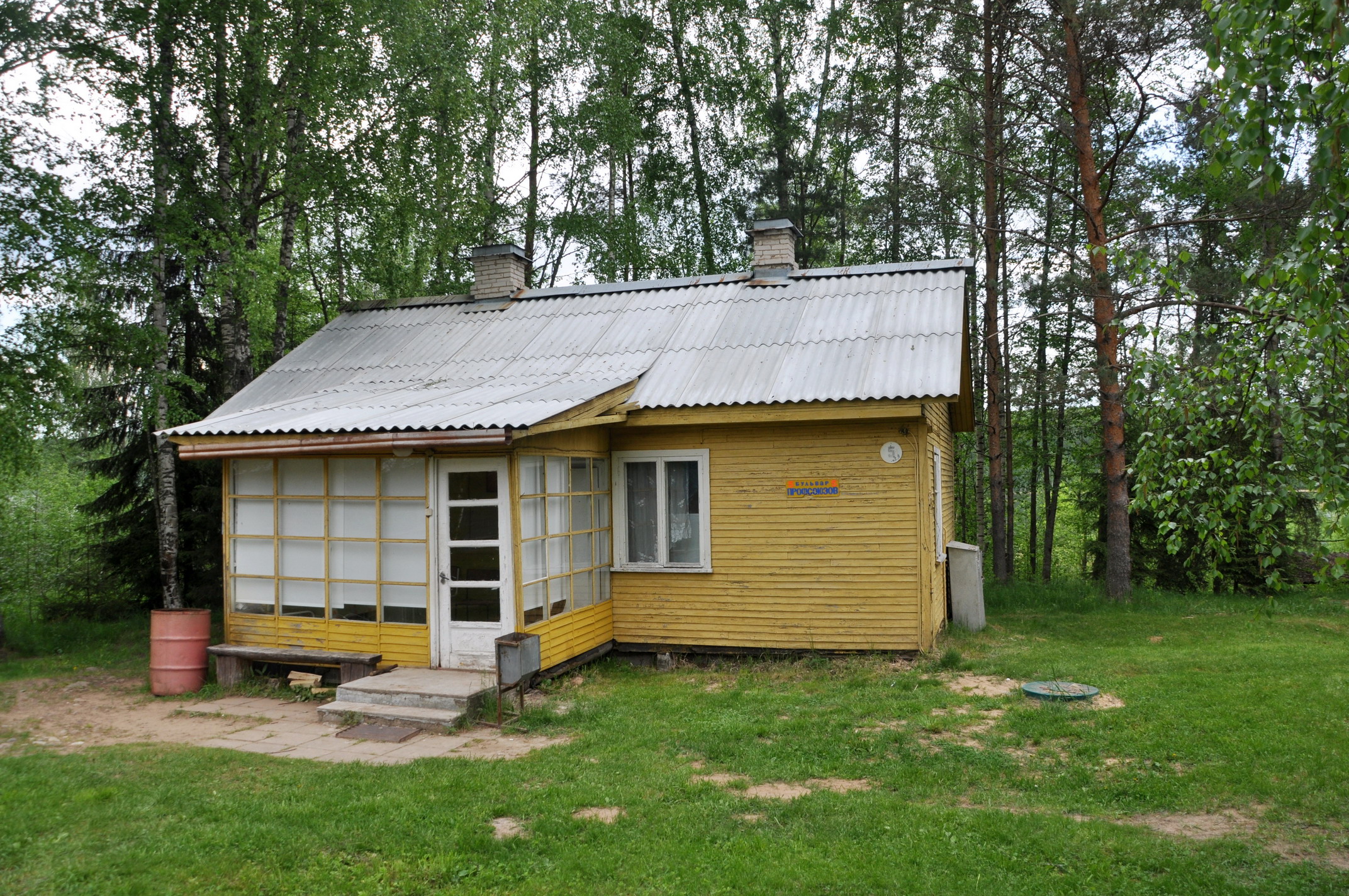
There are plenty of other ruins. There used to be a holiday resort here. They built accommodation blocks and a water tower shaped like a UFO, and laid out floodlit walking paths through the forest. It is all quietly being swallowed by the forest now, rotting away while it waits for the scrap-metal hunters.
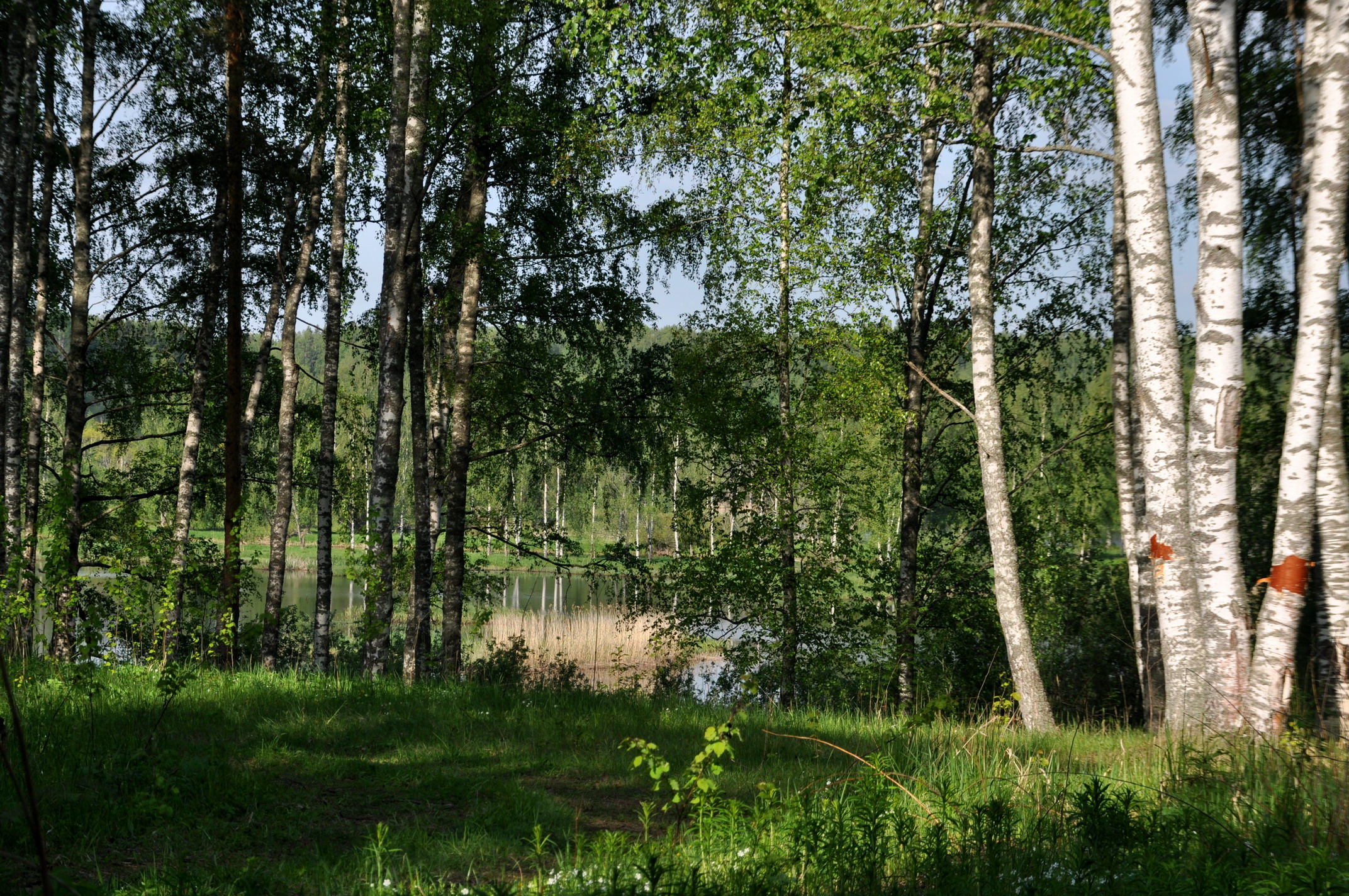
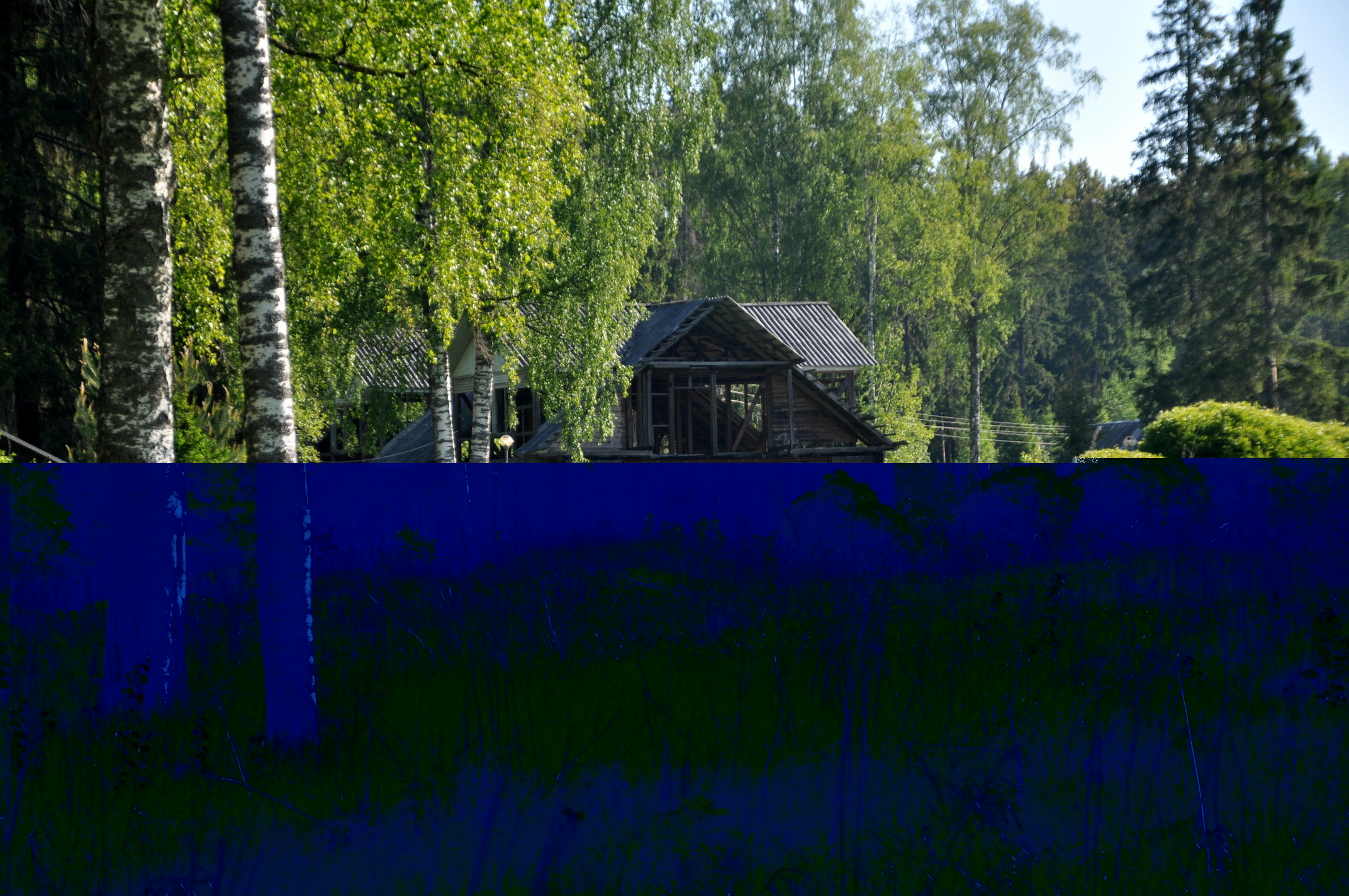
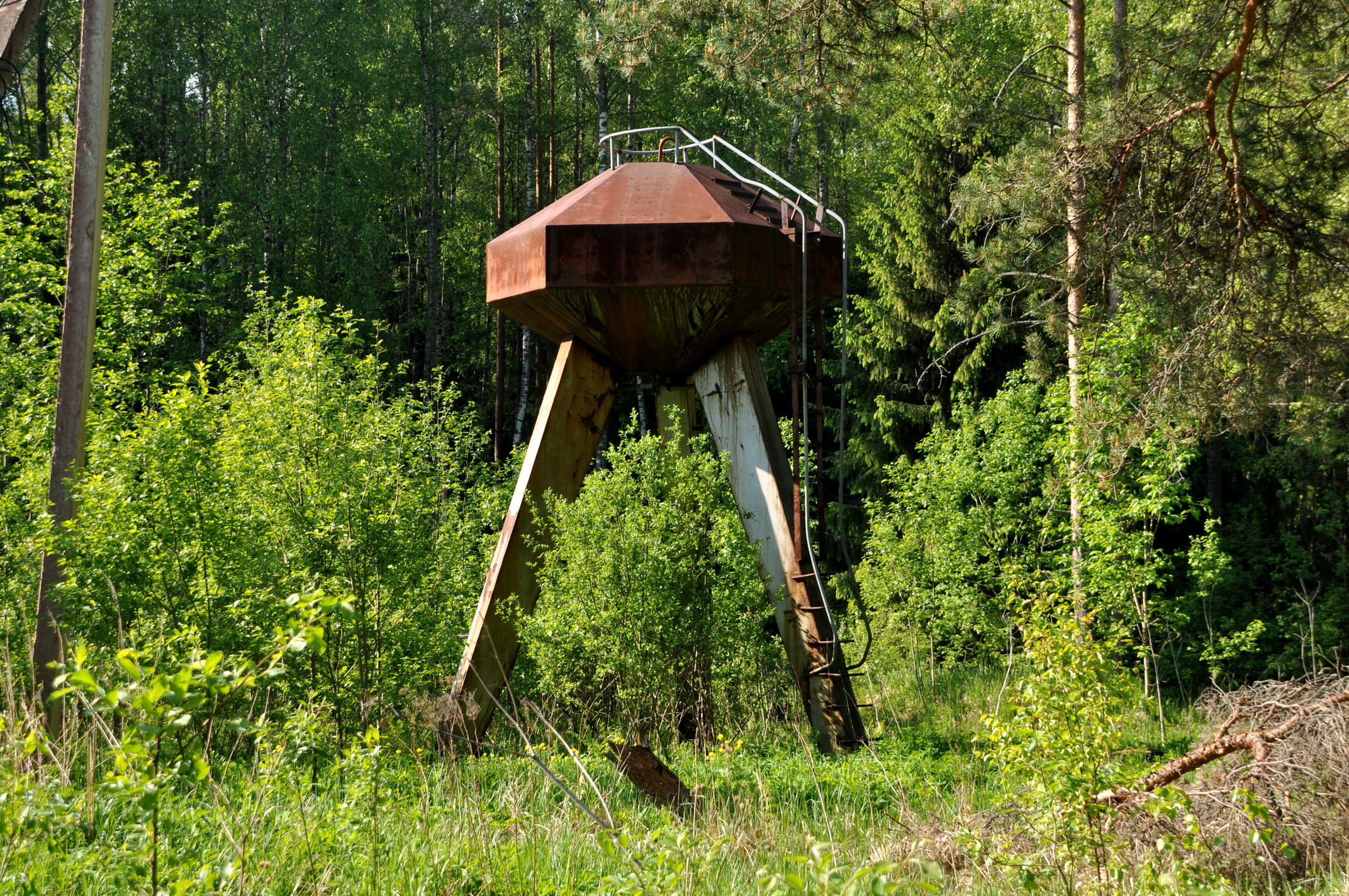
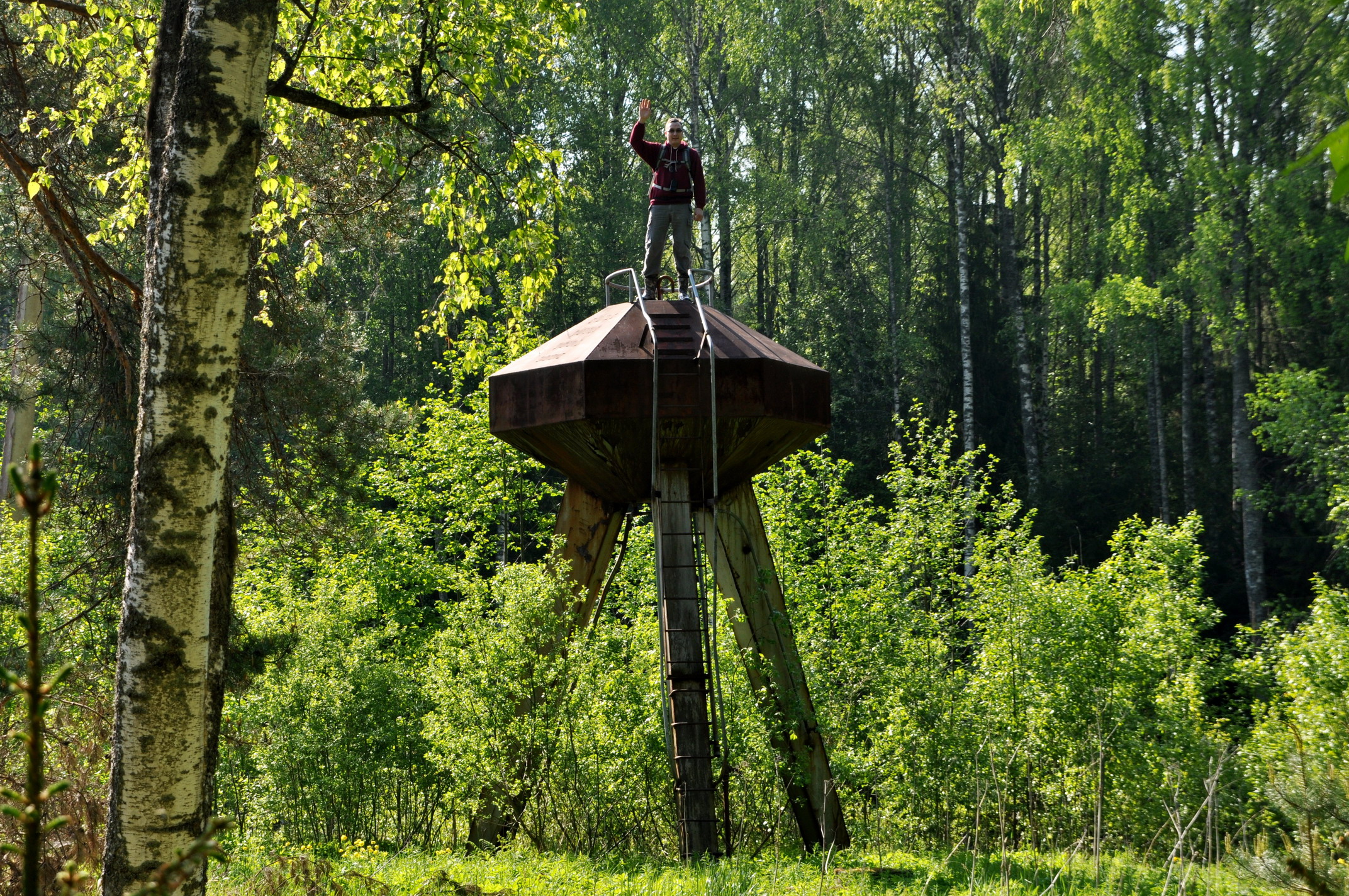
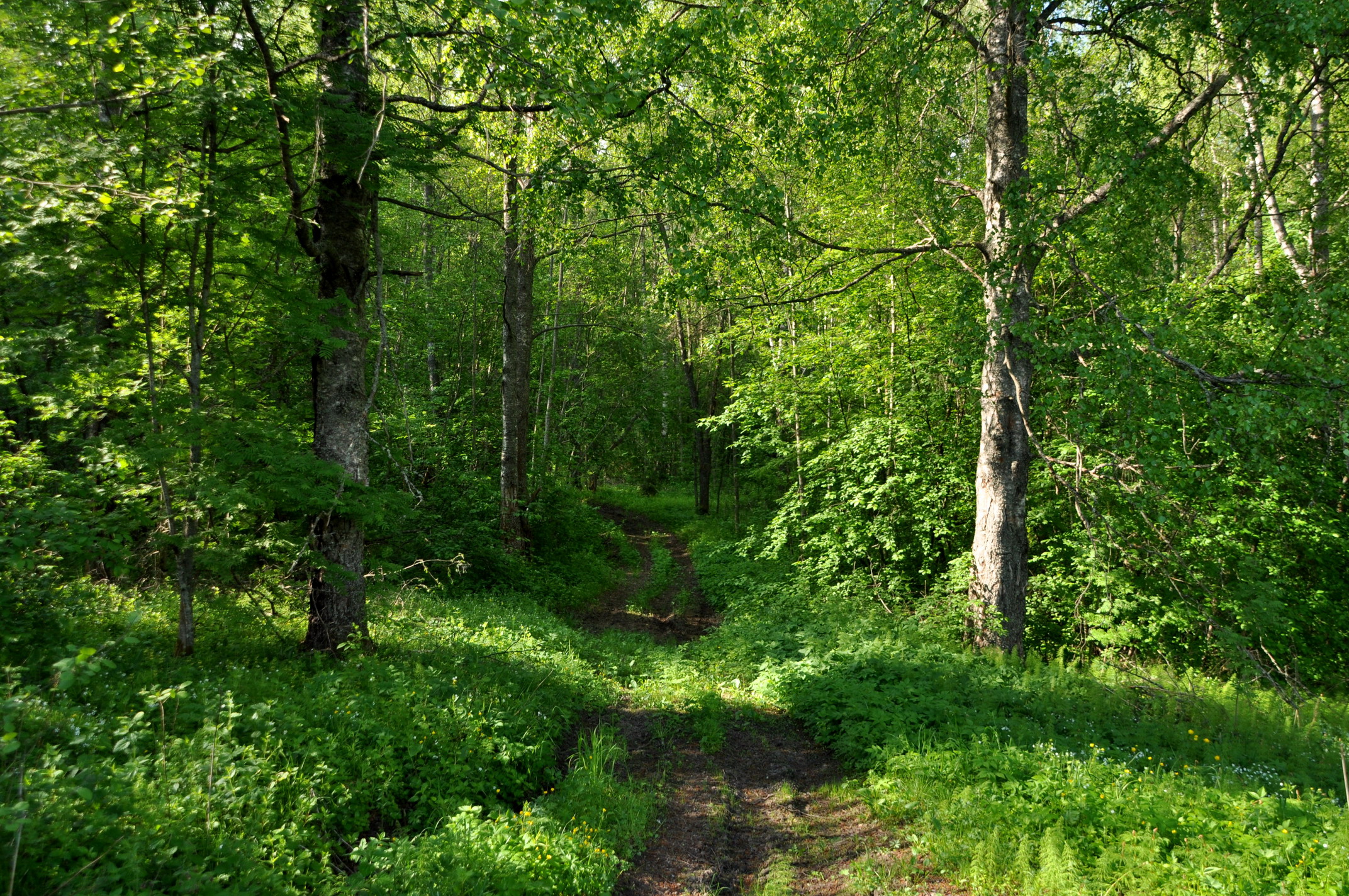
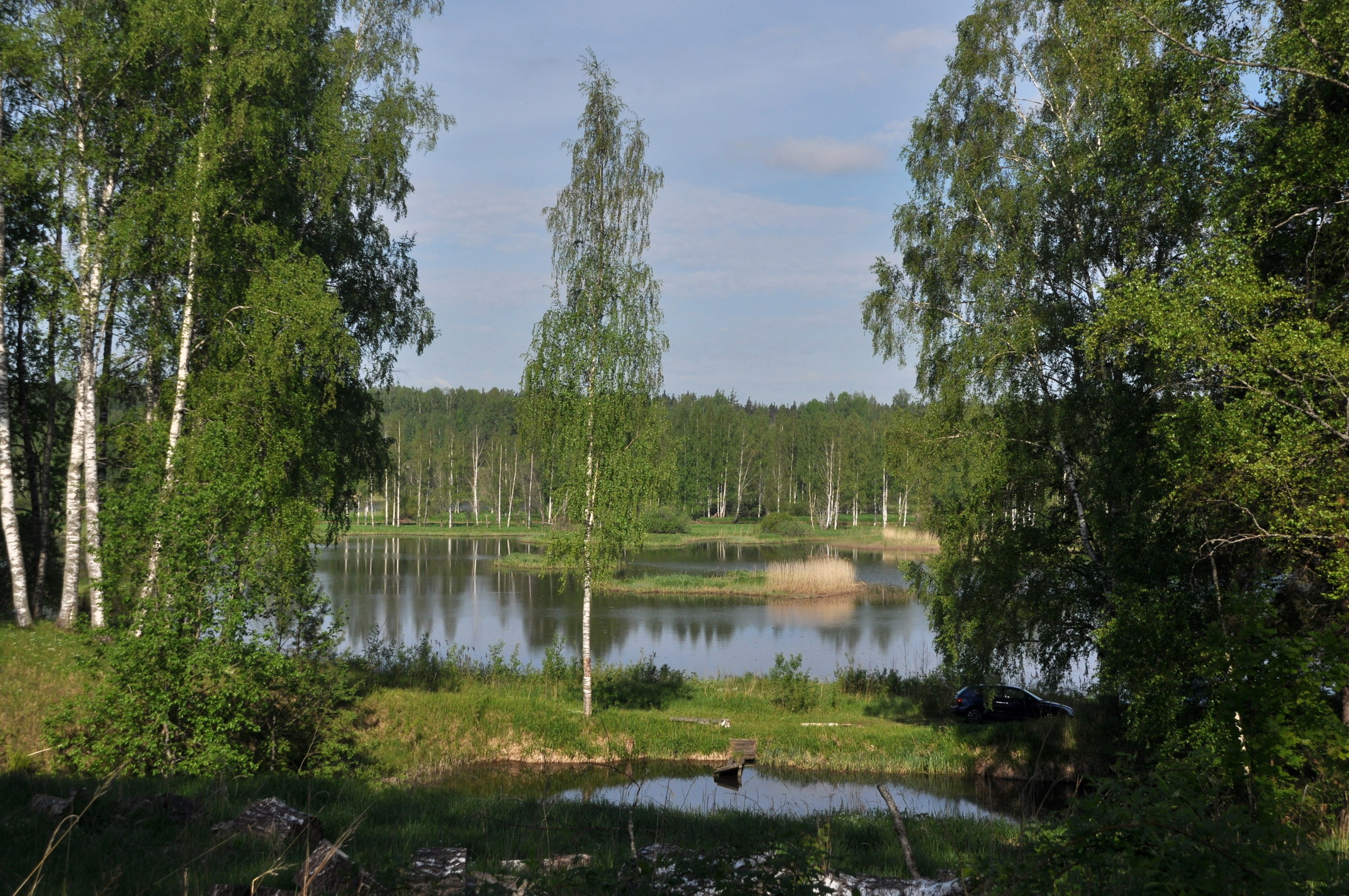
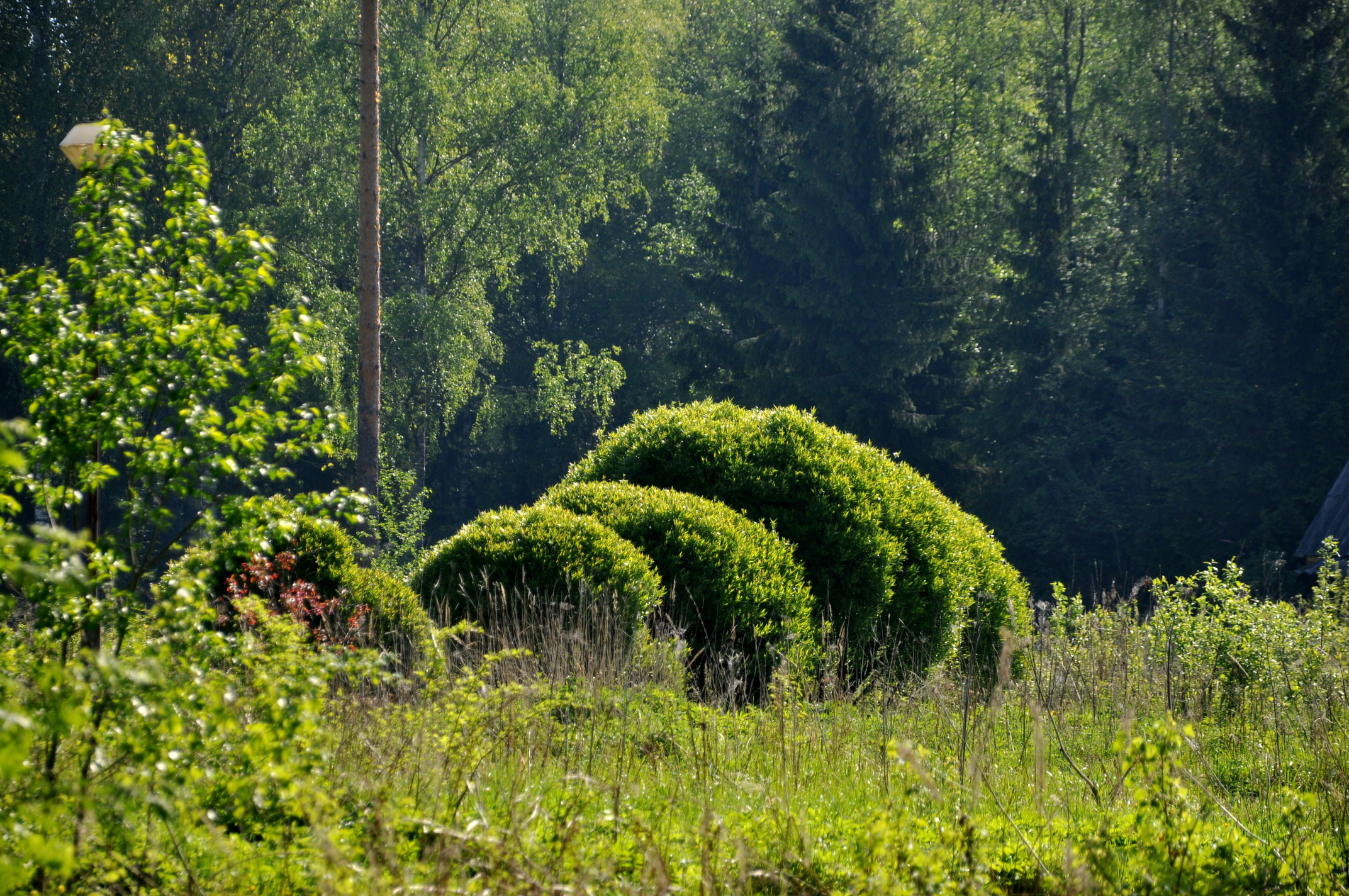
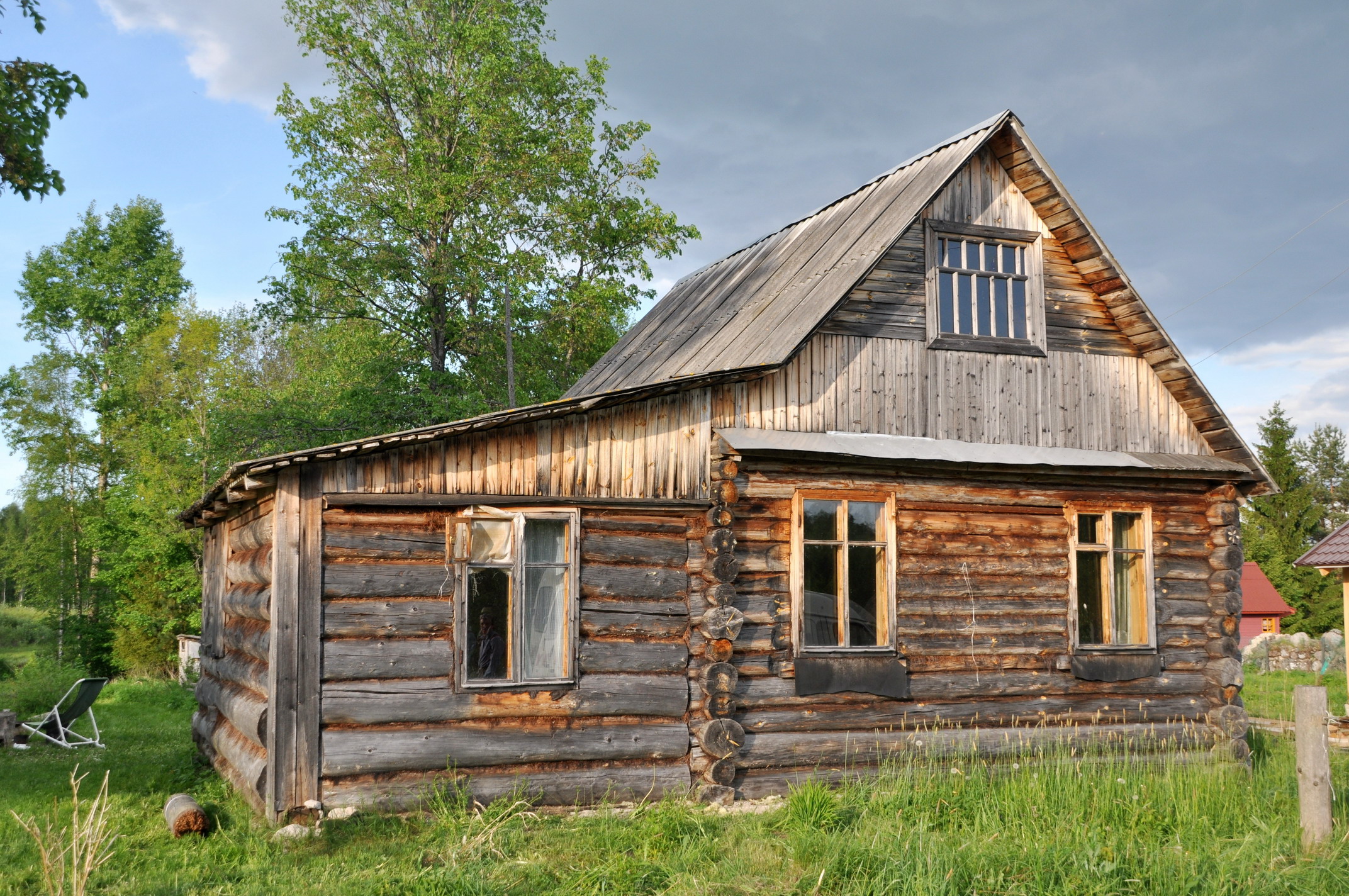
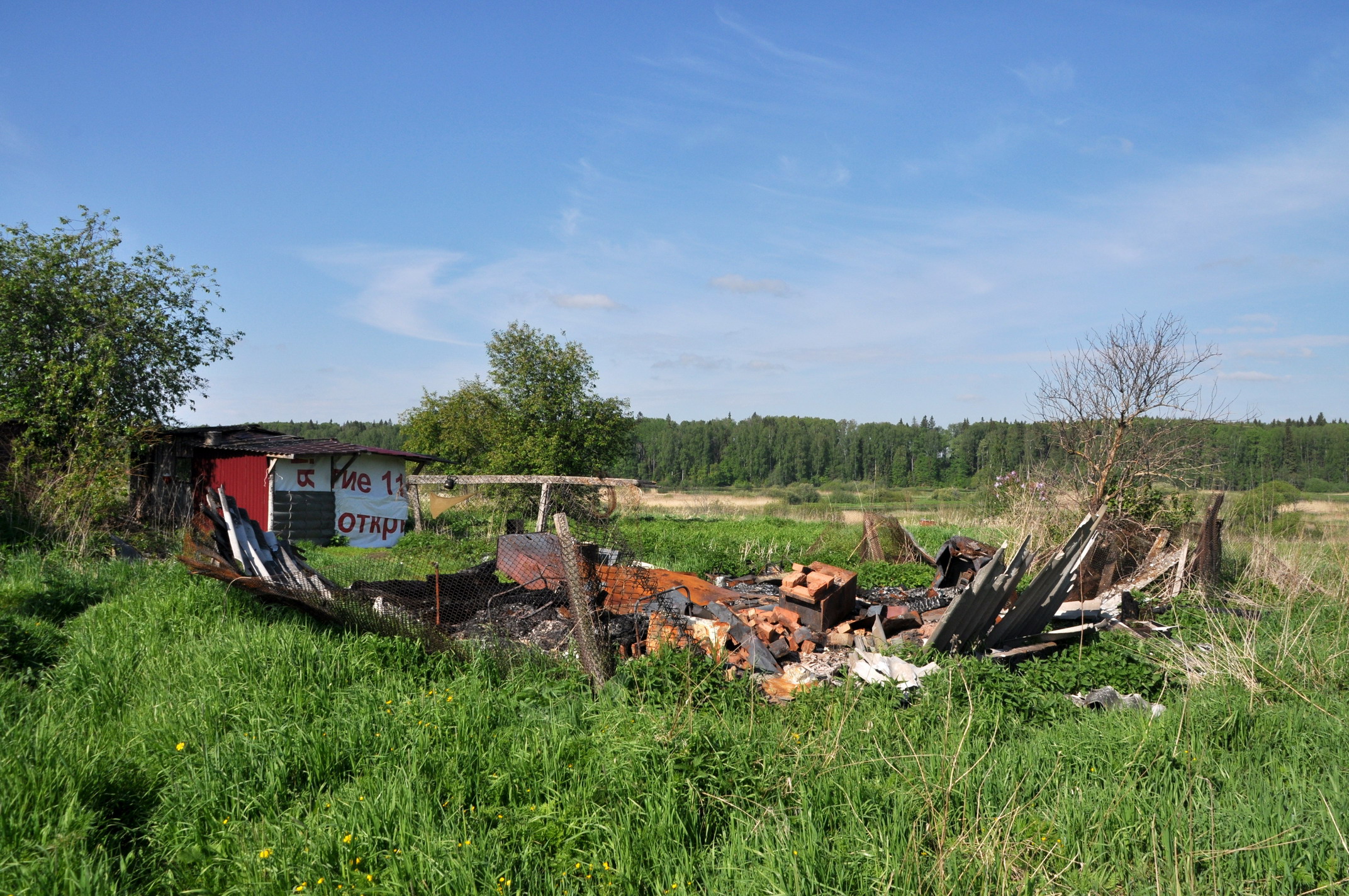
First, following the churned-up ruts, we went south to the old village of Lystsovo. The village has been gone a long time, but someone kept up a lone house that was little more than a shed, with a vegetable garden. It even had a TV aerial. But that was too much. Some kind souls came along and burned it down. How dare he. Built himself a house, the damned capitalist. Grew carrots. Why could he not just drink like everybody else? It has all grown over now.
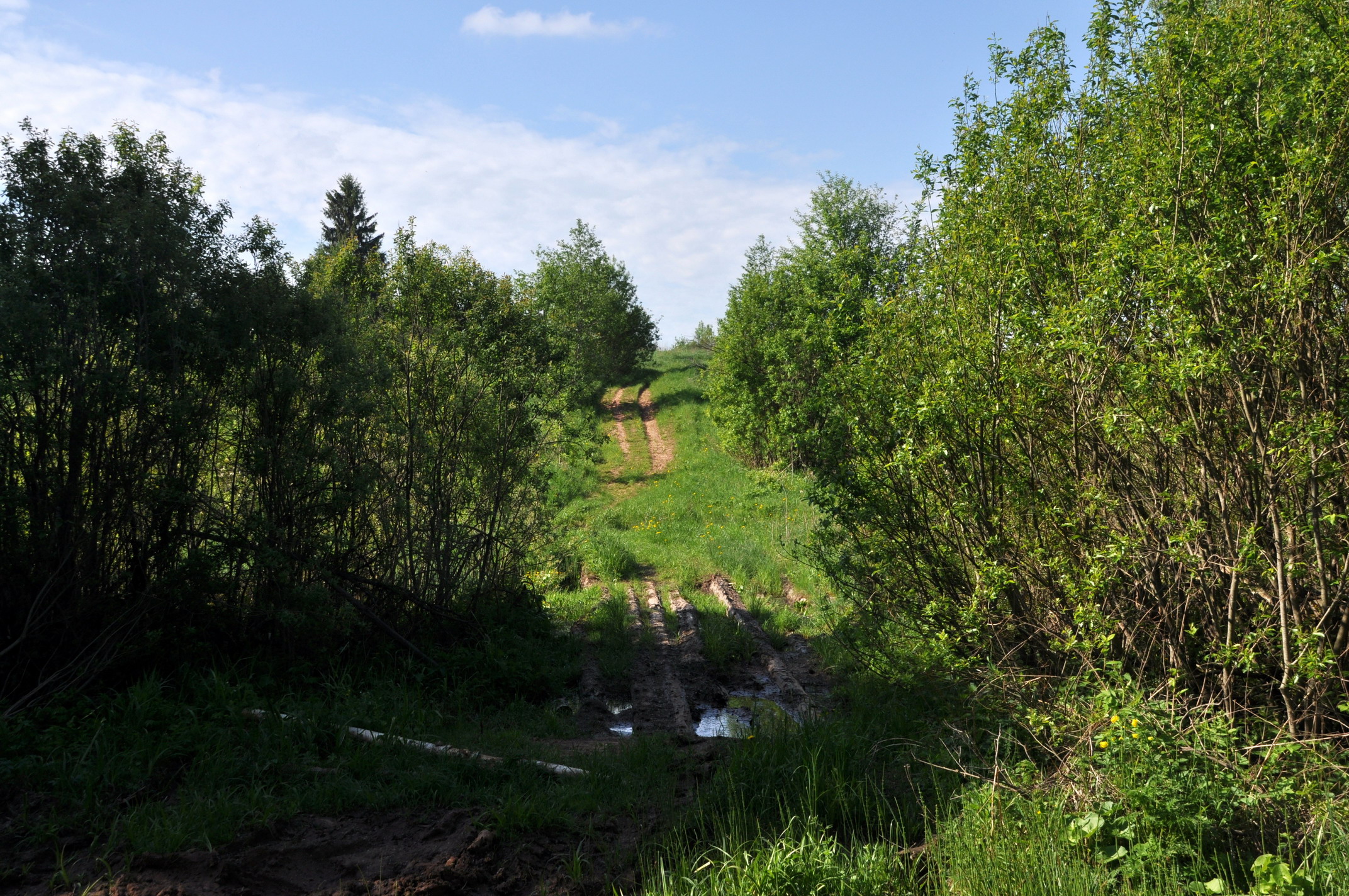
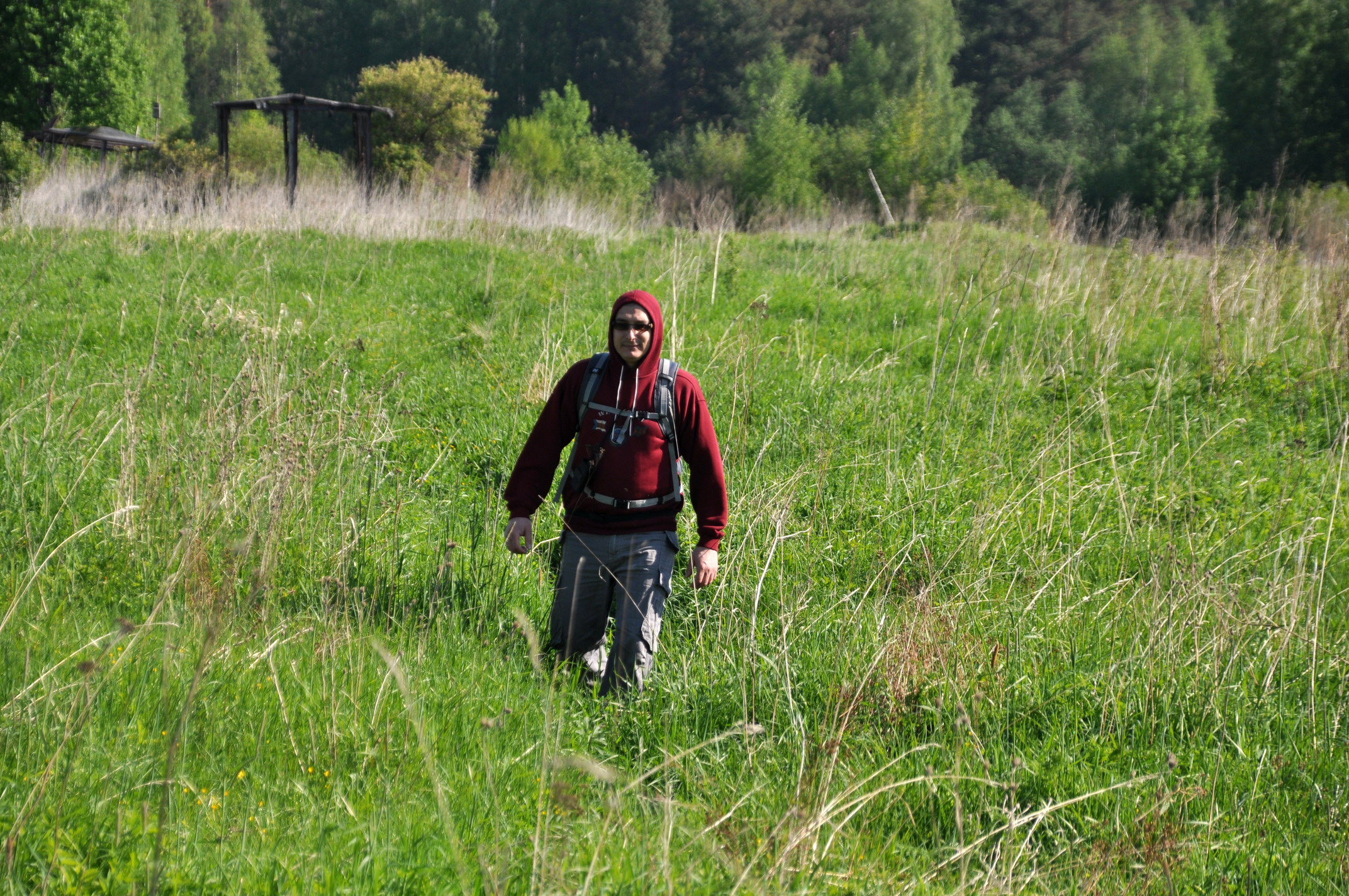
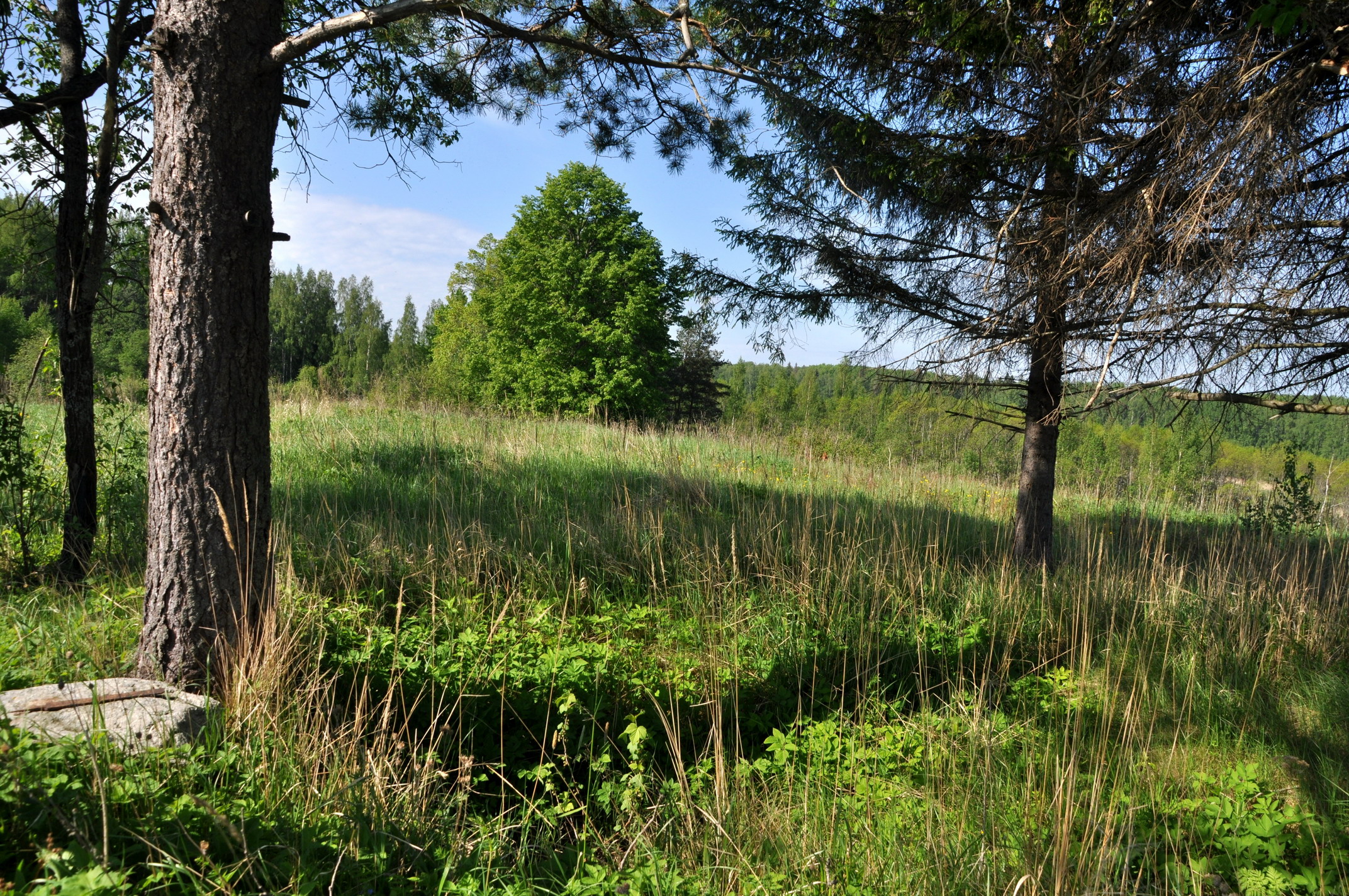
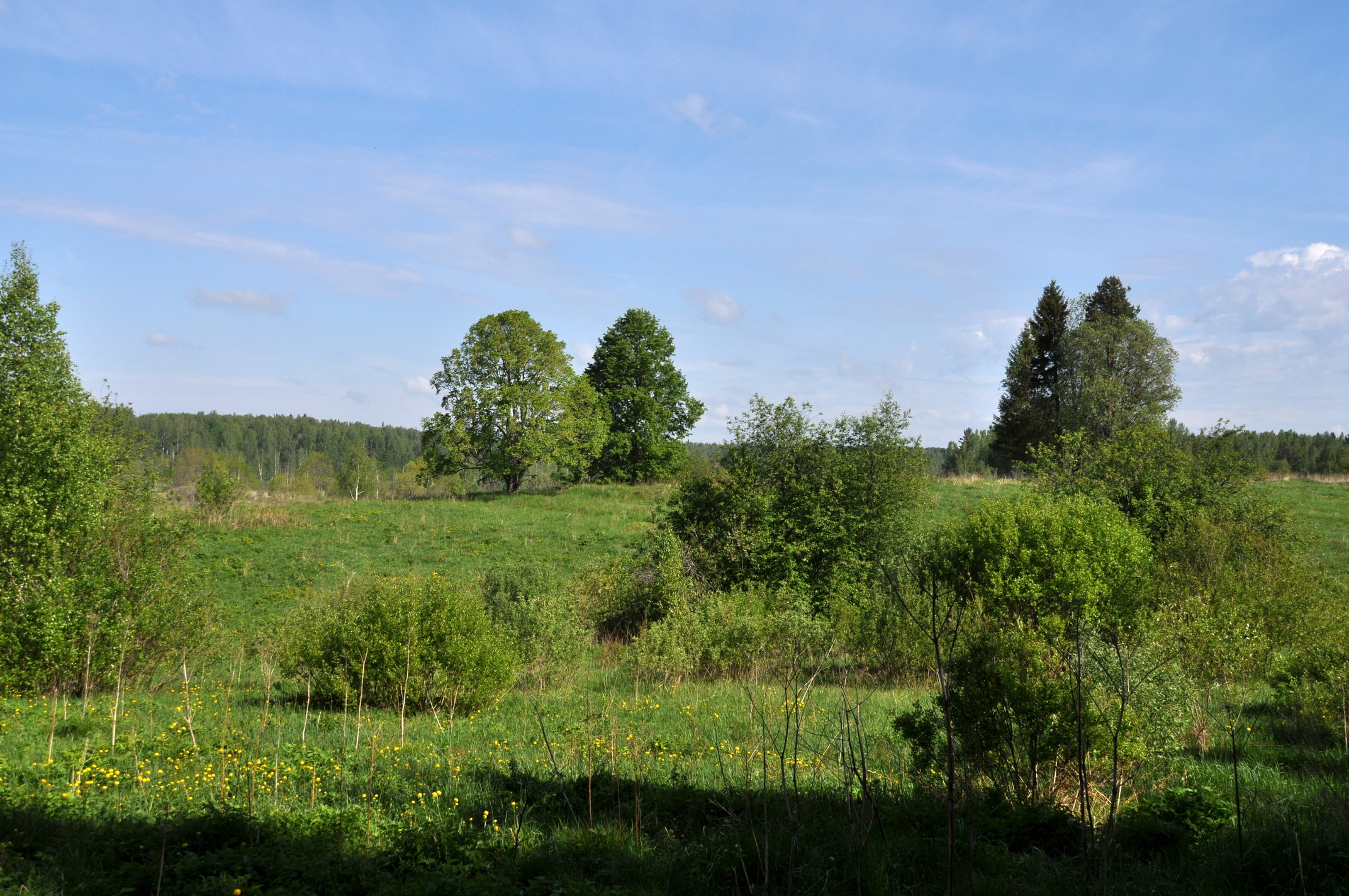
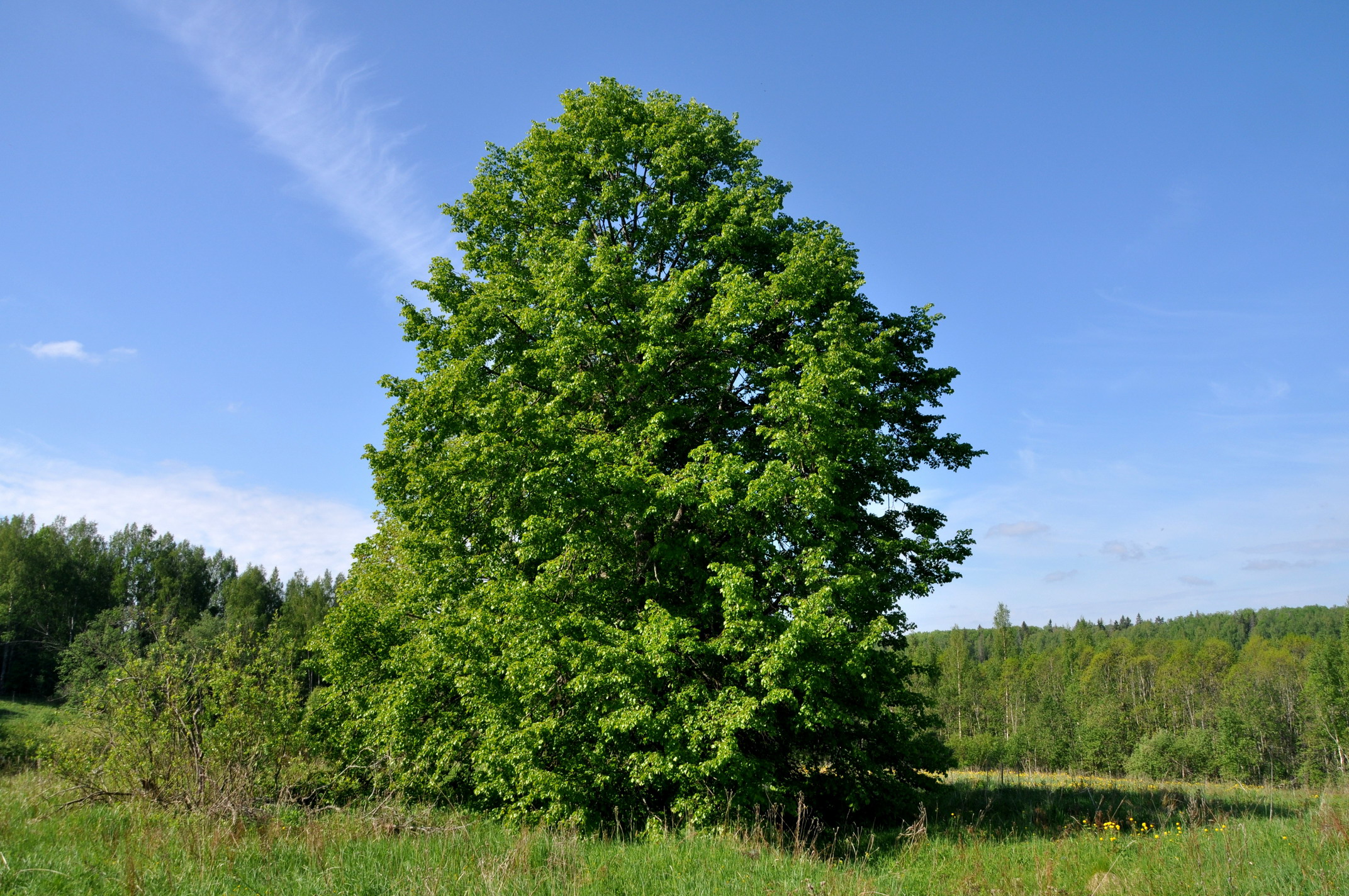
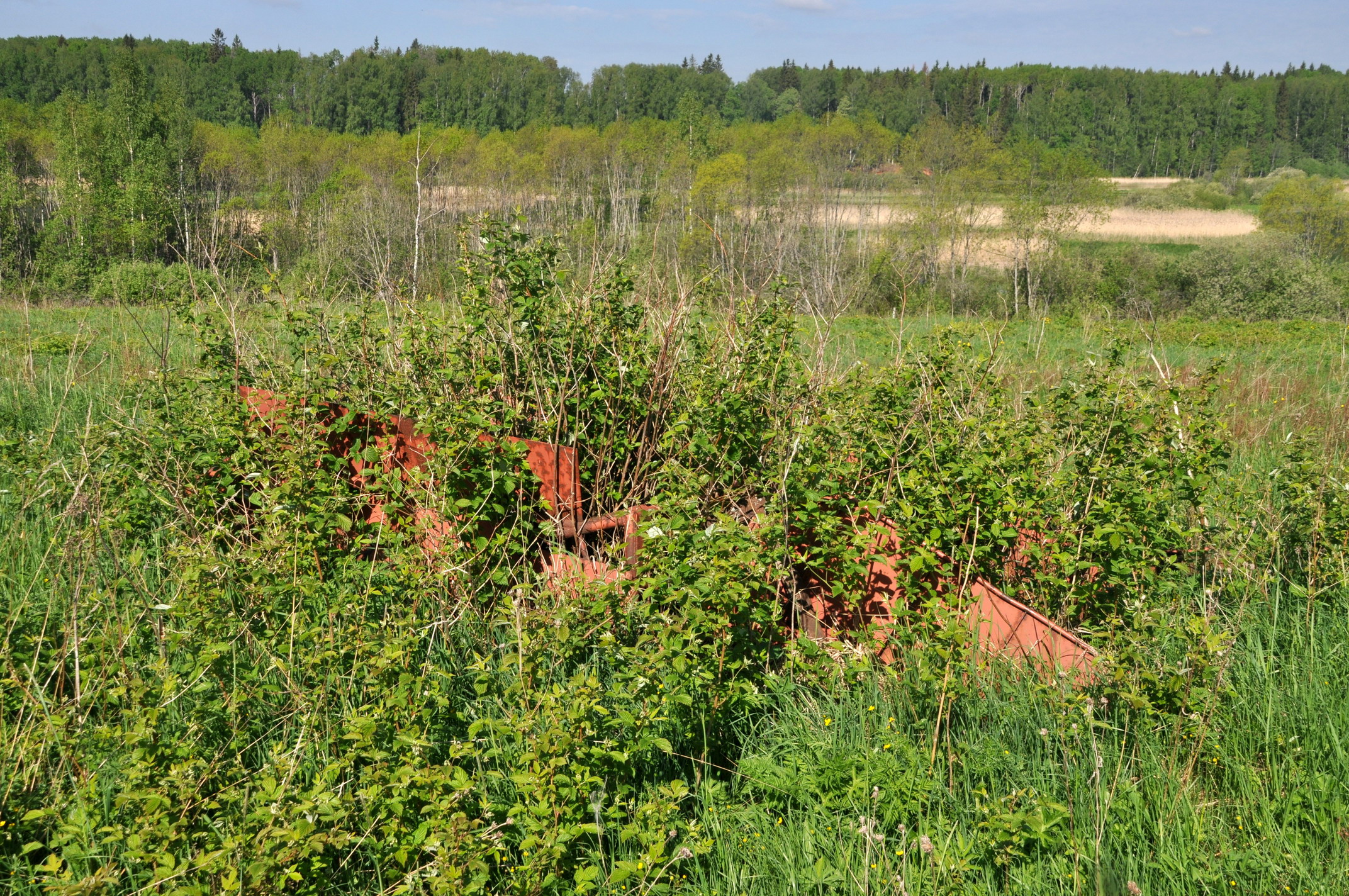
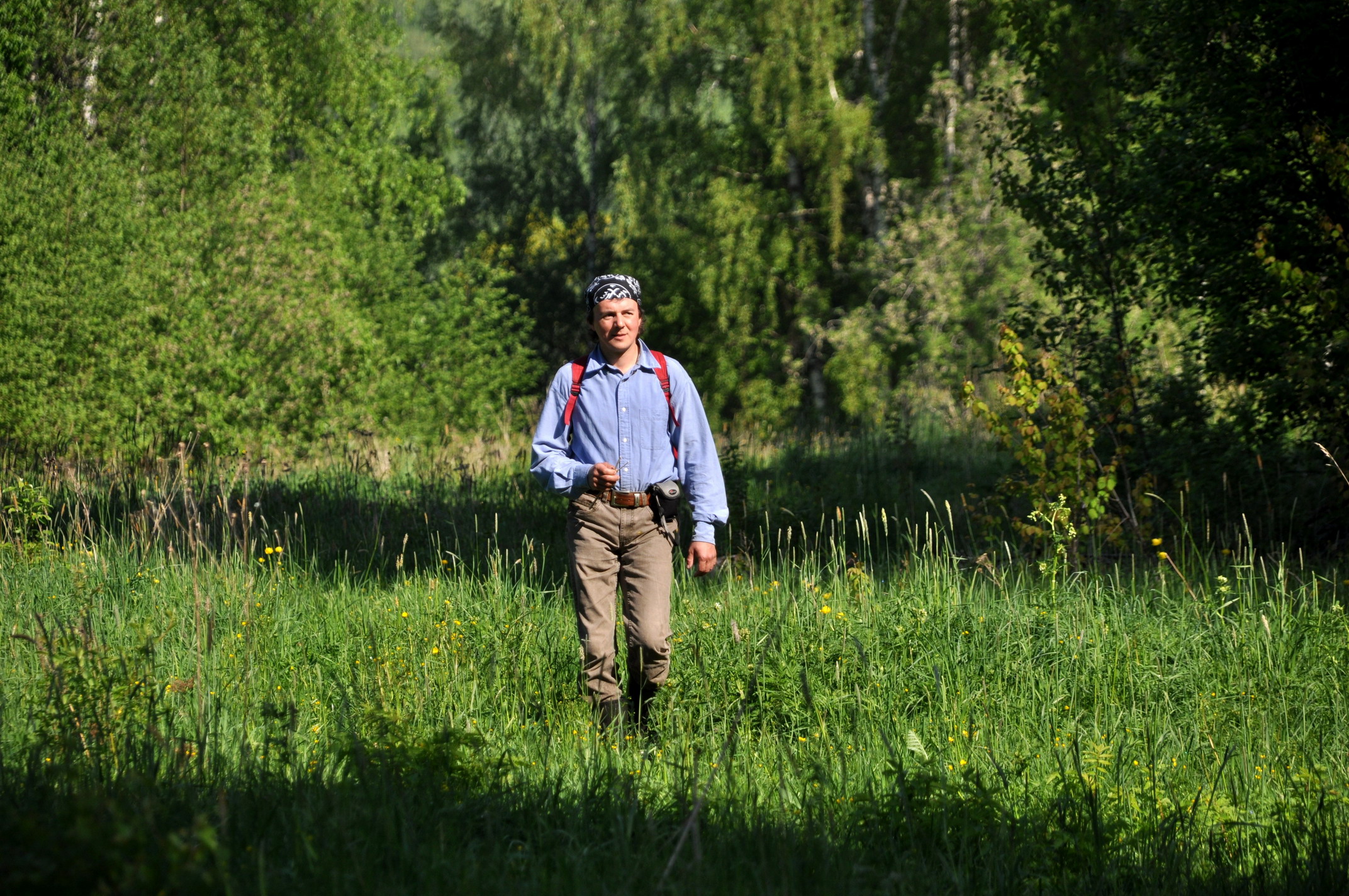
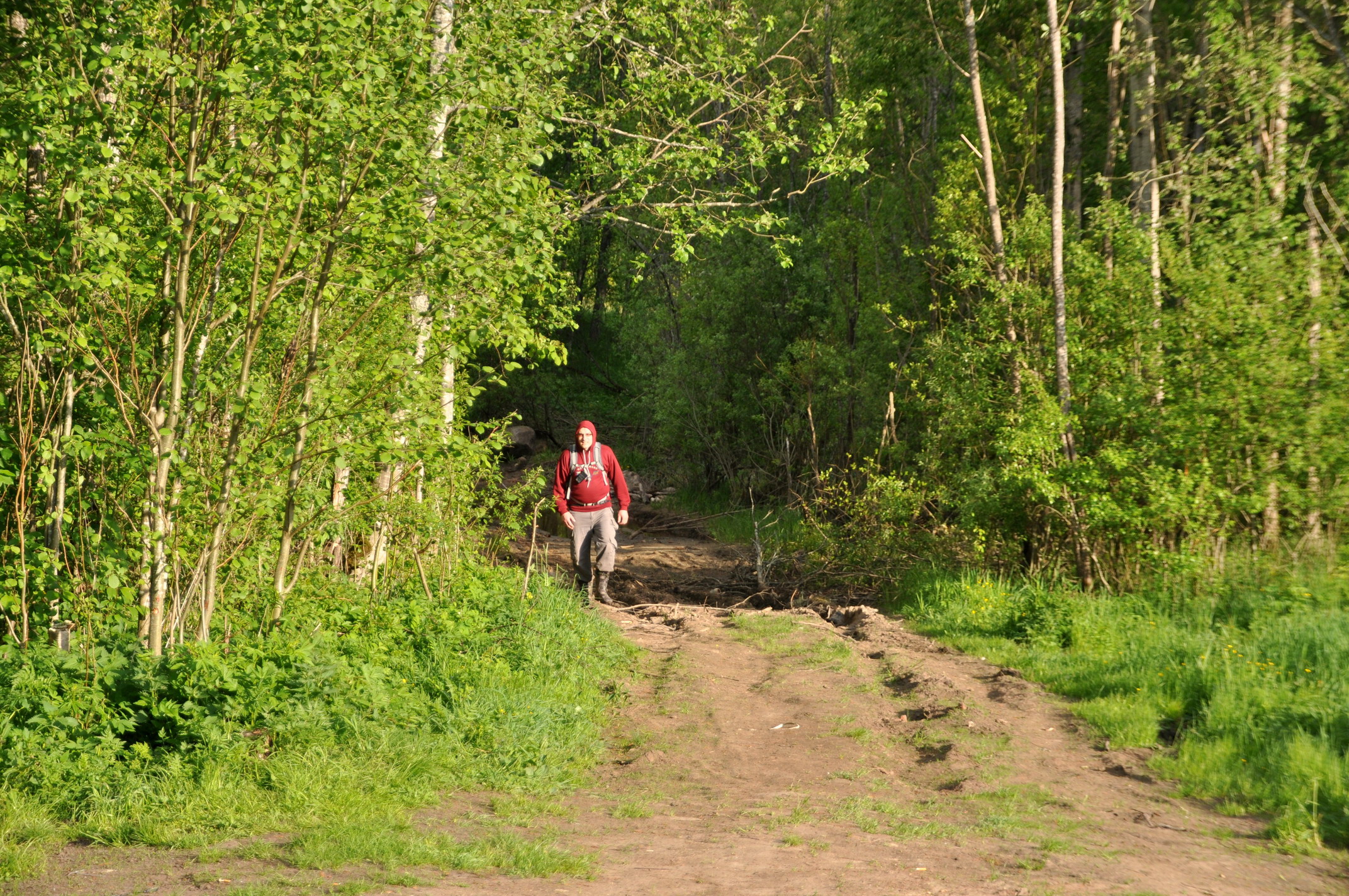
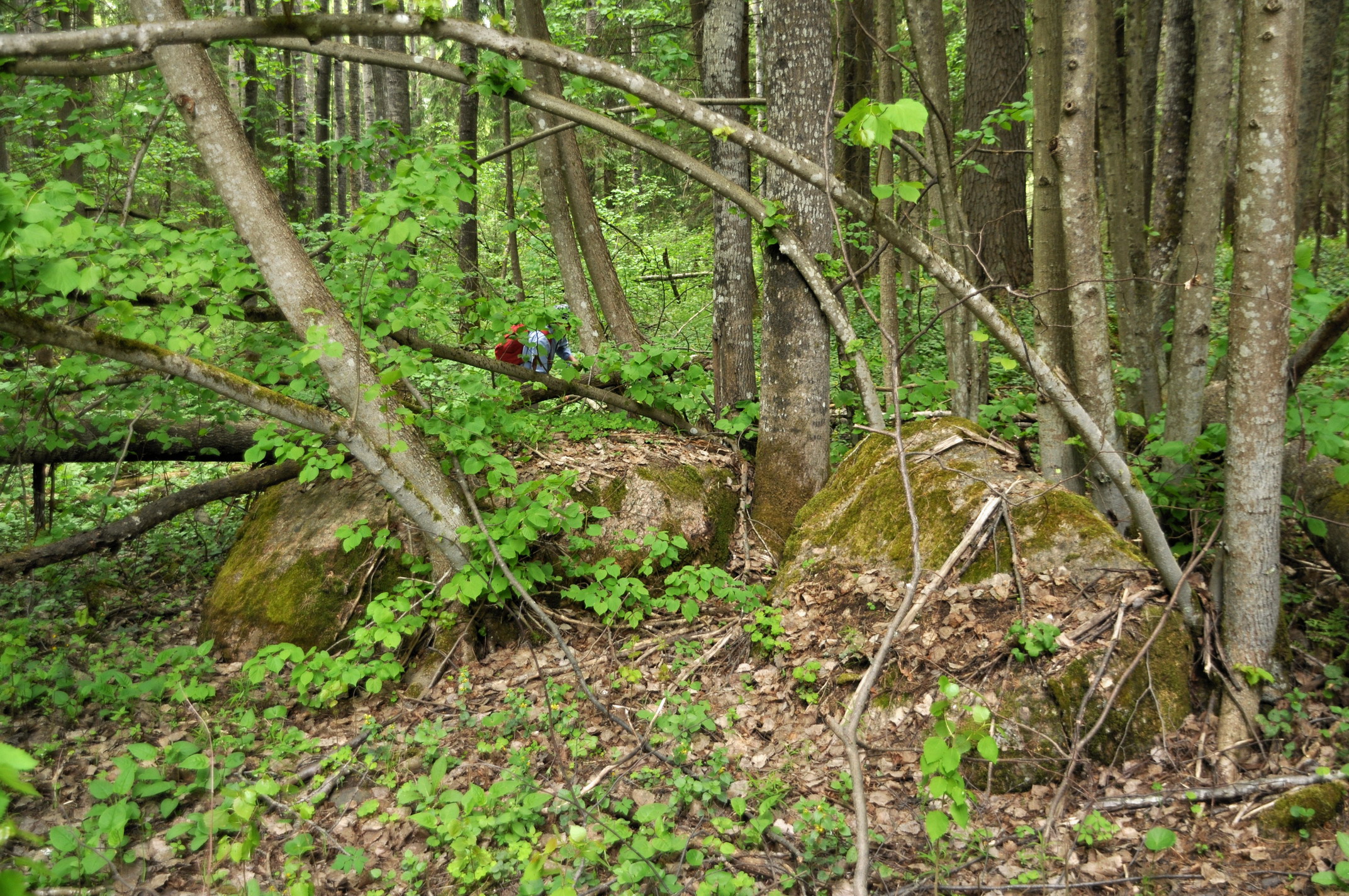
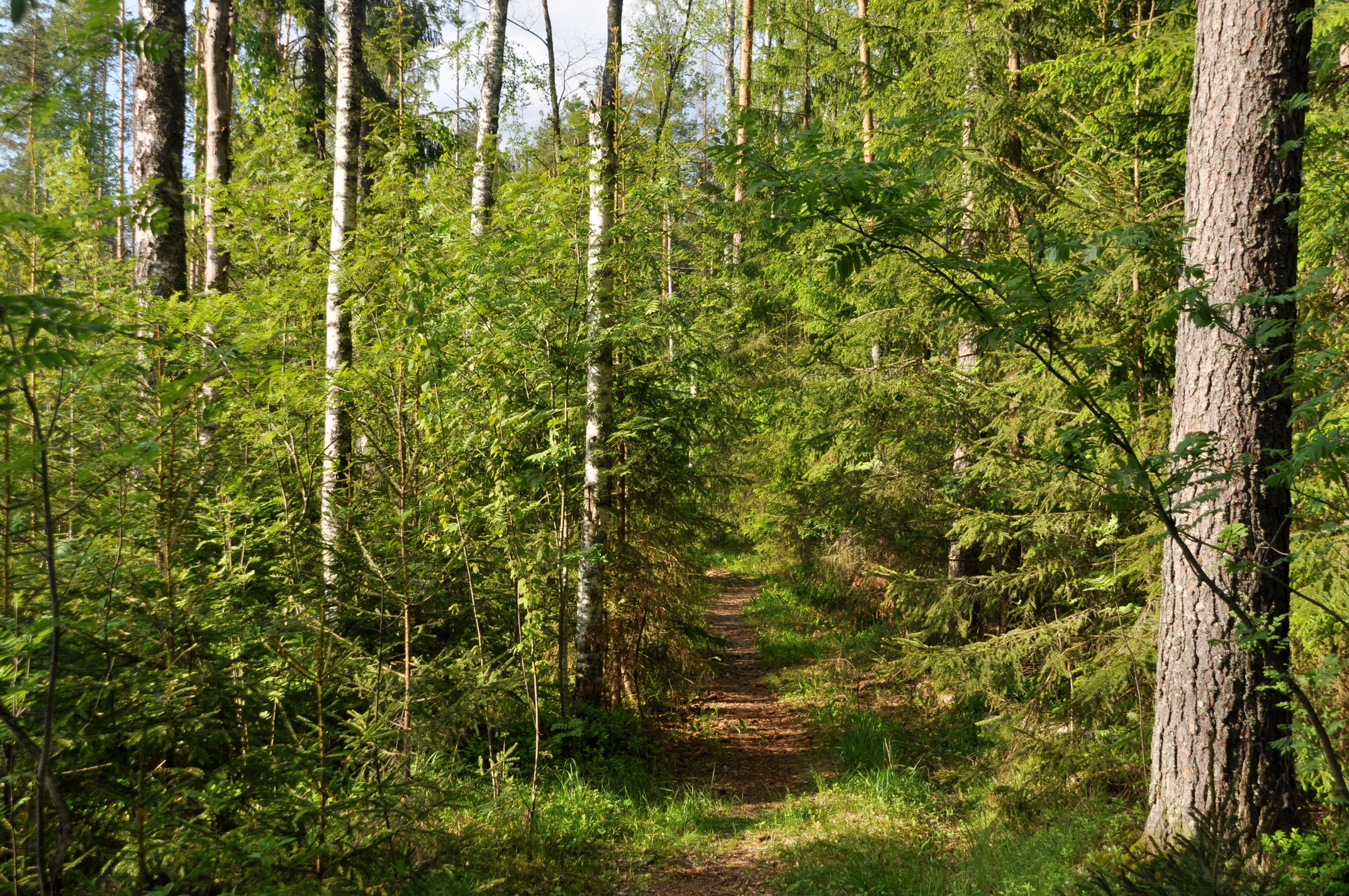
There used to be small farmers’ fields all along the Oredezh. All that remains are barely visible ridges of stones cleared from the fields, now in a newly grown forest. A few small clearings have yet to be taken over by the dark spruce forest, but it is only a matter of time. It is easy walking along the bank. In places there are still stretches of road of a sort.
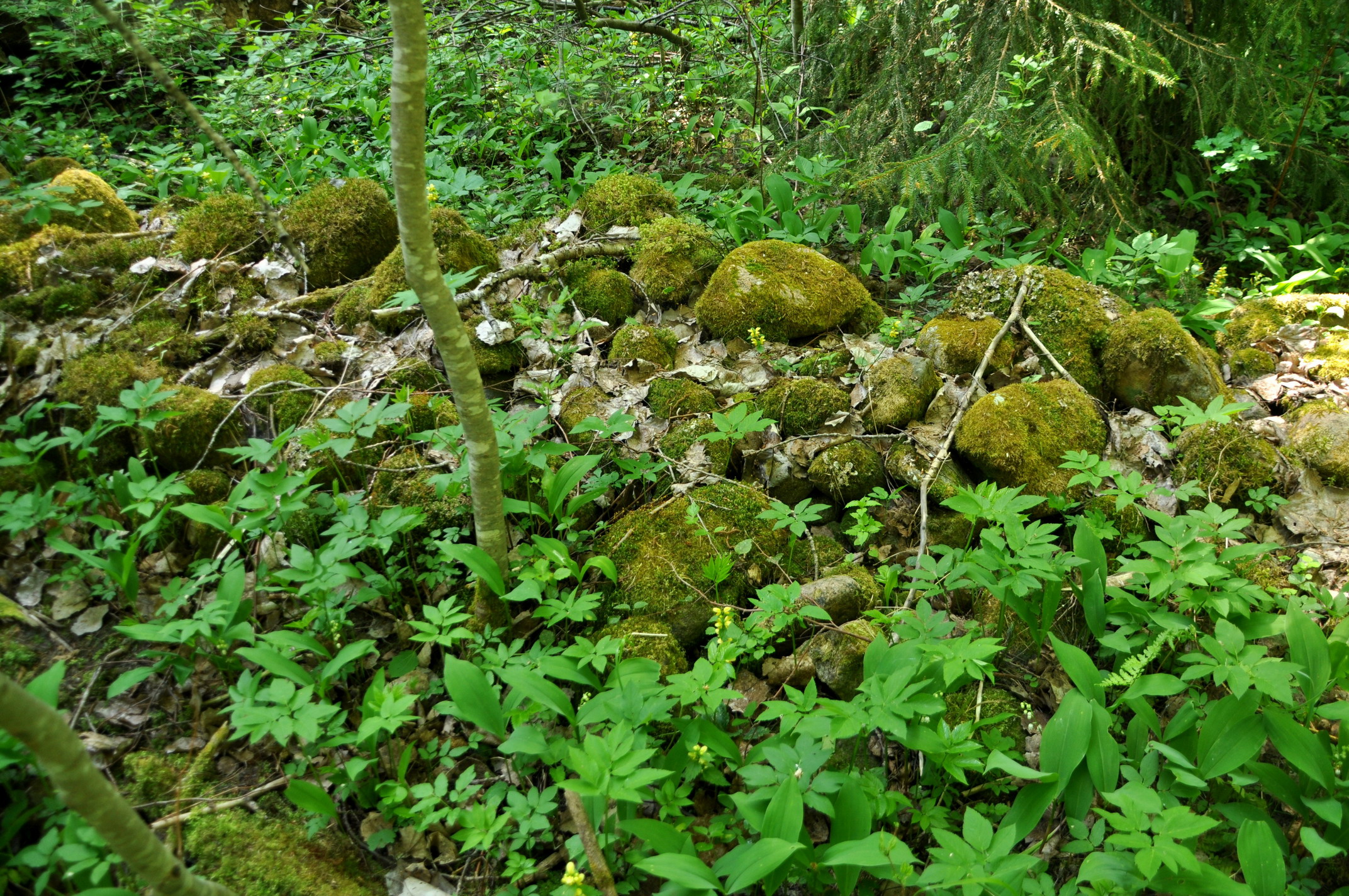
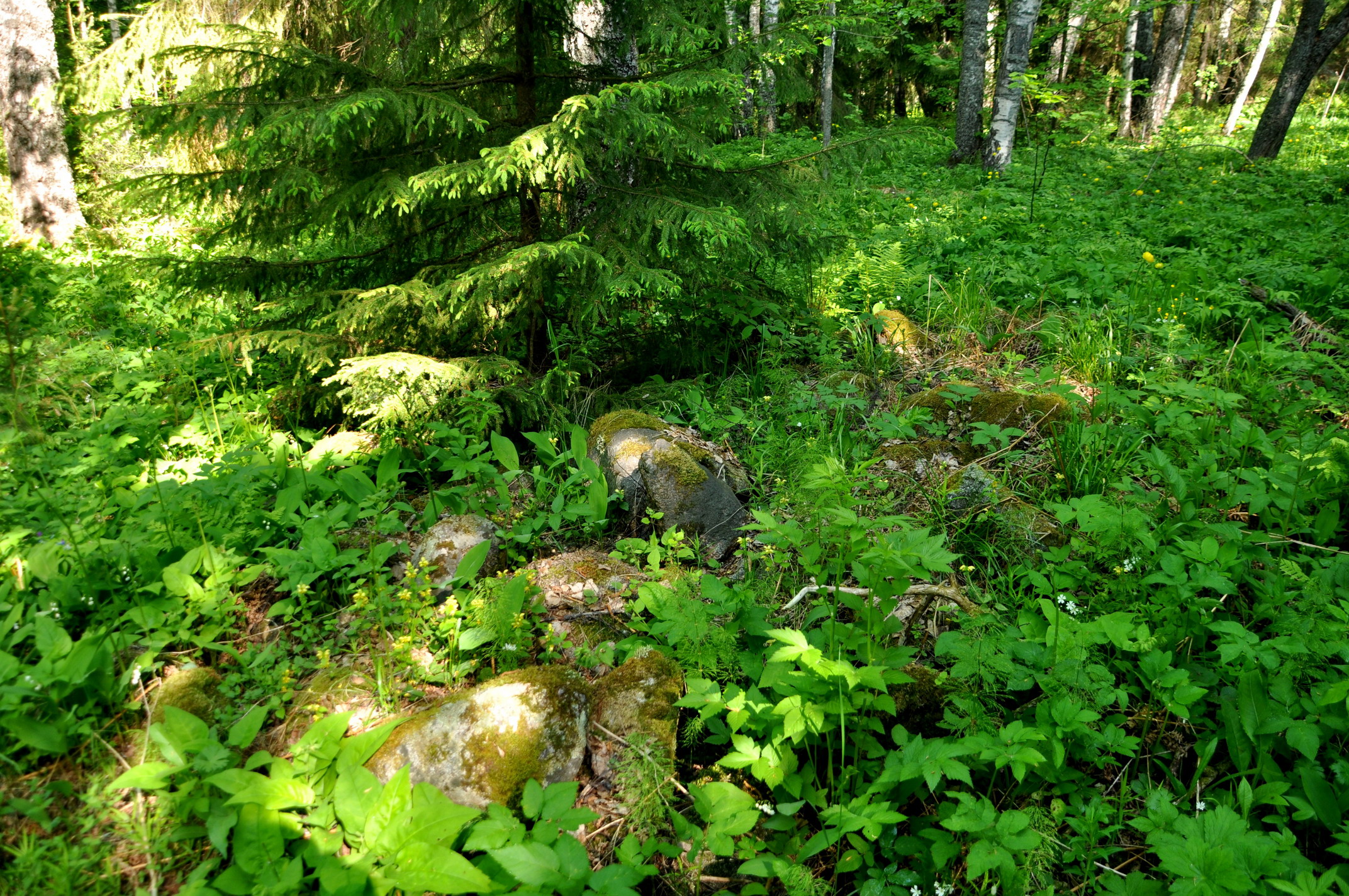
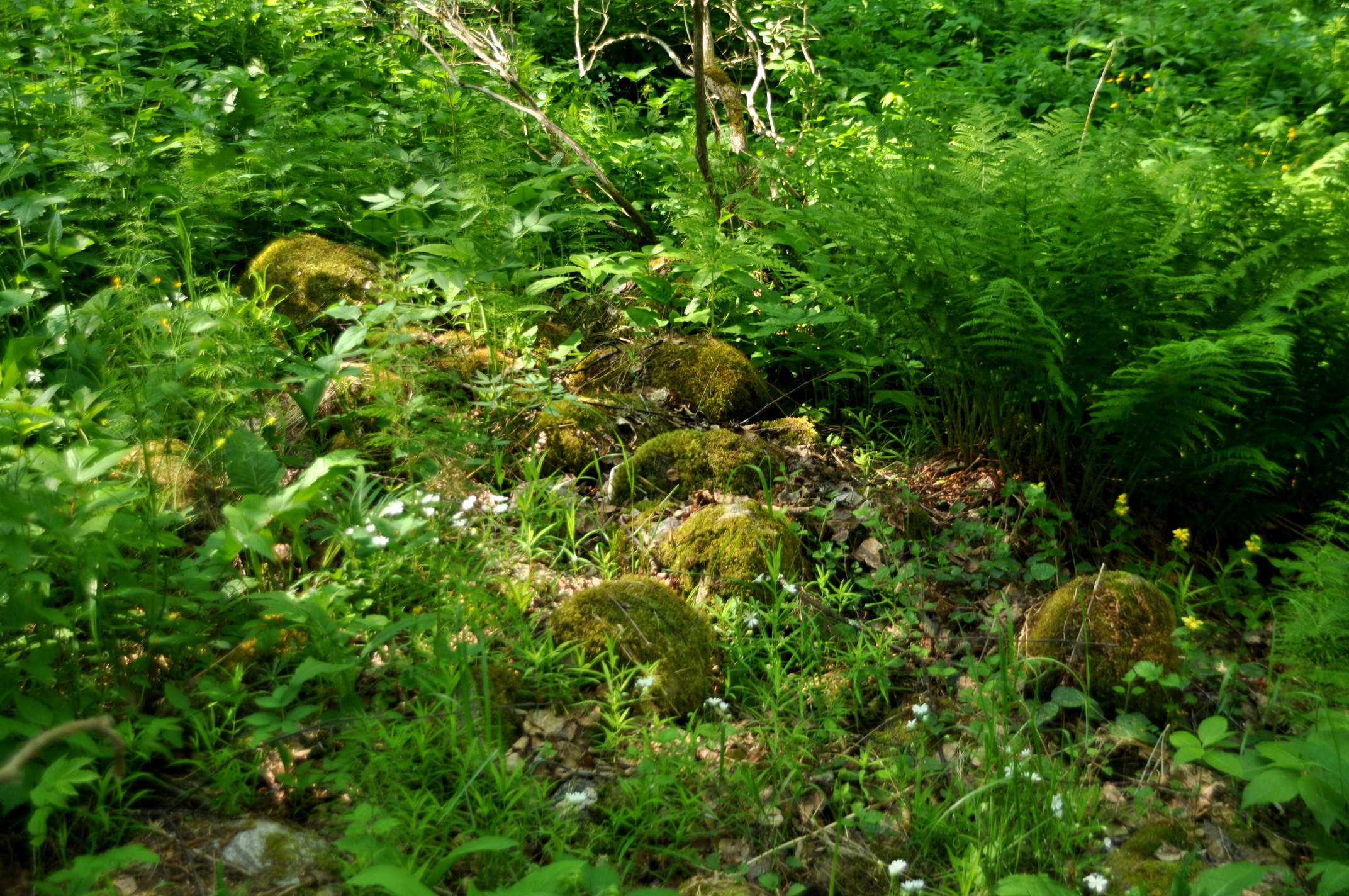
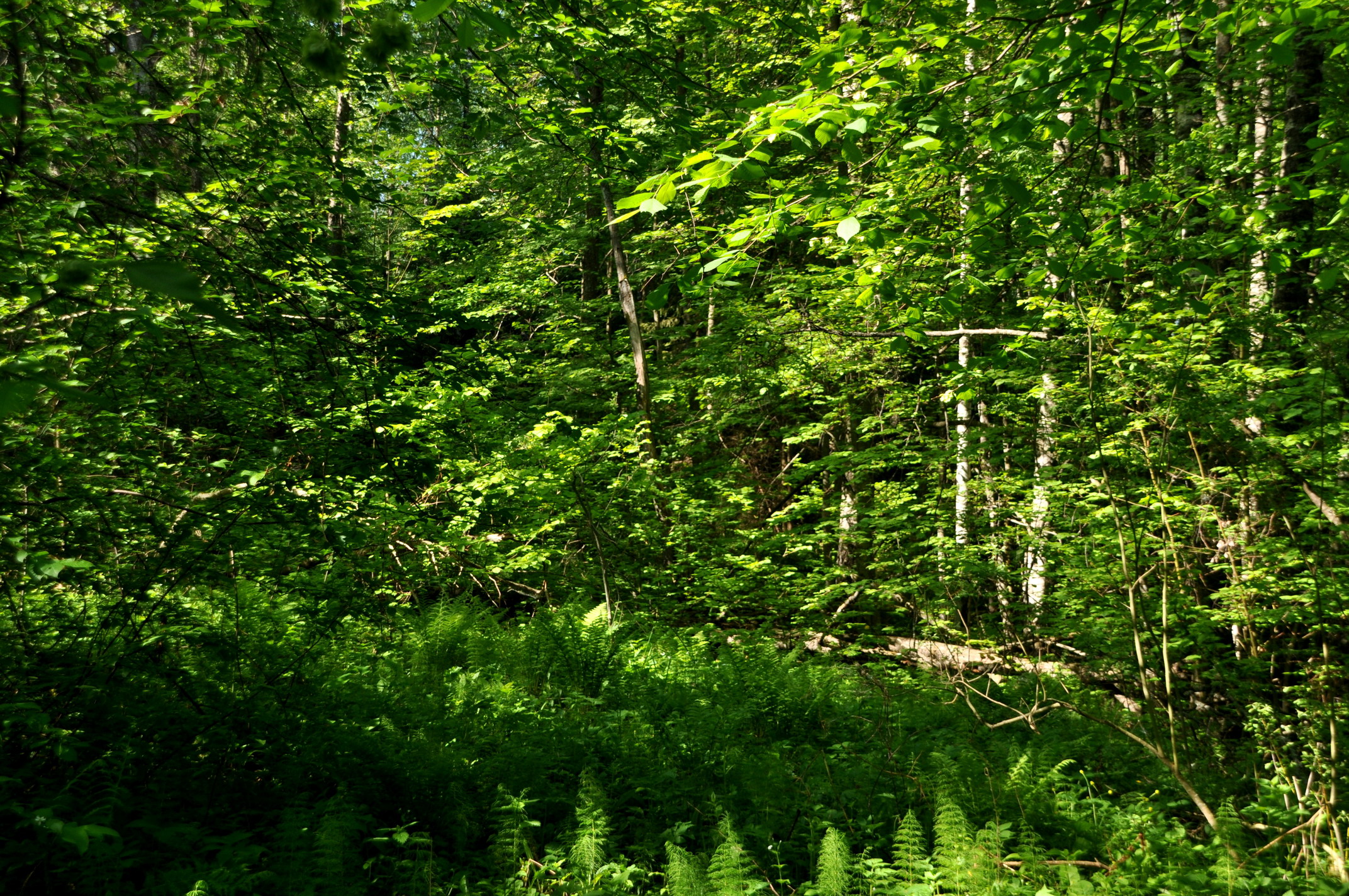
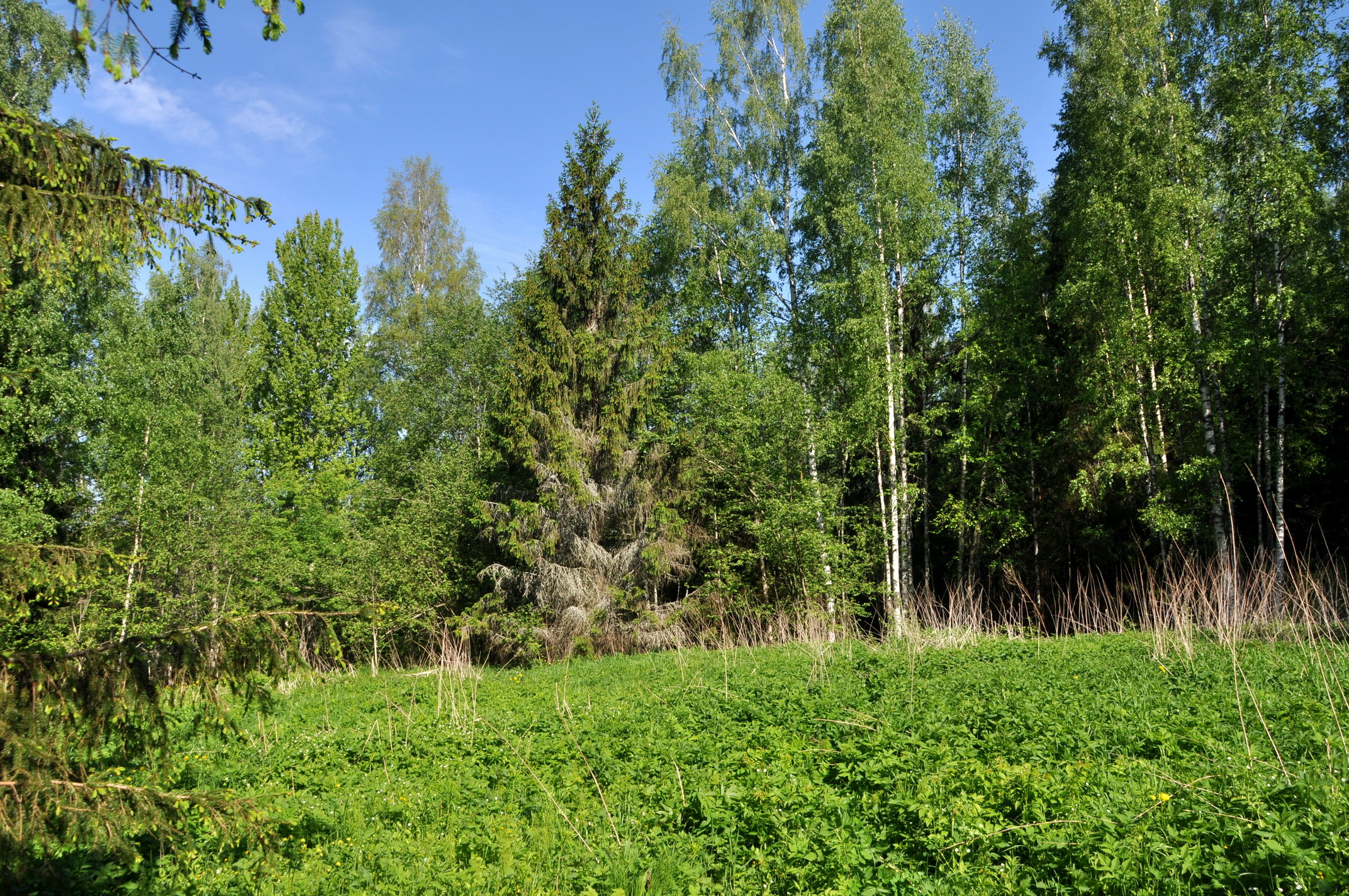
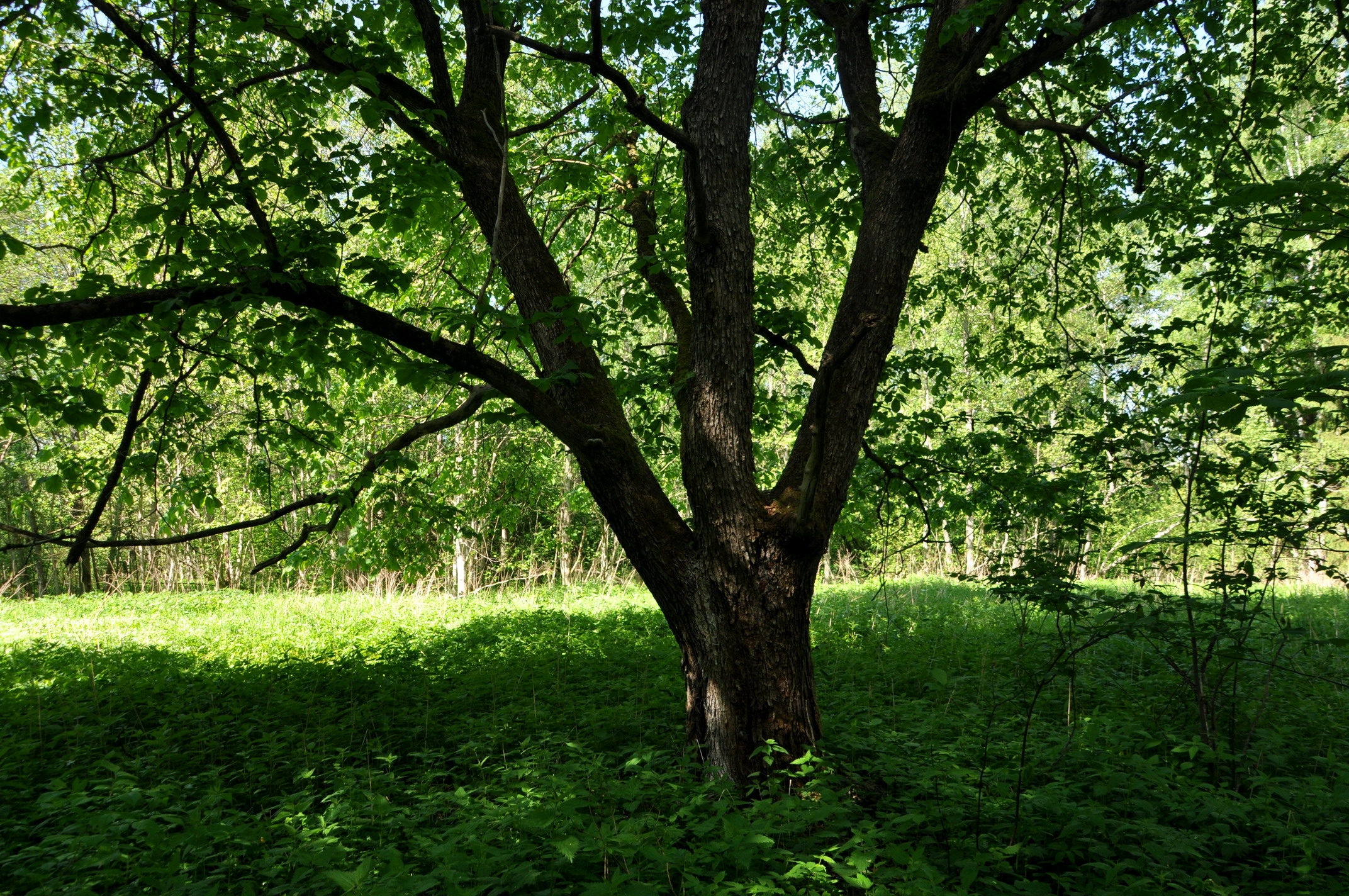
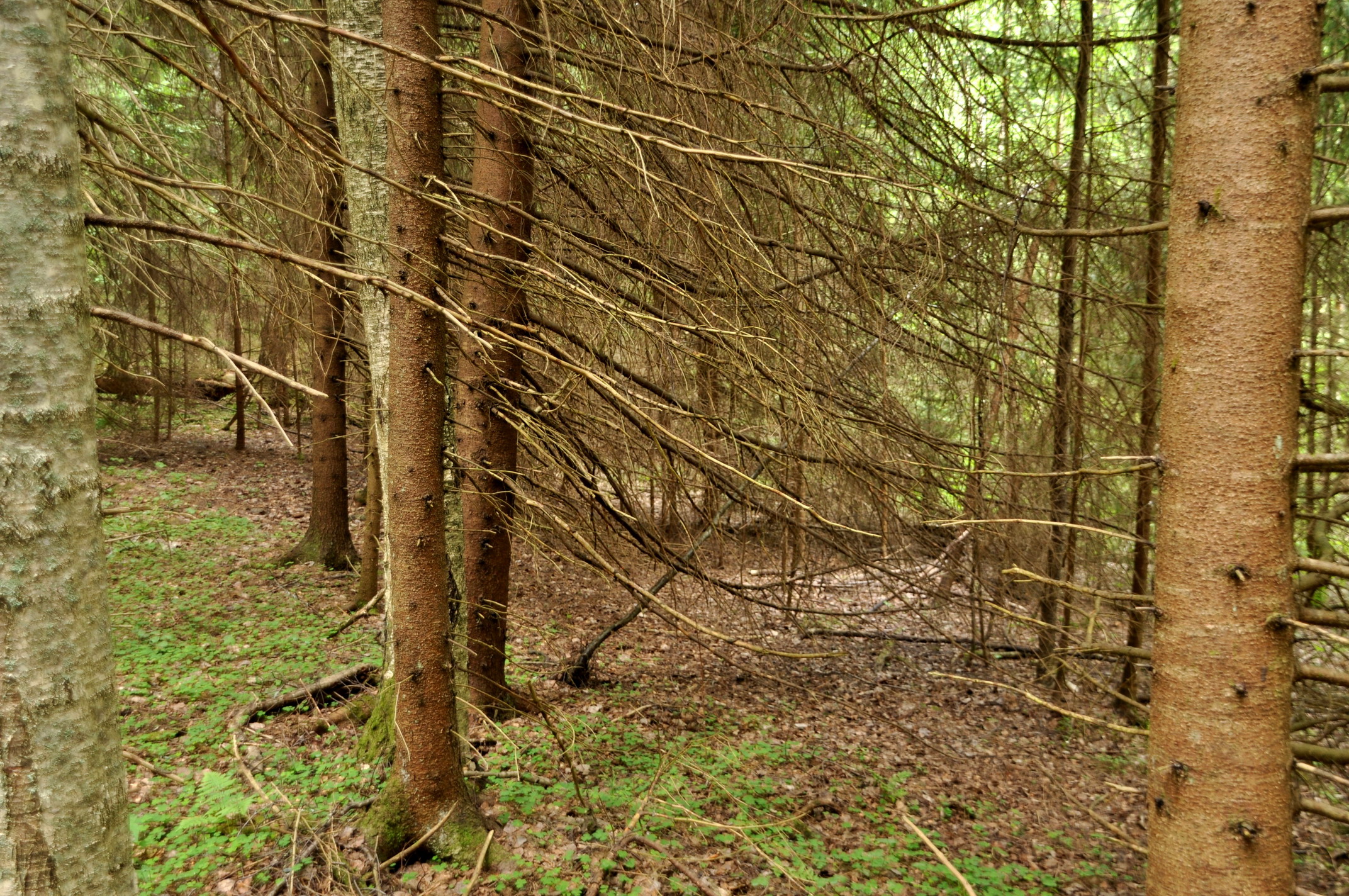
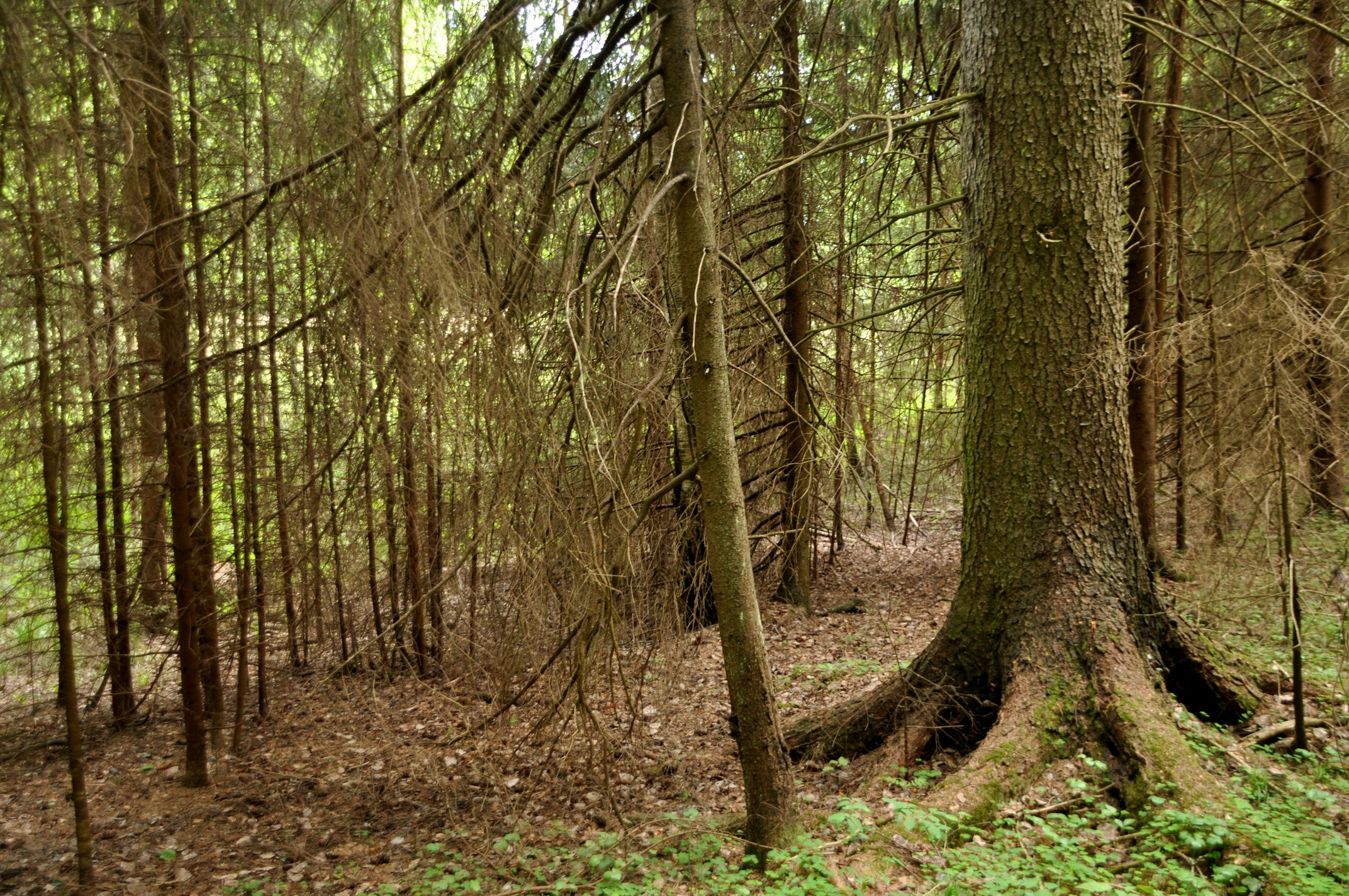
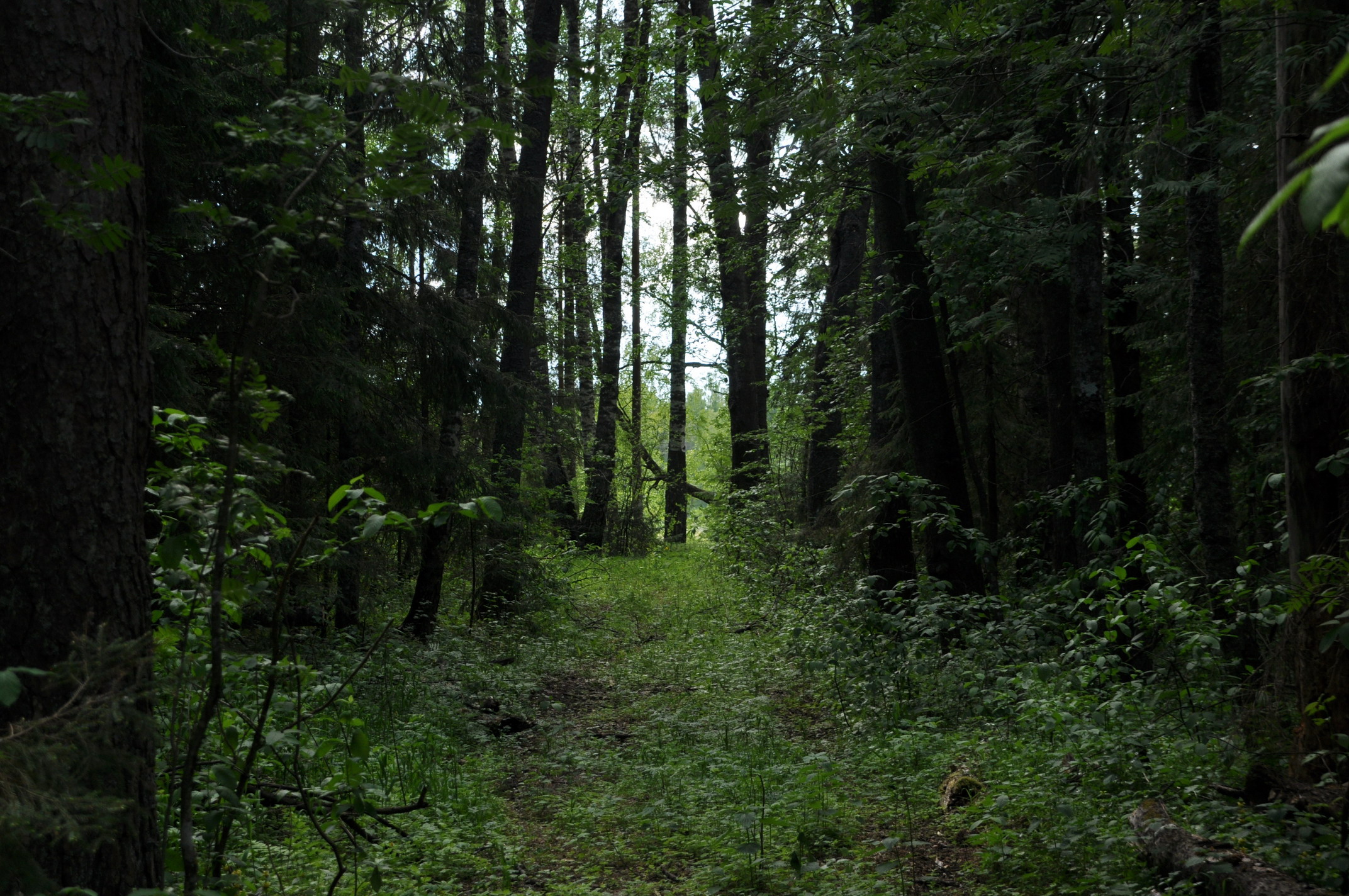
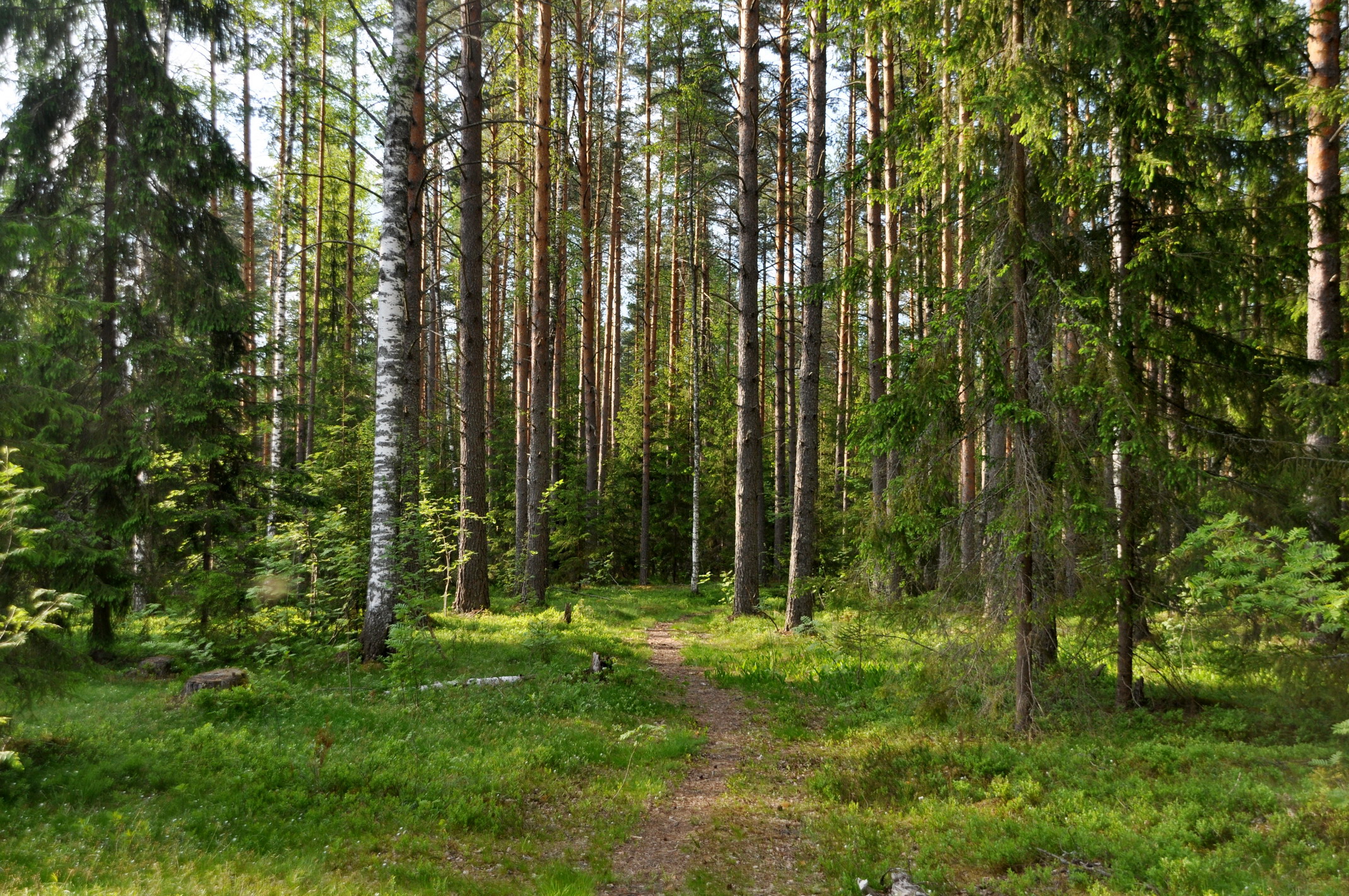
Getting to the water is harder. The banks have turned boggy and grown over with bushes. The river winds somewhere in the middle, and the shallowly flooded meadows have become impassable thickets of bushes, reeds and moss. As you approach the Cholovo power station you begin to come across pleasant fishing camps. The banks grow drier and higher, and the forest grows more open and lighter. Grasses of the pine forest and clearings full of lilies of the valley coming into flower take the place of the dense mix of plants below the deciduous trees. Beautiful!
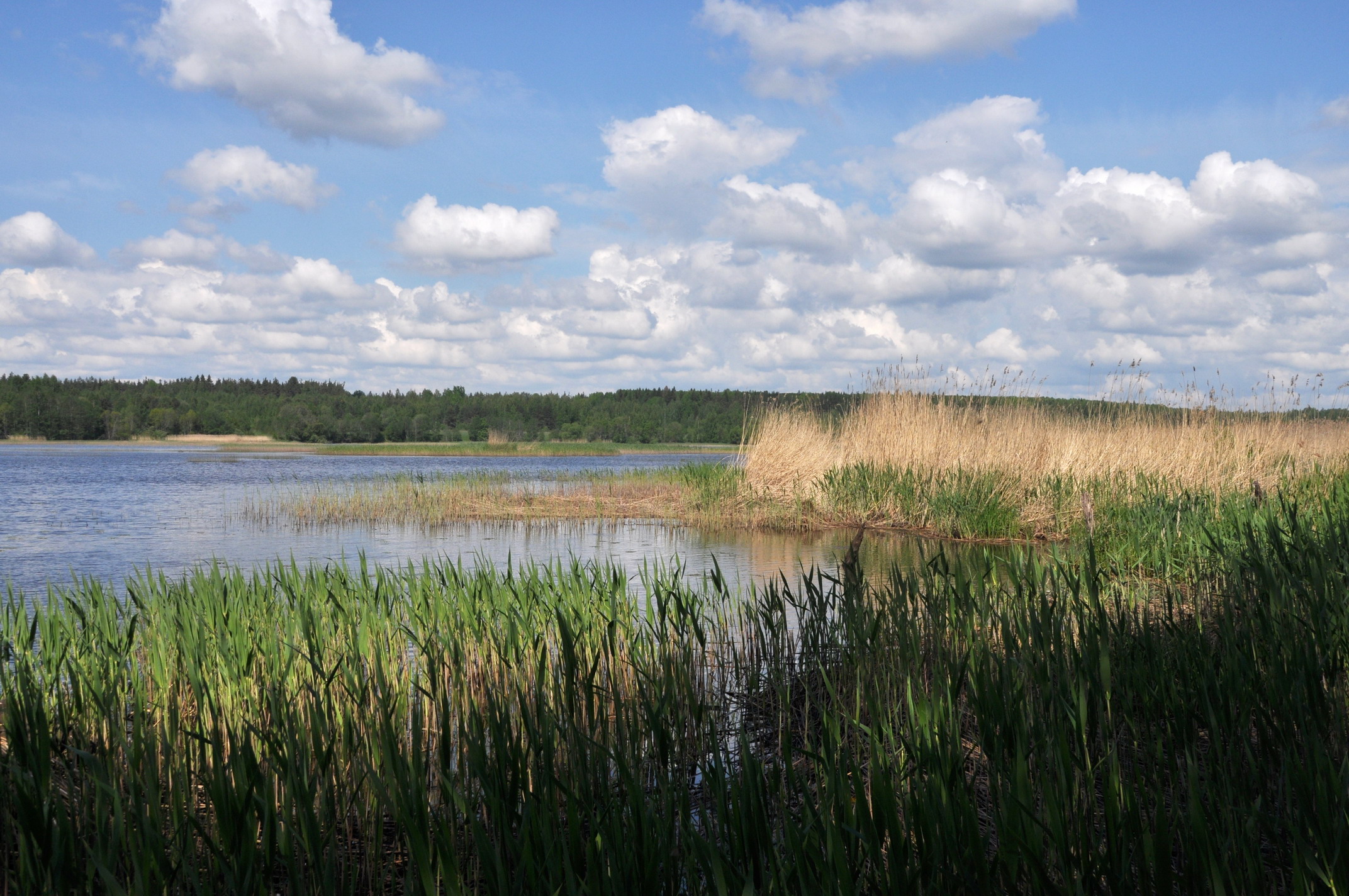
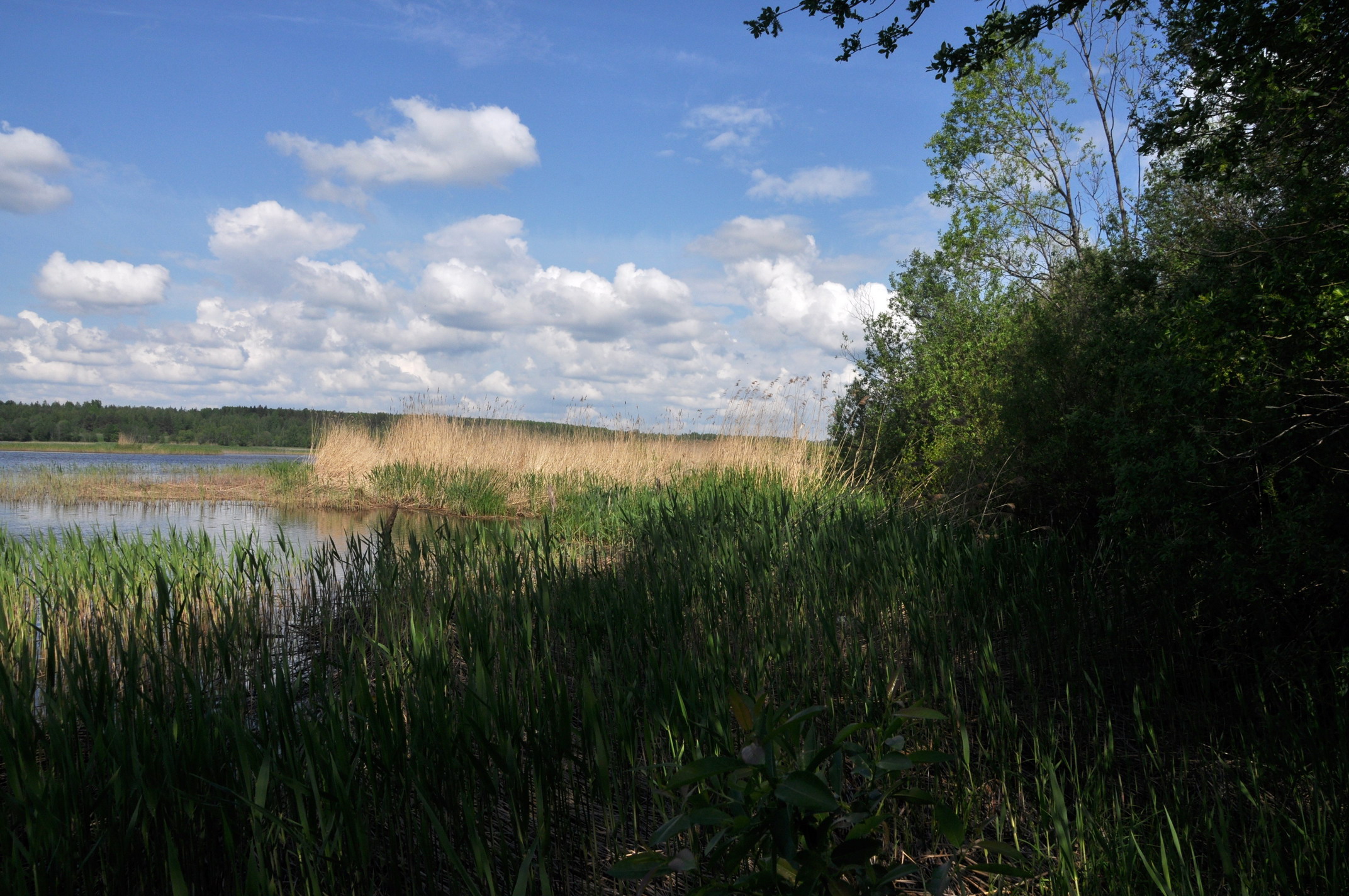
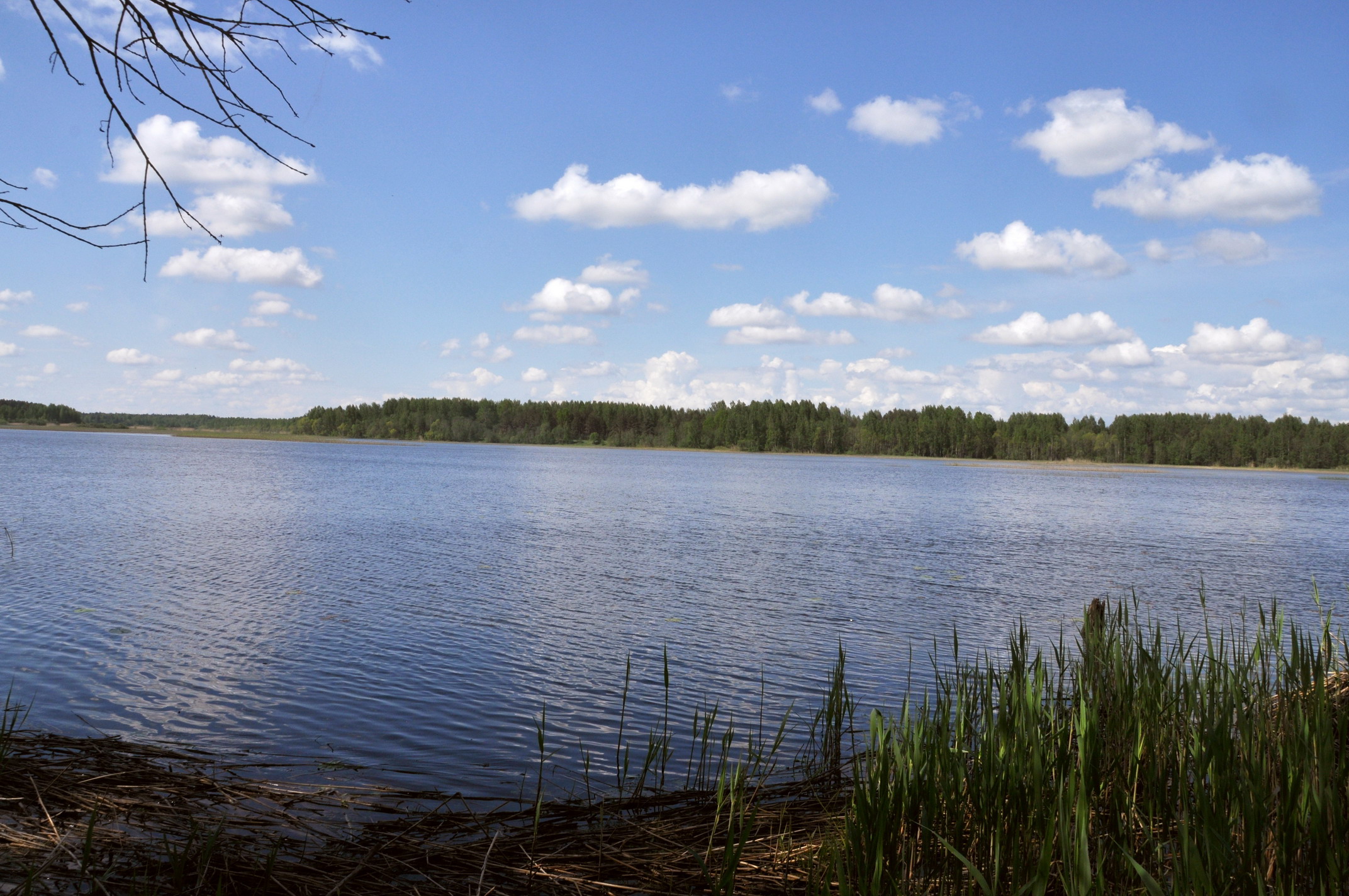
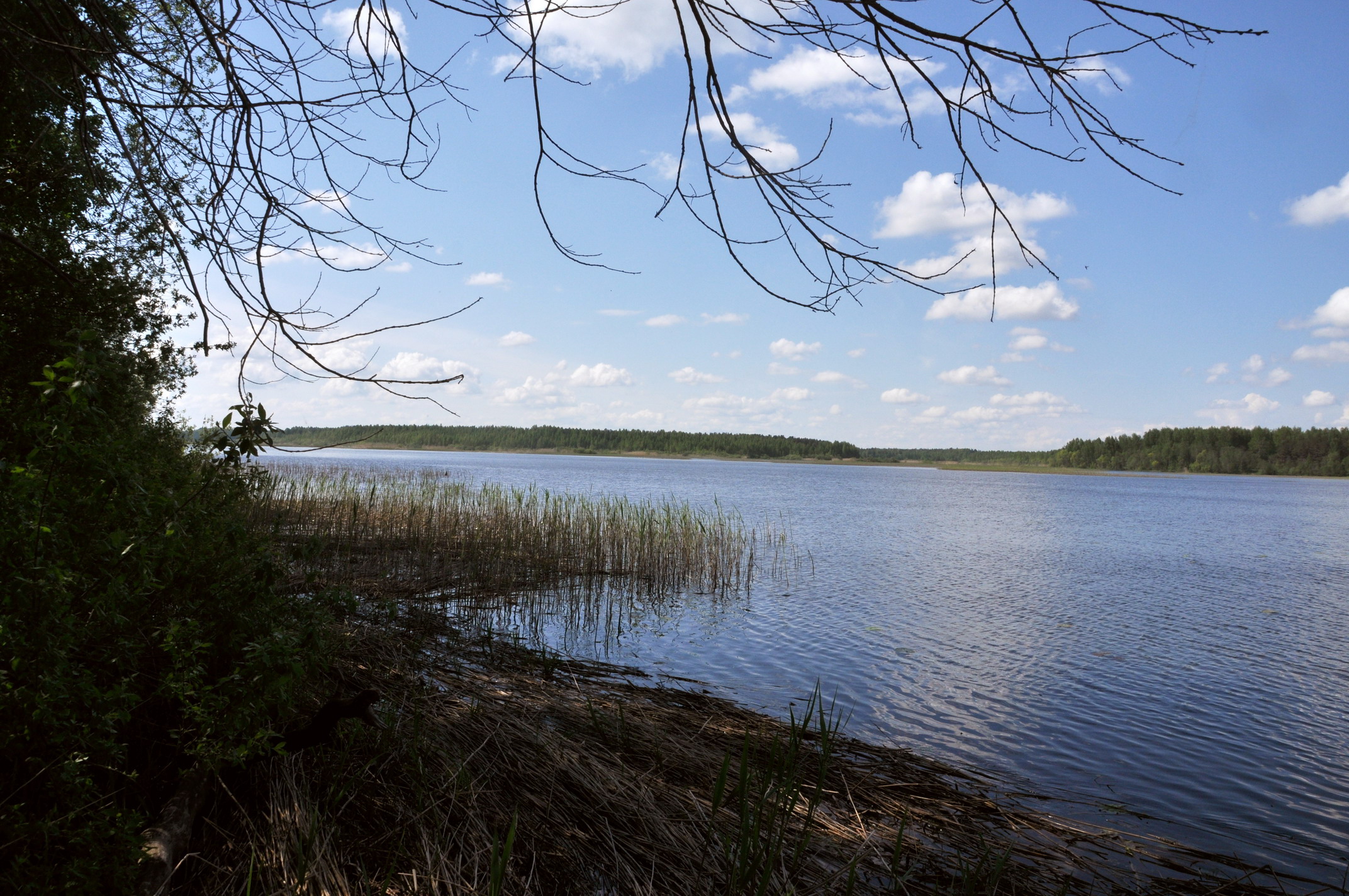
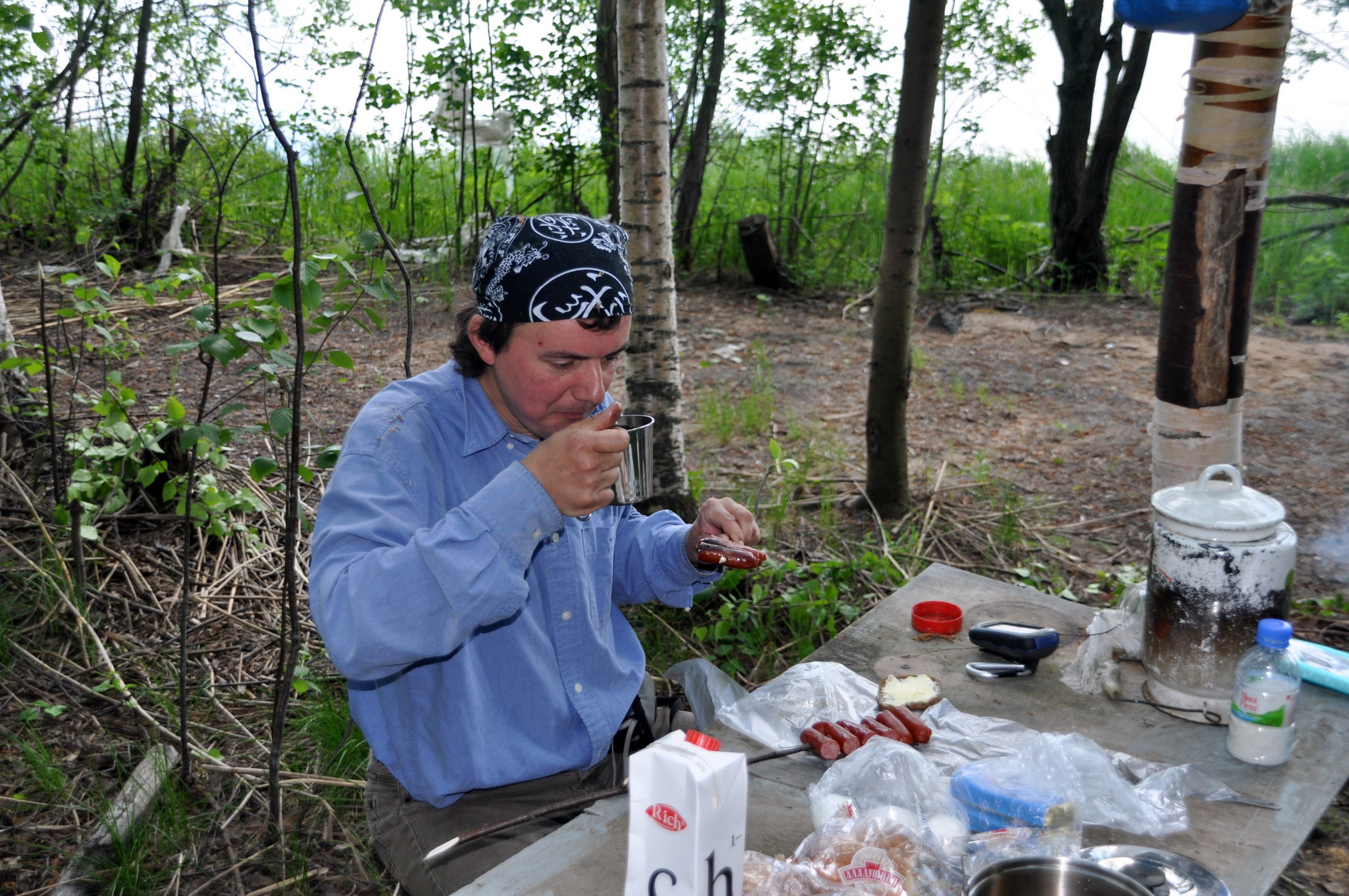
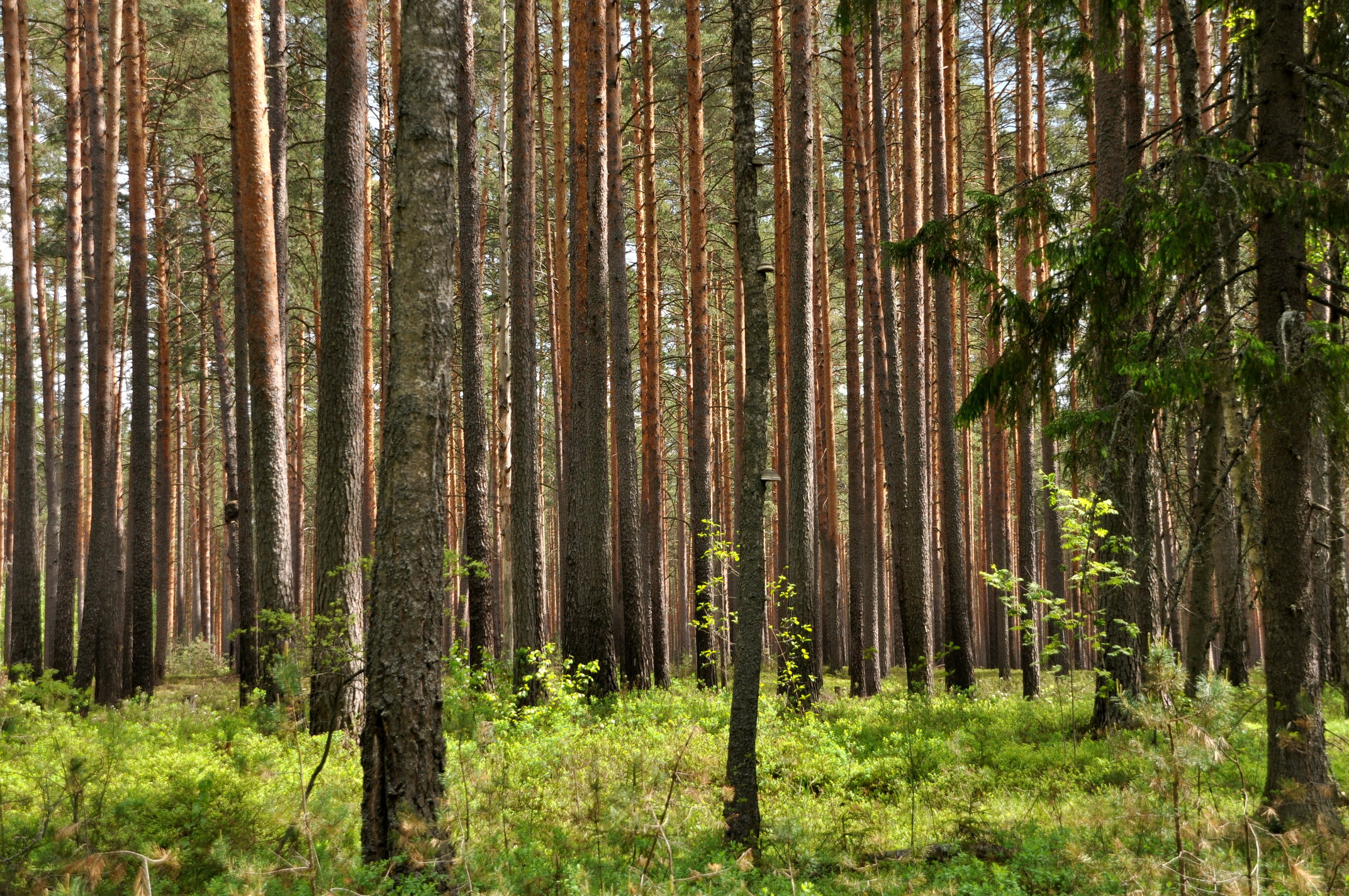
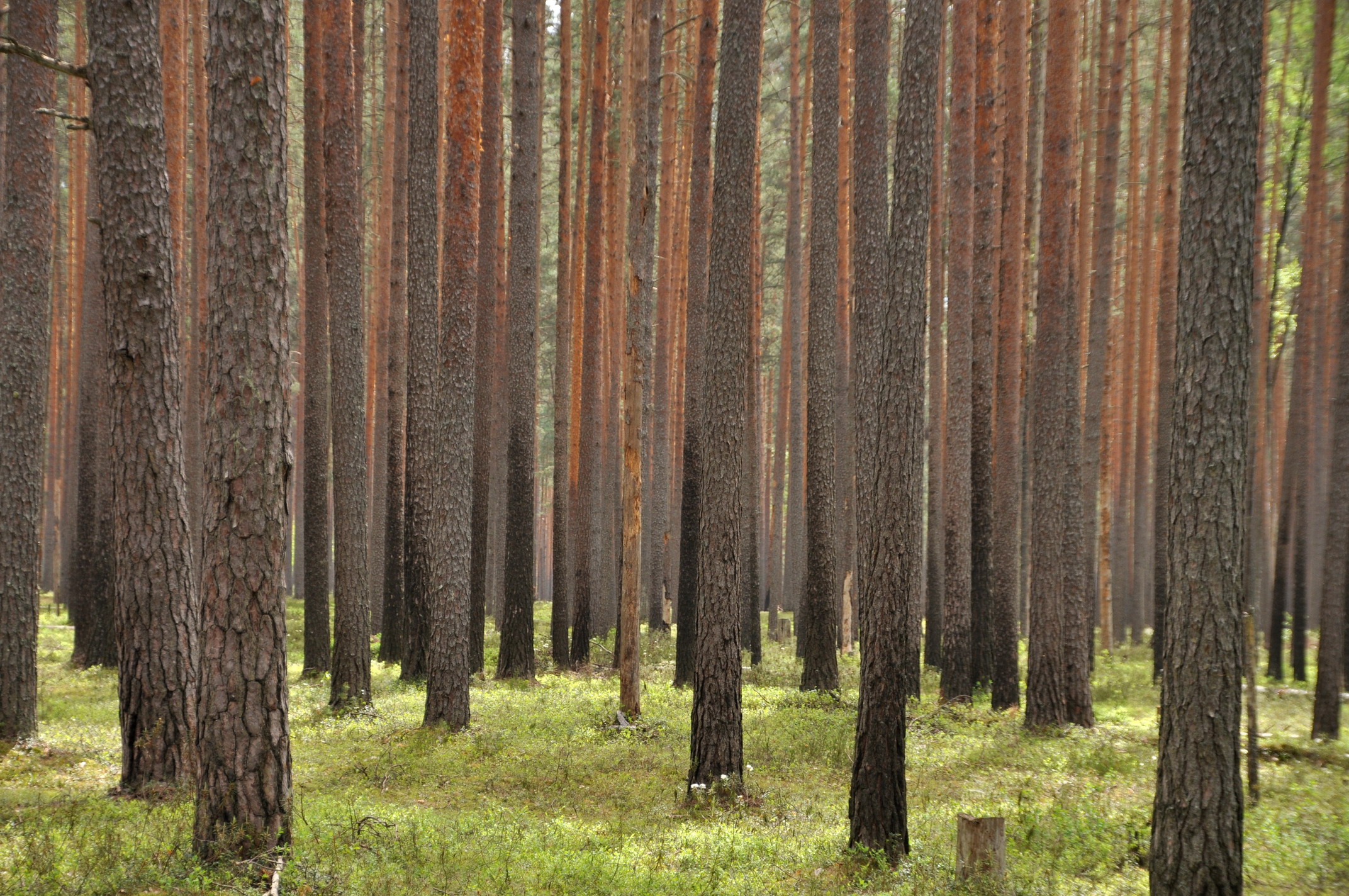
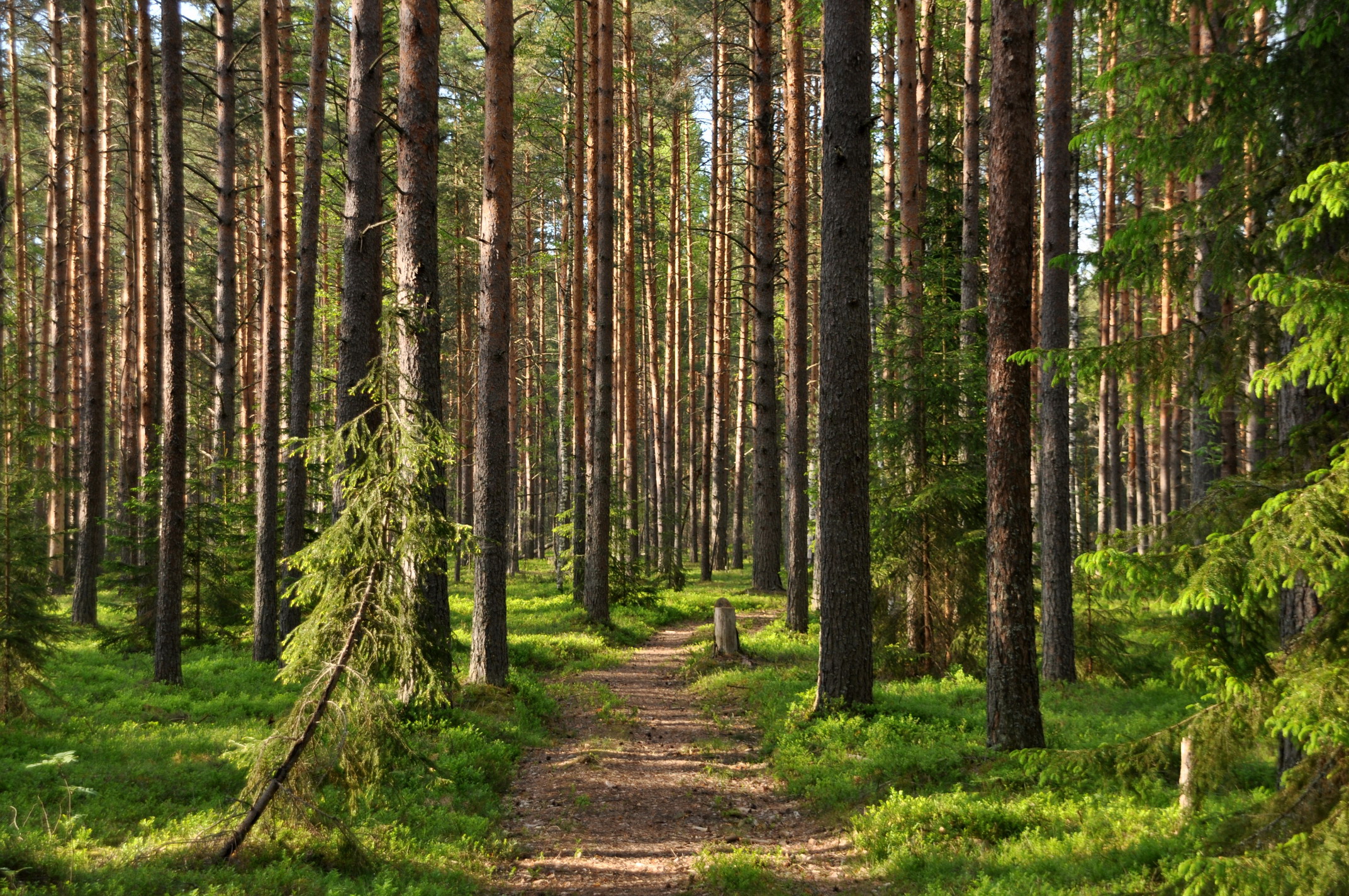
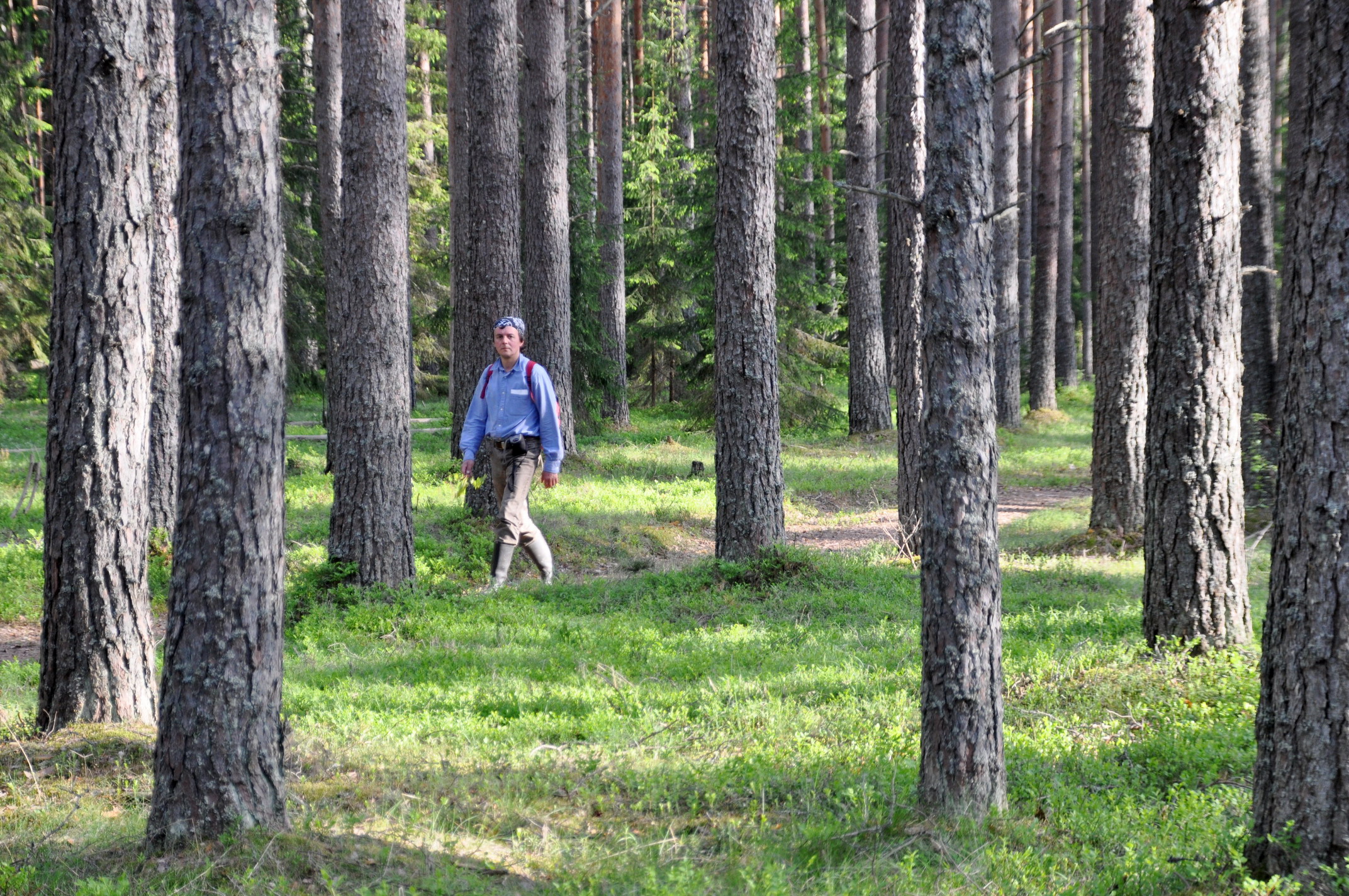
Farther south, as you reach the point where several streams join the Oredezh from the left bank, the riverside becomes magnificent. Climbing out of another shallow ravine, we came upon a wonderful pine forest in all its original beauty. Forests like this once lined the Oredezh around what are now Vyritsa and Siverskaya. This was the kind of forest painted by Ivan Shishkin, who famously spent his summers in Siverskaya. Alas, those woods are all gone. This old remnant has somehow survived thanks to its remoteness and the lack of roads. The woodland particularly delighted Daniel, who has long loved pine forests.
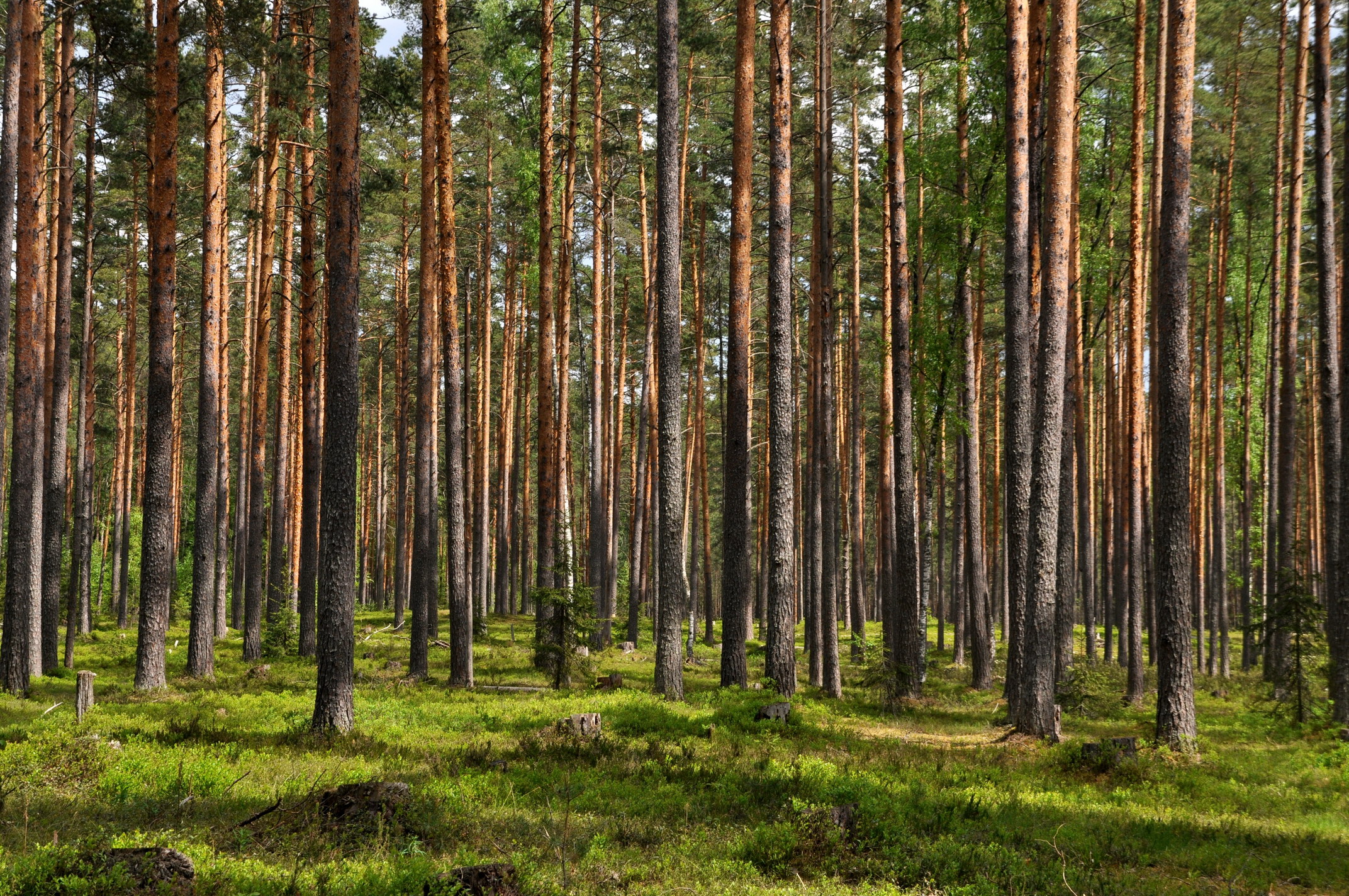
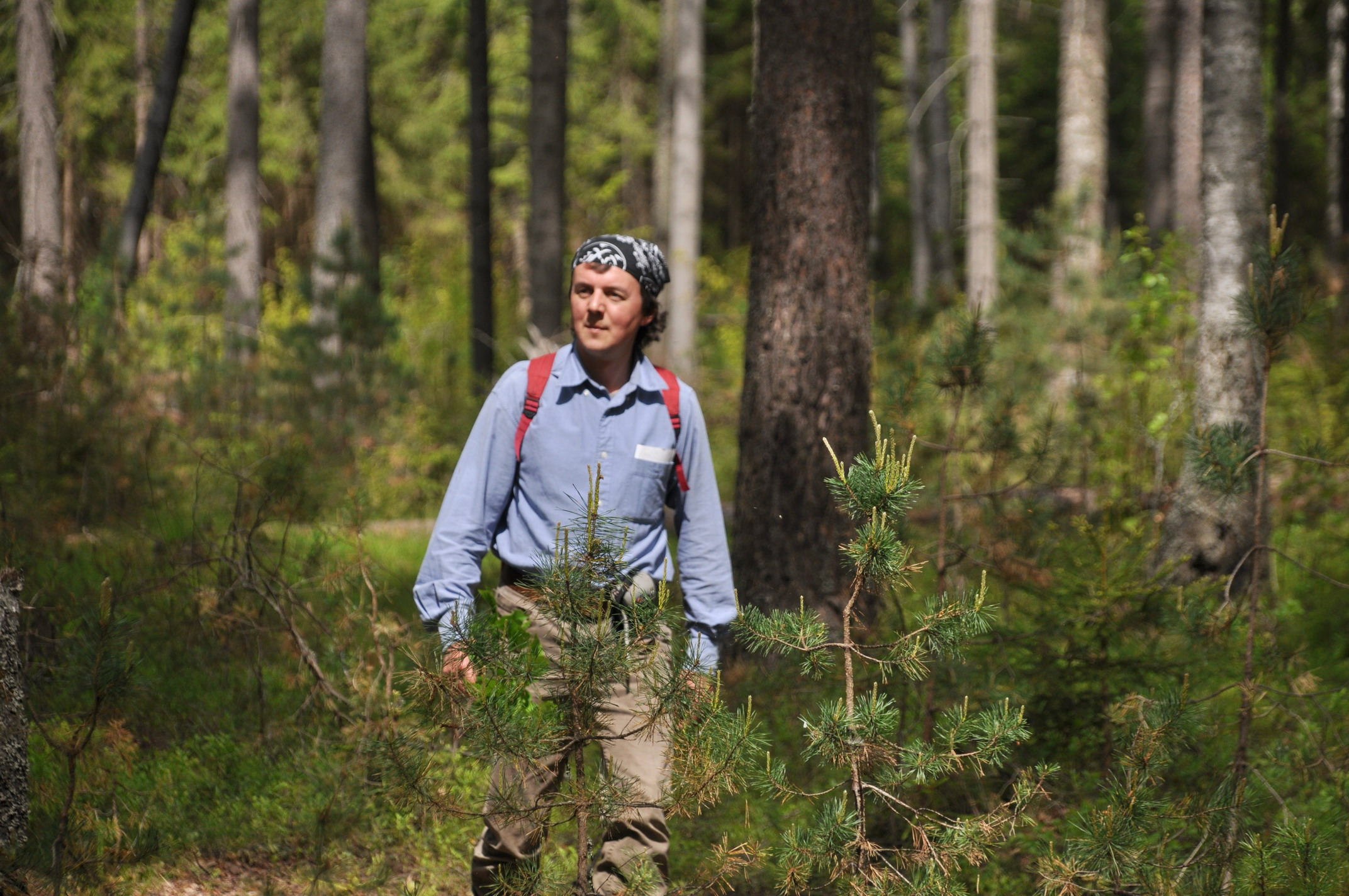
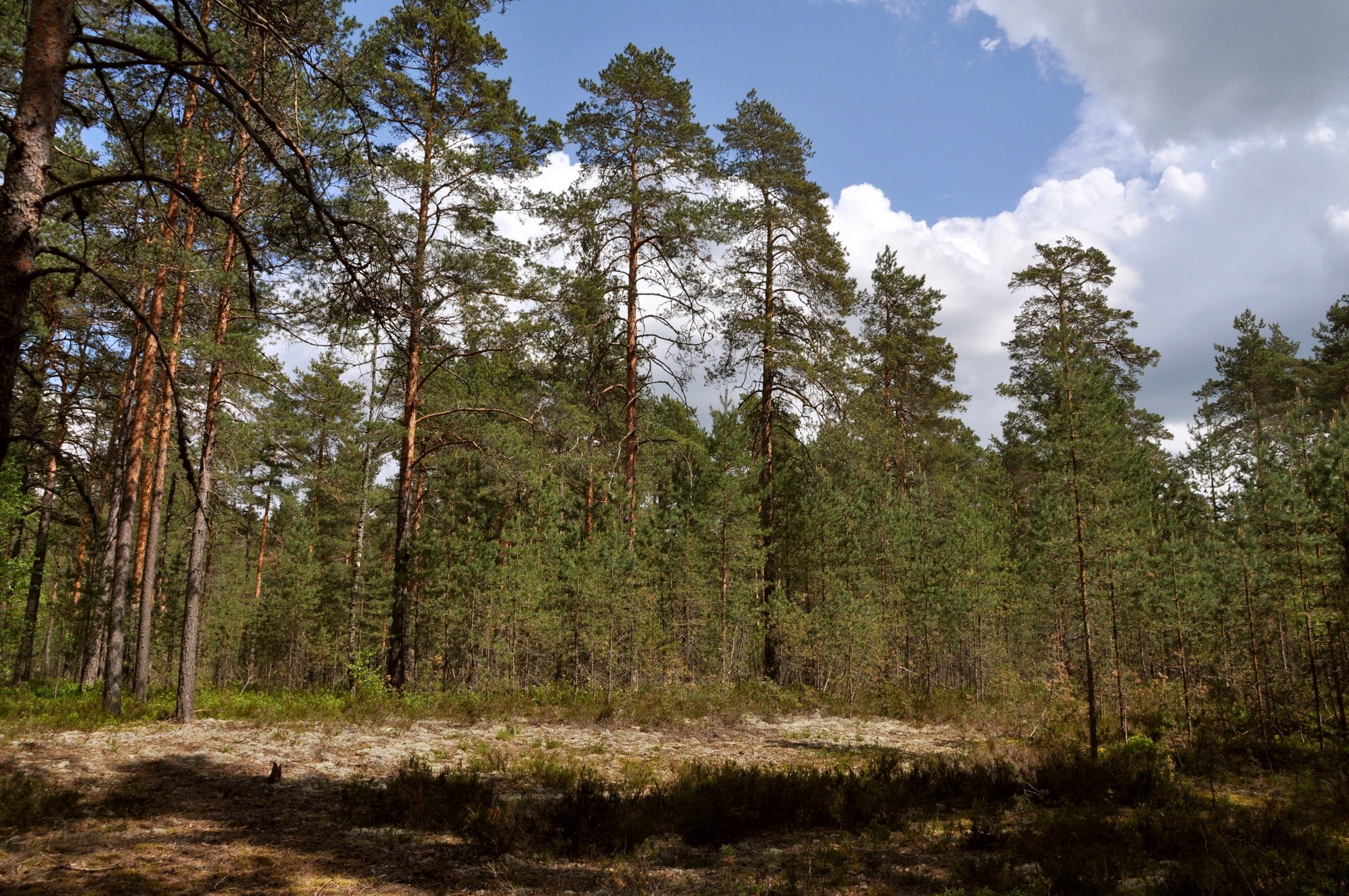
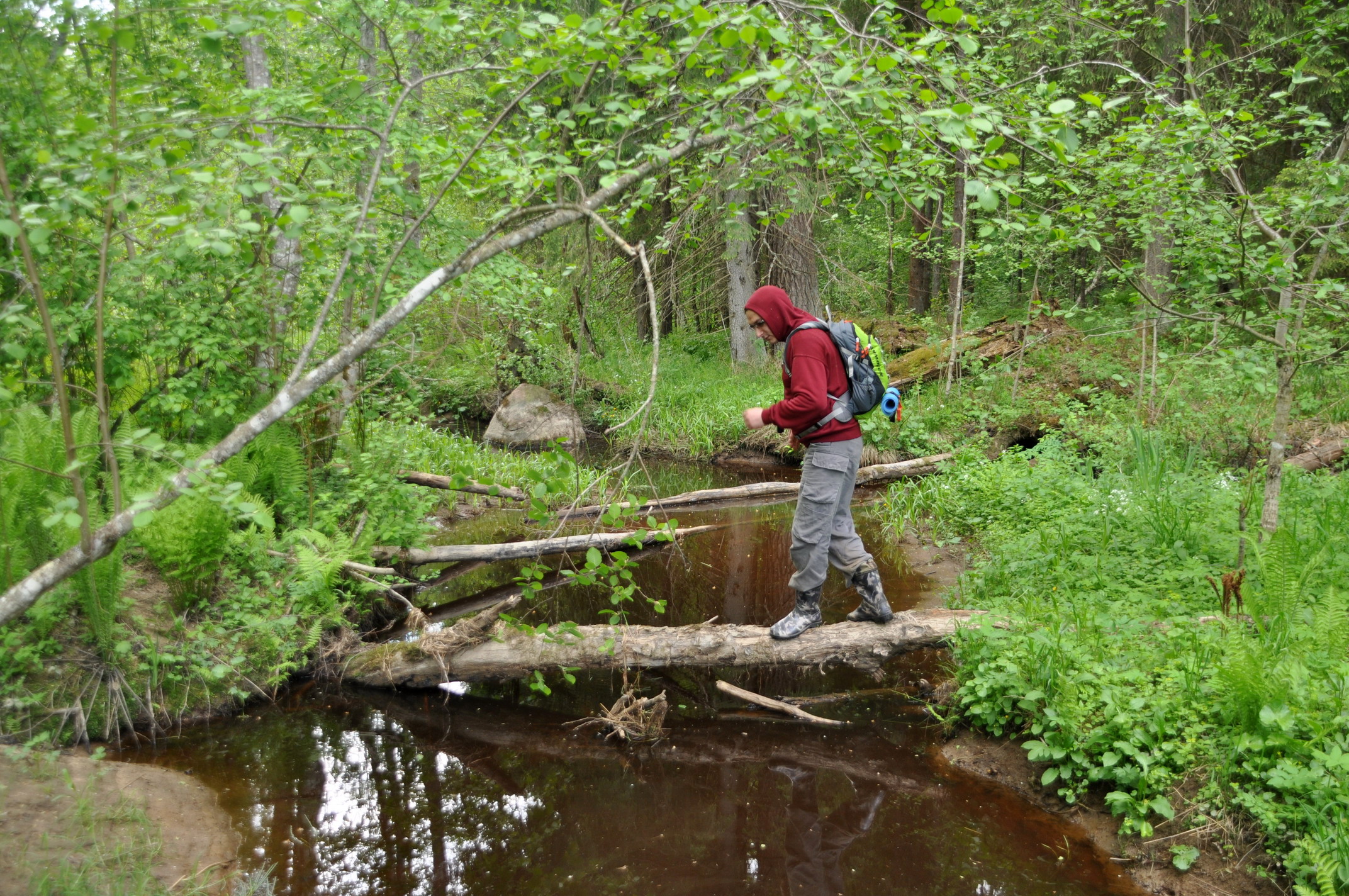
The pine forest continues as far as the promontory at the mouth of the Opchelinsky Stream. You can see the power station from here, but getting there is another matter. The streams backed up by the dam extend for kilometres away from the Oredezh. You cannot simply jump across. You have to take a long detour through fallen timber and bogs. Closer to the station there are logging roads. They are excellent for hauling timber in winter, of course, but when the ruts are full of spring floodwater, the main thing is to keep it out of your rubber boots.
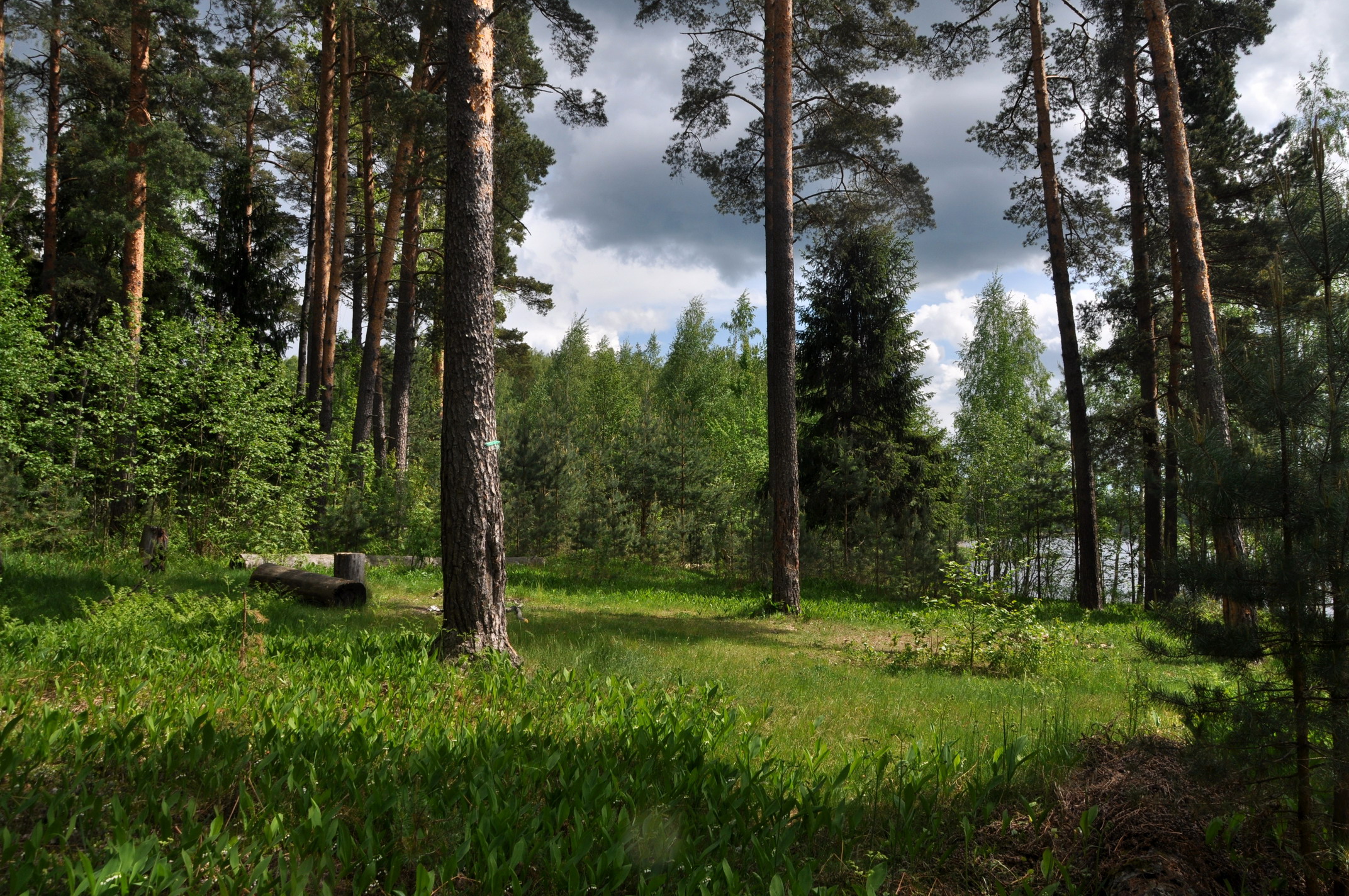
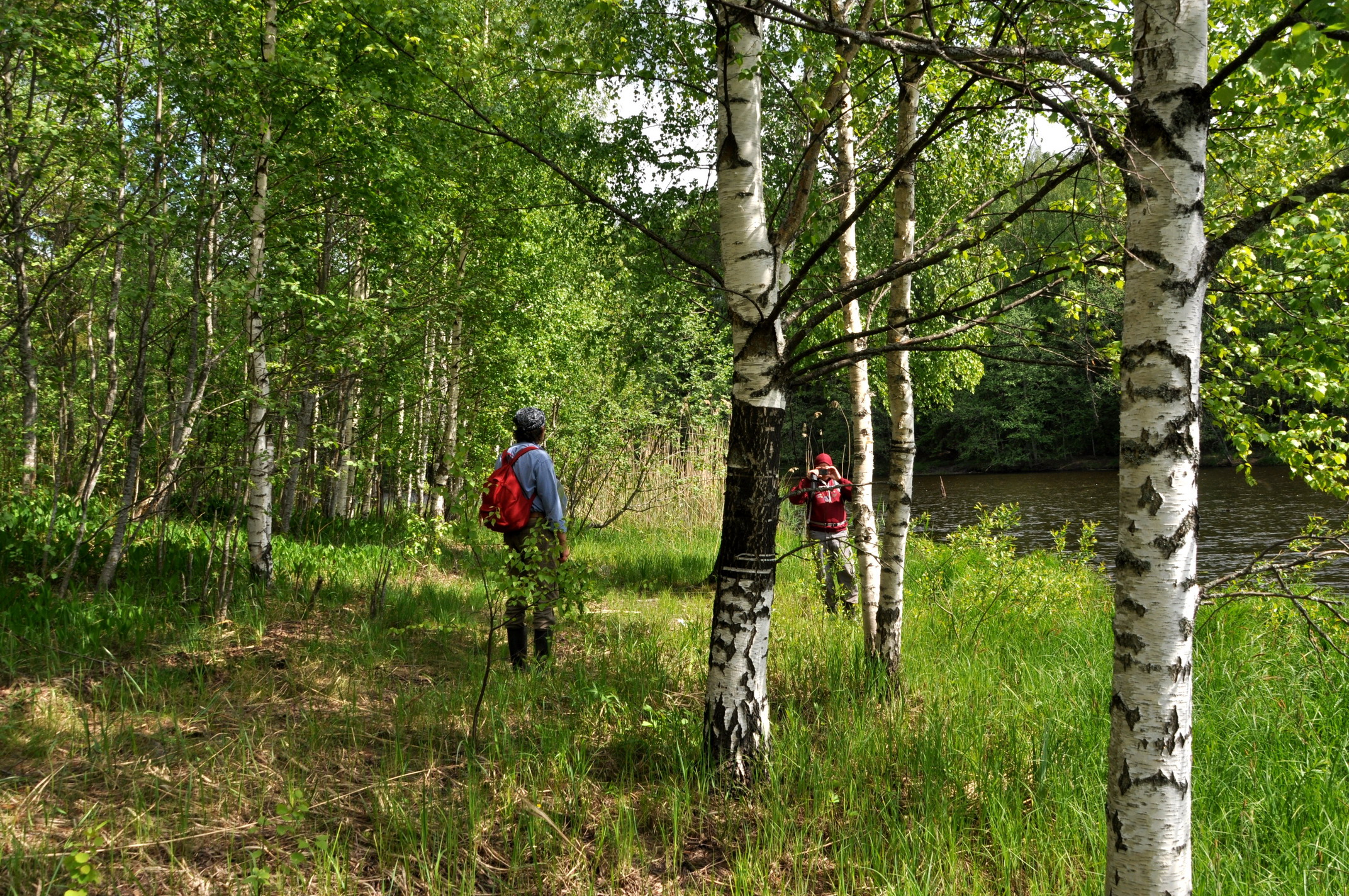
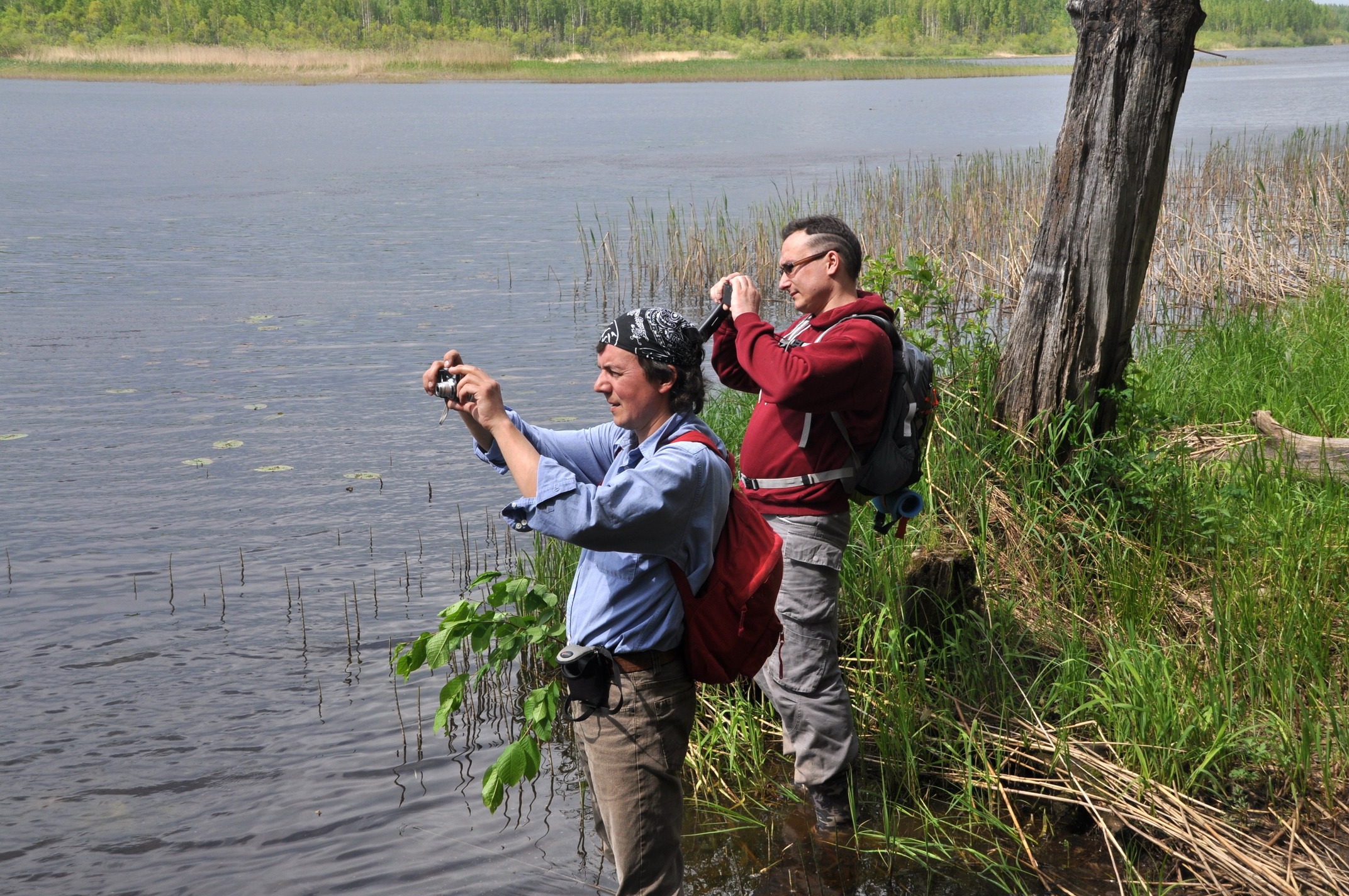
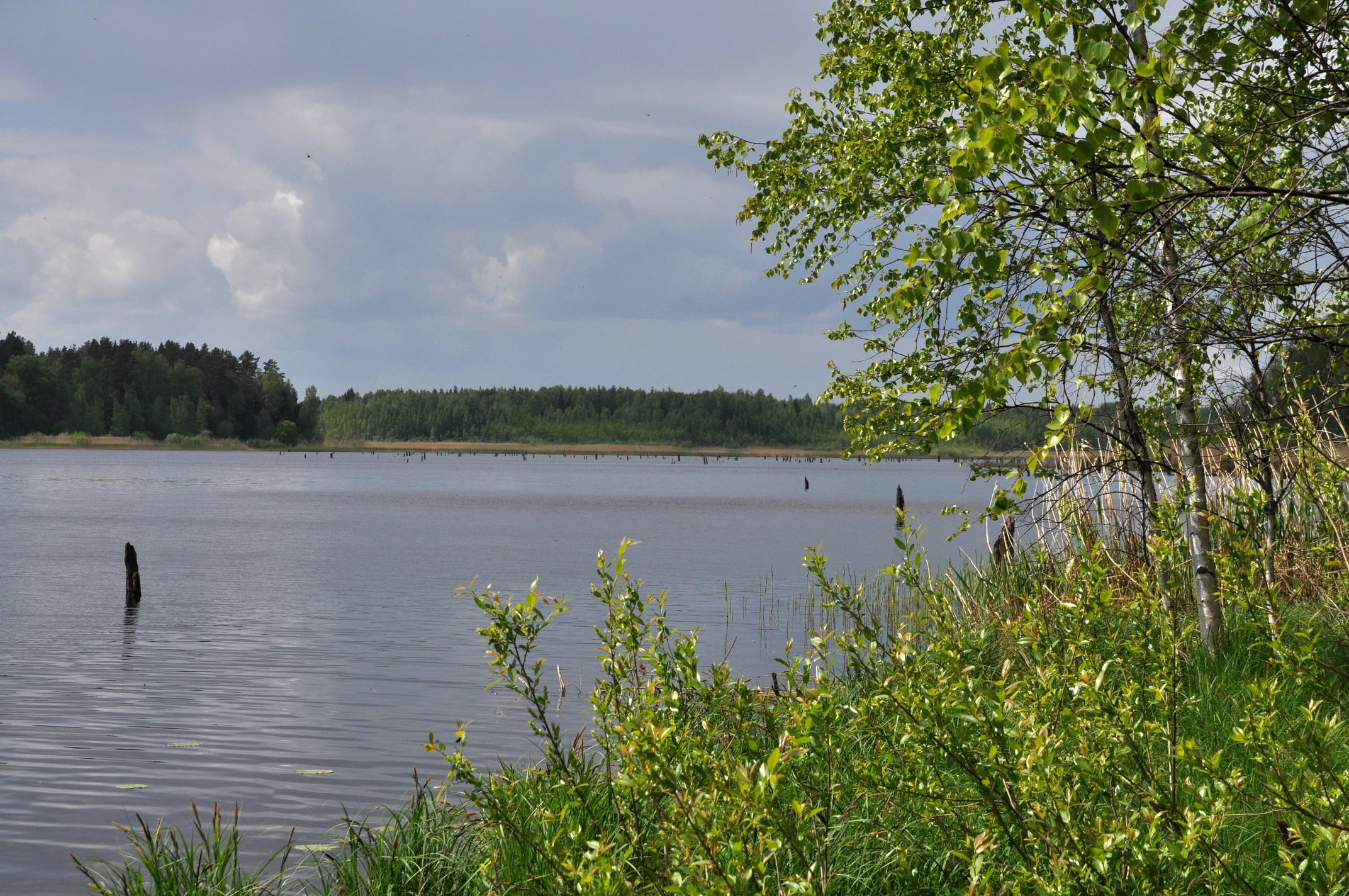
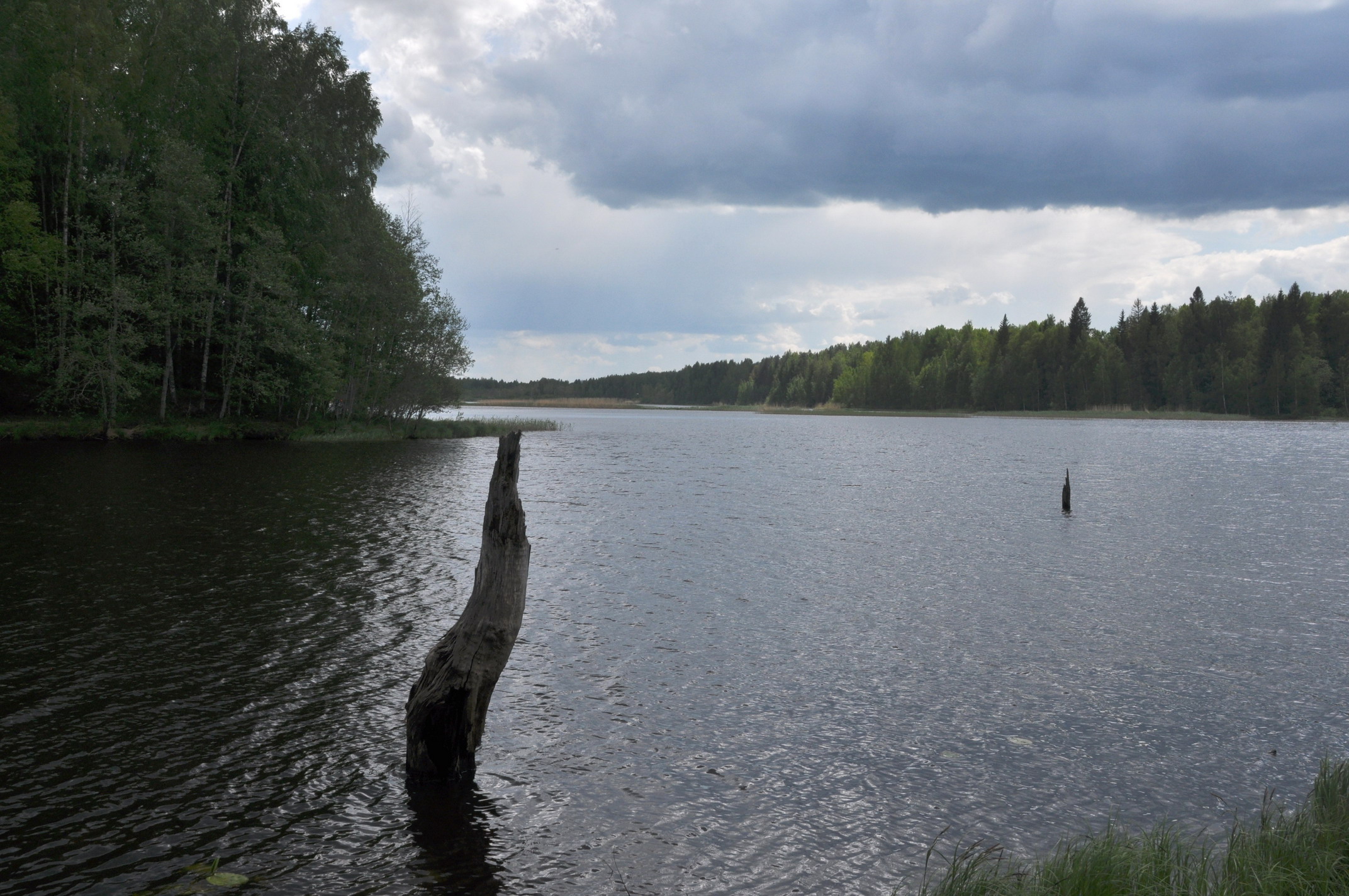
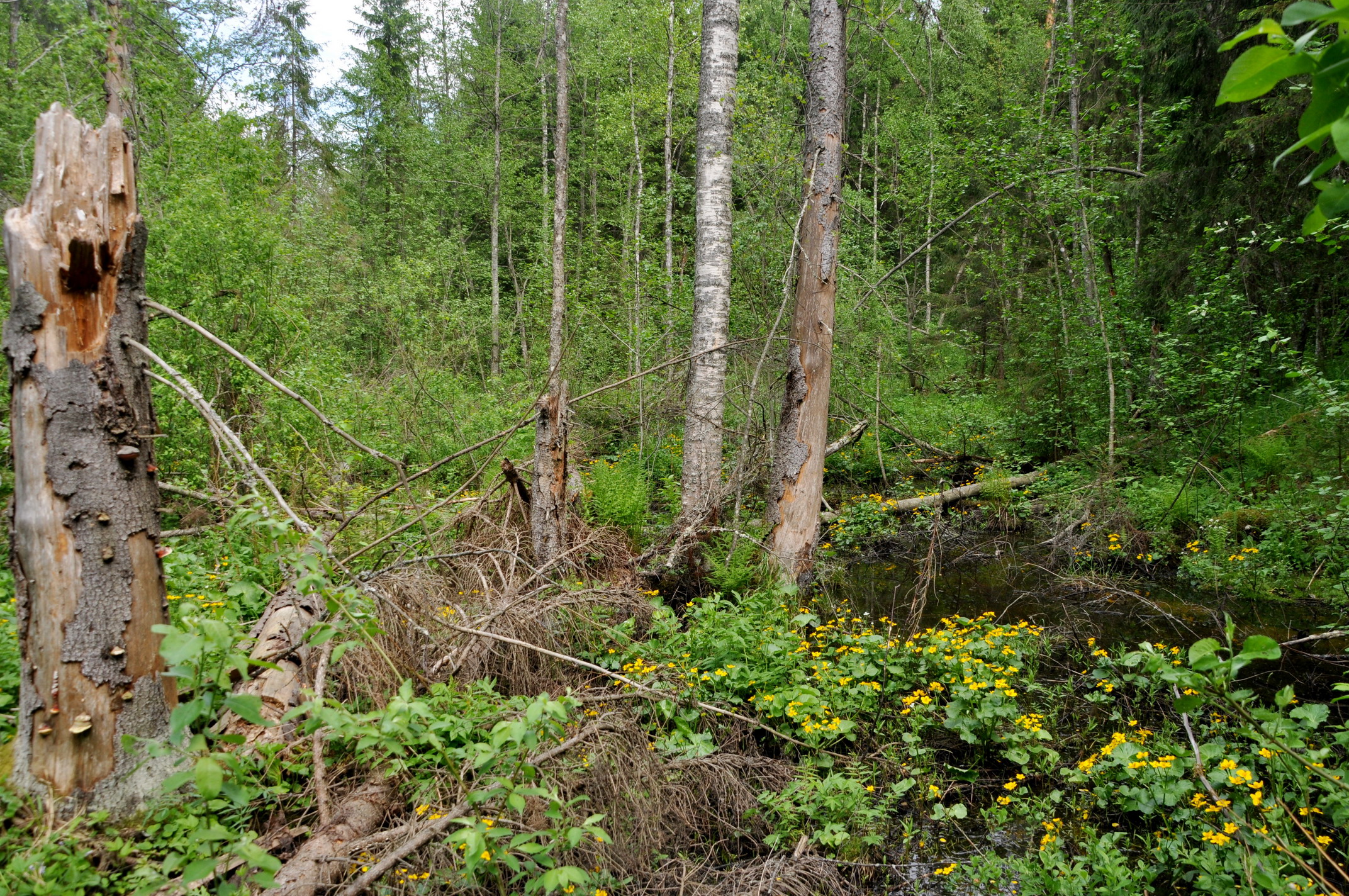
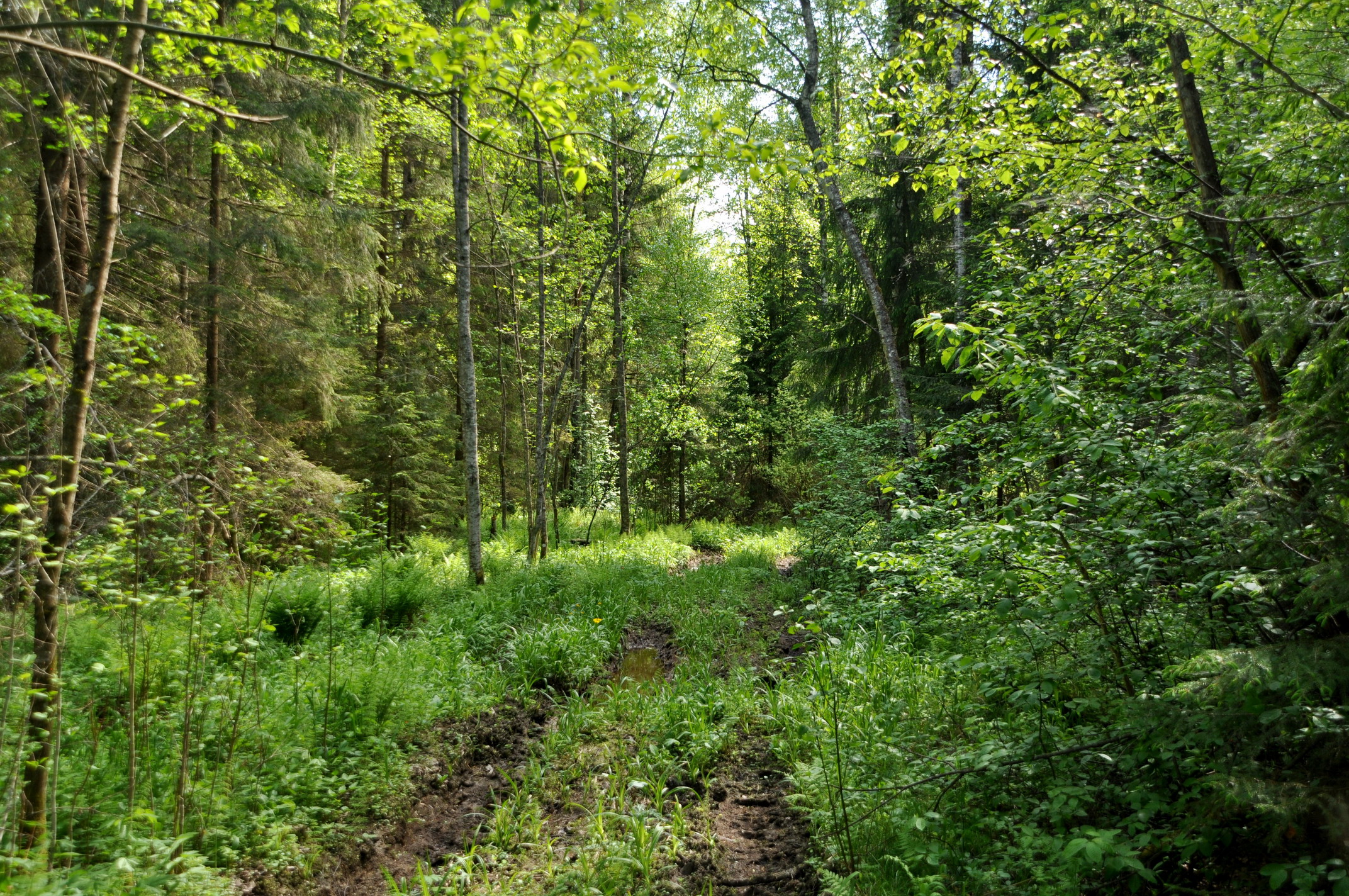
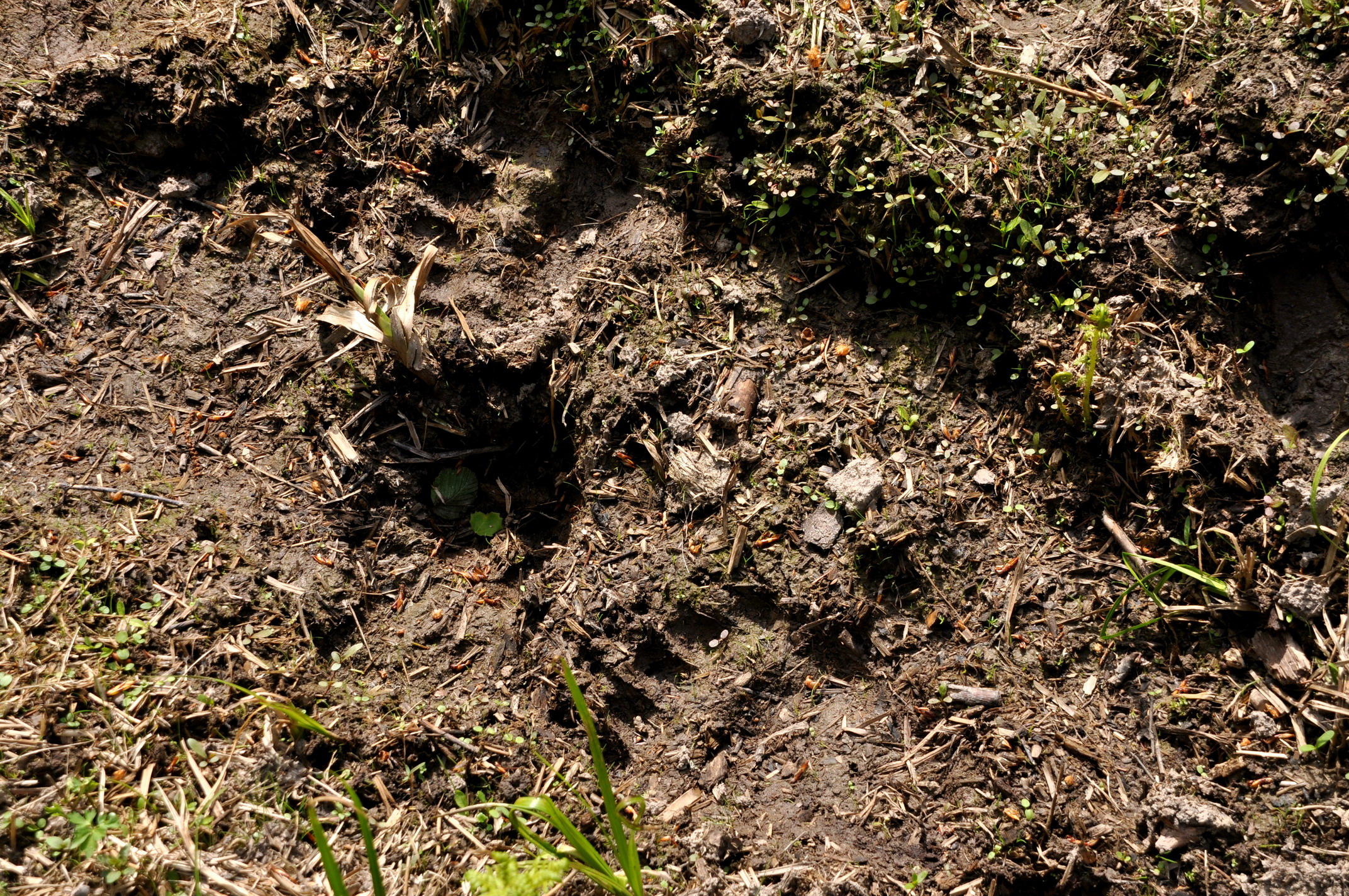
Only in the last couple of kilometres before the power station does a pleasant, dry path appear. For several kilometres we followed clear bear tracks, so fresh you would think the bear had passed only a few hours earlier.
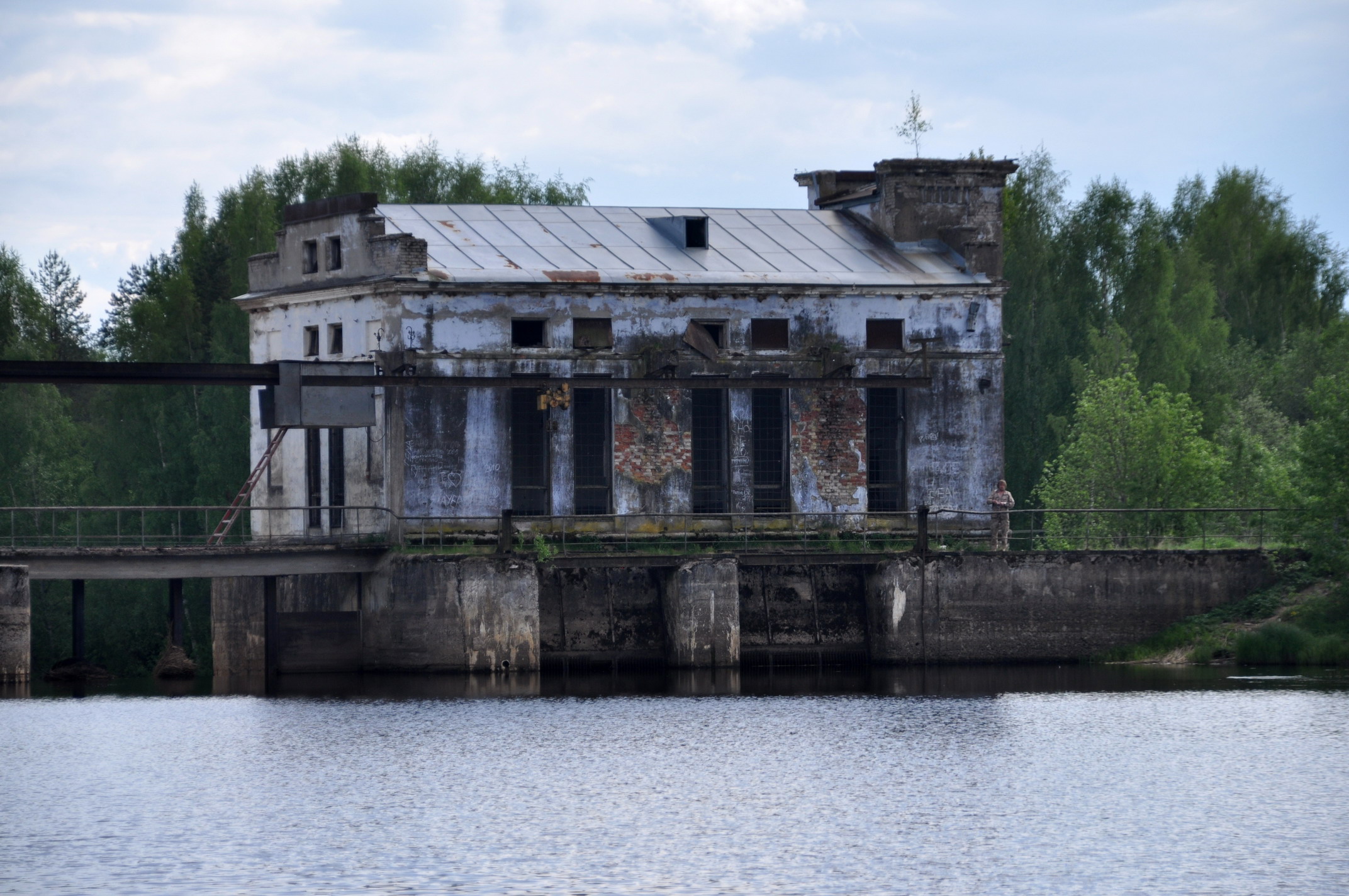
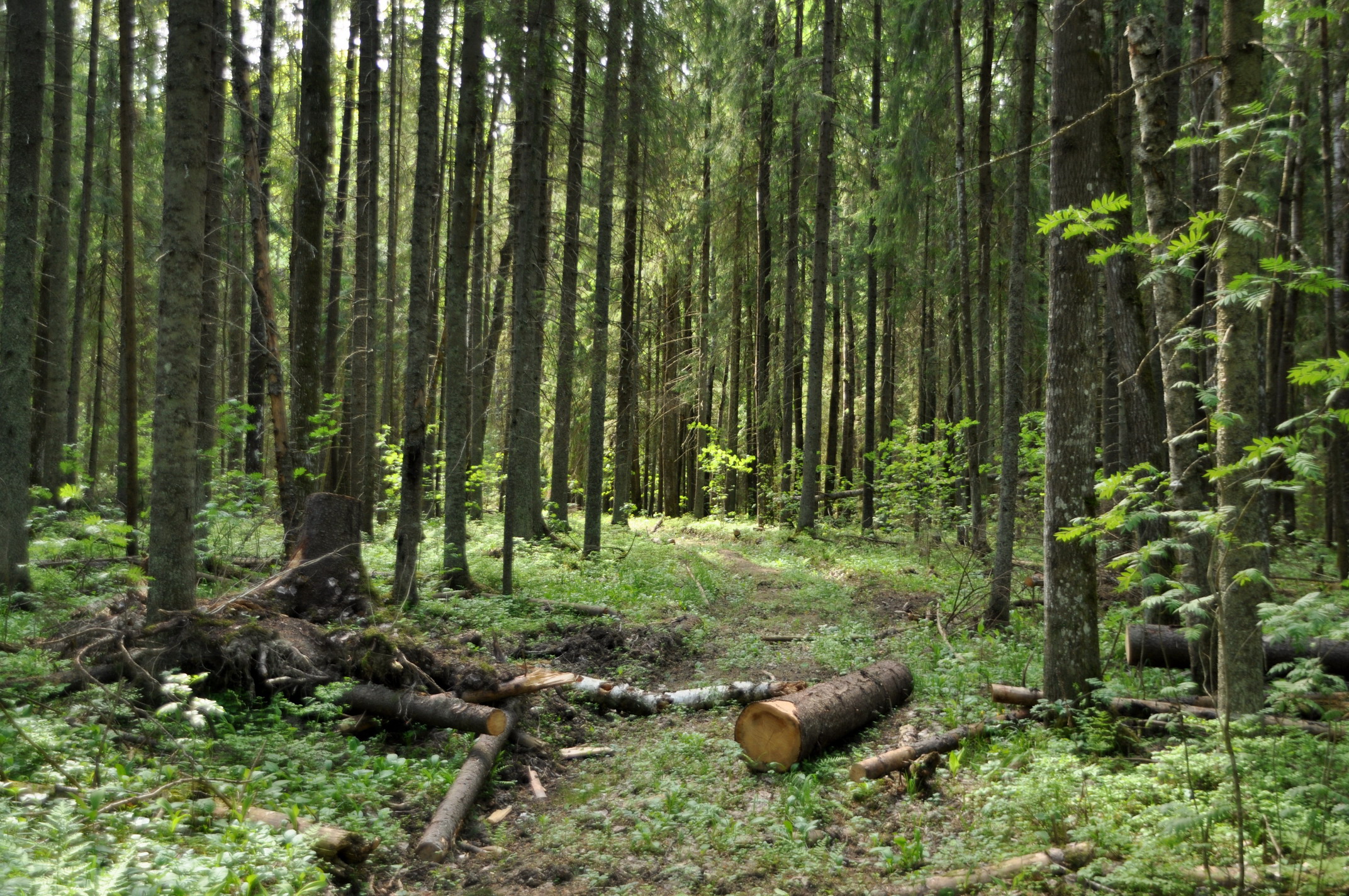
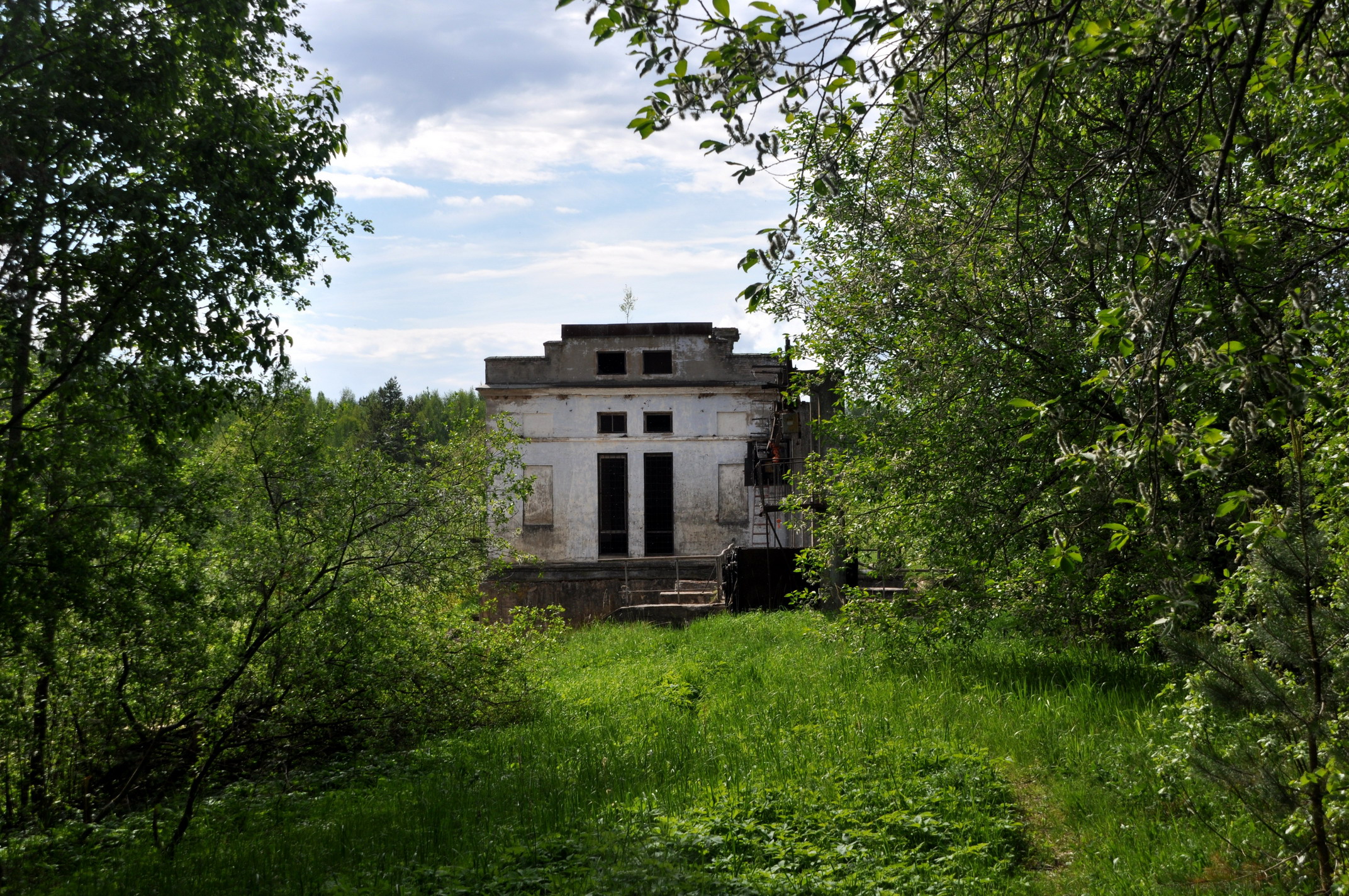
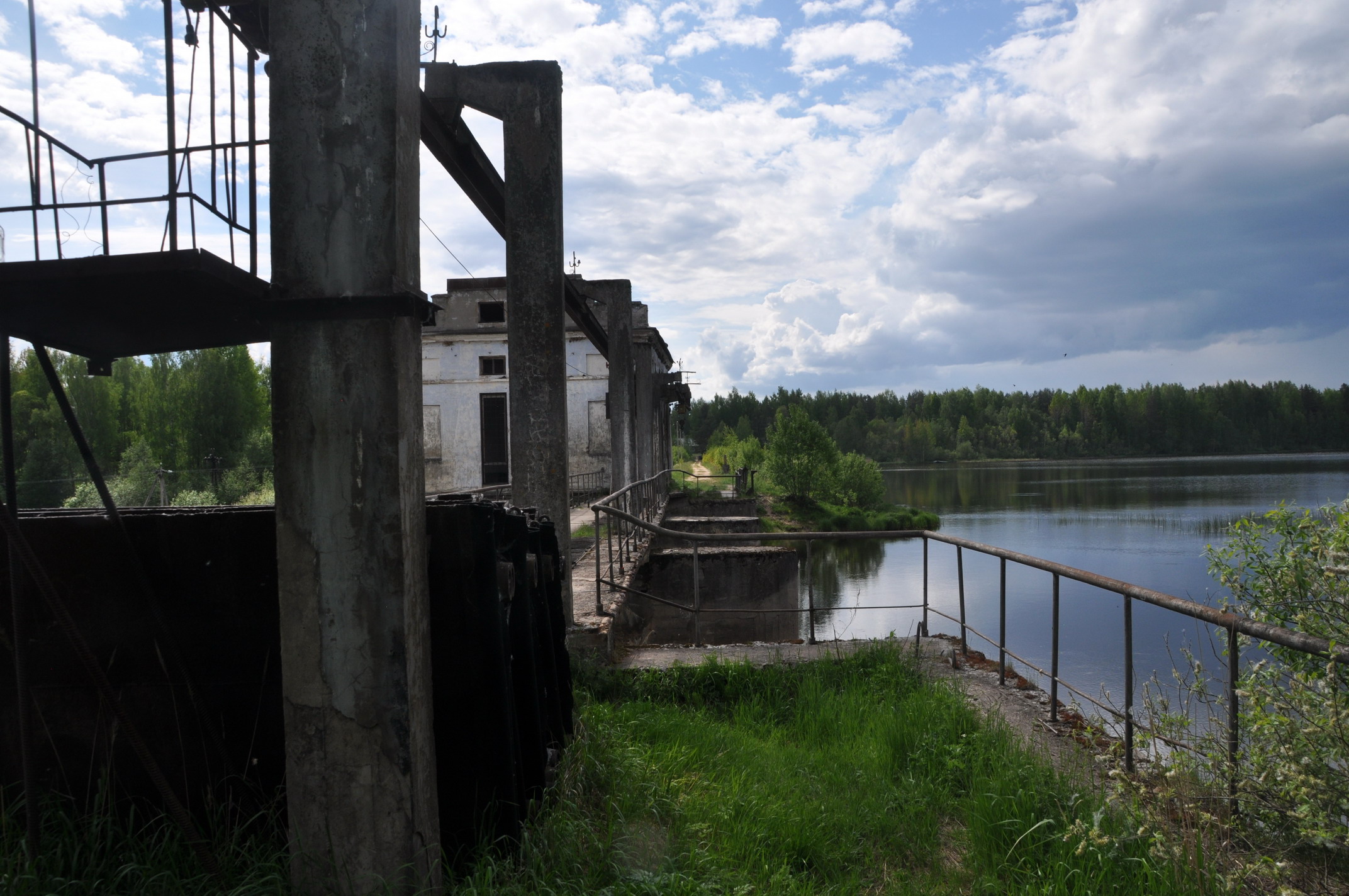
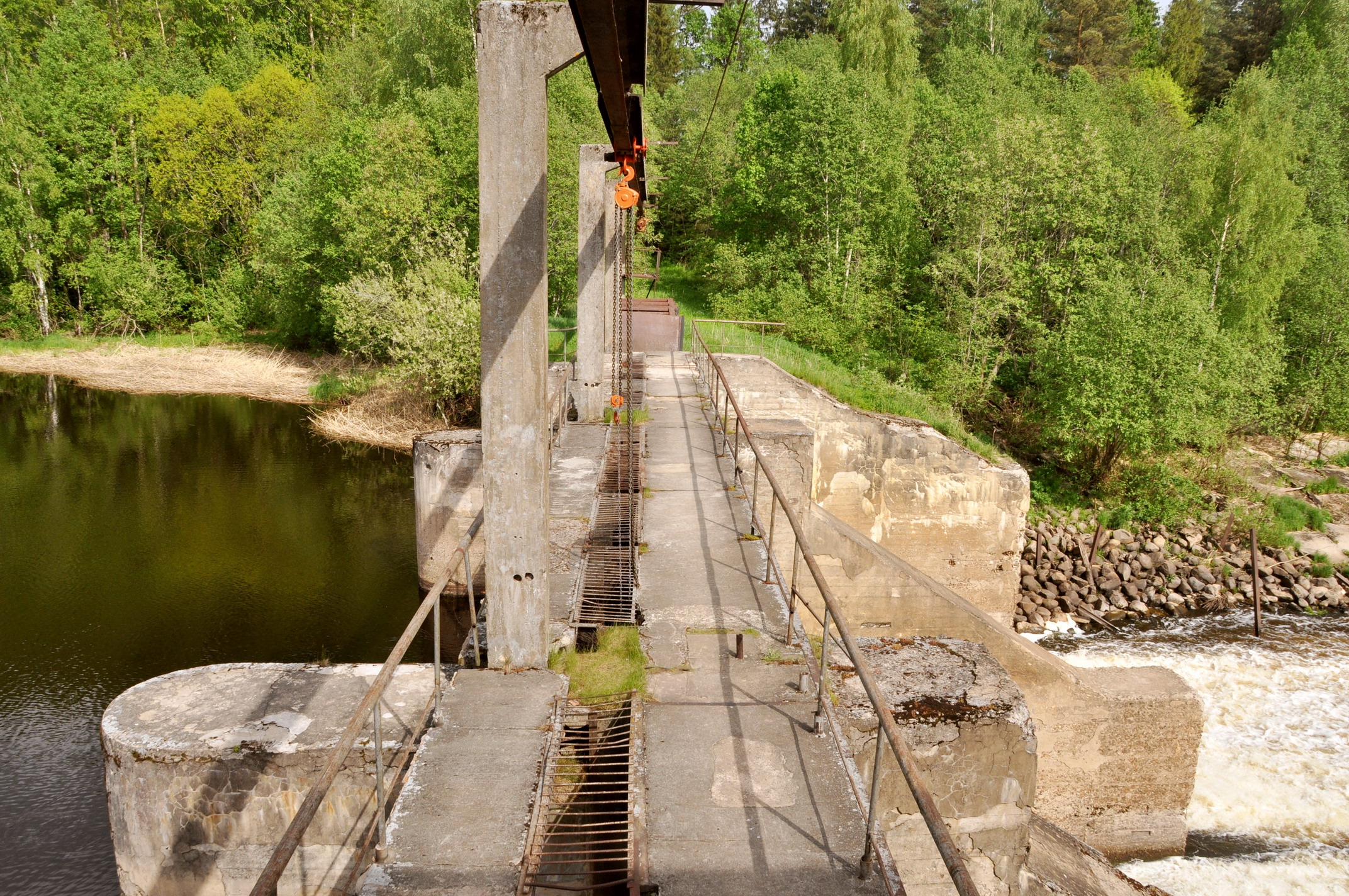
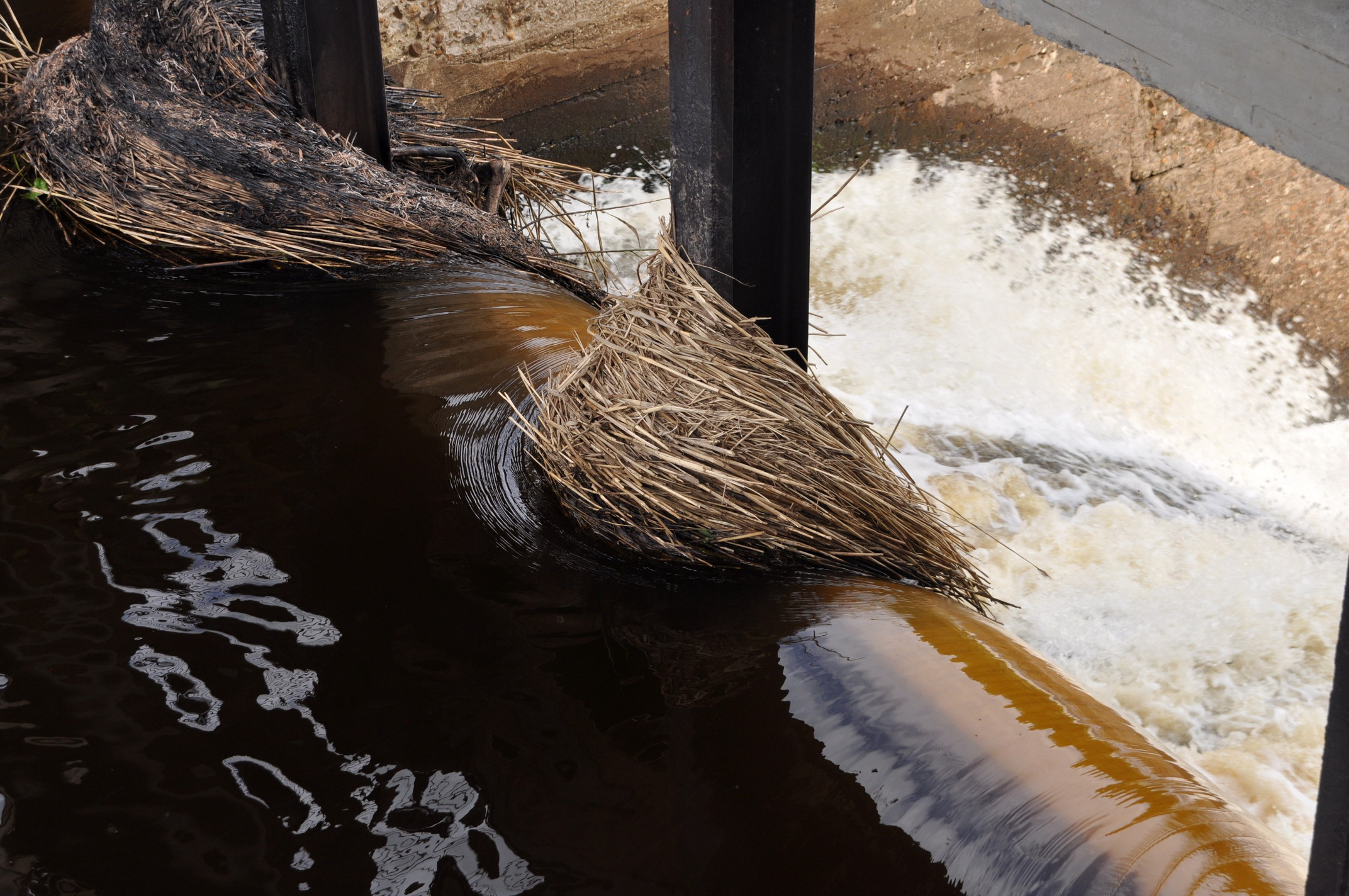
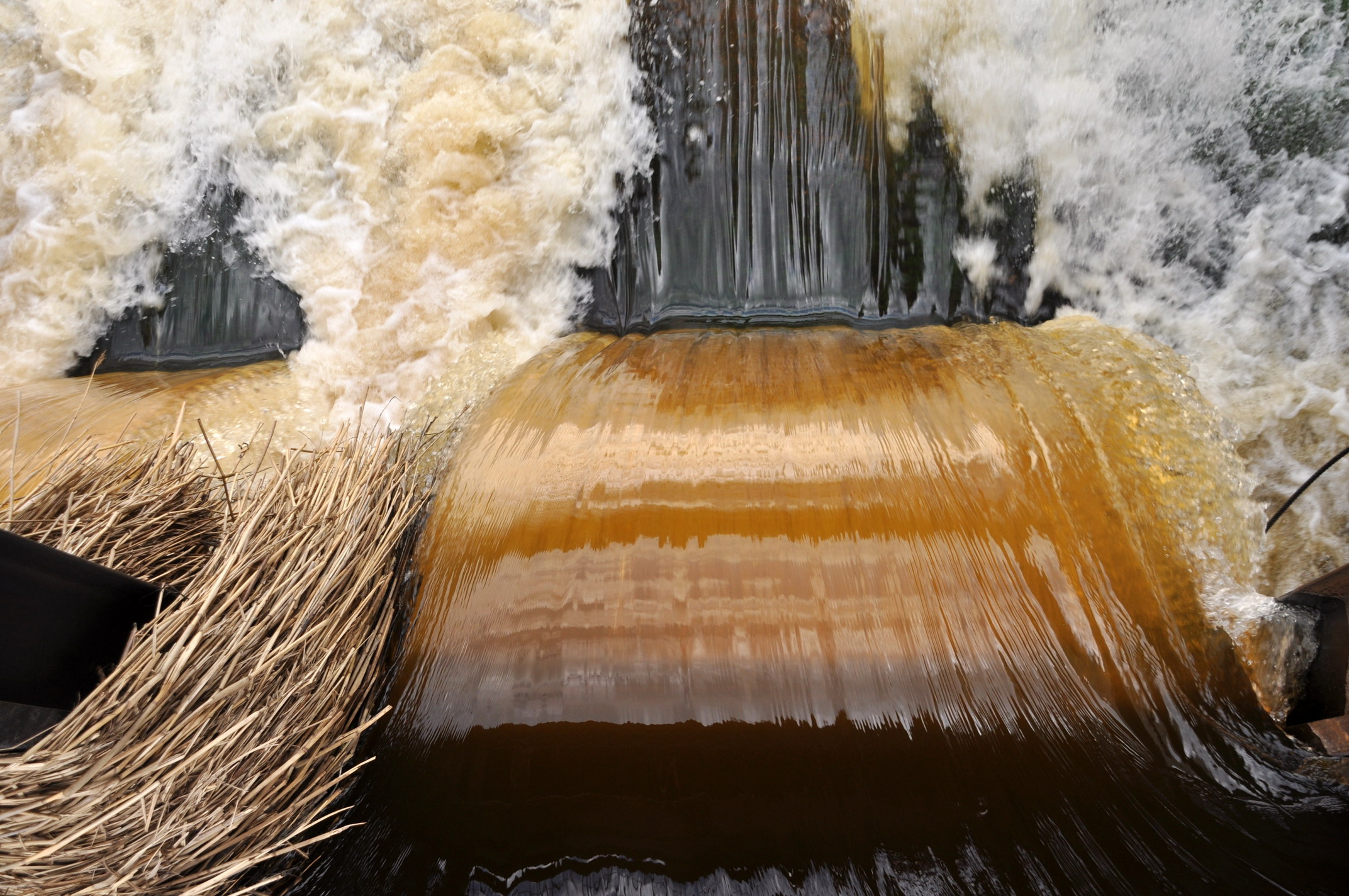
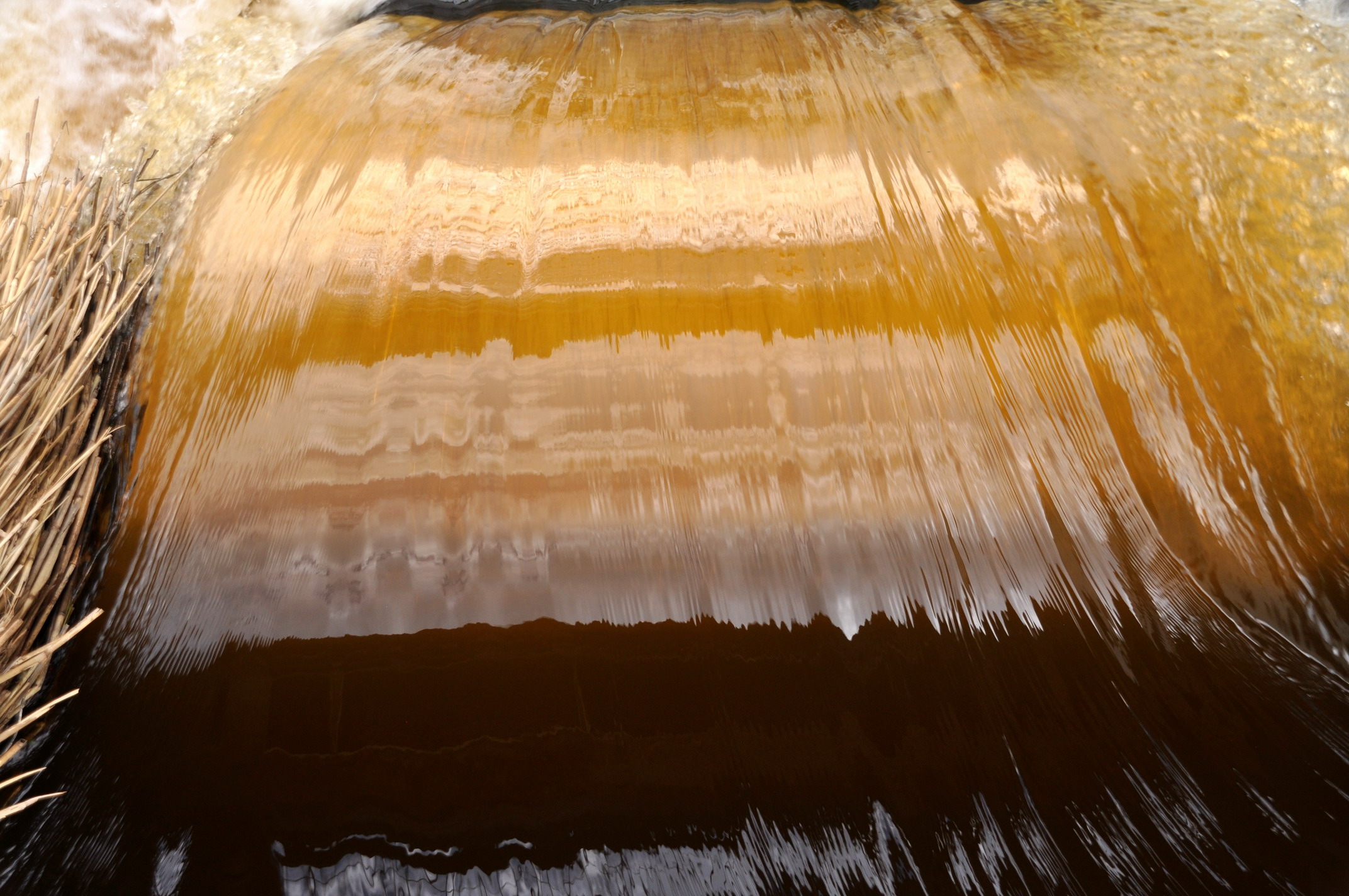
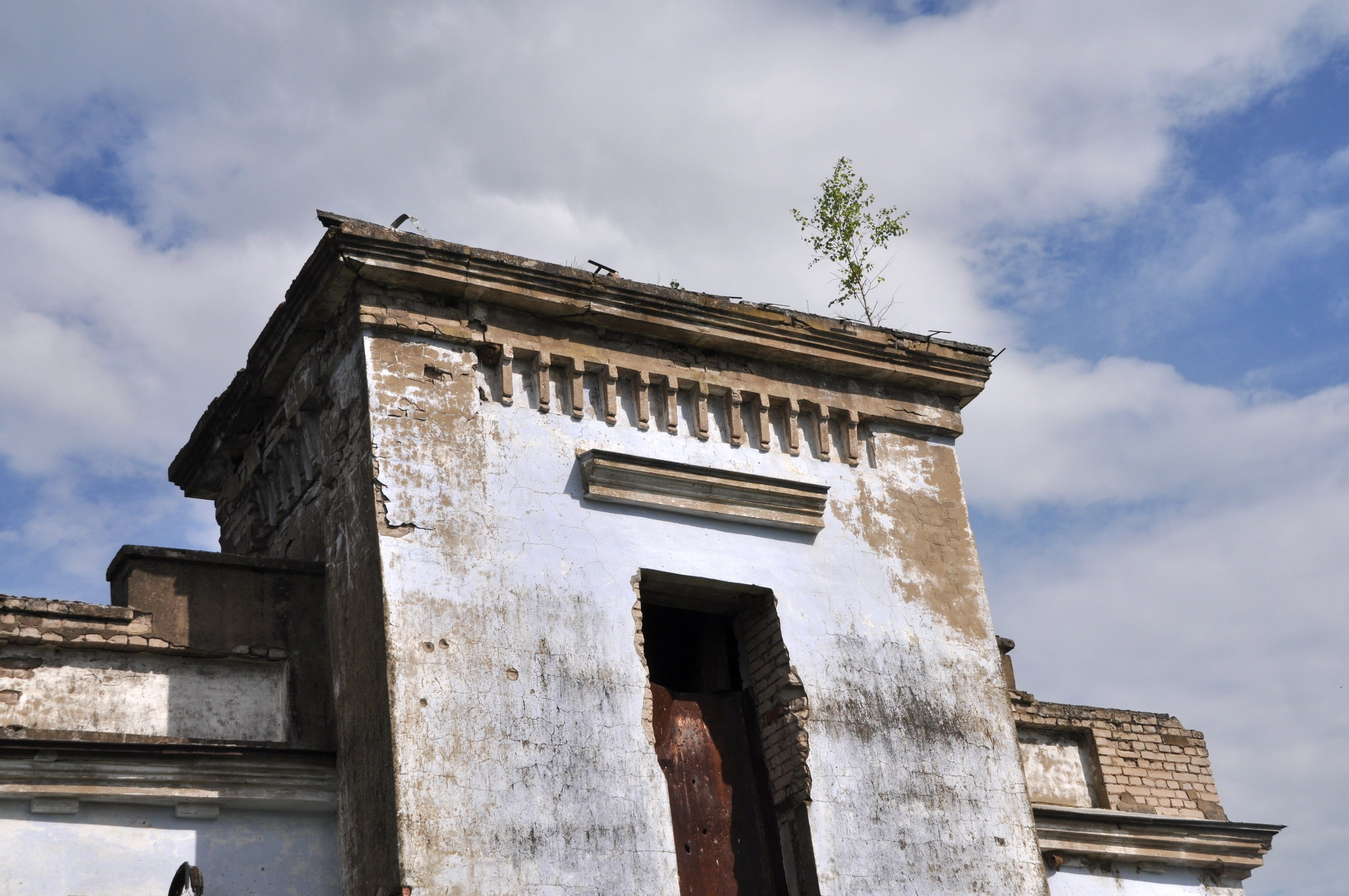
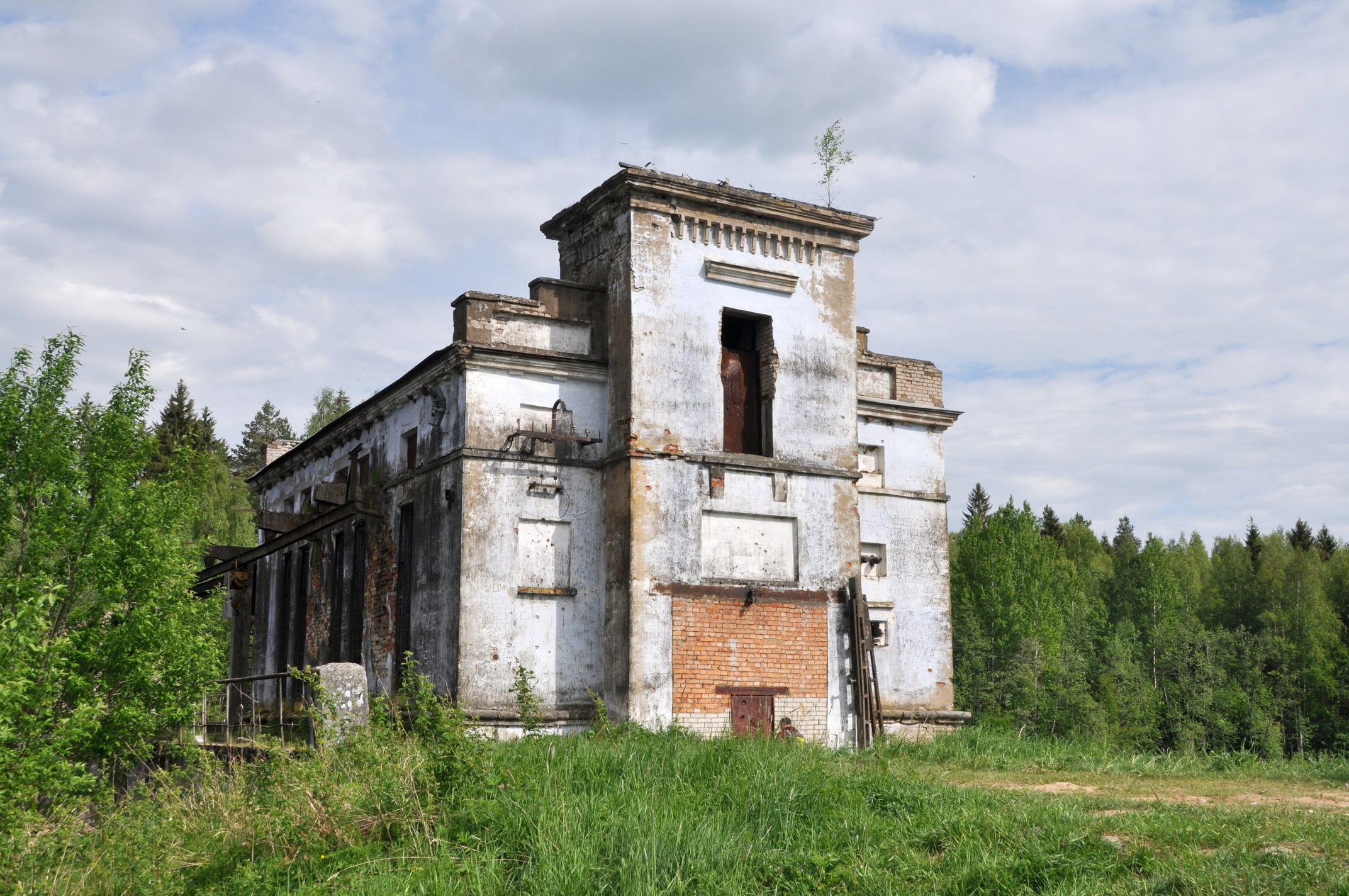
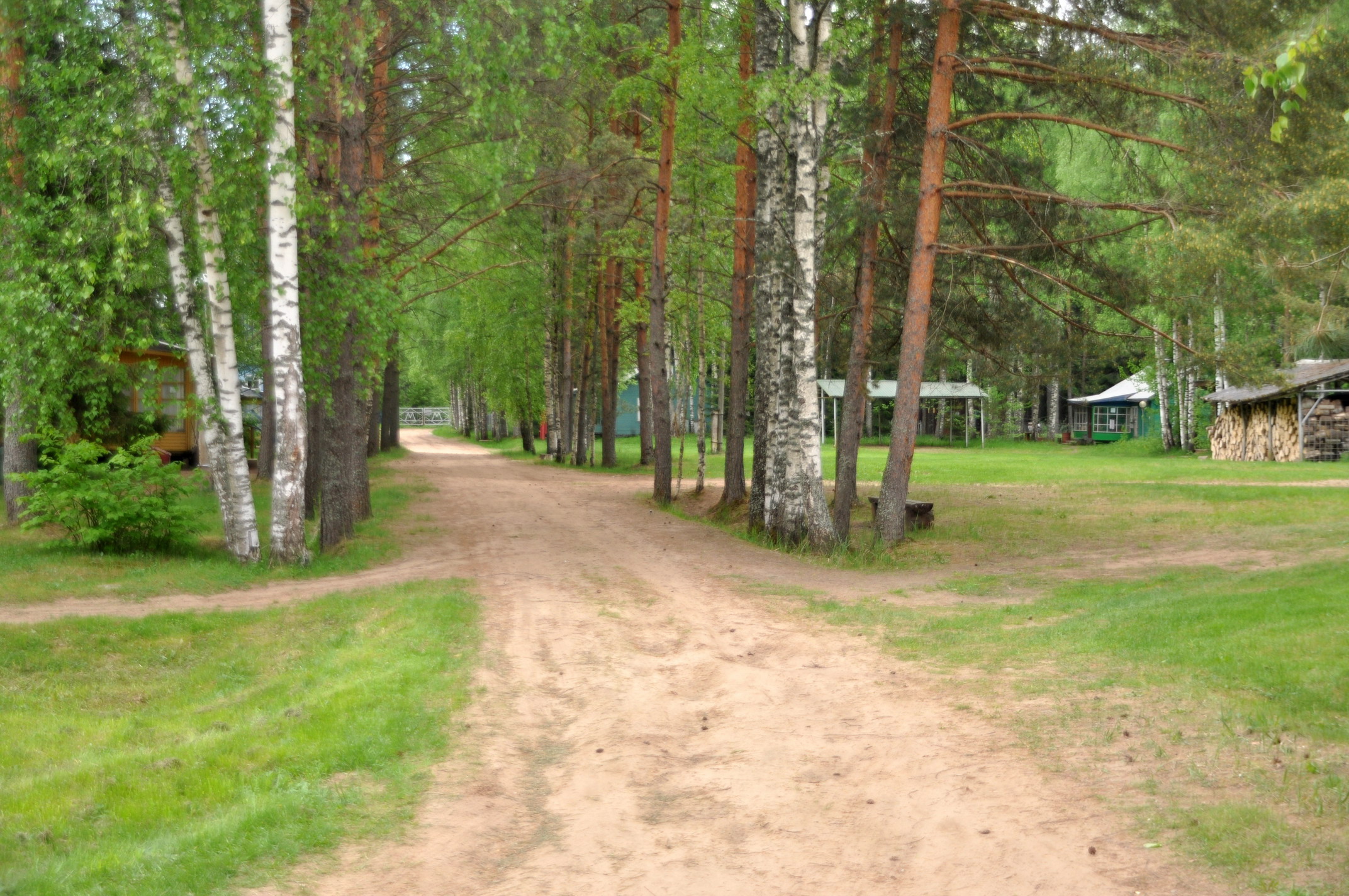
The actual power station has held up fairly well. All the electrical equipment went for scrap years ago, of course, but the dam is intact and there is every chance that the station will stand for years to come. On the right bank next to the station is a holiday resort. A dirt road from the village of Bor gets to it and any car can drive it. In practice, though, getting there is awkward. It is 100 kilometres from Saint Petersburg in a straight line and almost 250 by road. You have to go through Luga, Oredezh and Yam-Tesovo. The resort is still operating, which is wonderful. It is a genuinely lovely place.
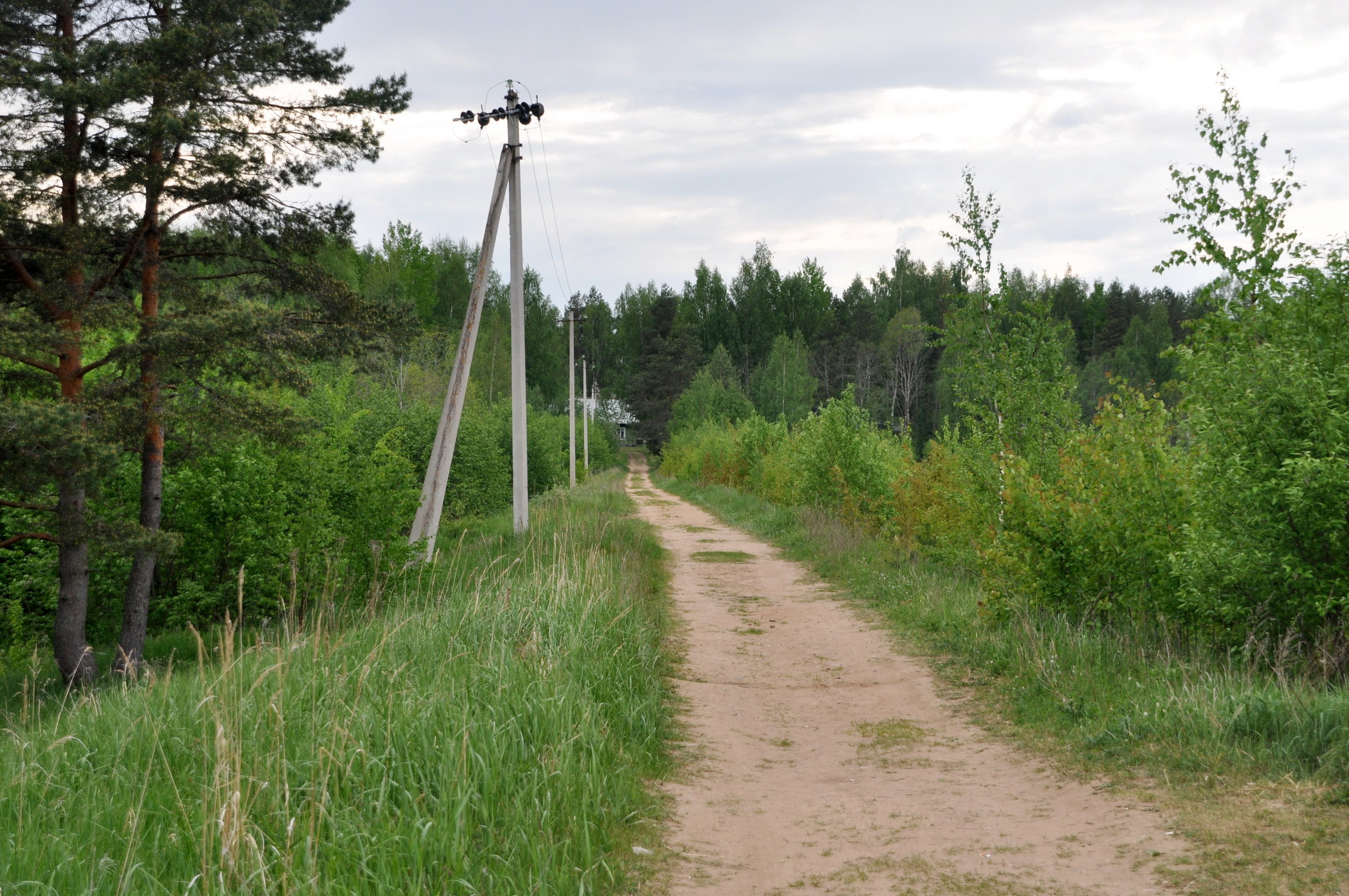
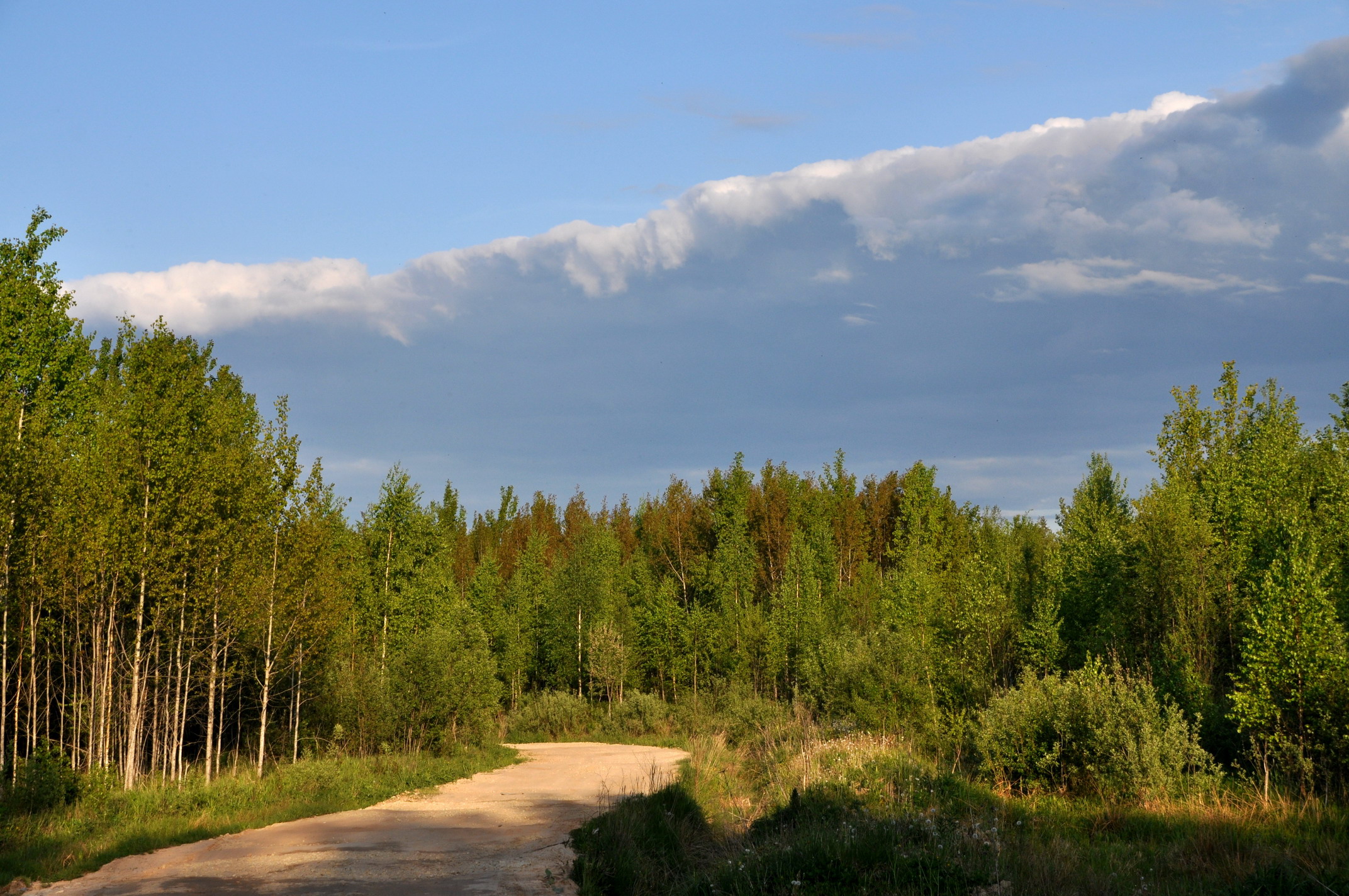
Beyond the power station we turned north, this time on the right bank of the Oredezh. The road here is simply excellent, dry, running over sandy hillocks. This is a typical ribbon pine forest, a narrow strip of dry pine woodland on well-drained soils along rivers or glacial ridges. The promontory at the confluence of the Oredezh and the Kremenka is especially beautiful in the evening sunlight.
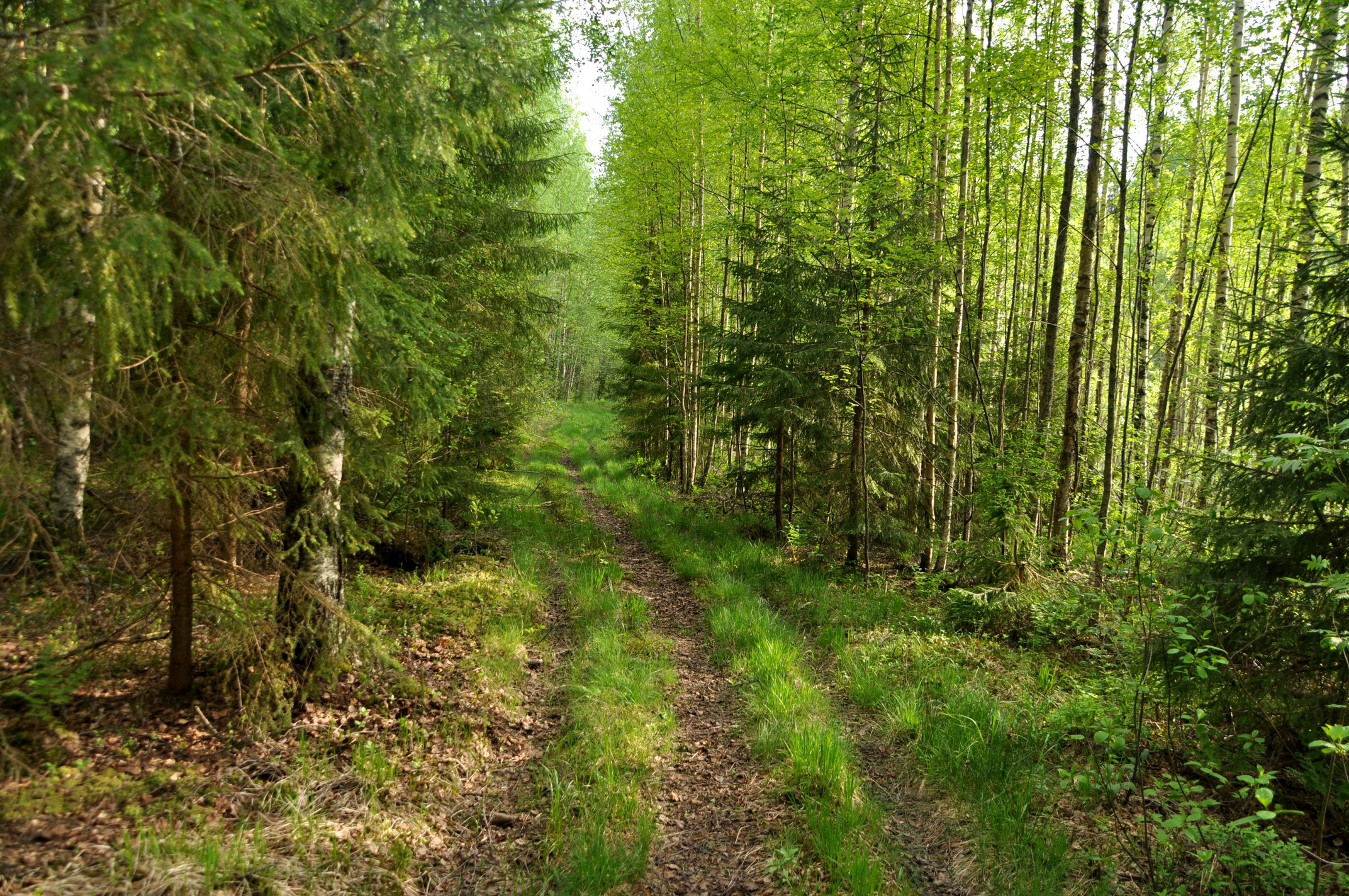
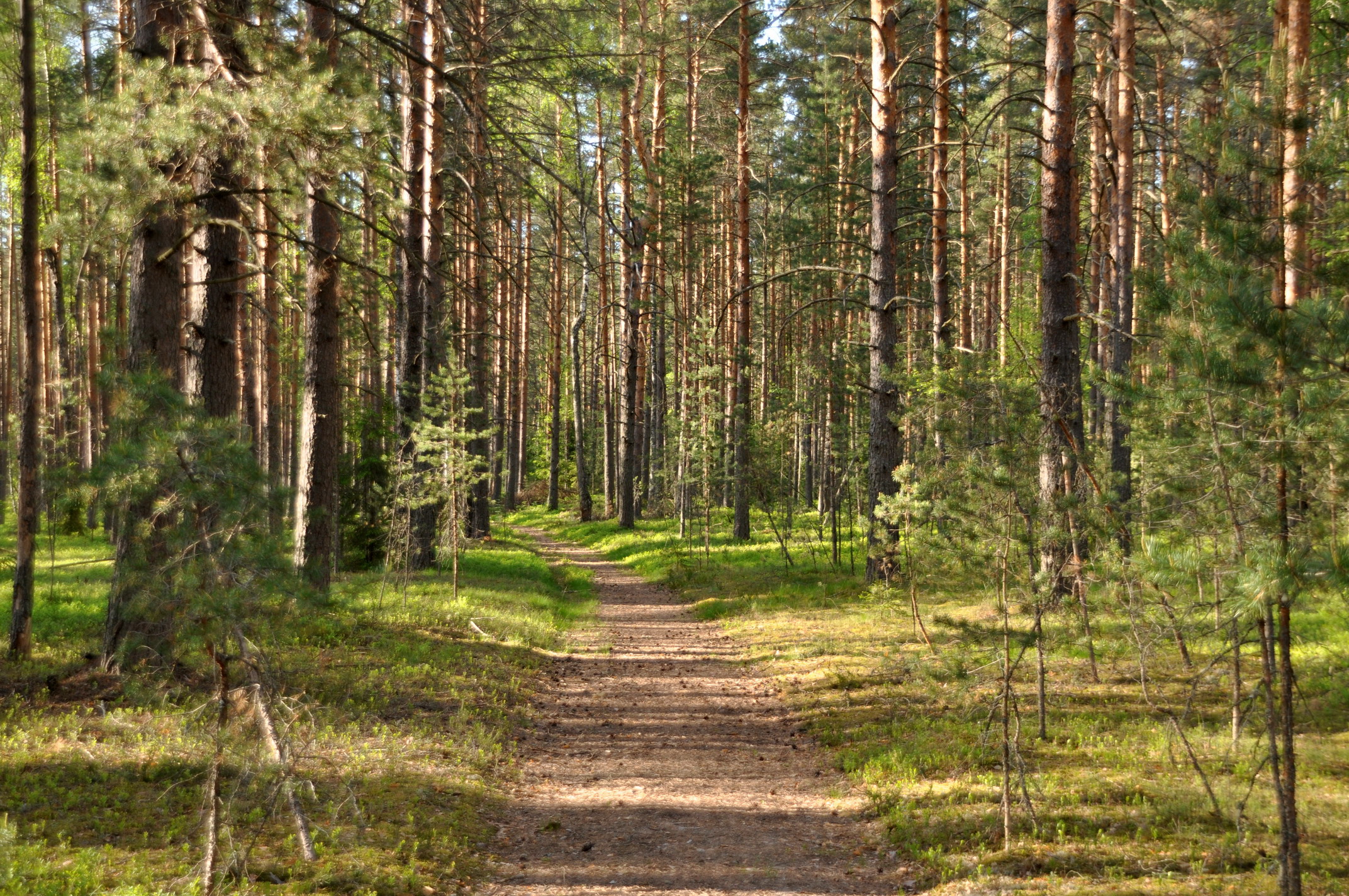
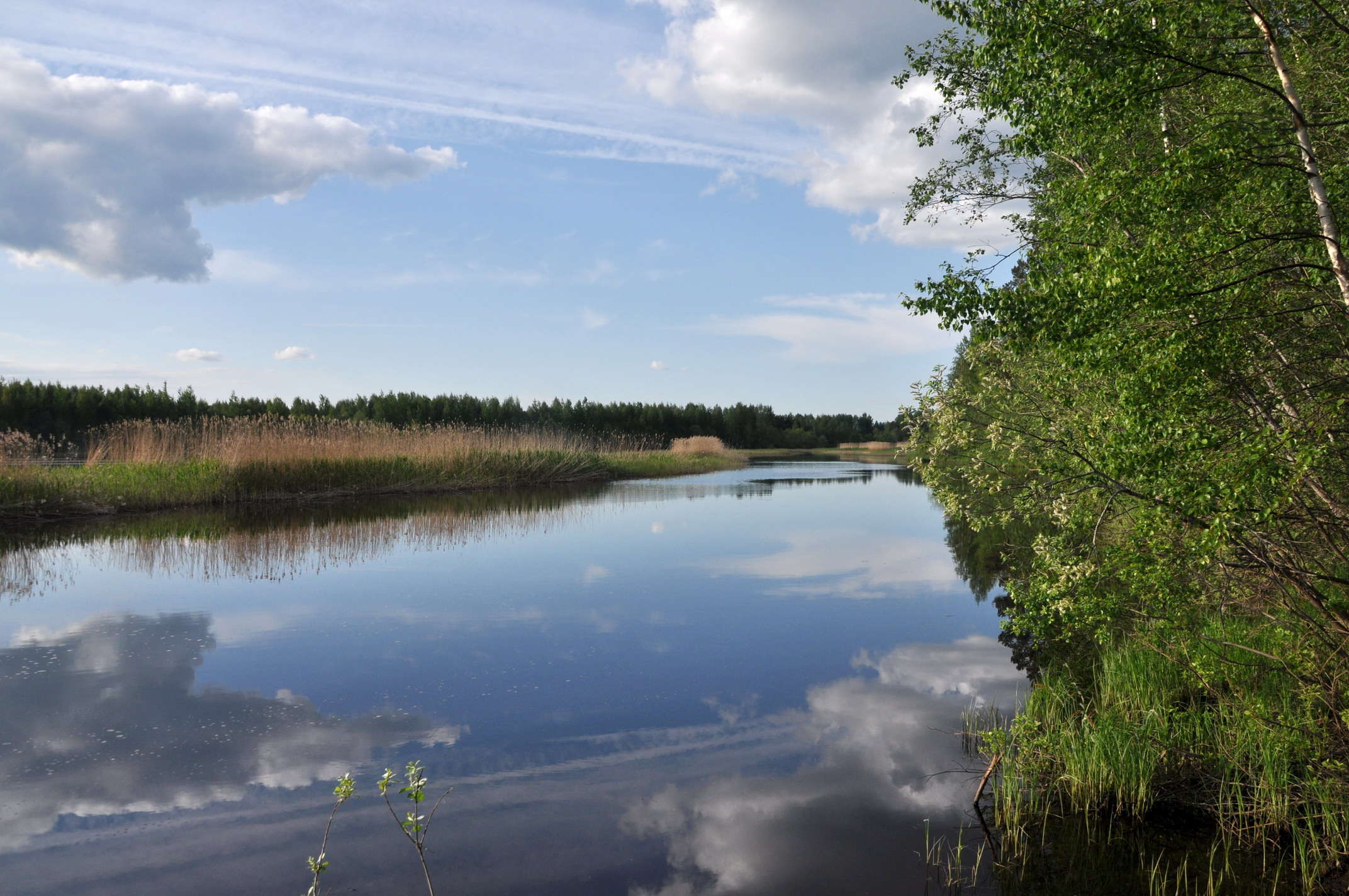
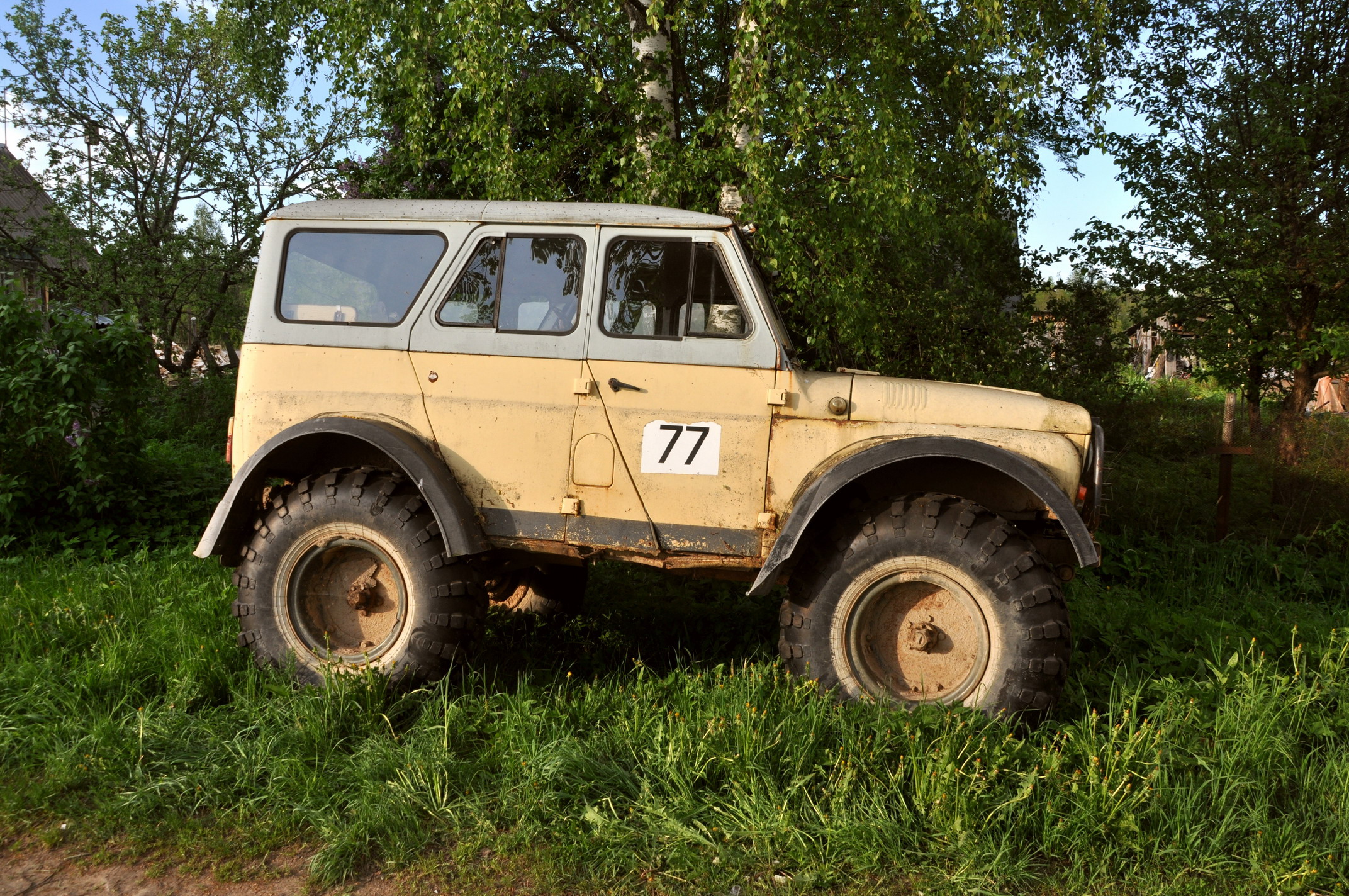
The road gradually deteriorates. Right before the village of Kremeno it is blocked by several boggy streams, making it passable only for maniacs with monster four-wheel drives. Daniel spent a long time looking at the tracks some “Jeep” had left through a seemingly impassable bog, wondering what could possibly have got through there.
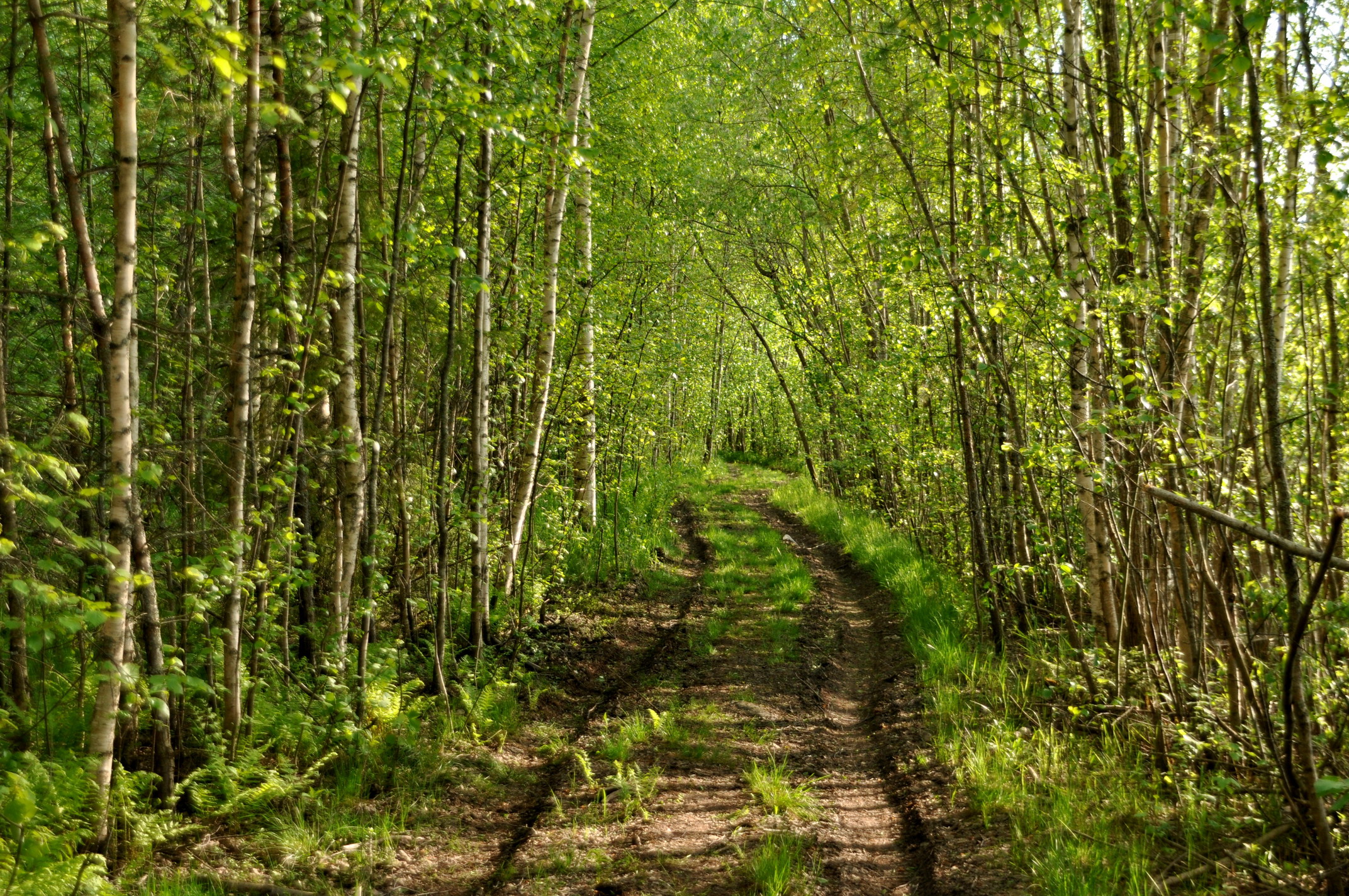
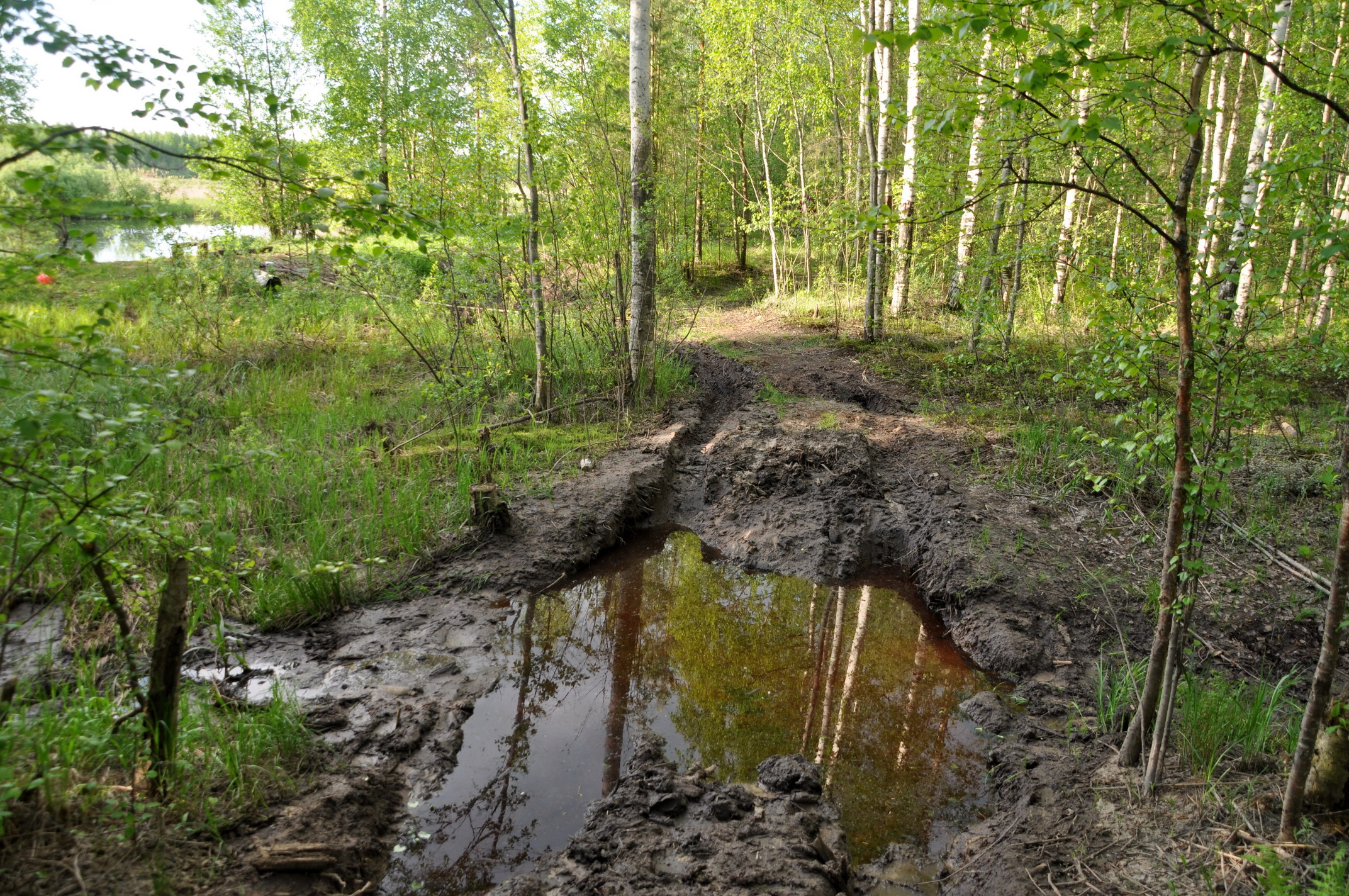
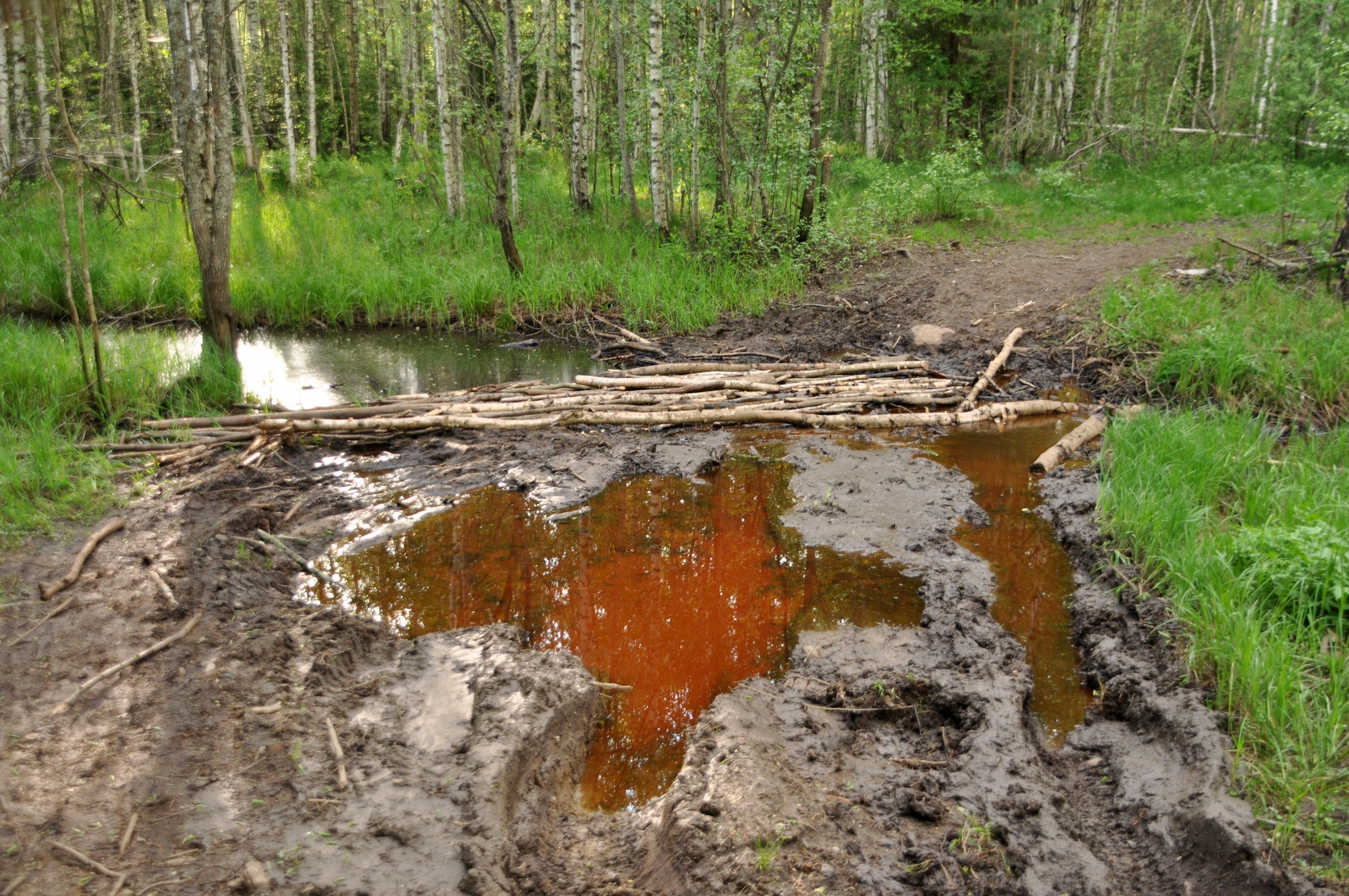
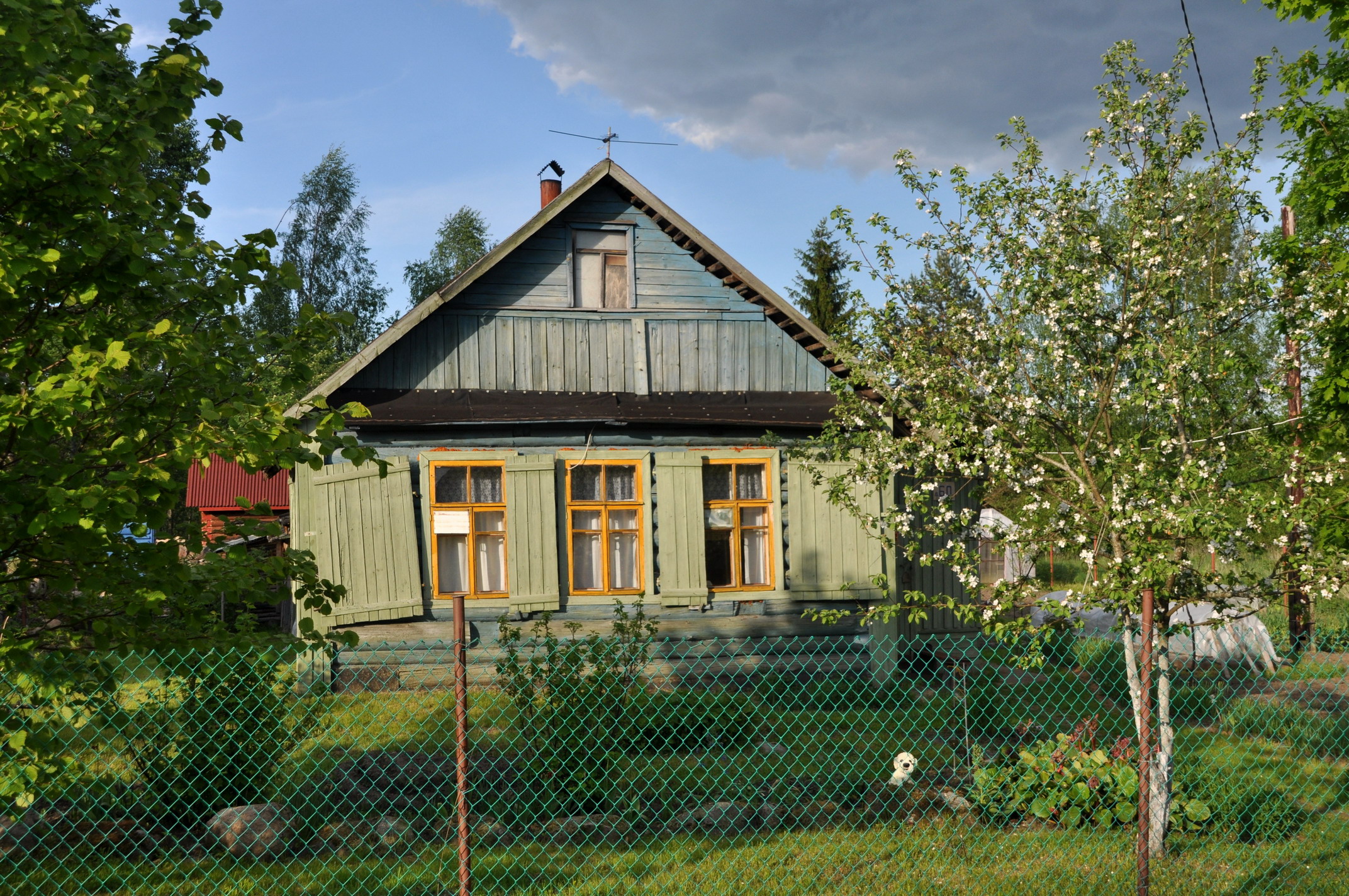
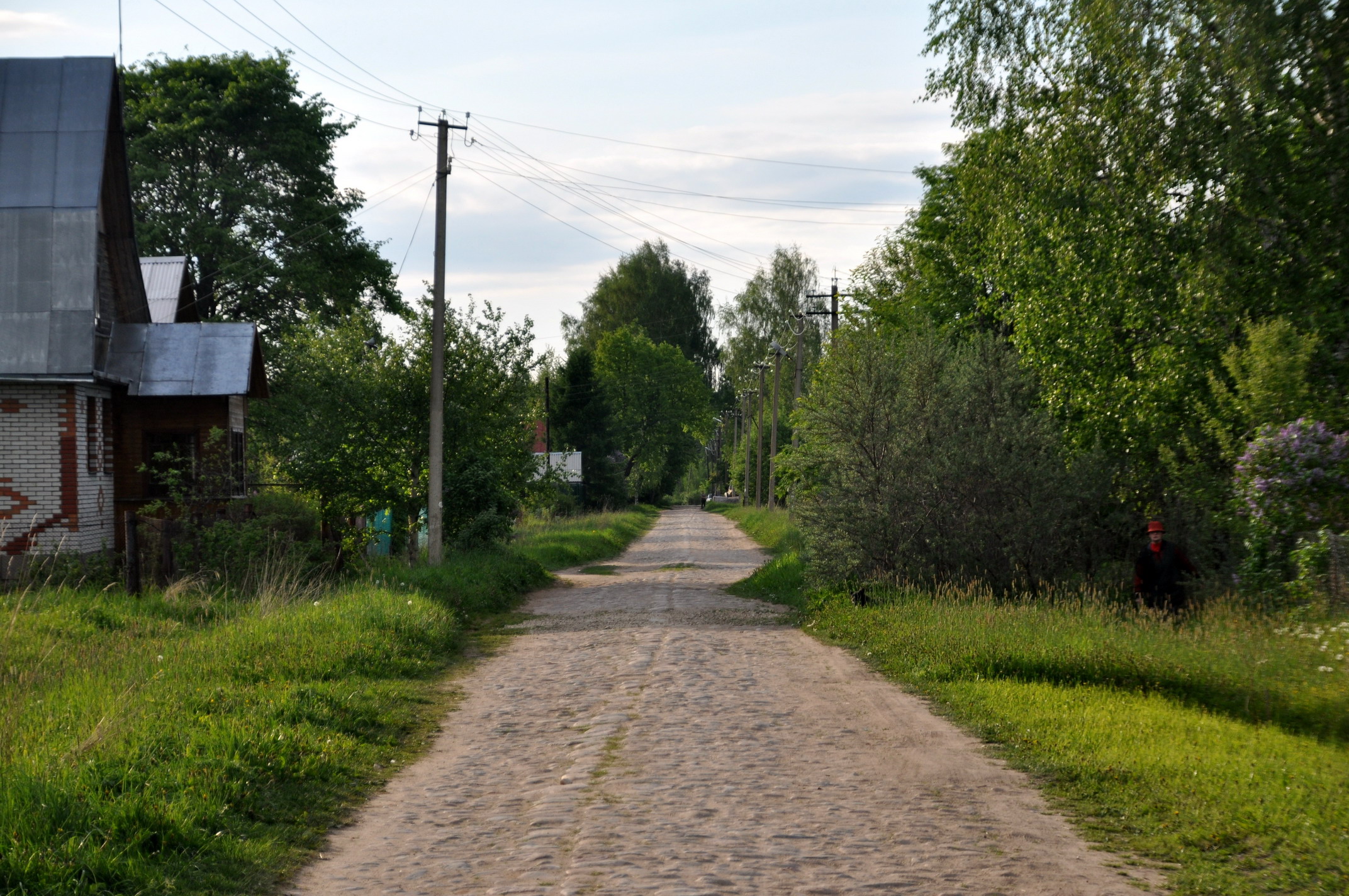
The woodland part of our hike ended in the village of Kremeno. Here a good dirt road begins. The village is alive and growing thanks to its summer residents. In the middle of the village we saw a monster four-wheel drive and our questions were answered. Those things can go almost anywhere a helicopter can. They are not even allowed in competitions. We still had many kilometres to the car along the roads of the Chashcha summer settlements. Hang in there, Pavel. We walked 32 kilometres that day.