Trip report
Nesterkovo, Lake Yazvinskoye and Koster, 2011
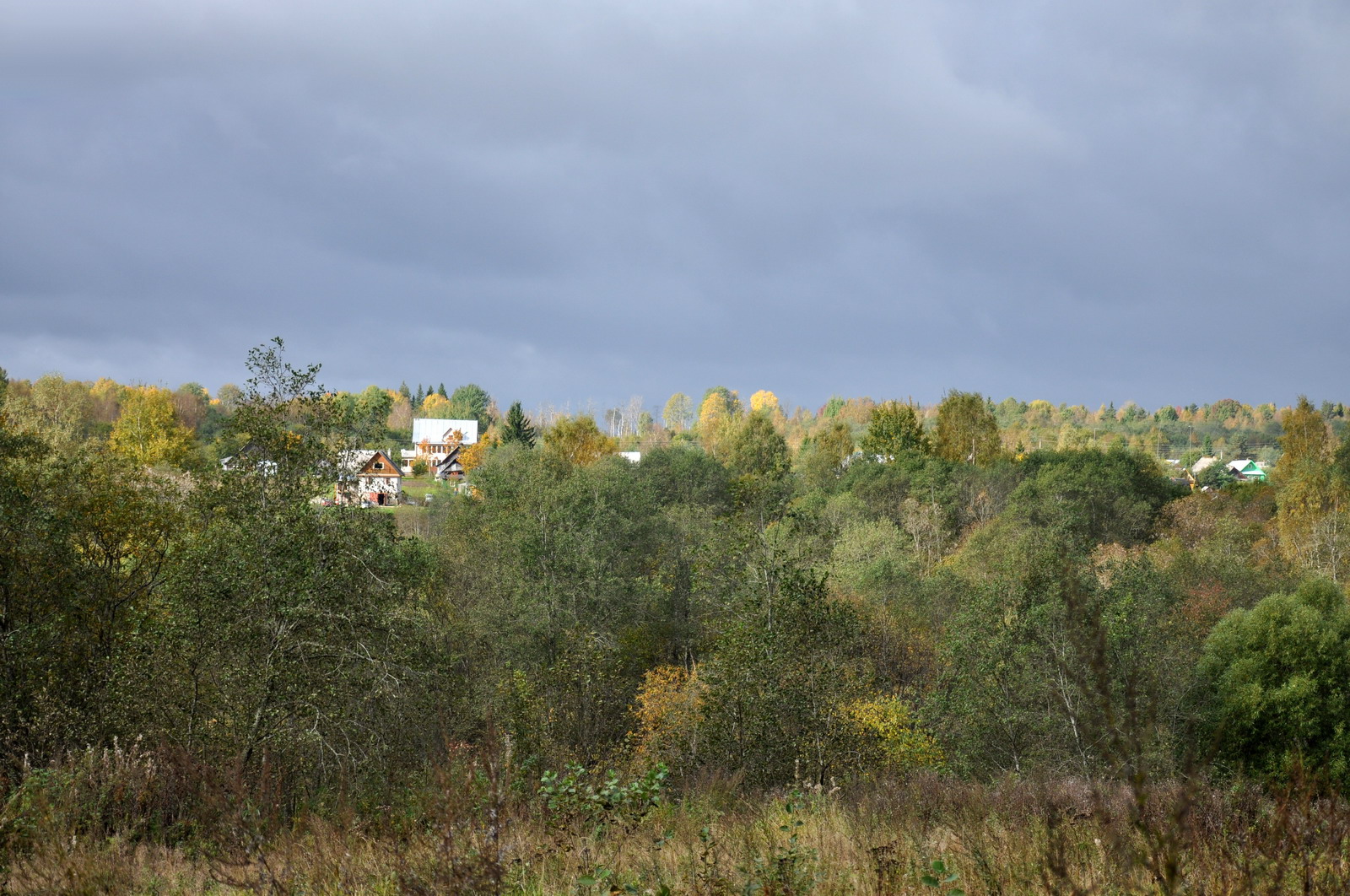
It was a wonderfully beautiful day. A warm, sunny autumn is like one last romance. Cumulus clouds drift across the sky, but there will be no more thunderstorms. Sweet and sad thoughts about autumn and old age. Everything is still in place. The yellow leaves have made the forest even more beautiful. Yes, grey hair suits some people. The burdocks are in their prime. The mosquitoes have died off, and good riddance. It is not hot. Better than summer, even, if only we did not know what comes next.
The last time I walked here with Tanya and Denis on a hot August day. Denis has grown up. They are now on the other side of the world. I can still walk 50 kilometres. In a day. I may even have more stamina and be fitter than before. But it is autumn all the same.
I left the car at Nesterkovo. Skirting the cottage settlement, I followed the shore to the site of the old village of Glebovo. There, along the little Yazvinka River, a path and a road lead toward Lake Yazvinskoye. The path runs closer to the river and is less churned up. All-terrain vehicles have ruined the road.
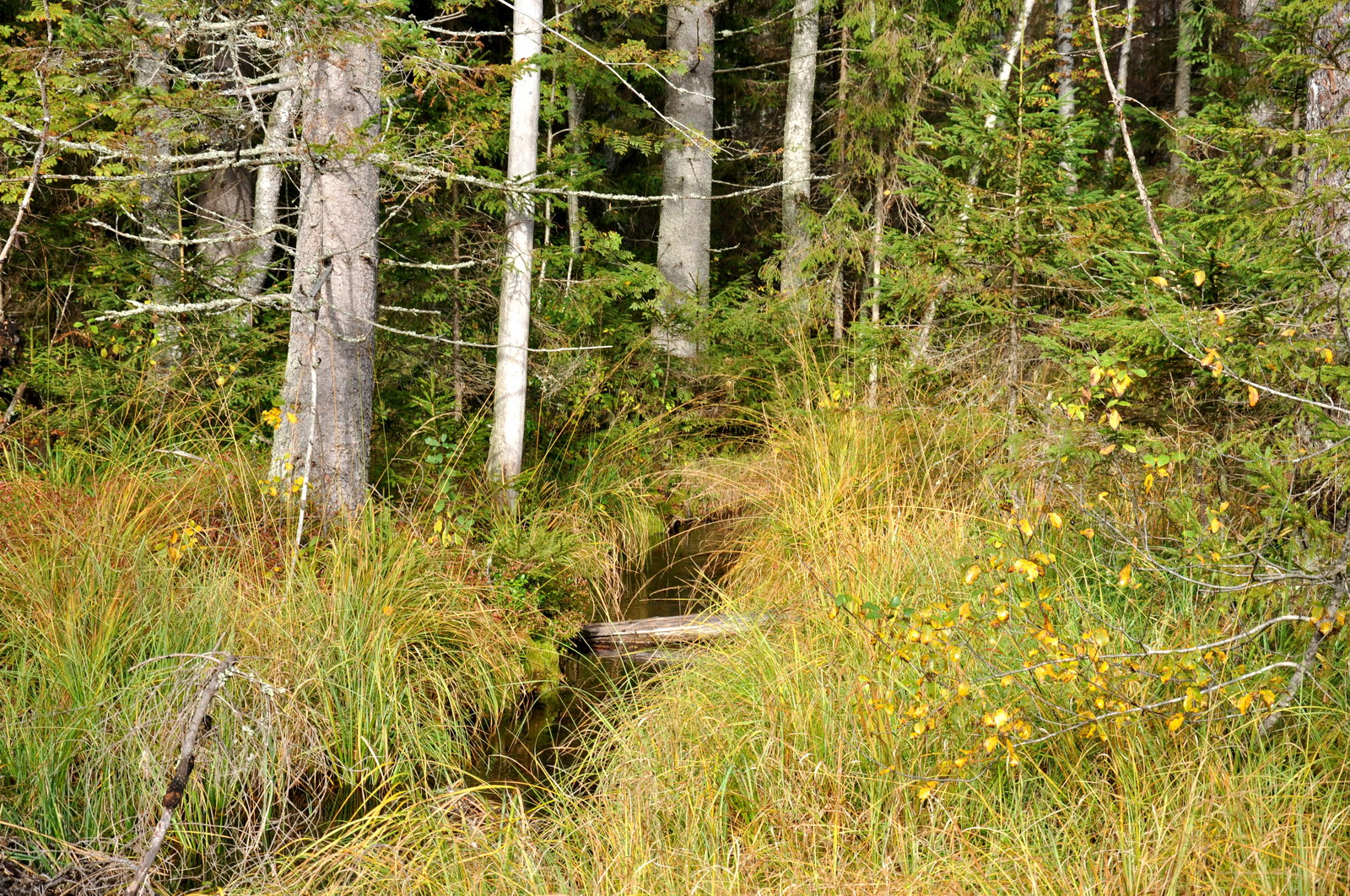
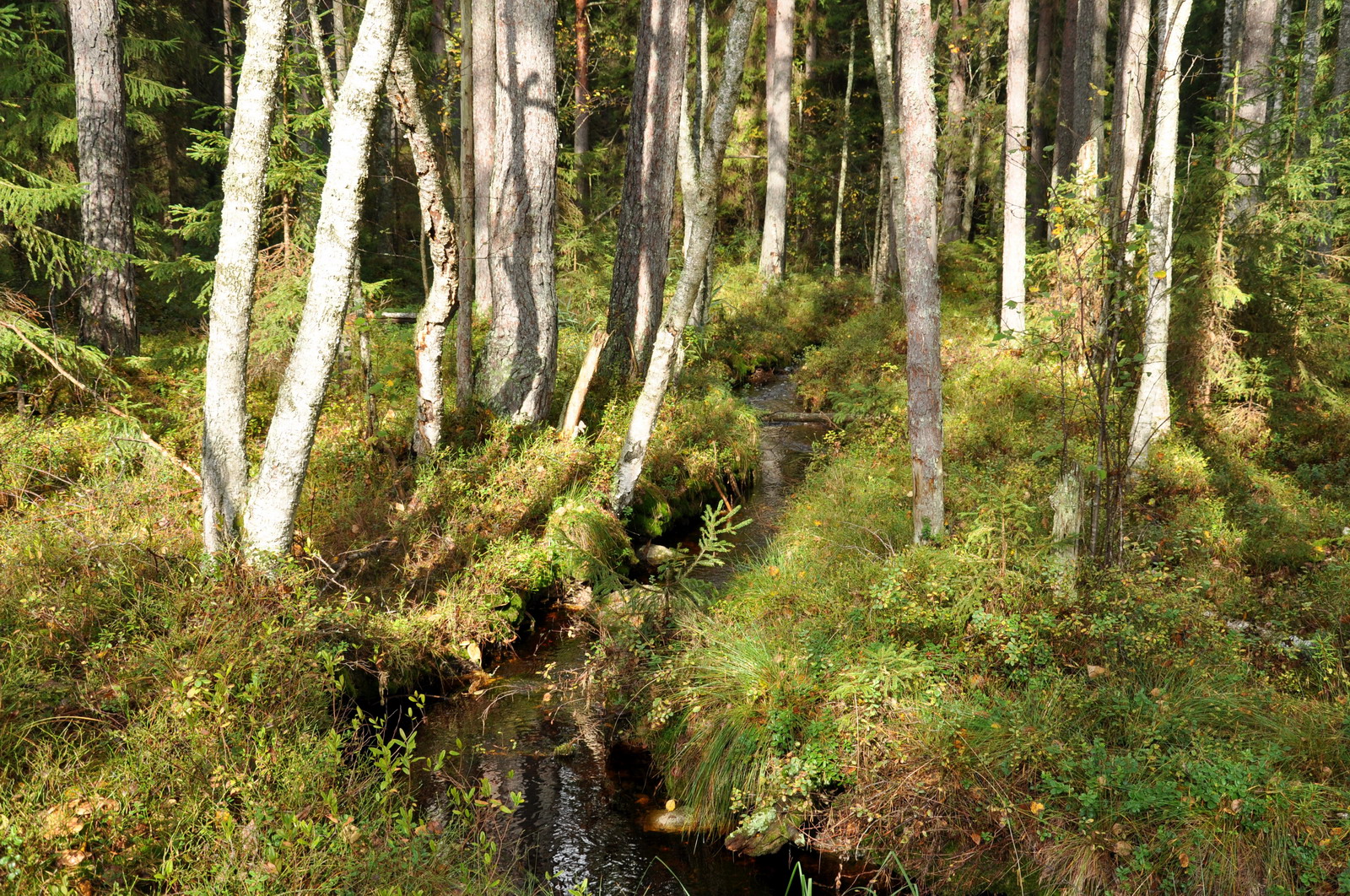
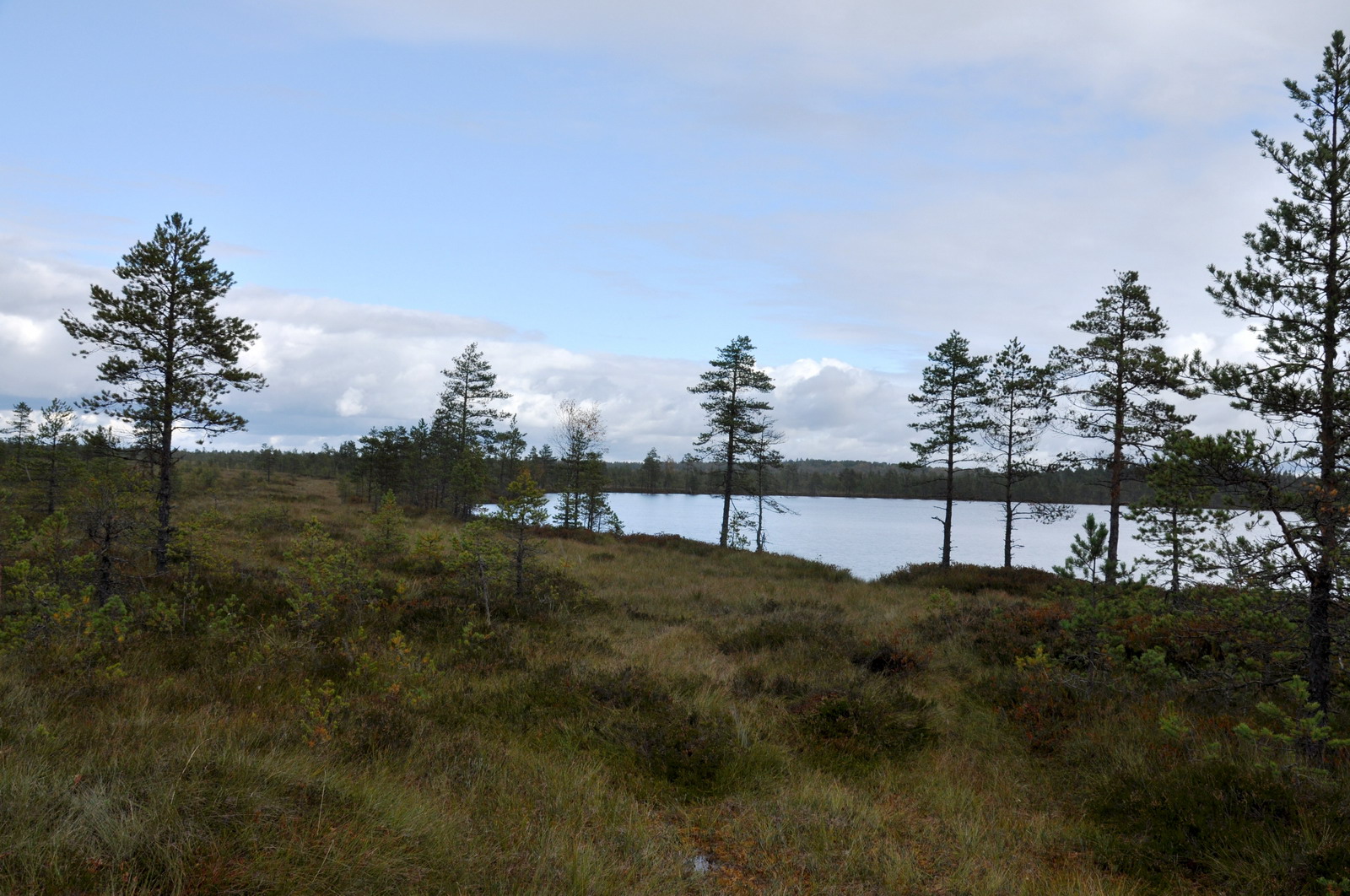
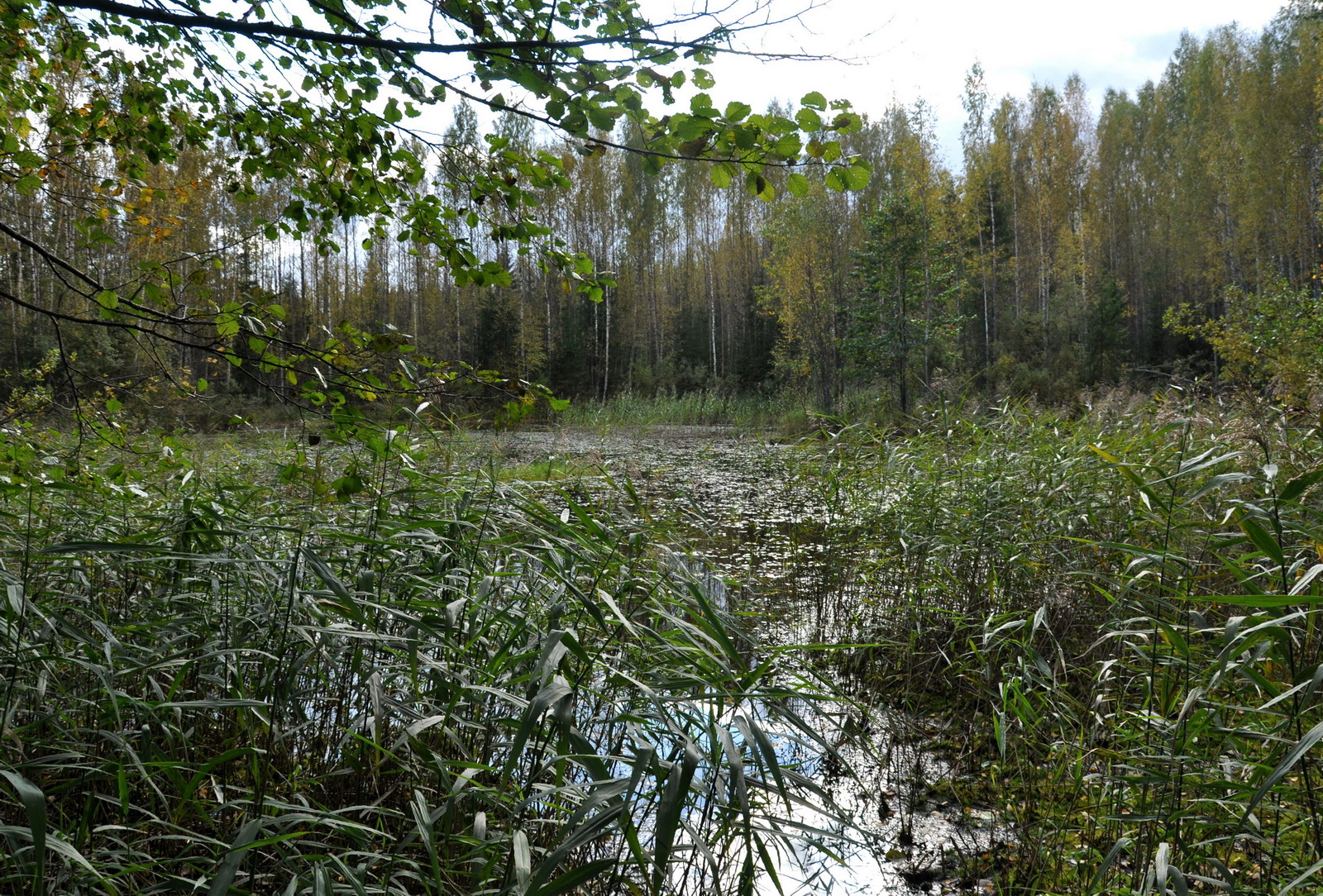
From the lake I turned north. There is a fairly large lake out in the middle of the quaking bog that I wanted to add to my collection (59°11.868′N, 30°36.631′E). The bog as far as the lake is quite passable, and I had no trouble reaching its southern shore. There I met hunters. Each time another wedge of geese flew over, they fired hopelessly into the sky and hit nothing. Going around the lake, following its shoreline, turned out to be much harder. Farther north you come to quaking bog. I had to do a fair bit of hopping from tussock to tussock.
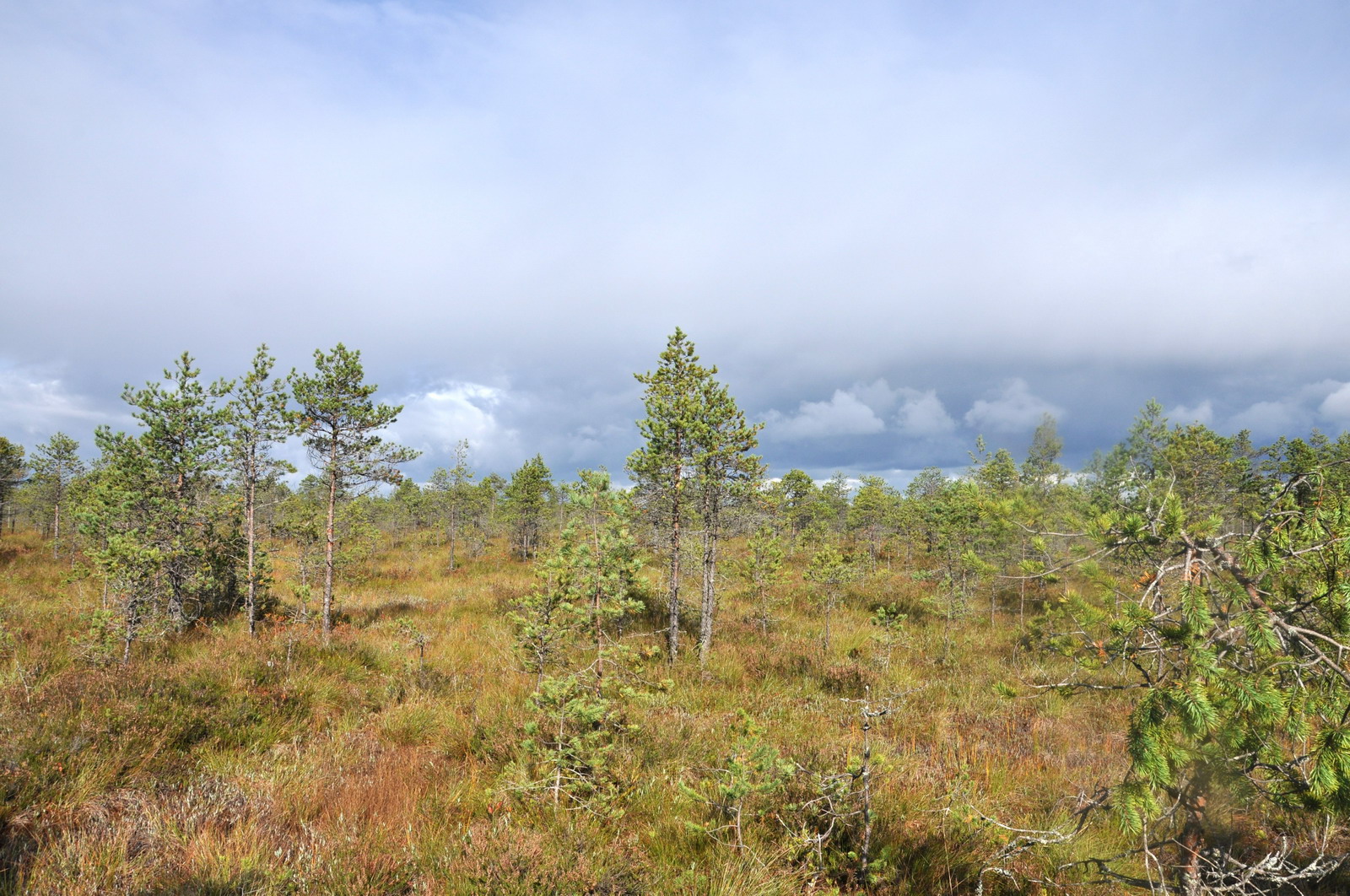
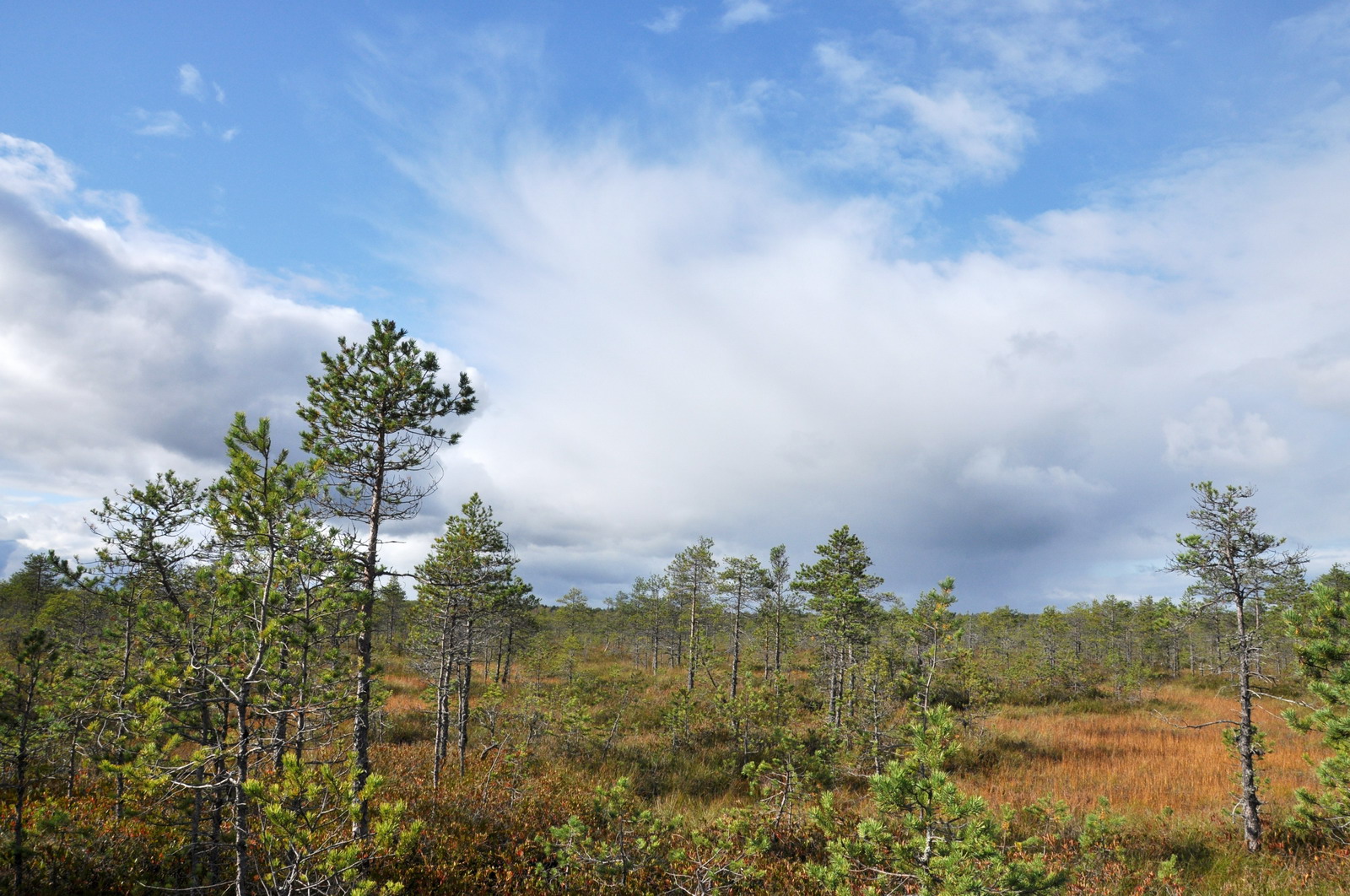
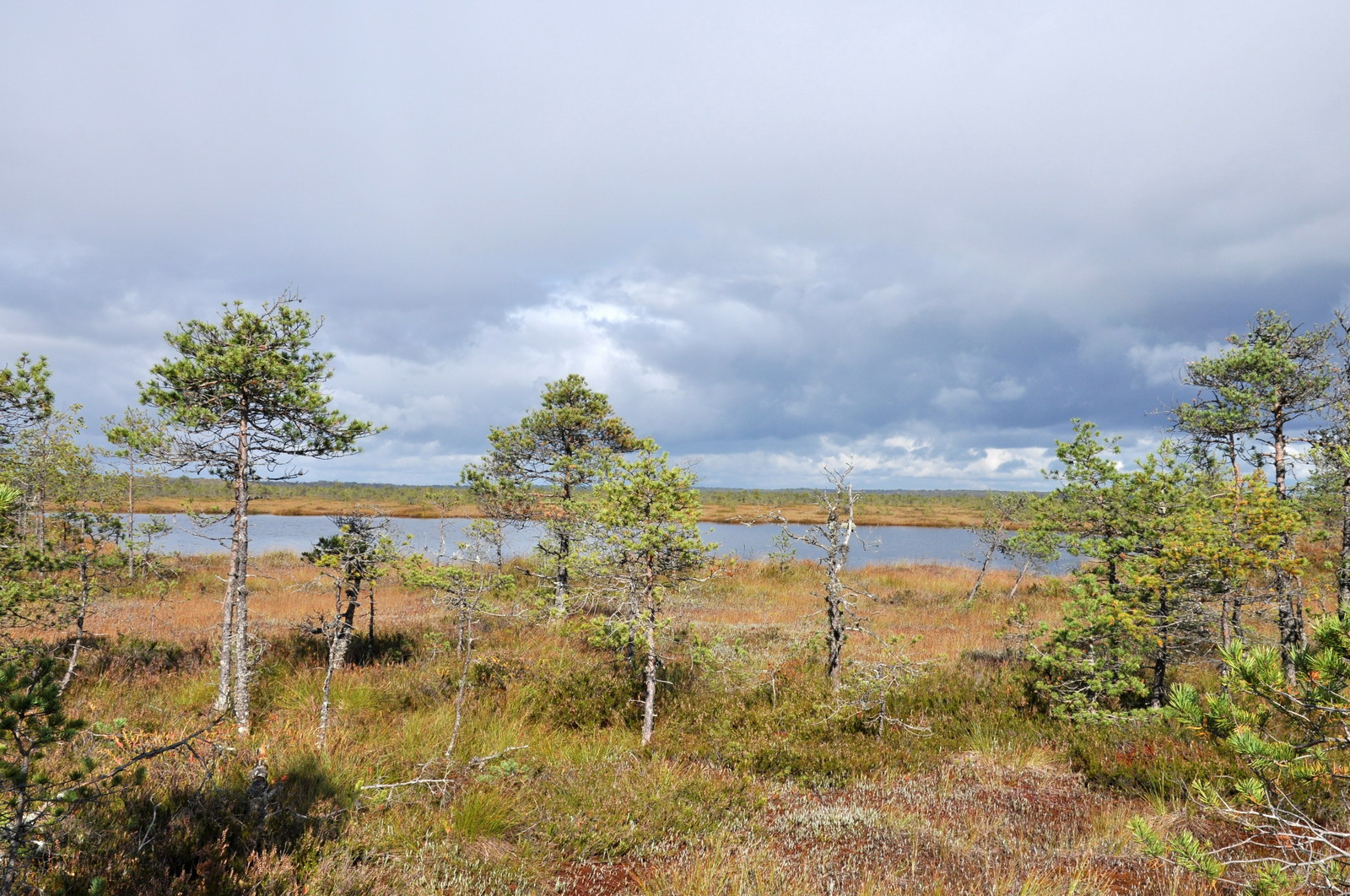
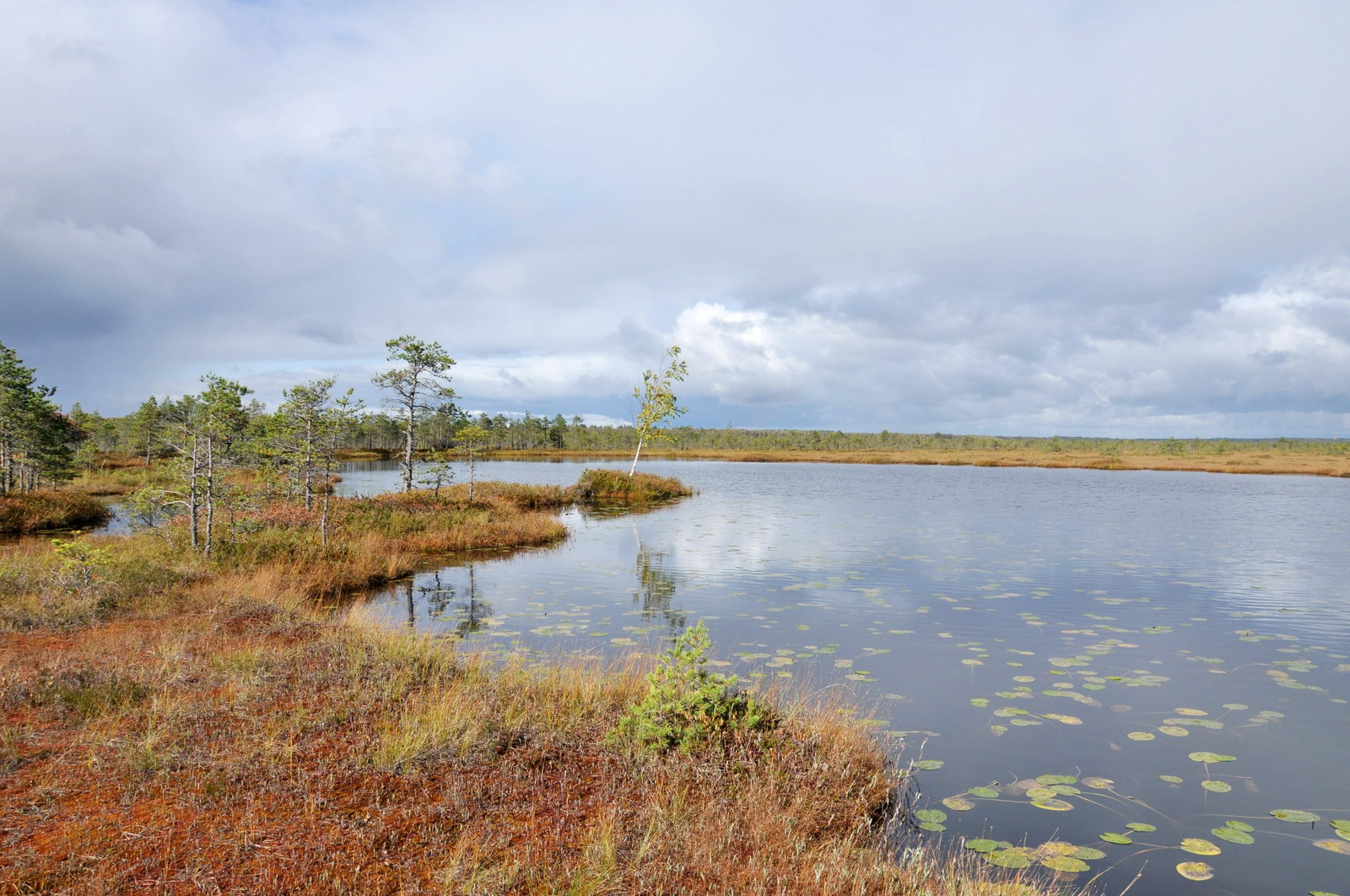
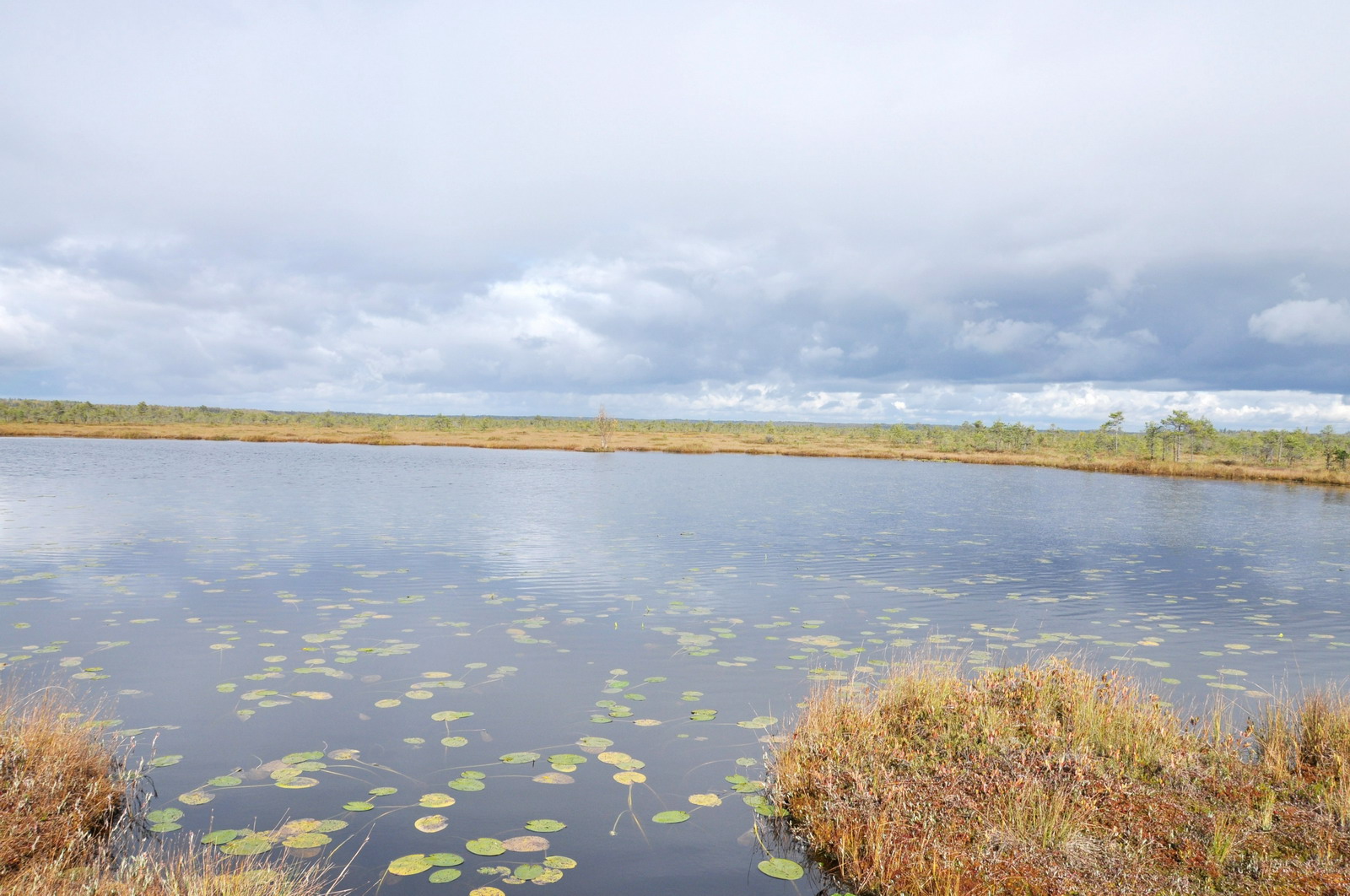
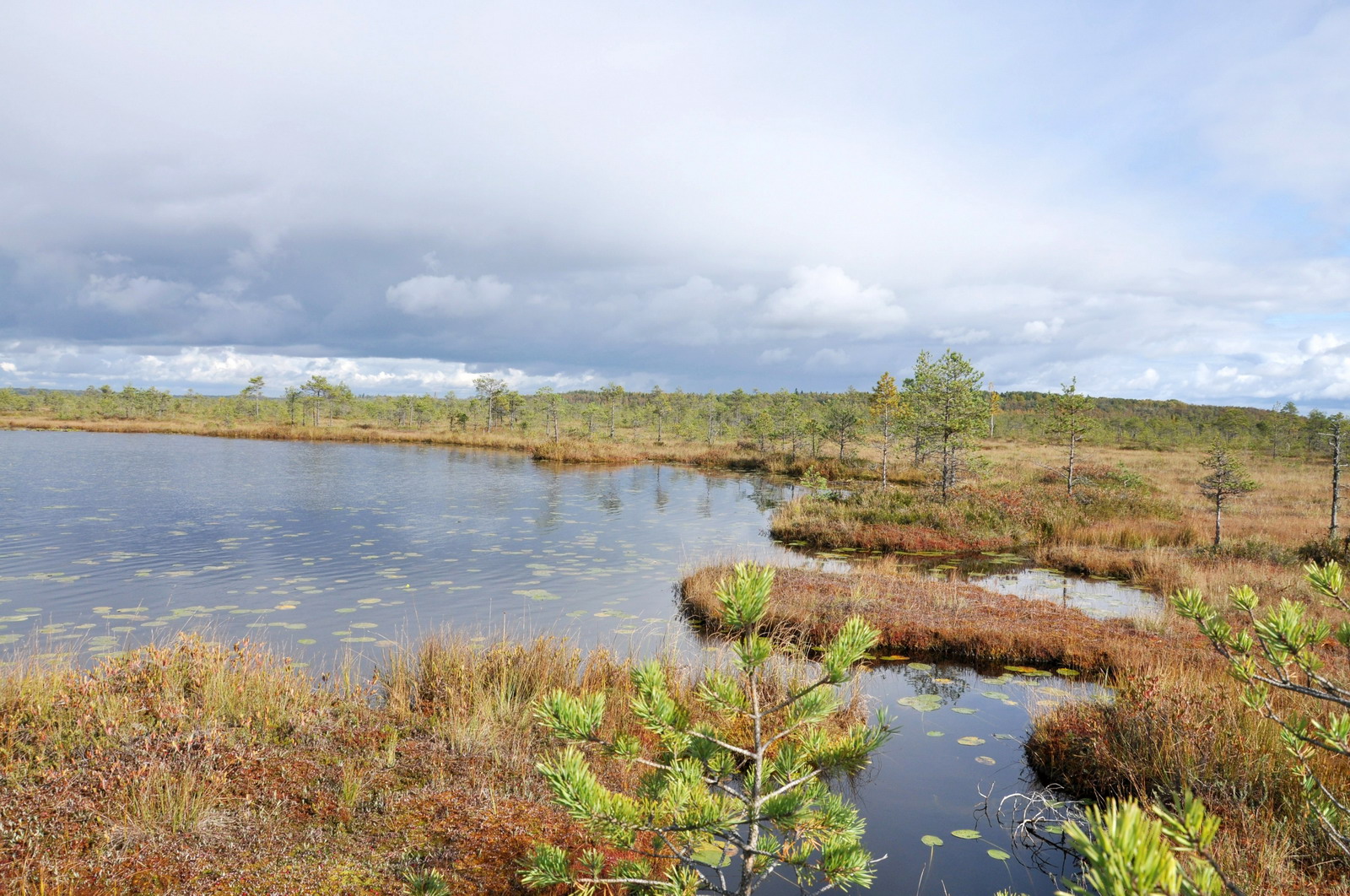
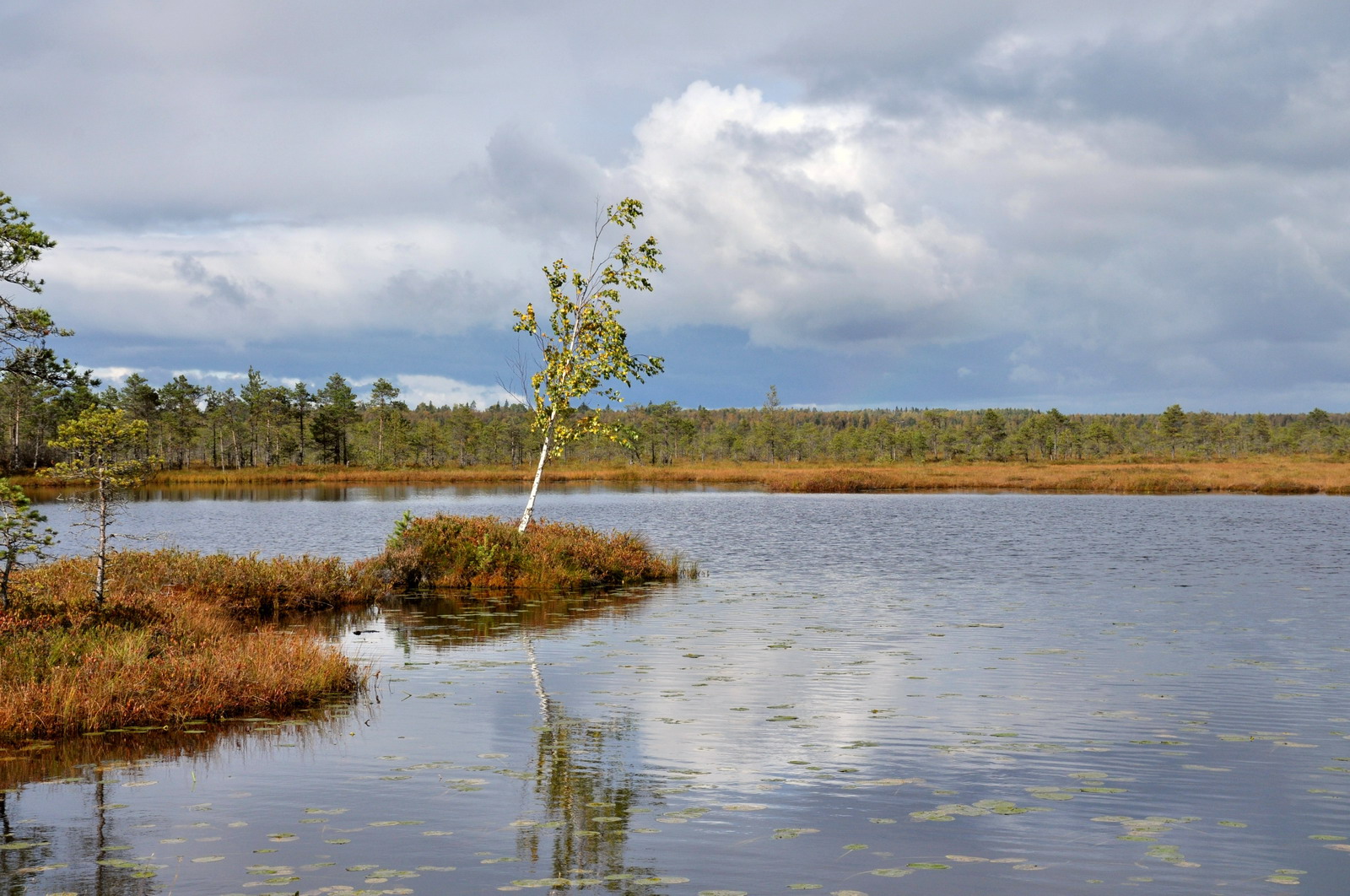
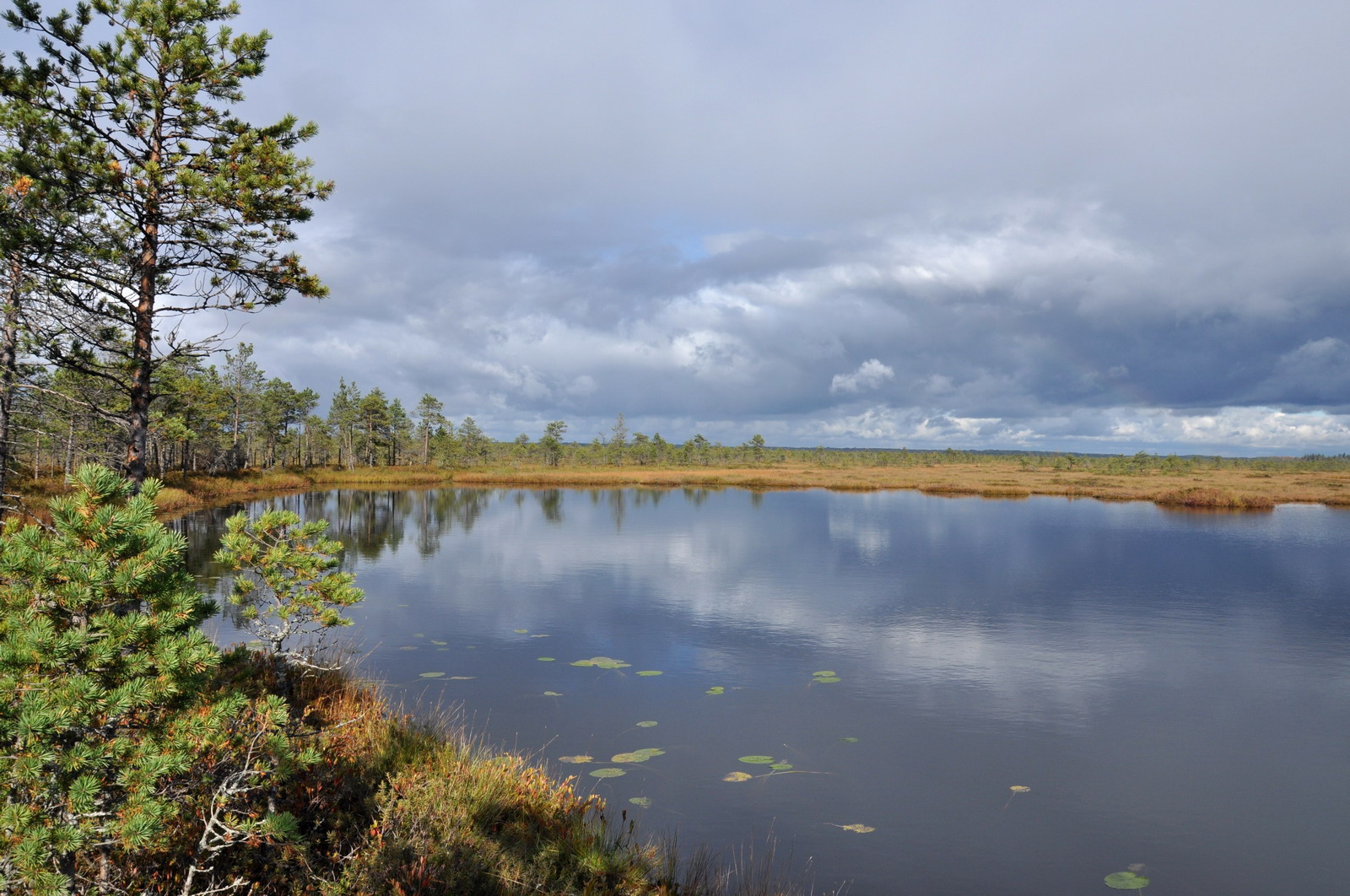
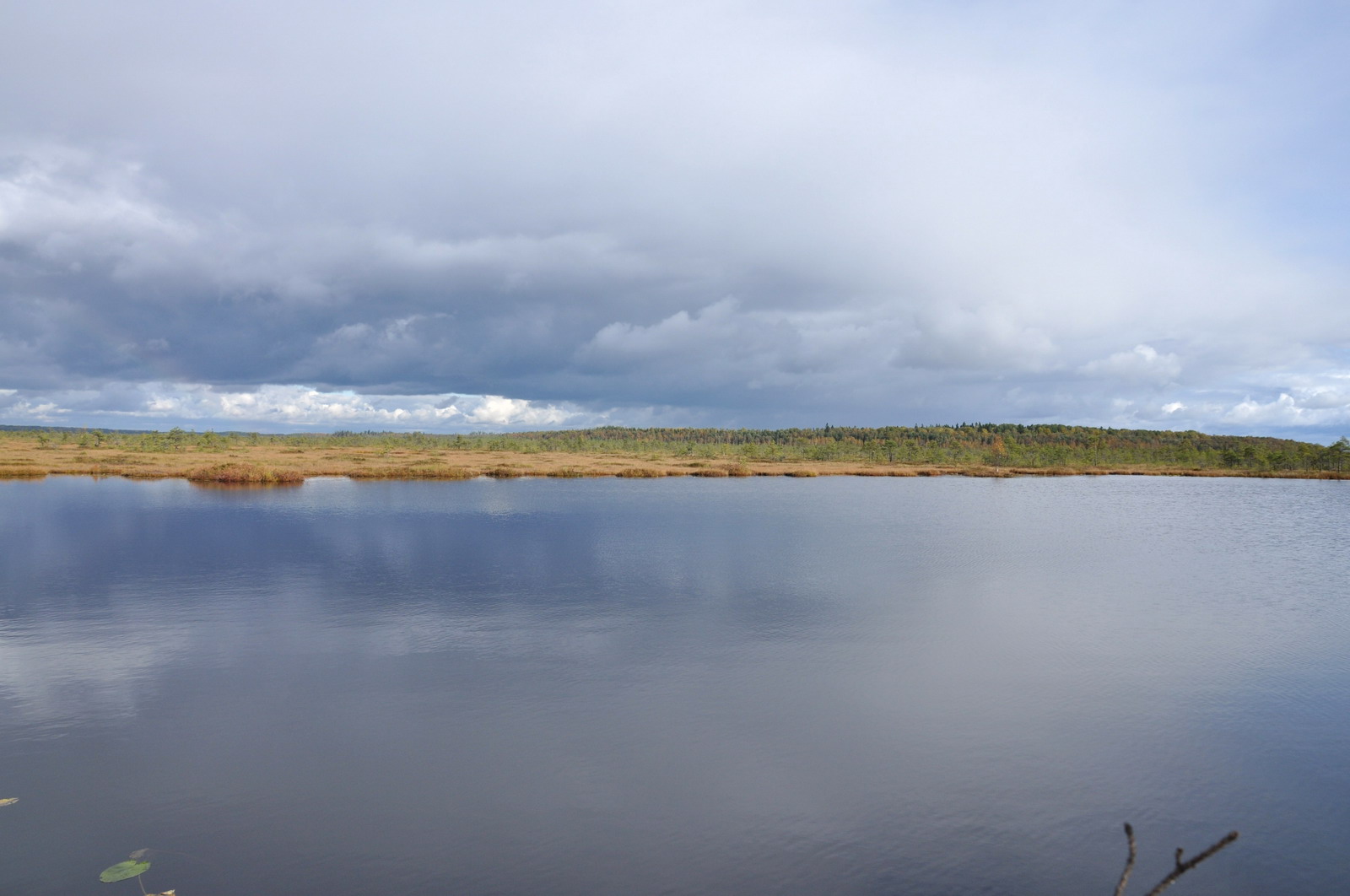
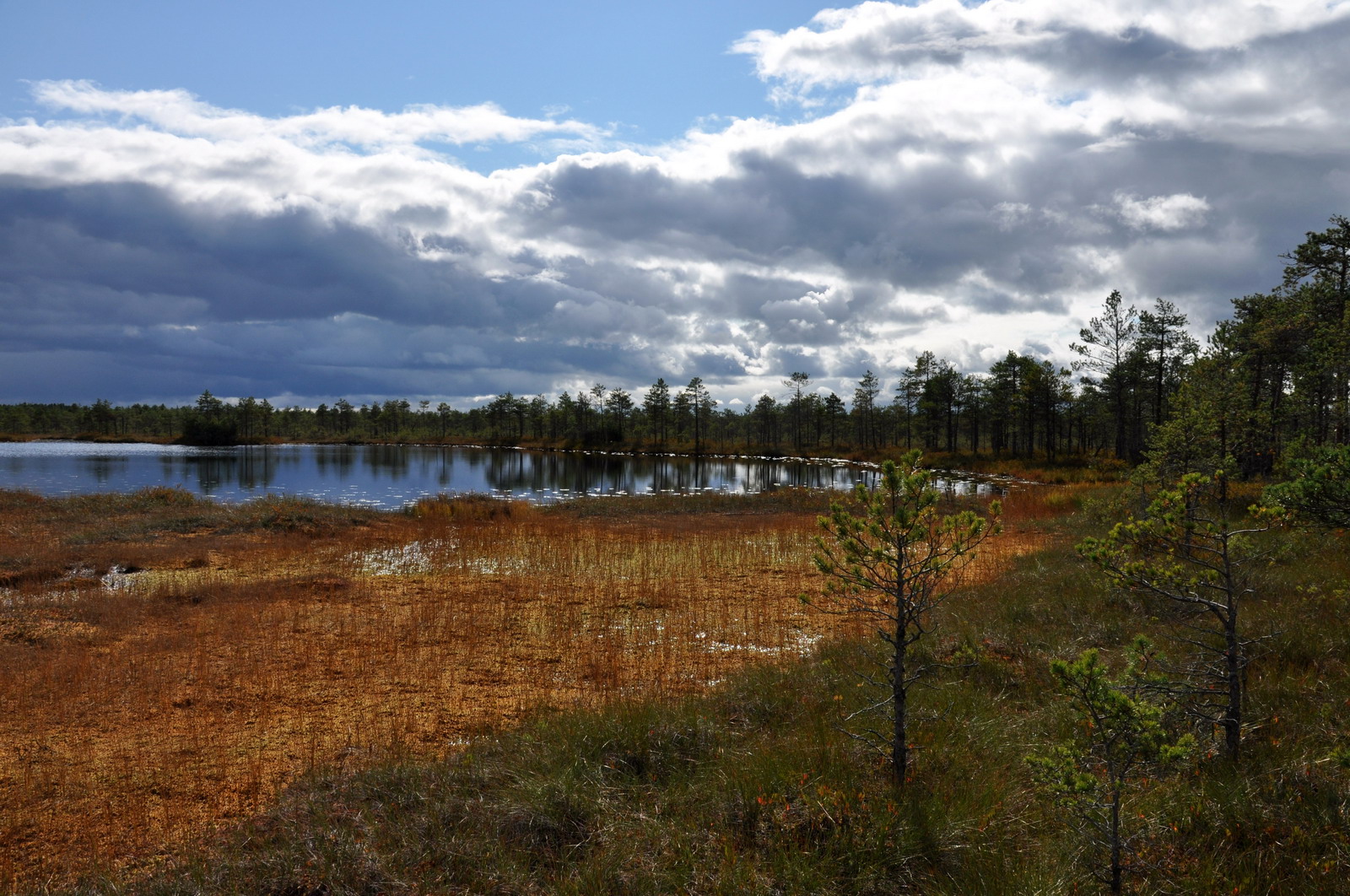
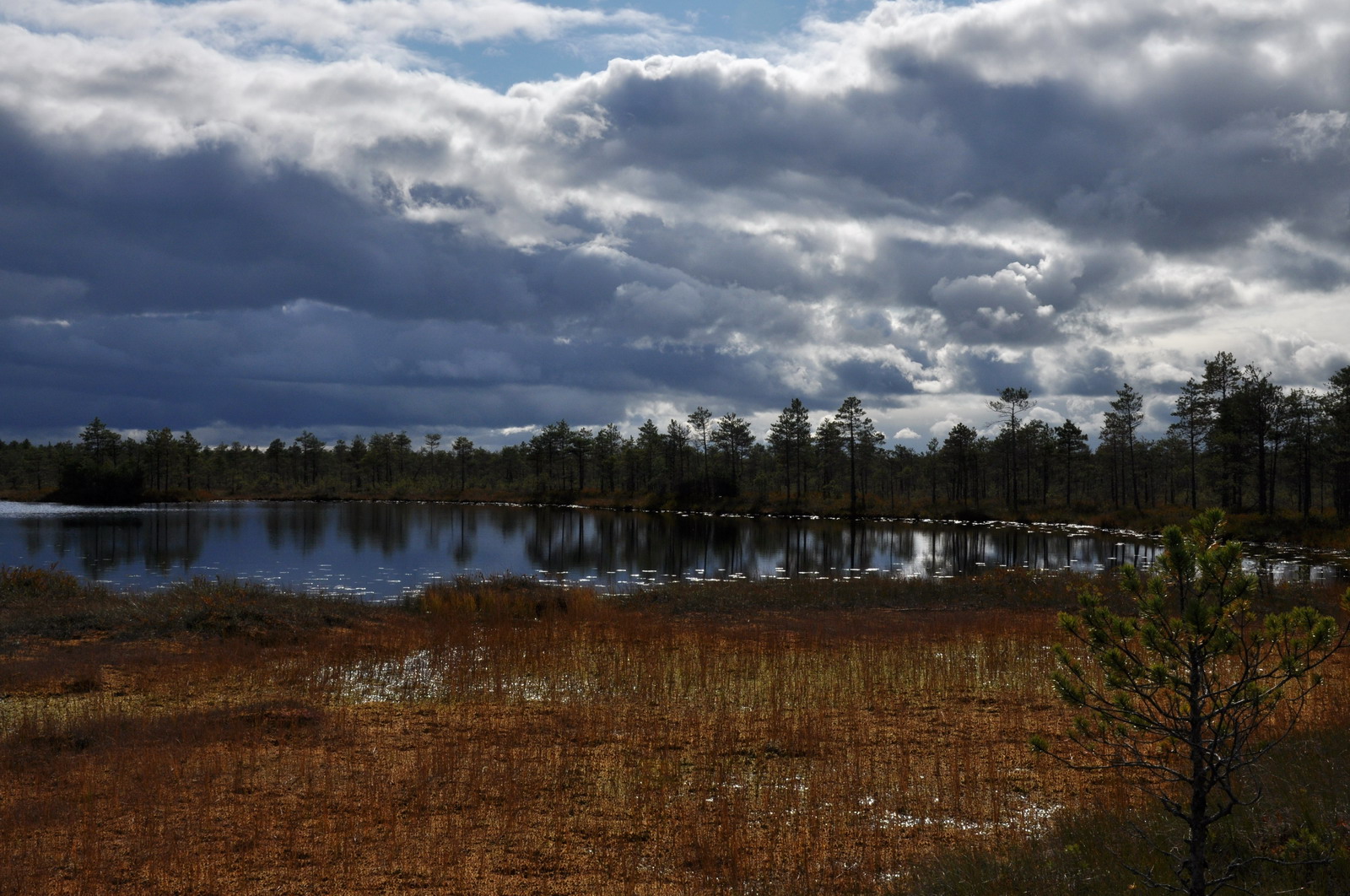
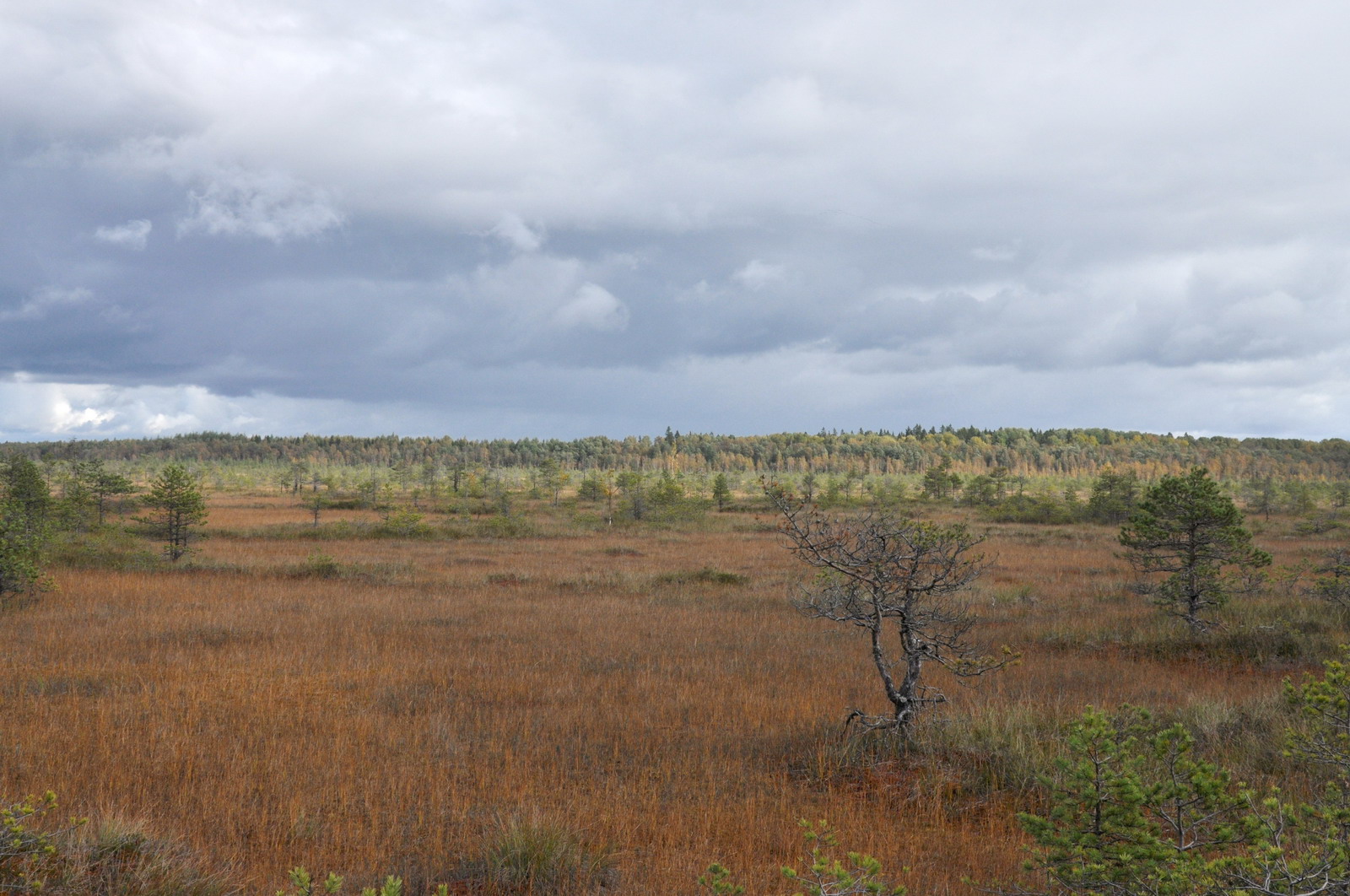
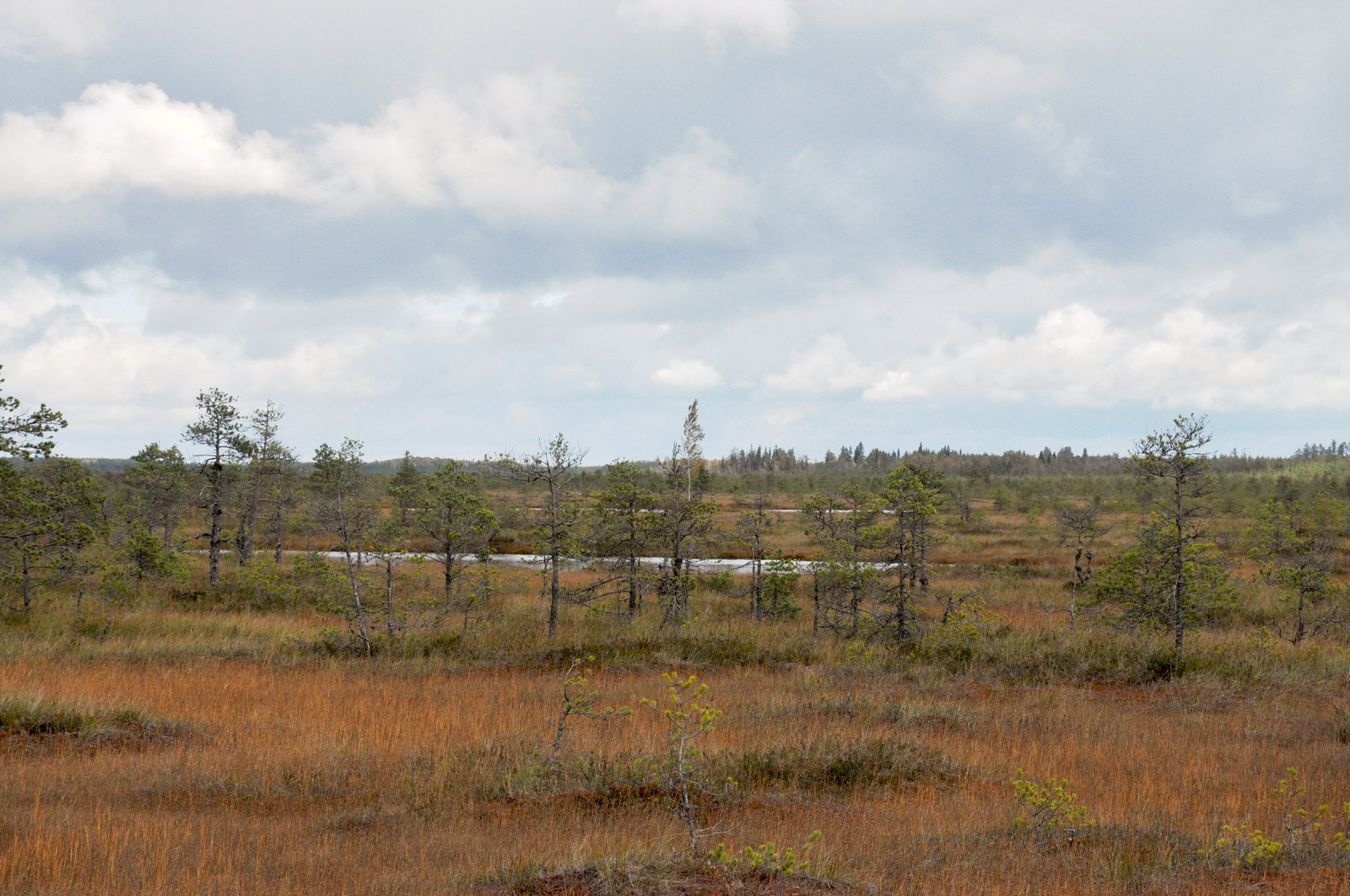
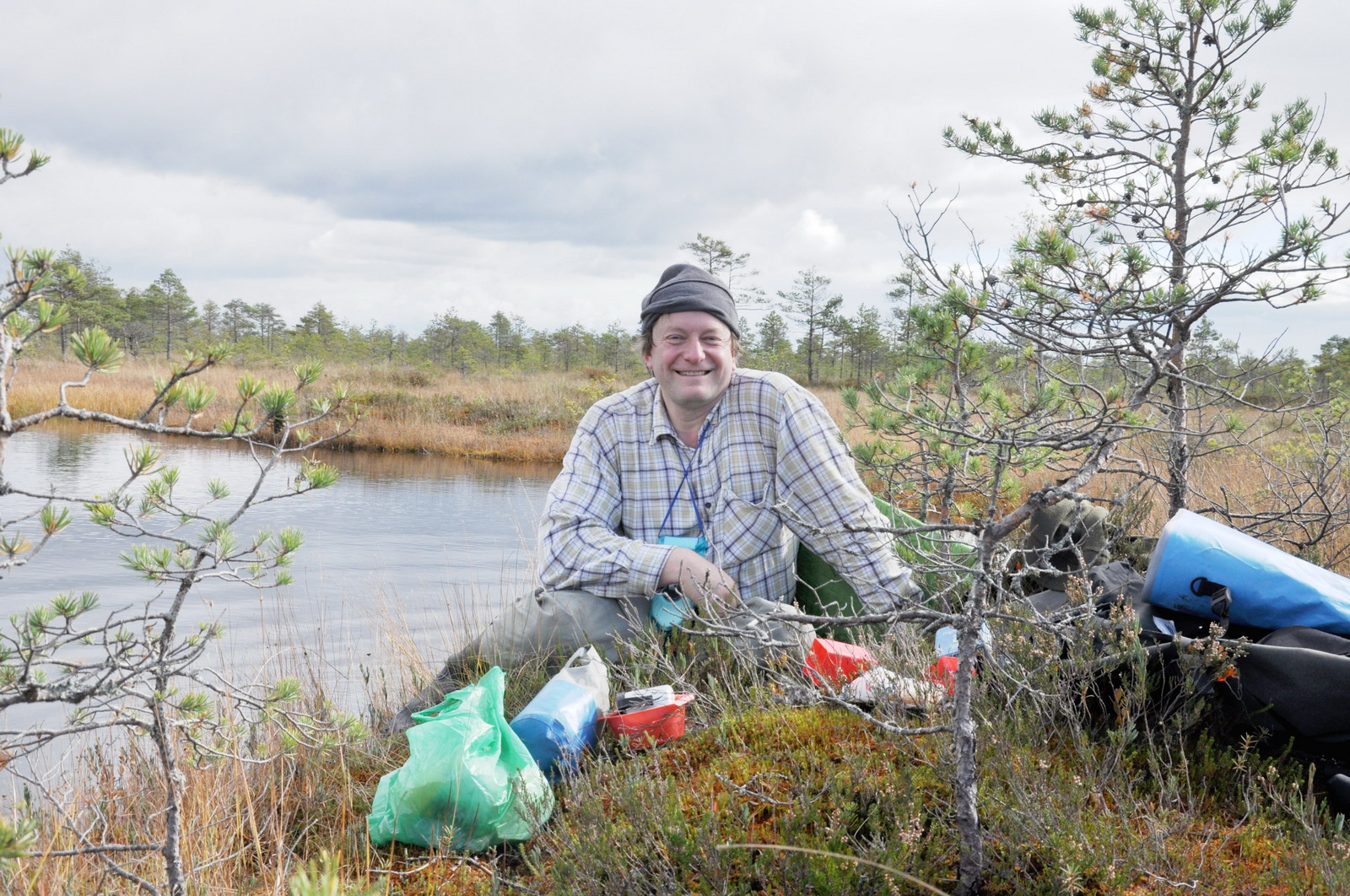
At the next little lake, only just bigger than a puddle, I stopped for a bite (59°11.888′N, 30°36.853′E). Then I nearly became a meal myself for a hunting spaniel. The thing was practically a suitcase with teeth. It looked quite a peaceable little dog, too. Do I really look like a duck?
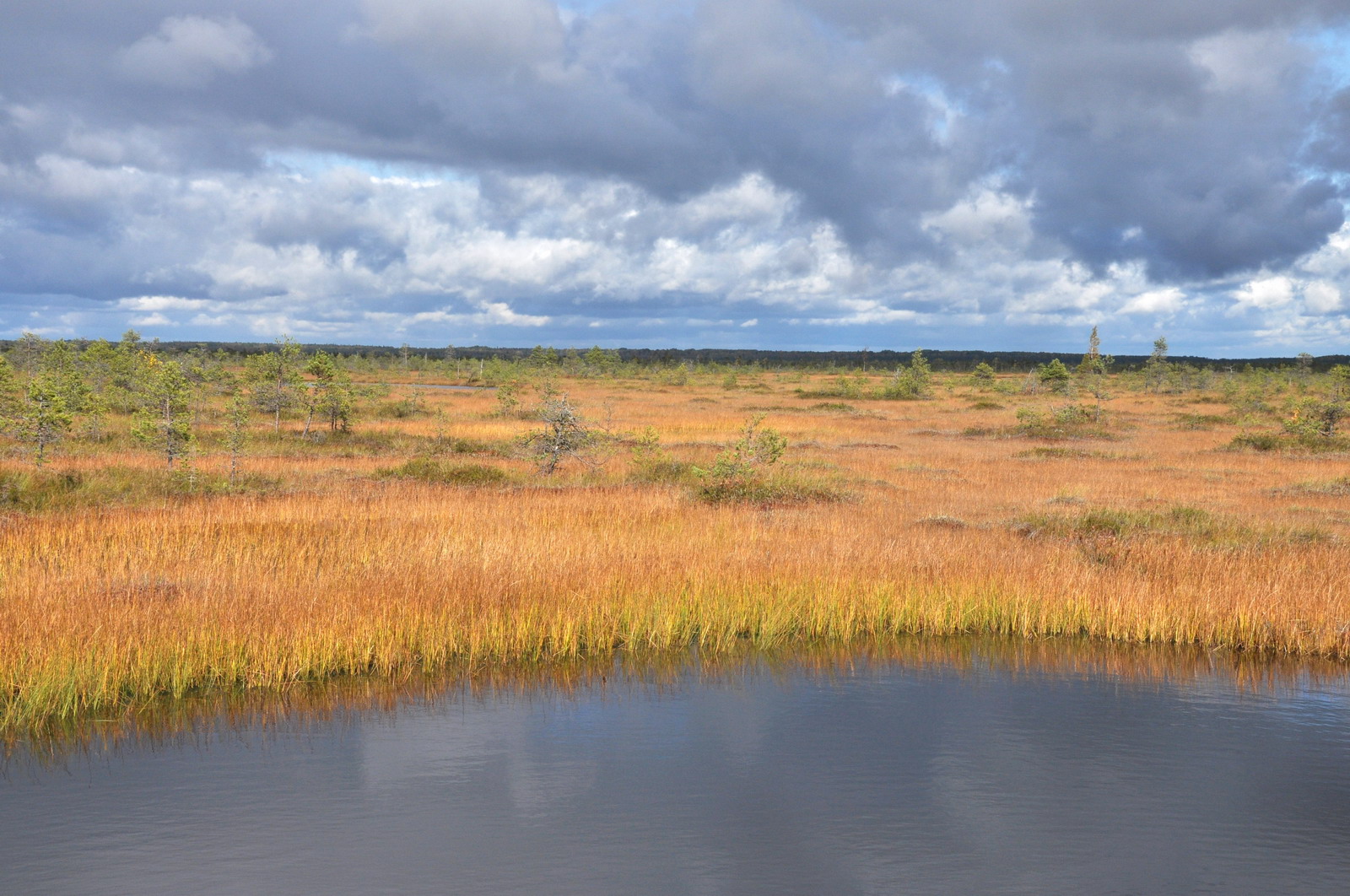
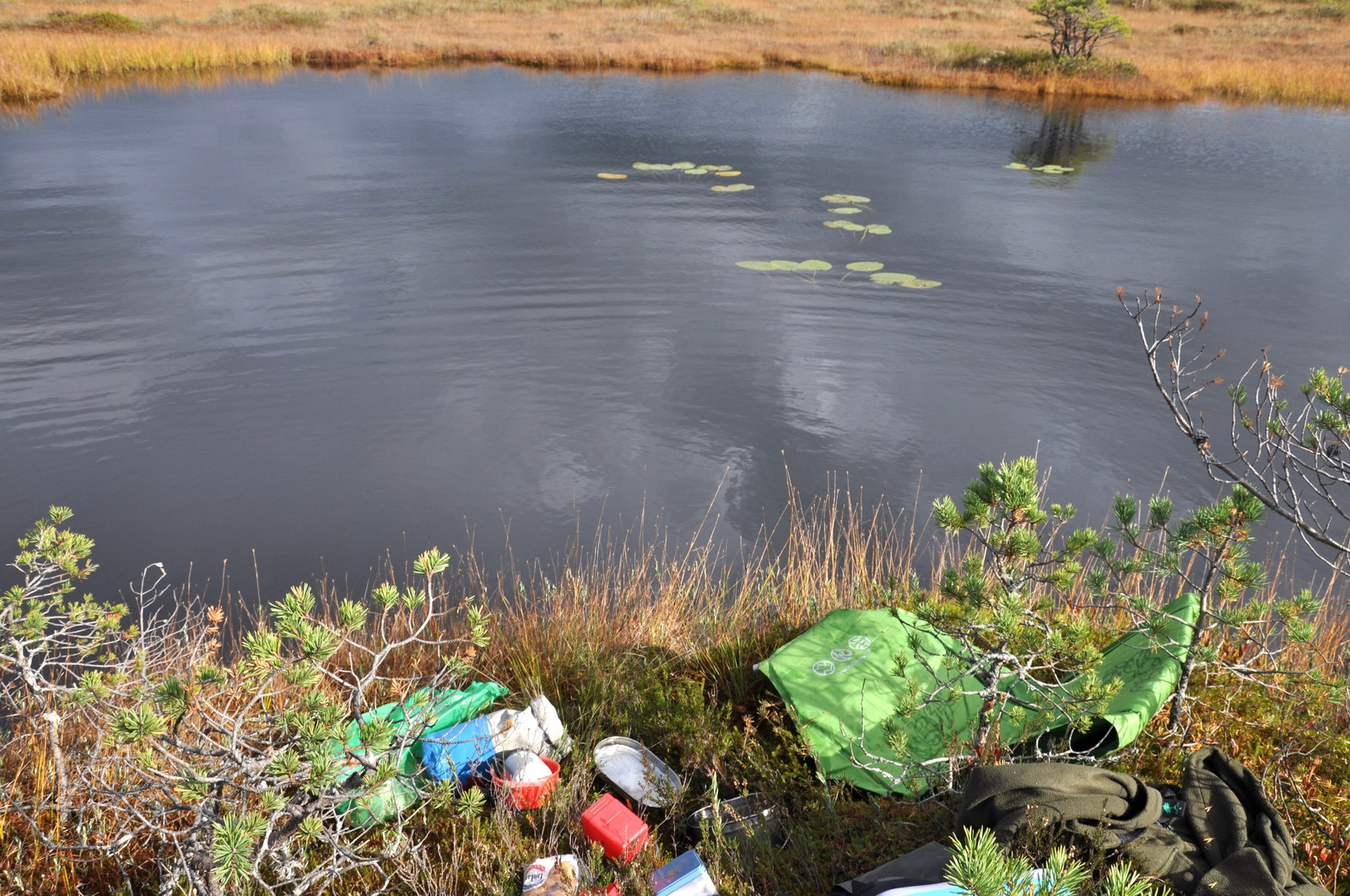
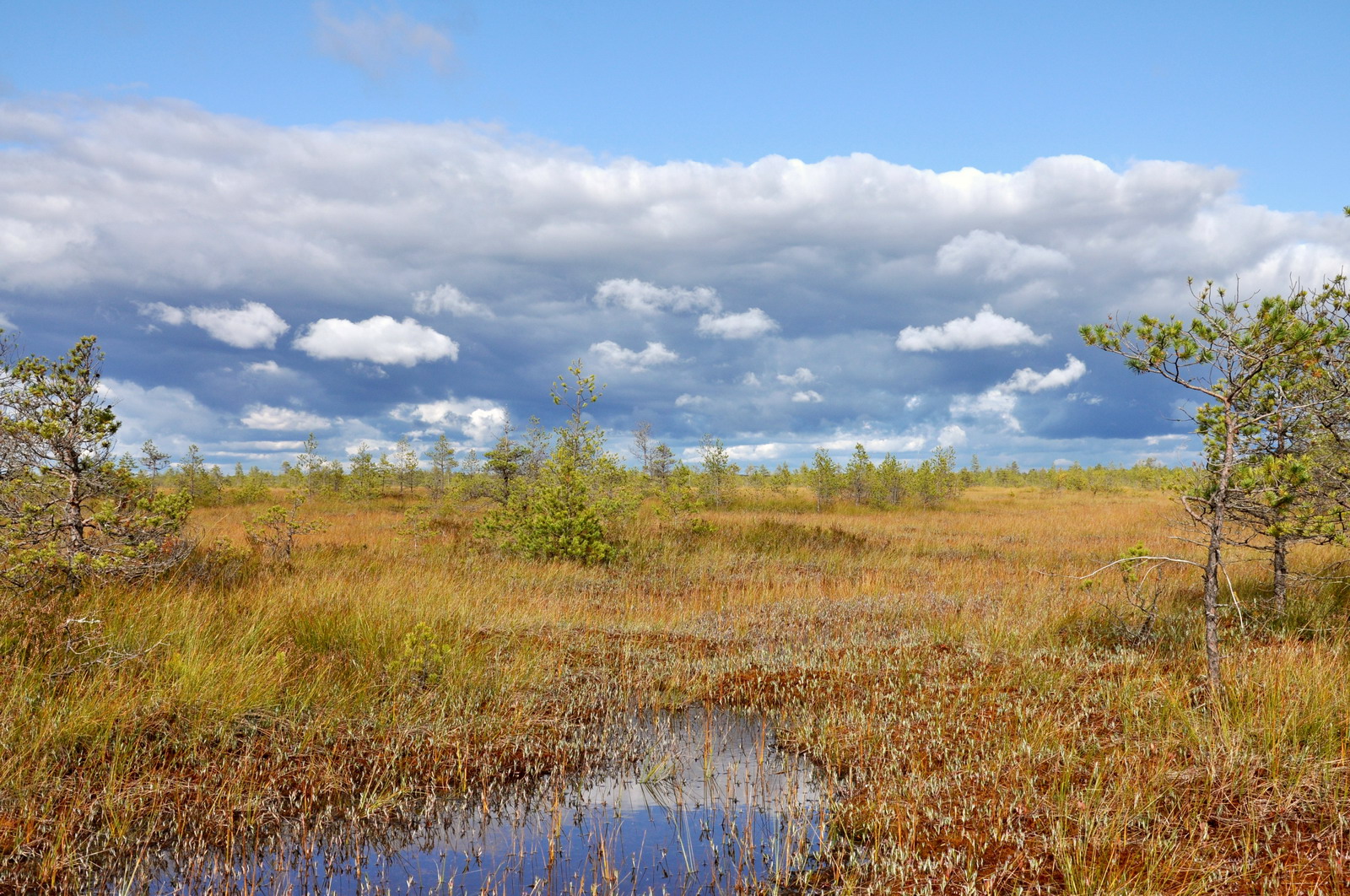
I made it round the lake, but farther on I still had to turn south to skirt the quaking bogs. Above the bog rises a high promontory of coniferous forest. This place is known as Koster. No one can explain why it is called that, but the name Klinkoster already appears on 17th-century Swedish maps. The Russian–Swedish border once ran right here.
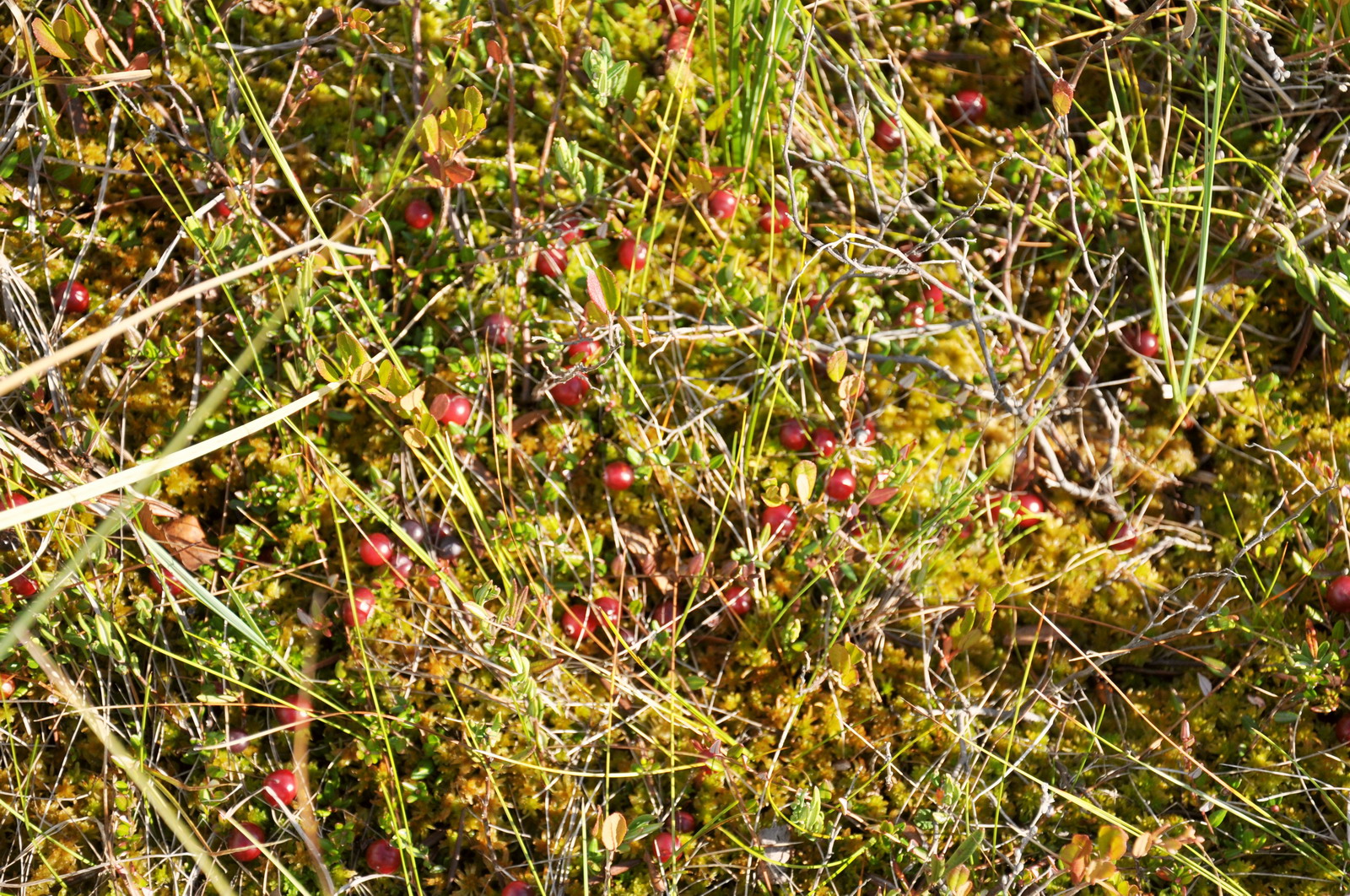
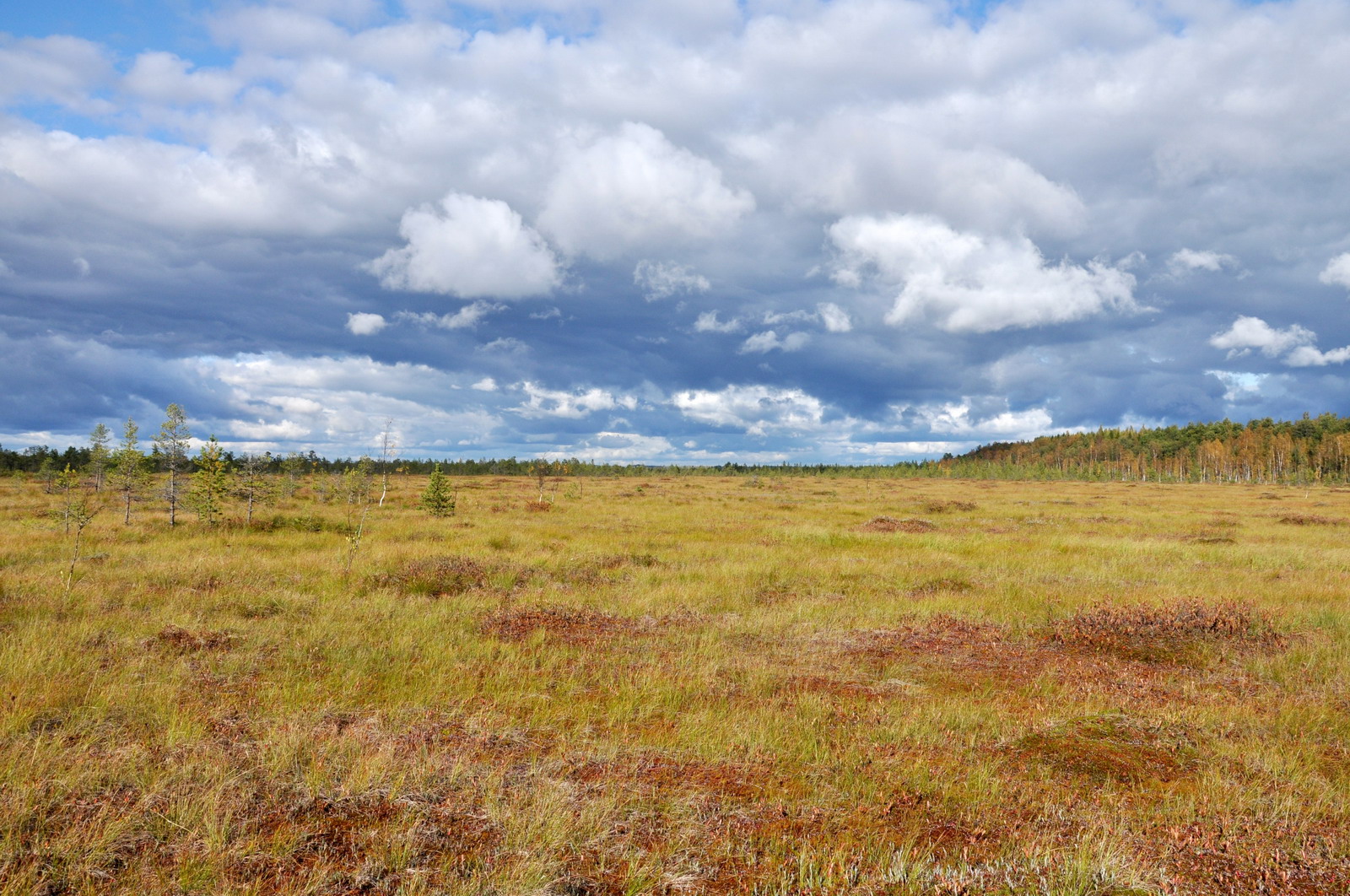
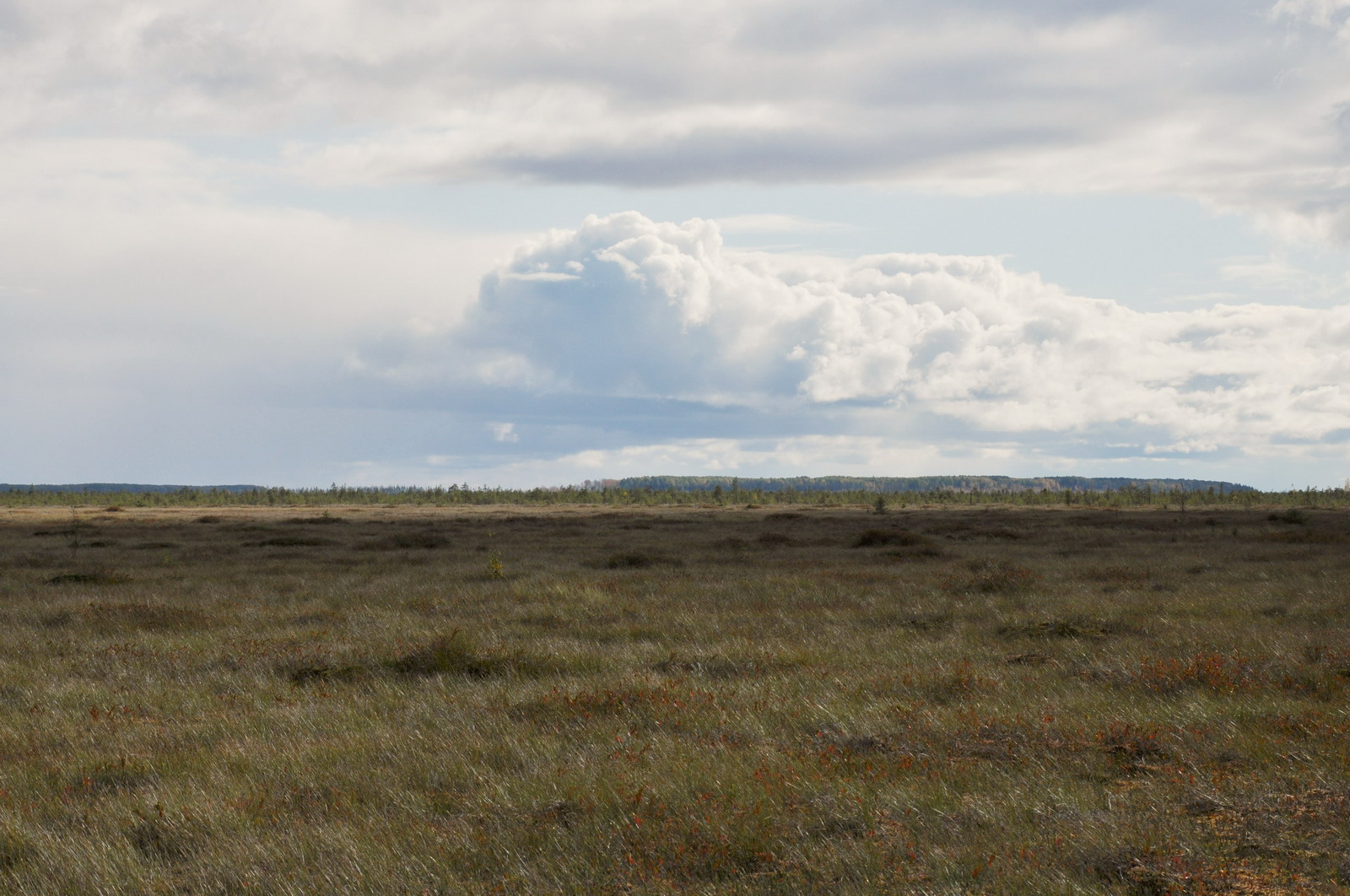
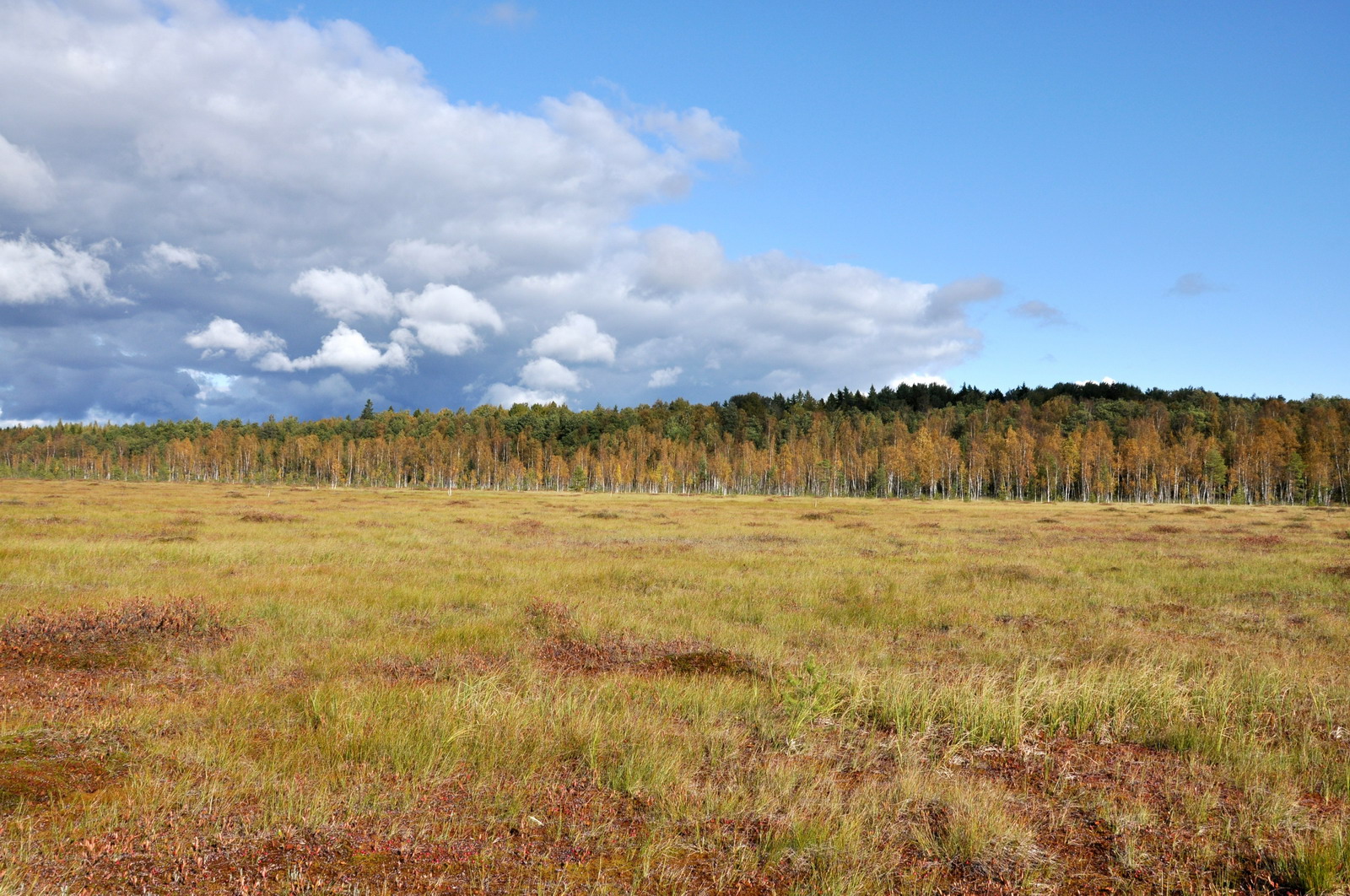
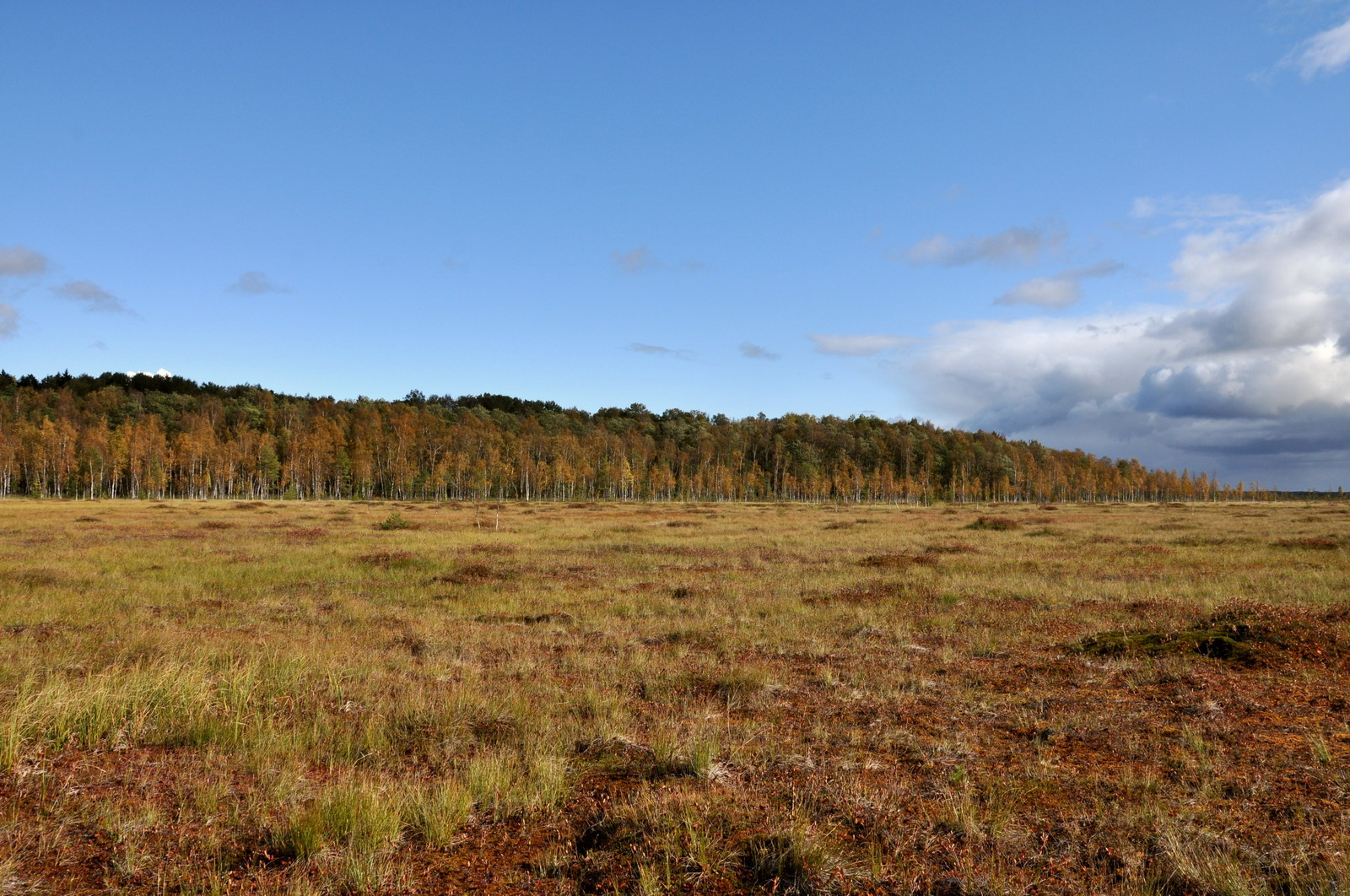
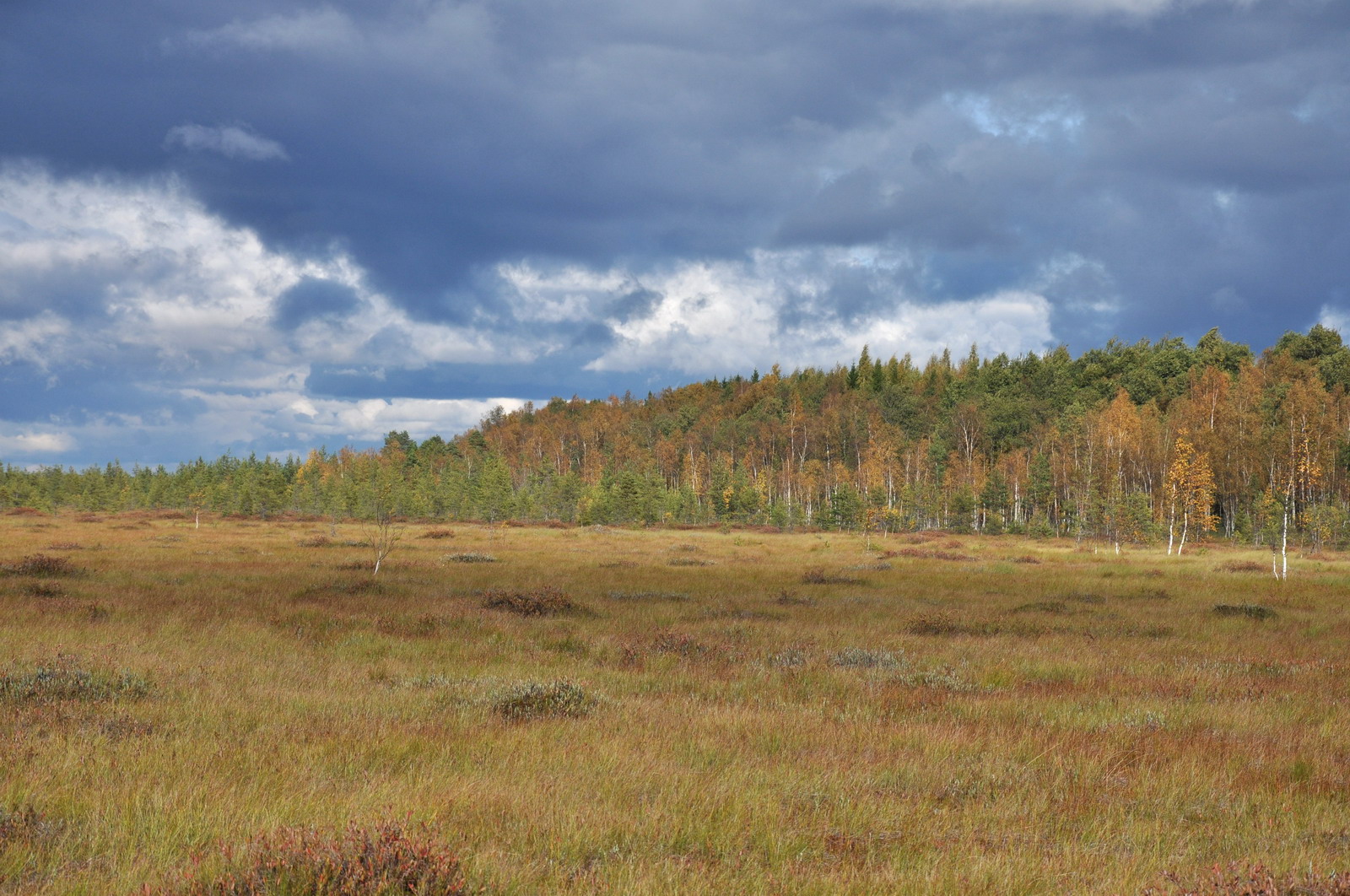
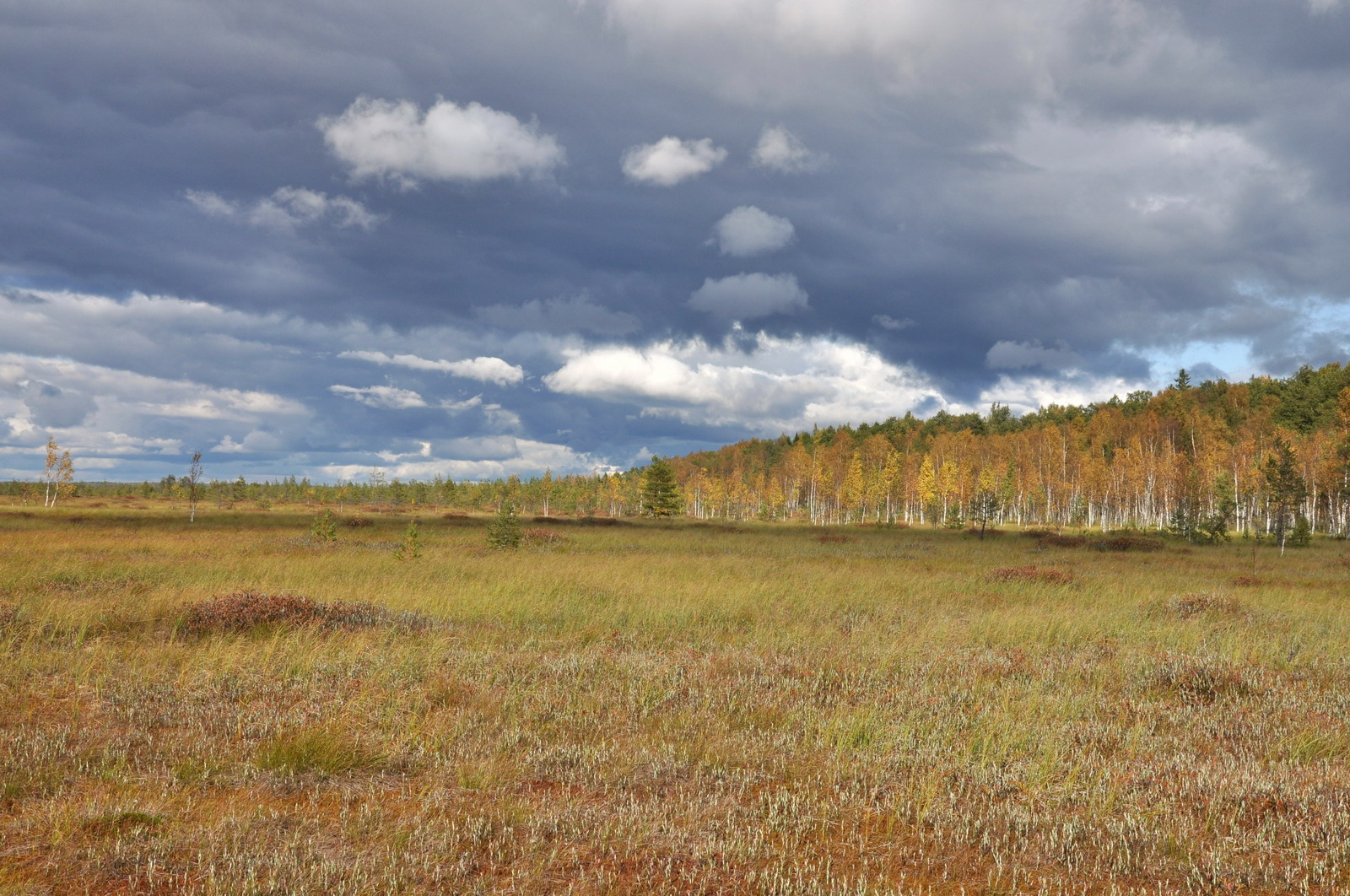
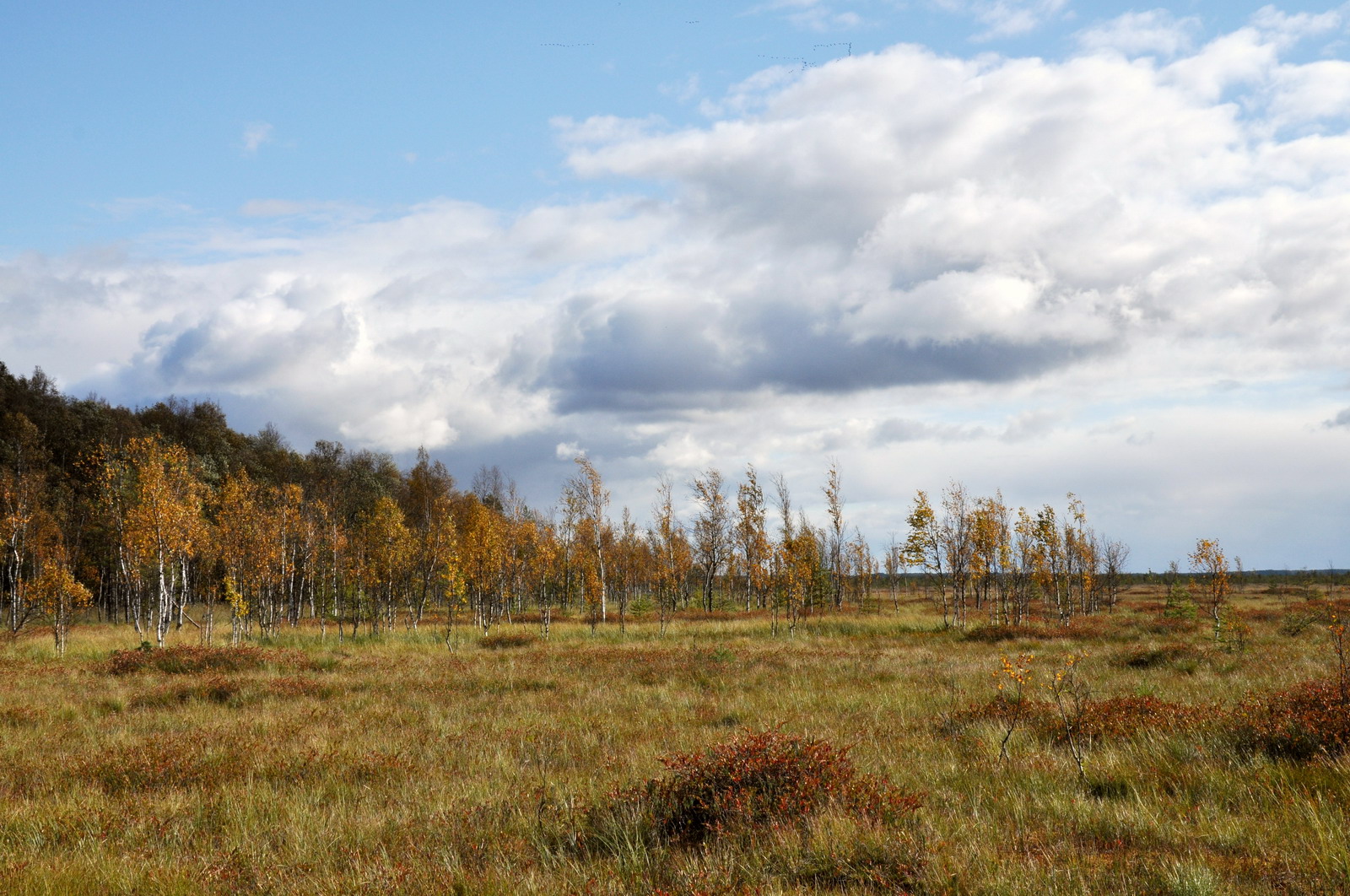
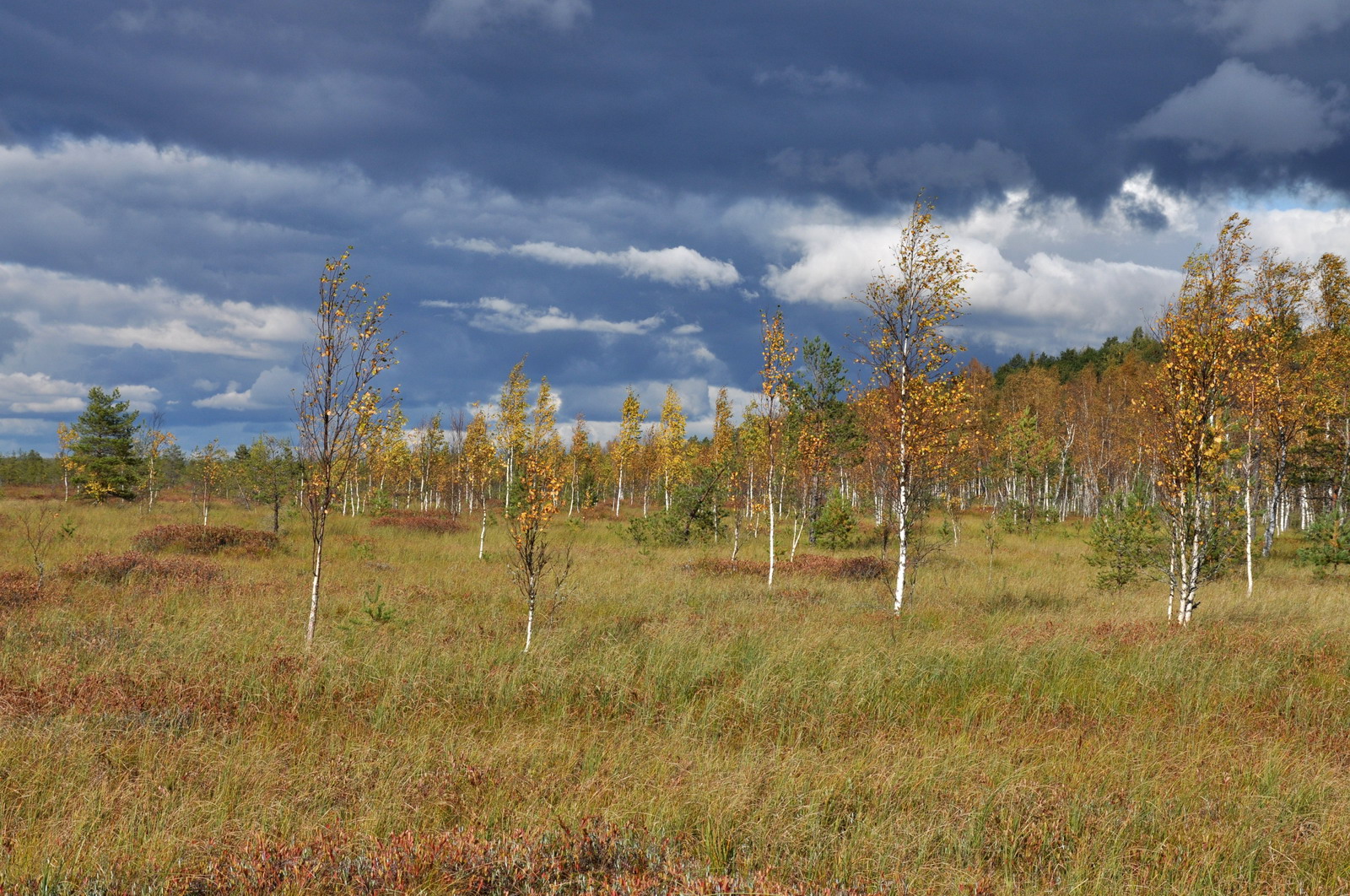
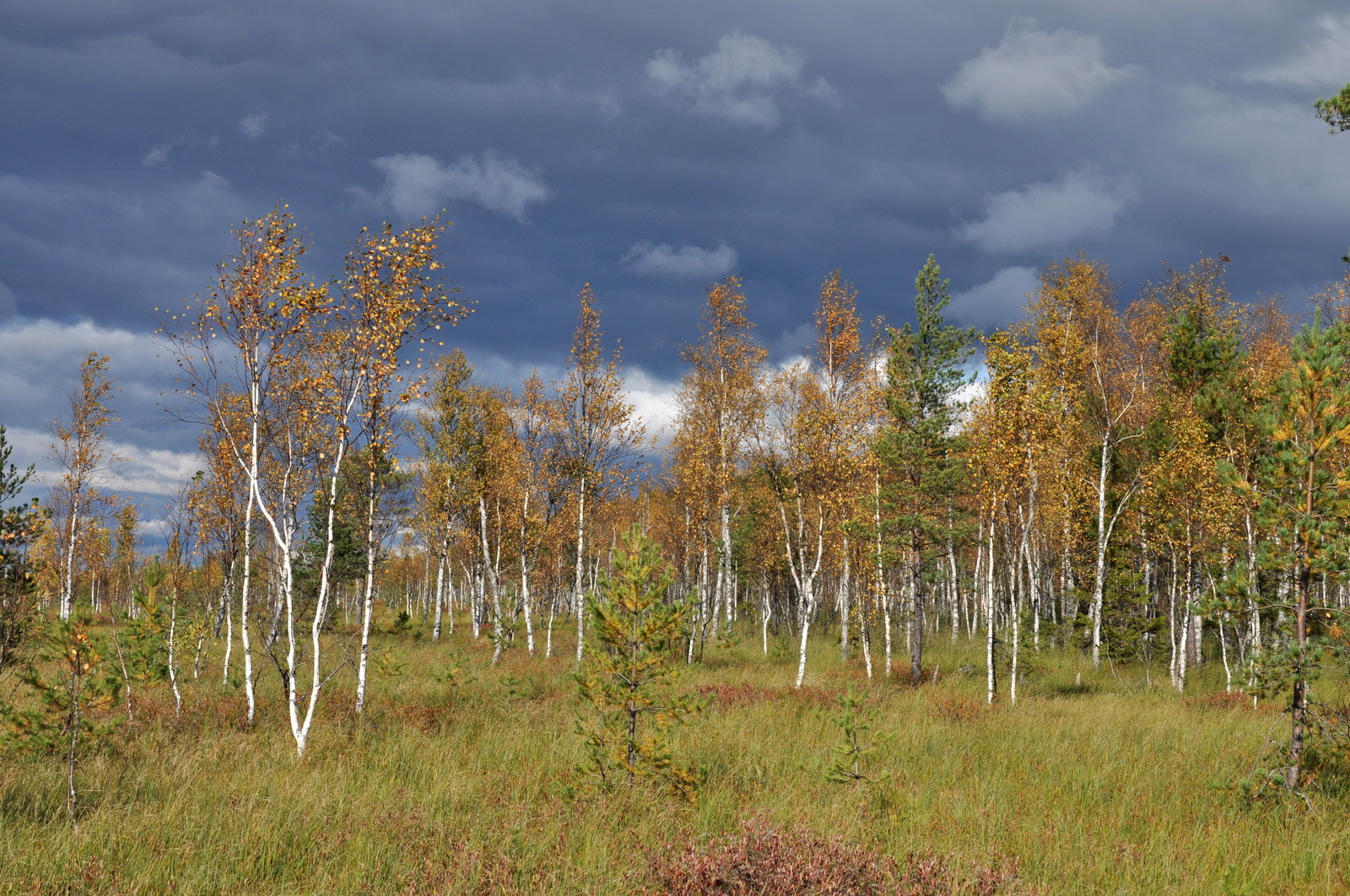
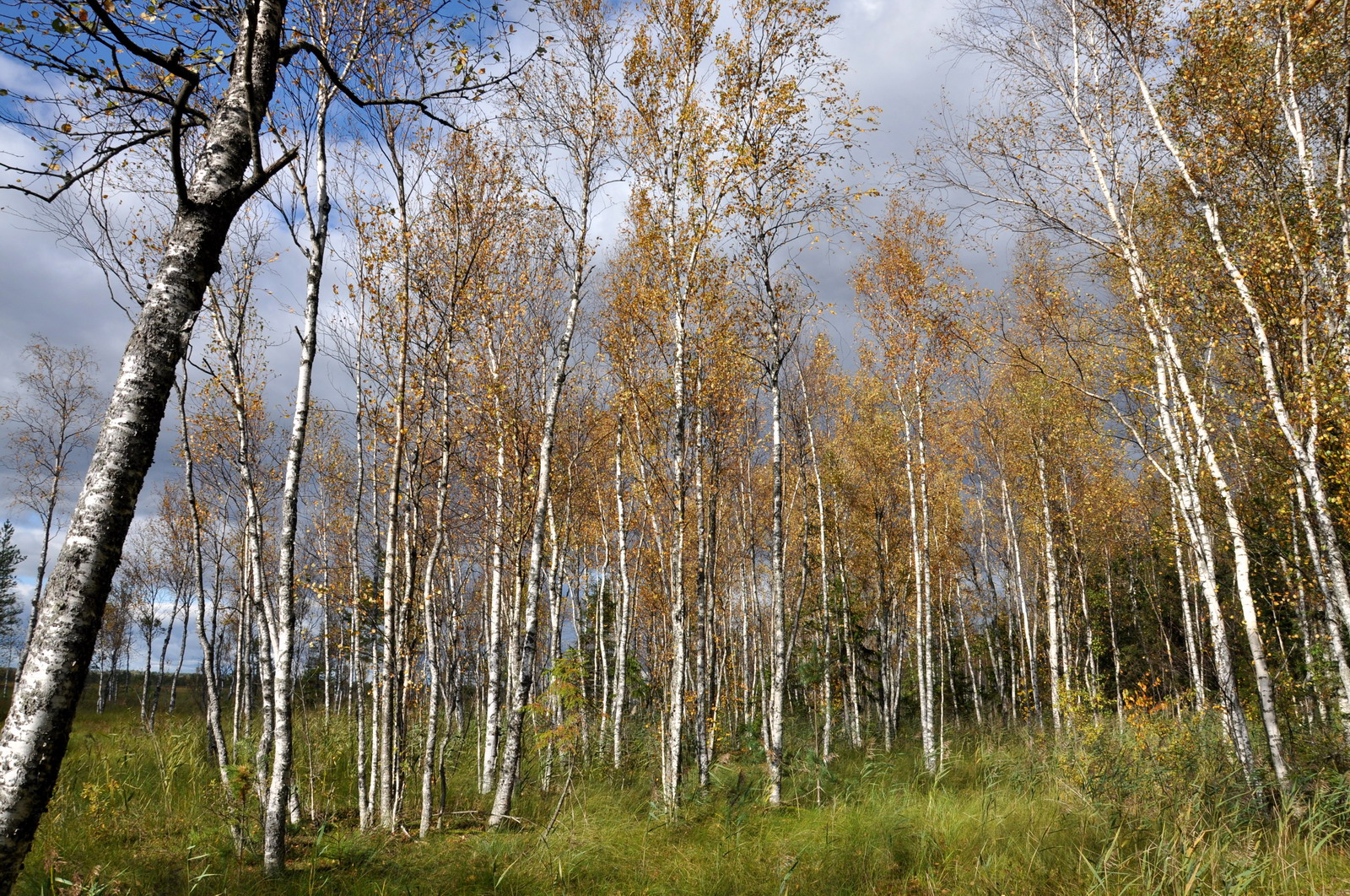
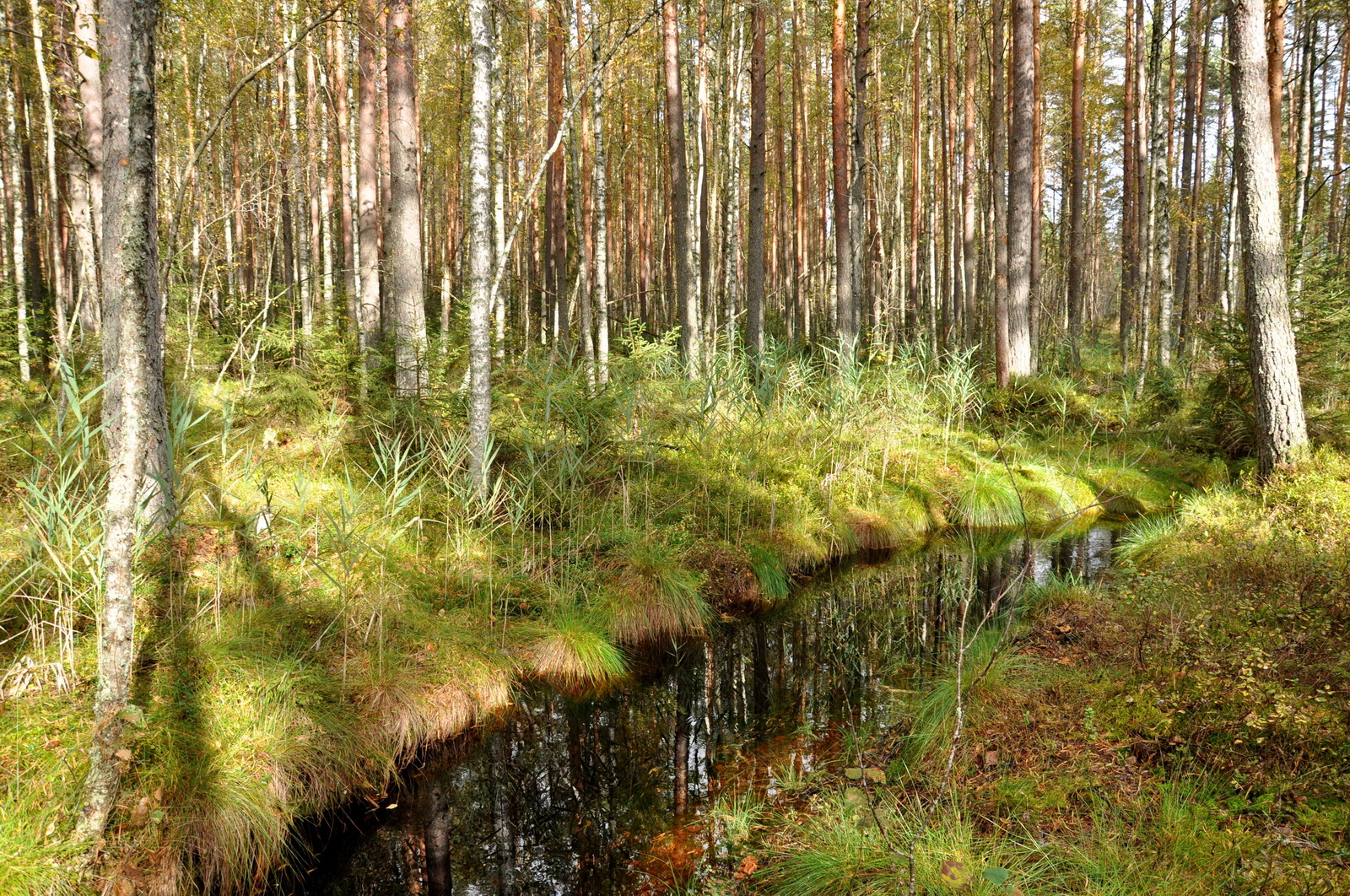
I followed the northern edge of Koster. The tall, dry forest is only in the west. Beyond it begins a dense, boggy birch wood overgrown with reeds. Perhaps just after the war, or perhaps before it, people were doing something mysterious here. A narrow-gauge railway ran in and several enormous pits were dug. They are full of water now. That is where I was heading, for the same reason: to add them to my lake list.
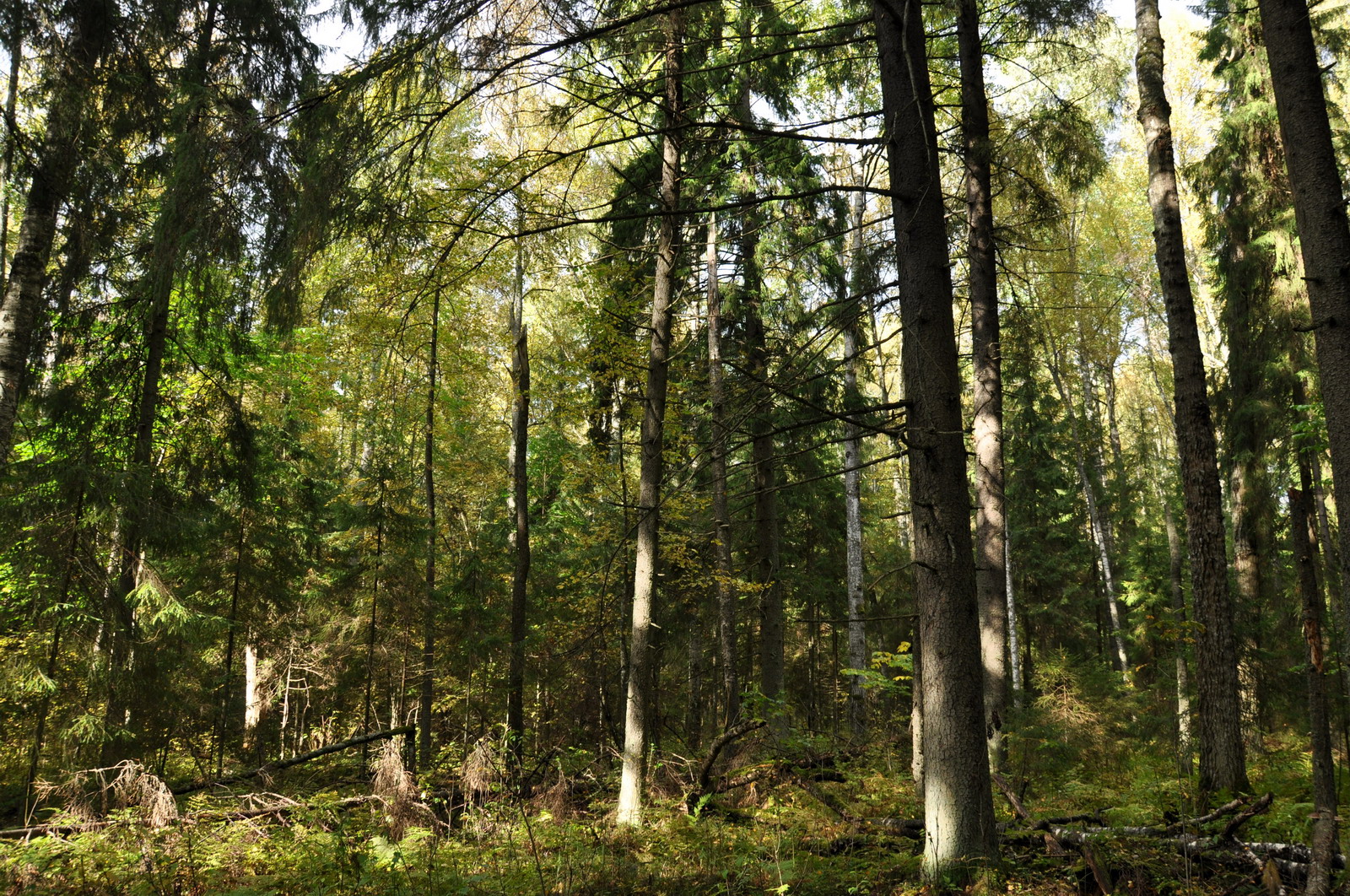
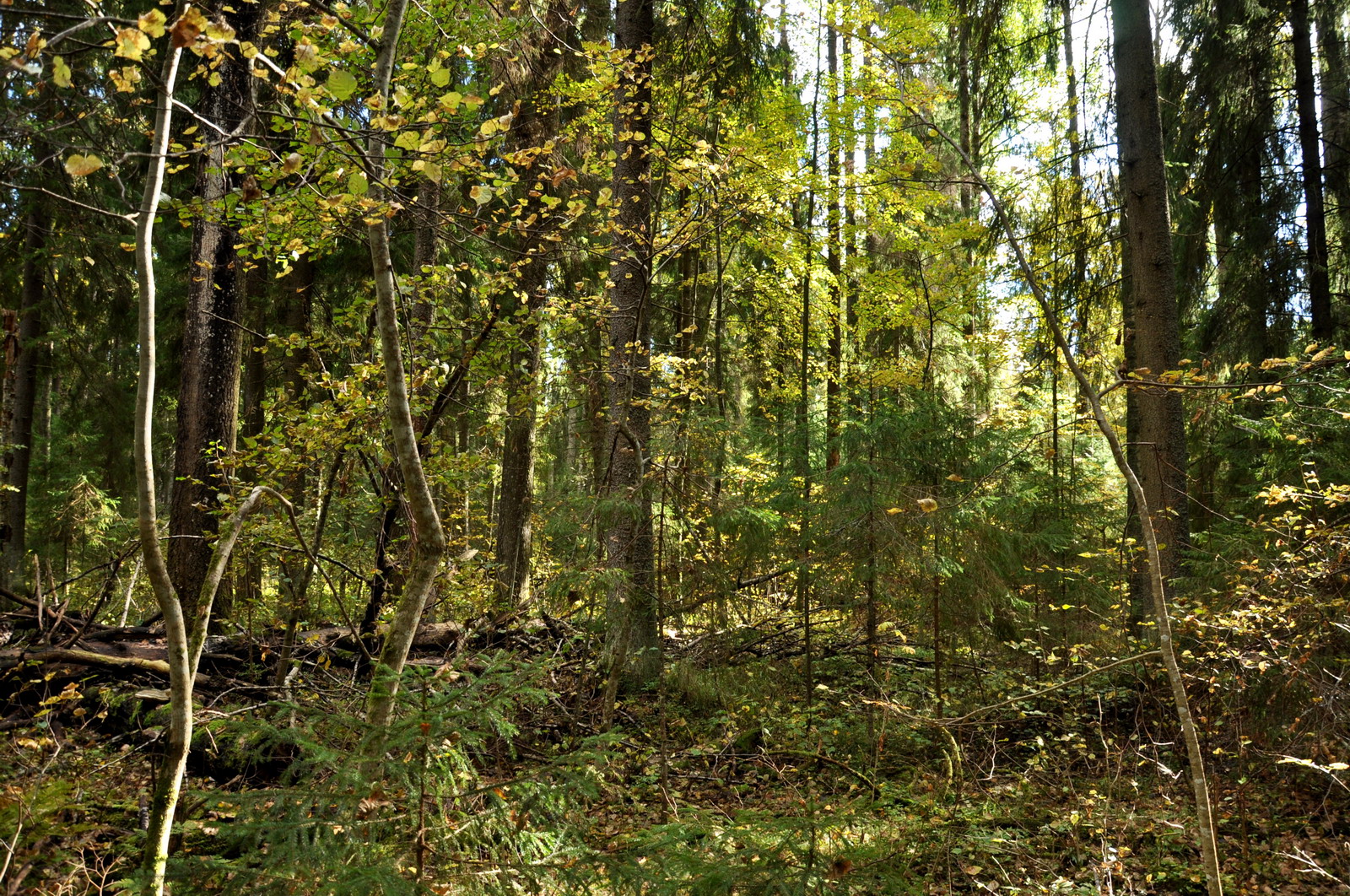
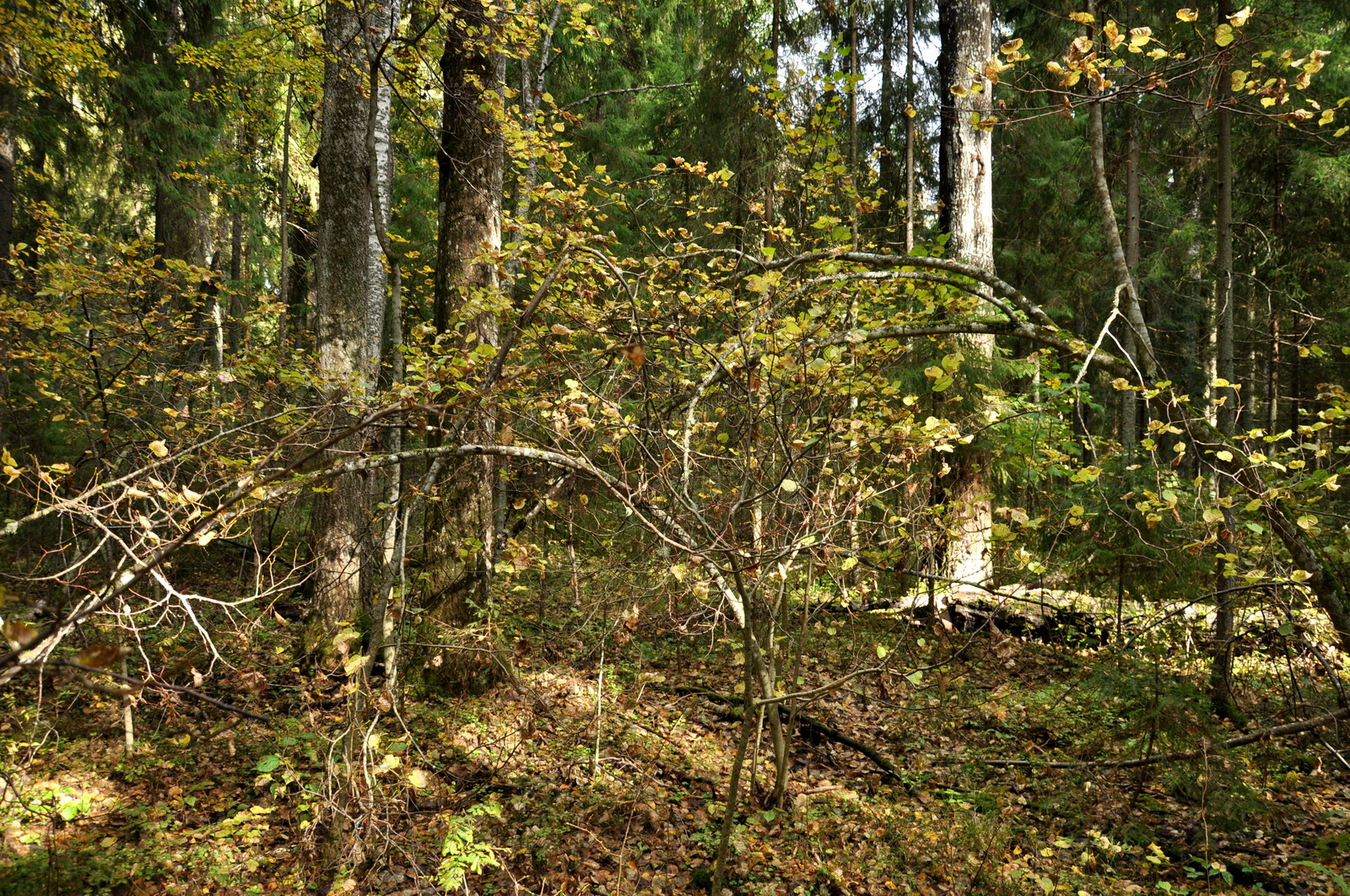
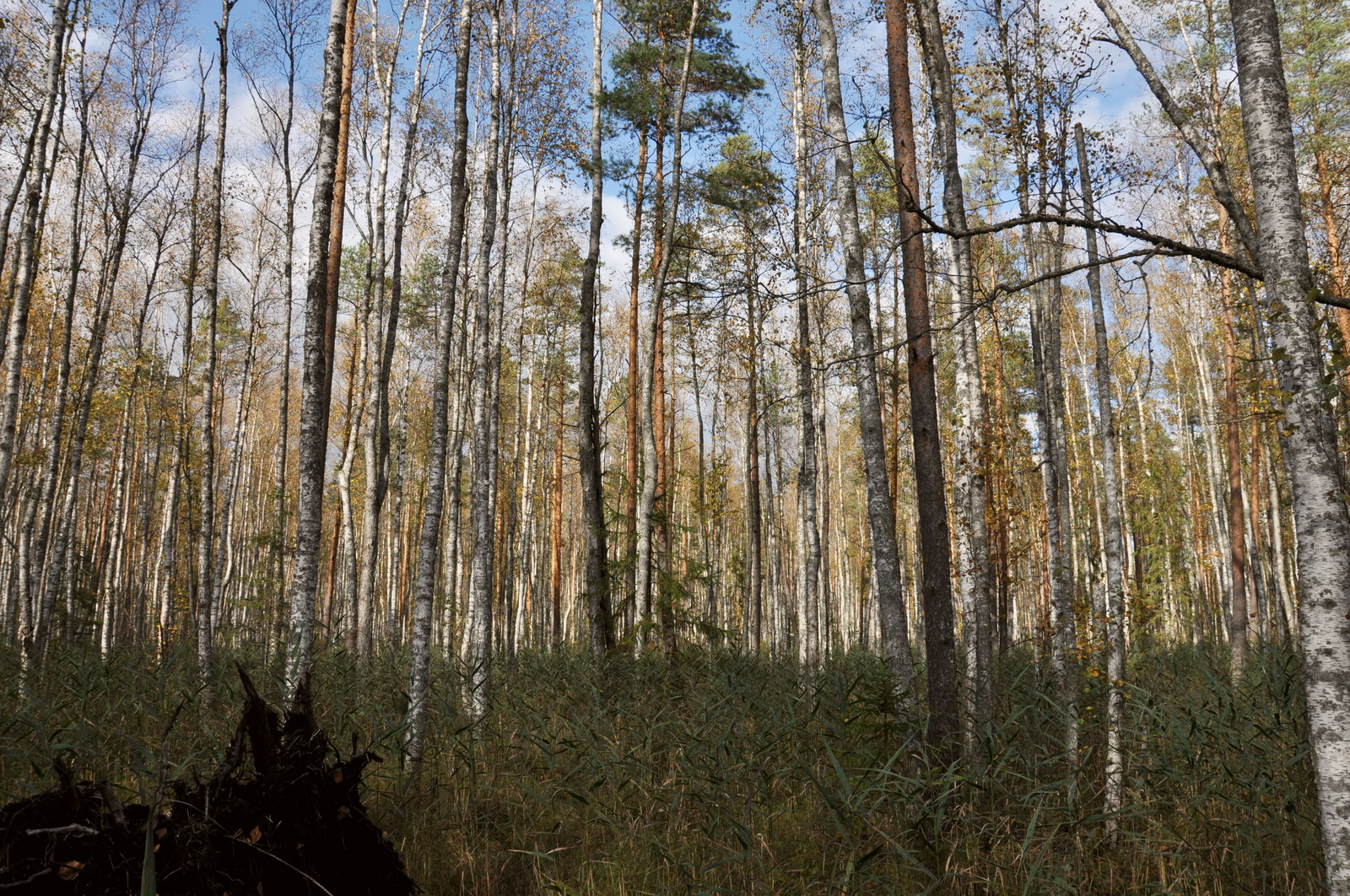
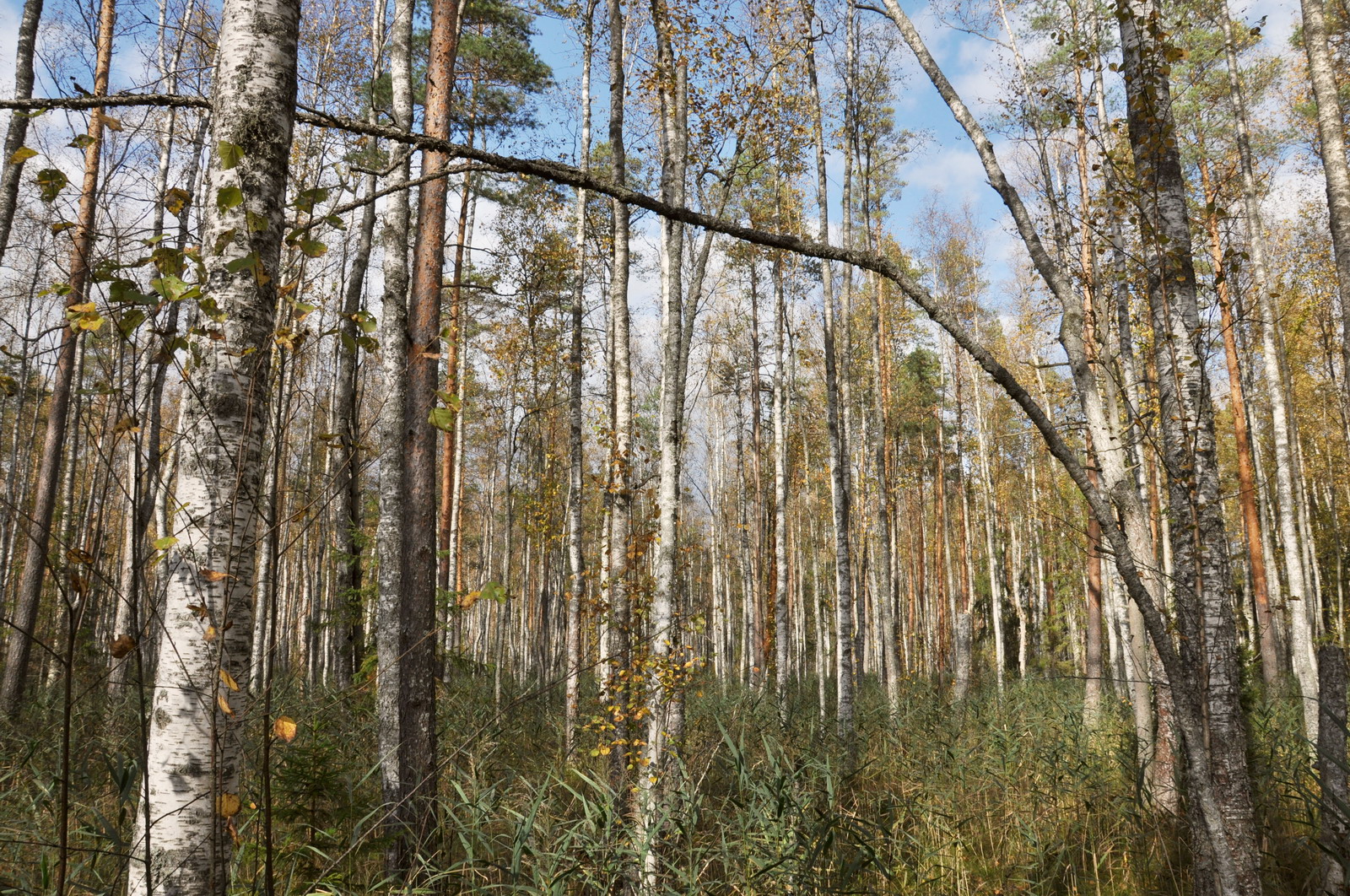
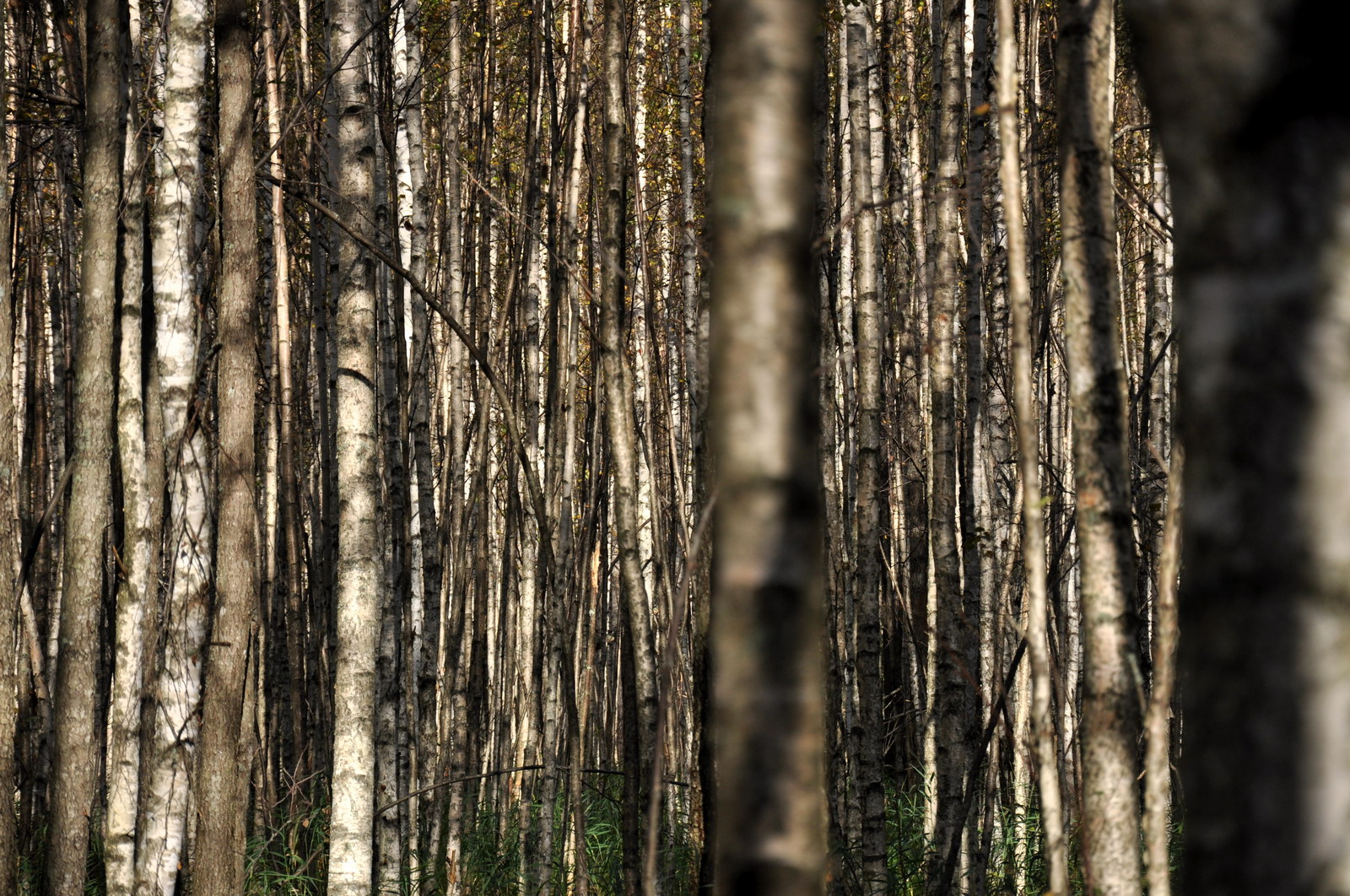
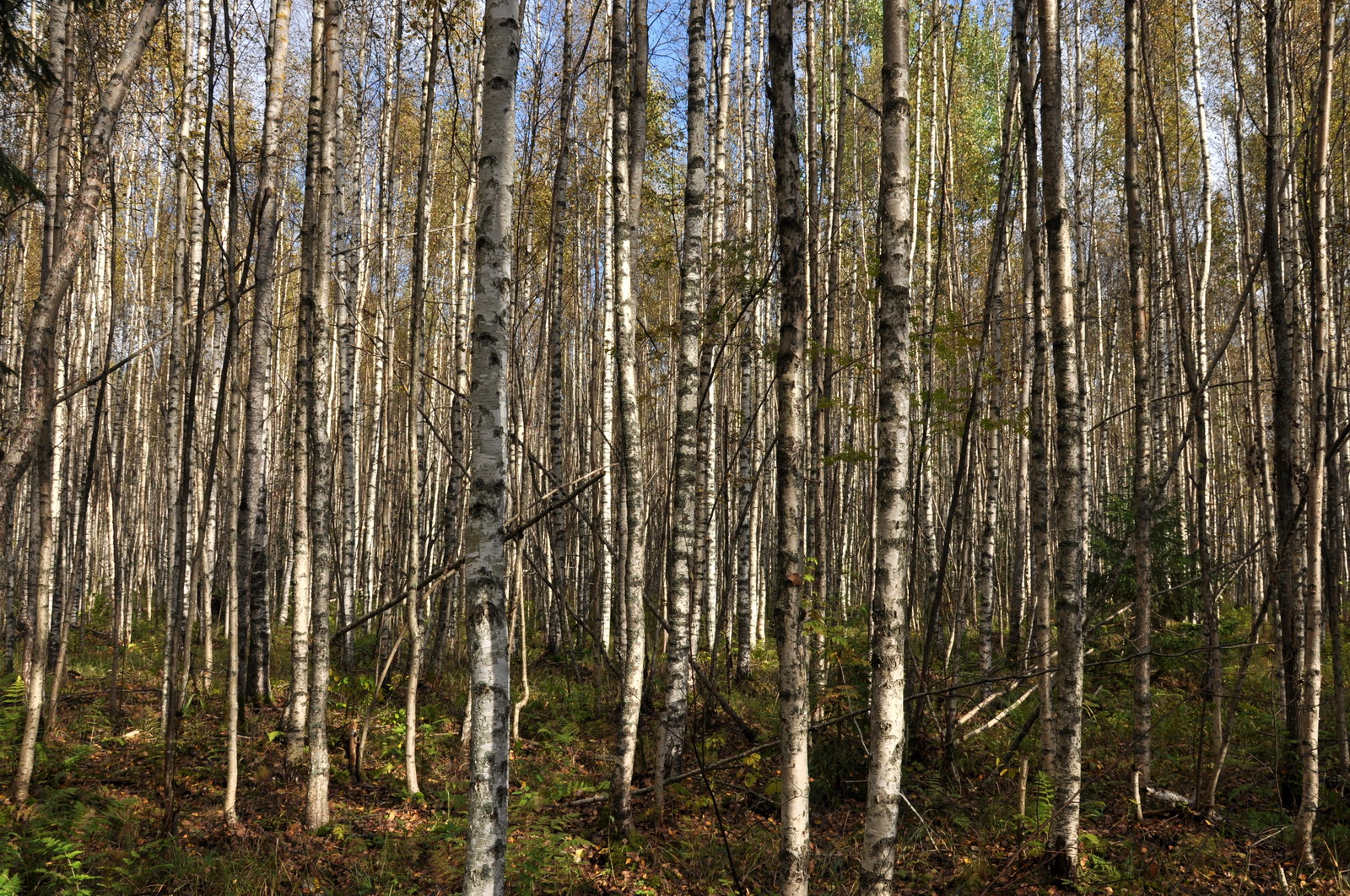
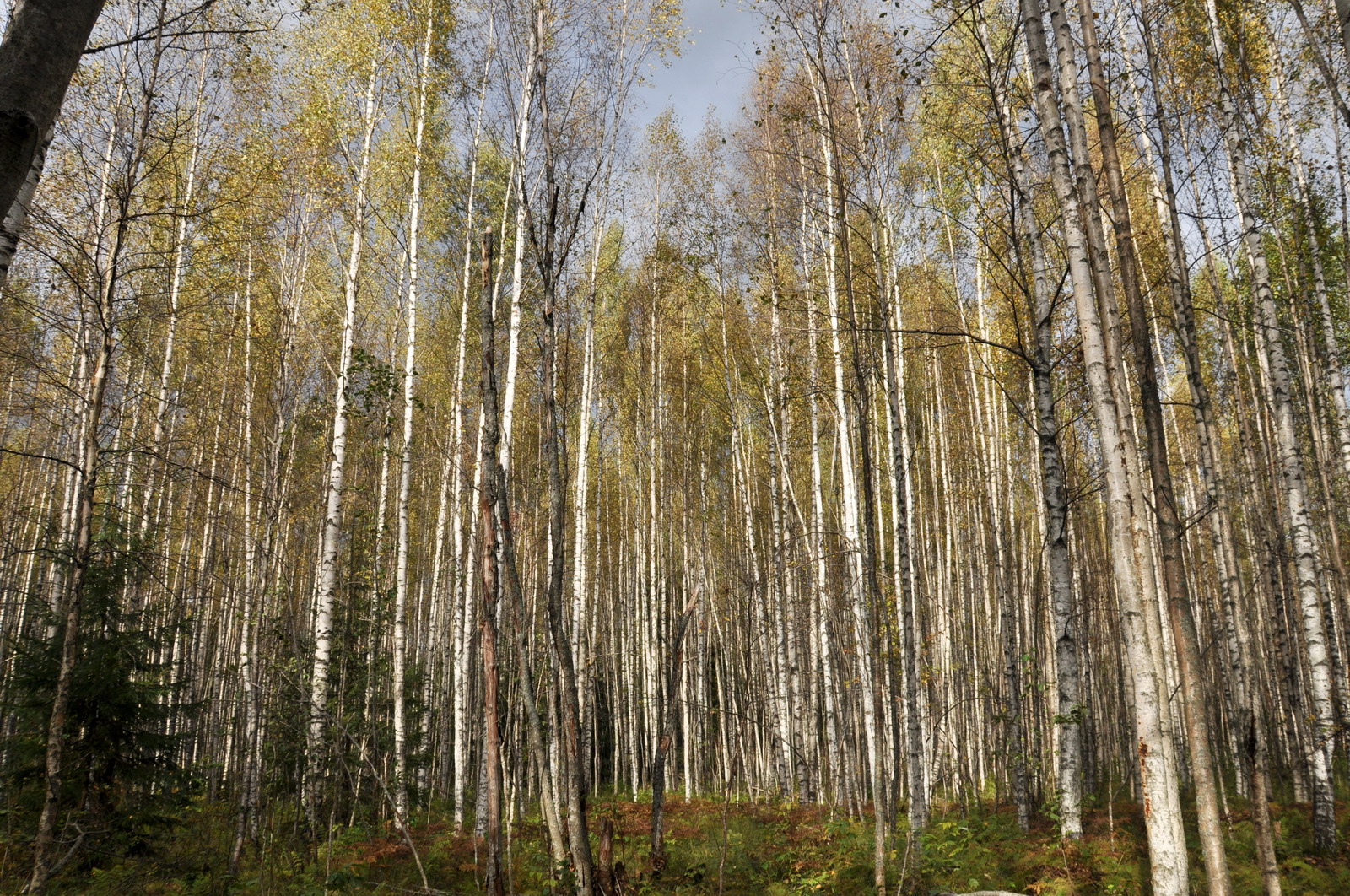
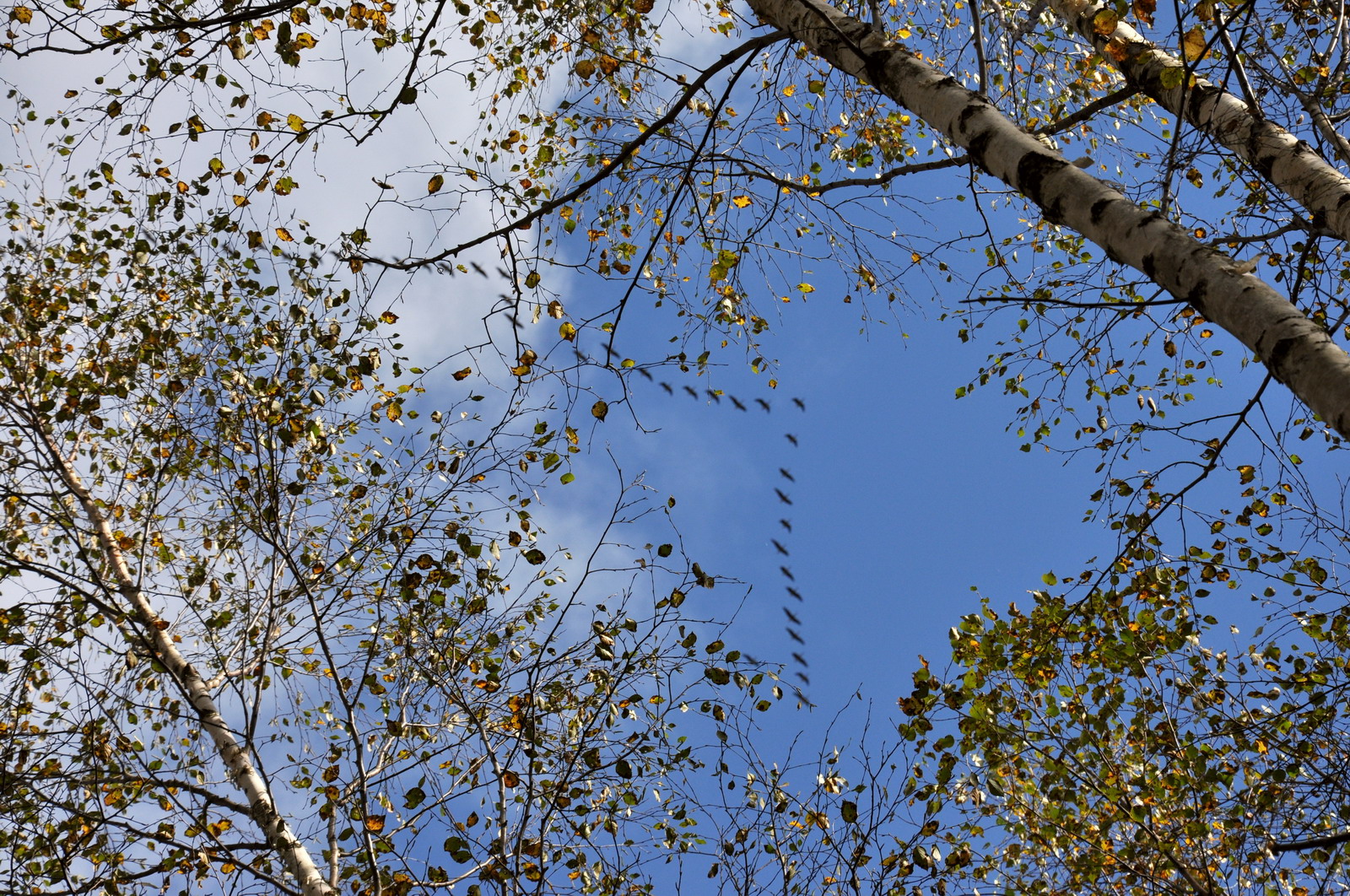
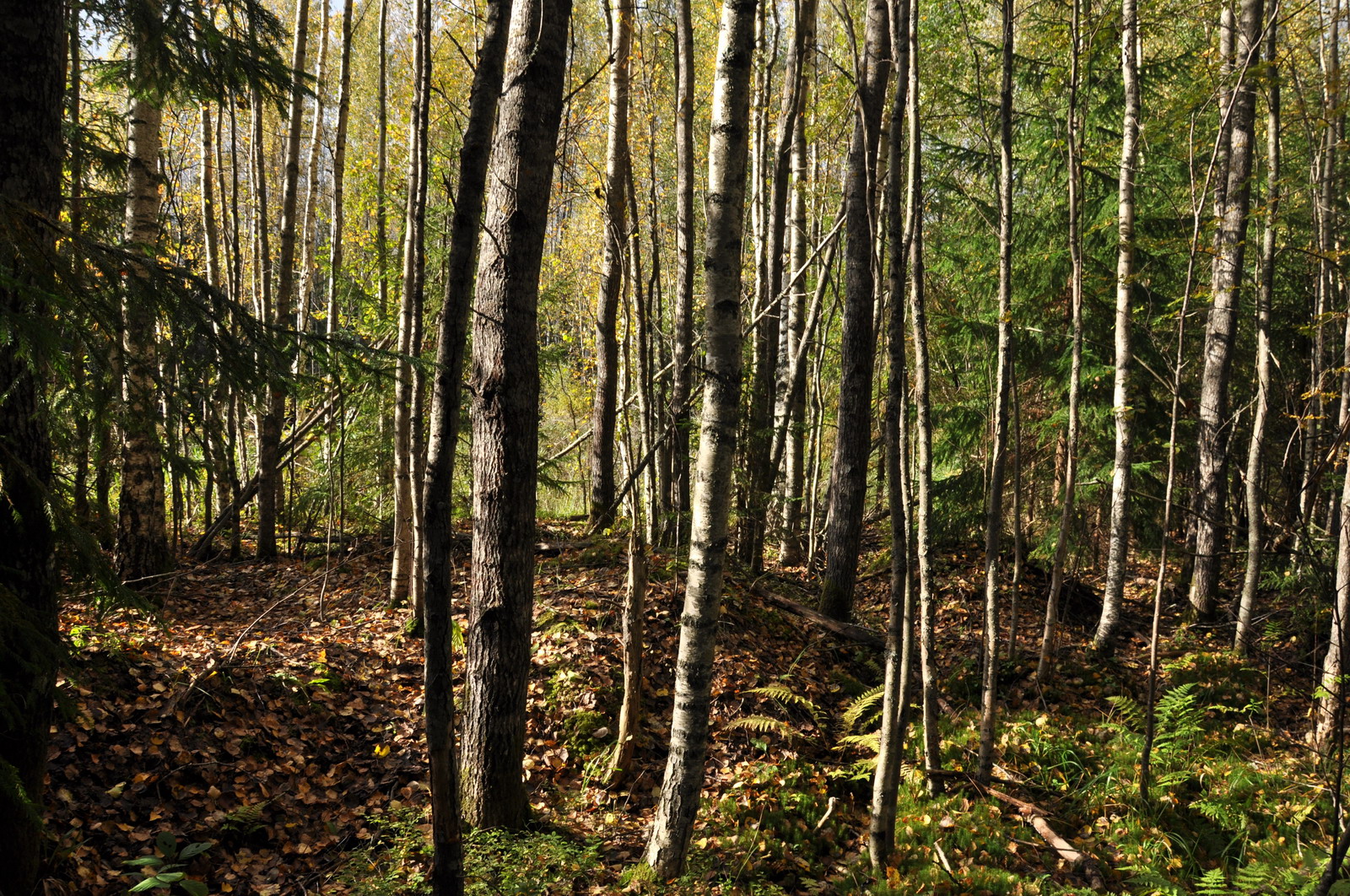
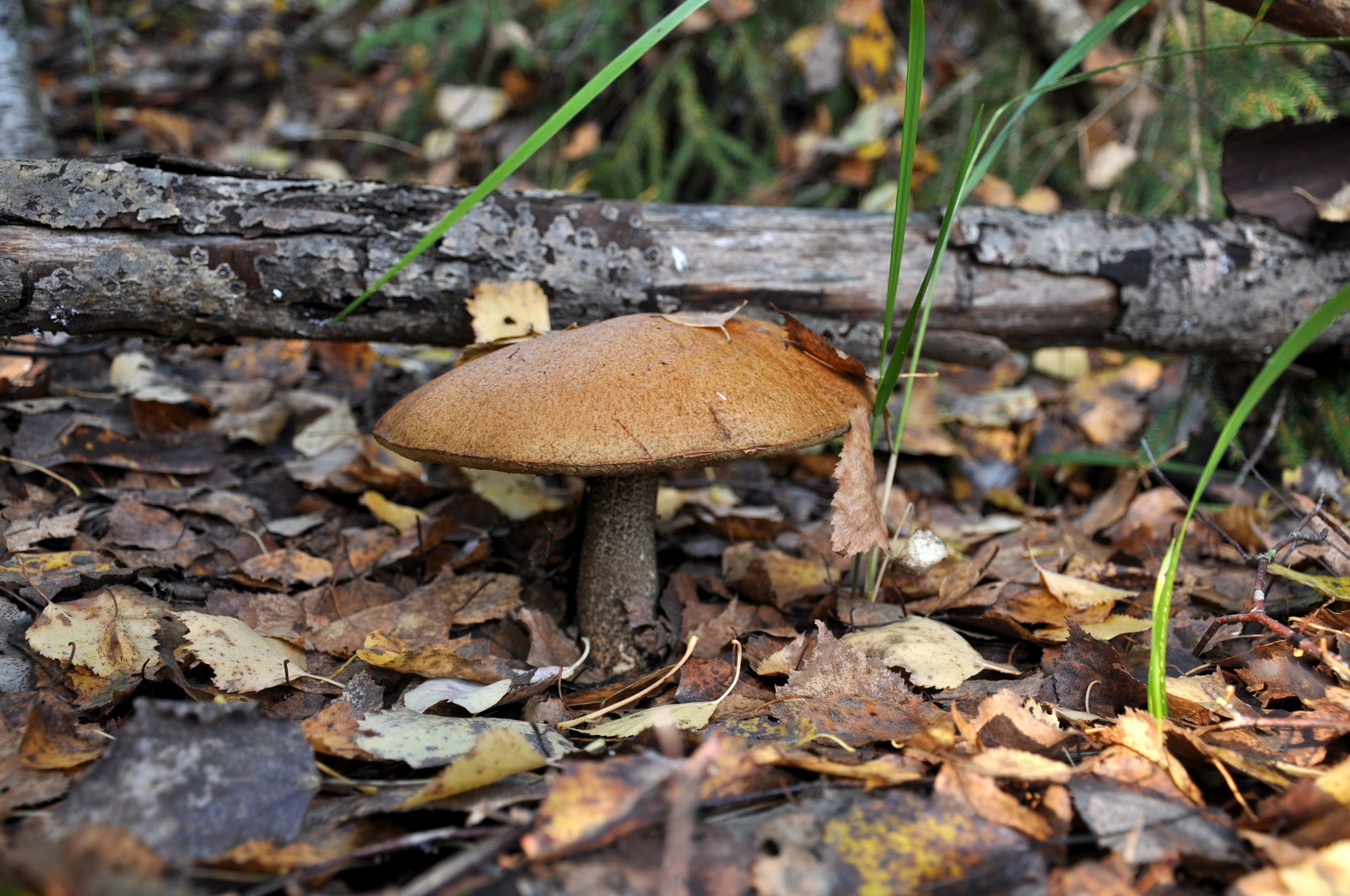
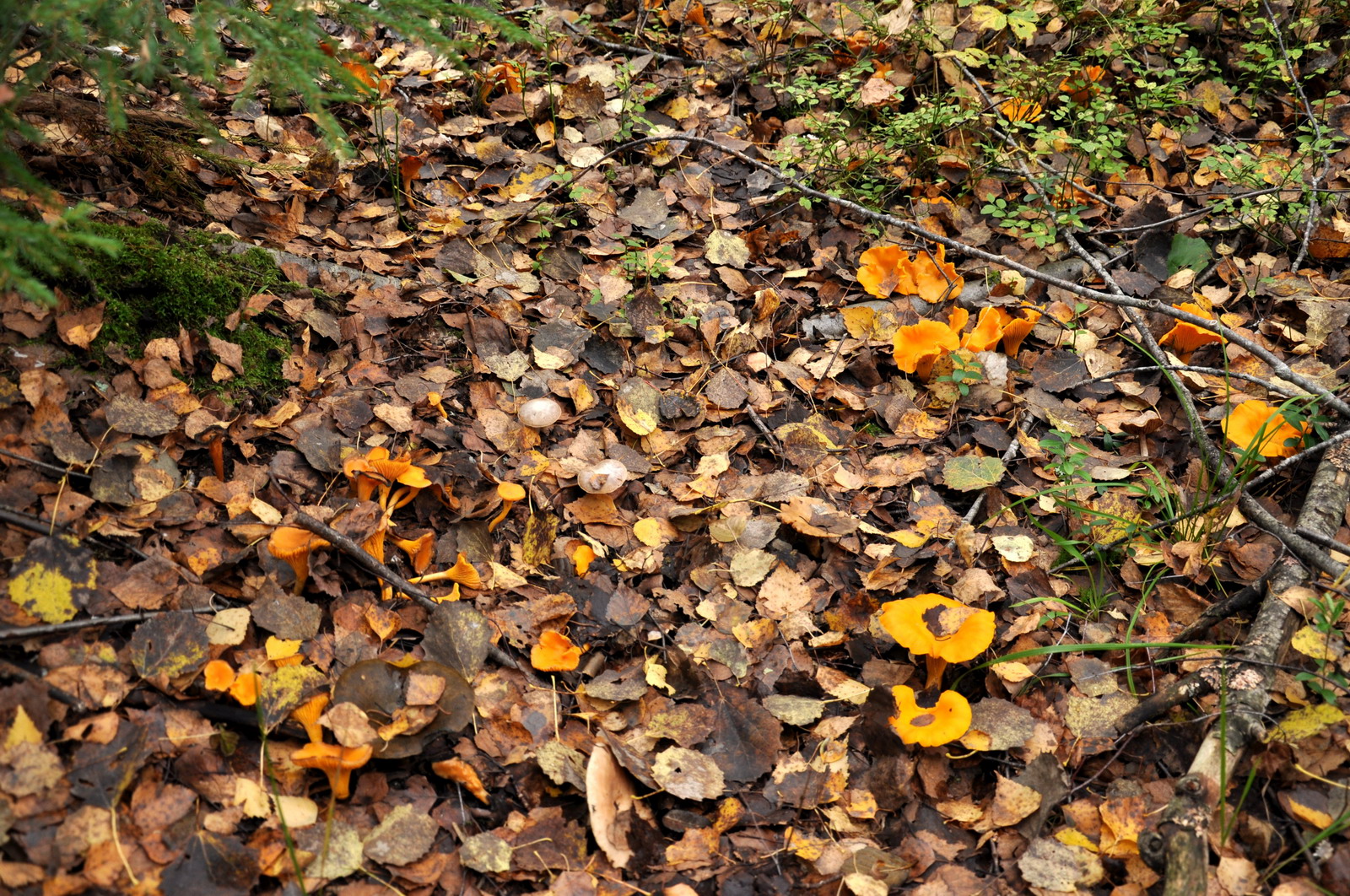
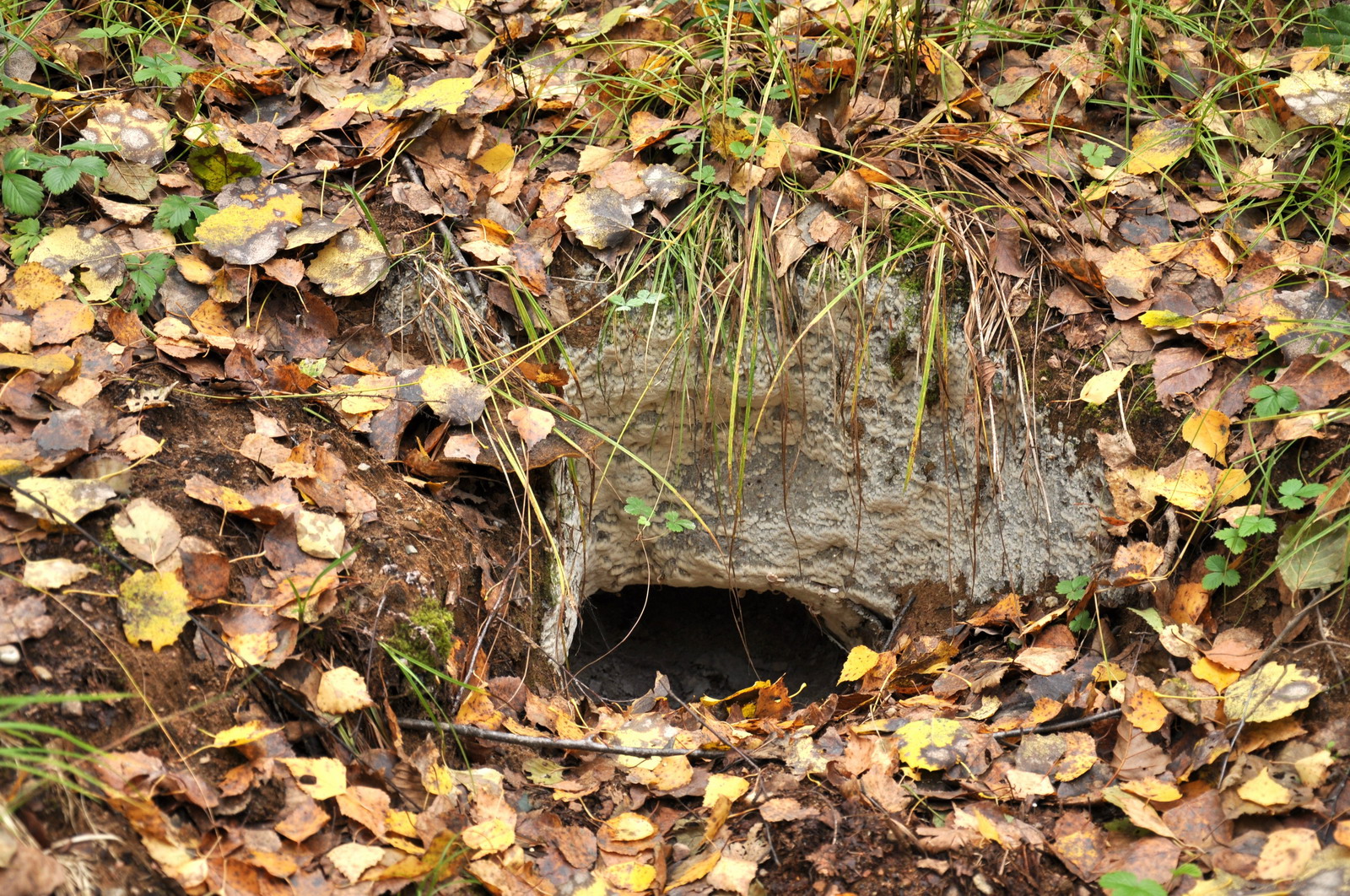
People left here a long time ago. They did not even take the rails. It is wild country. The mushrooms grow here without a thought for mushroom pickers. There are burrows everywhere. Who lives in those? Foxes, probably. Bears live here too. I found a resting place last time. Occasionally you come across trenches from the Second World War. Who fought here? They were defending against an attack from the north. There are no spent casings and no bodies in the trenches. Just as well, especially the latter. Perhaps this magical place managed to save their lives. Sometimes you find stretches of road leading from nowhere to nowhere. A road comes out of who knows where and vanishes as suddenly as it appeared.
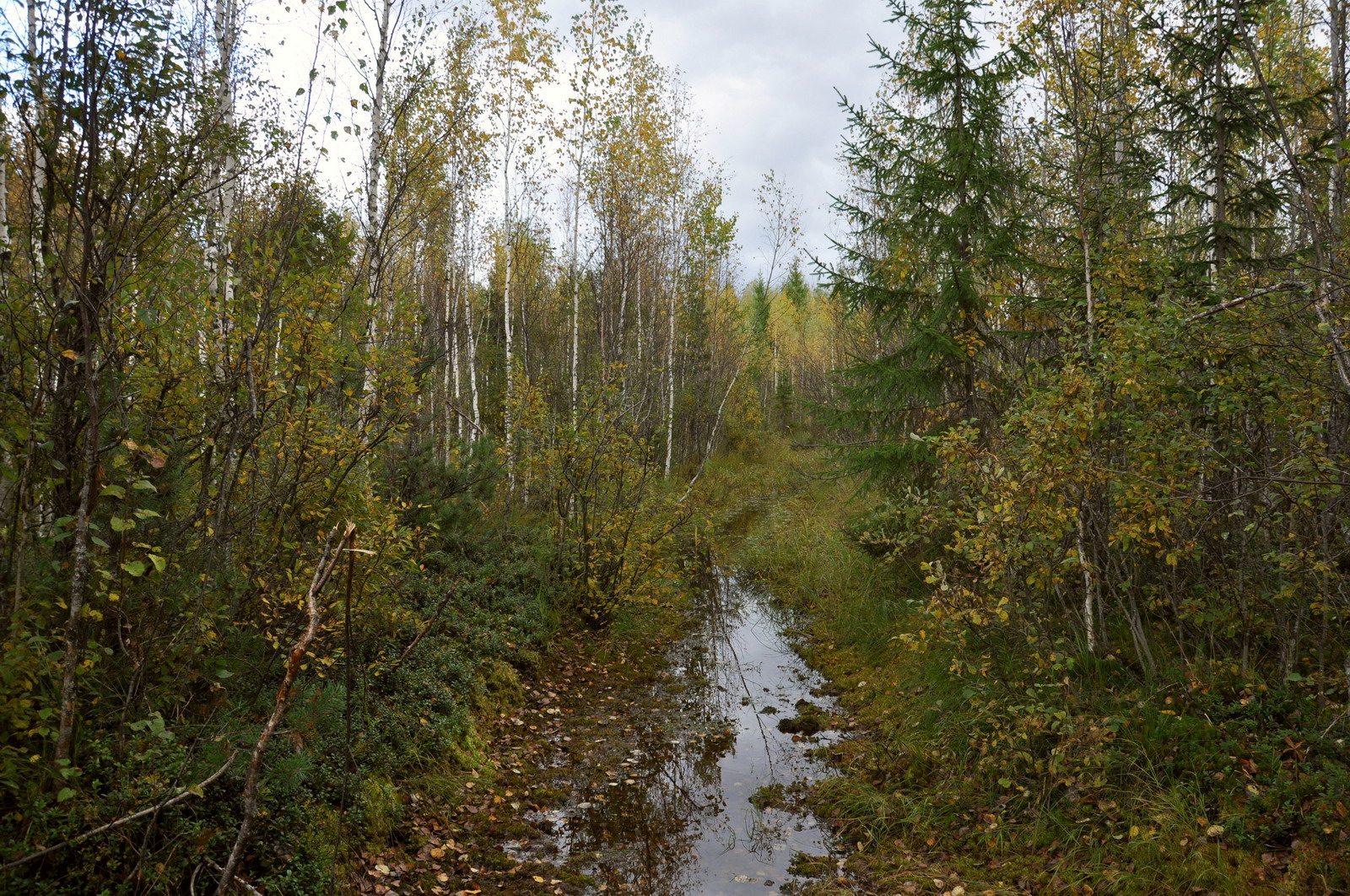
The first pit, I walked all the way around (59°12.785′N, 30°39.599′E). Apparently they dug for sand. It is hard to see where they could have taken it, so far from civilisation. Perhaps they used it to build the narrow-gauge railways from Radofinnikovo? But this is the farthest corner of the area. To haul the sand out, they would already have needed the railway, and if they already had a railway, why did they need the sand? The woods here are boggy too. You could cut that sort of timber for firewood much closer to home. A puzzling place.
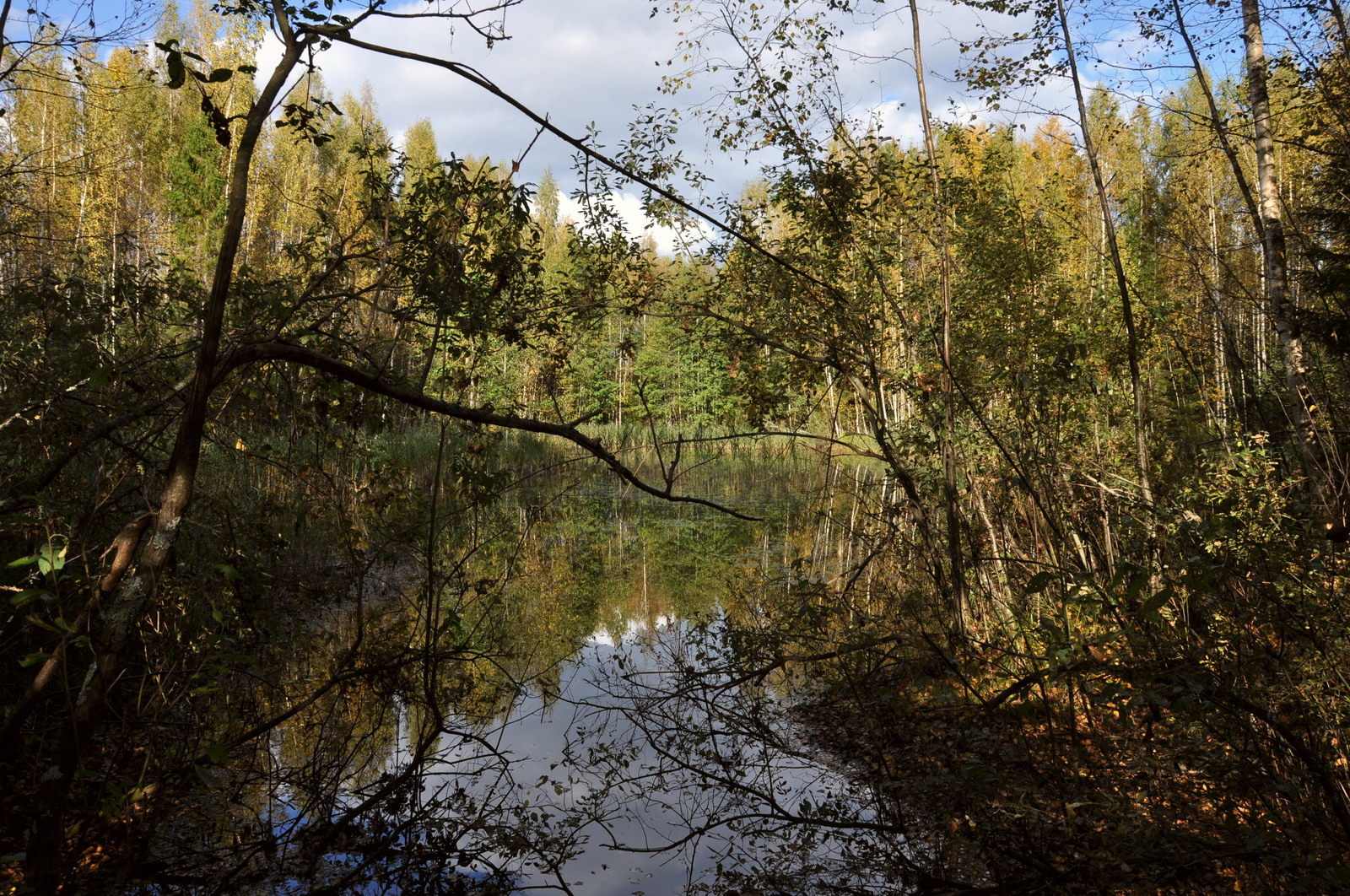
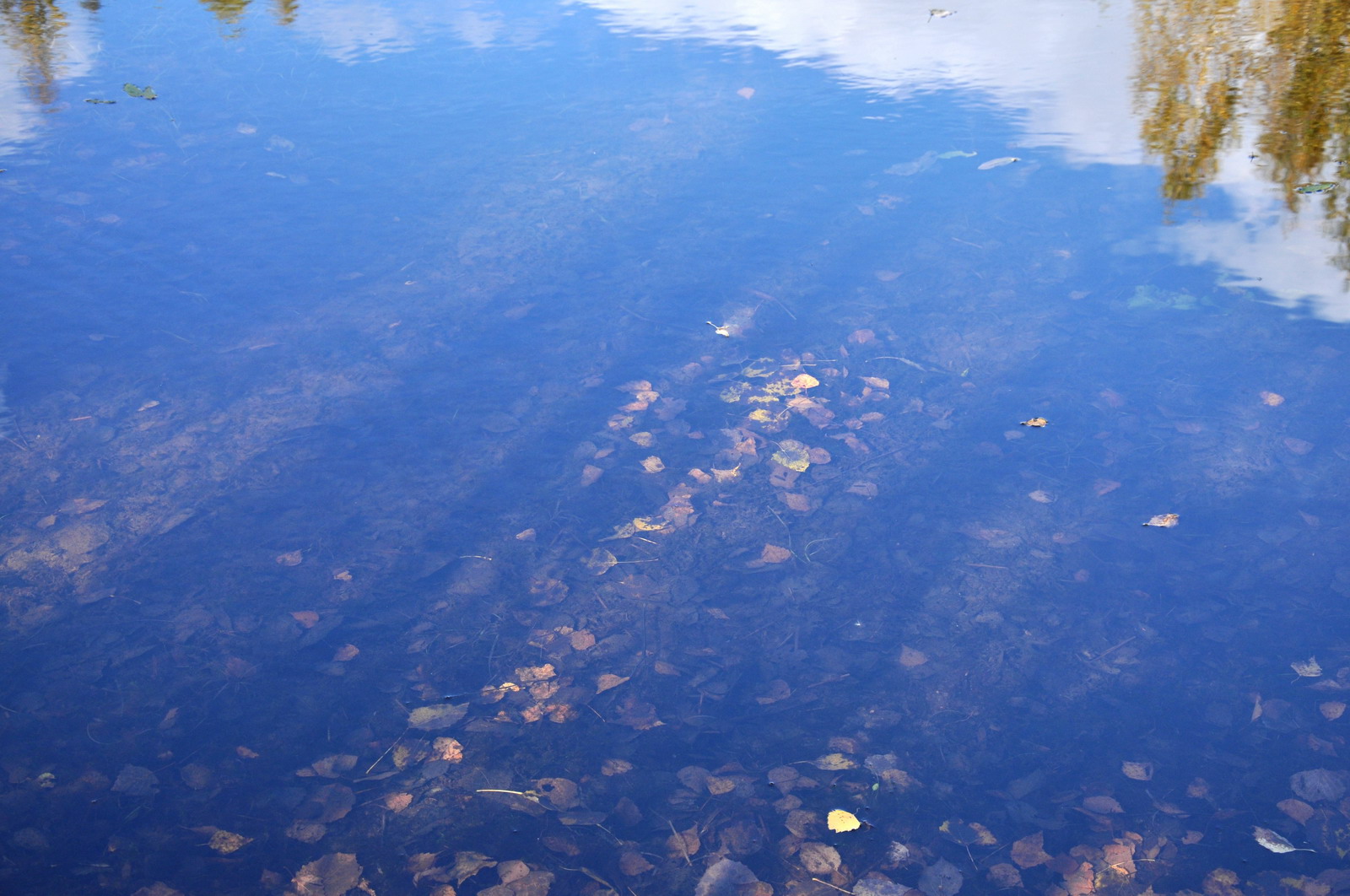
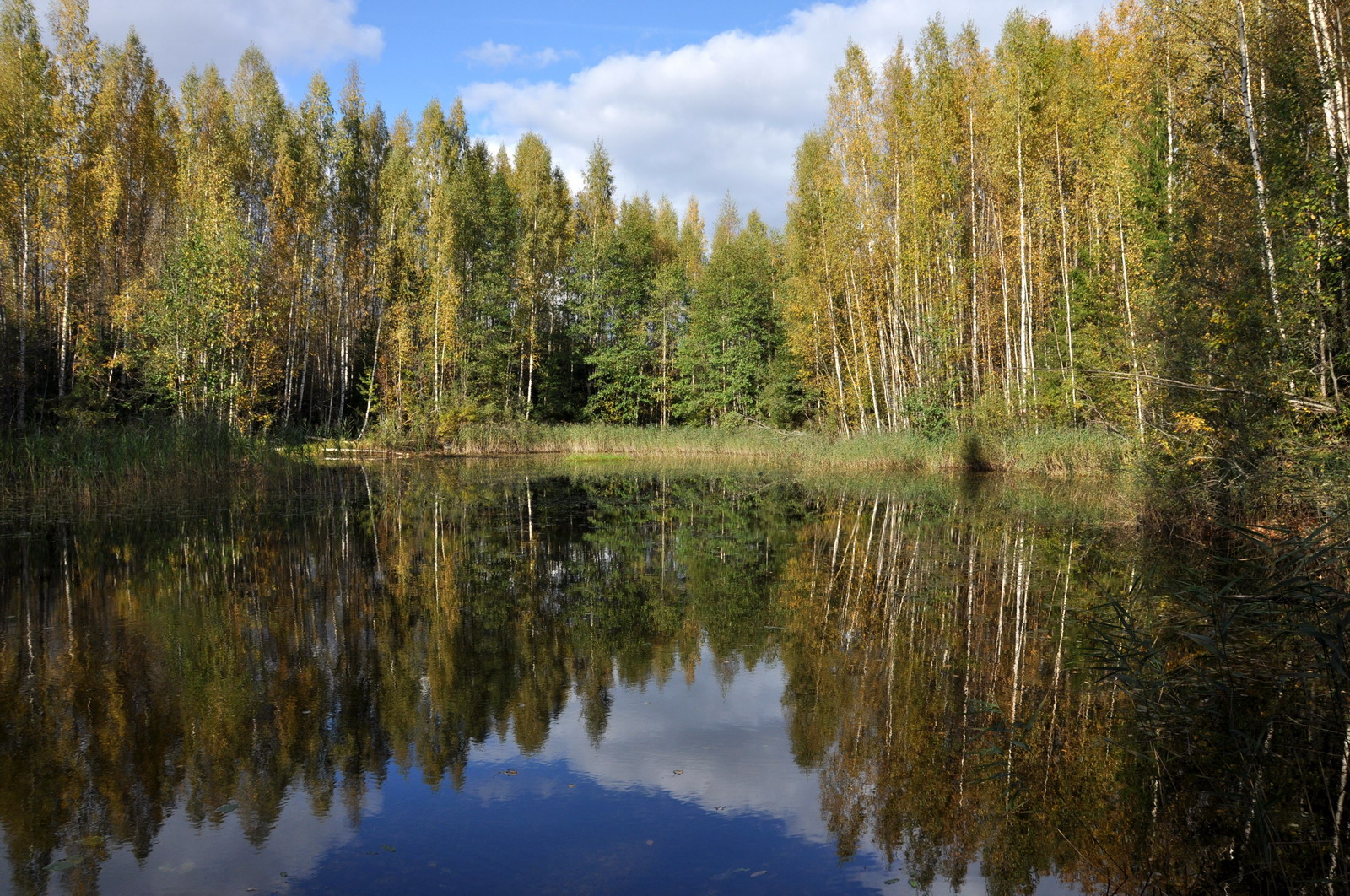
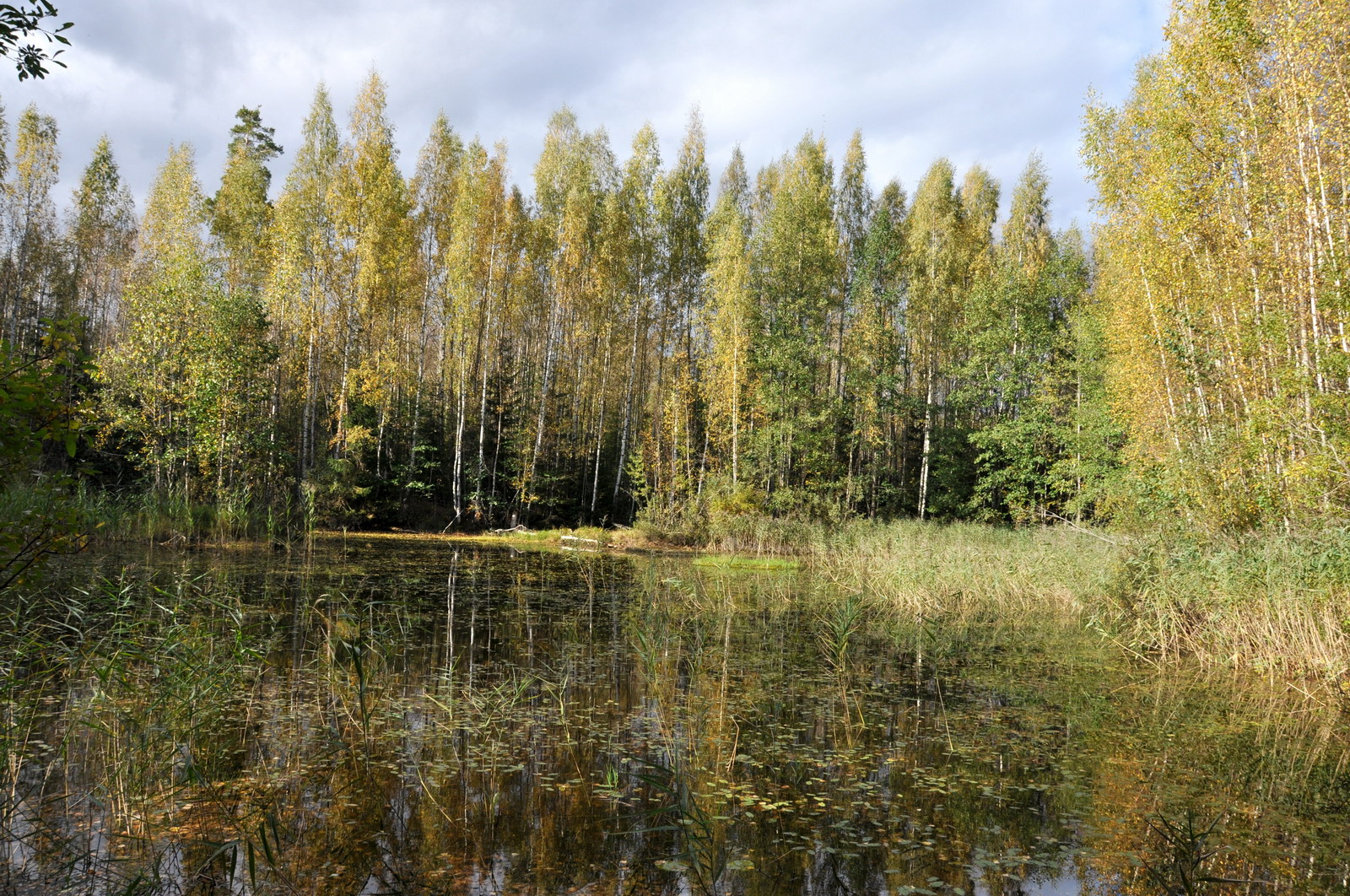
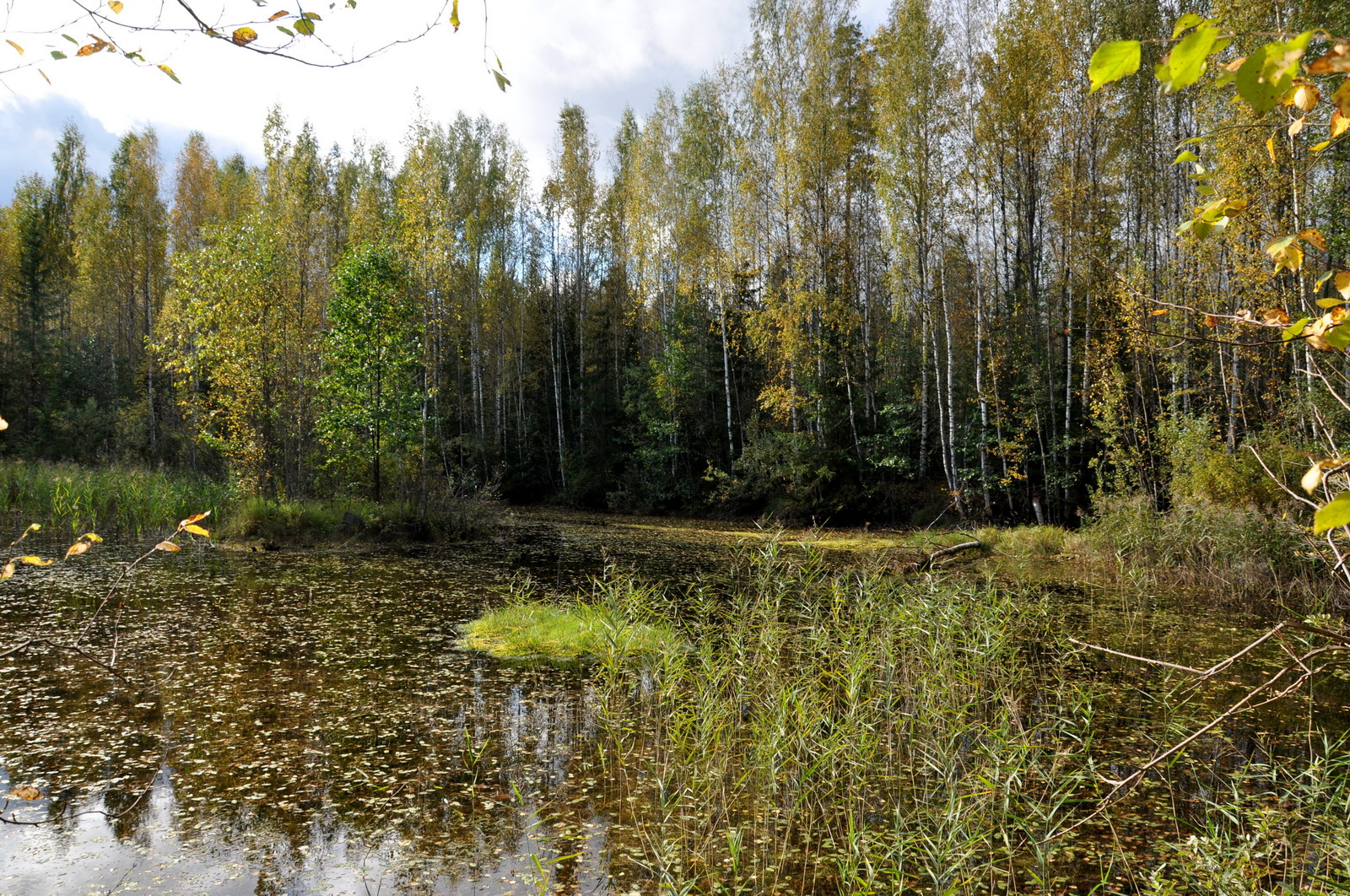
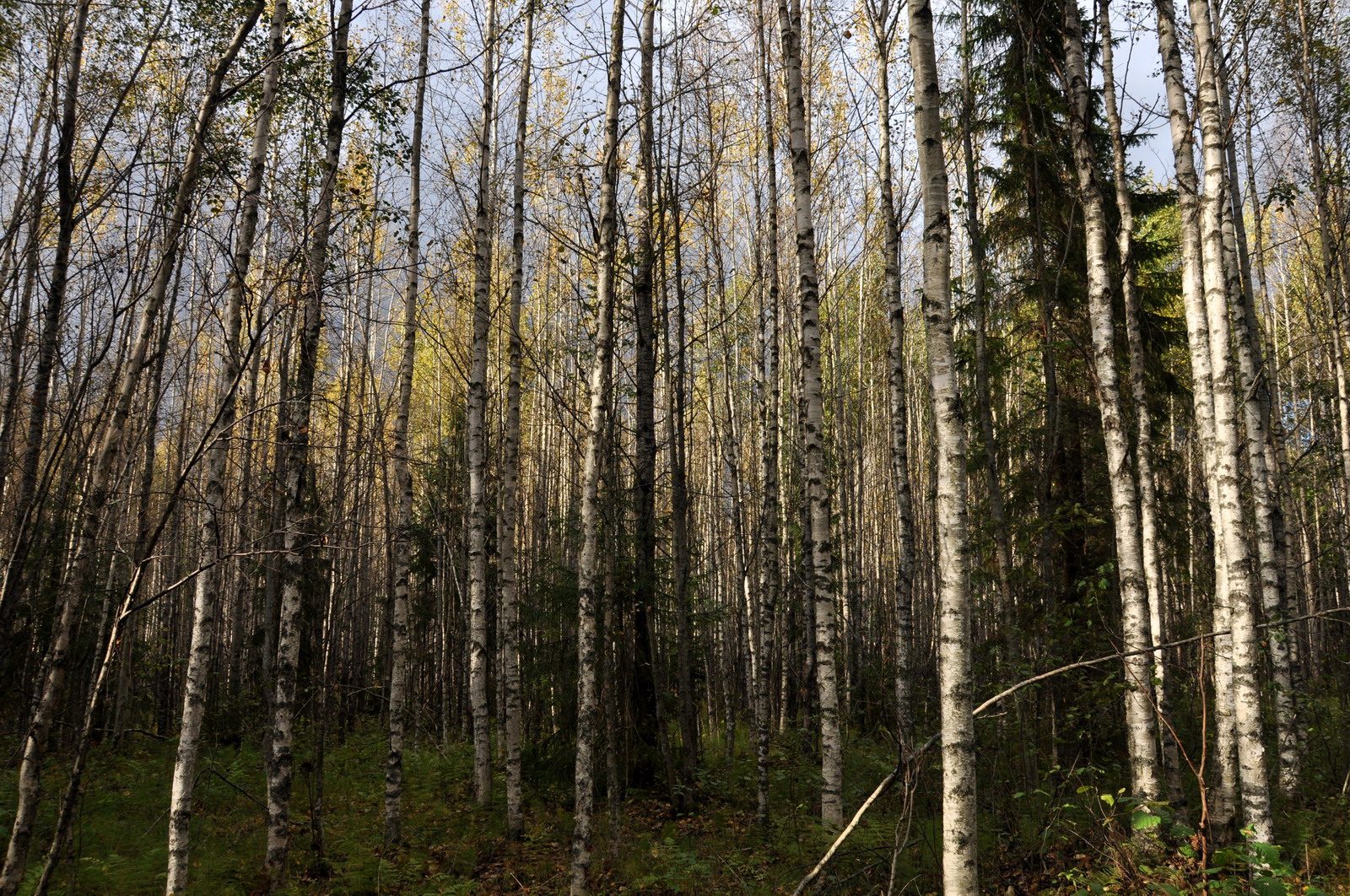
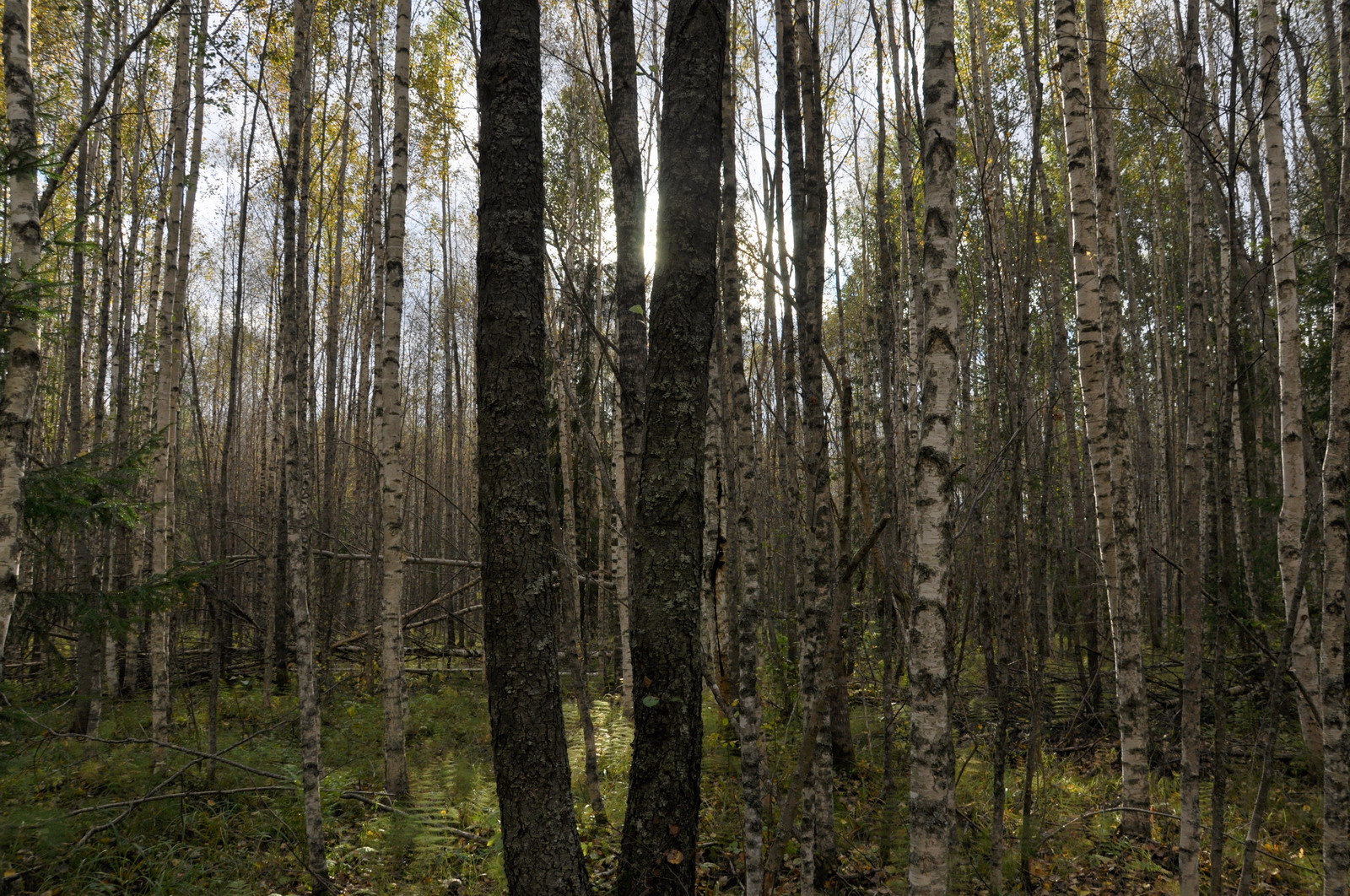
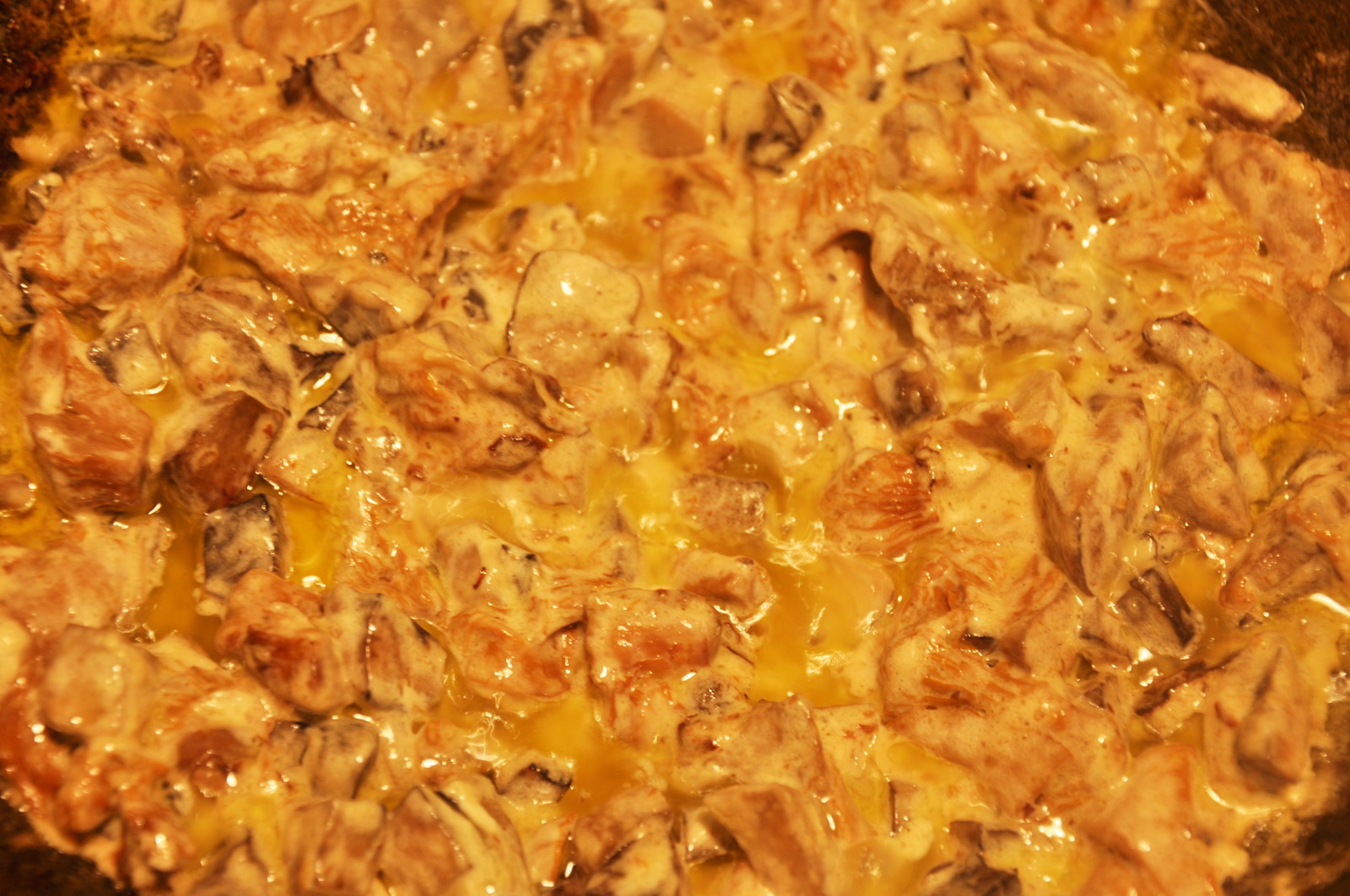
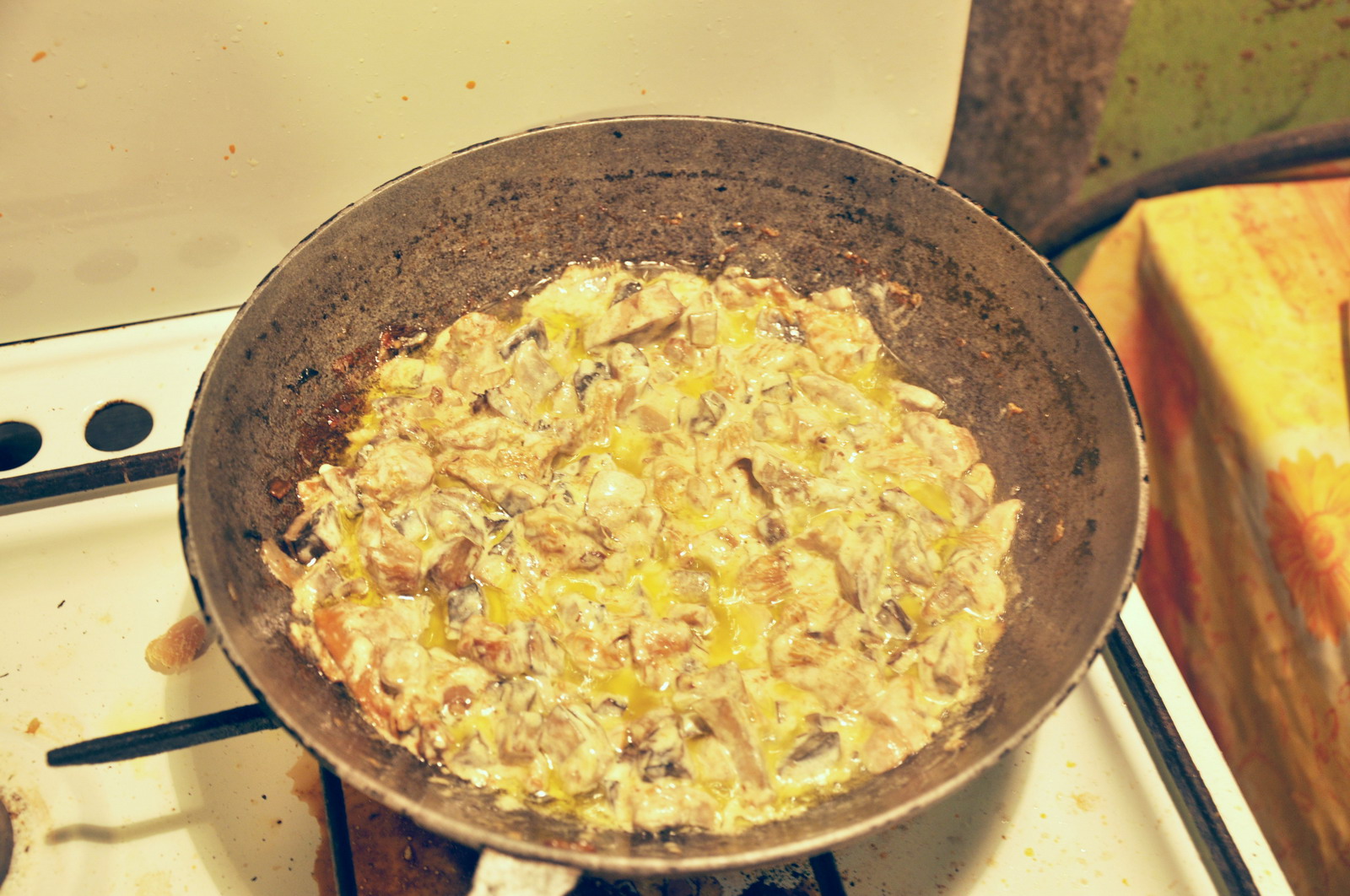
I had already visited and photographed the second pit I came across. Twice, in fact. But this was the first time I walked along the road running along the high ridge a little south of the middle of Koster. There are lots of little pits and lakes in them too. High little hills and mushrooms. They are delicious, but what was I going to do with them? In the end I picked them and decided to fry them just for myself. I could take a jar along on my next business trip, at least.
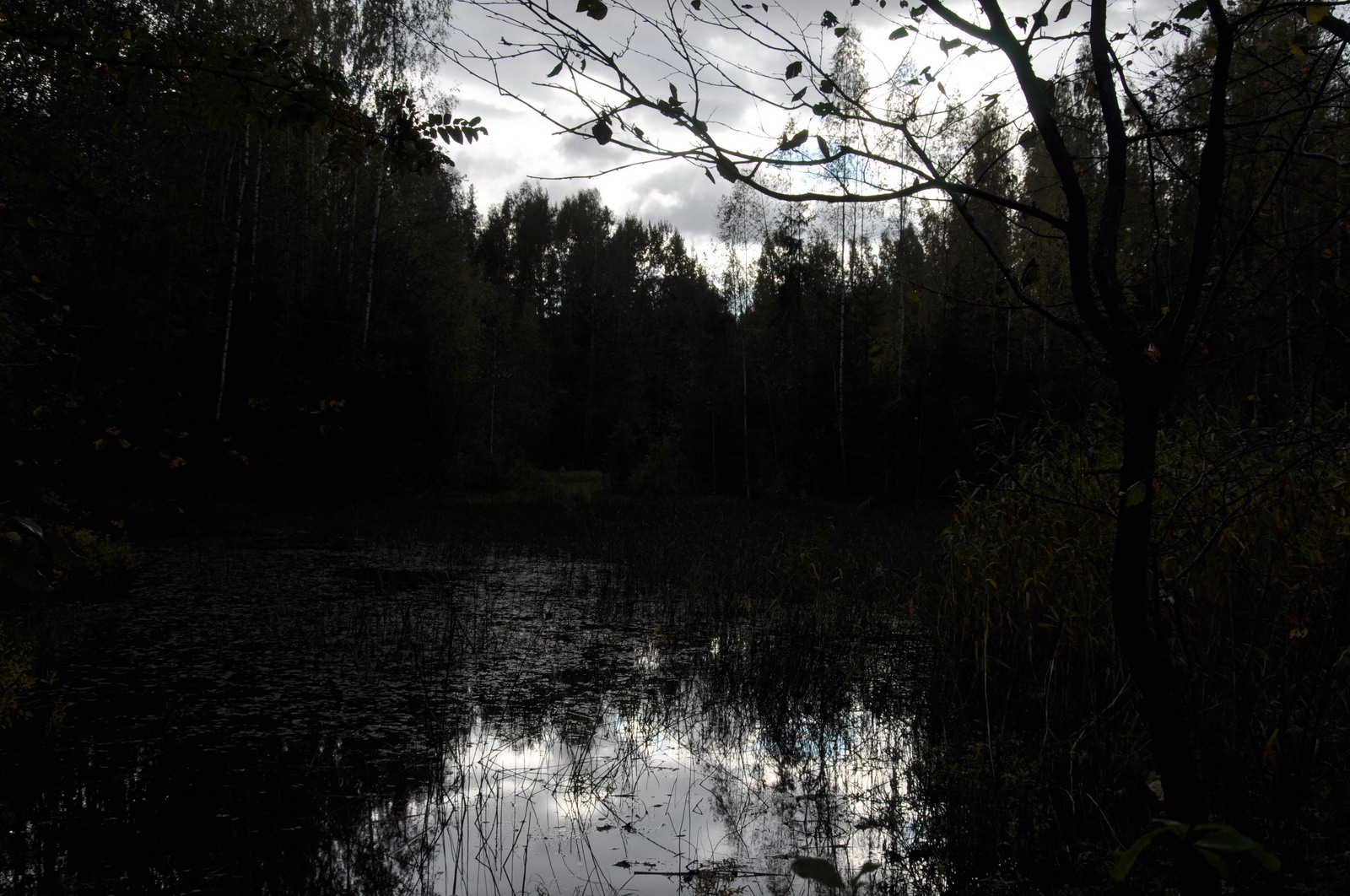
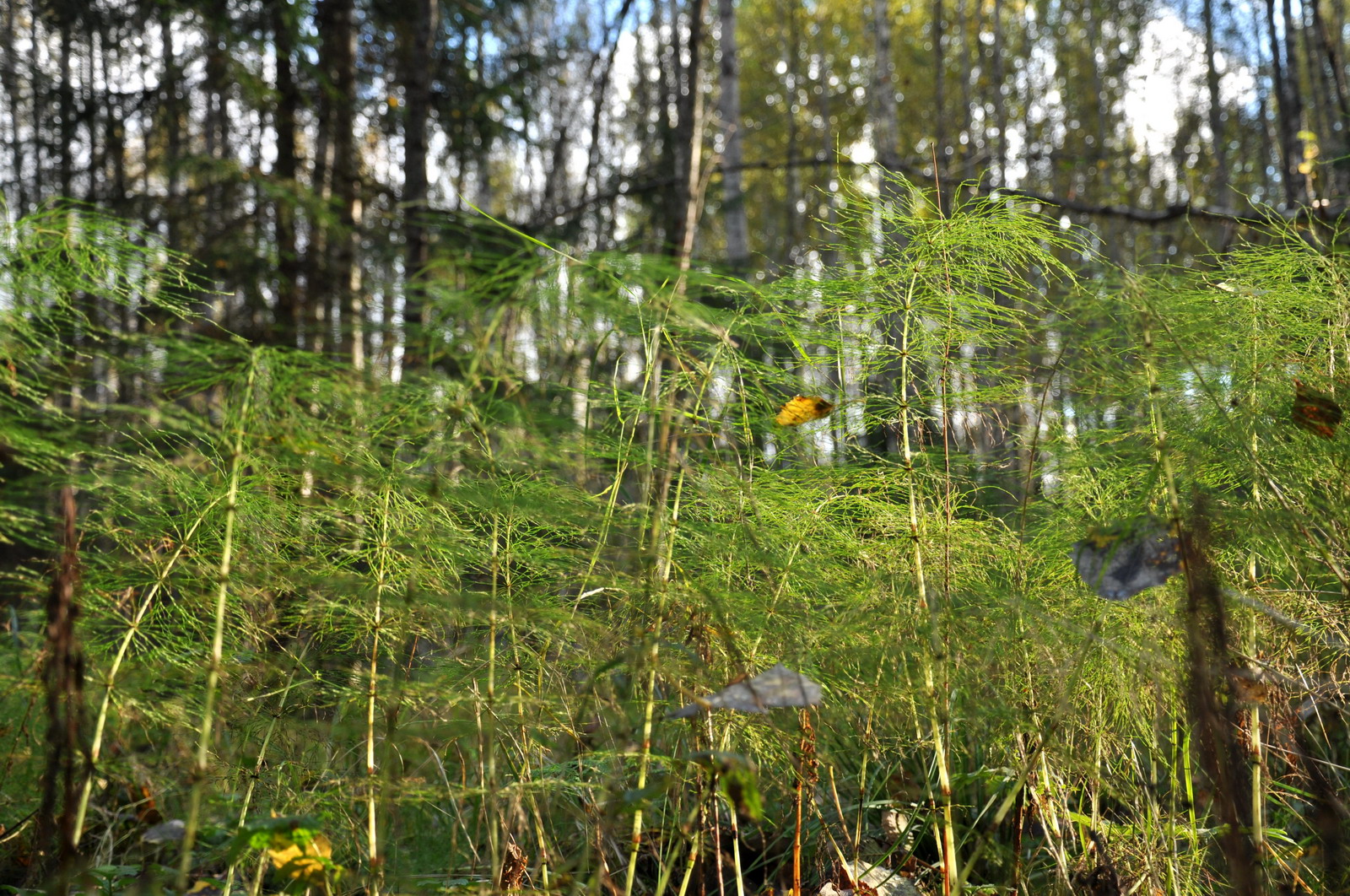
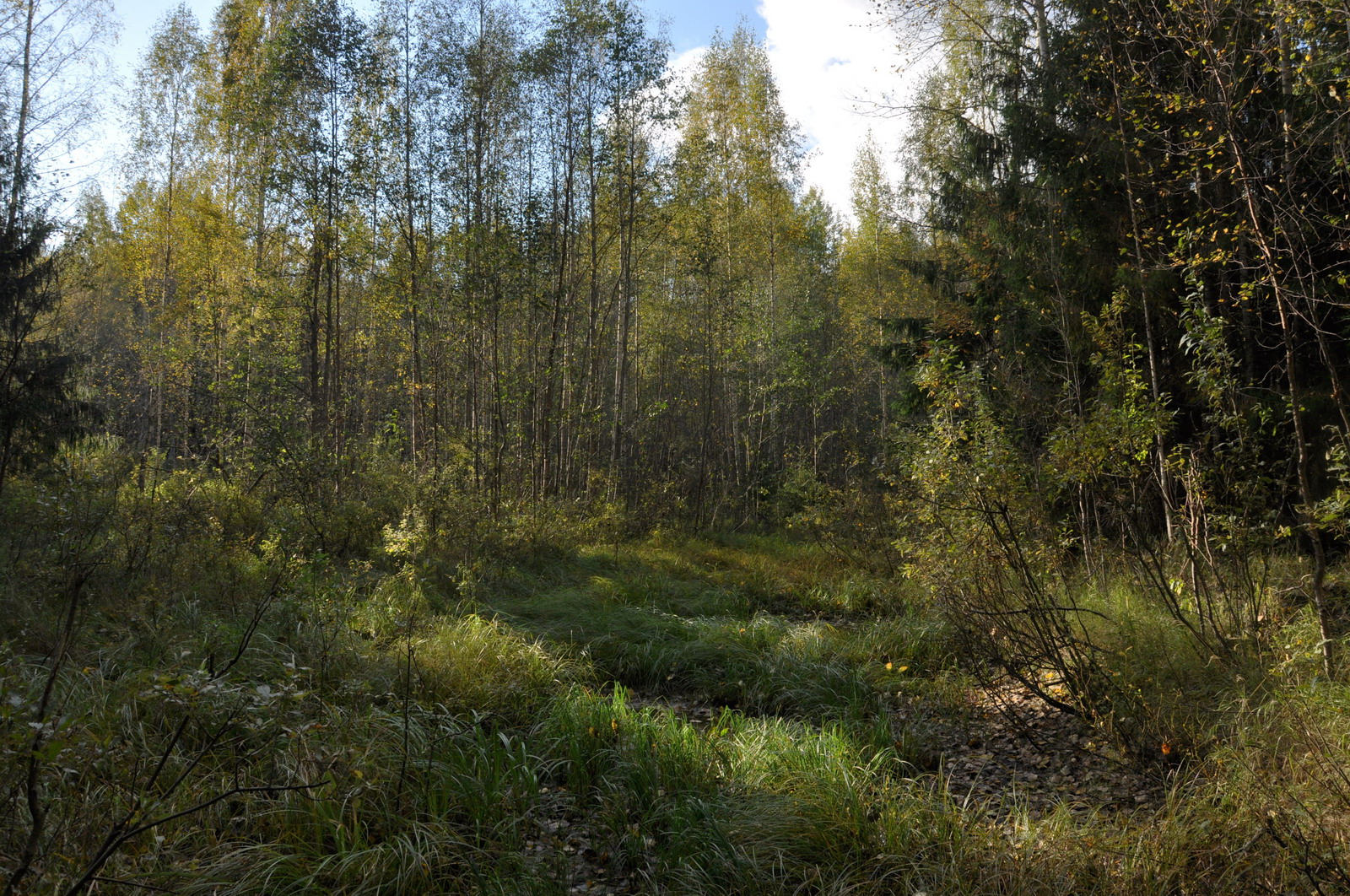
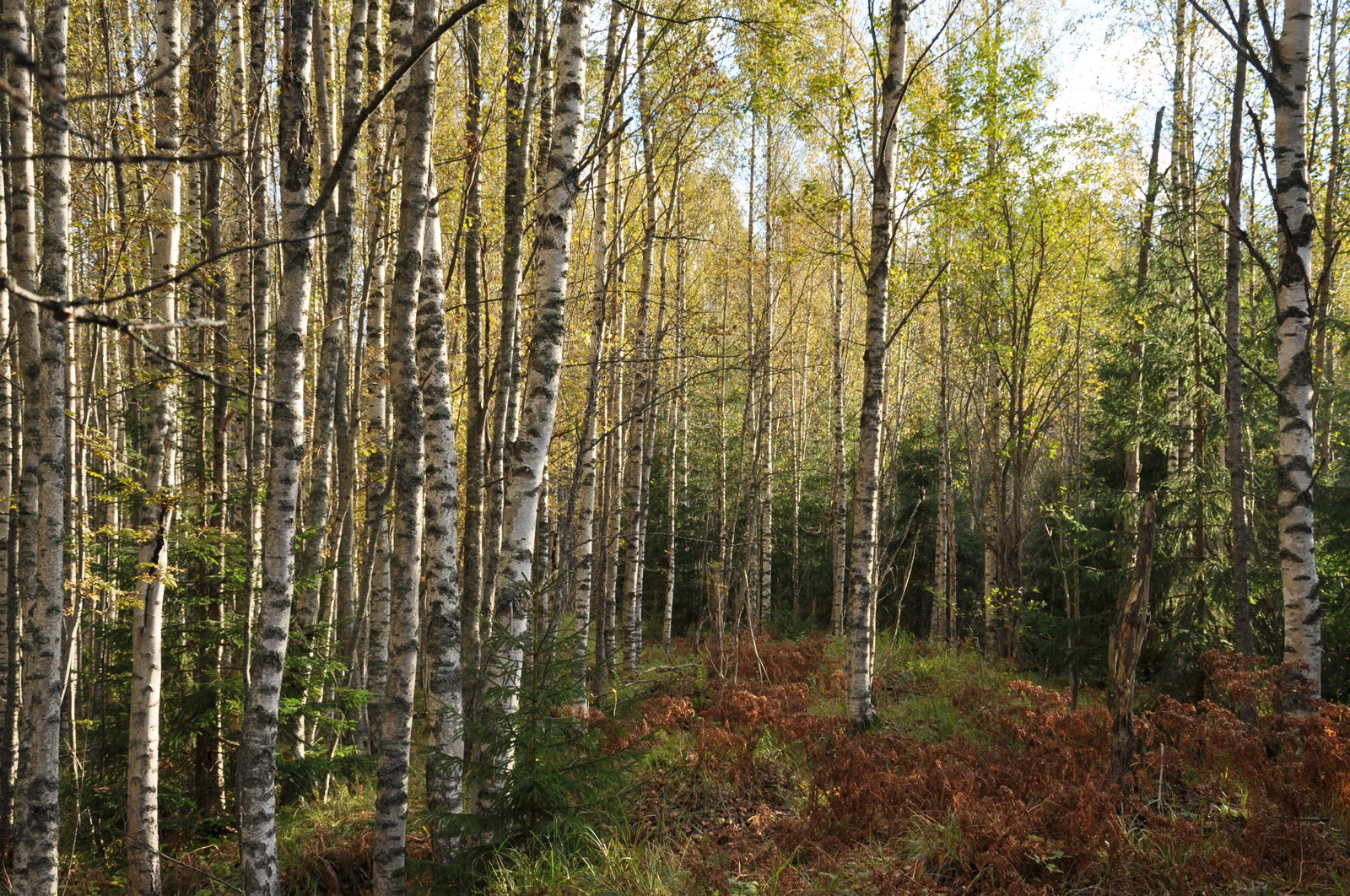
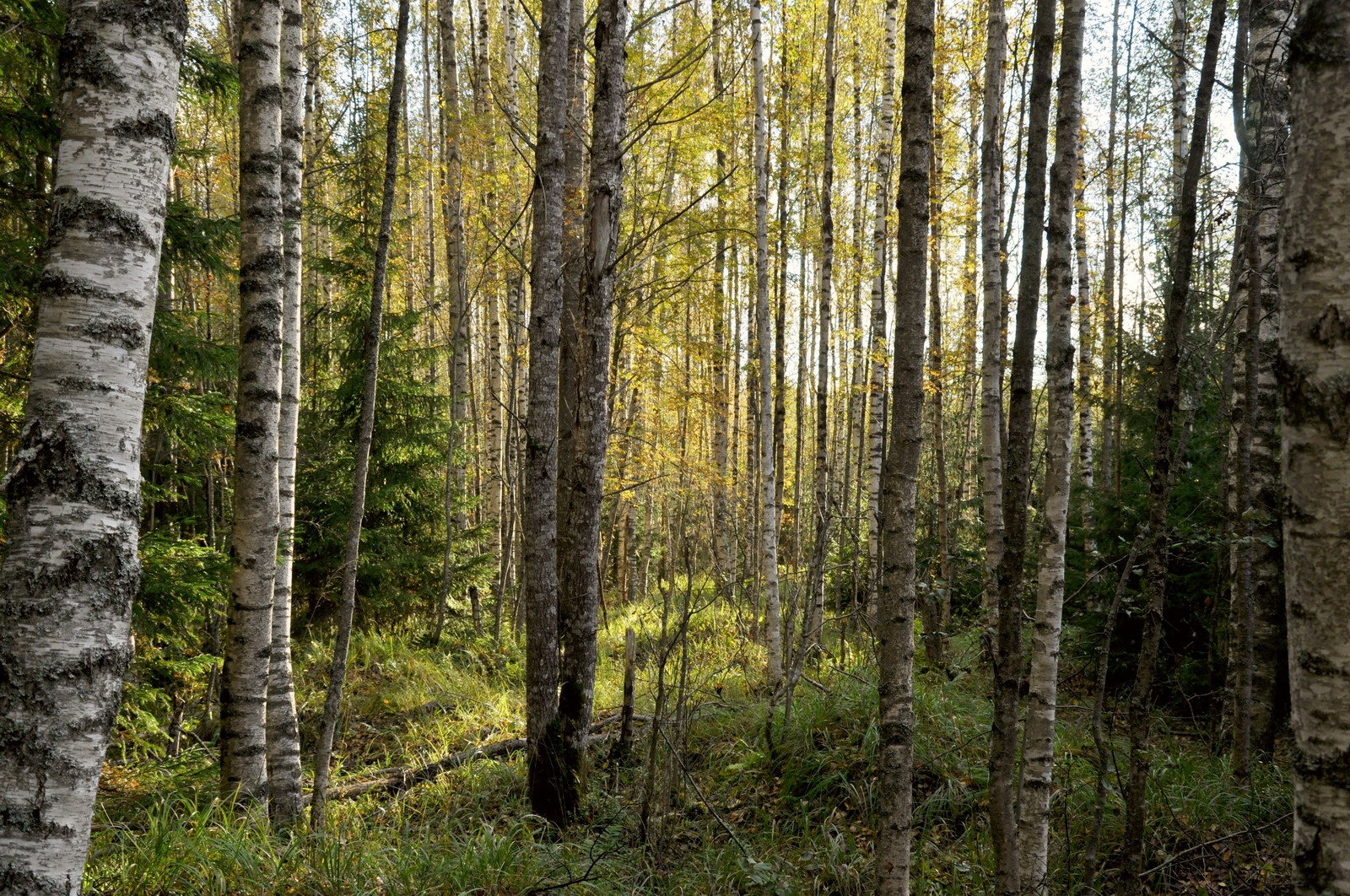
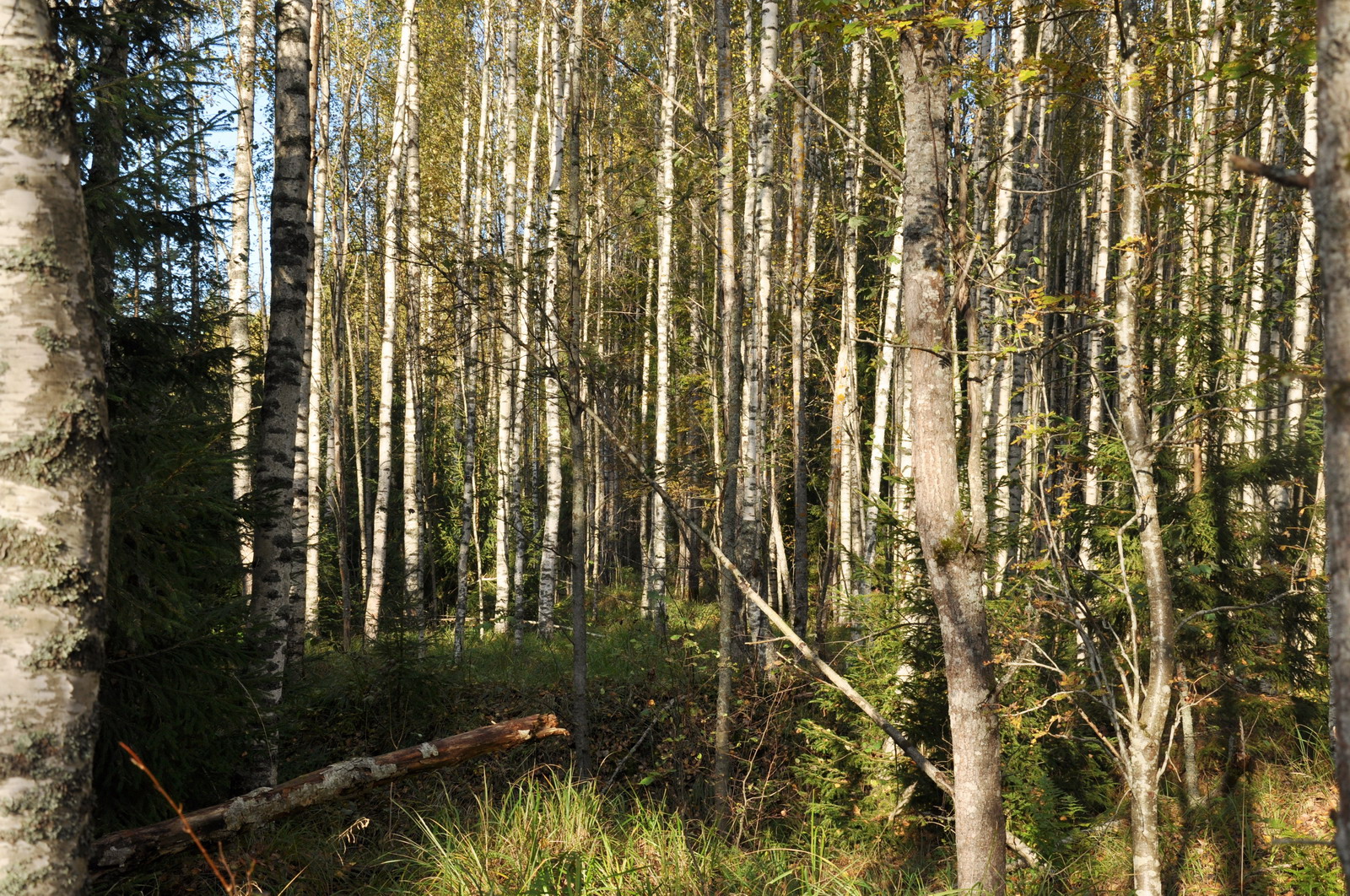
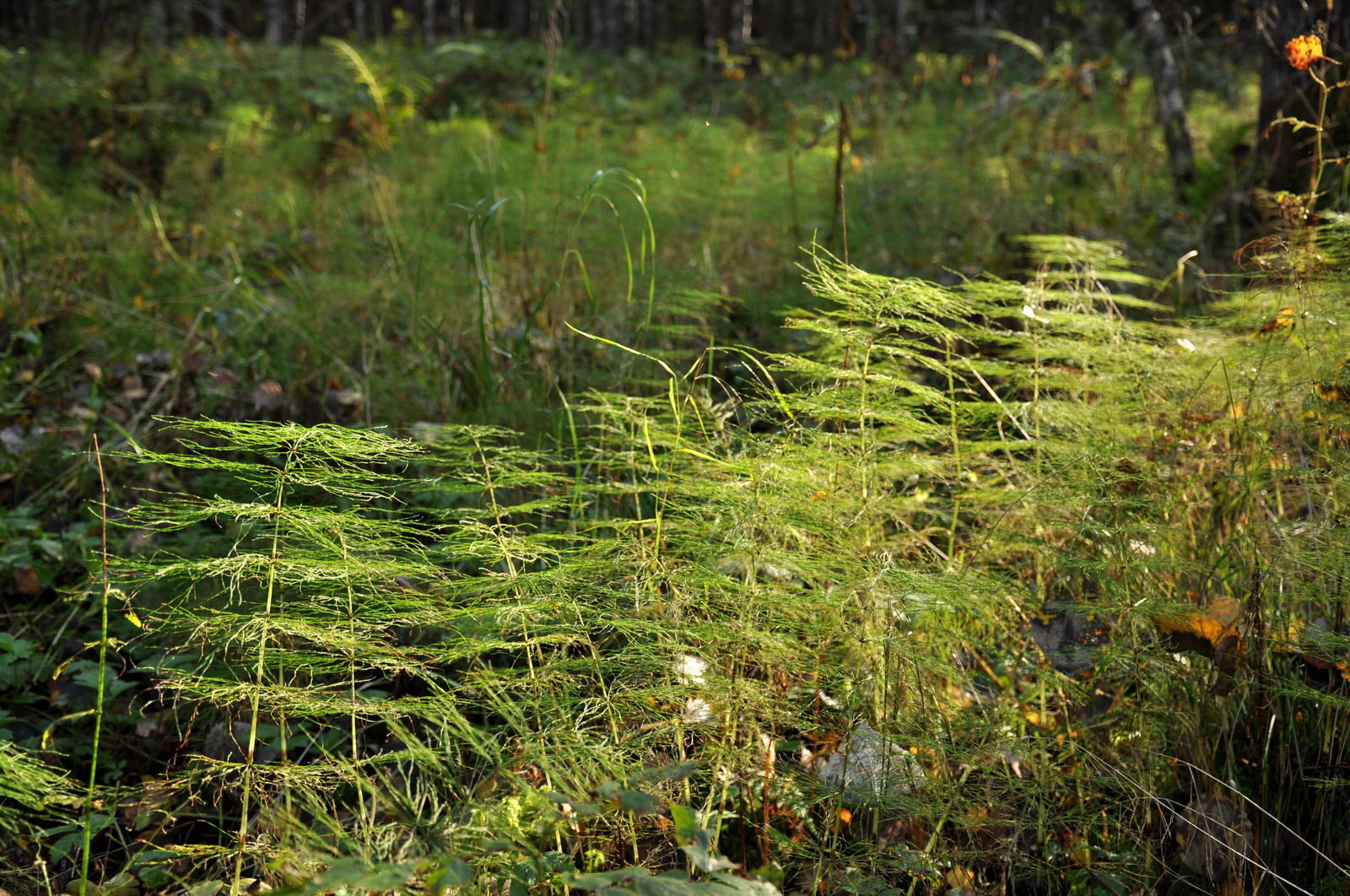
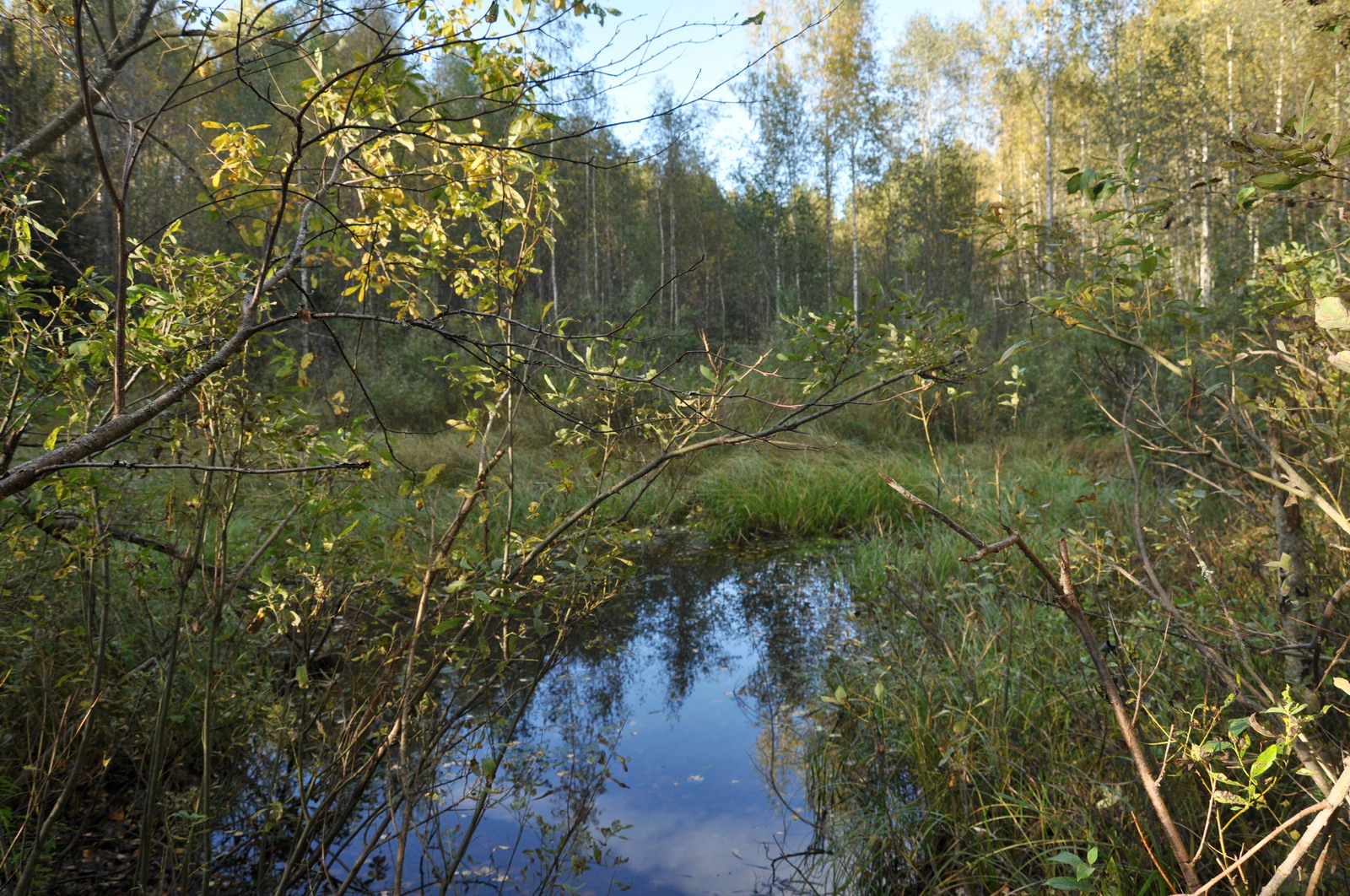
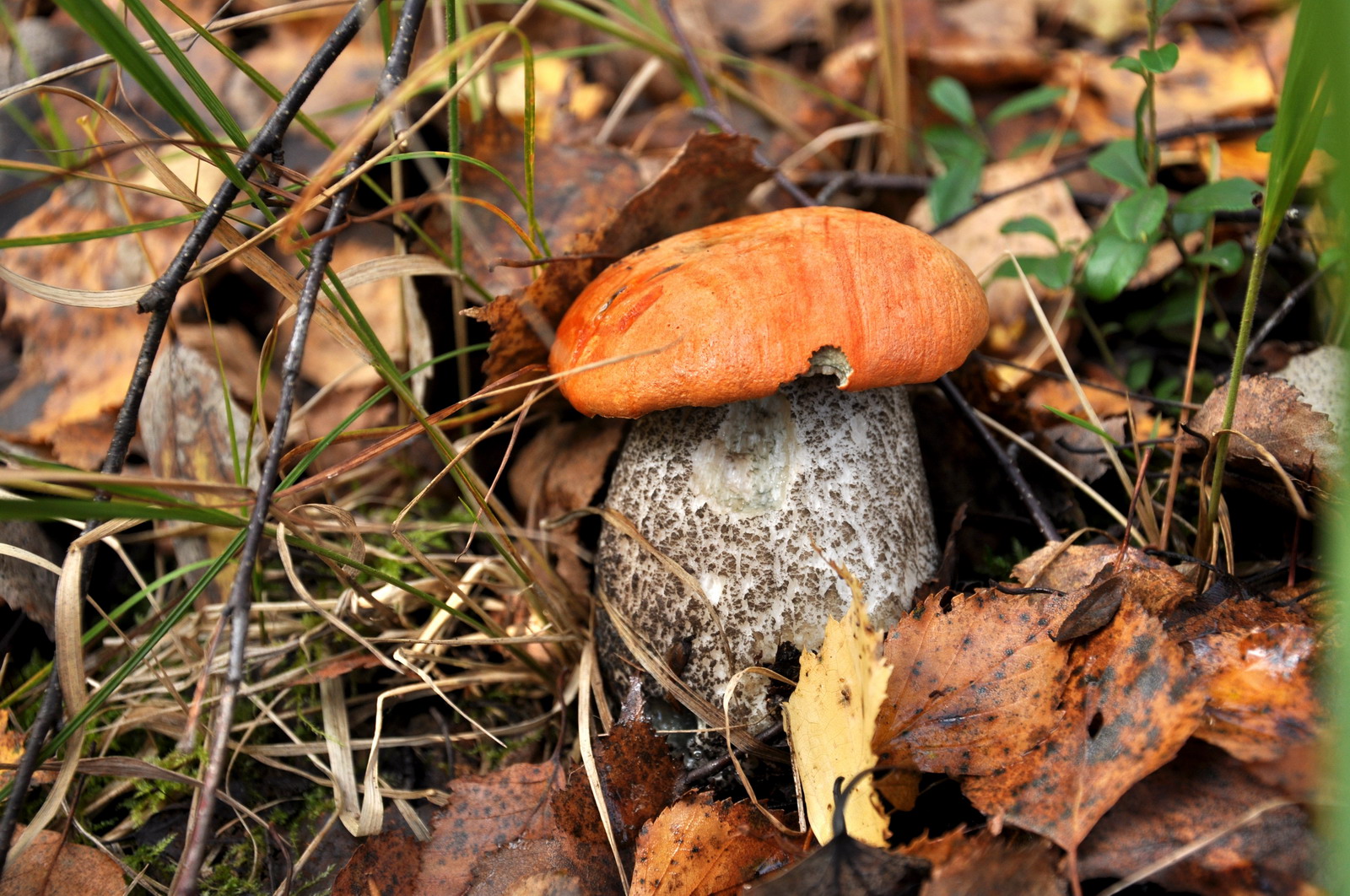
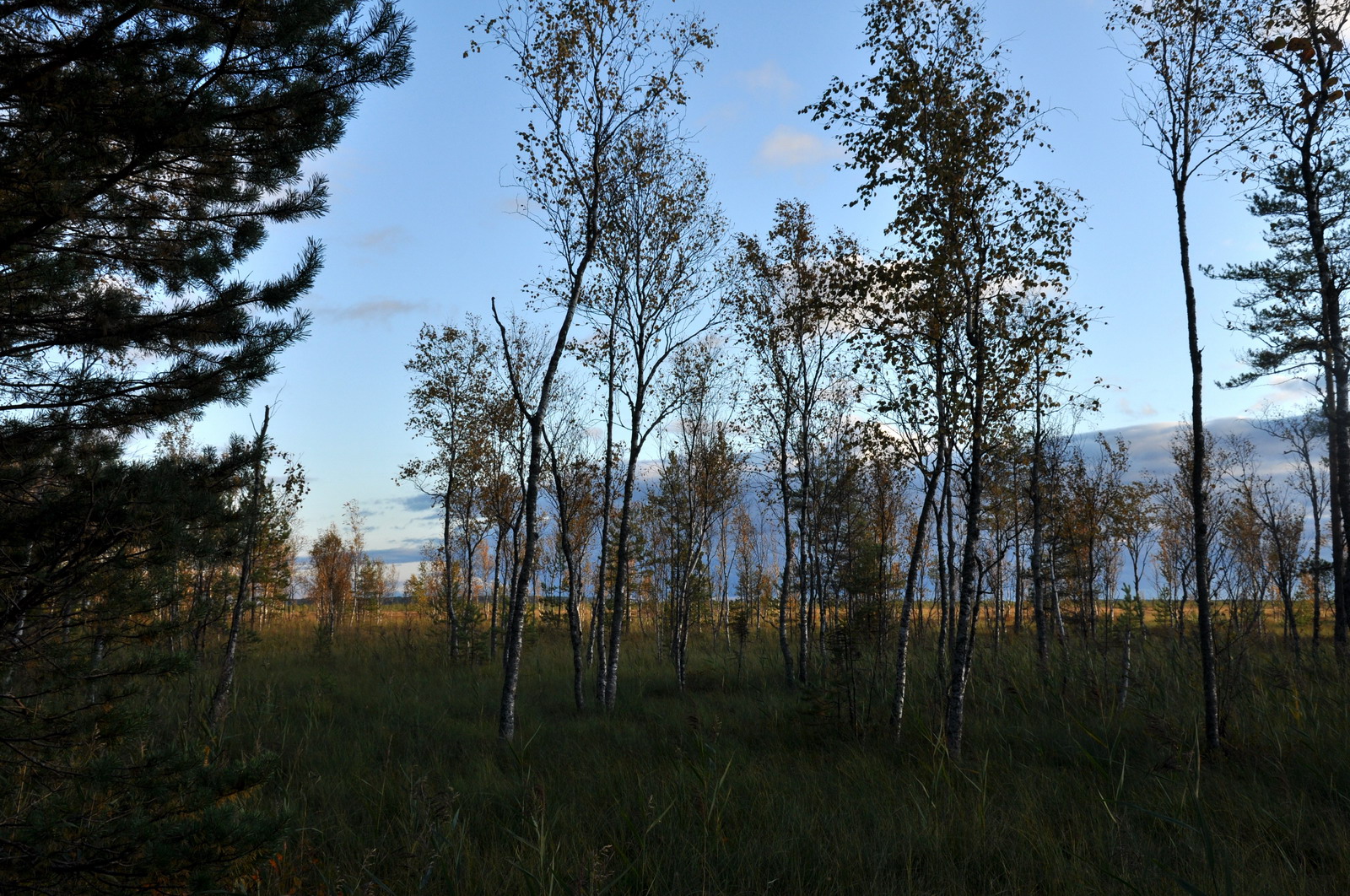
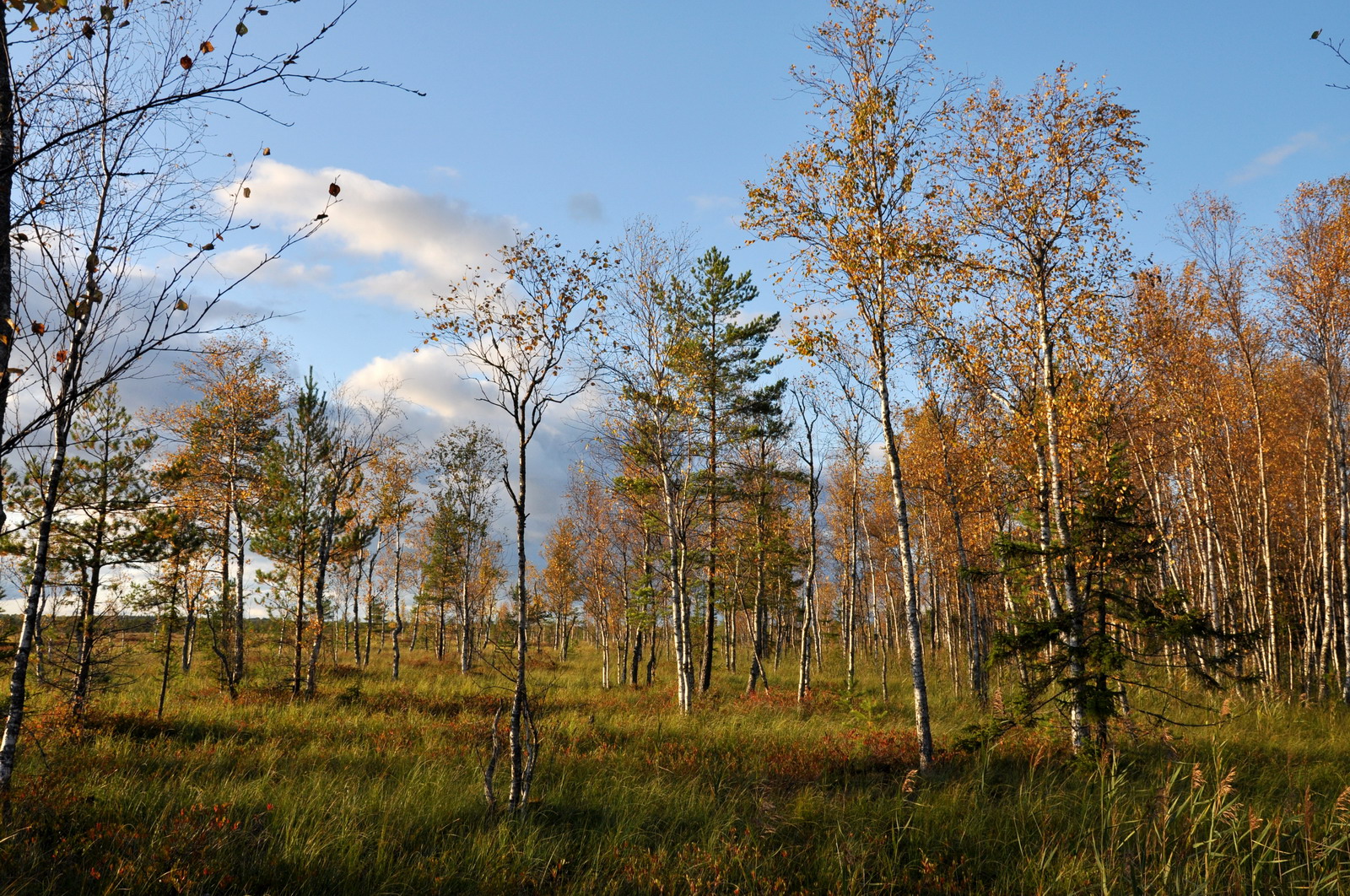
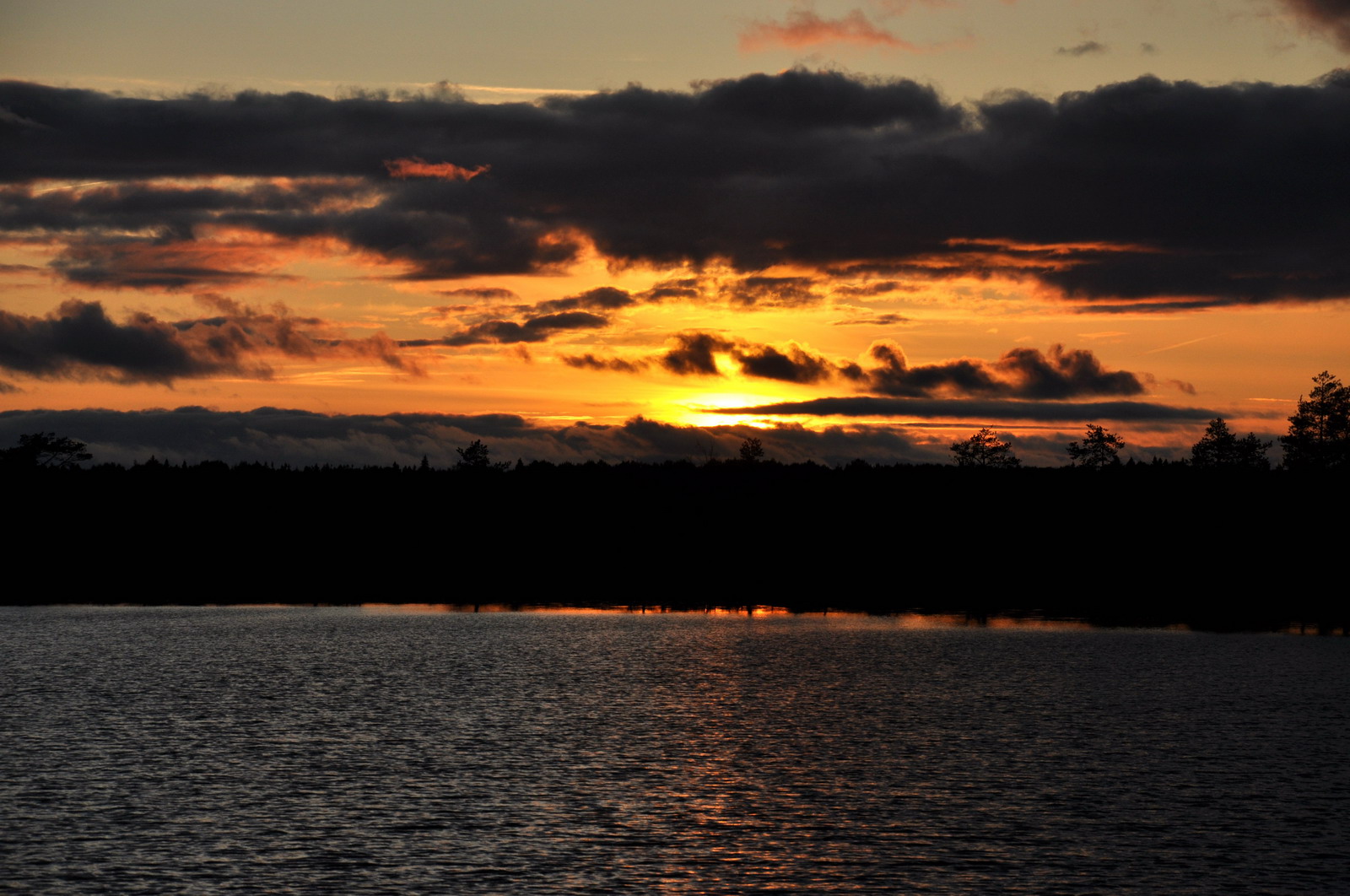
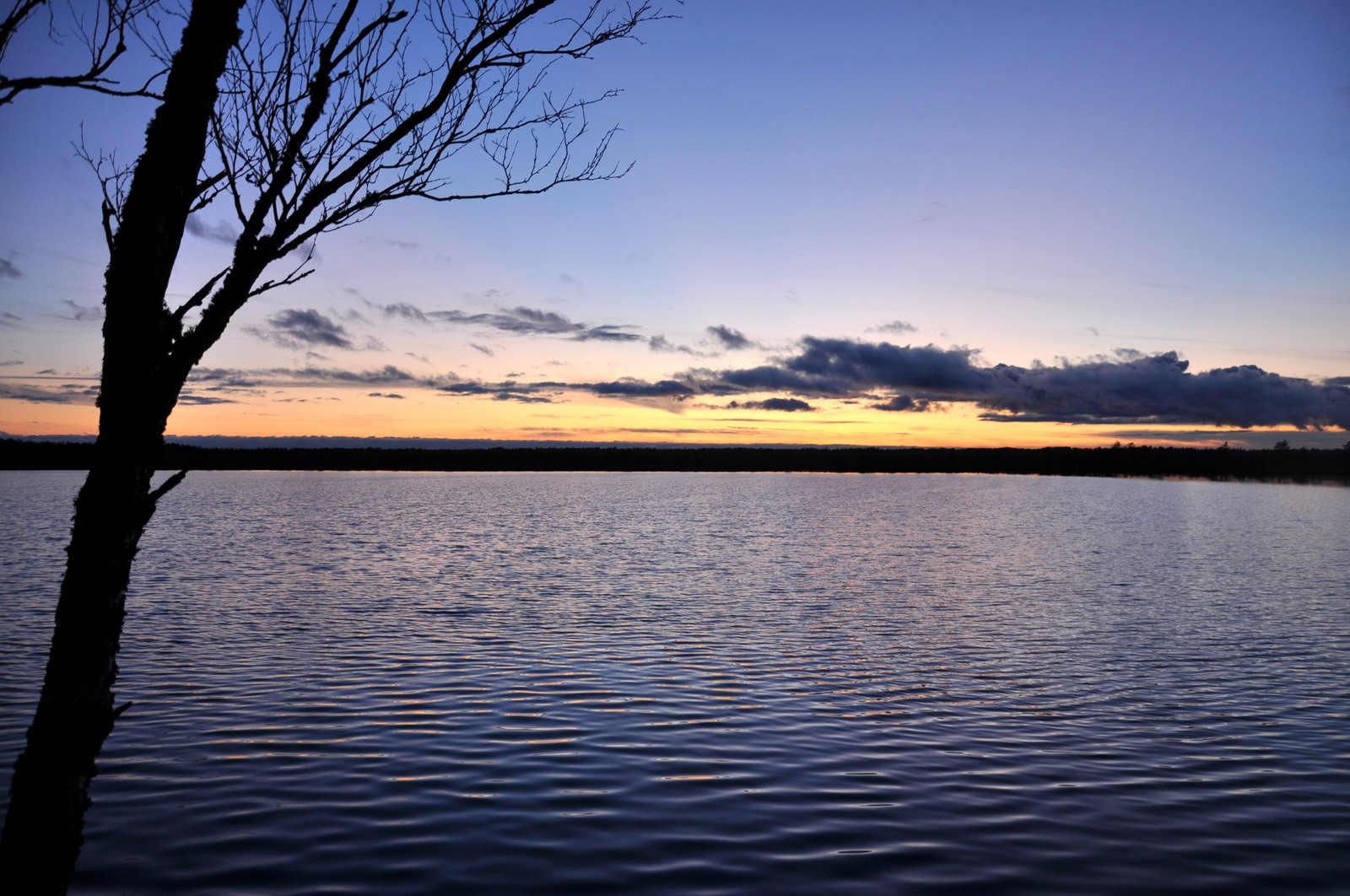
On the way back from Koster I went across the bog to Lake Yazvinskoye again. The sun was setting, lighting up the forest with its last rays. The tongue of forest was more beautiful than ever, and I felt more melancholy than ever. Now it was autumn and evening as well.
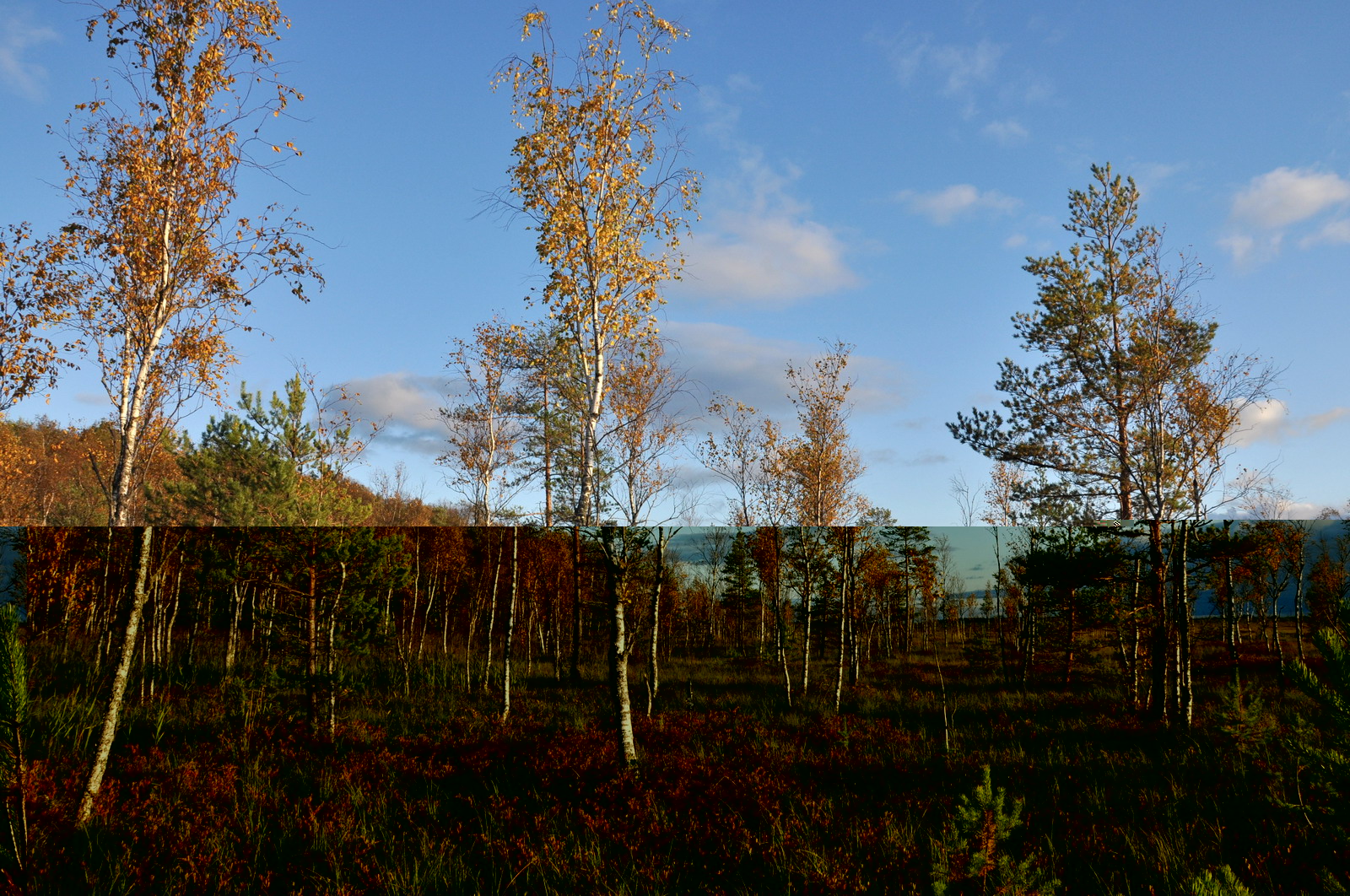
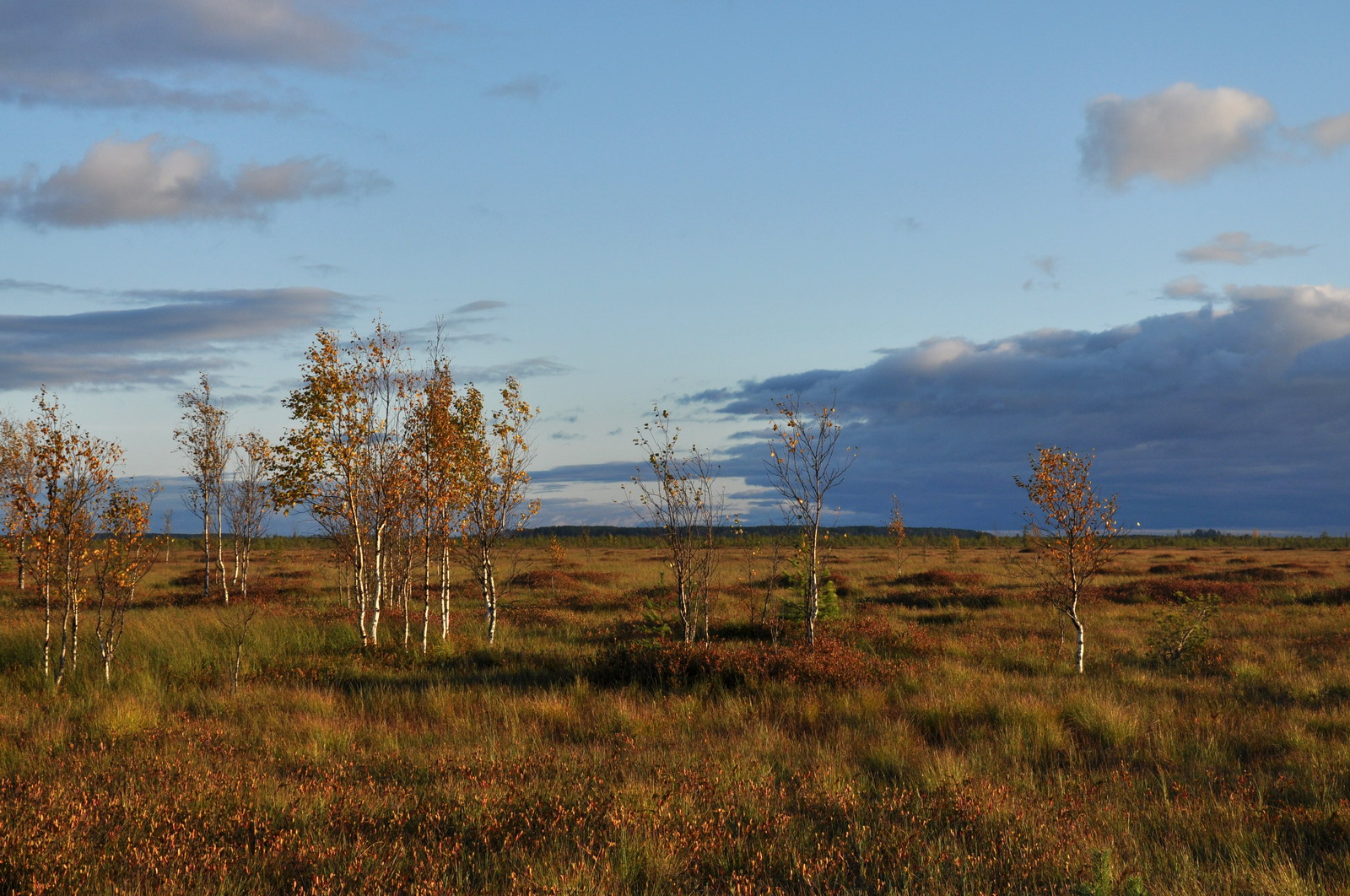
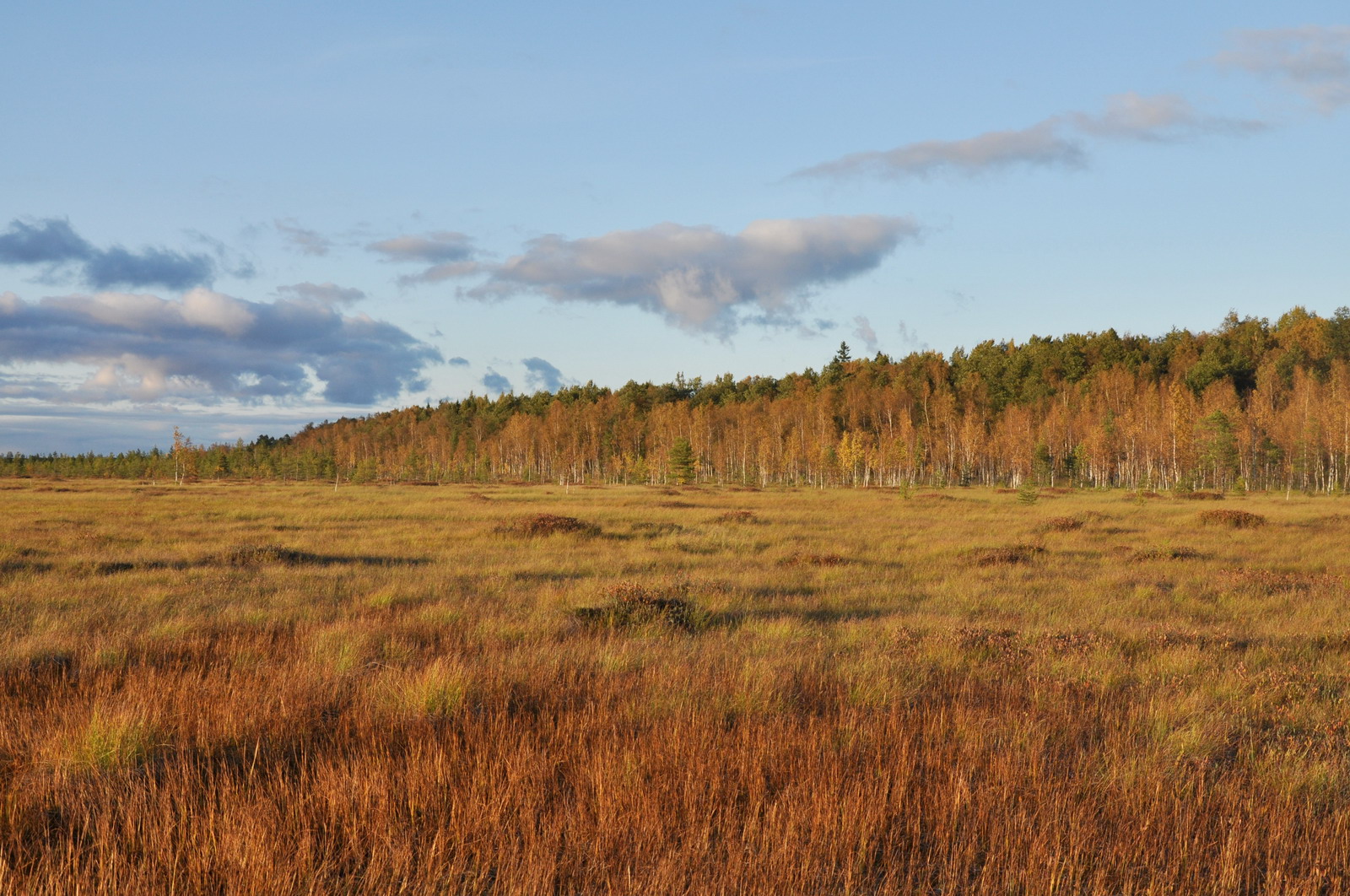
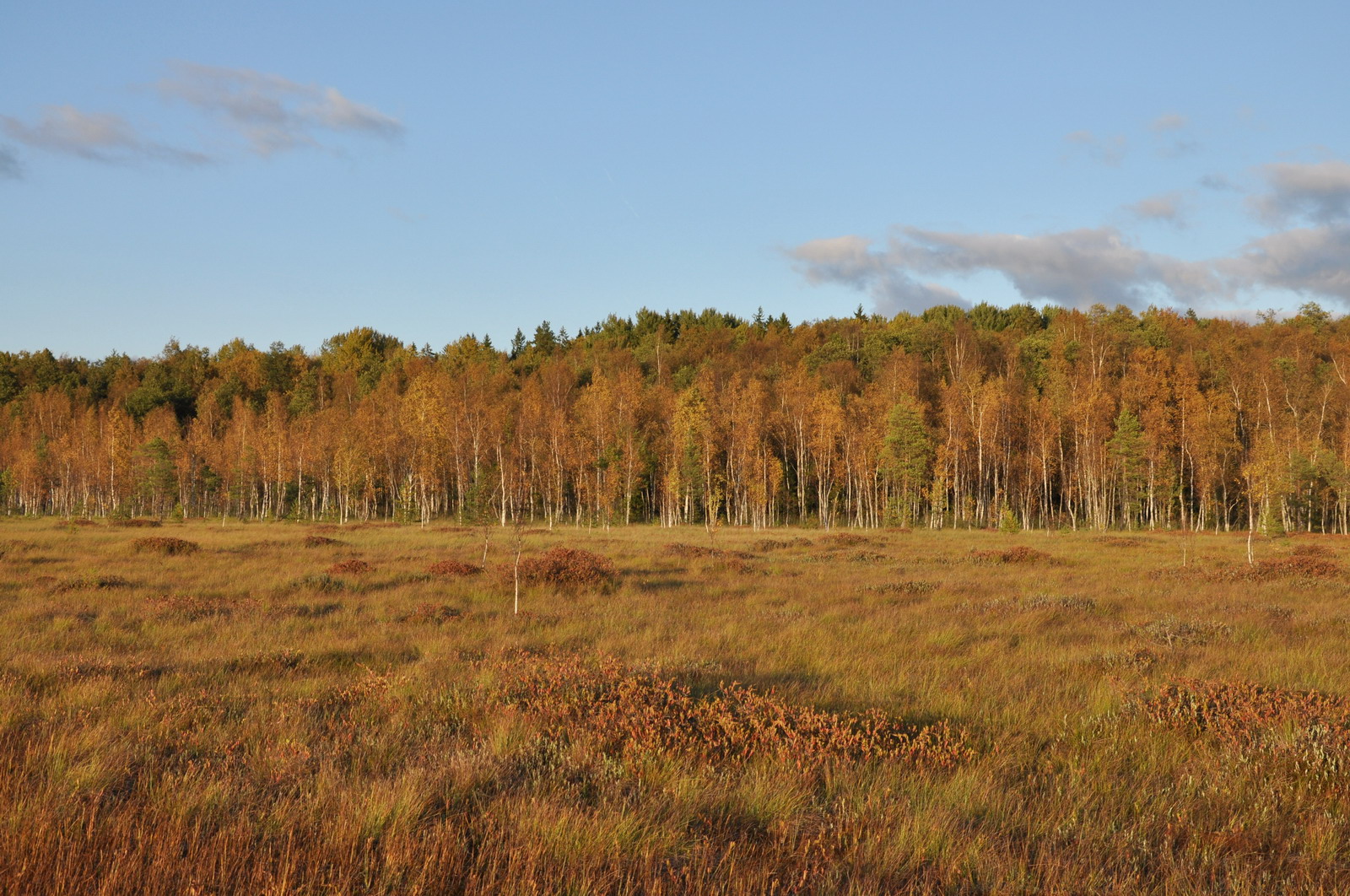
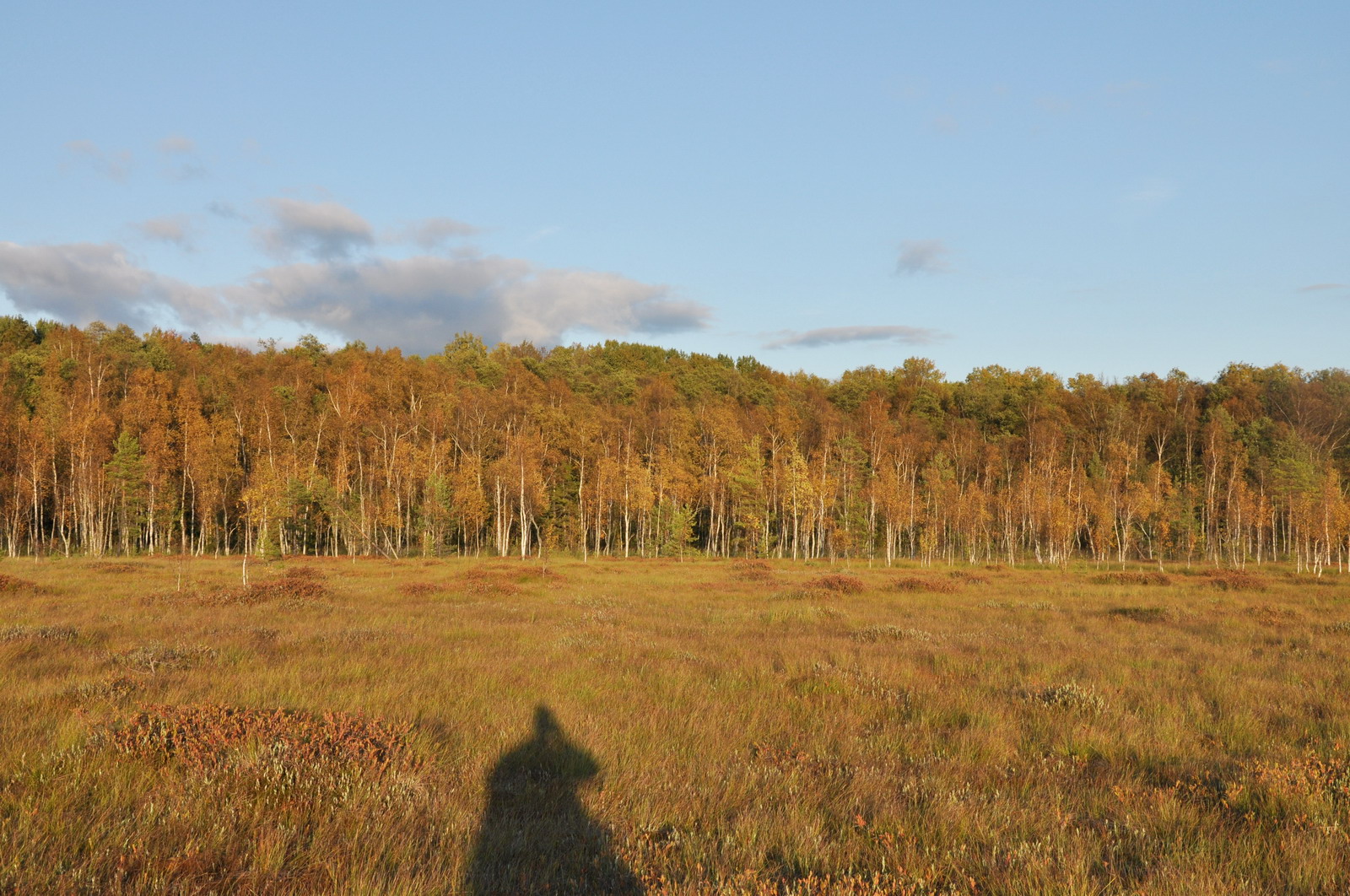
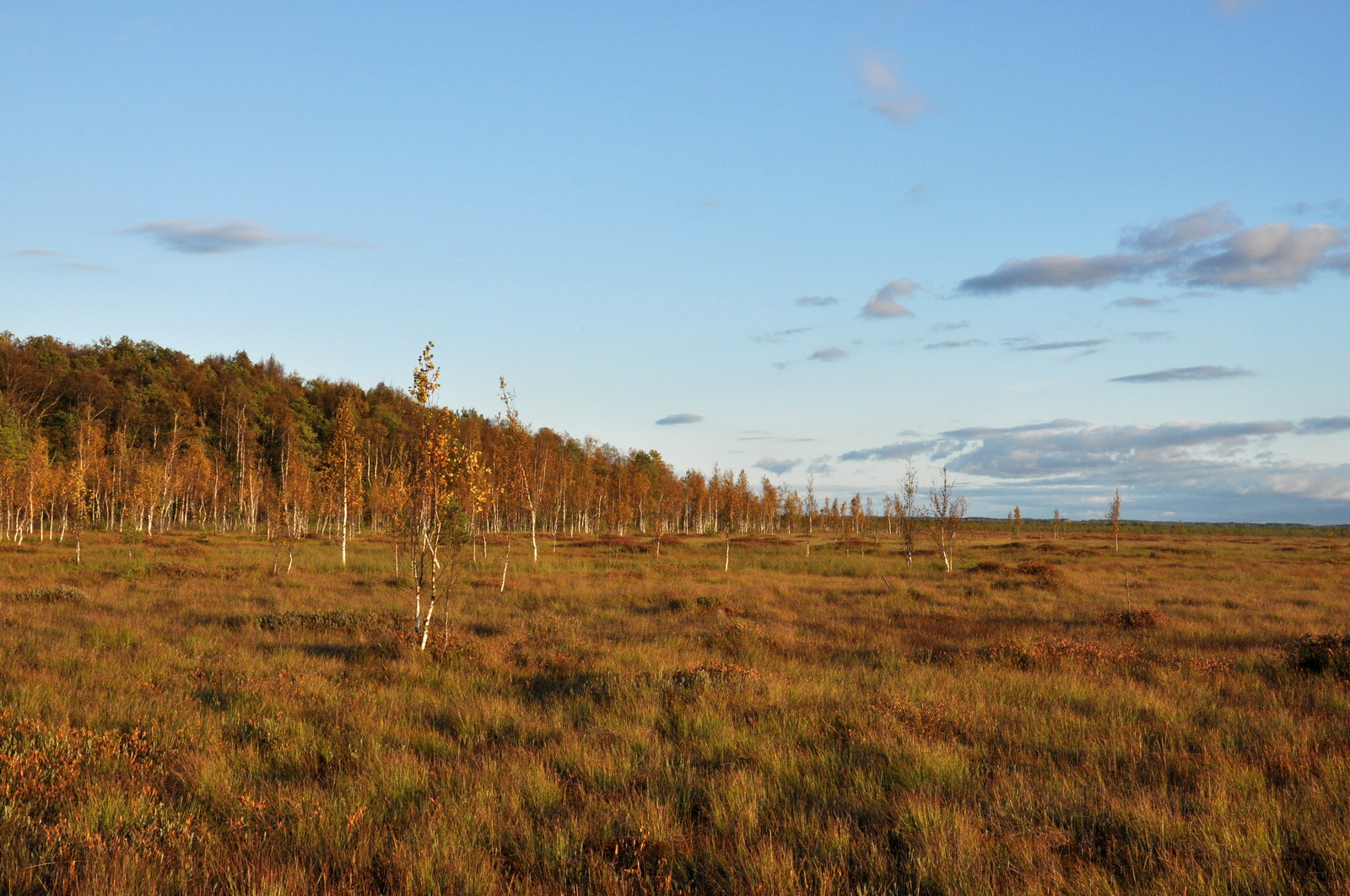
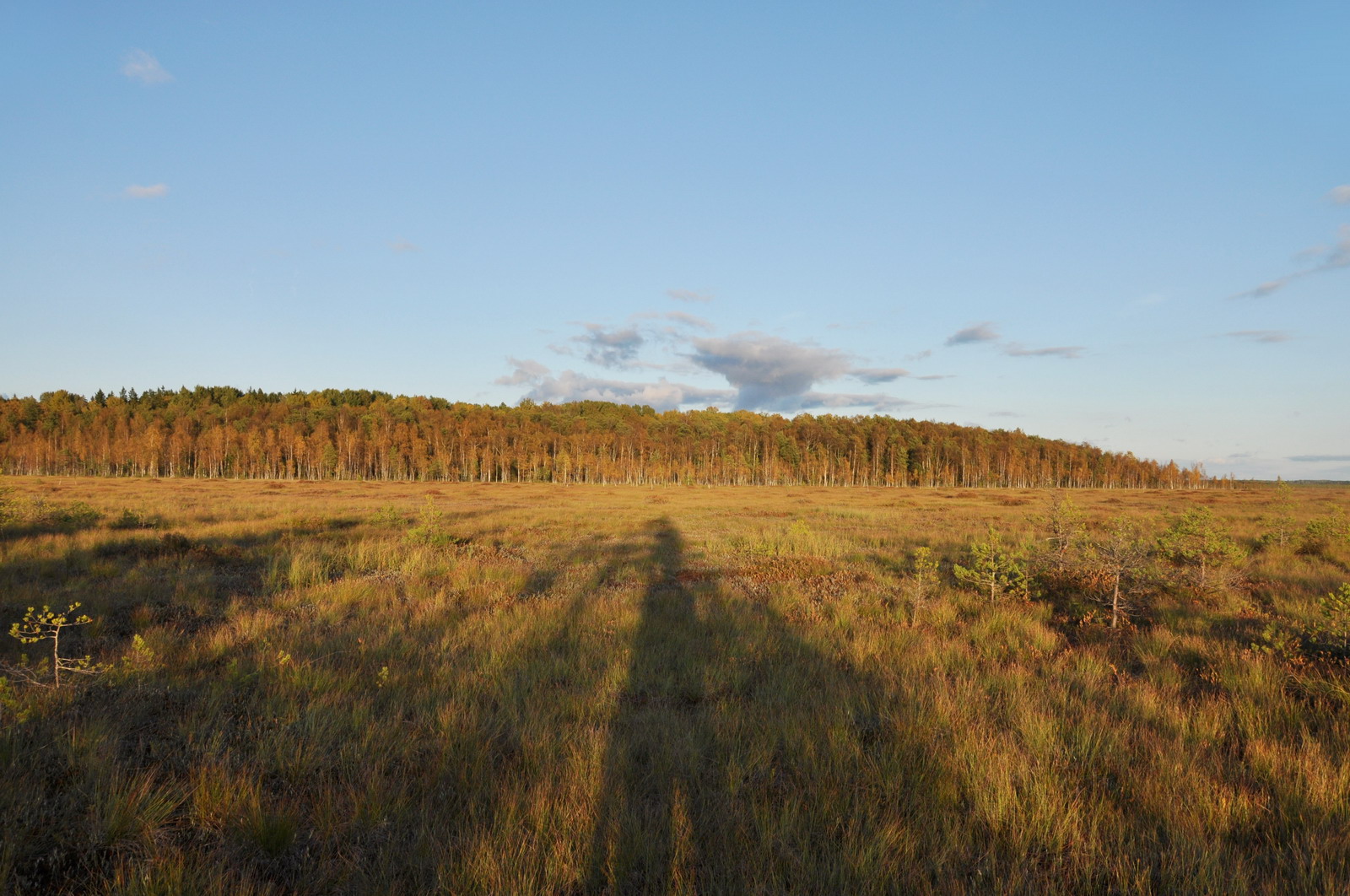
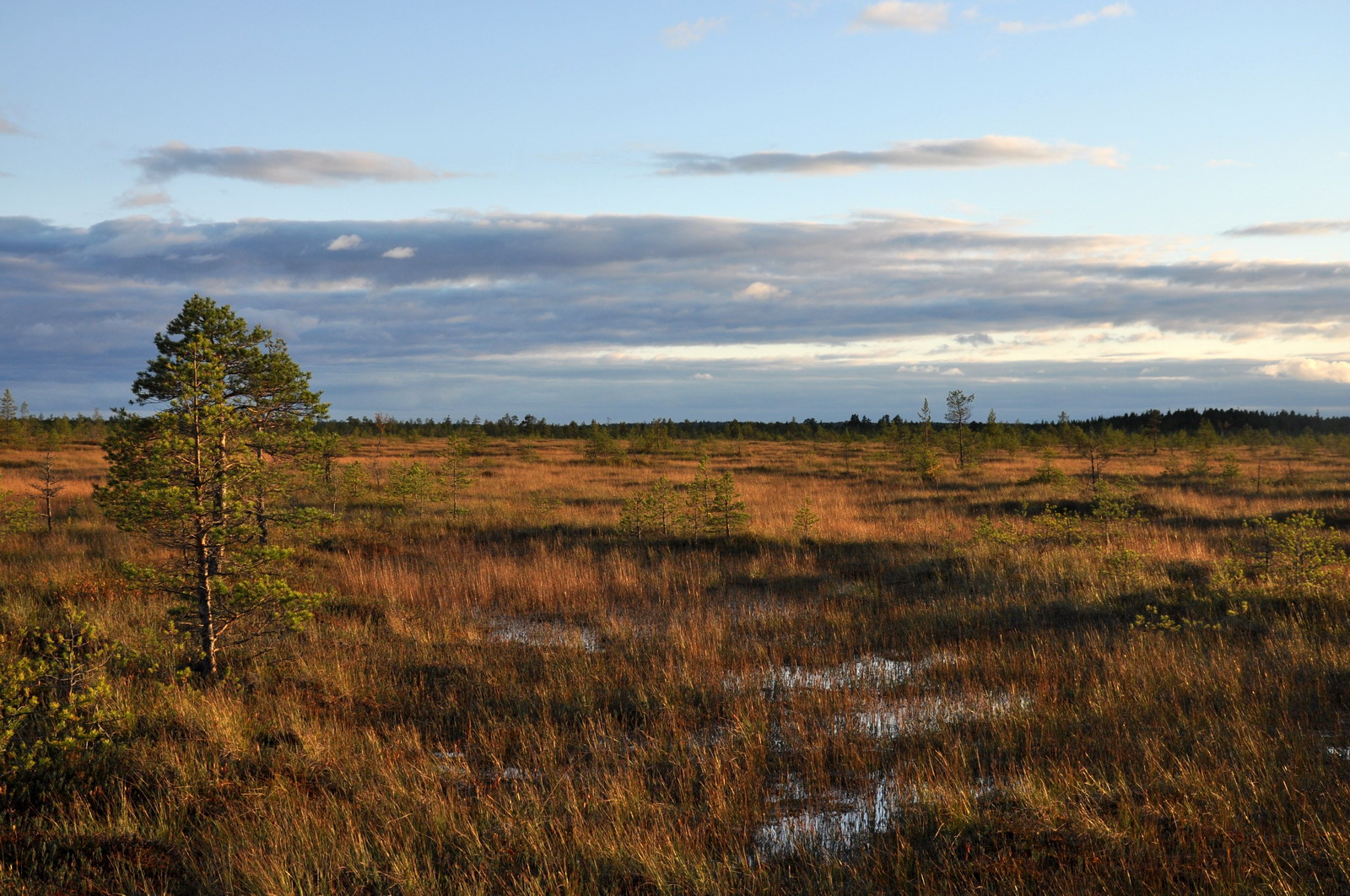
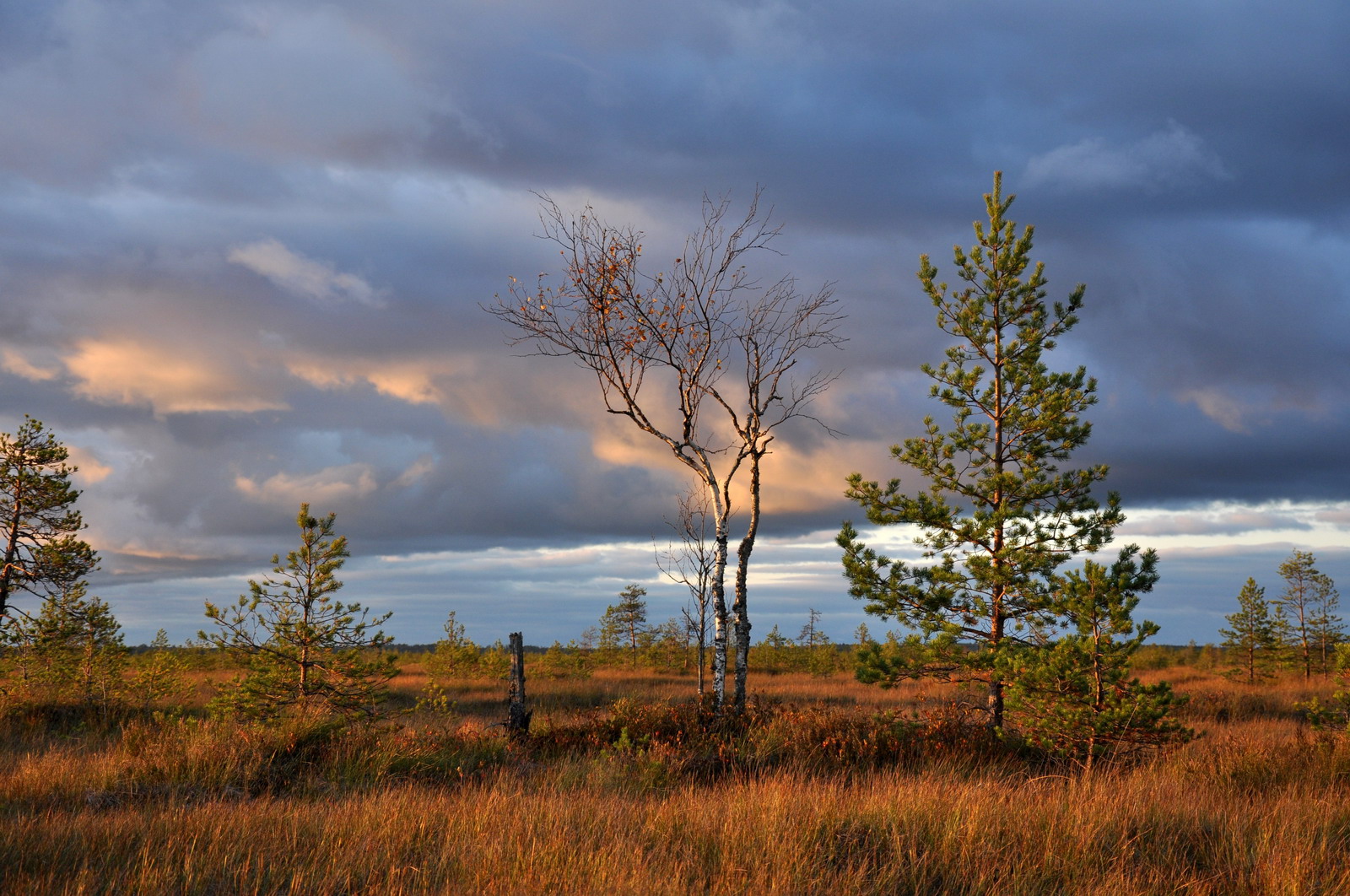
I had taken this route a few years before. Both times I simply went where my feet took me, without thinking much about which way to go. Halfway along I sat down for a rest. When I looked at the GPS tracks later, I was amazed. They matched exactly. I had sat down on the very same tussock as last time. My brain had been fed the same data and processed it in exactly the same way, turning it into the movements of my legs.
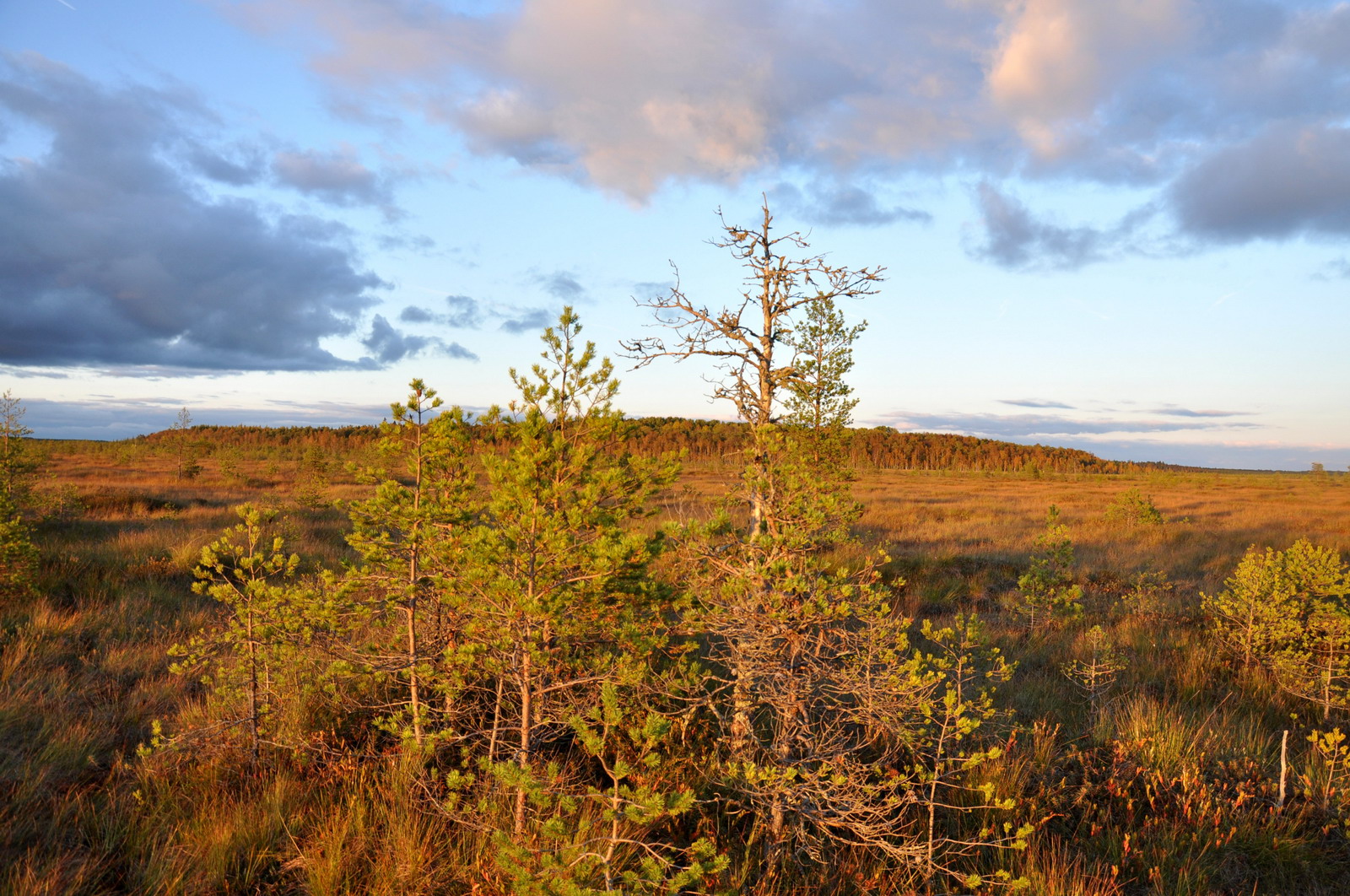
On the shore of Lake Yazvinskoye I had dinner. The sun had already set and I would need a torch for the rest of the way. The time, too, matched the previous hike. Only that had been in summer, when it was still light.
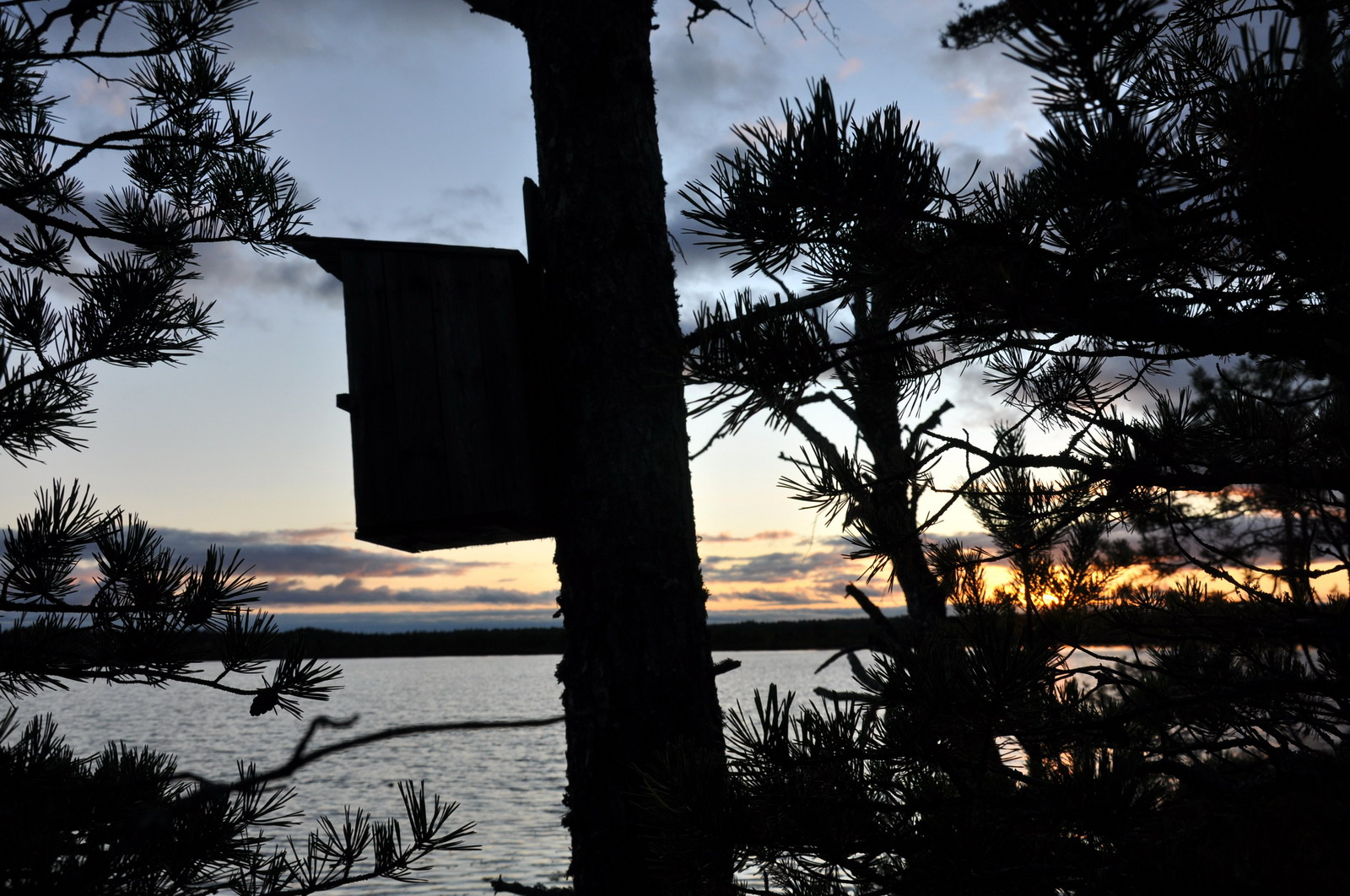
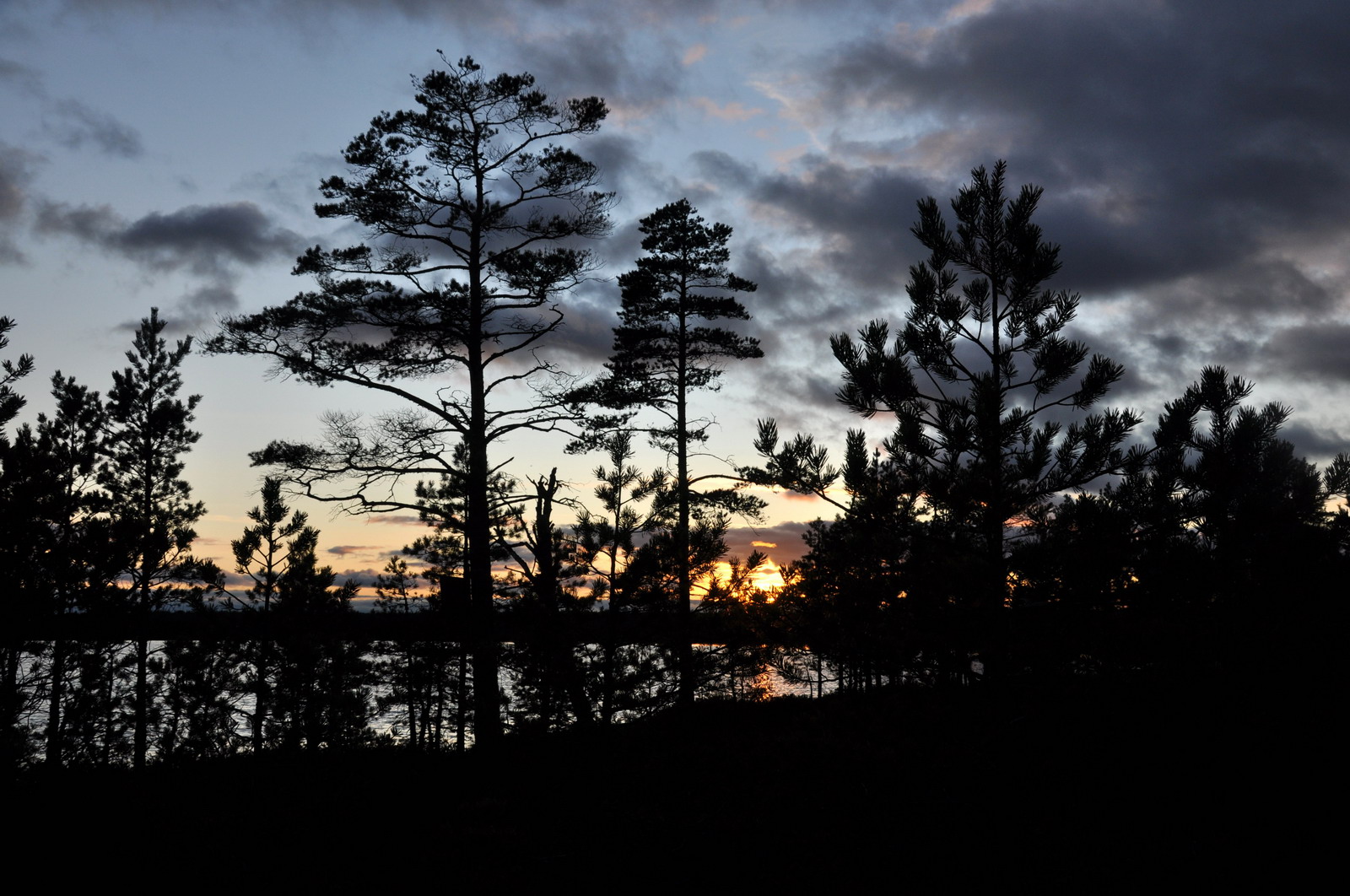
I reached the car in complete darkness, walking among the cottages with the dogs that had set upon me escorting me through. All right, I am not afraid of them. And the lock on the gate is only for show. It is open. The Uzbek builders had told me that on my way out. There are stars in the sky. Northern ones. I catch myself looking for the Southern Cross, but no. In the bushes, in the sky, in my thoughts, nothing but bears.