Swaziland
Chapter 4. Swaziland. A swim with a crocodile
We crossed the border from South Africa into Swaziland at Mananga in no time. No luggage inspection, customs declaration or any other nonsense. Nobody looked inside the car, and the car itself attracted no interest. They didn't even ask for its papers. The road toll at the border was five rand per vehicle.
The local currency is the lilangeni, plural emalangeni. It's pegged to the rand and circulates alongside it. ATMs give you a mixture, and shops accept both.
Swaziland lies between Mozambique and South Africa, but has little in common with either.
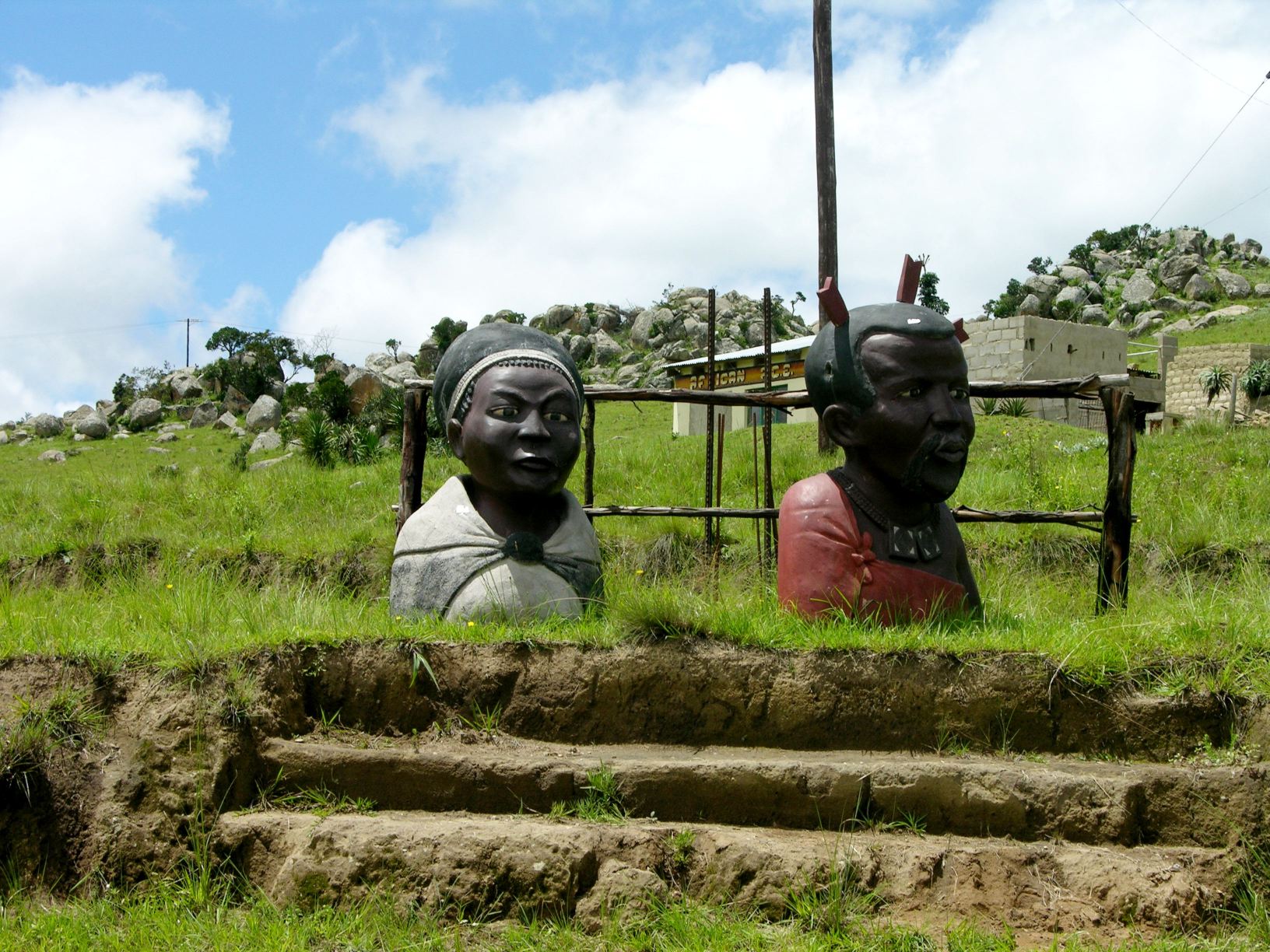
There had been no wars or mass unrest for some time, but the standard of living was very low. People were considerably poorer than in South Africa. Most lived on less than $1 a day. The figure we heard for HIV/AIDS was 43 per cent. No gold or diamonds had turned up yet, leaving the sugarcane plantations as the country's sole asset. They all belonged to the king. Everything here belonged to him, as he was probably the last absolute monarch left in the world. I wouldn't call Mswati III, the reigning king, wise or just. The country was on the verge of famine and he was giving the most expensive cars and palaces to his thirteen wives. To choose a new wife he arranged a mass dance of half-naked virgins in front of the palace. The last time, 50,000 girls turned up to offer themselves. For his own birthday he bought a half-million-dollar Maybach. Up to half the national budget went on this. The king of the day set up a parliament in 1960 under the pressure of modern times. The king appointed a third of it, and the rest were even elected. In the end, all the seats went to supporters of the king. If even that failed, the king could dissolve parliament at any time without giving a reason. Political parties, demonstrations and public meetings were banned. How could it be otherwise? The country was on the one true path, after all.
Of course there was a small democratic opposition, and its meetings were broken up from time to time. In 2000, following ‘nationwide consultation’, the king adopted a new constitution under which he could overrule any decision made by anyone. Almost everyone worked in agriculture, but the country could not feed itself without foreign food aid. Another place charting its own special course, in other words. Disagree and you were an enemy, a spy or a traitor. Why spell it out? Switch on Russia's Channel One and change the name of the country. It's astonishing how similar these special courses of development turn out to be.
As foreign tourists, we had nothing to fear from the king. Let them live as they please. Every nation deserves its government.
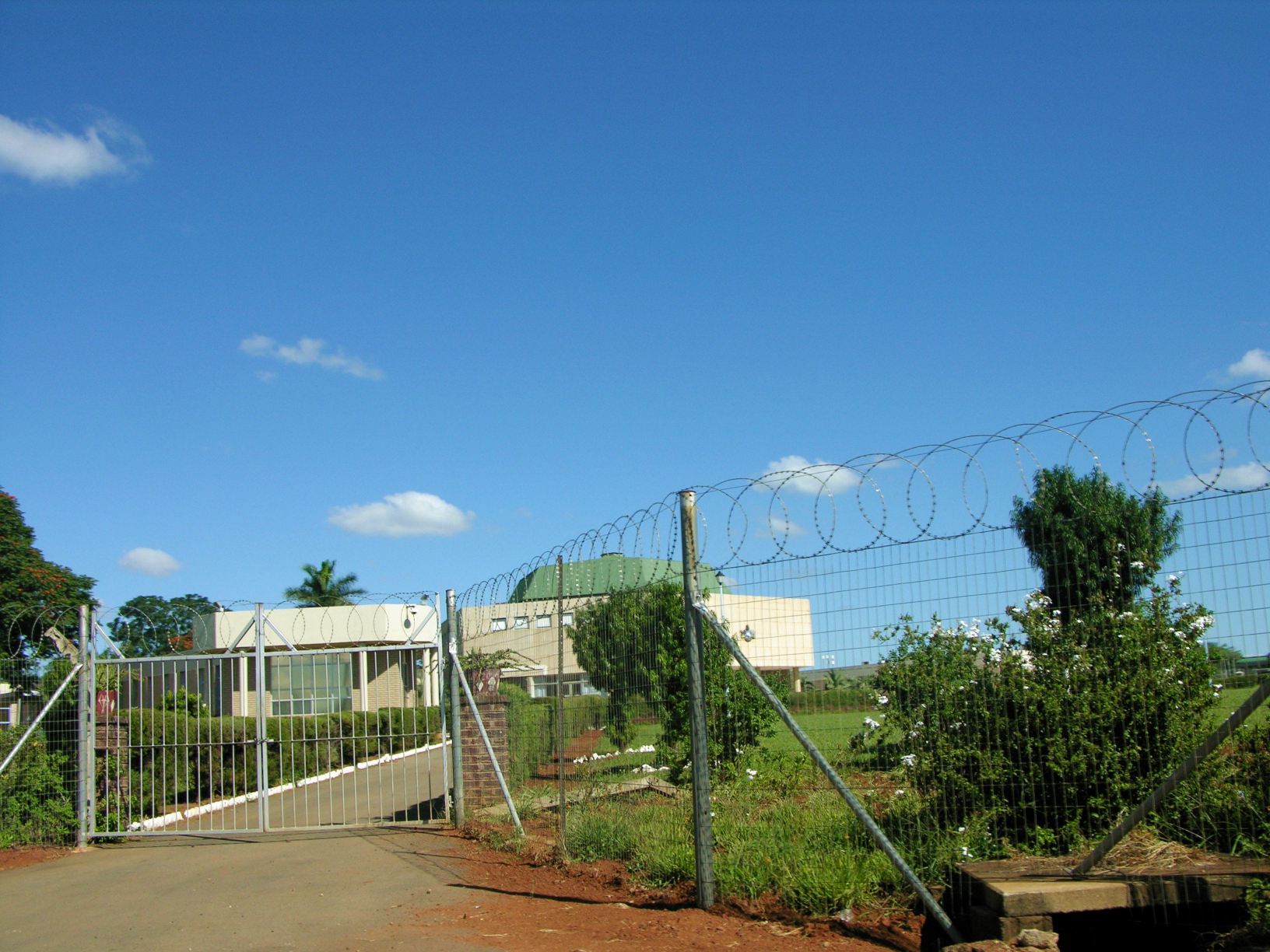
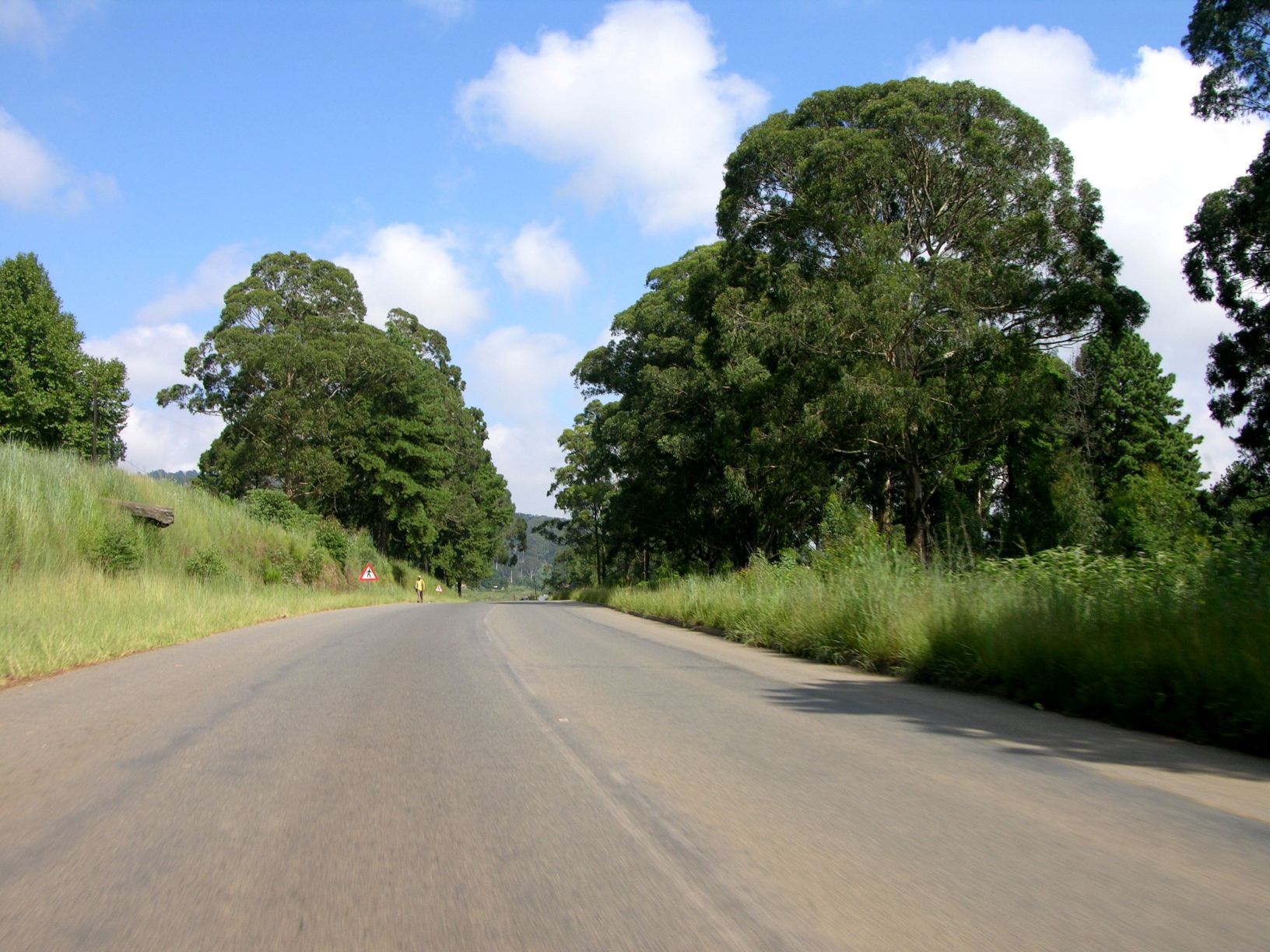
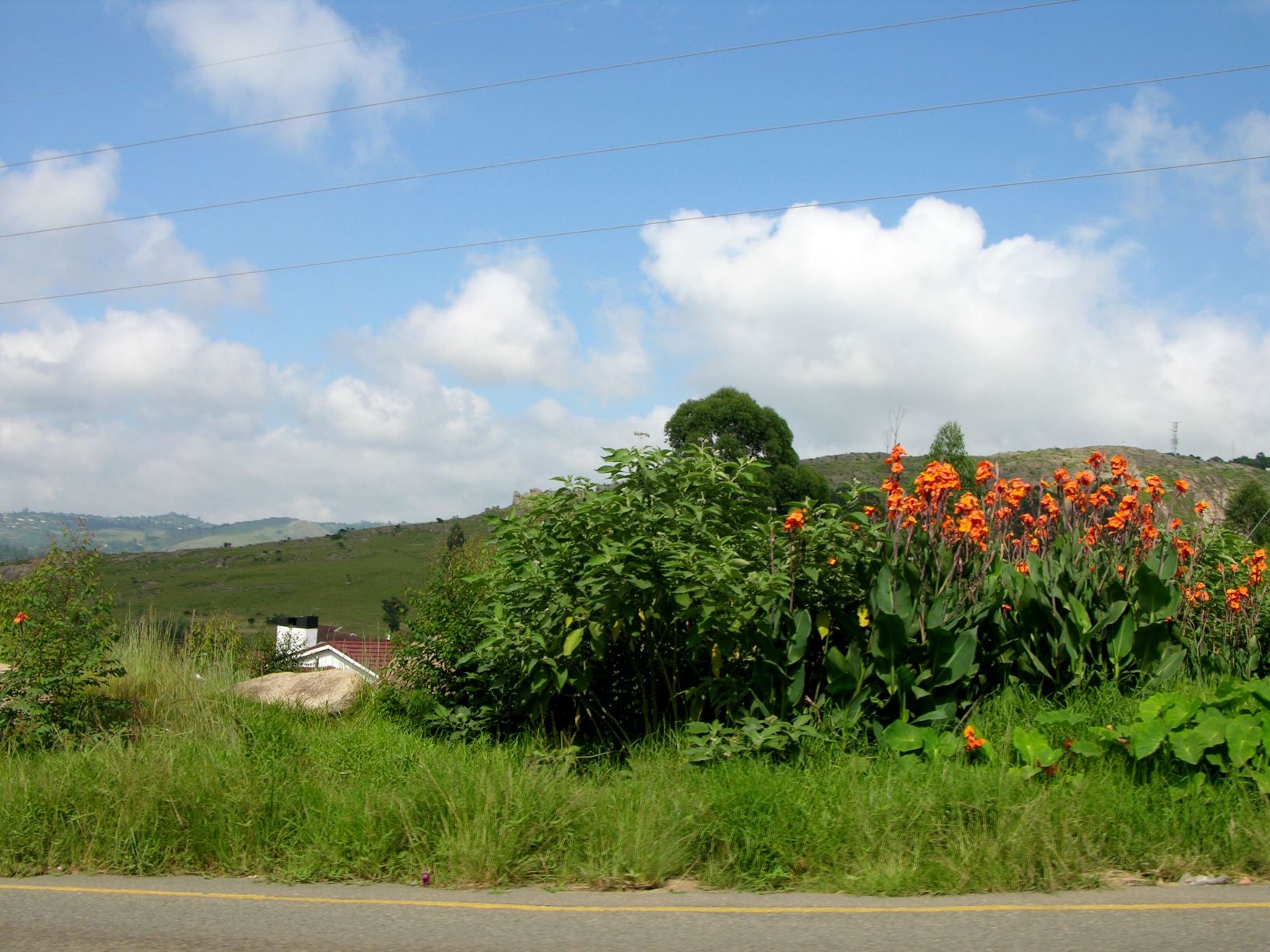
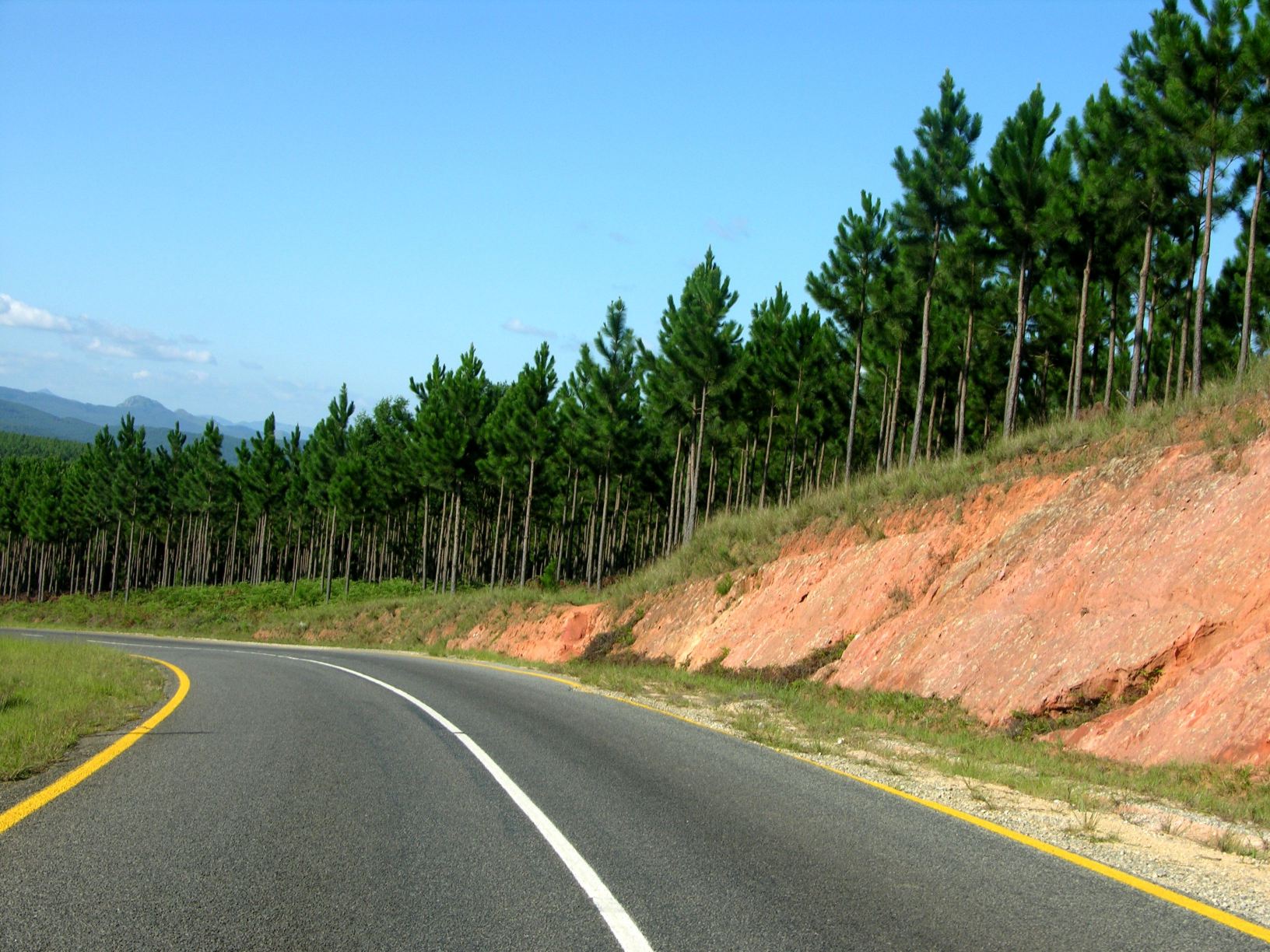
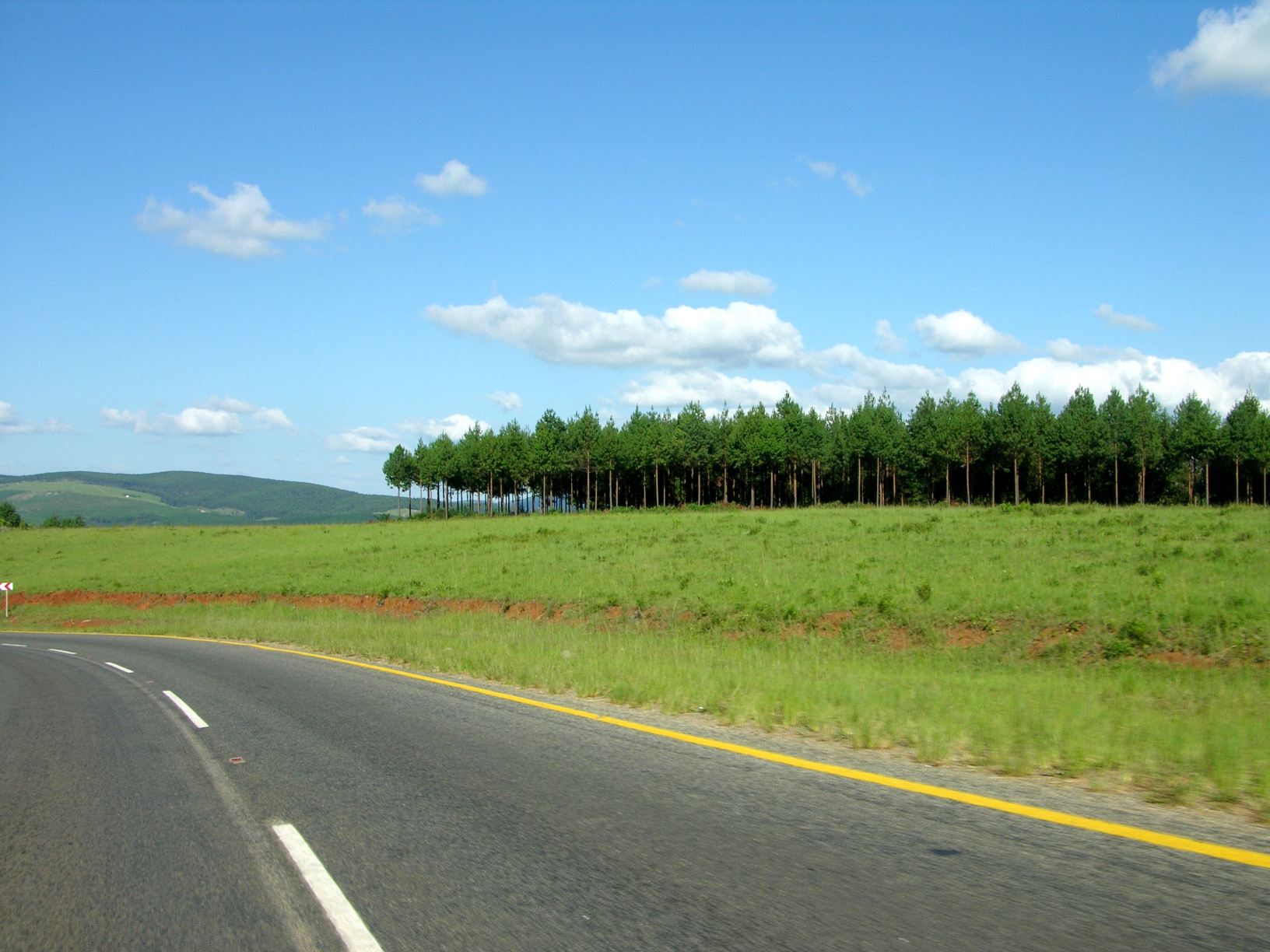
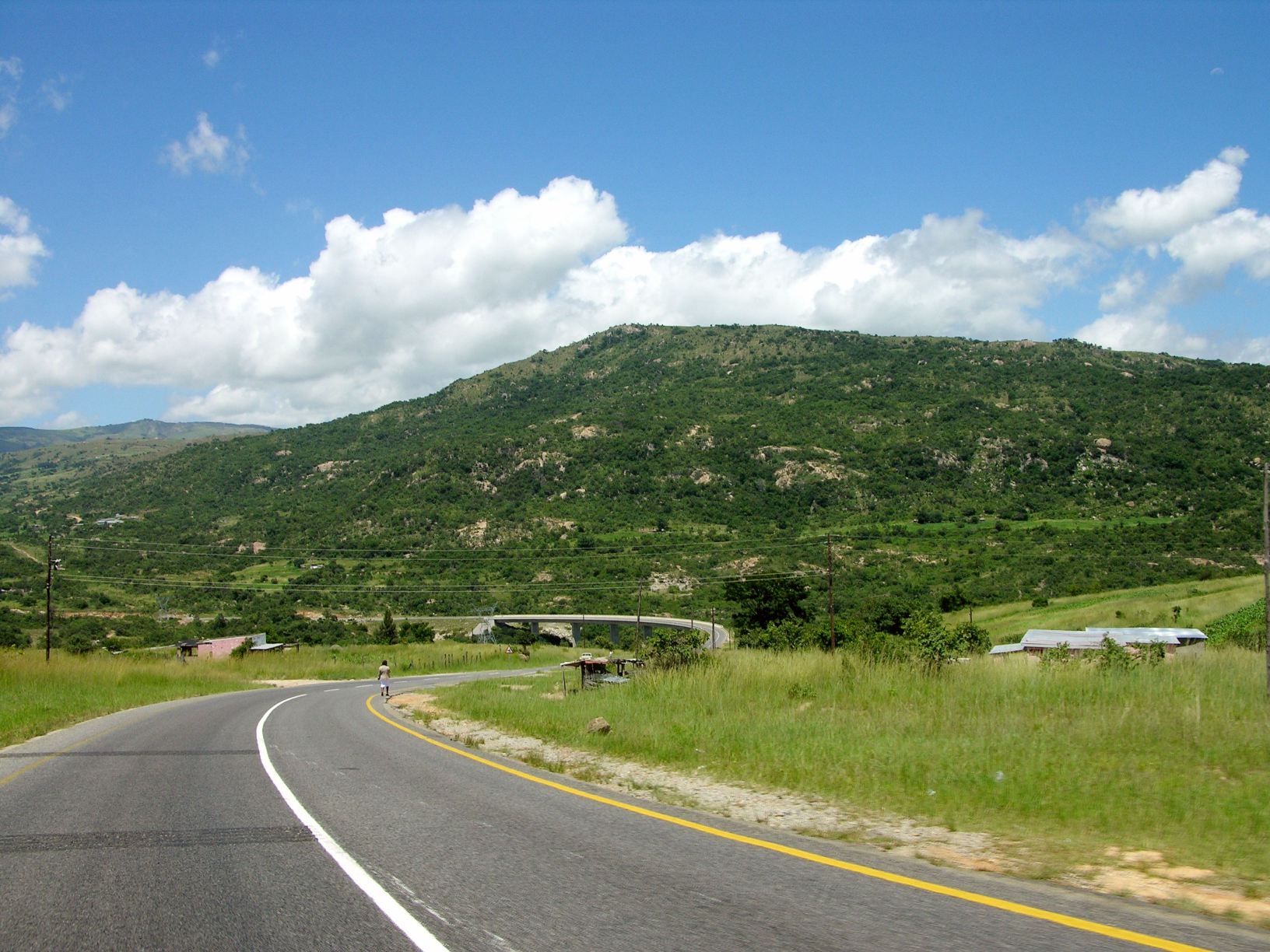
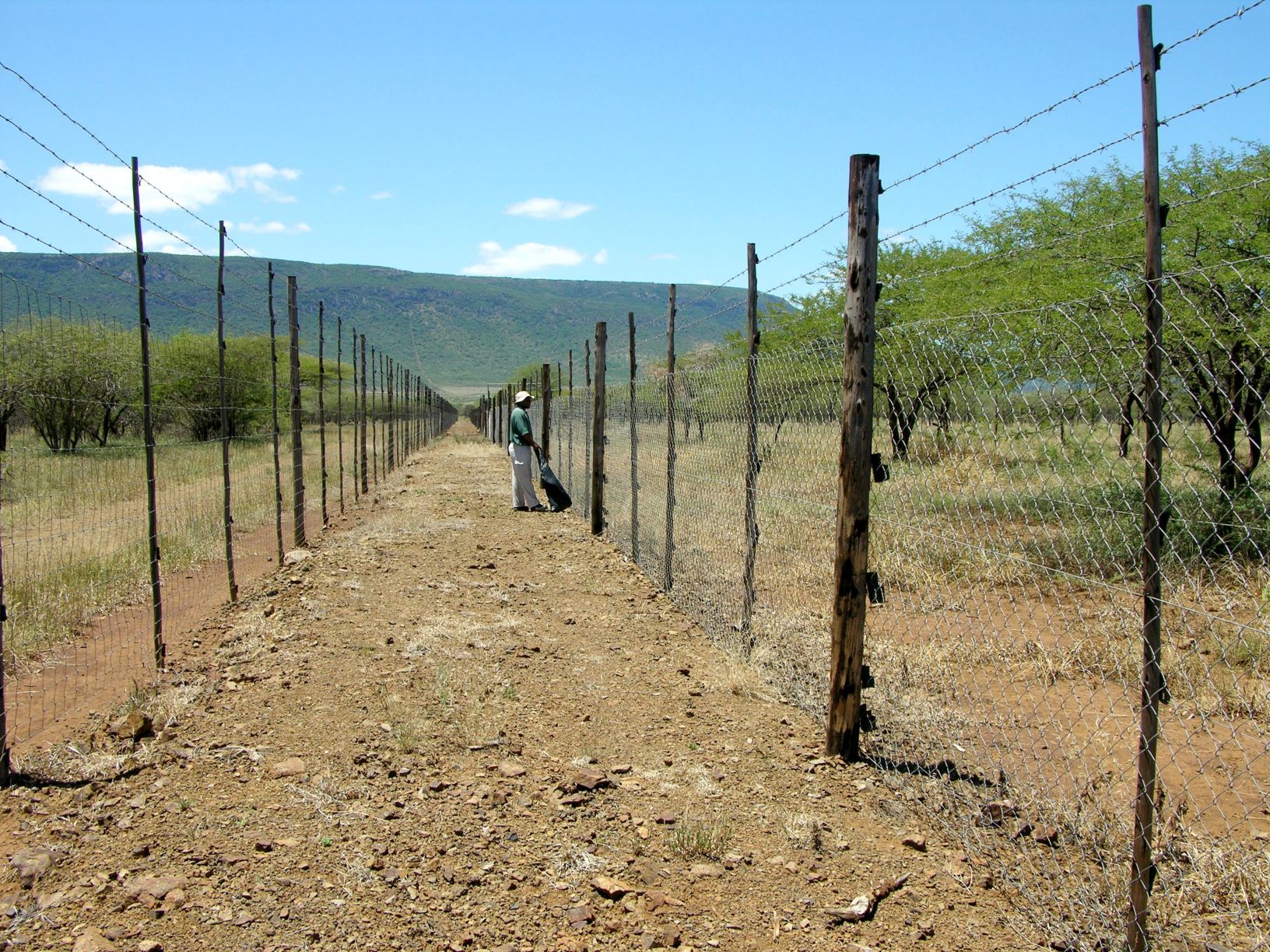
We saw the differences as soon as we crossed the border. The road had been built like the ones in South Africa, with lay-bys for a bite to eat. In Swaziland nobody used them, so they had grown over with weeds.

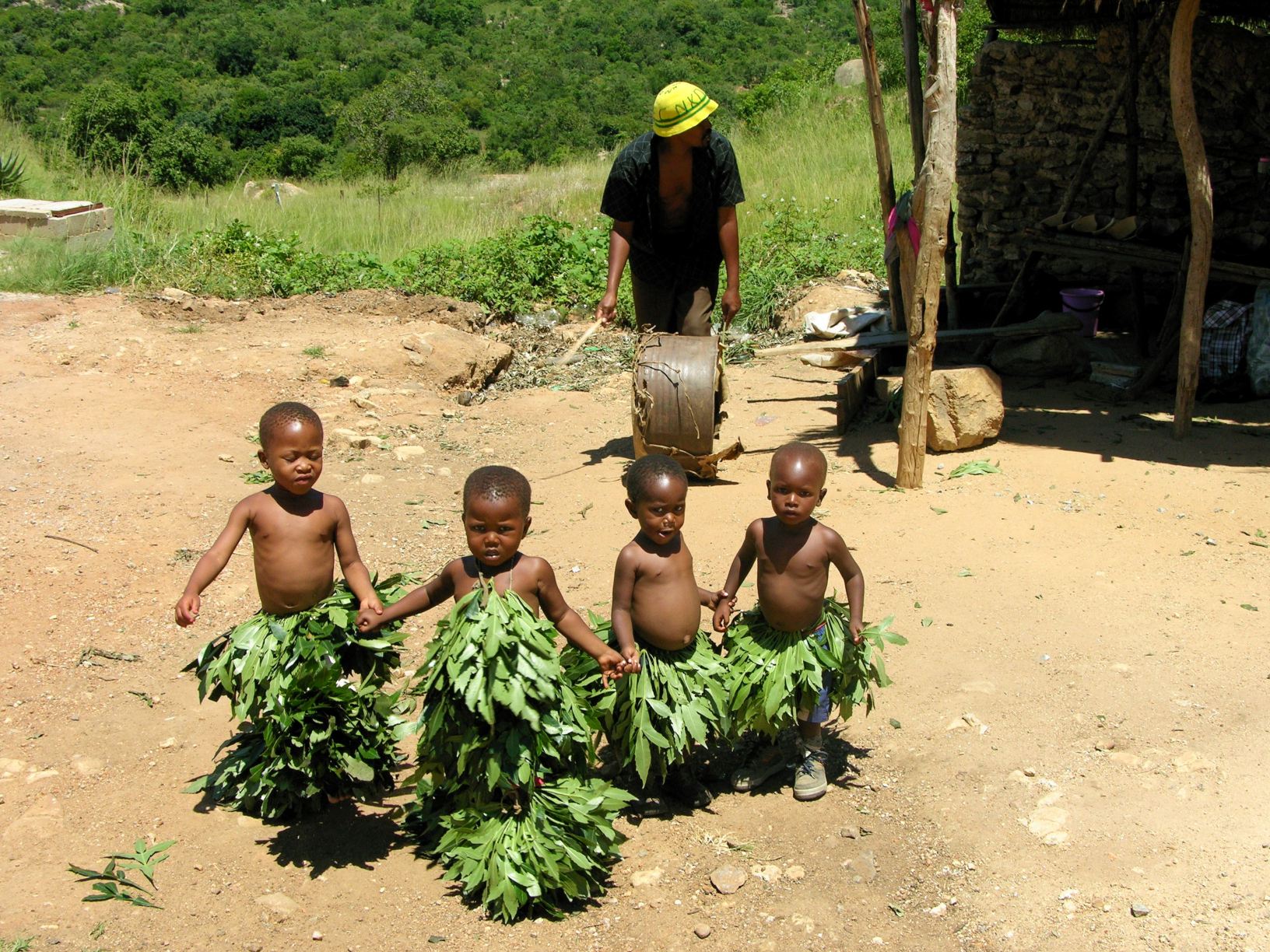
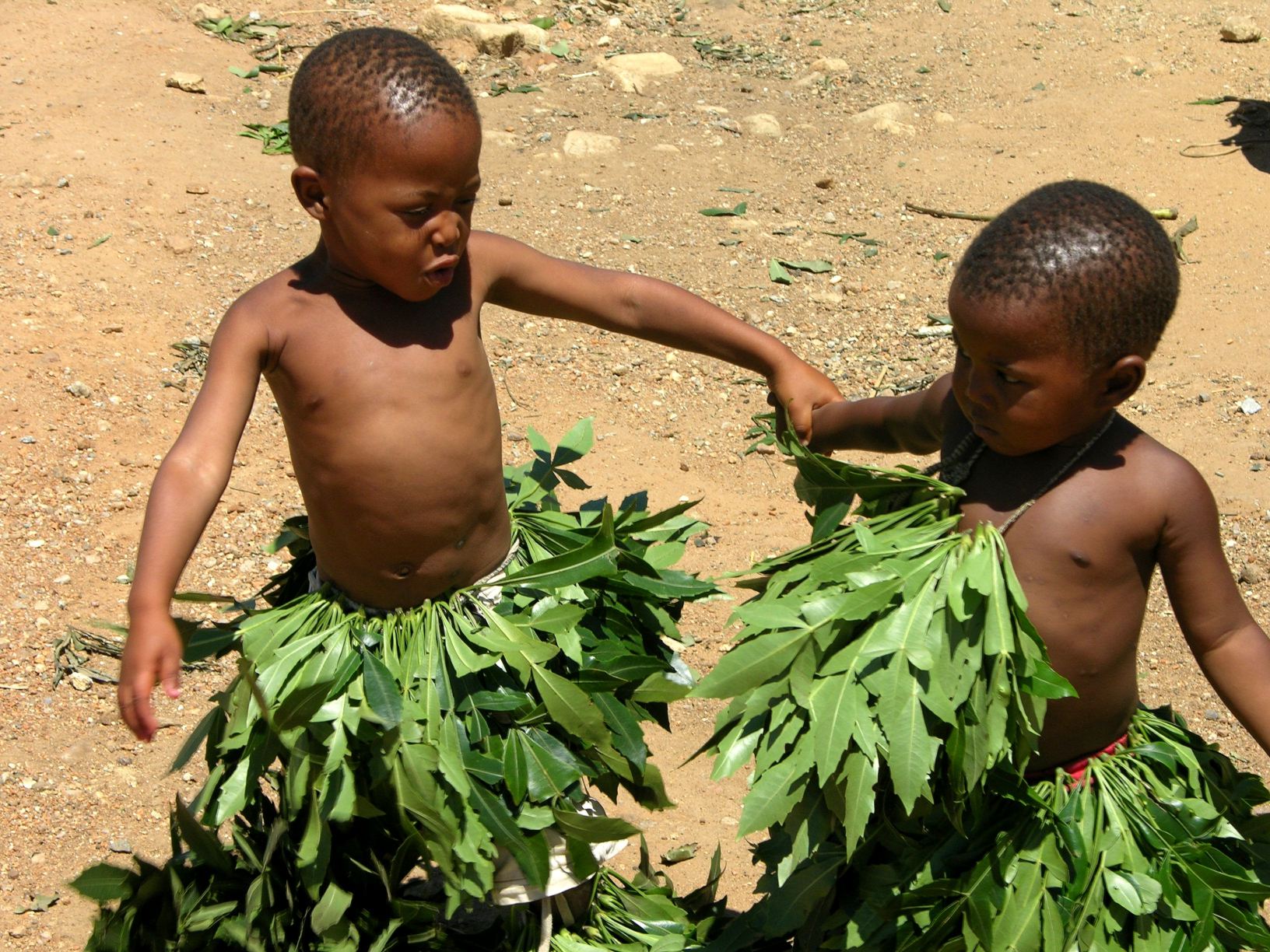
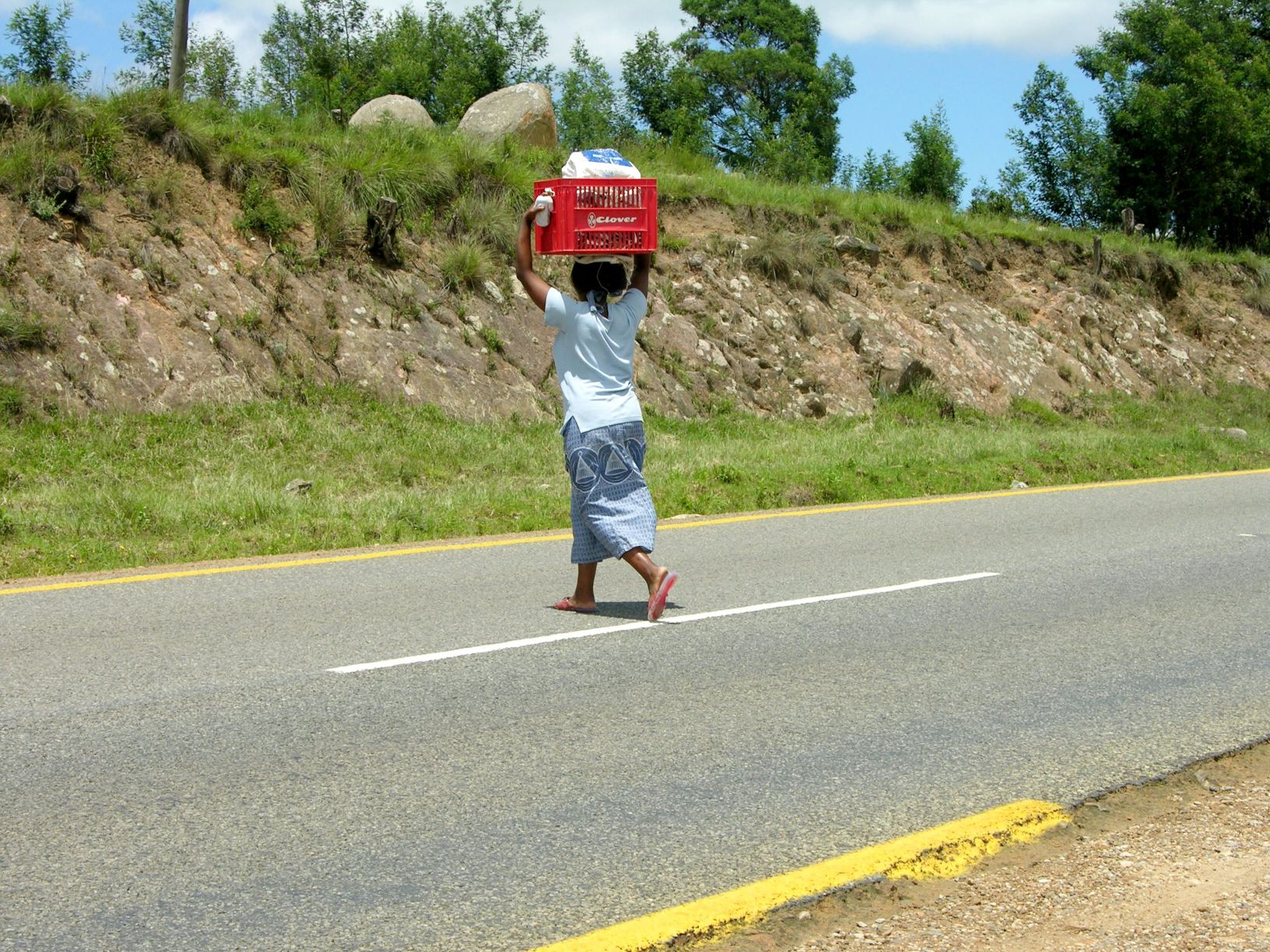
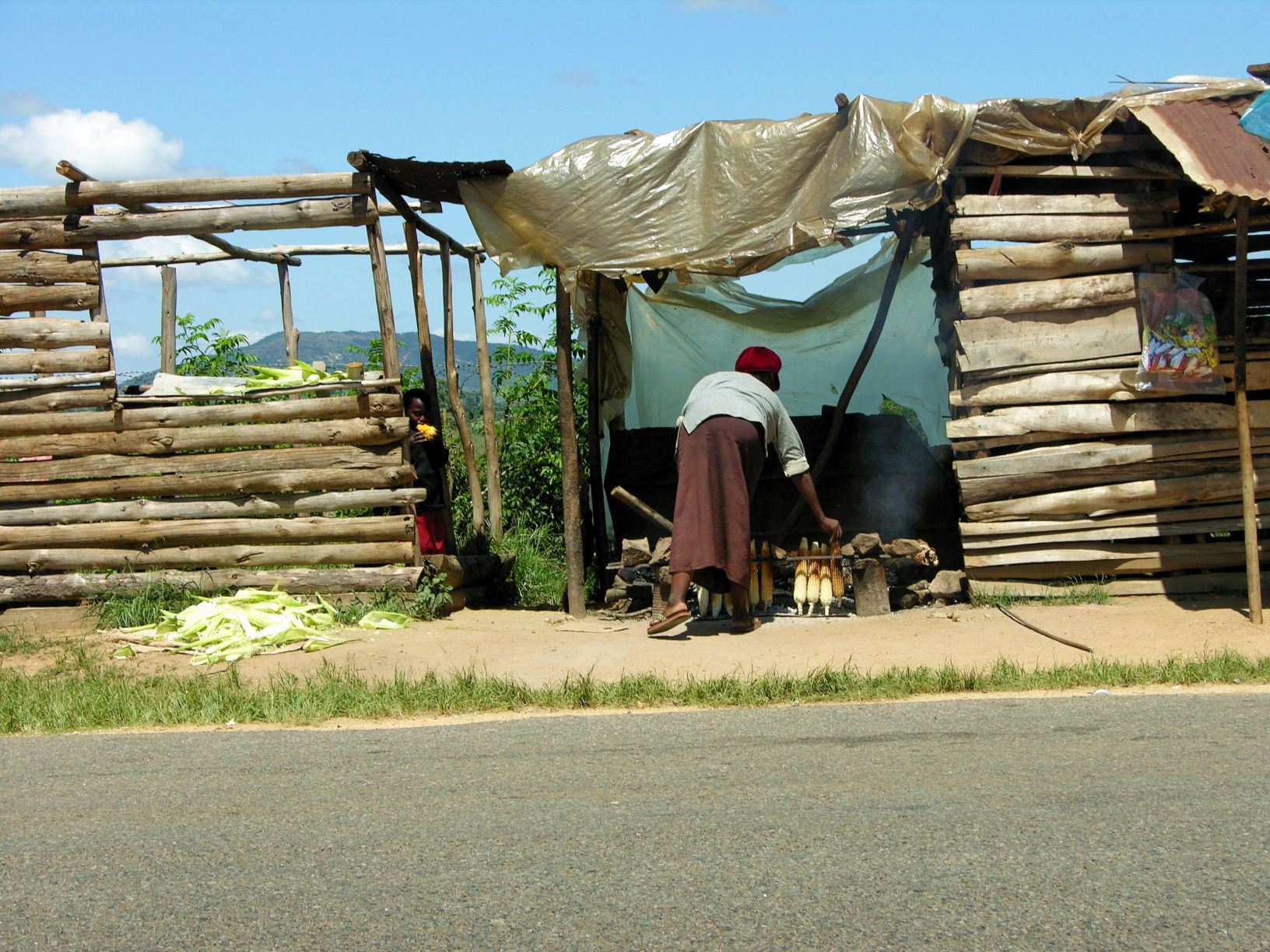
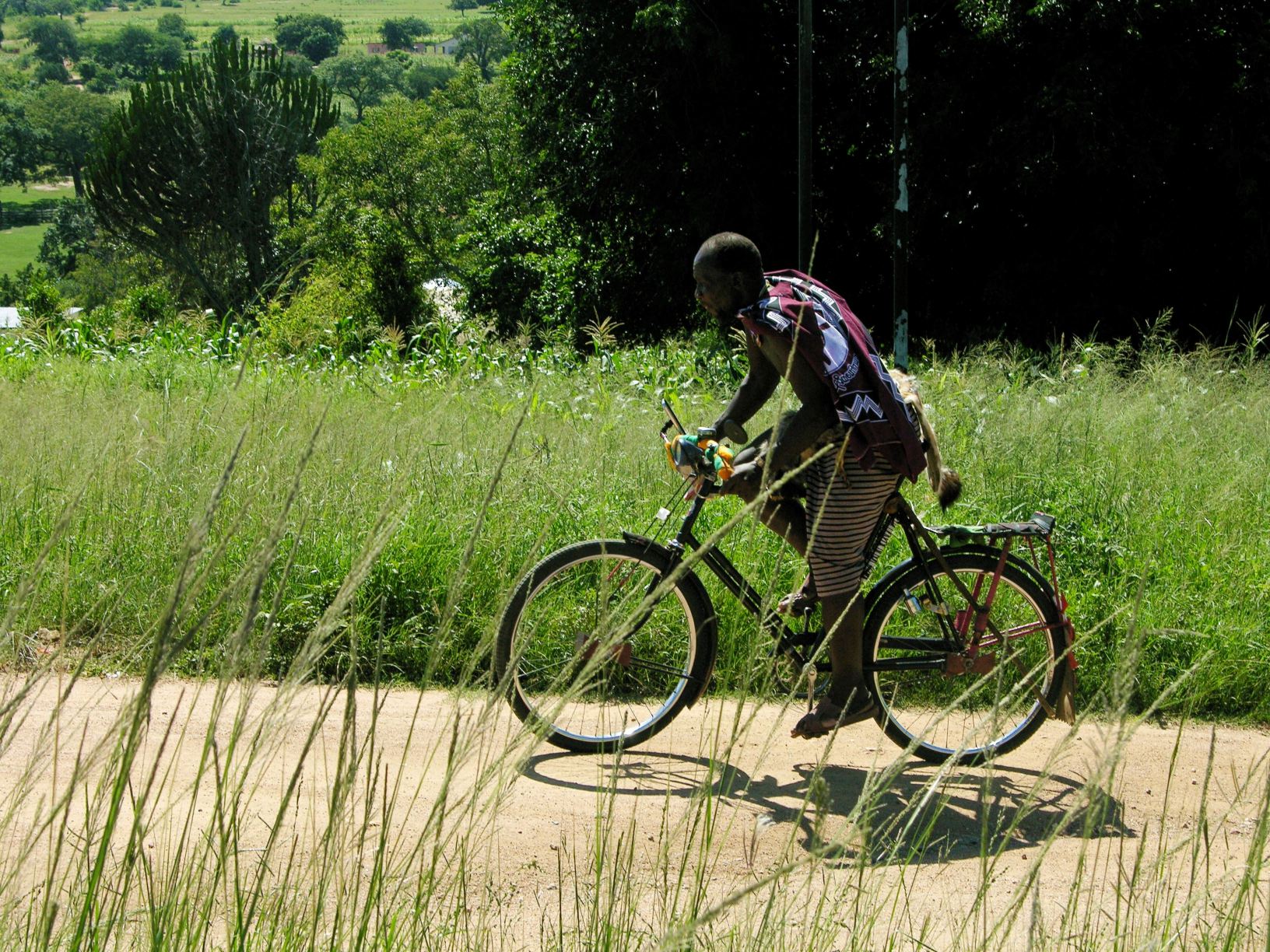
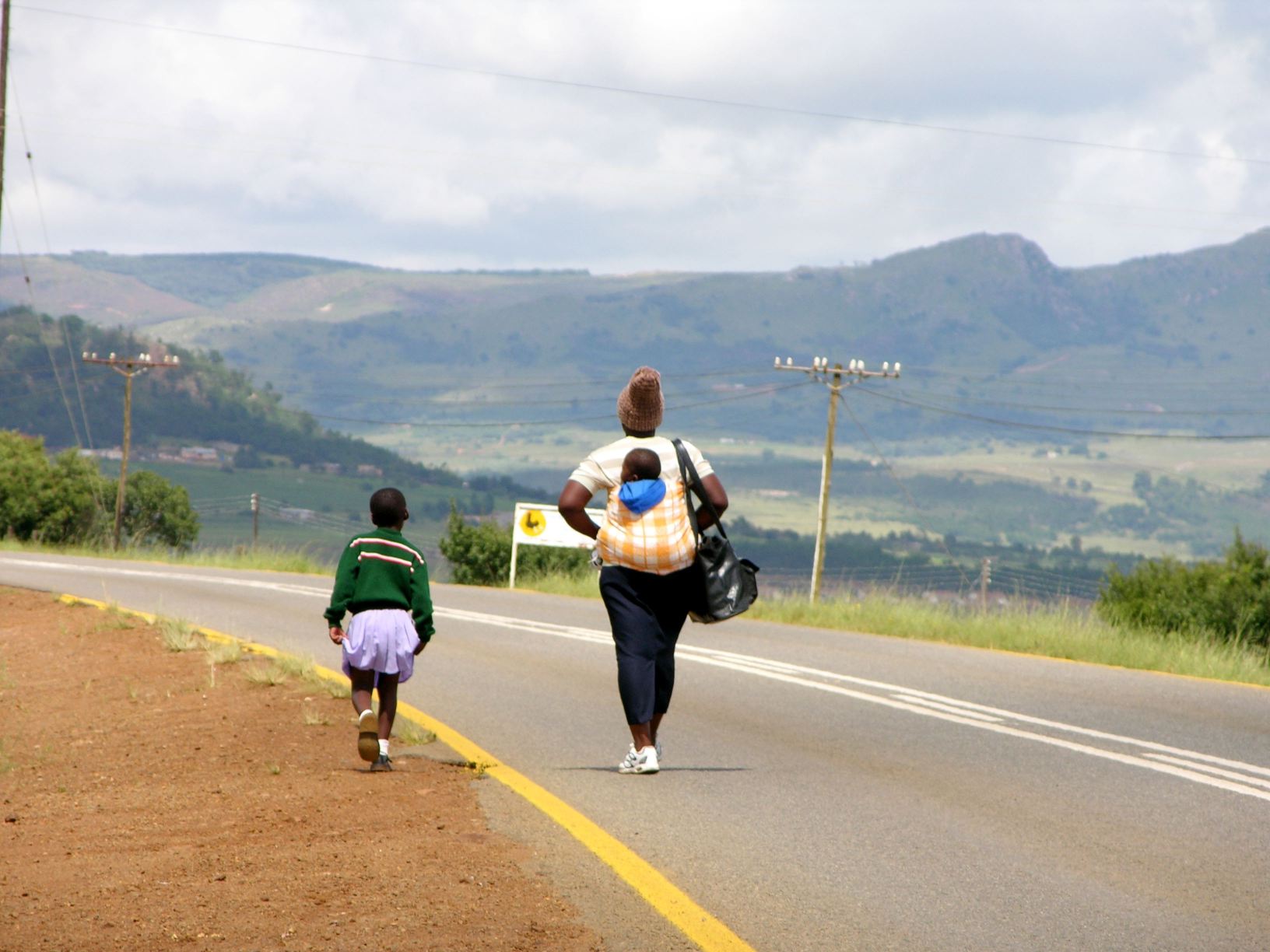
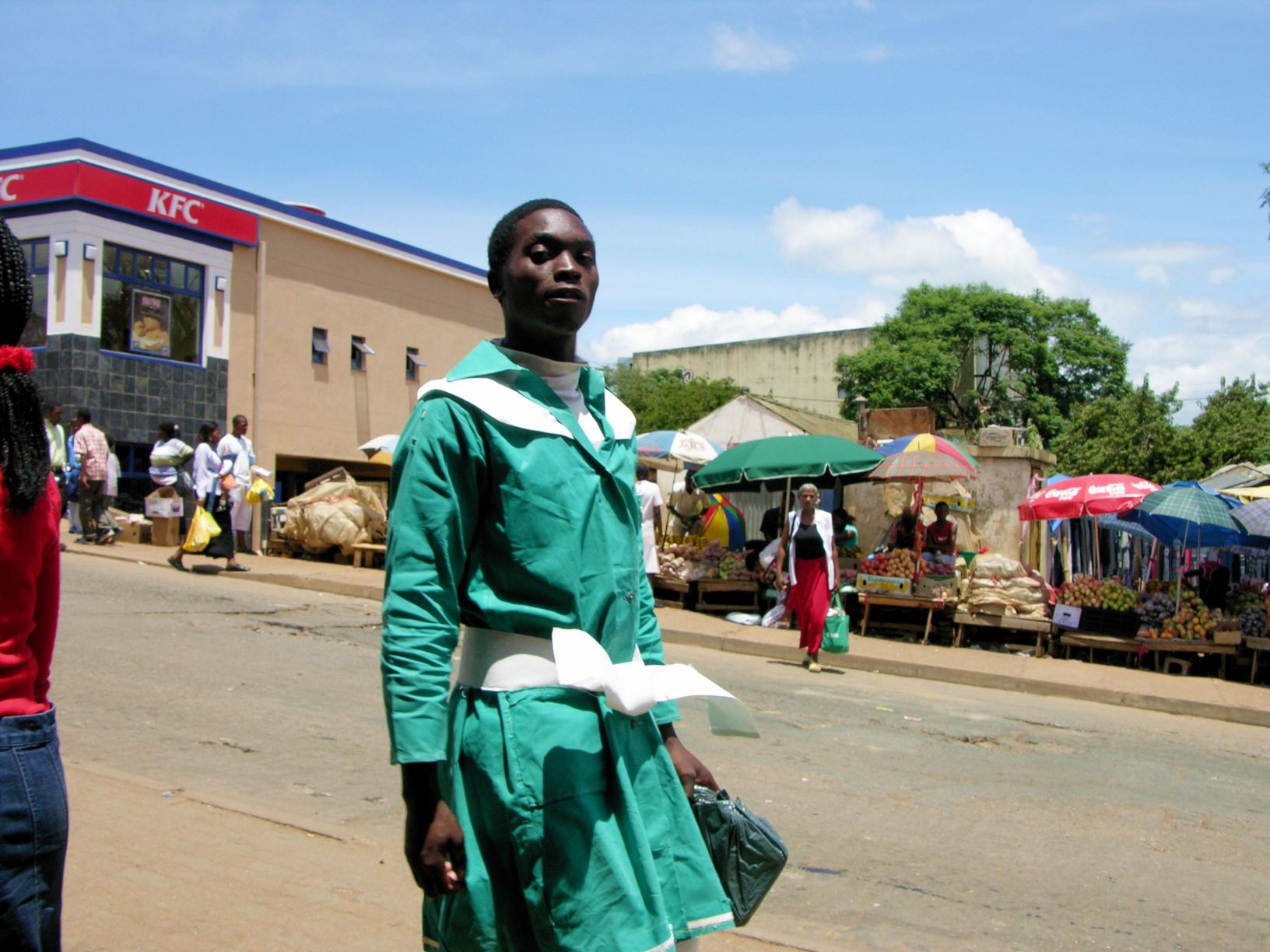
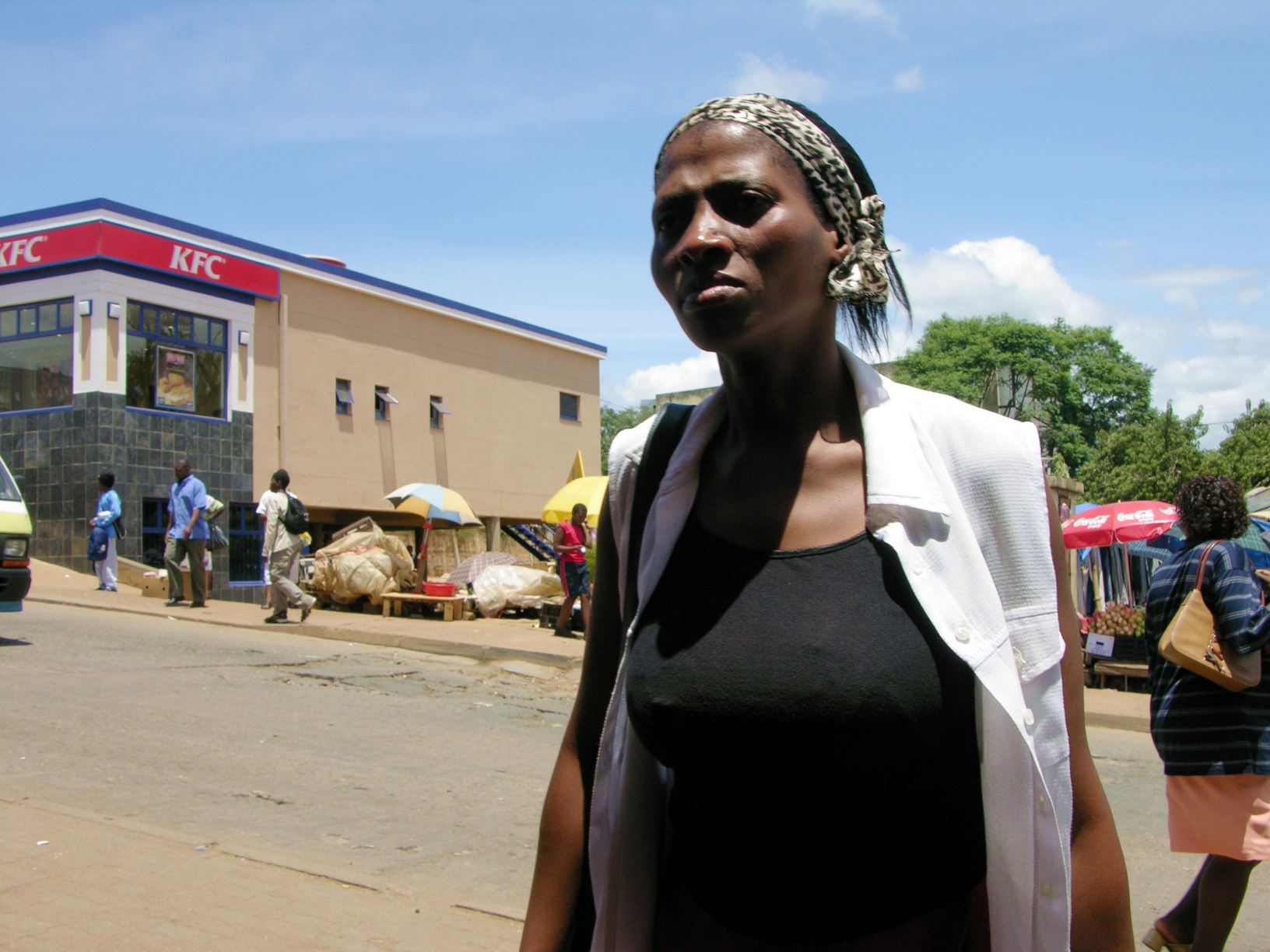
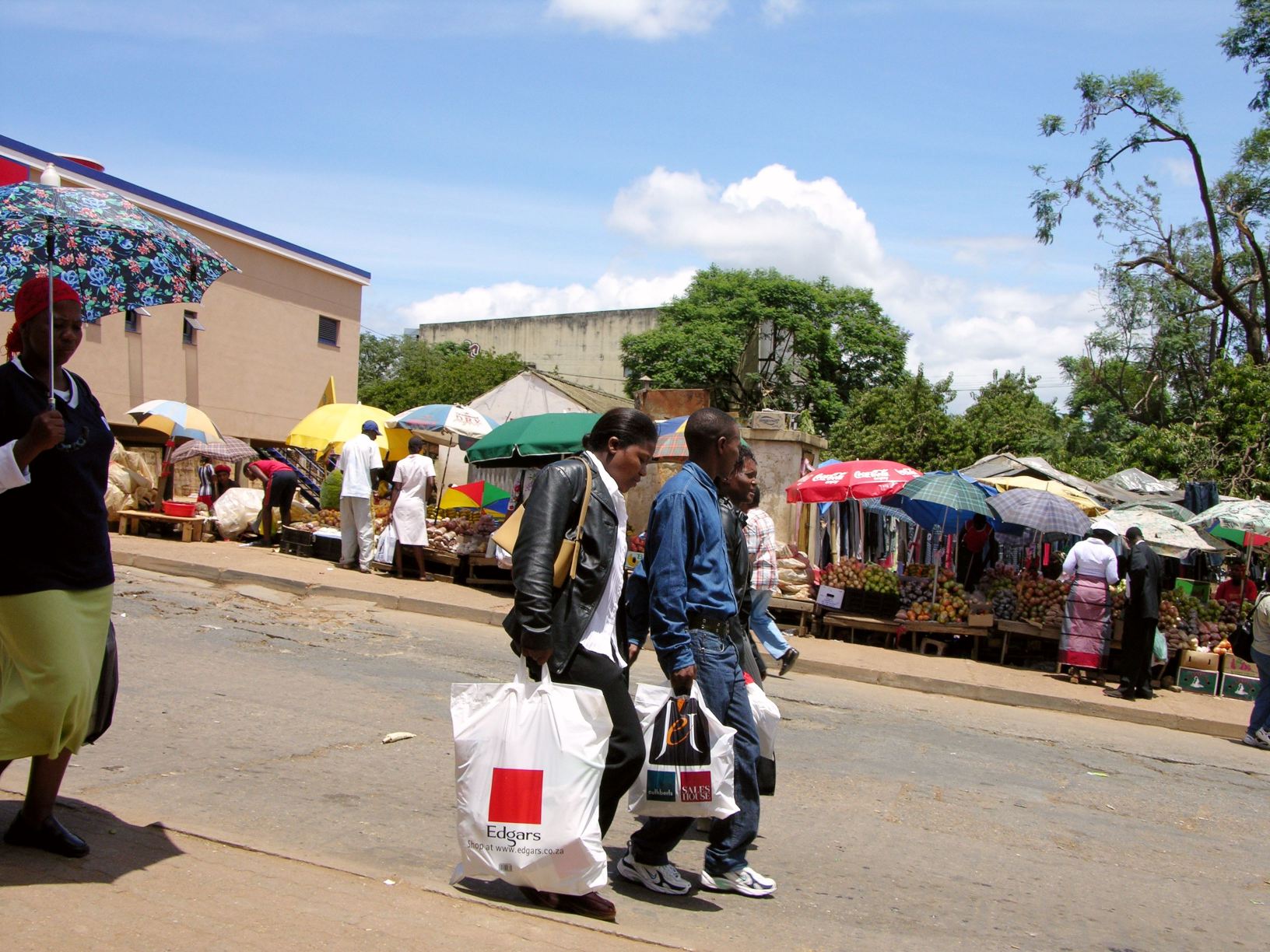
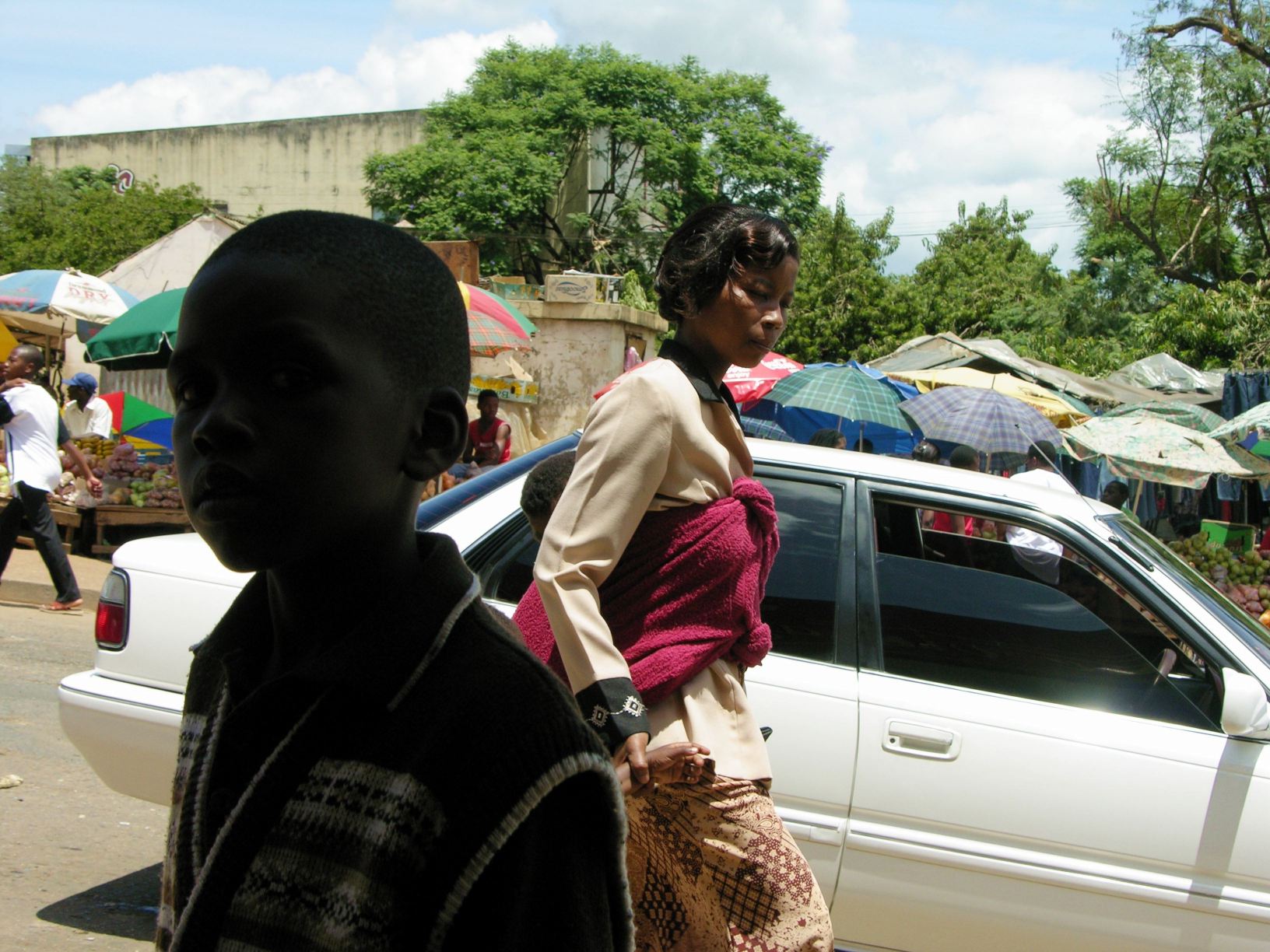
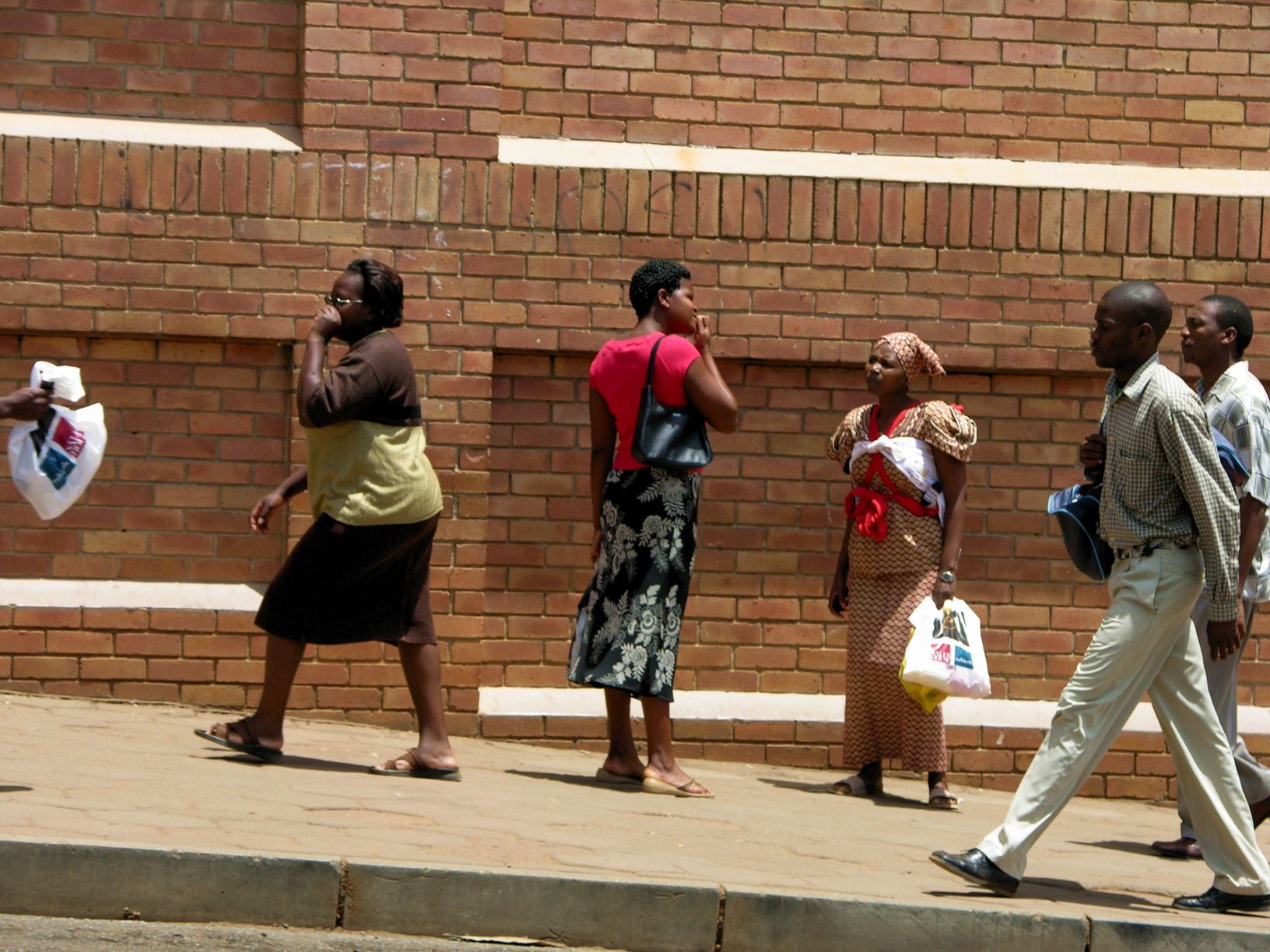
The Swazi, the people of Swaziland, are taller and slimmer than their neighbours. Hunger might account for the slenderness, of course, but the young women were beautiful. People dressed in all sorts of ways. European influence was strong, though you still ran into some remarkably colourful characters. They didn't take kindly to having their photos taken, and would turn away or tell you off. Everyone could speak English, but most spoke Swati with one another. The kingdom became part of the British Empire after the Anglo-Boer War in 1902. There were few white people in the country, though farms were often white-owned.
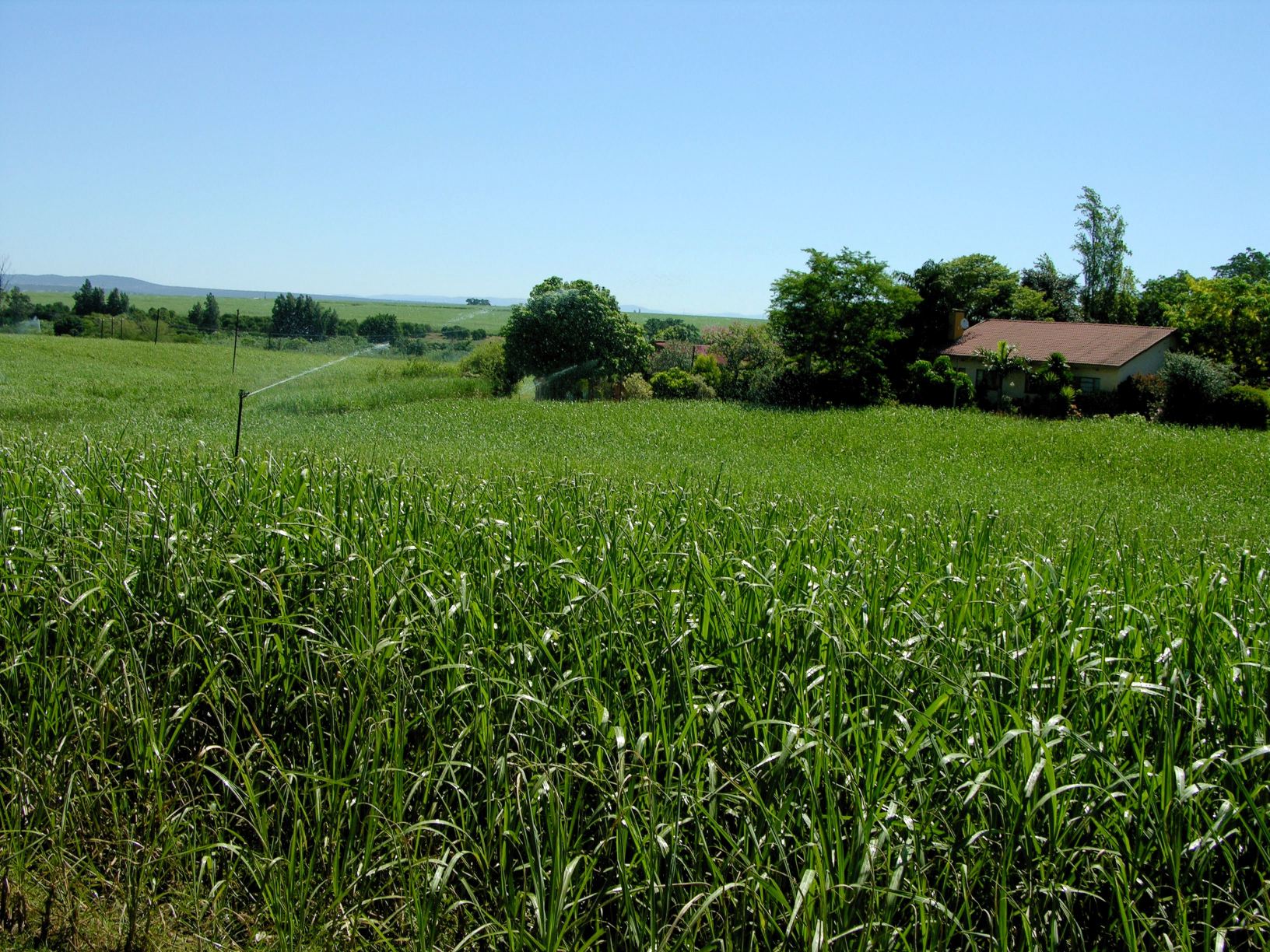
The lowlands of Swaziland were given over to sugarcane. Shortly after the border I got distracted by the view and ran over a little crocodile that had crawled into the road. What on earth had got into it? Apart from that one under the wheels, I never saw another crocodile on a road. It must have decided to do away with itself.
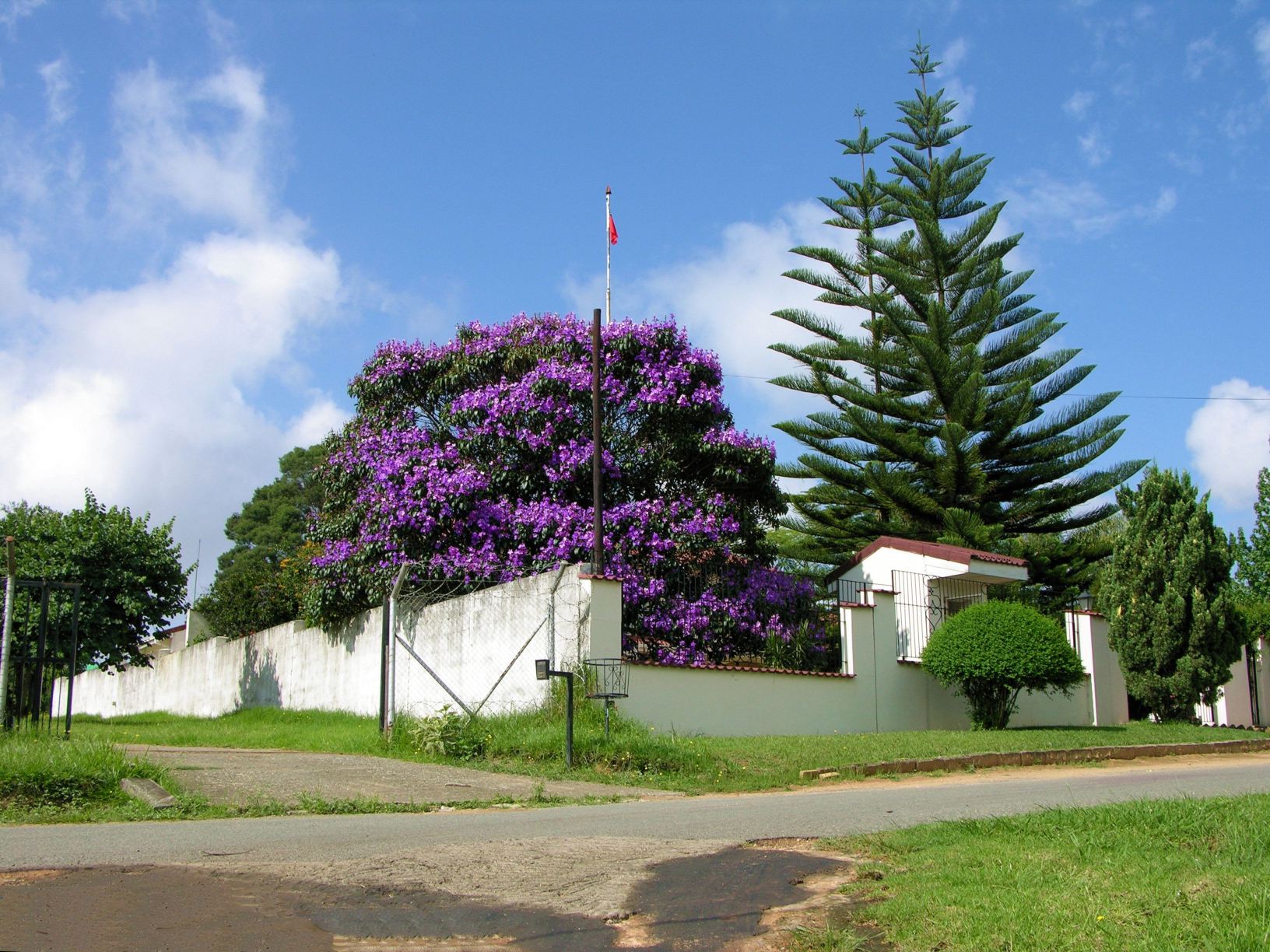
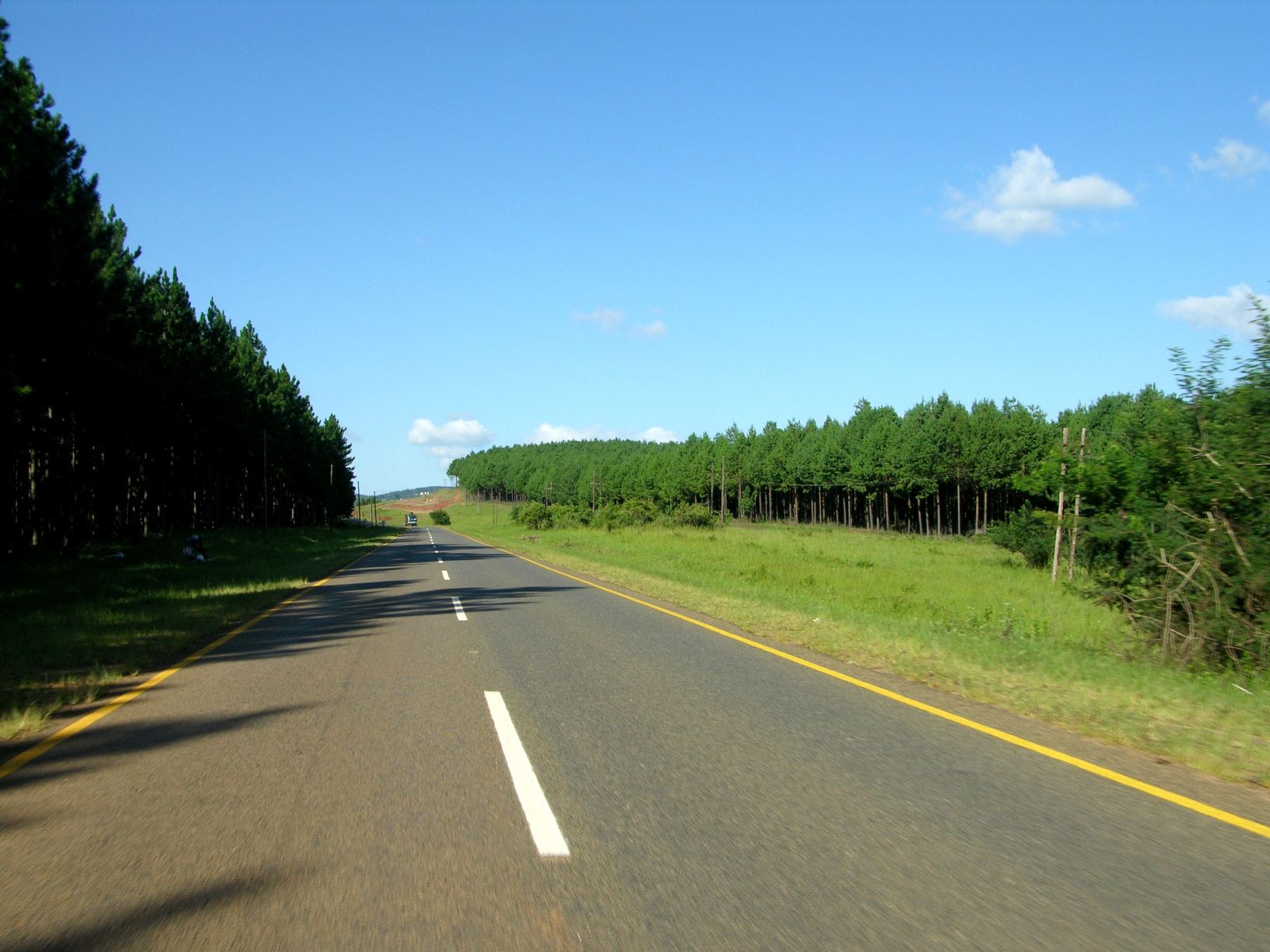
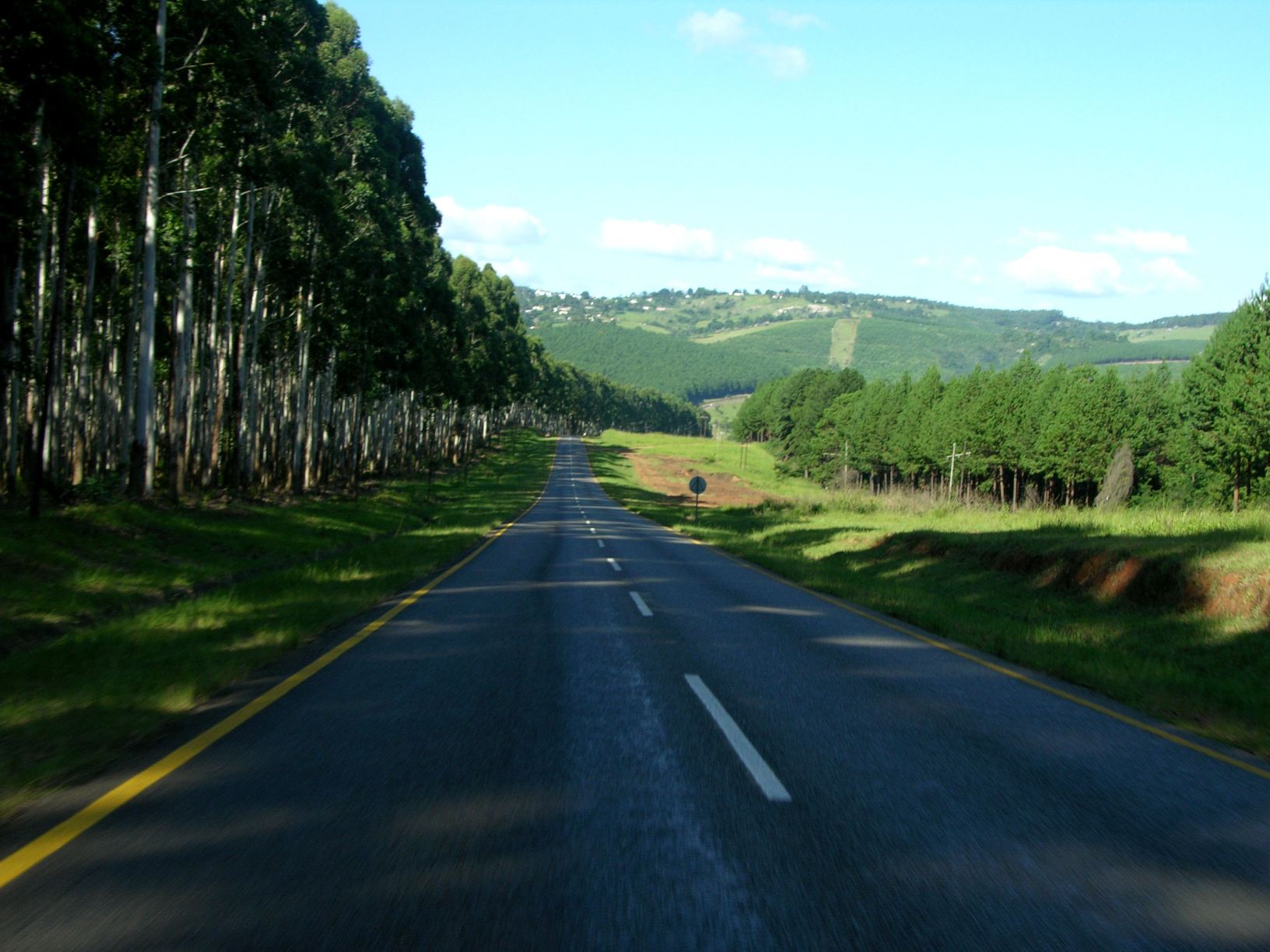
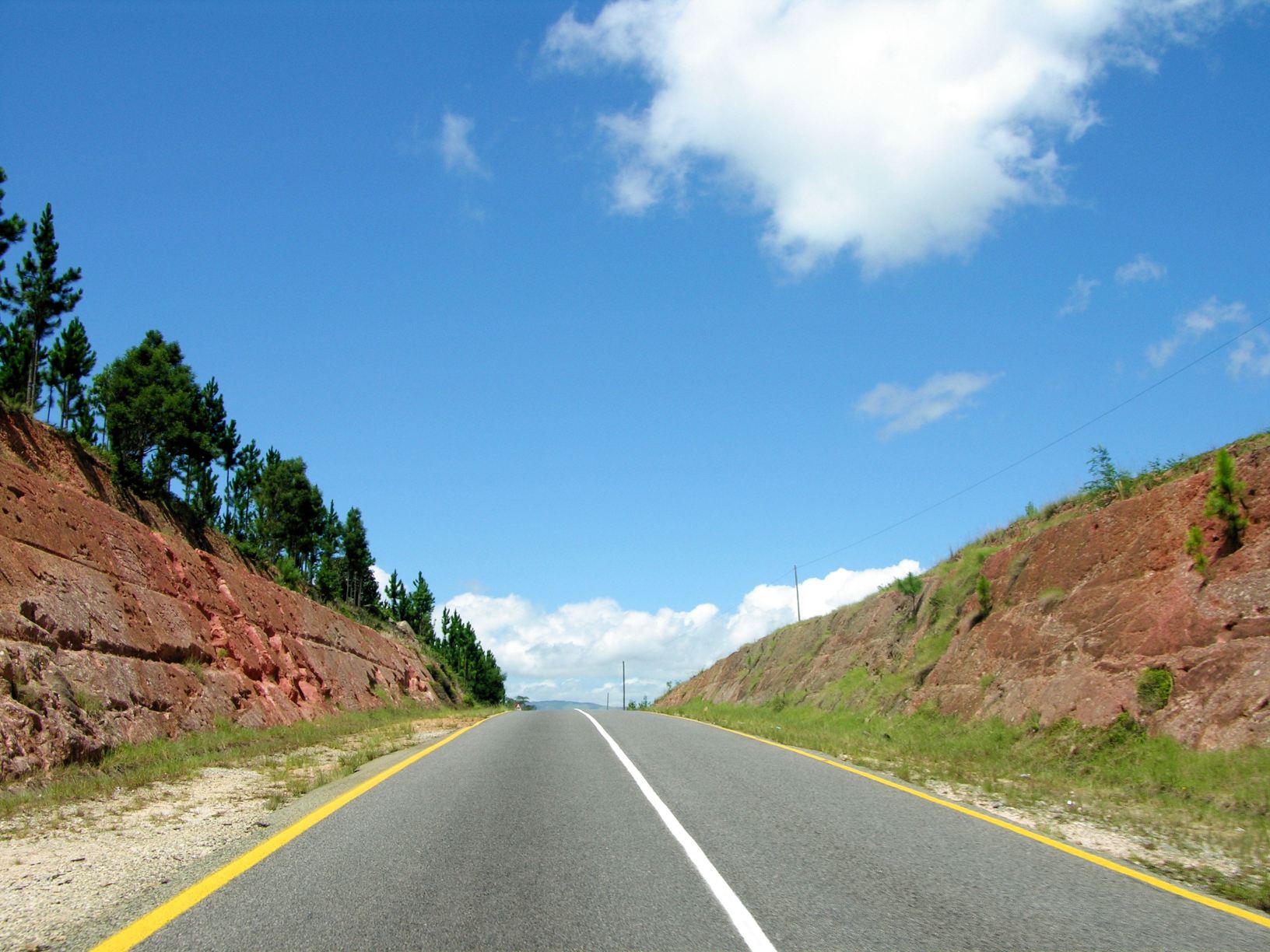
Swaziland covers 17,363 square kilometres. You can cross it from end to end without much trouble. The main roads were sealed and excellent. People drove more slowly than in South Africa. Near the royal residences and parliament, the speed limit was 60 km/h and signs gravely announced ‘Parliament in session’. No signs for the king. The mention of his name should fill drivers with holy dread all by itself. What would you put on it, anyway? ‘The king is asleep’?
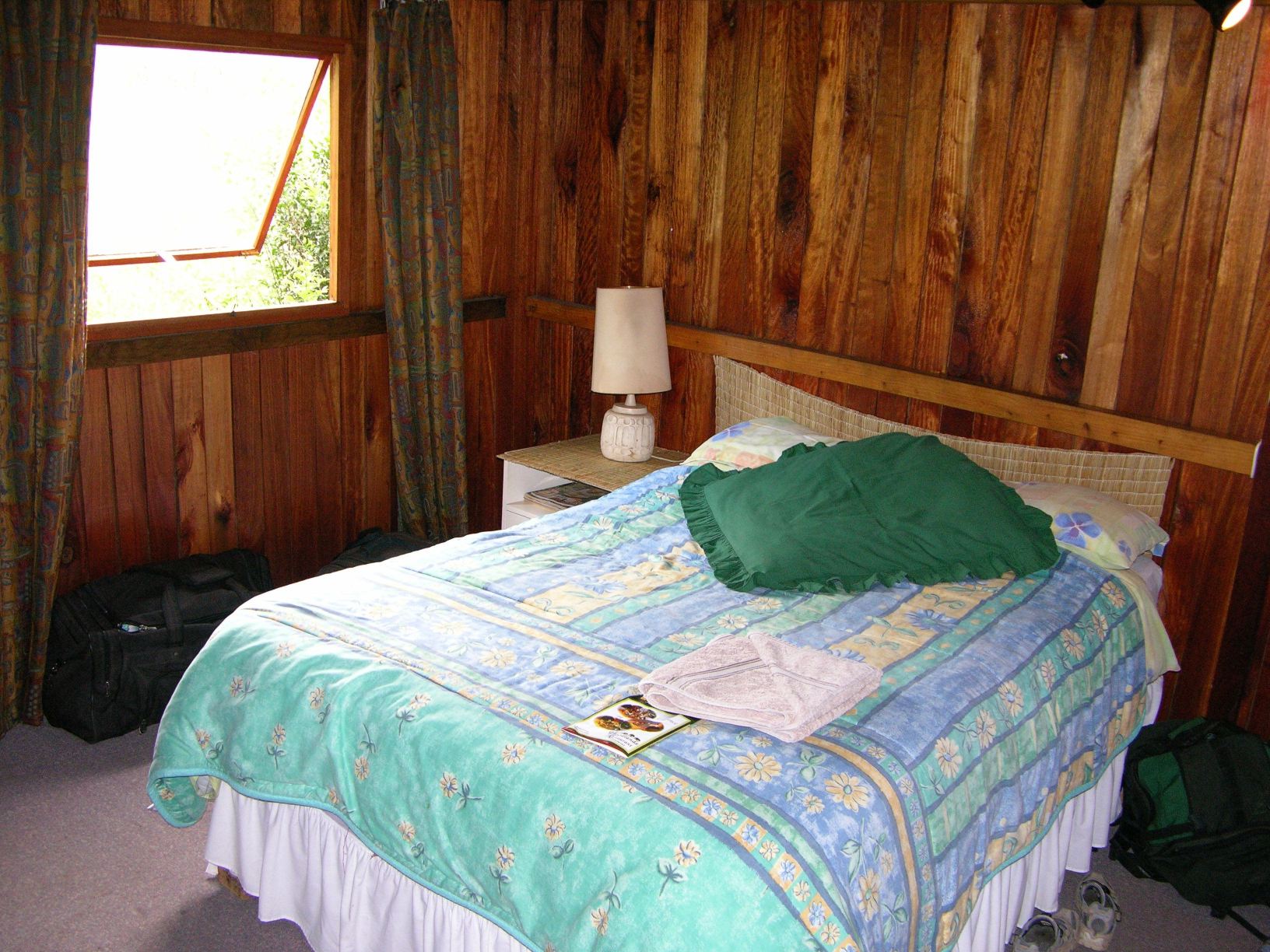
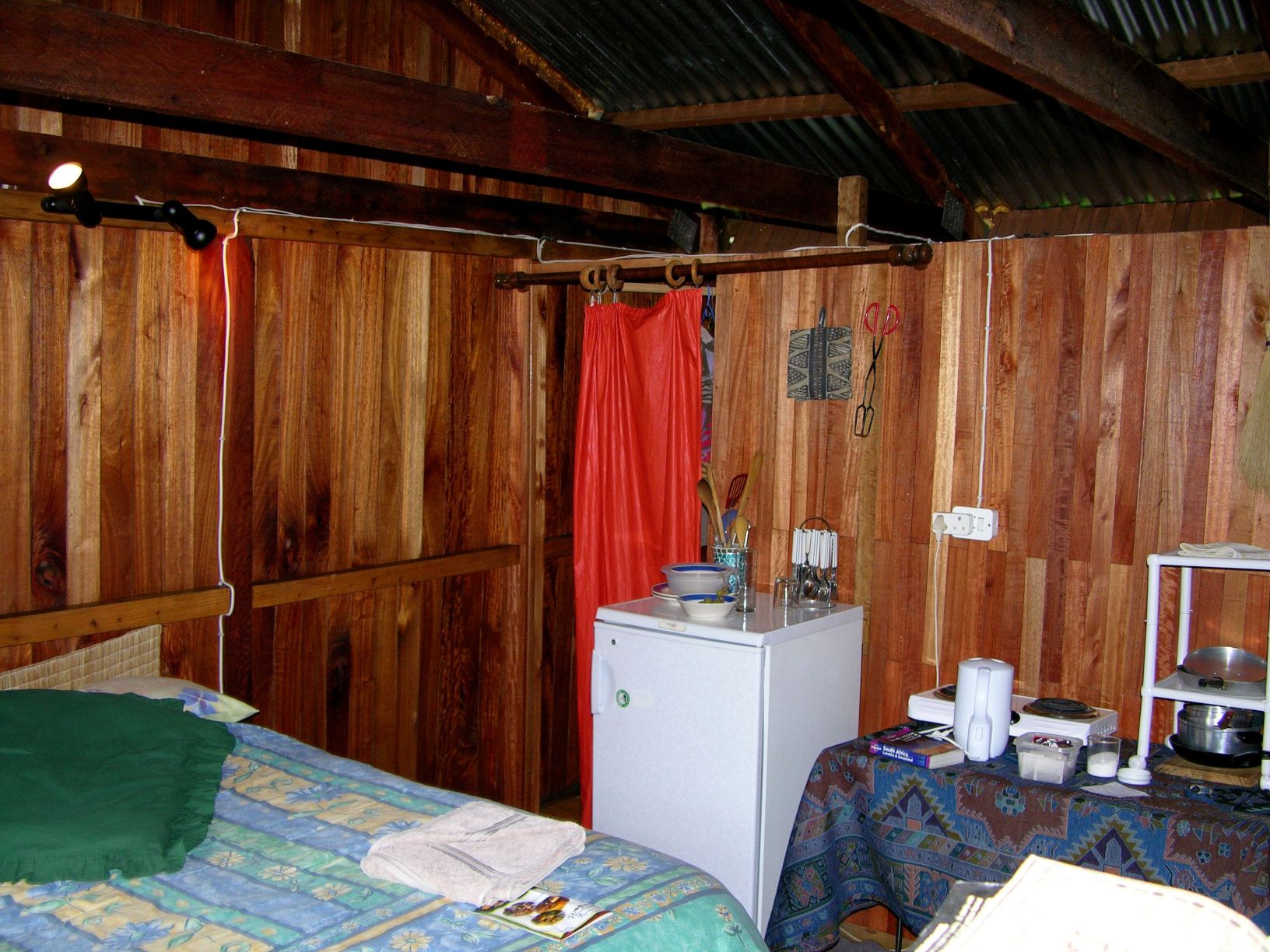
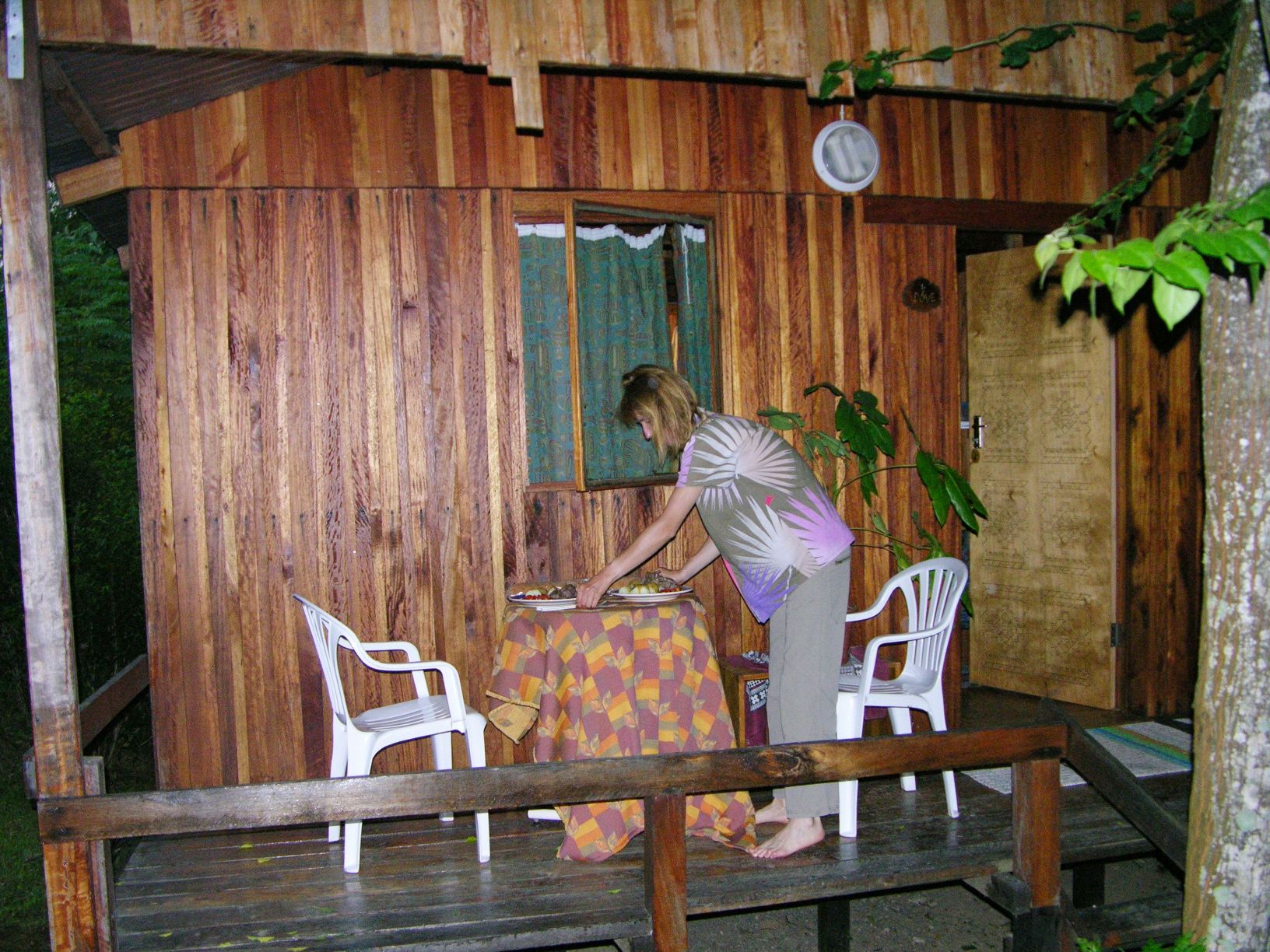
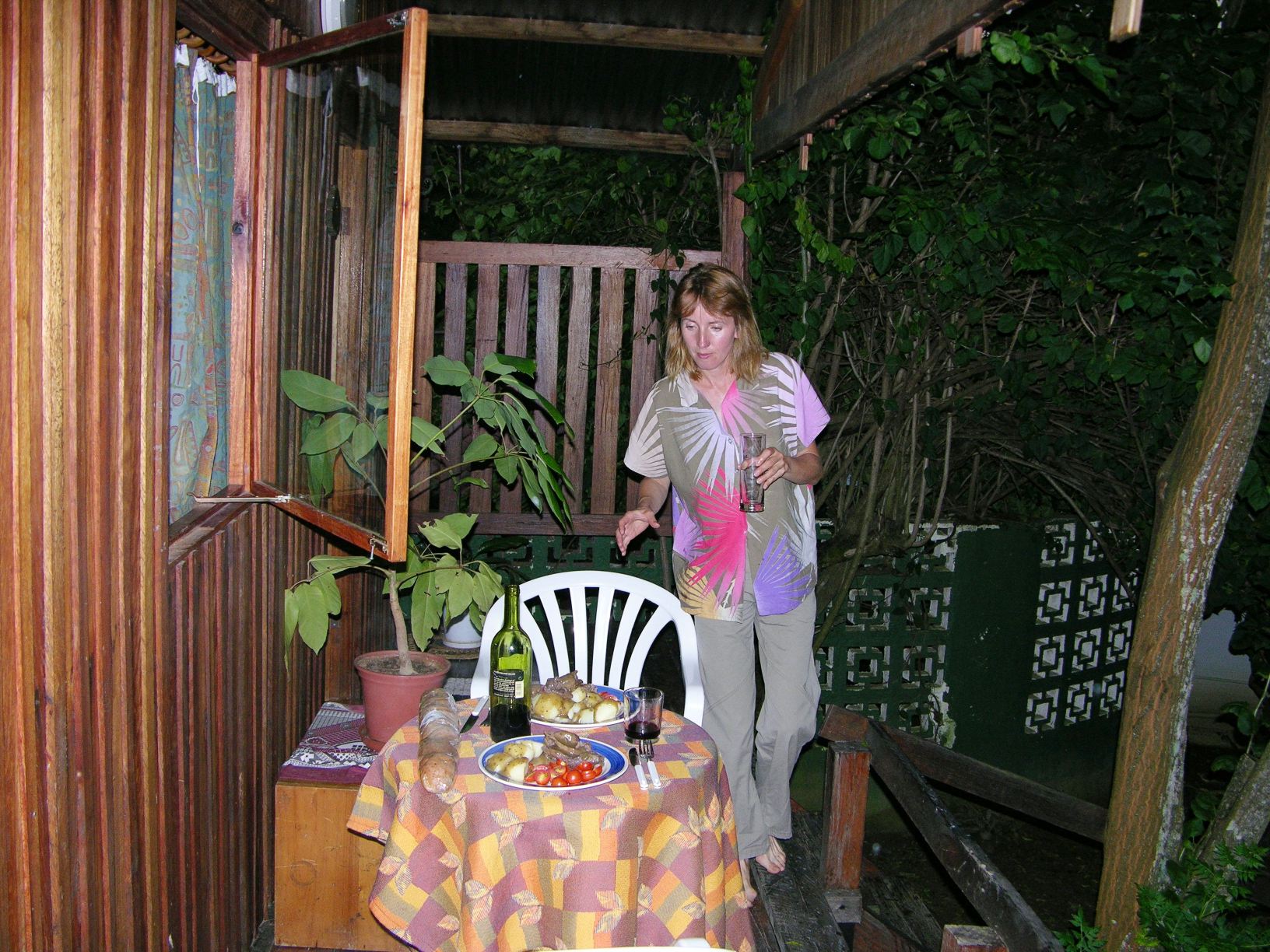
We spent our first night in the capital, Mbabane, at Catmar Cottages, recommended by Lonely Planet (26°17.952′S, 31°08.885′E). At 180 emalangeni for a double, it was a very good price by local standards. The room was on the small side but pleasant to stay in. We'd run out of clean clothes, so our first evening was devoted to laundry and a good dinner. Mbabane, like the rest of the west of the country, lies up in the mountains, where thunderstorms are common. We got one on the very first day. Lots of lightning, just a few drops of rain.
There was a large new shopping centre, Swazi Plaza, in central Mbabane. You could buy food, get cash from an ATM and get connected to the cellular network. Swaziland had only one network, MTN (www.mtn.co.sz). It covered about half the country. To sign up you had to fill out a stack of forms and show your passport. Calling Russia cost less than a dollar a minute, though text messages wouldn't go through. There was no roaming with anyone.
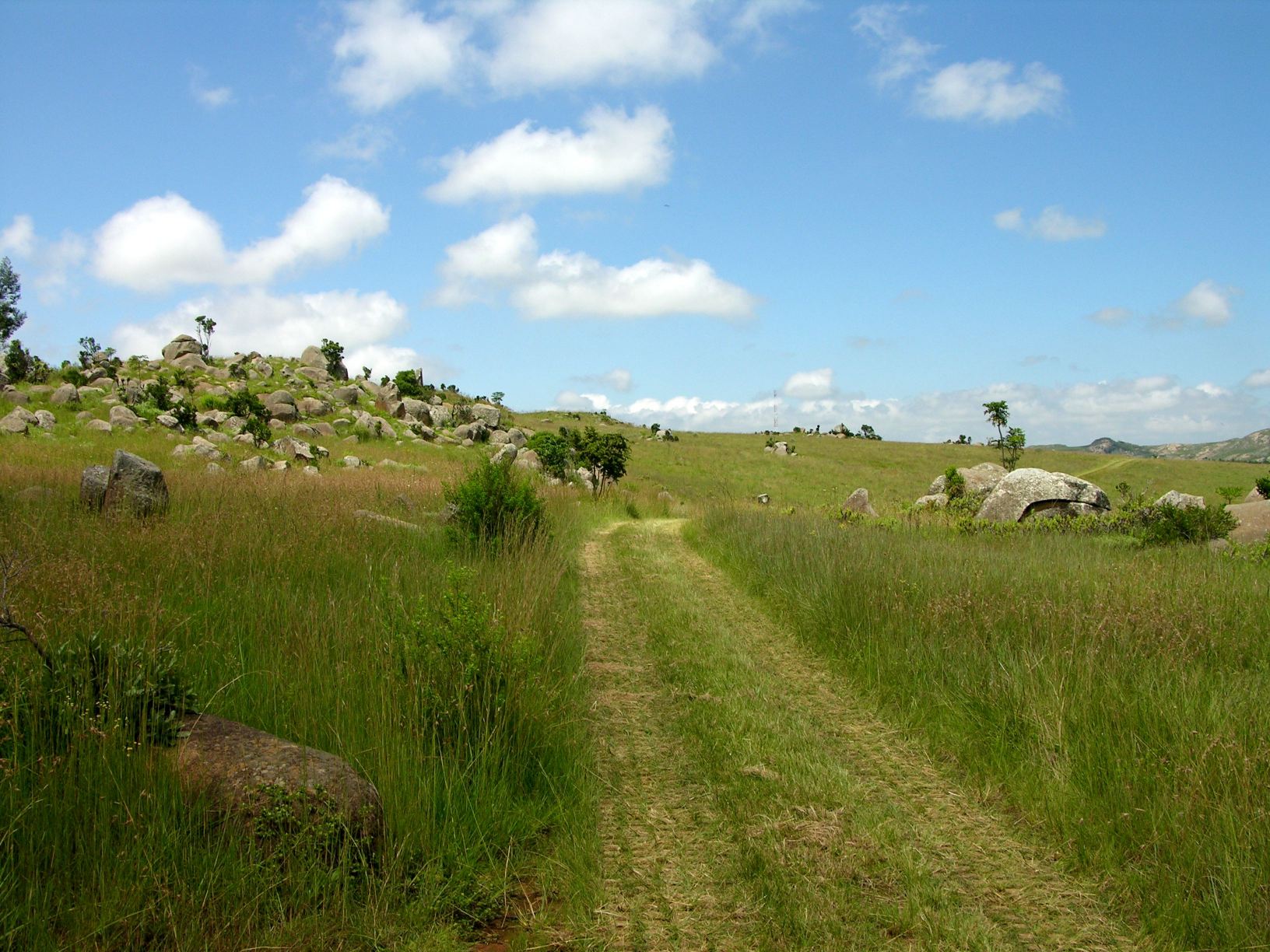
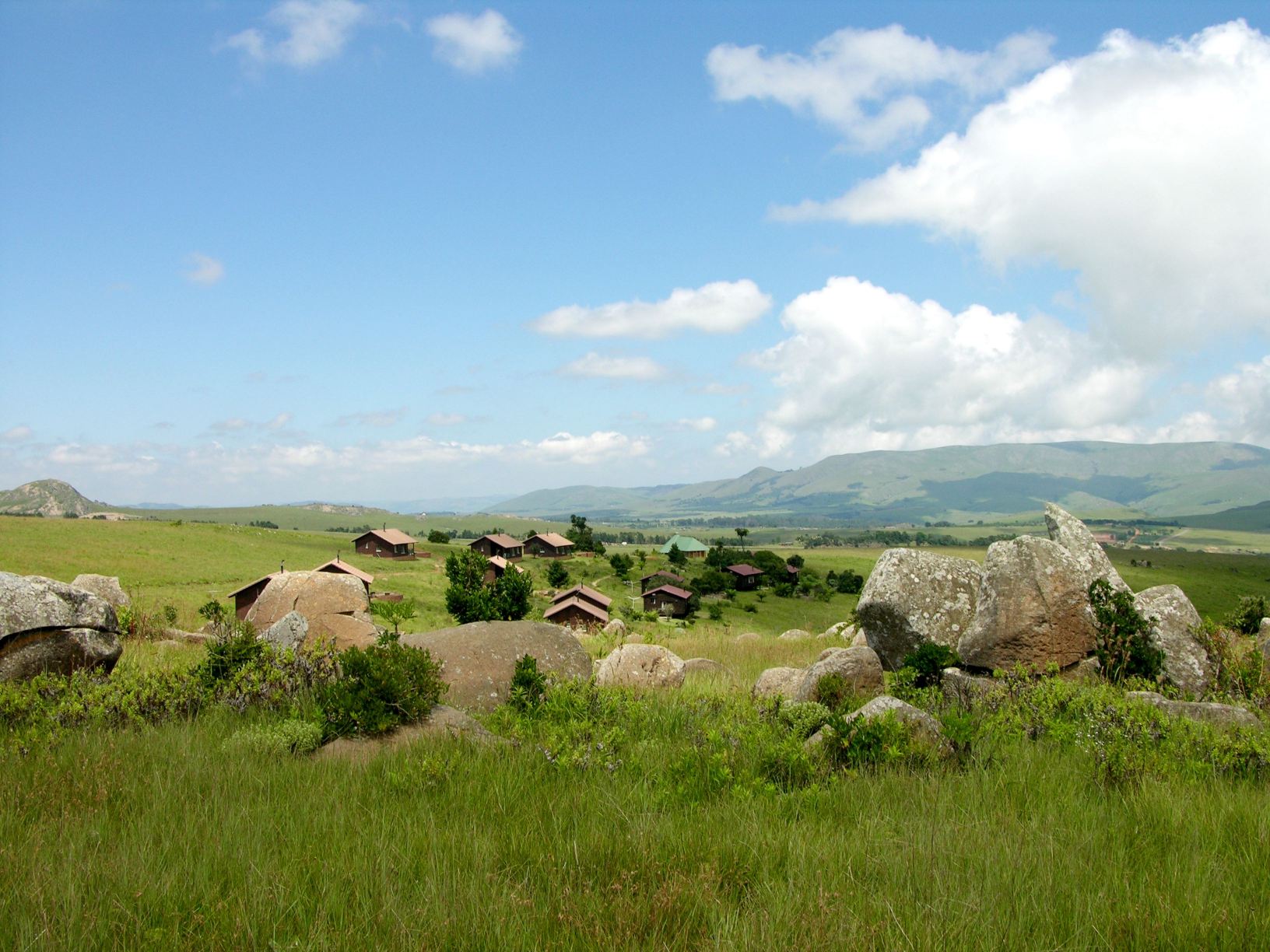
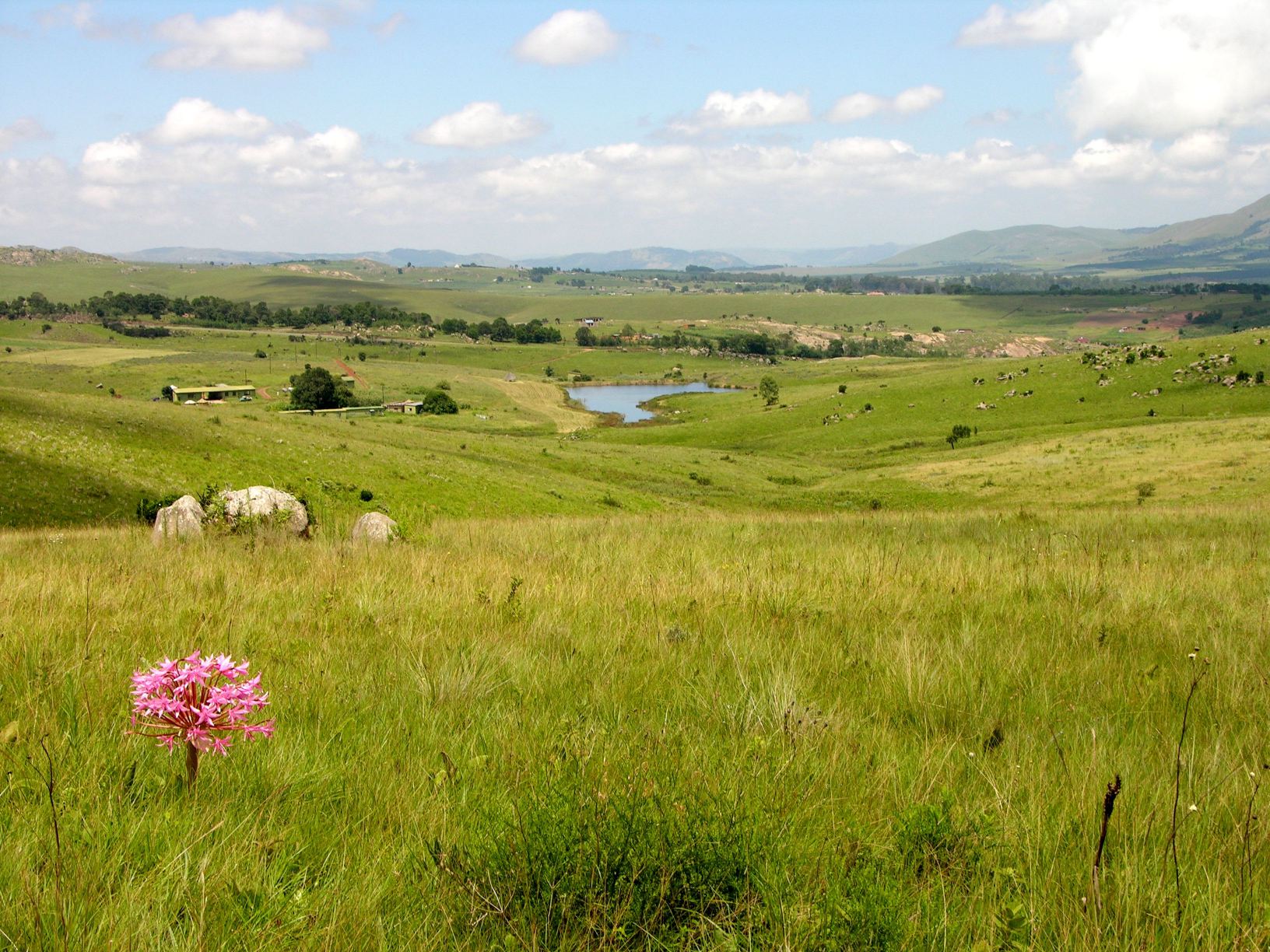
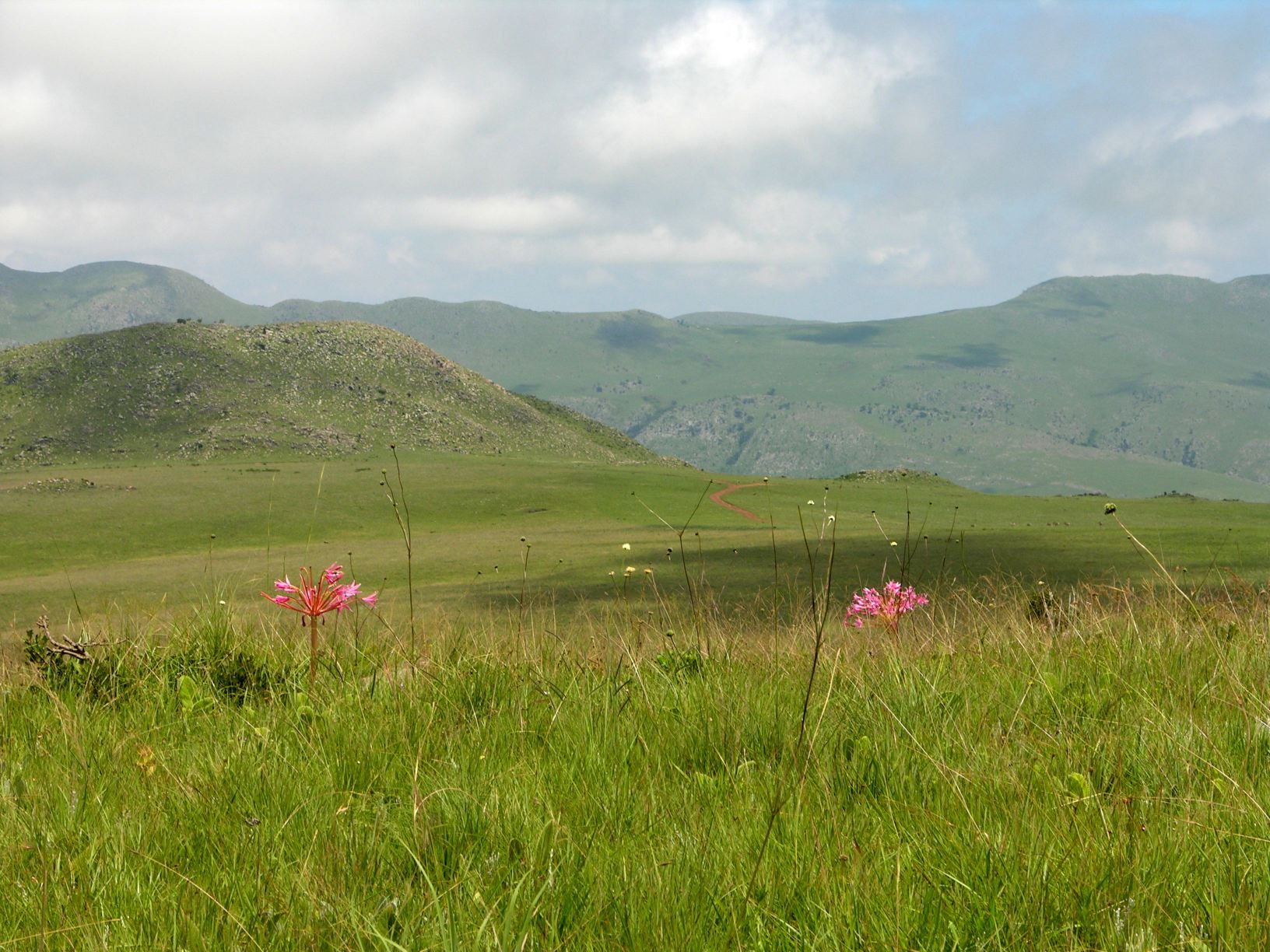
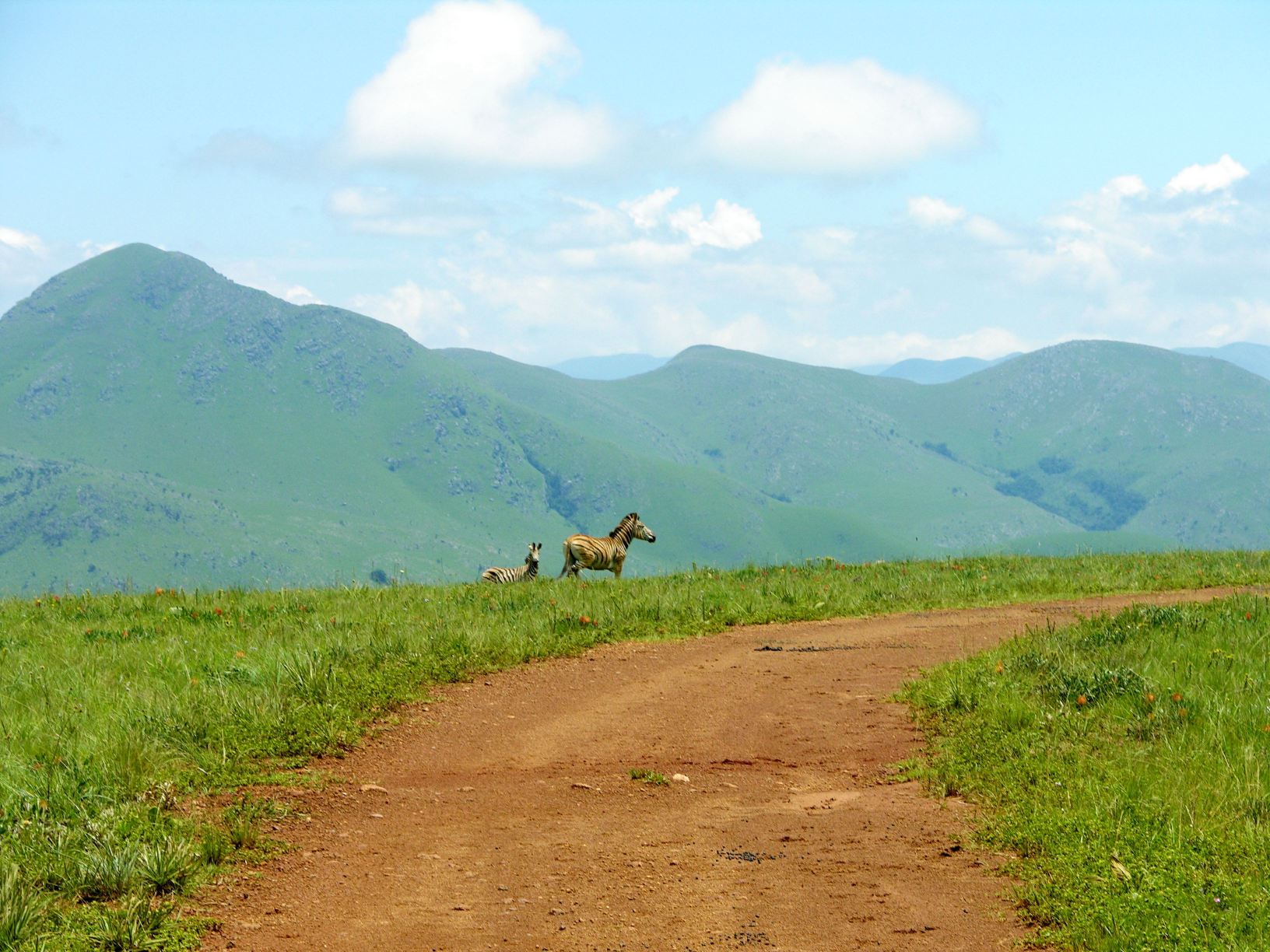
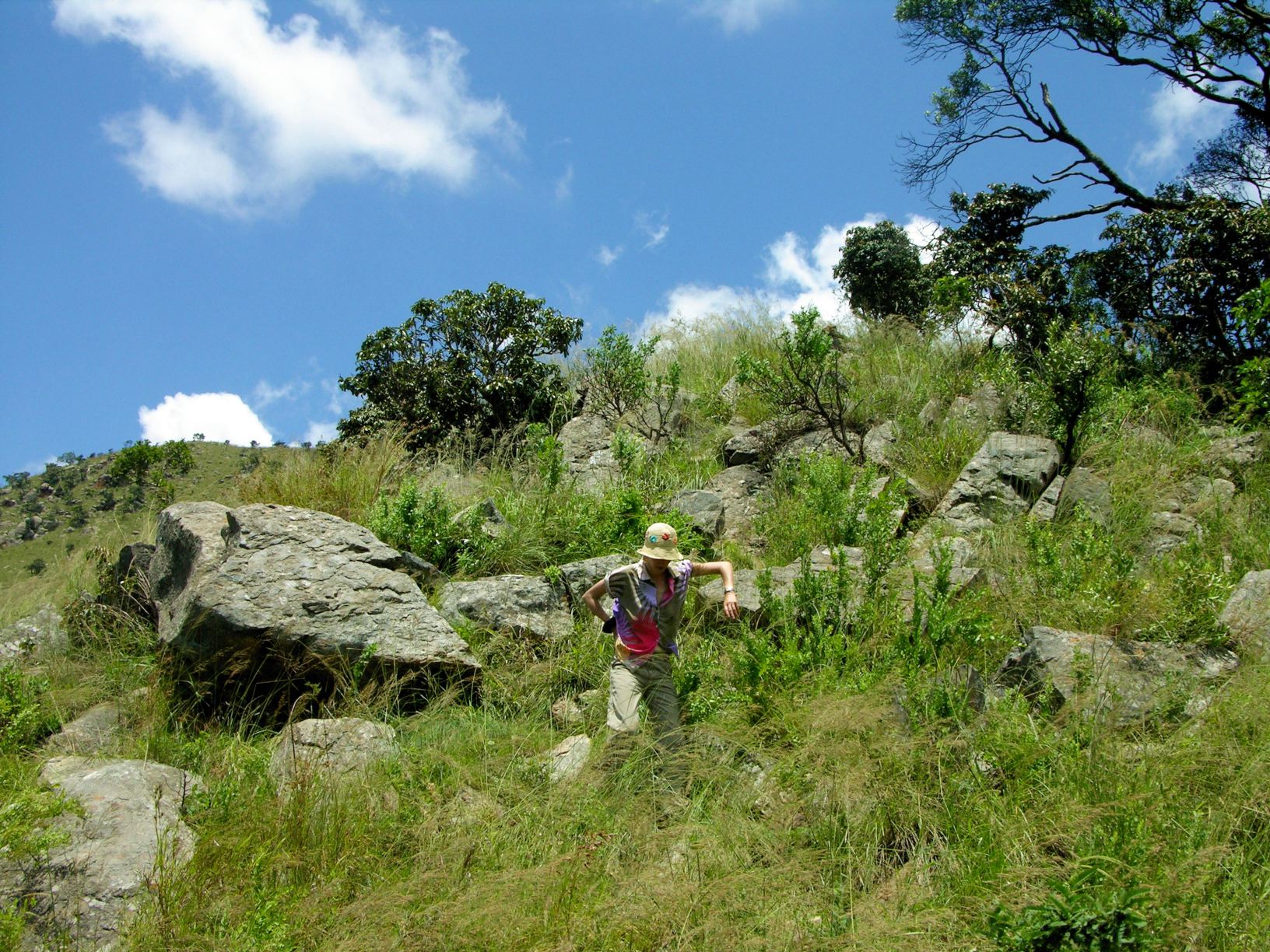
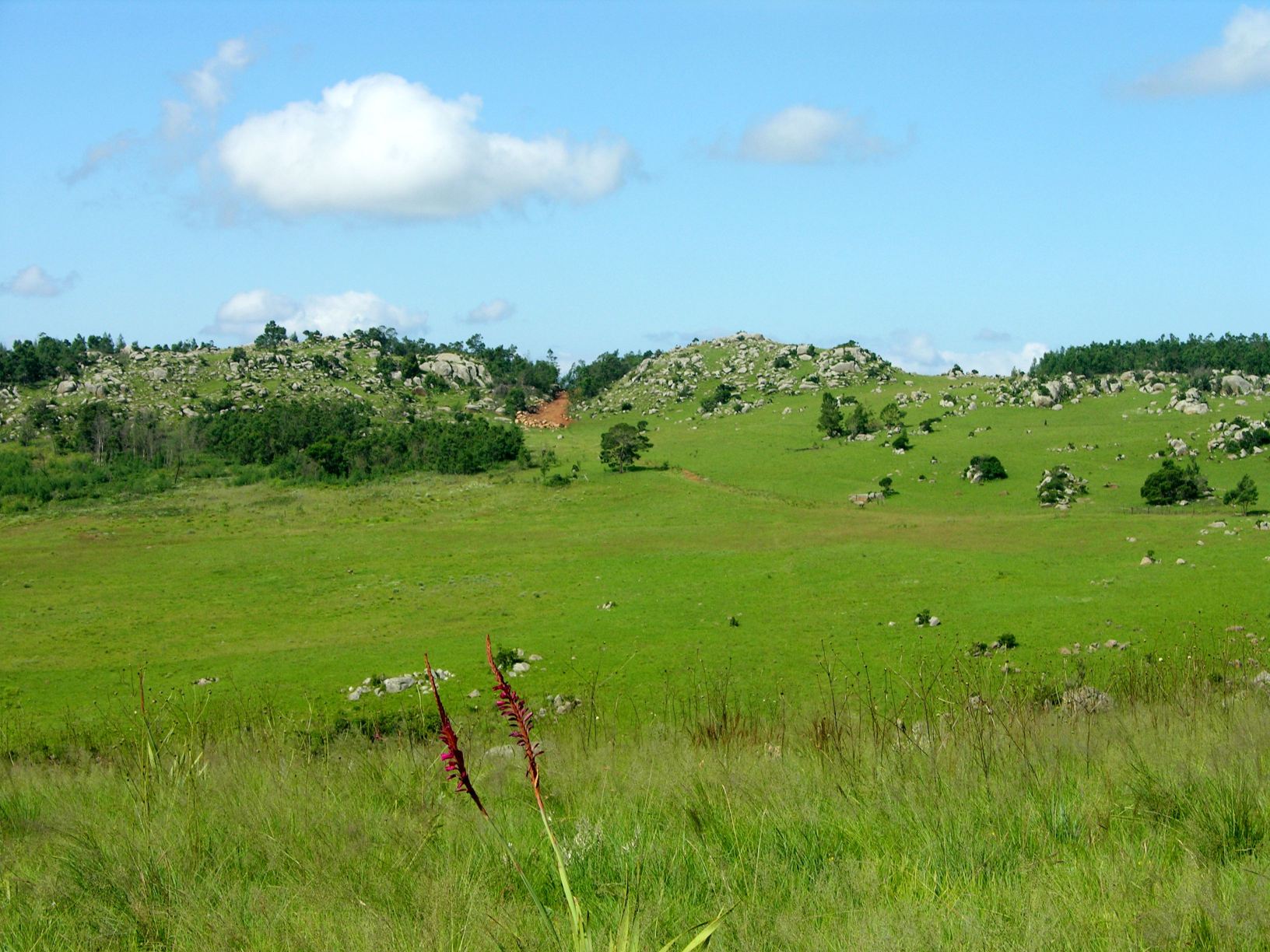
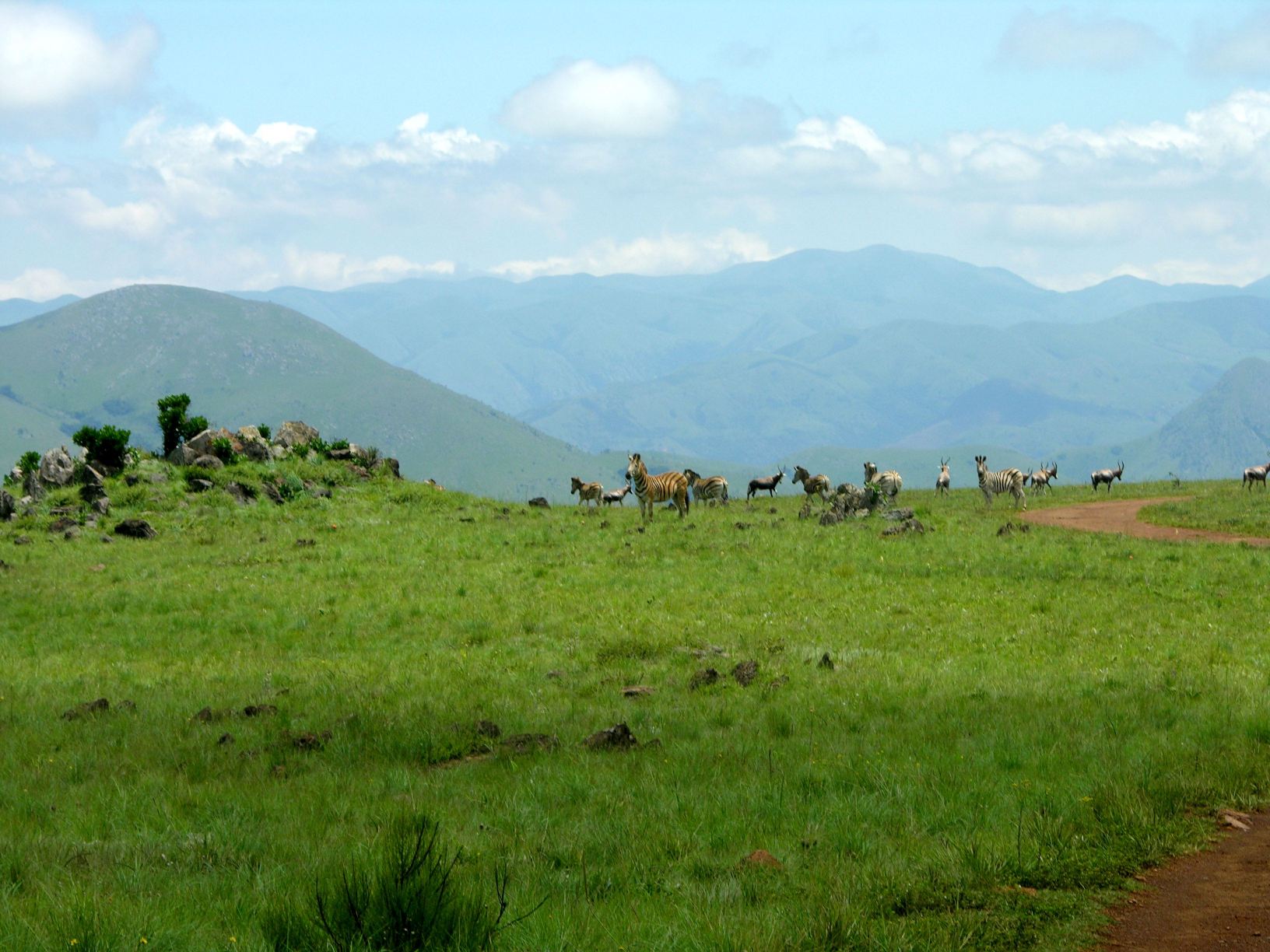
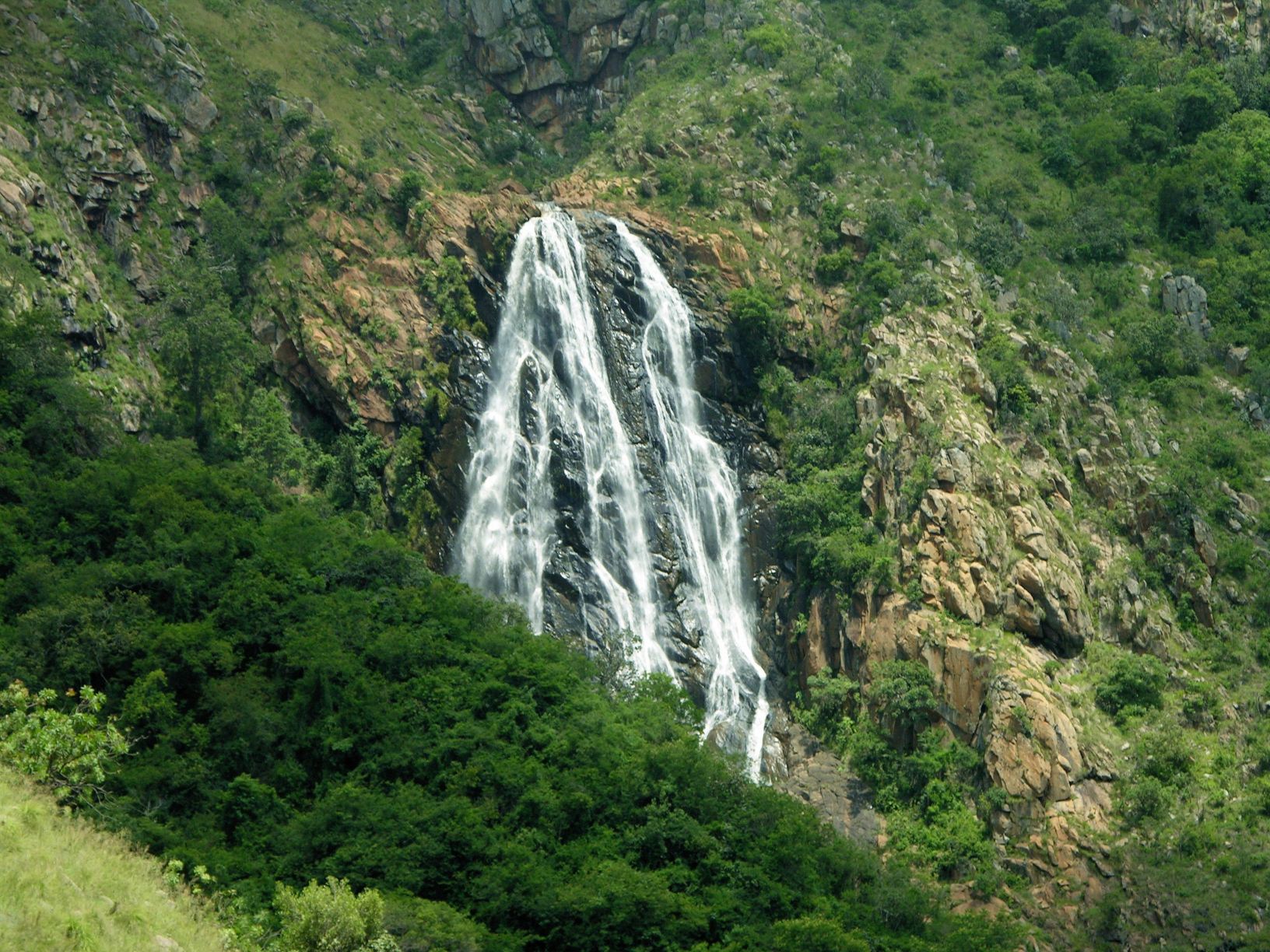
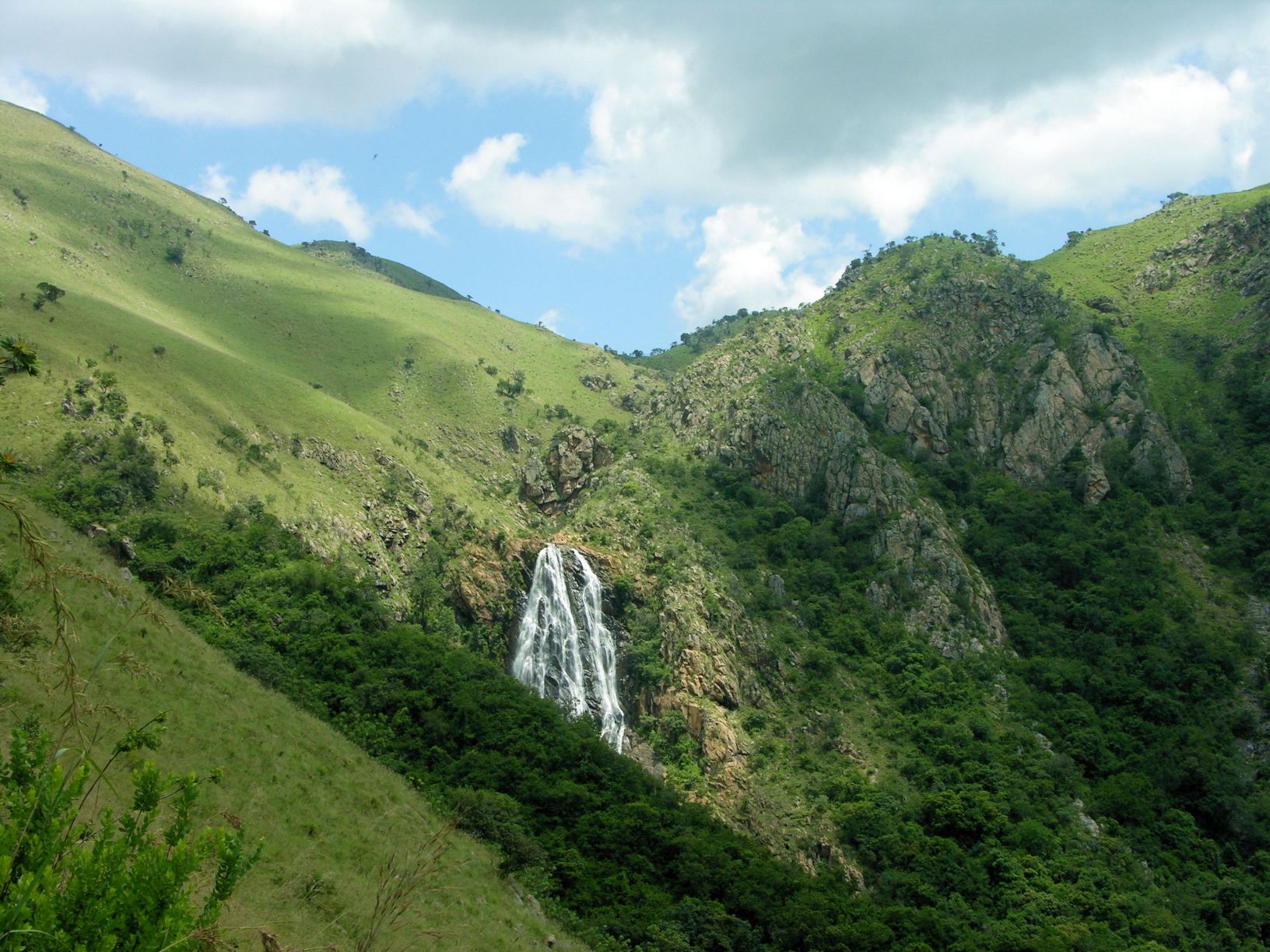
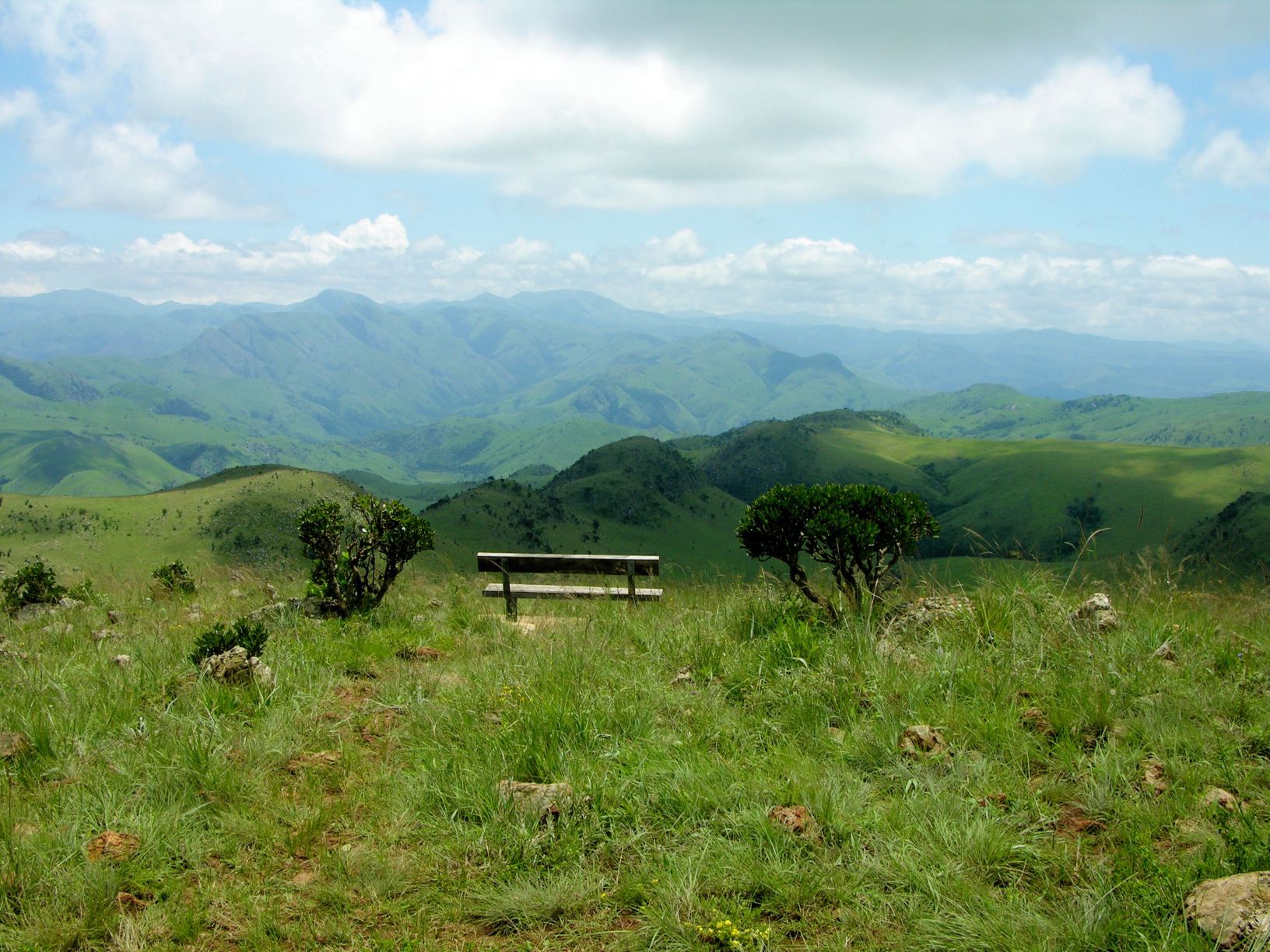
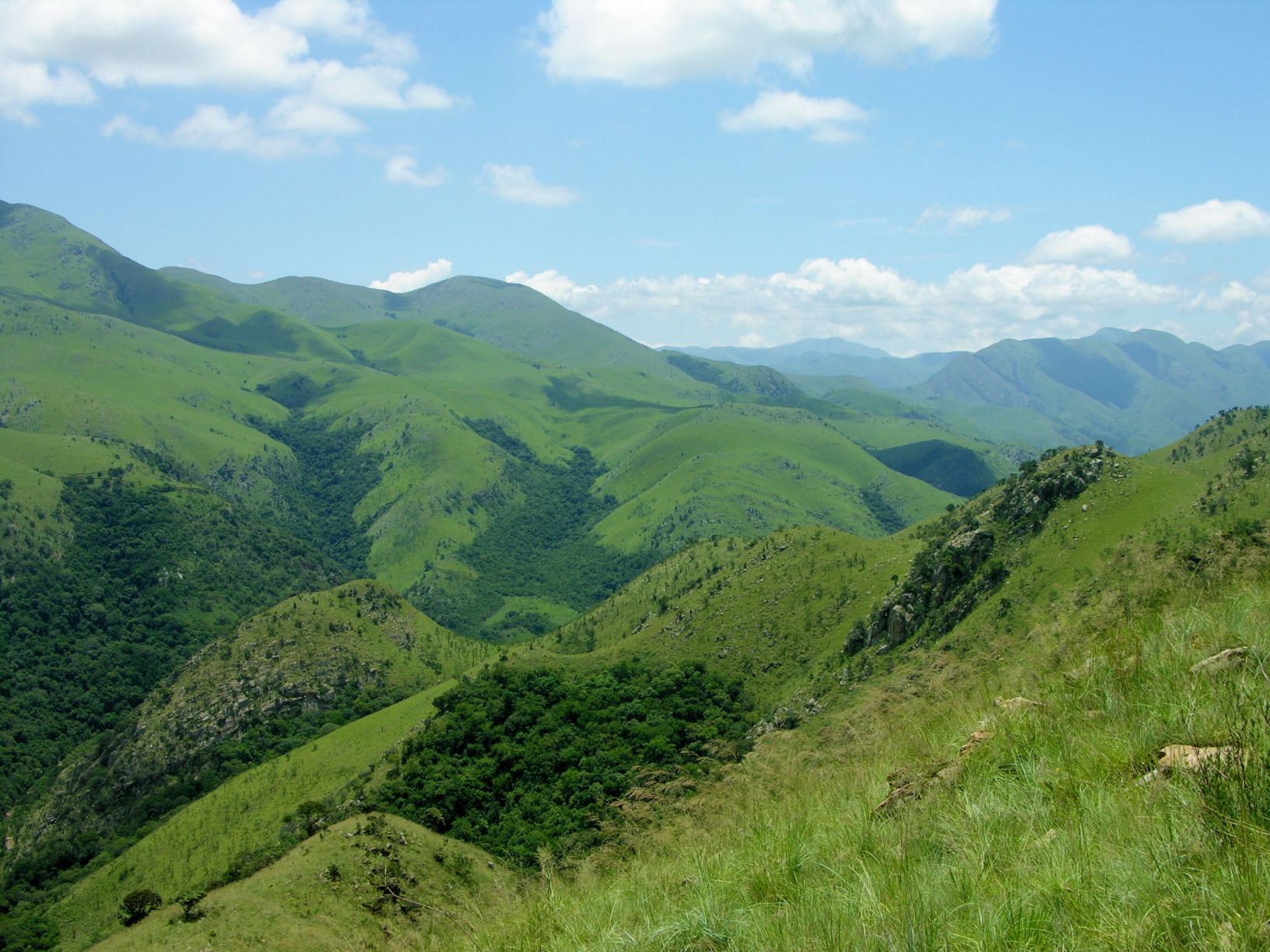
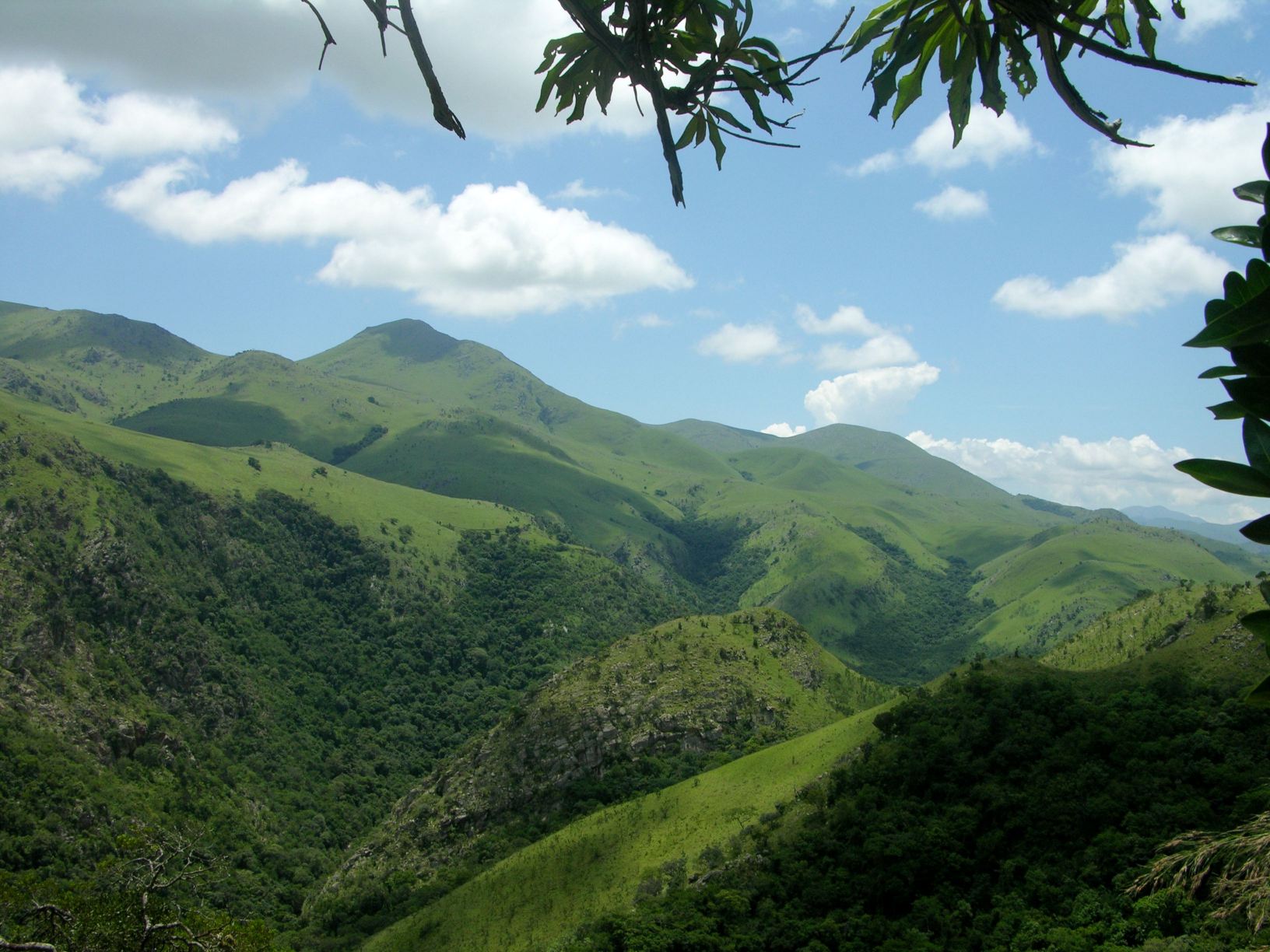
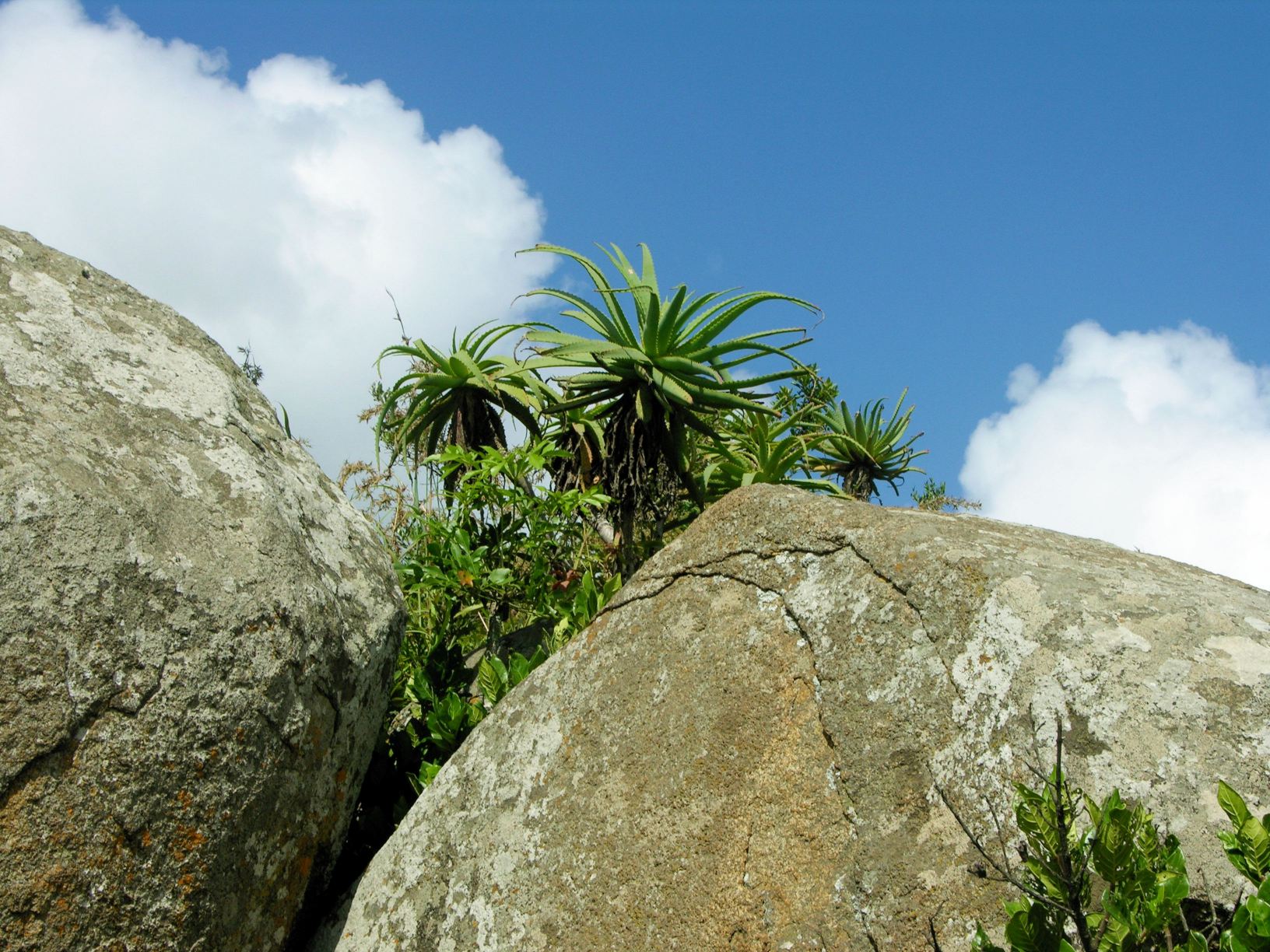
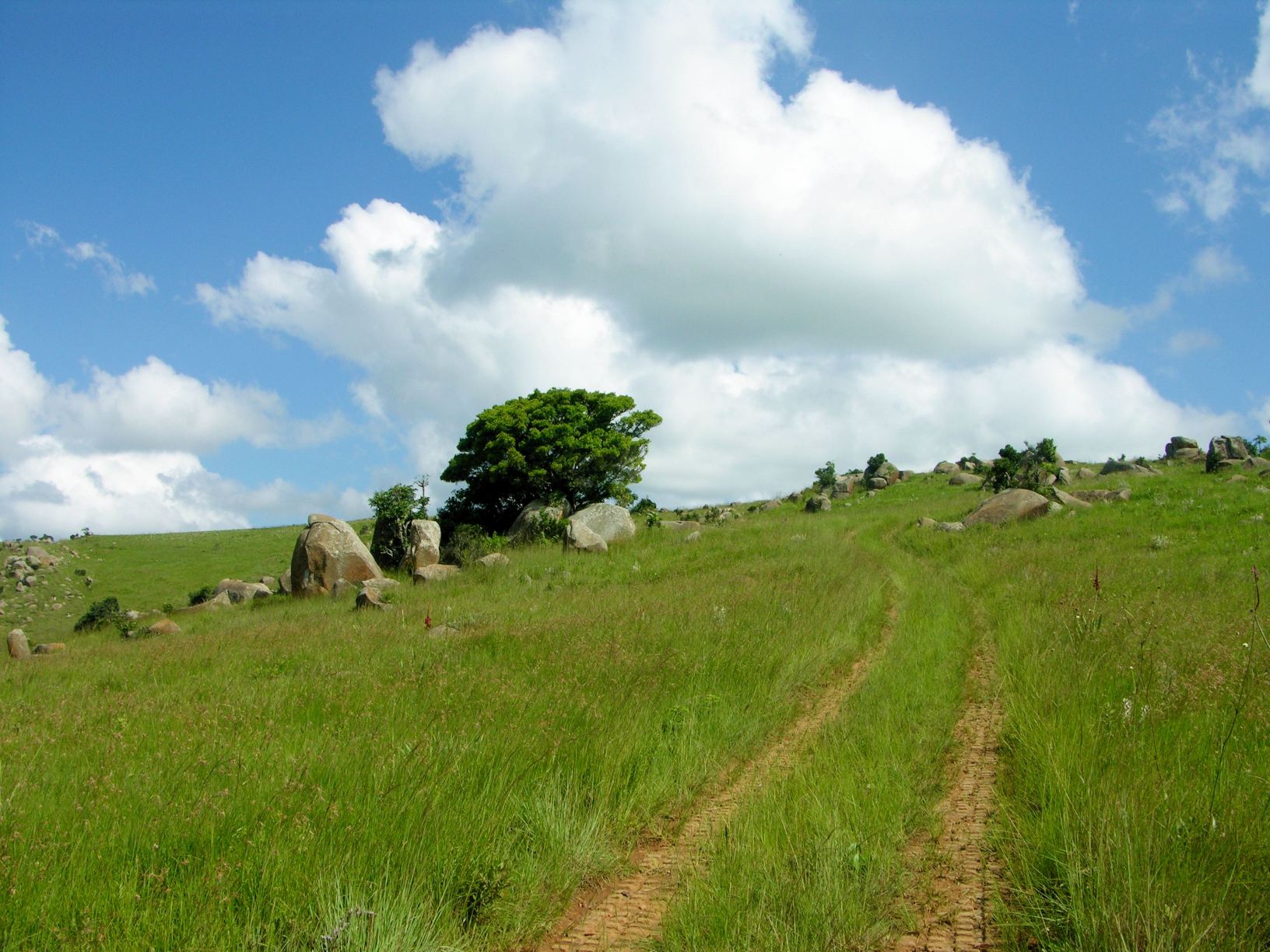
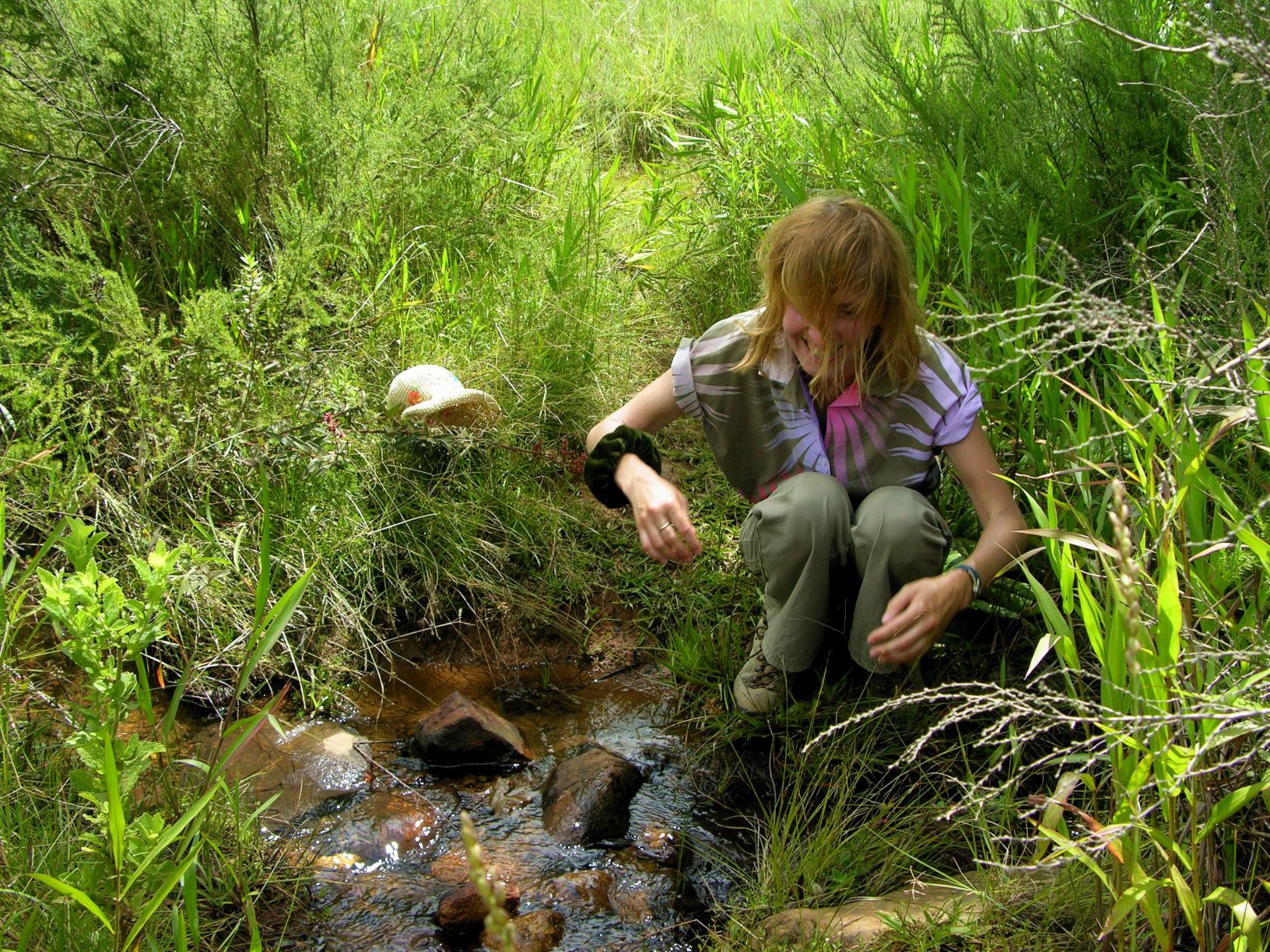
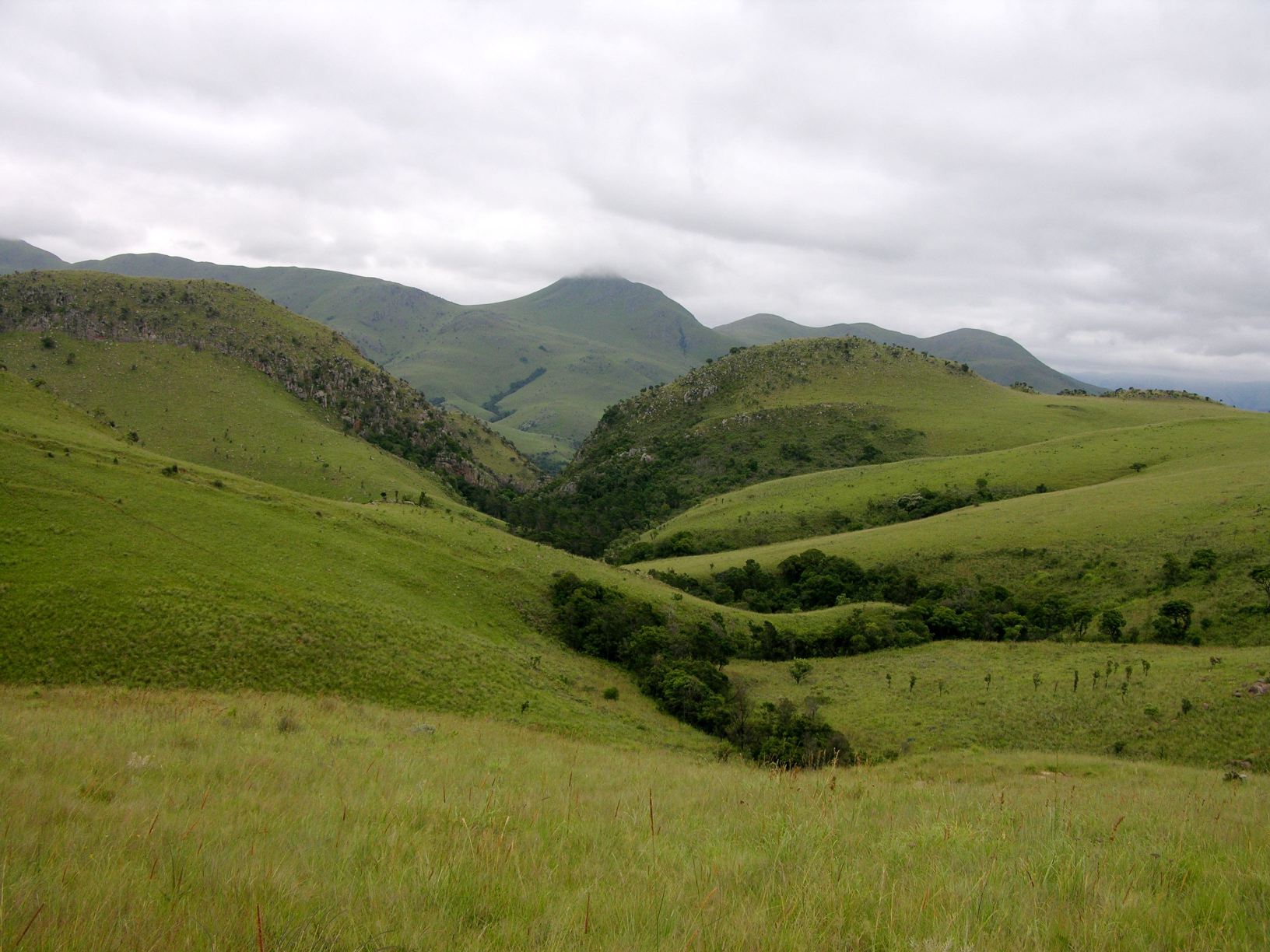
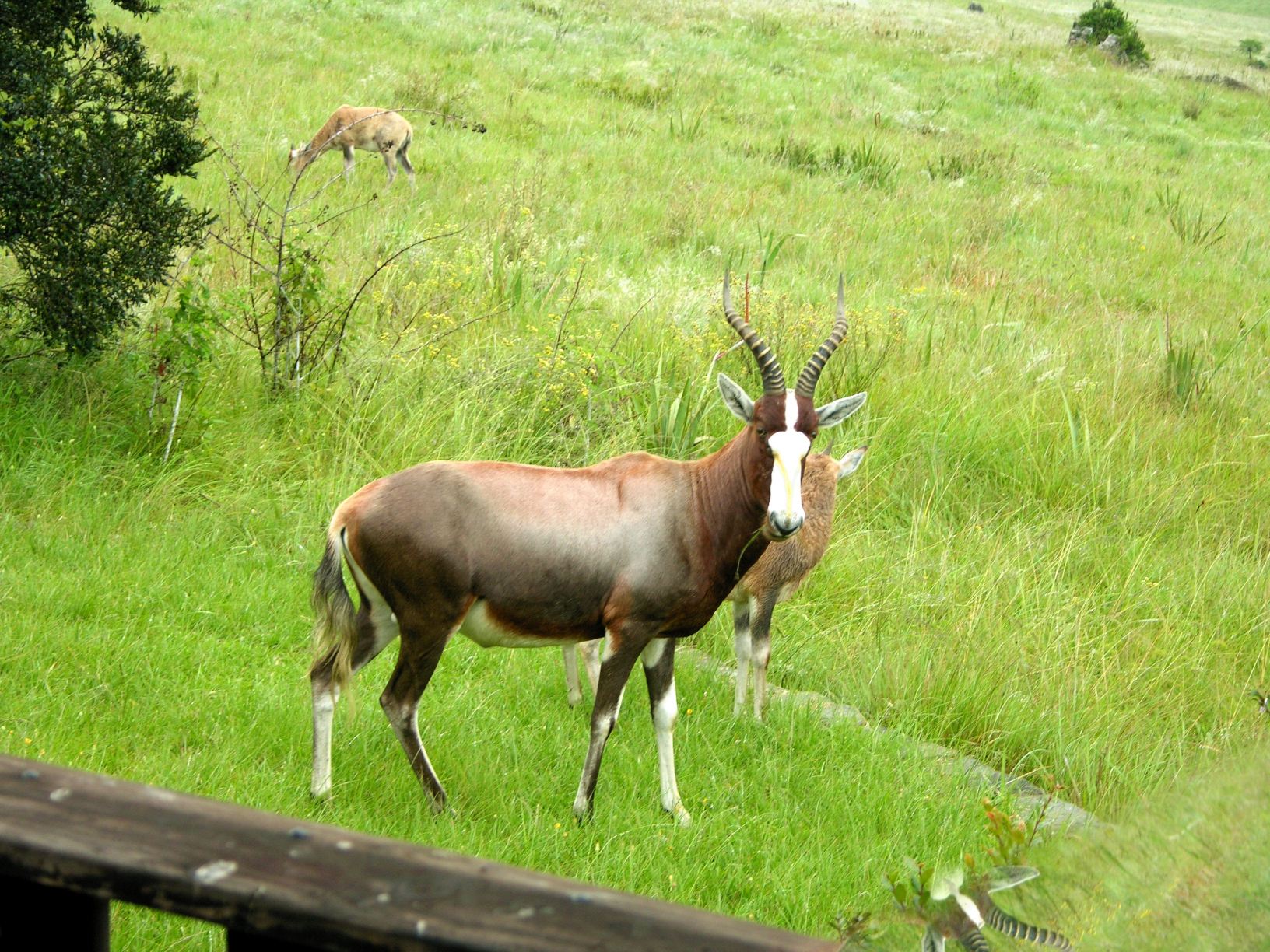
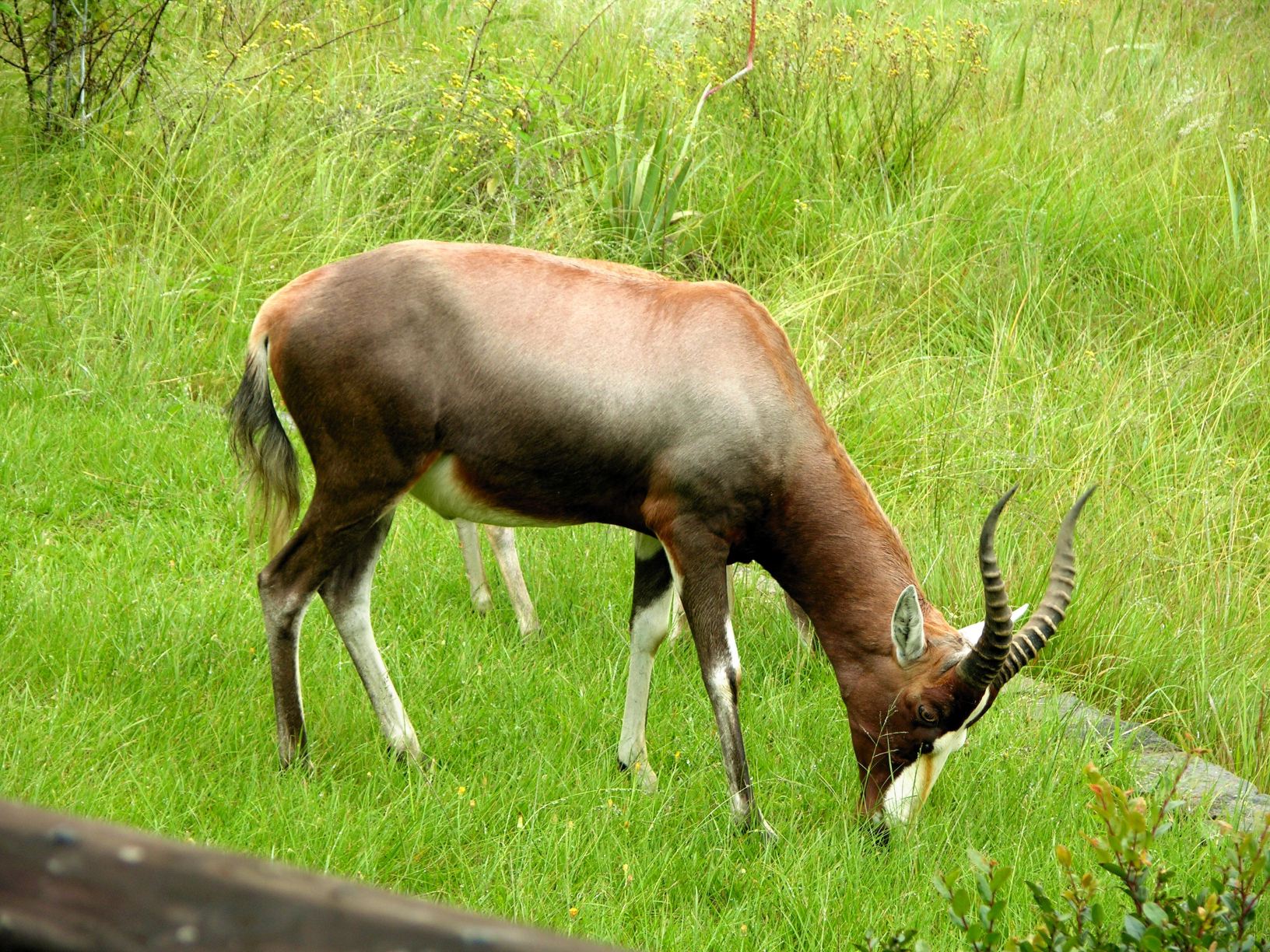
We began the next day with a walk in Malolotja Nature Reserve (reserve website). It's a great stretch of mountain country, with zebras and antelope grazing, where you can walk and camp. They sell maps at the gate. There was nobody about, wardens included. It cost 25 emalangeni a day per person to stay in the park. We set out on foot for Malolotja Falls on the river of the same name. It was hot, of course, but we could have a swim. We enjoyed the walk so much that we decided to come back again another time and go hiking for two days, camping overnight.












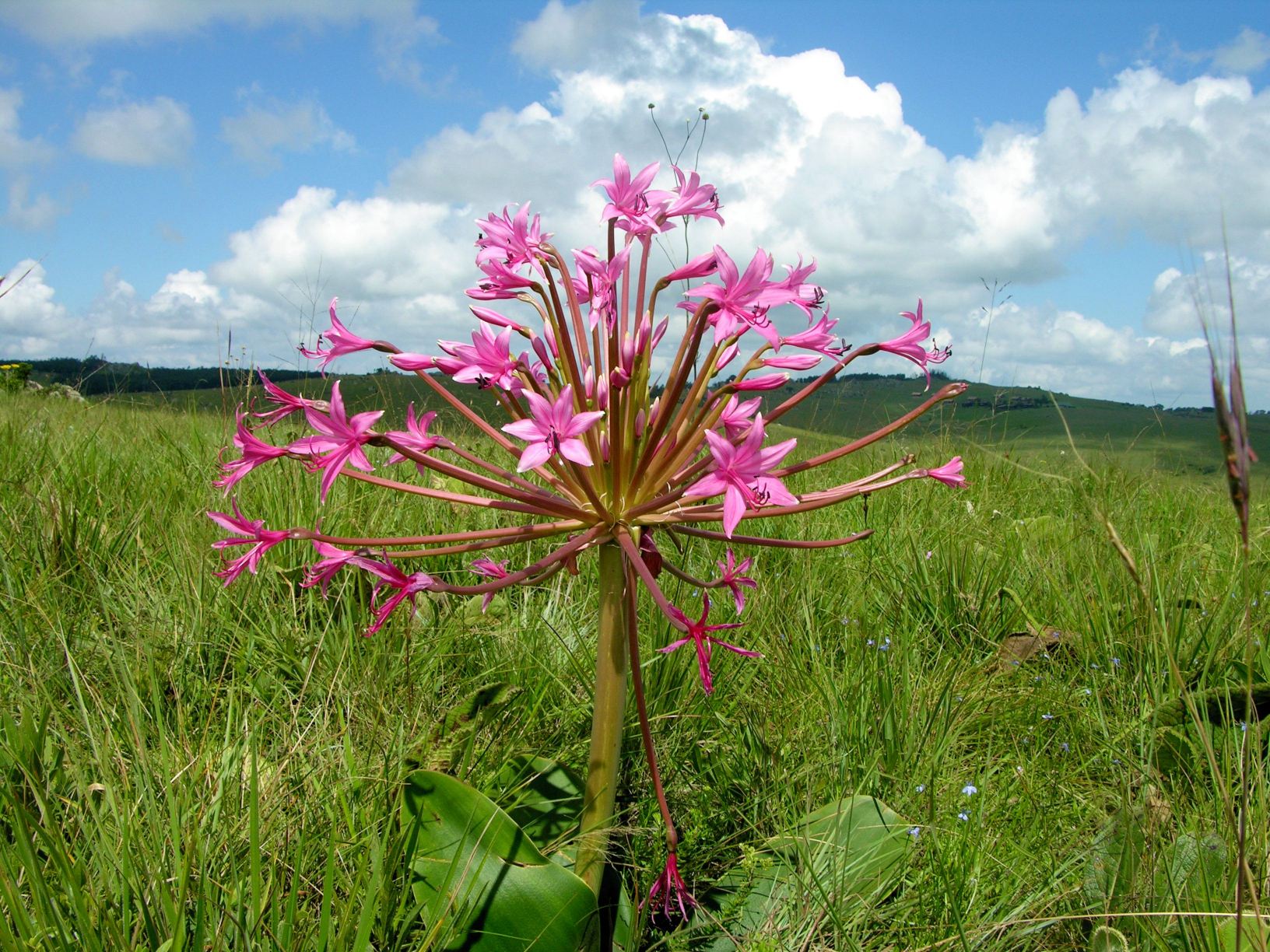
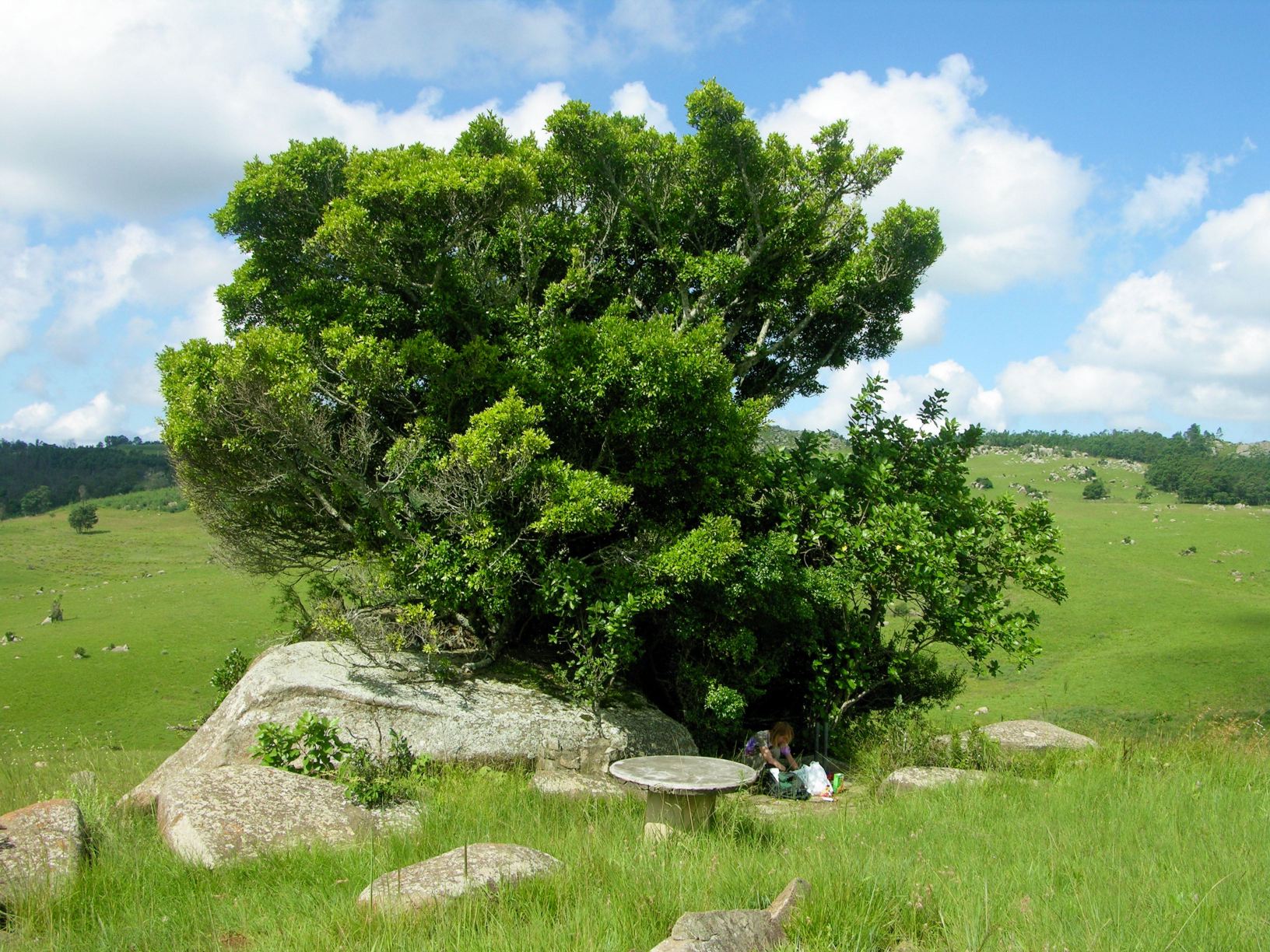
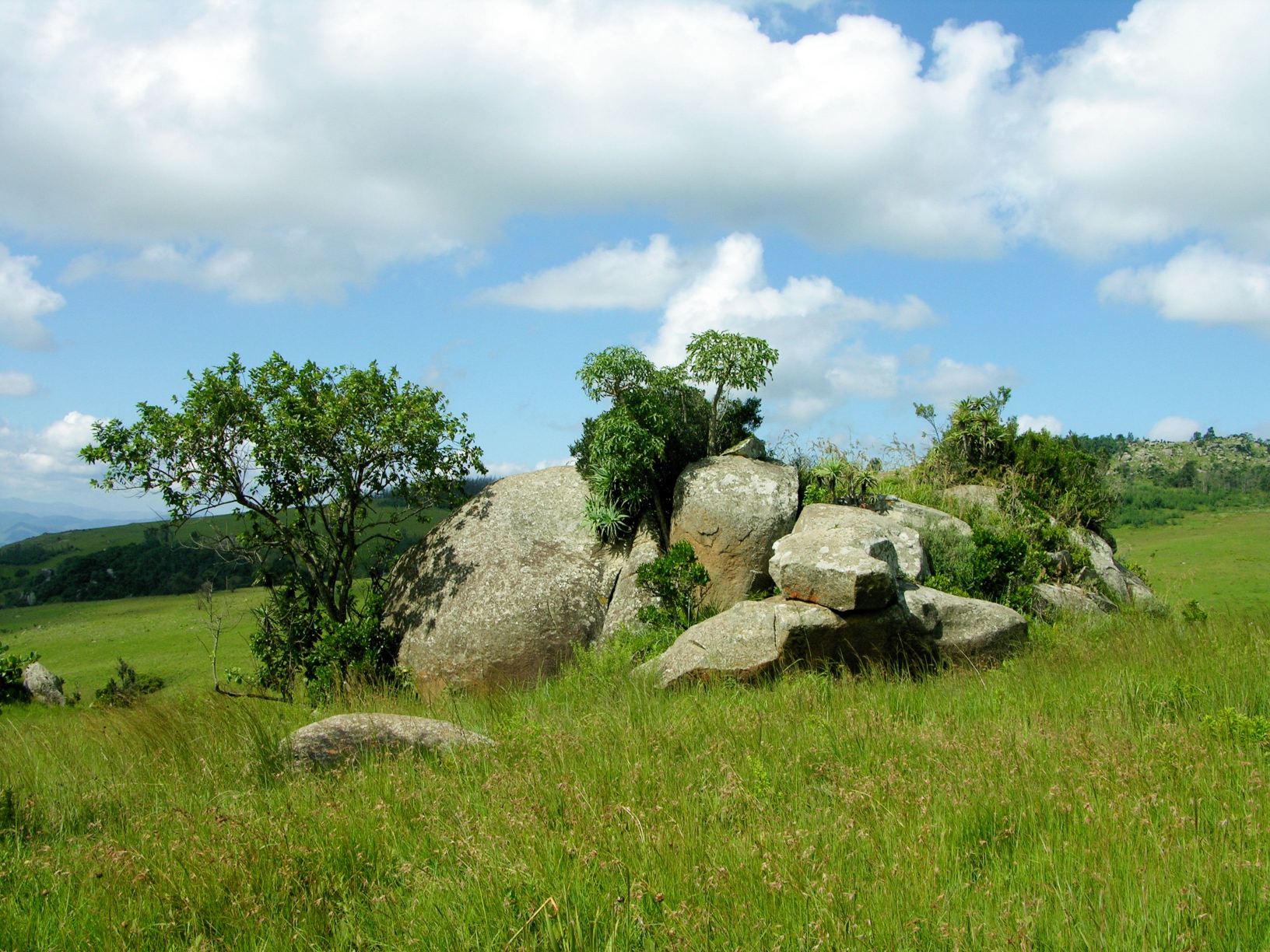
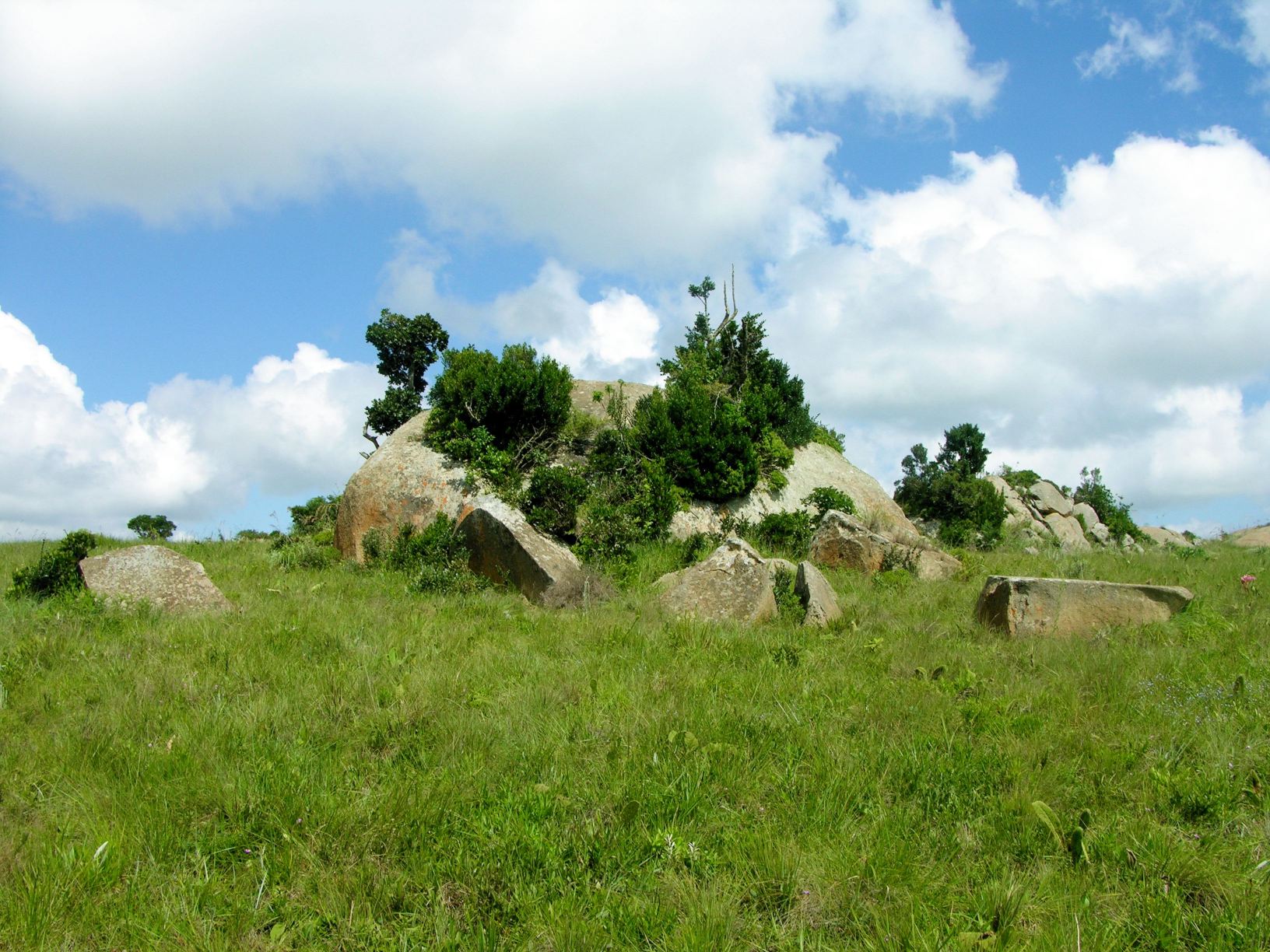
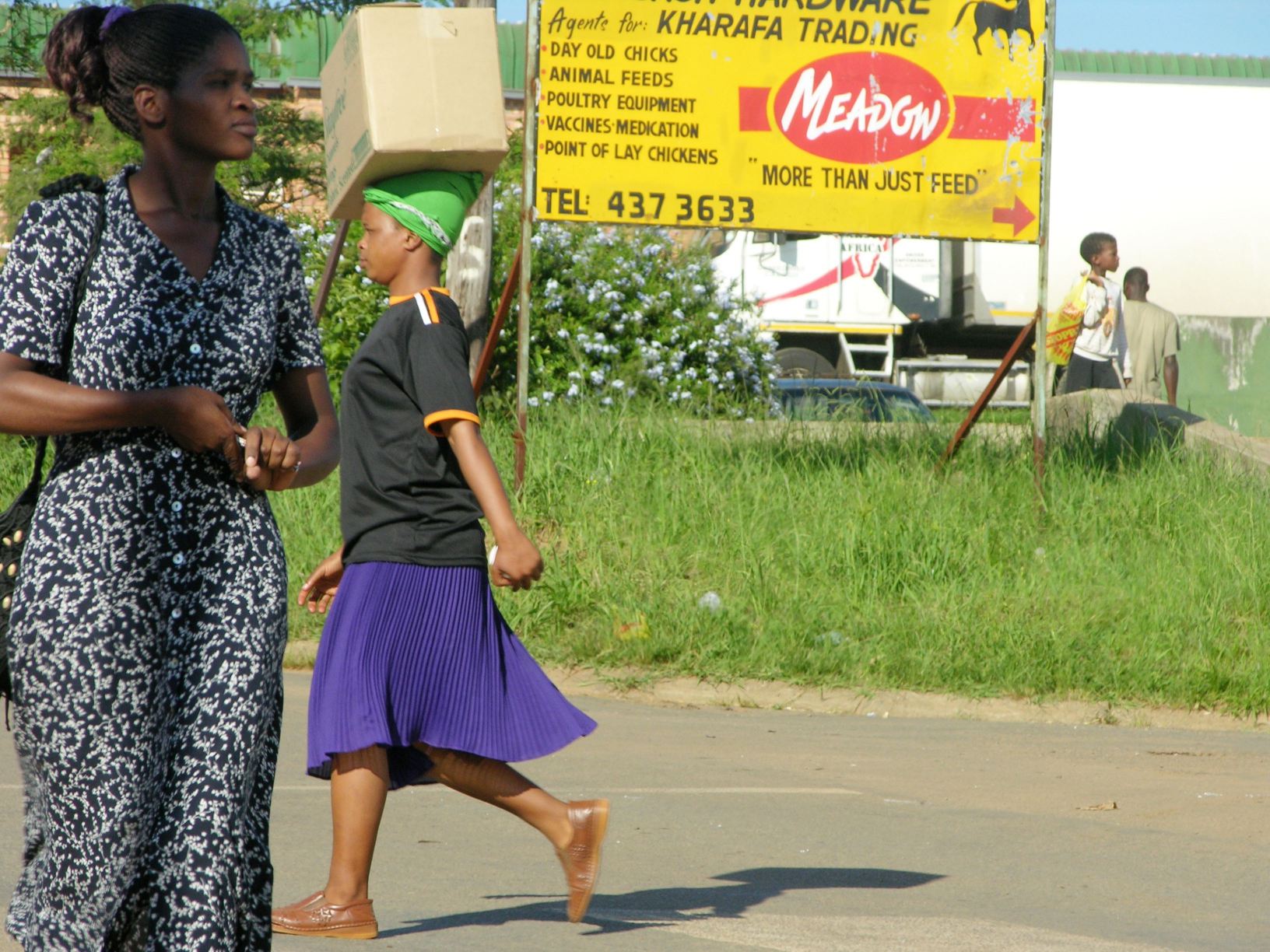
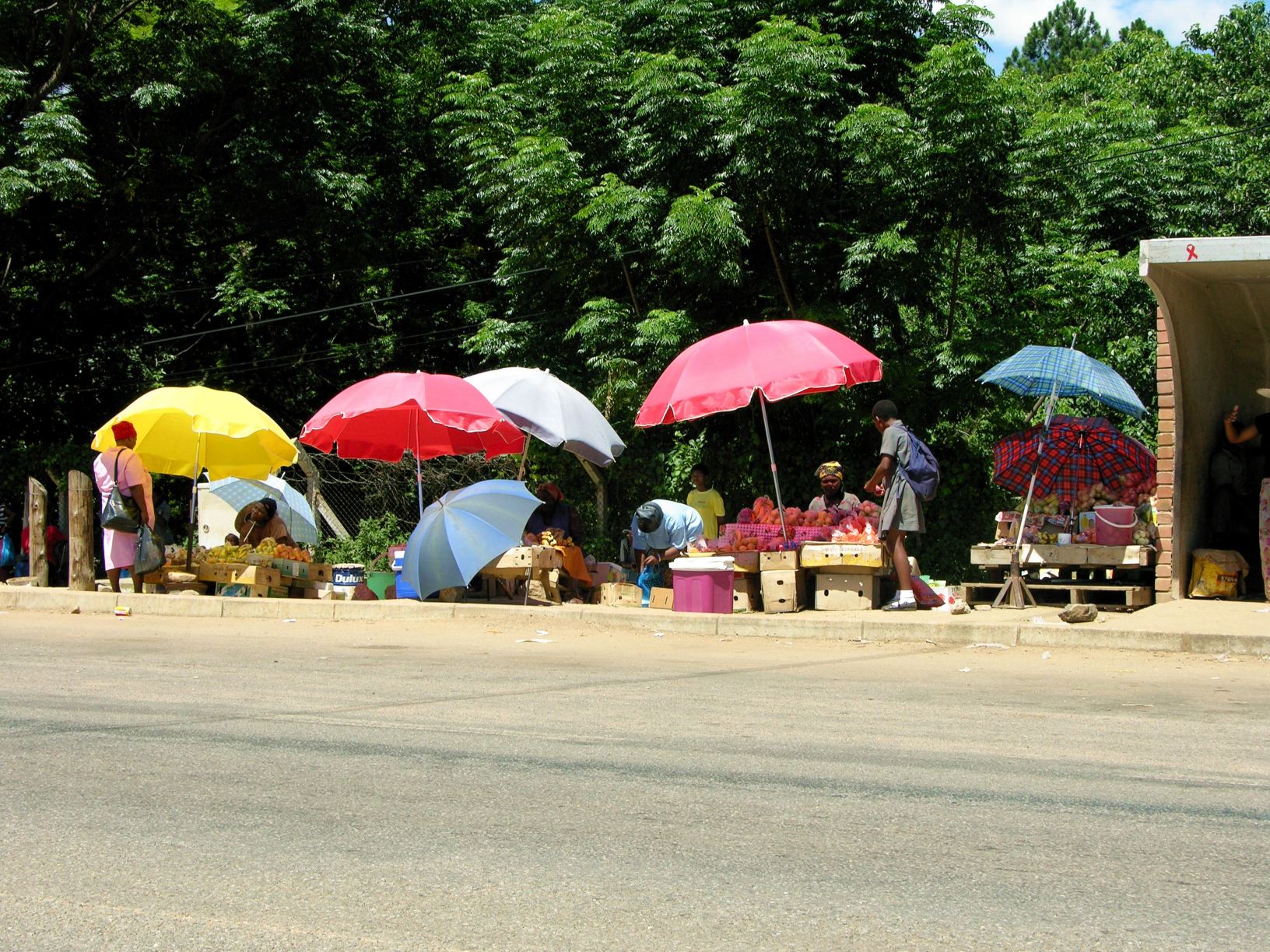
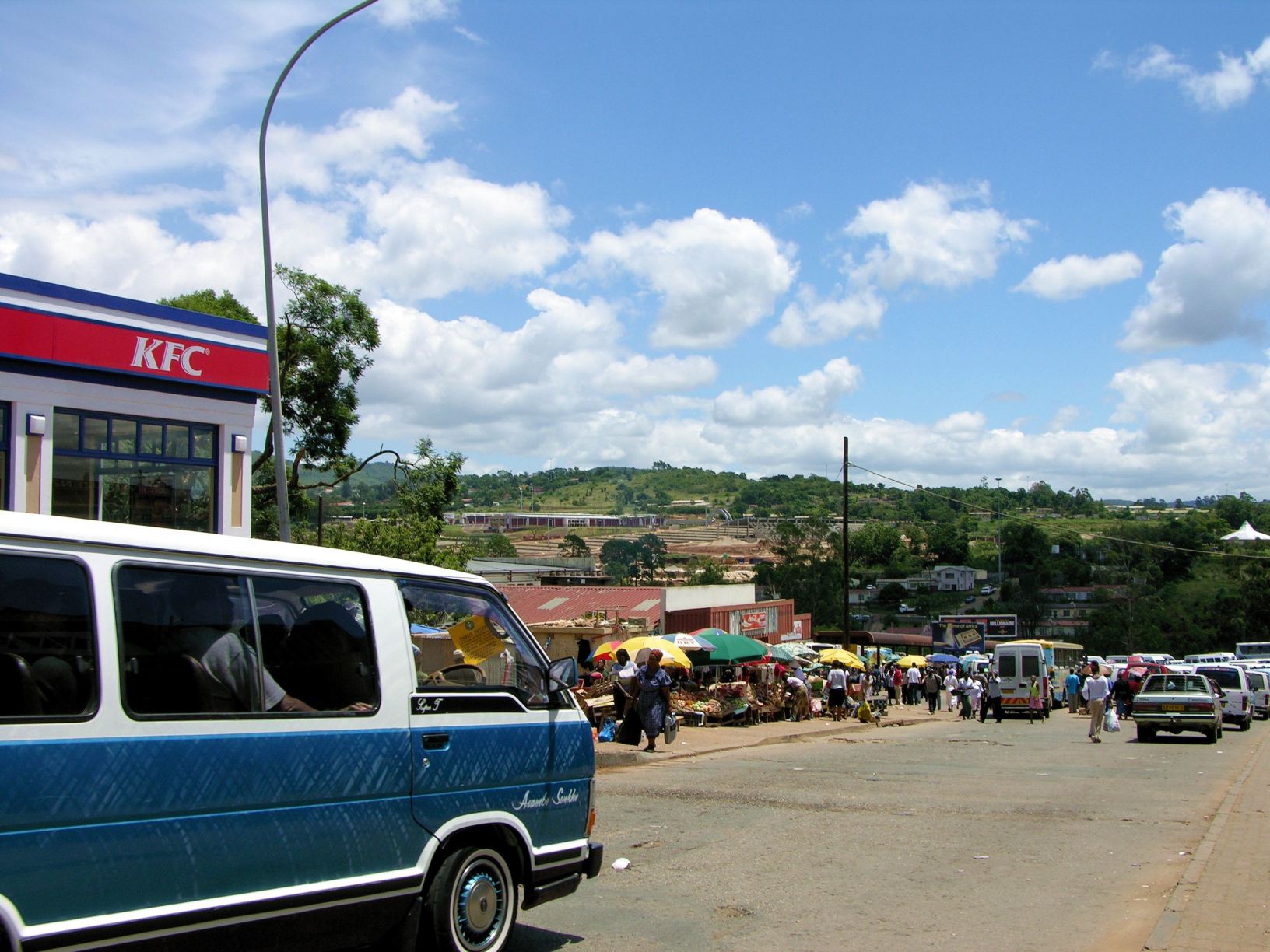
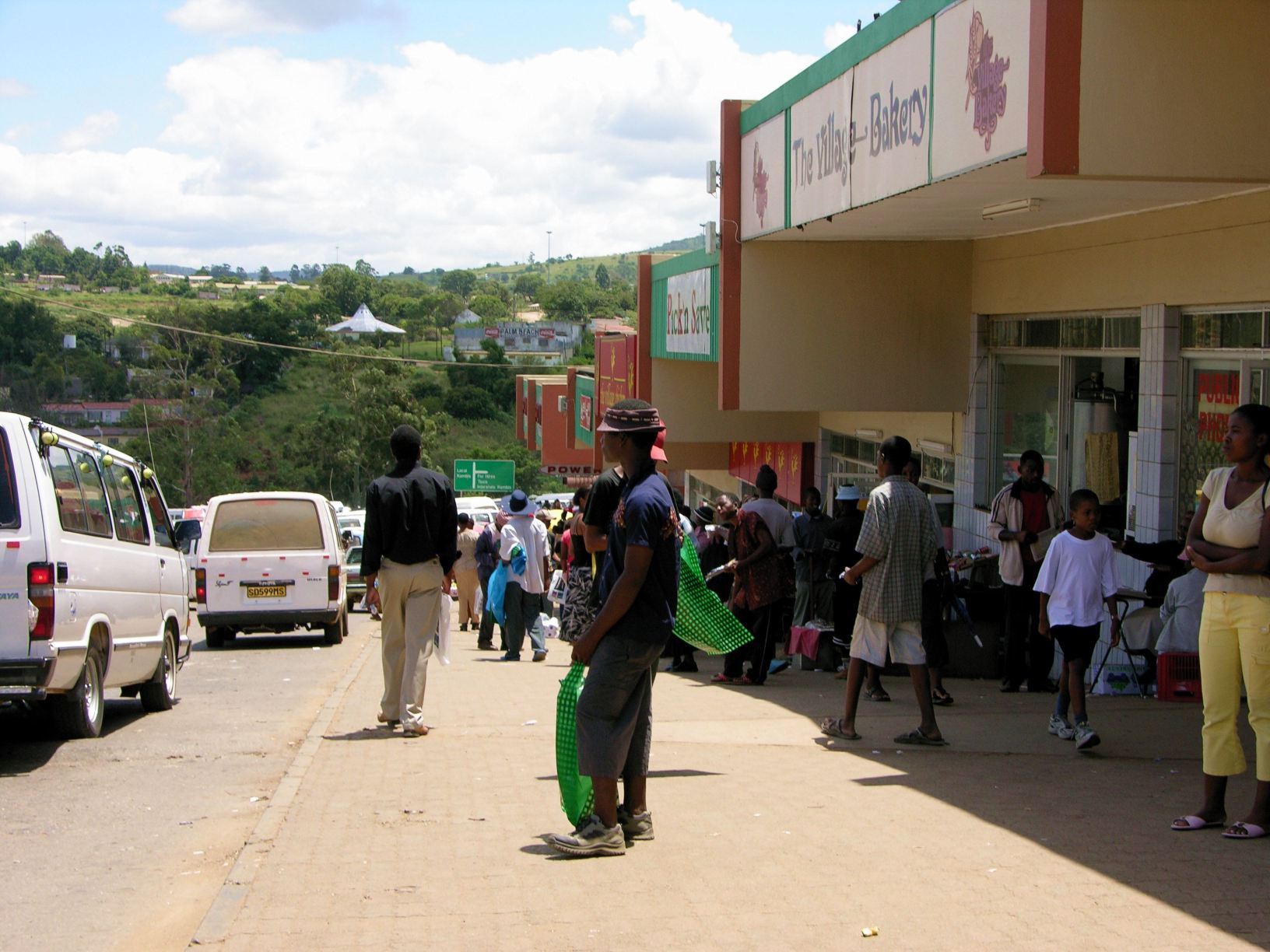
After the park we drove north to Piggs Peak. It's a little town with nothing in particular to see. There are so few towns in Swaziland, though, that you don't have much choice. What we wanted was somewhere to buy supplies. While Tanya was in the shops, I kept out of sight in the car and photographed the locals. The children were just coming home from school. There were enough people about that nobody noticed me.
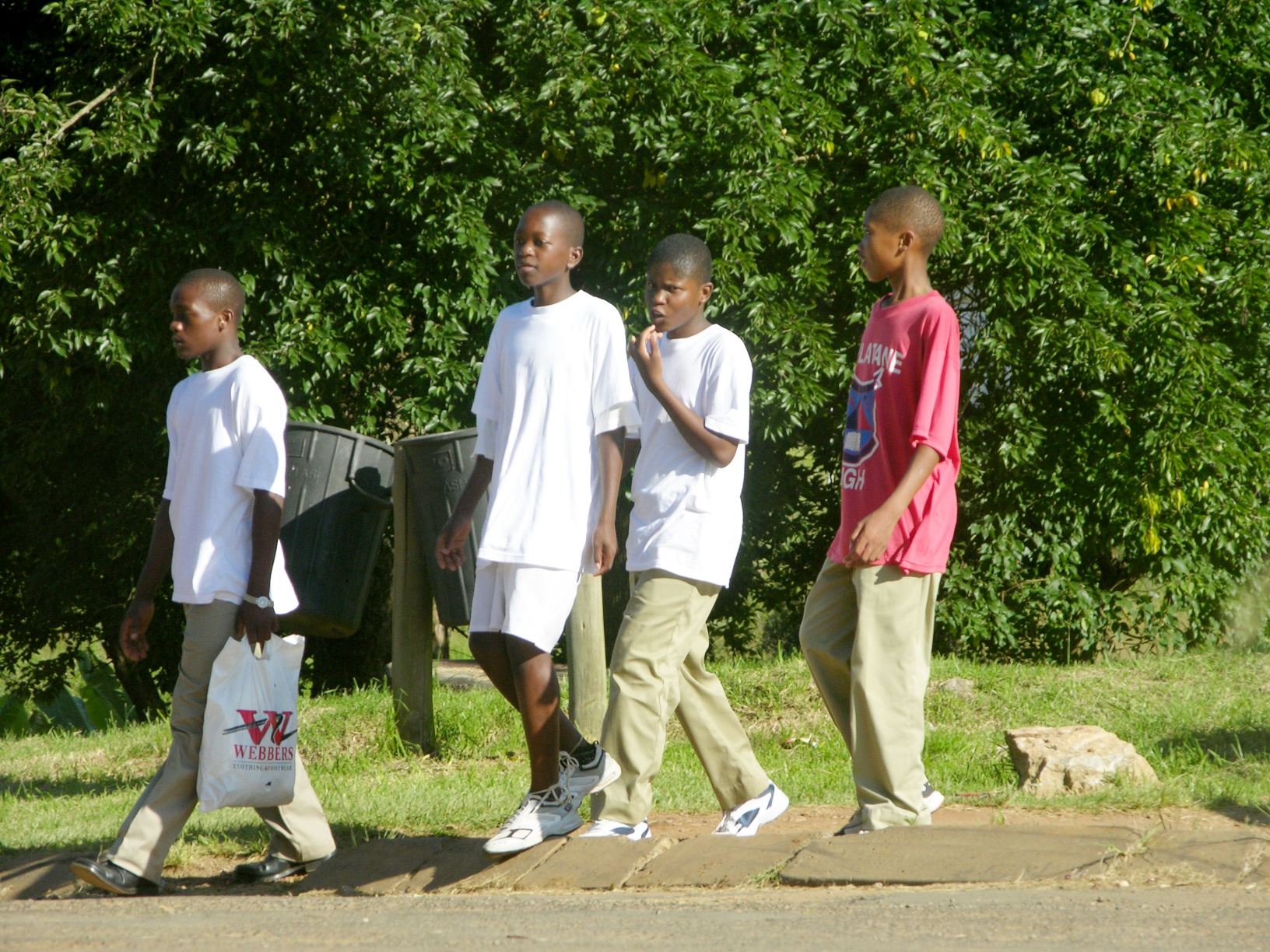
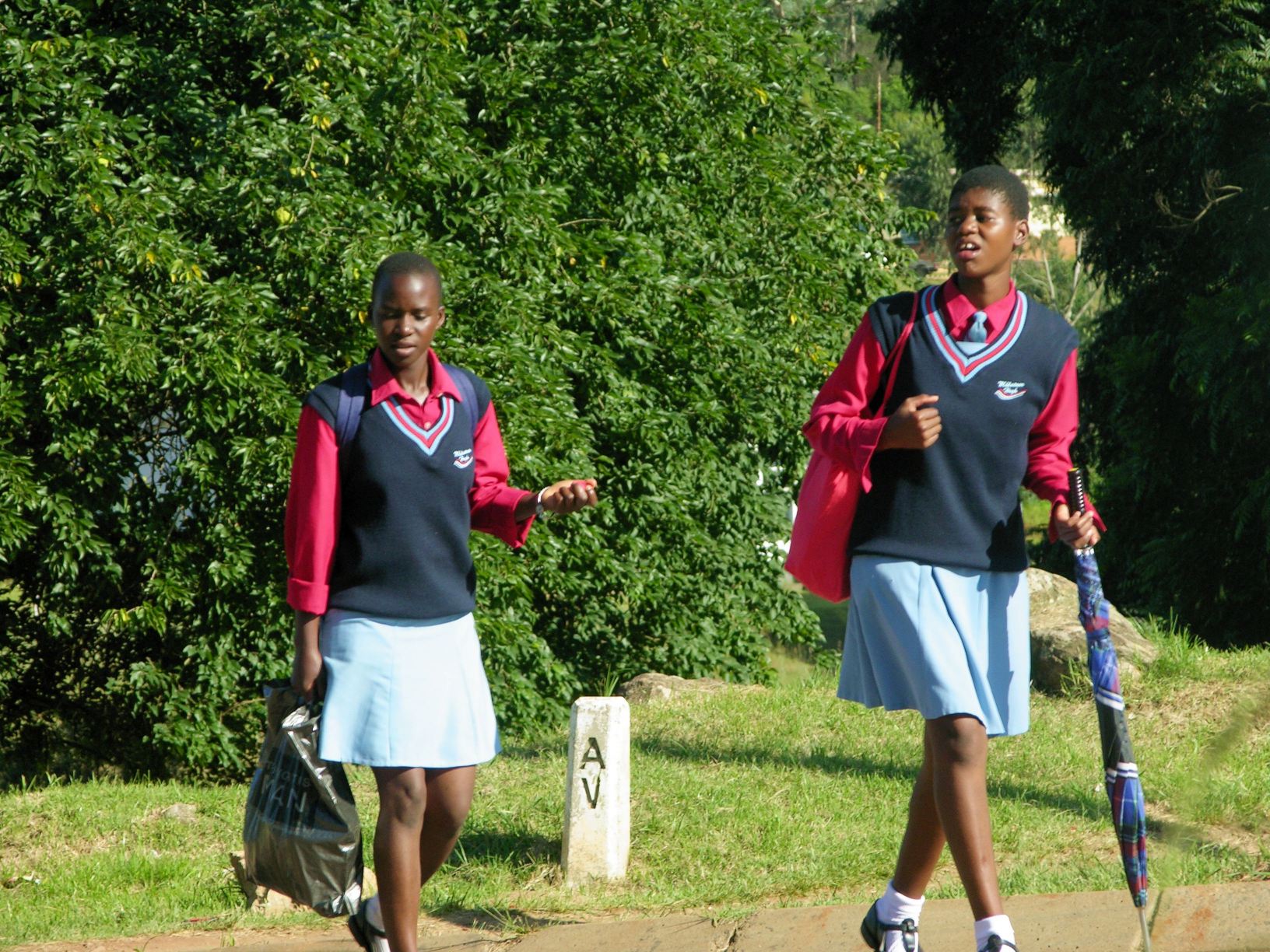
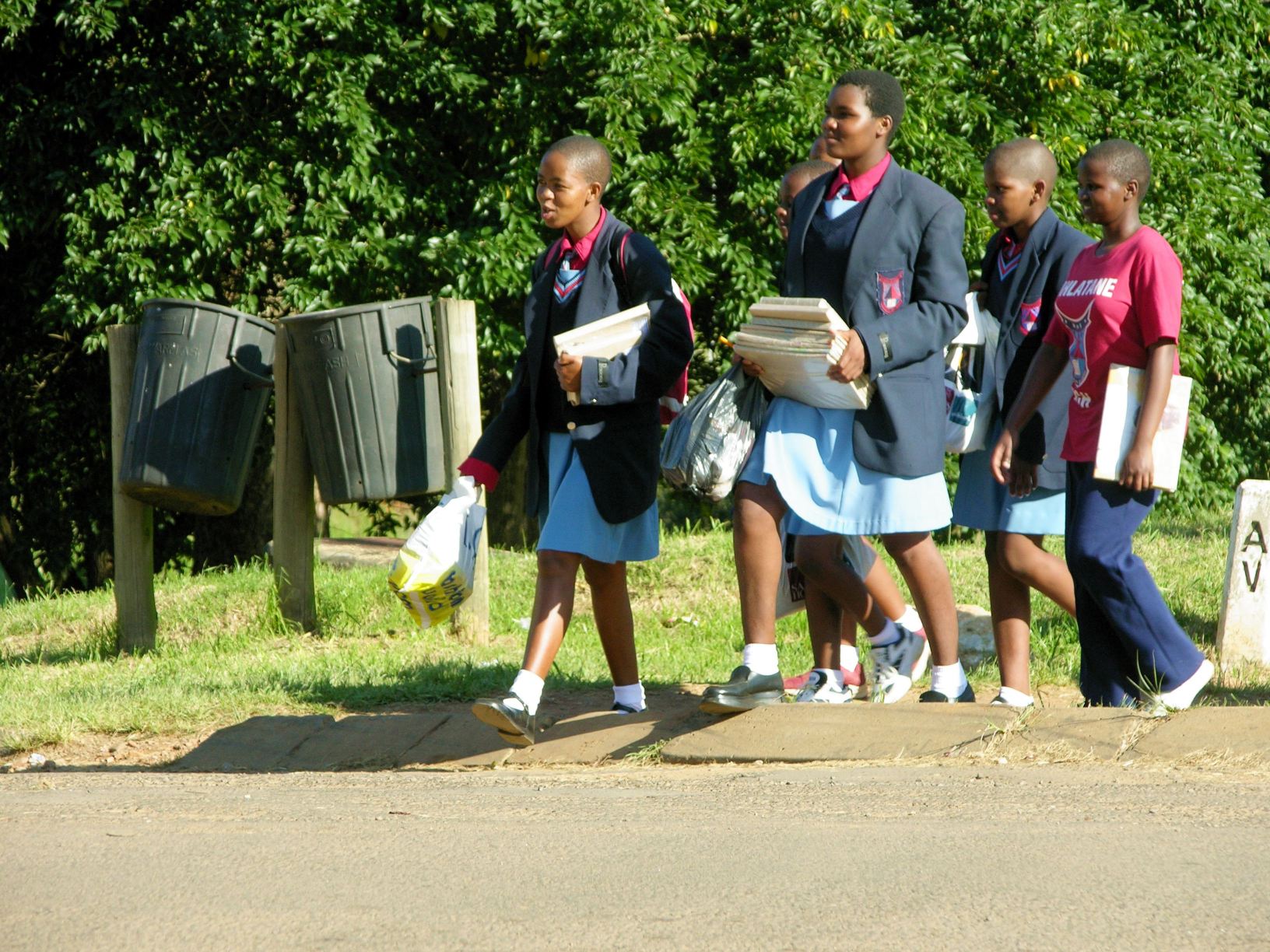


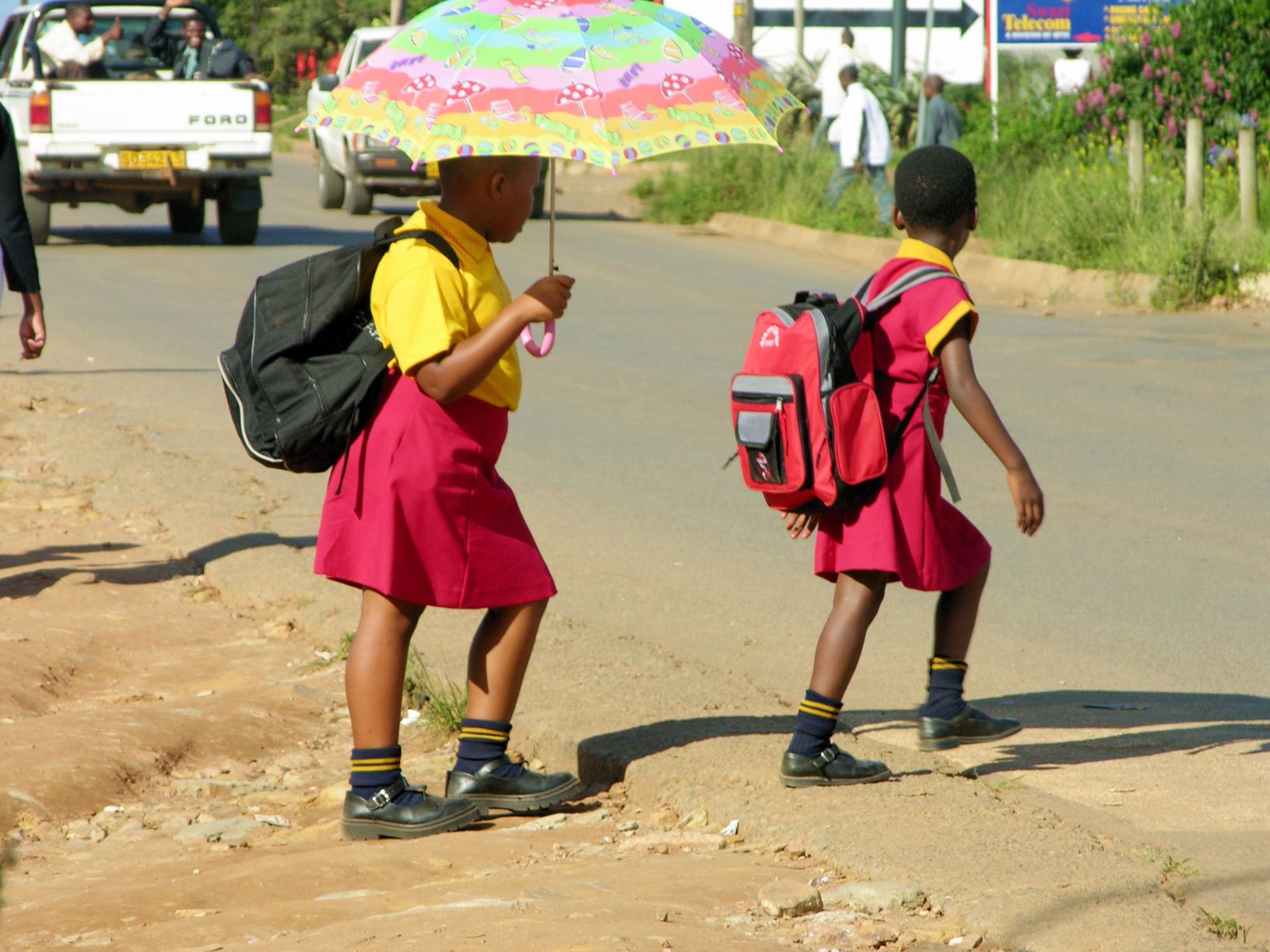

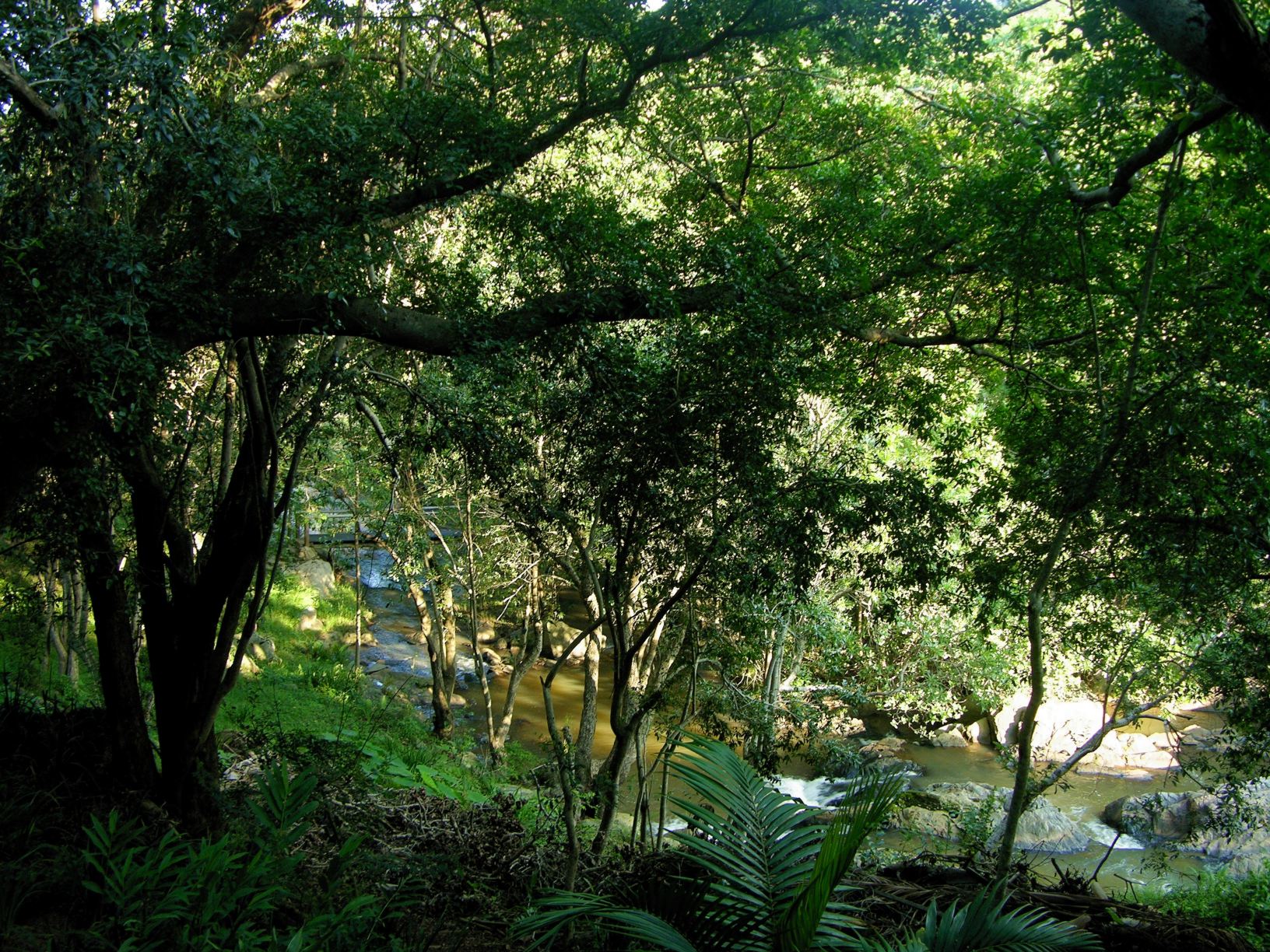
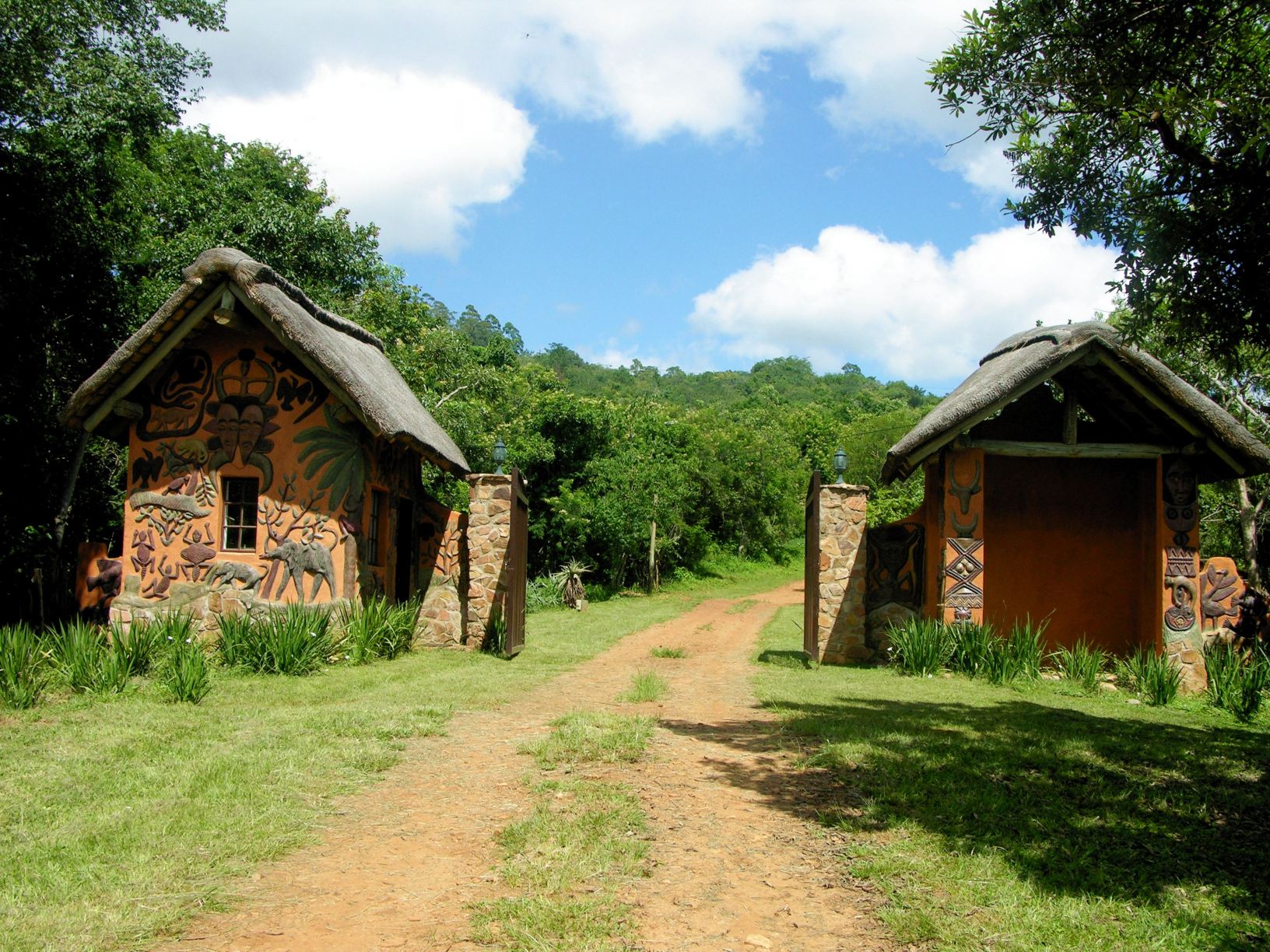
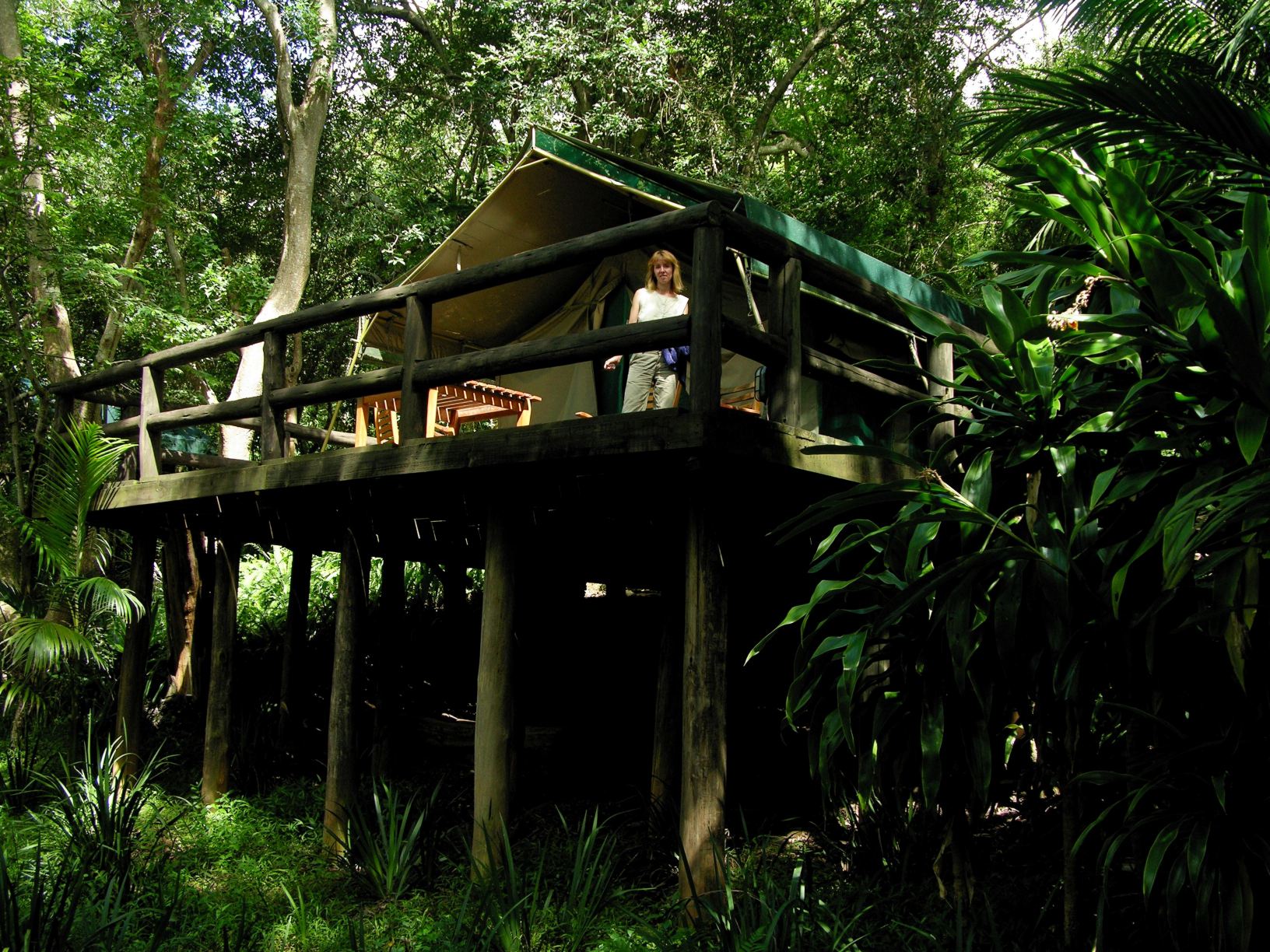
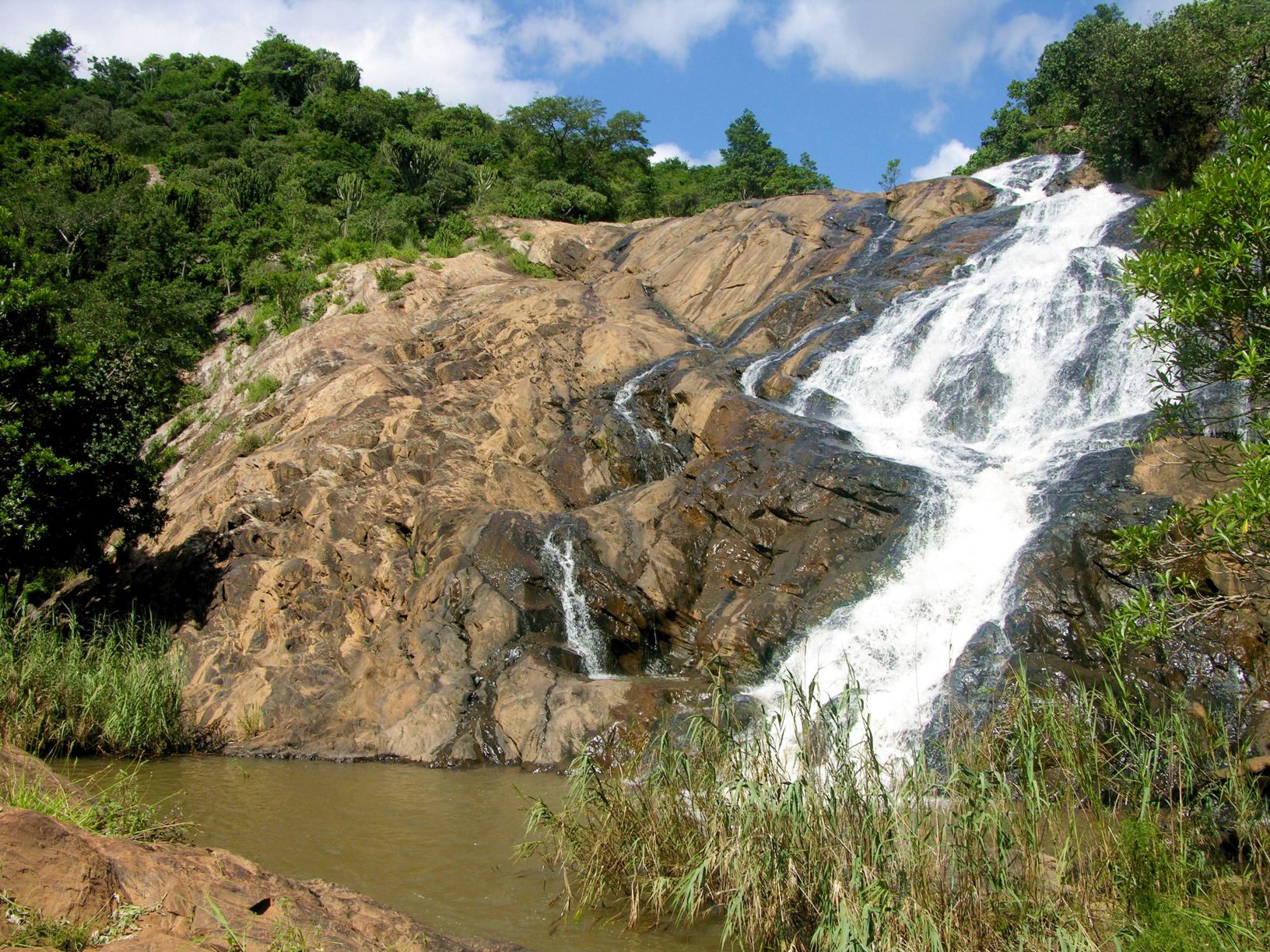
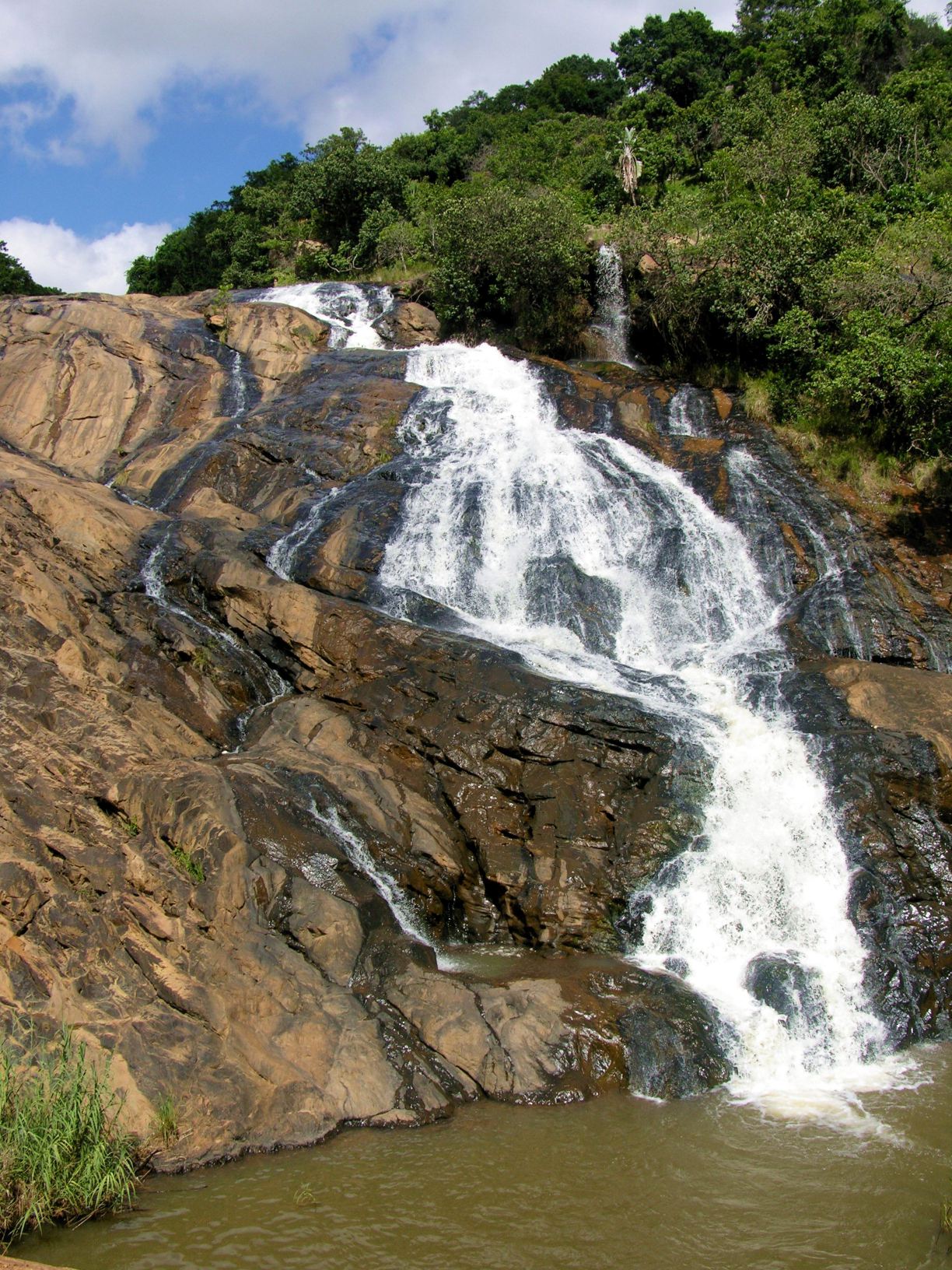
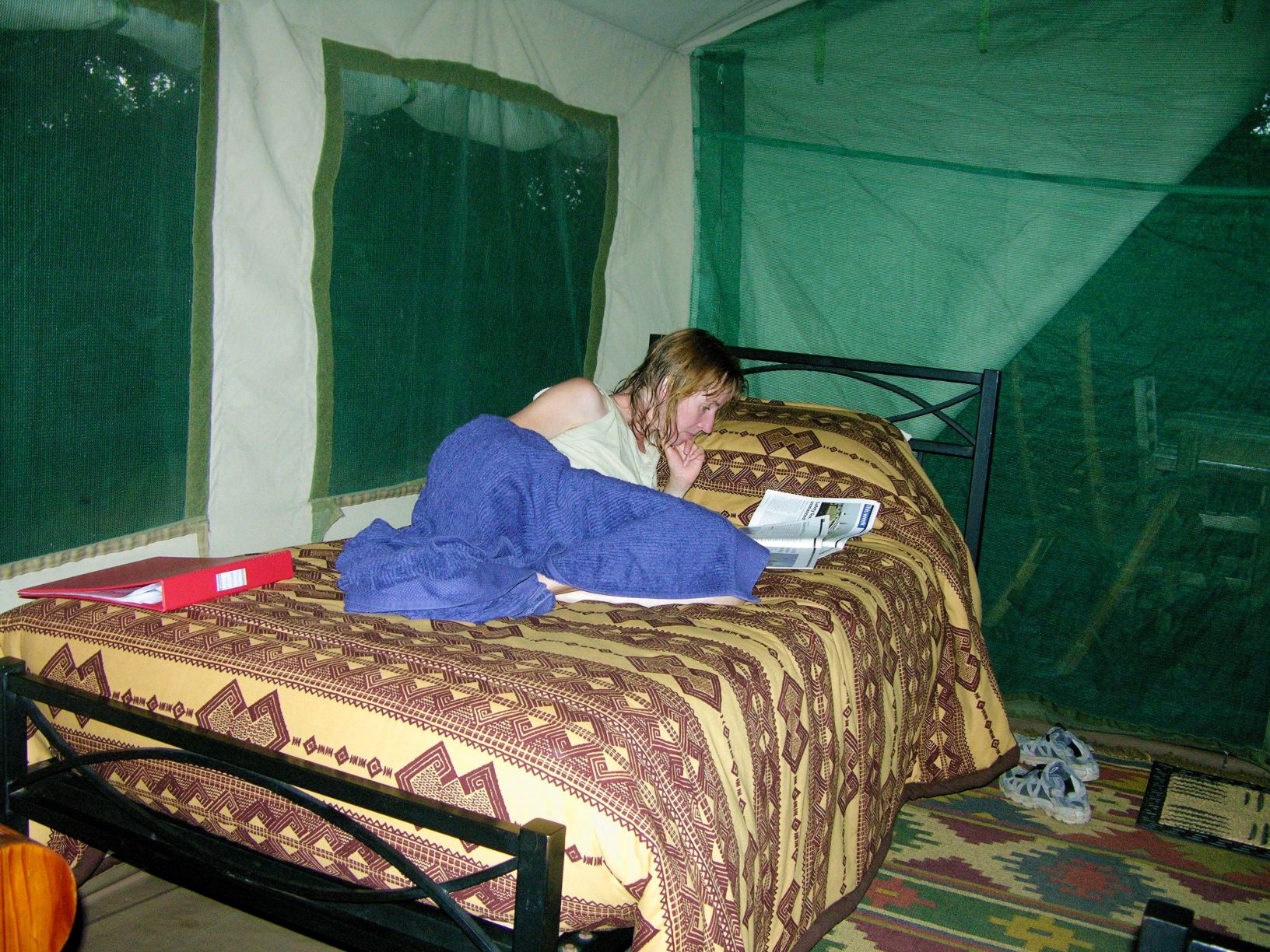
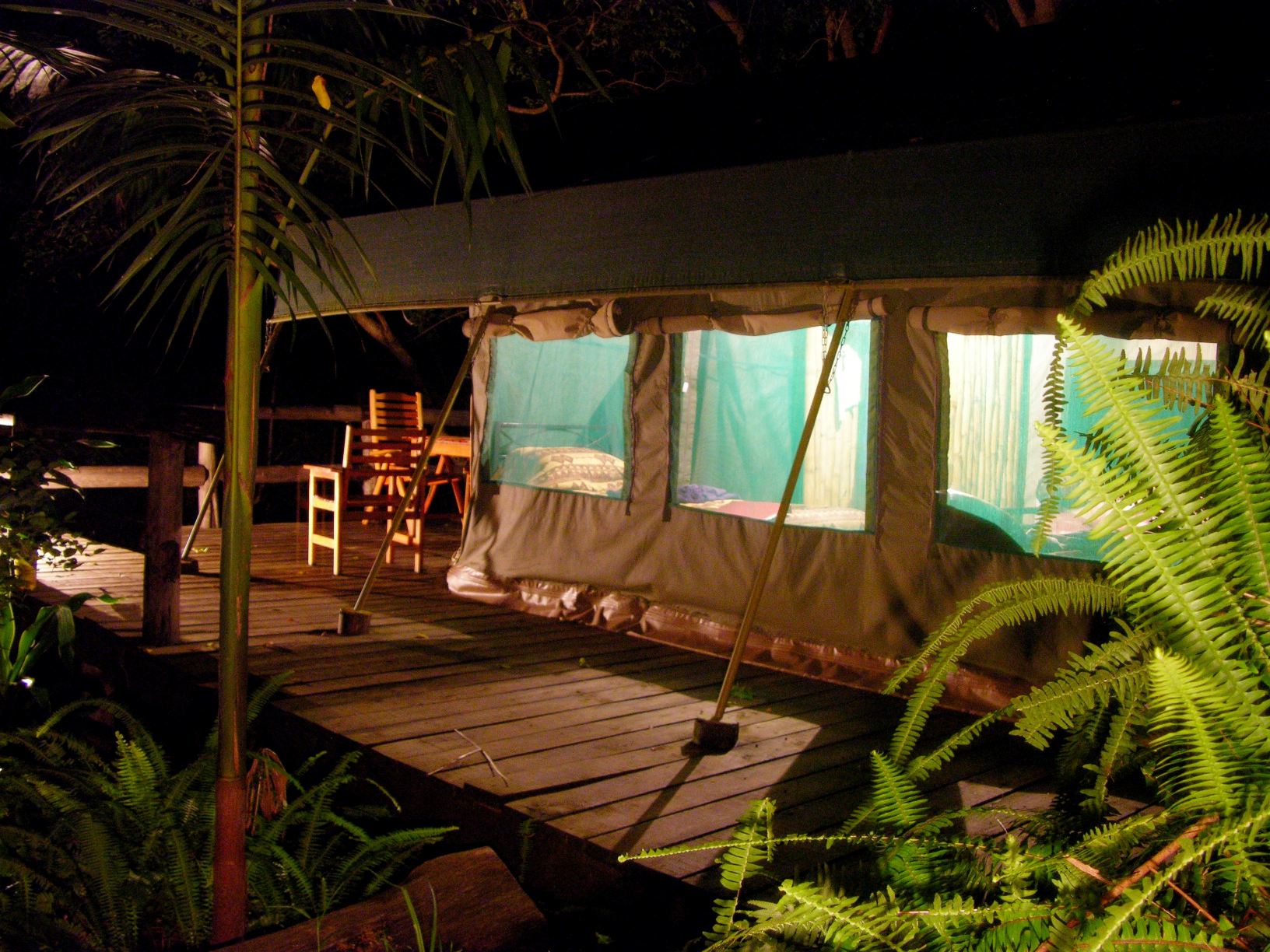
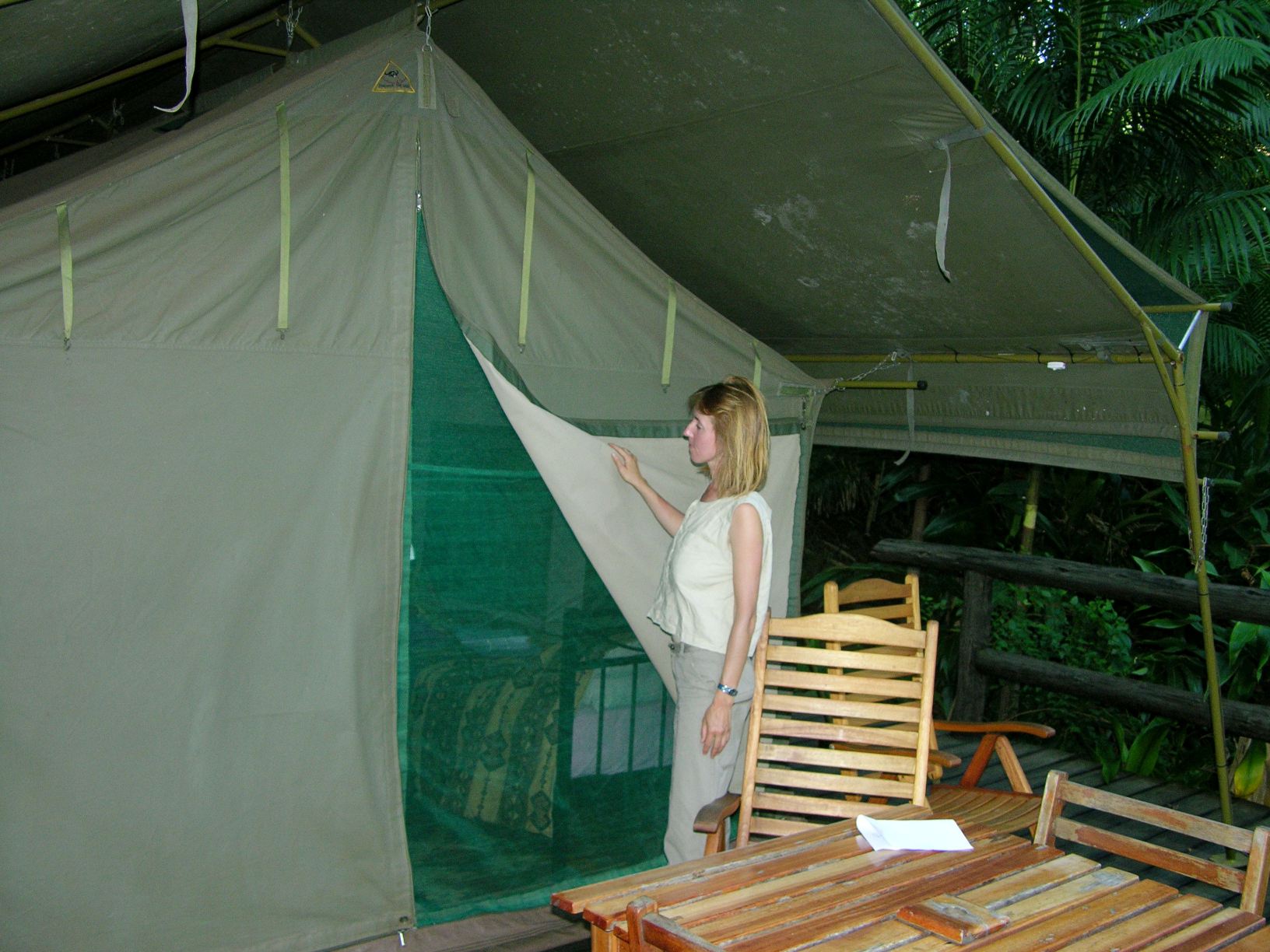
North of Piggs Peak is Phophonyane Falls on the Mlumati River. The ground around it had been privatised by the hotel of the same name (hotel website). There was a charge at the gate. You could just drive in, go and see the water falling, and walk the many paths around it. Or you could stay overnight. A safari tent cost 800 emalangeni (25°53.936′S, 31°17.648′E). Very expensive by South African standards, but few hotels in Swaziland catered to foreign tourists and those that did charged a fortune. You could stay where the locals did, of course, though you'd have to do without a view of the falls.
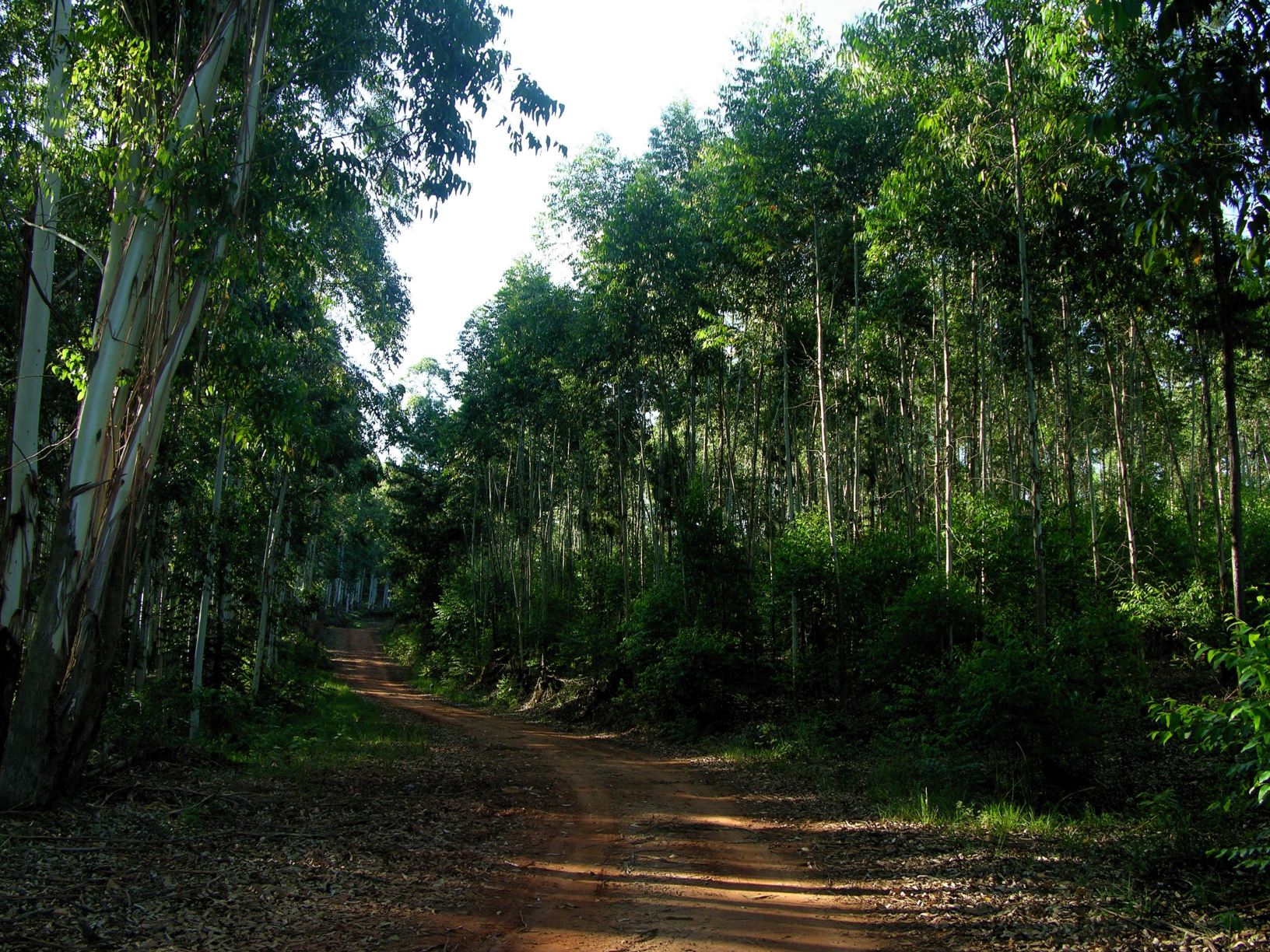

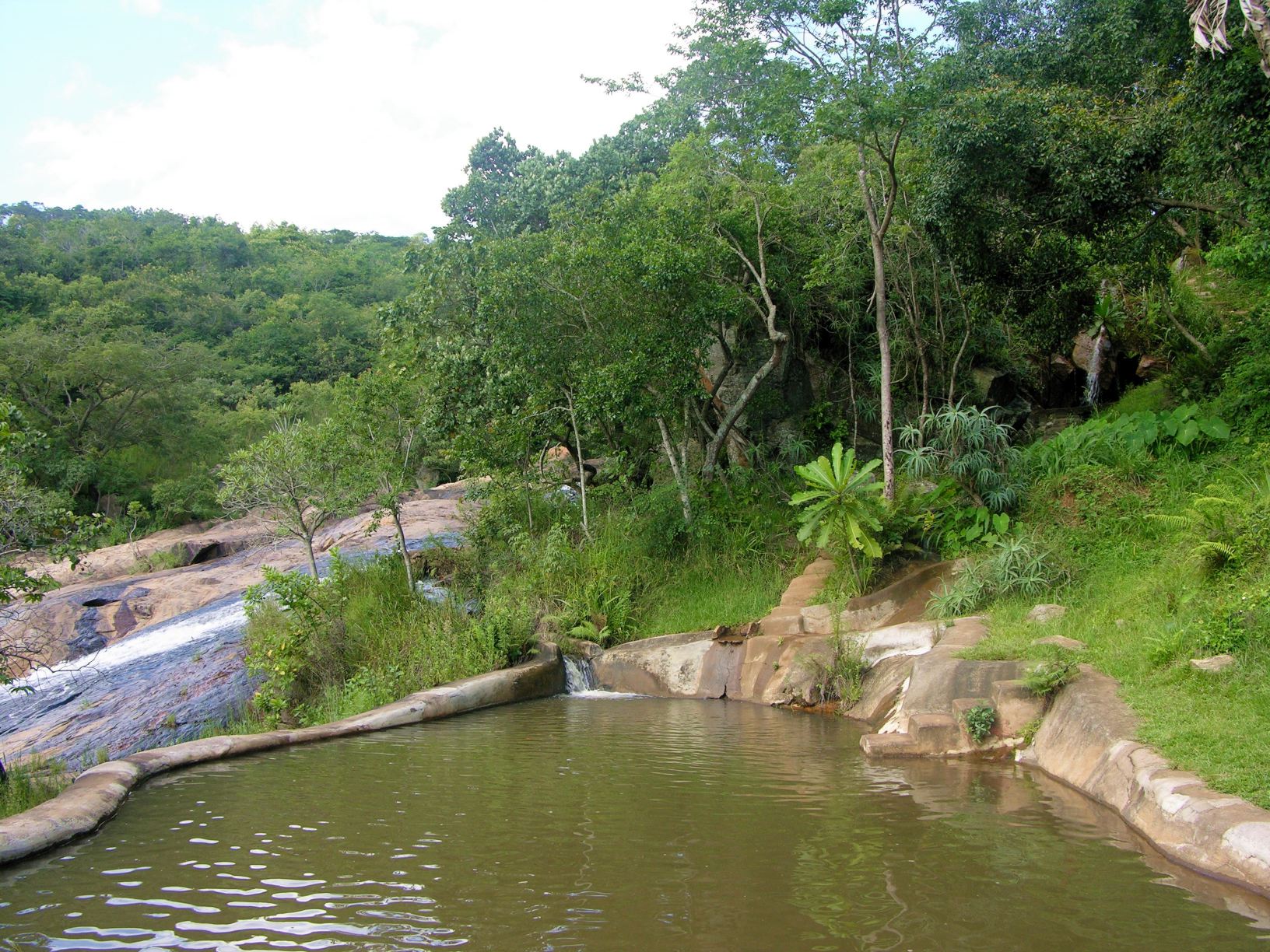
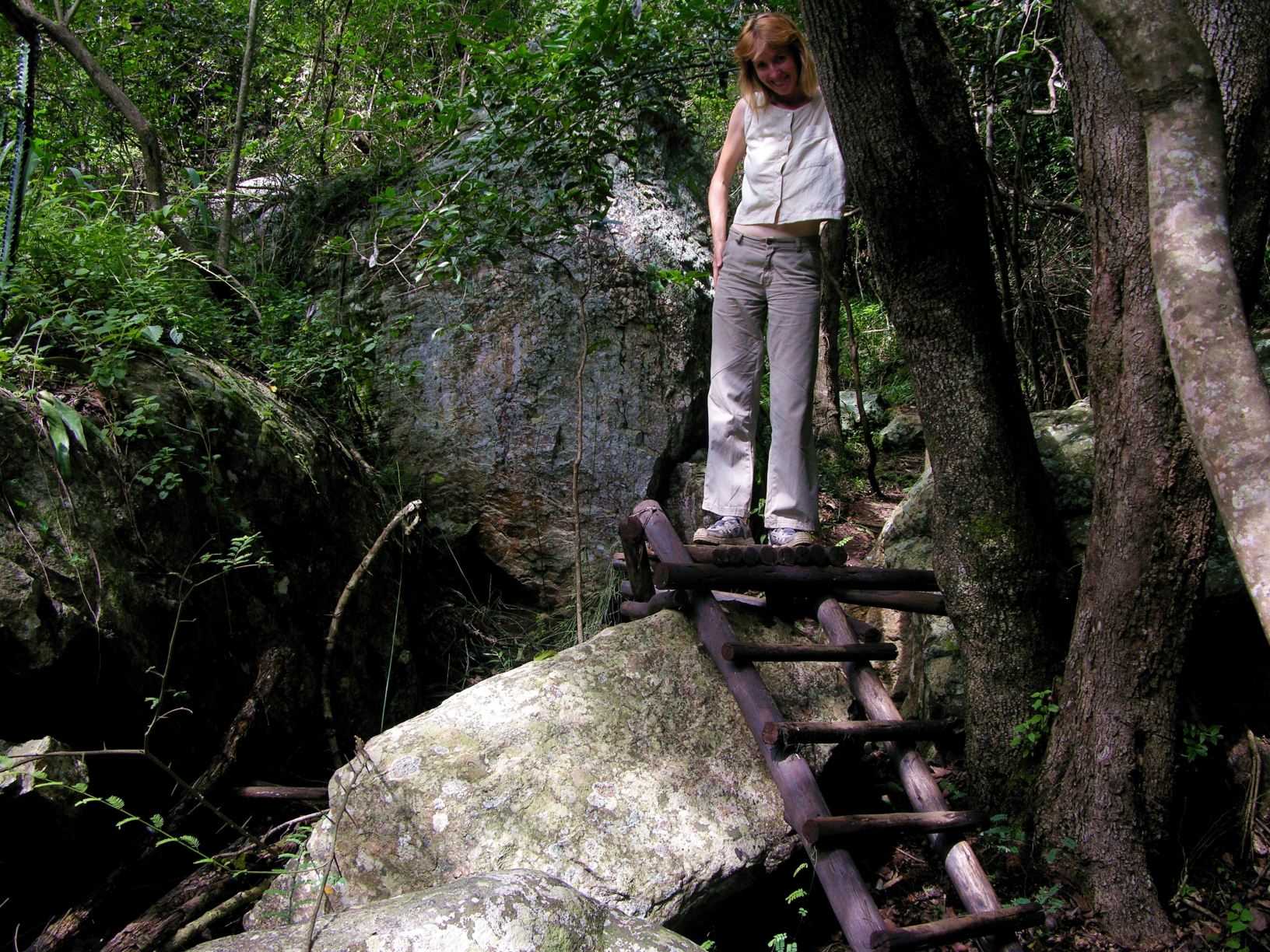
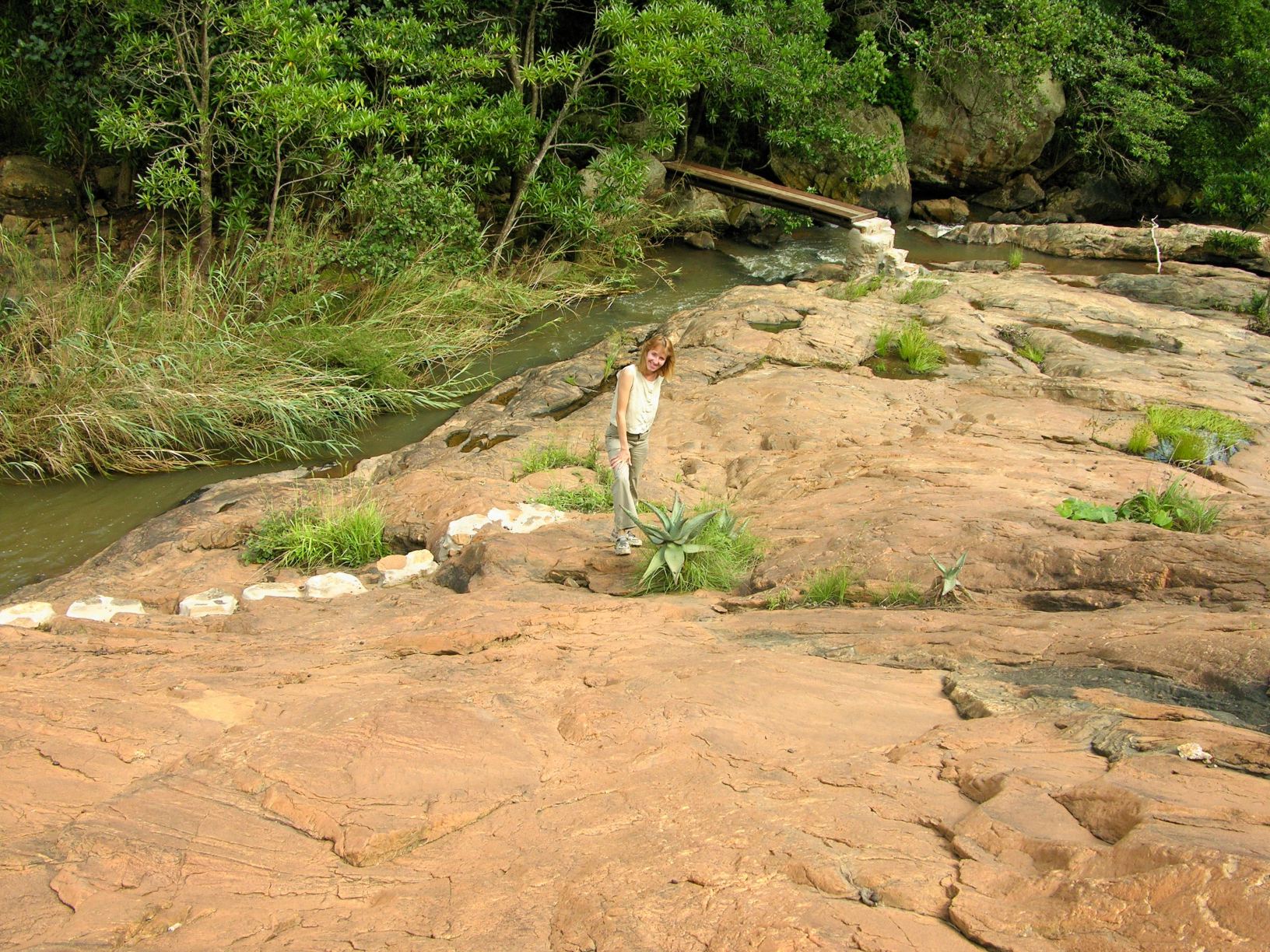

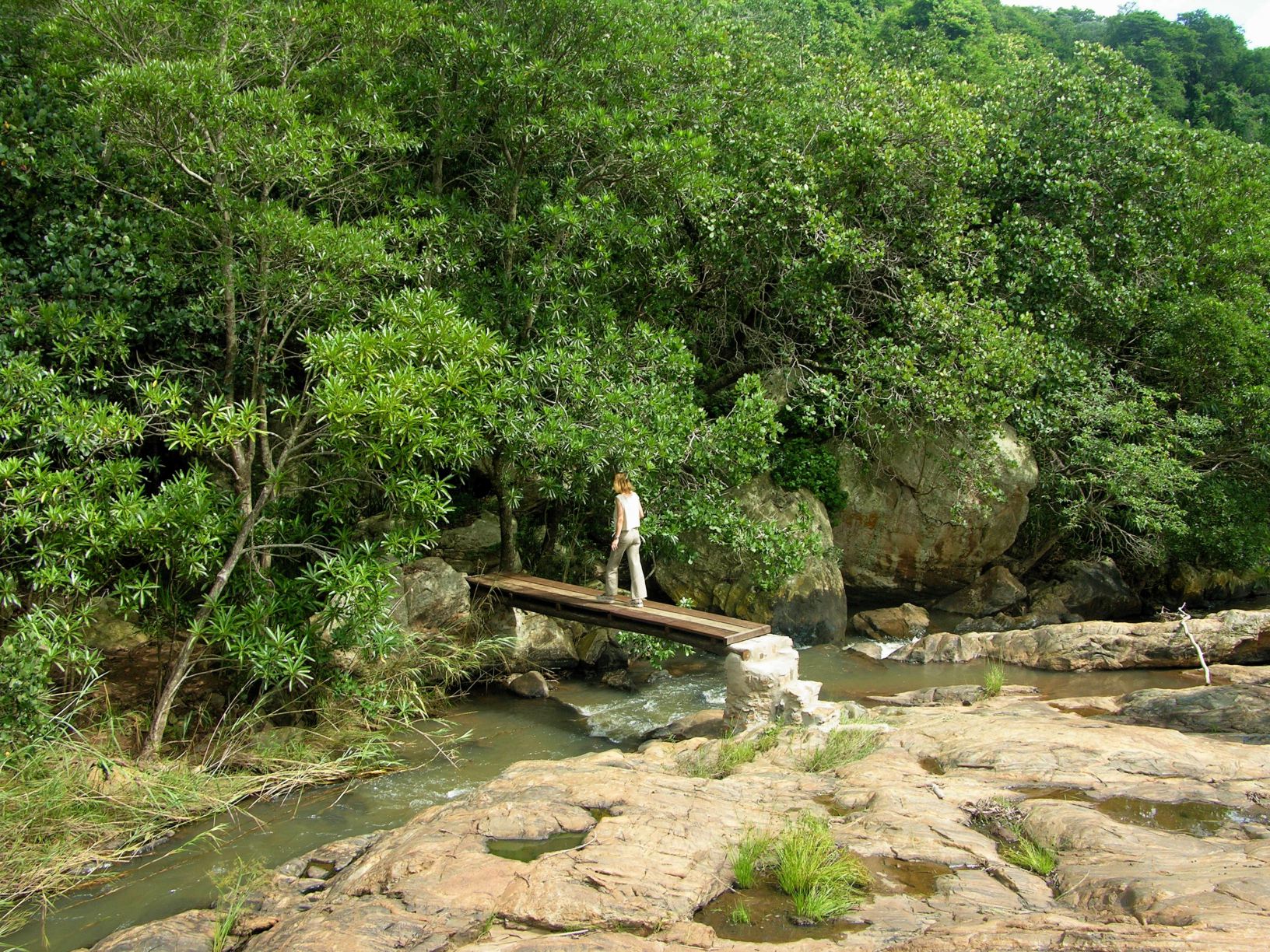

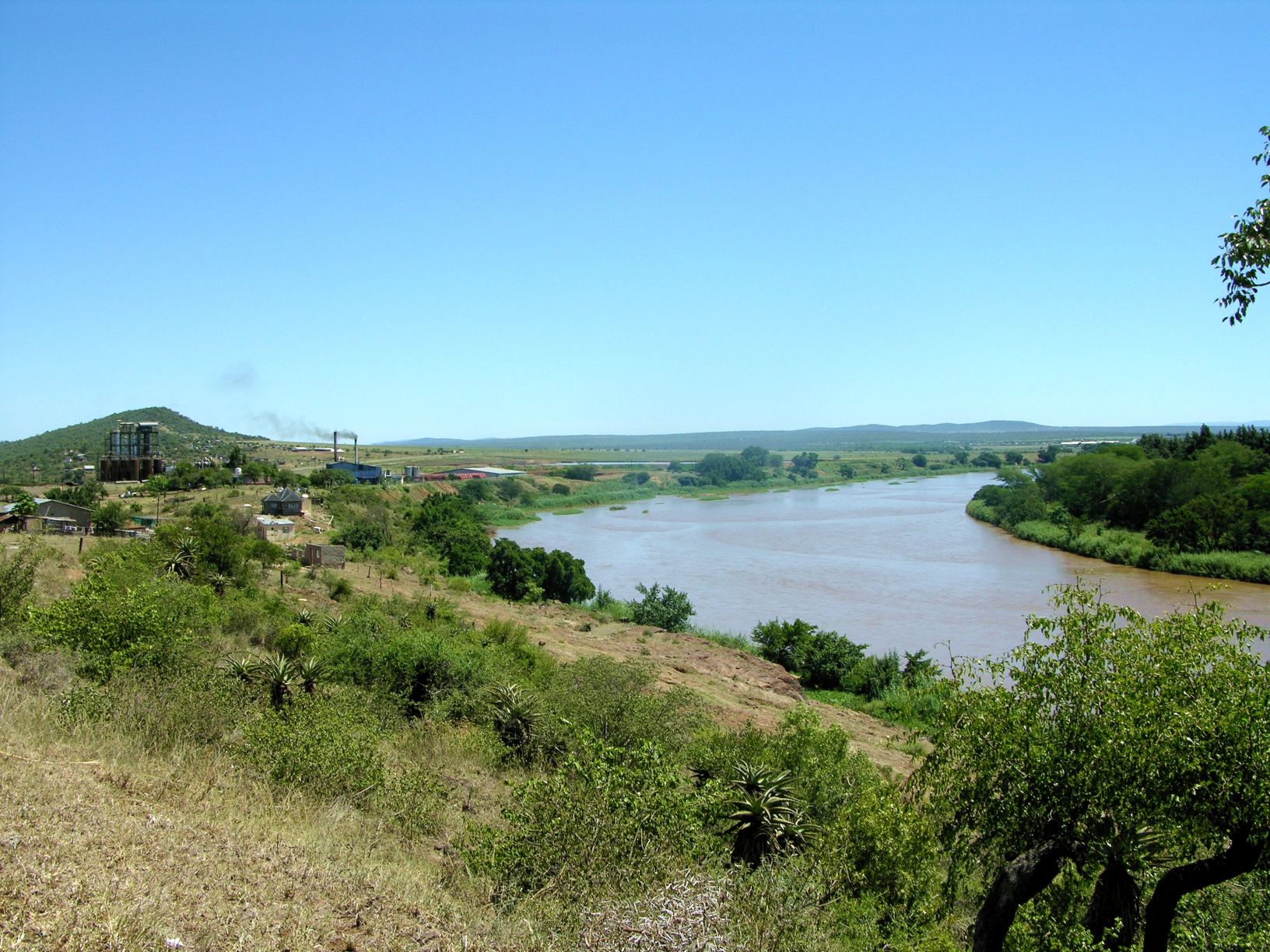
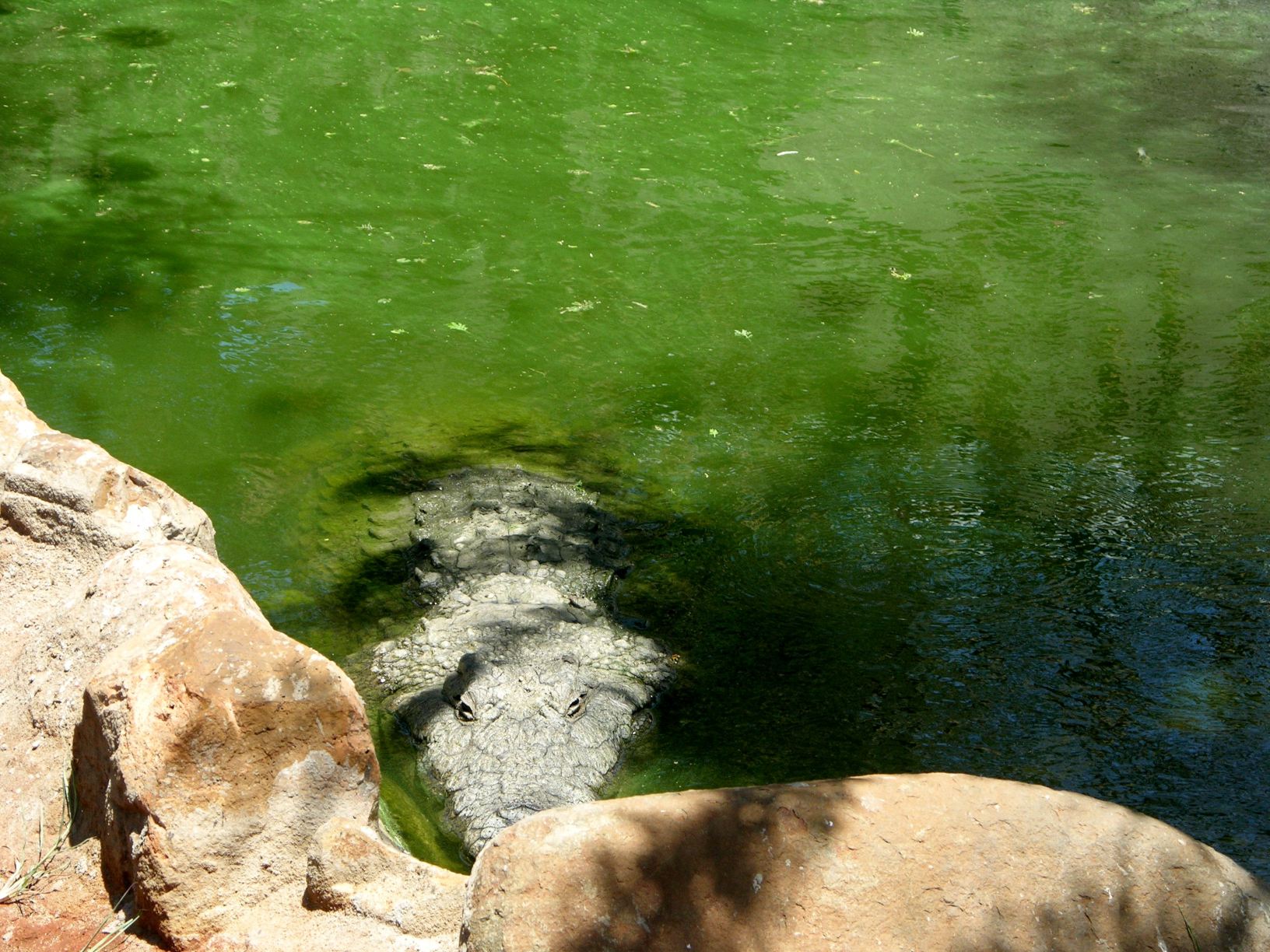
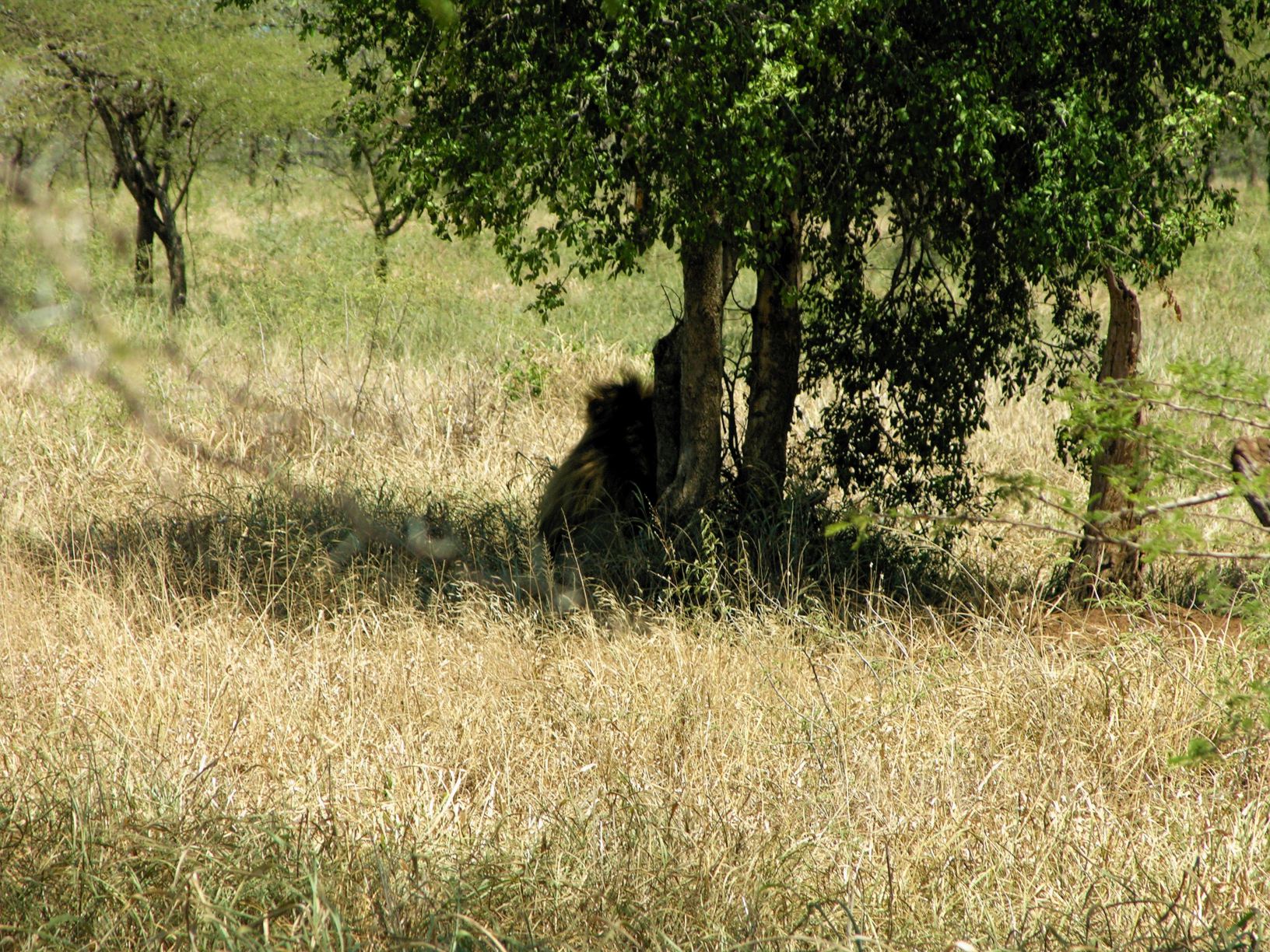
We set off in the morning, crossing the country from one end to the other. Before long we were in the south eastern corner, at Big Bend, Nsoko and Lavumisa. They grew cane along the Usutu River, and crocodiles swam in the river itself. Mkhaya Game Reserve (reserve website) was where you went to see wildlife. It was hardly comparable to the parks in South Africa. The only animal that really caught our eye was a crocodile in a puddle. A few sleepy lions lay in a little enclosure. A ranger took us over with a piece of meat in his hand. At the sight of blood, the lion would wake up, come running and eat it, he said. Nothing of the sort. The lion slept right through. We could also have seen rhinos, but somehow we didn't feel like it. We headed back to the capital.


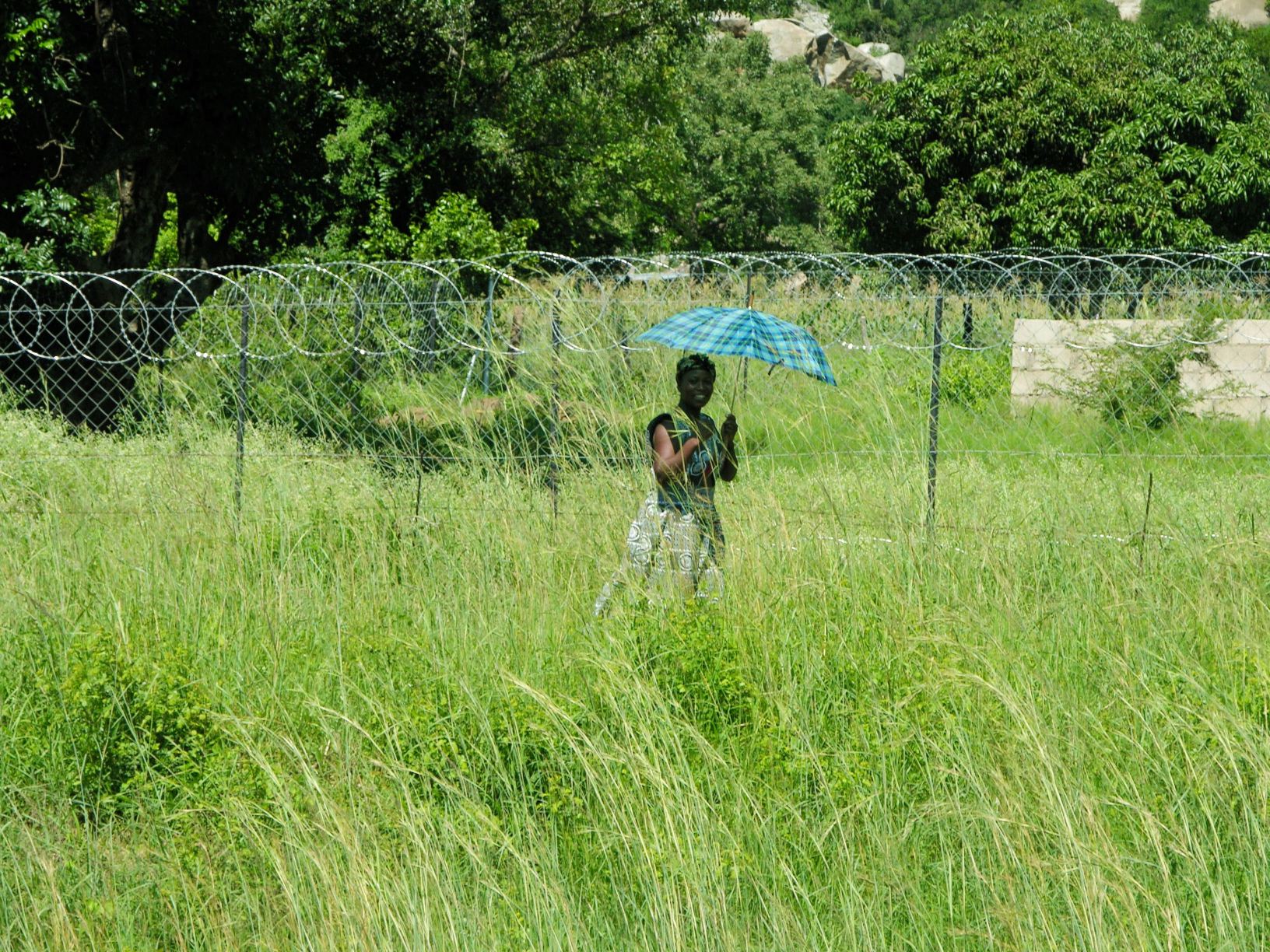
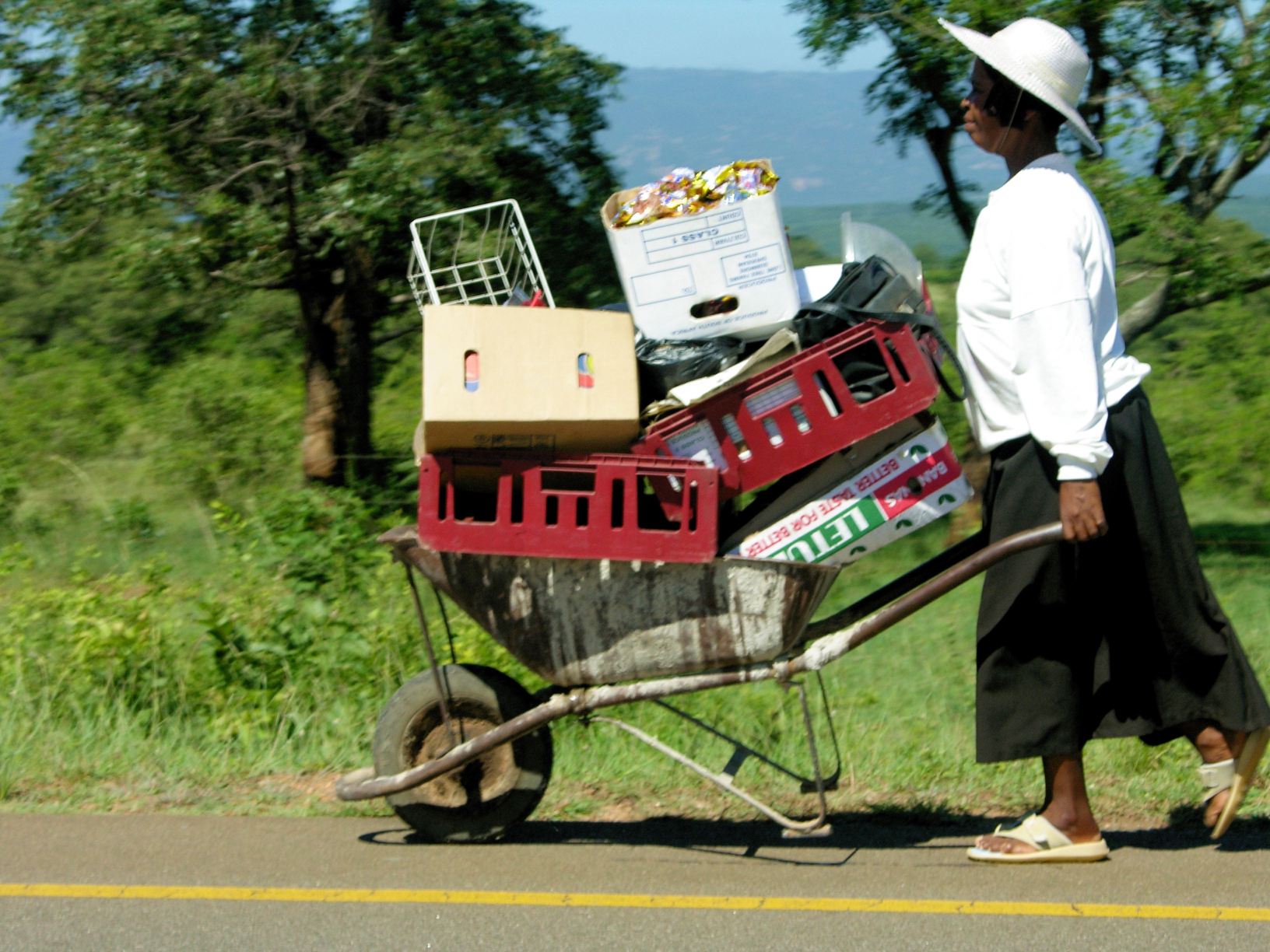
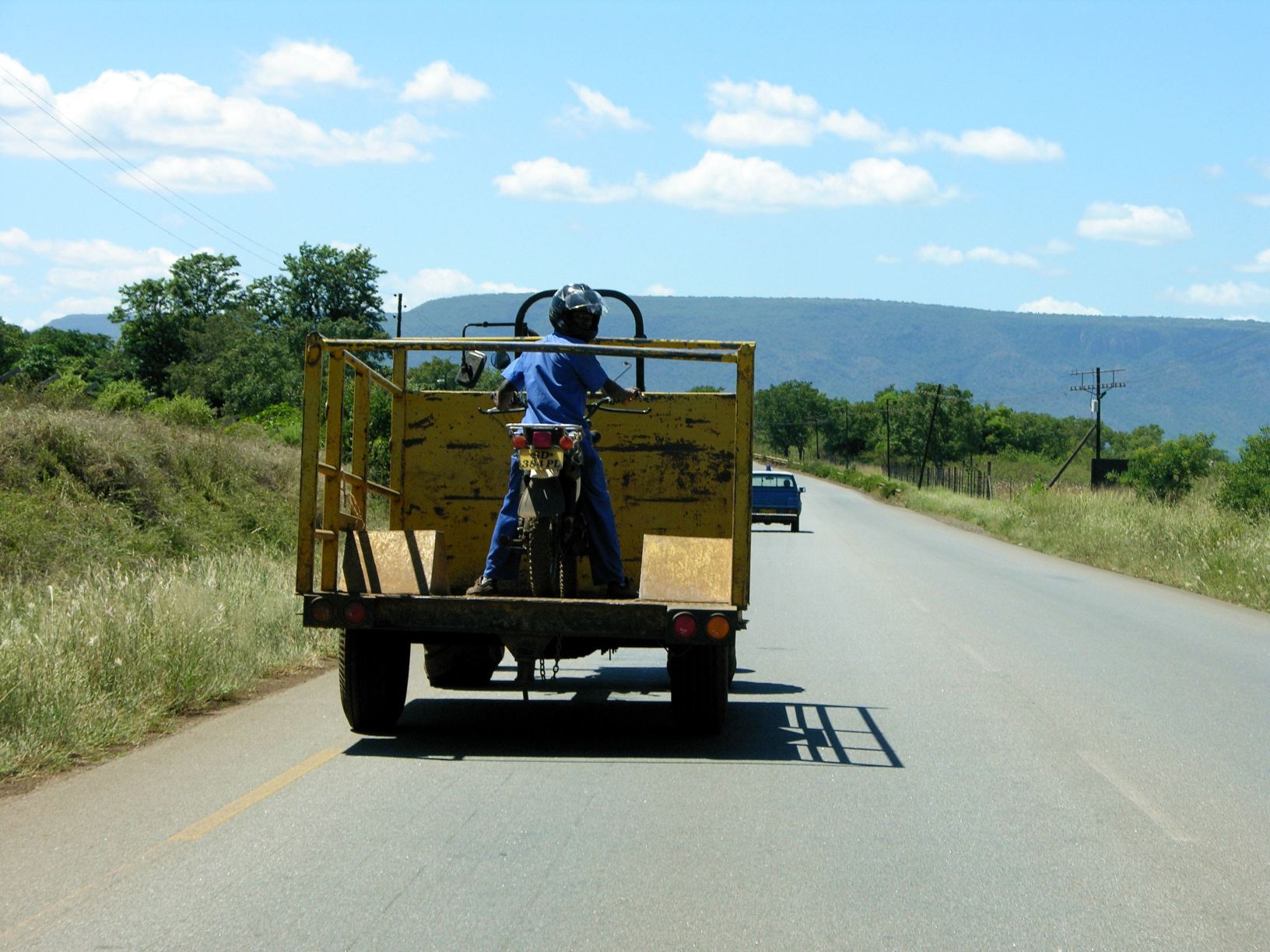
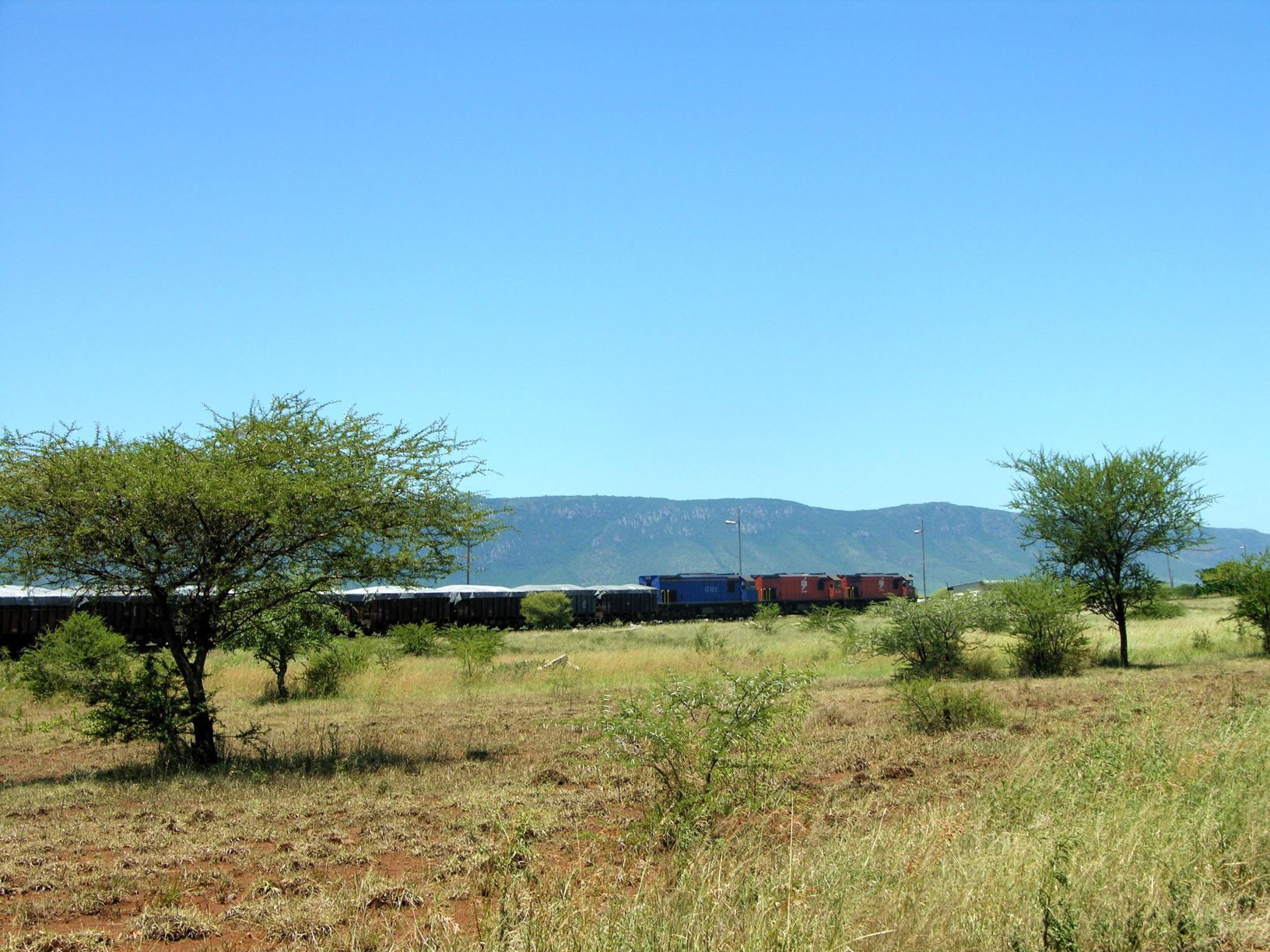

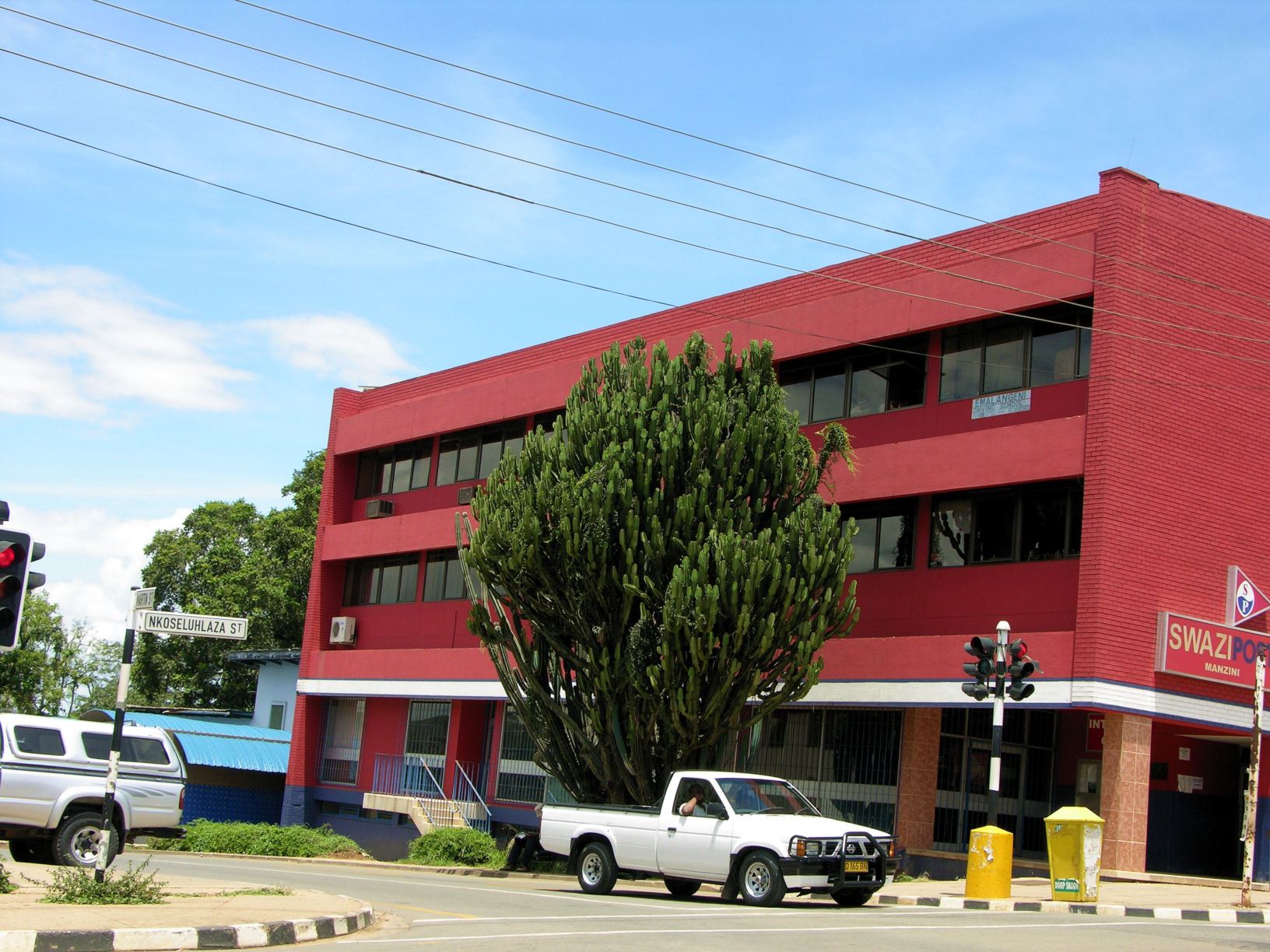
Mbabane is the official capital, but Manzini is bigger. It's regarded as the industrial centre and has the country's only international airport. The two main towns are linked by an 80-kilometre highway that runs through the Ezulwini Valley. The valley is supposed to be sacred, heavenly, royal and all the rest of it. In practice it was full of casinos and very expensive hotels. Unlike in many neighbouring countries, gambling was allowed in Swaziland, so gamblers flocked here. It was the local Las Vegas. Not just local, either. People came from around the world to Swaziland expressly to gamble. I'd even met people in Saint Petersburg who had gone to this fabulously rich country to lose a heap of money.
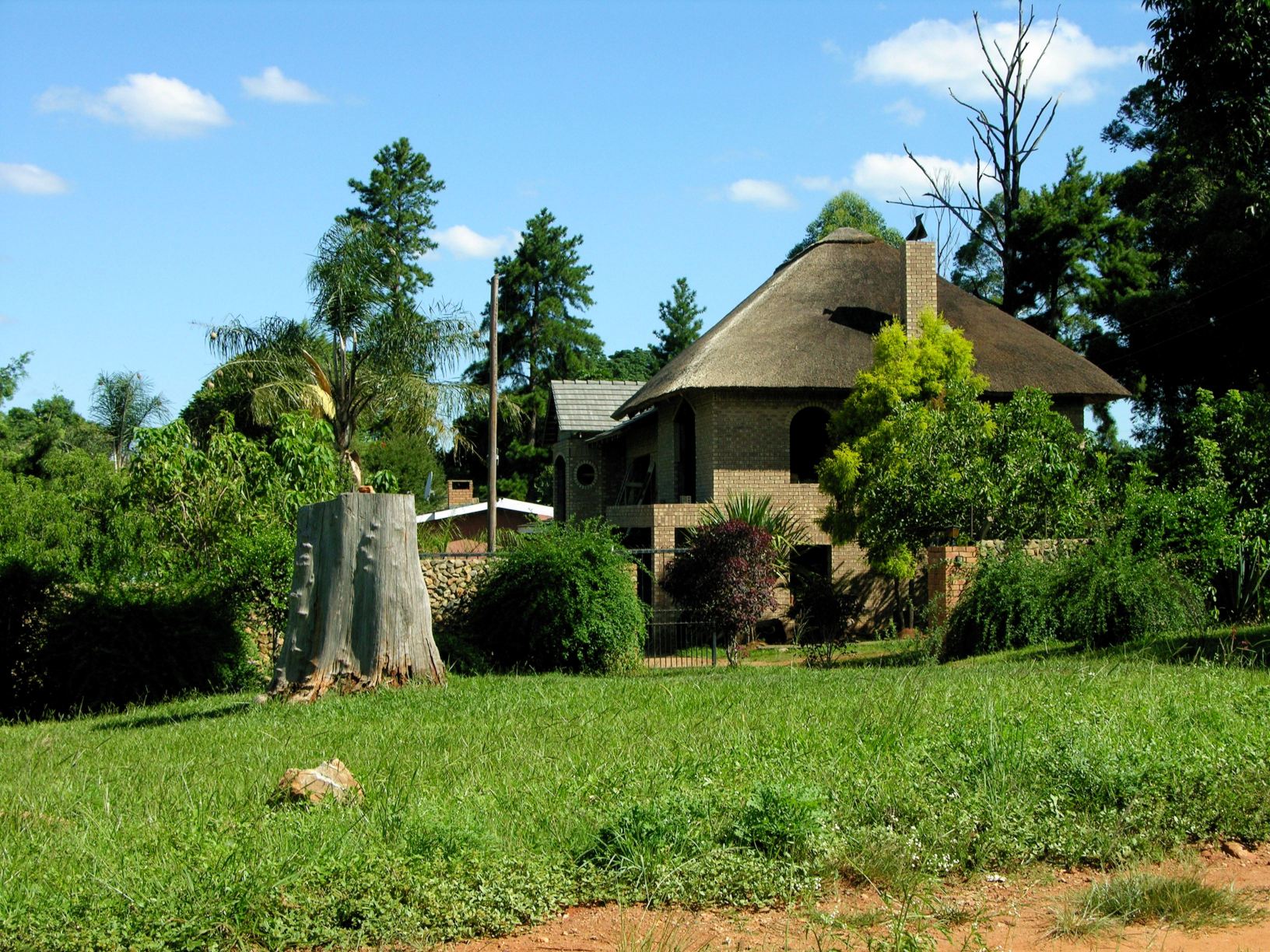
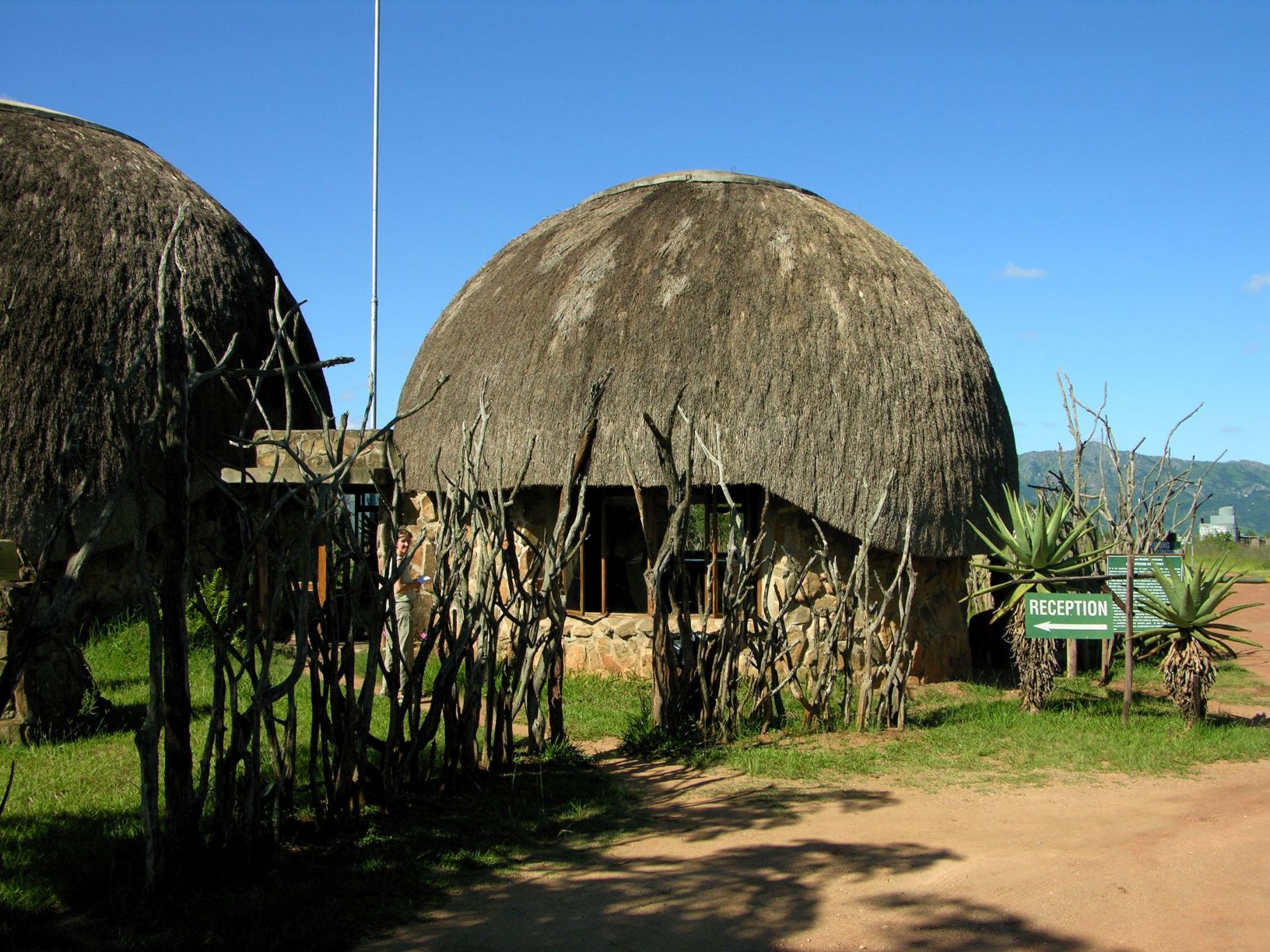
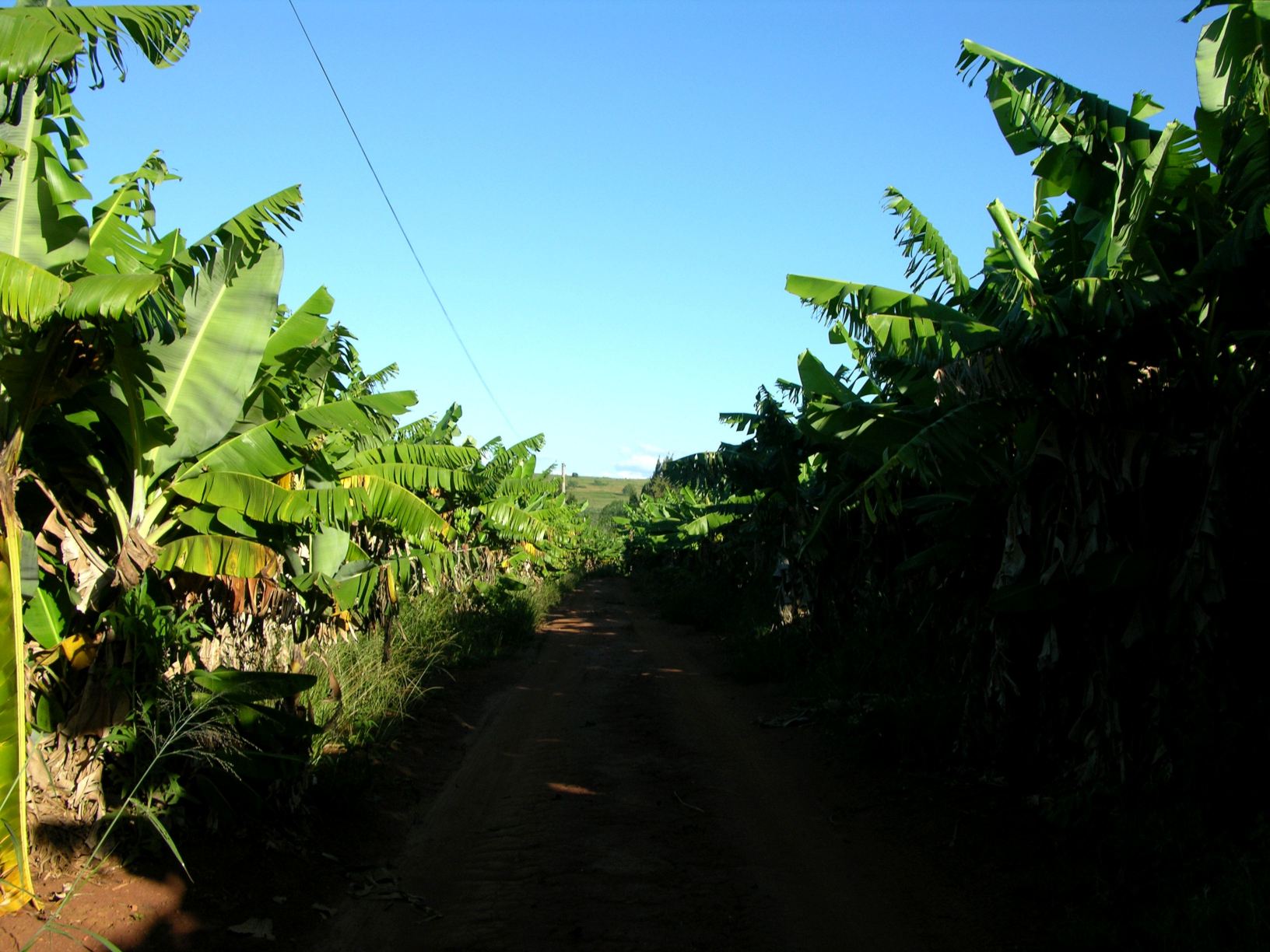
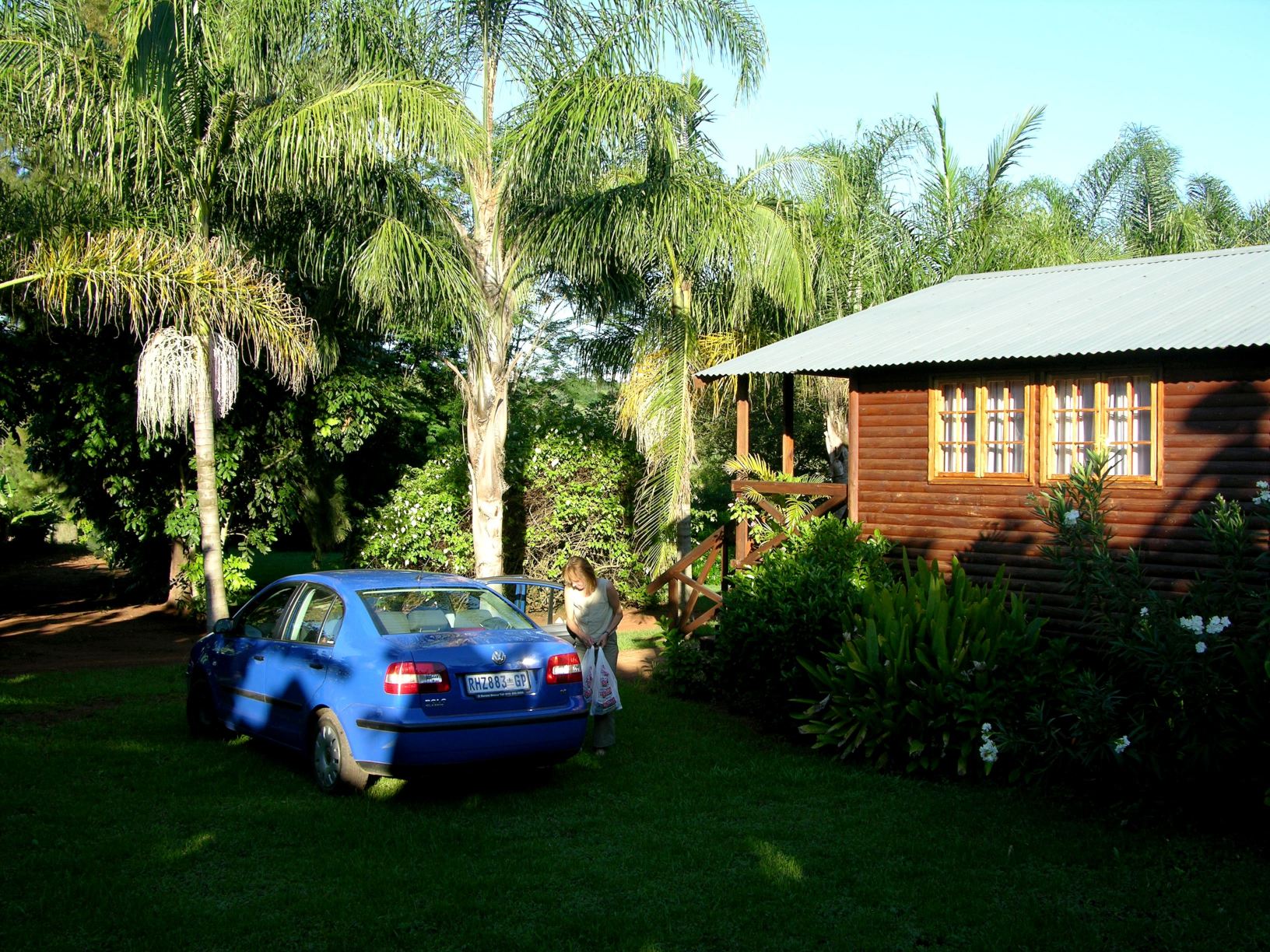
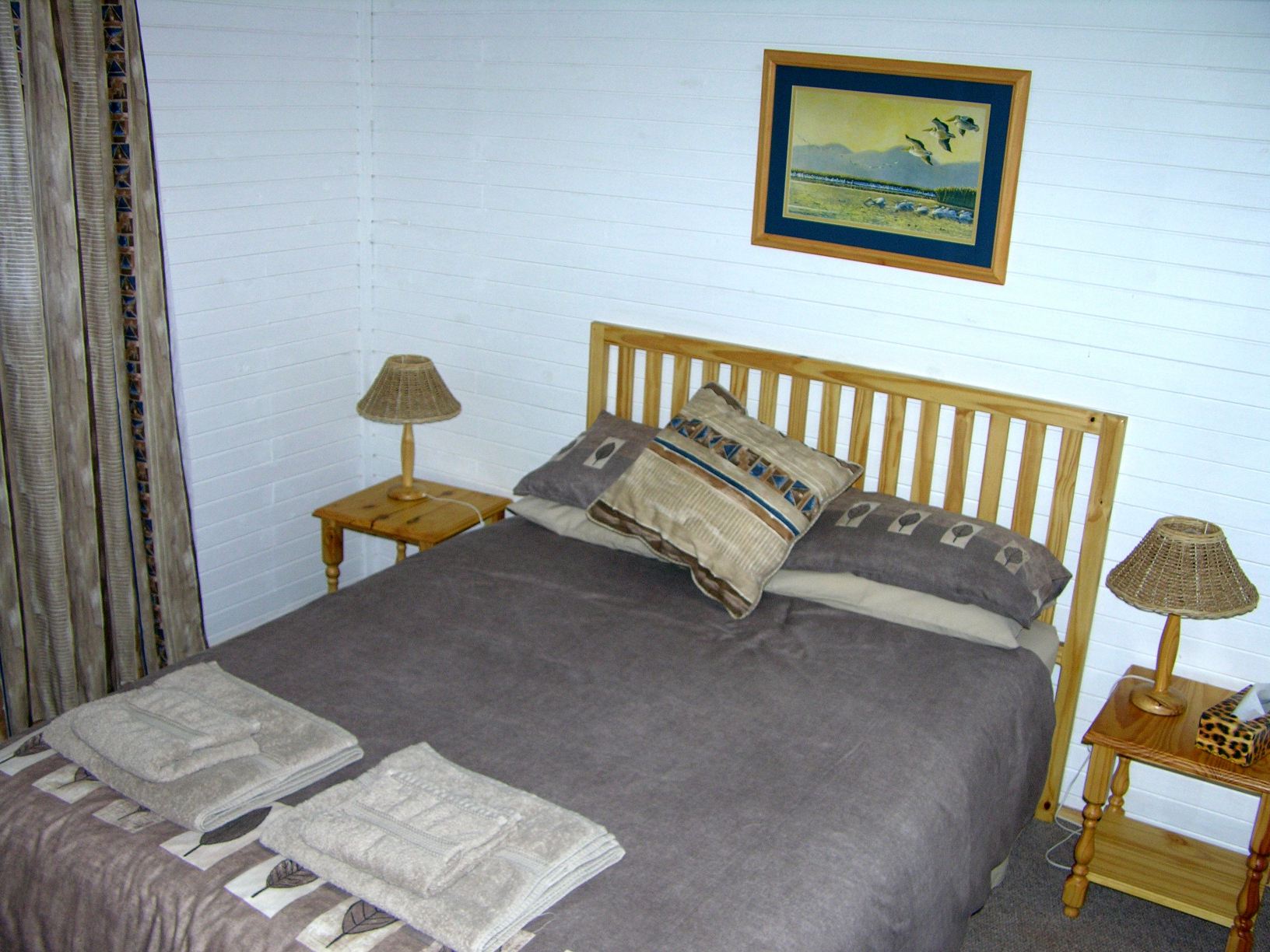
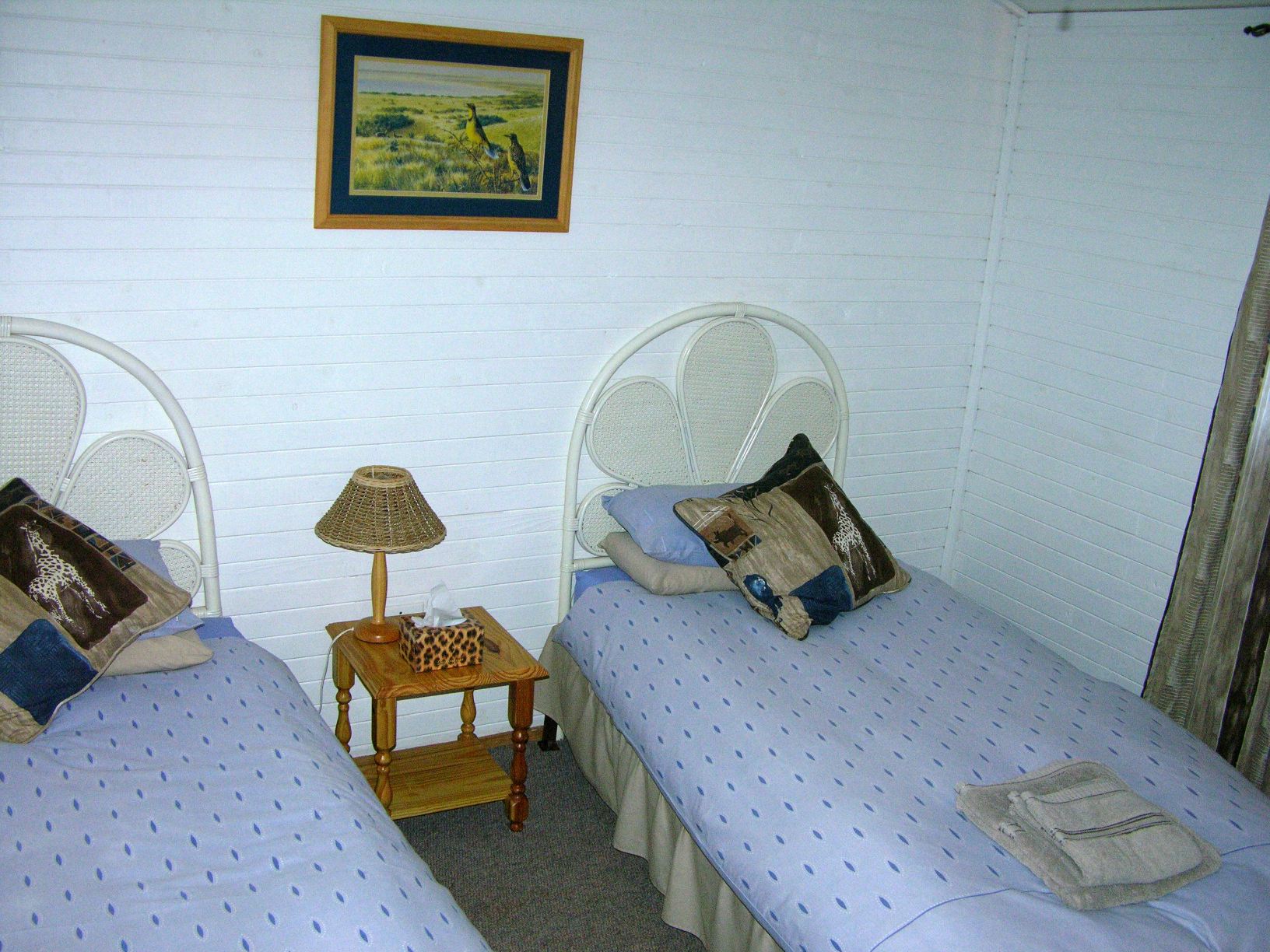
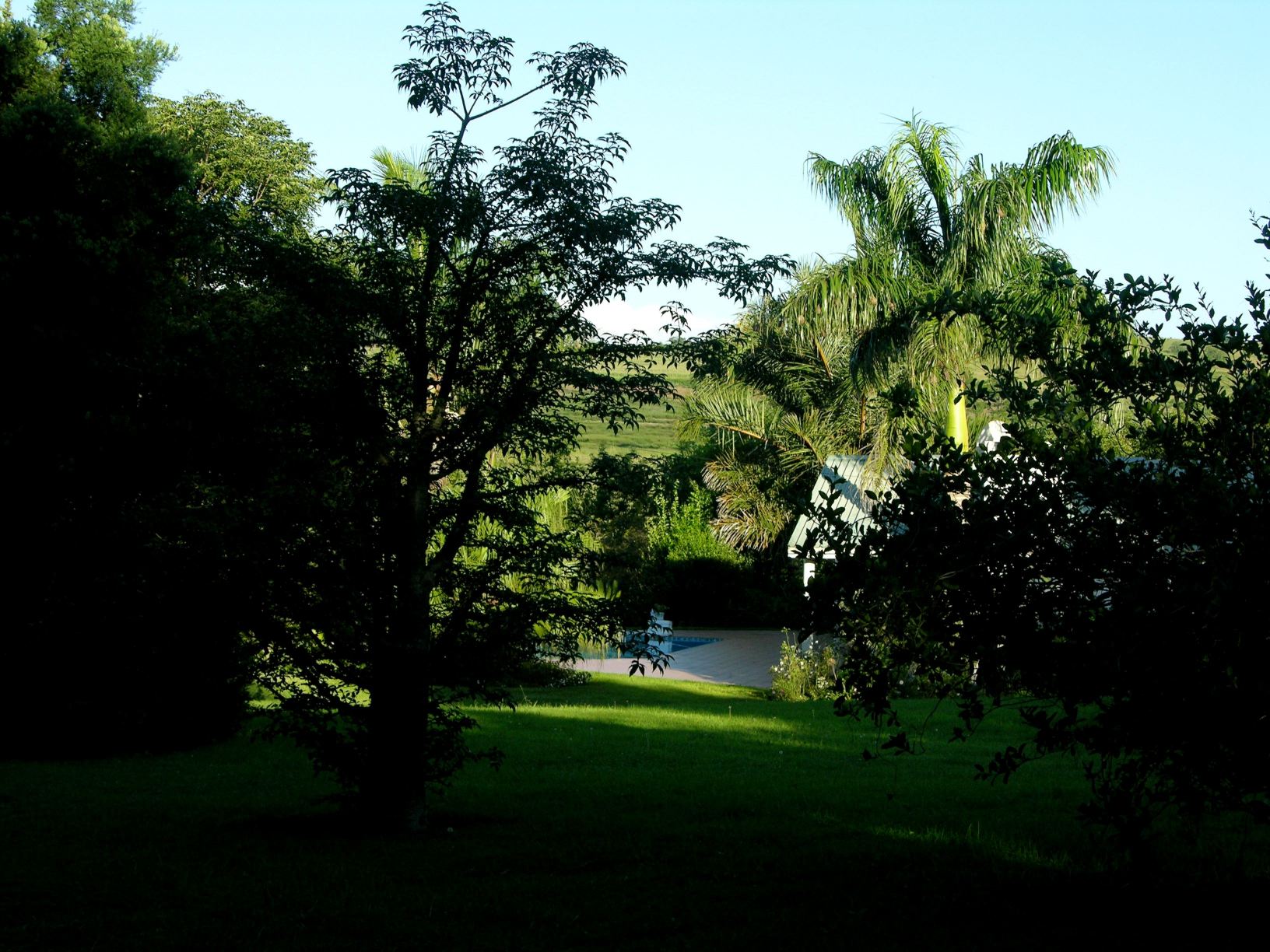
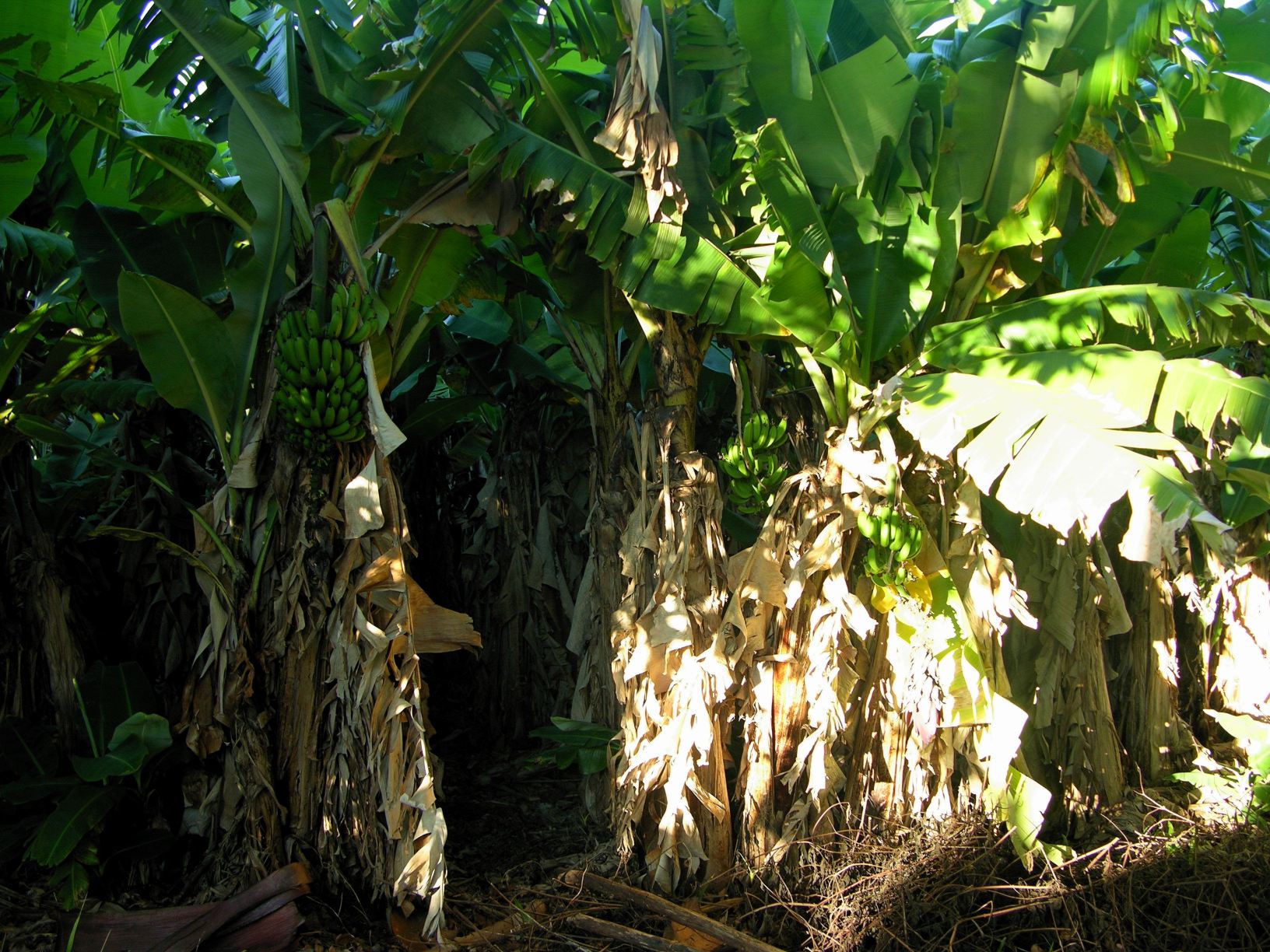
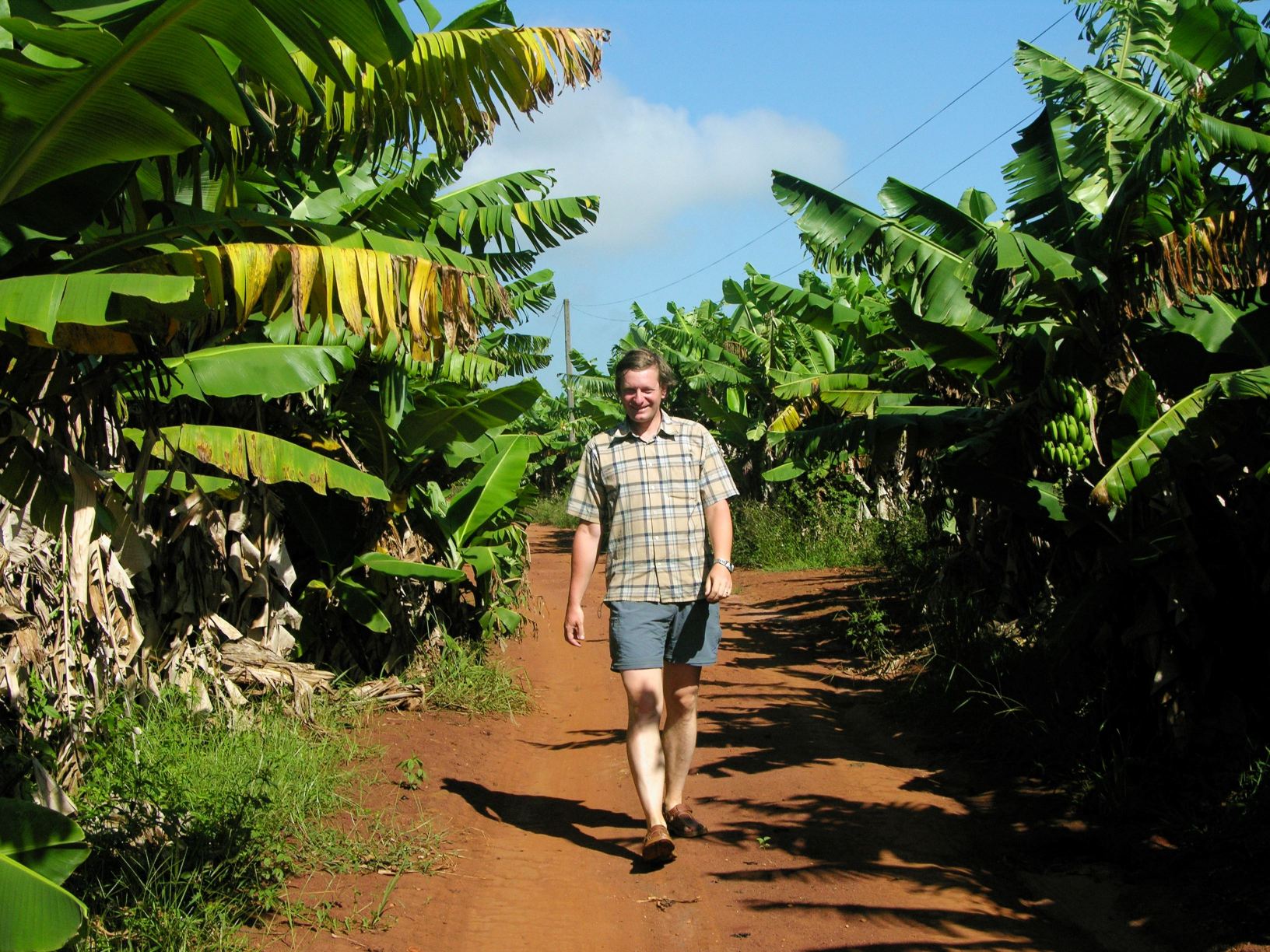
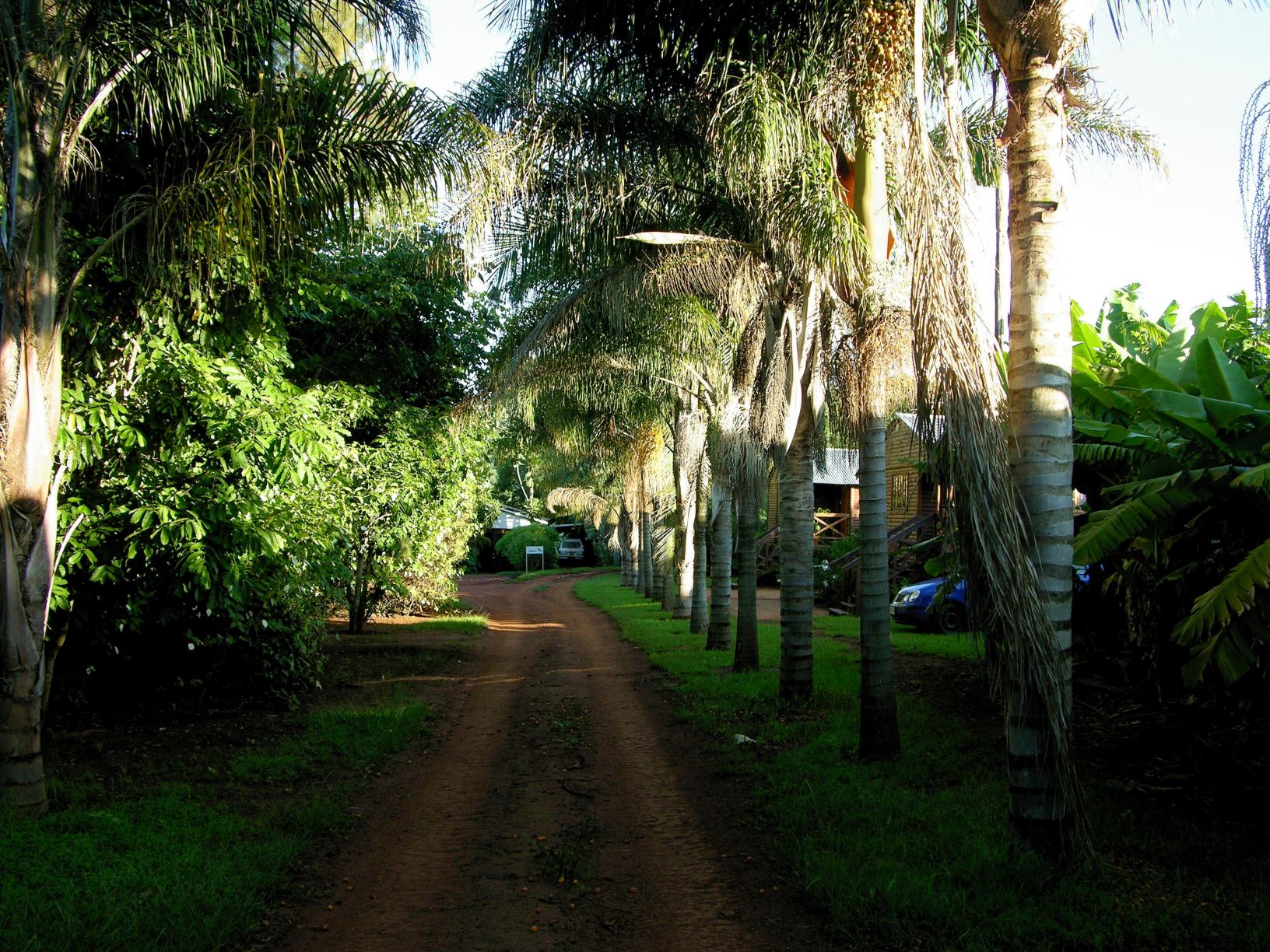
There was nothing for us there, of course, but nearby was the royal reserve, Mlilwane Wildlife Sanctuary (reserve website). It turned out to be a very pleasant place. It was there that we decided to stay the night, only to find they weren't expecting us. The far-flung cottages in their brochures seemed to be off-limits to casual visitors. They didn't even appear to be occupied, but the staff at the gate couldn't tell us a thing about them. For people who simply turned up there was just one campsite. All they had left was one little hole in the traditional style, a cramped dome you couldn't stand up in, with a long, narrow entrance. There was no electricity, and we had camera batteries to charge. There was building work and rubbish outside the entrance, and 600 emalangeni was a fair bit of money. We didn't like it. We had a look around, thought it over and drove off. We stayed the night for exactly the same price at a B&B on a banana farm. We got a big, airy place with air conditioning (26°30.768′S, 31°13.907′E).


According to Lonely Planet, the best thing to do in Swaziland was go rafting on the Usutu River. If they said so, we'd have to see for ourselves. Swazi Trails arranged the crocodile run. We rather liked the idea of going over several waterfalls on a river teeming with crocodiles. Apparently they were afraid of people. In winter they didn't eat anybody at all. Granted, it was summer. The crocodile bite on the leg of the man who took people down the river was especially reassuring. All right, then. We booked a full day, eight hours on the water. Four hours would have been a little cheaper.
It was 1,240 emalangeni for the two of us. We even managed to pay by credit card. The statement was a pleasure to look at afterwards.
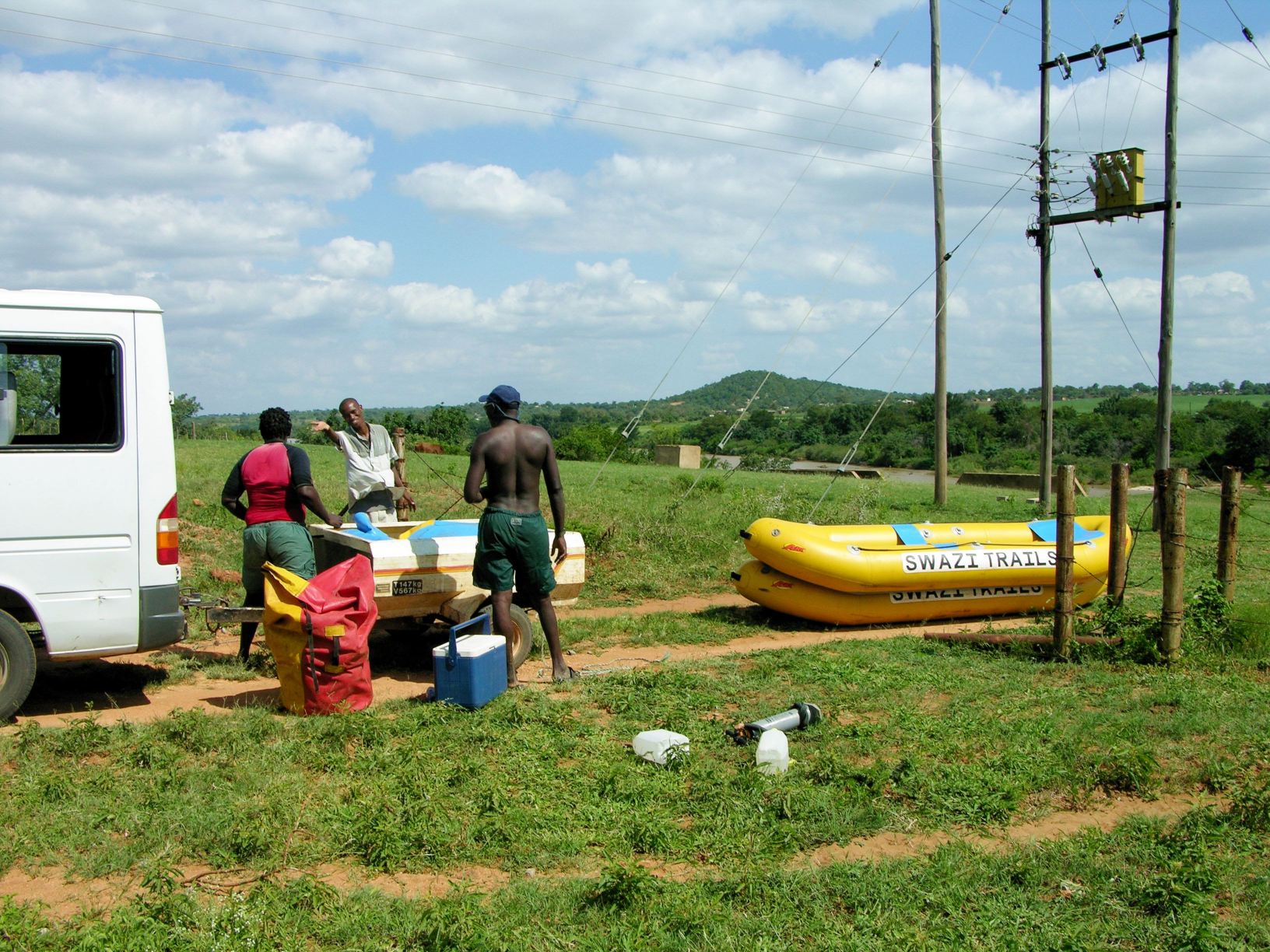
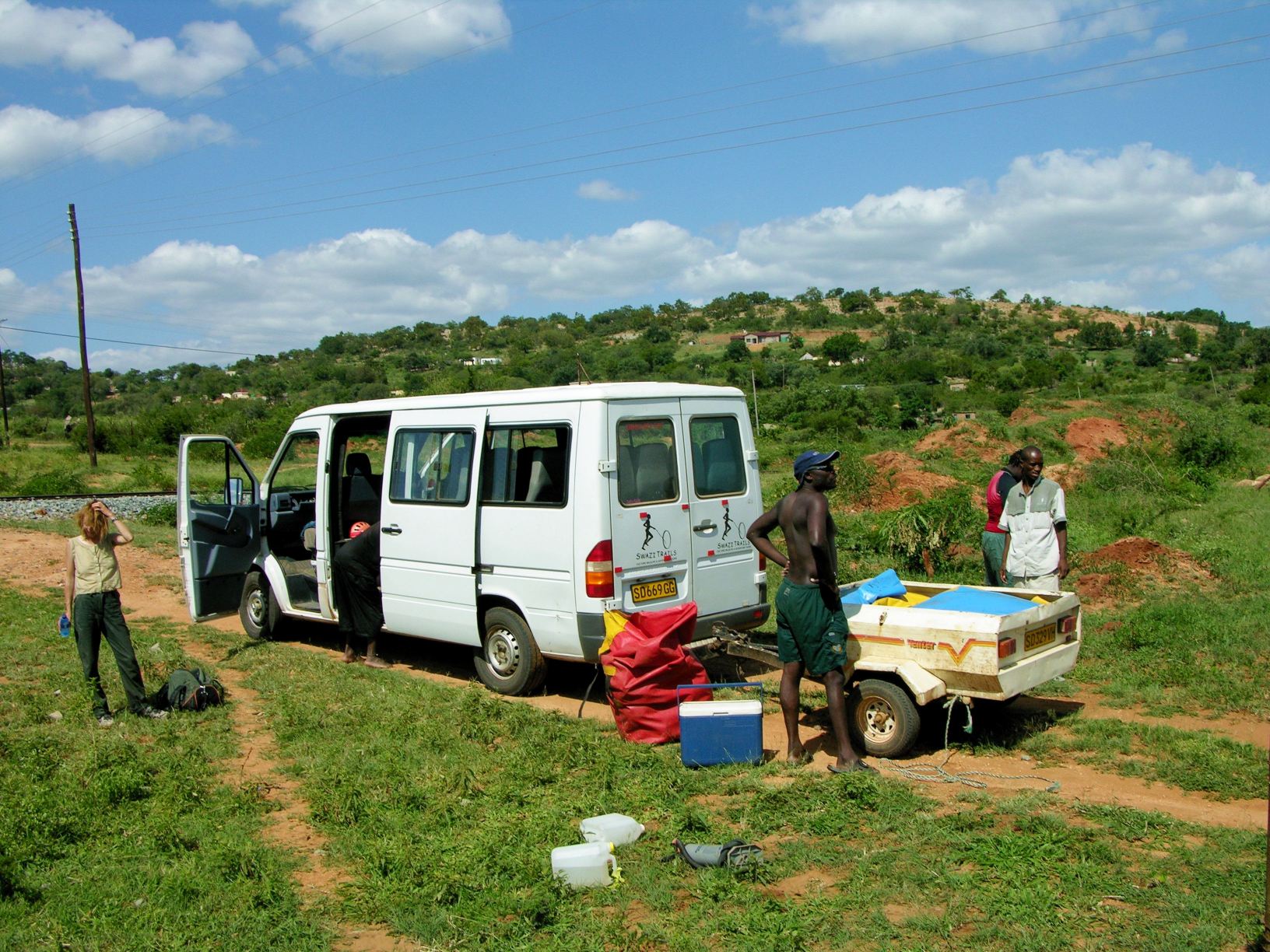
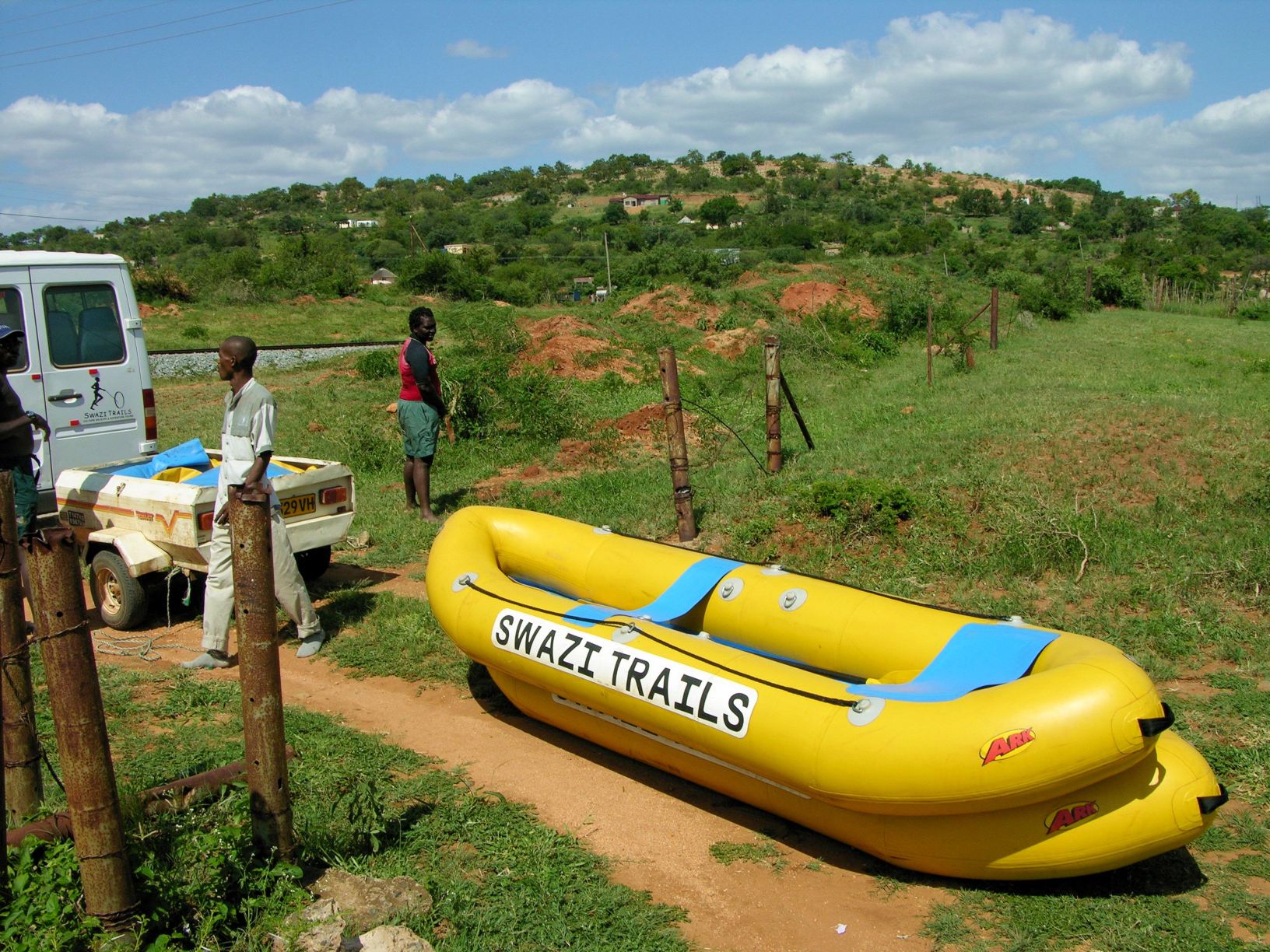
Nobody else fancied a trip down the river that day. They picked us up at the Ezulwini Tourist Office. It was another hour by bus to the river. The inflatable kayaks rode on a trailer, already pumped up.
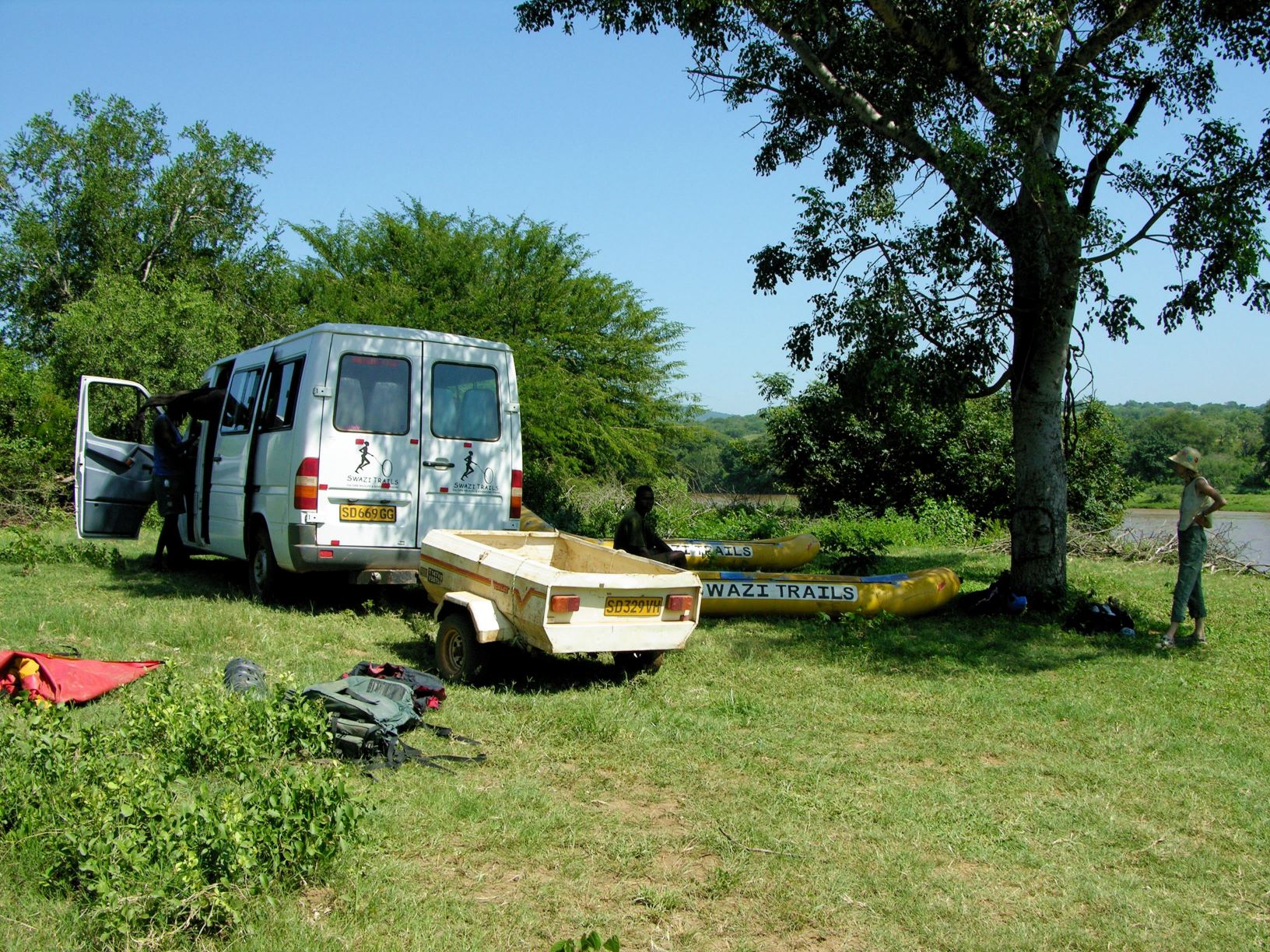
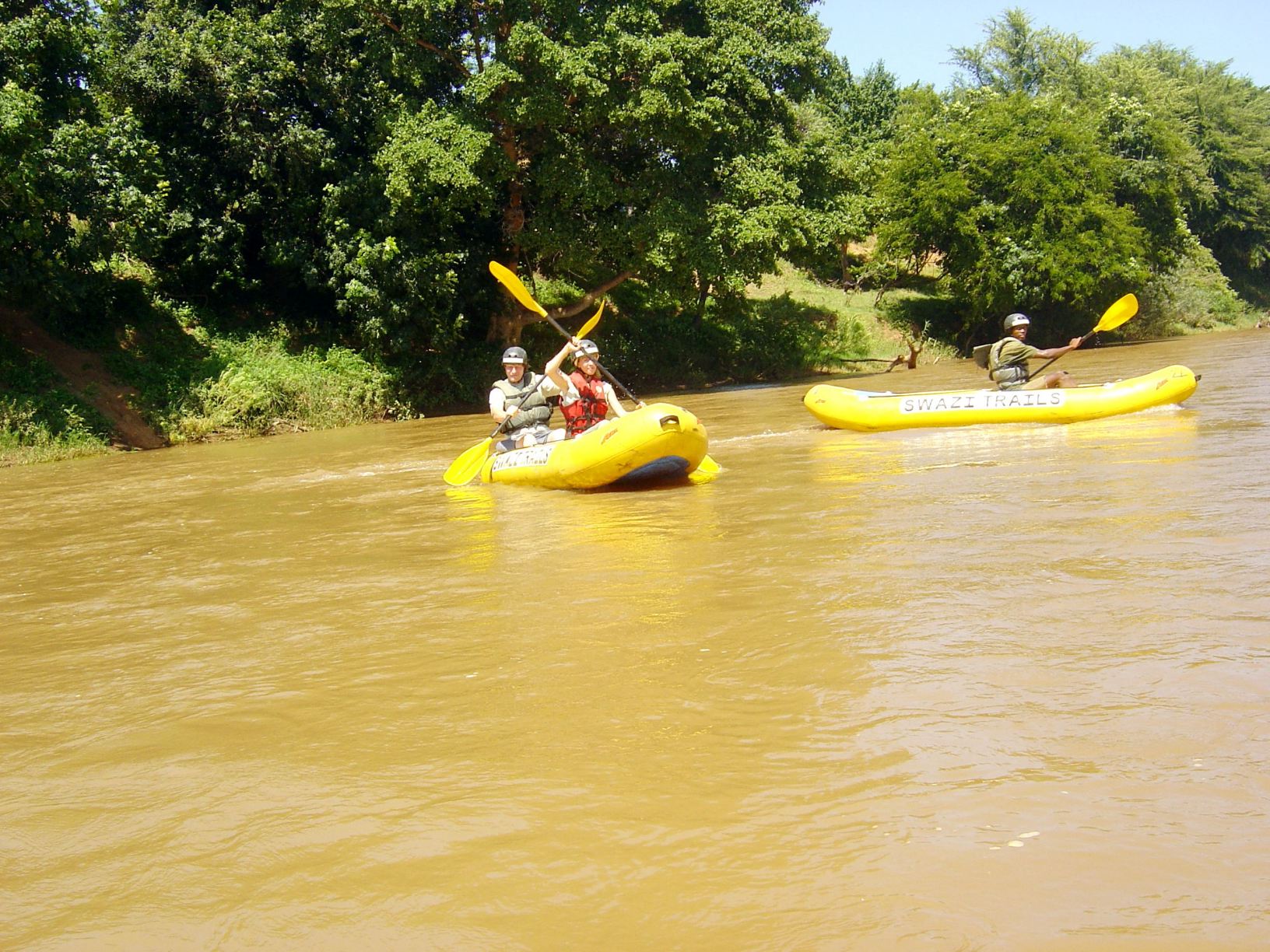
There were five kayaks in all.
We put in at Sidvokodvo.
They were two-seaters. Tanya and I took one, three more went to the rescue crew and guides, and the last one went to the doctor.
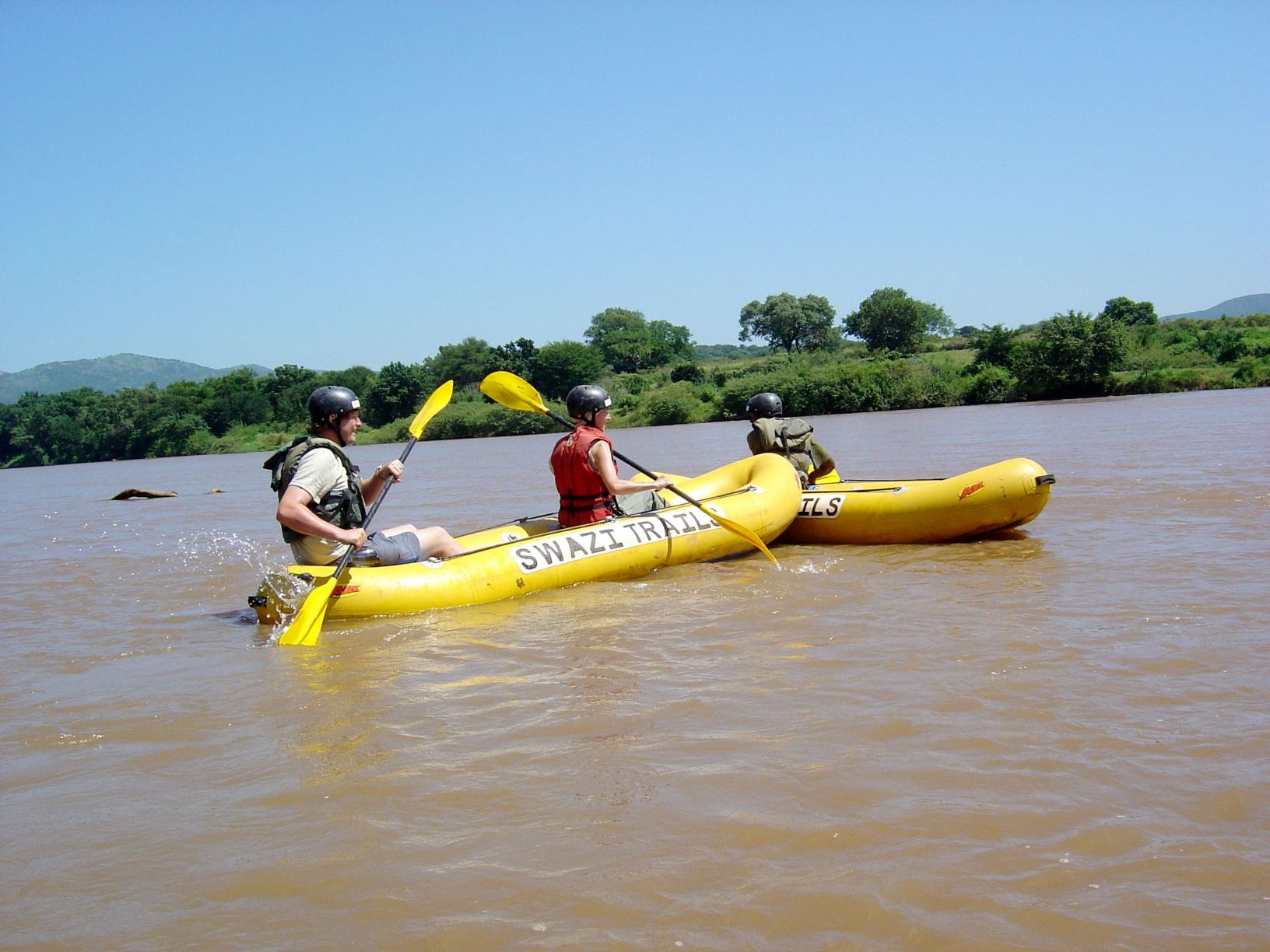

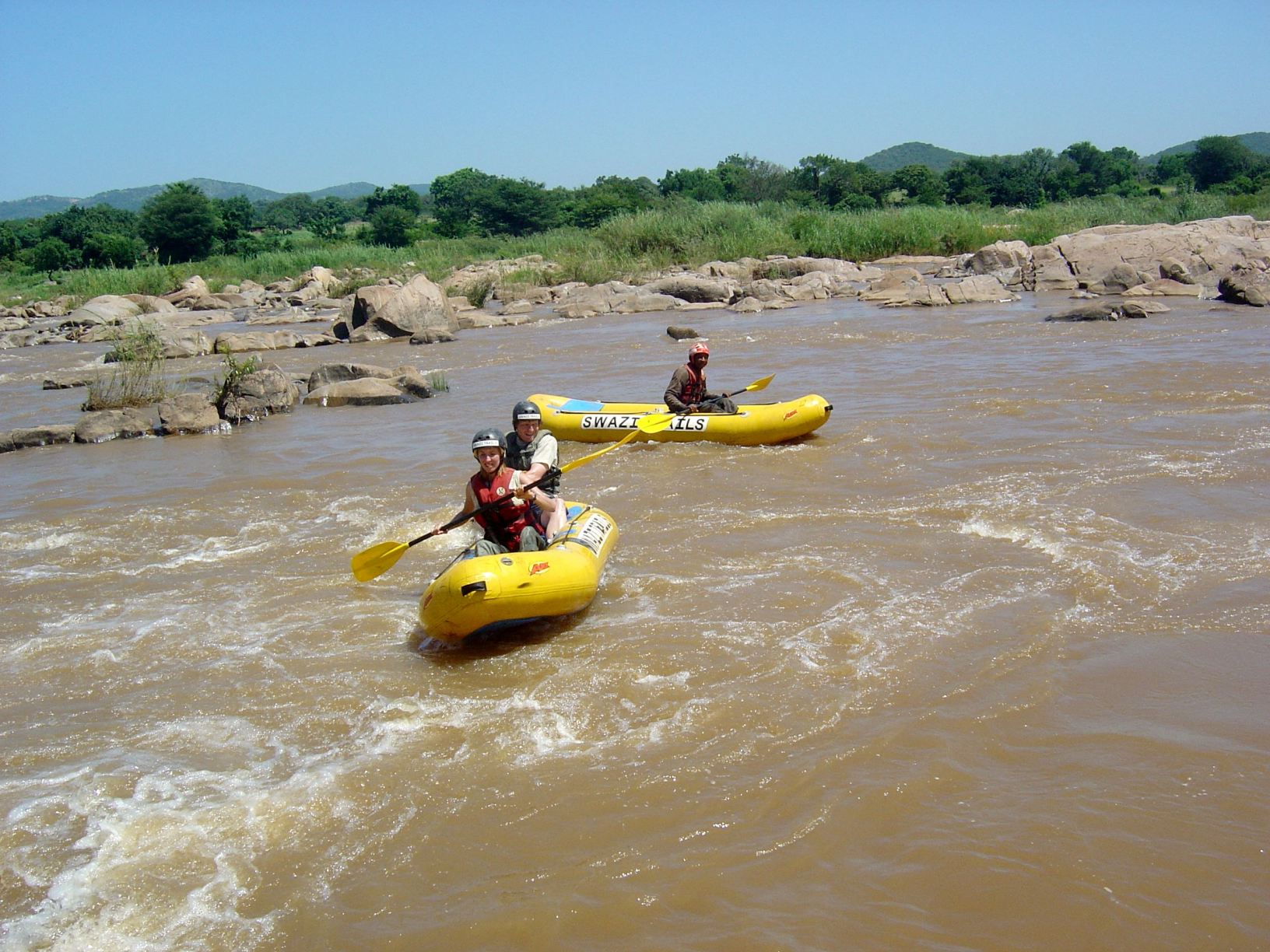
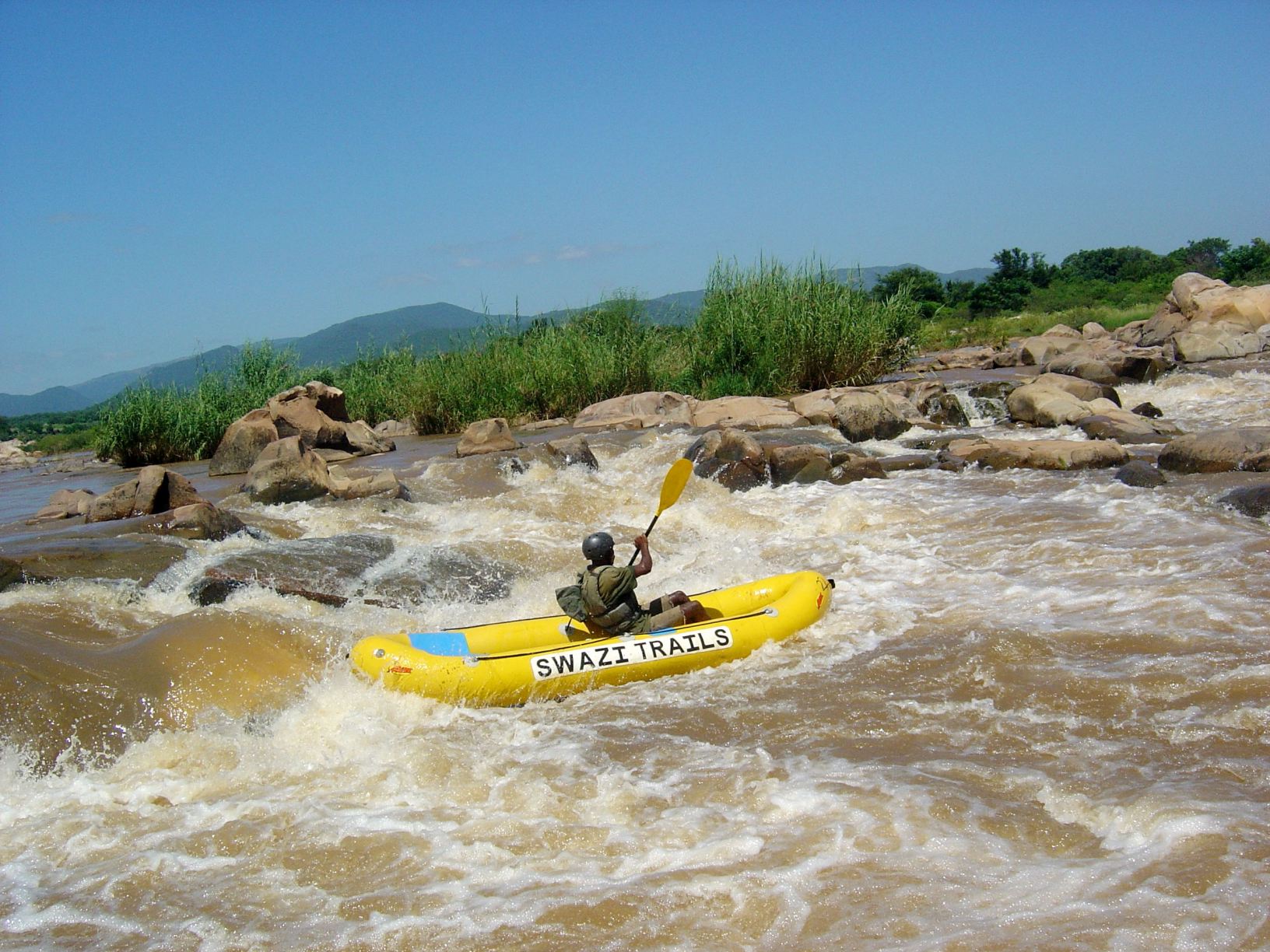
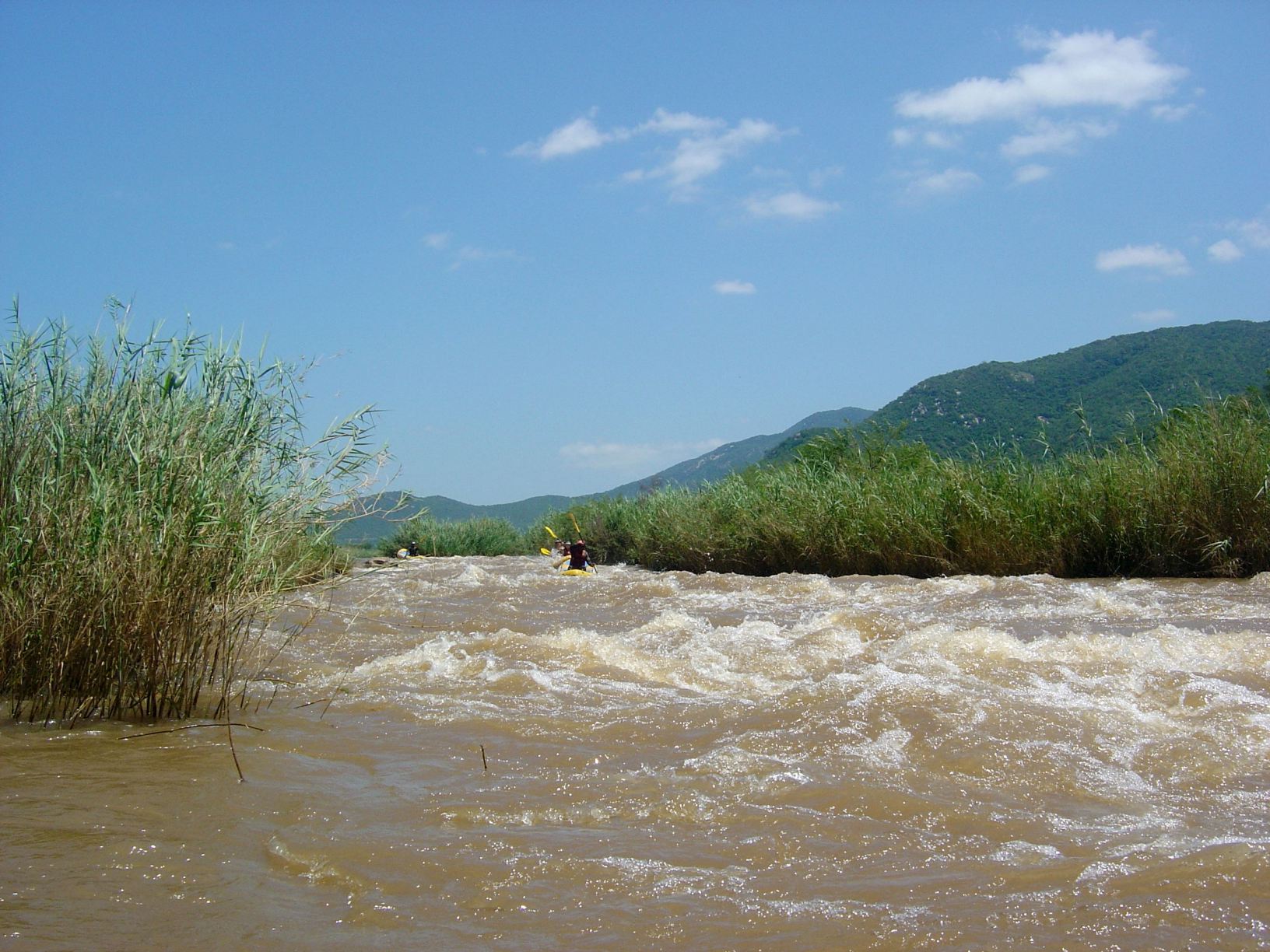
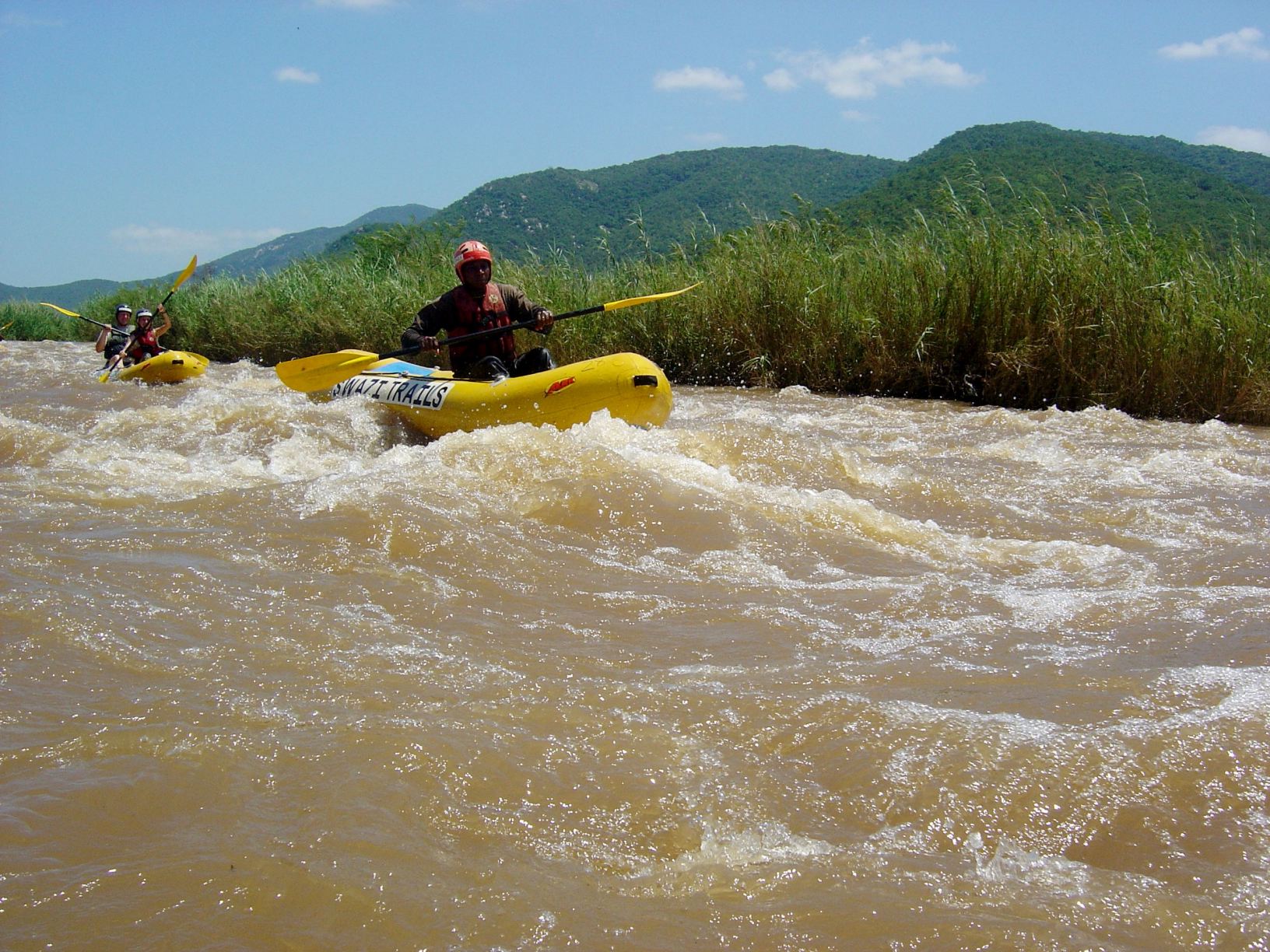
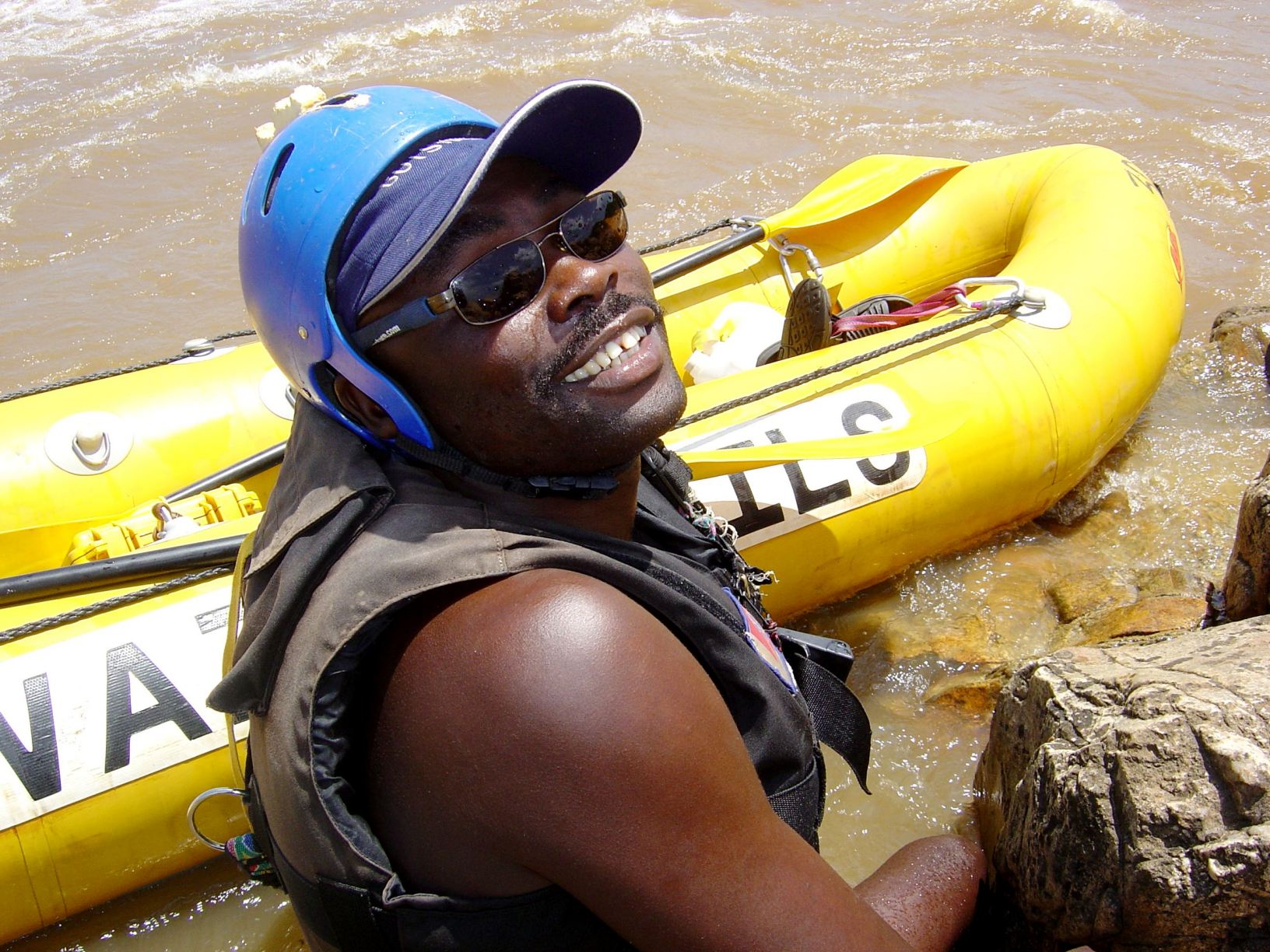
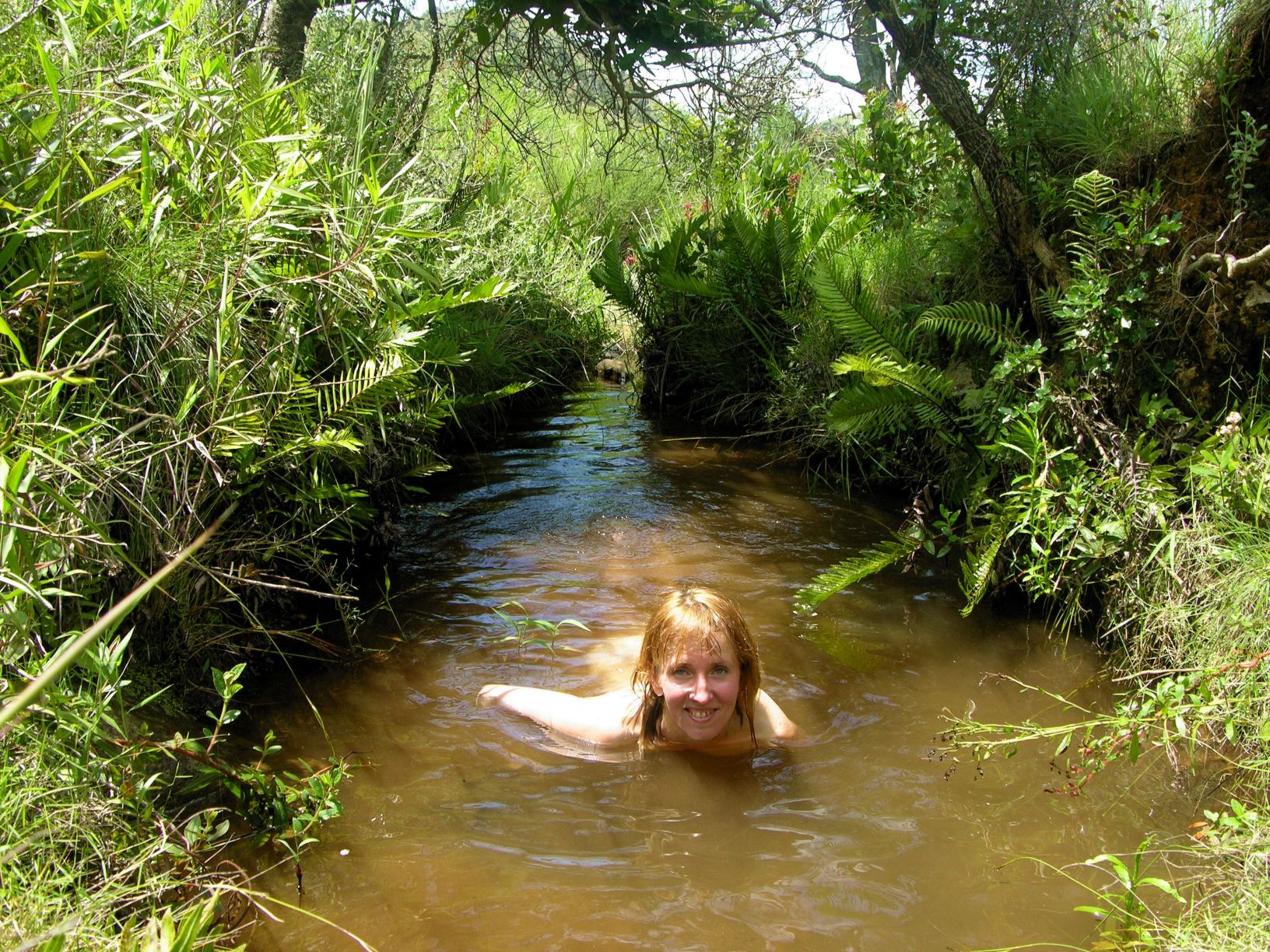
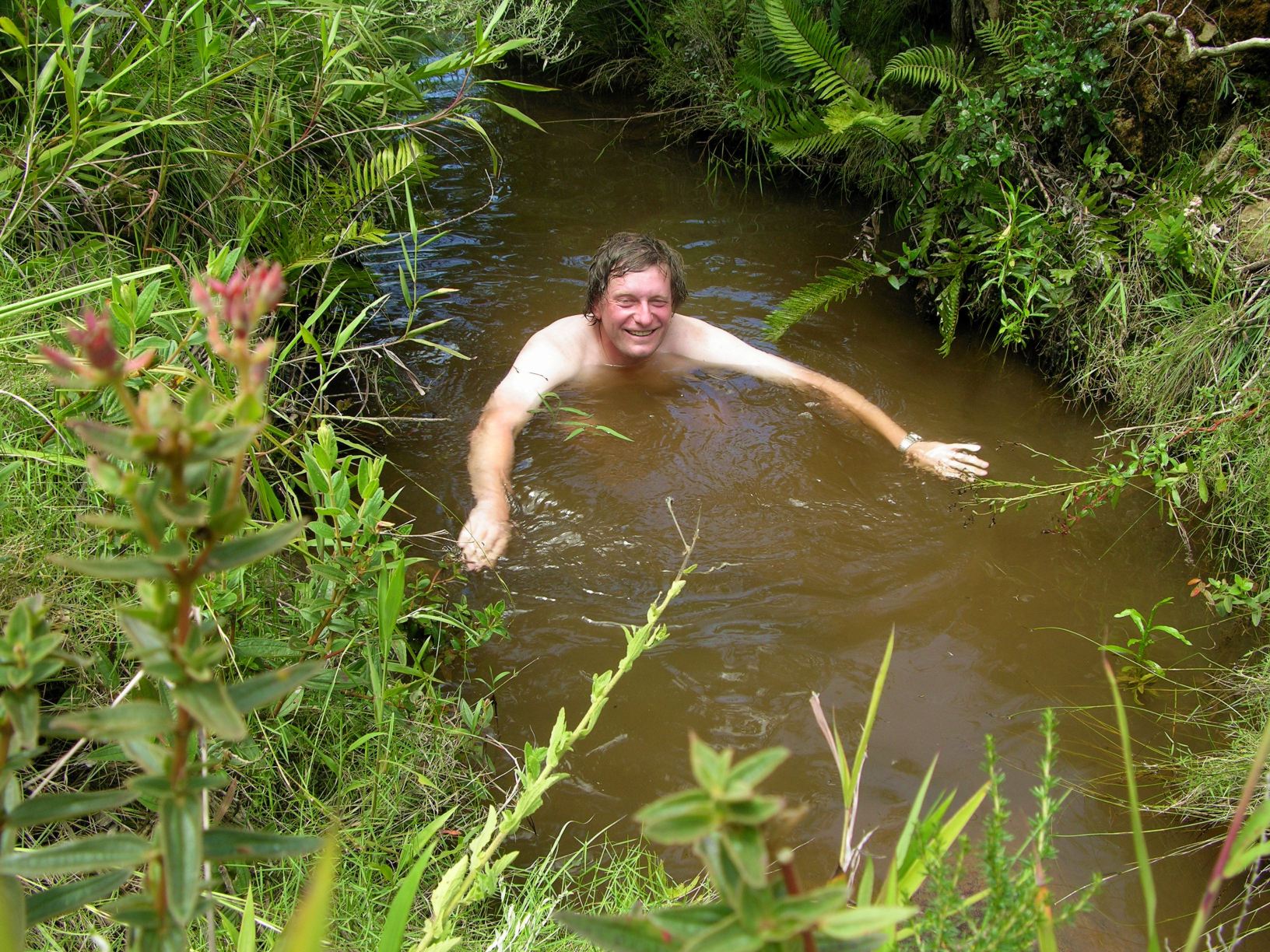
All very well, except that I weigh twice as much as Tanya. The bow, where she was sitting, stuck up in the air the whole time. That's fine on flat water, but through the rapids… Rapids is putting it mildly. You might as well call them waterfalls. We got over the two-metre ones, but on a three-metre drop the boat flipped, and Tanya flew over my head and splashed down somewhere behind me. They fished her out. I had to fend for myself. The moment had come. Here I was, swimming in an African river with crocodiles. They were there, all right. I'd seen them scramble into the water when the kayak came near. It turns out the blighters were afraid. With good reason, too. They're tasty themselves. Let's look at the statistics. What percentage of people meet their end in a crocodile's jaws? 0.0000…1 per cent? And how many crocodiles end up as a snack with a beer? Practically all of them. The country is hungry and here was meat just swimming around for free. There you are. It makes you proud to be human.
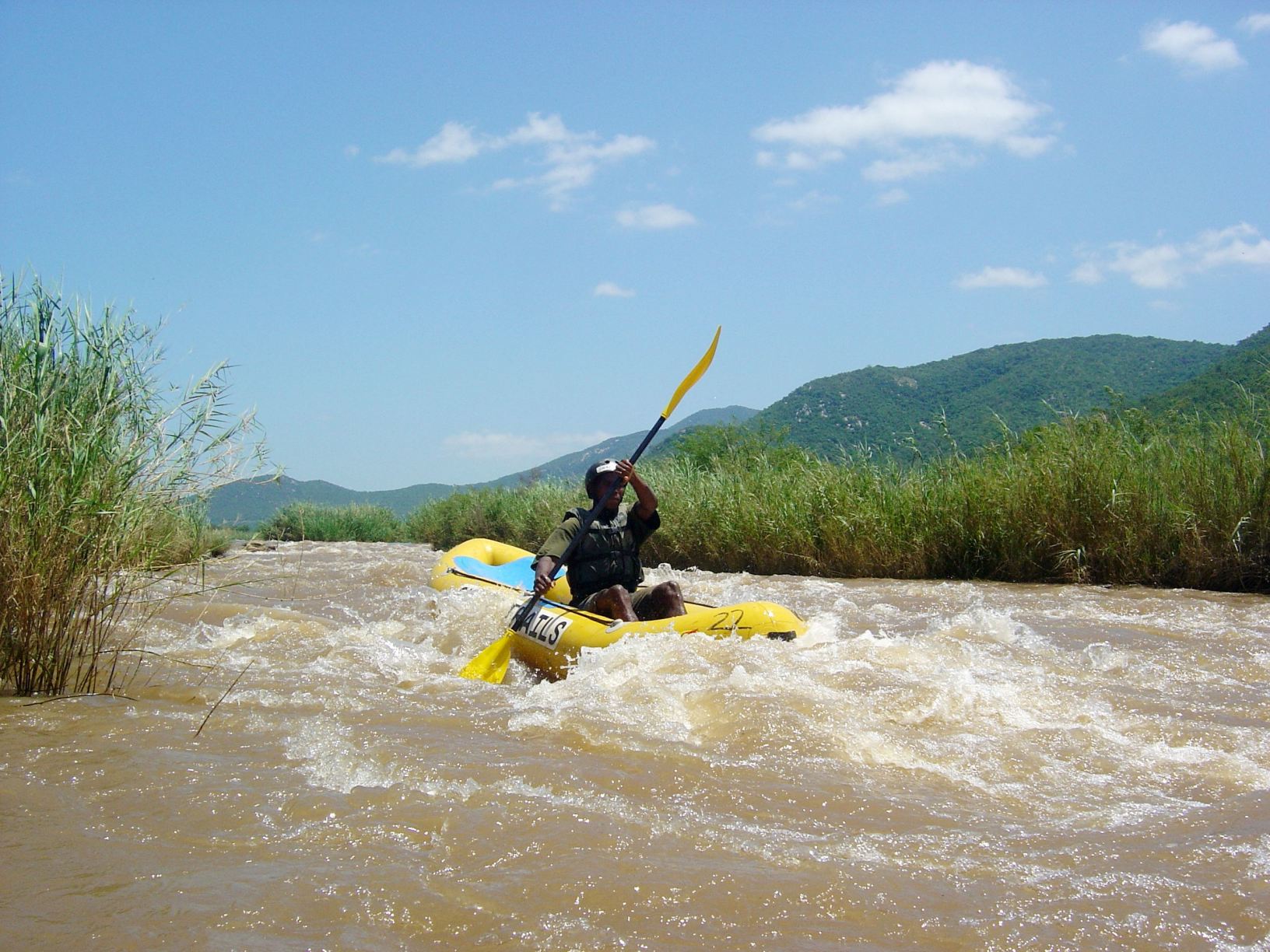
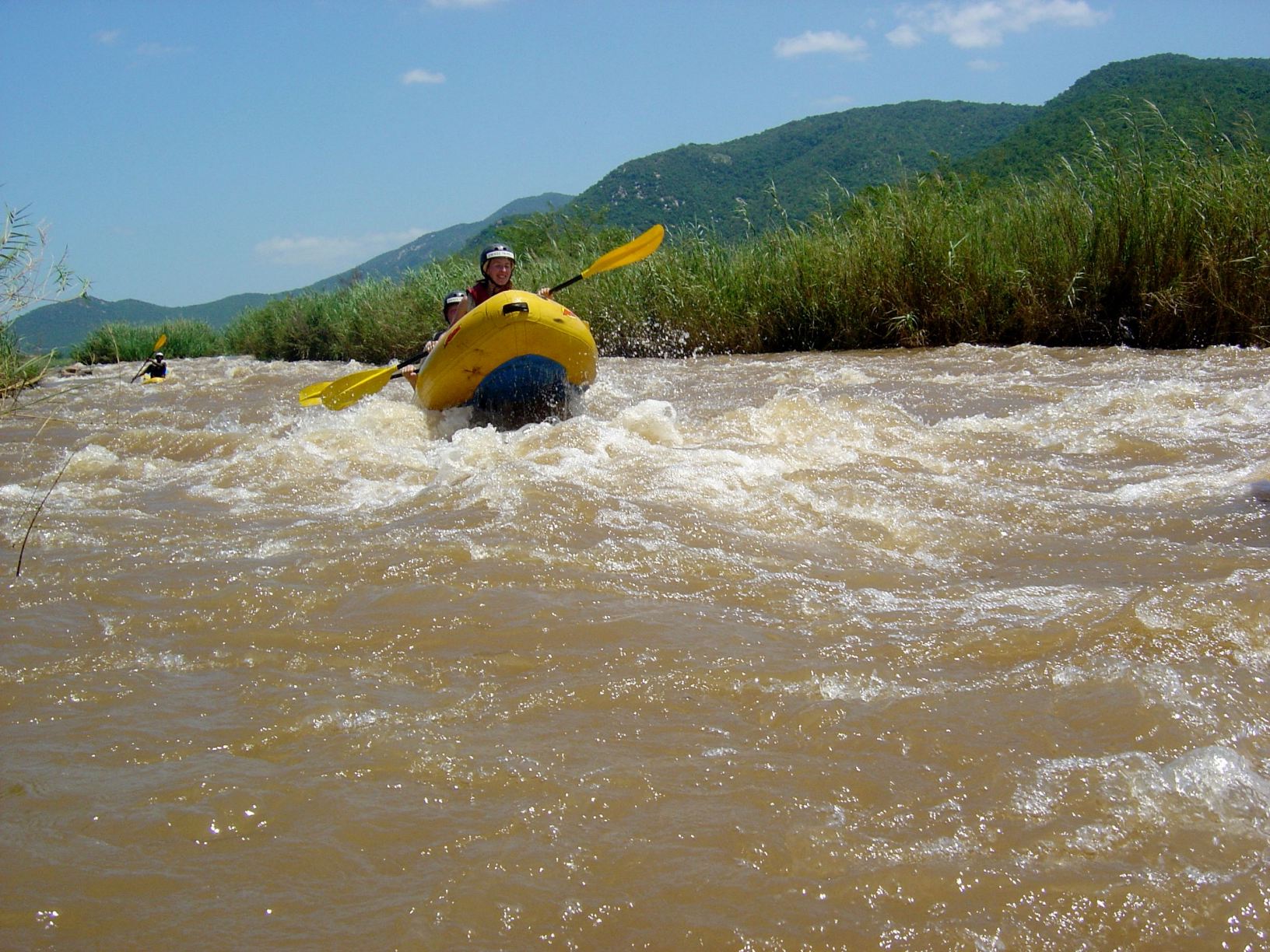

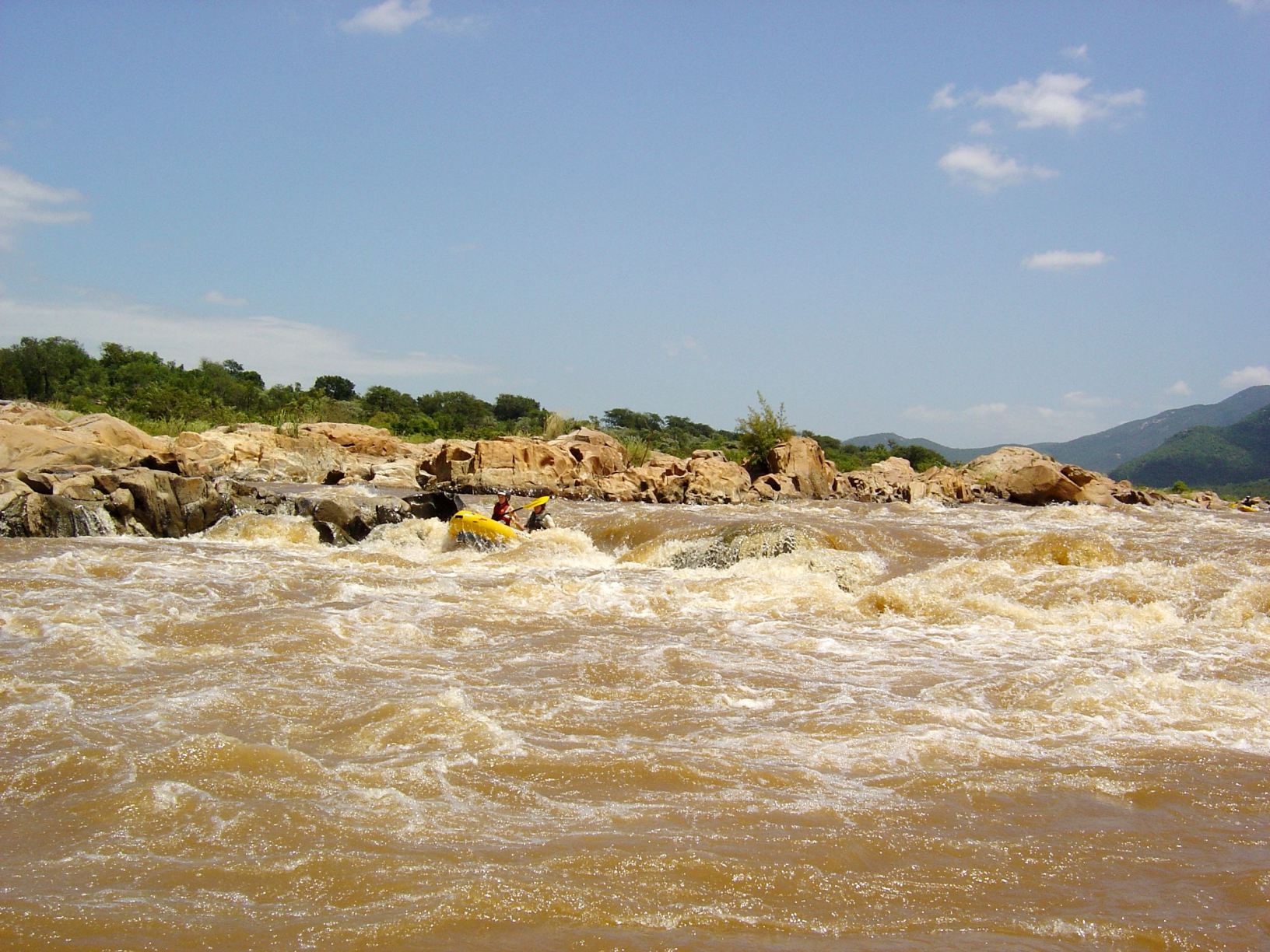
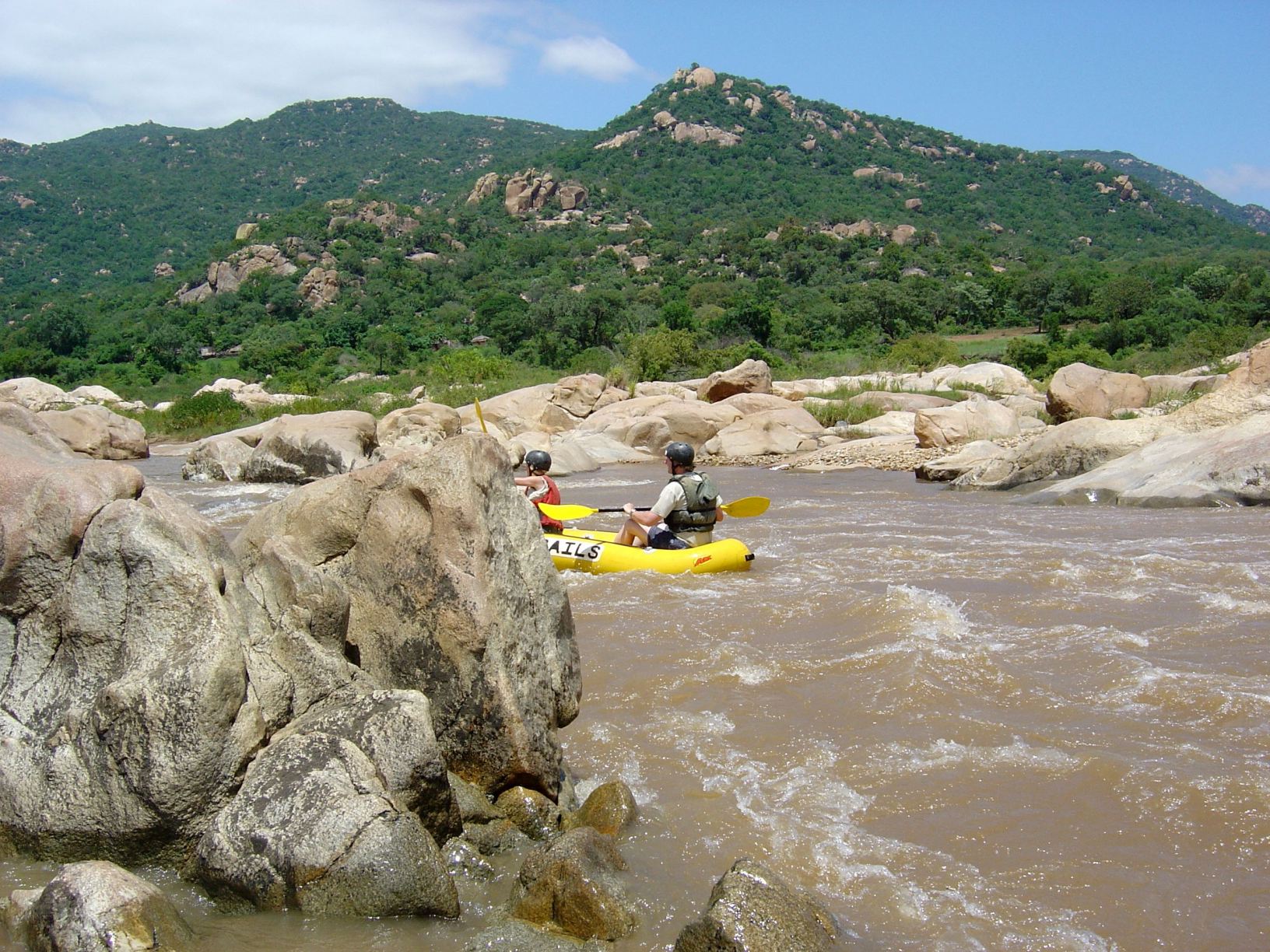
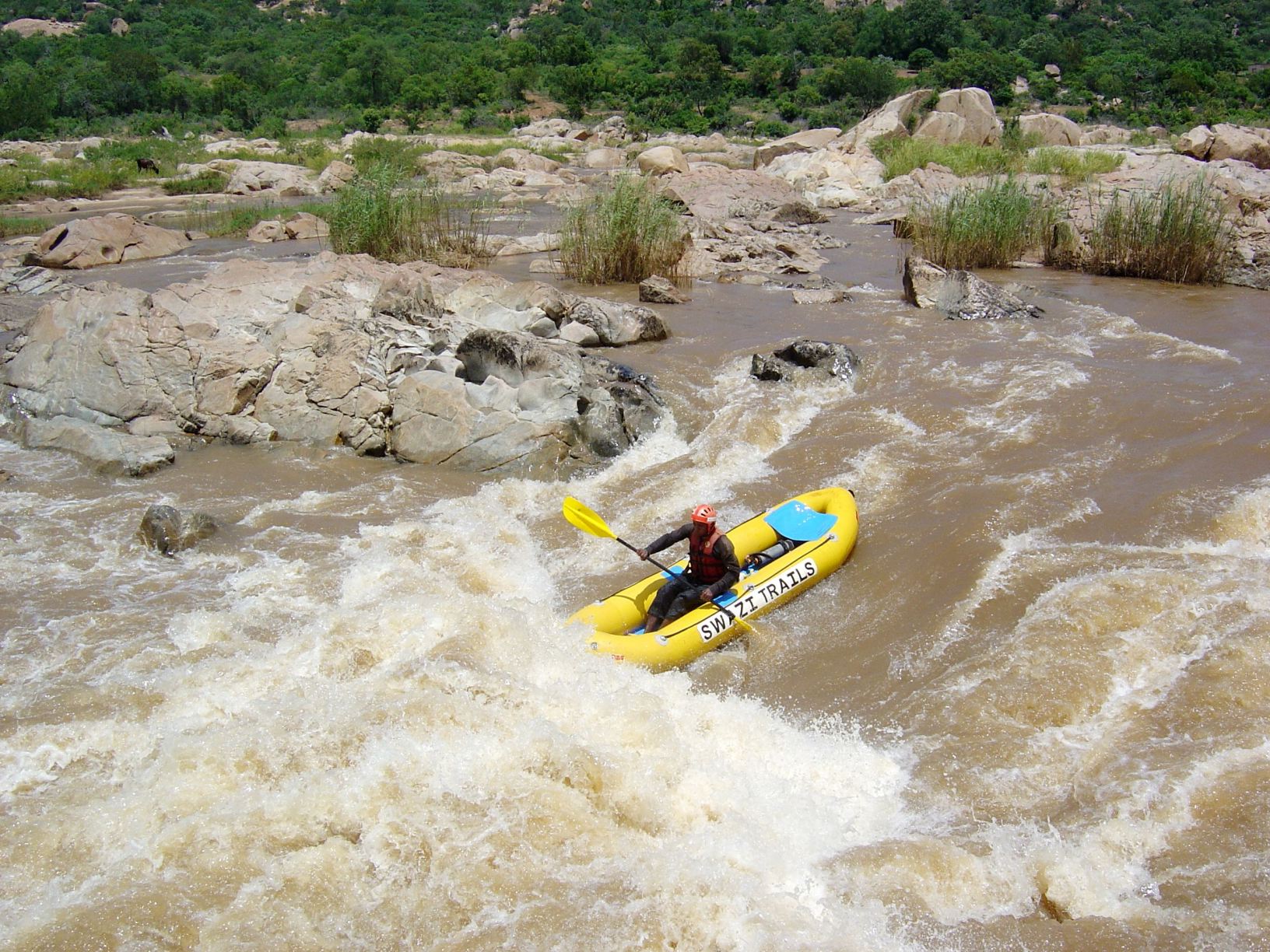
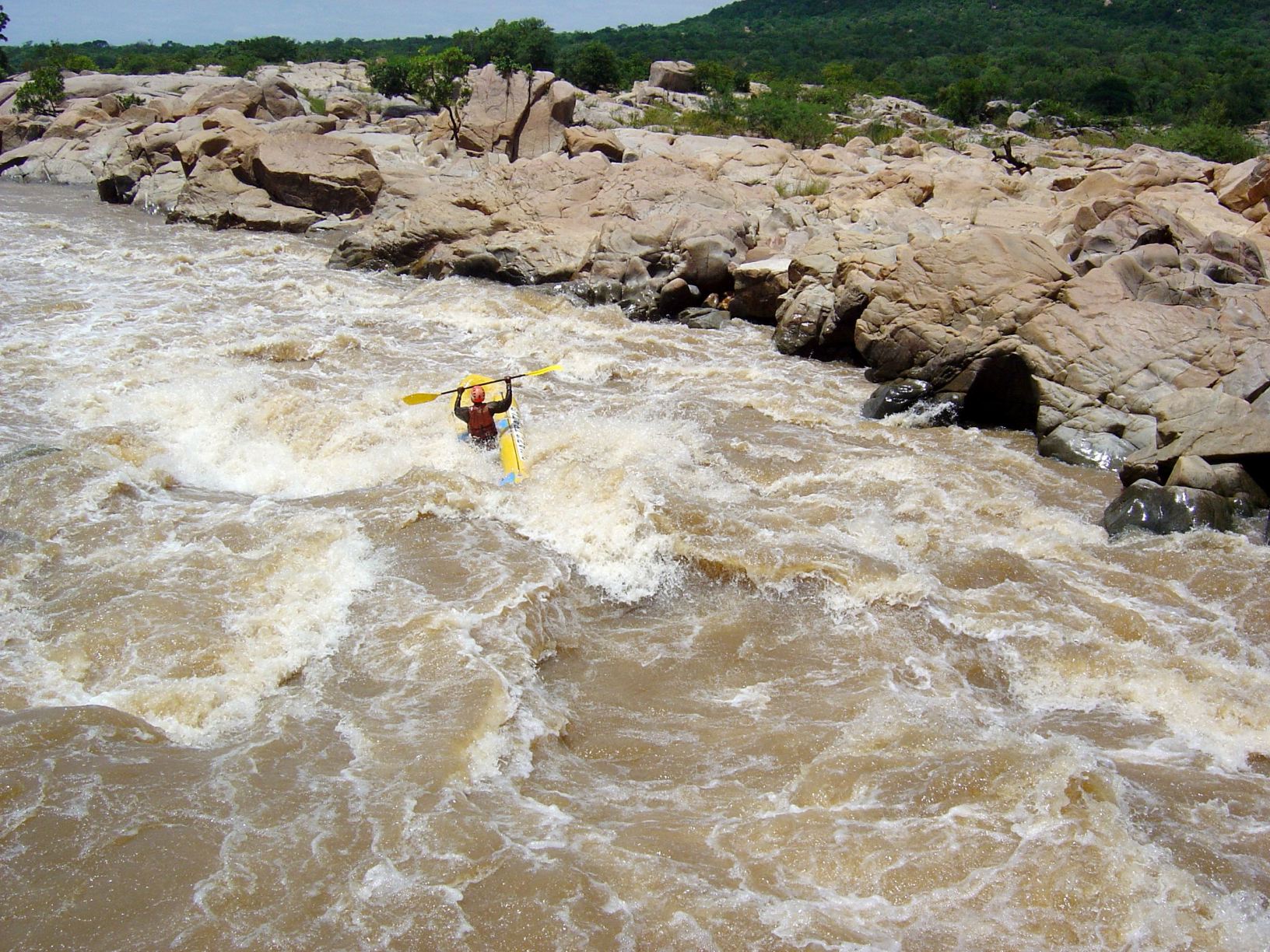
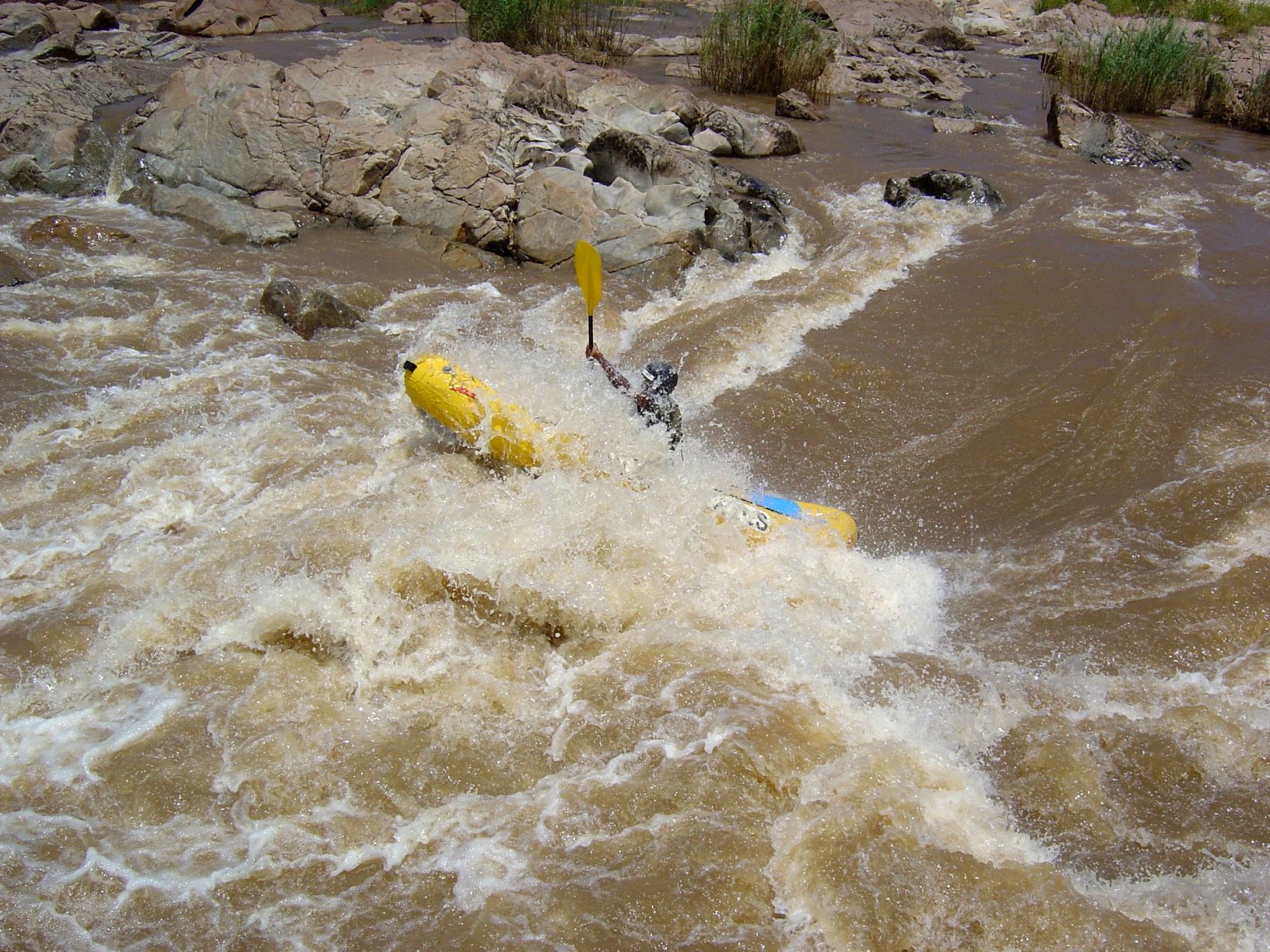
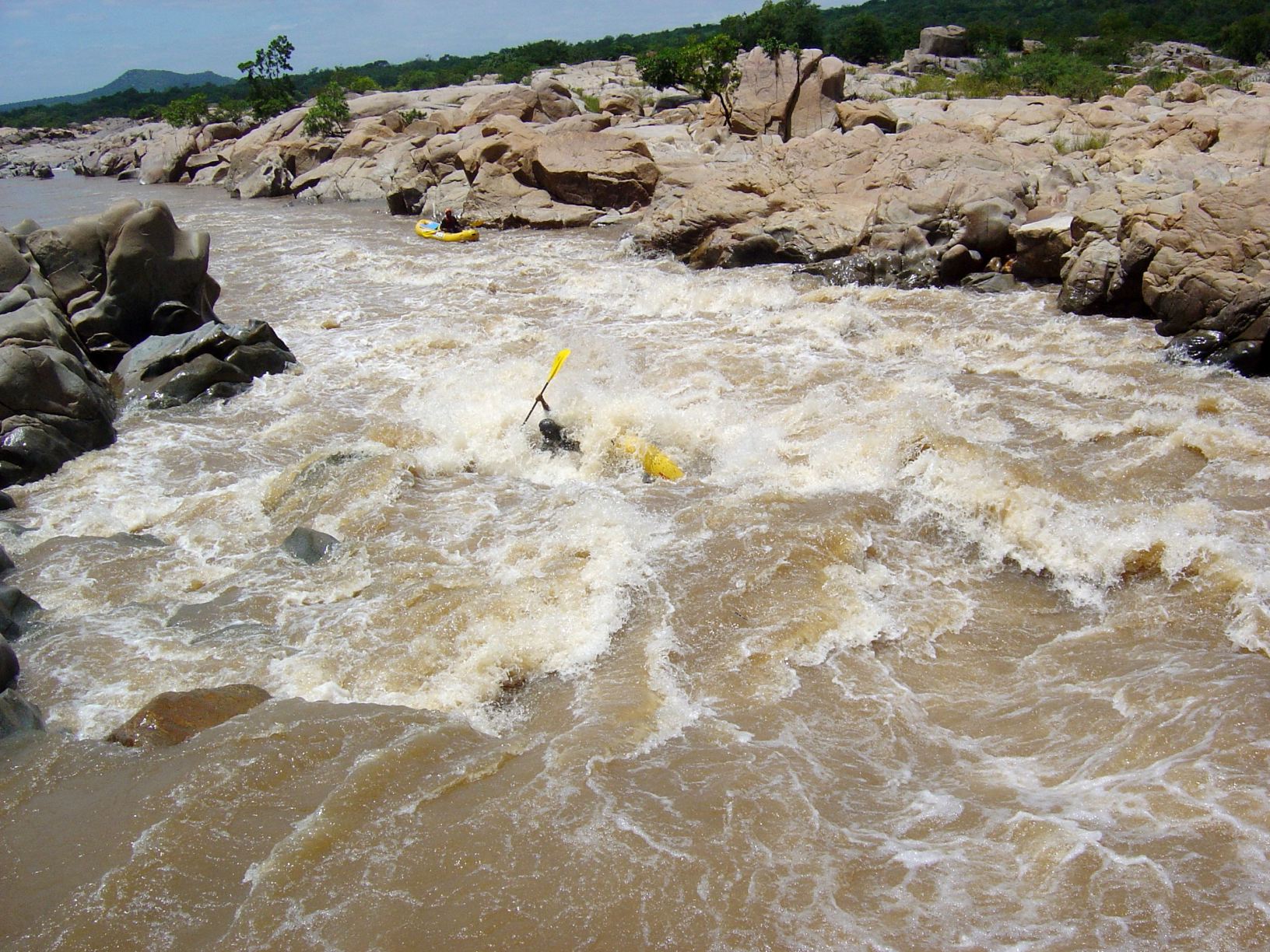

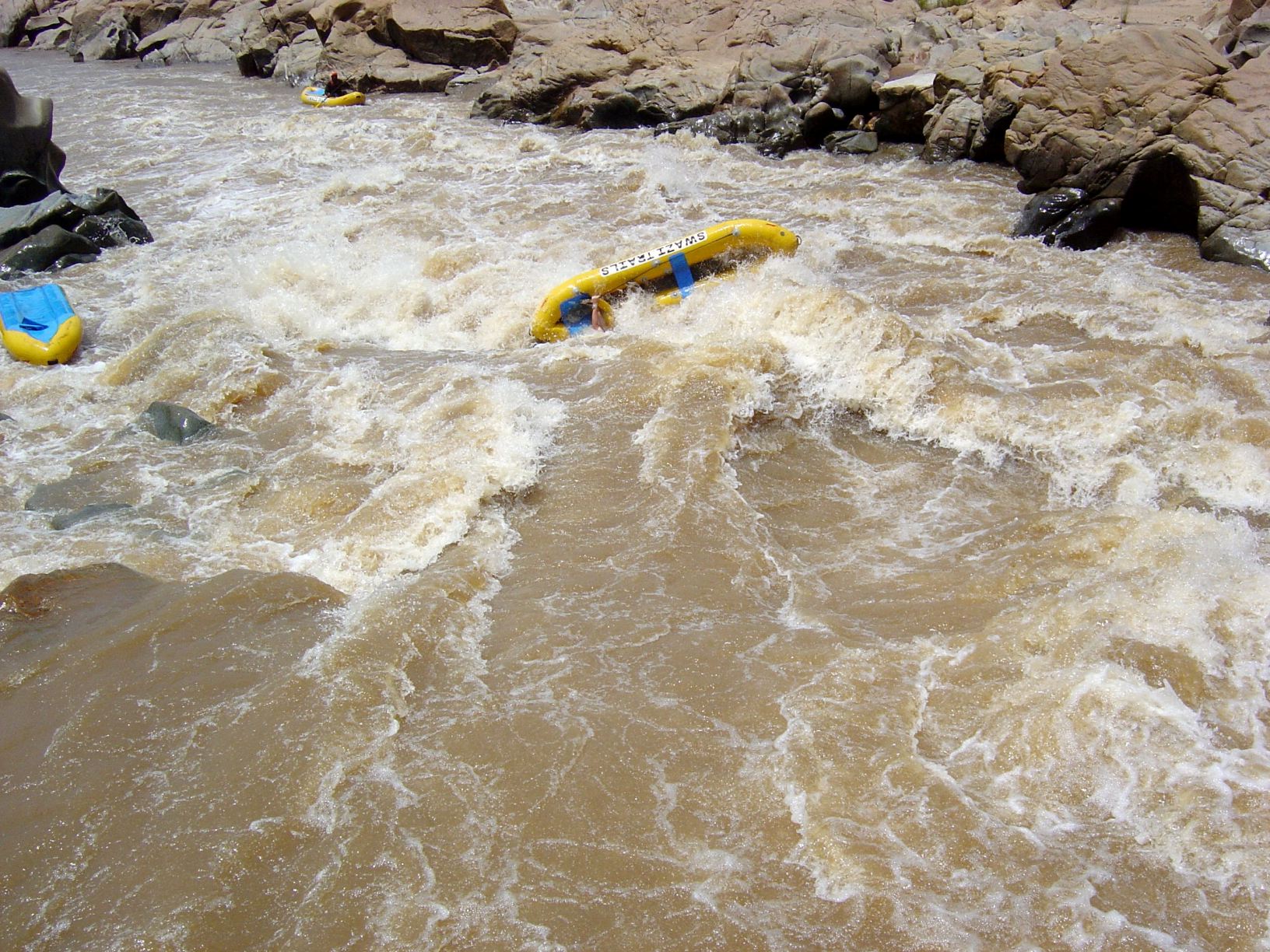
We carried the boats around the next drop, a ten-metre waterfall. I couldn't help thinking about what would have happened if we hadn't capsized. Would we have dropped ten metres? They told us no training was needed, not even the ability to swim. Right. At least we'd kayaked once upon a time.
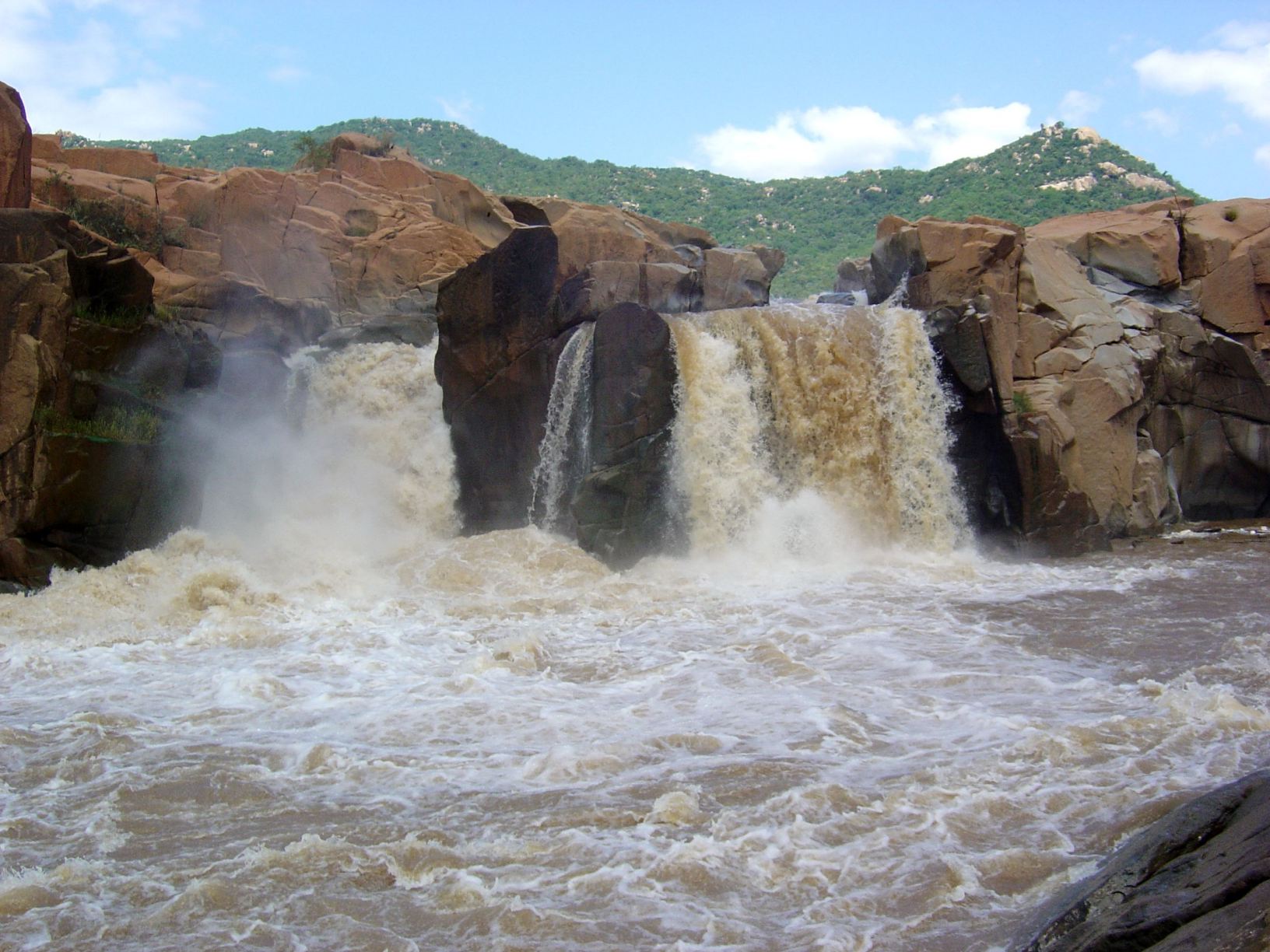
The guides asked hopefully, ‘You paid for eight hours and we've done four. Have you had enough now, by any chance?’ They'd asked the wrong people. We'd paid for eight, and we'd paddle every hour.

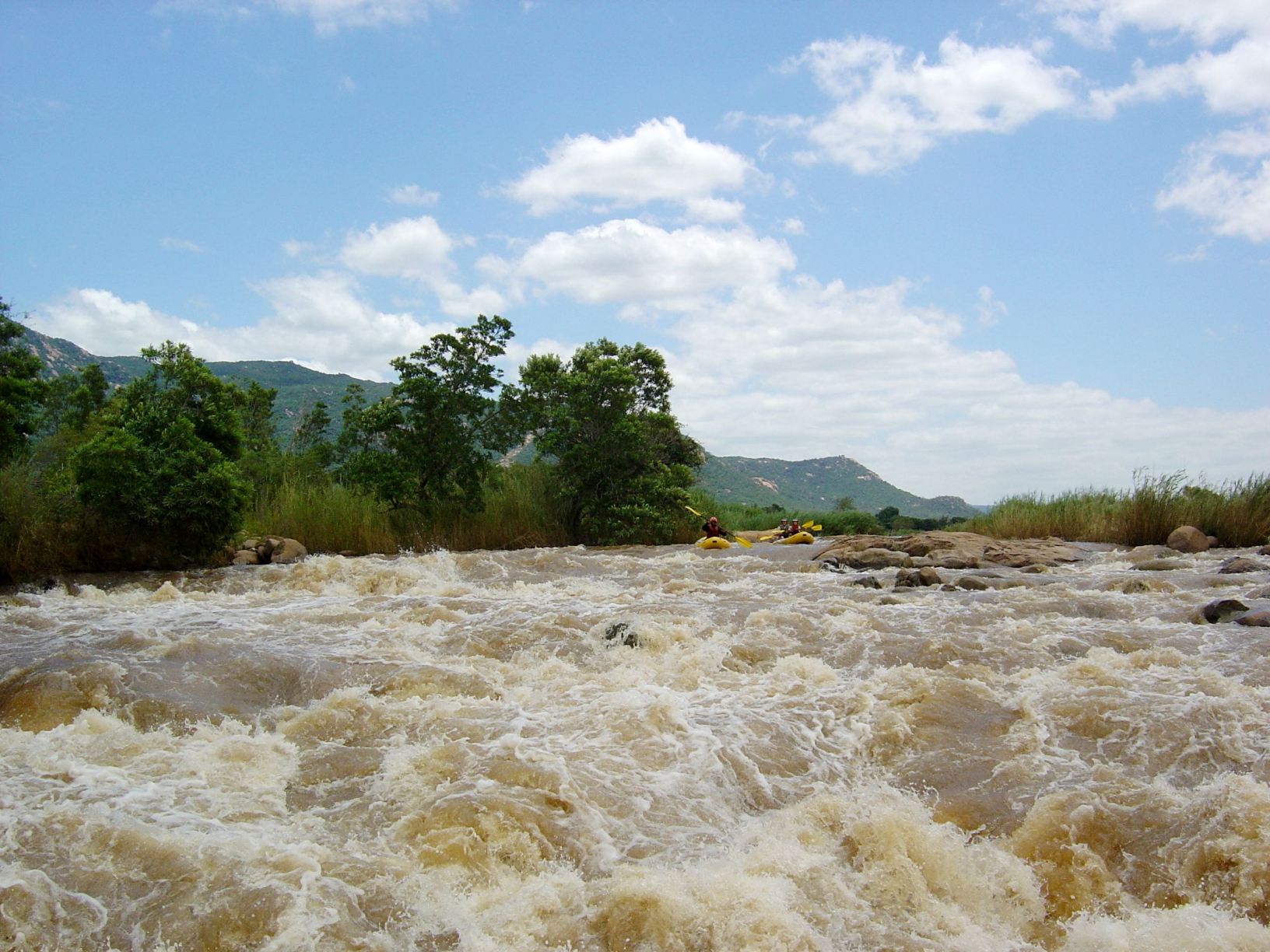
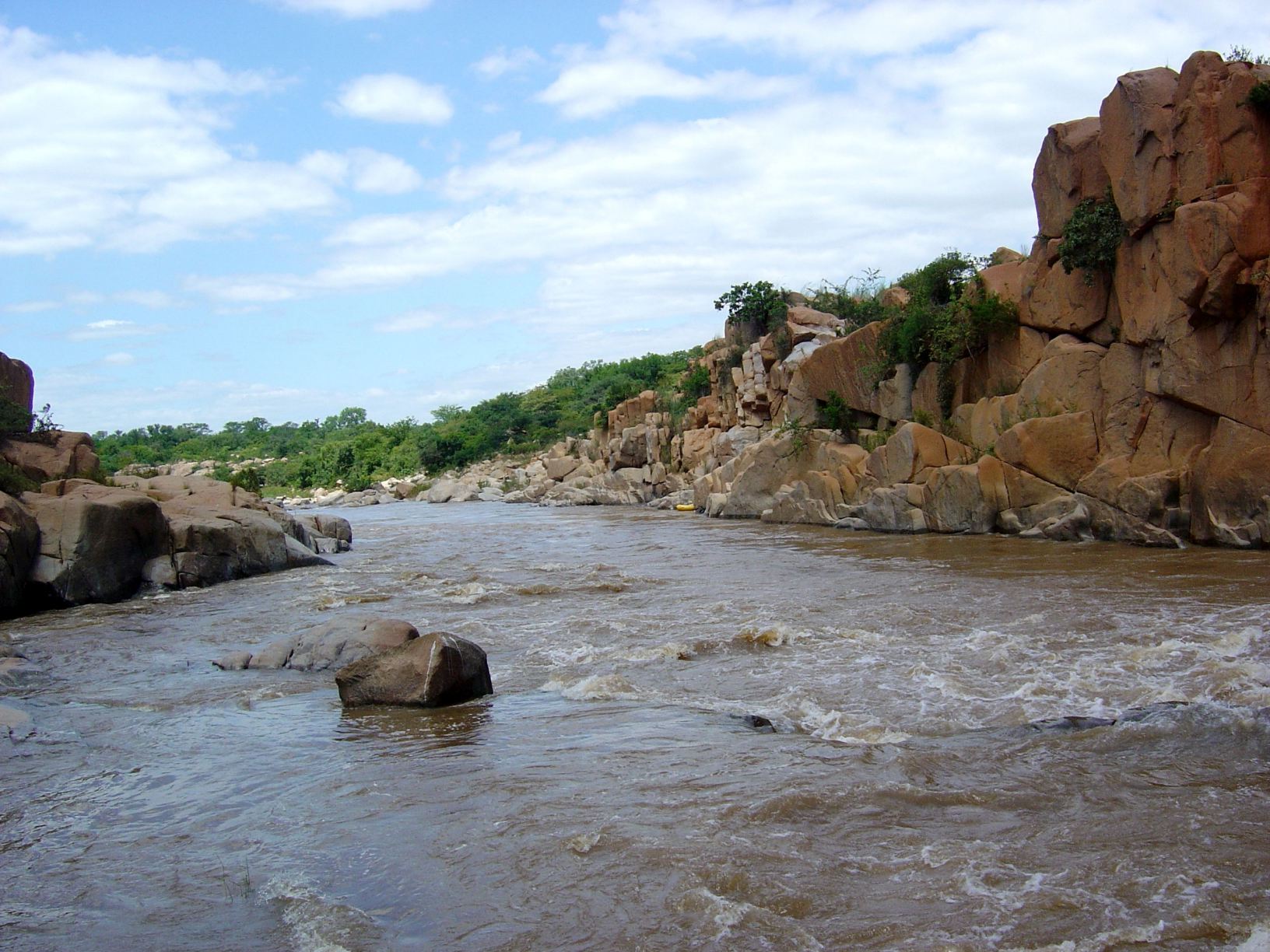
The next obstacle was a series of waterfalls, stretching for 200 metres with a total drop of twelve. It was frightening, but on we went. We made it down a couple of steps, then somewhere in the middle I was washed out again. Tanya paddled on by herself. Not for long, mind you. They fished her out again, leaving me to go down the rest by myself, this time without a kayak. Human beings are tough and it's not really that frightening, at least if you're watching from the bank. As you come up to the lip of the next waterfall, you start to have doubts about the theory. It looks high. You can't see the water beyond the edge. Just swallows flitting about way down in the spray and the roar of the water. The edge is getting closer and closer. Whack, and you're airborne. Splash, and you're on the bottom. There's a bottom but no air. A hydraulic! I swim up to the surface and hit something hard. Swept into a cave, I think. Before I have time to be upset, I realise it's our kayak sitting on top of me.
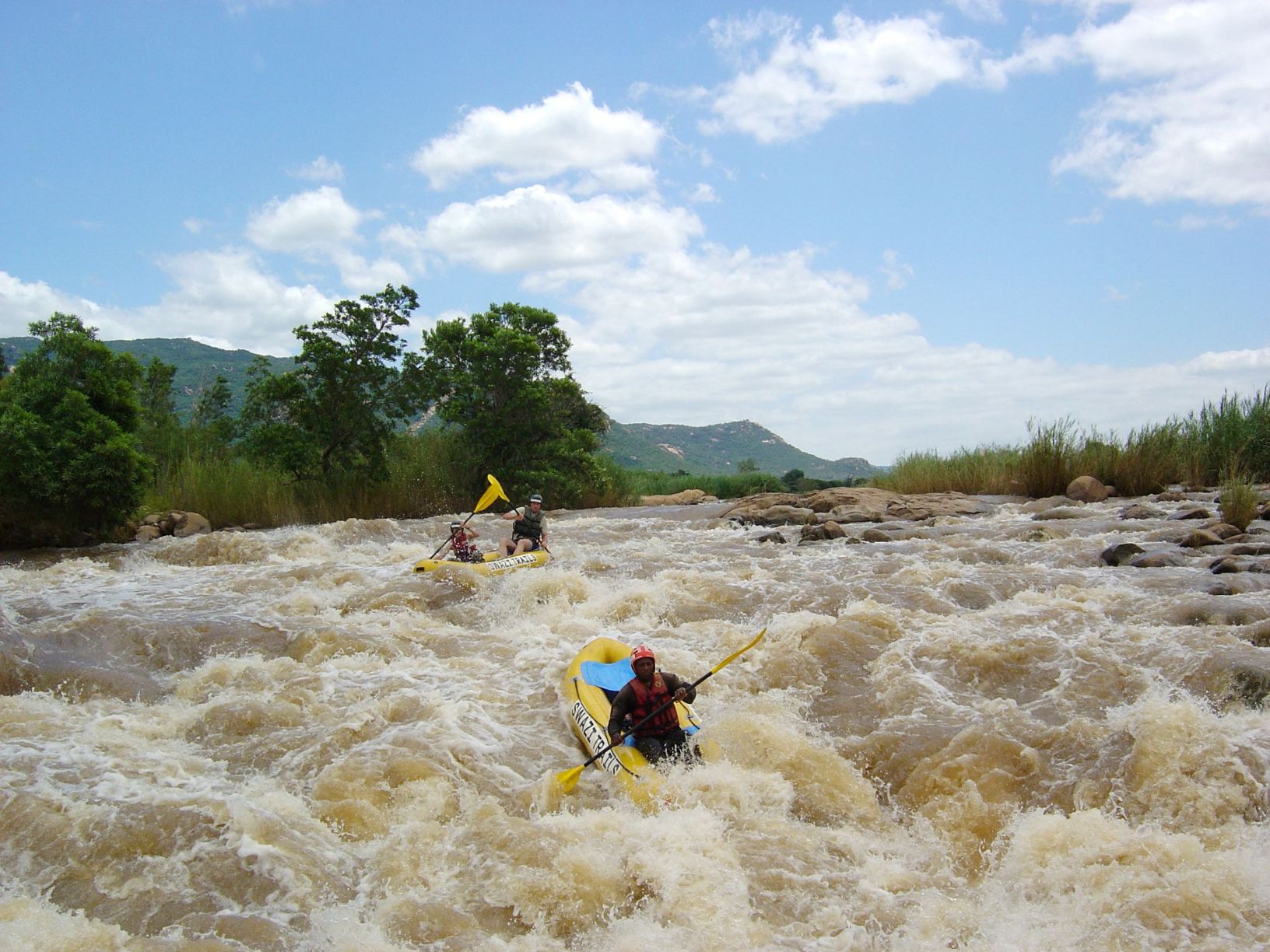


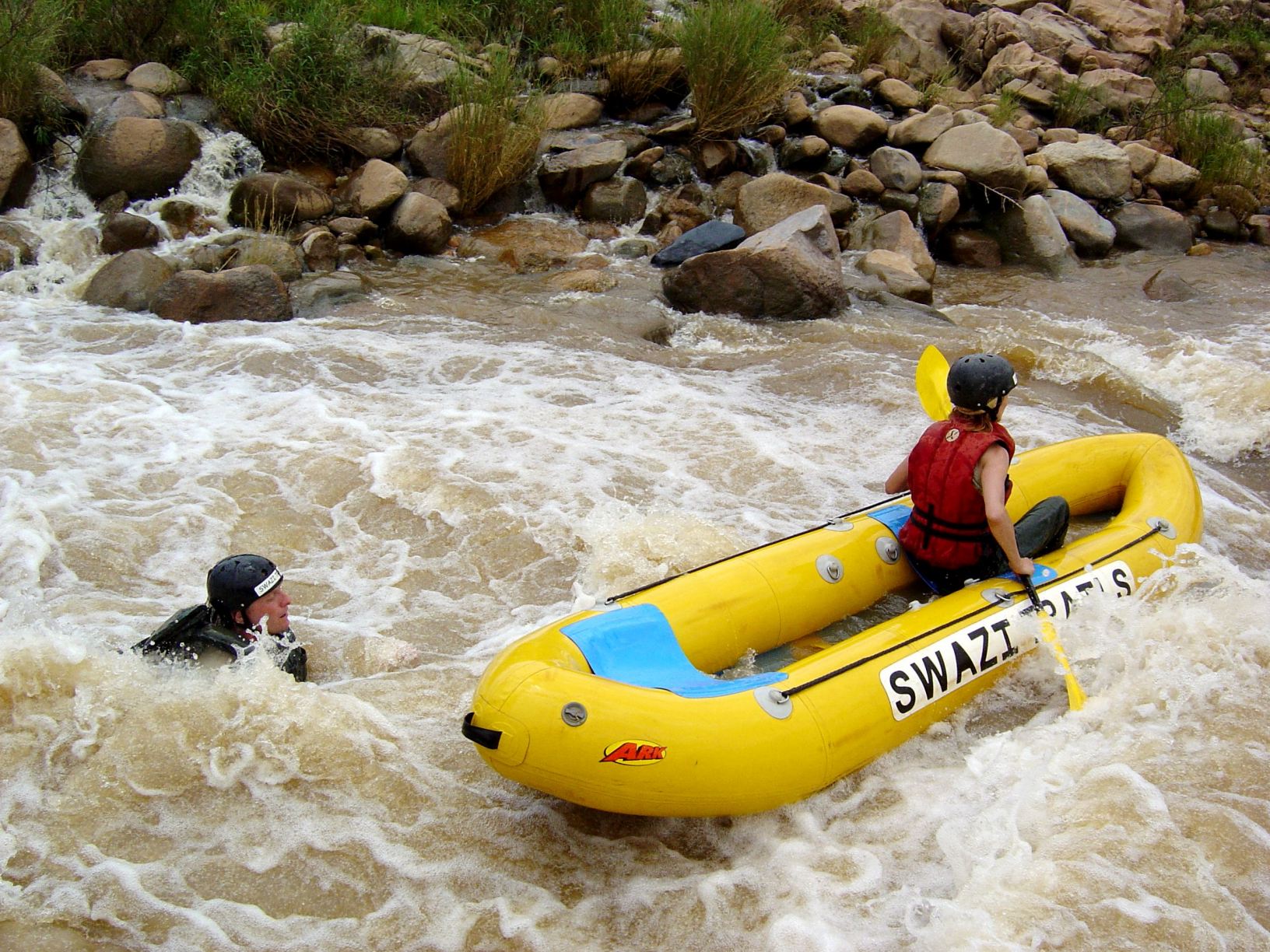
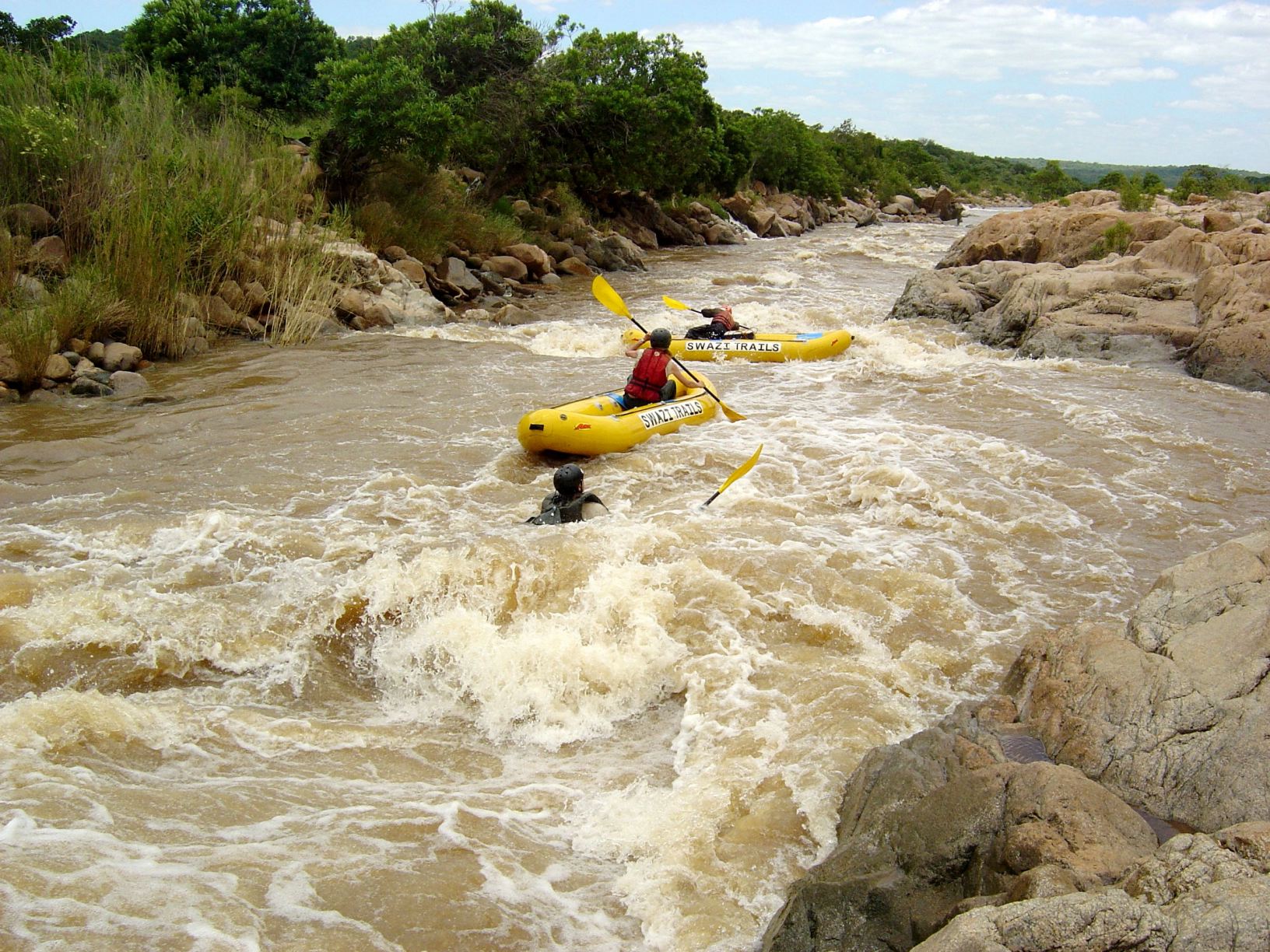
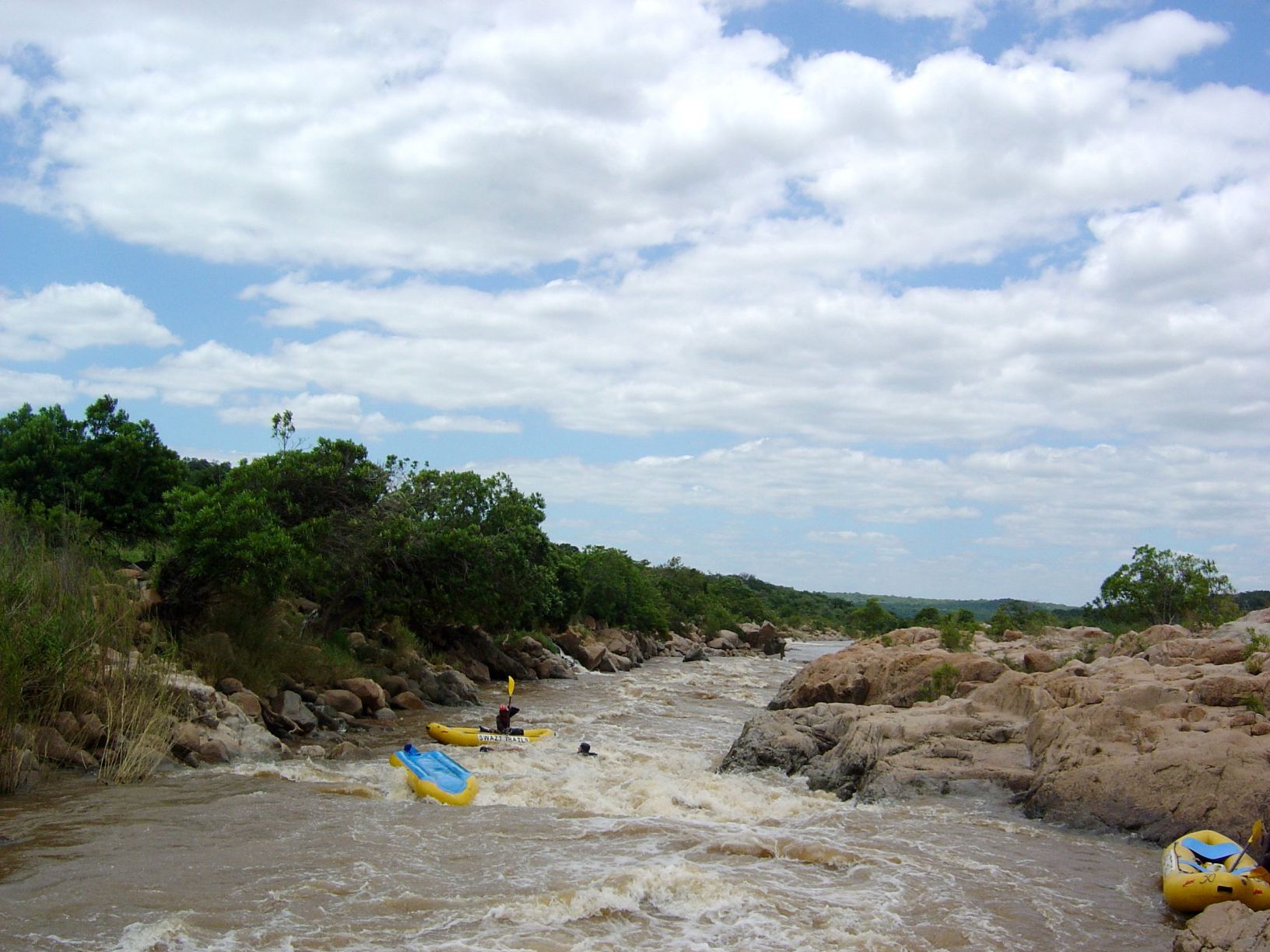
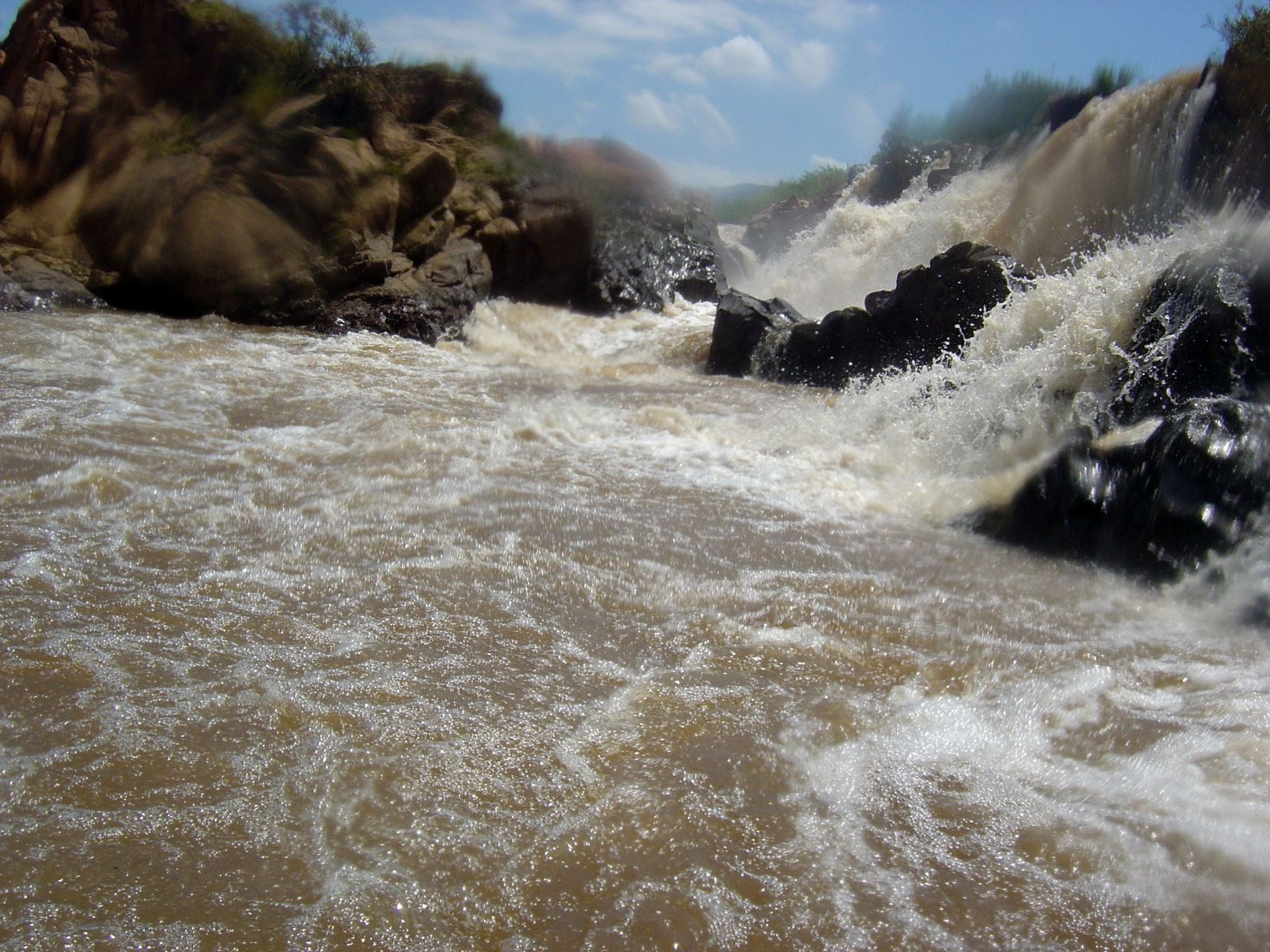
I came up. I even got back in the boat. I even caught the paddle.
What a ride. Now there was no doubt this holiday had been worth it.
The run came to an end at Siphofaneni.
I wonder how they manage with people who can't swim. Fish them out and resuscitate them every time? The brochure says rafting is safer than driving through central Johannesburg. That gave me a fright in retrospect. To think what a risk we'd been taking there. I don't think I'll go to Johannesburg again.
The human body is tougher than you'd think. Murky green water with crocodiles in it. The doctors would have you believe it's deadly and you're taking your life in your hands even dipping a finger in. It turns out you can swim in it. I felt as if I'd swallowed a litre or two of the stuff. I was alive and I didn't even get sick. Stubborn Foma was right to take no notice of the whole pack of teachers, or the Pioneer leader in person.
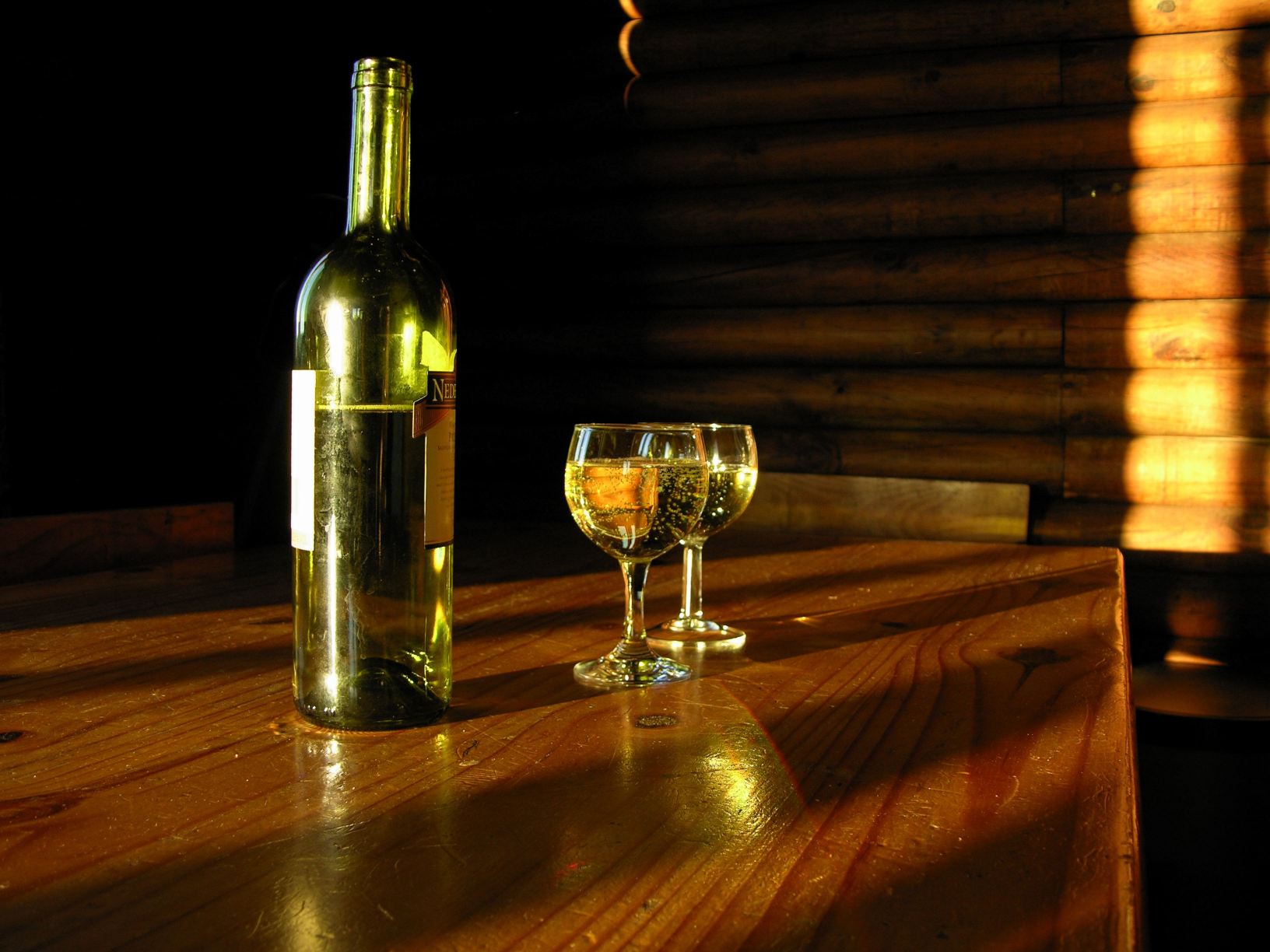
The river trip lifted our spirits. We felt twenty years younger. We had two nights left and decided to spend them in Malolotja, back where we'd started. For the first night we took a bungalow (26°08.428′S, 31°08.116′E). It was an excellent spot. Our place had no fewer than twelve beds. There was even a cot. As usual, we got out a bottle of wine from our stash, cooked a good dinner and spent a very pleasant evening, once again reliving the rafting trip.


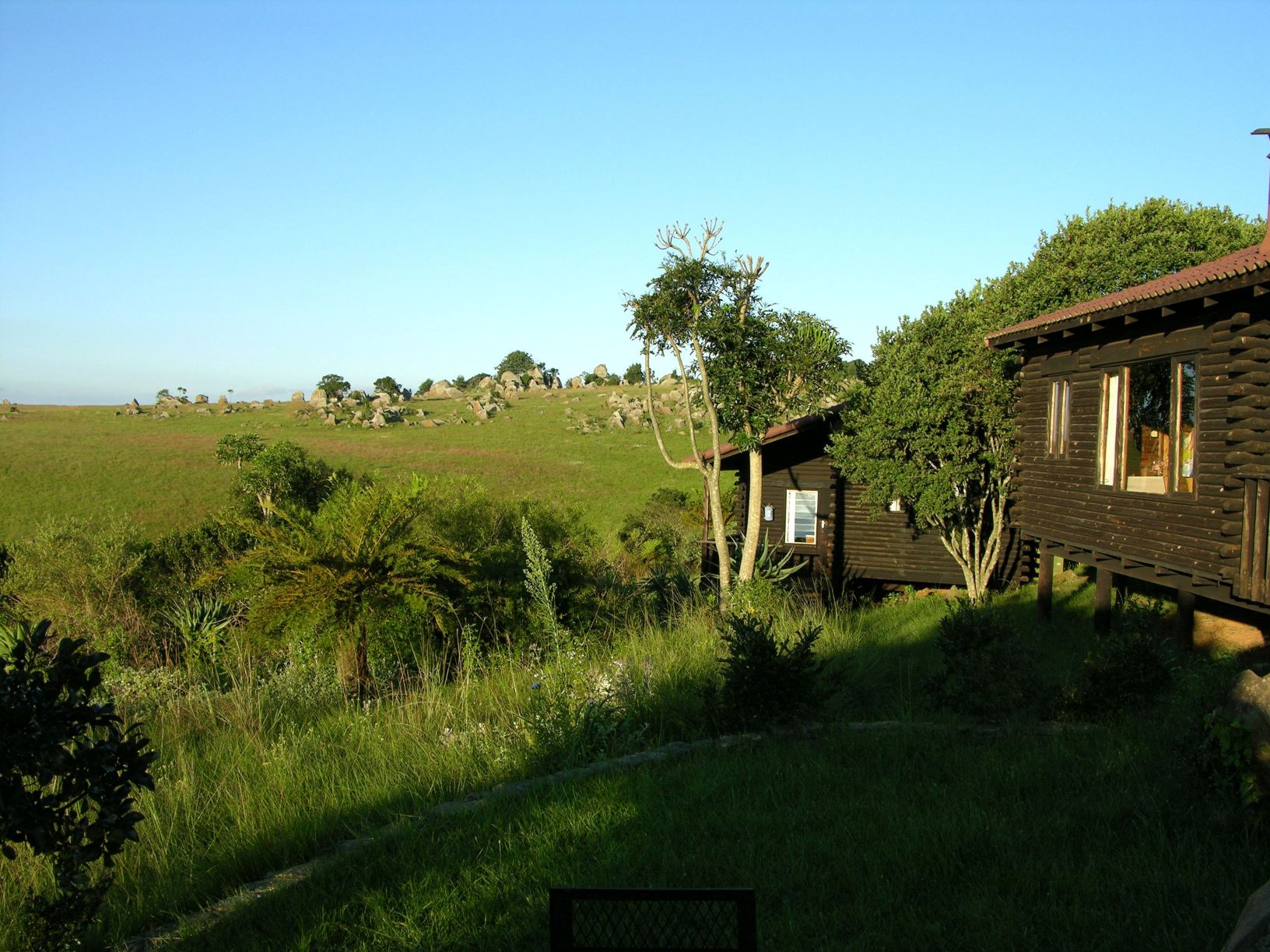
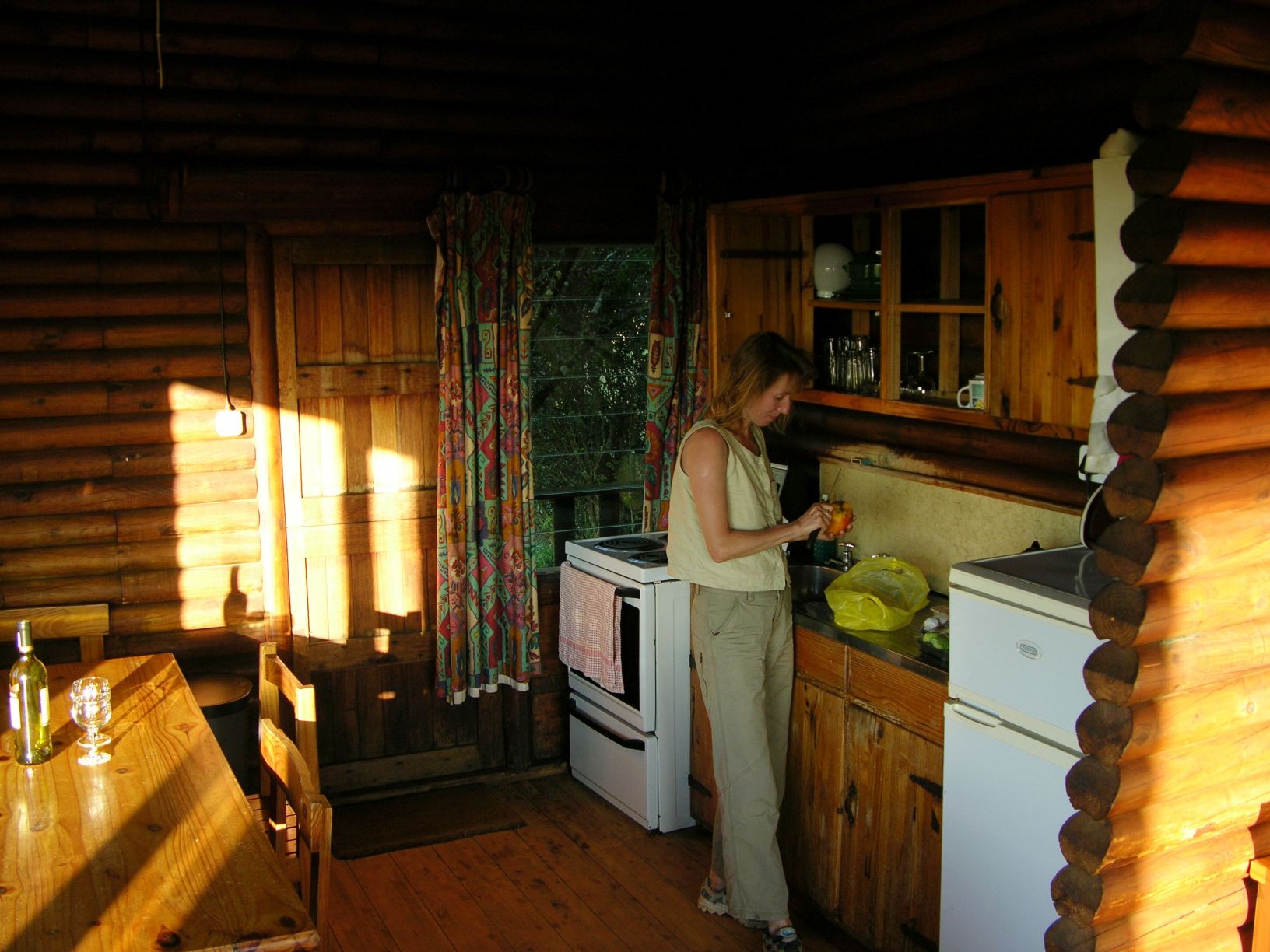
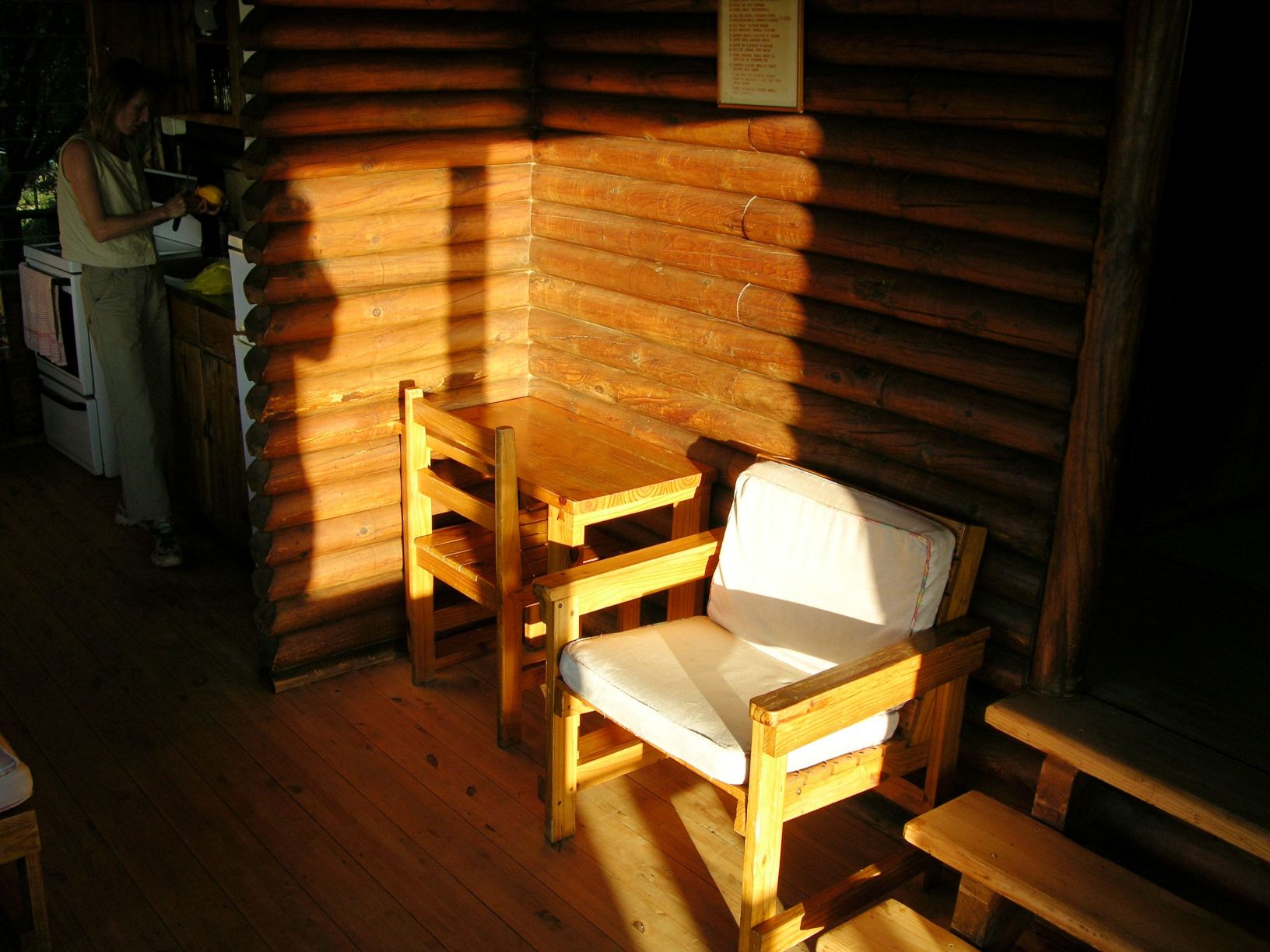
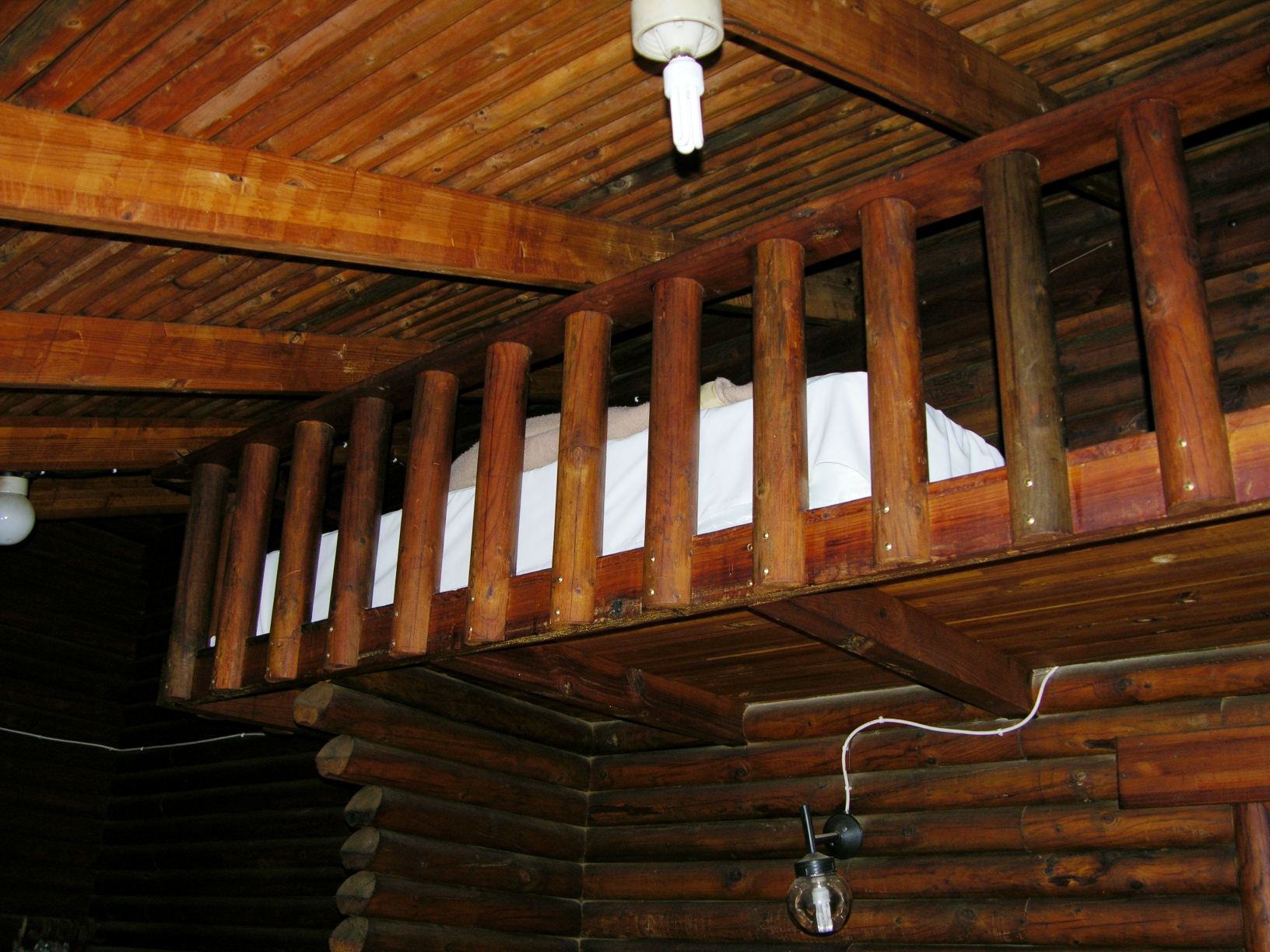
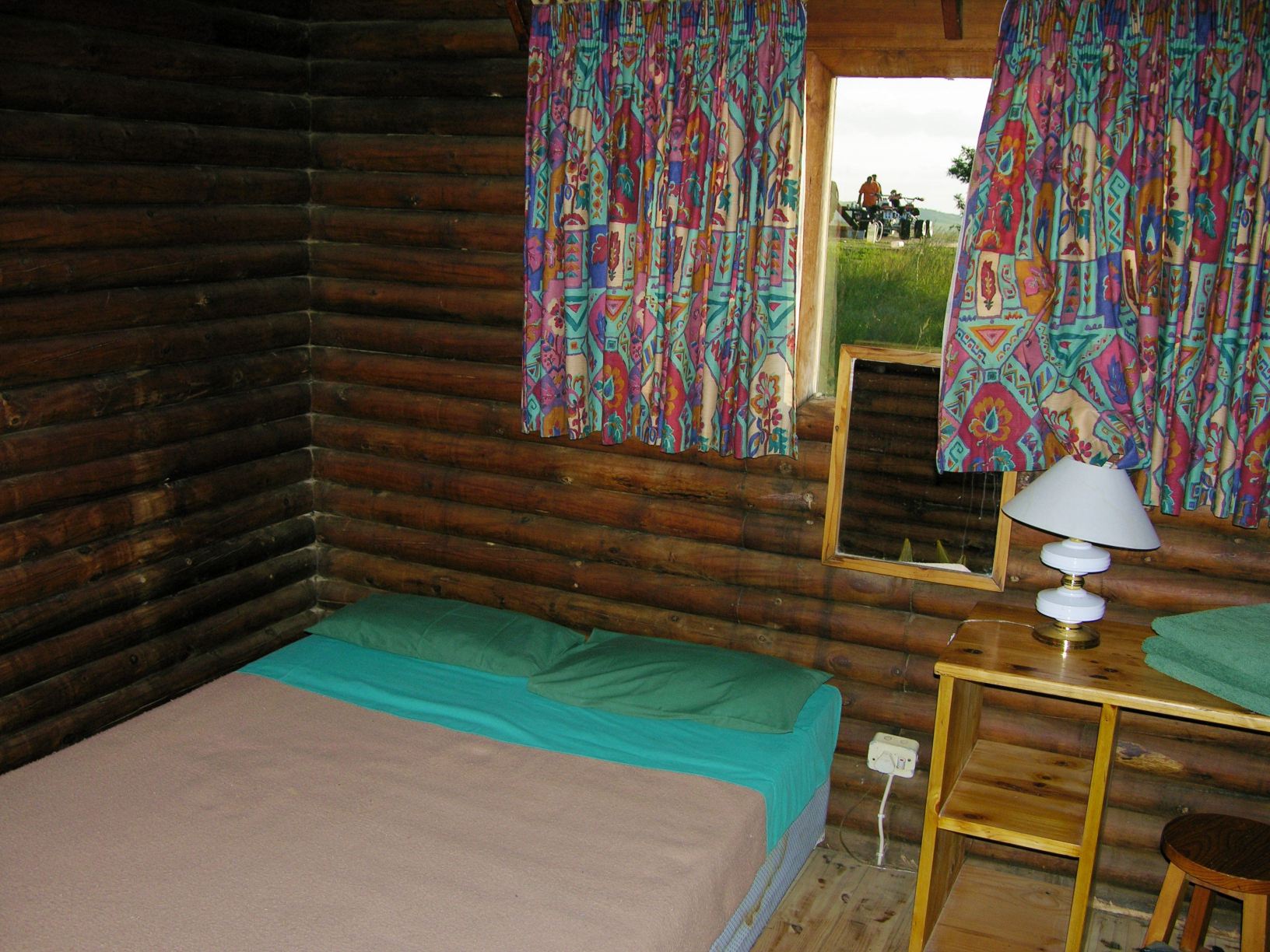
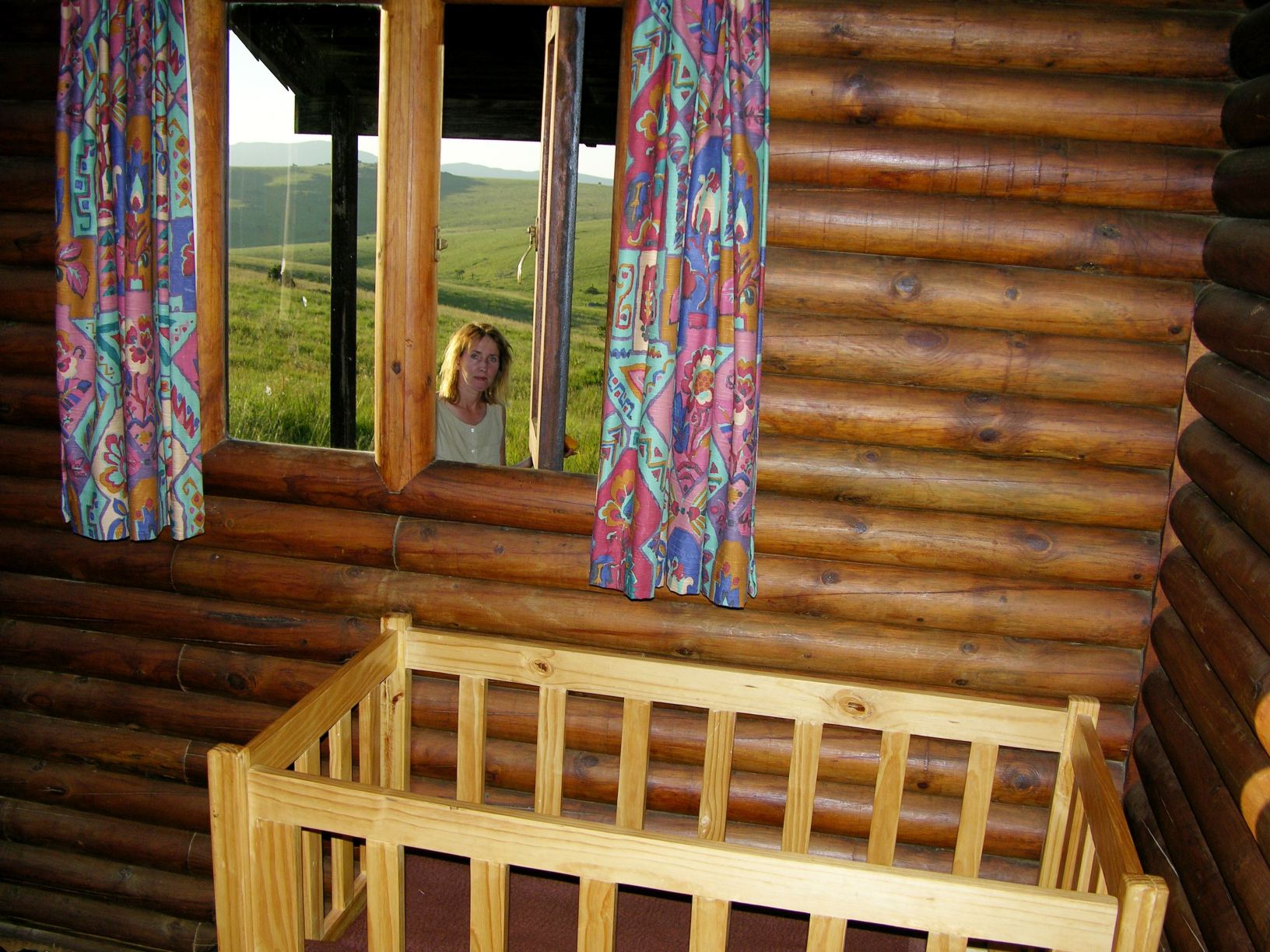

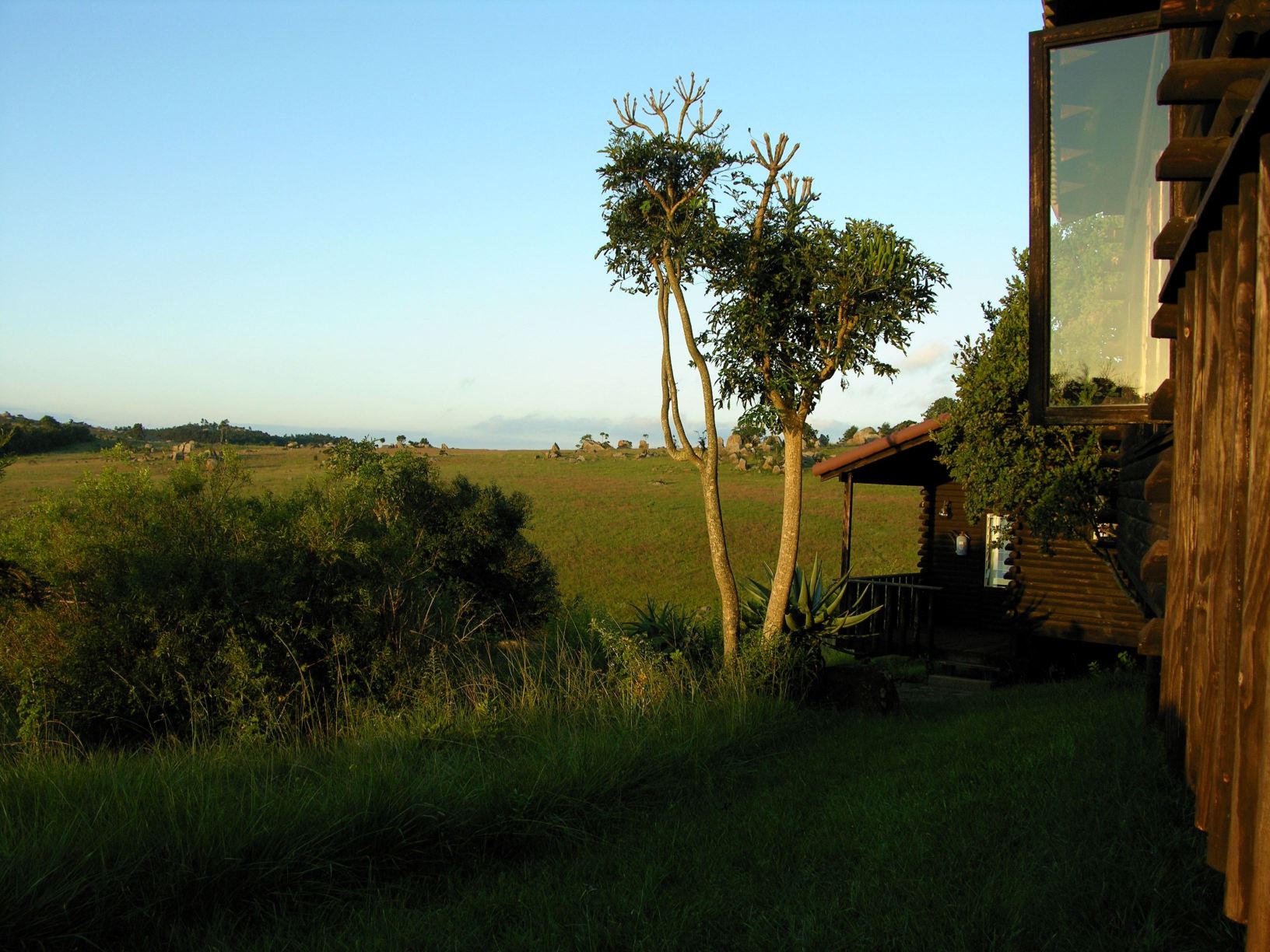
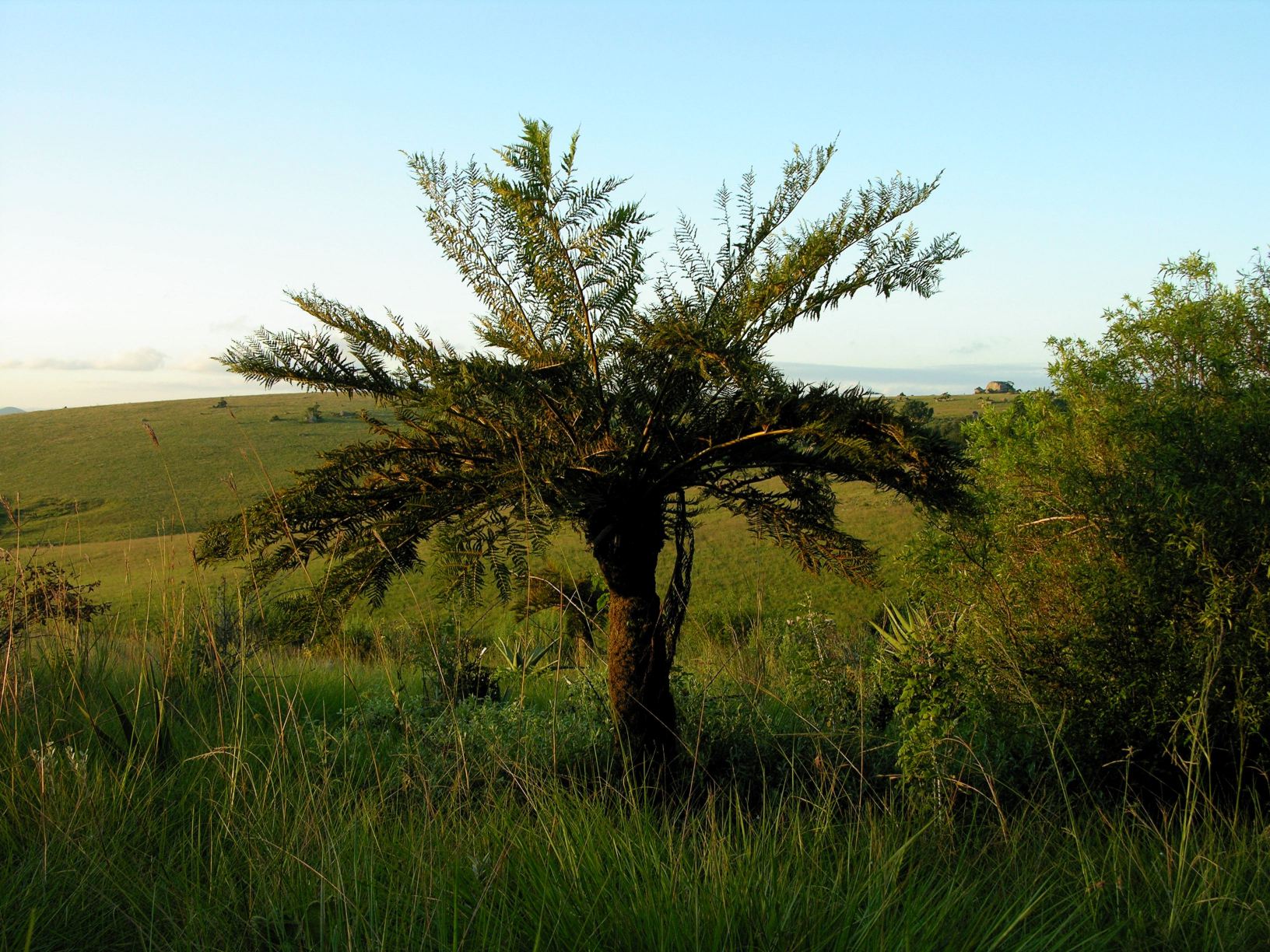

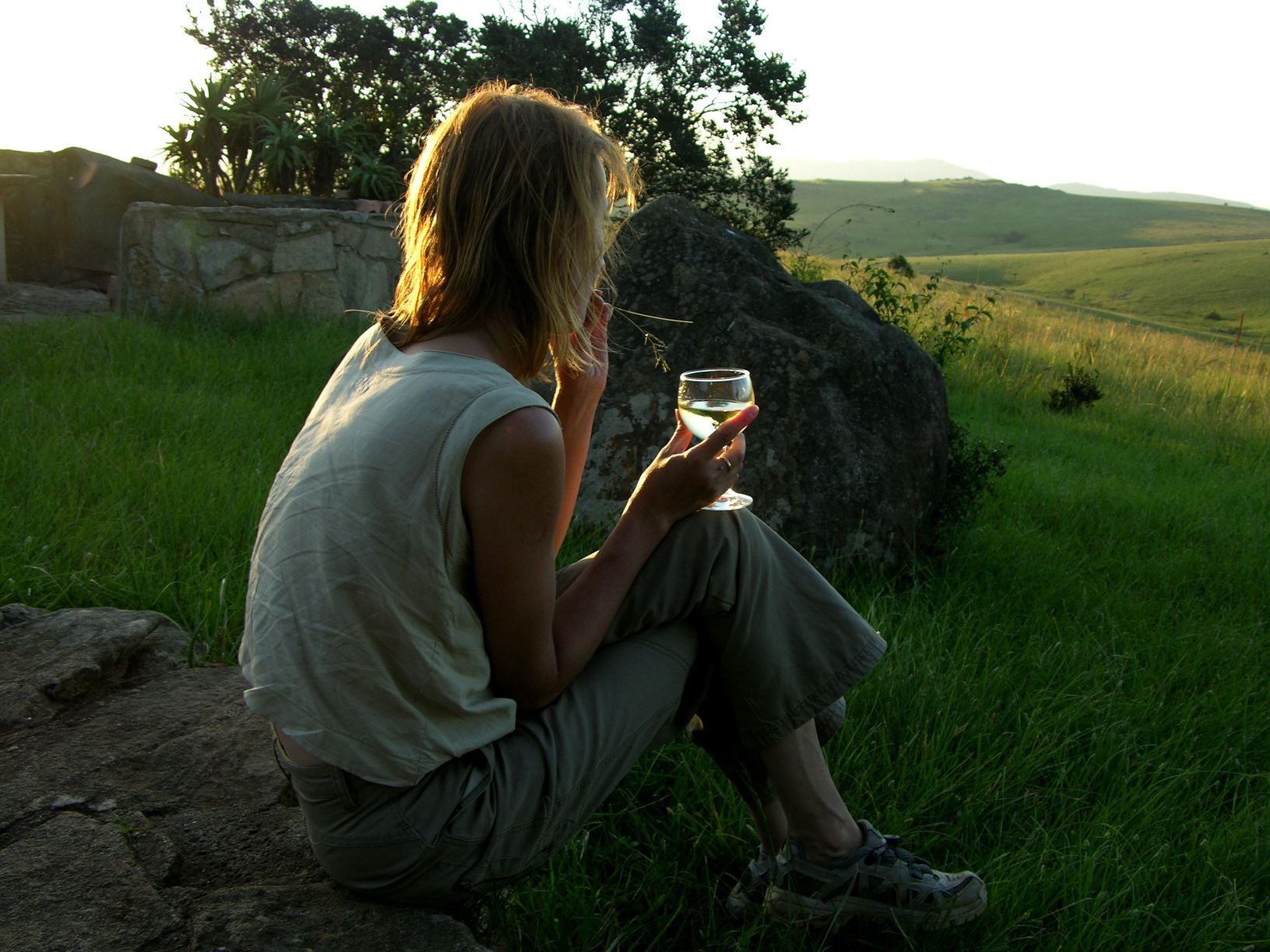
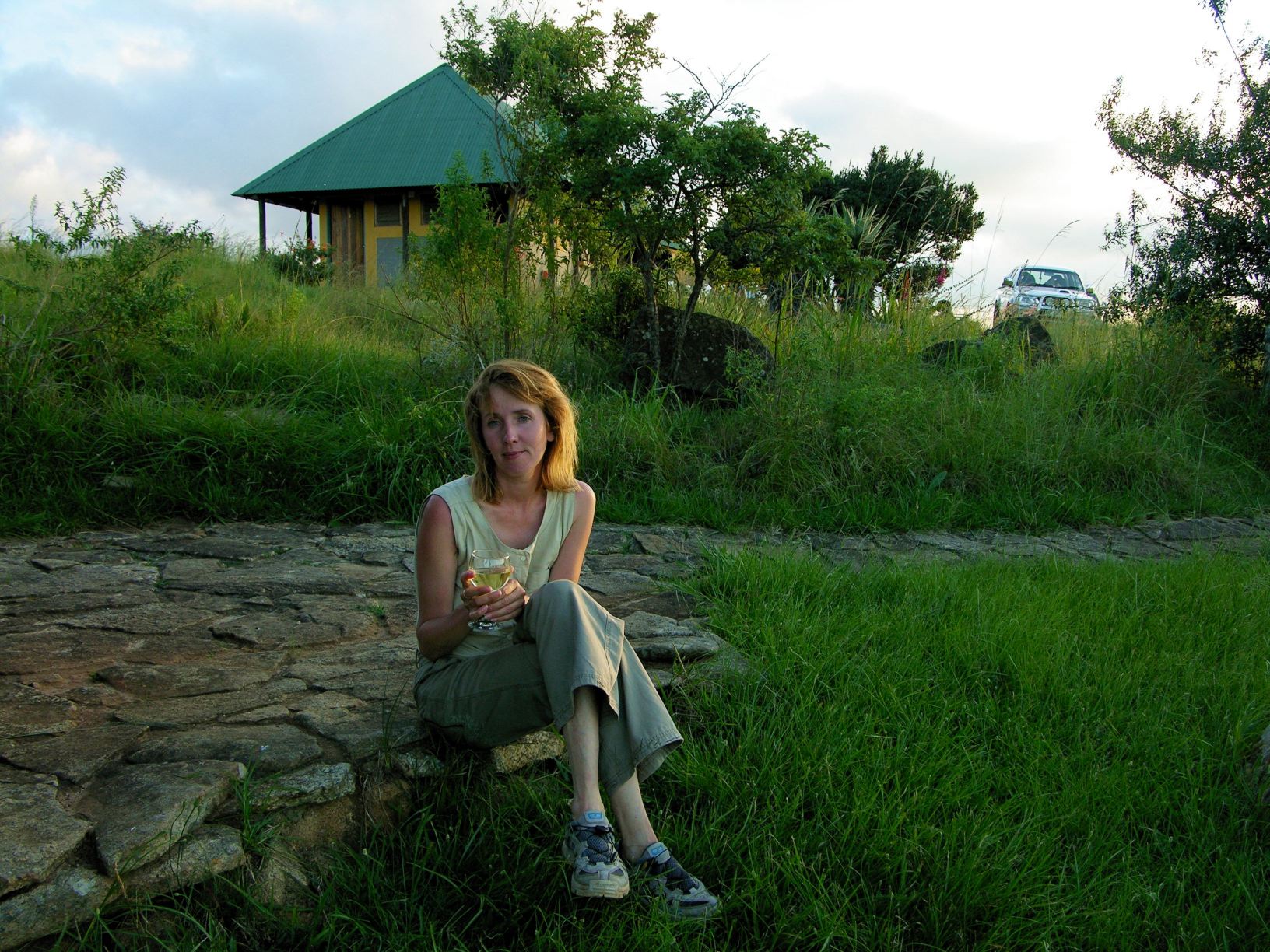
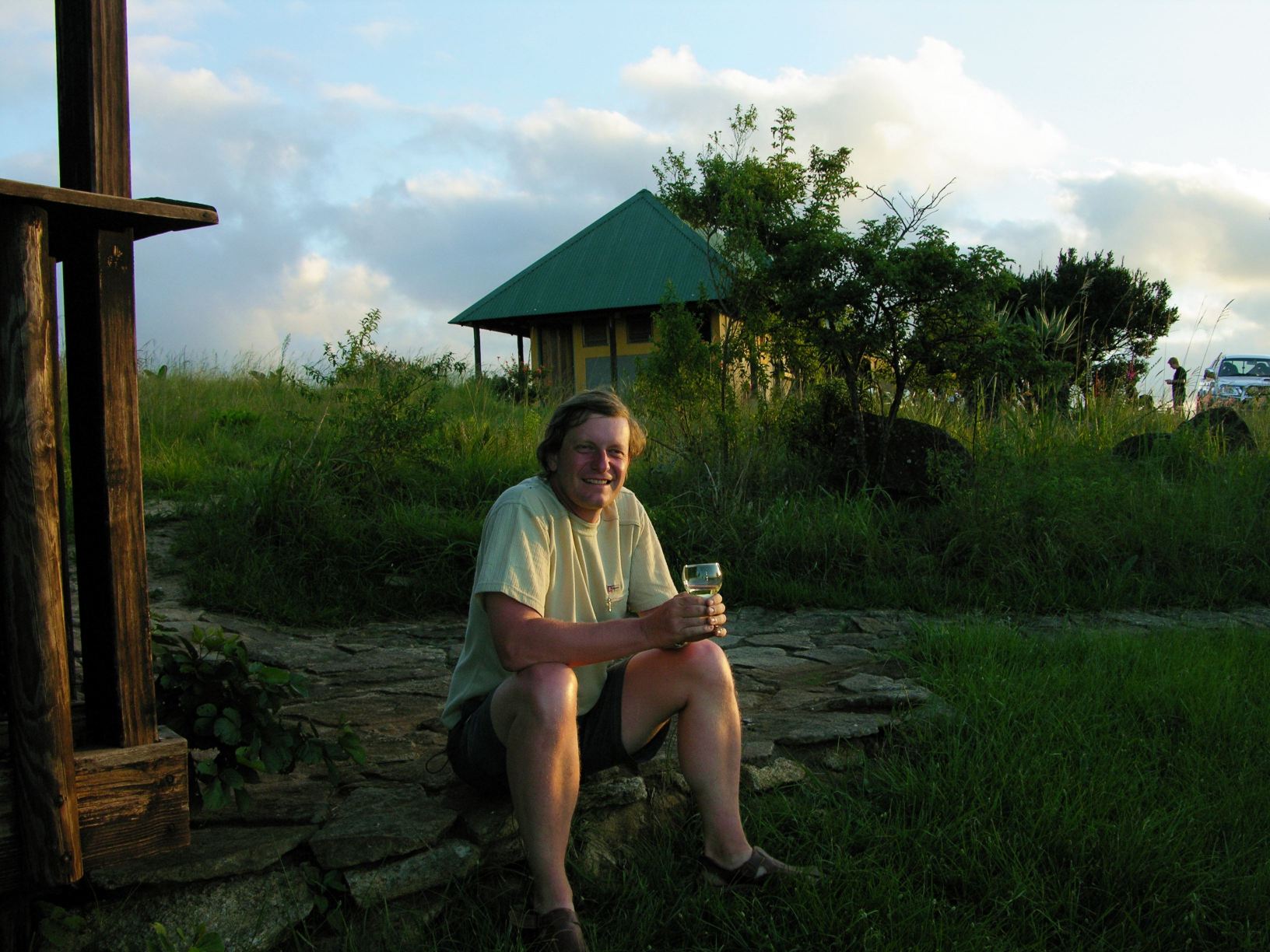
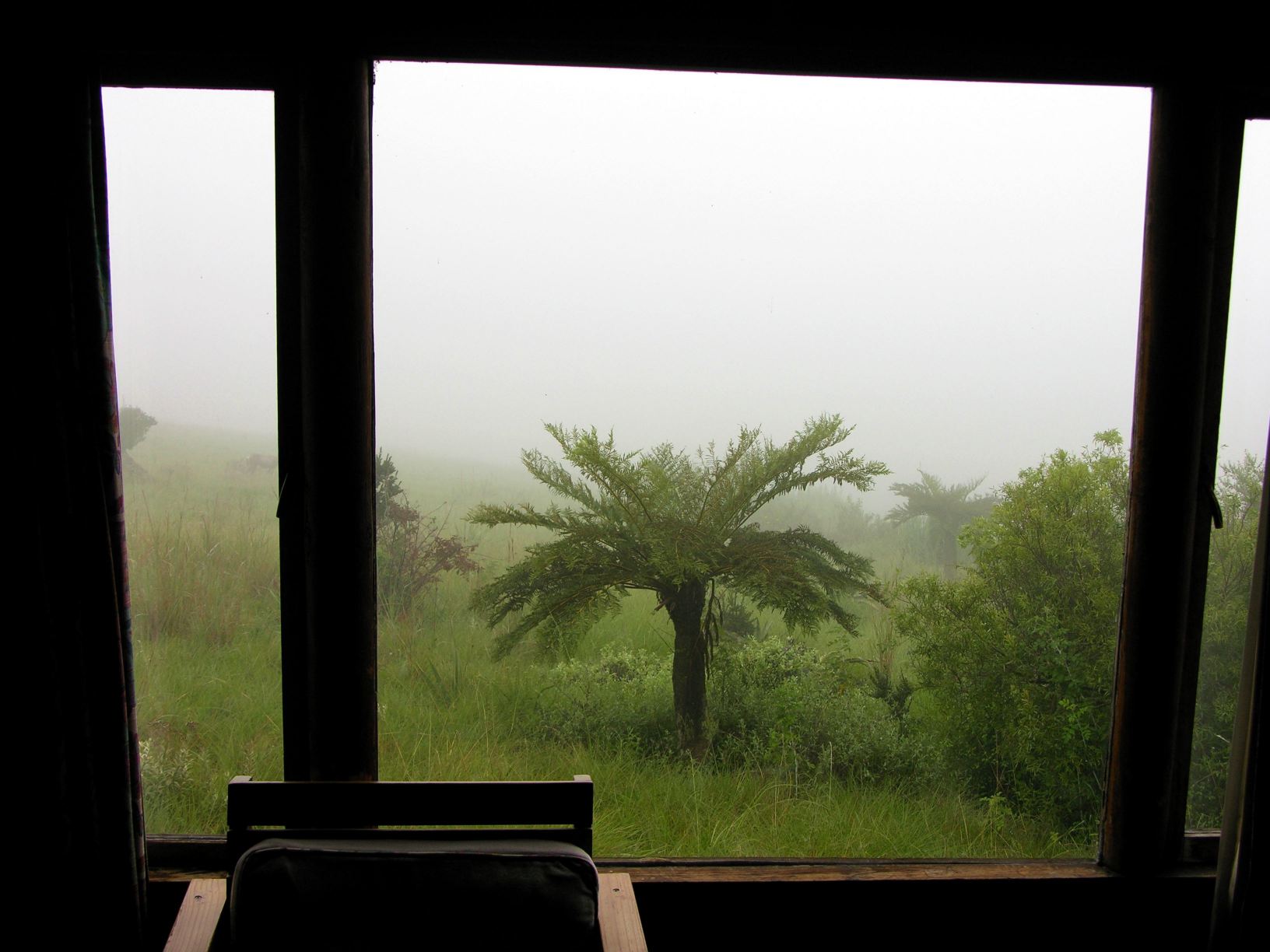
We'd hoped to hike to one of the waterfalls and camp on the remaining nights, but by evening a cyclone had closed in over the mountains. The hot African weather turned to fine, steady drizzle. You could see nothing through the veil. Visibility was a few dozen metres. Nature was evidently preparing us for our return.

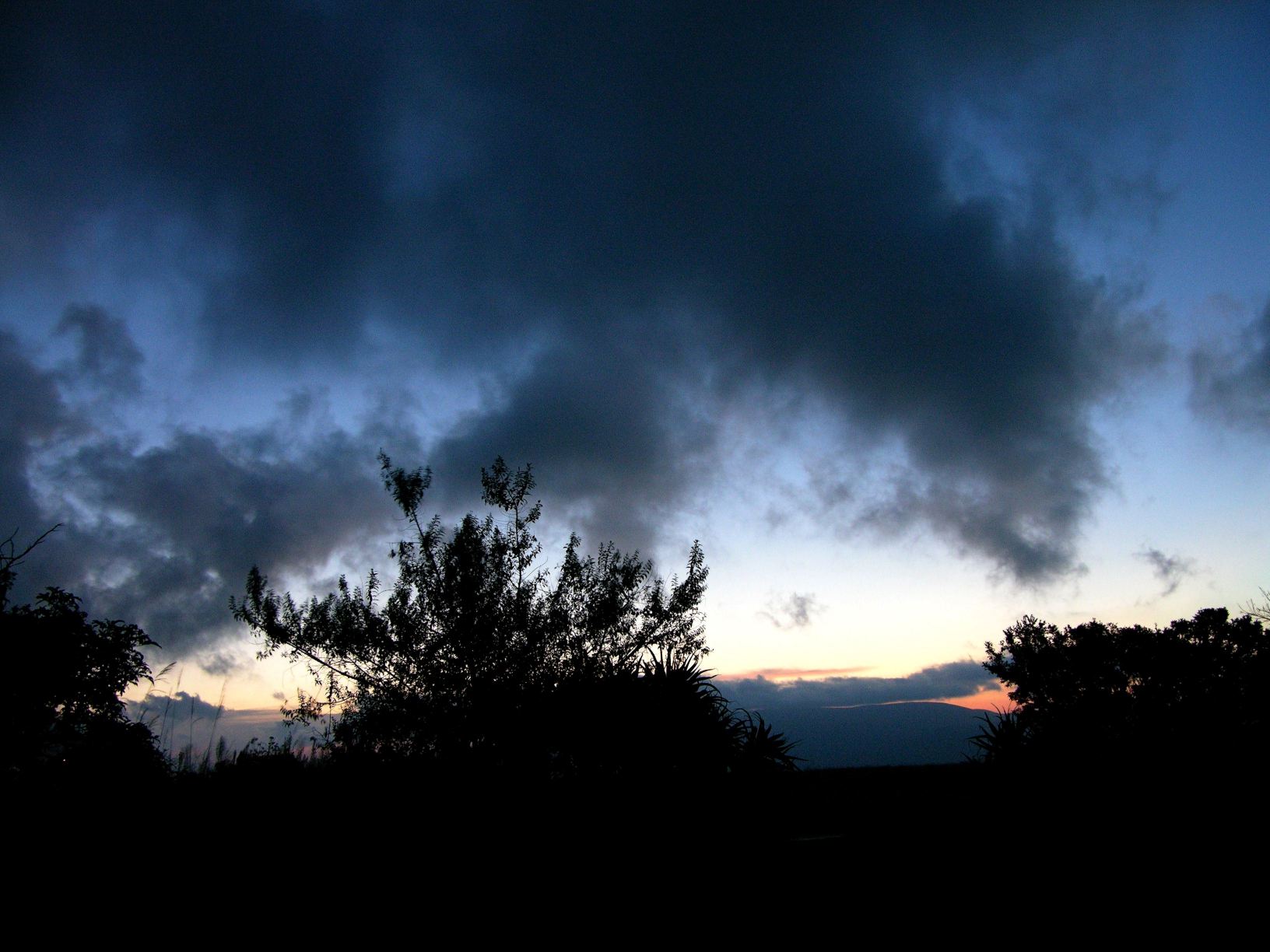
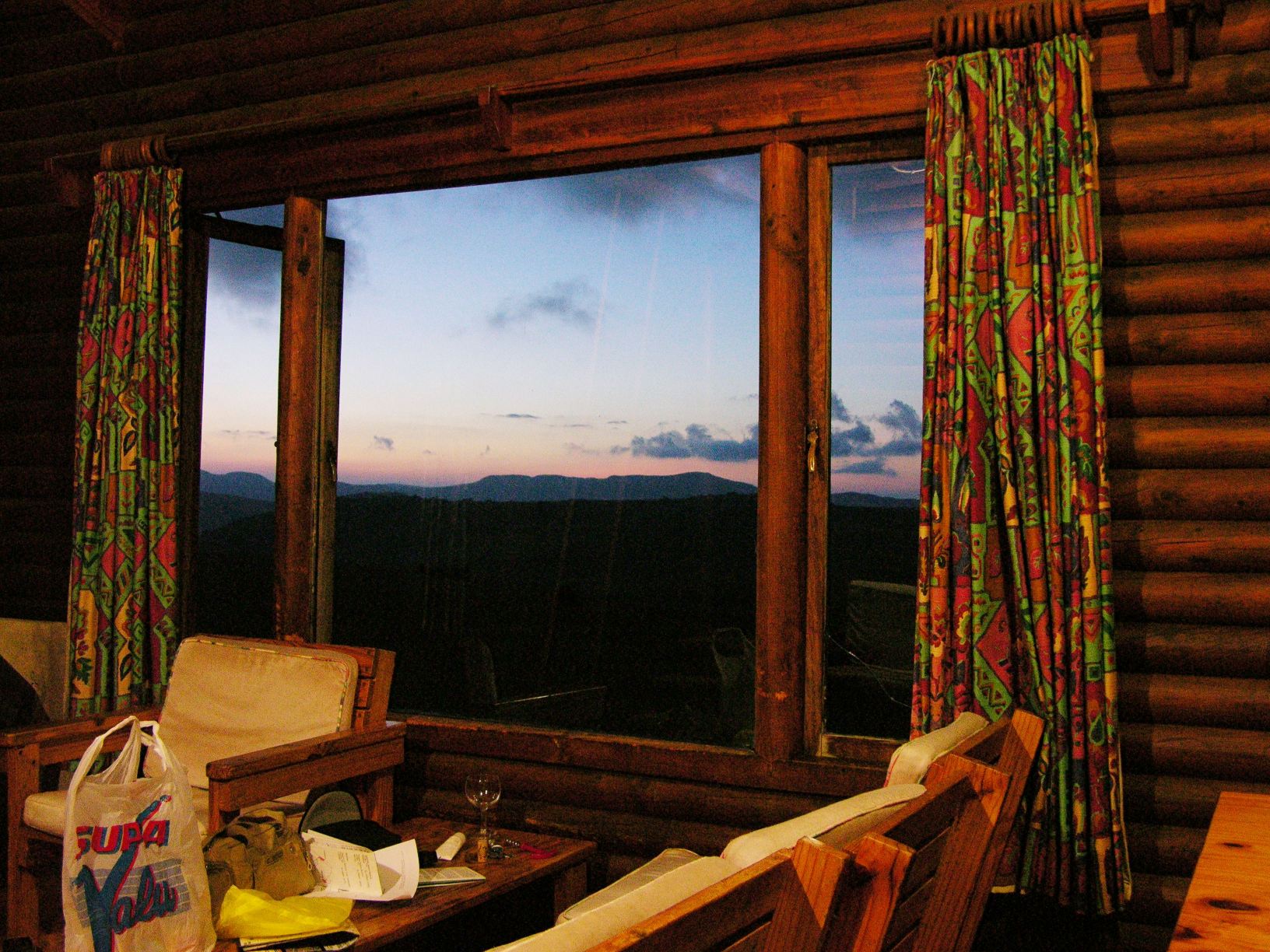
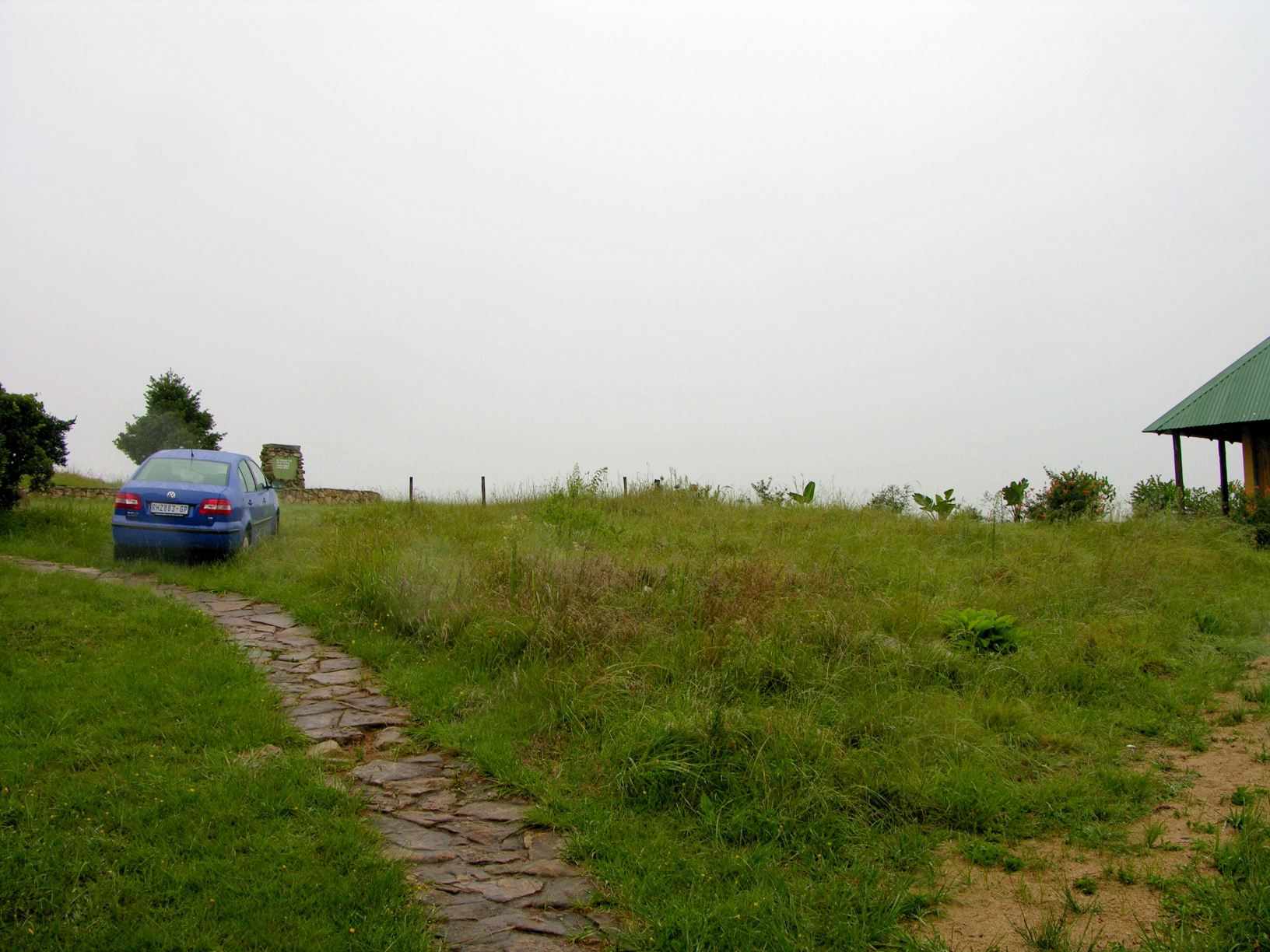
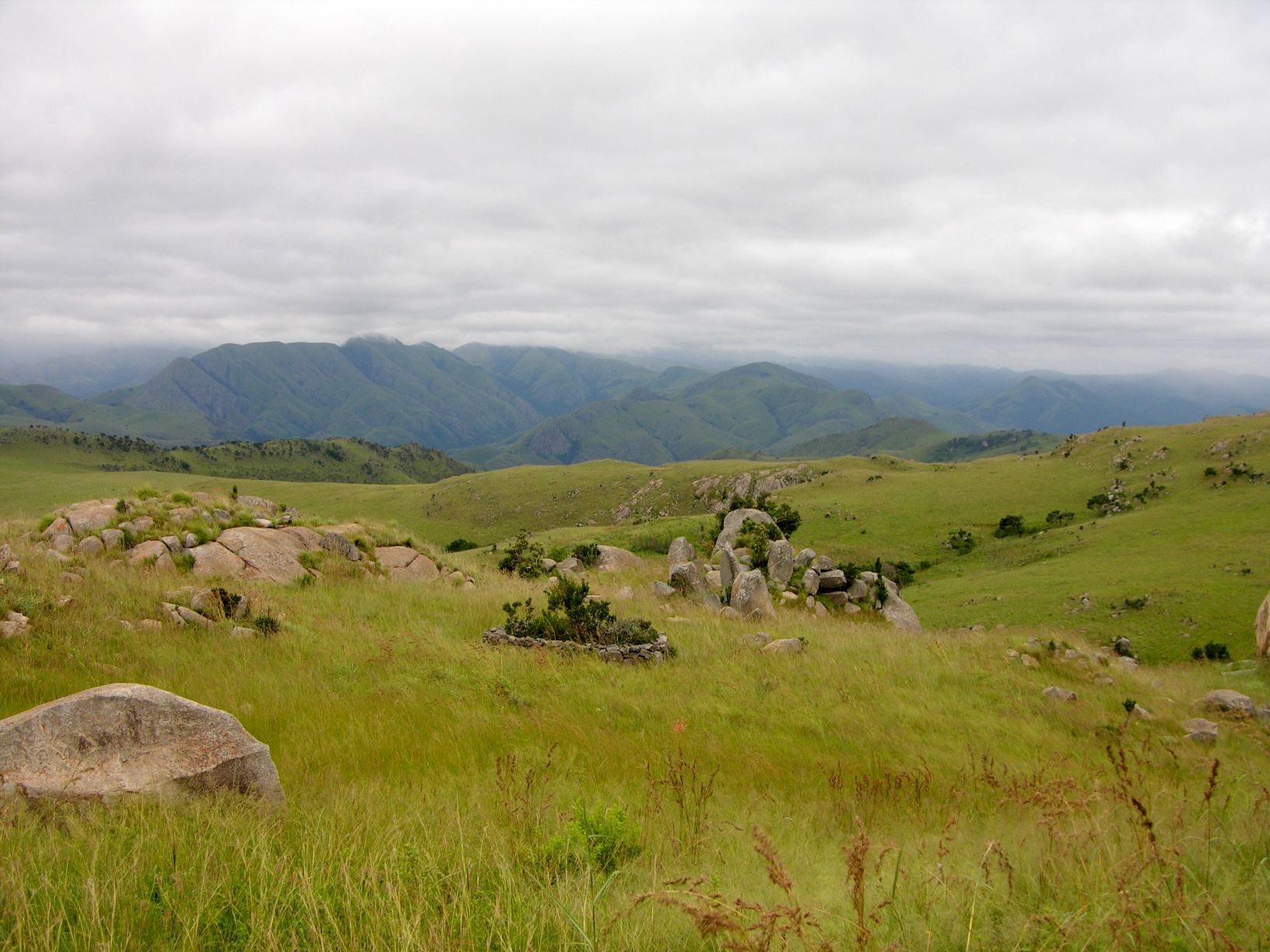
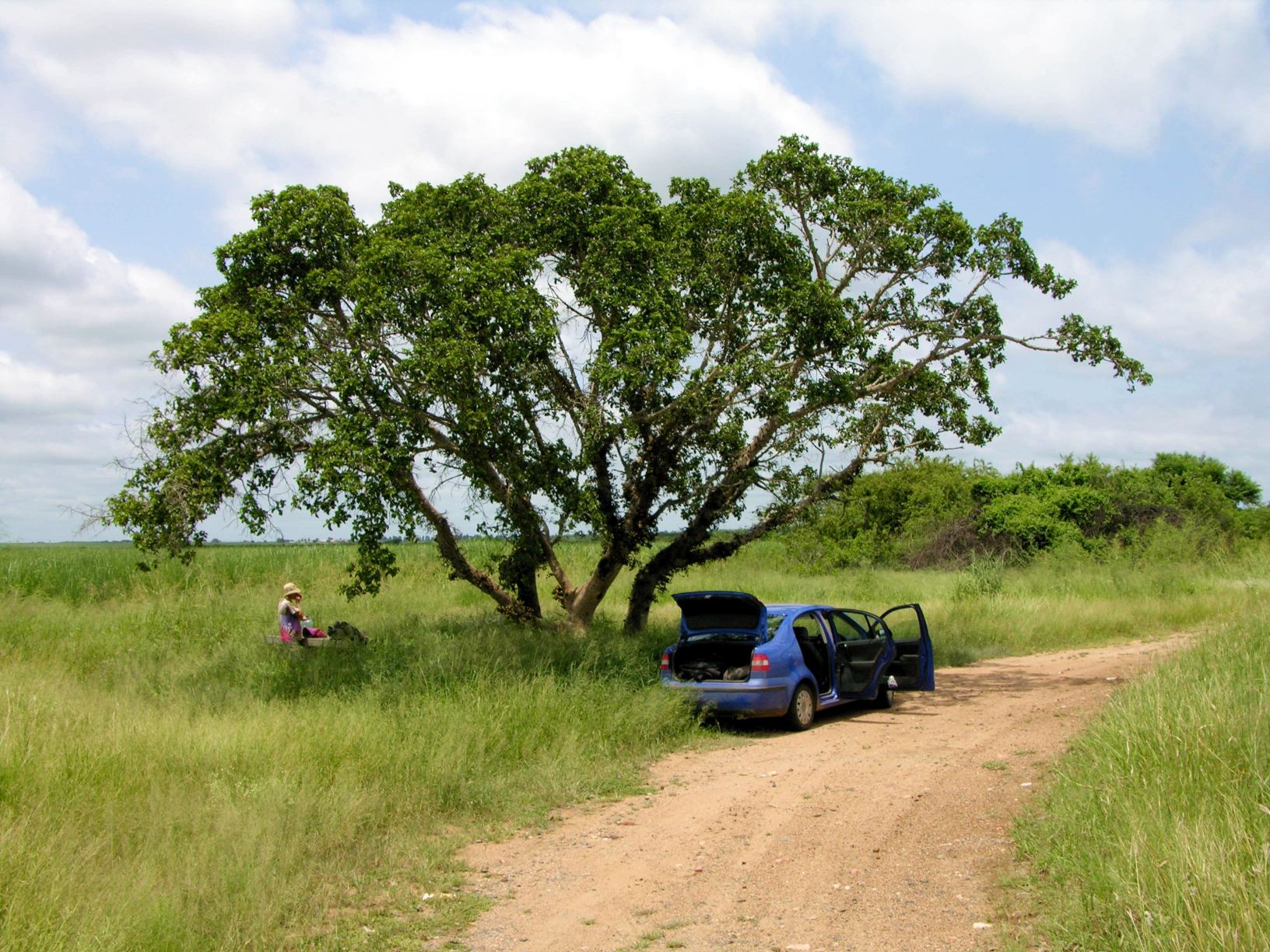
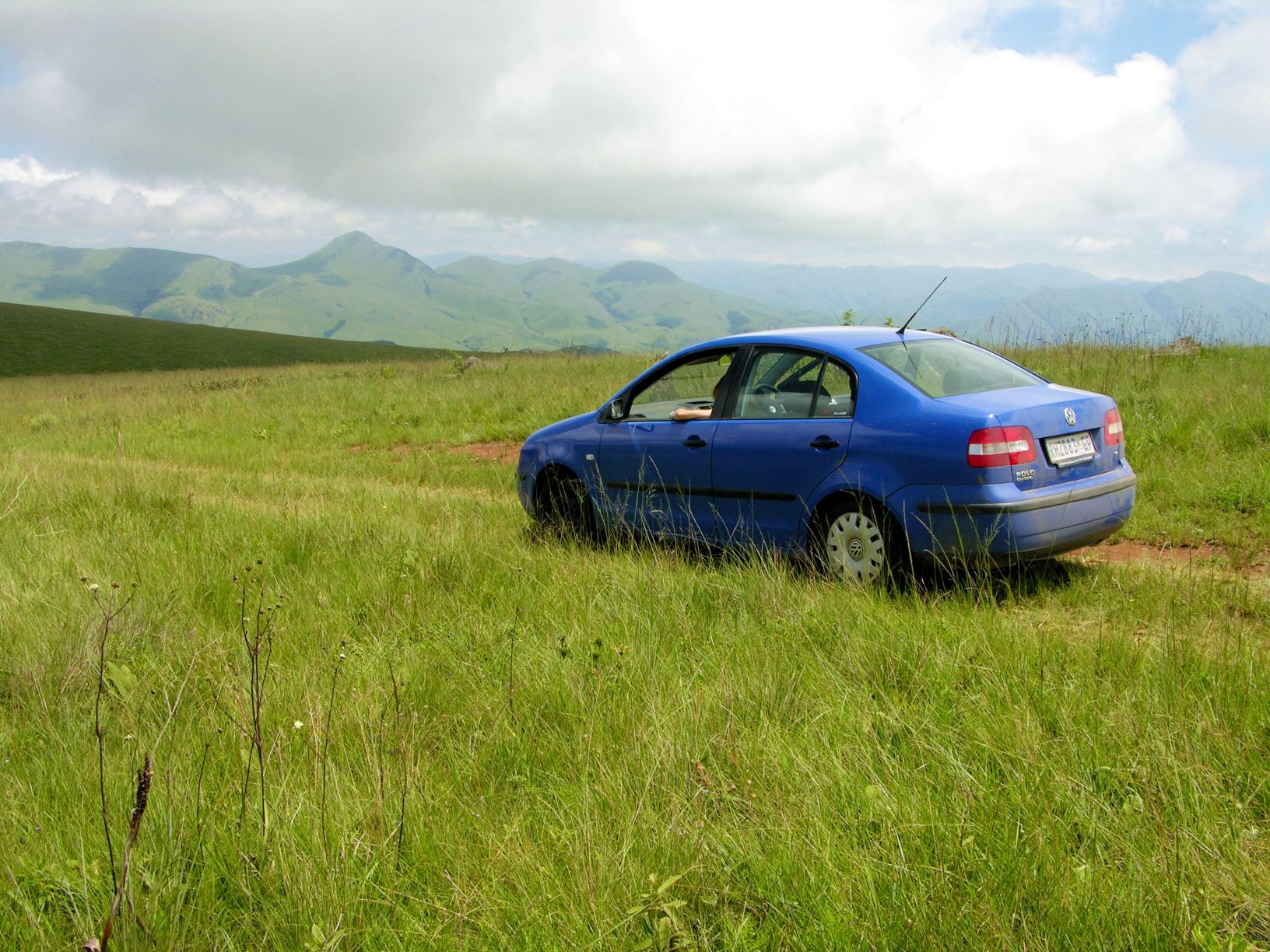
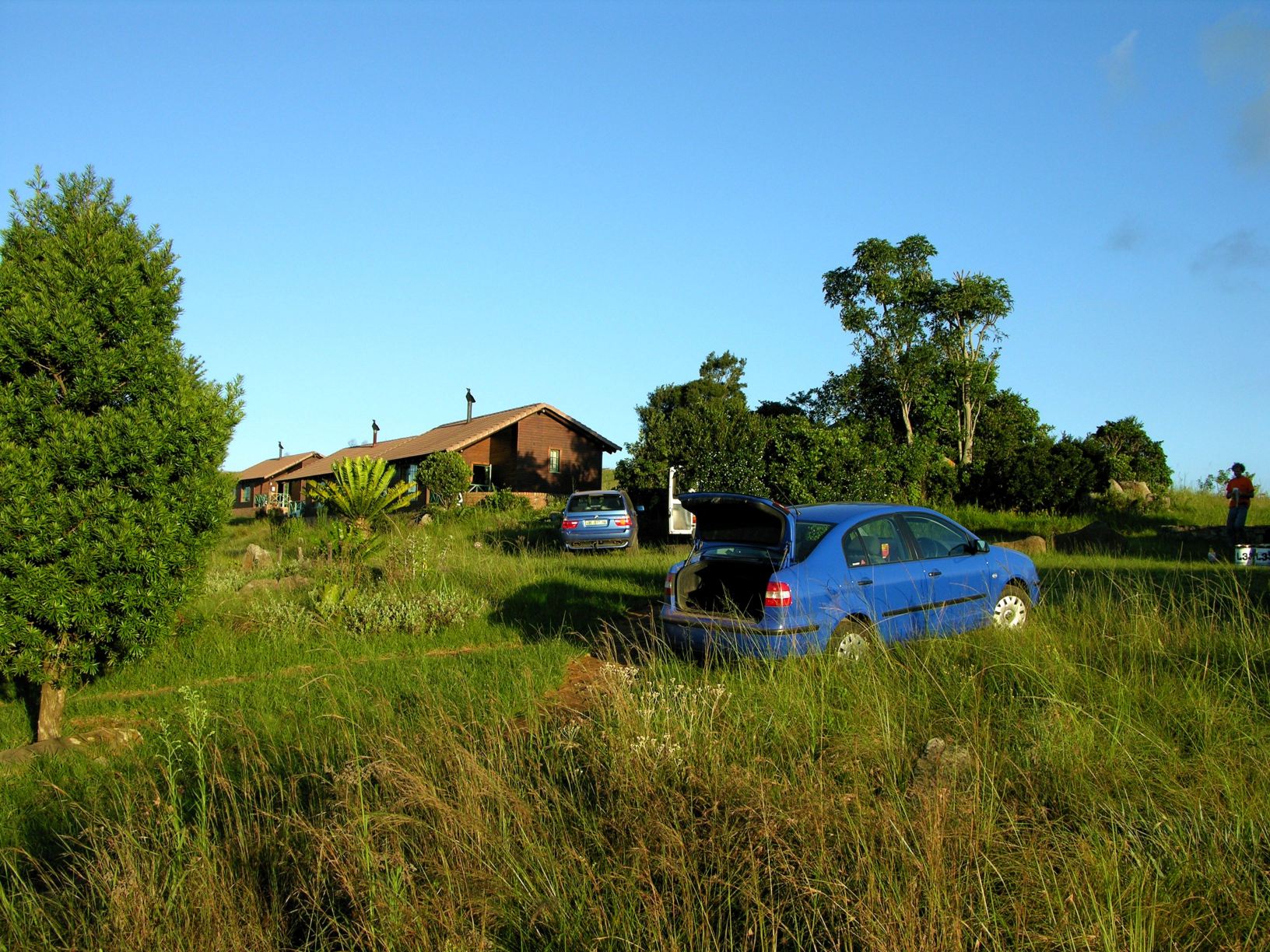
We had to give up on the hike. We'd come back to sleep here, but we thought we might as well spend the day exploring the country by car. The rain put paid to that too, as it turned out. Our car had been left on the grass on the slope, and was stuck fast in the fresh mud. The other people at the campsite were South Africans who came here to ride quad bikes. There was nowhere they could legally ride them in South Africa, so they came to Swaziland. They'd spent the whole evening tinkering with their metal steeds, but by morning they'd vanished without a trace. There was nobody to help push. We spent a few hours fetching bricks we'd found nearby and wedging them under the wheels before our little blue car could get back on the road.
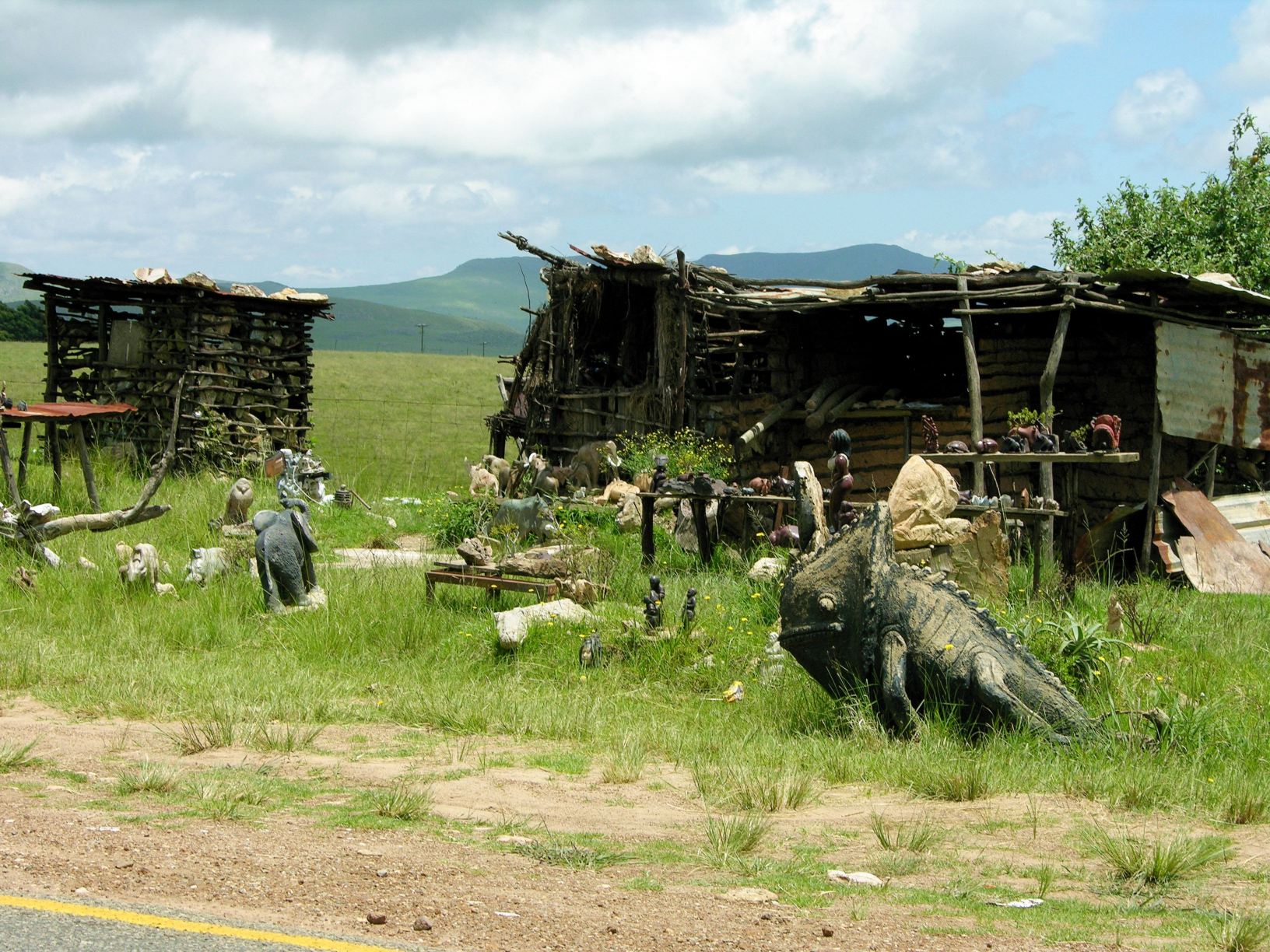
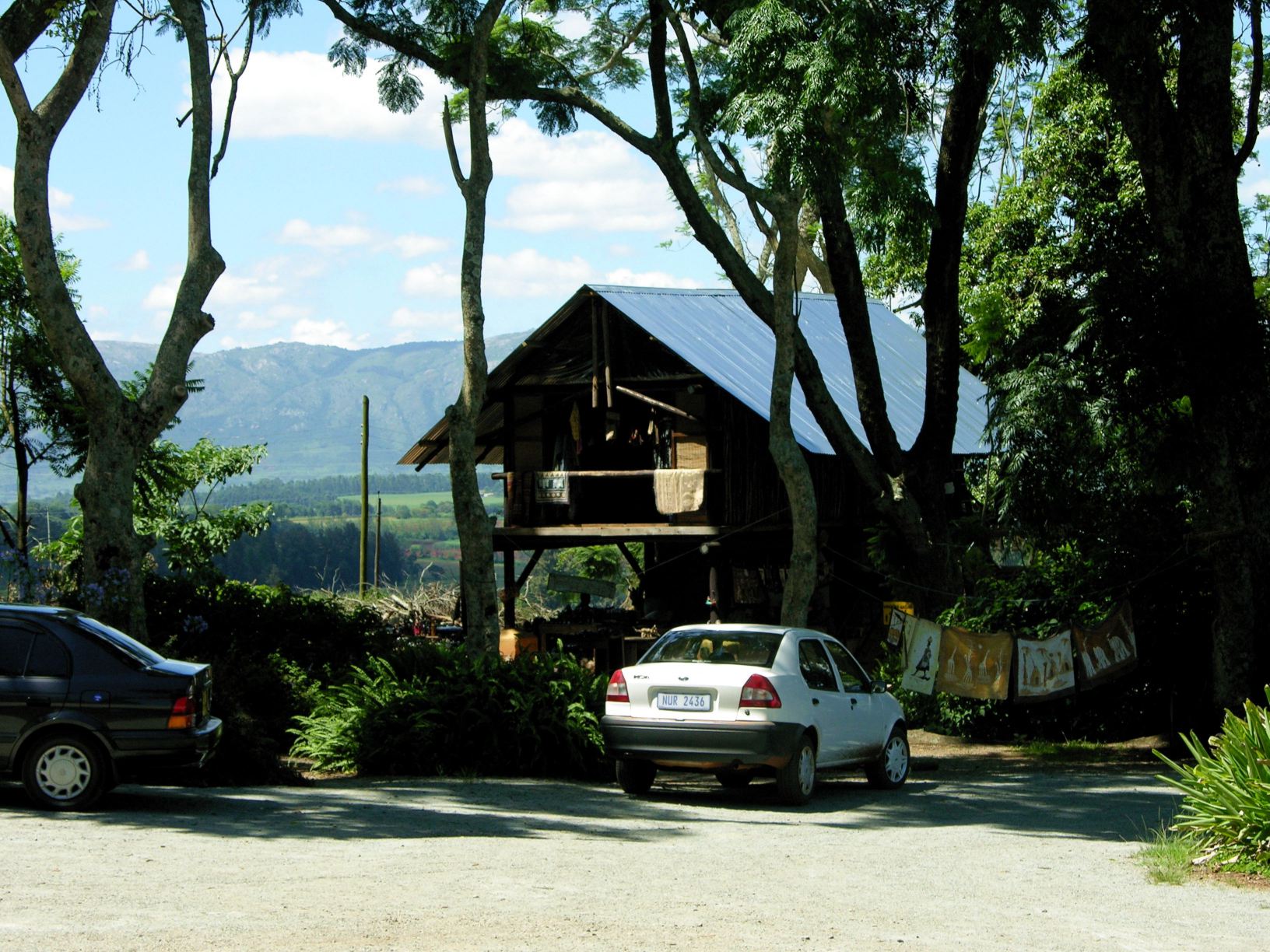
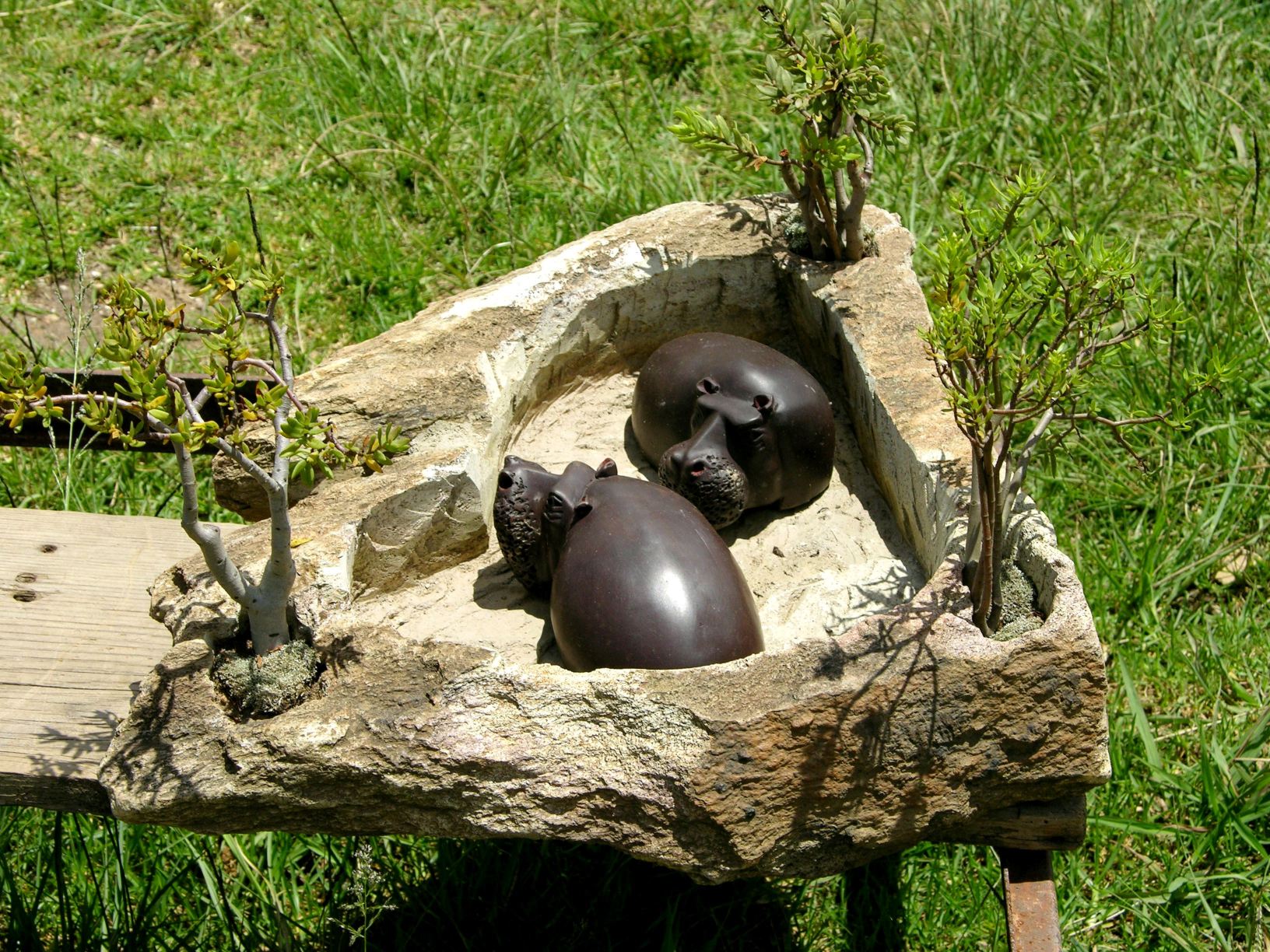
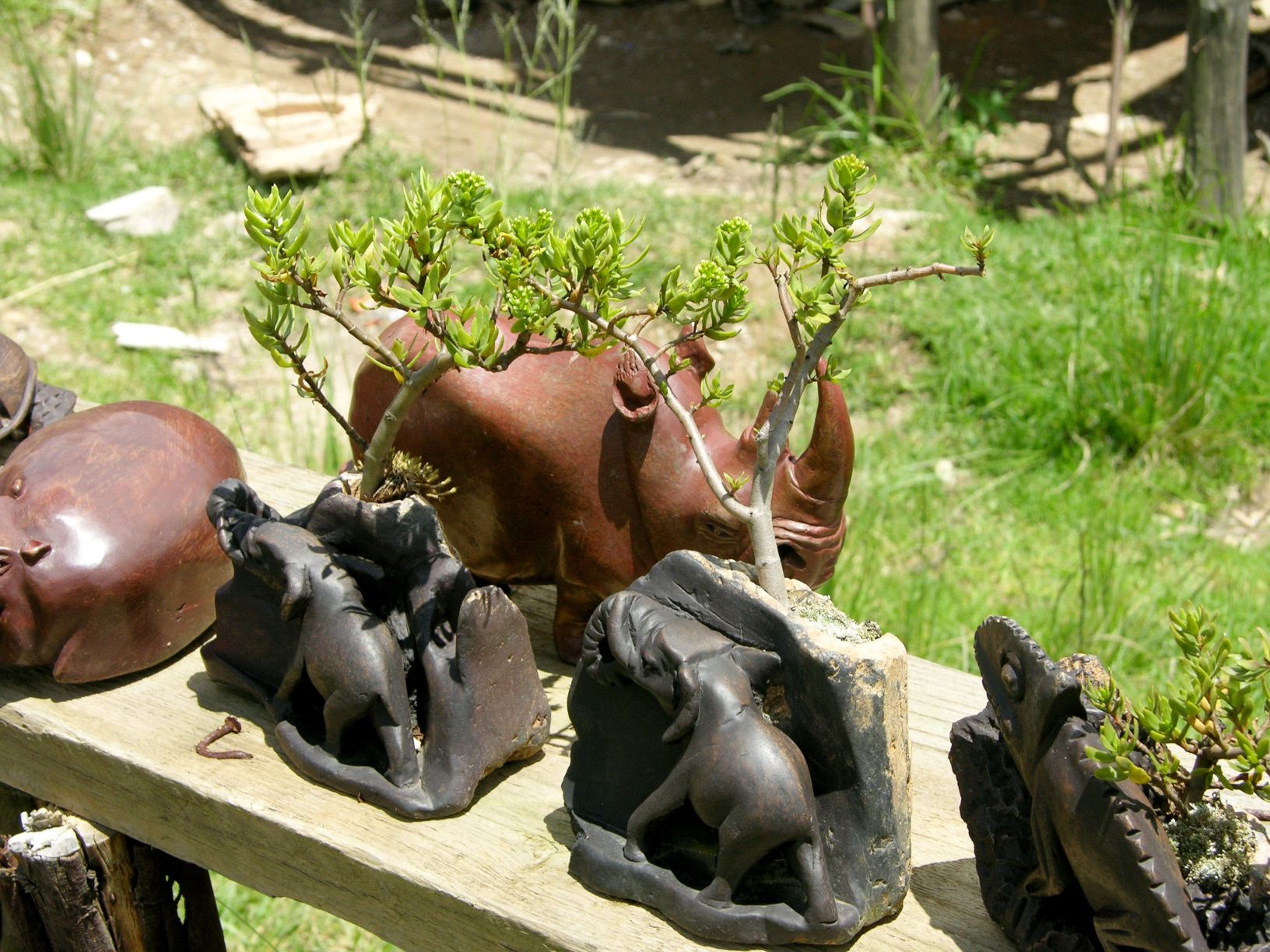
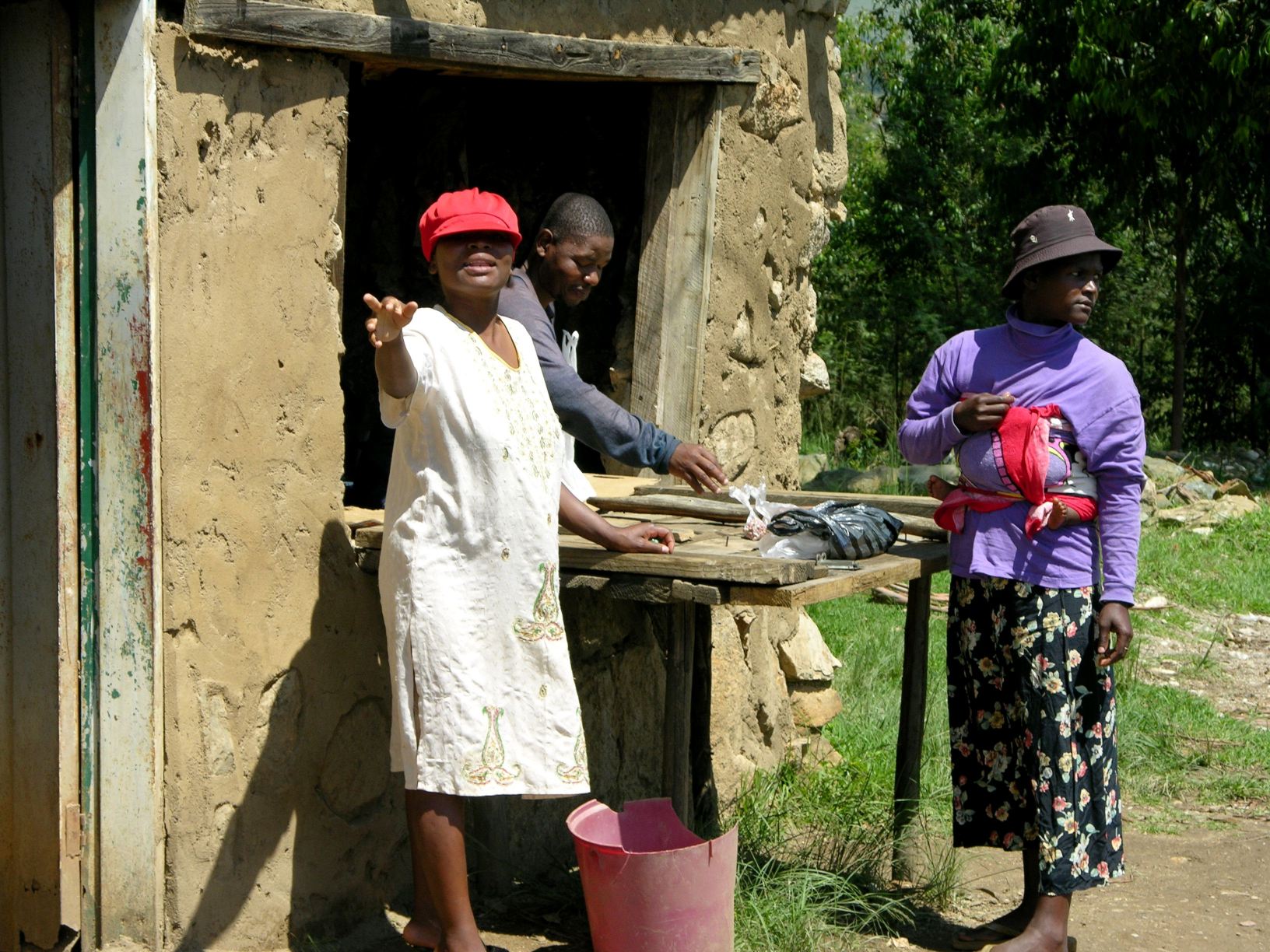
First we stopped at a handicraft market. In fact, there were stalls everywhere. Along many roads people sold trinkets carved out of stone, different animals and the like. It was all very cheap. A ten-kilo elephant was only fifteen rand. We liked it, but how were we going to get it home? We thought it over for ages, sized it up, and ended up buying the elephant, plus a rhino and a hippo. We'd see at the airport whether they'd take them as luggage and how much it would cost. If it was too expensive, we'd leave them there. We also bought a metre-high wooden giraffe, a pile of smaller things and two enormous woven baskets.

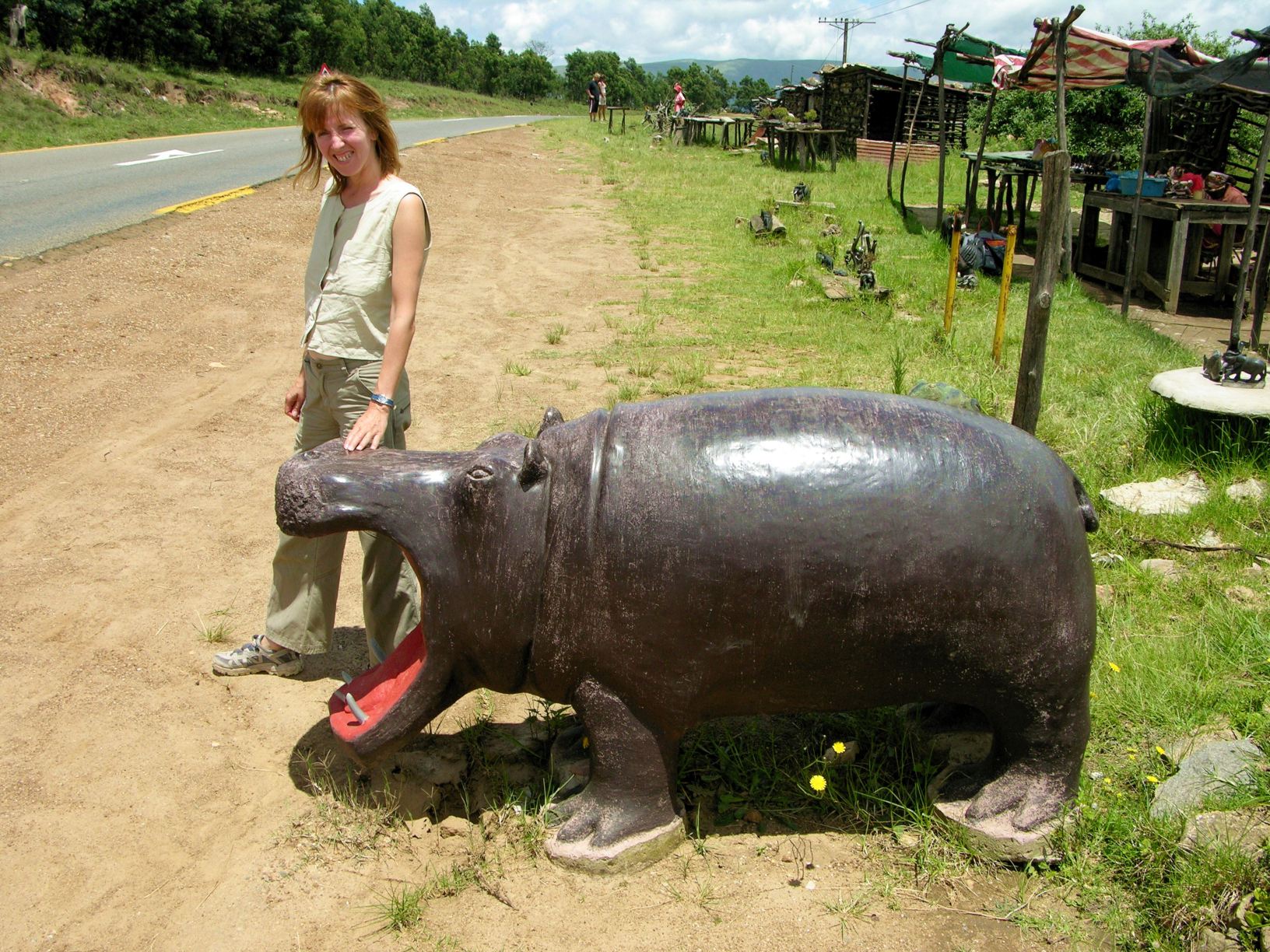
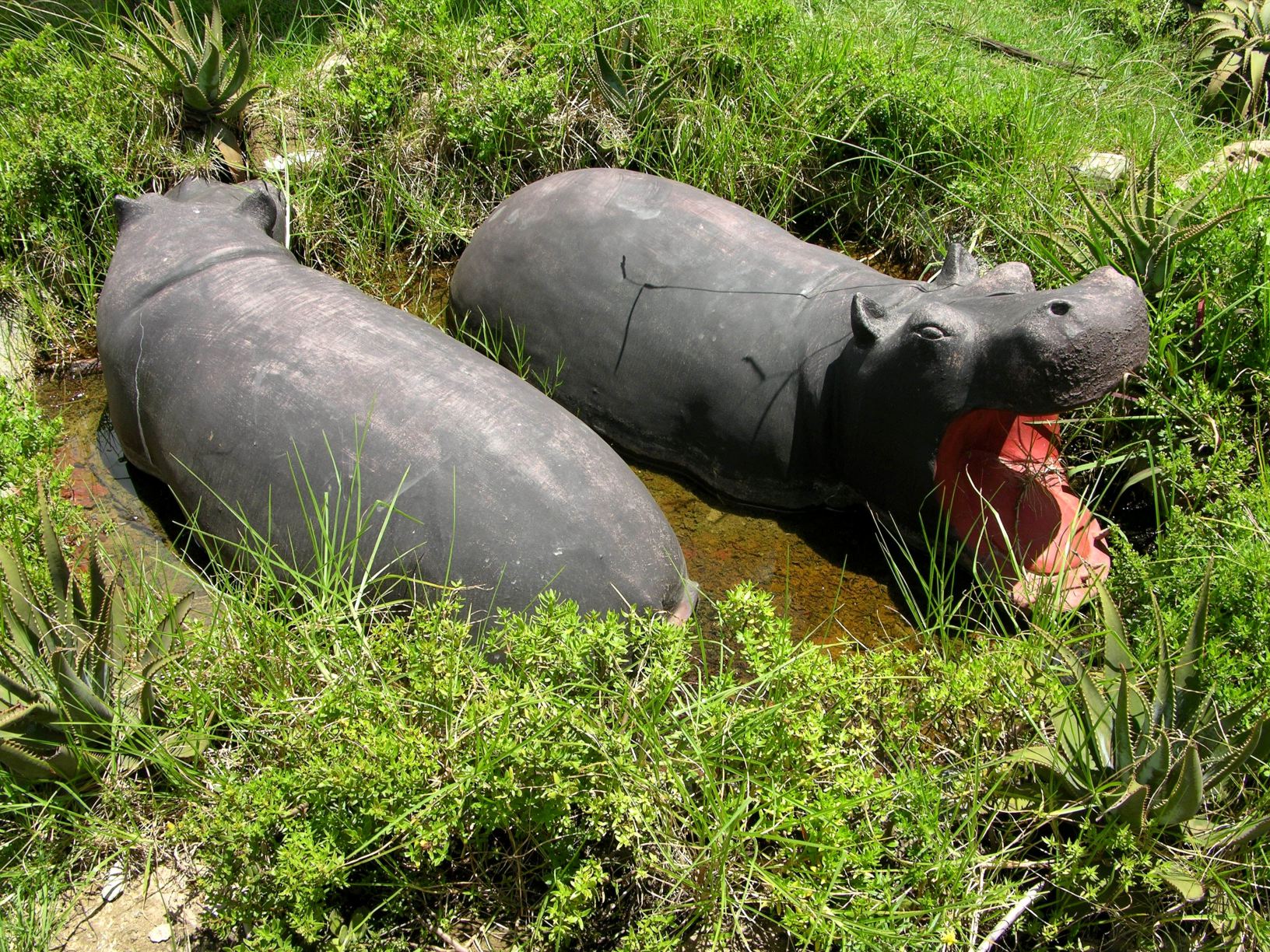
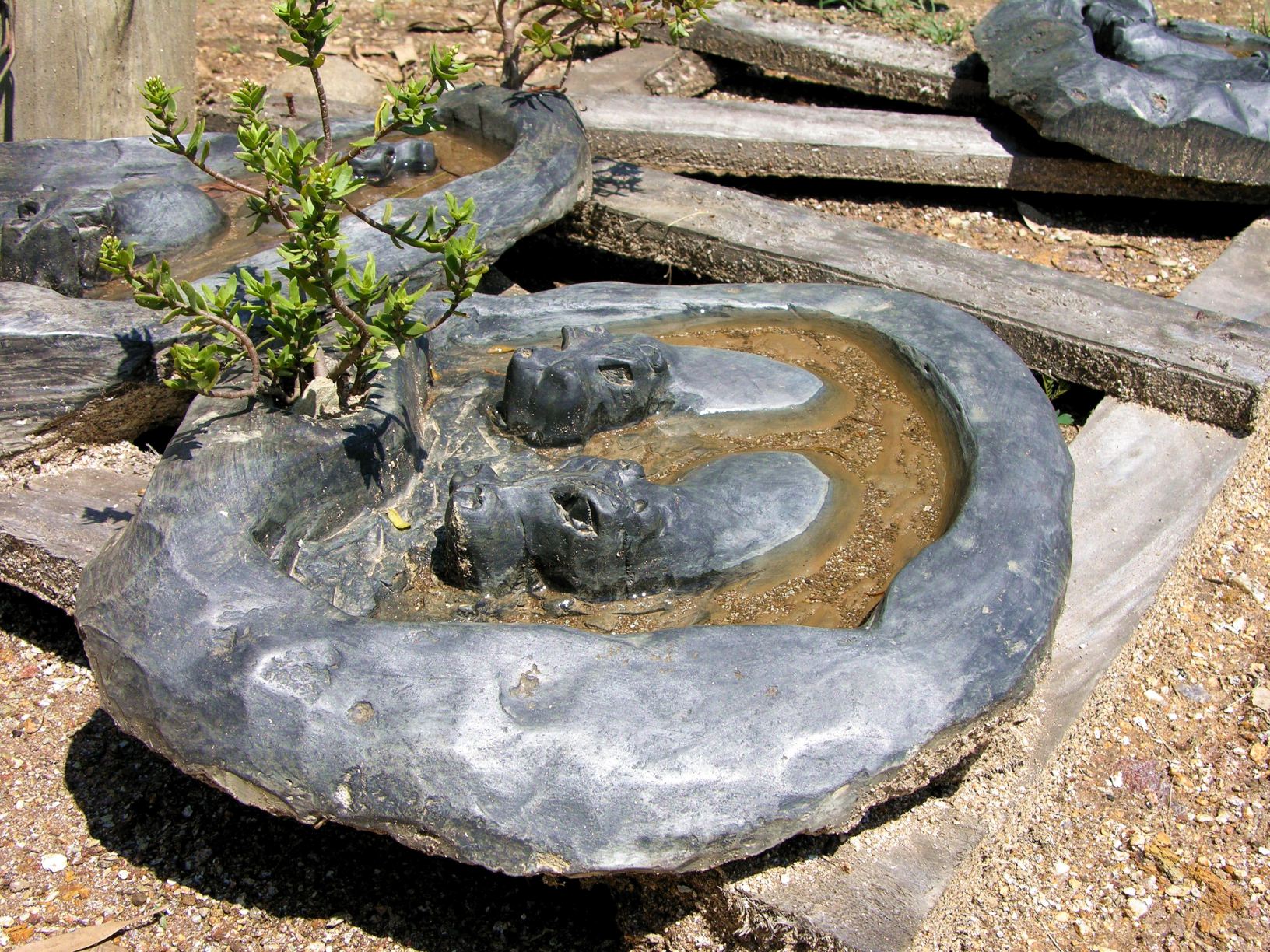
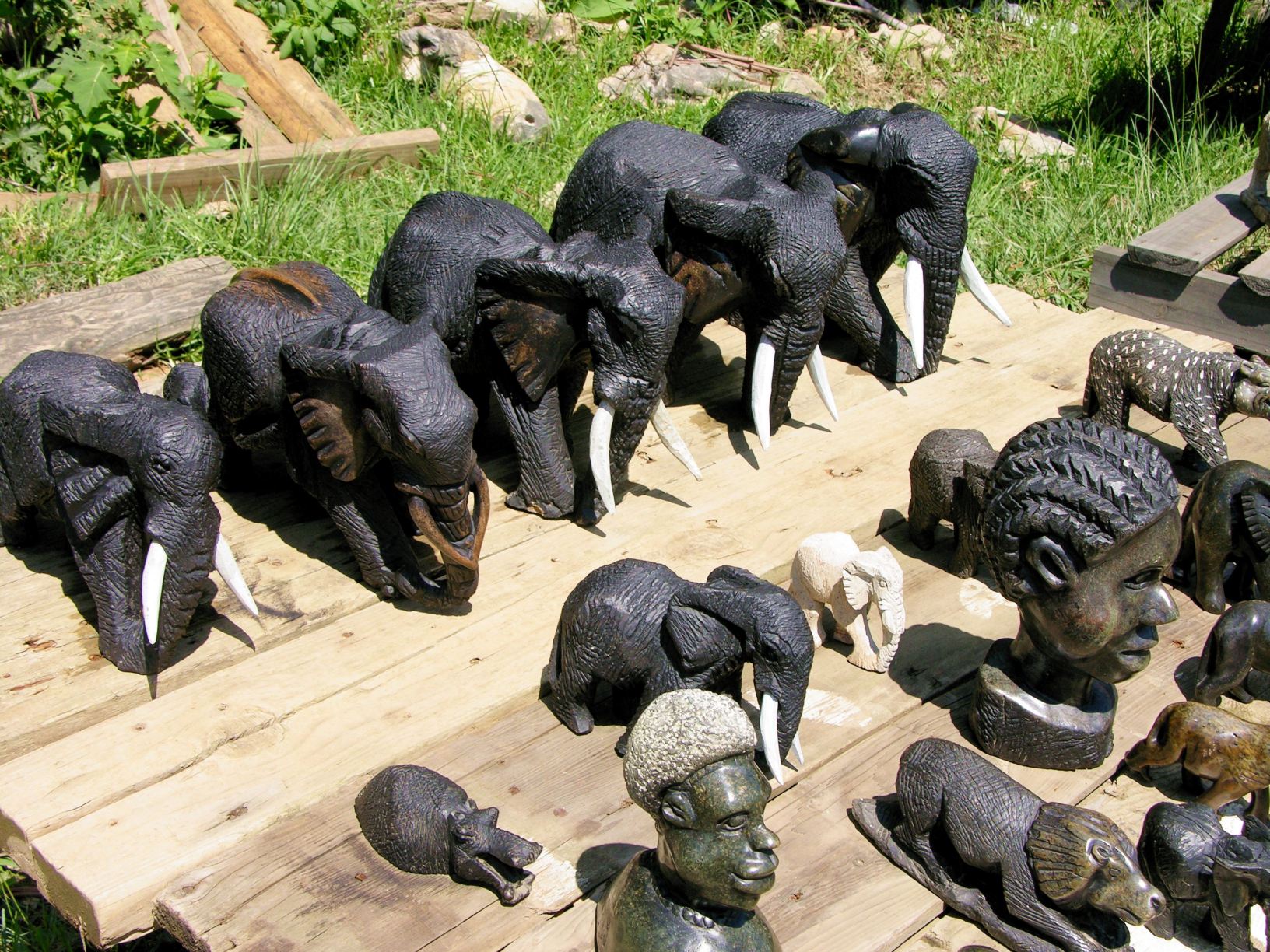
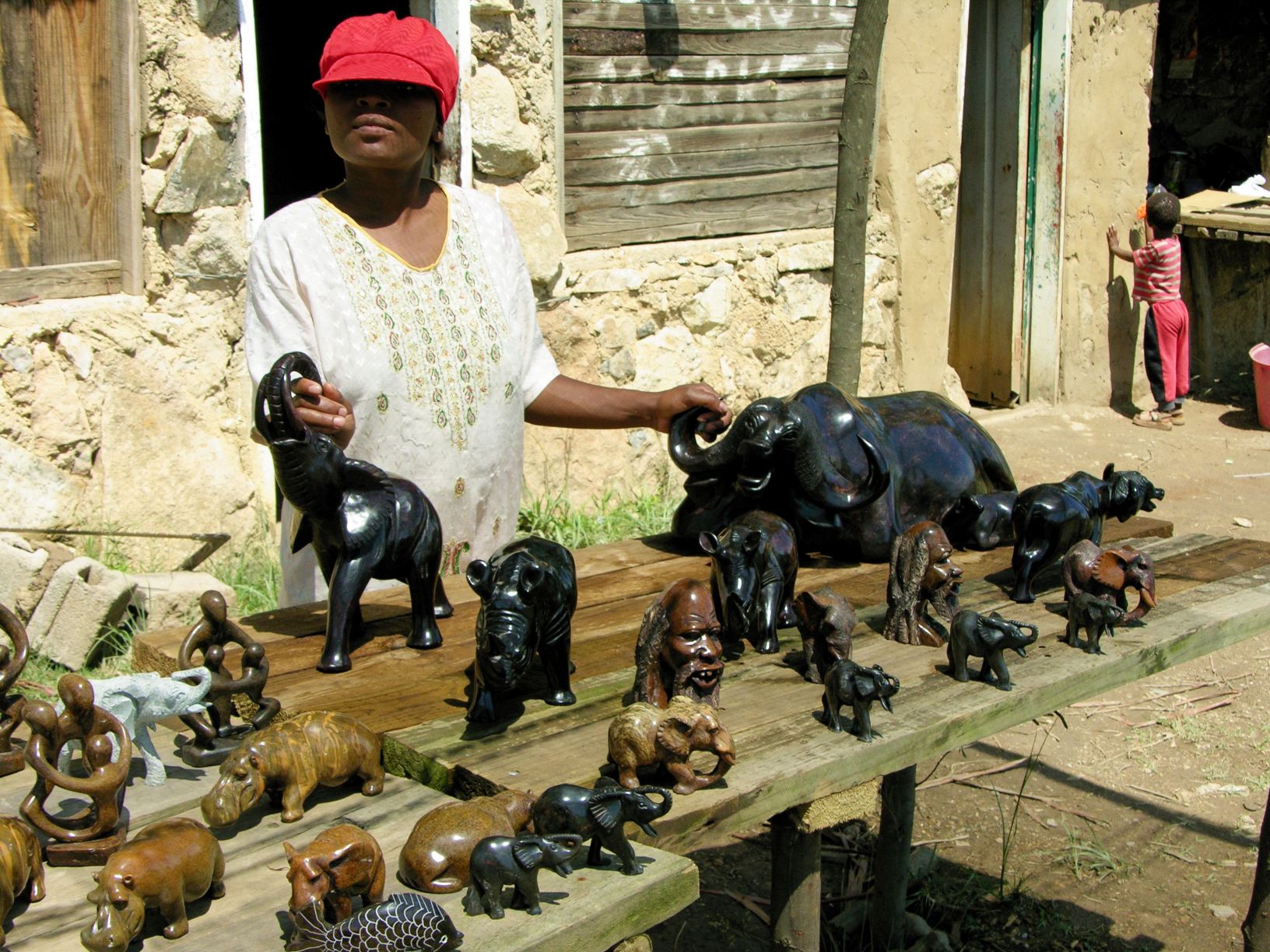
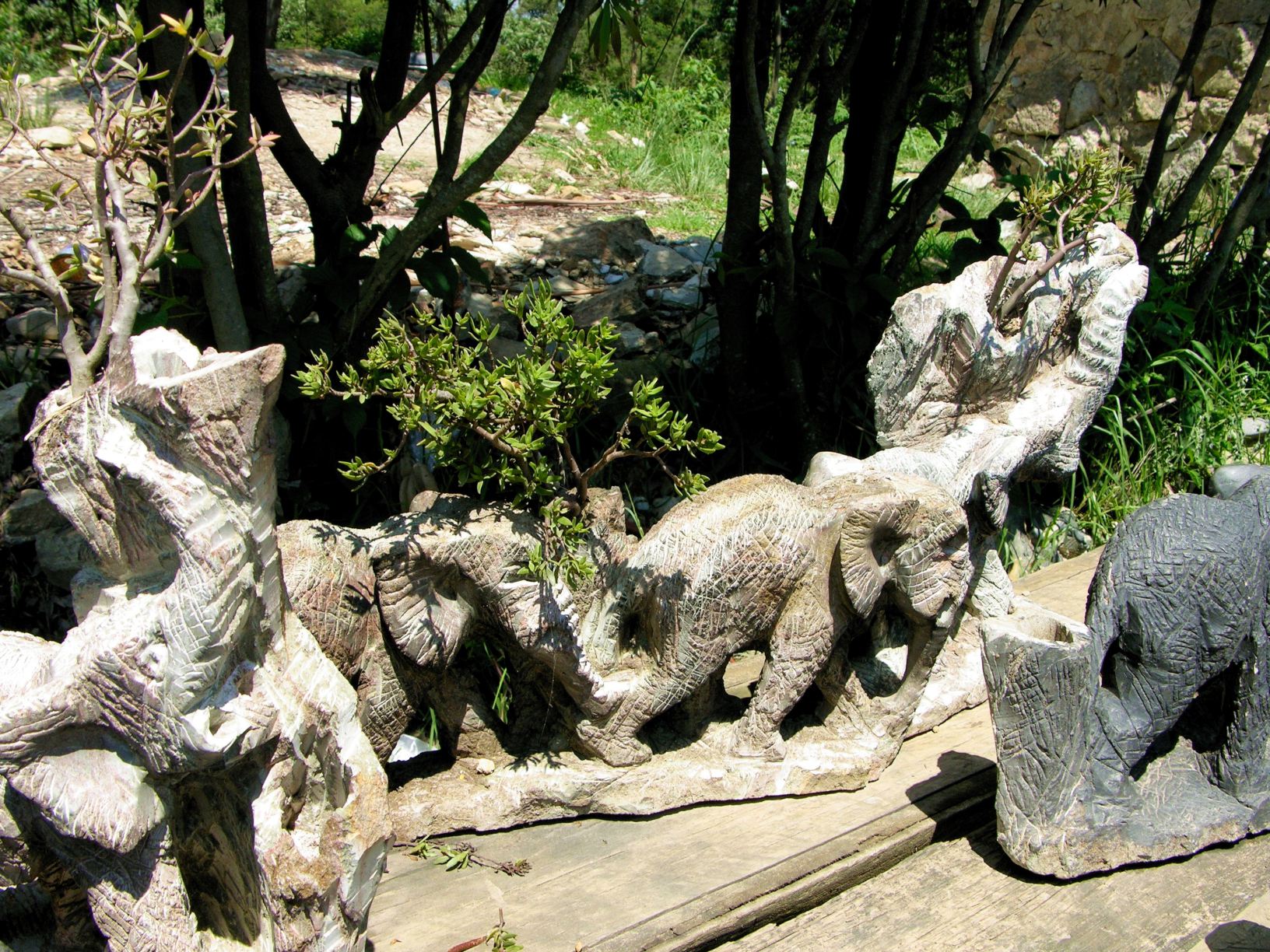
With the car packed to the roof, we went to the local glassworks. They make glassware by hand, another local speciality. It was all beautiful, but I was afraid there'd be little left of it if we packed it in with the elephants and hippos. We could at least watch them making it. An elevated walkway over the workshop let you see the whole process for yourself.
You can buy glass and carvings on the west side of the country, in the mountains. The best market was at Motjane, on the main road to South Africa. As a bonus, you picked up the South African network there and could send your text messages.
In the south of the country they make candles. Some are shaped like animals and others are painted with pictures. They were all lovely and we bought ten or so. I chose one with a sun on it for myself. It sits in front of me now. On cold, dark evenings I light it, and a little bit of the hot African sun shines for me.
By evening the rain had eased and the fog began to lift. The neighbouring mountains emerged from the veil, but it was too late for a long hike. Back in the park, we decided to walk for a few hours around the campsite. We got back after dark.
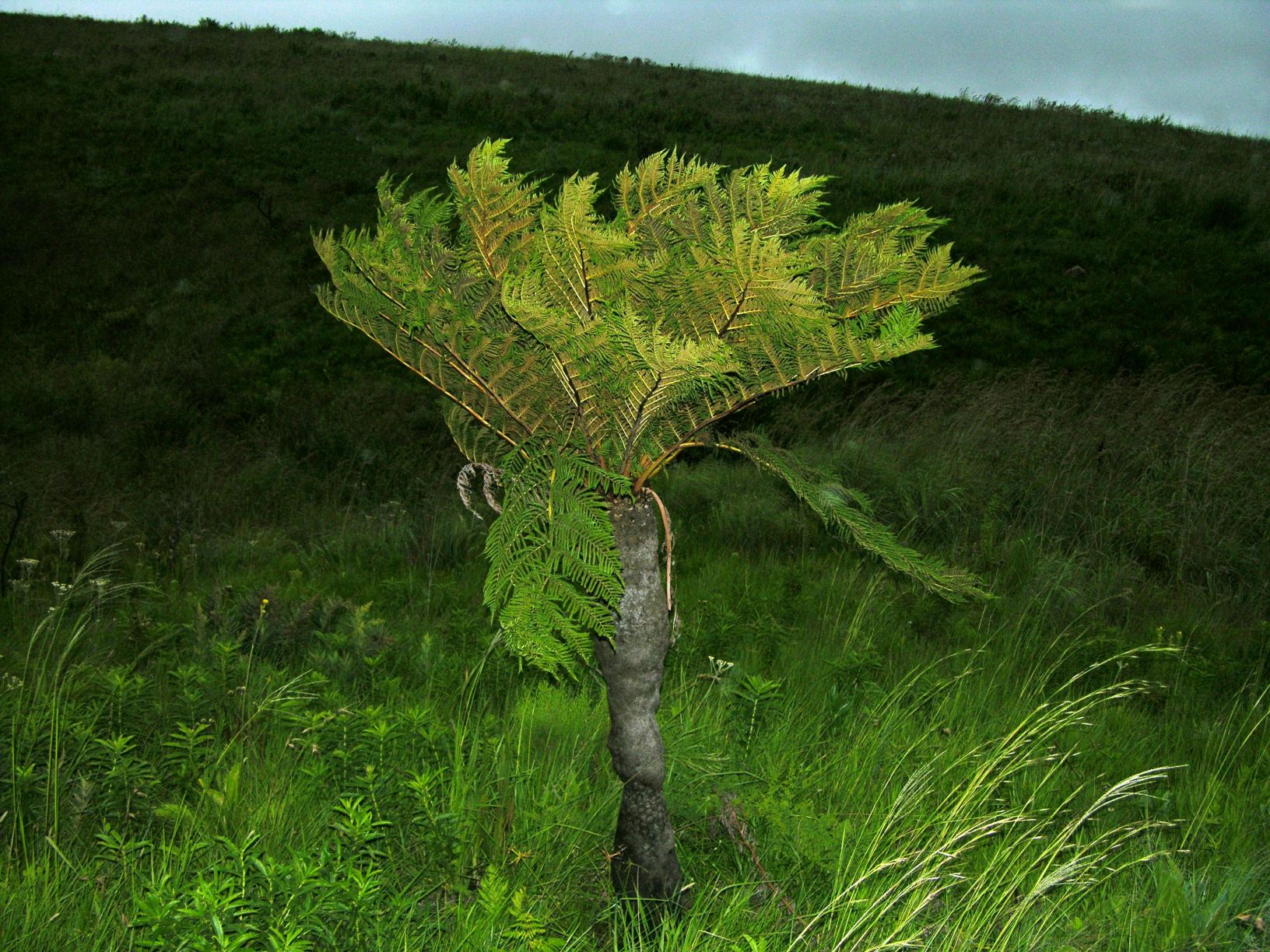
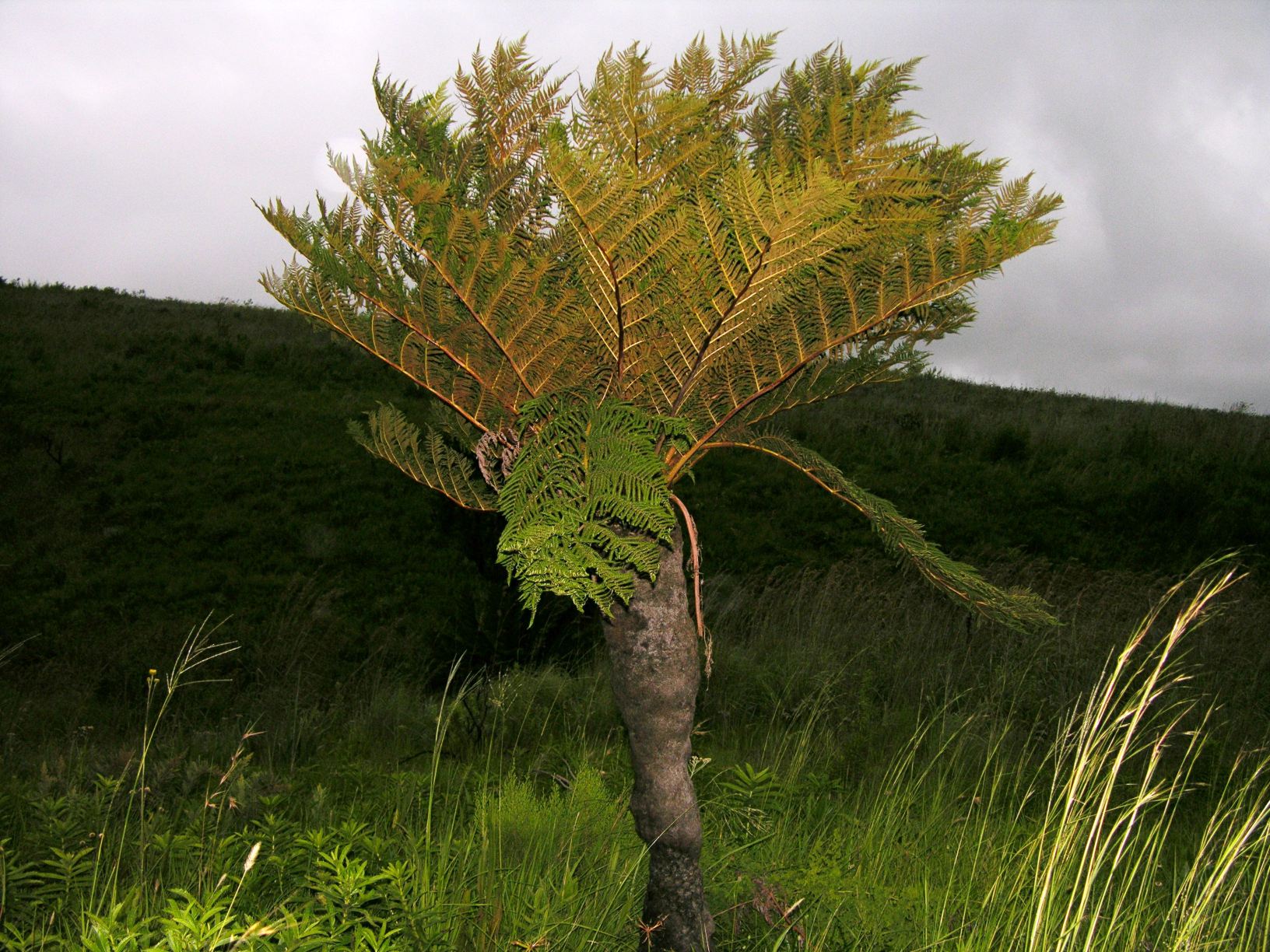
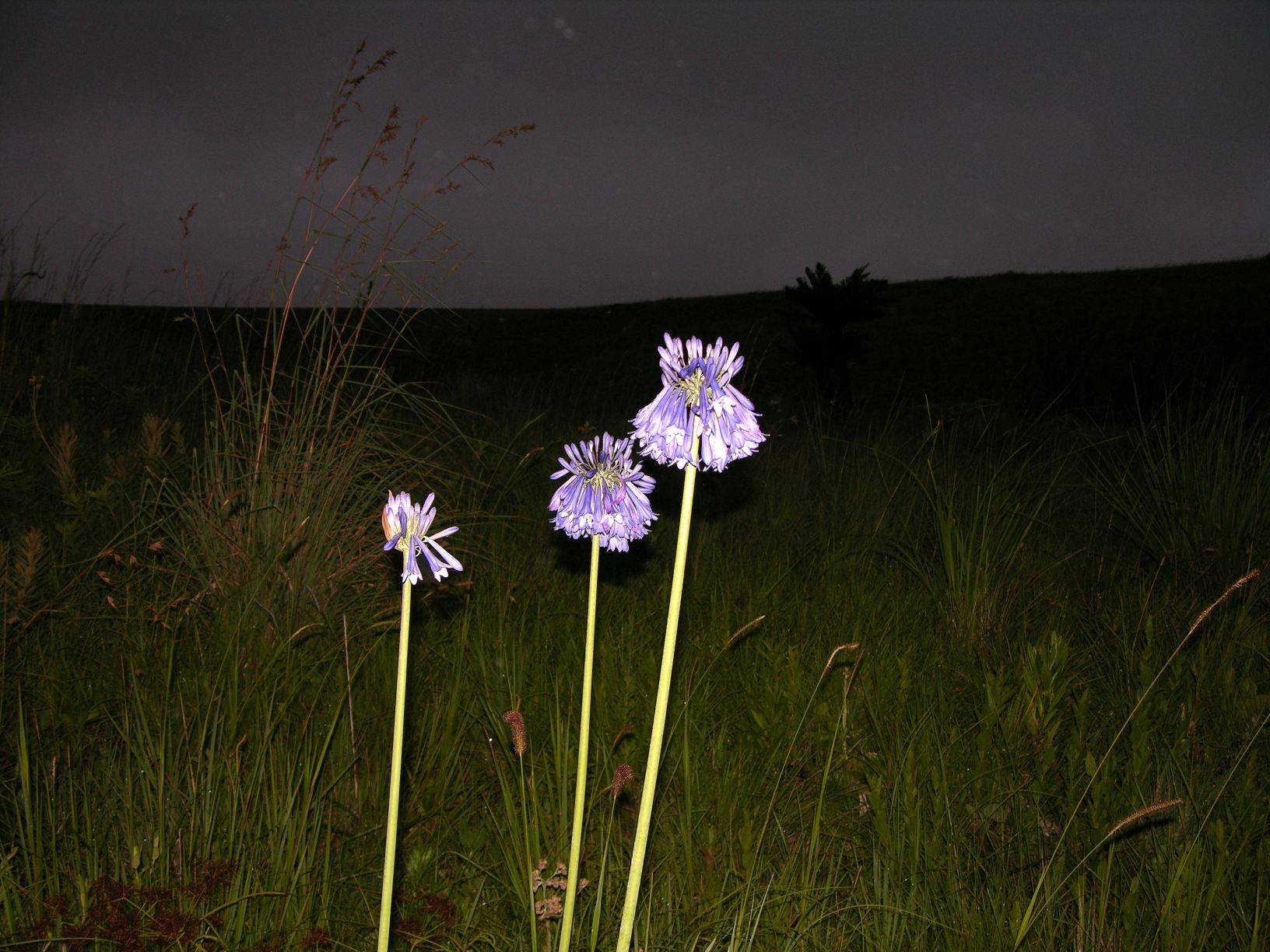
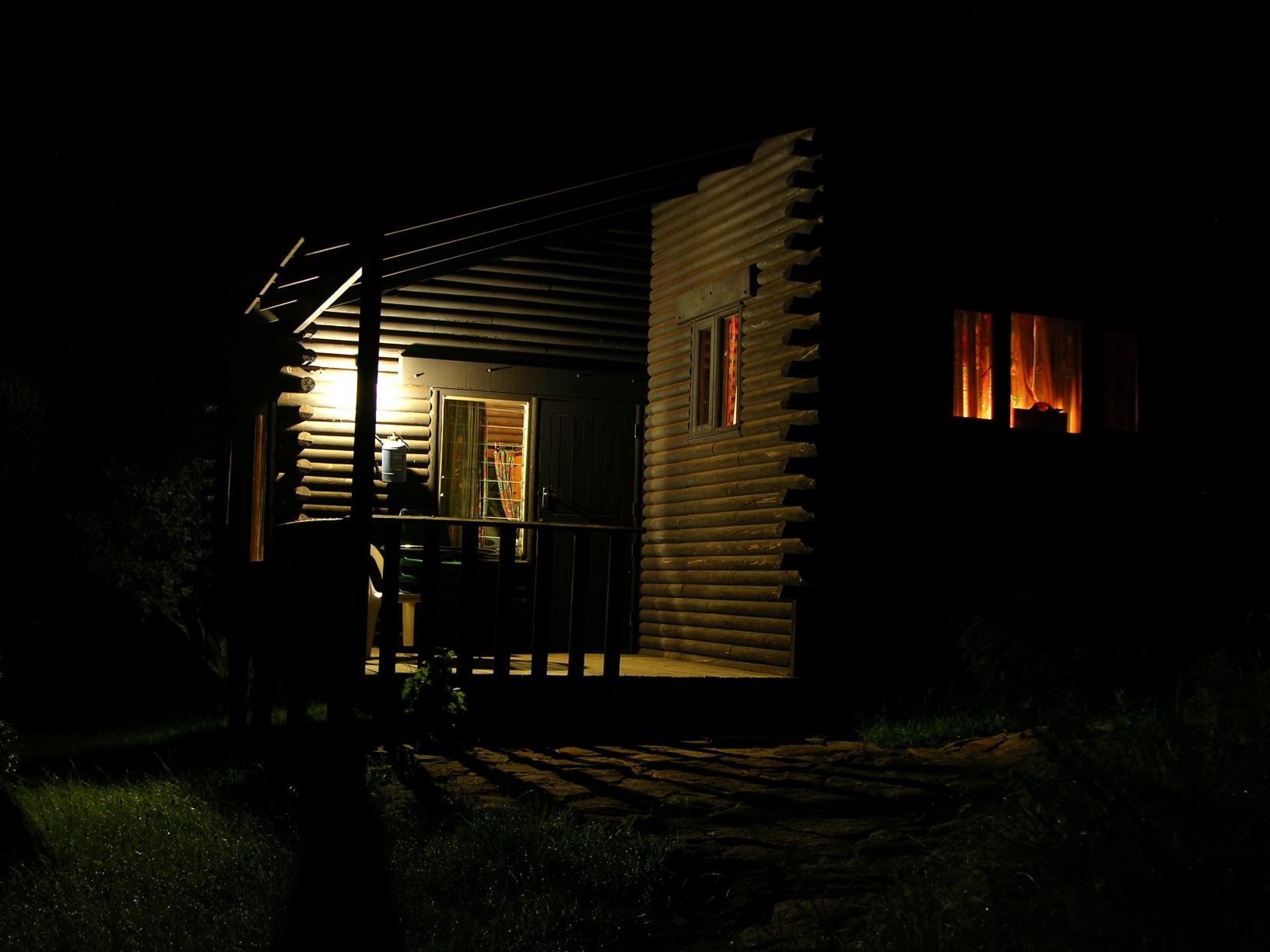
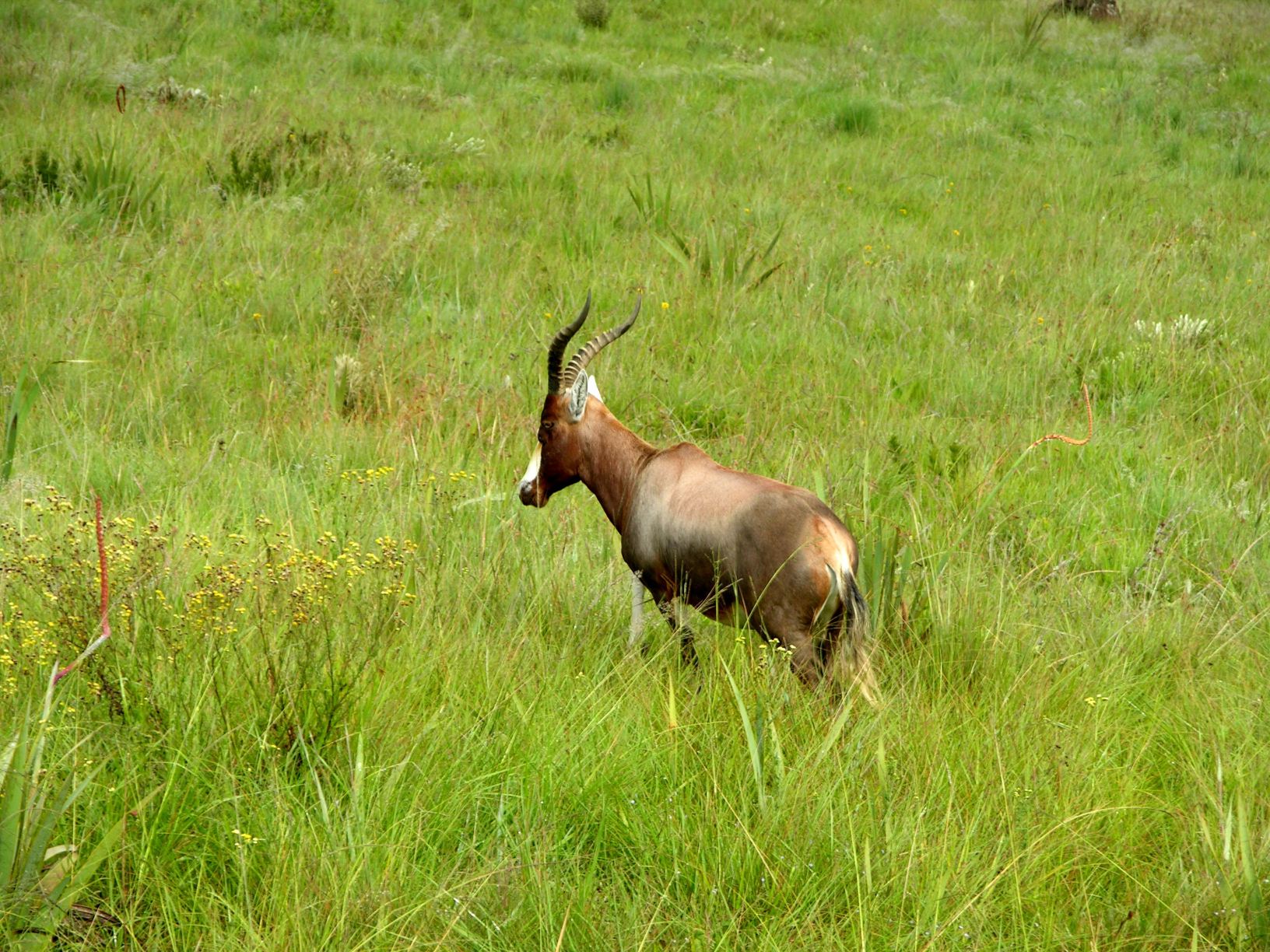
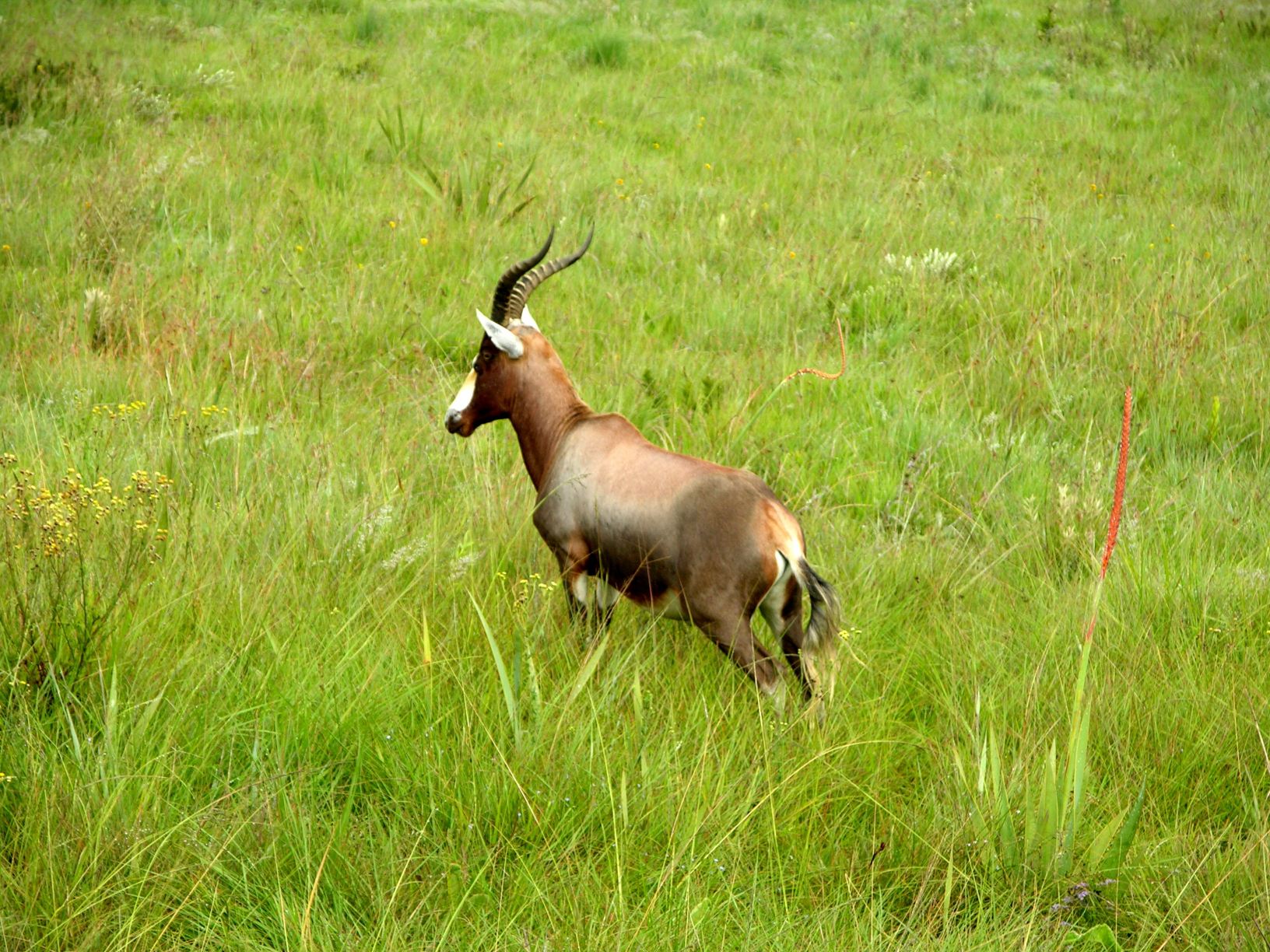
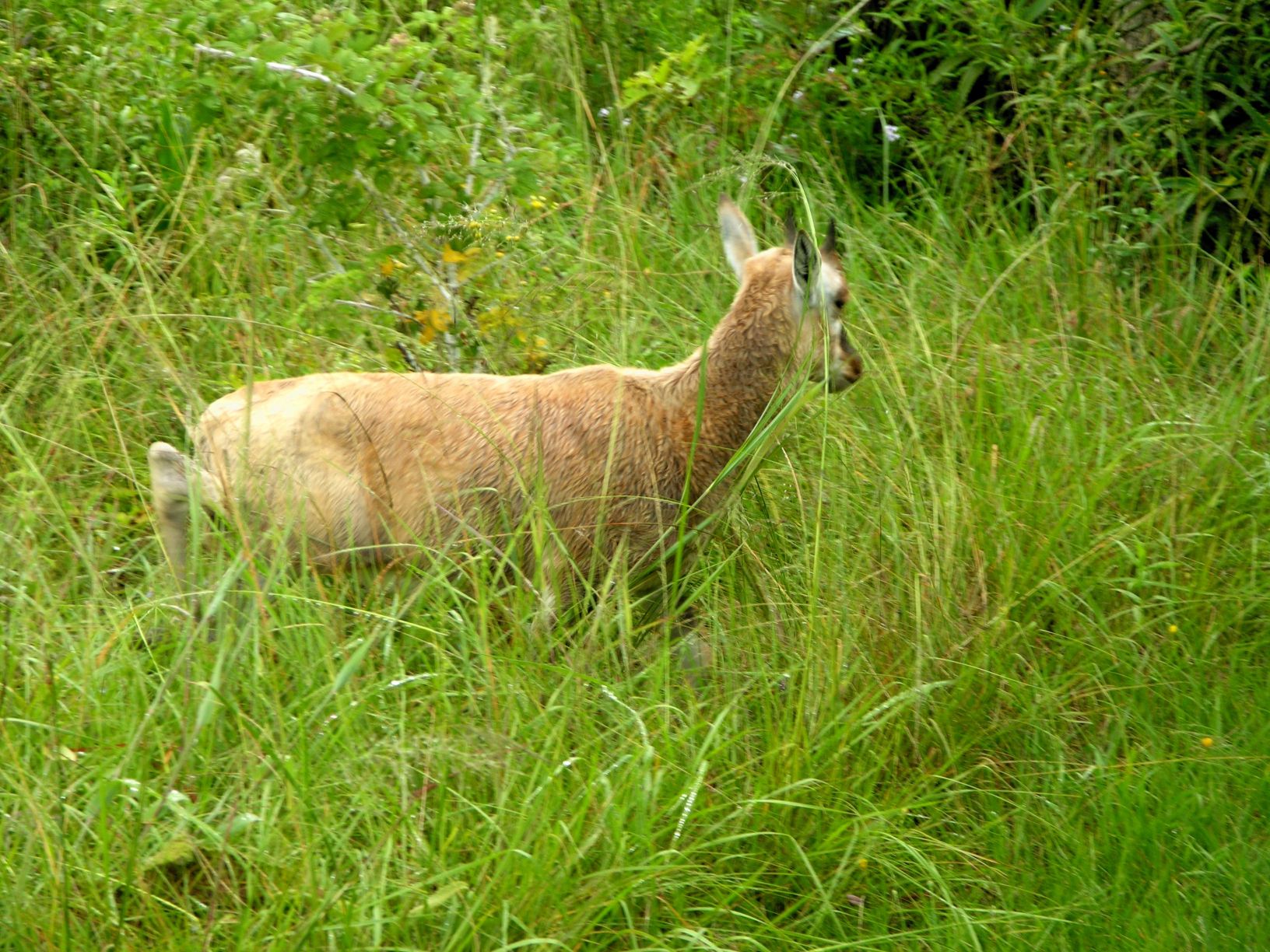
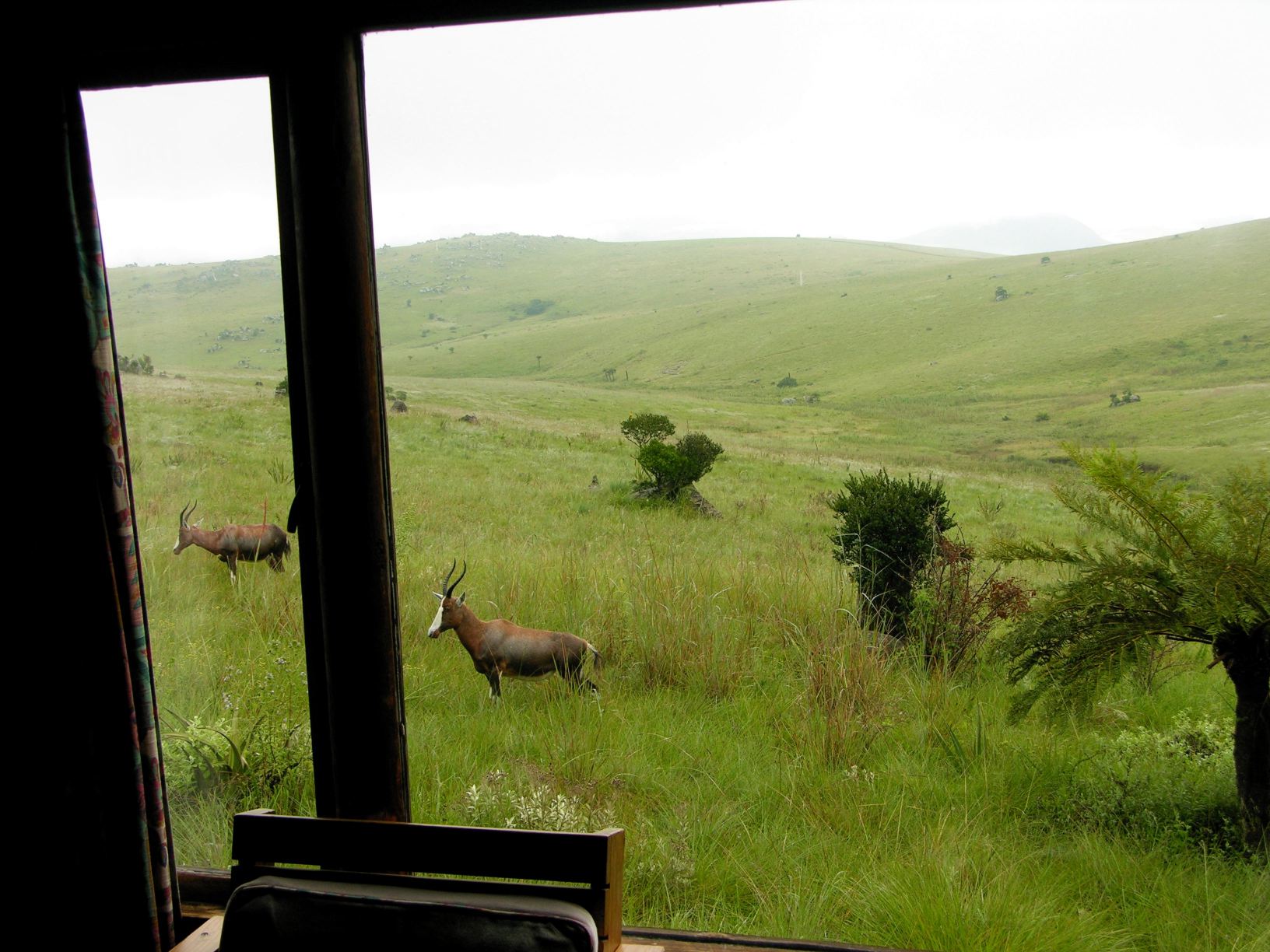
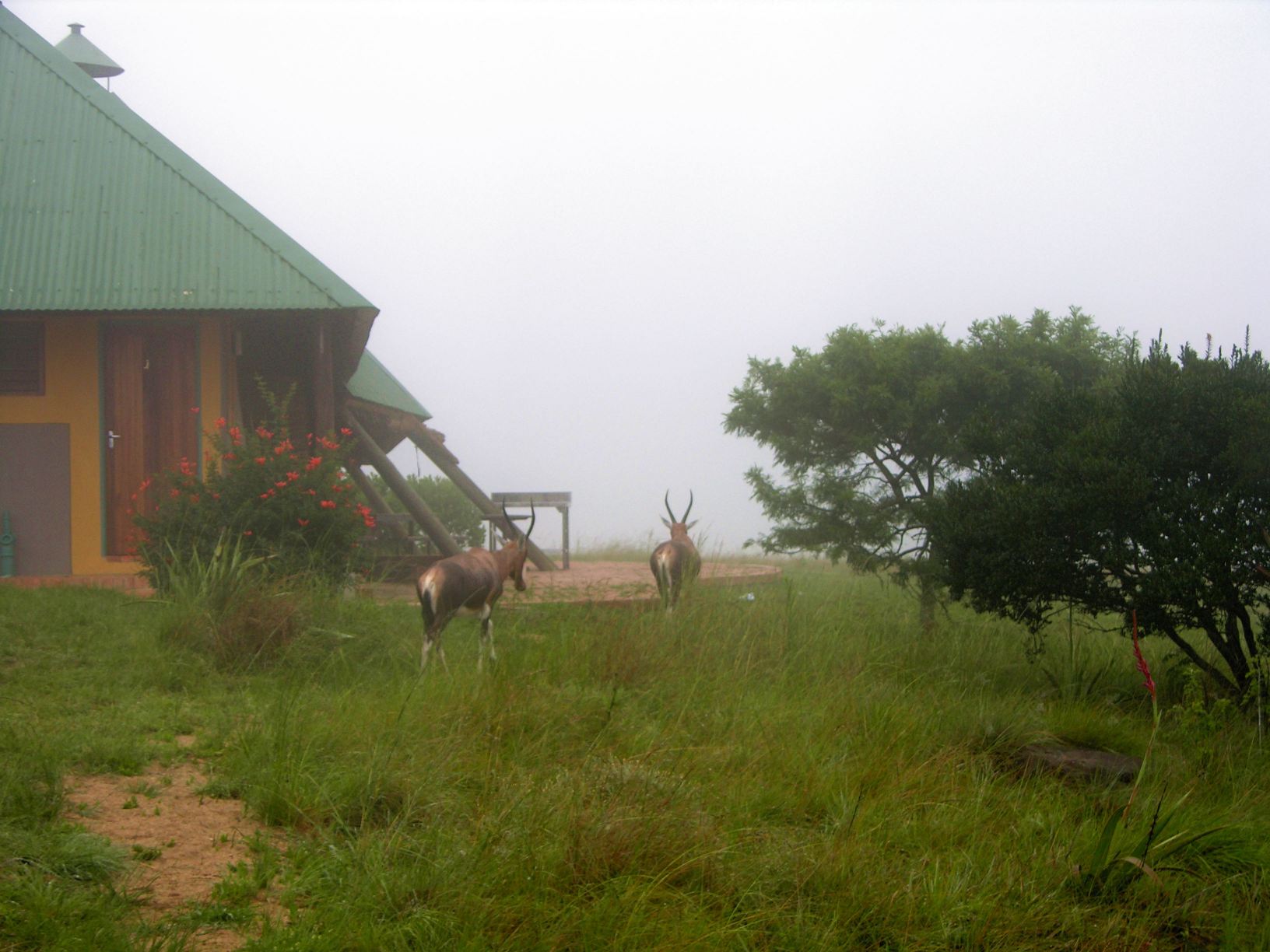
This was our last stop. Time to pack. Ah, it's hard work, stuffing a hippopotamus into a backpack! Tonight we had the place to ourselves. The animals, sensing it was safe, came right up to the bungalow. Antelope grazed just outside our windows. Overnight the hyenas emptied the rubbish bin.

In the morning there was more impenetrable fog. I began to wonder whether our plane would fly at all that day, but down on the plains it was sunny. We spent the last three hours before the flight having a walk around Manzini. A noisy town with a lot of people packed into a small centre. There was nothing to do there. Time for the airport. We still had to return the car. We'd done 11,500 kilometres in thirty days. There wasn't much still in one piece on the poor, nearly new Volkswagen Polo. All four shock absorbers had long since sprung leaks, the cooling didn't work, both bumpers were bashed, the brake pads had worn out, monkeys had scratched the paint, and two tyres had been punctured and repaired. You might not notice all that straight away, but there was no getting back the two missing hubcaps.


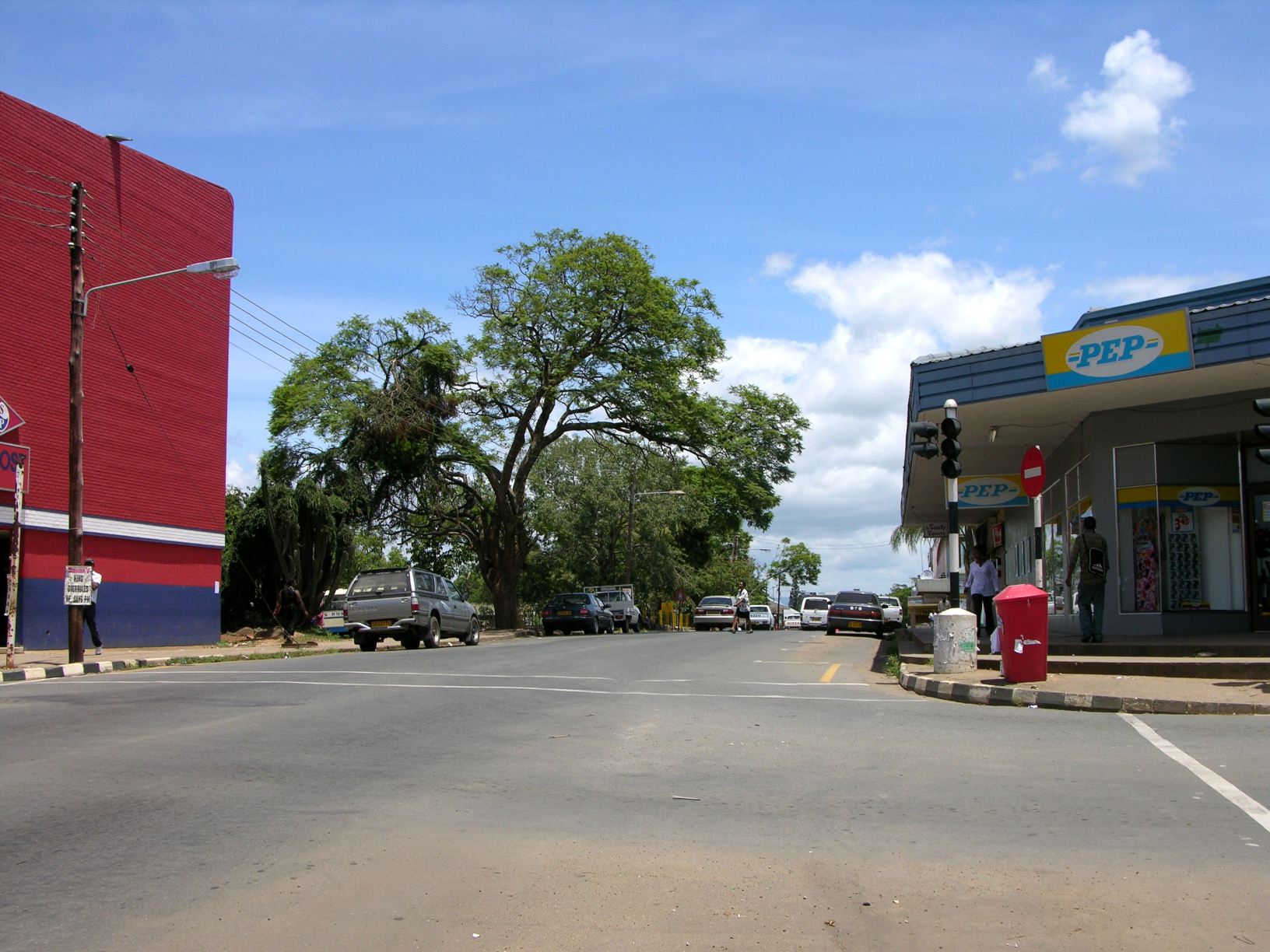
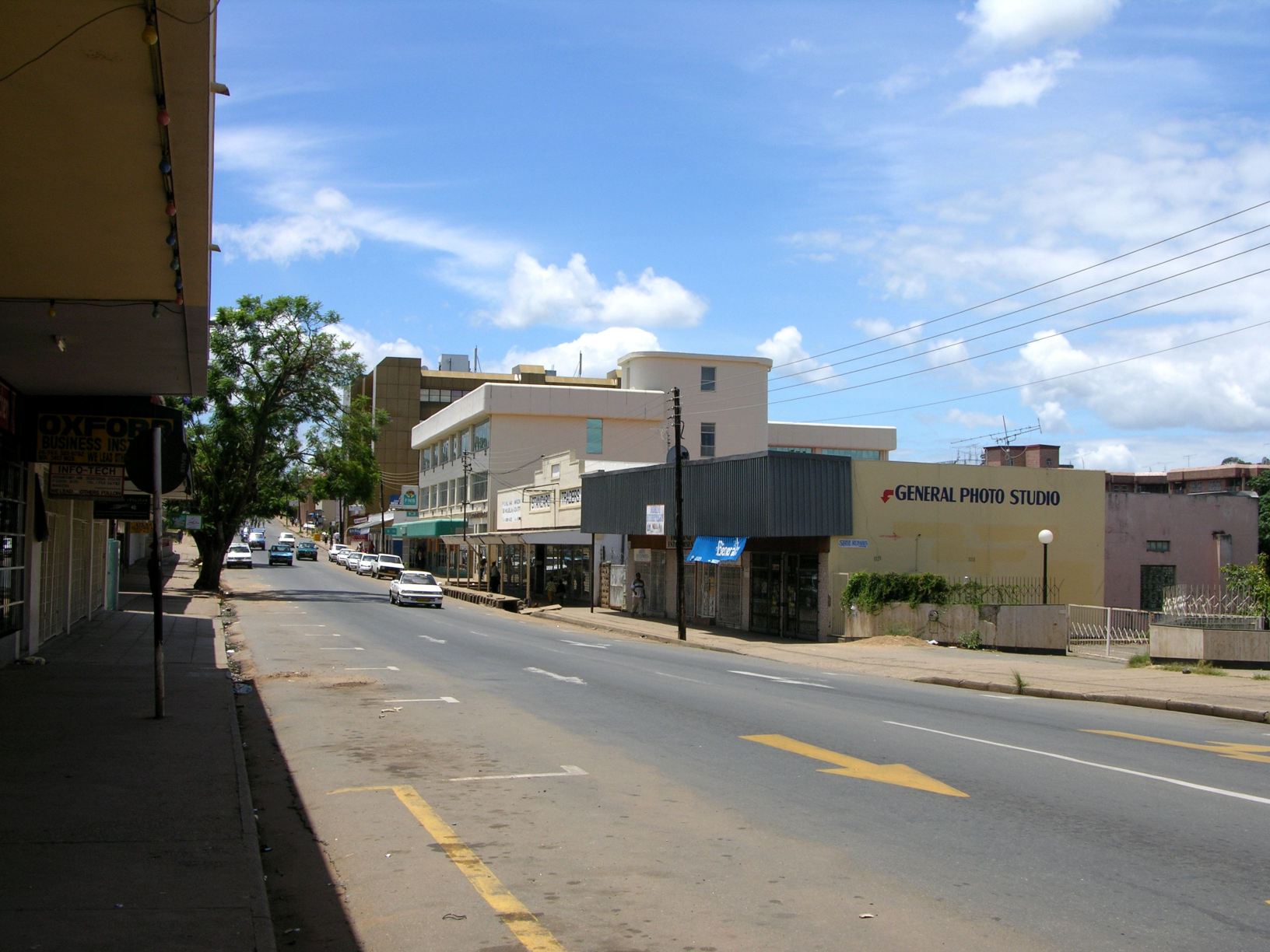

At first all they did was take the keys. Then they tracked us down in the departure hall and wrote up a damage report. I admitted only to losing the hubcaps. There was no getting out of that one. They wanted to pin the shock absorbers on me too, but I stood firm. I'd driven carefully, end of story. There was no rule against driving on gravel roads. I knew nothing about that. Volkswagen was obliged to fix the car under warranty, so let them do it. Besides, they'd given me a broken car to start with. With no cooling in Kruger Park I'd nearly been eaten by a giraffe. I could present them with a counterclaim. We left it there. The two hubcaps cost us $50 apiece.
Our luggage weighed 64 kilos, which drew no comment. Nobody asked us to pay extra, and they sent the whole lot straight through to Saint Petersburg.
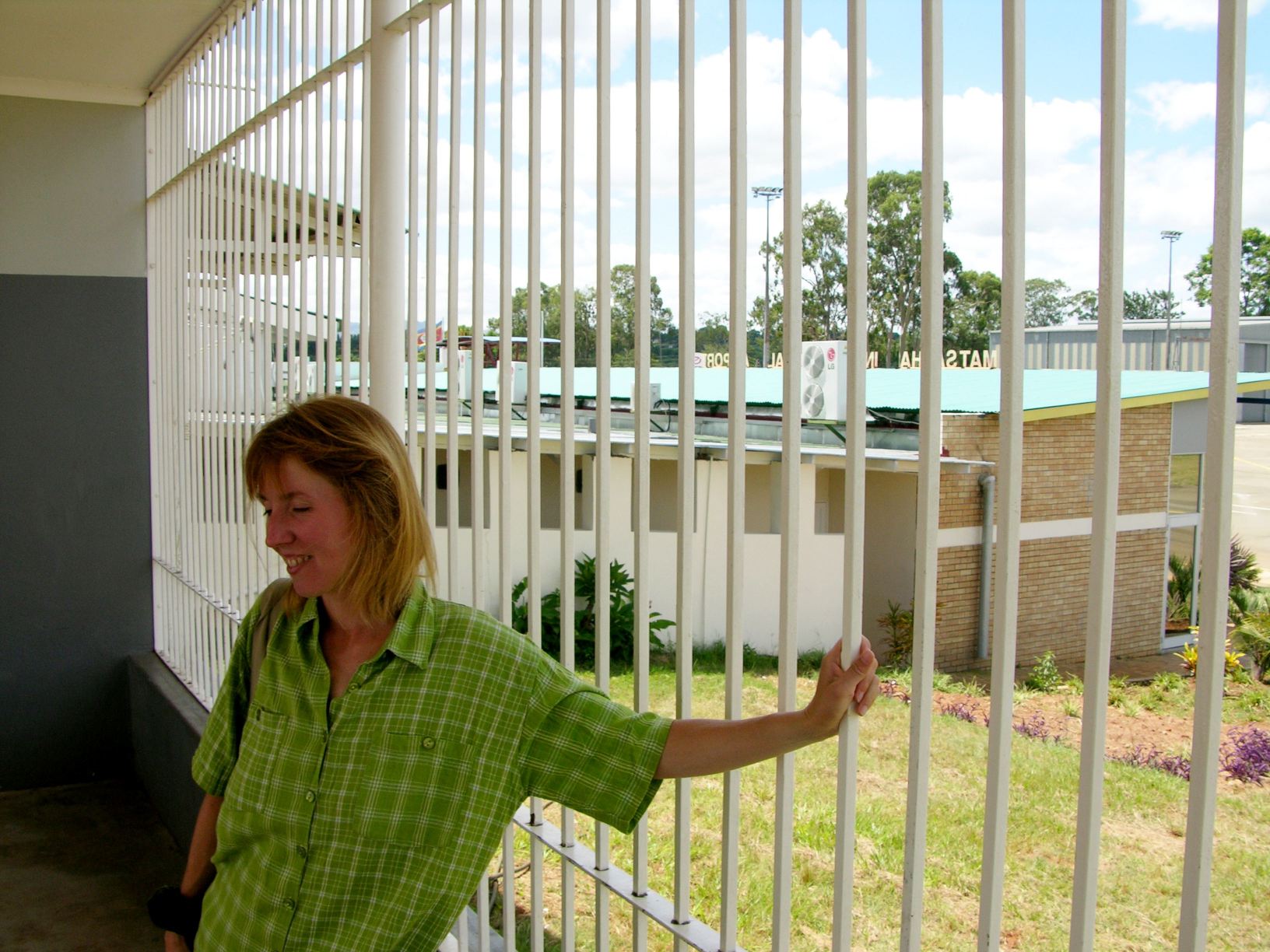
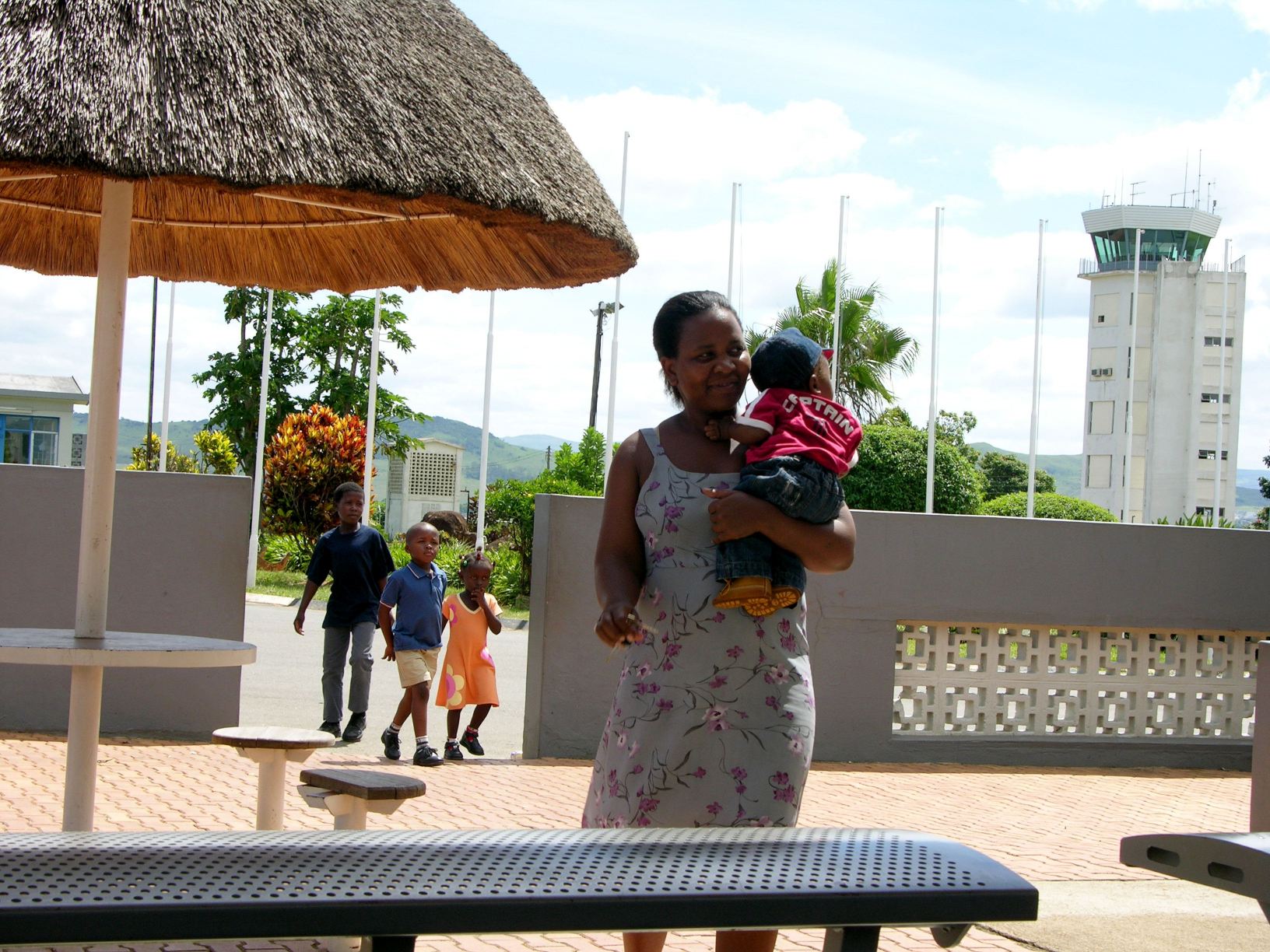
We were flying the first leg with Royal Swazi Airways. They had only two scheduled destinations, Maputo and Johannesburg. Both routes were shared with South African Airways. The aircraft were serviced in Johannesburg and only took passengers on in Manzini. Our little plane seated twenty. How they got all those backpacks aboard is a mystery.
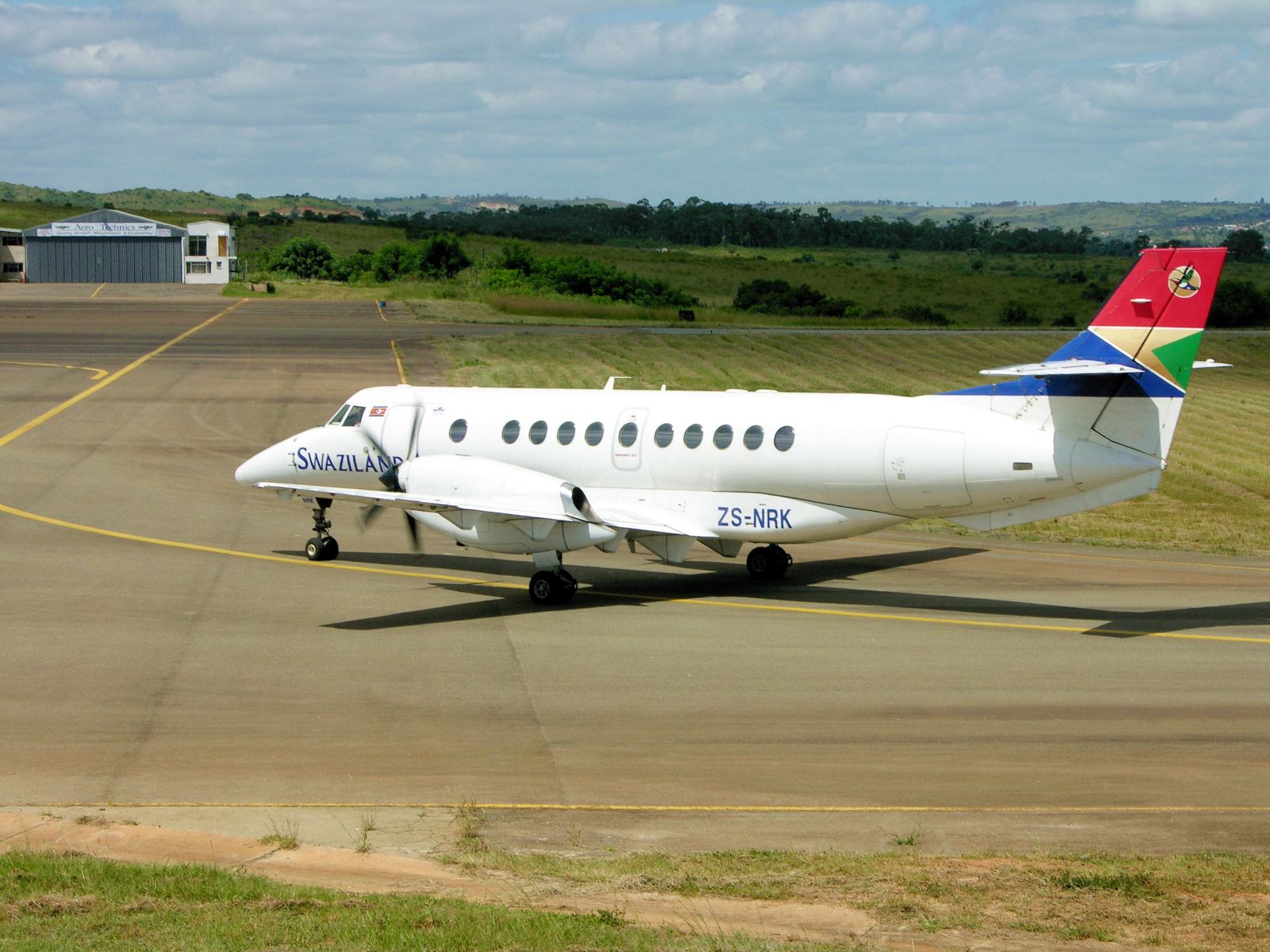
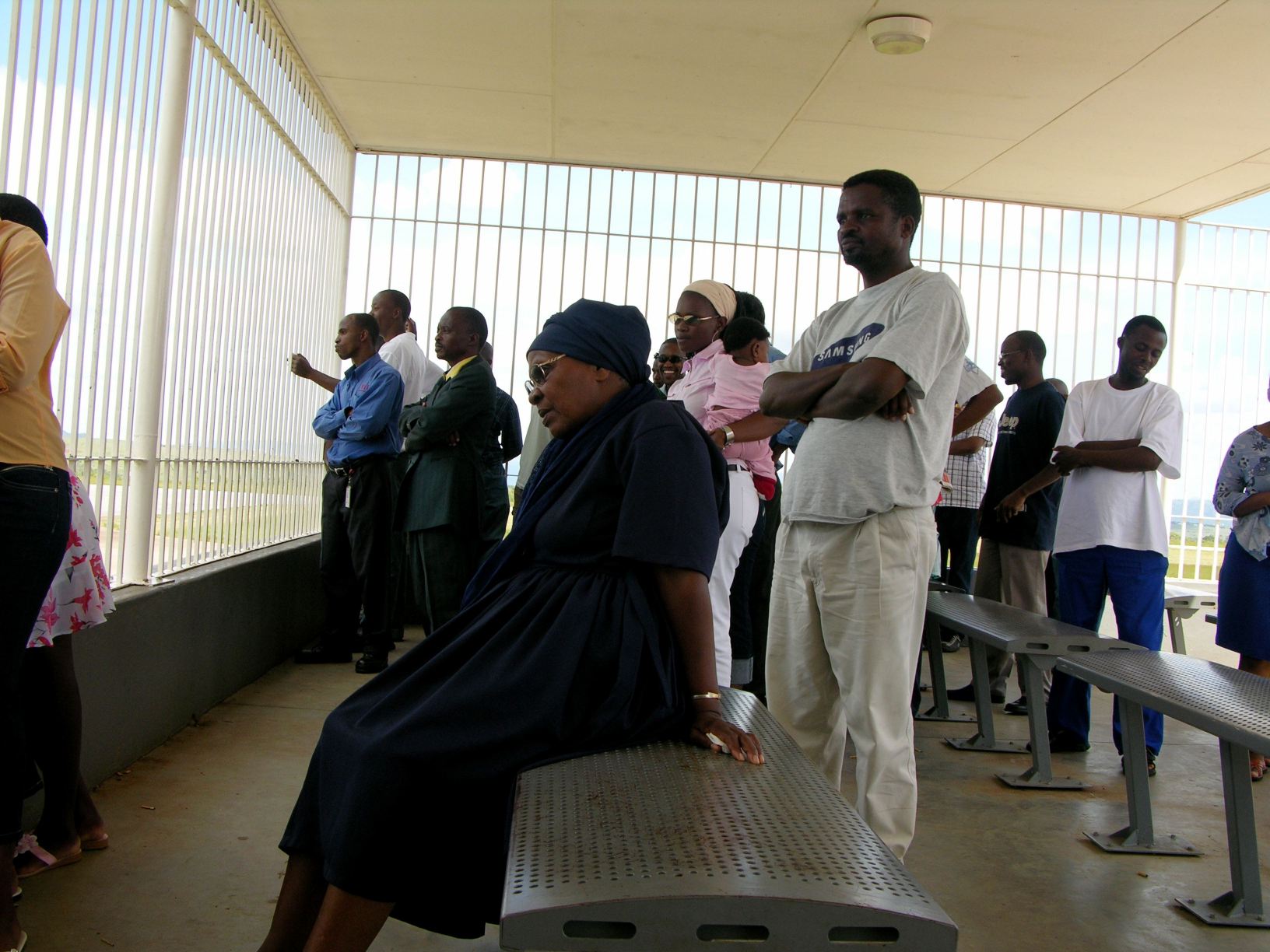
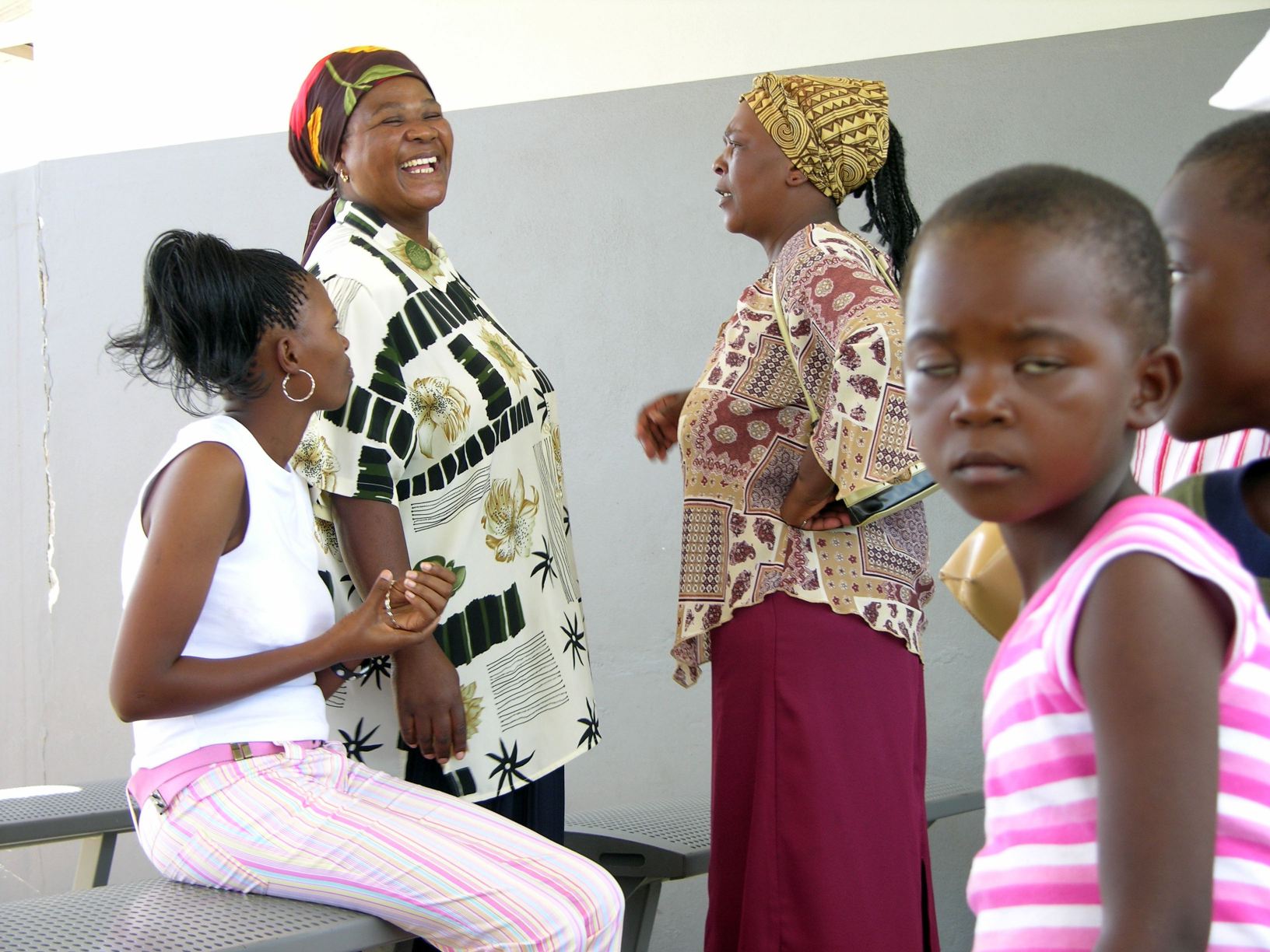
Before the plane came in, a crowd gathered at the airport, mostly young women. It turned out they were waiting for some local celebrity. The instant he appeared at the top of the steps, the crowd screamed with delight.
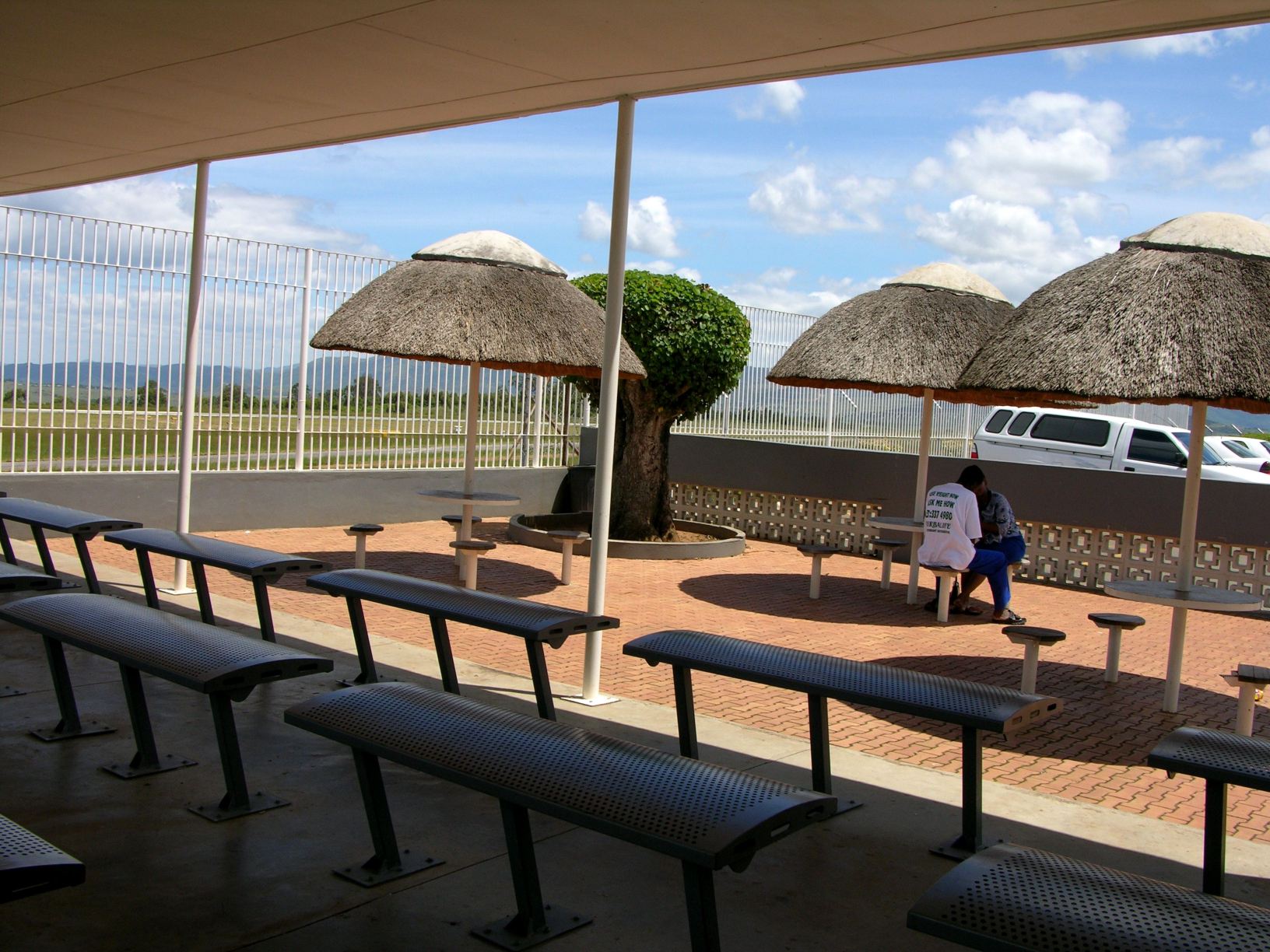
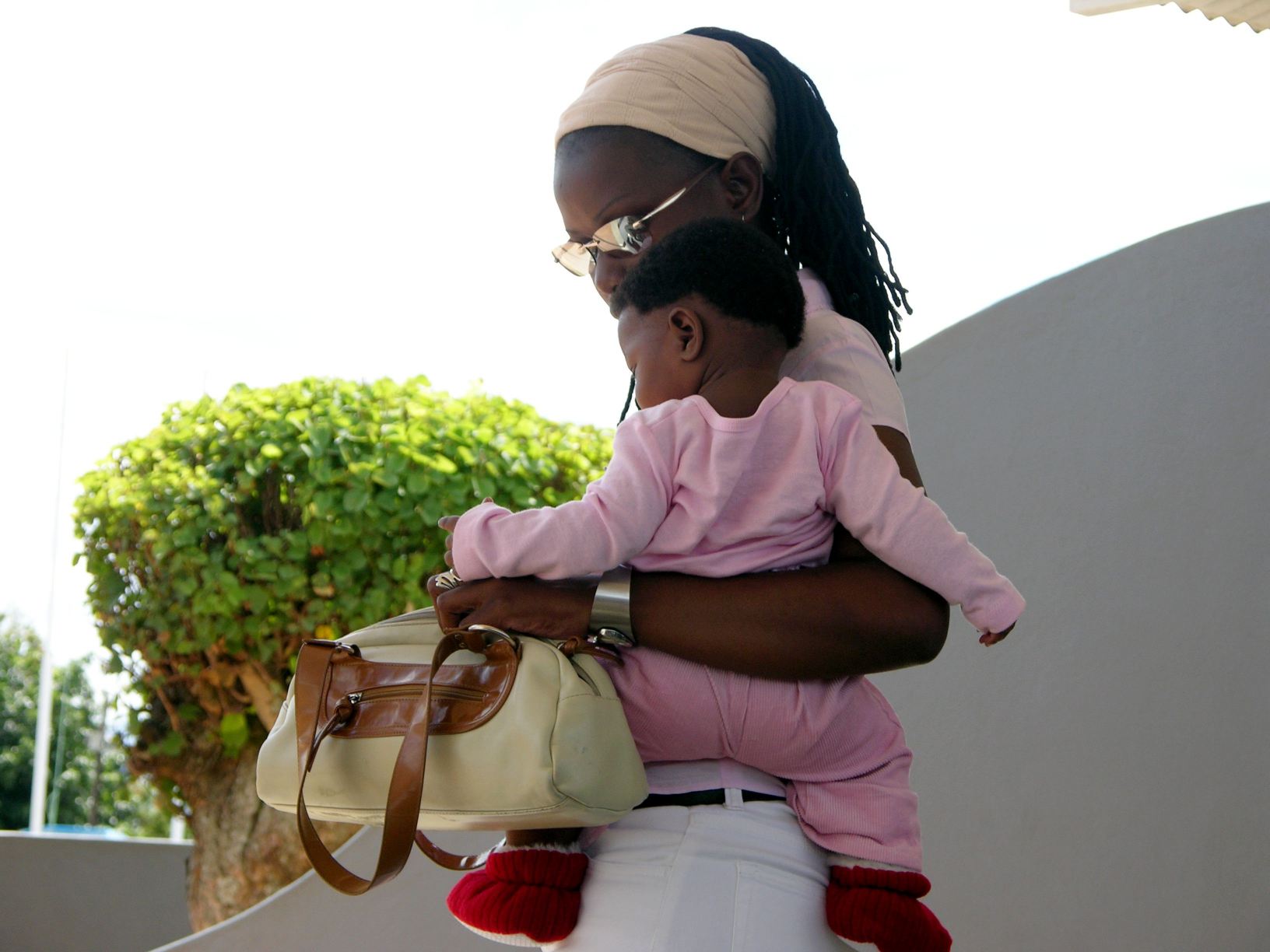
On departure there was no sign of customs whatsoever. They did stamp your passport and take fifty emalangeni a head in departure tax.
It was less than an hour to Johannesburg. We didn't need a visa for transit, but there was a catch. You were admitted to the departure lounge only after check-in, which opened four hours before the flight. The room where you had to wait until then was small, with nowhere to sit. There was a way around it. If you asked nicely, they'd let you into the big departure lounge before check-in. You had to come back out afterwards.
We spent six hours at Johannesburg airport.
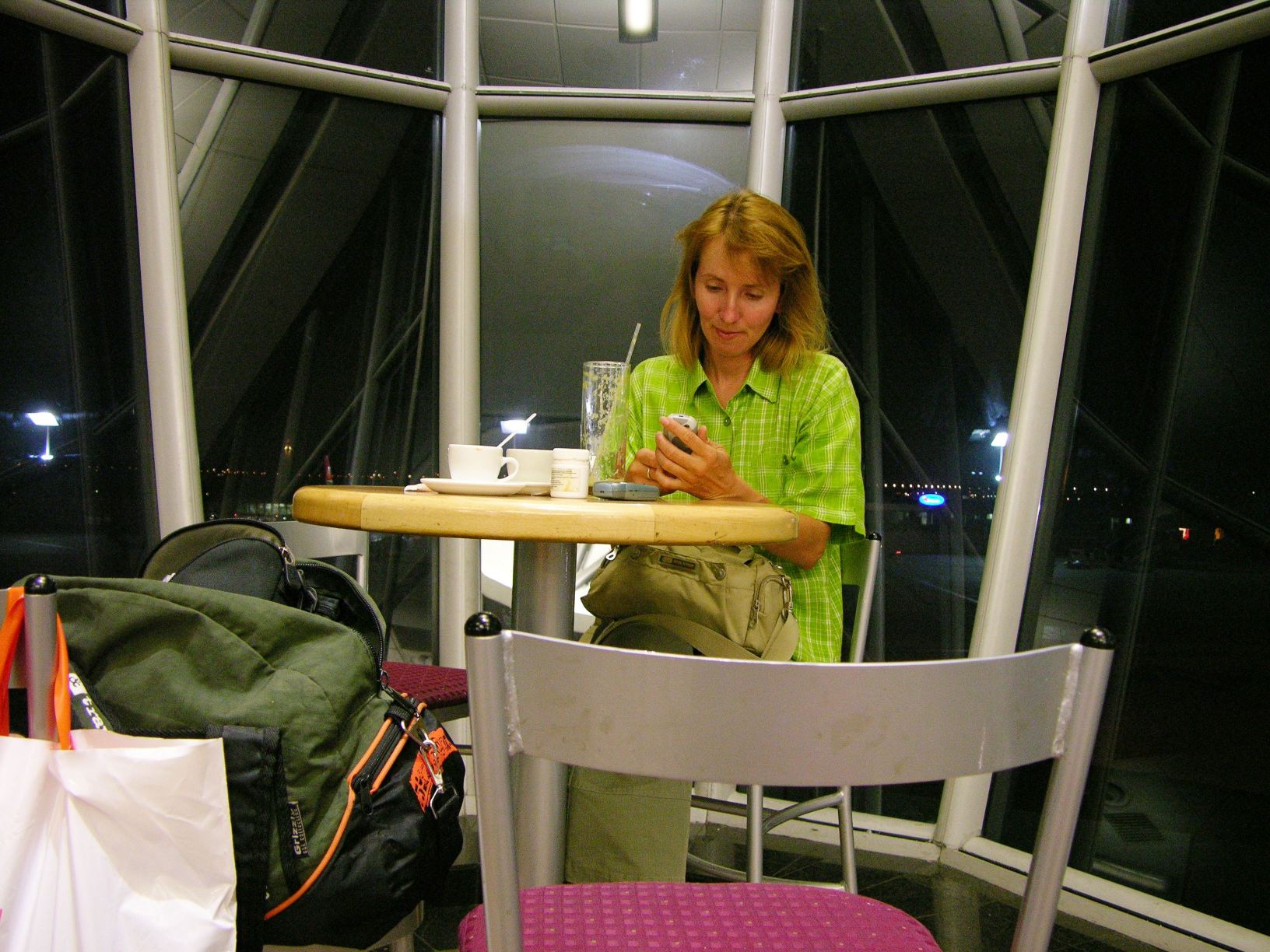
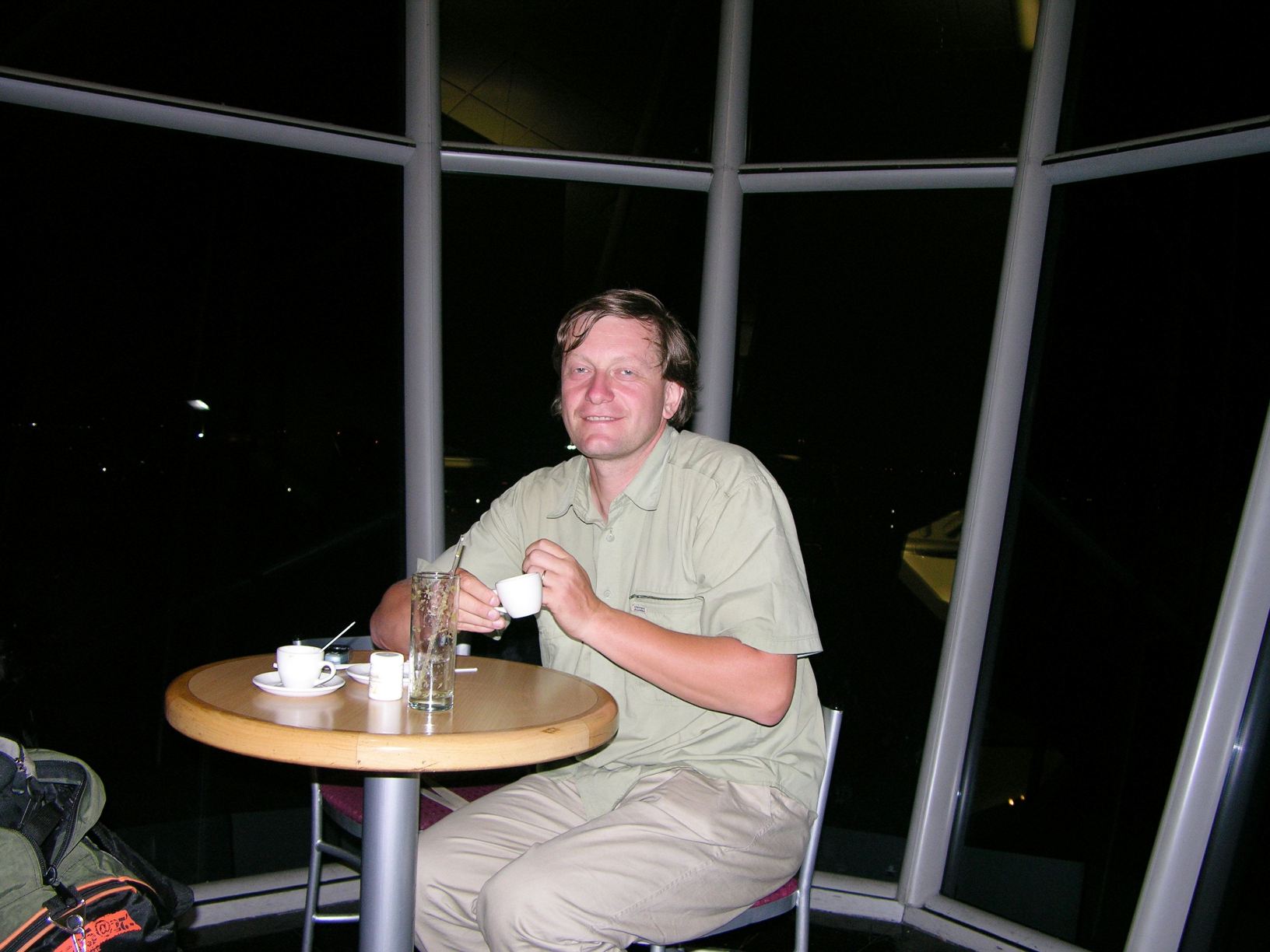
We flew back in the dark. The only things we could see out the window were the nighttime tropical thunderstorms over Equatorial Guinea. I've already said all there is to say about Paris airport. We landed in Saint Petersburg in falling snow. For the first time in the history of Russia, a border guard smiled at us on the way in and welcomed us back.
Still barefoot in my African sandals, I had to dig out the car. I'd left it in that free car park time and again and always found it in one piece. The elephants and hippos had taken a fair beating on the flight. We had to glue them back together piece by piece, set them on the shelves, and wait for the next January summer.