Trip report
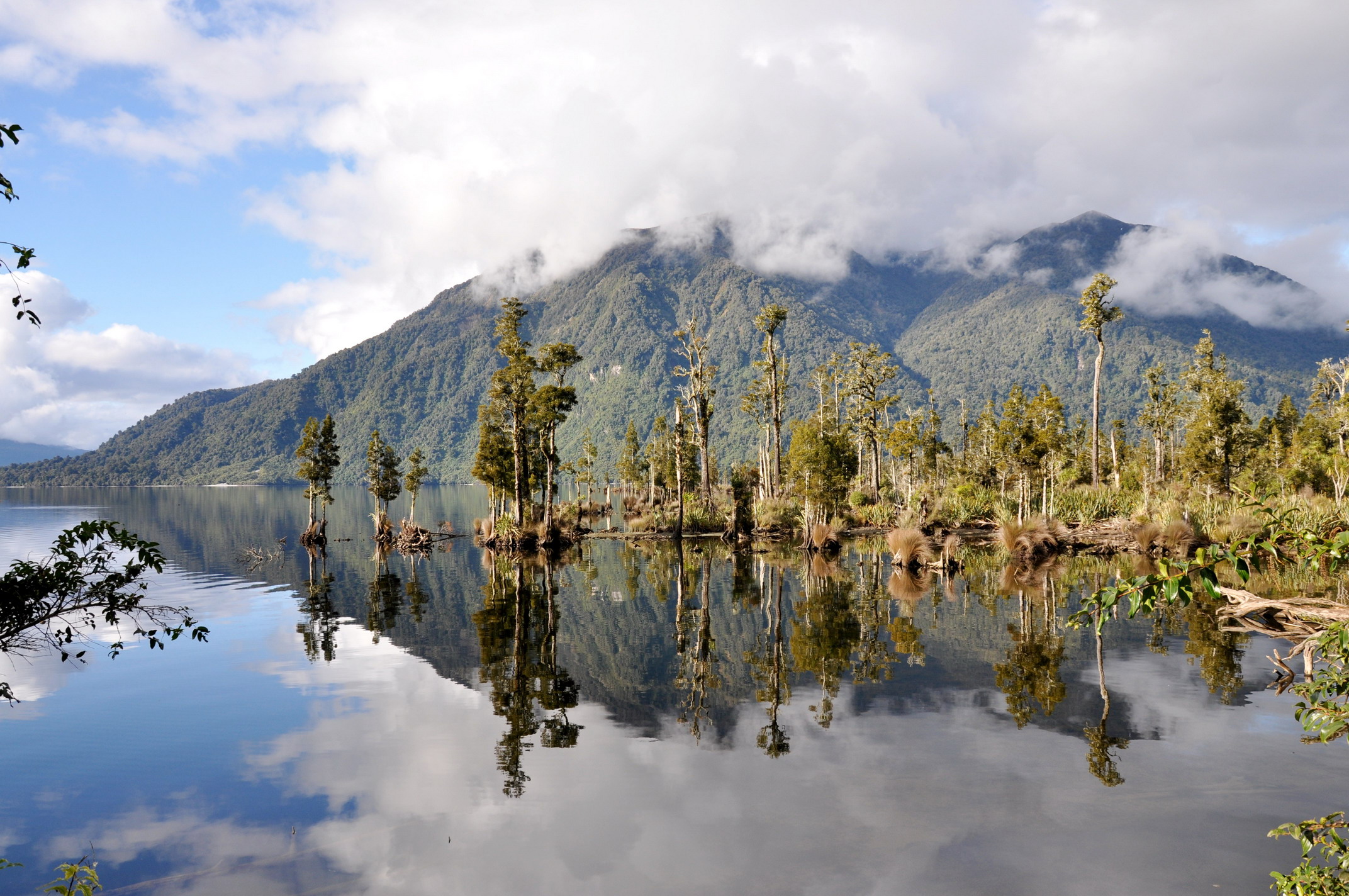
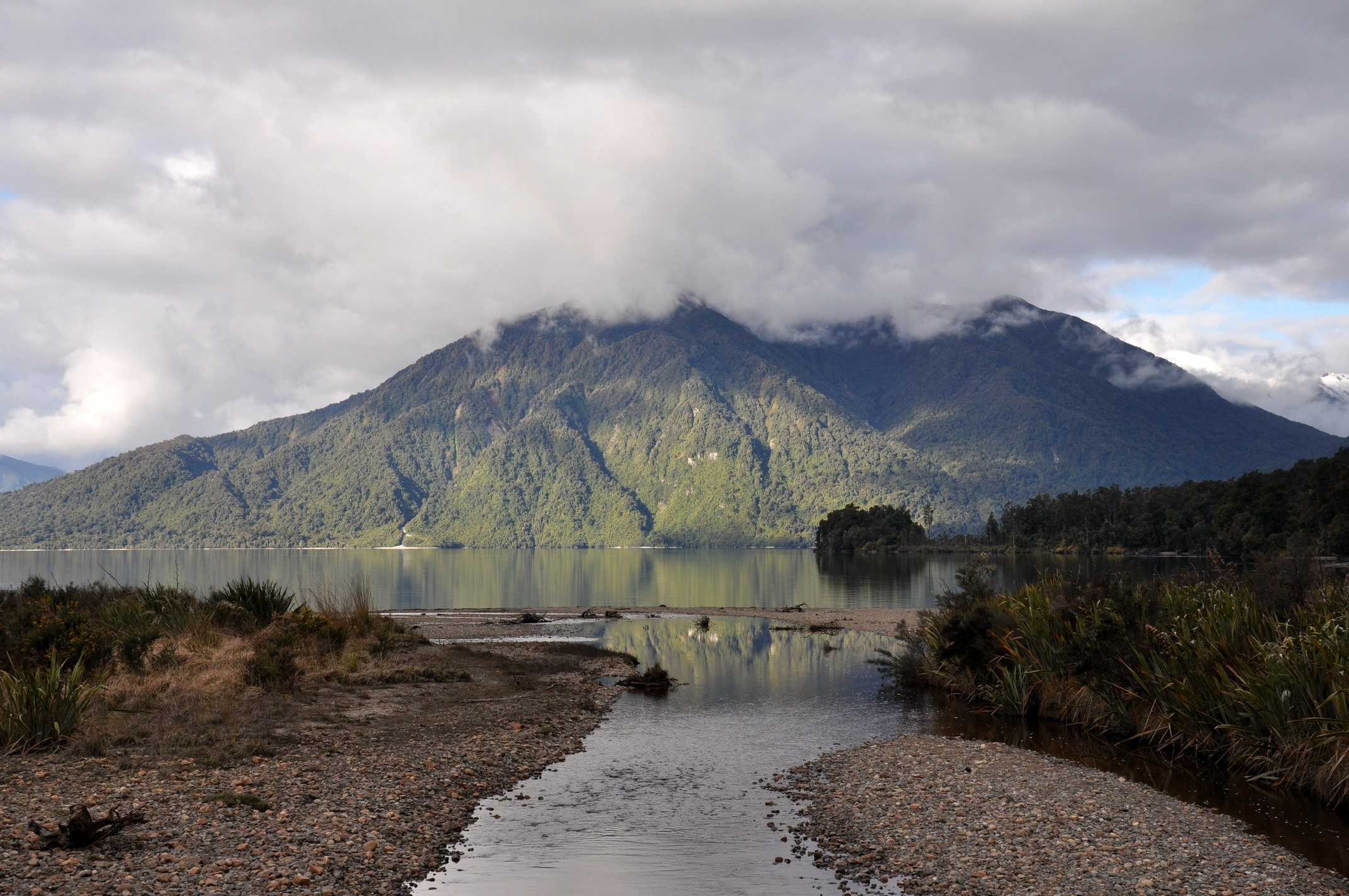
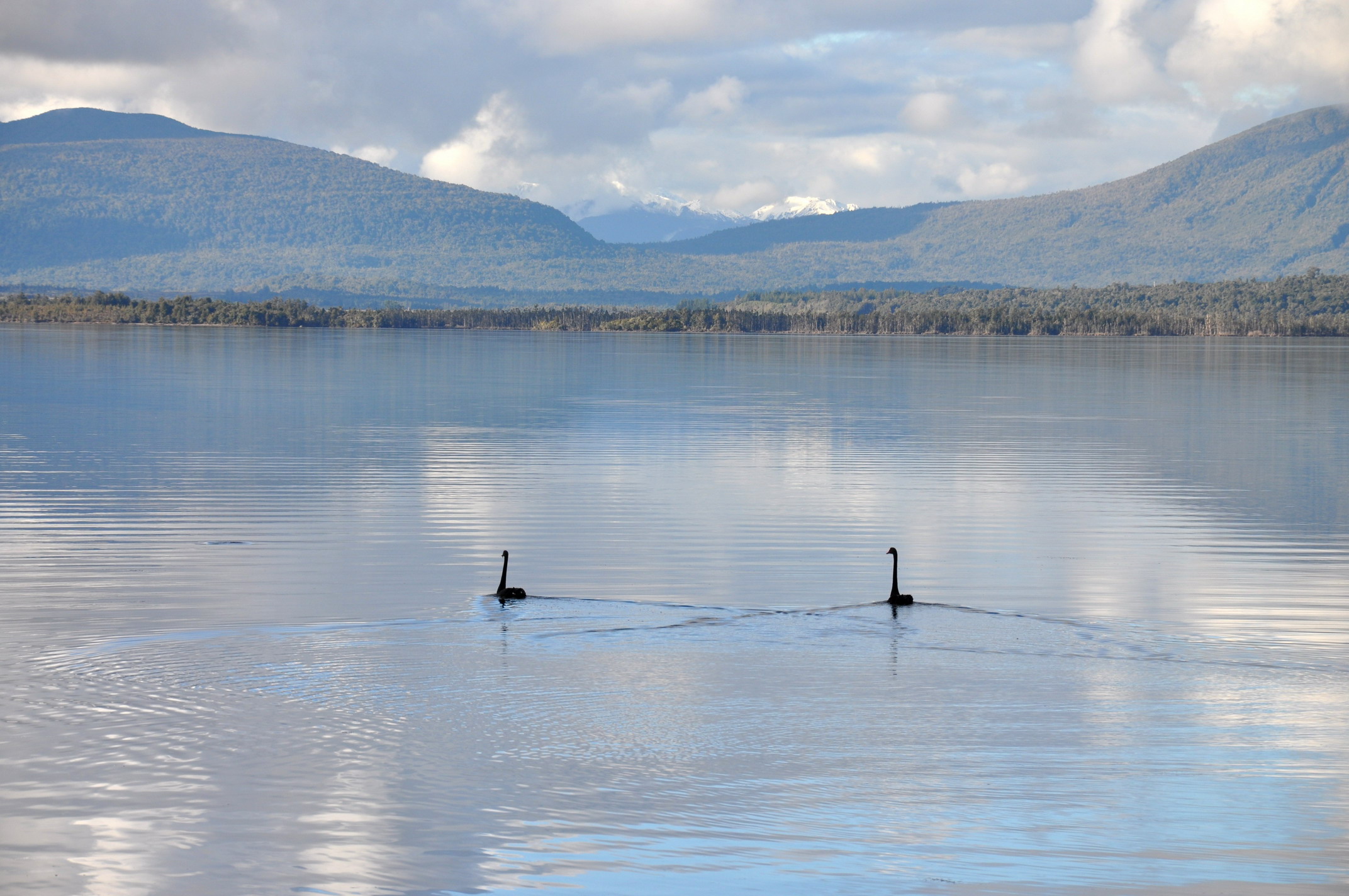
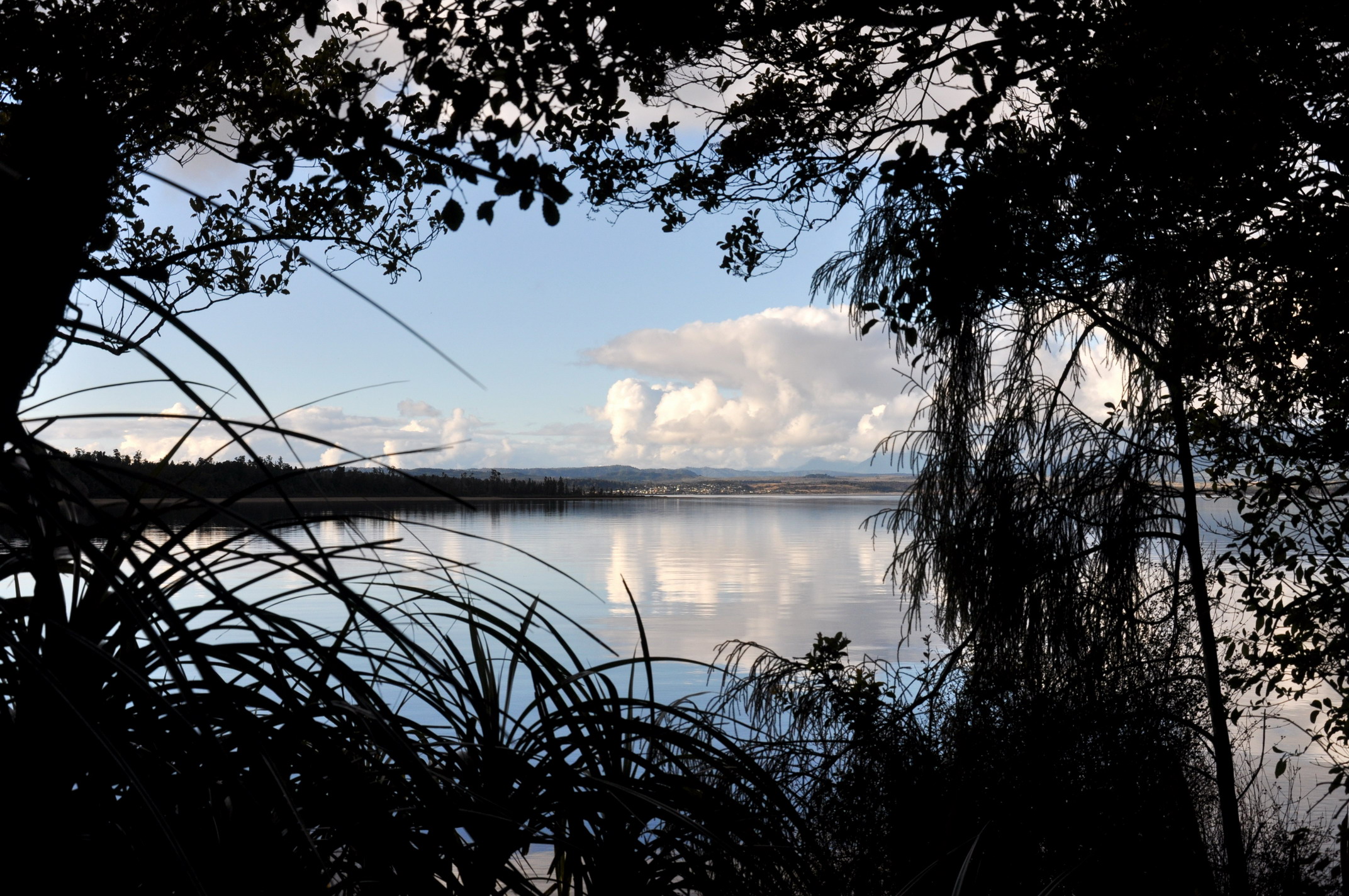
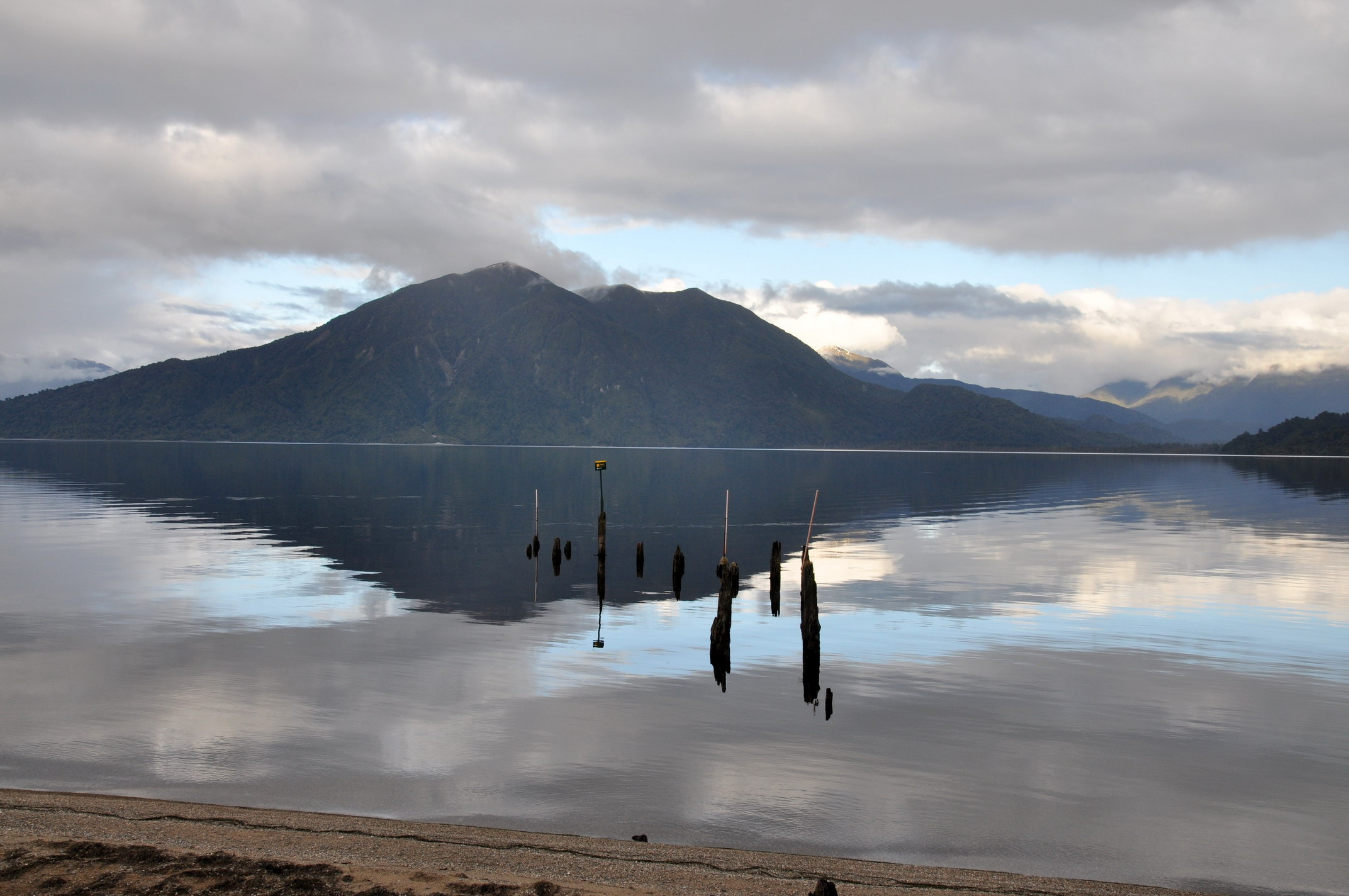
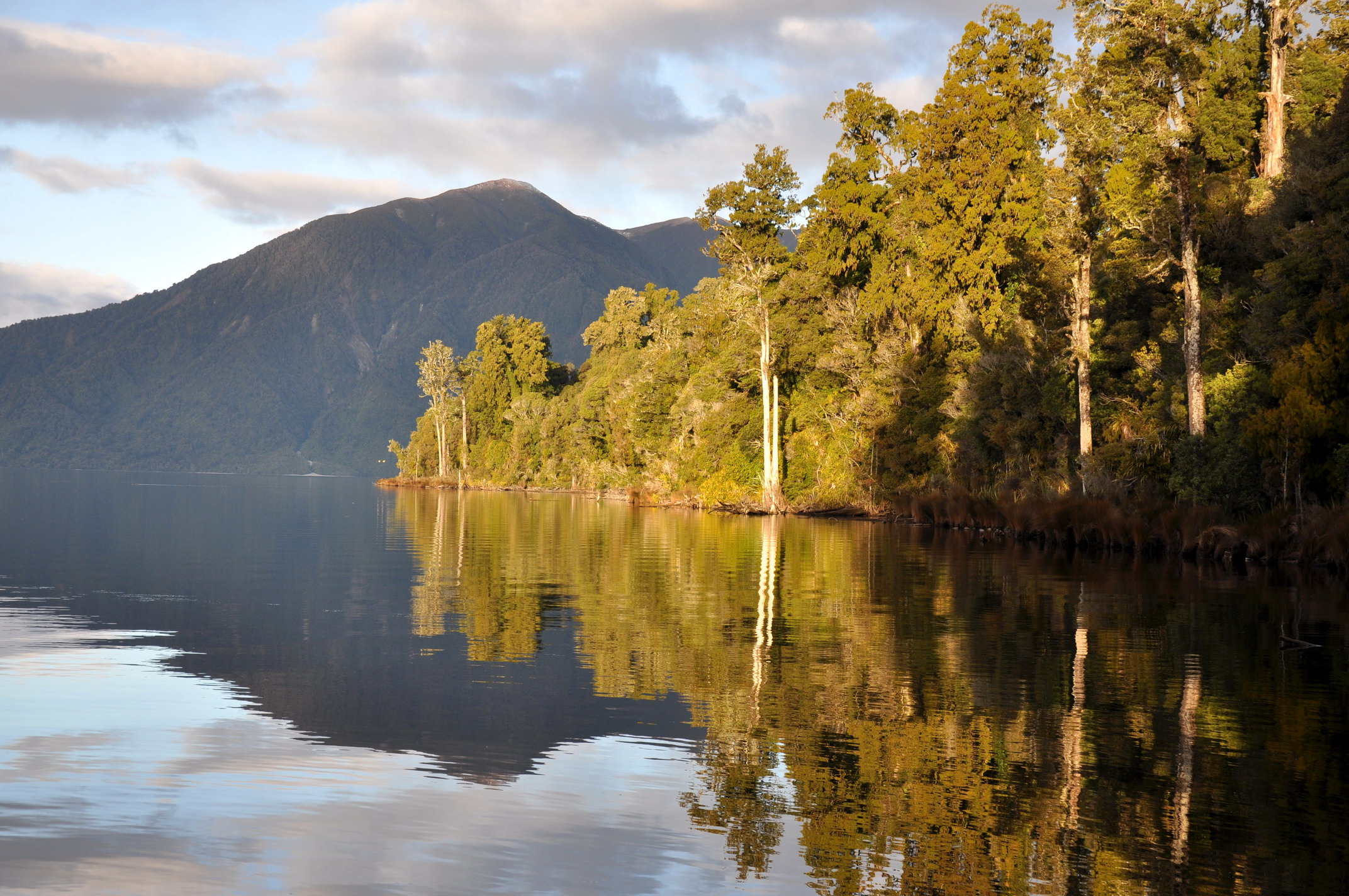
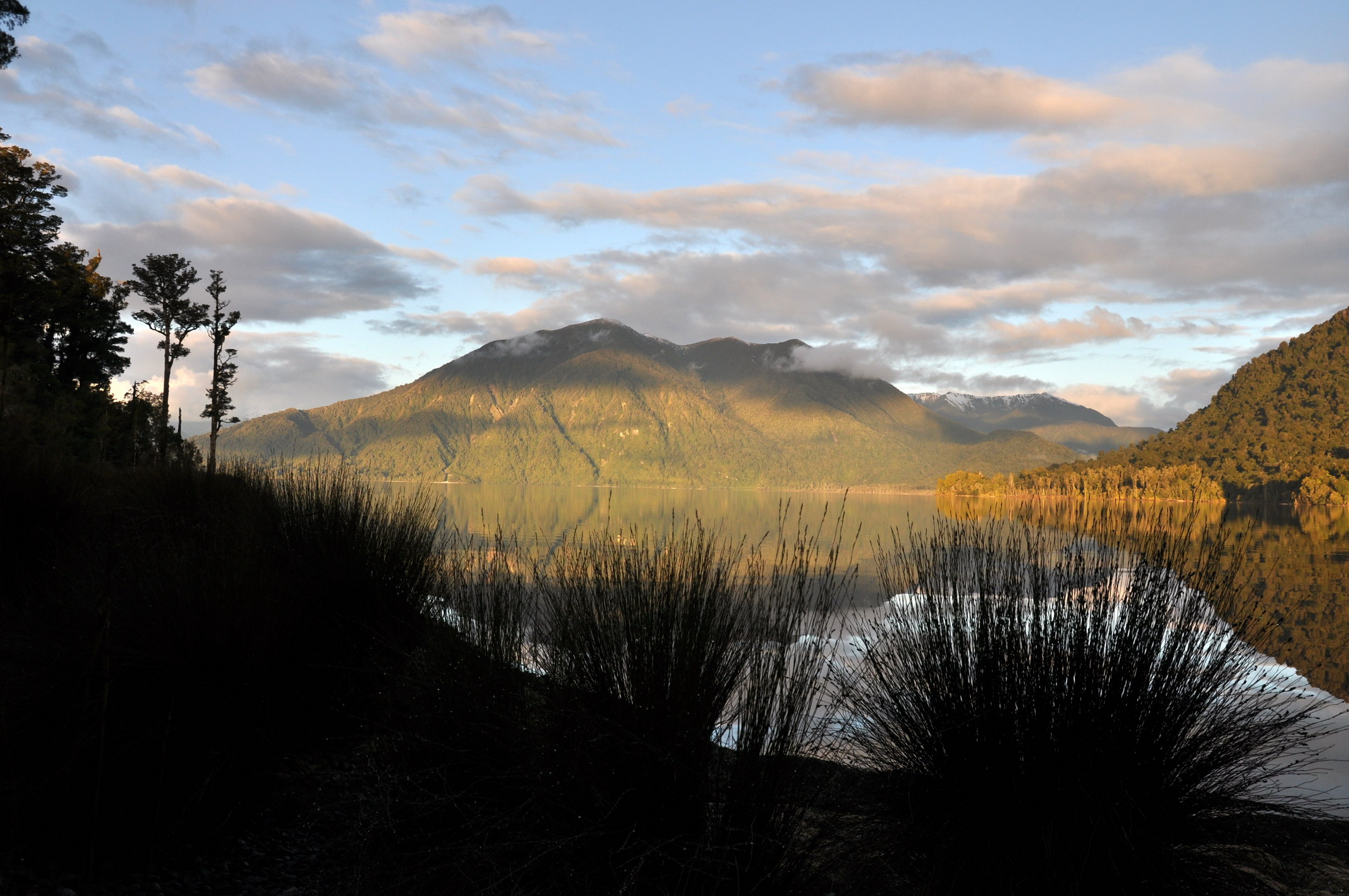
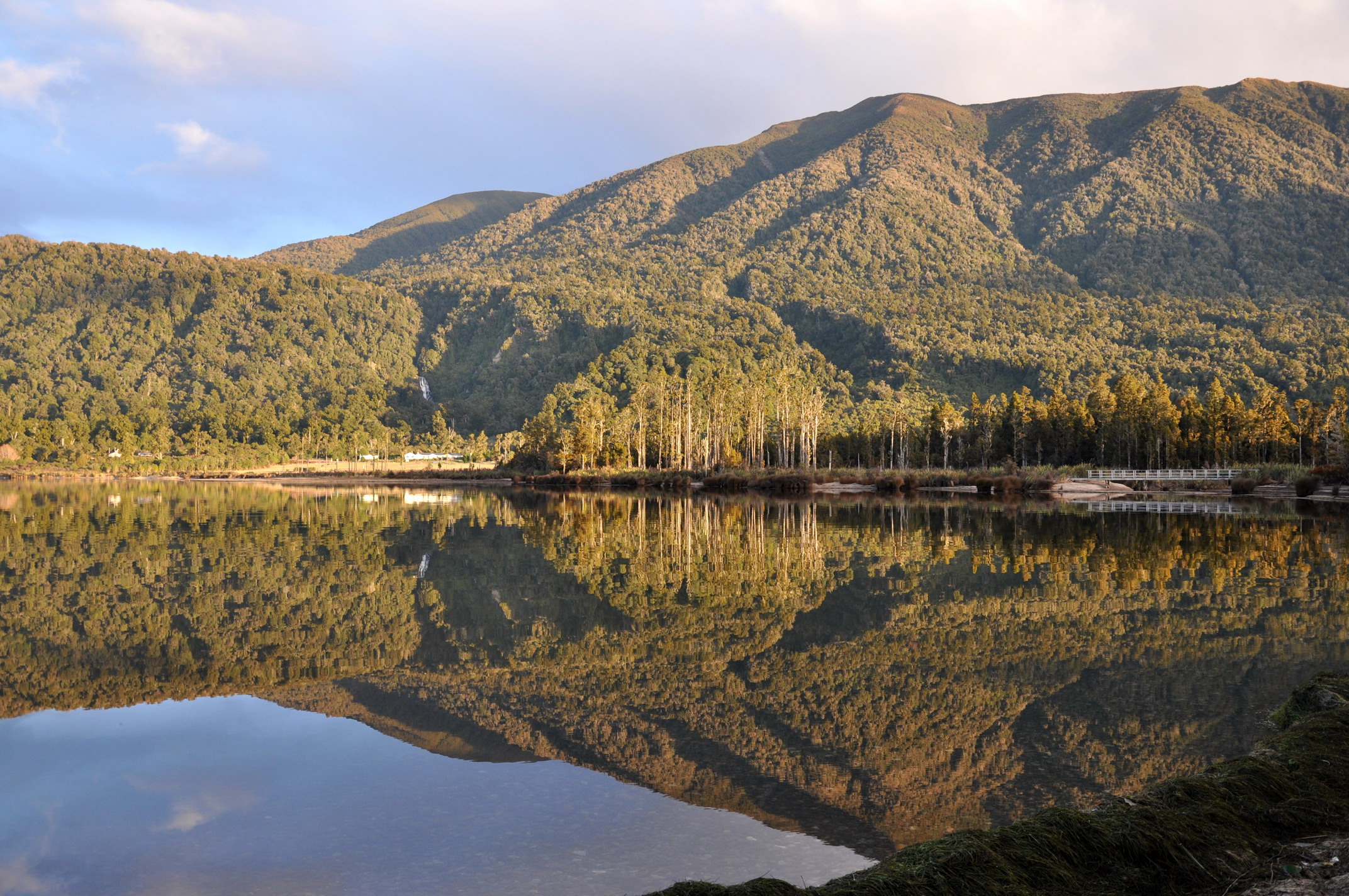
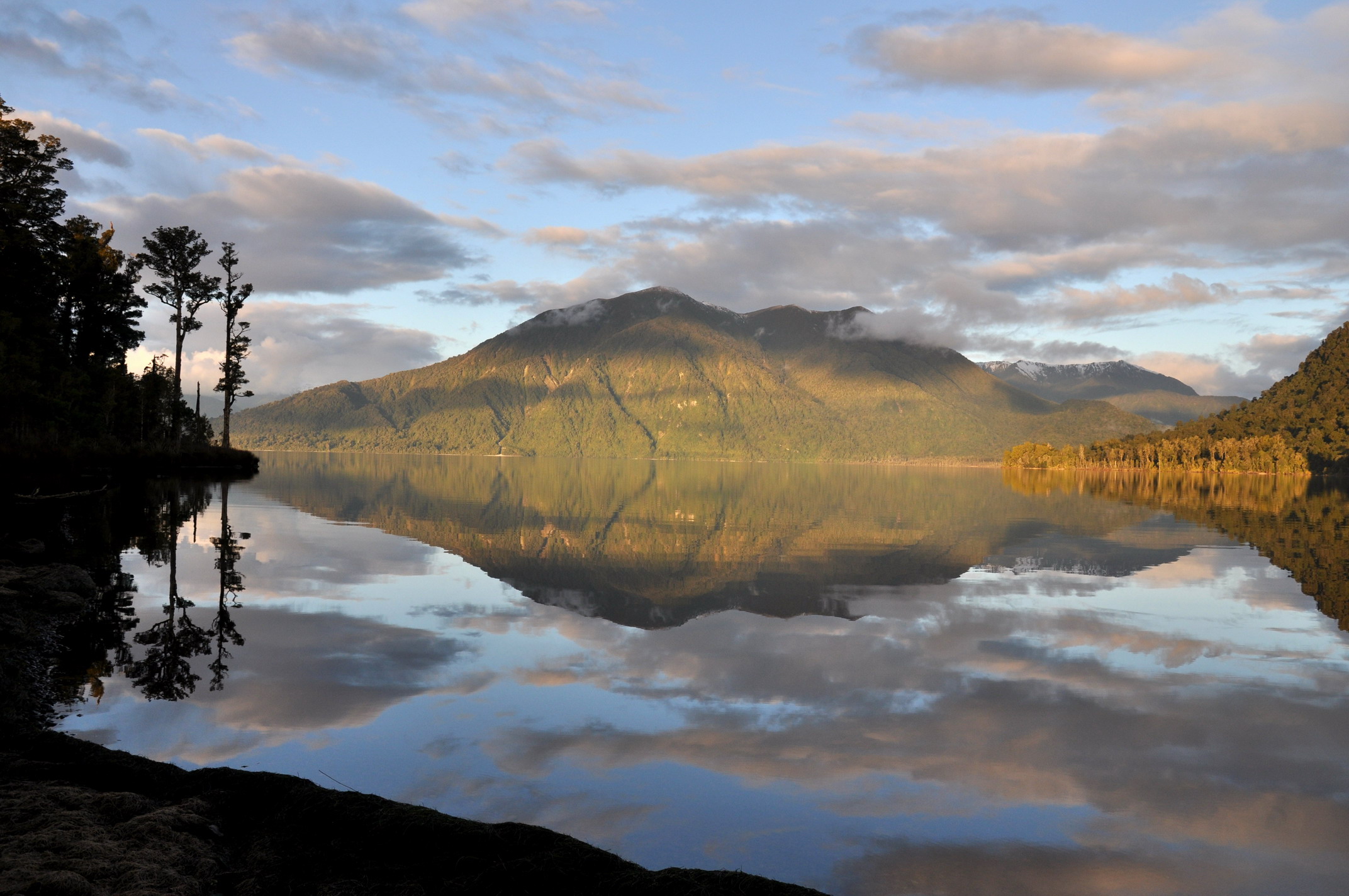
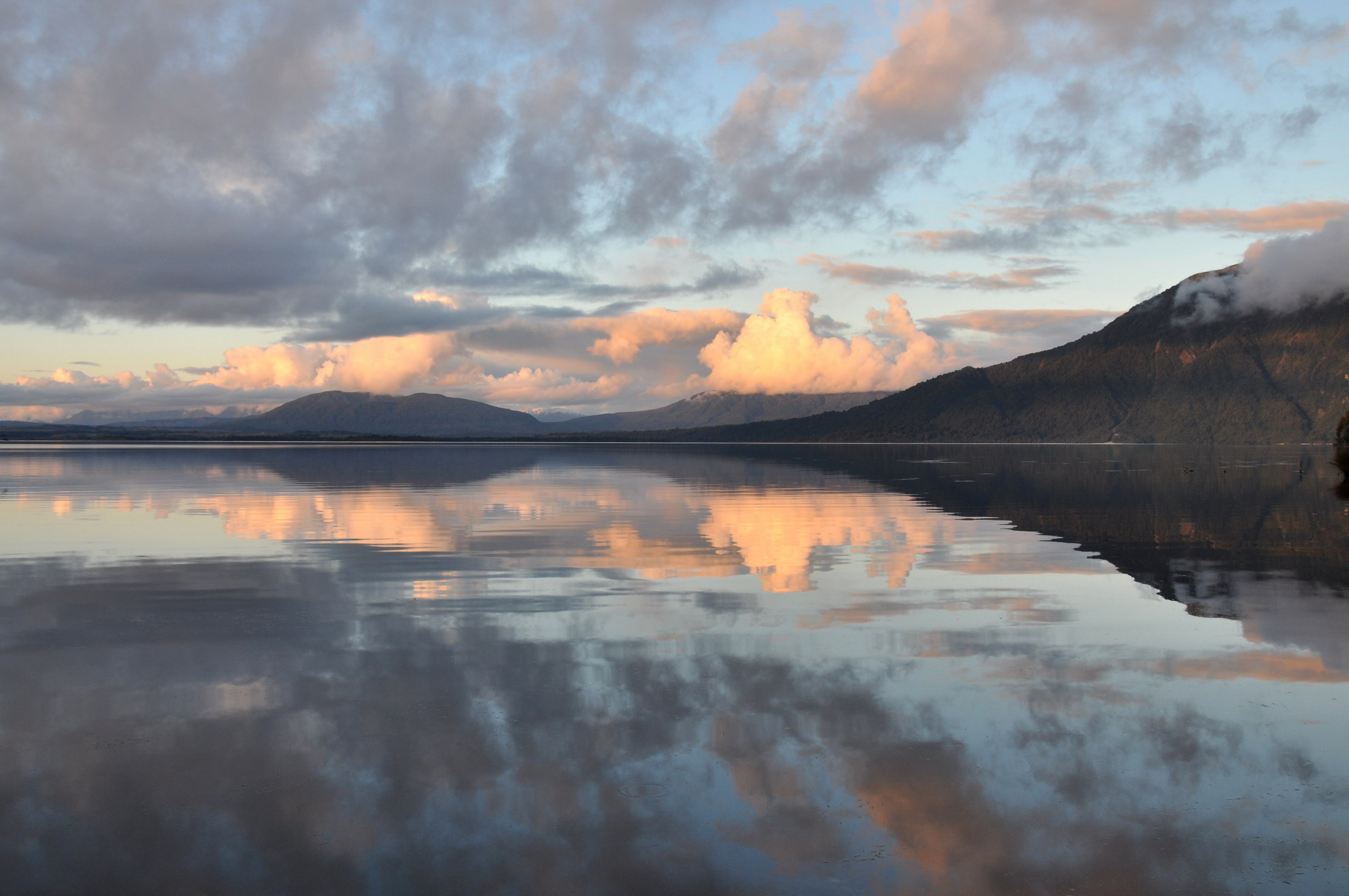
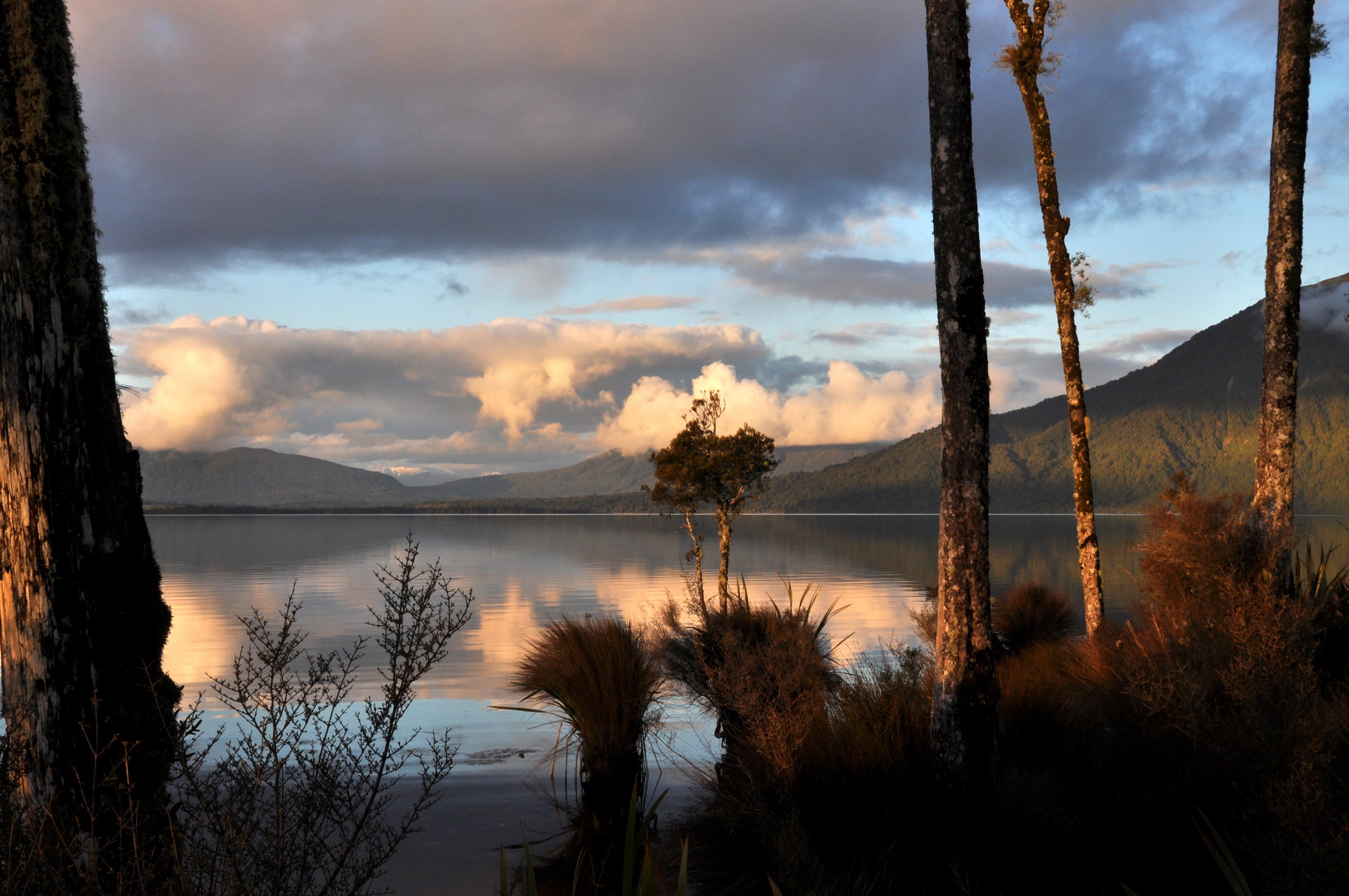
Lake Brunner, or Moana Kōtuku in Māori — “lake of the white heron” — lies on the West Coast near Greymouth. It's a glacial lake surrounded by beautiful mountains.
We had only one day off. It was winter, with rain all around us, but the sun was shining on the other side of the Alps. Usually it's the other way around: Christchurch is almost a desert, with little rain, while it pours on the West Coast. That day, though, the only sunshine was on the far side of the mountains.
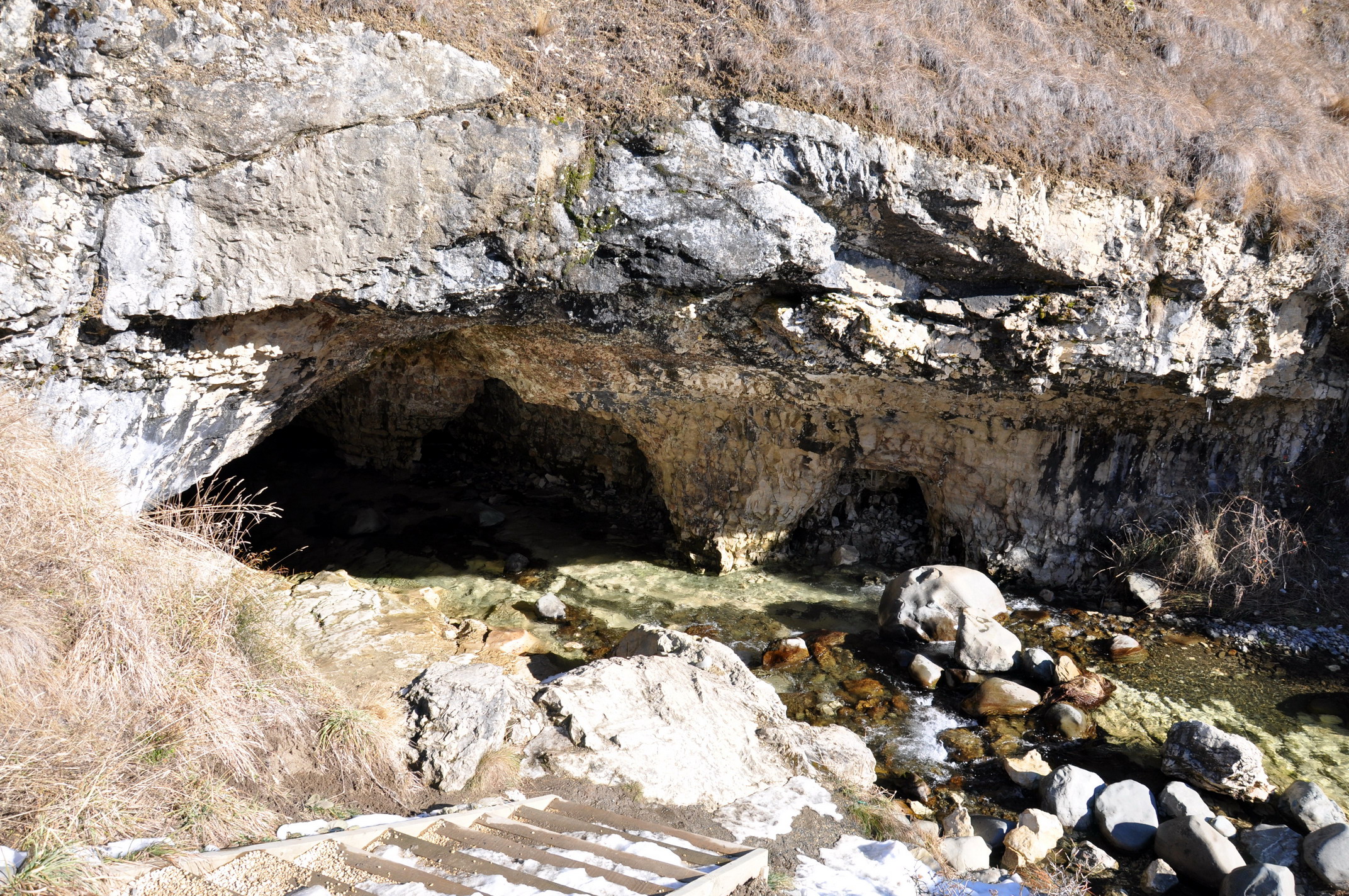
We left town in fog, drank coffee in Springfield in the rain and started climbing in thick mist. Then something wonderful happened. As soon as the road reached Porters Pass, all the clouds were below us. All around were snowy peaks, a deep blue sky and sunshine. We walked briefly near the underground river and the cave you can walk through in waist-deep water. But with snow all around, a long walk was out of the question. We couldn't even make it to the mouth of the cave, and the thought of getting into icy water was even less appealing. If we wanted a walk, we'd have to go to the warmer west coast.
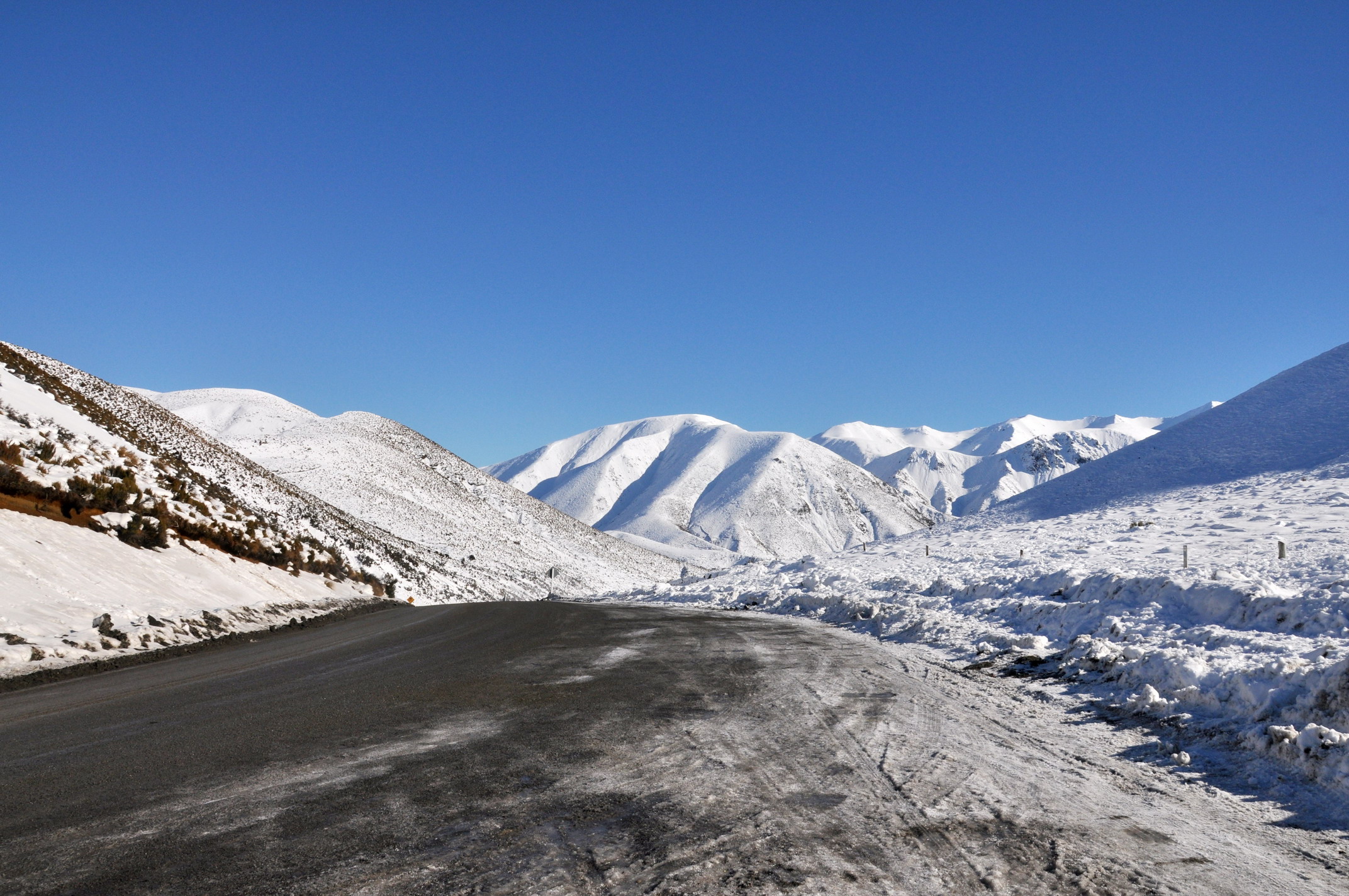
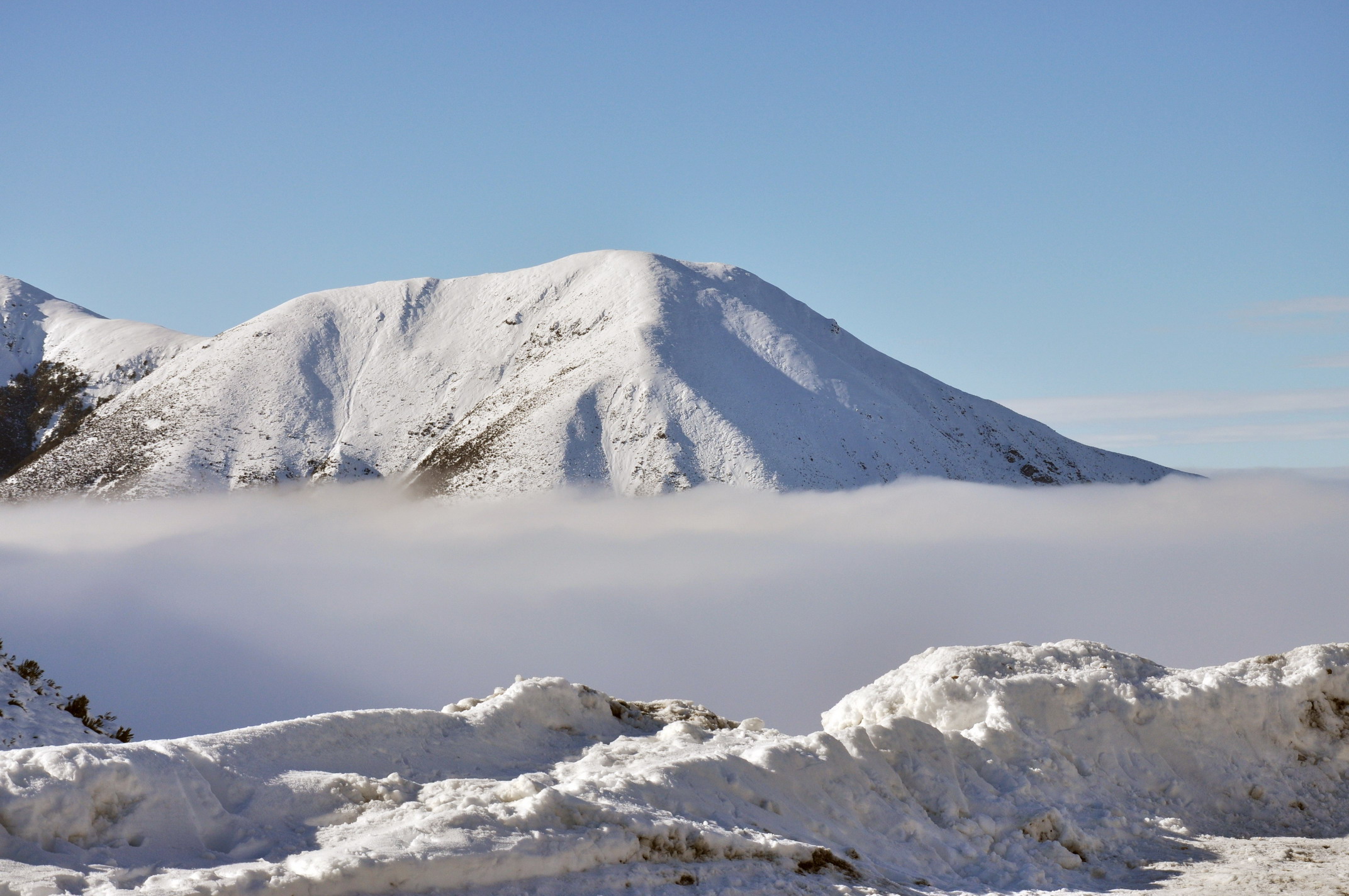
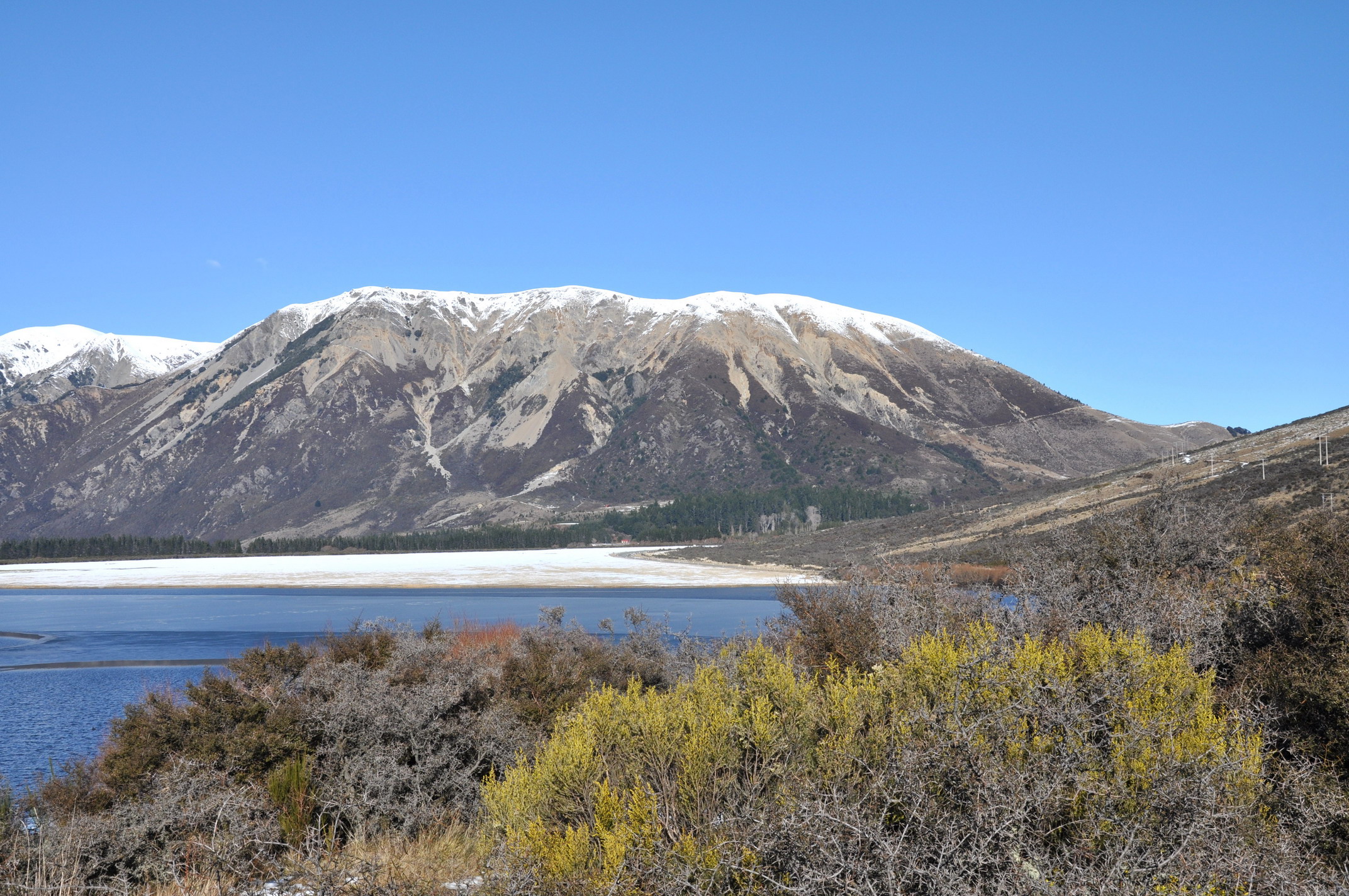
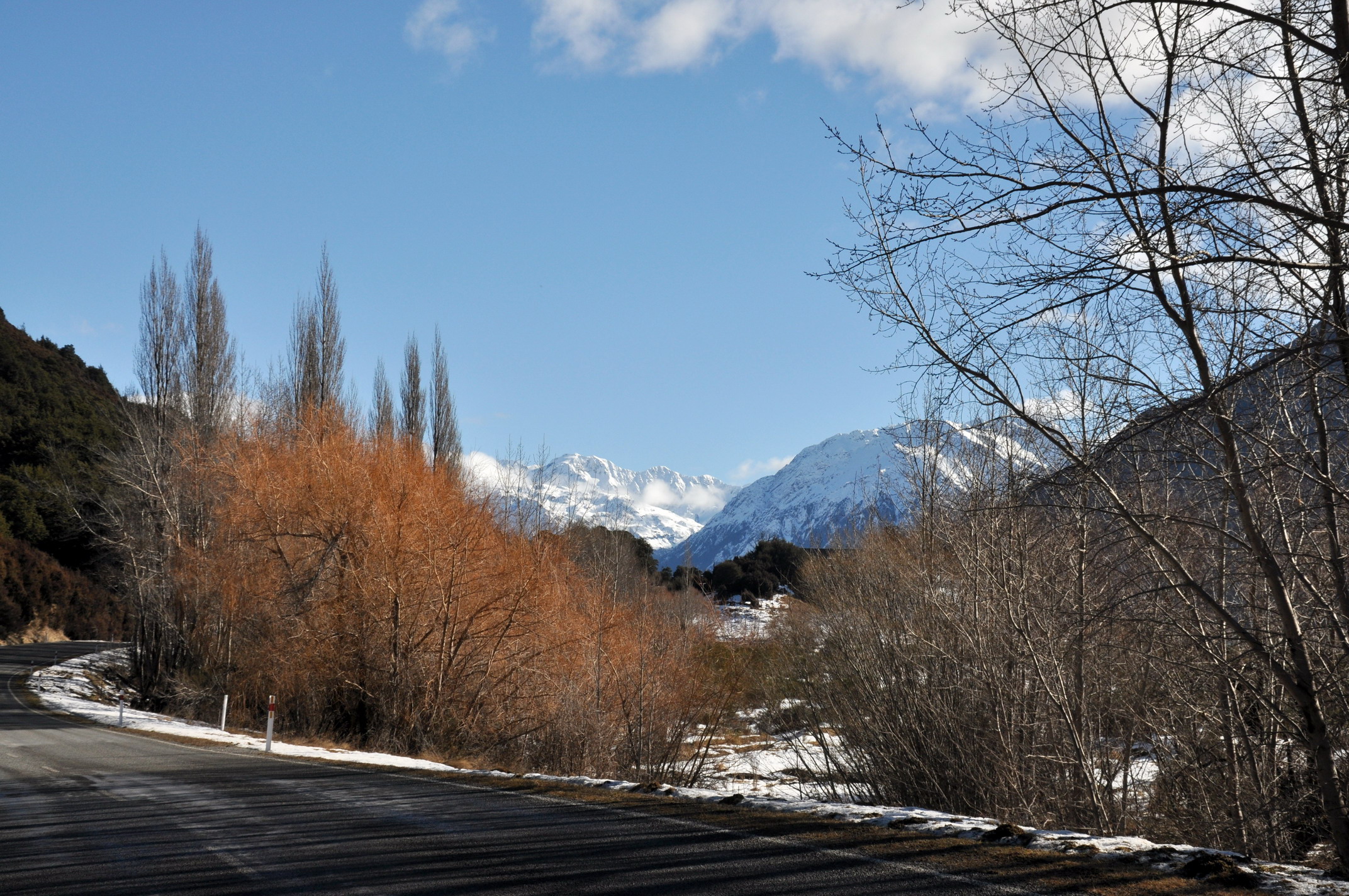
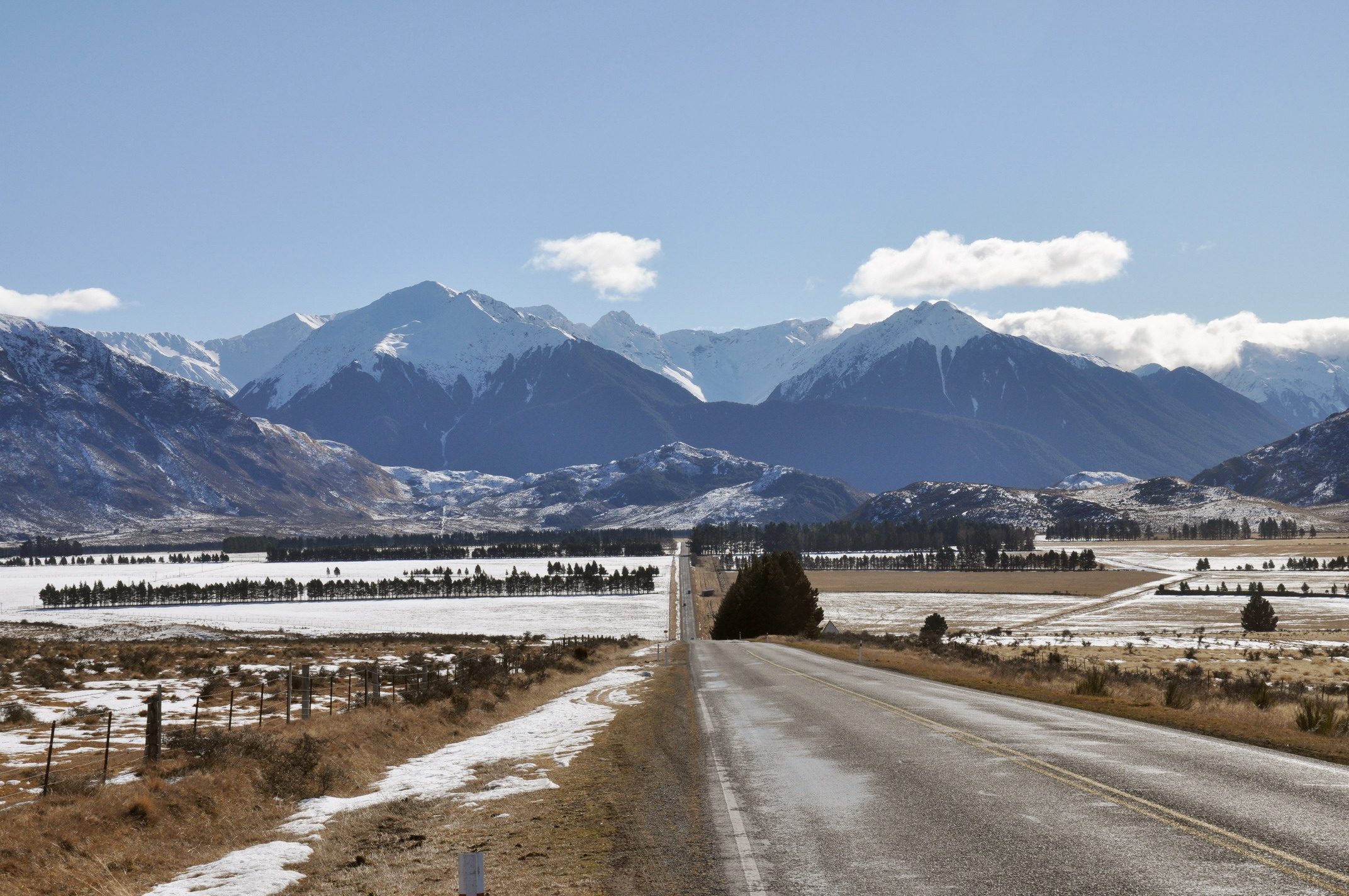
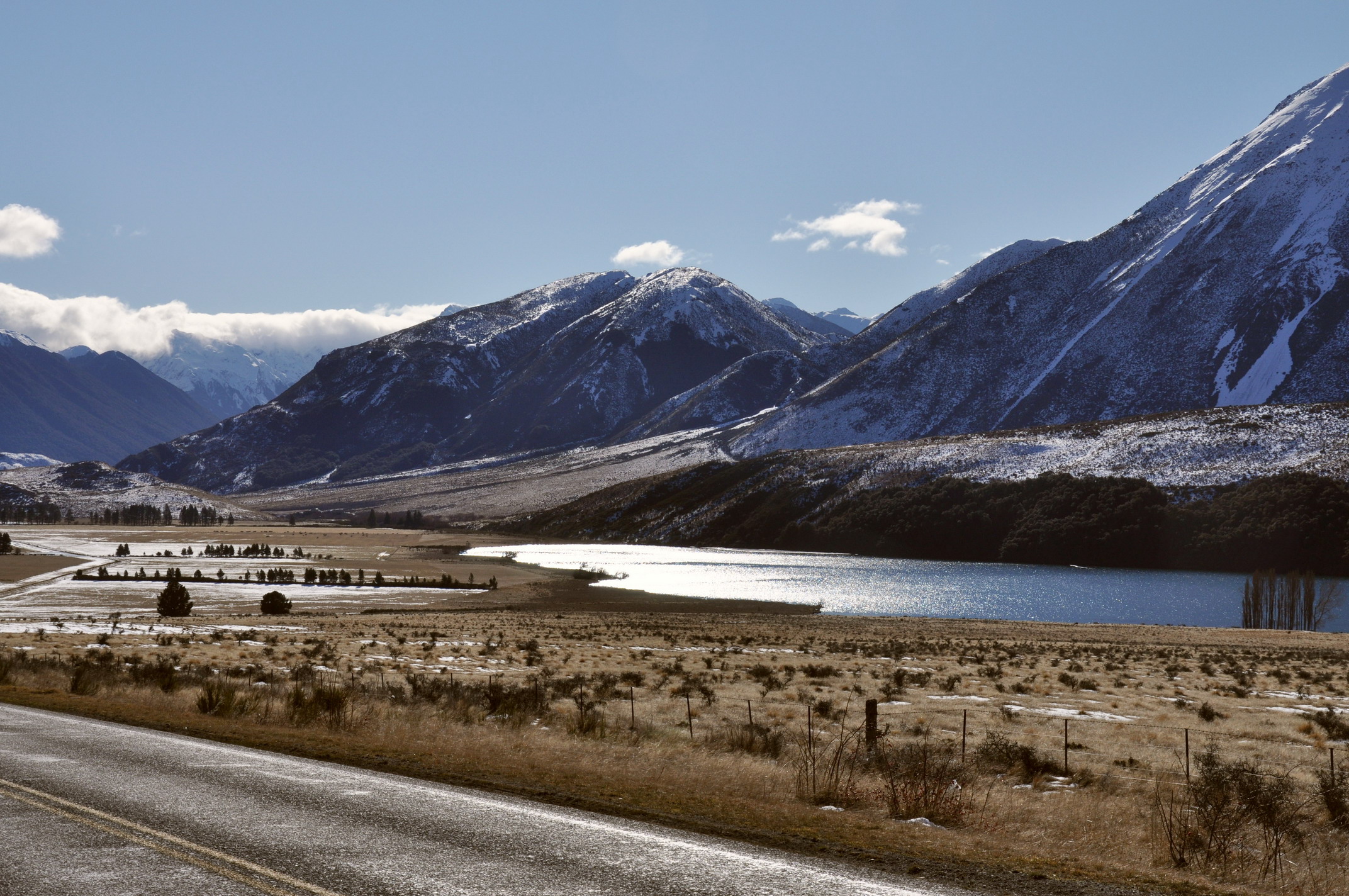
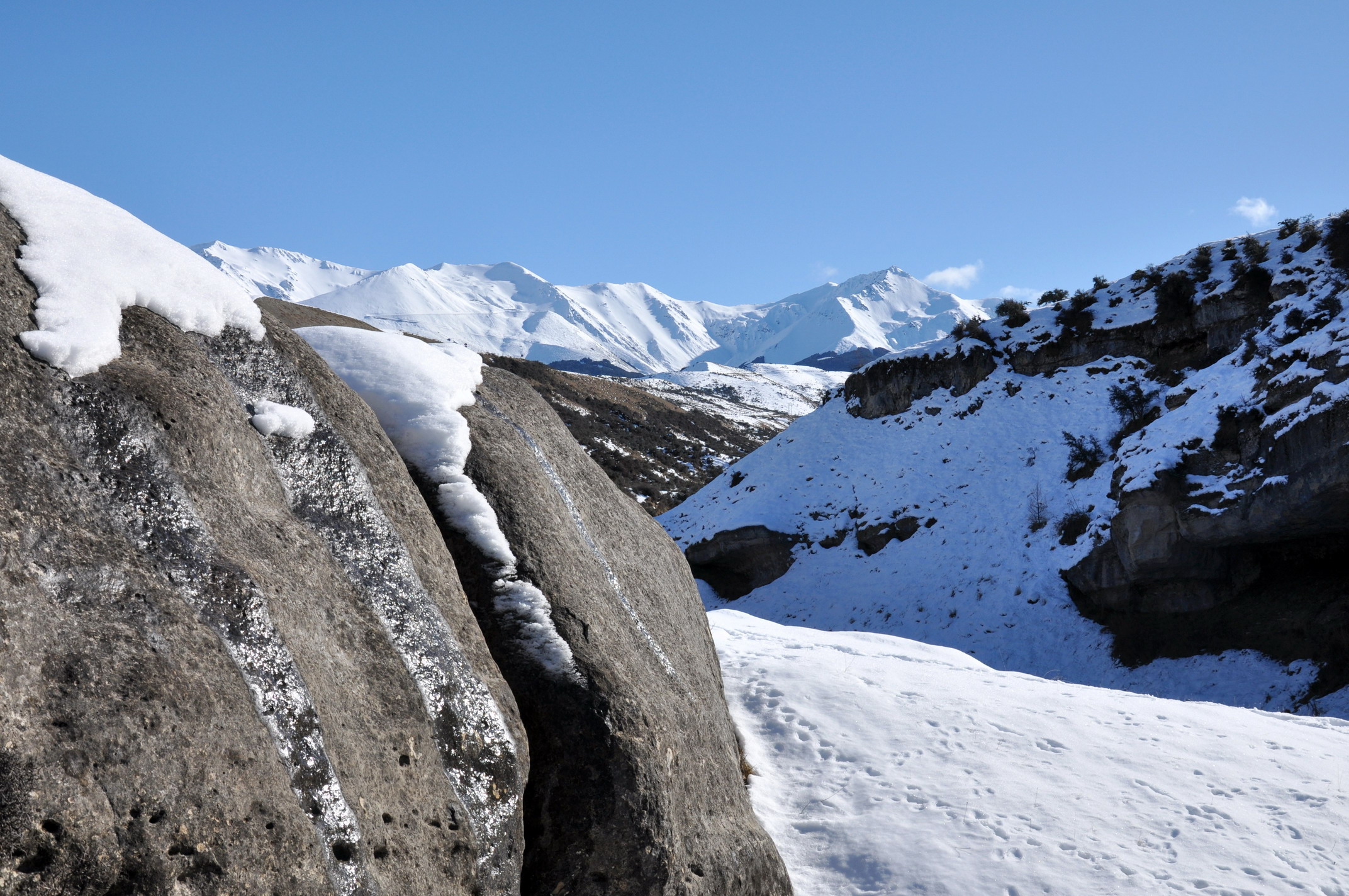
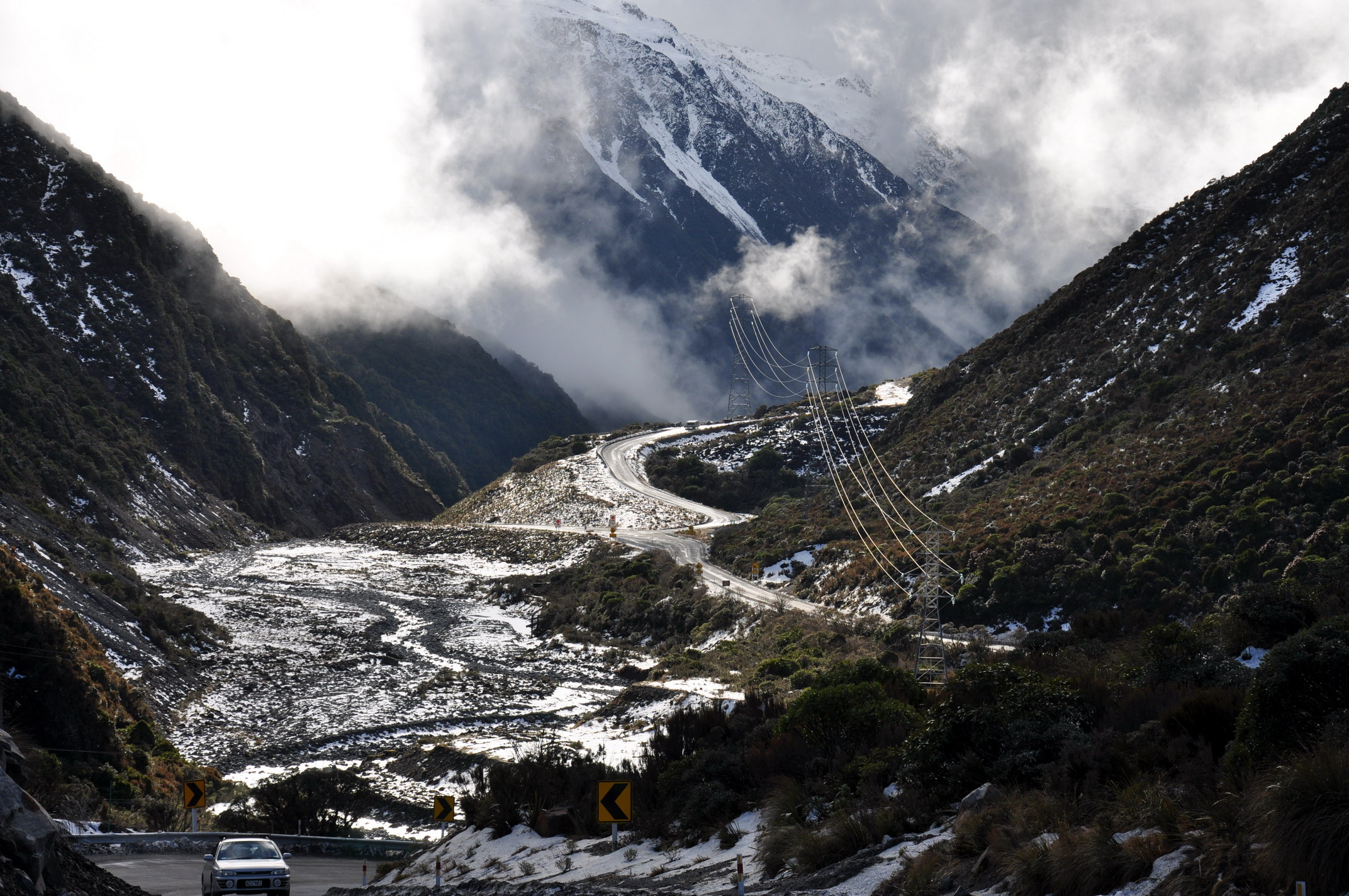
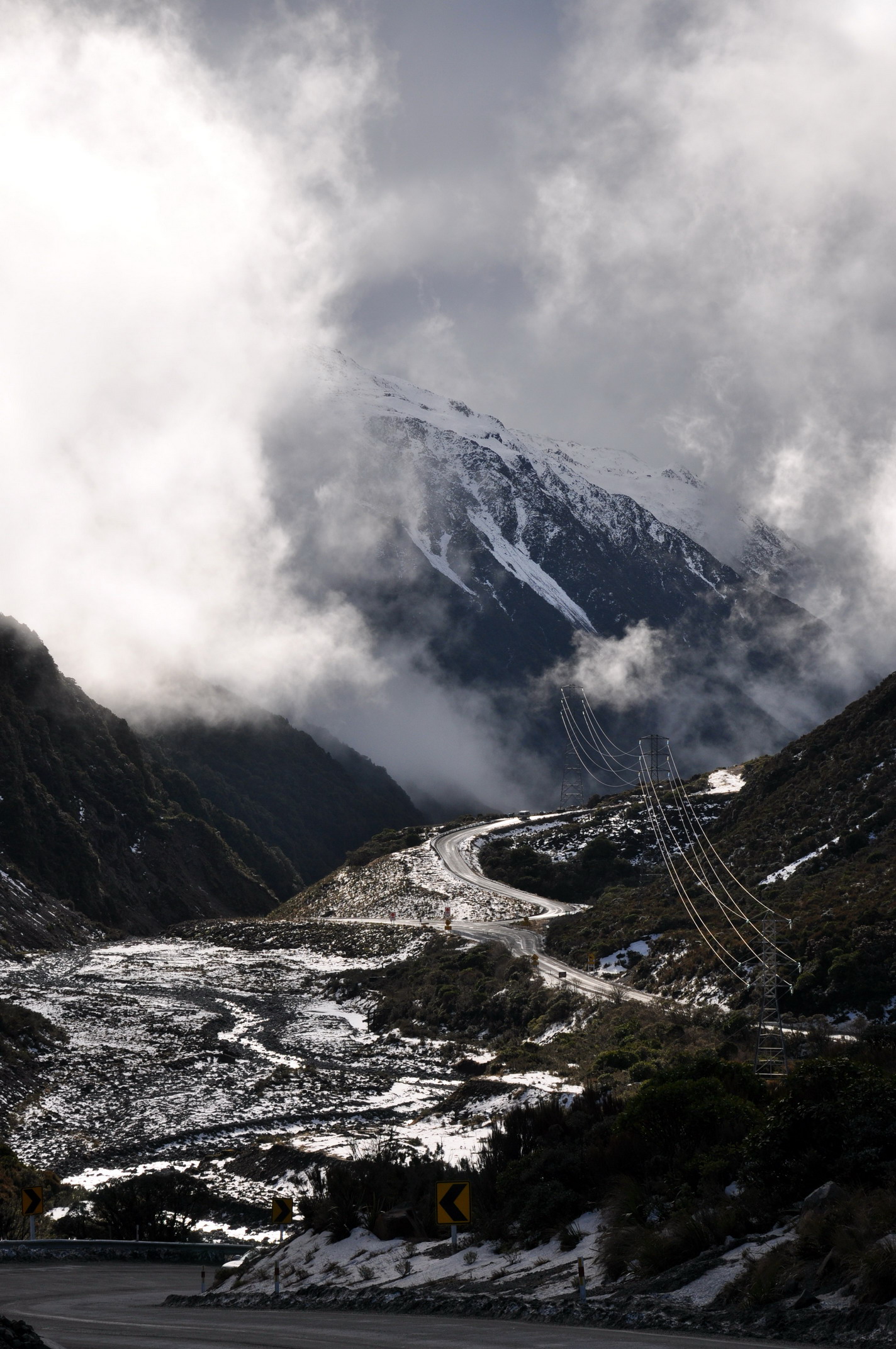
After almost climbing to a thousand metres at Arthur's Pass, the road drops steeply. The snow disappeared entirely. It was warm and sunny.
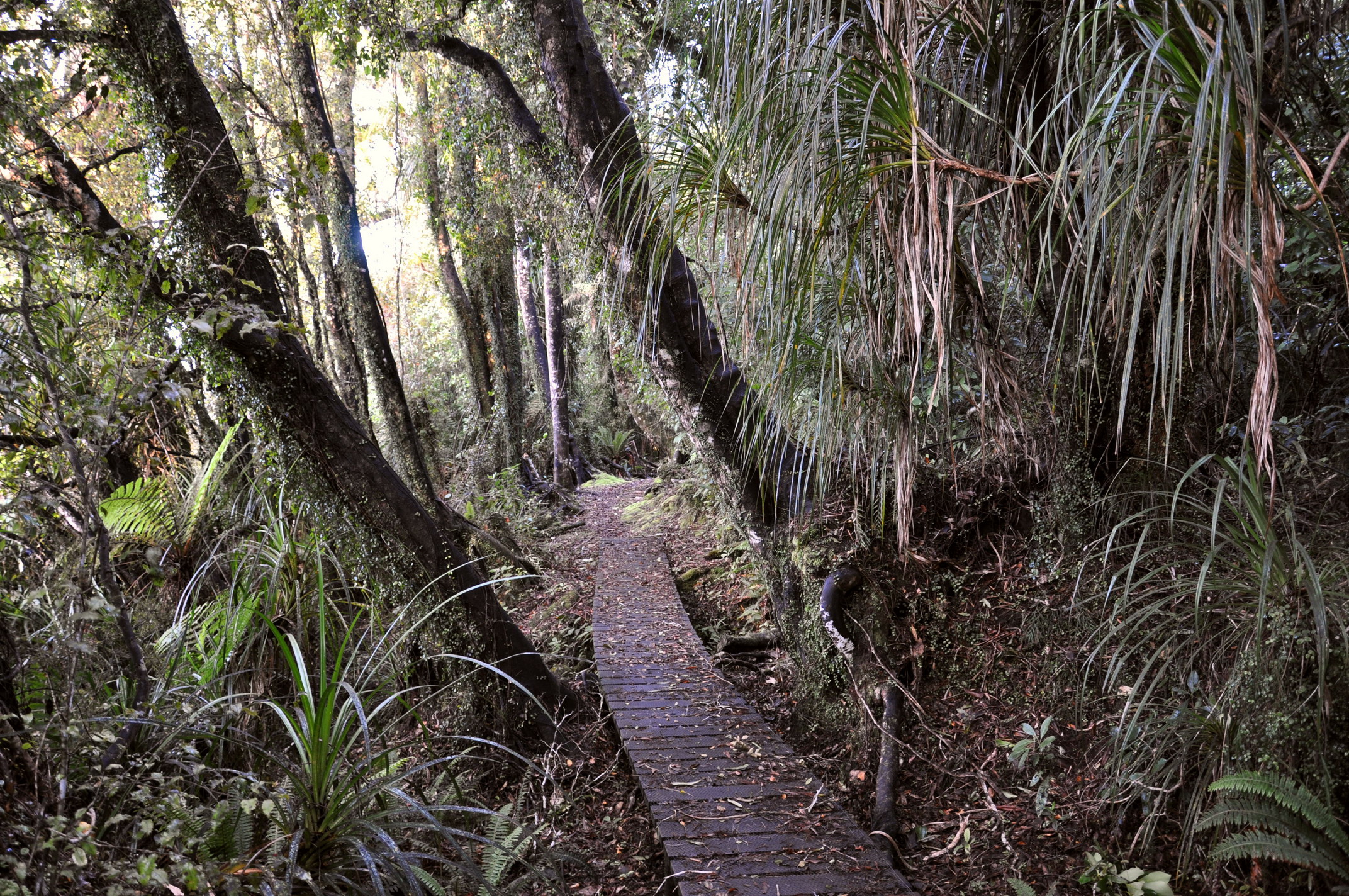
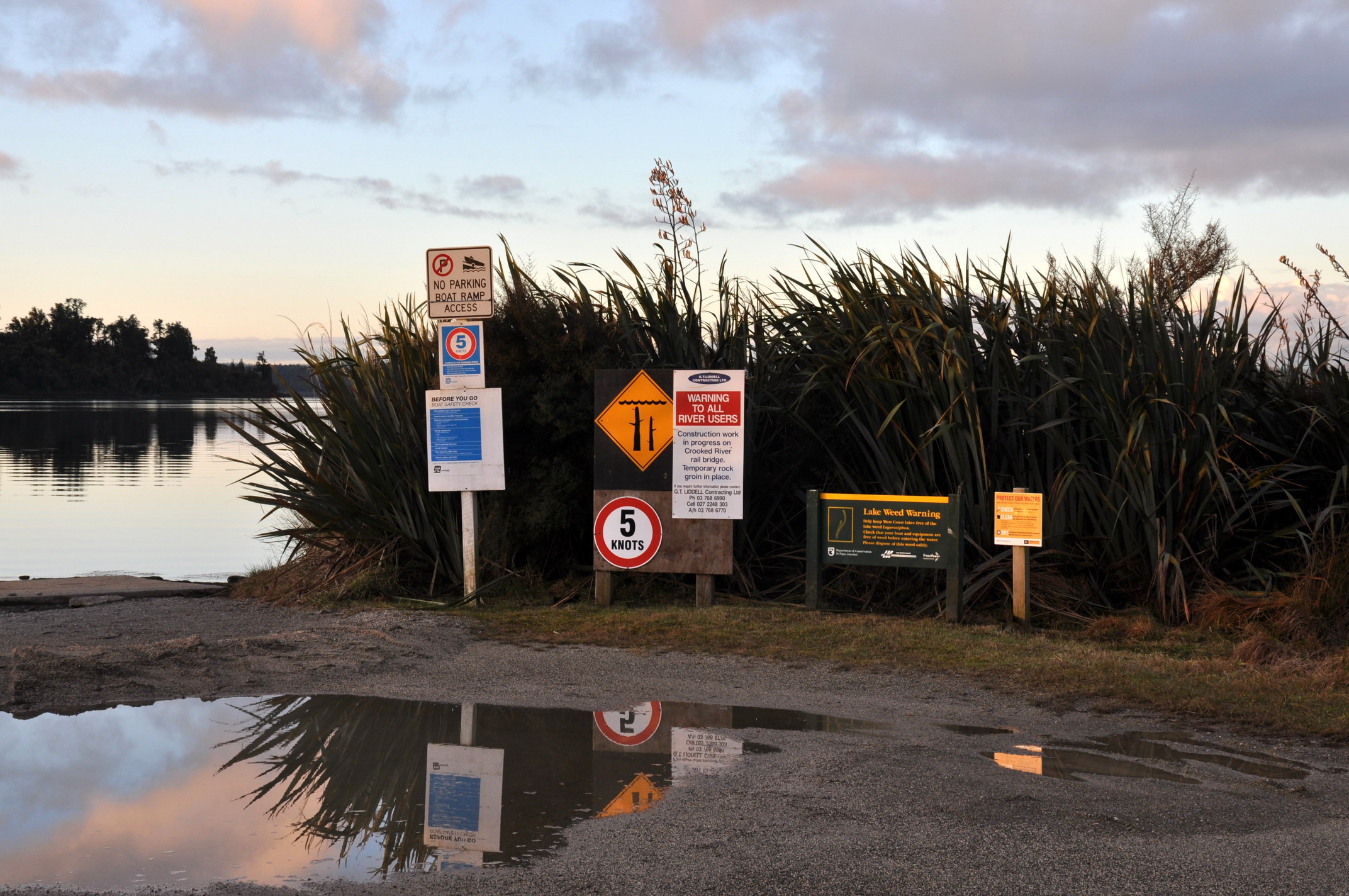
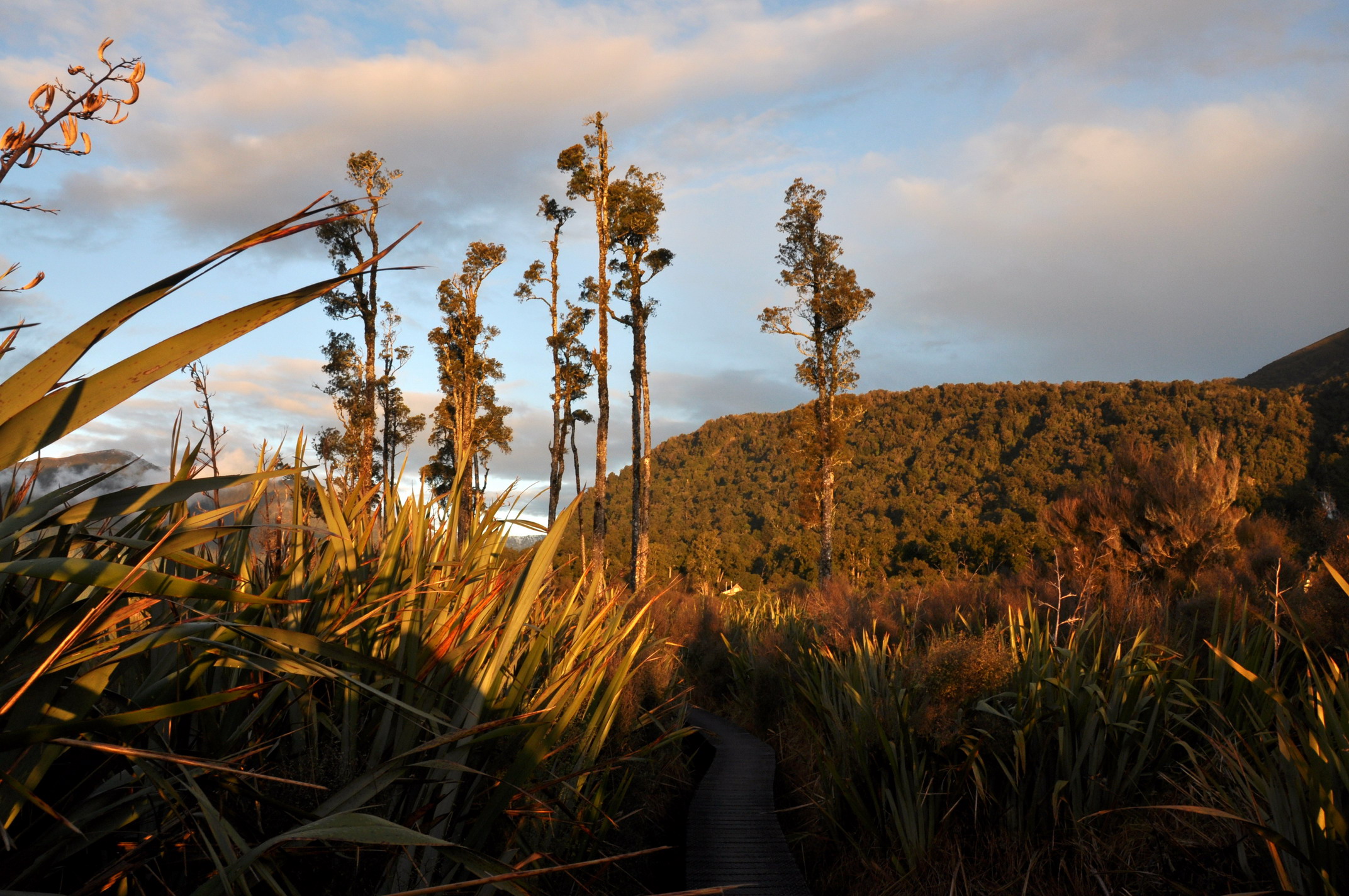
The nearest place with tracks was Lake Brunner. At first we just wandered around the shore. Then we took a short track starting at the boat landing (42°38.100′S, 171°23.914′E). It's well built, with boardwalks everywhere. You could walk it in white slippers. From Carew Bay the track goes through dark forest at Drake Point and comes out at Bain Bay.
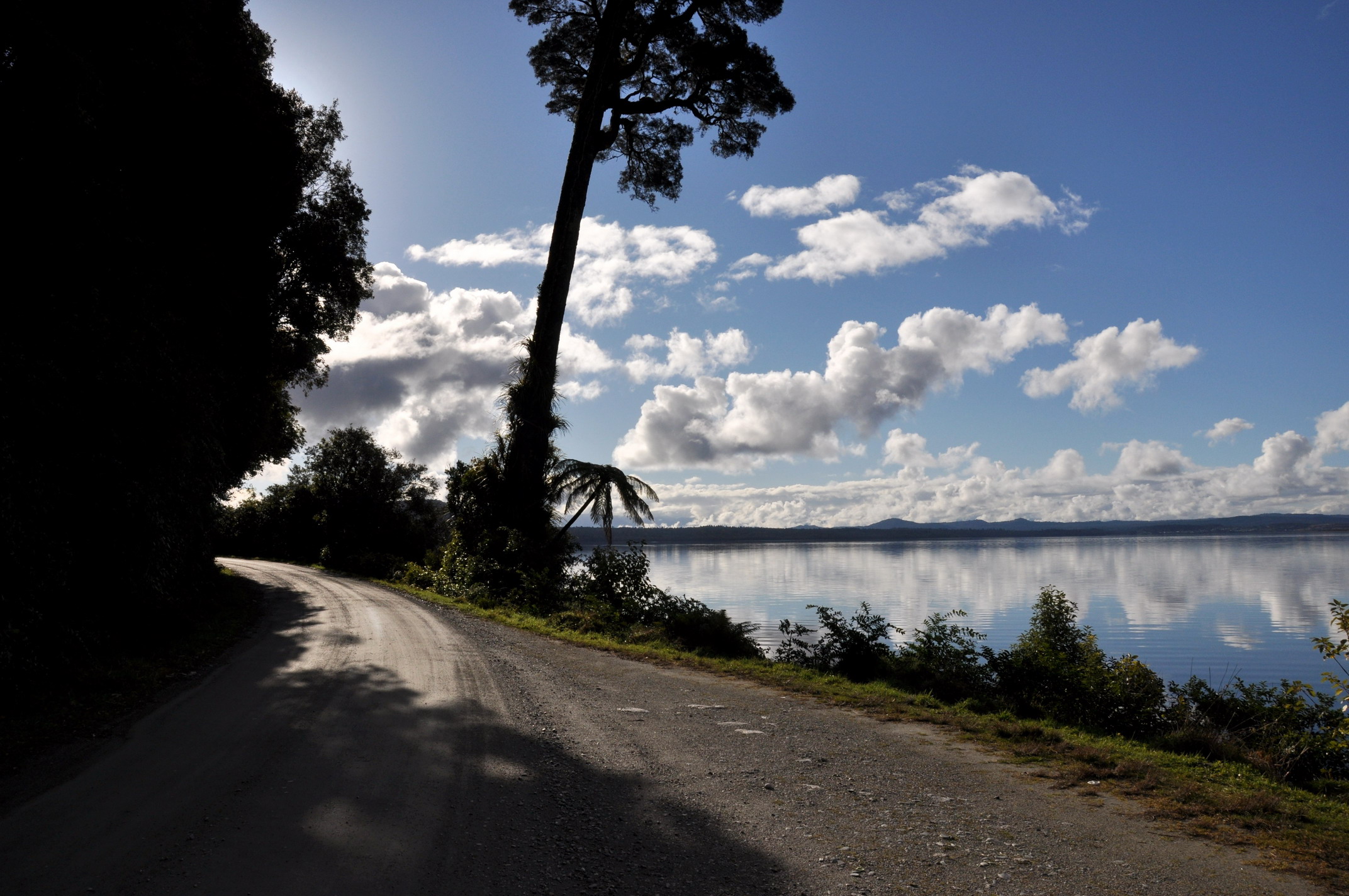
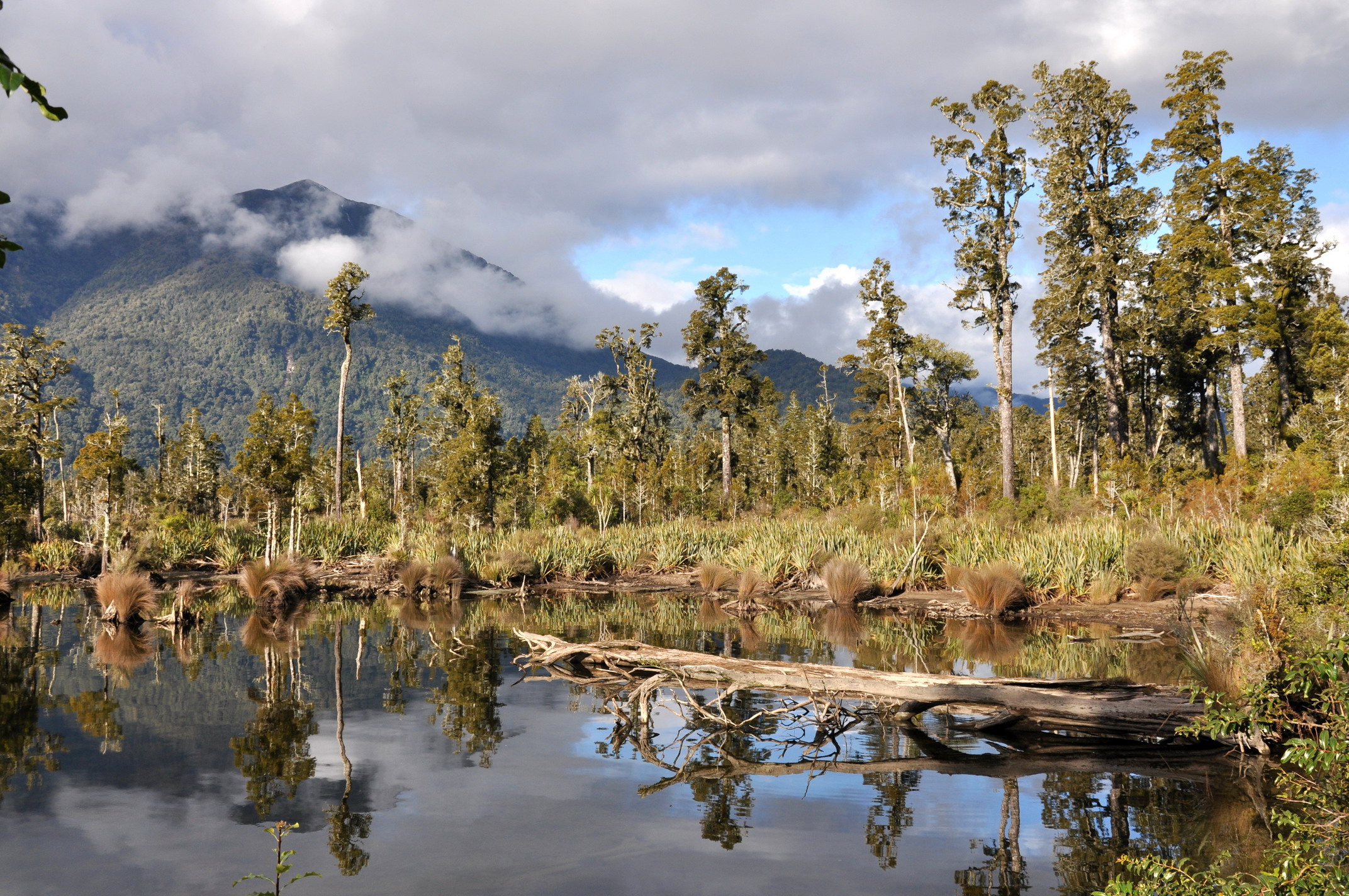
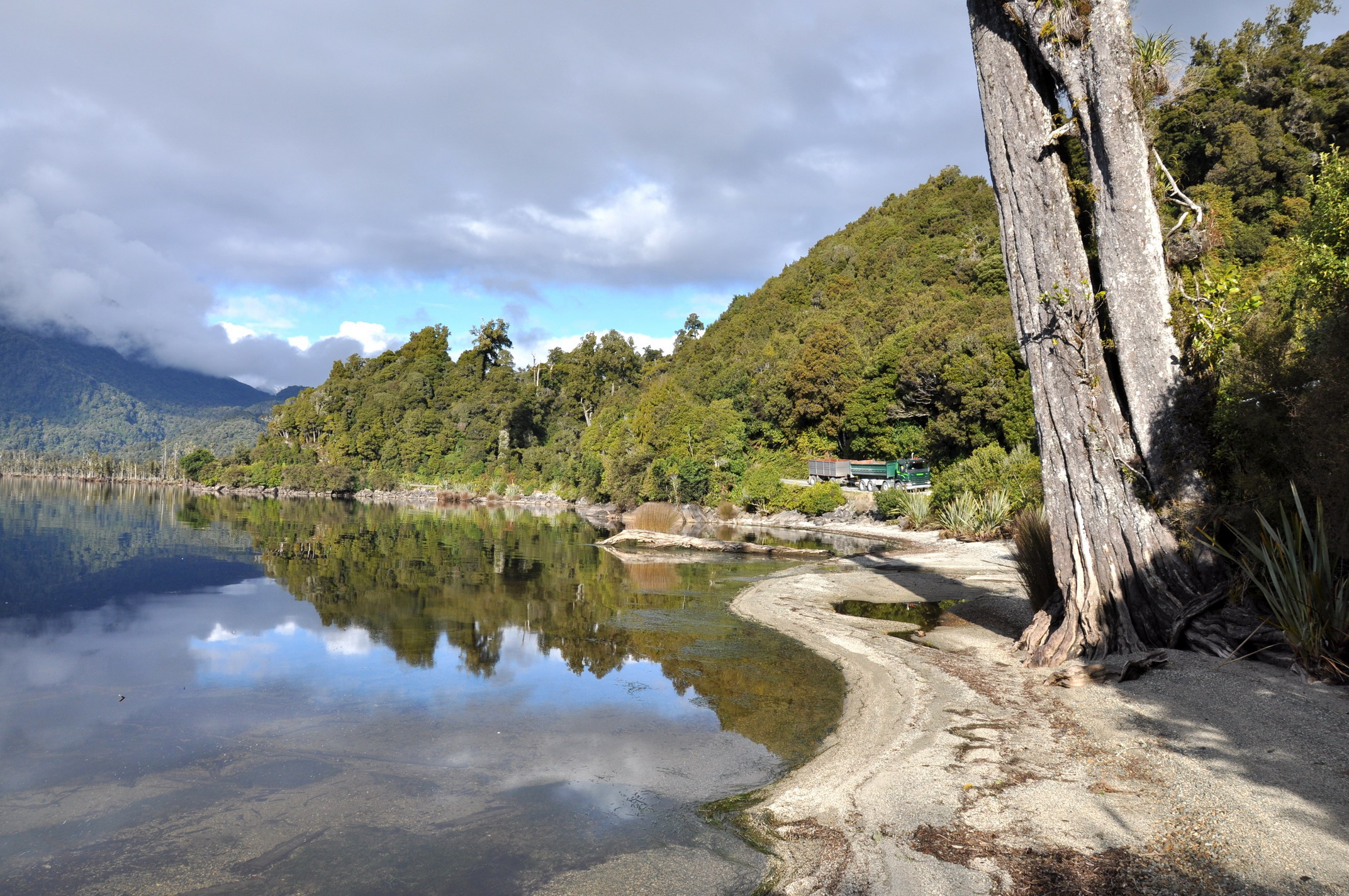
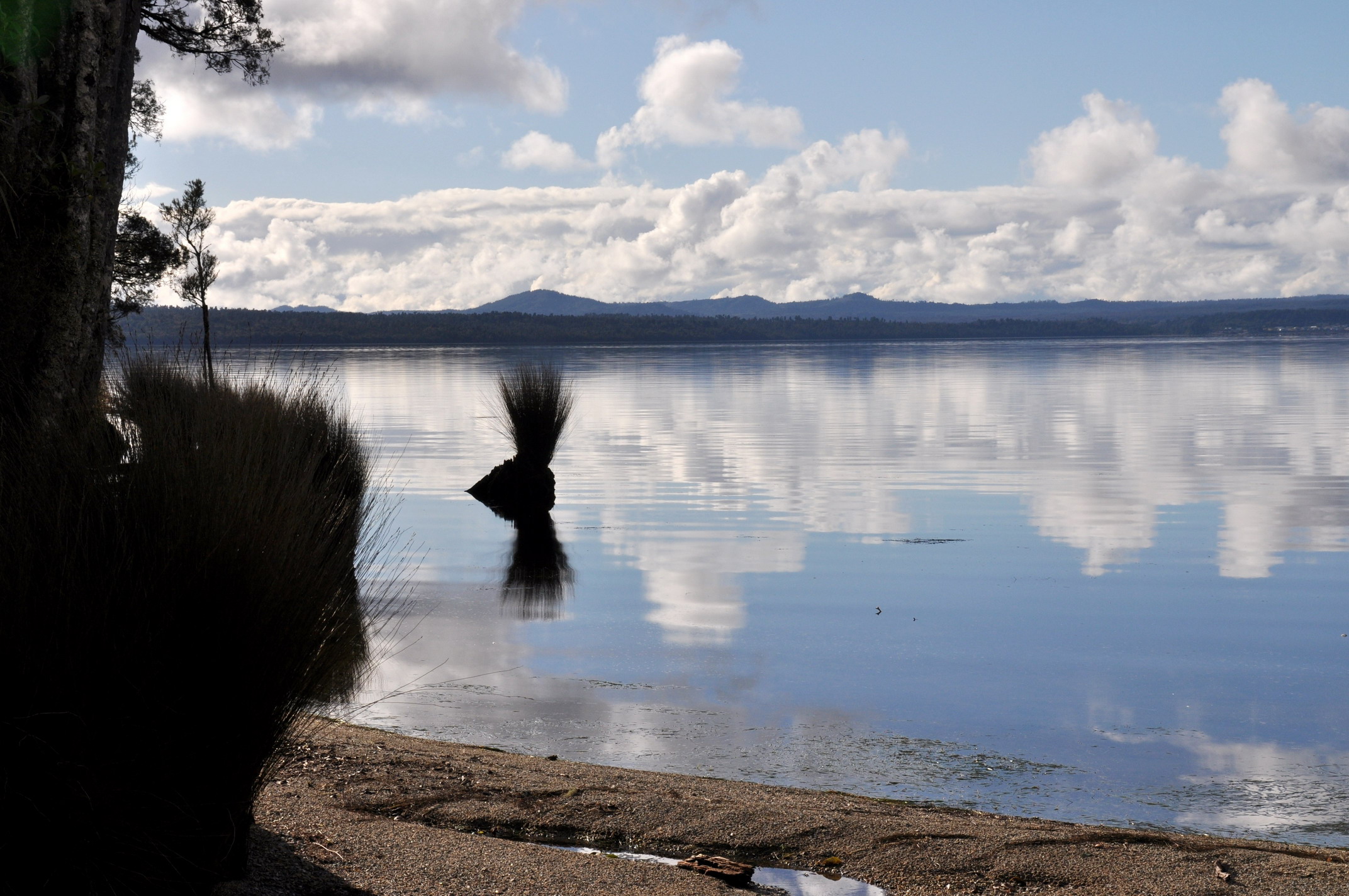
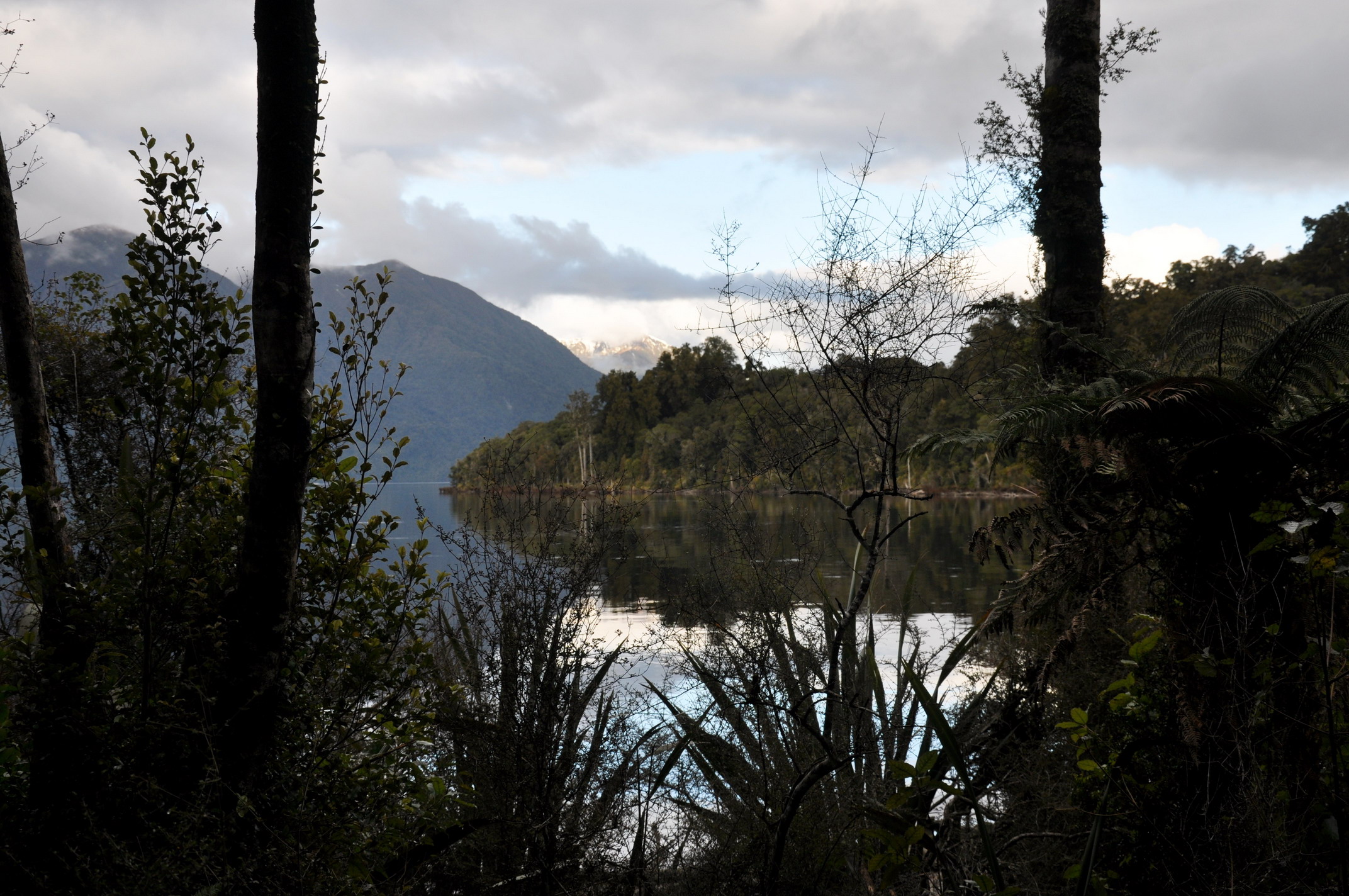
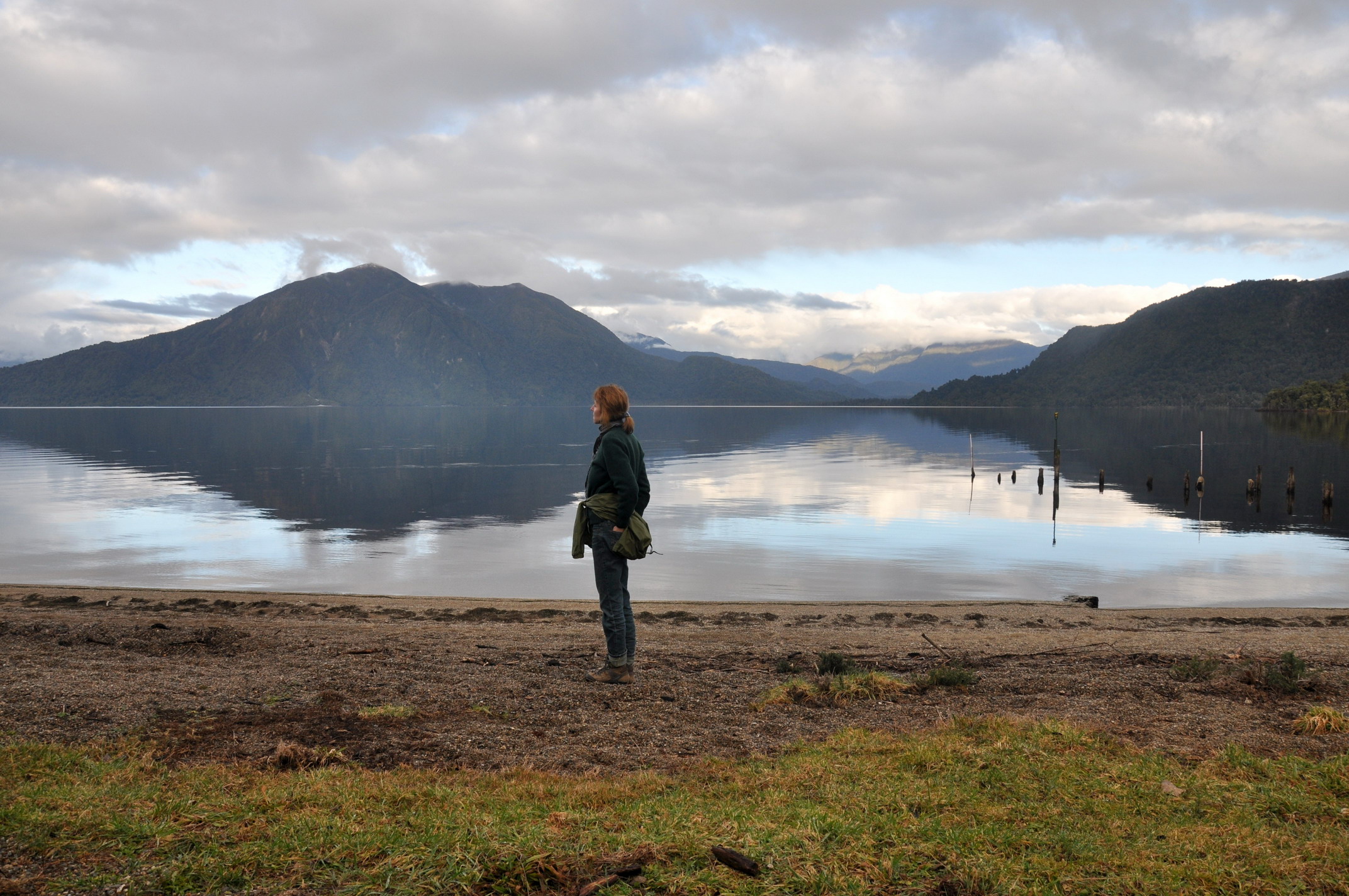
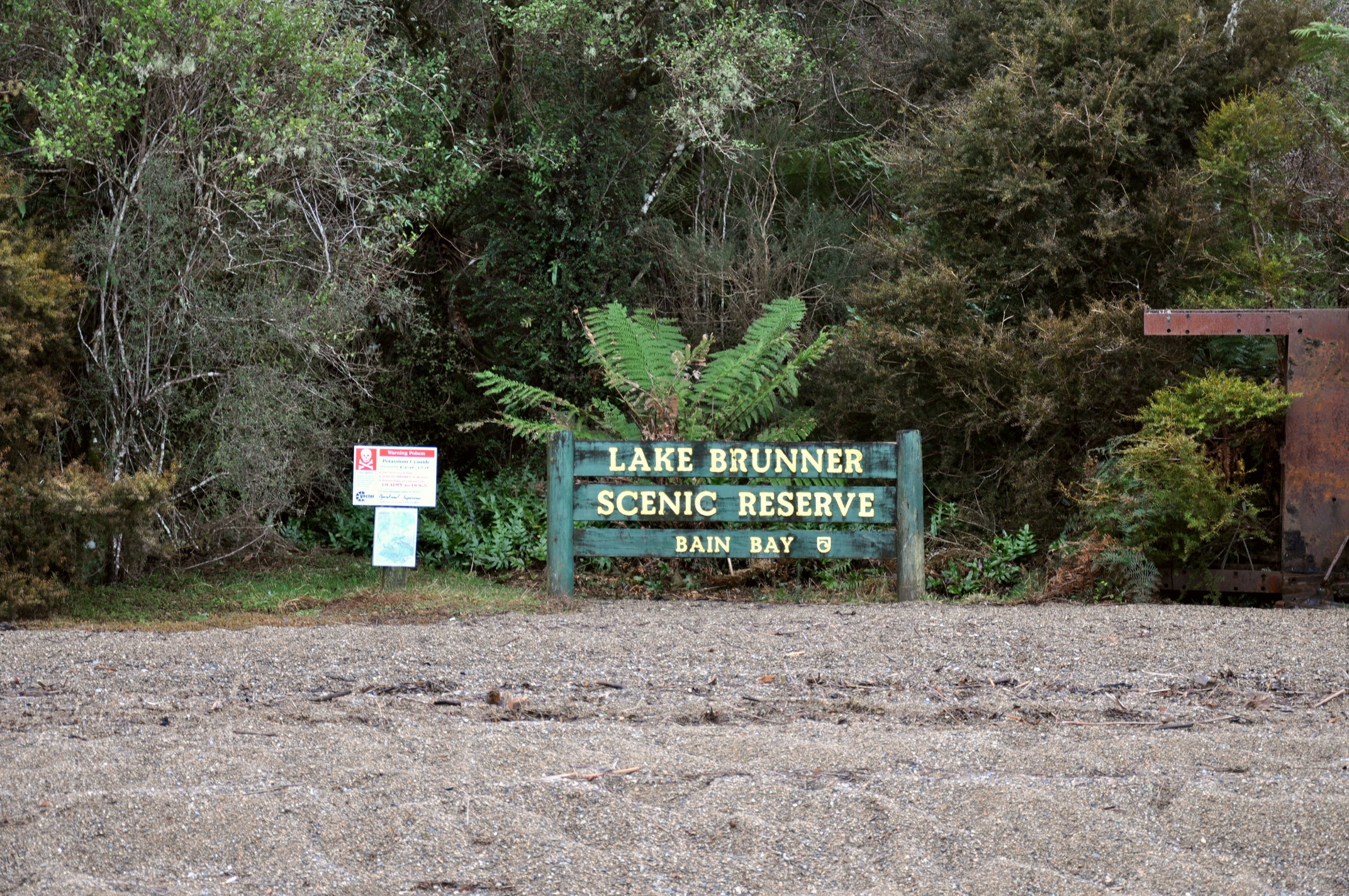
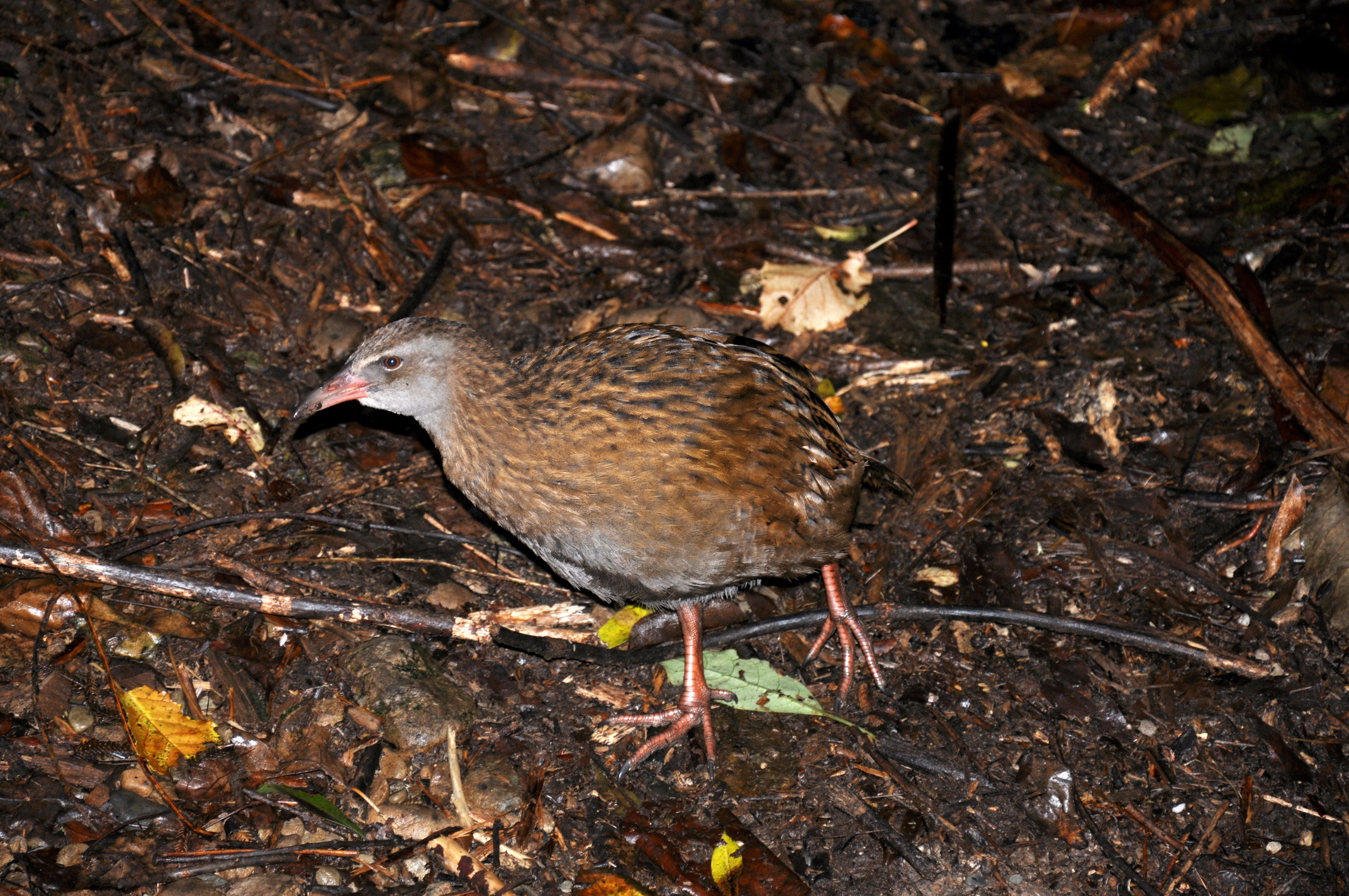
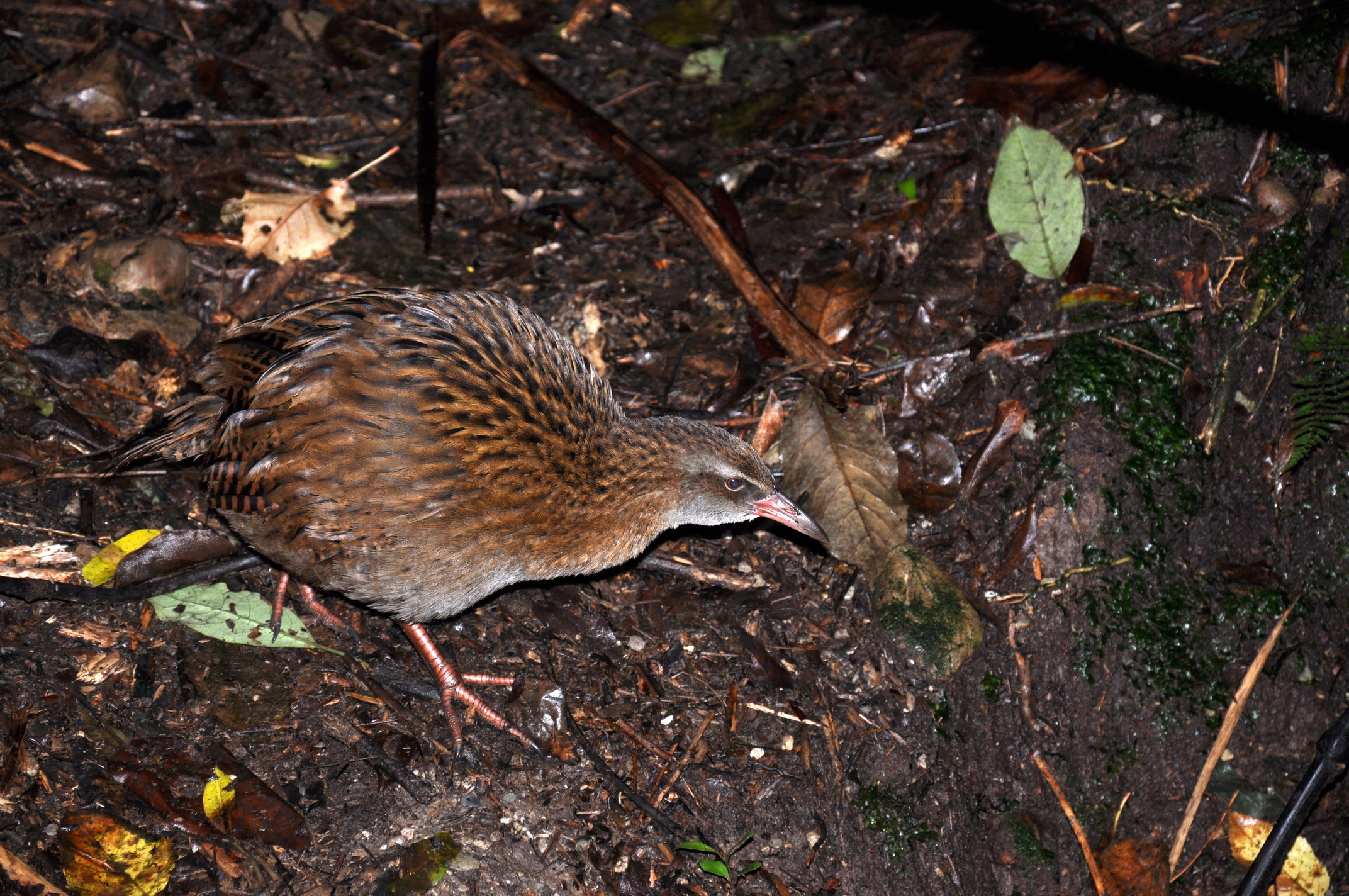
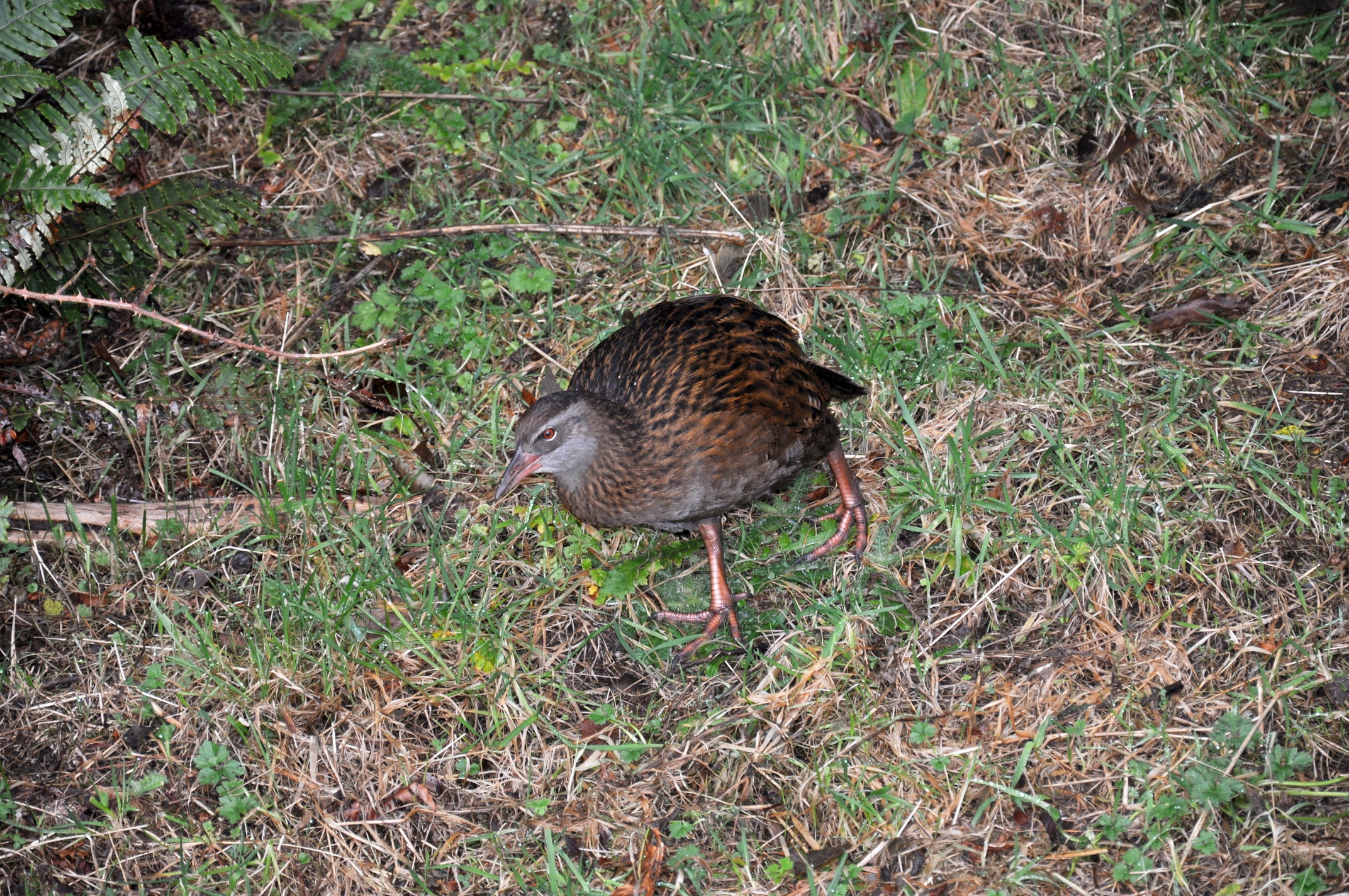
On the way we met a bird, a weka. It's almost like a kiwi: it can't fly either. It doesn't have the kiwi's fame; it's left to fend for itself. As the old joke goes, if you're hungry you can make soup out of it. It's not called a bush hen for nothing. At Bain Bay there's a campsite (42°36.865′S, 171°24.337′E). Pity we hadn't brought the tent. It's a good place to stop and would be lovely to paddle to: something to remember for another short winter day off.
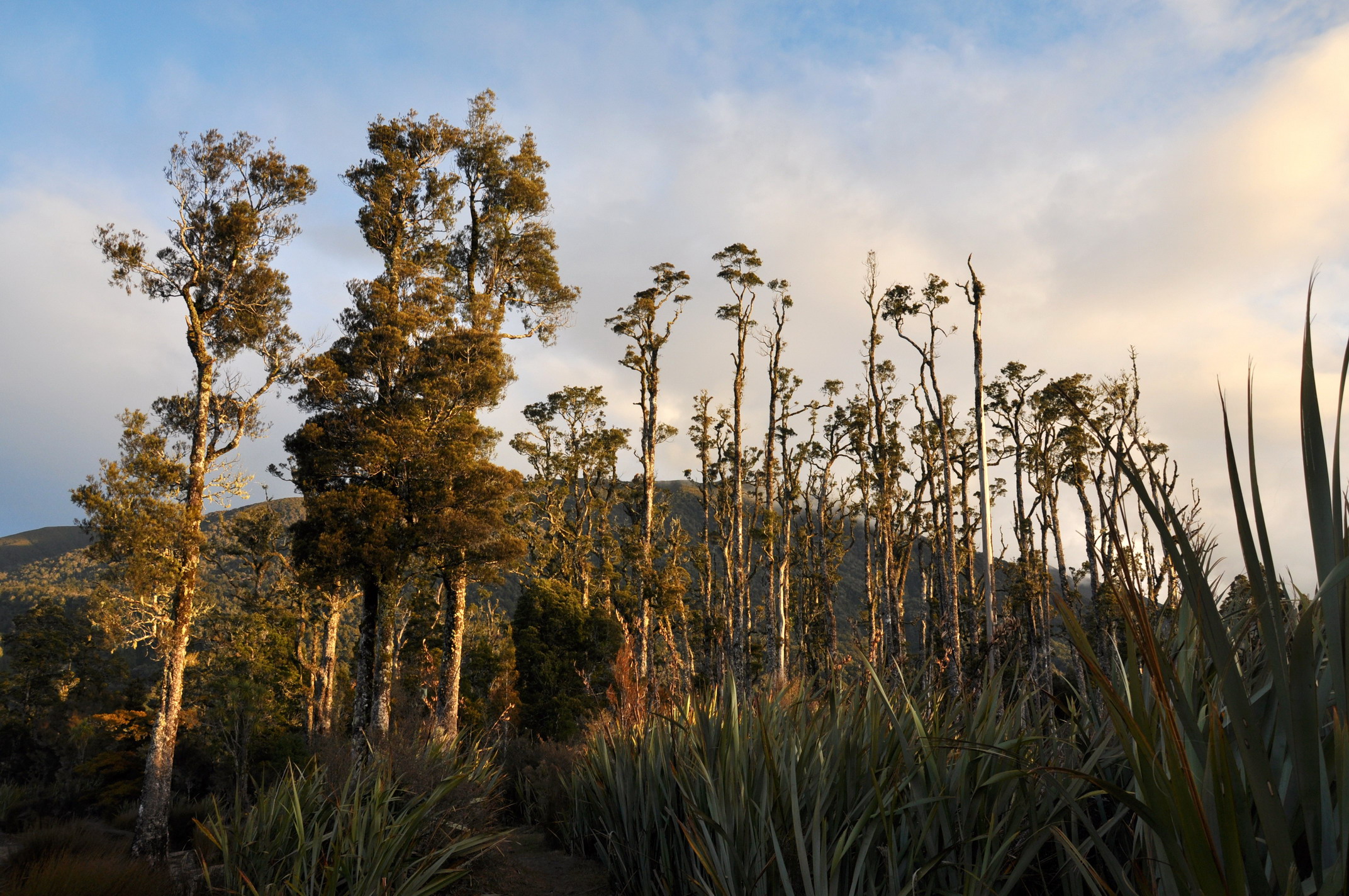
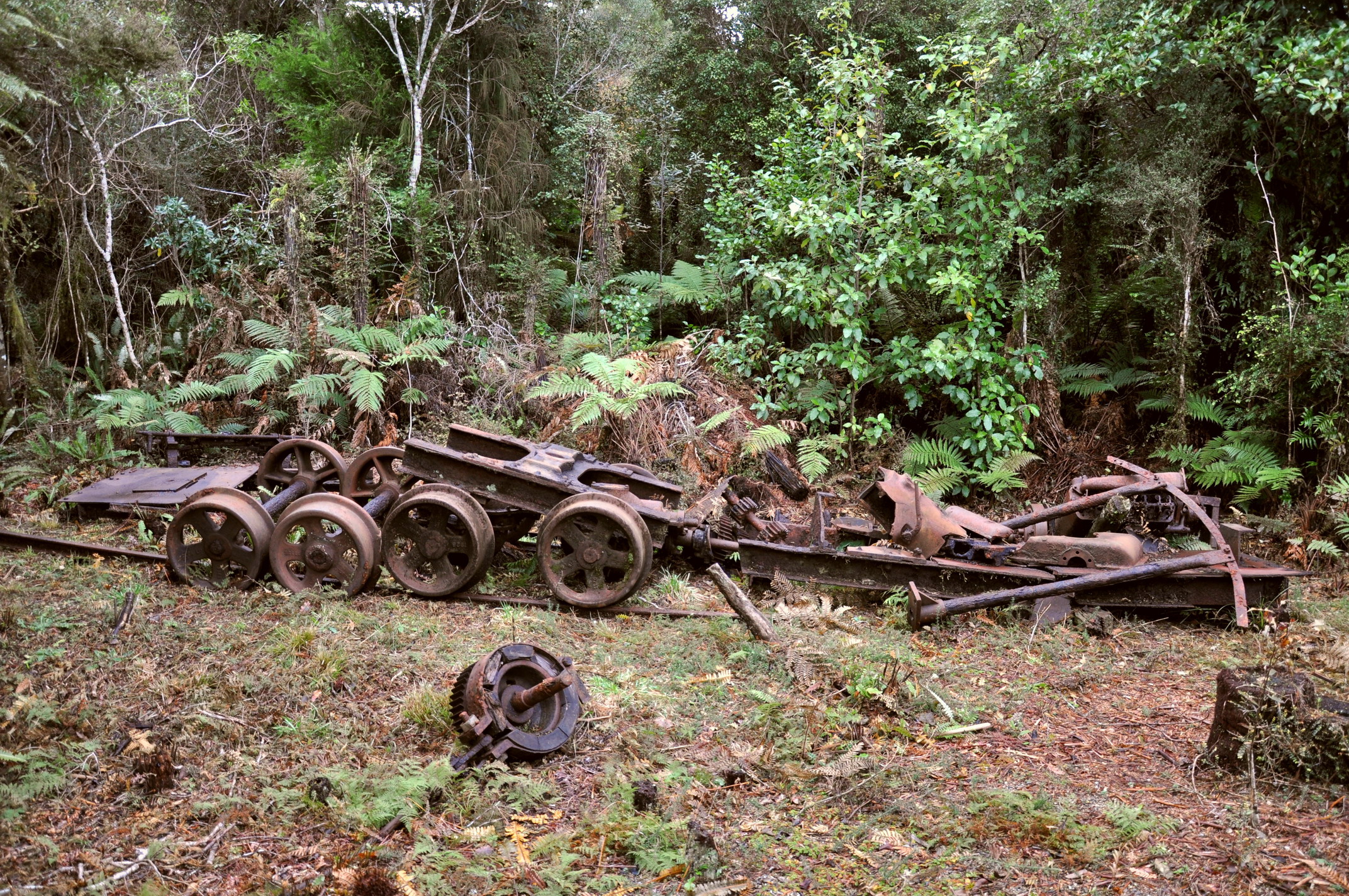
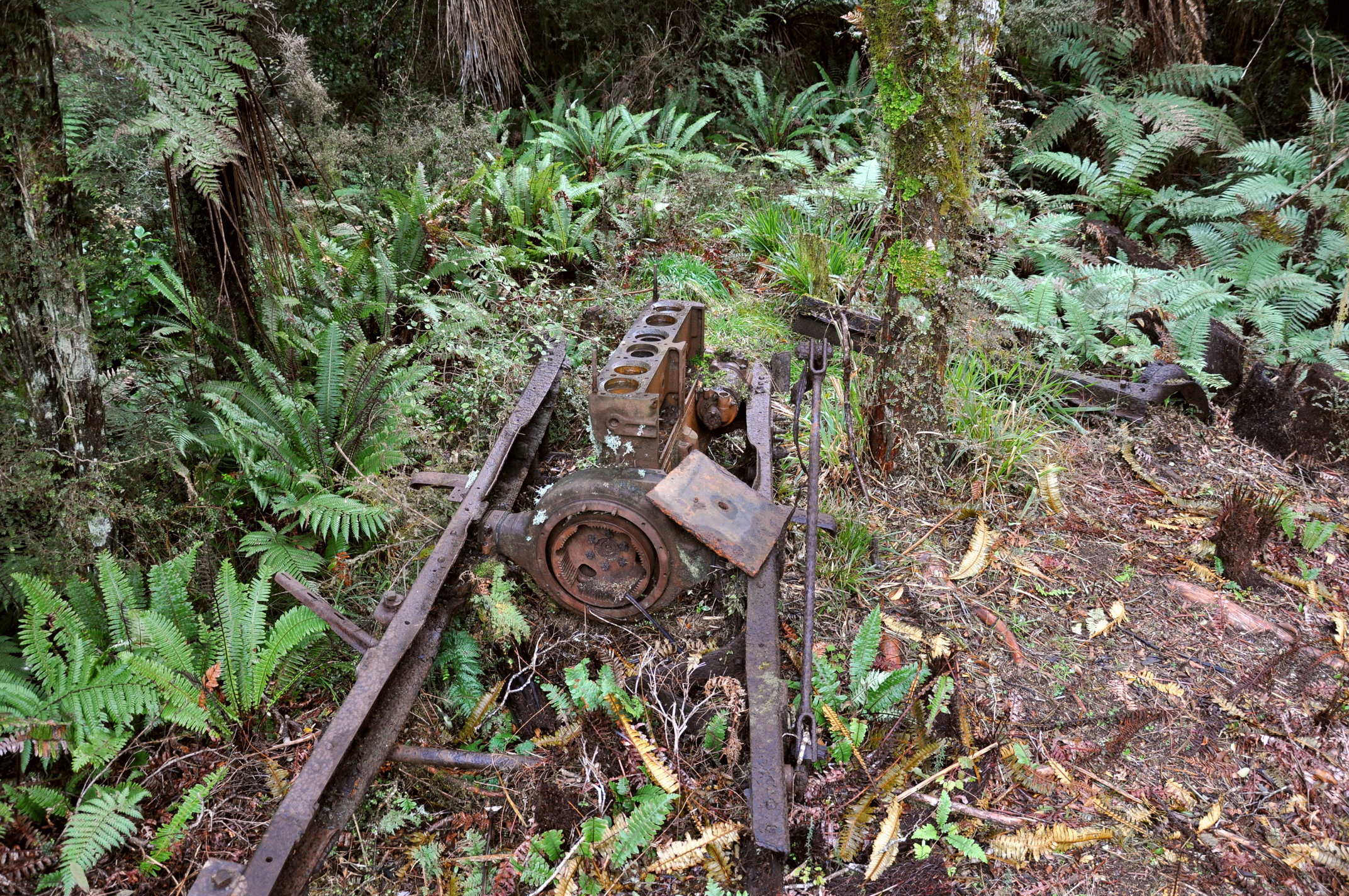
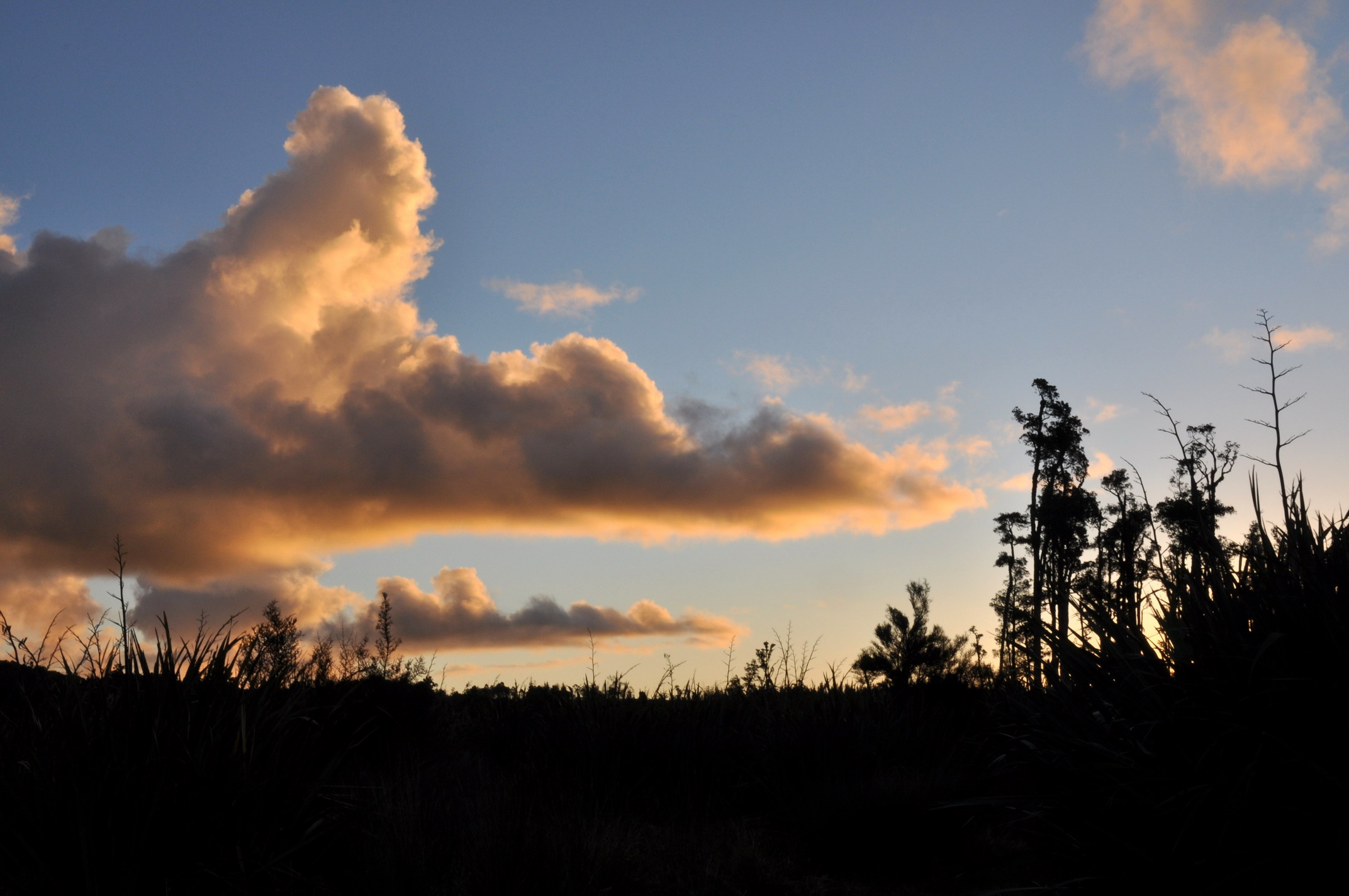
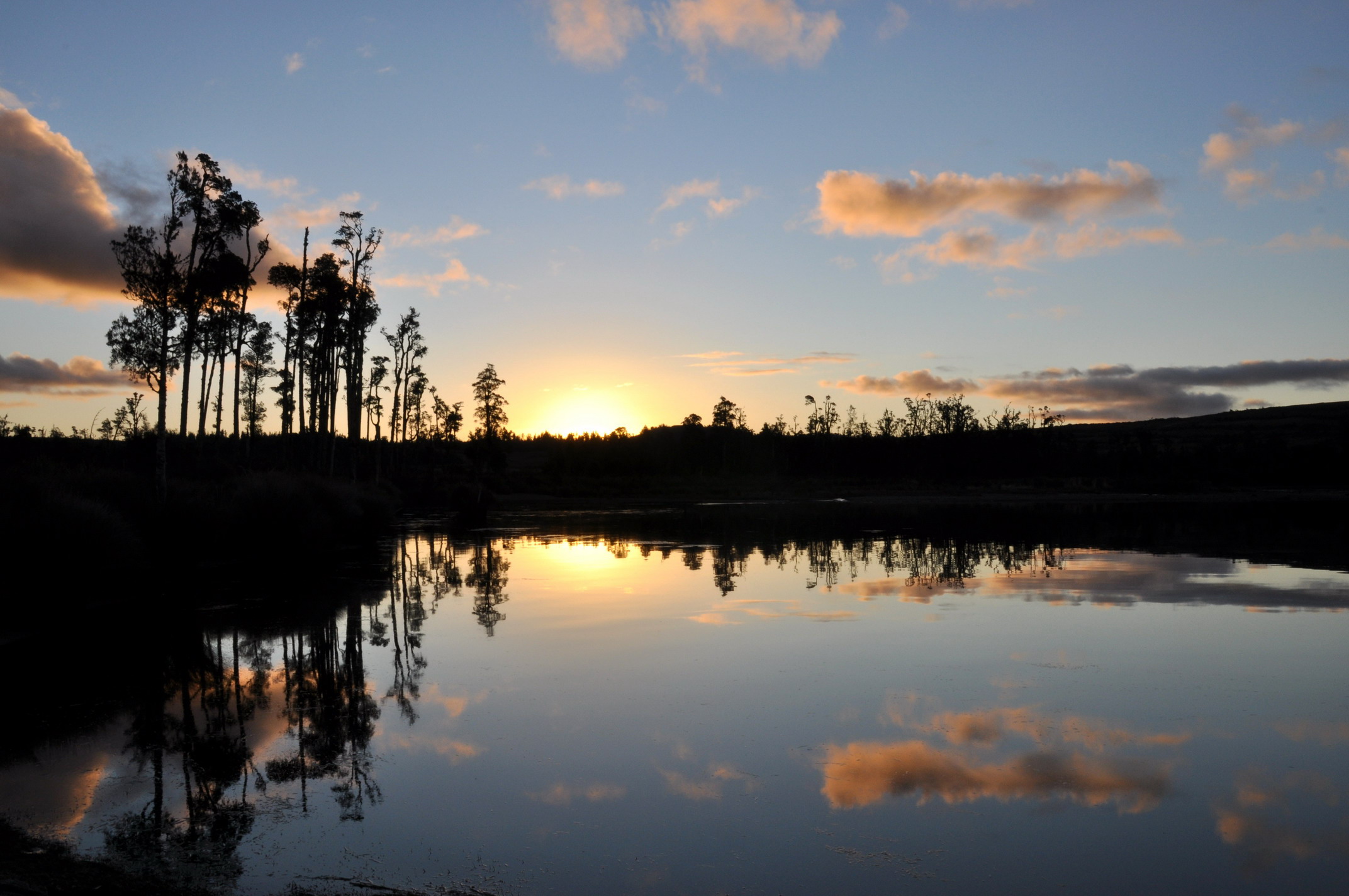
It's difficult to reach the campsite by car. There's a track, but you'd need a proper four-wheel drive. A railway used to run there; it fell apart some fifty years earlier. The wharf rotted too. All that was left were the piles and a sign warning of the hazard to swimmers and boats. We walked on the beach for a little while and headed home. The short winter day was over. The sun sank behind the crowns of giant rimu trees.
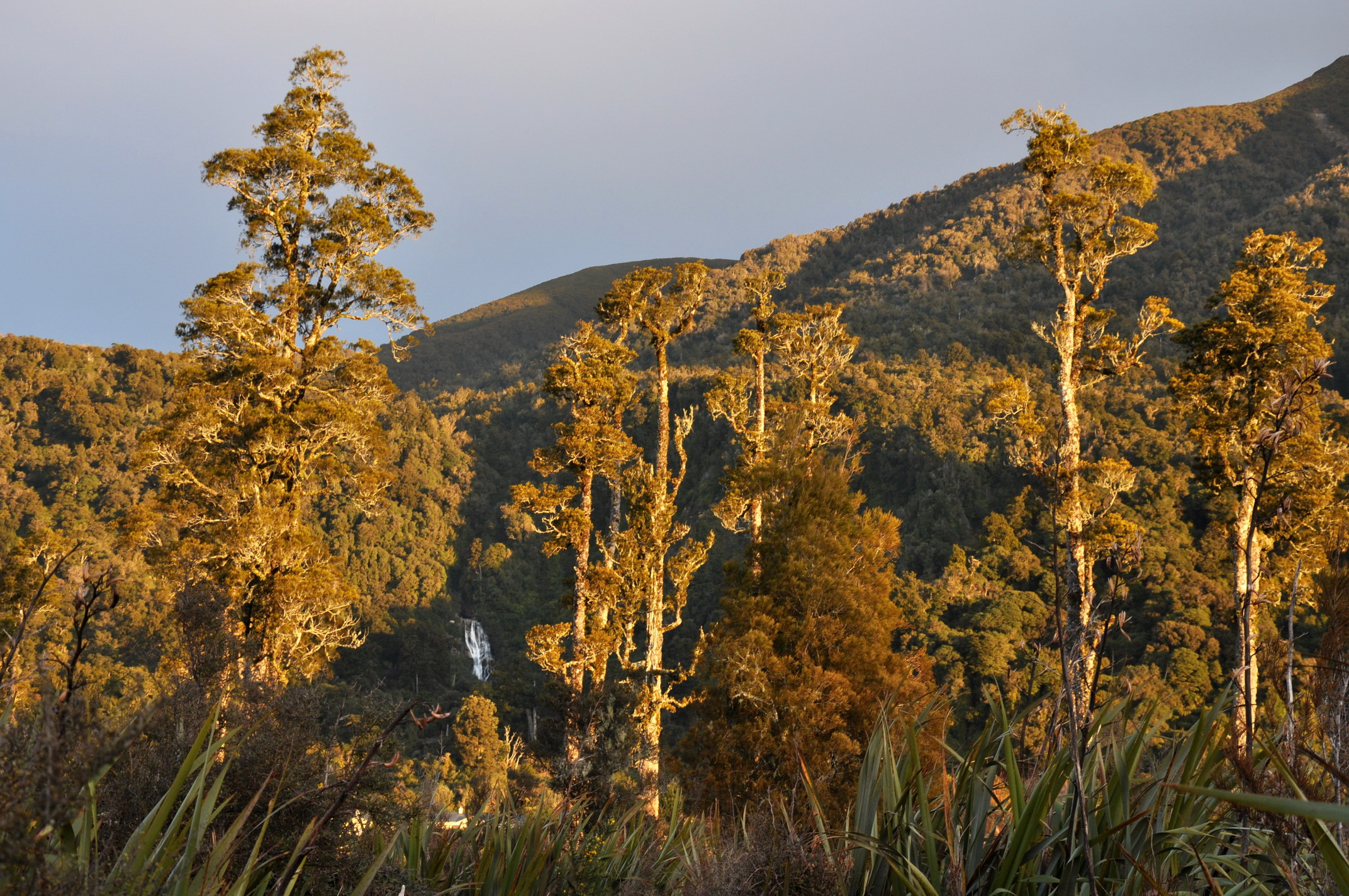
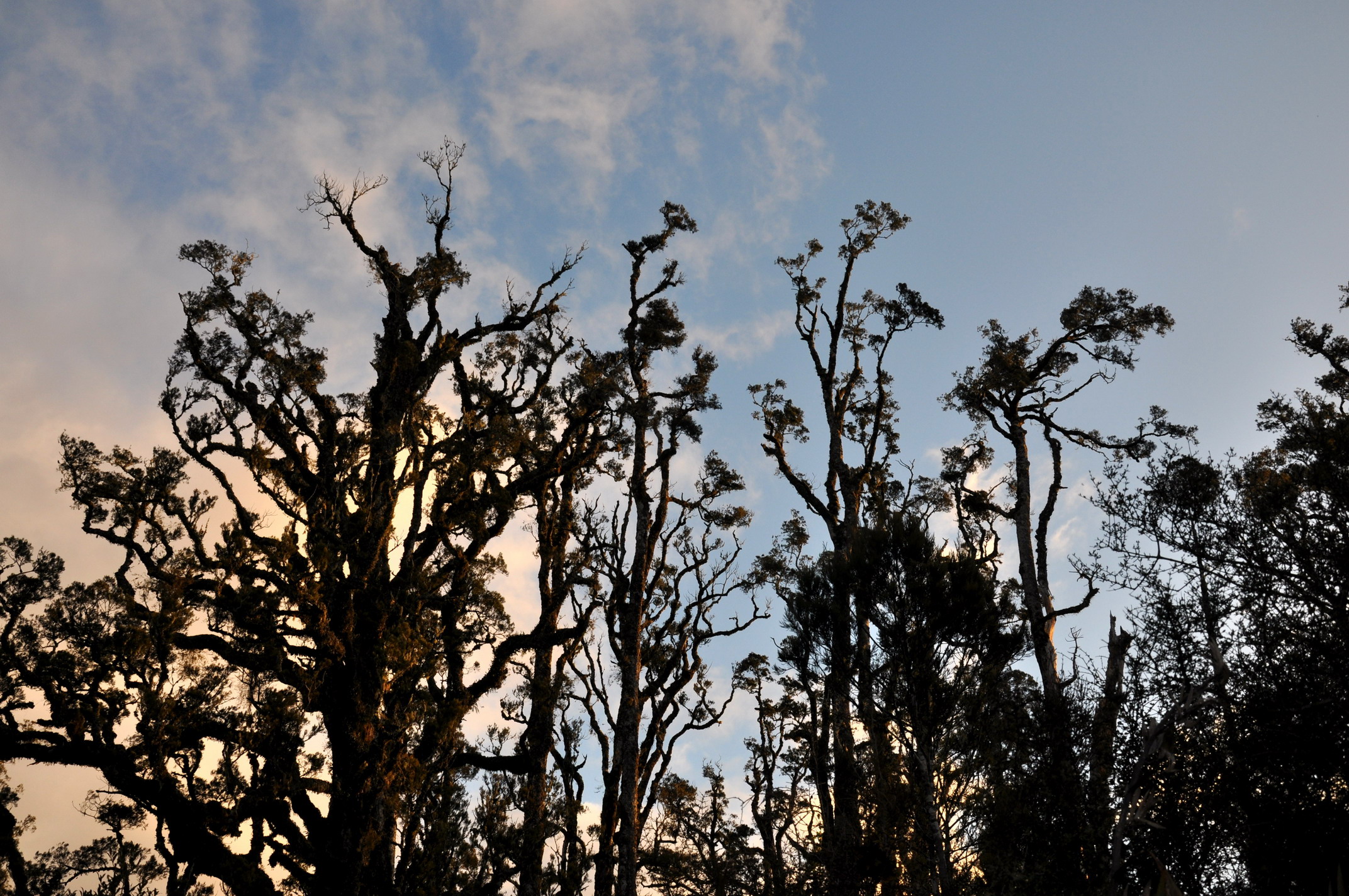
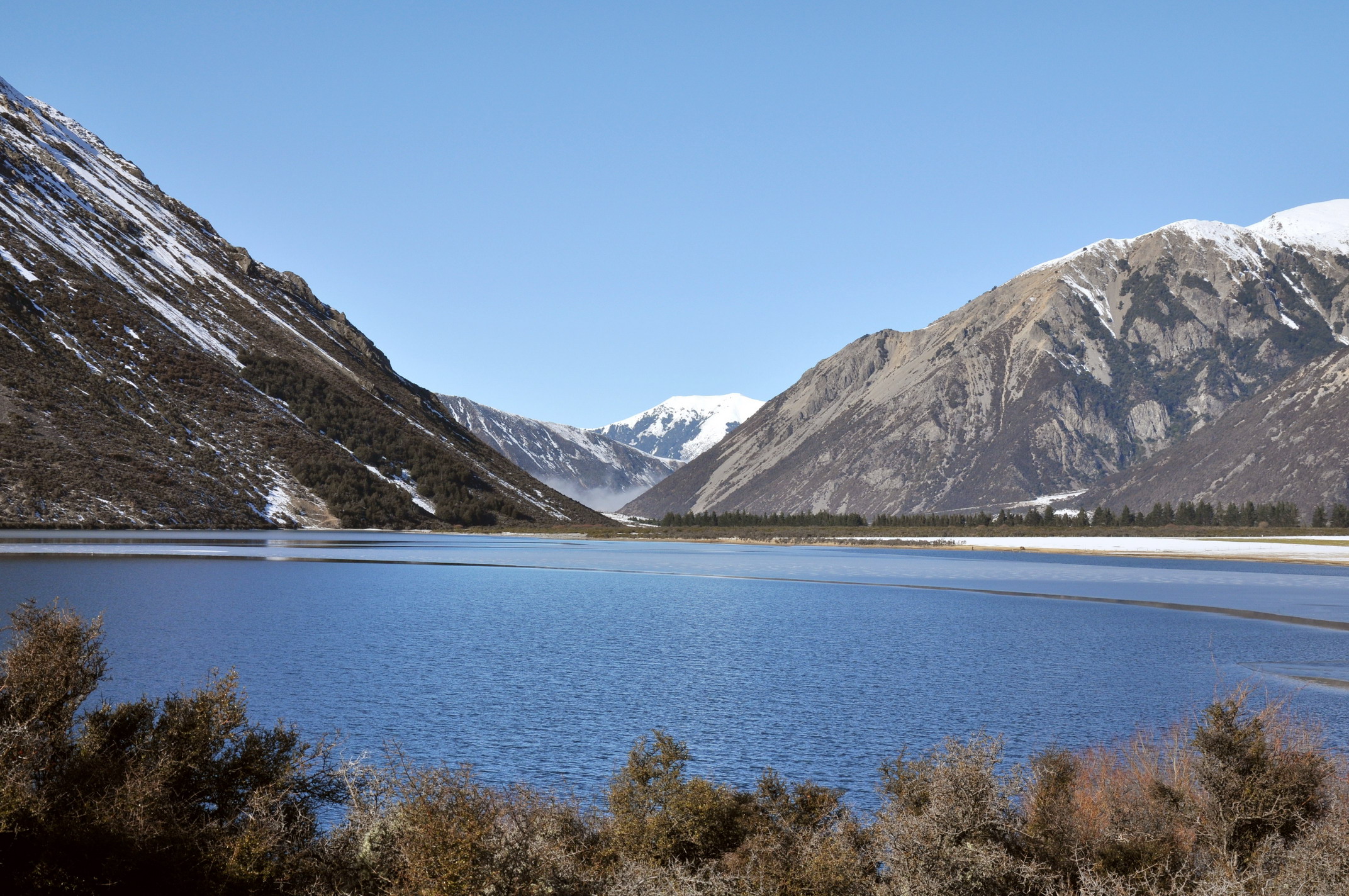
We had to drive over the pass in the dark. Clouds had settled on the mountains and the road was barely visible through the fog. We pulled in for tea at Lake Pearson and could hardly find the water even with the GPS. Then the cloud blew away and for a moment there was the black southern sky overhead with the Magellanic Clouds. How wonderful it is to be alive, even with only one day off.
See also: Department of Conservation: Bain Bay Walk.