Trip report
On the railway, everything comes up out of the blue and you have to drop what you’re doing and go somewhere at once. I was used to calls telling me that by tomorrow evening they needed a survey report for Chkuchamyr station. Truth be told, I like that sort of thing. This time the urgent job was to design fire alarms for the pumping stations and treatment plants at Torzhok and Sonkovo.
I dropped everything and set off straightaway. By evening I was in Torzhok. It happens to be the birthplace of one of my great-grandfathers, Mikhail Ivanovich Bystrov.
I spent the night at the Tvertsa Hotel, at 57°02.403′N, 34°57.751′E, and surveyed the site in the morning. It was a decrepit building that hadn’t seen repairs in a hundred years. It was cold inside. The caretaker, wrapped in scarves, kept a makeshift potbelly stove going so the water wouldn’t freeze. There was nothing left to catch fire. Whatever could burn had evidently gone into the stove already. Yet somebody had decided they simply must have a fire alarm. Well, nothing’s going to save this country now. If they want to spend money, let them.
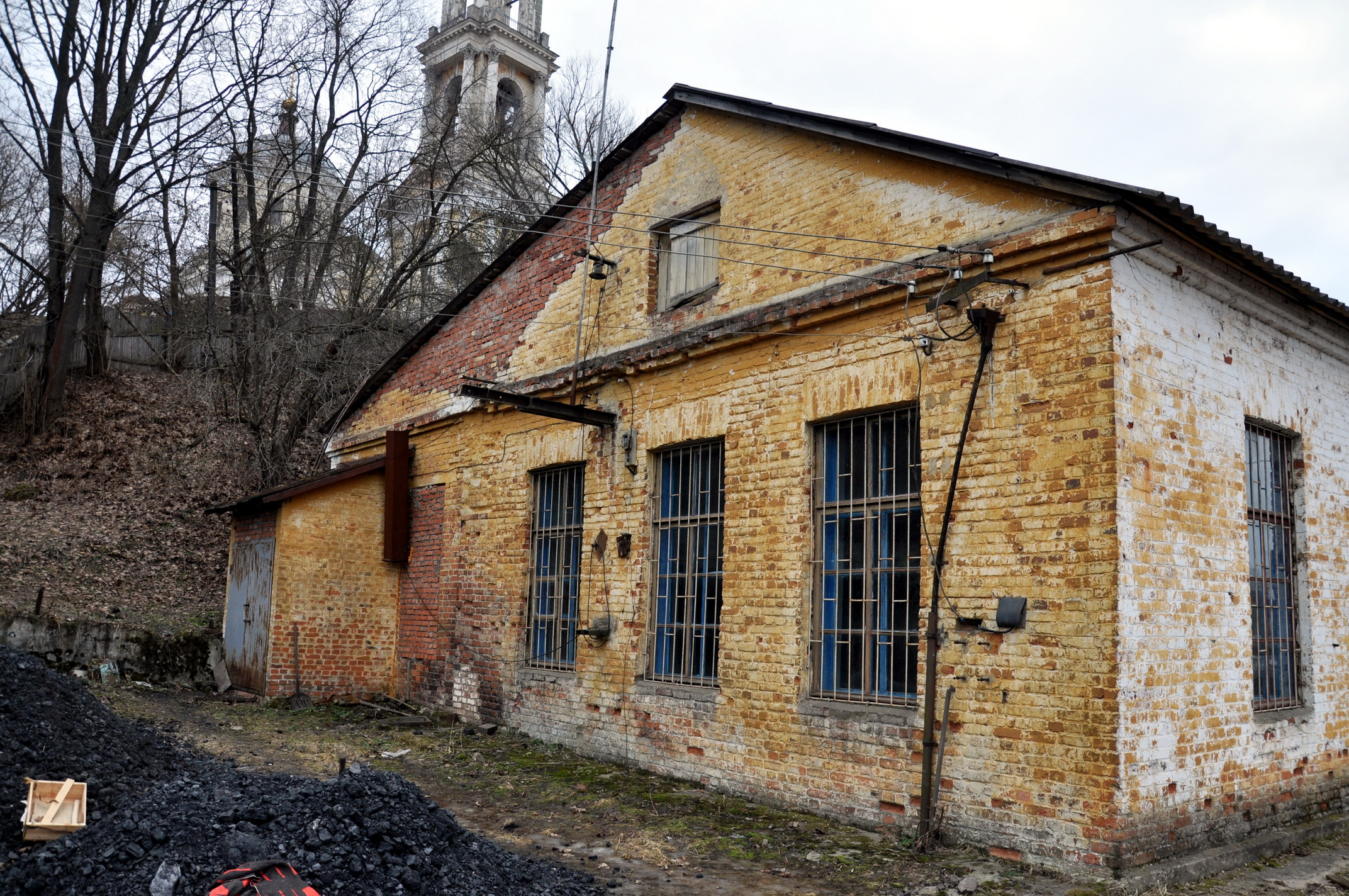
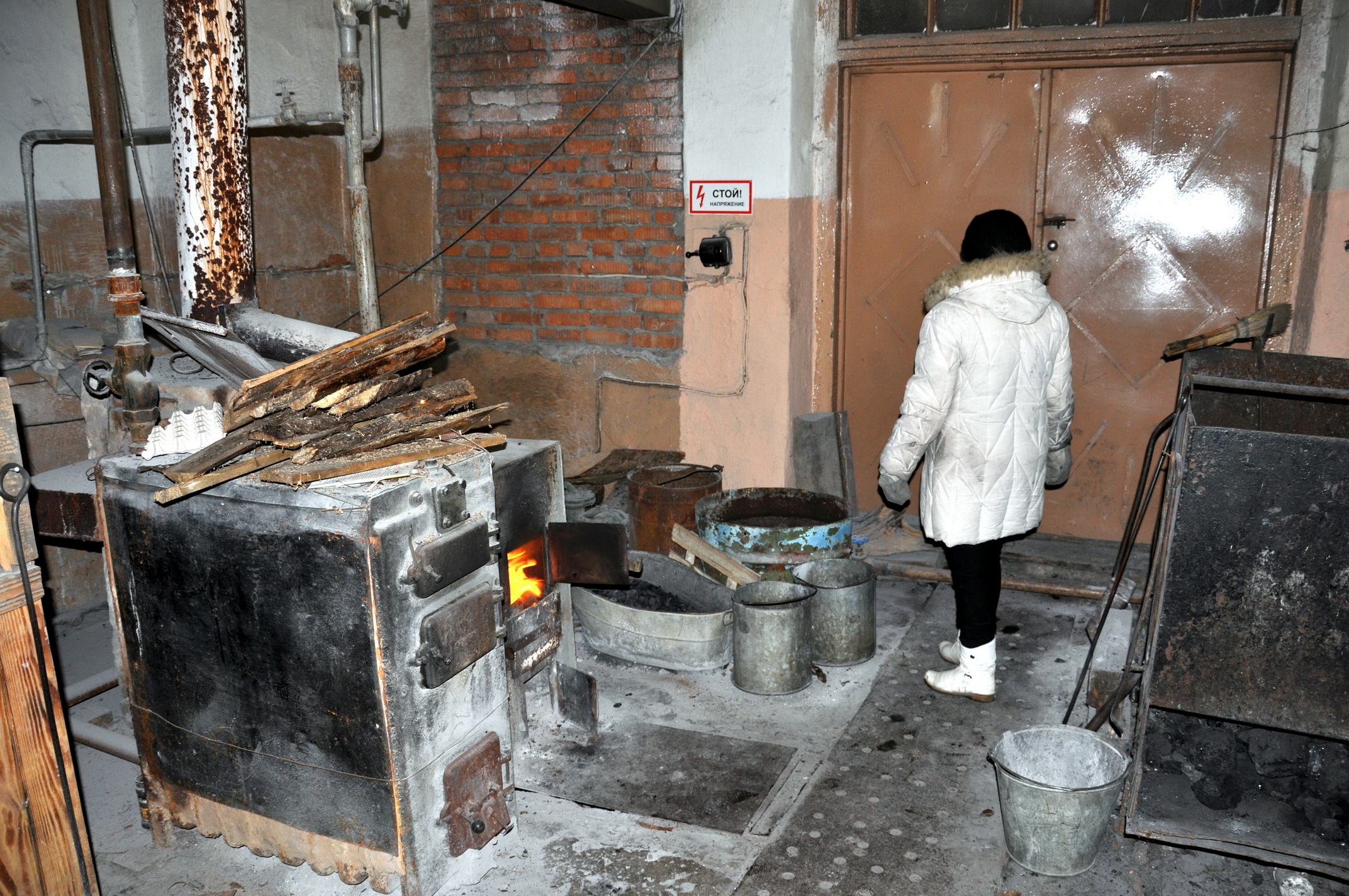
The site at Sonkovo was a little more substantial. There was water everywhere there too, of course, but at least it was something.
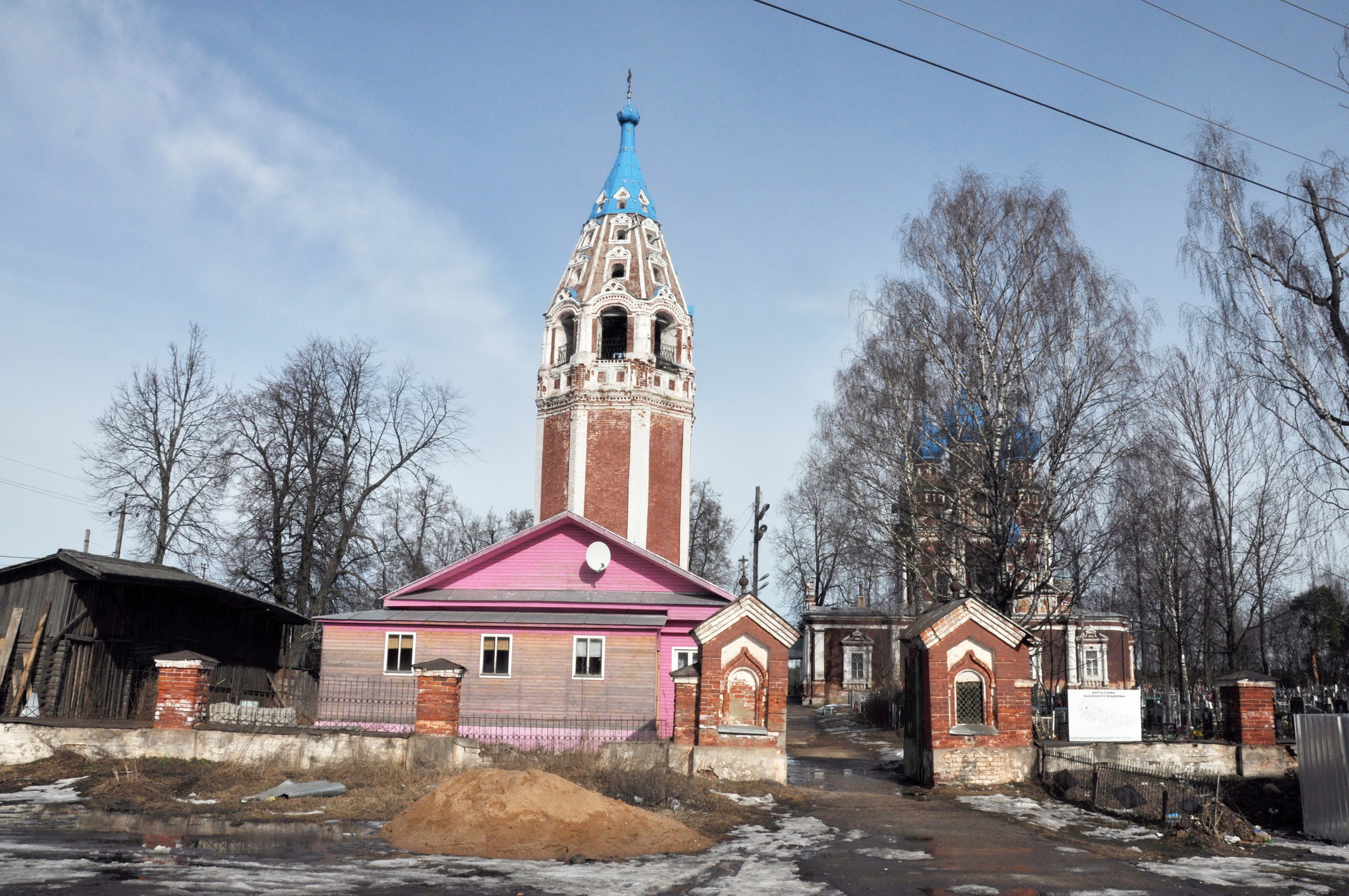
The town had a water treatment plant and the water company’s office. The intake was fifteen kilometres away near Radovanye, on the little Korozhechna, the nearest river to Sonkovo. I went there too. If you’re doing a design, you might as well do the whole thing. The road was muddy and slippery. The spring thaw had only just started, so there was plenty of water and mud, but the slick ice was still there. When I saw the descent to the river from the top of the hill, I seriously doubted I’d get back up. Still, I was even less keen to trudge through the mud on foot. The railway man who was with me said, “Go ahead. A Zhiguli made it back up yesterday.”
Down I went. That was a mistake. It was slippery. I asked the caretaker whether I’d get back out. “Oh, of course,” she said. “A Belarus tractor got out yesterday. Its wheels spun a bit, but it made it…”
It’s an idyllic little village with a pumping station by the weir. The caretaker’s husband was fishing. A quiet life, and they draw a wage too. I surveyed the site. With a laser measure and a good camera, that’s easy these days. I’d send everything to the office and they’d have their report. How many hundreds of railway sites had I surveyed? I worked with the railway for twenty years, and this little building turned out to be the last. We spent another two years finishing jobs that were already under way, including the ones at Sonkovo, but that was my last survey.
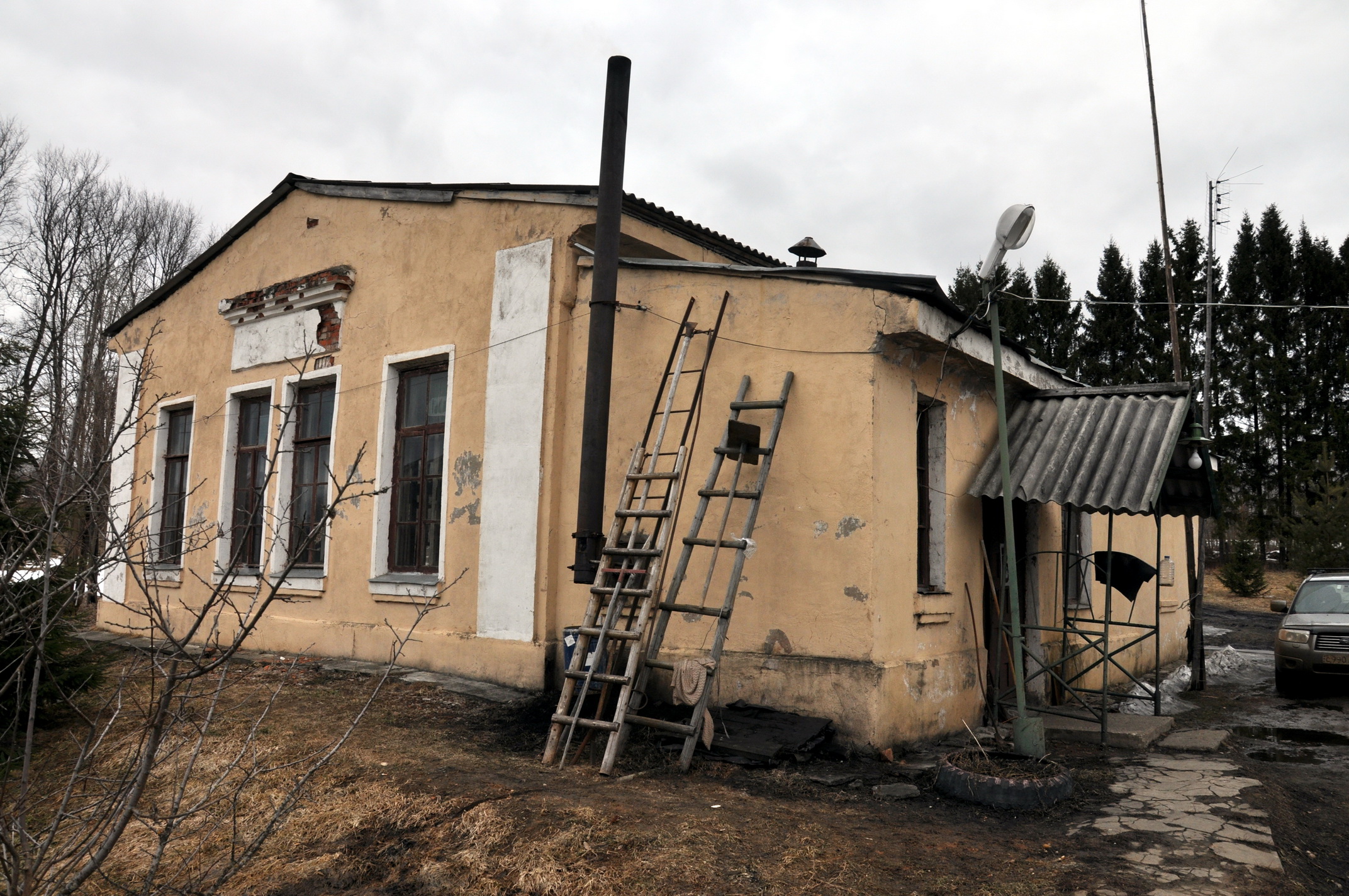
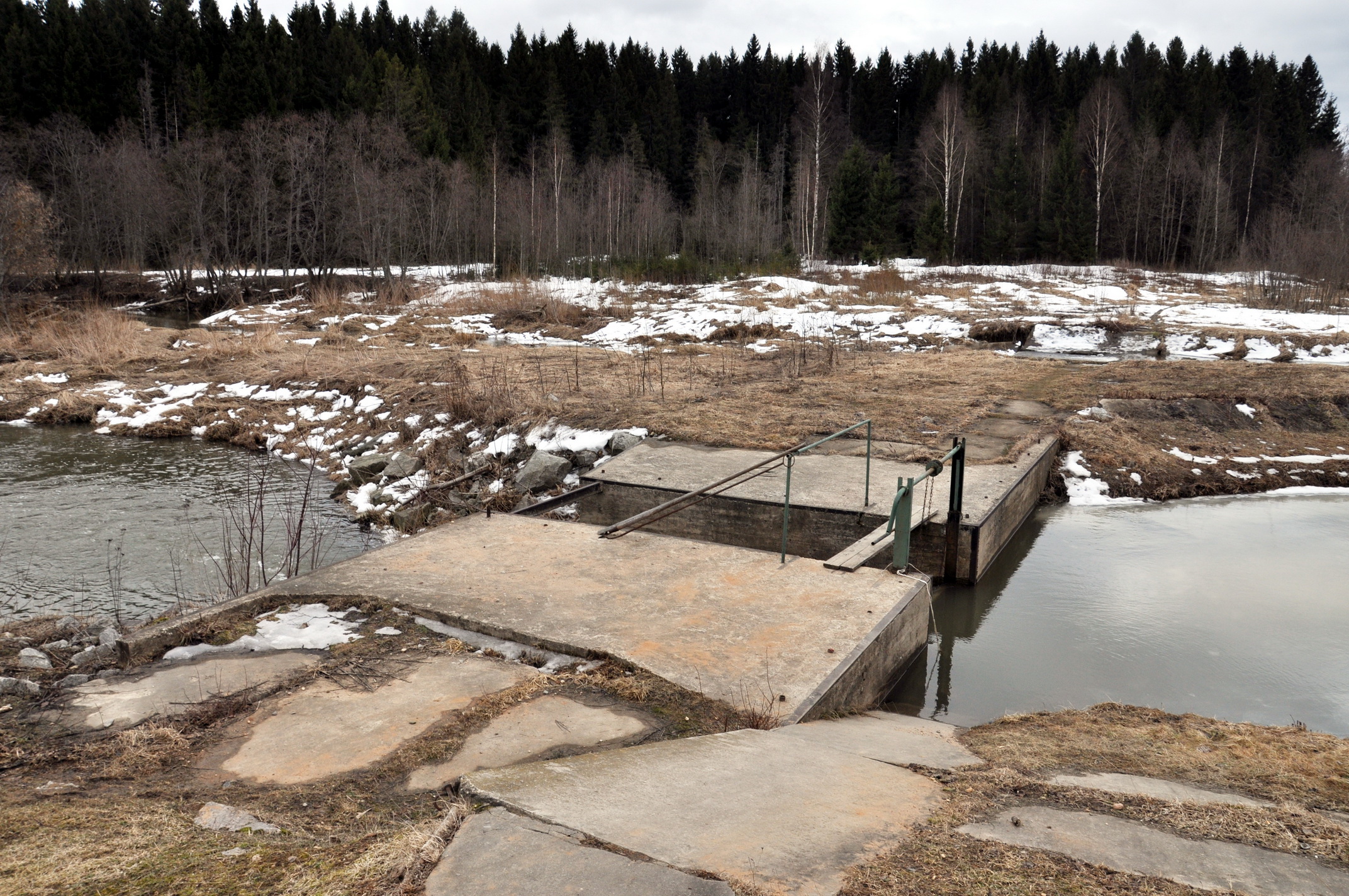
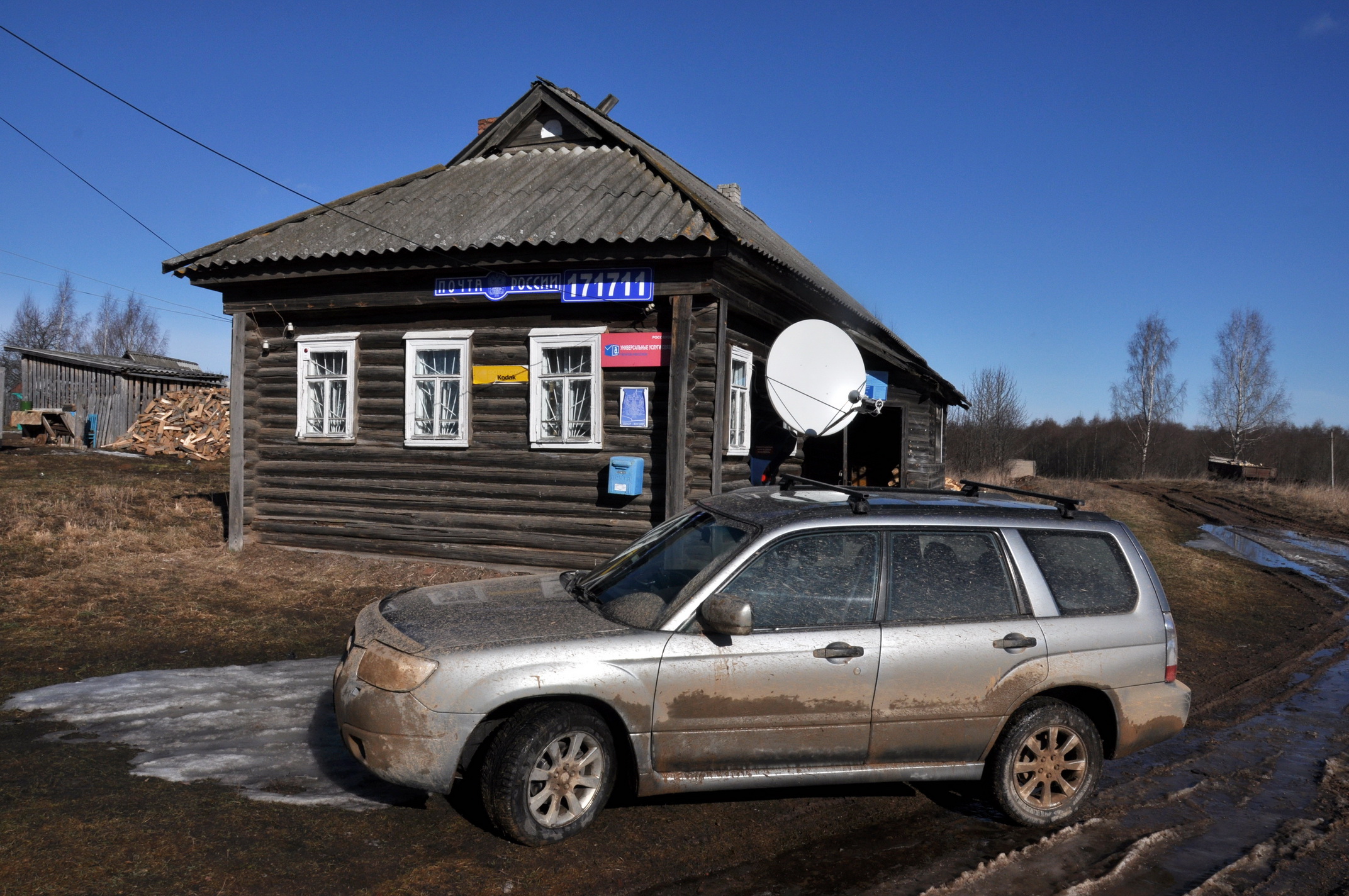
I still had to get out. I had the gloomiest expectations. Then, miraculously, my little Subaru made it up on the first try. It really is a great car. A bit short on ground clearance, but brilliant on ice.
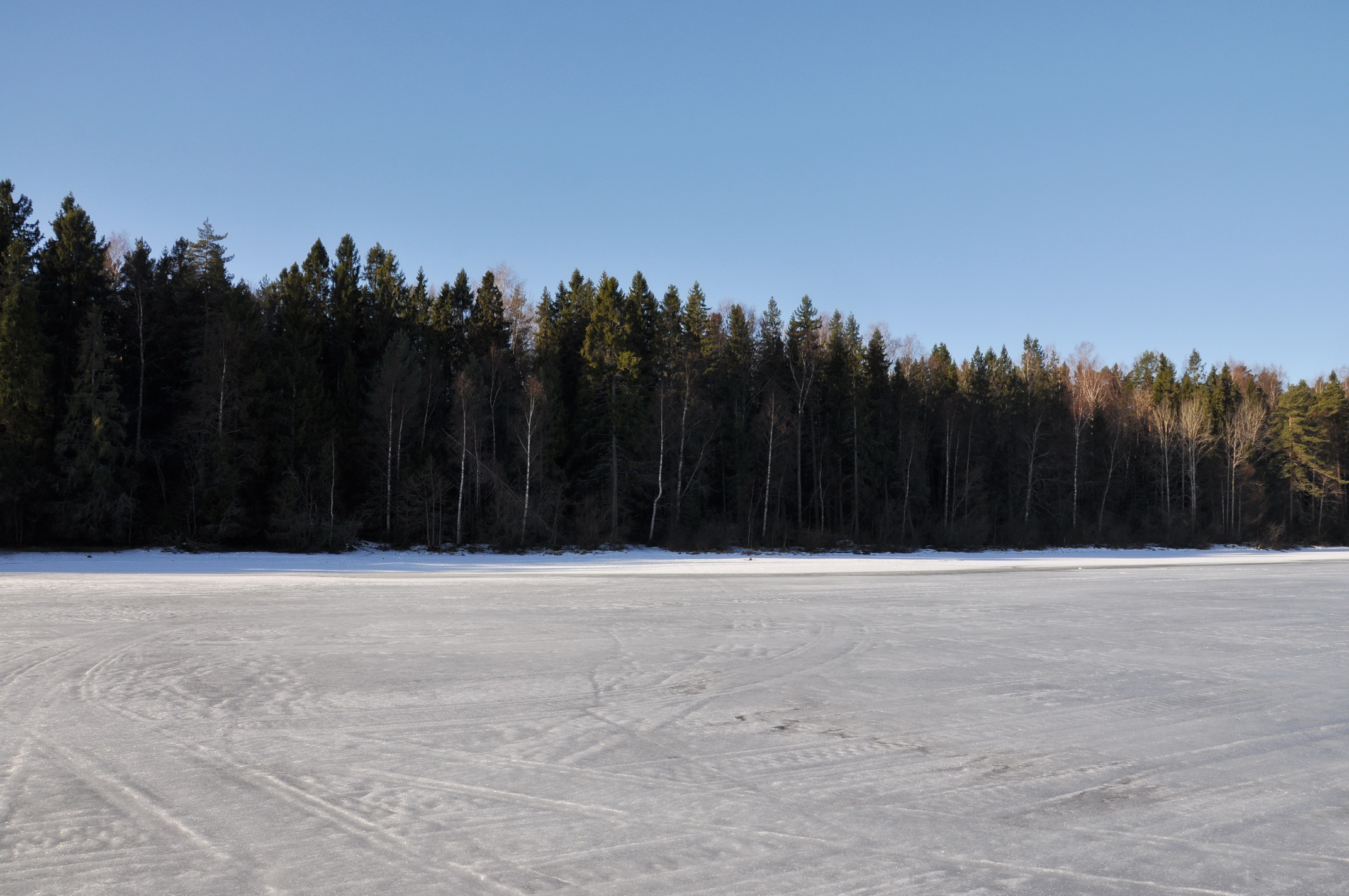
With the job done, I could go exploring. I drove north to spend the night by the Rybinsk Reservoir. I camped a little short of it, on the Sebla River at the border between Tver and Yaroslavl oblasts, at 58°26.852′N, 37°36.676′E.
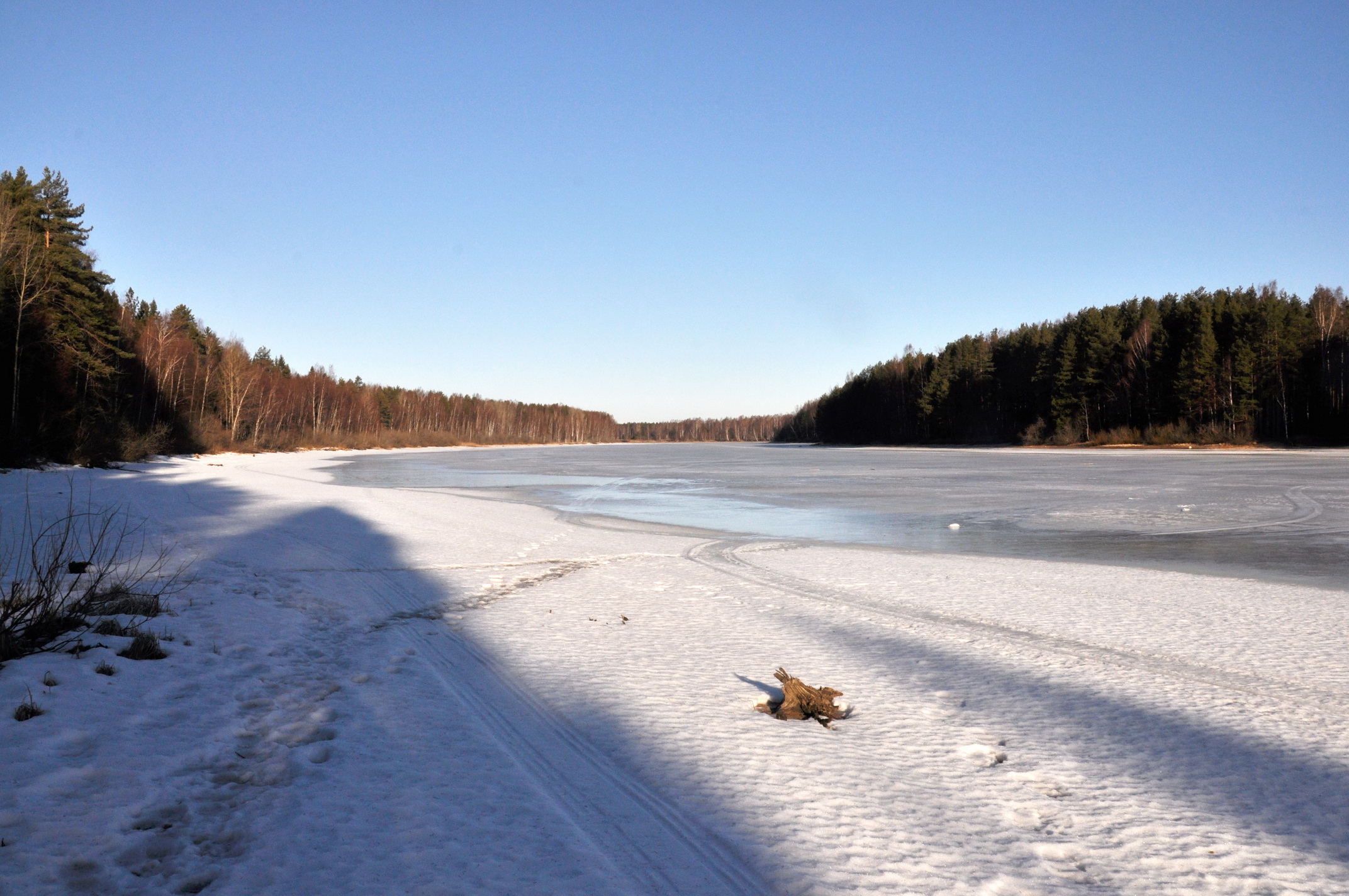
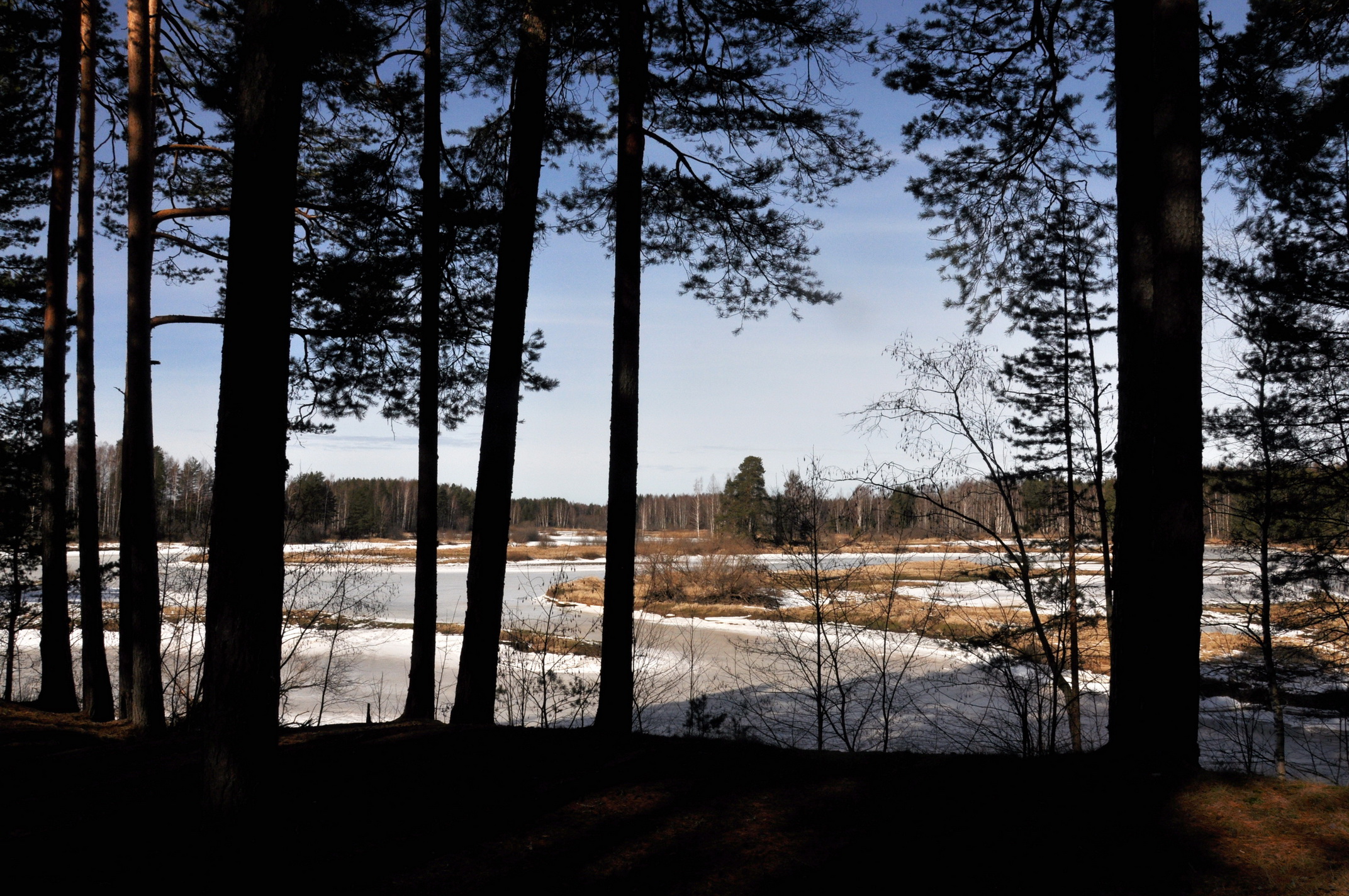
Here you can already see the reservoir backing up the water. The river had nearly burst its banks.
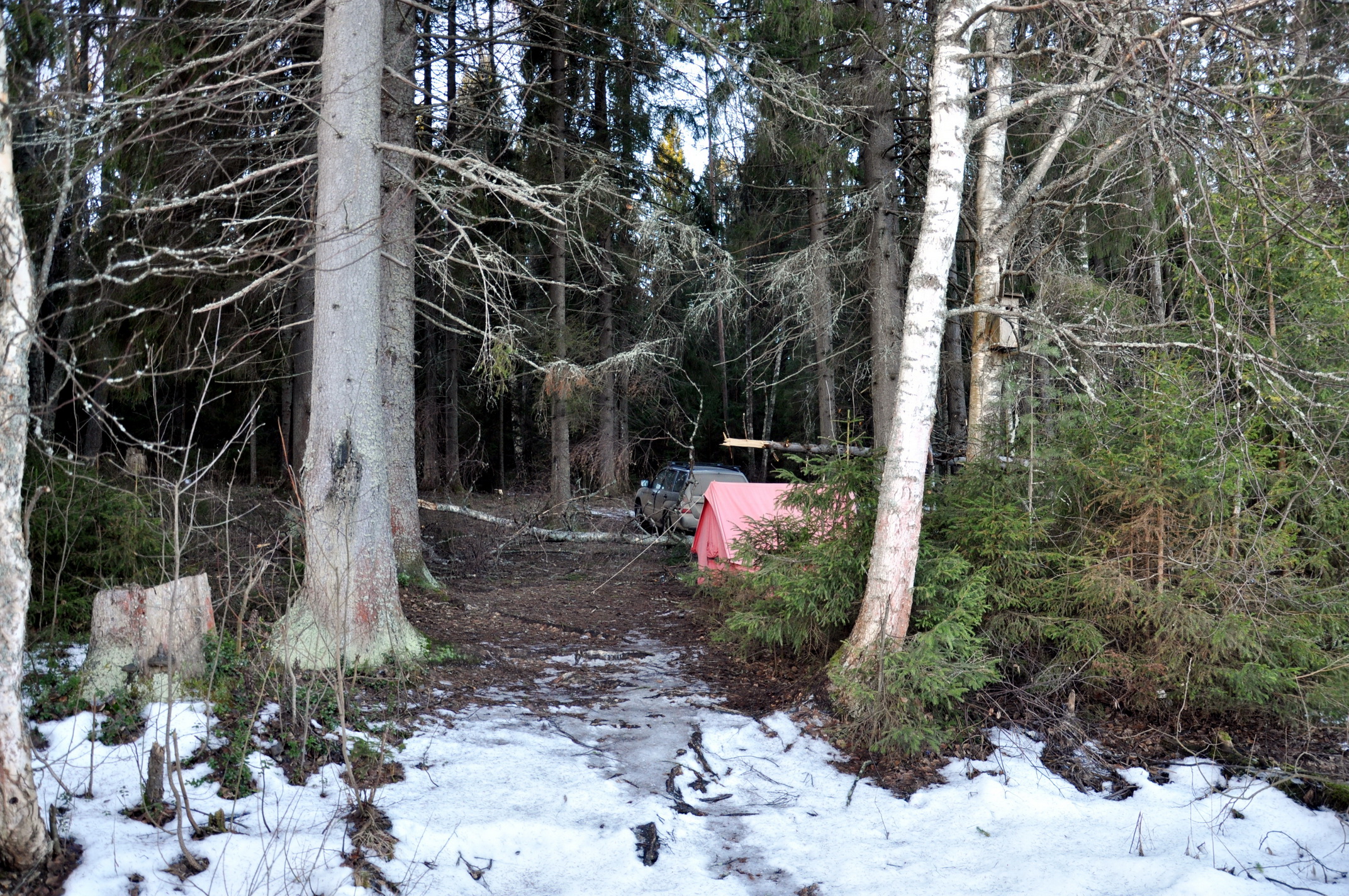
My green tent was back in New Zealand, so I’d brought along my first red tent. I’d taken it on so many trips. It weighs five kilos, and yet I managed to lug it around. It was that tent we took paddling on Lake Ladoga, the White Sea, Lake Baikal and around Iceland.
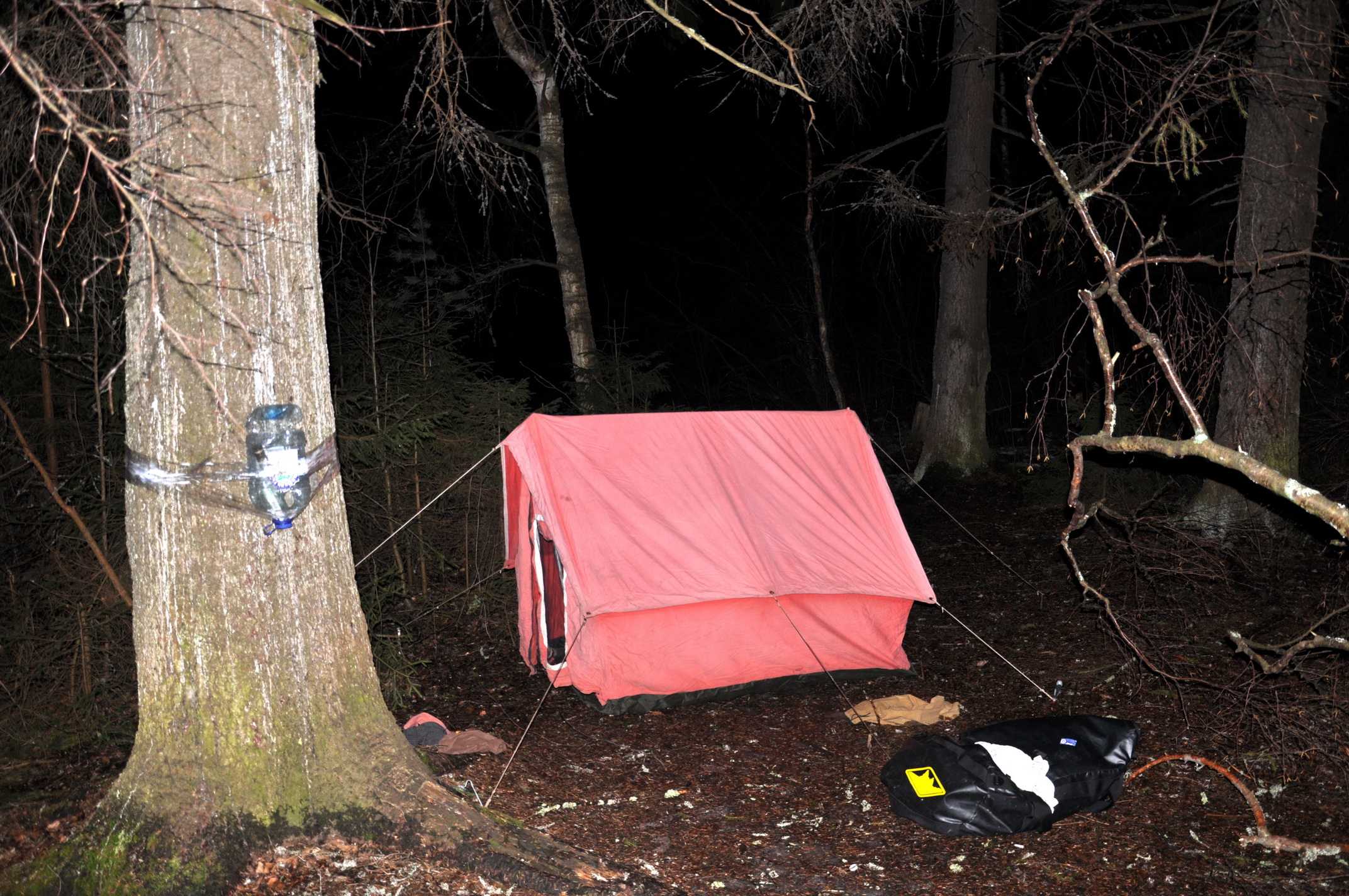
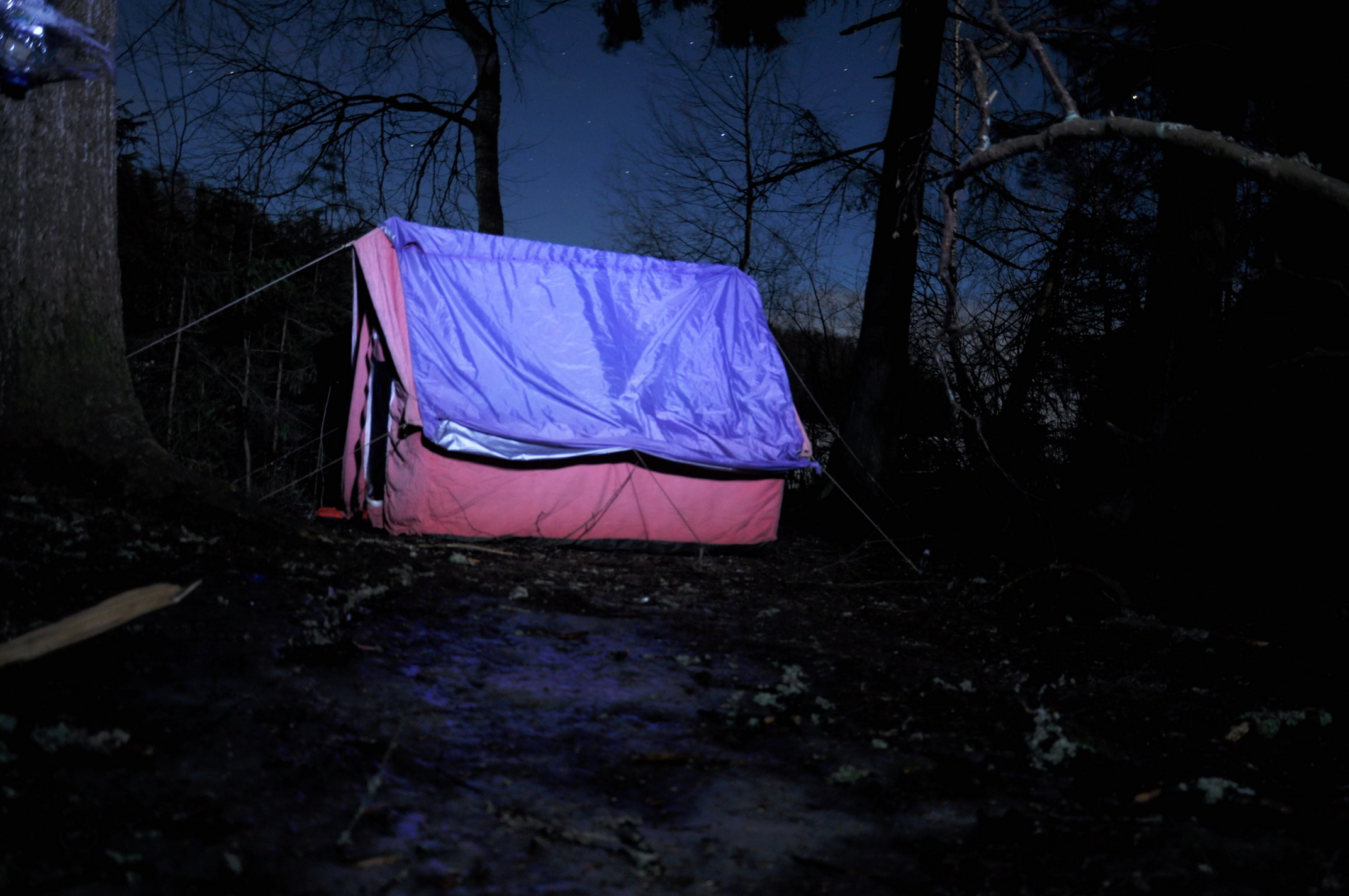
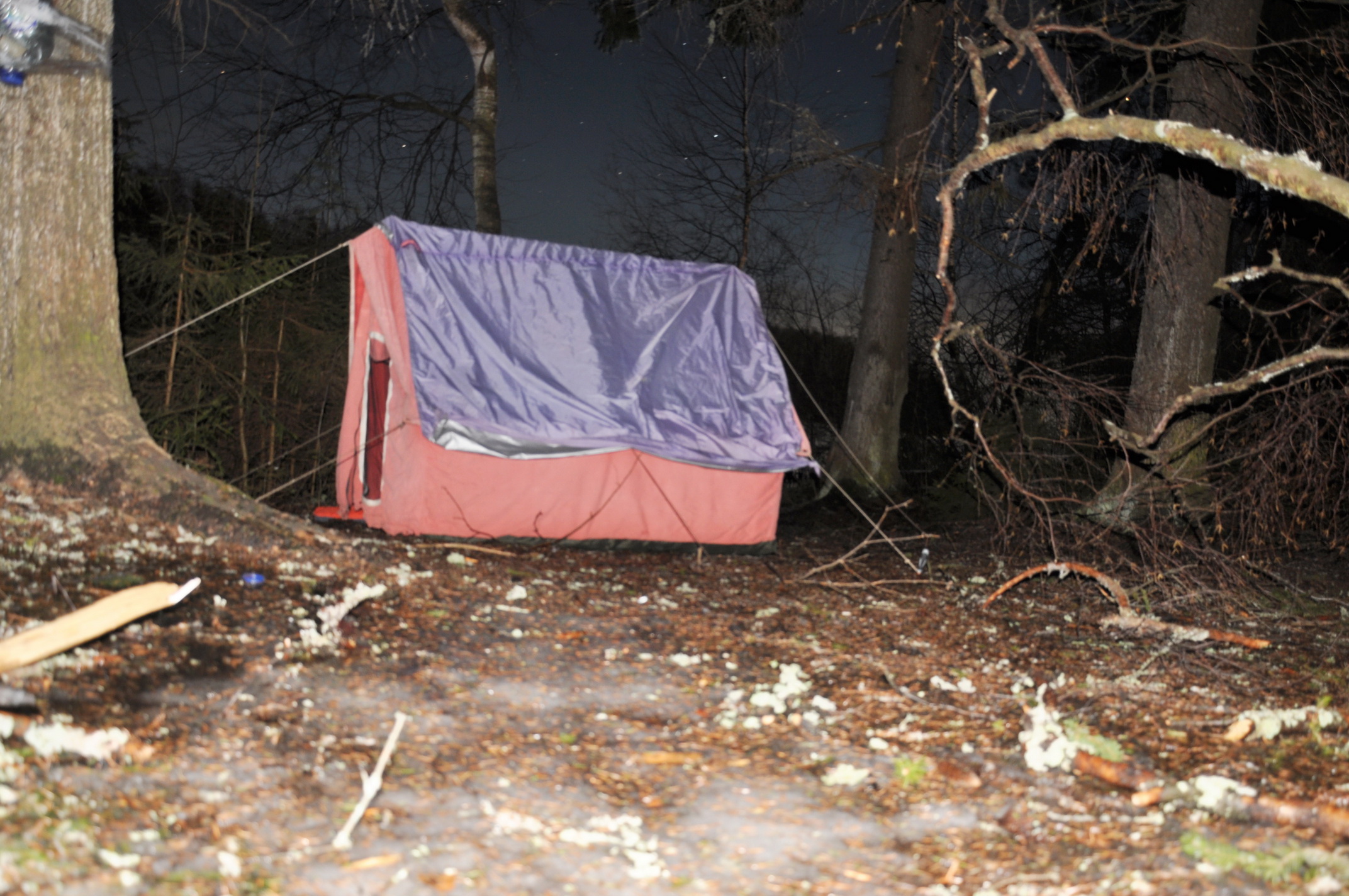
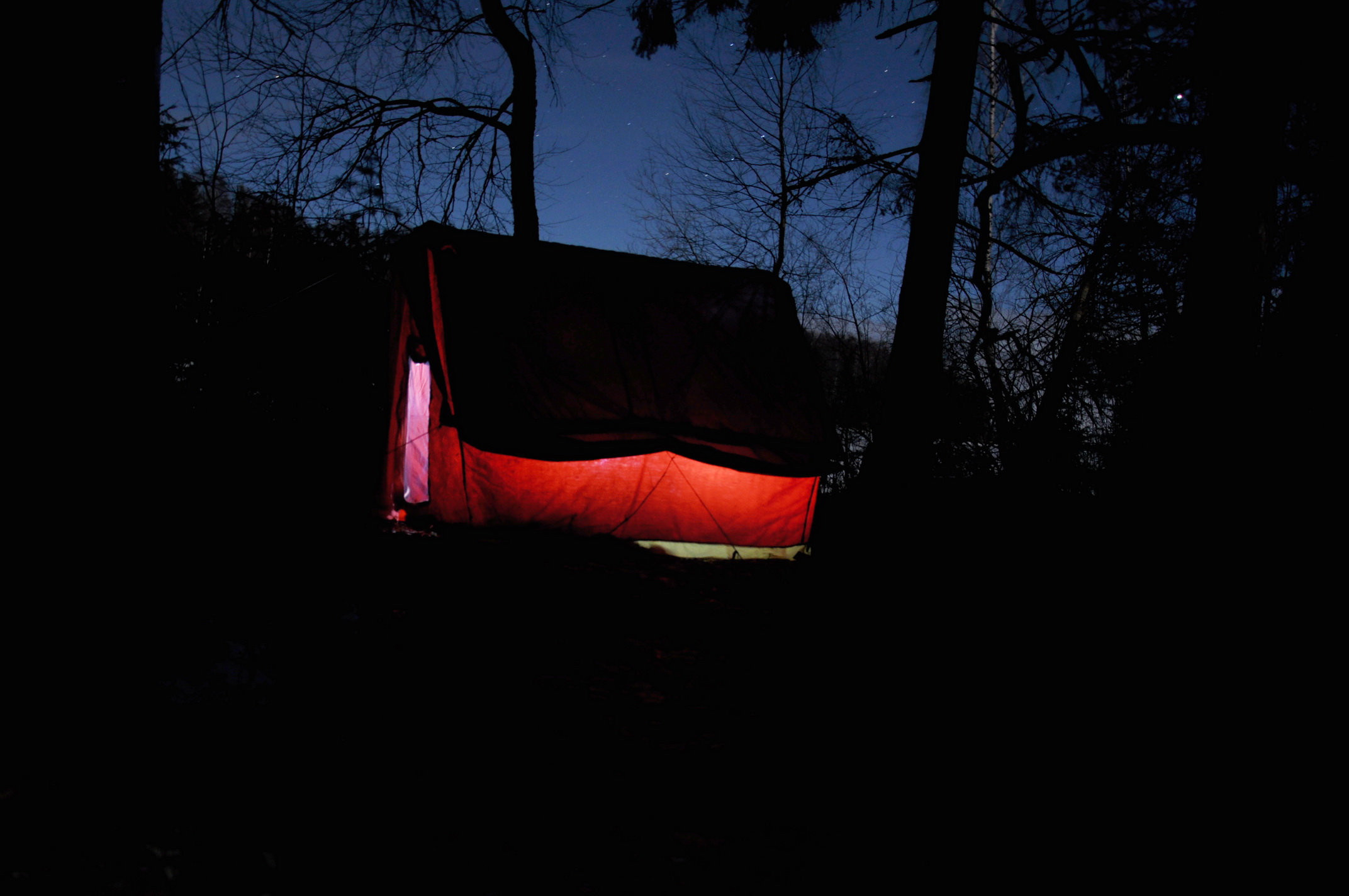
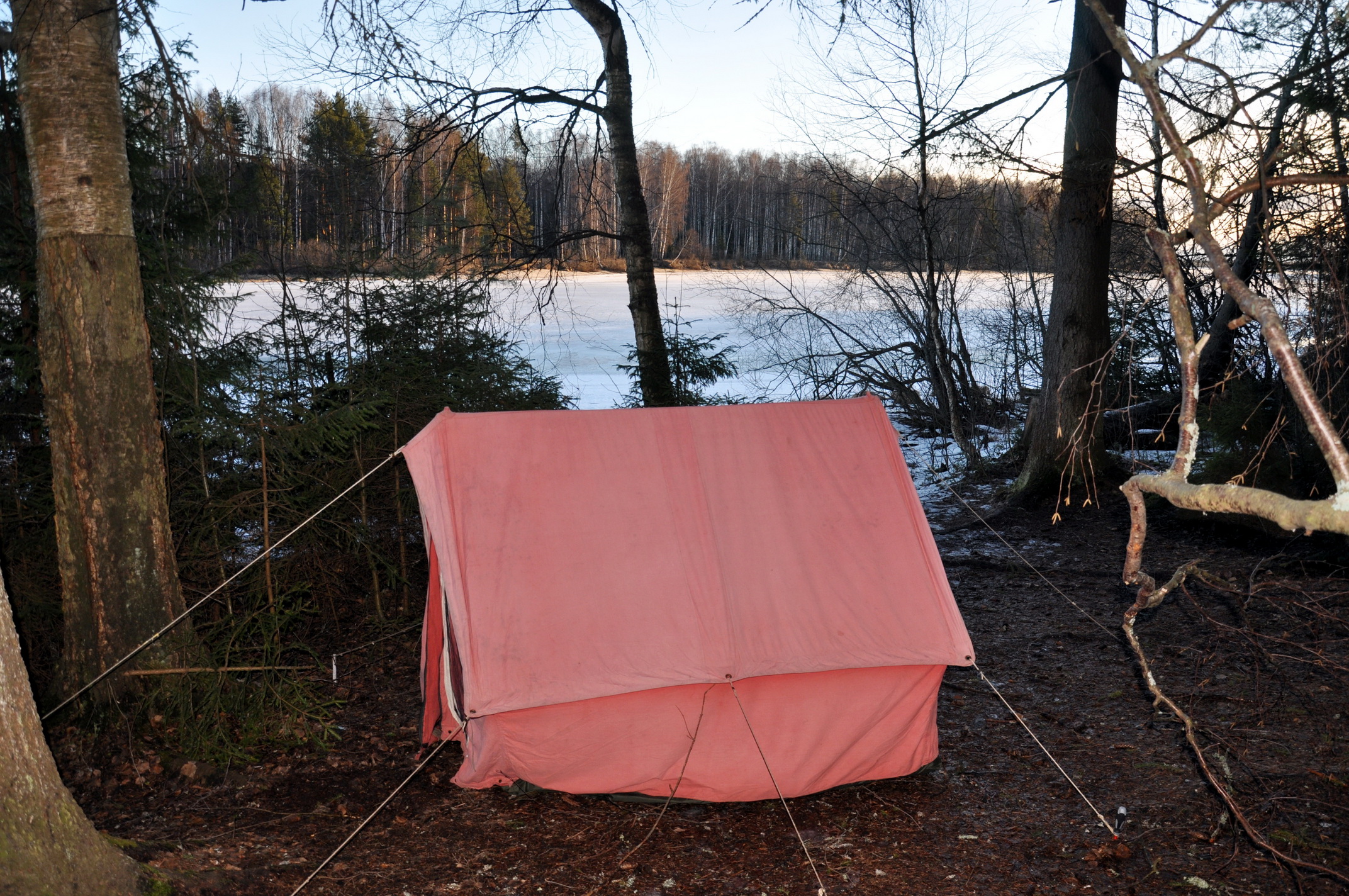
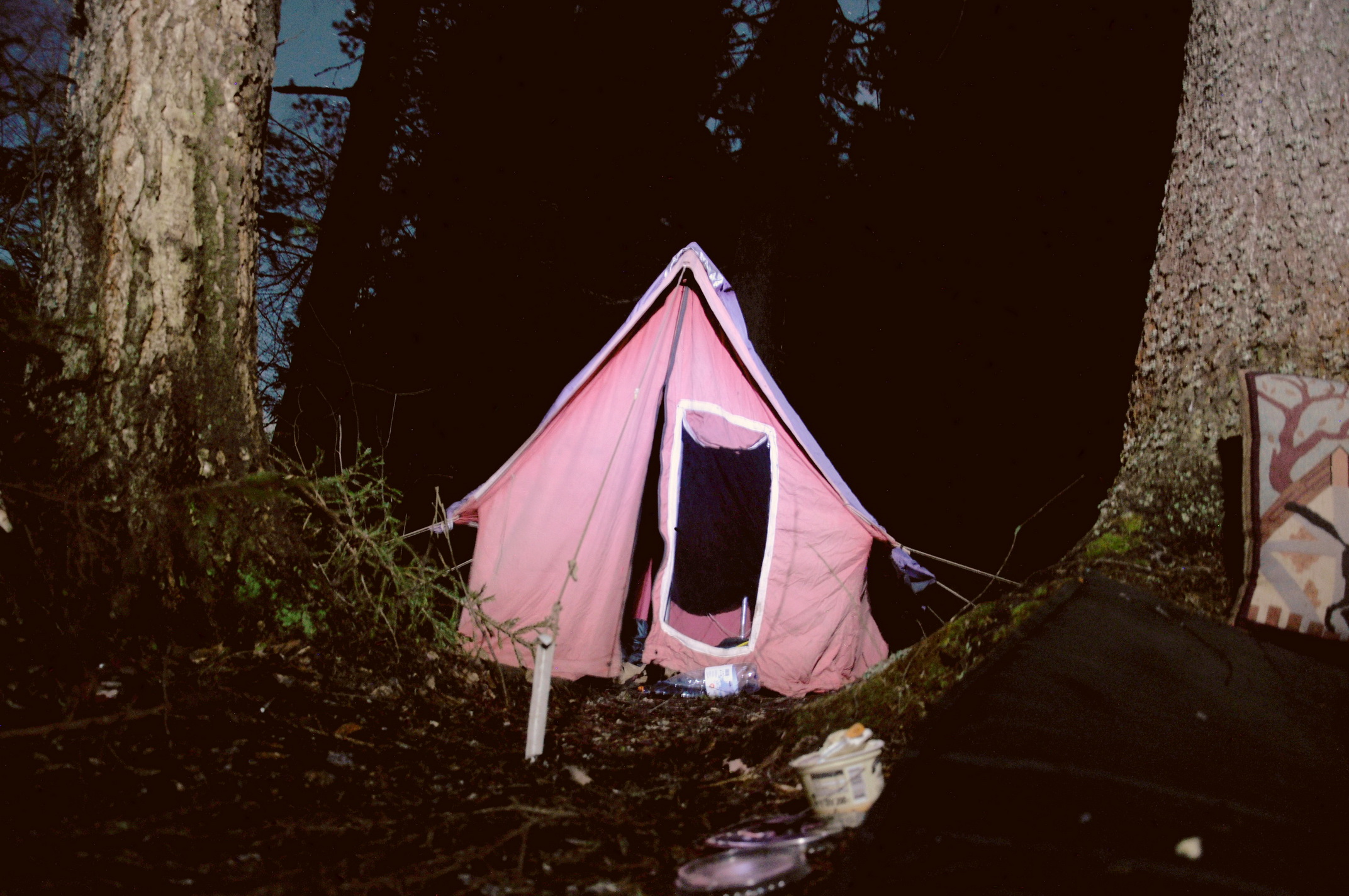
We patched it up in the end, but then we began travelling abroad and had to buy a new, lighter green tent. My old friend had been lying idle for ten years, and here at last was its chance.
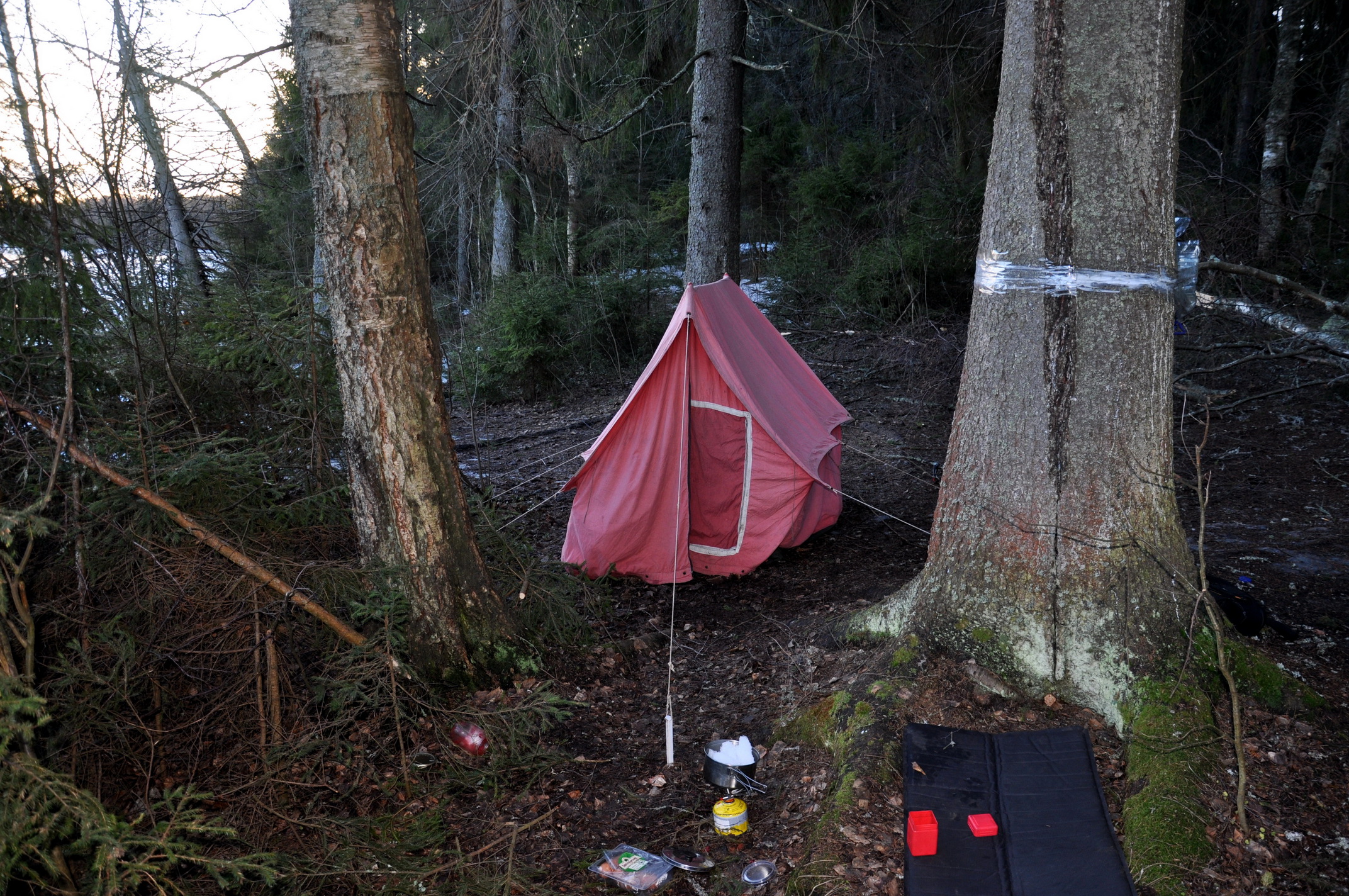
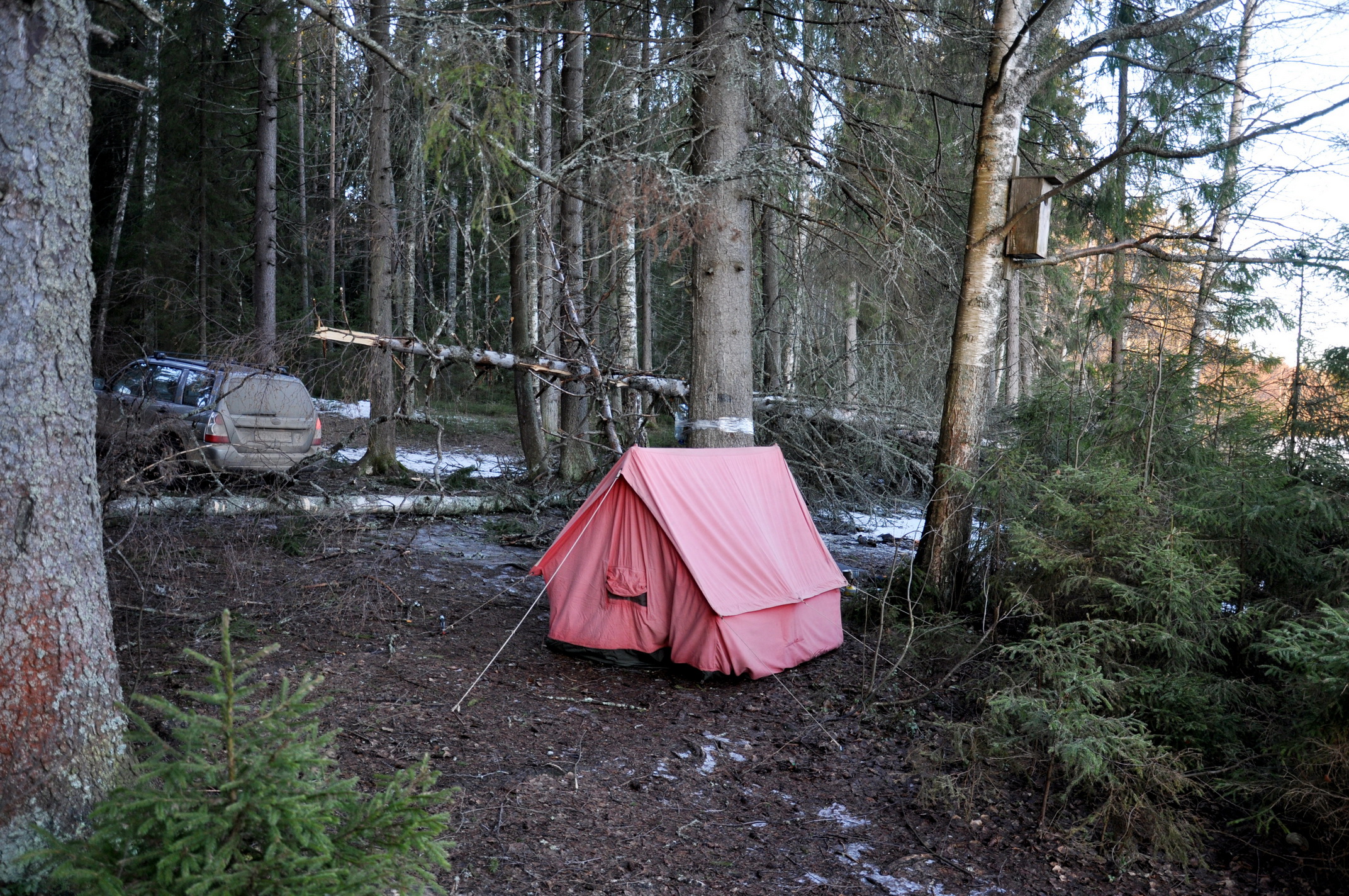
The night passed without a hitch. It wasn’t cold, just below freezing.
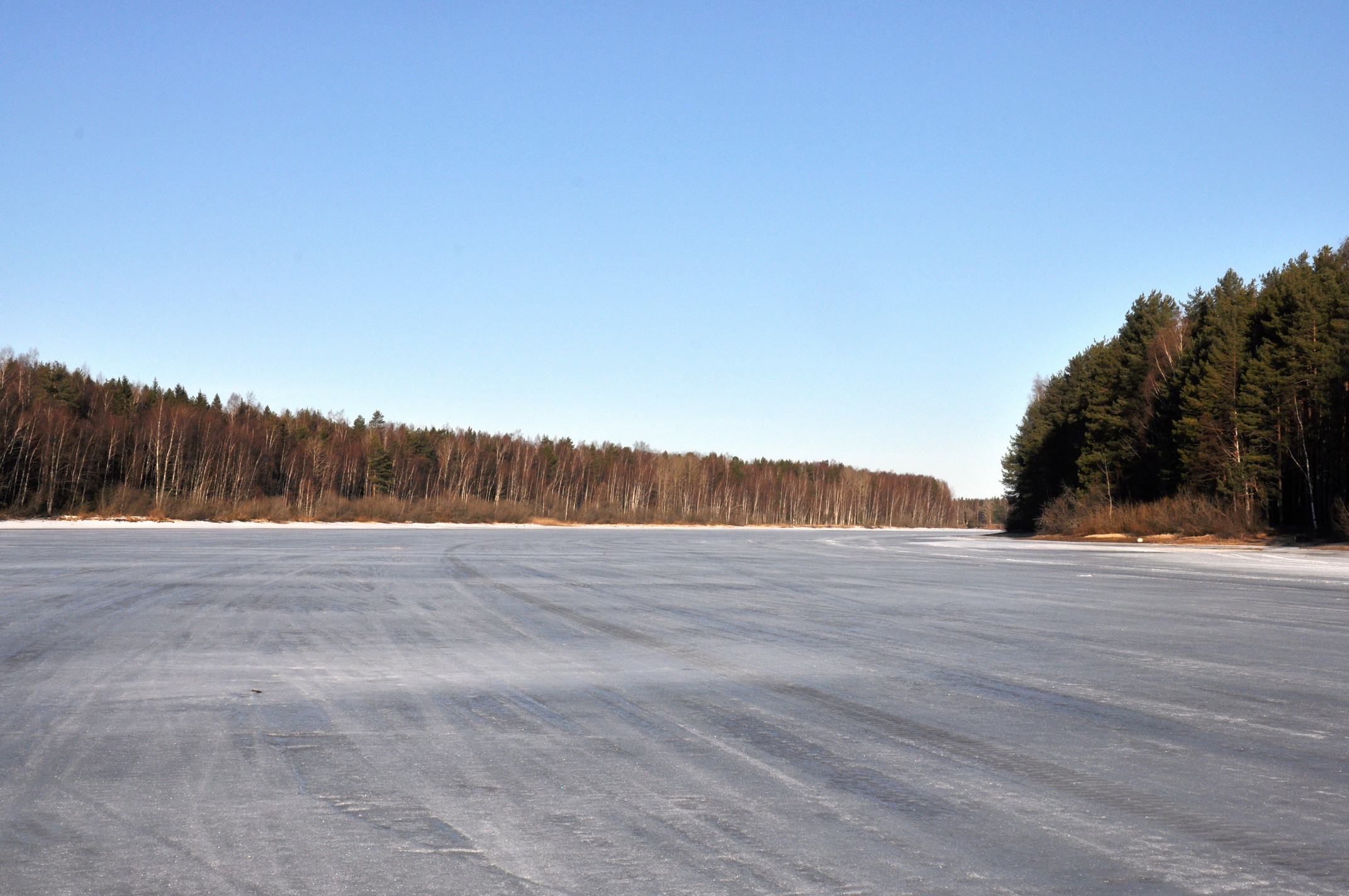
In the morning I went walking on the ice of the river, then drove to the reservoir. I drove around the nearby villages, savouring the Russian roads, and visited Yaroslavl Oblast. While I was standing beside a huge puddle, Denis called from New Zealand. He needed to pay for his honeymoon in Bali. He typed in my card number, and I read out the verification code that had come through to me. That’s globalisation for you.
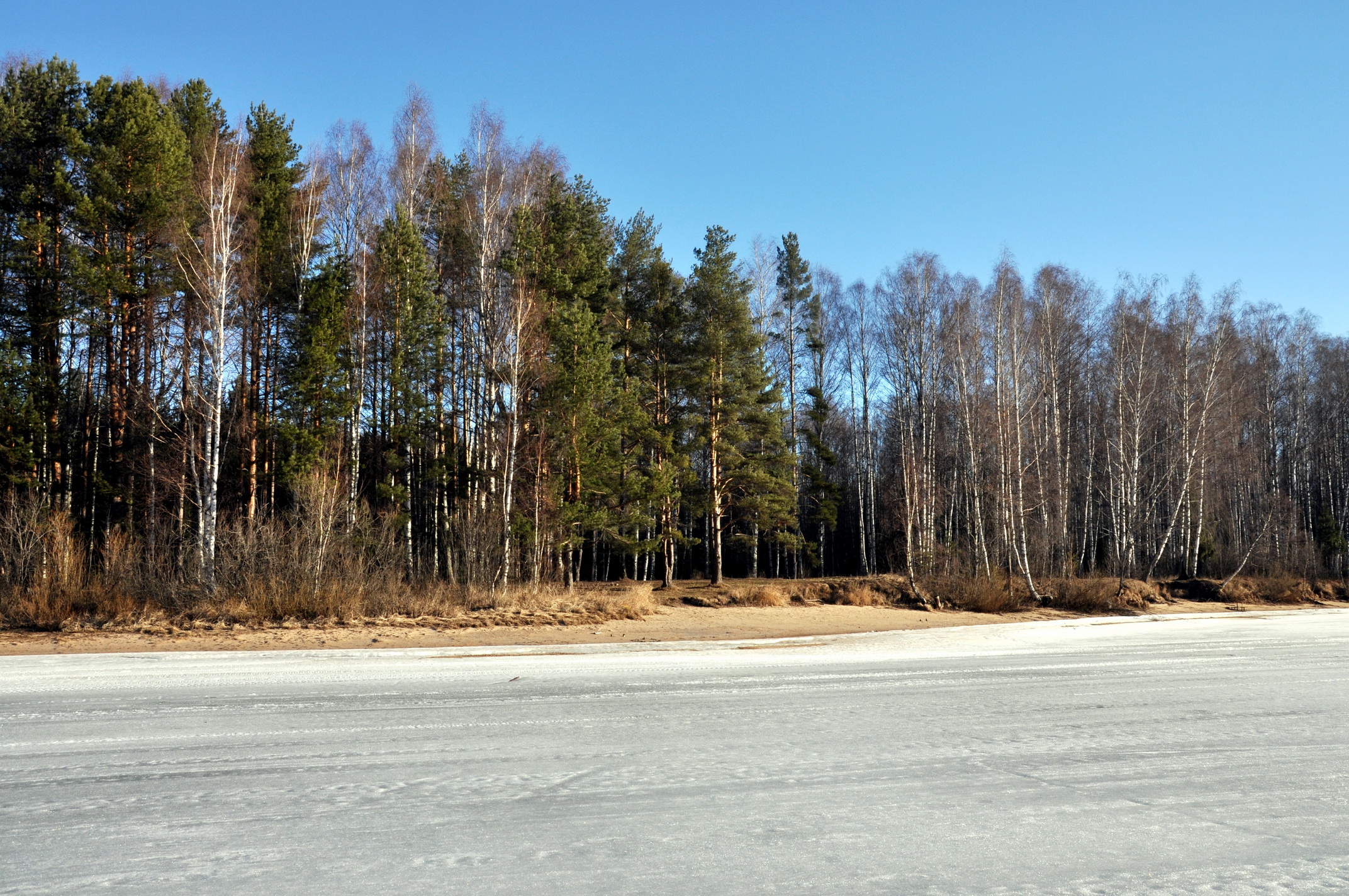
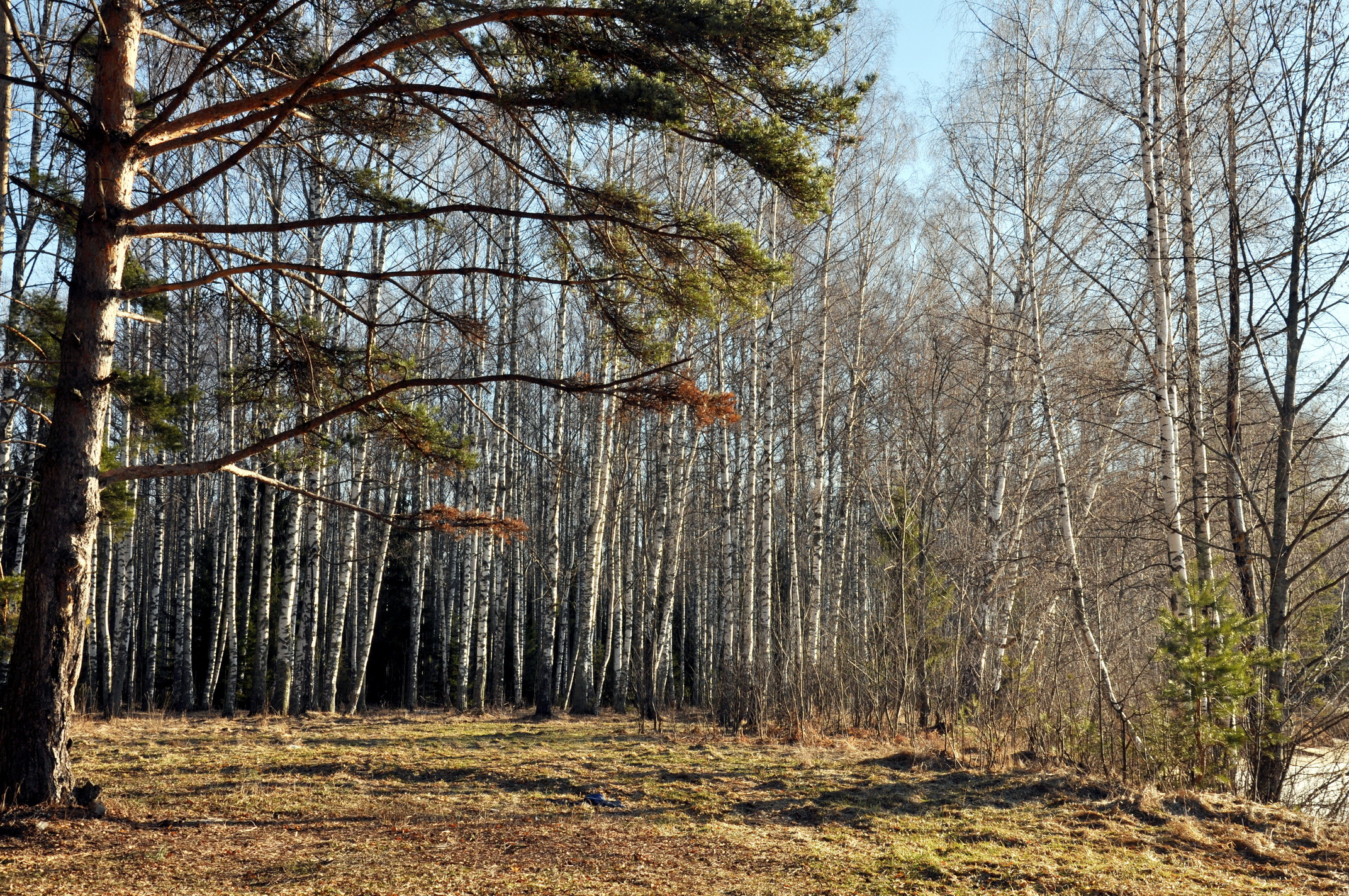
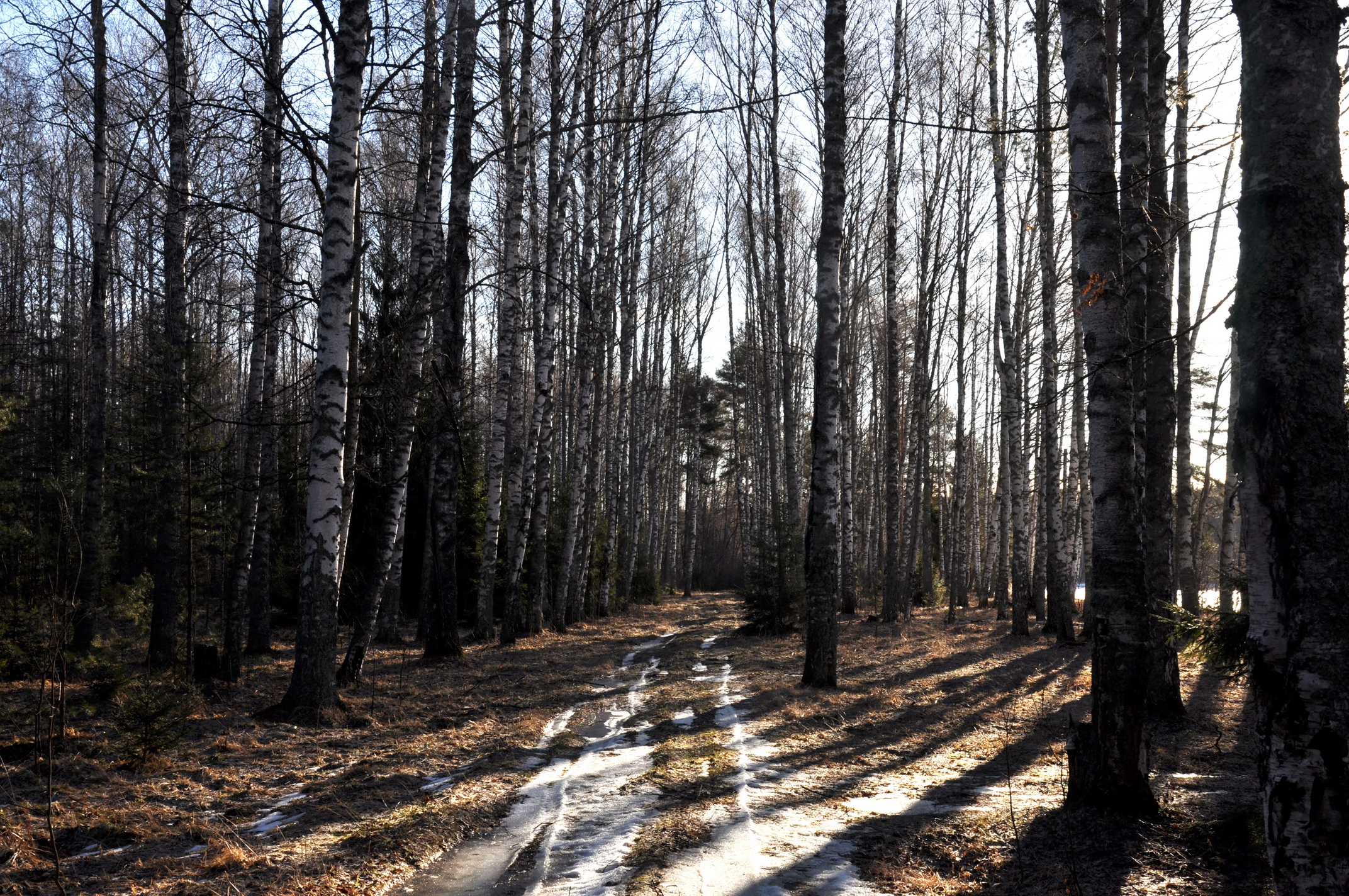
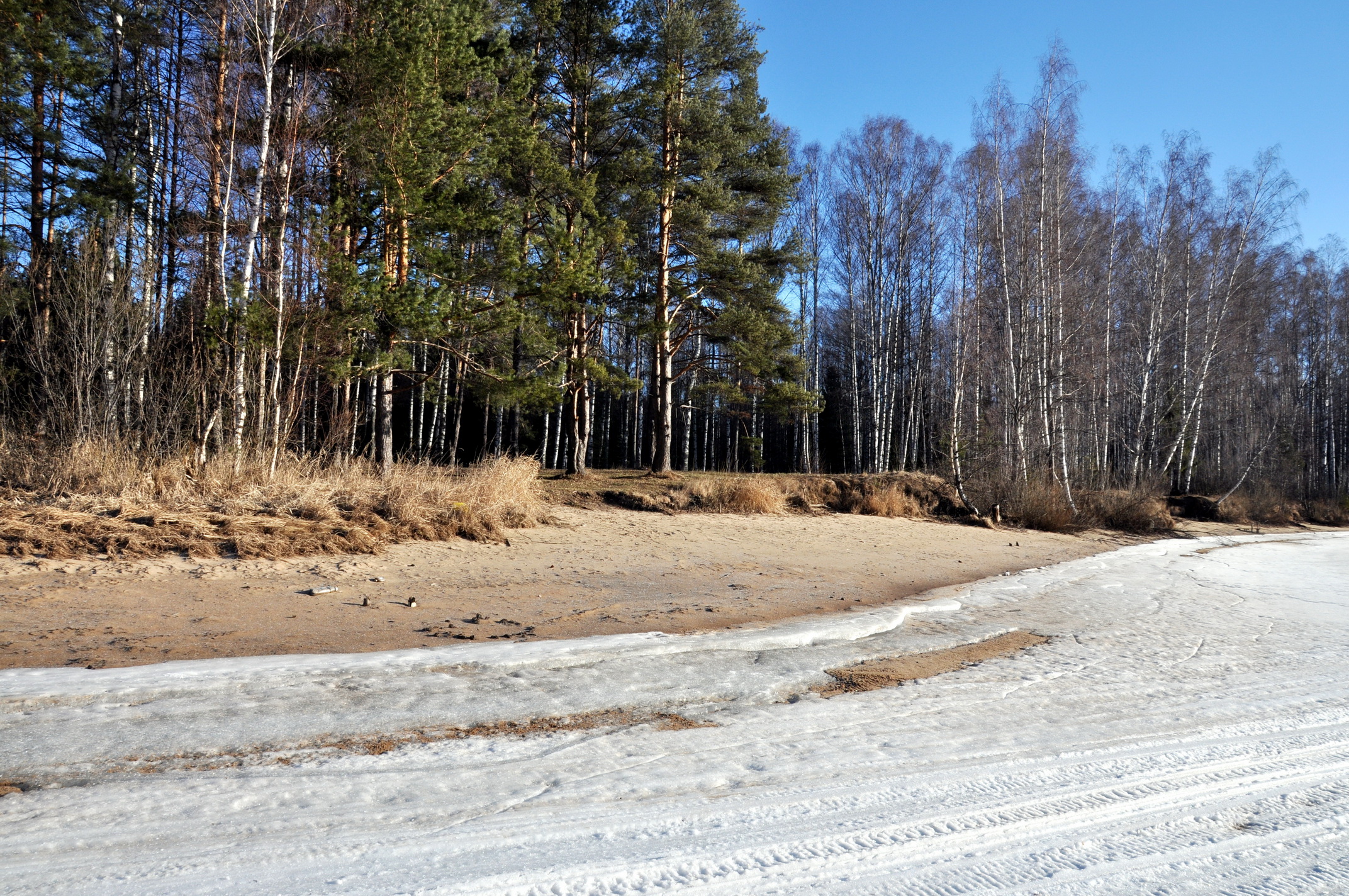
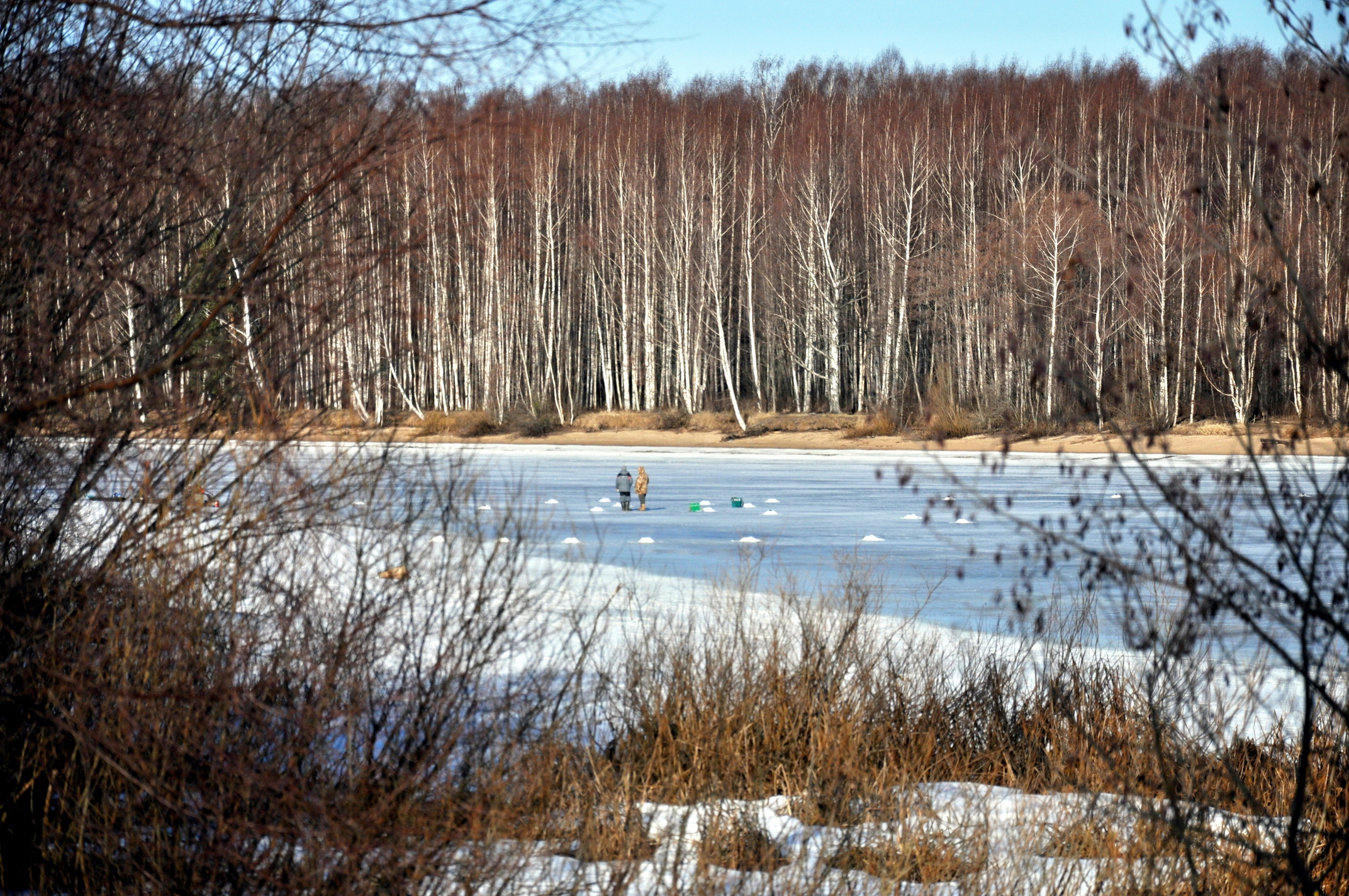
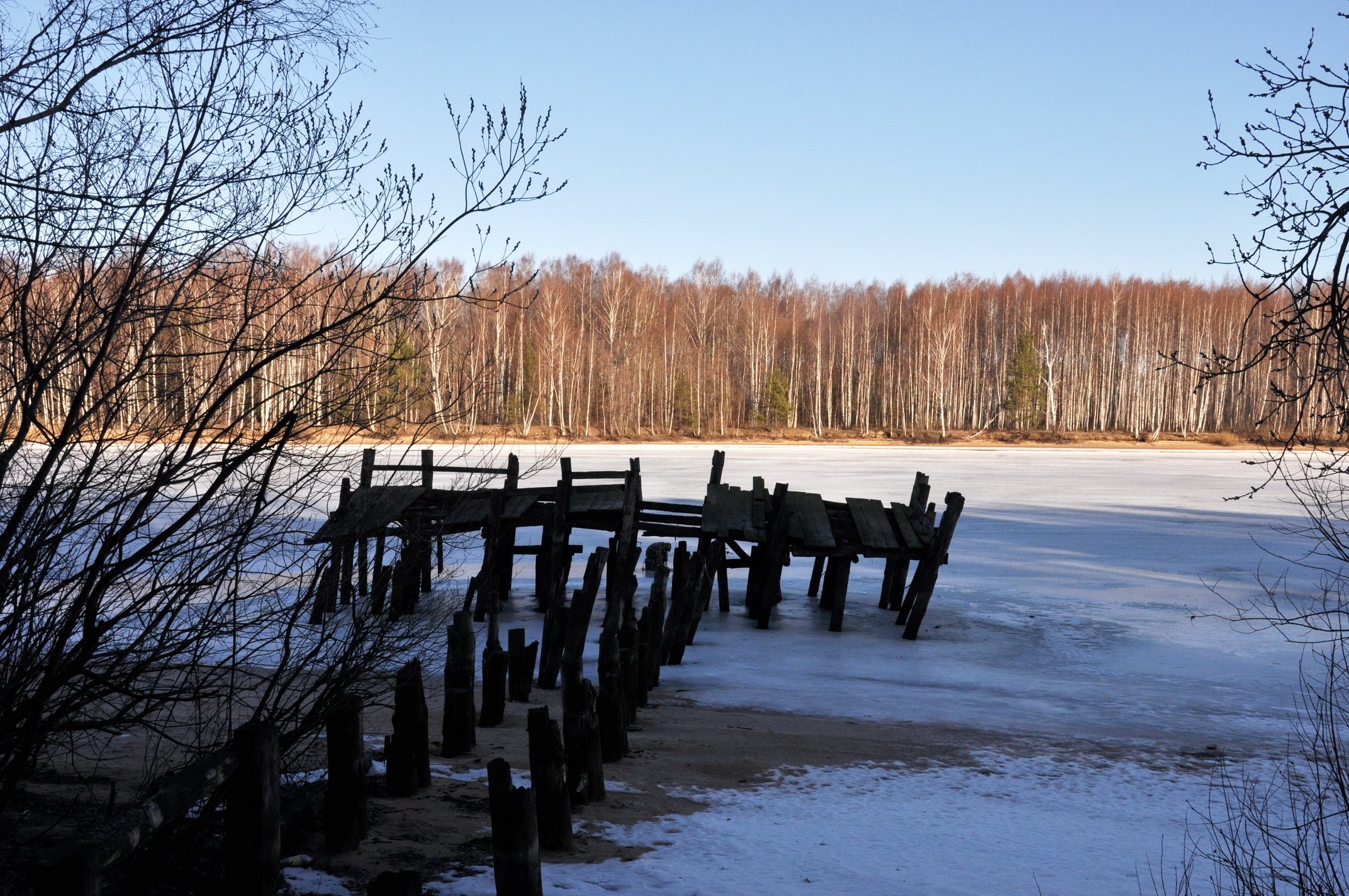
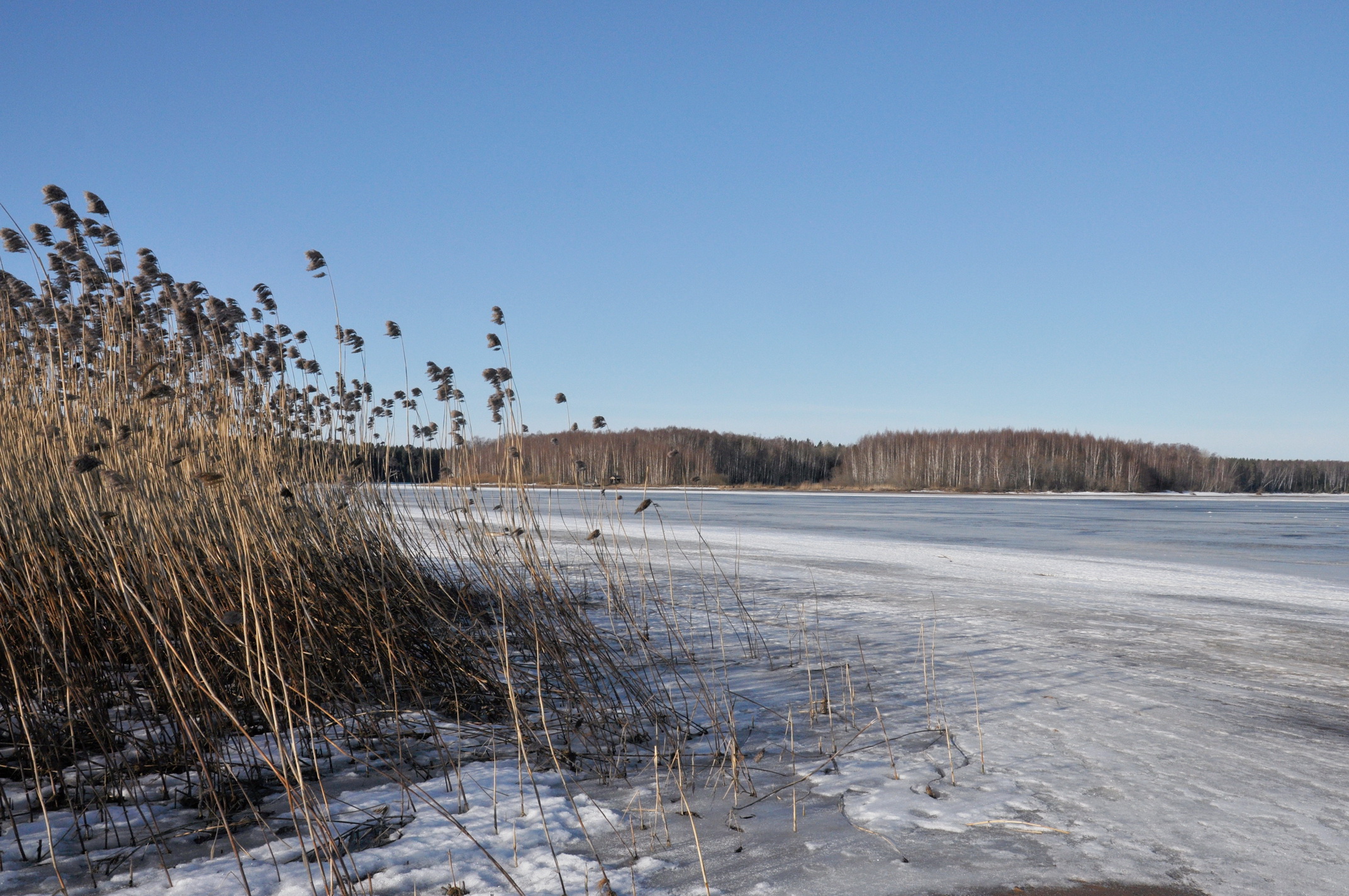
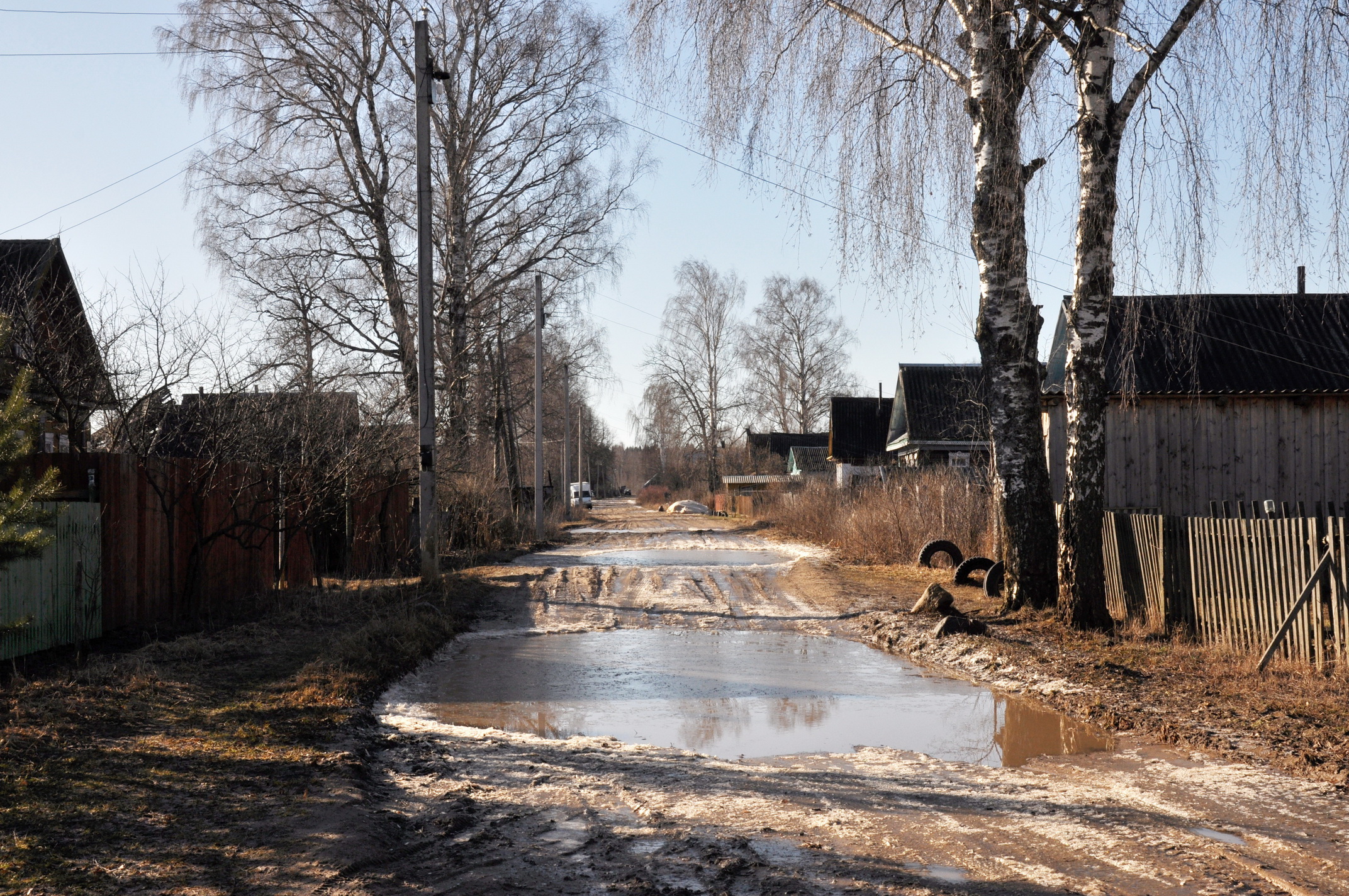
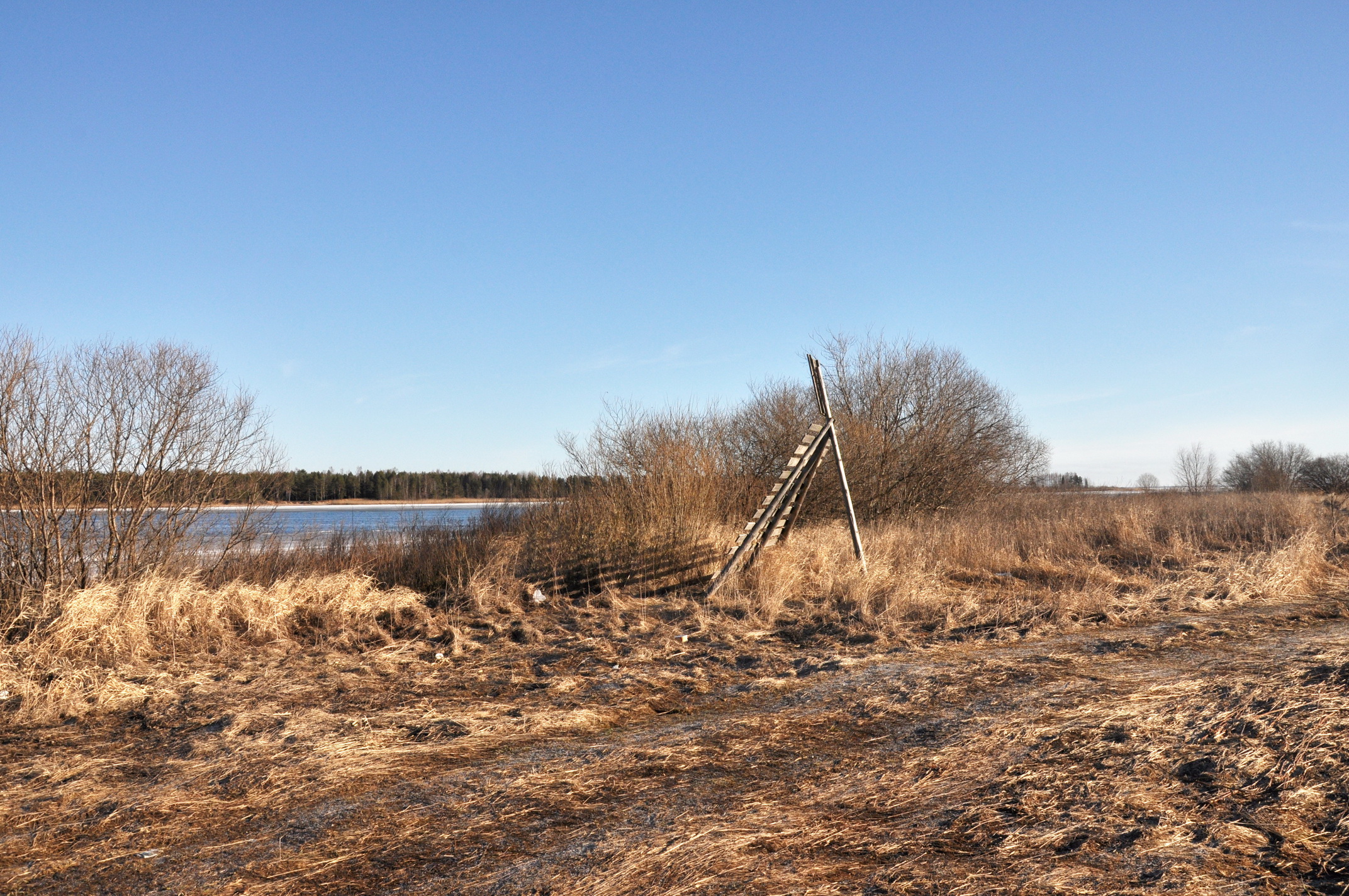
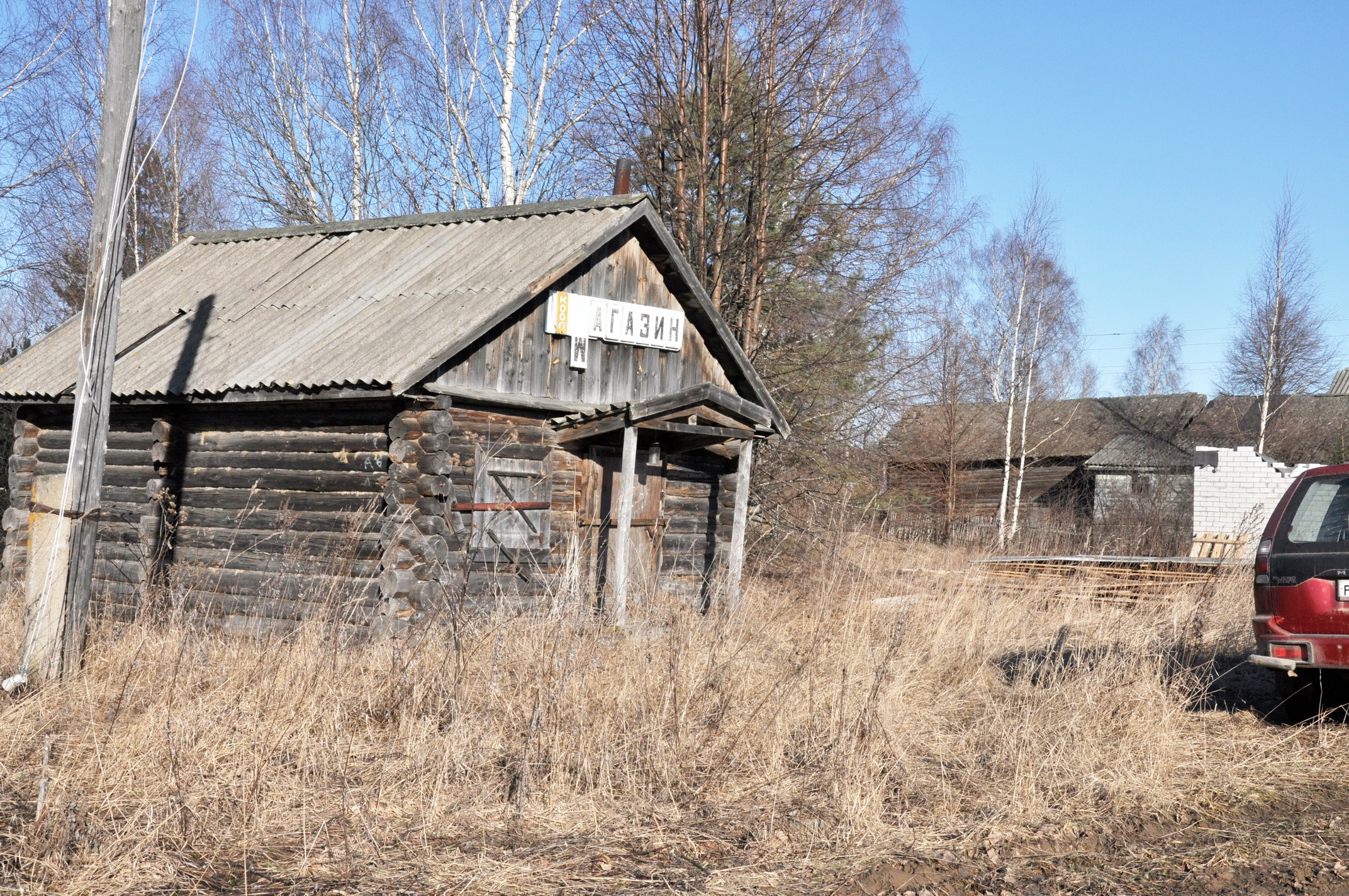
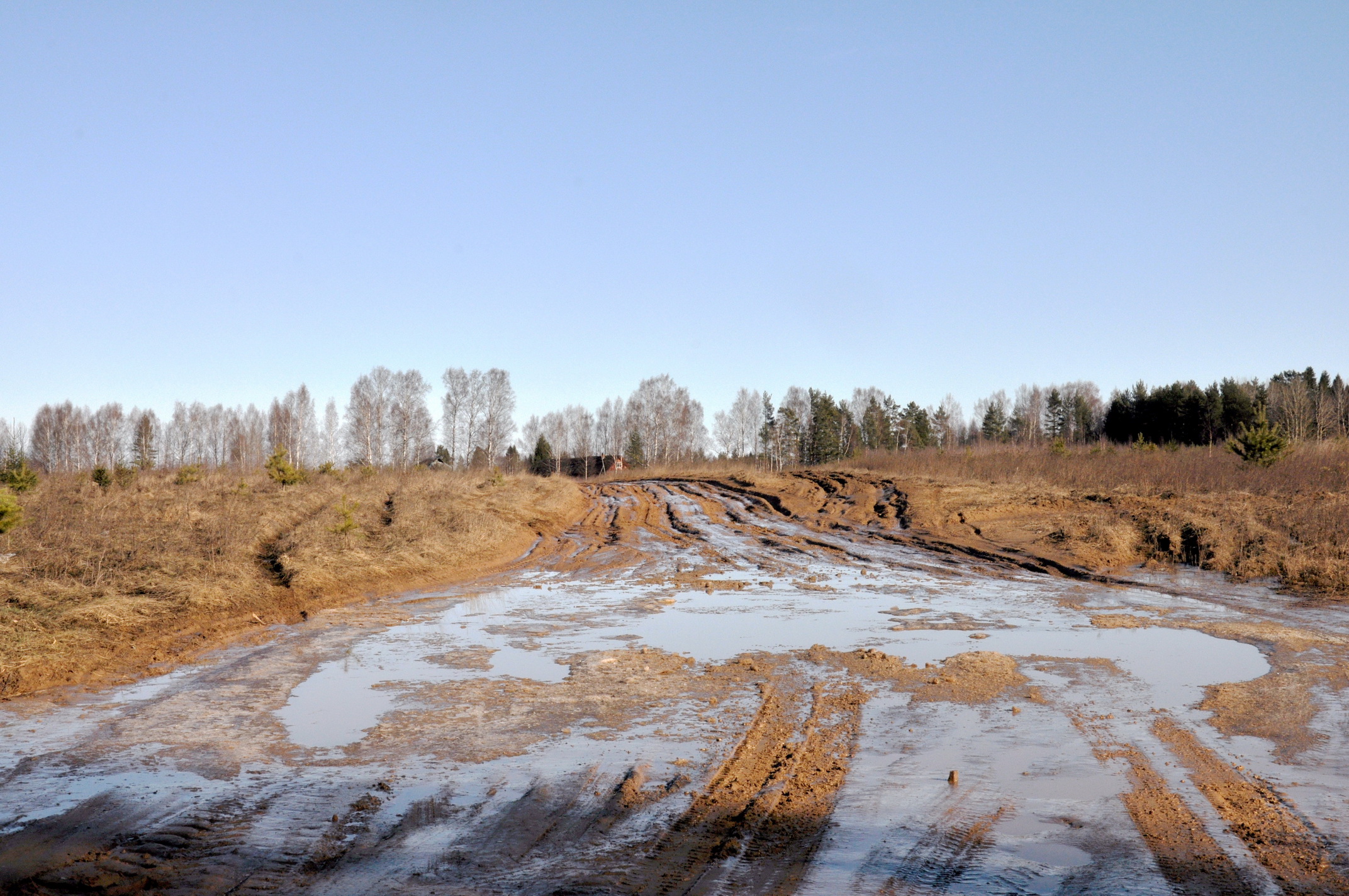
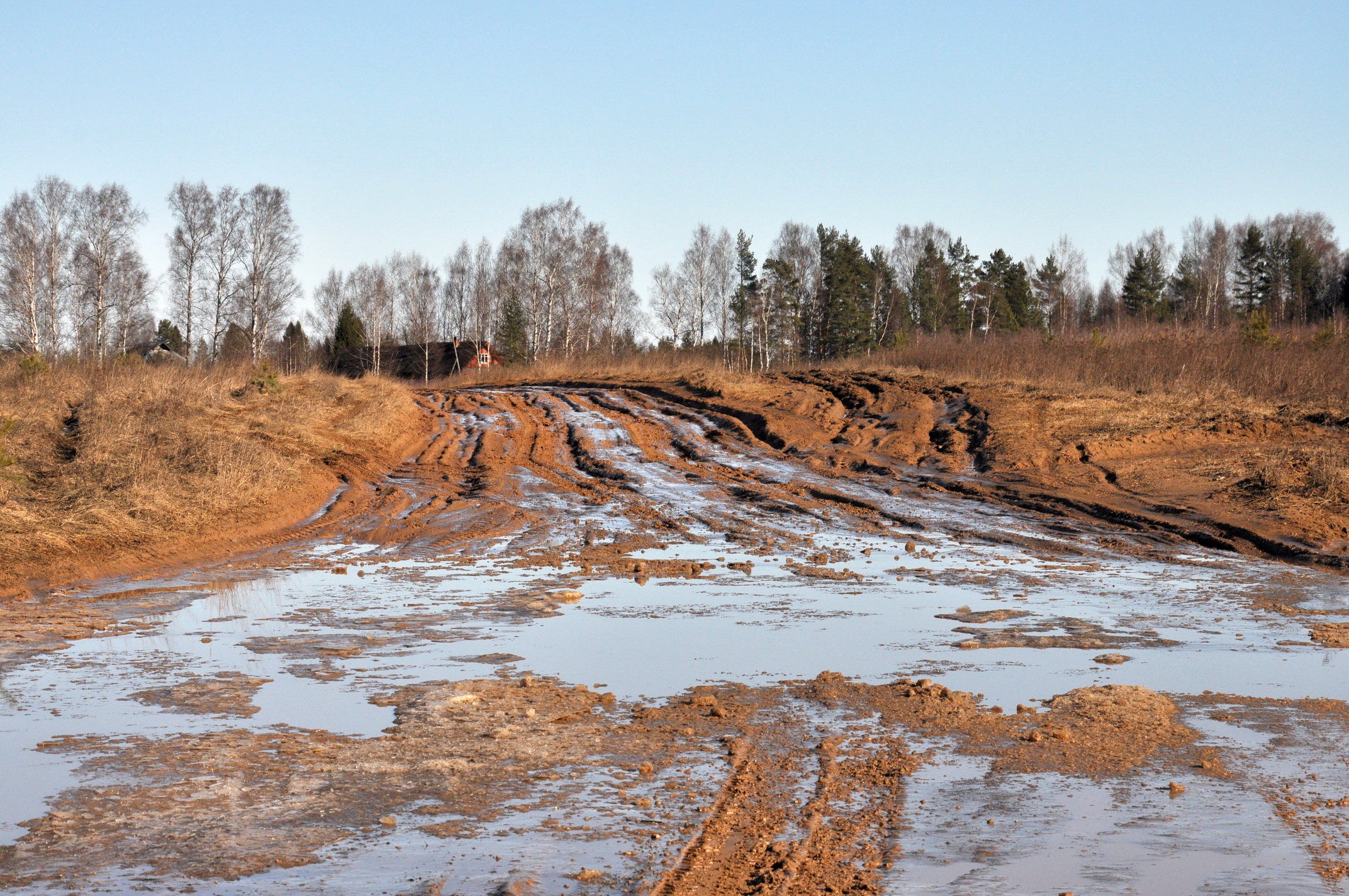
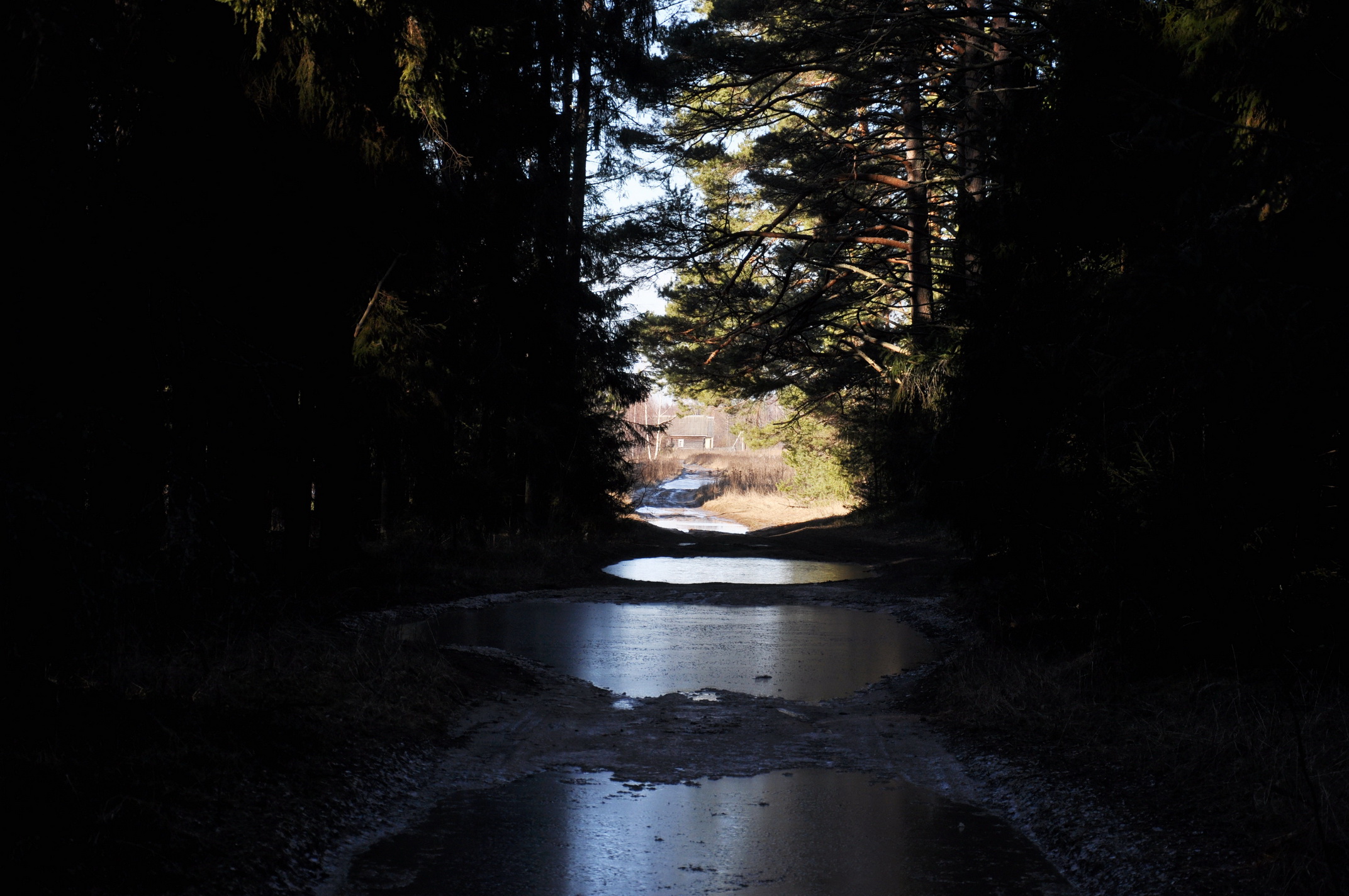
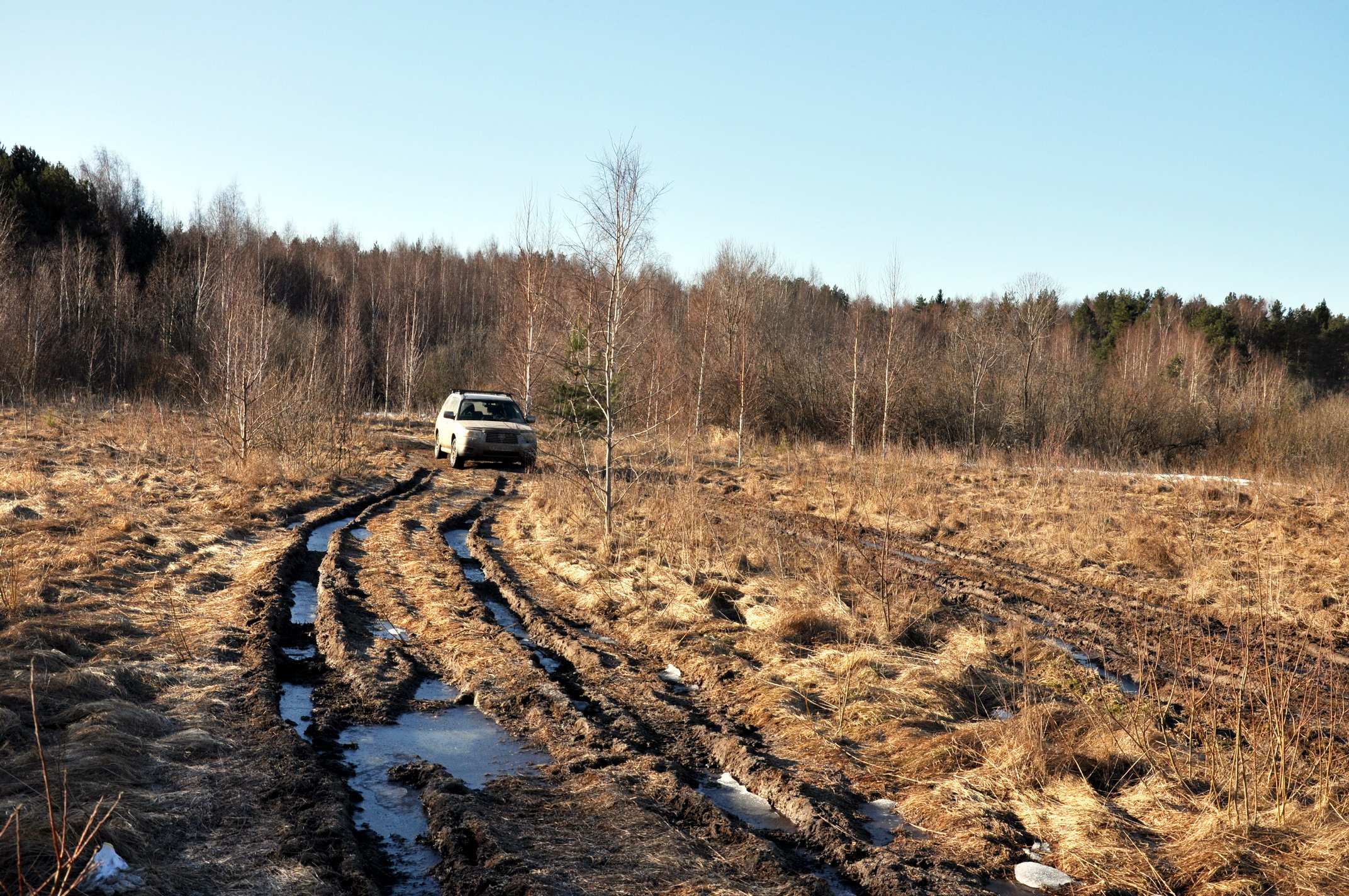
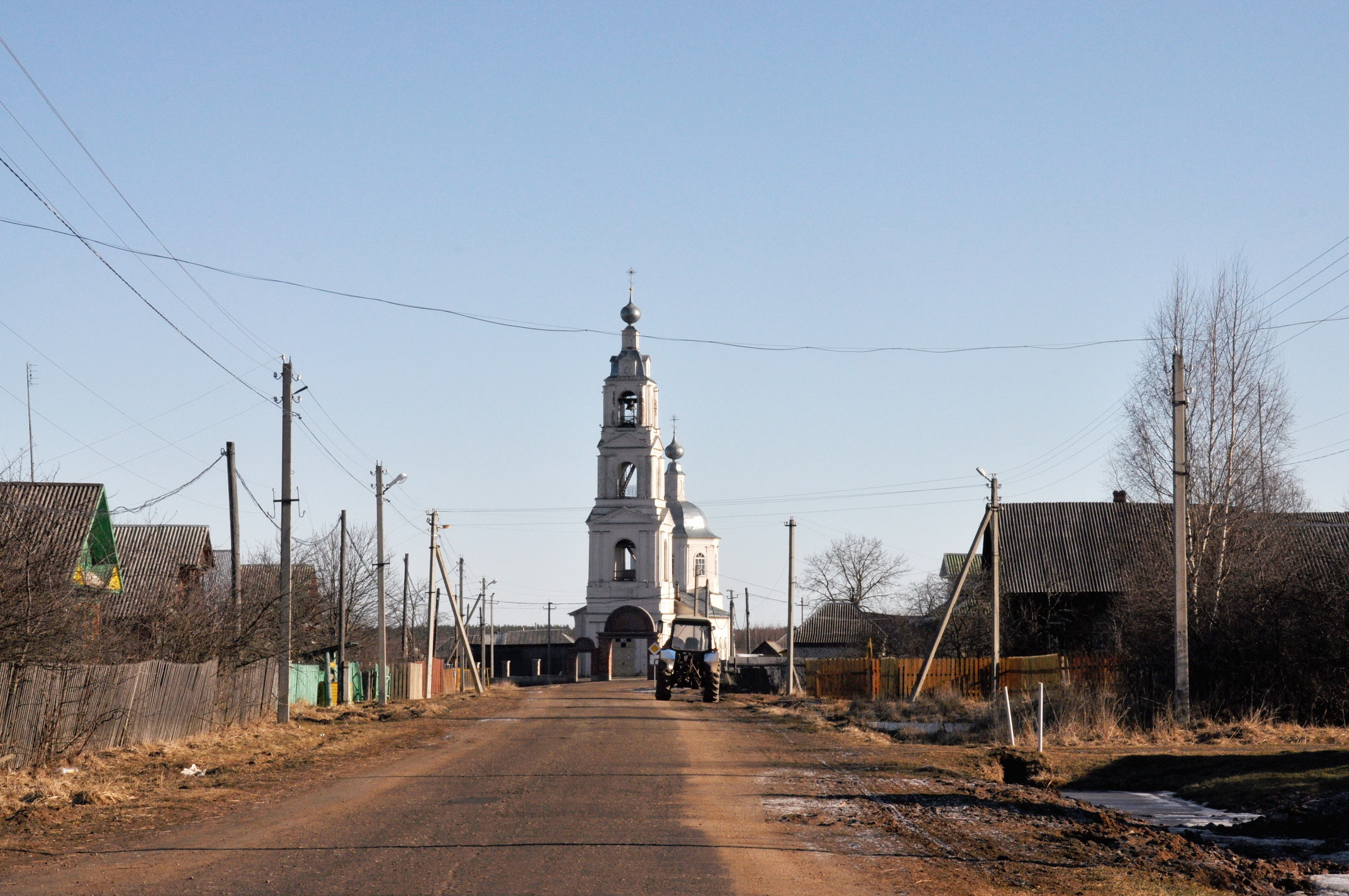
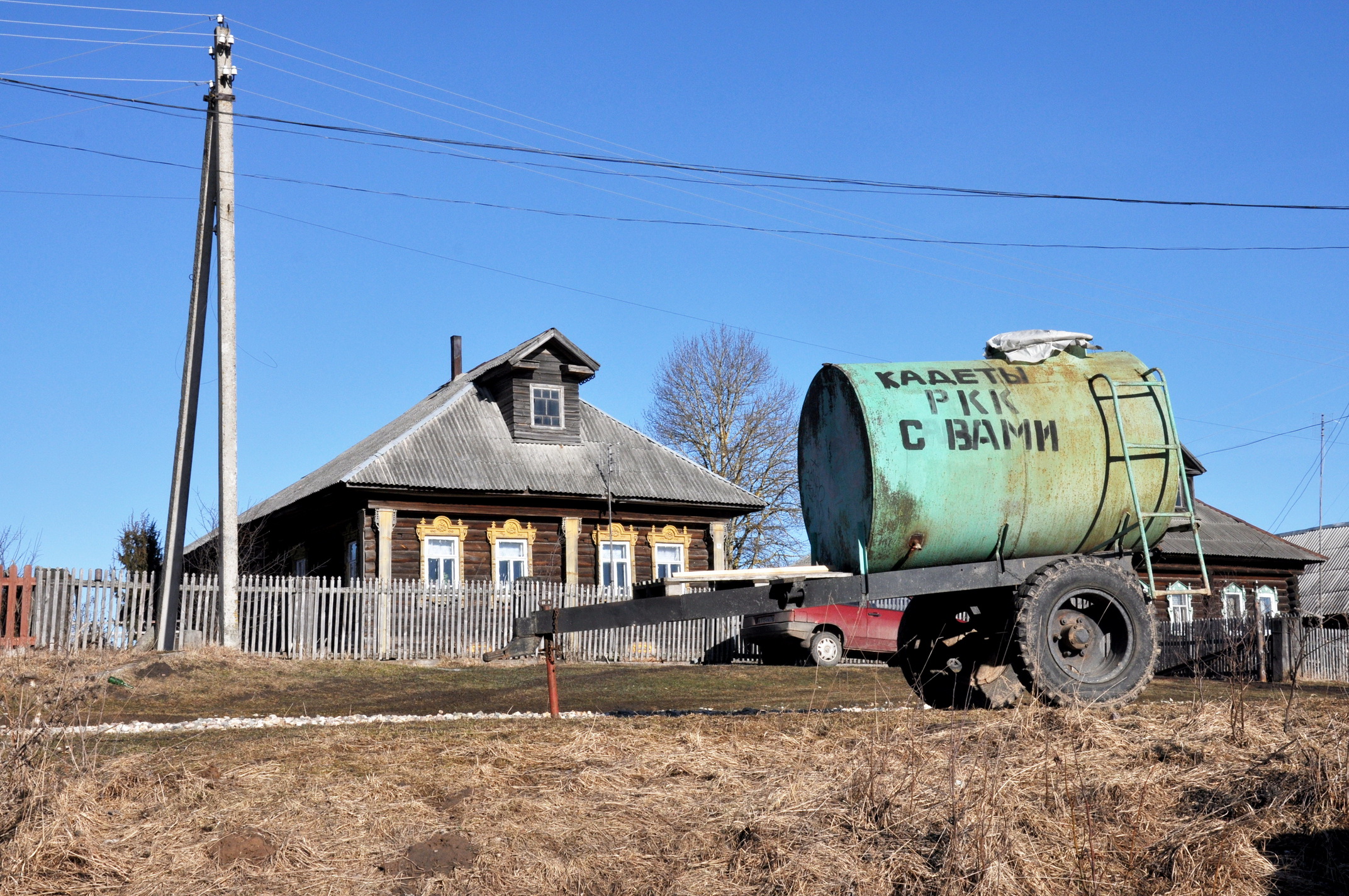
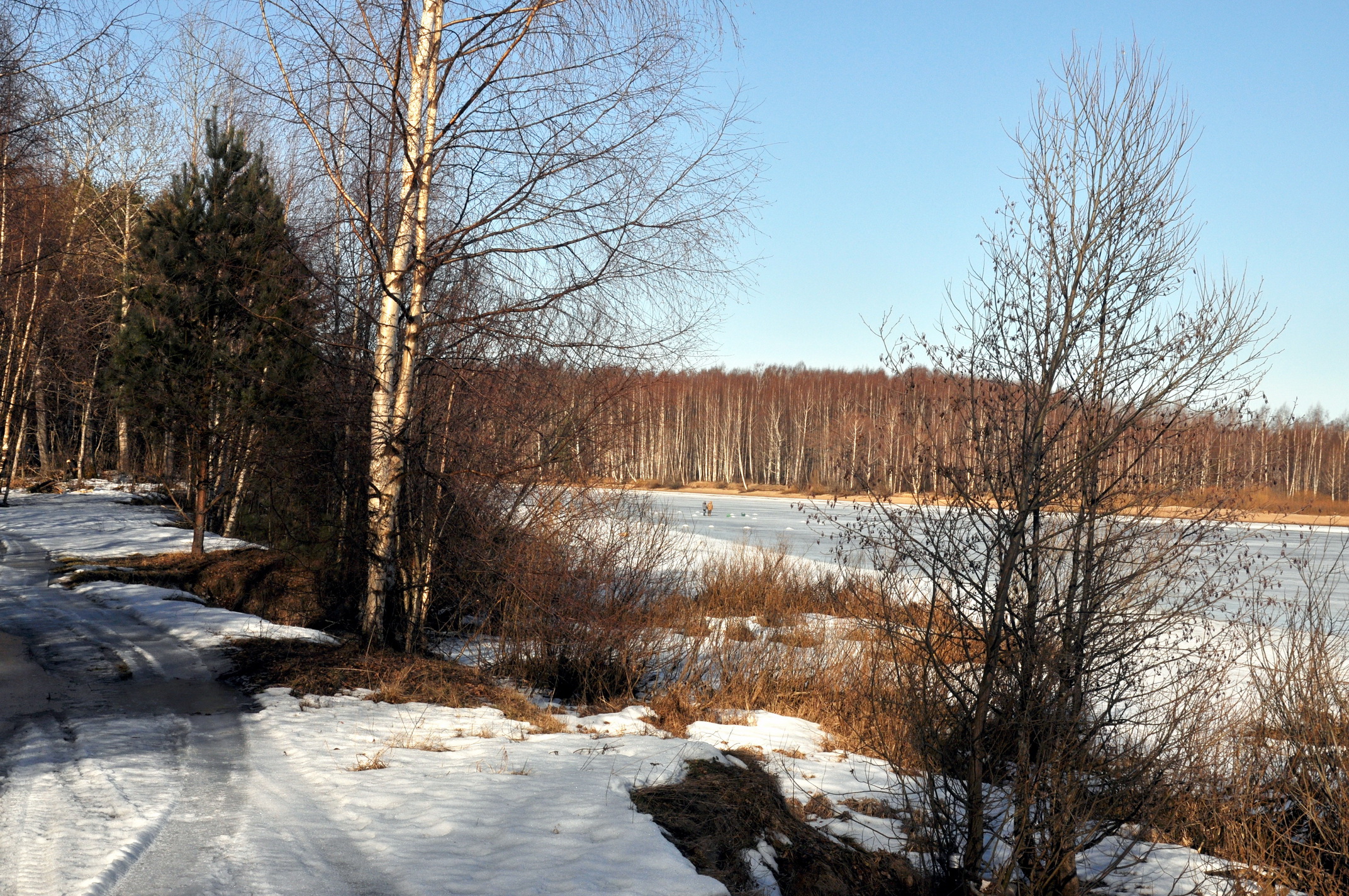
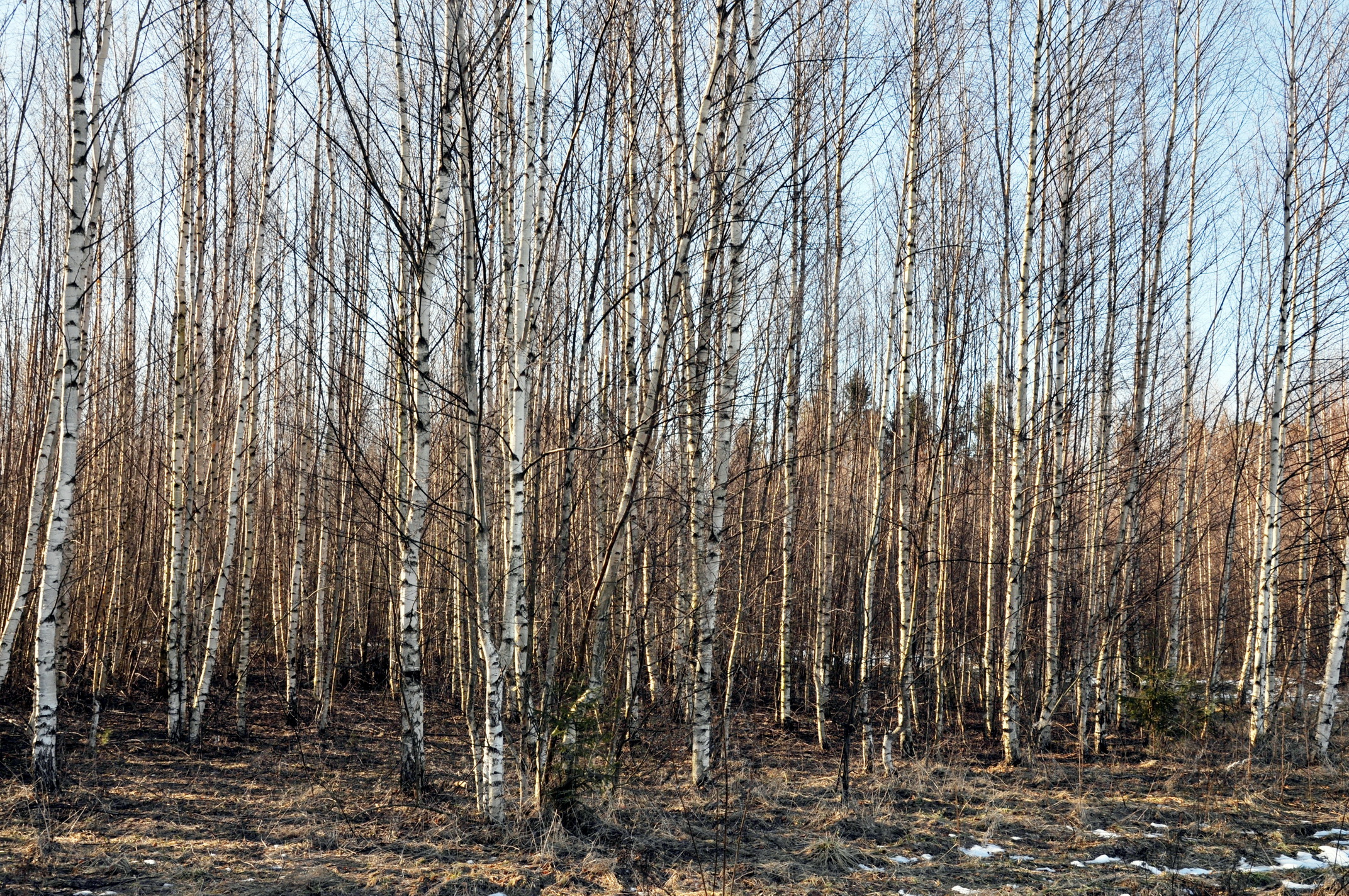
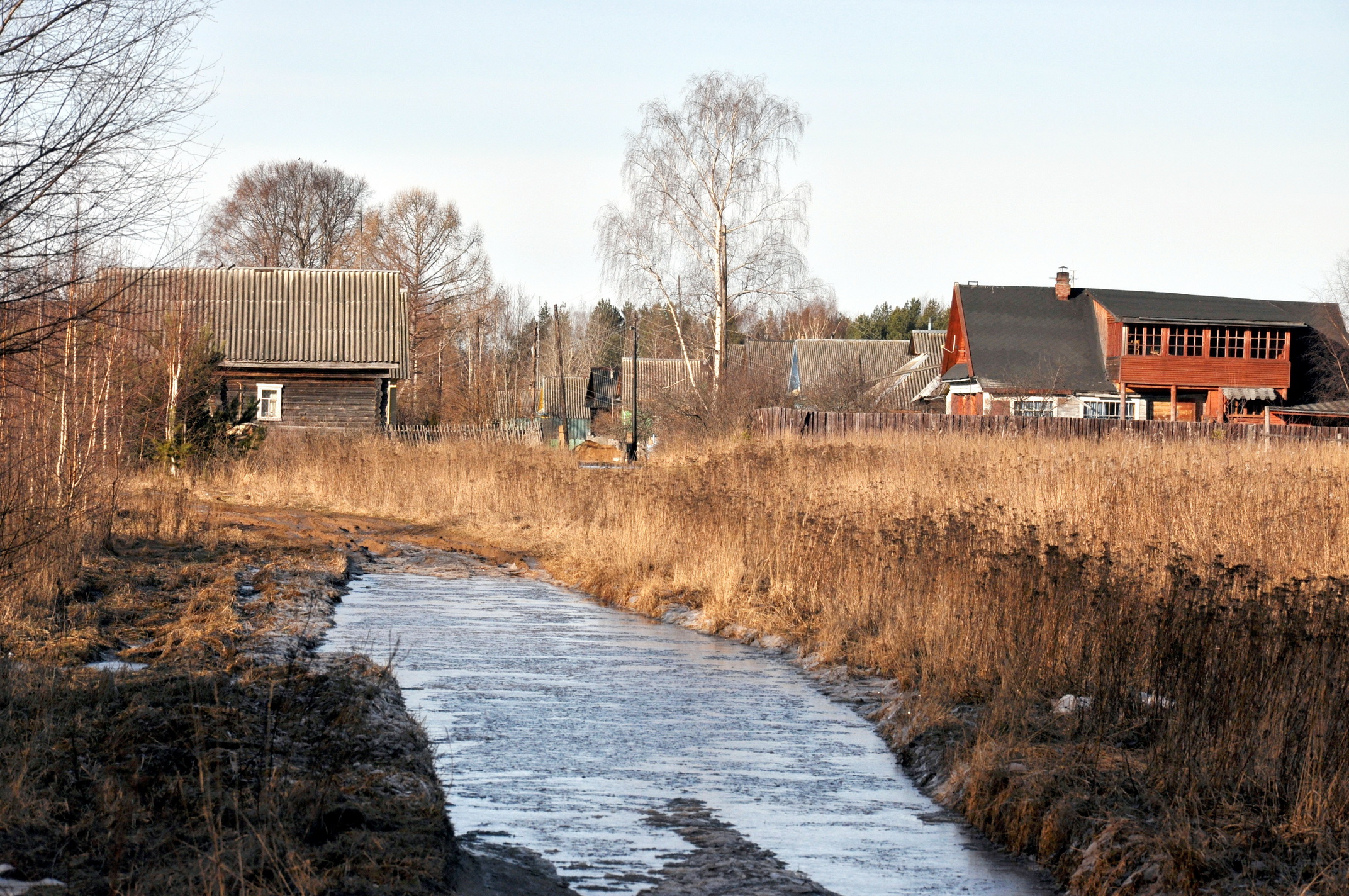
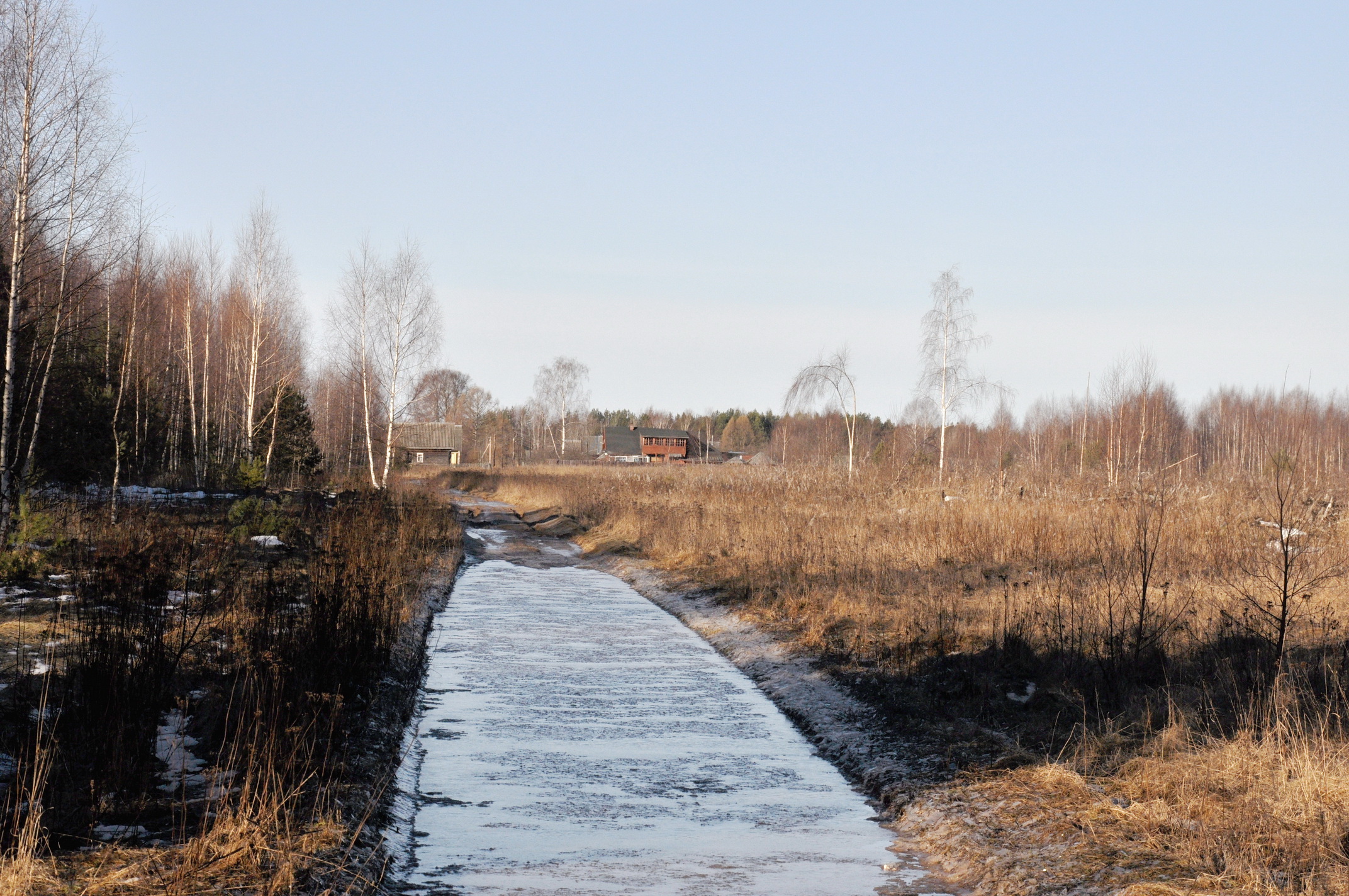
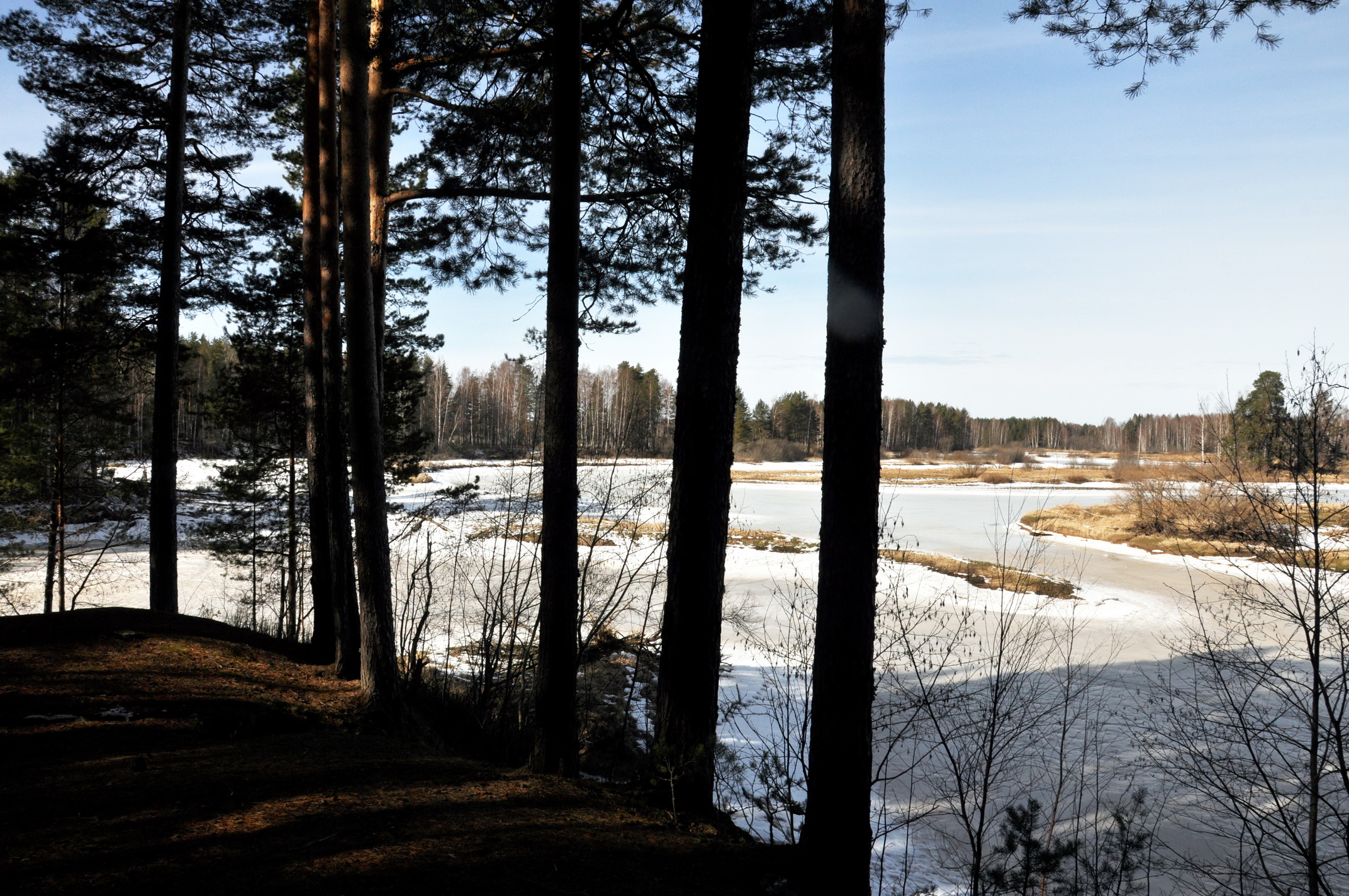
I drove home via Ustyuzhna and the Vologda highway. It may take longer, but I was thoroughly sick of the Moscow highway. Shortly after Vesyegonsk I found a good spot for a future camp on the Renya where it is joined by the Gluboky stream, at 58°40.173′N, 37°09.167′E. For now, I stopped there for lunch.
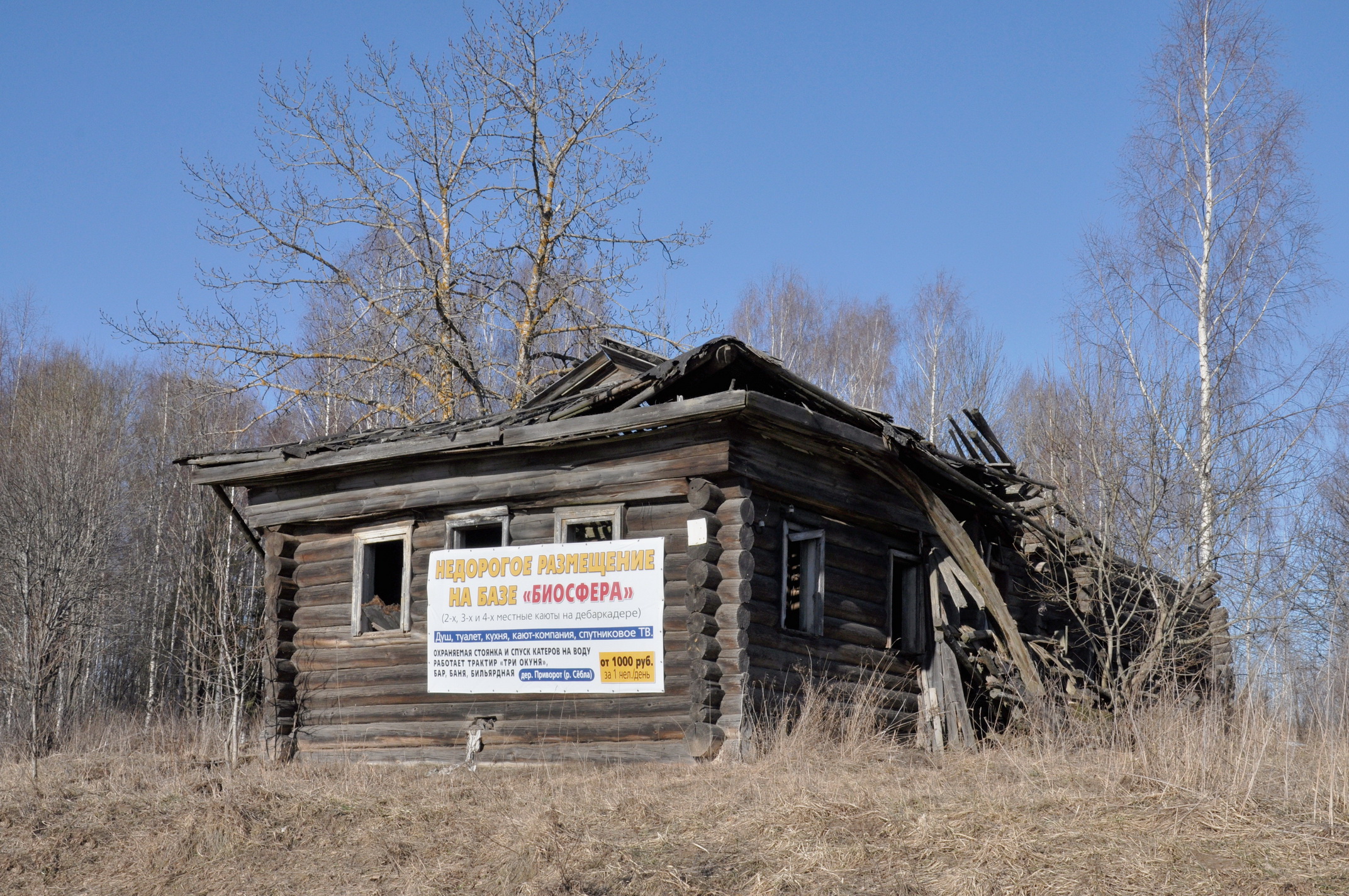
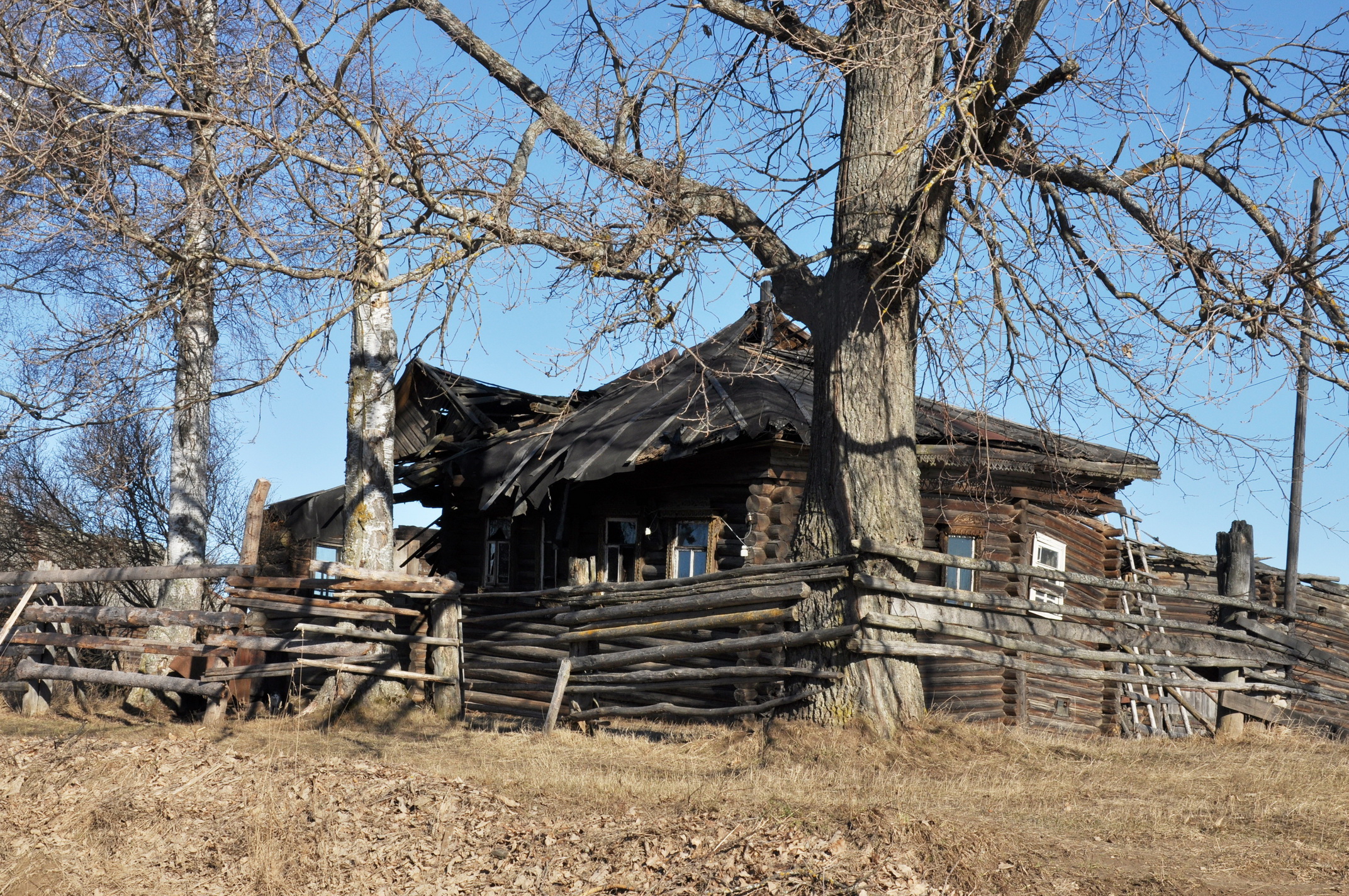
The rest of the way was uneventful. The road was dark, and you couldn’t see a thing on either side. All I had were memories of those bright spring days when we’d driven the same road on our way to May holiday kayak trips.