Trip report
MegaFon splits Arkhangelsk Oblast into two parts, one run from Arkhangelsk and the other from Kotlas. That makes sense. The oblast is so big that it would be too far to service it from a single centre. I had to drive even farther, all the way from Saint Petersburg.
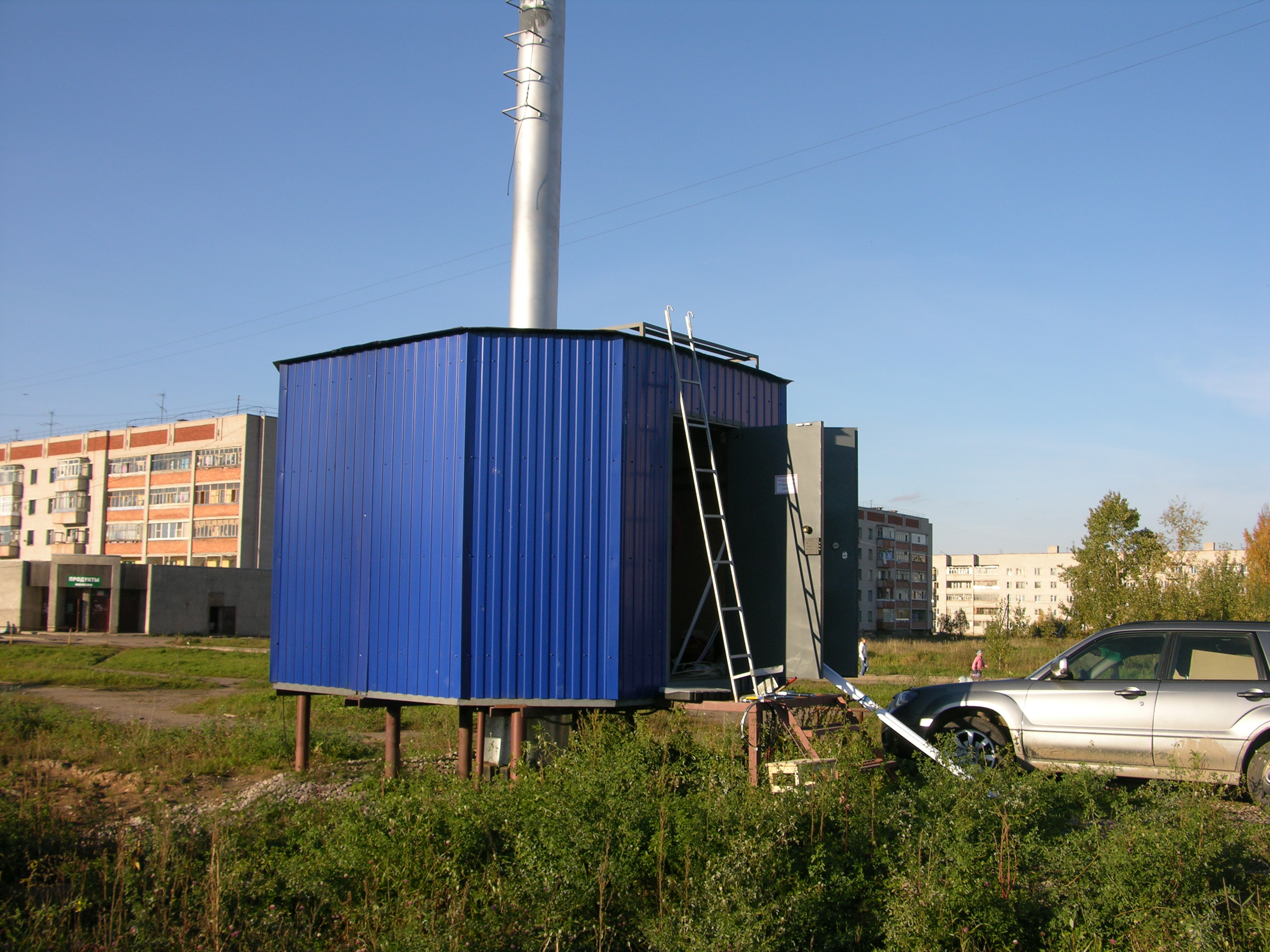
It was a long trip. I started in Vologda Oblast, where work was already under way, because I wanted to see what the installation crew had done. I called in at Kipelovo base station and at Losta base station, inside the Vologda city limits.
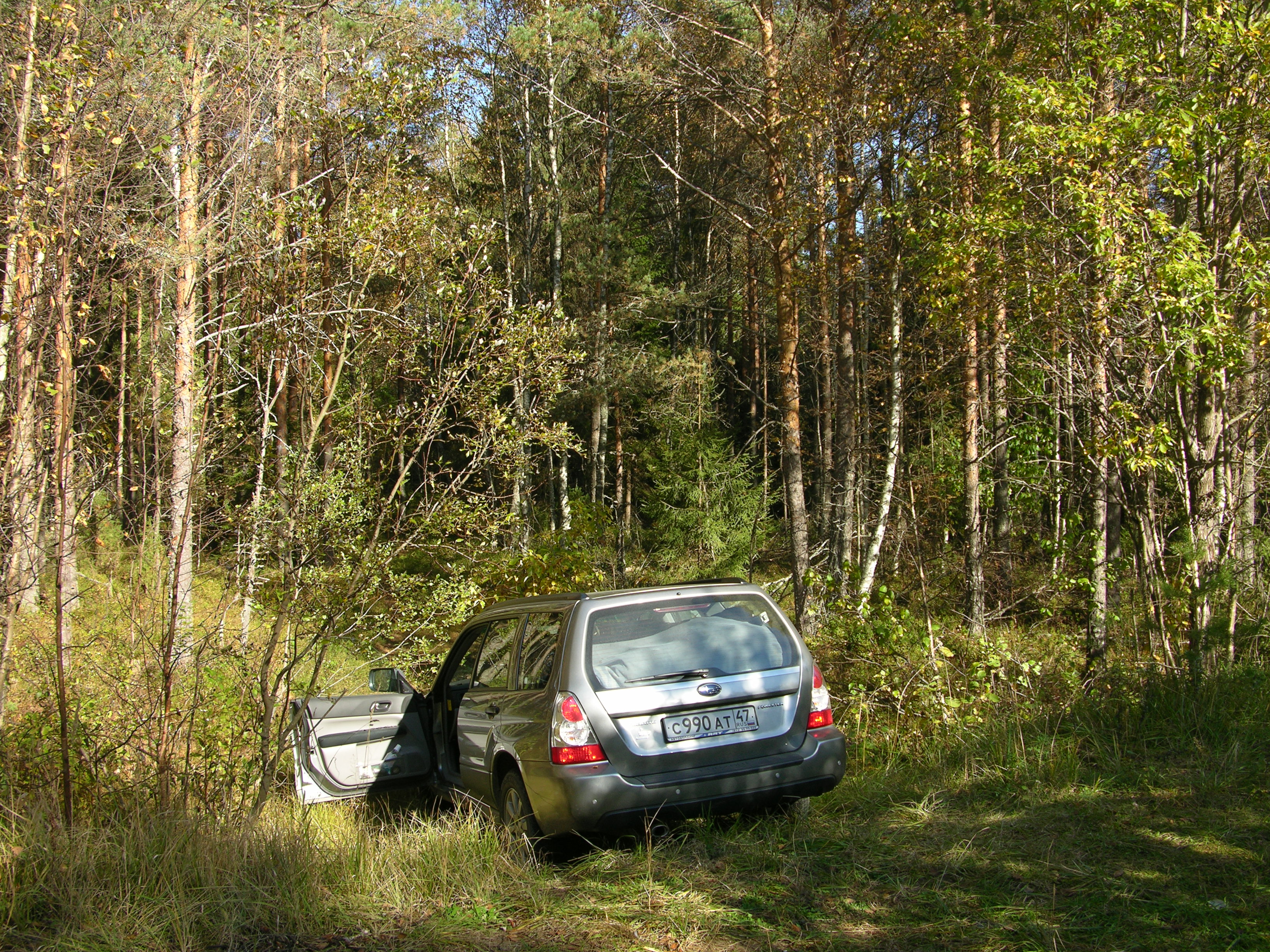
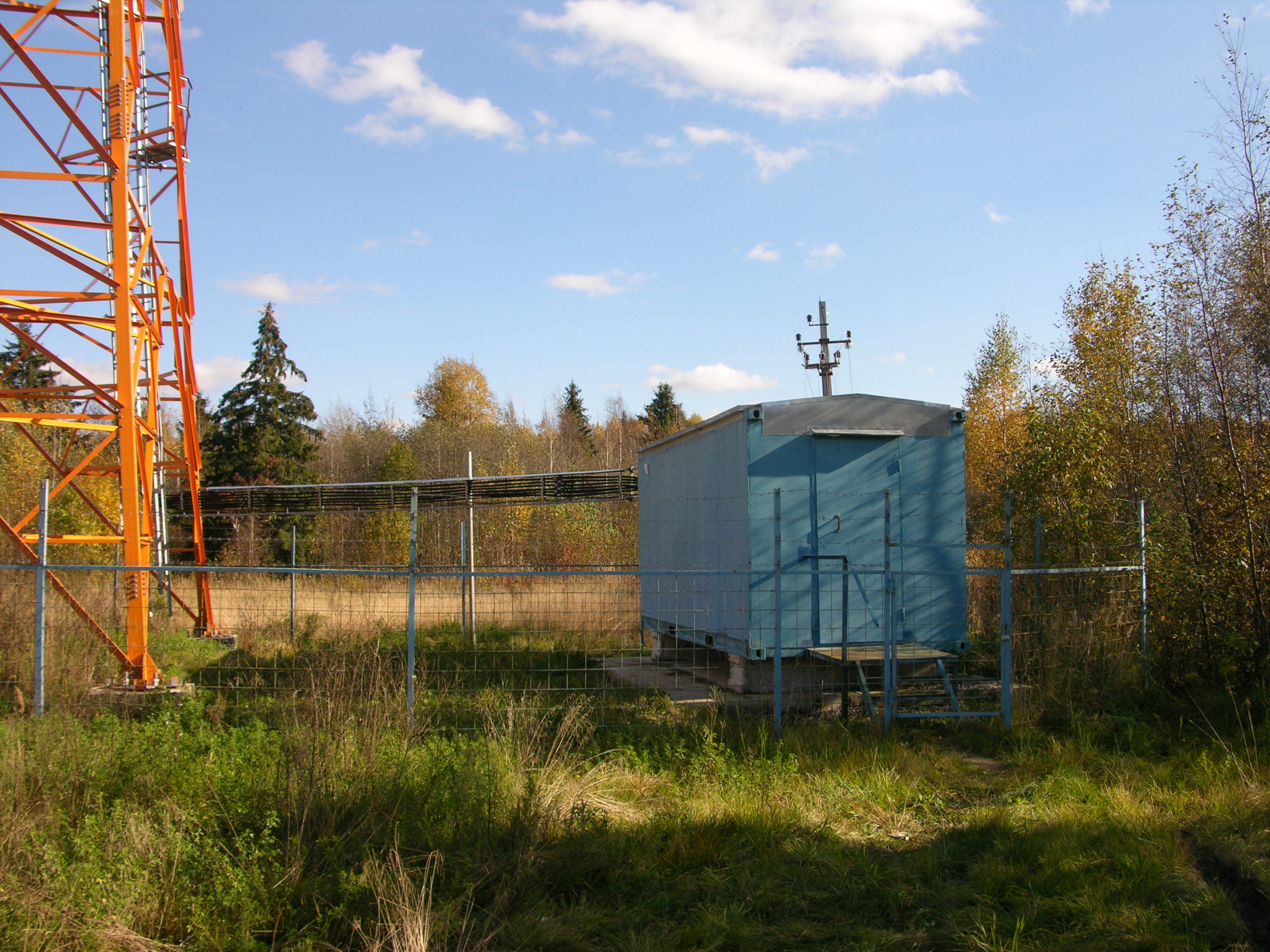
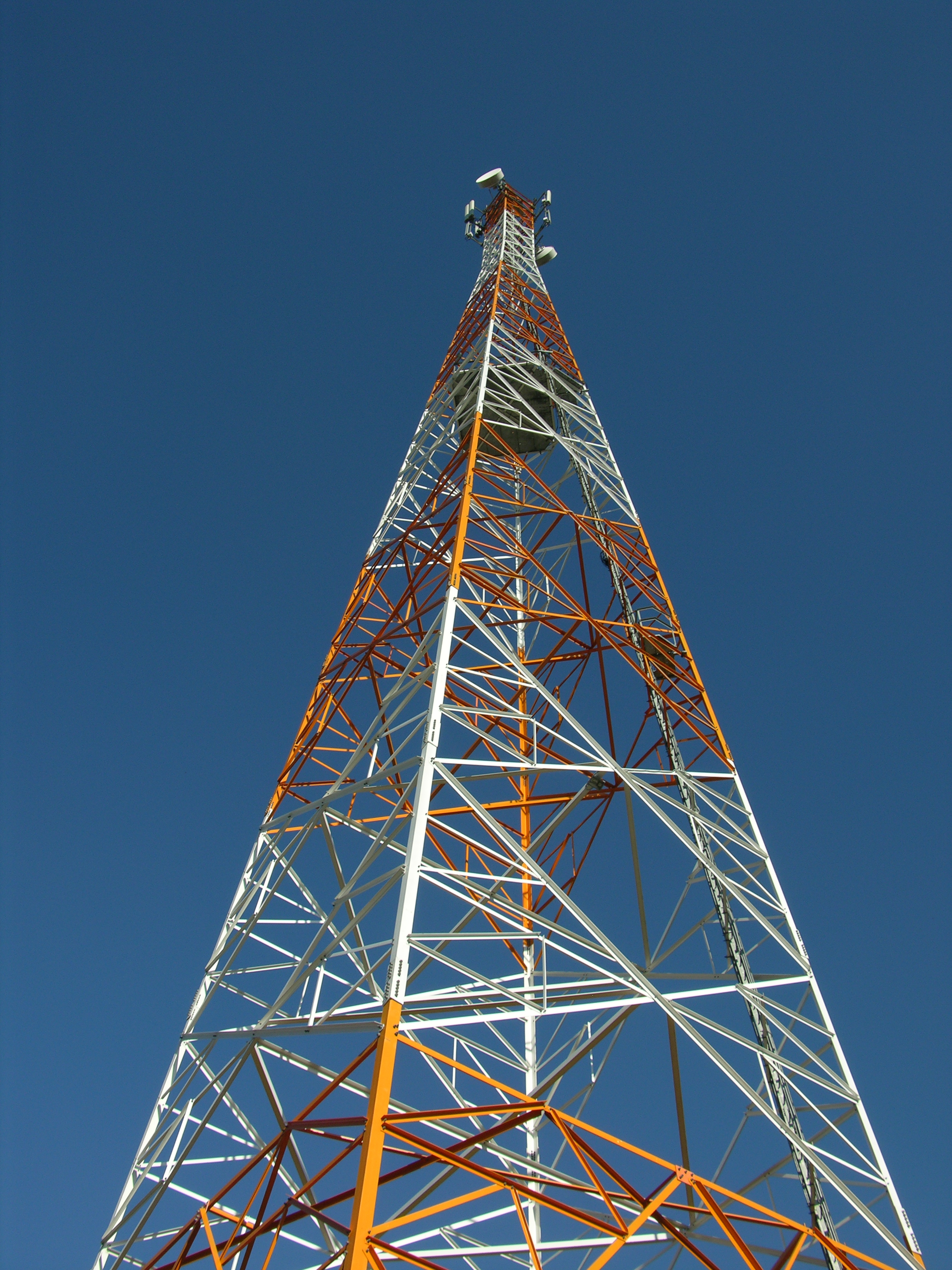
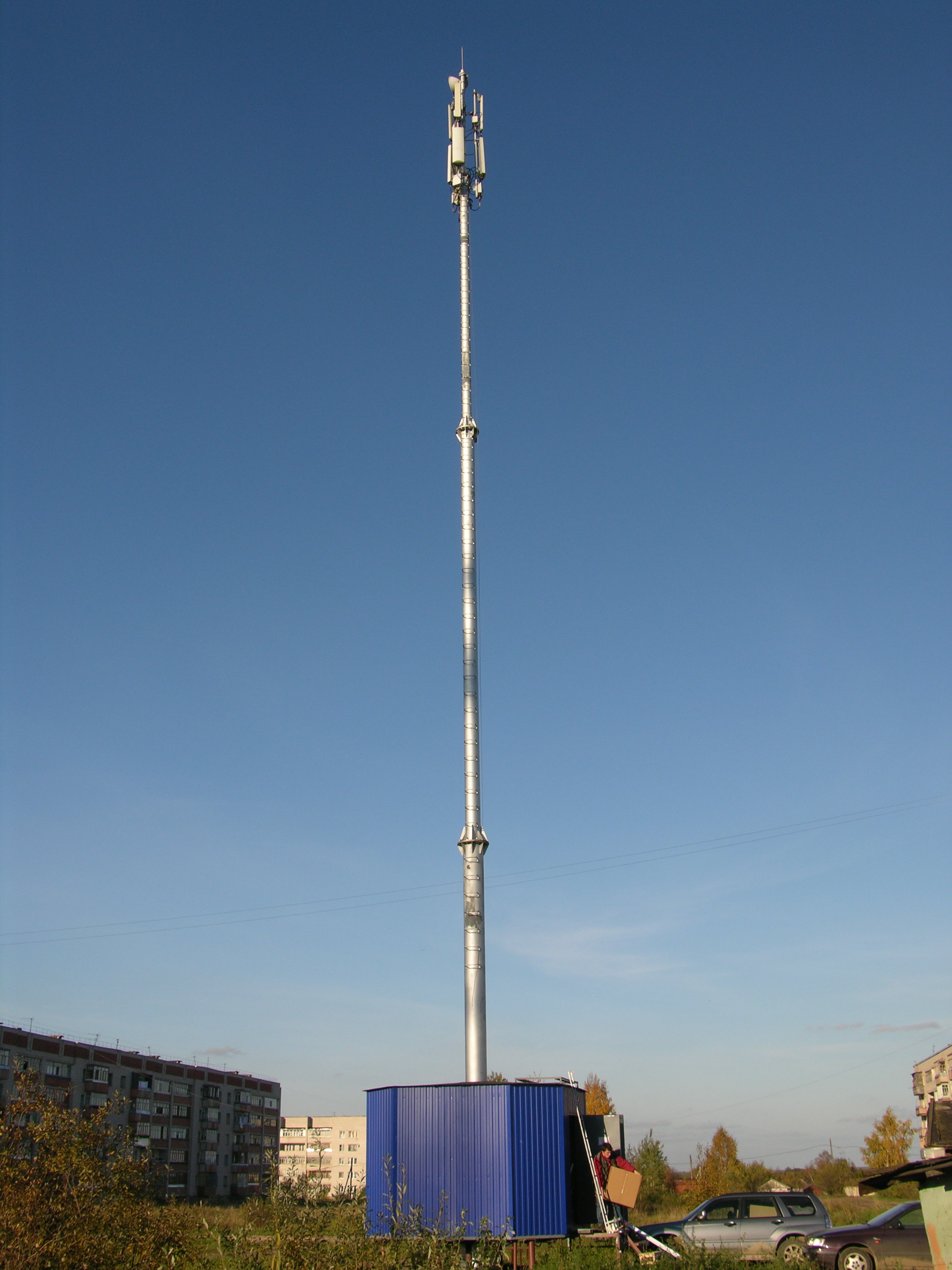
There’s an almost direct road to Kotlas, but I had time to try a route through Velsk that was new to me.
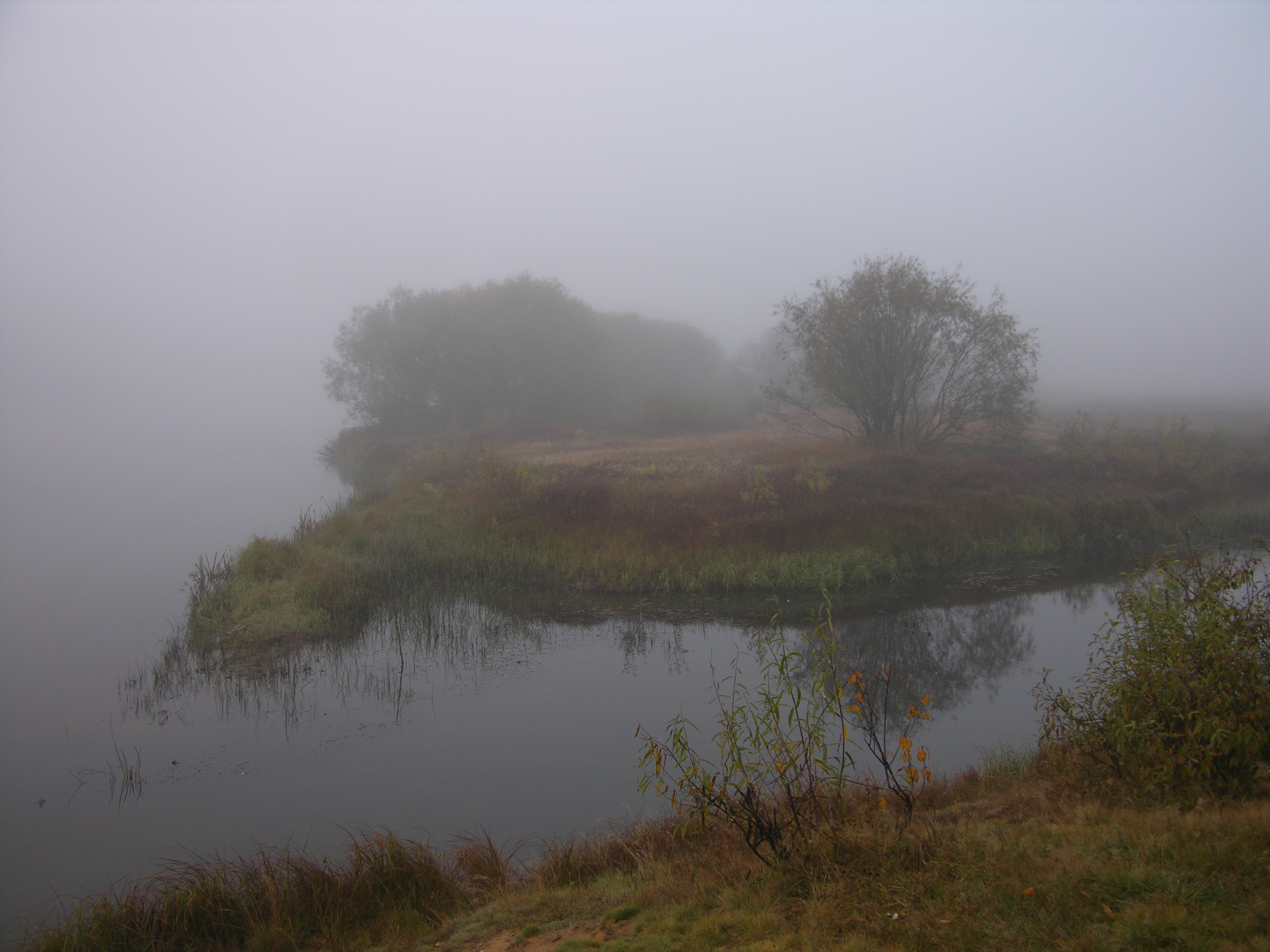
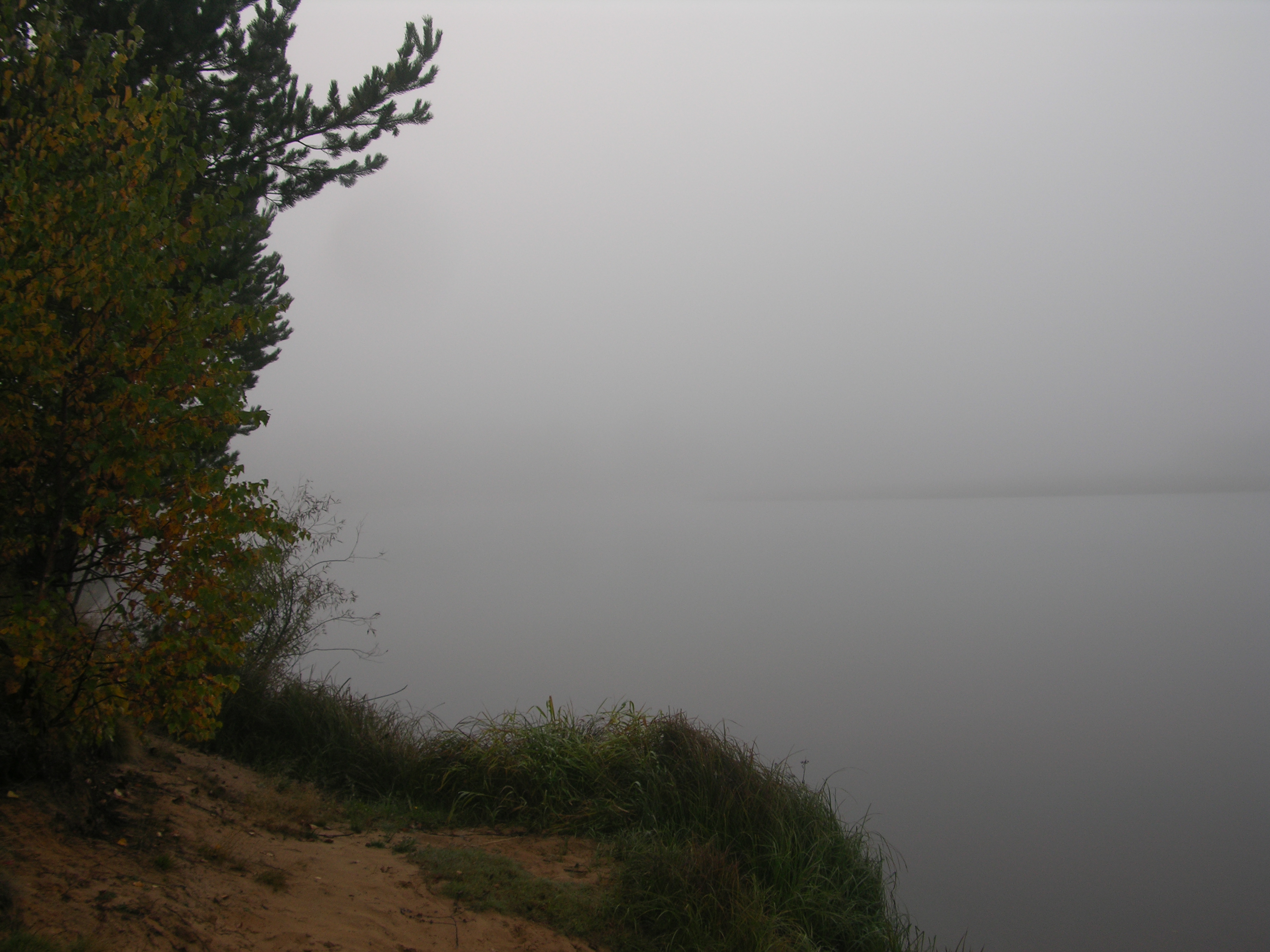
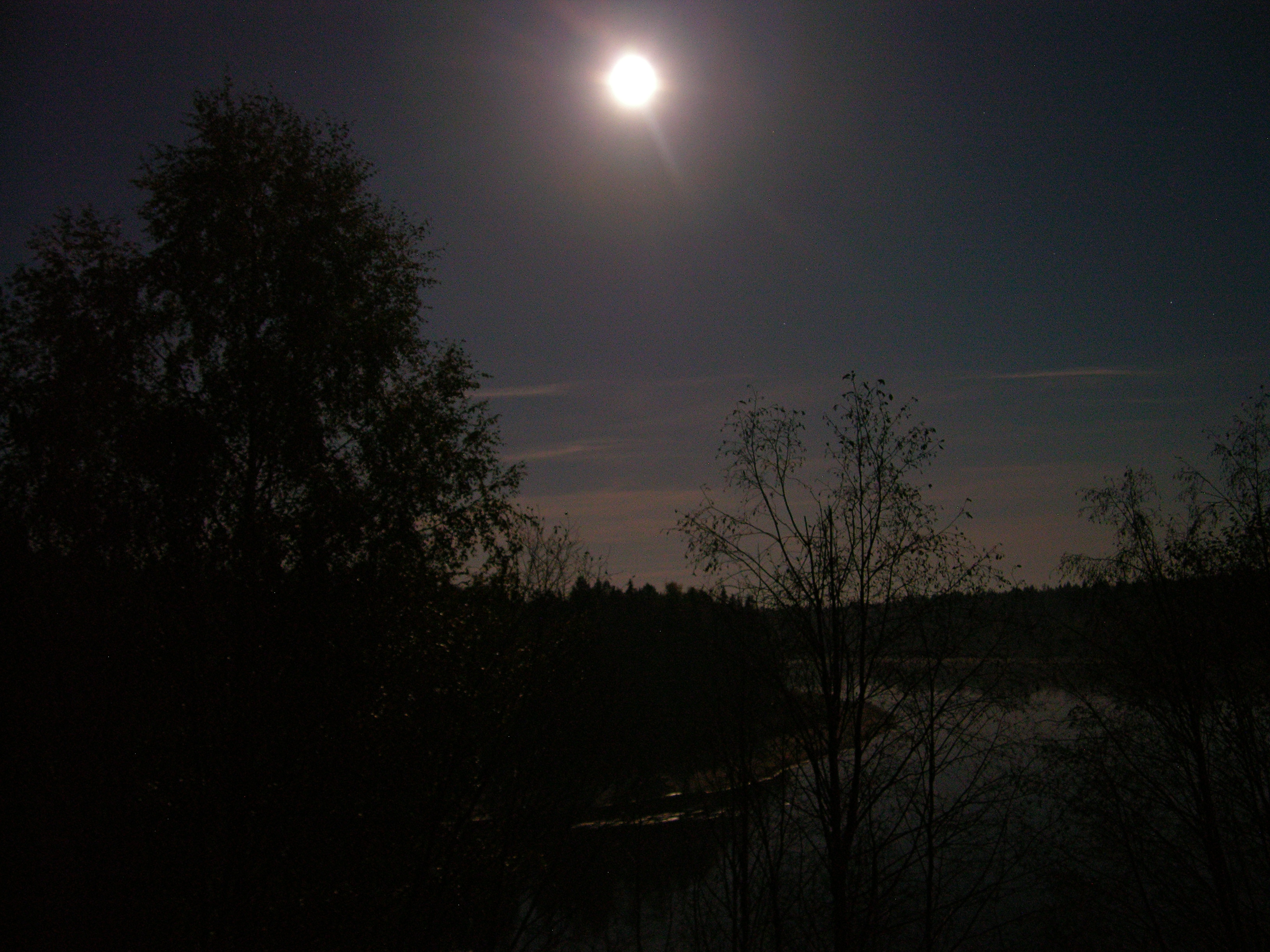
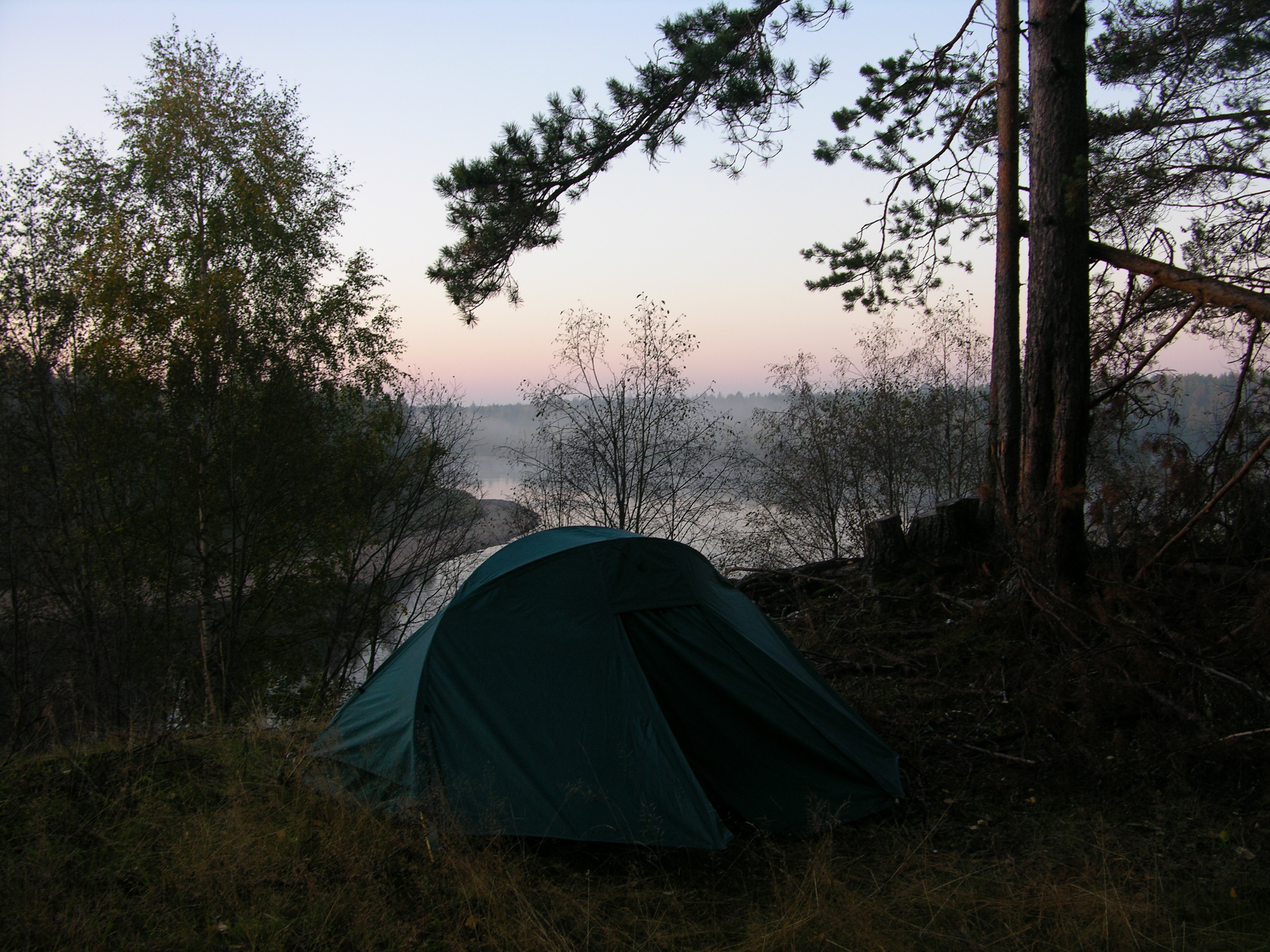
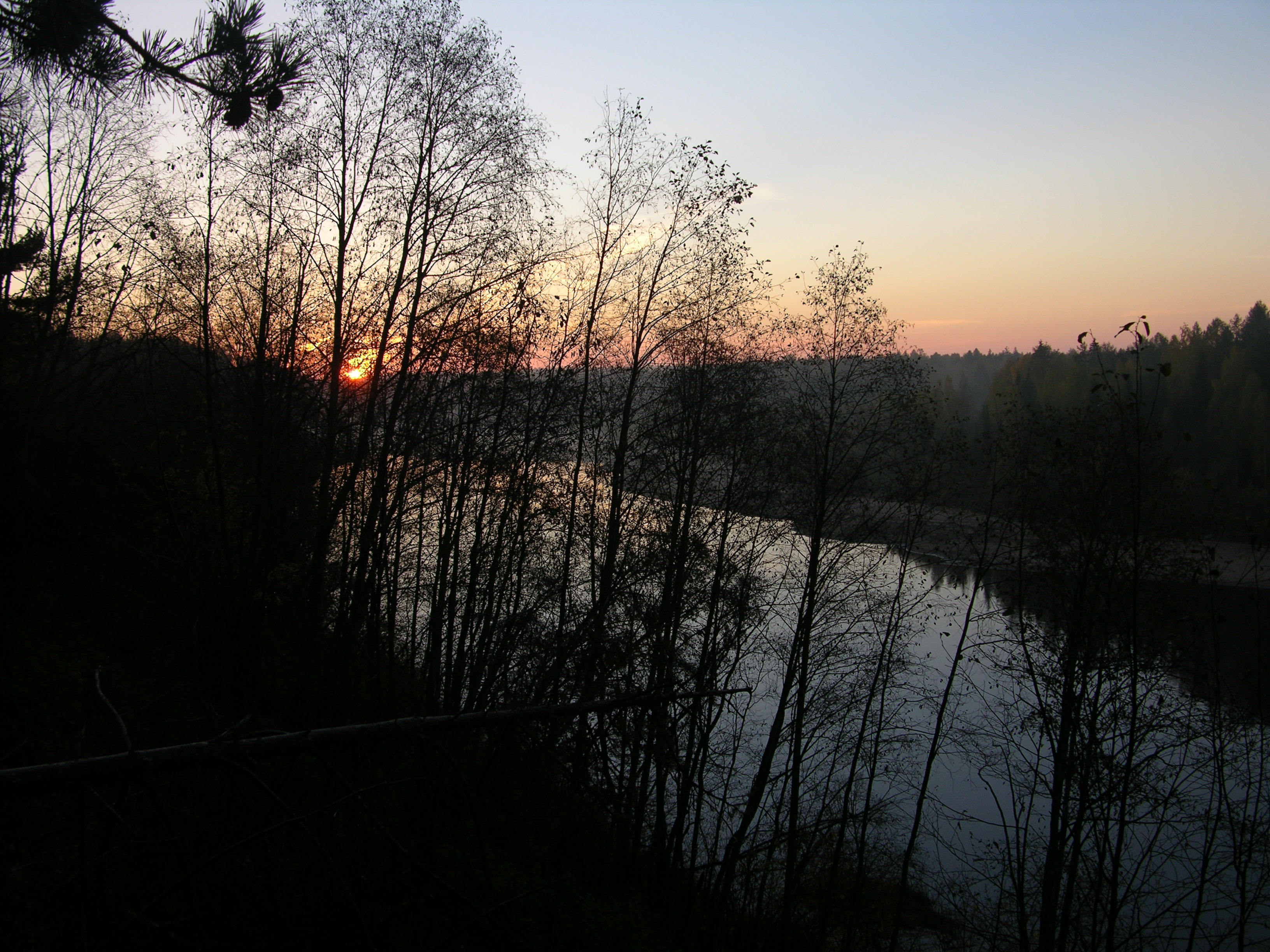
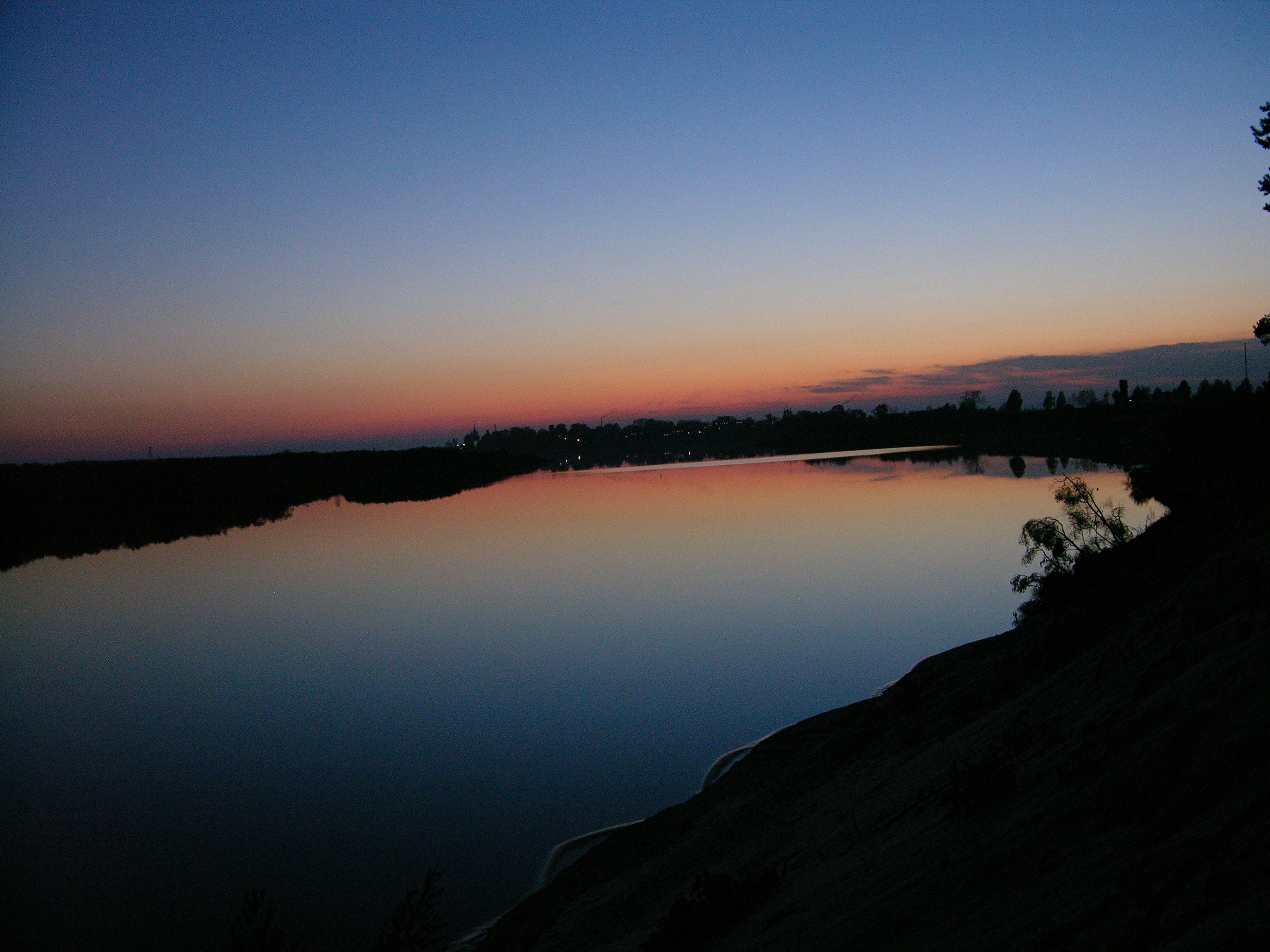
I camped on the bank of the Vaga River downstream of Velsk, by a high bluff at 61°12.982′N, 42°21.084′E. In the morning I carried on north to the confluence of the Vaga and the Northern Dvina, then turned onto the road along the Dvina to Kotlas. It turned out to be a badly rutted dirt road. At times I thought I’d lost my way, or, if I hadn’t, that there was no getting through. It was a long drive, but I reached Kotlas in time.
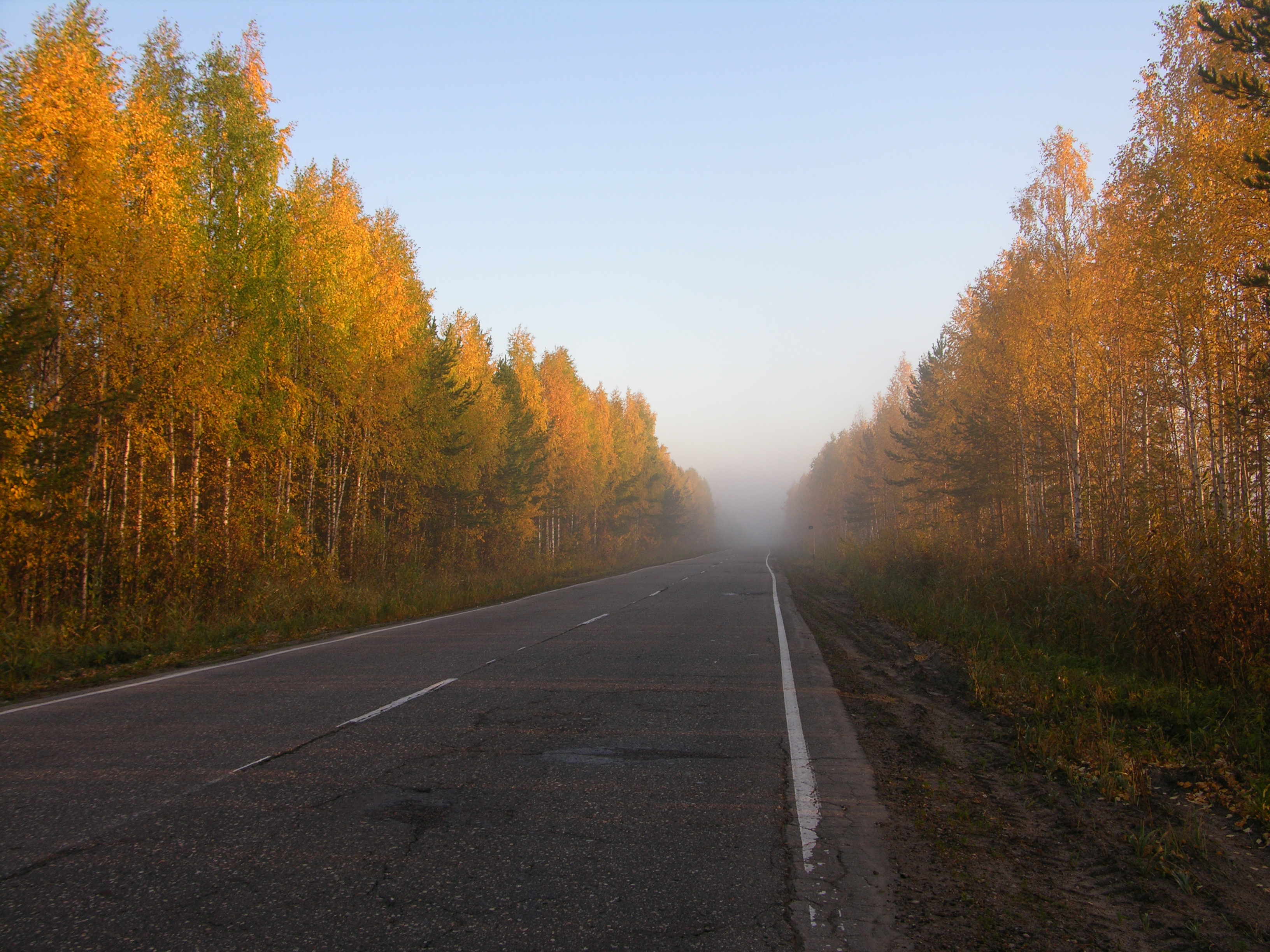
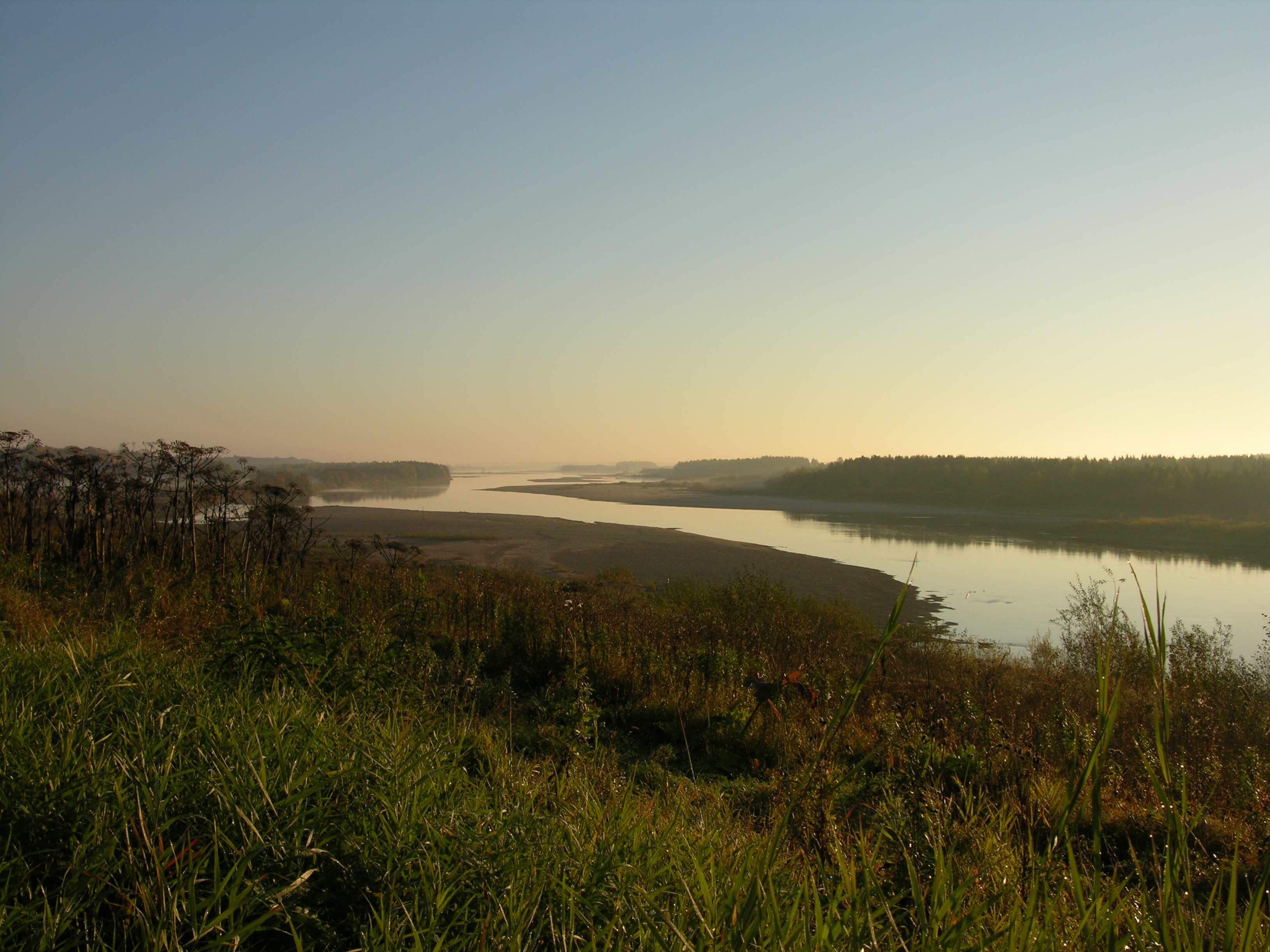
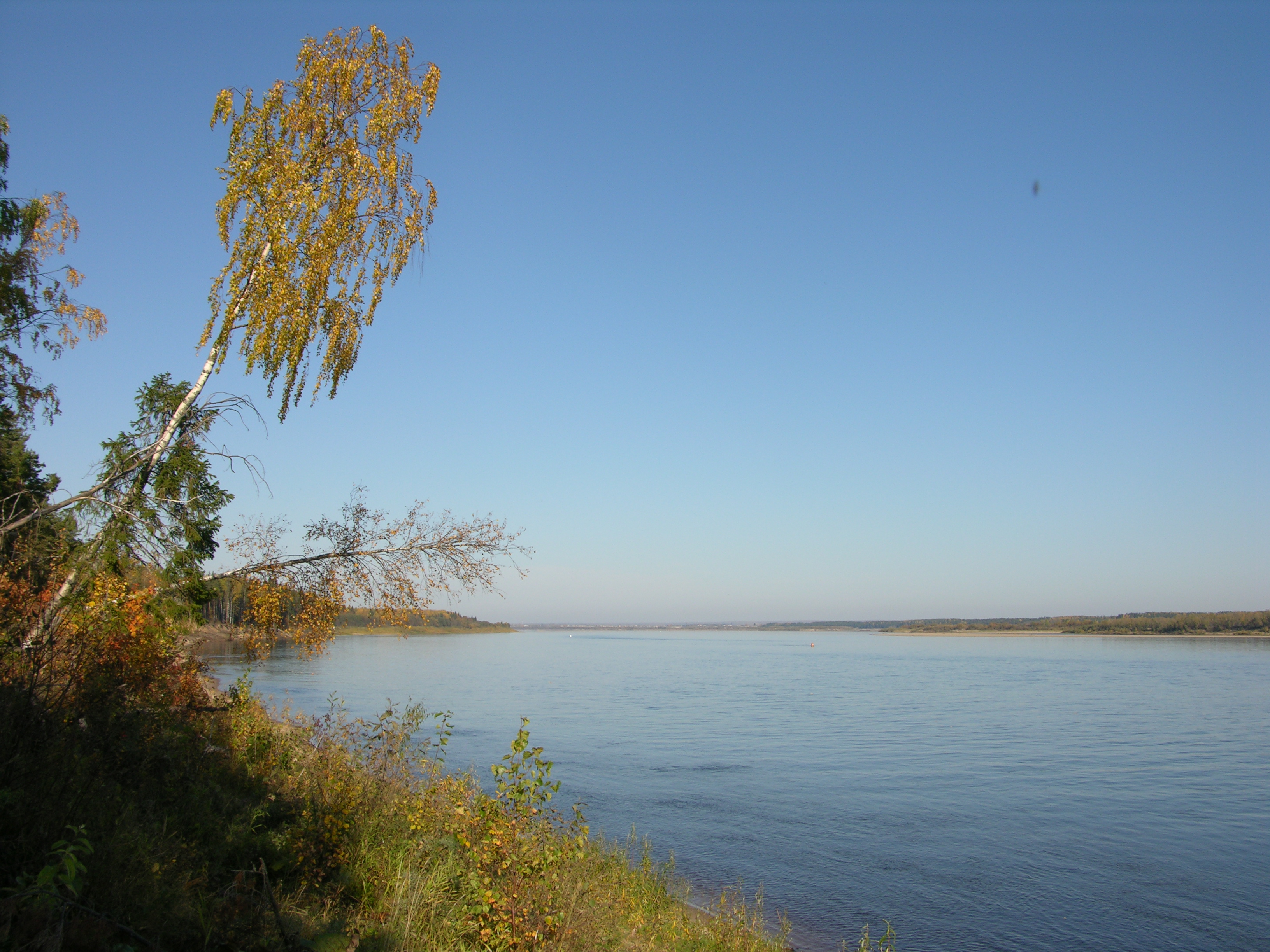
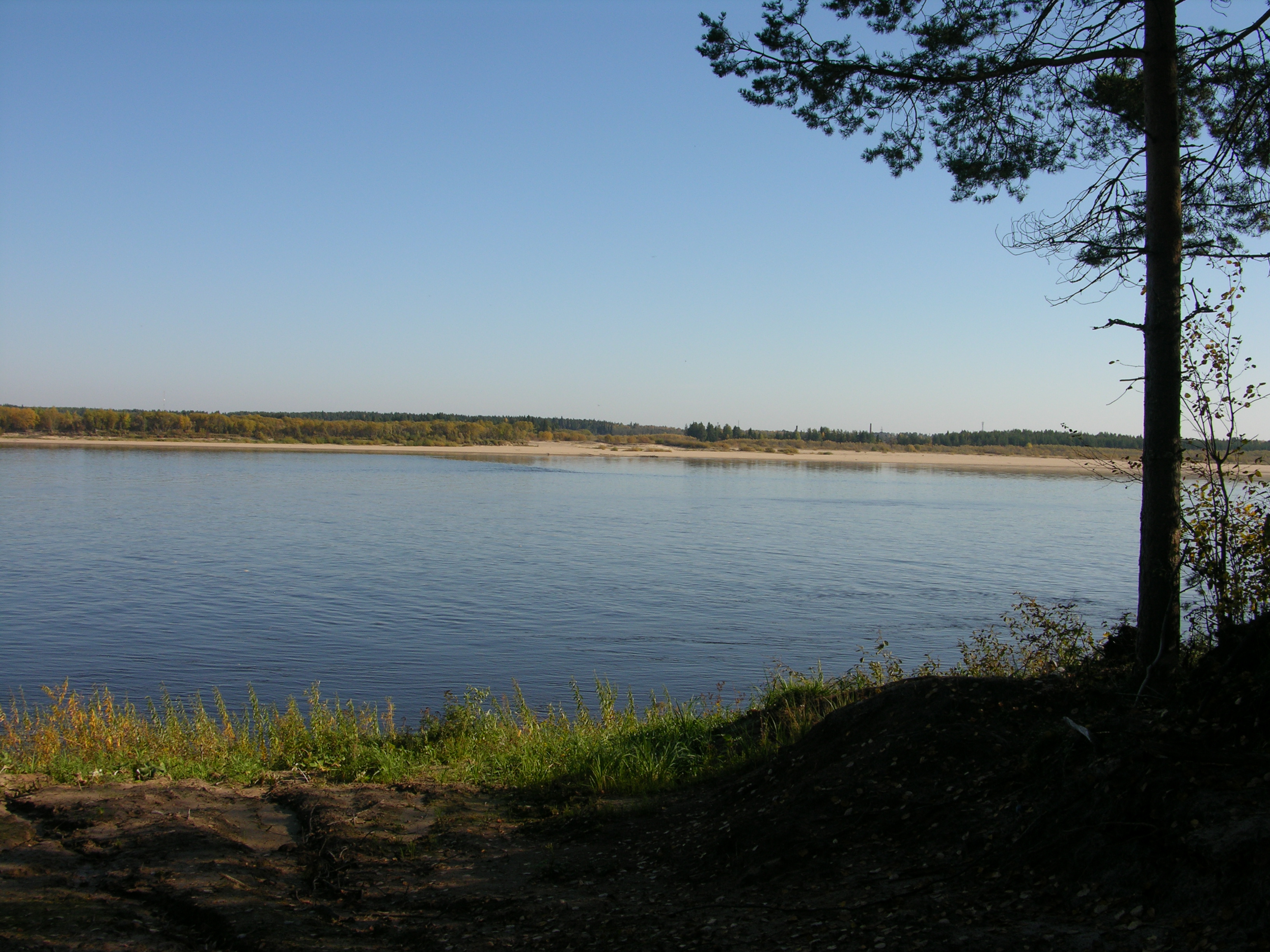
Before evening I managed to deliver the equipment to the isolated railway station of Udimsky and to the Vychegodsky base station not far from Kotlas.
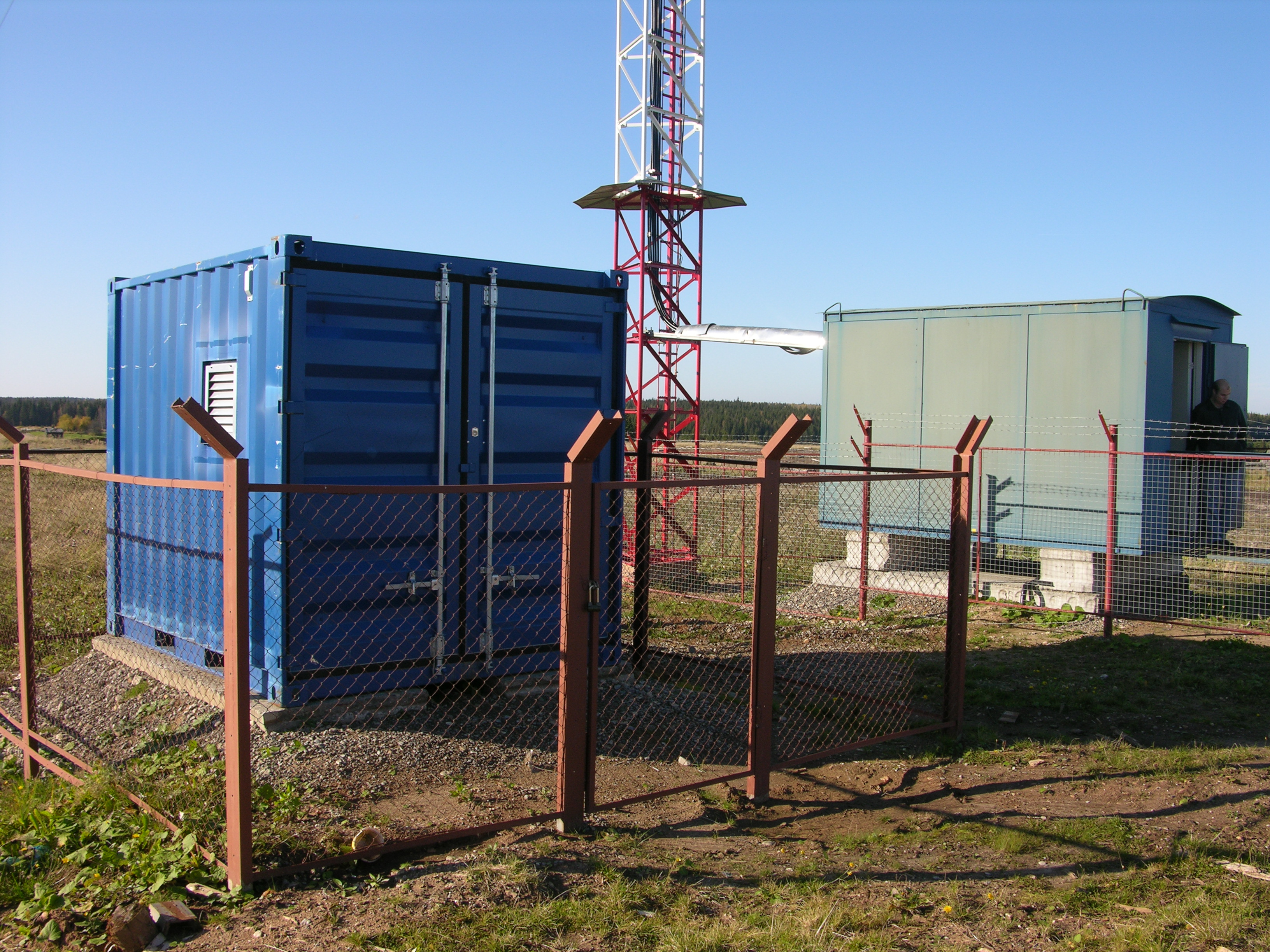
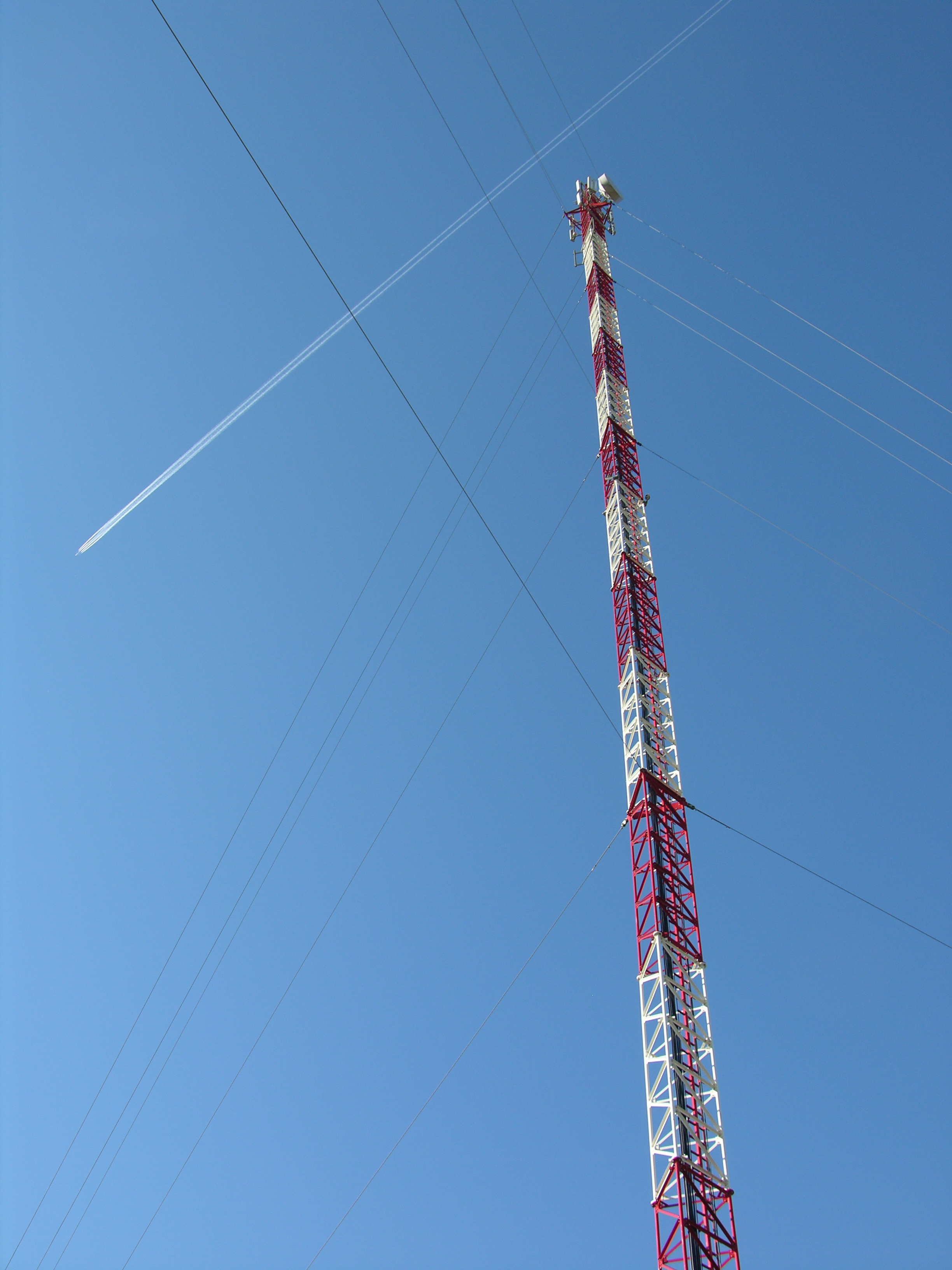
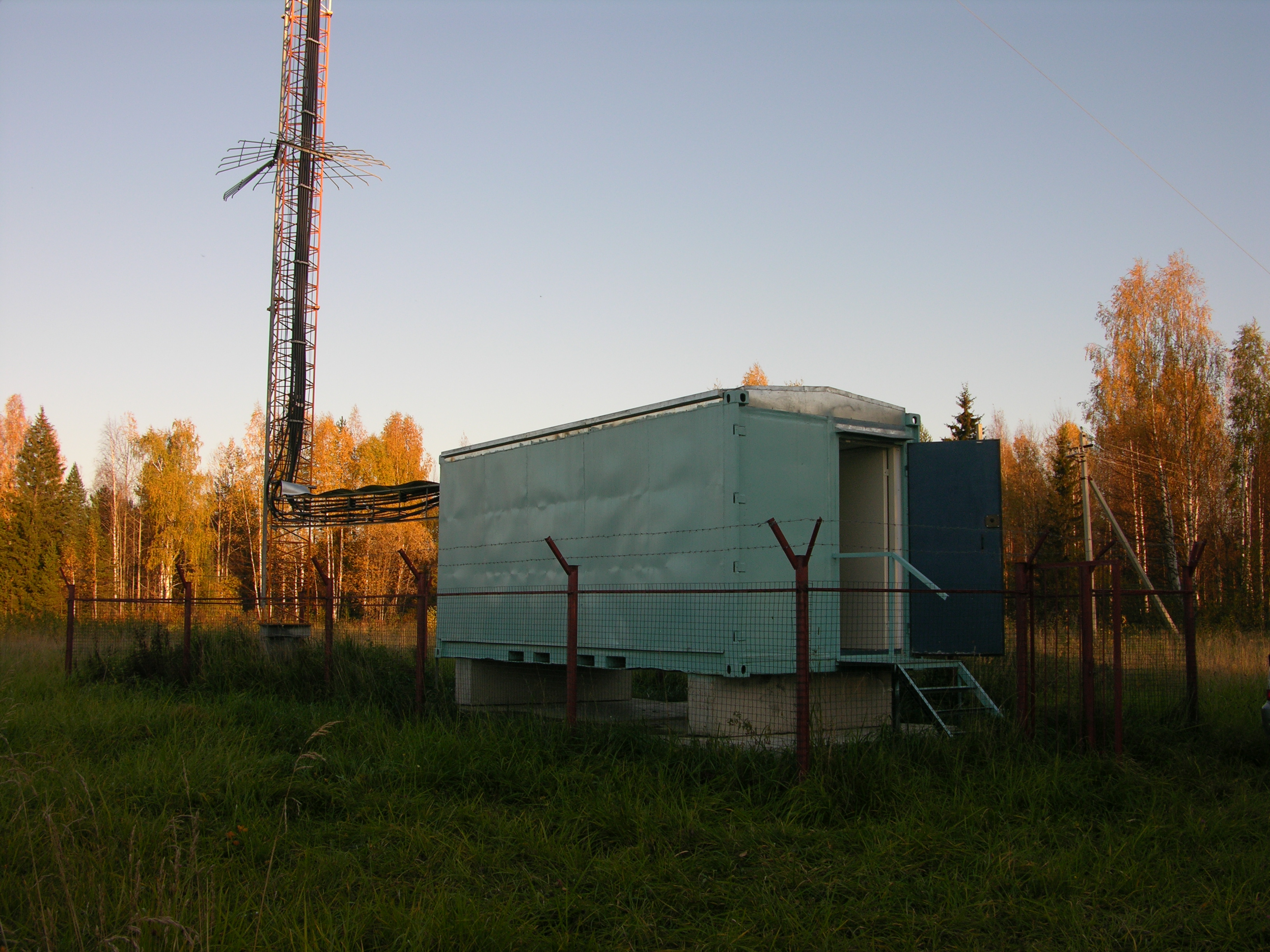
That was the work part of the trip over.
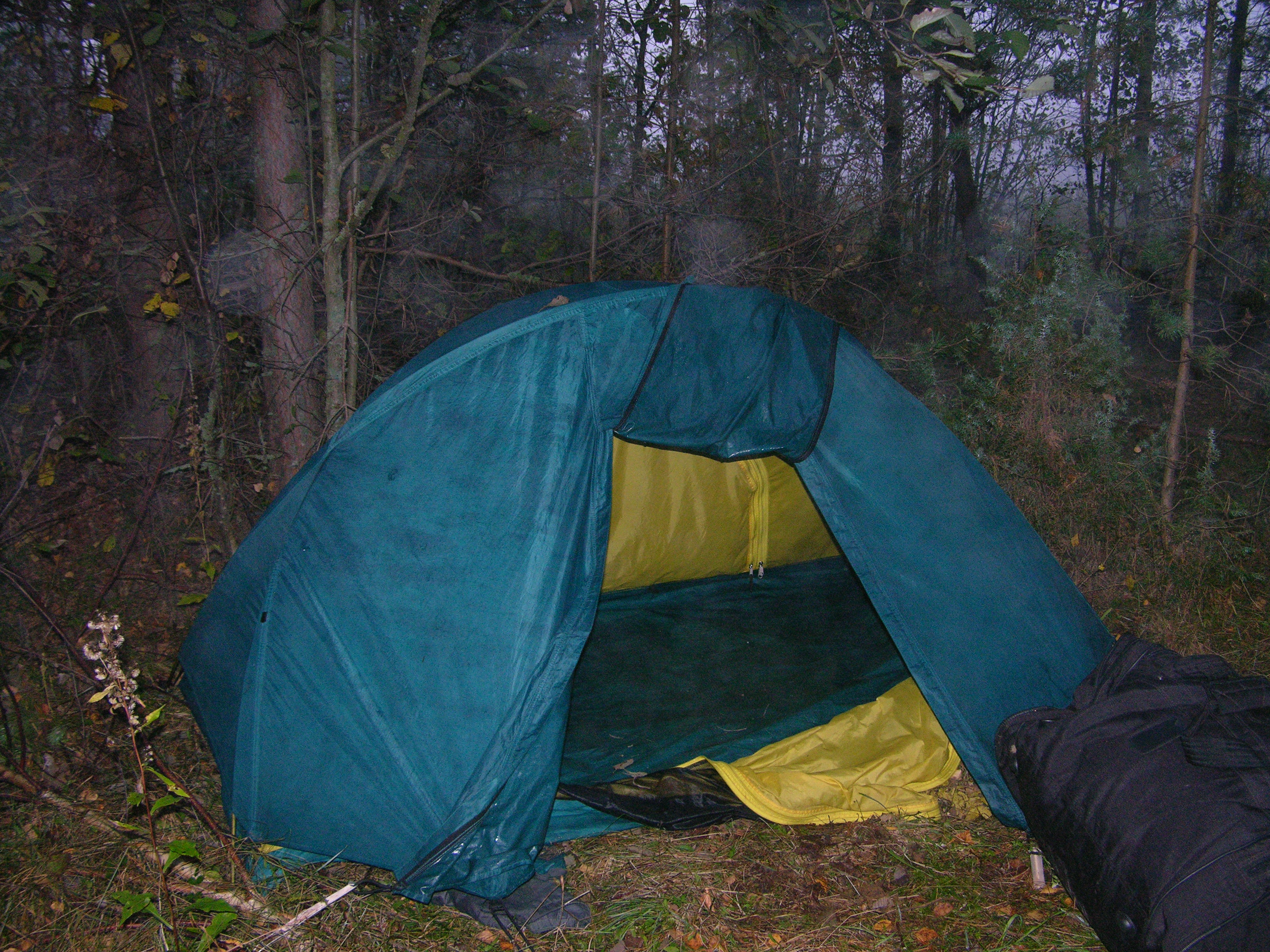
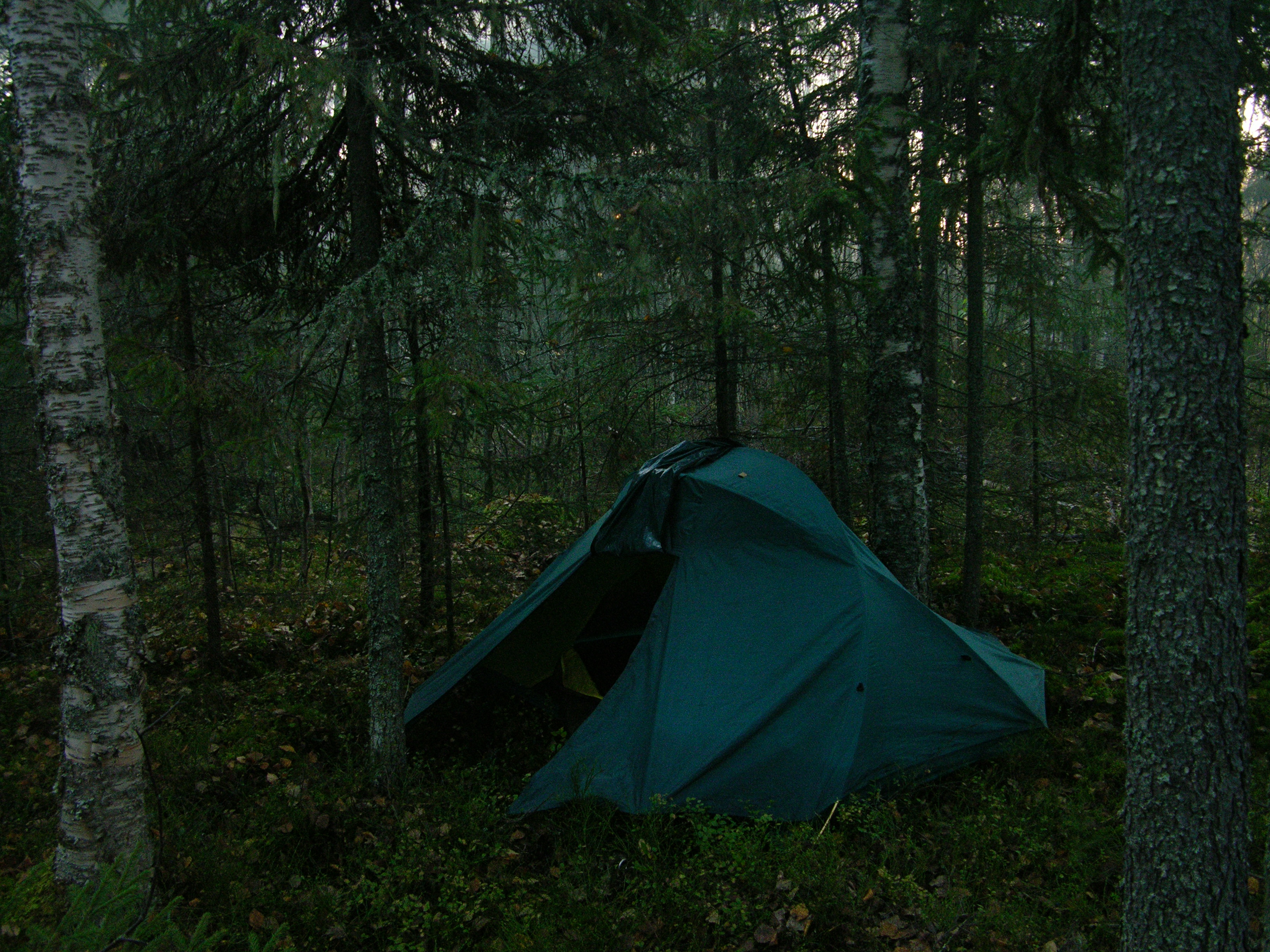
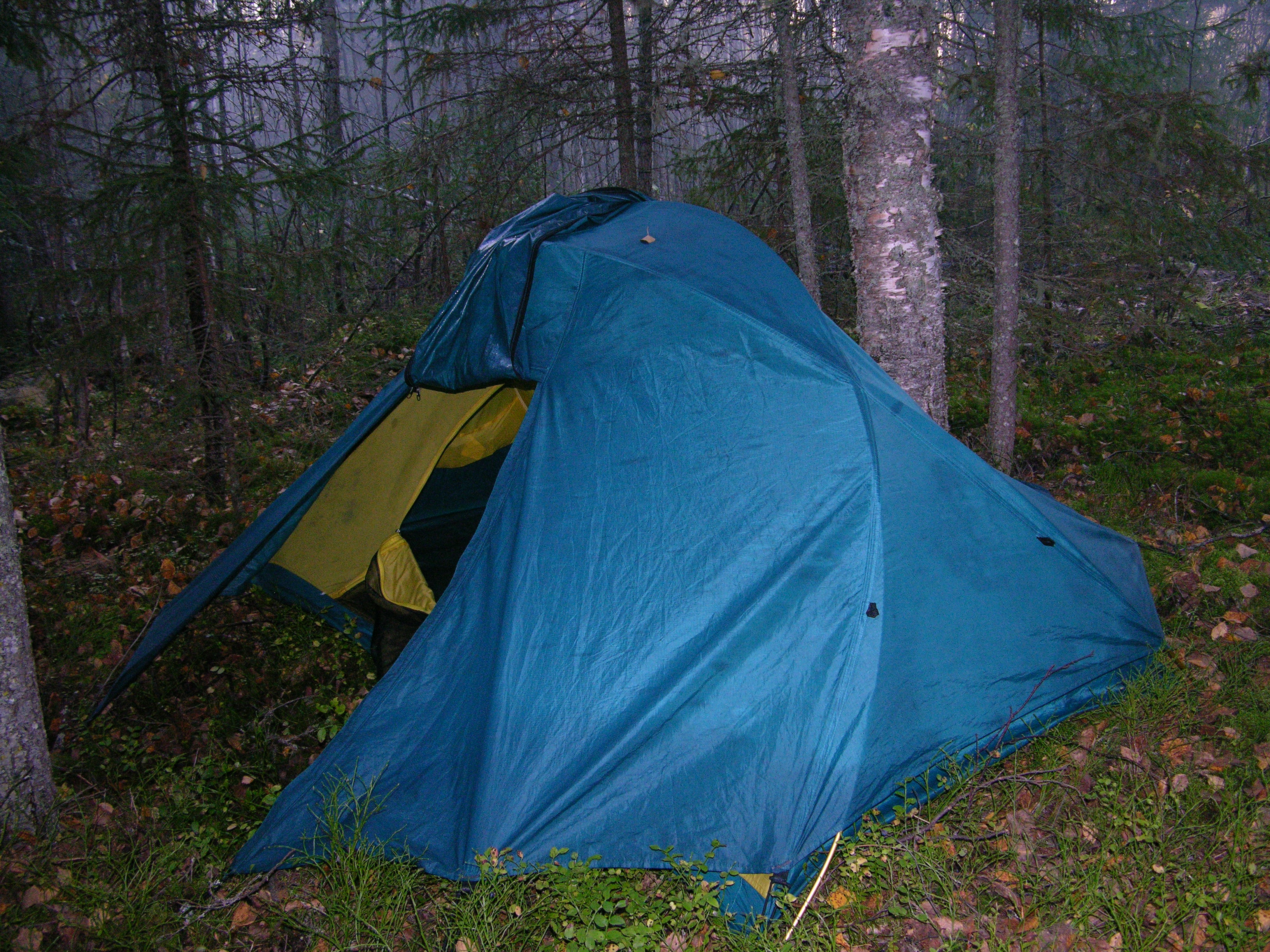
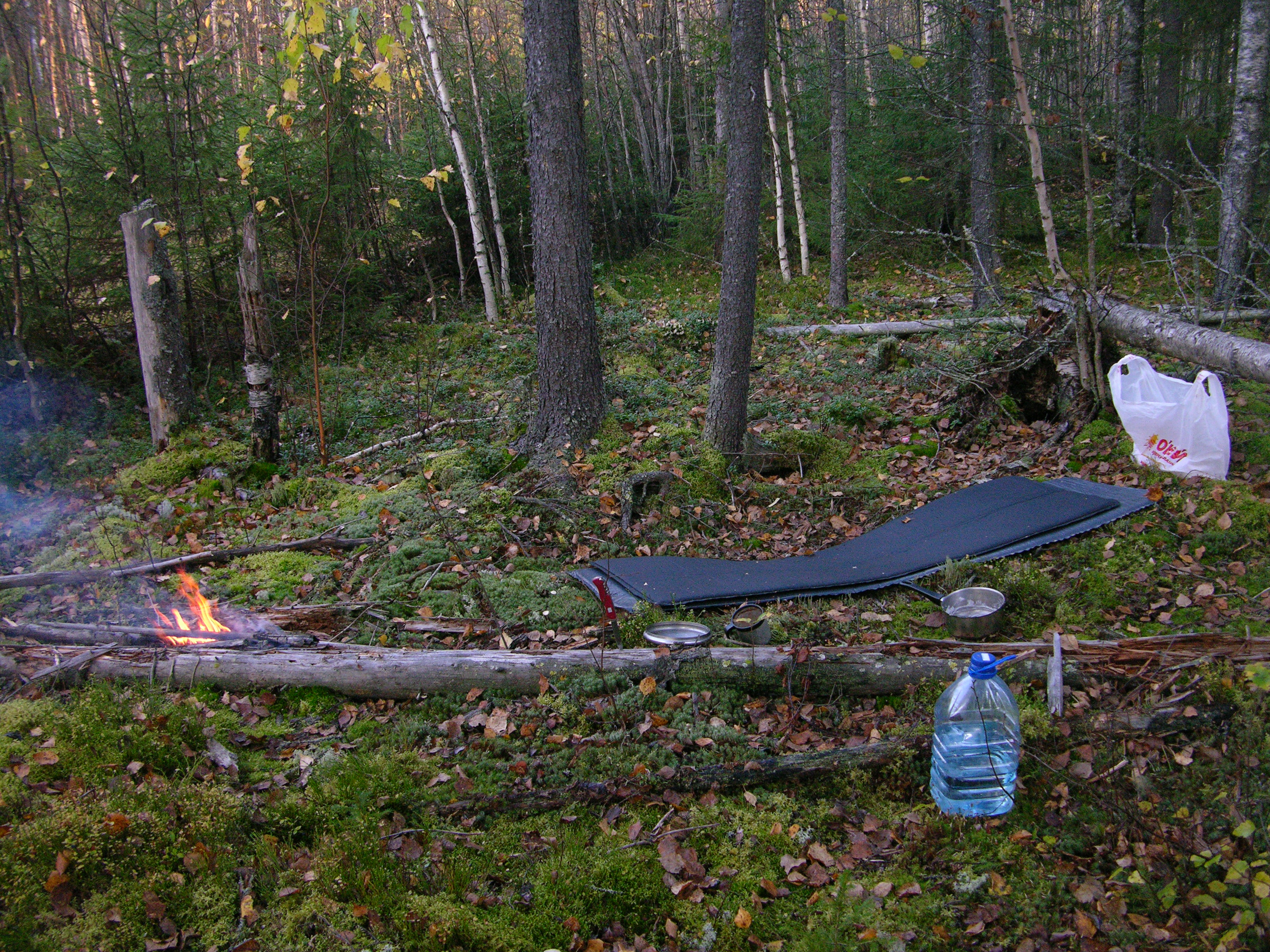
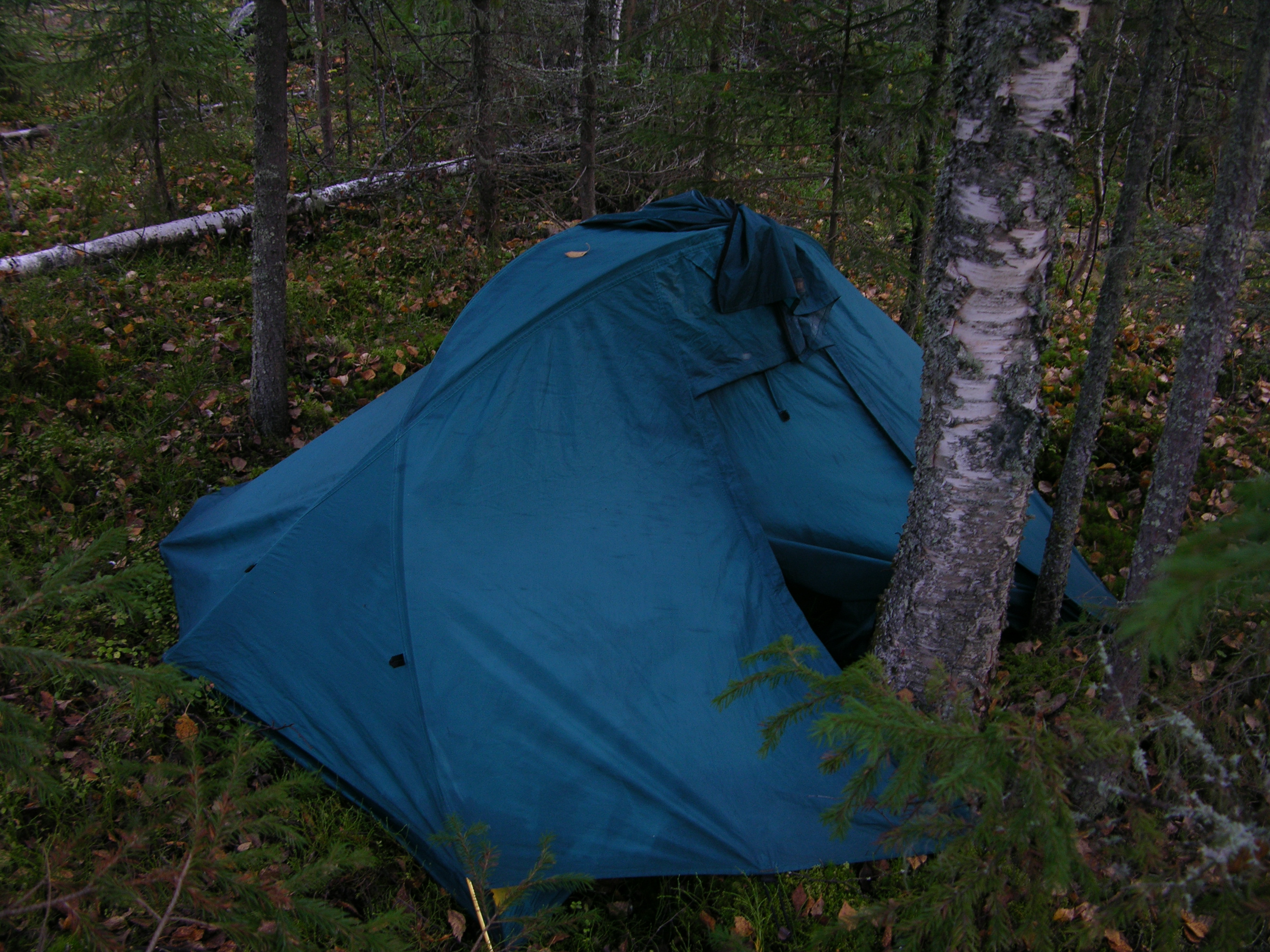
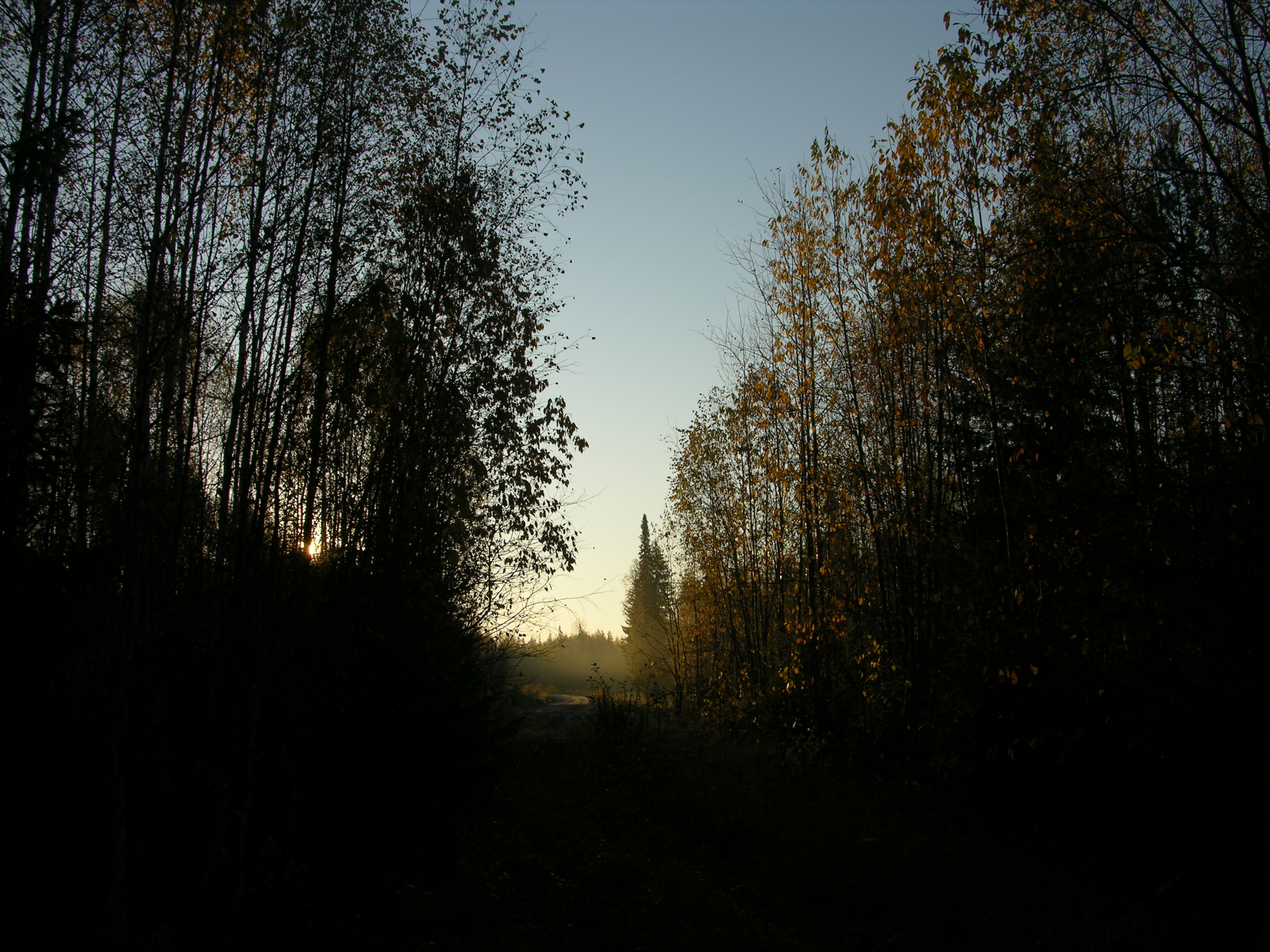
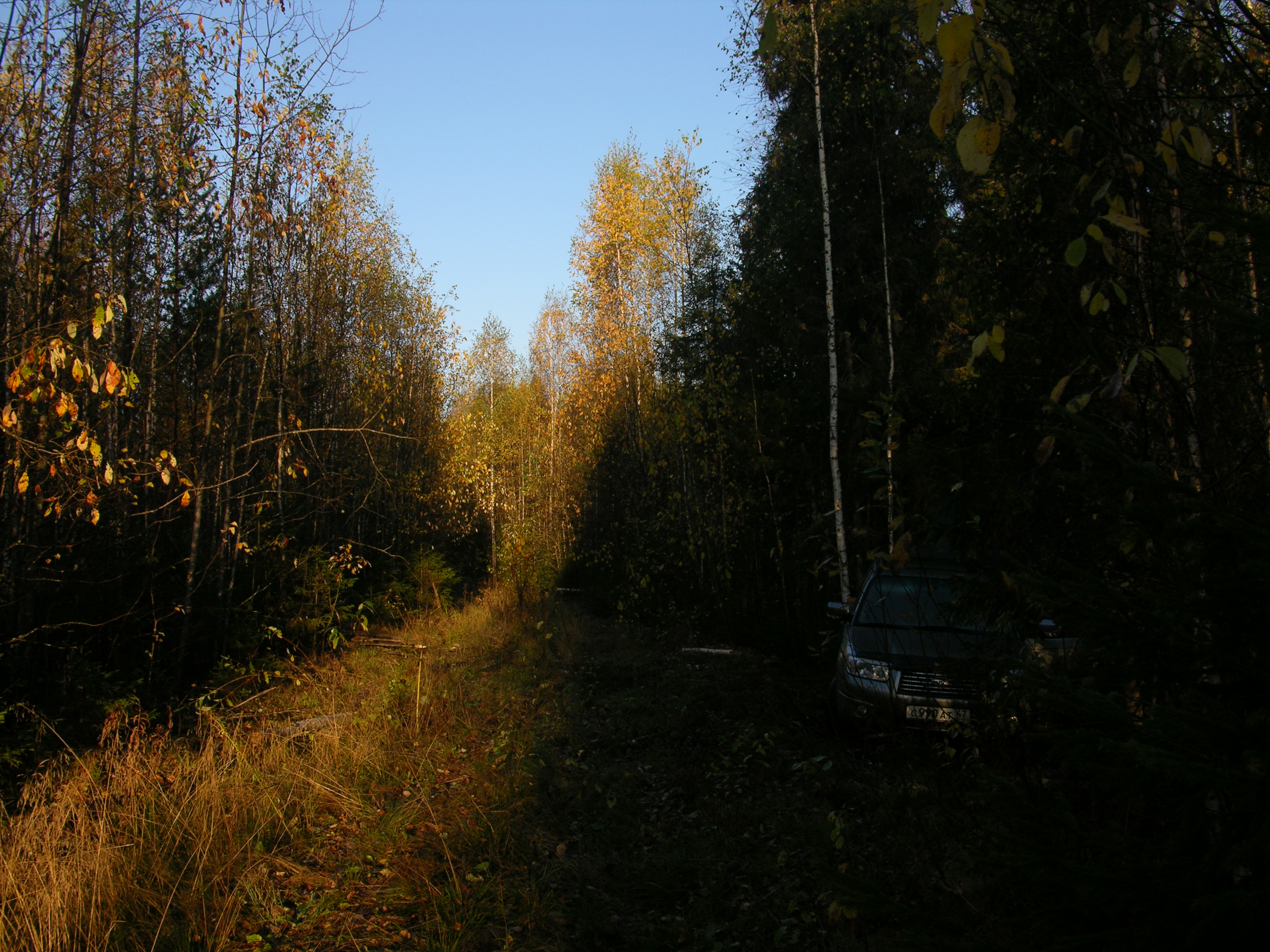
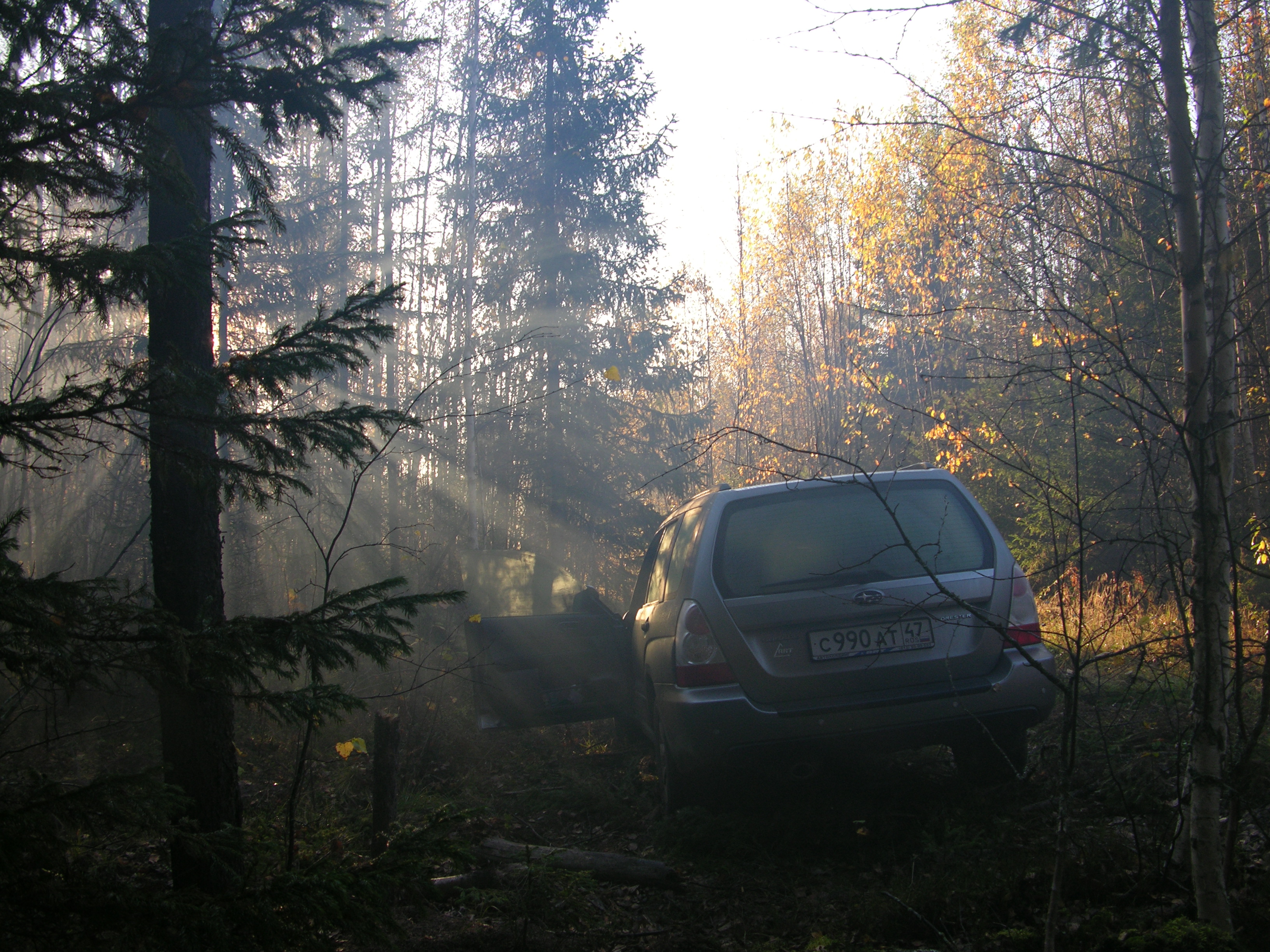
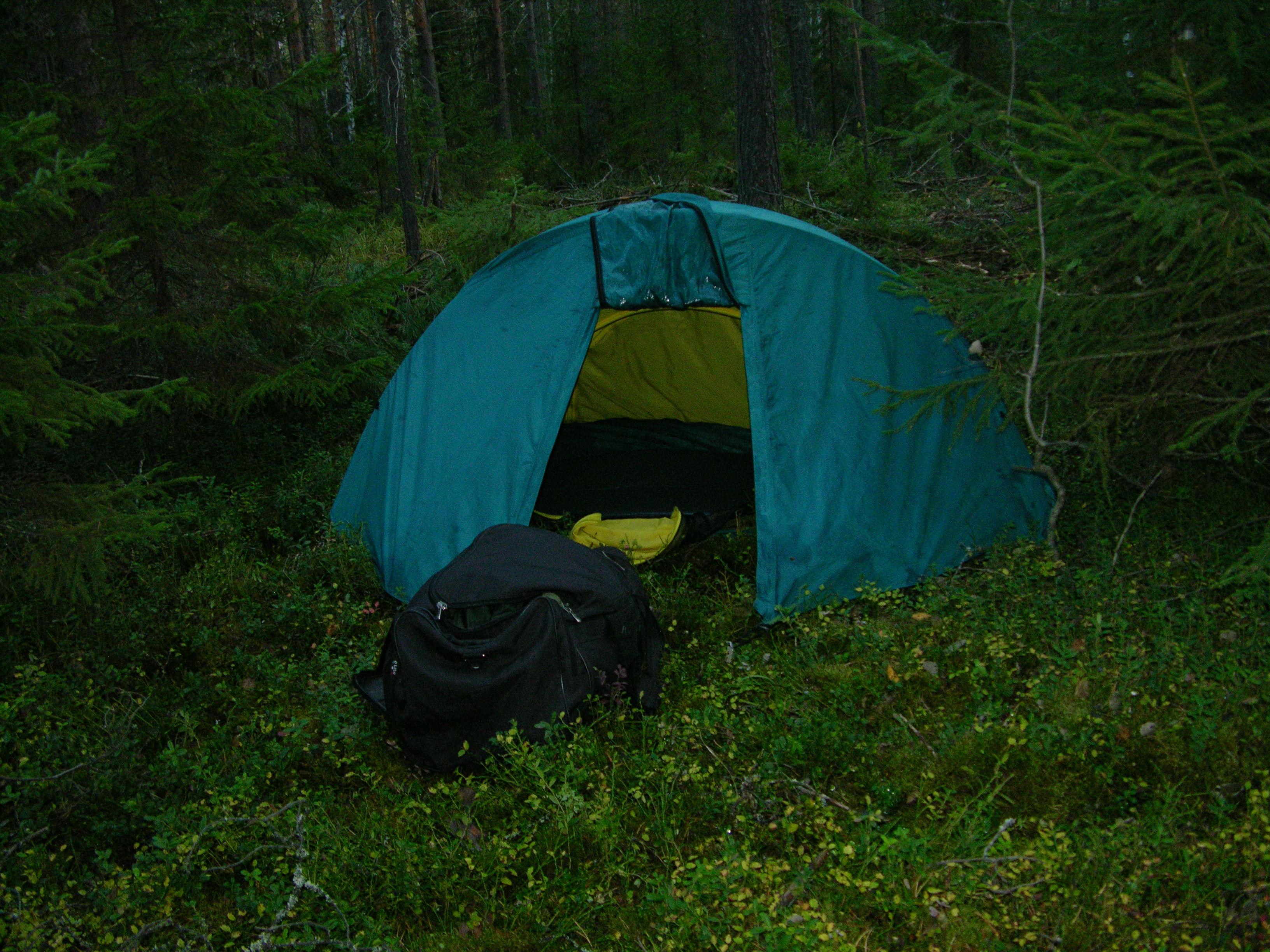
Instead of heading for Saint Petersburg, I drove east along the road to Kurbatovo in the Komi Republic. It had only recently been built and even had stretches of asphalt. I camped shortly after crossing into Komi. I found a good spot, with a soft, mossy patch for the tent near the village of Shiroky Priluk on the Velikaya Okhta River, at 61°00.269′N, 48°59.982′E. After a clear, cold night, the autumn woodland looked magnificent in the mist.
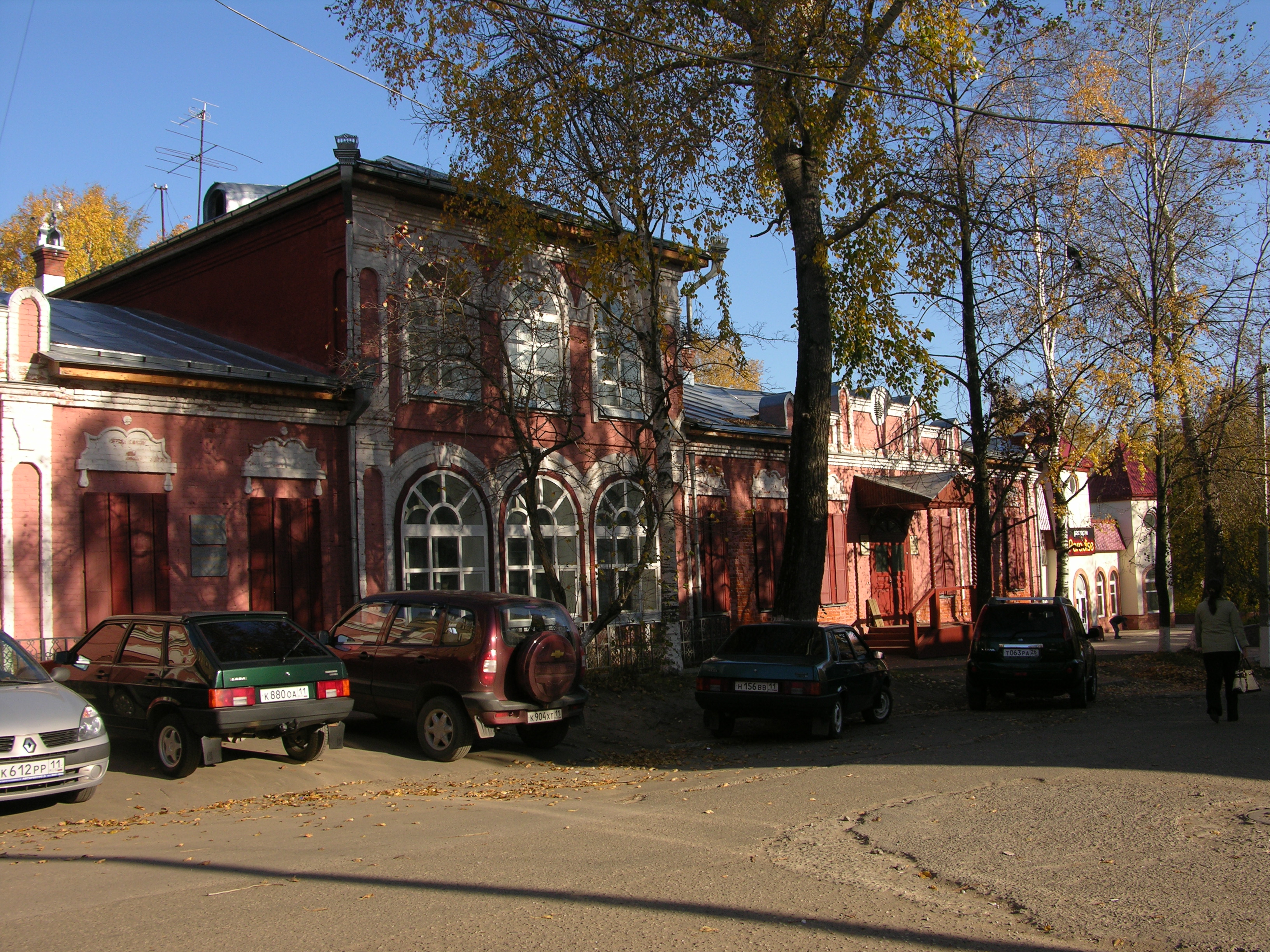
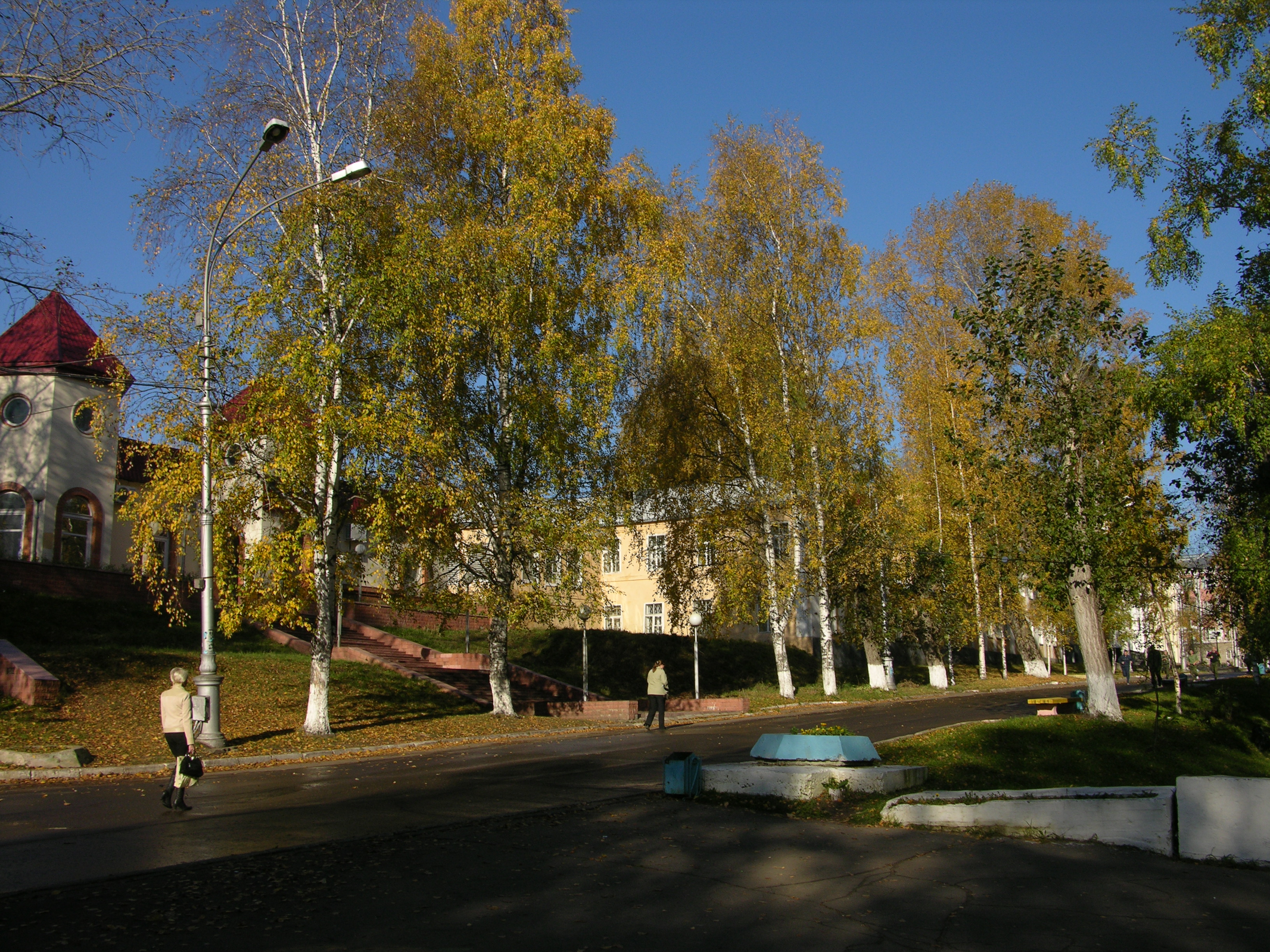
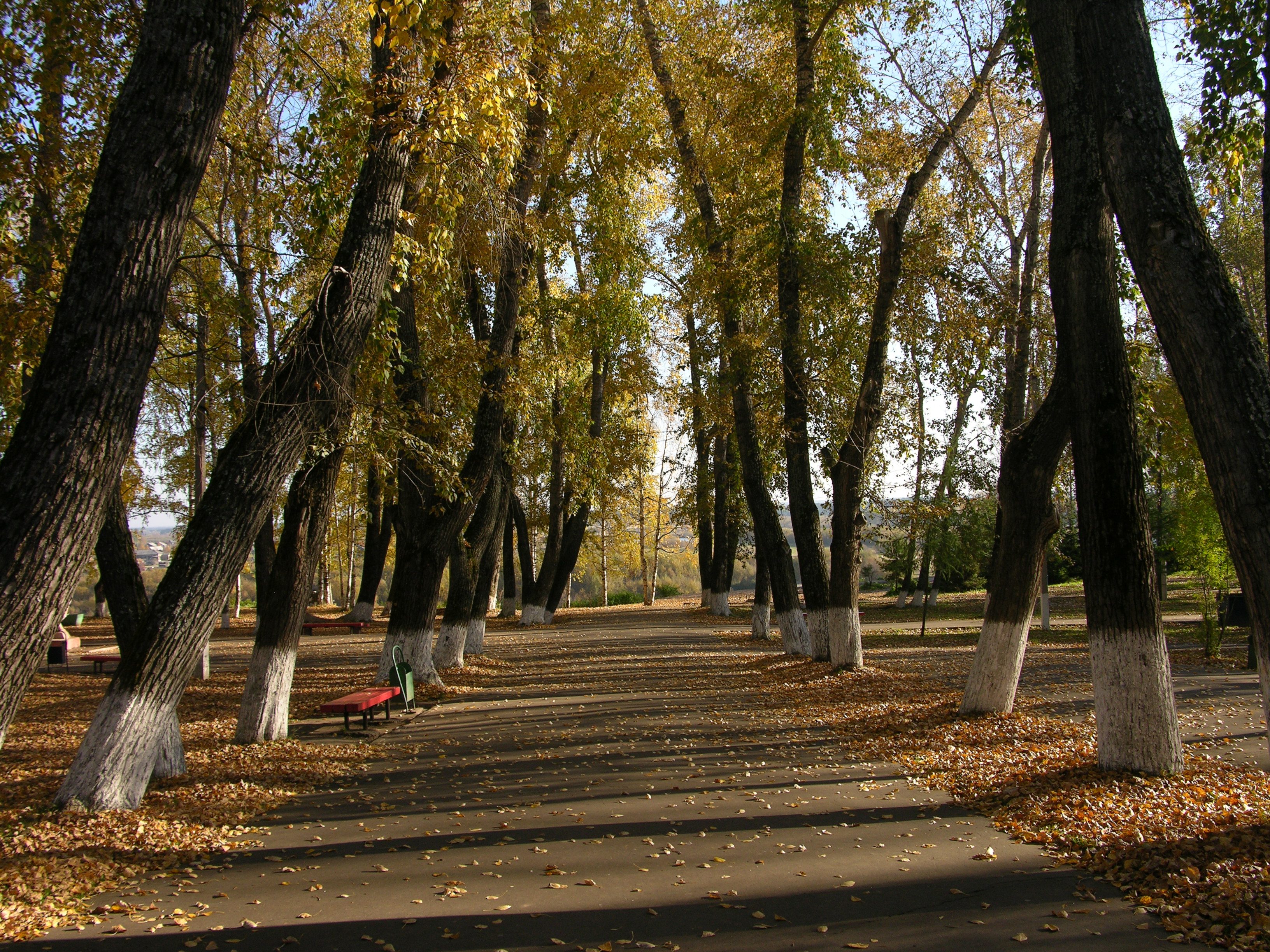
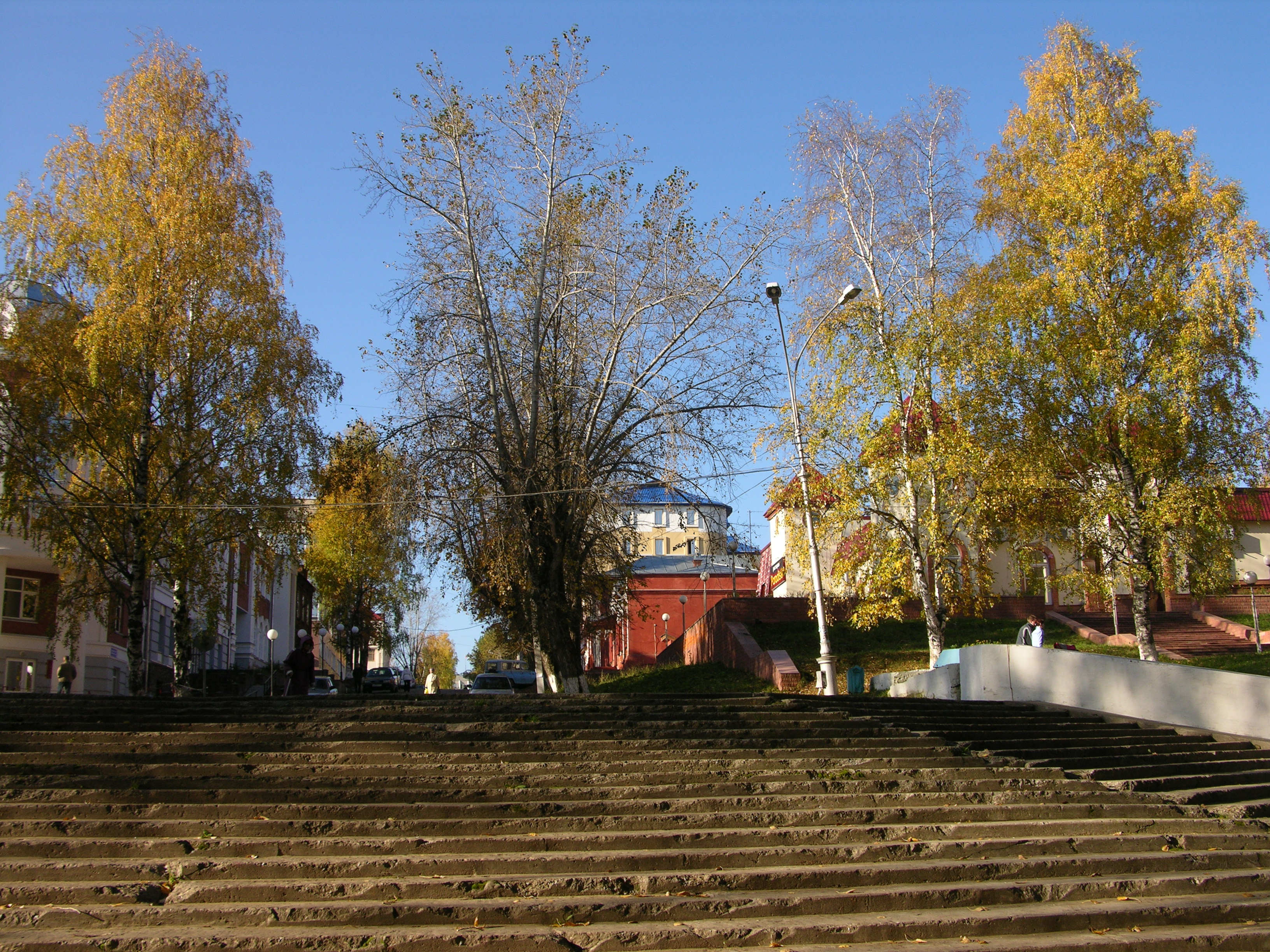
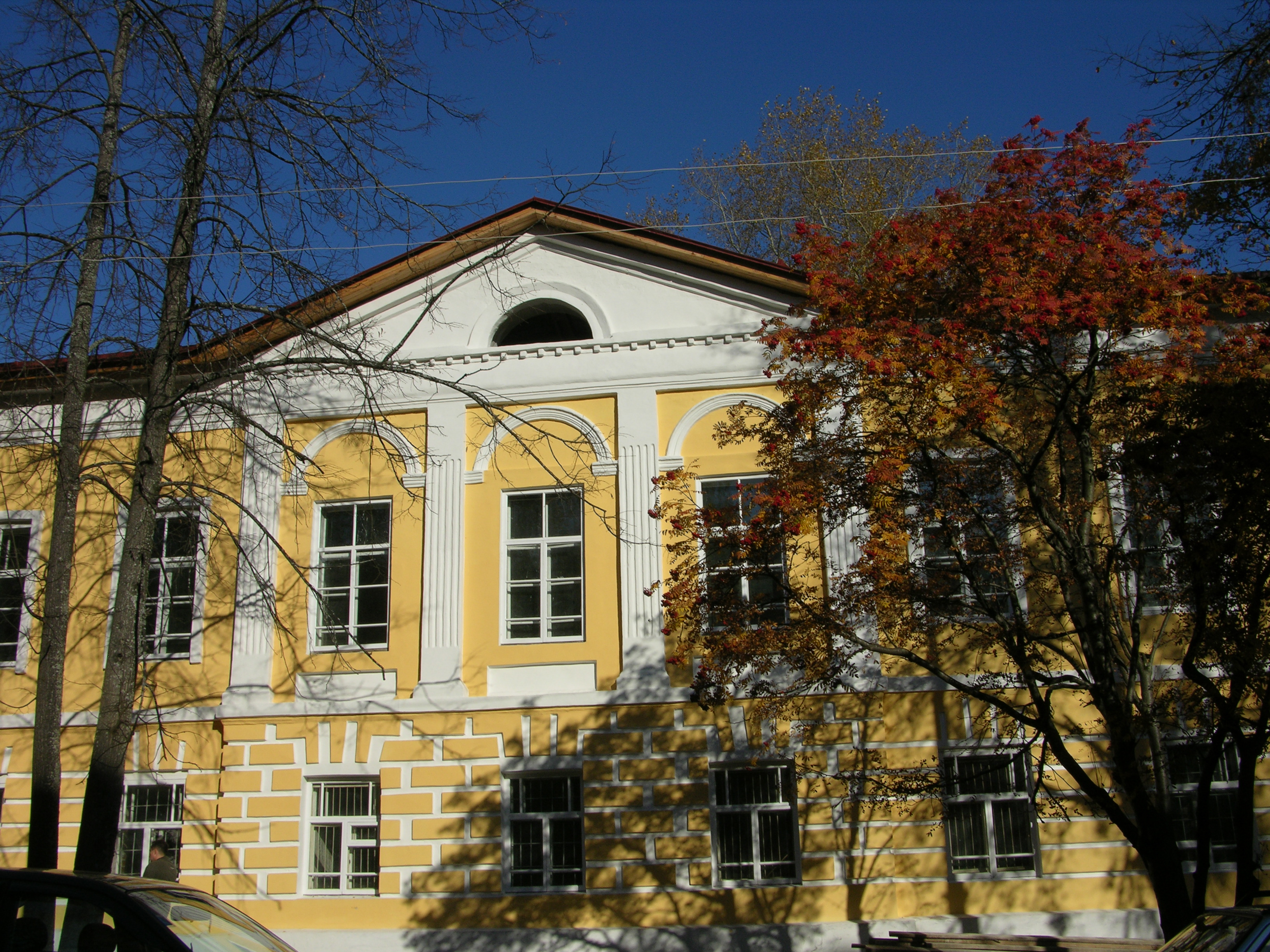
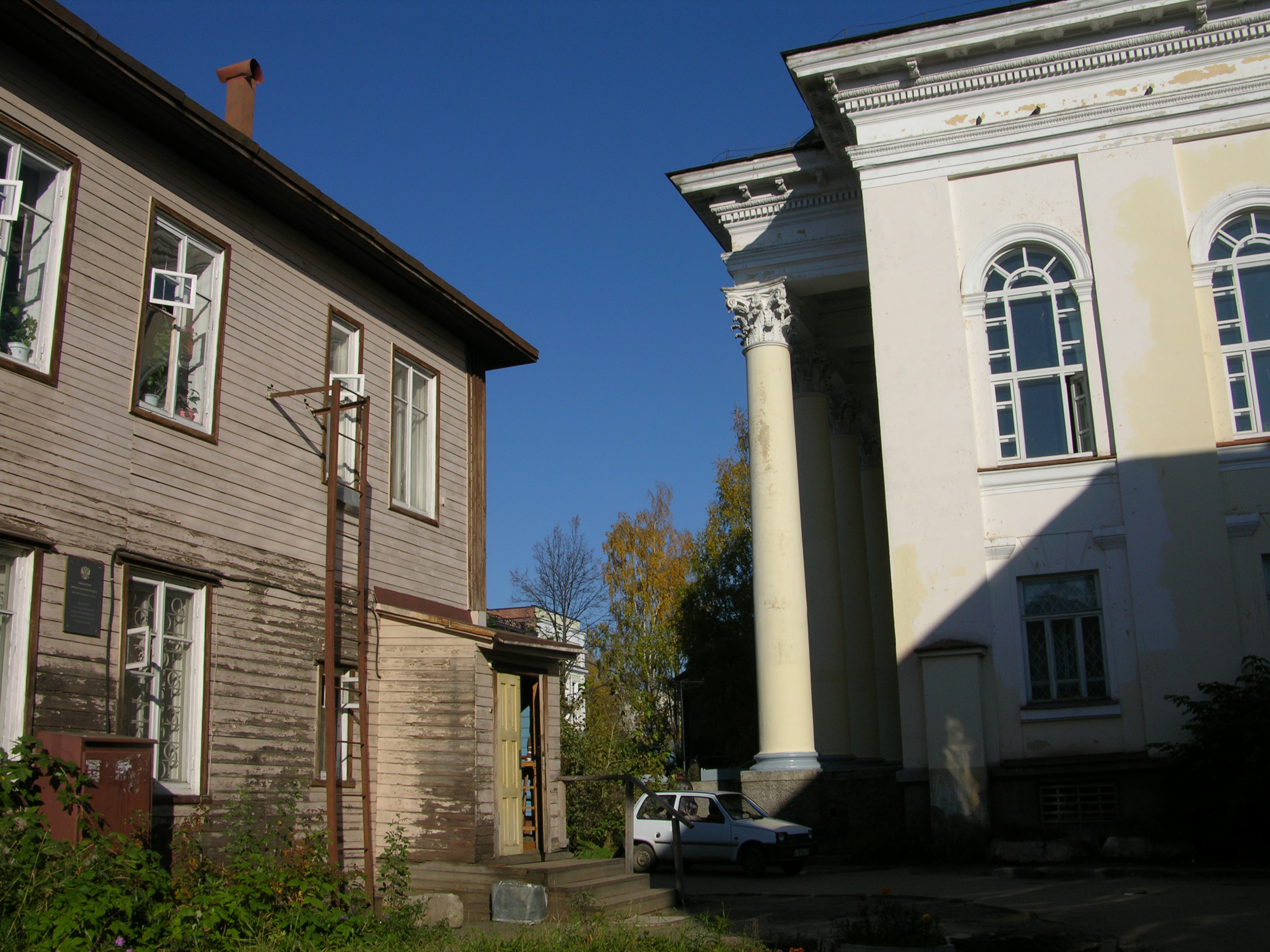
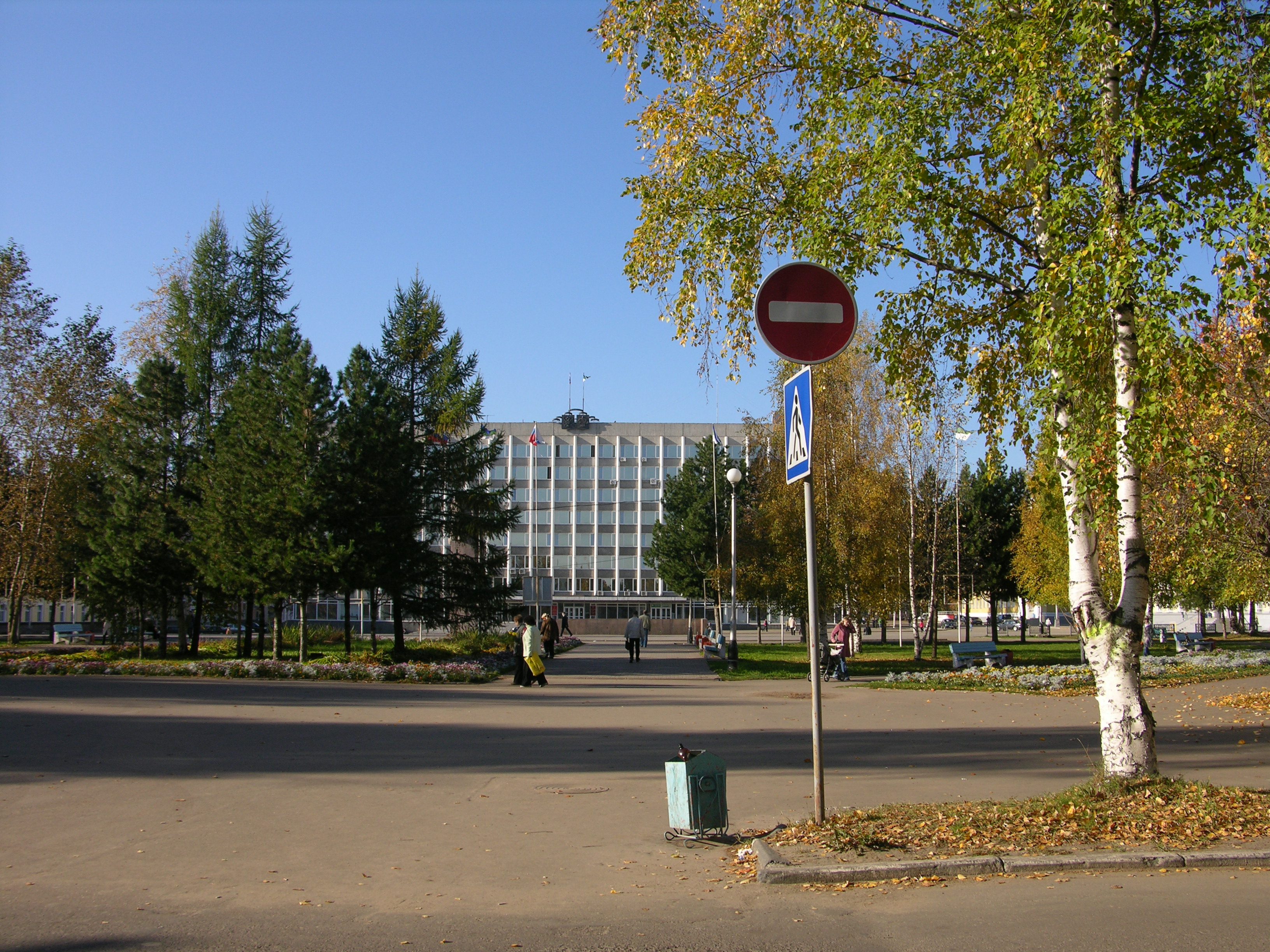
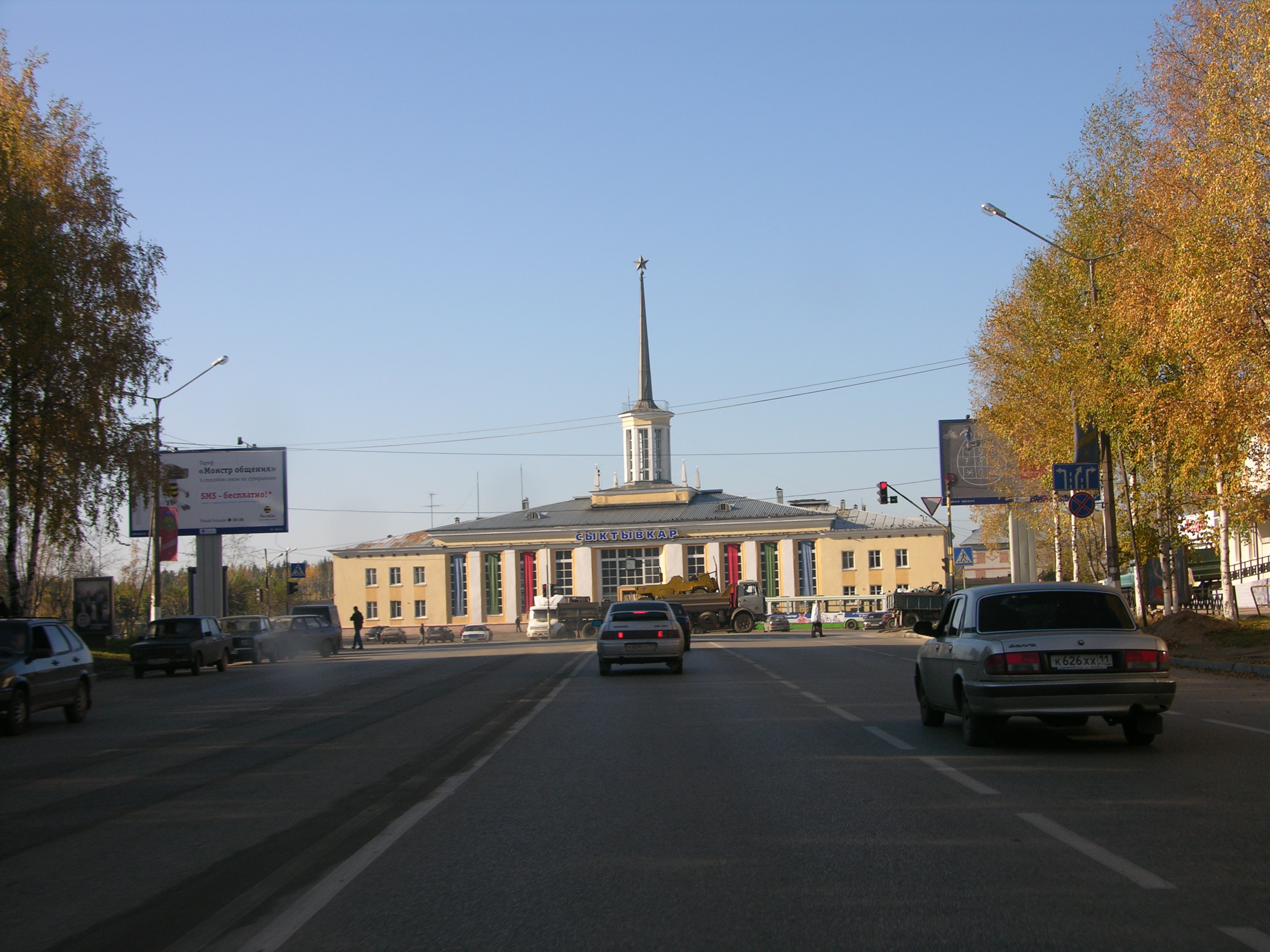
It turned out just as sunny for my walk around Syktyvkar. The city doesn’t have any remarkable sights, but it looks quite well looked after, better than a lot of provincial capitals nearer Moscow. The Sysola River and the parks along its banks are beautiful, especially in such a bright autumn.
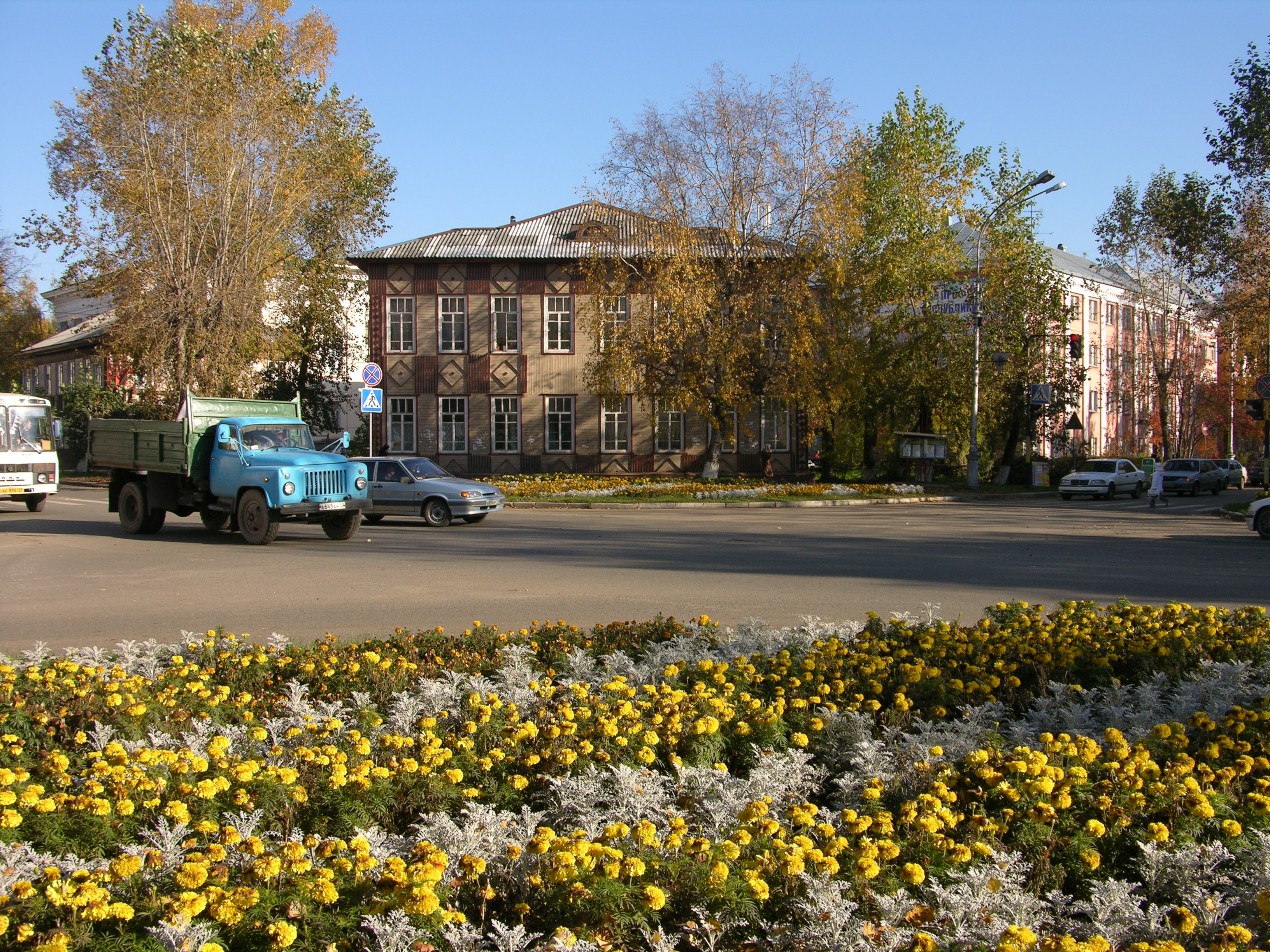
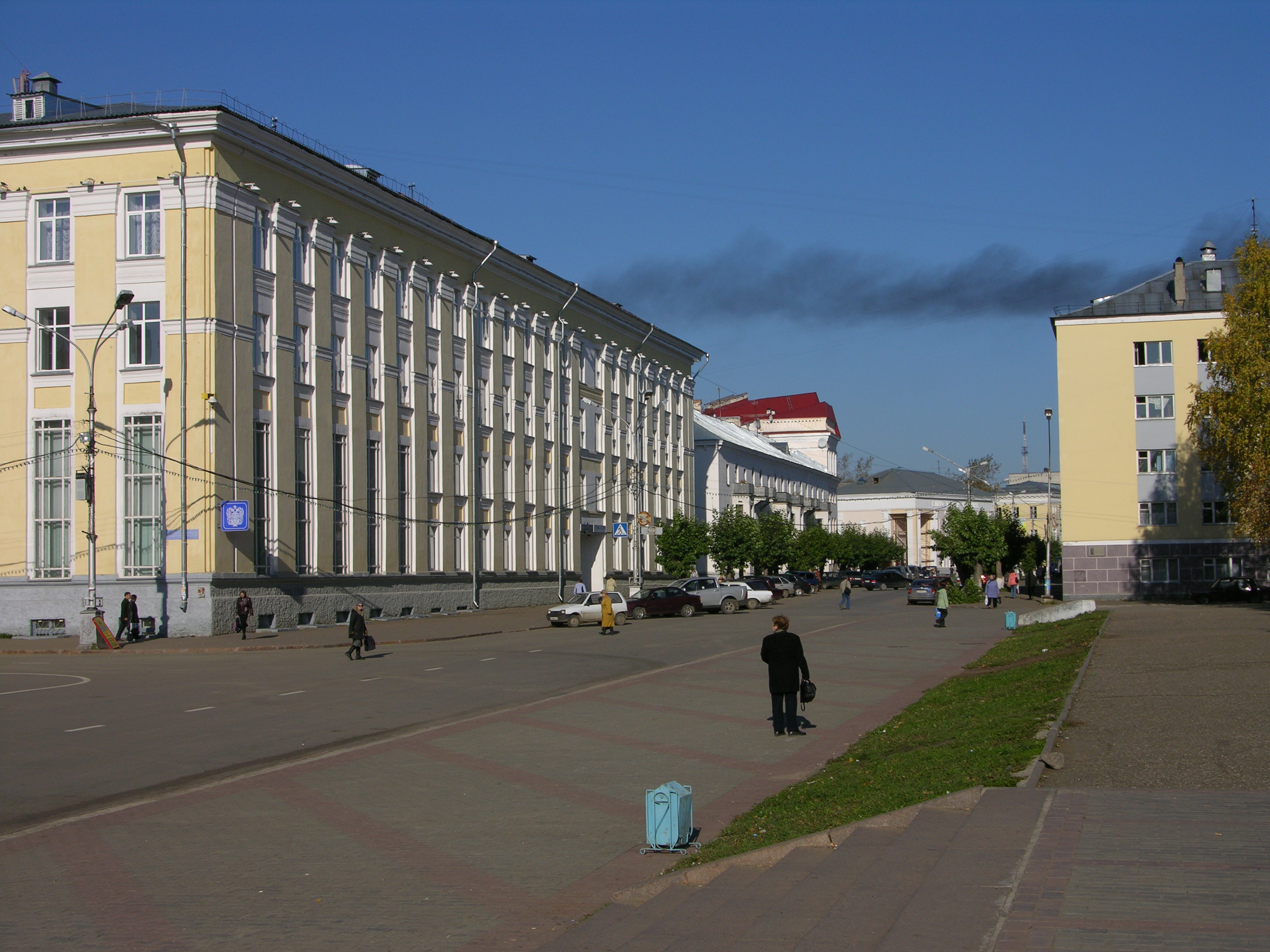
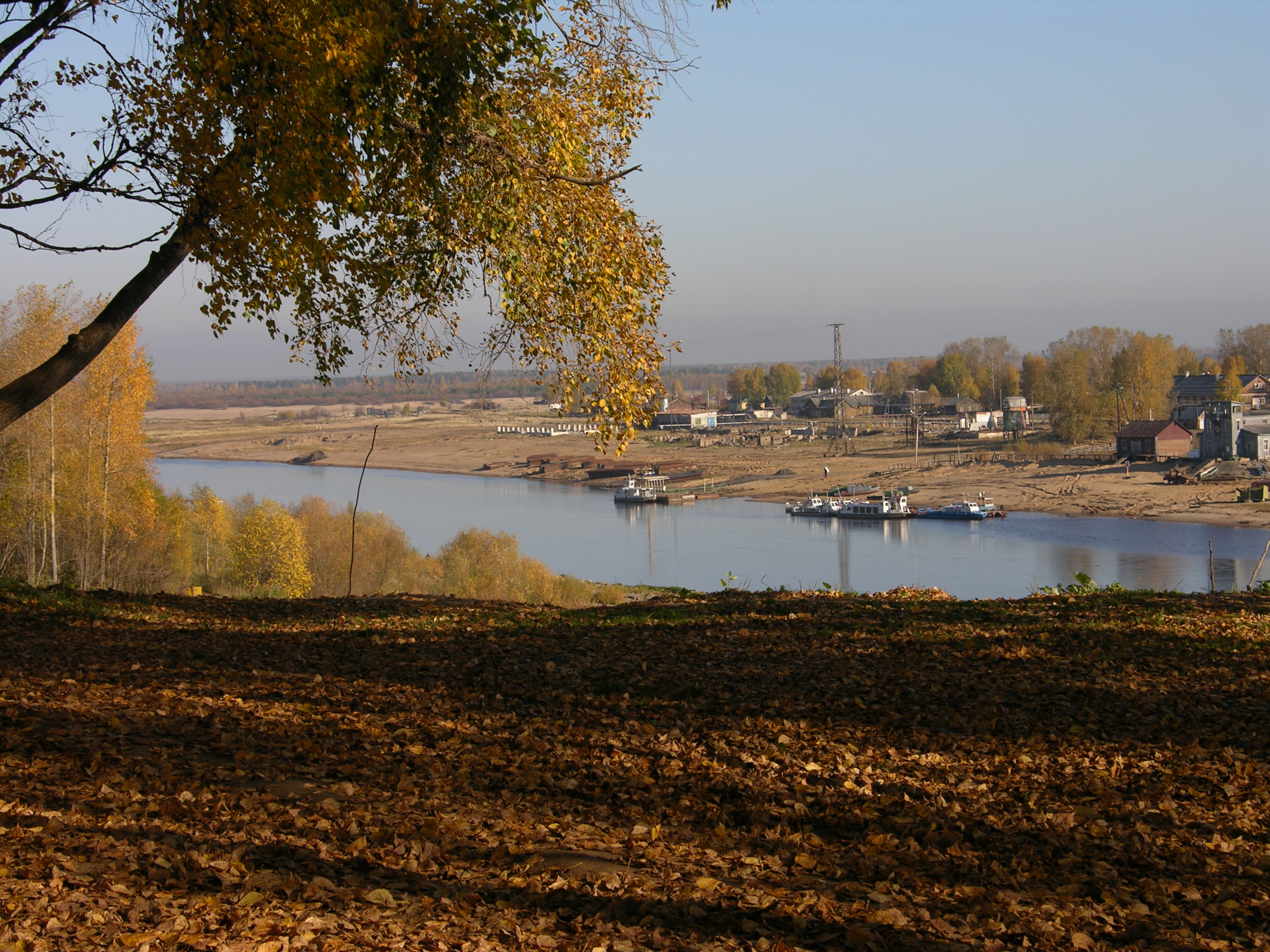
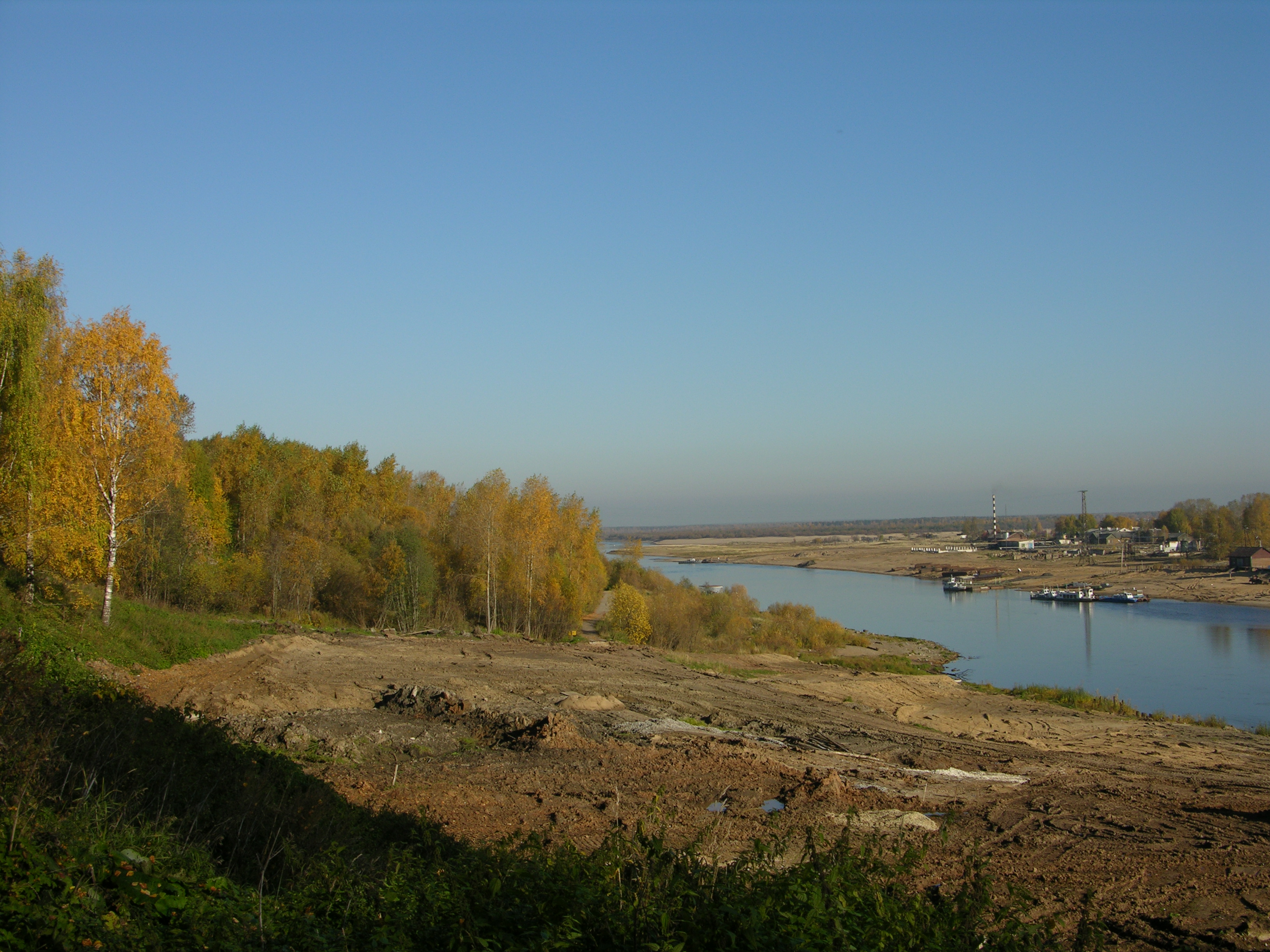
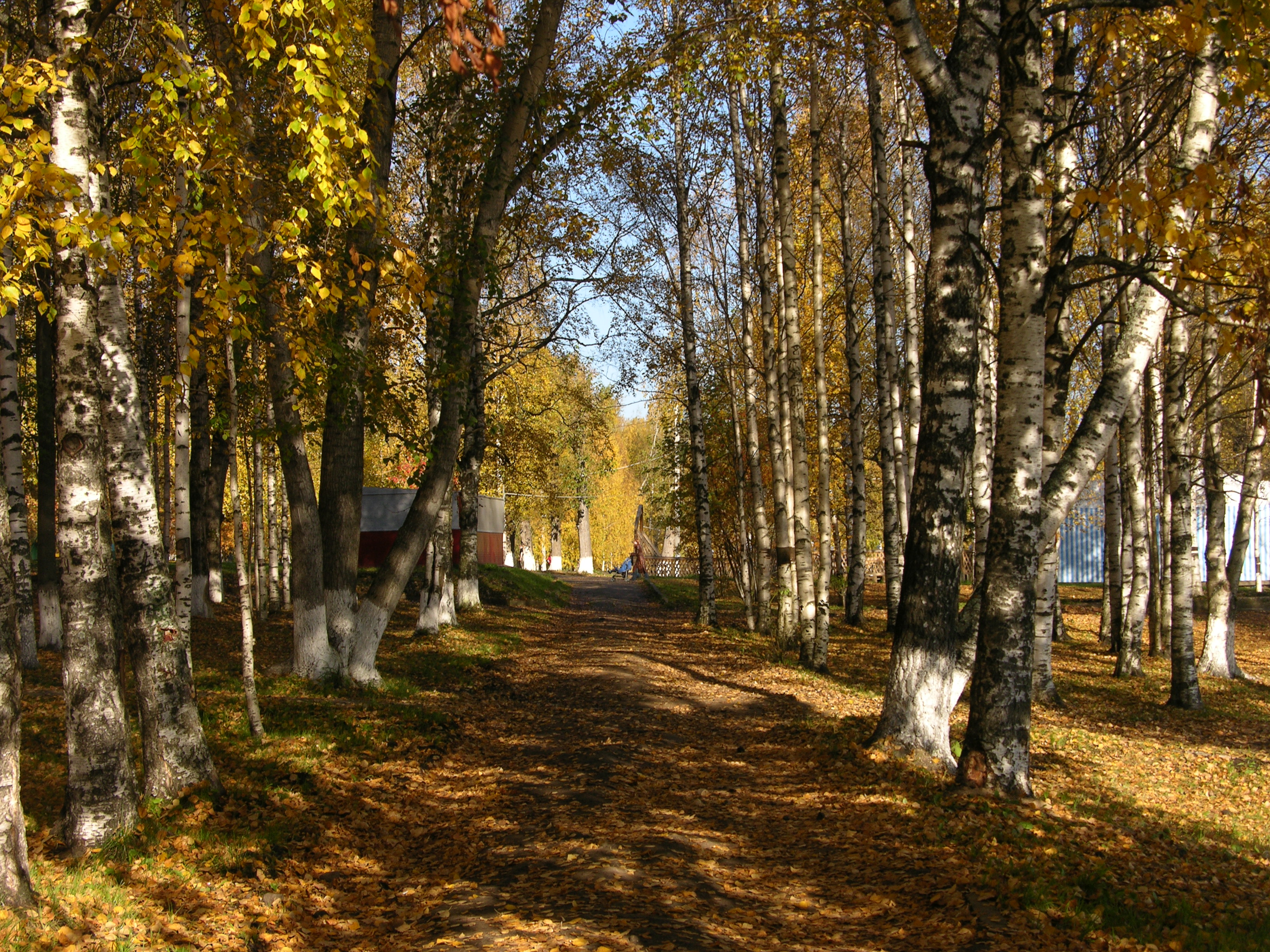
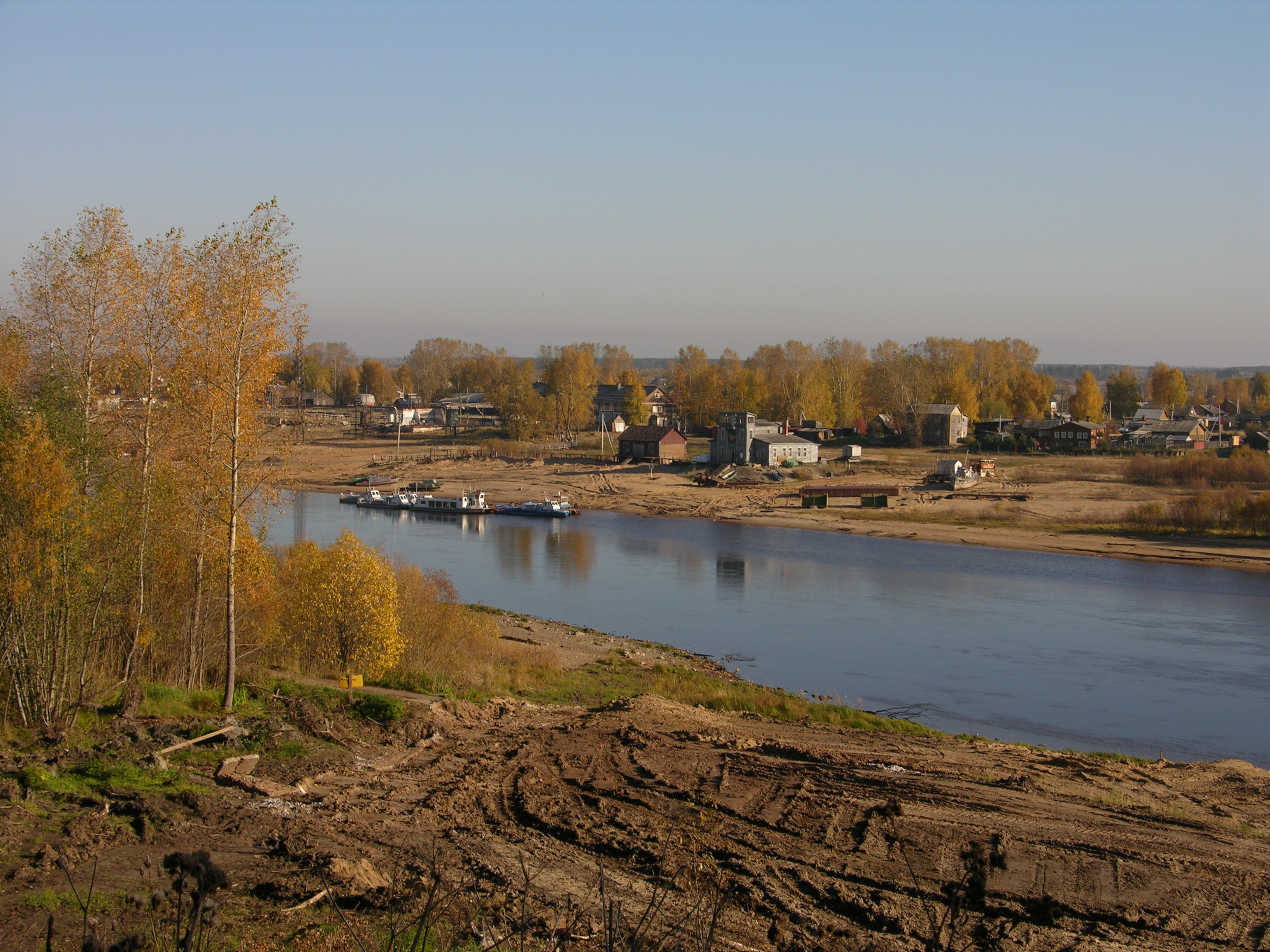
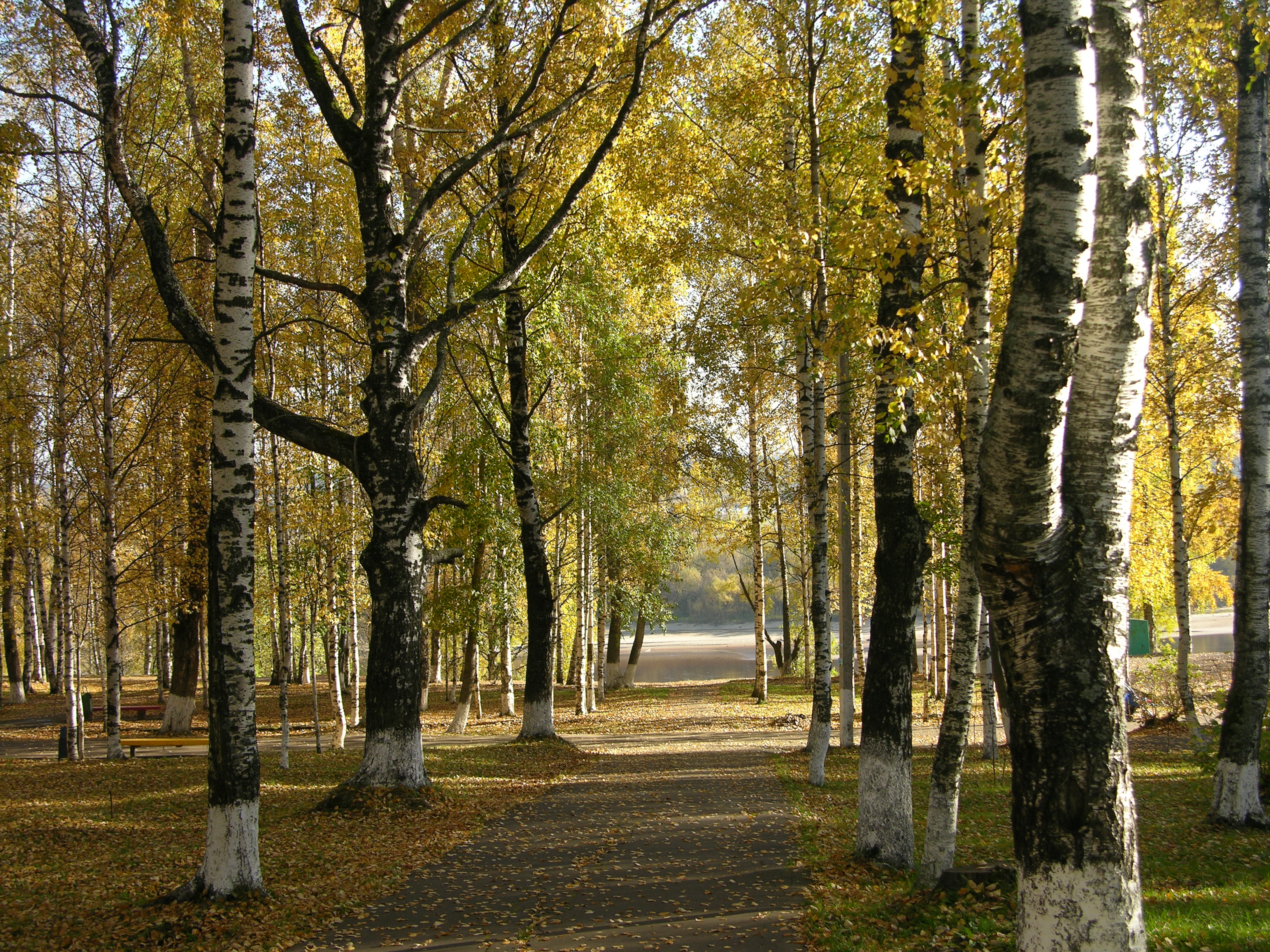
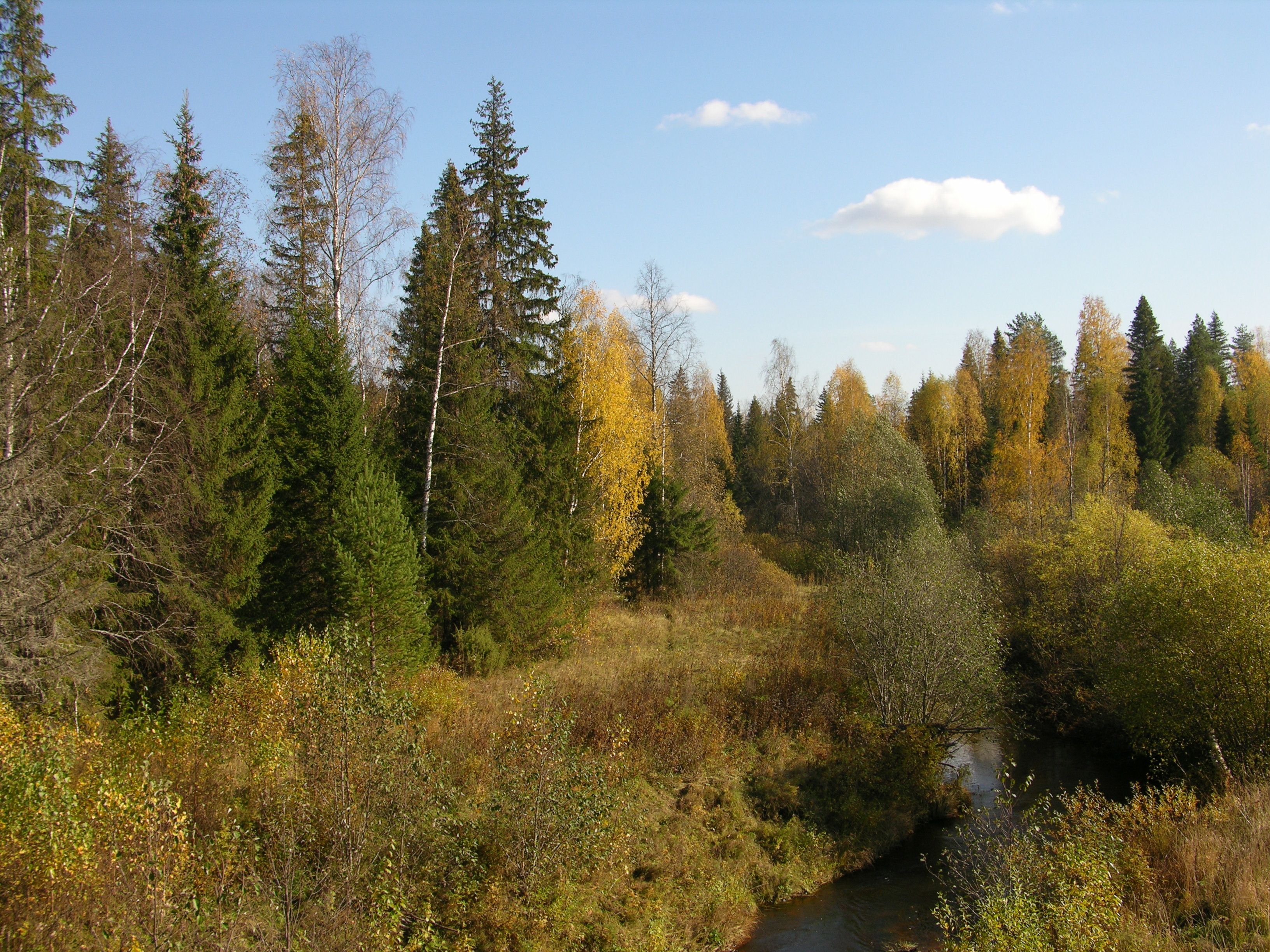
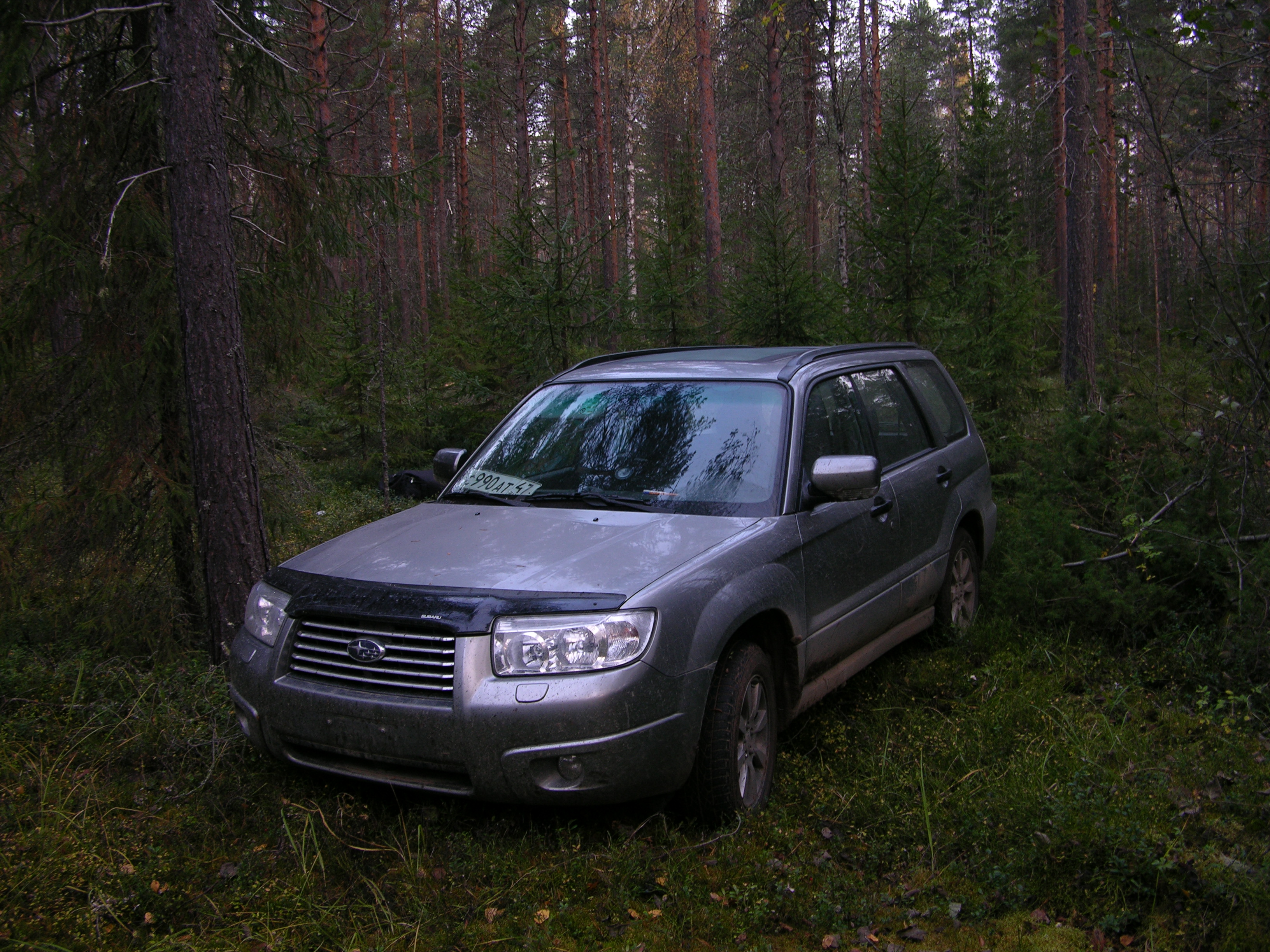
I drove back that same day. On the boundary between Komi and Arkhangelsk Oblast there’s a village called Shiroky Priluk. It’s a colourful place, with enormous puddles in the roads. I took a few pictures and drove on. At the entrance to Kotlas the traffic police stopped me at a checkpoint. “Where’s your plate?” I looked, and sure enough the front number plate was gone. I was in a bind, and a long way from home. I tried to remember where I could have lost it. Seeing how upset I was, the traffic cop didn’t even ask for a bribe. He let me go back in peace to look for my little piece of numbered metal. This isn’t Australia, where you can make yourself a new plate. Here it’s all terribly complicated, especially if you go by the book.
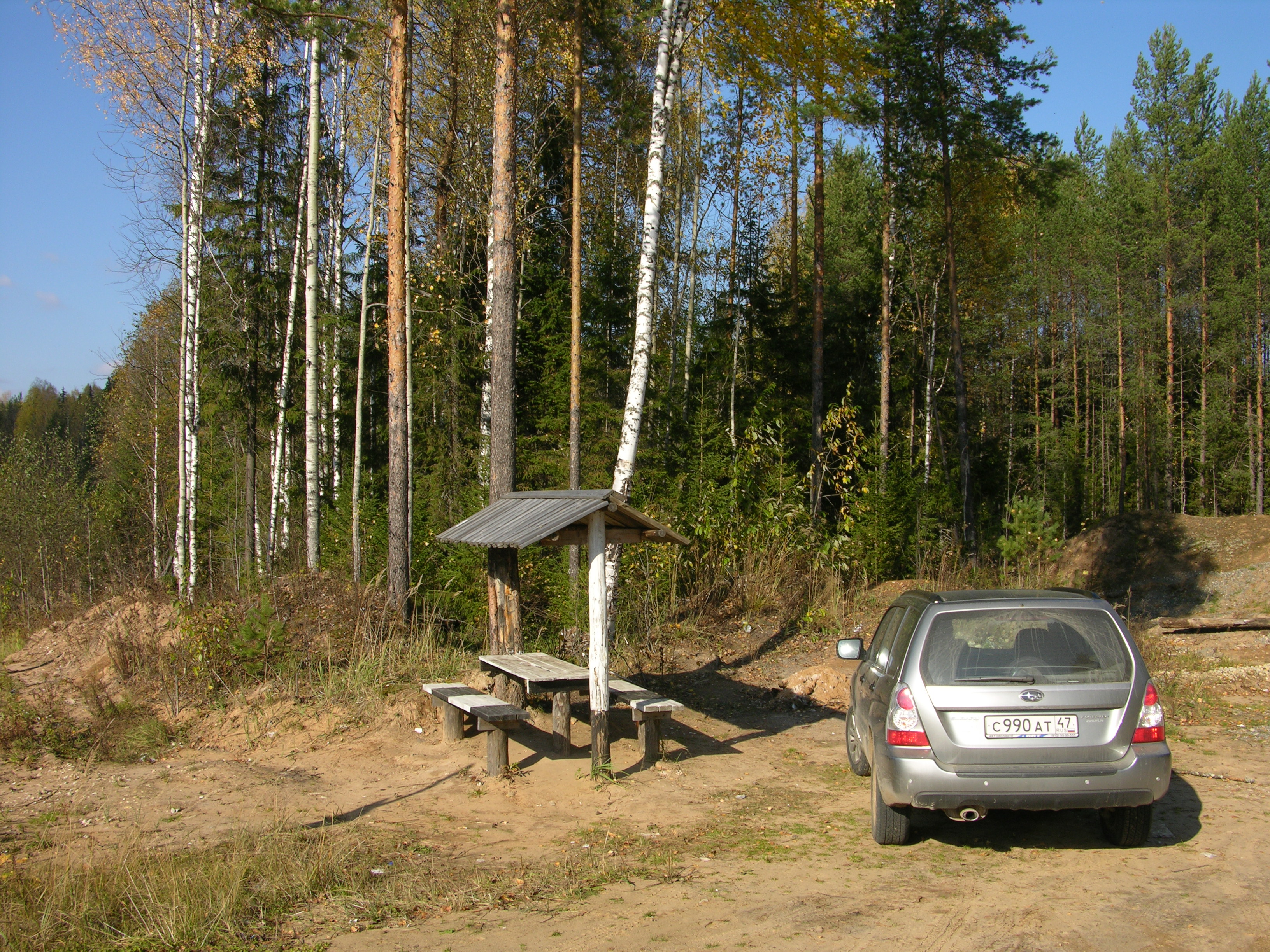
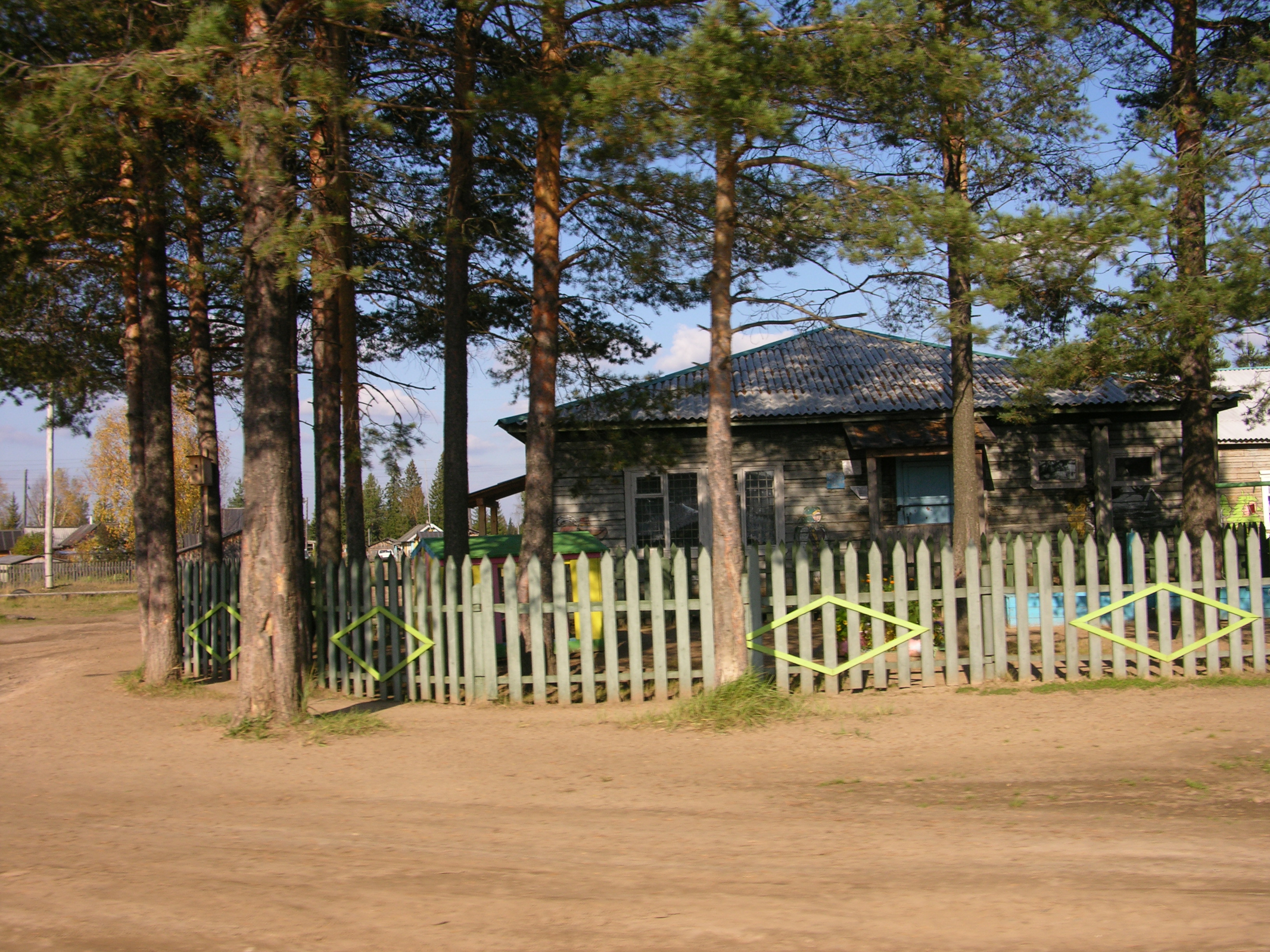
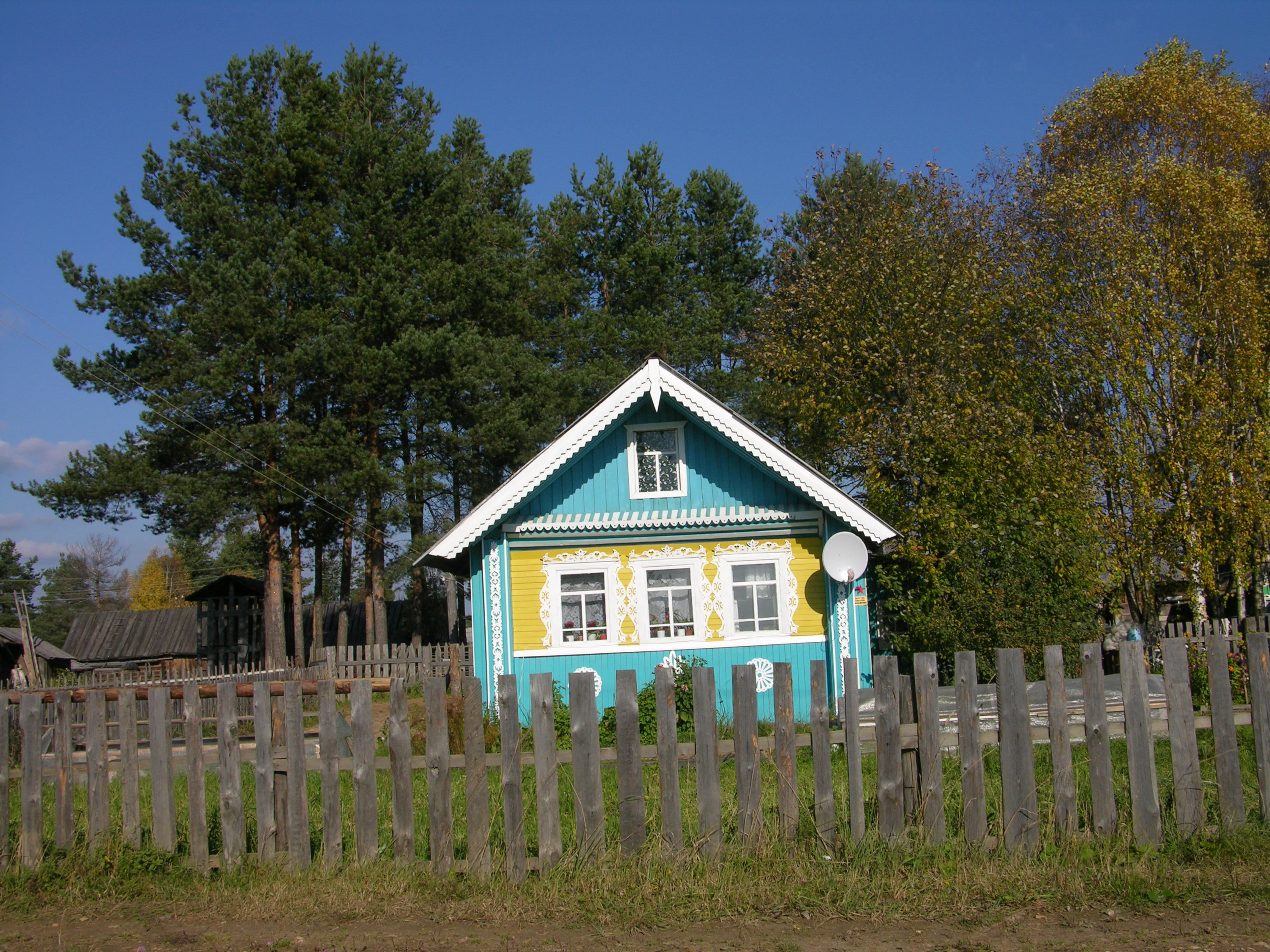
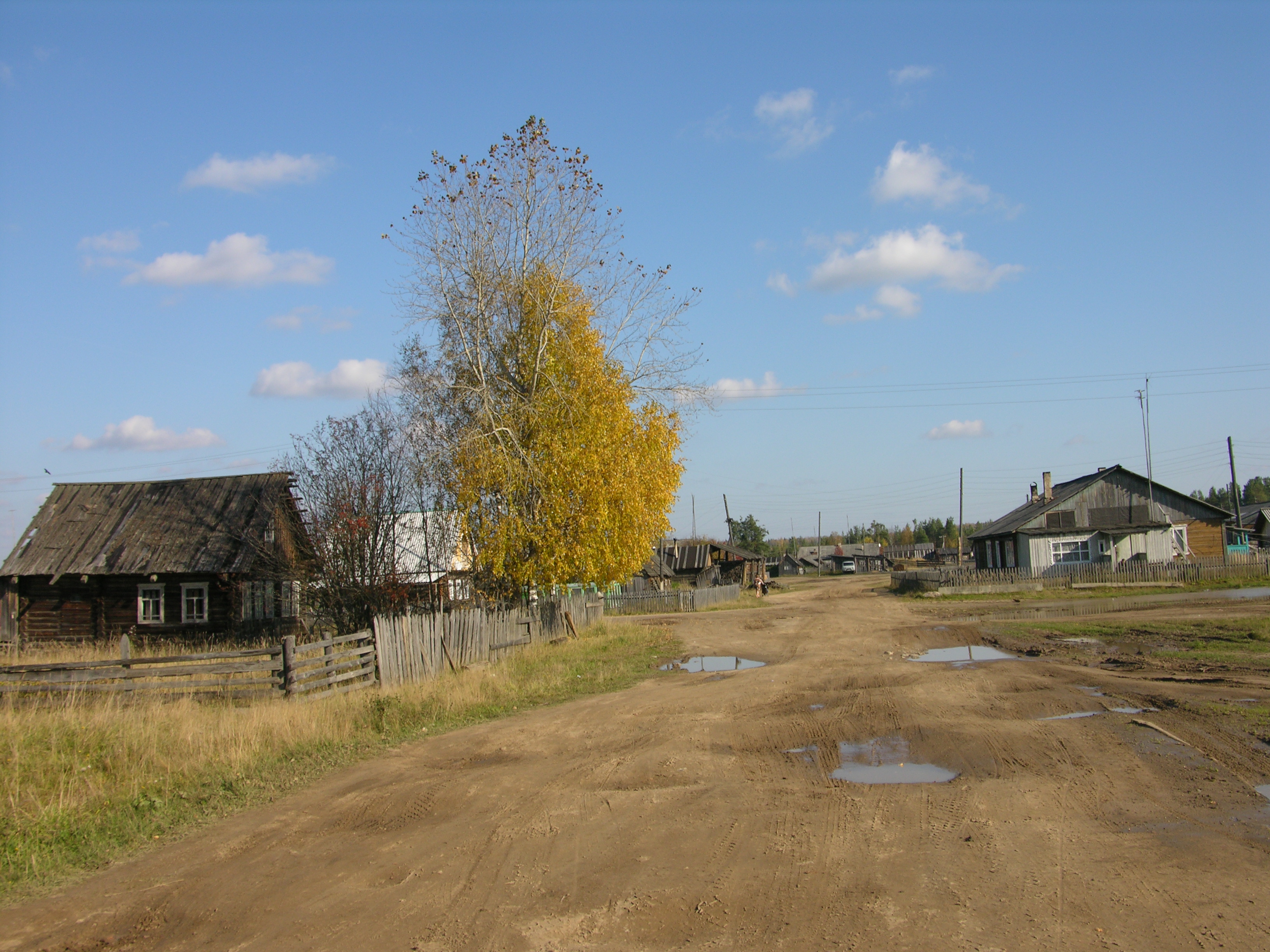
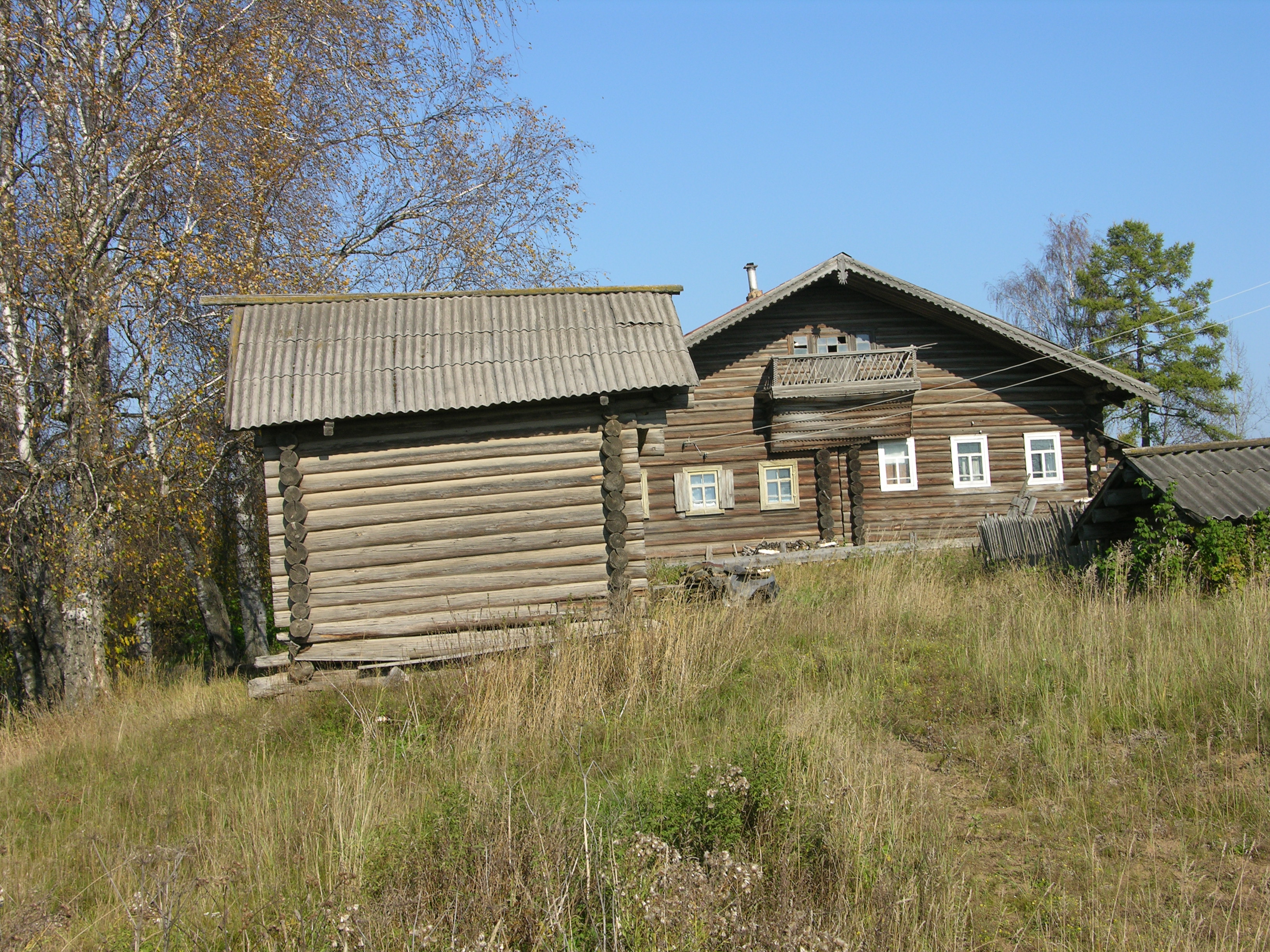
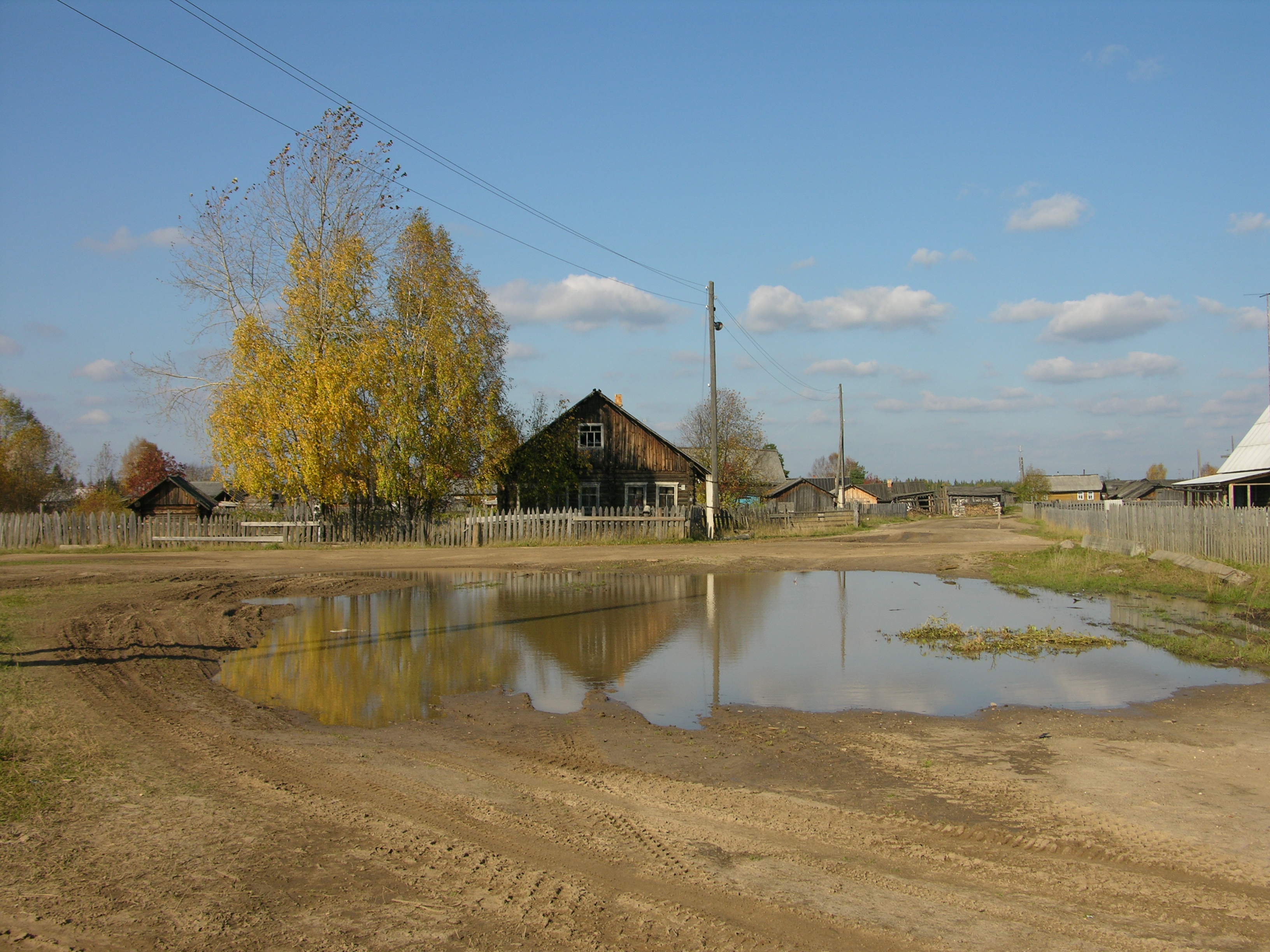
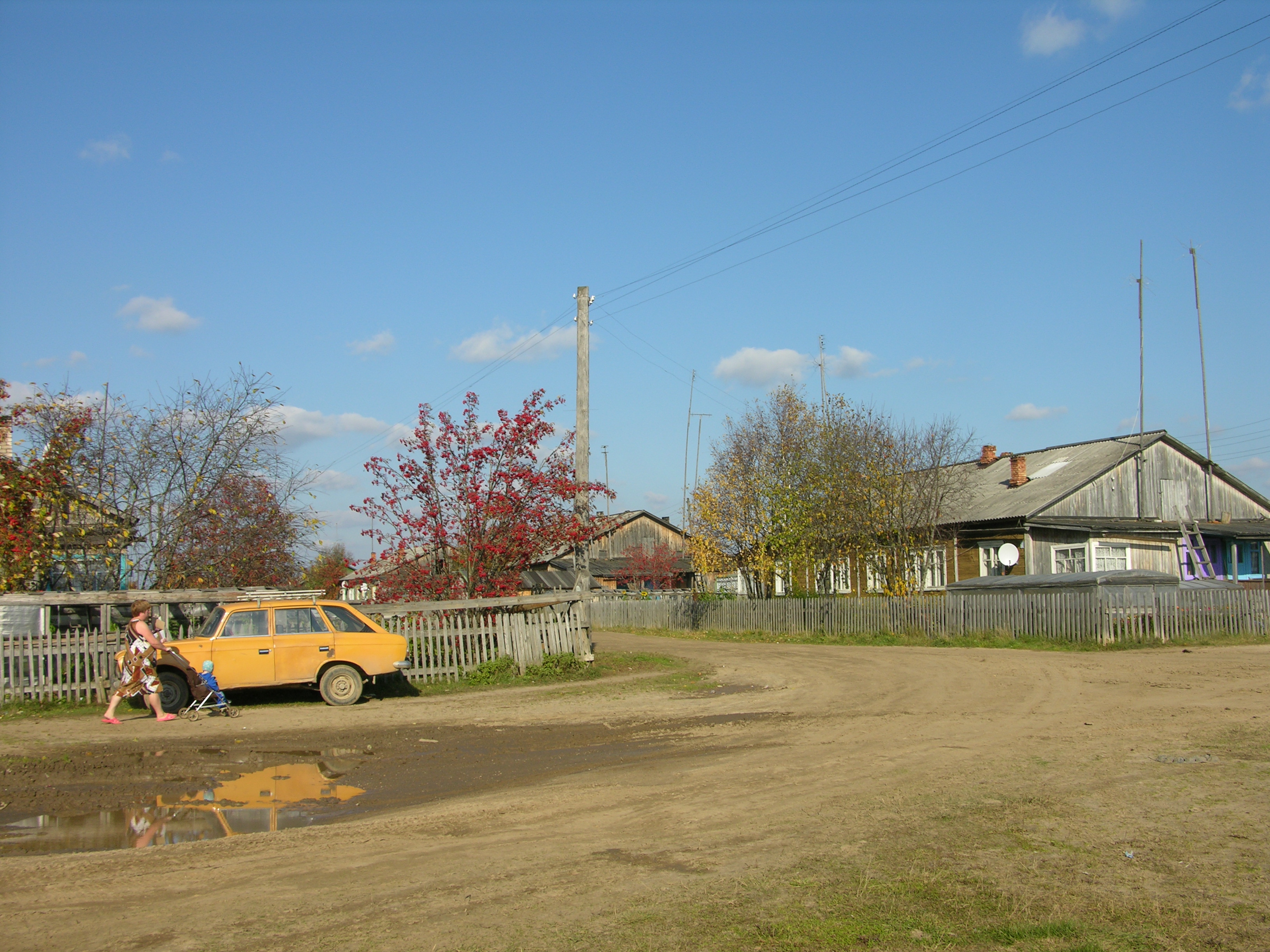
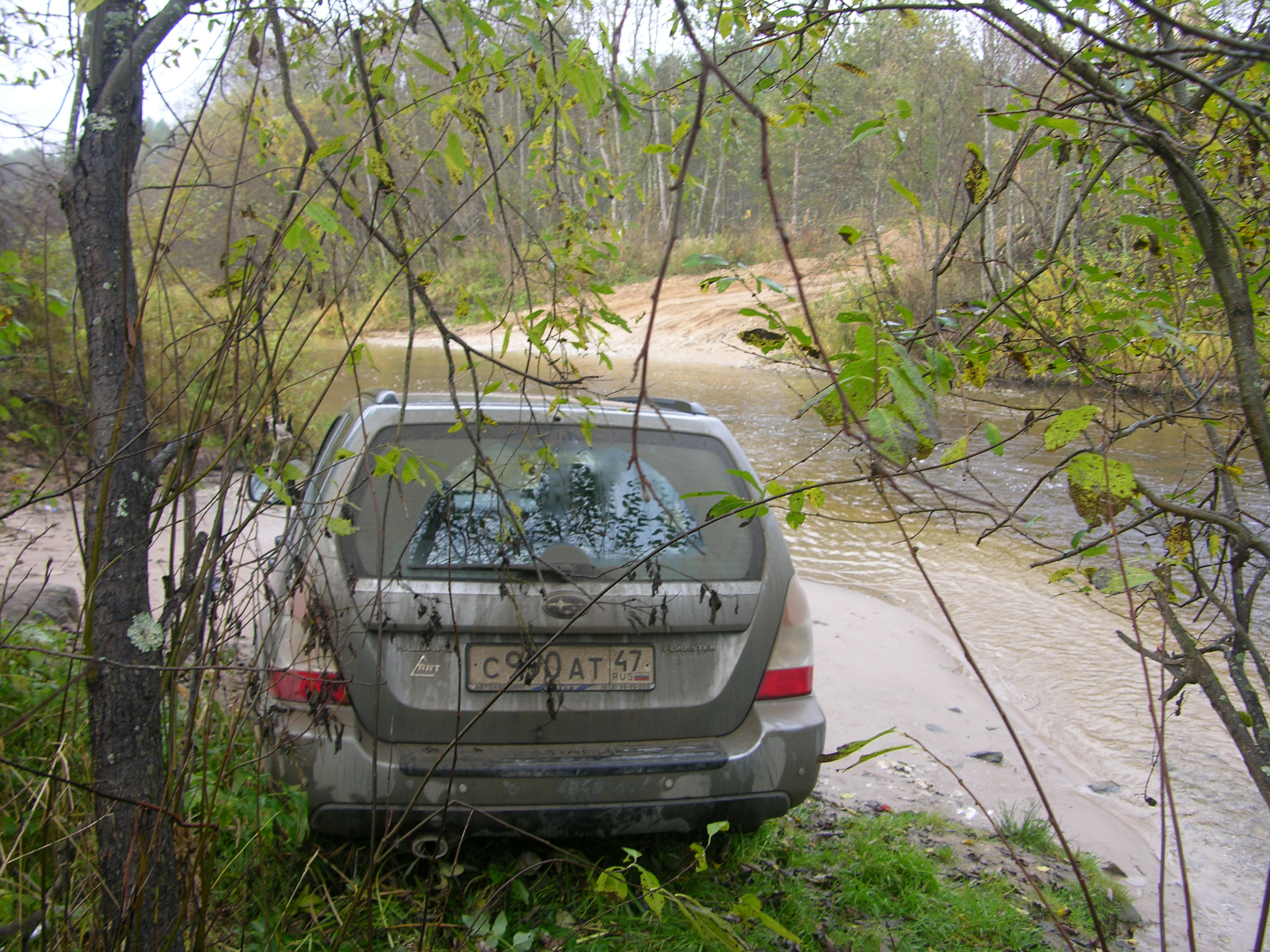
Where could I have lost it? Then I remembered driving into a huge puddle at a fair speed in Shiroky Priluk, on the Komi border. It was much deeper than I expected. The car got drenched in muck and slowed sharply. Could it be there? It was a hundred and fifty kilometres back. I really wanted to keep that plate, С990АТ. Simo, Alexander and Tanya, who met in 1990. By a fluke the letters and numbers lined up.
I got to the great border puddle. To the astonishment of the village, I took off my trousers and went for a dip. Well, I went to feel for that precious scrap of metal with my feet. I found it surprisingly quickly. There it was! It looked as if a dozen KamAZ lorries had driven over it, but it would do for Arkhangelsk Oblast. I hammered the plate flat and touched up the figures with a marker. I put it back on with four M10 bolts and, for good measure, smeared epoxy on the threads beneath the nuts. Now I could face any puddle or cop. You’d need an angle grinder to get it off. Back I went.
I wanted to take a different road to Kotlas, on the north bank of the Vychegda River, but the bridge marked on the map near Kotlas was nowhere to be found. I had to turn back again. At least I got to see Solvychegodsk, a very pleasant little town. It’s falling to pieces, of course, but it’s beautiful.
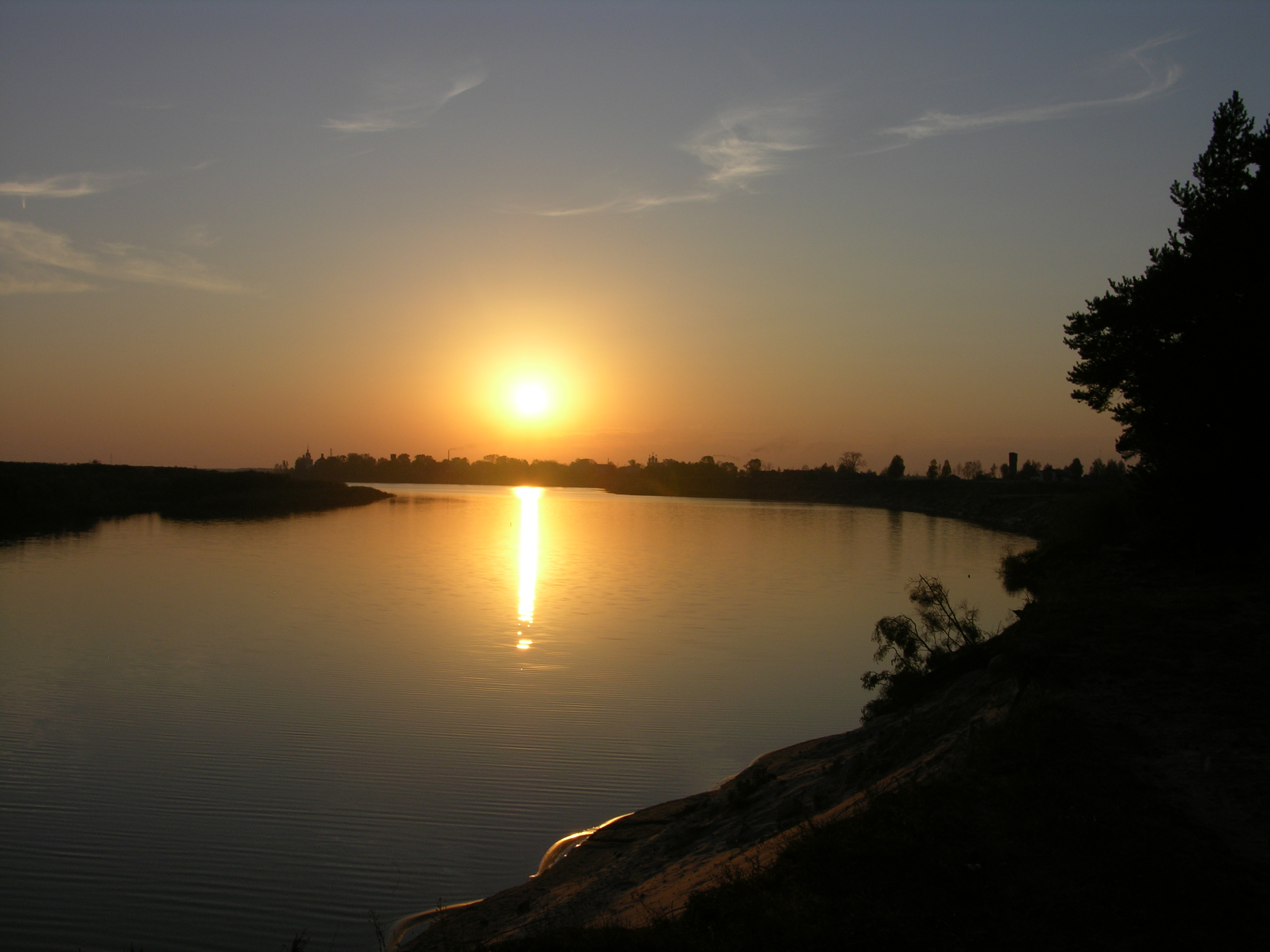
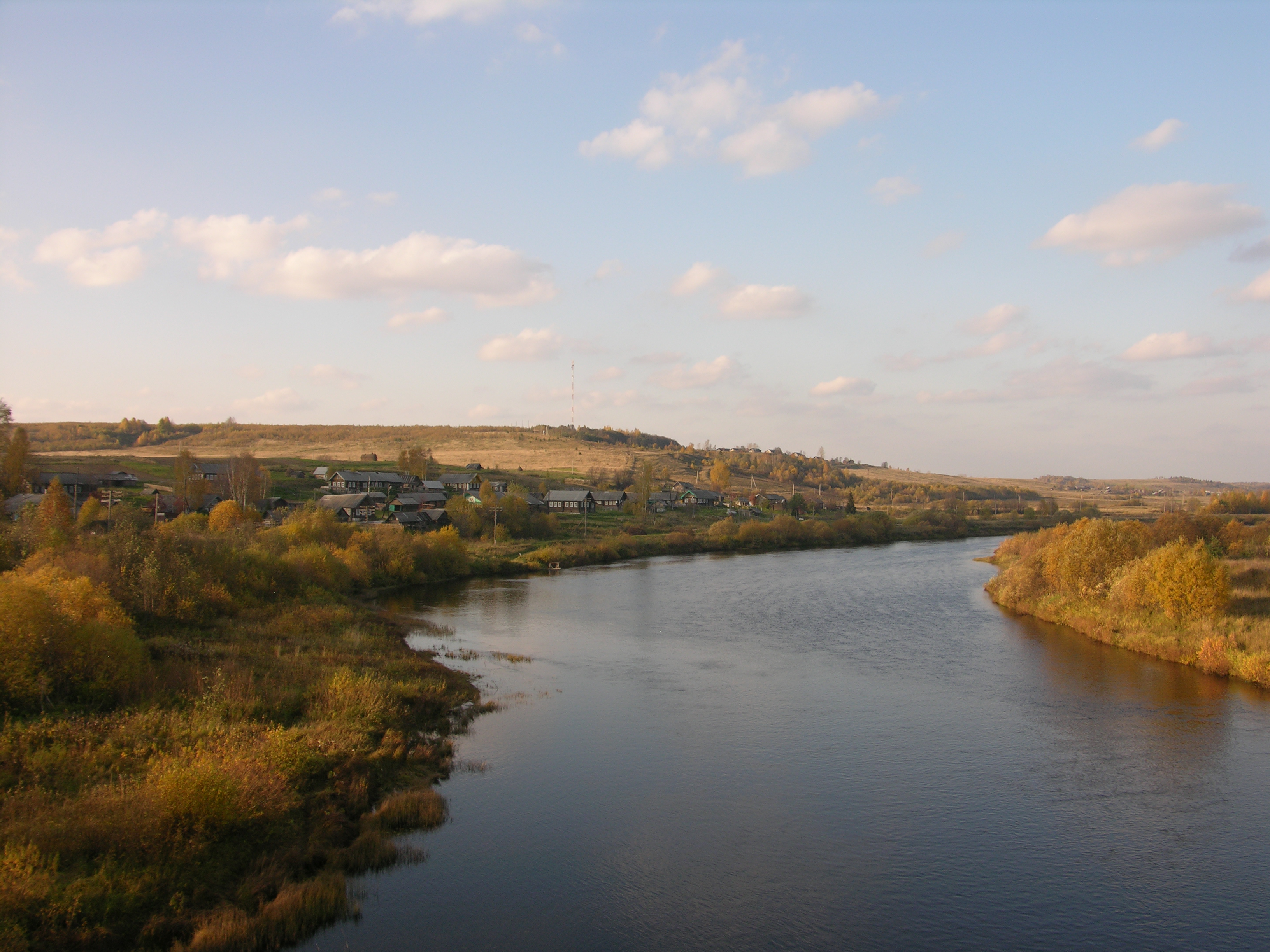
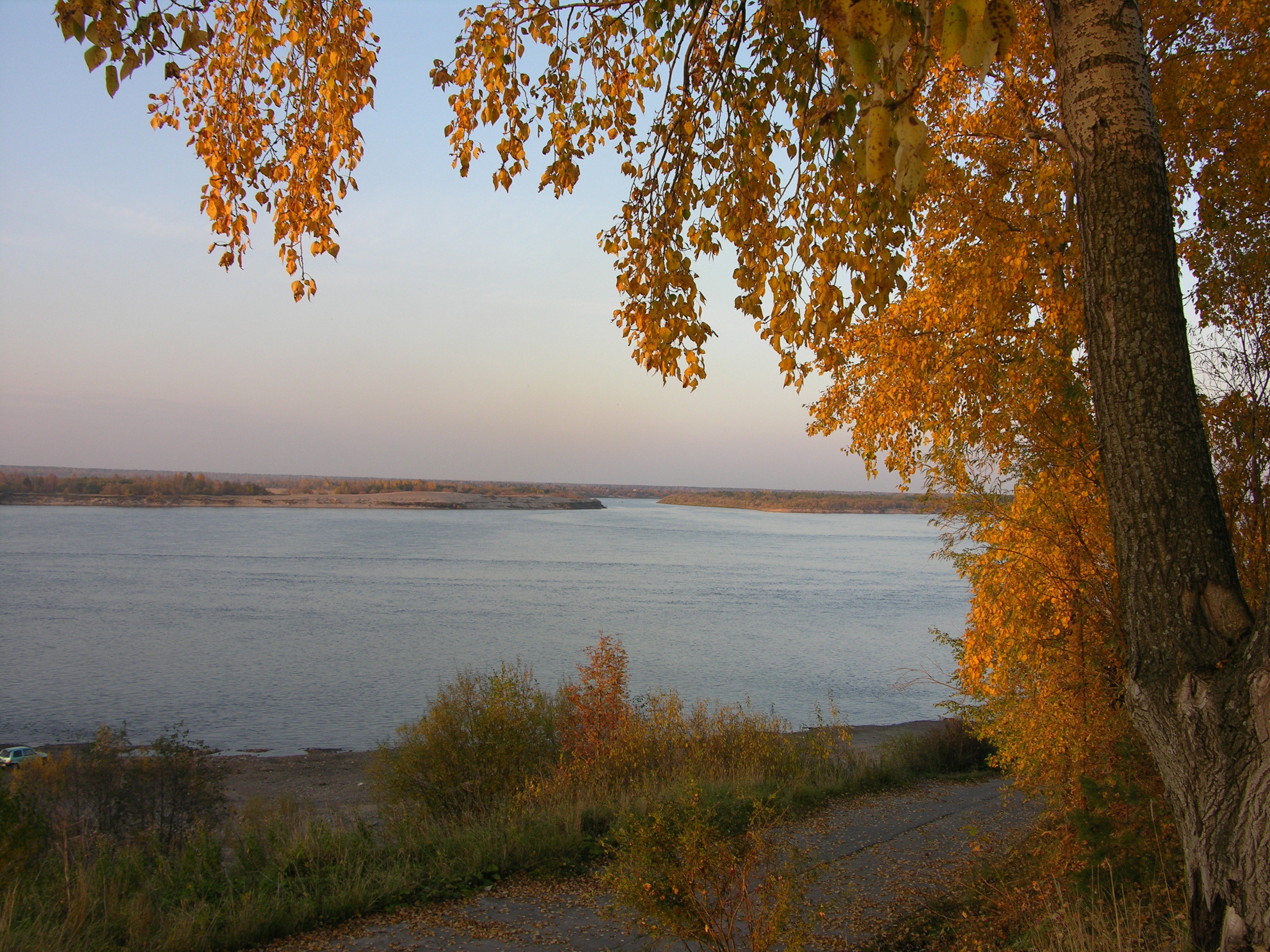
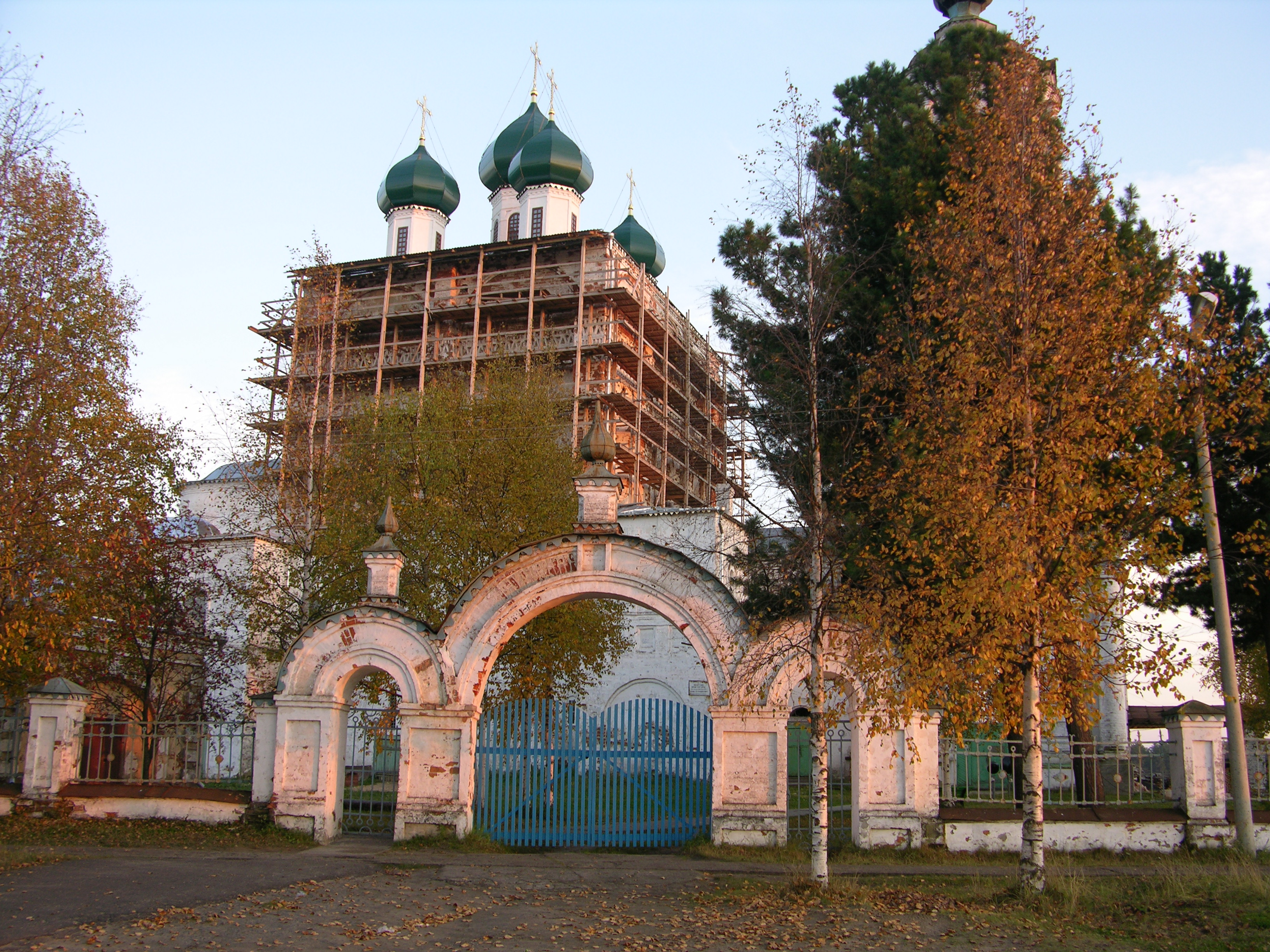
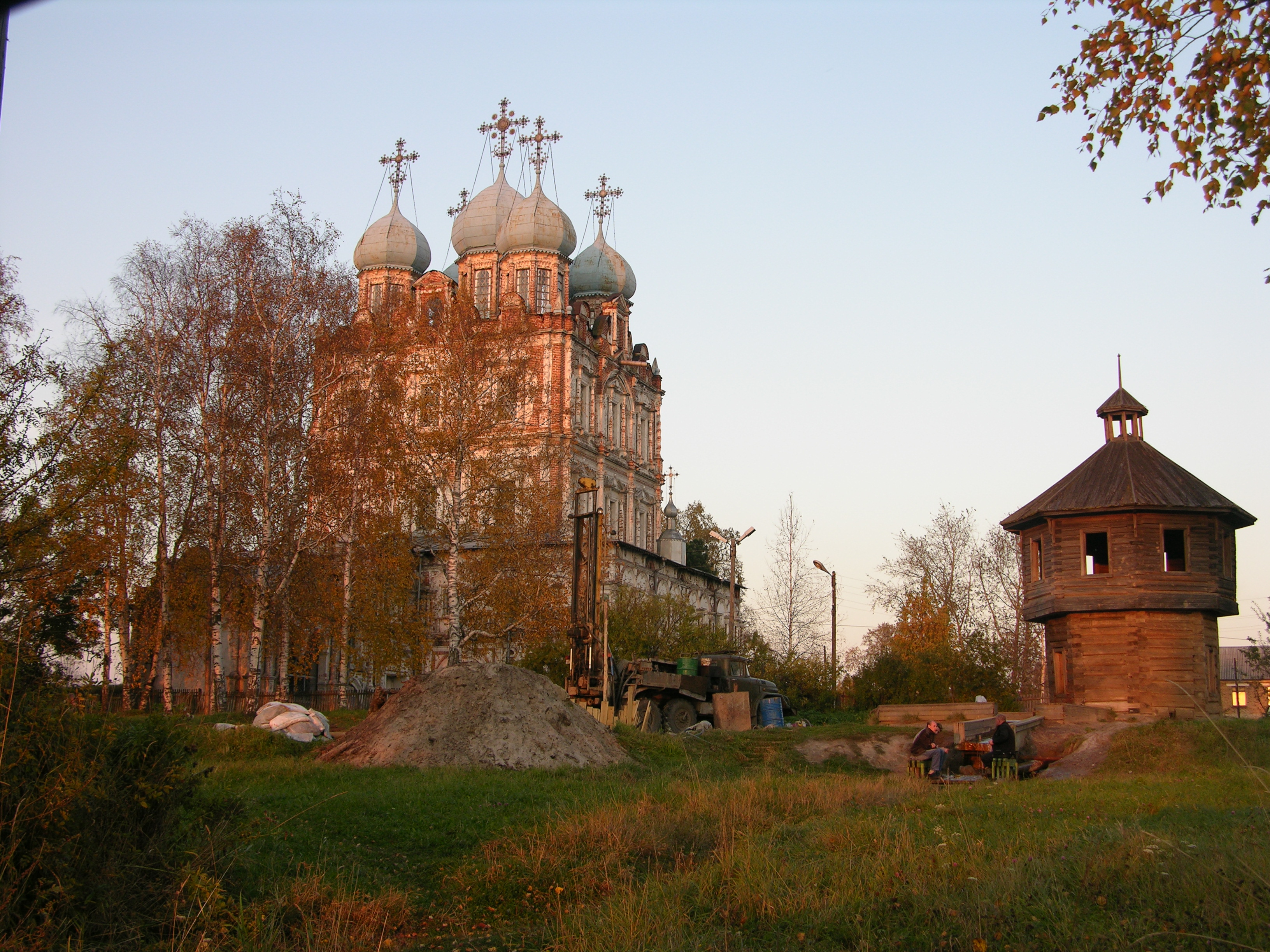
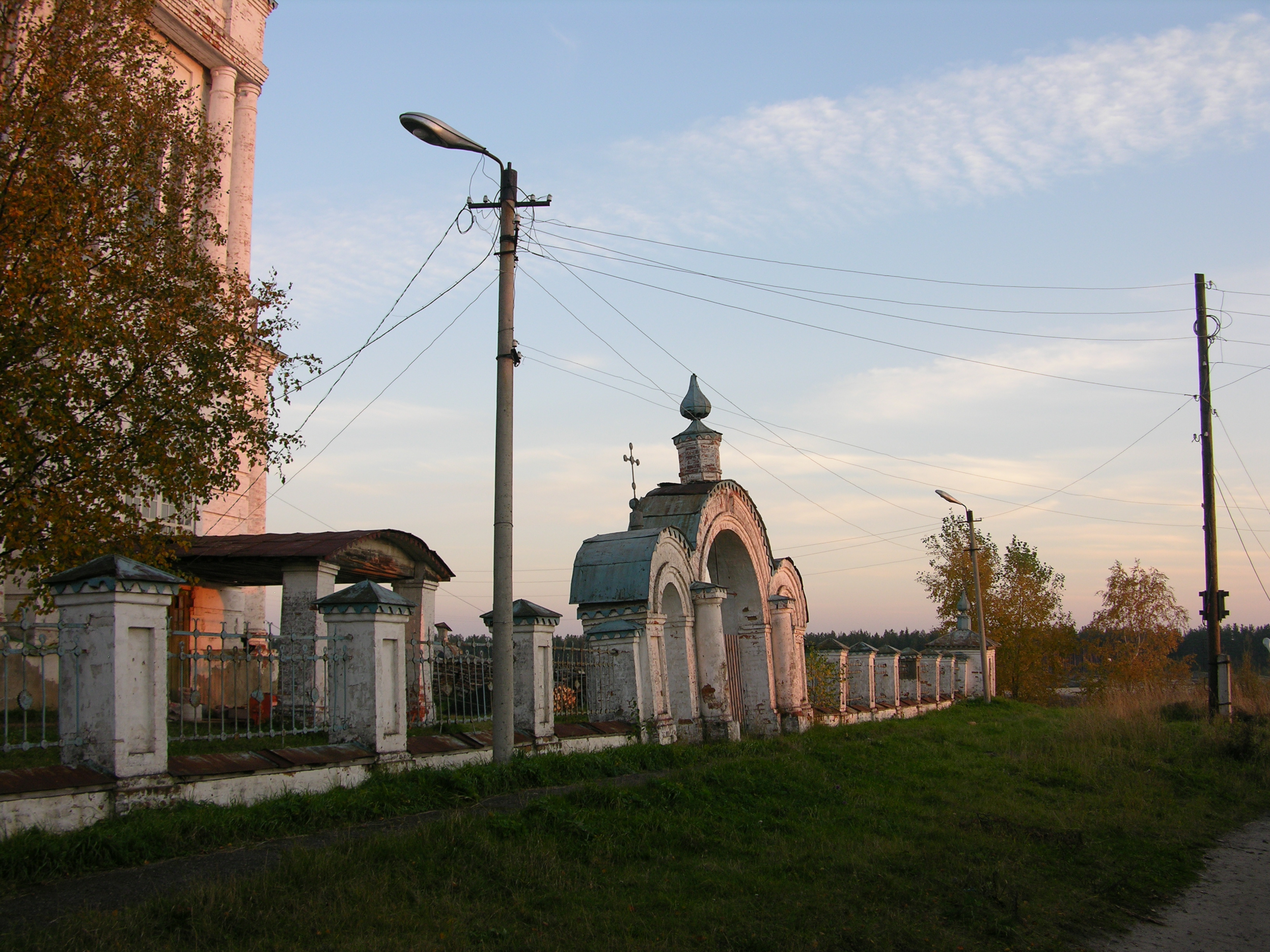
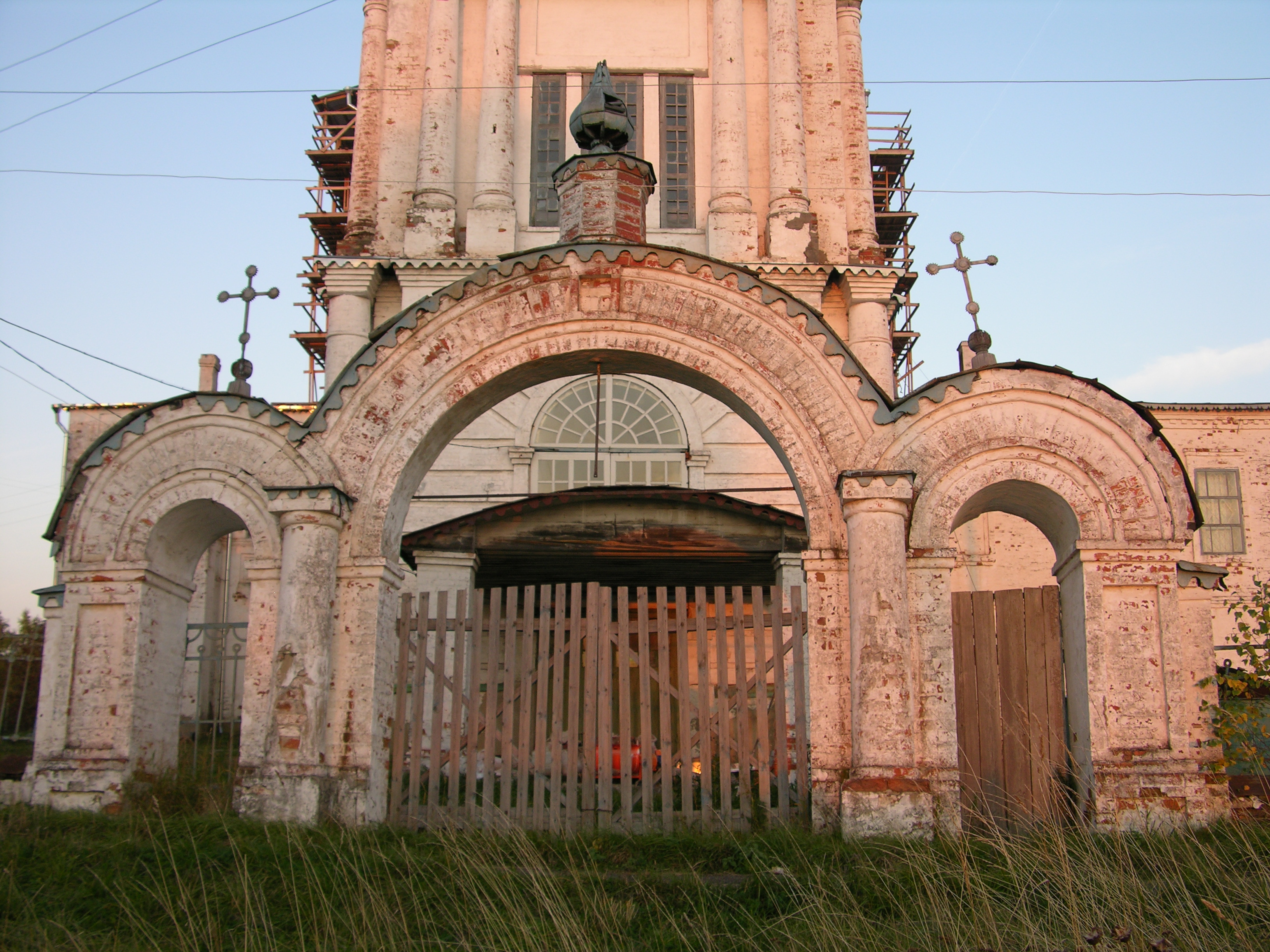
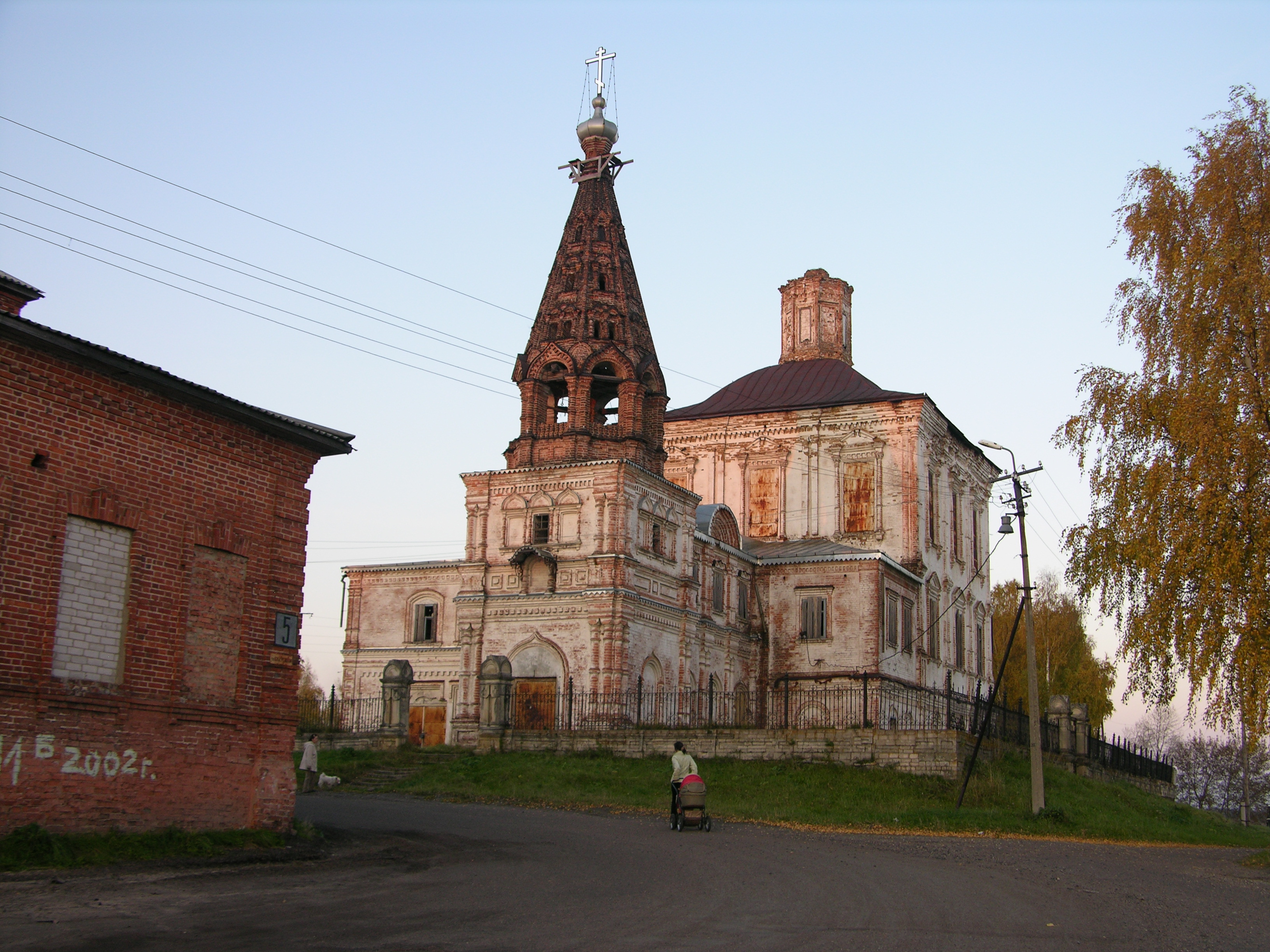
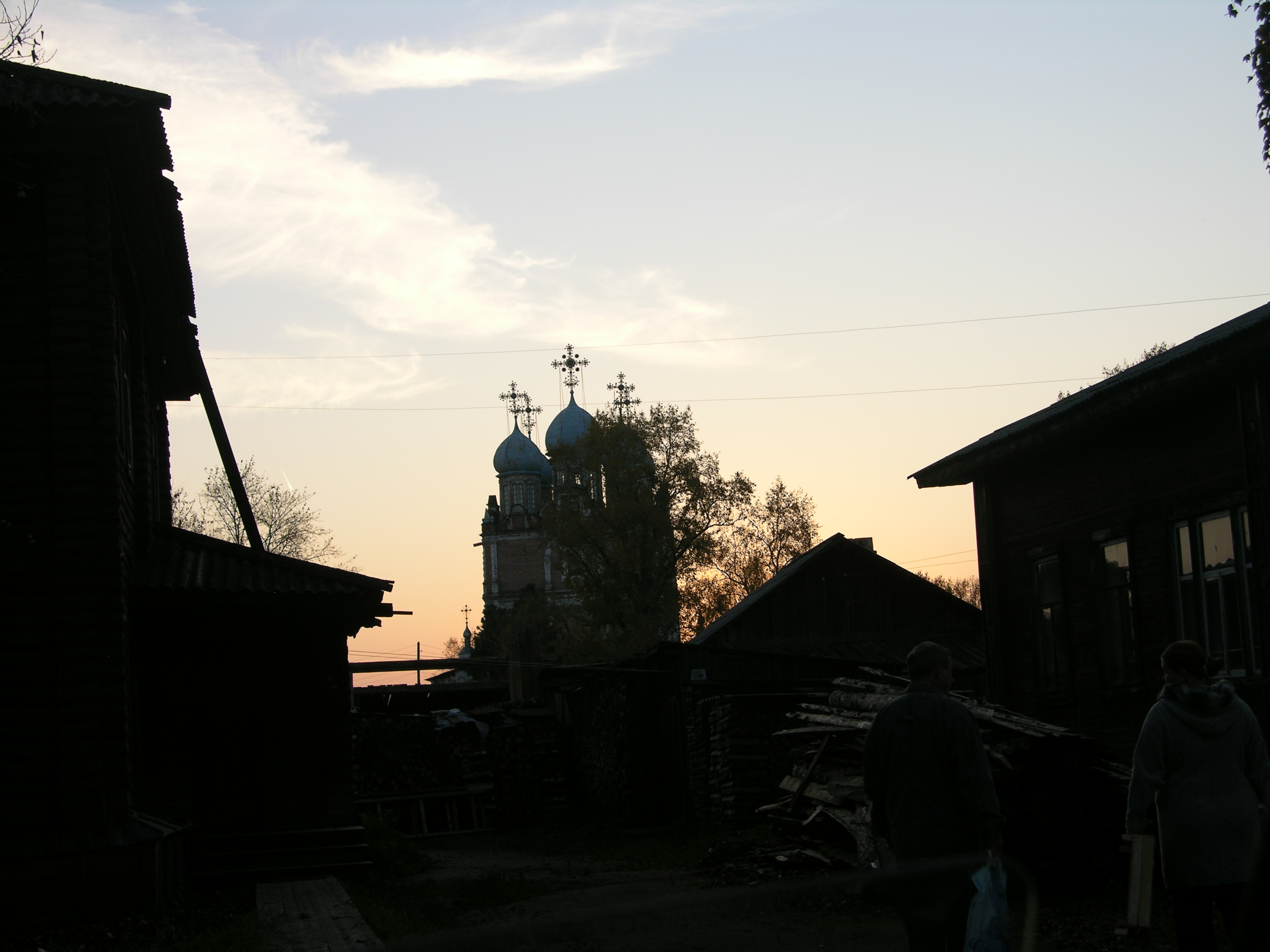
That evening I walked around Kotlas. My father’s family had been evacuated here during the war. One of Grandpa Simo’s sisters, Irina Petrovna, stayed on after it. In summer Grandma Ira would come to Vyritsa and sit with me, telling me about distant countries she’d never been to, and about real life as she knew it from books, a life she’d never lived. I listened to her with particular attention. She came from the north, from the mysterious city of Kotlas, and that gave her a special authority. She might almost have come from the Yukon.
I loved her and she loved me. I thought Ira was the best name a woman could have. She had a terrible life. The whole weight of the Soviet system rolled right over her. A husband killed, a baby son who died. Exile, humiliation, arrests. Left disabled by Soviet medicine, then another husband killed… And so she died alone in a grey, out-of-the-way town.
I found her flat in a wooden railway barracks. The room in a communal flat she’d been given shortly before she died.
I never found the house where the family had rented a corner during the war and eaten potato peelings. Dad talked me through it on the phone, but we still couldn’t find the house by the Kotloshanka River. I couldn’t find Grandma Ira’s grave either. Perhaps these lines are all that’s left of her, and I’m the only one who remembers her now.
I spent the night in the woods south of Kotlas, at 61°06.062′N, 46°21.295′E. In the morning I had to pack up in a hurry, because they’d started cutting down trees around me.
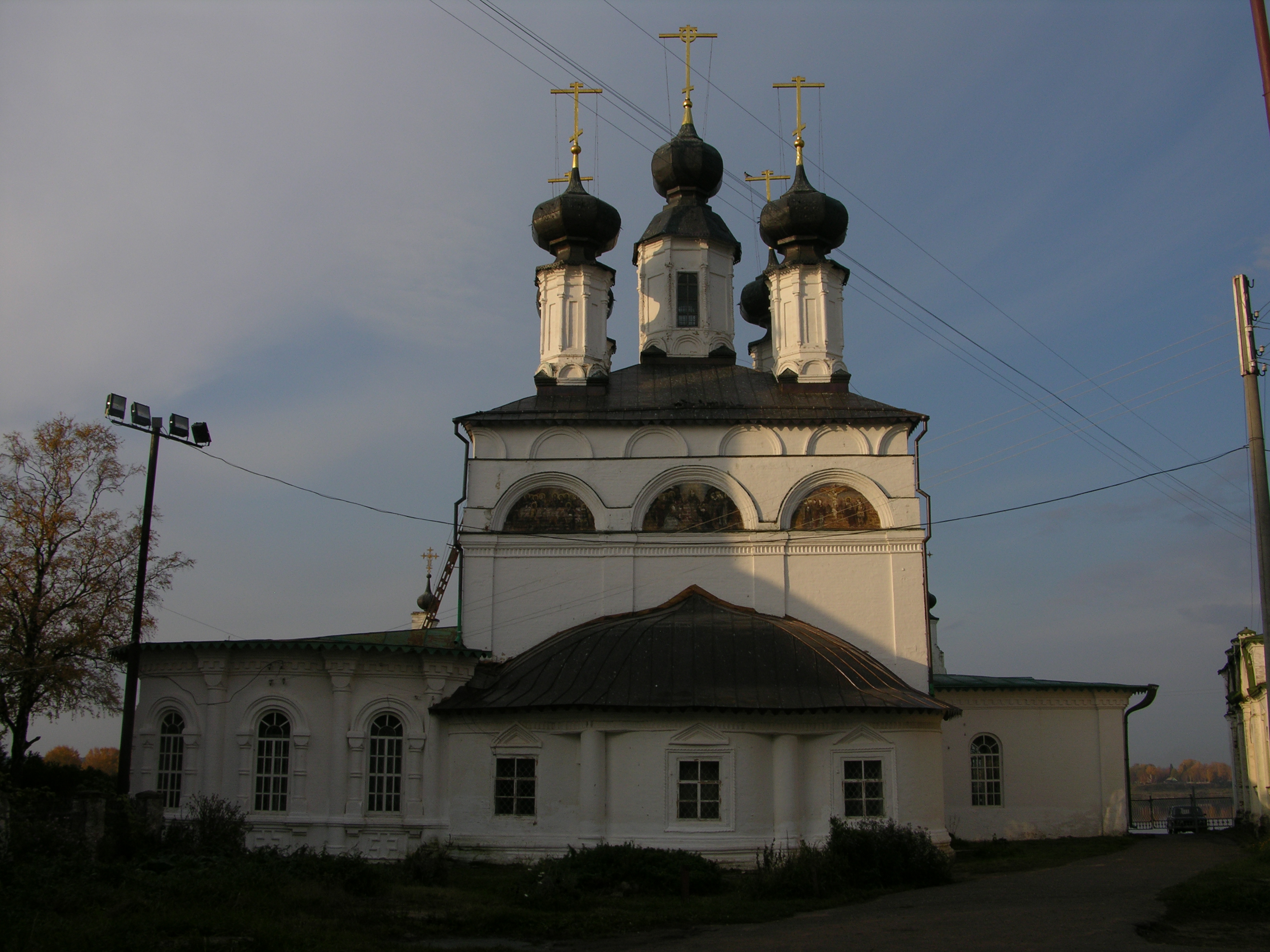
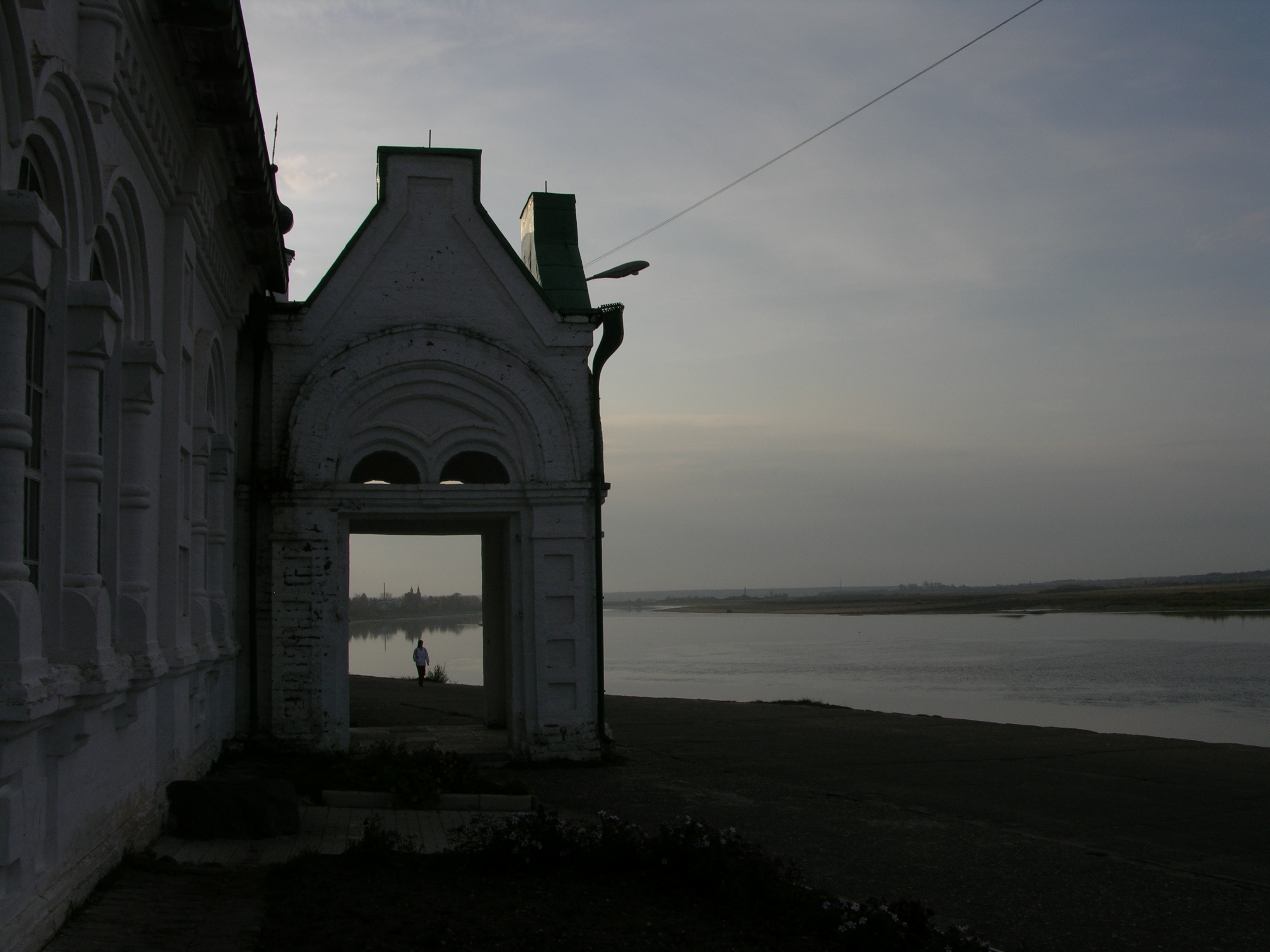
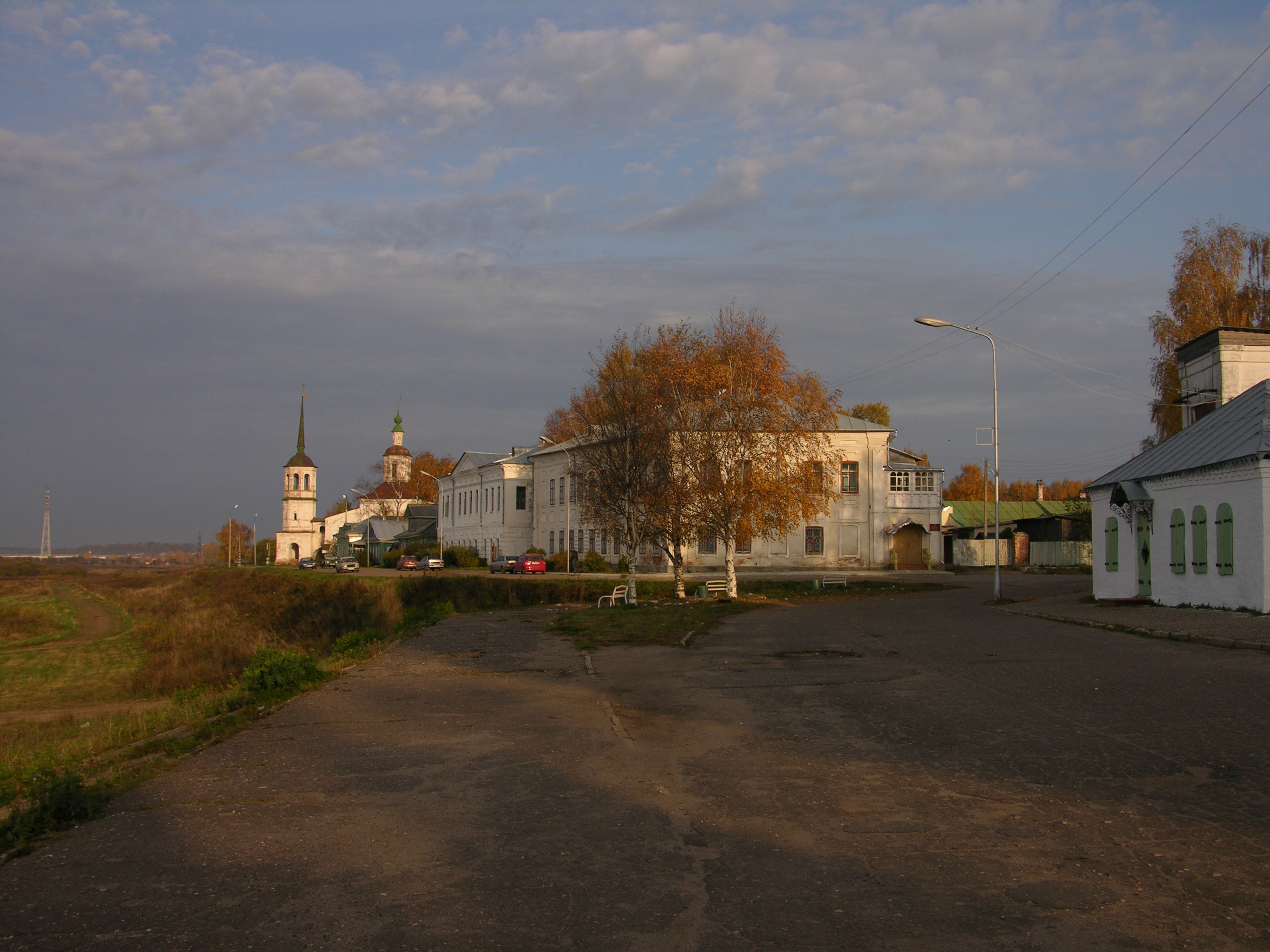
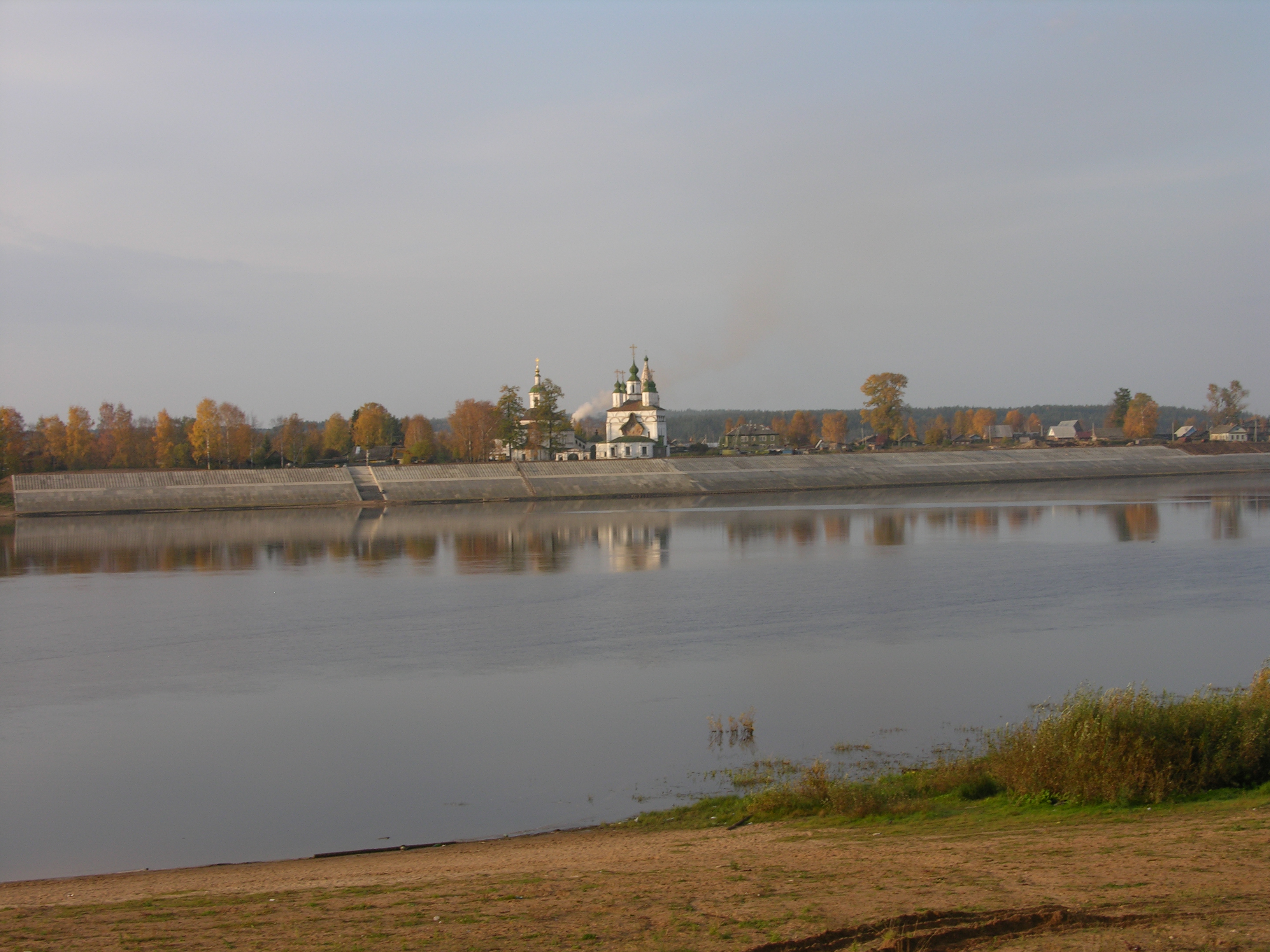
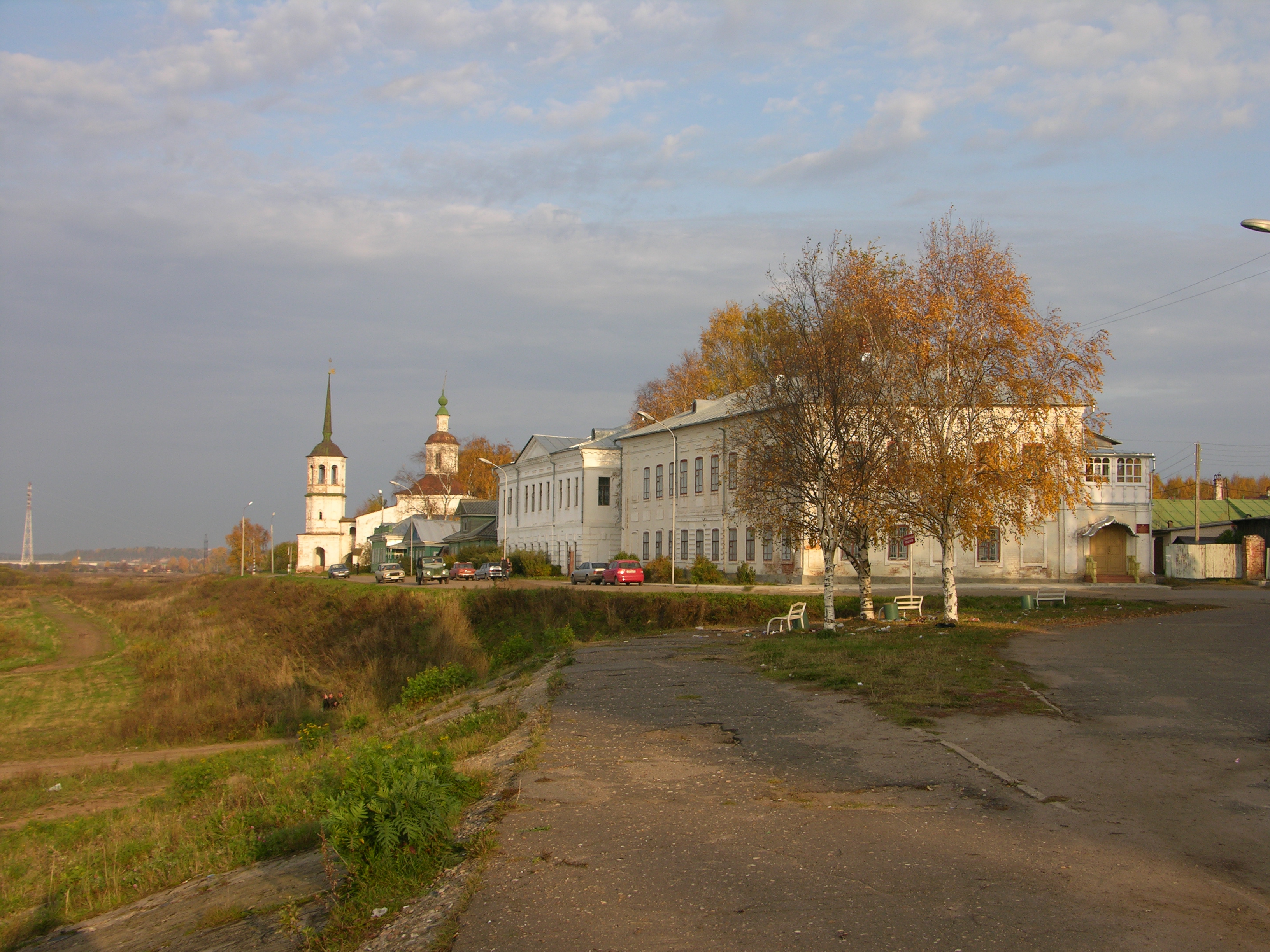
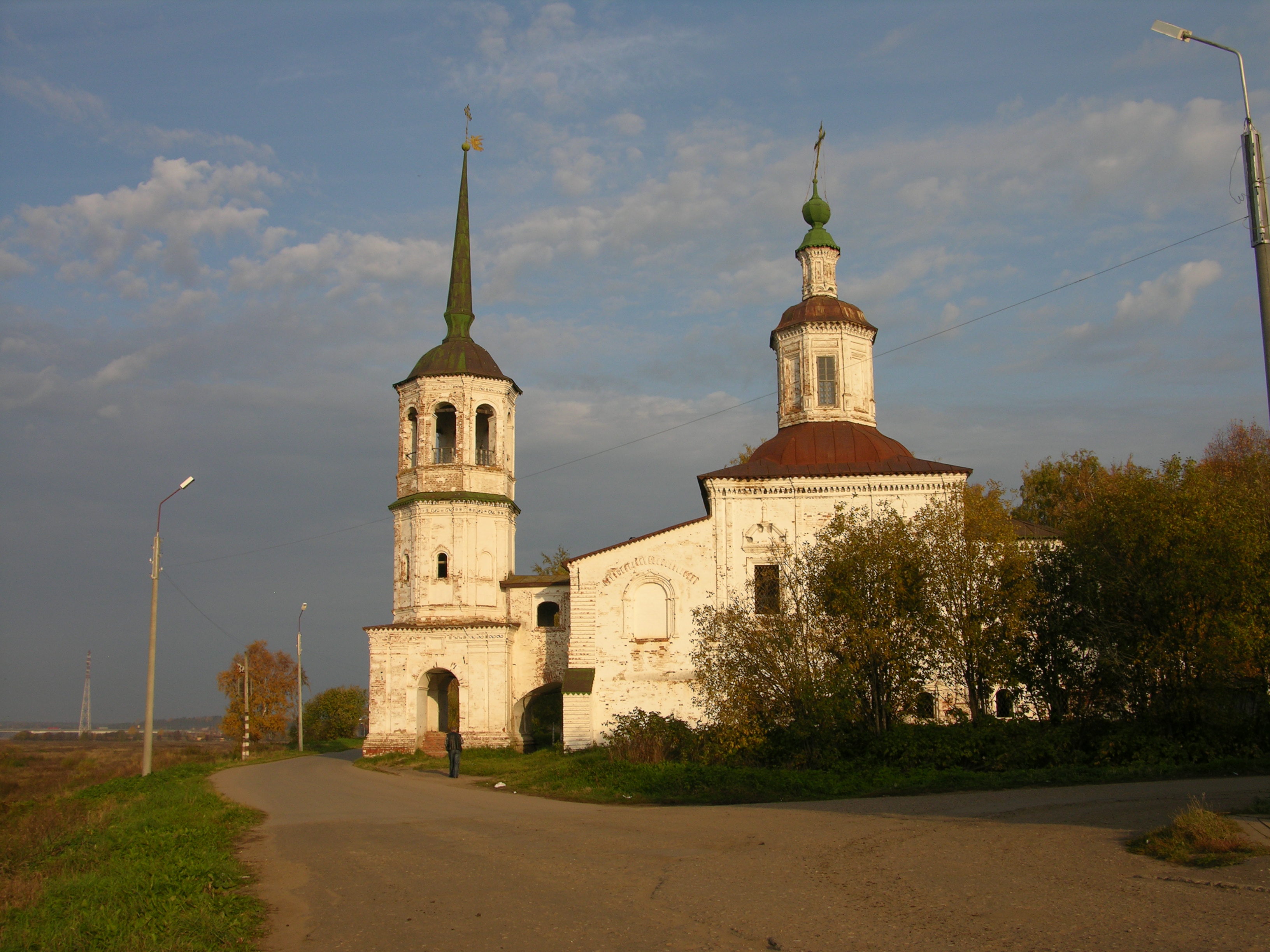
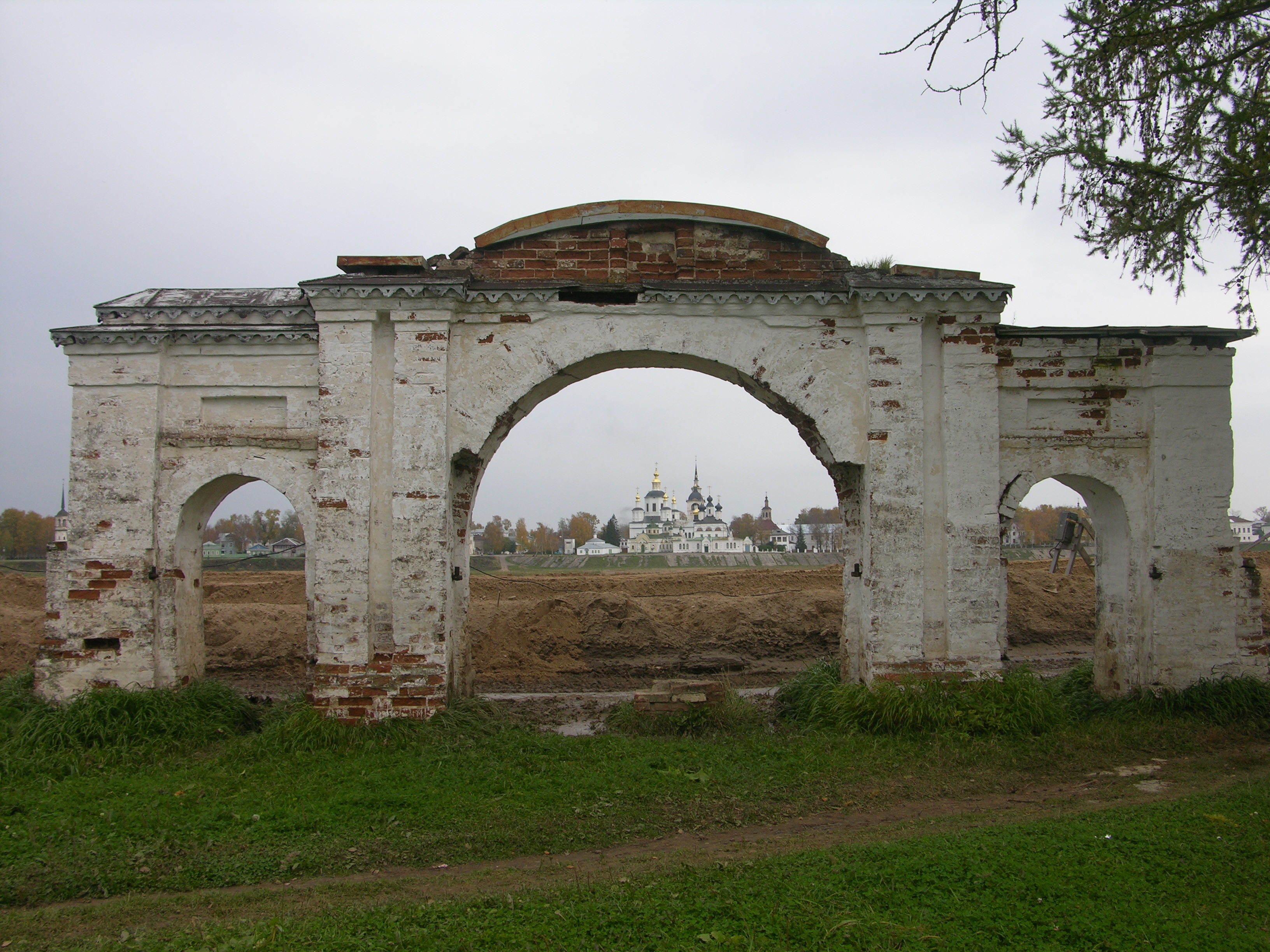
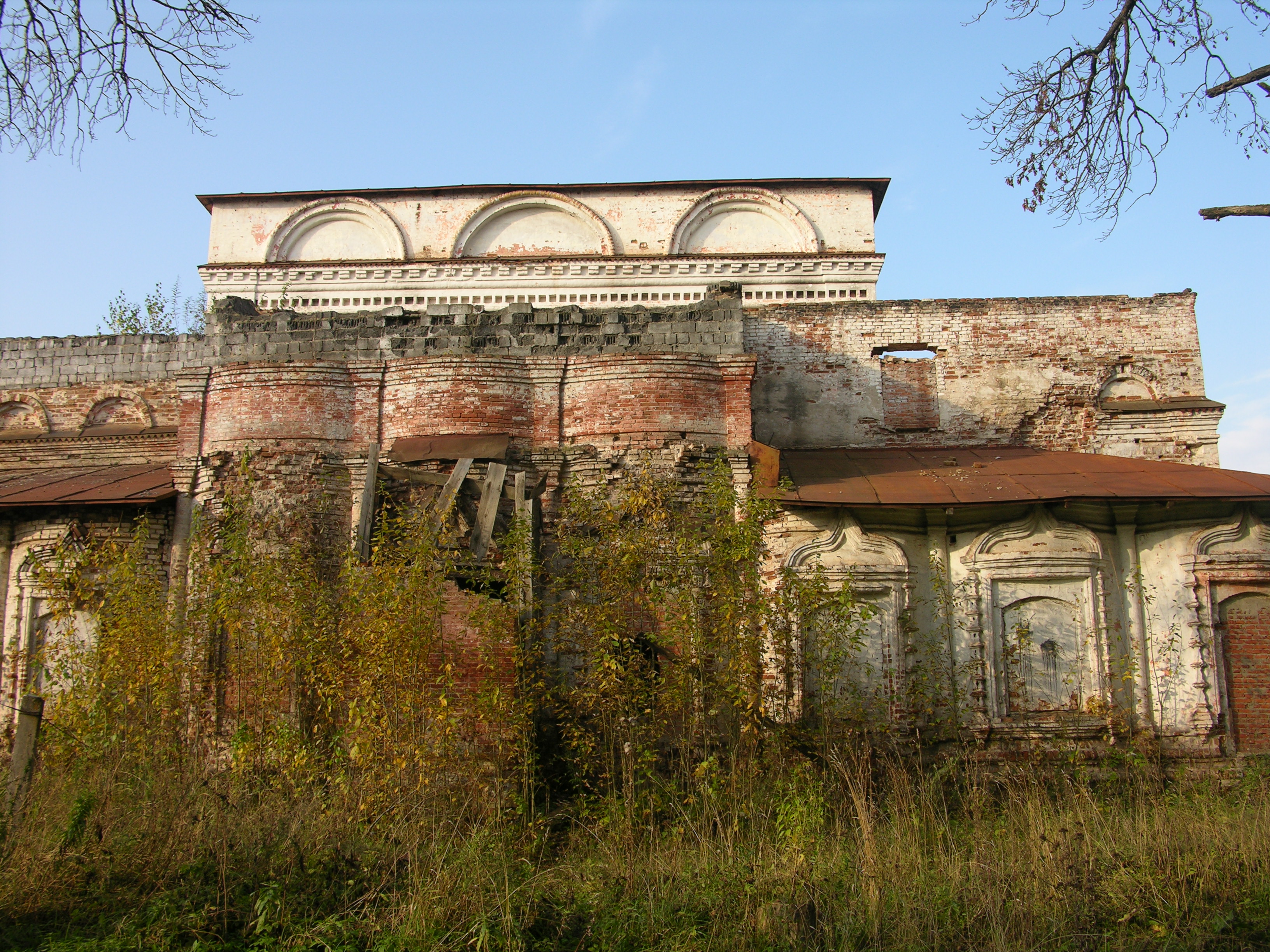
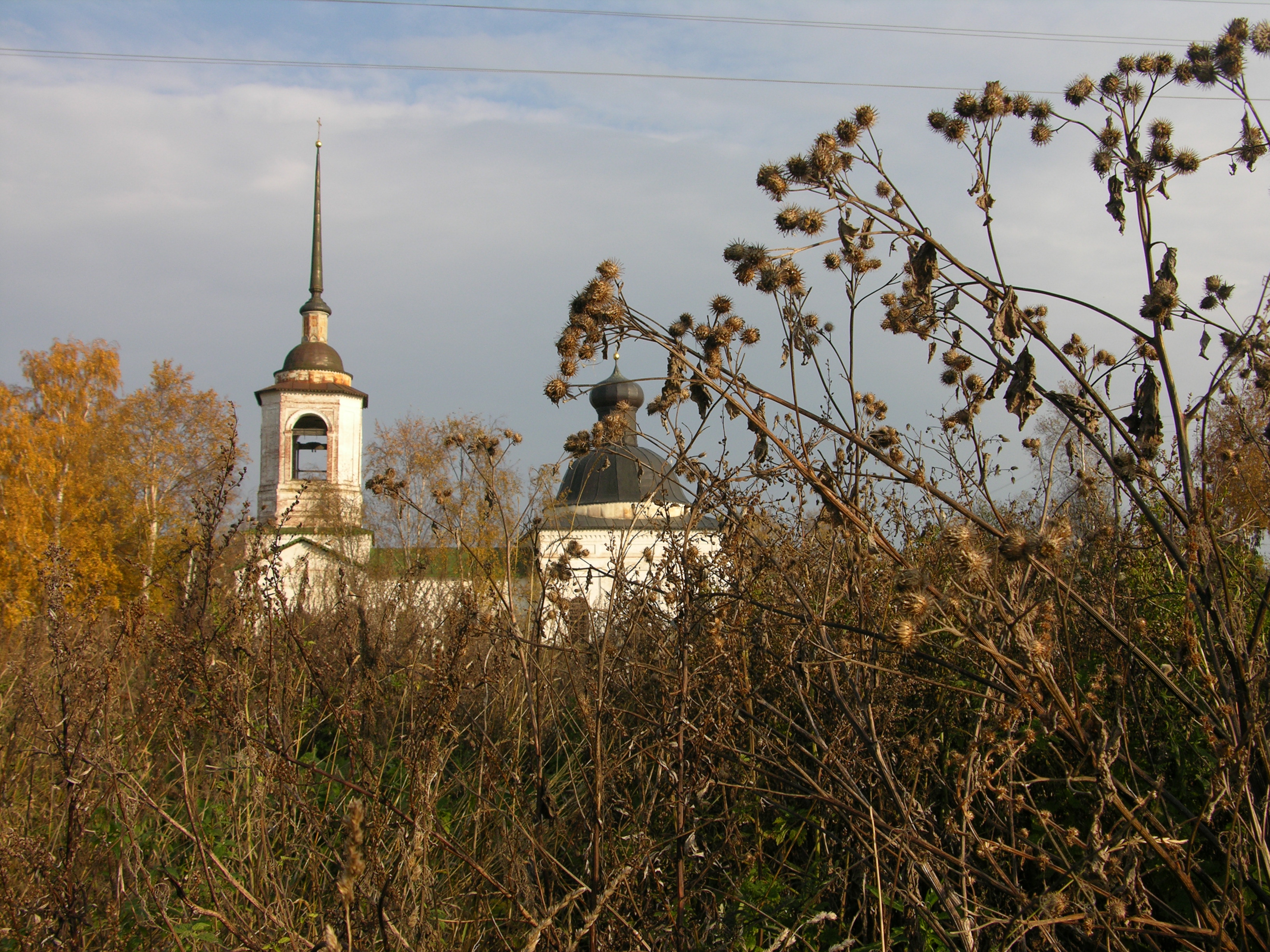
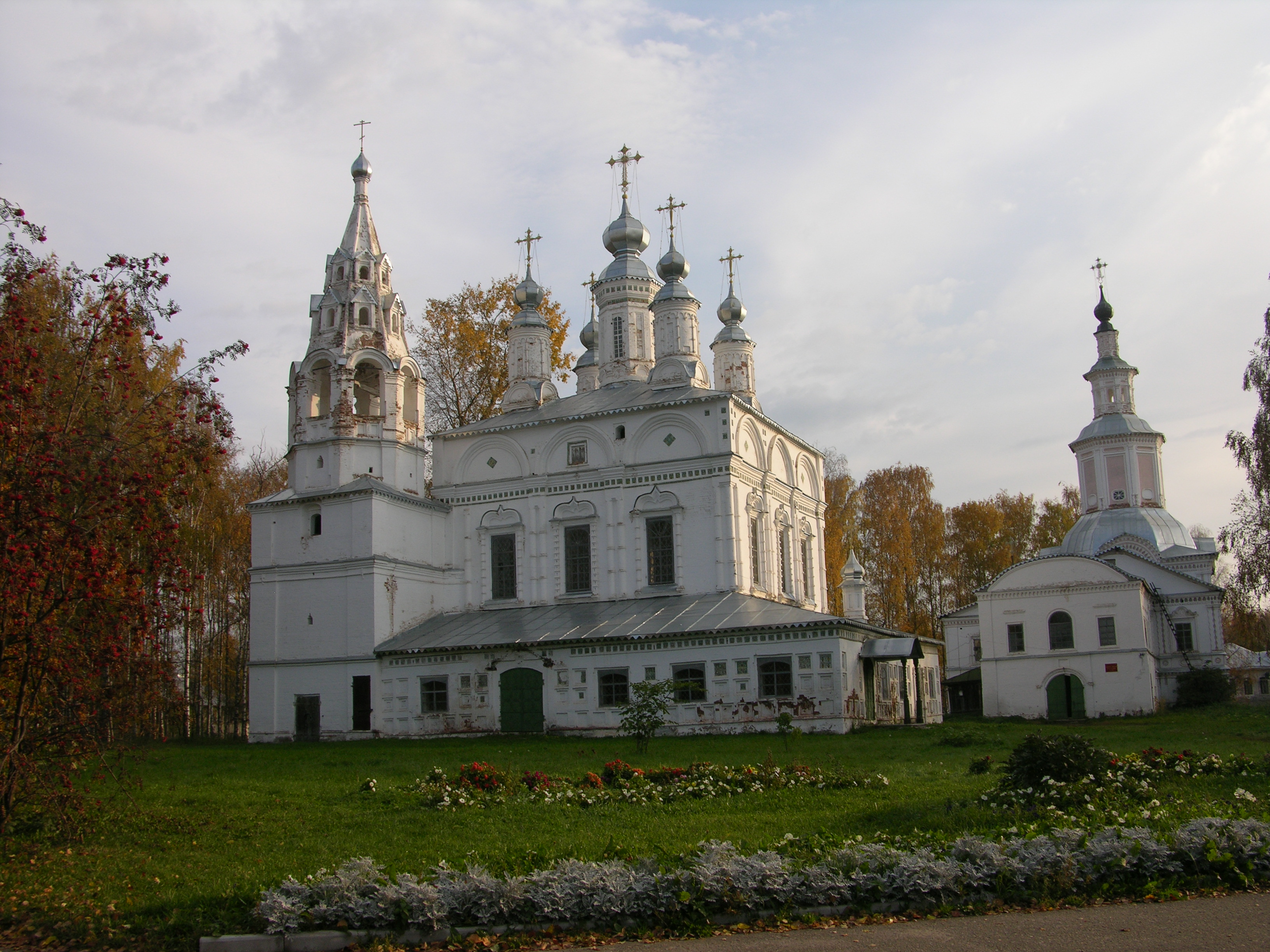
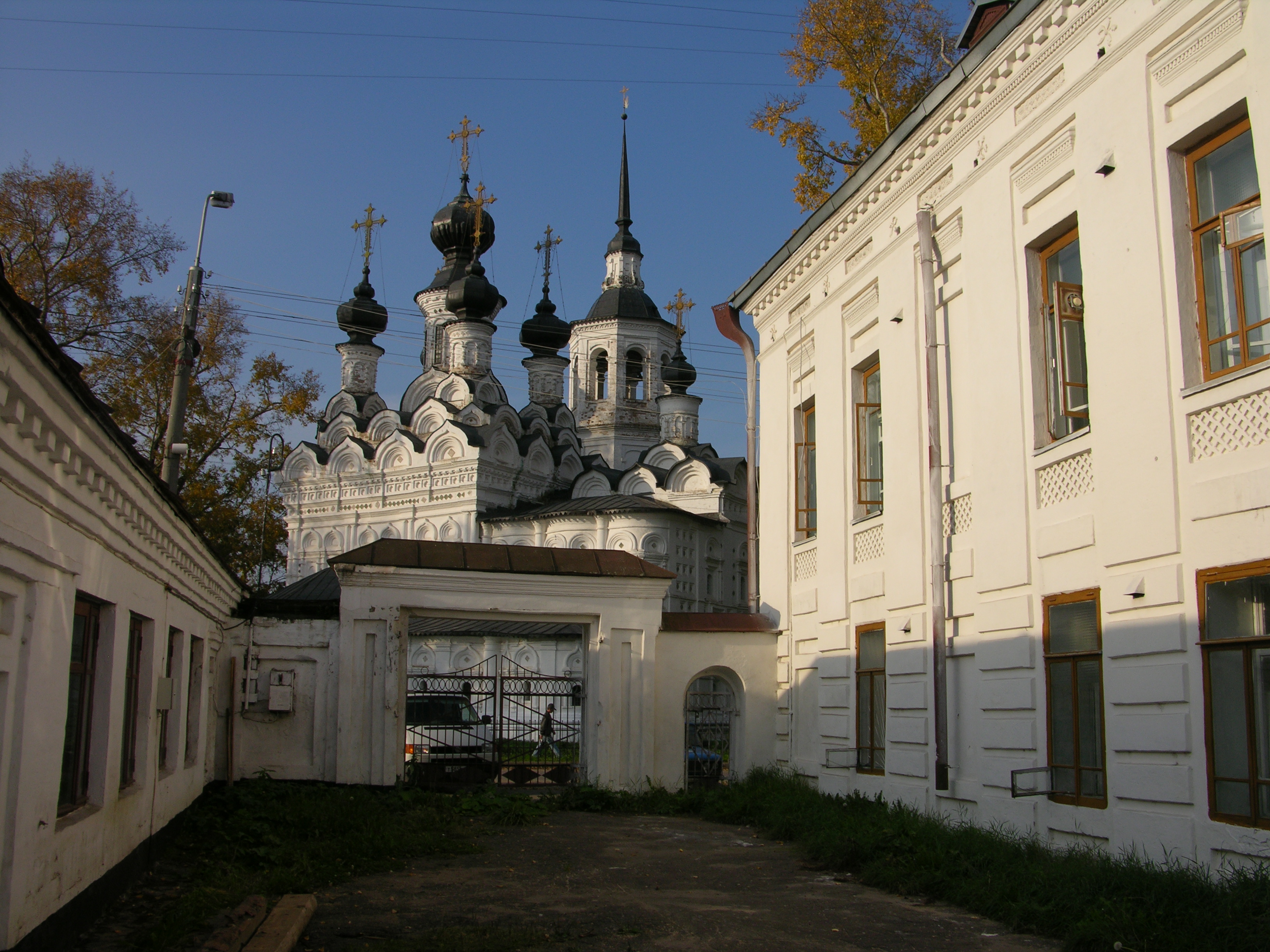
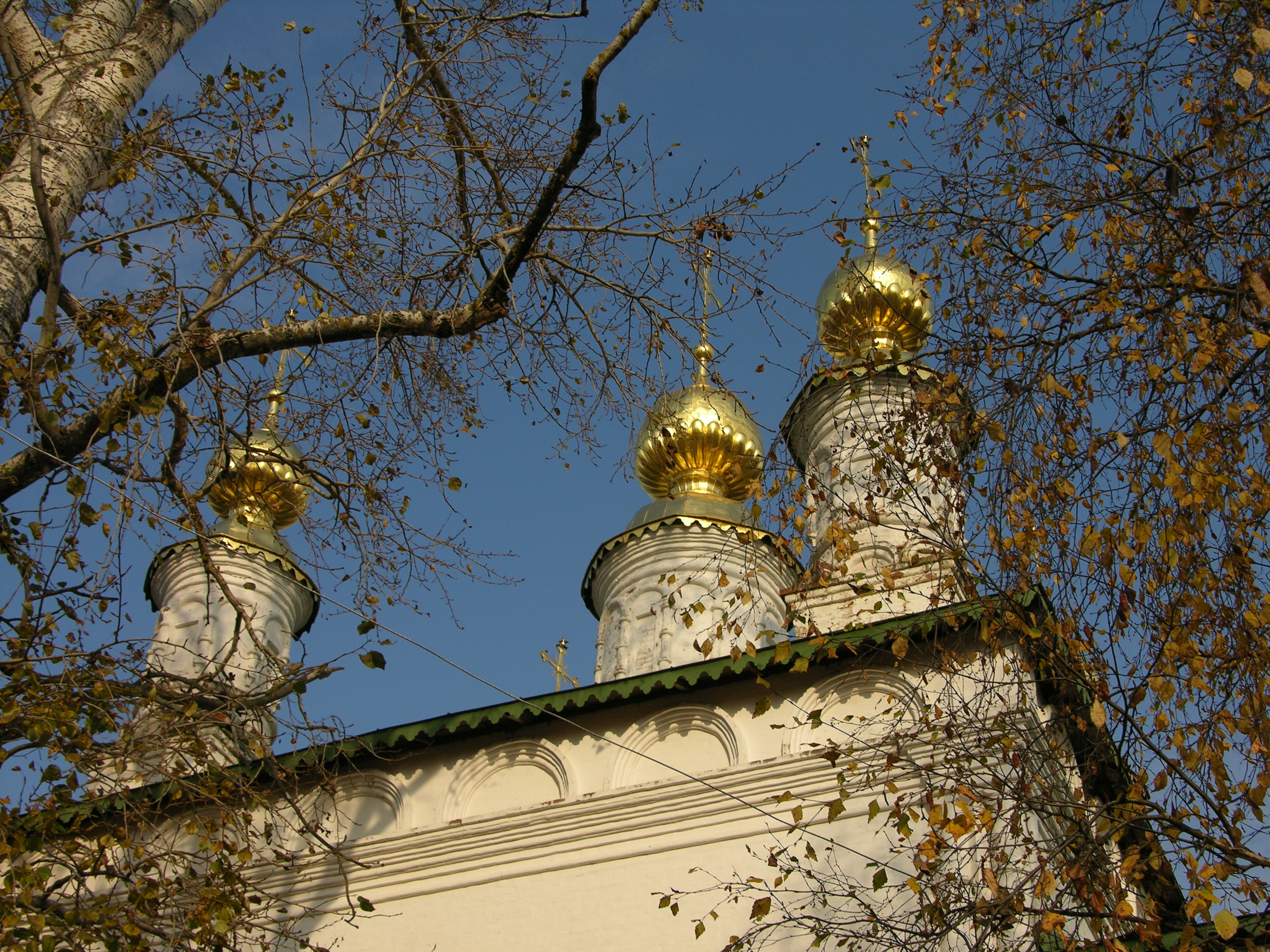
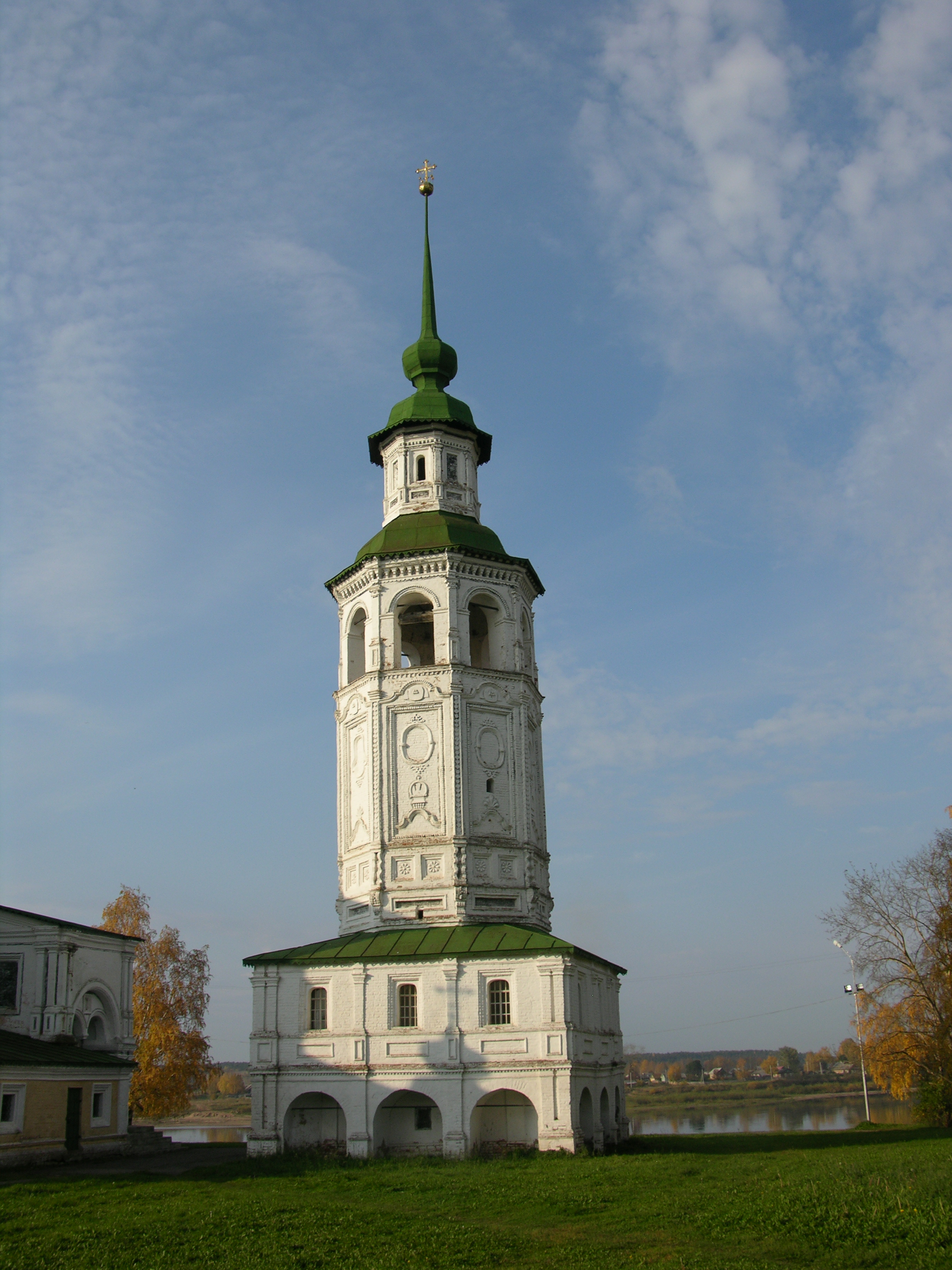
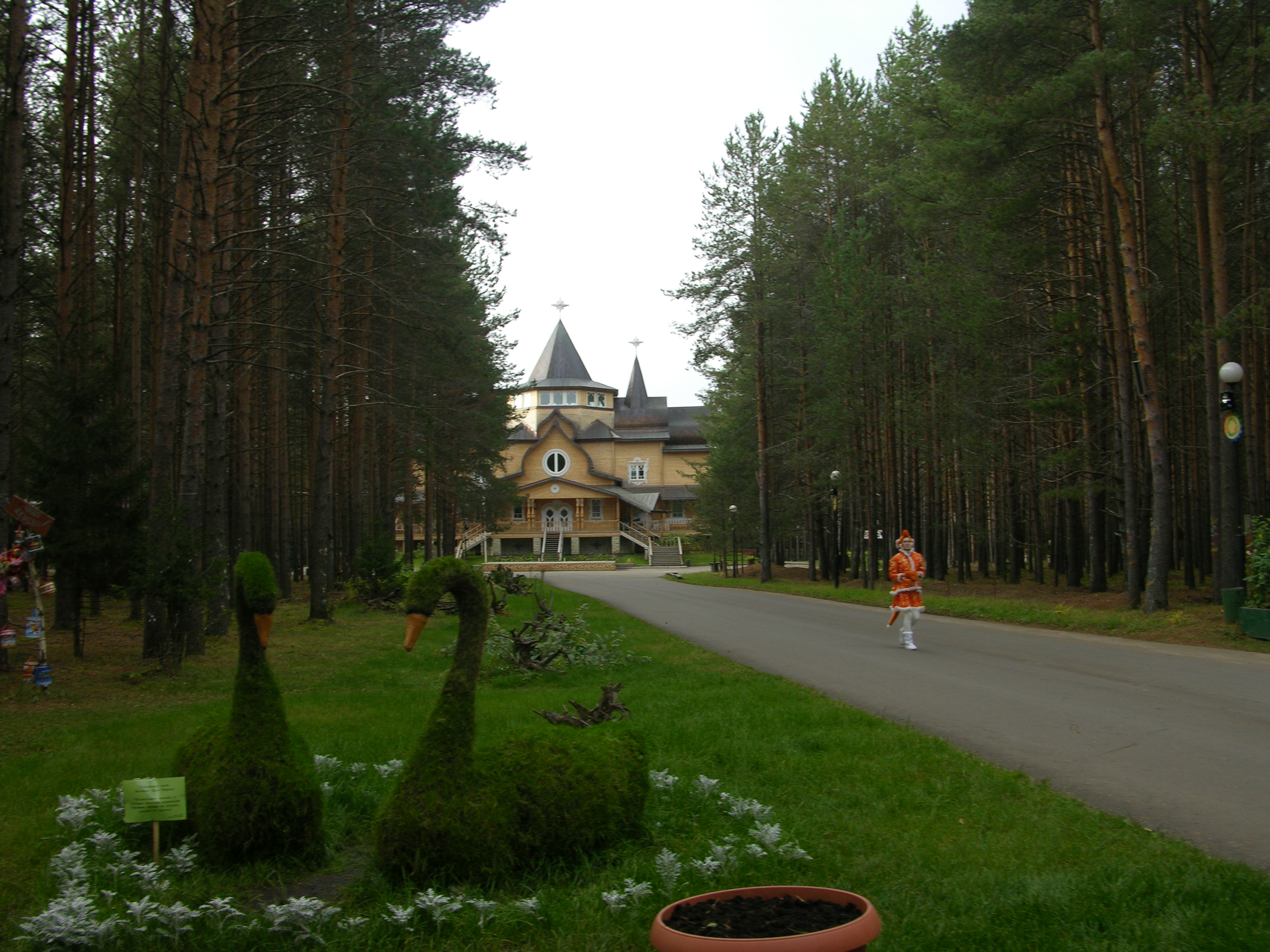
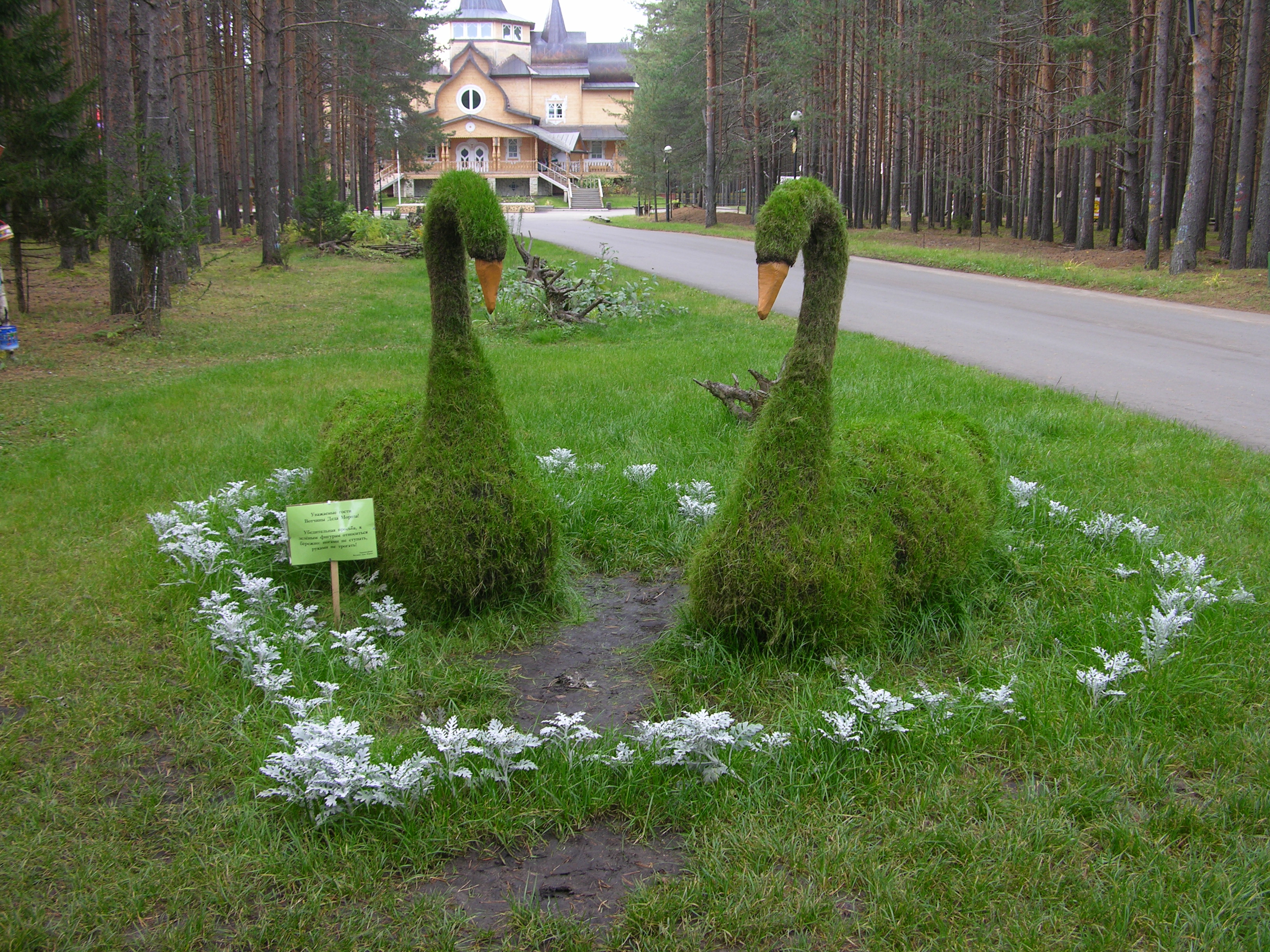
I spent the day in Veliky Ustyug, a big and beautiful town. The neglect was the same as everywhere else. Only a few scattered pockets had been put in order. These days, Veliky Ustyug is considered Father Frost’s home. There’s a residence building in town, and Father Frost’s estate is five kilometres upstream along the Sukhona.
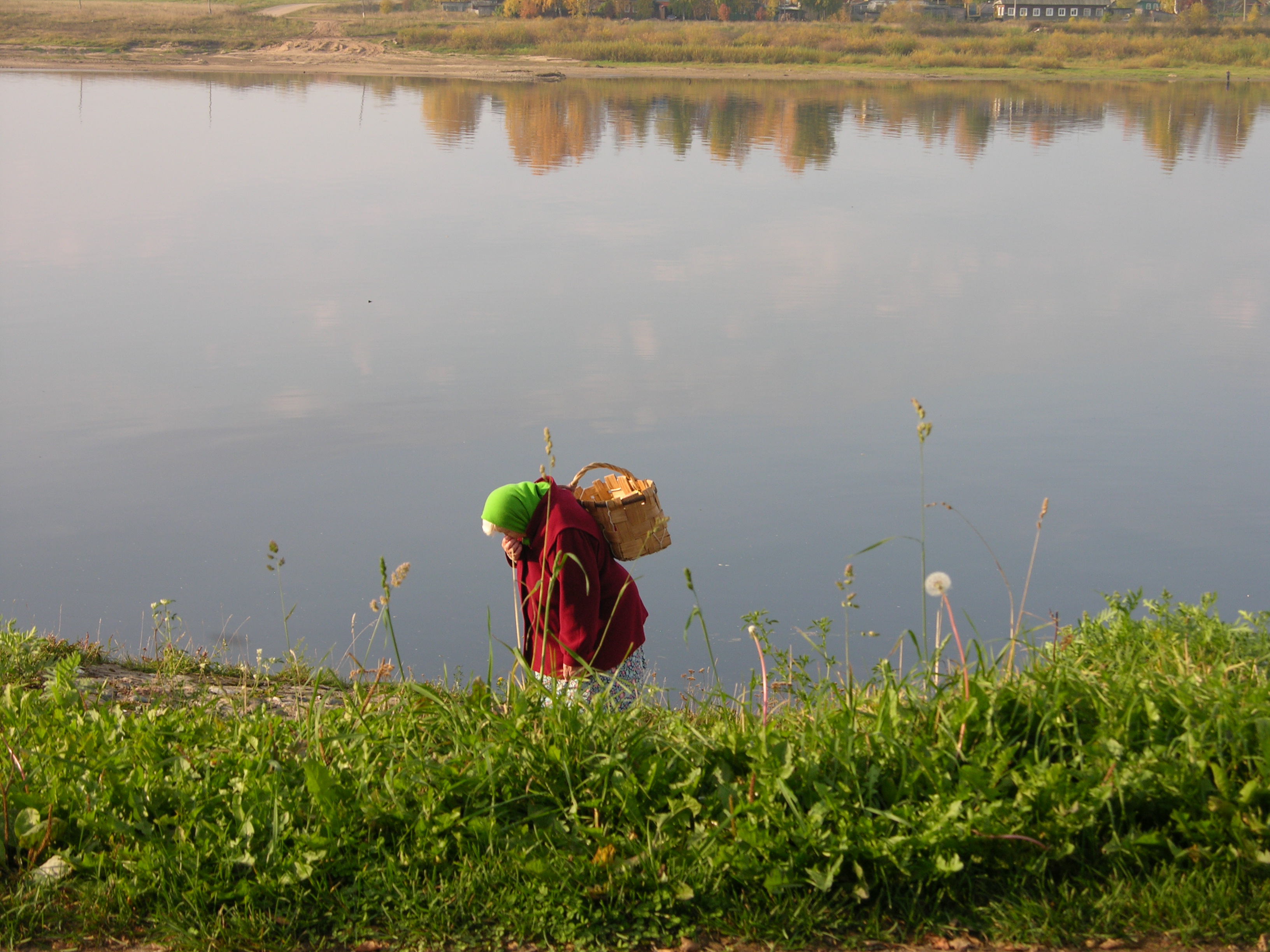
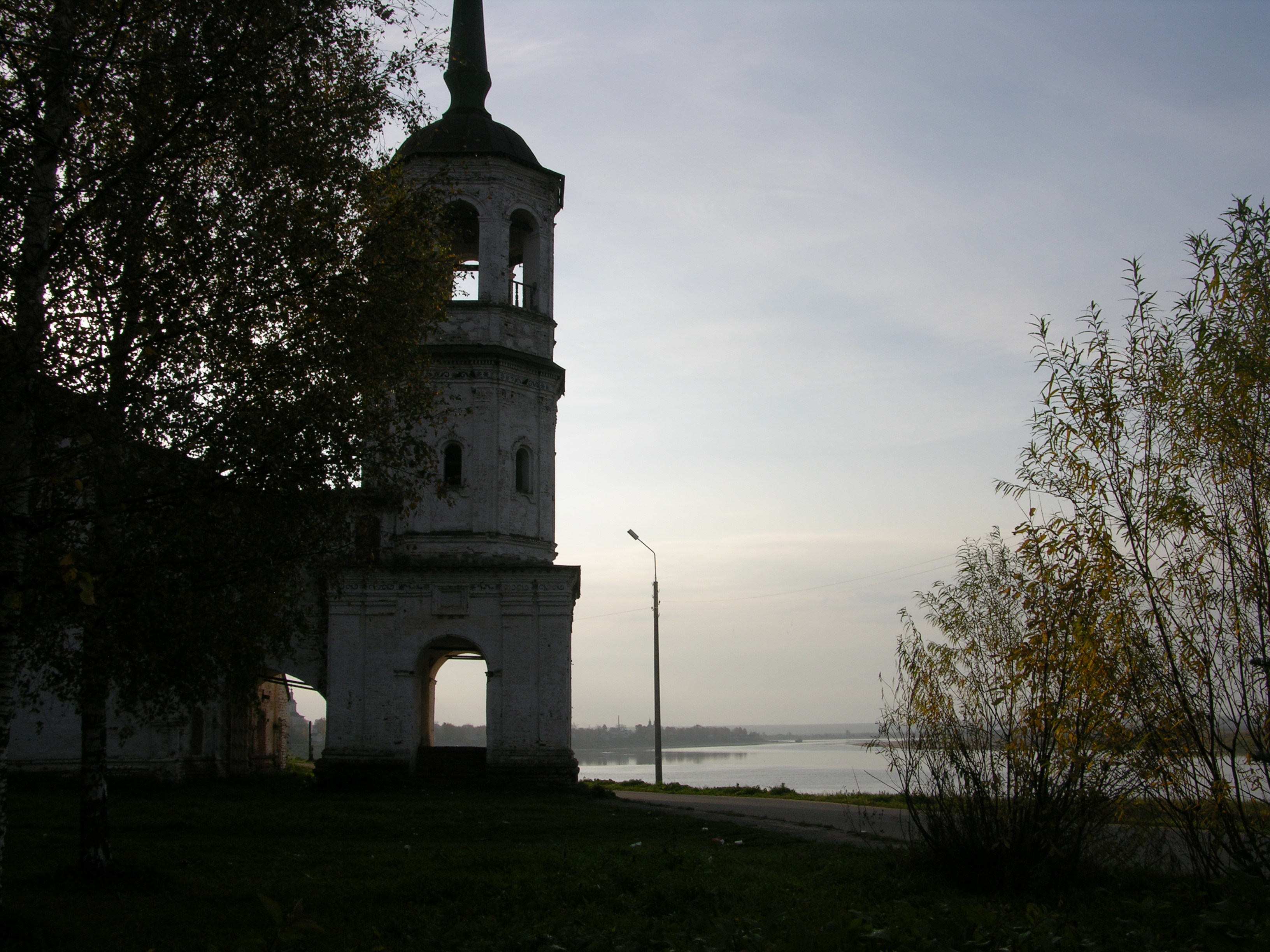
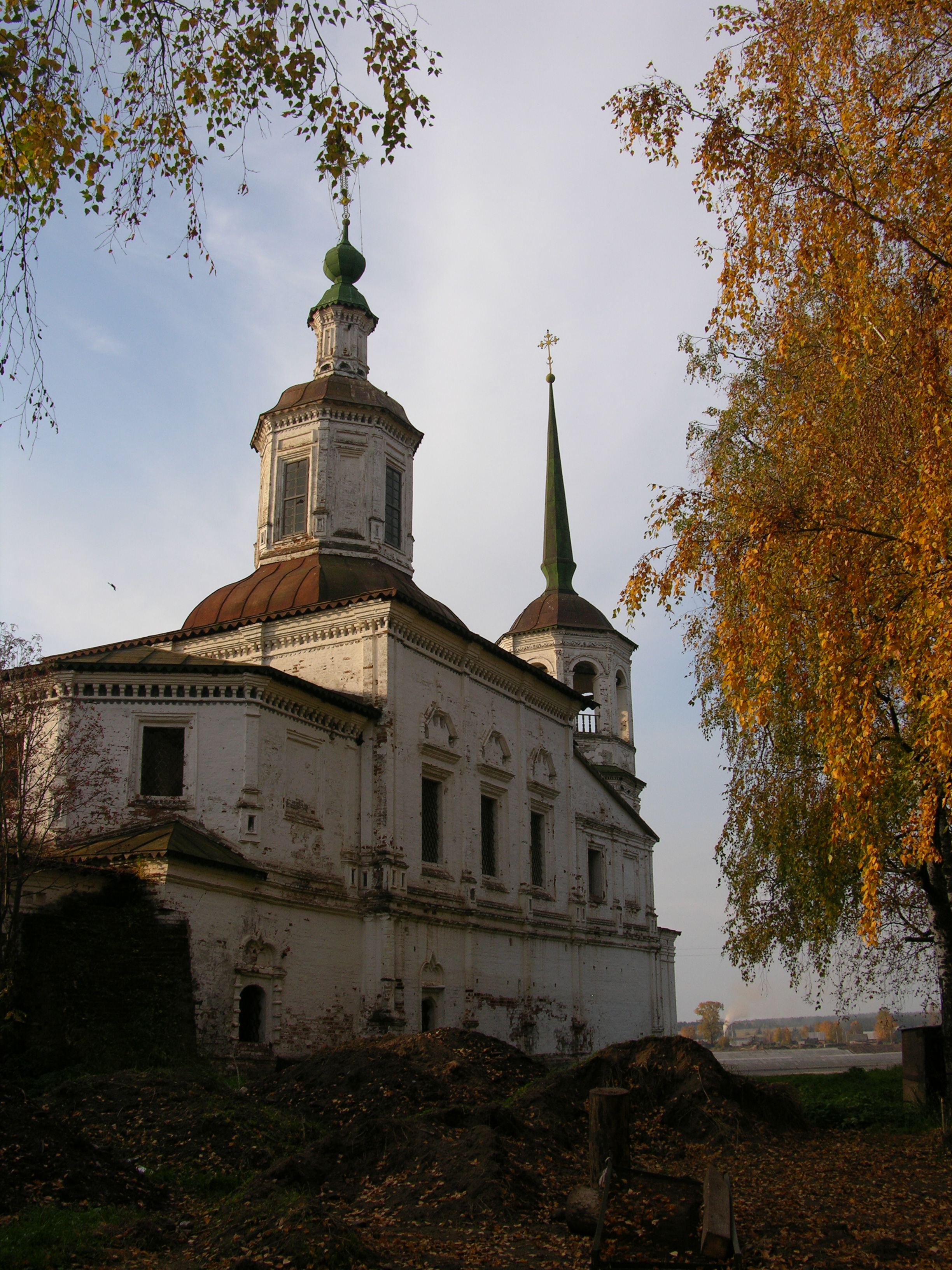
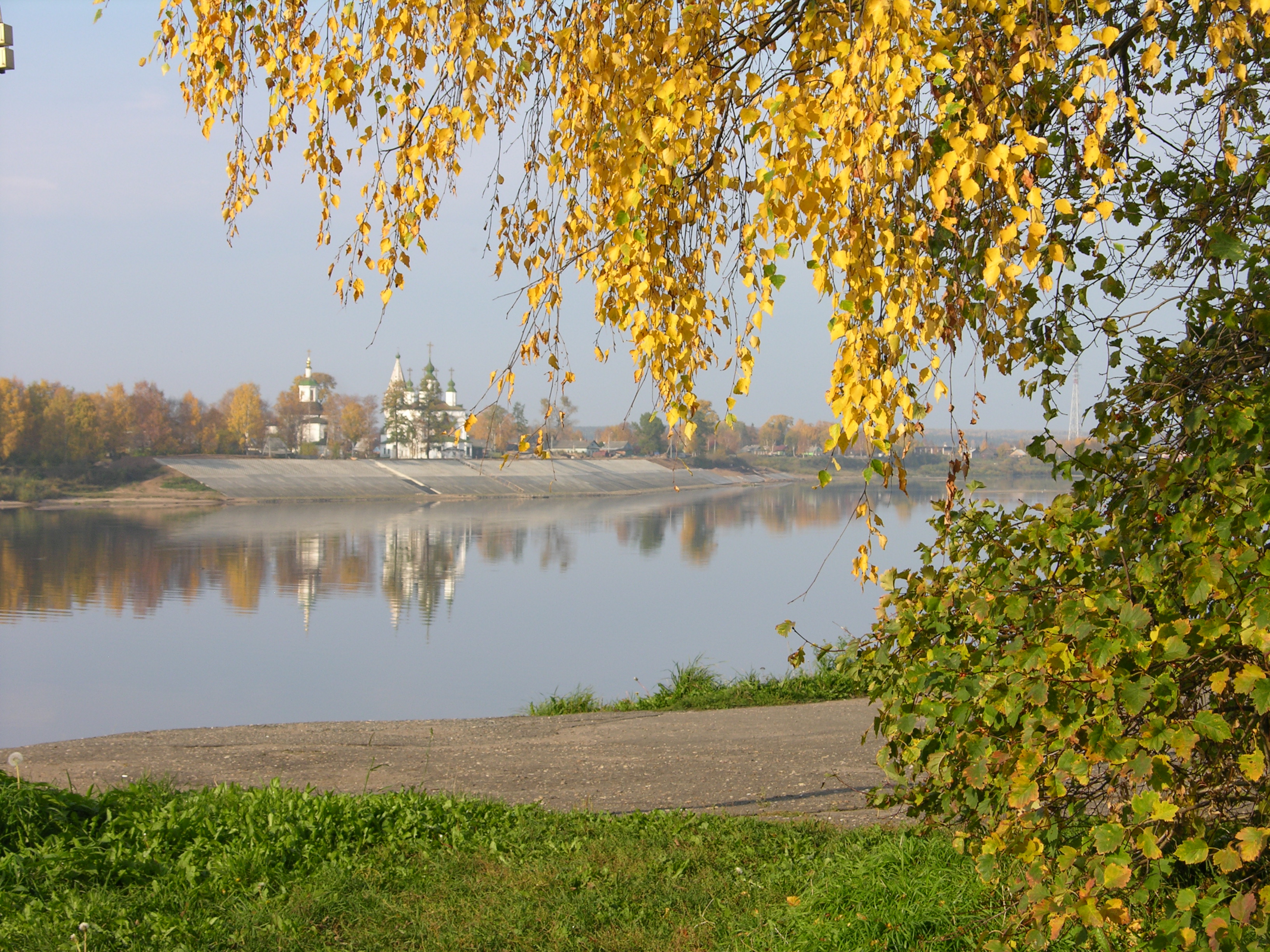
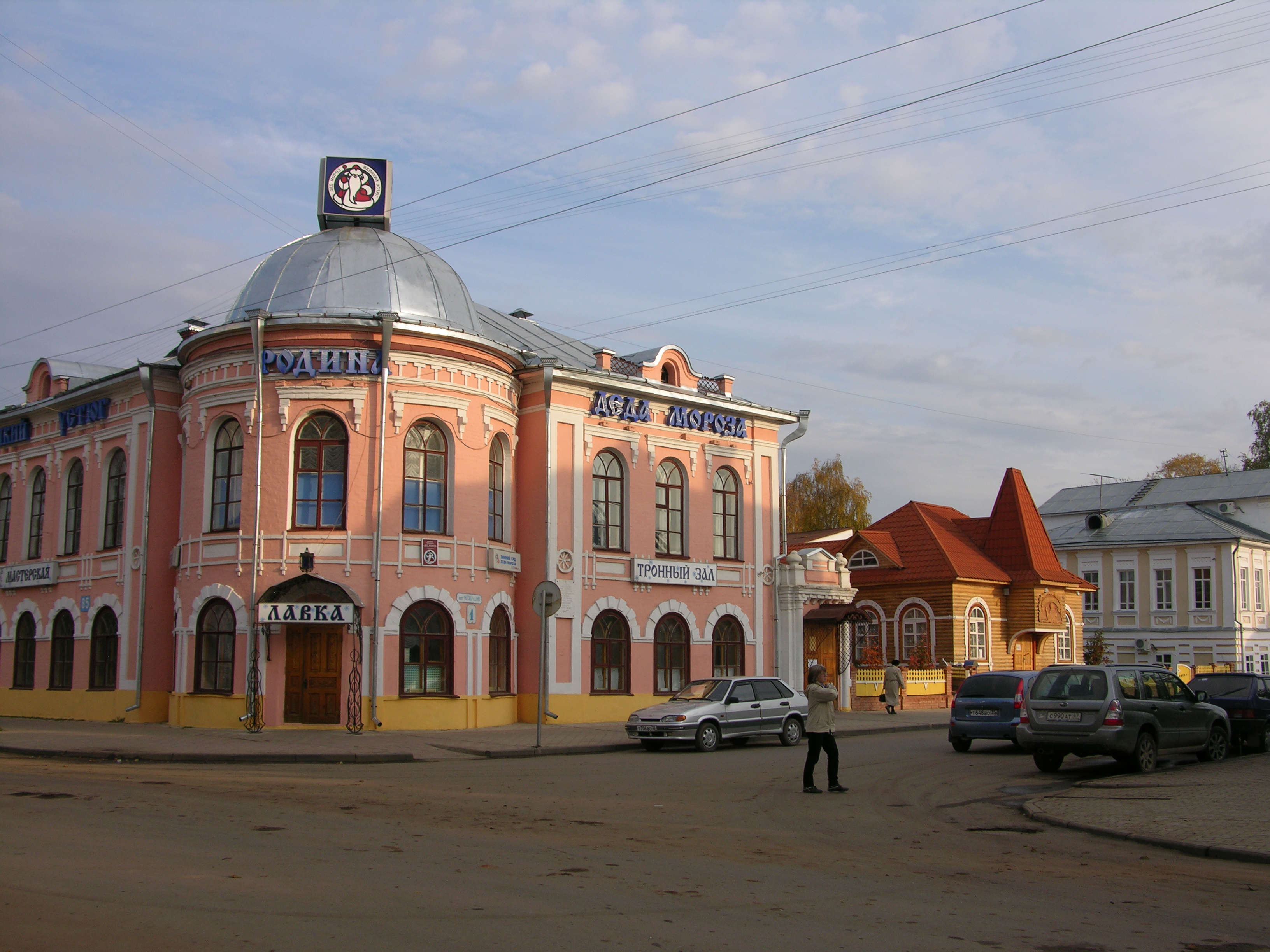
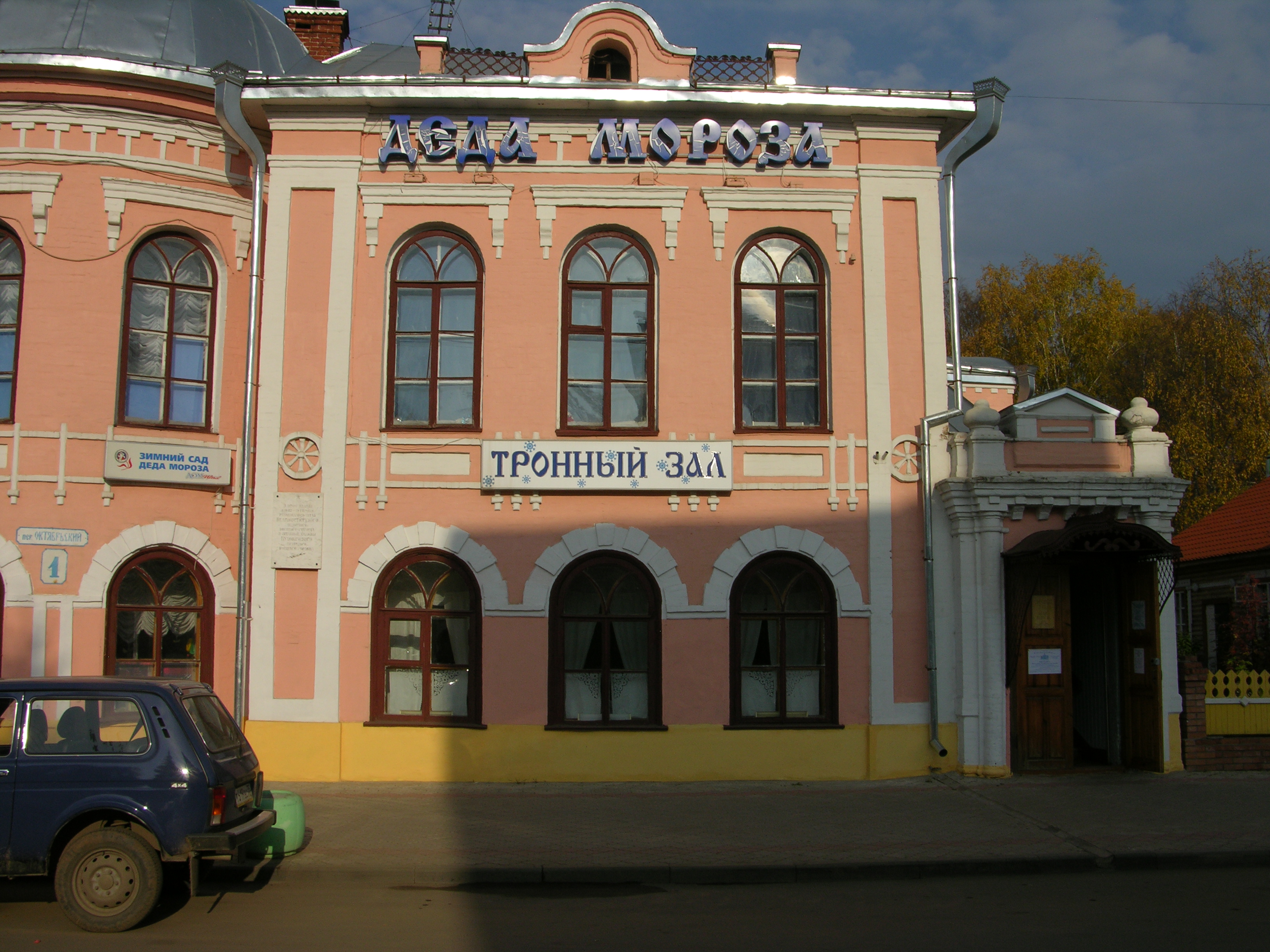
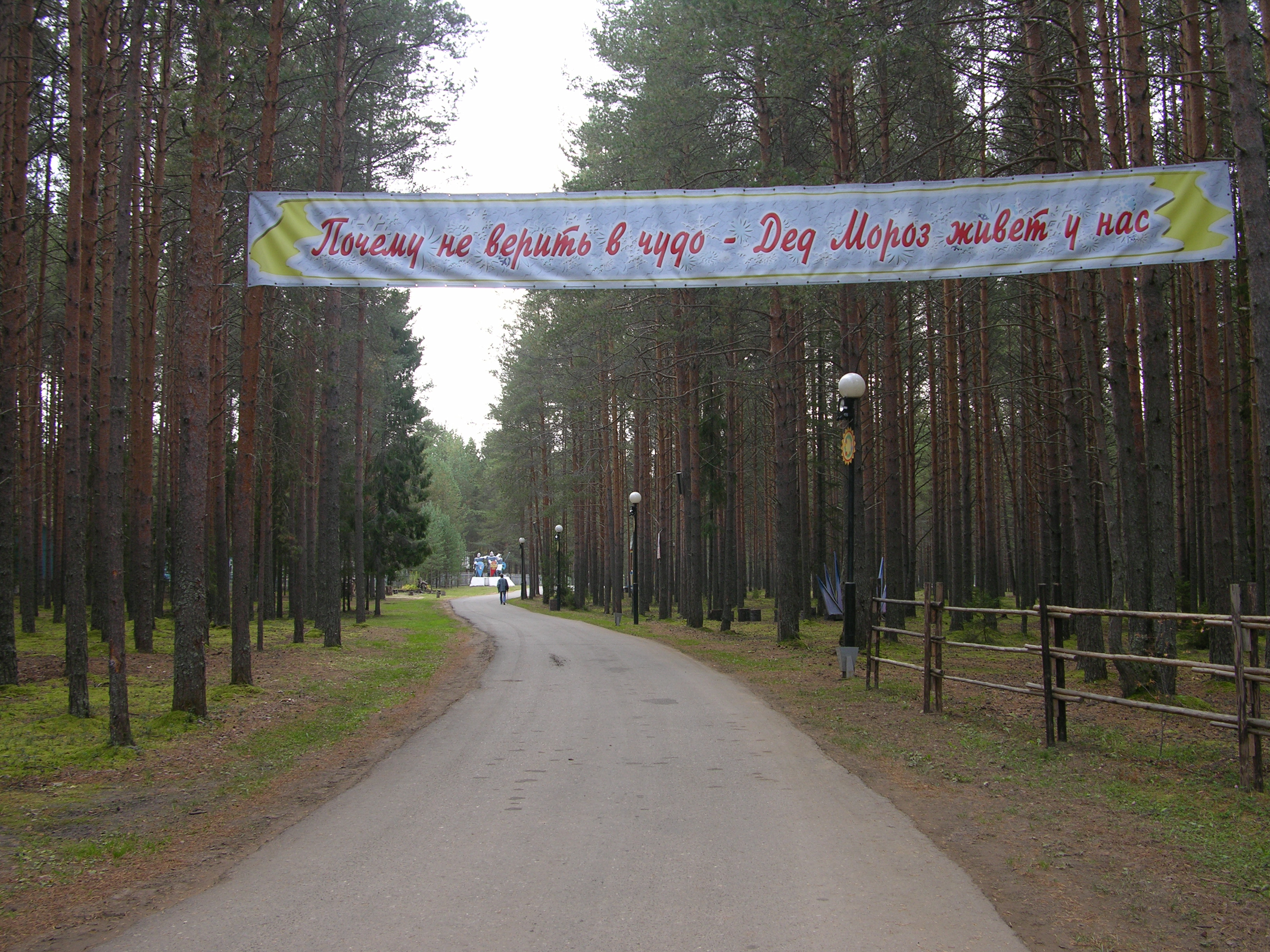
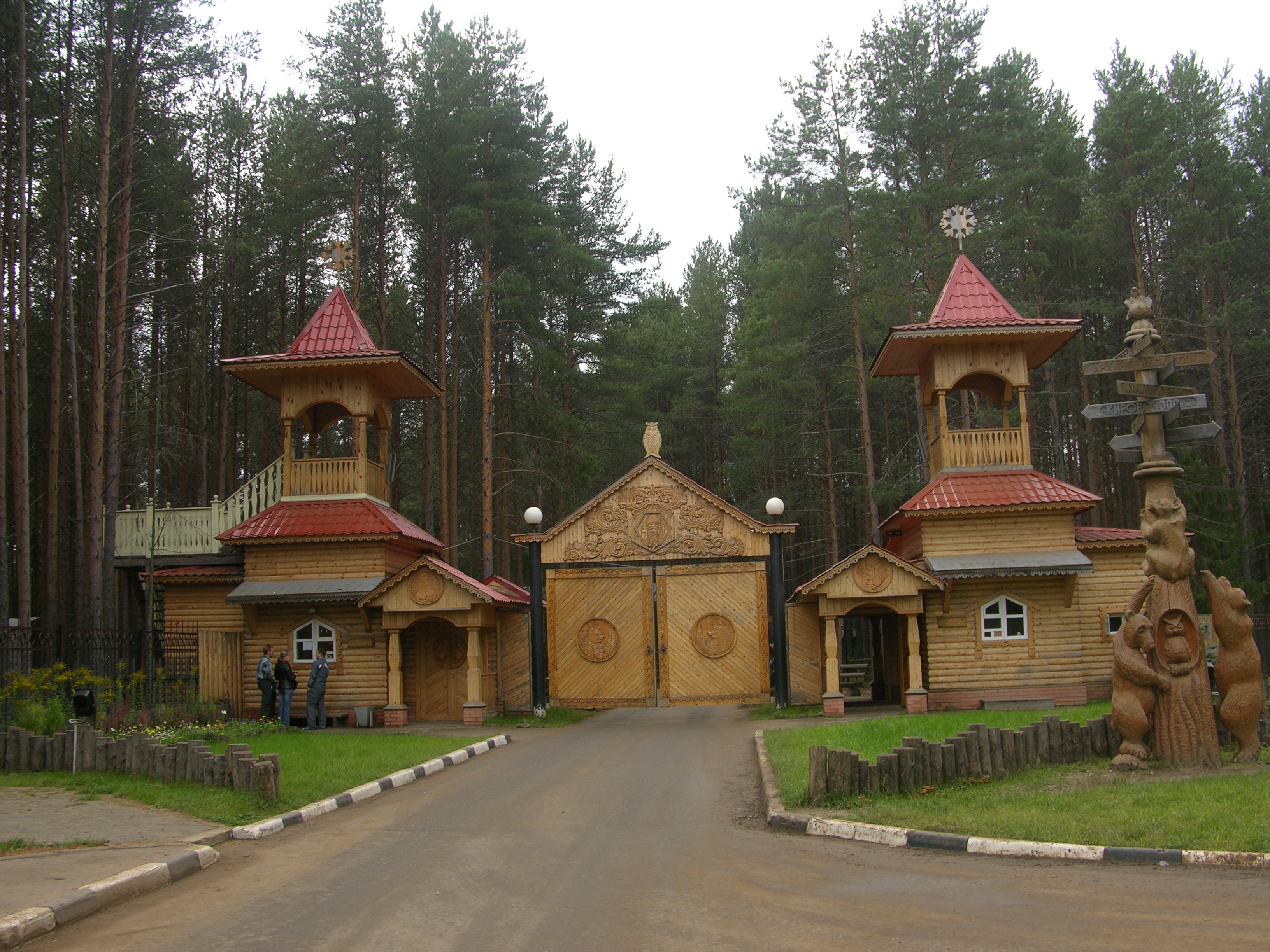
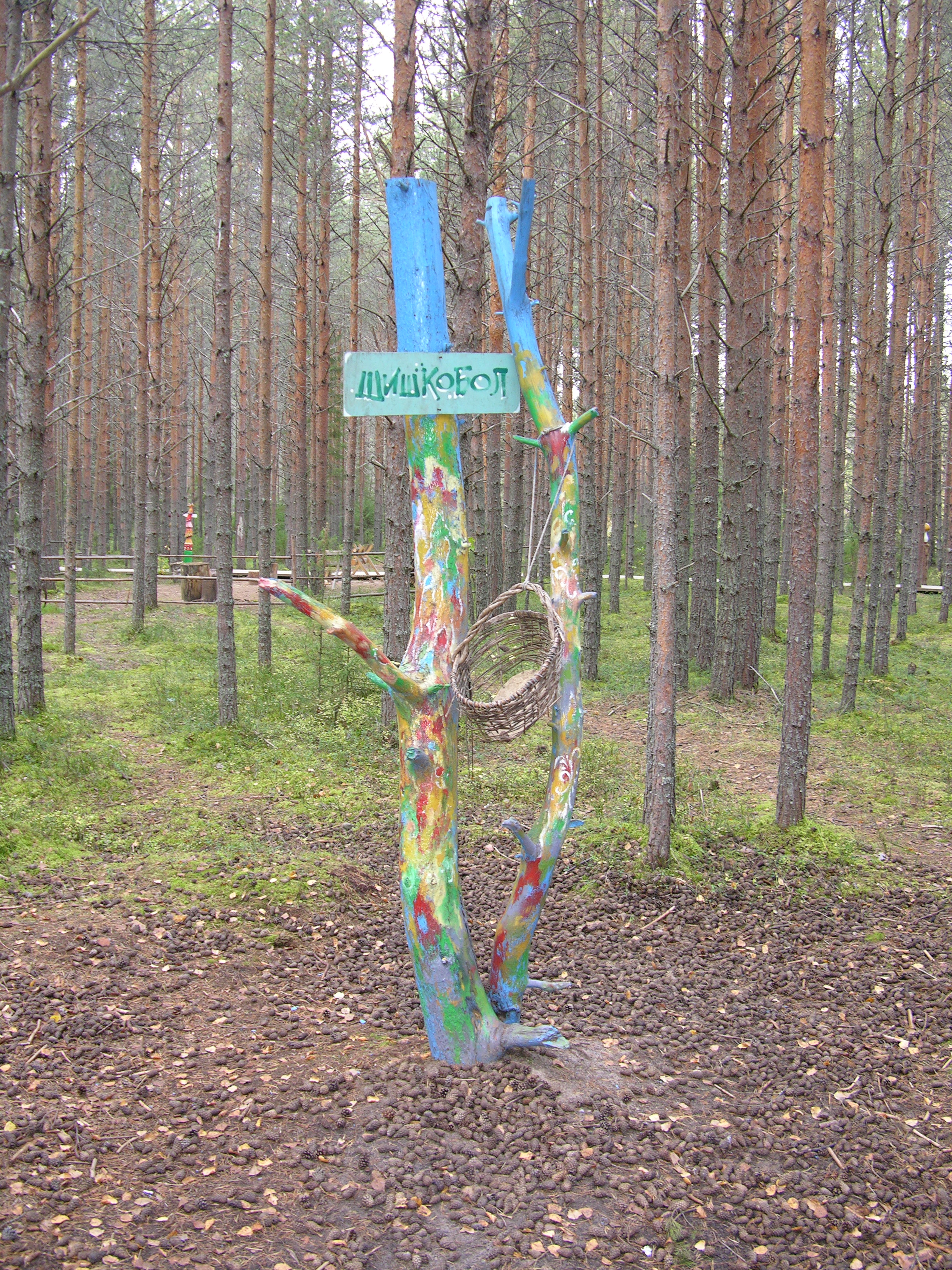
It’s a park for children with all sorts of simple amusements. It was built on a Western model, with care, and is well kept.
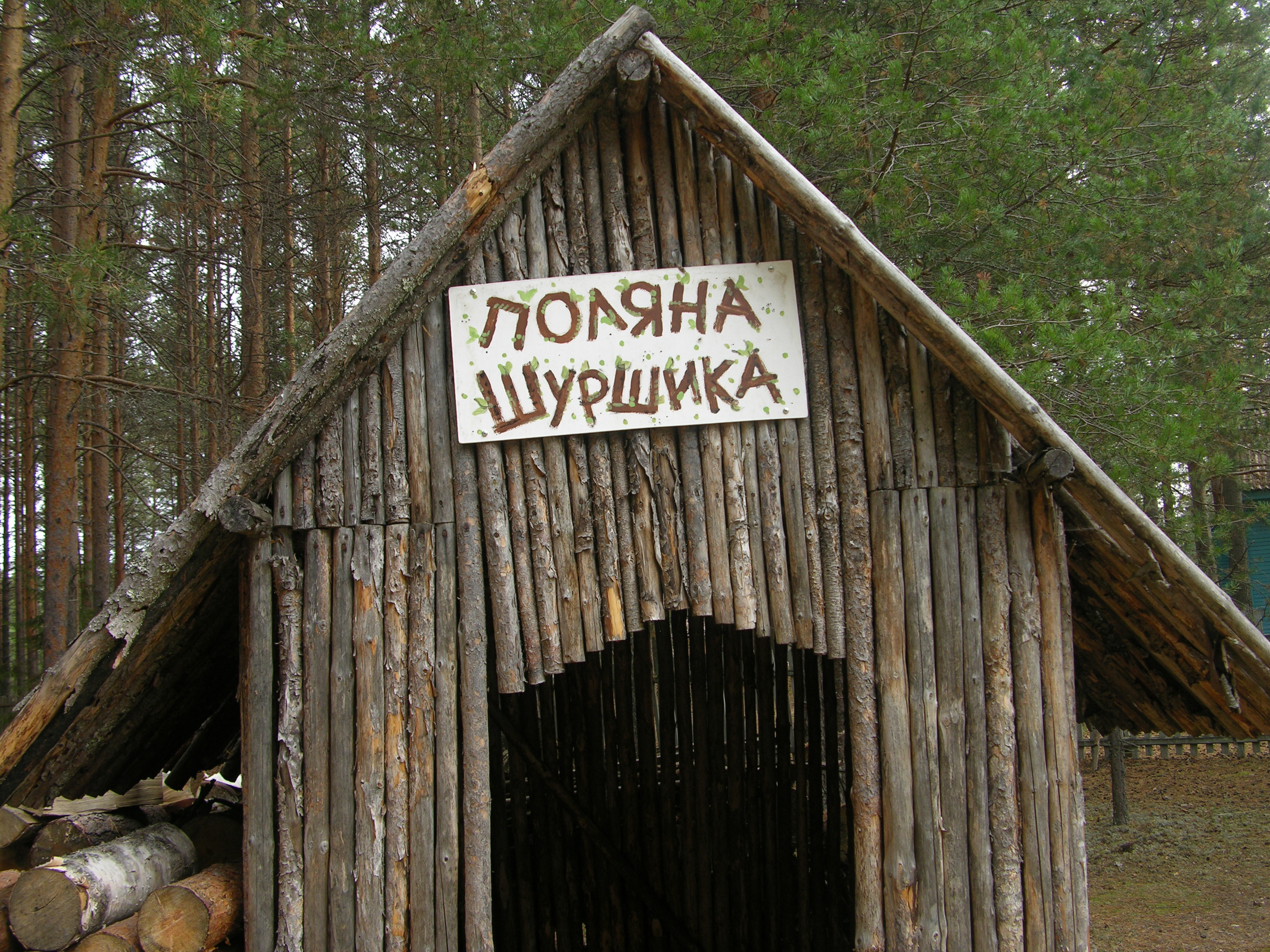
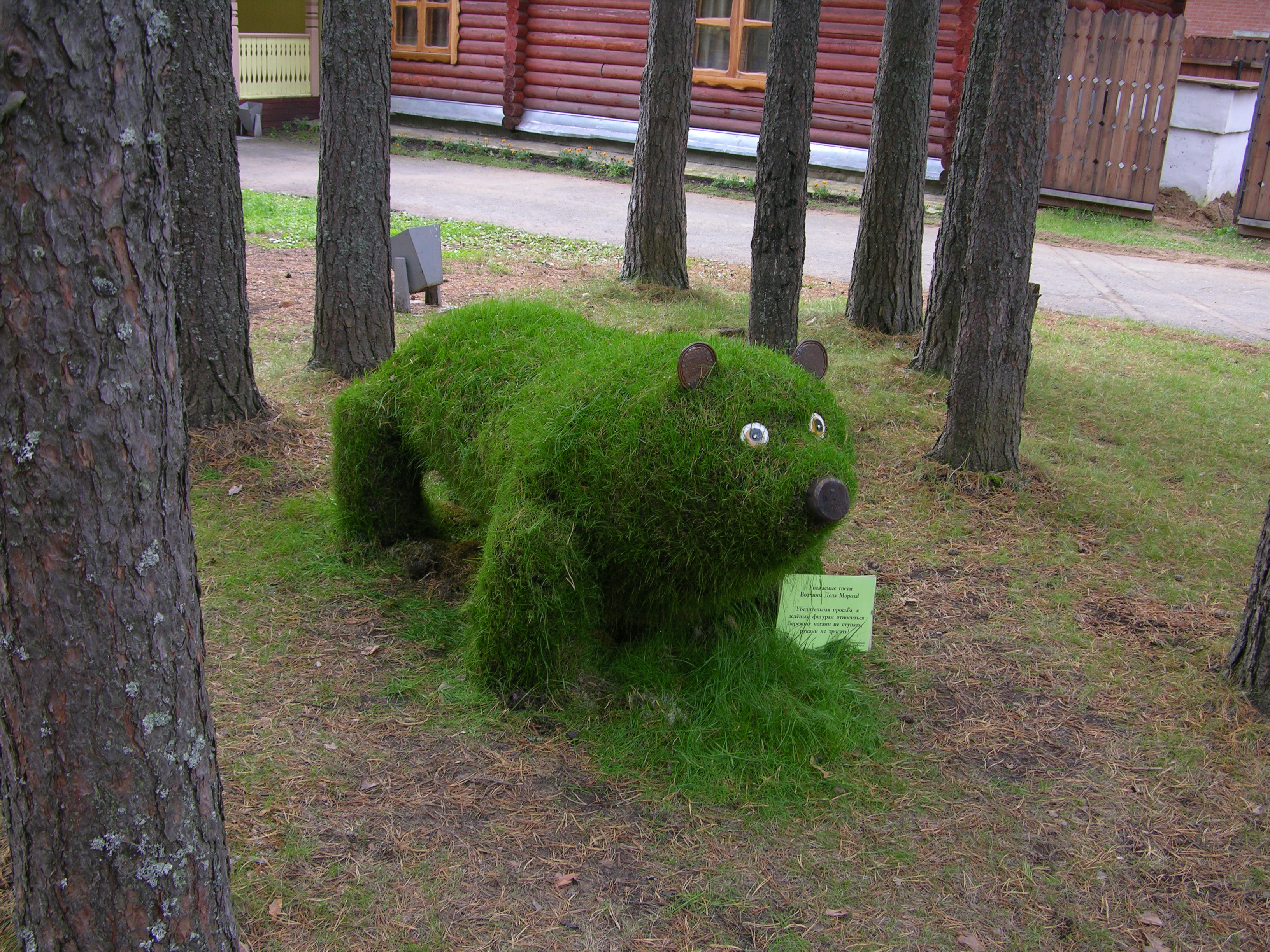
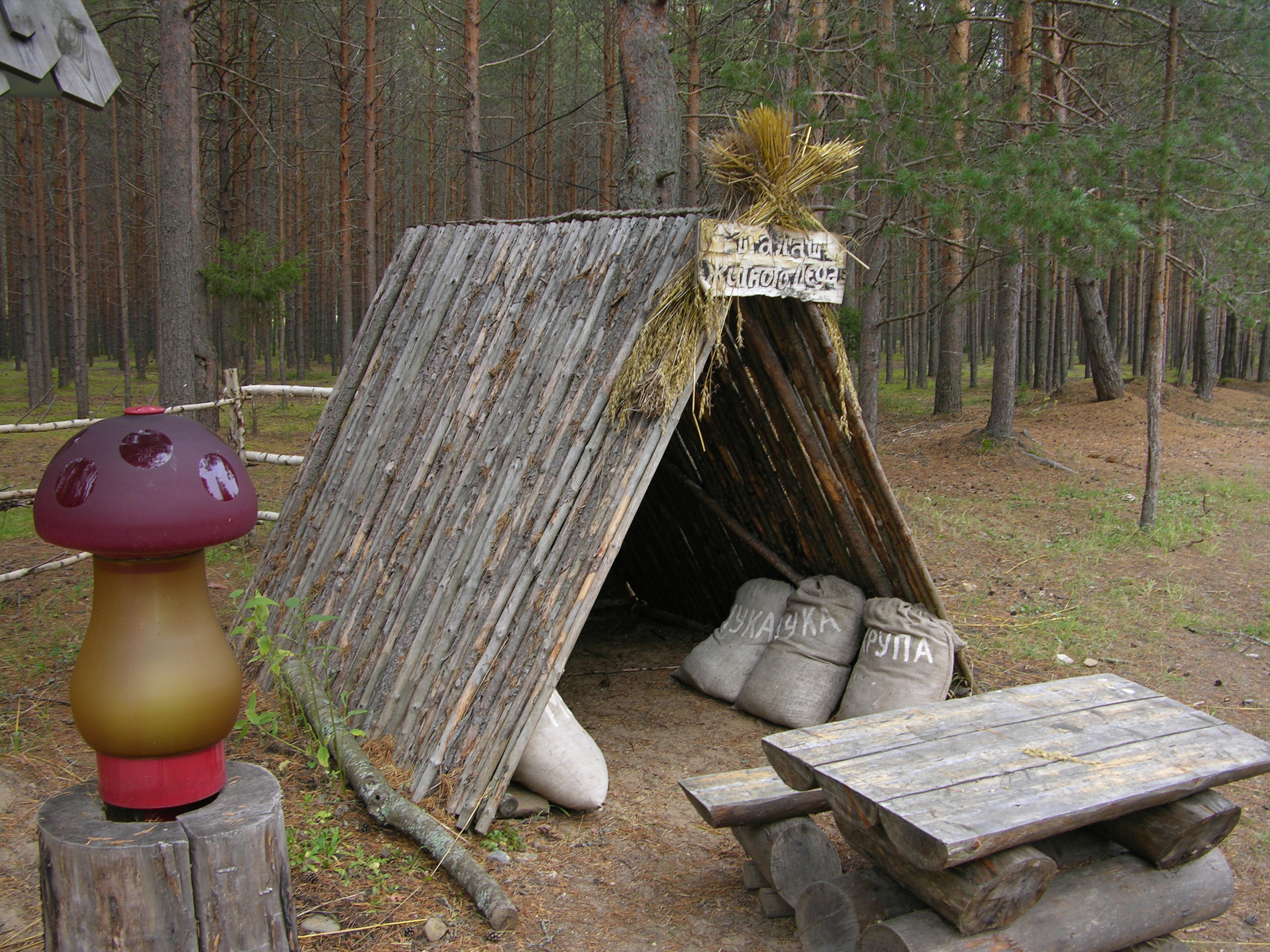
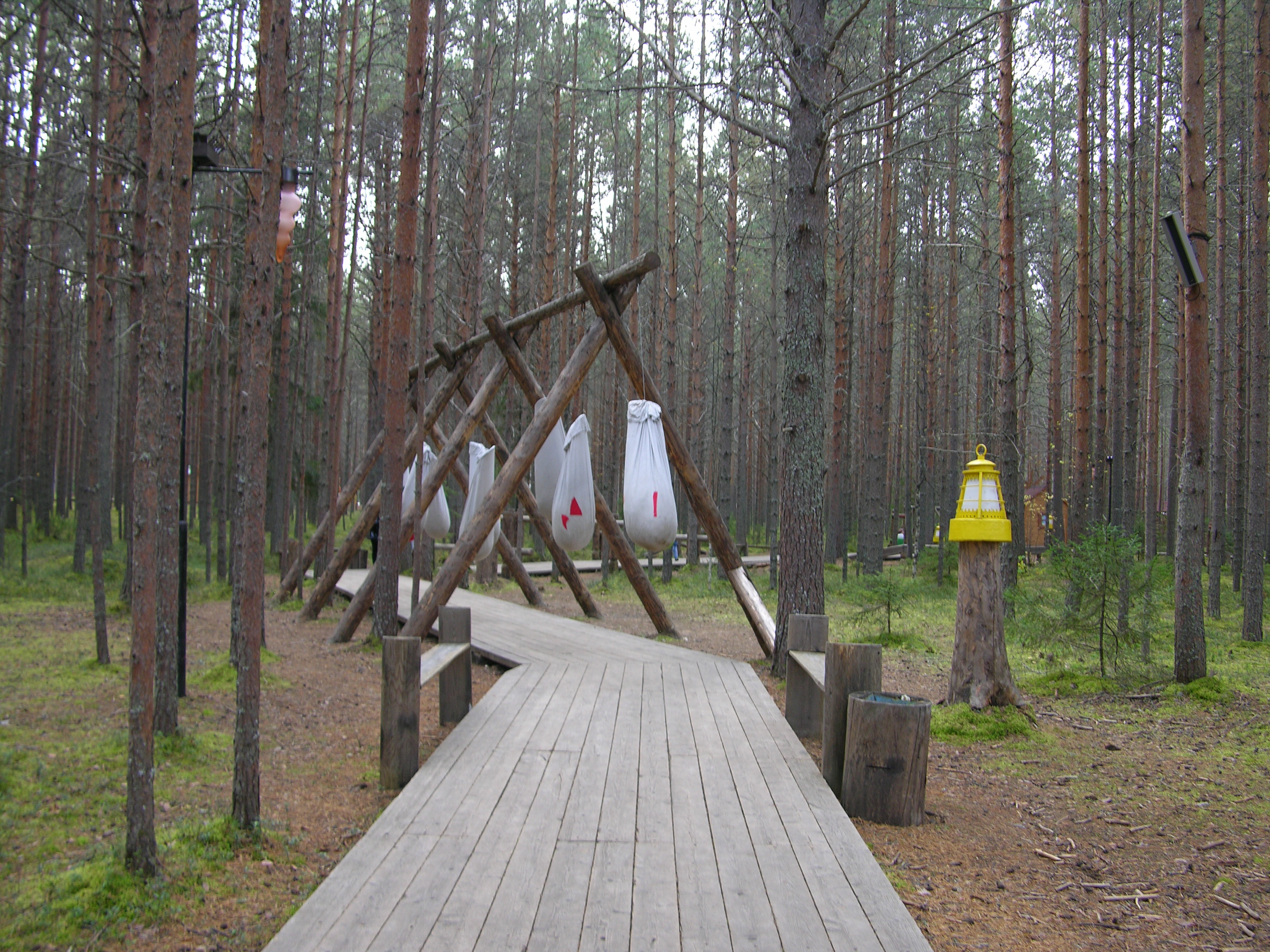
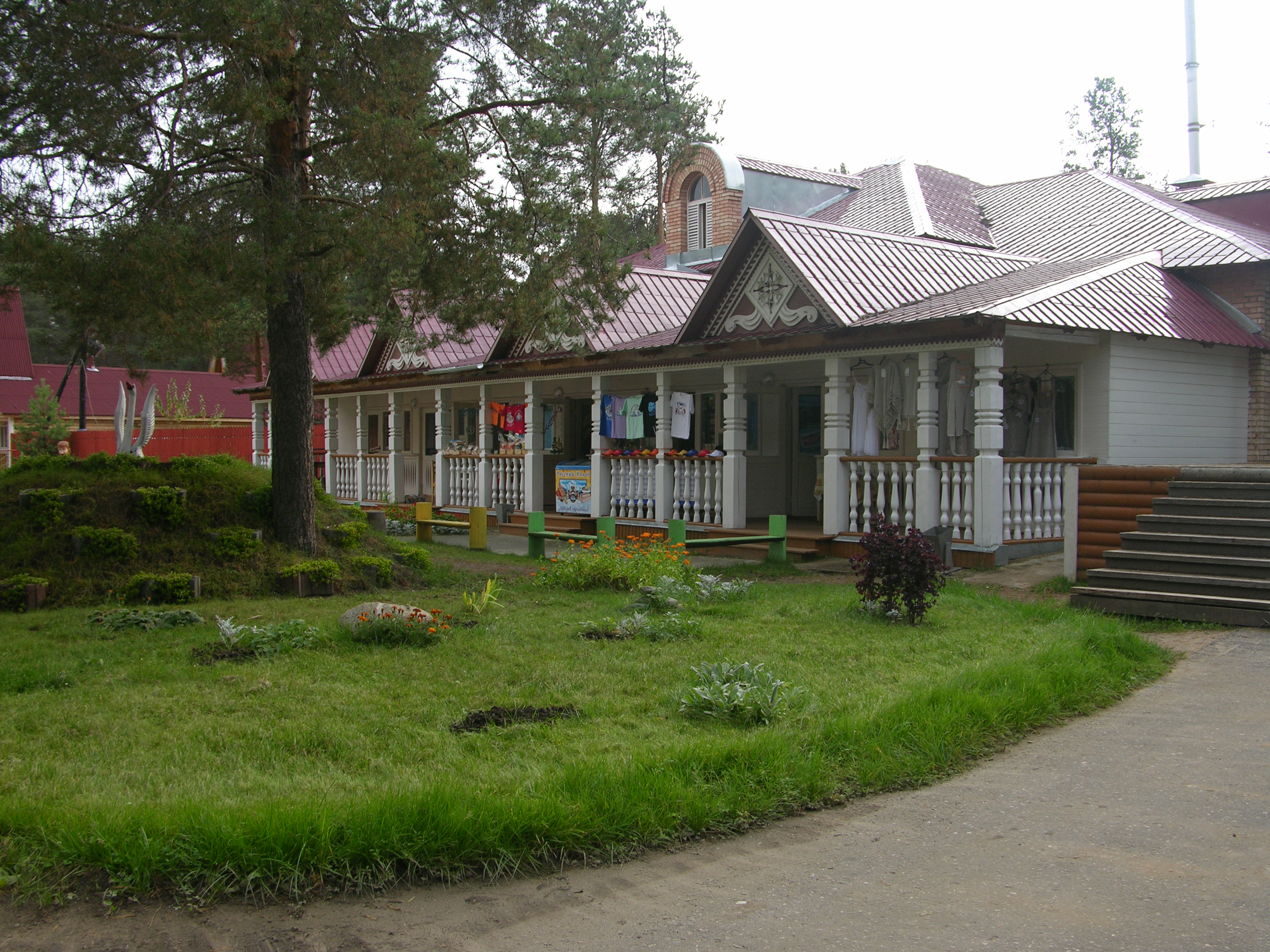
In the afternoon I reached Tarnogsky Gorodok. My grandfather had lived here during the Civil War, well away from the capitals and their upheavals. I never learned how he got here, who he came with or why he chose this place. Those generations kept their secrets like partisans. One careless word and you could be shot. They’d learned that lesson well.
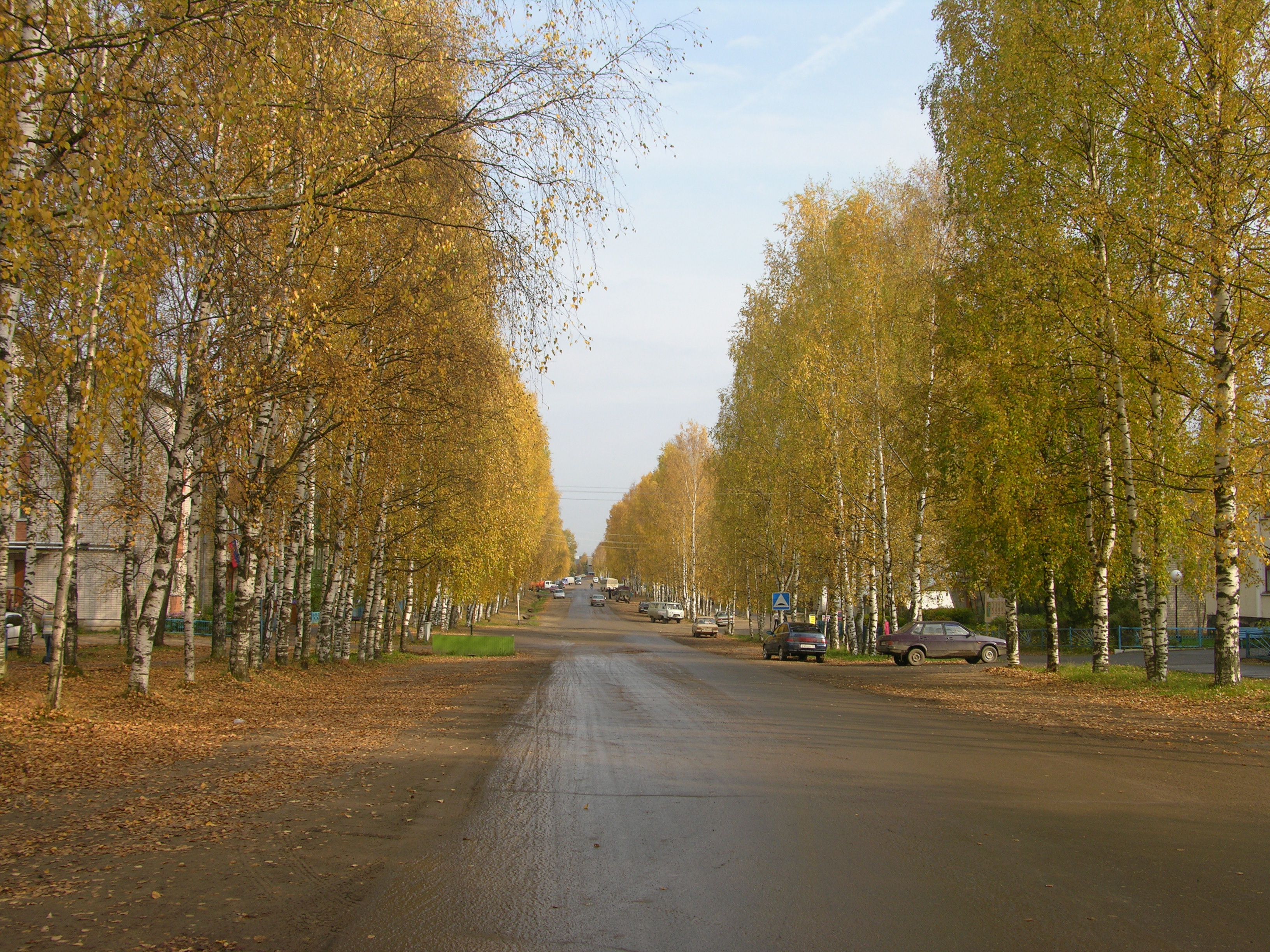
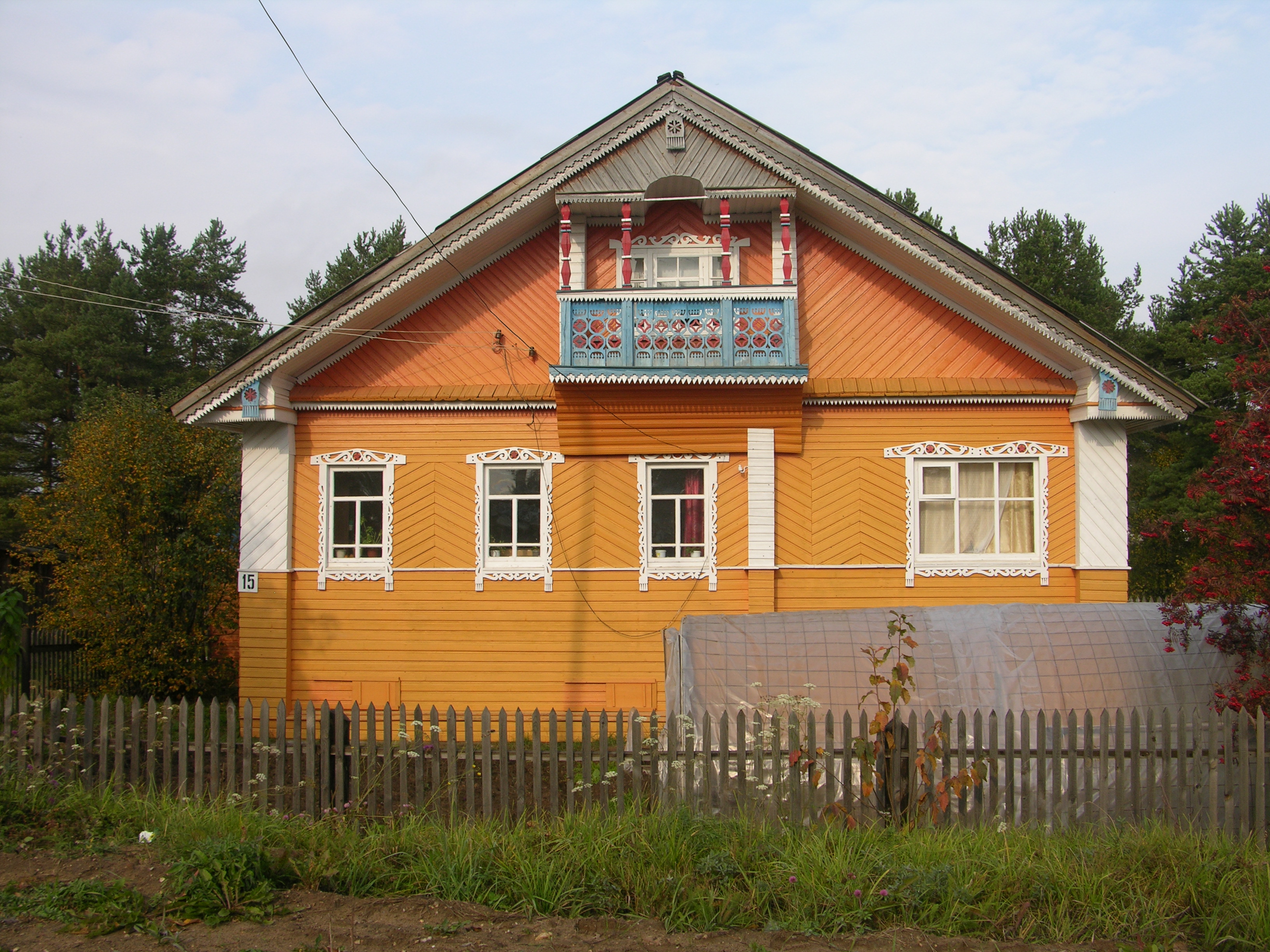
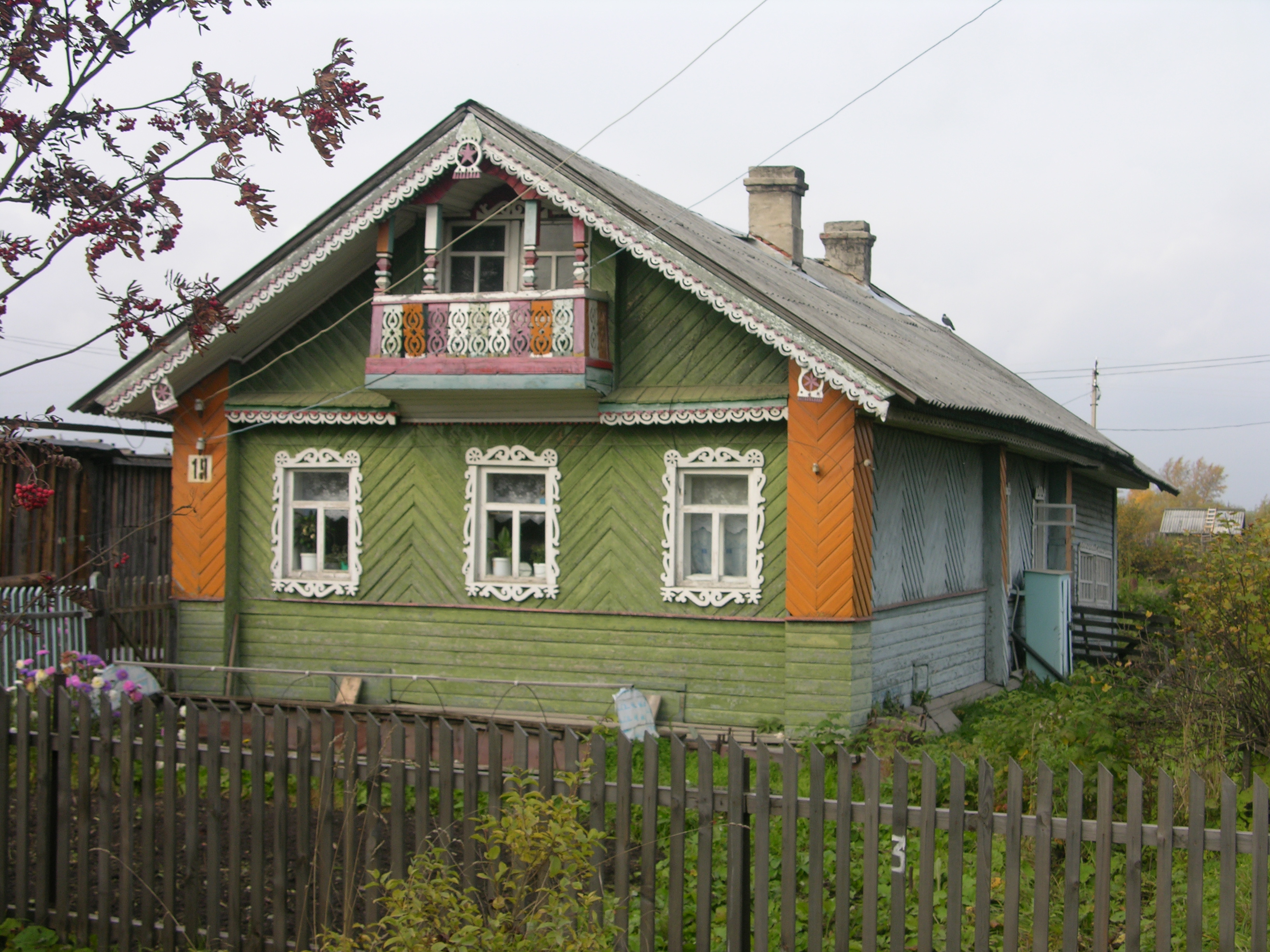
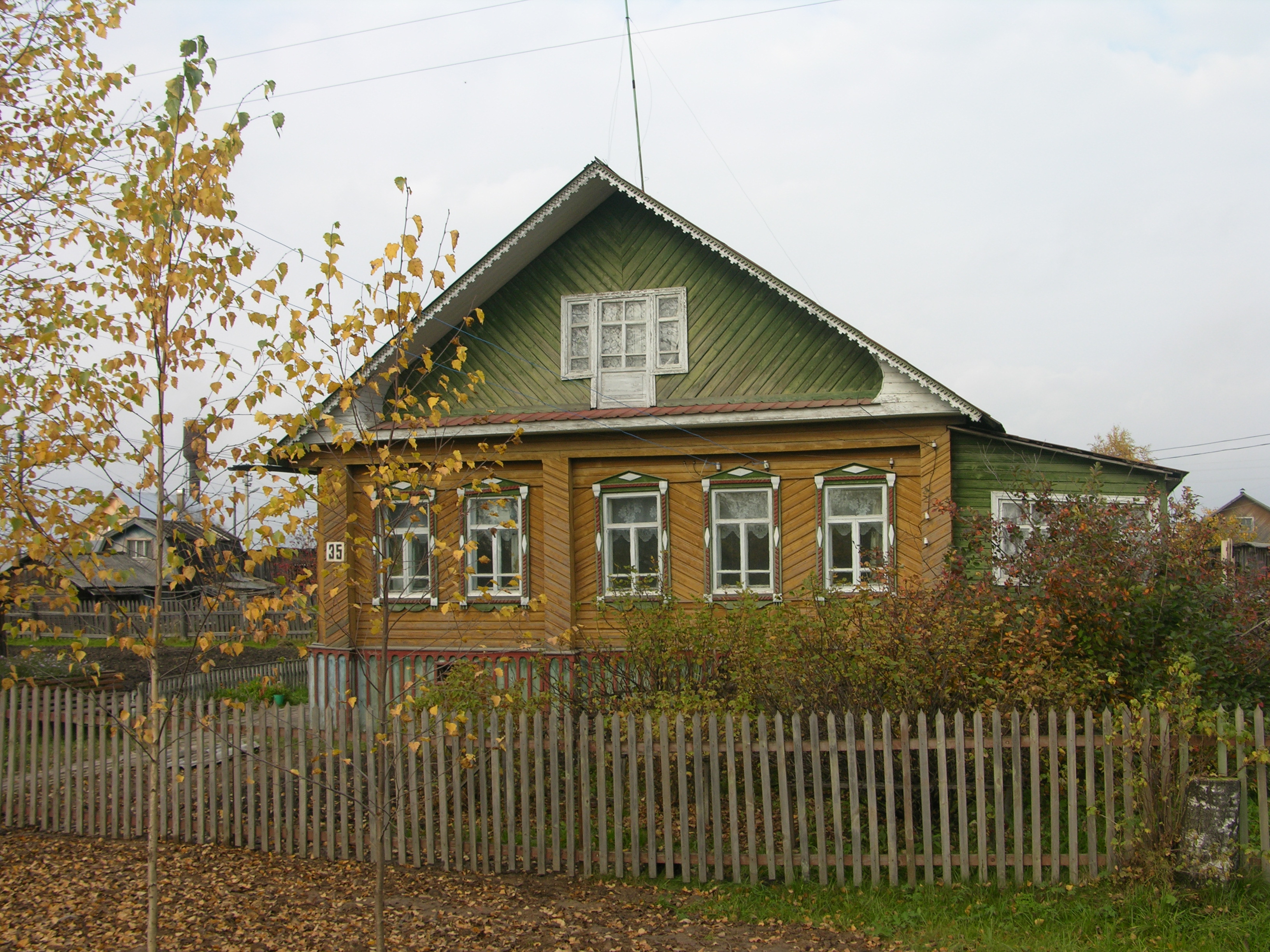
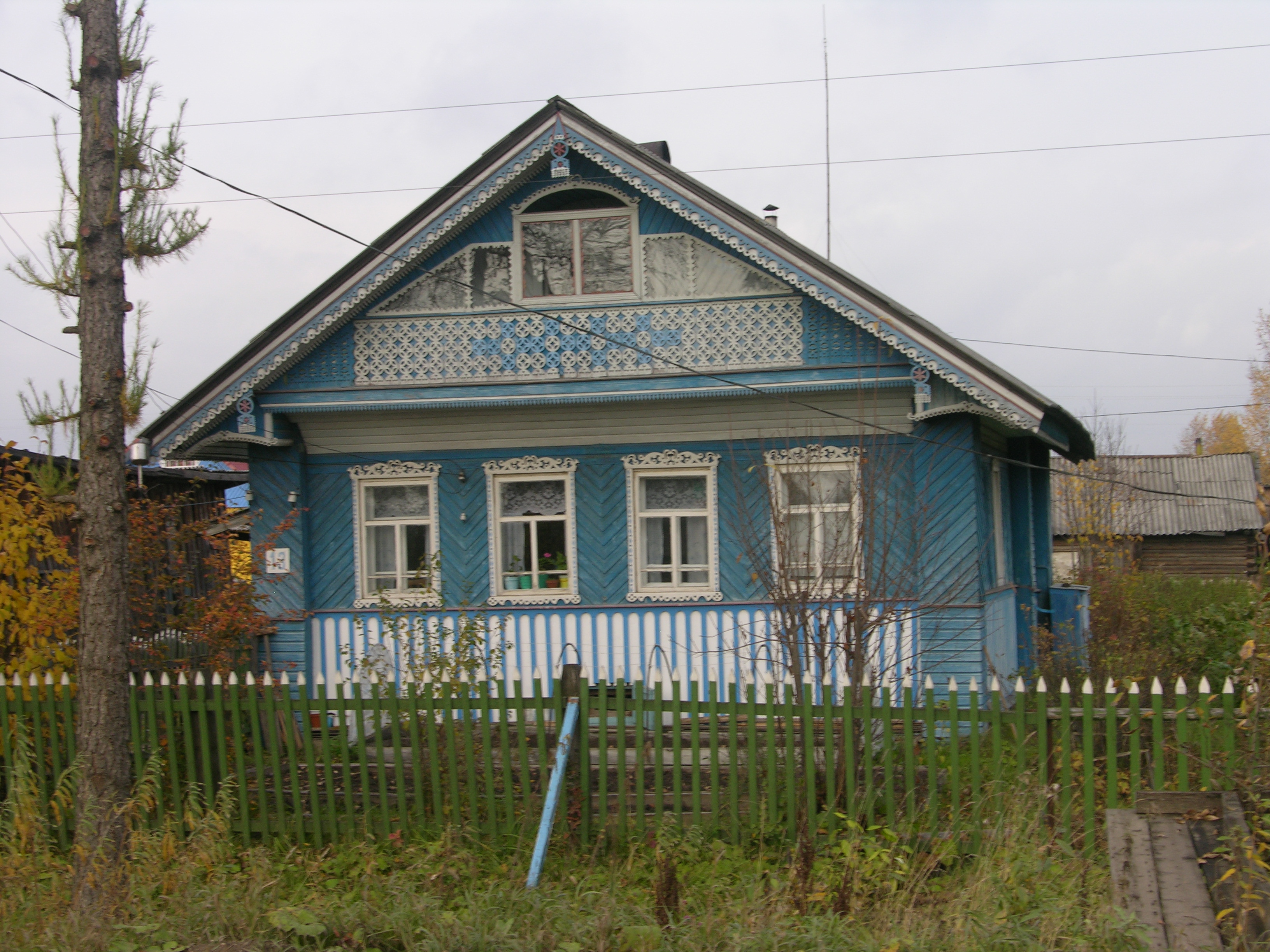
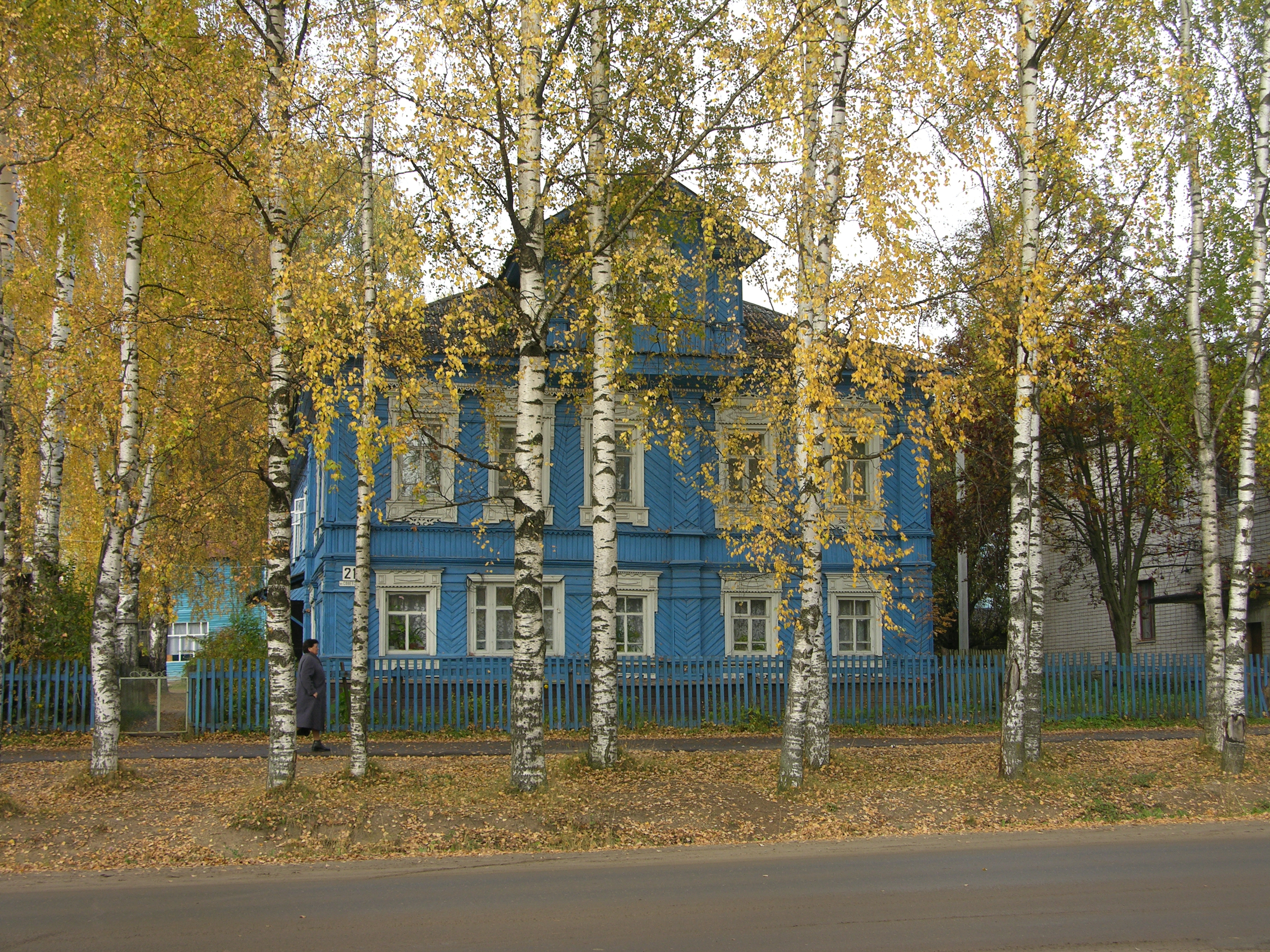
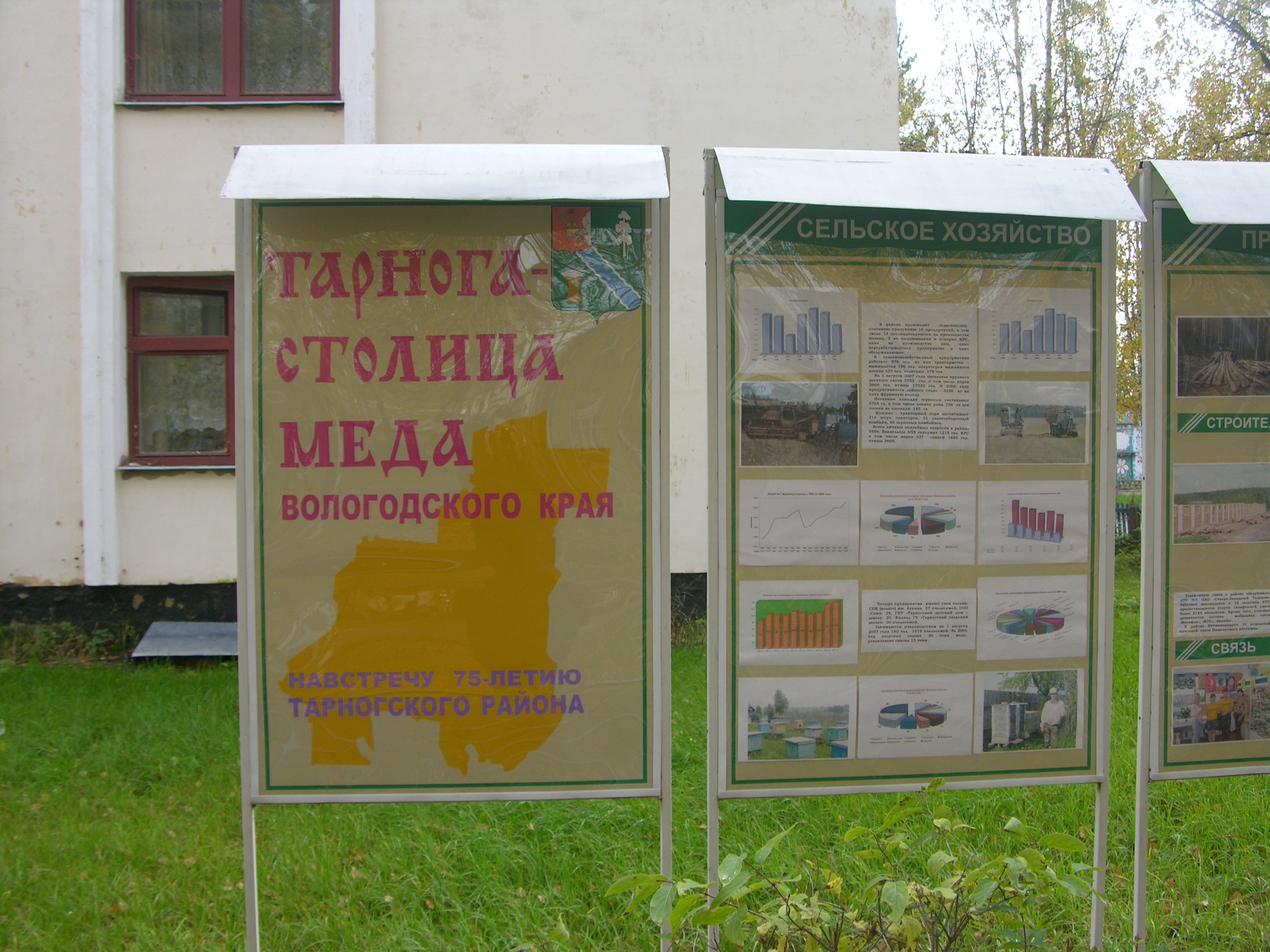
Grandpa dreamed all his life of going back to the village where he grew up, but he never managed it. We had no car or tent. Transport was infrequent. The hotels were always full… The village turned out to have lots of wooden houses decorated with brightly painted carvings. It claims to be the capital of Vologda honey. Grandpa especially remembered the Kokshenga River and its fish. I went to have a look. A lovely little river. I took an enormous stone, a hundred kilos or so, from its banks for the rock garden in Vyritsa.
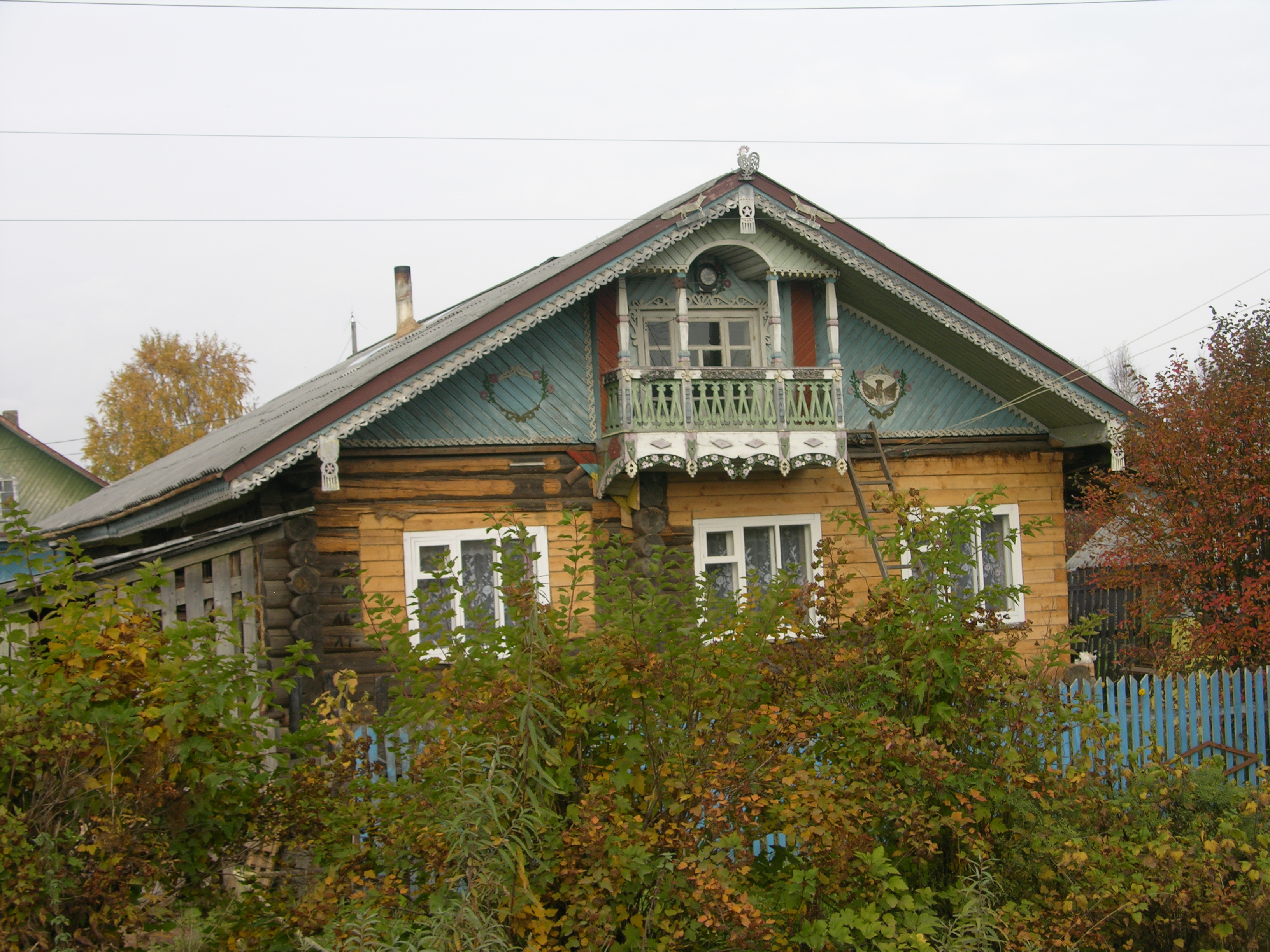
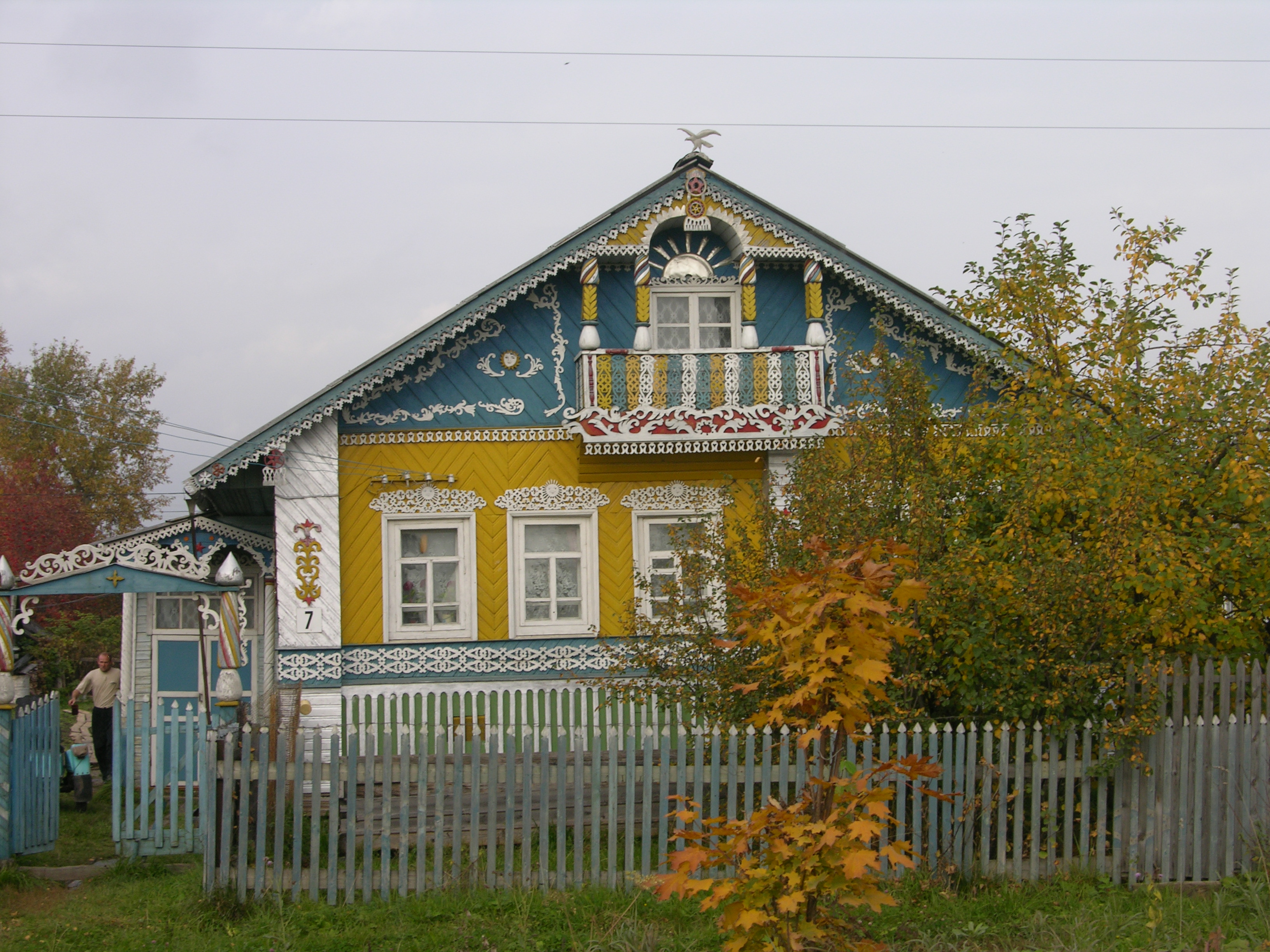
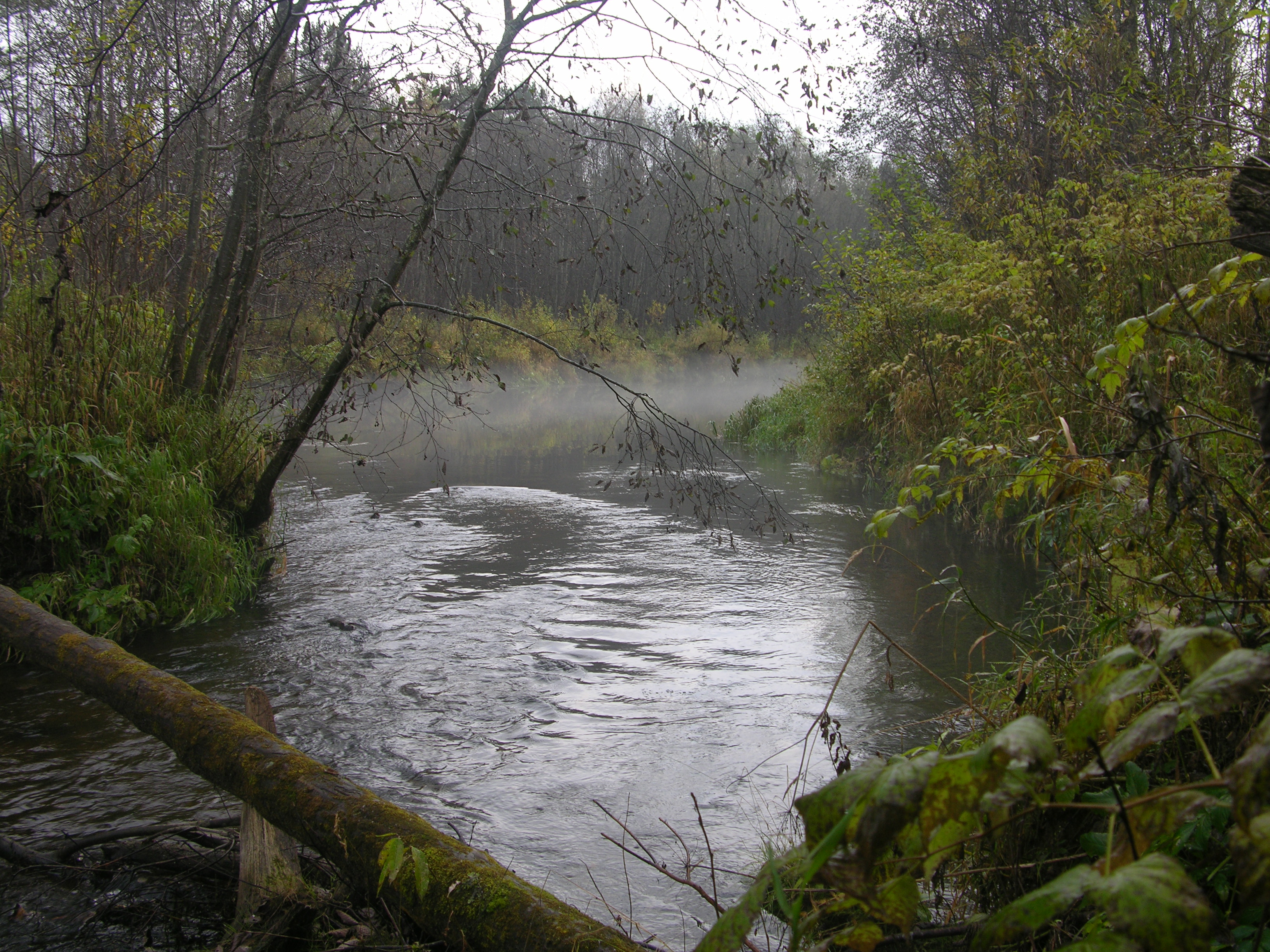
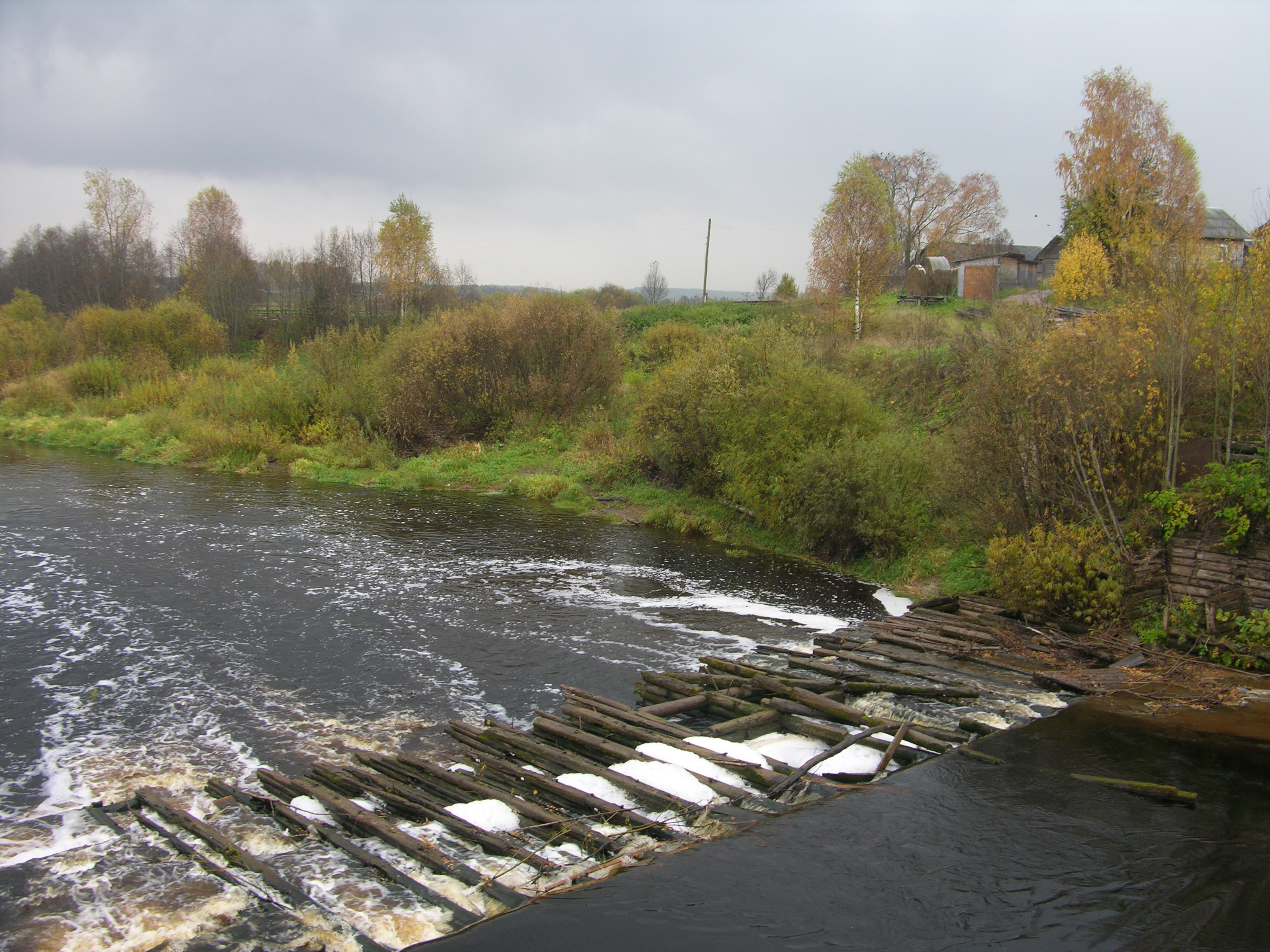
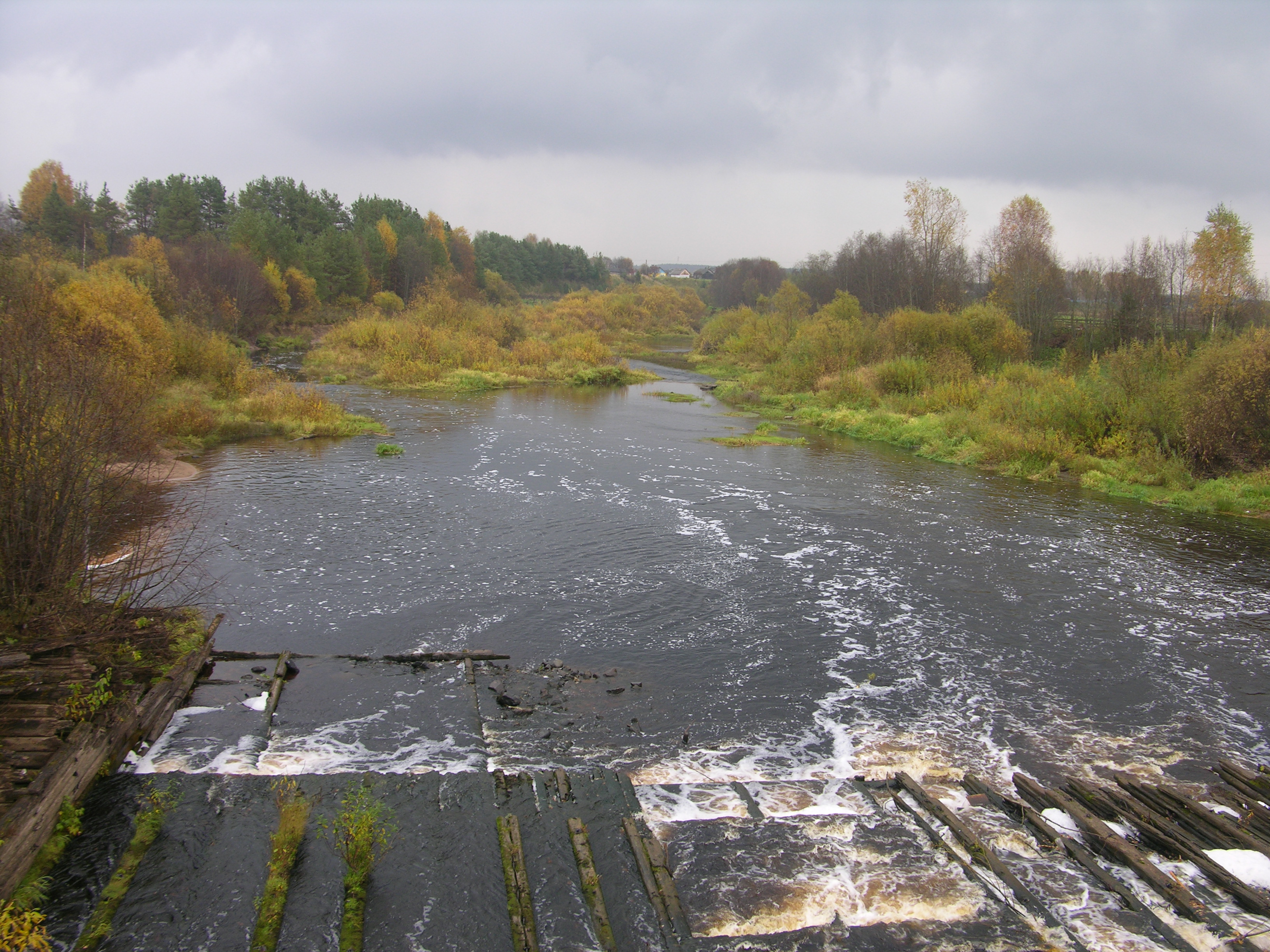
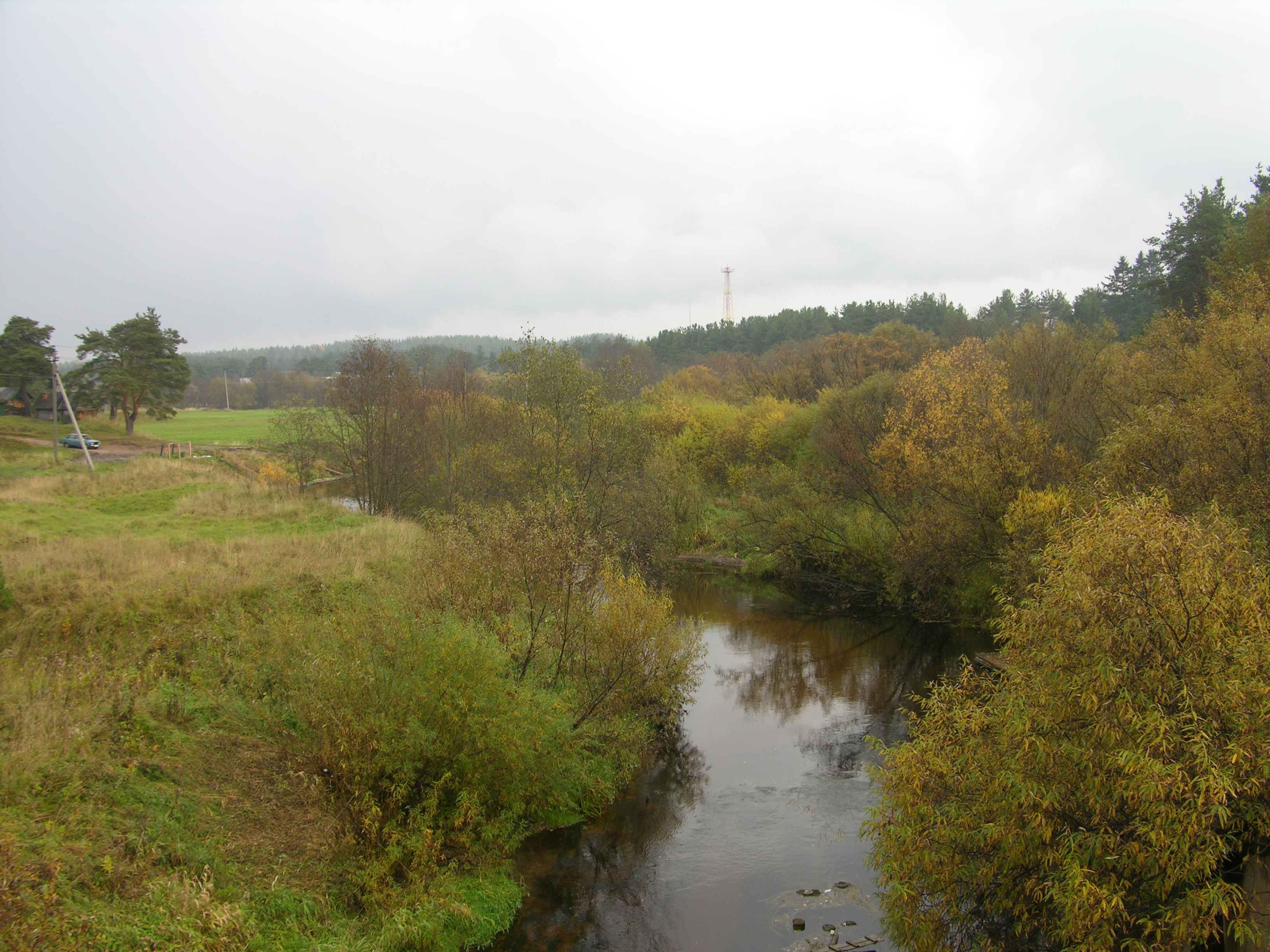
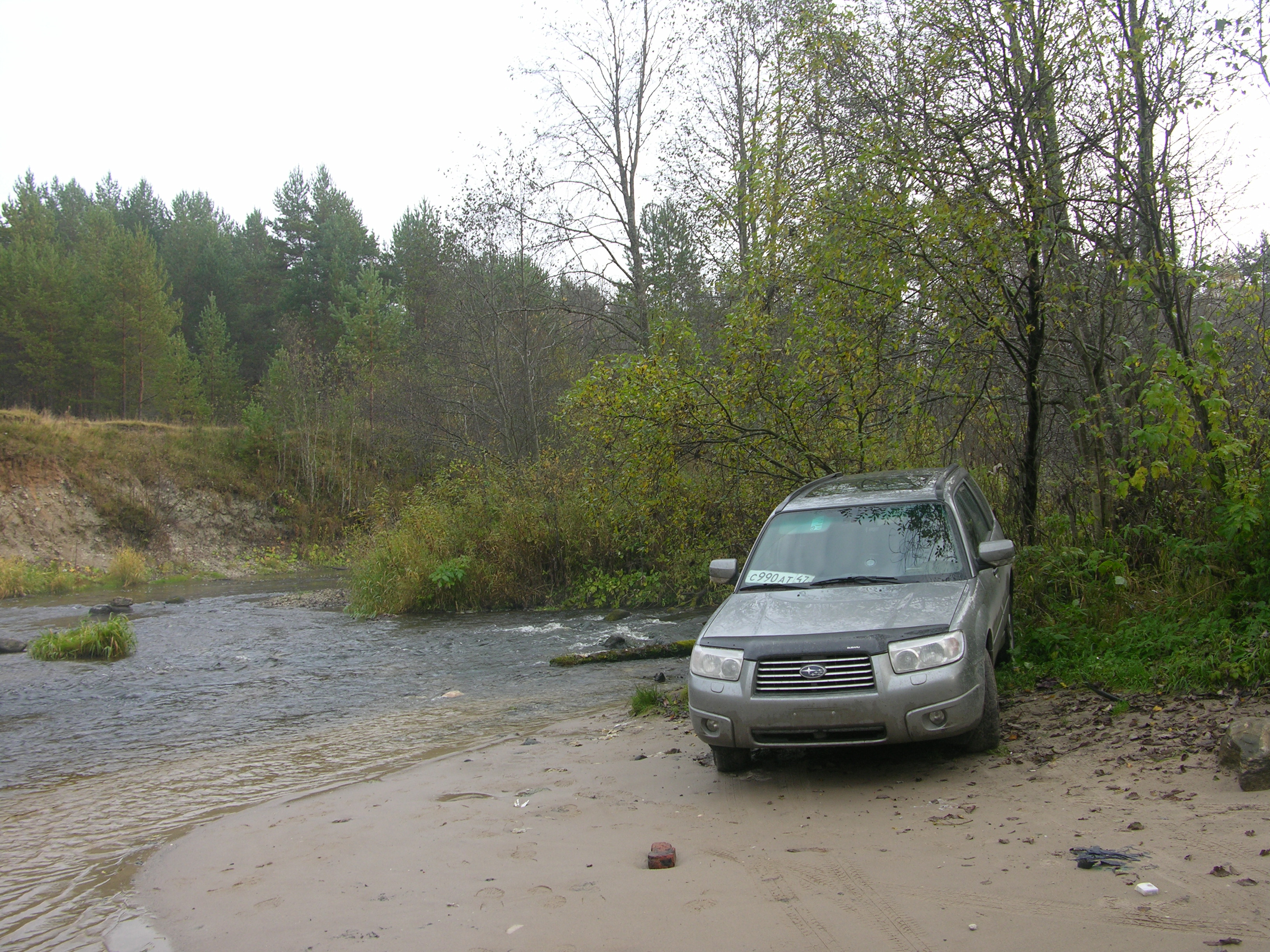
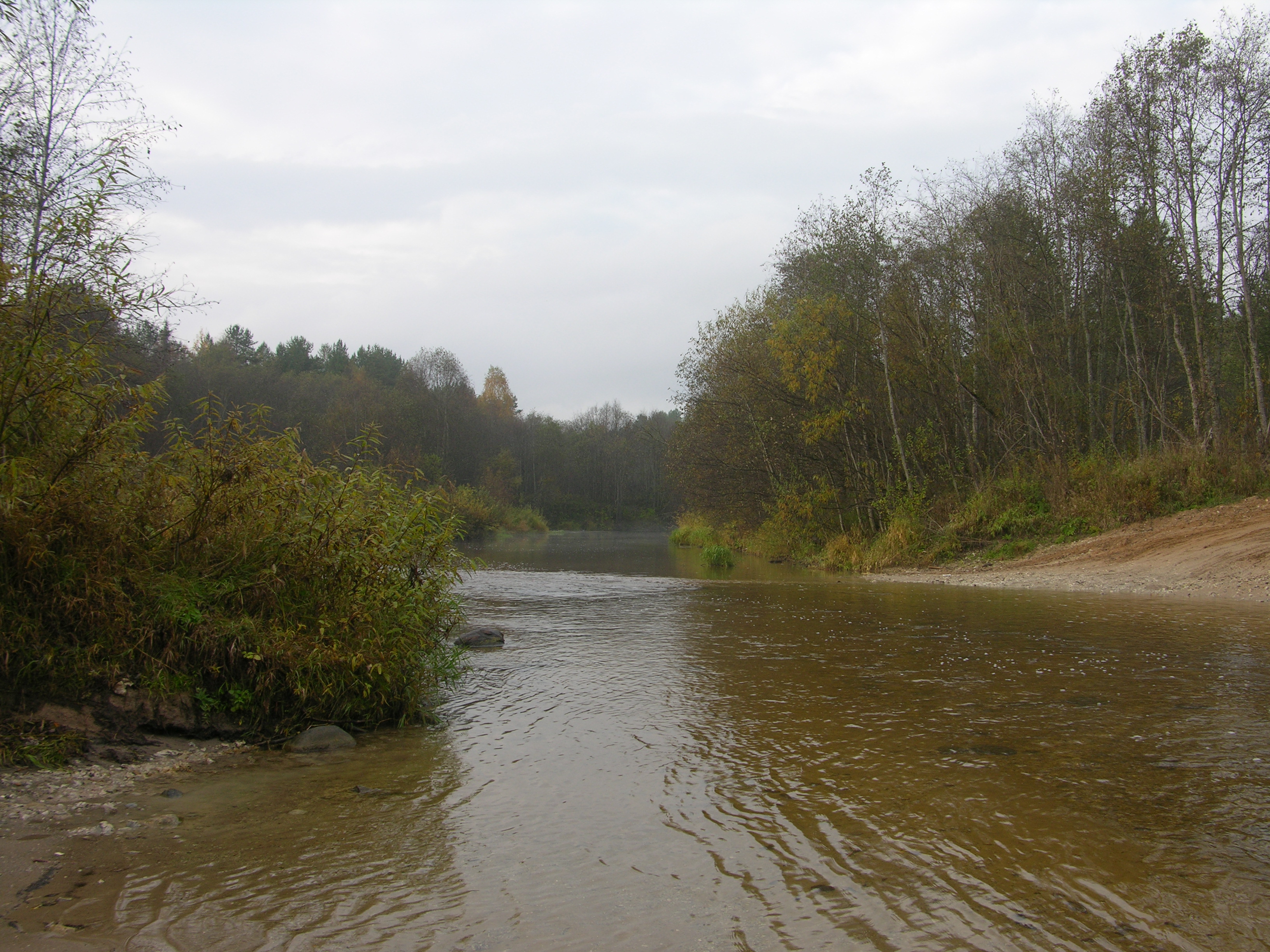
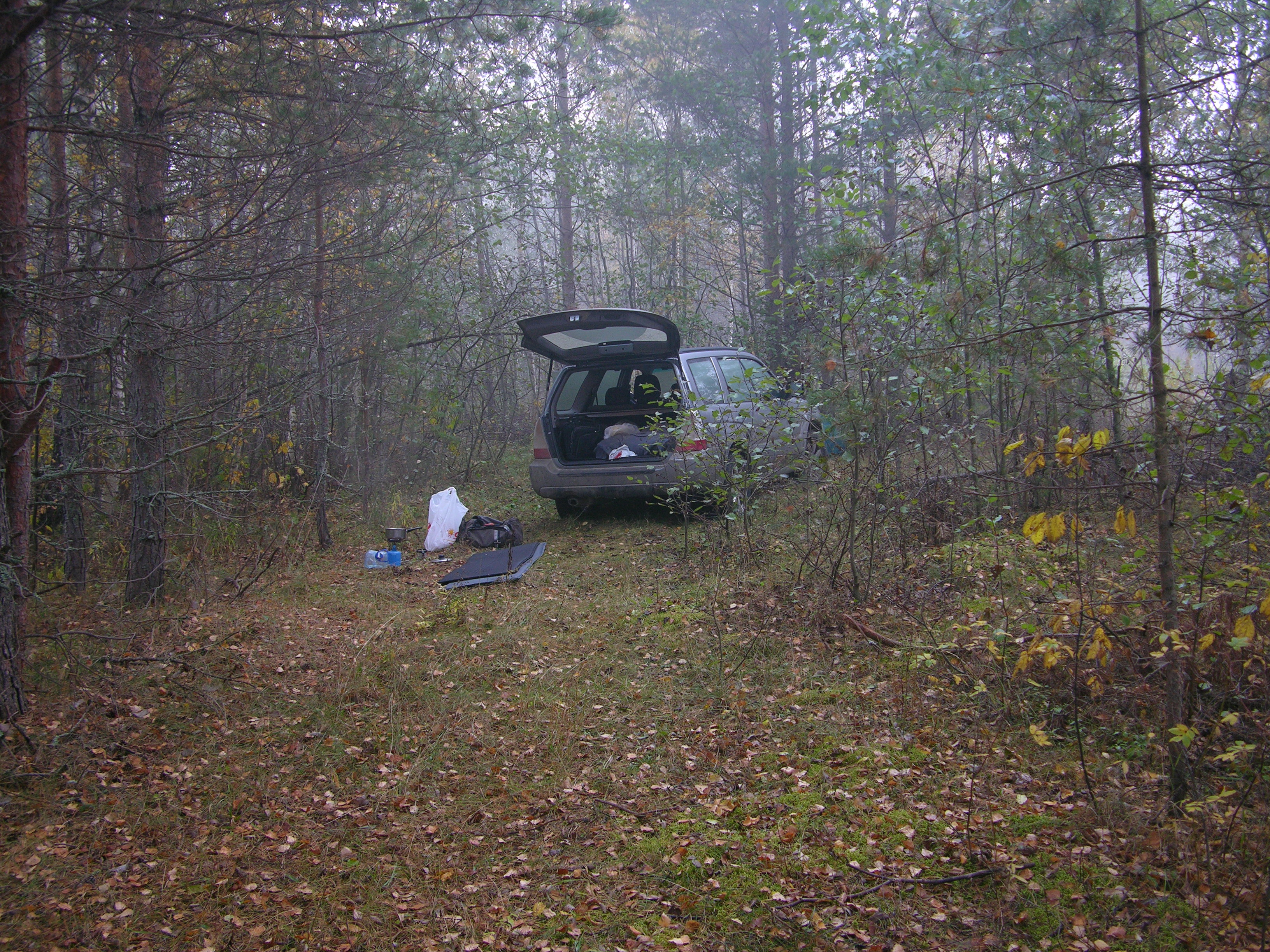
I camped on the bank of the Chagodoshcha River near Papino, at 59°11.517′N, 36°12.173′E. We’d finished a kayak trip at that spot in spring, and I’d noticed a good place to stay. Everything had looked so bright and springlike then, and now it was a cold, misty morning. Time to hurry back to Vyritsa for Denis’s birthday.