Trip report
Kostroma Oblast also came under MegaFon’s Saint Petersburg office. It was the farthest to drive to, especially since the base stations I’d been assigned were in the far east of the oblast. It’s not much farther from there to the Urals, and from Saint Petersburg it’s a two-day drive. The warm early spring had given way to bad weather.
I left town fairly late and by evening had only got as far as the Chagodoshcha River. I knew a full tank normally got me to the filling station by the bridge over the Chagodoshcha. Something went wrong this time, though, and I ran dry a couple of kilometres short. I had to walk there with a two-litre bottle.
Once I had fuel again I decided to camp nearby. I knew plenty of good spots along the Chagodoshcha. In the pitch dark I turned off the highway onto a familiar forest road, and then the awful thing happened.
Some bastard, to put it mildly, had dug up the turn-off and left a ditch in its place. The car came to rest almost vertical. The batteries and all the other bits of iron it was packed with came crashing down on me and filled the space around the steering wheel. I barely managed to get out. It was night, there was hardly anyone to help, and I’d have to get out of this on my own. Good thing I had a decent shovel for the car, brought back from New Zealand.
I started by jacking up the back of the car. By now it was practically vertical. The main thing was not to overdo it and send it over onto its roof. I could now dig out enough space to lower the car backwards. After half an hour’s work it was down to forty-five degrees. Then I dug out the ground in front, making a wide cut it could drive straight out through.
In an hour I was out. I even filled in the ditch I’d just dug so it wouldn’t cause trouble in the morning and other decent people could use the road.
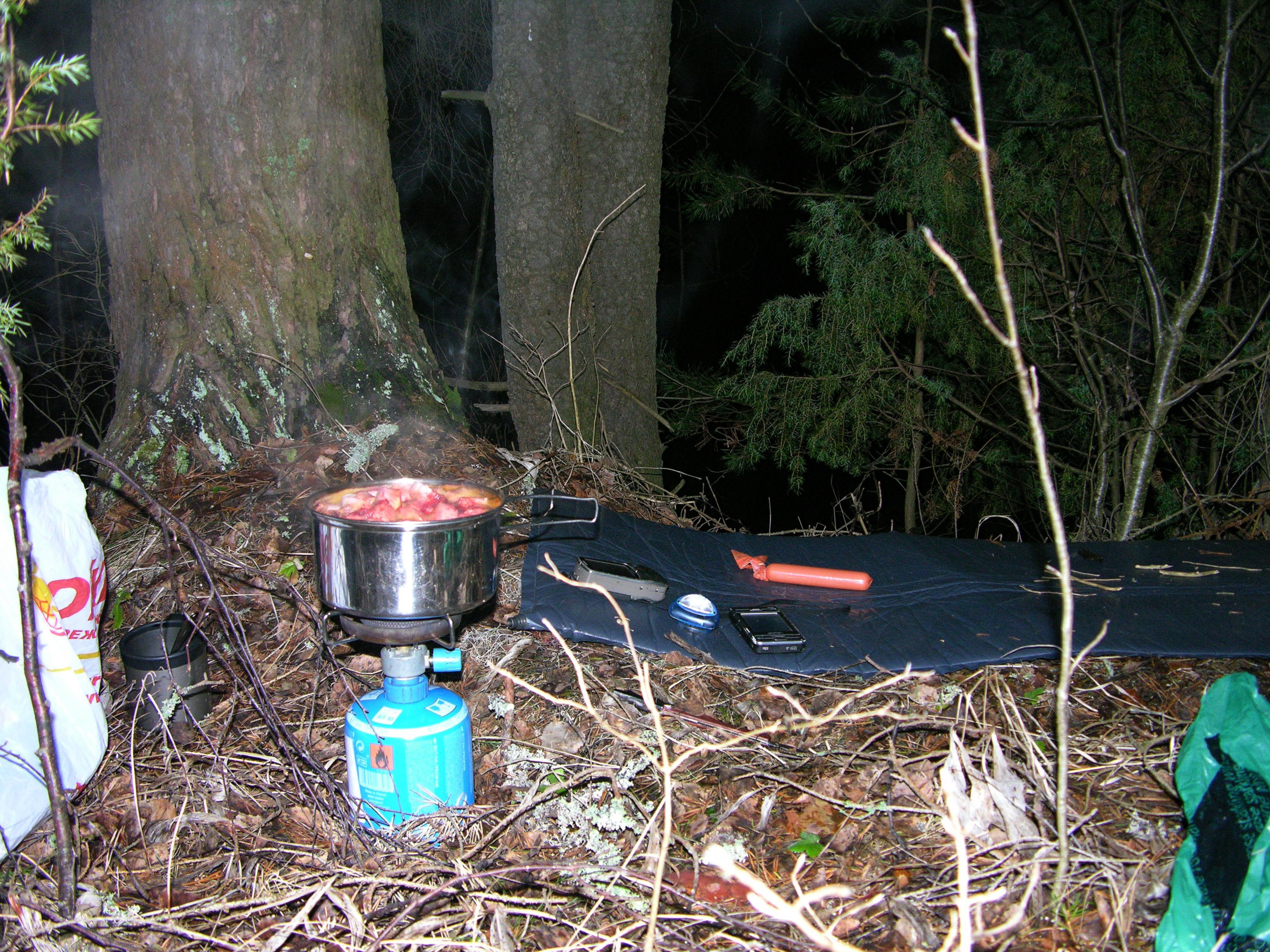
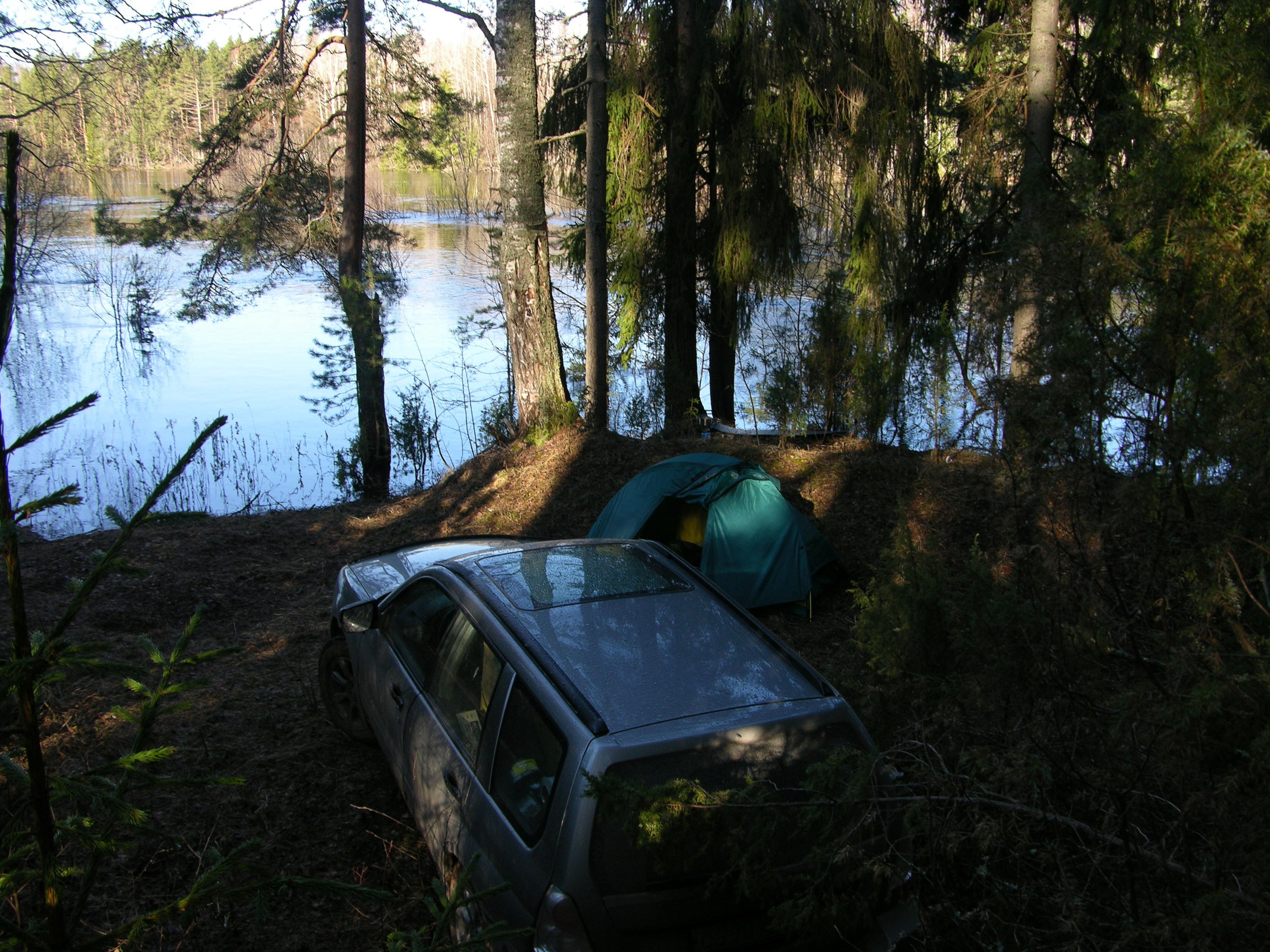
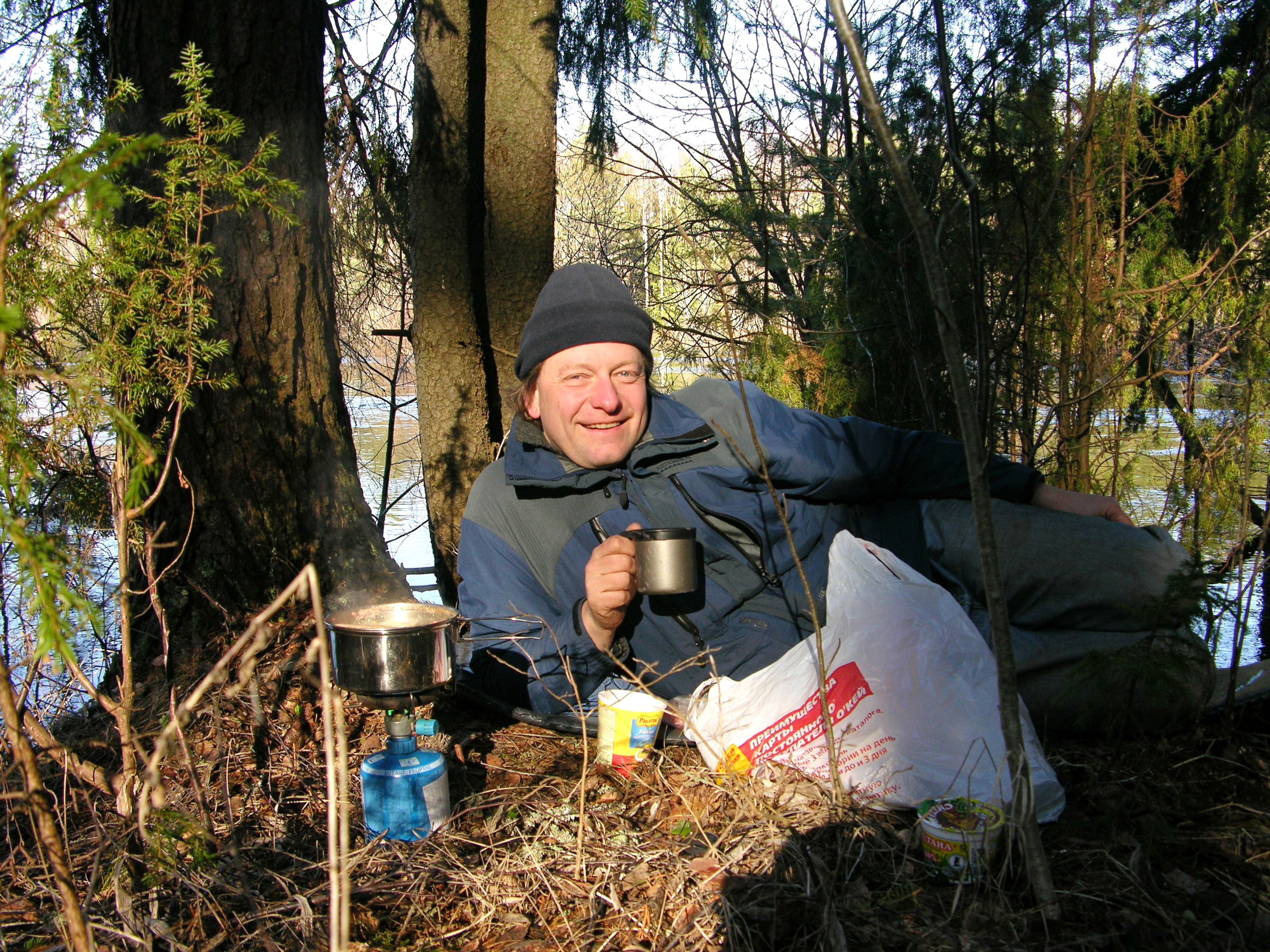
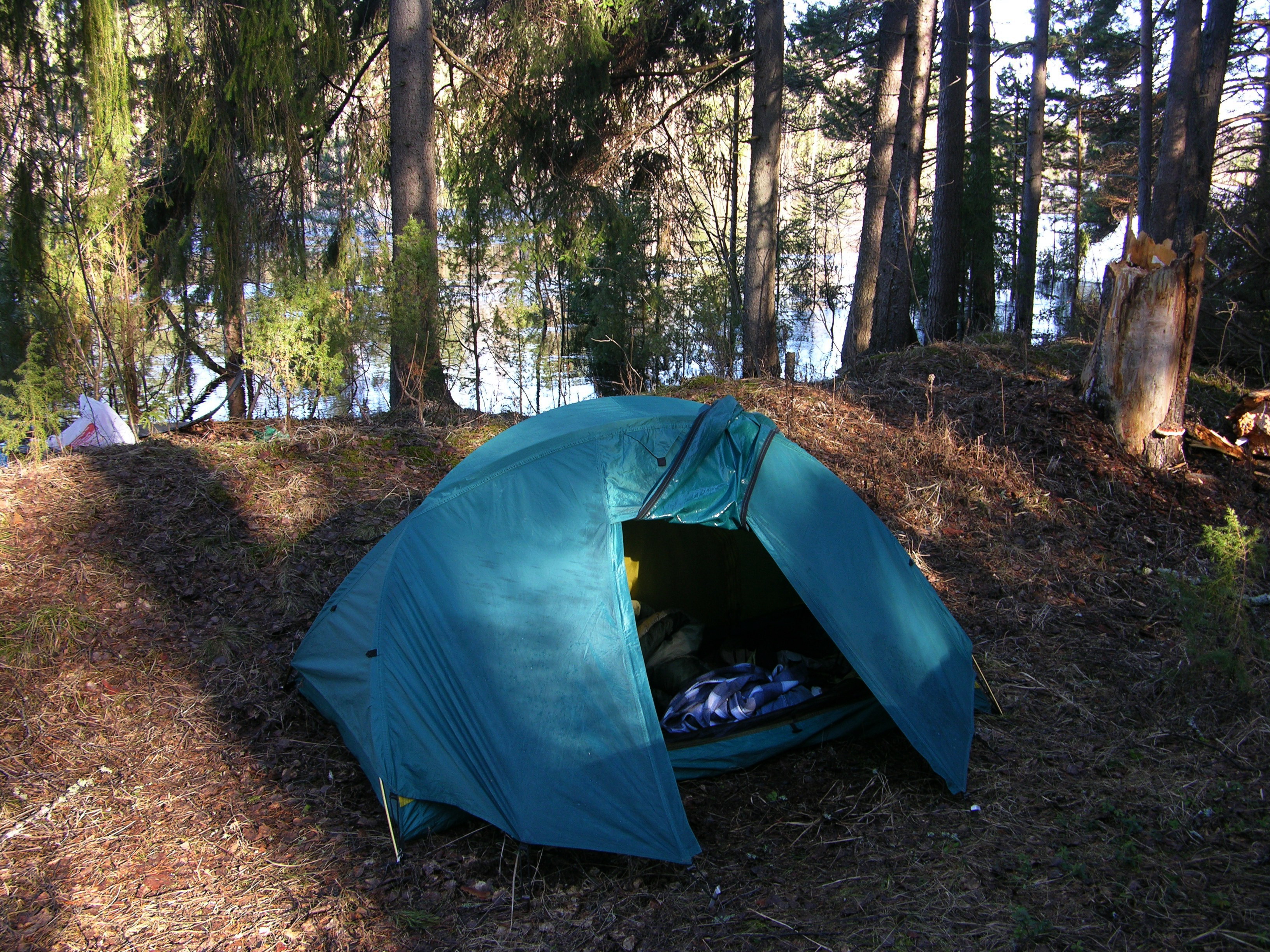
That evening I settled in comfortably on the bank of the Chagodoshcha River, at 59°06.307′N, 36°24.128′E. The water was rising and I was worried I might be flooded out during the night, but I got away with it. That cheered me up. Yesterday’s run of bad luck must be over.
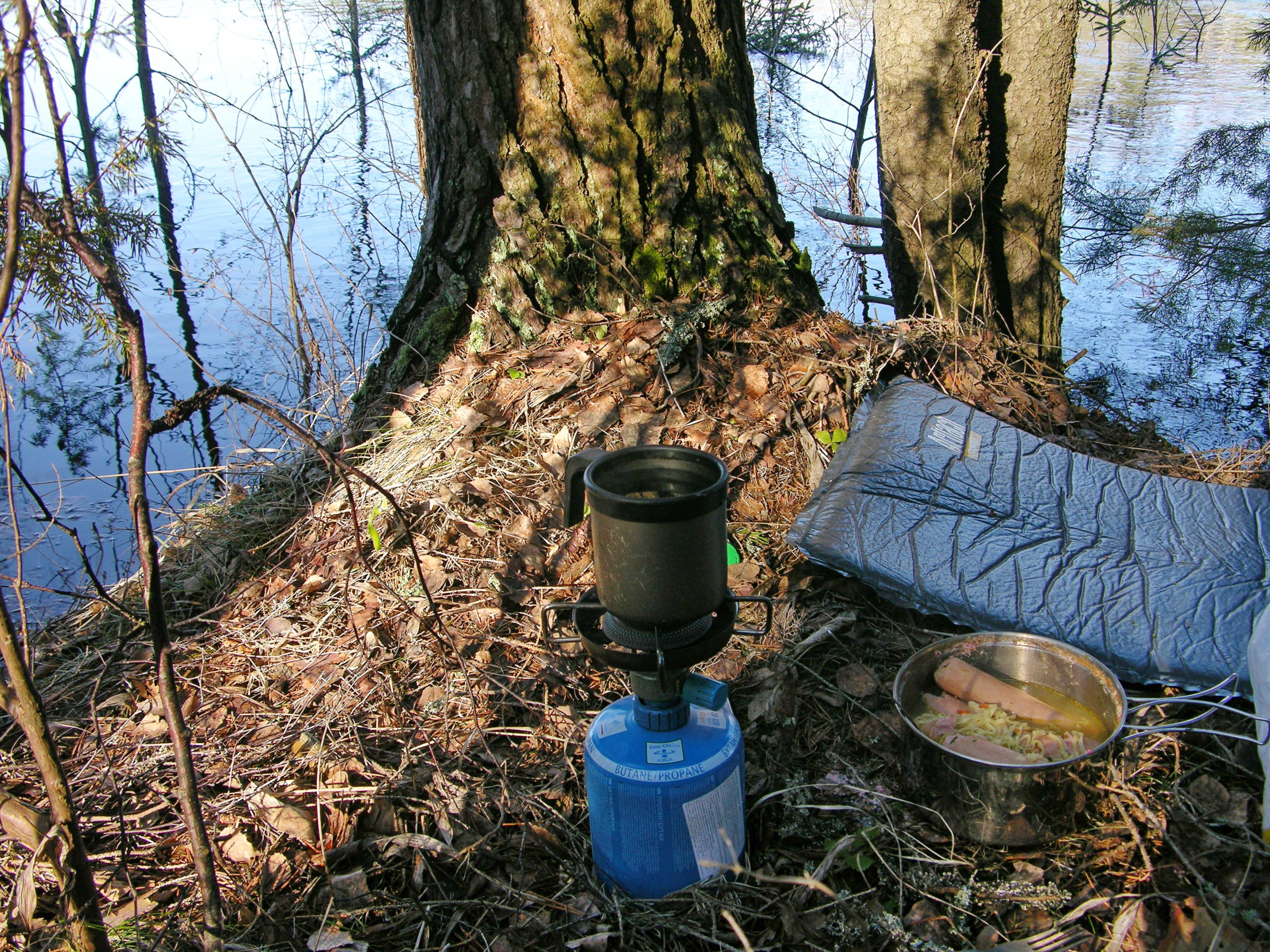
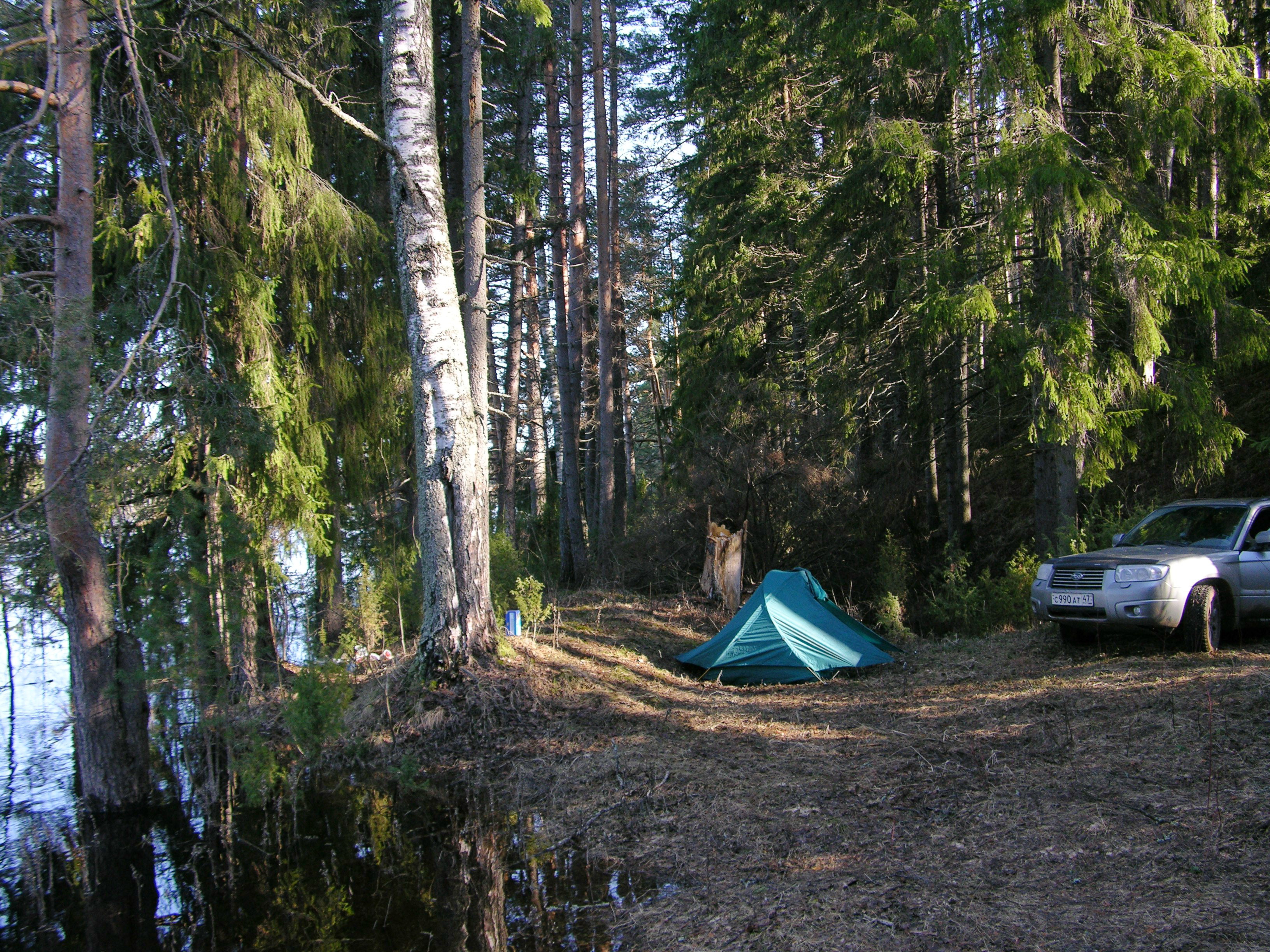
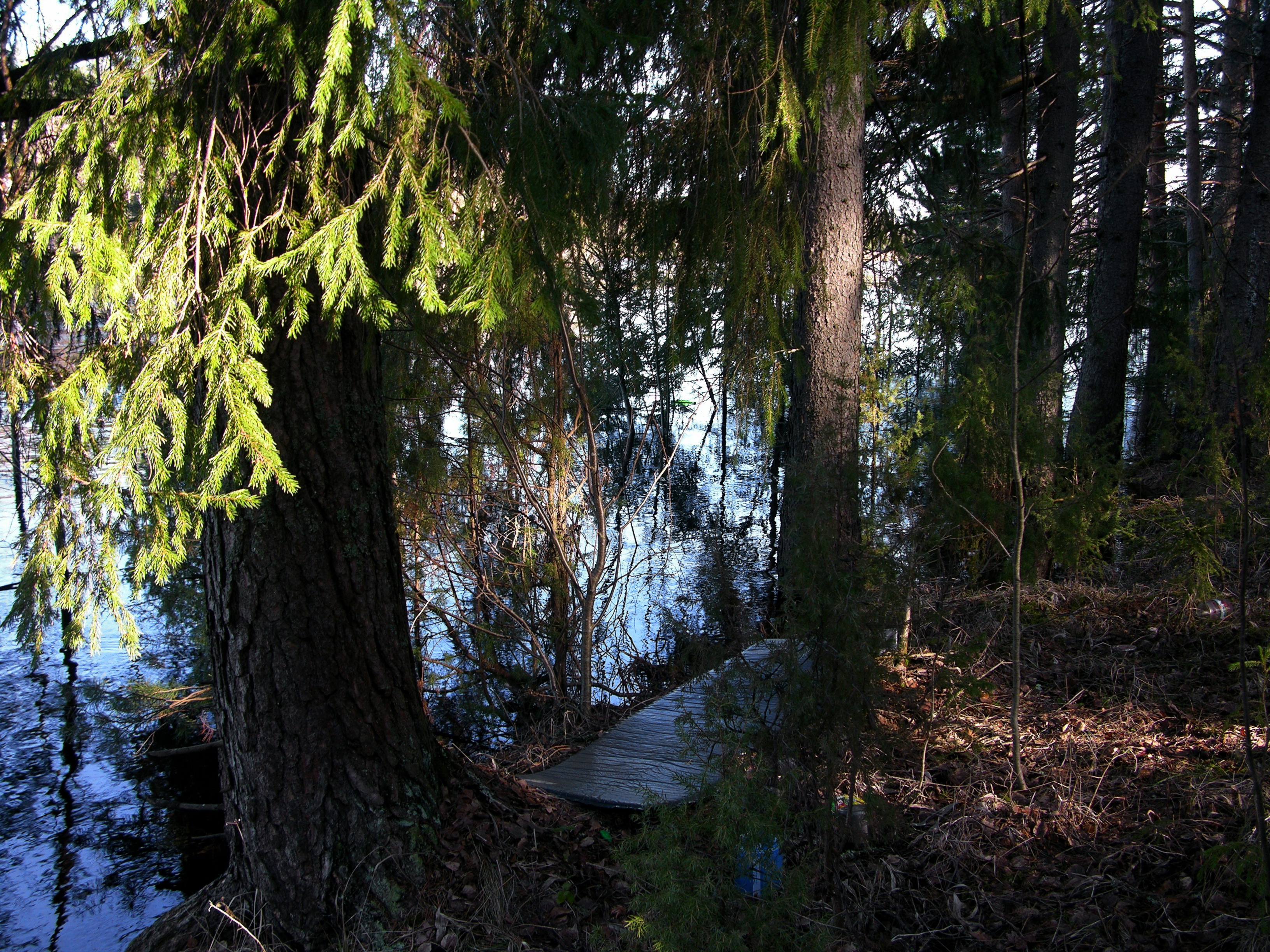
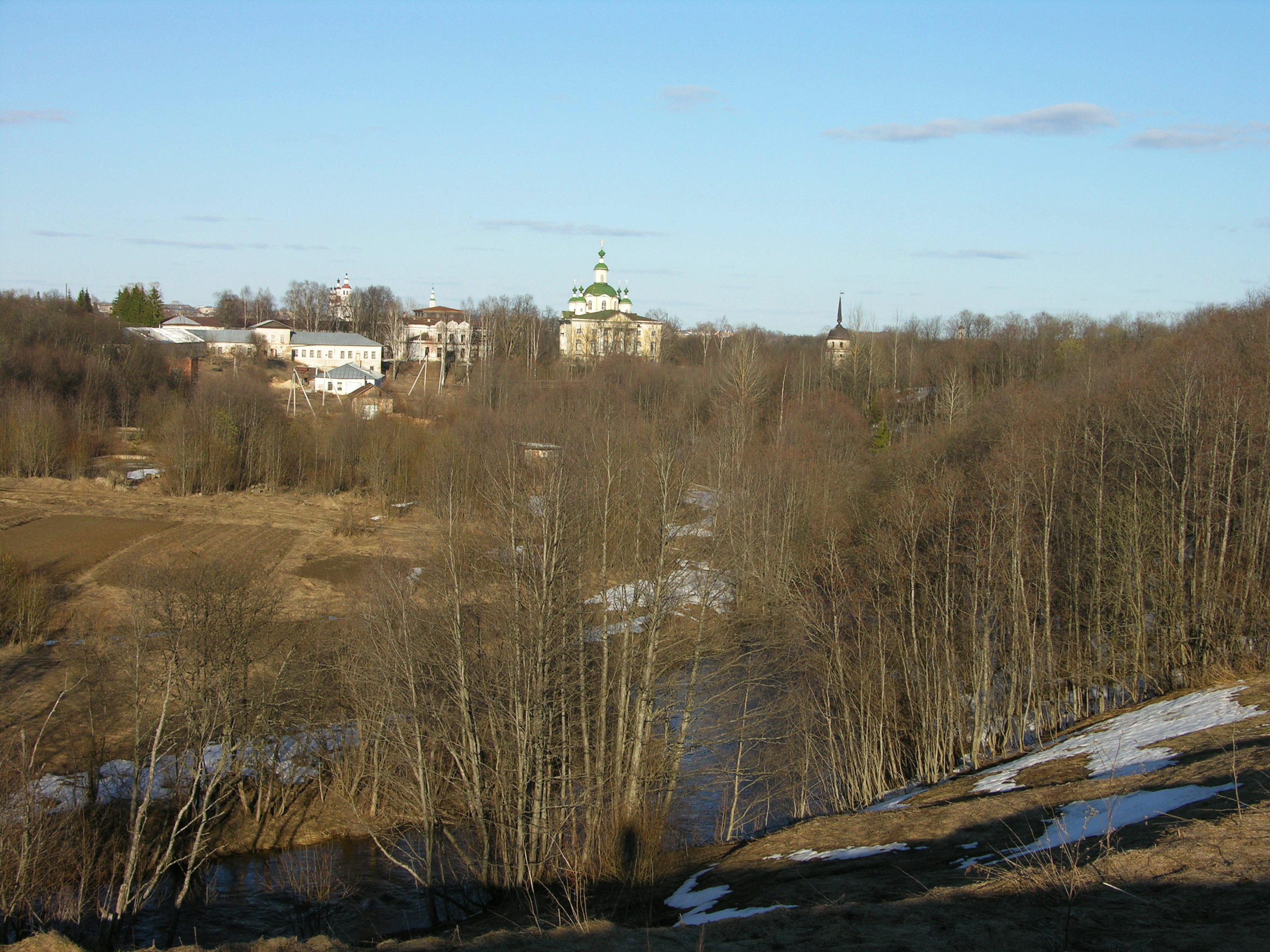
The next day went on the long drive through Vologda and Totma. Totma, by the way, is a beautiful little town with well-kept little churches. A lovely place to go for a walk.
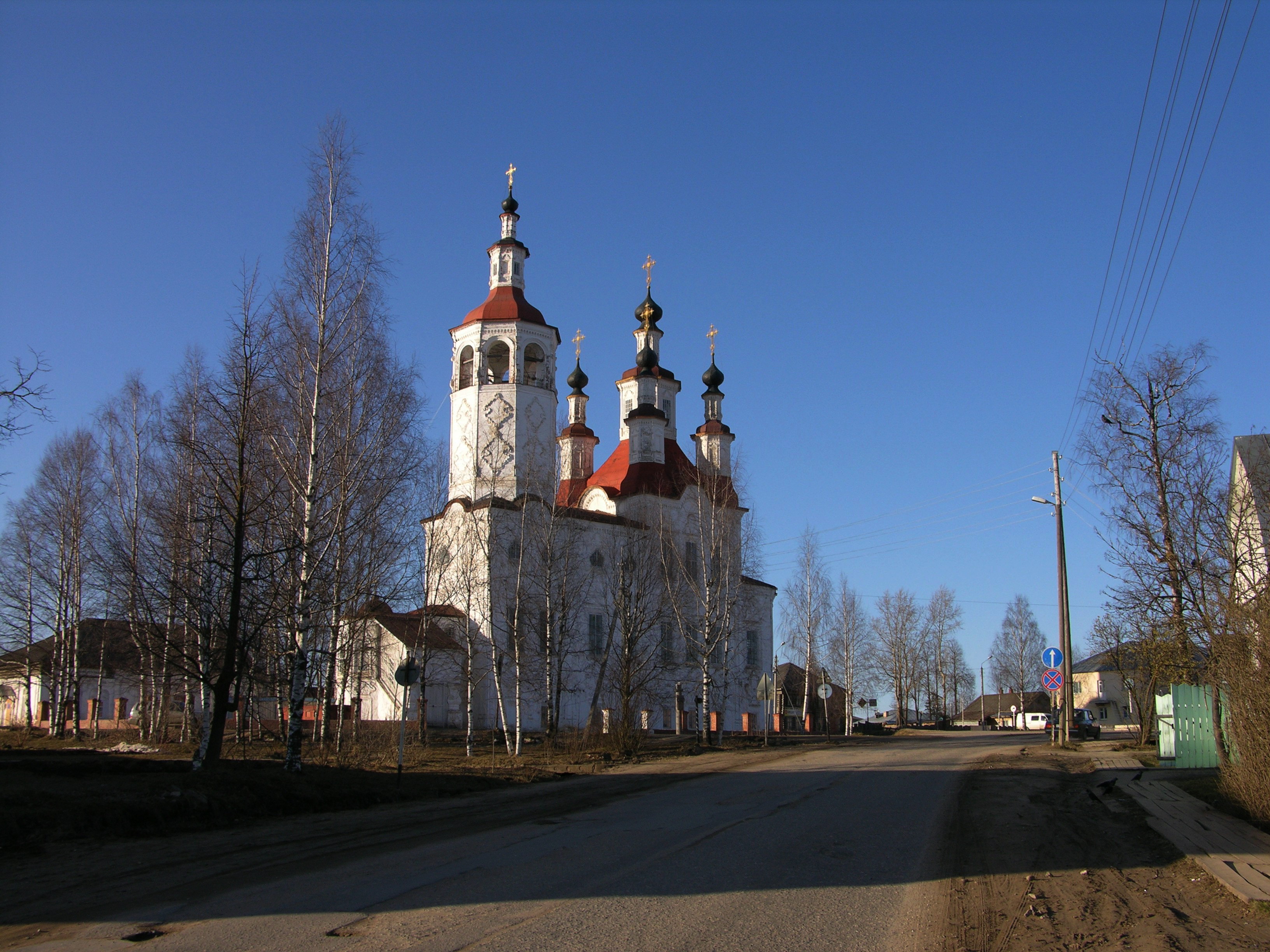
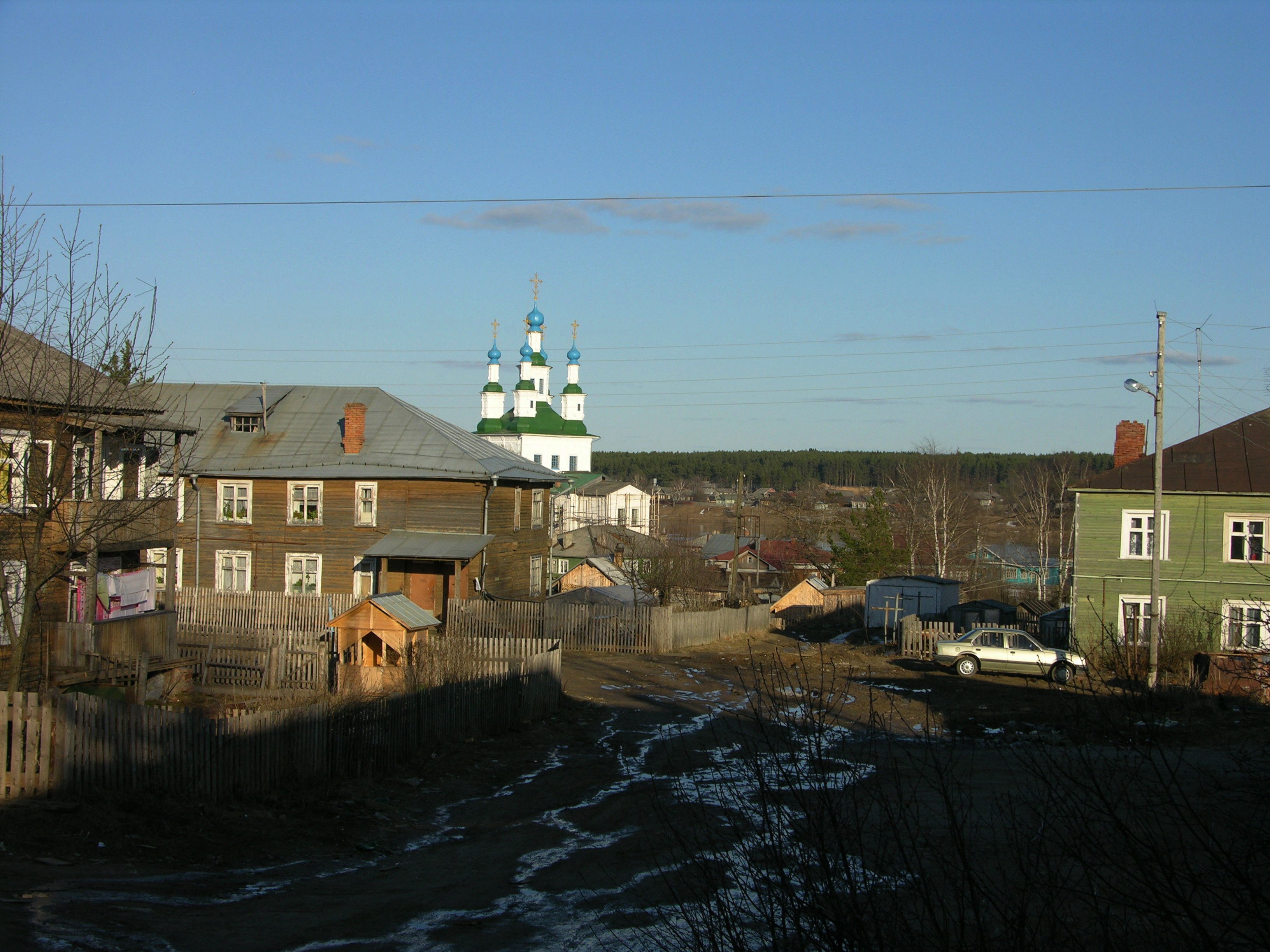
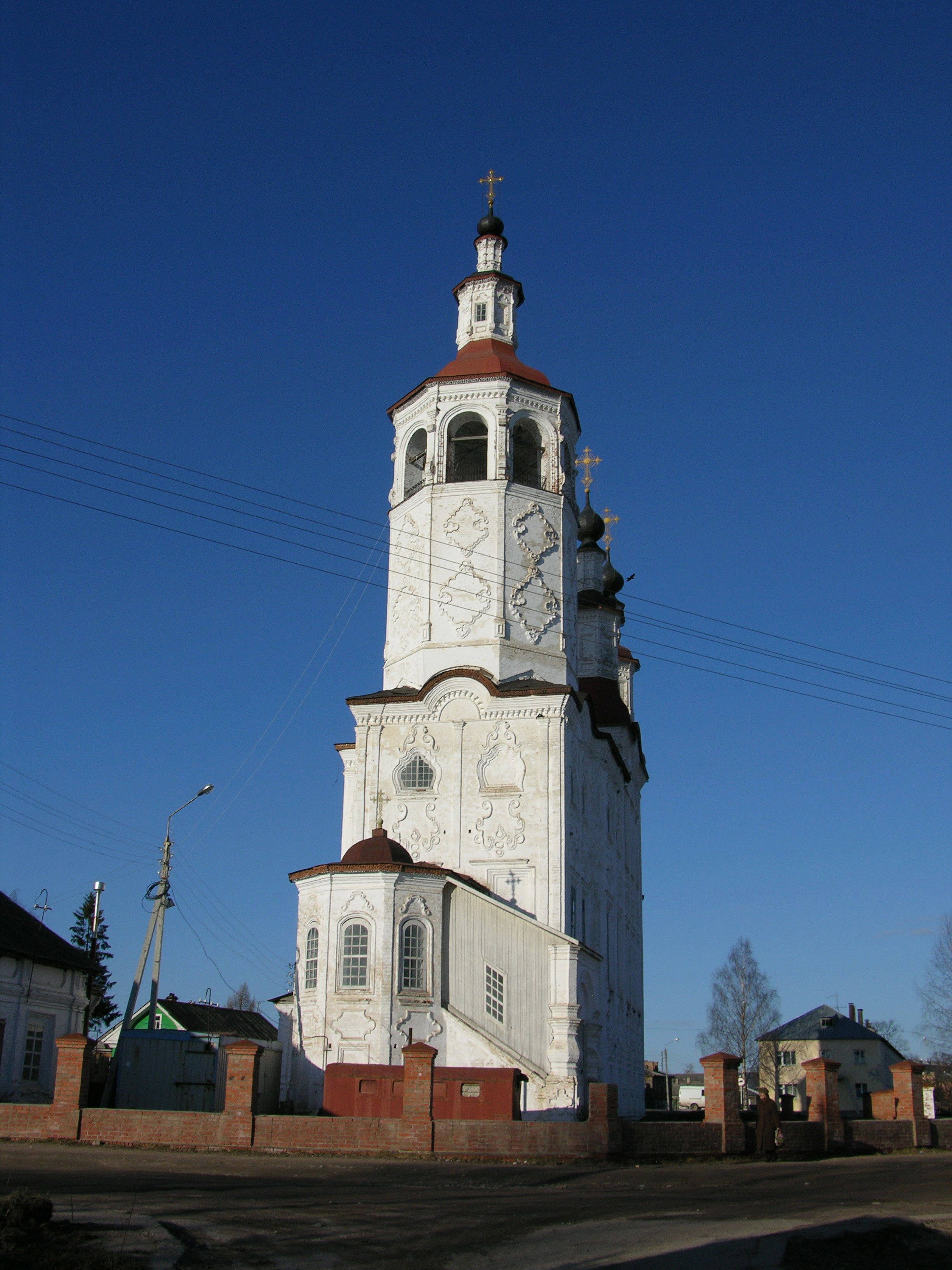
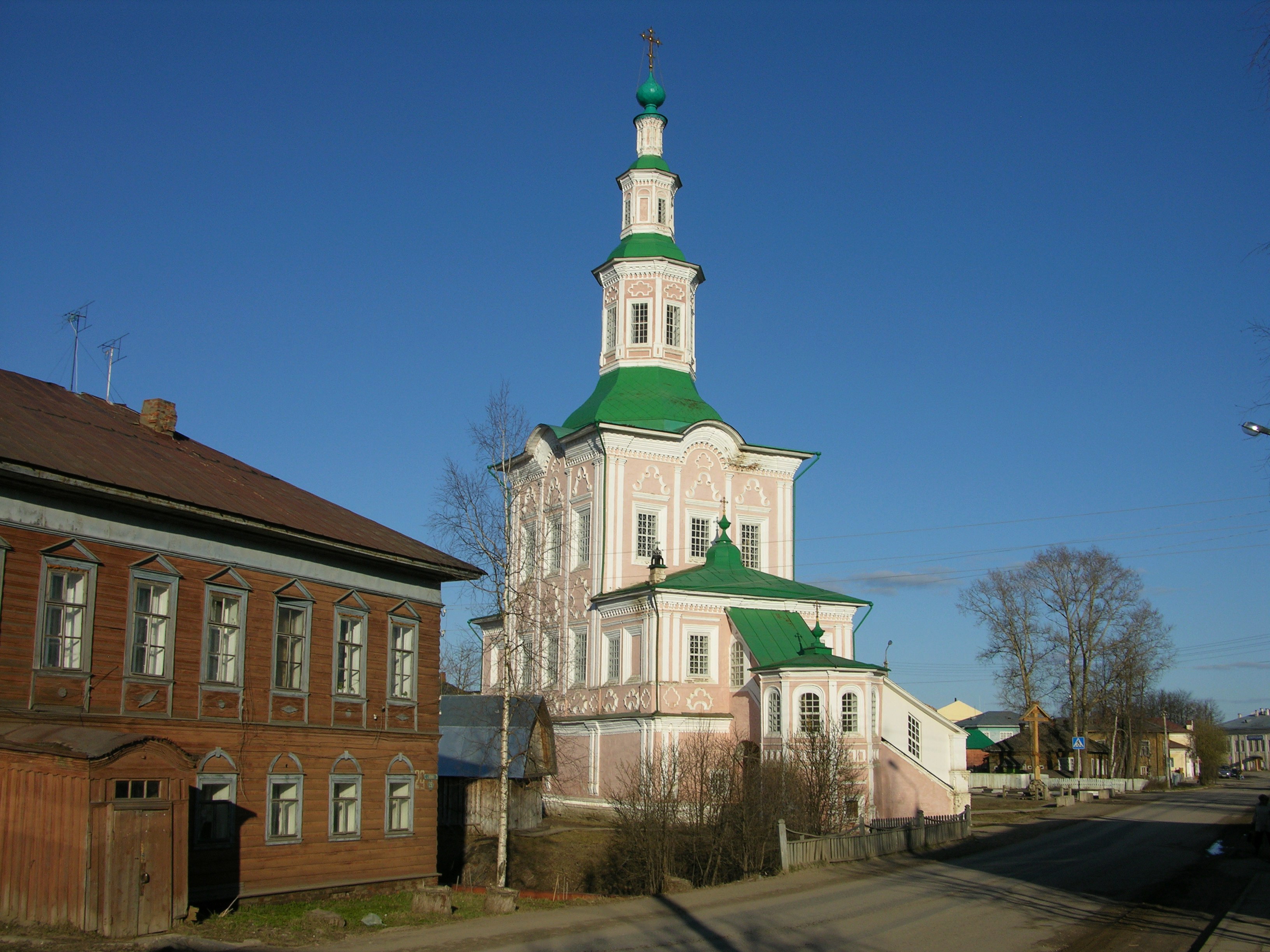
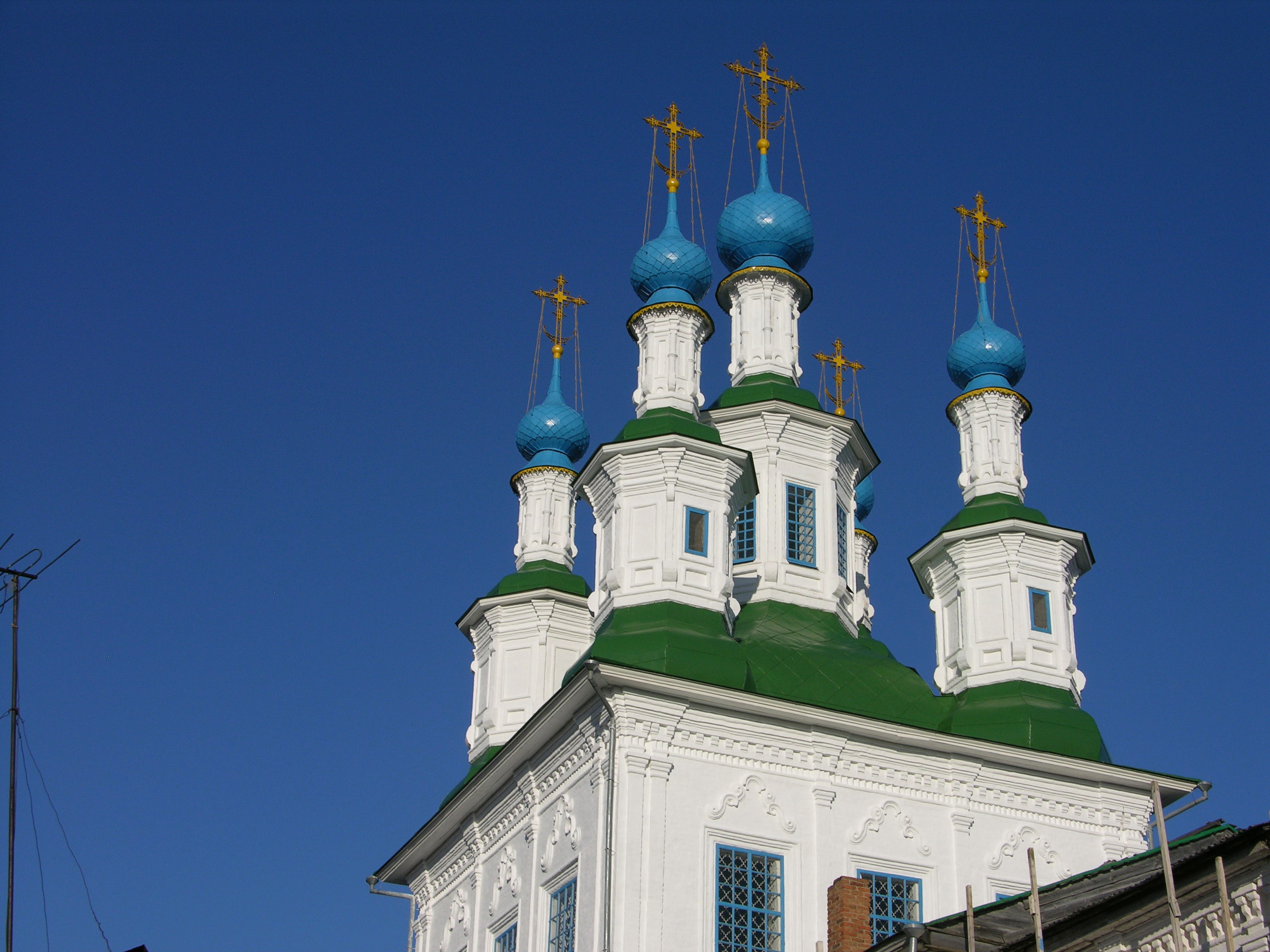
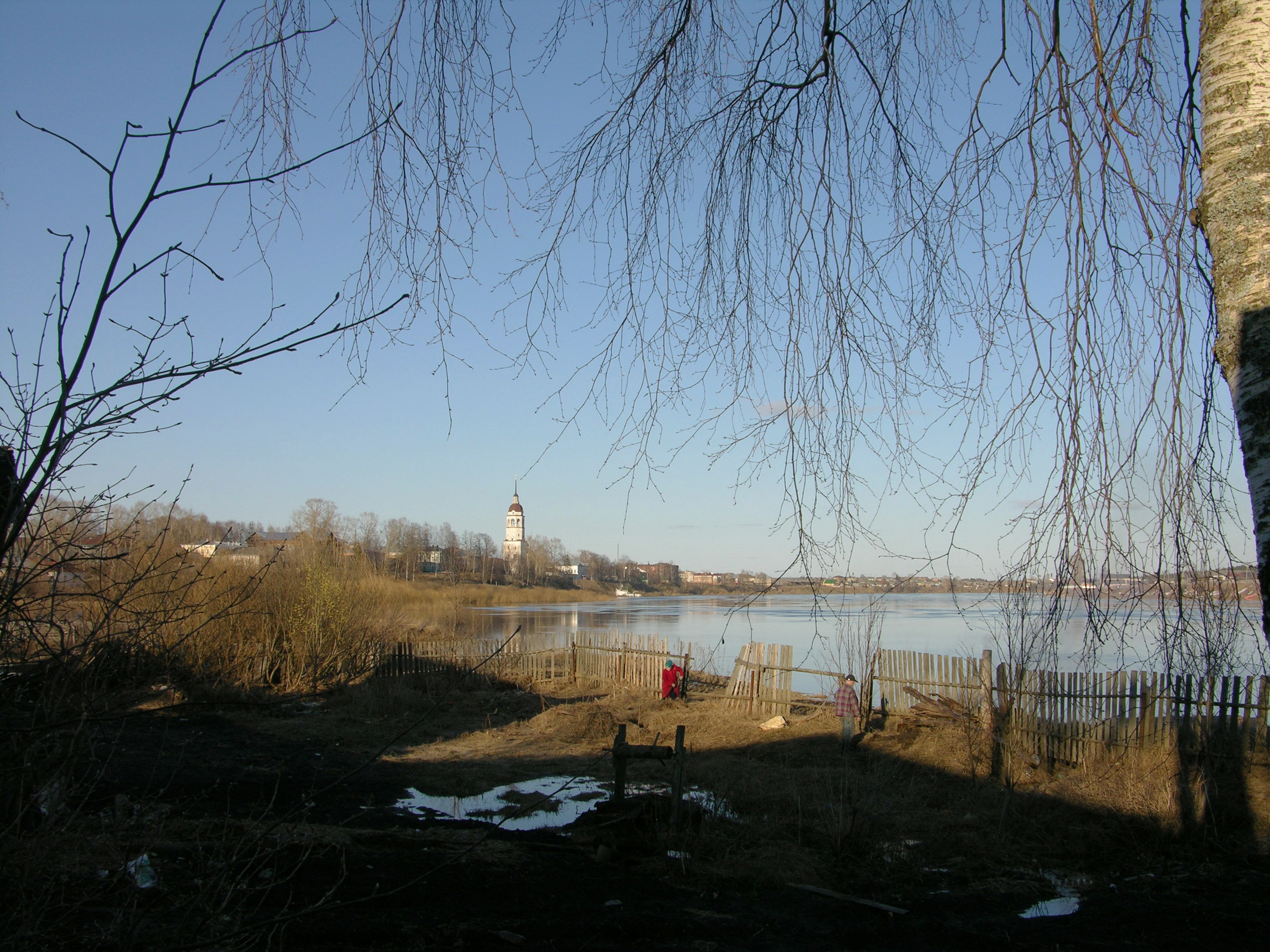
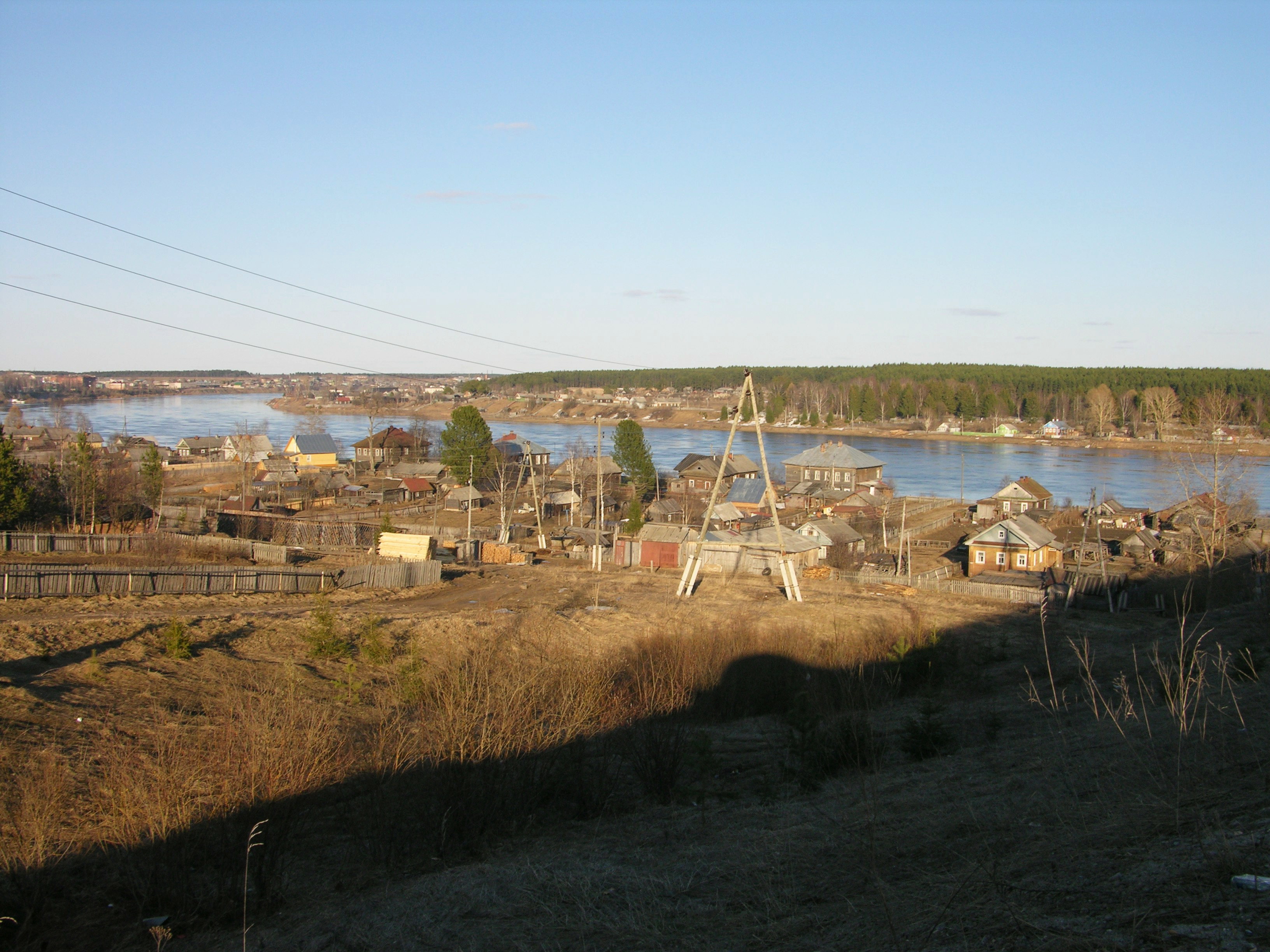
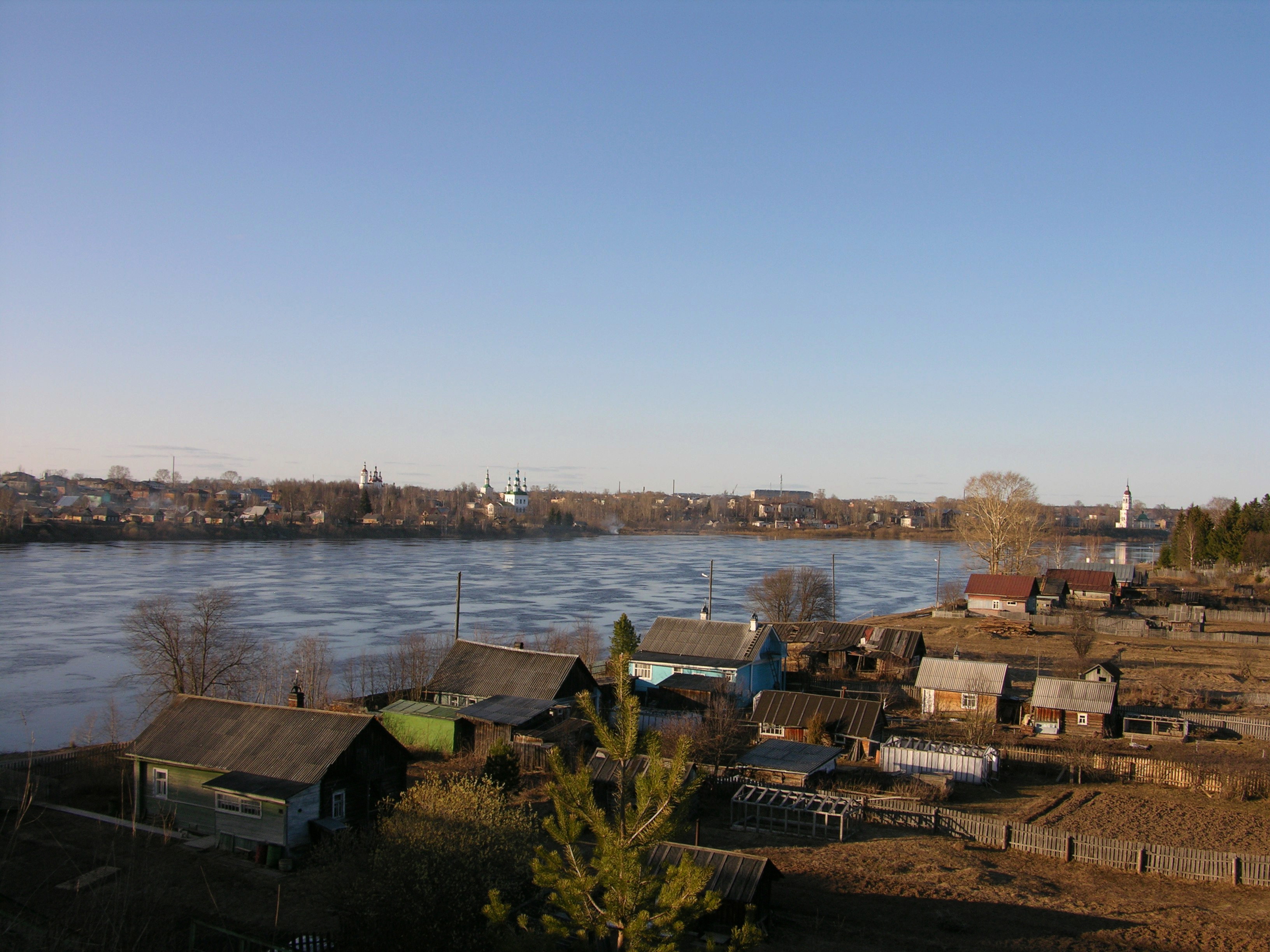
Not far from Cherepovets I called at several base stations in Vologda Oblast. At Totma the road forks, going straight on to Veliky Ustyug and right into Kostroma Oblast. I needed to get to Pyshchug, near the Vologda–Kostroma boundary.
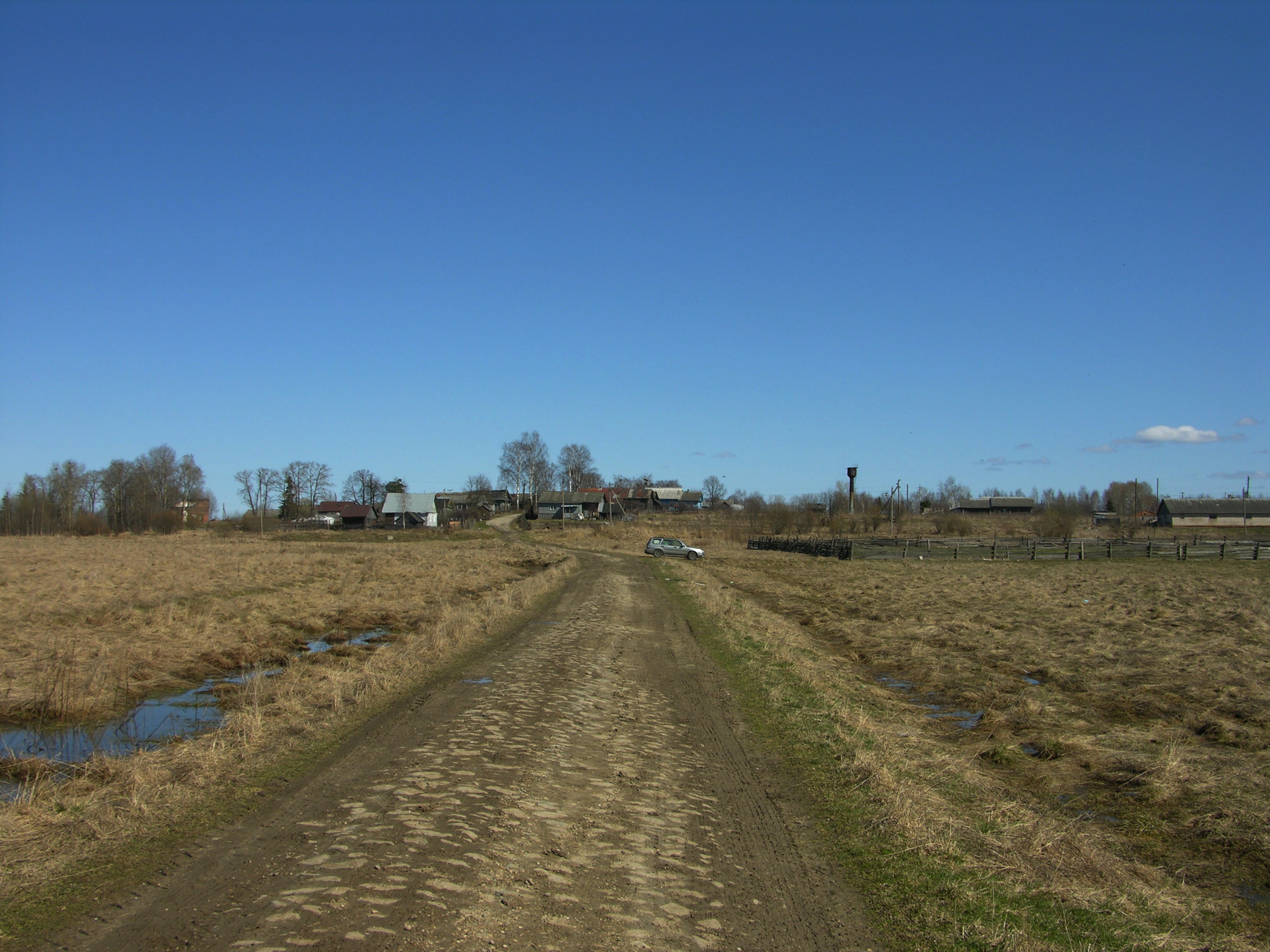
It was already dark when I got to Nikolsk, yet another district centre. Russia is enormous. You drive and drive, and everywhere there are people living their lives. Here’s another little town, known since the fifteenth century. It’s too much to take in. Lately I’ve been through hundreds of villages and nearly every district centre in the northwest, and this is only a small, thinly populated corner of the country.
I popped into a shop to buy something to eat that evening.
It was dark, and a full orange moon began rising beyond the woods. “Look, above the sleeping pines, as though a blaze were rising.” I love these moments. I always think of the passage from The Sheltering Sky that begins, “Everything that happens only happens a finite number of times. How often will you remember an afternoon from your childhood, one that went so deep that you can no longer imagine your life without it? Four, perhaps five times at most. Maybe even fewer. And how often will you see the full moon rise? Twenty times, no more. Yet it all seems endless.”
Yes, this was one of those times. I called New Zealand. It’s astonishing that you can reach the other side of the world from any backwater. I’ll never get over that. It’s warm and autumnal there. It’s another world, where I’ll probably be living. All the more reason to cherish this moment, here and now. Who knows how it will all turn out there? “Death is always on its way, but the simple fact that you don’t know when it will arrive blunts your sense that life has an end.”
Well, there were more mundane things to sort out, like finding somewhere comfortable and safe to spend the night. I camped among the bushes on the site of a former village near the boundary between the oblasts, at 59°03.484′N, 45°44.175′E.
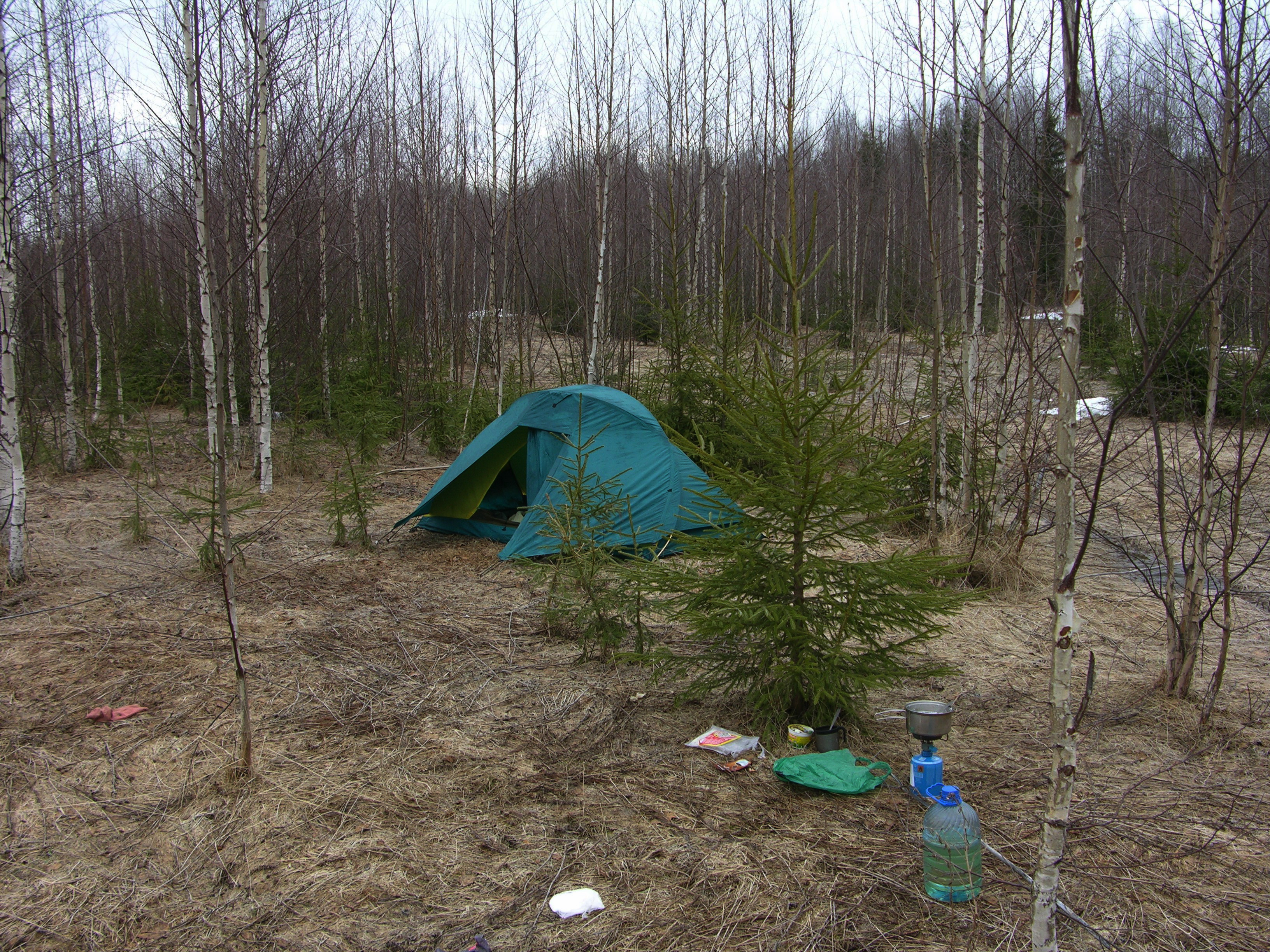
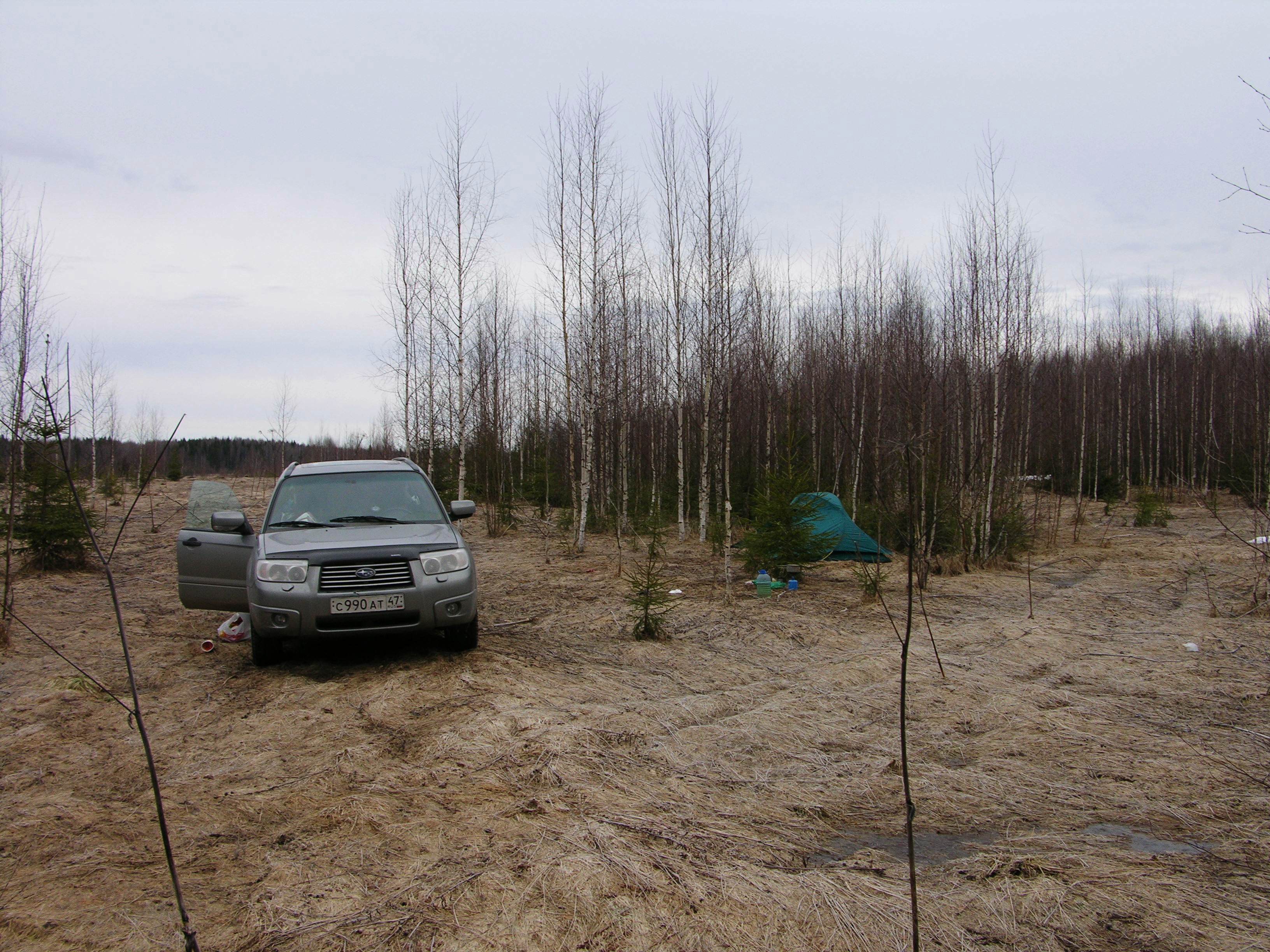
The weather turned in the morning and it began snowing hard. I met the MegaFon technicians in Pyshchug. I barely found the base station.
Some other operators put their stations wherever they’re closest to the road, even when coverage is better elsewhere. MegaFon took siting seriously. The top of the tower needed a clear line of sight to the surrounding roads and villages.
That’s how it should be, but getting to some of those sites is no joke. I’d already broken the car more than once pushing through northern hills and Russian bogs. I barely made it this time either. The old snow hadn’t melted yet and the new snow was already drifting. There was no visibility, which was why the station was so hard to find. Luckily I had an app on my phone that told me how far away it was and roughly which way to go.
The next station was in Bogovarovo, a place in the middle of nowhere. Why the name Bogovarovo? Did they get so hungry they boiled God?
It was a long, muddy drive through the spring thaw. By evening we’d managed to visit one more remote base station in Poldnevitsa. The bad weather hadn’t let up. I drove into the Vyatka region and pitched the tent near the village of Metil, at 58°20.055′N, 46°34.384′E. Nice name. The locals must have long since drunk all the ethyl, gone through the isopropyl too, and moved on to methyl.
The snow had stopped and the skies had cleared by morning. I had a day off ahead of me and spent it driving to Sudislavl, Galich and Chukhloma.
I particularly wanted to see Sudislavl. I liked the name, but mostly because it’s the Russian mushroom capital, the way Veliky Ustyug is Father Frost’s capital. Wrong season, of course, but I might never make it up this way again.
Sudislavl turned out to be an interesting old town. Galich is better known and also worth a visit. Chukhloma is tiny and has just one church to see. Like Galich, Chukhloma sits on the shore of a beautiful lake.
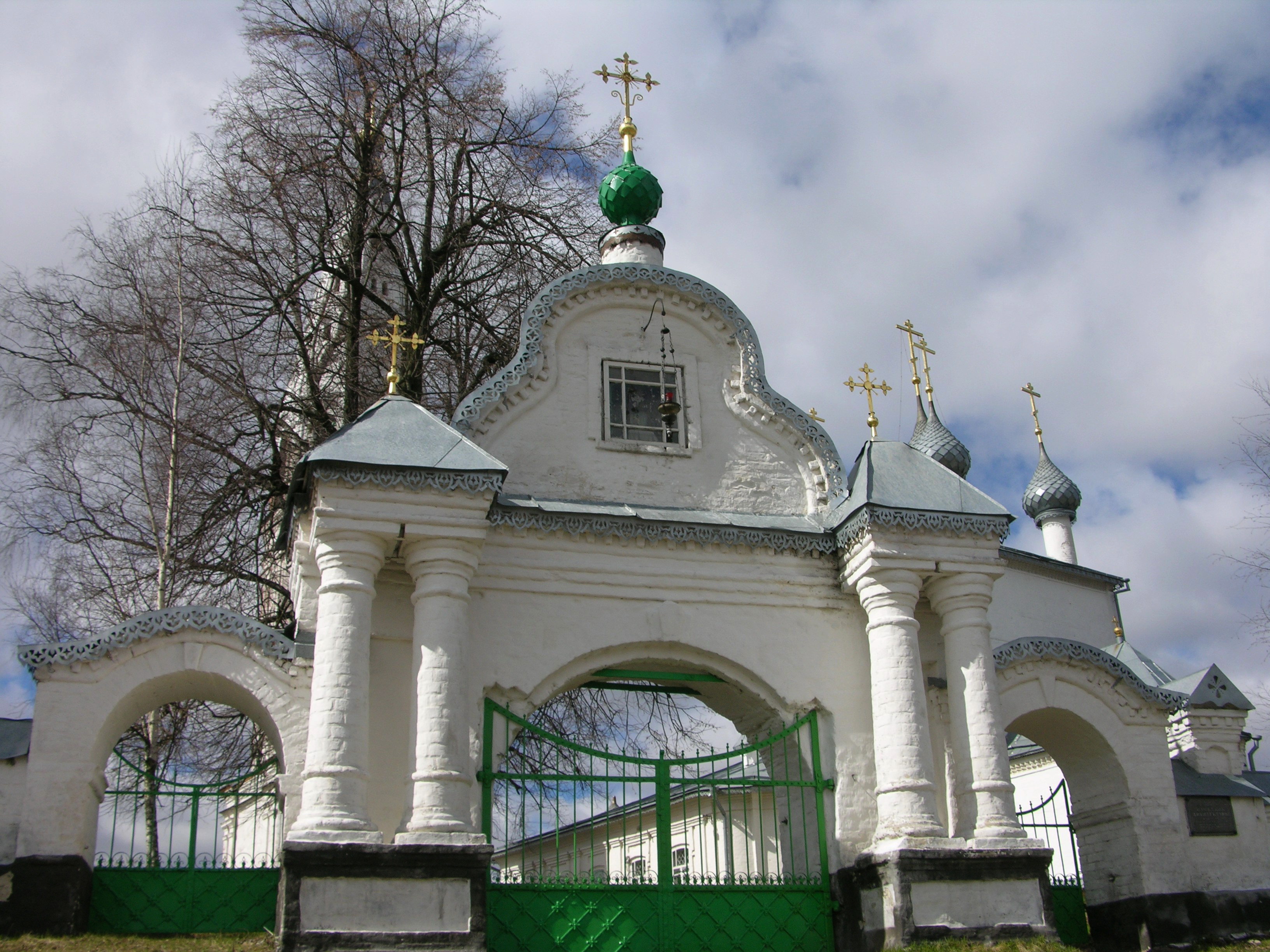
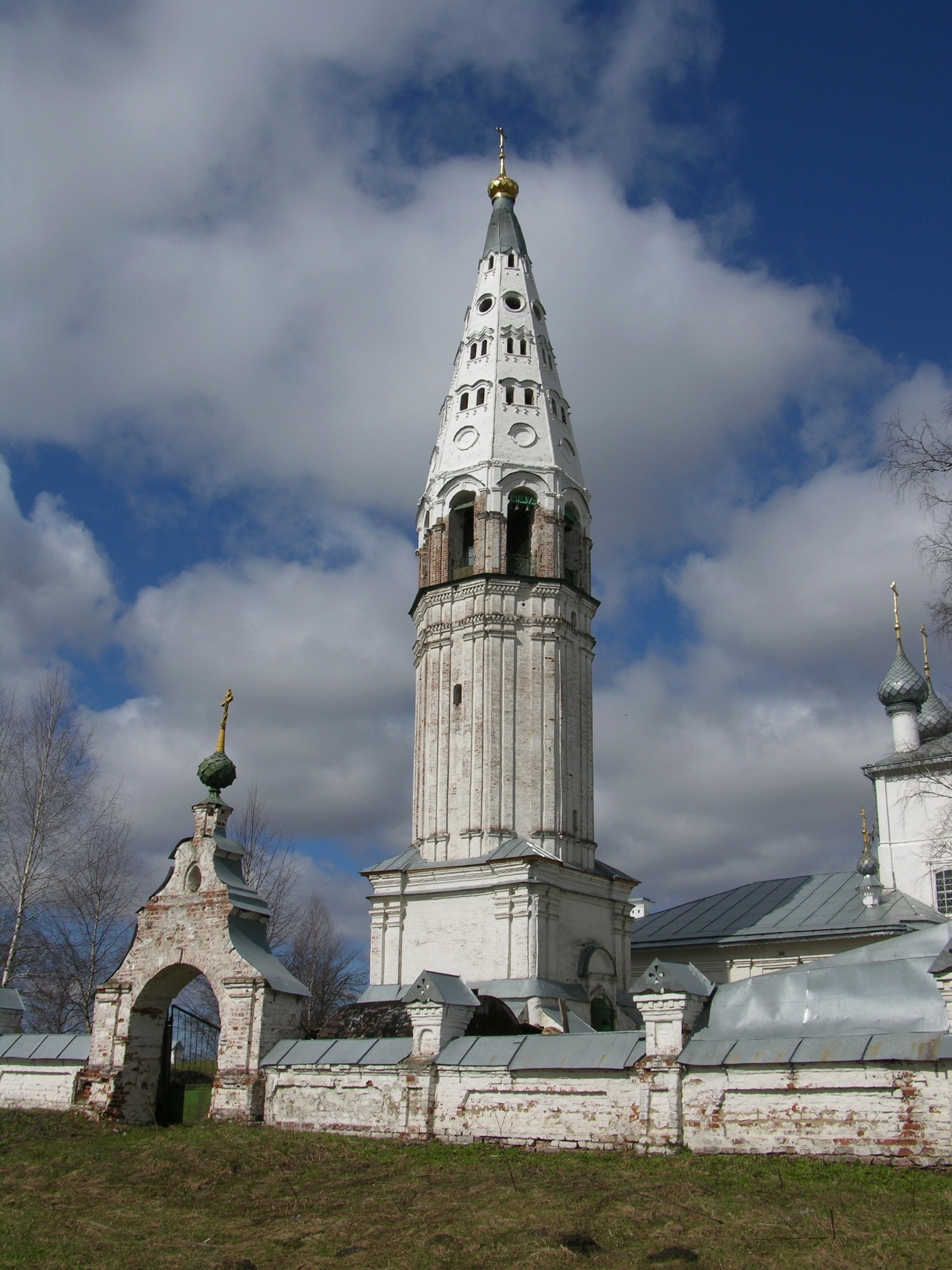
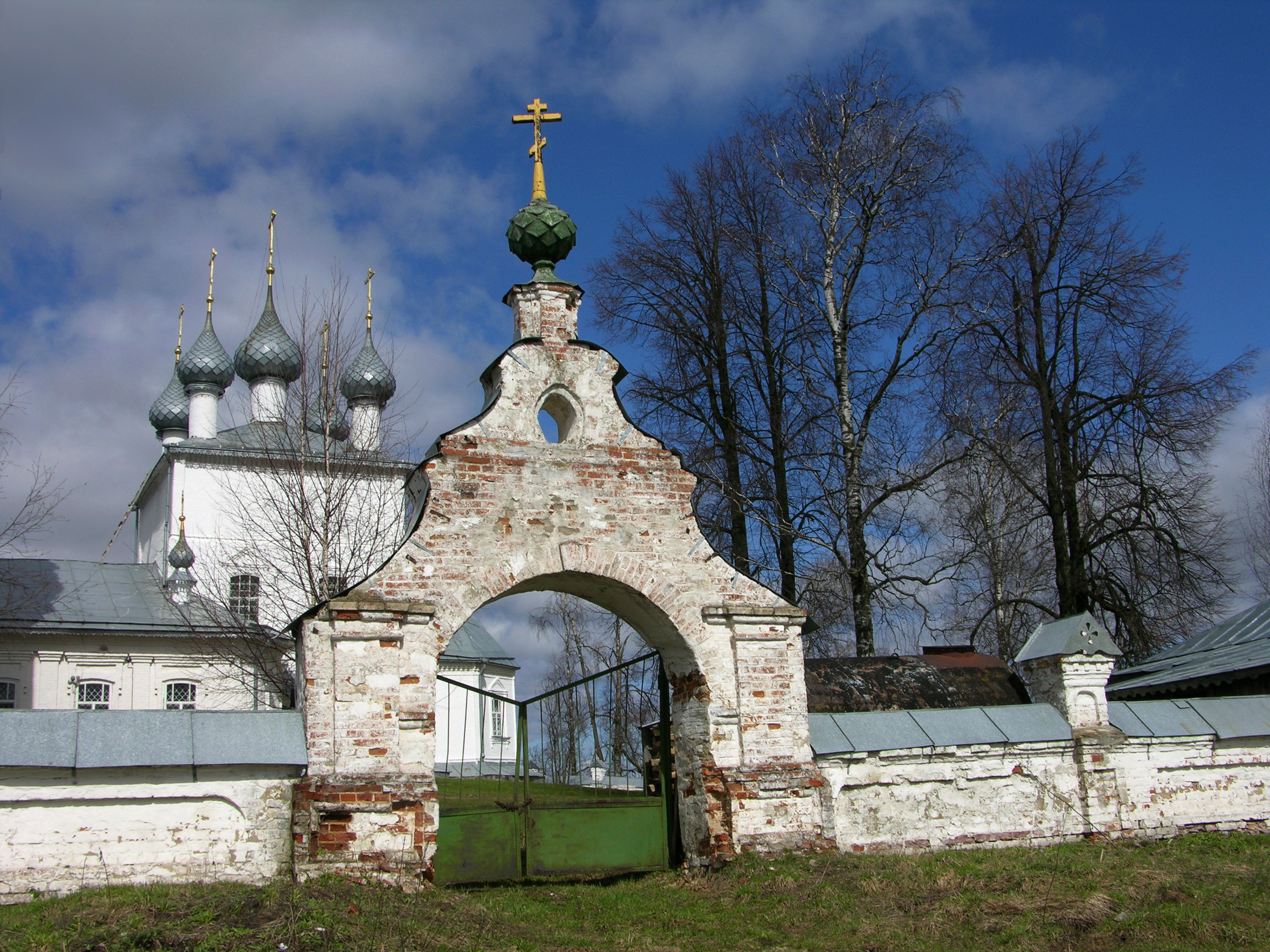
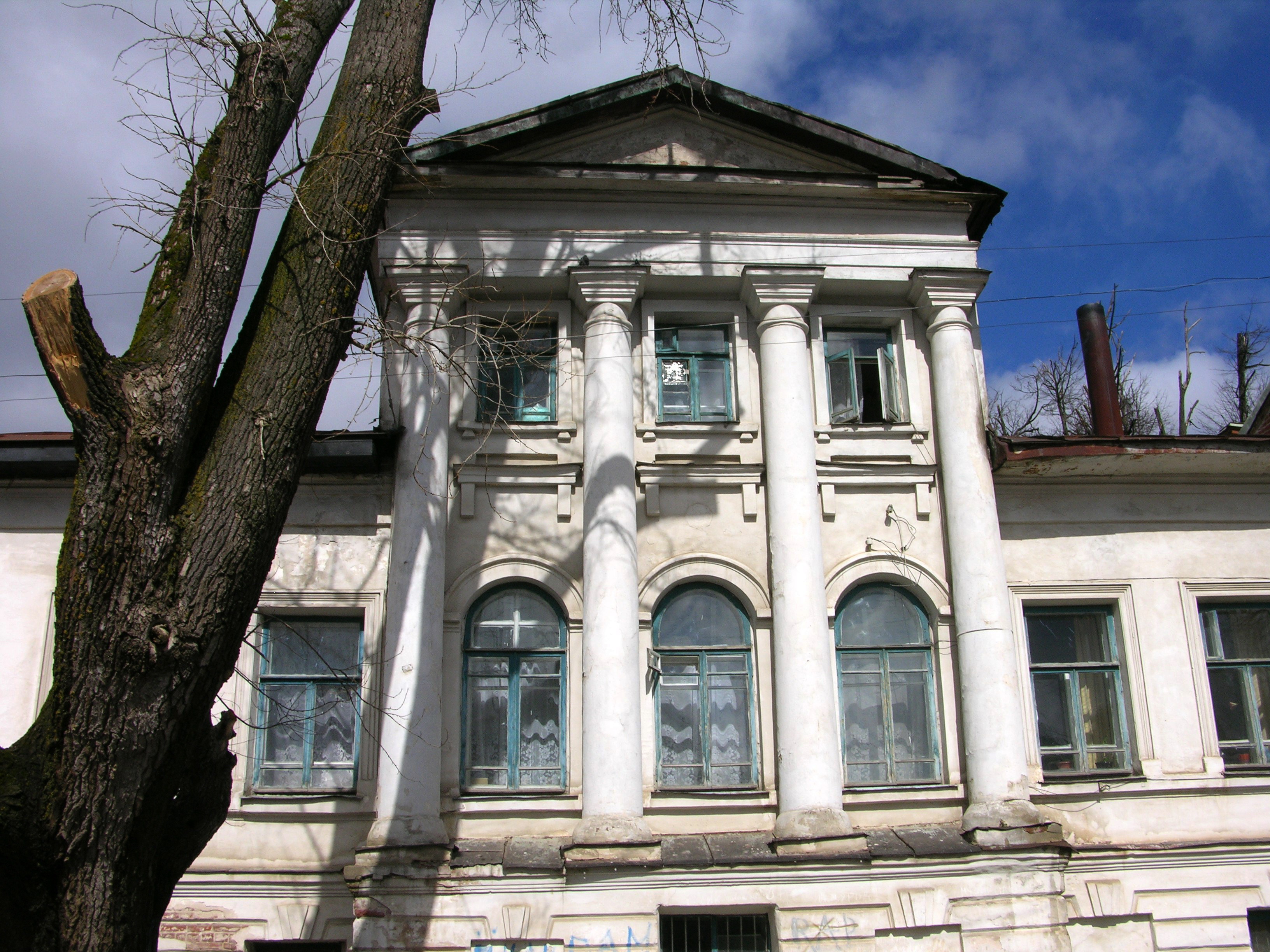
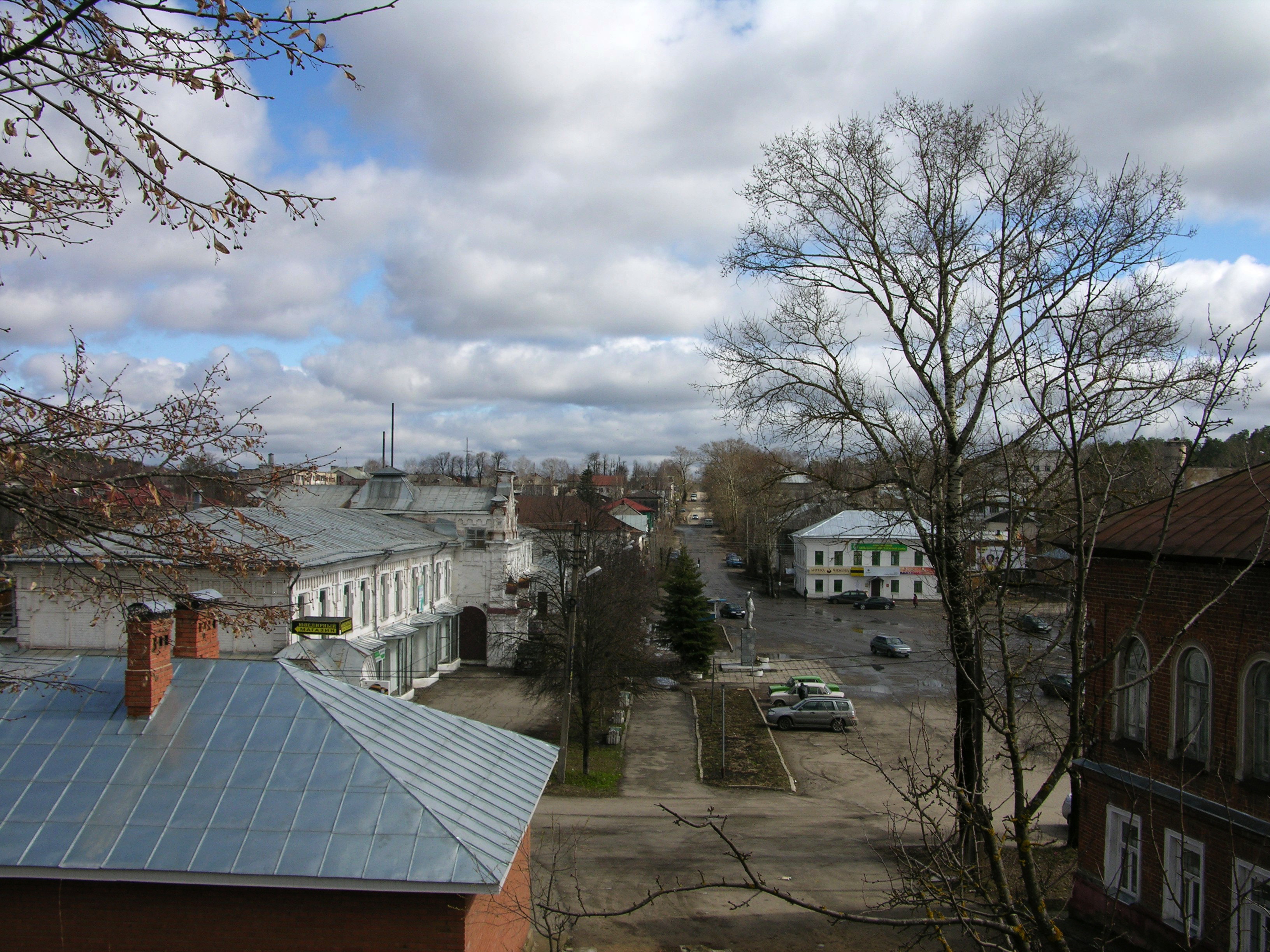
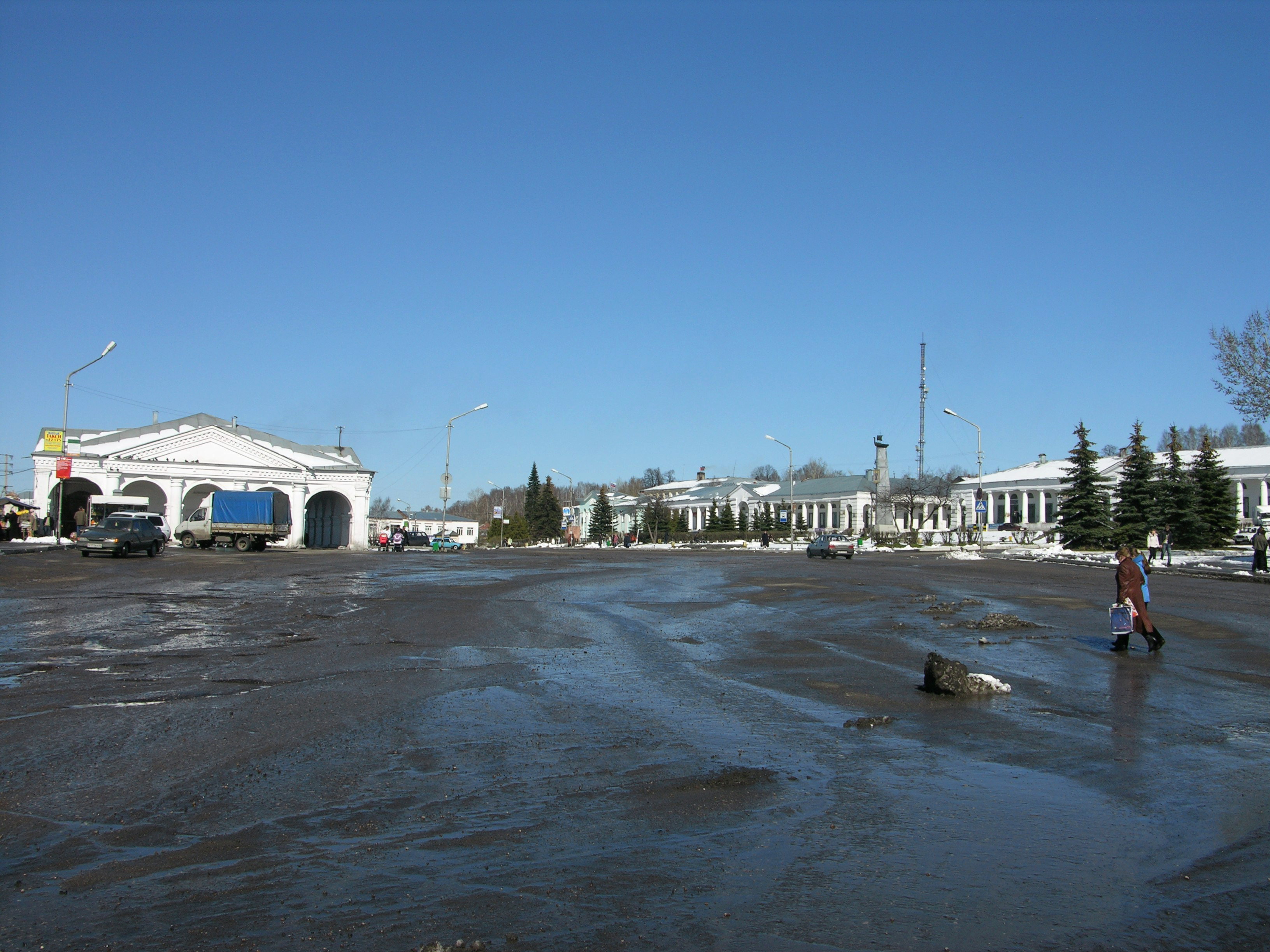
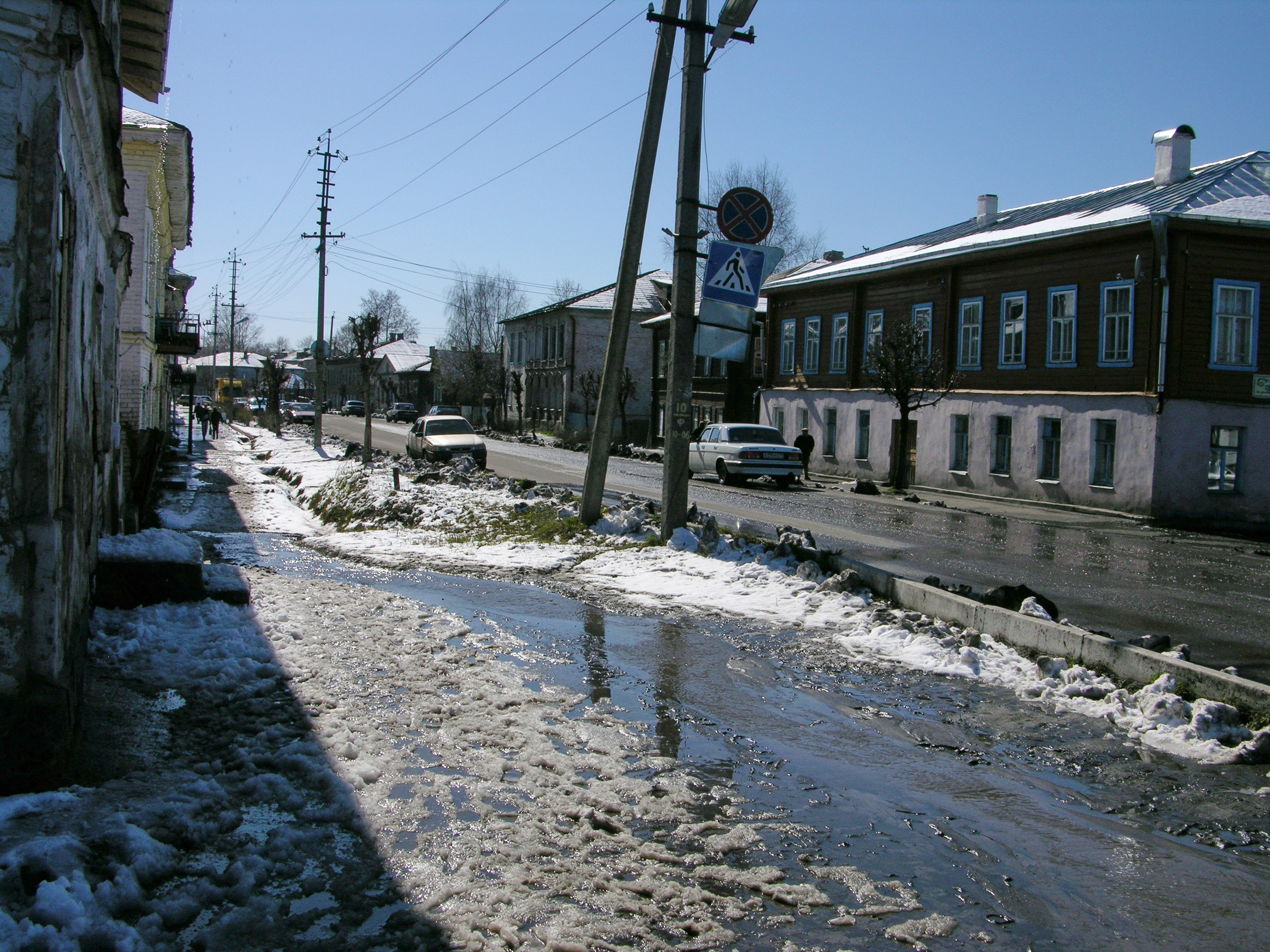
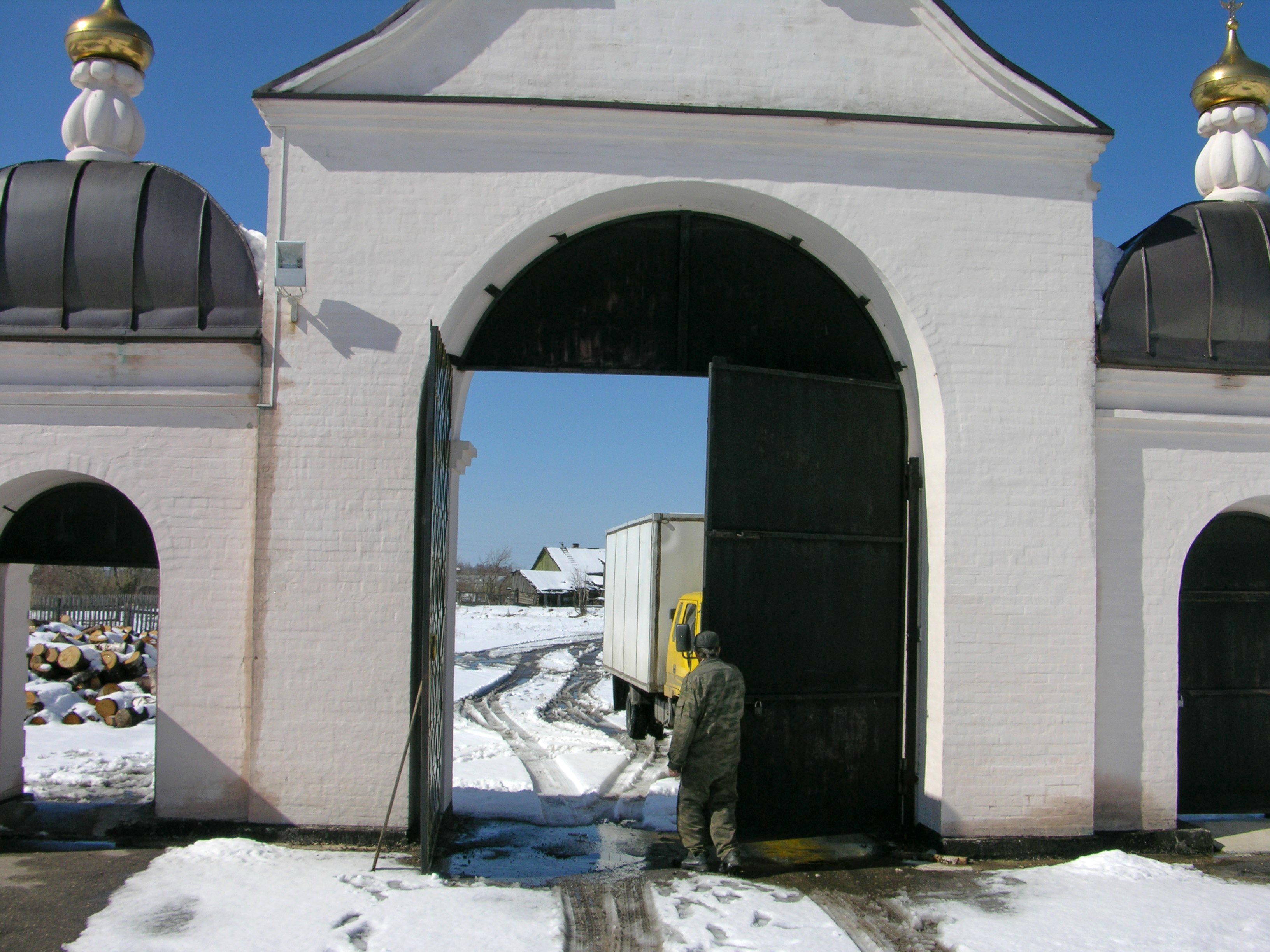
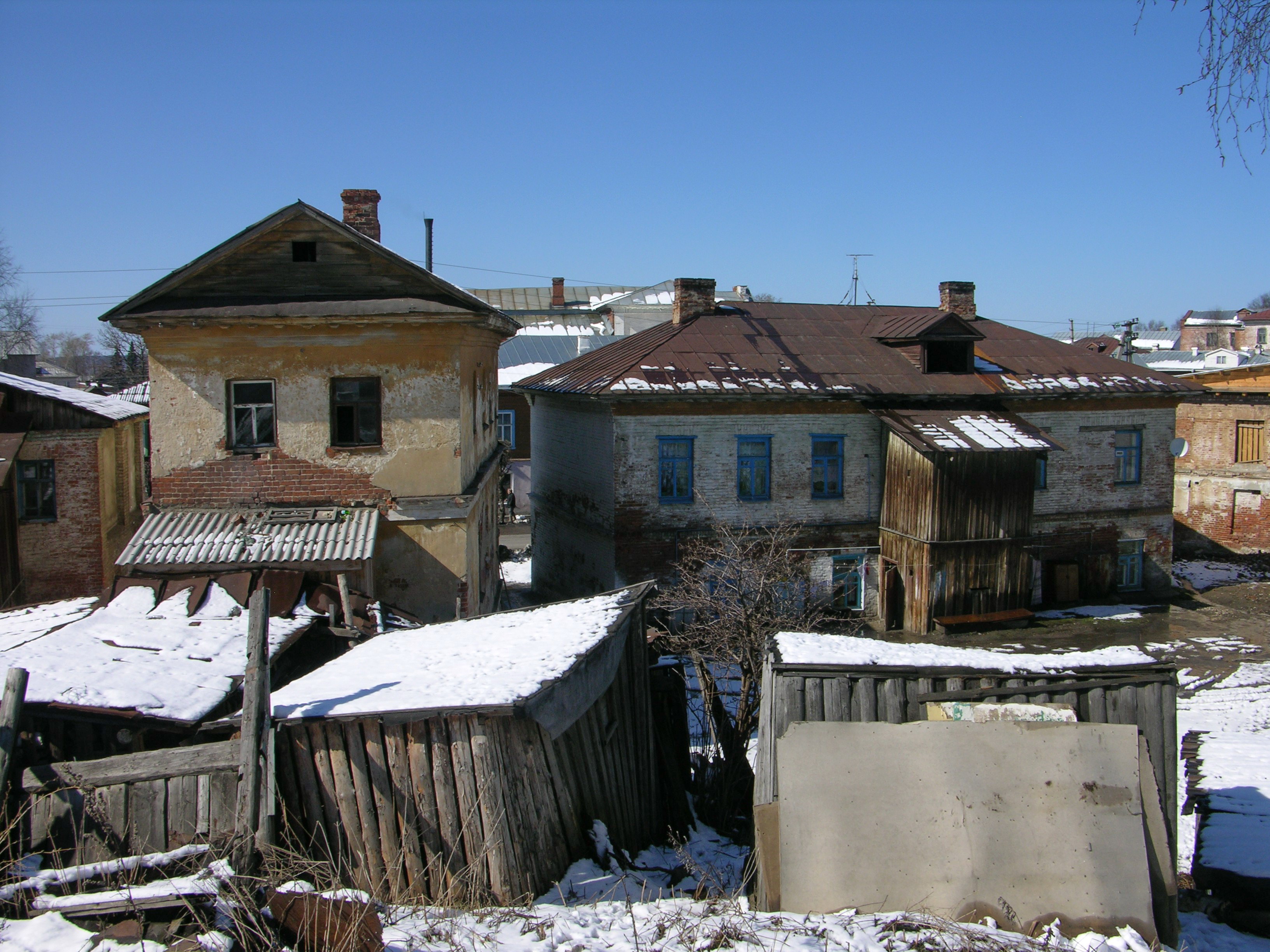
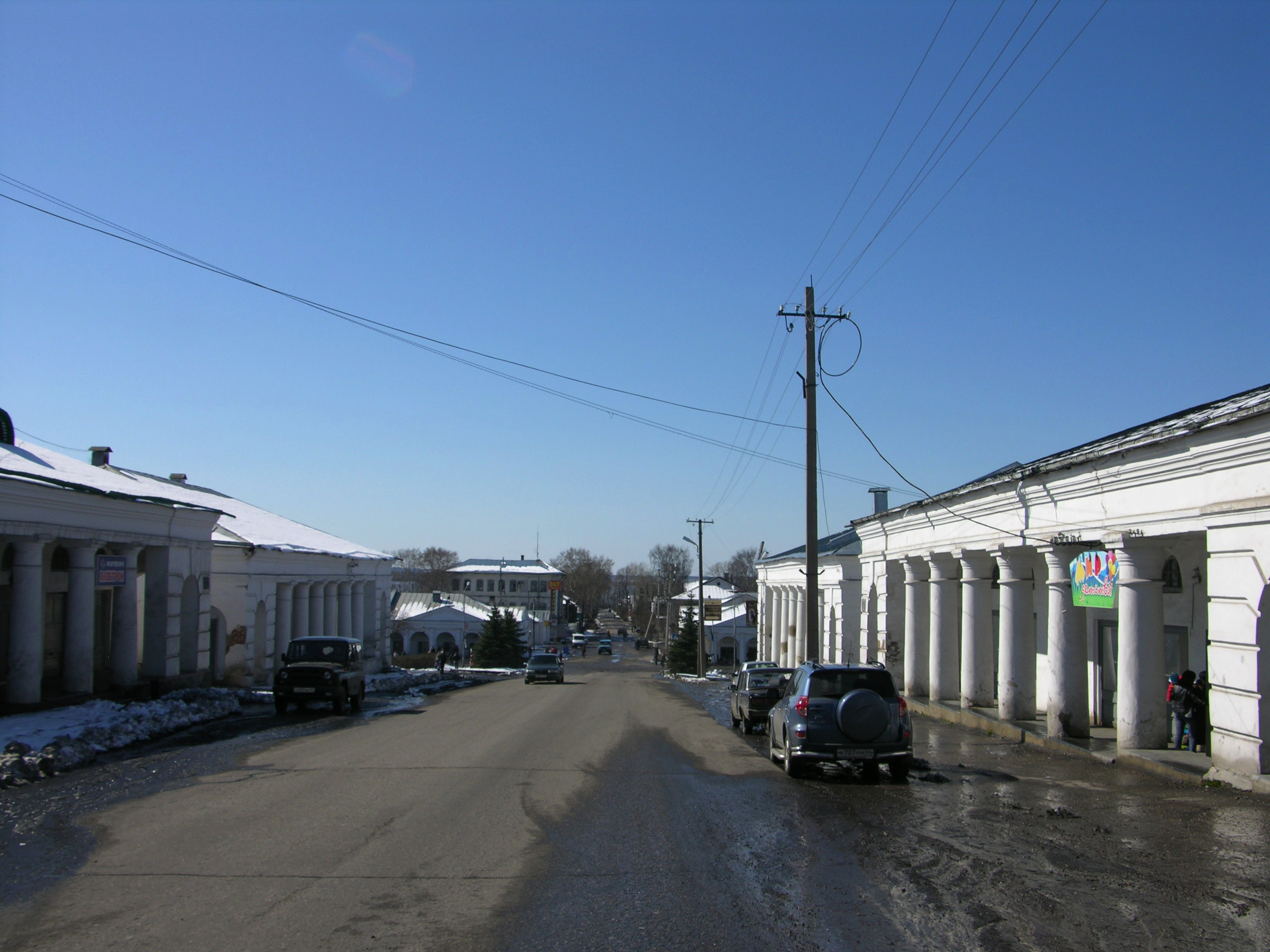
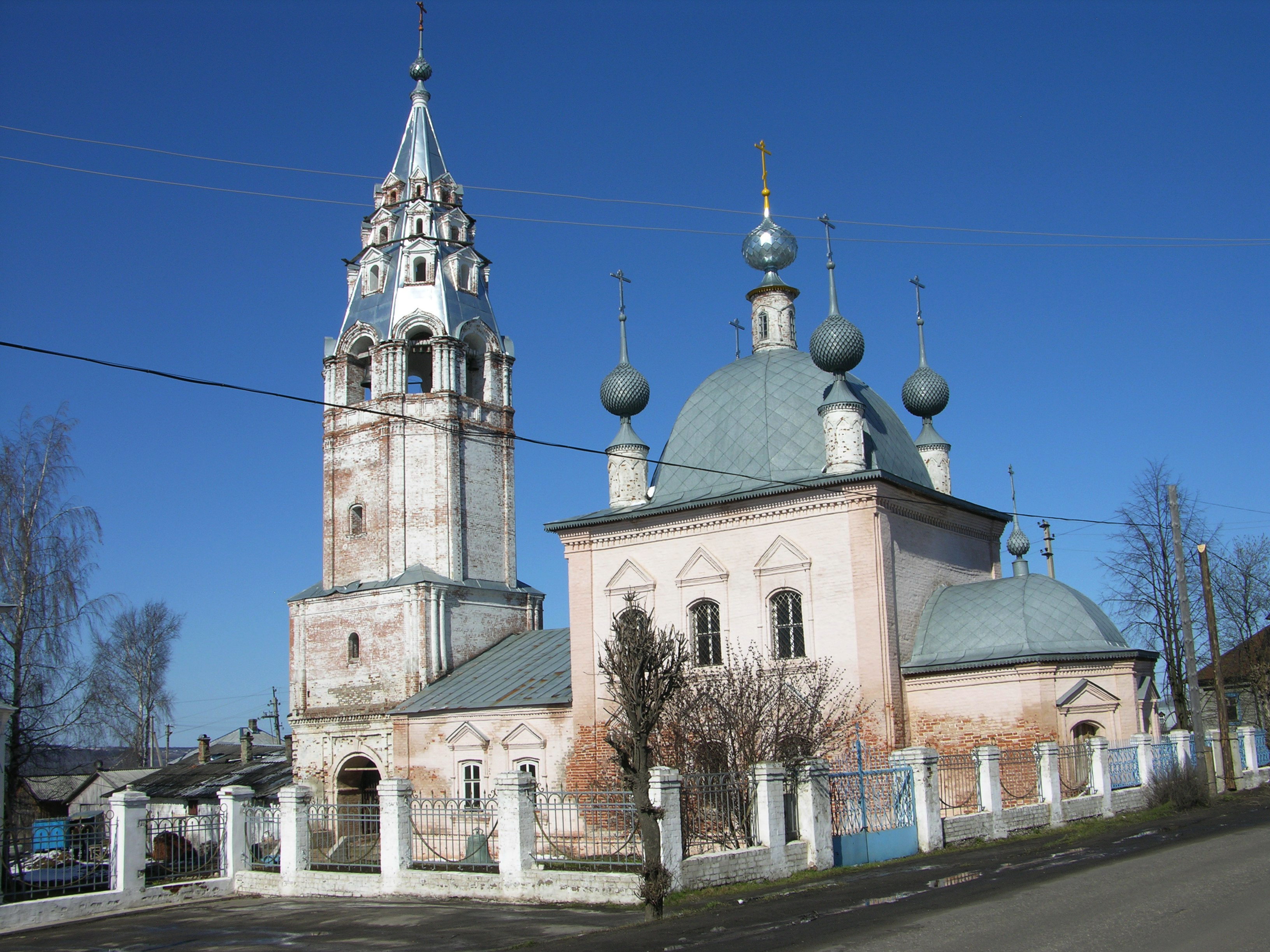
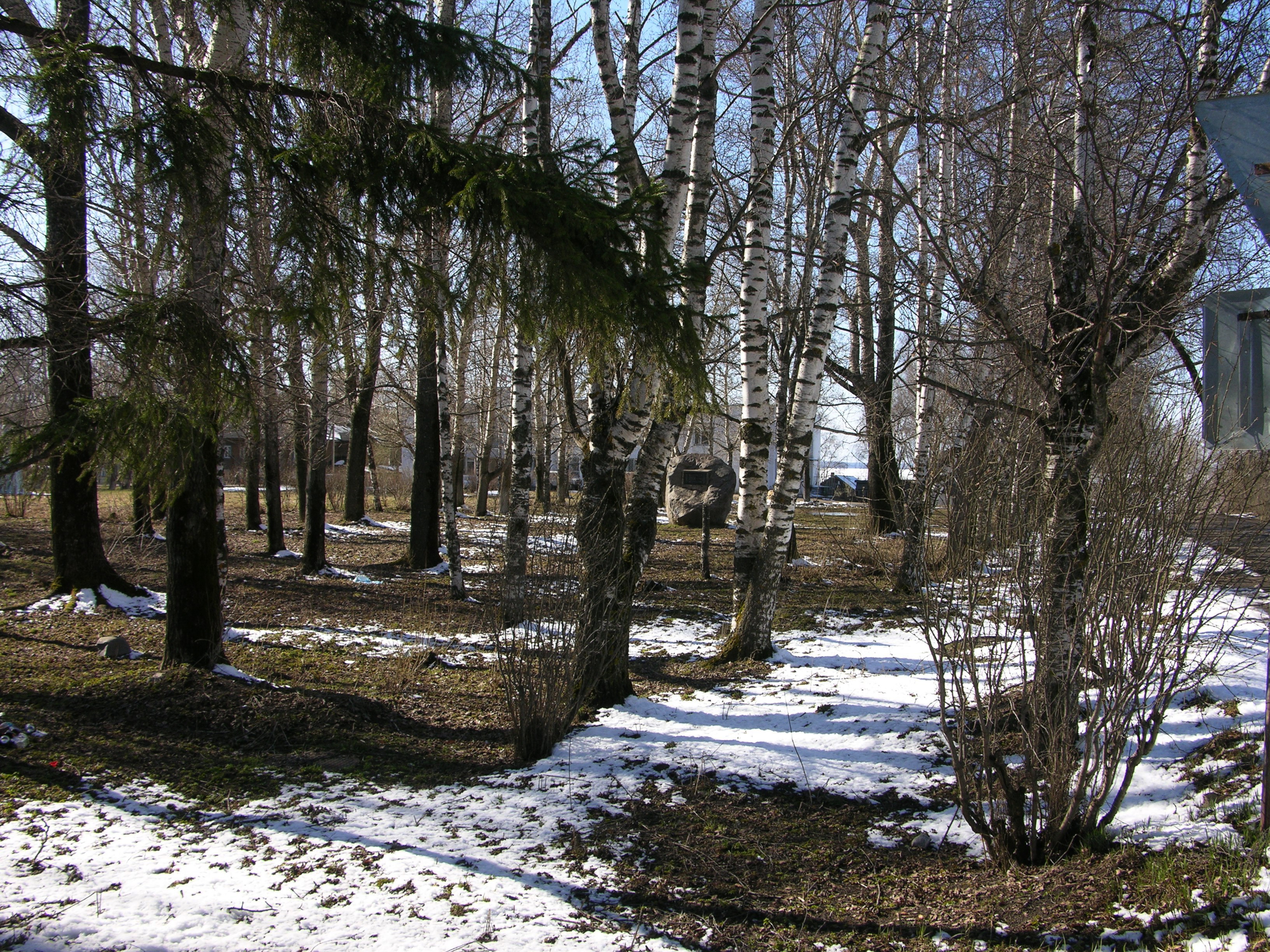
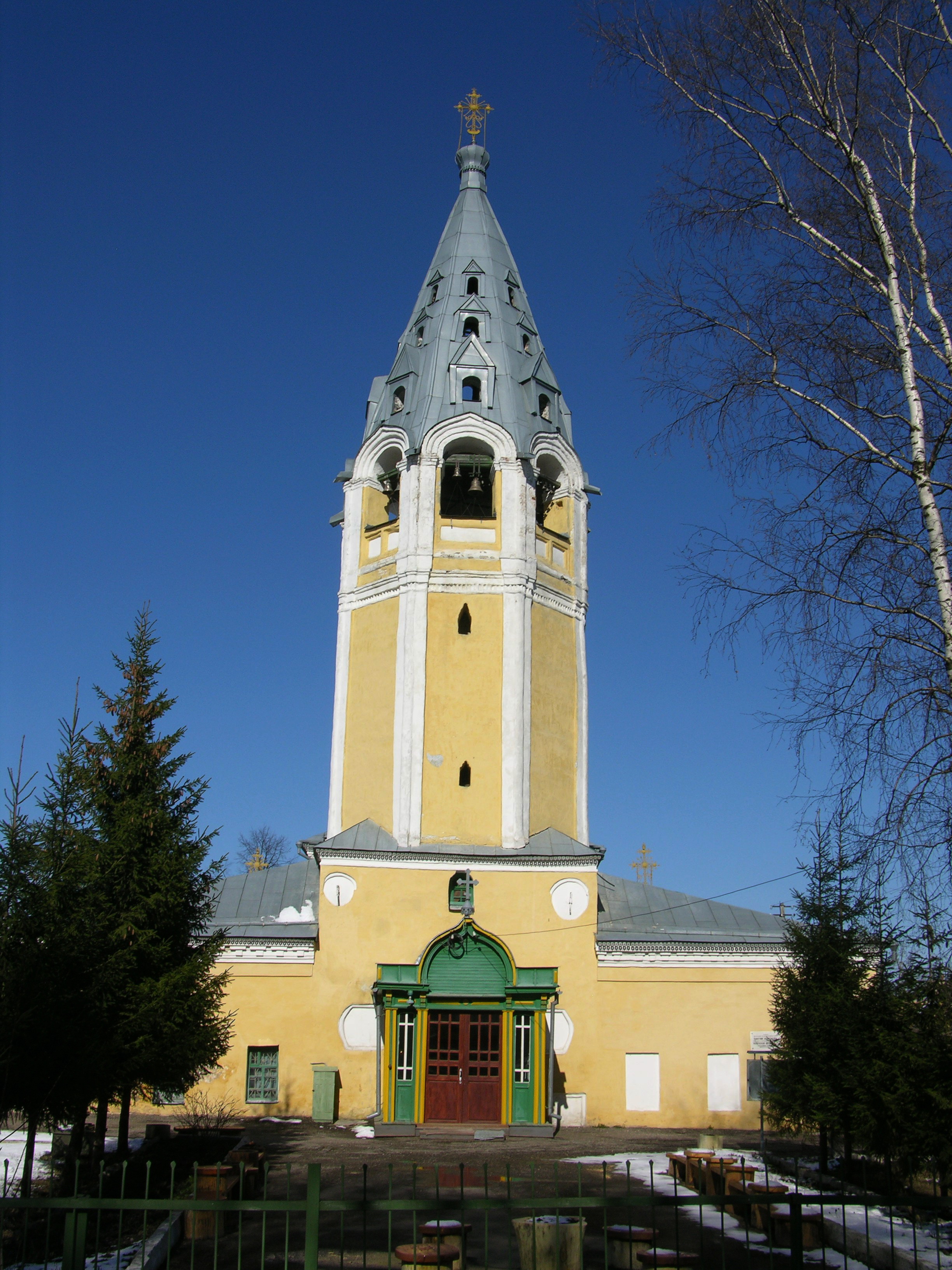
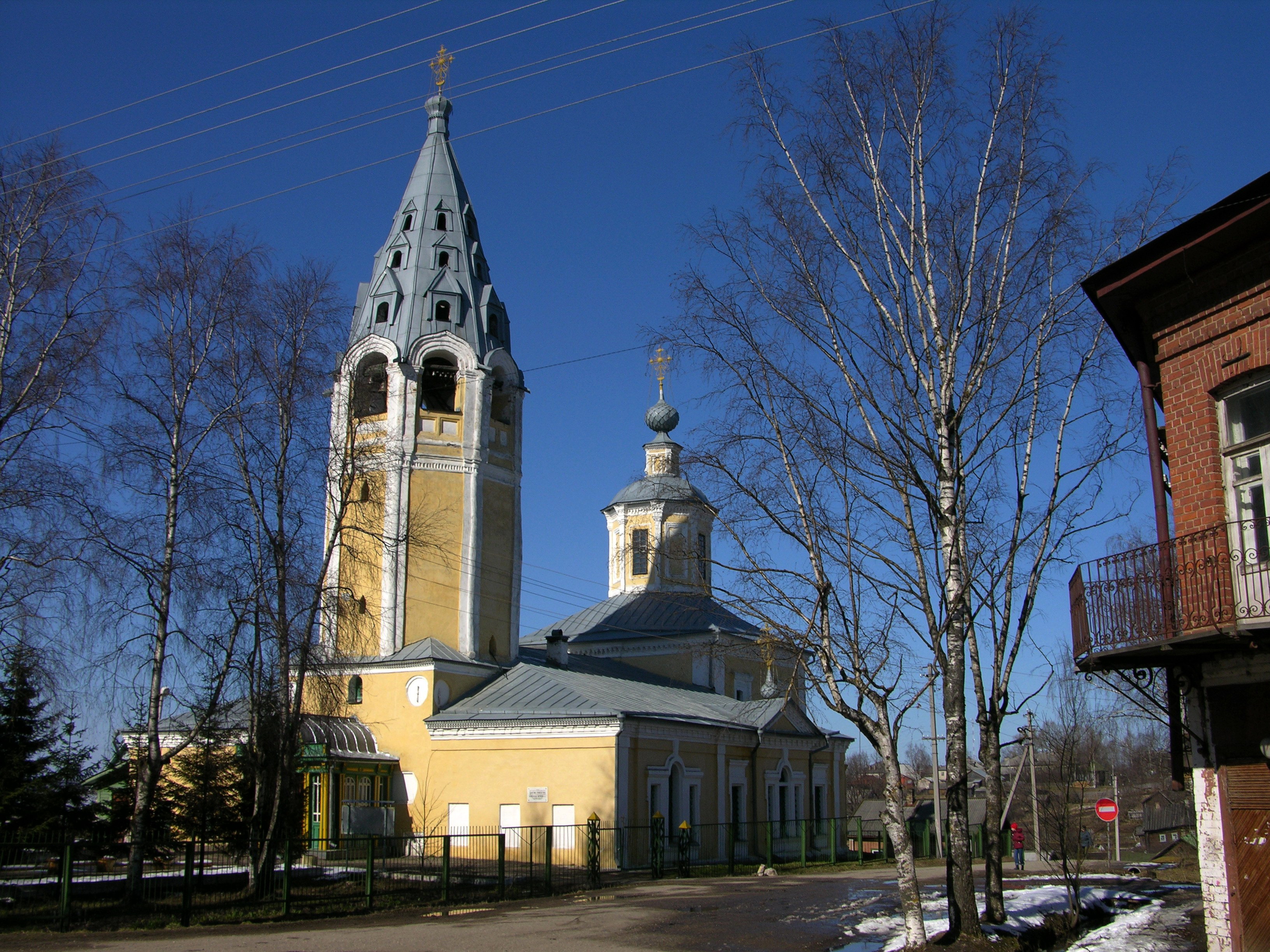
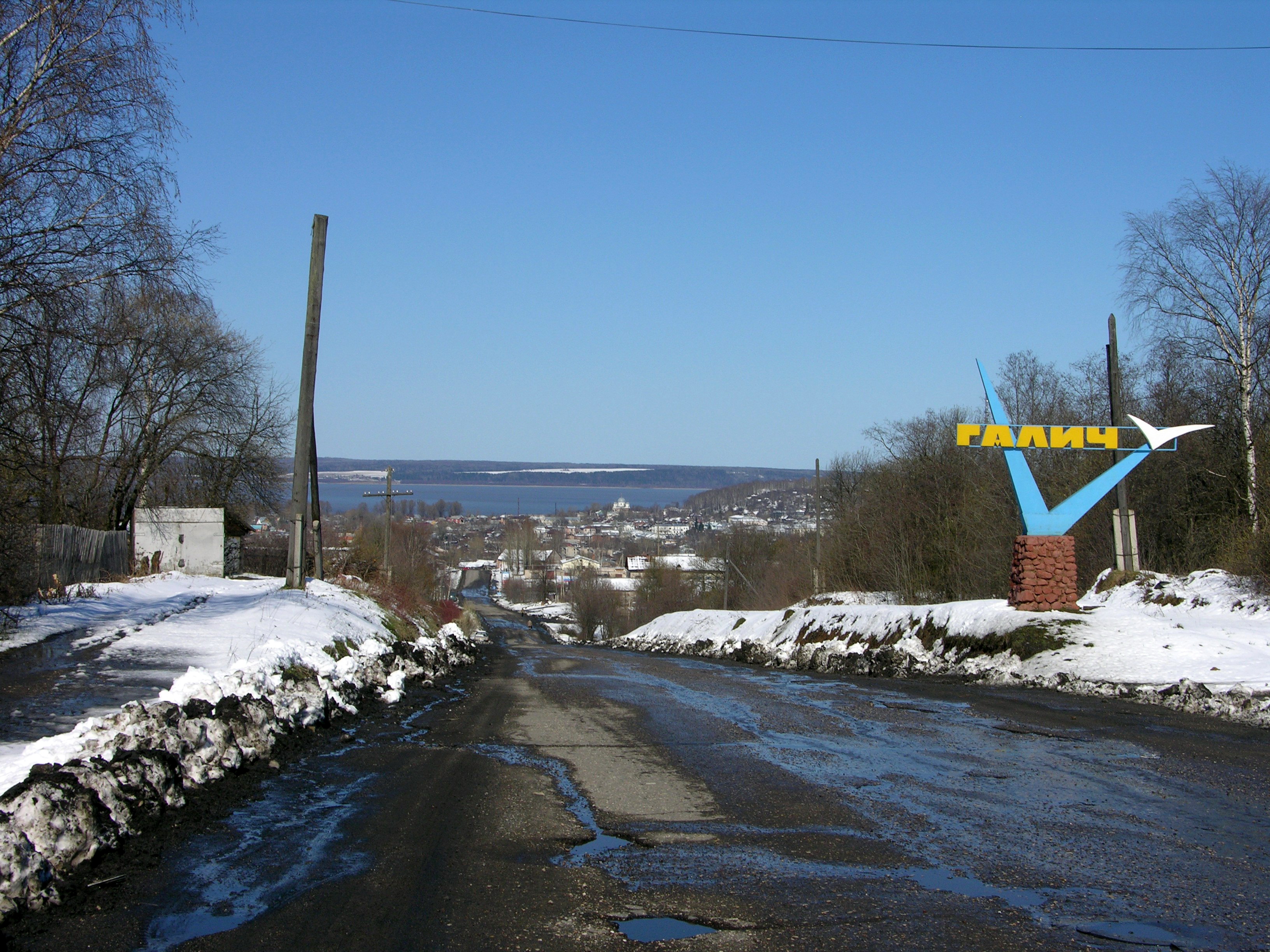
One of our sites was in the famous village of Susanino. I drove there on the direct road from Sudislavl and got lost. The road petered out in a bog. Of course it did. What else should I have expected?
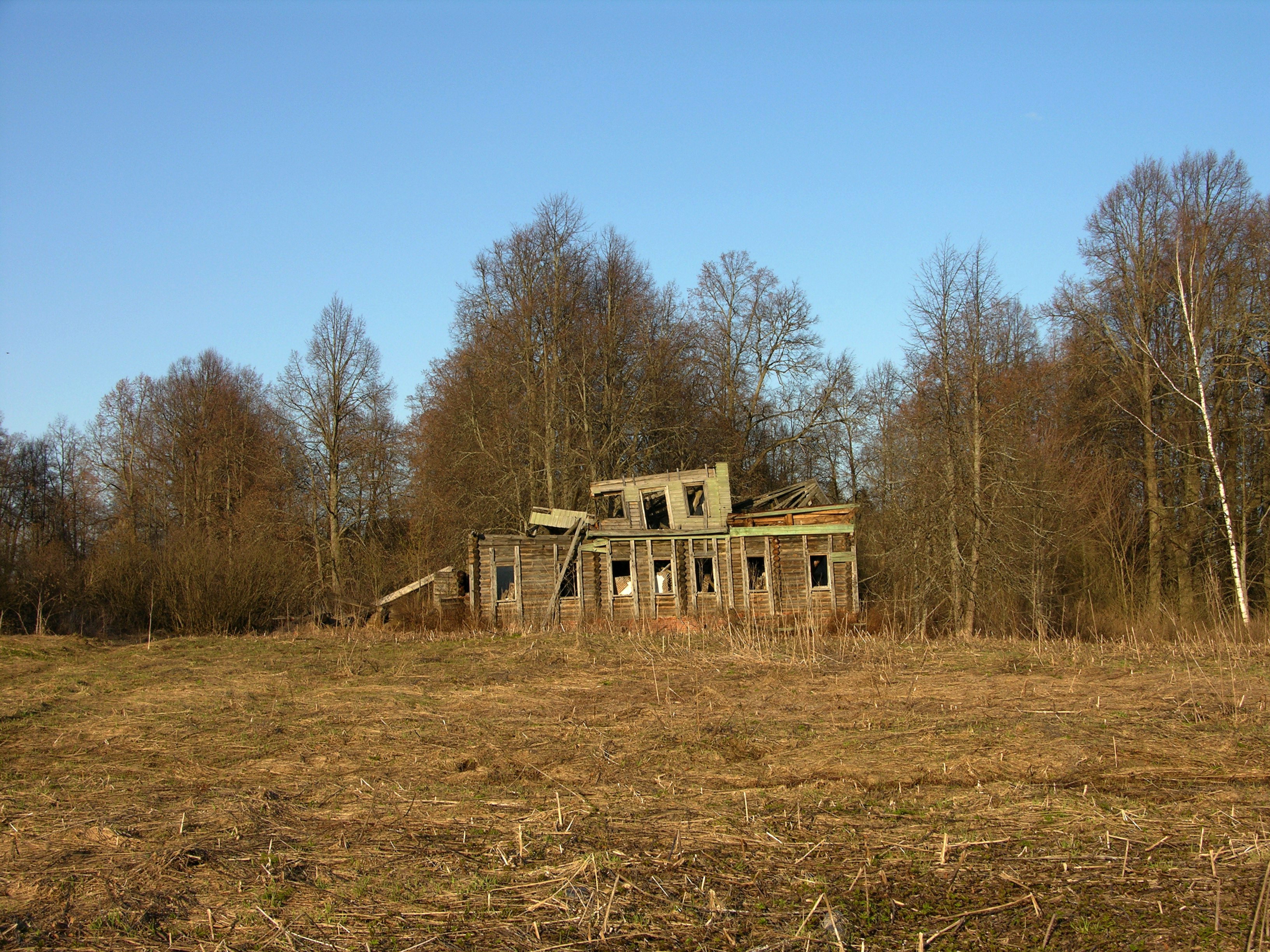
That evening I stayed at the Golden Ring Hotel in Kostroma, at 57°45.026′N, 40°57.113′E. I had a meeting at the regional MegaFon office the next morning and needed a proper wash after so many days in the mud. Later that day we finally made it to Susanino and to another couple of base stations not far from Kostroma.
I was free by lunchtime and drove to Rostov. I’d never been there before. It’s a famous town, but at the time of my trip the whole place seemed to be covered in scaffolding. I’ll have to go back sometime.
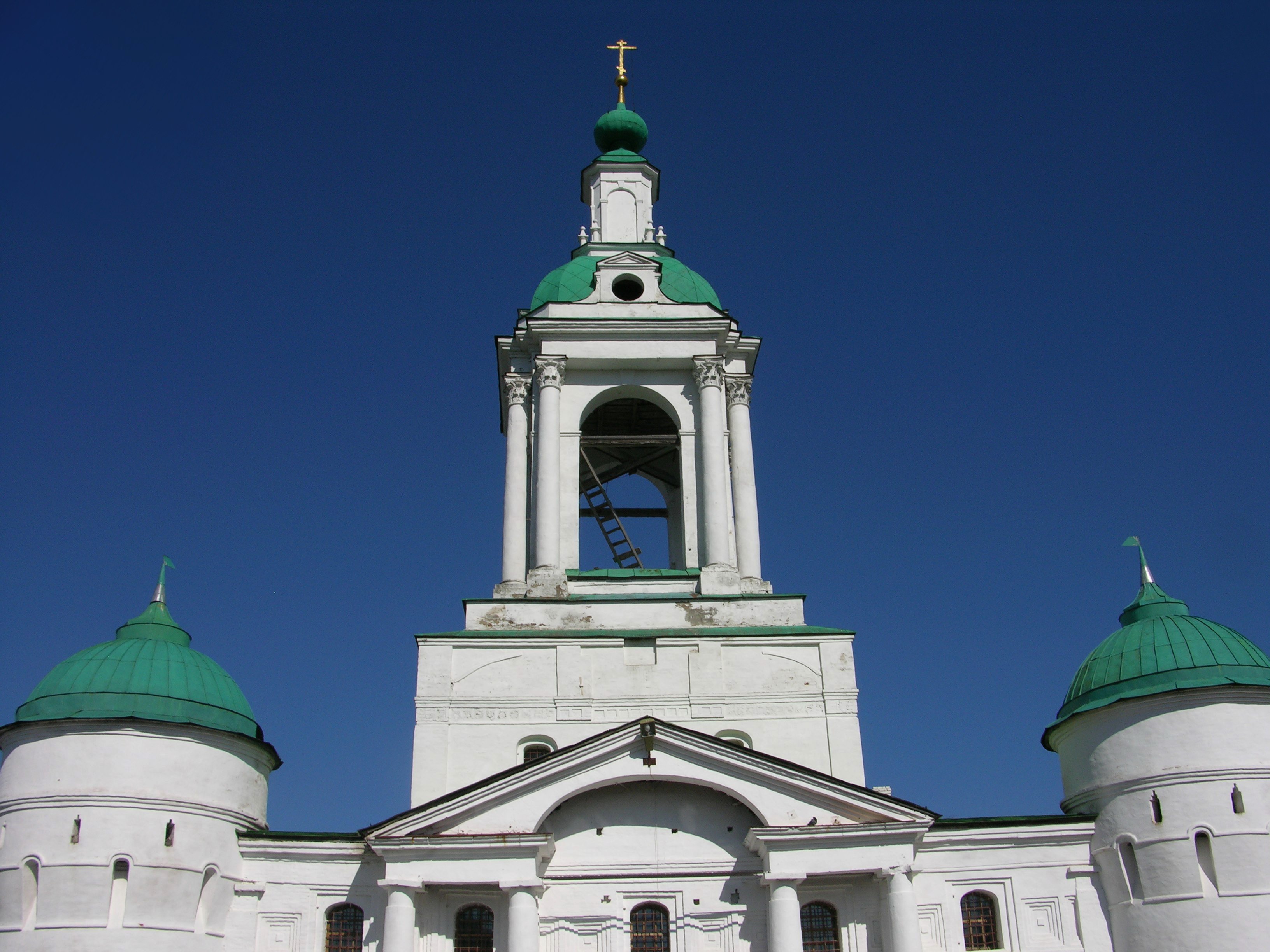
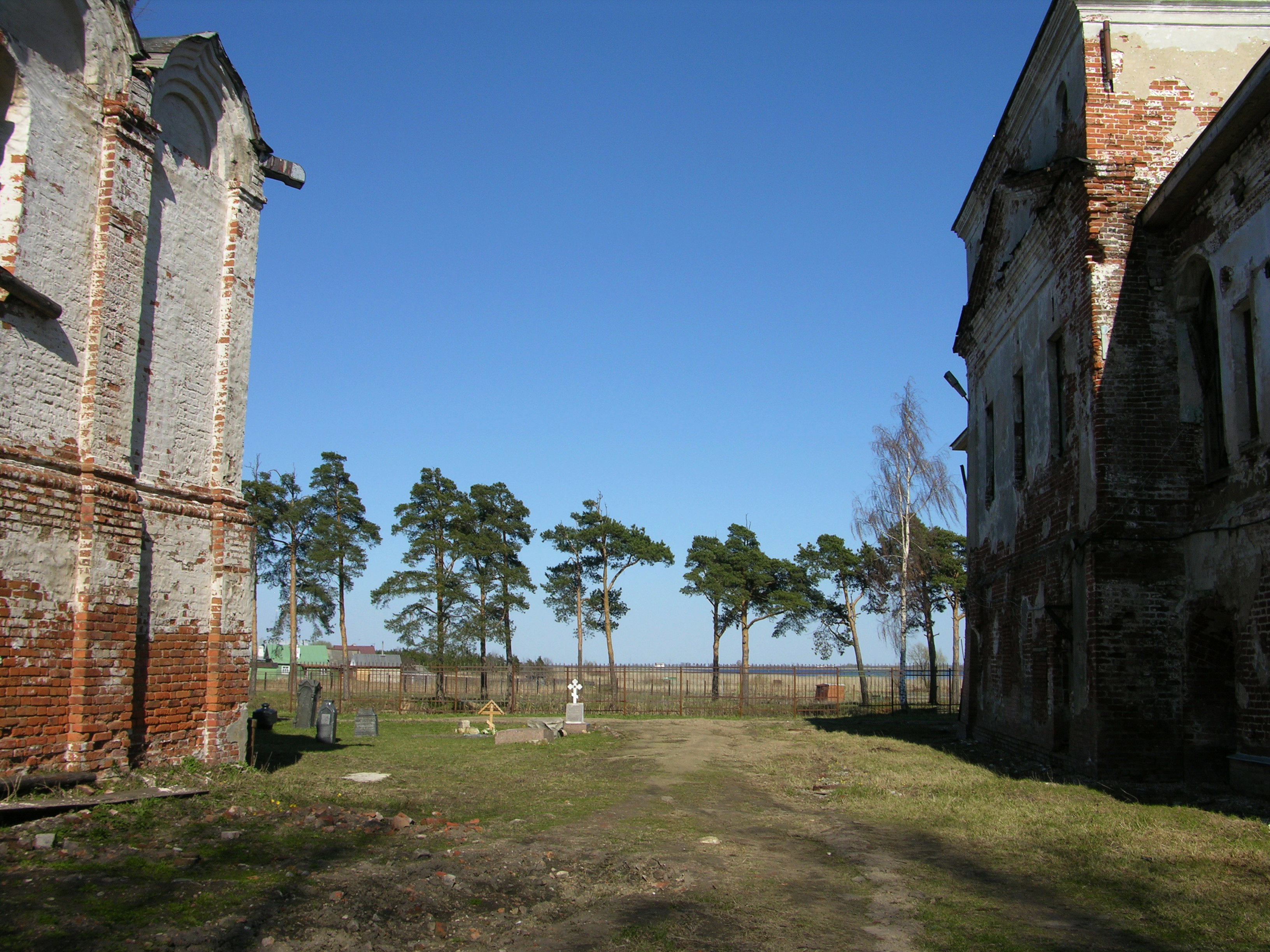
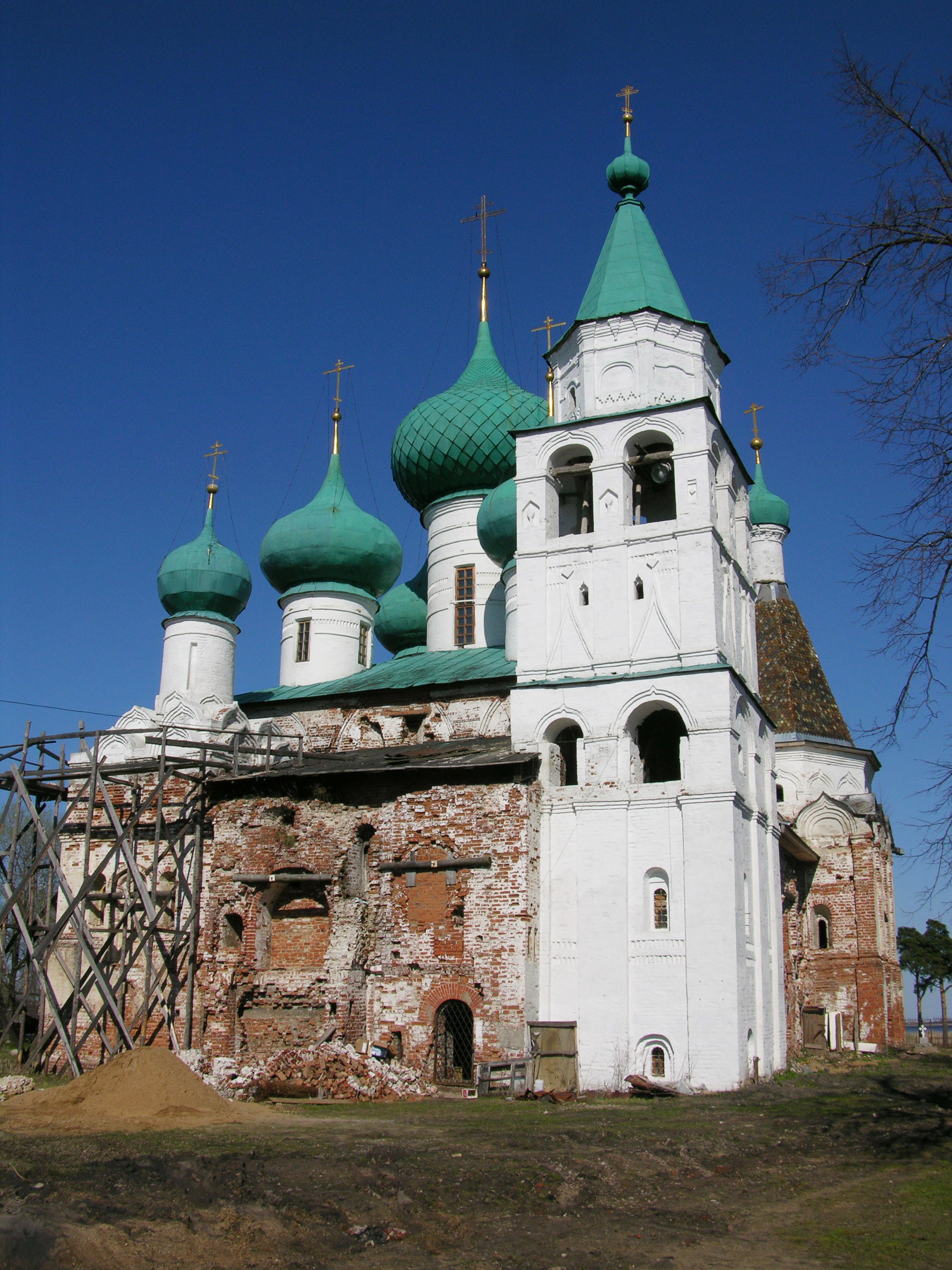
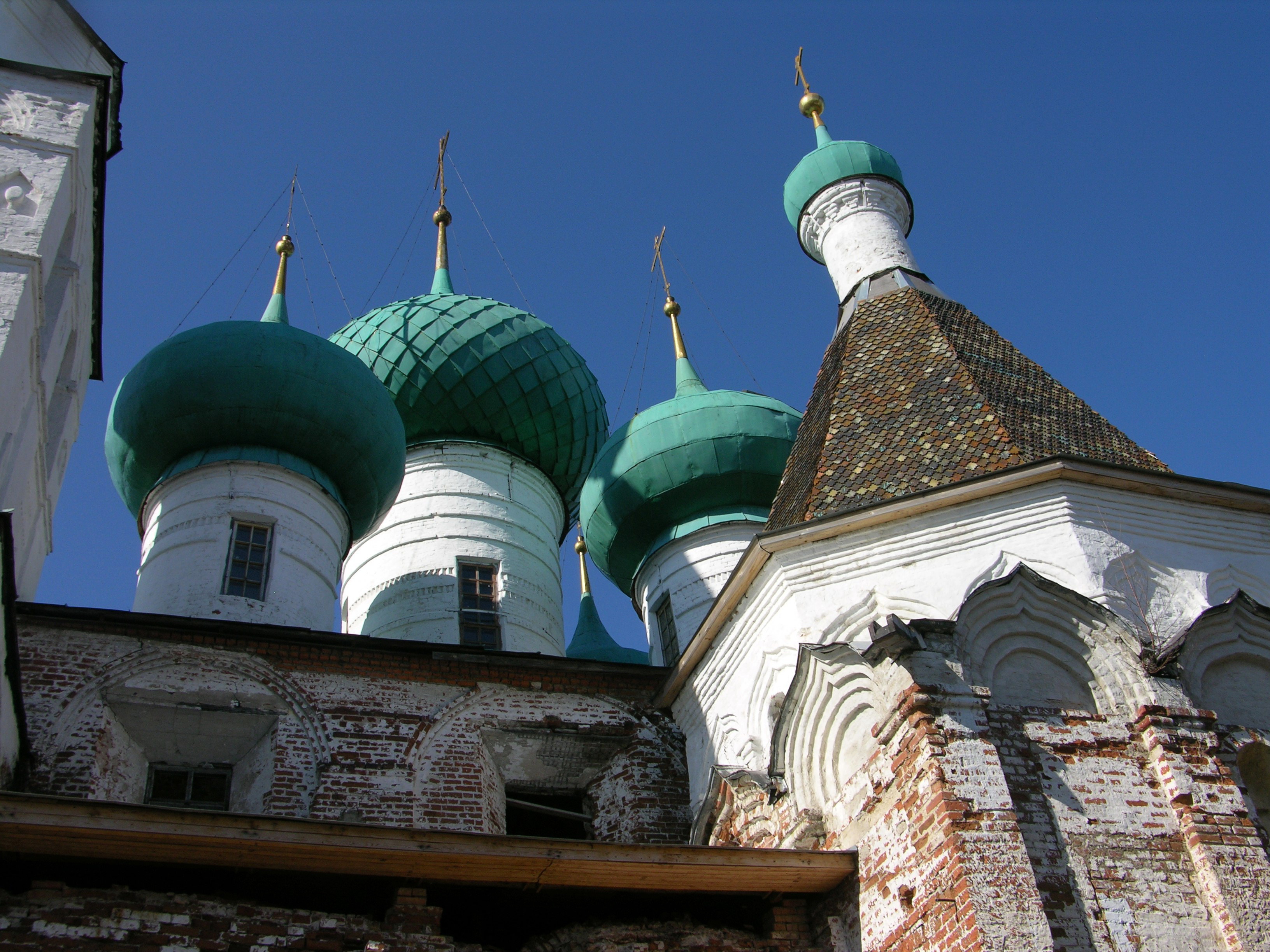
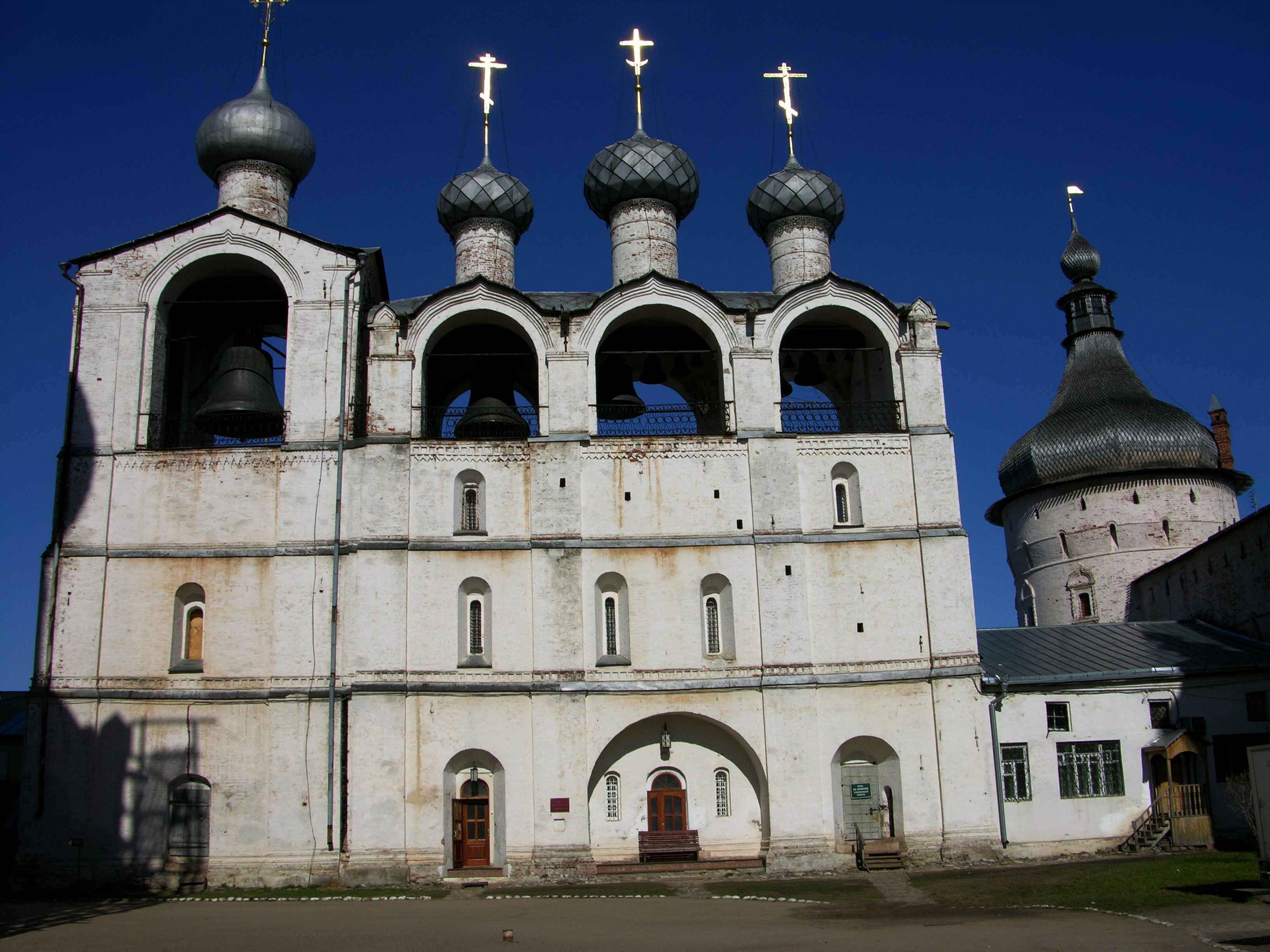
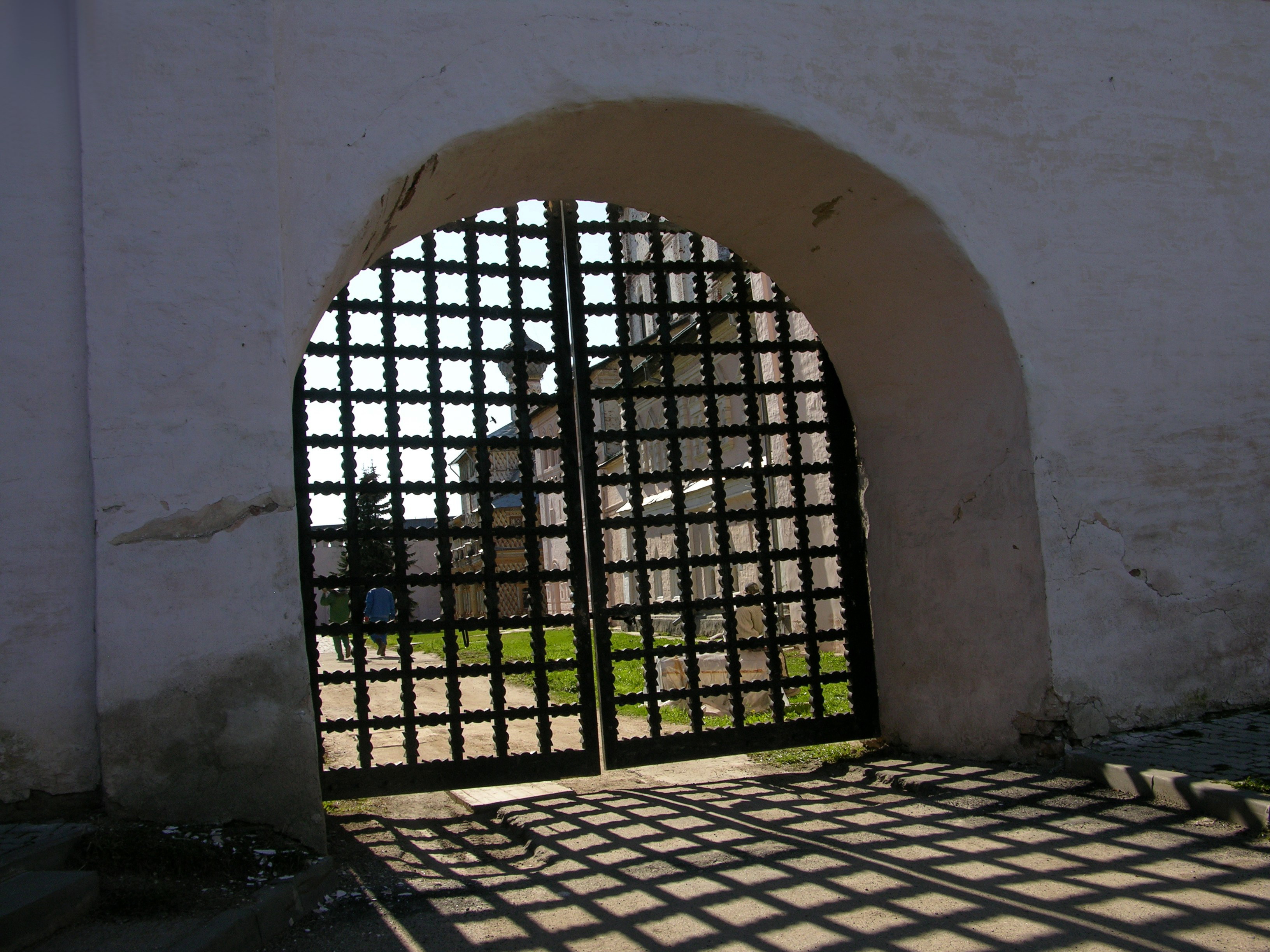
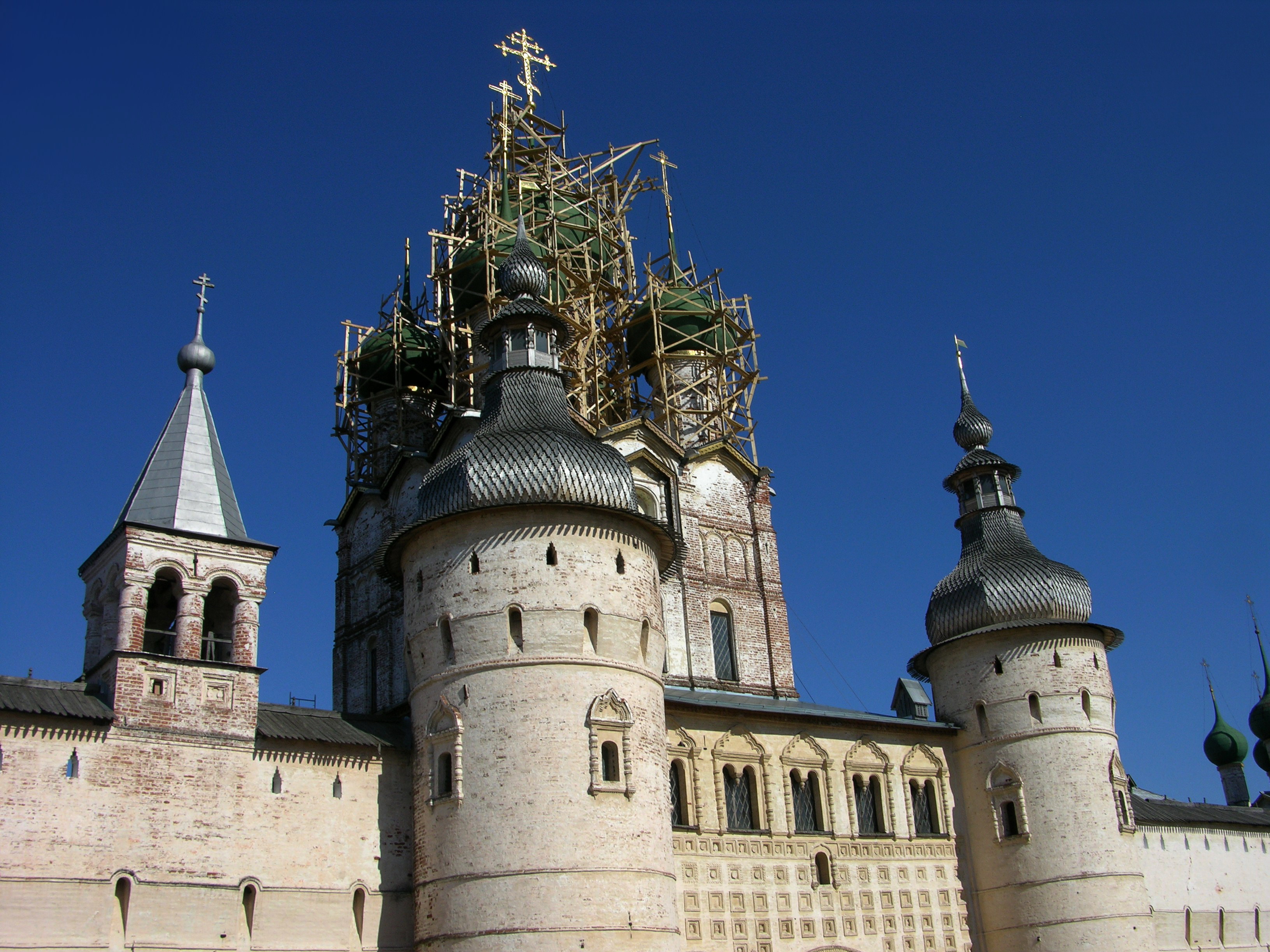
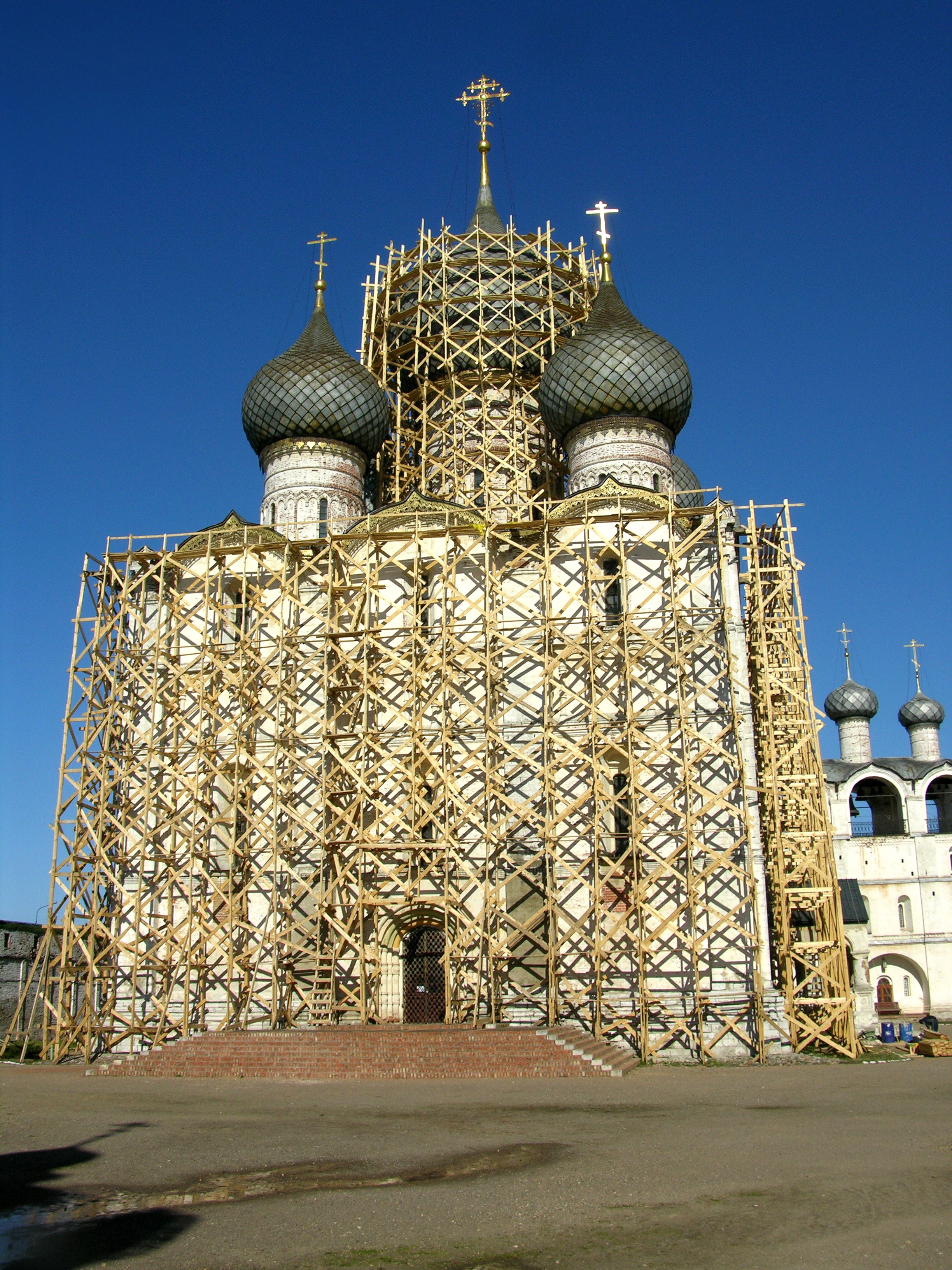
While I was walking around Rostov, the office called to tell me that Zhanna, our accountant of many years, had died. She’d been ill in recent years, and still it came as such a shock and was so bitter. She was the third person we’d lost. At the beginning, when Abris was young, we were all young. People had babies. When somebody got ill, it was a cold. It never crossed anyone’s mind that the years would pass and people would start retiring and dying.
I spent the night near Moscow and returned to Saint Petersburg the next day.