Trip report
August 2014
August ’14 is coming. It has an ominous ring to it. The historical parallels don’t cheer me up. The railway has become very bad at paying its bills, but for the time being it still pays for the maintenance of its fire suppression installations.
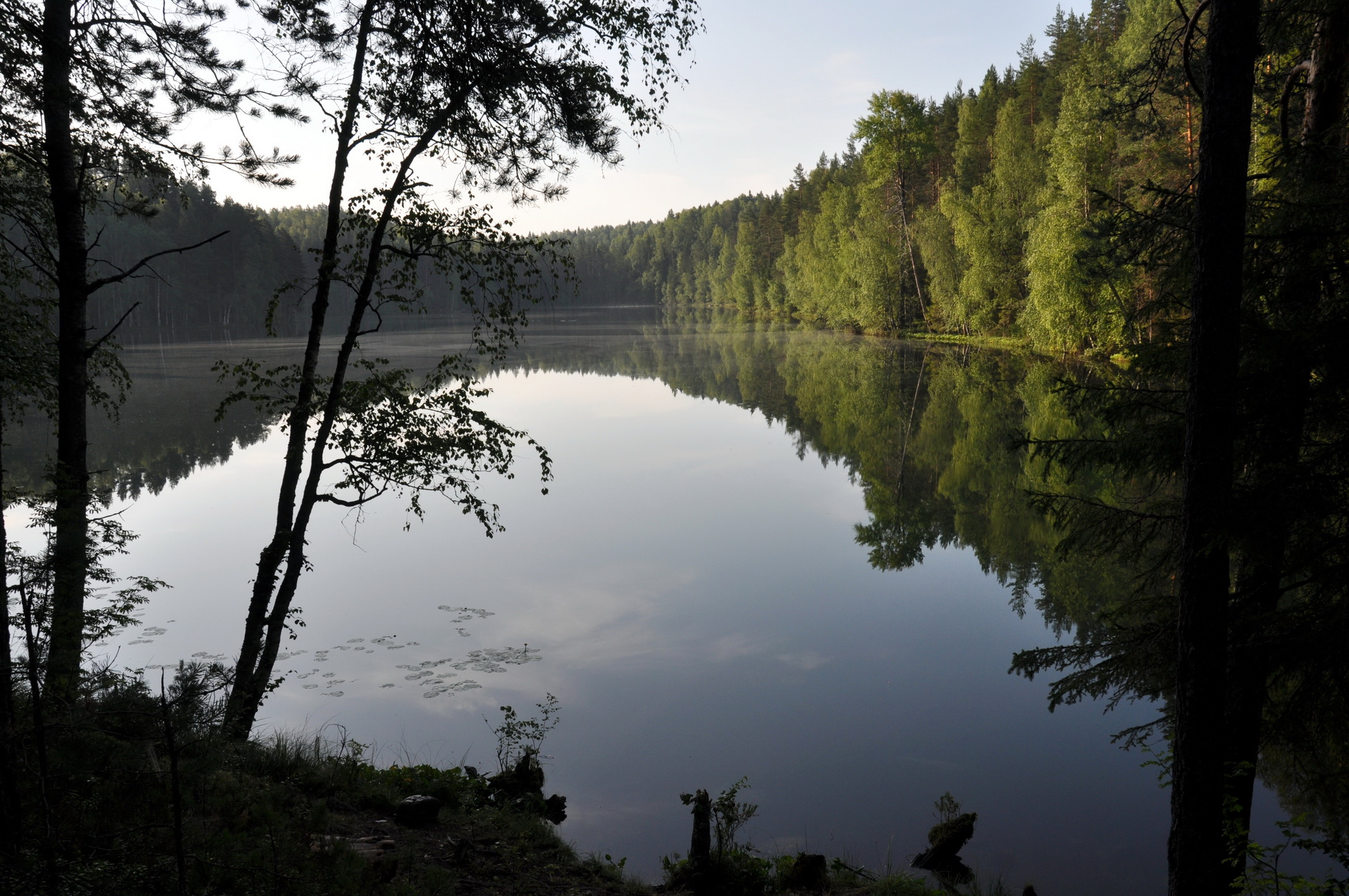
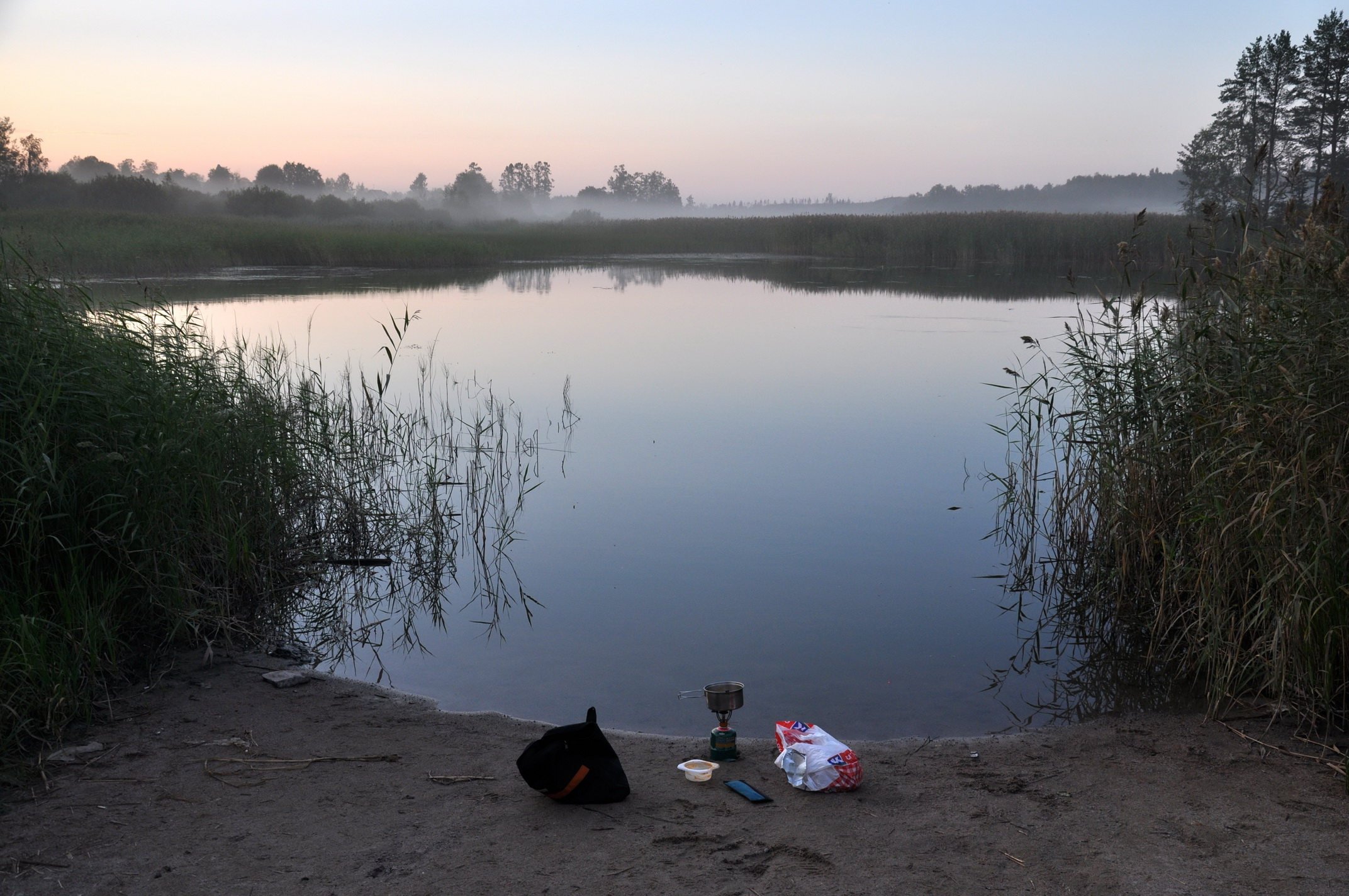
I like camping in new places and taking different roads. On the first day of this trip north I took the road from Pryazha to Suoyarvi. I stopped by Lake Shotozero, a widening in the Suna River right by the road (61°43.976′N, 33°08.749′E).
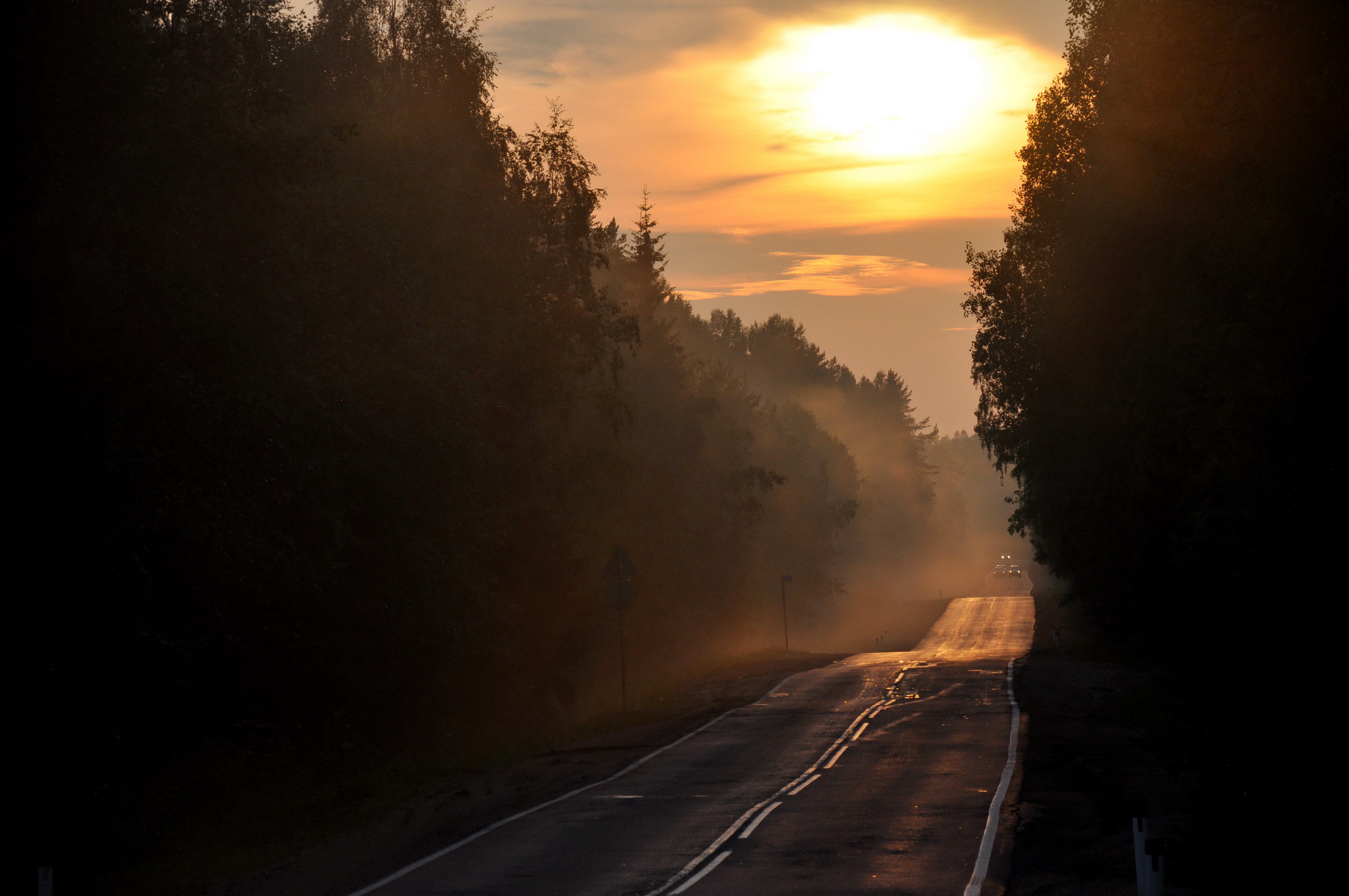
In the morning I was in Petrozavodsk and Kondopoga. Kondopoga, a town notorious across the country for rioting against people from the Caucasus, is only thirty kilometres from Karelia’s capital. It’s settled country, one village after another. Suddenly I see a bear standing on its hind legs at the roadside. It isn’t particularly big, but I’d rather not meet it. We drive past and the bear looks left, then right, makes sure no cars are coming and runs across the road. There you go. You don’t have to go deep into the forest to be eaten by a bear. The bushes nearest town will do.
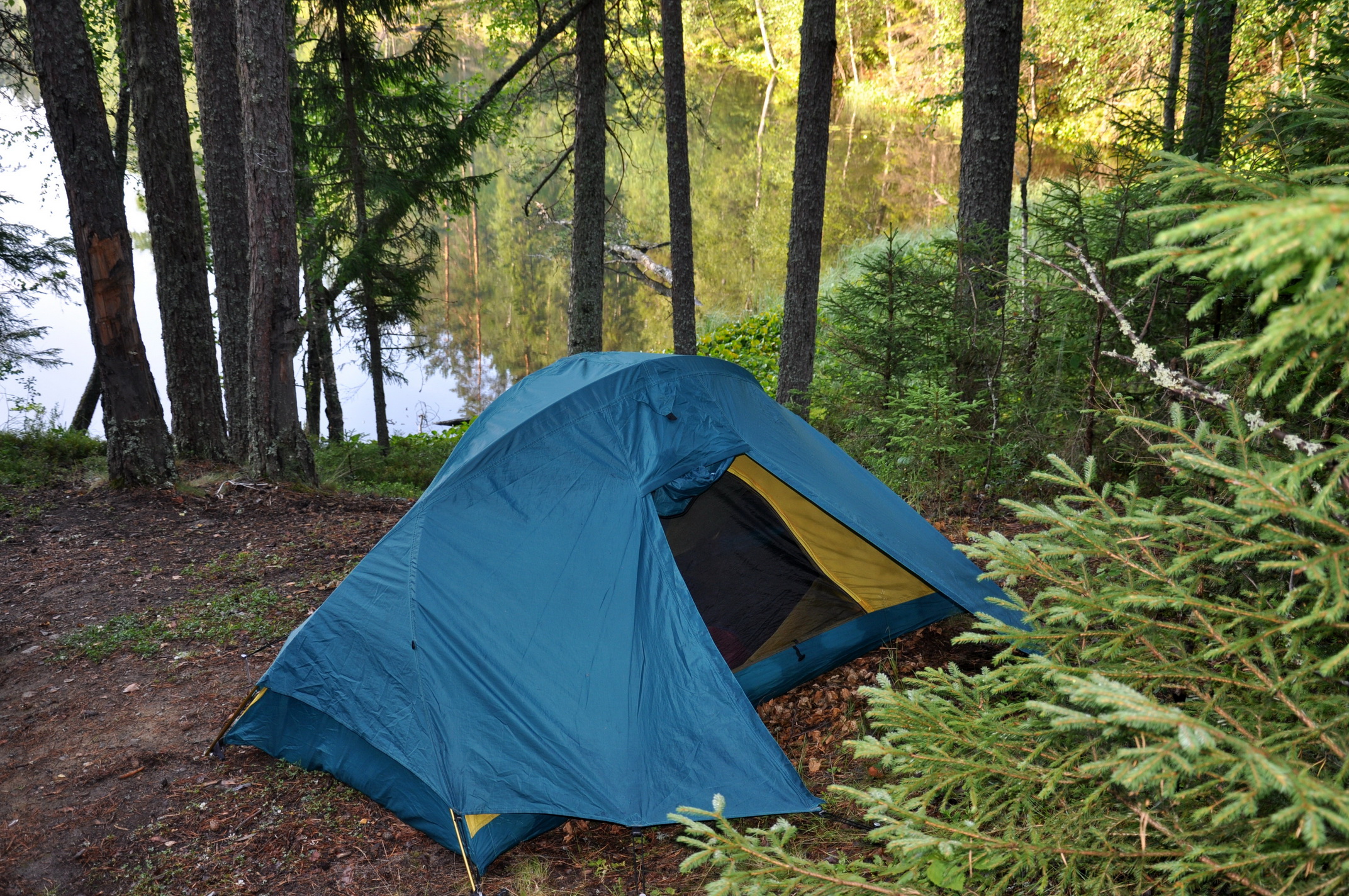
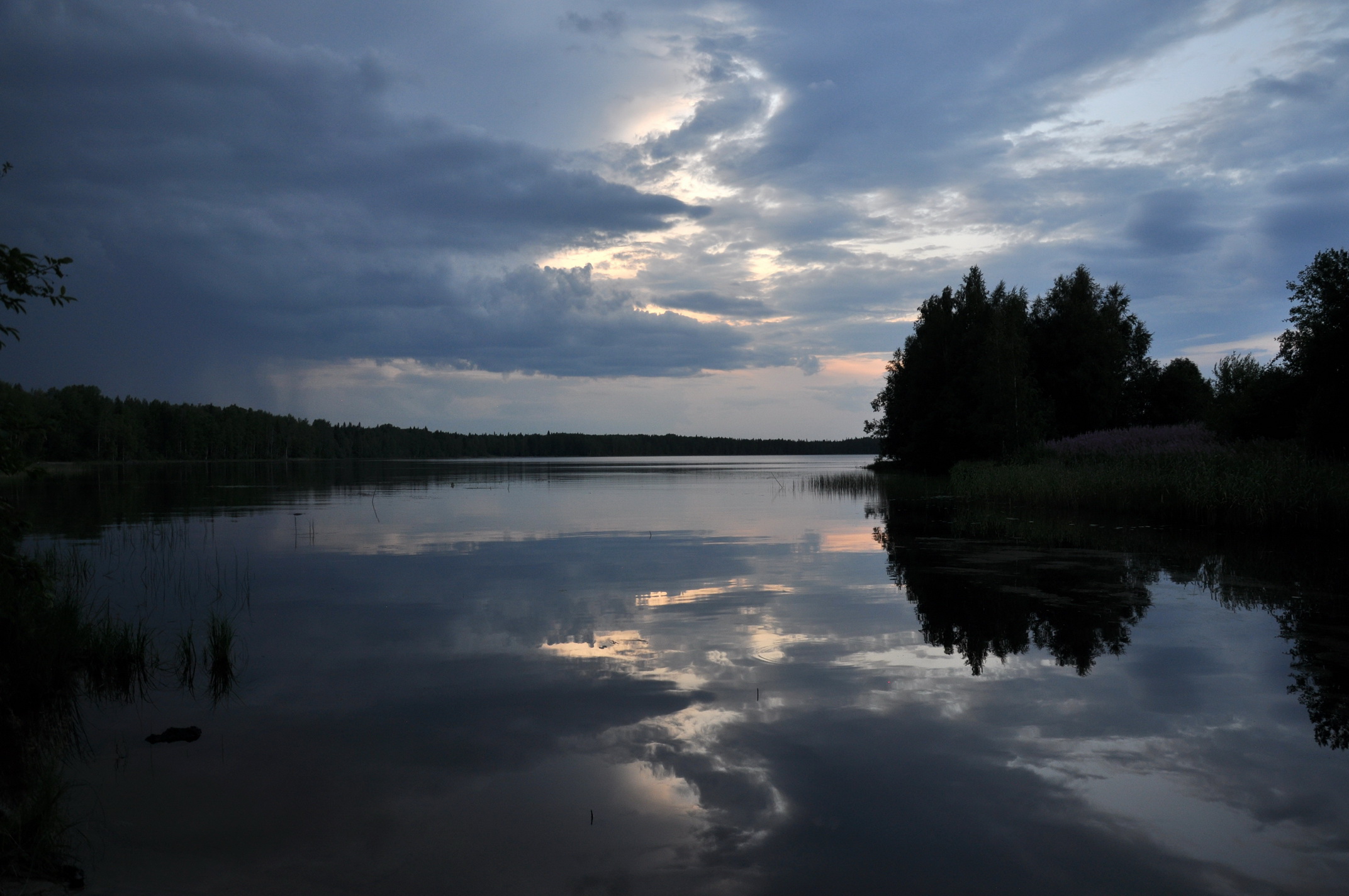
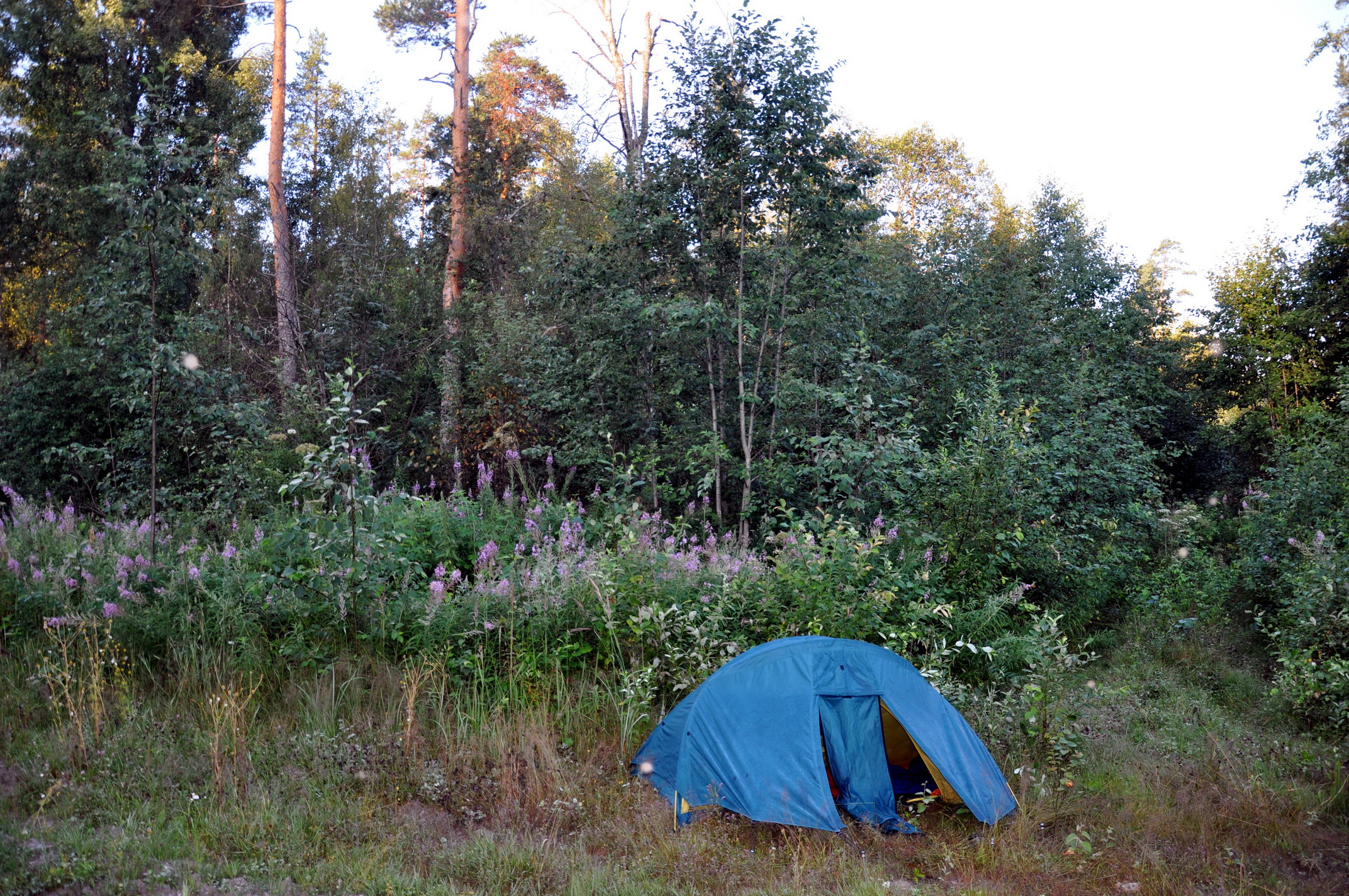
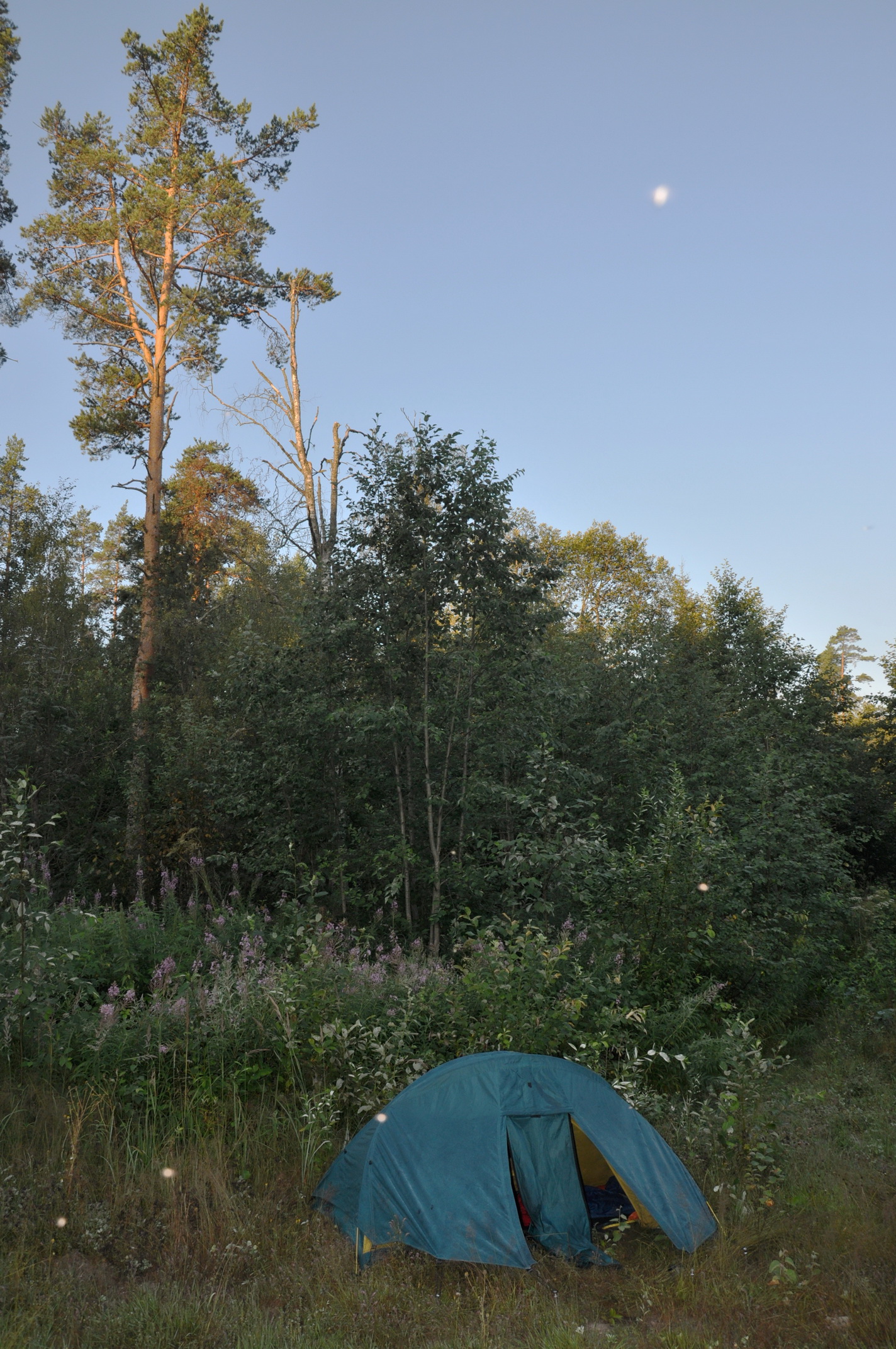
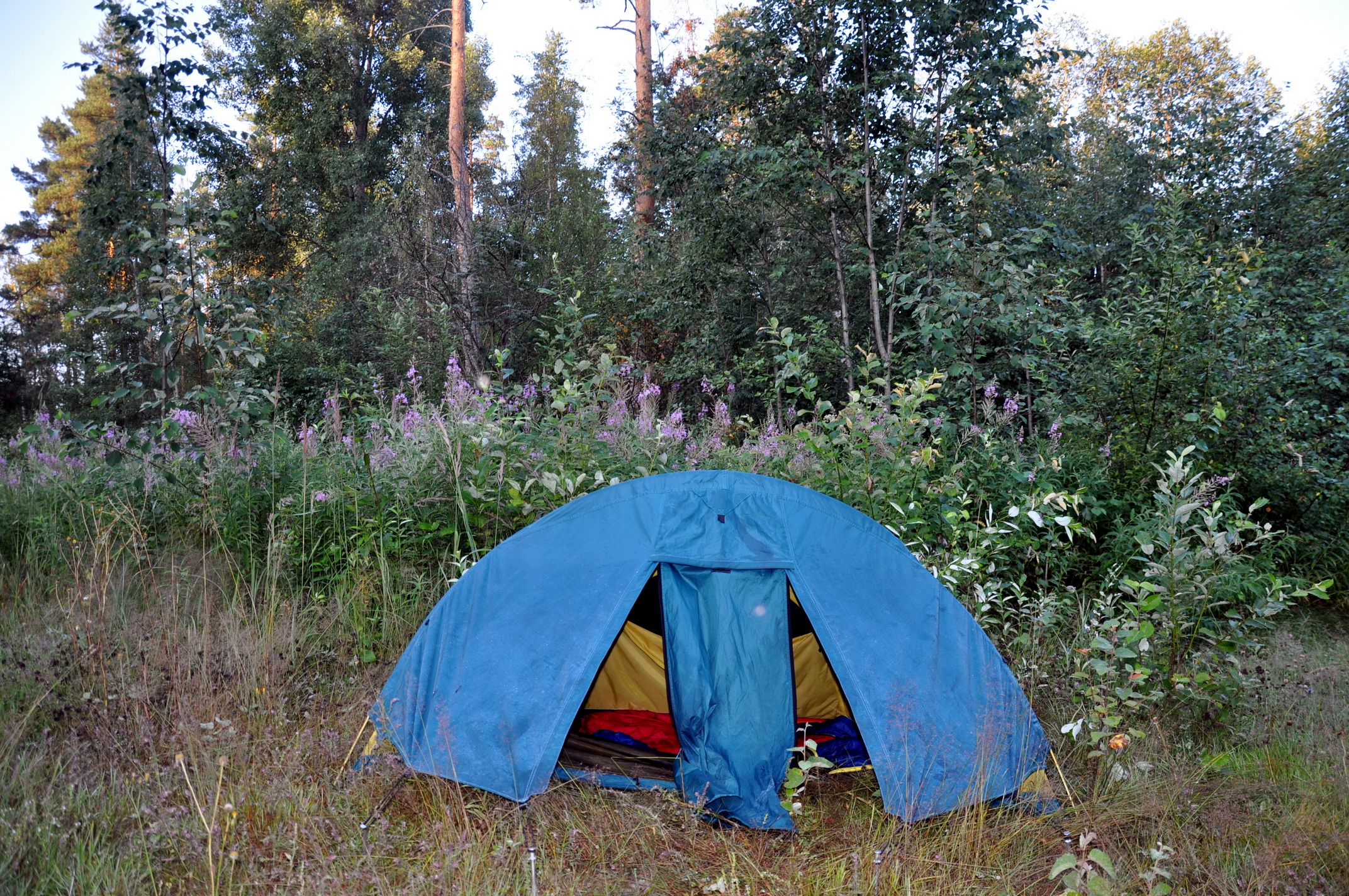
The days are long and the nights light in summer, so there’s plenty of time to find a new and interesting spot to camp. I drove down to the shore of Lake Onega south of Medvezhyegorsk (62°43.863′N, 34°35.400′E). It was a very warm day. A storm was brewing. Before the rain I managed to pitch the tent, eat and get into the water for a swim. The water was warm enough to swim for ages, even in the storm. You can’t get any wetter underwater.
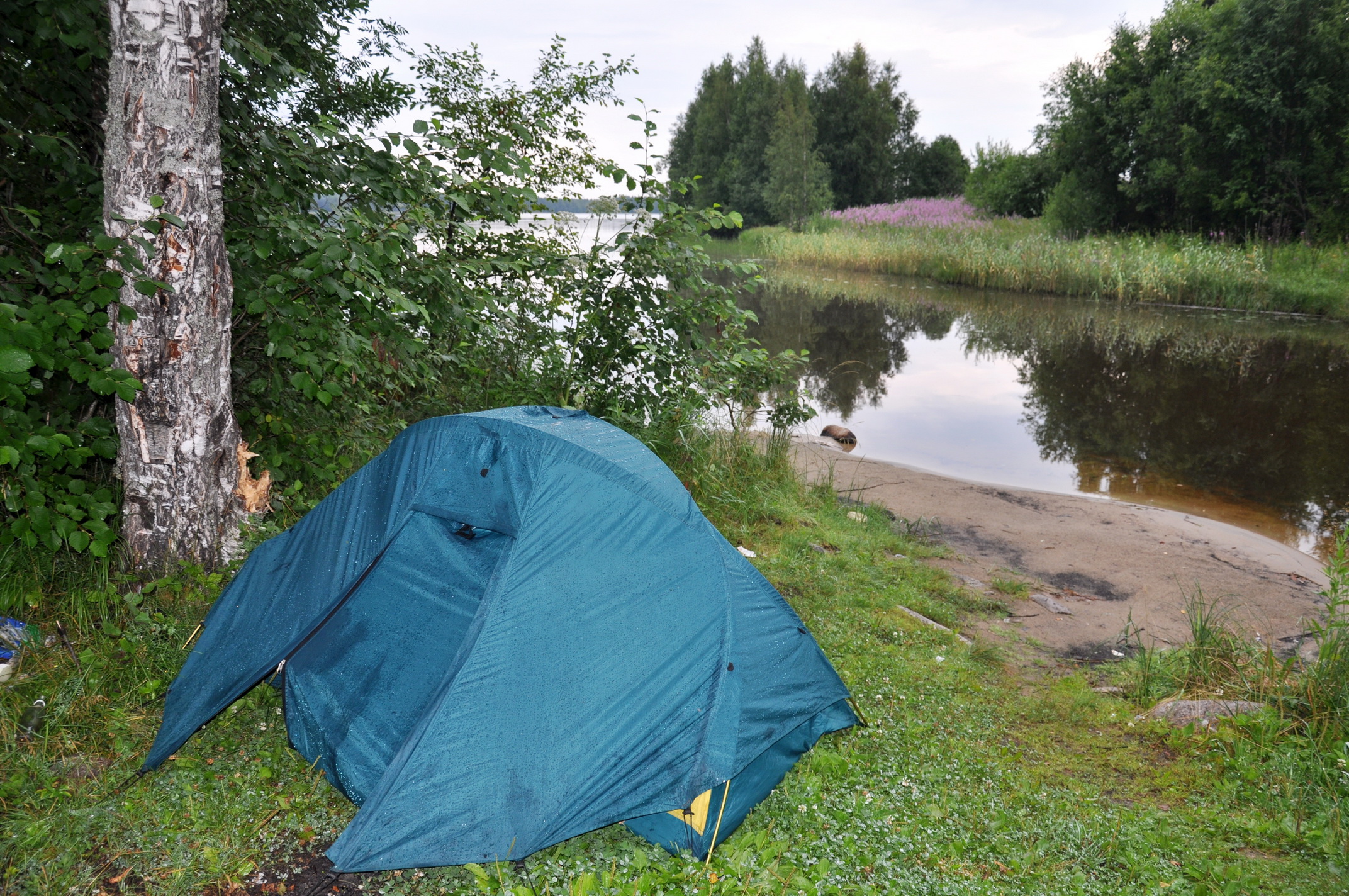
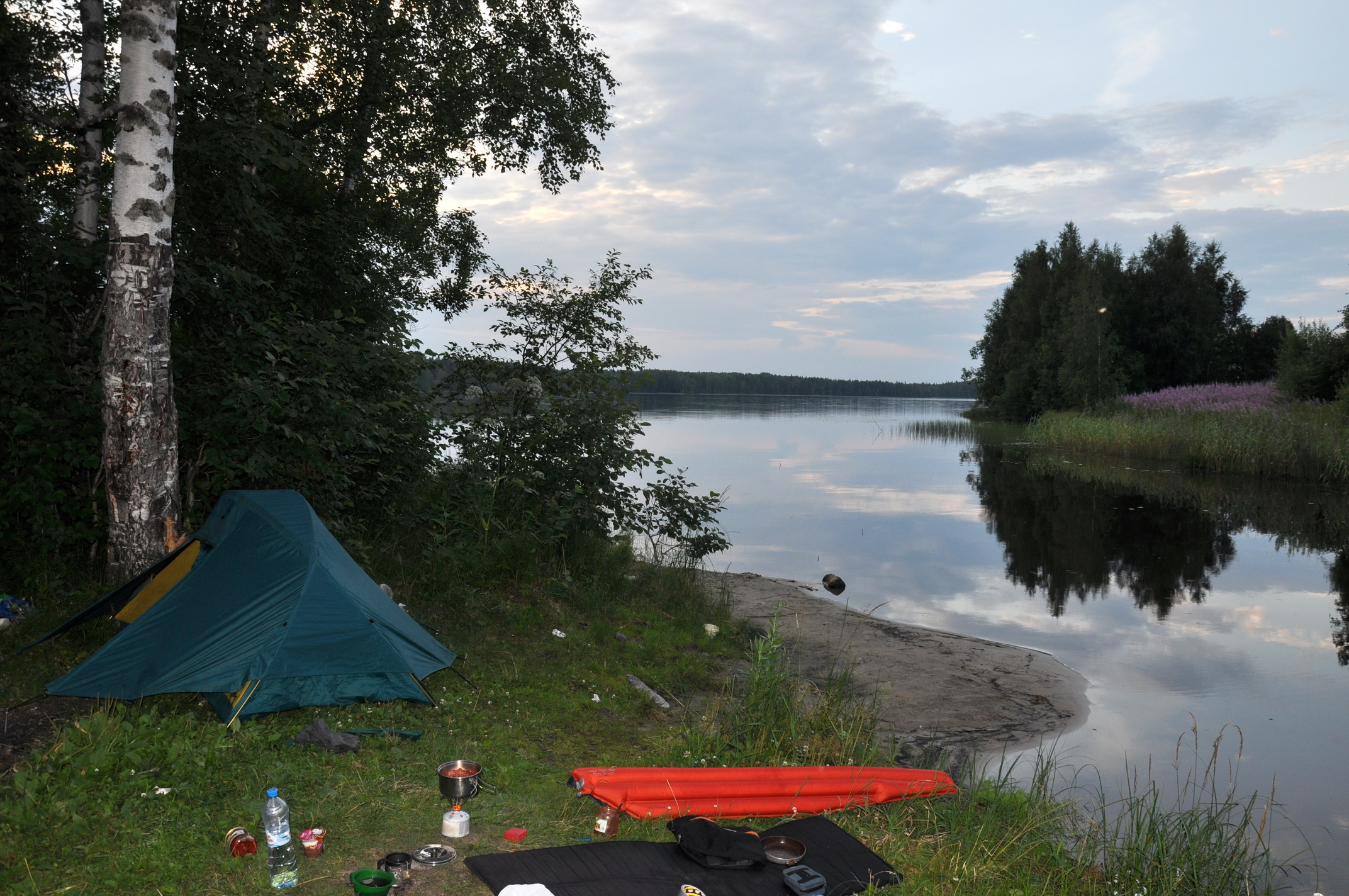
Meanwhile the rain came down all night.
After doing the stations at Kyappeselga (Käppäselgä), Ramentsy and Segezha in the Medvezhyegorsk area, I set off on the longer drive. Belomorsk was the next main stop, but I had to go beyond it that day.
We service Sumsky Posad and Malenga, two stations on the Belomorsk–Obozersky line. The roads there are poor. It’s a puddled dirt road as far as Sumsky Posad. Beyond that it’s a rough road to Virandozero and on to Nyukhcha. Malenga is only accessible in an off-road vehicle. We normally went by local train. It’s convenient, but you get fifteen minutes to do all the work before the train goes back. The station attendant might give you another five minutes if you ask, but that’s it. Malenga is the terminus and the boundary between two railway divisions. The next station, Unezhma, is already on the Northern Railway, so Malenga became a sizeable border station, full of important equipment. This time we had to get the system back in service after work on the building and replace a cylinder of fire suppressant. It was a long job and we’d miss the train. That meant spending the night on the floor of the signalling cabin. It’s a small village and there are no hotels.
To avoid that, we came up with a plan. I’d drive to Nyukhcha in the evening, get on the train the next morning and meet the others. We’d go to Malenga, do the job and then see how lucky we were. If we could get a lift on a diesel locomotive, we’d get back to the car. Otherwise it was seventeen kilometres on the sleepers, still better than a sleepless night on the floor.
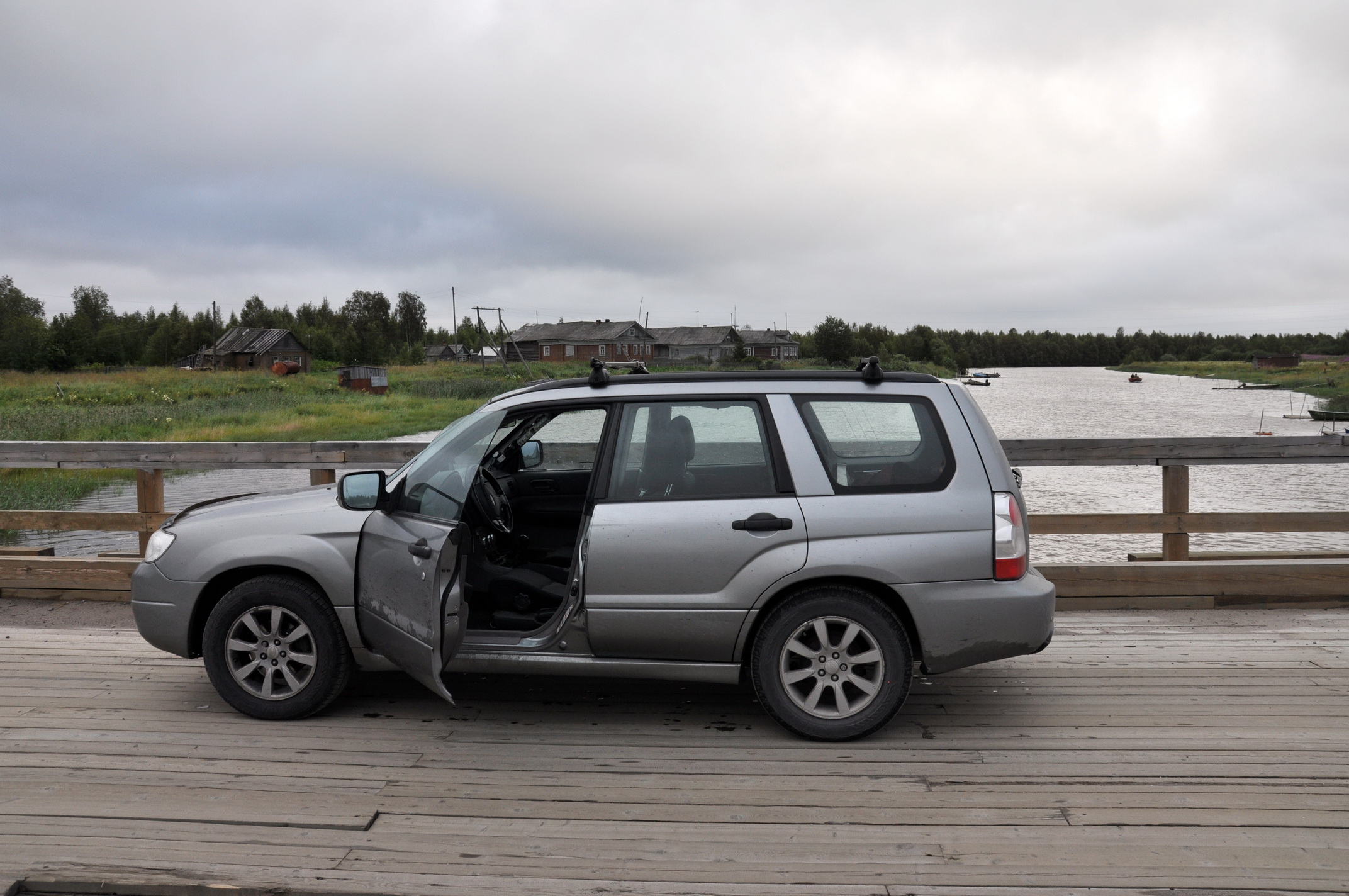
There was one problem: the road to Nyukhcha is something else. My speed was practically zero. I crawled along and seemed to get no closer. Huge rocks and stretches washed out by streams. At times the road was so badly torn up that it felt as though I was on the wrong track altogether. The country around it was lovely, though, all hills and lakes.
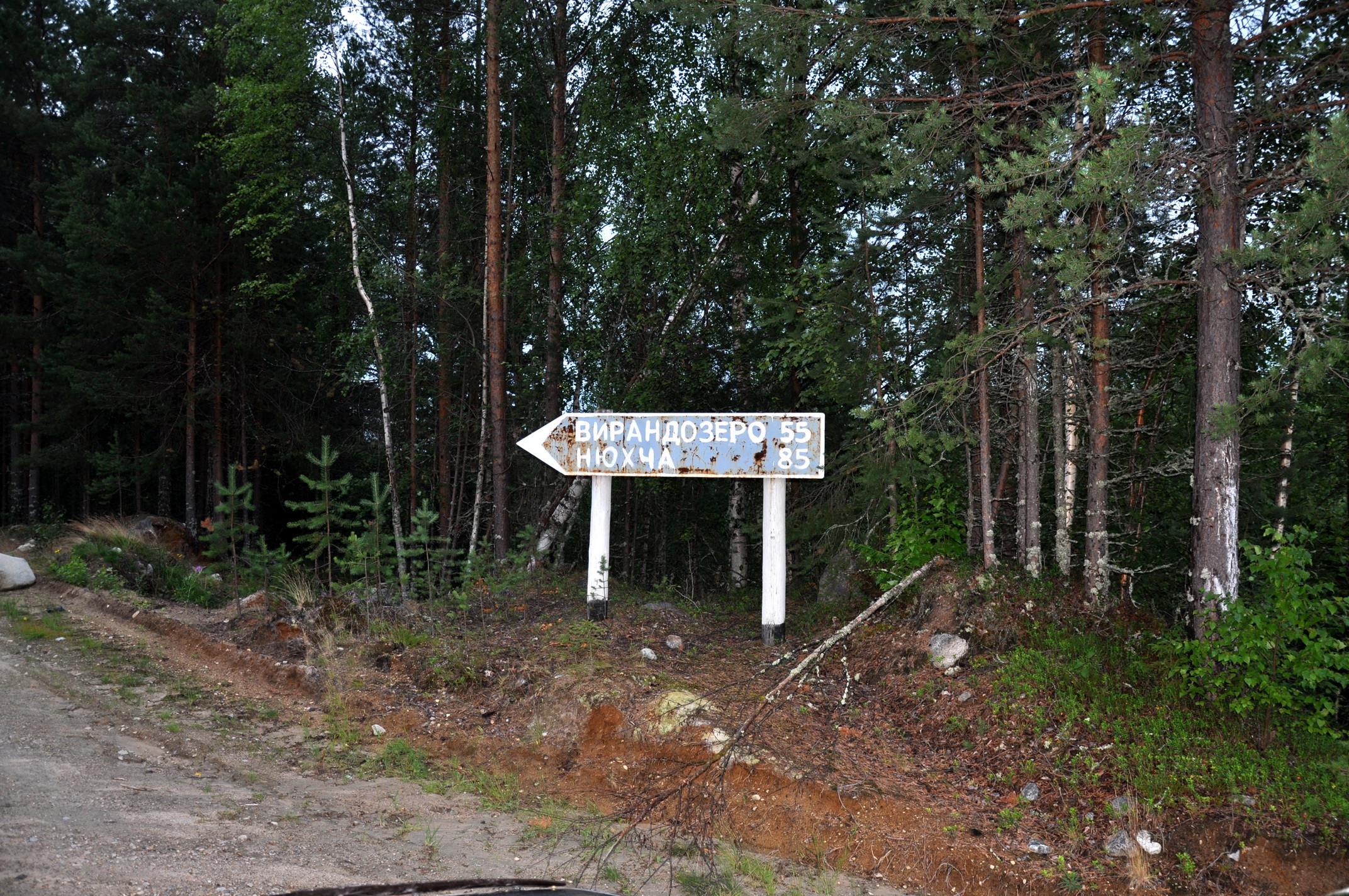
It was dark when I came across a roadside sign: Virandozero 55, Nyukhcha 85. At 20 kilometres an hour I’d be at it till morning, and on a road like that you can kill a car in the dark. Fortunately the going got much better shortly after the sign and I reached Virandozero (Virandajärvi) quickly.
Virandozero was a temporary logging settlement. In 1960 it had 3,000 inhabitants. Now it has 400. Nobody had been meant to live here for long. The plan was to cut all the timber and move on. During the war people lived in dugouts, then prisoners were brought in and barracks went up. The temporary became permanent. They built a 140-kilometre narrow-gauge logging railway through Virandozero, Nermushi, Pedrorechka and Chyorny Ruchey, and past the Ruyga, Kolezhma, Suma, Nyukhcha and Vyaga rivers. They even built a hospital and a skating rink. In the end none of it proved necessary. Life is draining out of the settlement. The level crossing and a mobile mast with a television transmitter are about all that’s still in working order.
The railway halt is called “98th Kilometre”. They talked about renaming it Virandozero, but why bother when everything was temporary? So it has remained 98th Kilometre.
Beyond that the road got difficult again. Bogs all round, plenty of puddles, deep ruts in places. The official papers for the protected reserve here describe the bogs as models of their kind. So I suppose the puddles in the road are part of the national heritage too.
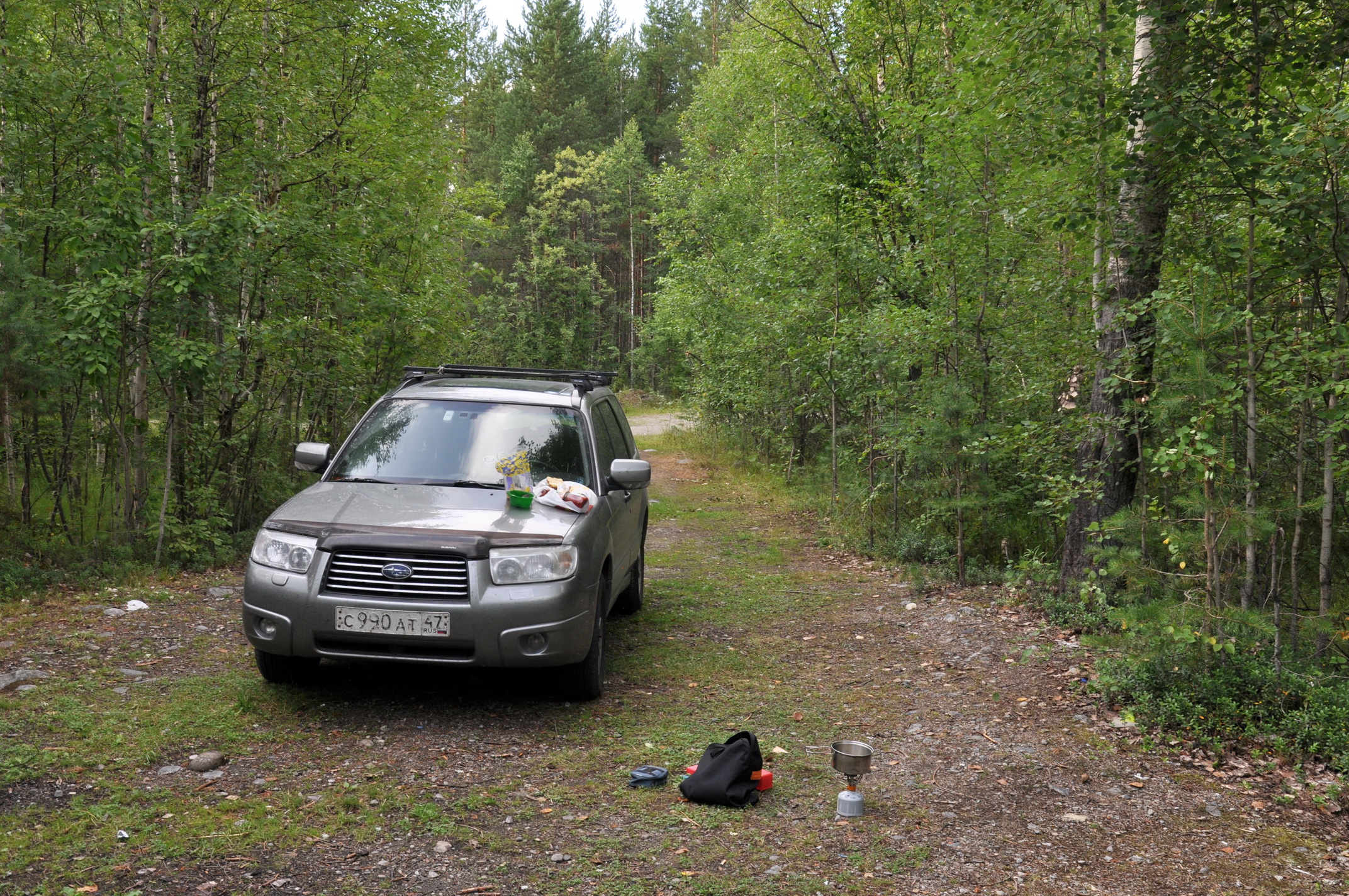
I’d been counting on a lovely spot to camp out here in the wild, but there was nowhere to turn off. I finally spent the night on the old Nyukhcha–Kolezhma road. Nobody has been able to drive along it for a long time. The bridges have all rotted away, but there’s room to park the car and pitch a tent (63°56.612′N, 36°14.087′E). The only trouble is that it’s a rubbish dump.
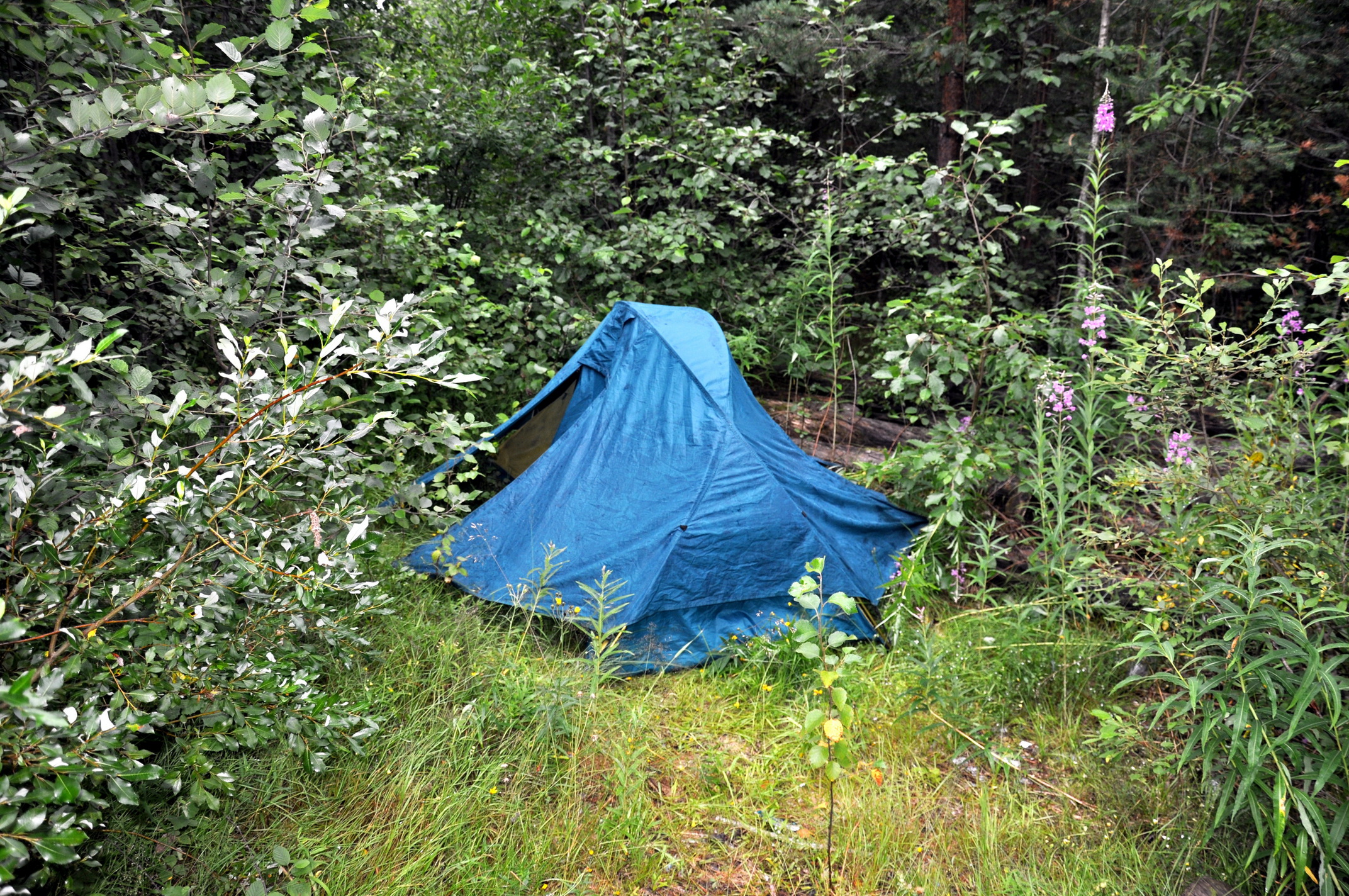
So much for the campsite of the year. Grass, mosquitoes, empty bottles and a drizzle setting in. On top of that it was already three in the morning and I’d soon have to get up.
I could have walked out into the bog and camped on a small rock outcrop in the middle. It wasn’t level and you can’t drive pegs into rock, but at least it was beautiful. By morning the rain had stopped, but the weather was grey and I didn’t get any good photographs of the village. It’s an old and distinctive place. Its first owner was Marfa Posadnitsa of Novgorod. The name comes from the Sámi word nühhč, meaning “swan”.
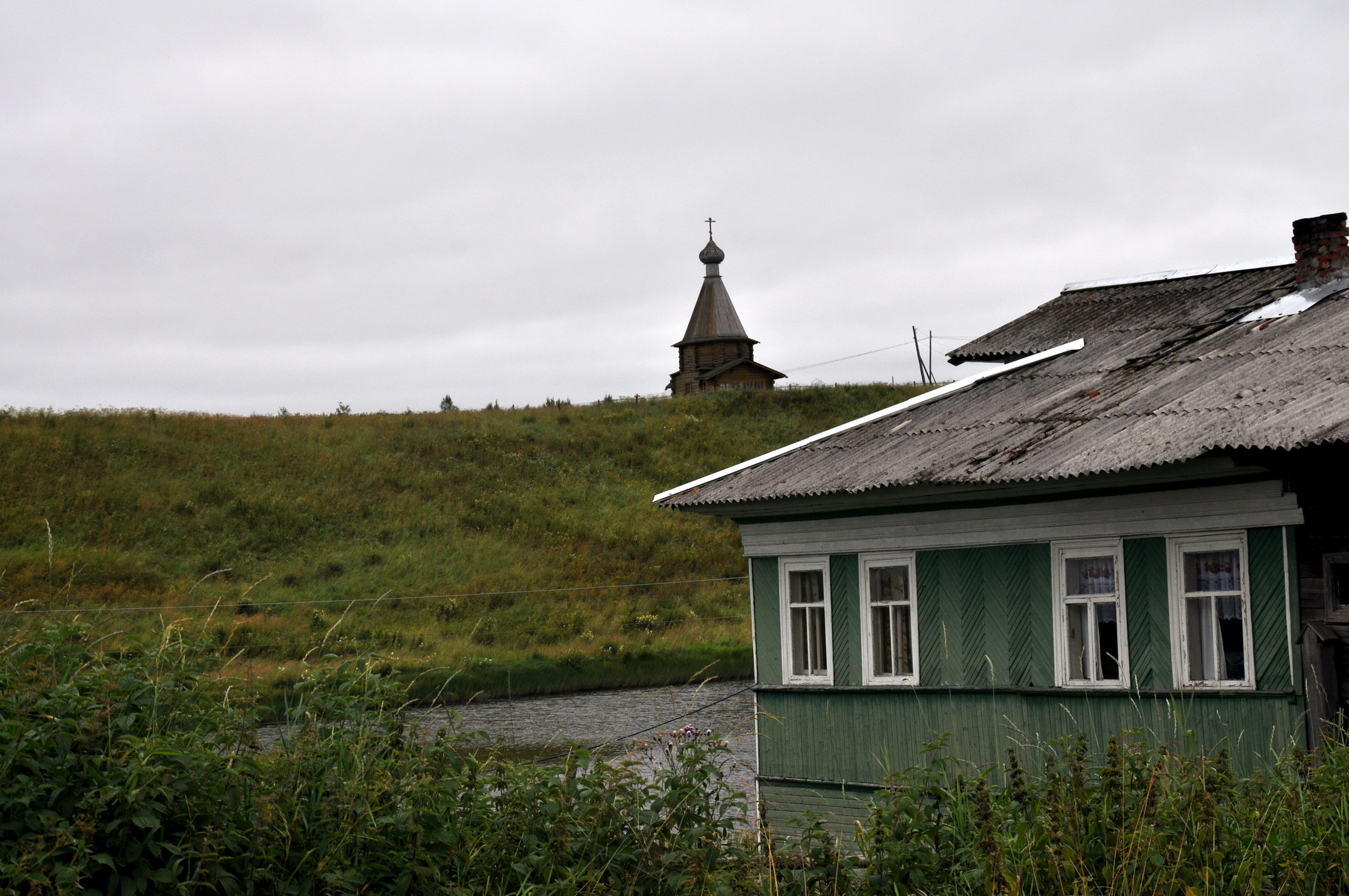
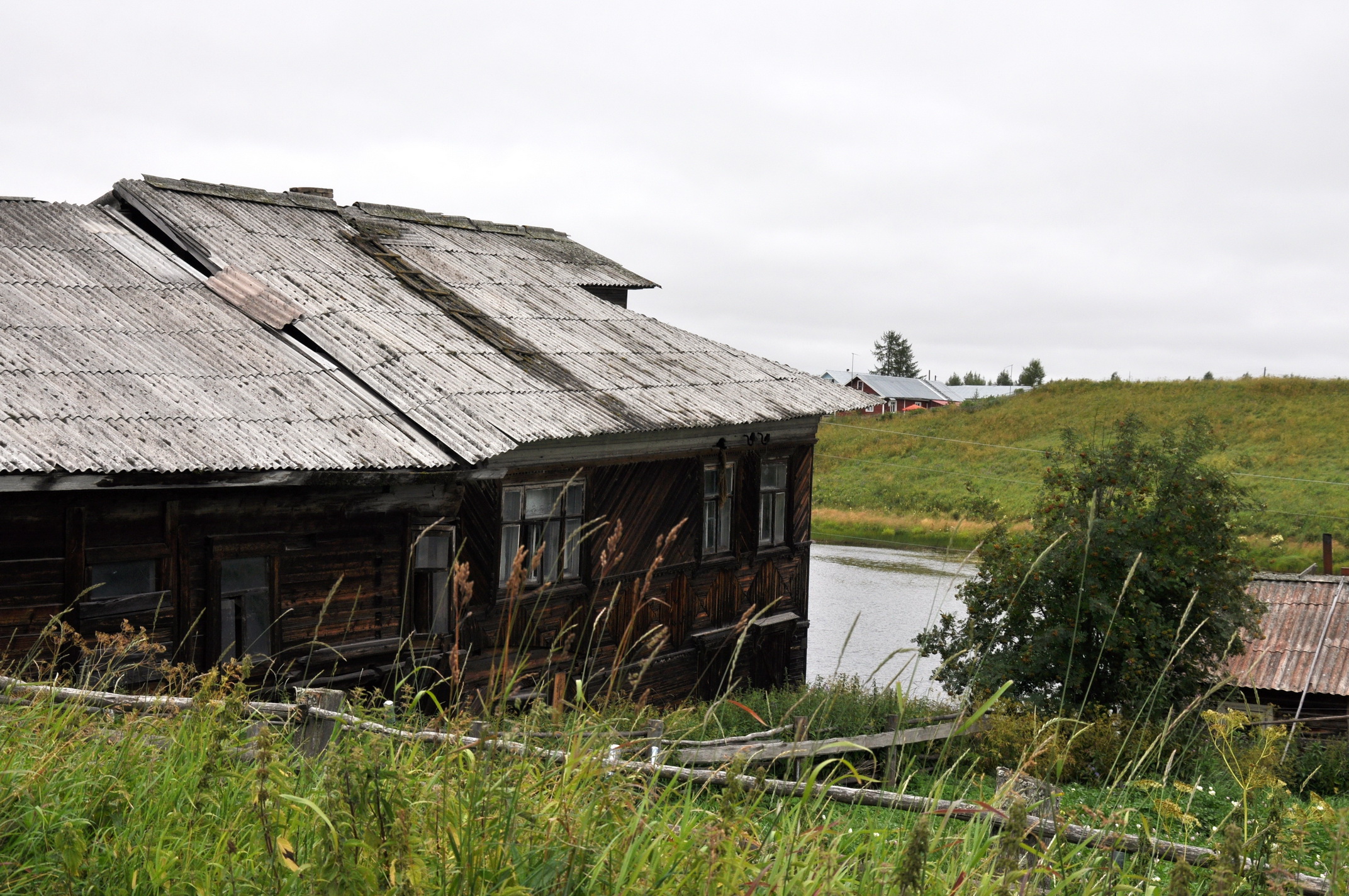
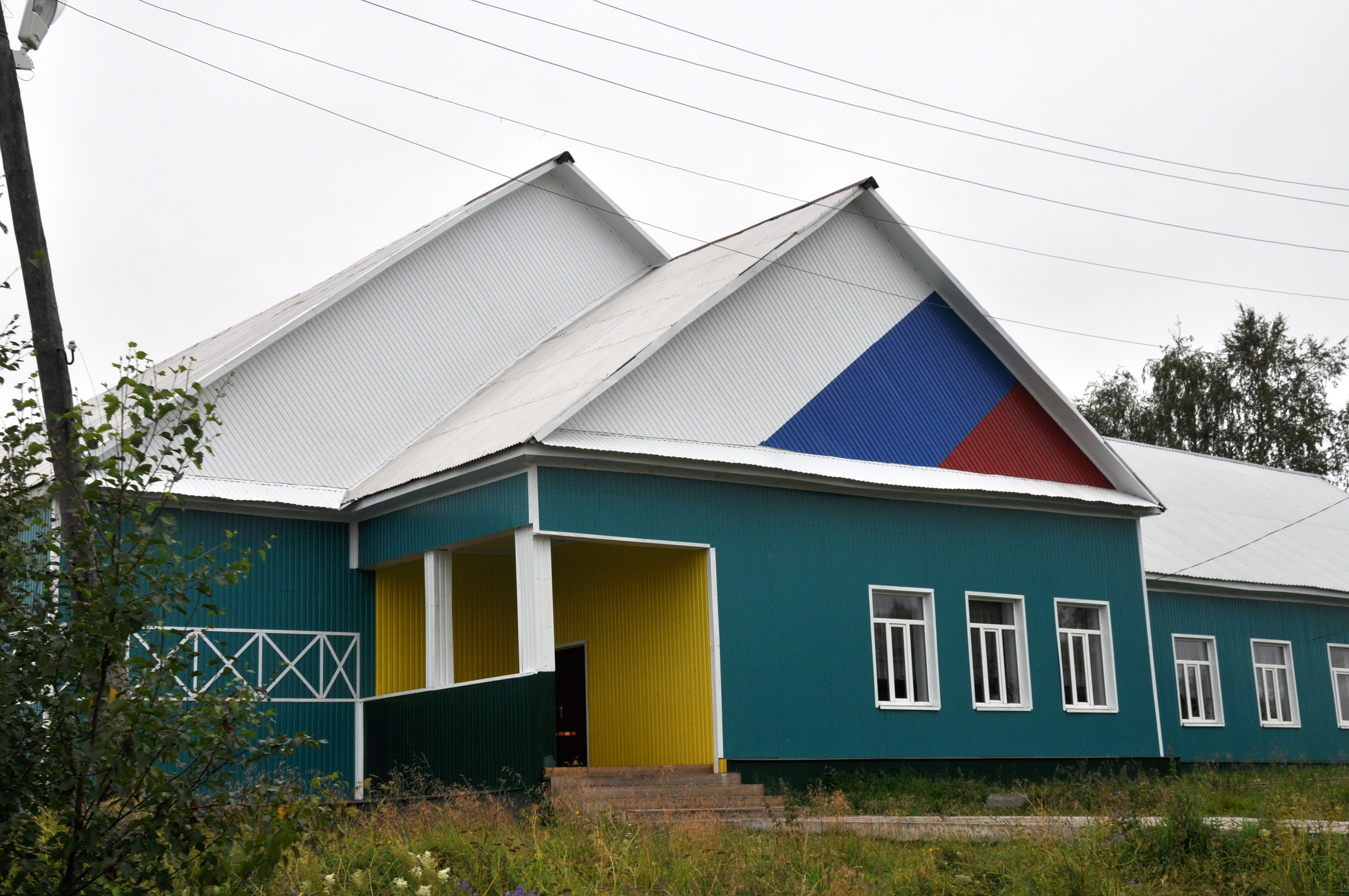
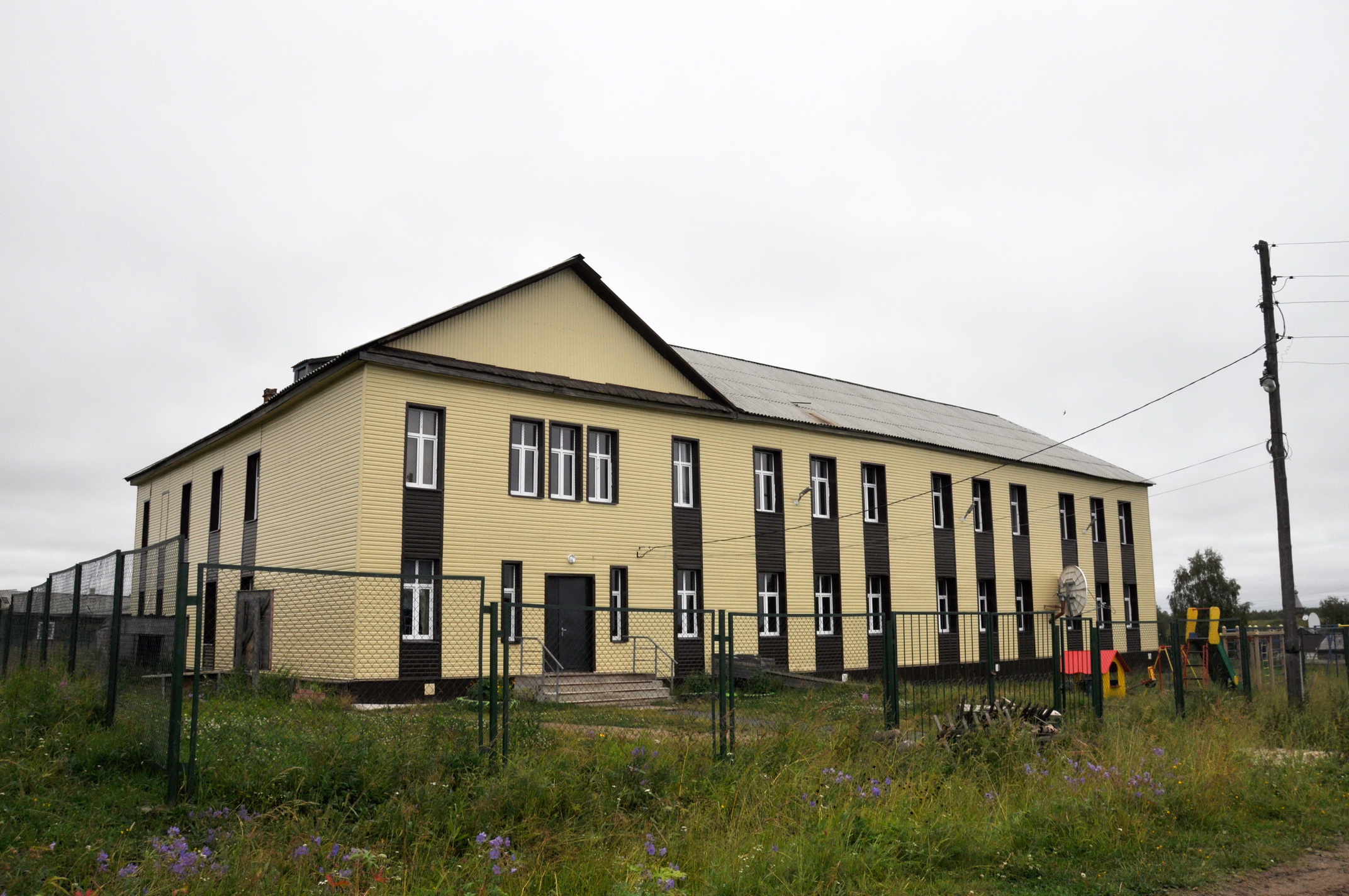
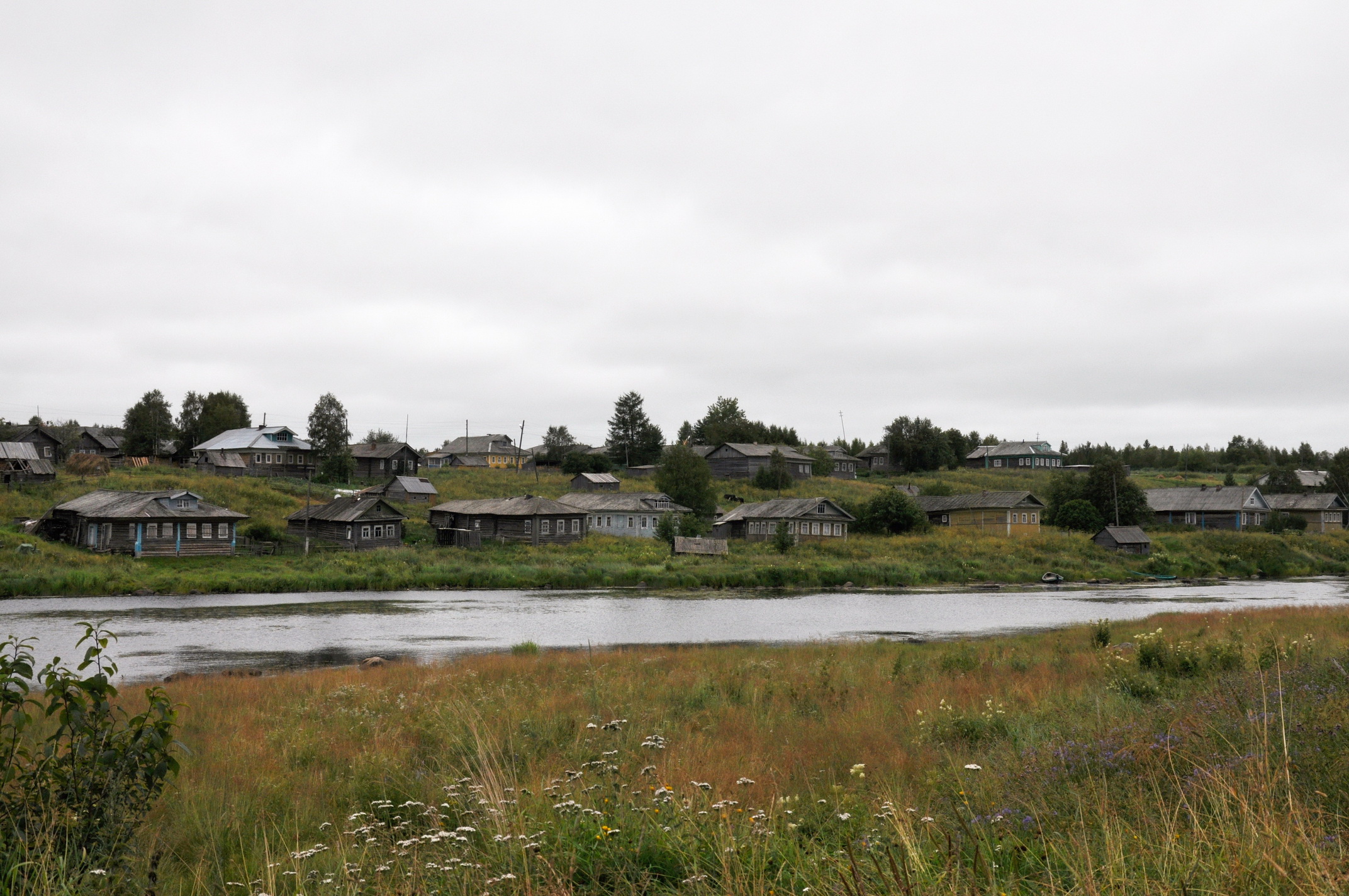
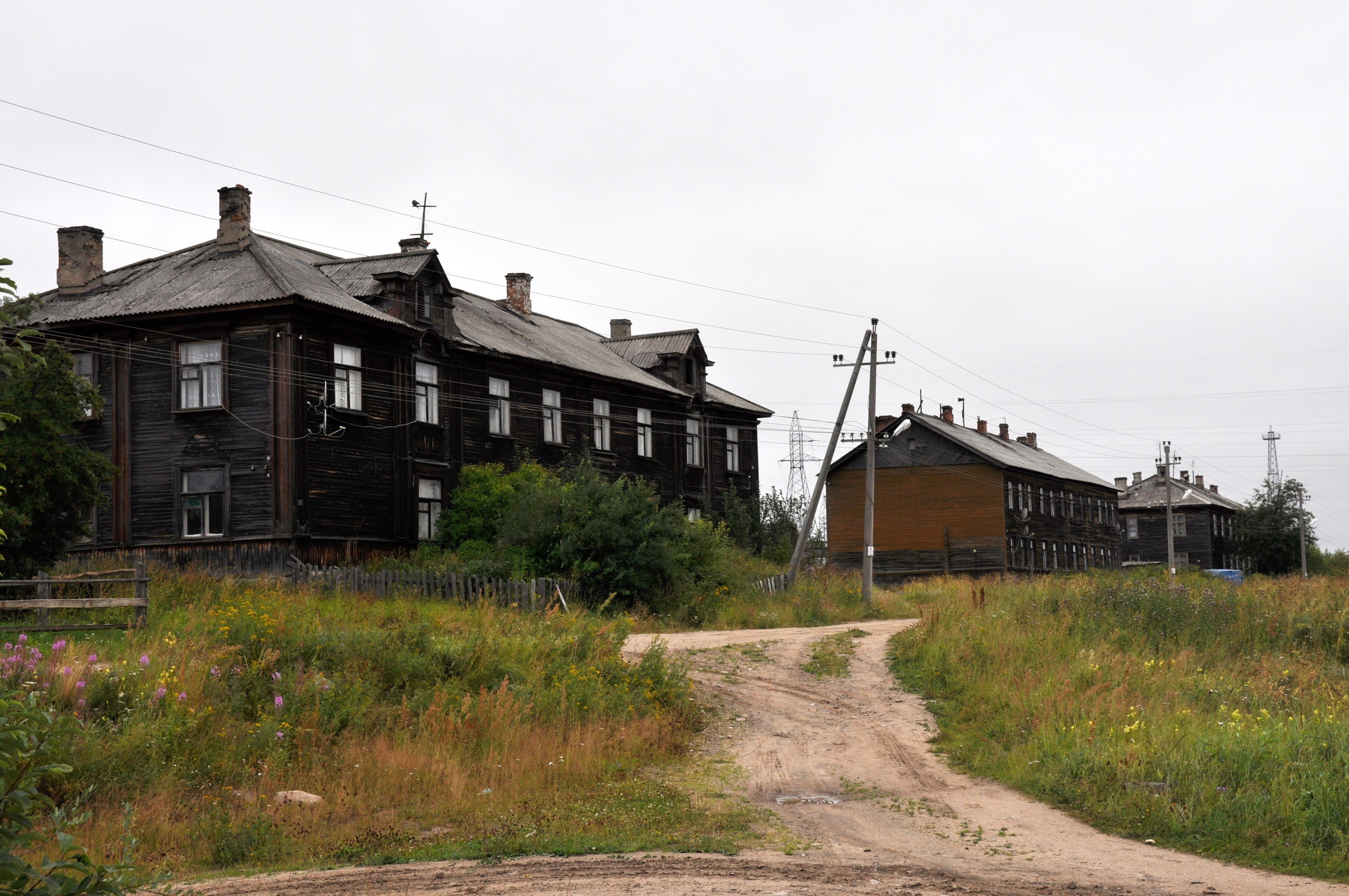
The famous Sovereign’s Road once ran through here. In 1702, on Peter the Great’s orders, a road was built to move troops from the landing at Nyukhcha to Lake Onega at Povenets. It took 5,000 peasants twenty-two days to build 260 kilometres. Legend has it that they hauled ships along it as well as cannon. Unfortunately there’s no documentary evidence for the ships.
The road was abandoned in the nineteenth century and today its exact route is no longer known. In the south, the White Sea Canal was built along its course. In the north, a stretch between Nyukhcha and Cape Vardiya survives. Part of it is now the Virandozero–Nyukhcha road, and part leads north along the old Nyukhcha–Kolezhma road where I spent the night.
The Nyukhcha River has rapids and can be paddled. Getting to the start of the route at Lake Nyukhchozero is another matter. Tanya and I dropped the idea, even though “down the Nyukhcha with Nyukha” would have had a fine ring to it. There’s a bridge over the river in the village, and you have to cross it to get to the station. The railway has a substation in Nyukhcha. I wanted the contract to fit its fire alarm so I’d have an excuse to come here, but it didn’t work out.
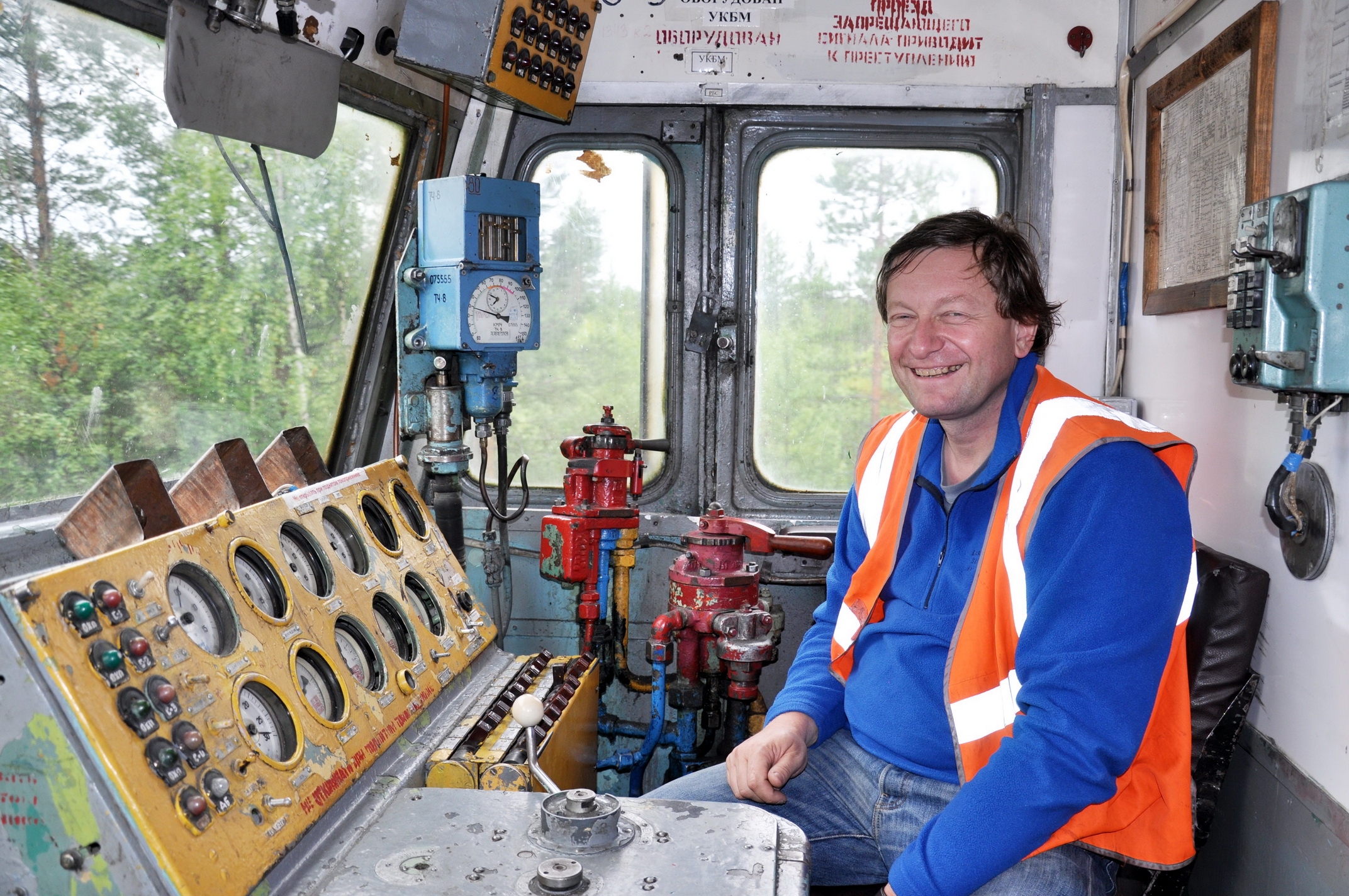
I left the car and went to Malenga. We got everything done quickly, and we were lucky with the locomotive. It used to be easier to get a ride in the cab, especially if you had anything to do with the railway. Lately everything has become mired in bureaucracy. Nothing is arranged for people anymore. You need a pile of permits, and outside contractors can more or less forget it.
This time we got lucky. Maybe the woman on duty at the station took a liking to us. Maybe we managed to pass ourselves off as distinguished railway veterans.
Back in Nyukhcha we stopped for local bread. There’s a bakery in the village. At the post office I sent a card to New Zealand: greetings to Nyukha from Nyukhcha. I bought some tins of borscht, my staple food on the road, and took a couple back to New Zealand. It’s striking that out in such a remote place you can pay with a New Zealand credit card. It’s one world. The north is falling apart, yet there’s mobile reception and a fibre-optic line running past the village carries traffic between Europe and Asia. Stock market data, engineering drawings, software code, gigabytes of video from another life are all racing by at the speed of light. The line runs straight past the village. There’s no connection off it.
Life in the village is no picnic. Fish bring in a little money, but less and less. There’s a good film about Nyukhcha.
The drive back took just as long, but at least we knew we were going the right way and the road was passable. I managed to service my equipment at Sumsky Posad. I spent the night near Belomorsk, on the shore of the White Sea (64°33.233′N, 34°50.351′E). A good little spot and close to town. The railway technicians had told me about it.
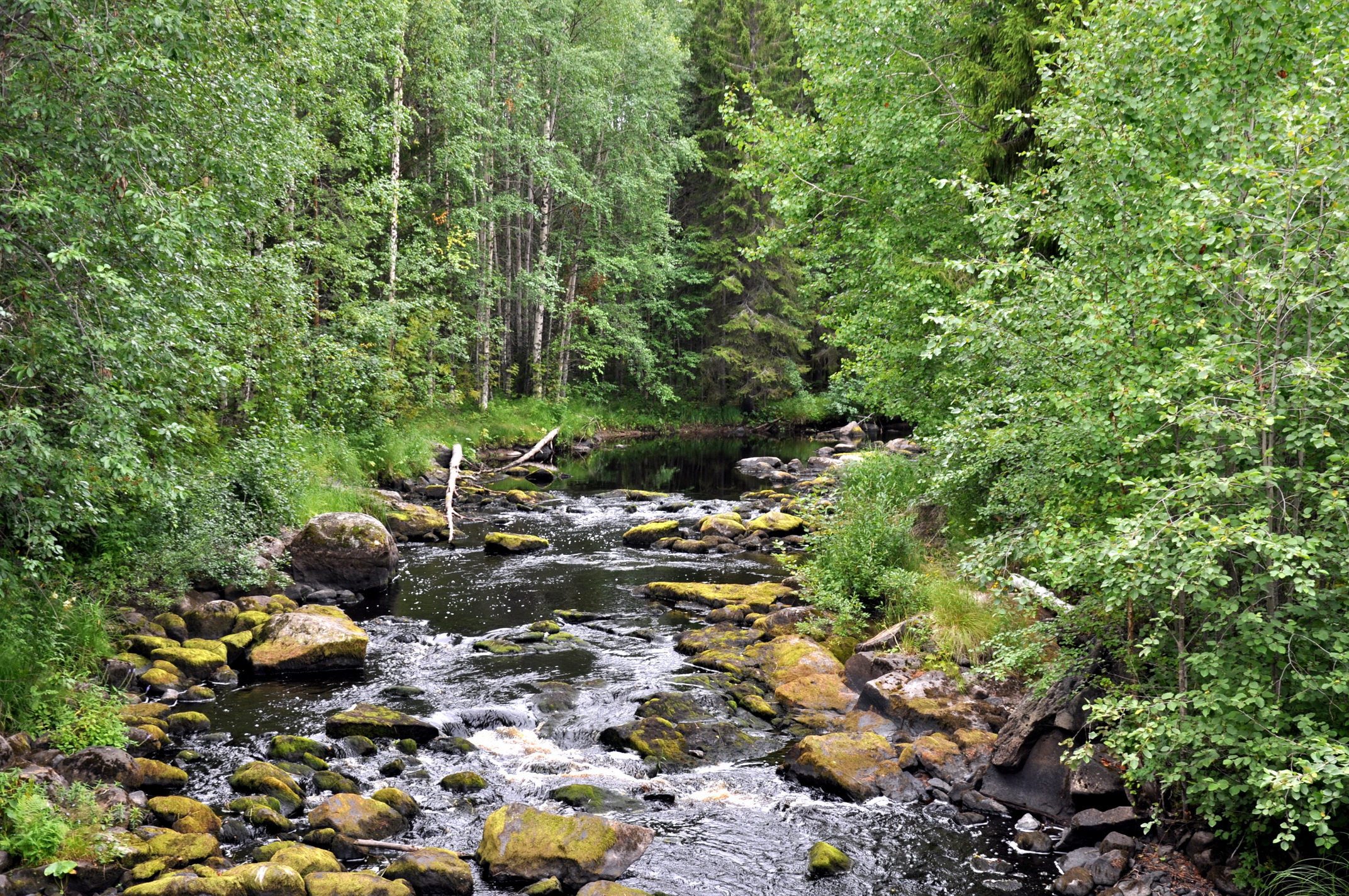
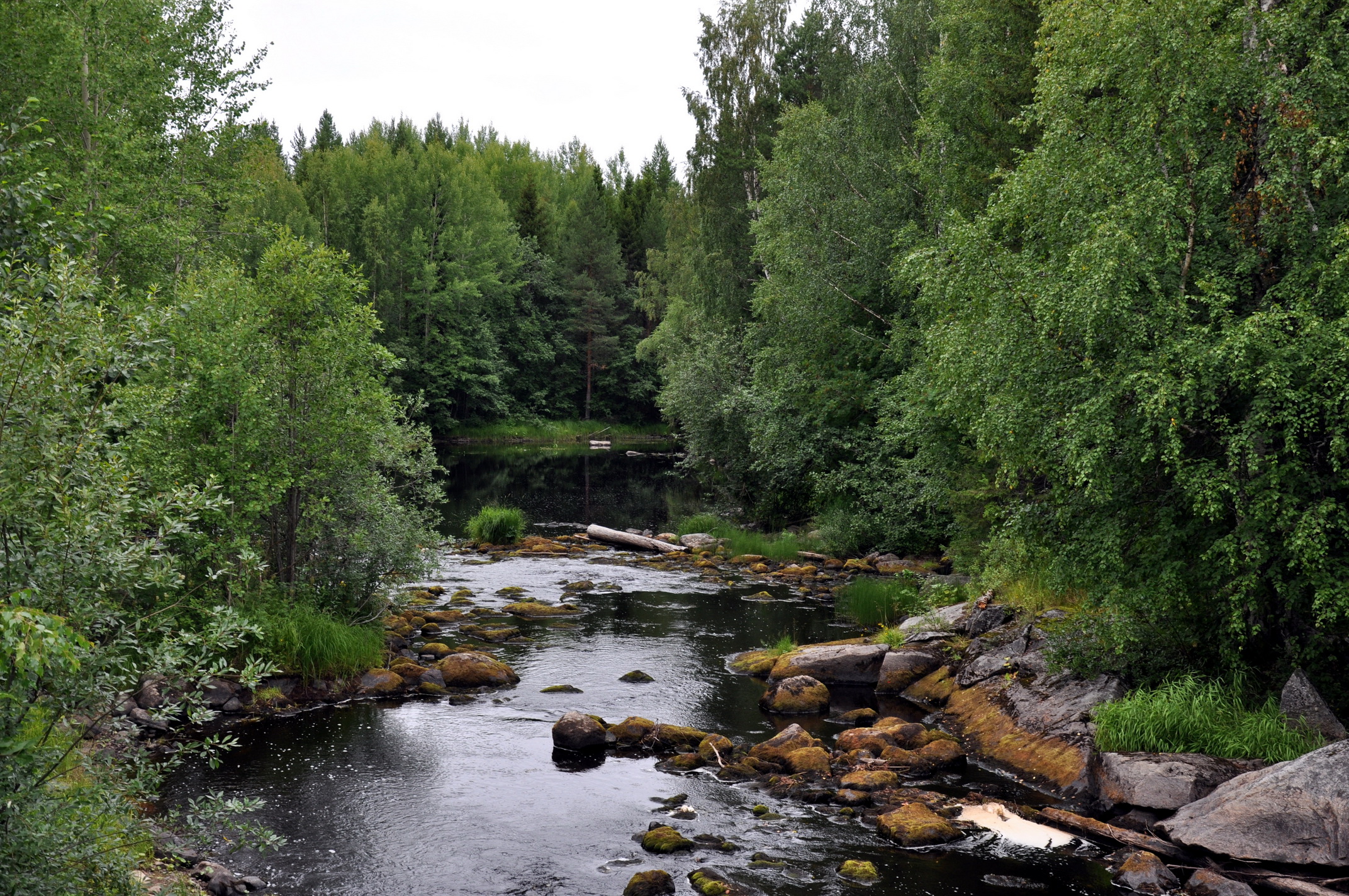
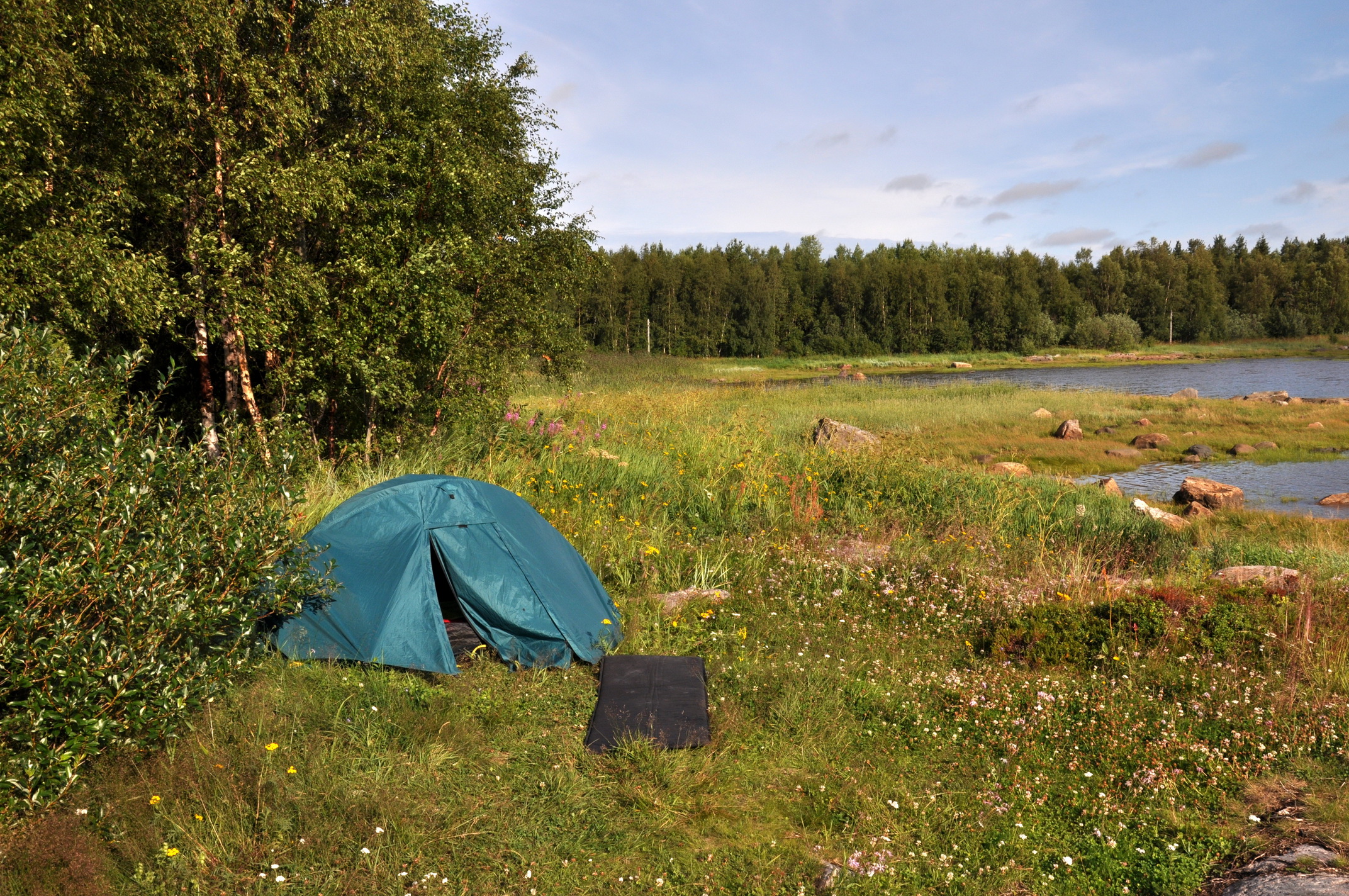
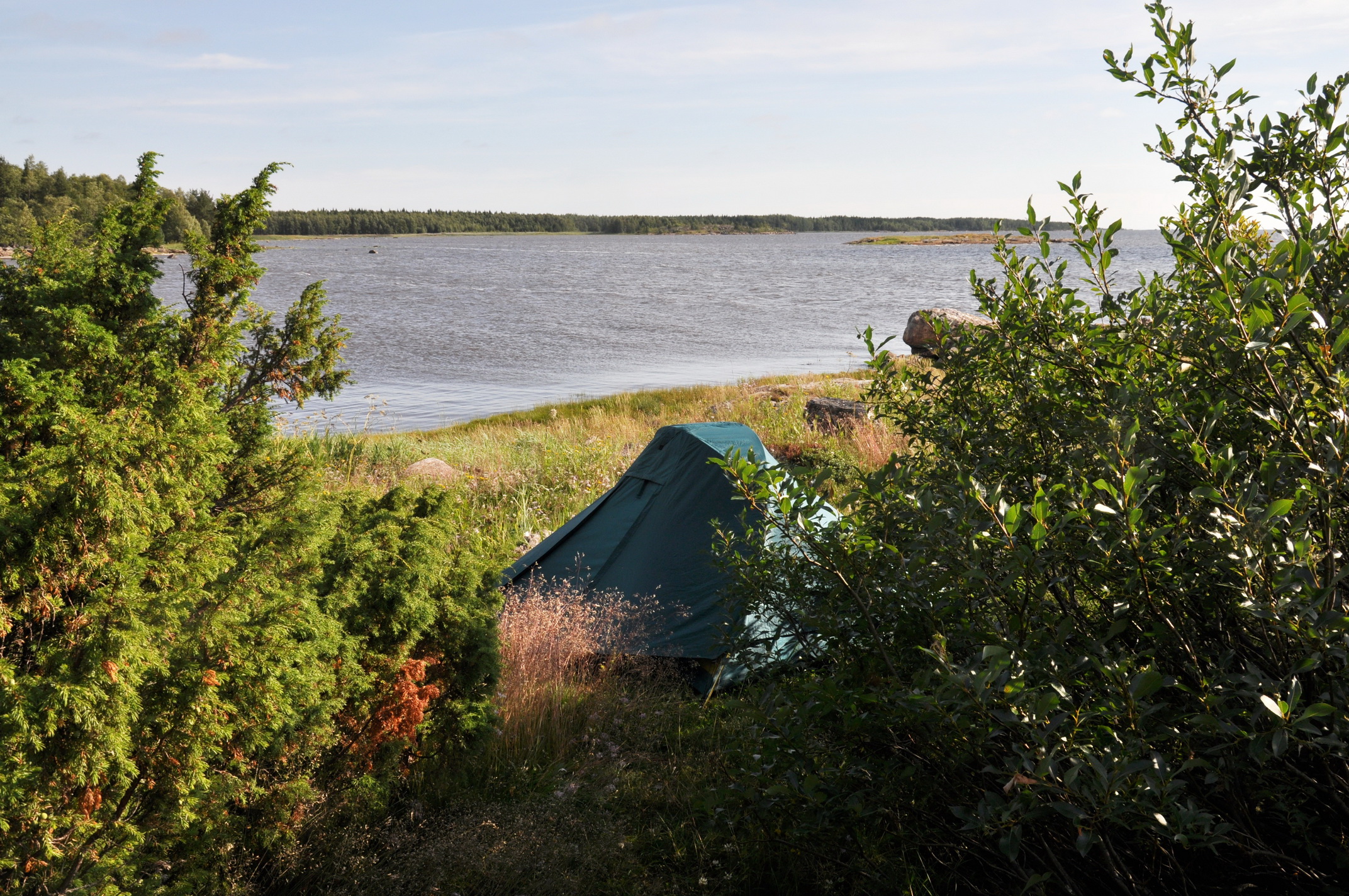
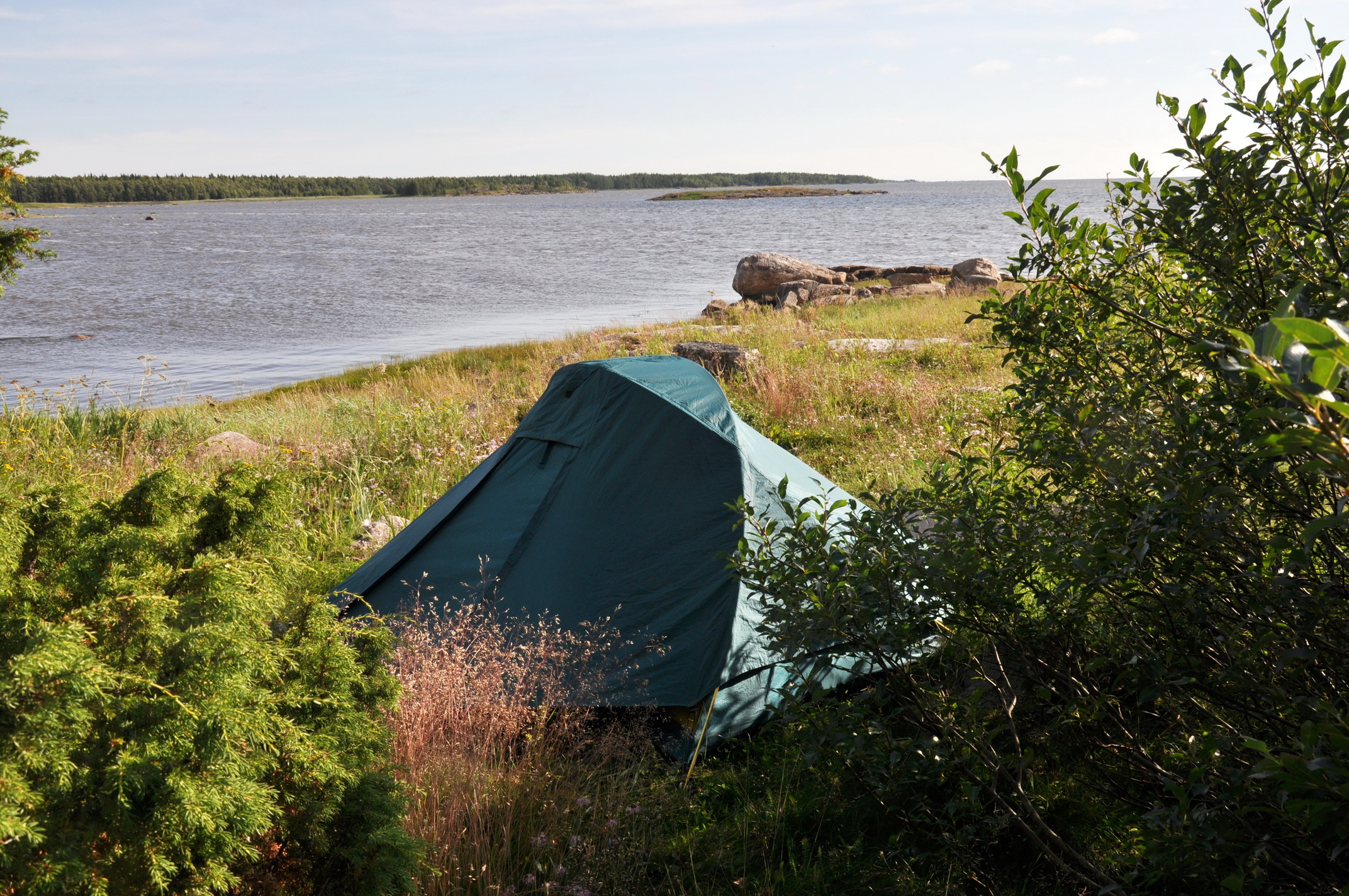
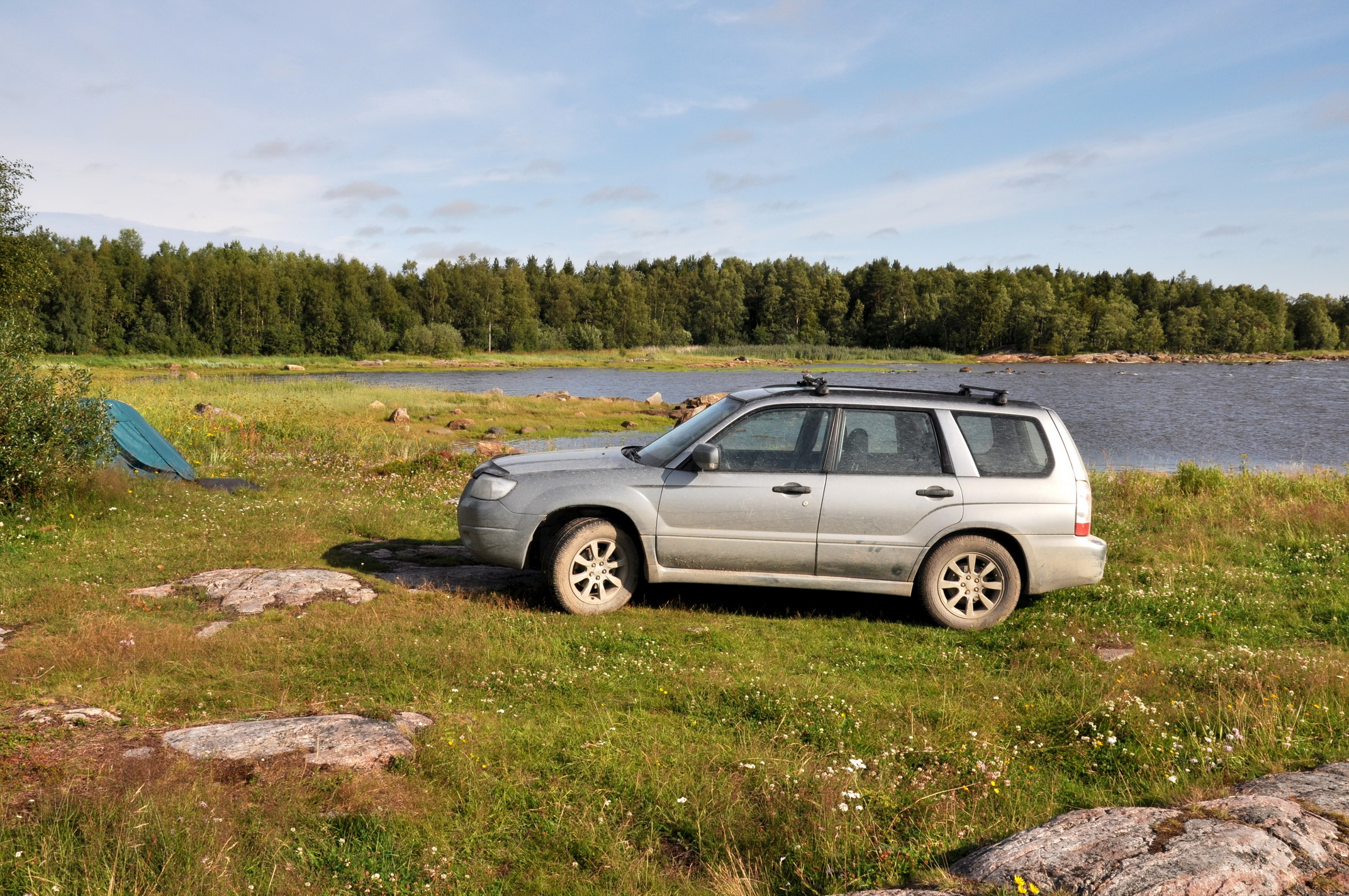
Belomorsk and Idel in the morning, then a night on the bank of the Kem River. It wasn’t a particularly busy day, and at last I could have an unhurried supper and a proper sleep. I stopped on the old road from Kem to Kalevala, which was submerged when the Krivorozhskoye Reservoir on the Kem was filled (65°03.066′N, 33°30.757′E). I swam both in the evening and in the morning.
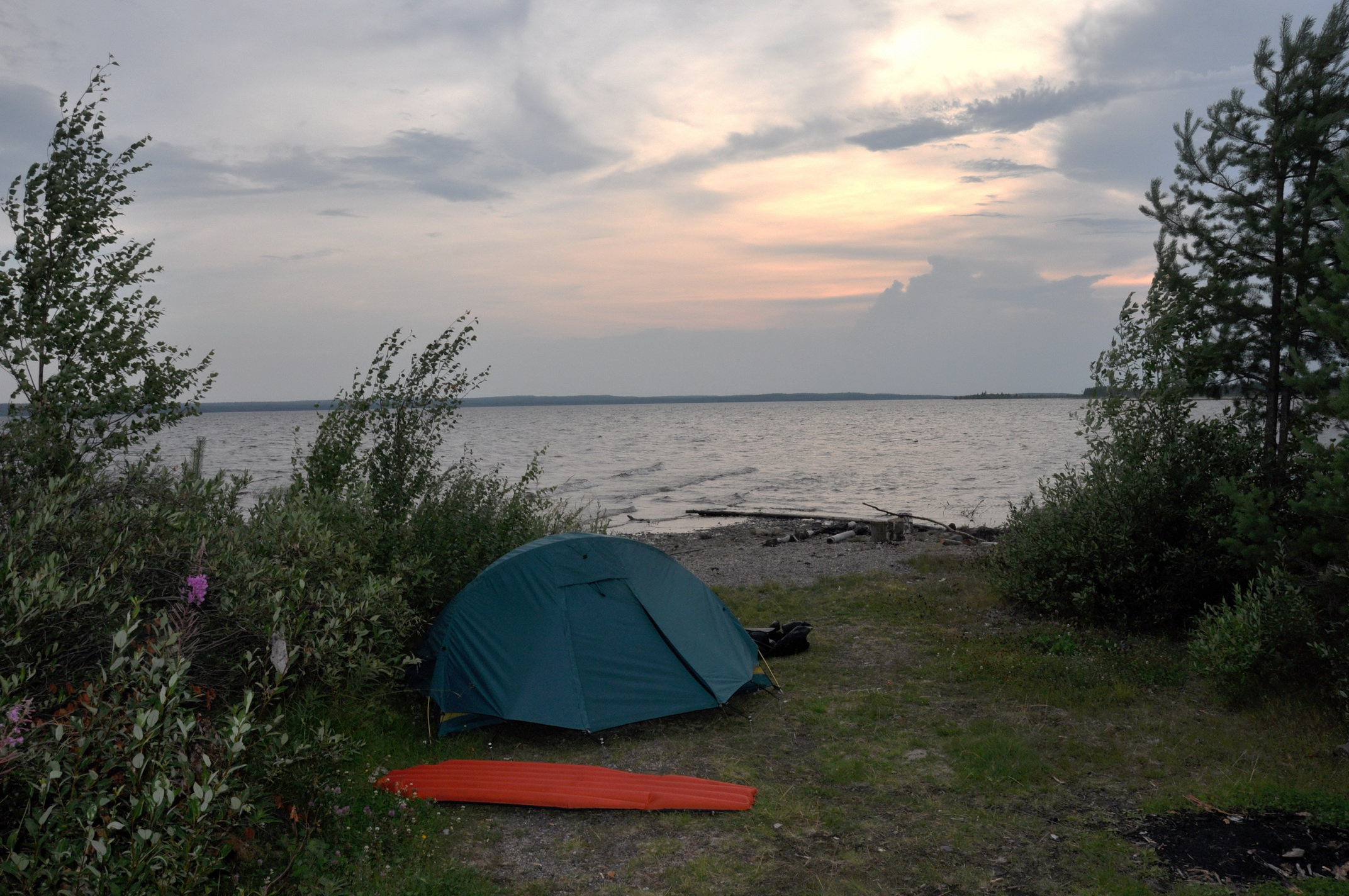
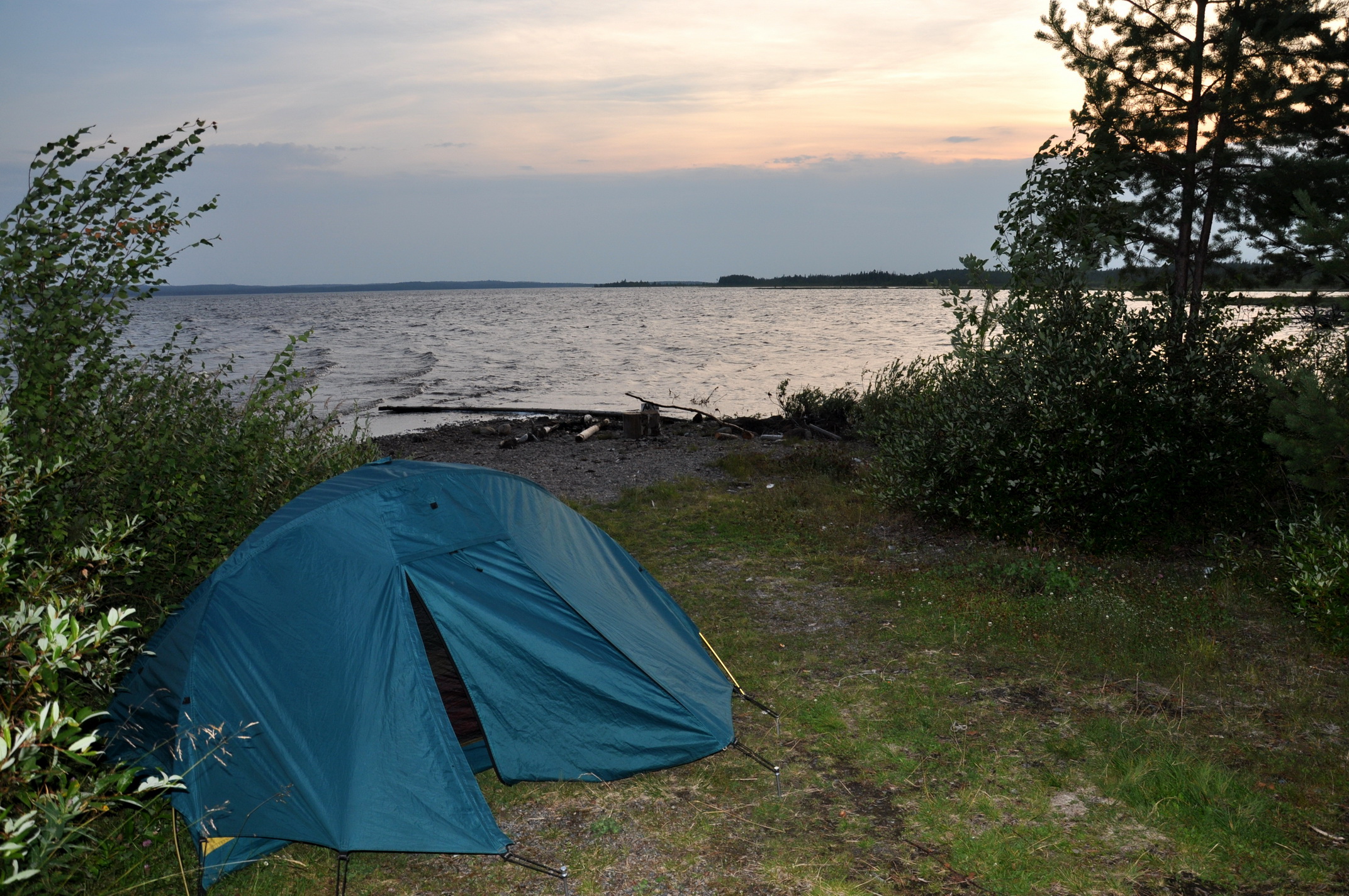
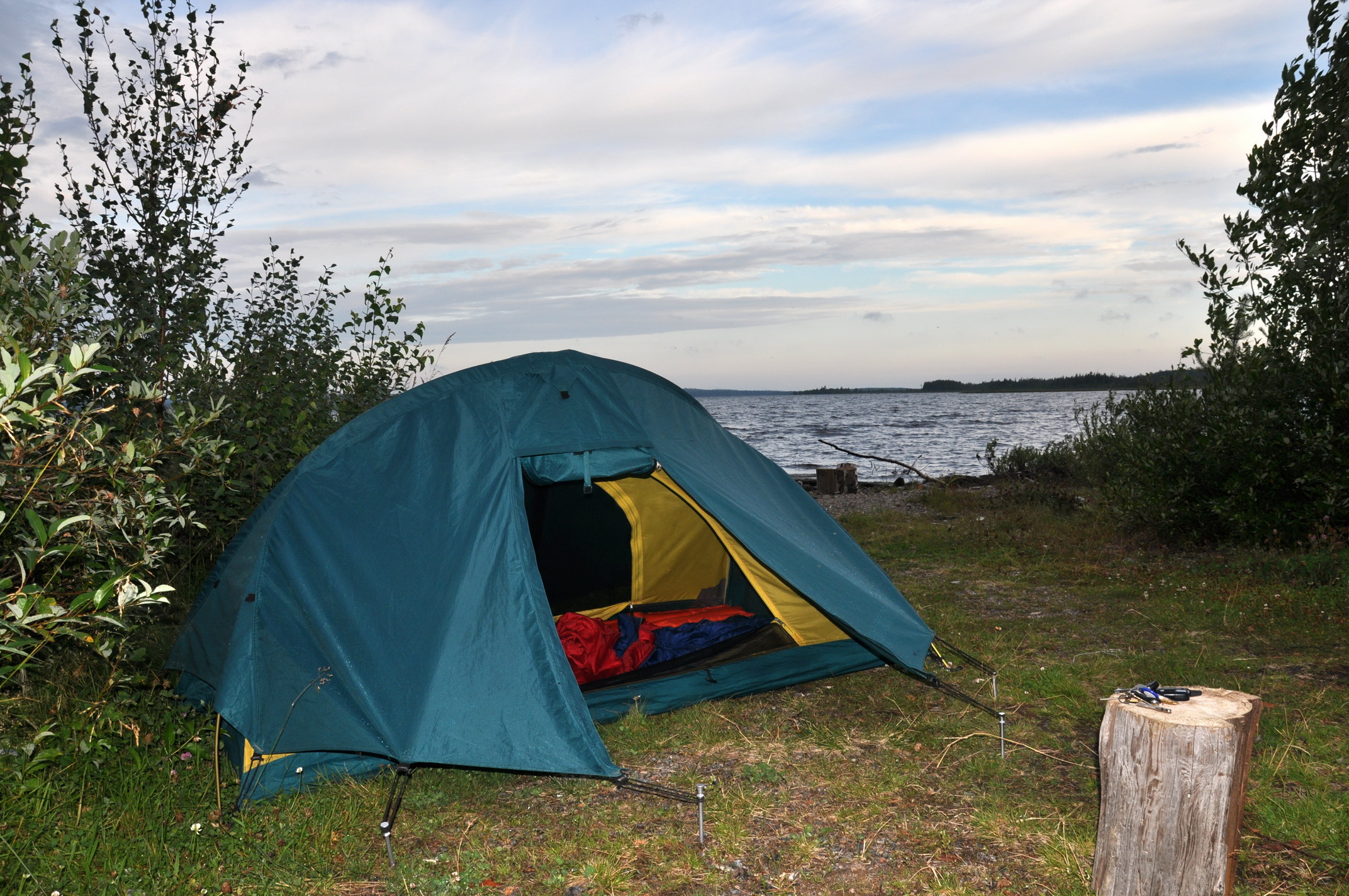
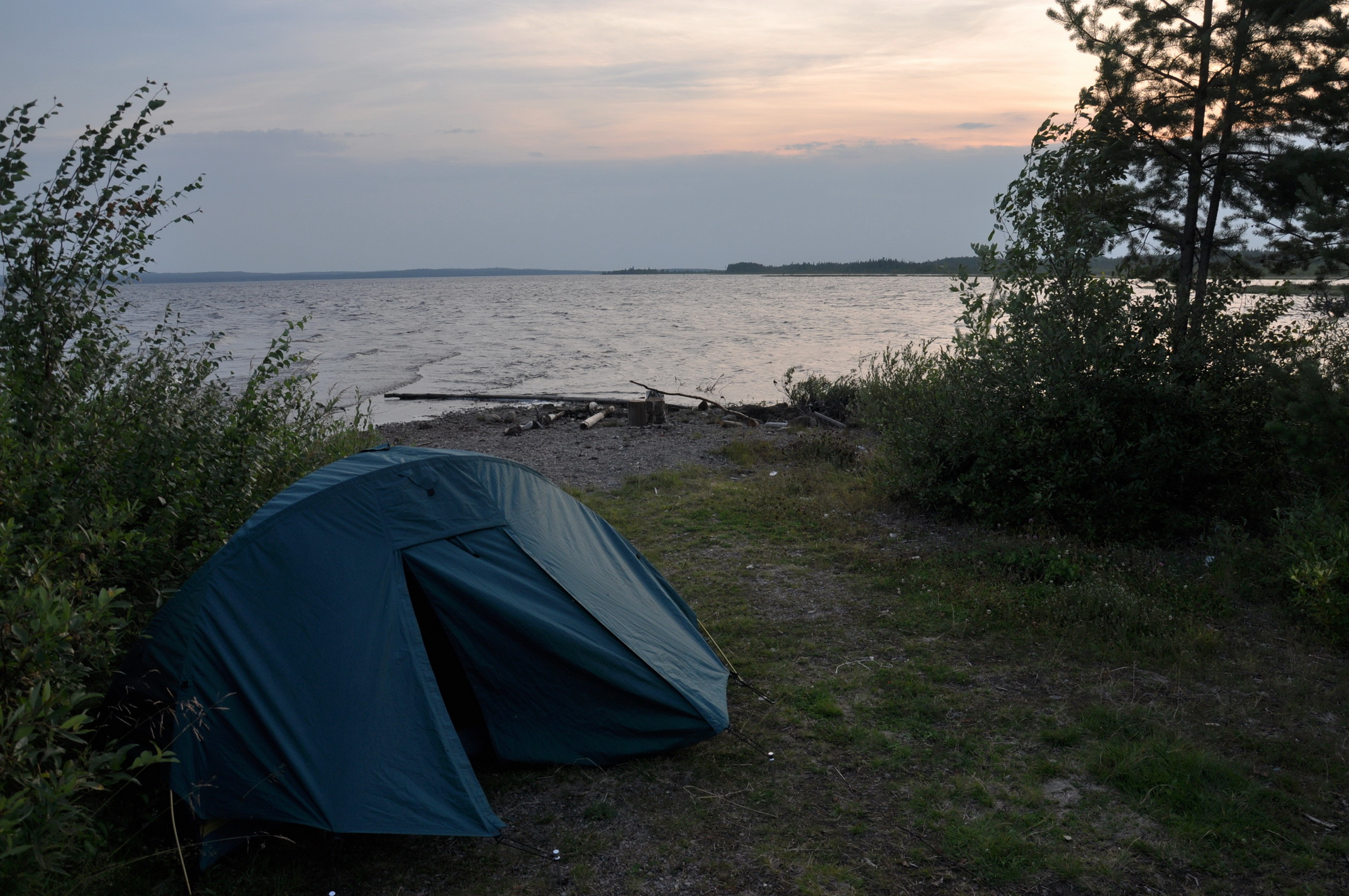
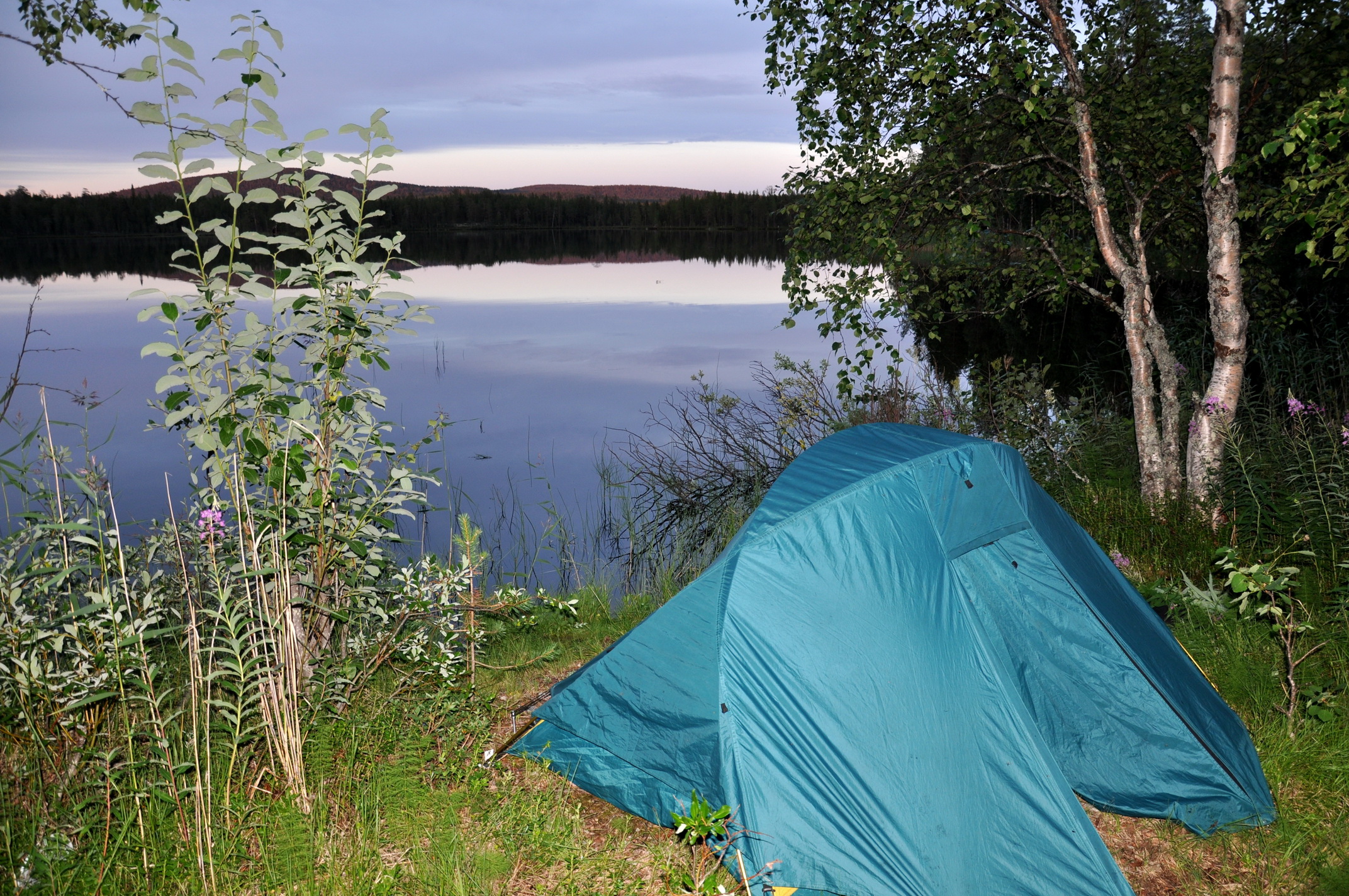
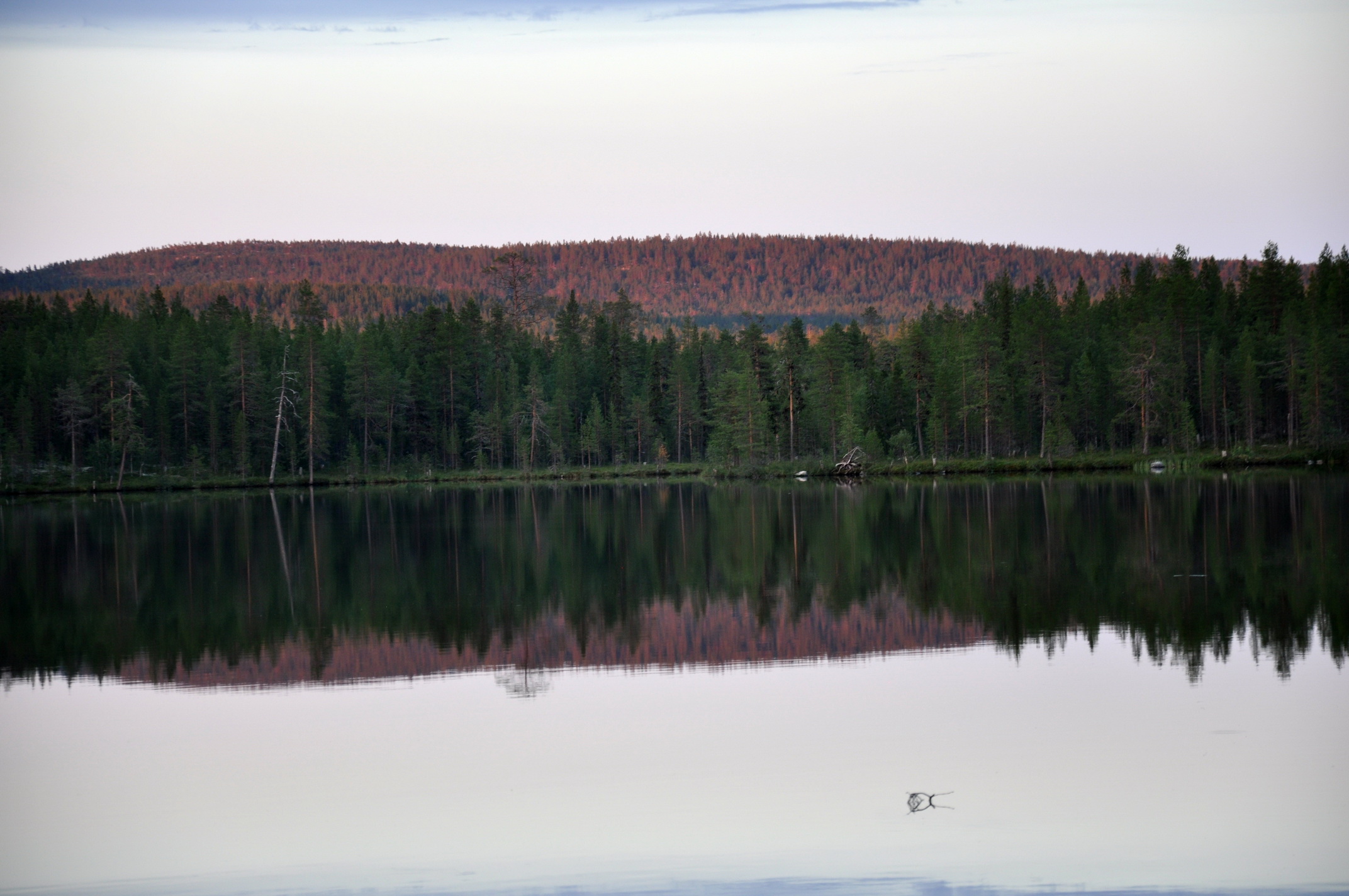
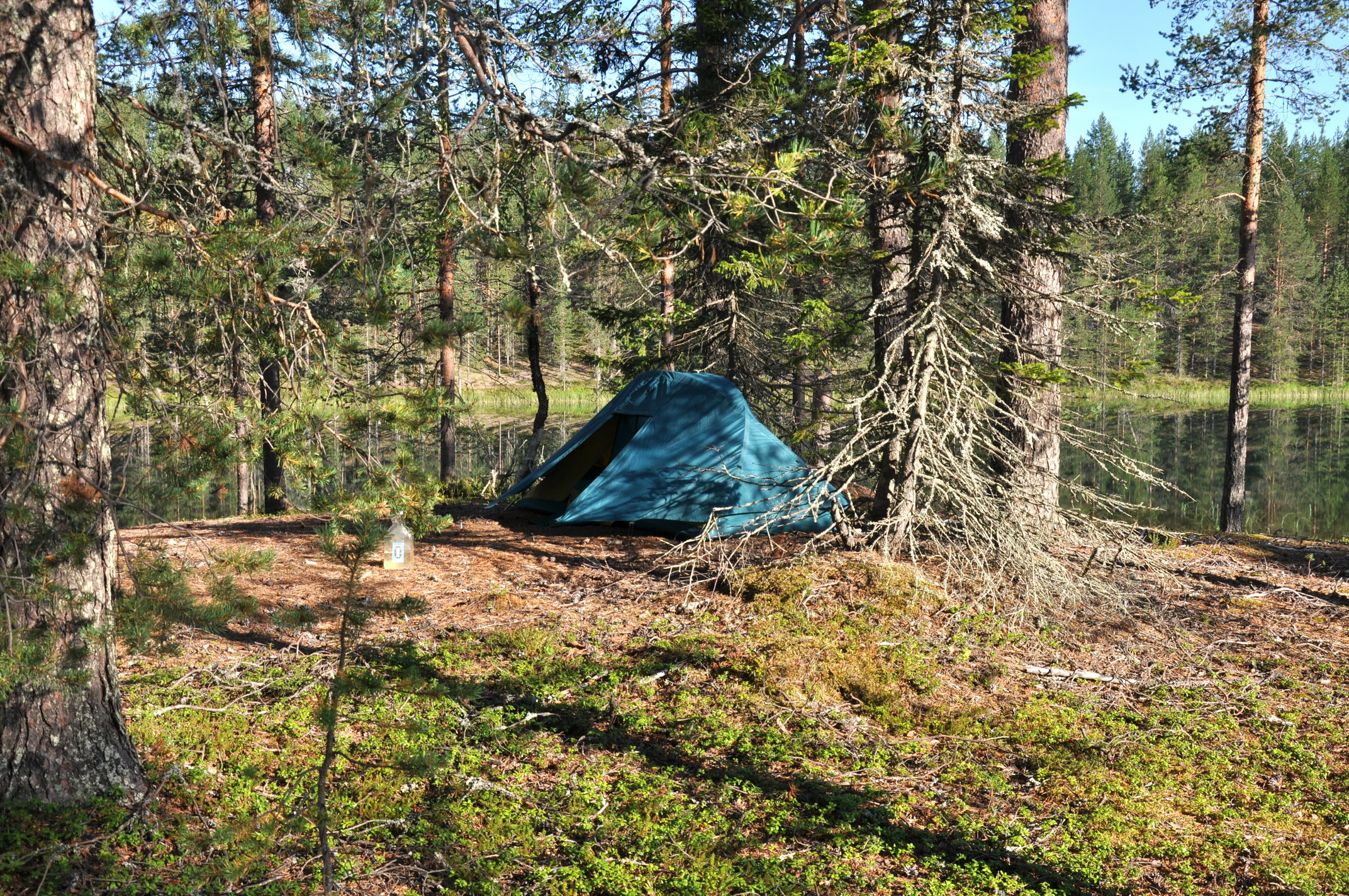
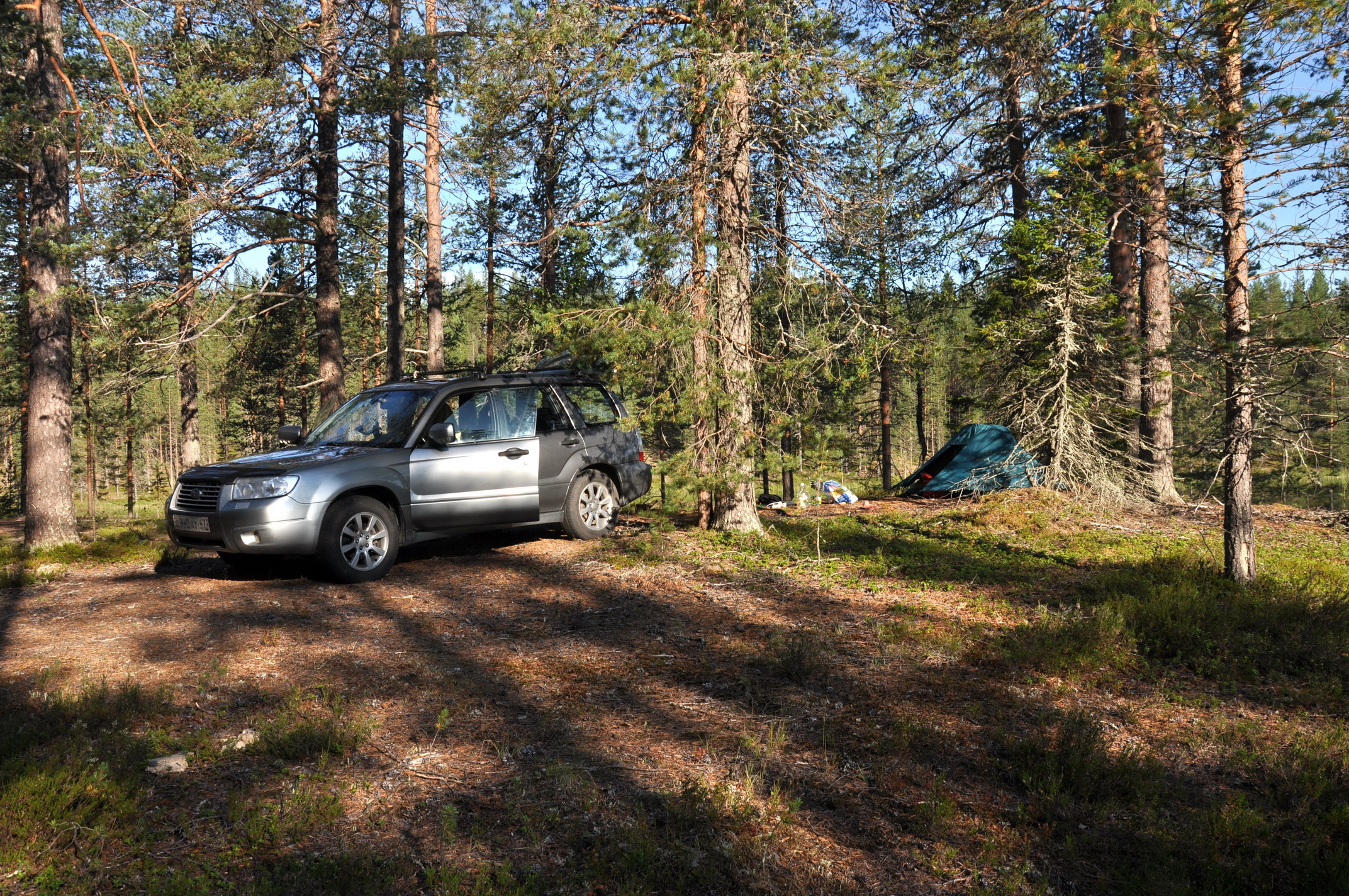
The next day I did the stations in the Kem sector, finishing at Engozero station. Sometimes we get lucky and the technicians catch a train to Kem, so I don’t have to drive them all the way back there. I headed towards the border near Alakurtti. The crossing is closed at night, so in the end I had to camp by a lake (67°00.002′N, 30°54.833′E). There were stacks of mushrooms all around. I picked some and fried them.
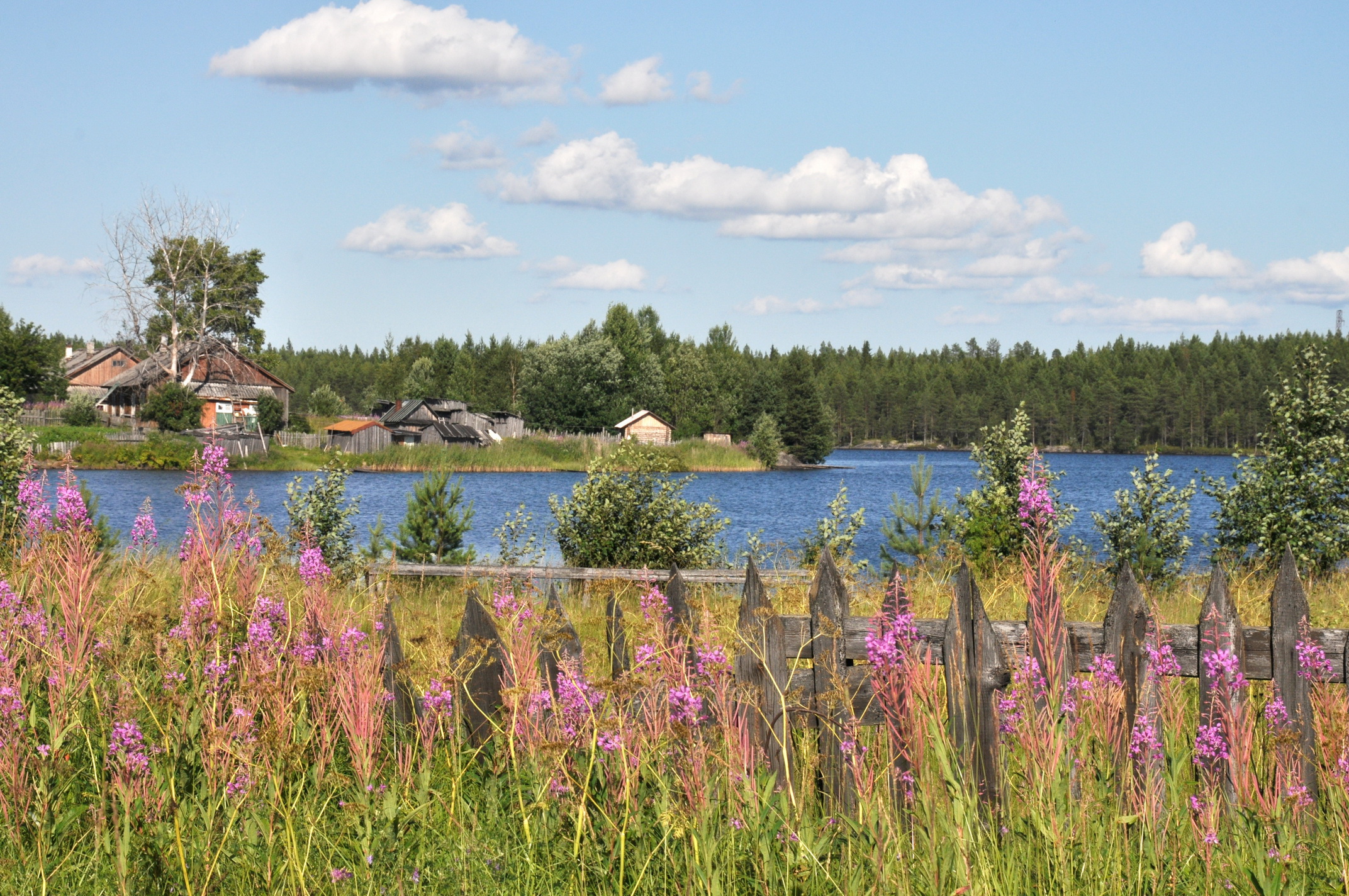
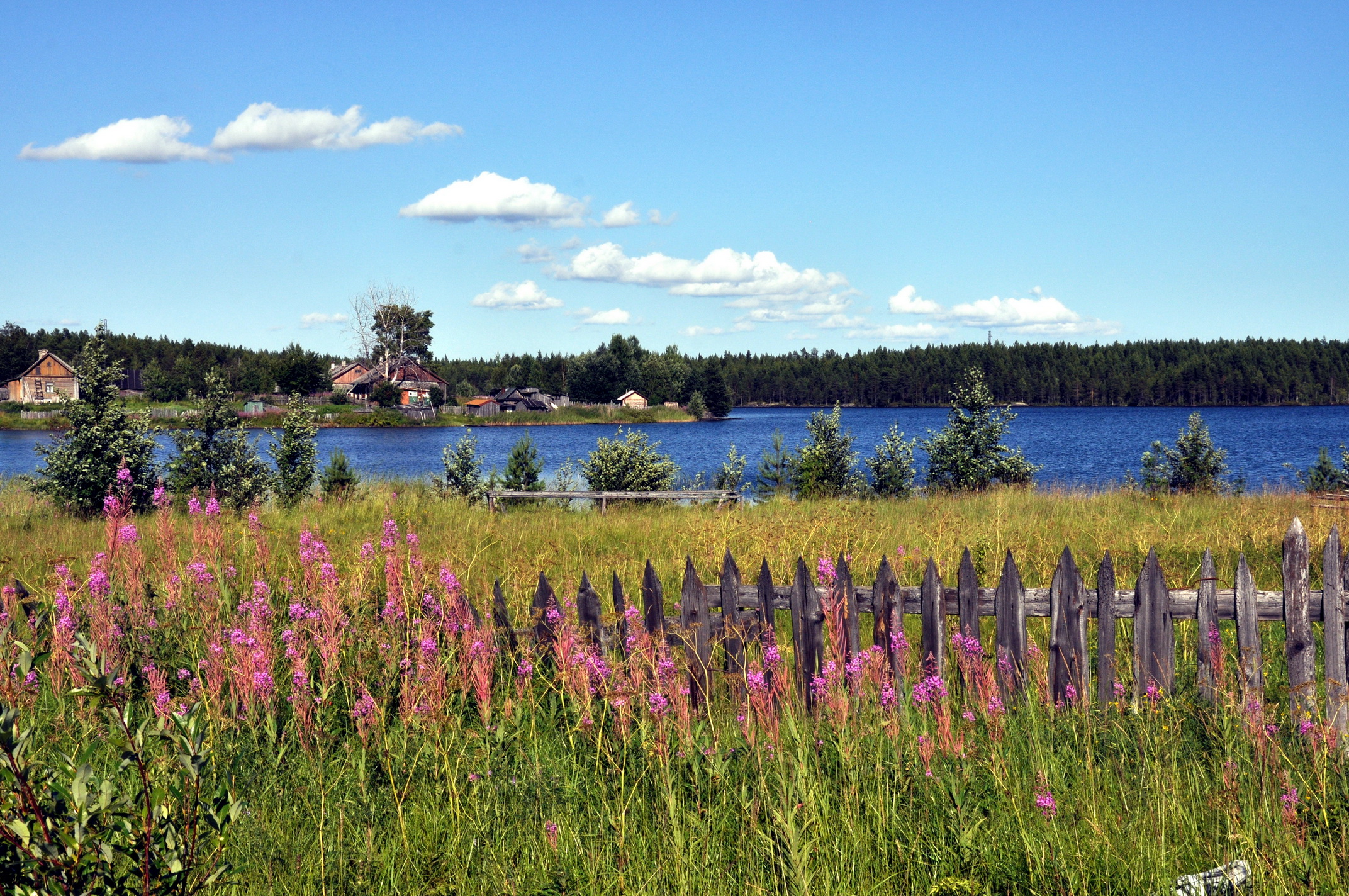
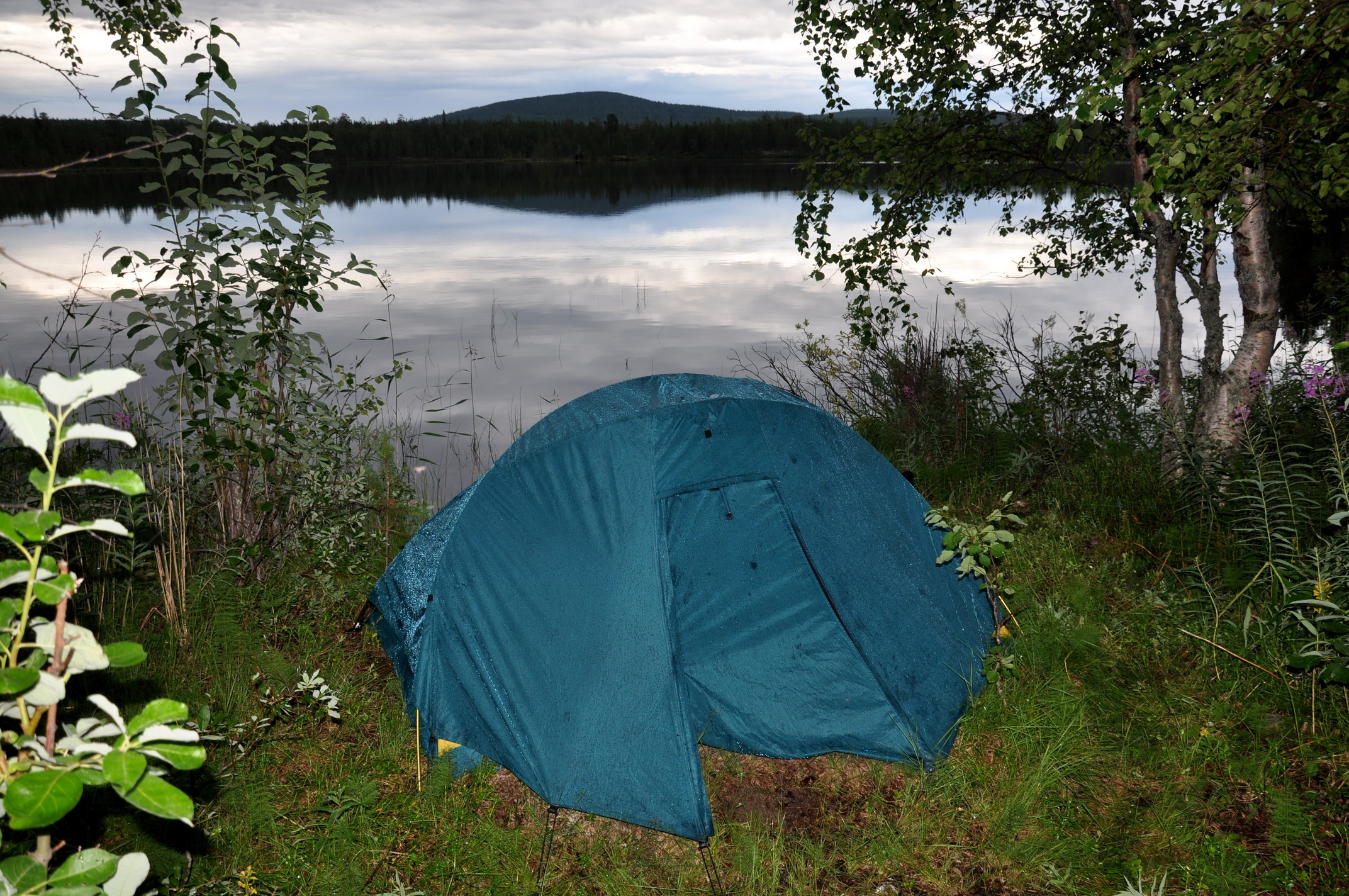
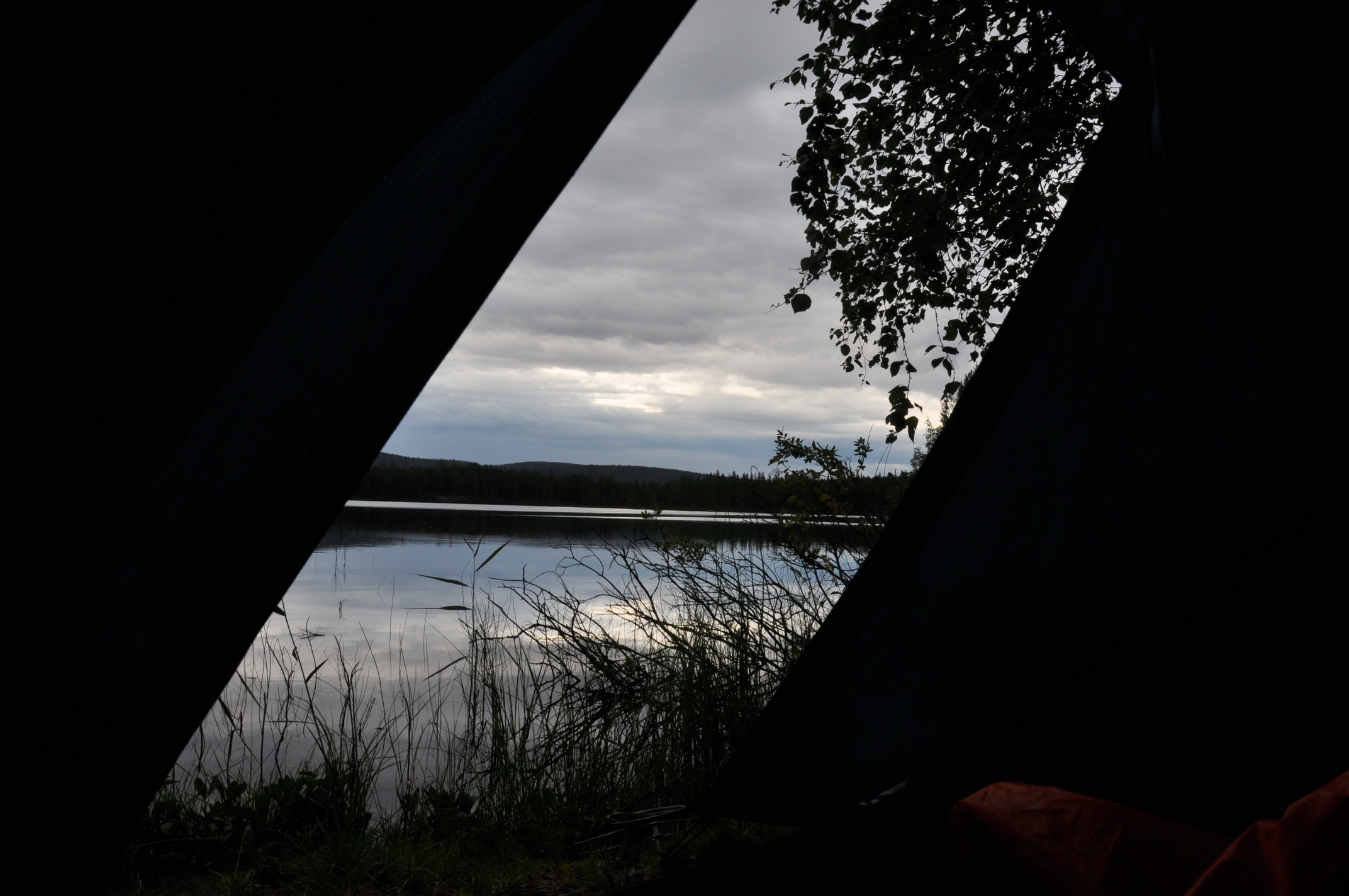
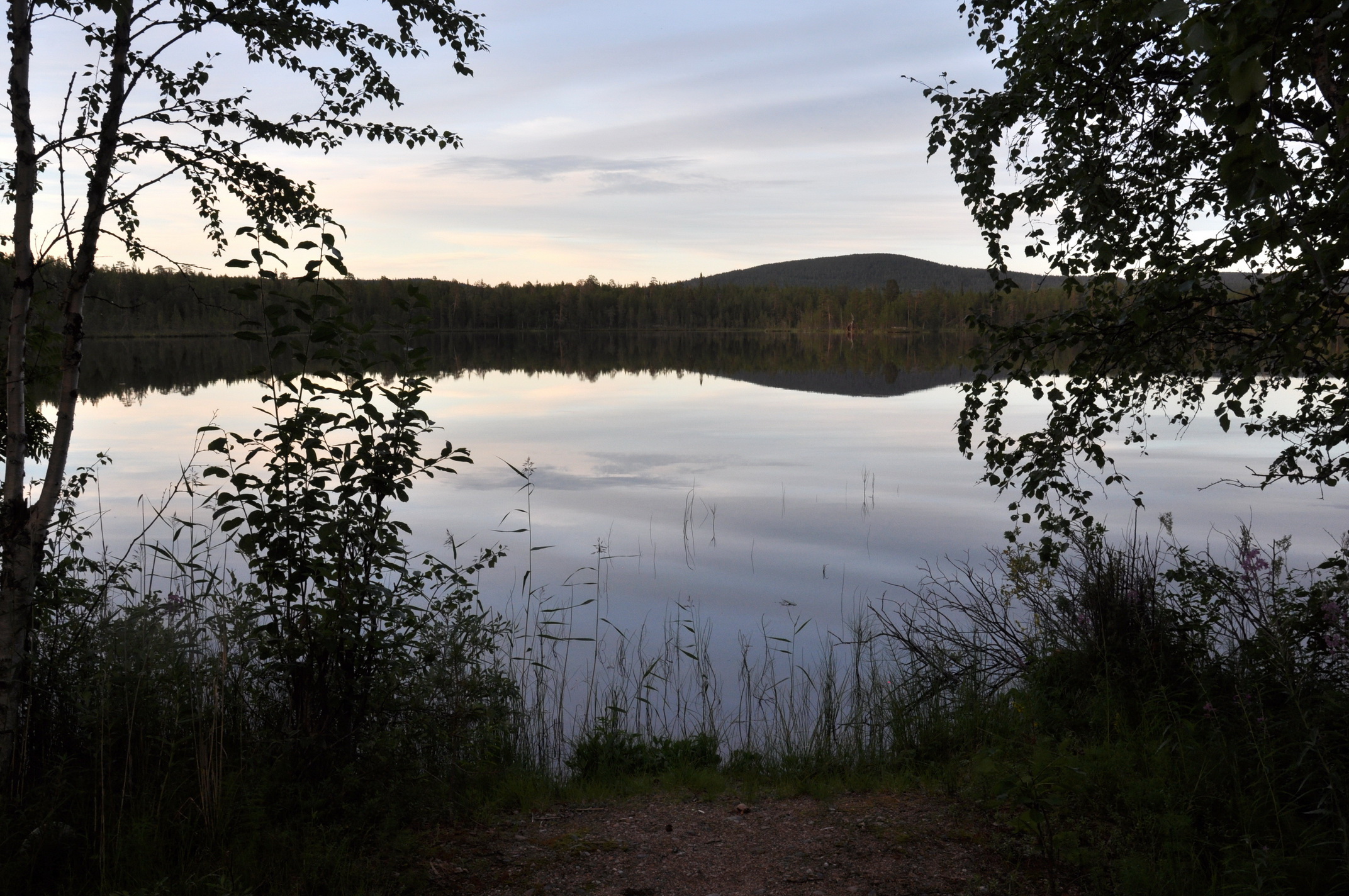
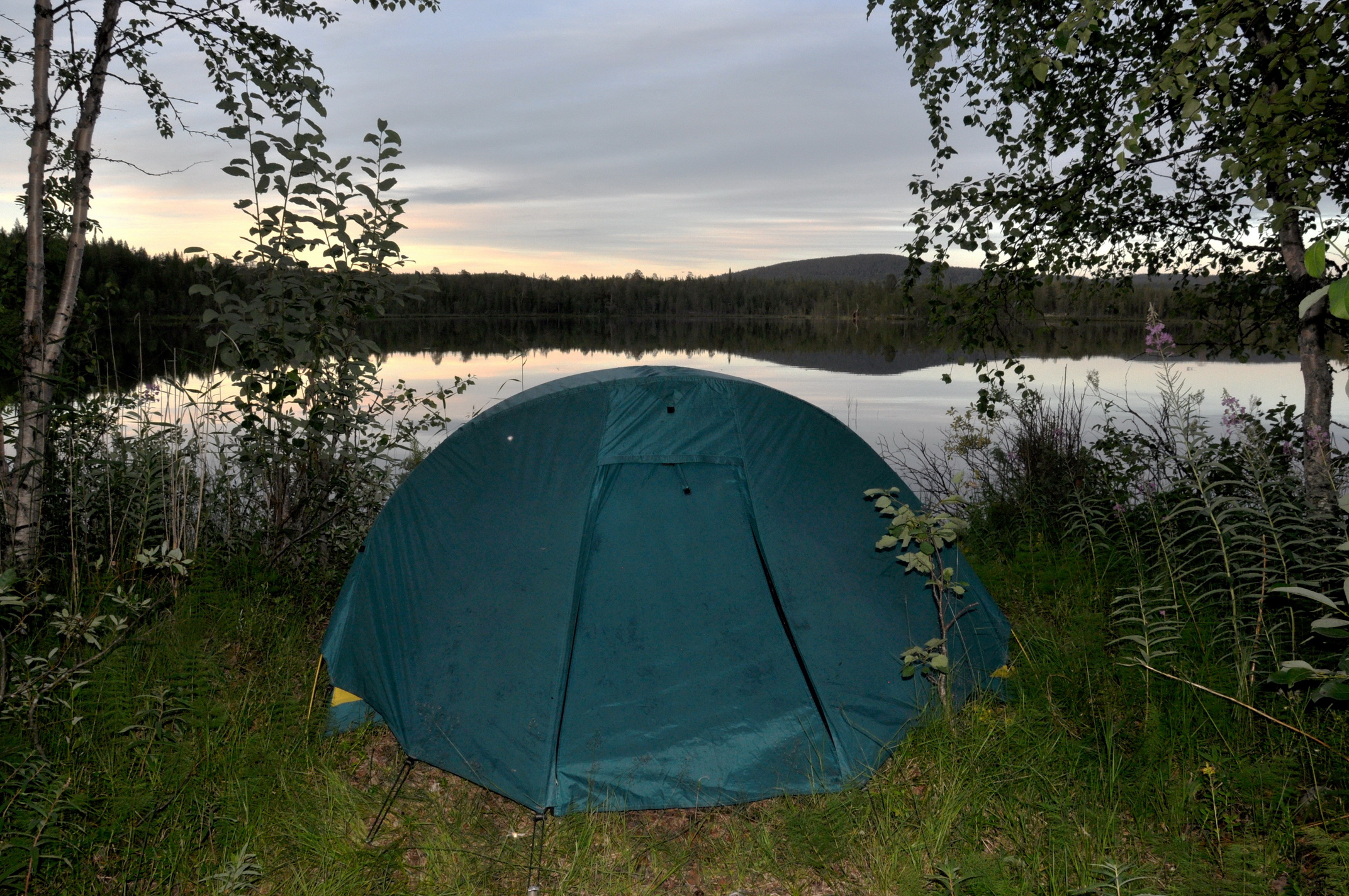
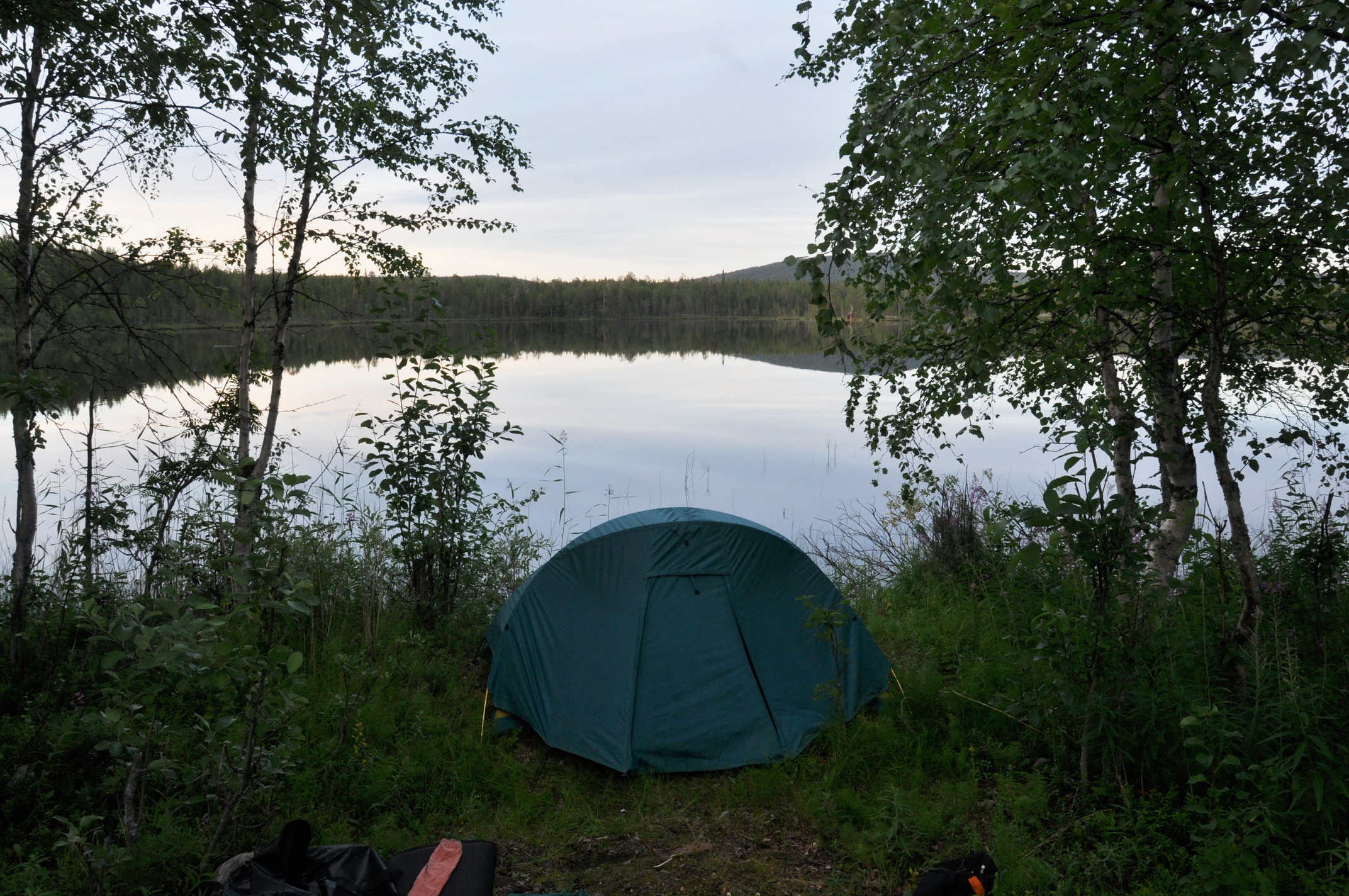
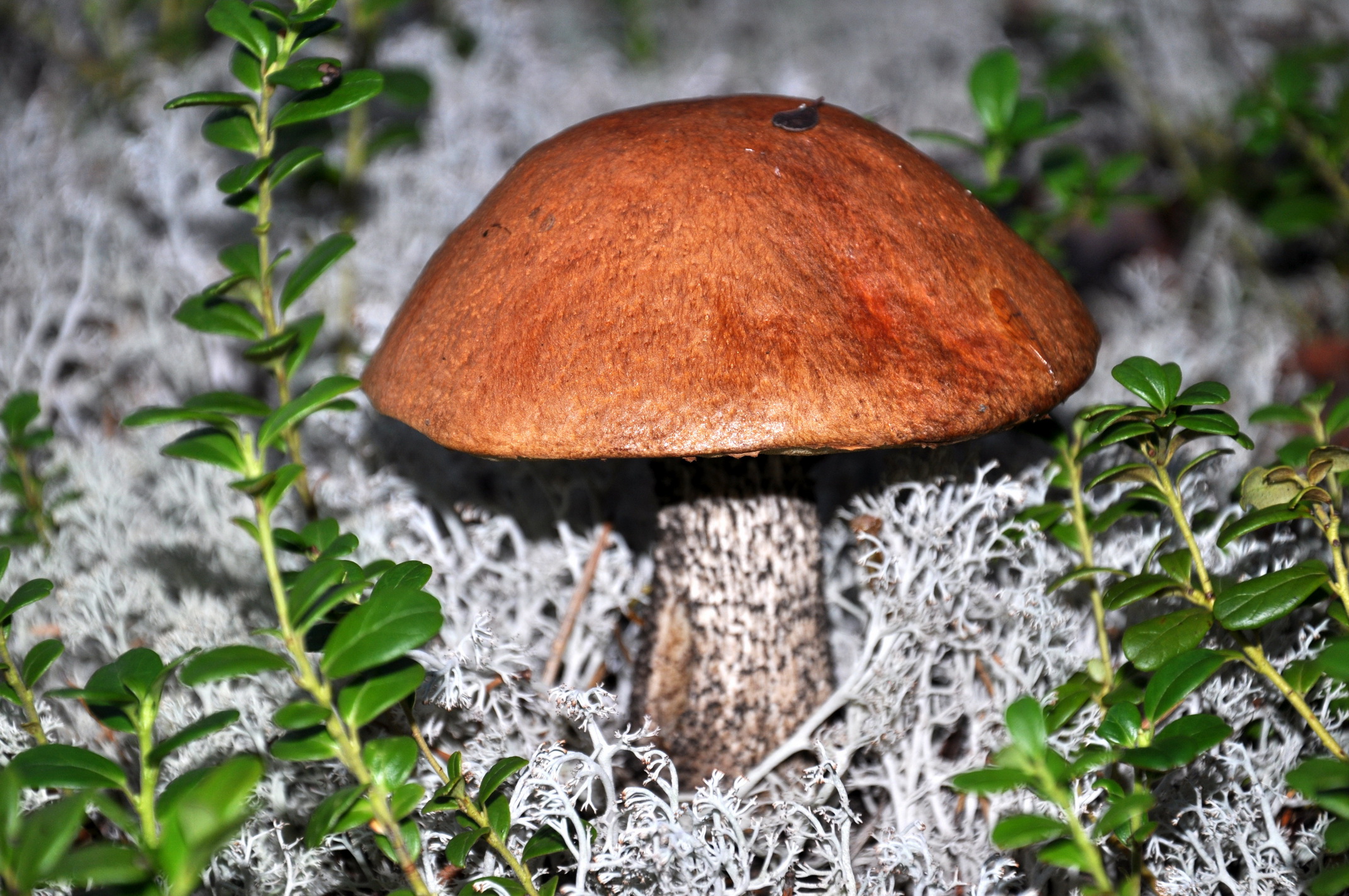
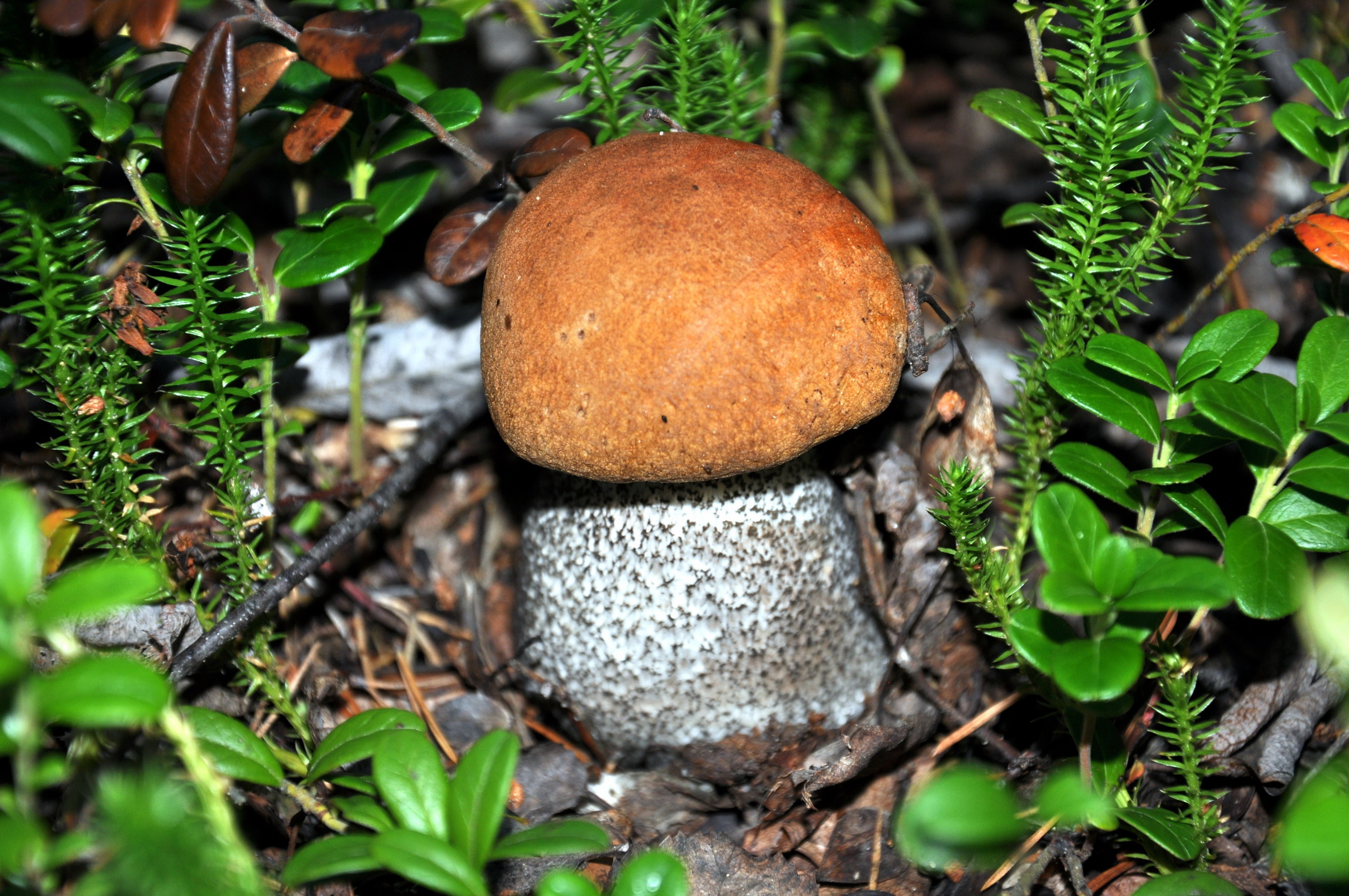
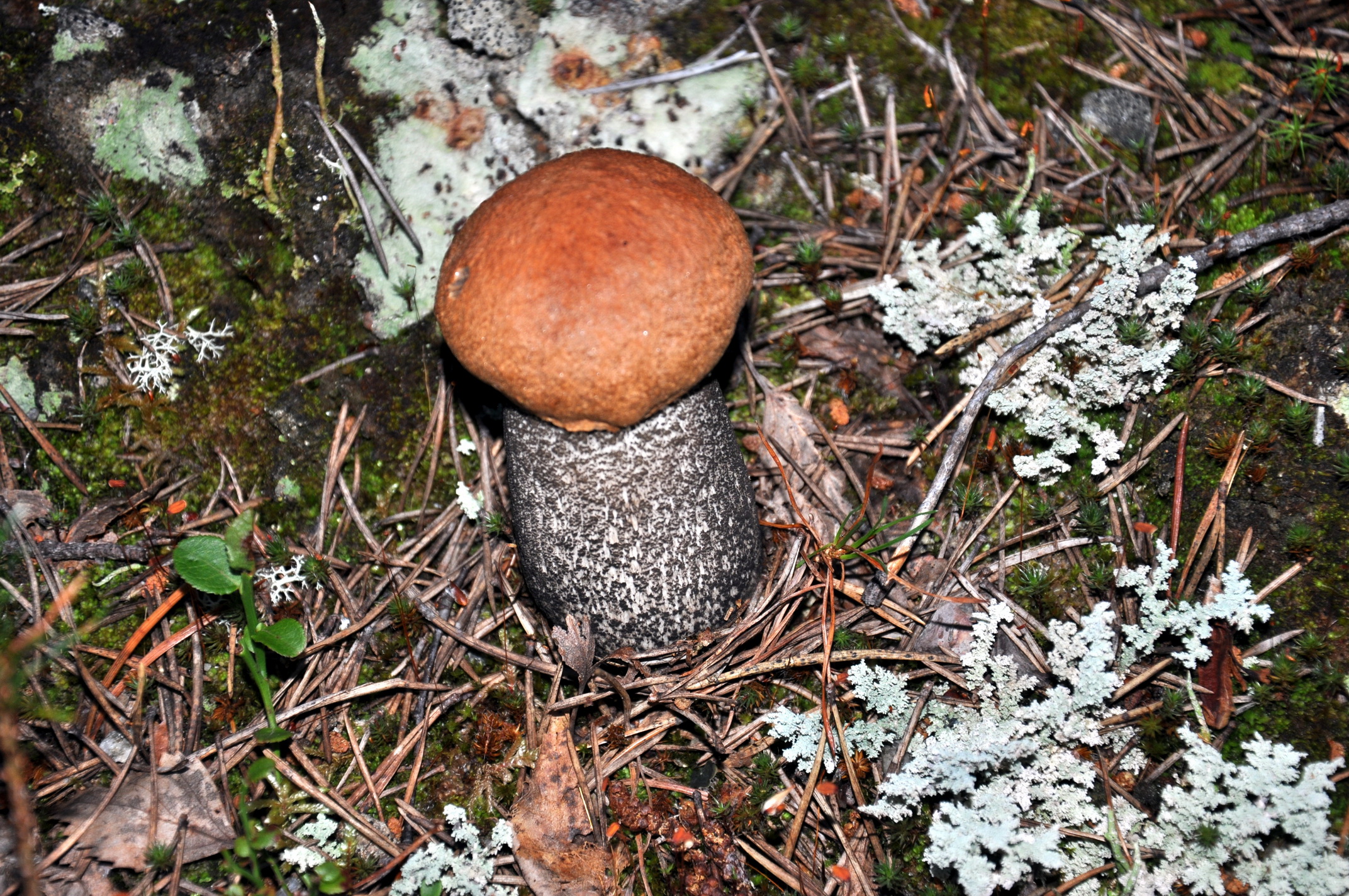
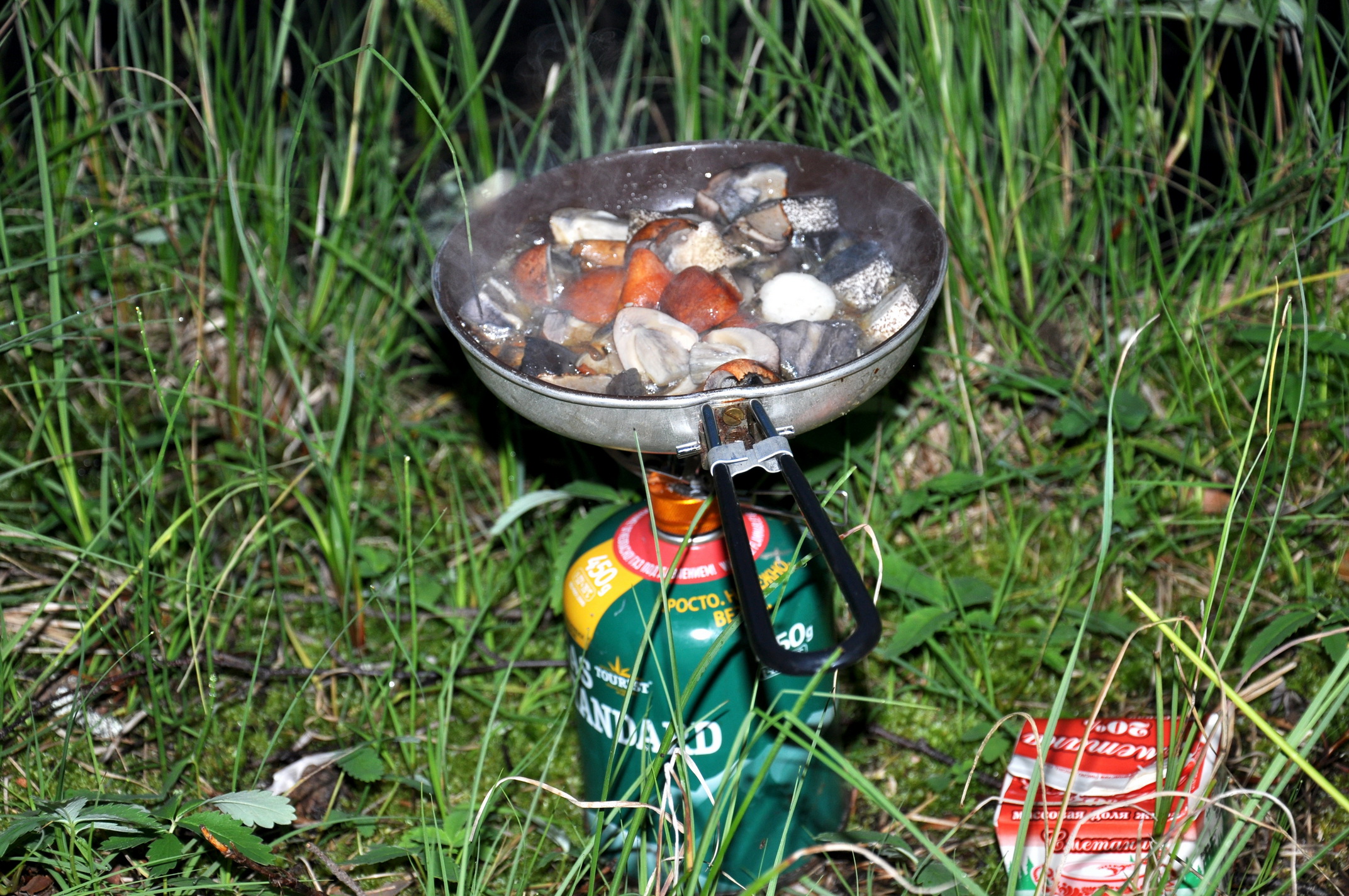
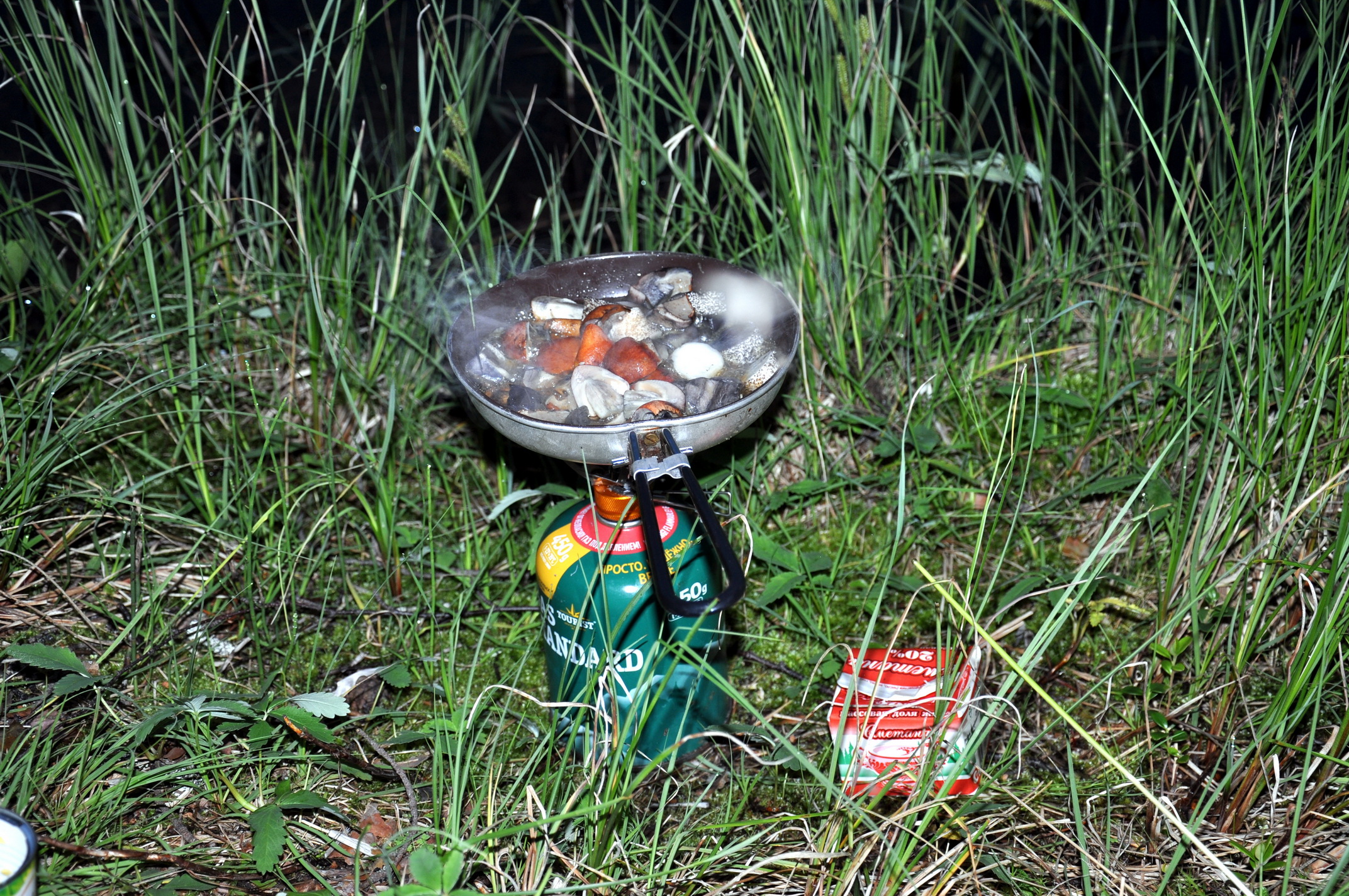
I declared a festive supper, for two anniversaries. A hundred years had passed since the First World War began. It had started a little earlier, of course, but Russia entered on 1 August. My great-grandmother Maria Vladimirovna Menshikova (Pol) was about to give birth. The news upset her and my grandmother, born Maria Mikhailovna Menshikova, came into the world. They called her Maria, a name associated with “bitterness” in Hebrew. The bitterness of the war to come. Her parents got it right. She lived a long life from Nicholas II, who held her in his arms, all the way to Putin. She had her share of bitterness. Two wars, arrests and executions among her relatives, persecution and exile…
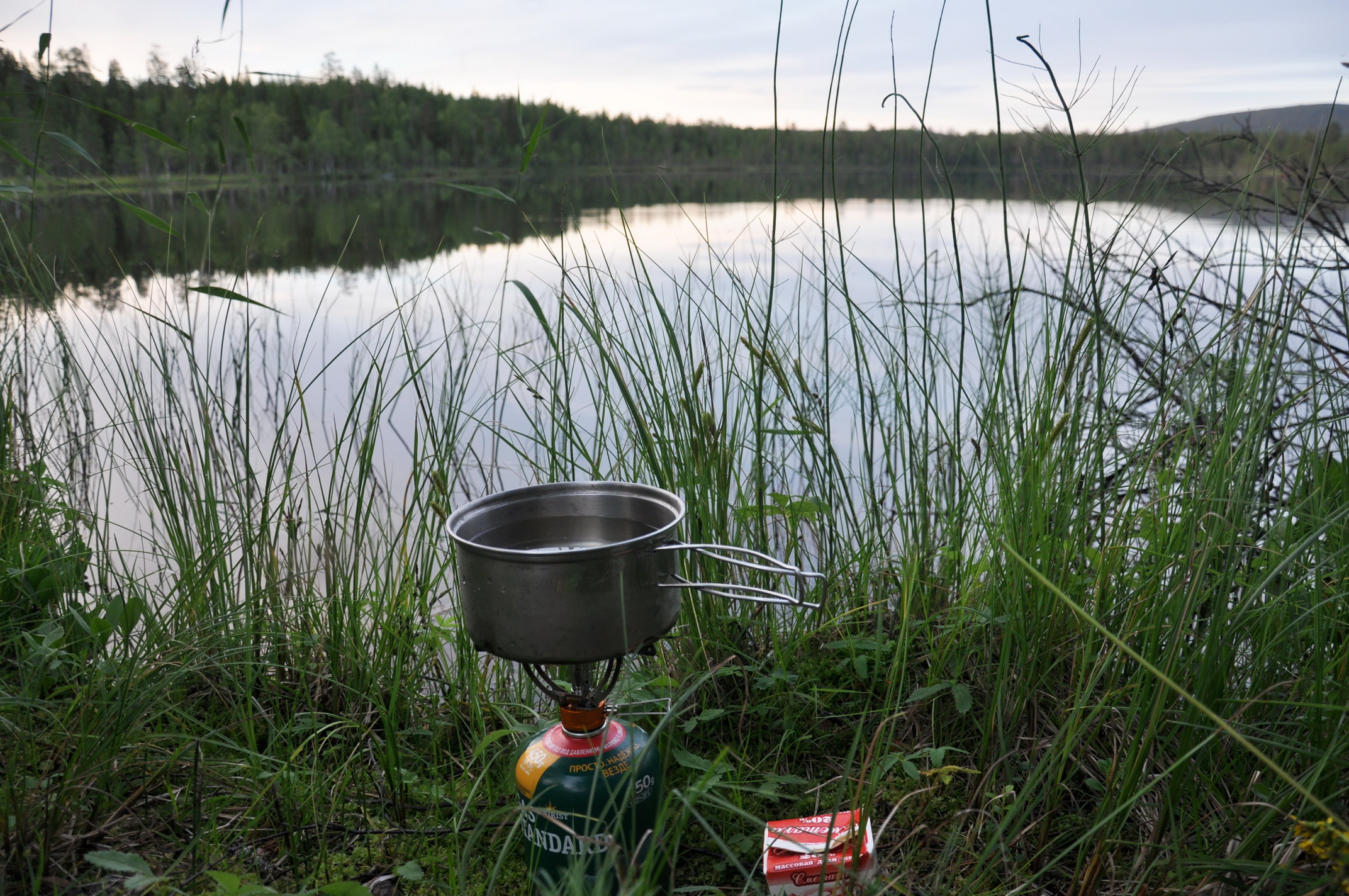
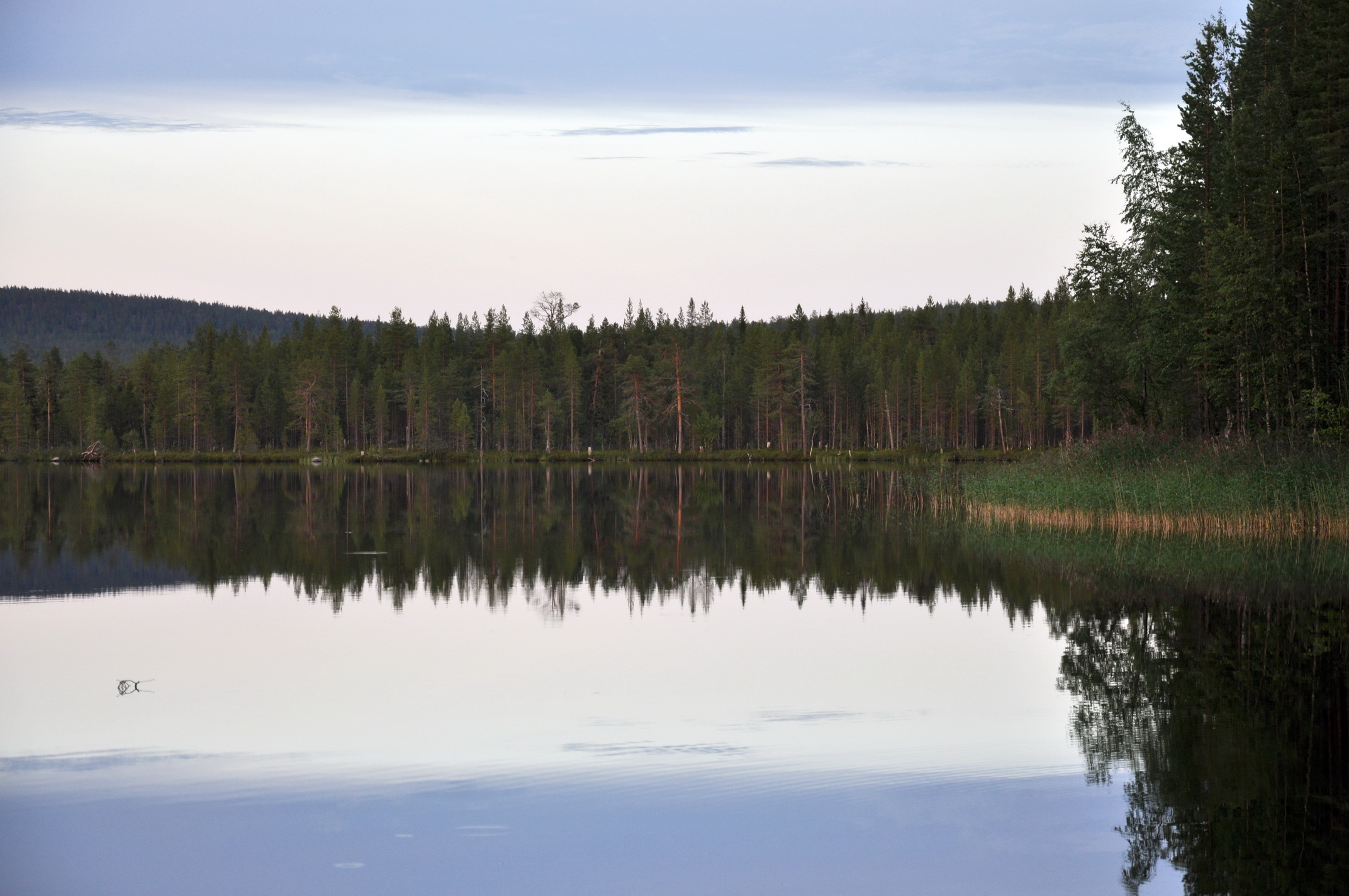
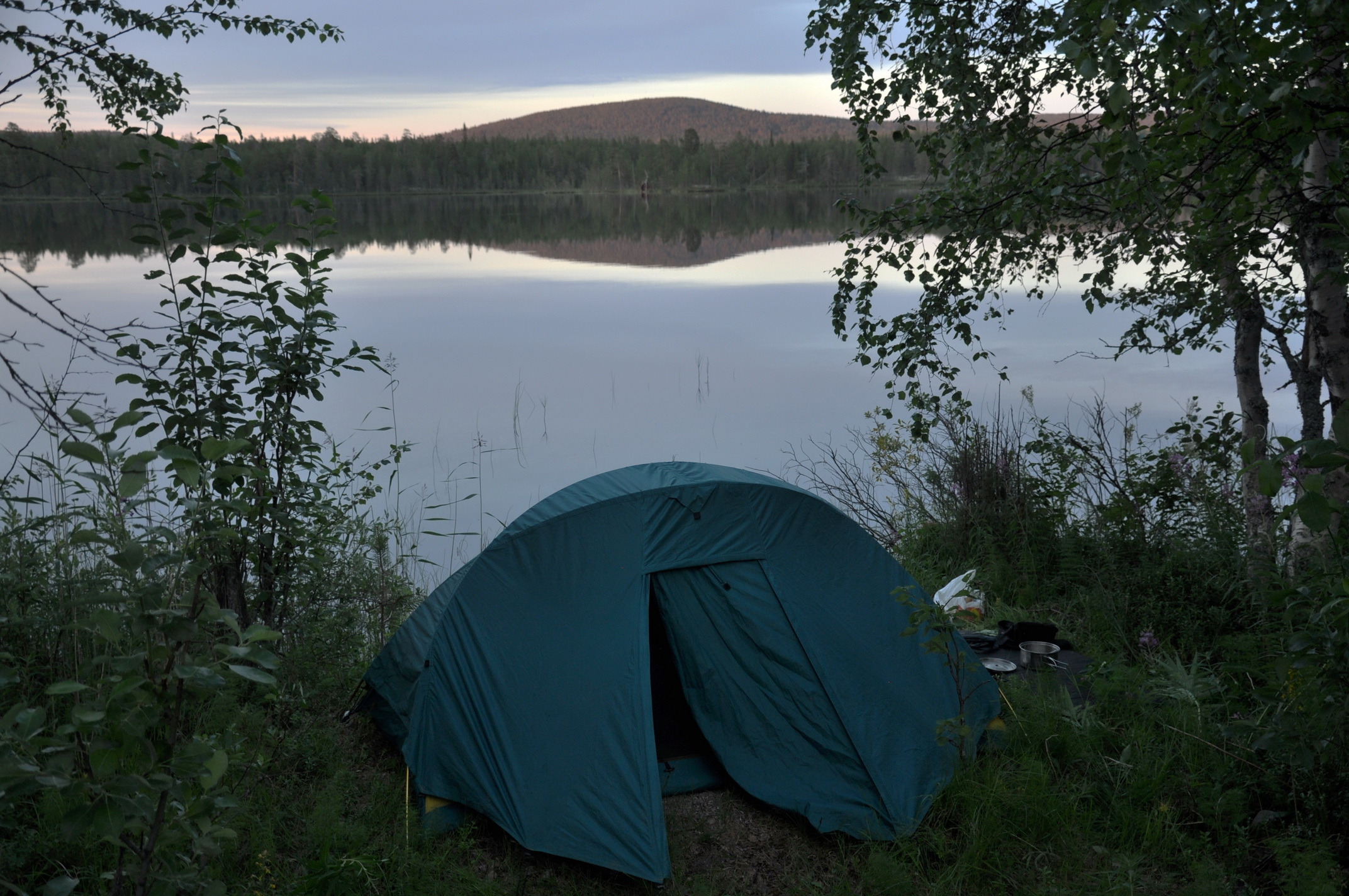
In the morning I drove out of Russia. Unfortunately I had neither the time nor the money for a long trip around the Norwegian fjords, so I started back home at a leisurely pace.
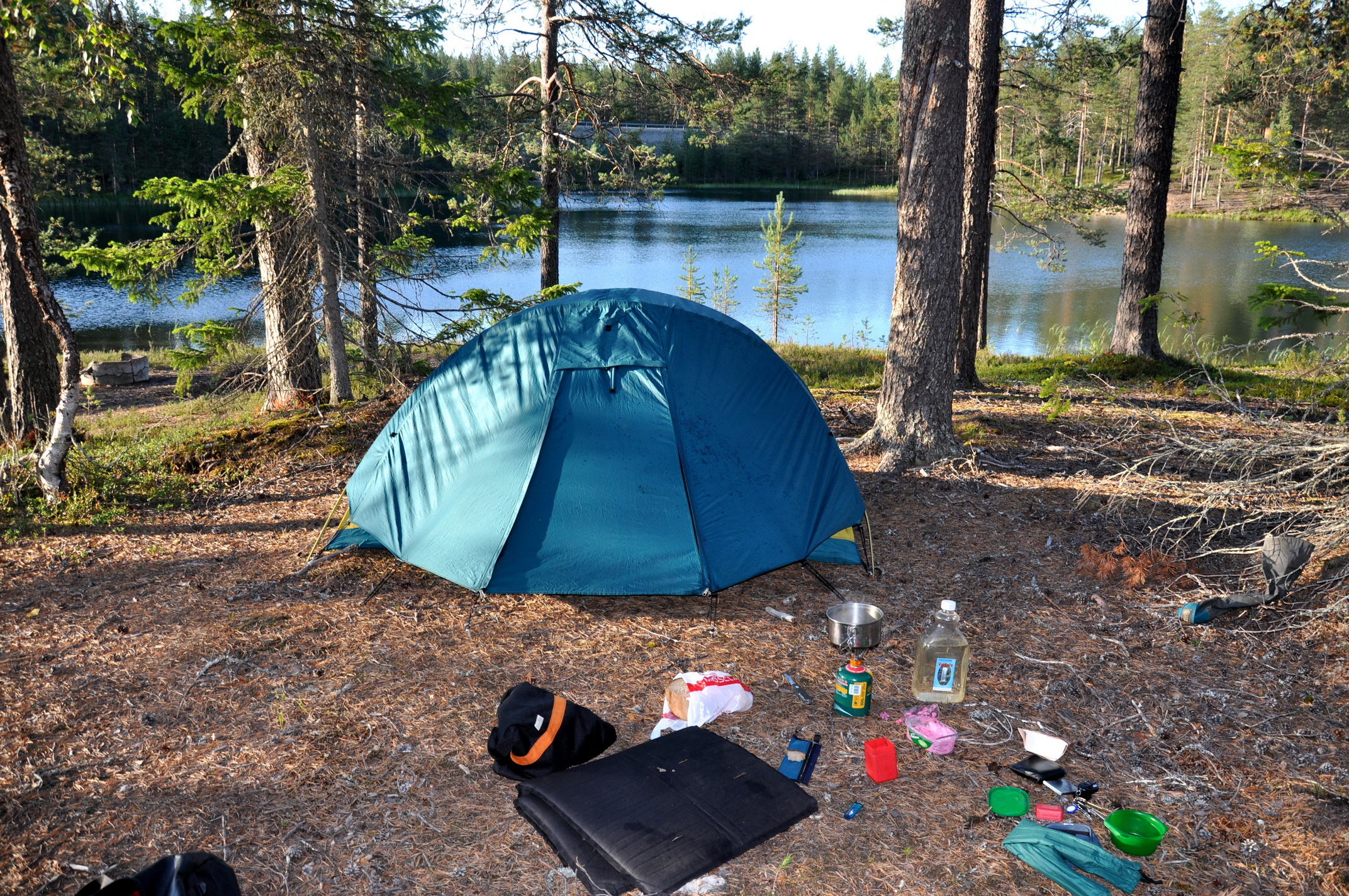
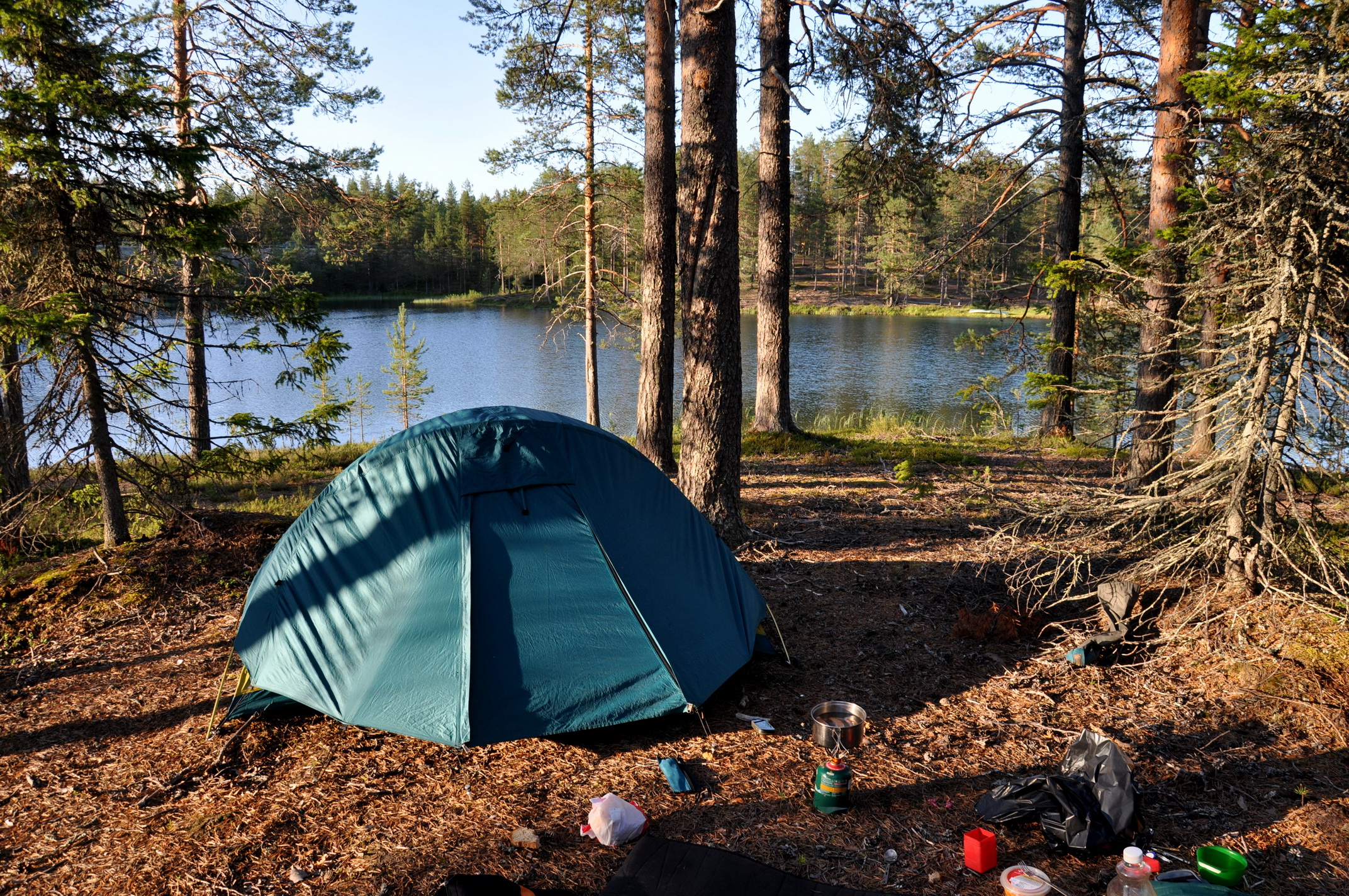
I stopped in the nearest sizeable town, Kemijärvi, to do some shopping. All my hiking clothes were worn out and needed replacing. At first I bought everything in New Zealand, whatever it cost. Now I decided that Finland, which gave me my Schengen visa, deserved the proceeds of my shopping more. The Finnish state, at any rate, had never done me anything but good. I spent the night at a Finnish campground on the Kuusamo–Oulu road (65°32.906′N, 28°09.121′E), by a lake where I went swimming.
I left Finland the next day at Värtsilä. It had been a long time since I’d used that crossing. In the old days, when the queues at Brusnichnoye and Torfyanovka could take half the day, it was easier to drive a couple of hundred extra kilometres than to sit there wilting in the queue. There wasn’t much point anymore, but I wanted to remember those days.
The trip didn’t end there. I spent the night near Kamennogorsk (60°56.418′N, 29°12.782′E), and in the morning got on with my work along the railway from Vyborg to Kamennogorsk. Only then did I return to the office, and to Vyritsa in the evening.
October 2014
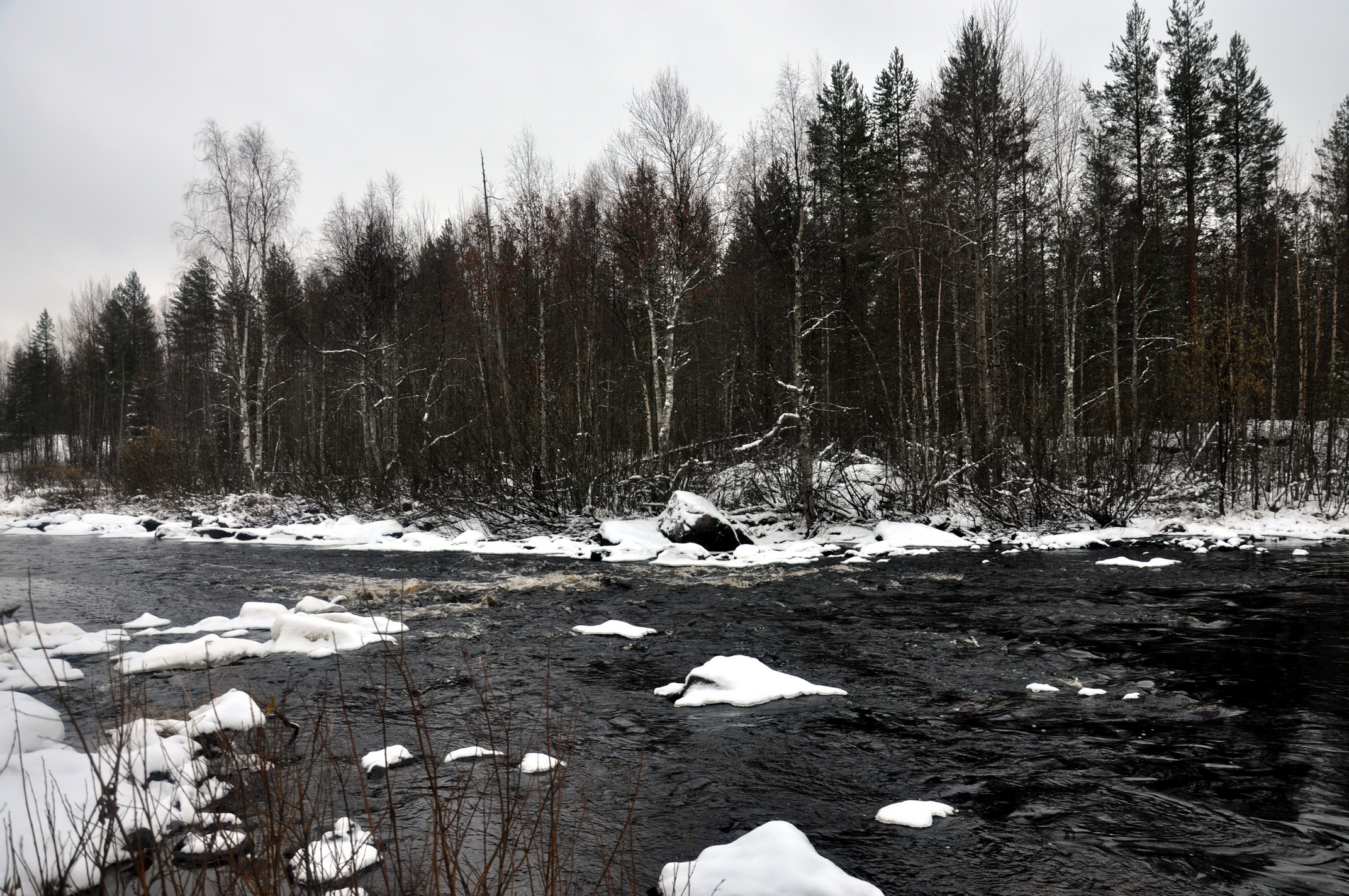
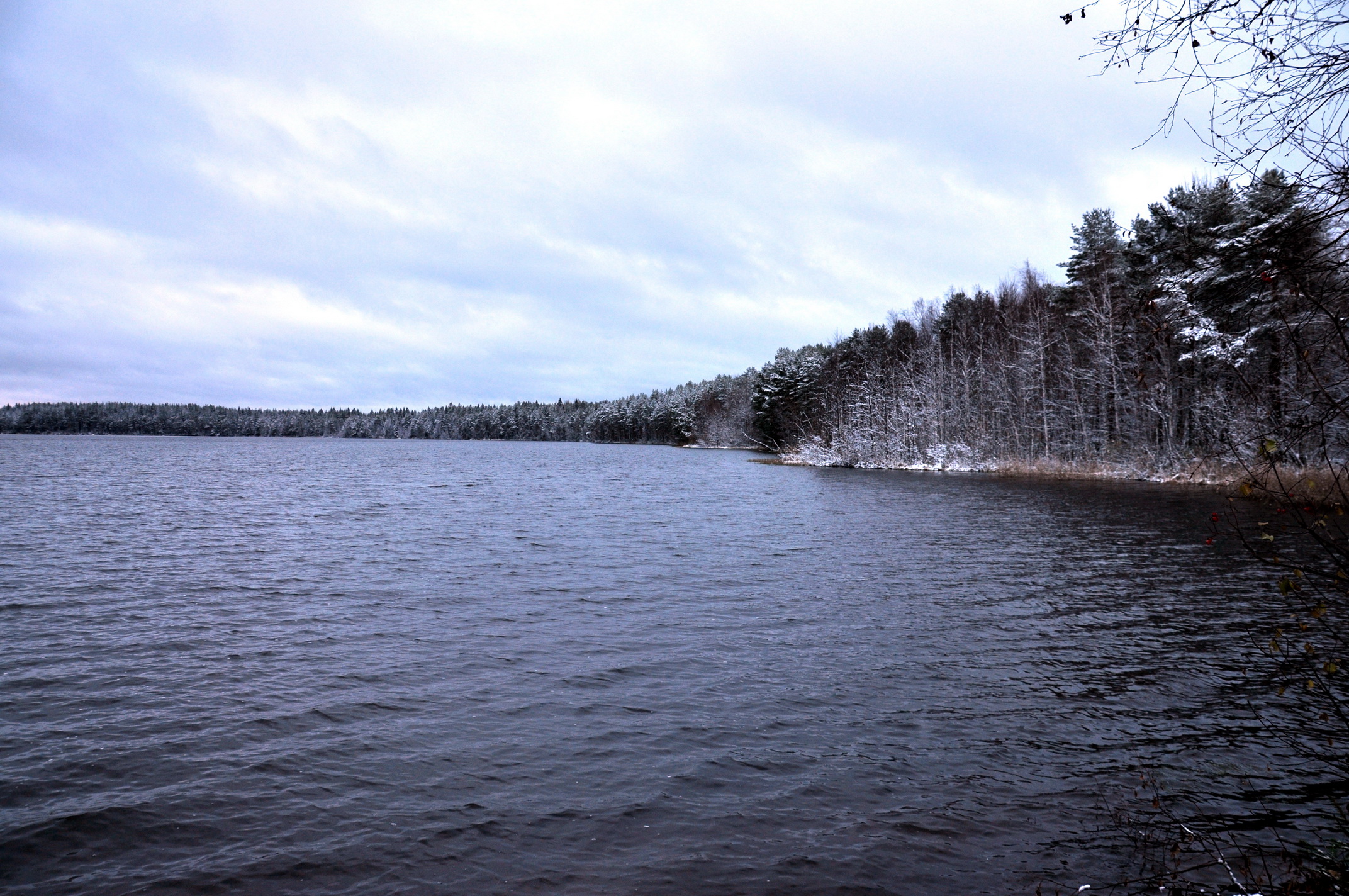
After the summer in Vyritsa I flew to New Zealand and Niue. Then it was October and the next round of maintenance was due. While I was dealing with more urgent matters, the frost set in without warning. Snow fell even in Saint Petersburg. It always makes a trip more complicated. The roads are slippery and pitching a tent is awkward. Of course I could get the installers to do the job, but I want to go myself. I set off from the office in the evening. It’s cold and I’m coming down with a cold myself. By Lodeynoye Pole my throat hurts and I have to find a pharmacy quickly. I buy some pills and sprays, but the best treatment is a night in the tent. I stopped for the night soon after crossing into Karelia, by Lake Lindoyarvi (61°03.317′N, 32°58.867′E). There isn’t much snow yet and it’s easy enough to clear with a spade.
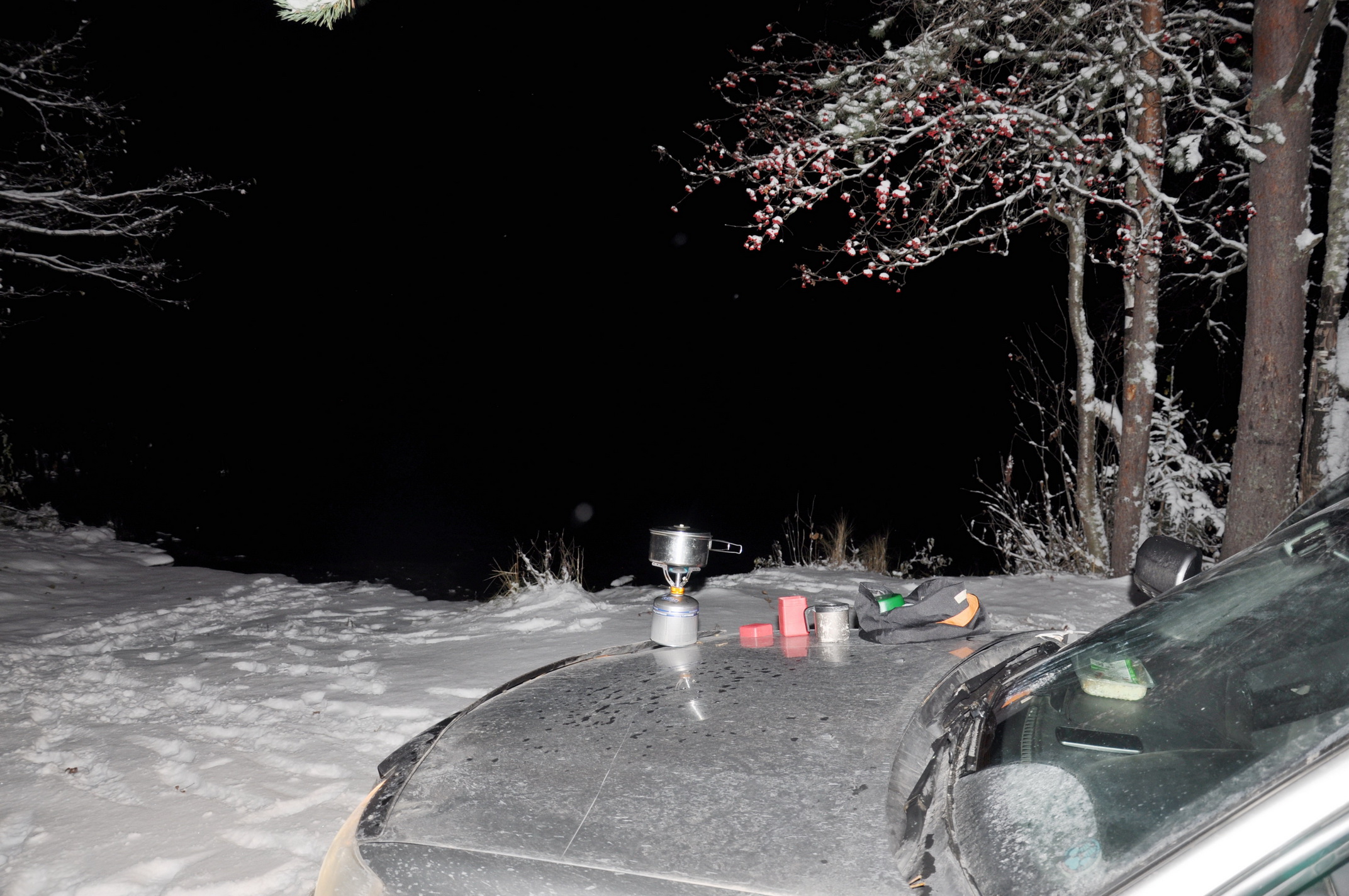
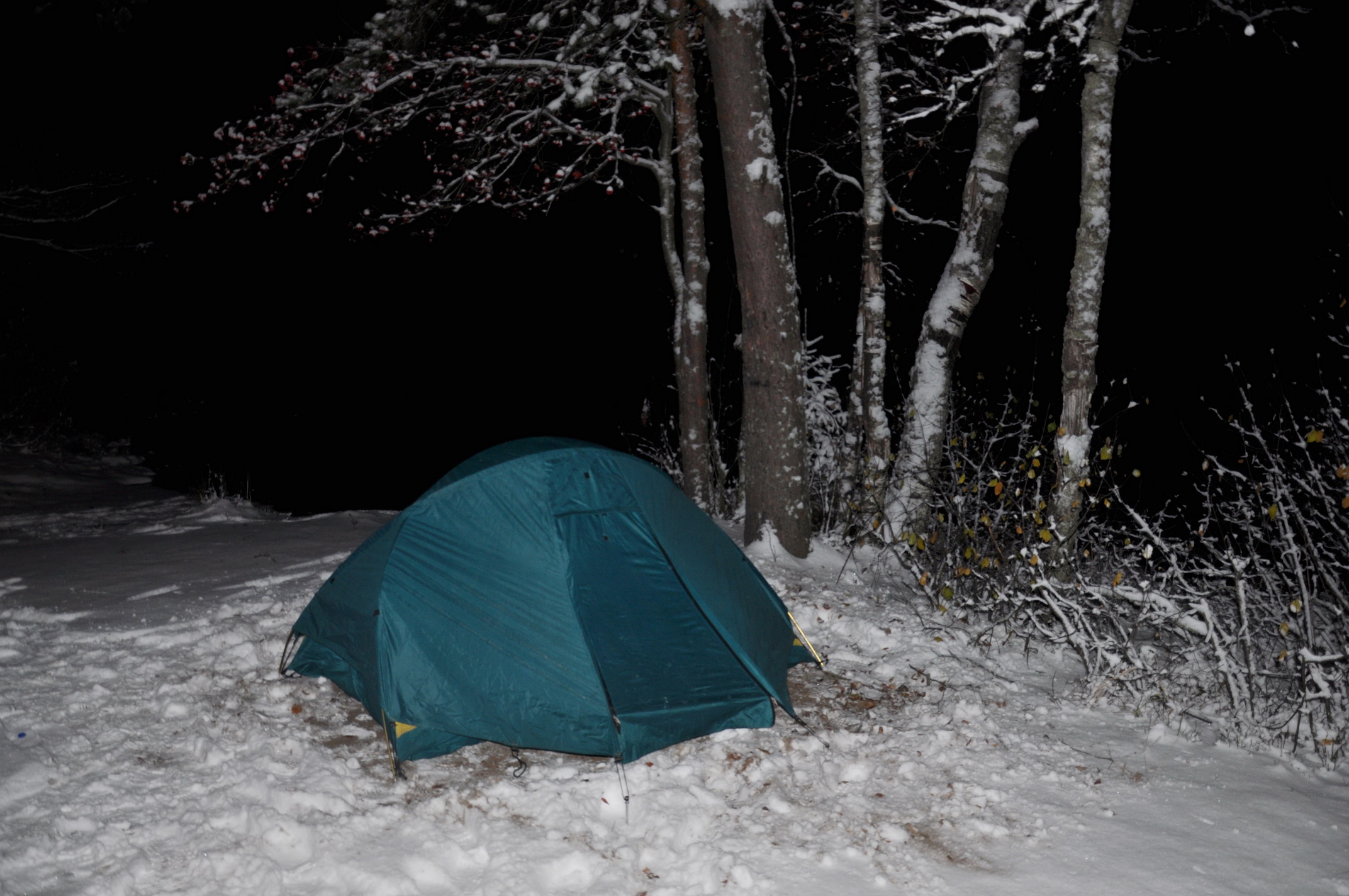
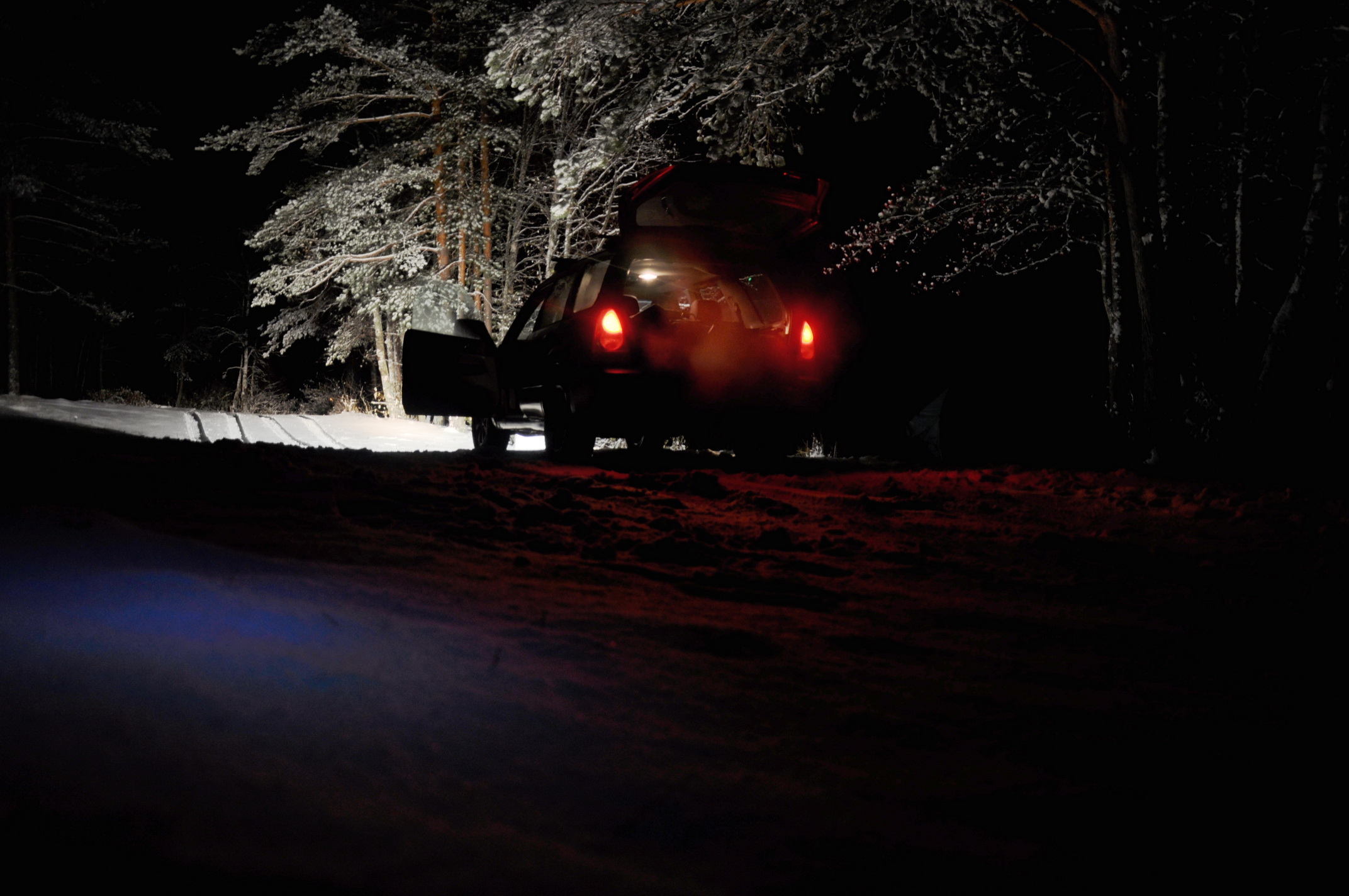
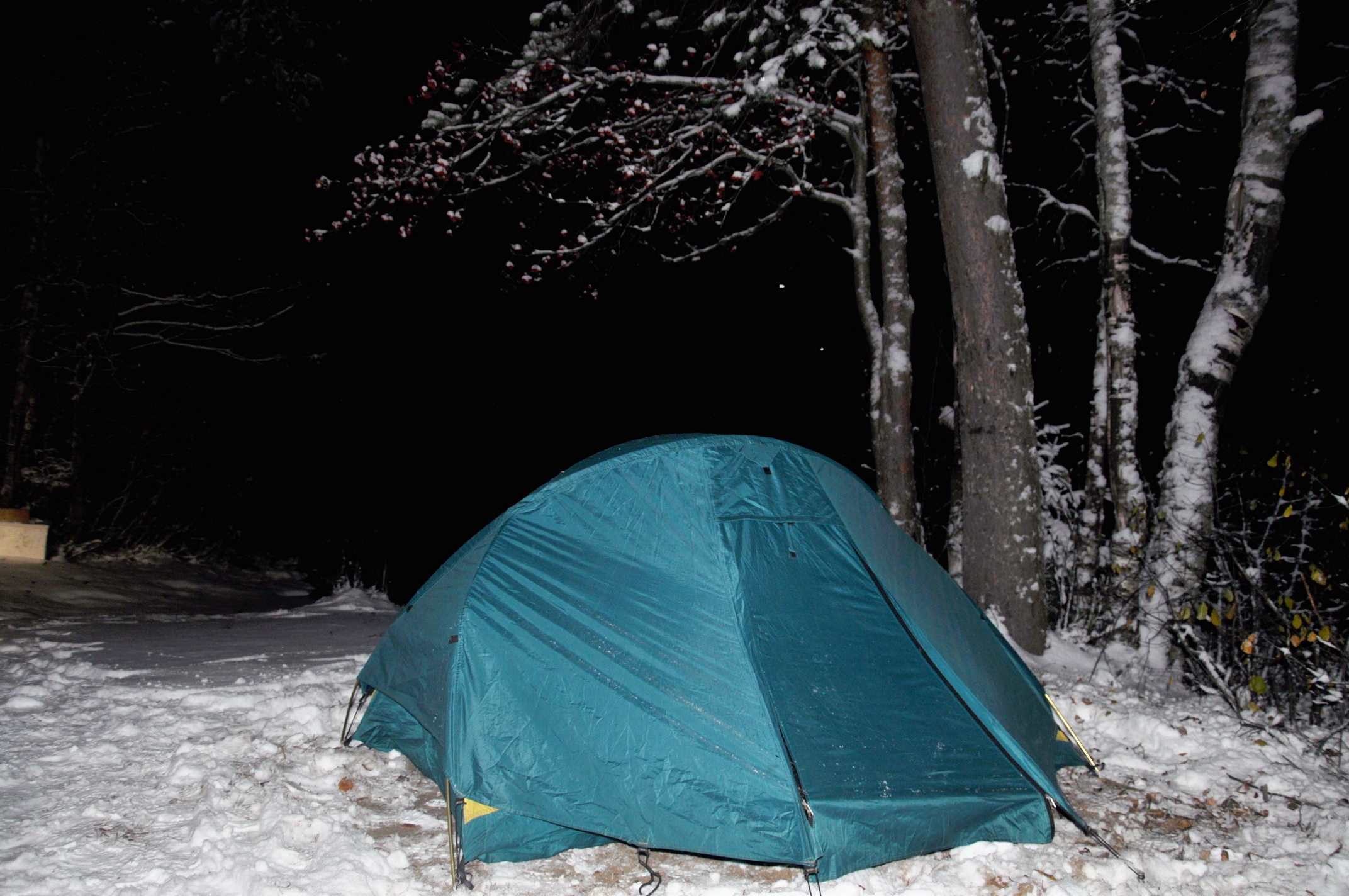
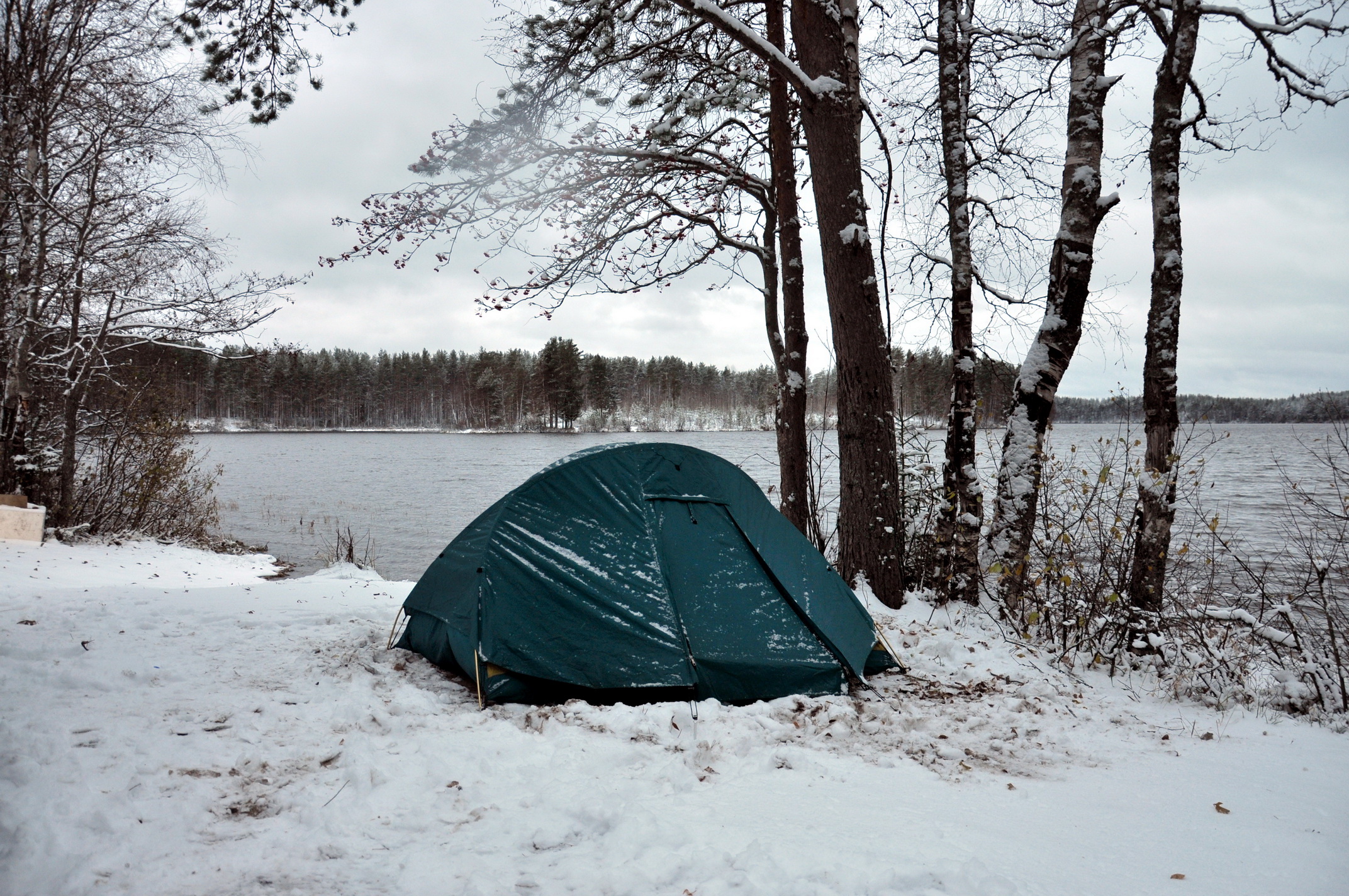
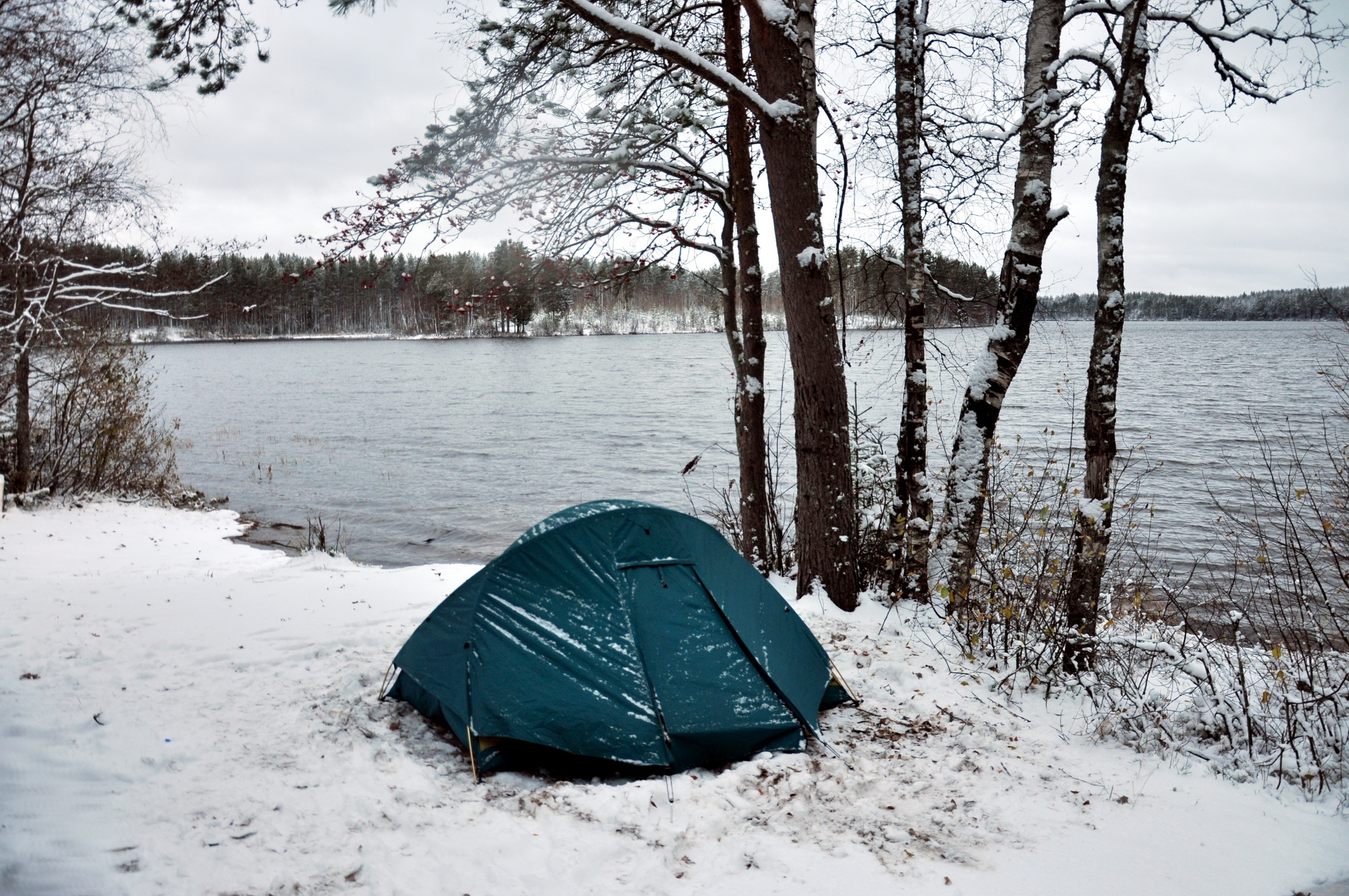
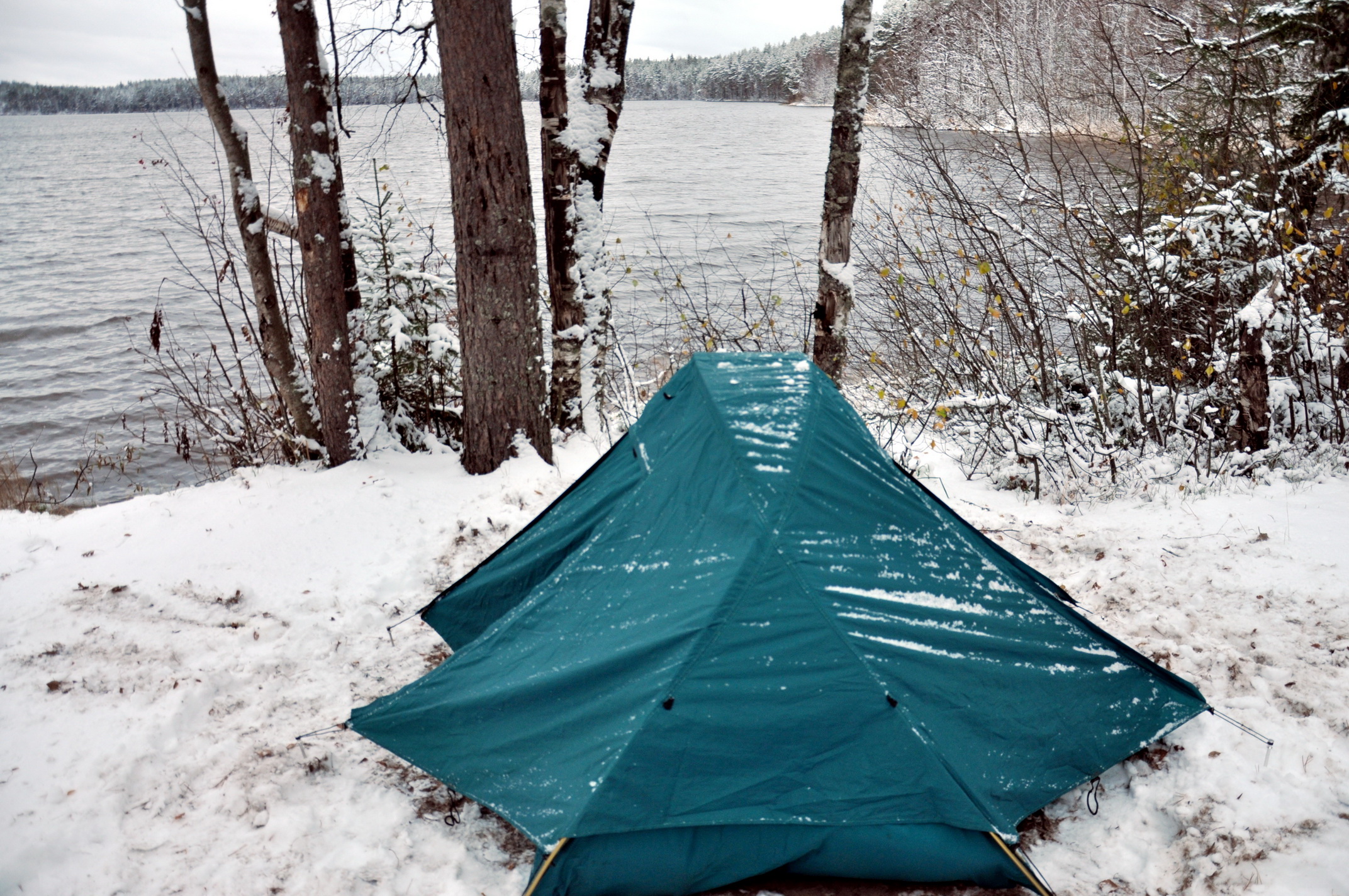
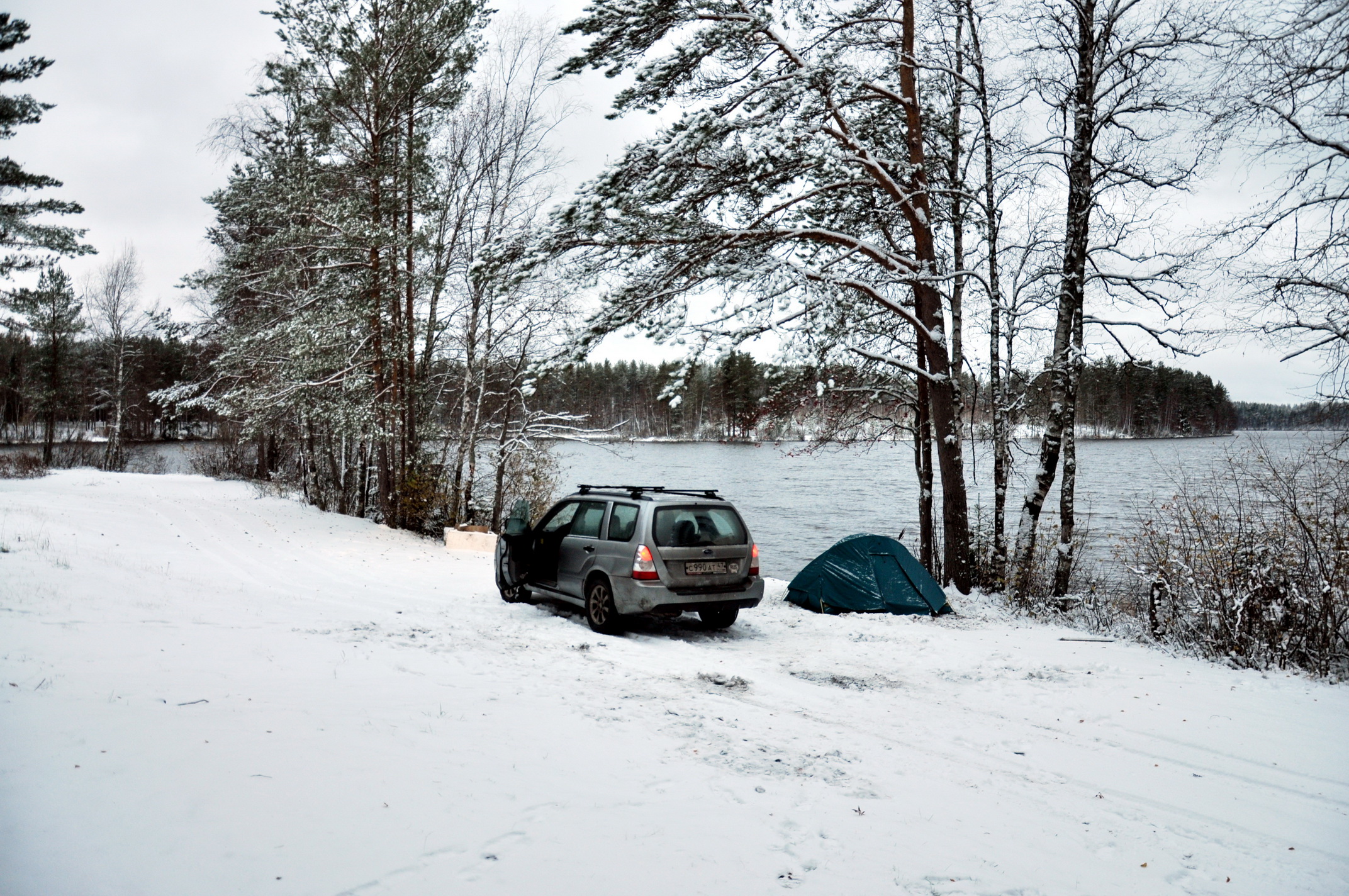
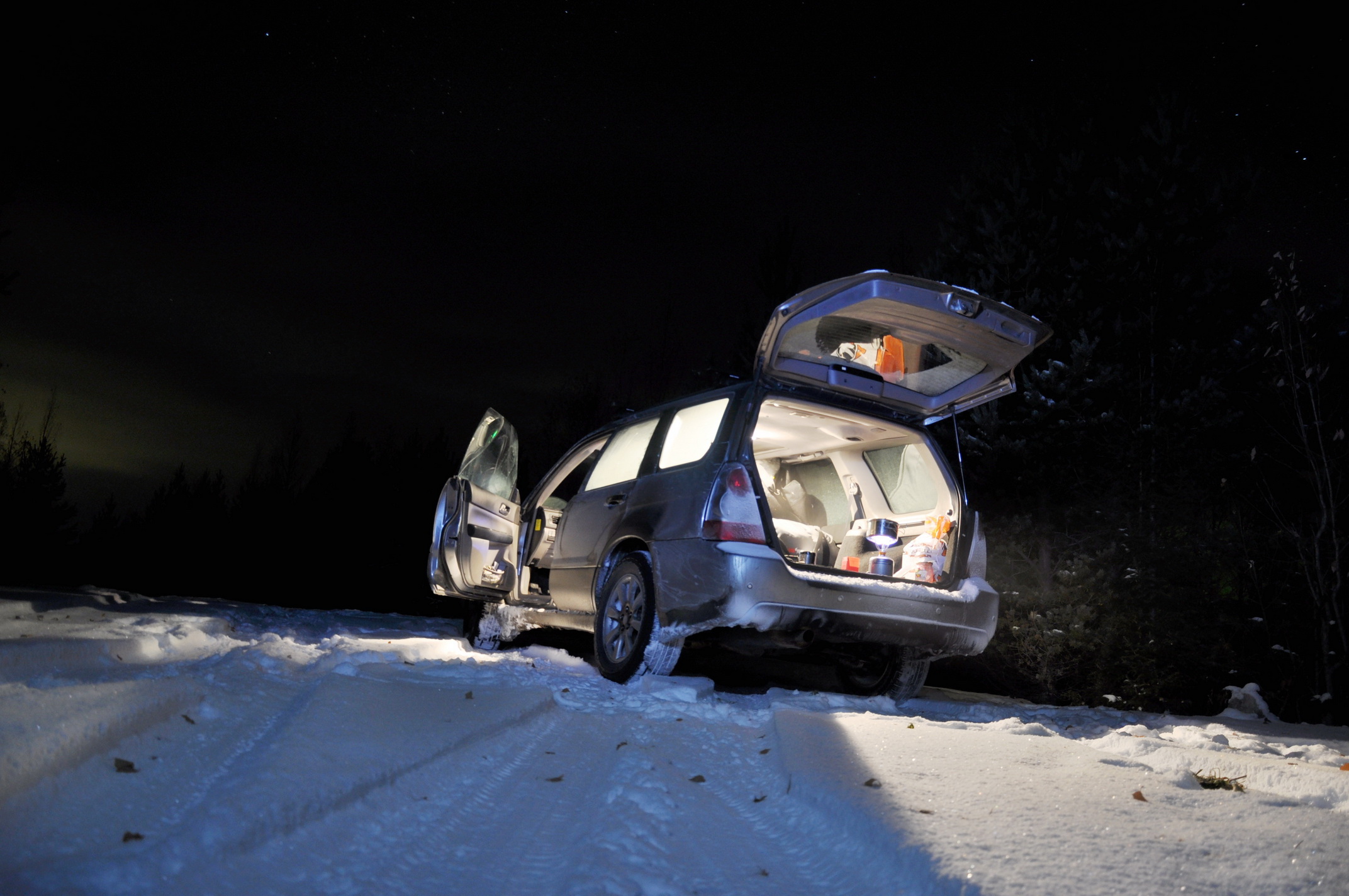
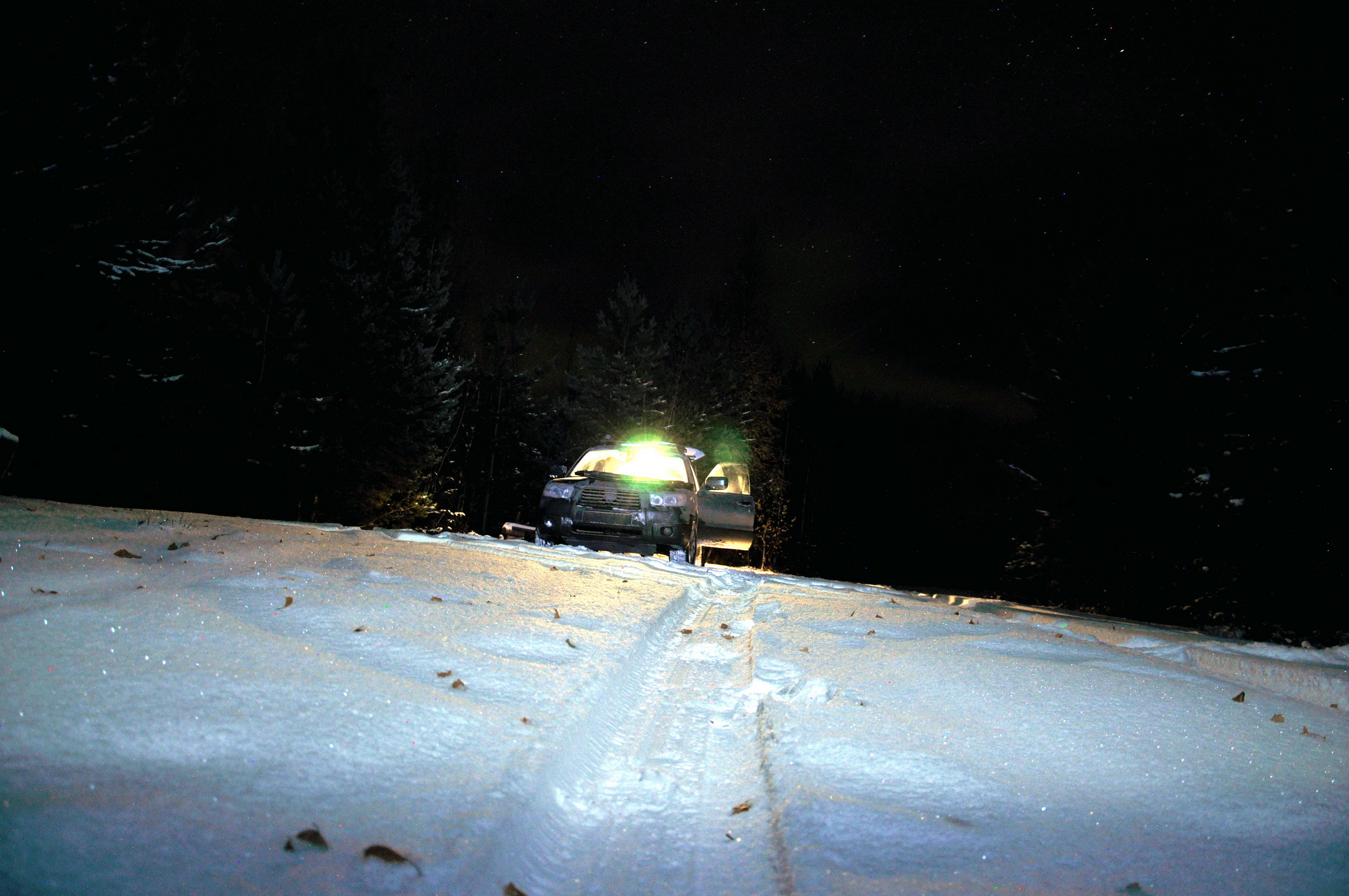
After the next day’s work in Petrozavodsk I spent the night near Medvezhyegorsk. I drove a little way towards Povenets. Freezing temperatures have their pluses as well as their minuses. The mud turns to stone and the car can get into places you can’t even reach on foot in a thaw. I spent the night at the peat workings (62°52.157′N, 34°43.018′E). The temperature was already below −25 °C in the evening. I try not to pitch my tent below −20, so I slept in the car. In the morning it was minus thirty.
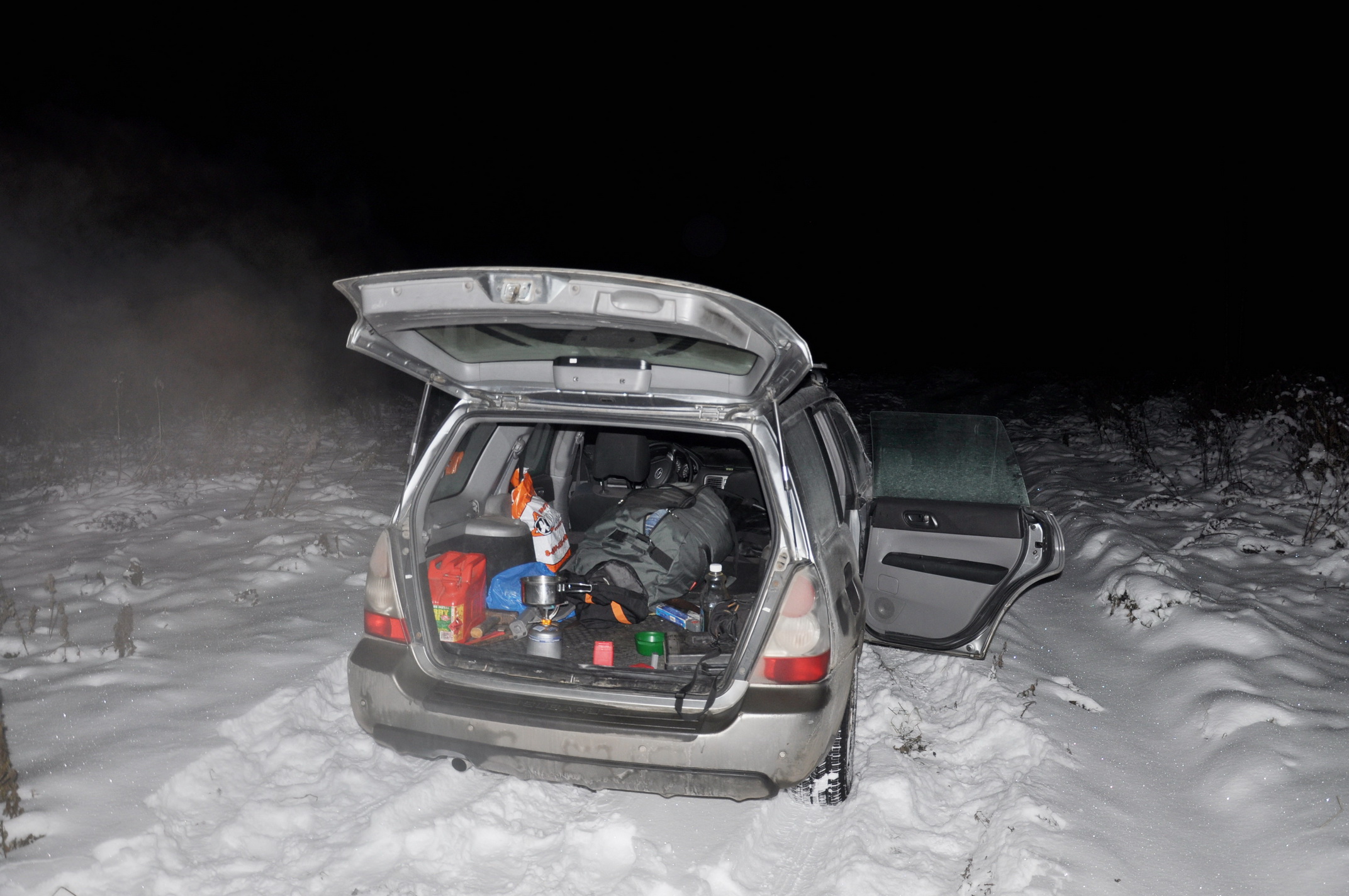
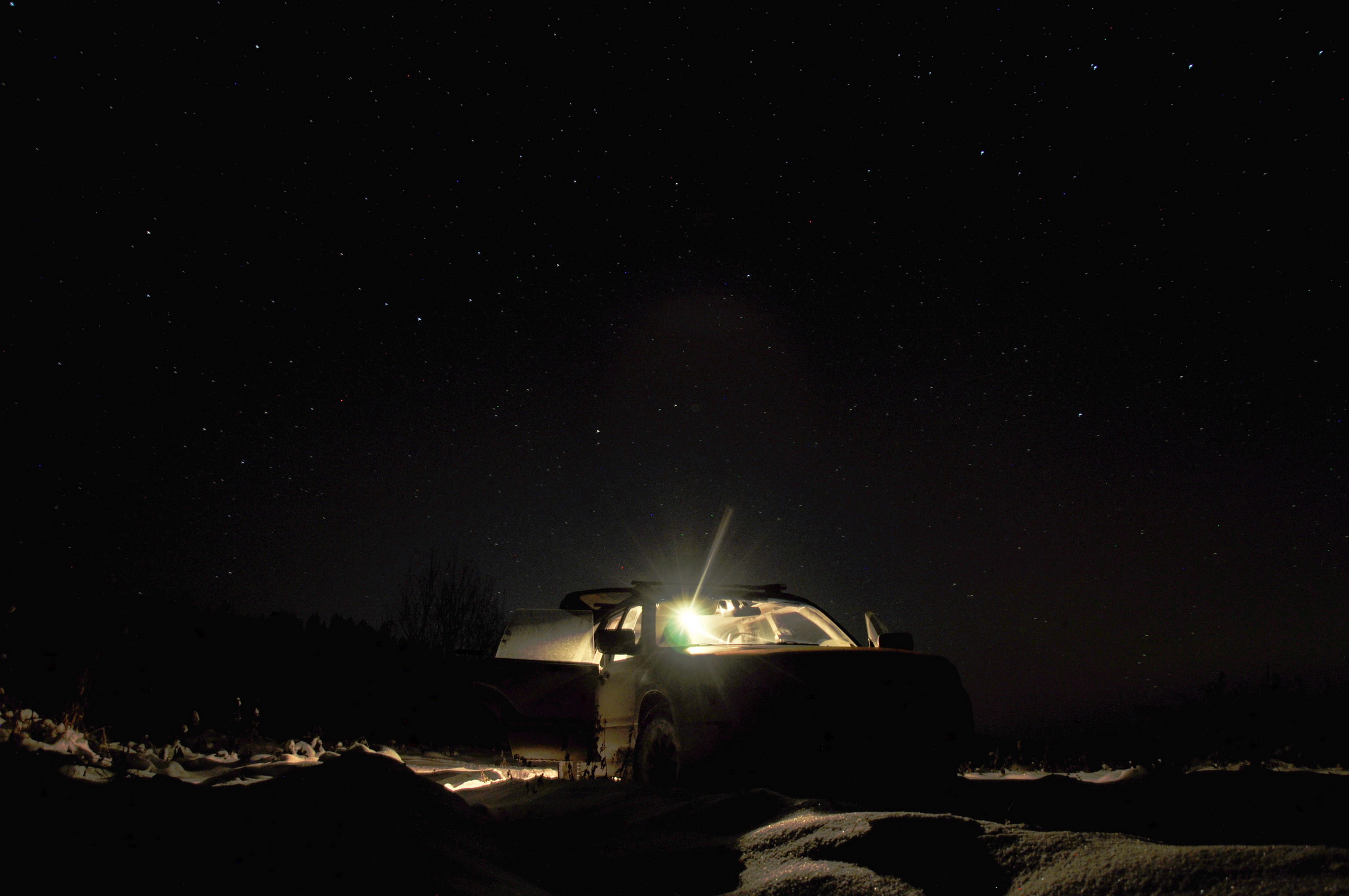
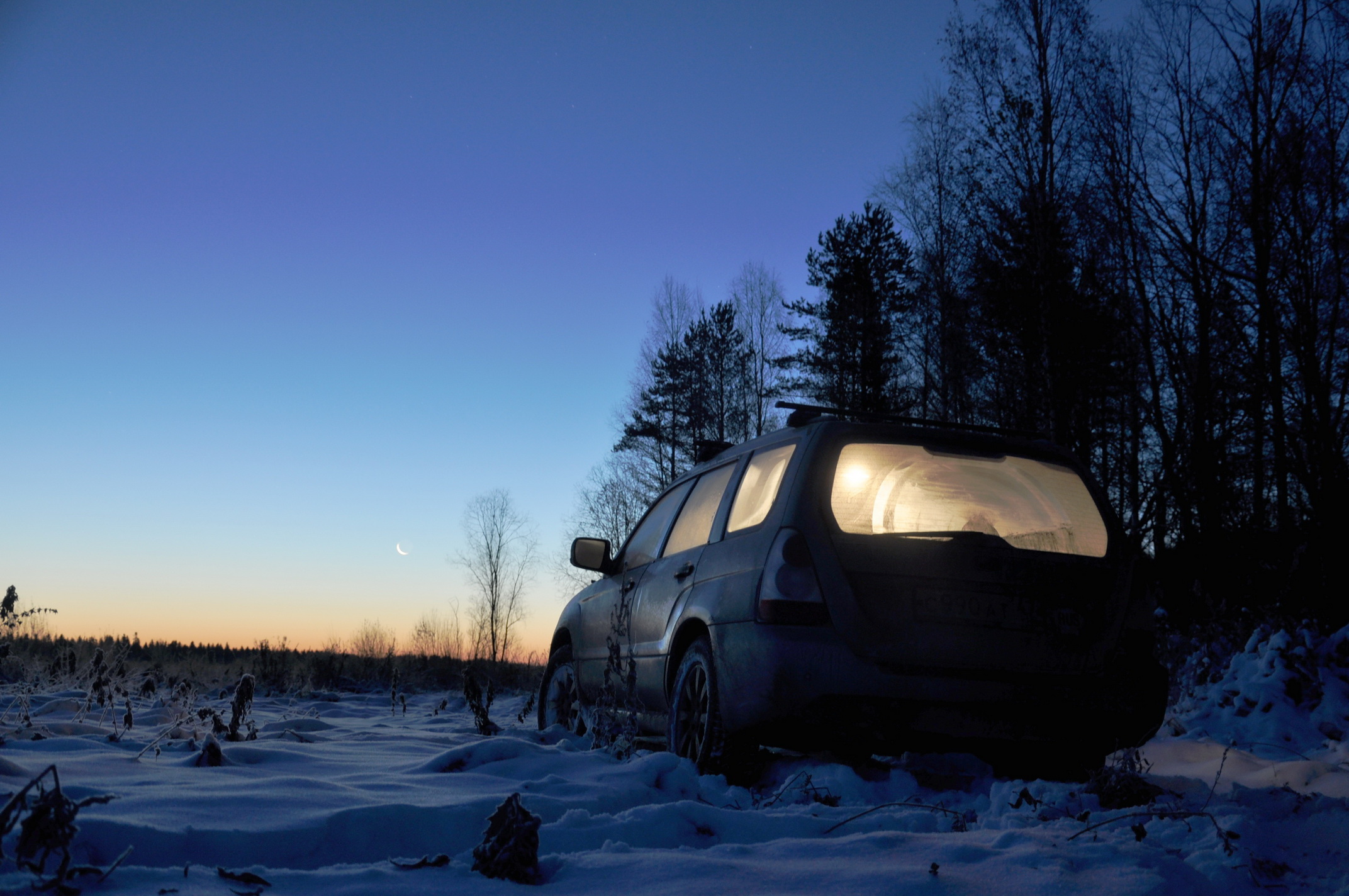
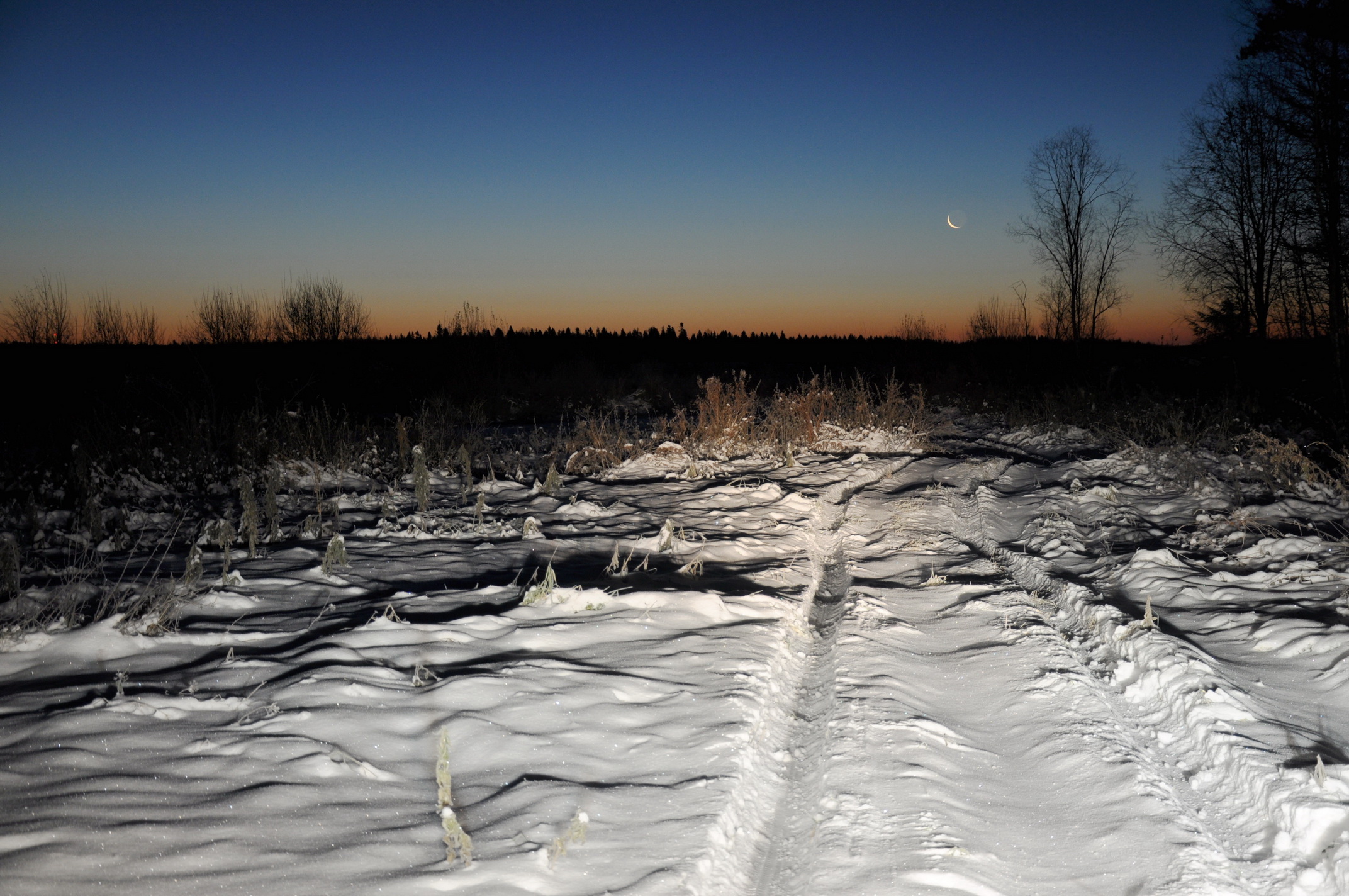
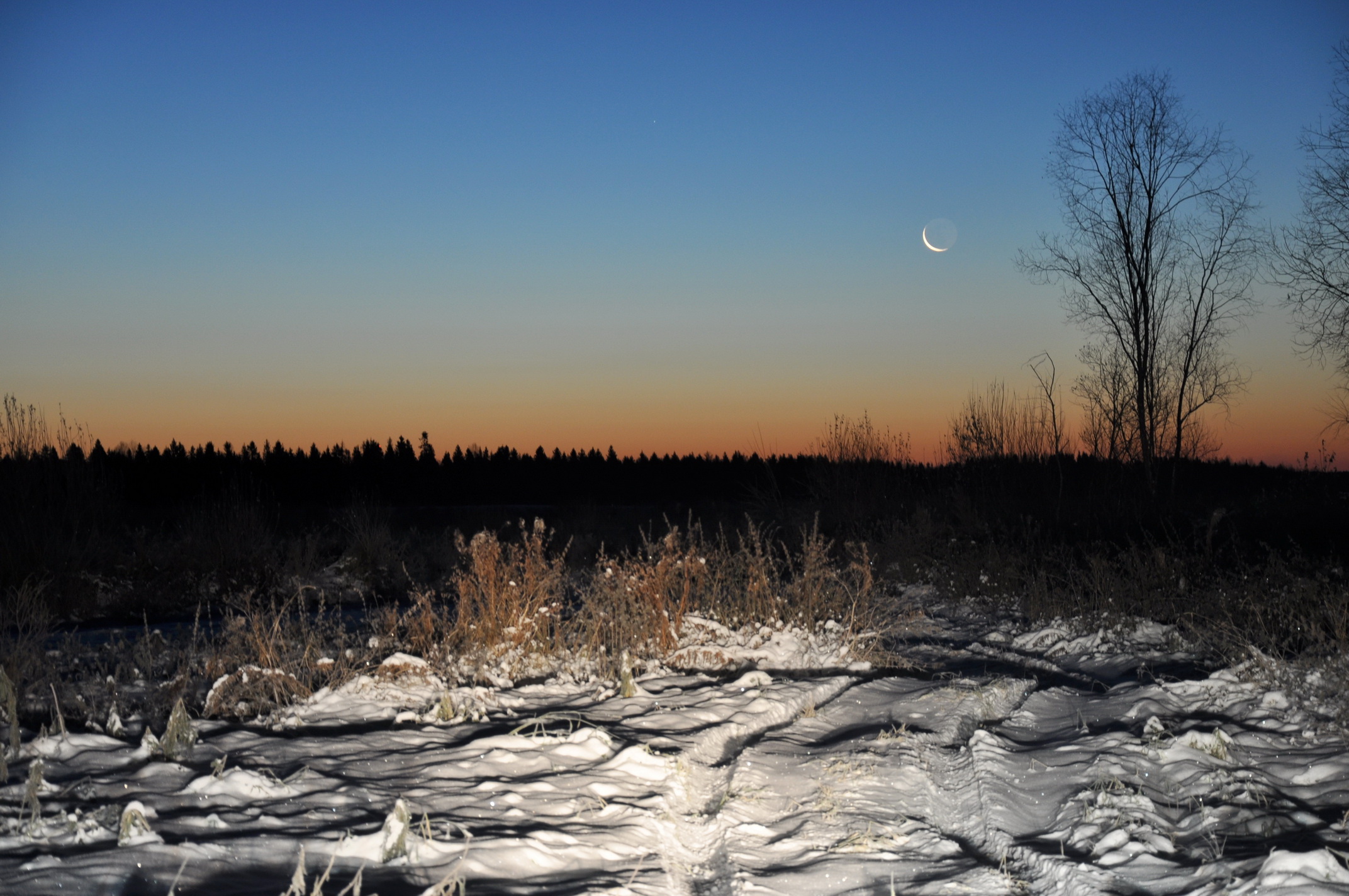
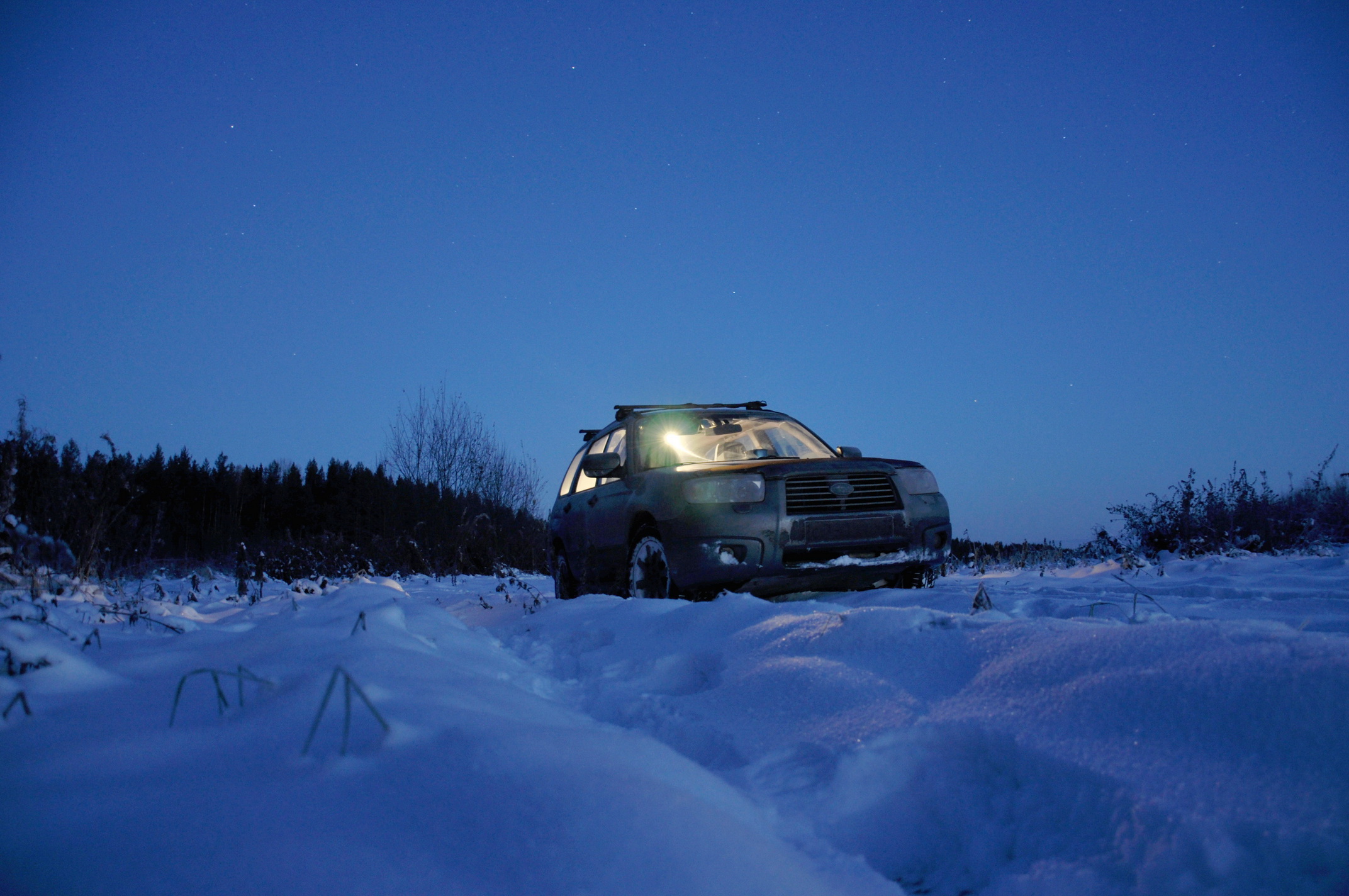
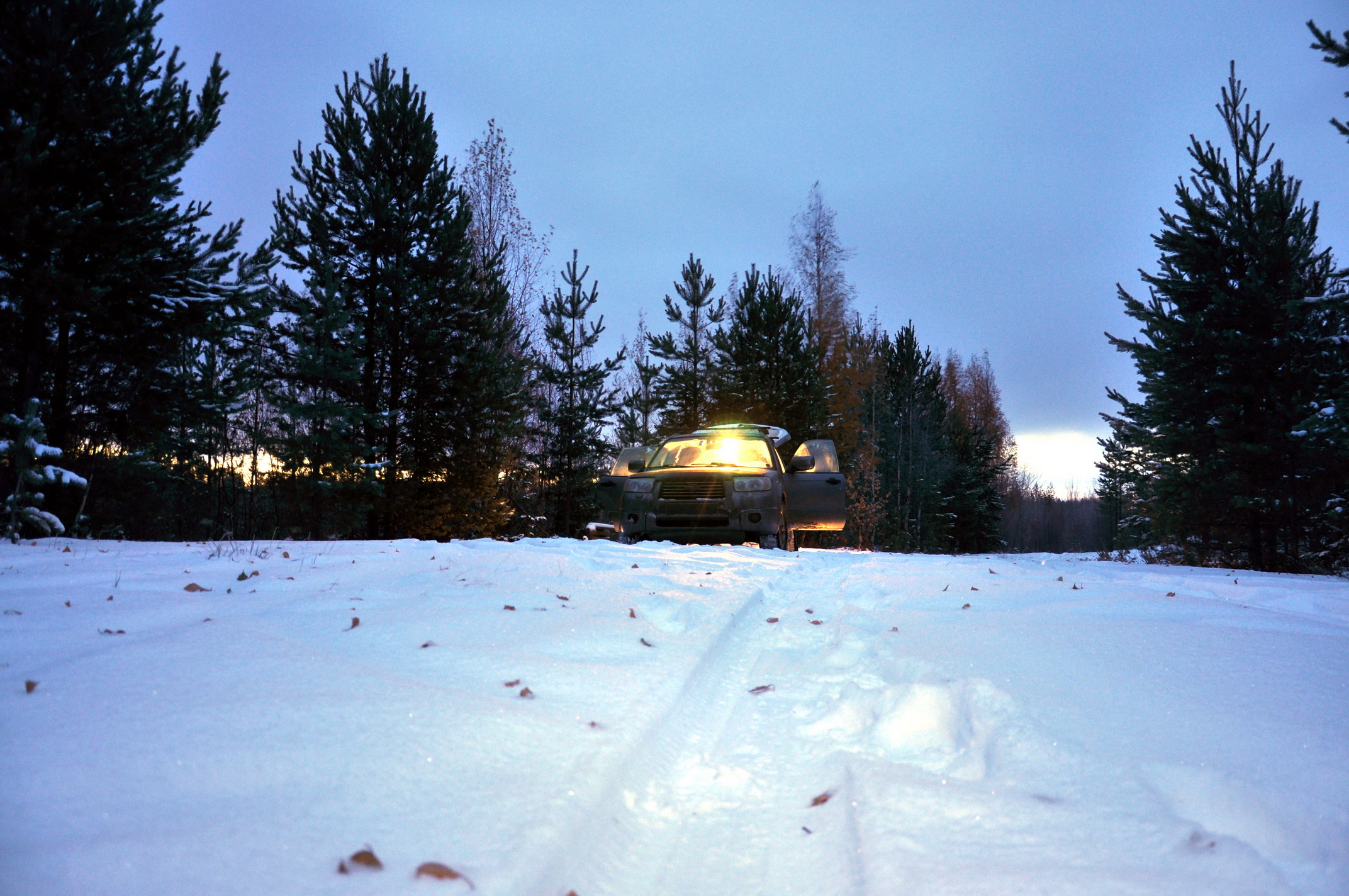
I spent the night near Sumsky Posad in the car as well, on the road to Kolezhma by Lake Vekhozero (64°13.551′N, 35°35.430′E). It was freezing again and I didn’t feel like climbing into the tent.
Russia had clearly got back on its feet, so naturally they cancelled the local train to Malenga. It wasn’t profitable and there was no money in the budget. The railway workers themselves were the first to suffer.
You can’t maintain a railway where there are no roads and no local trains. You can’t fit everybody in a locomotive either, so they had to put on a staff train on the same timetable. Only railway employees could use it. I dealt with that easily enough: I put on a yellow railway jacket with the signalling department’s initials, ШЧ, and with a brazen look rode for free. The other locals did the same. What else were they meant to do? Die in the tundra?
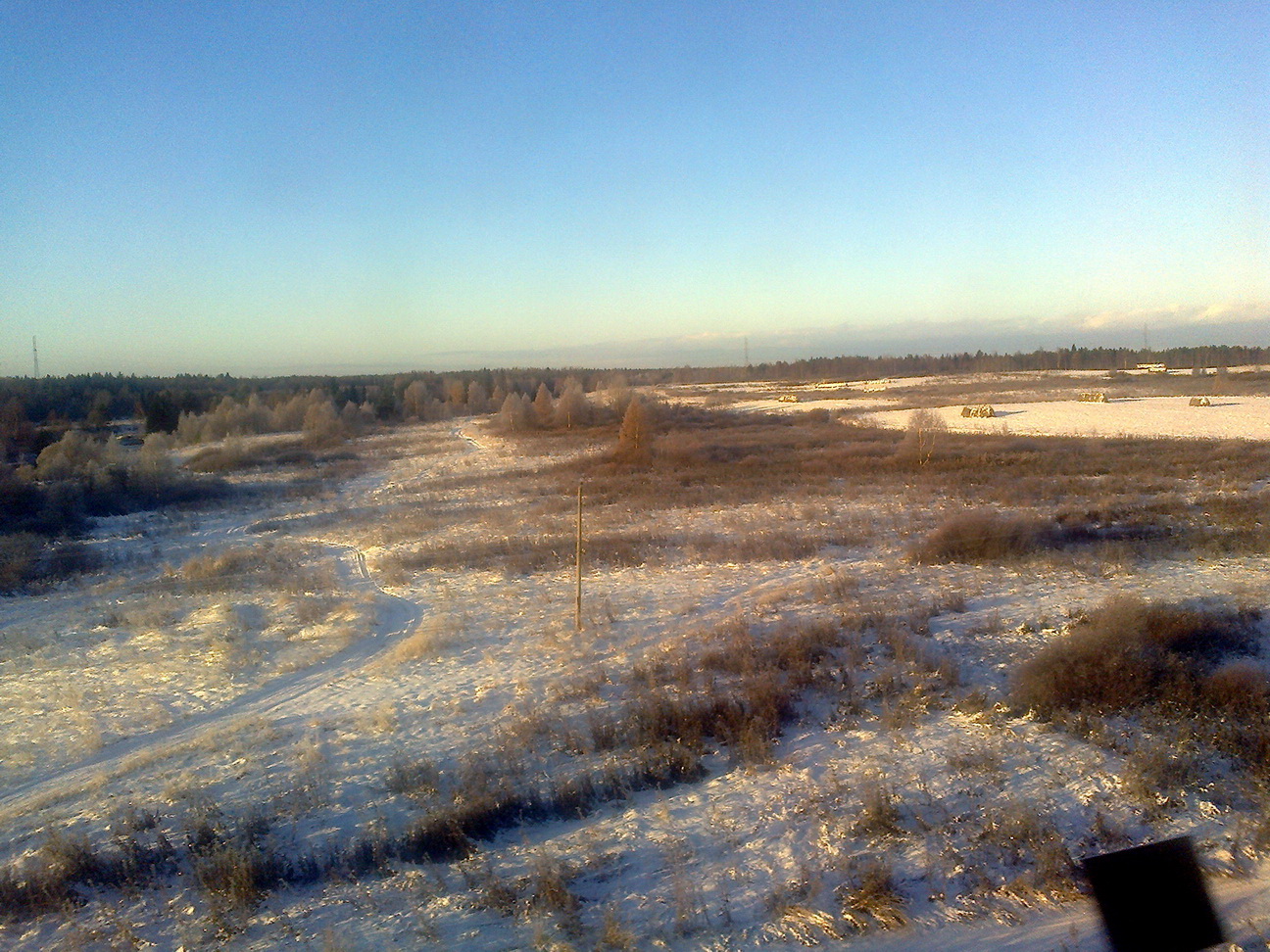
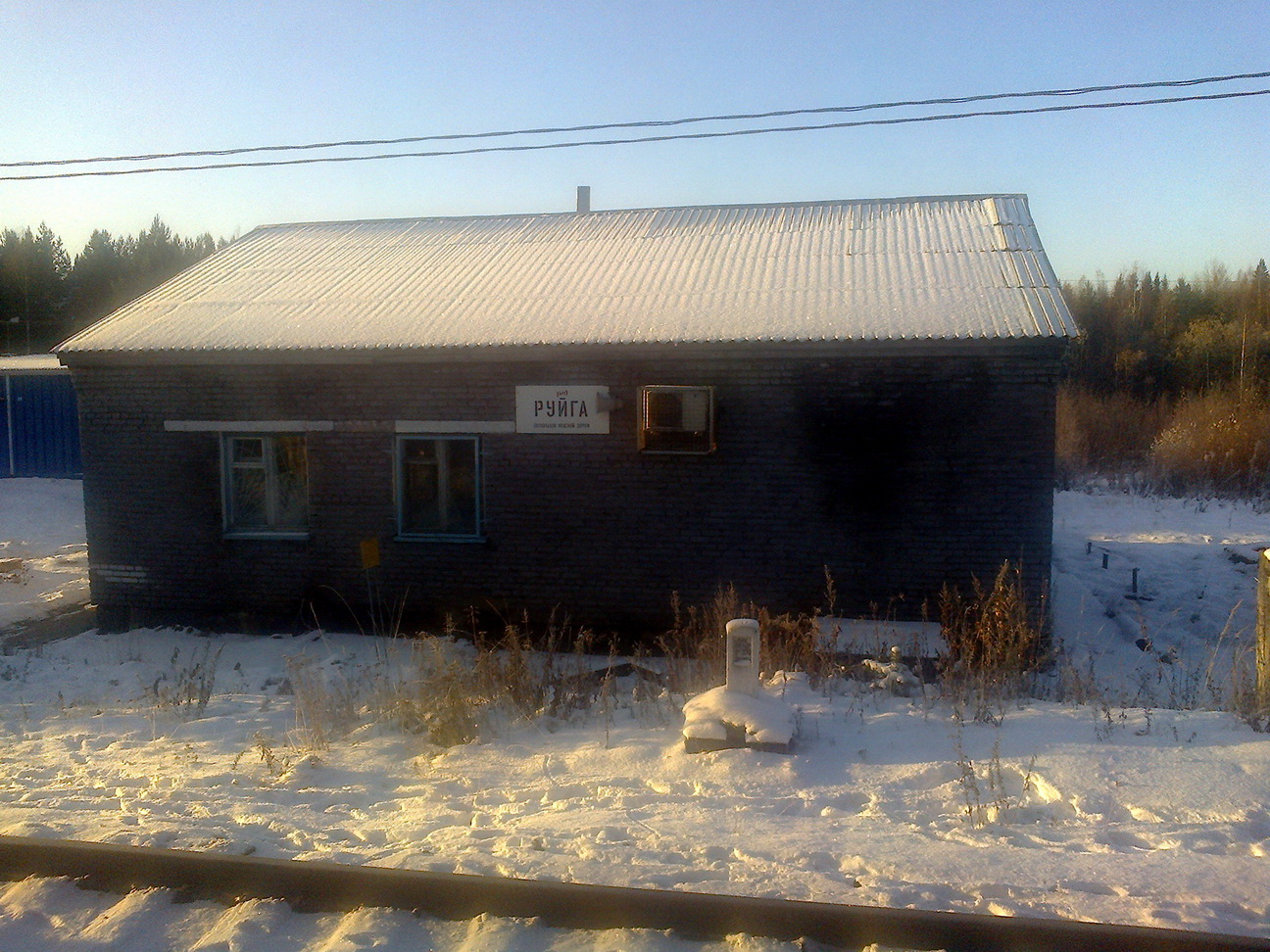
I got to Kem in the evening. It was already below minus thirty by nightfall. It was time to get warm and have a wash. In Rabocheostrovsk I stayed at the Prichal Hotel, built for tourists waiting for the boat to Solovki. A very good hotel (64°59.471′N, 34°47.139′E).
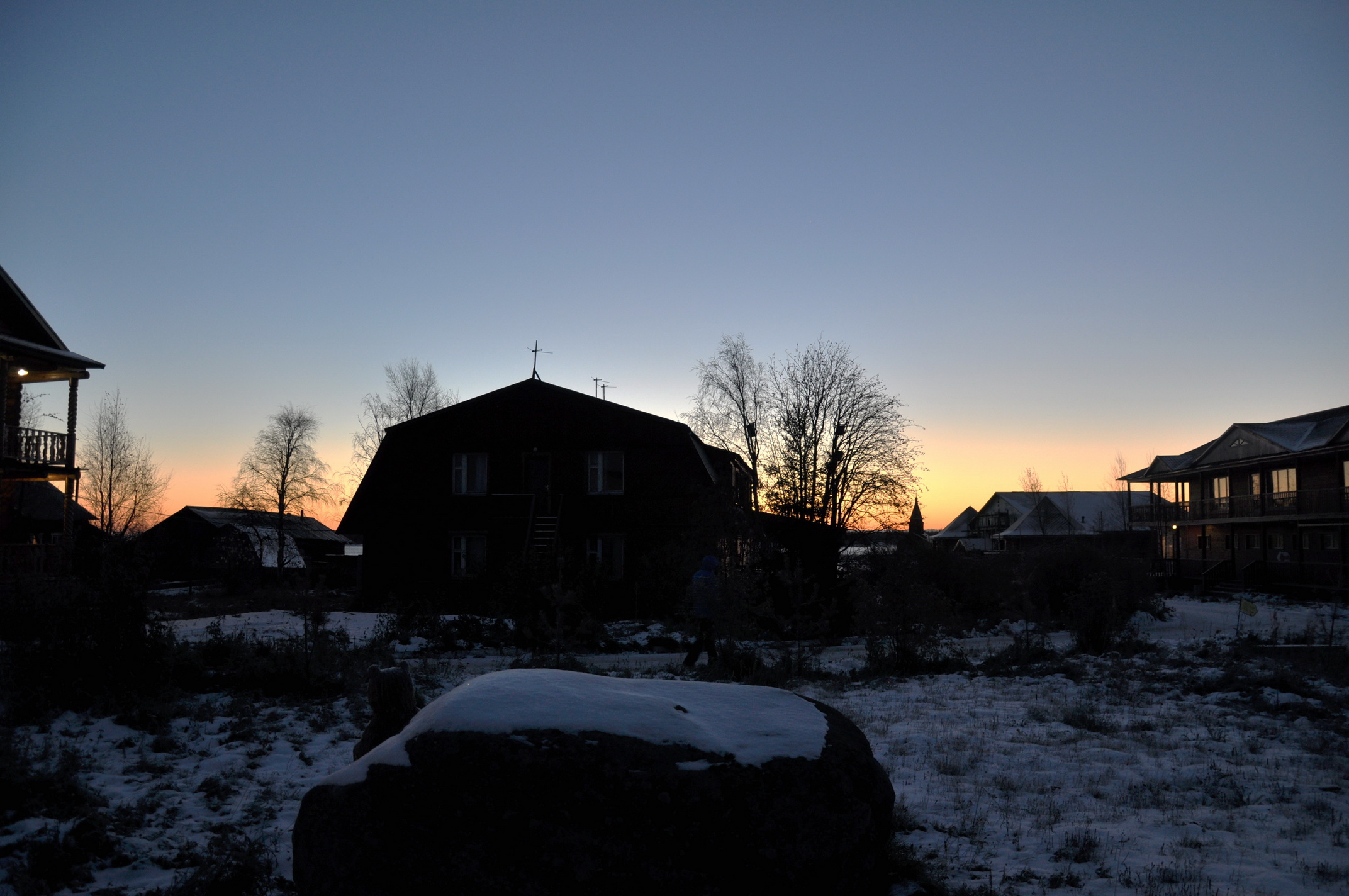
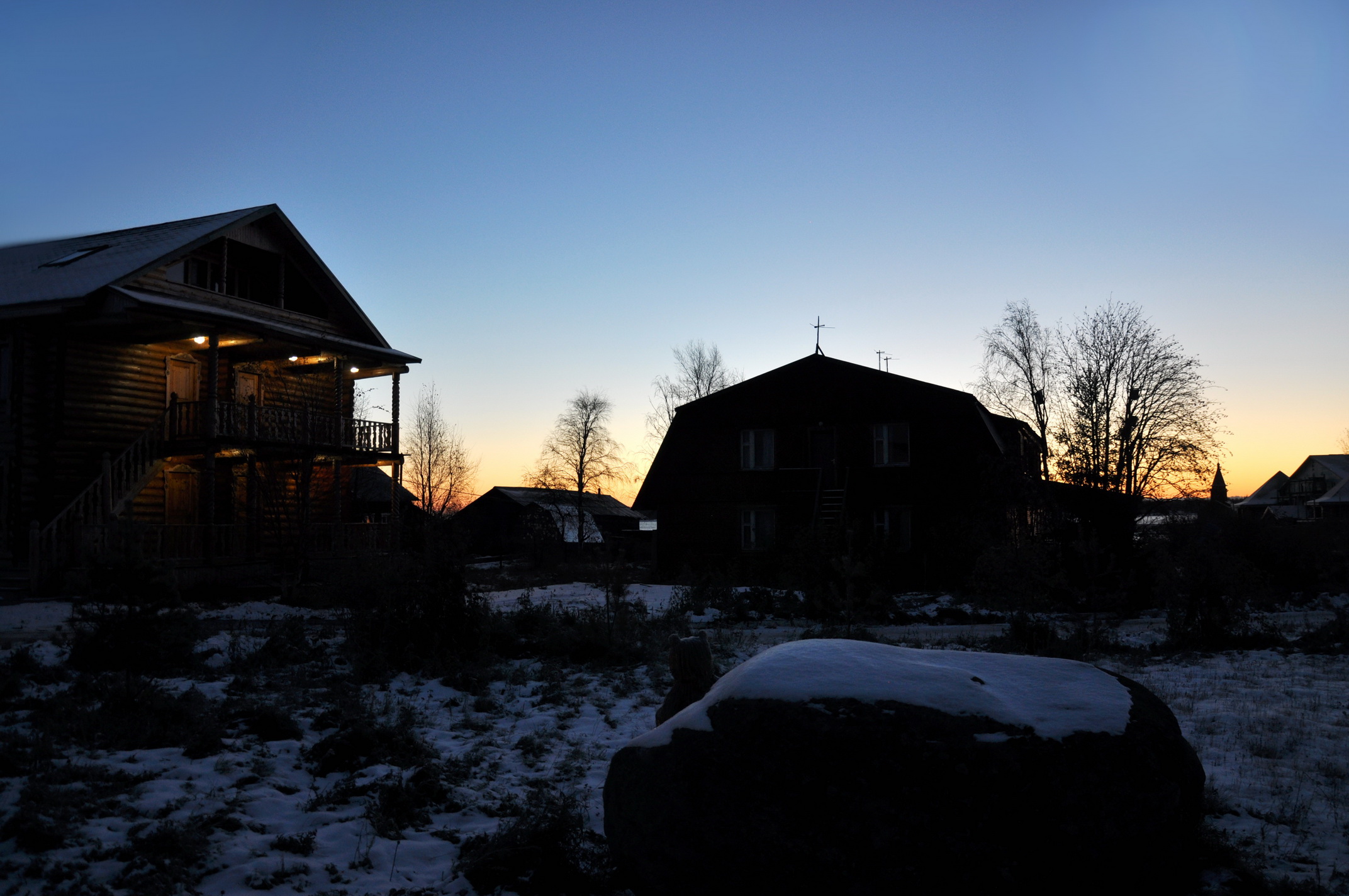
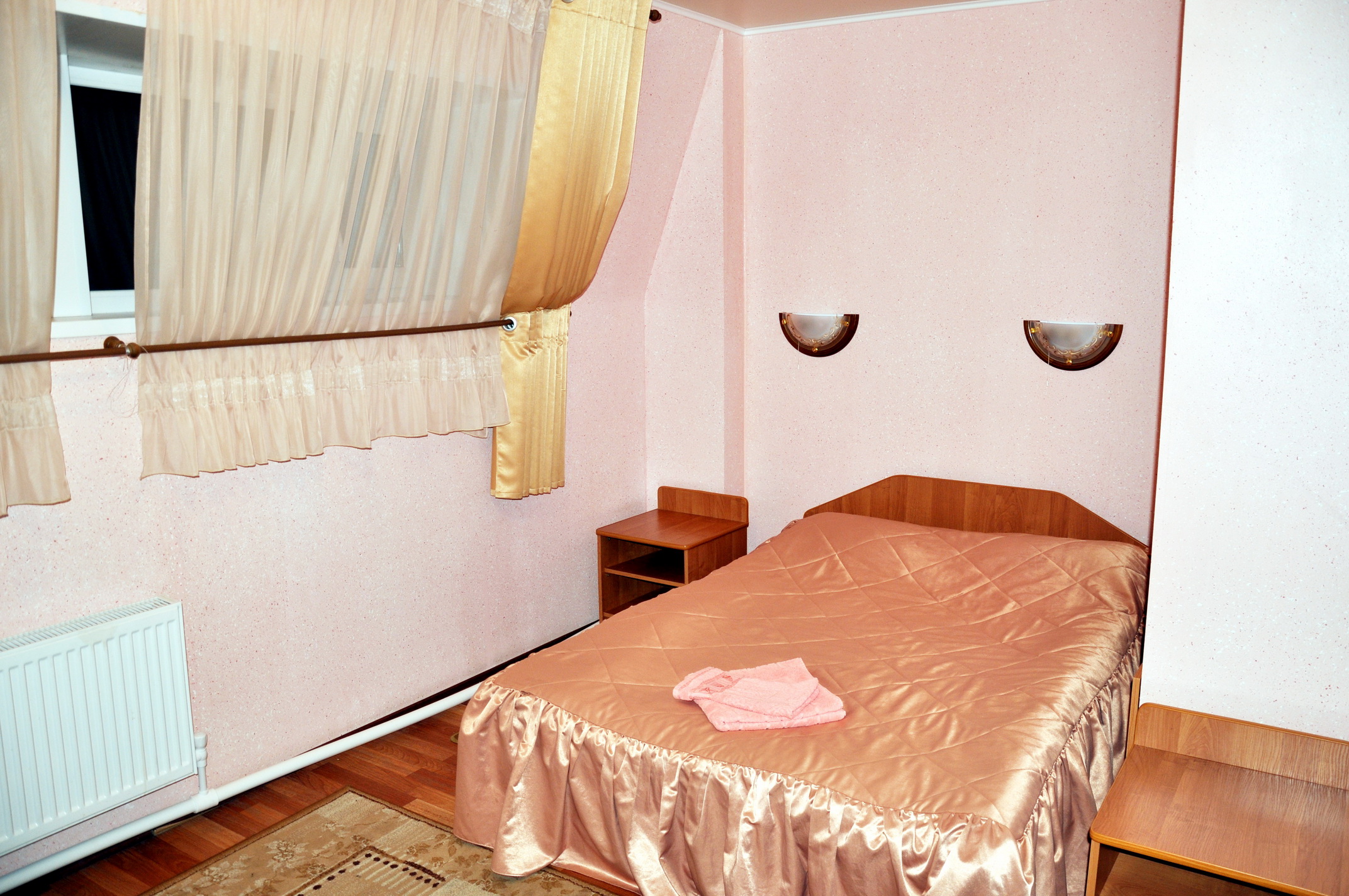
After Kem I had some time to myself. I didn’t go to Finland this time. On Sunday I had to pick up a faulty cylinder of fire suppressant from Medvezhyegorsk.
I had two free nights and a day. I decided to go west from Loukhi, then follow the border as far as Kostomuksha. I’d never been this way. The weather was warming and a strong low-pressure system was moving in. There was a storm warning on the radio. Tomorrow the whole place would be buried. I had no idea how I was going to get back out along those little roads, but I reckoned it was safer than a thousand kilometres on a busy highway. From Kestenga I turned north towards the village of Zasheyek. To my surprise there was no snow here, and there hadn’t been any. I decided not to go too far. It’s really wild country, and if I got stuck nobody would find me before spring. I camped on the shore of little Lake Shernitselampi (65°58.640′N, 31°47.650′E).
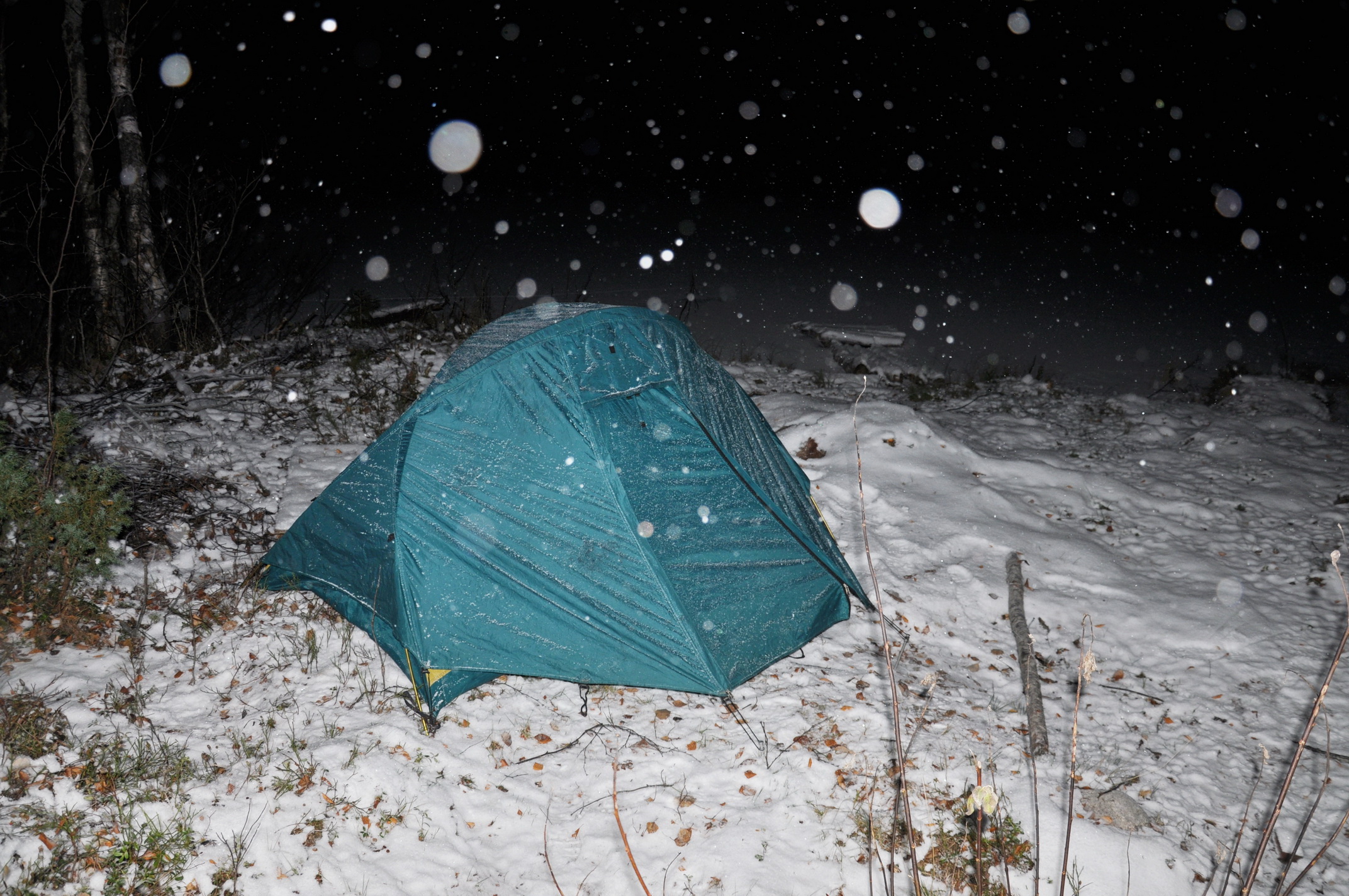
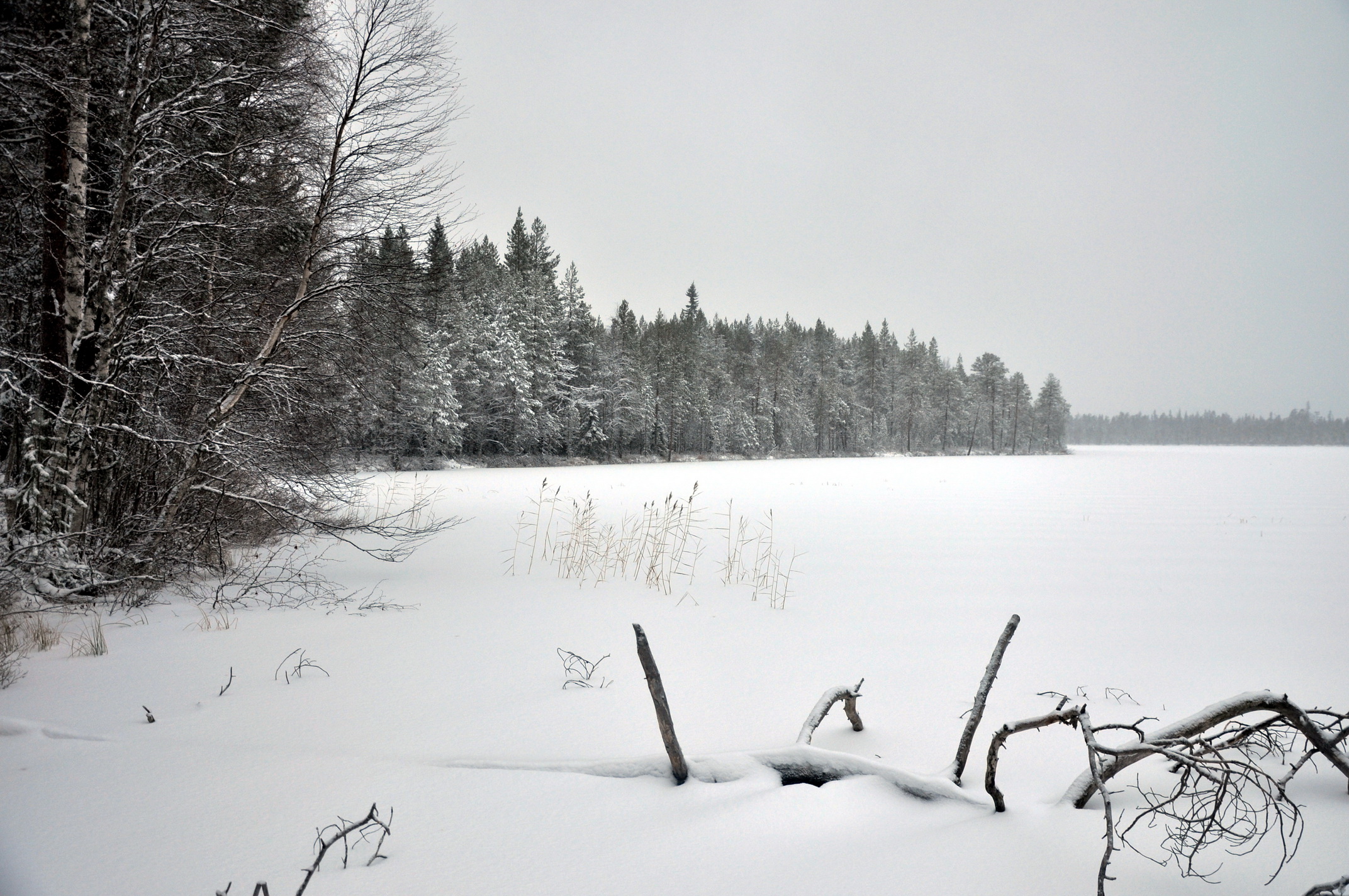
I put up the tent and ate a big supper. It had been days since I’d had the time to eat without rushing.
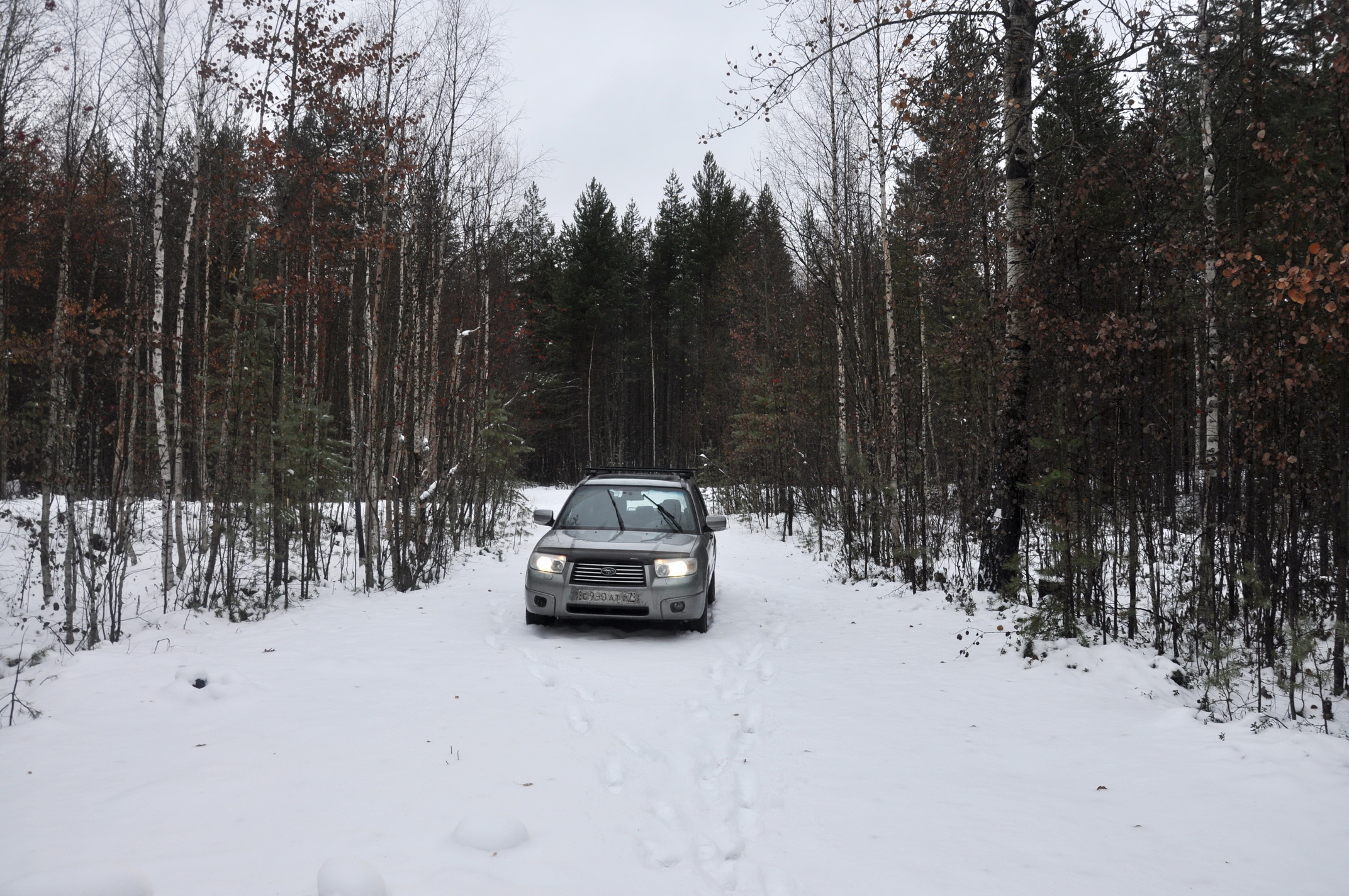
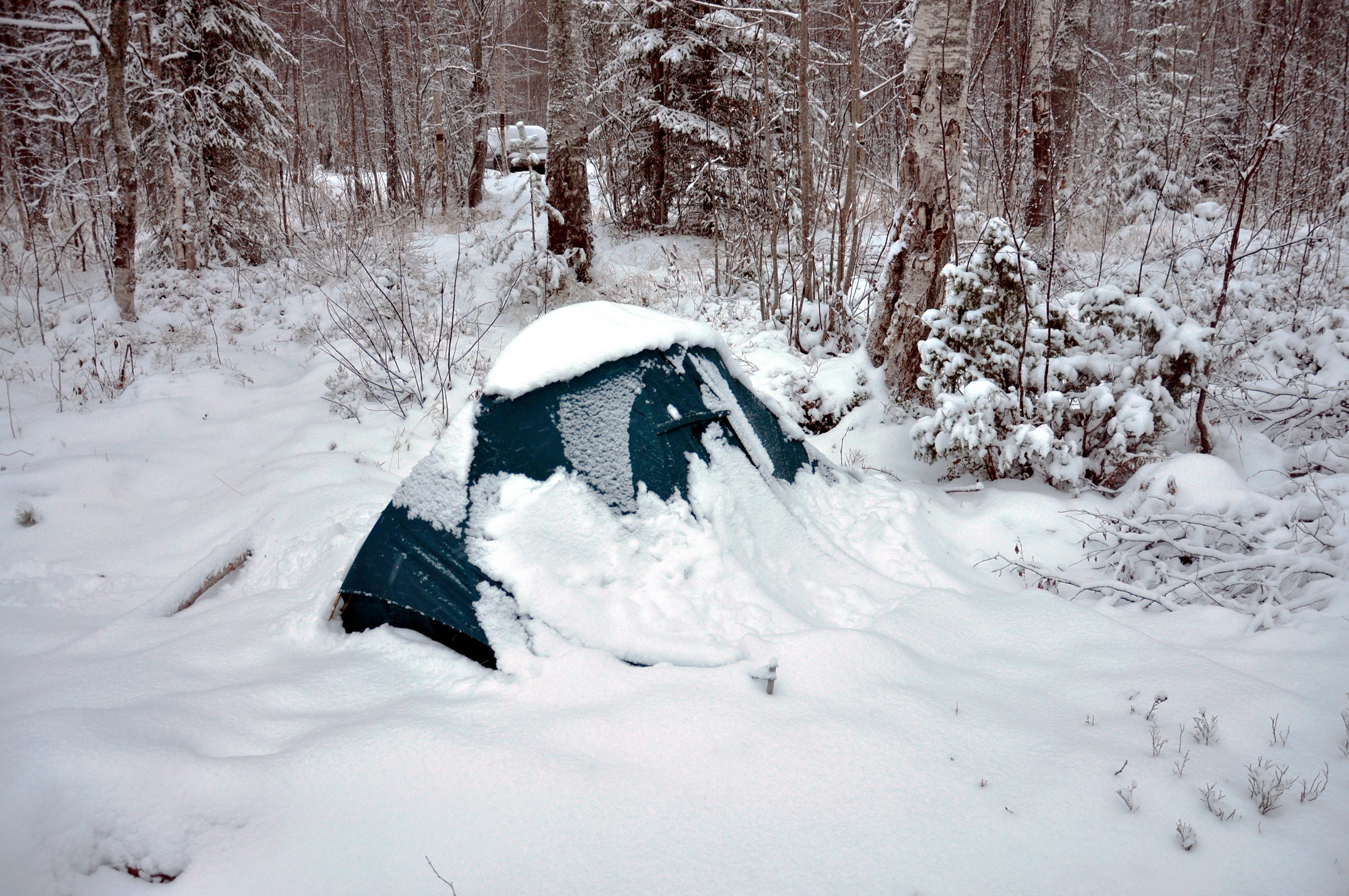
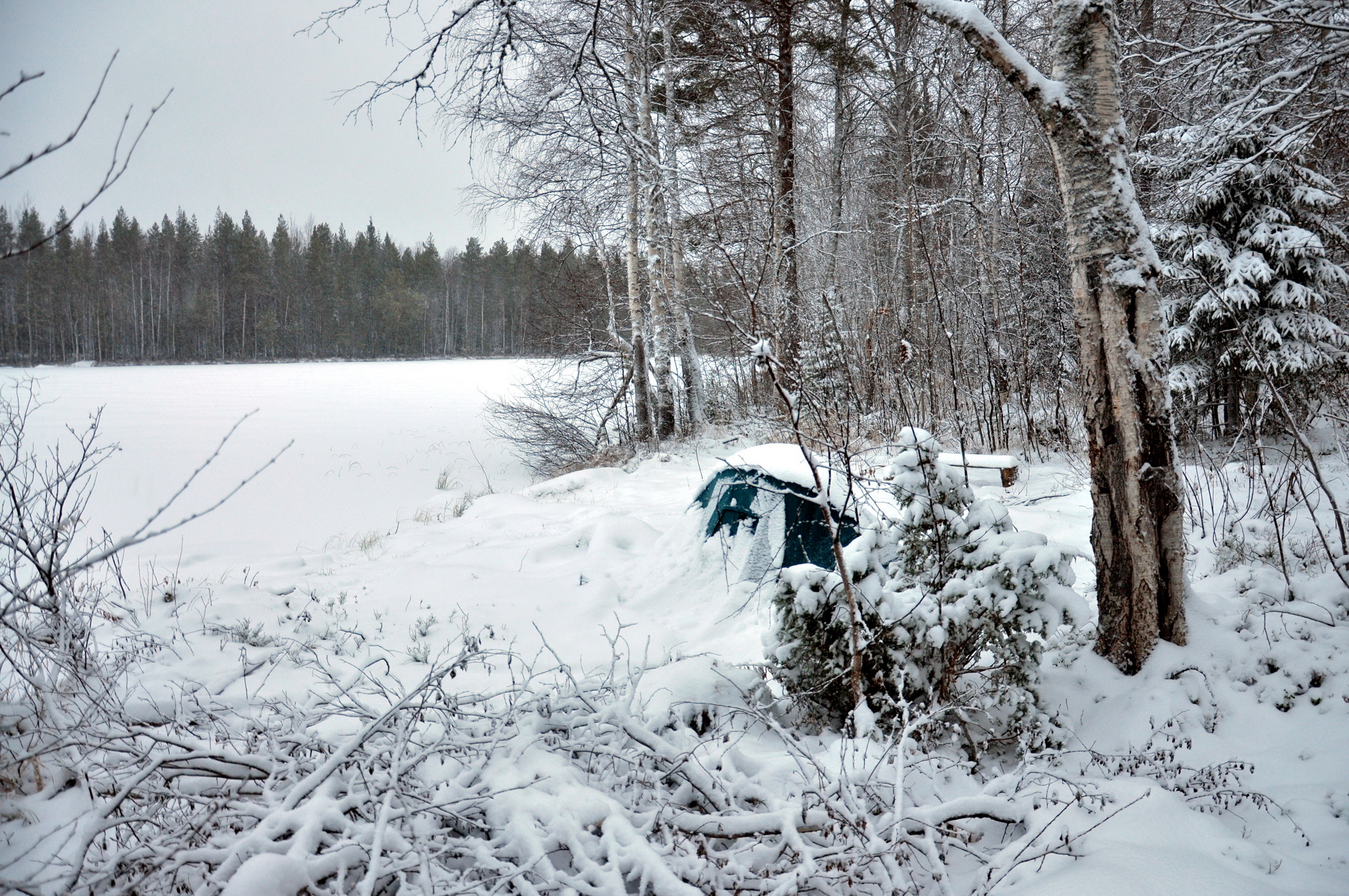
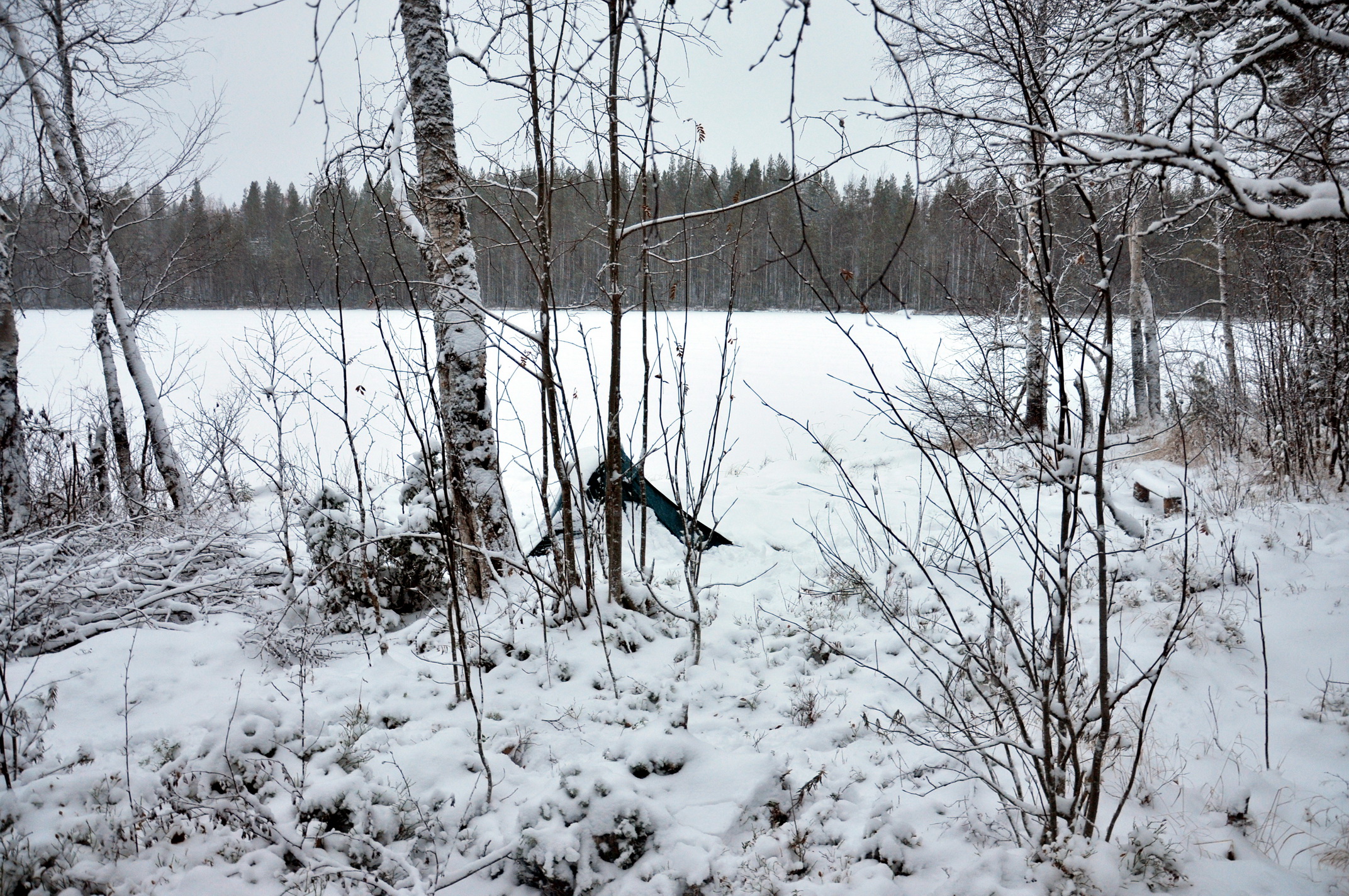
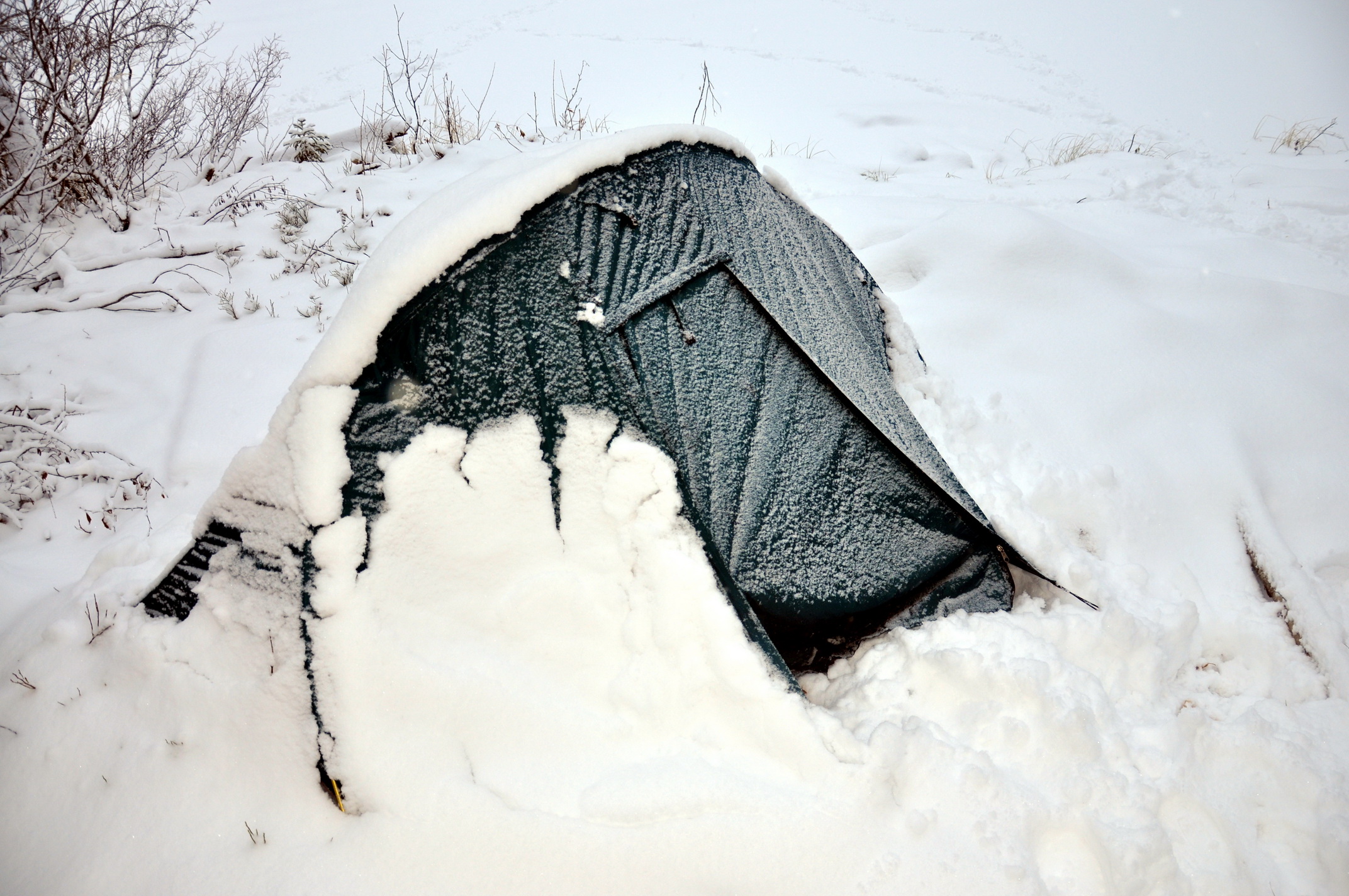
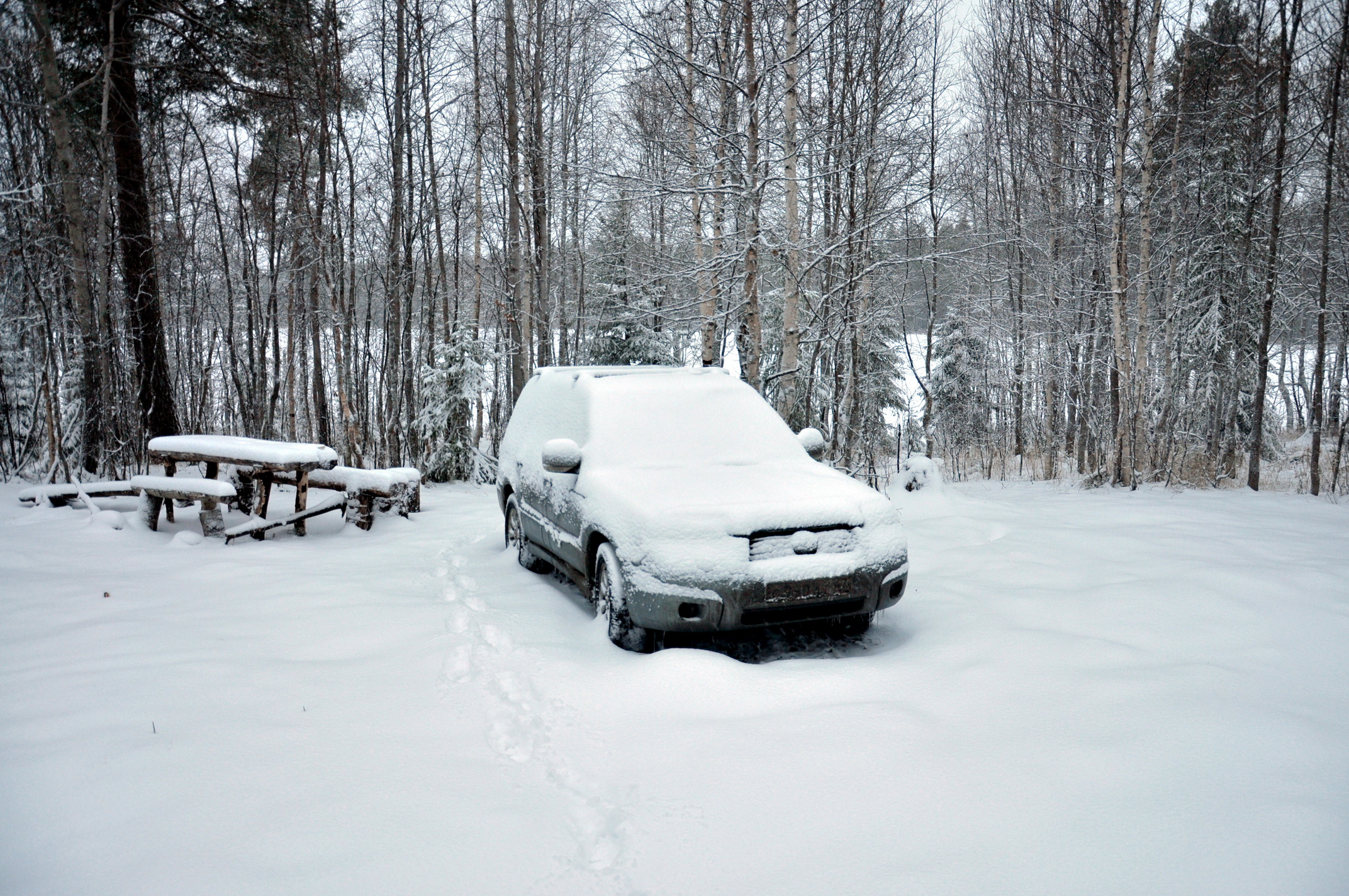
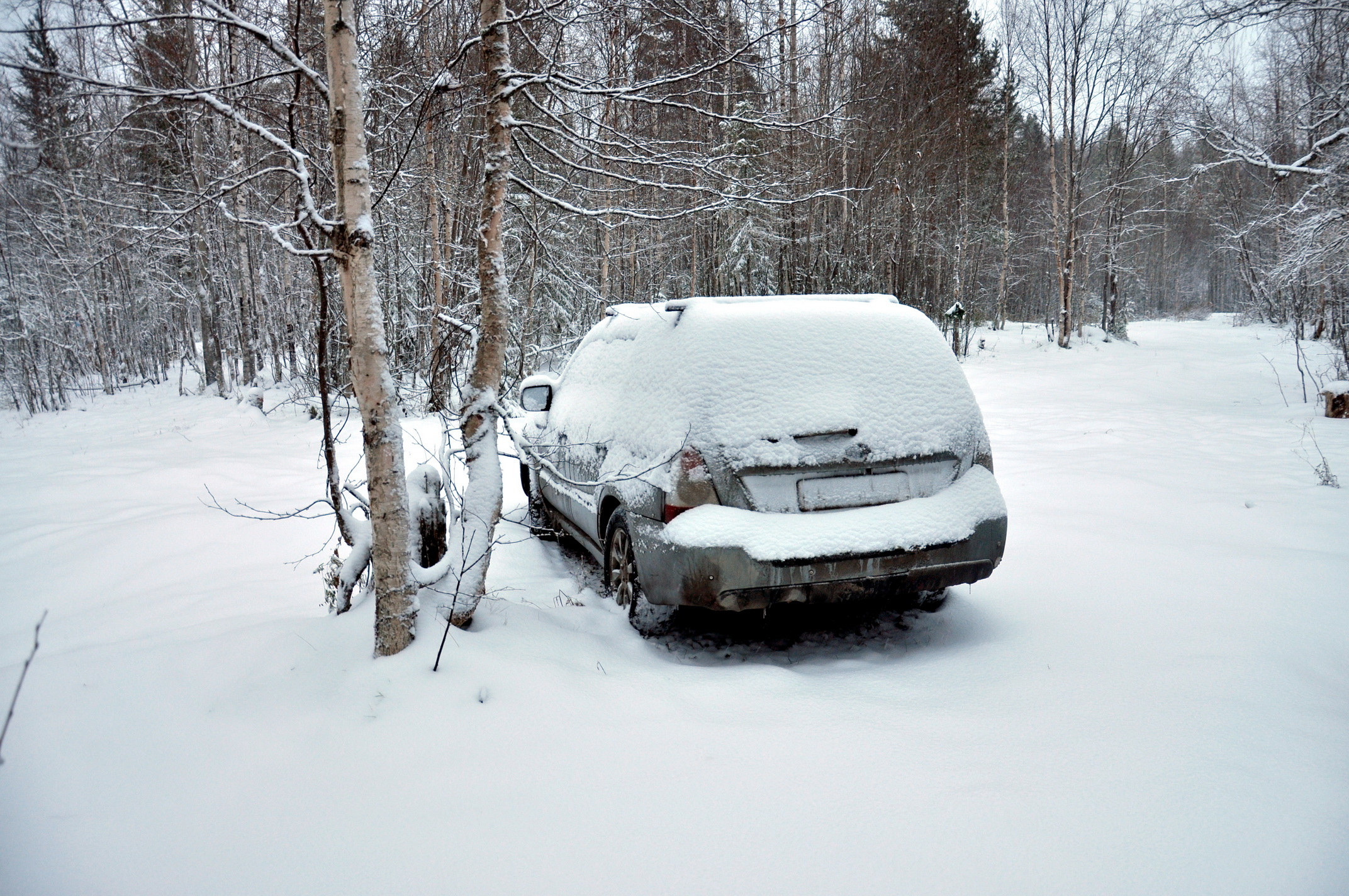
In the morning I woke up in a large snowdrift. Thirty centimetres of snow had fallen overnight. My little tent looks quite cosy. Well, now we’ll see how the Subaru does in untouched snow. Pretty well as it turned out. The bumper barely brushed the snow. I got out to the Loukhi–Sofporog road without trouble. I even regretted not going all the way to Zasheyek. It’s one of Karelia’s most remote and wildest villages.
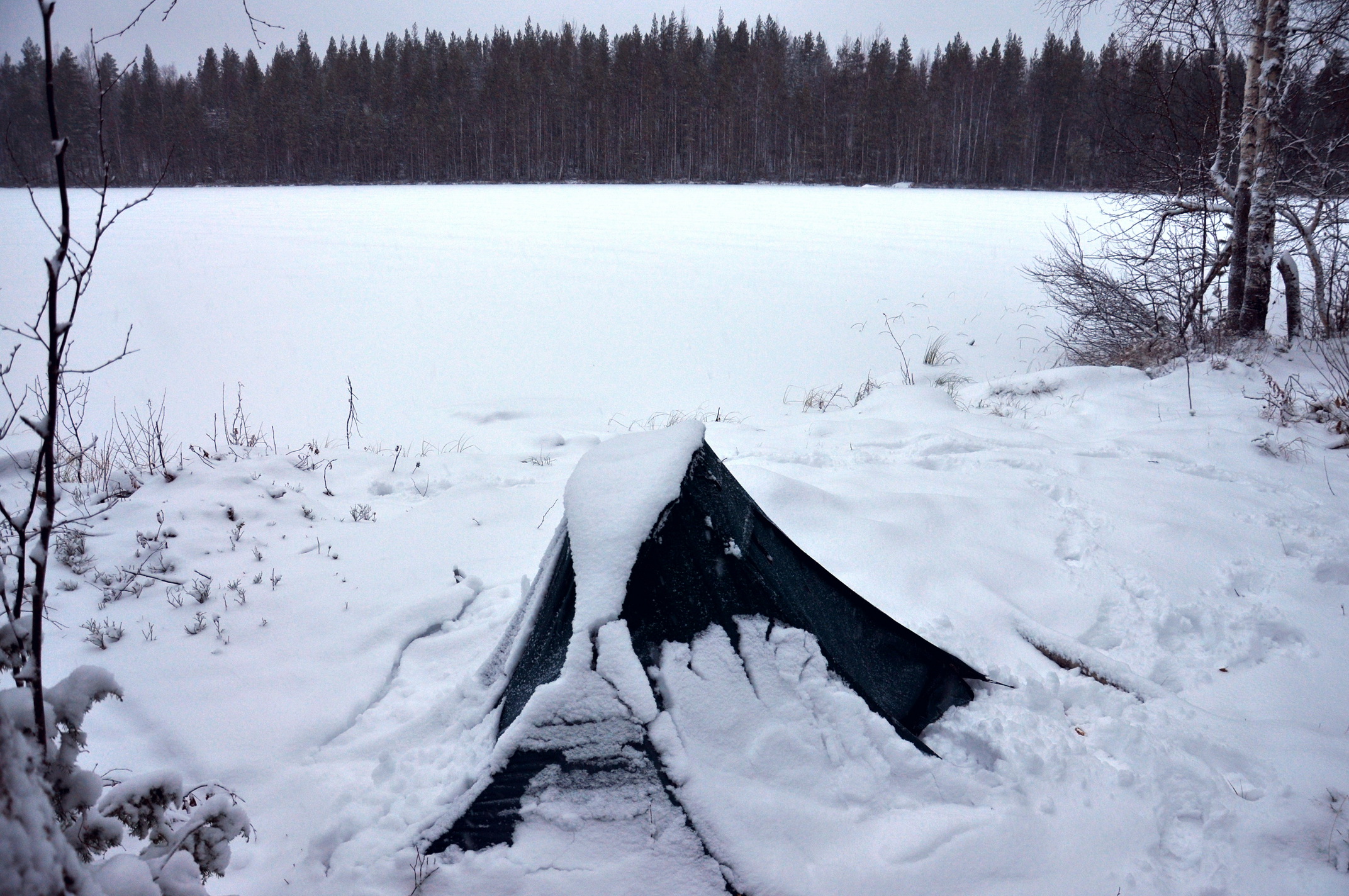
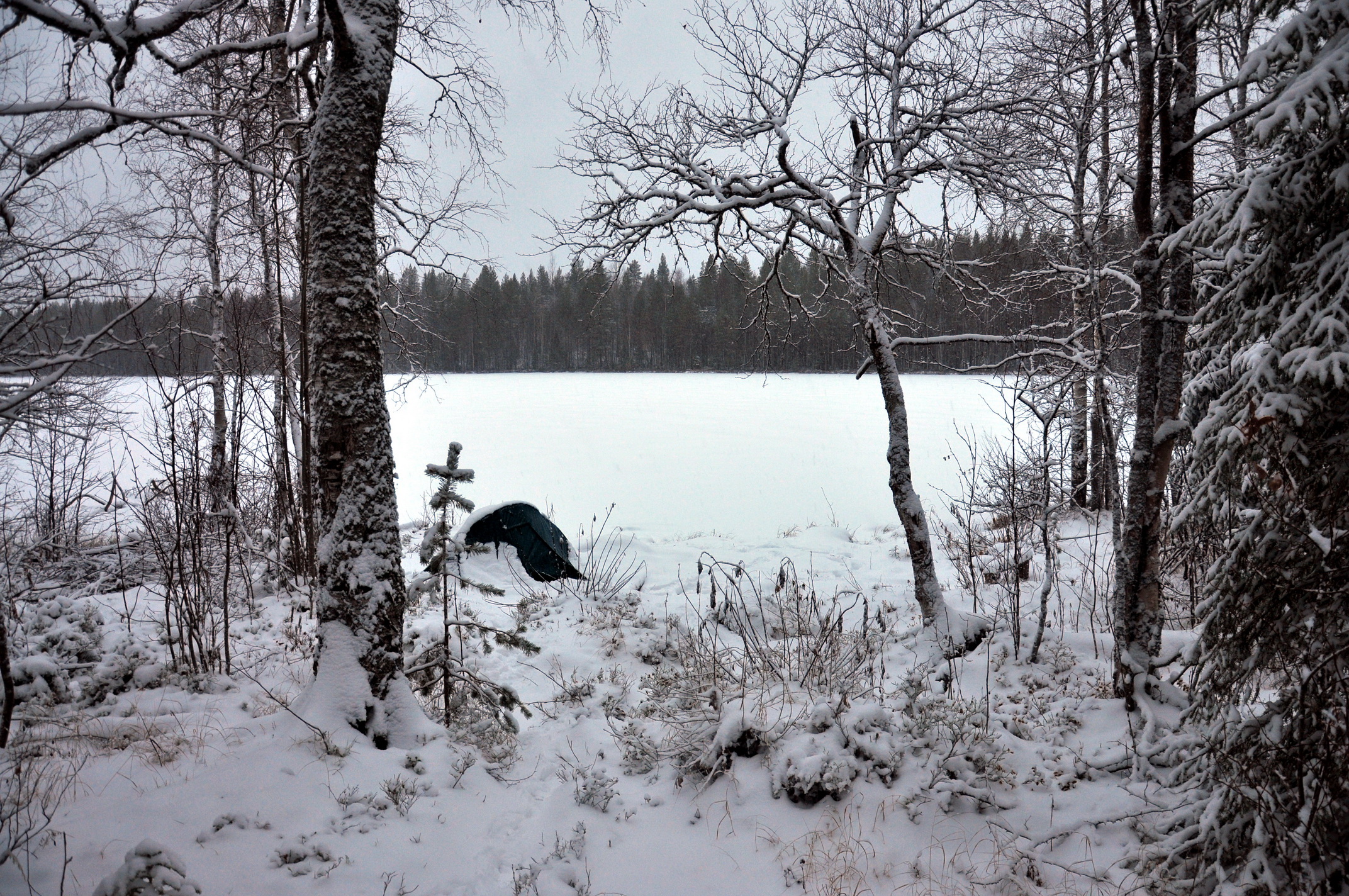
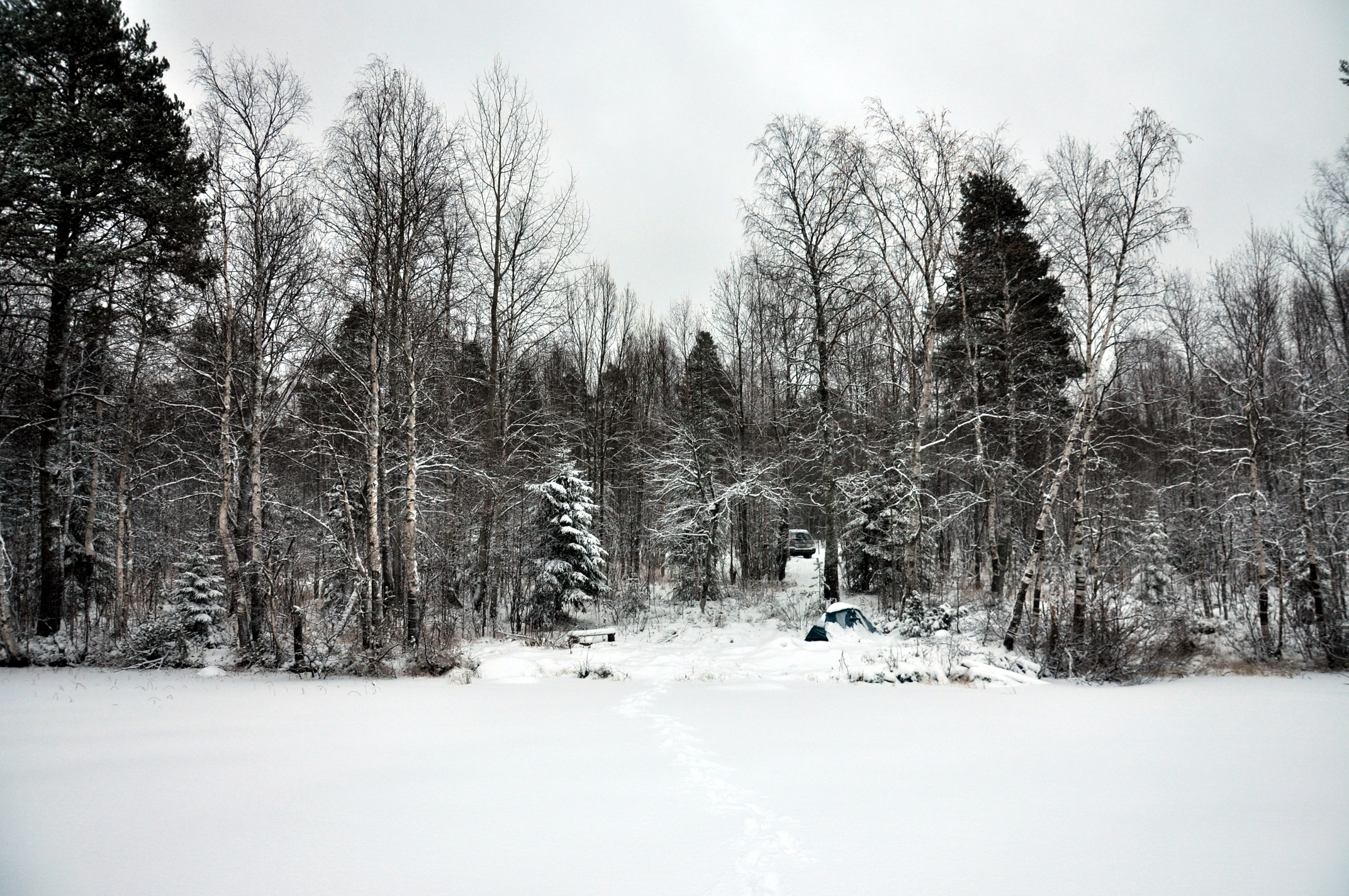
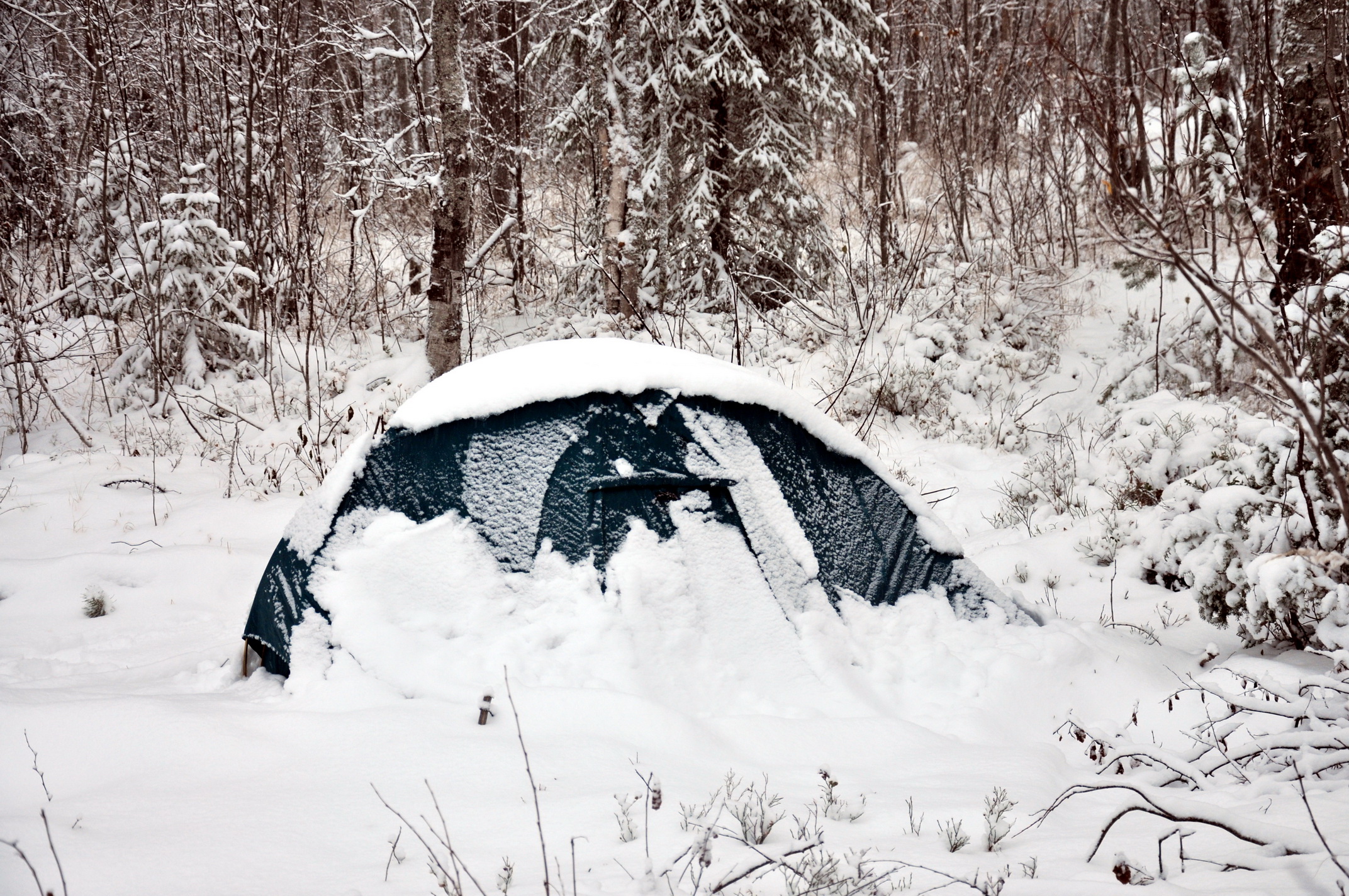
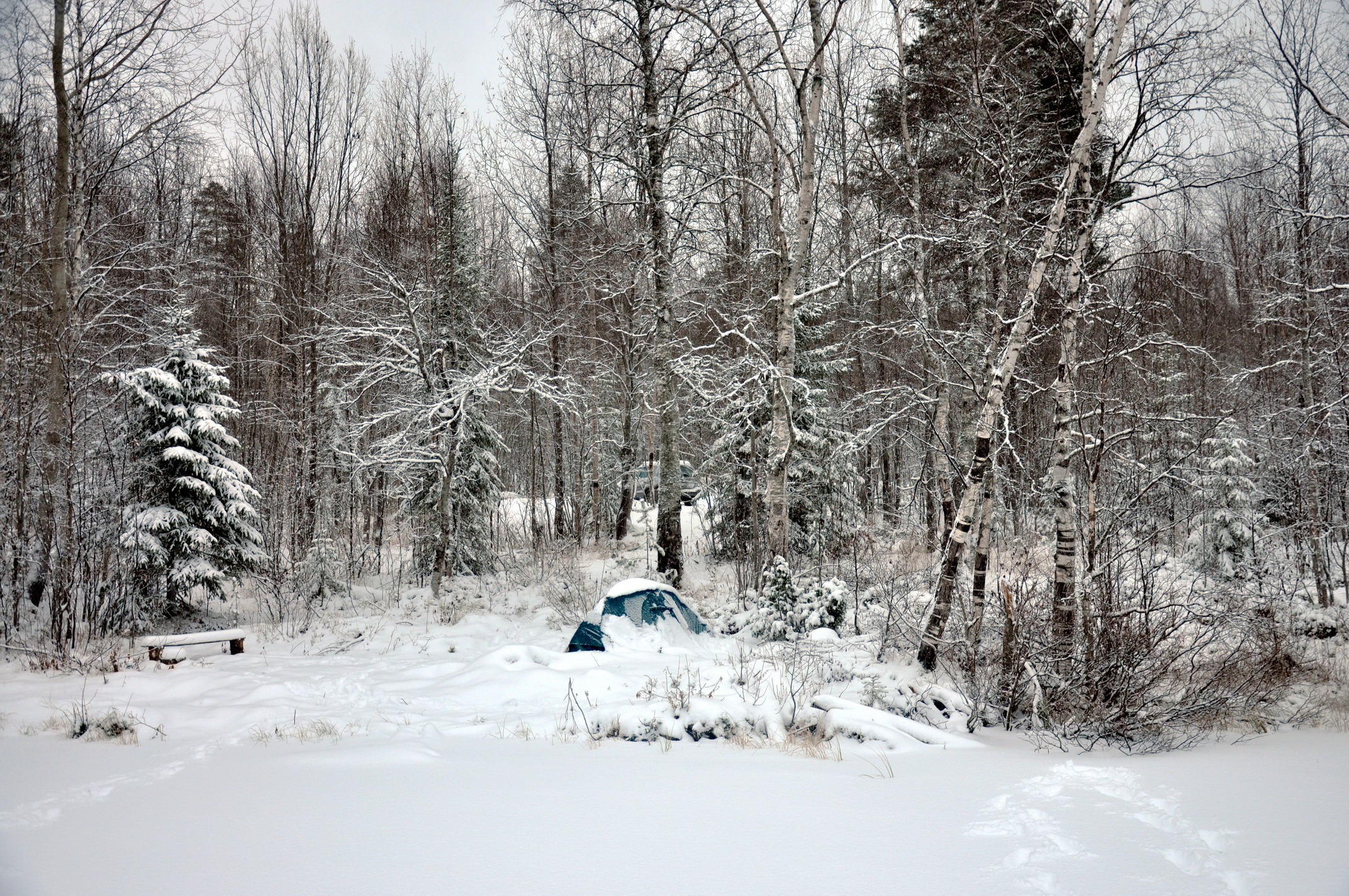
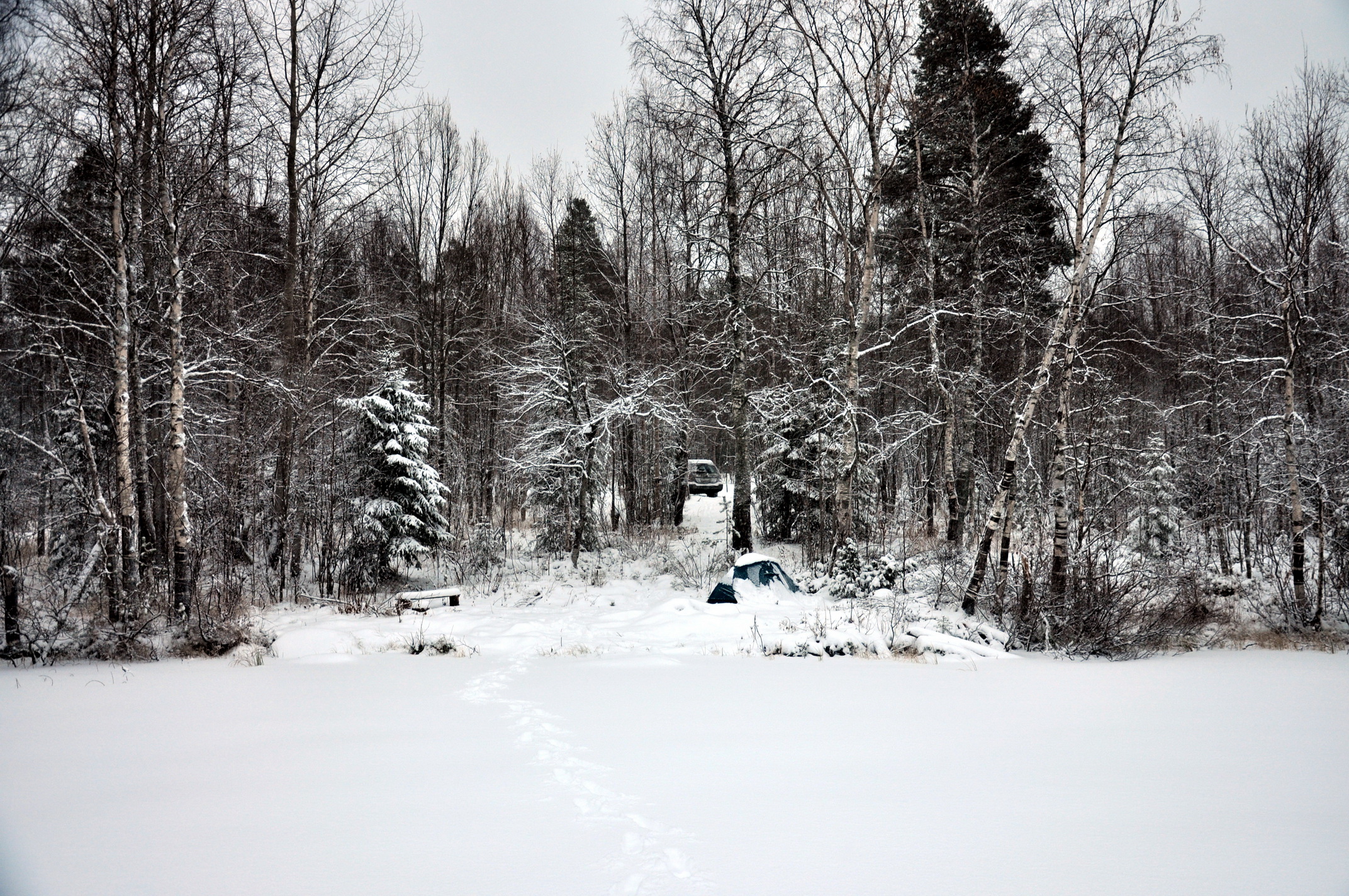
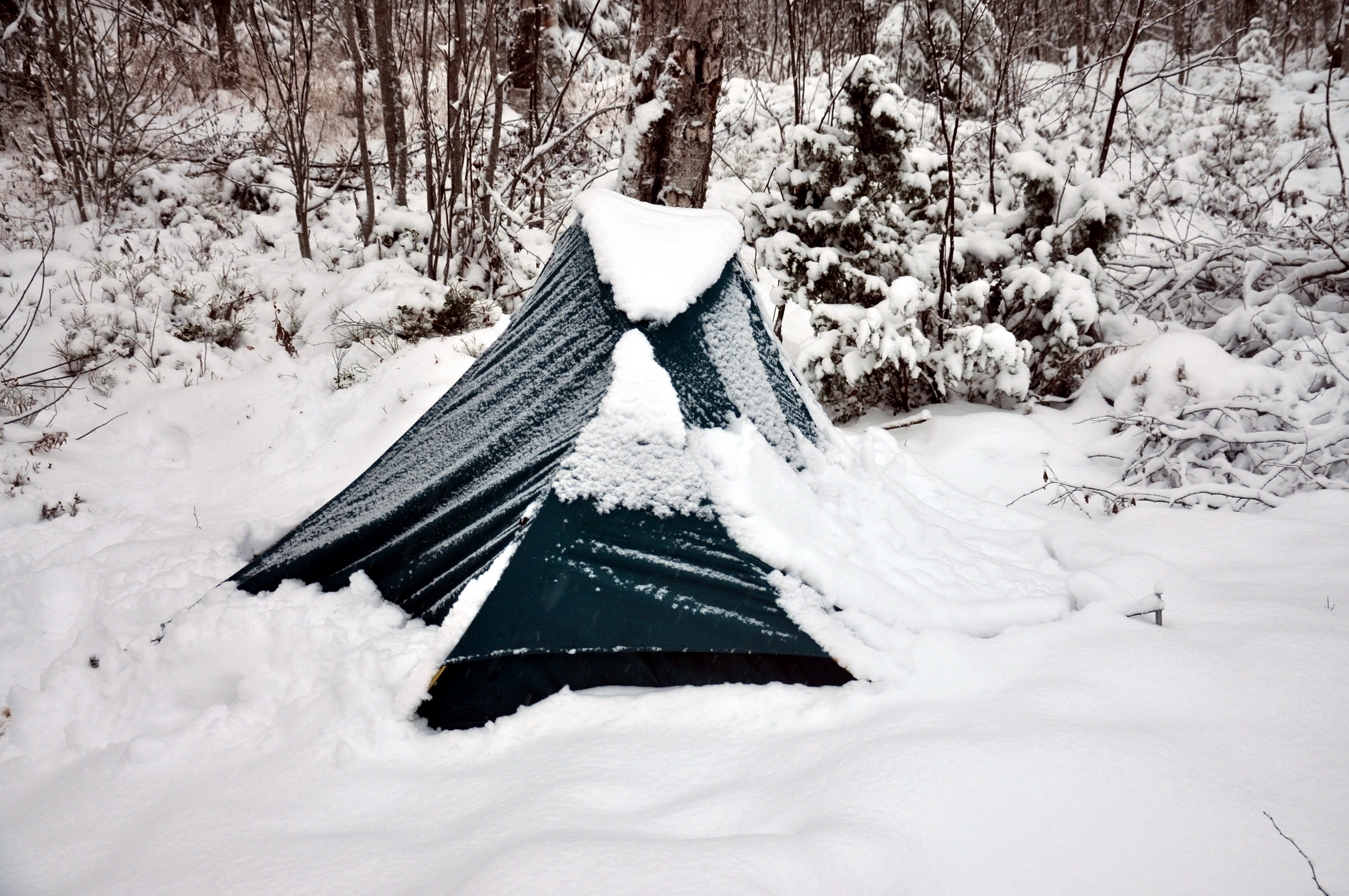
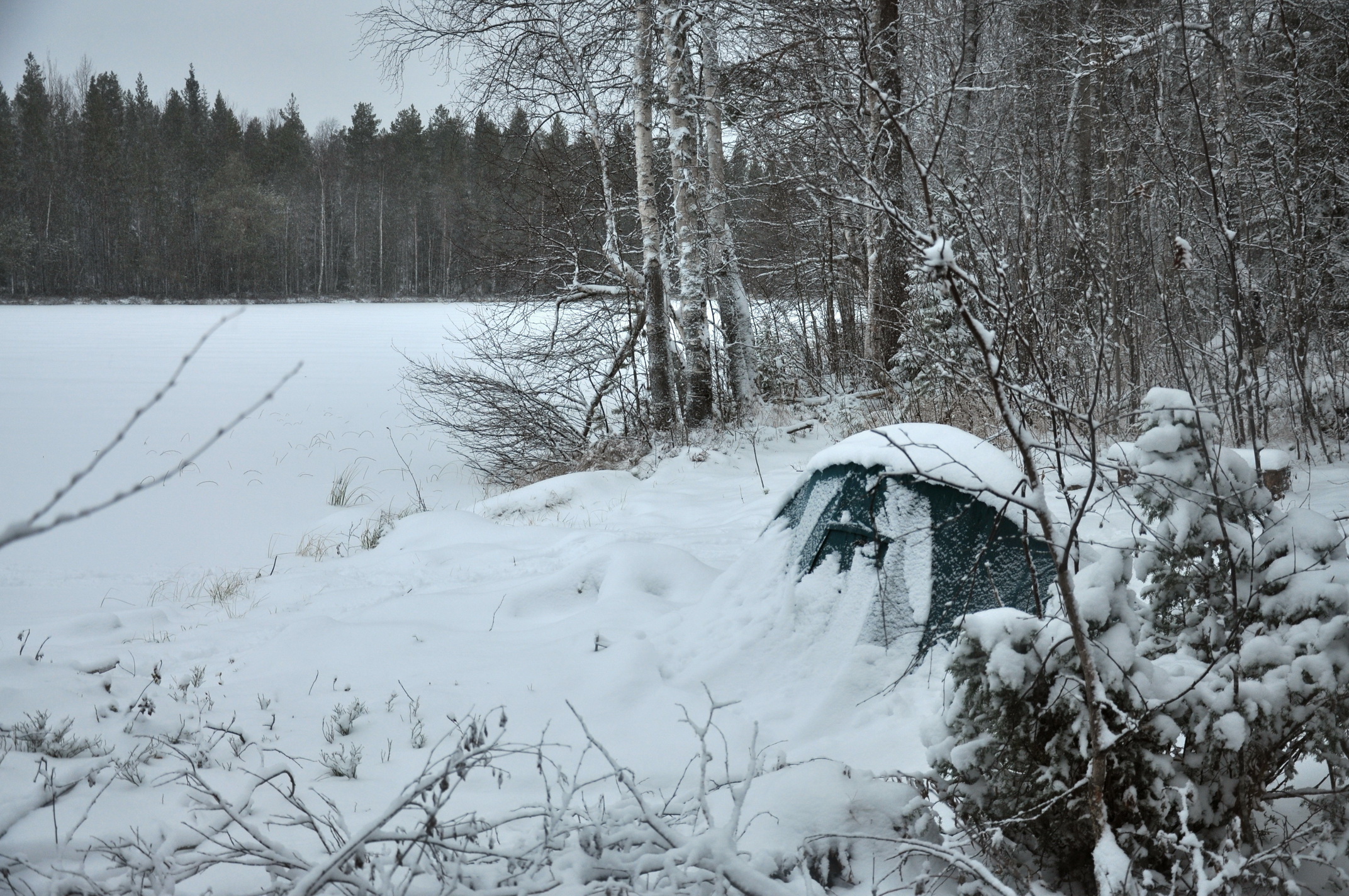
The village is almost deserted, but the post office still works. There’s a lake nearby that would be worth going out on in a kayak. Maybe I’ll come back in summer and give it a proper few days. If I happen to have the time, the money, the health and a kayak. Or another lifetime…
Dreams. For now I have to get back.
In Sofporog the rapid is gone. What you have instead is a hydroelectric reservoir.
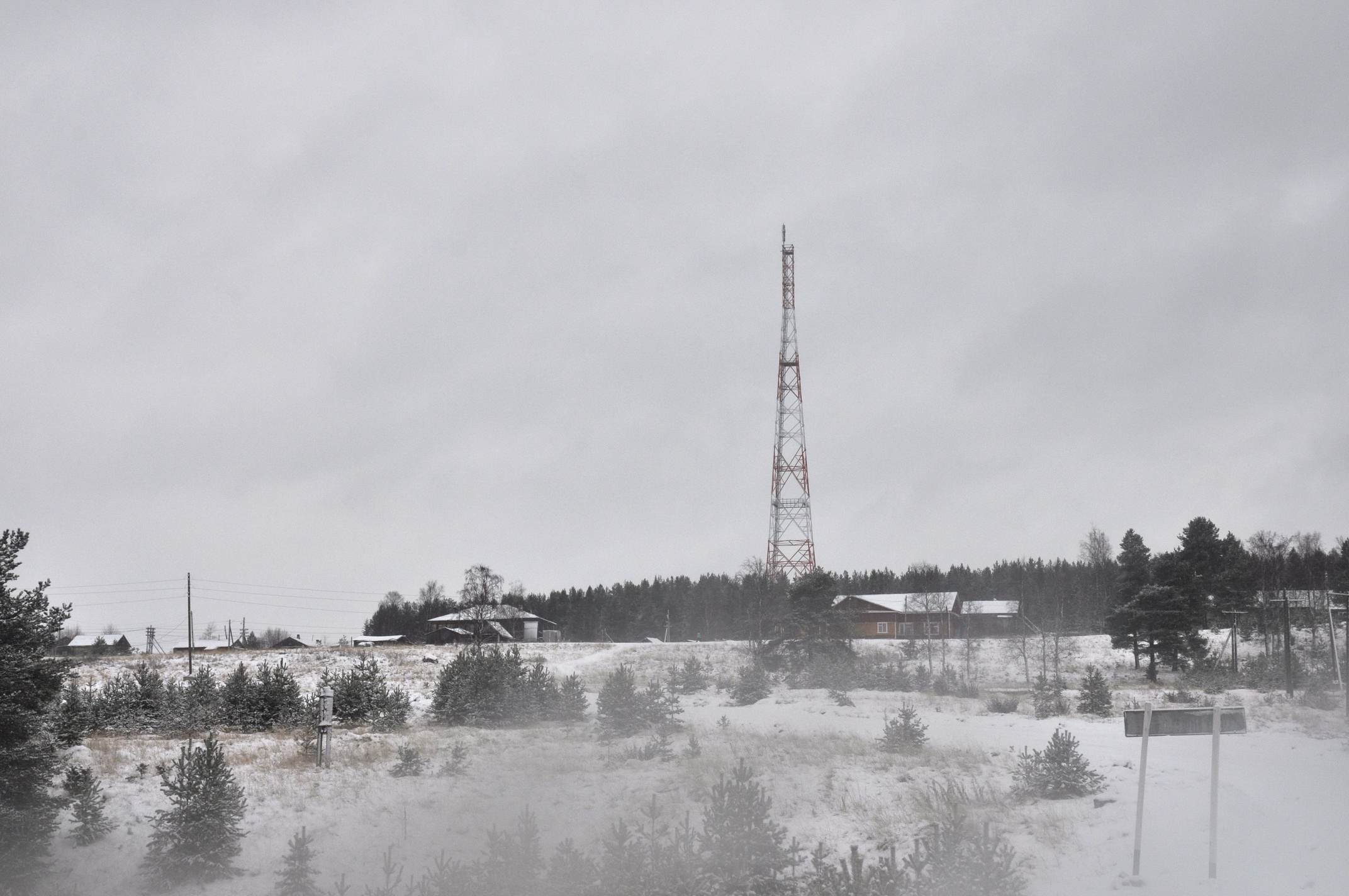
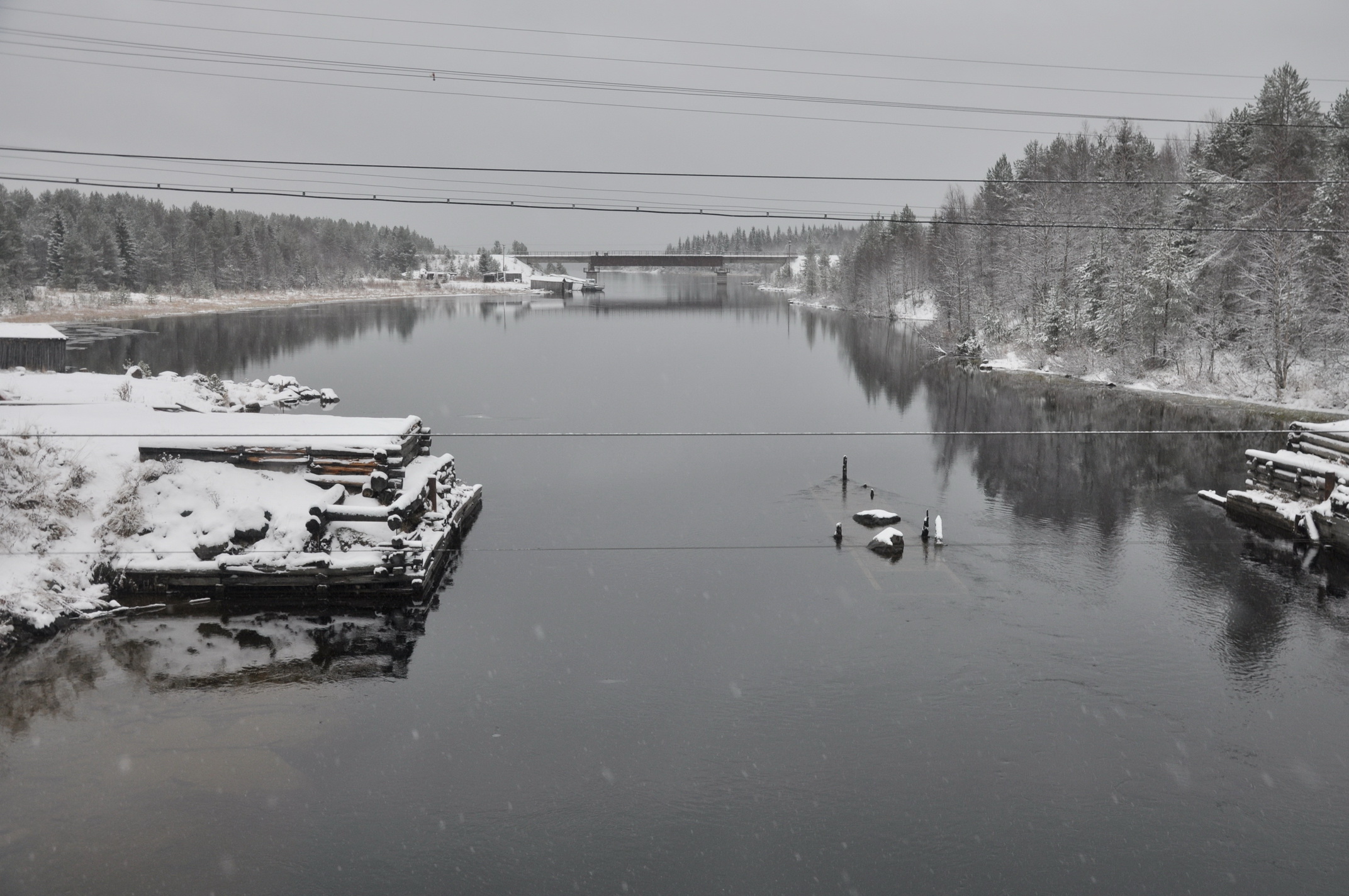
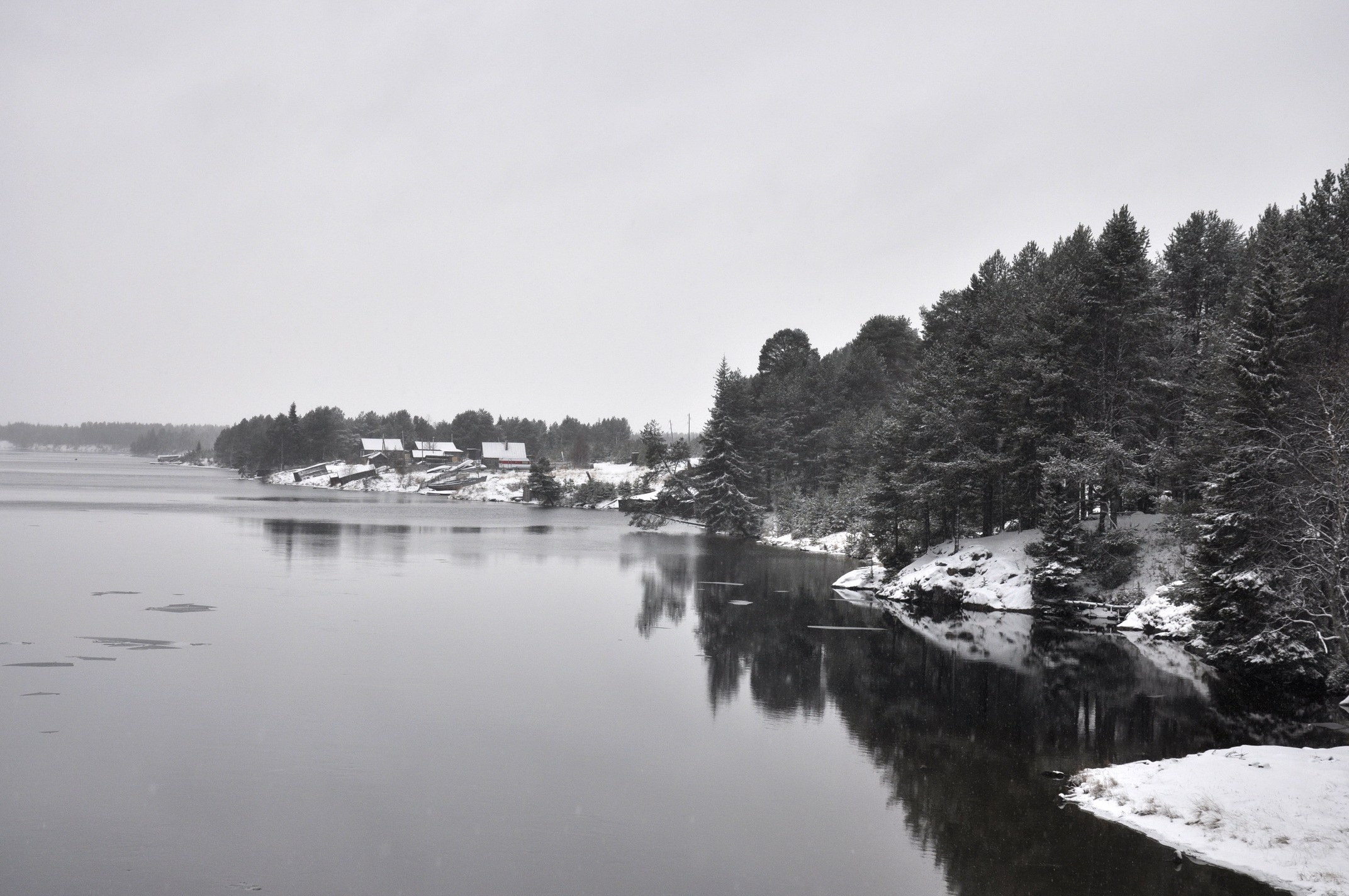
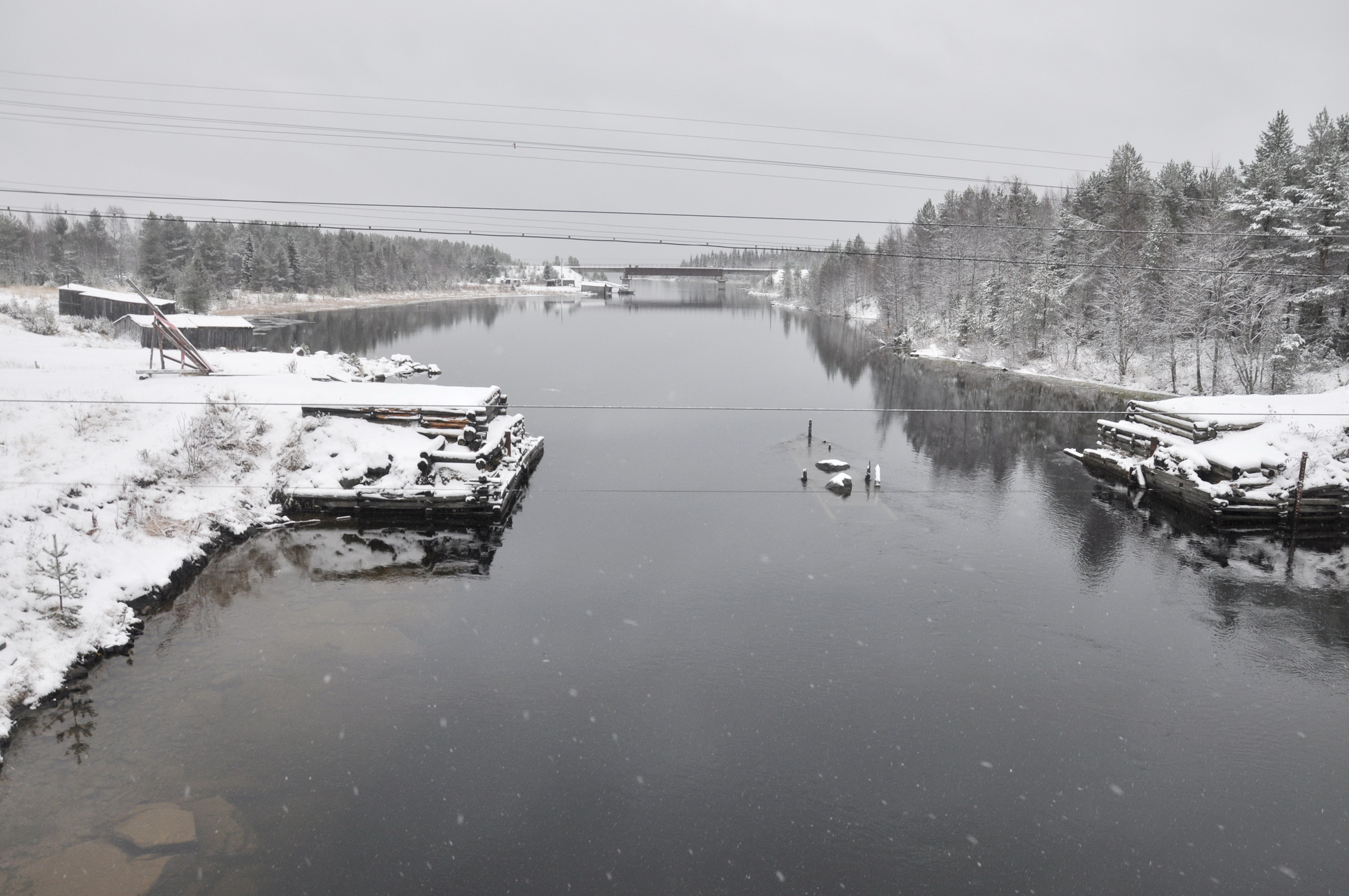
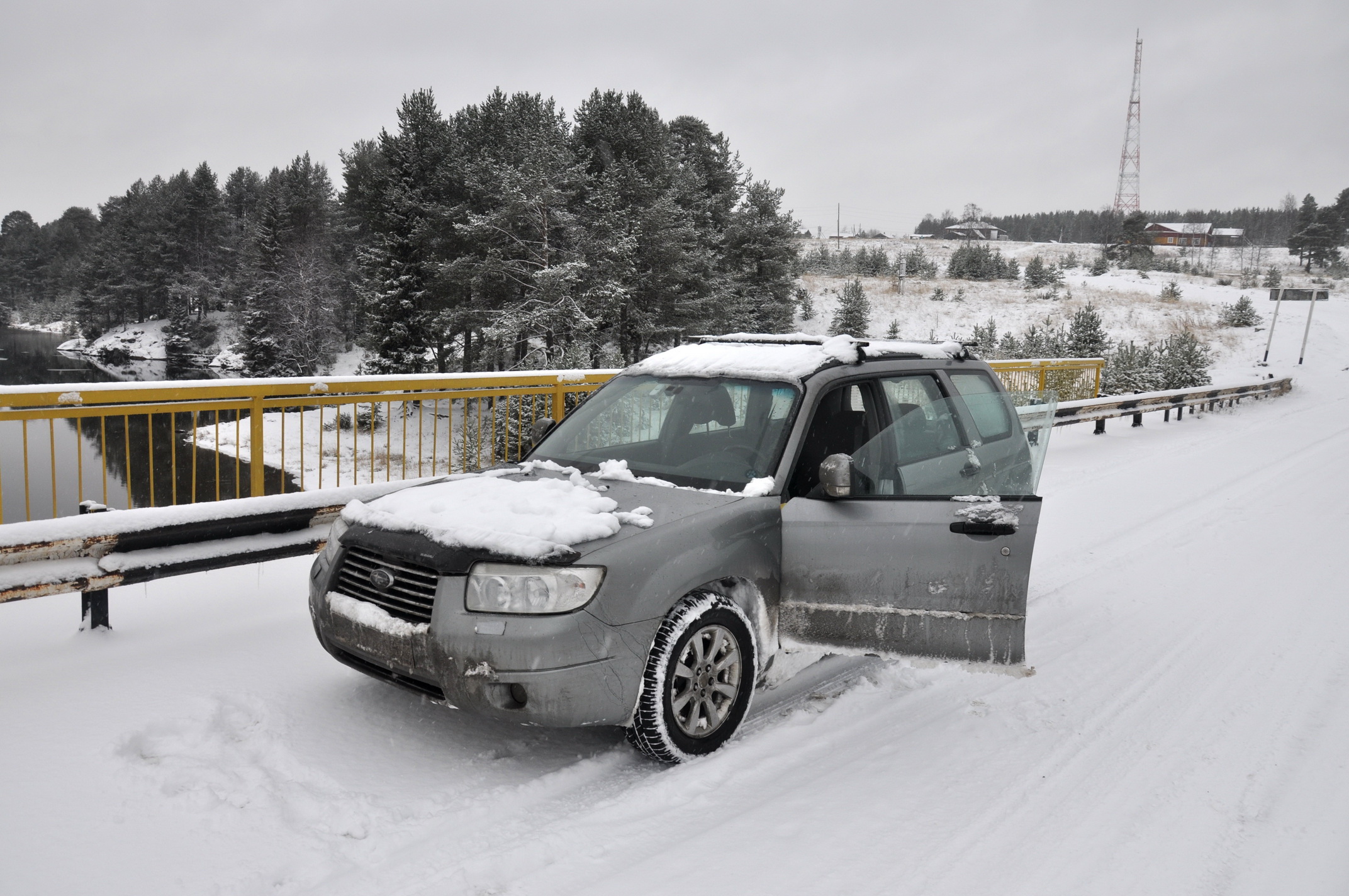
I made a separate visit to Pyaozersky (Pääjärvi). I expected to see mud and ruins and was pleasantly surprised. The logging town is alive. Shops, a kindergarten, a school, a post office, a café, a Sberbank branch, a hotel. Paanajärvi National Park is nearby. They even sell postcards with local views. How come they can keep things going here when everything’s gone to ruin elsewhere? People say perestroika came along and that was that. You have to get to work. That’s how things happen.
There is a difference, though. Before the war this was Finland. People here knew what a normal life was like. They only lived under Soviet rule for forty-five years and missed the civil war, the Red Terror, collectivisation, forced industrialisation and 1937. That is the value of Stalin and his rule, a strongly negative number. The final reckoning and verdict.
Farther along the road was Kalevala, then Voynitsa, then the long drive to Kostomuksha. I filled up there and bought more food.
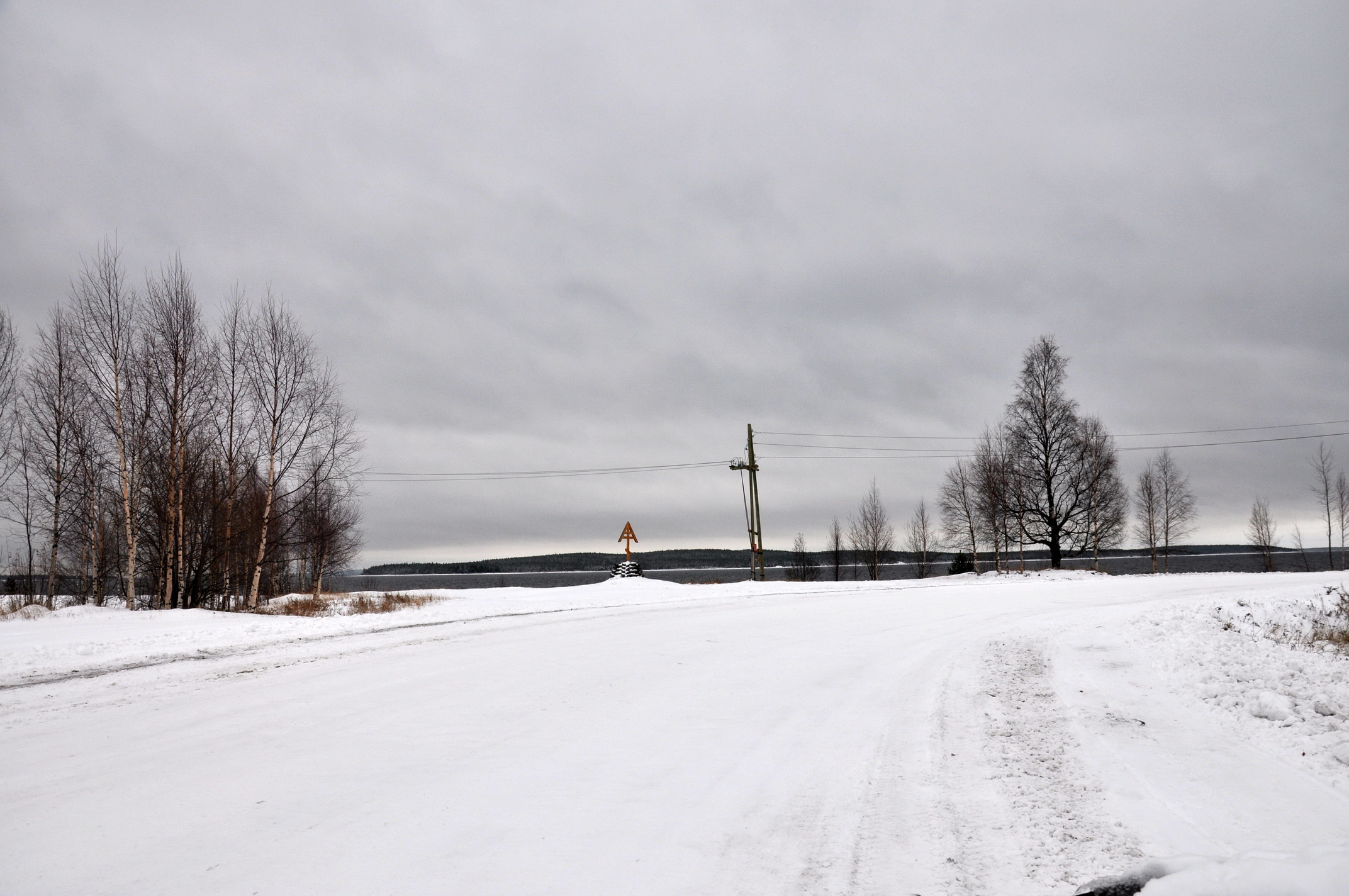
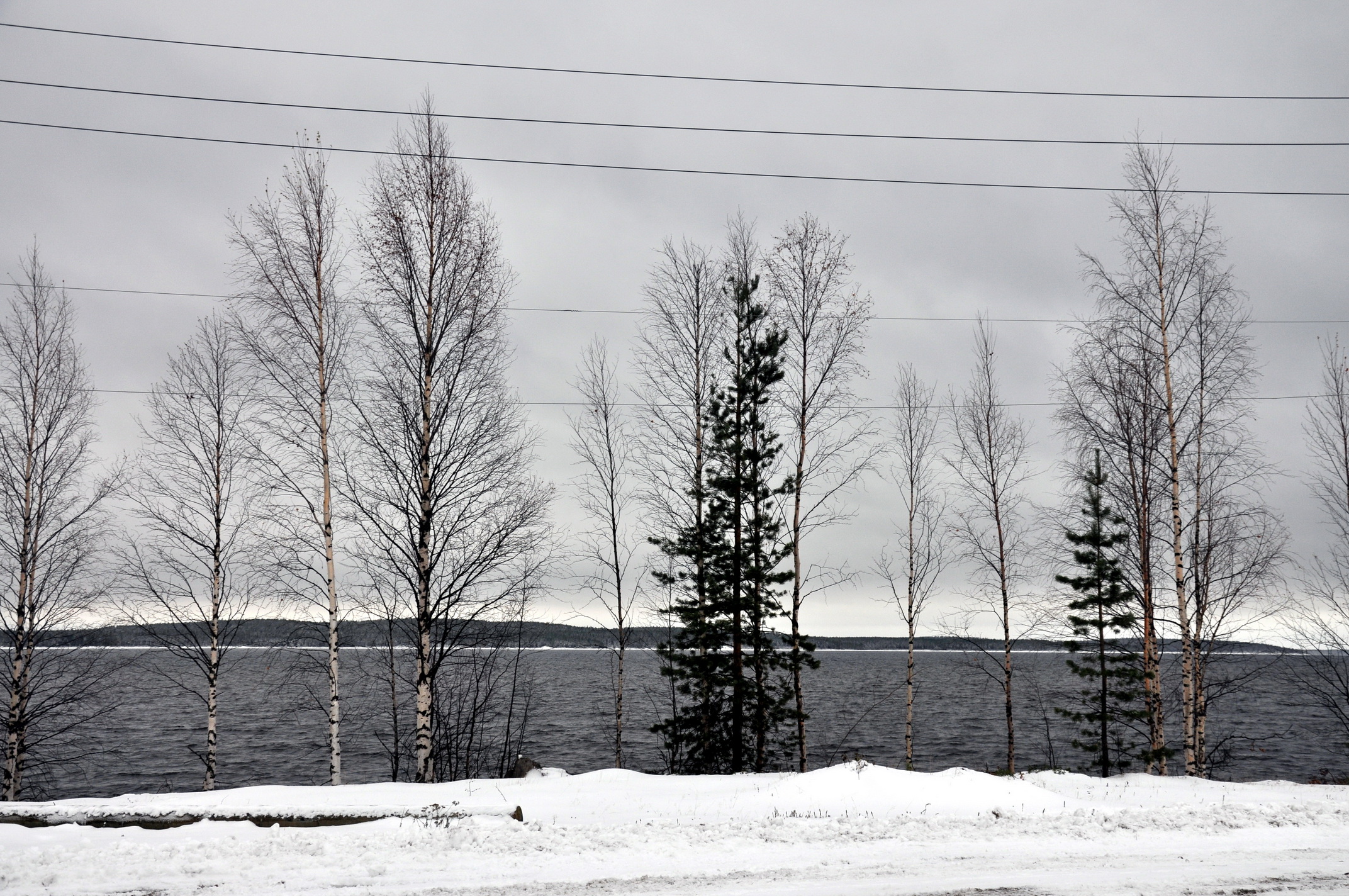
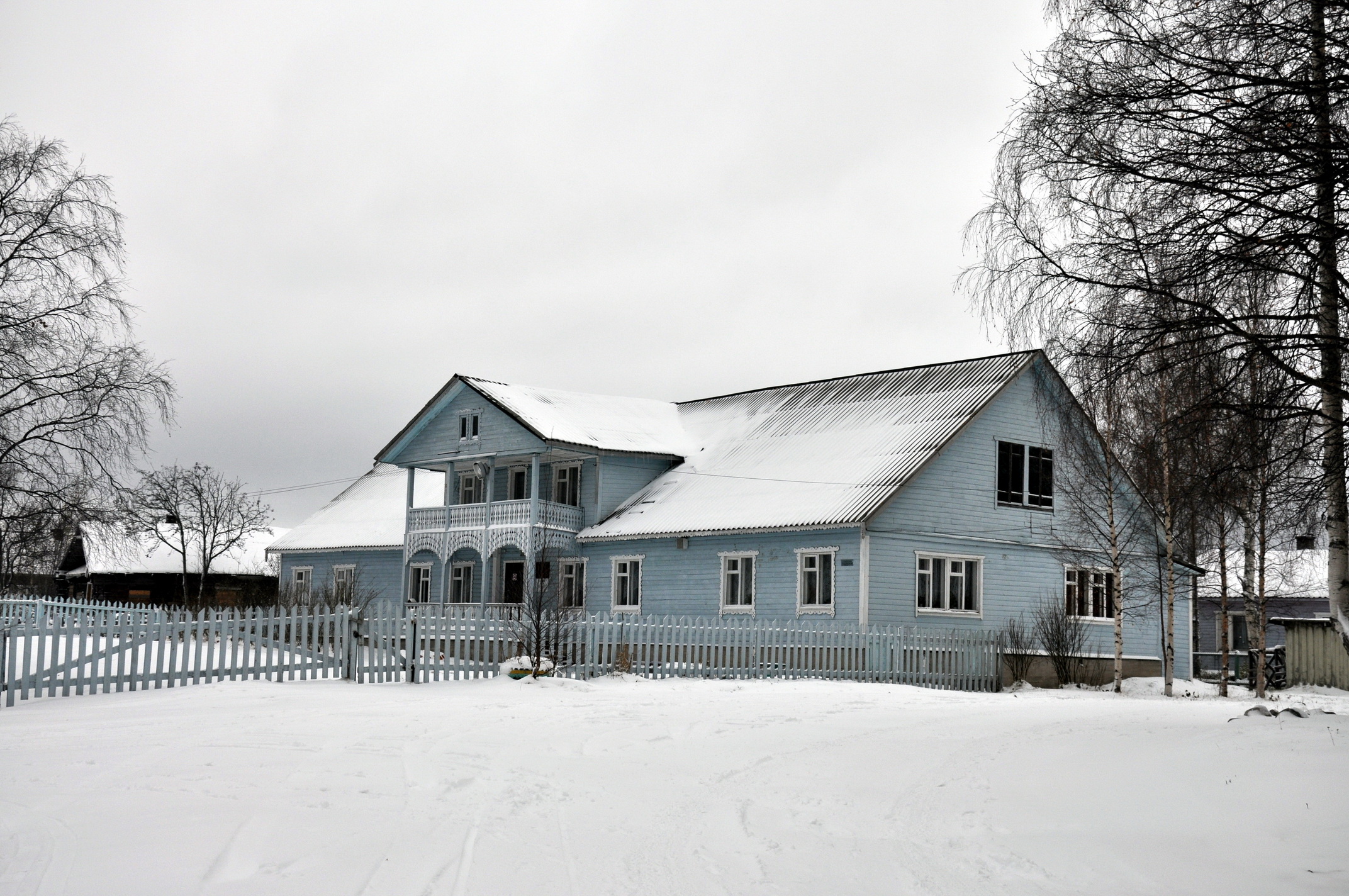
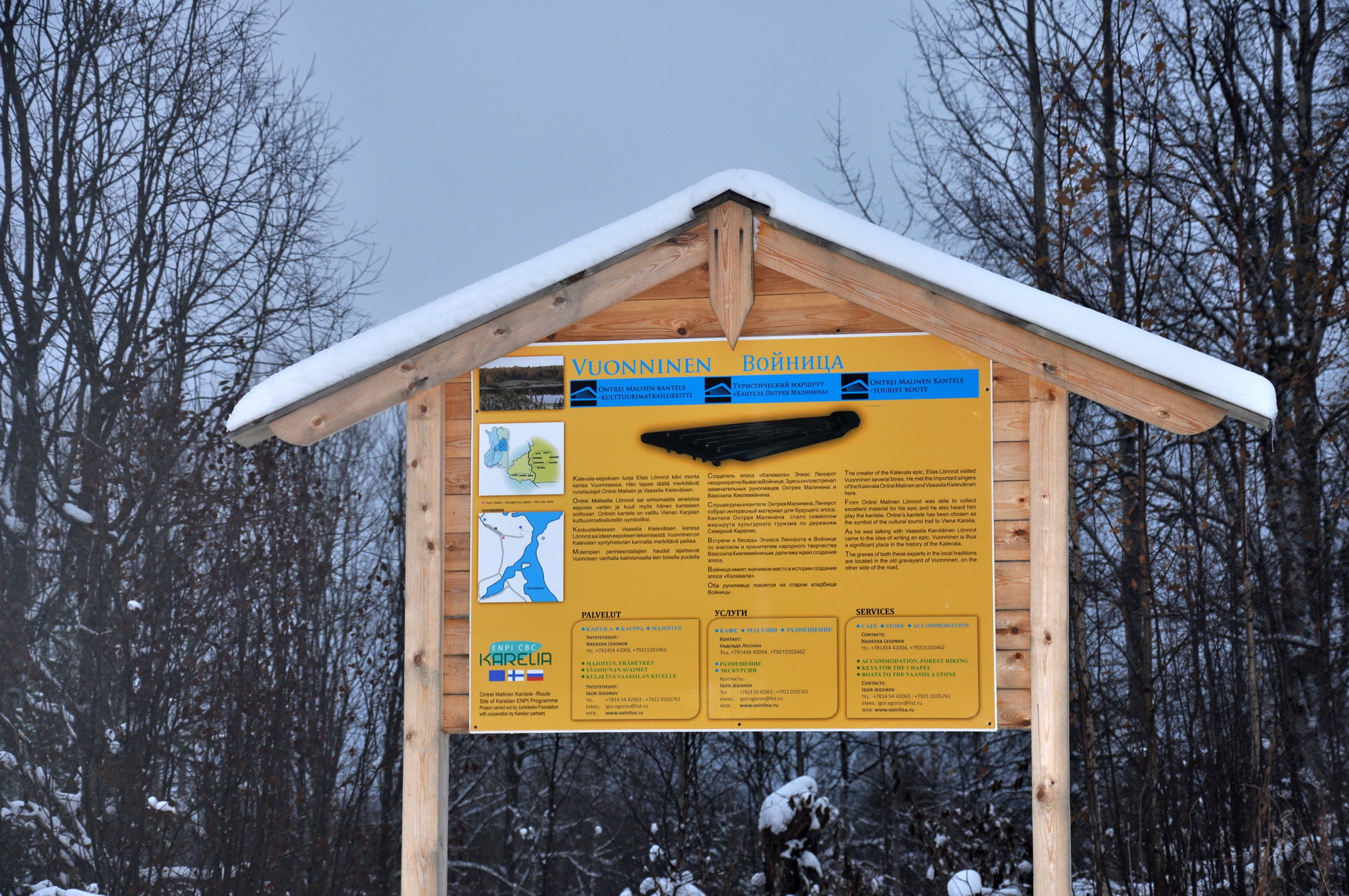
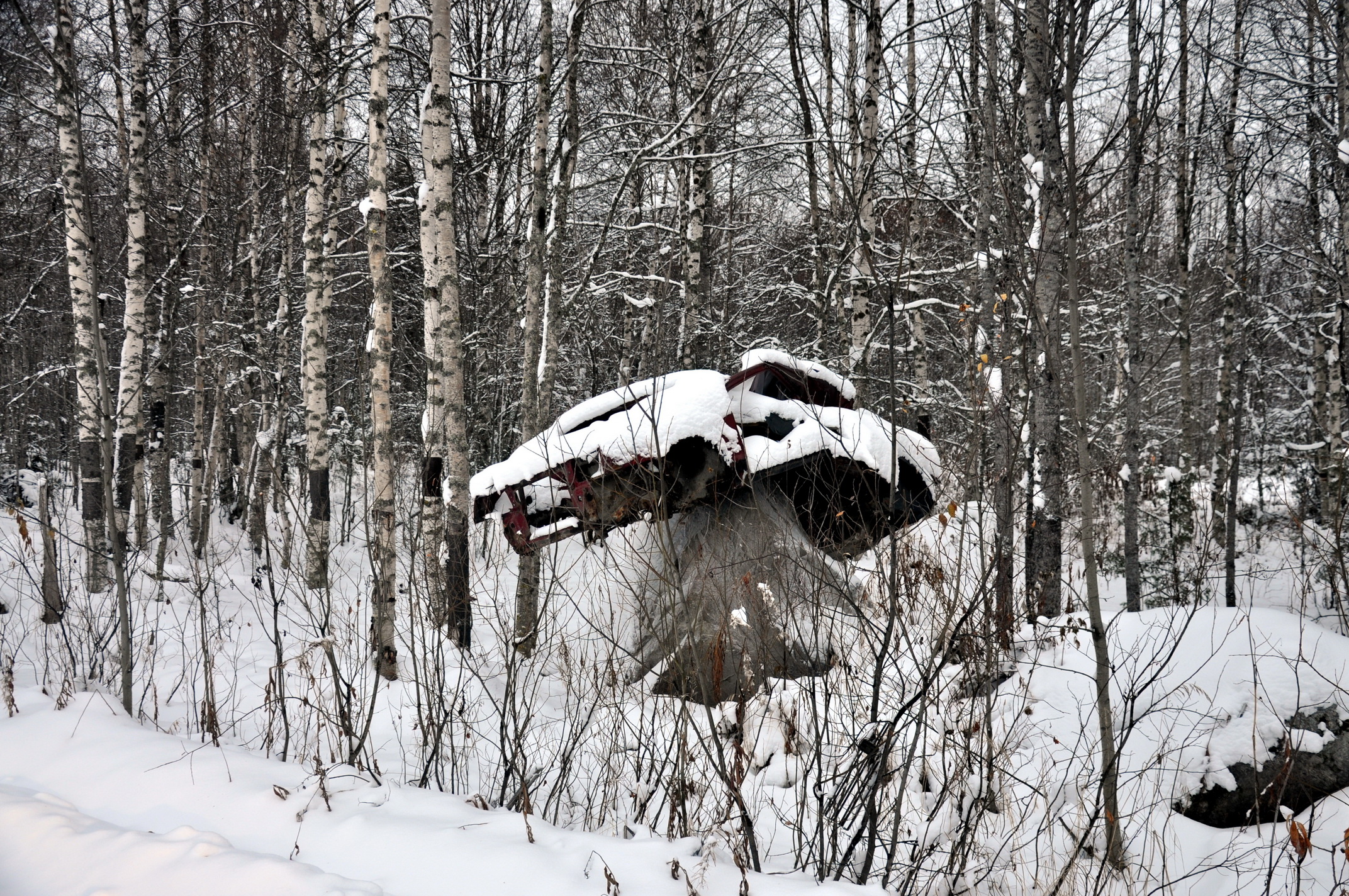
The snow cleared by evening and I spent the last night in the tent on the shore of Lake Kolongozero (64°10.913′N, 32°10.900′E).
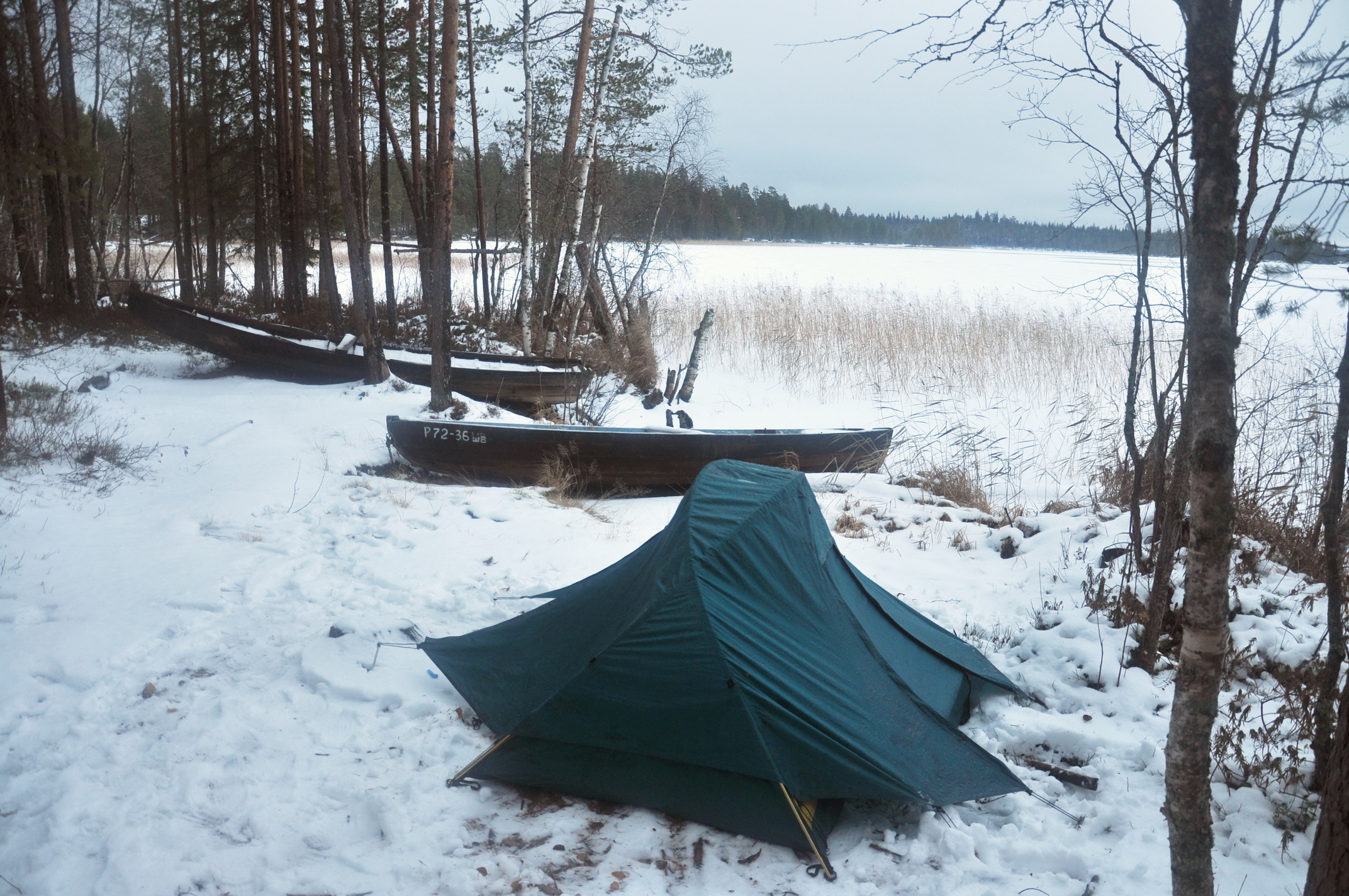
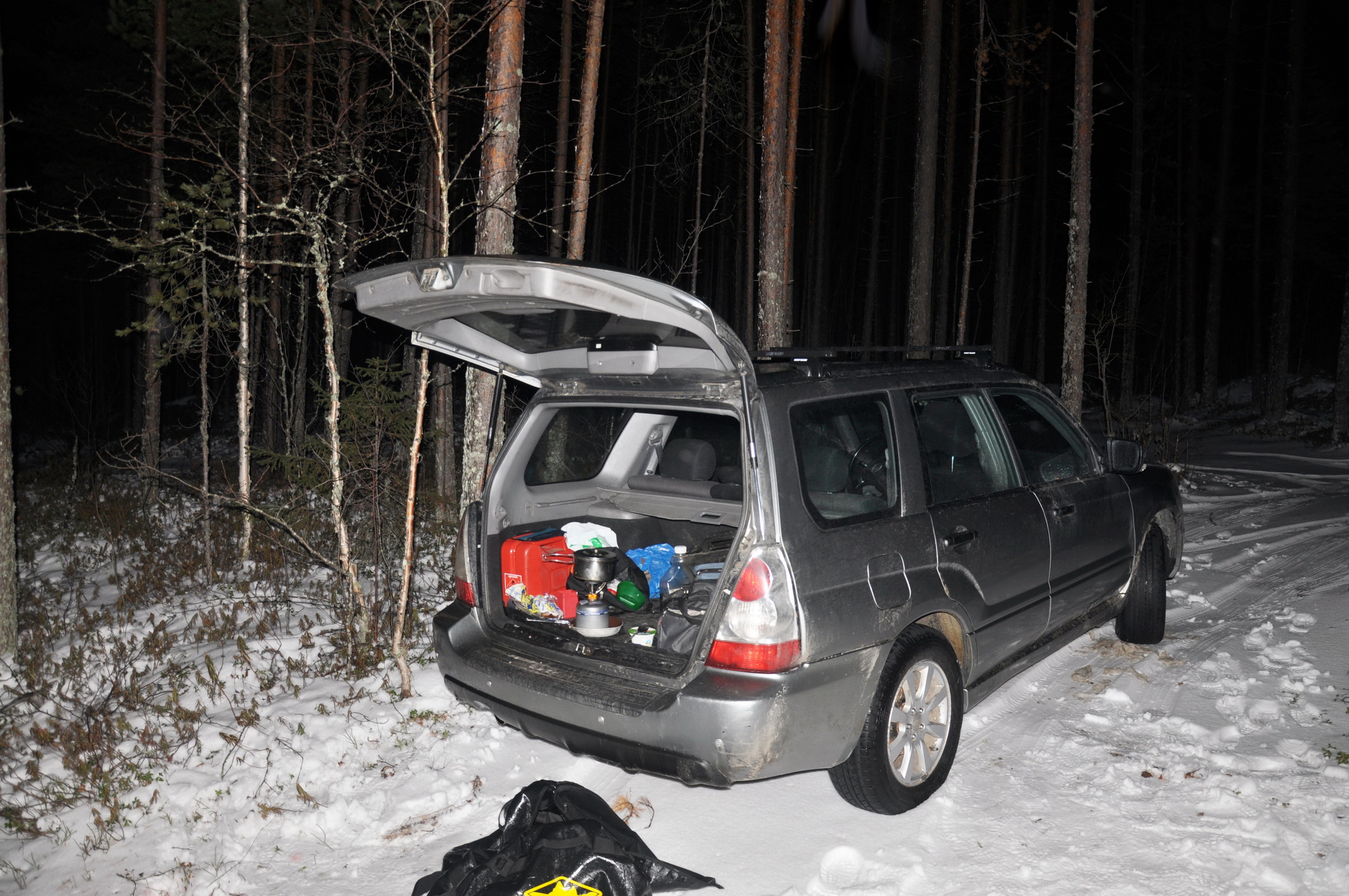
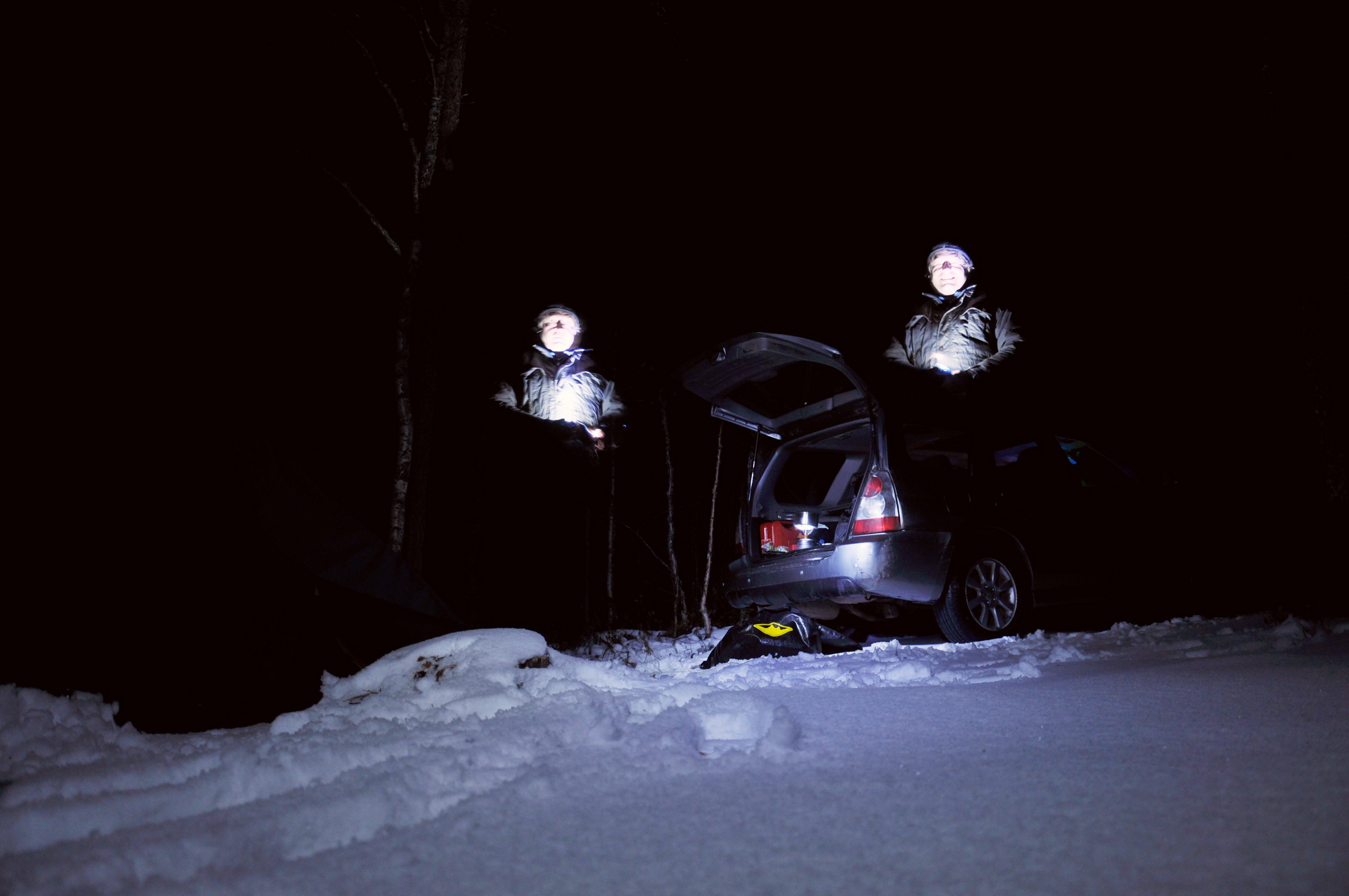
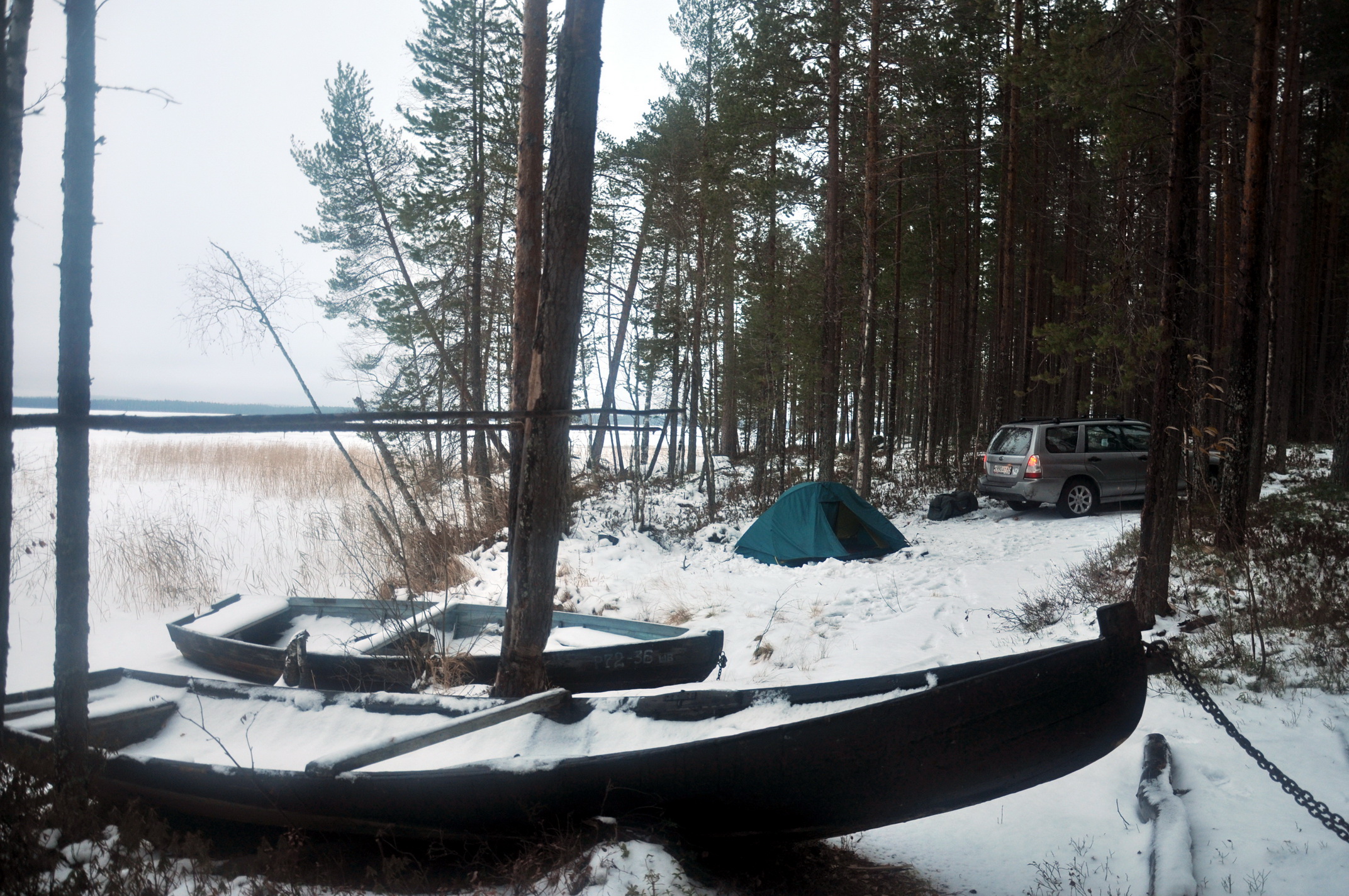
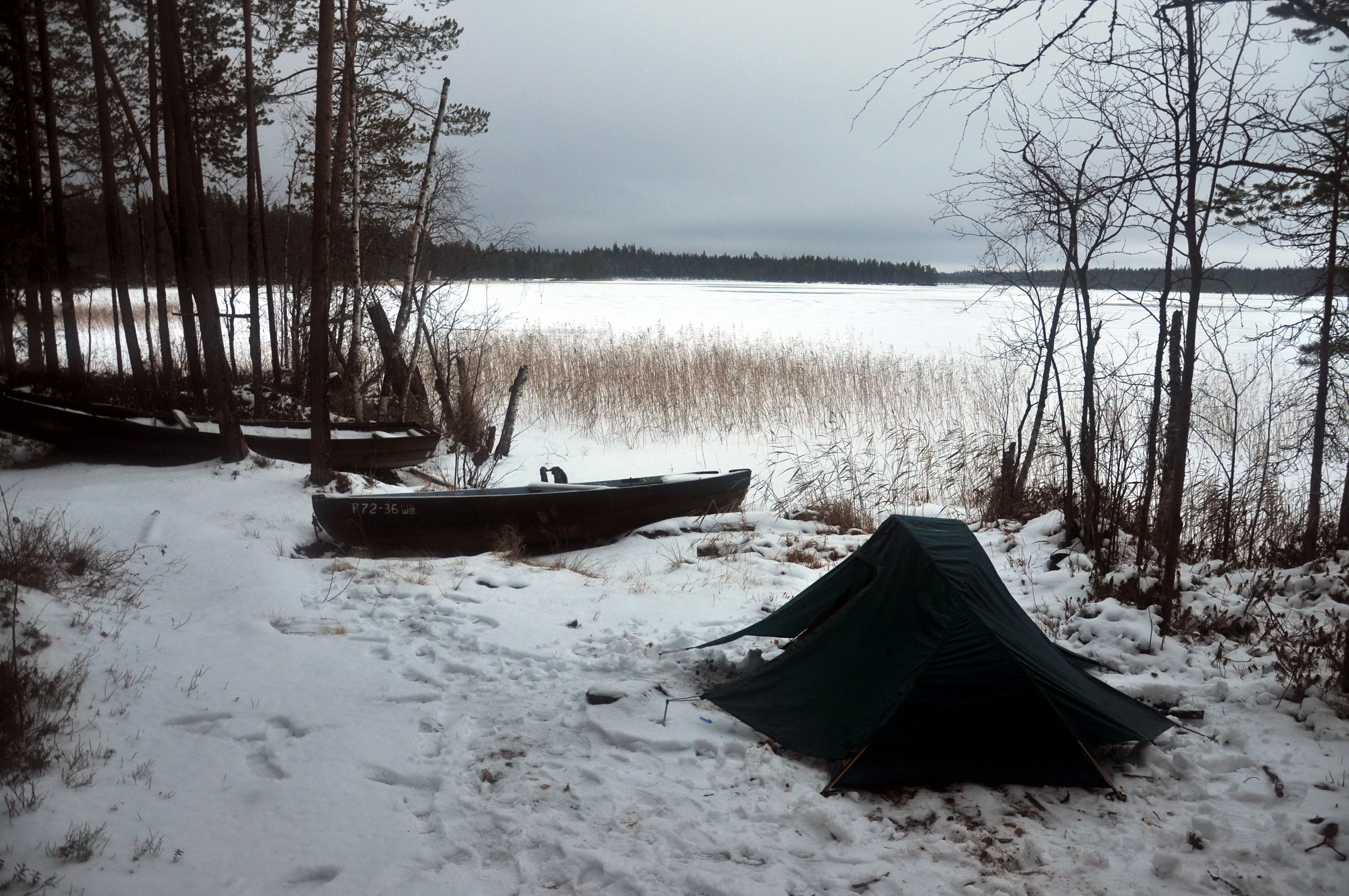
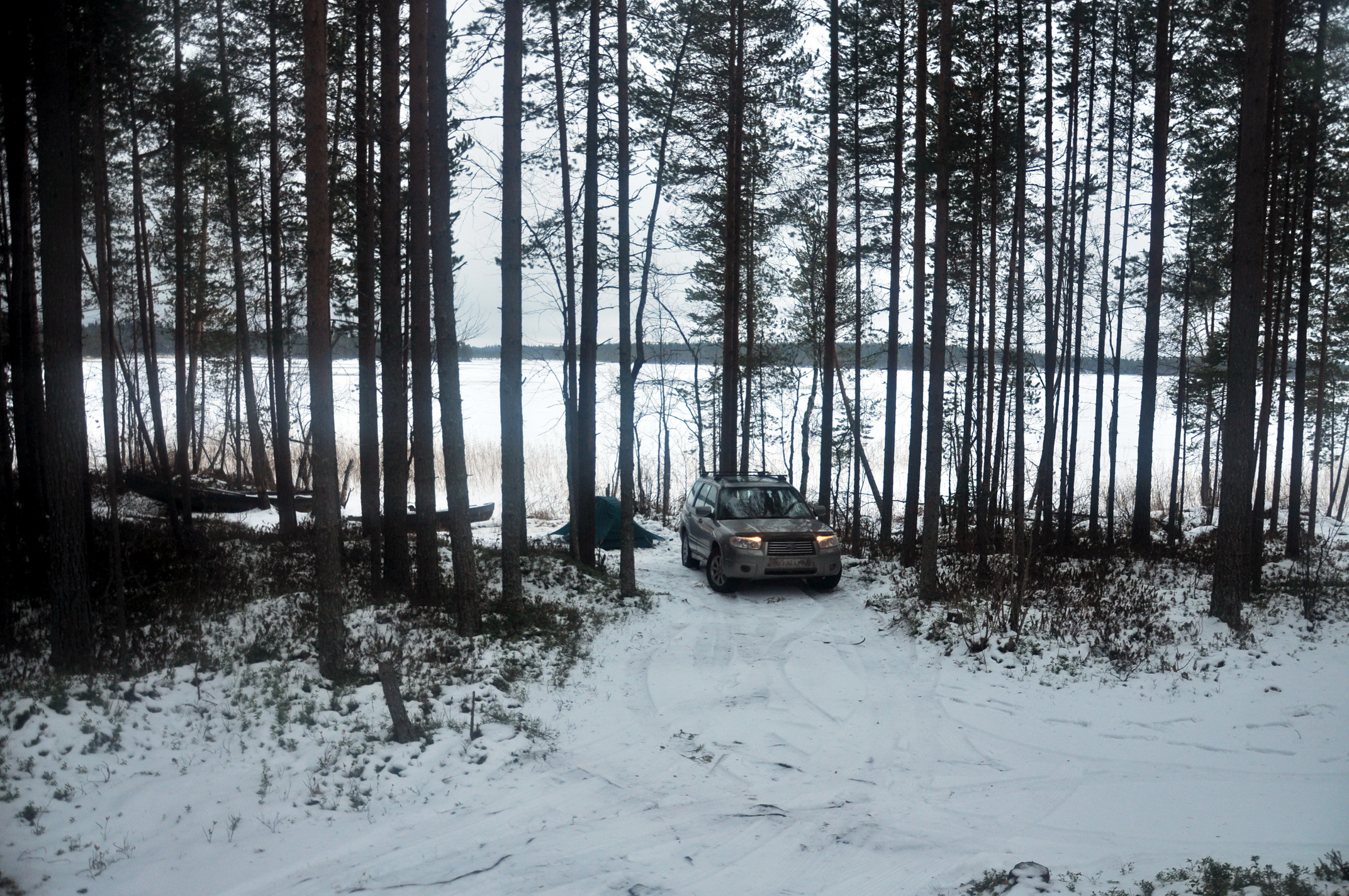
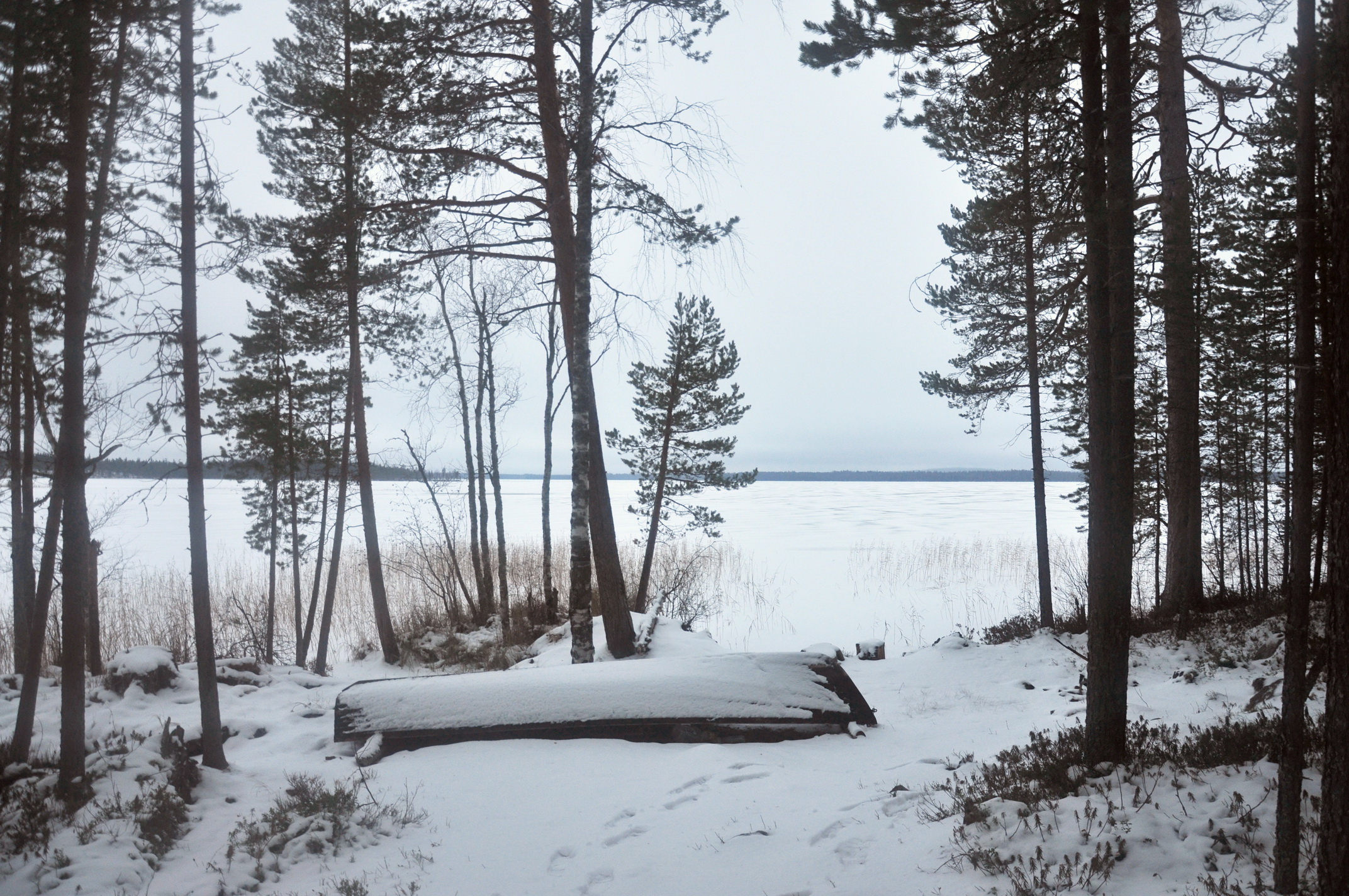
It was around zero, but after the deep freeze it felt hot.
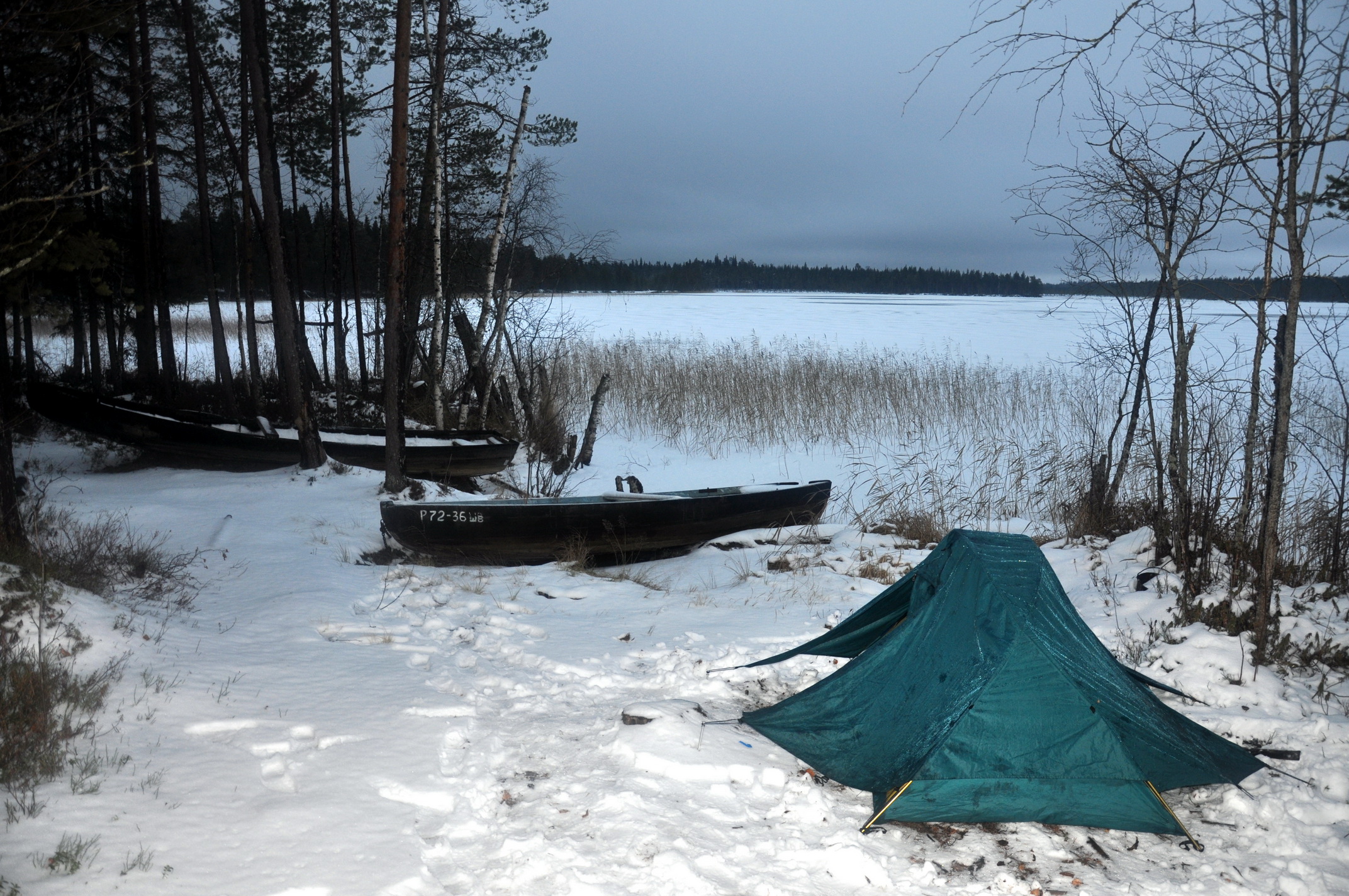
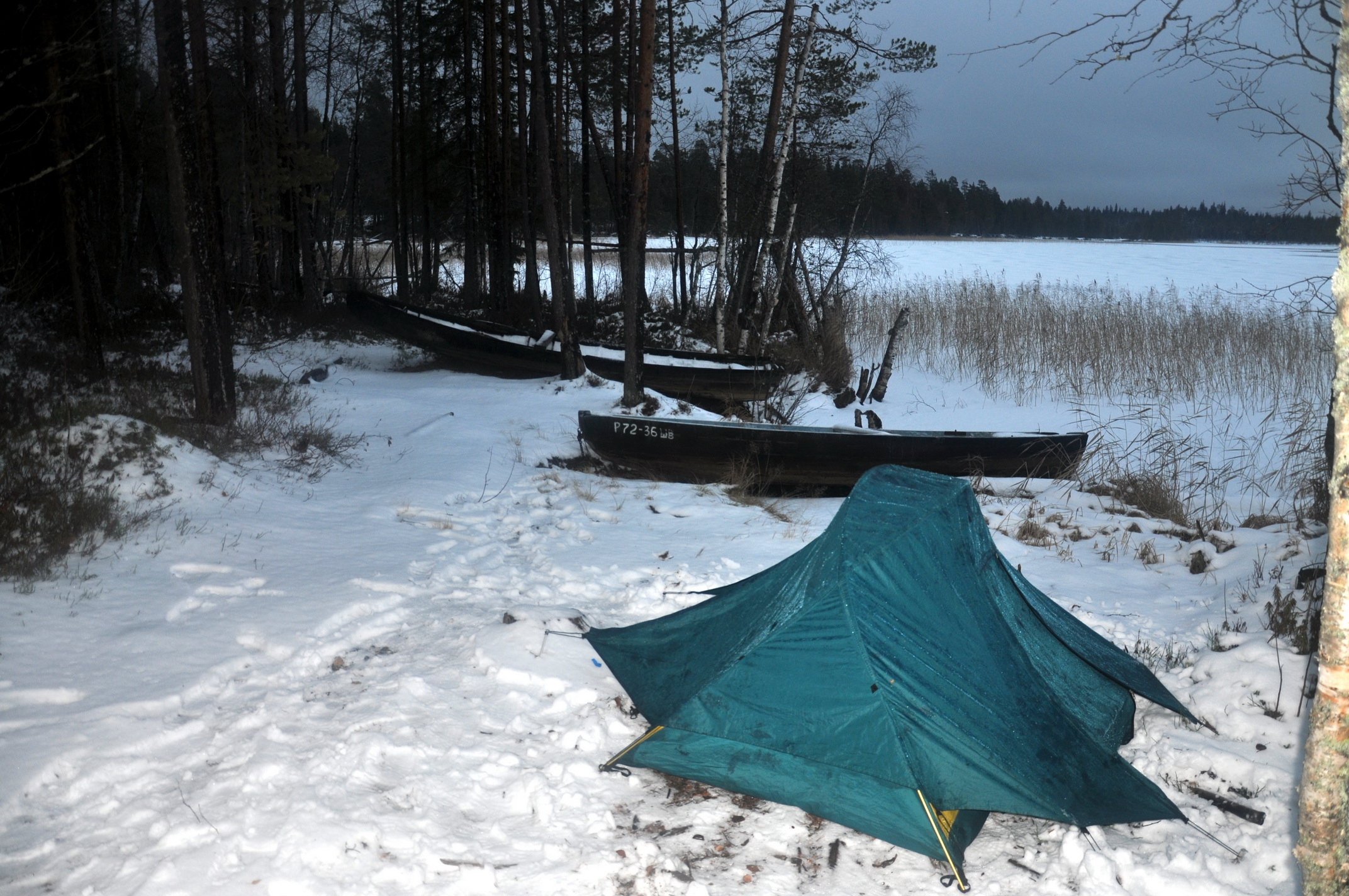
In the morning I called in at Medvezhyegorsk for the cylinder. By evening I was in Vyritsa.