Trip report
Our work on MegaFon’s base stations was taking us farther and farther from Saint Petersburg. Now it was Yaroslavl and Ivanovo’s turn, which meant a proper expedition of several days. Spring had finally arrived in earnest. The trip could hardly have been better timed.
First I still needed to stop in Novgorod, then in Peno, in Tver Oblast, where there was one last base station we hadn’t got to. Peno is near Lake Seliger, in the headwaters of the Volga. I’d been to Seliger a very long time ago, but this was my first chance to see where the Volga begins. It was a sizable detour along a road battered by the spring thaw, but that sort of thing has never stopped me.
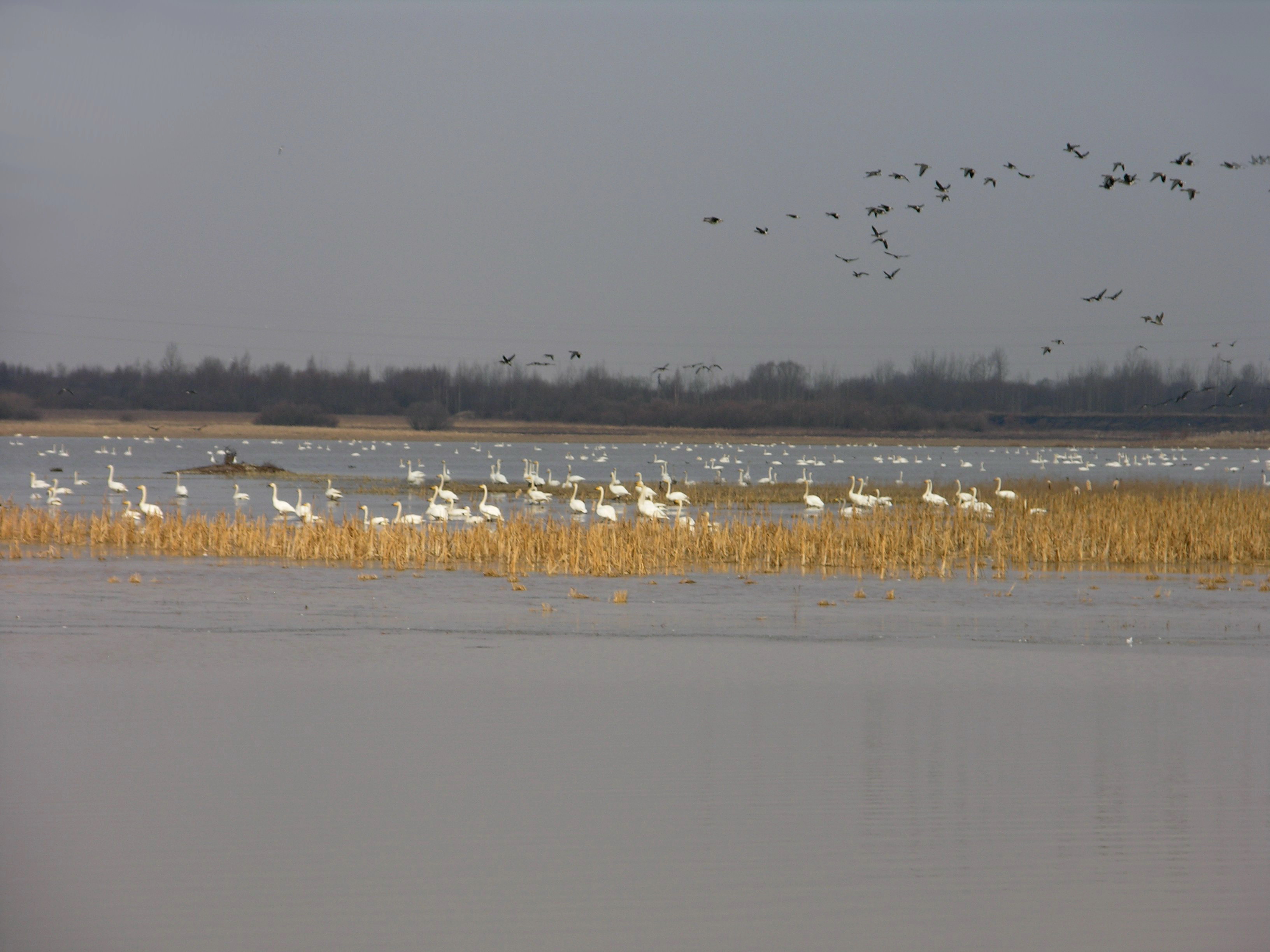
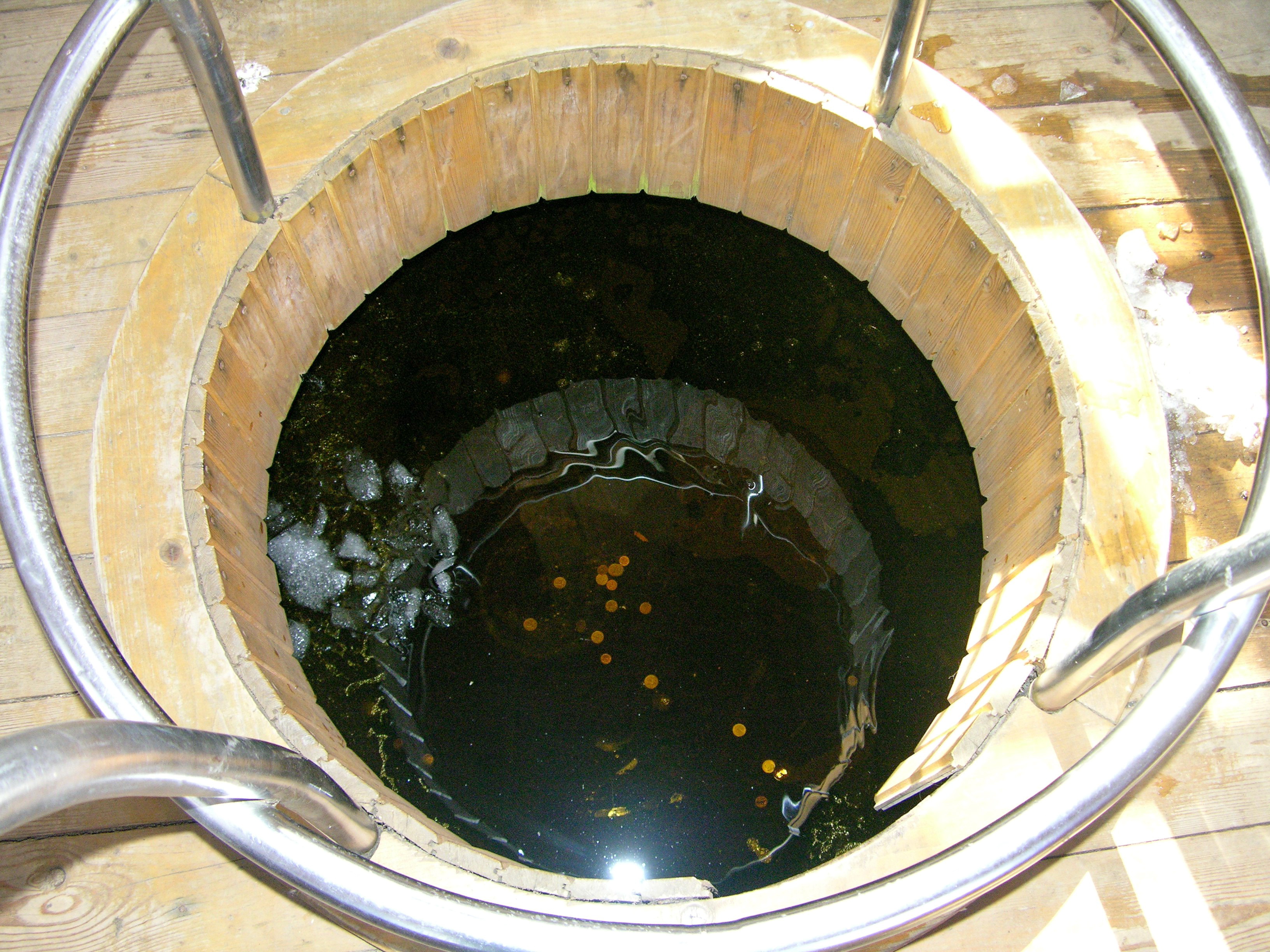
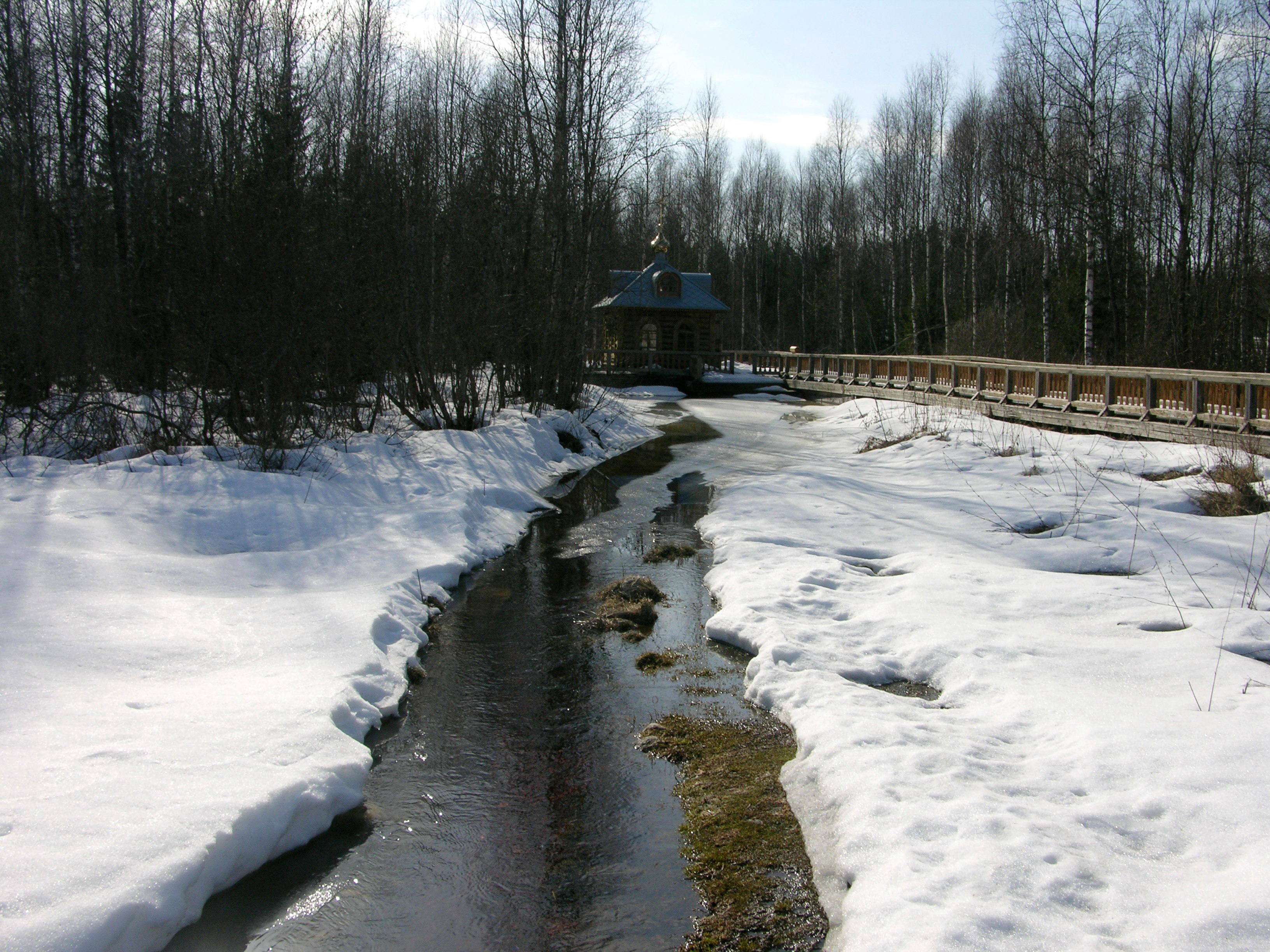
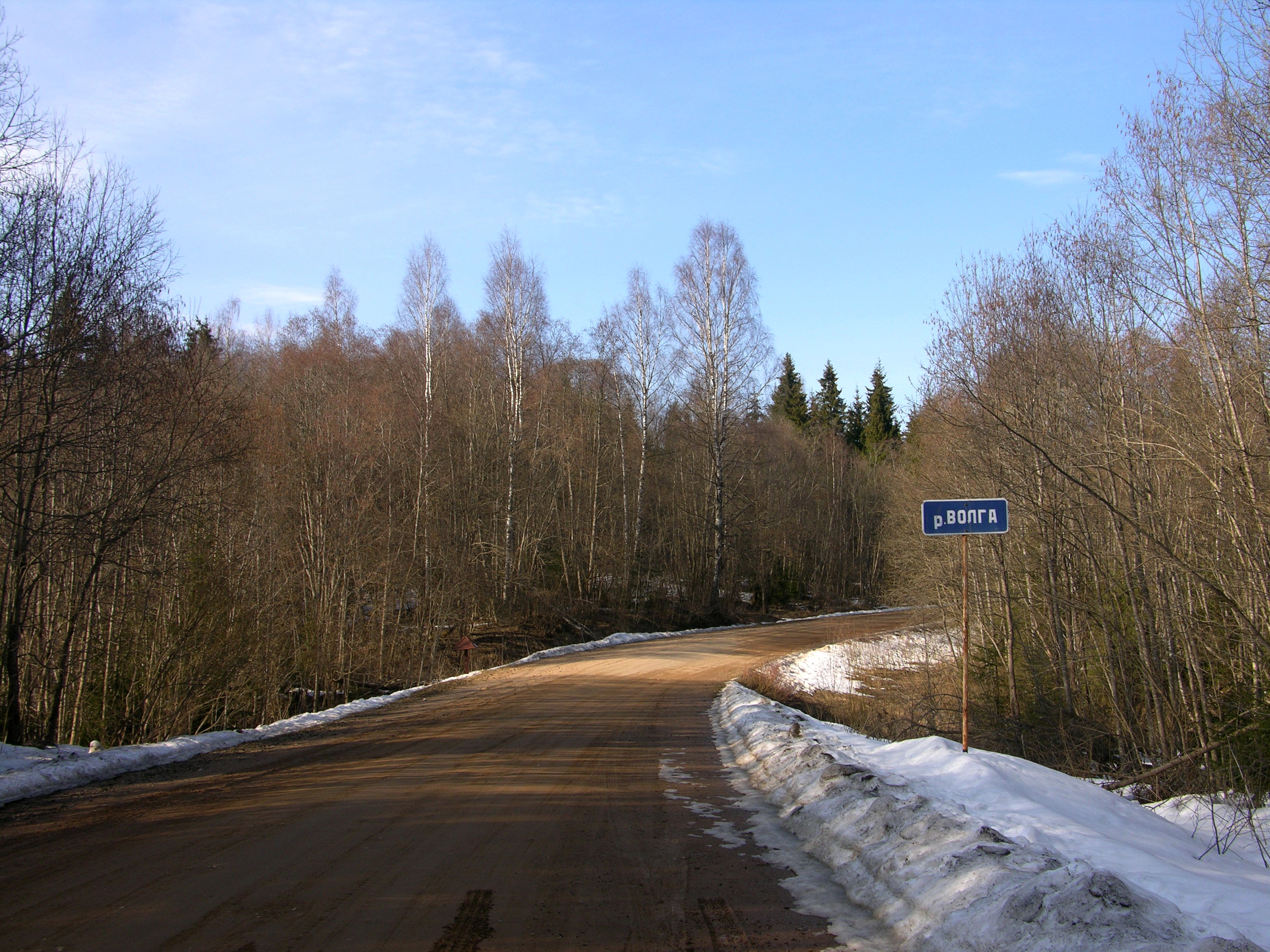
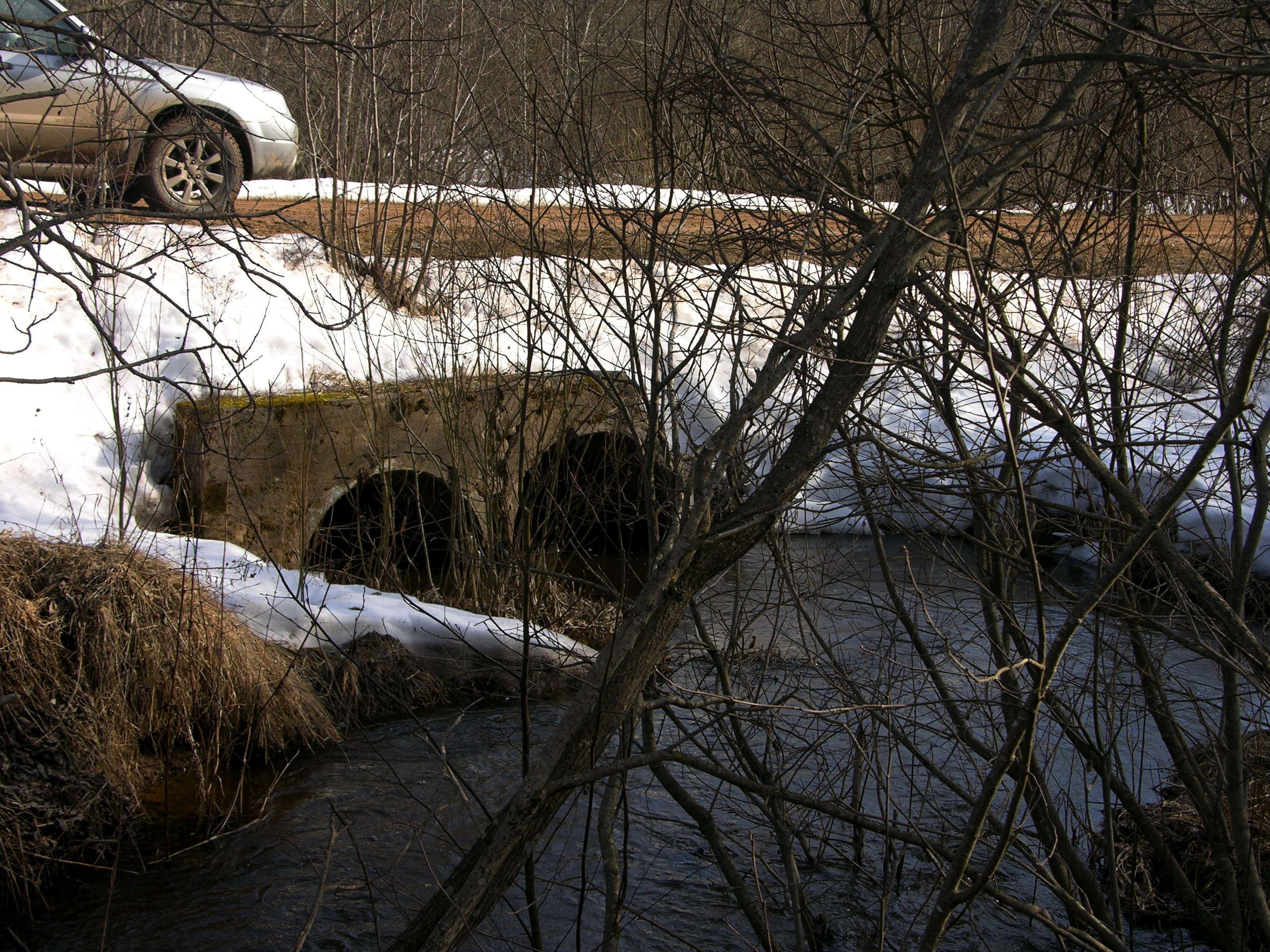
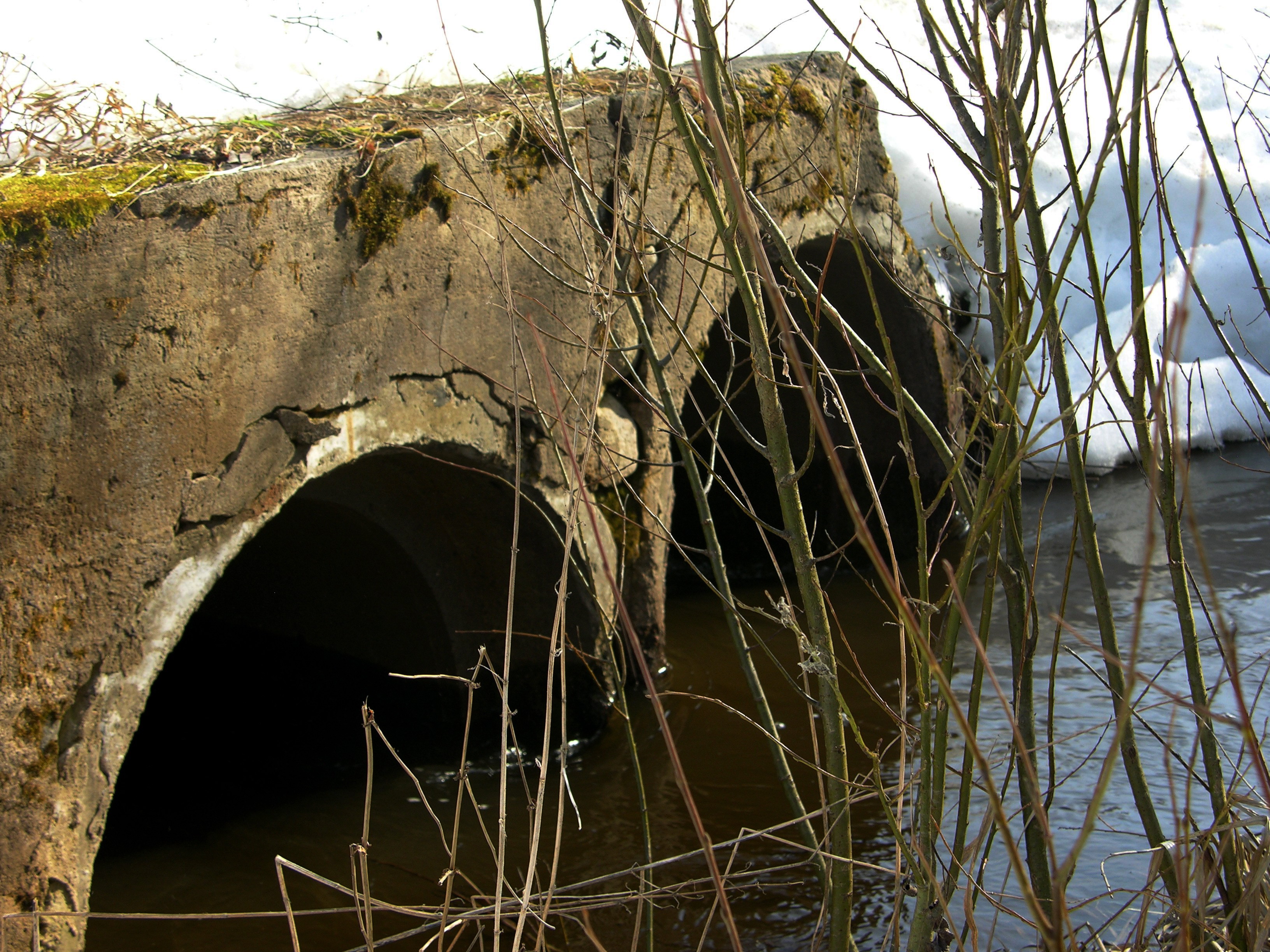
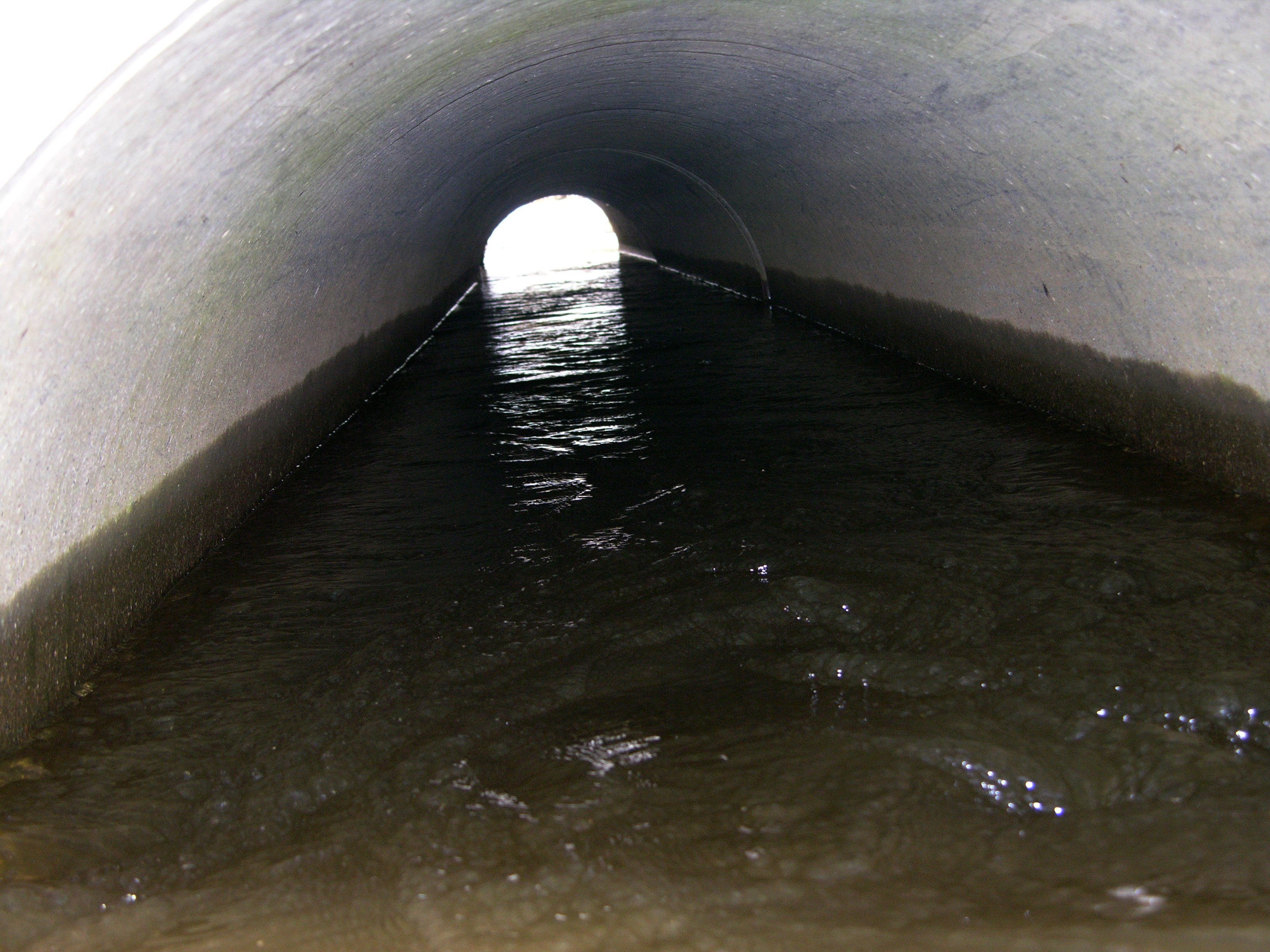
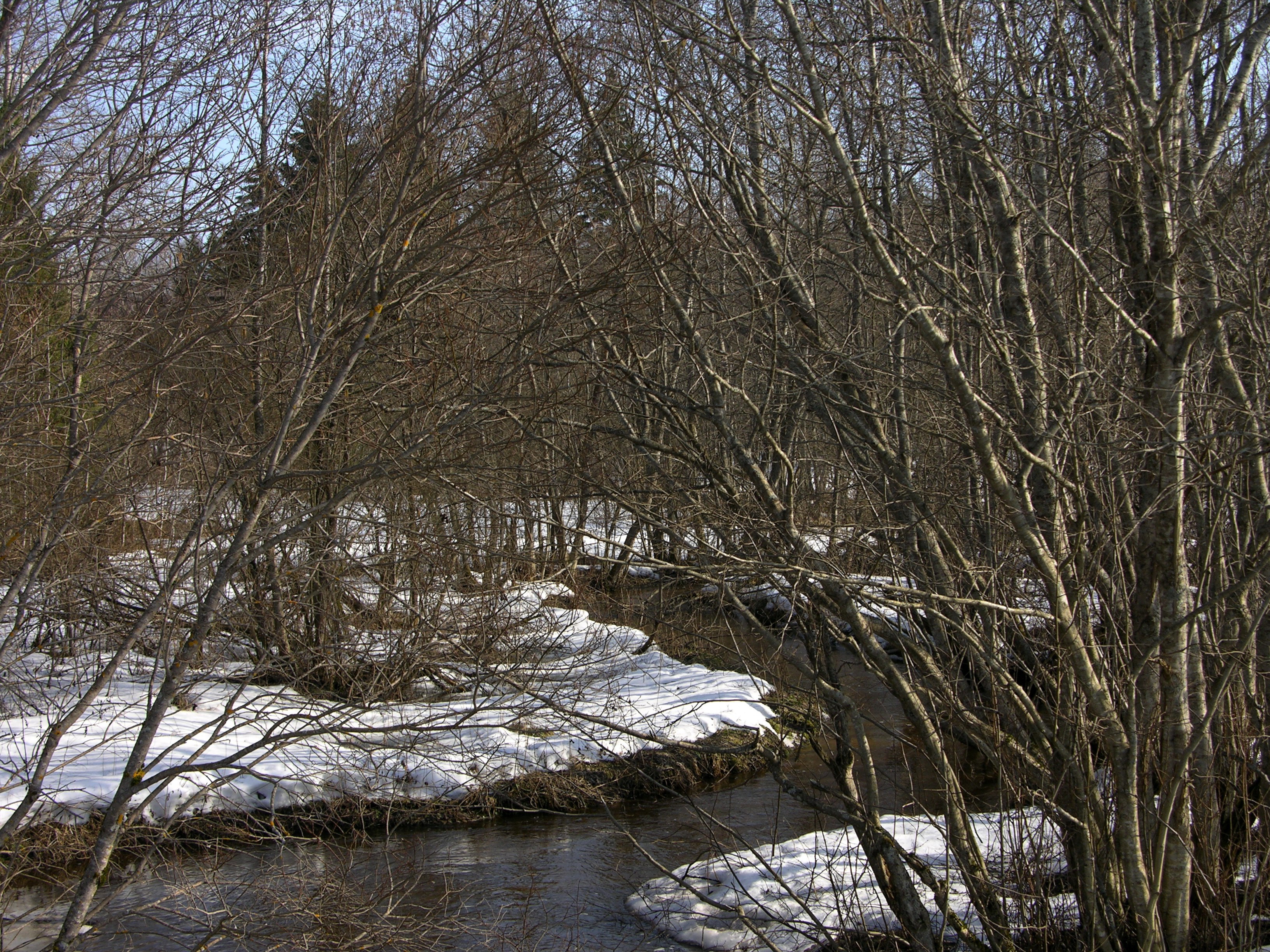
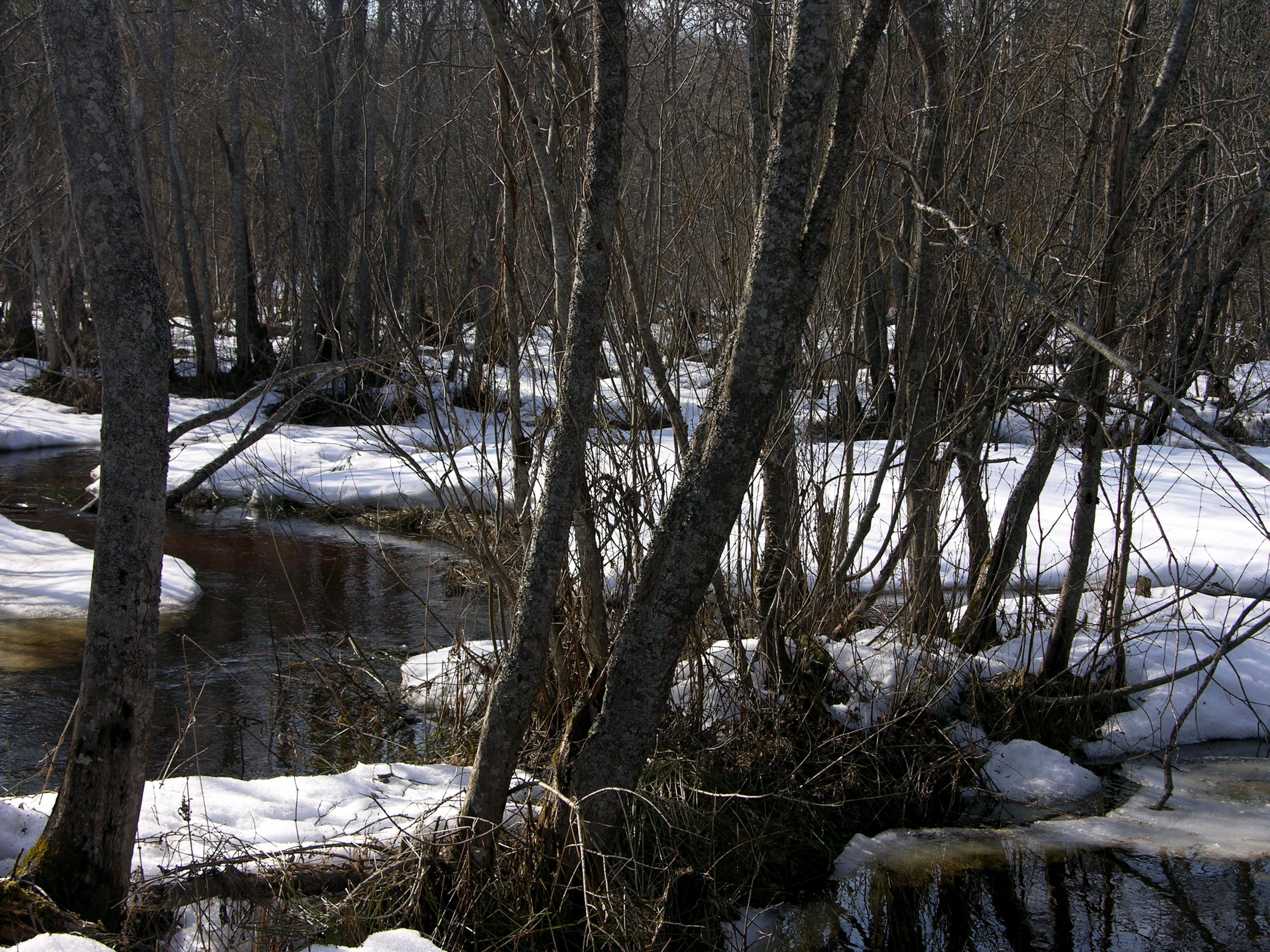
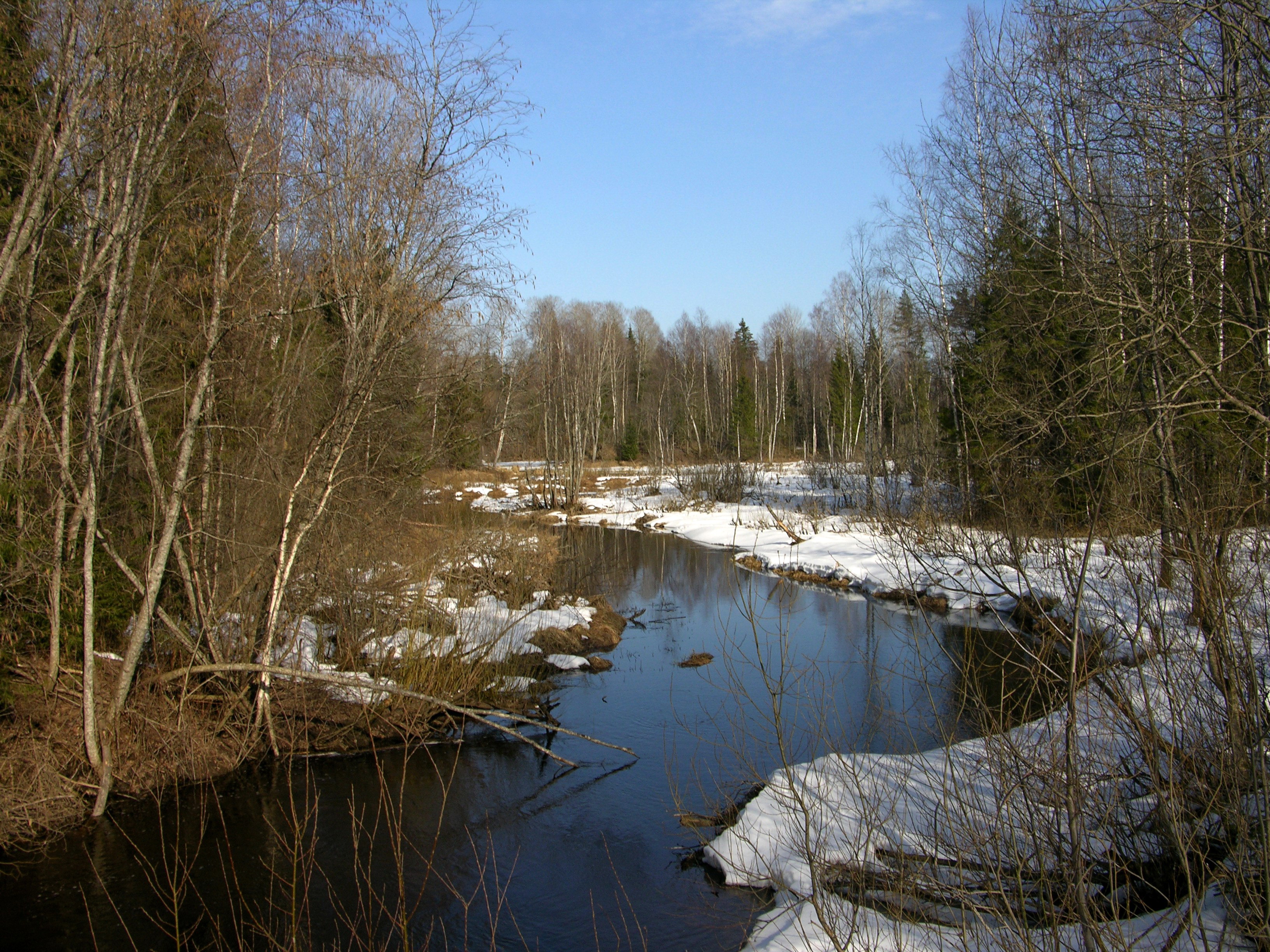
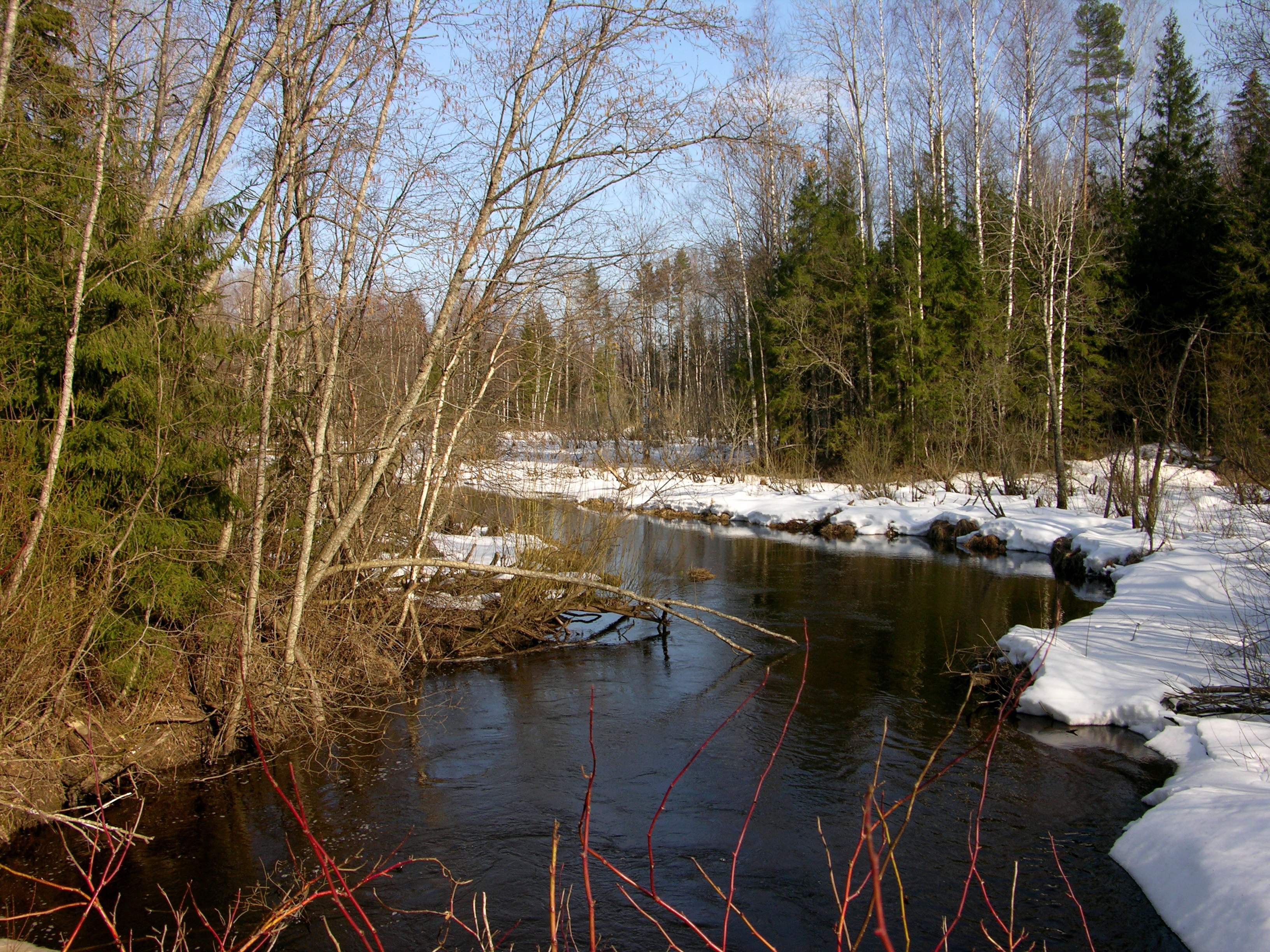
The source of the Volga by the village of Volgoverkhovye looks quite substantial. It’s hardly the Ganges, of course, but the spring is visibly distinct from the neighbouring bog, and the brook is immediately apparent, unlike the source of the Dnieper. You can also see the first road bridge across the Volga. The river quickly grows wider. At Peno it is already enormously wide.
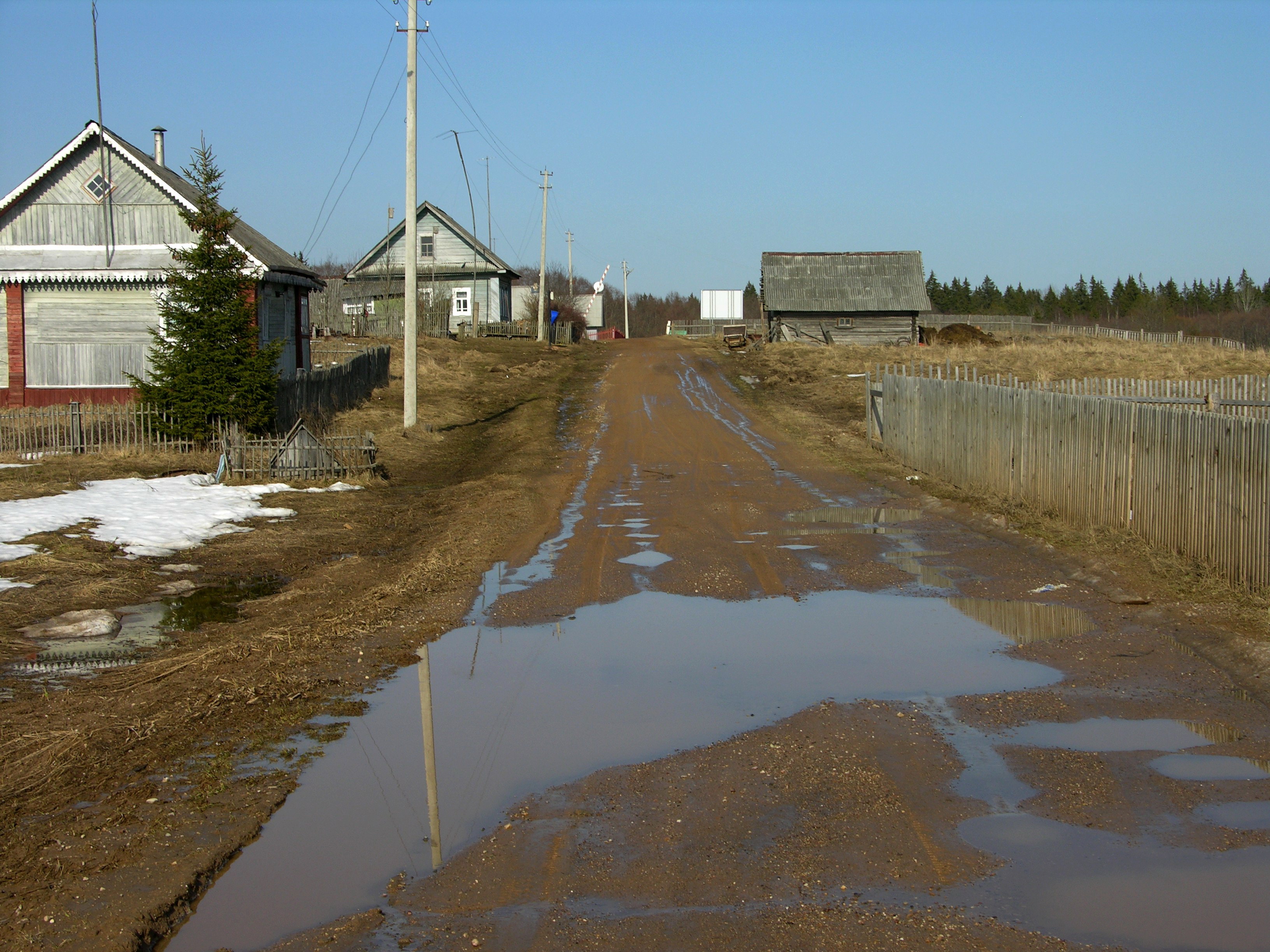
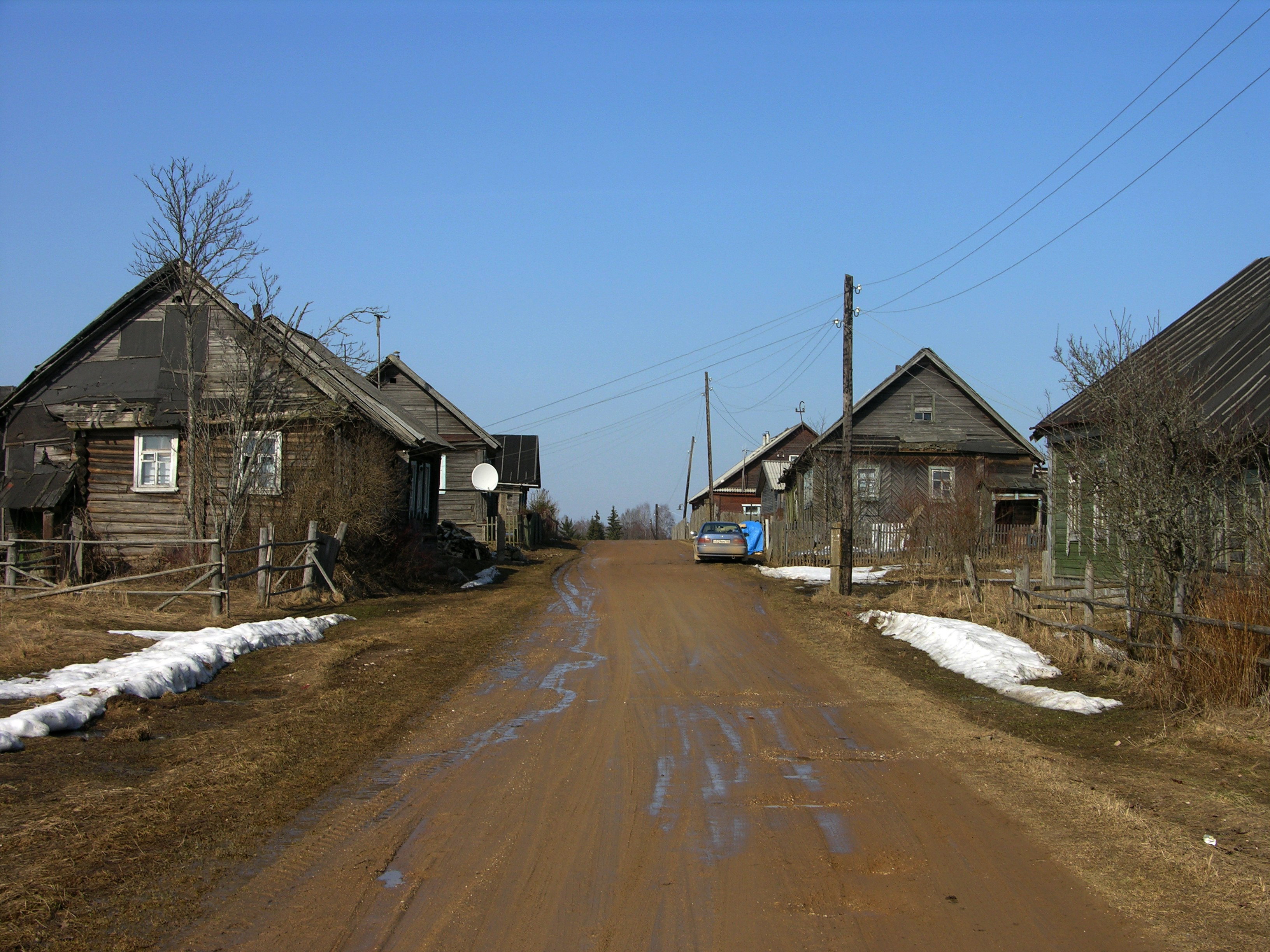
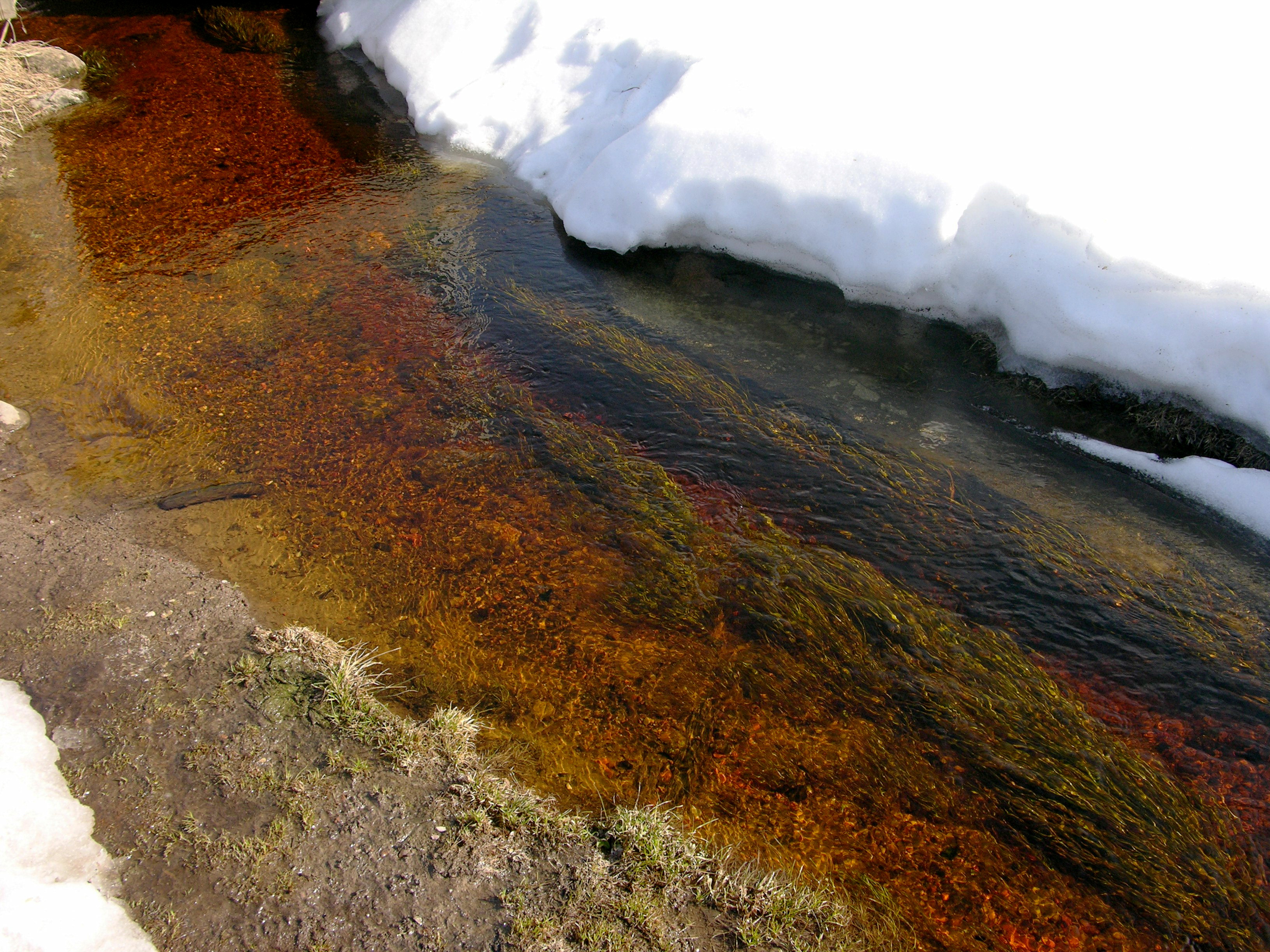
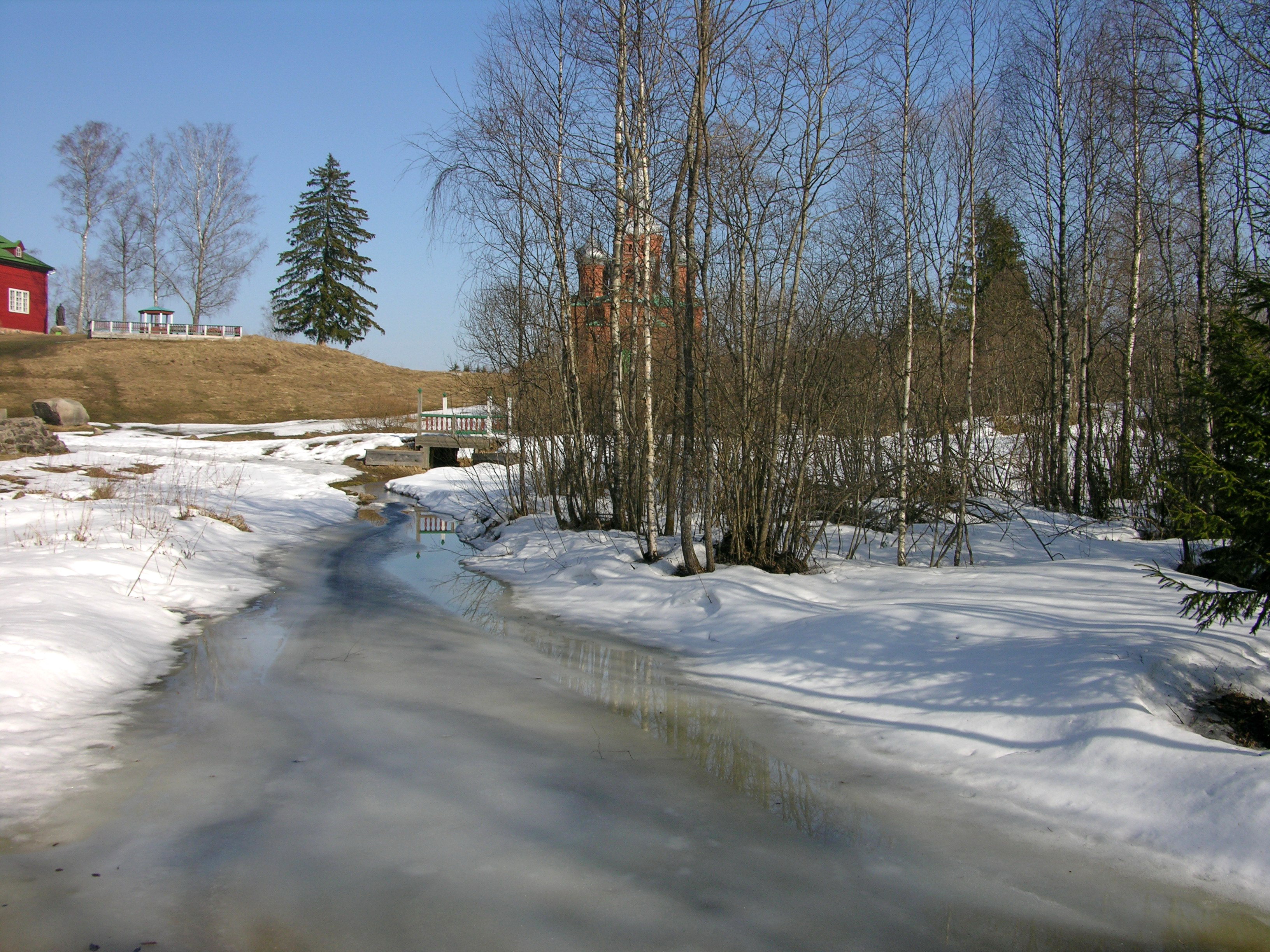
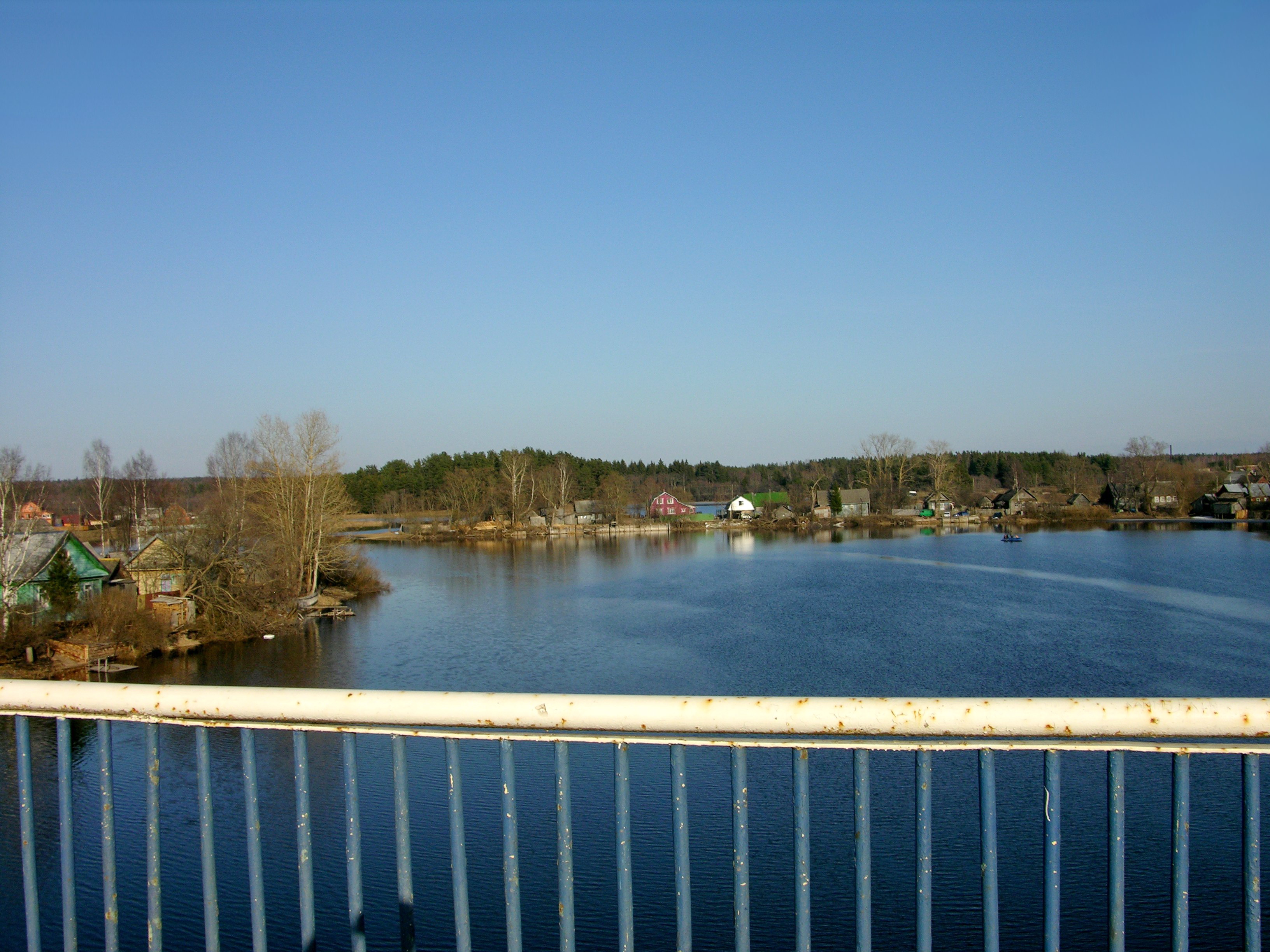
From there I headed for Lake Seliger. I was taken there as a child and went boating on the lake with my grandfather. Back then I was fascinated by the restricted area on Gorodomlya Island. By the time of this trip you could look it up on the Internet and read how Korolyov’s operation got its start there with the work of German rocket specialists taken prisoner. The island was still a closed administrative area. Even so, you could book a stay at its holiday resort without any special permission. I went for a walk around Ostashkov.
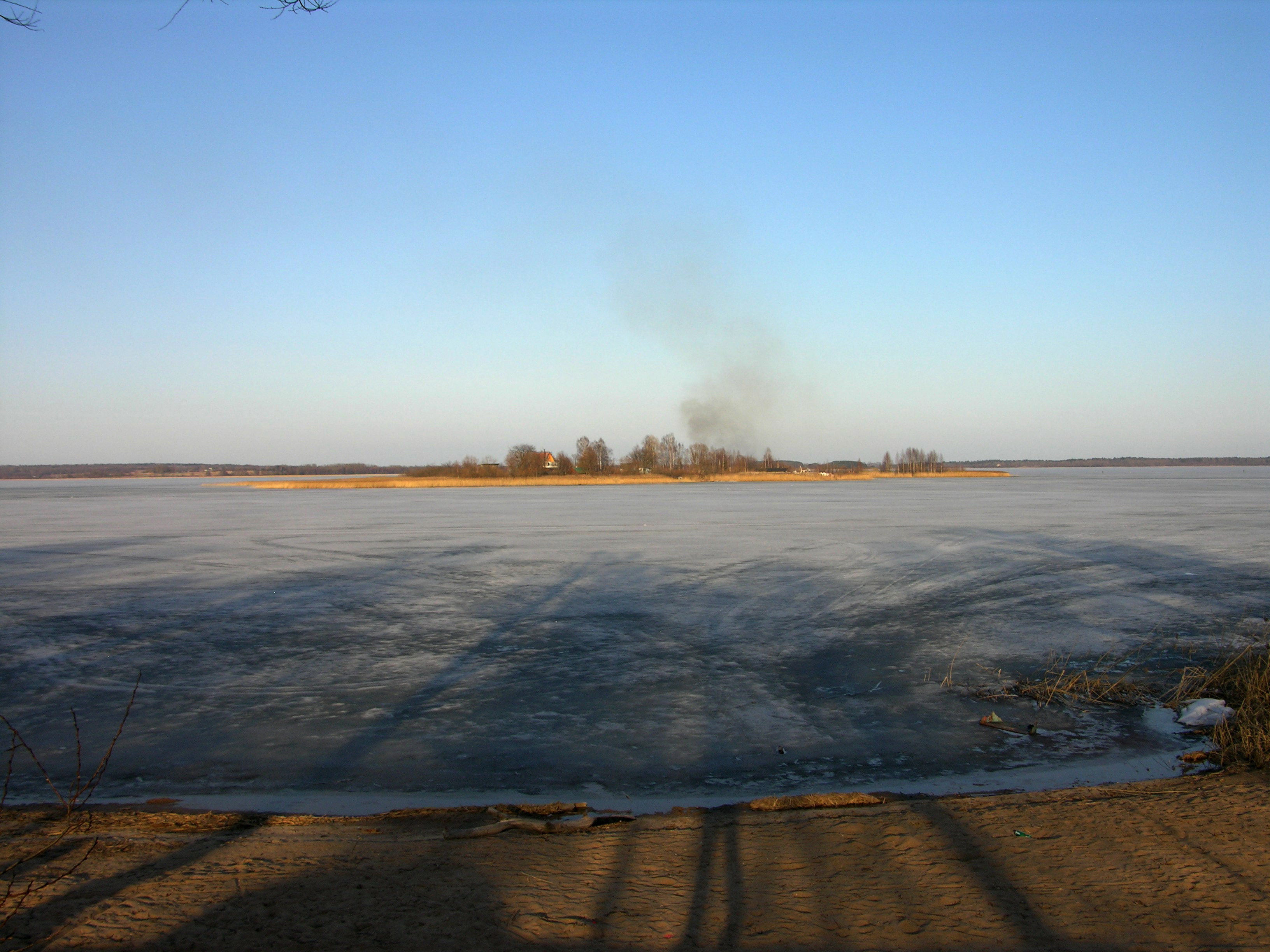
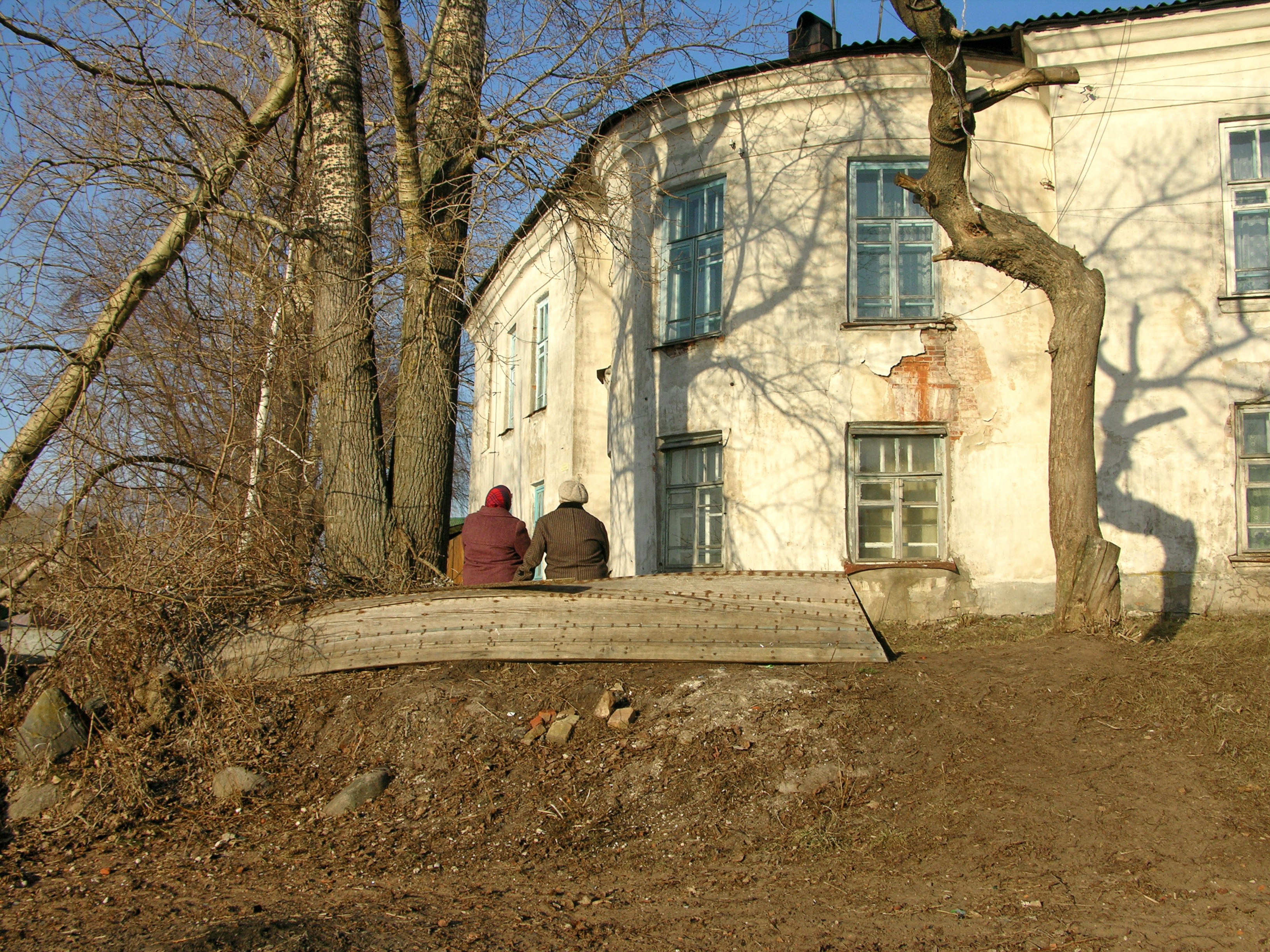
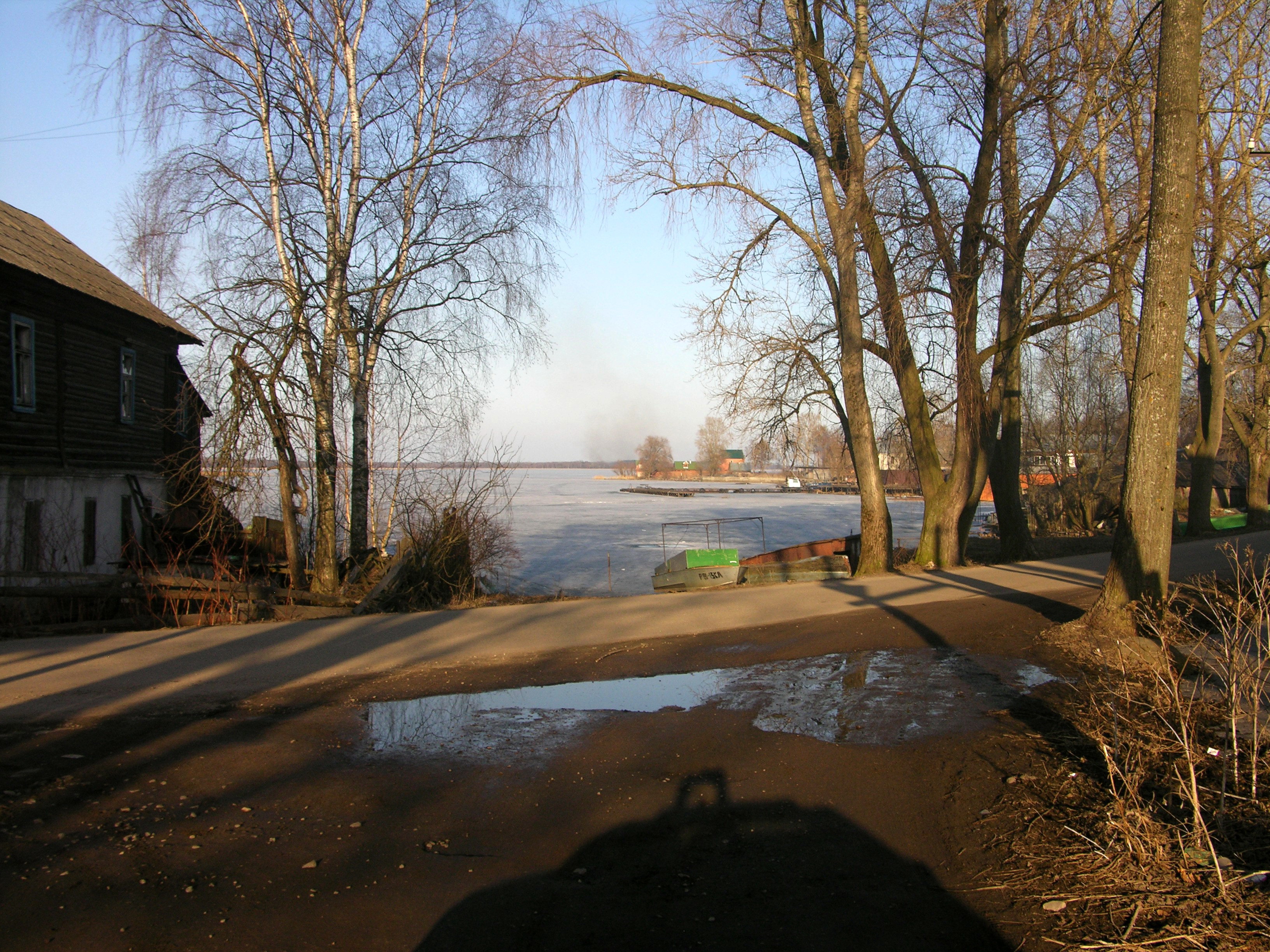
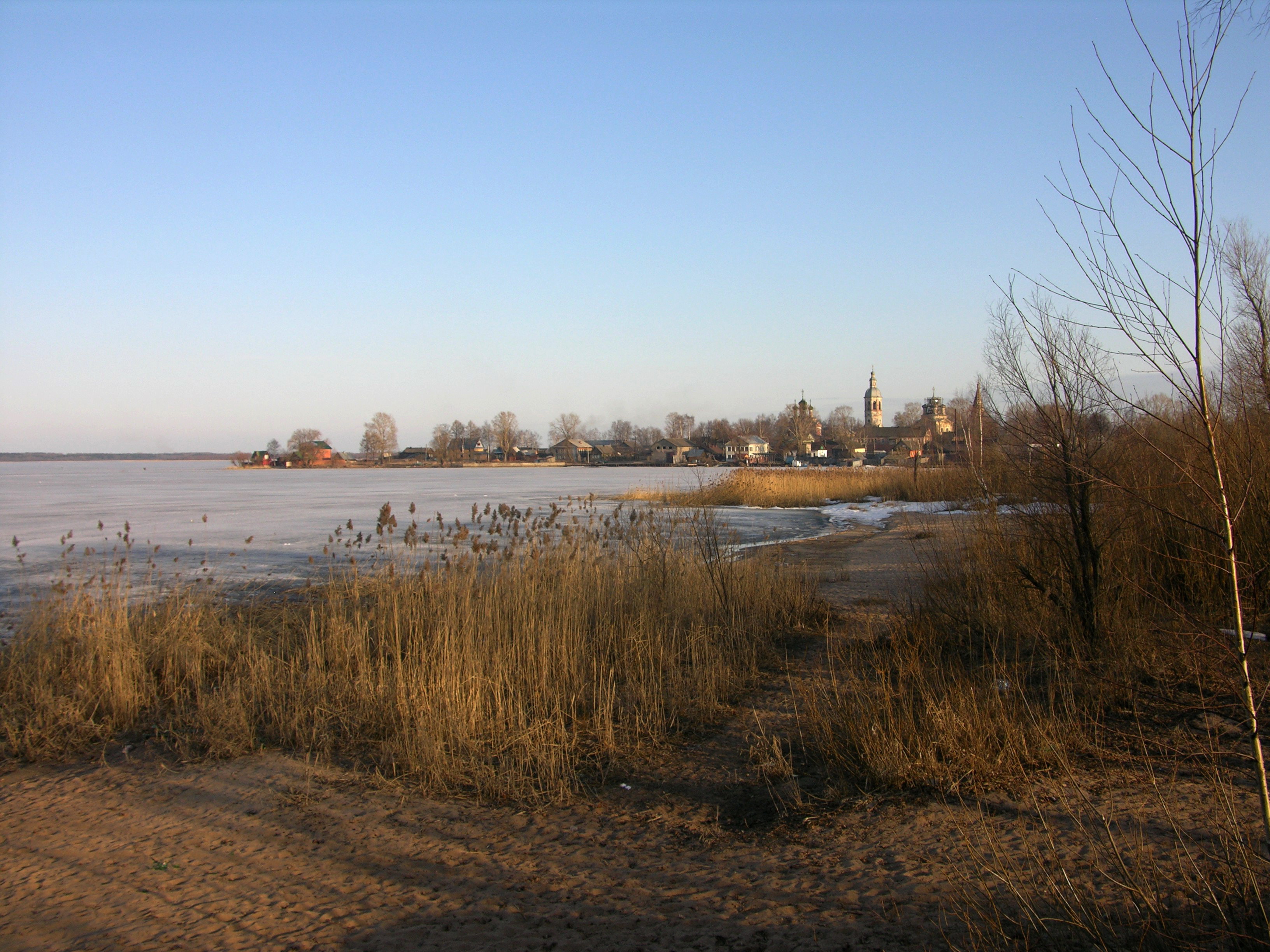
I drove into the woods east of Bologoye to spend the night. There was still plenty of snow in the woods, but I knew a good spot on the bank of the Kolomenka River, at 57°56.495′N, 34°03.551′E.
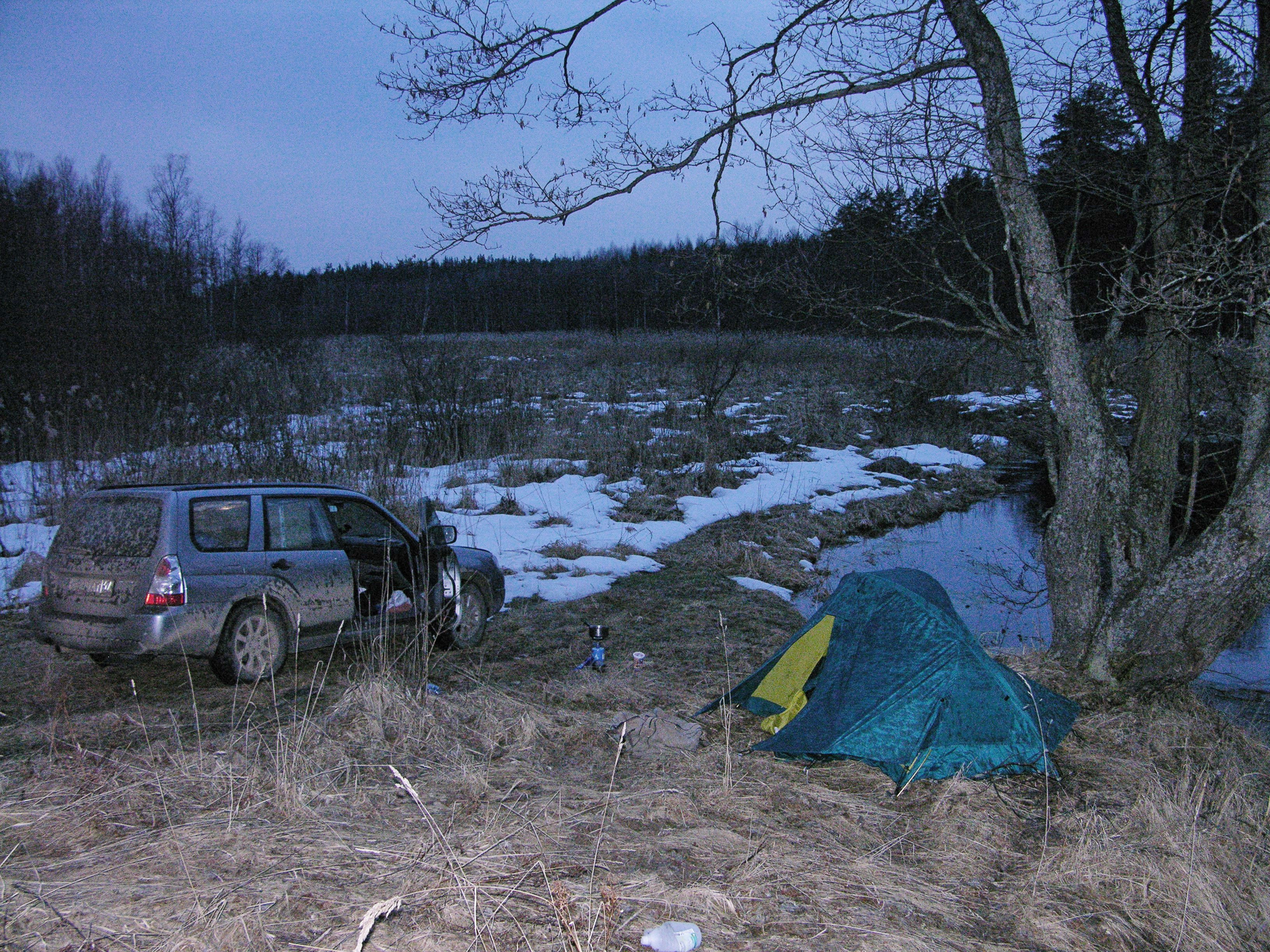
On the second day I got to Yaroslavl and spent the night at the MegaFon hotel, at 57°37.986′N, 39°52.788′E. We spent all the next day visiting base stations. We started in Yaroslavl itself, on Zlatoustinskaya Street, where the antennas had been mounted on the boiler house chimney.
We went to Rybinsk and countless God-forsaken villages. We had eighteen sites in Yaroslavl Oblast altogether.
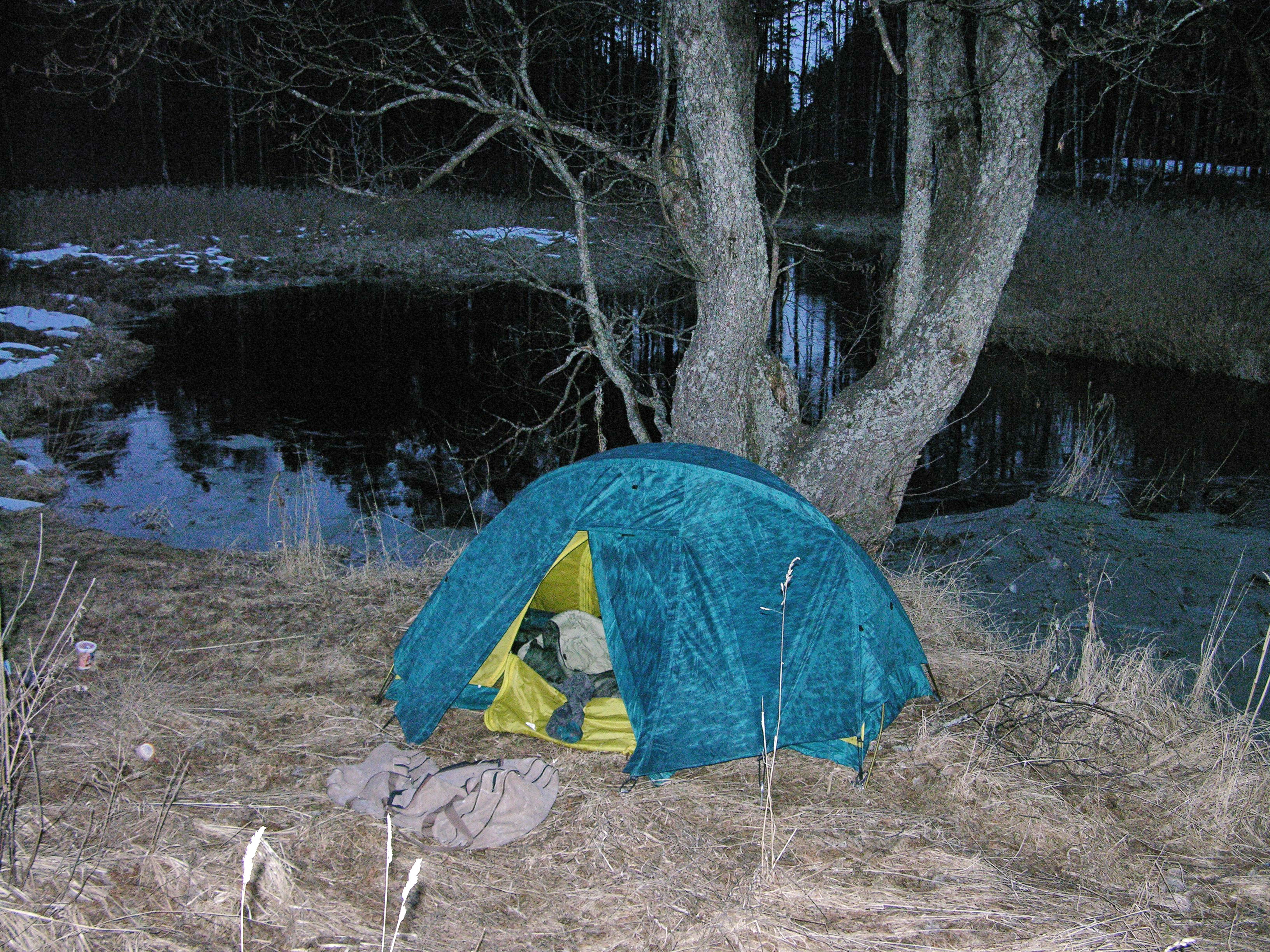
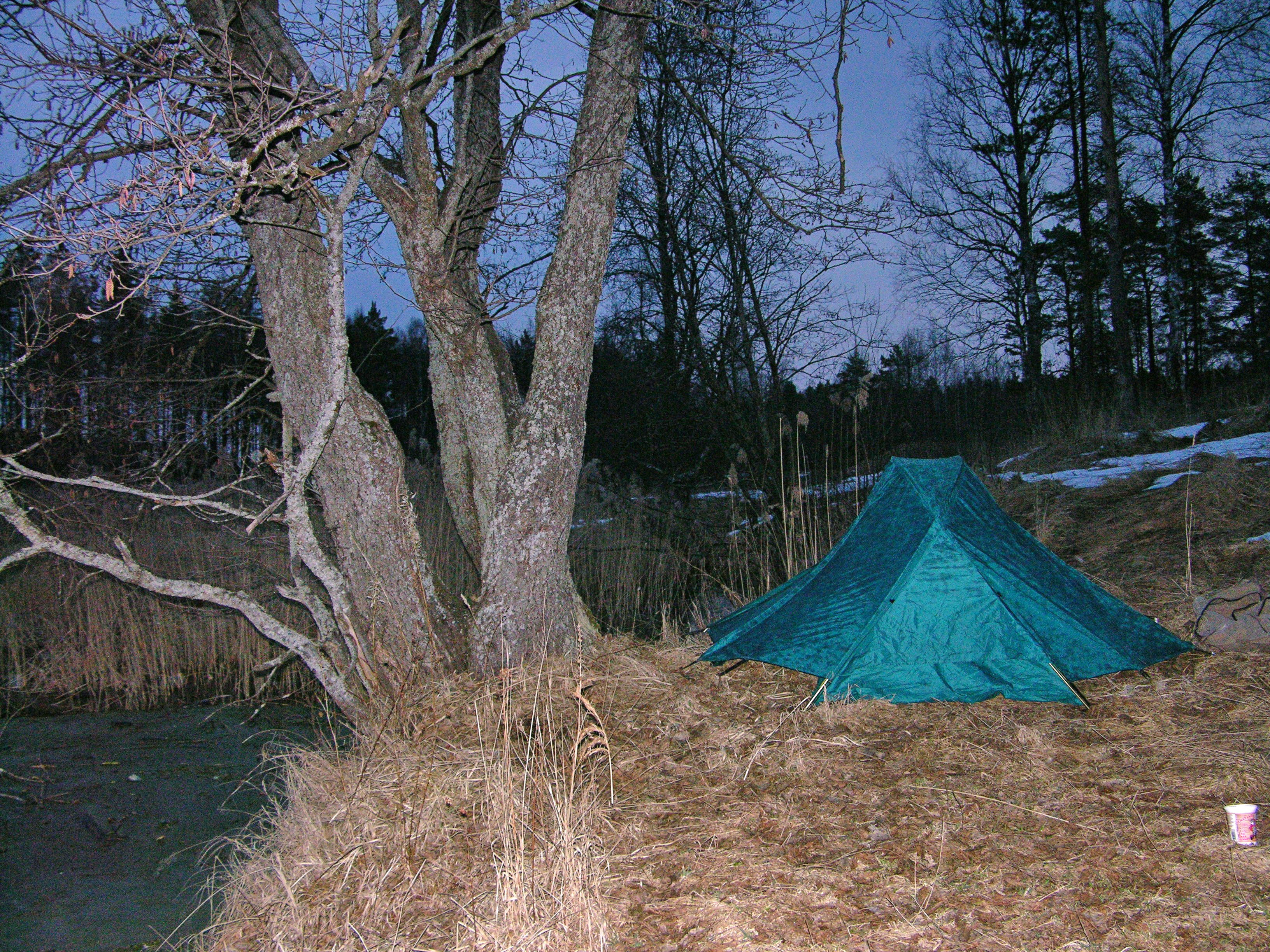
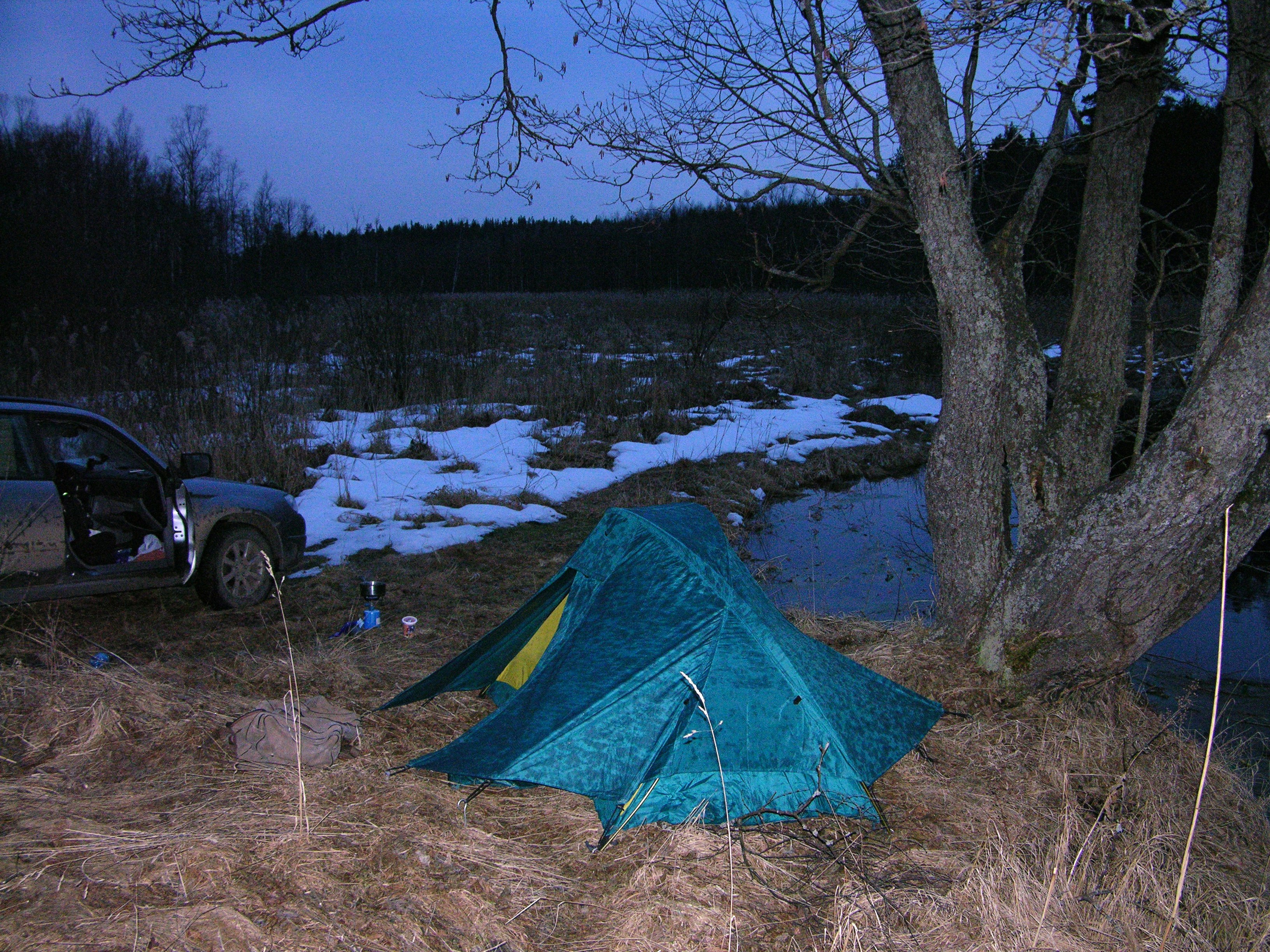
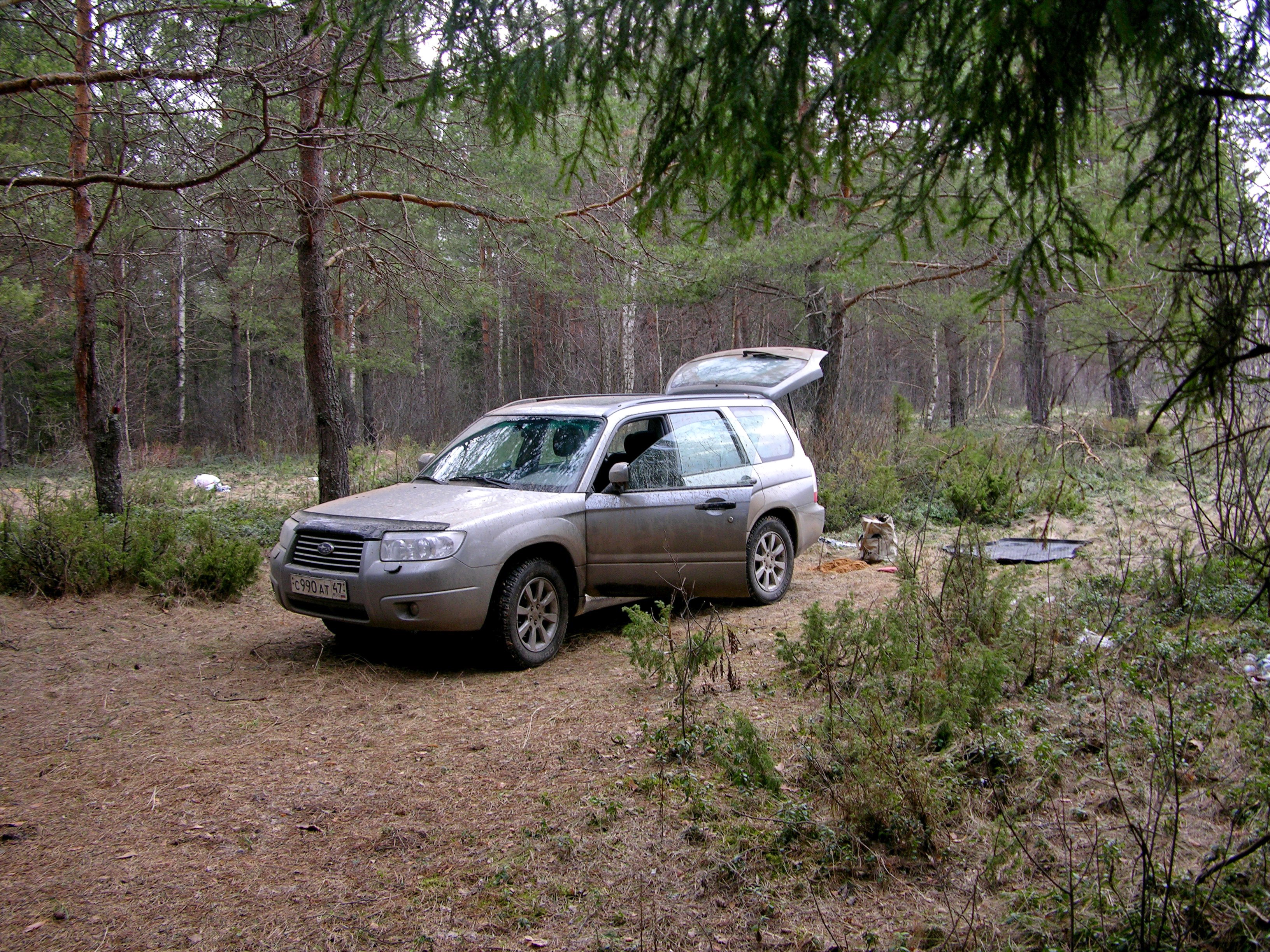
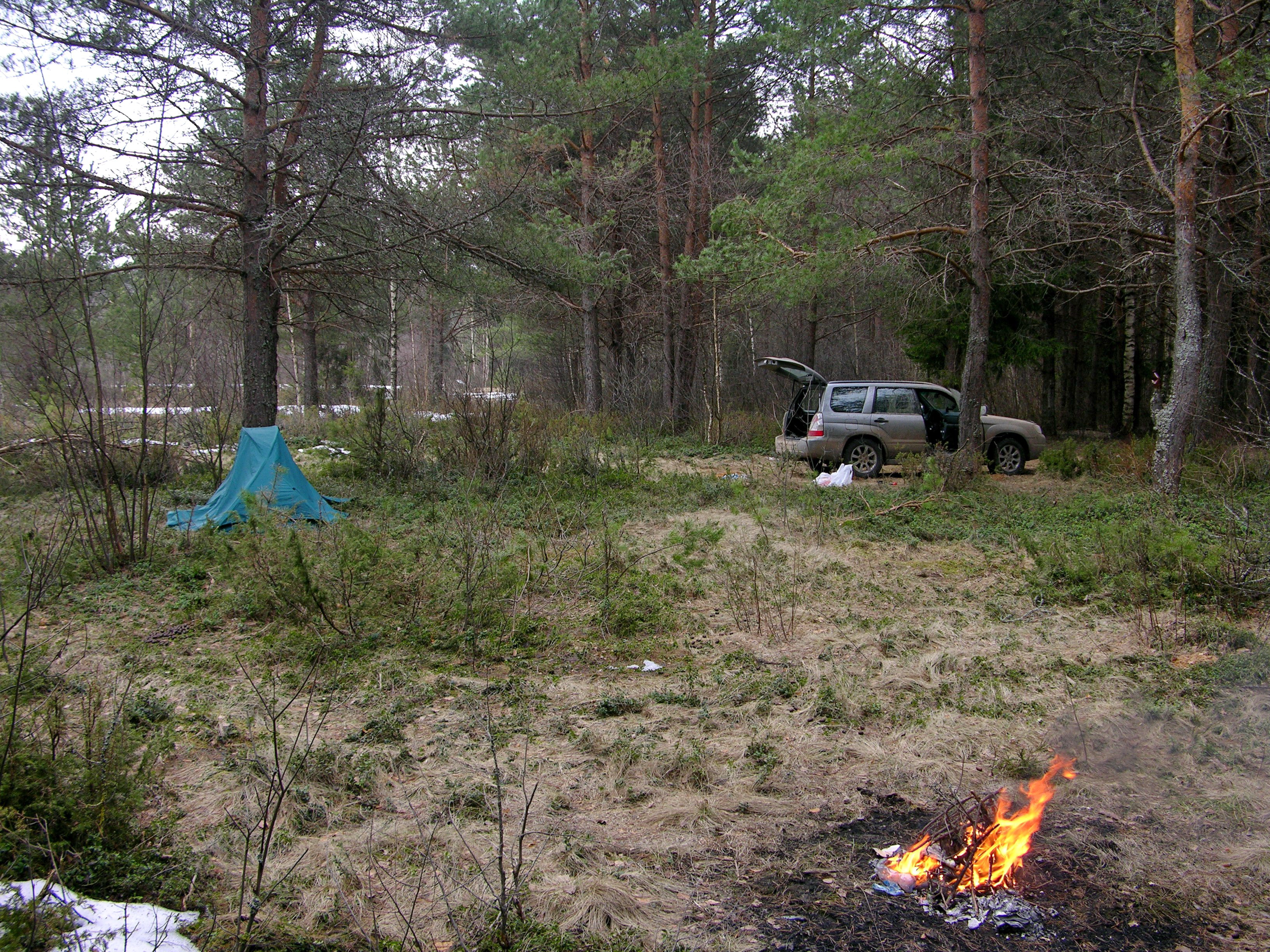
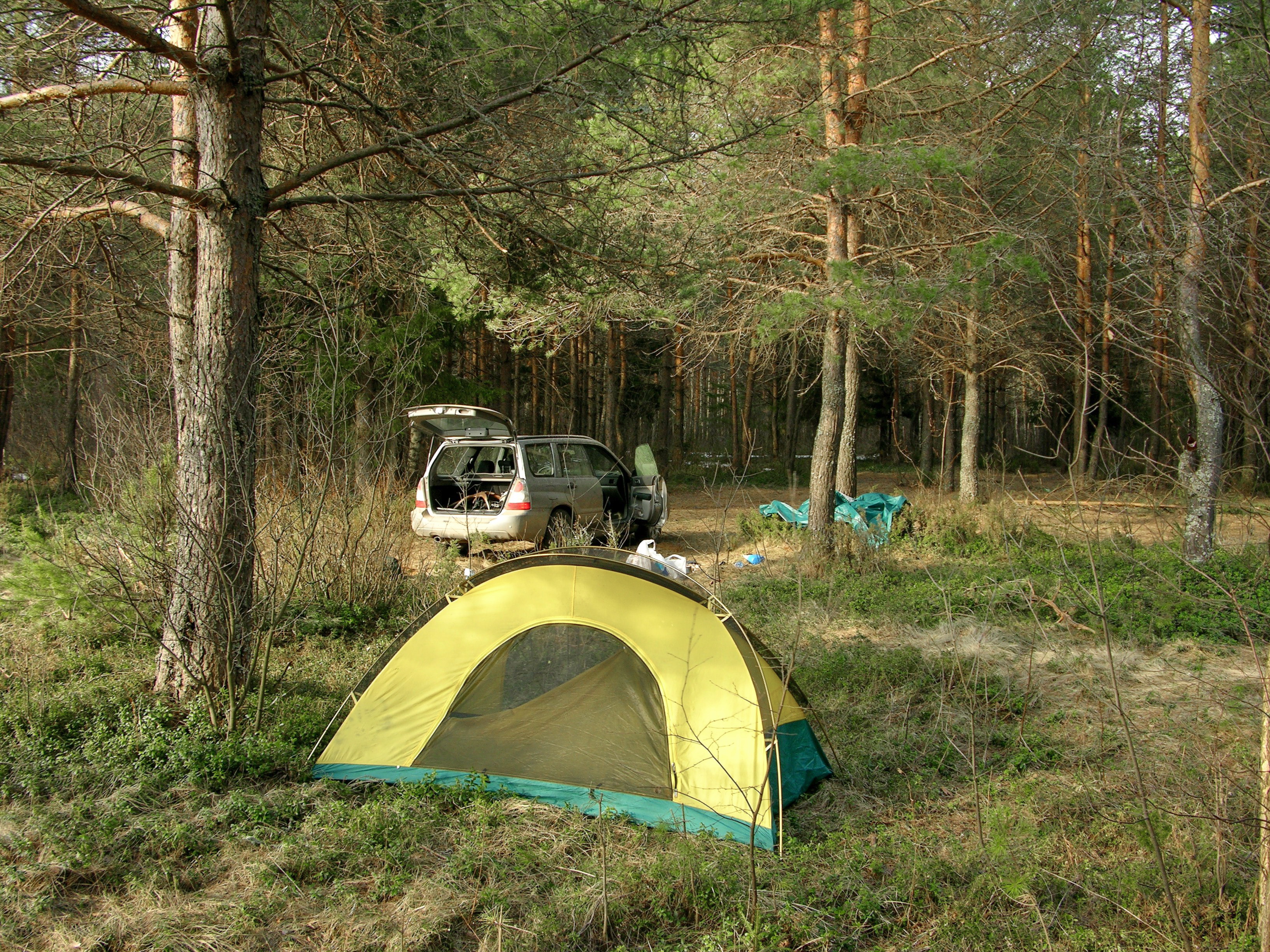
Towards the end of the day I put too much faith in the last of the spring ice near the base station at Sandyryovo and went through it, car and all, into a little stream. I spent the whole evening trying to get out. Even the Belarus tractor from the nearest village got stuck trying to pull me out. It took several hours before I made it back to the road with the winch, using the tractor as an anchor. I had to camp not far from Yaroslavl, at a campsite I’d known for years in the woods near the village of Chentsovo on the Soroka River, at 57°34.225′N, 40°17.146′E.
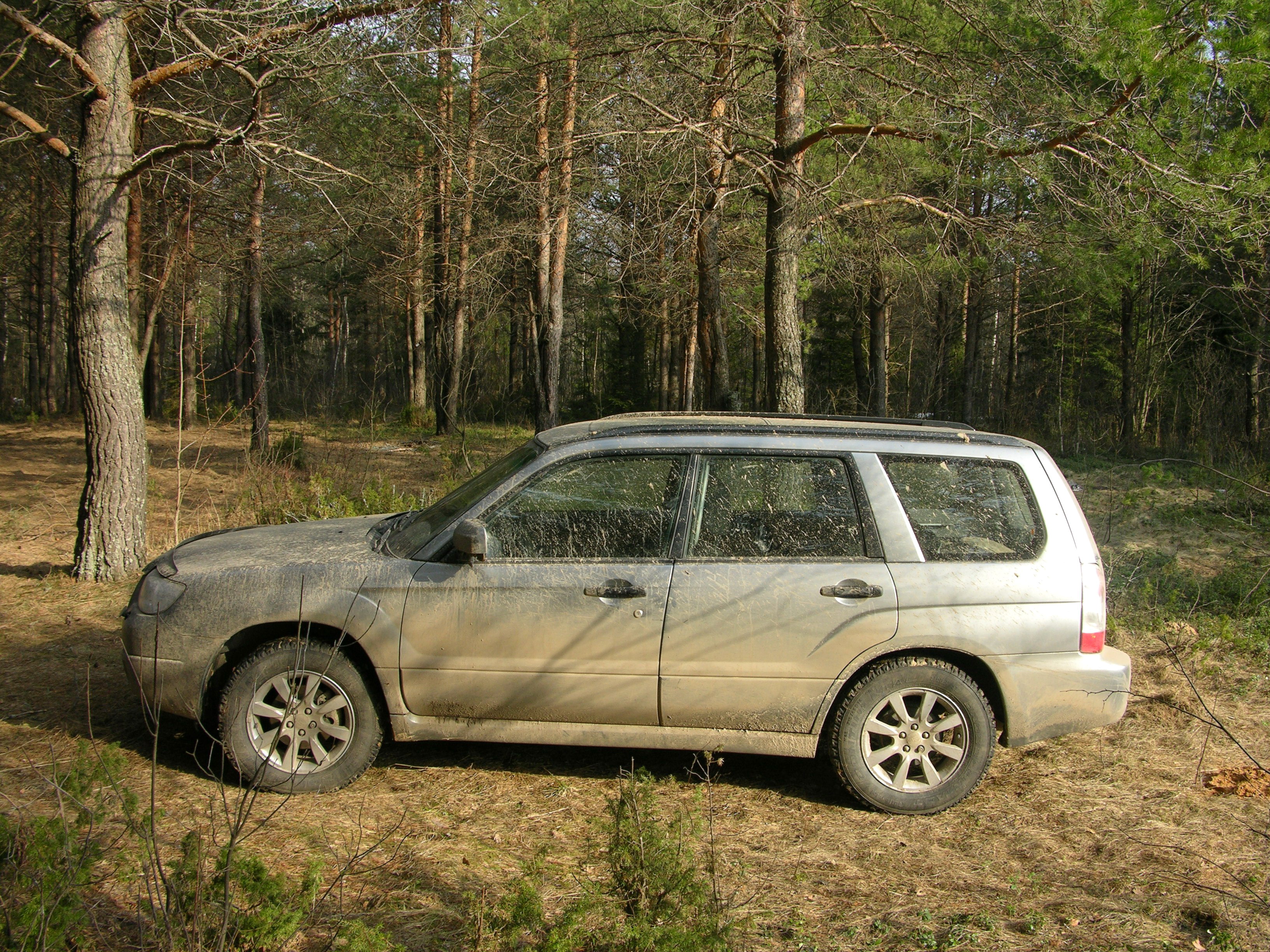
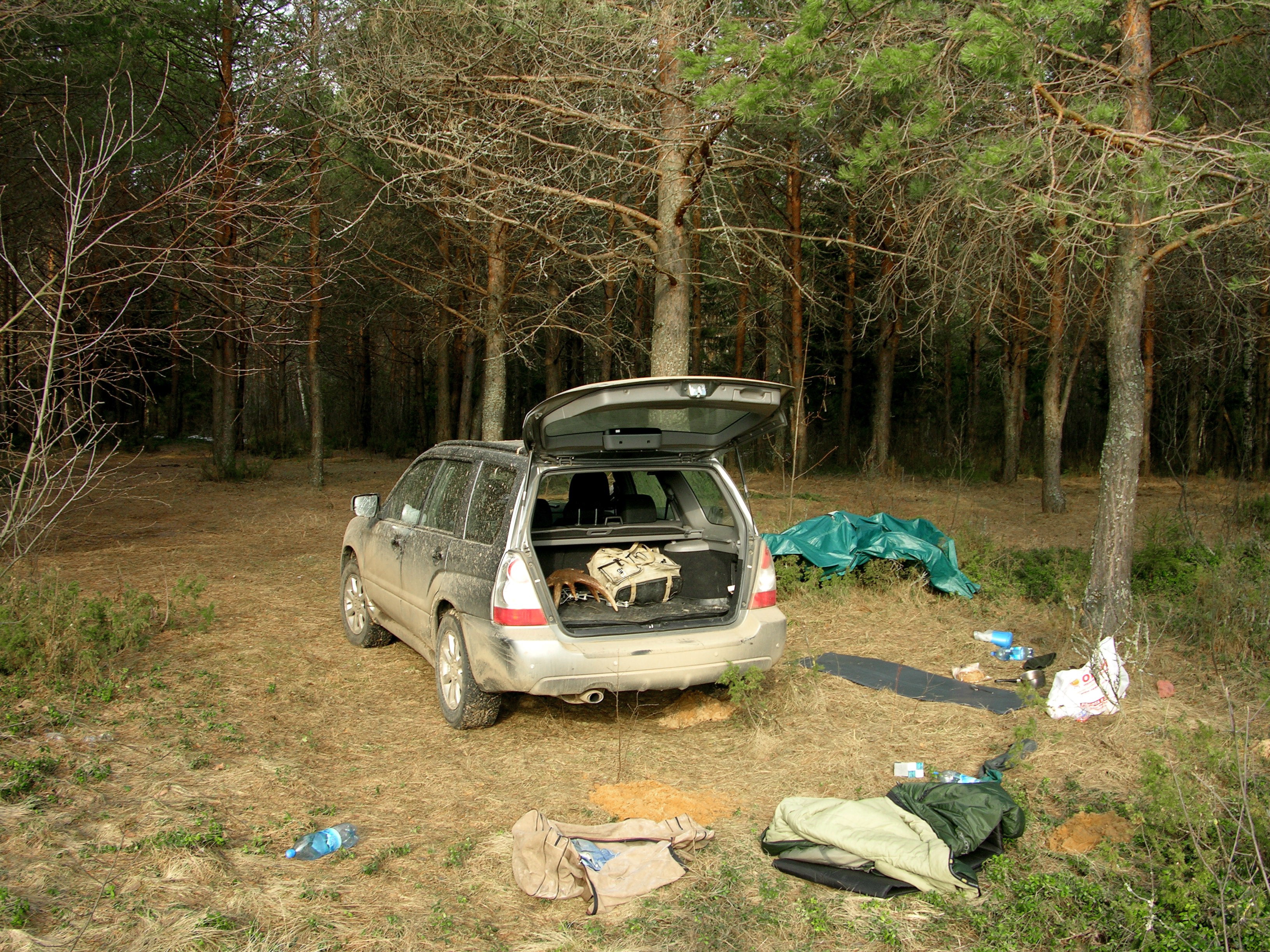
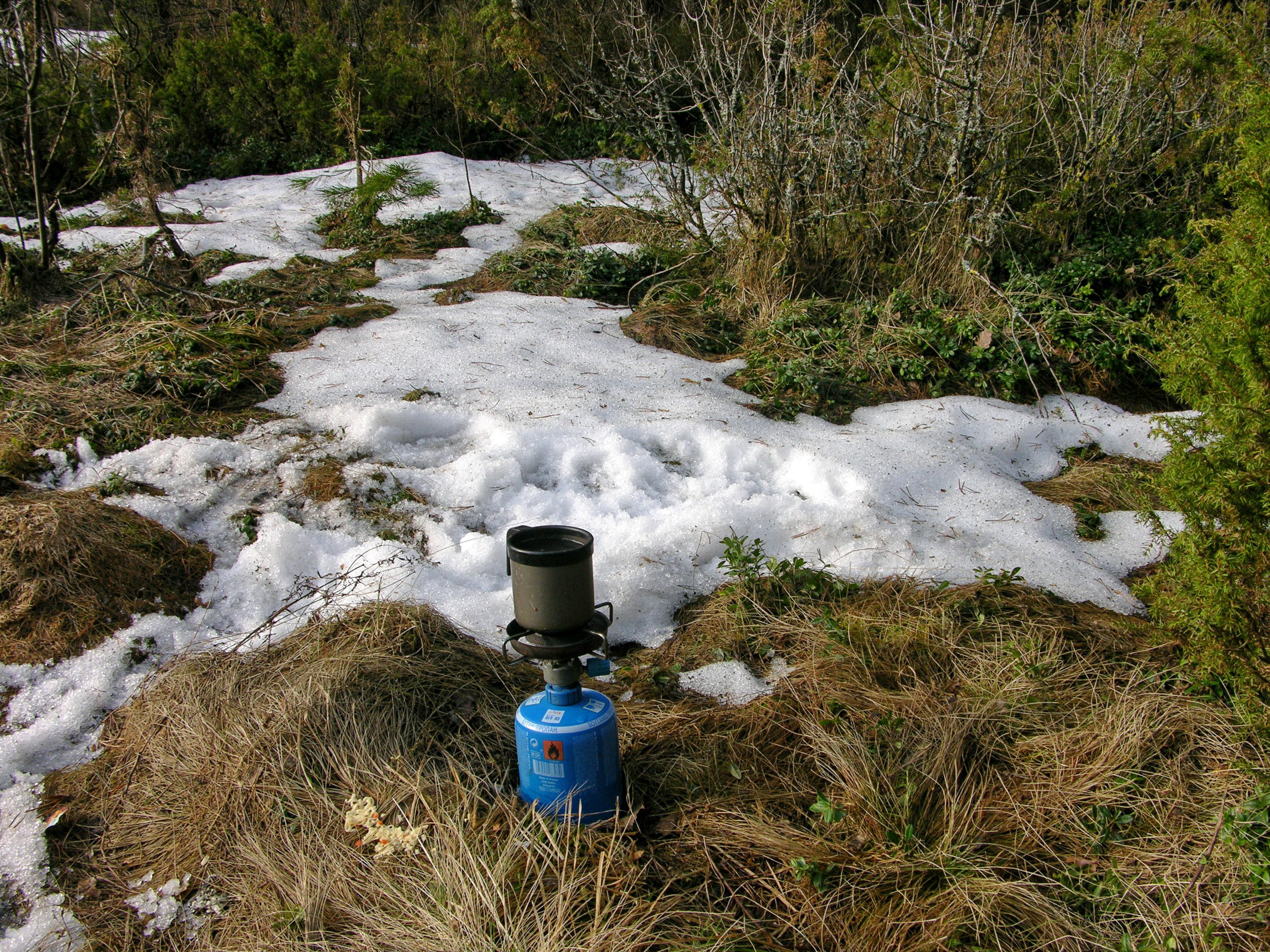
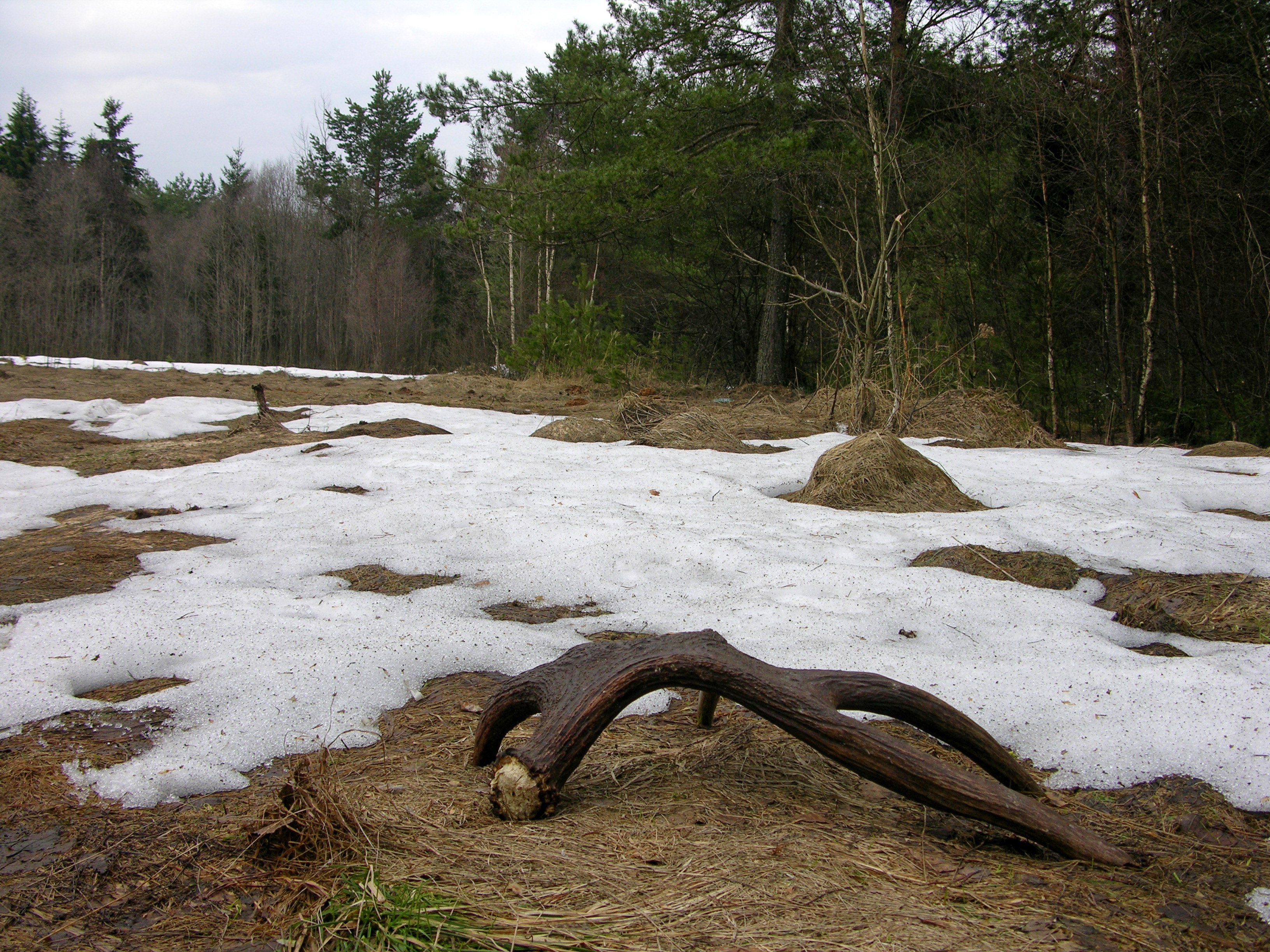
I found some antlers from a moose there.
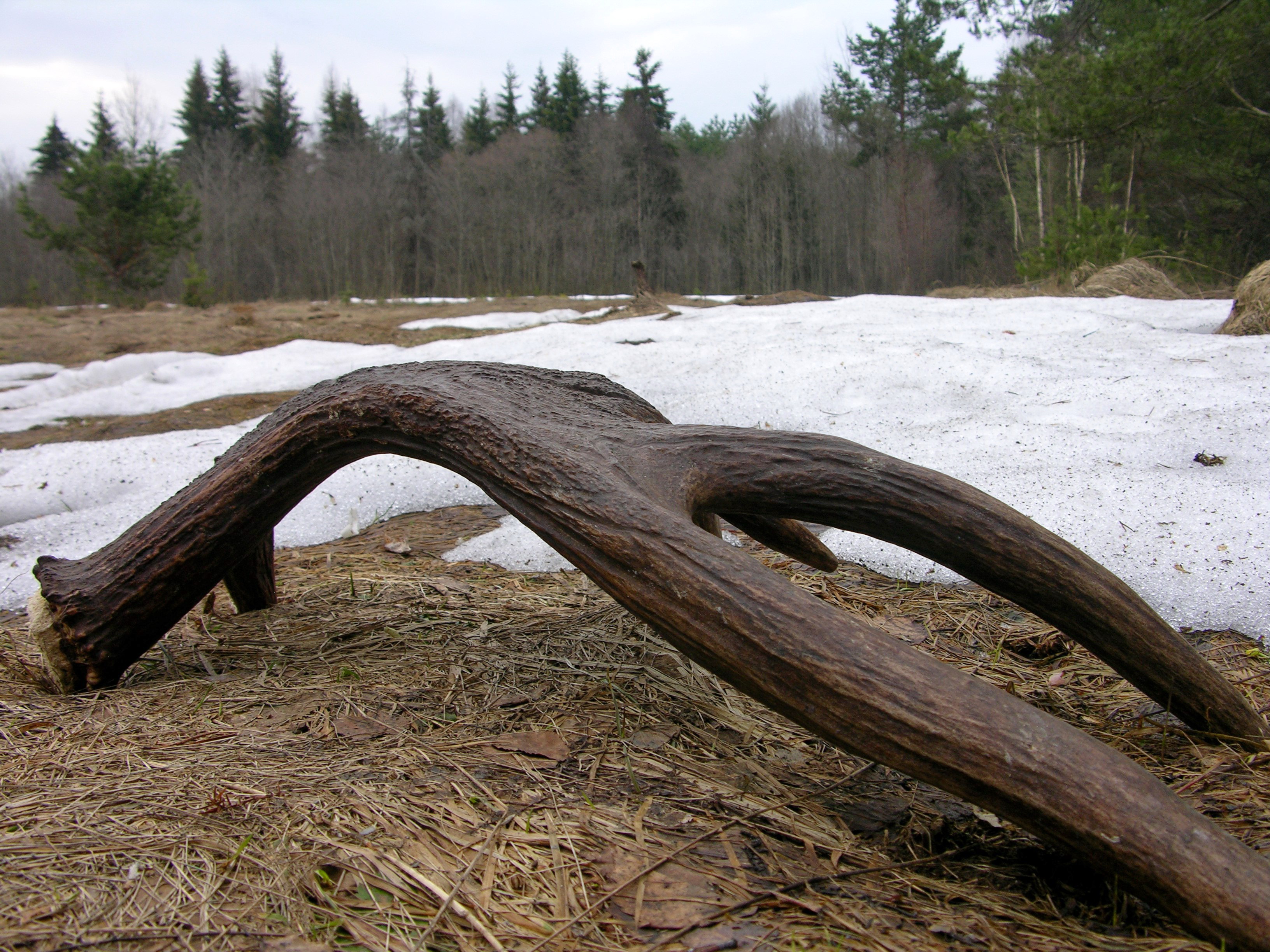
It was the first truly warm day, when I could finally take my jacket off and bask in the sun.
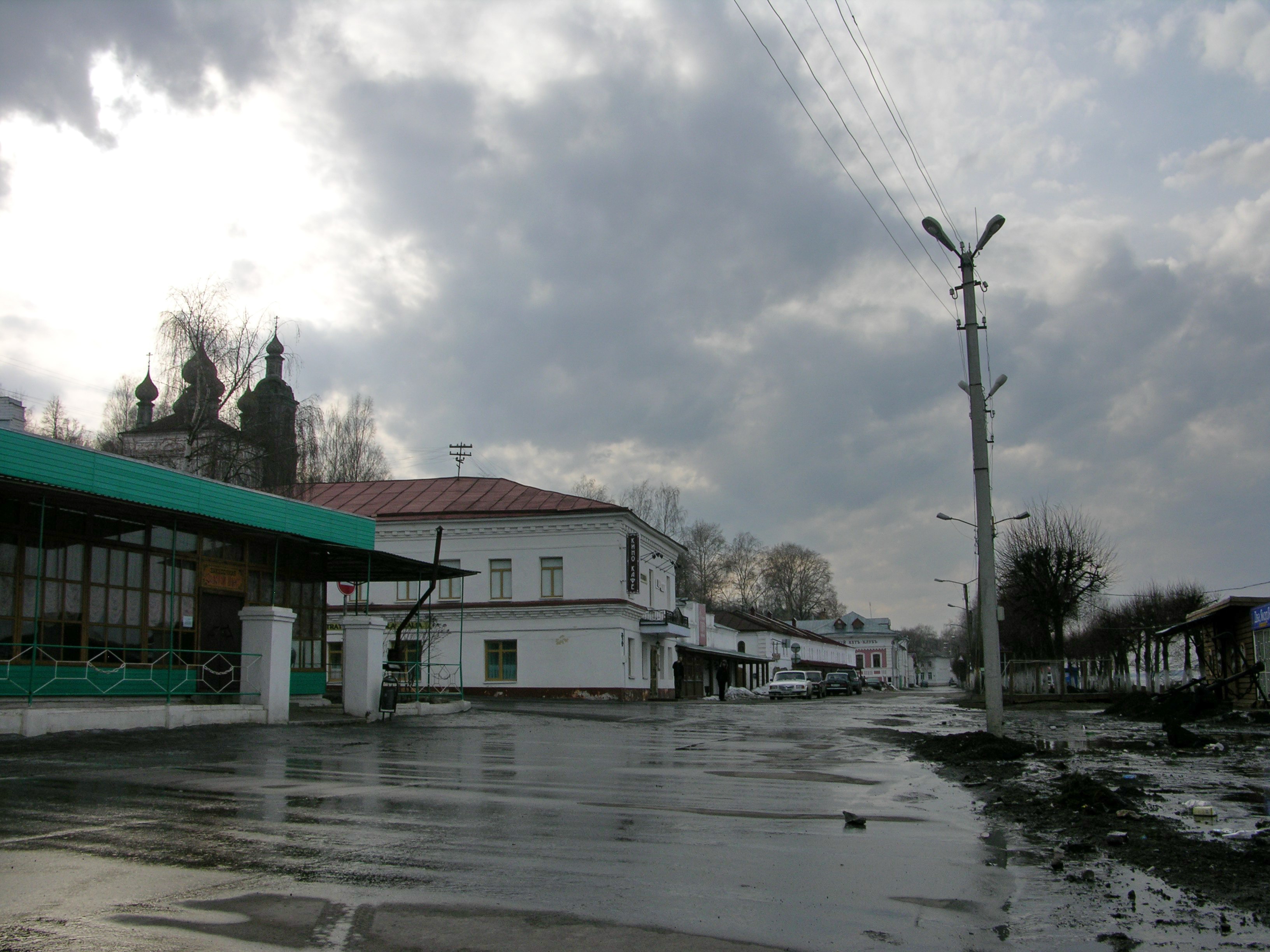
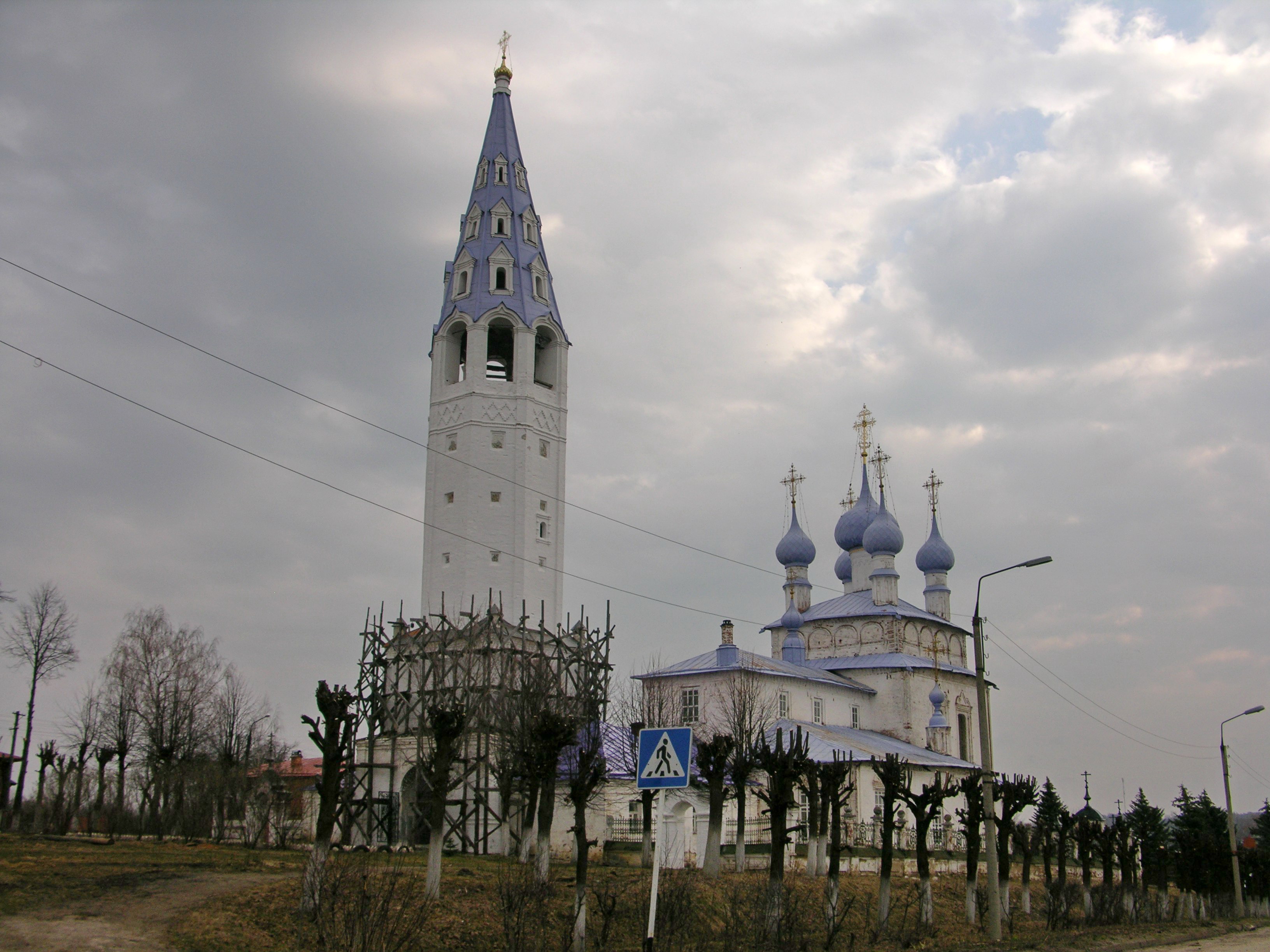
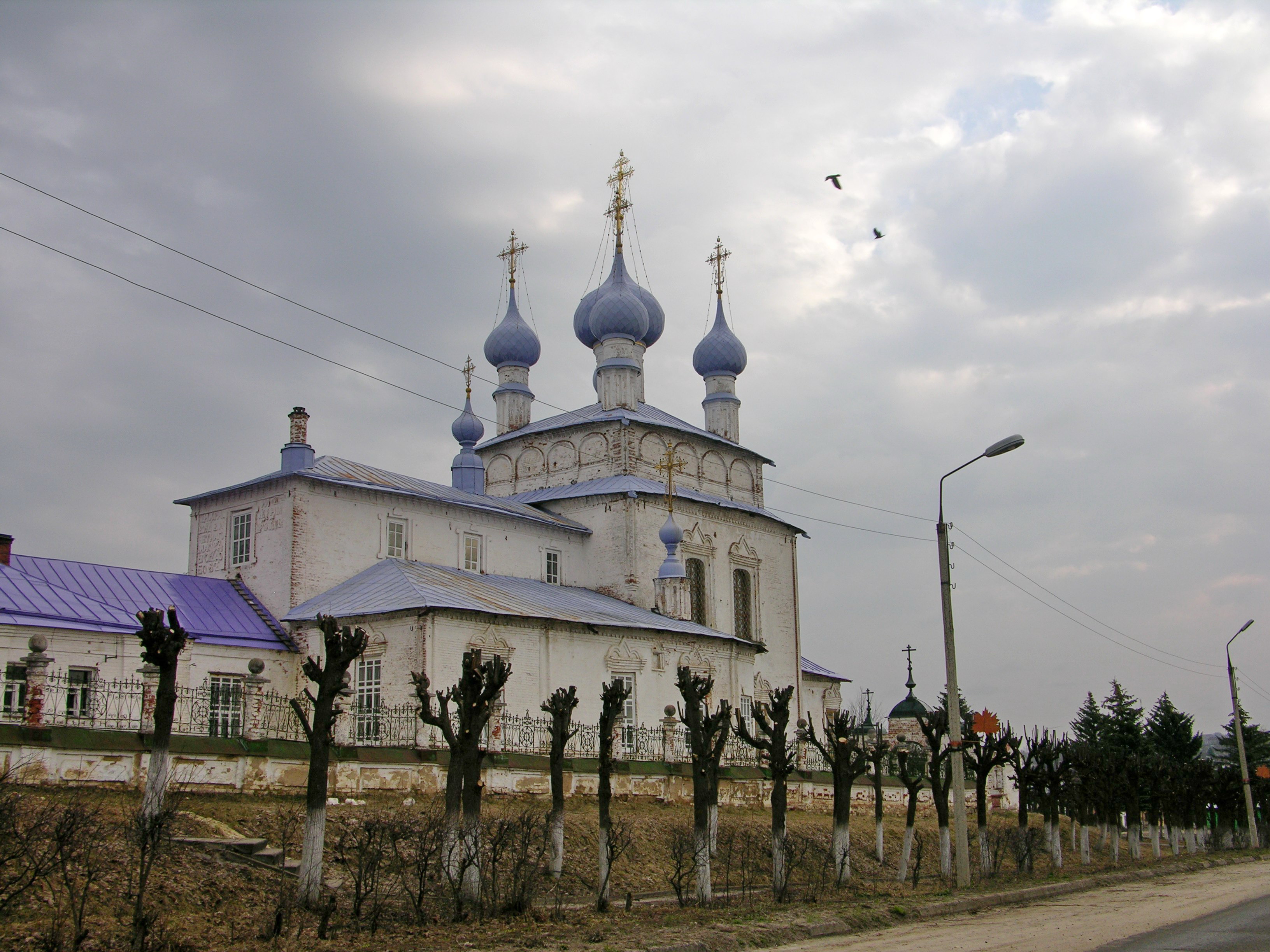
By then we were inspecting sites in Ivanovo Oblast. I climbed an enormous Soviet-era tower at Afonasyevo. I liked the town of Plyos. They’d put up a base station there too. After that came Vichuga, Kamenka and Palekh.
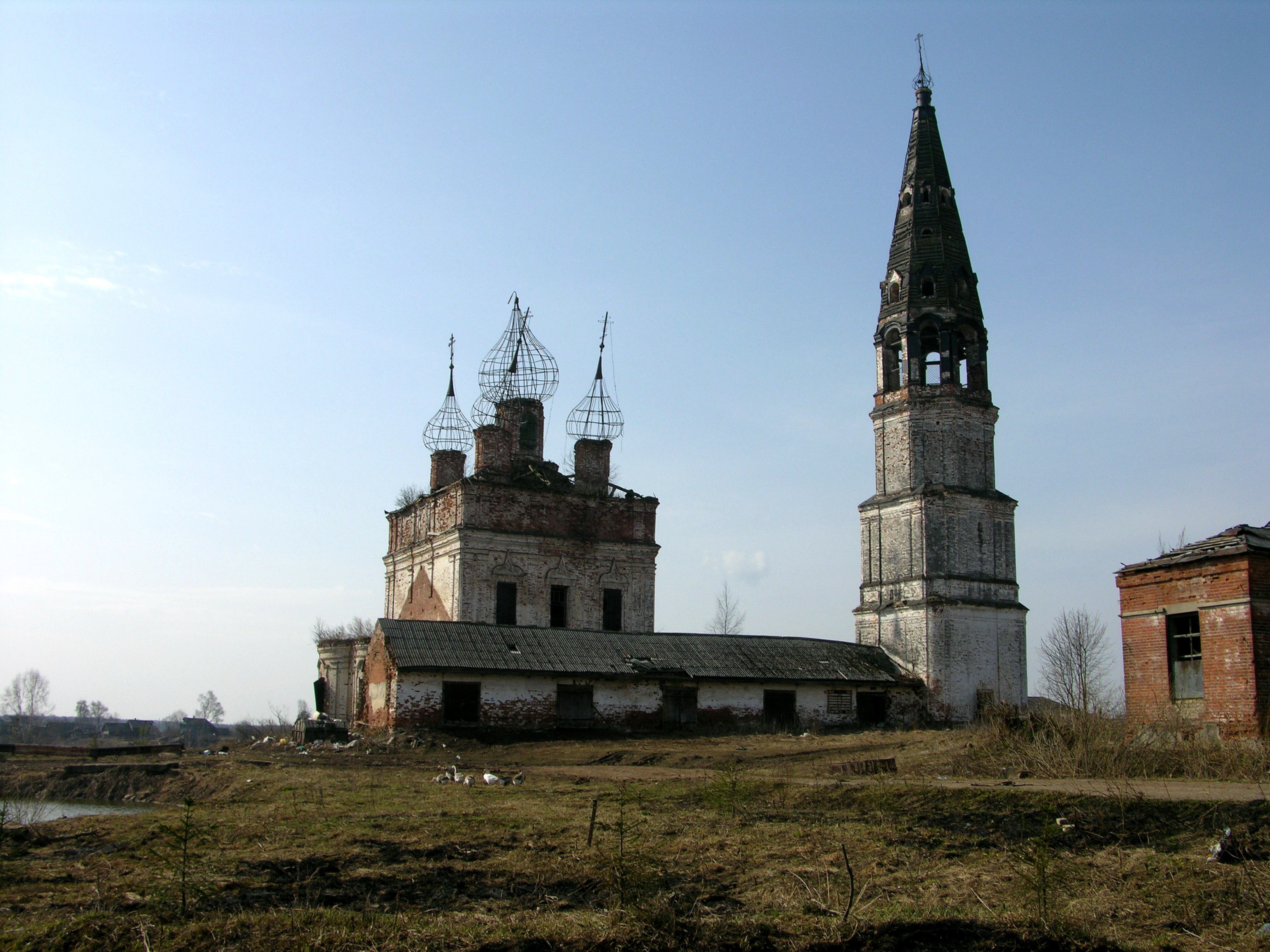
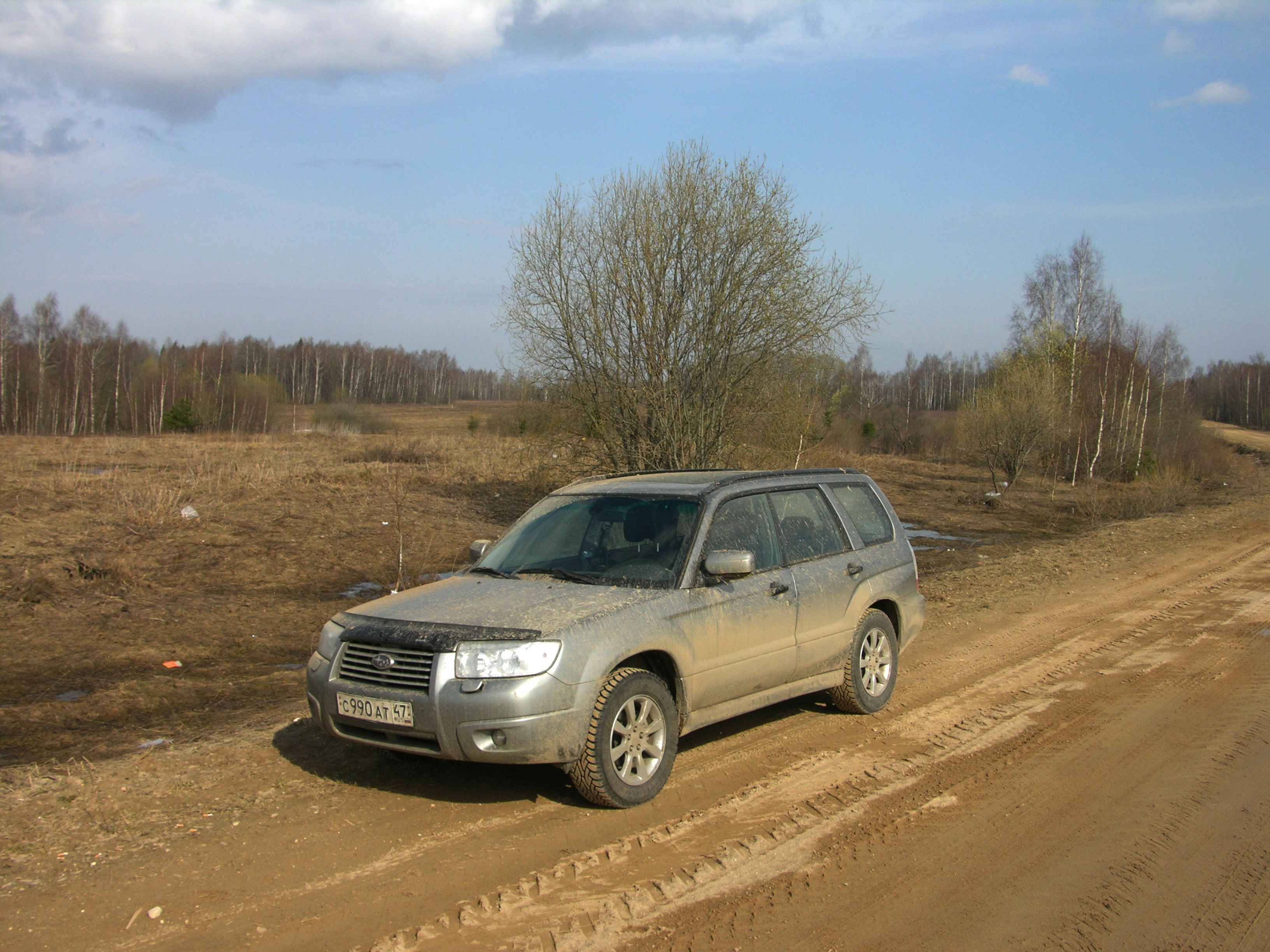
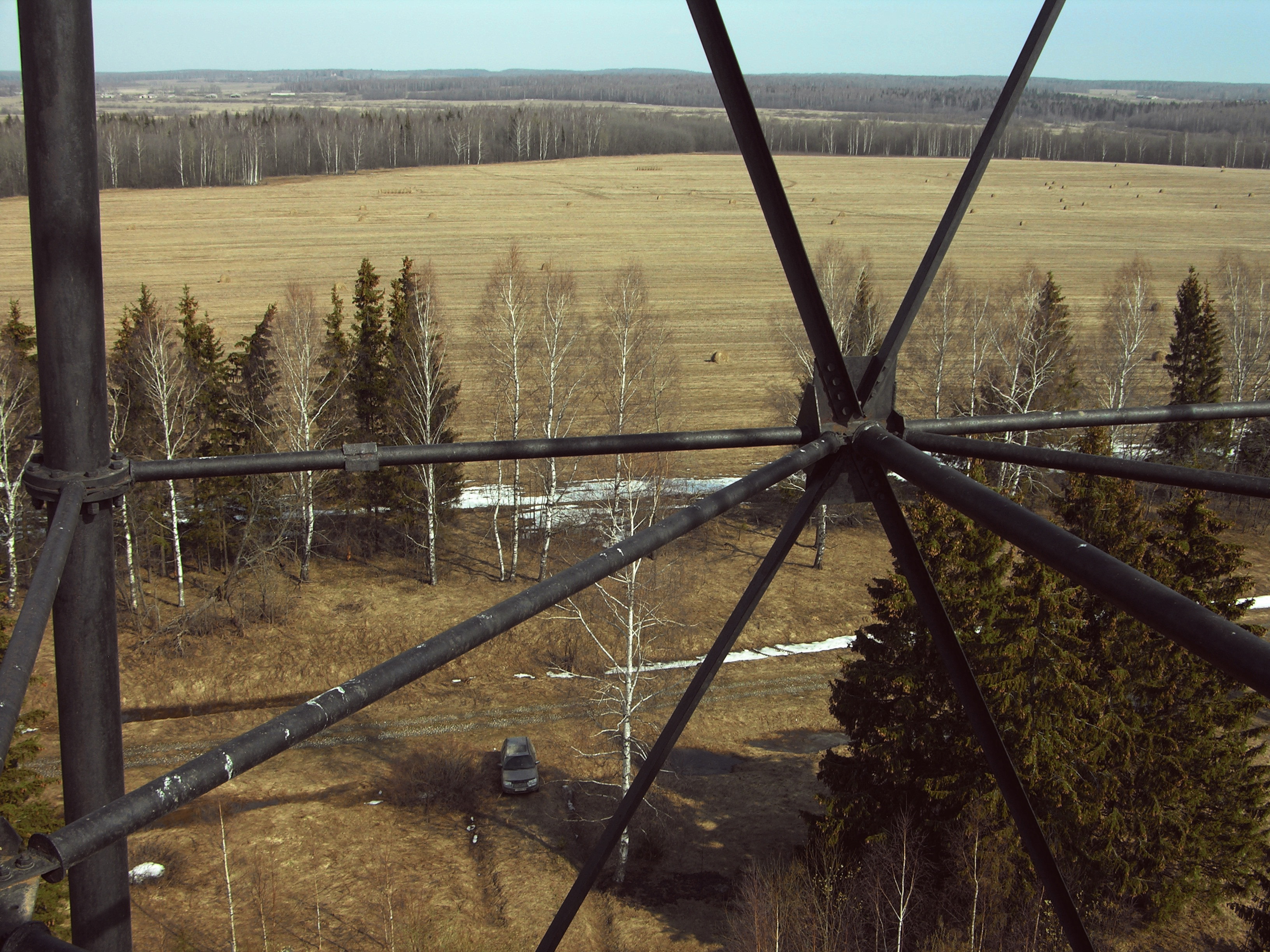
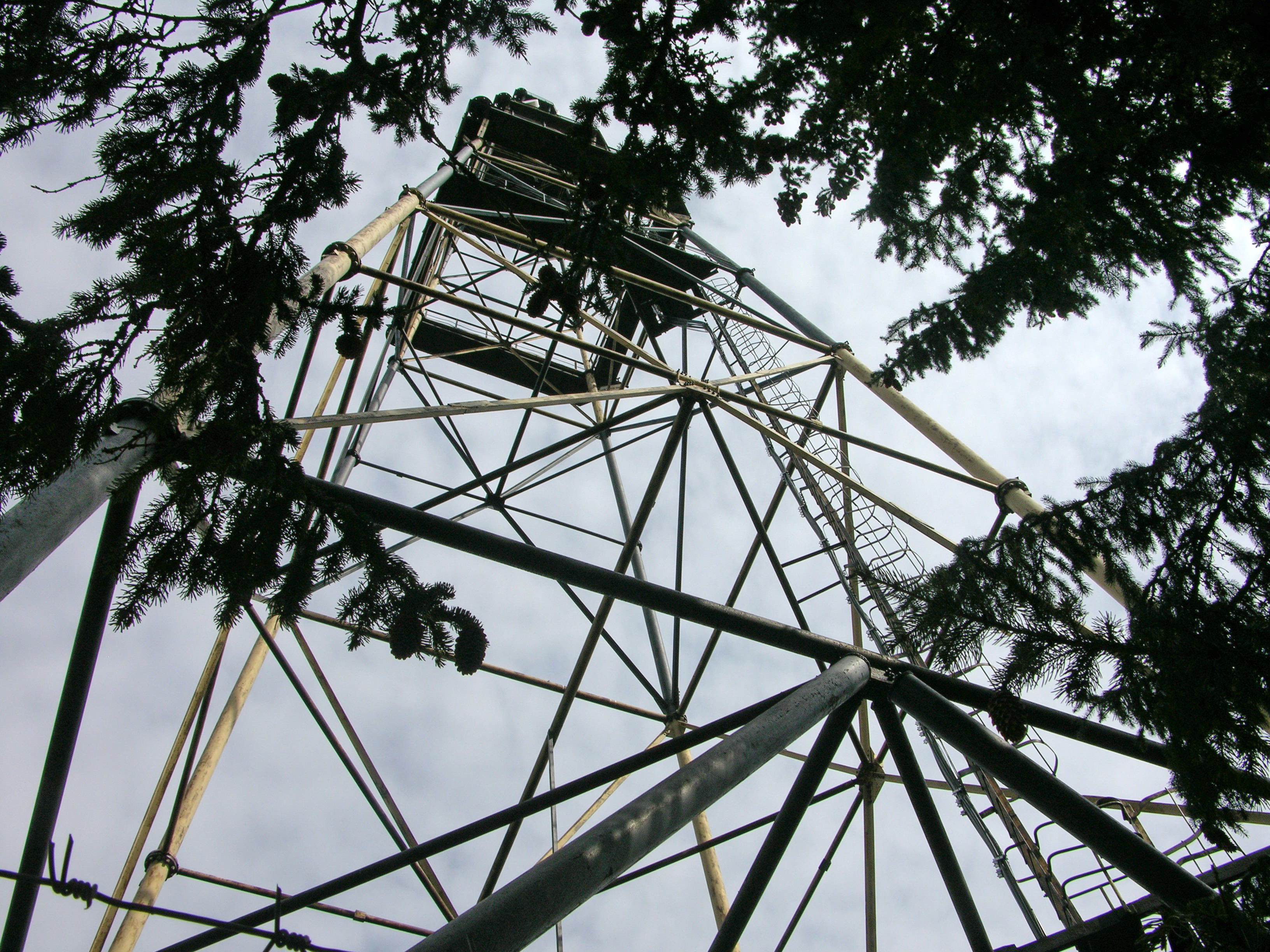
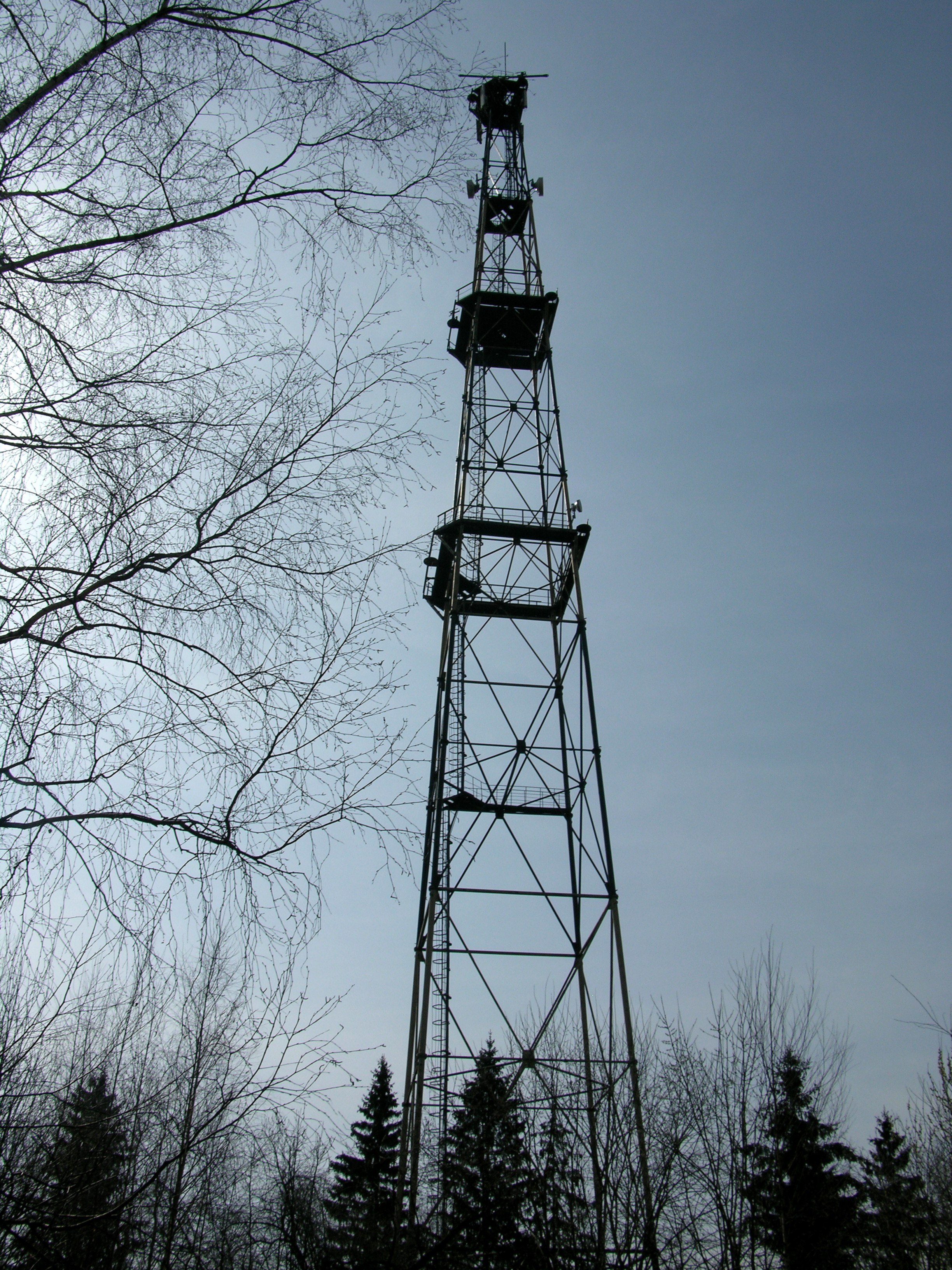
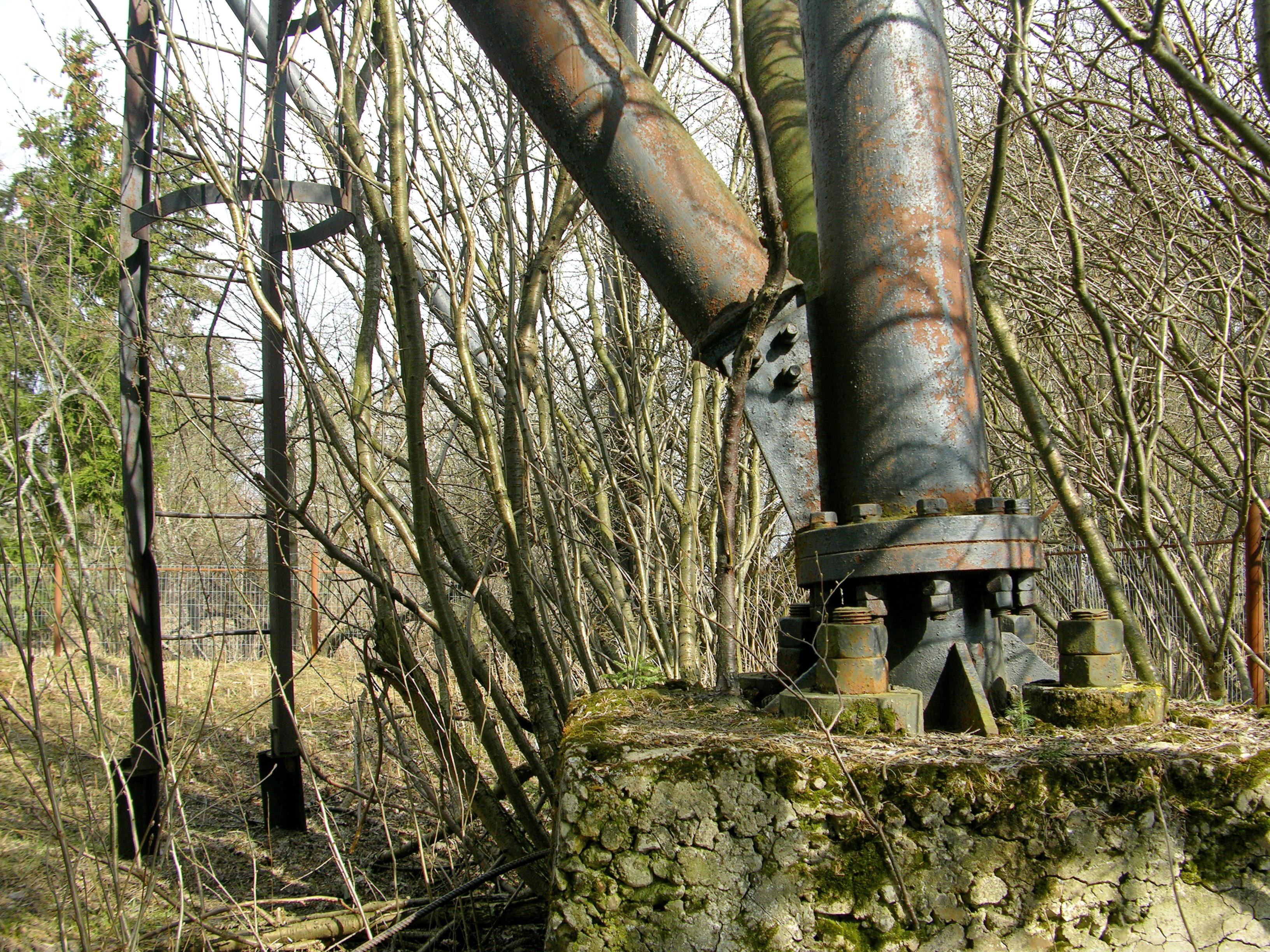
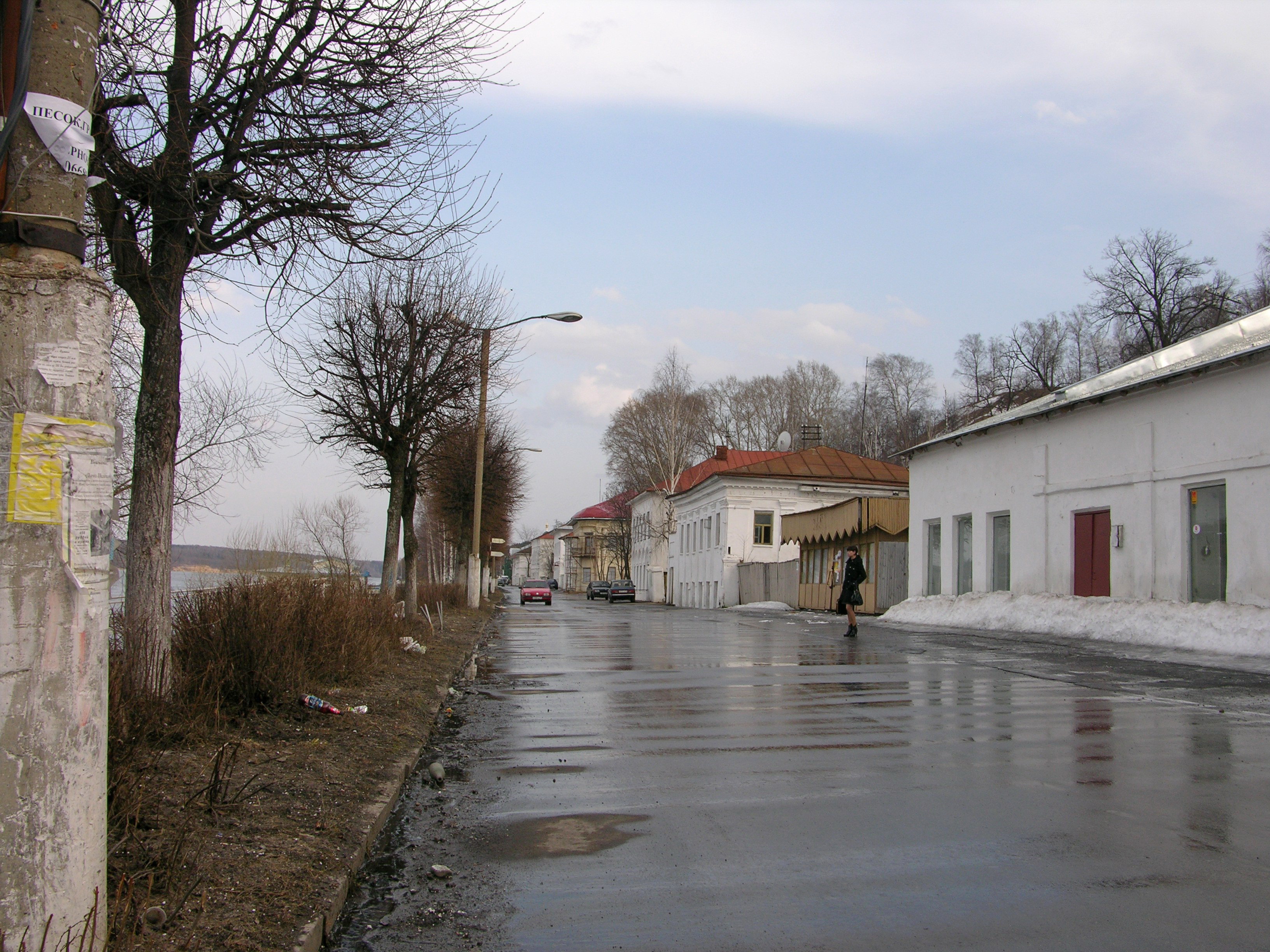
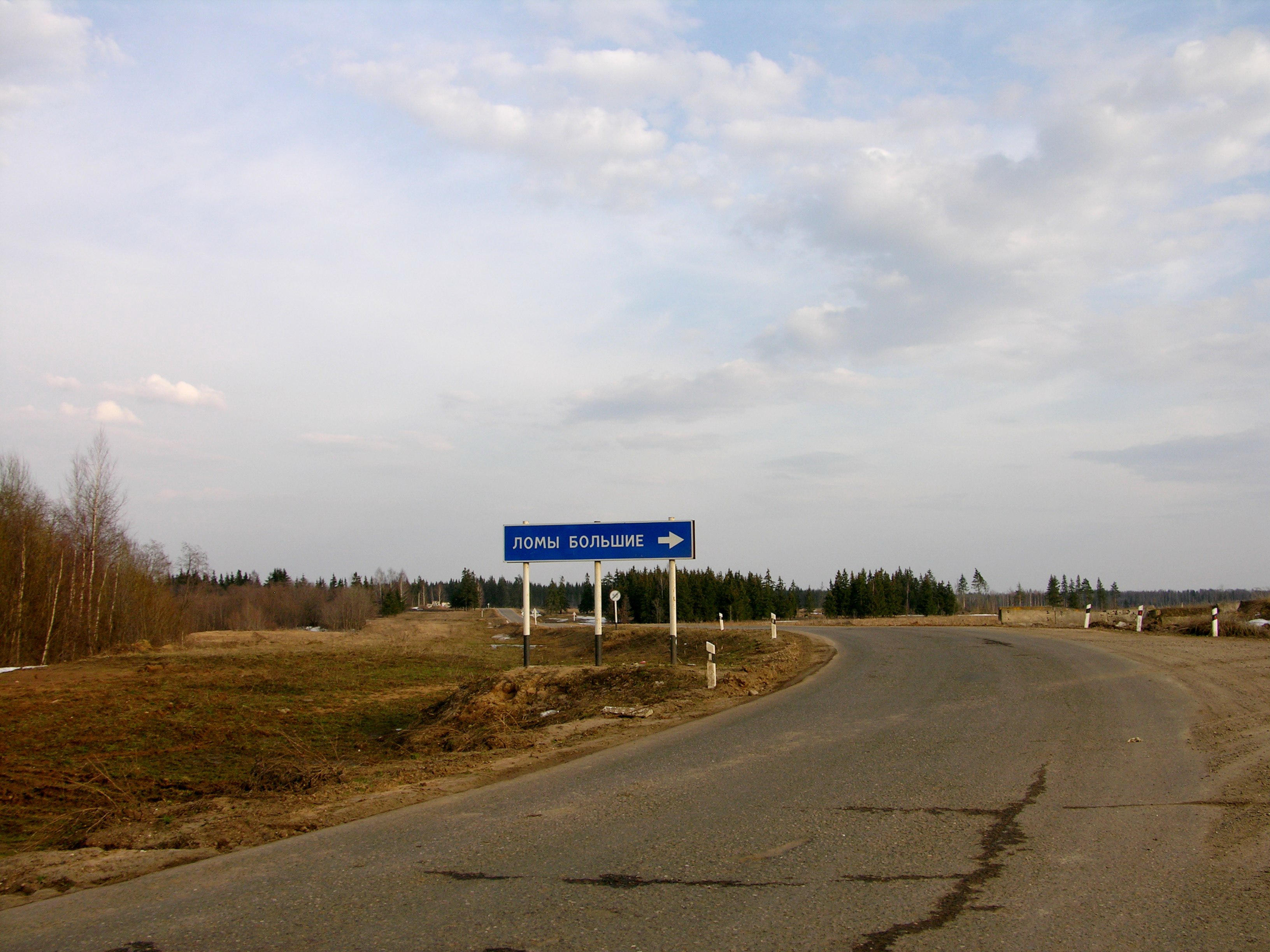
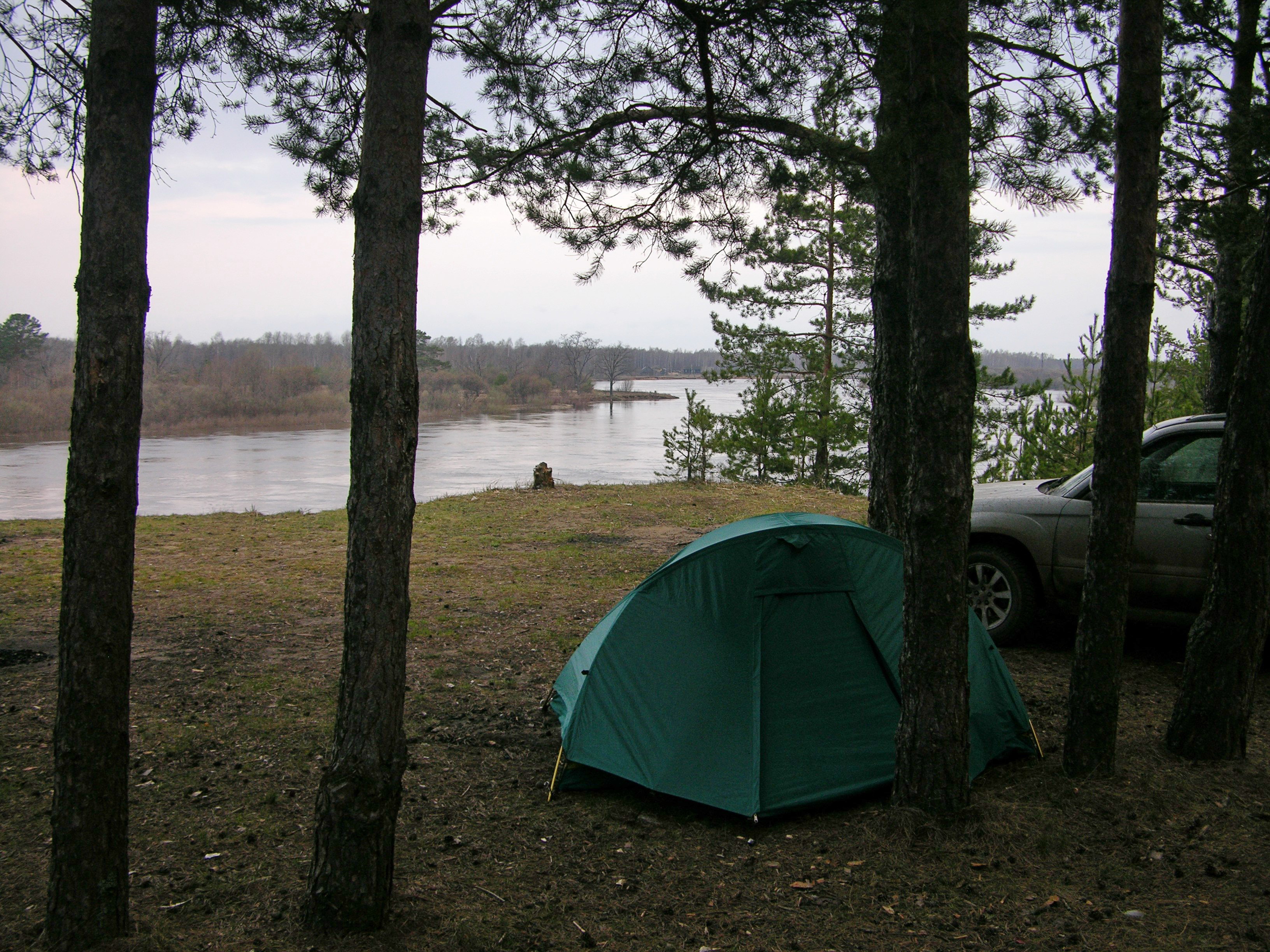
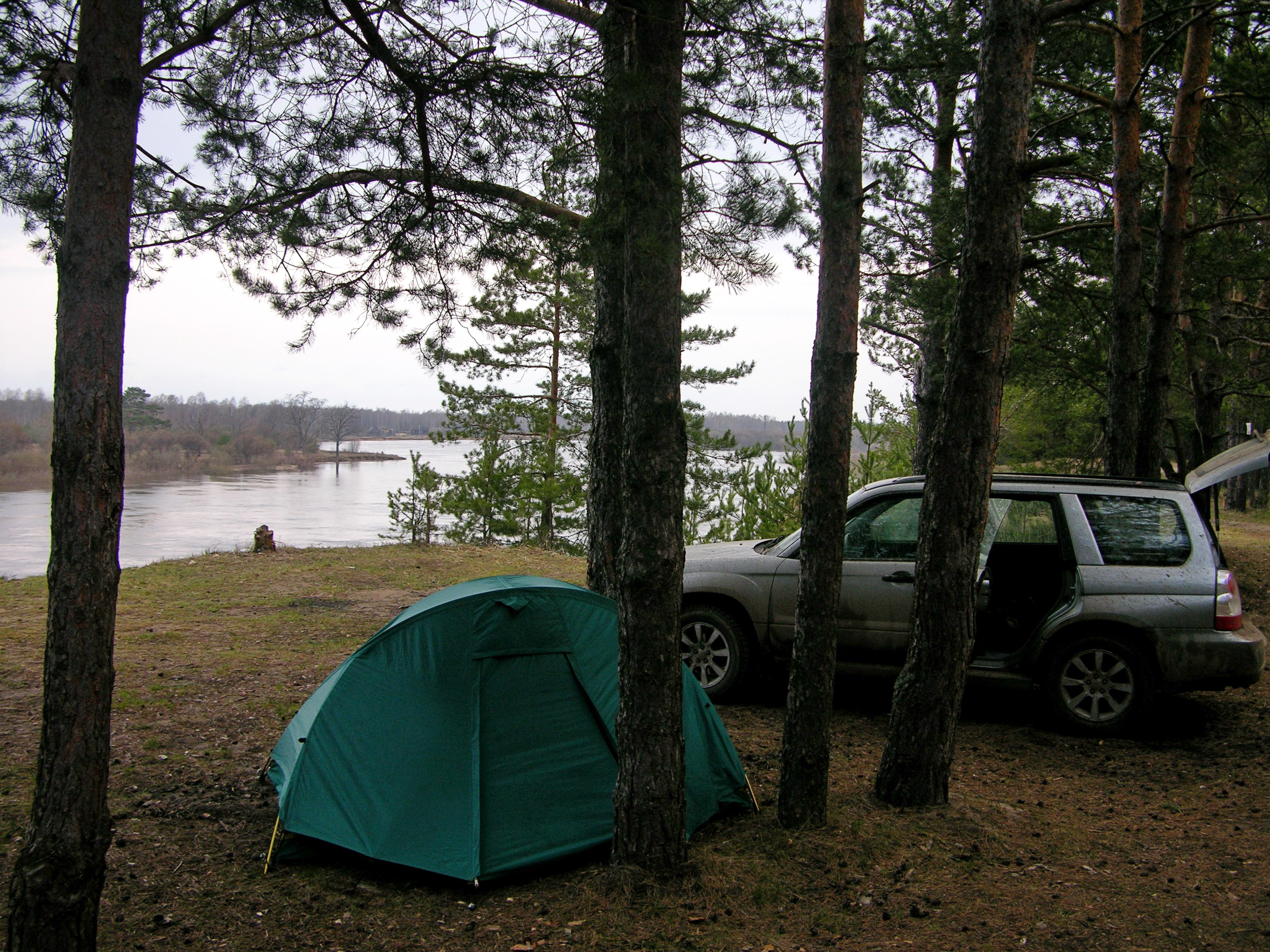
I spent the night on the bank of the Klyazma, by a high sandy bluff near the village of Glushitsy, at 56°27.490′N, 41°58.678′E.
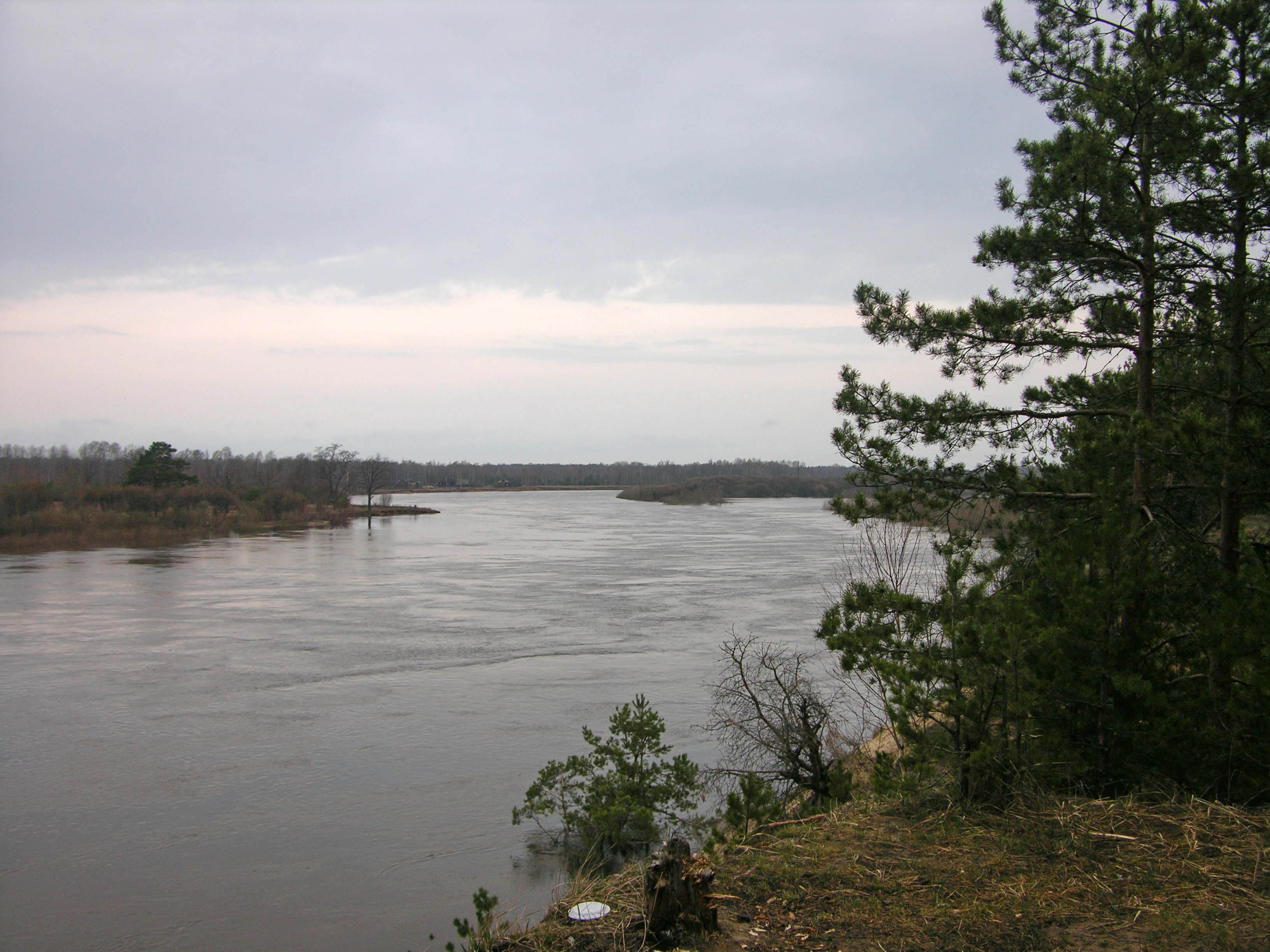
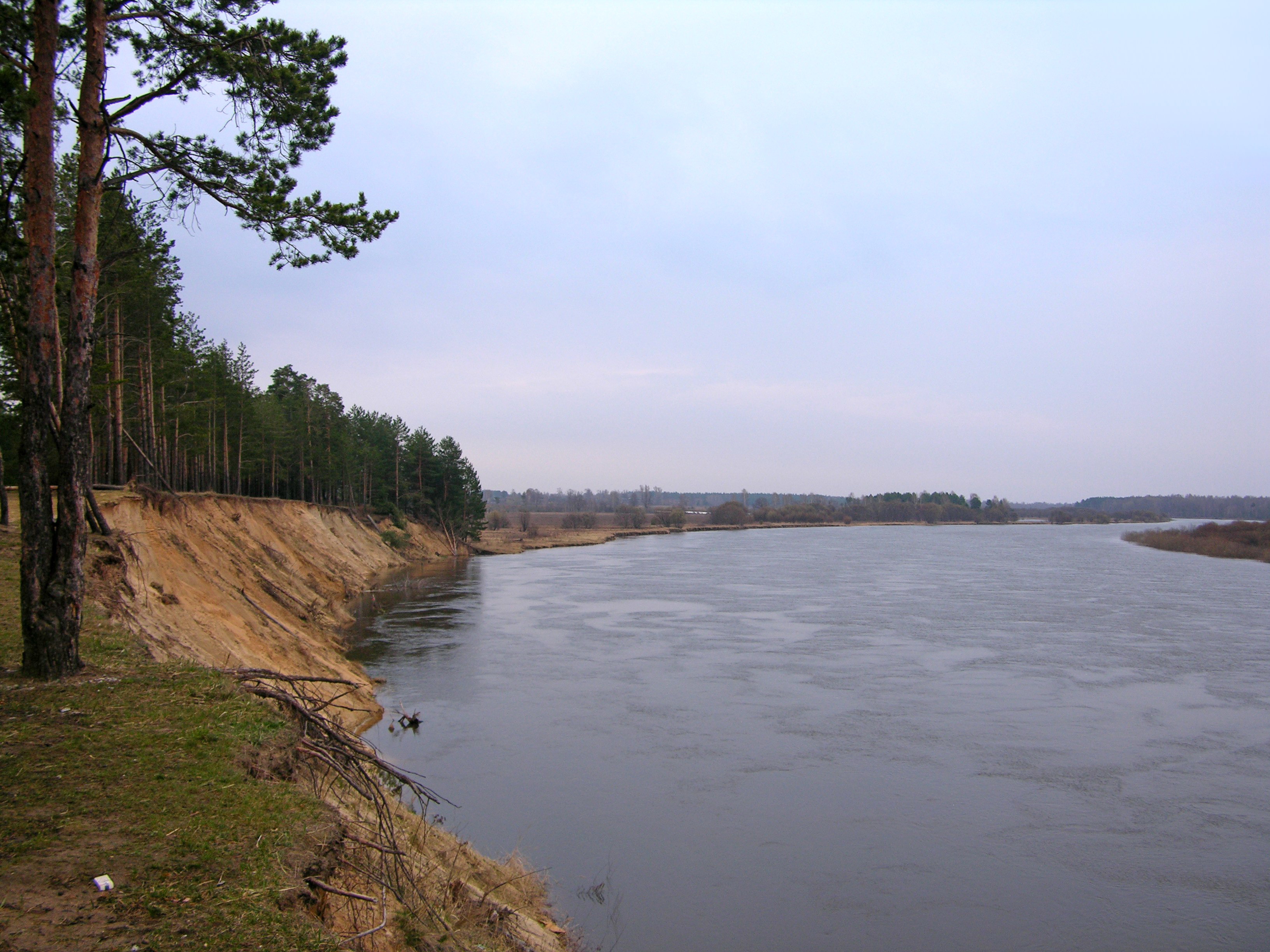
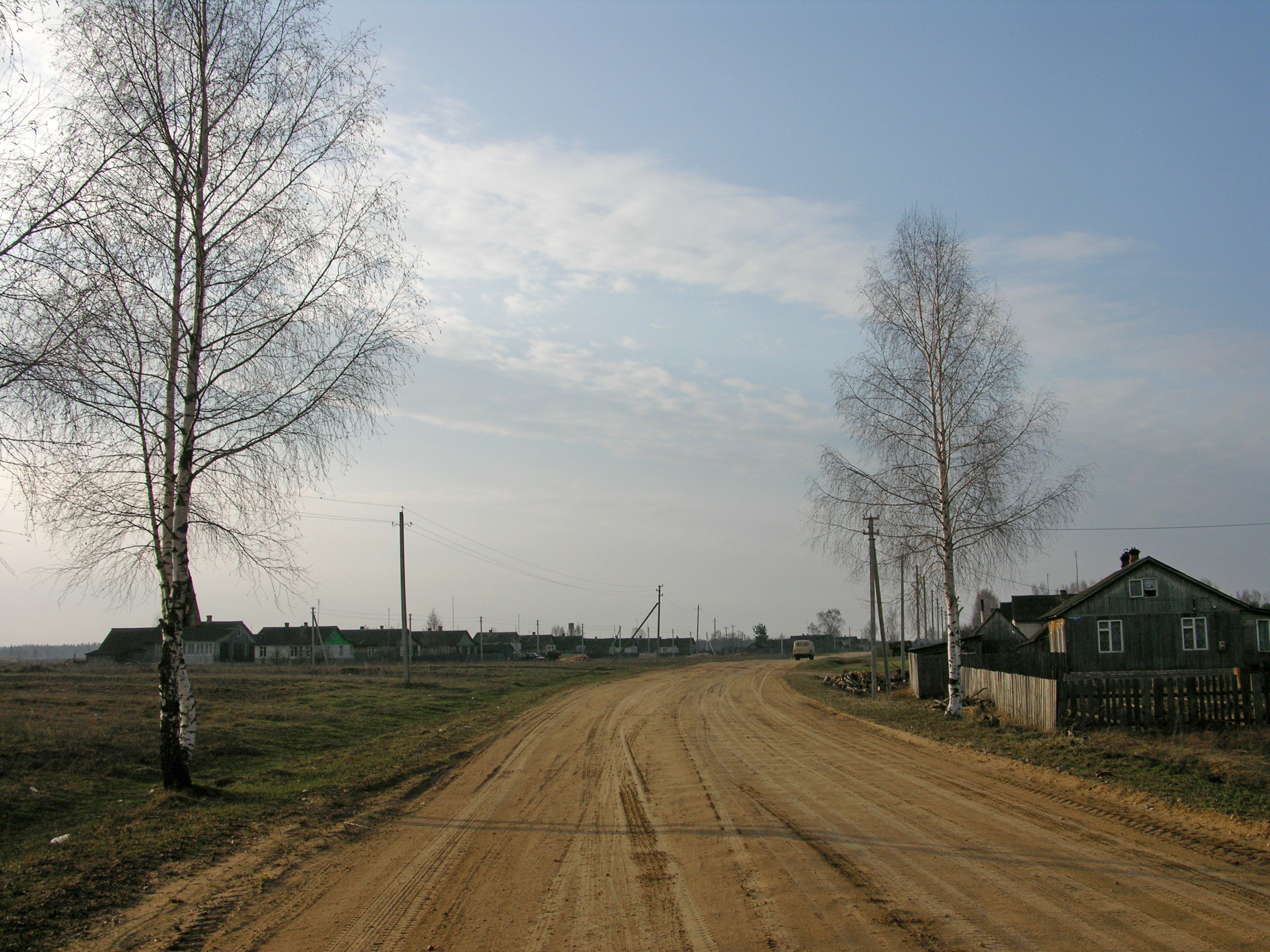
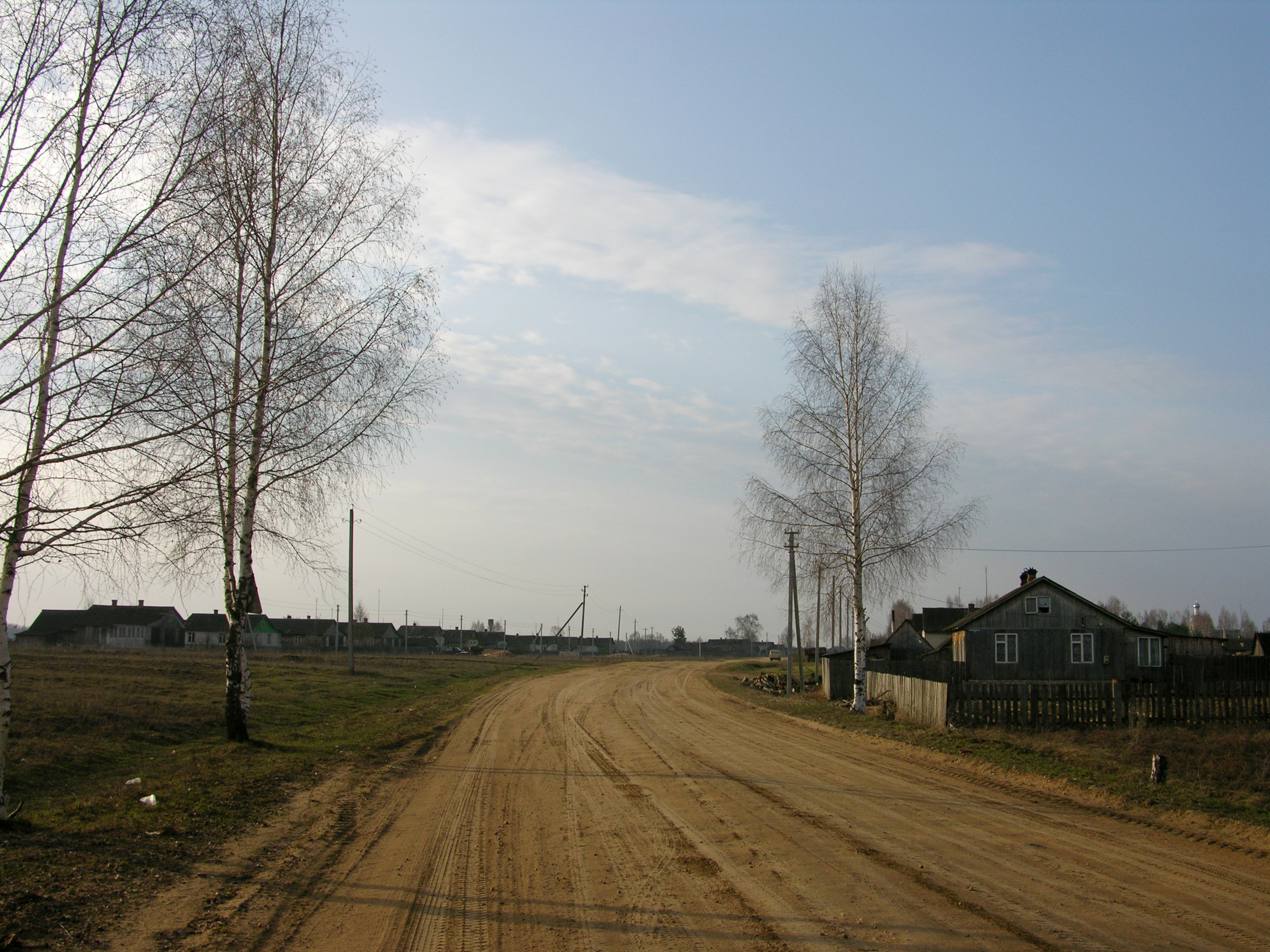
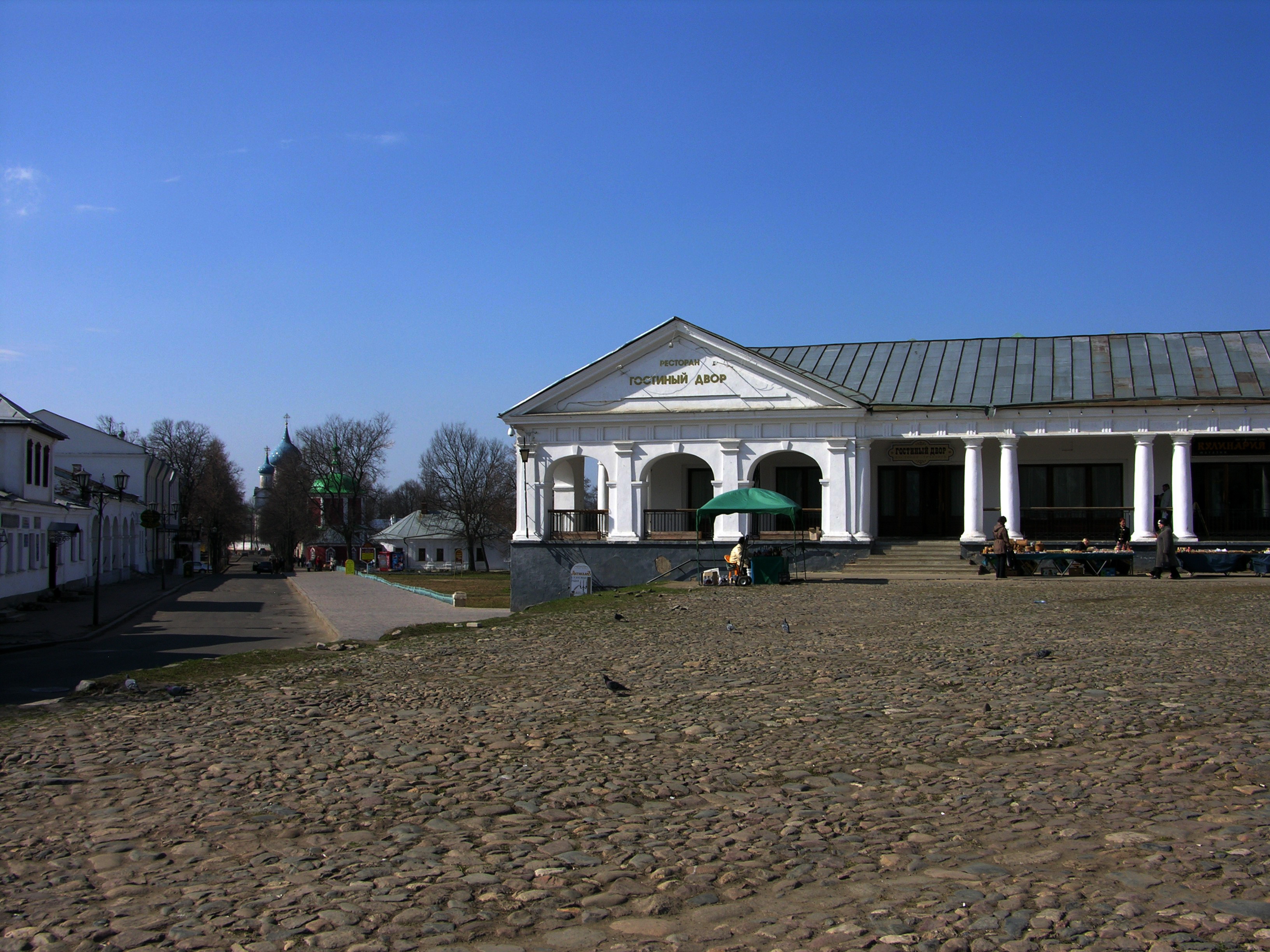
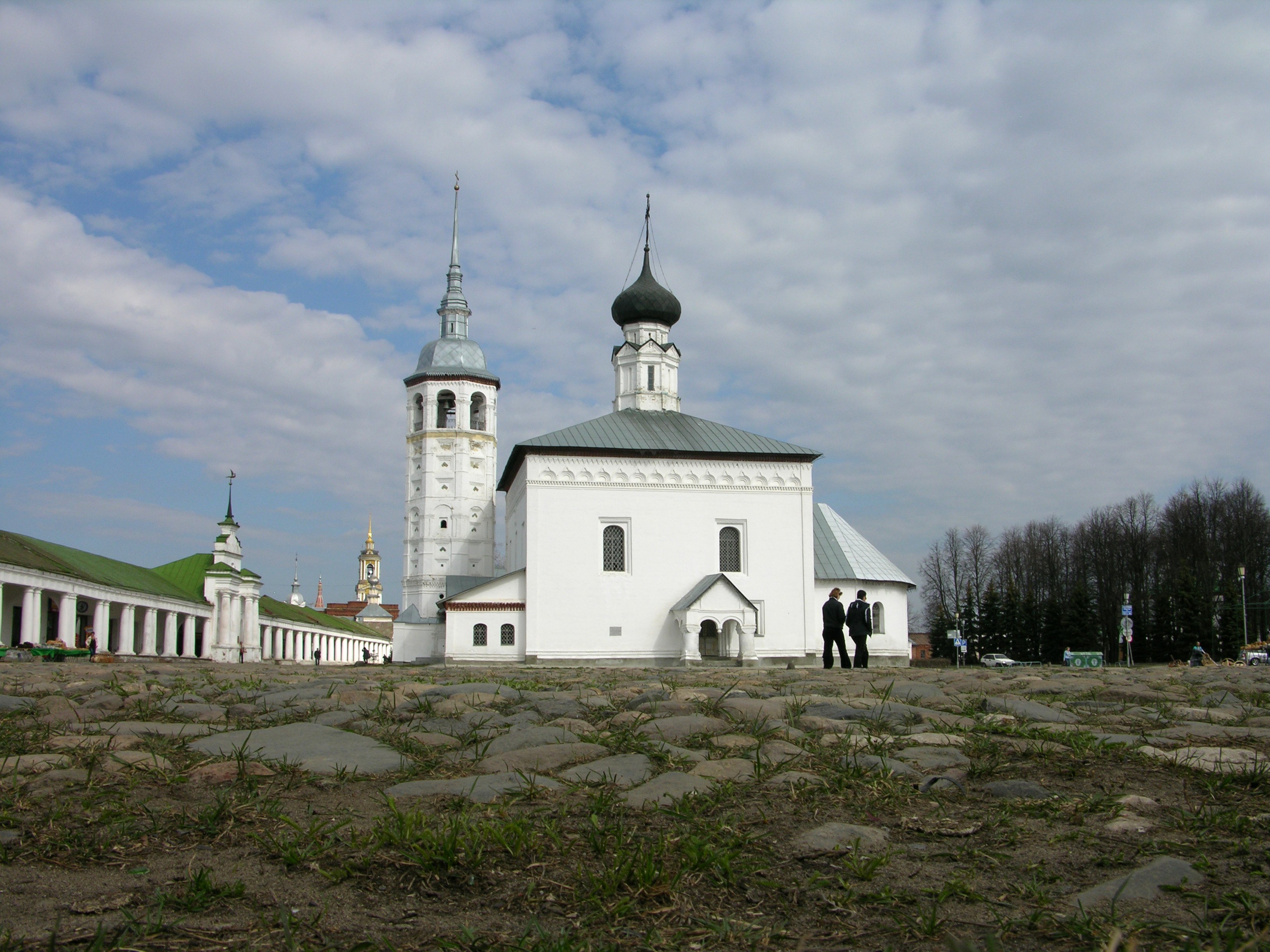
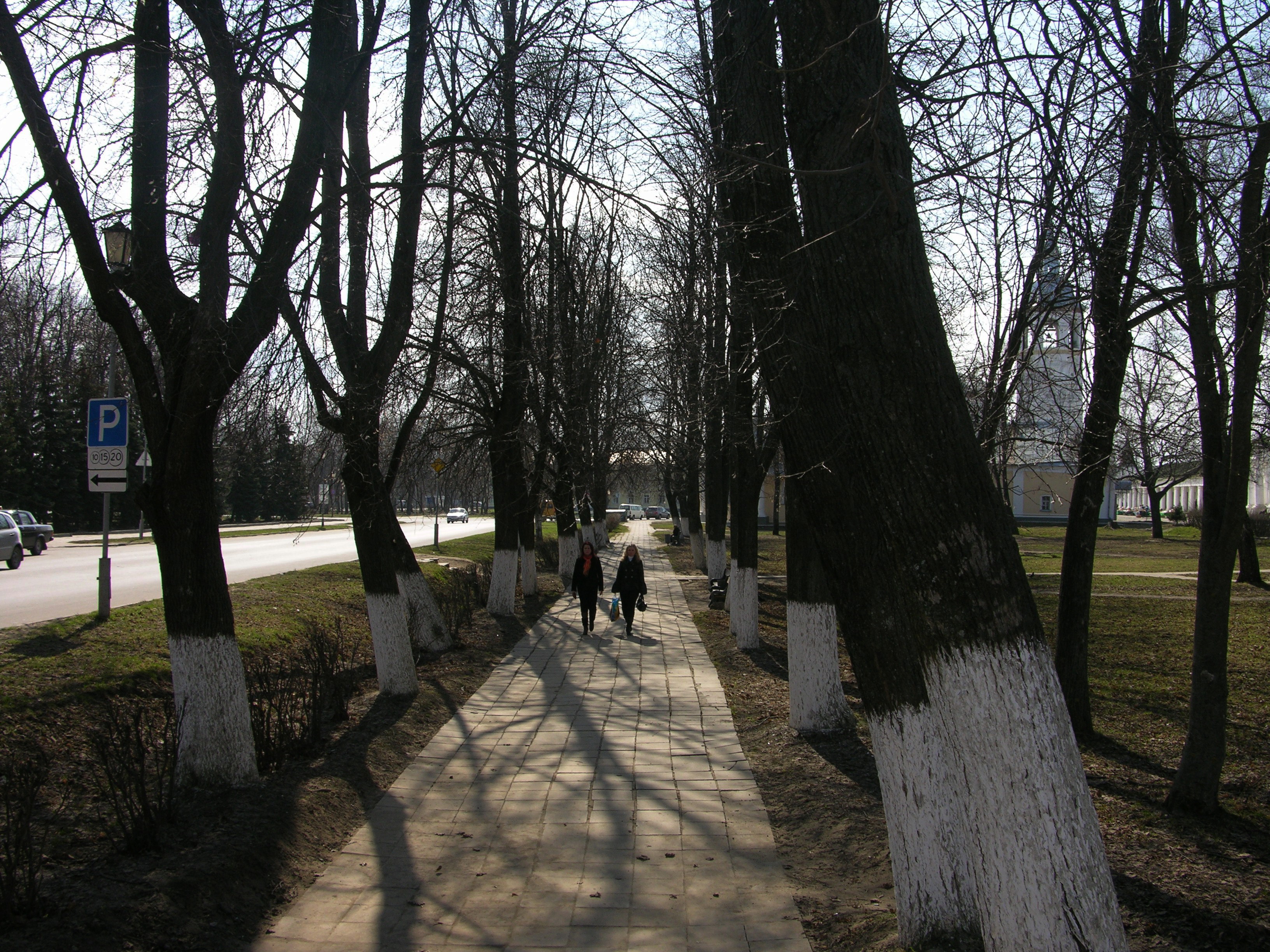
I’d finished all my work and could finally sleep in and head home without hurrying. I wandered around Palekh and Suzdal. I hadn’t been to either of them before.
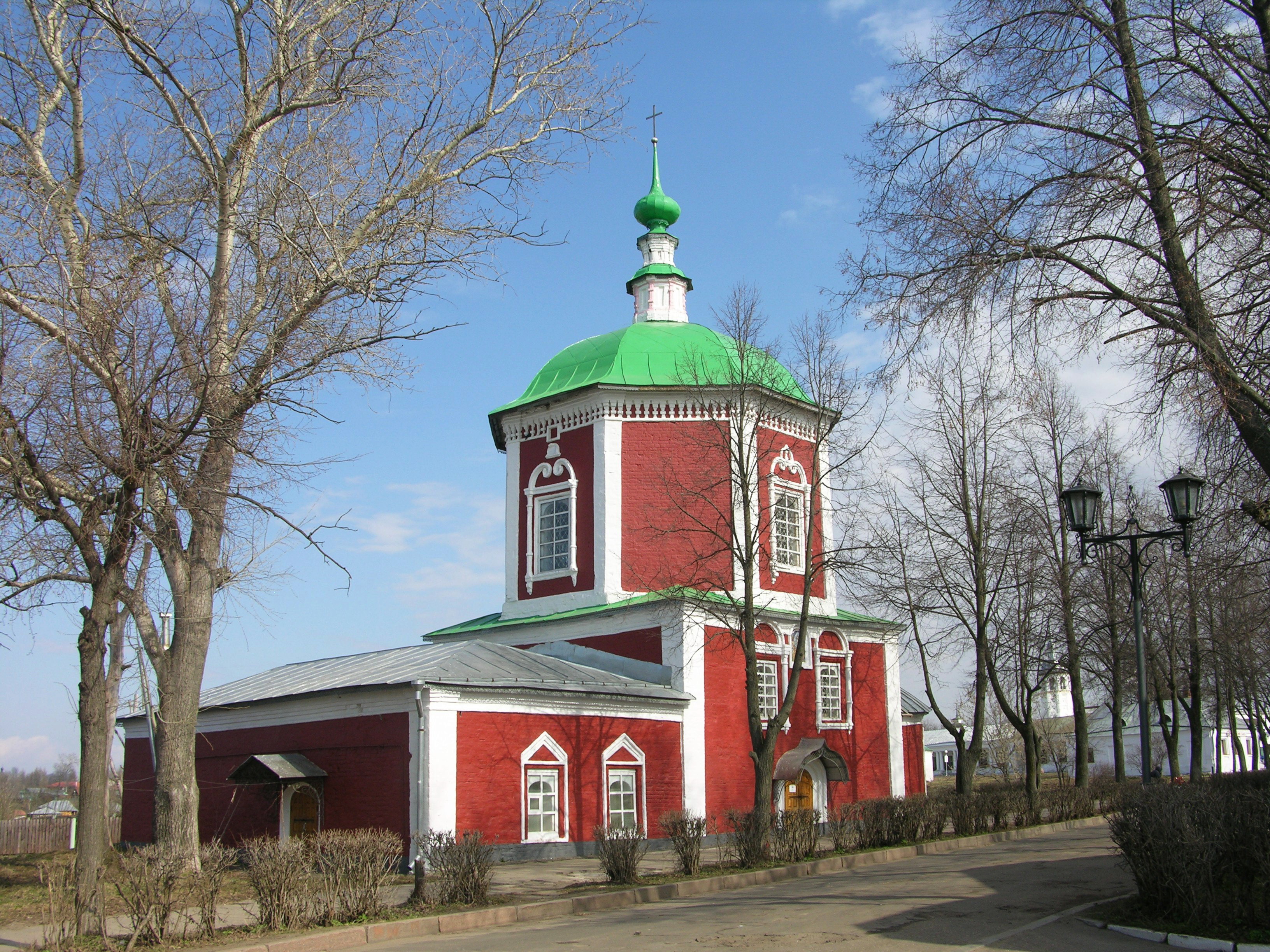
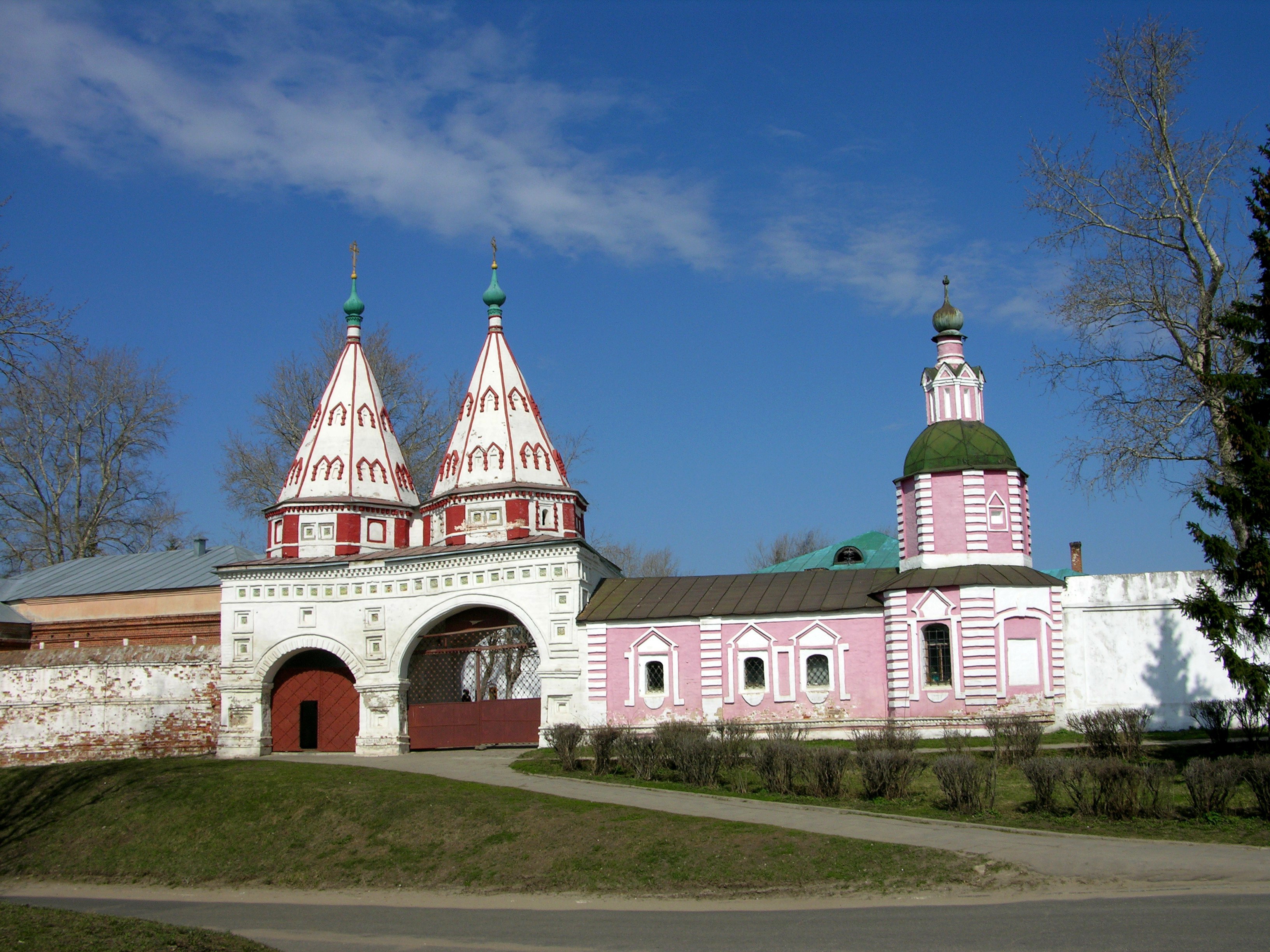
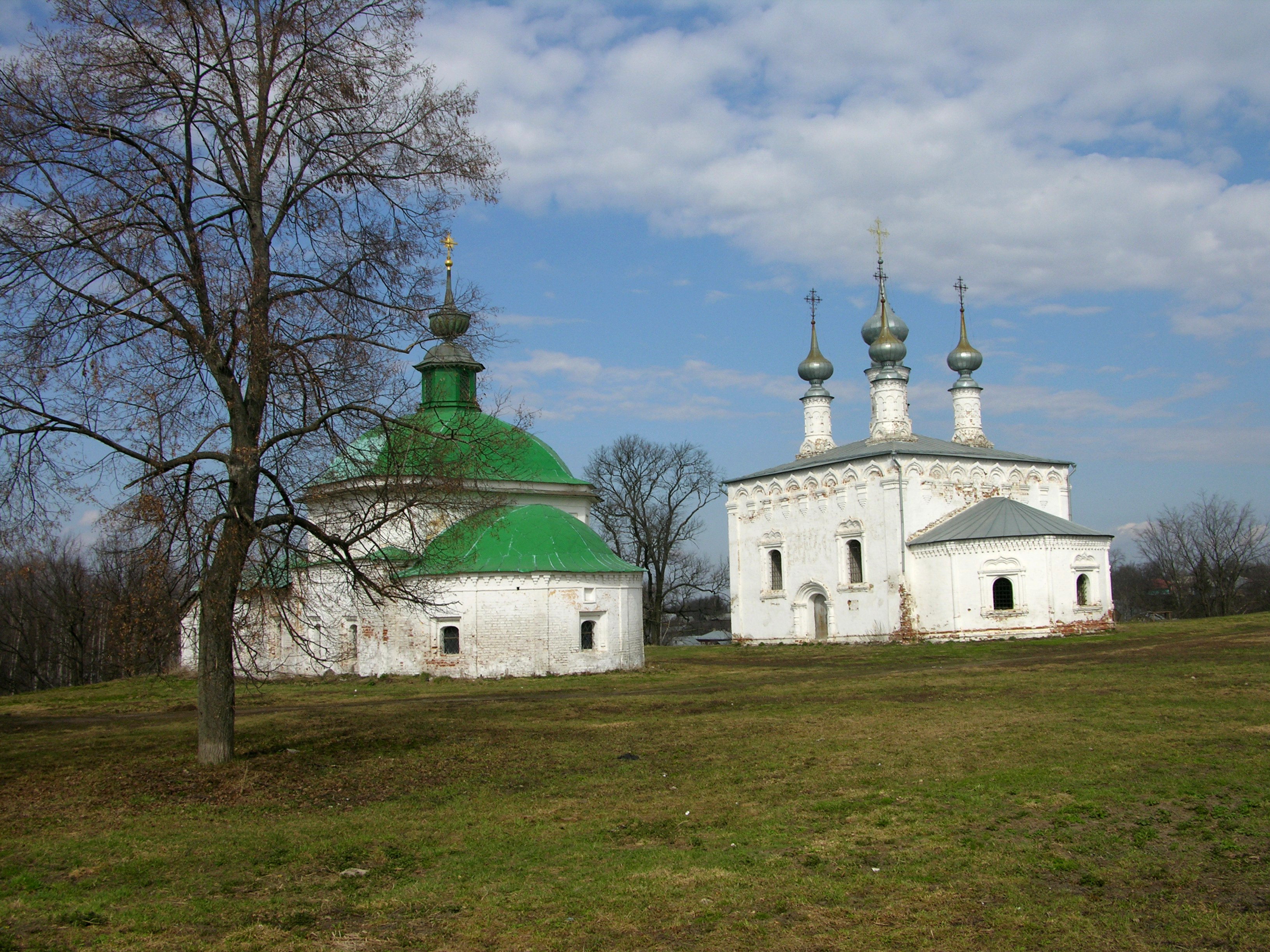
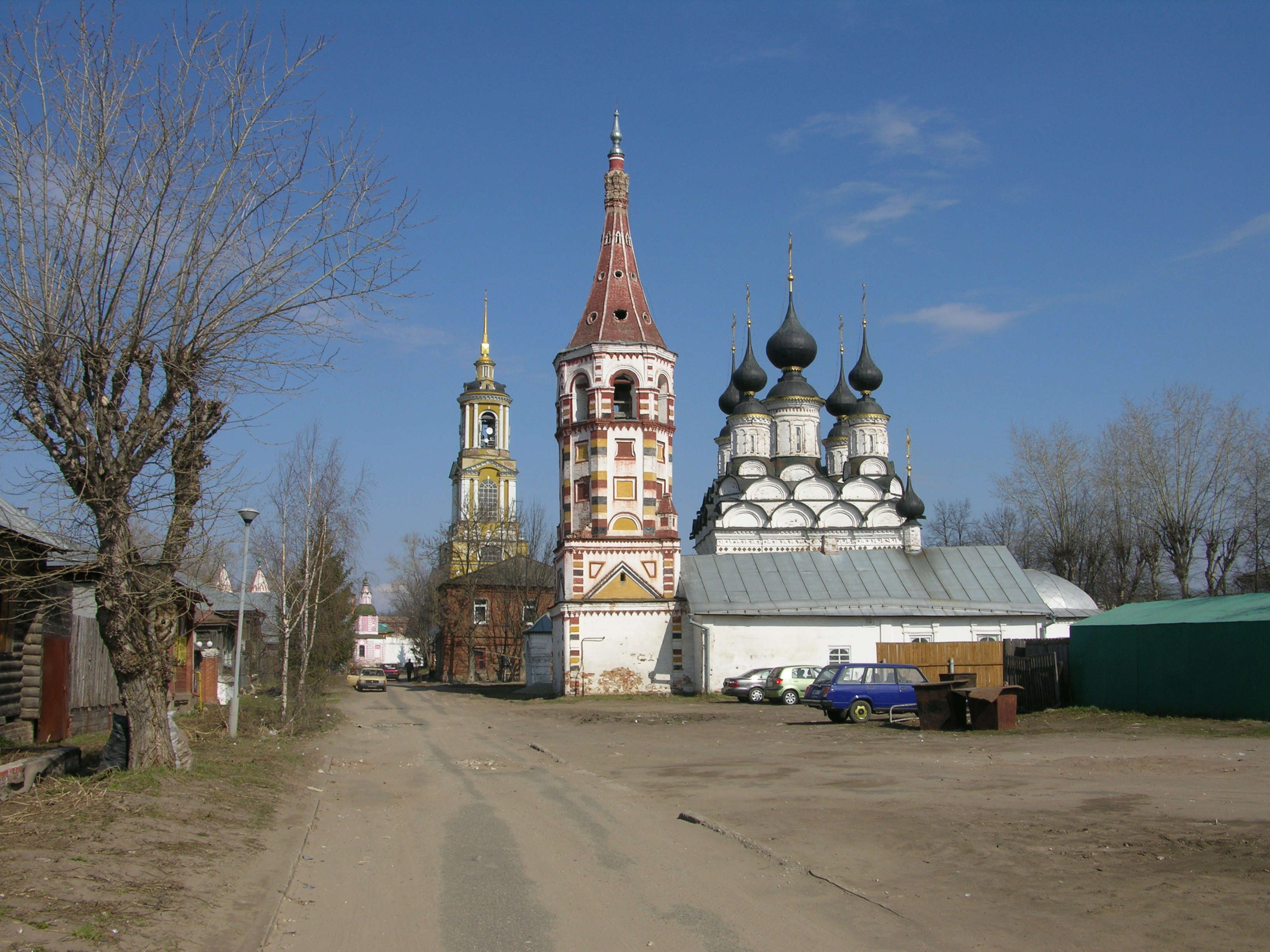
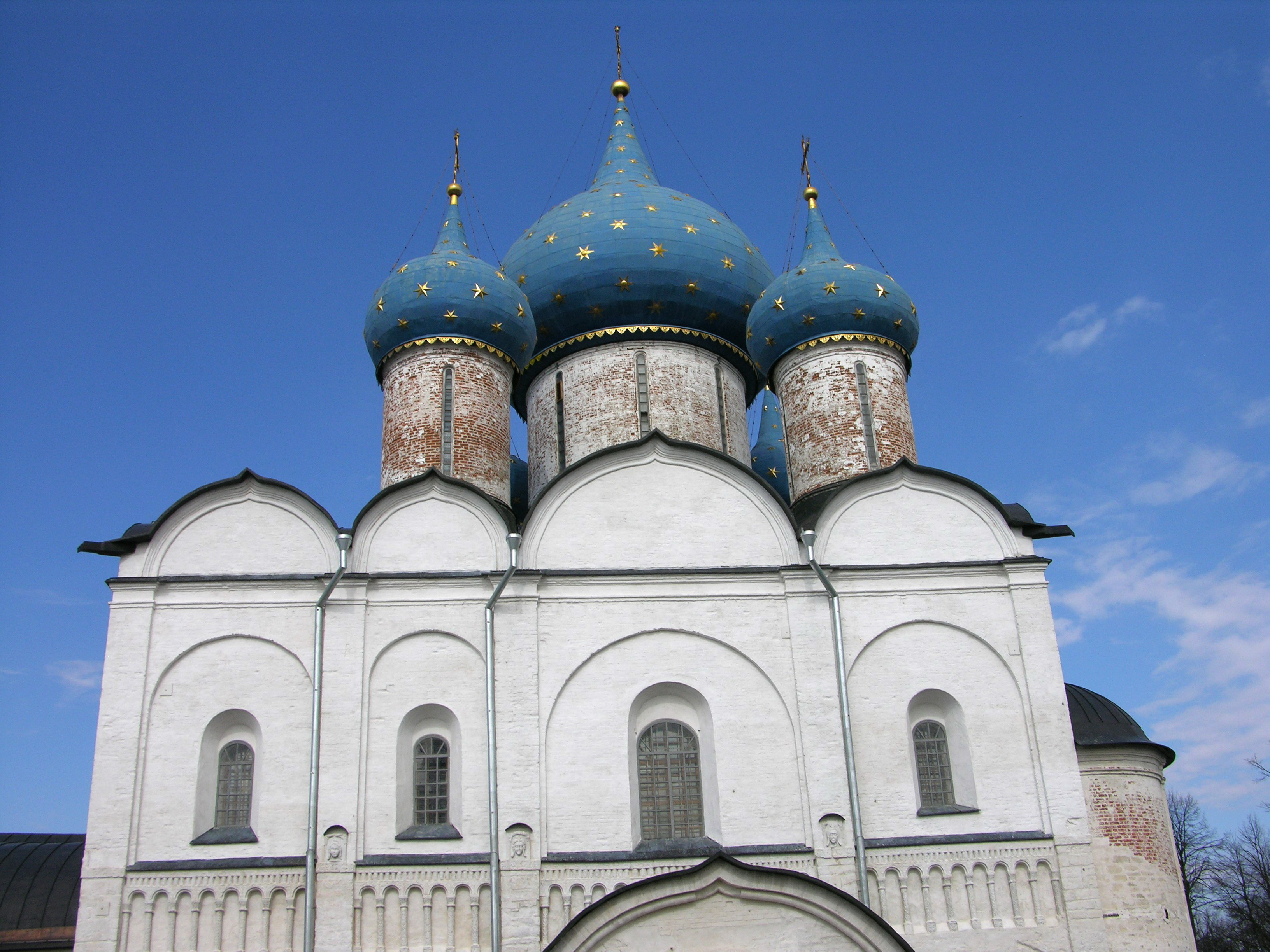
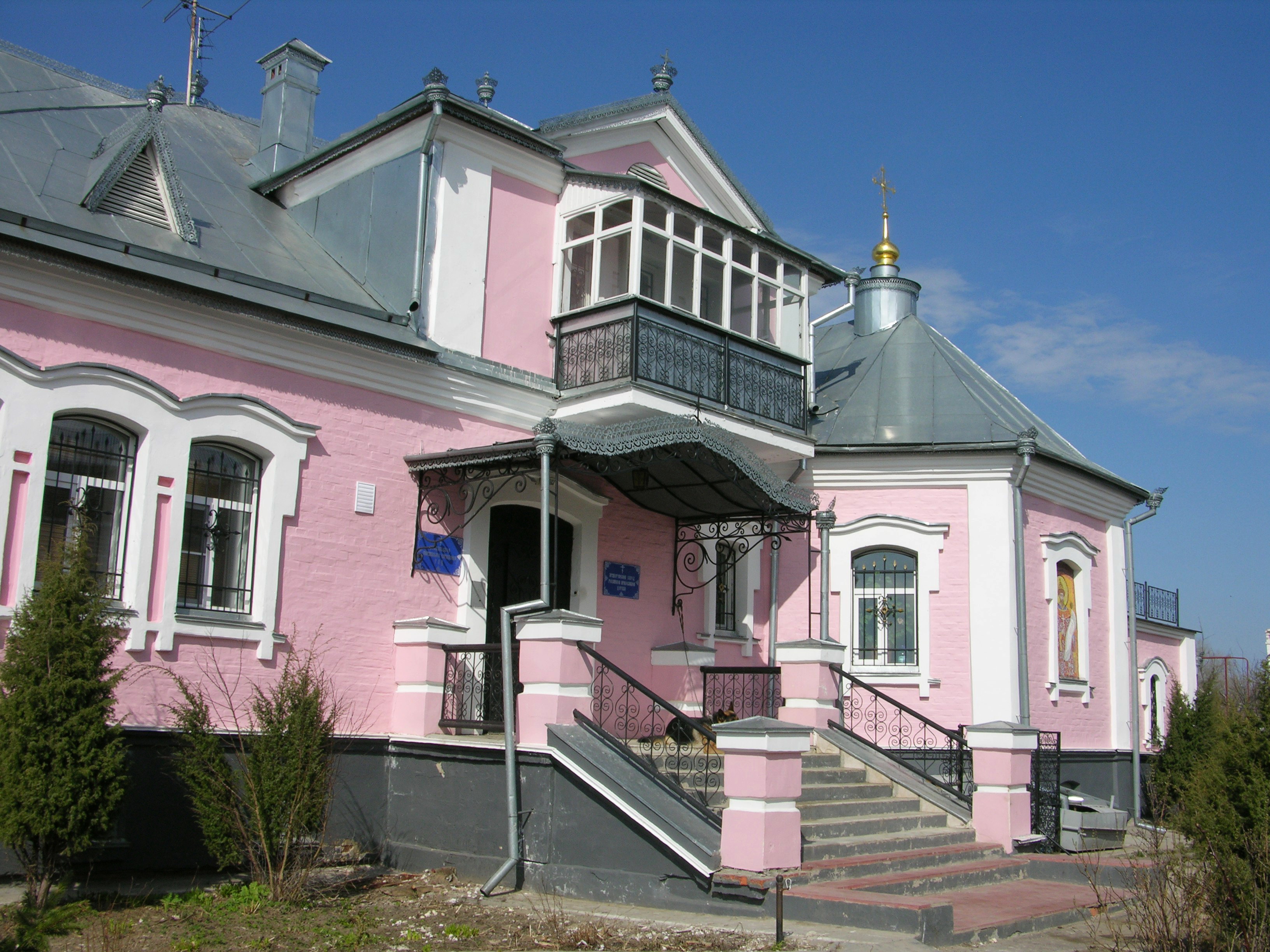
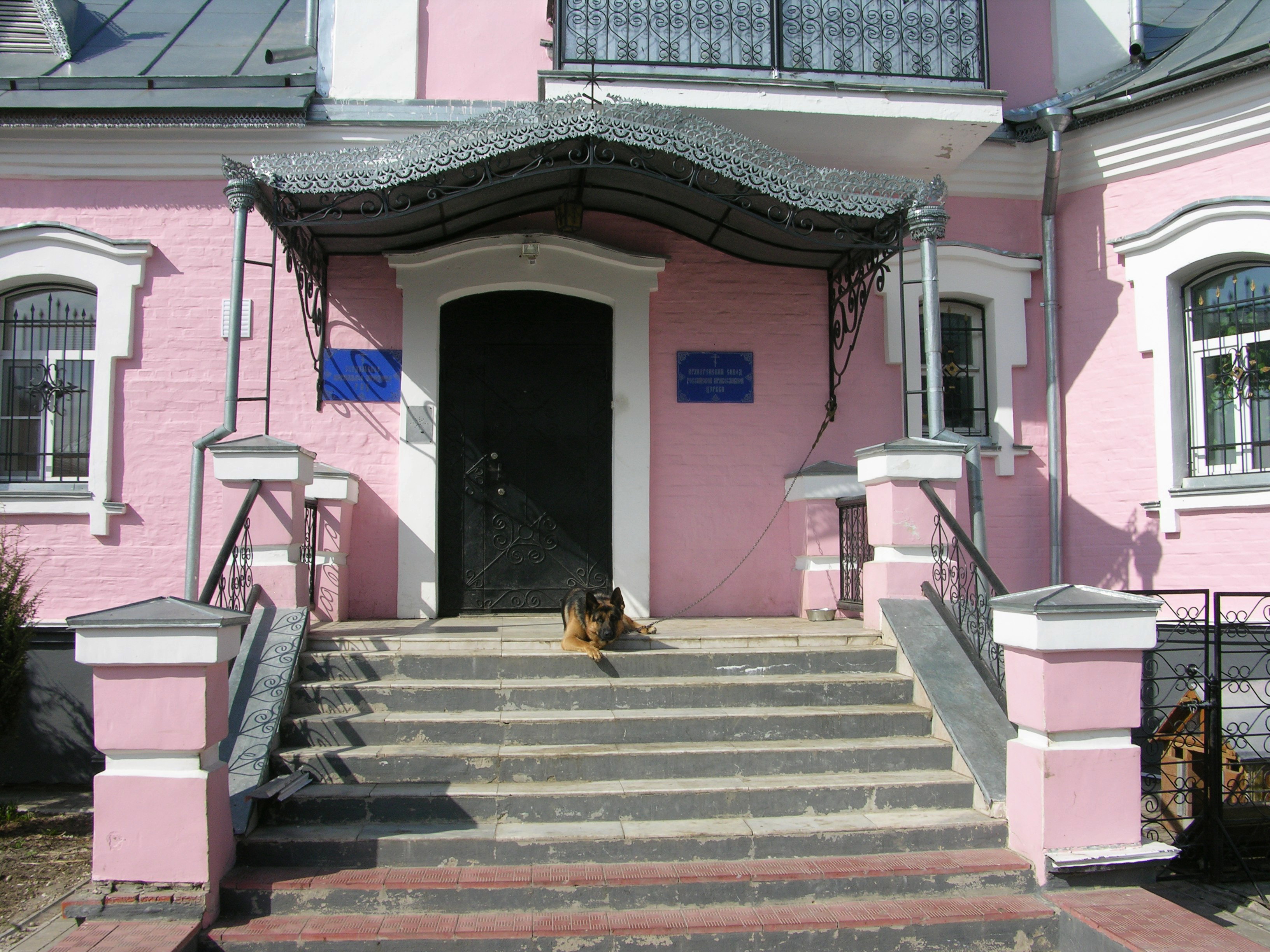
The Russian Orthodox Church has a residence in Suzdal. A dog on a chain guards the entrance. Very Christian. Very Orthodox. Perhaps the idea is that since Christians were once fed to lions, they now have a moral right to set at least a dog on unbelievers and other assorted vermin.
I didn’t make it back to Saint Petersburg that day. I was starting to doze off at the wheel, so I stopped on Rudny Island in Lake Valdai, at 57°58.523′N, 33°18.286′E. It’s a nice little spot Tanya and I found in May 2004, when we drove through Yaroslavl and Vologda oblasts.