Trip report
That was the year we really broke out of Russia. Naturally, I had to spend my birthday abroad too, in the sixteenth country we’d visited that year. Work was busy towards the end of the year, so we couldn’t take much time off. We settled on three days in Estonia. Estonia wasn’t in Schengen yet, so we needed a separate visa, and they would only issue one if we paid for a hotel in advance. Oh well. What mattered was getting the visa. We could decide later where to sleep. We took our own car, of course. We’d driven it to Africa that year.
With bigger and more distant trips in mind, we’d bought a digital camera. This was a chance to try it out before our first trip to New Zealand. I was still sparing with my shots, as if I had to ration digital film. Even so, from that trip onwards, the pictures looked different.
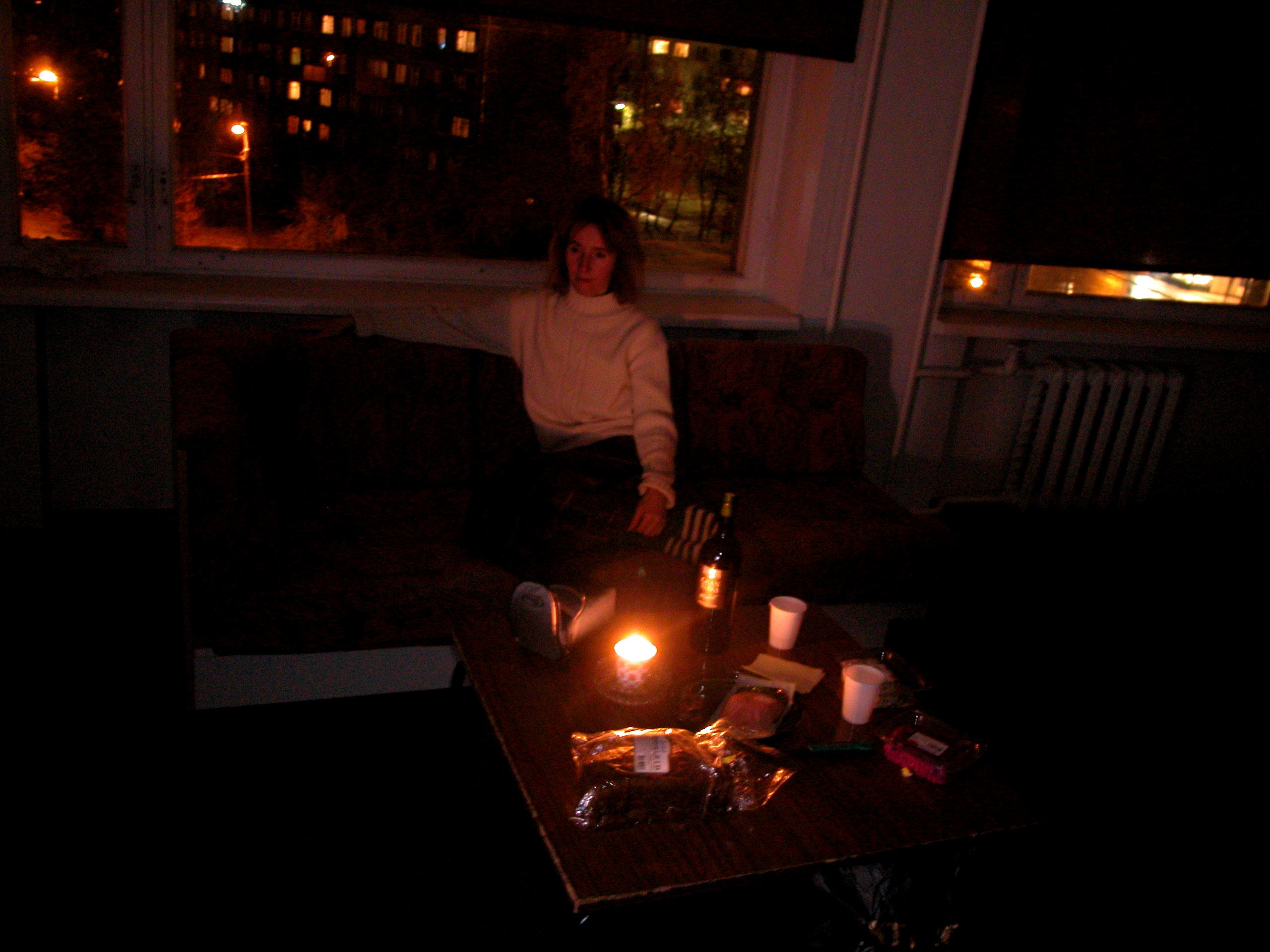
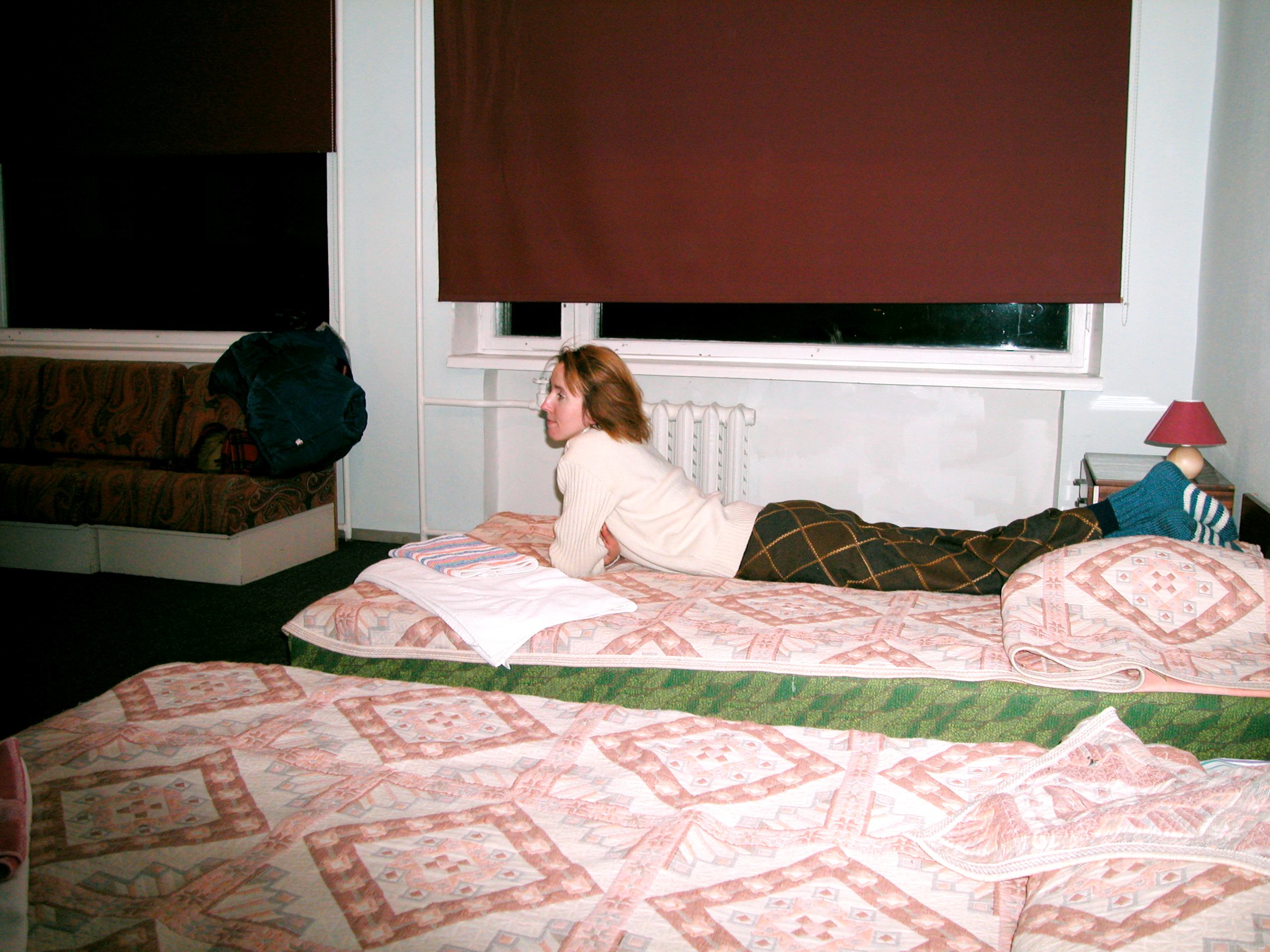
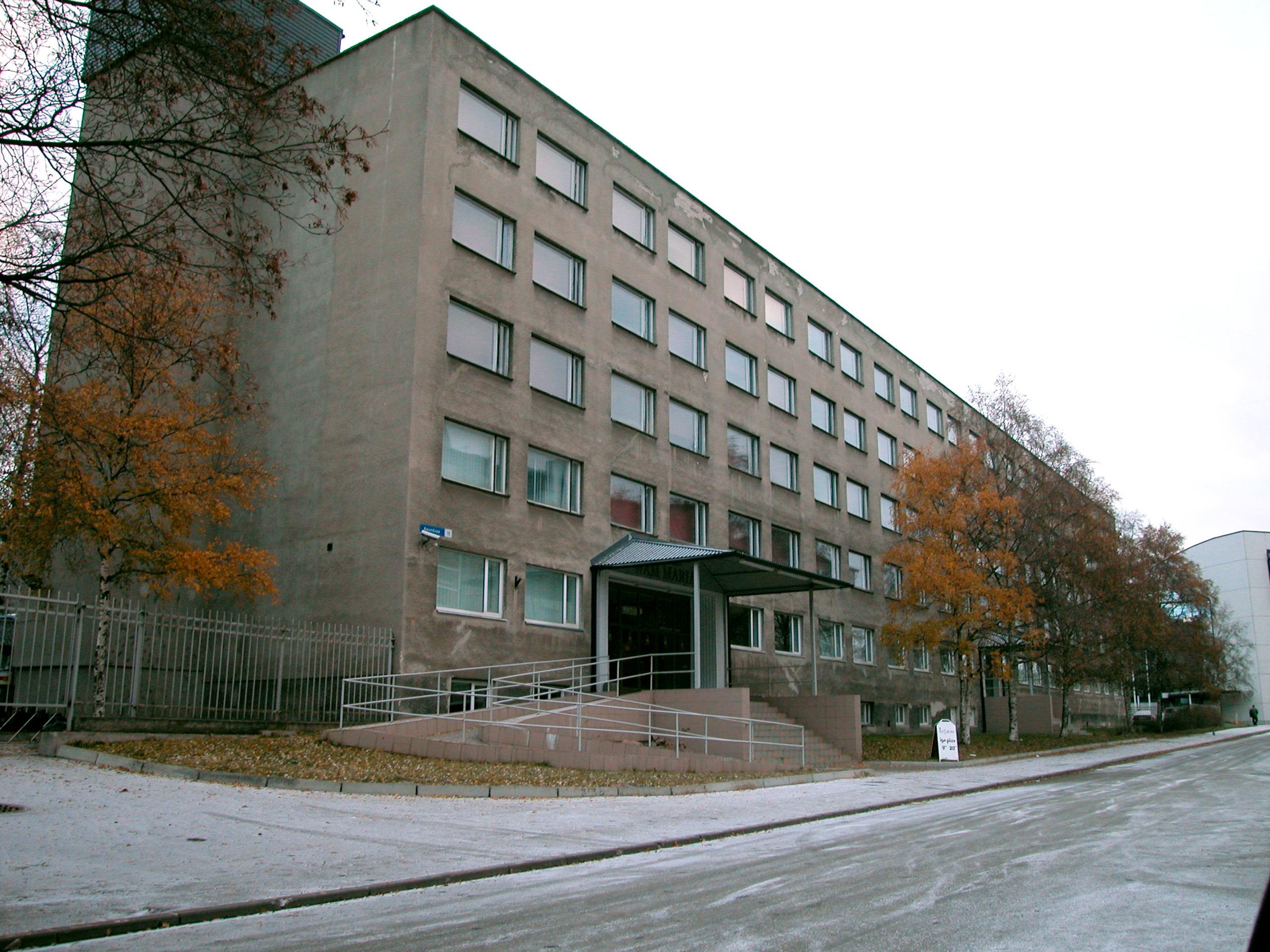
On the first day we only got as far as Tallinn. We walked around the city and celebrated my birthday a couple of days early at the hotel, Wam Maria (59°25.840′N, 24°47.386′E). We wouldn’t have time later.
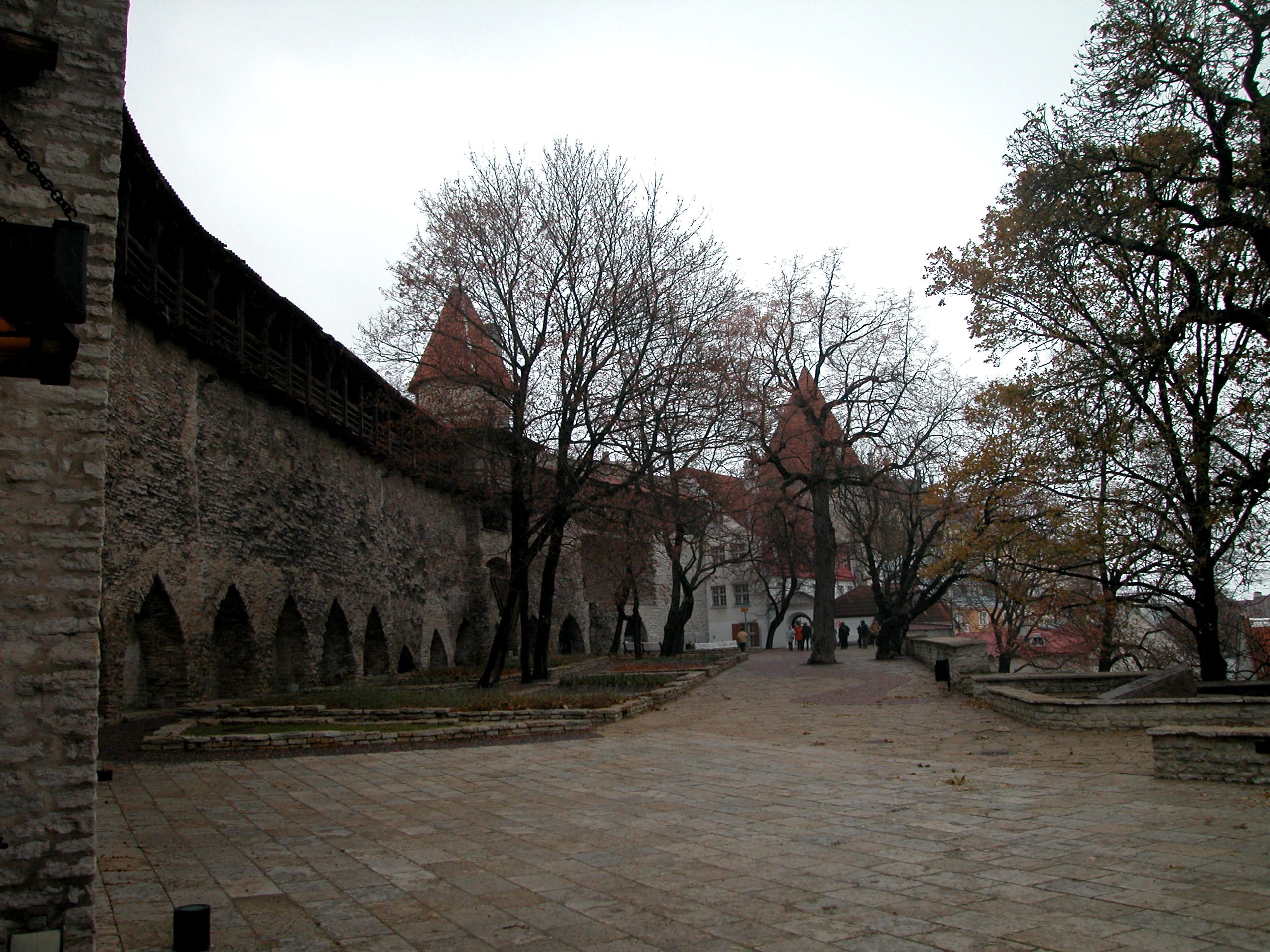
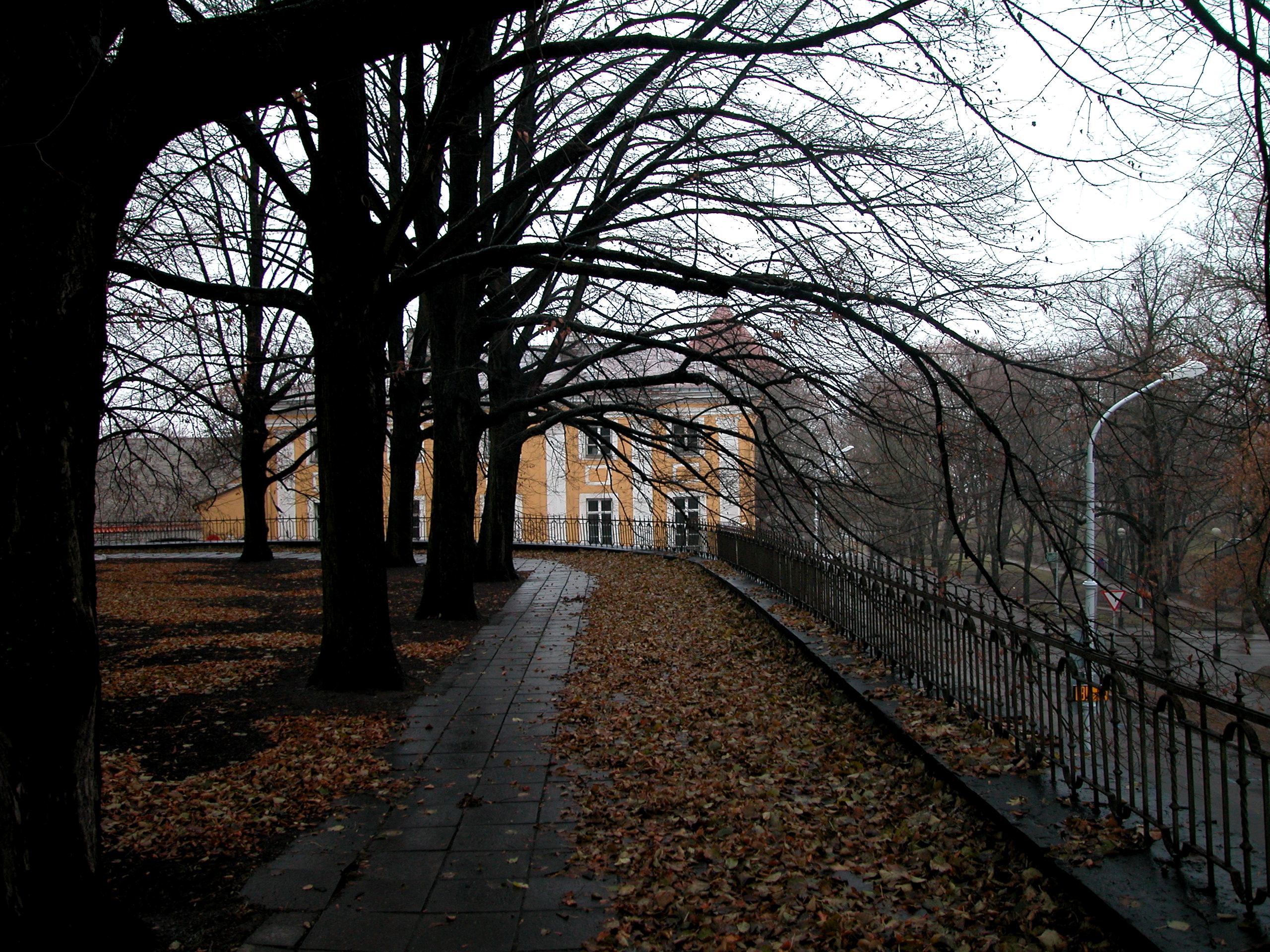
In the morning we set off for Saaremaa. My great-great-grandfather had served at a church there. I didn’t know the whole family history yet and assumed one branch of the family had come from the island. It turned out that people moved around a fair bit in the eighteenth century too.
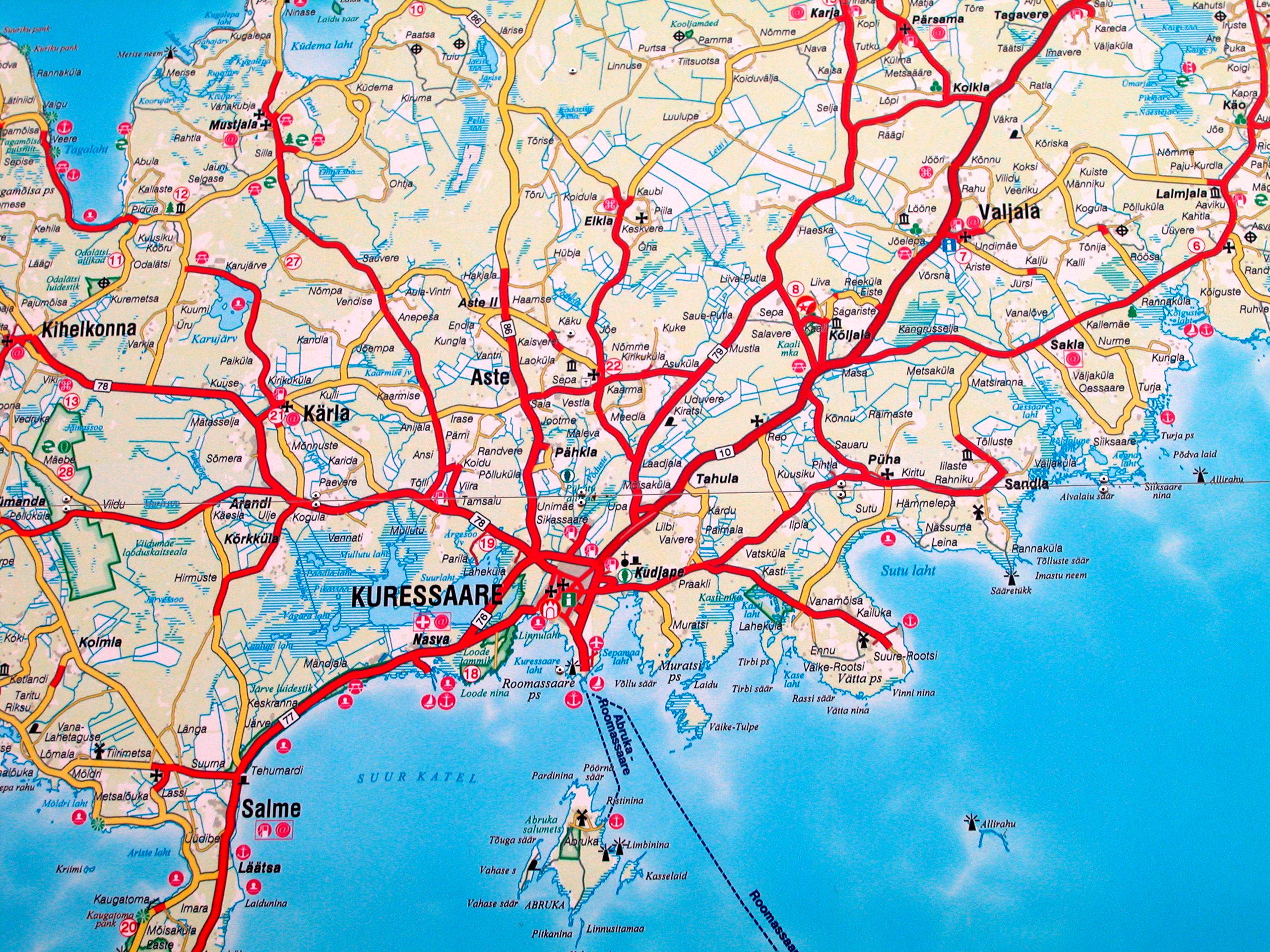
To get to the island, you take the ferry from the little town of Virtsu. The name sounds almost like my beloved Vyritsa. The crossing takes about an hour.
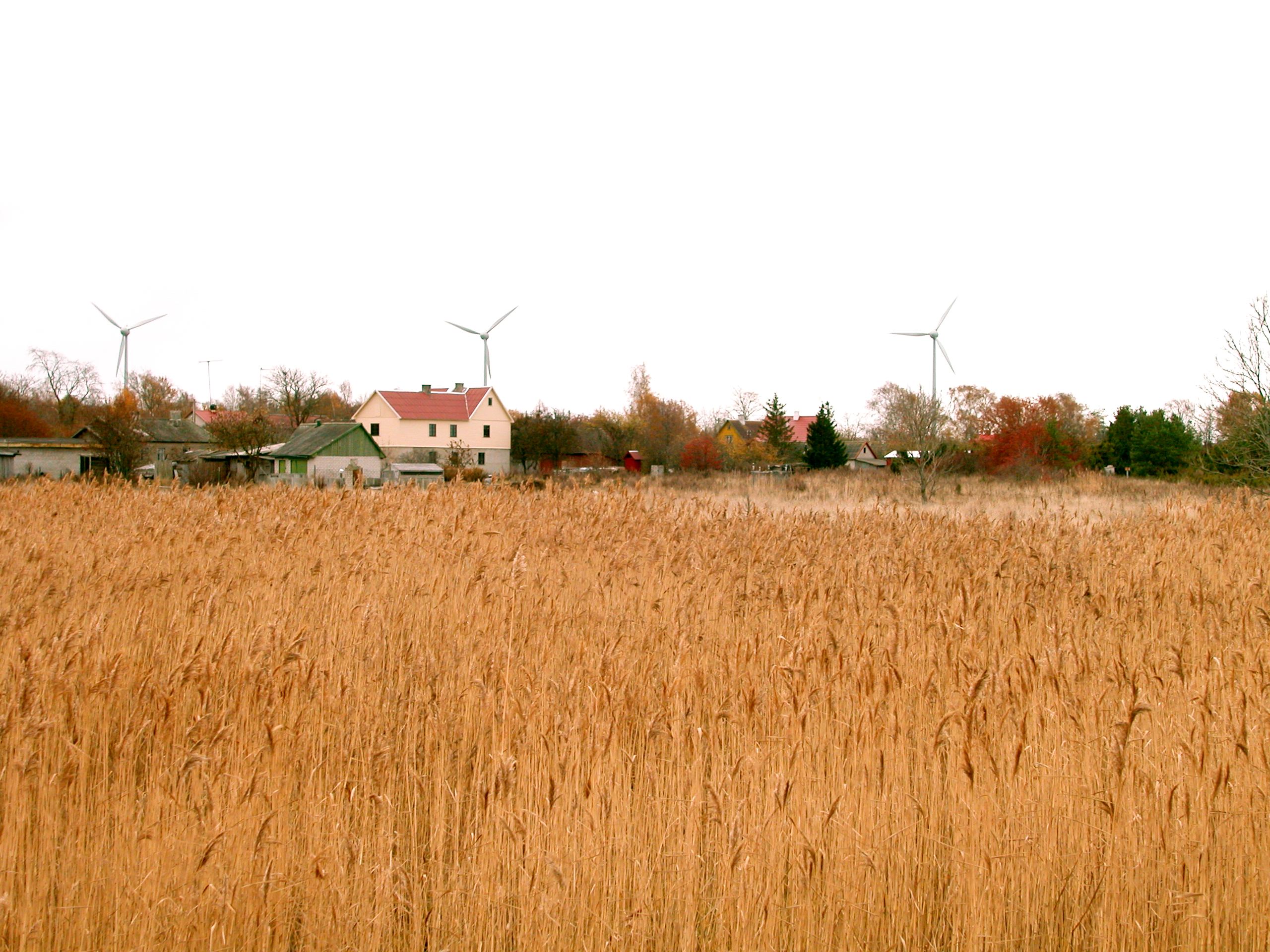
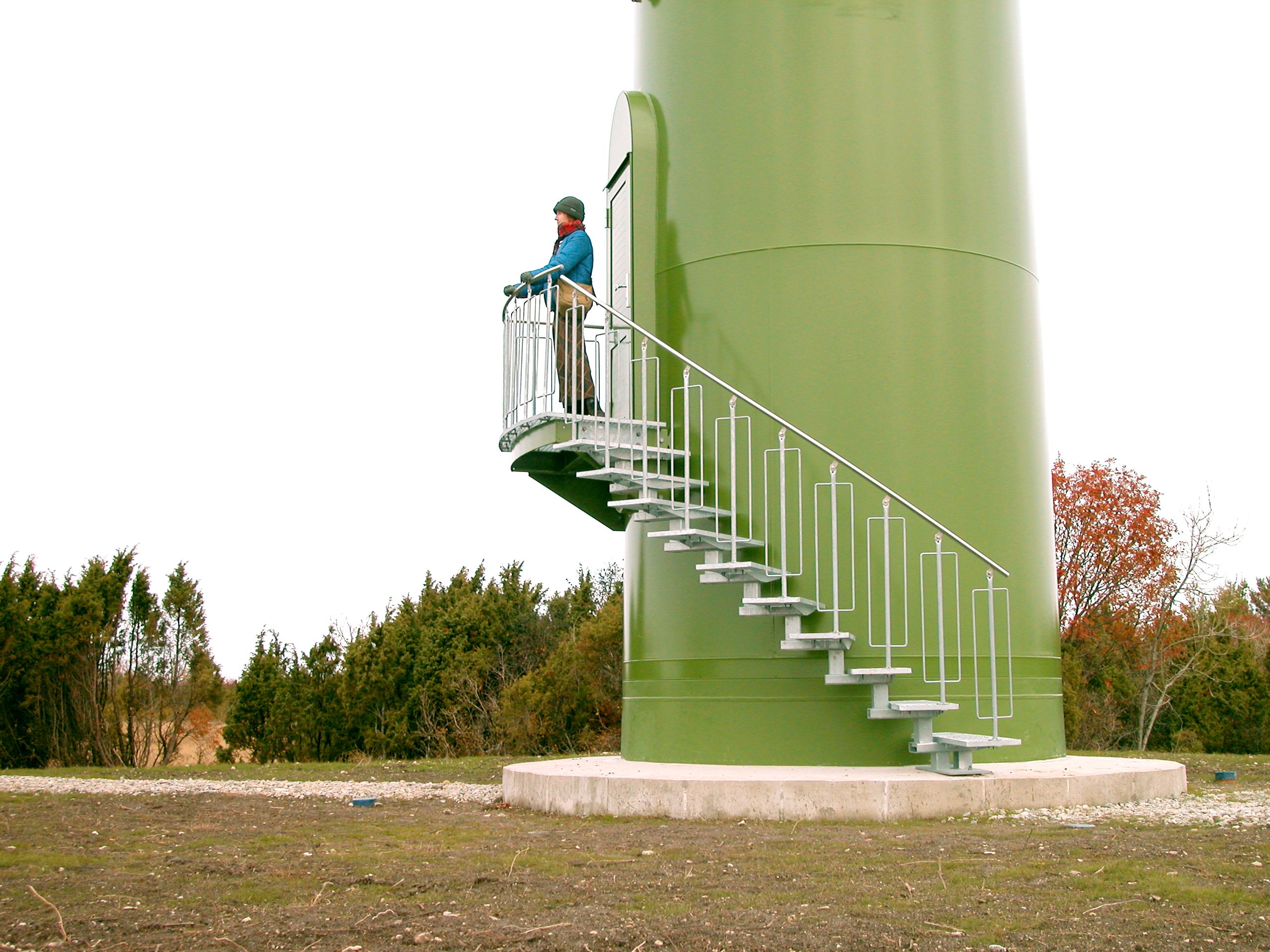
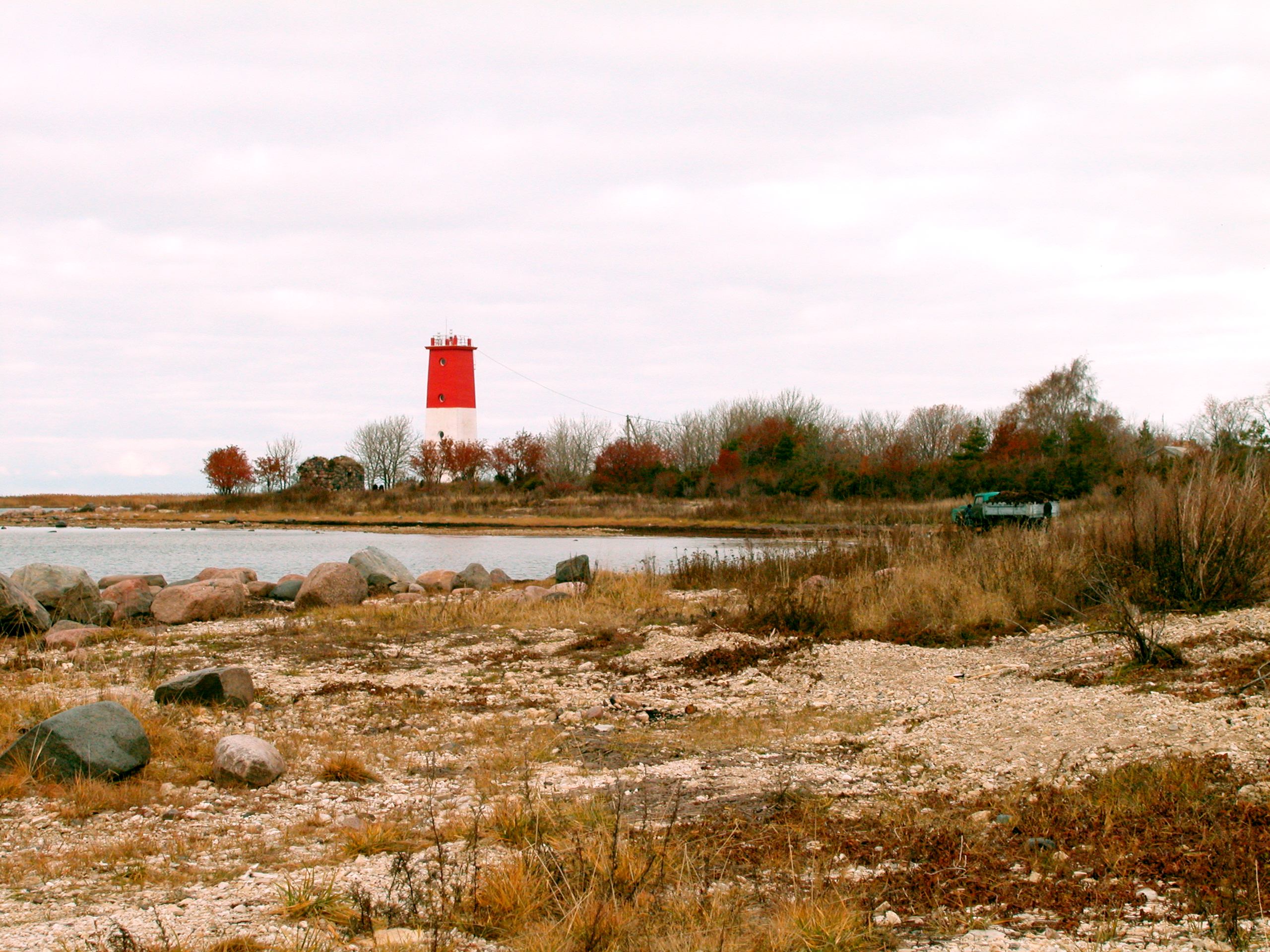
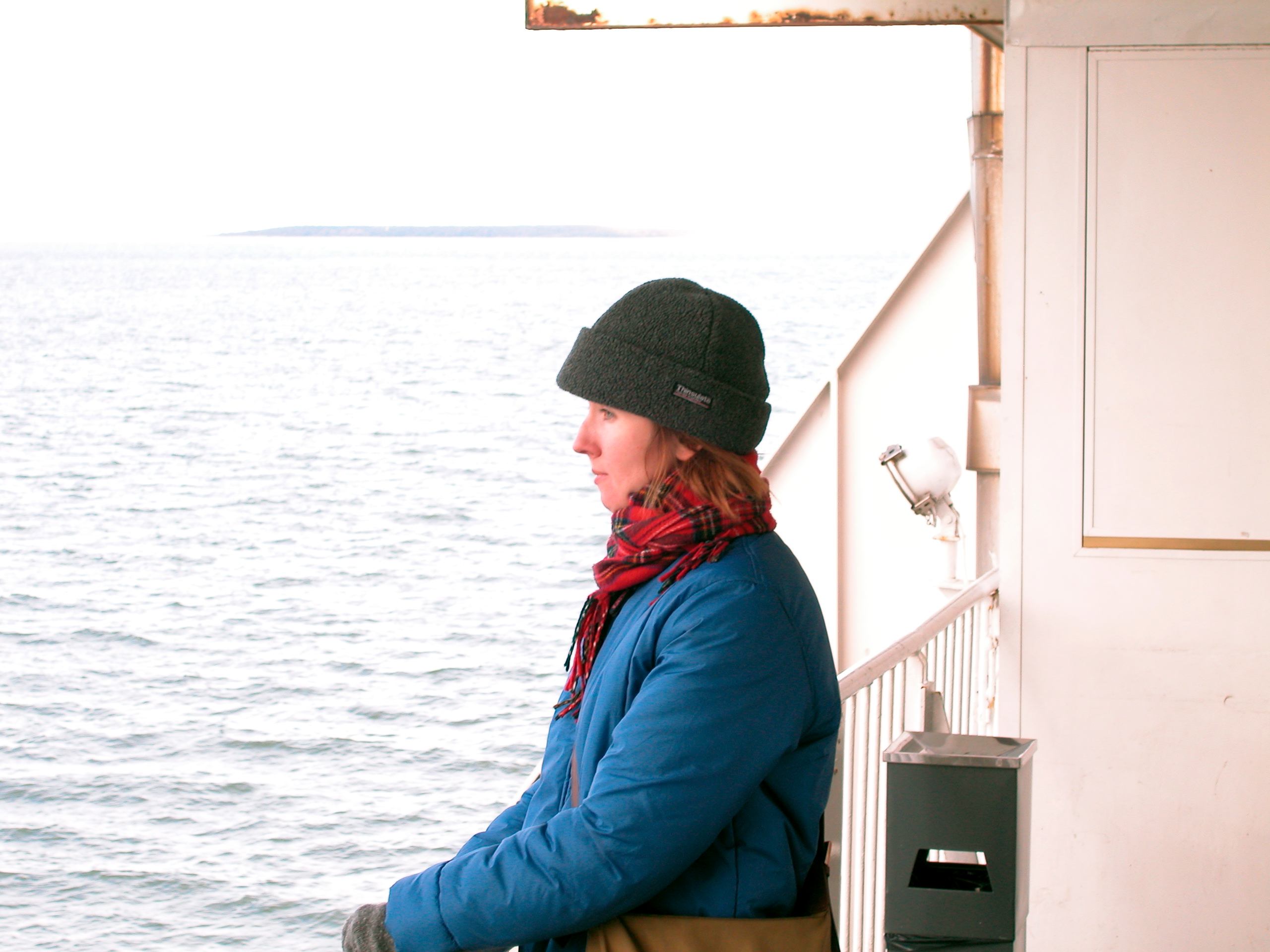
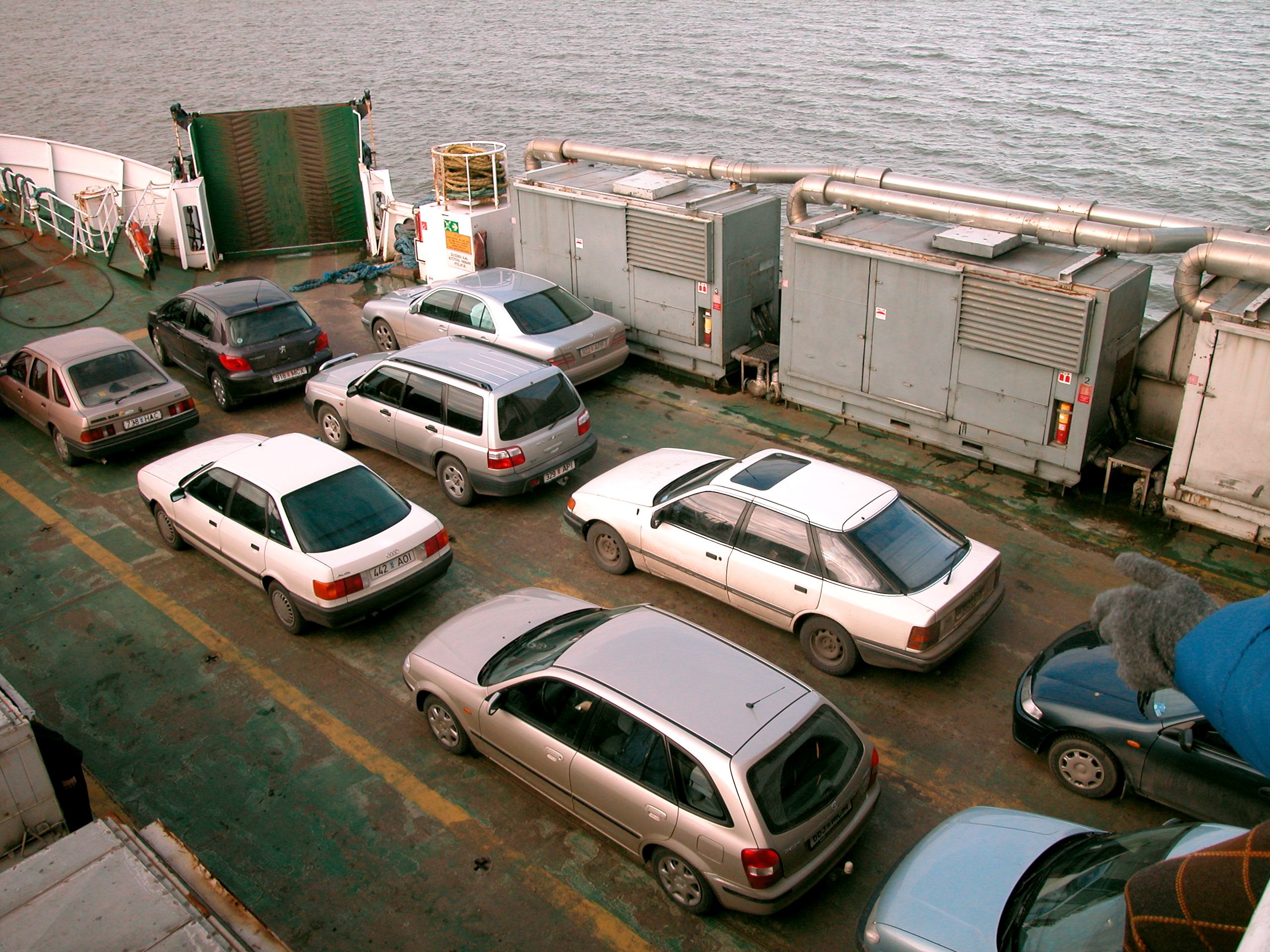
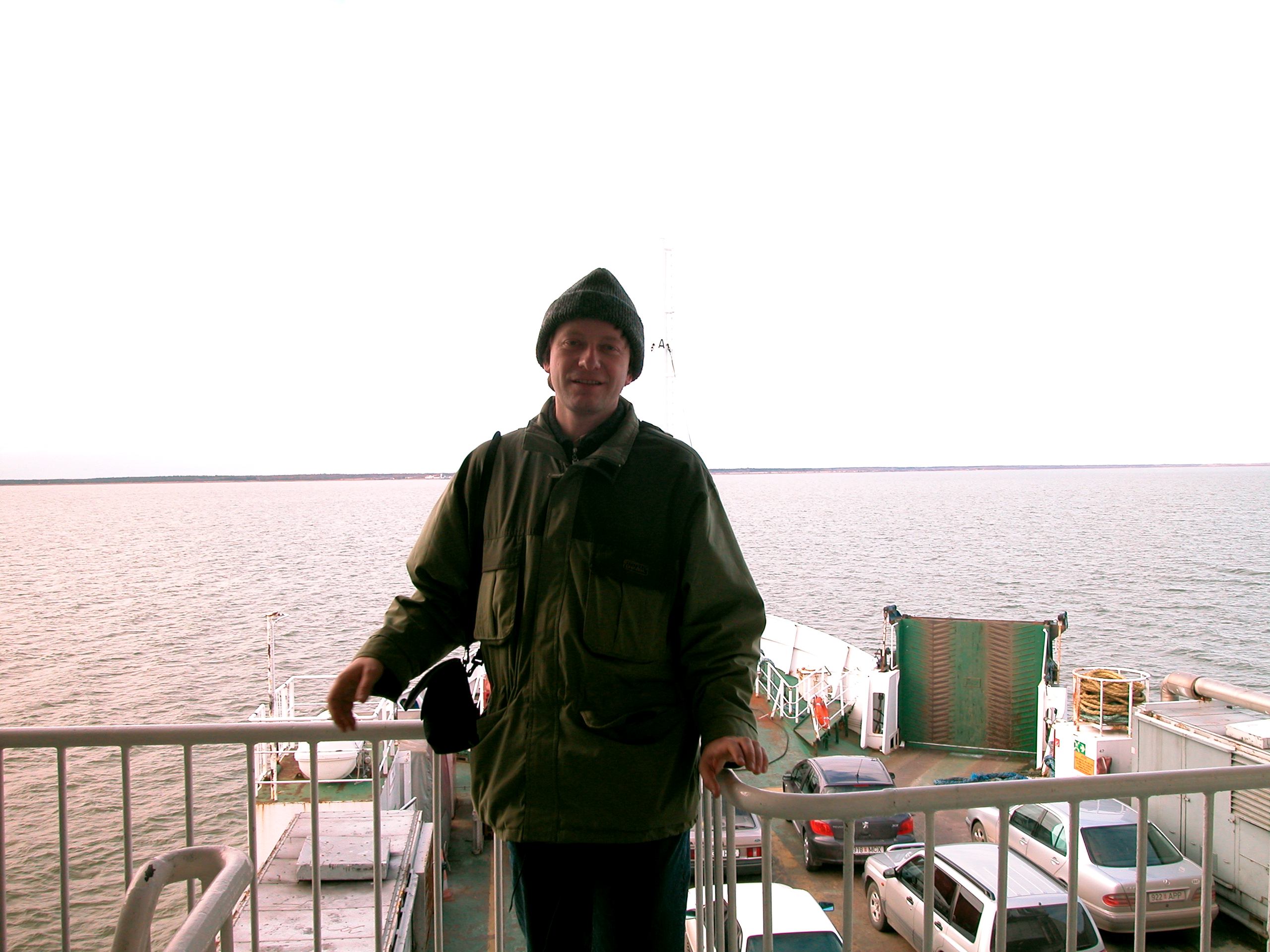
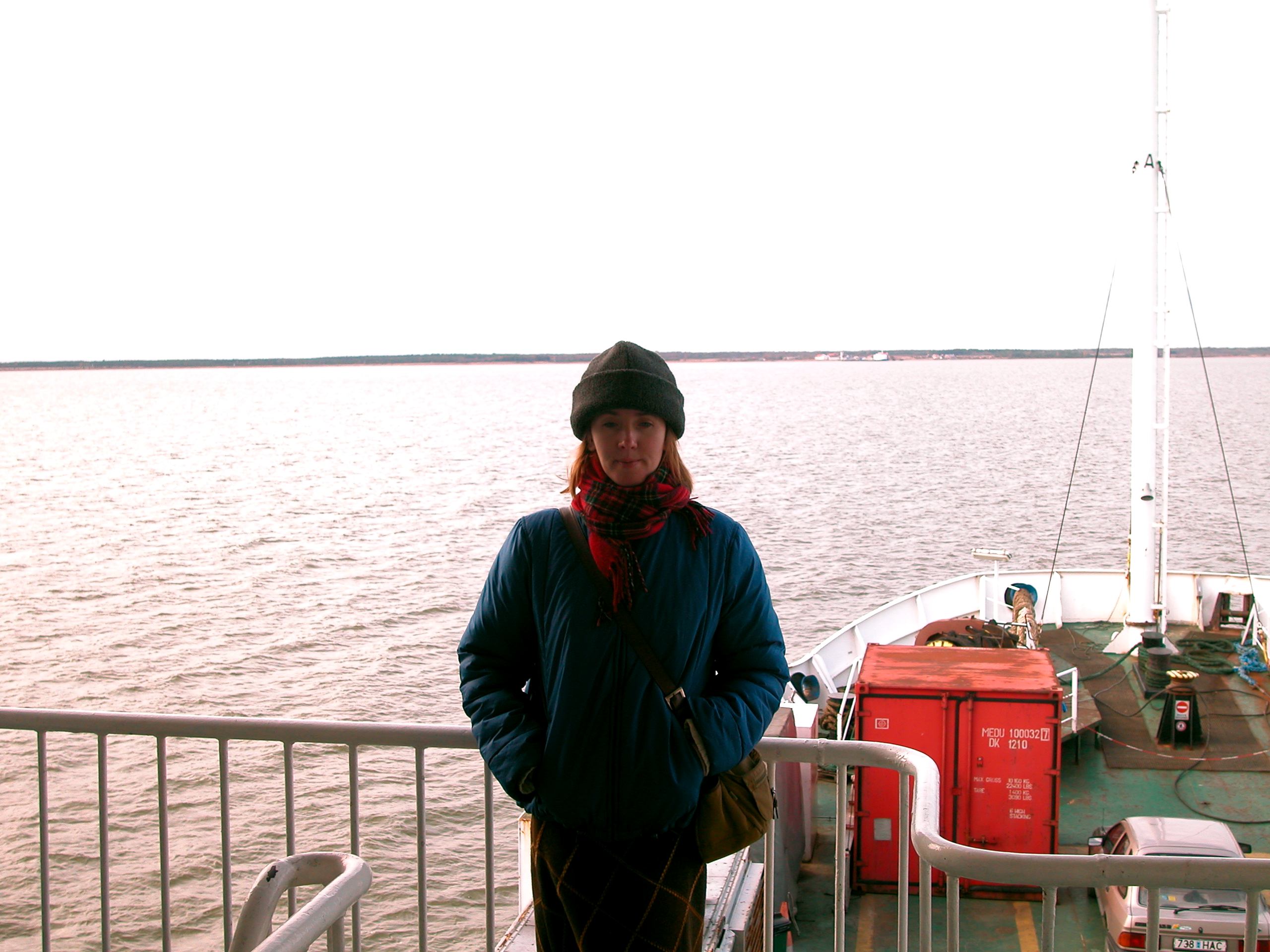
In Soviet times the island was in a restricted border zone. Neither my grandfather nor my father ever got to Saaremaa. I couldn’t get in either. Then came the days of freedom. It turned out the only way for me to visit the old family country was for it to break away from Russia.
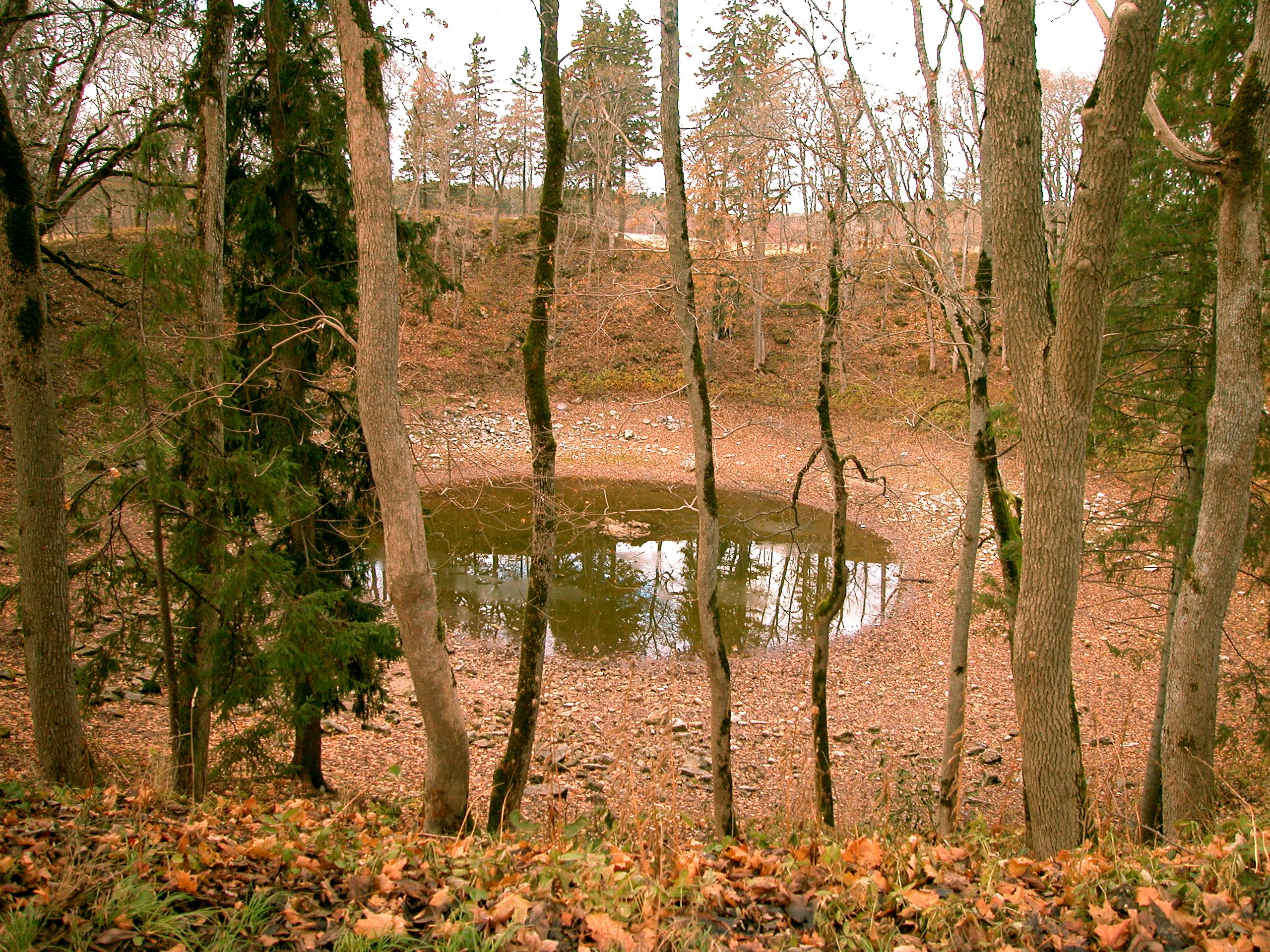
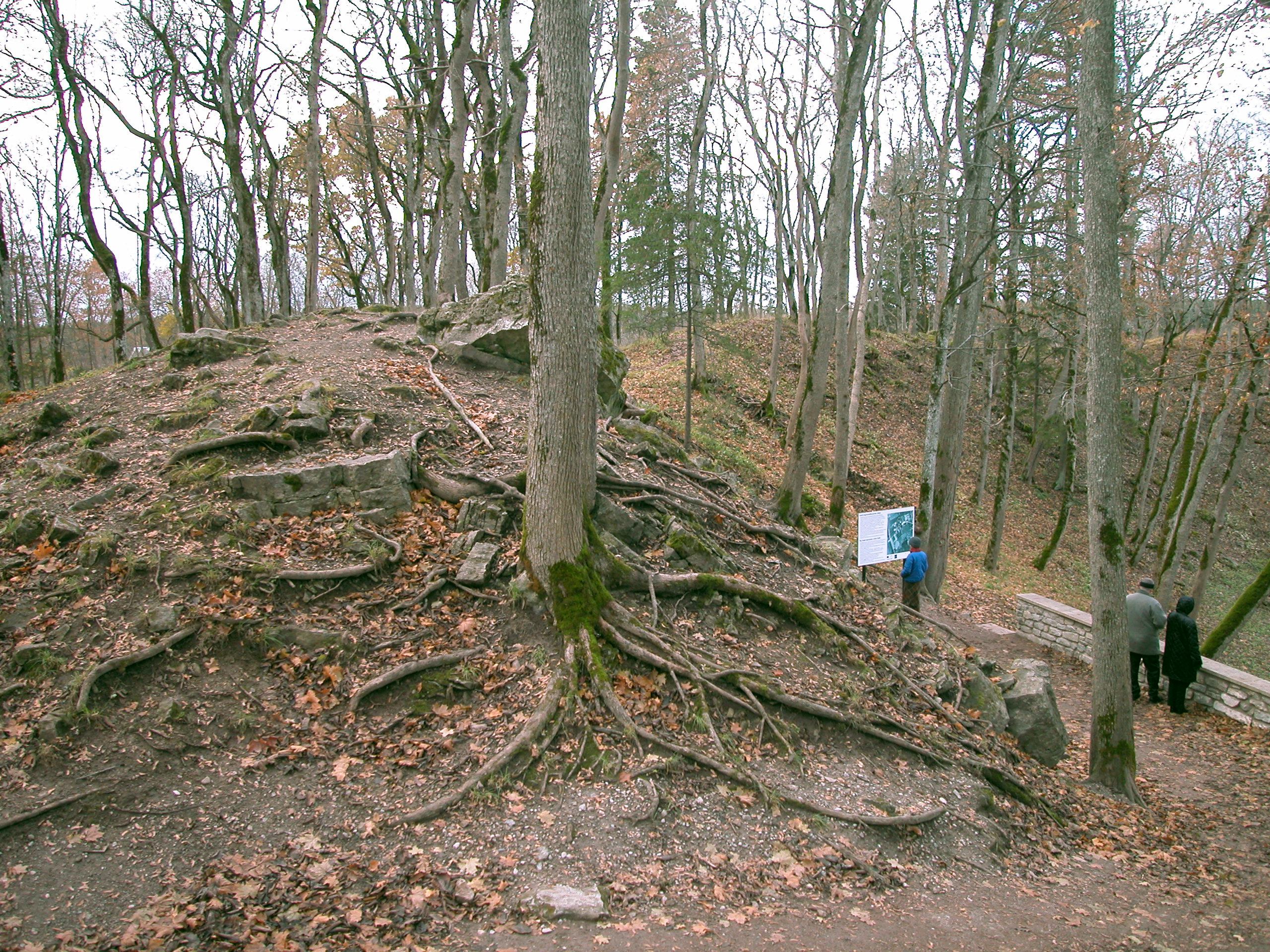
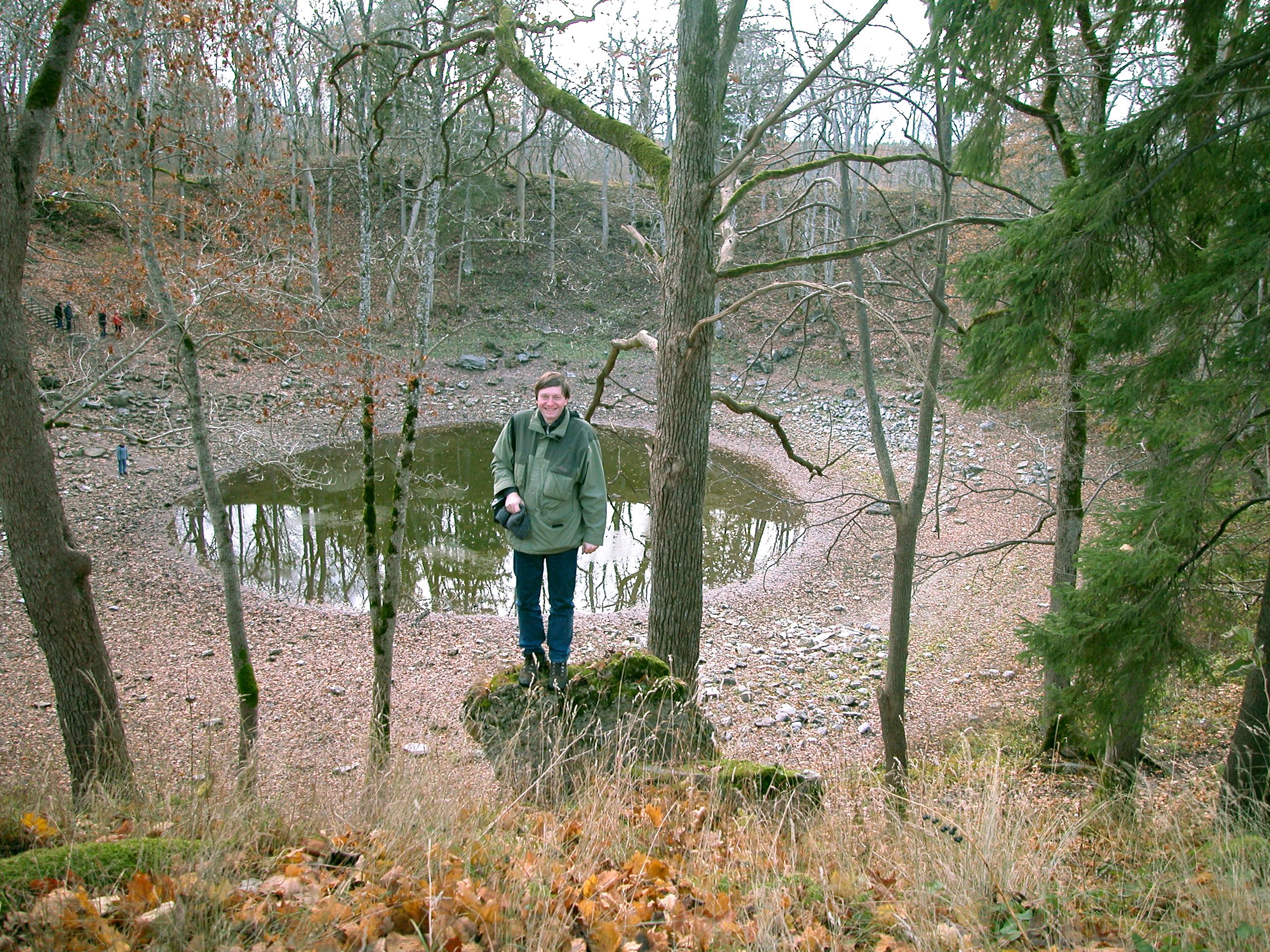
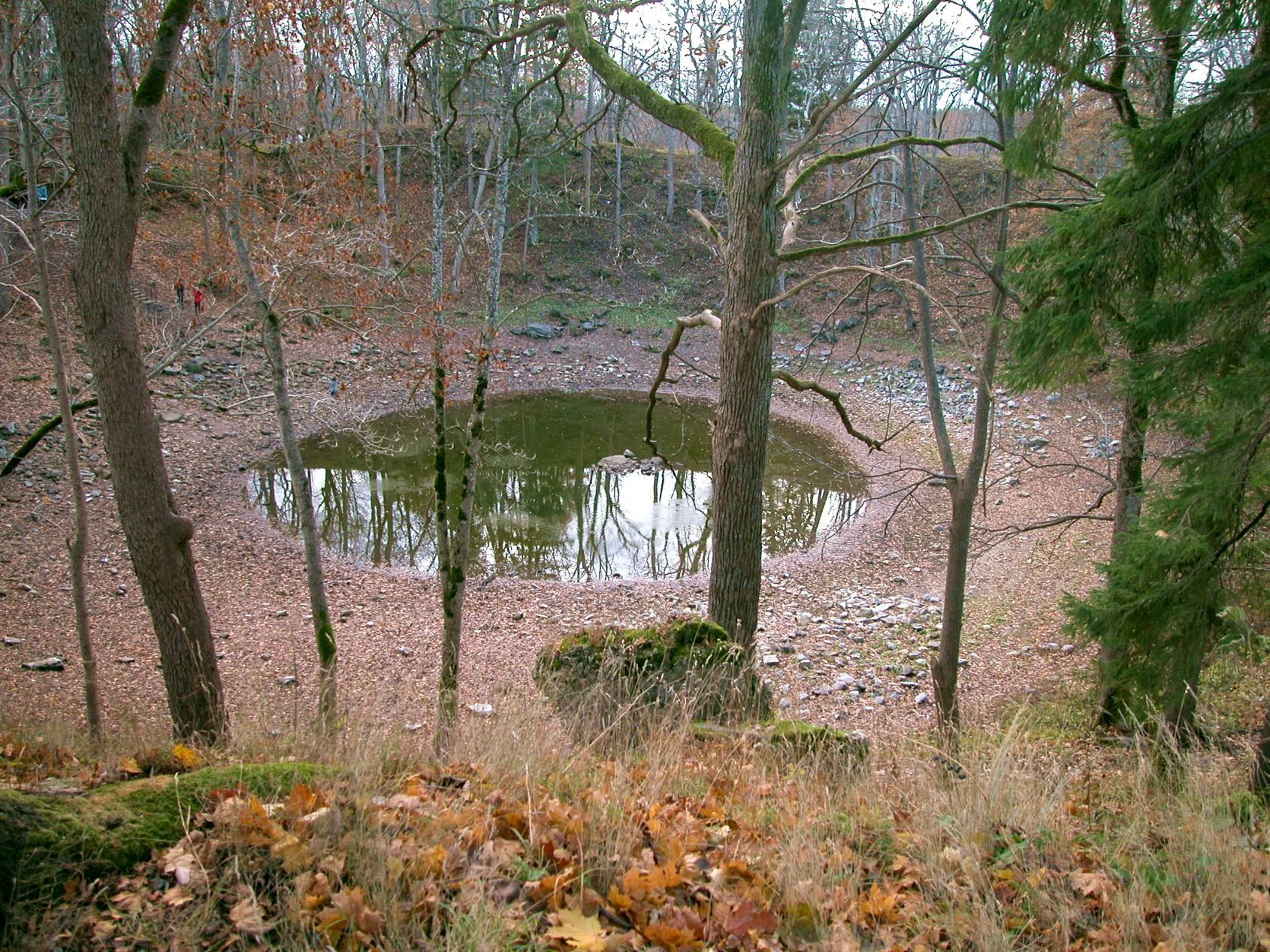
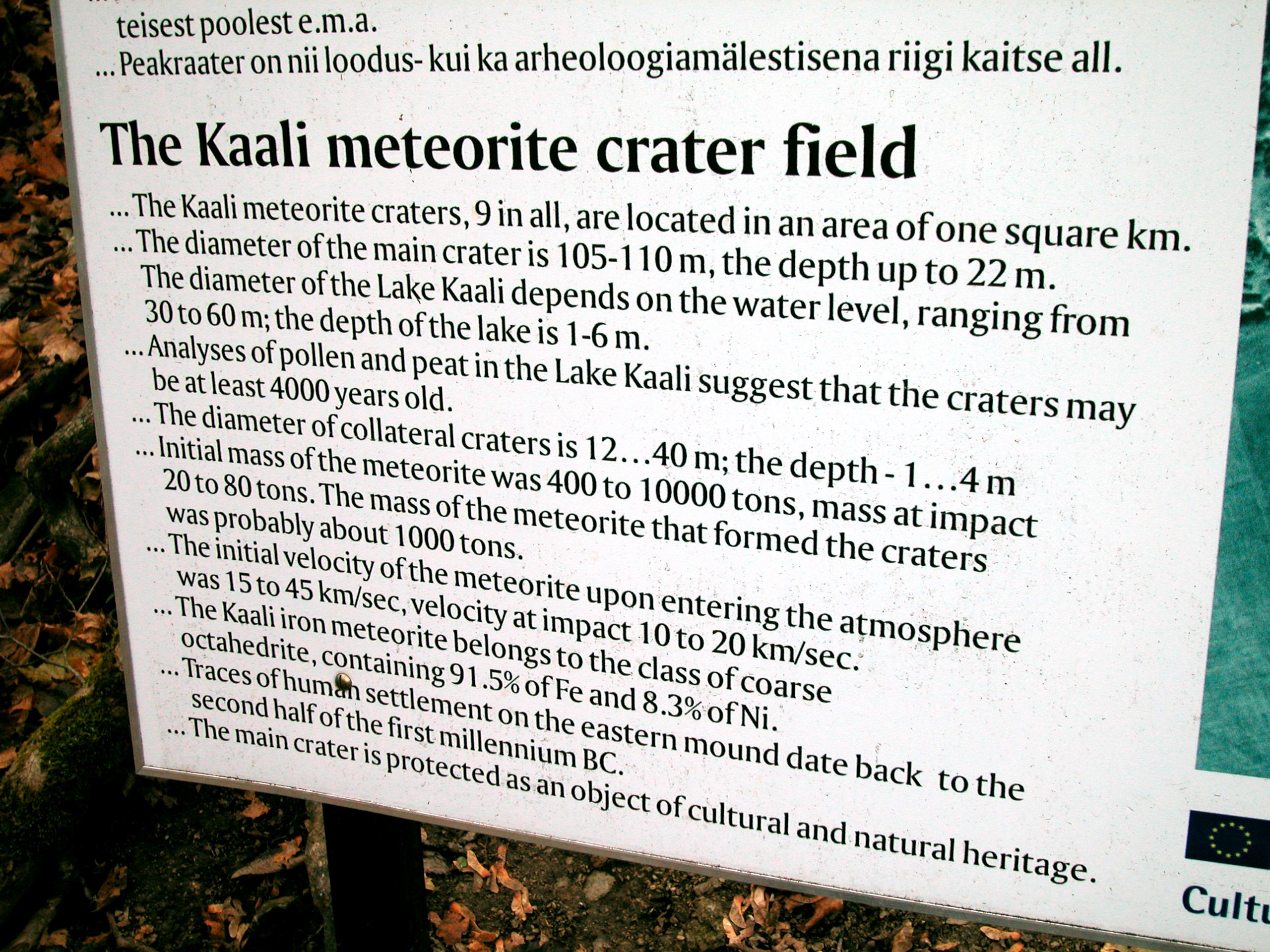
The most interesting thing on the island is the meteorite crater, Kaali meteoriidikraater (58°22.367′N, 22°40.167′E). It formed some five thousand years ago when a meteorite weighing 20 to 80 tonnes struck at 10 to 20 kilometres per second. There’s water at the bottom of the main crater, and the level varies considerably with the season. There are eight smaller craters nearby, but they’re nothing much to look at.
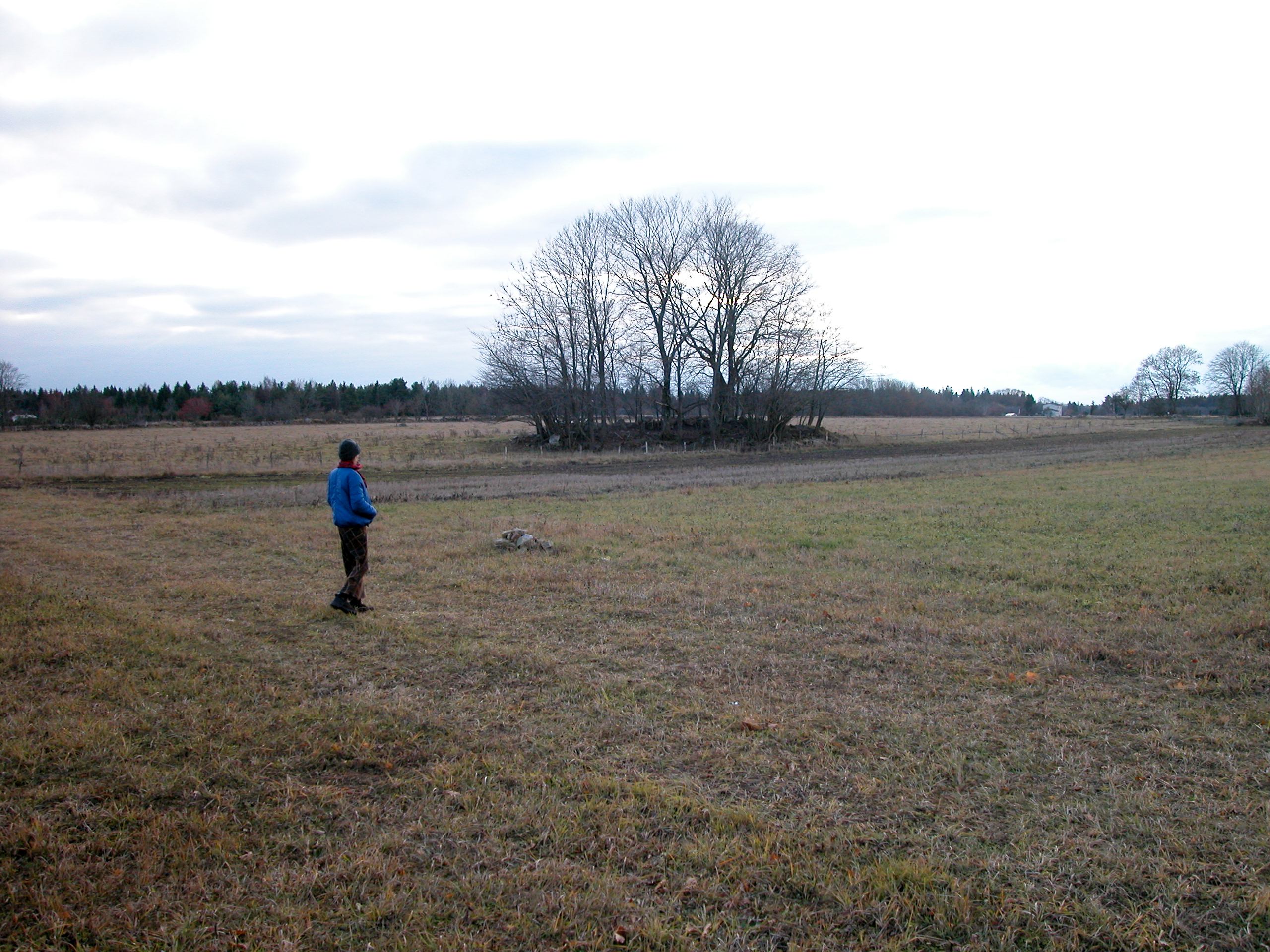
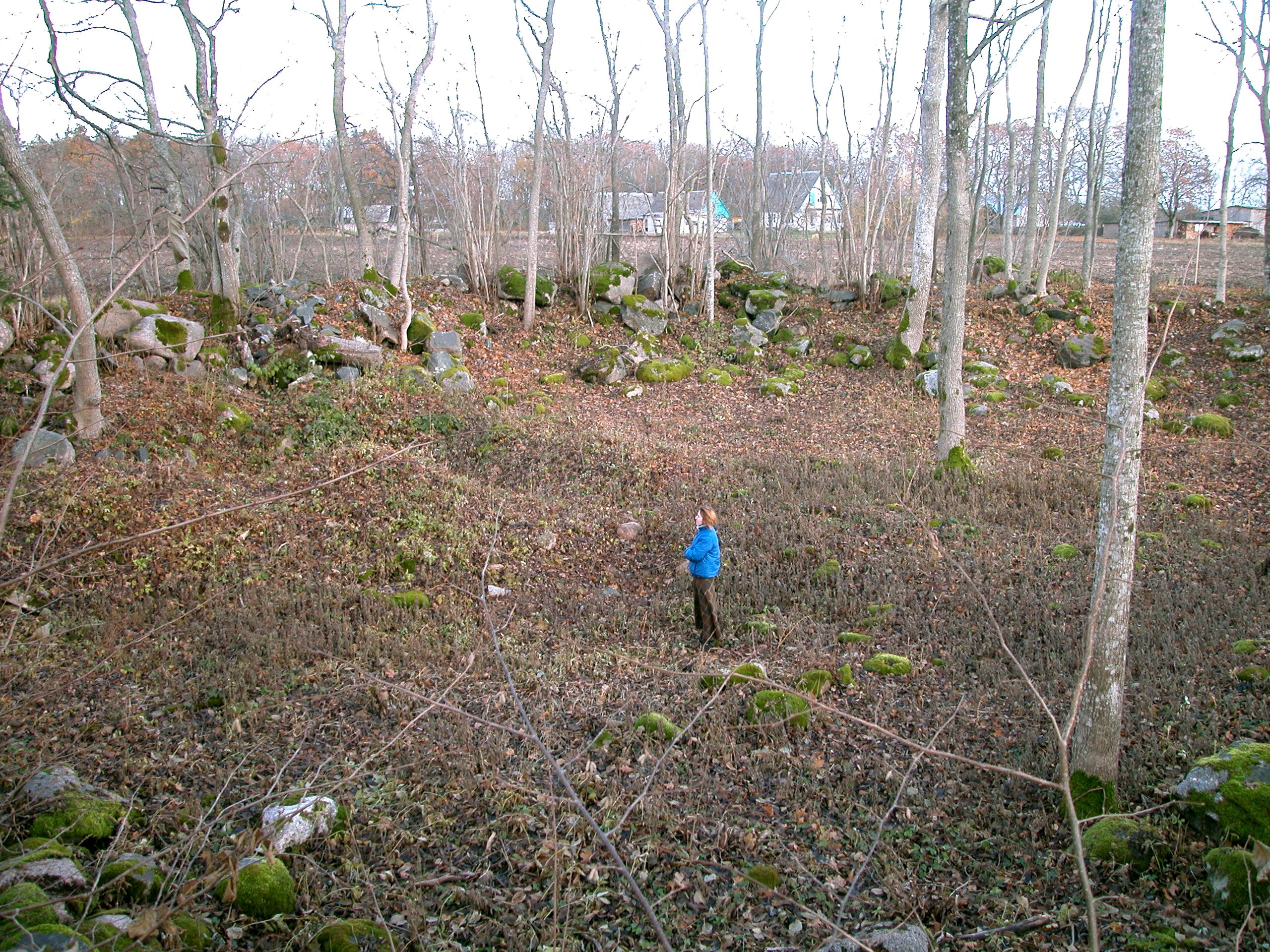
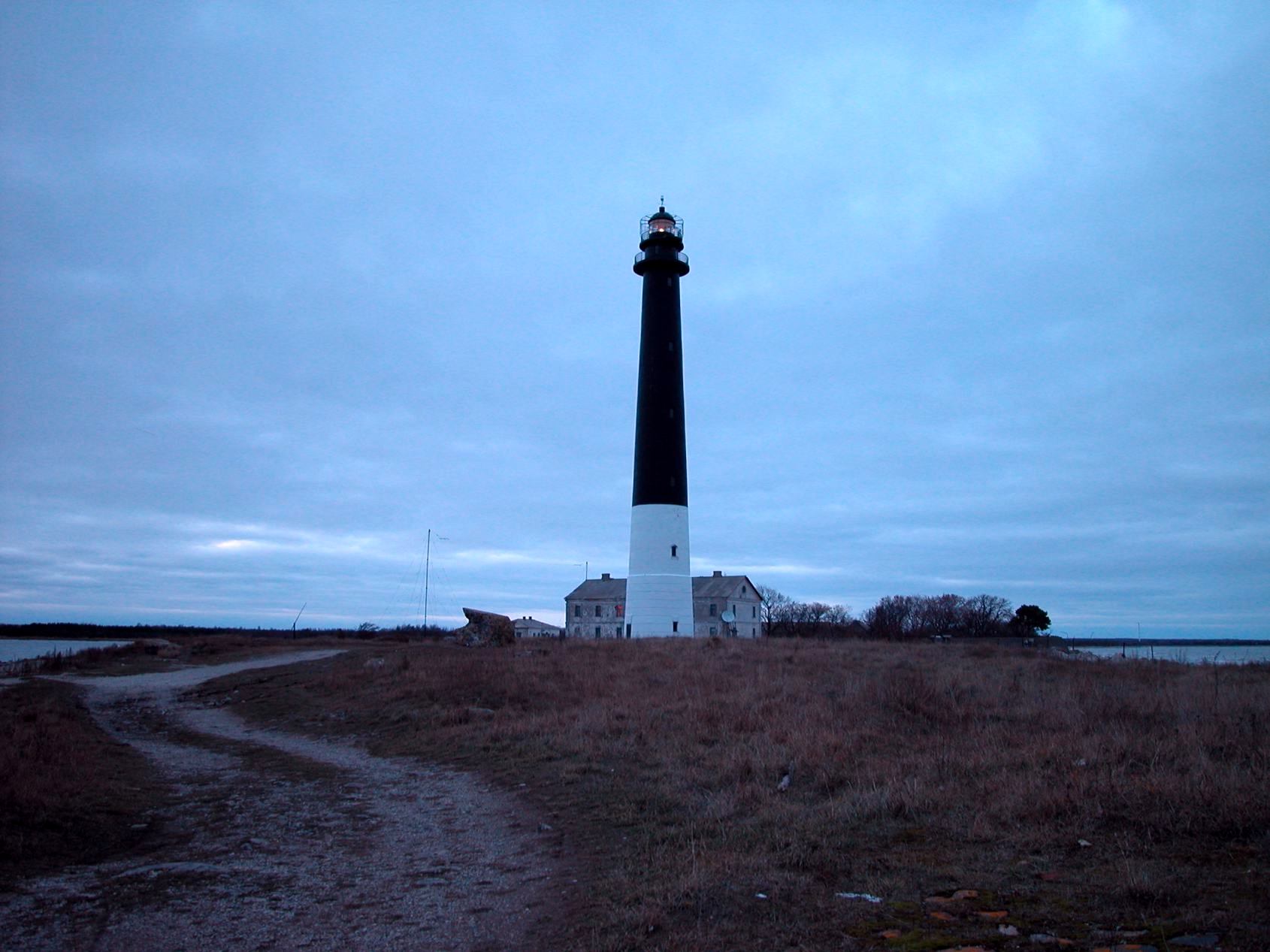
From the crater we drove out to the northwest of the island, then down the long spit that points south towards the Latvian coast. The Sõrve lighthouse stands out there. Latvia is only 30 kilometres away, close enough to pick up its mobile networks.
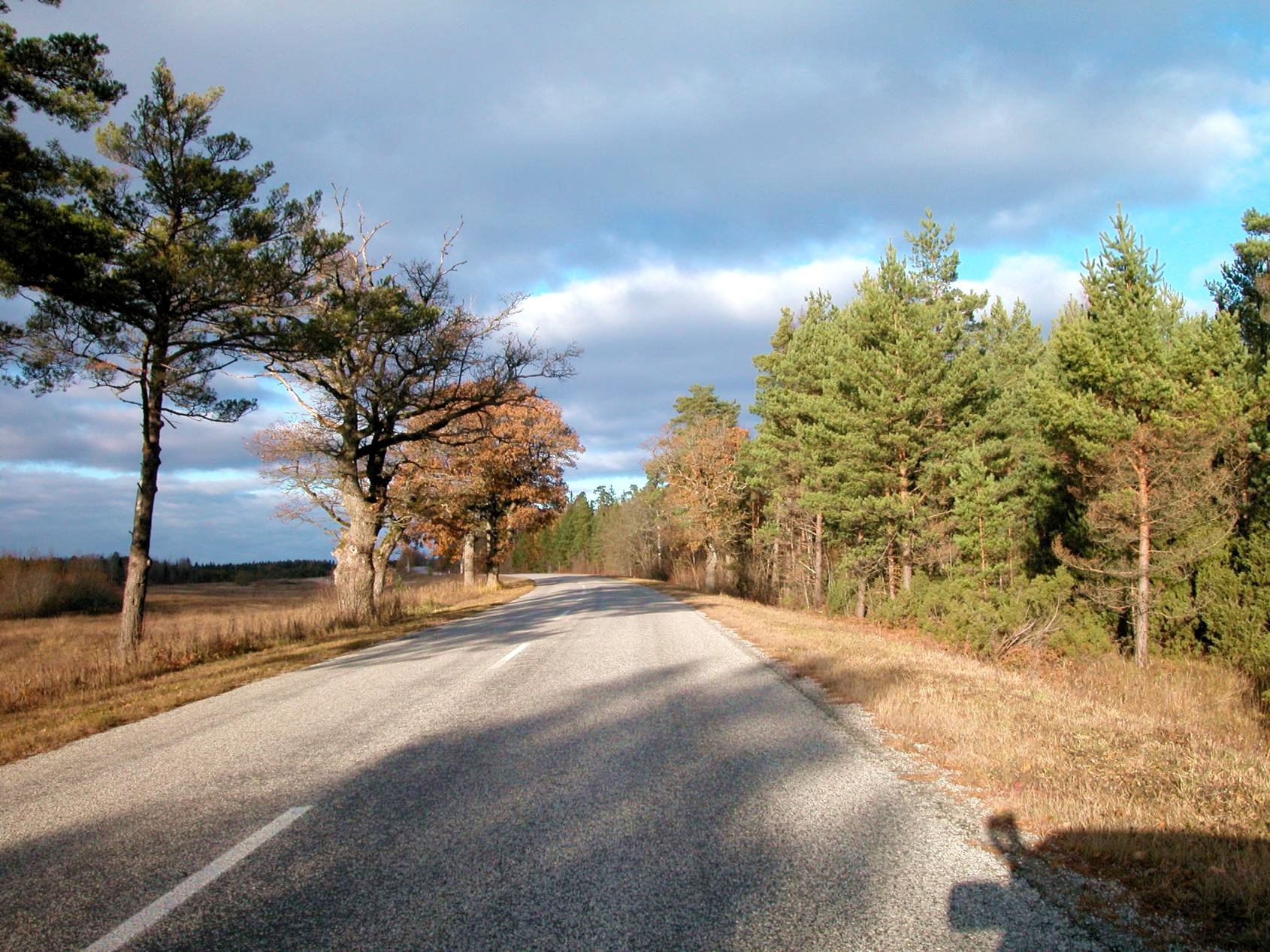
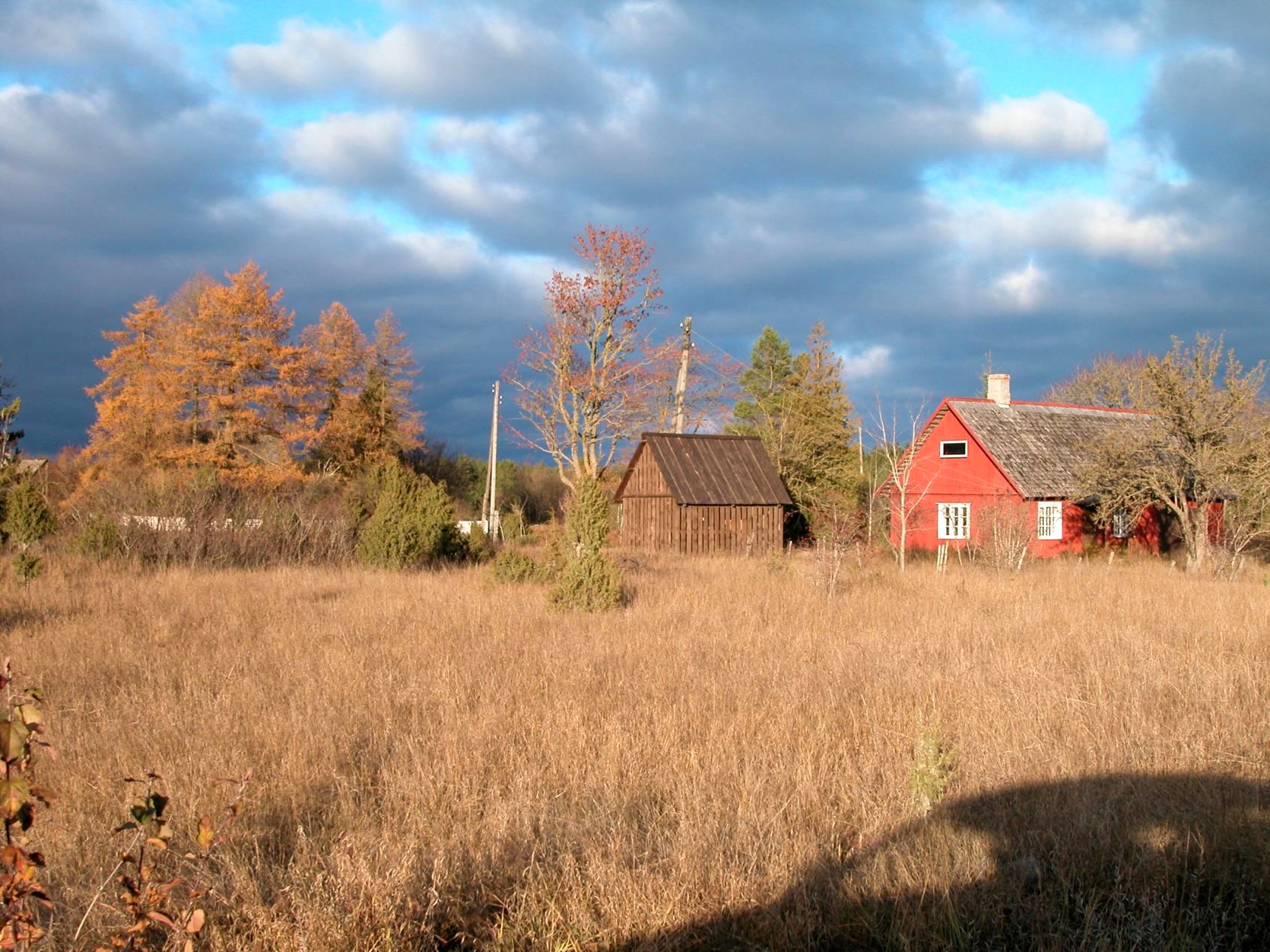
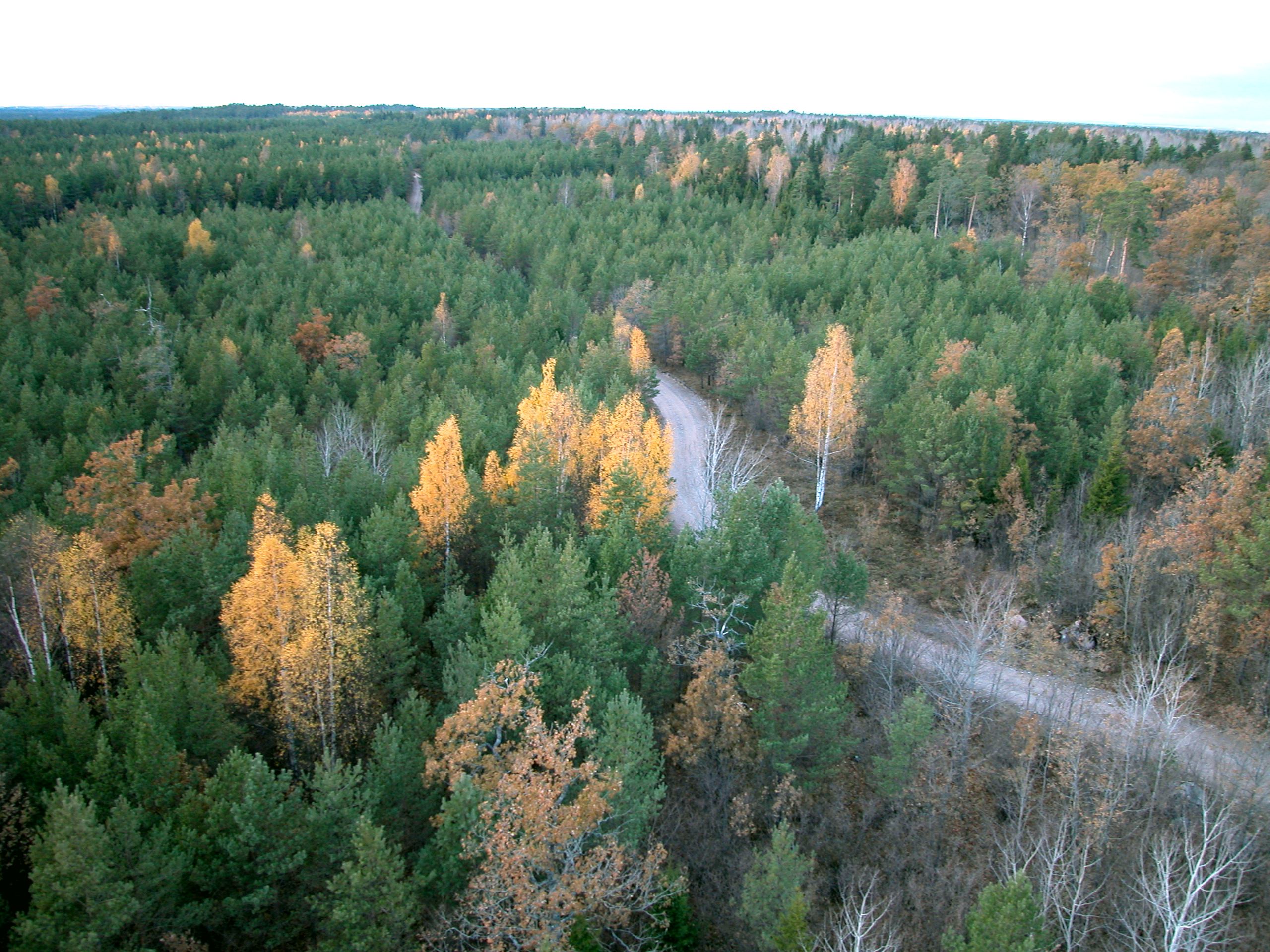
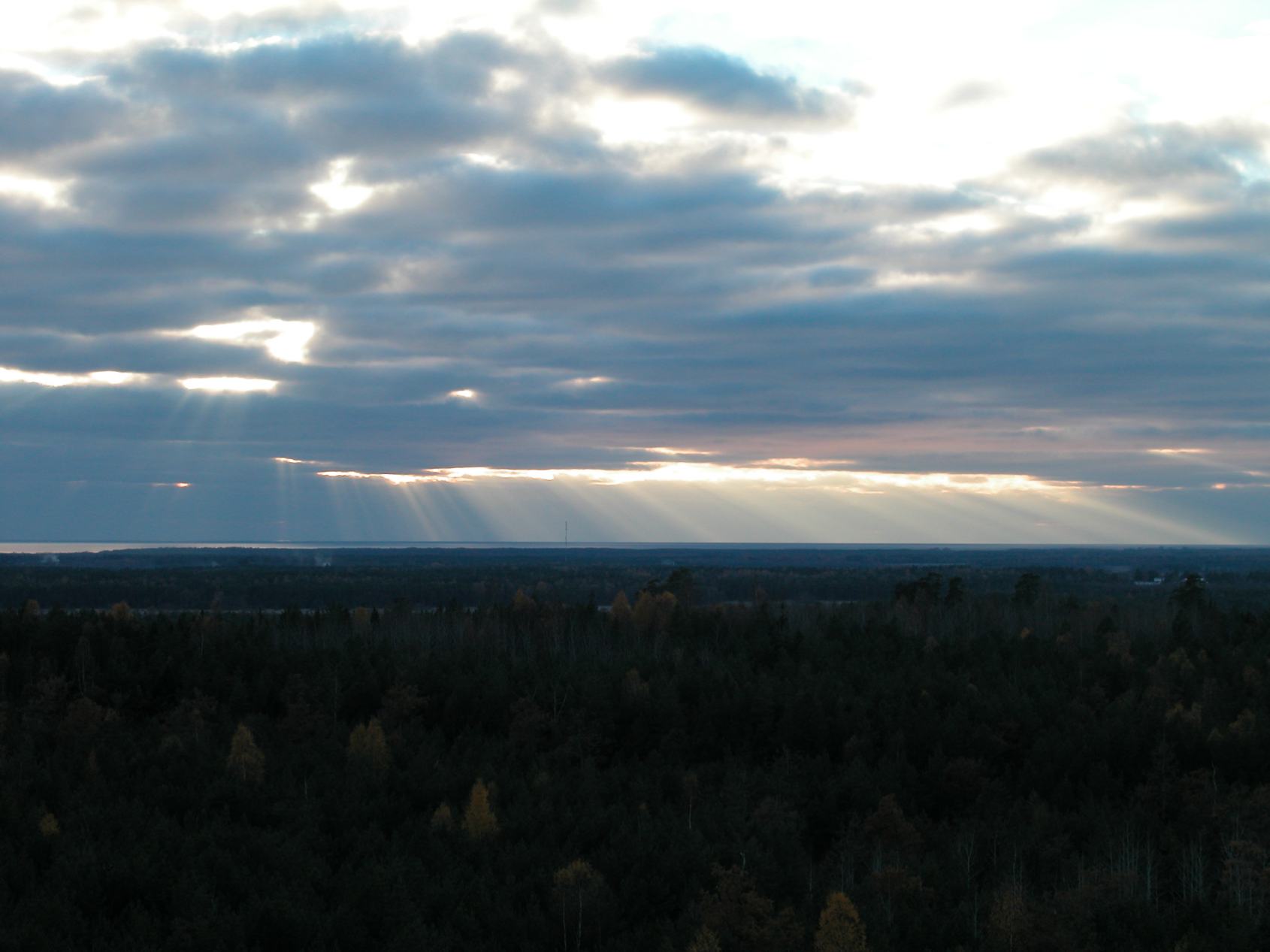
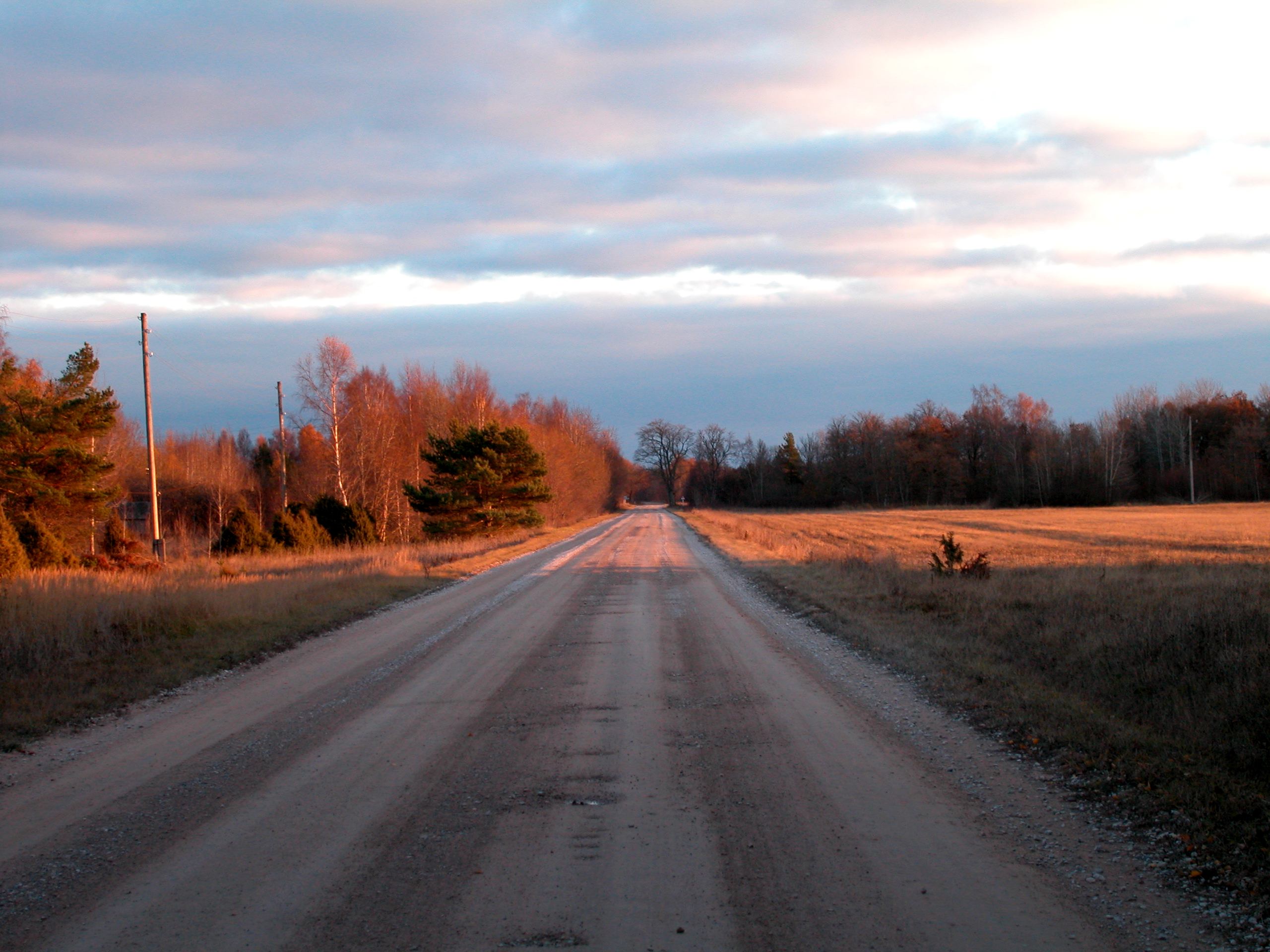
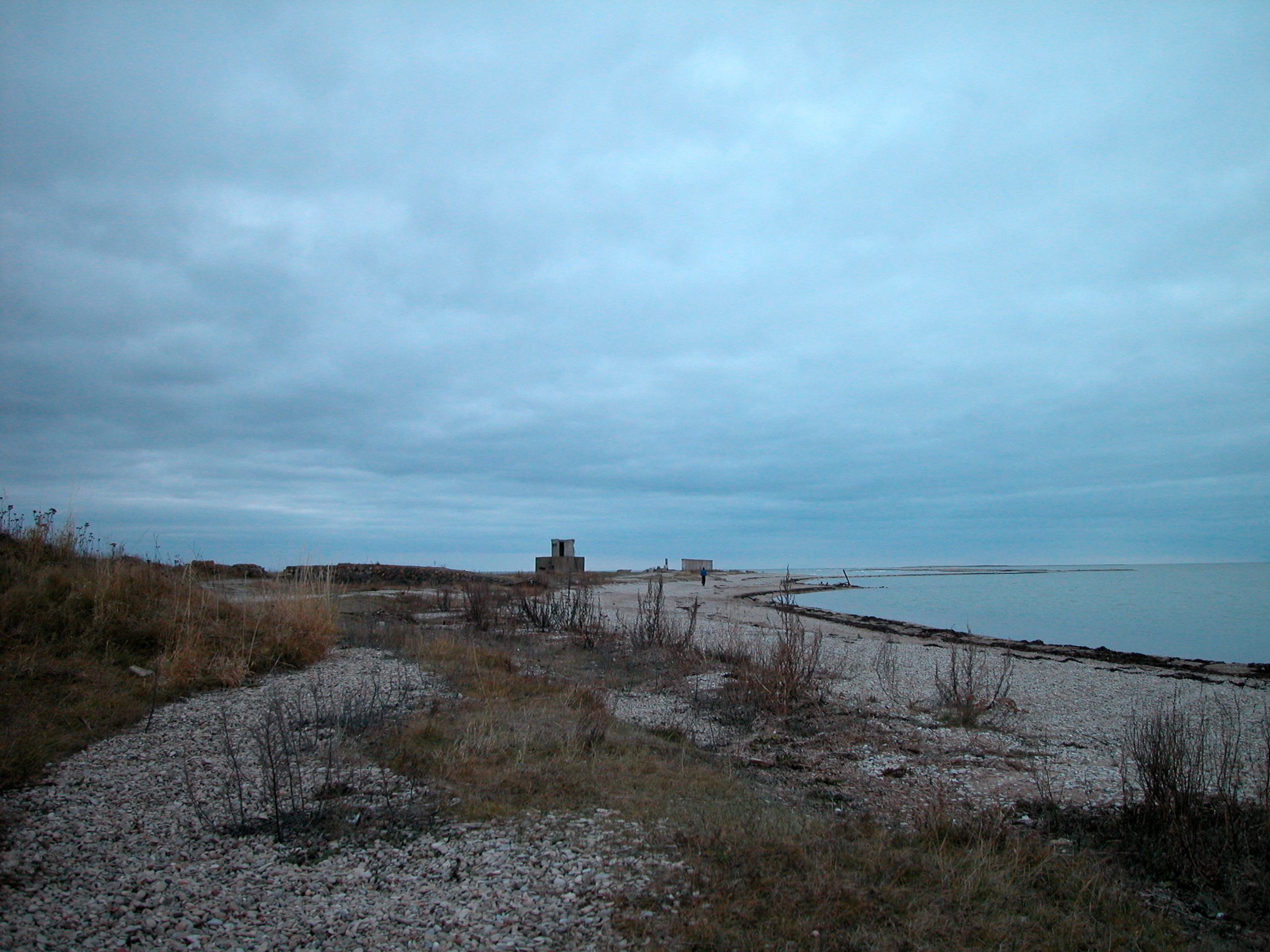
We didn’t get to the island’s main town, Kuressaare, until evening. It used to be called Arensburg. There was no time left to see it. We had to get back to Tallinn, where our things were still in the hotel we’d been obliged to book.
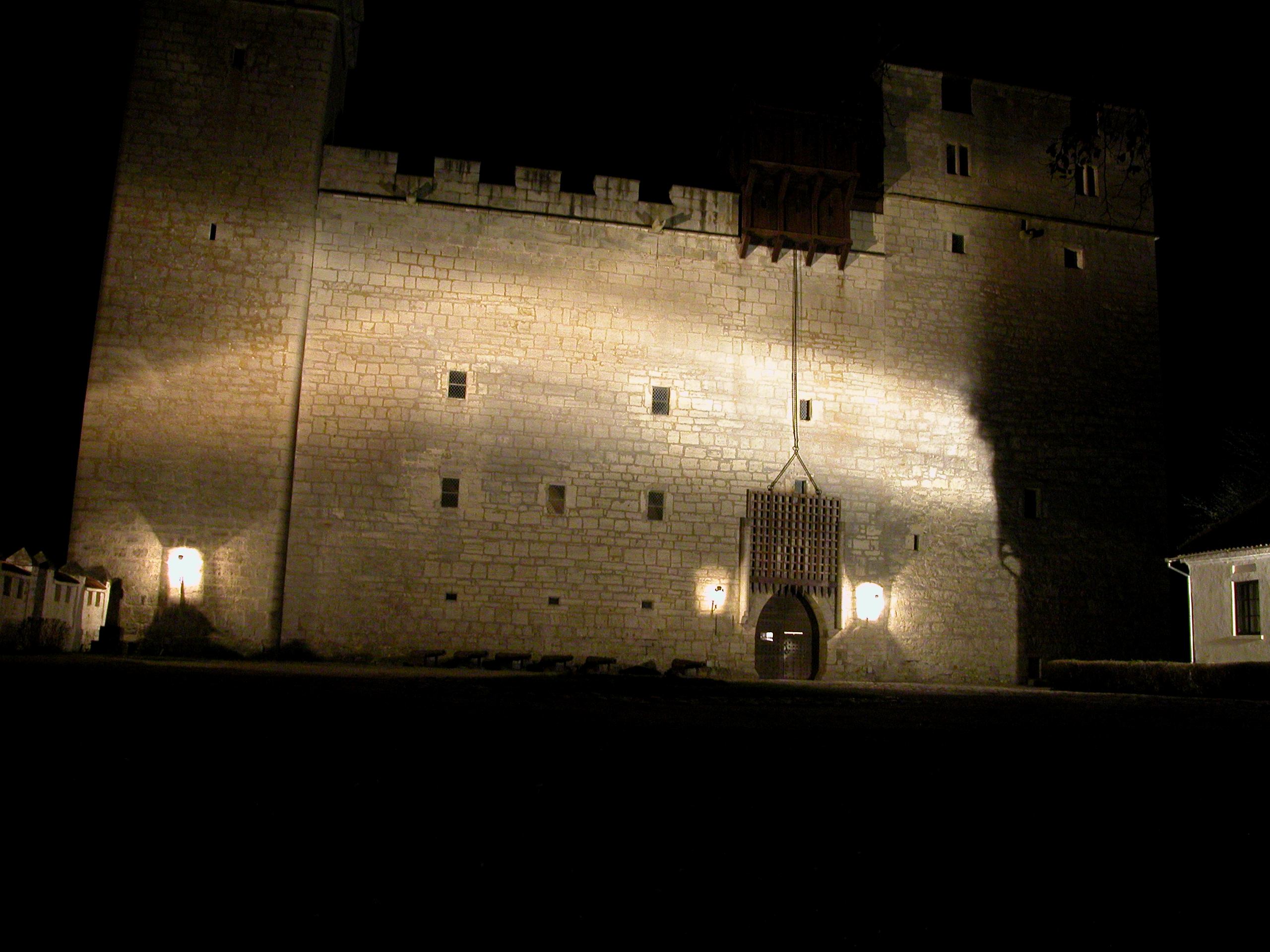
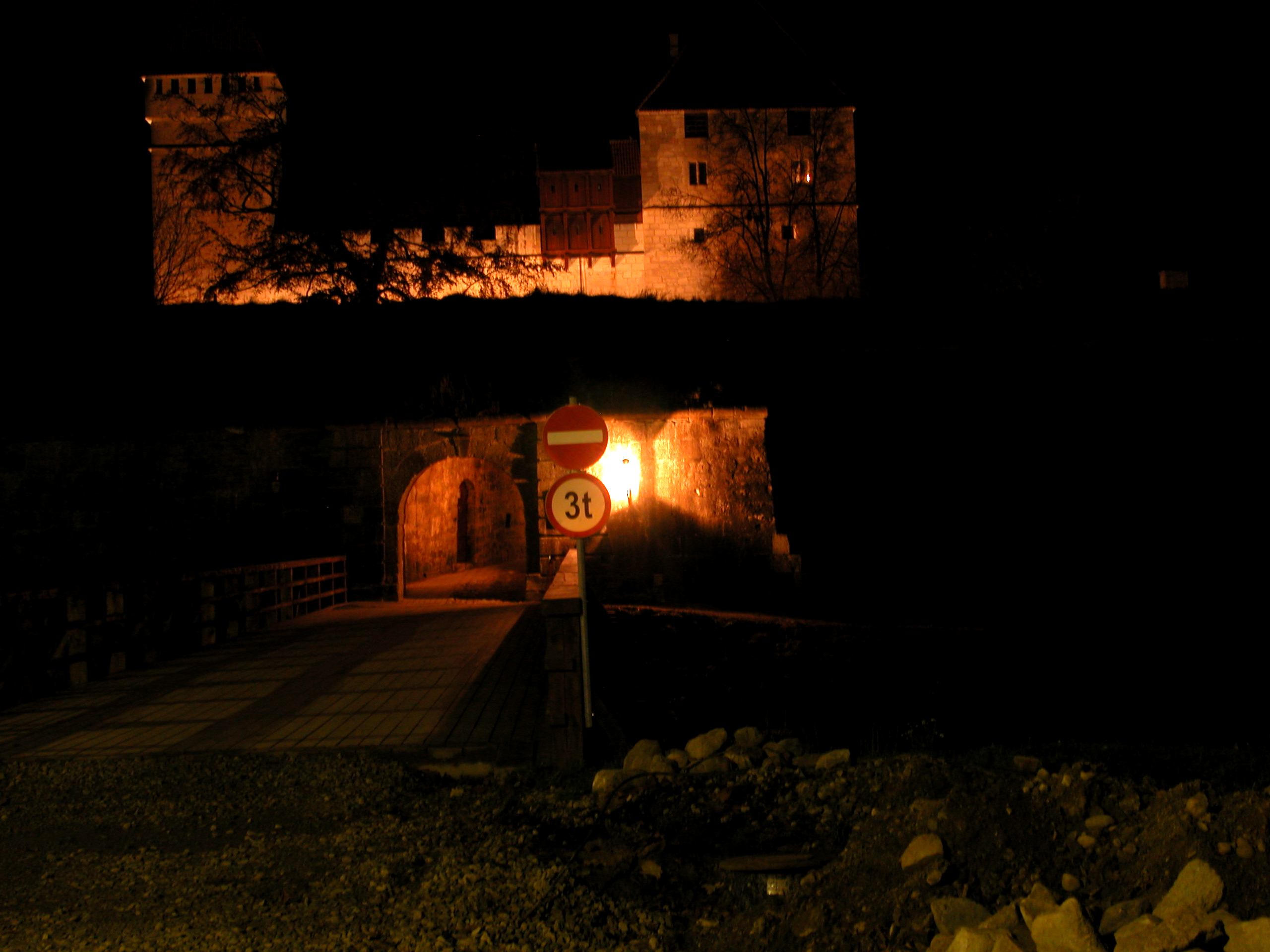
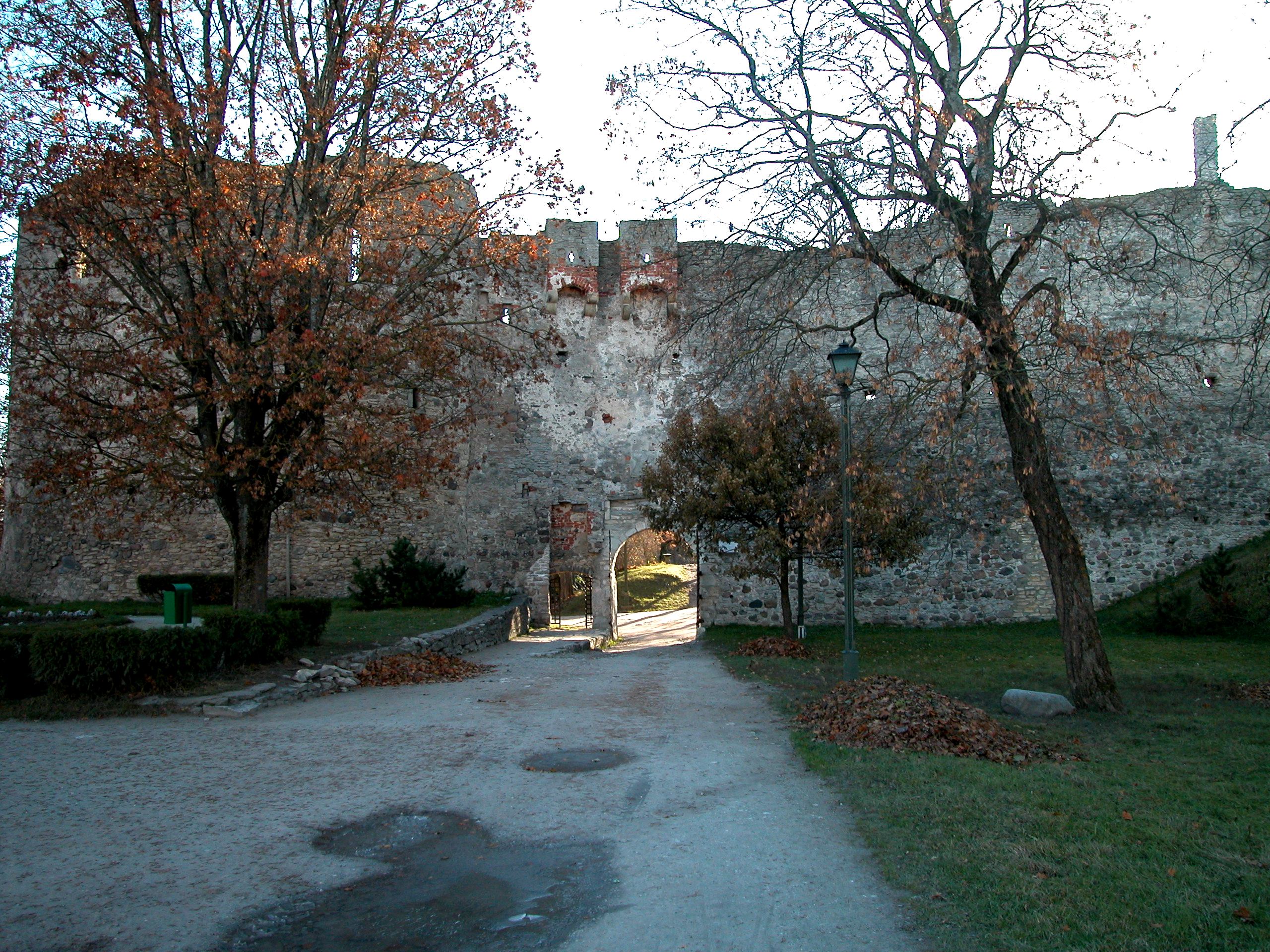
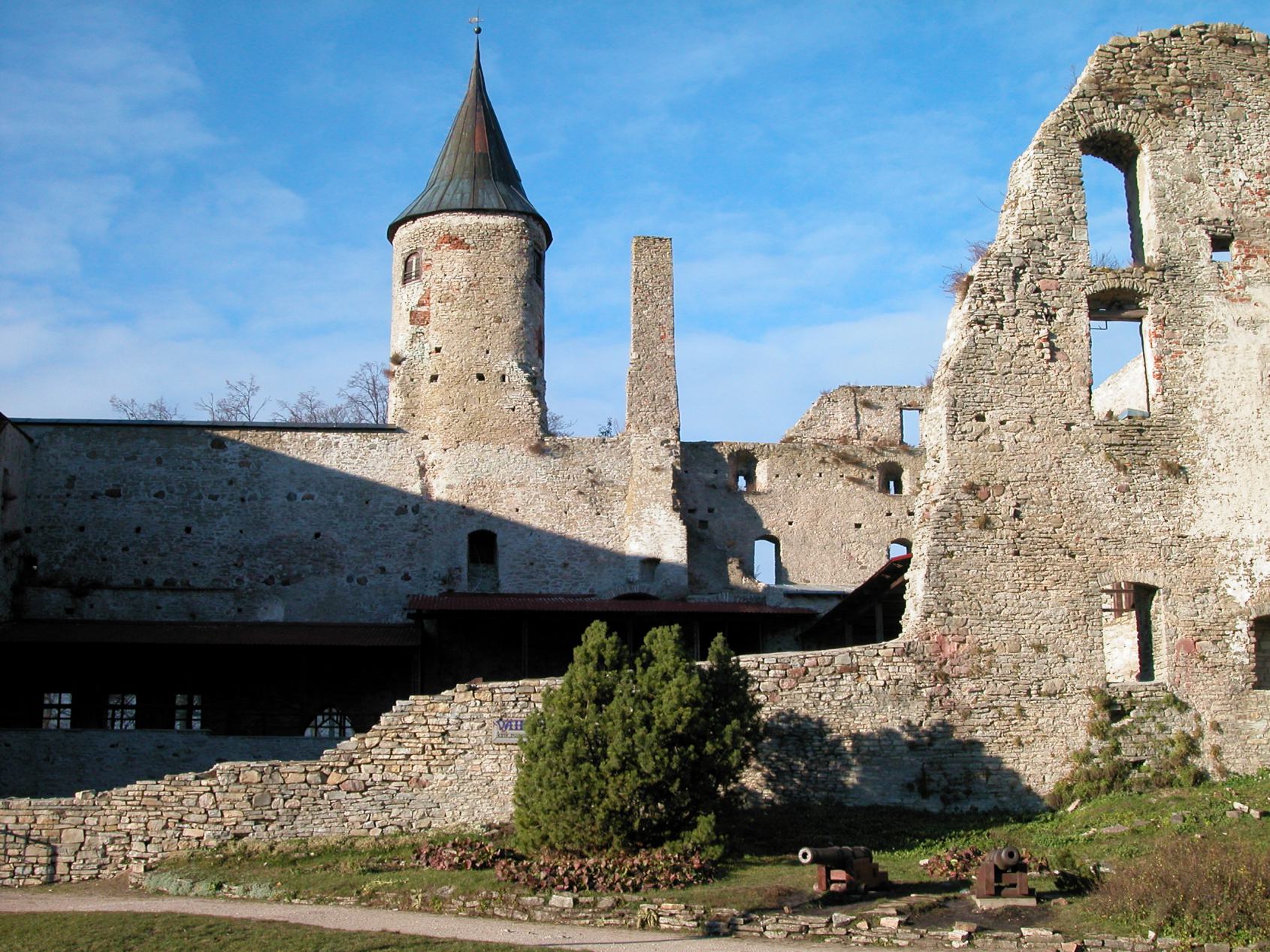
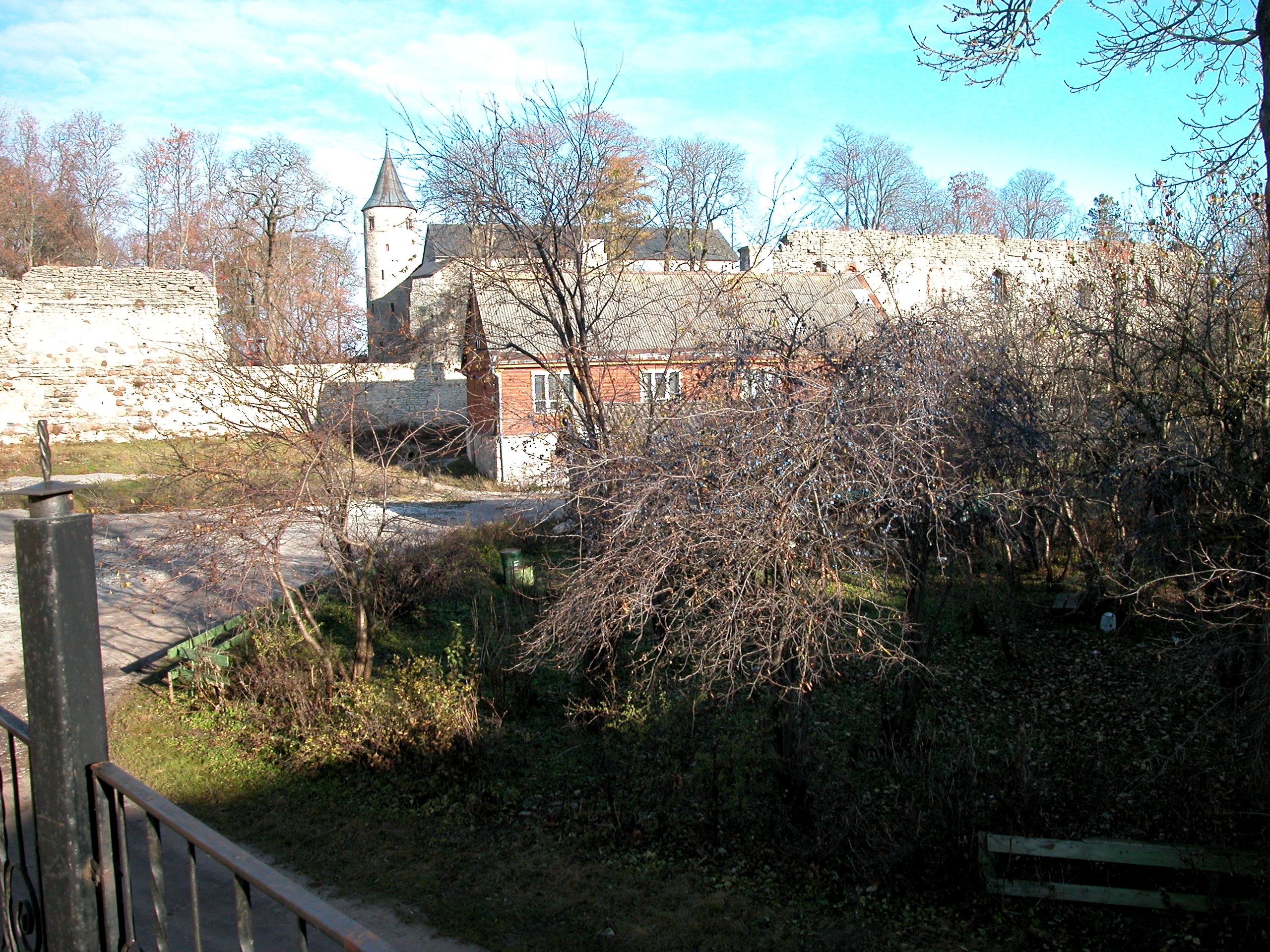
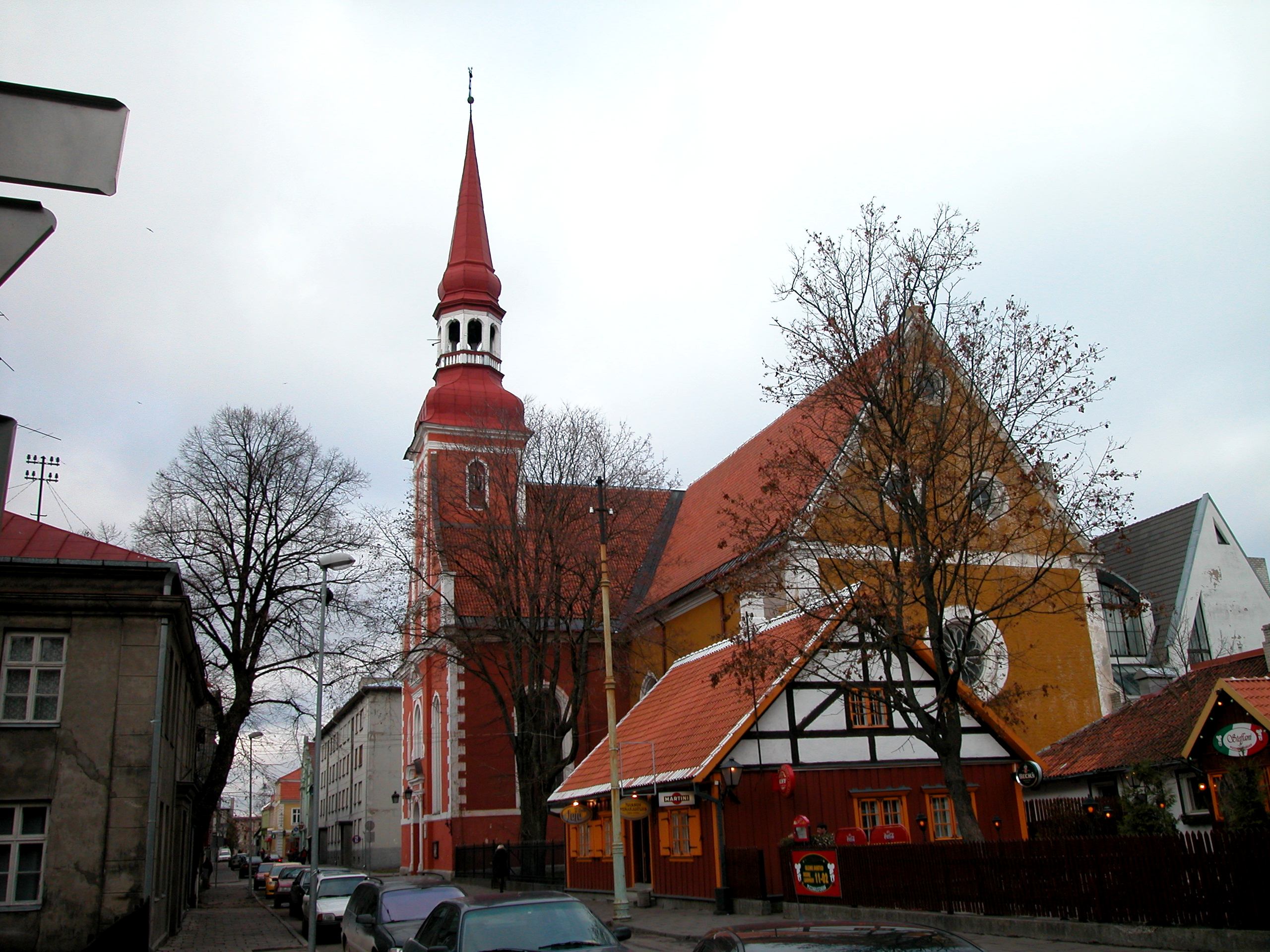
We caught the last ferry across the strait and made it to Tallinn by midnight. Early the next morning we headed back the way we’d come, this time to Haapsalu. We walked around its old castle, were in Pärnu by lunchtime and in Tartu by dinner. Three days are nowhere near enough, even for a country as small as Estonia. We still had to get across the border before midnight. The visa was good for exactly three days.
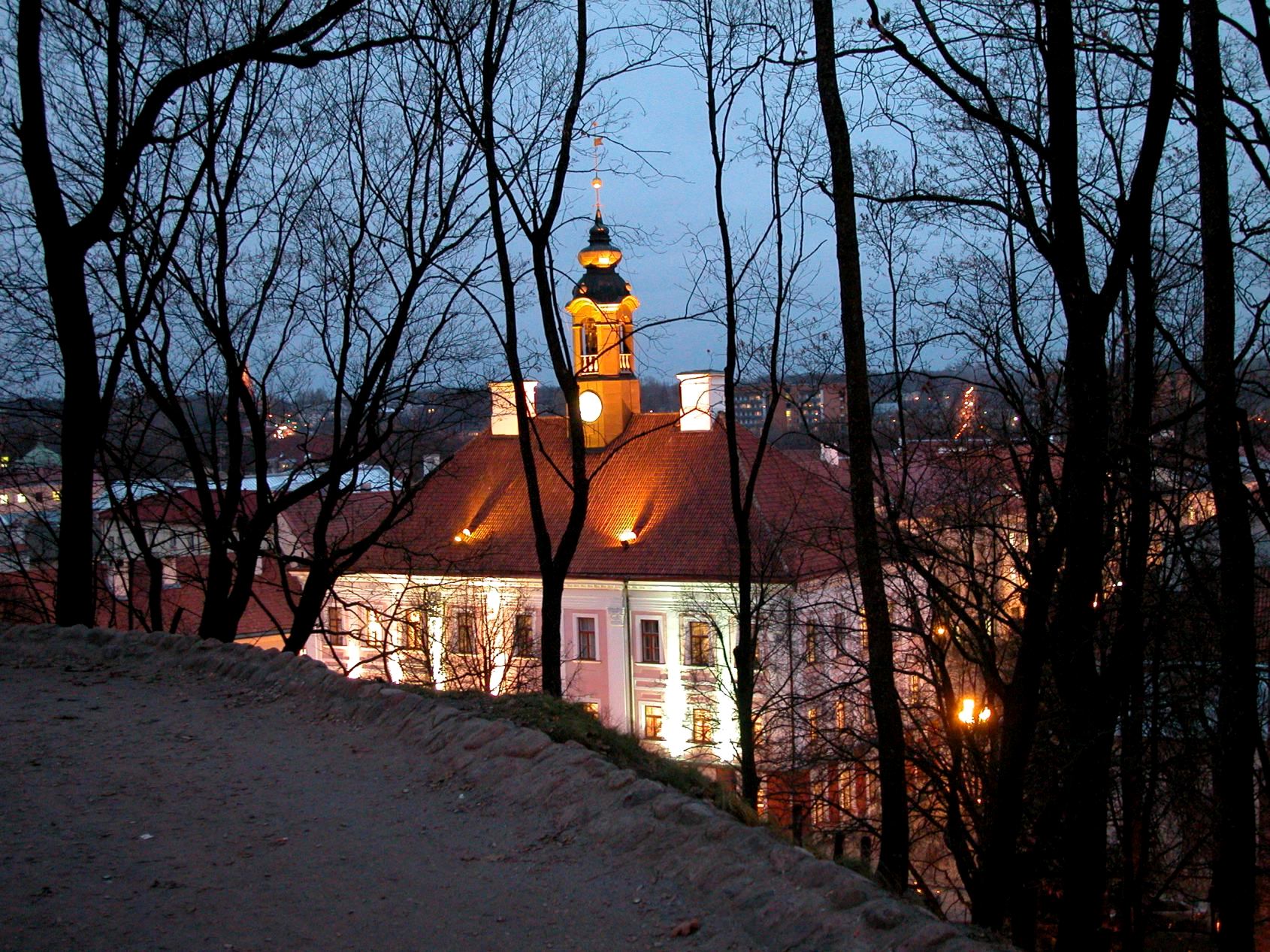
It happened to be my actual birthday. The border guard couldn’t understand why I was driving instead of knocking back vodka over a plate of shashlik. I didn’t see what was so odd about it. A long drive is the best present I can give myself.