Australia
Sydney
Australia takes fierce pride in its ferocious customs. No wood, leather, coral, shells, eggshells, fruit, honey or food. The list goes on forever. Women are made to take off their jewellery, men their belts, and there are fines for everything. People weep. It reminded me of riot police battering old ladies outside the metro, all very polite and politically correct. Even on the plane from Tahiti they tell you to find the tiare flower they slipped behind your ear when you boarded and make sure it's destroyed.
That was only half the trouble. At the time you needed a visa even to pass through the airport without leaving it. Ours was quick and free, but it was one more thing to think of when planning a trip. We got the visa in Moscow, only to discover that their machine couldn't read our passport. The checksums didn't match. Horrors. They let us in all the same. The luggage, with all our wood, leather, cane, sheepskins, coral, shells, penguin eggs and fruit, went through in transit. At least nobody in Russia had come up with that particular piece of nonsense. There was something to be said for home after all.
There was the same madness in New Zealand, where I could at least see what they were trying to protect. Australia looked to me like a desert full of poisonous grass and snakes. What more could you do to it after two hundred years of bringing in whatever would fit aboard a ship? Rabbits, dogs, malaria mosquitoes, rats and the rest. They weren't much given to jokes, either. Before the security check a sign told us that security was a serious business and a joke could be taken as an insult to the authorities or the state, or as the kind of extremism treated as terrorism. What had got into the local authorities? At that rate, once they'd chased the terrorists away, there'd be no citizens left either. The livelier ones would be asking Iran for political asylum.
The surprise was what Australia was like once we left the airport. People were quiet and tolerant, and we saw no police. You could pitch a tent out in the country and walk on the grass. Had they rounded up all the aggressive people in the country and put them at the airport? Or had the old guards from the days of the penal colonies just acquired better manners?
It was time to remember Benjamin Franklin's words about giving up essential liberty for a little temporary safety and deserving neither. All this hysteria about terrorism would be the ruin of the Western world.
We would be in Australia for only a few hours, just long enough for a walk around Sydney. It was their country. They could decide for themselves whether the American founding father on the hundred-dollar bill had been right.
There was a bus from the airport into town. You had to buy tickets beforehand, though we couldn't work out where. We just got on and ended up riding for free. It took us to the railway station. From there it was an easy walk to the centre. One of the first things I noticed was how many Chinese people I saw on the street. Even some of the shop signs were in Chinese. I put it down to the need to bring in workers as the local population grew older.
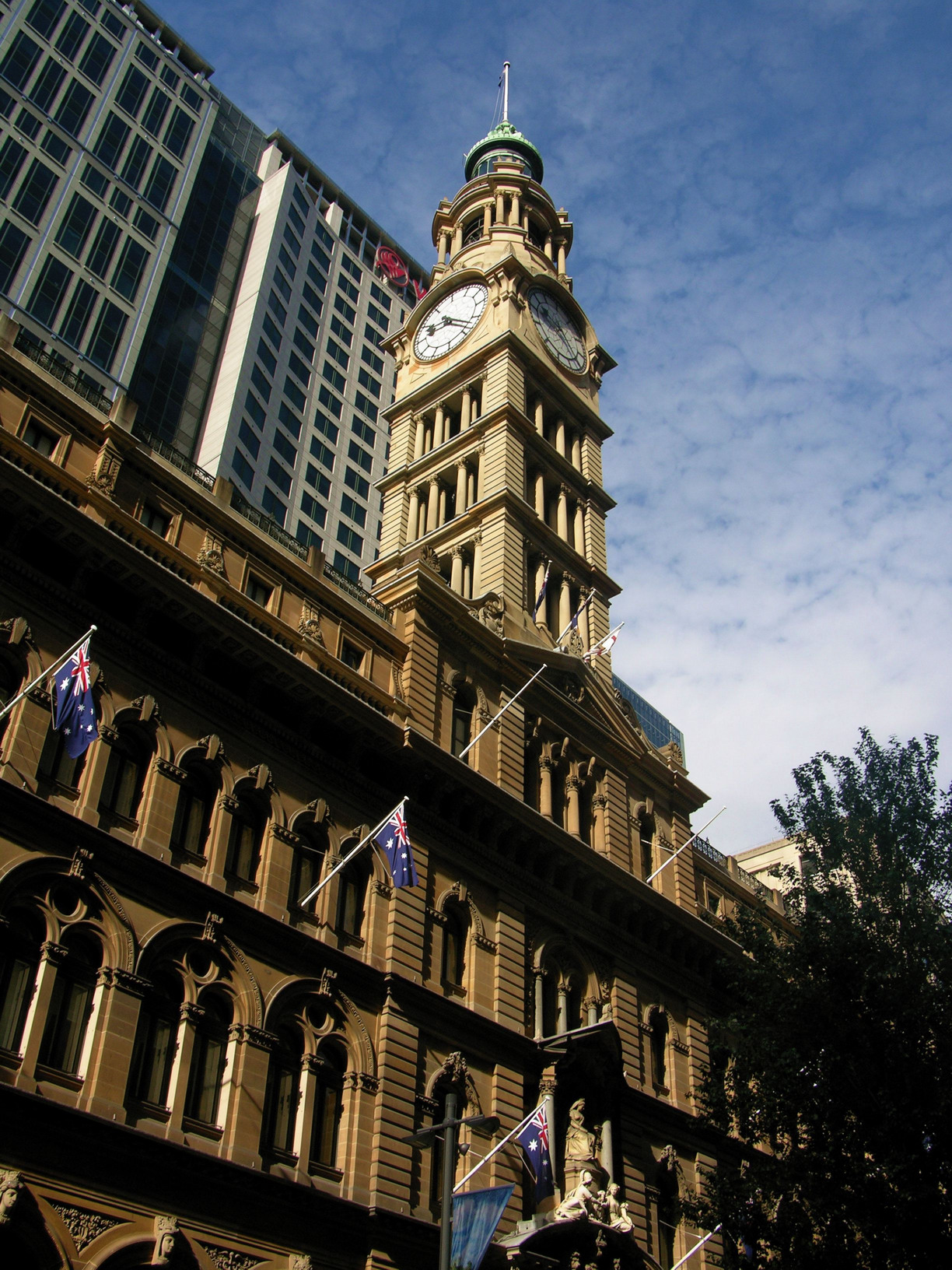
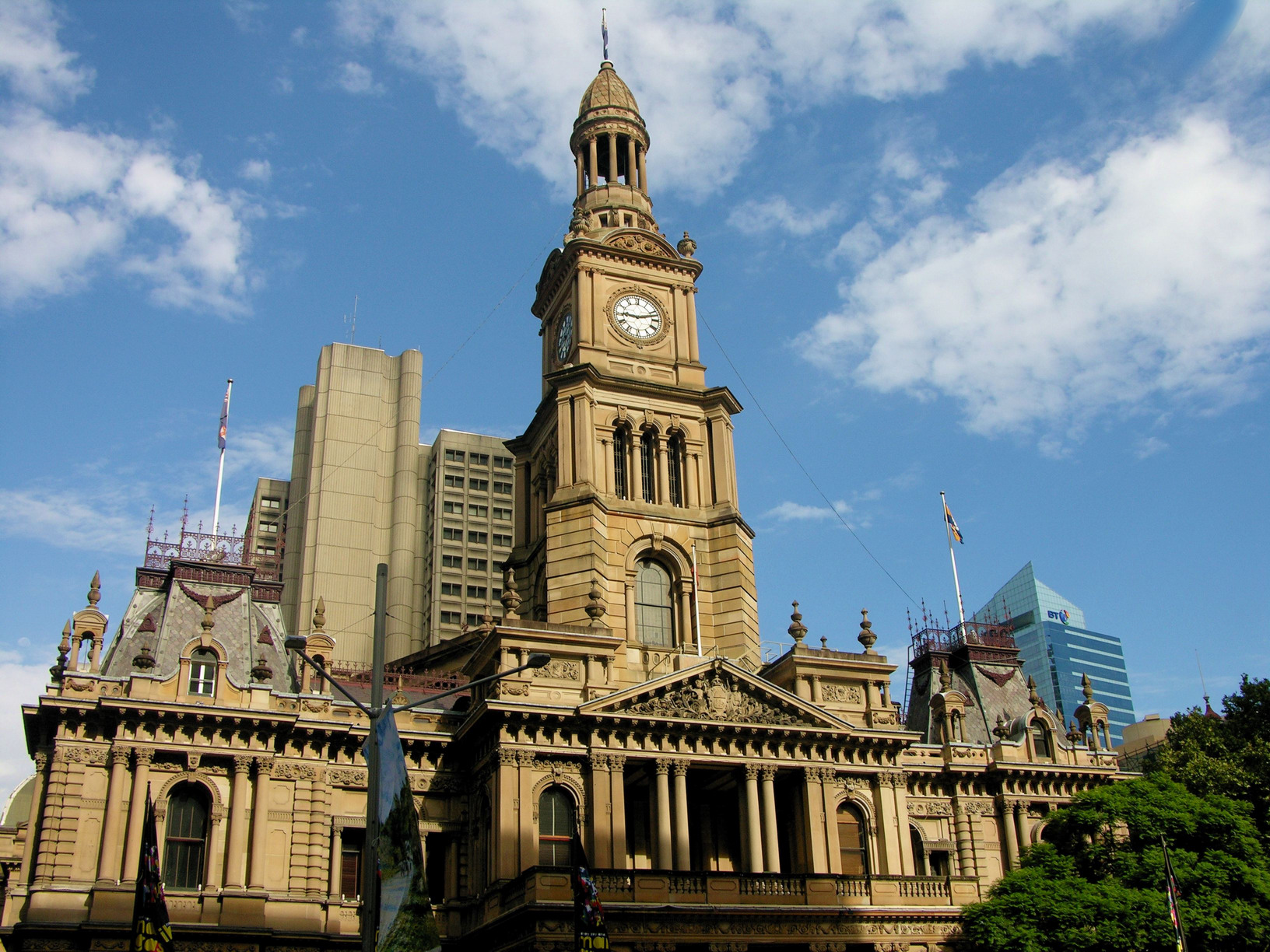
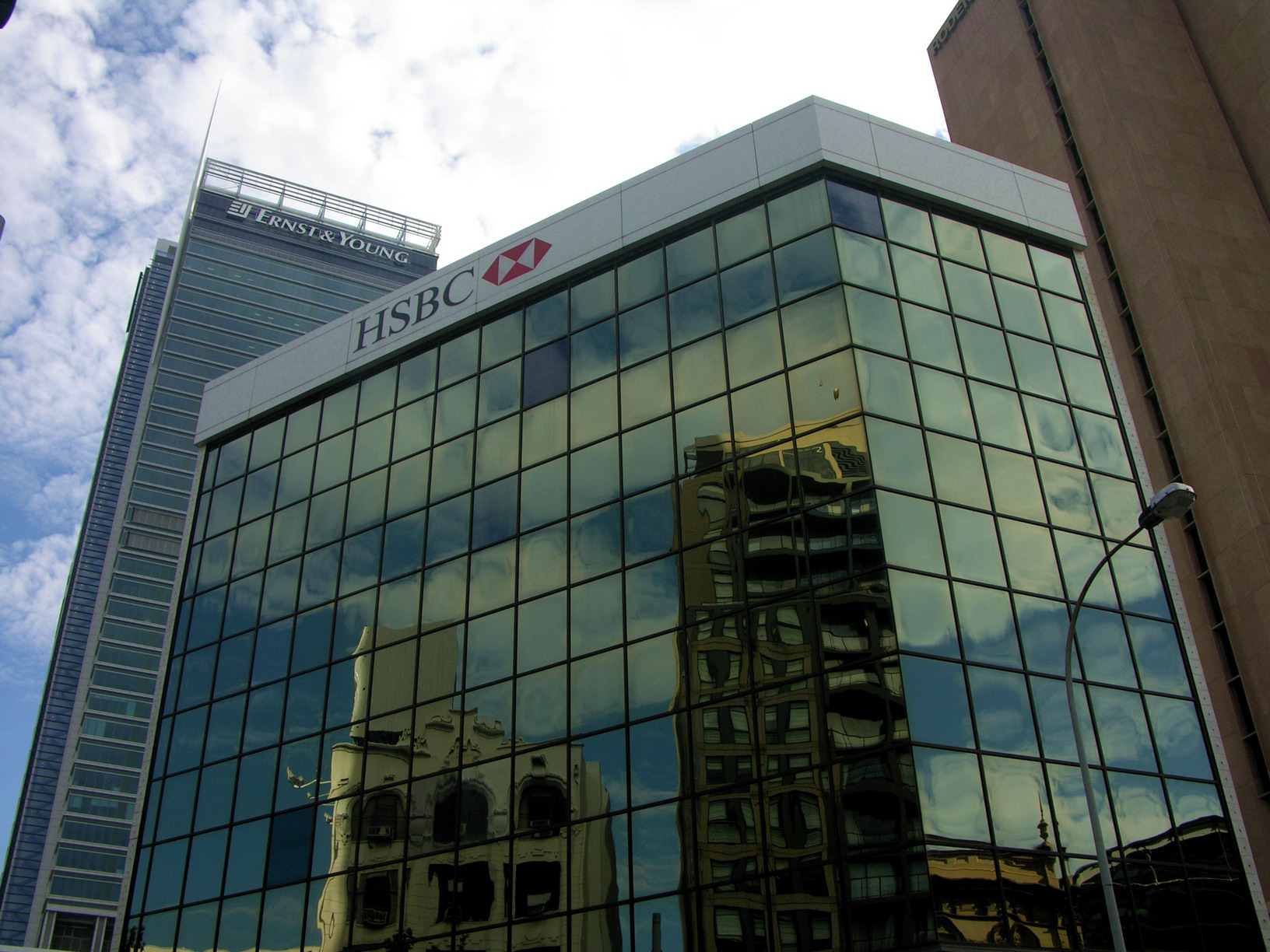
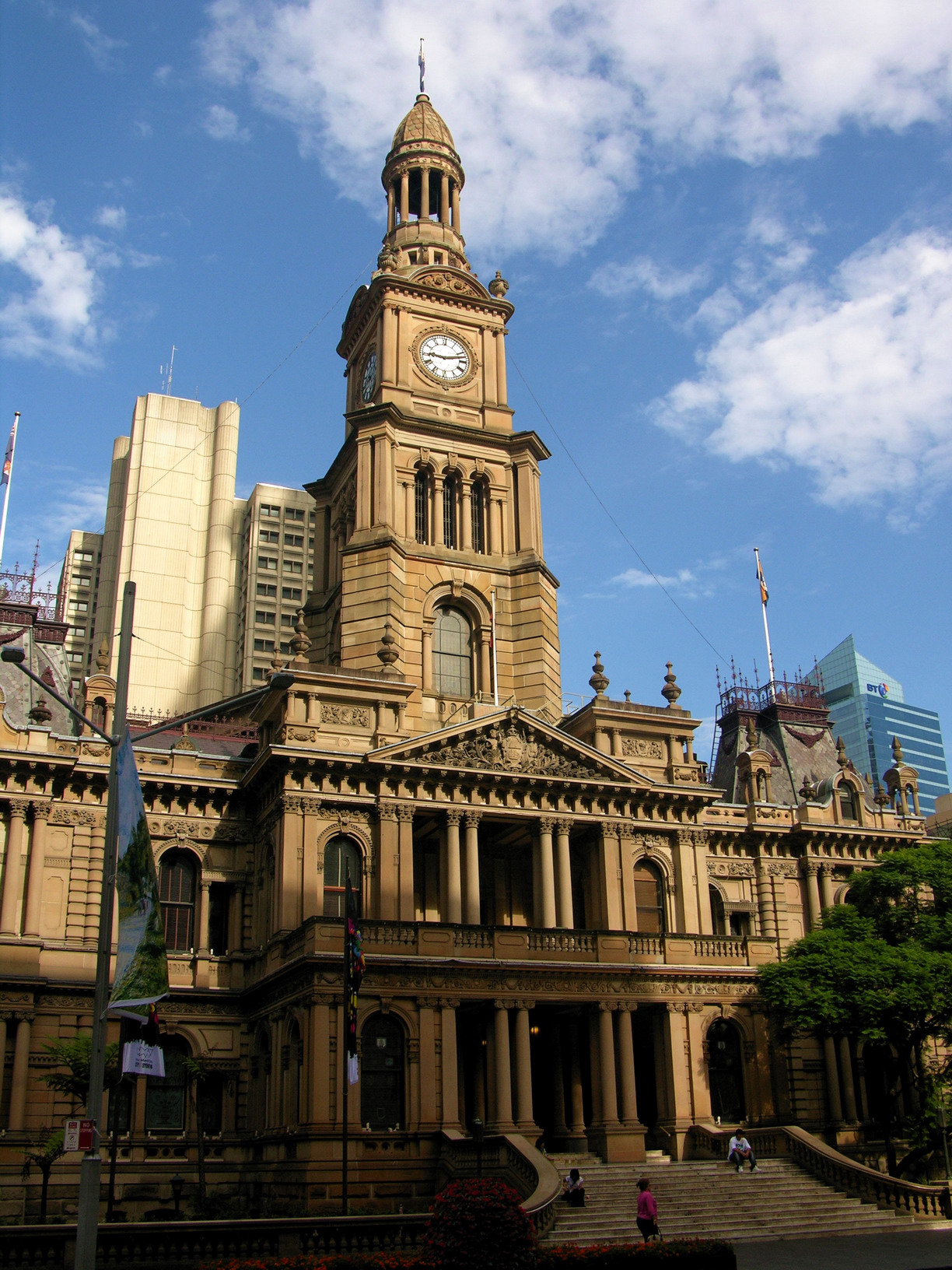
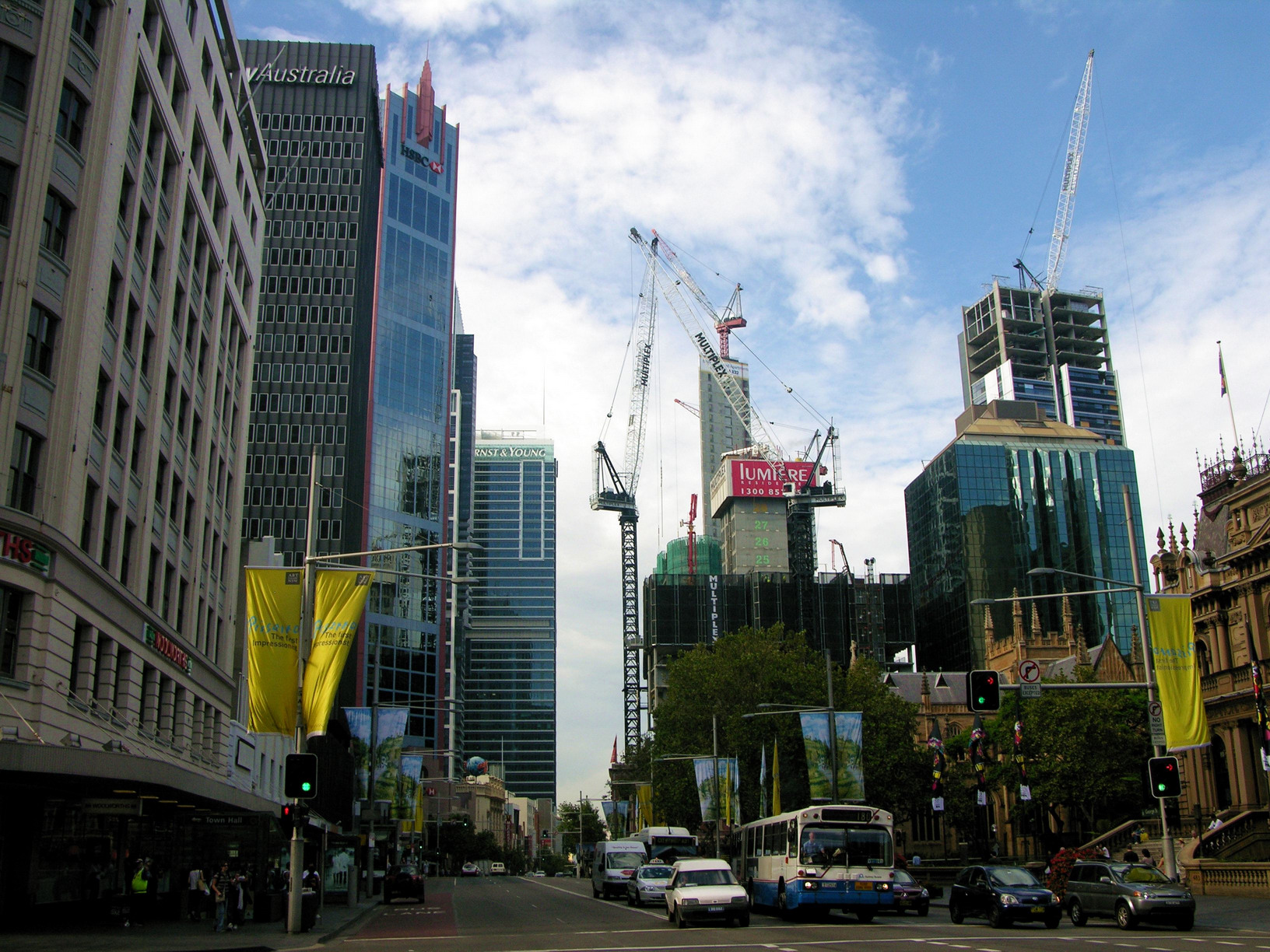
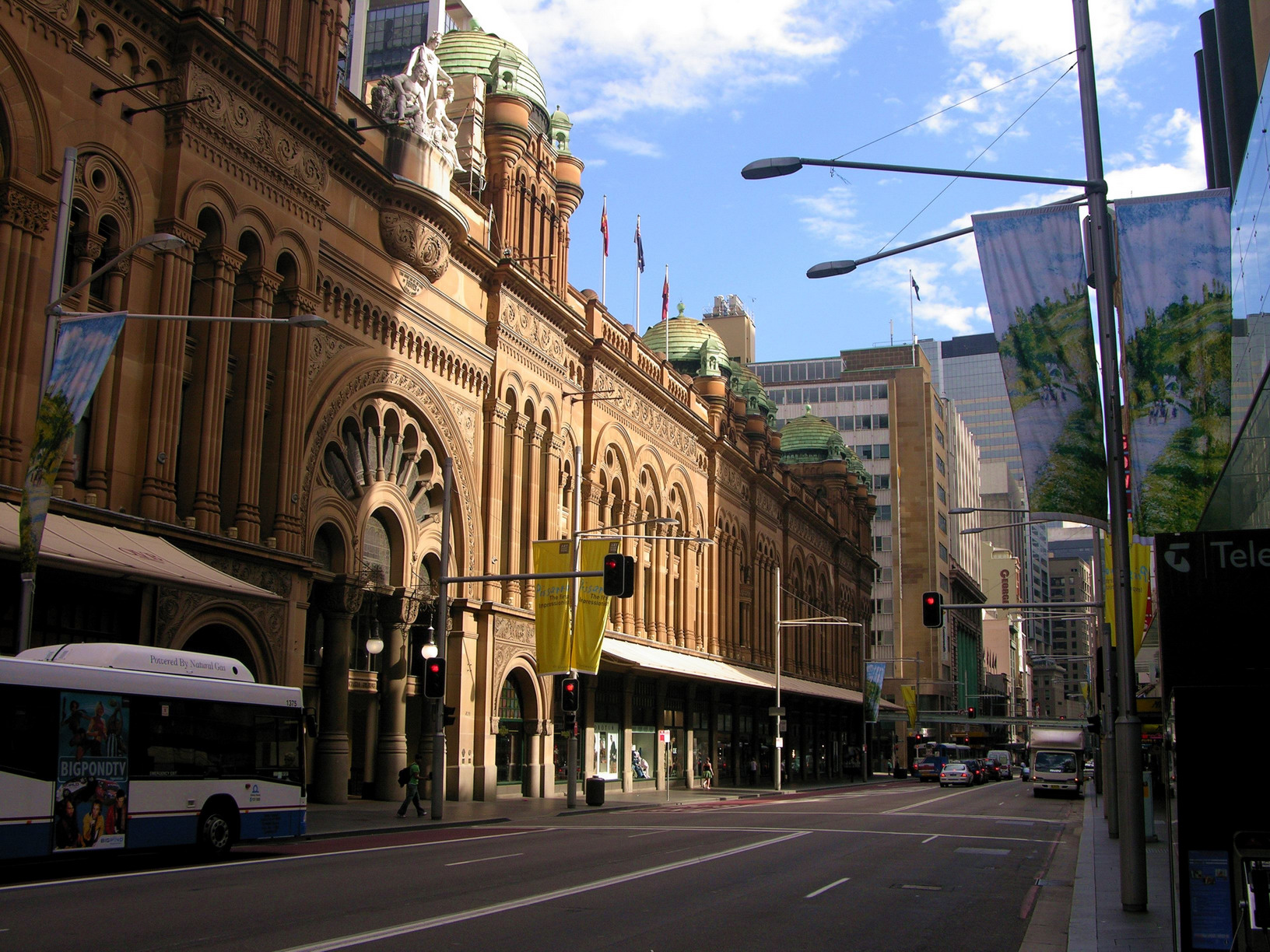
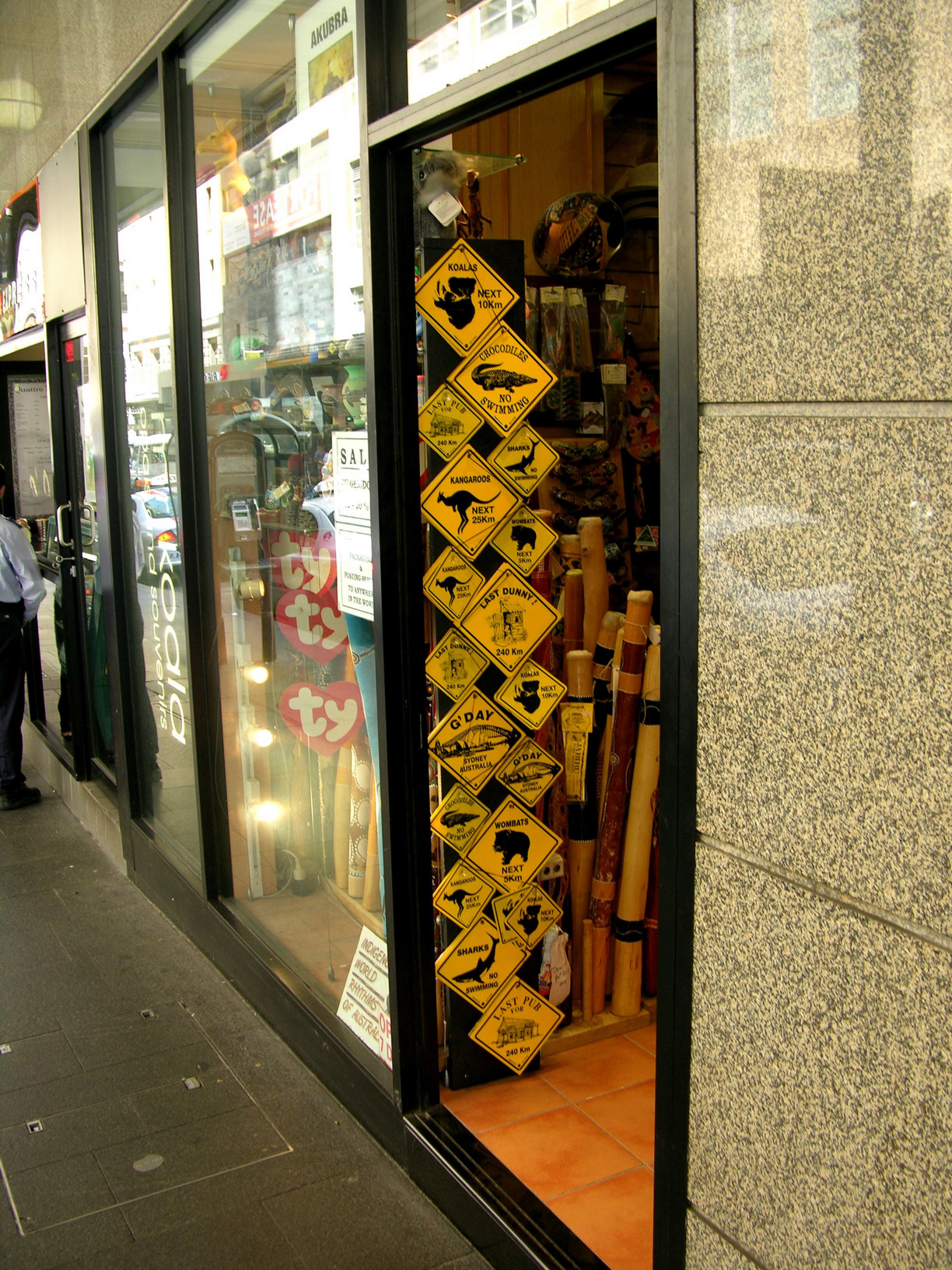
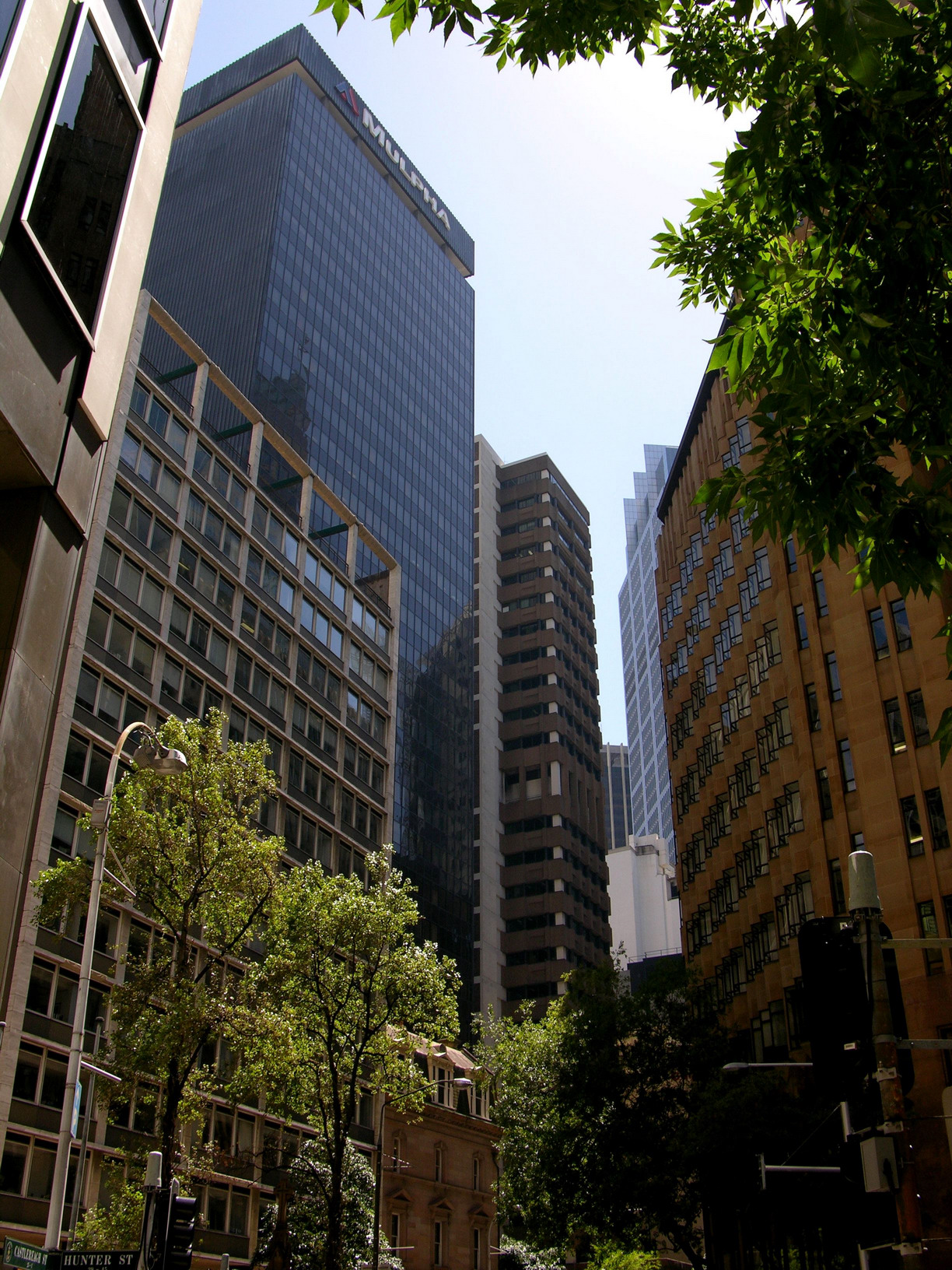
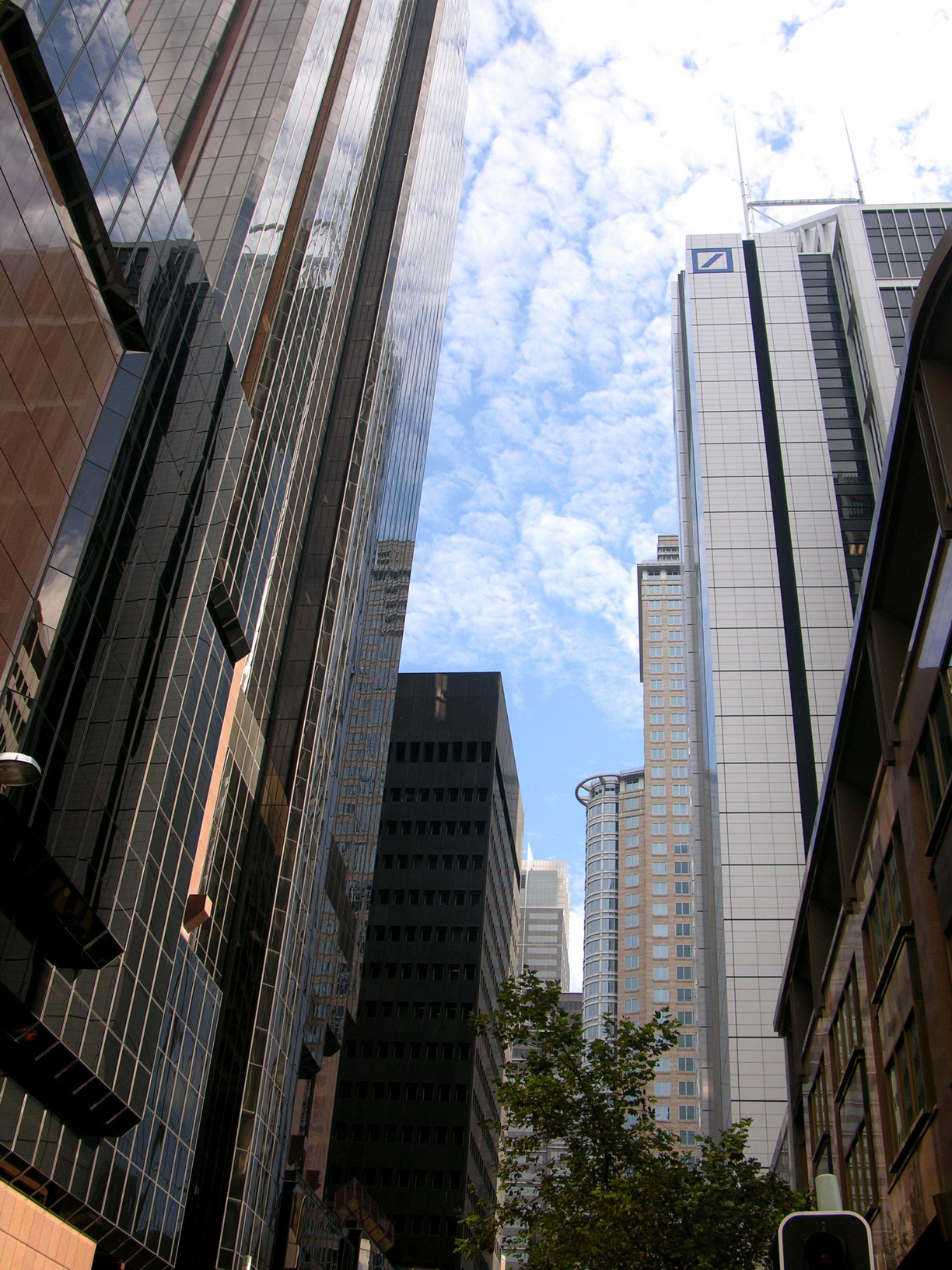
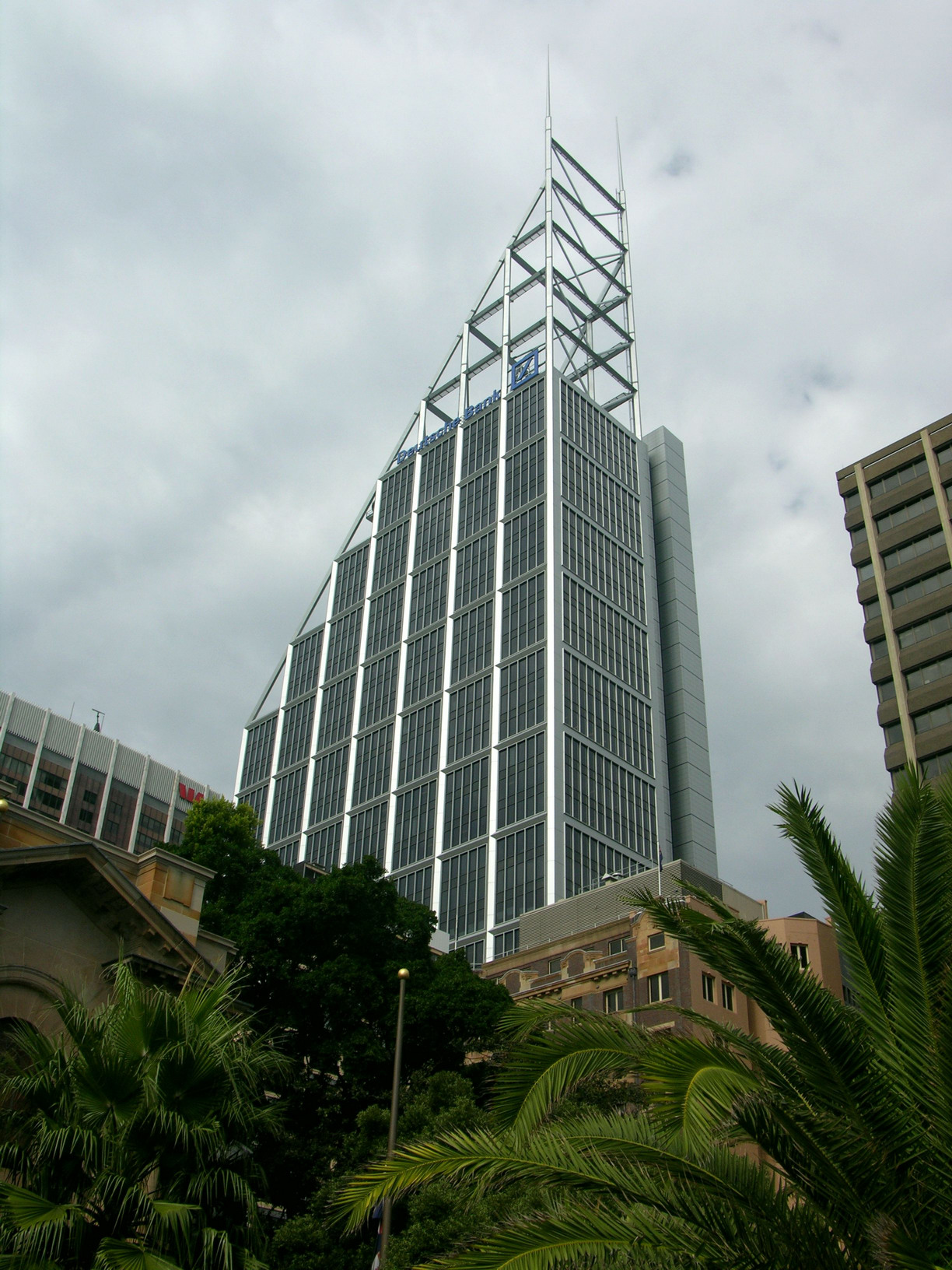
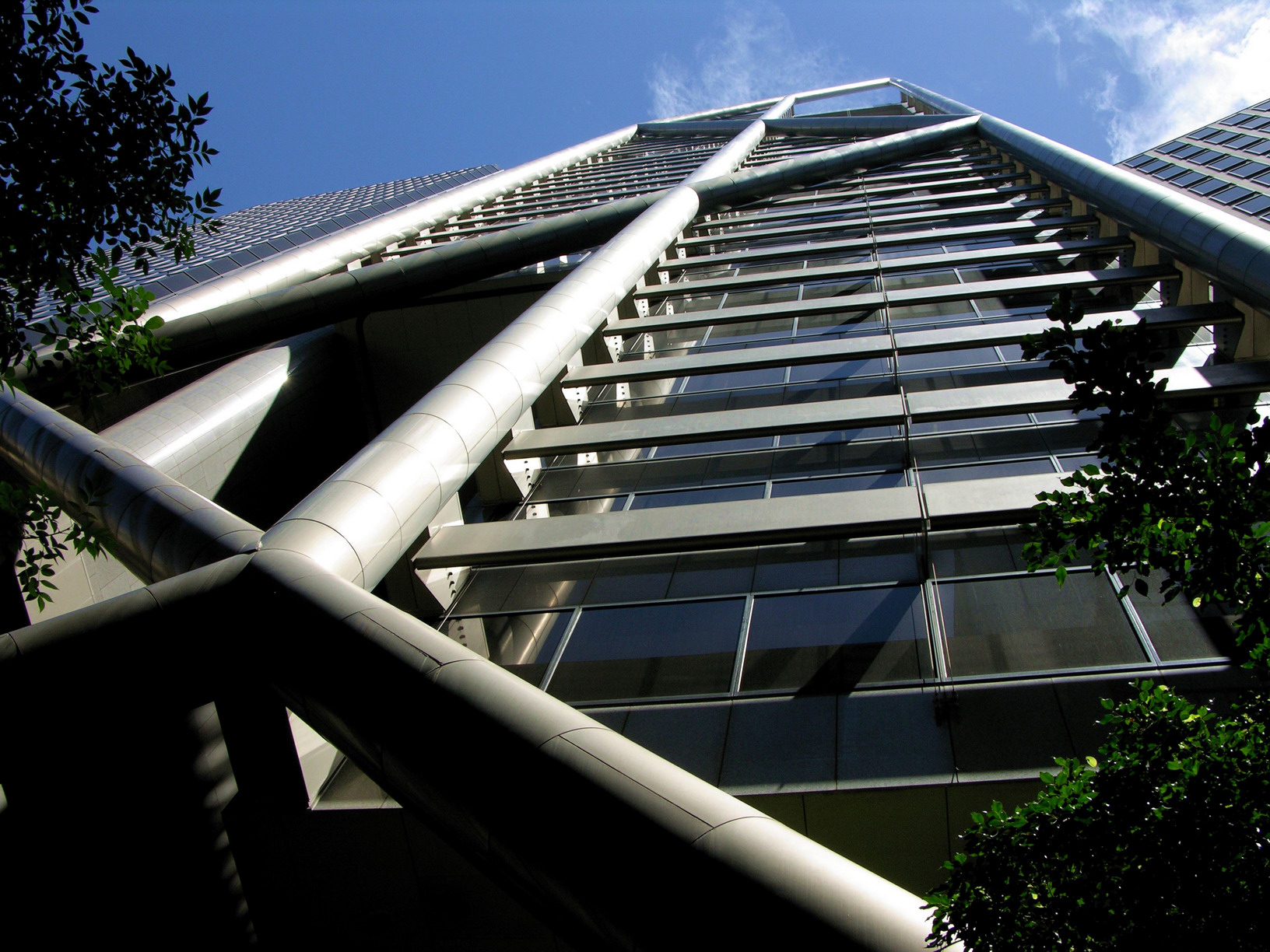
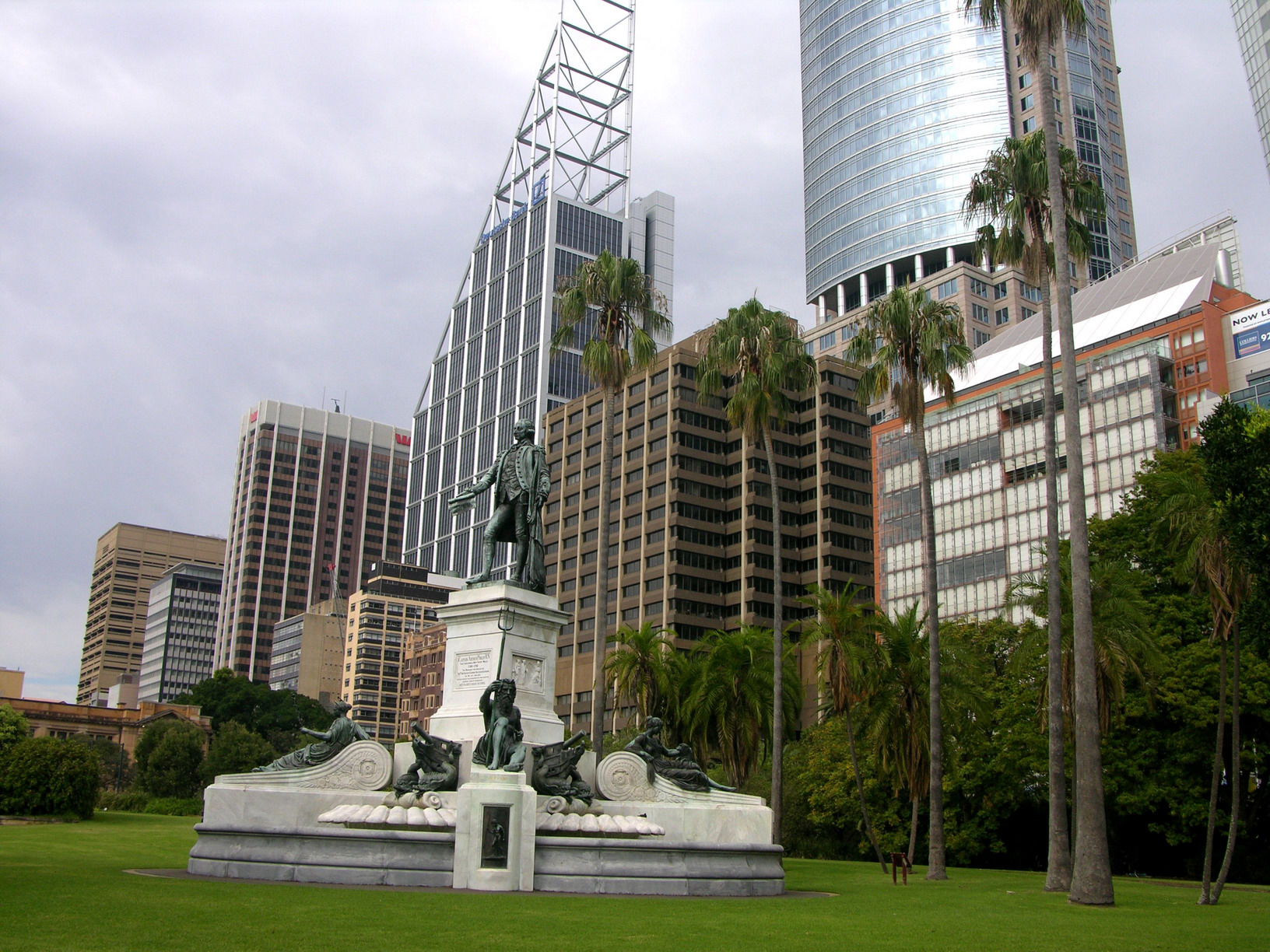
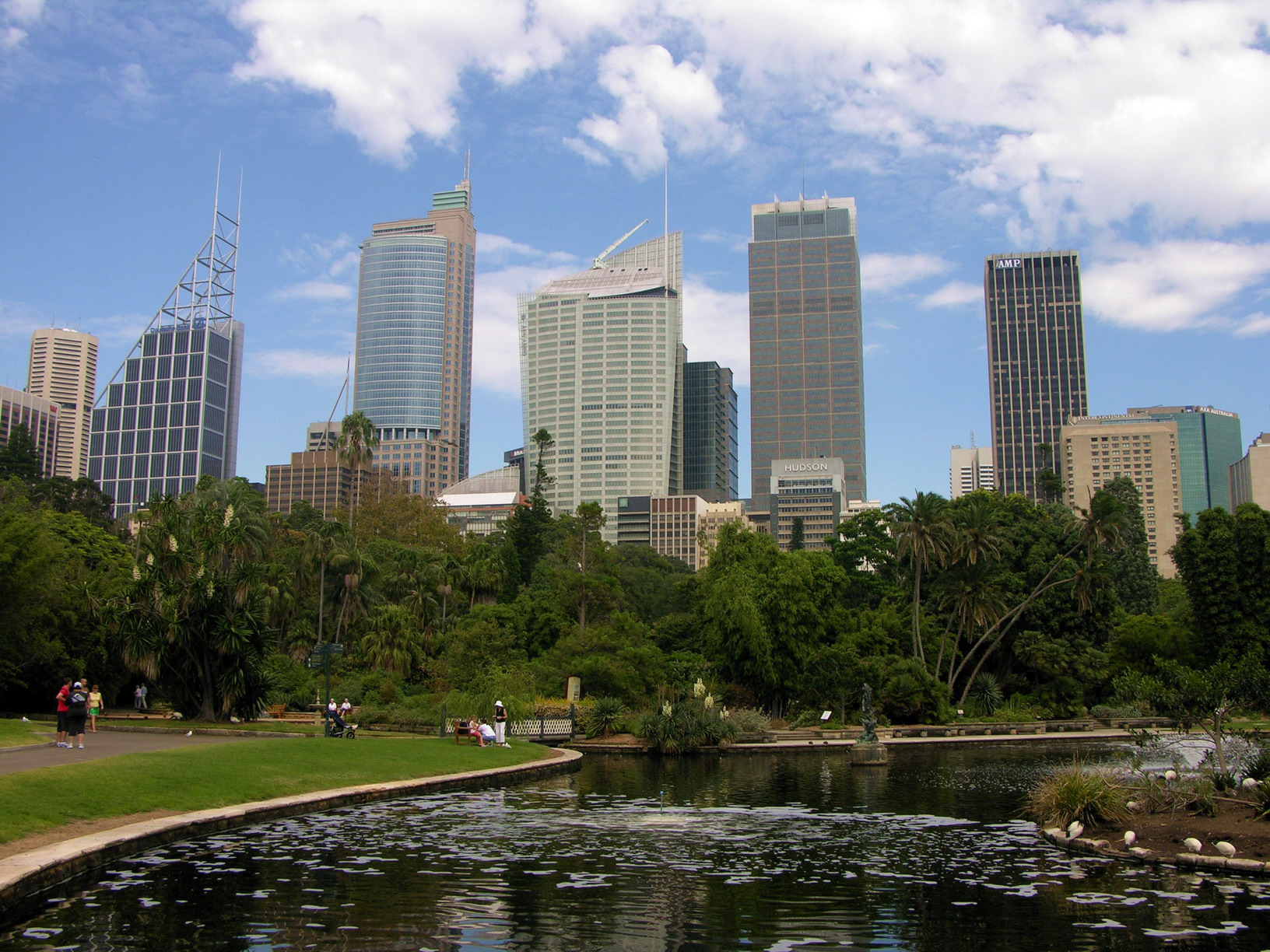
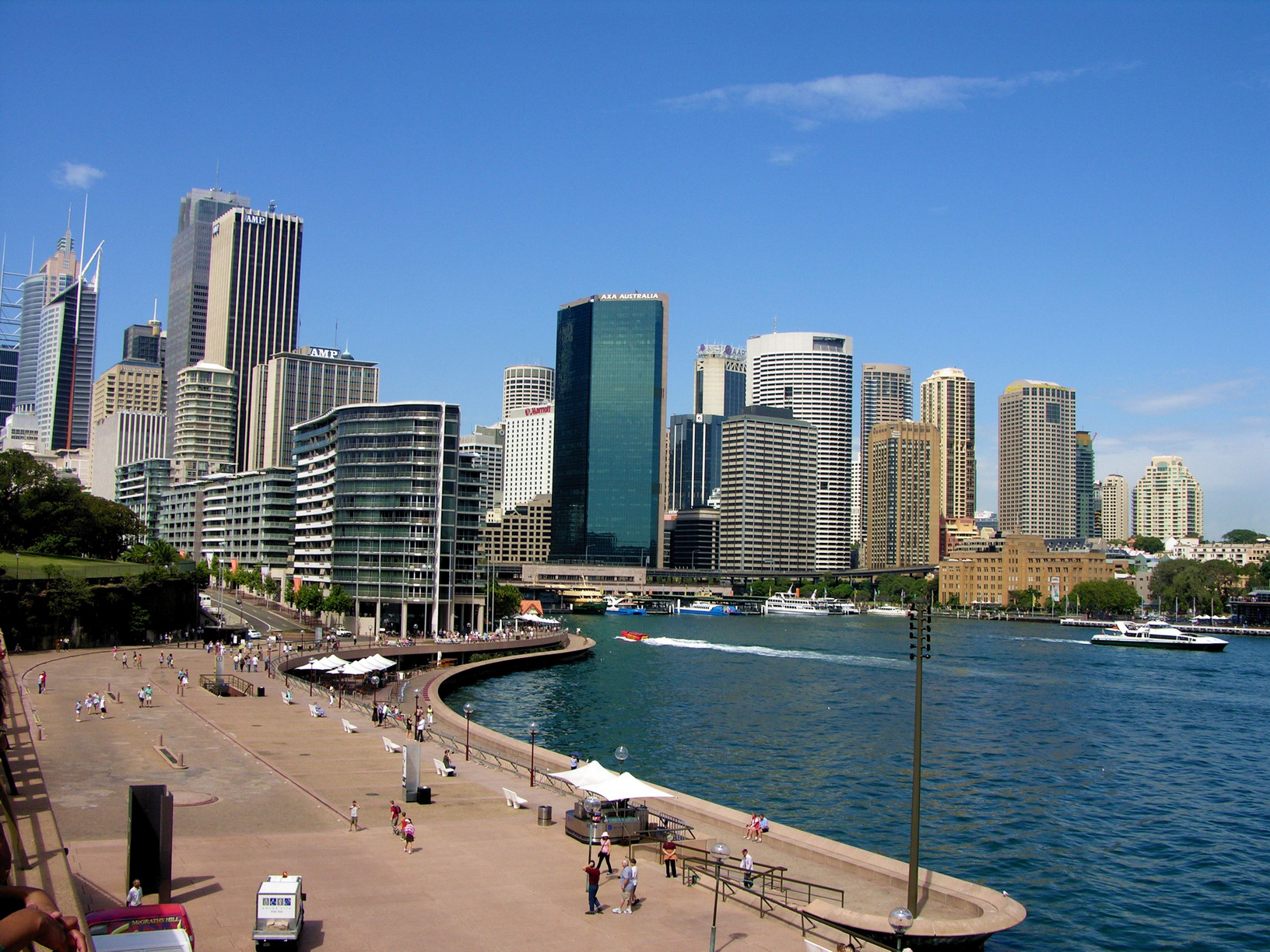
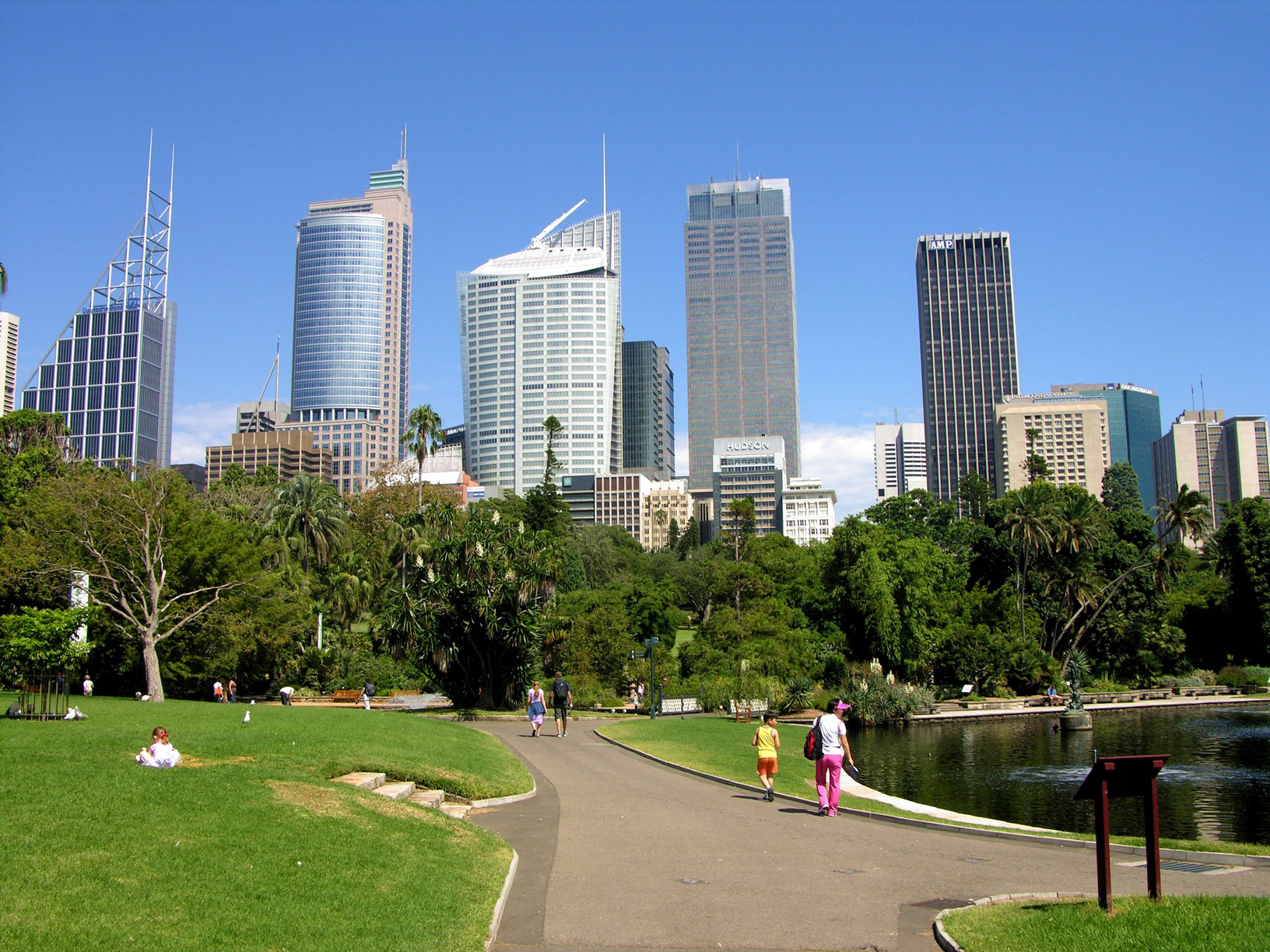
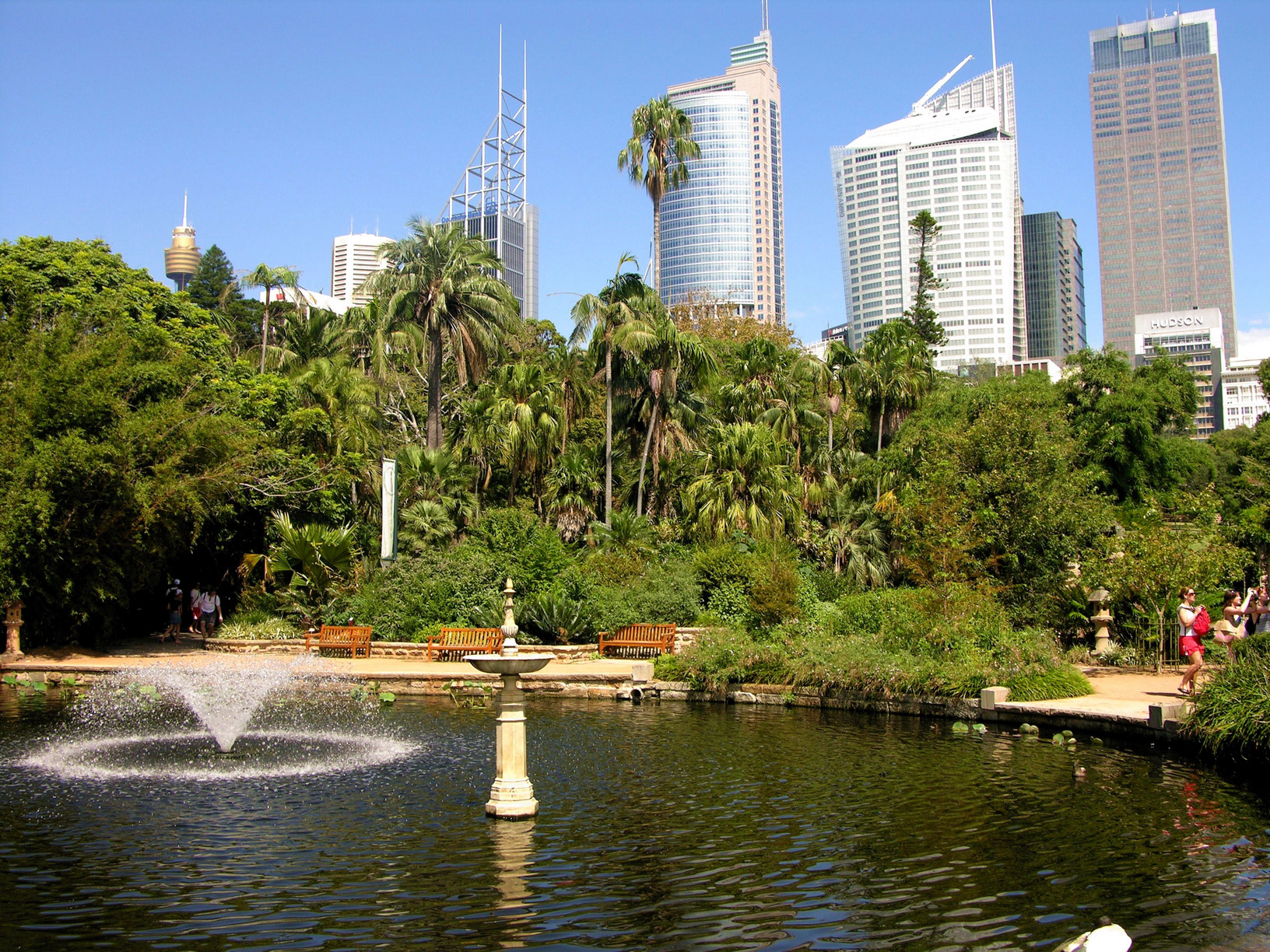
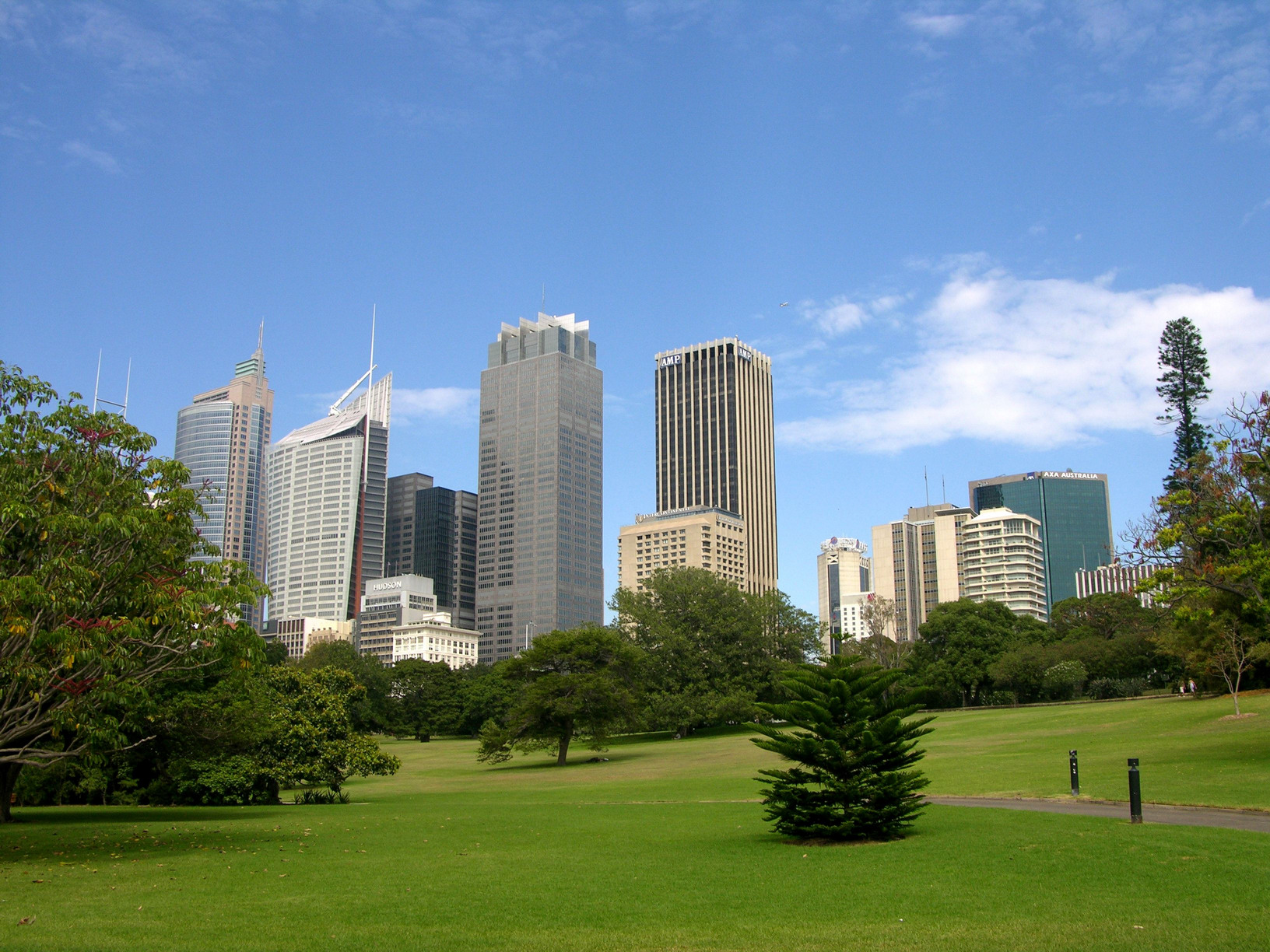
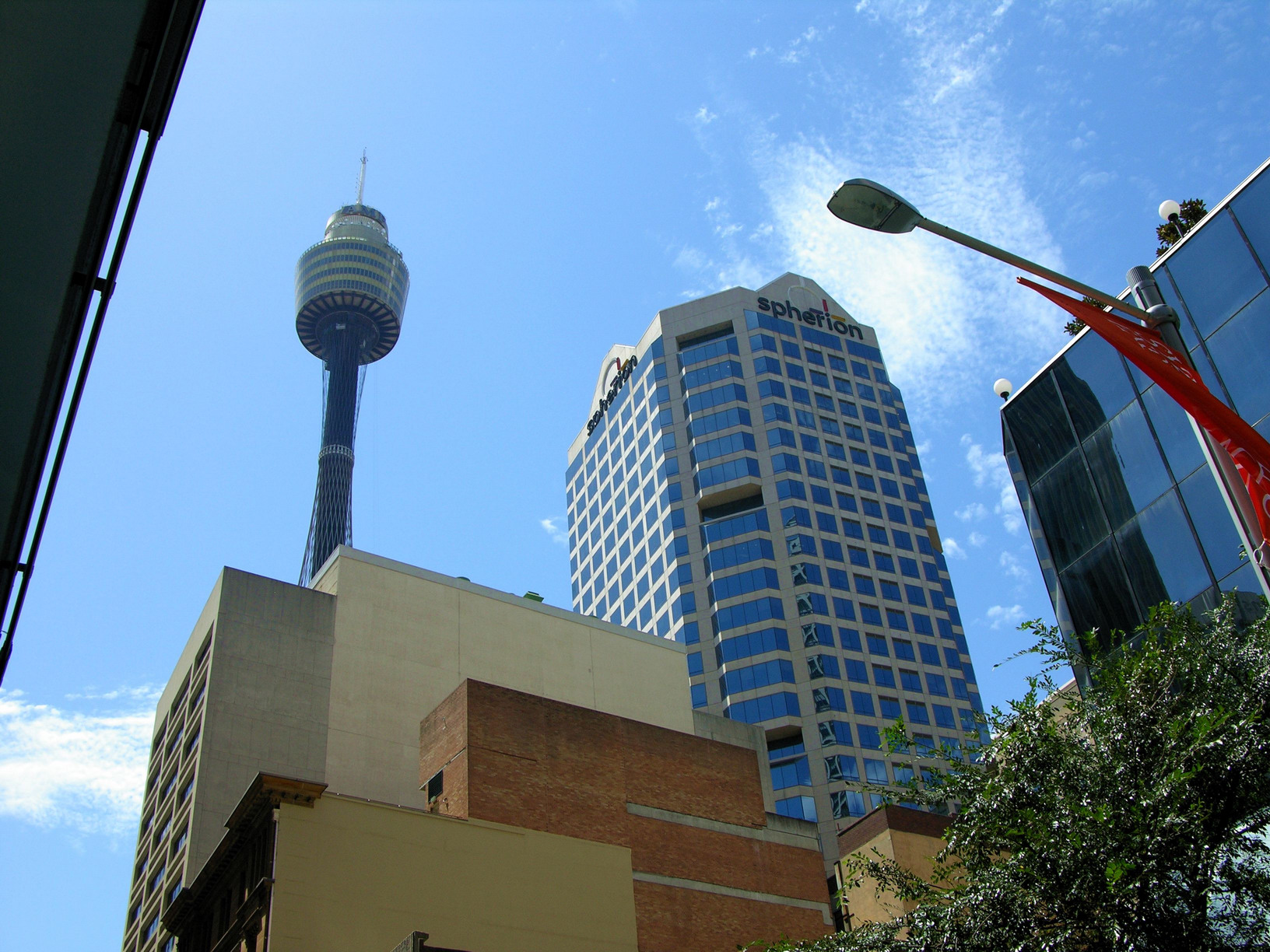
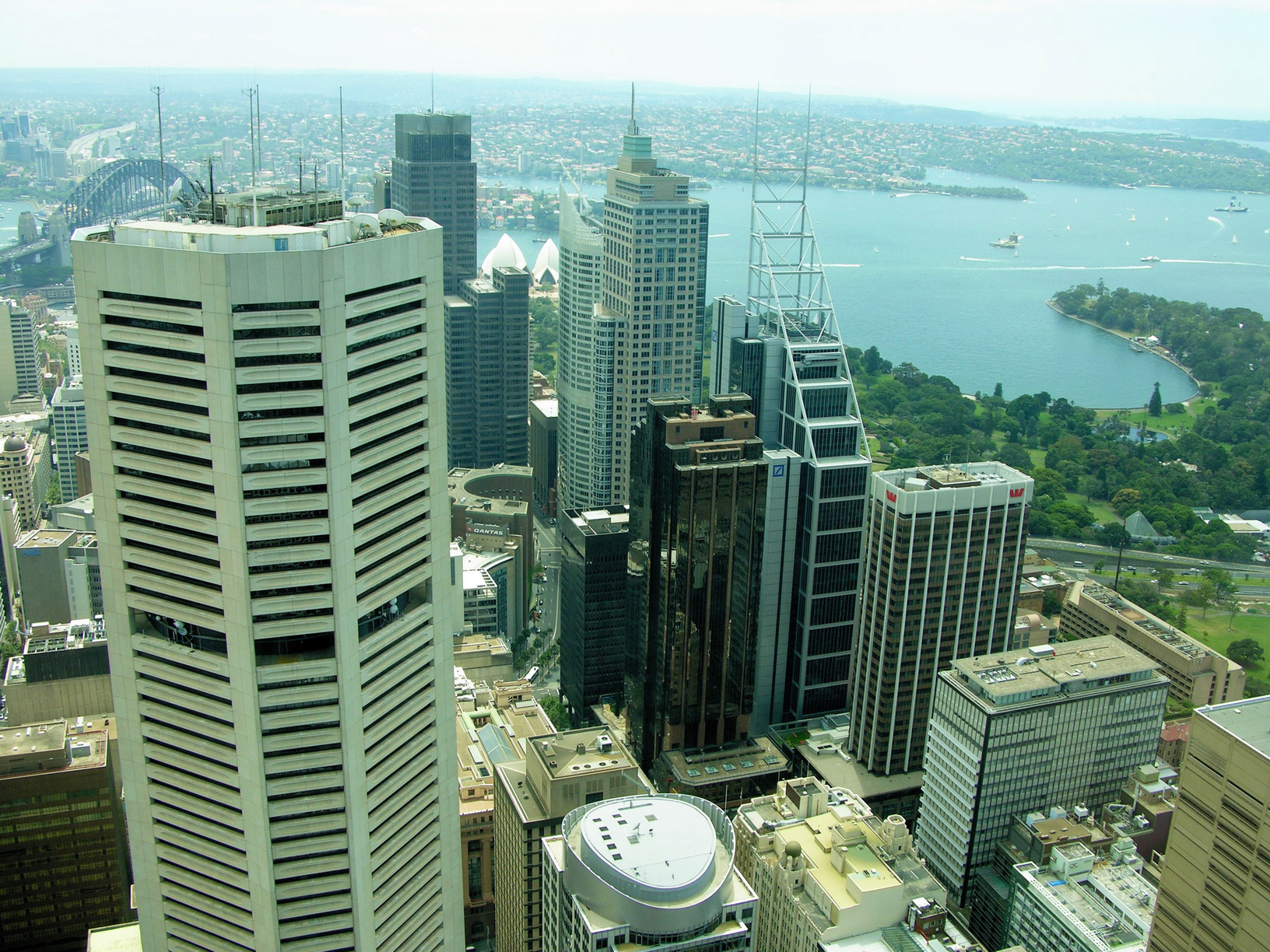
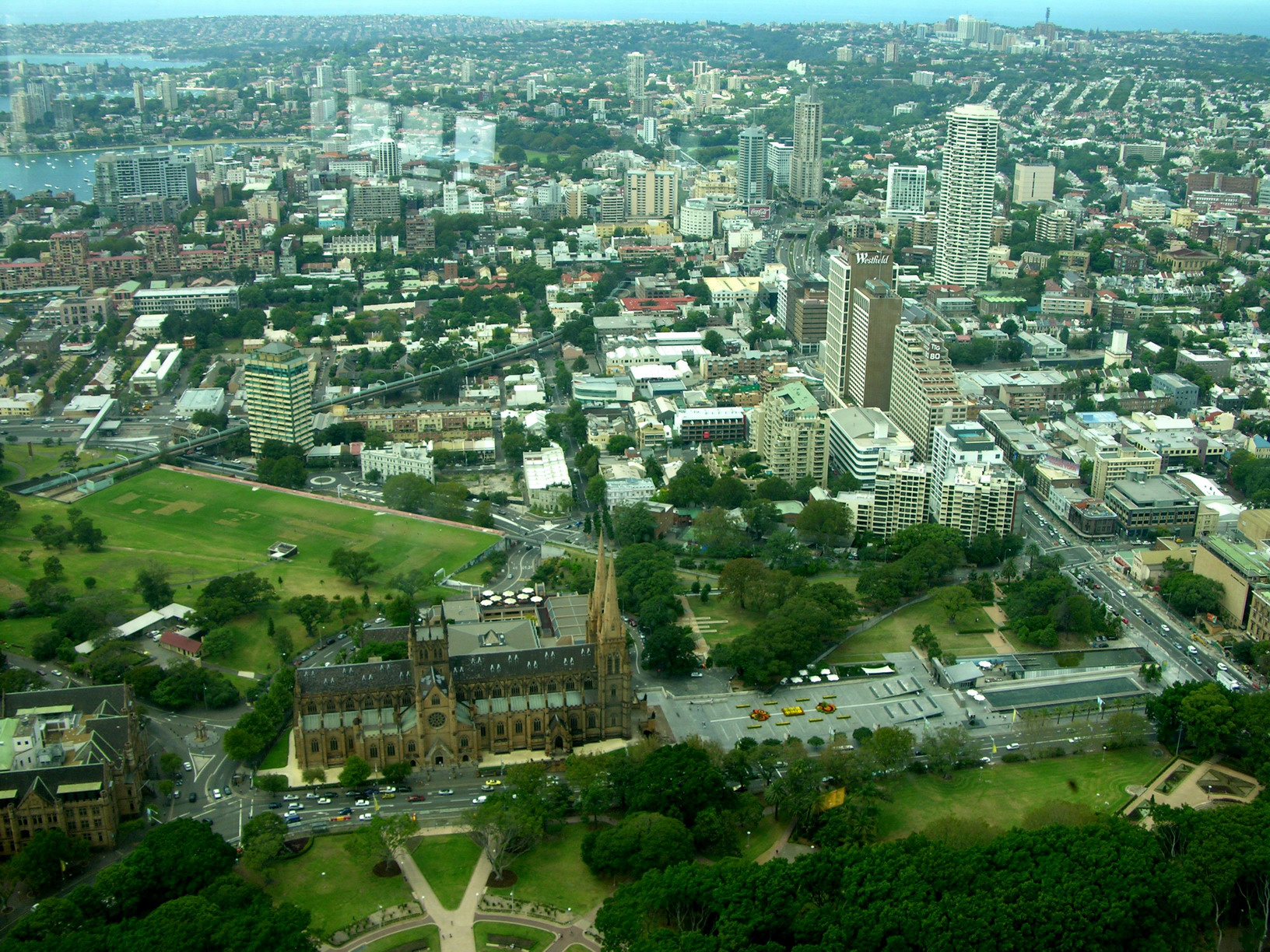
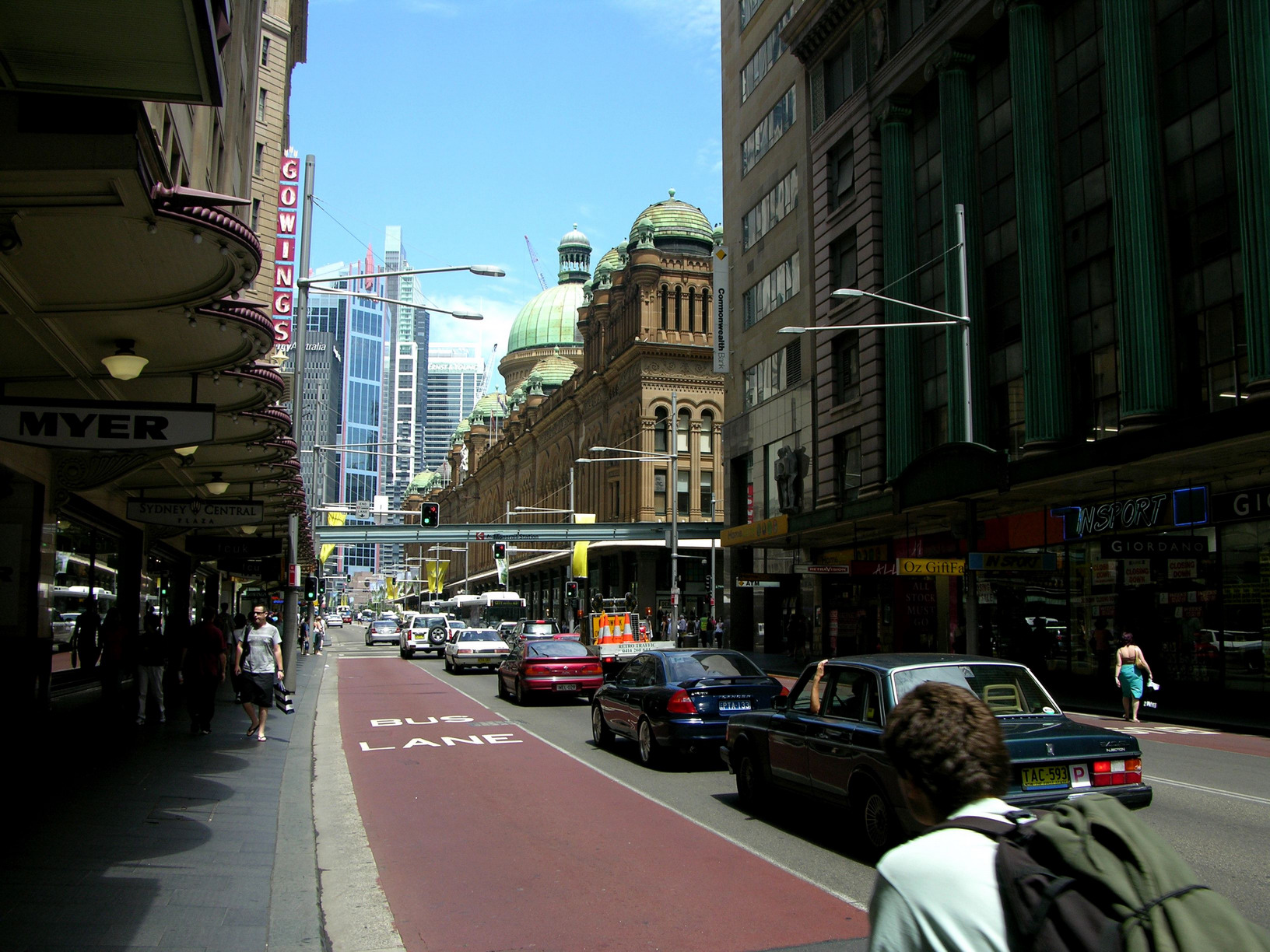
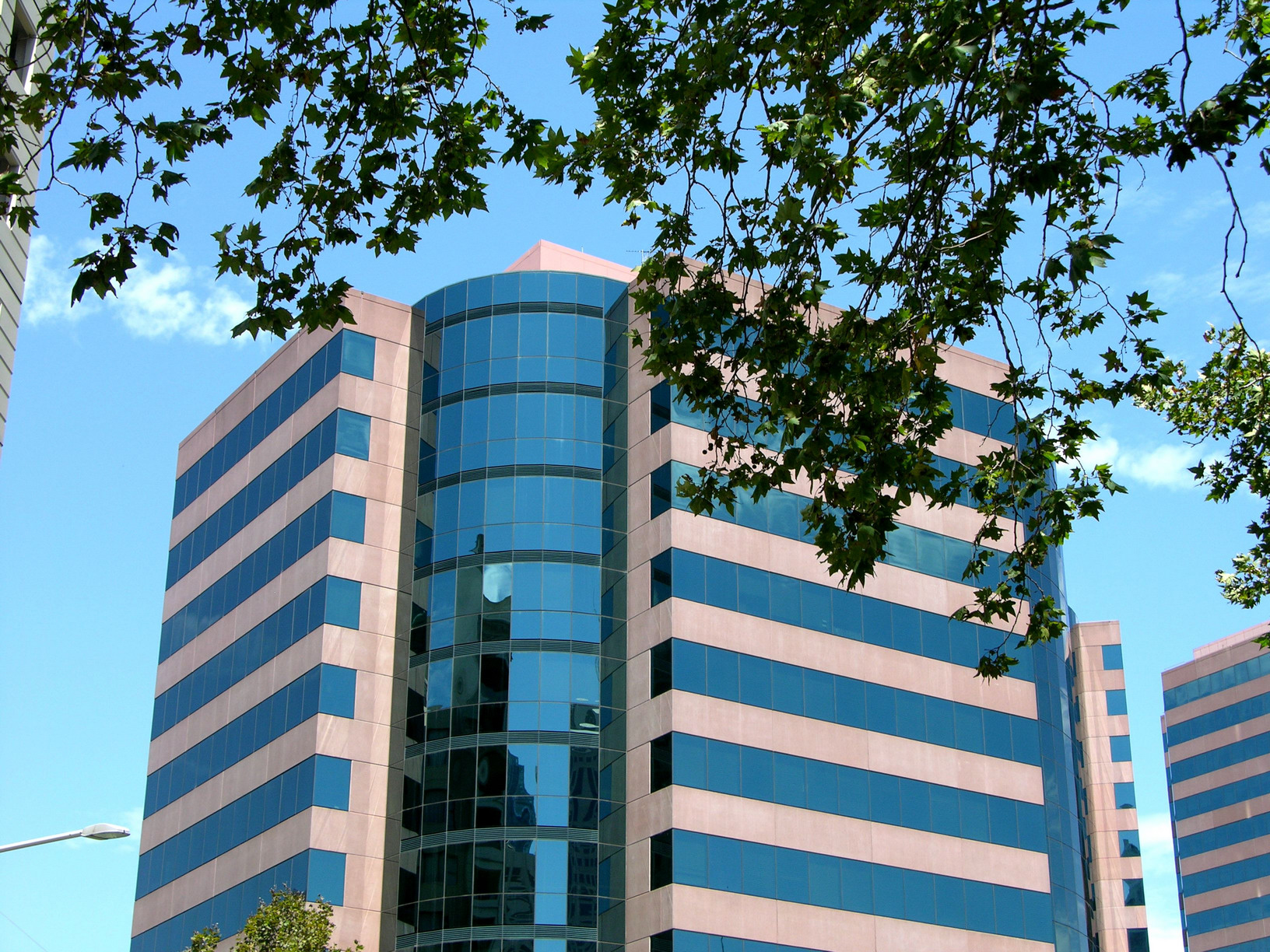
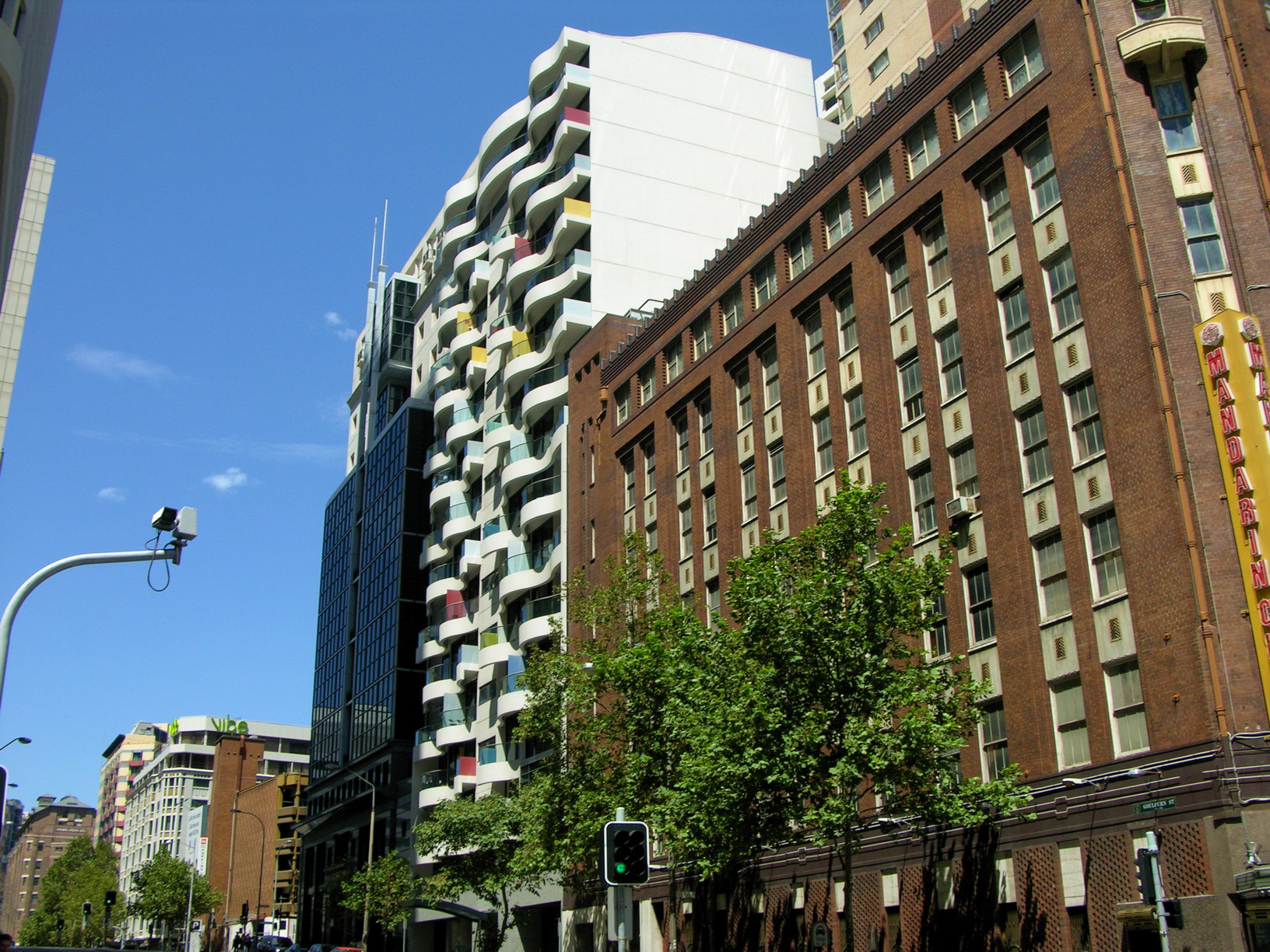
Central Sydney was full of skyscrapers in glass and concrete, with more high-rises behind them. There were office blocks everywhere, offices for banks and stock exchanges. Overhead, monorails would dart above the streets. The few old buildings from colonial days all but disappeared among the enormous towers of today's city.
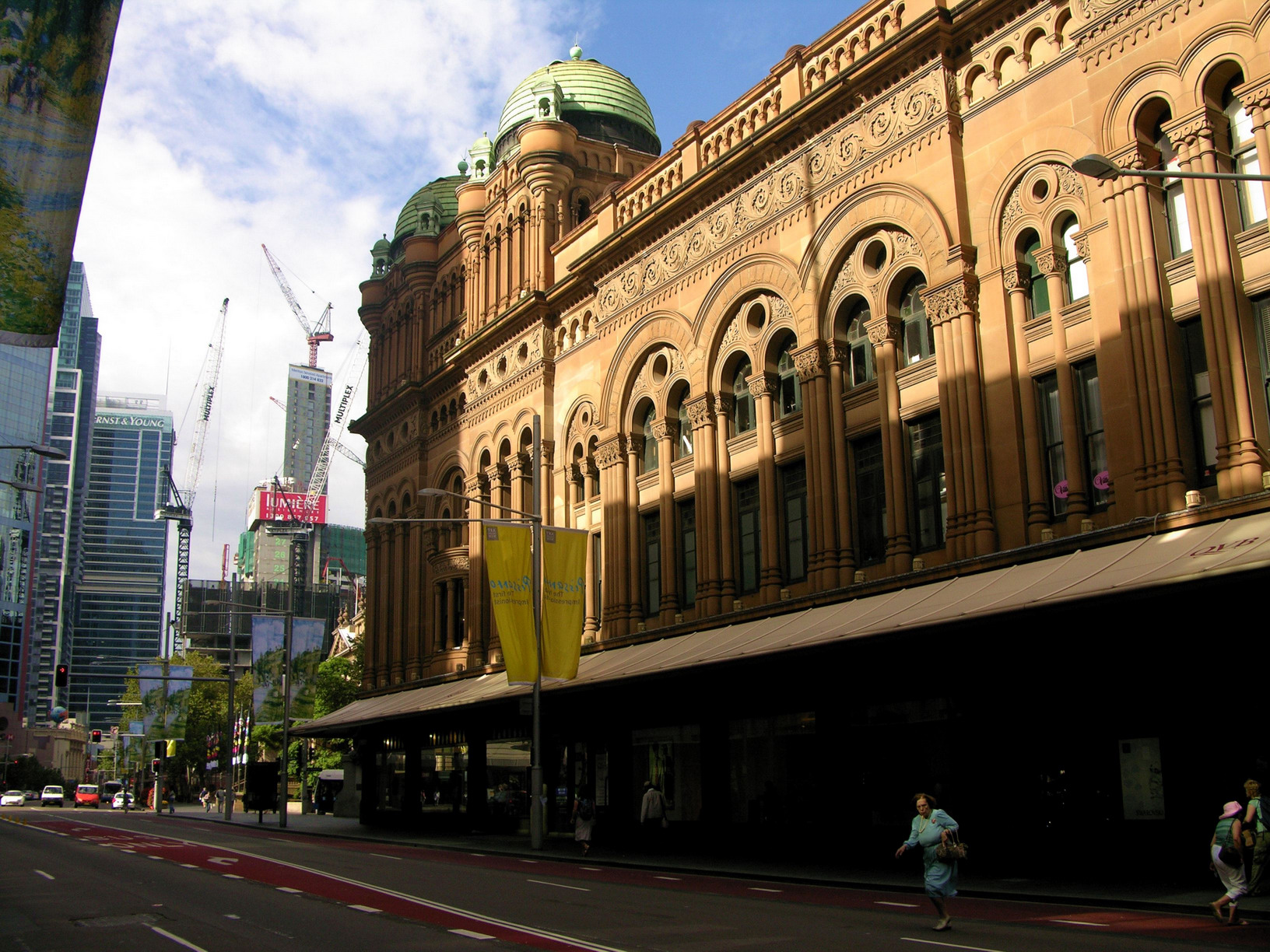
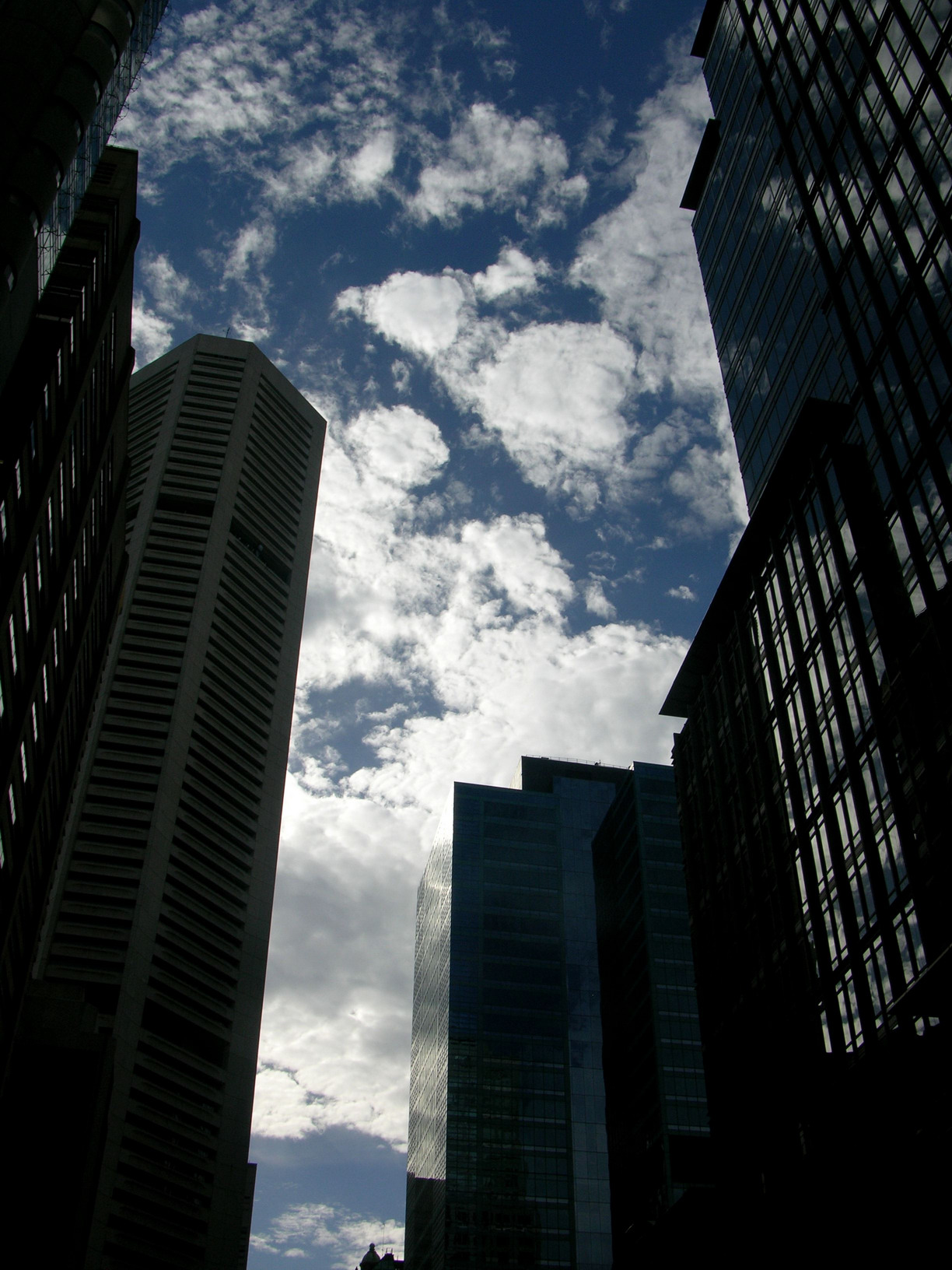
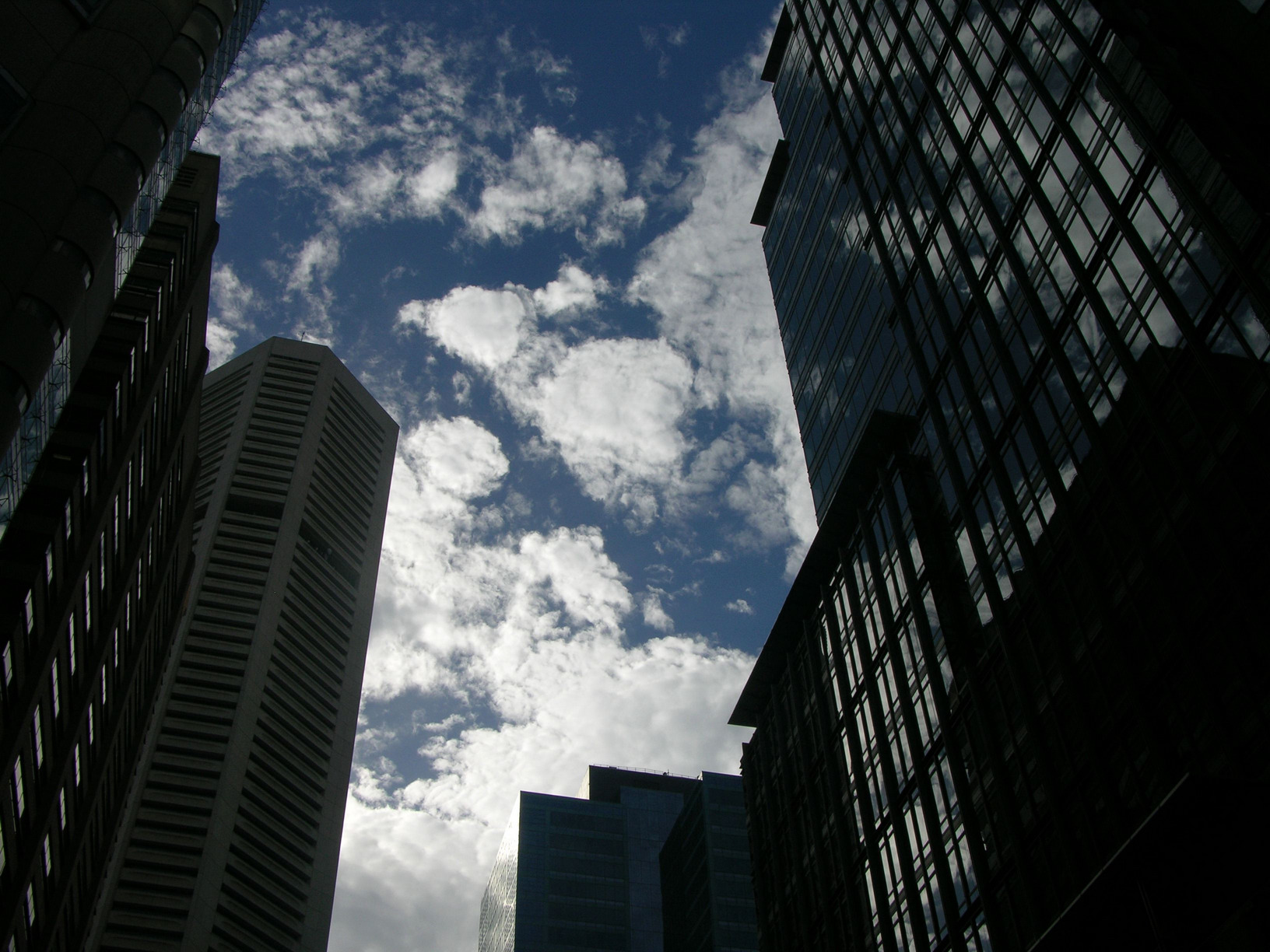
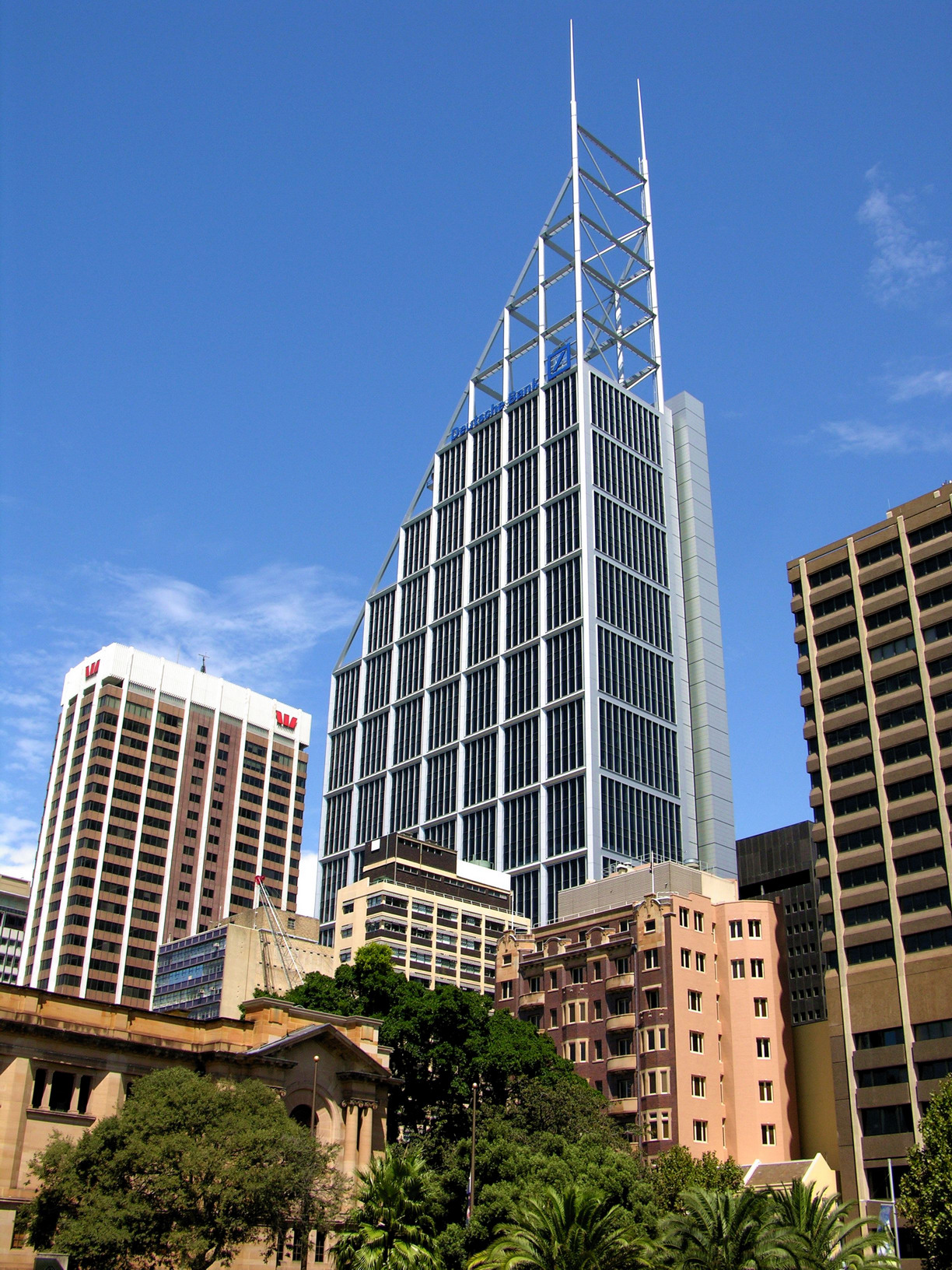
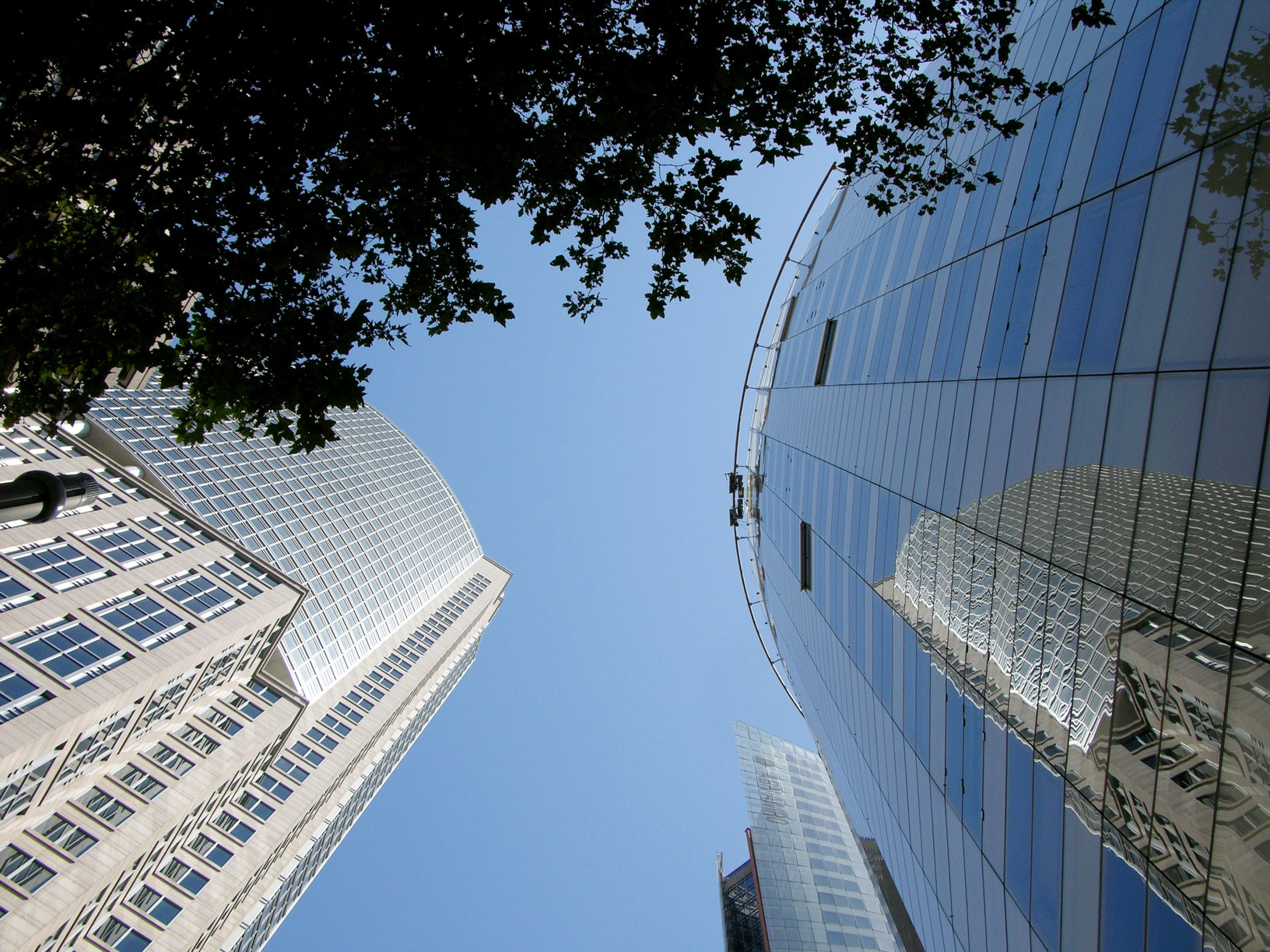
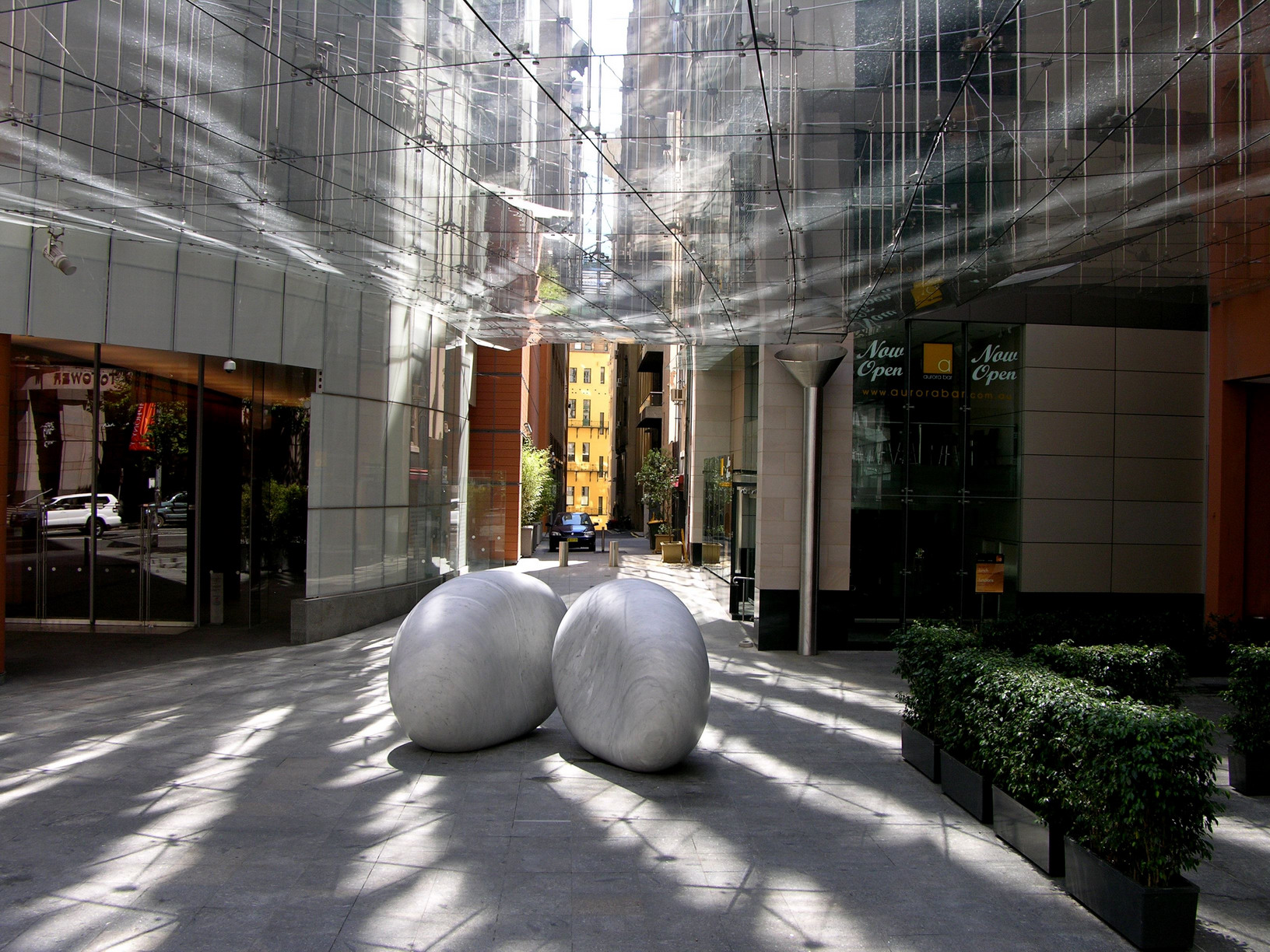
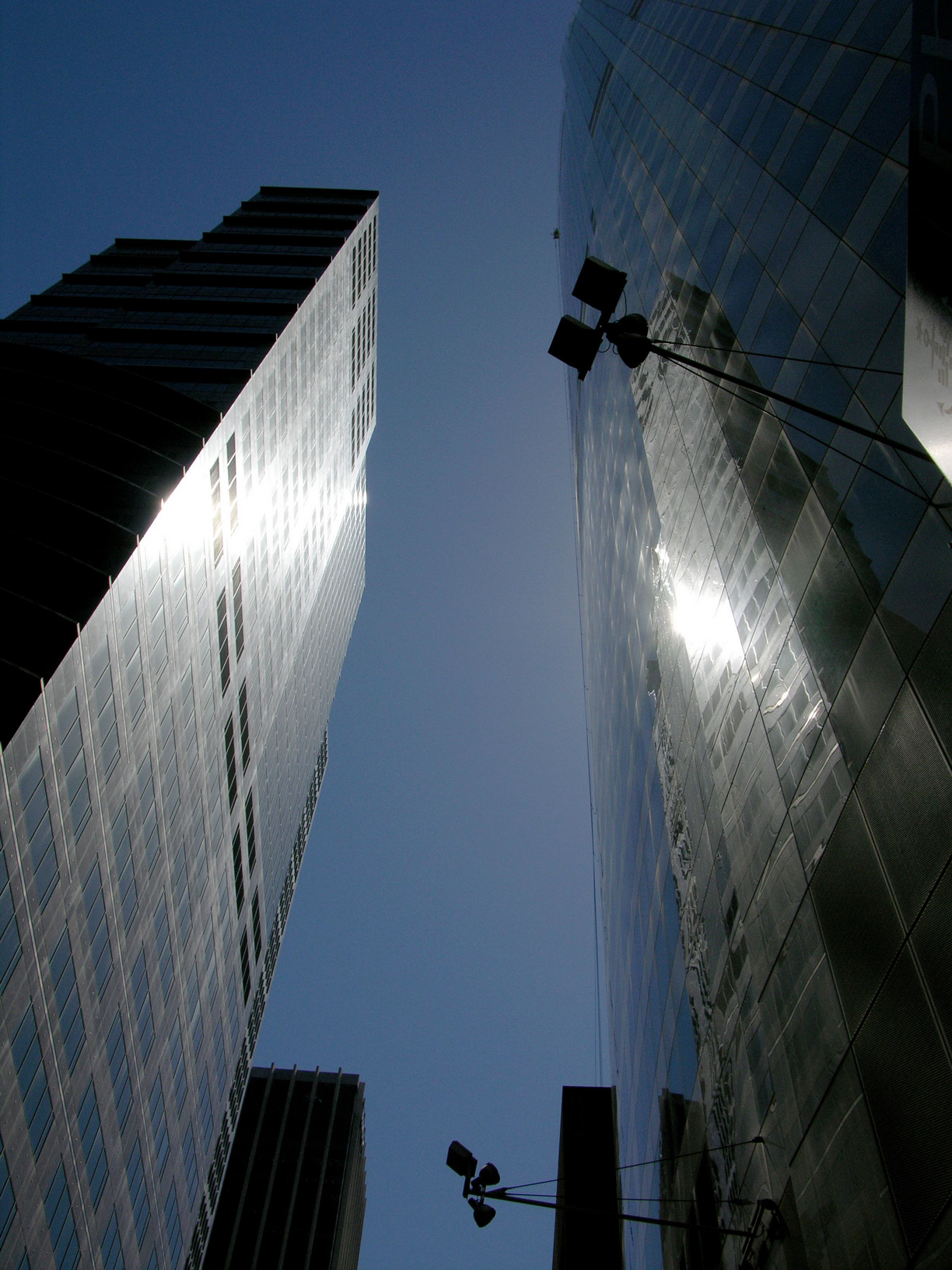
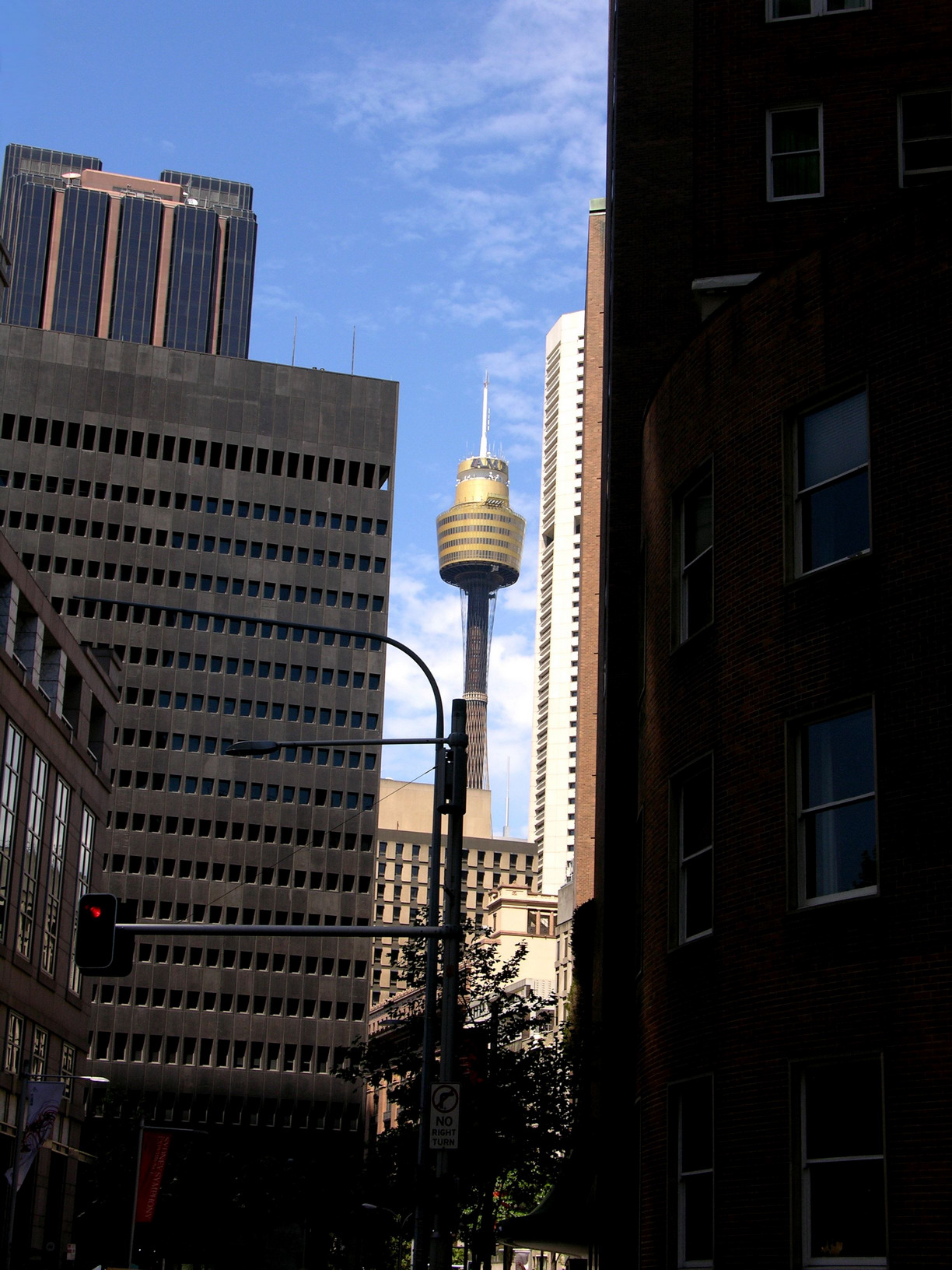
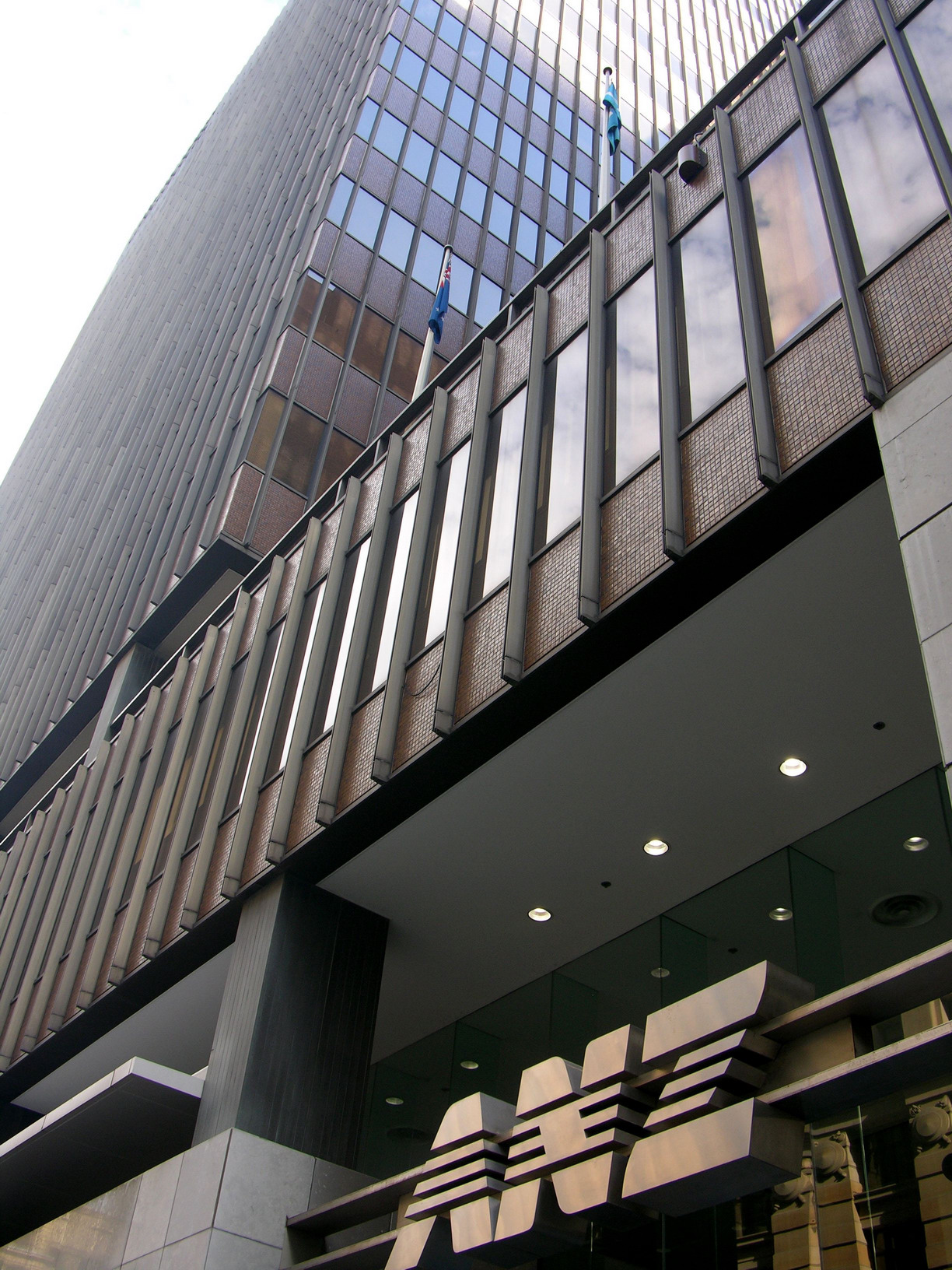
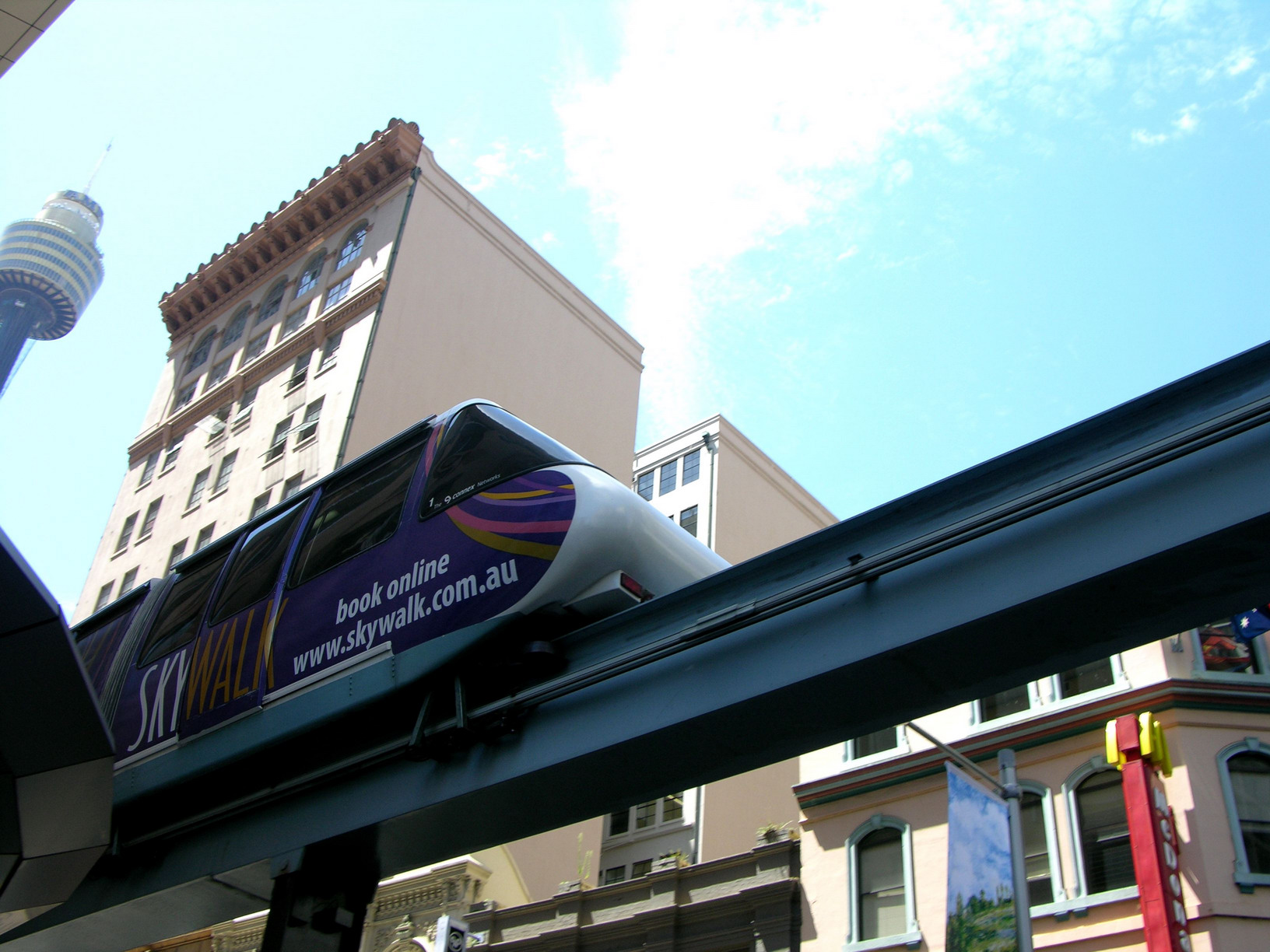
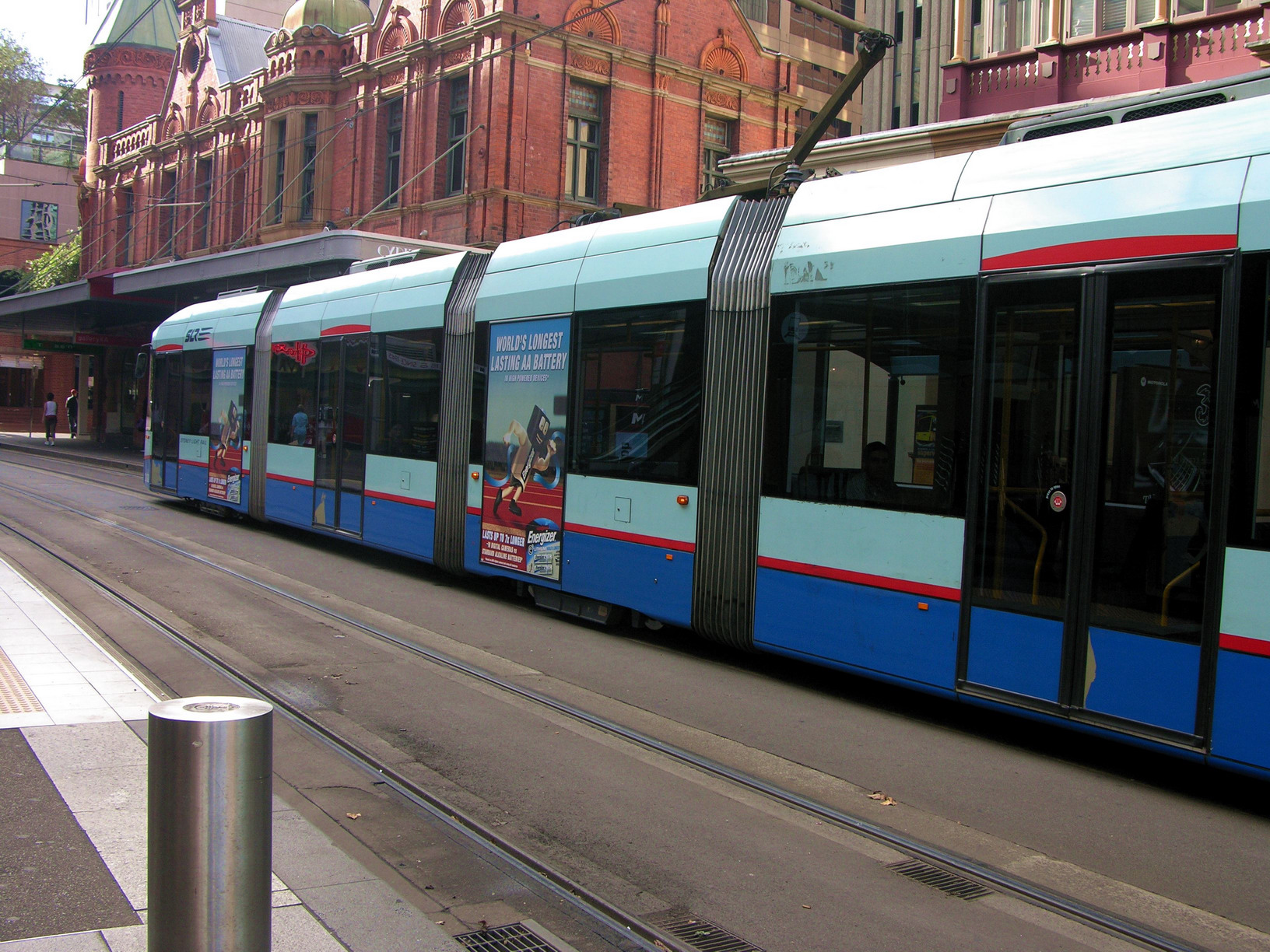
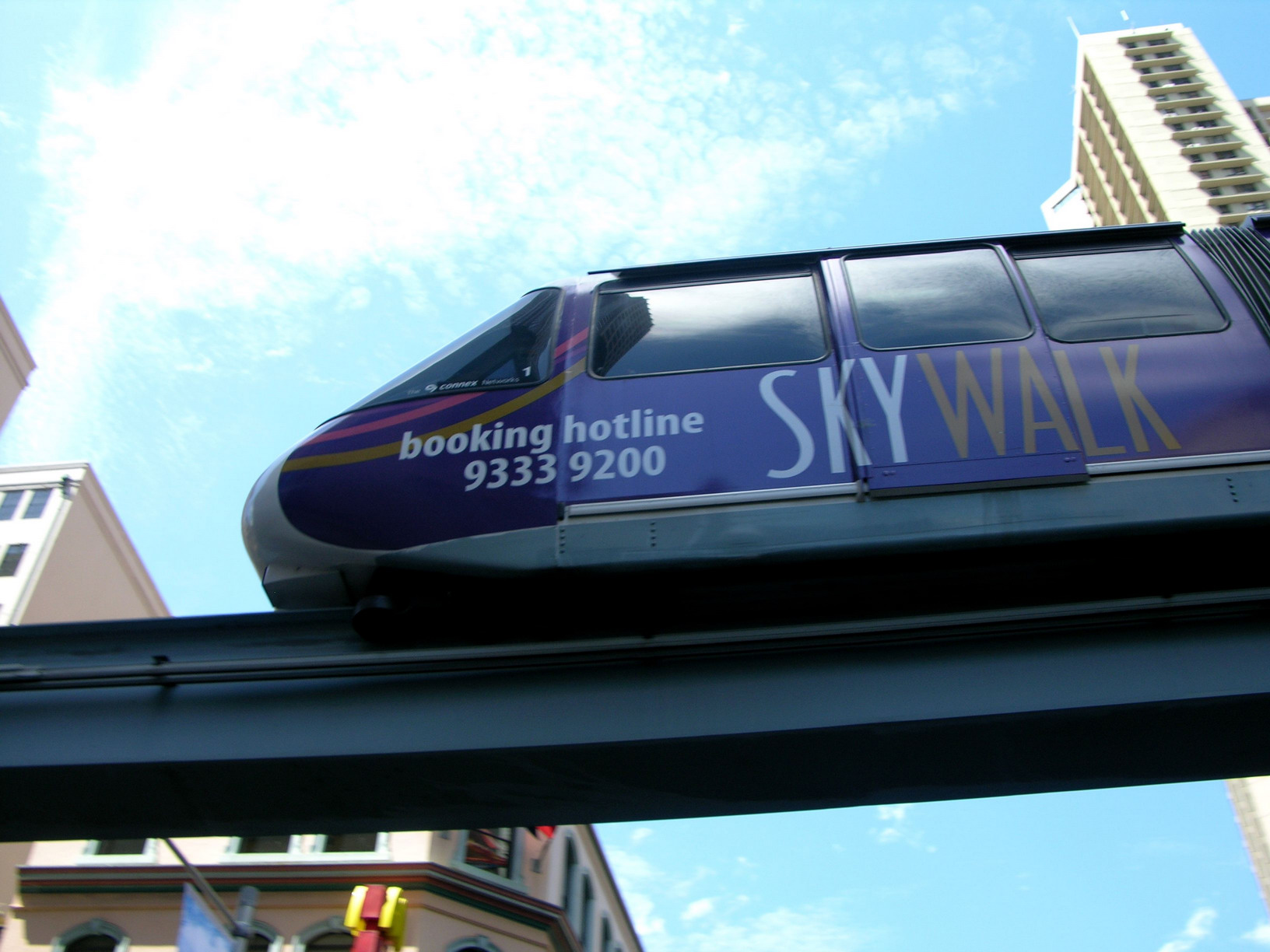
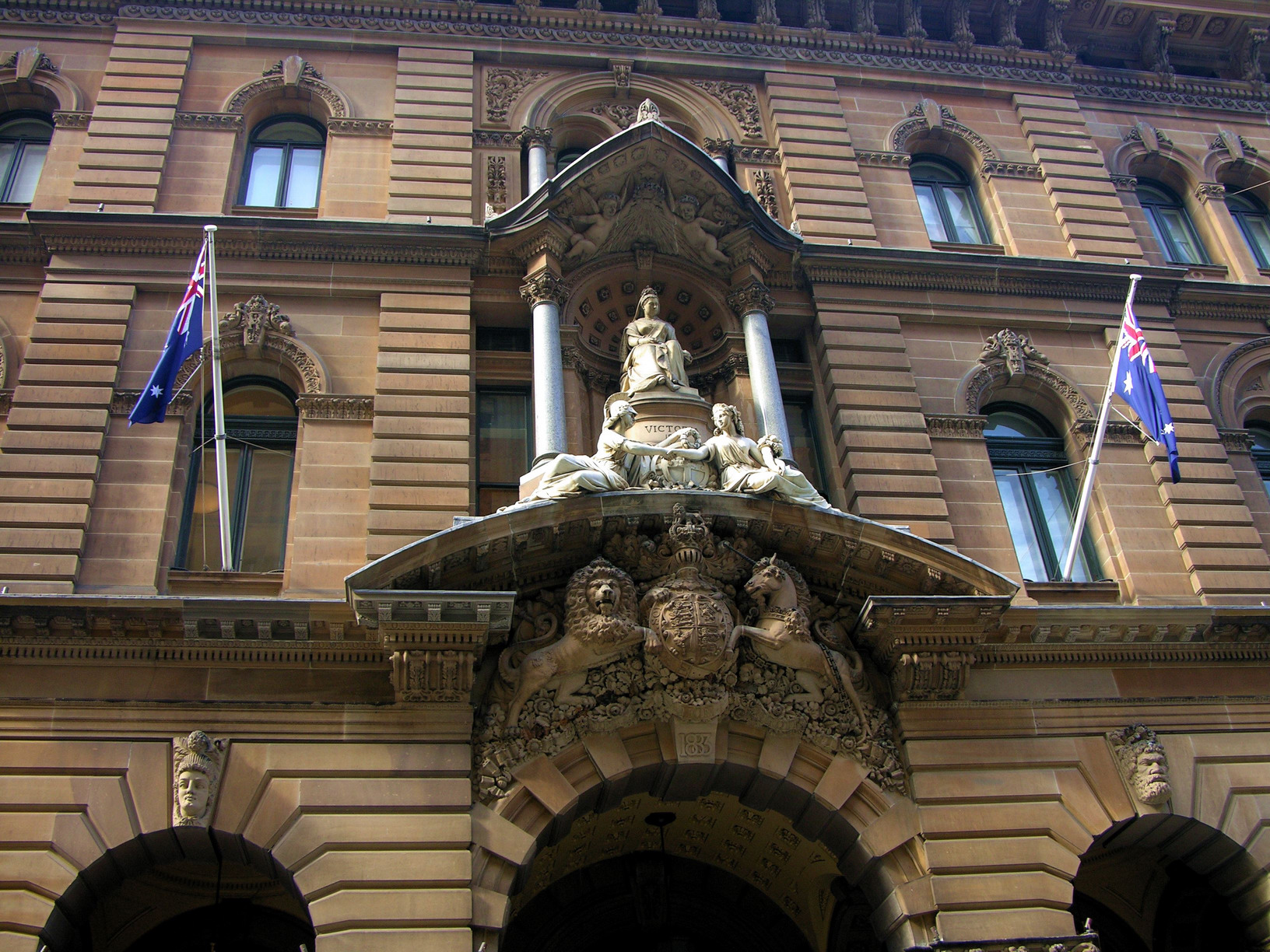
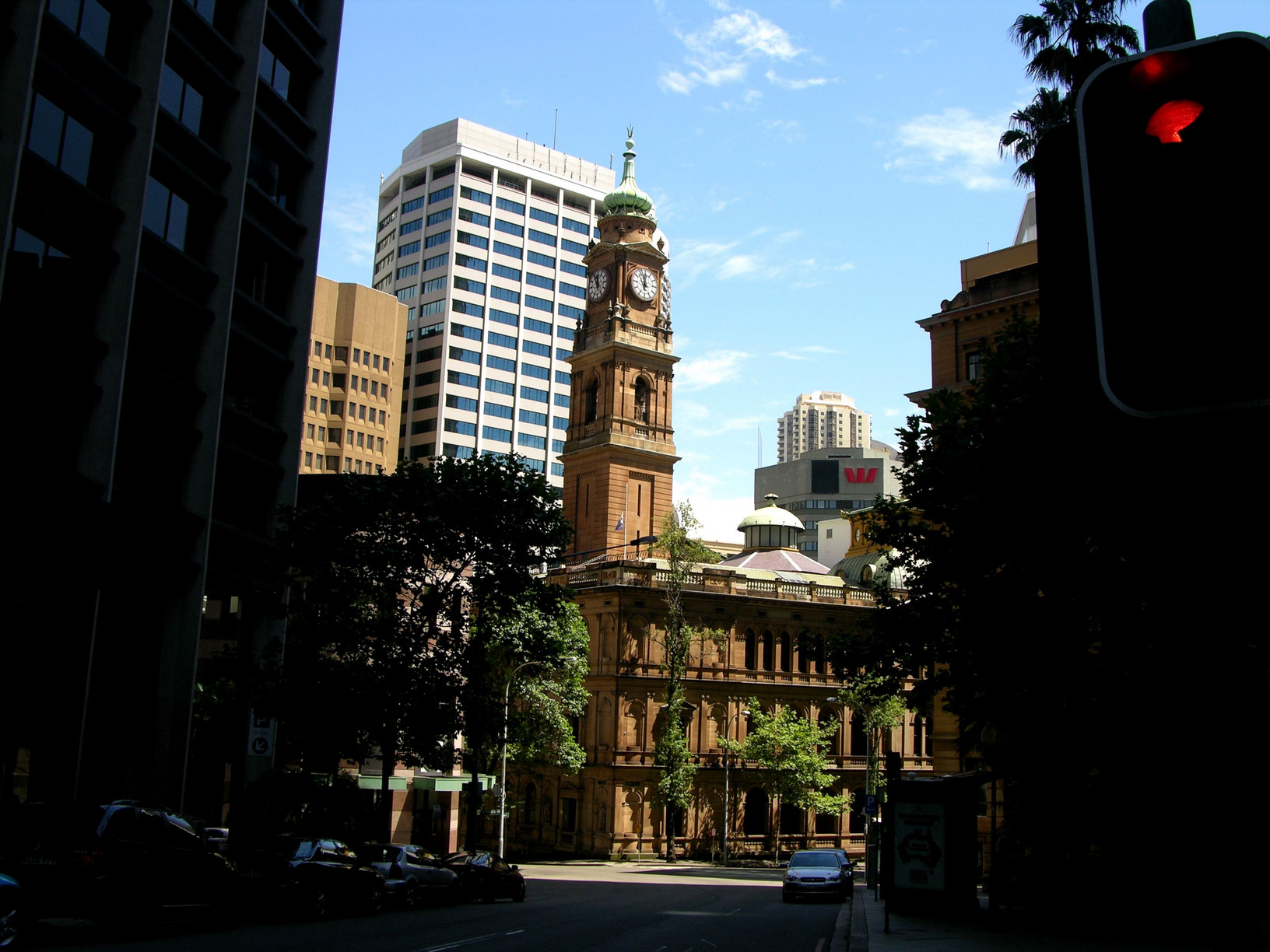
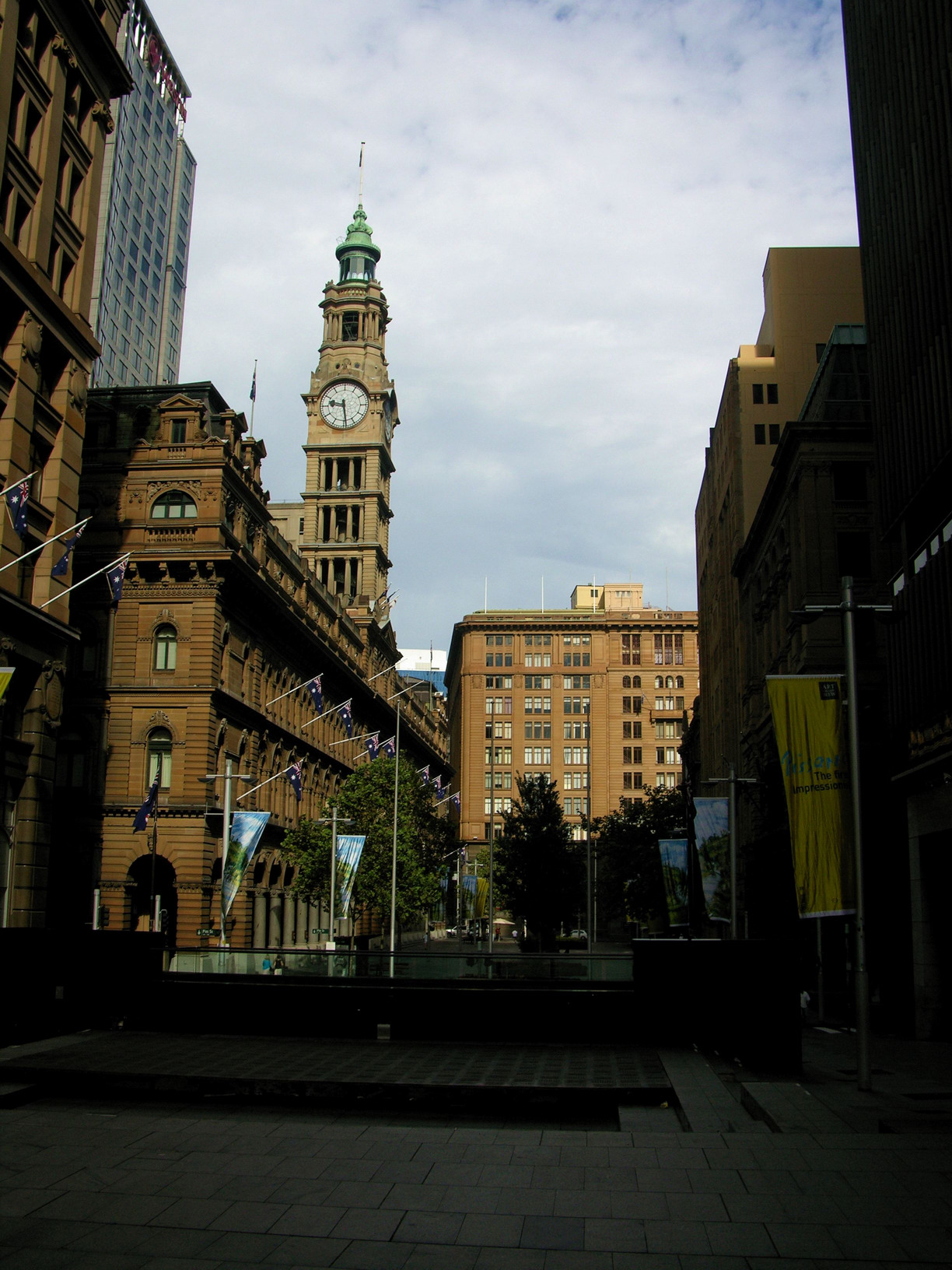
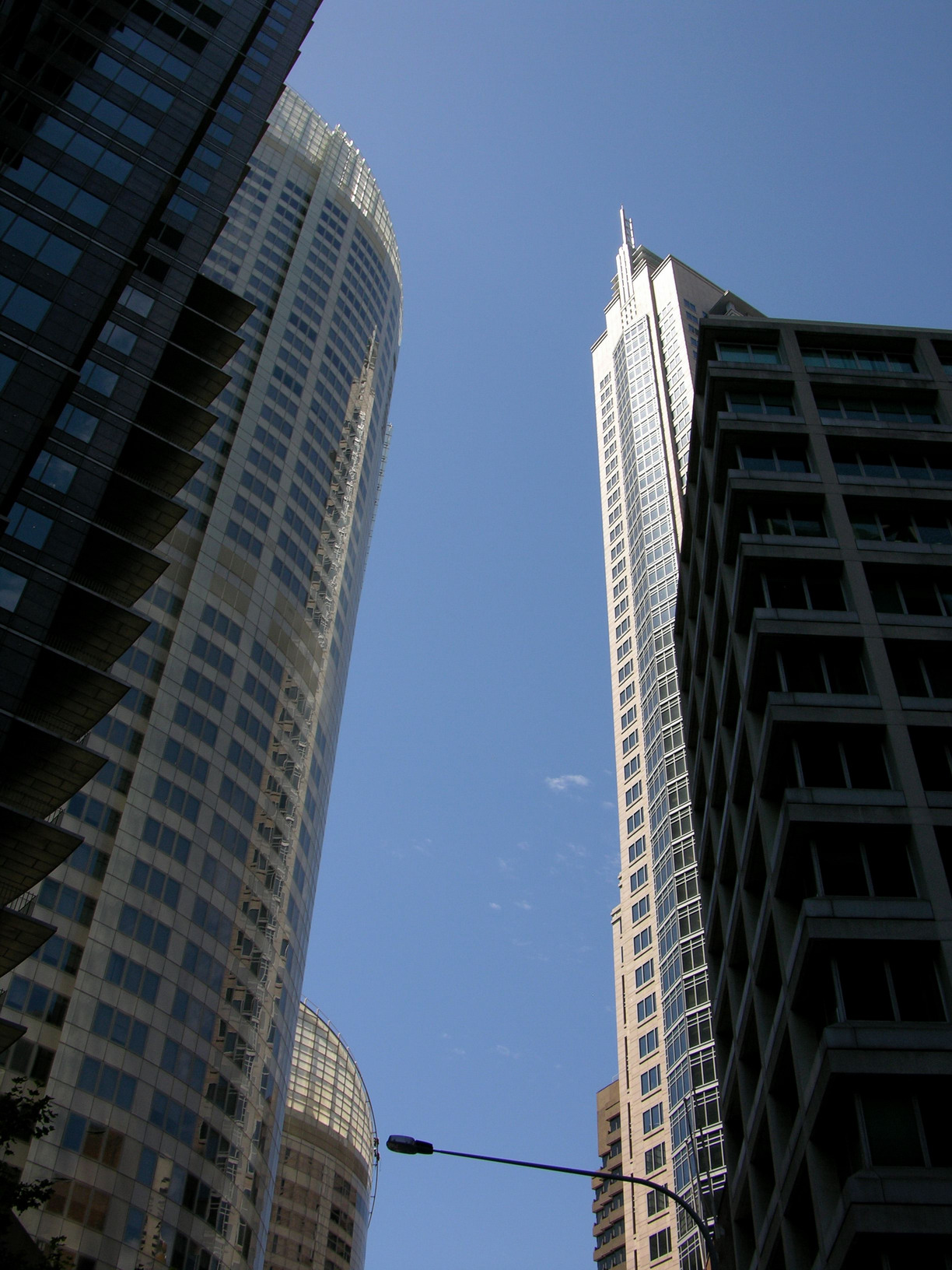
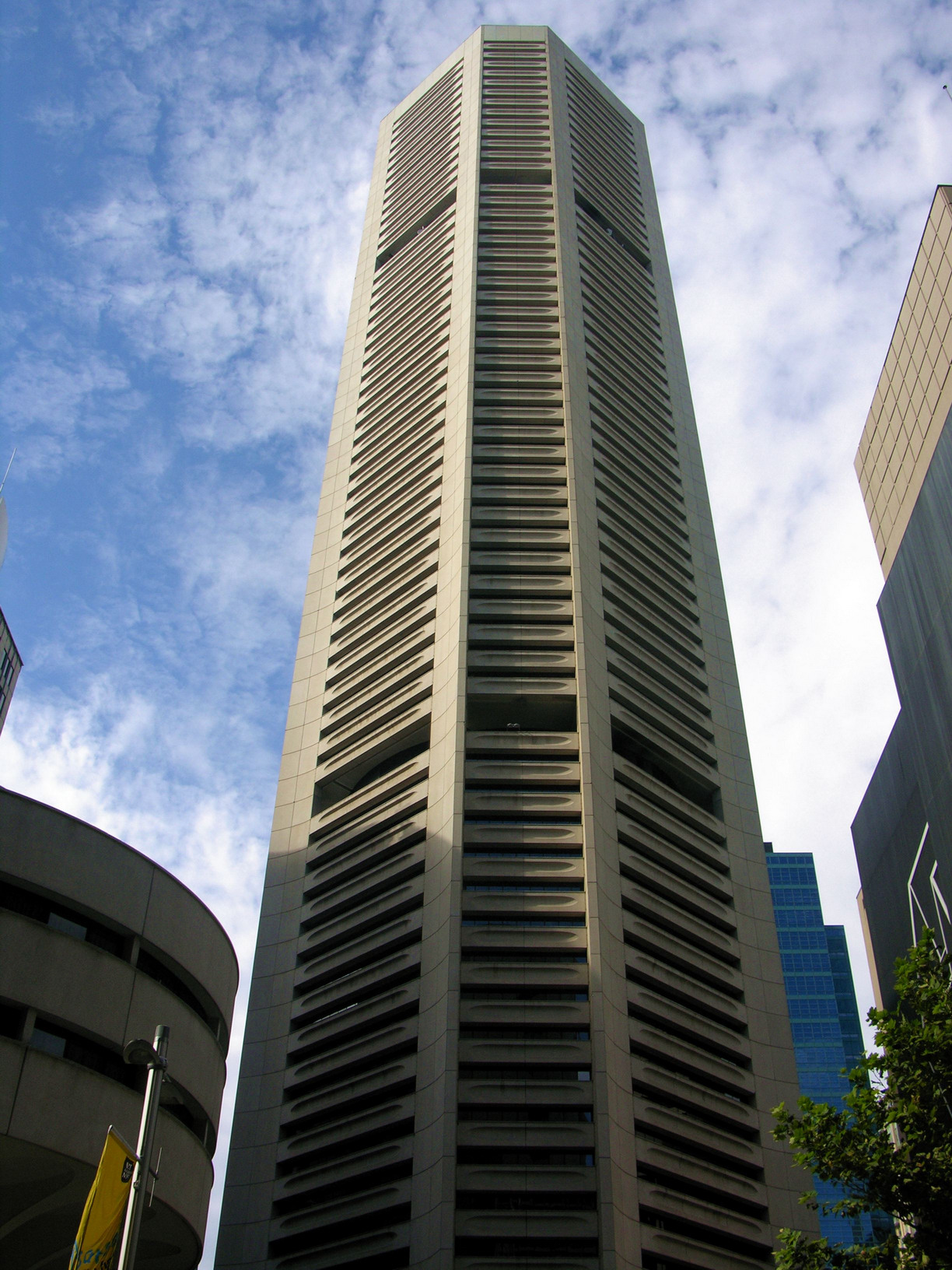
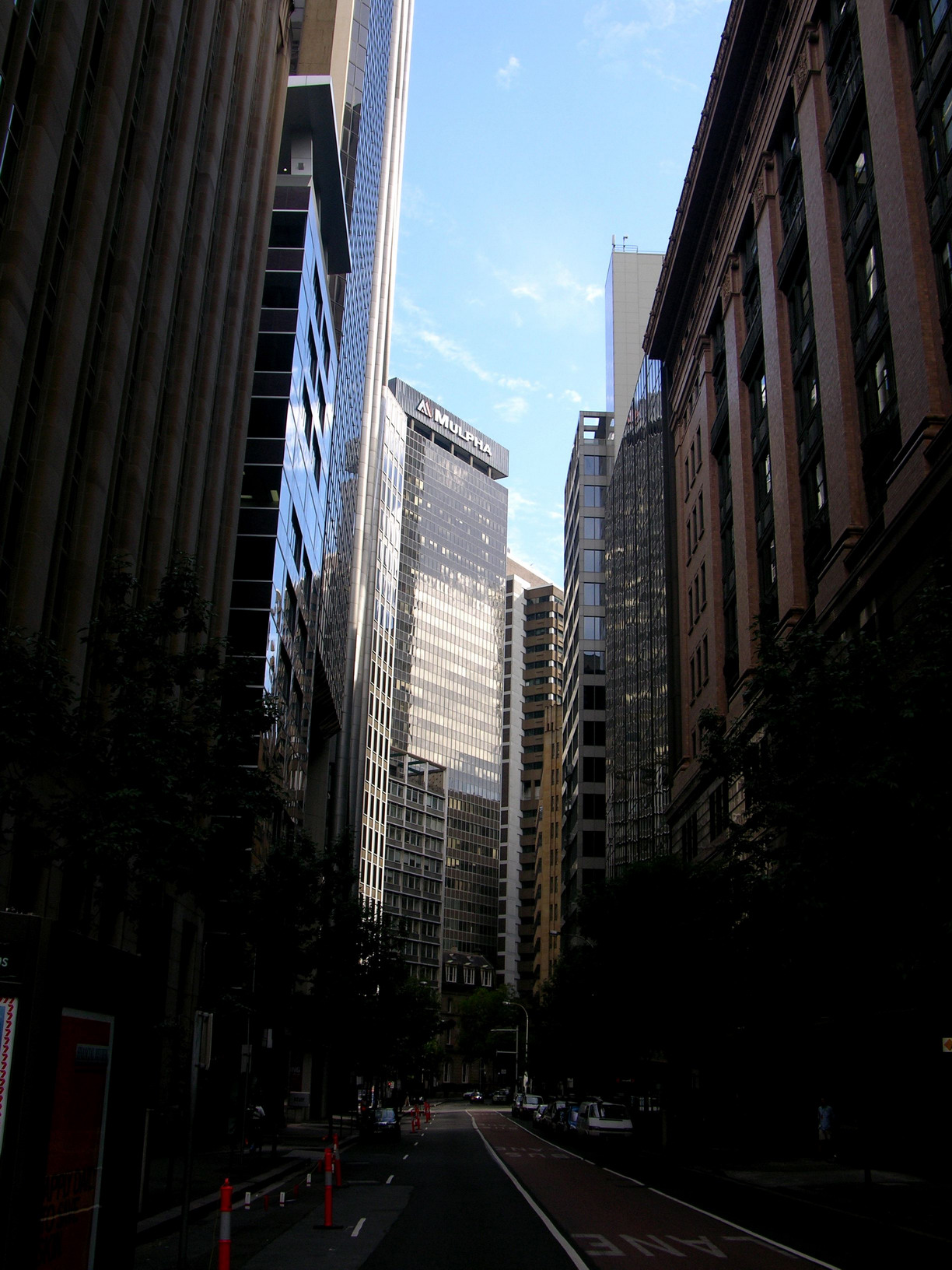
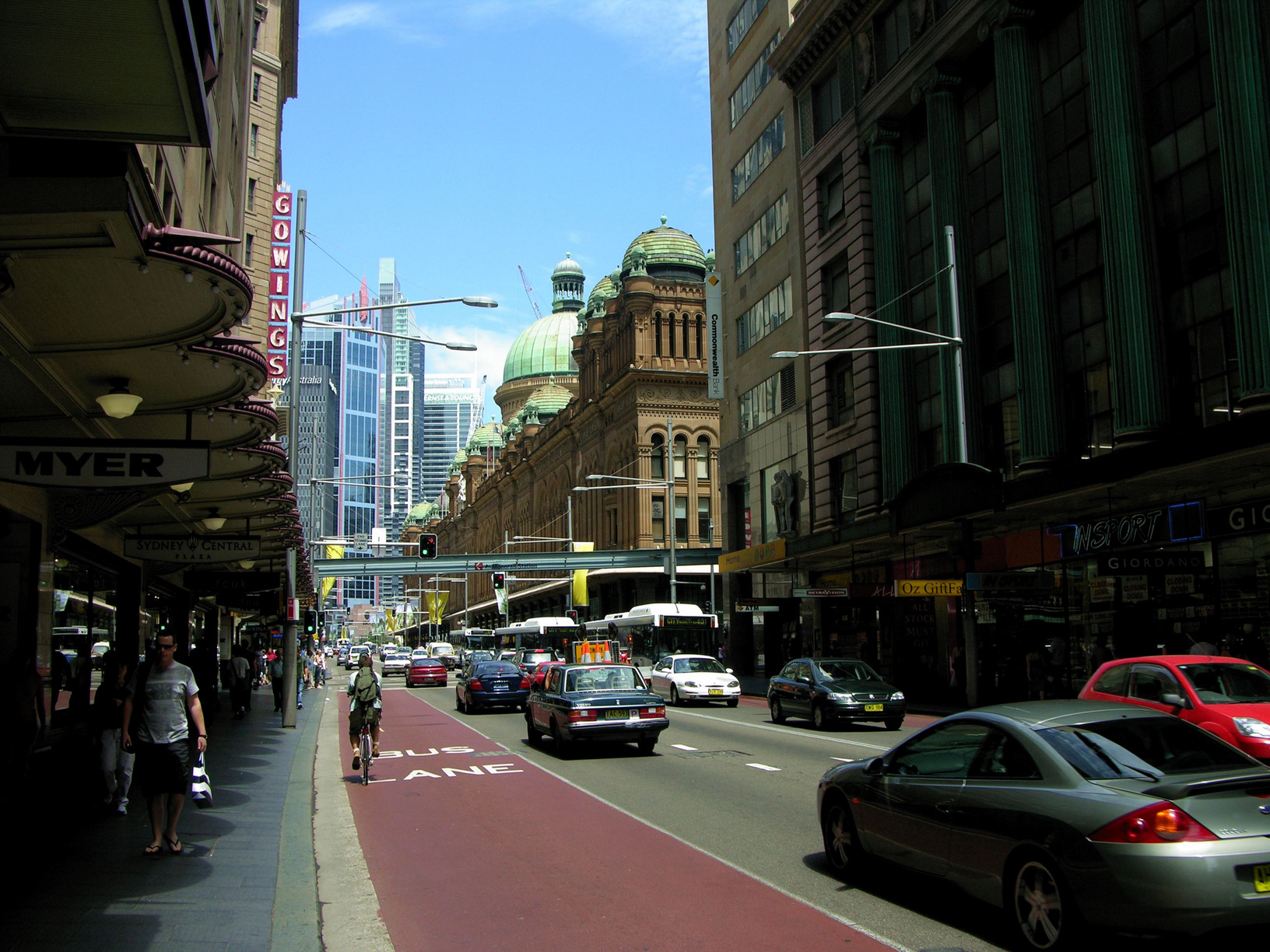
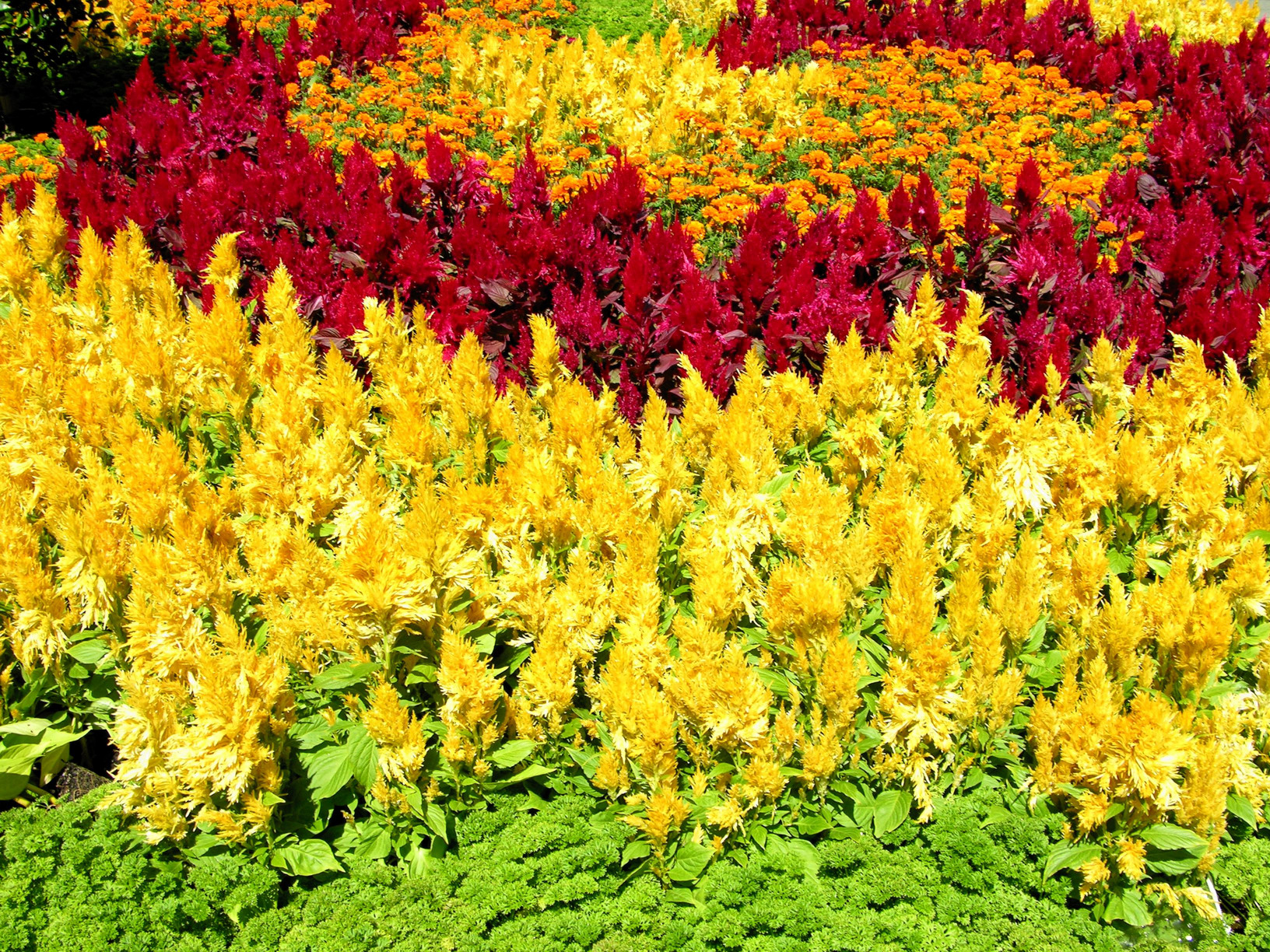
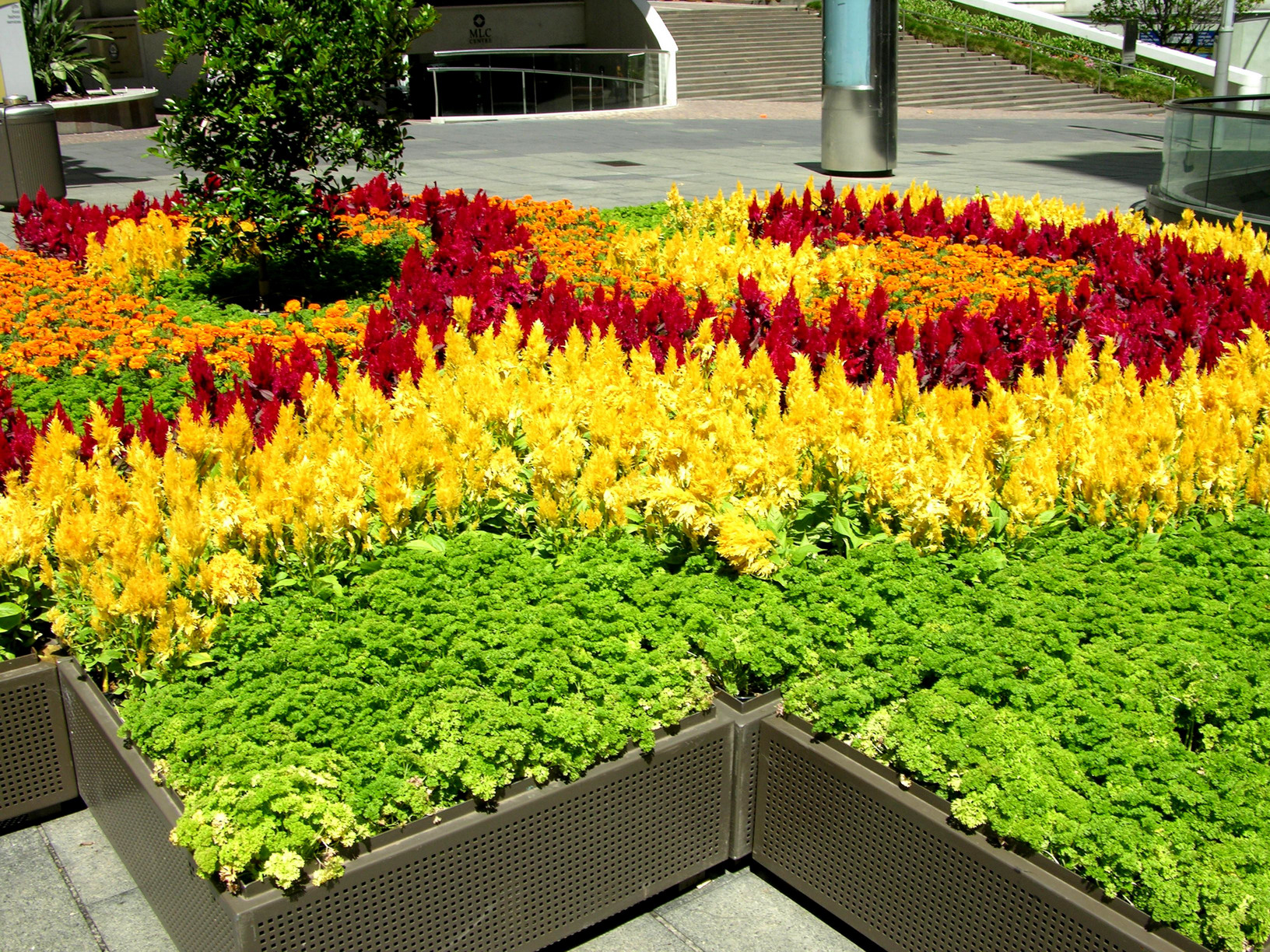
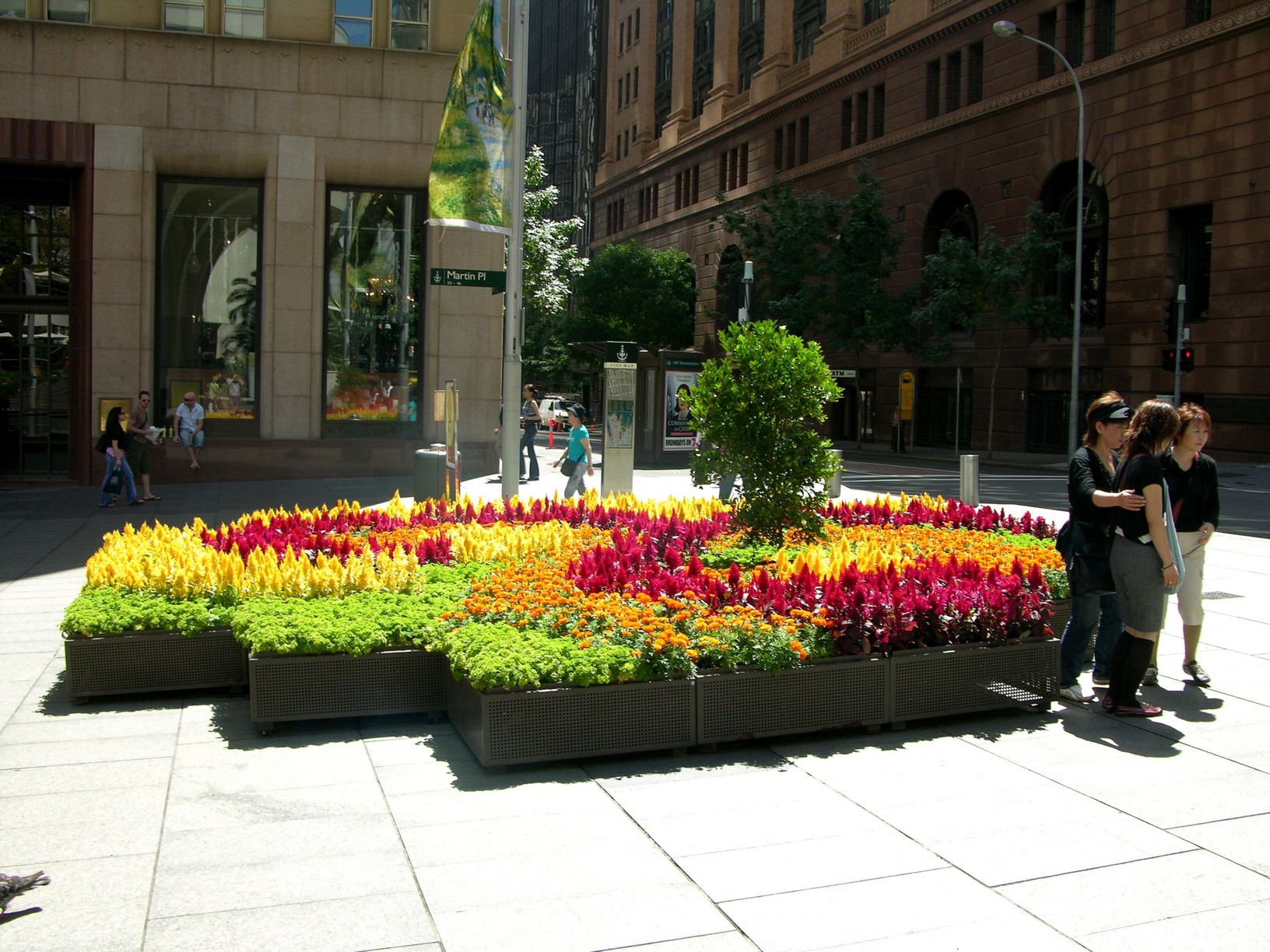
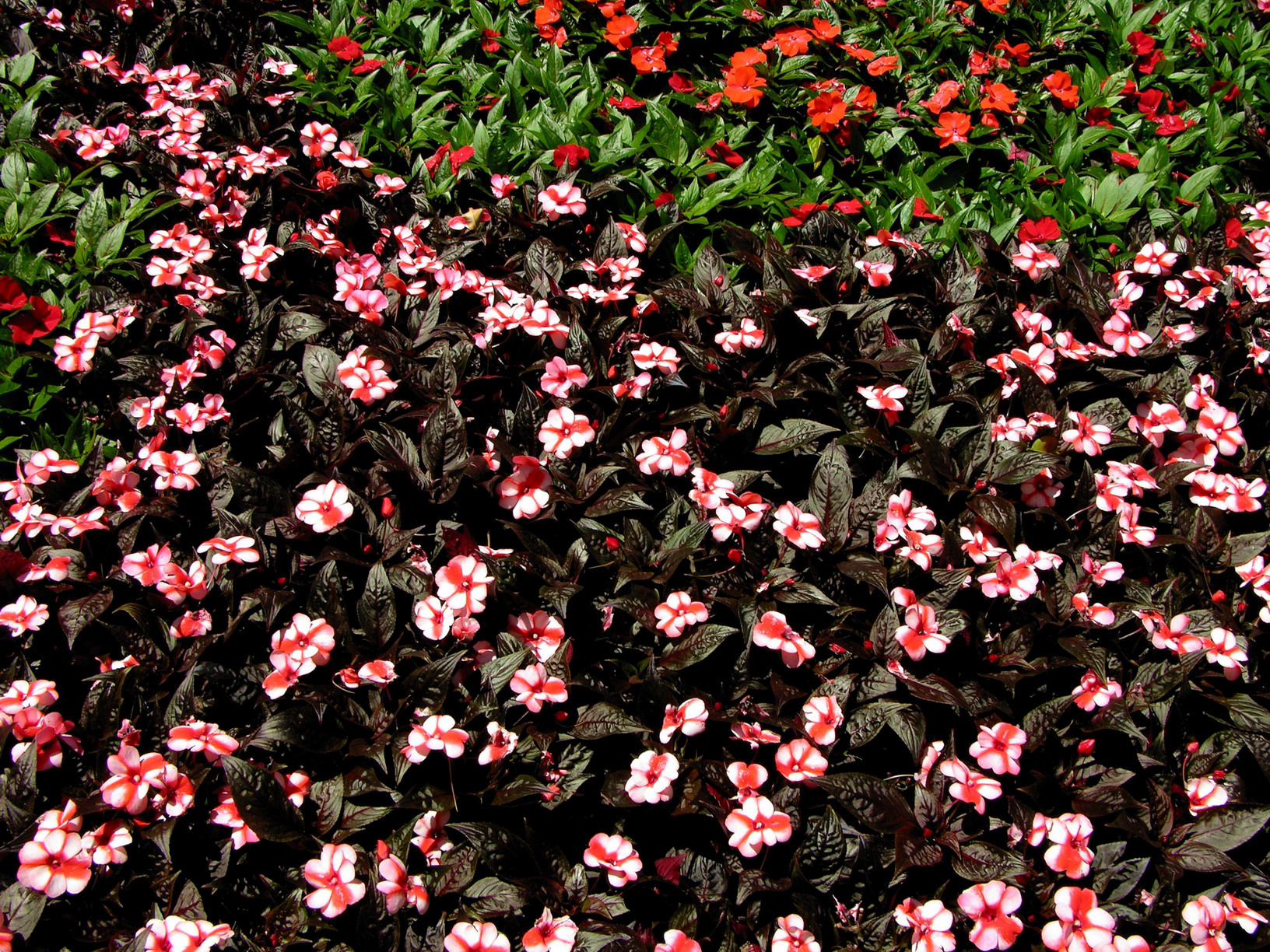
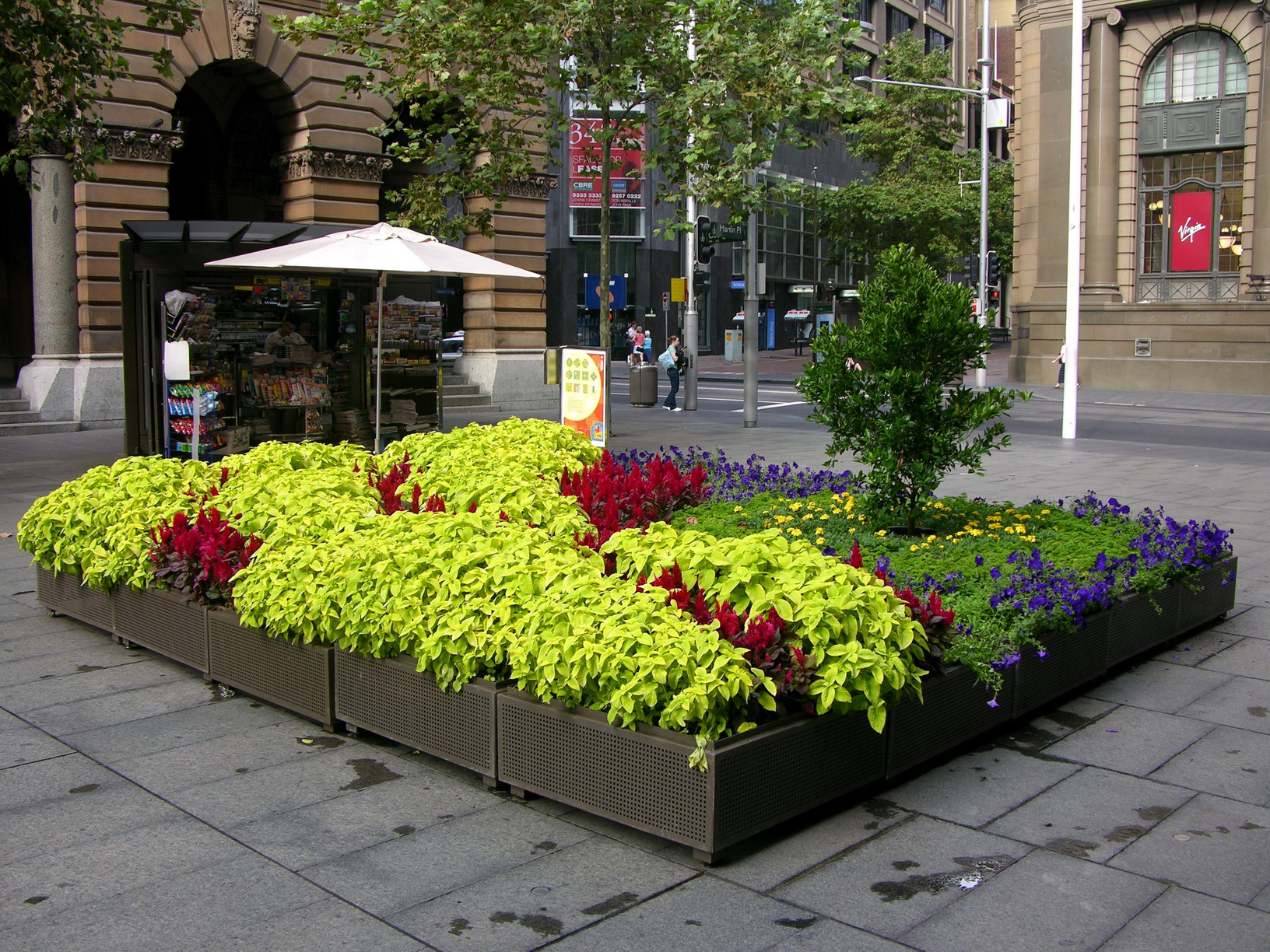
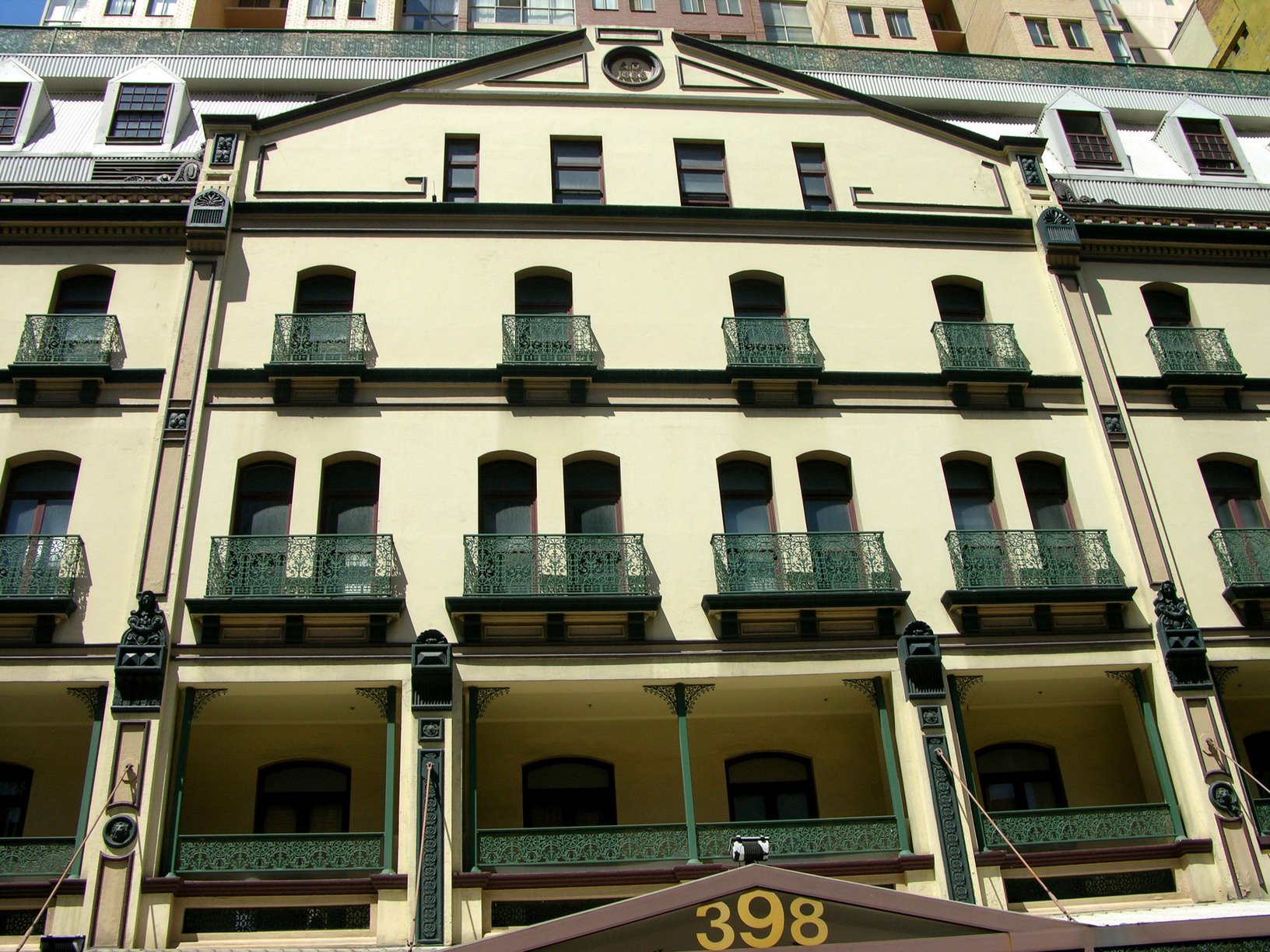
Personally, I liked that mix and the way the old and new stood together. The skyscrapers were varied, with different shapes and different heights, and often beautiful. The flower beds and gardens were well looked after. It was clean everywhere.
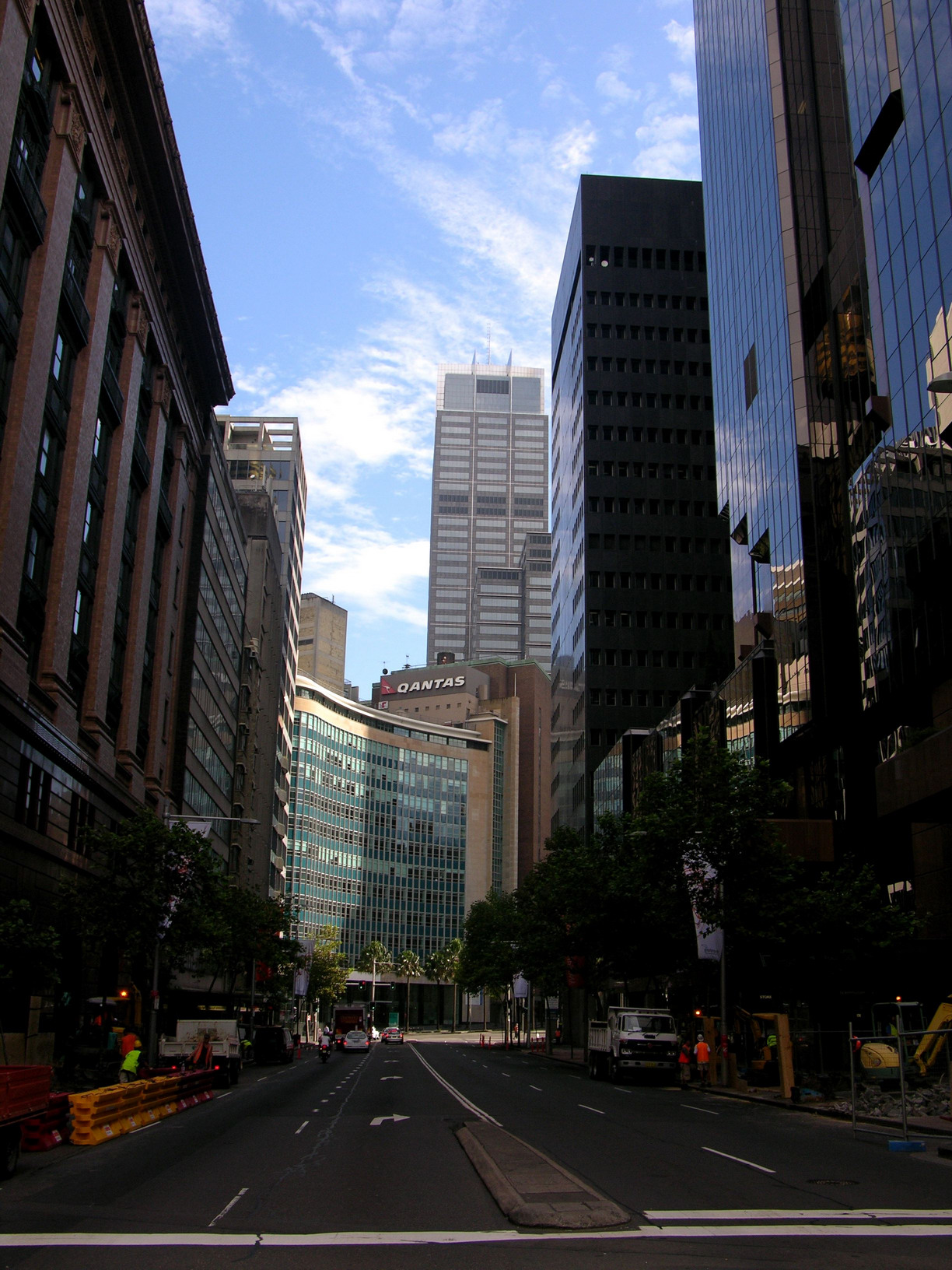
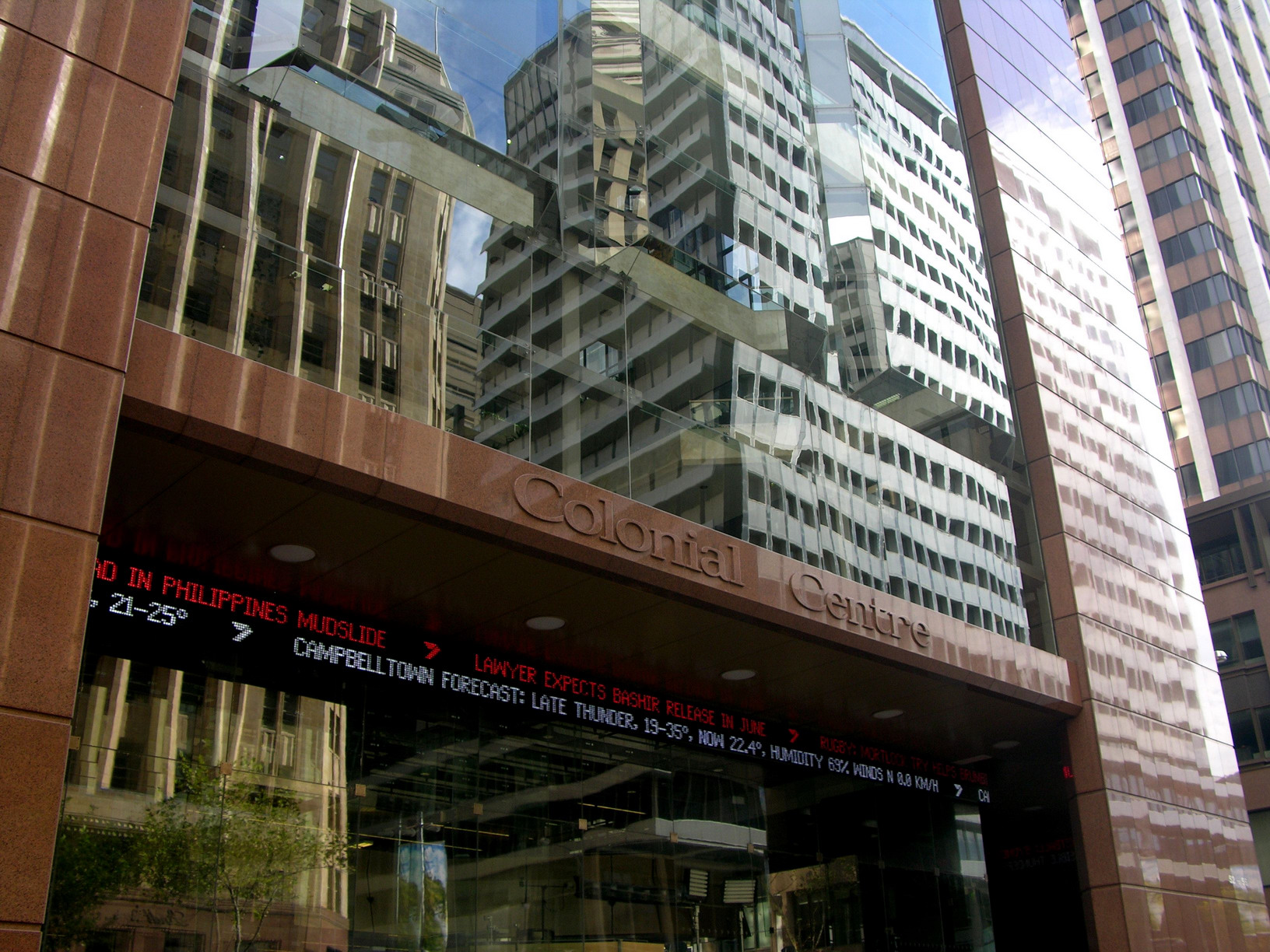
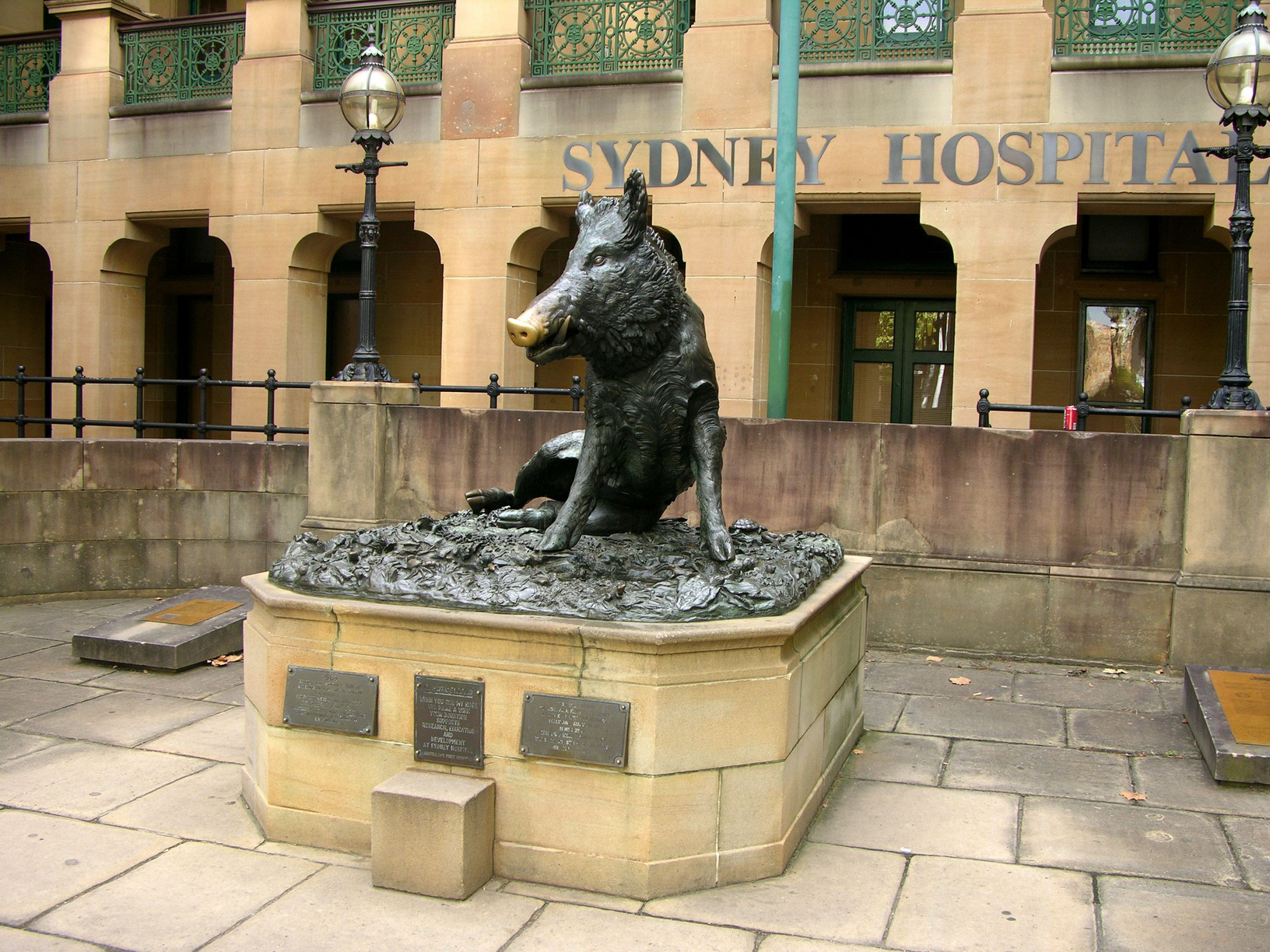
Martin Place ends at the entrance to Sydney Hospital, where there is a statue of a wild boar in bronze. If you want to get rich, drop a dollar in the collection box for the hospital and rub its snout. We did exactly that. We don't believe in such things, but who could resist rubbing that snout?
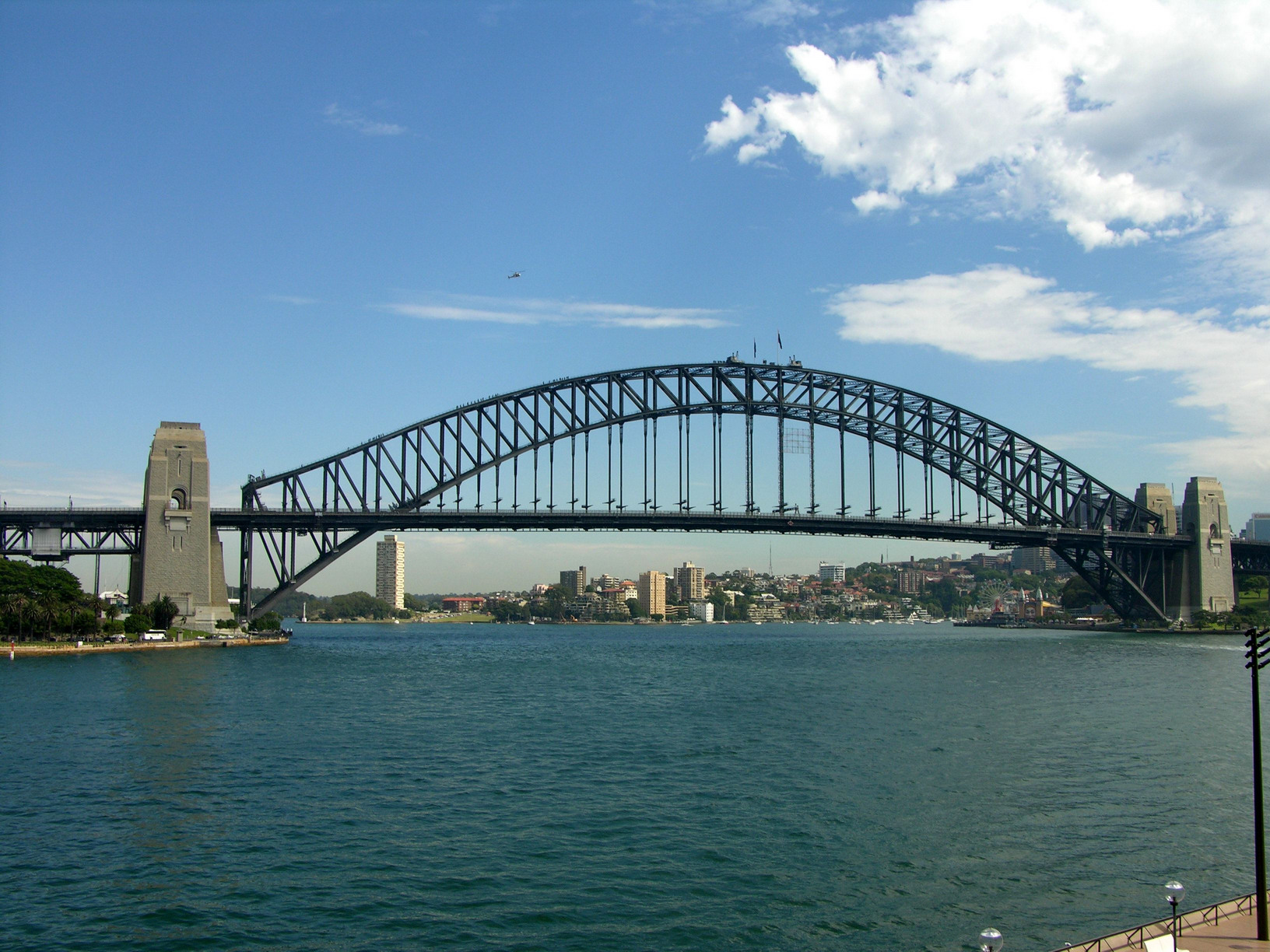
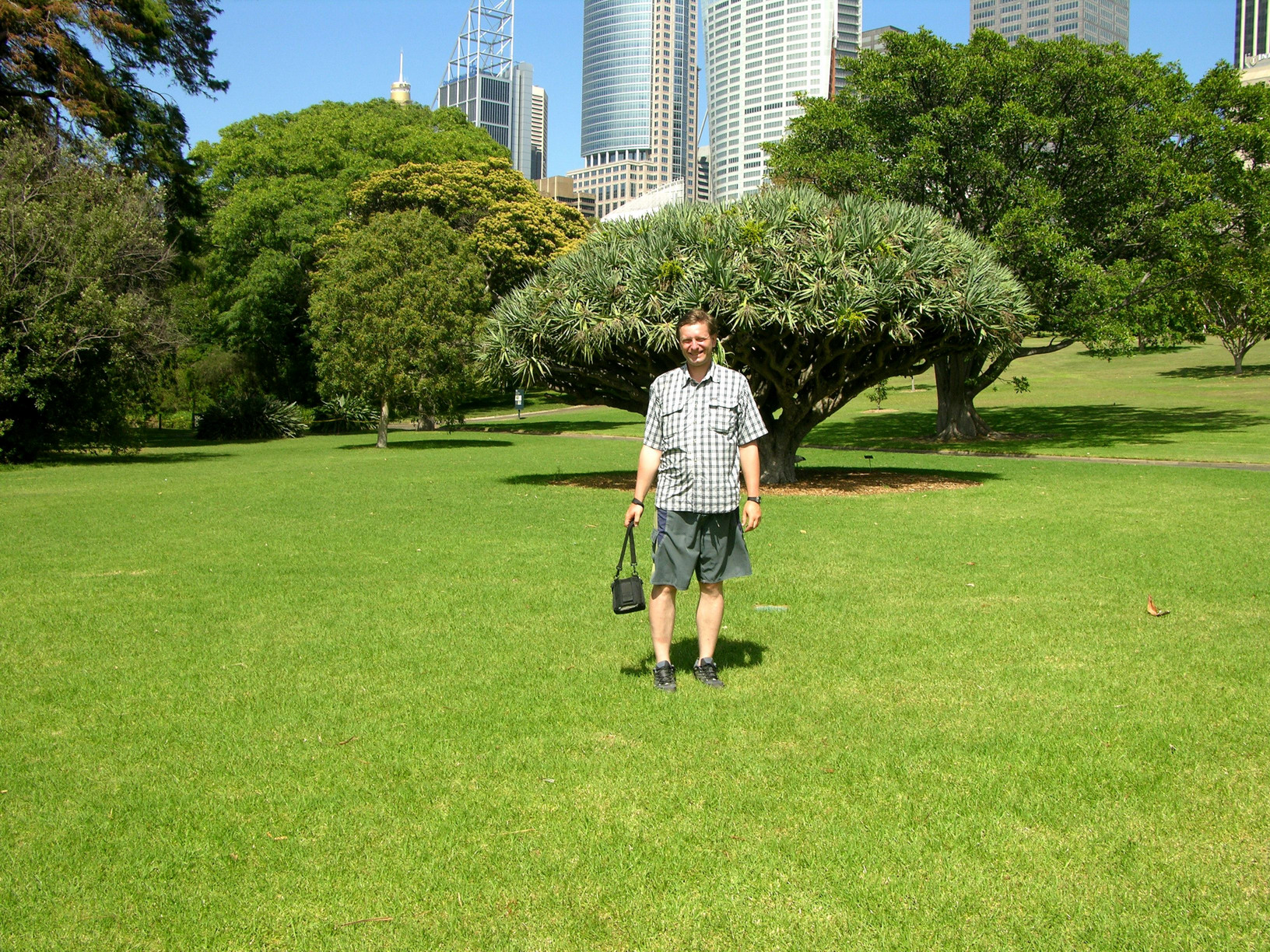
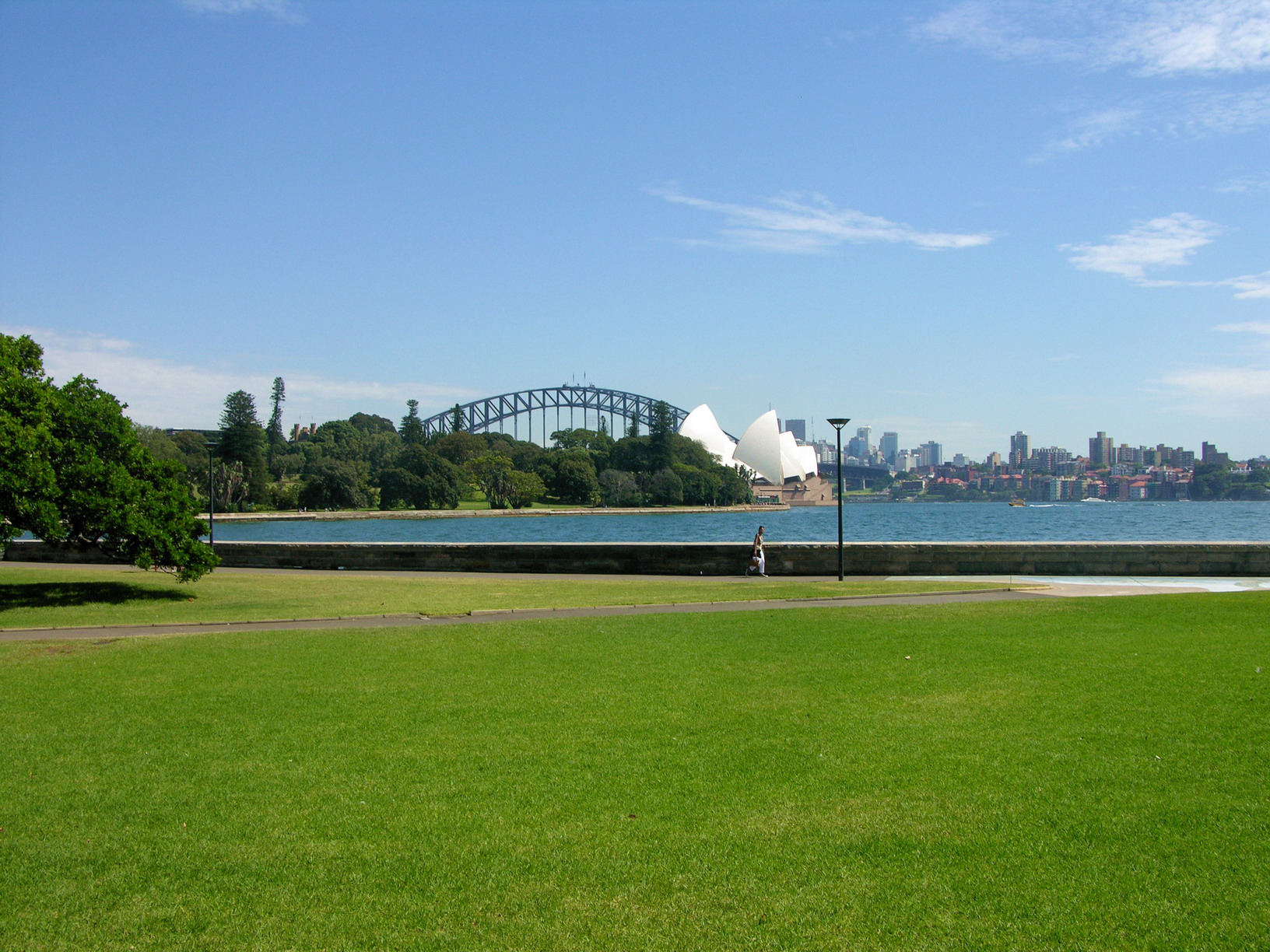
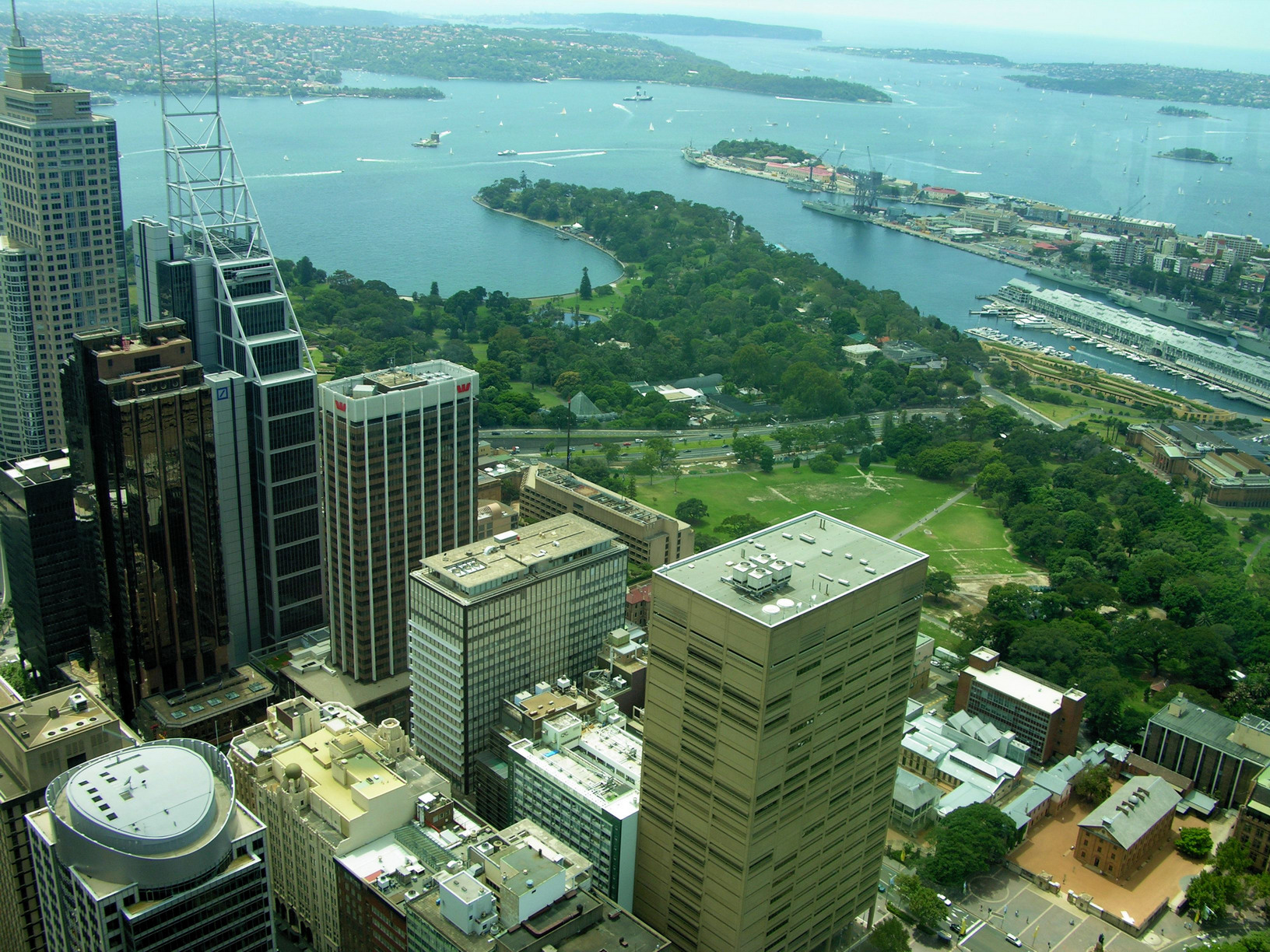
The vast Royal Botanic Garden is on the shore of the harbour, which divides Sydney into two halves. It's right beside the famous Opera House. We had view after view of the building, from farther back and closer up, as we made our way around it and towards the garden. Other Opera House photographs from that walk are one, two, three and four.
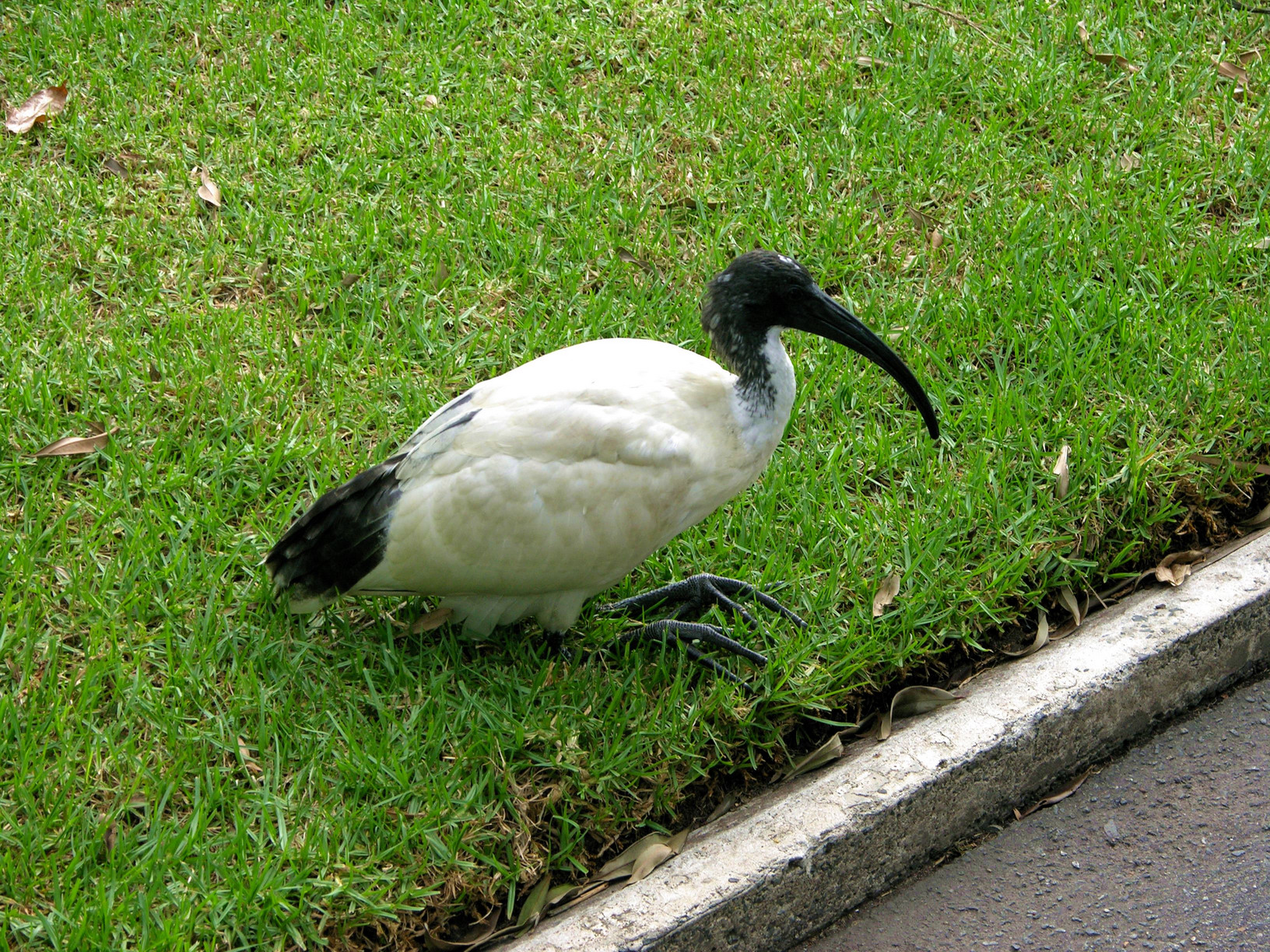
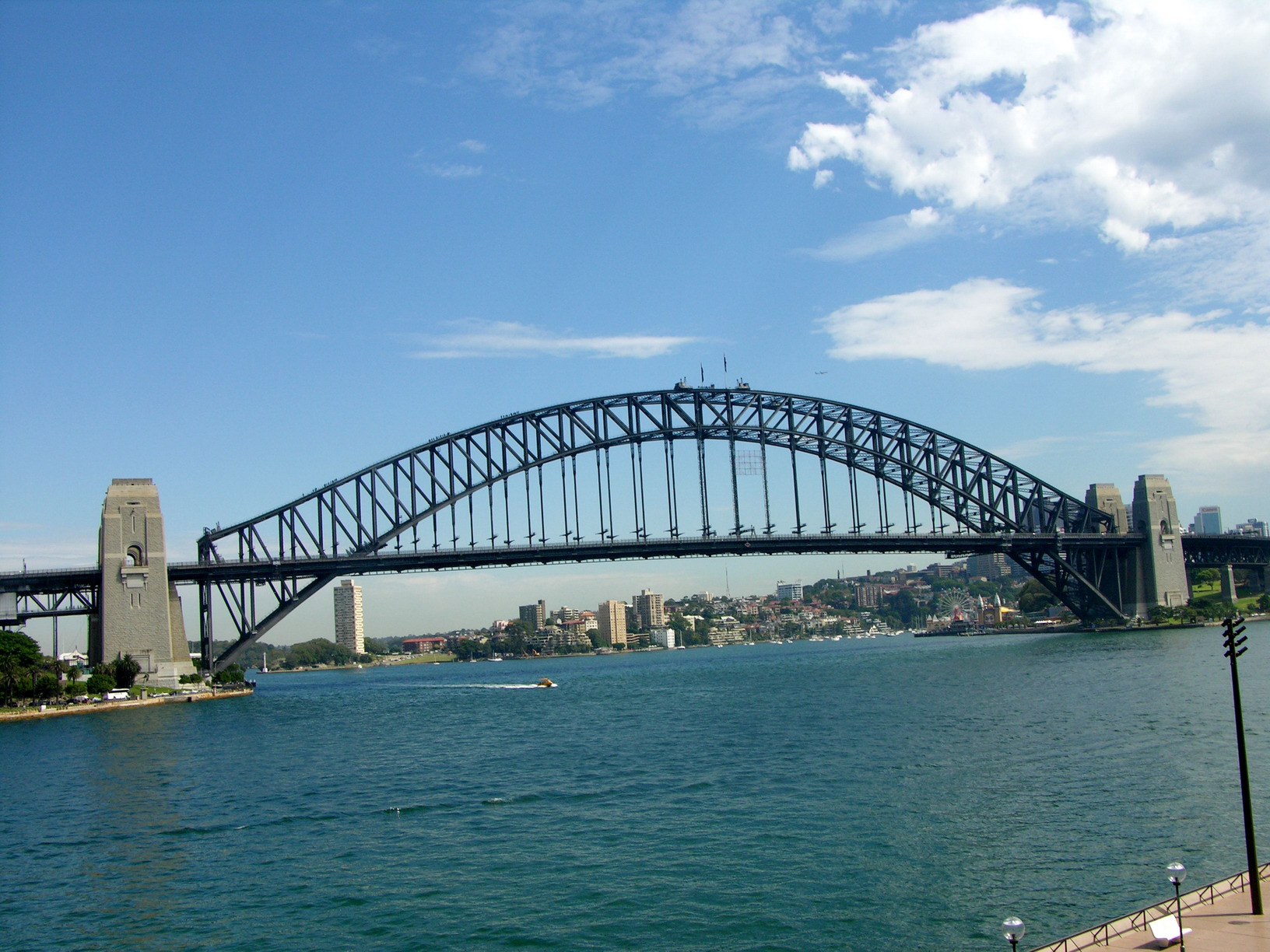
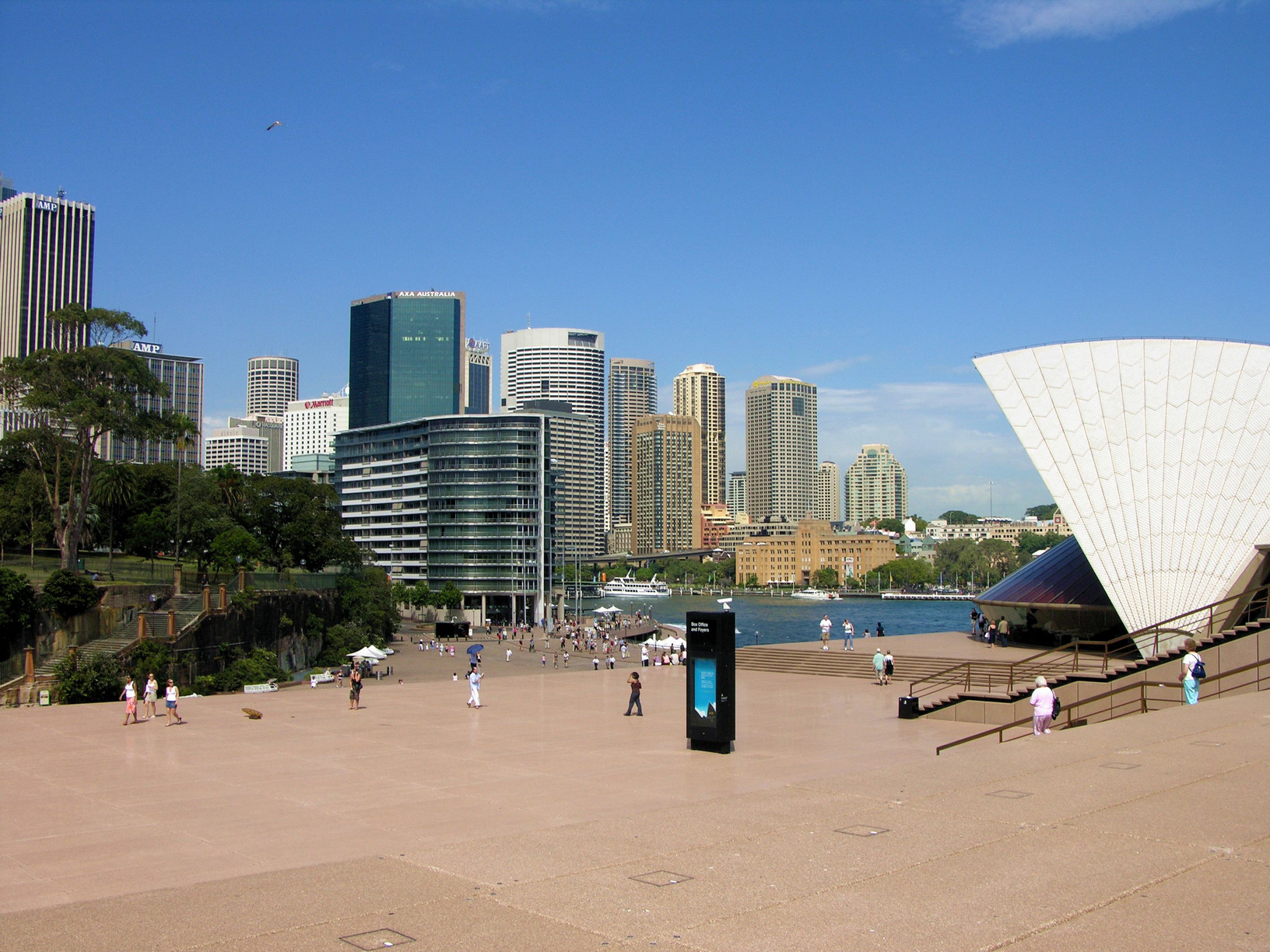
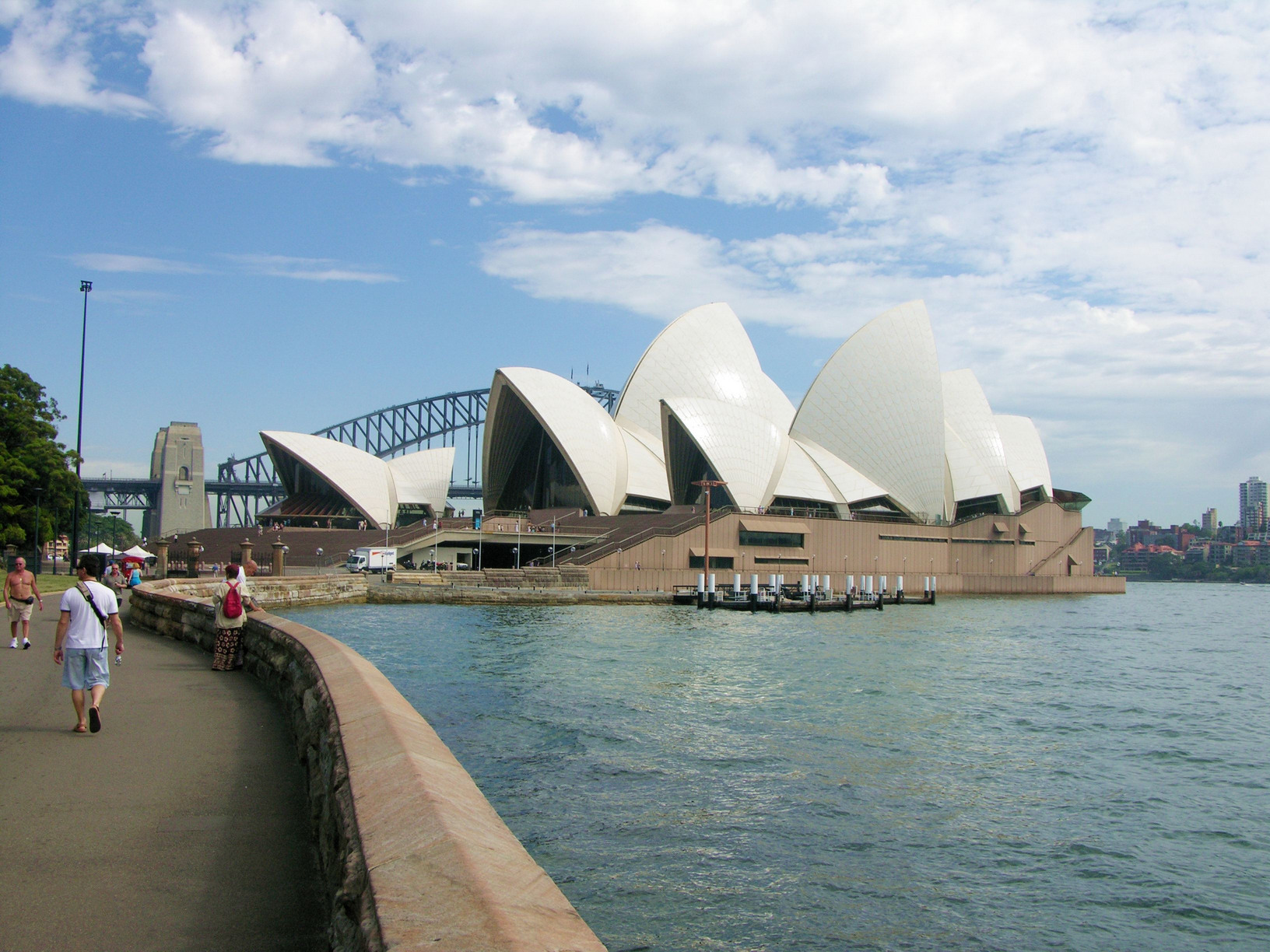
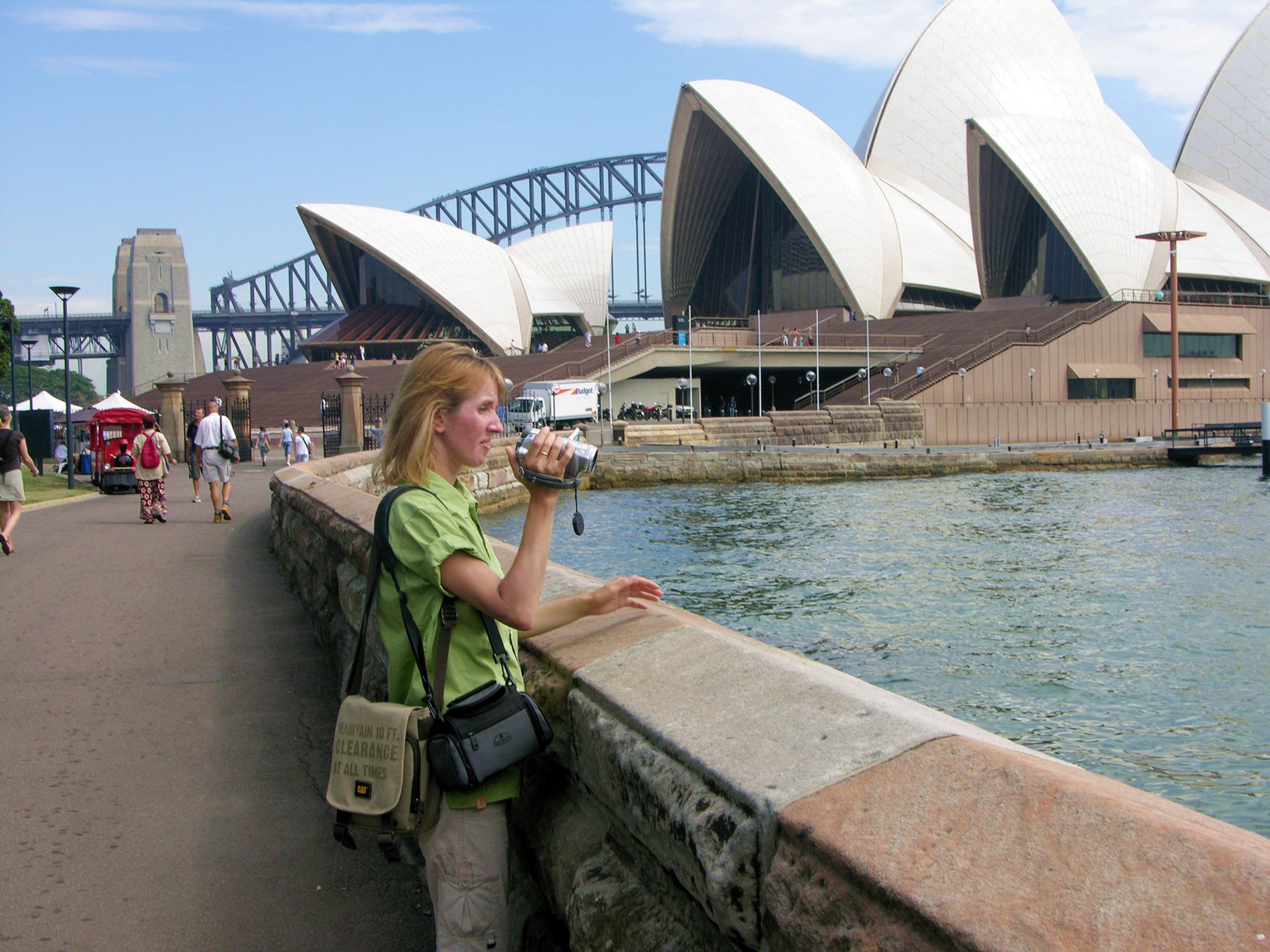
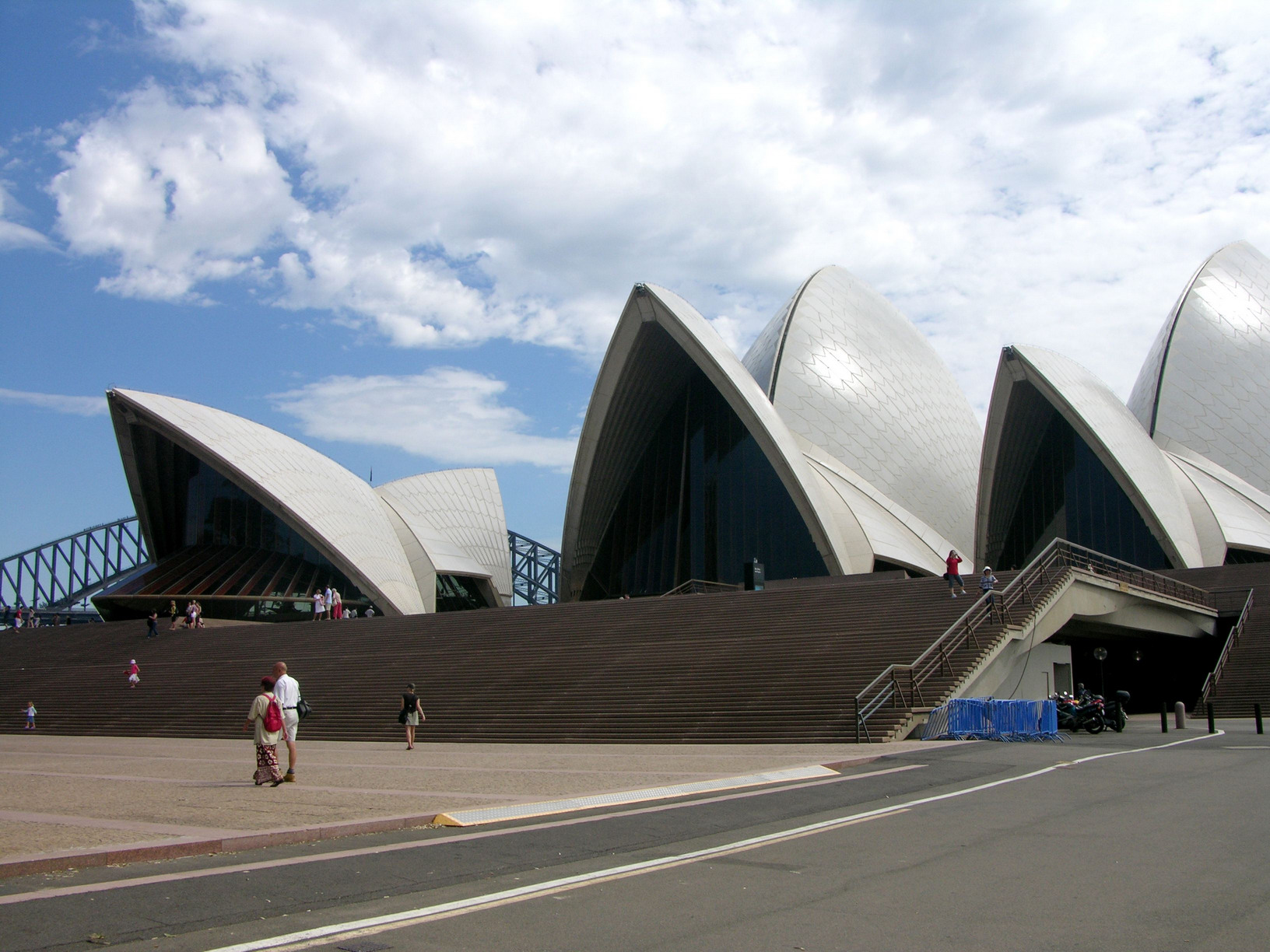
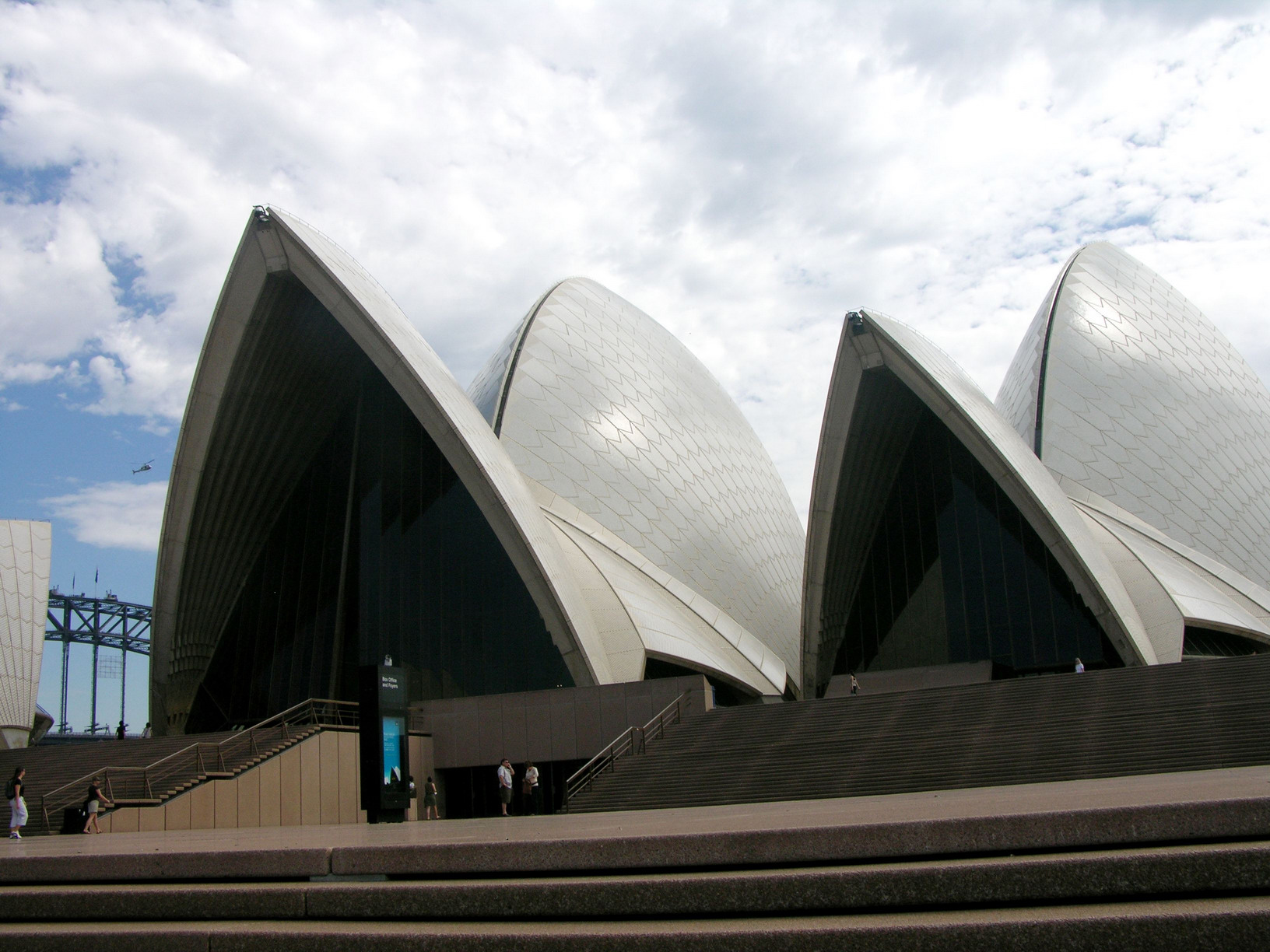
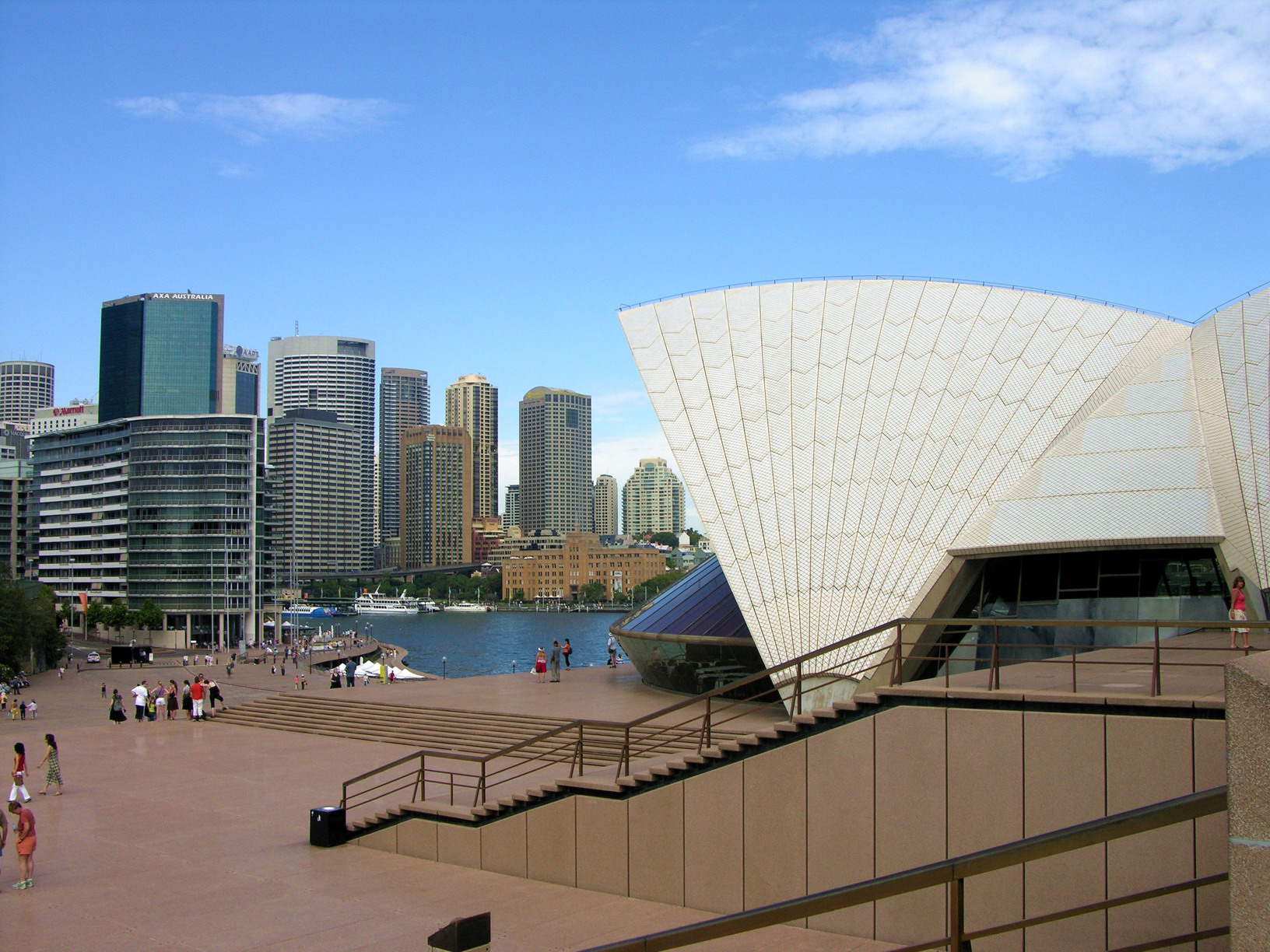
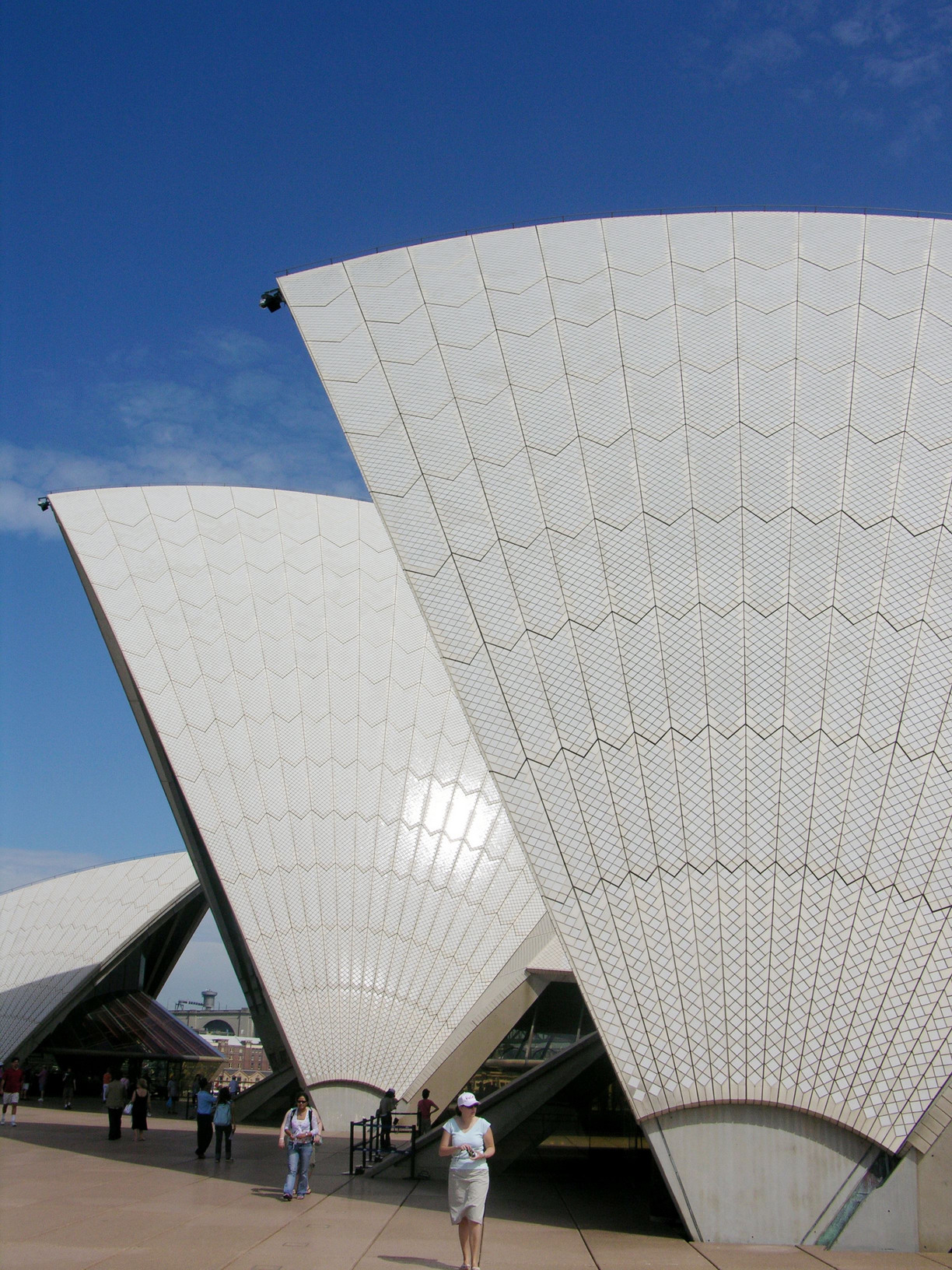
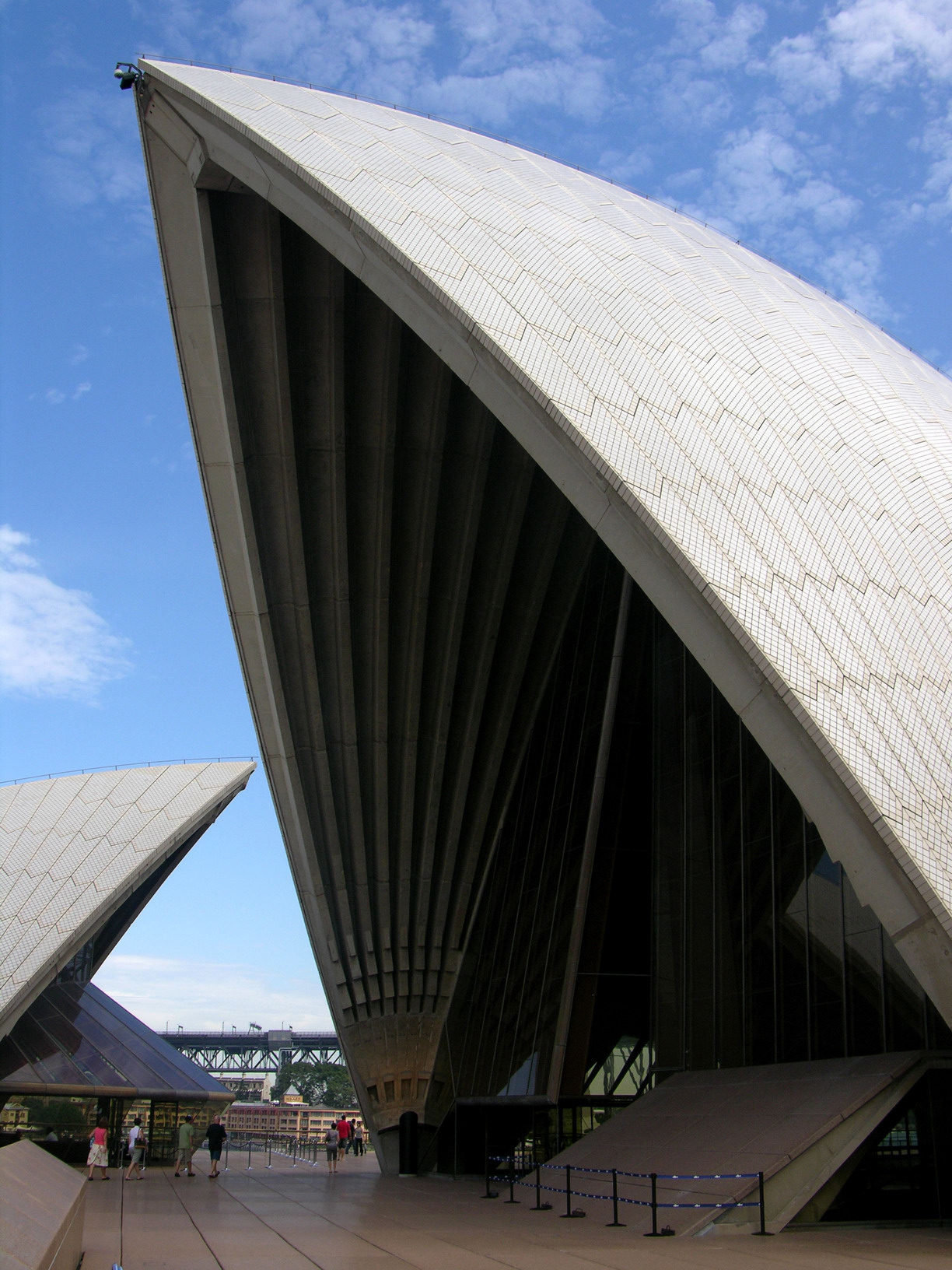
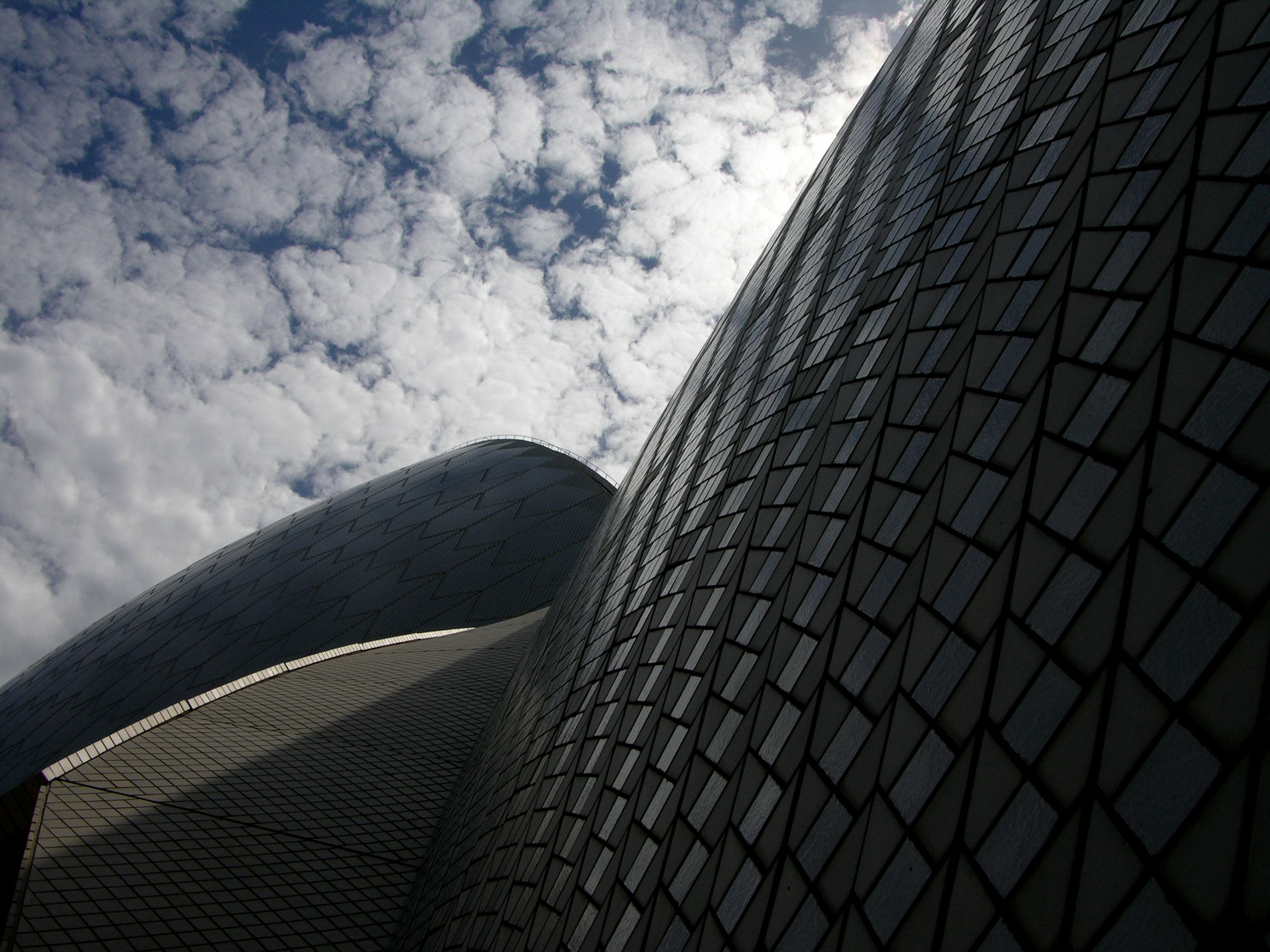
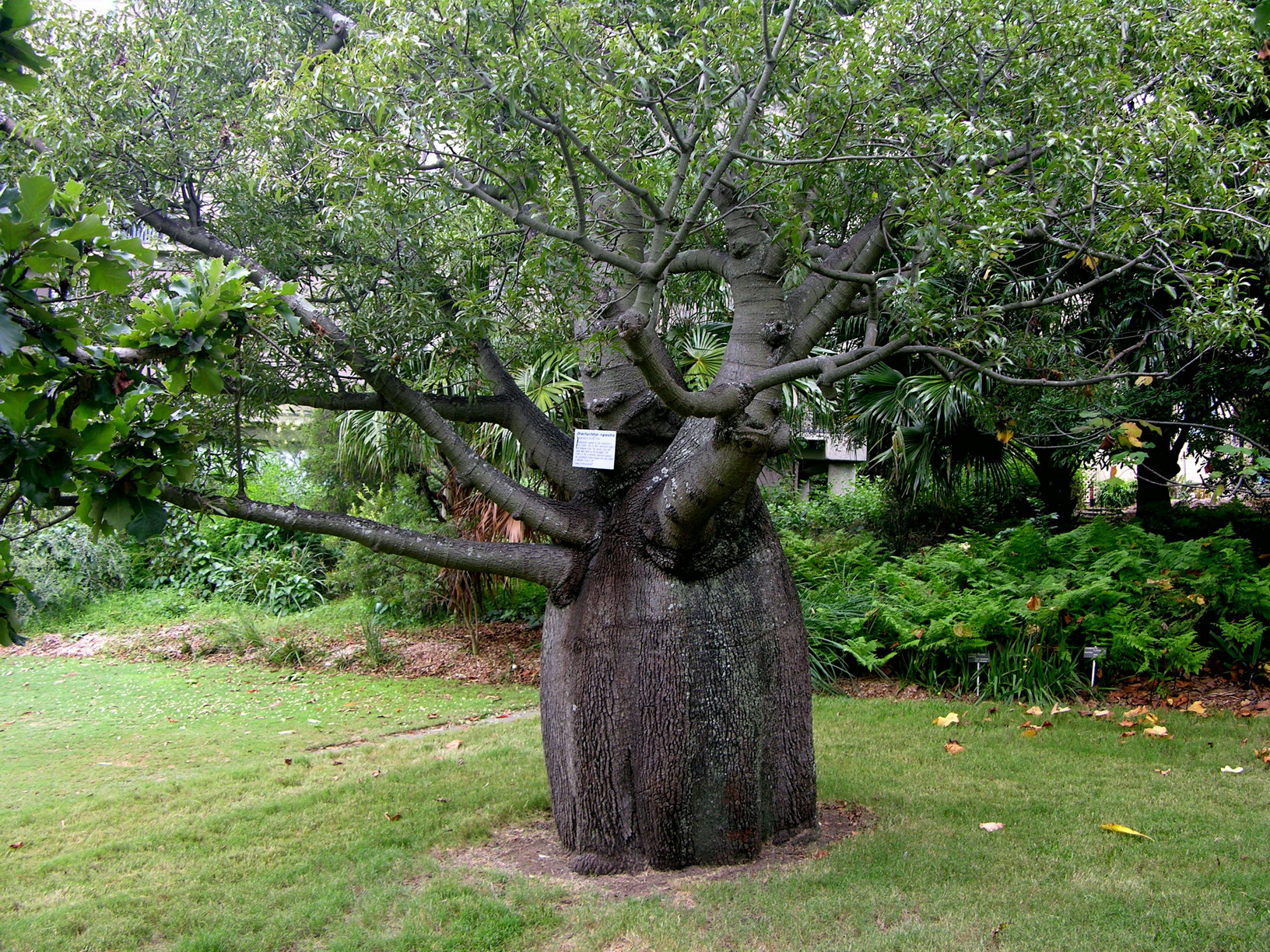
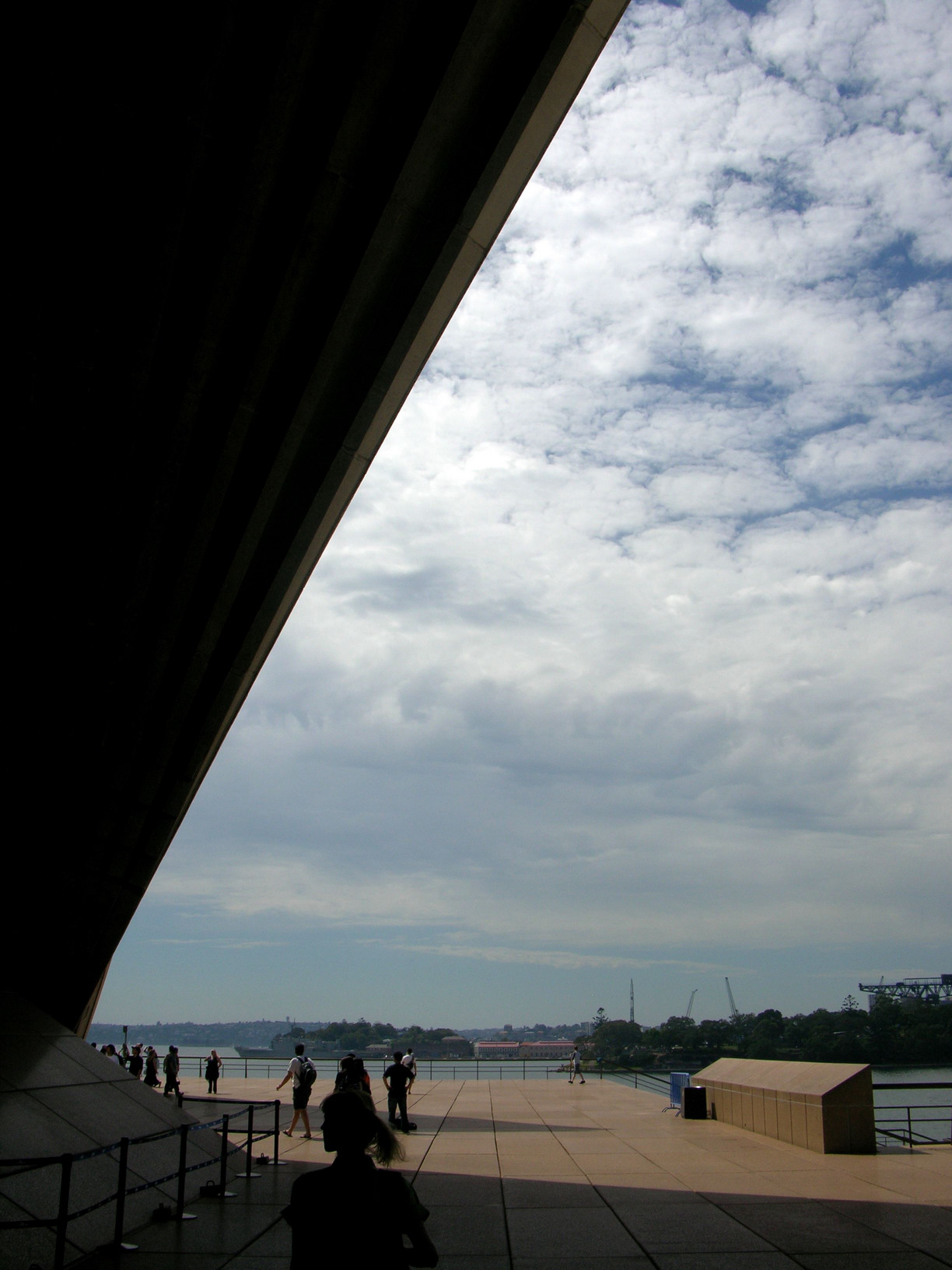
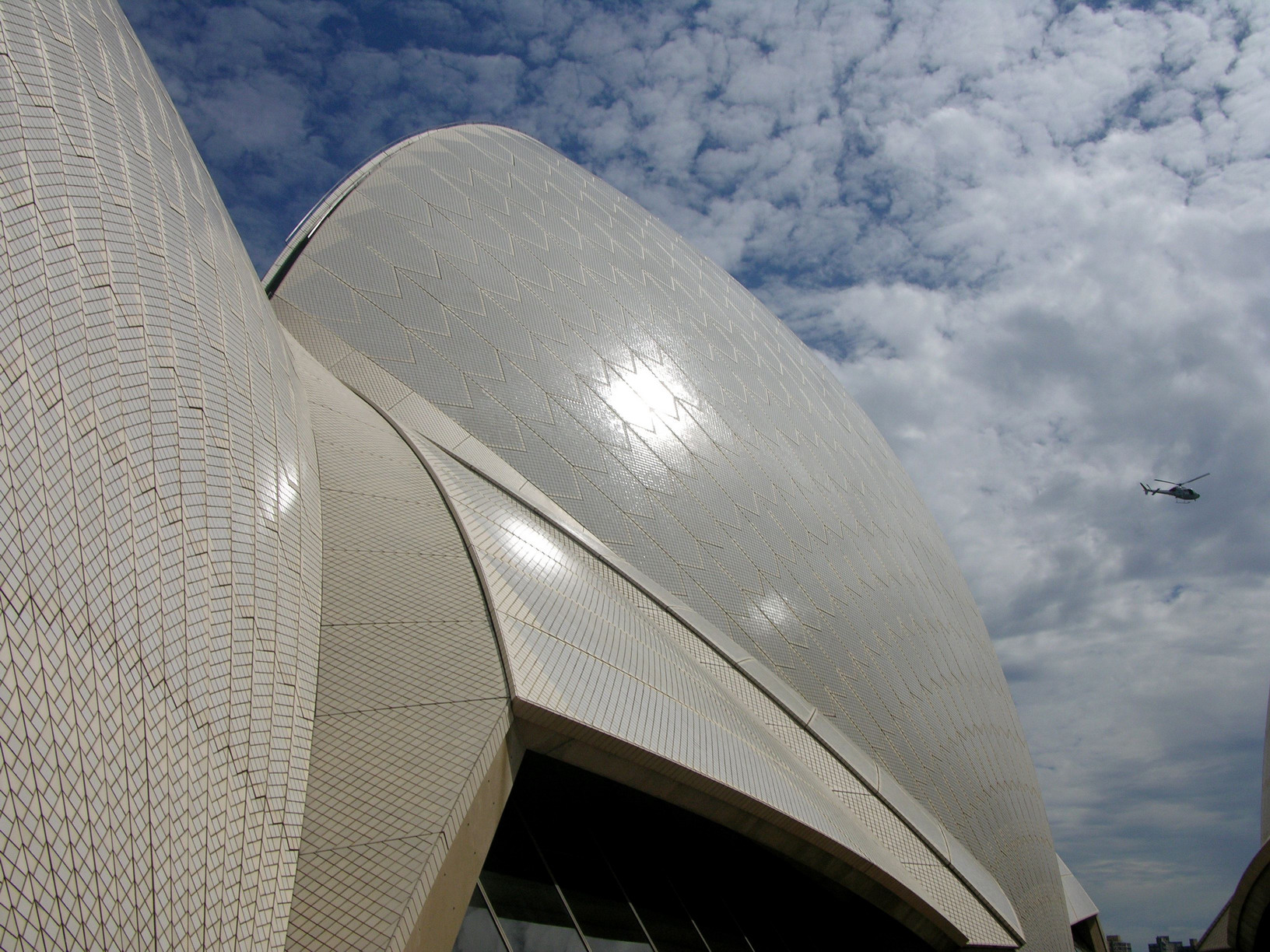
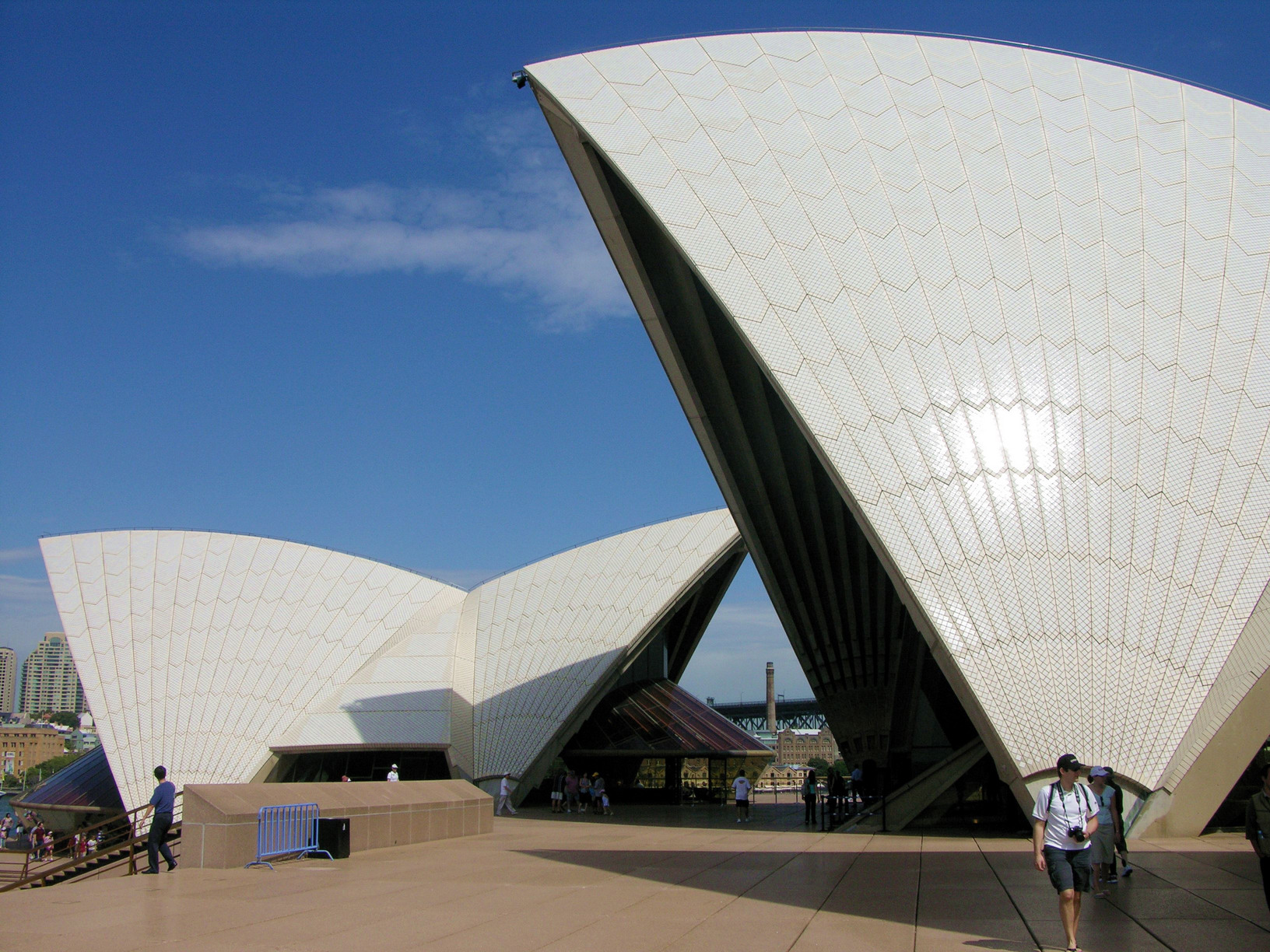
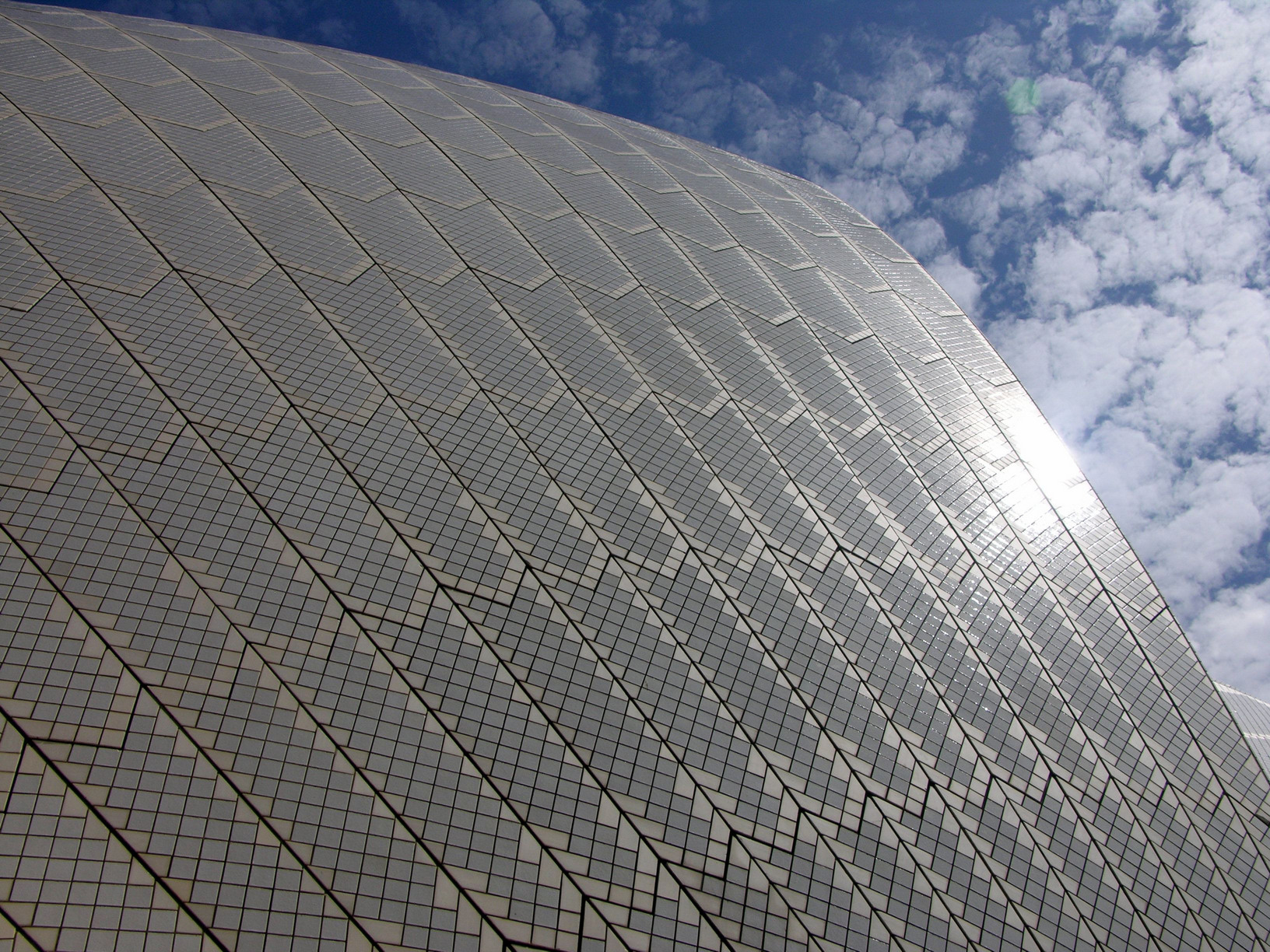
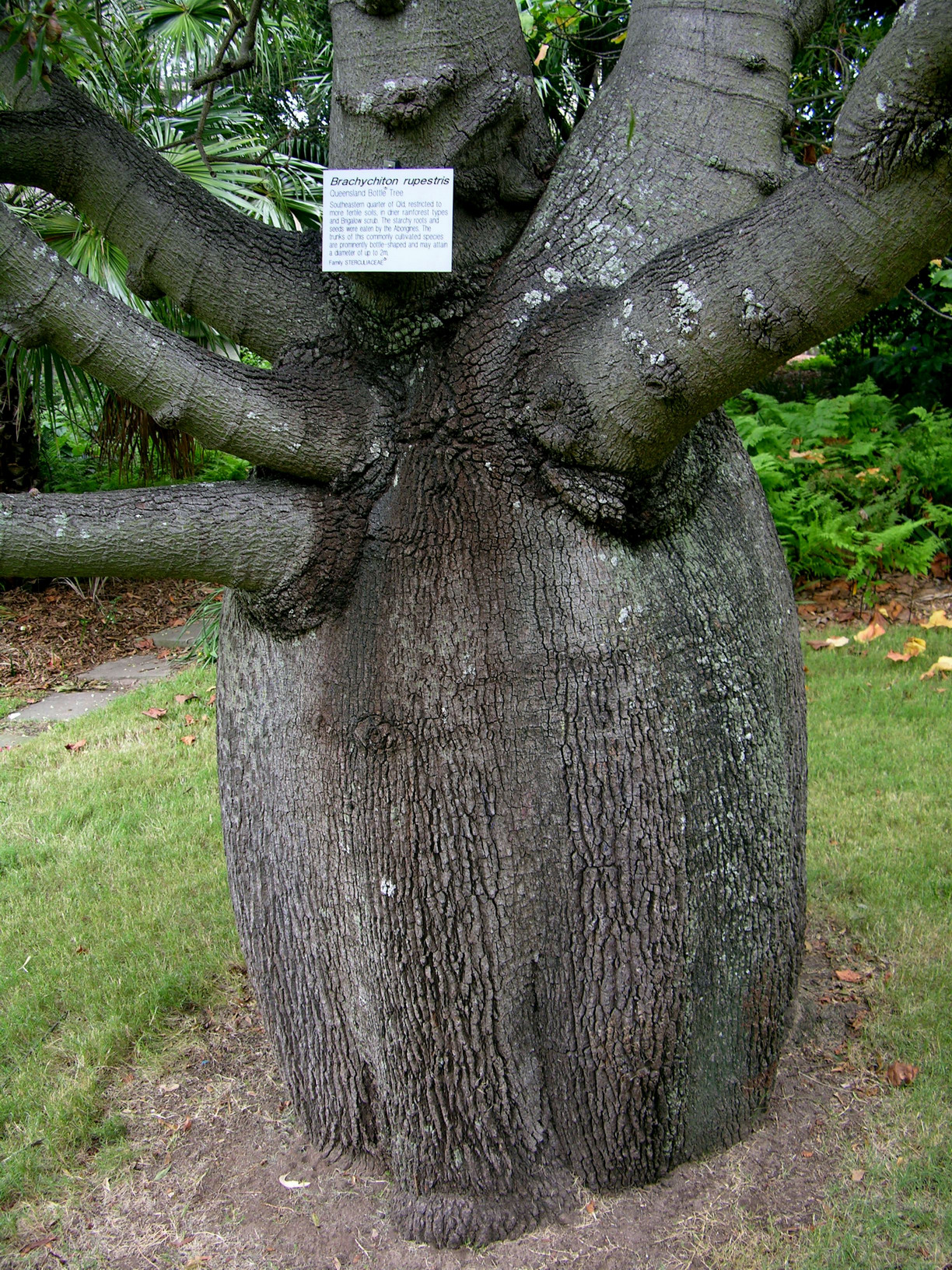
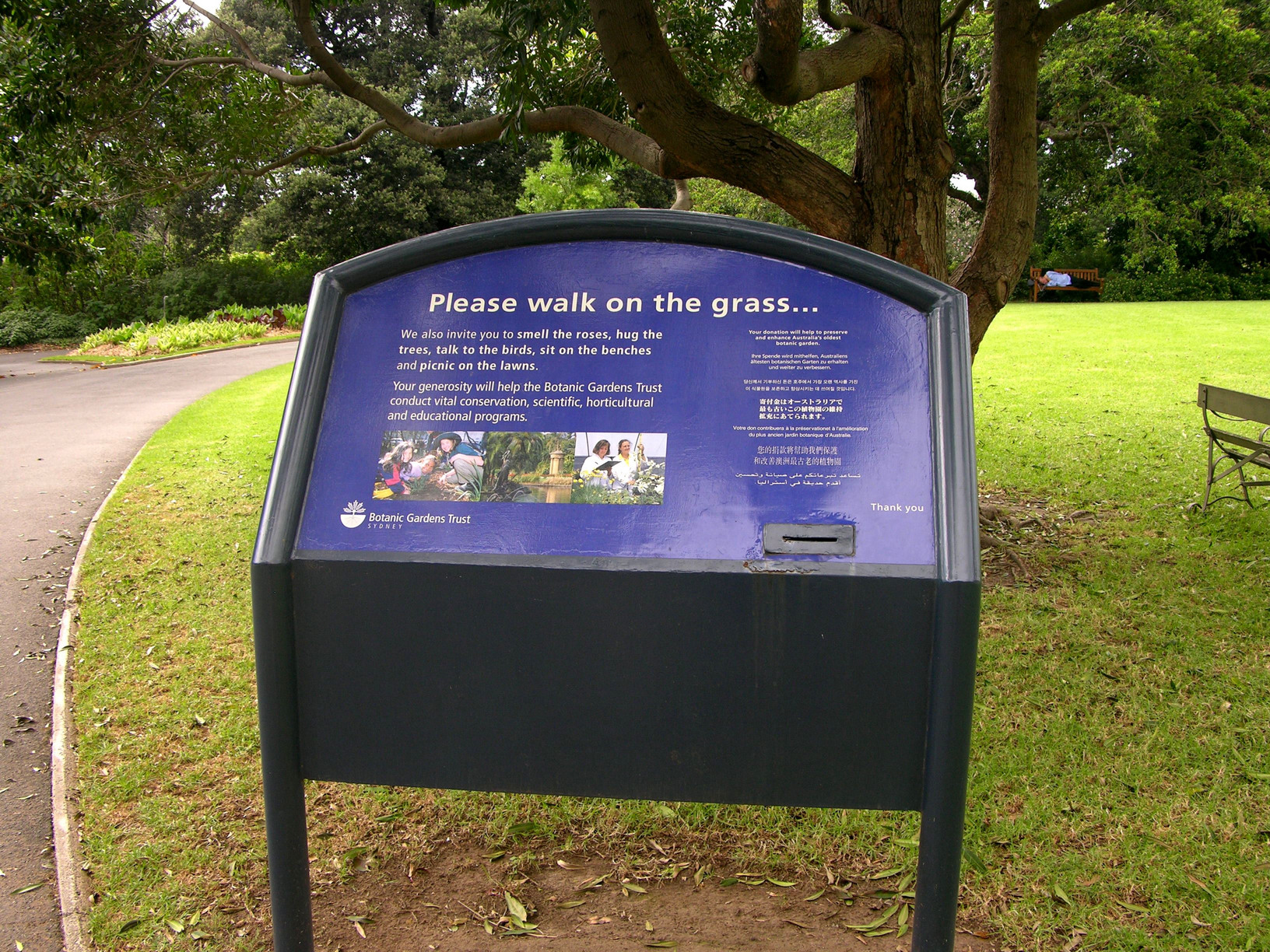
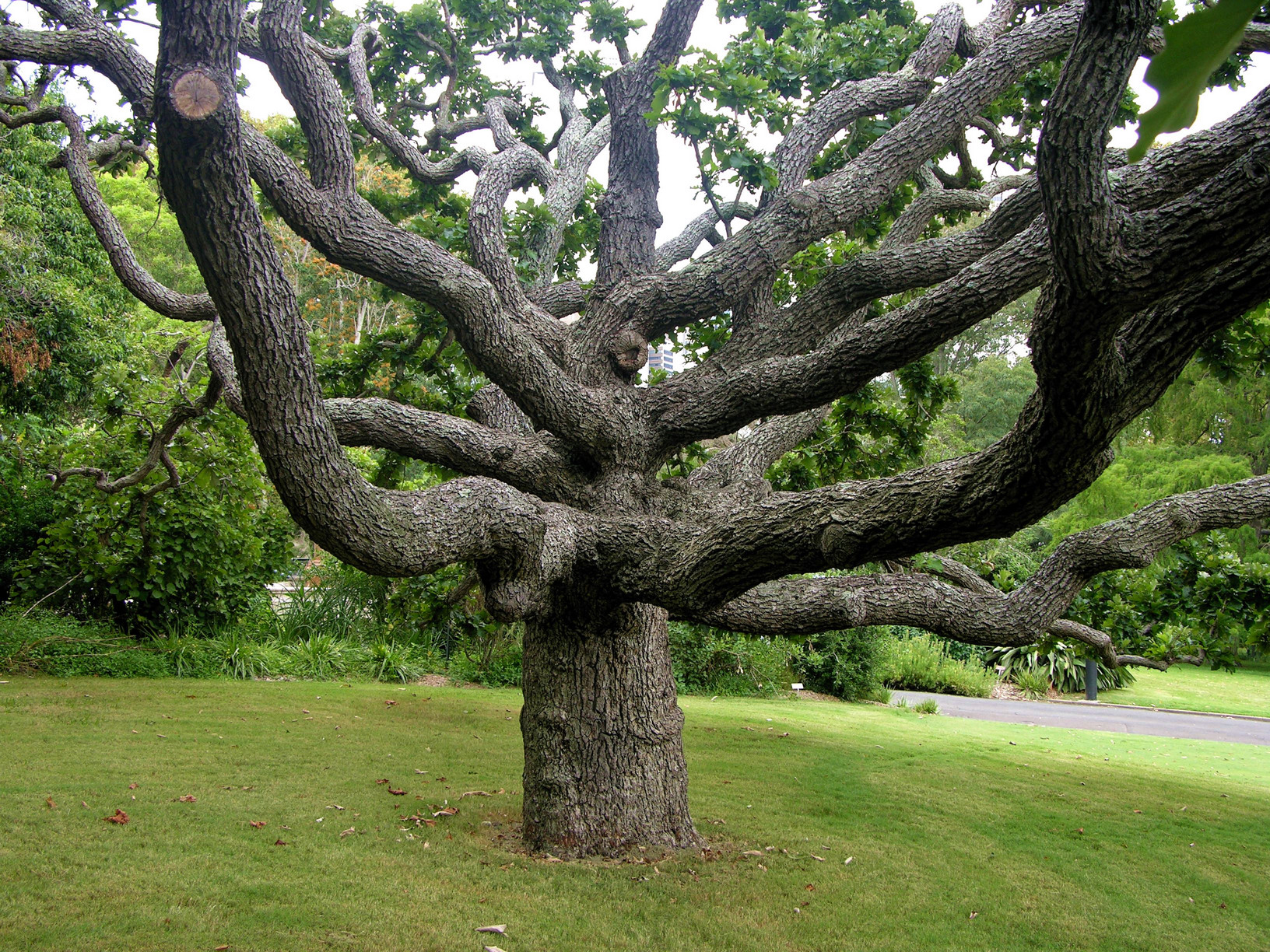
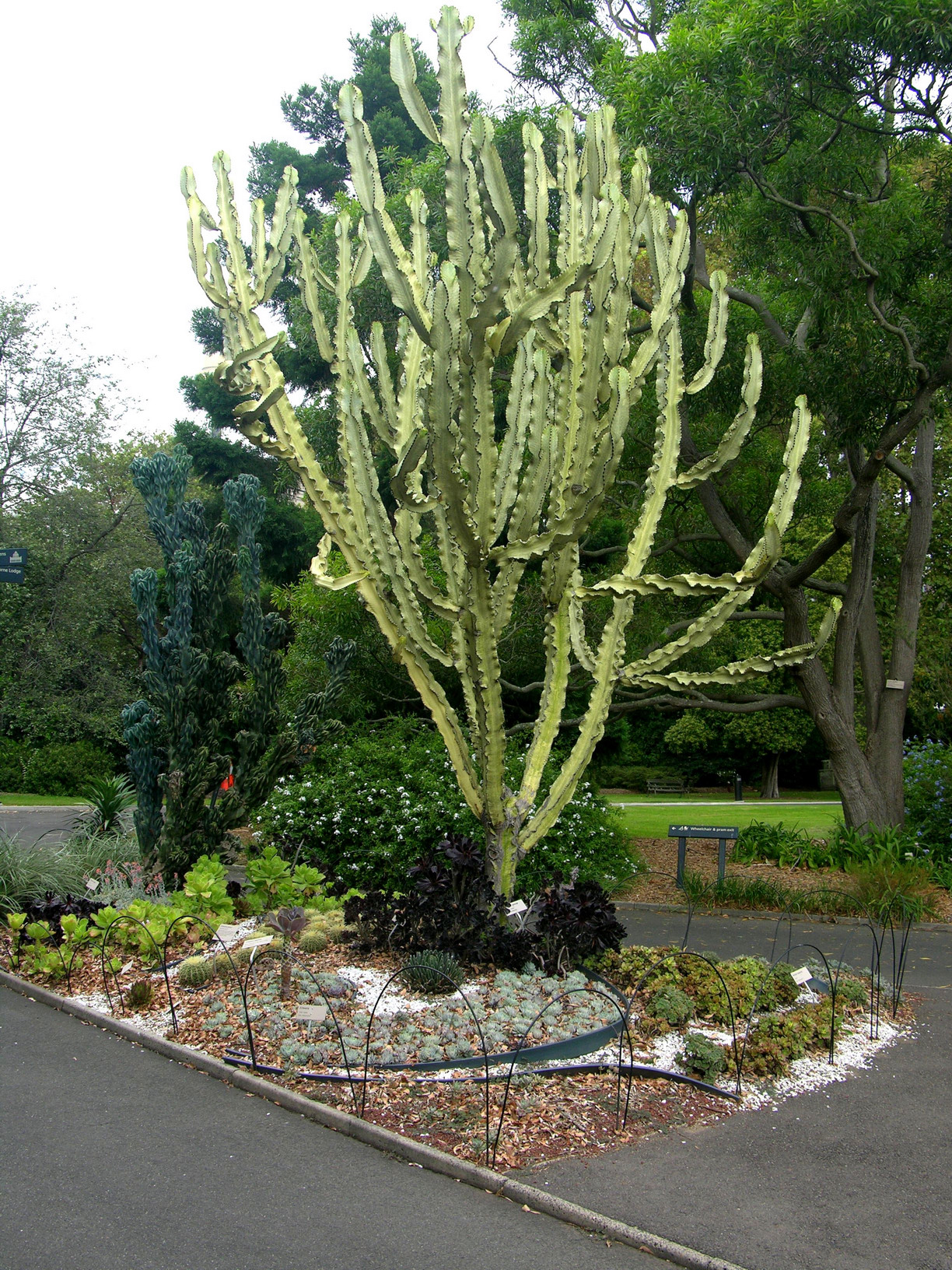
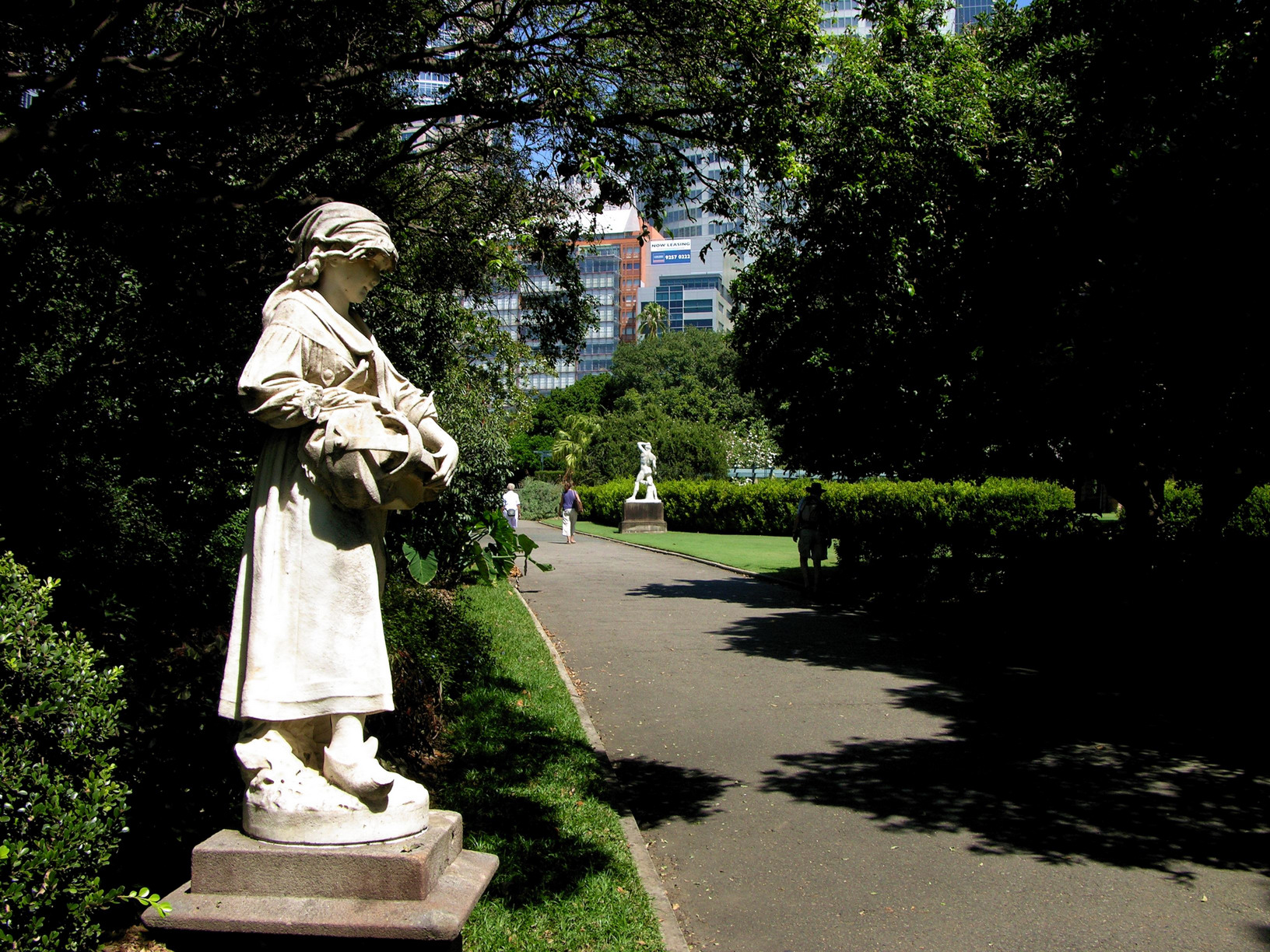
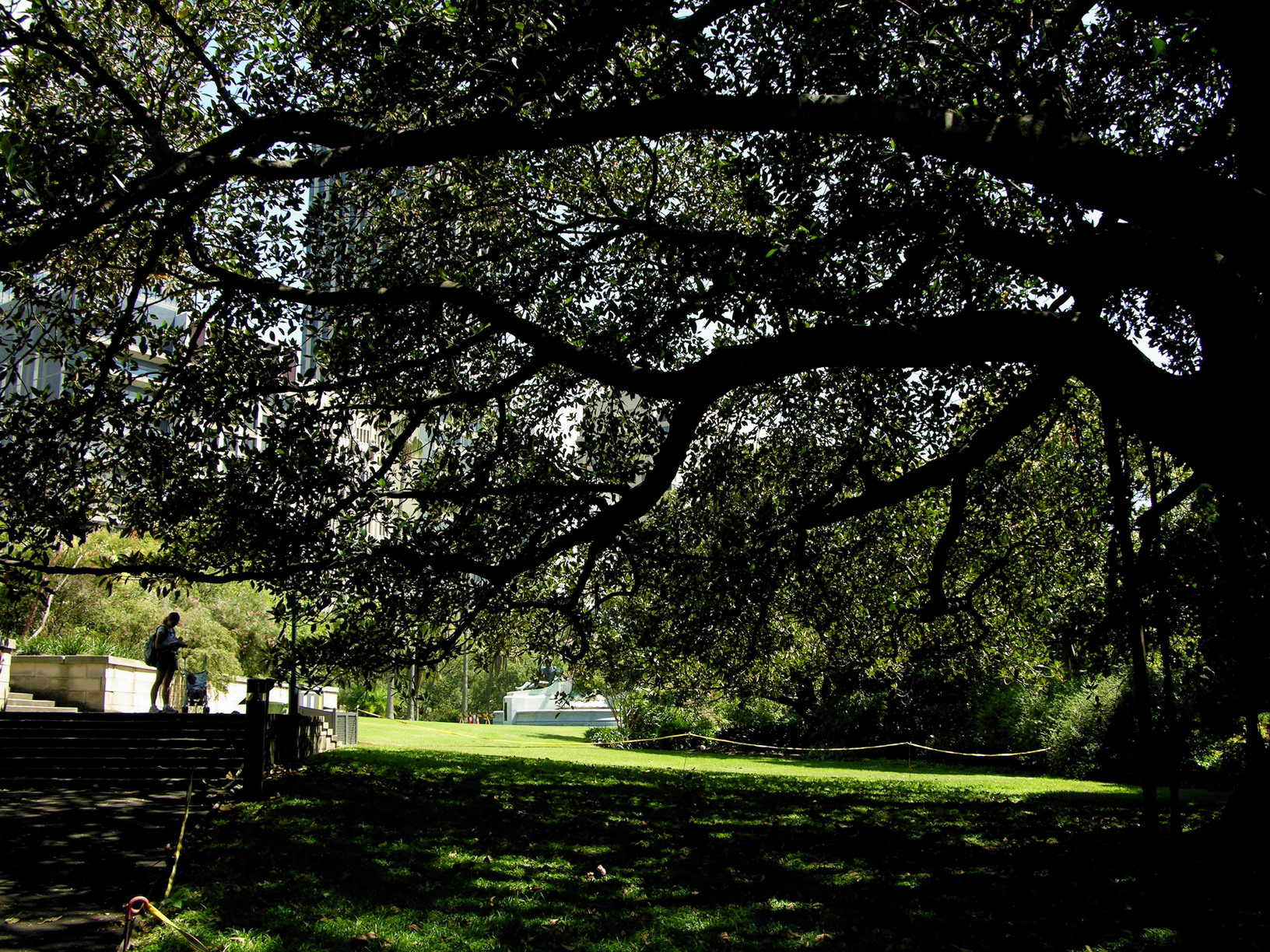
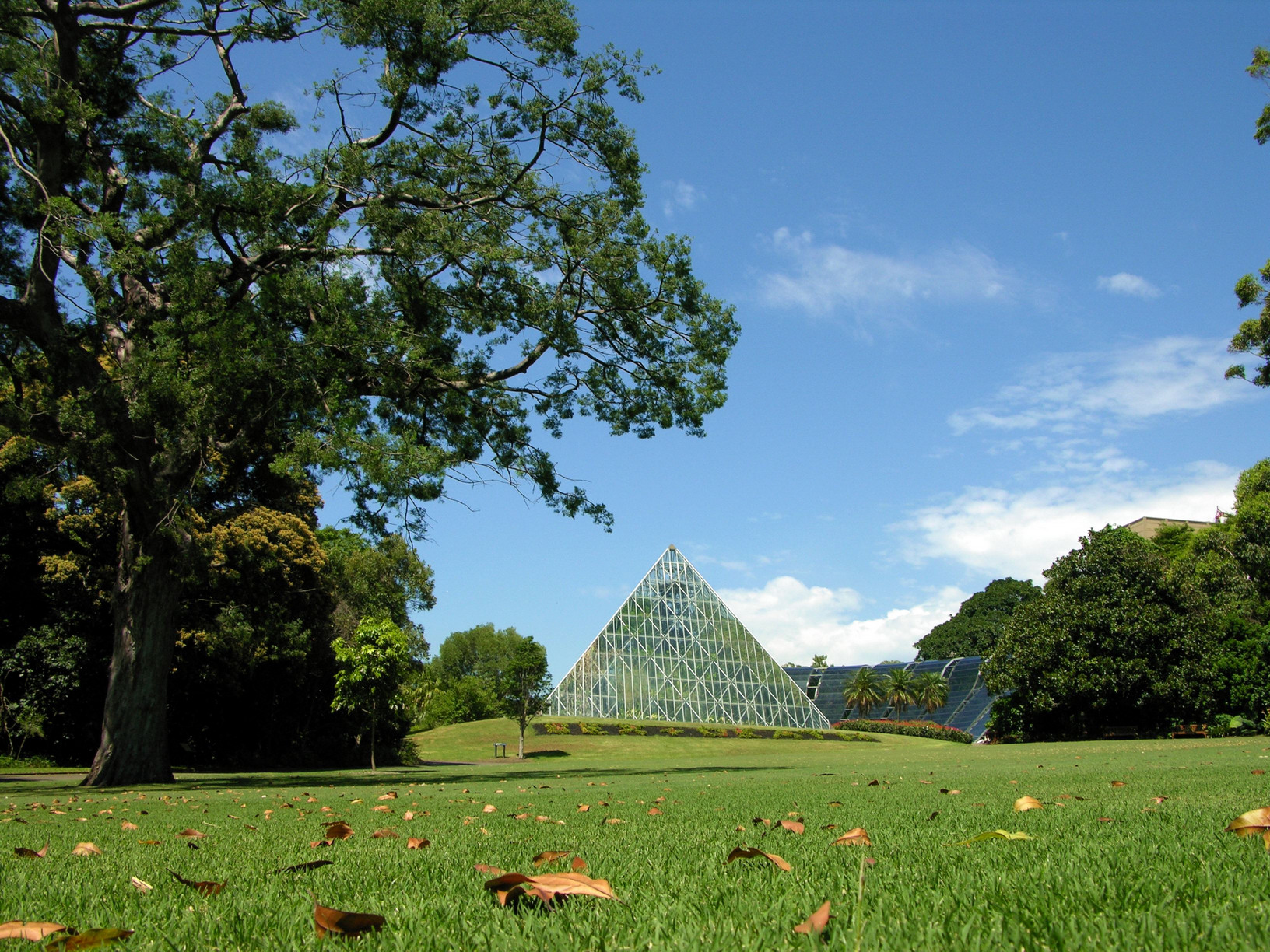
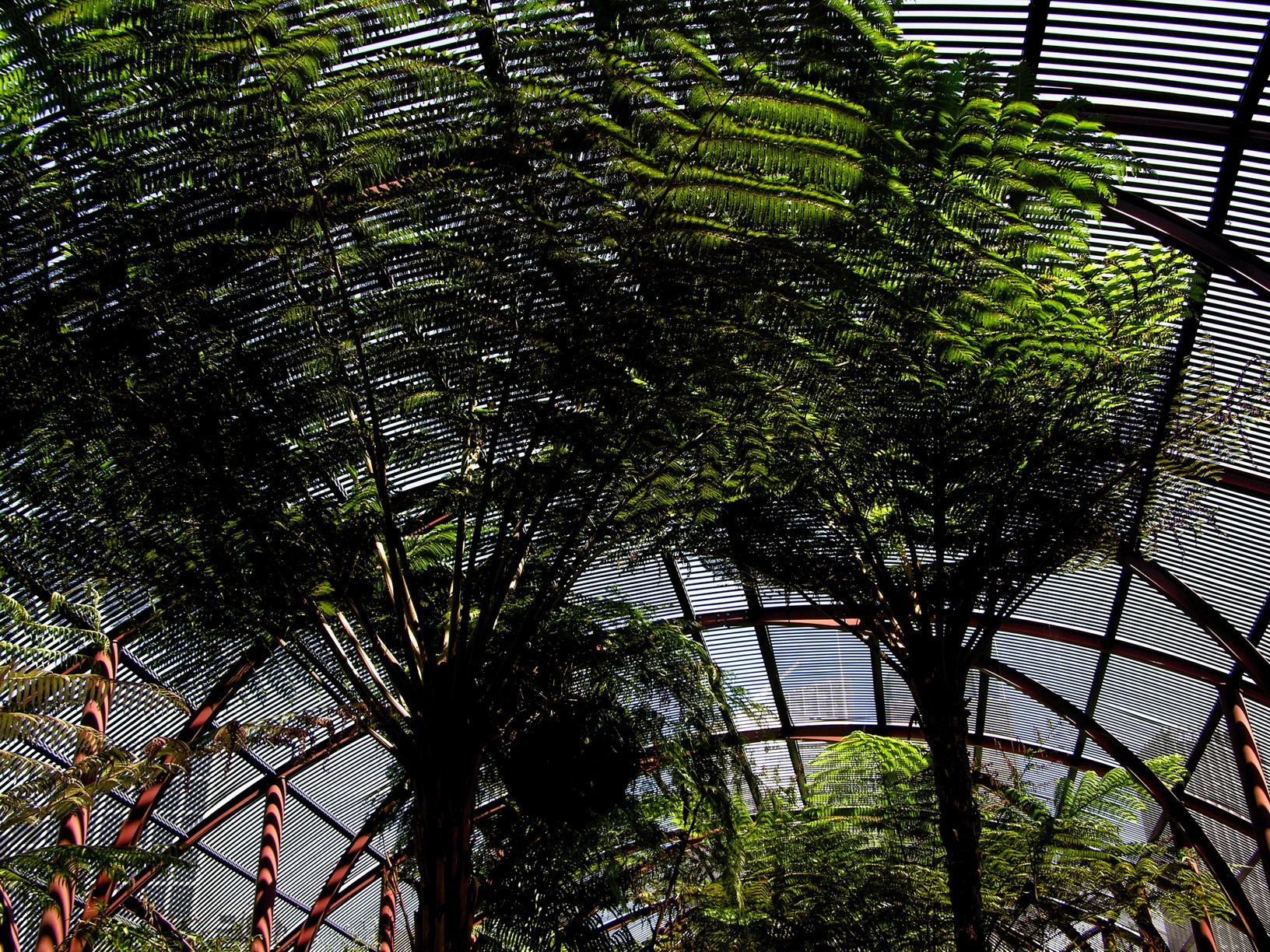
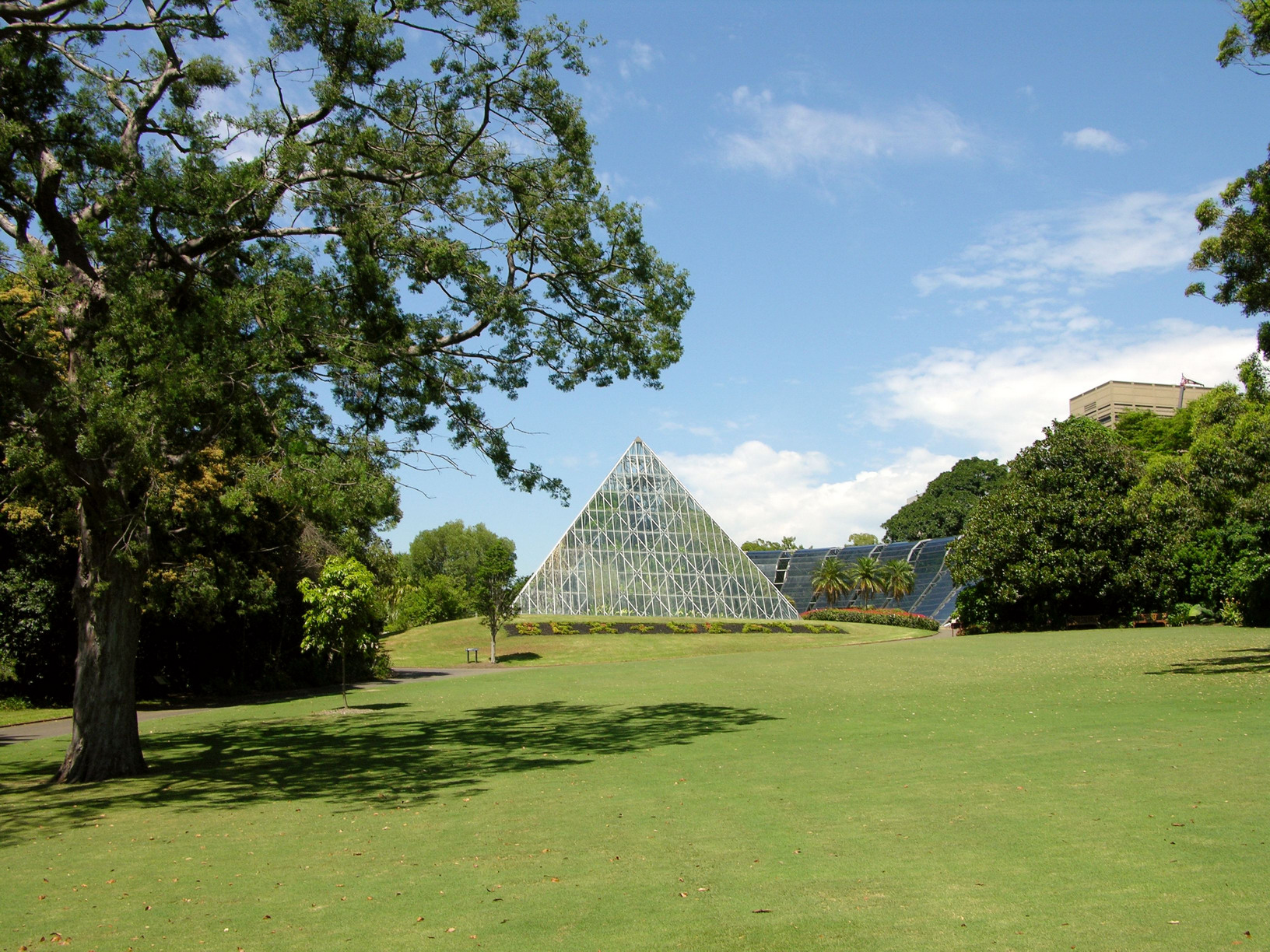
At the entrance a sign asked us to “walk on the lawns, please, hug the trees as well and talk to the birds, but don't feed them.” It sounded odd to us, though really lawns are there for people to walk on. The garden grows all sorts of plants. The tropical north is represented inside a greenhouse shaped like a pyramid.
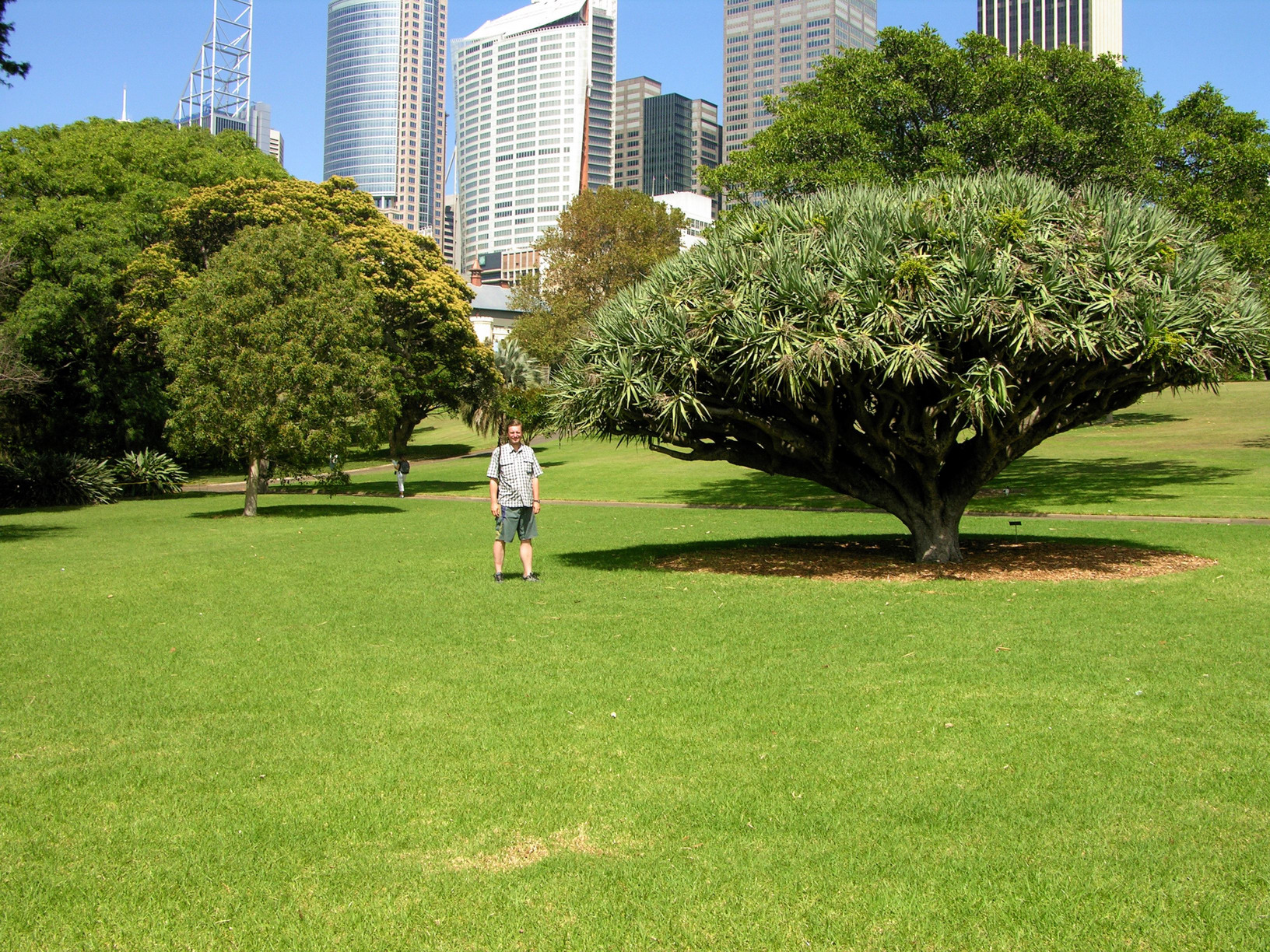
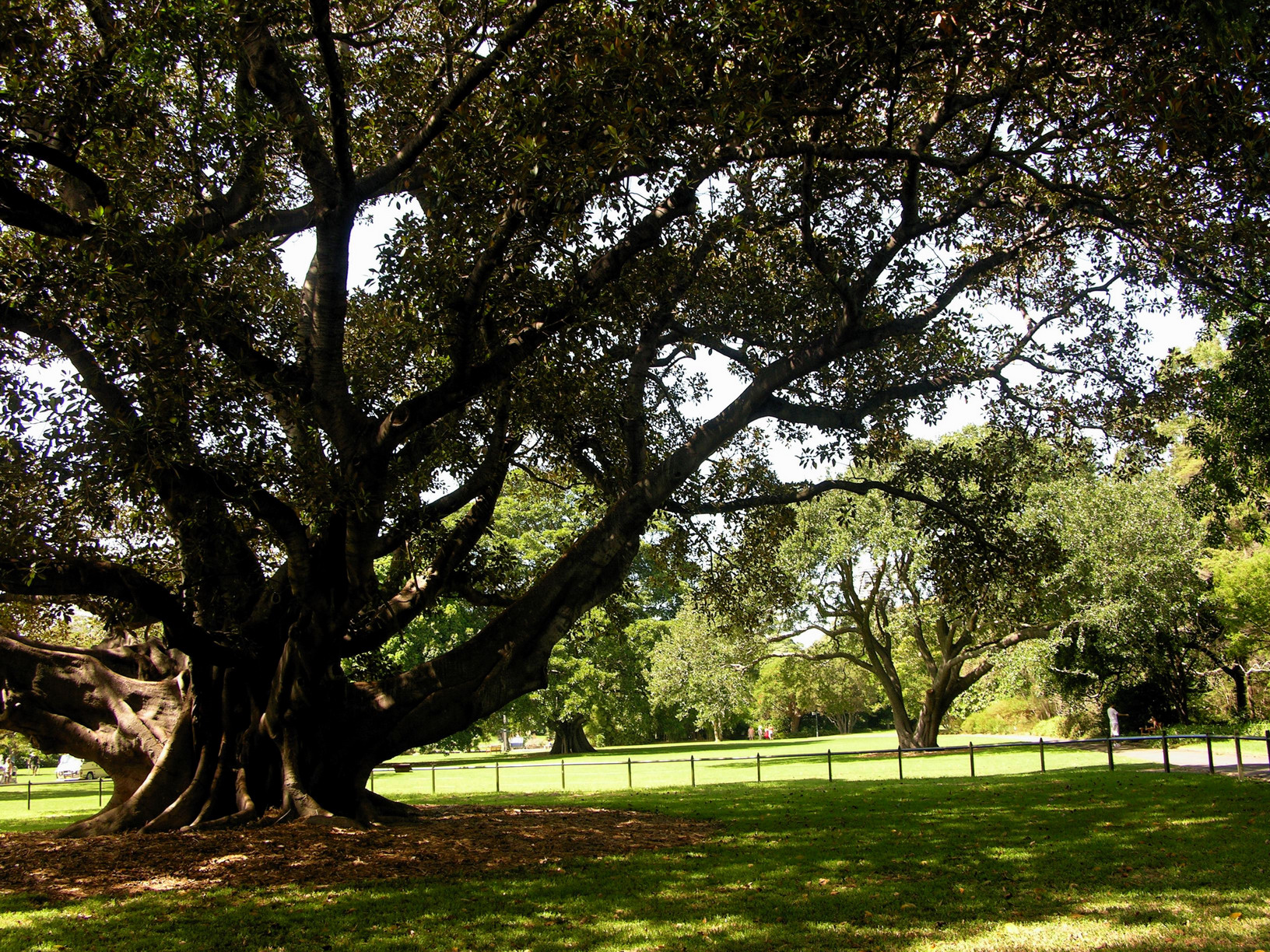
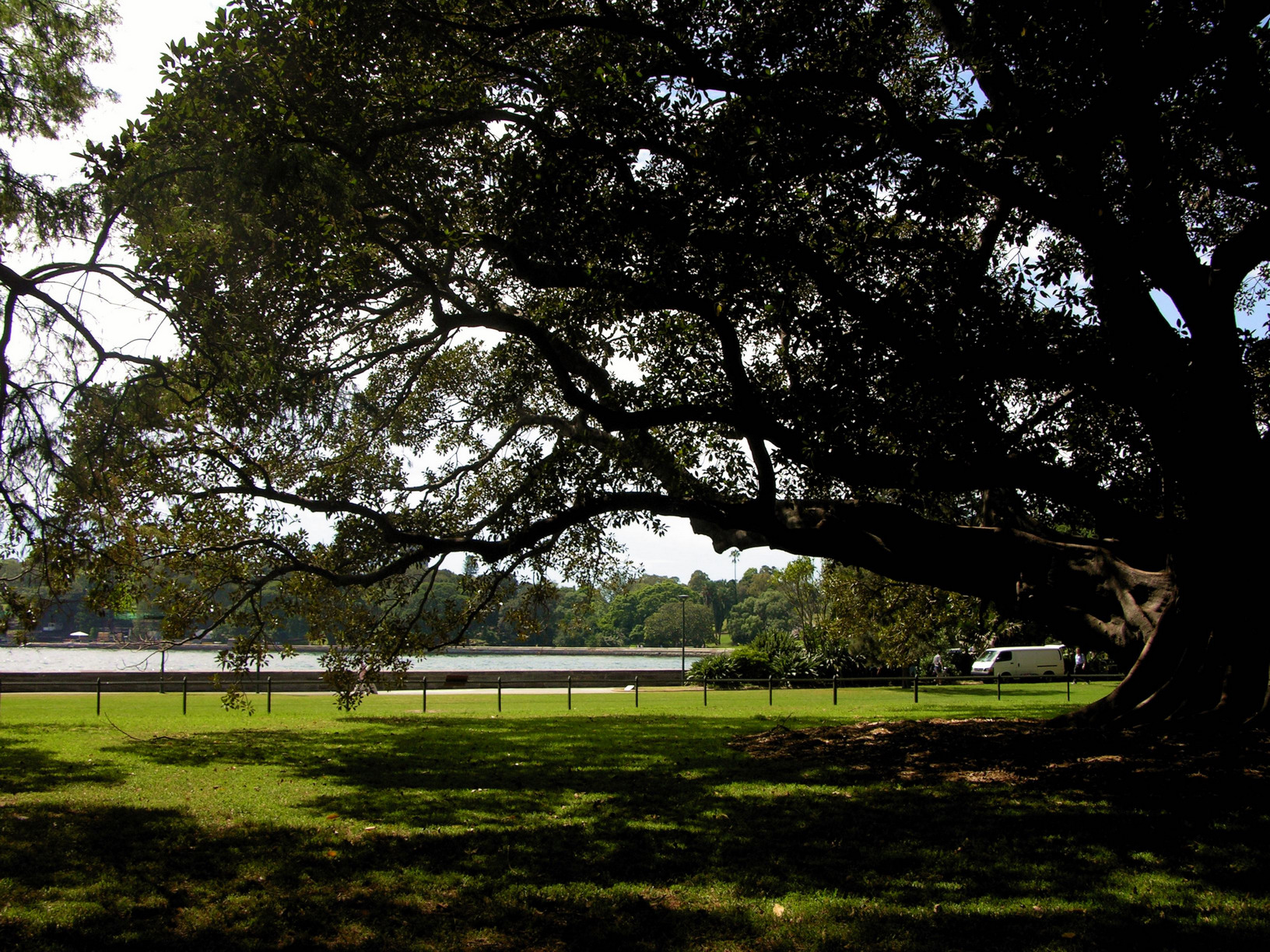
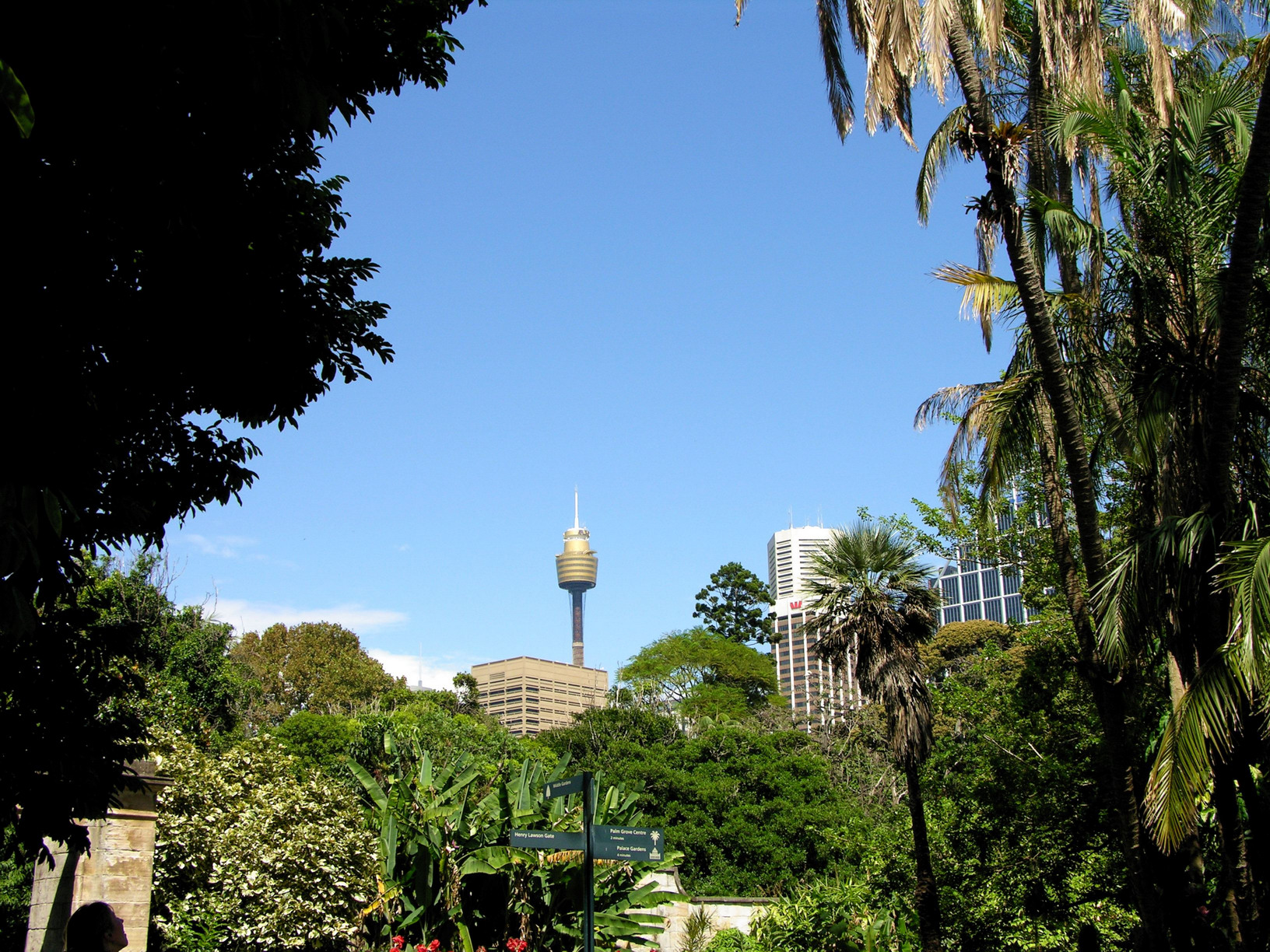
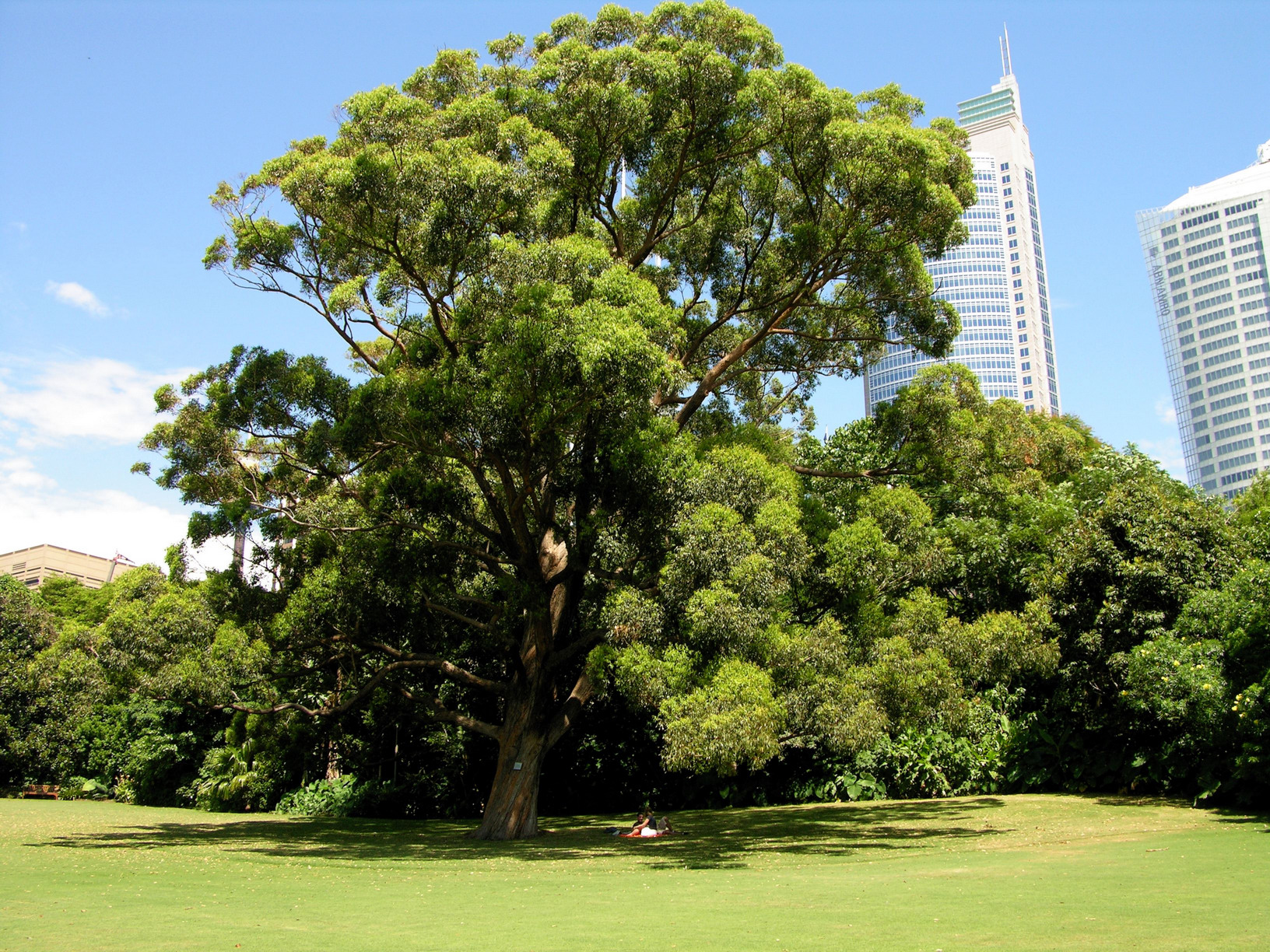
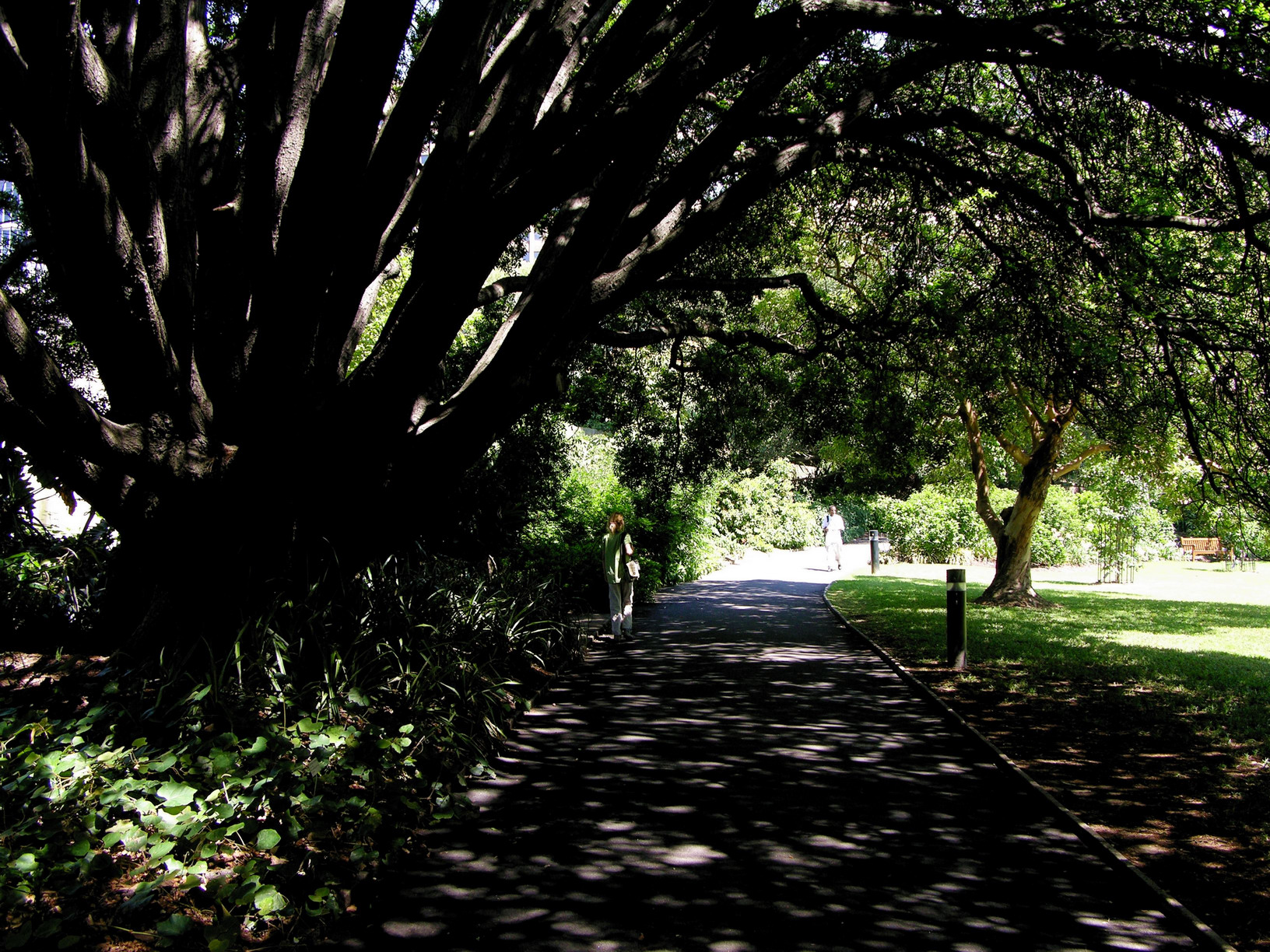
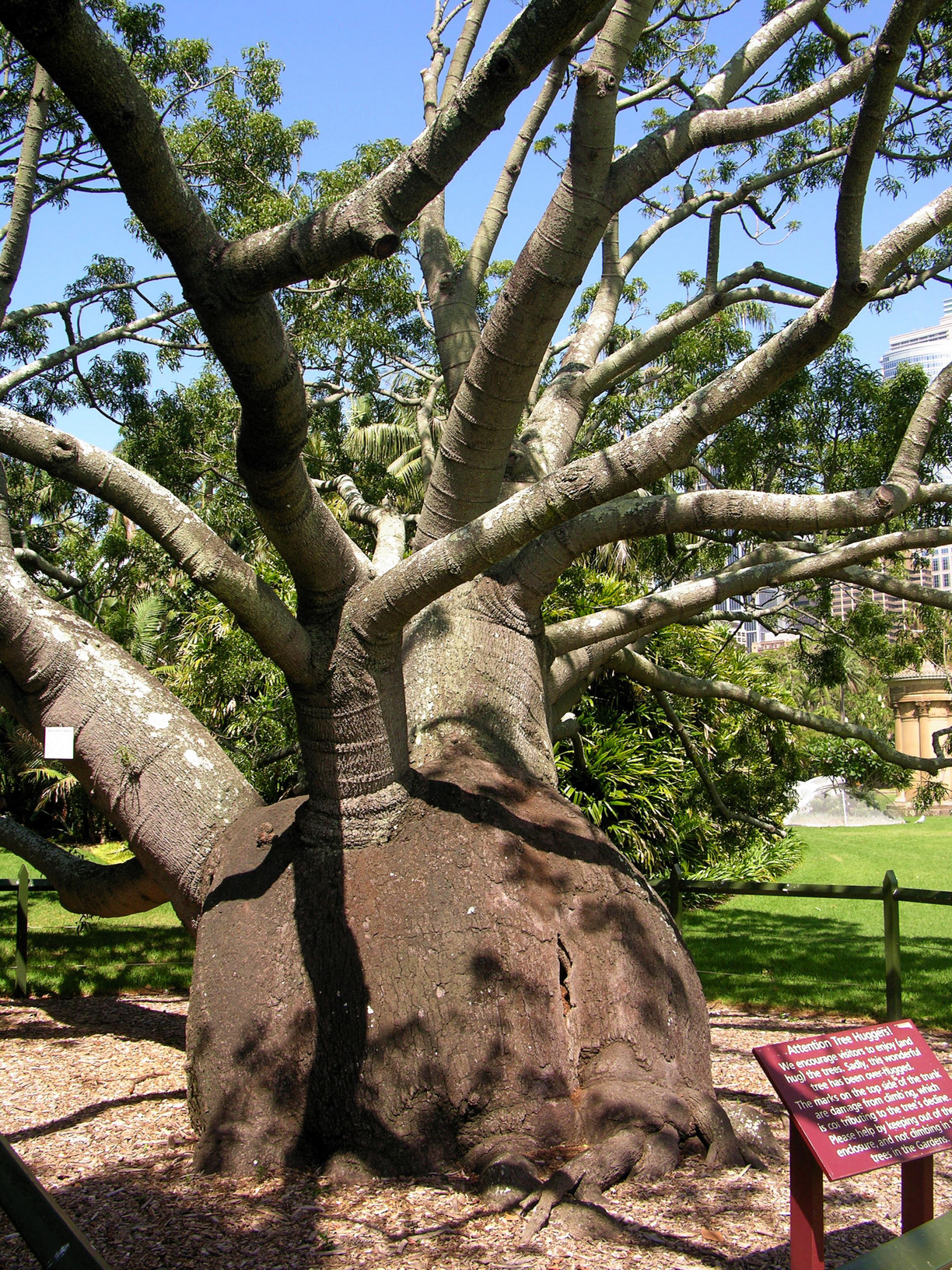
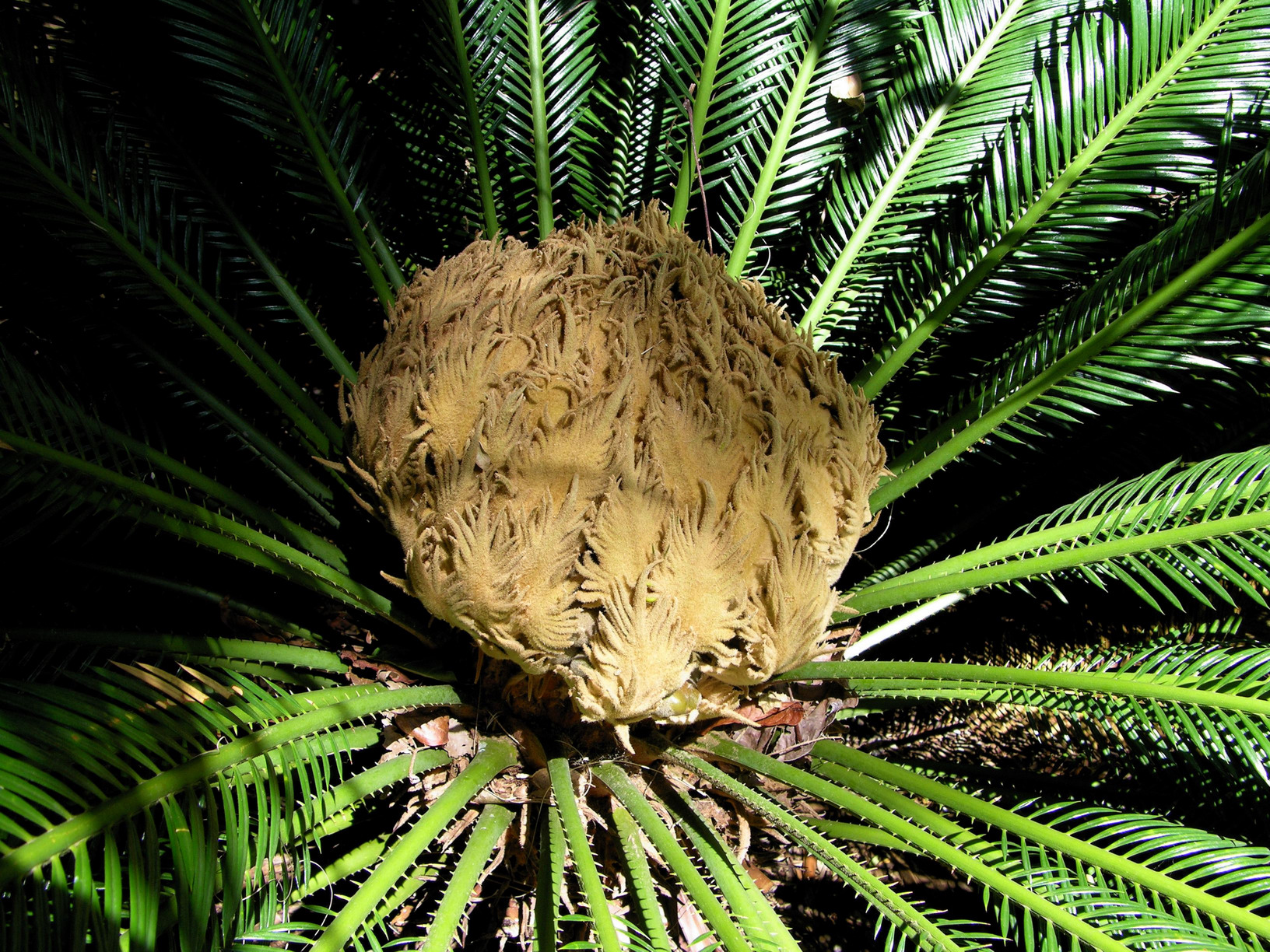
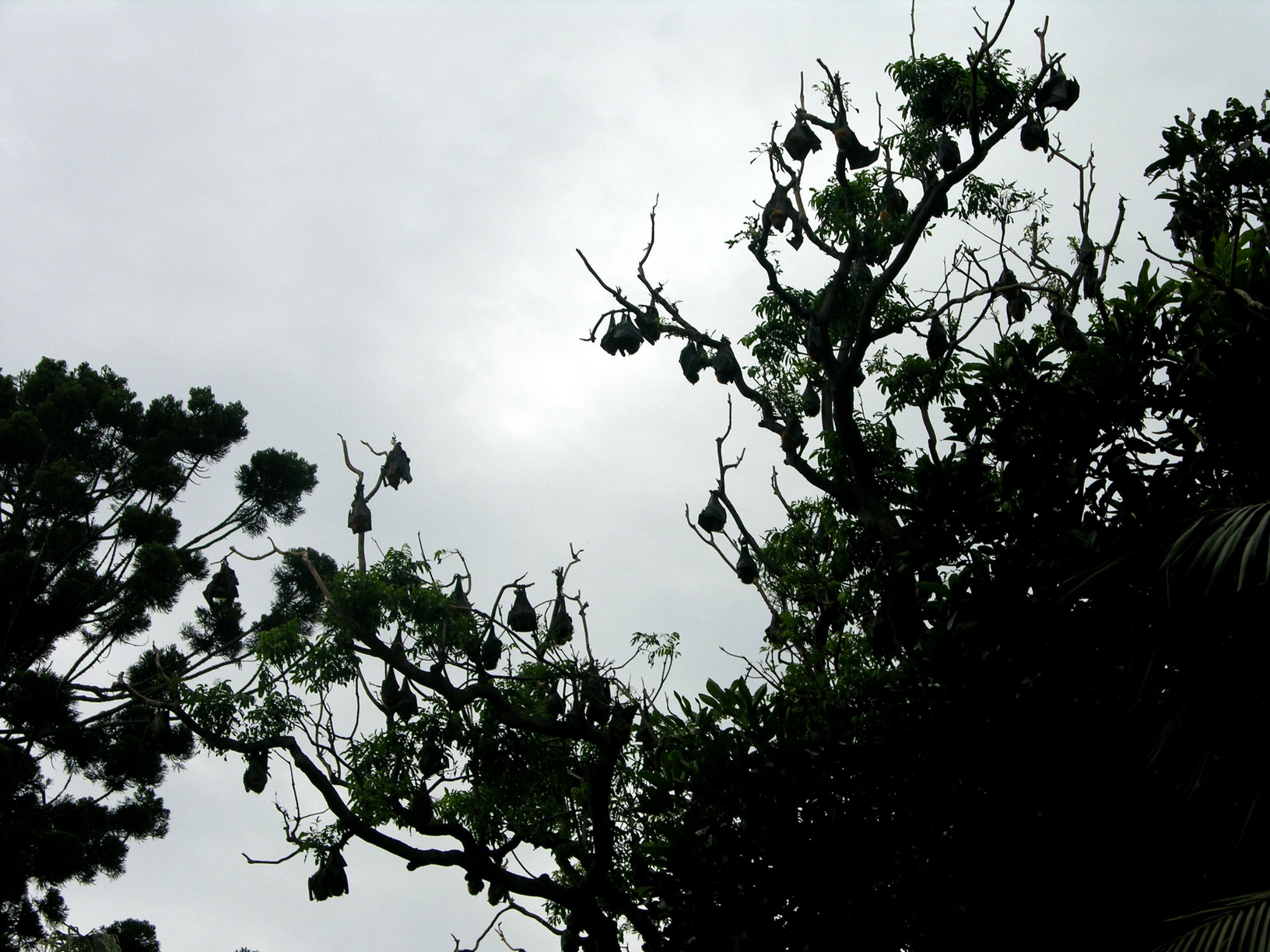
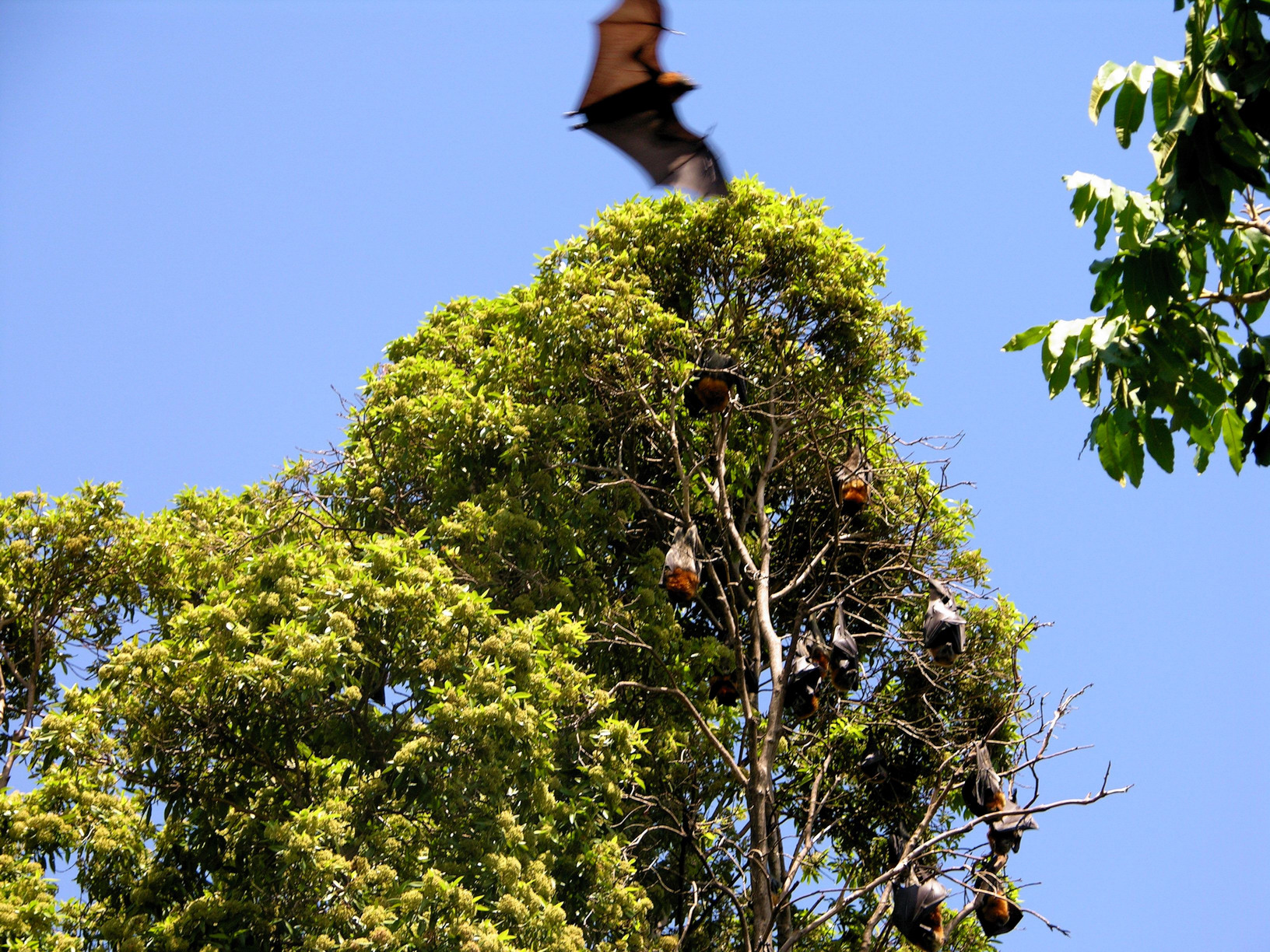
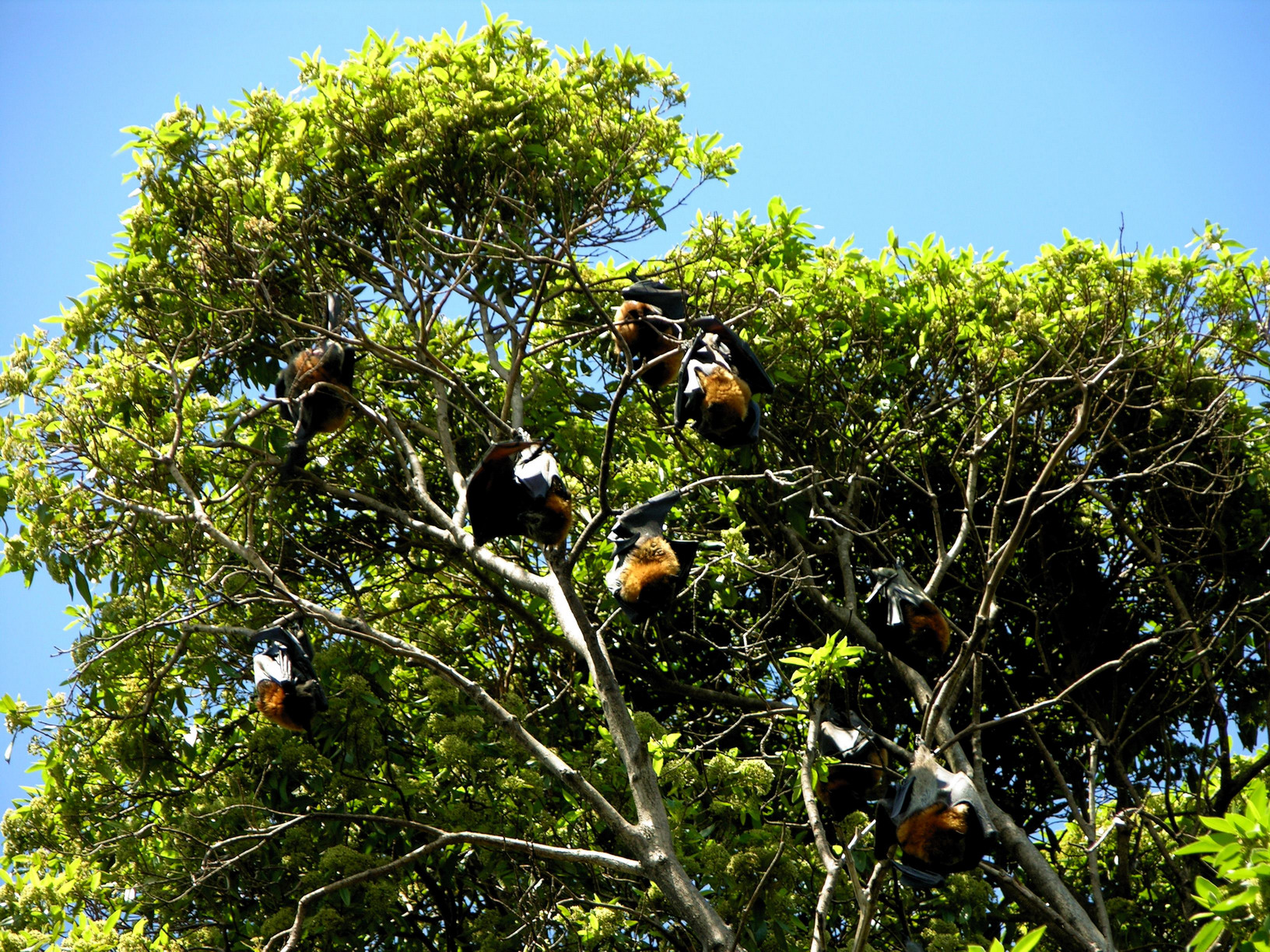
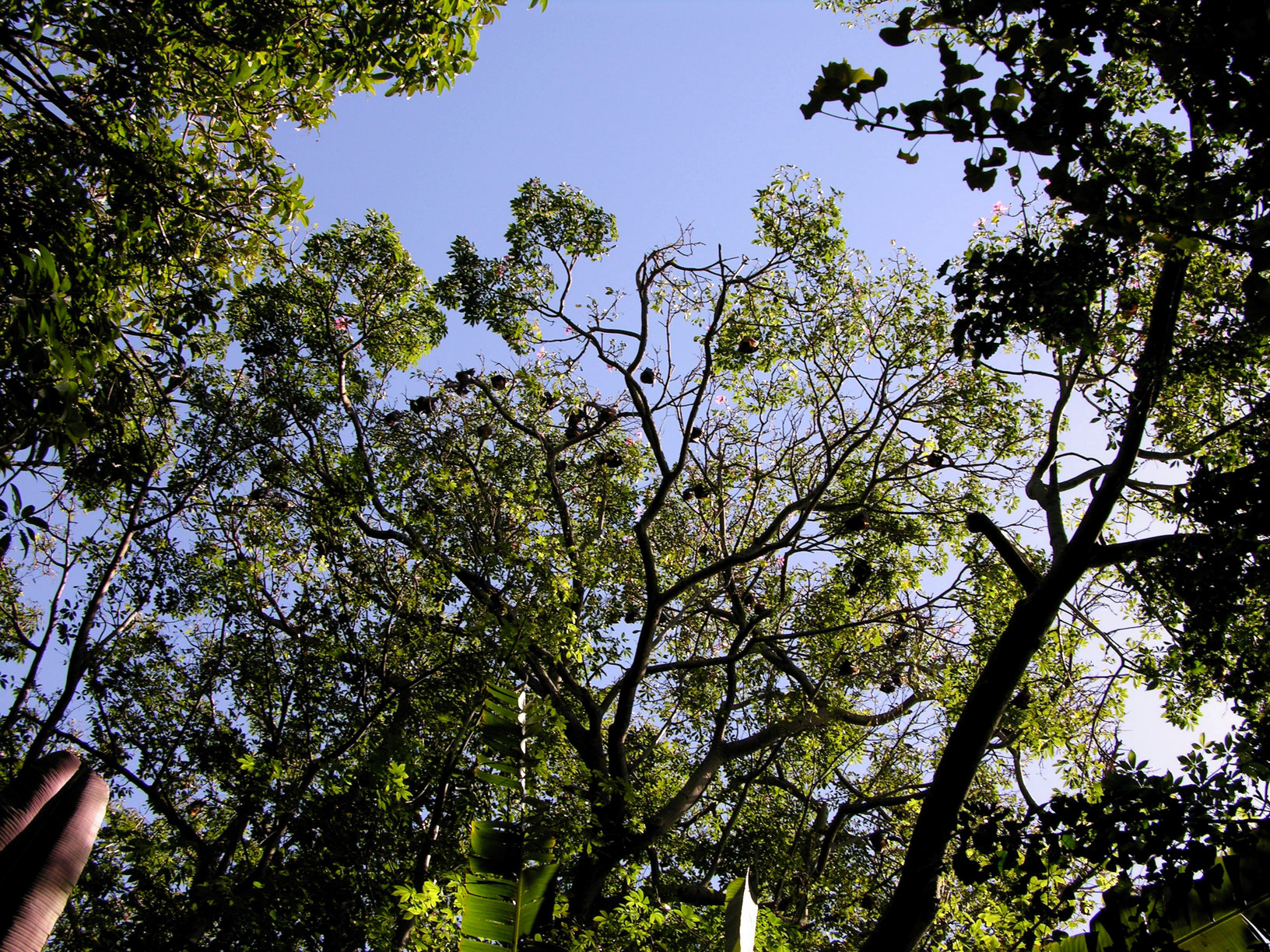
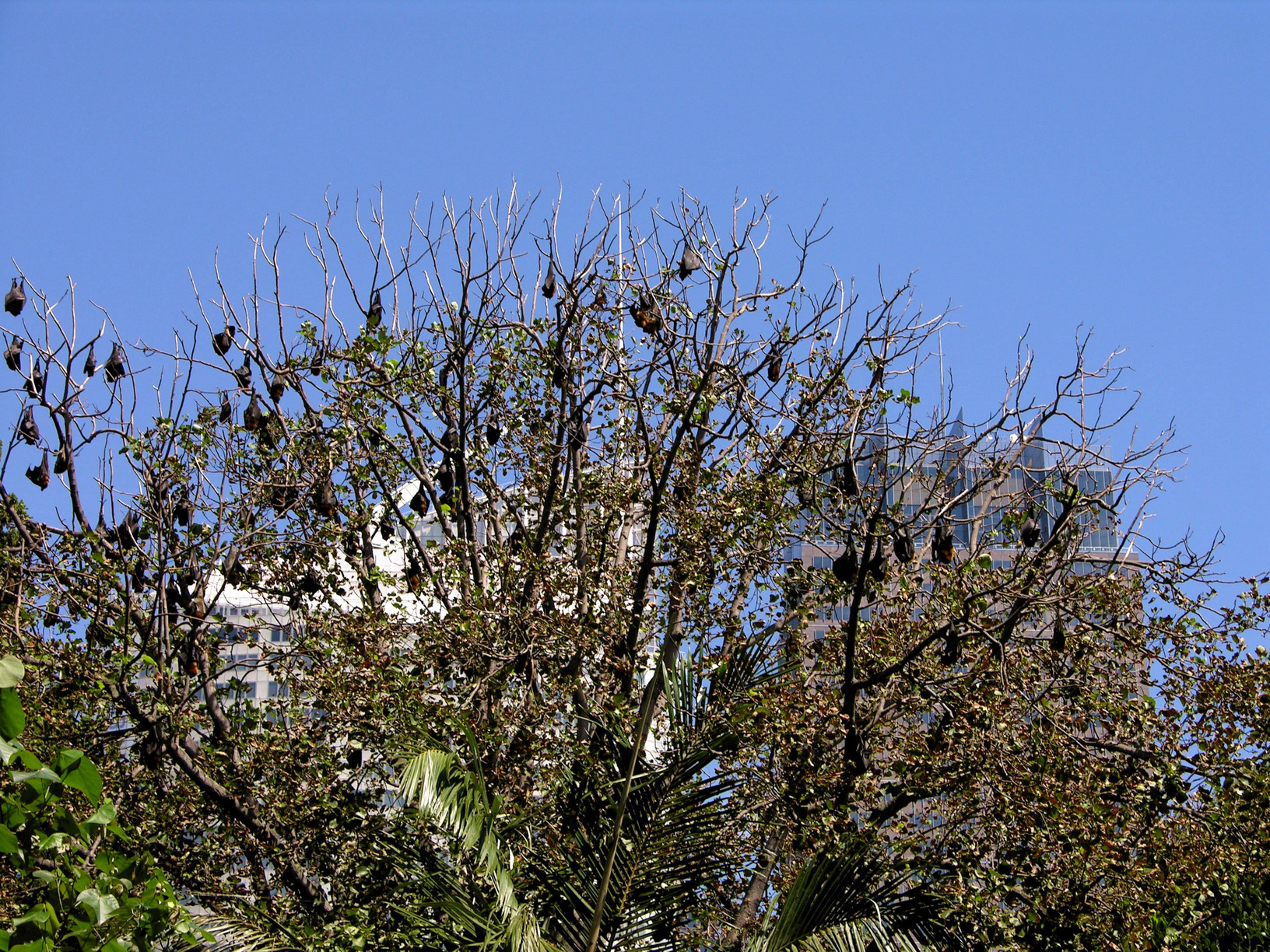
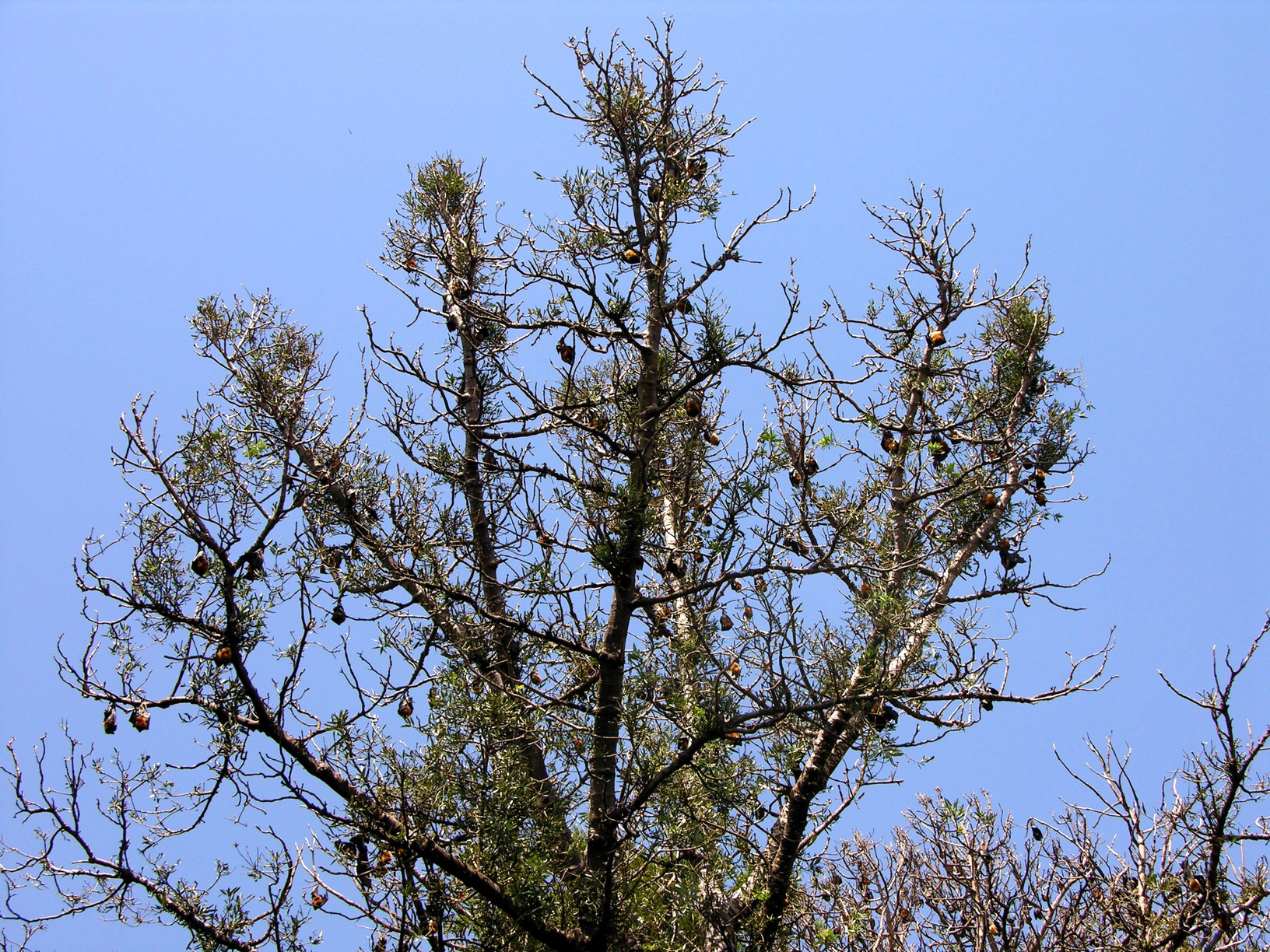
Colonies of flying foxes had taken over the tall trees. They're enormous bats. At first everybody had been delighted, but after they'd stripped and killed so many of the tallest trees, people began trying to drive them away, breaking up their roosts and scaring them. They weren't easily frightened. The trees were still draped with them.
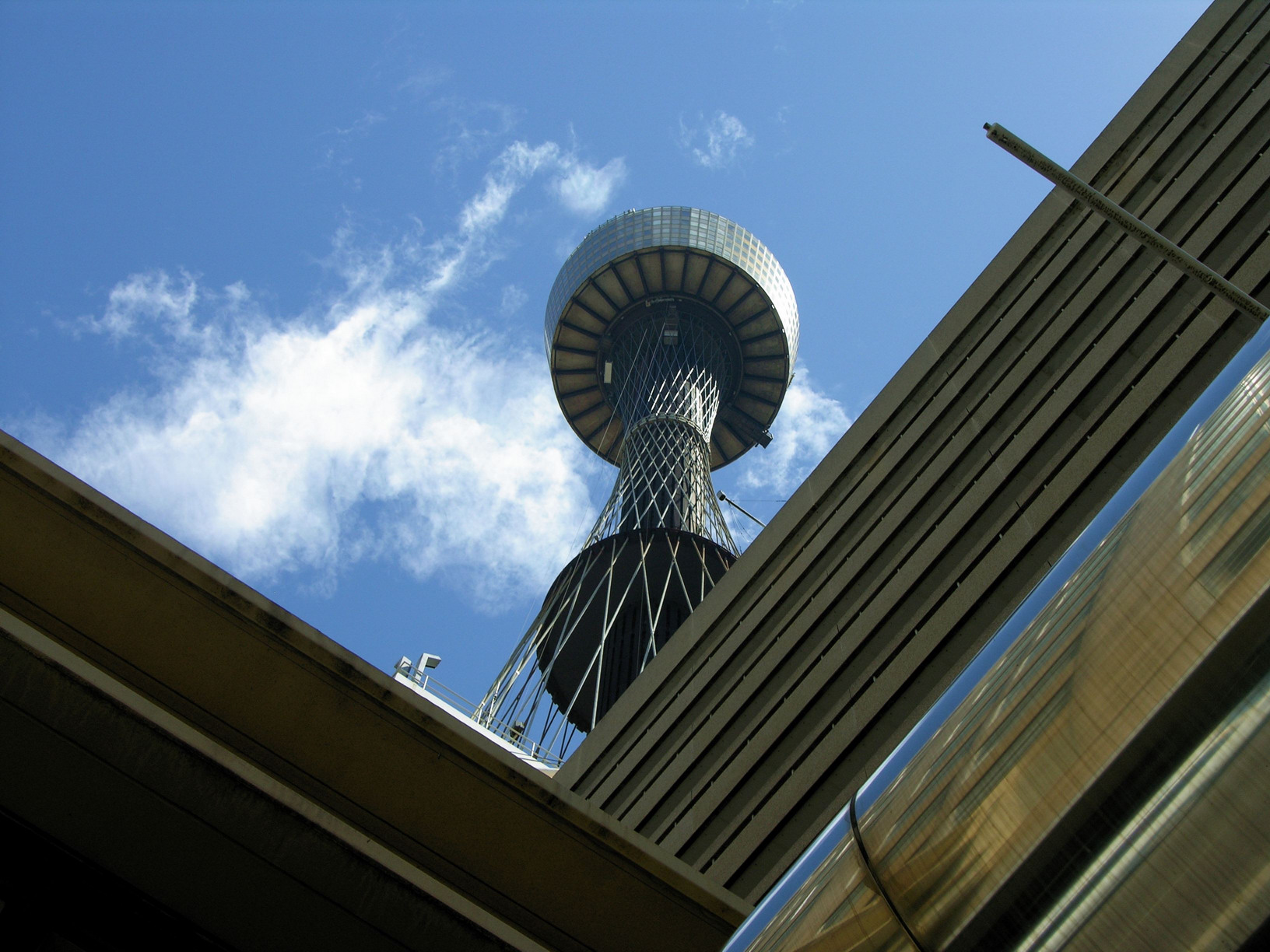
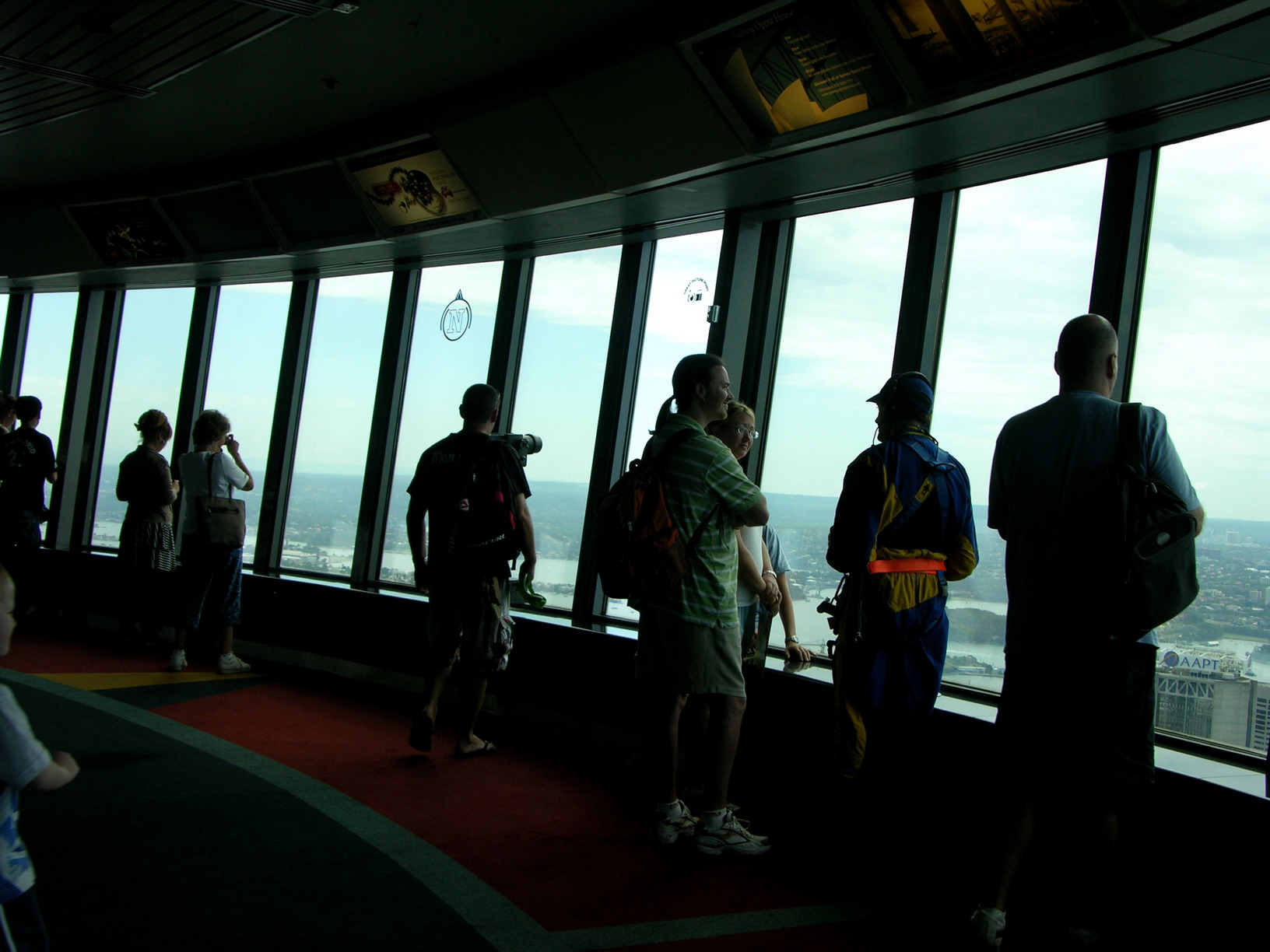
Finally, as the afternoon wore on, we went up to the observation deck of the television tower. Admission was thirty Australian dollars. We bought souvenirs and a kangaroo hide, then headed back to the airport to catch our flight.
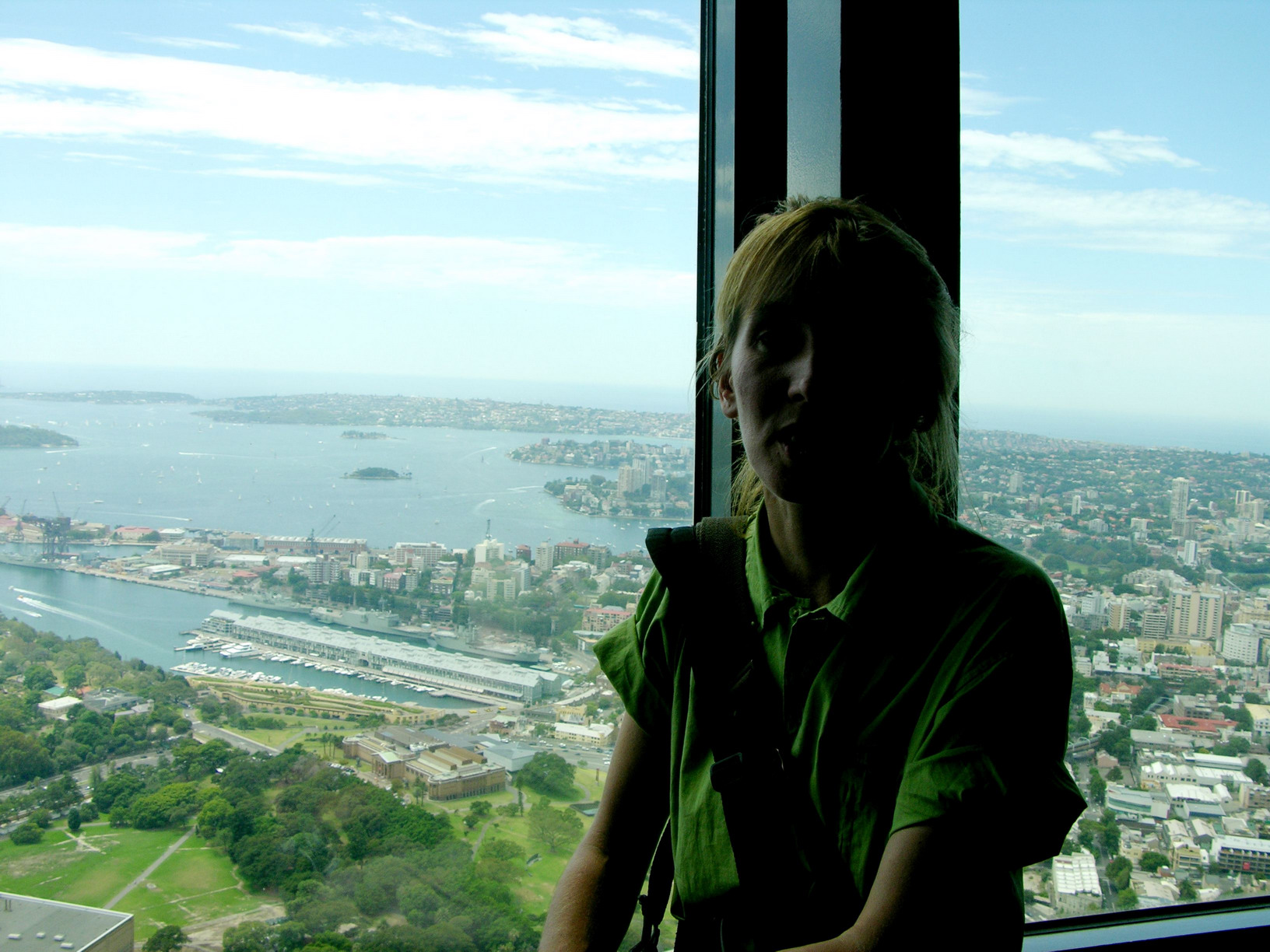
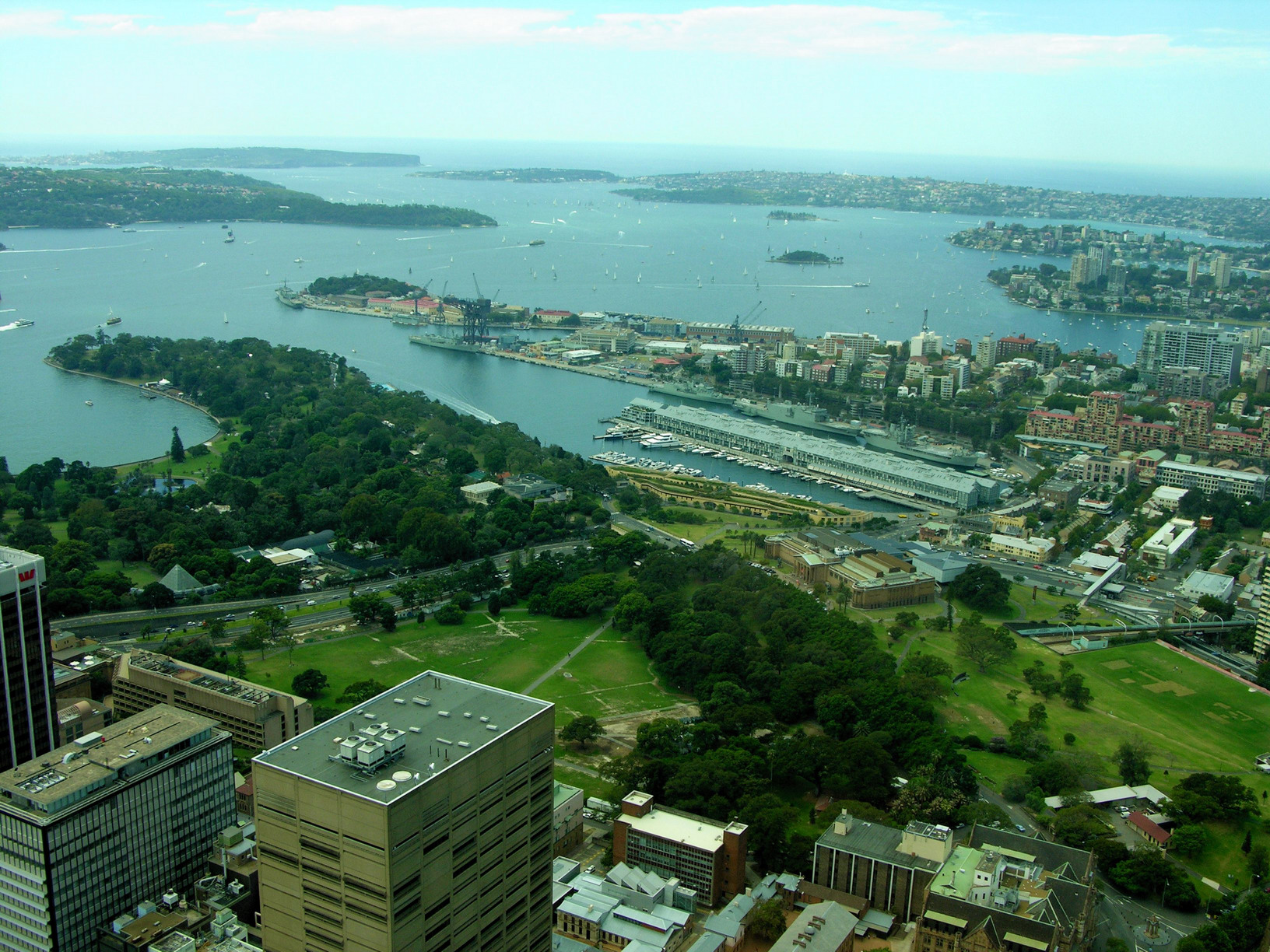
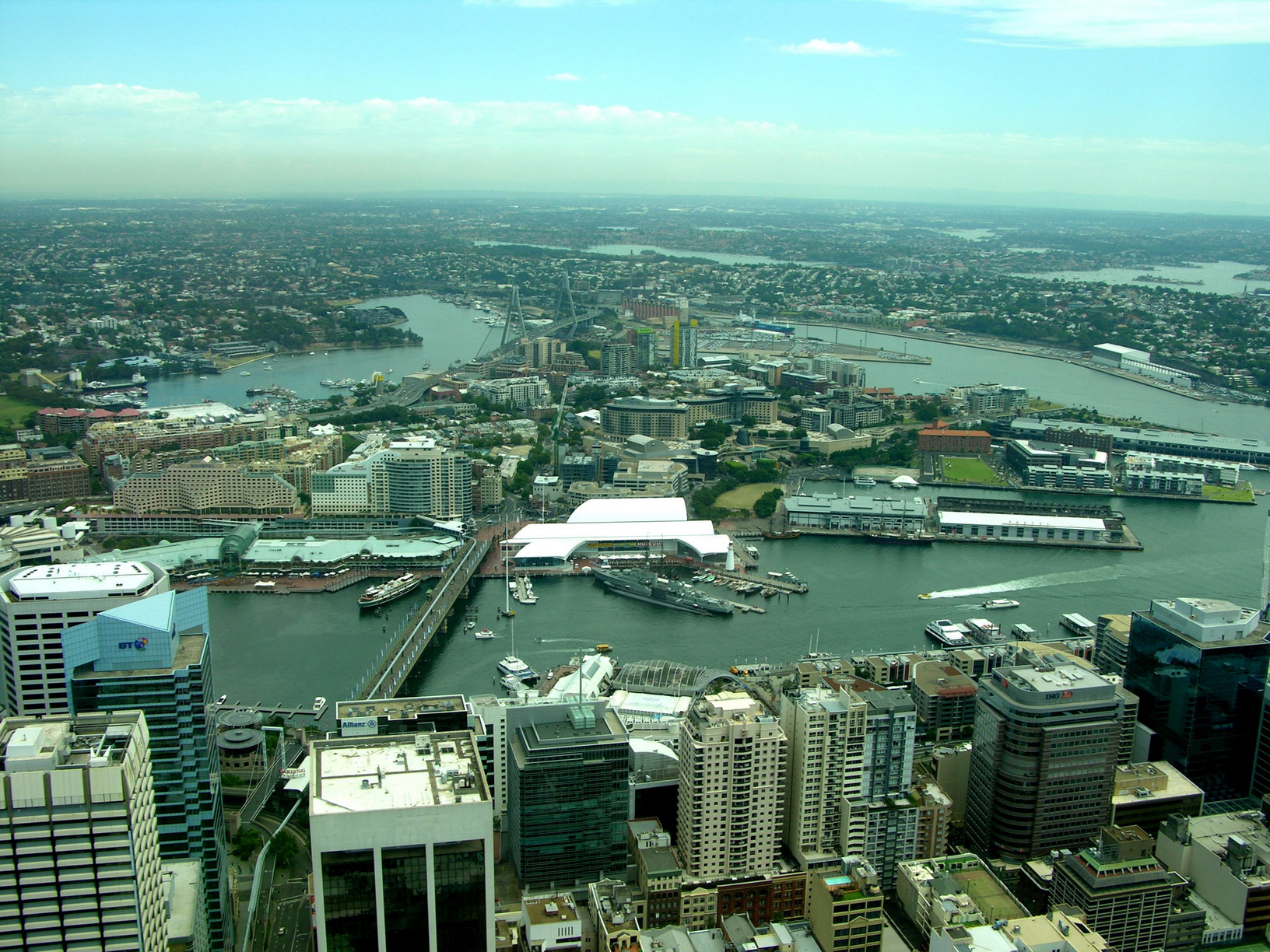
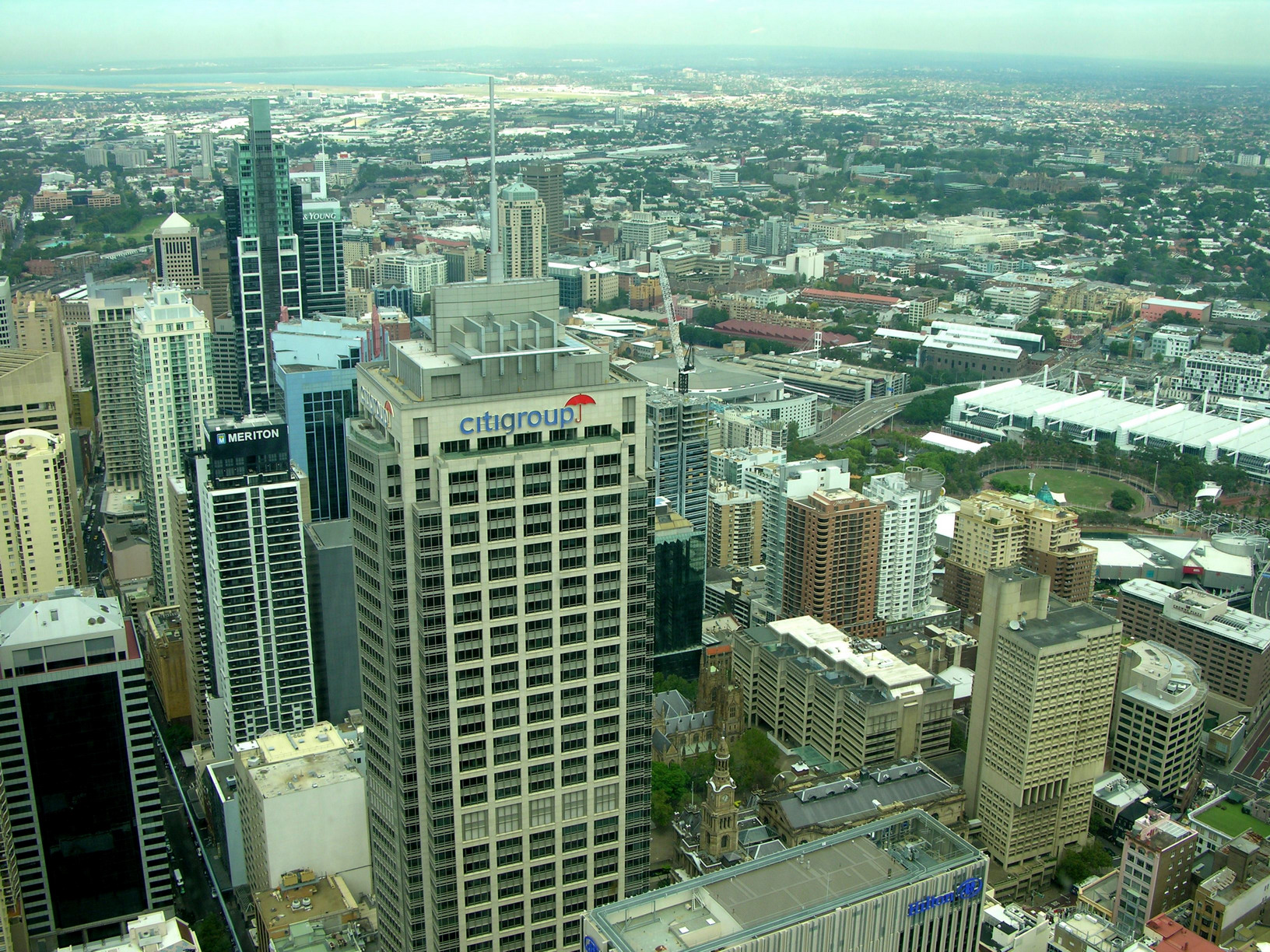
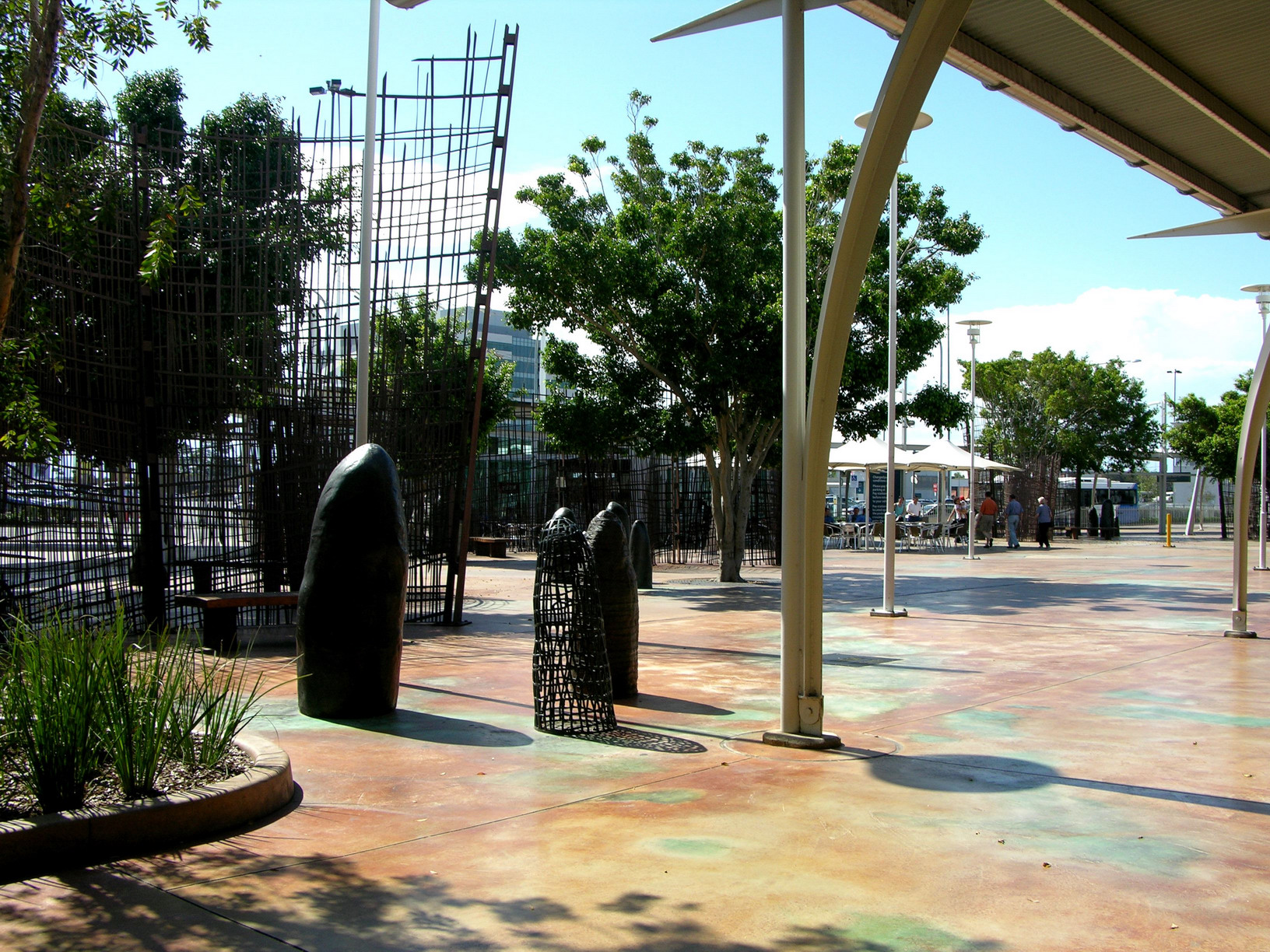
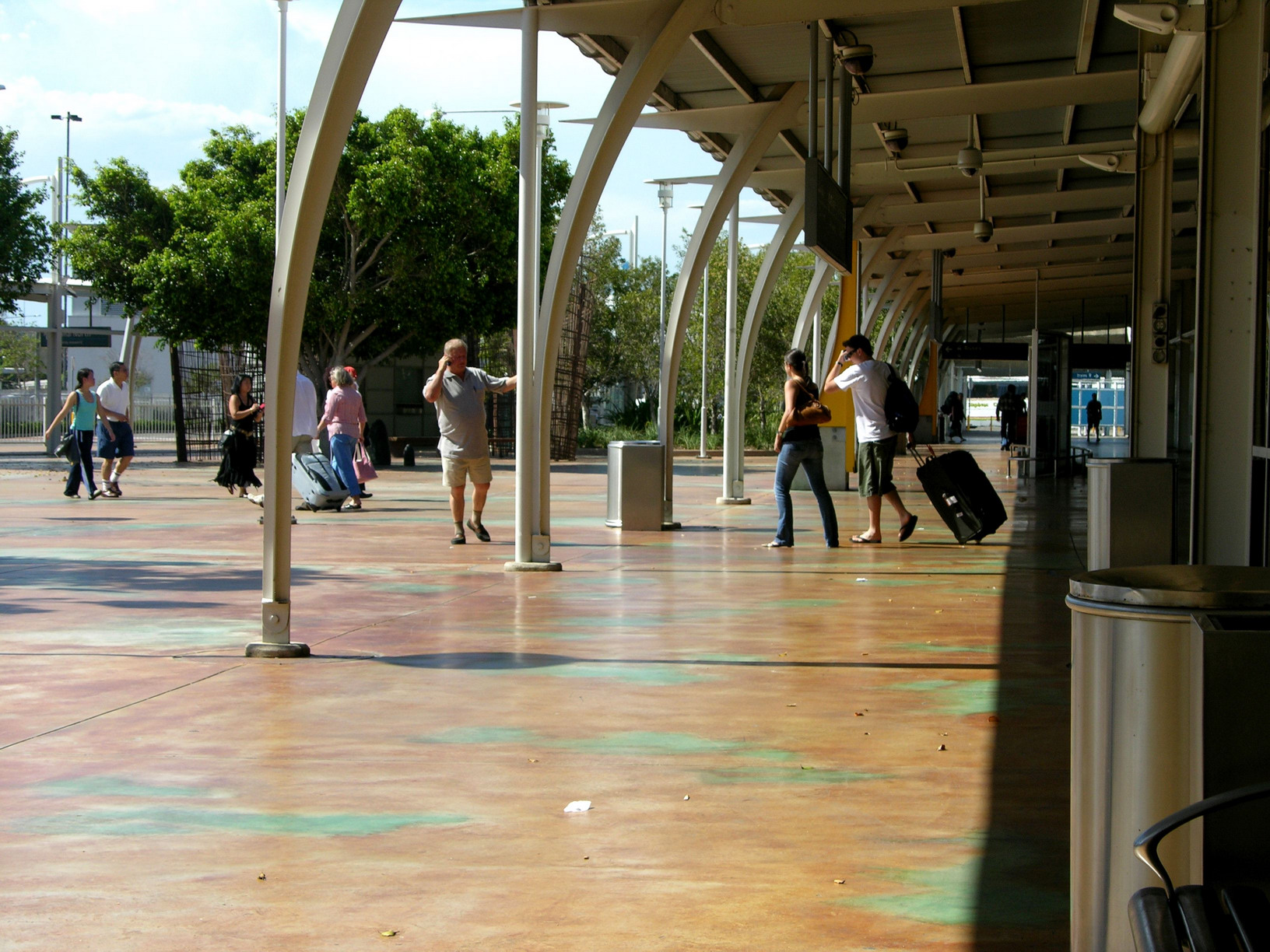
Through the airport windows we could still see the distant towers of that fairy-tale city. A summer evening storm was gathering. It already looked like a picture on a monitor. All that was left was one more passport check at the machine that couldn't read our passports, then the flight. First to London via Bangkok and then to Saint Petersburg. London was twenty-three hours away, almost exactly on the other side of the Earth.
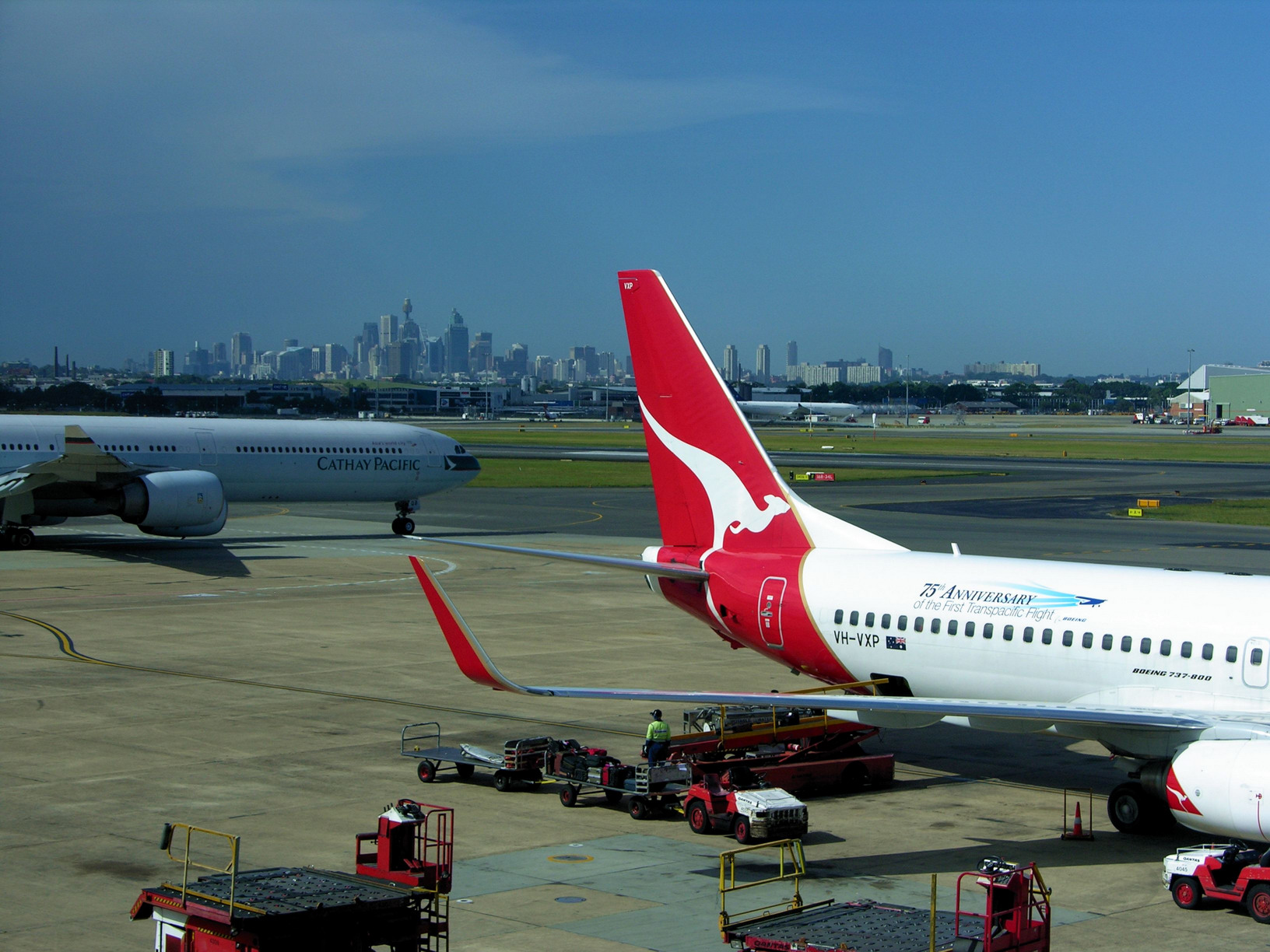
I was still awake over Australia, looking down on the endless deserts. I'd seen these landscapes from a plane more than once. Then came the night, lit by distant flashes over the mountains of Borneo. We changed hemispheres, and it was winter. From Bangkok I slept almost all the way to central Russia. We passed south of Moscow, seven hundred kilometres from Saint Petersburg, yet there was still a whole day's flying ahead. At Heathrow we had one last pastry and coffee at Caffè Nero, just as we had at the beginning of the trip. We'd be back one day.
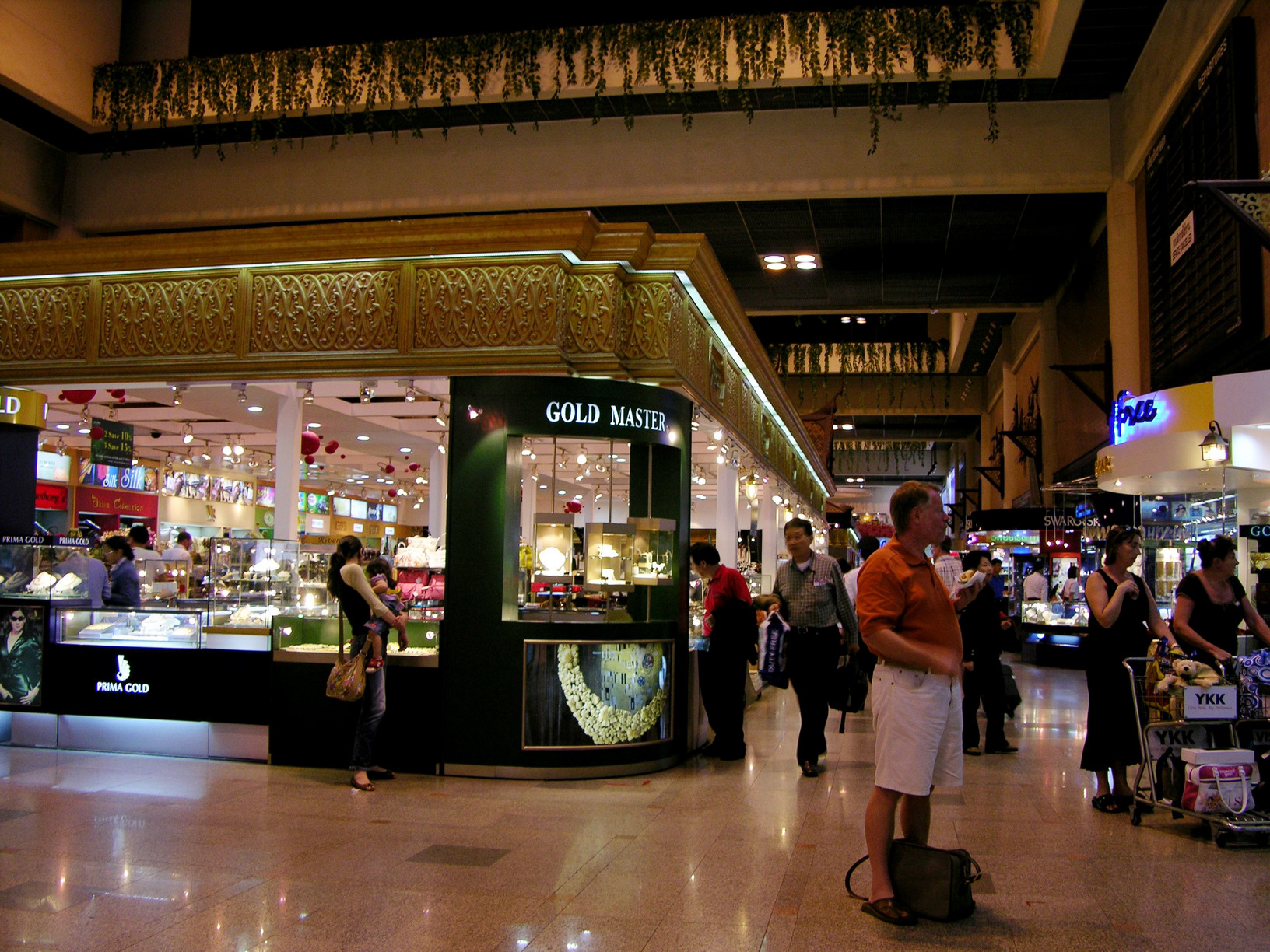
I can't remember the last flight to Saint Petersburg, how we flew, what the weather was like or how we got home from the airport. Nothing. It all turned into grey February fog. I remember only the last step at the front door and unwrapping the little stone man. He made it safely and now stands by the television.
This may have been the farthest we'd ever been and the most we'd ever packed into one trip. We might never go farther or see more in one go. But perhaps Tanya and I will be back under southern skies, beneath the Southern Cross. All there is to do is wait. There are still so many mountains and islands, penguins and toucans, jungles and deserts, Indigenous peoples and skyscrapers, customs officers and freedom. And freedom is there in spite of the rotten business of states and borders, visas, hierarchies backed by bayonets and all the other truncheons.