Trip report
Georgia had always interested me. There was the longed-for Black Sea, the great dream of Soviet times, and the Georgian culture that mingled with Russian culture, not least through Georgian films. Now there was politics, too. Georgia had found the courage to say no to the old Soviet ways, both in 1989, when residents of Tbilisi were beaten with entrenching spades, and later when Saakashvili tried to make a decent country of it.
Unfortunately, that success proved temporary. Saakashvili had overestimated both people's desire for a better life and their ability to make an informed choice at the ballot box, and he lost. I had no idea what lay ahead for Georgia. This was my chance to see with my own eyes what the most corrupt and indolent republic in the former Soviet Union, as I had thought of it, might become. I couldn't wait any longer. It might be too late.
After the Russian–Georgian war of 2008, the flights had stopped for a long time. Only in 2012 did the first airlines get through. There were no direct flights from Saint Petersburg, so I flew S7 via Moscow.
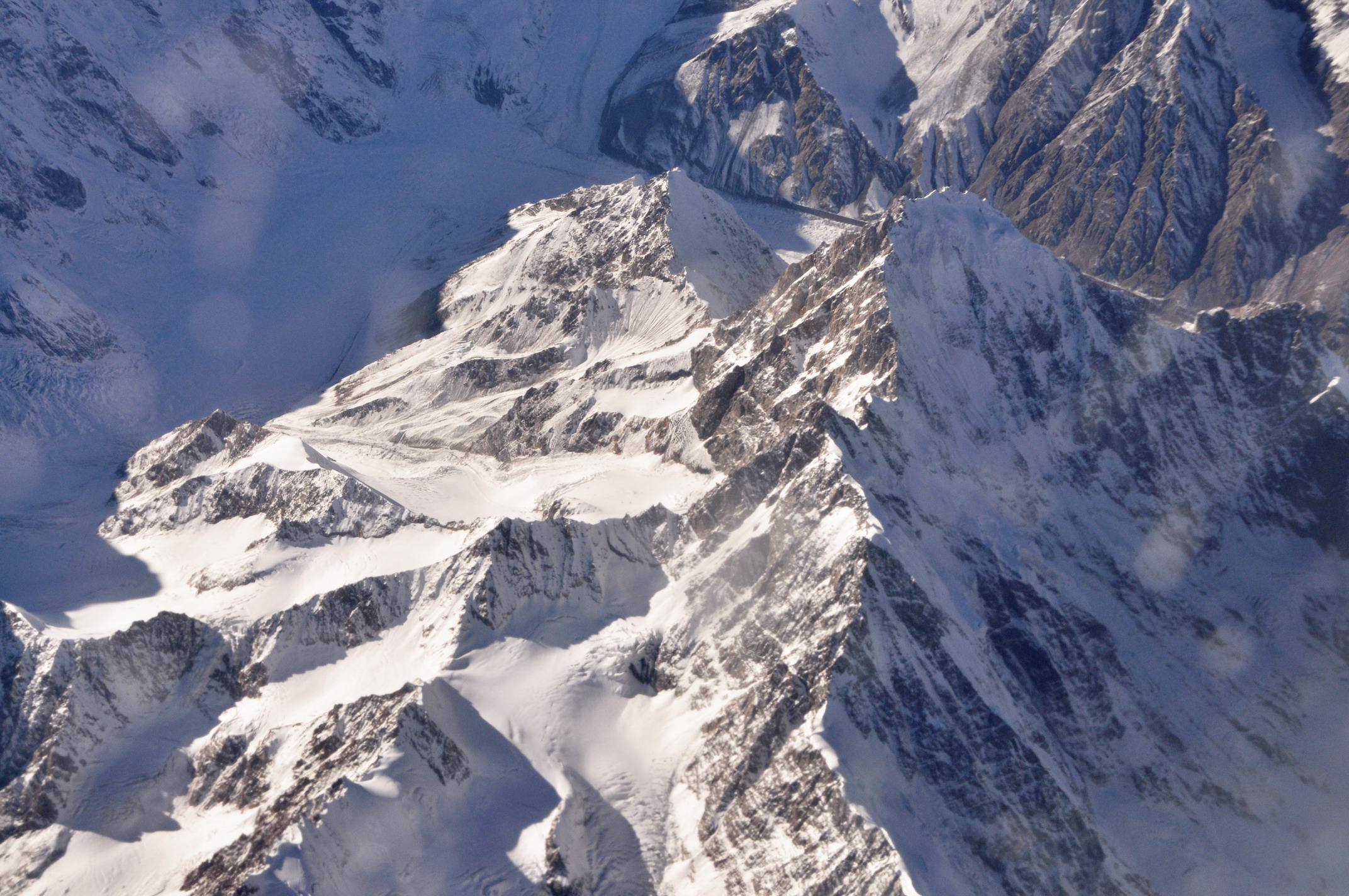
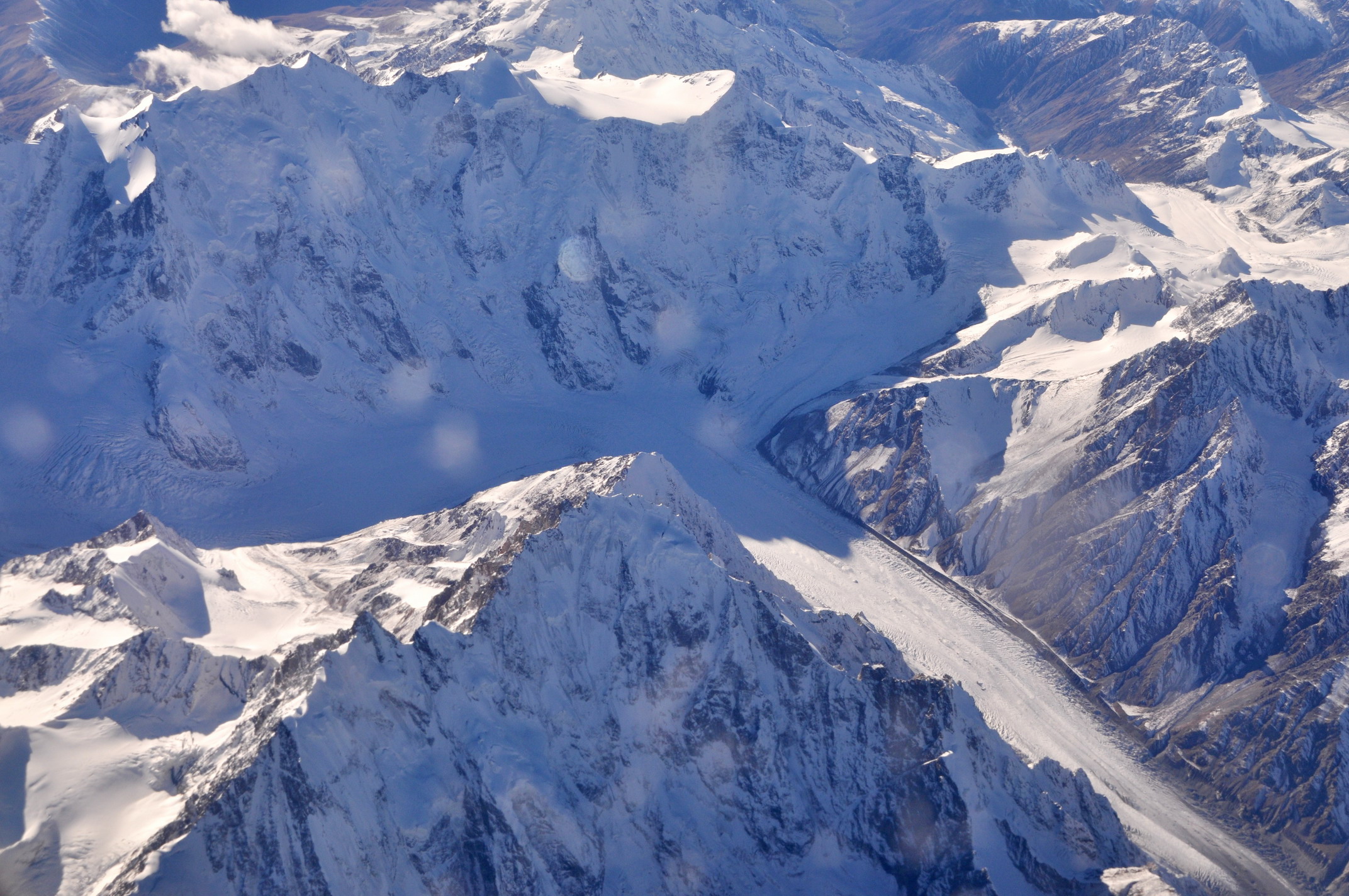
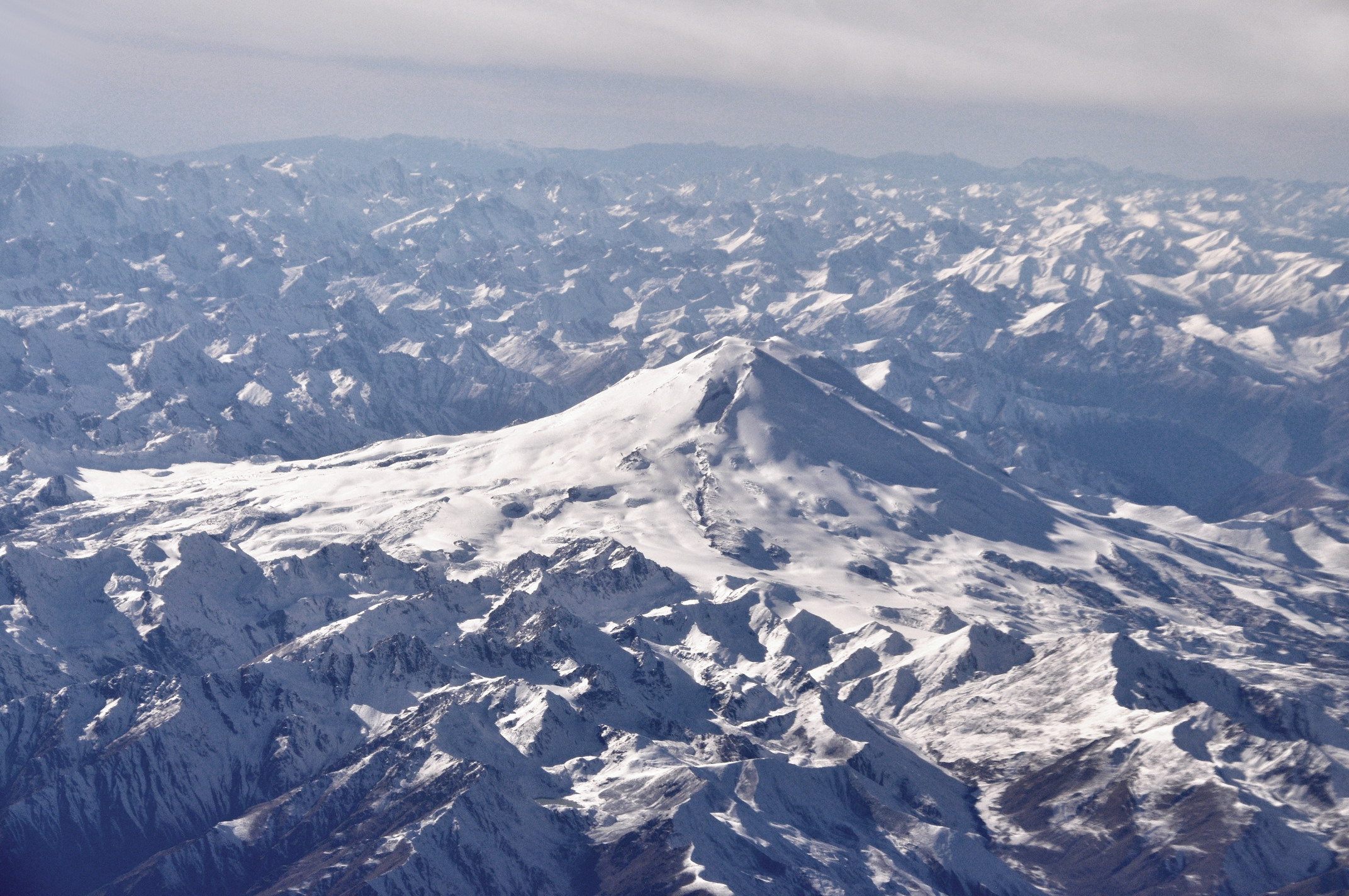
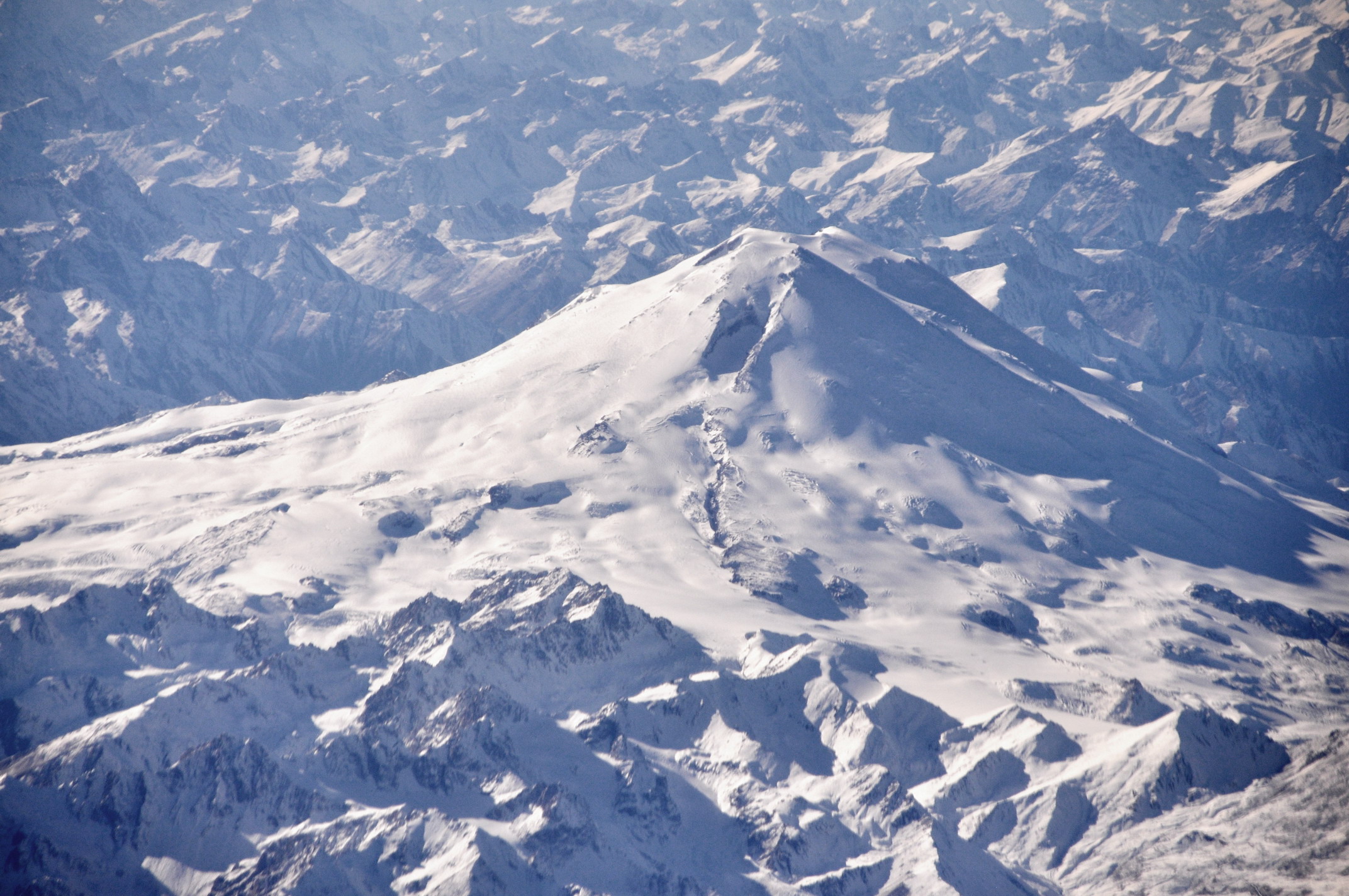
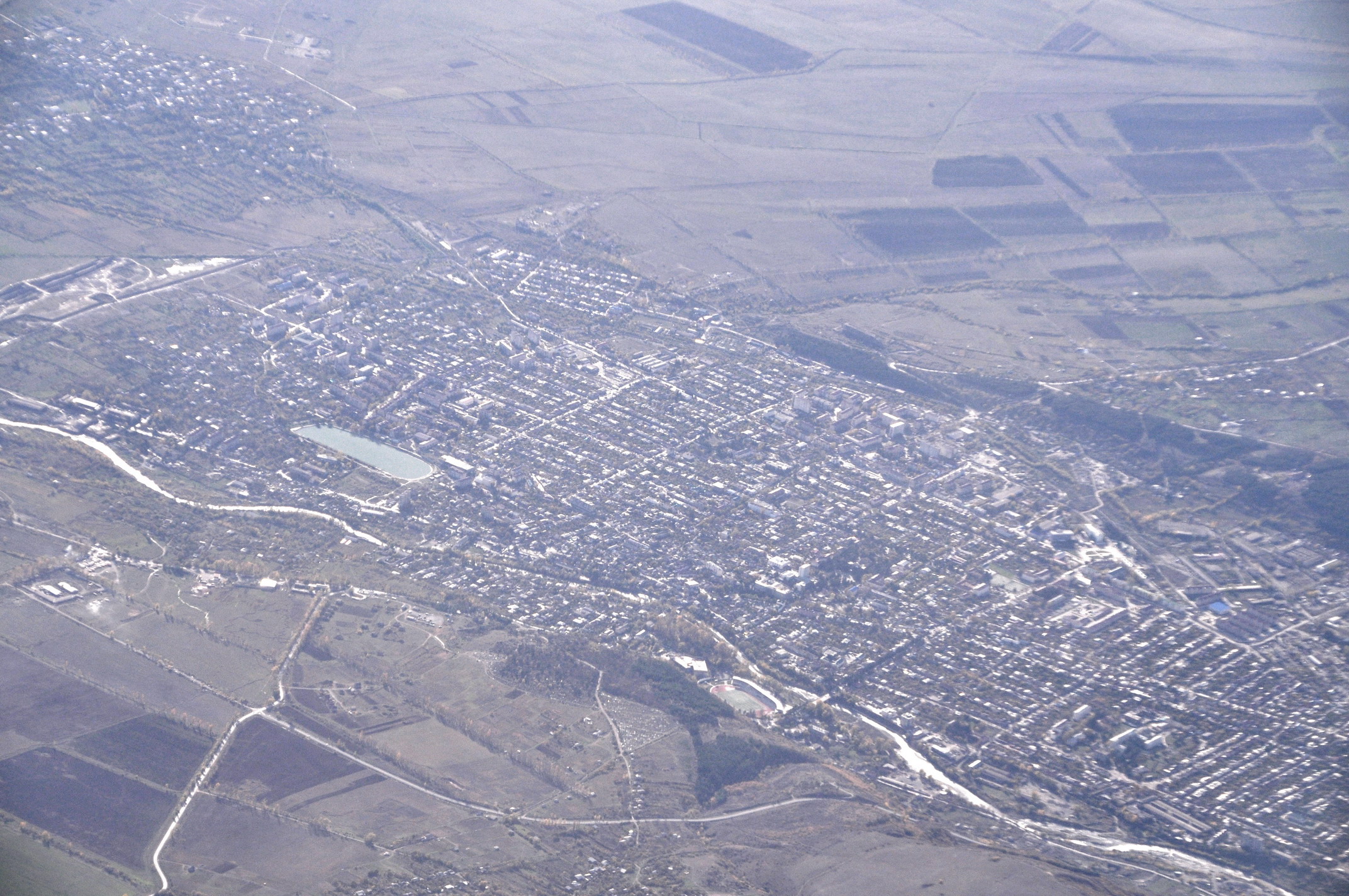
We crossed the Caucasus range near the Roki Pass, above North and South Ossetia. Mount Elbrus really does look spectacular from a plane. I looked down at Tskhinvali. I could see little sign of extensive destruction.
Fortunately I didn't need a visa. The border guards were friendly and smiling. That was only the beginning. As soon as the stamp went into my passport, they handed it back with a bottle of Georgian wine. Welcome to Georgia. Have a drink and be happy! Well, that was a surprise. No one at a border in any other country had ever given me anything. Taking things away, yes. Except in Tahiti, perhaps, where they tuck a tiare flower behind your ear.
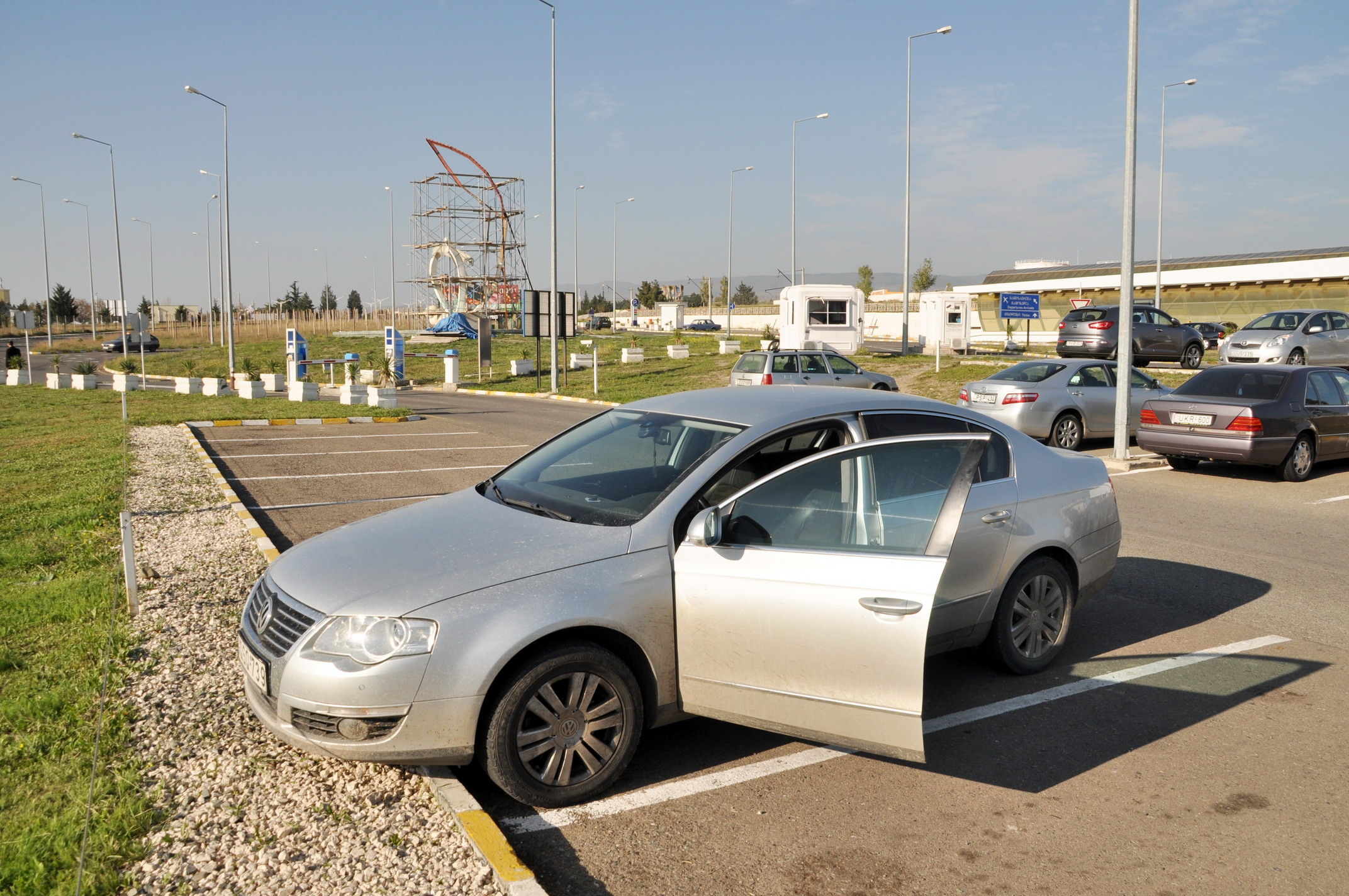
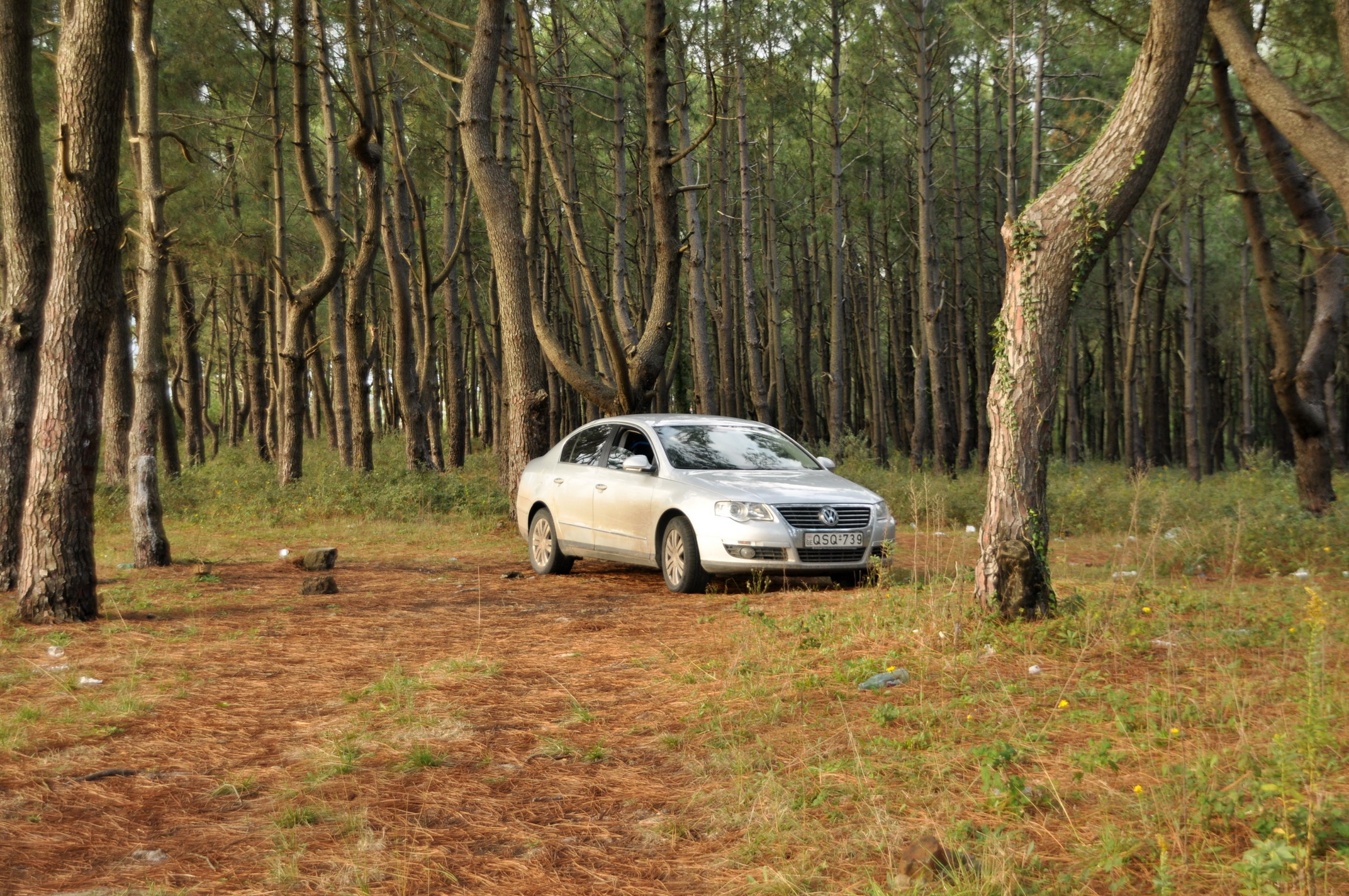
You could hire a car in Georgia by then, though the big international firms hadn't really arrived. I had to go into town, where I could do the paperwork in a little office and drive off. One of the bosses, perhaps even one of the owners, met me at the airport. When it turned out they didn't have the cheapest economy car I'd booked, he gave me his own brand-new, top-of-the-range Passat for the same price. Good on them. They were trying.
Borjomi and Bakuriani
My plan for the first day was simple: get as far out of the city as possible. I would leave my walk around Tbilisi until the end.
Traffic in the city was heavy. They'd been building roads, but the cars were multiplying faster. It took over two hours to get out of the centre and follow the Kura to the start of the modern motorway to Kutaisi. Just outside the city I came across a vast new supermarket and bought food. I seldom eat at cafés on these trips because there isn't usually time. A few supplies come in handy. I was particularly pleased to stock up on cases of Borjomi. Russia had banned it out of spite for Saakashvili, and a ban, as you know, creates demand. I could sometimes get hold of a smuggled bottle, but here there was as much as I could want, for the price of water from a Saint Petersburg tap passed off as something from a holy spring.
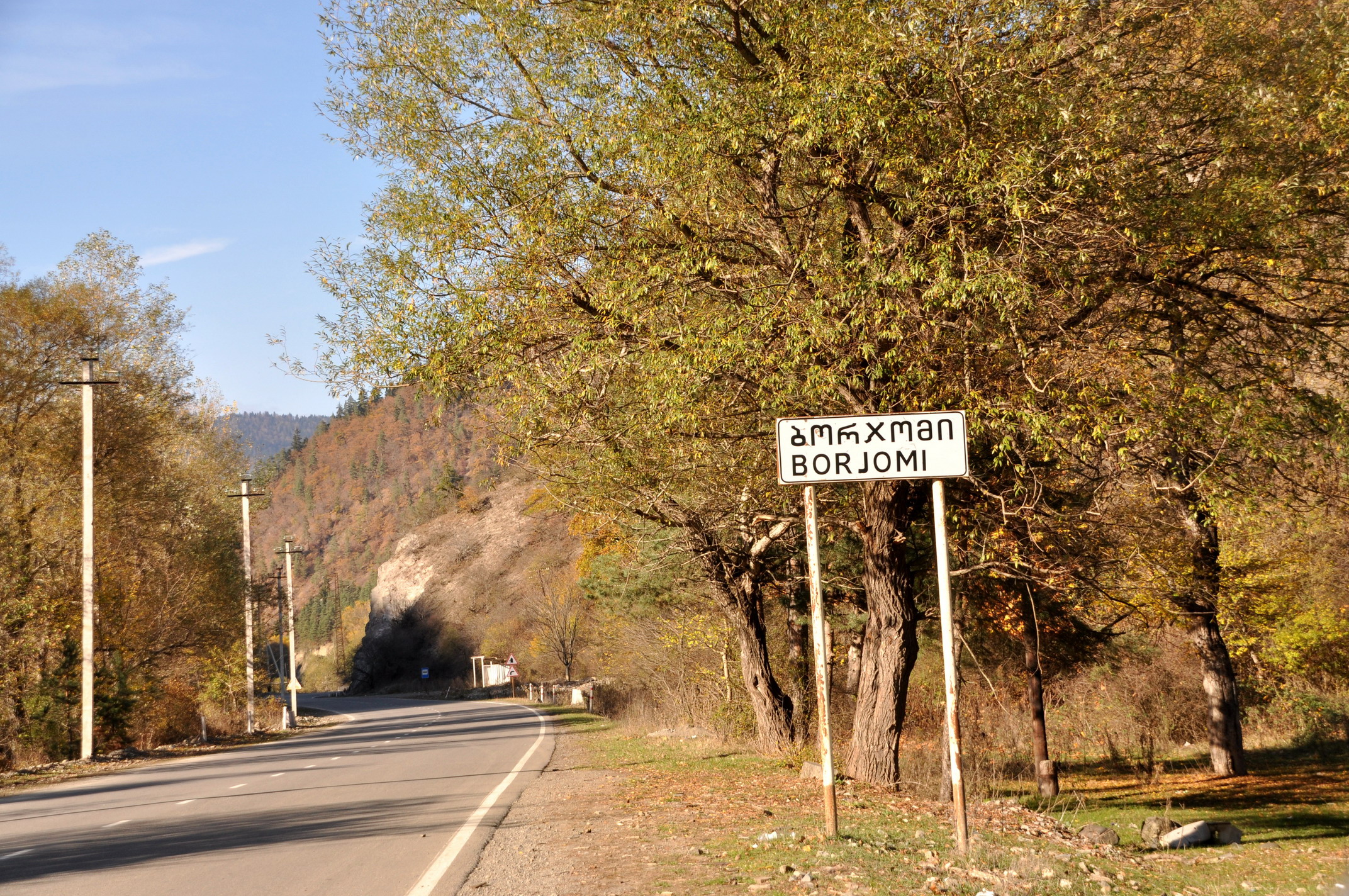
It got dark while I was in the supermarket. A pity, as I would see nothing out the window. My first destination was the town of Borjomi (ბორჯომი), where that blessed drink comes straight out of the ground.
It was a long drive. After the turn-off for Borjomi, the motorway gave way to moderately battered tarmac. I reached town around midnight and found a room on my first attempt at the Hotel Olymp (41°50.604′N, 43°23.377′E). It was clearly out of season. There was no one about. Perhaps I was the only guest.
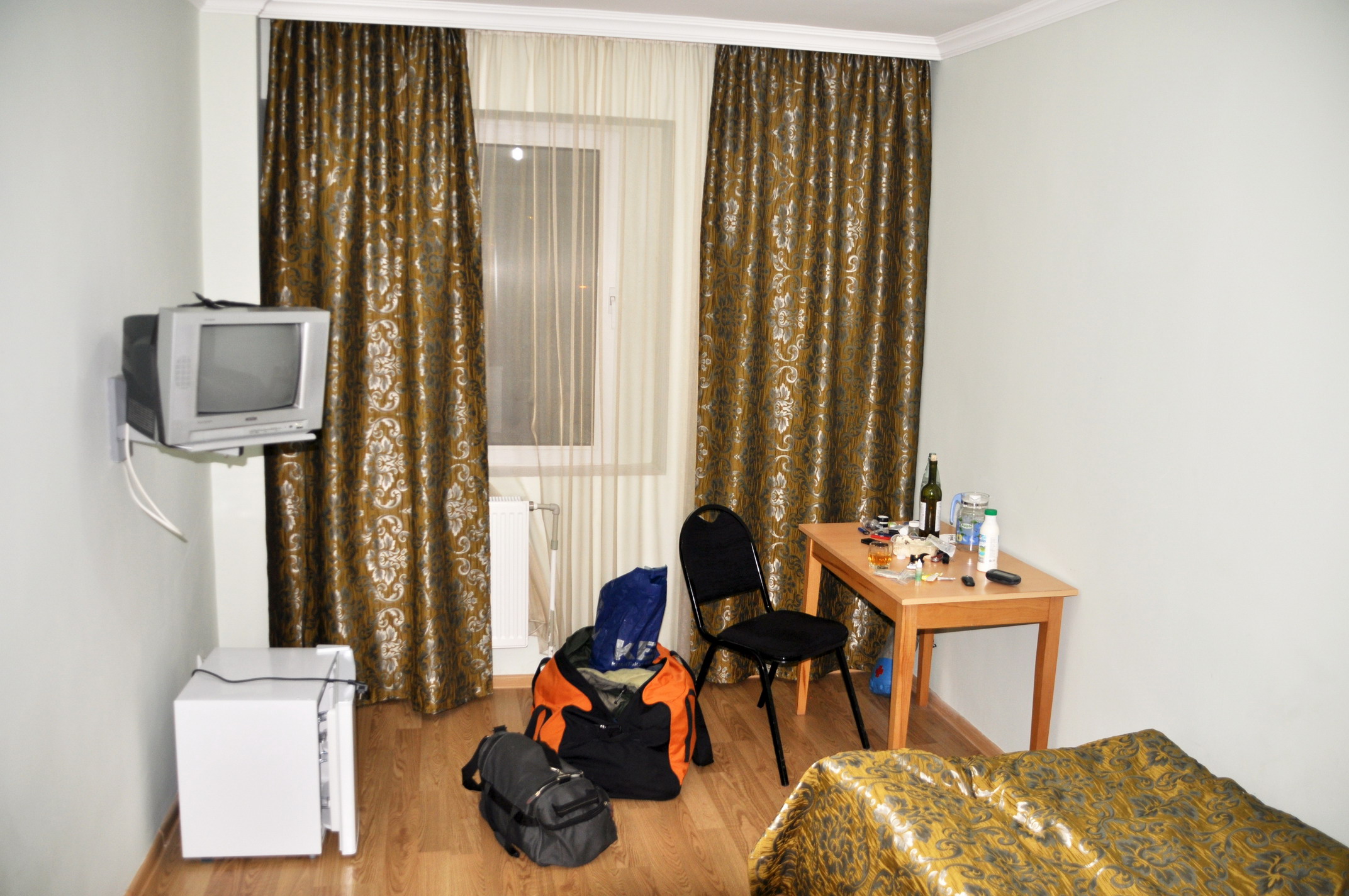
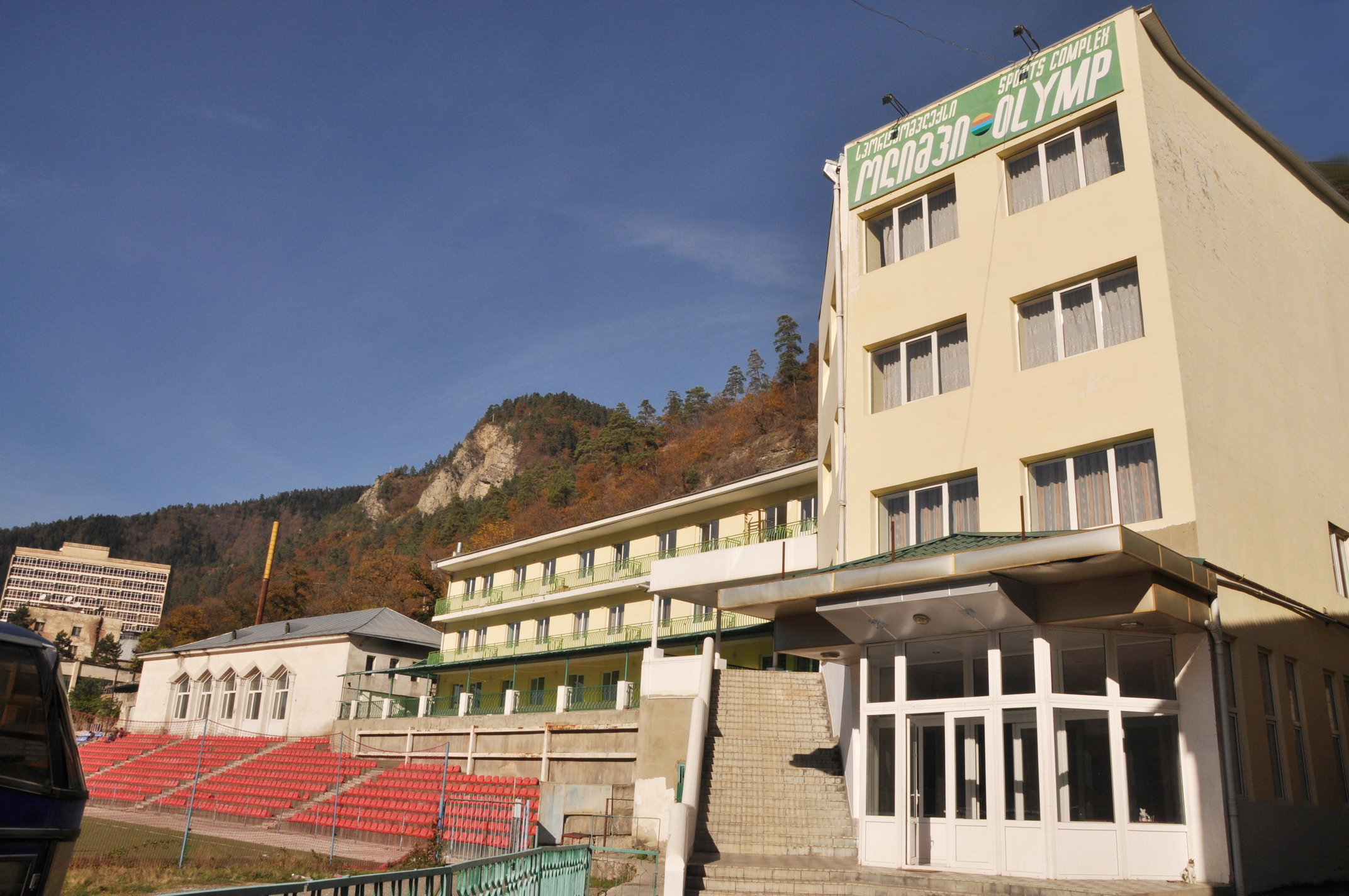
They served breakfast in the morning. It wasn't substantial, but it was something. I went to hand in my key and found nobody at reception. In one of the staff rooms I found the whole crew welcoming the new day with a glass of Georgian wine. They asked me to join them. Luckily I had a reason to decline: I was driving. They could hardly have been more welcoming.
I started the day with a long walk through Borjomi. A very lovely old town. Somewhere in town, the buildings were being restored. In other places people were building something new. Elsewhere the town had been abandoned in the early 1990s and nothing had changed since then. The railway station still had its Soviet-era fare table. The economy here must have collapsed so fast that everything stayed untouched, as if covered in ash at Pompeii.
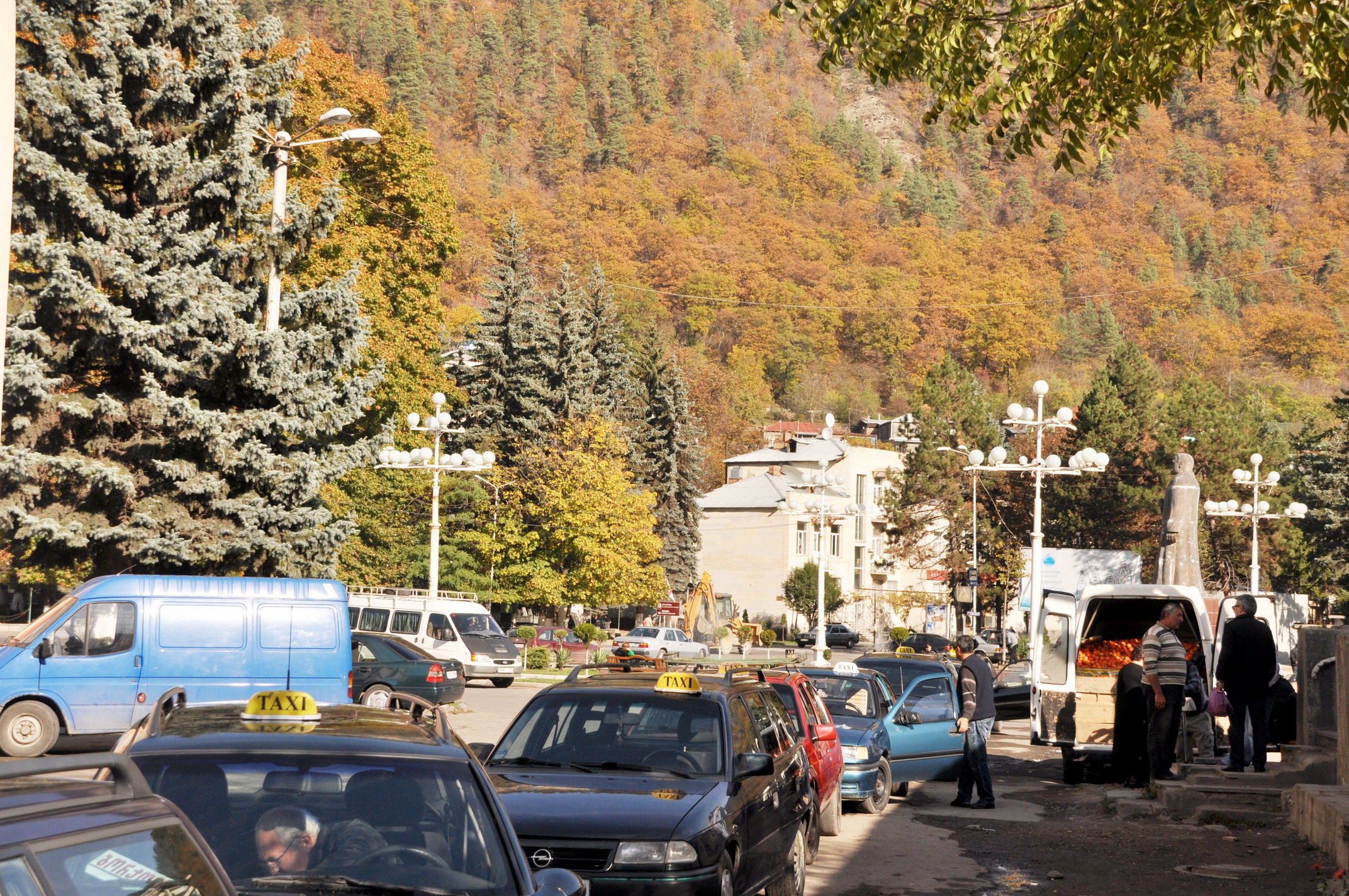
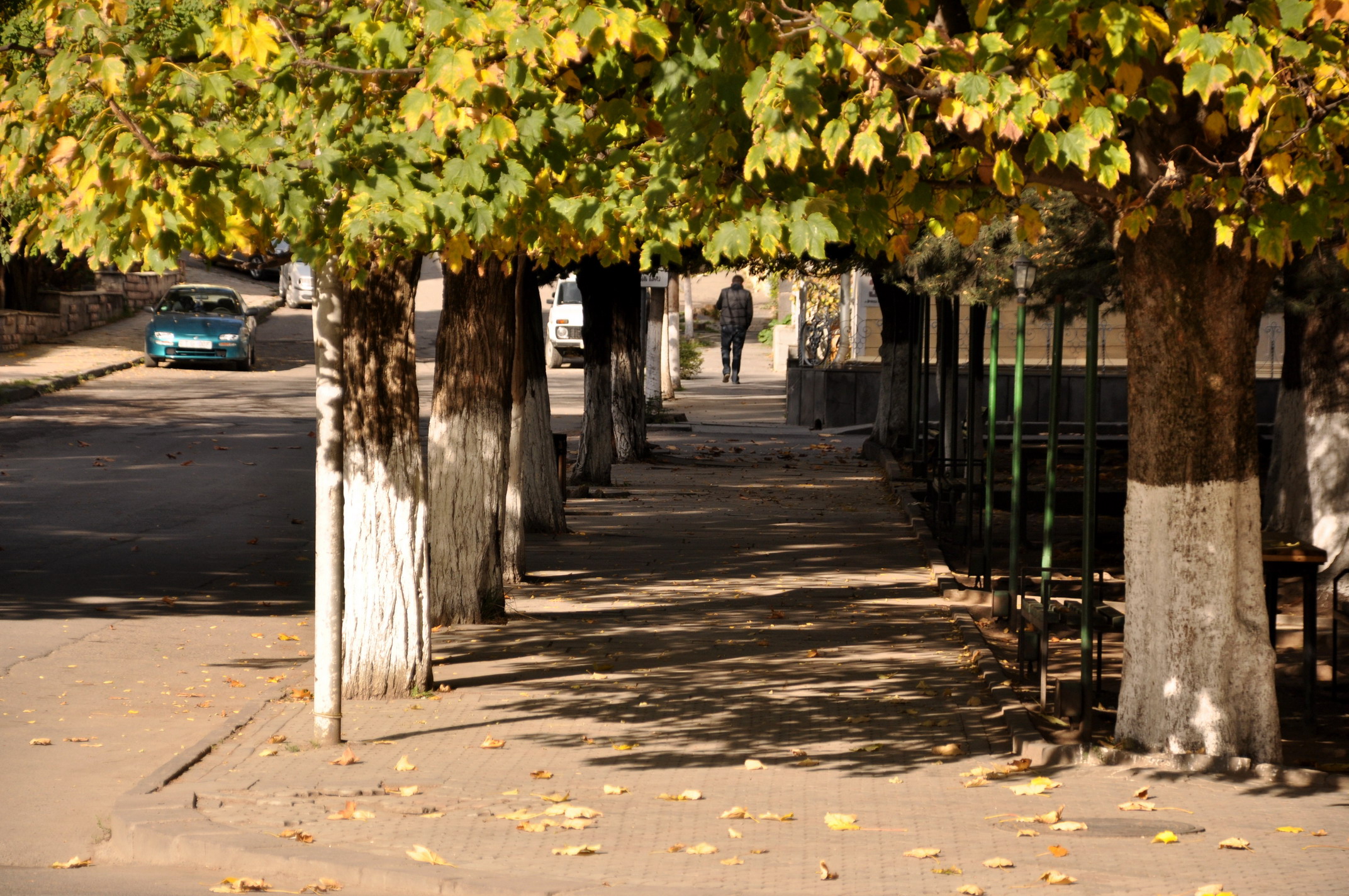
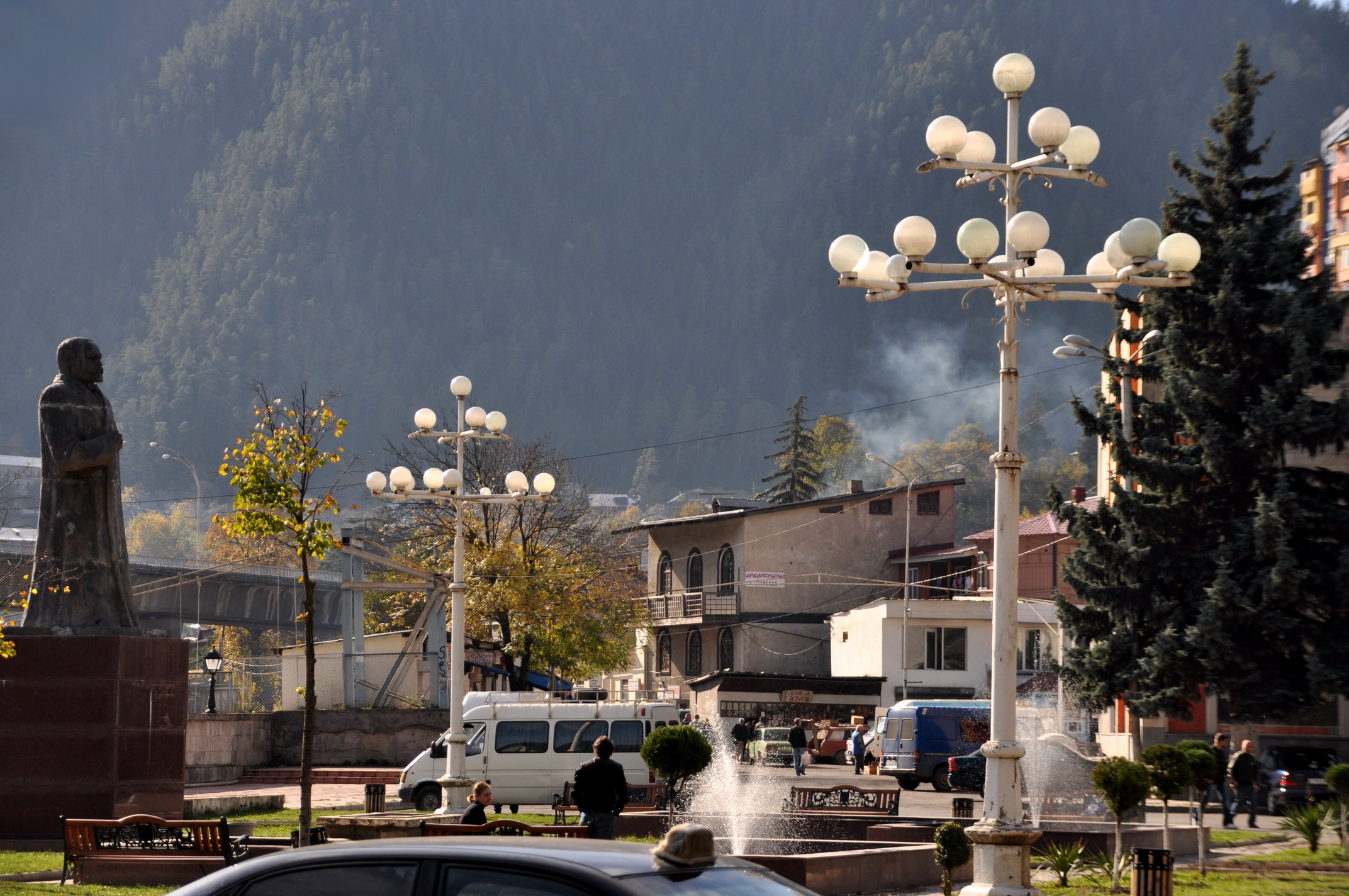
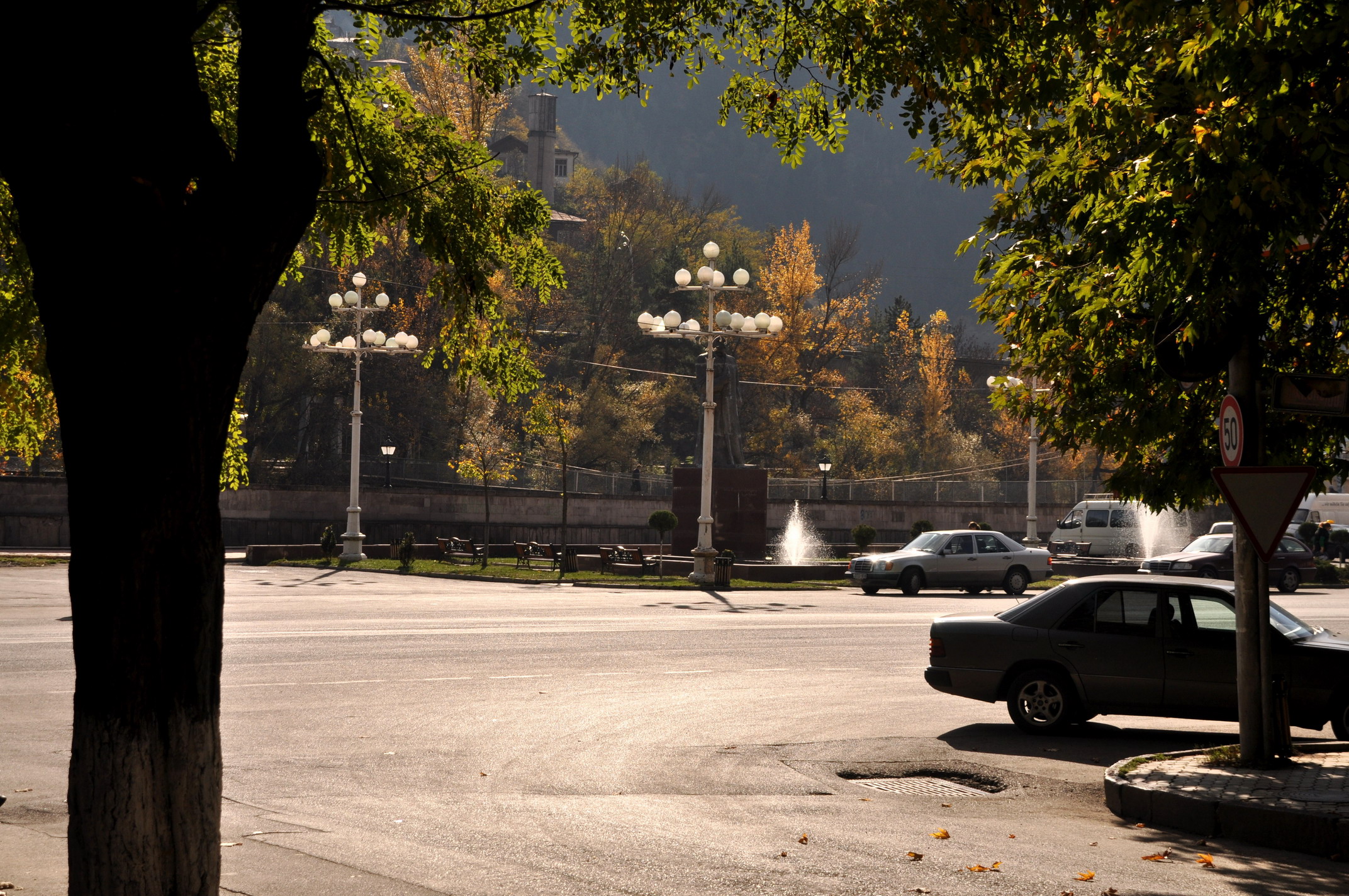
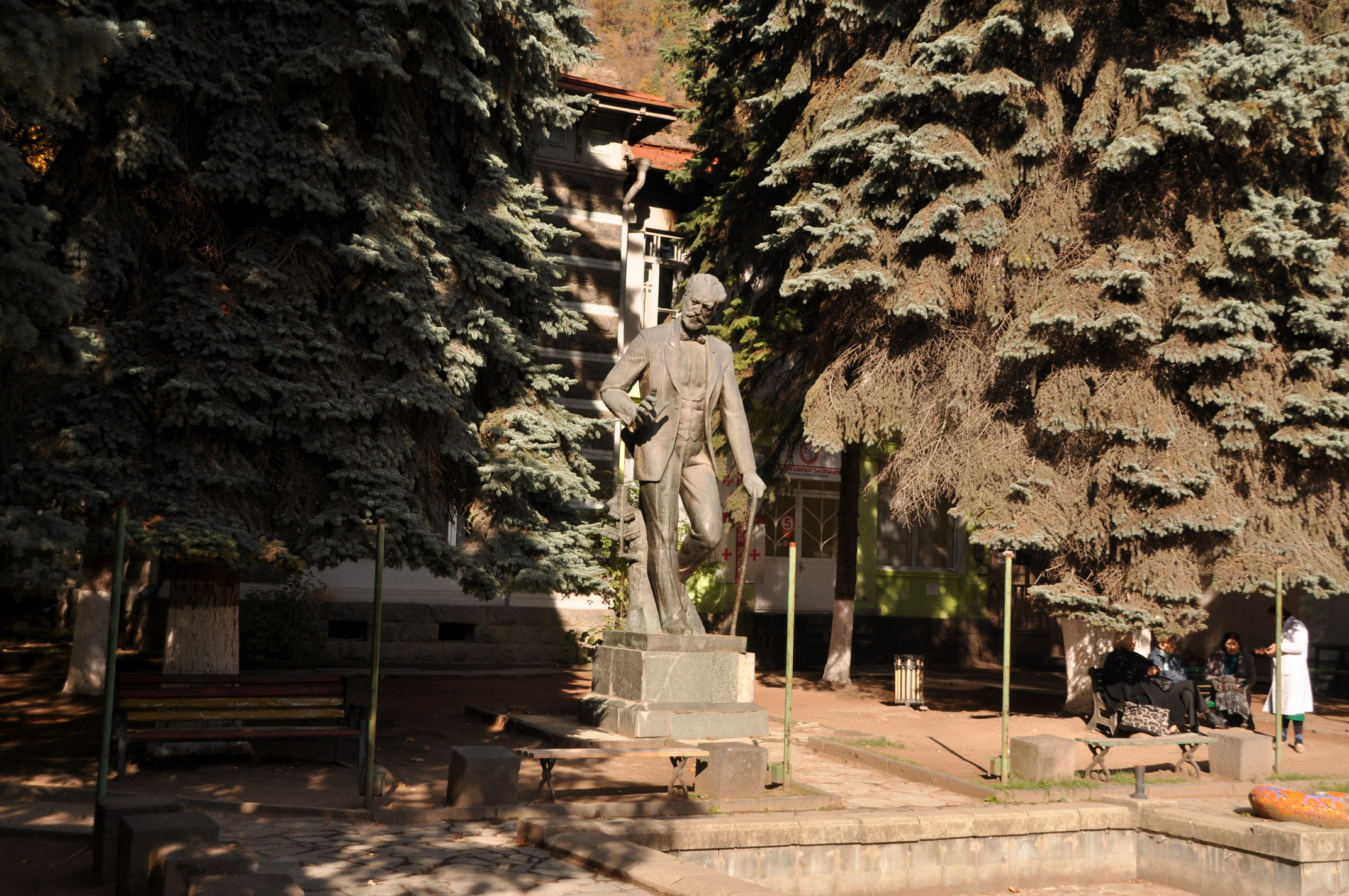
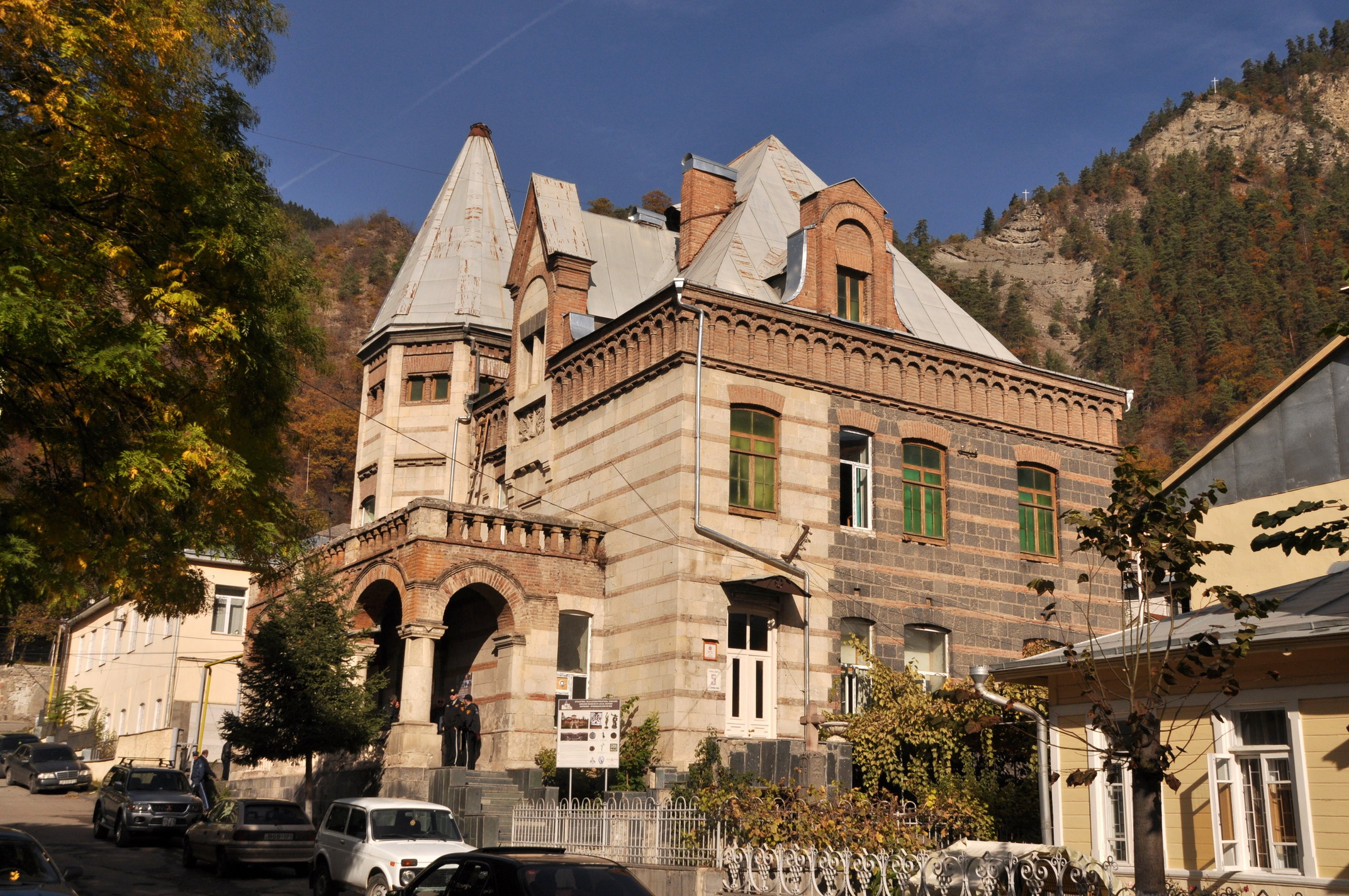
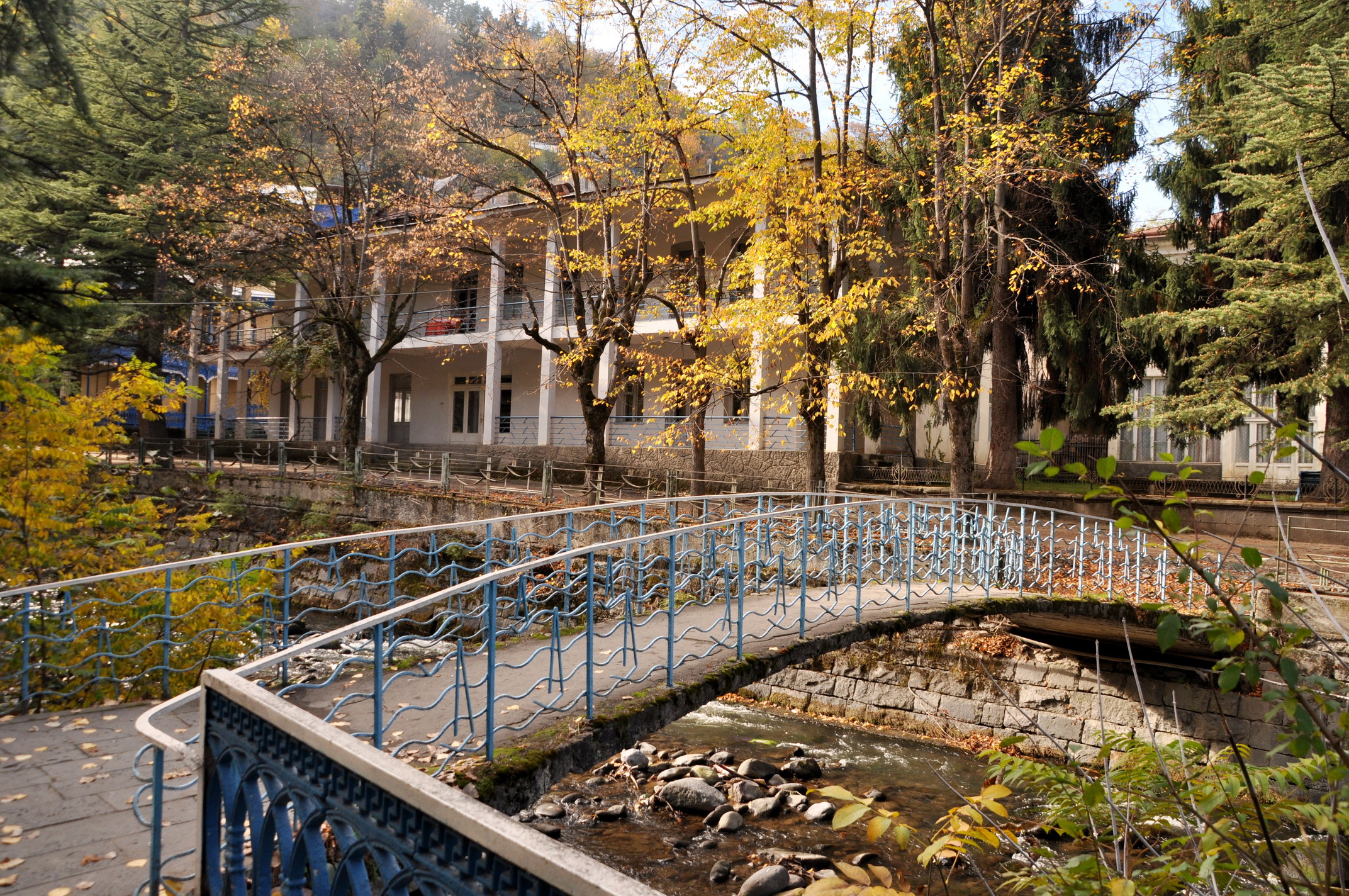
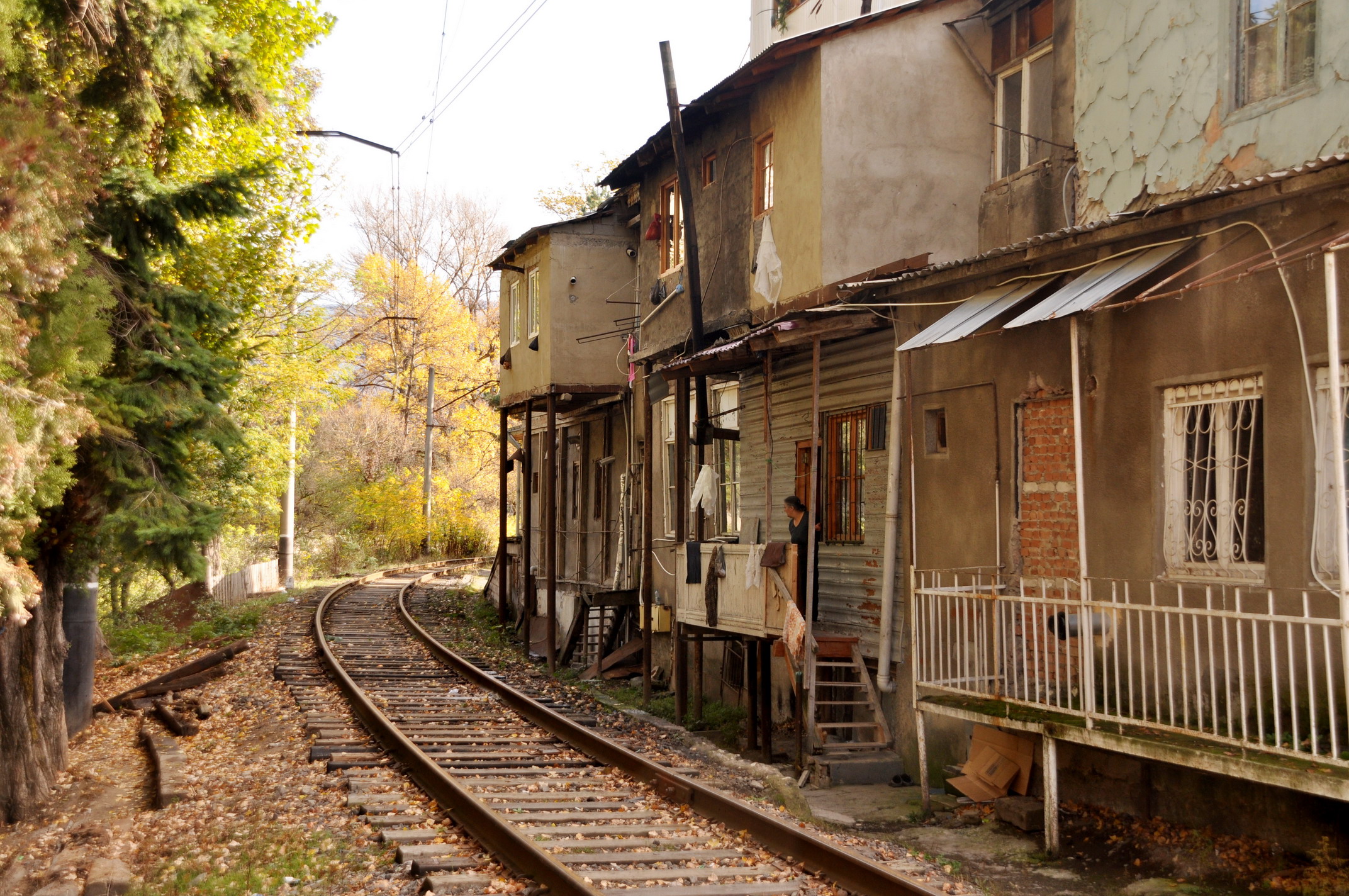
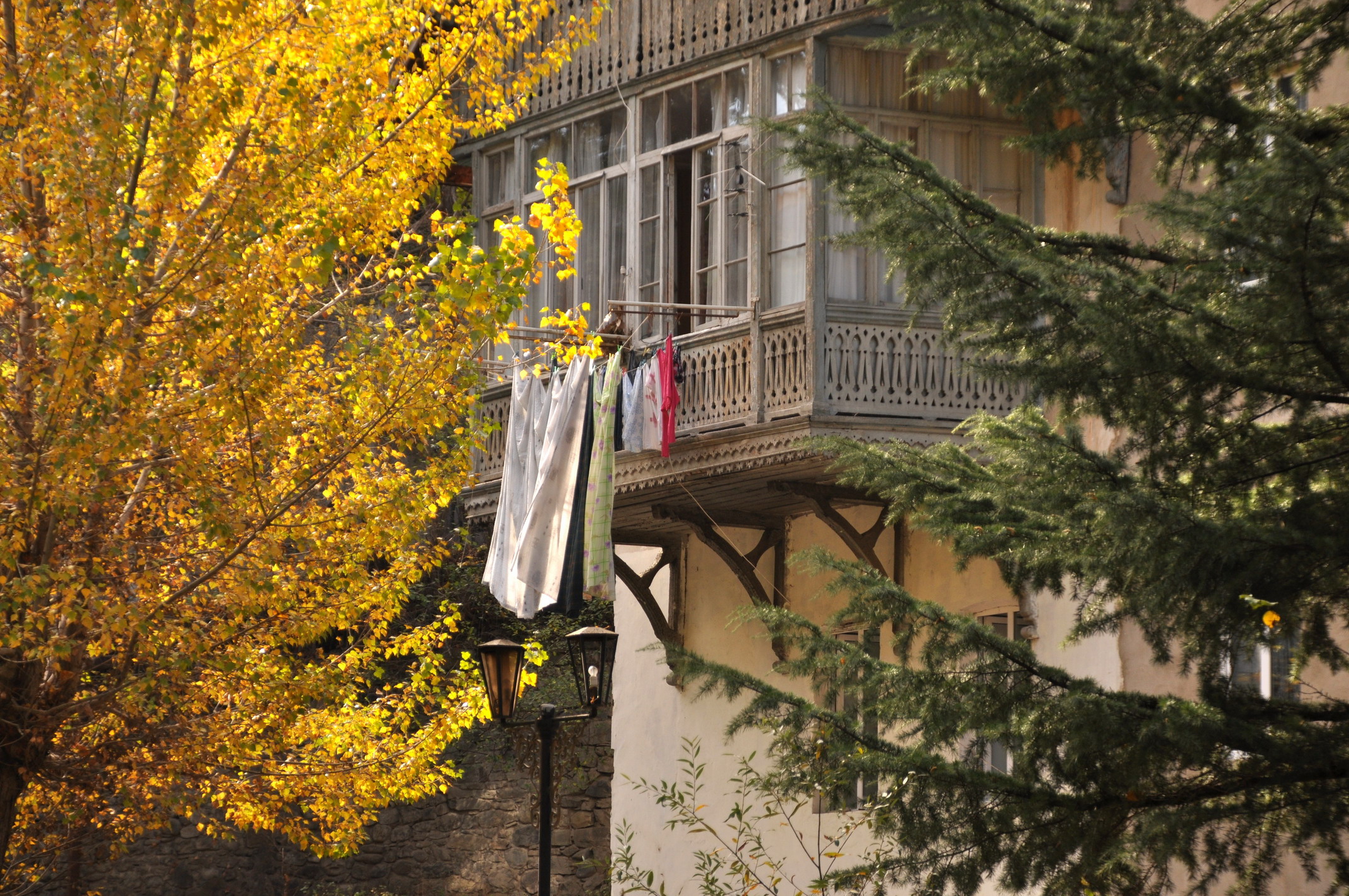
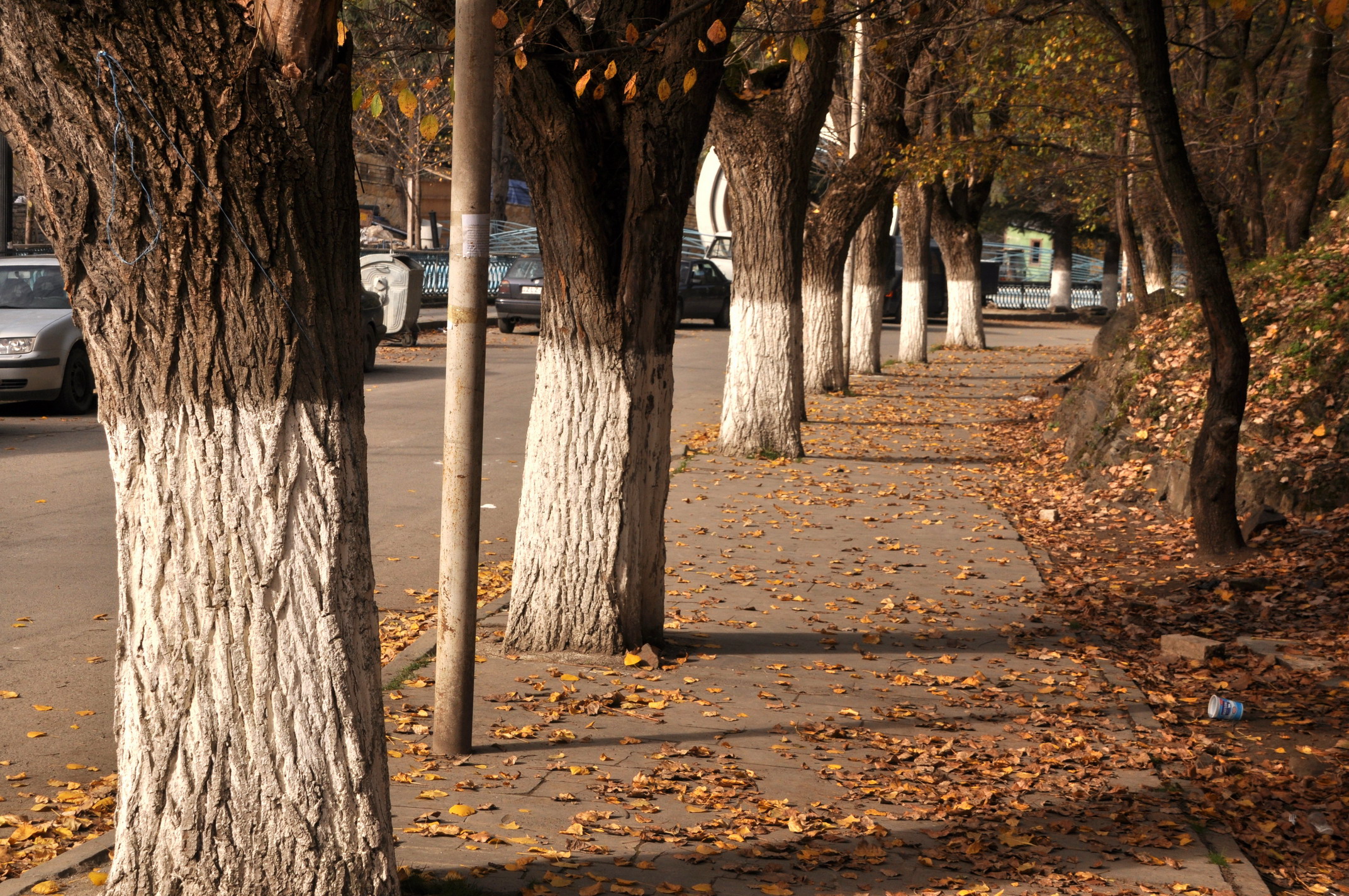
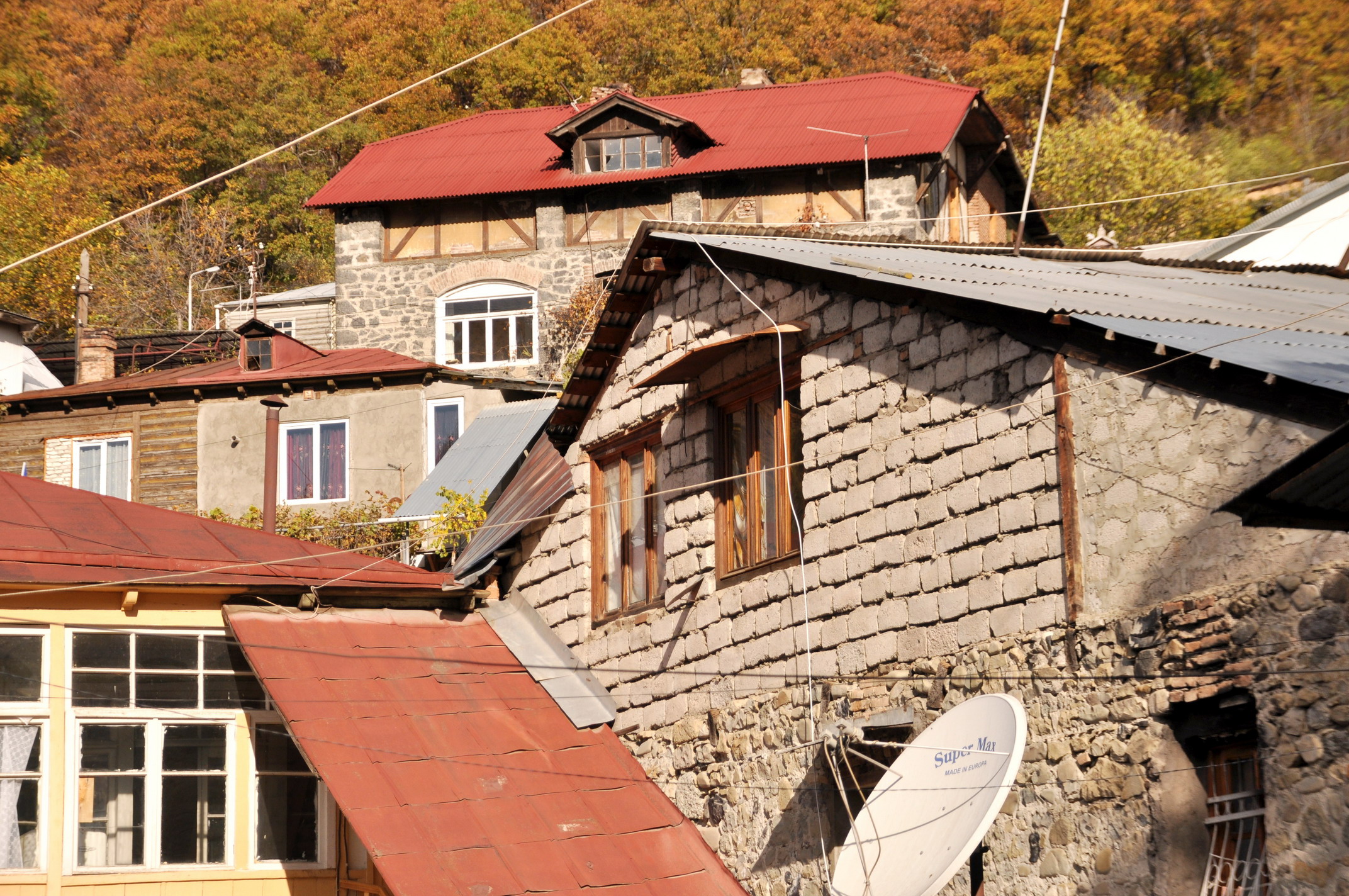
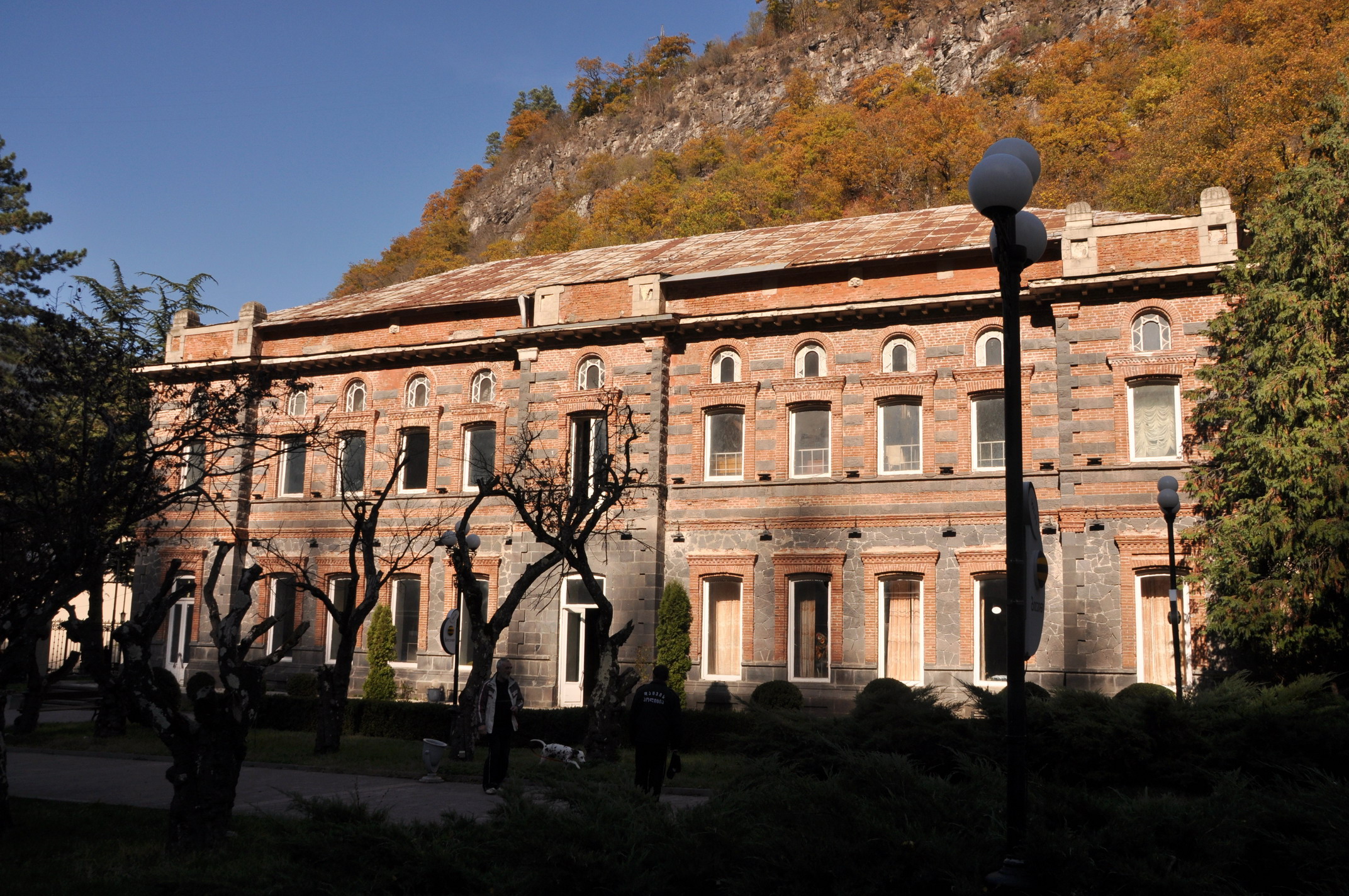
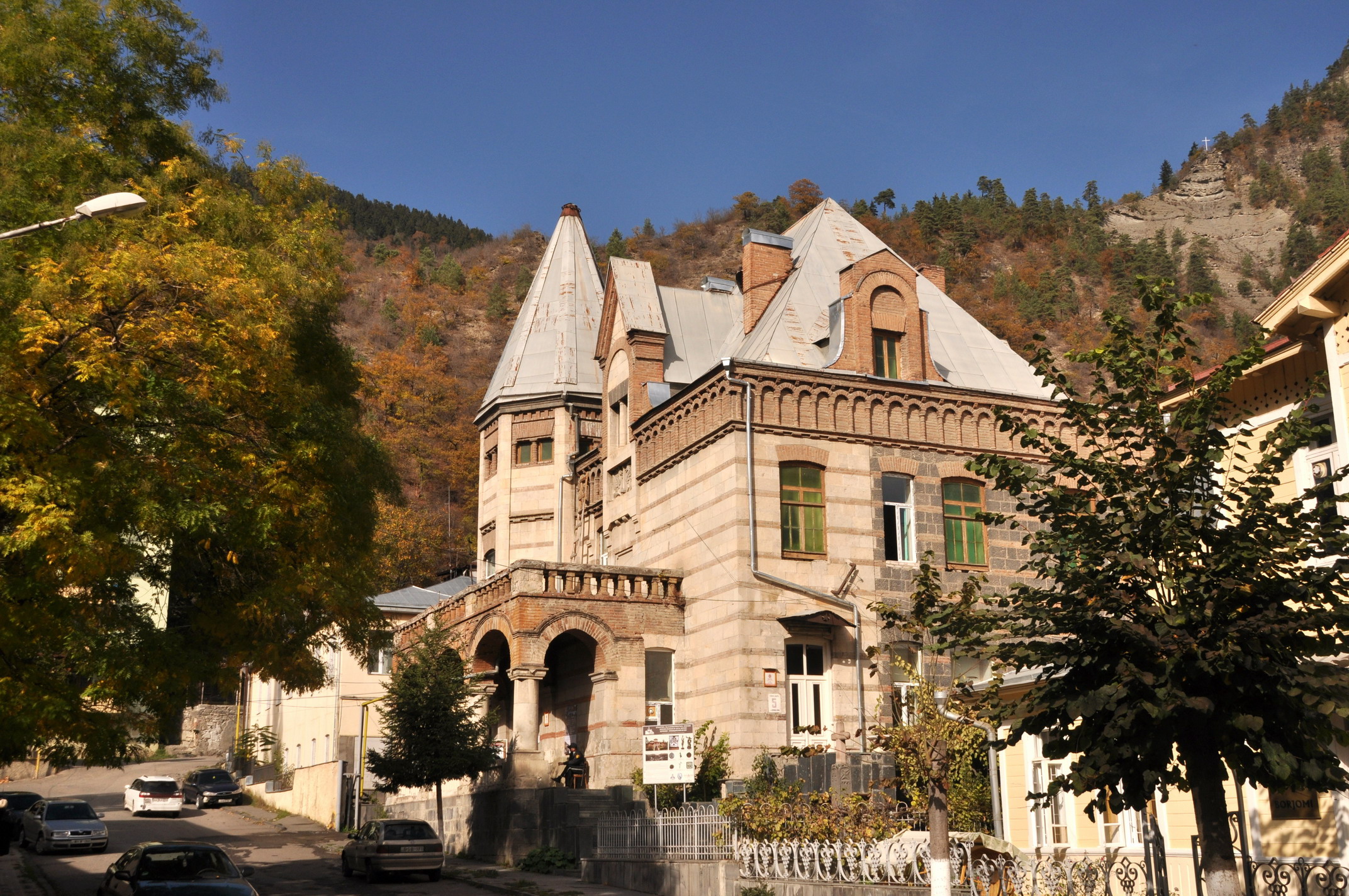
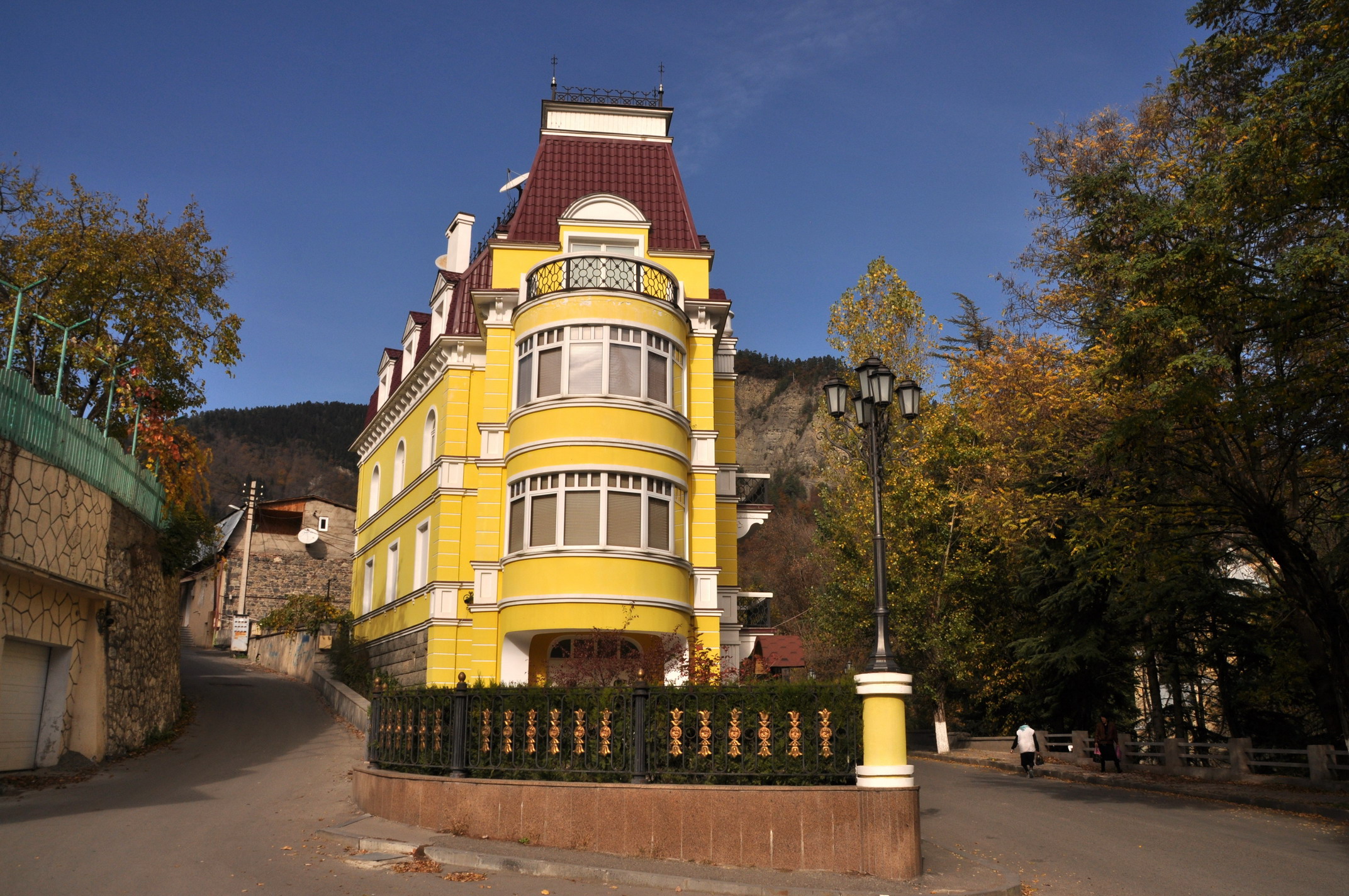
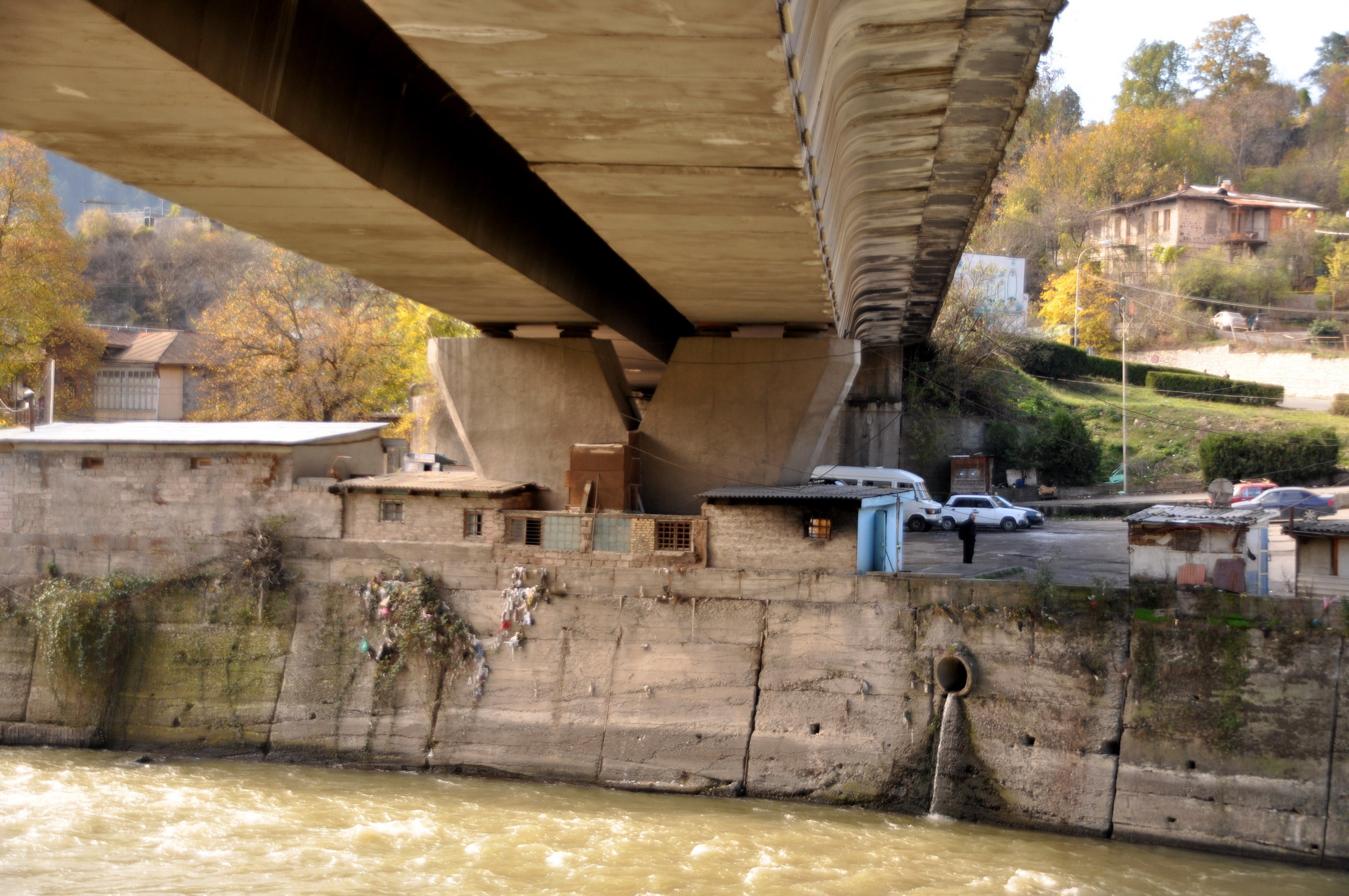
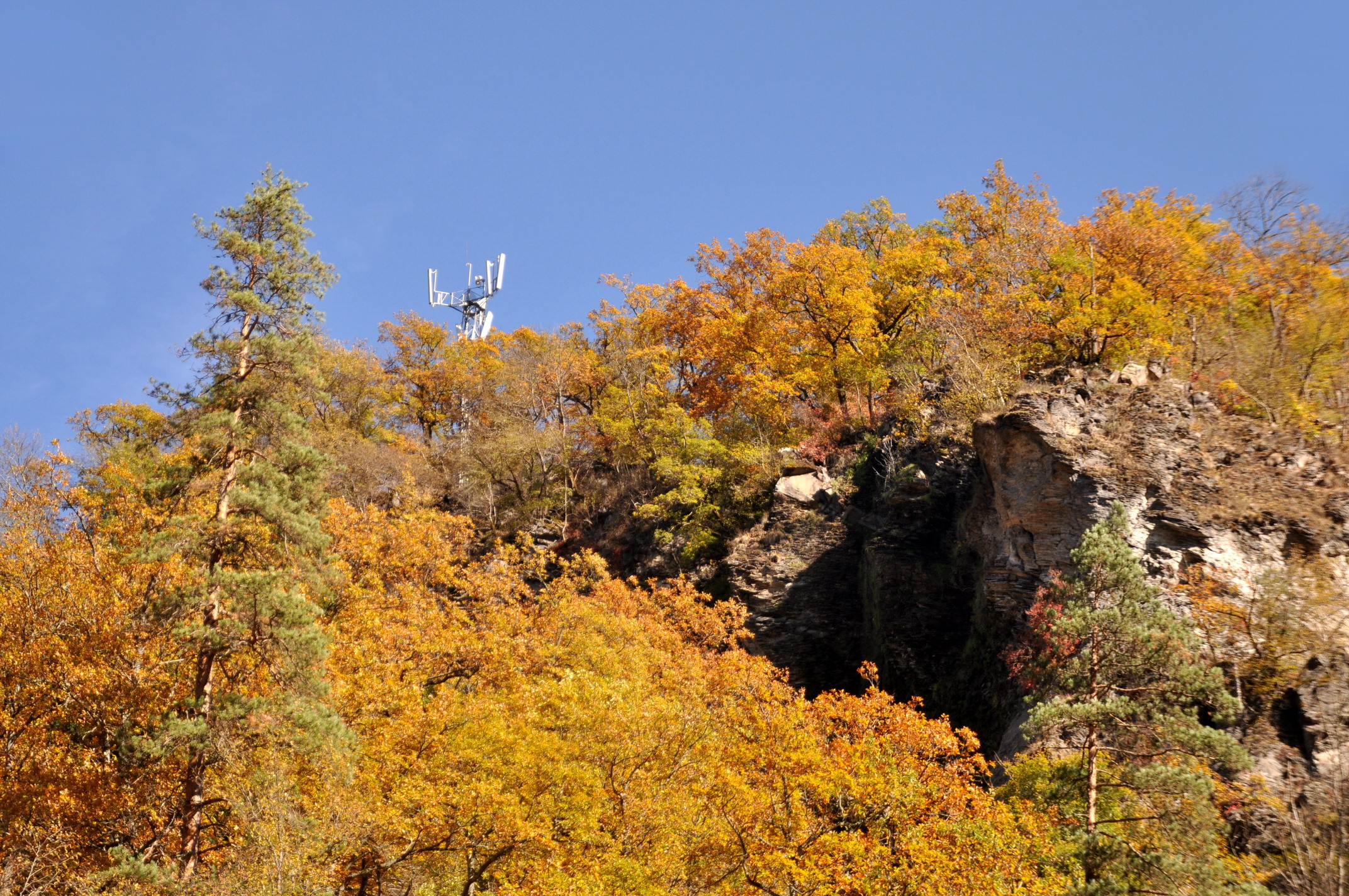
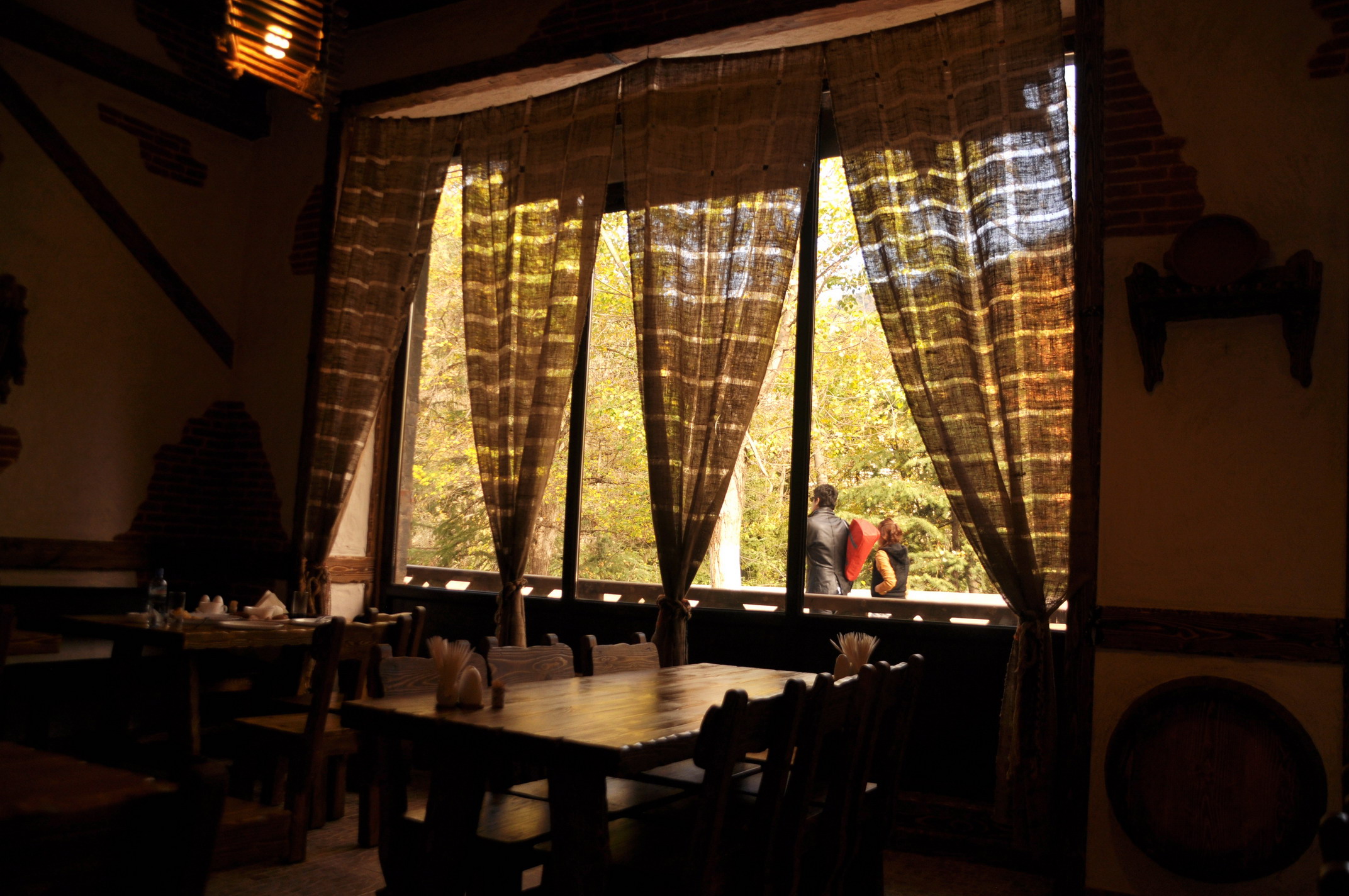
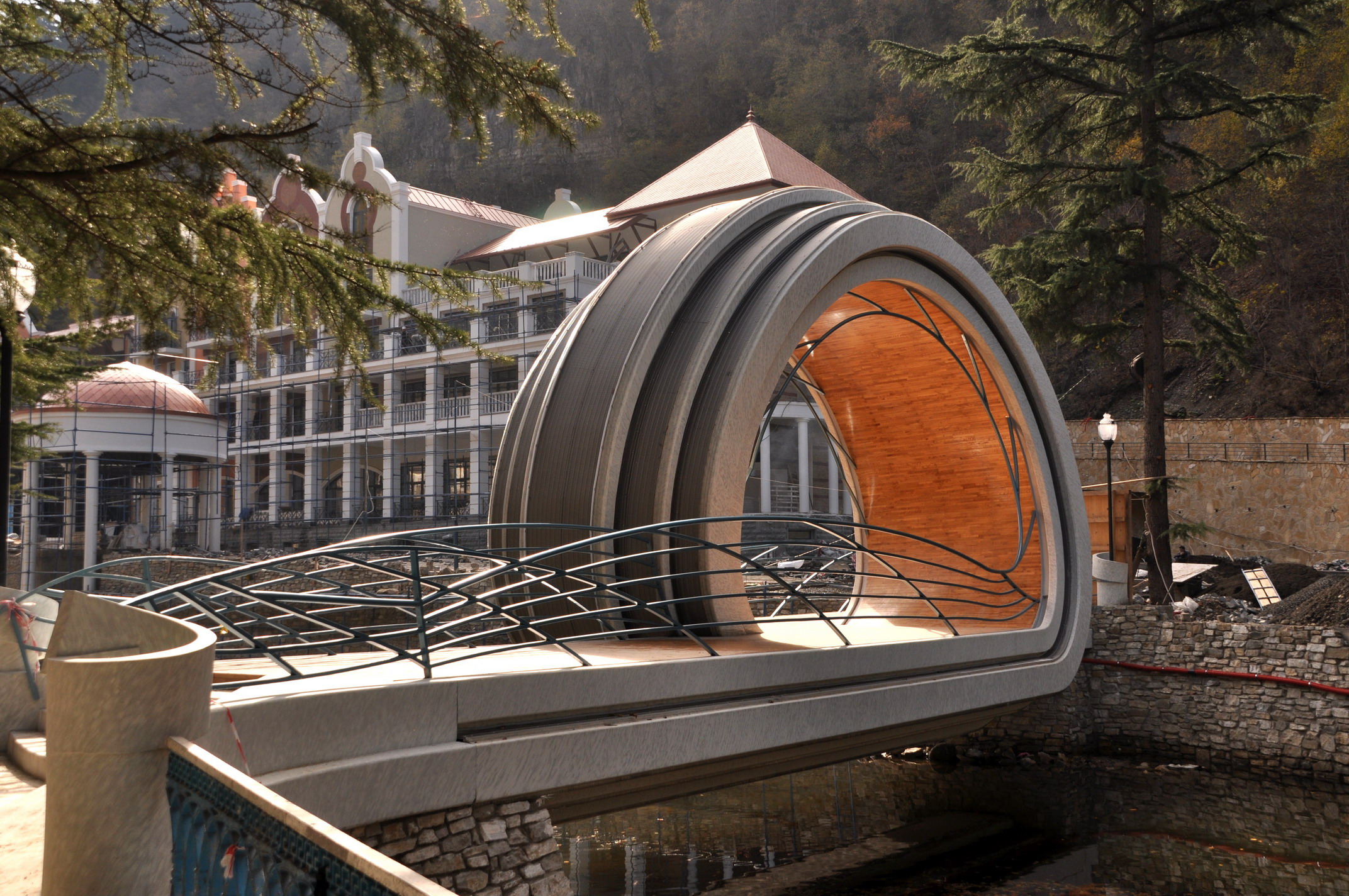
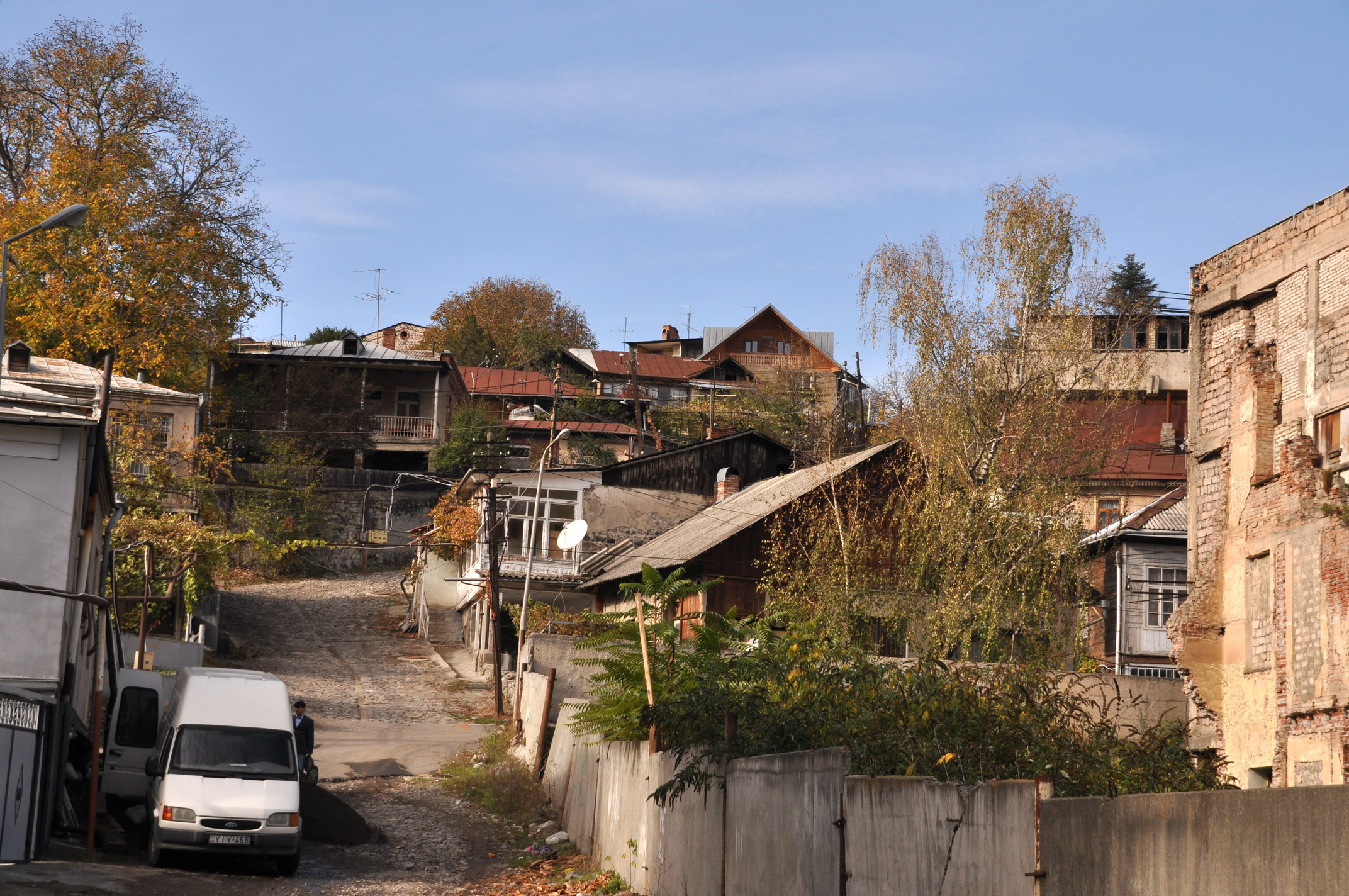
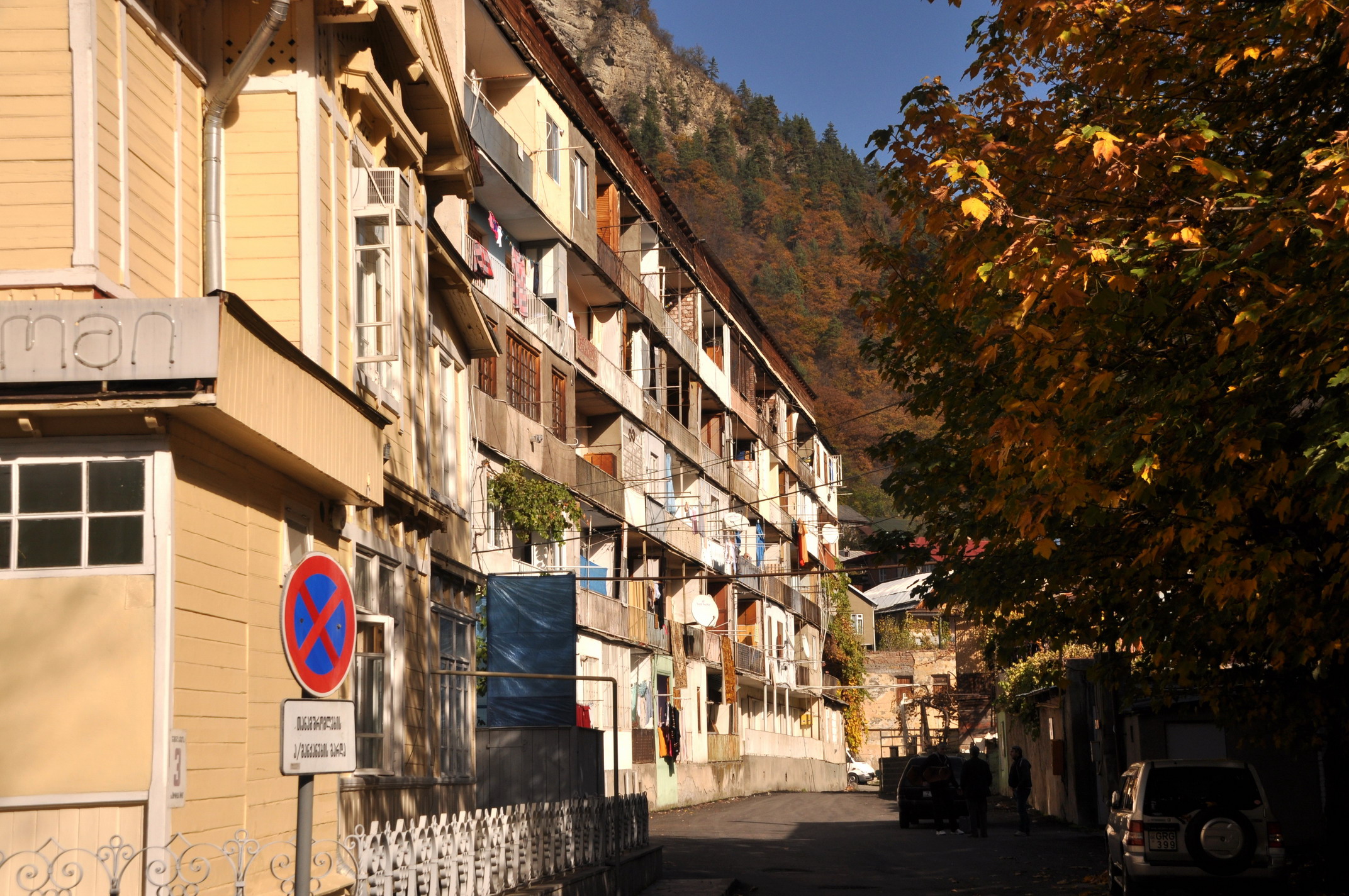
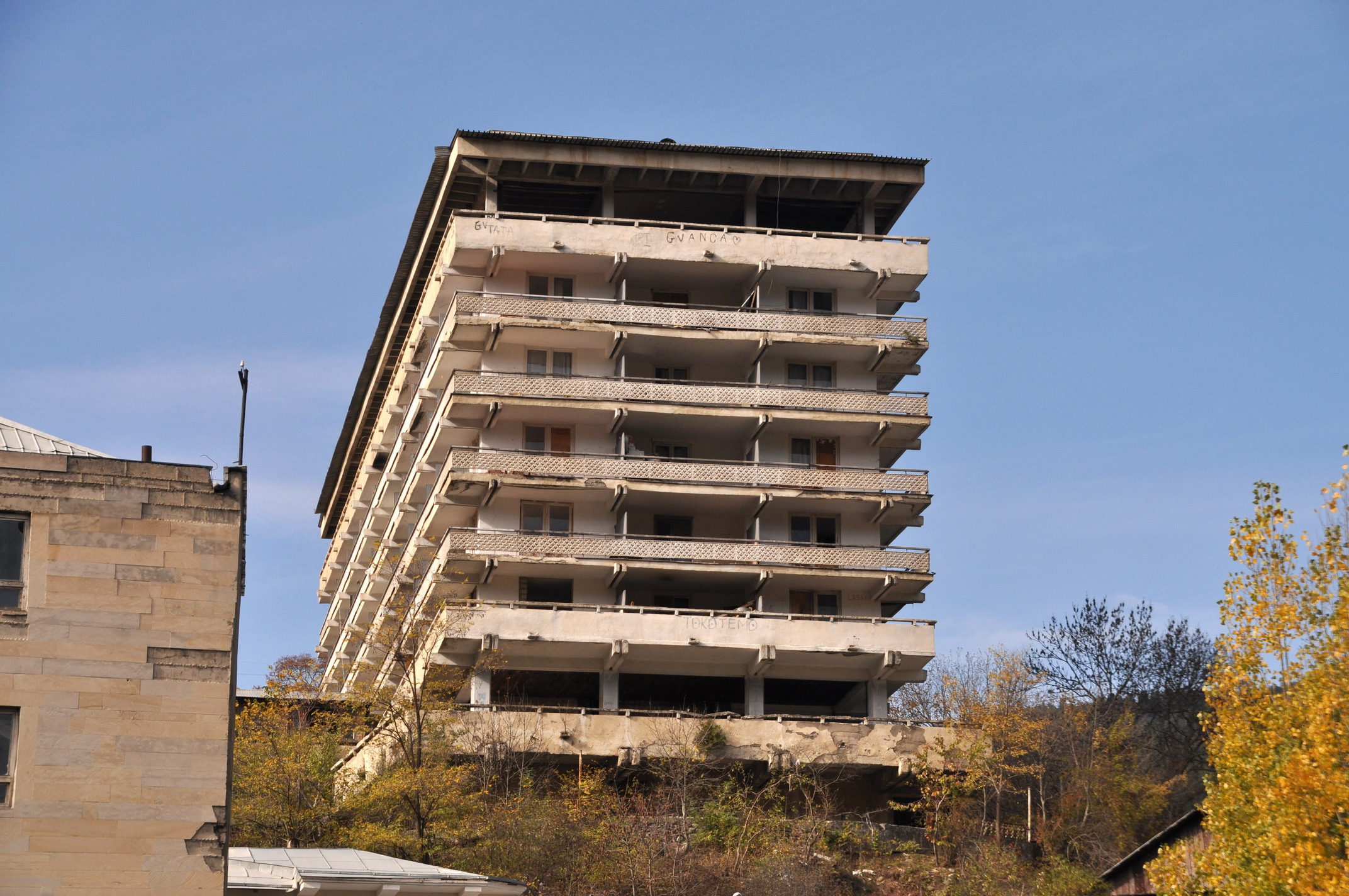
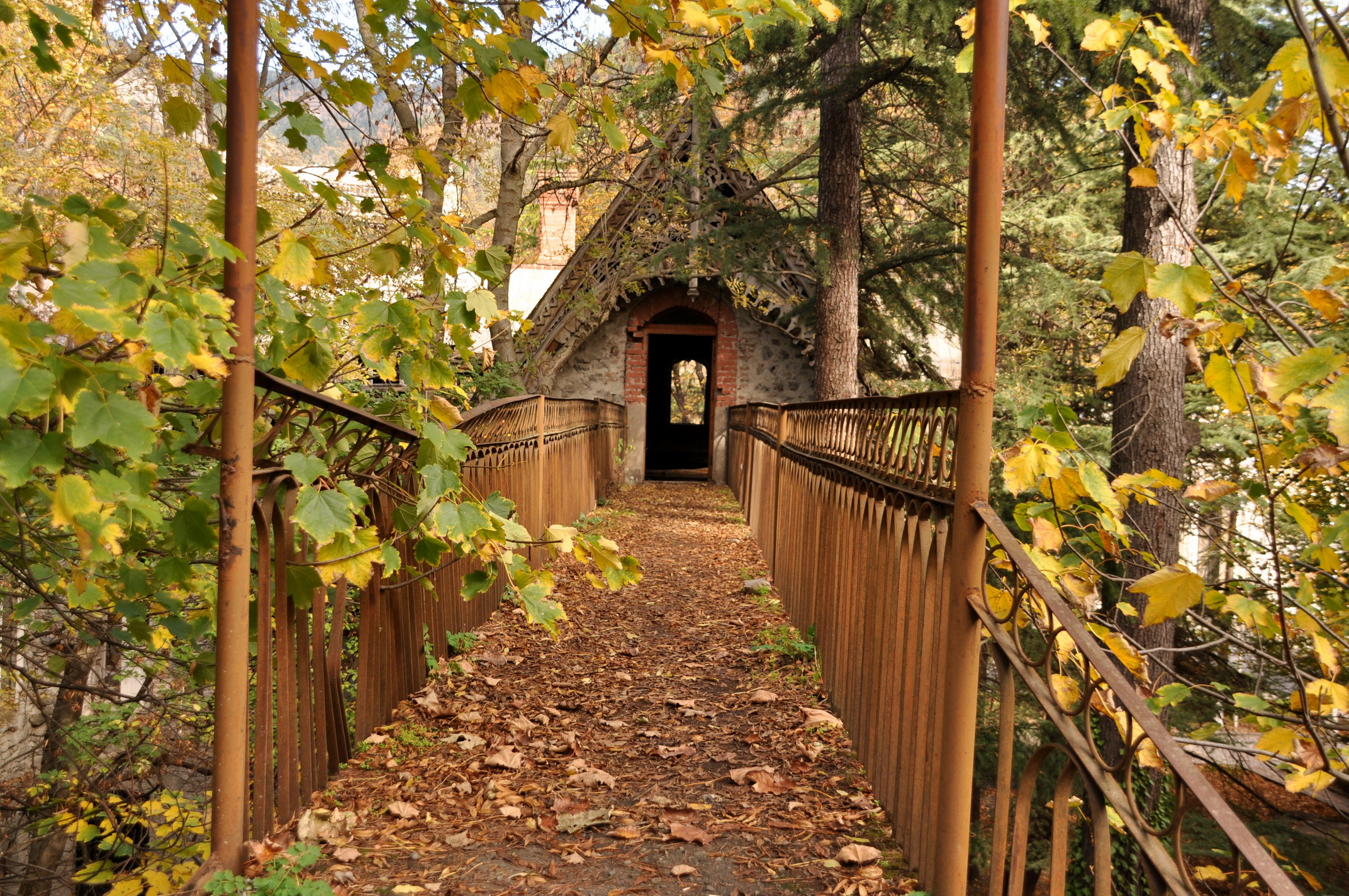
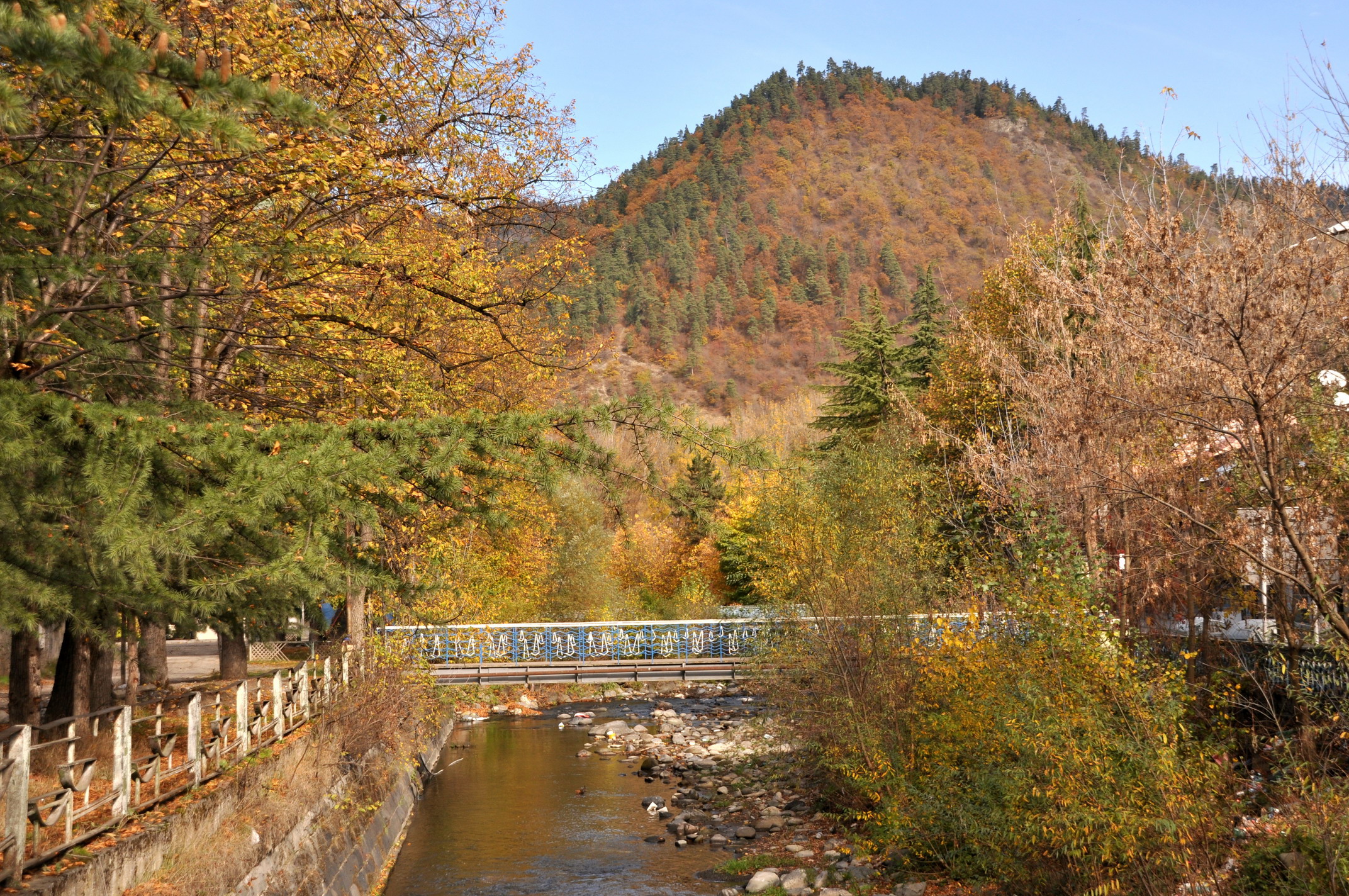
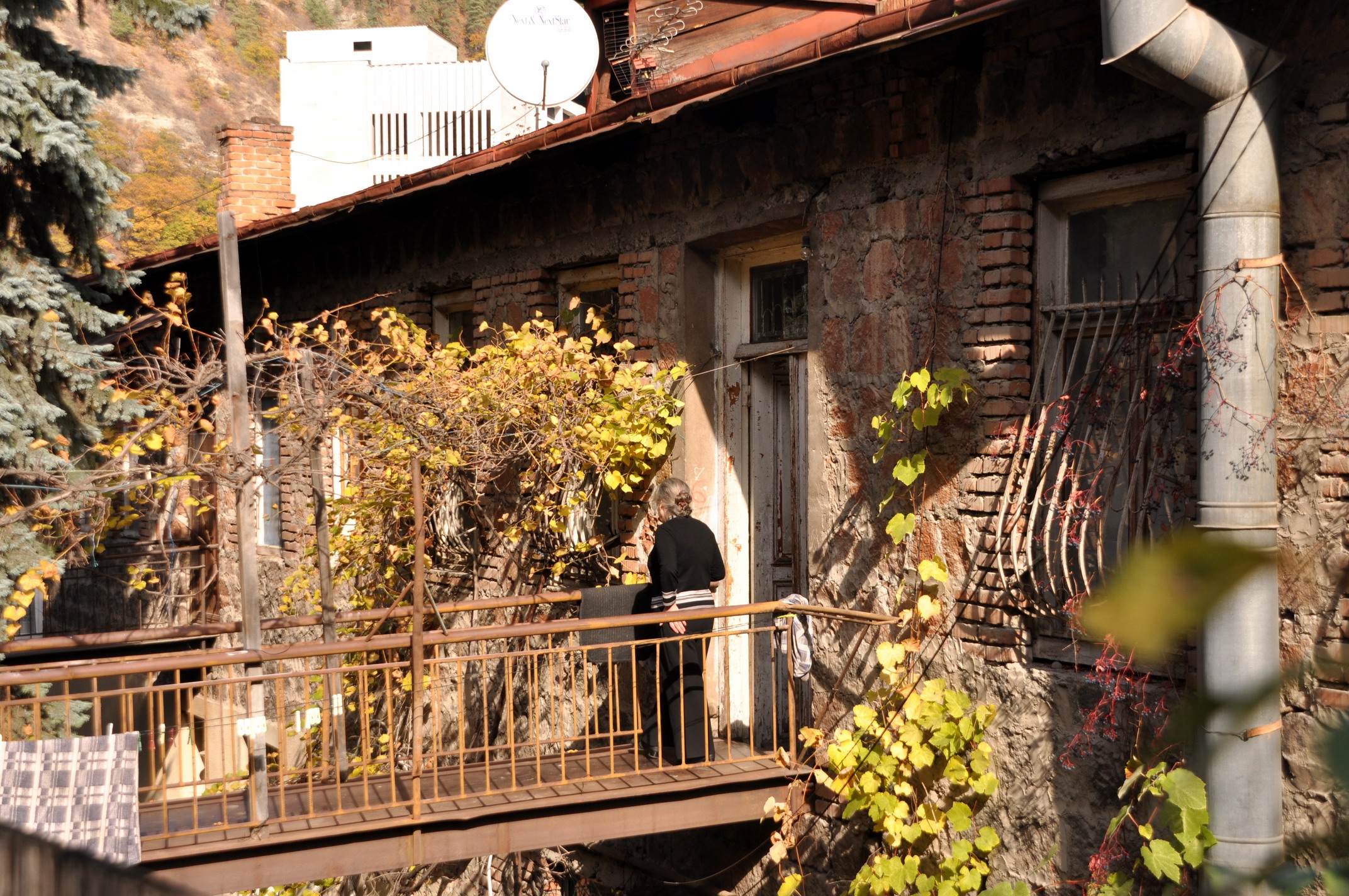
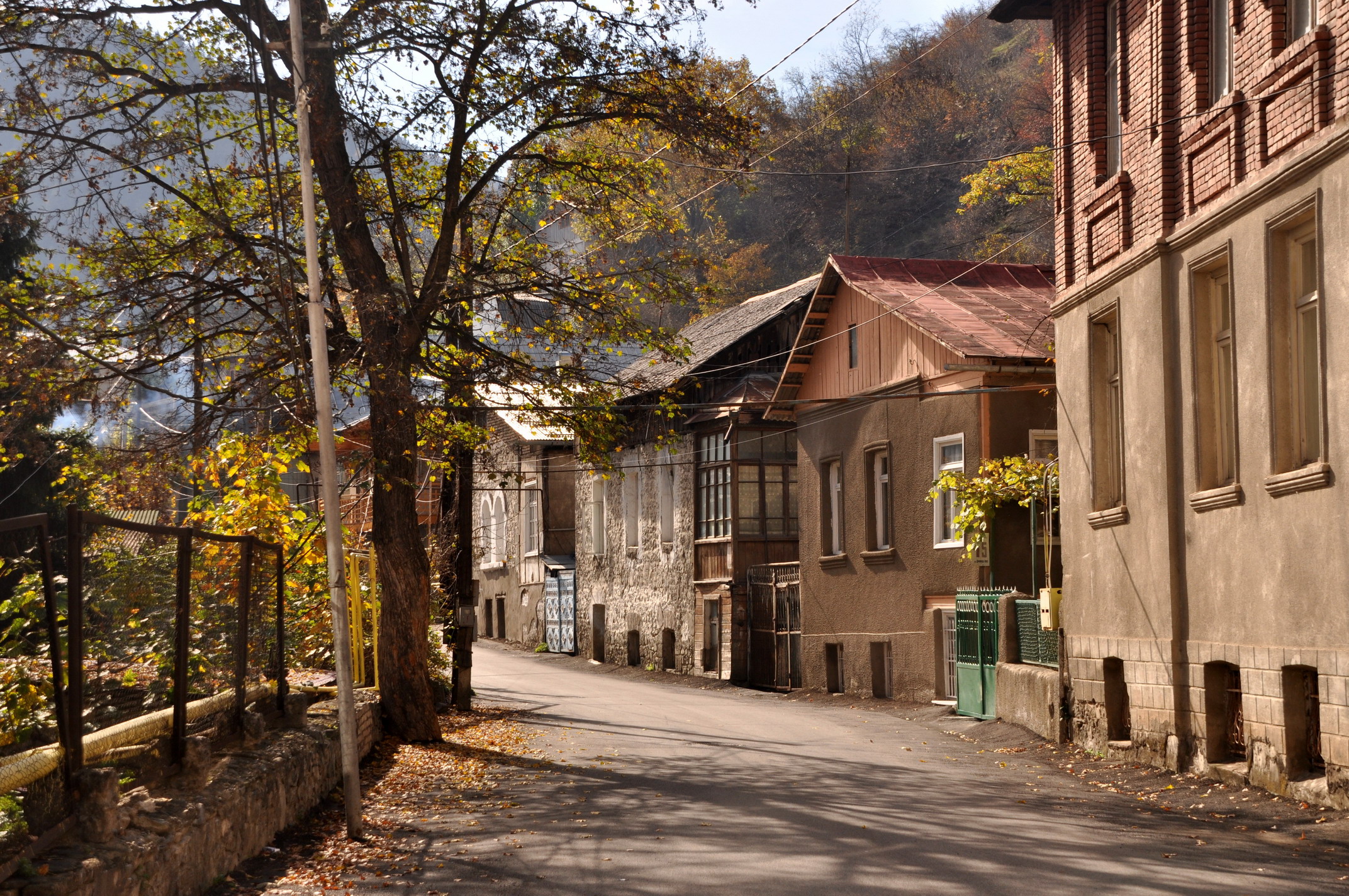
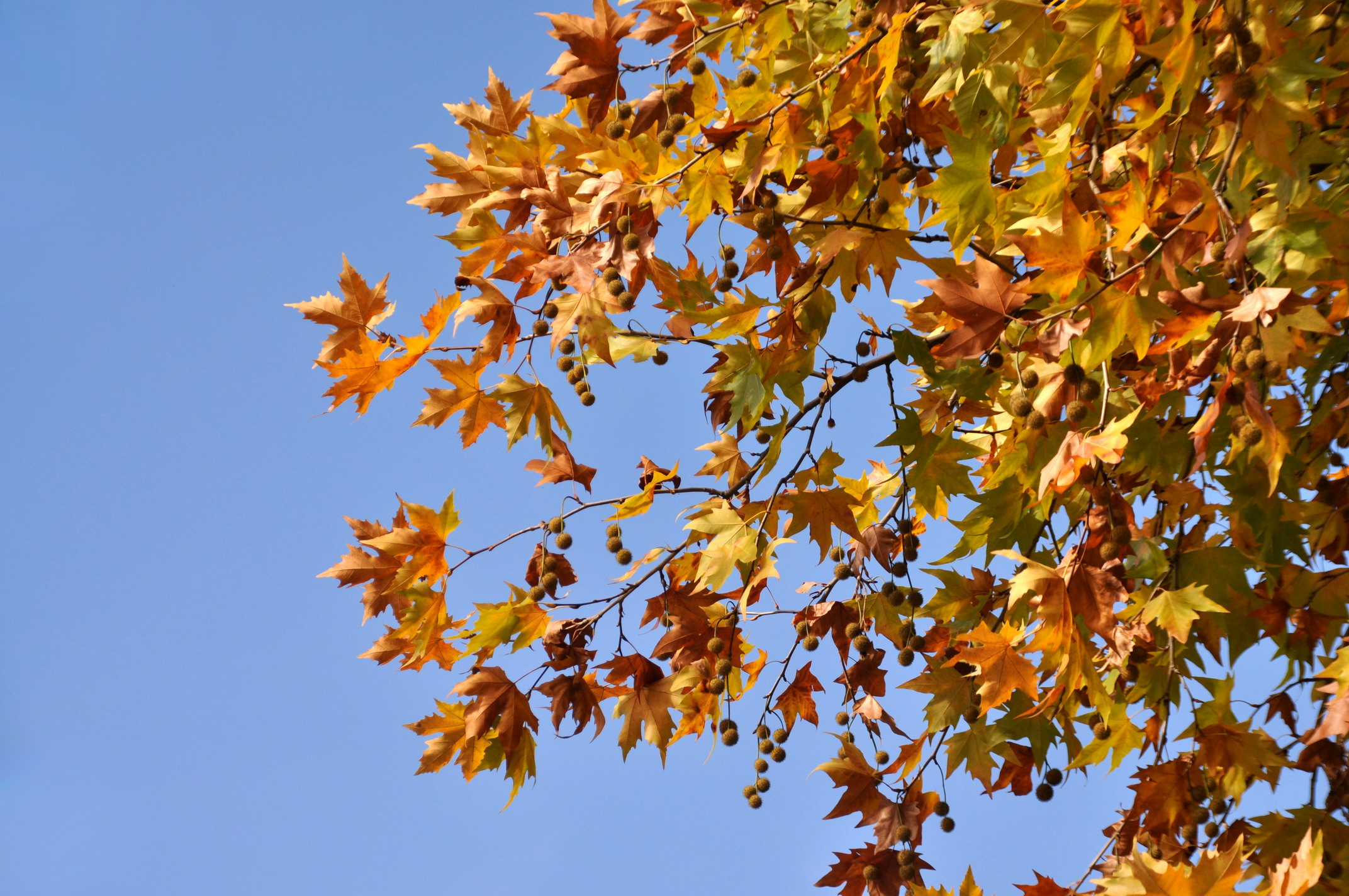
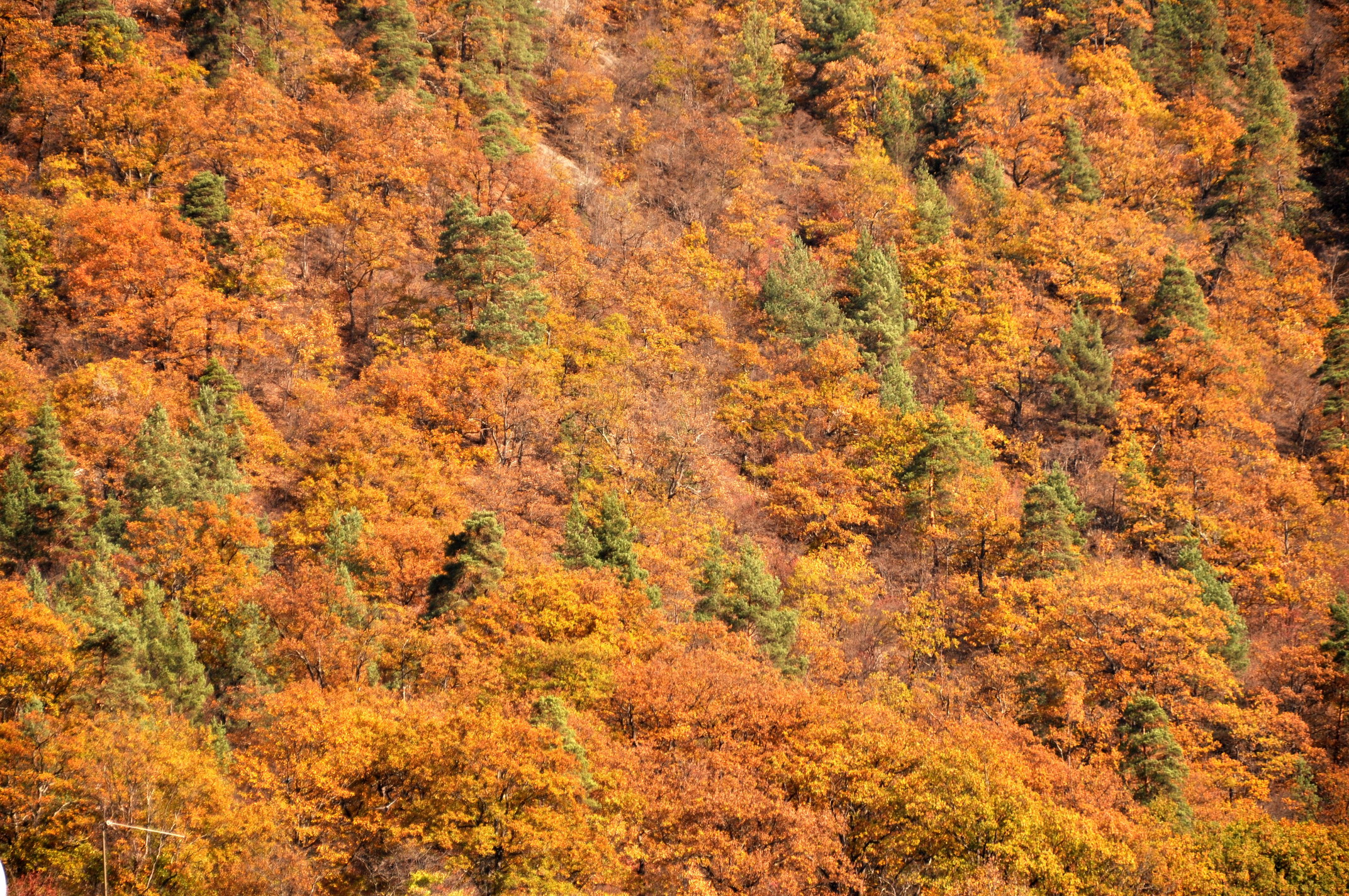
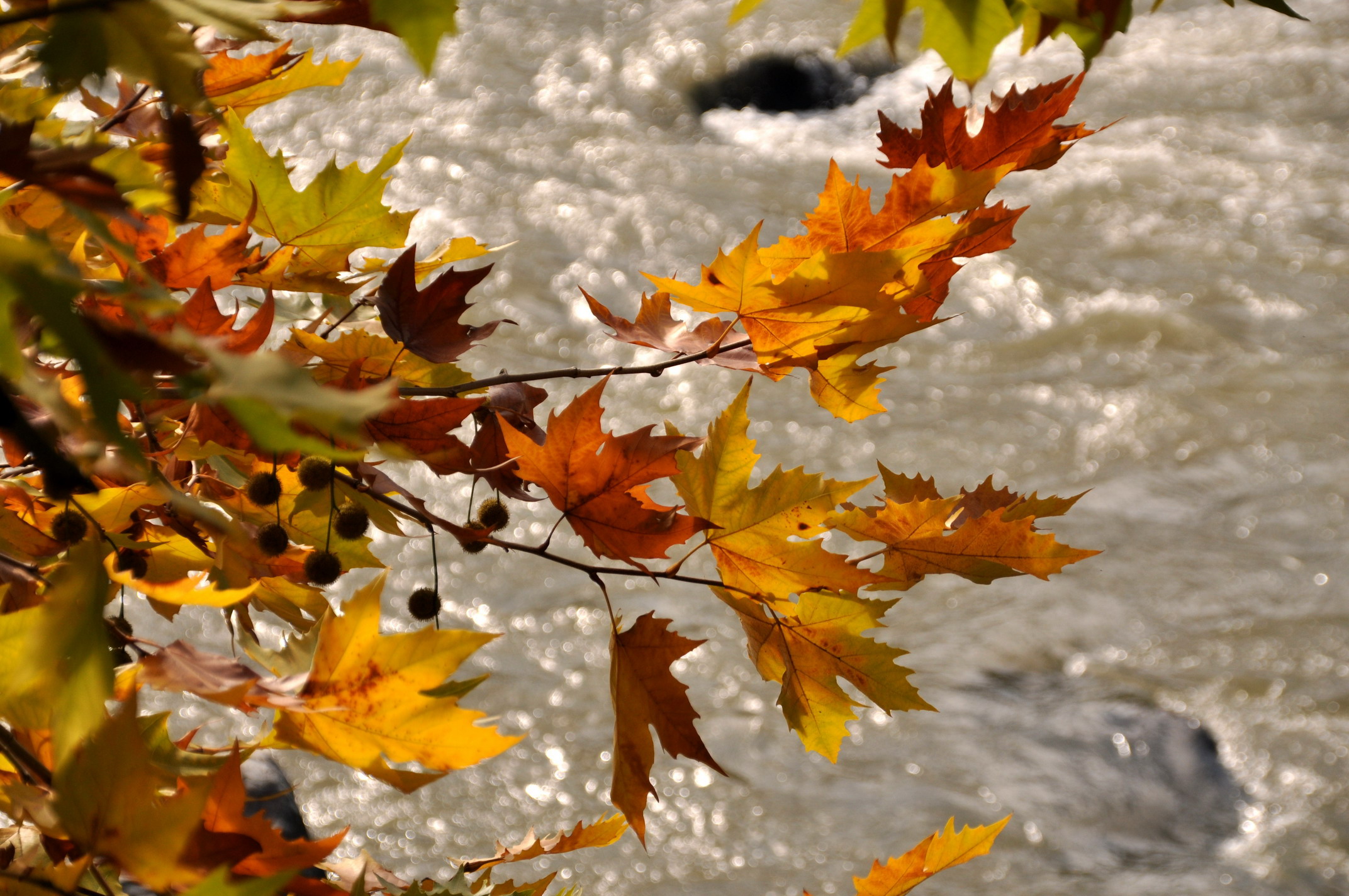
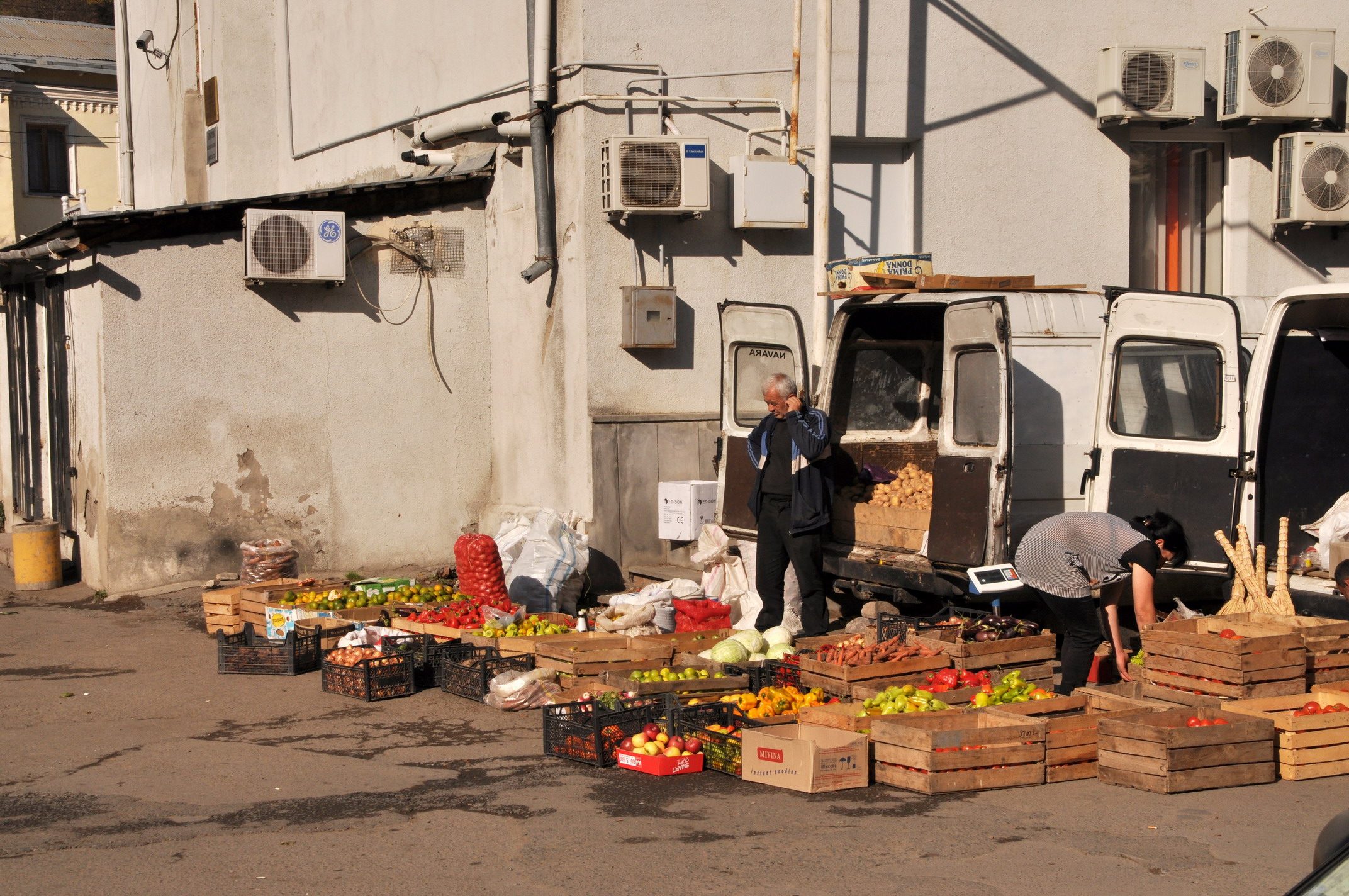
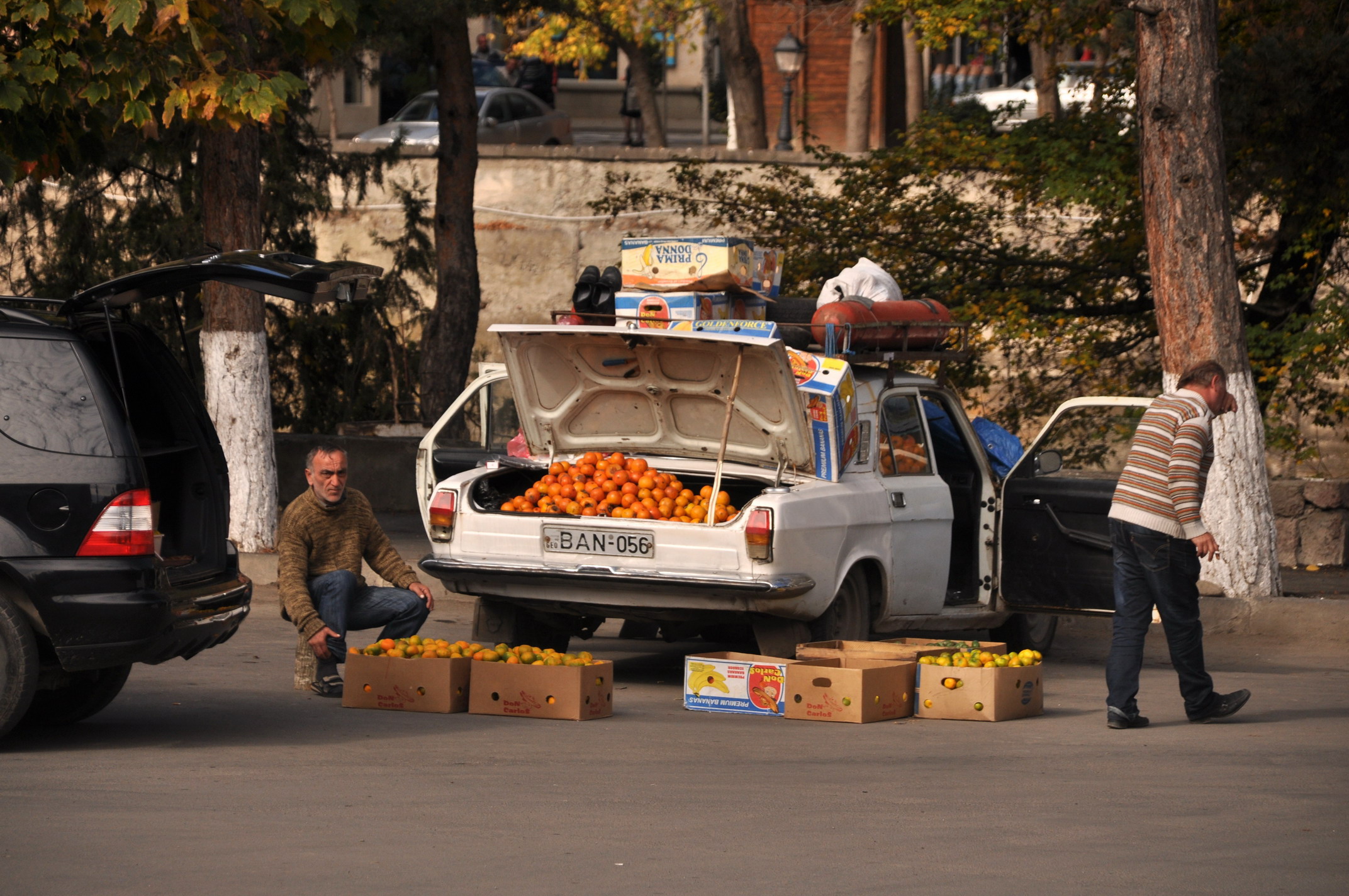
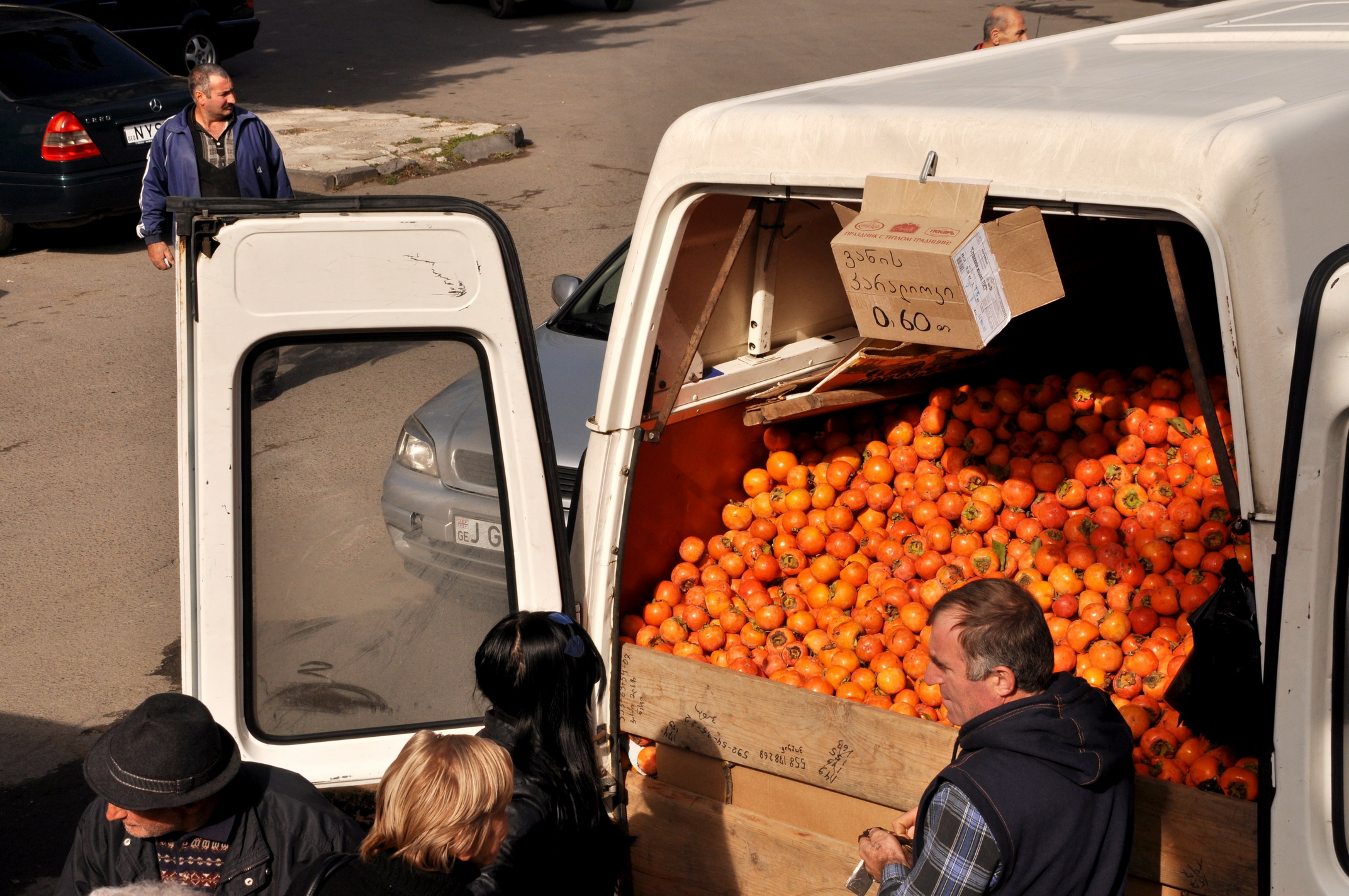
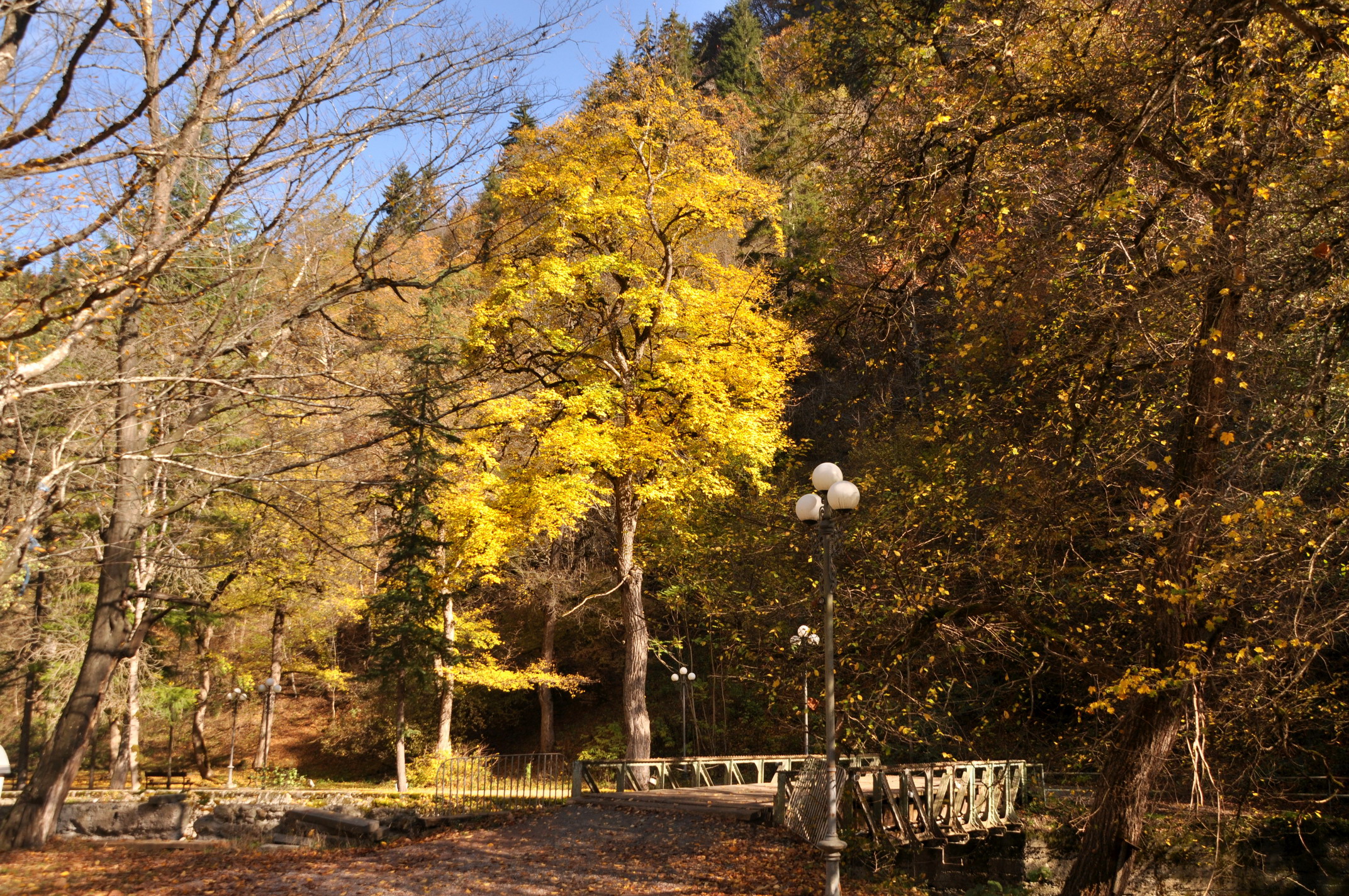
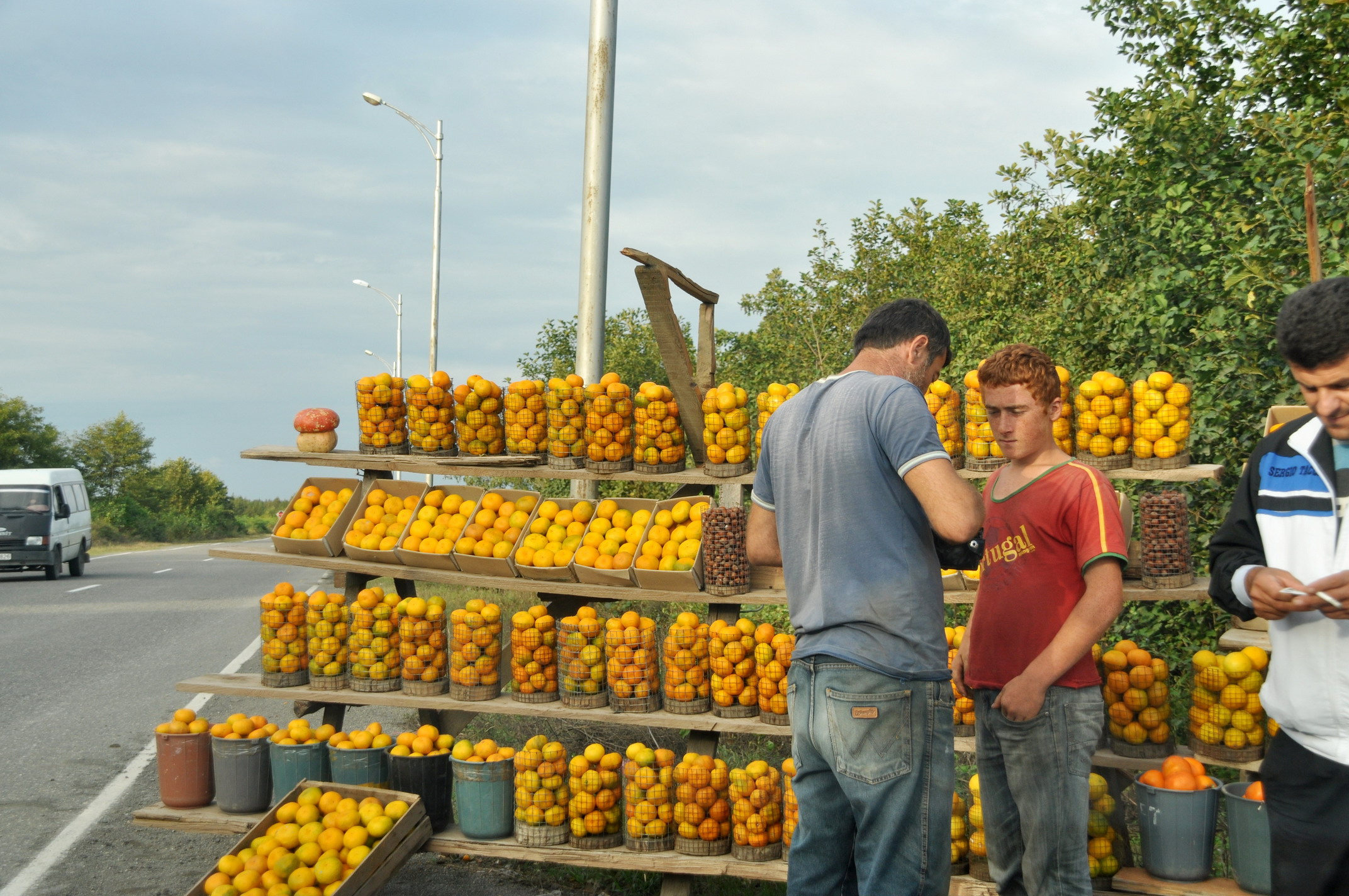
I was lucky with the weather: a quiet autumn day, the golden season. Farmers were selling mandarins and persimmons.
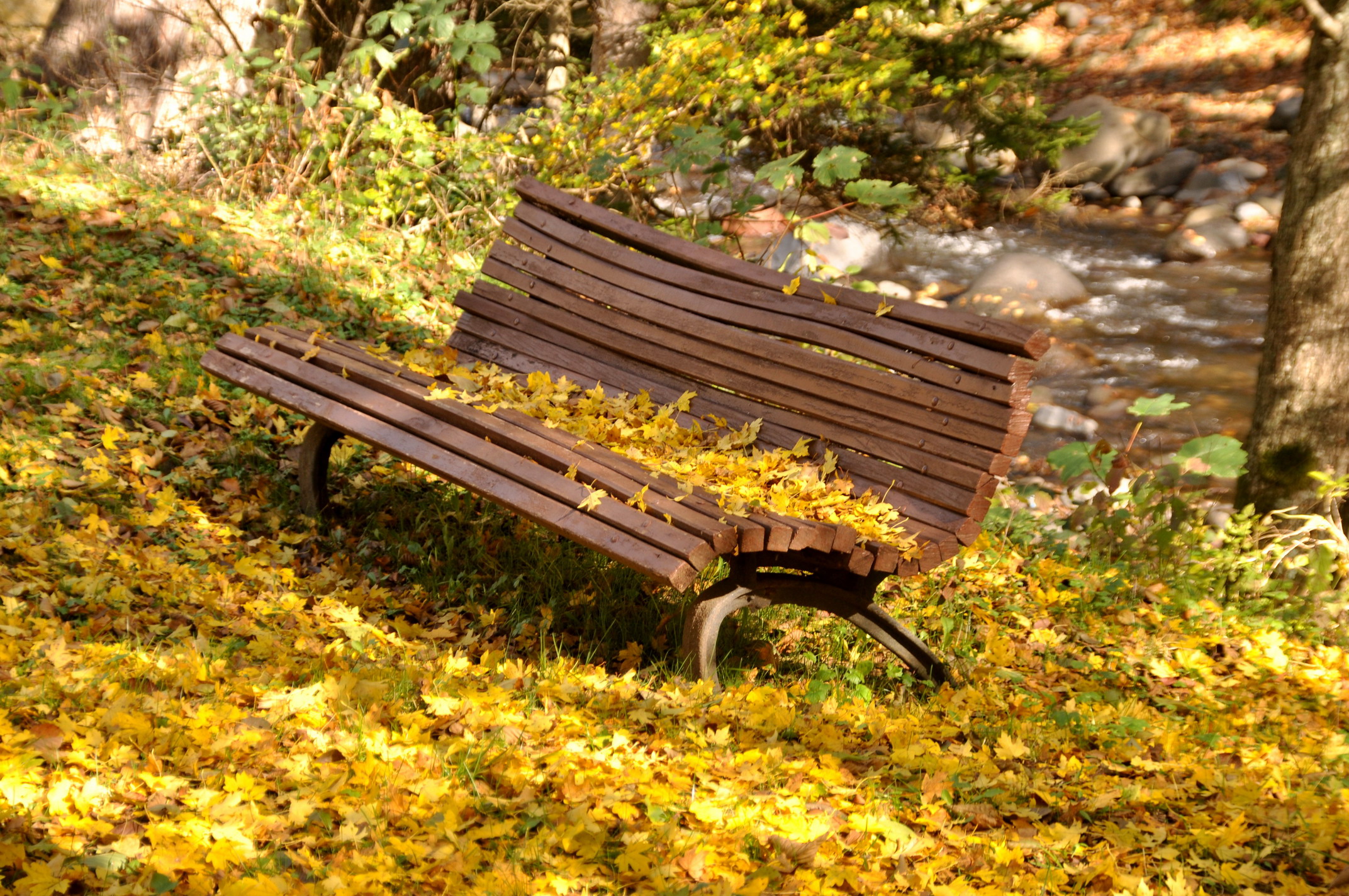
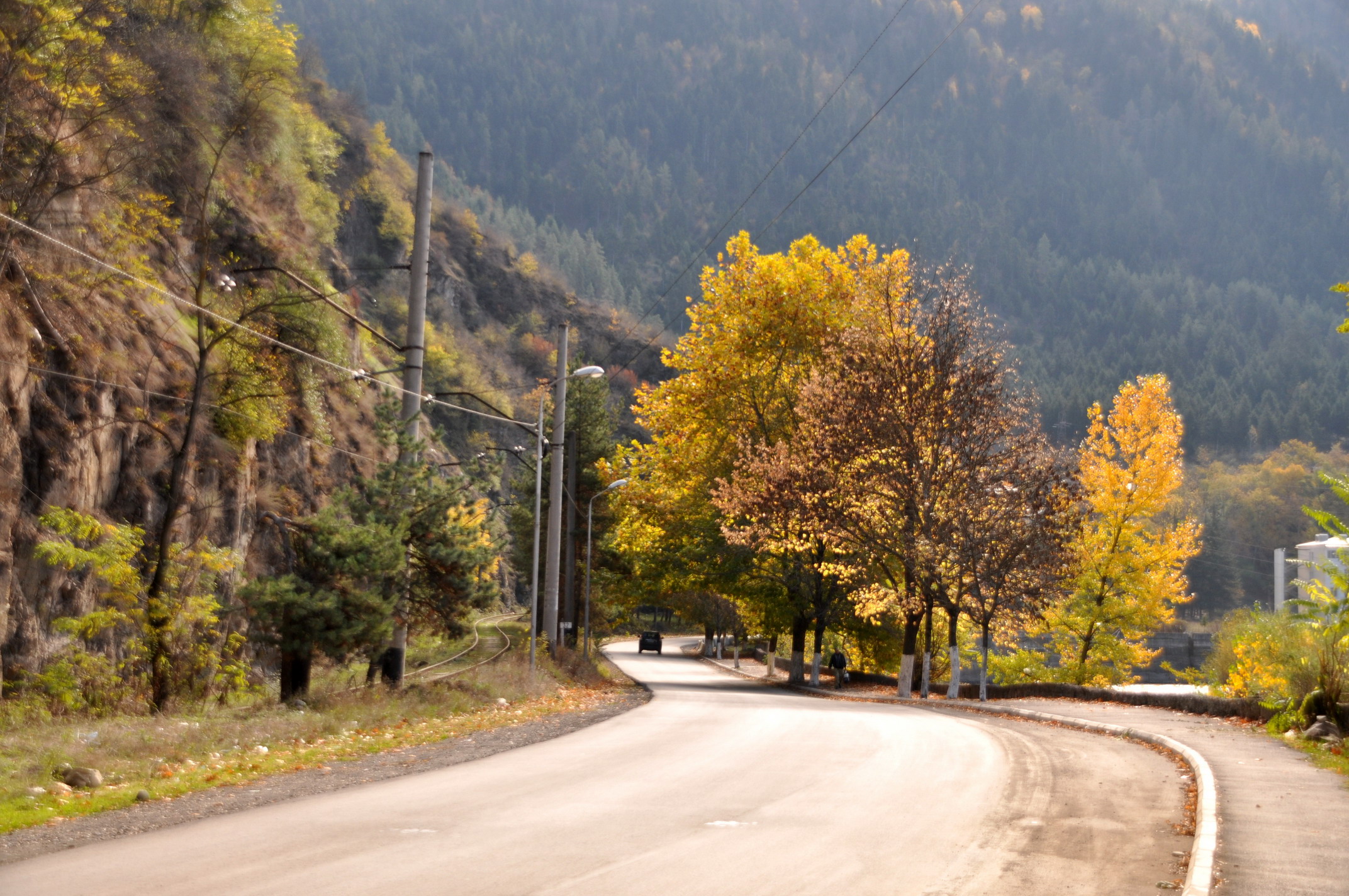
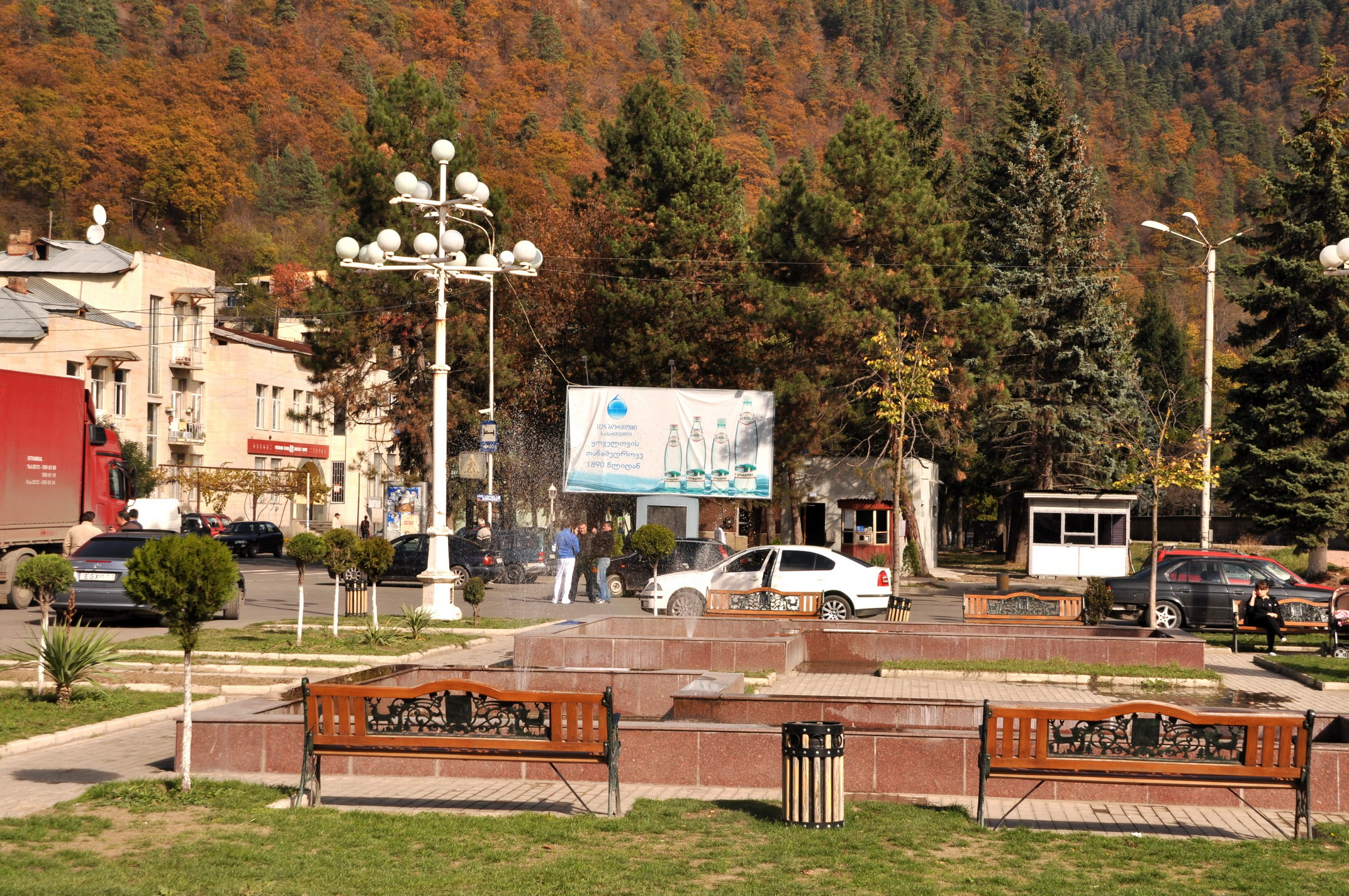
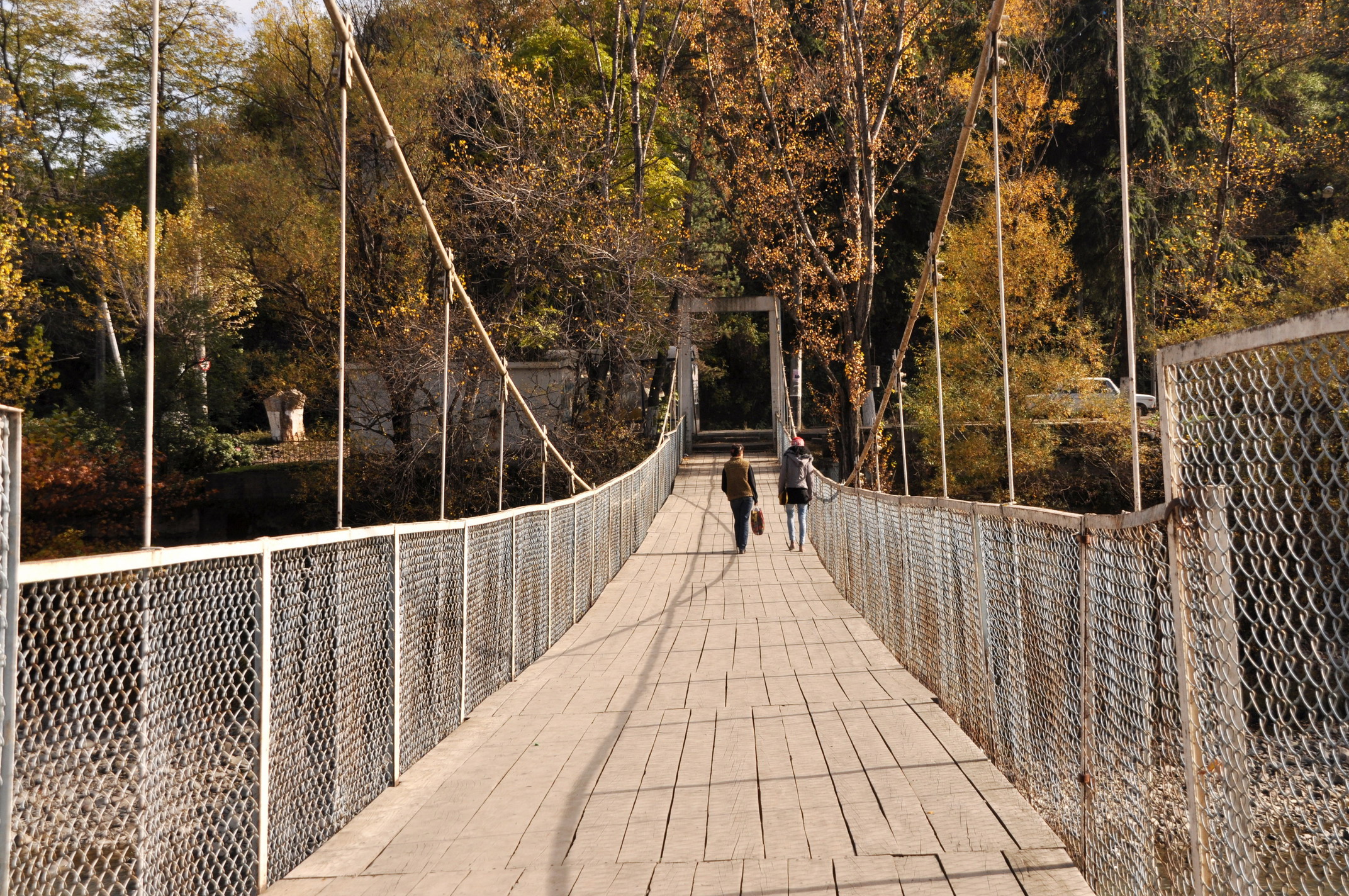
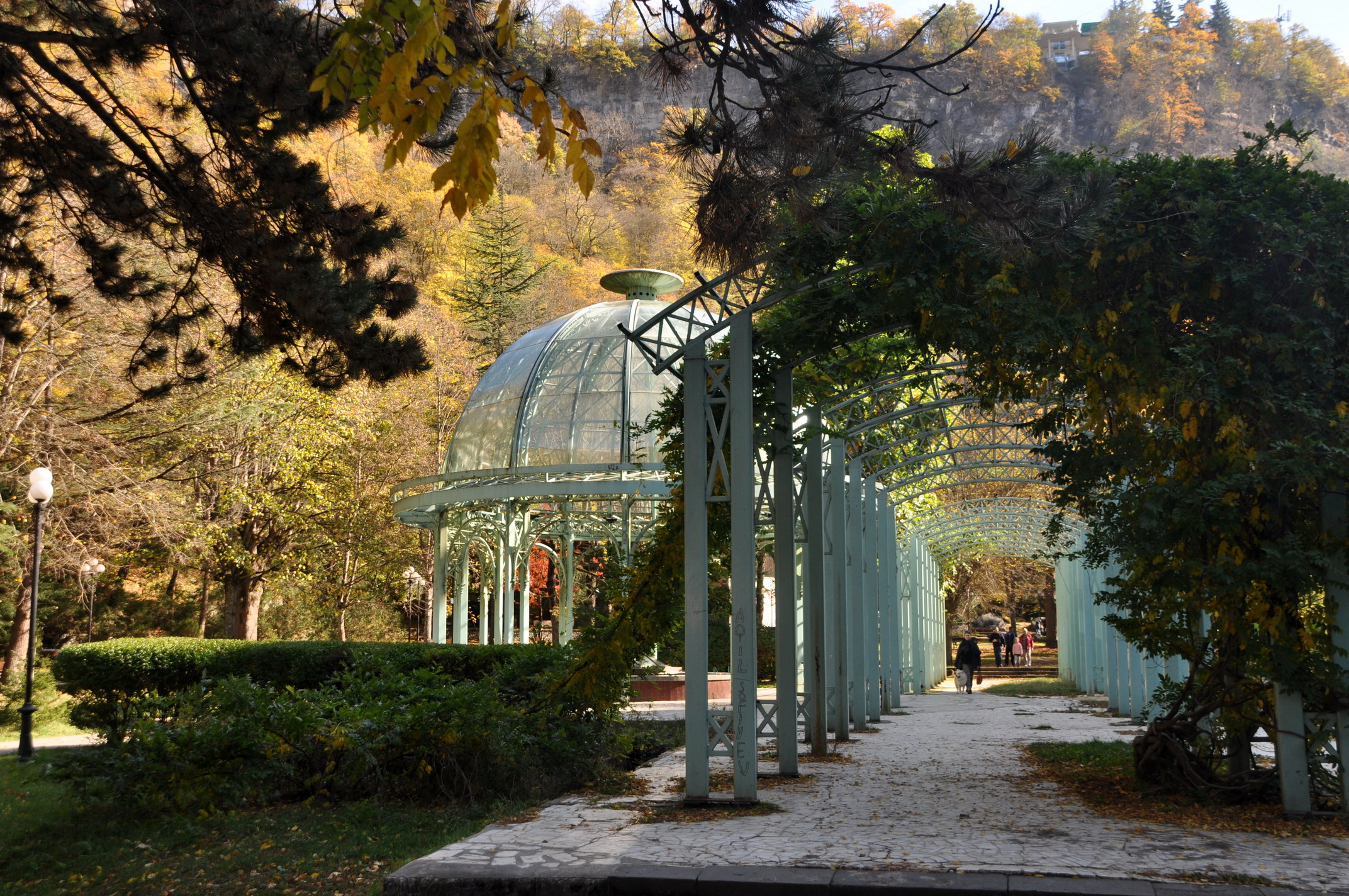
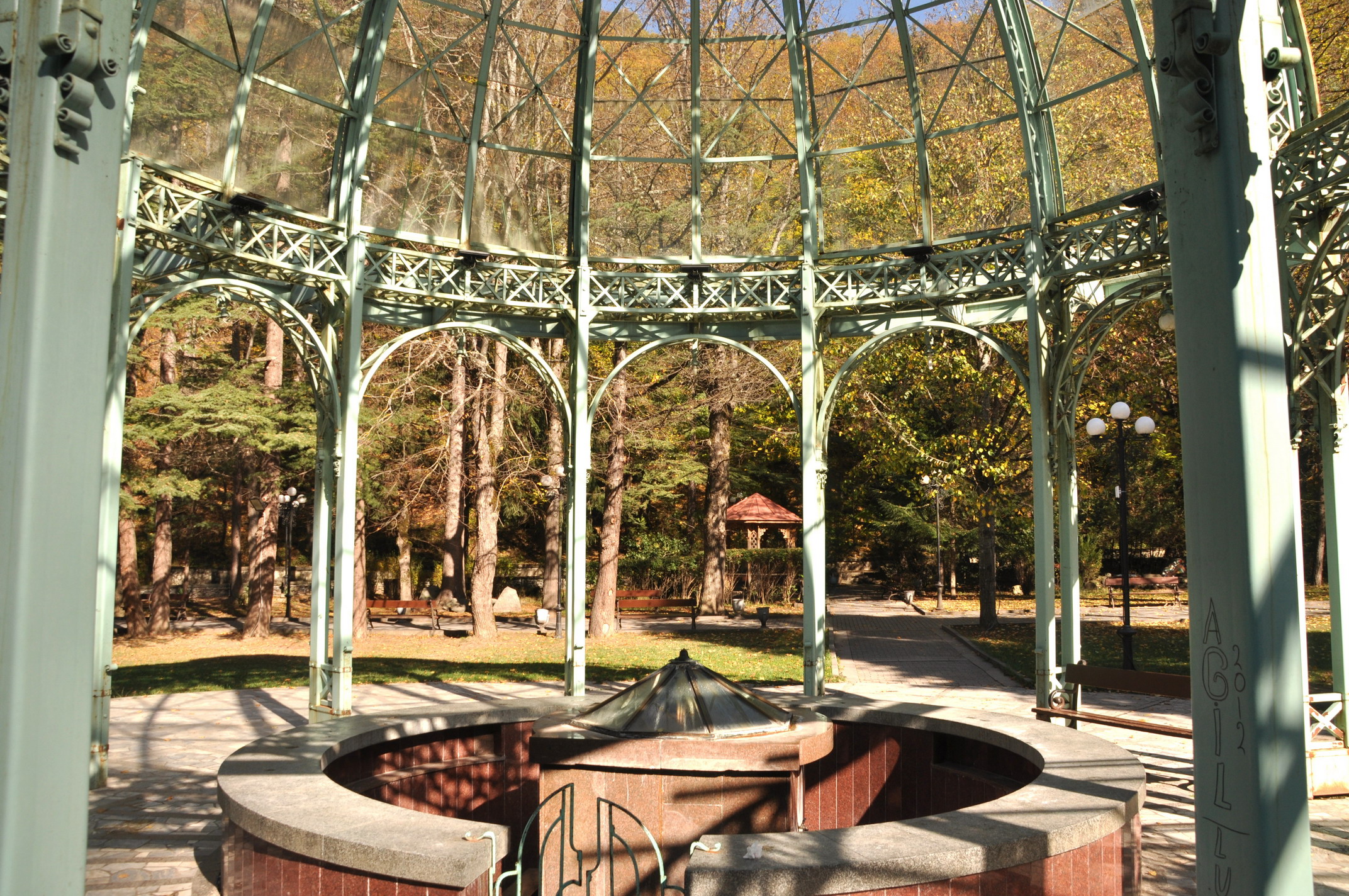
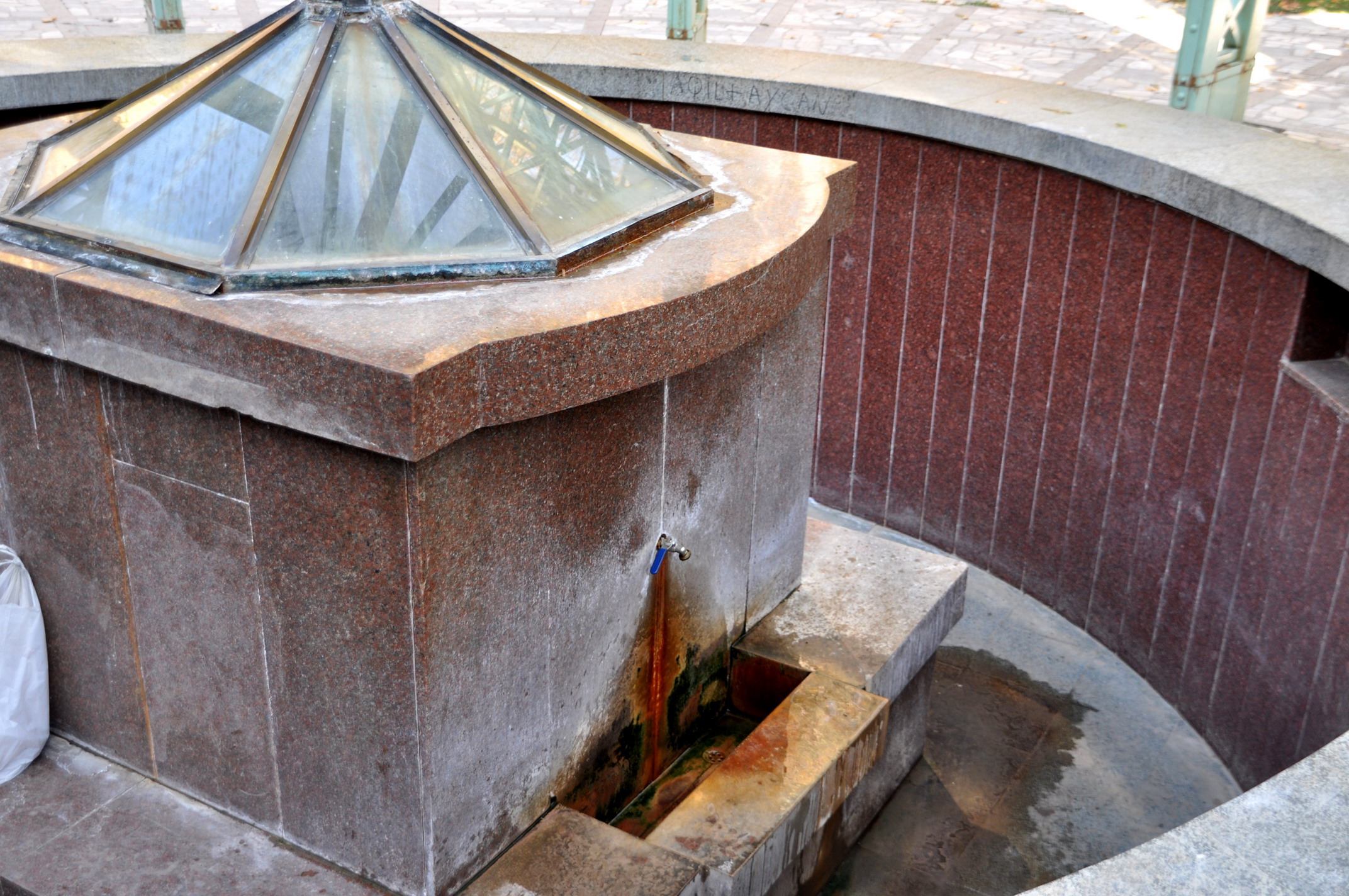
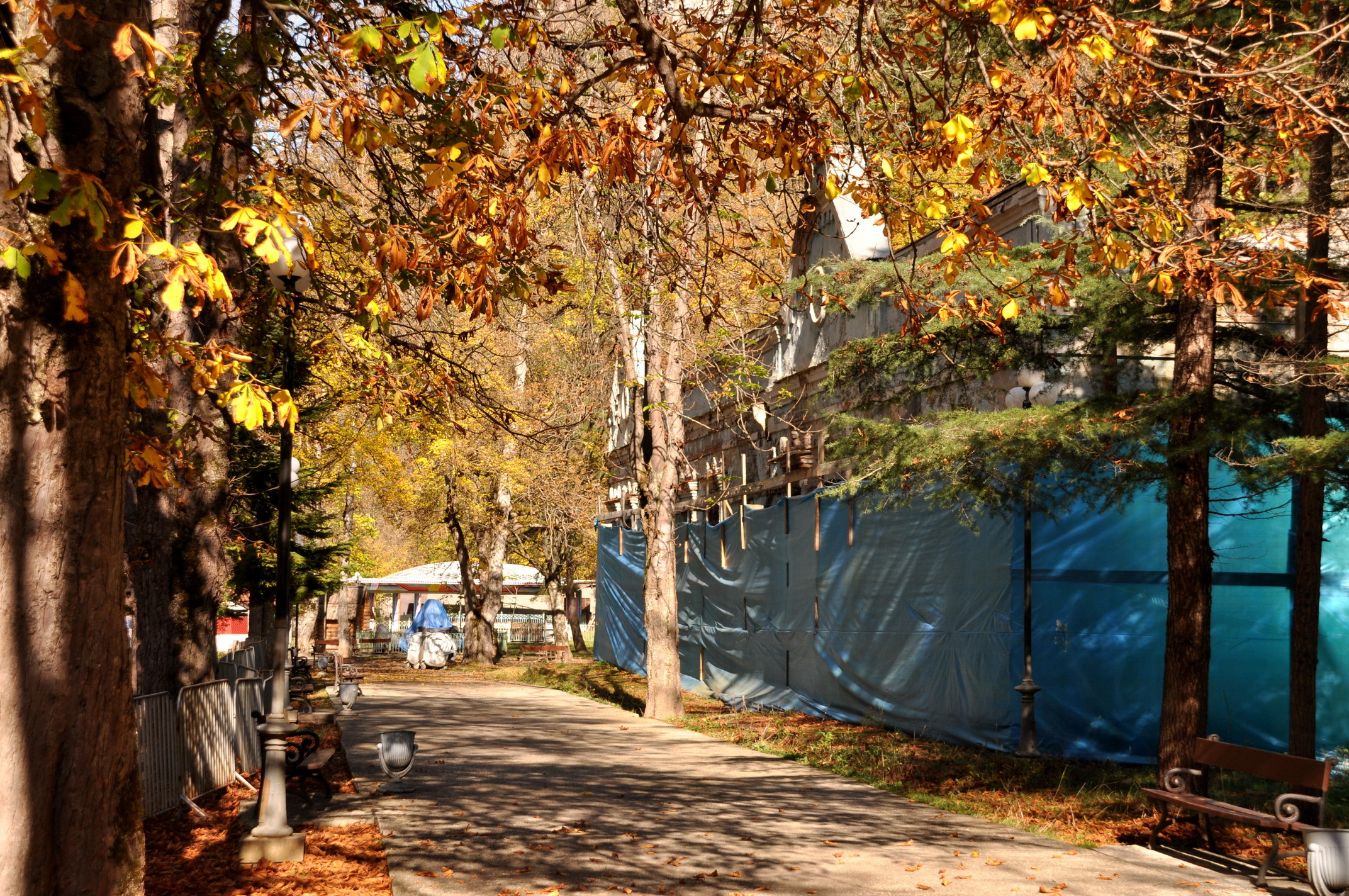
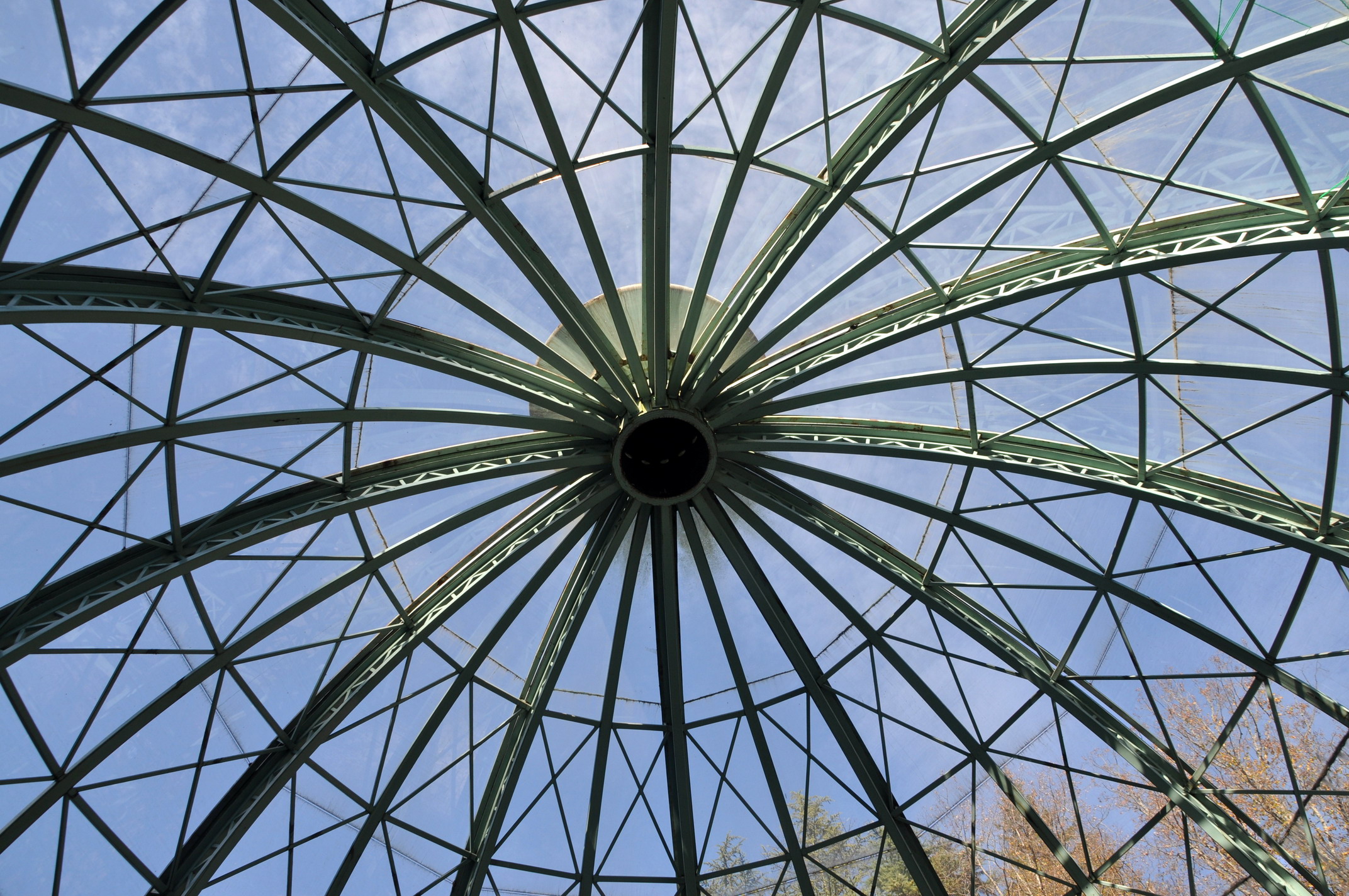
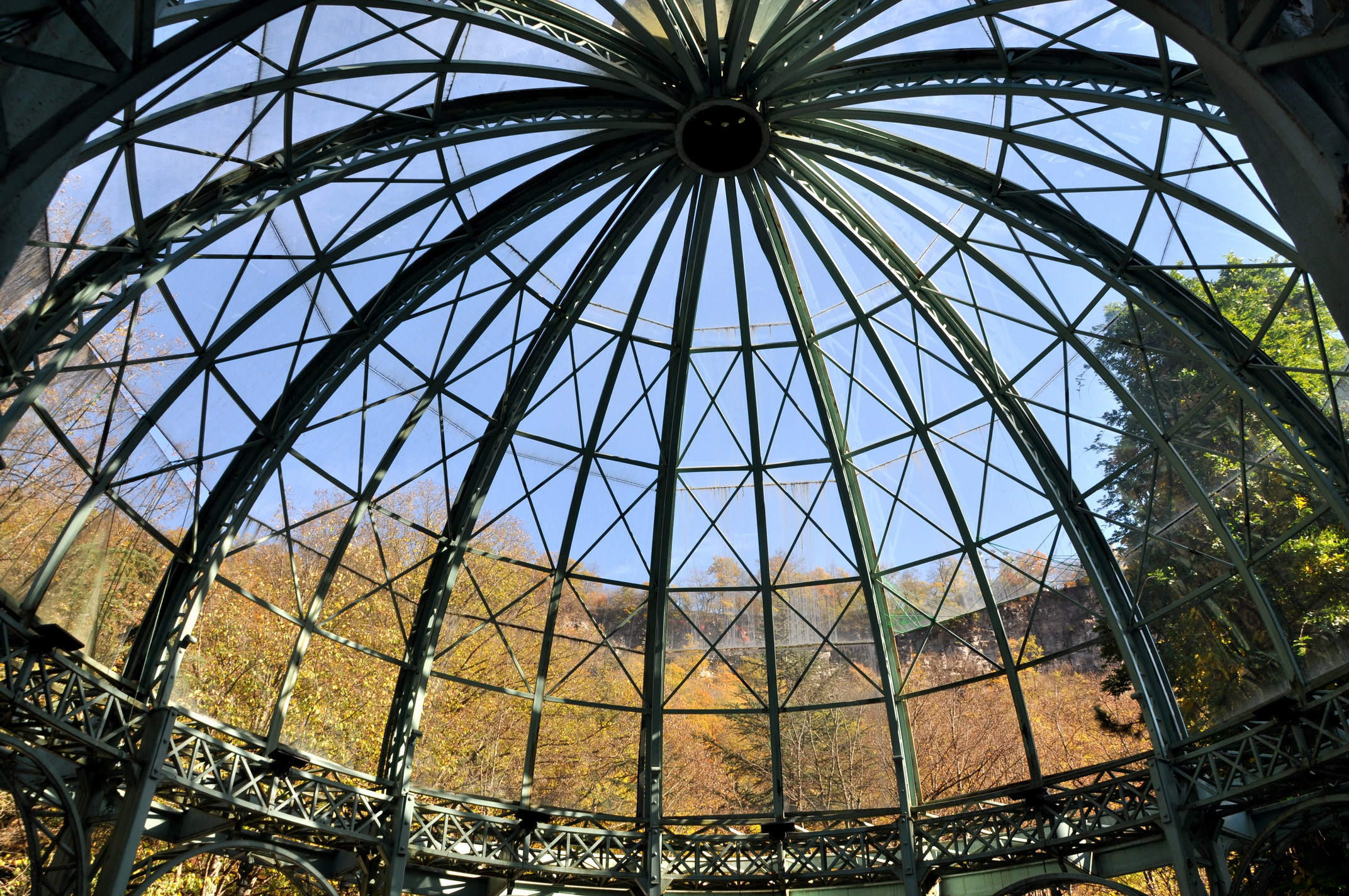
The park with the mineral springs lies a little way outside town, a half-hour walk. They were doing a major renovation. The pavilions whose image had become Borjomi's trademark were effectively gone. They were being restored by knocking them down entirely and building them again. One little pavilion had taps with free mineral water.
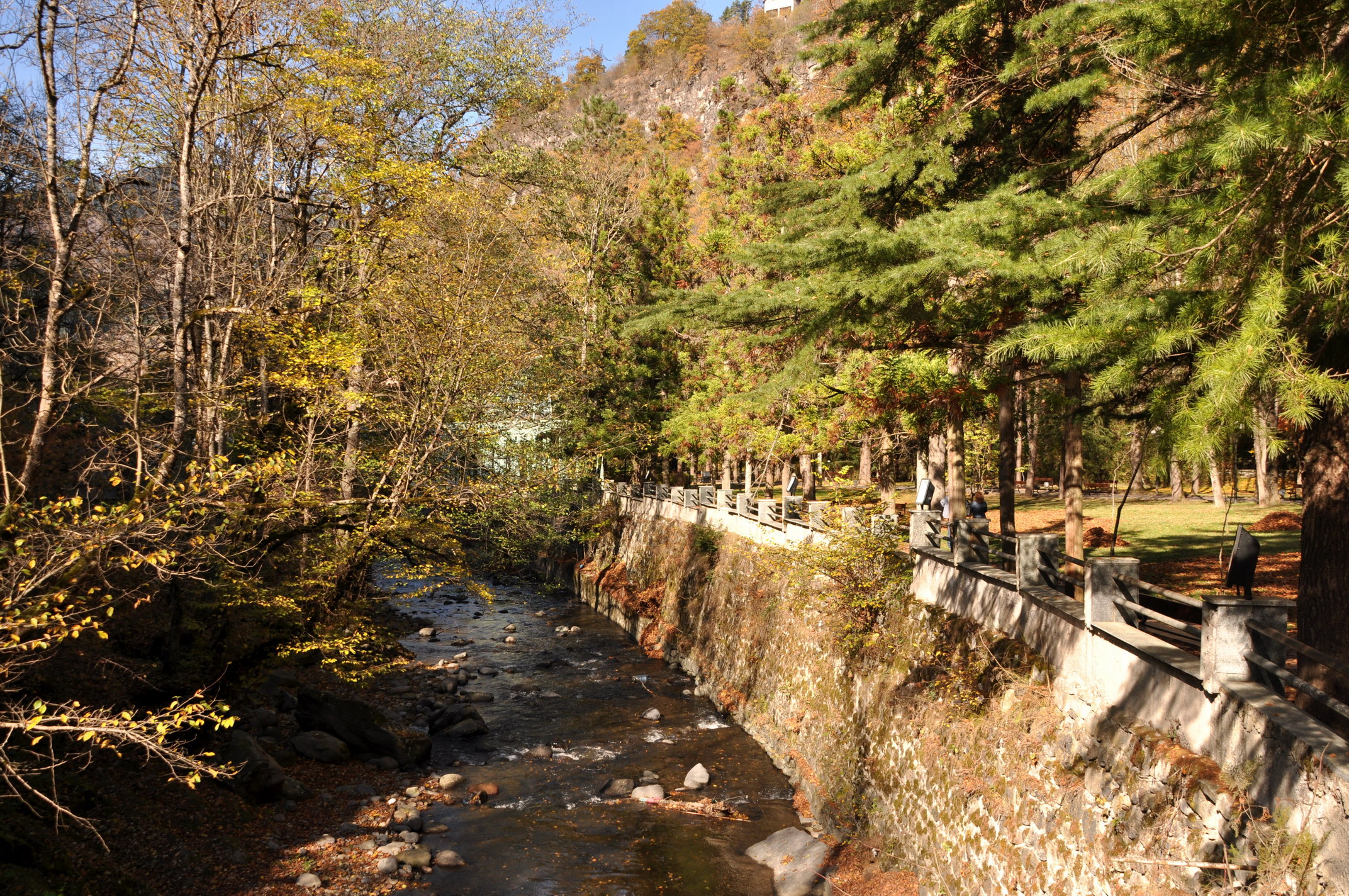
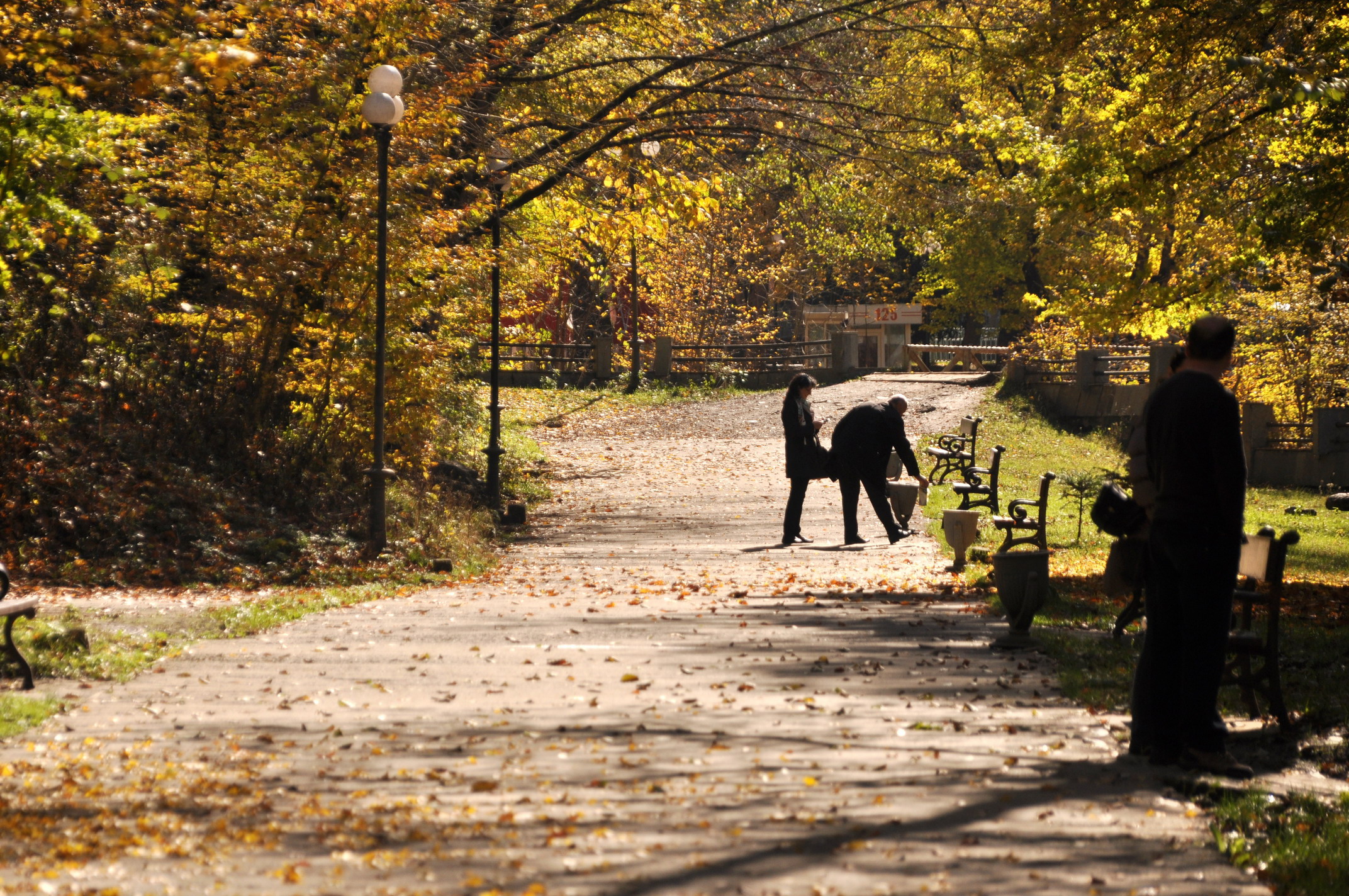
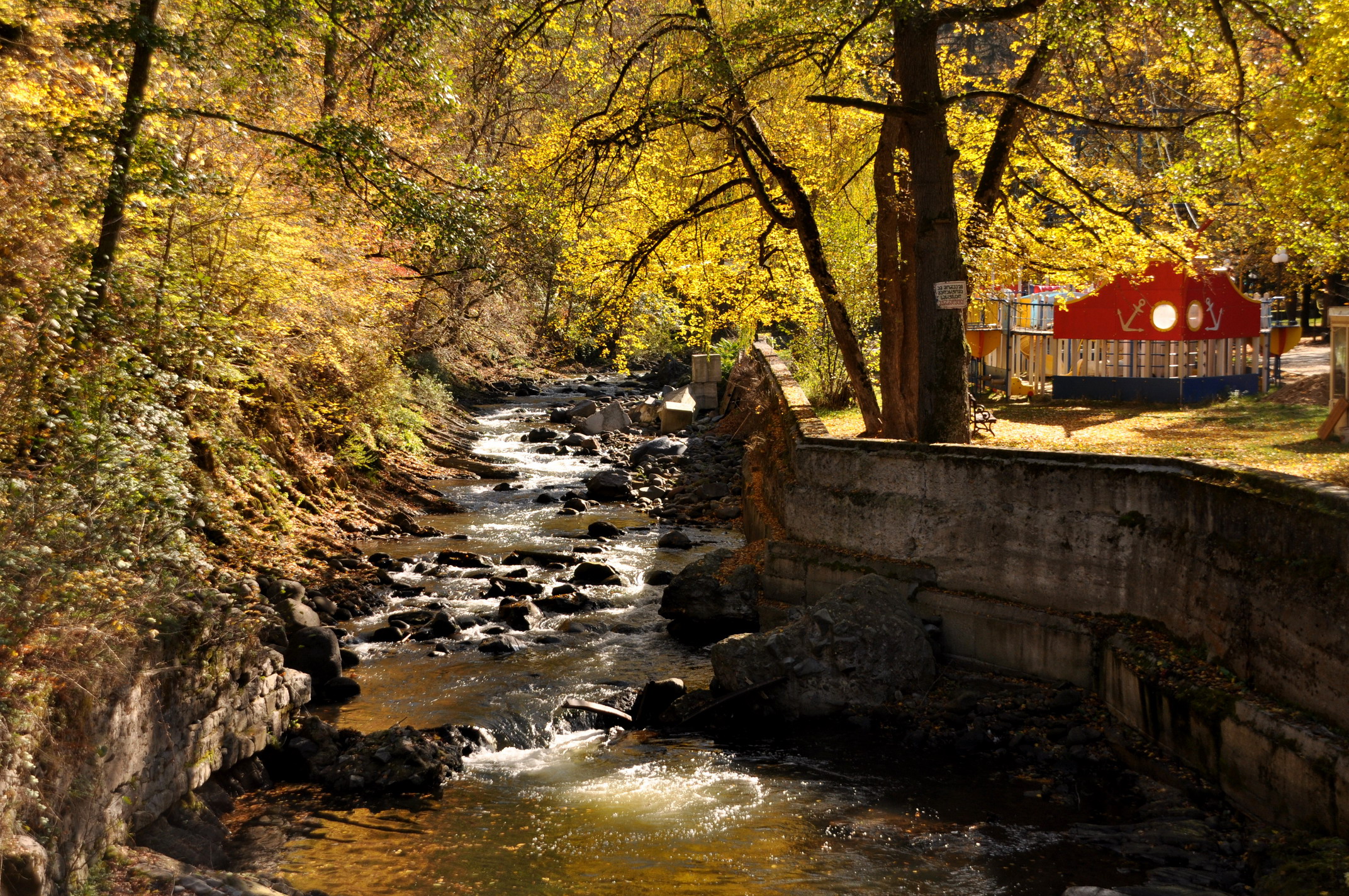
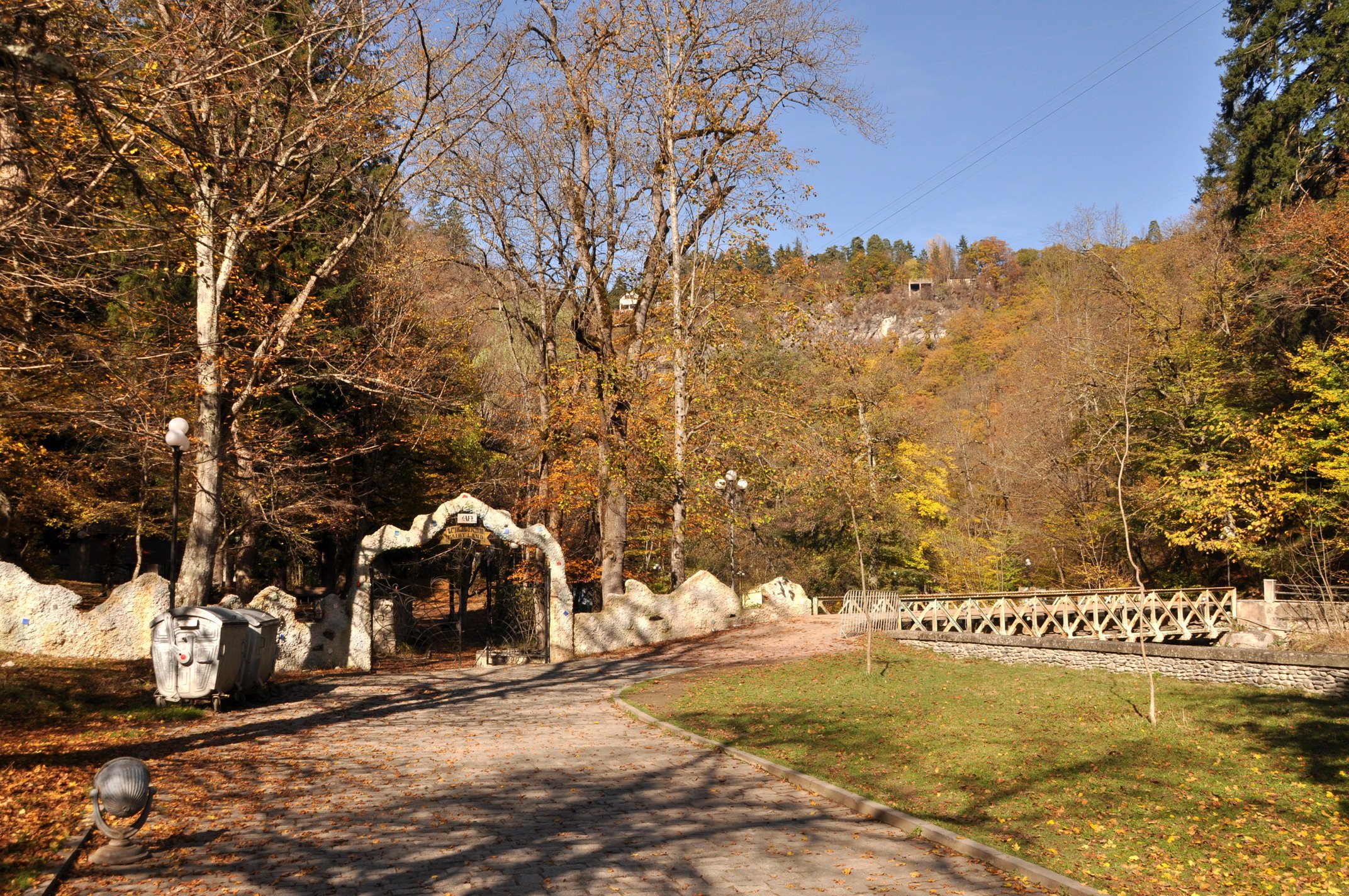
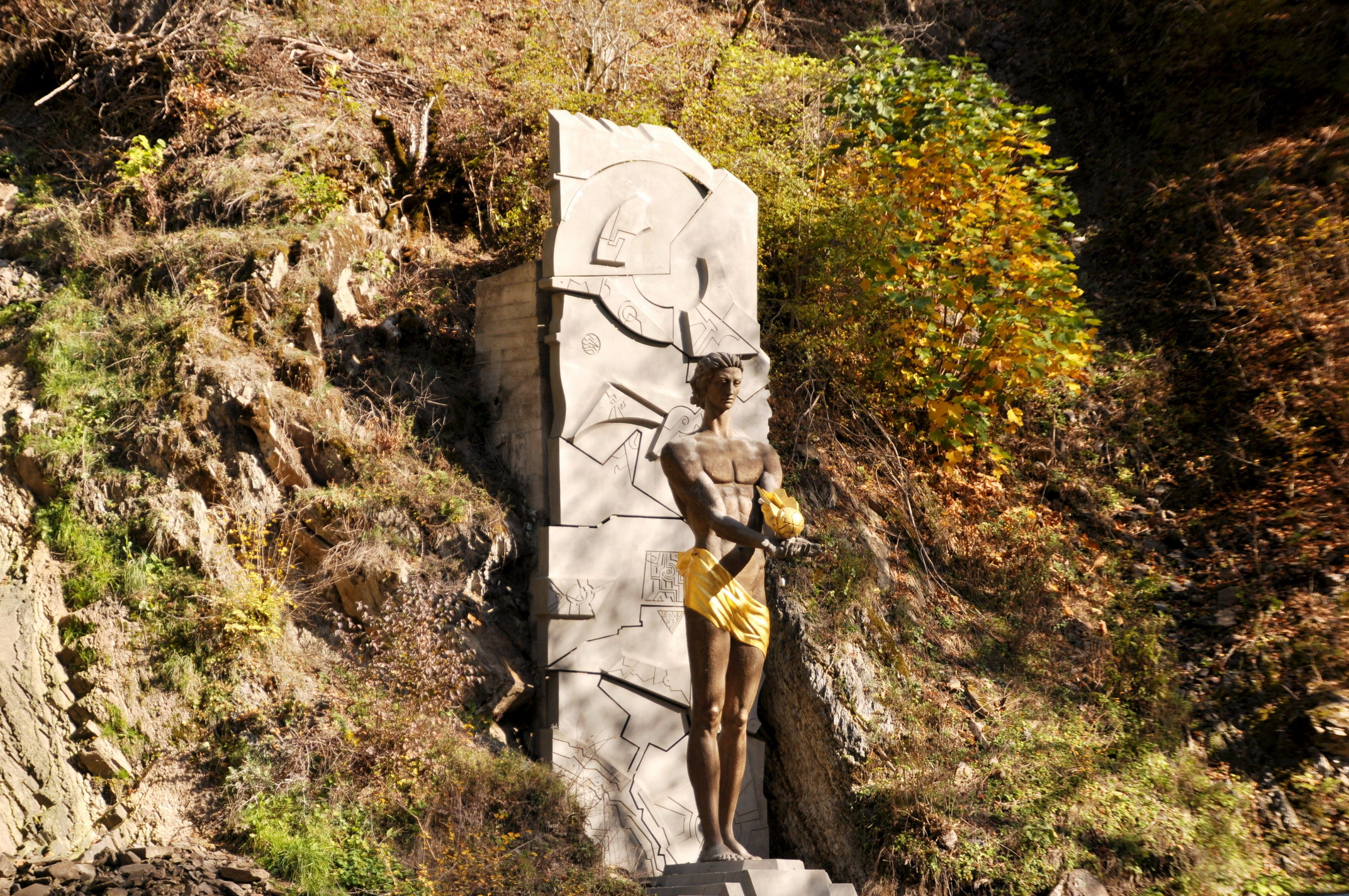
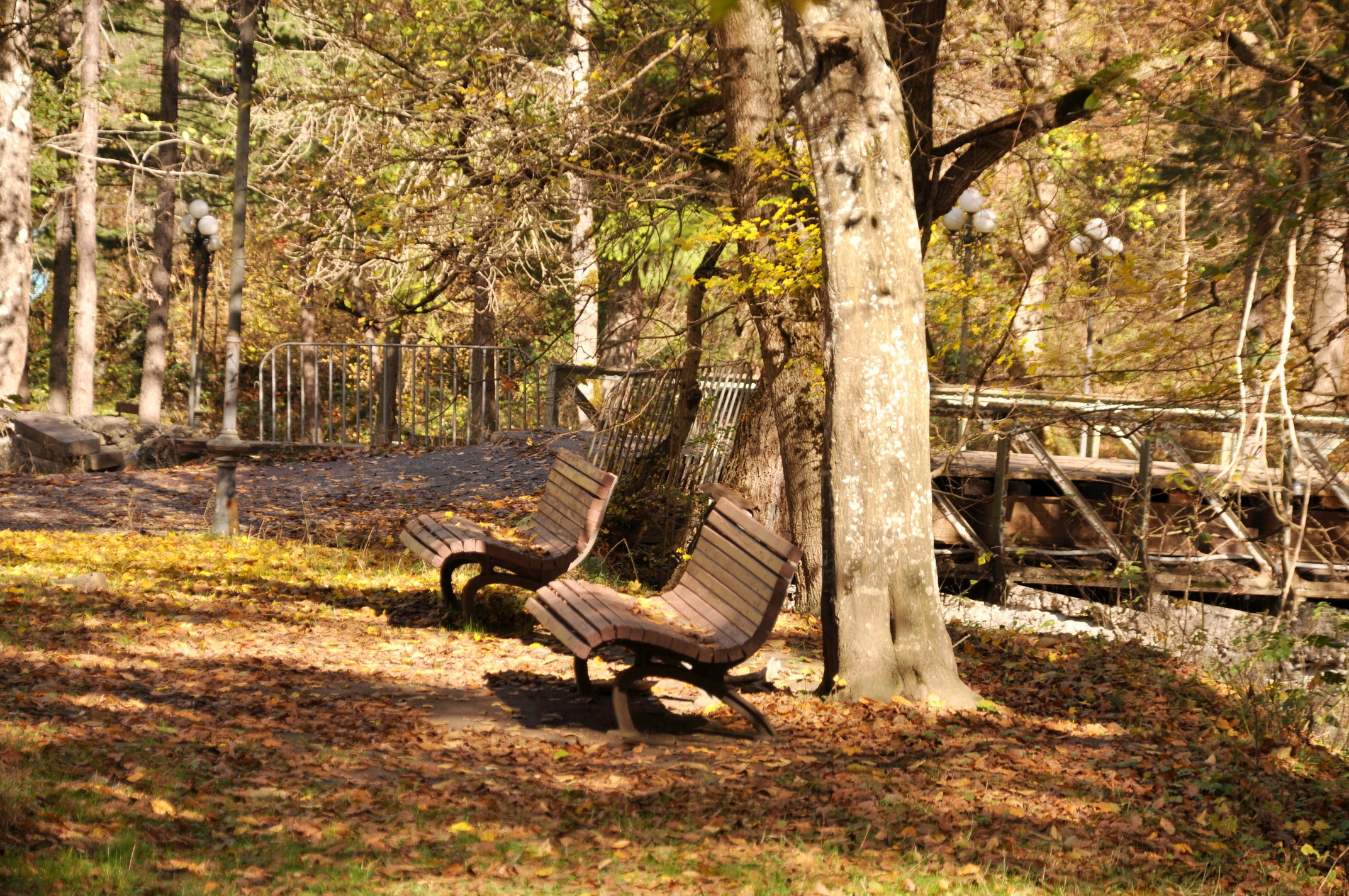
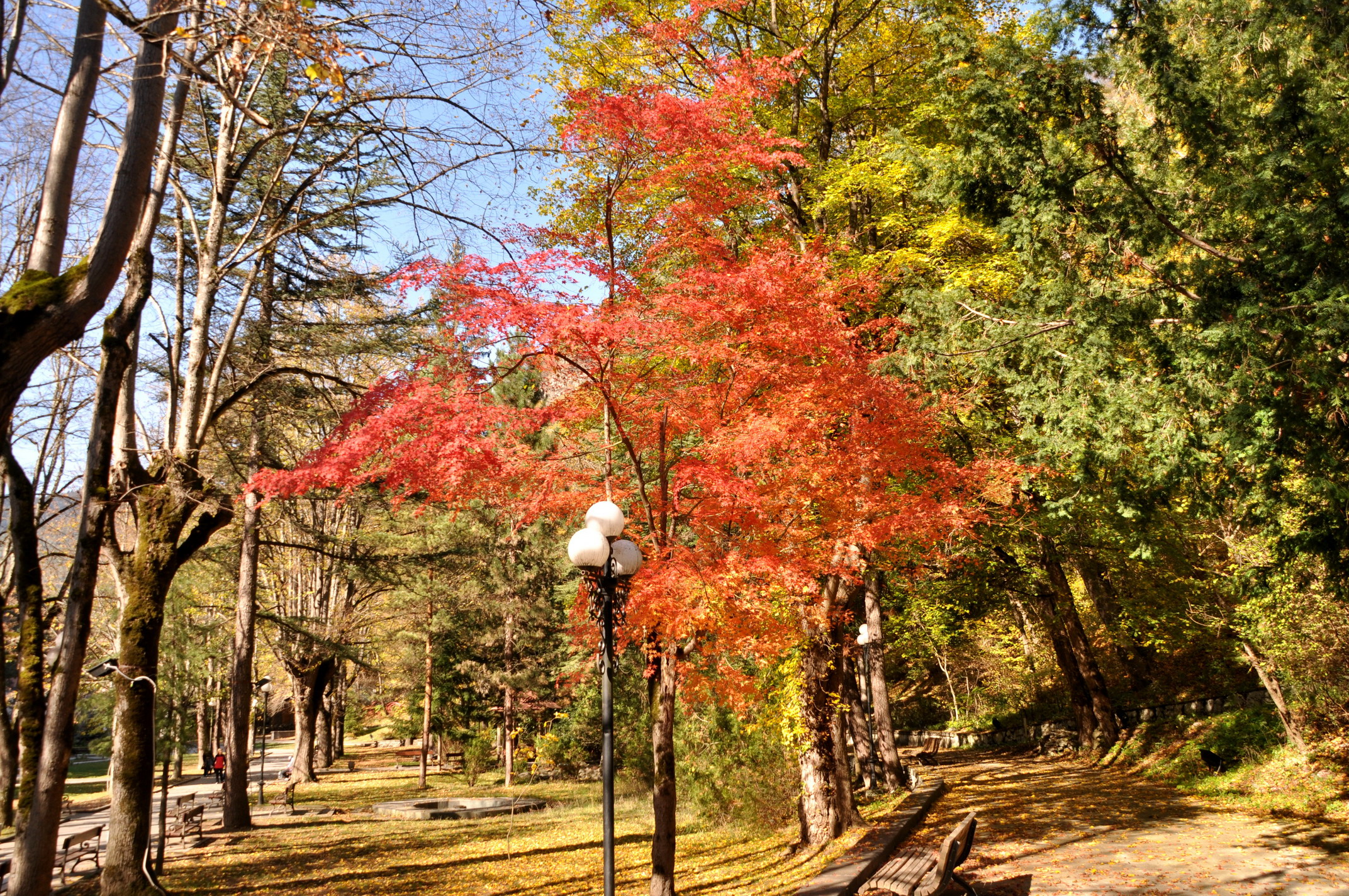
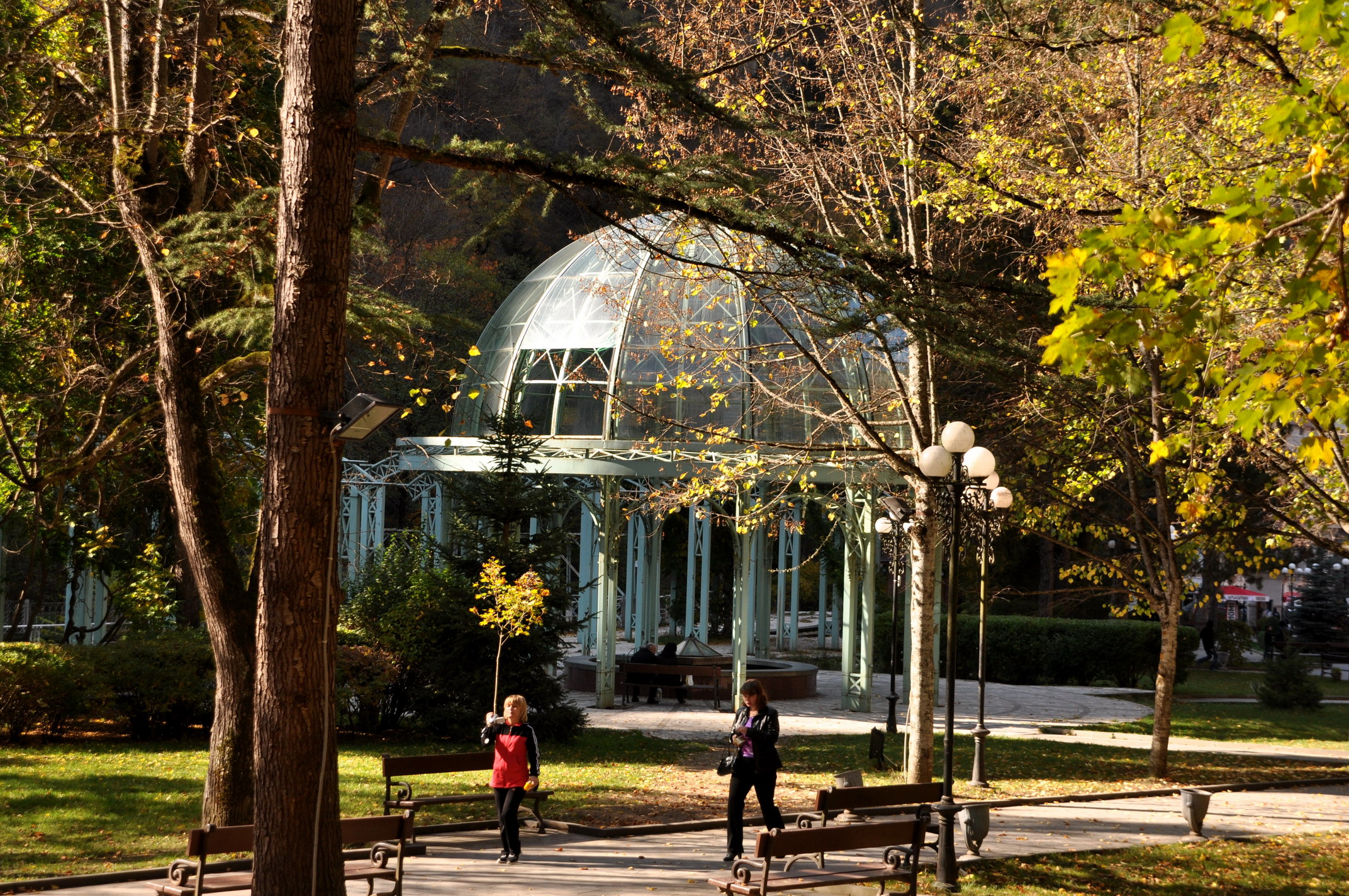
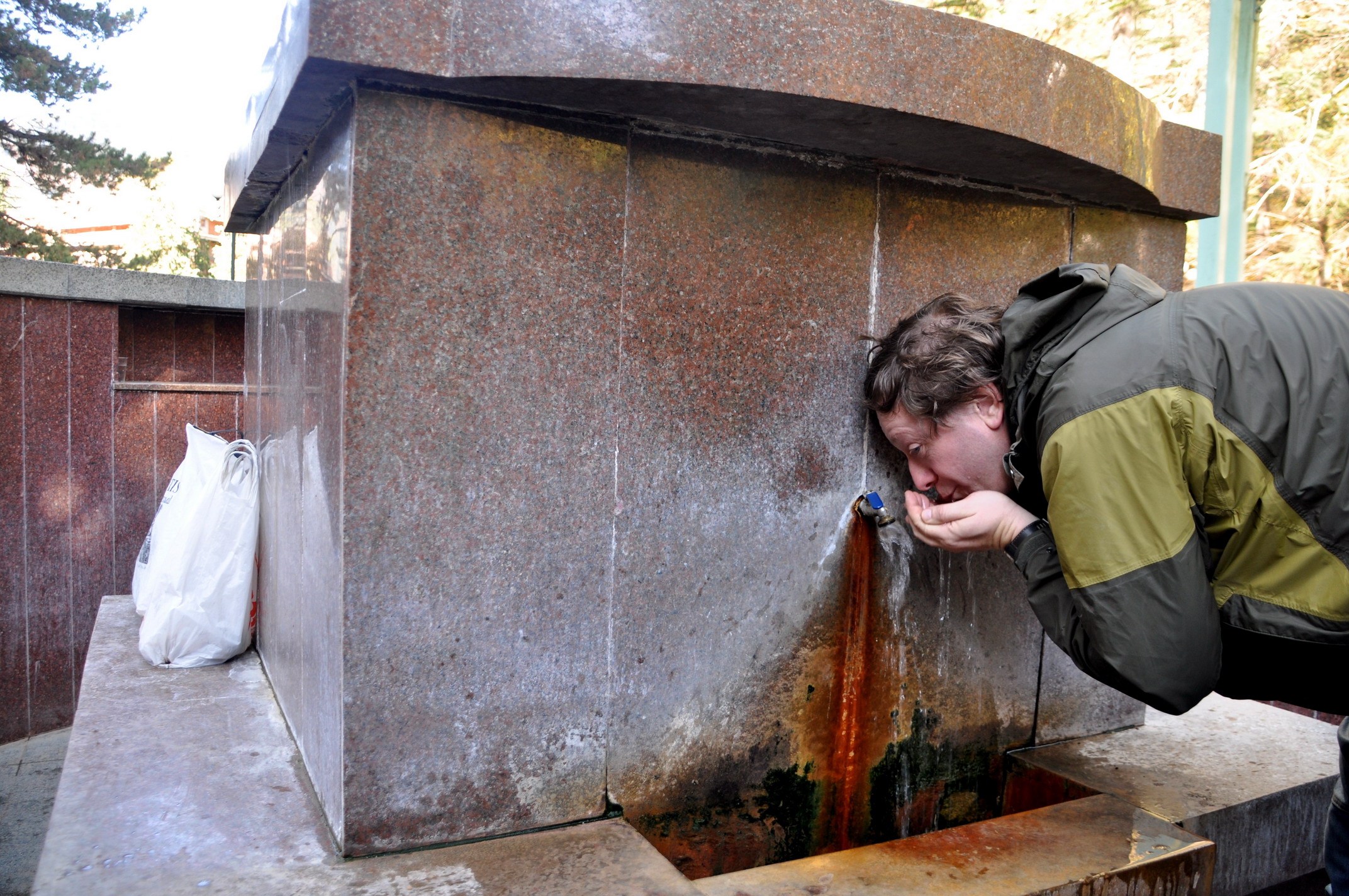
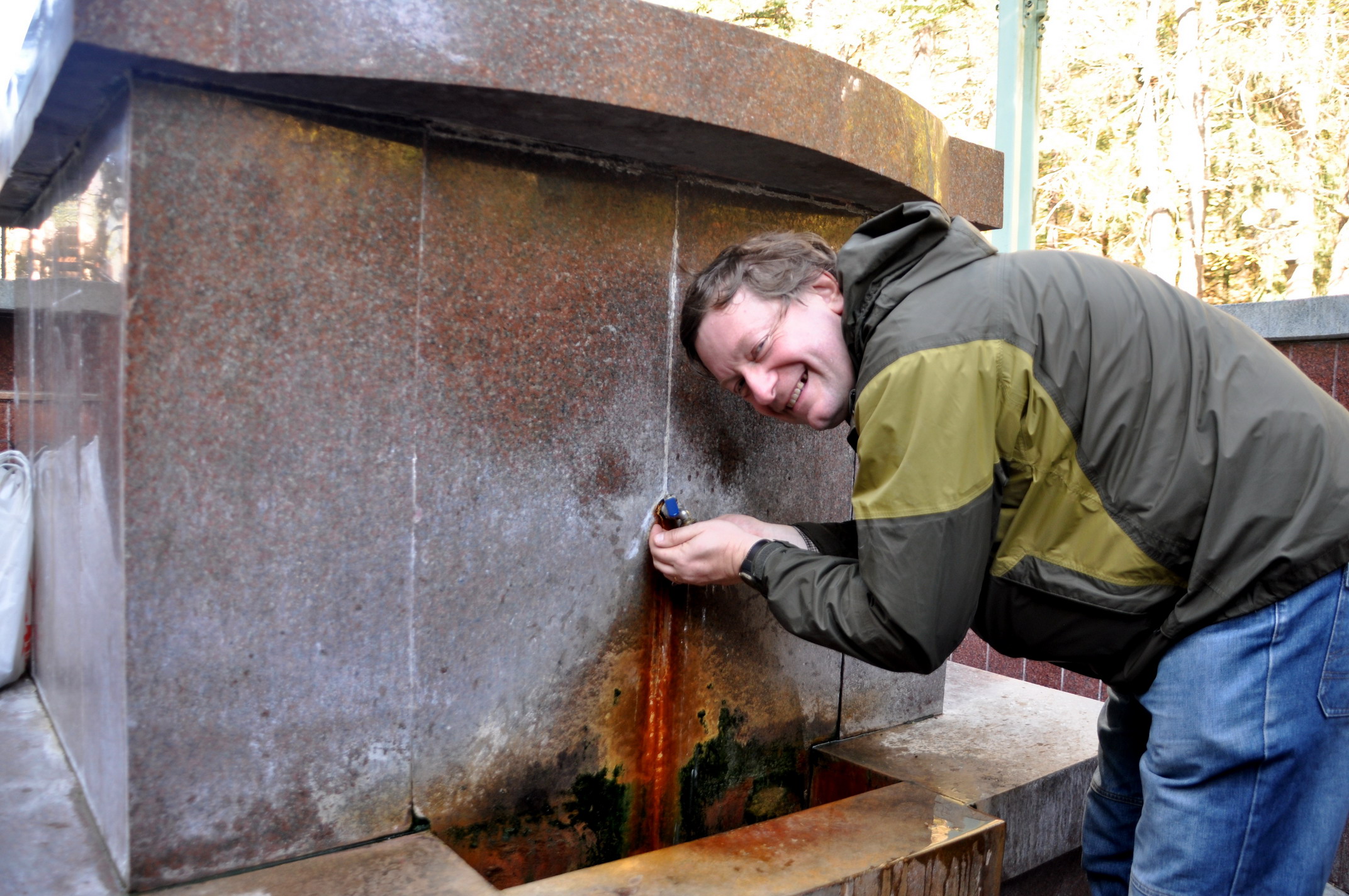
After Borjomi, I drove to Bakuriani (ბაკურიანი). This was one of the earliest mountain resorts. The Russian imperial family liked coming here, and a palace was built for them. In Soviet times it was the most fashionable ski resort. It was still going strong, and had even bid to host the Winter Olympics with Borjomi.
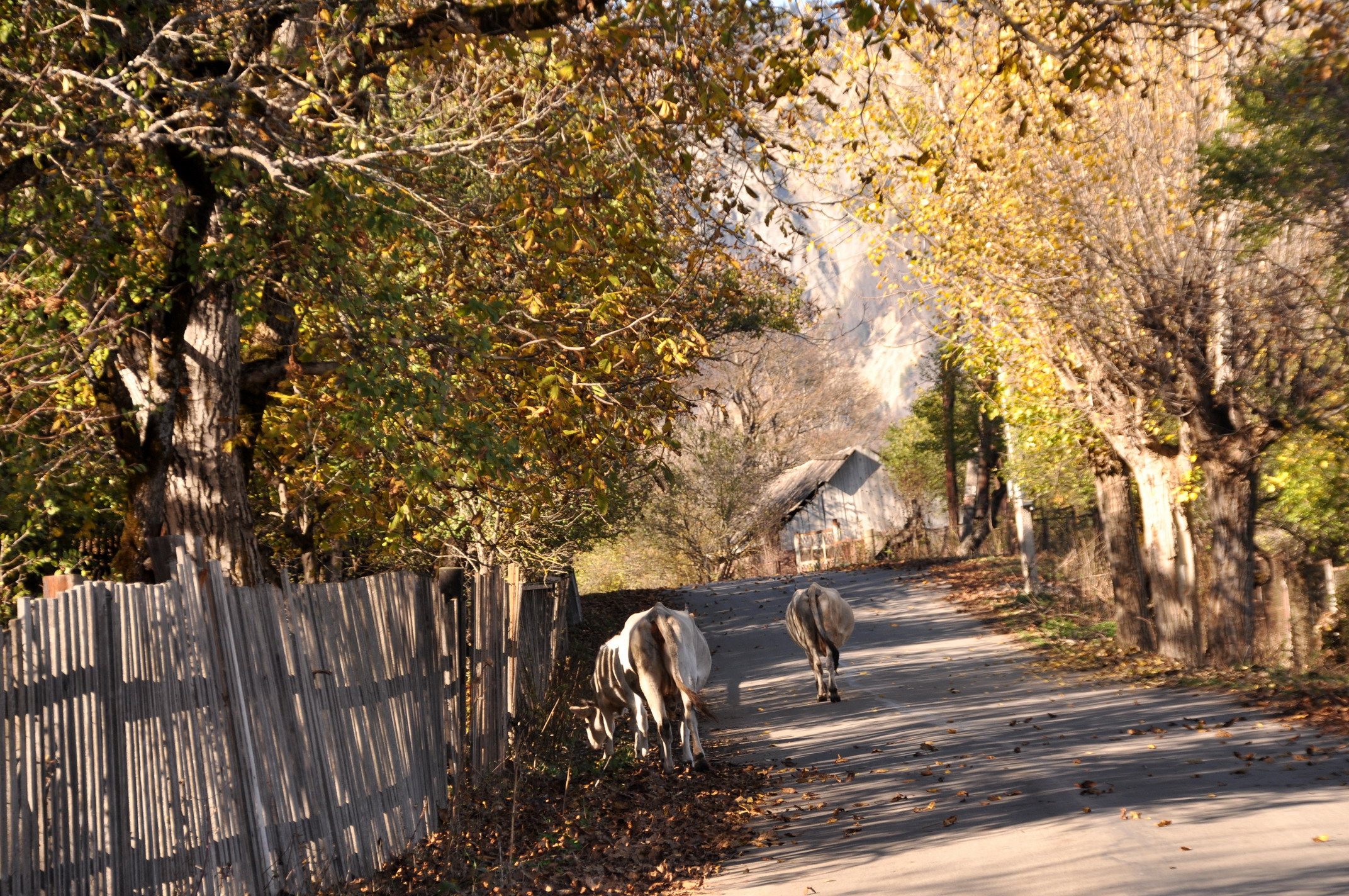
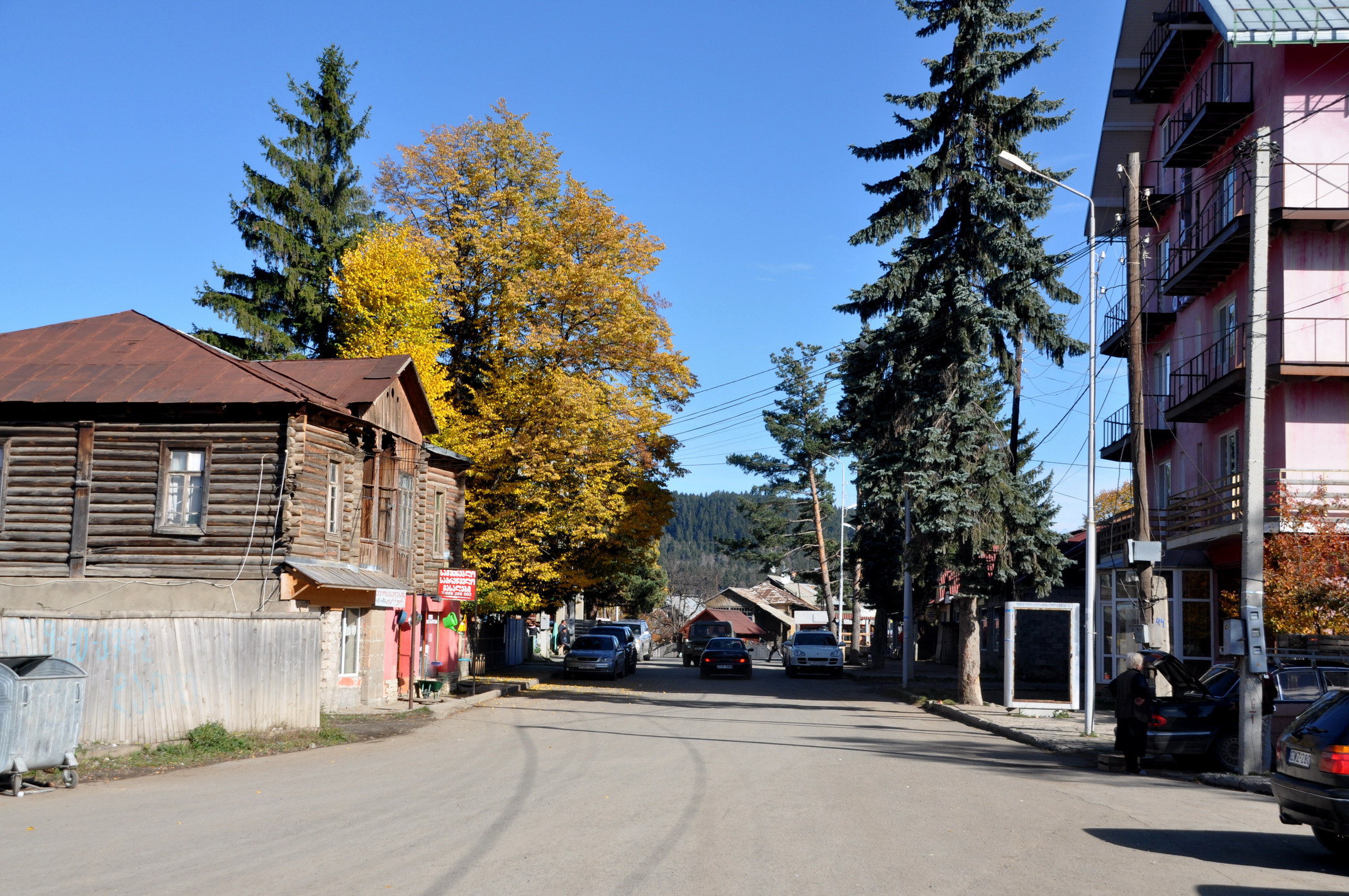
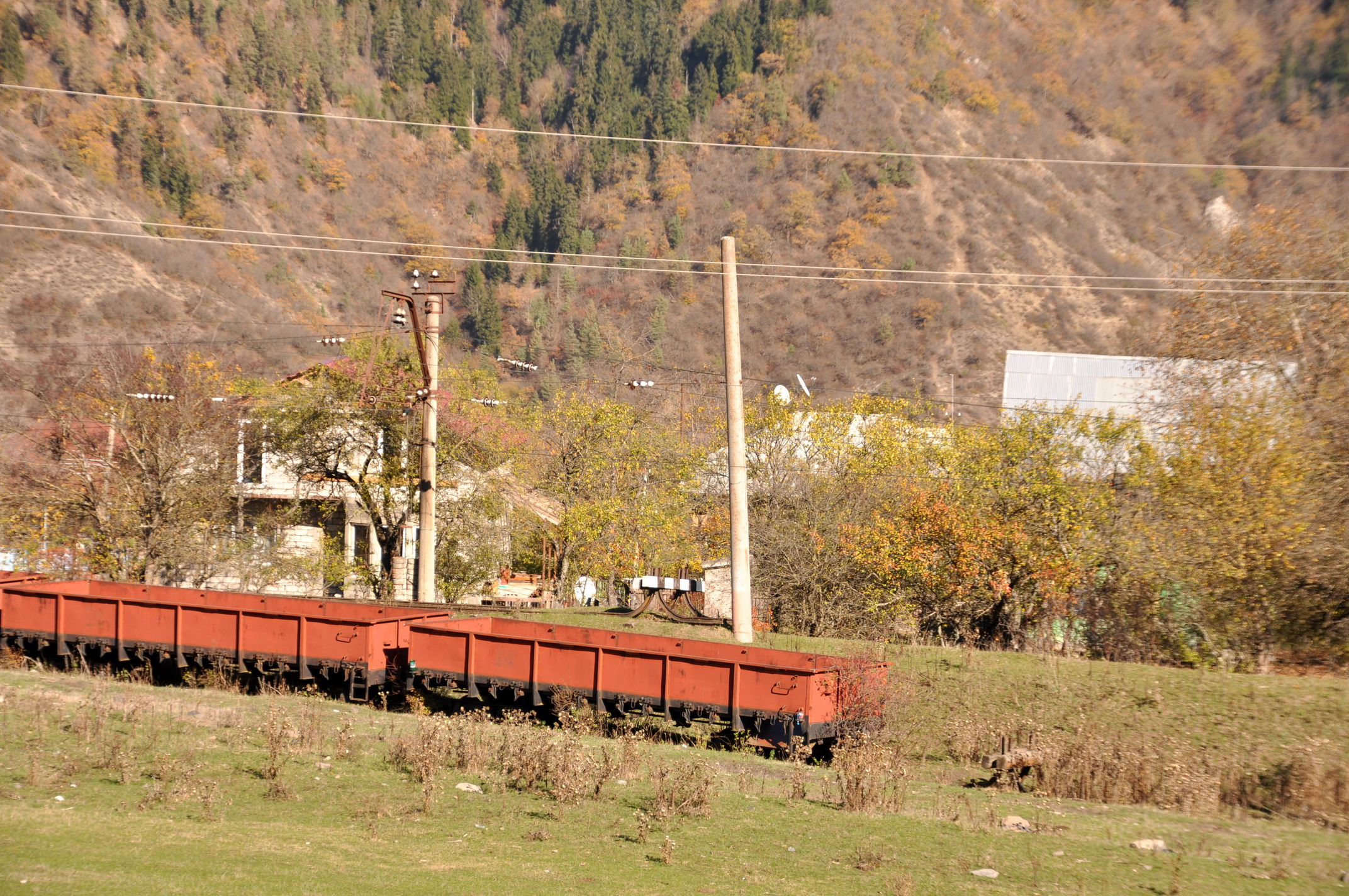
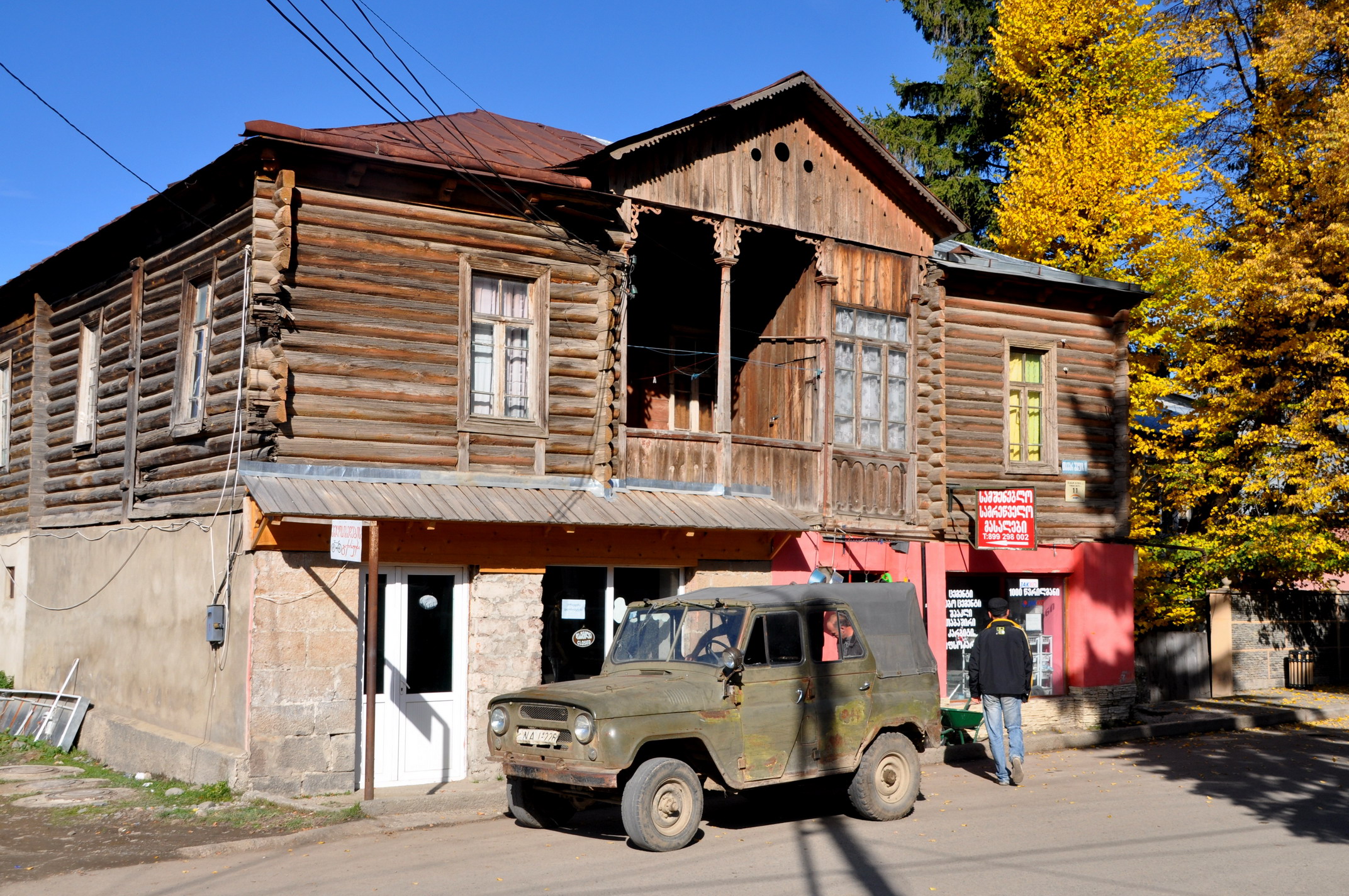
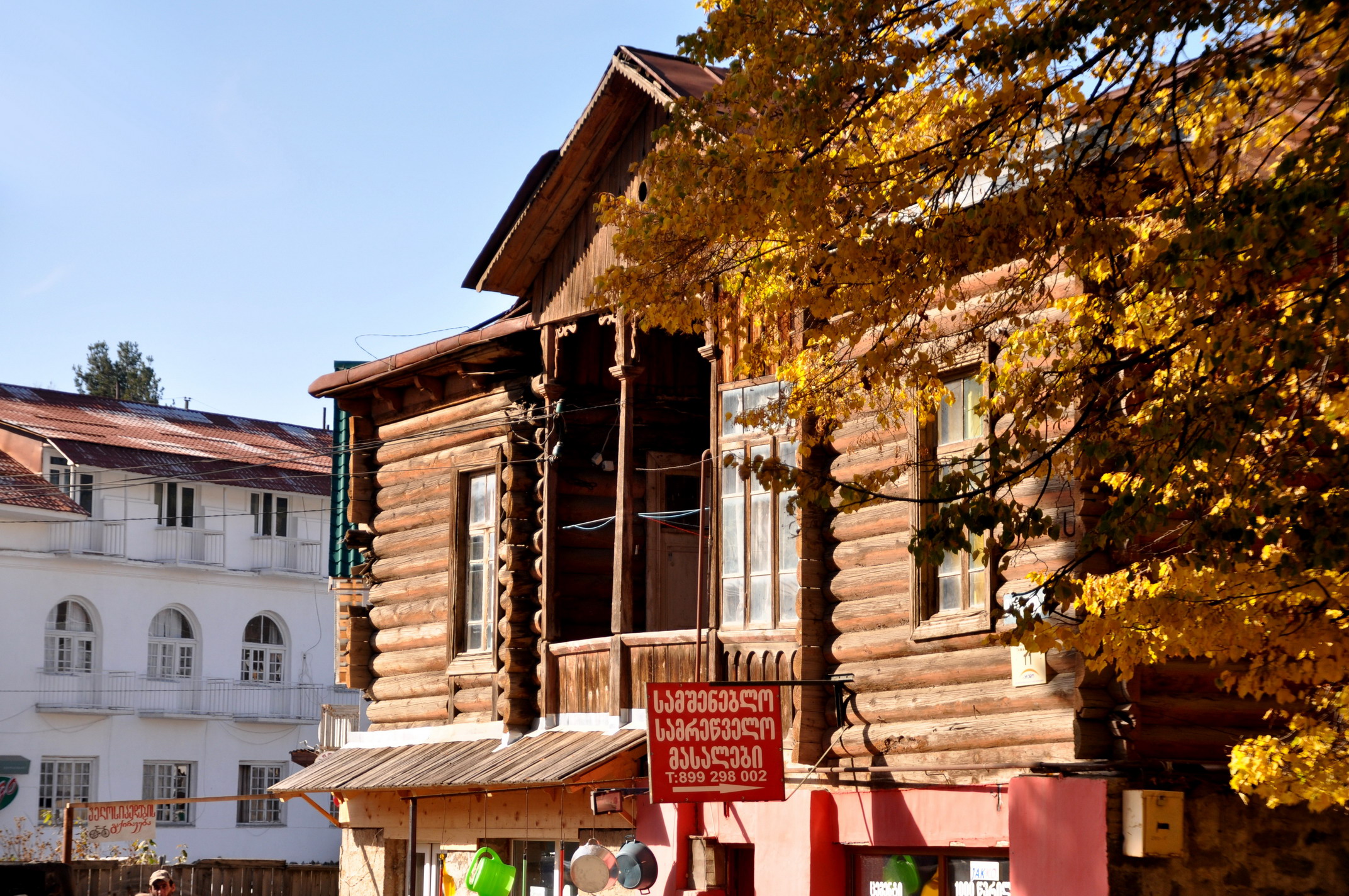
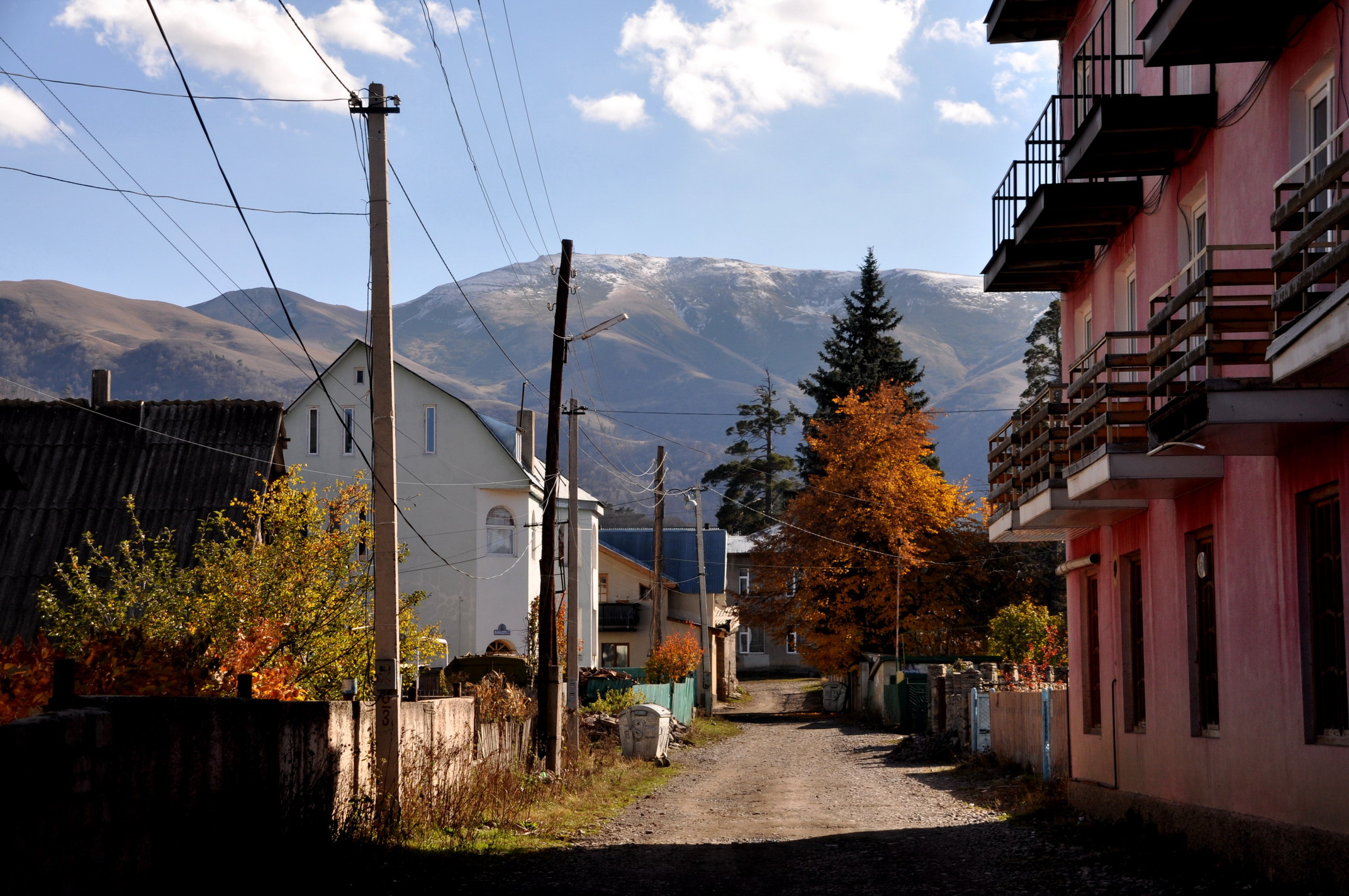
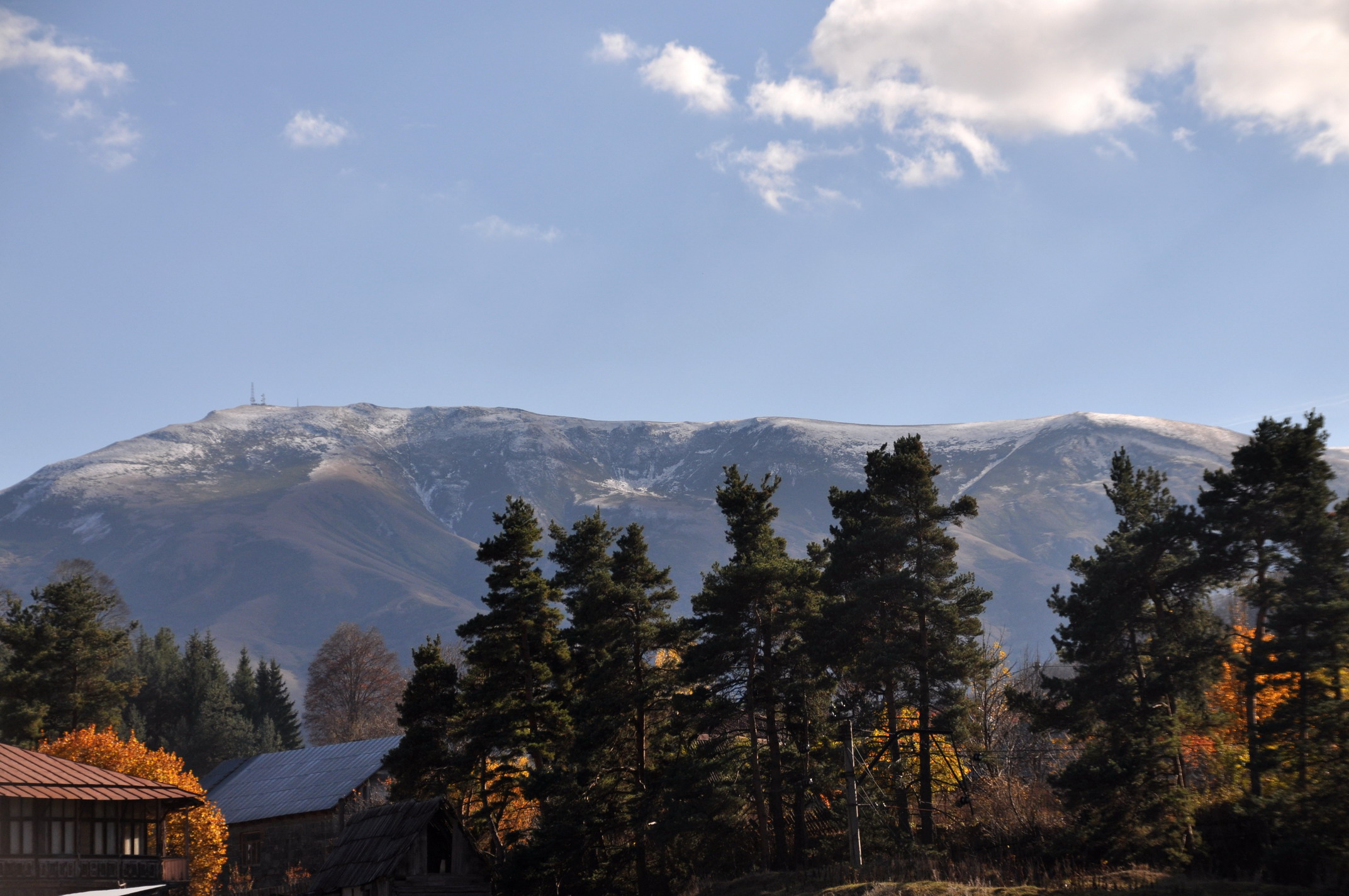
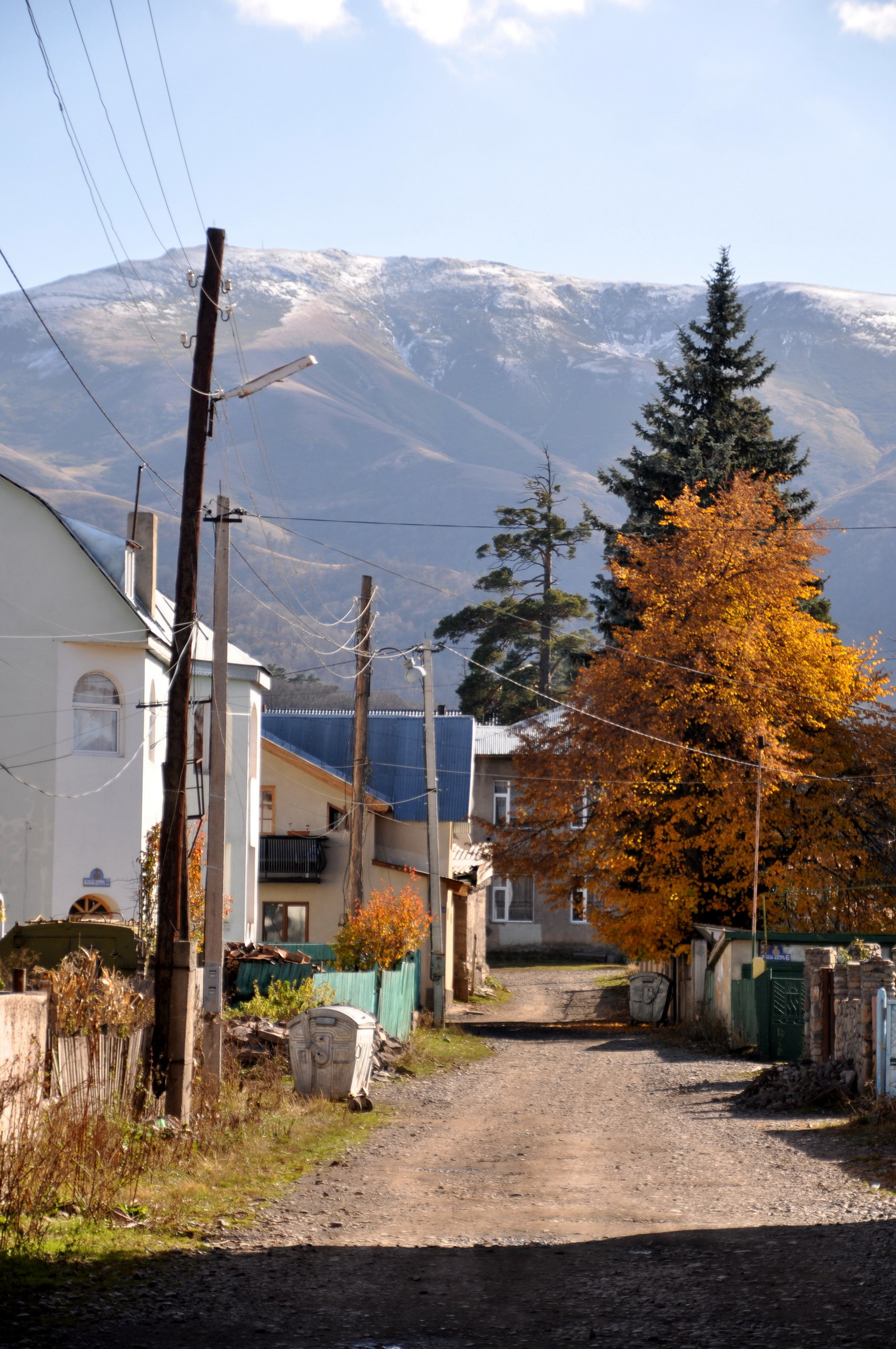
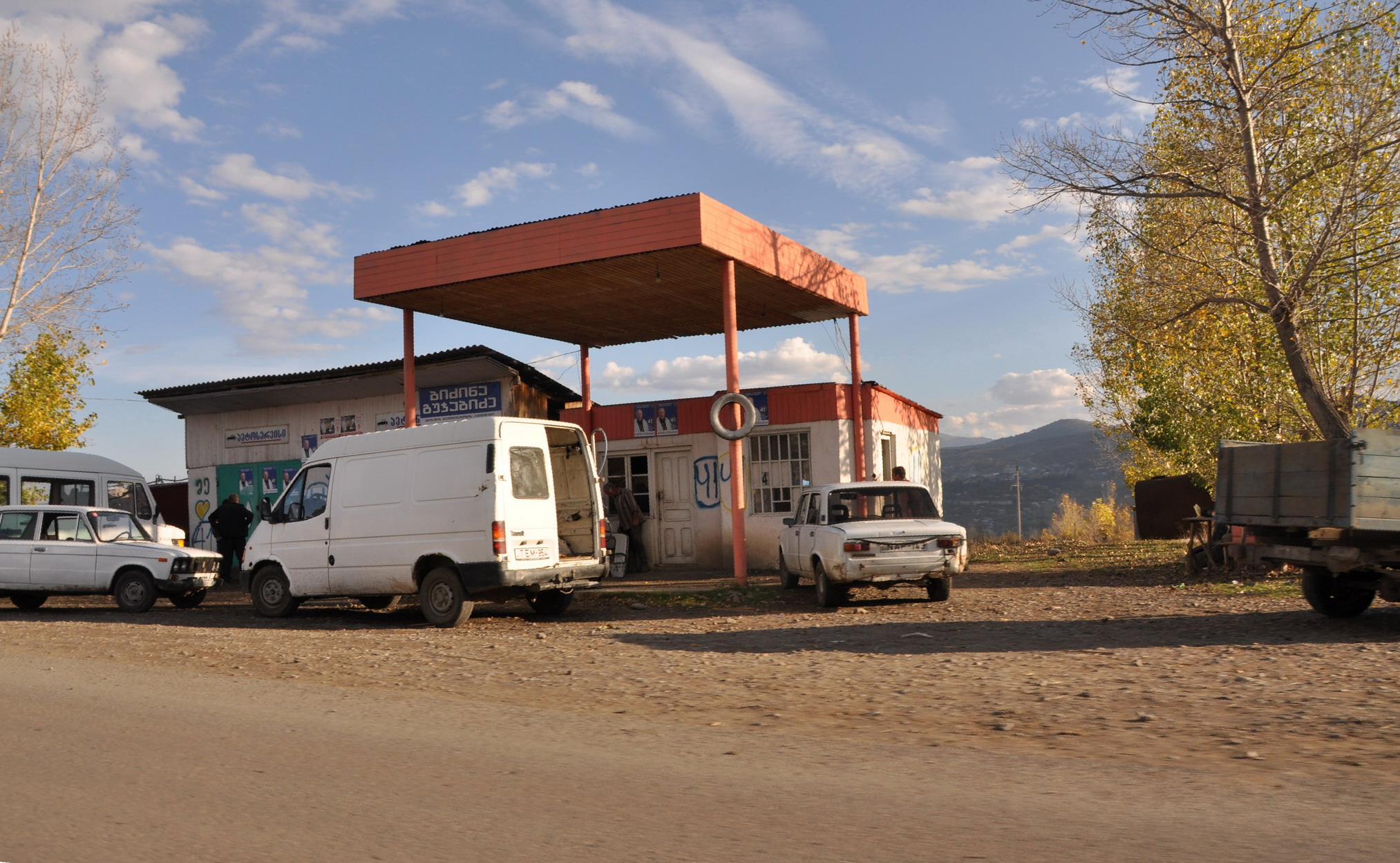
People were poor, of course. I gave an elderly local woman a lift. People were getting by without pensions or assistance, or even electricity or a phone. It was essentially a subsistence economy.
Across the mountains to Batumi
Next on my list was Batumi. There was a direct road from Borjomi, but I'd heard conflicting reports about whether you could get through in a car. I was especially worried about the boss's brand-new Passat. It clearly wasn't built for mountain tracks.
It was better than I'd feared. At first there was a perfectly decent paved road leading to Turkey, with good petrol stations as well. After the Russian blockade, trade with Turkey had grown several times over. Turkey had become Georgia's largest supplier and export market.
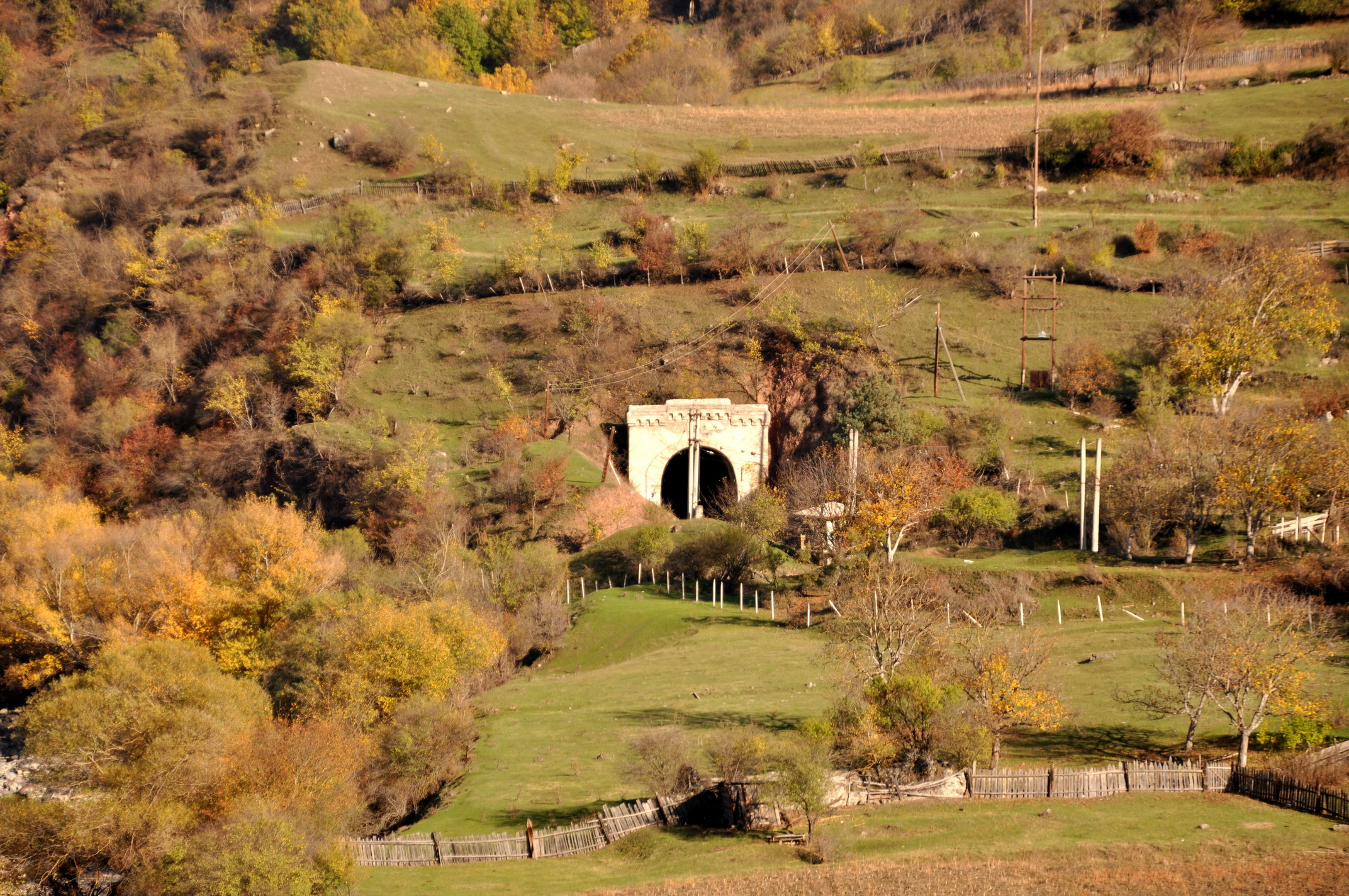
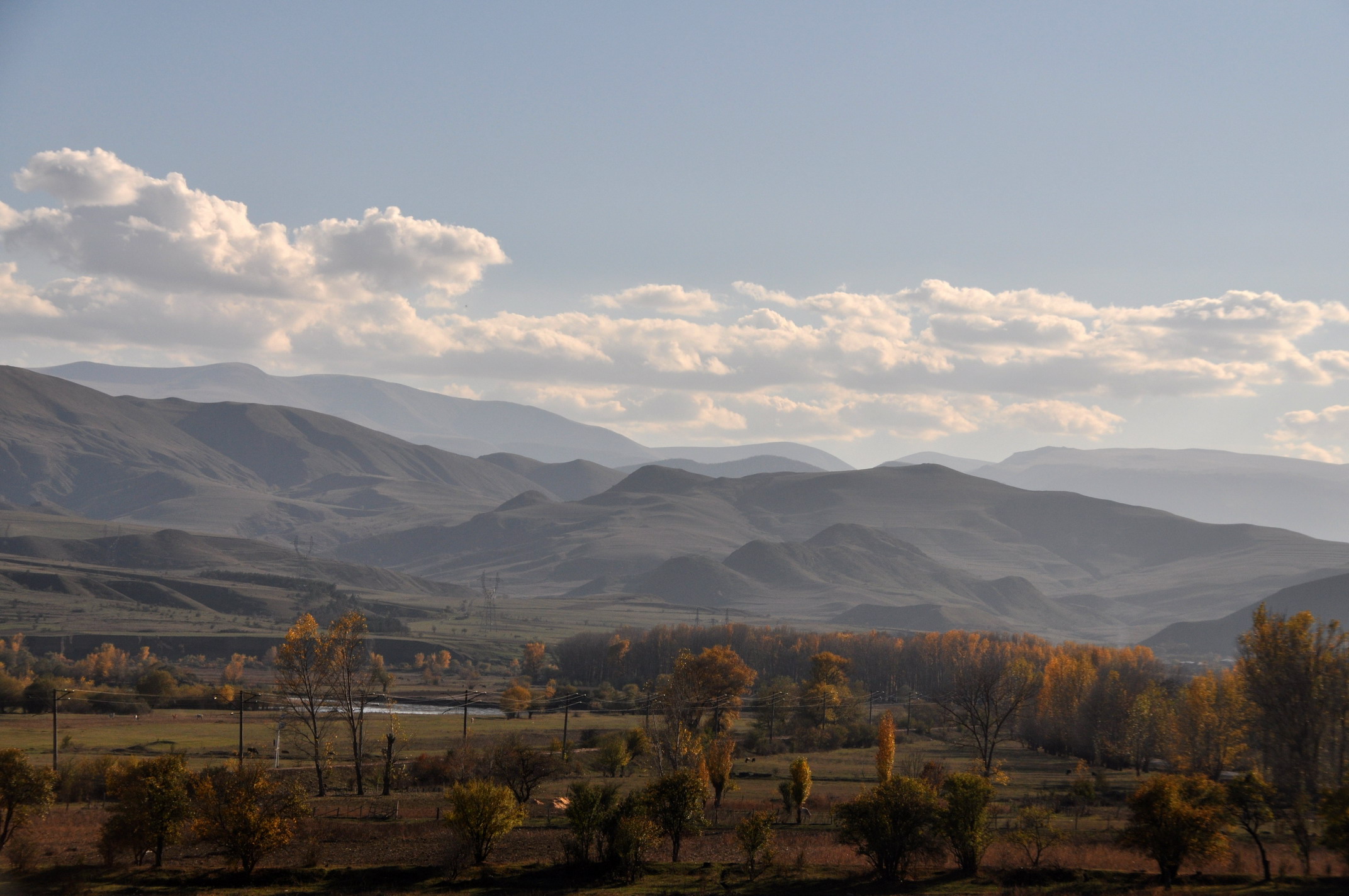
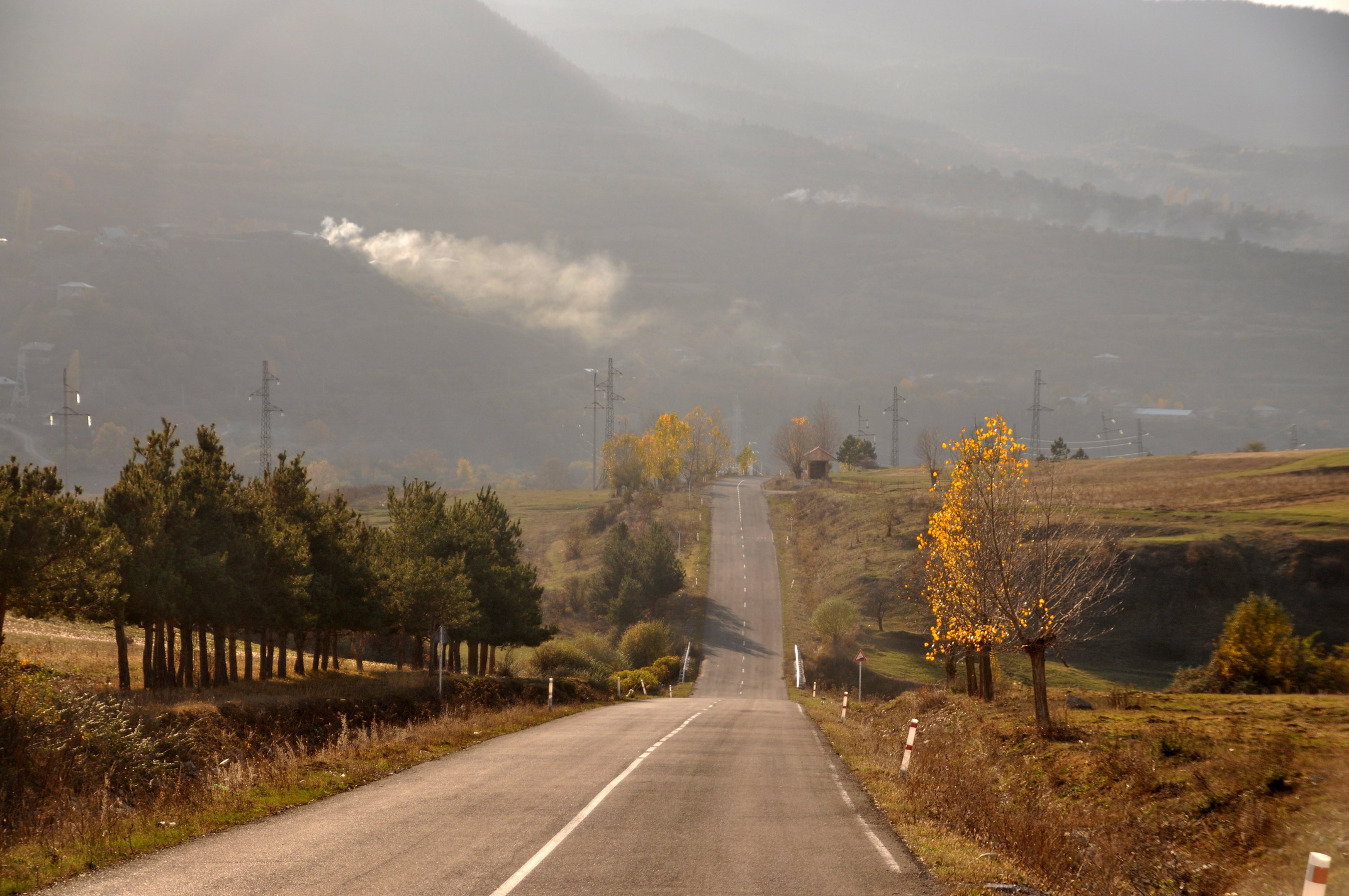
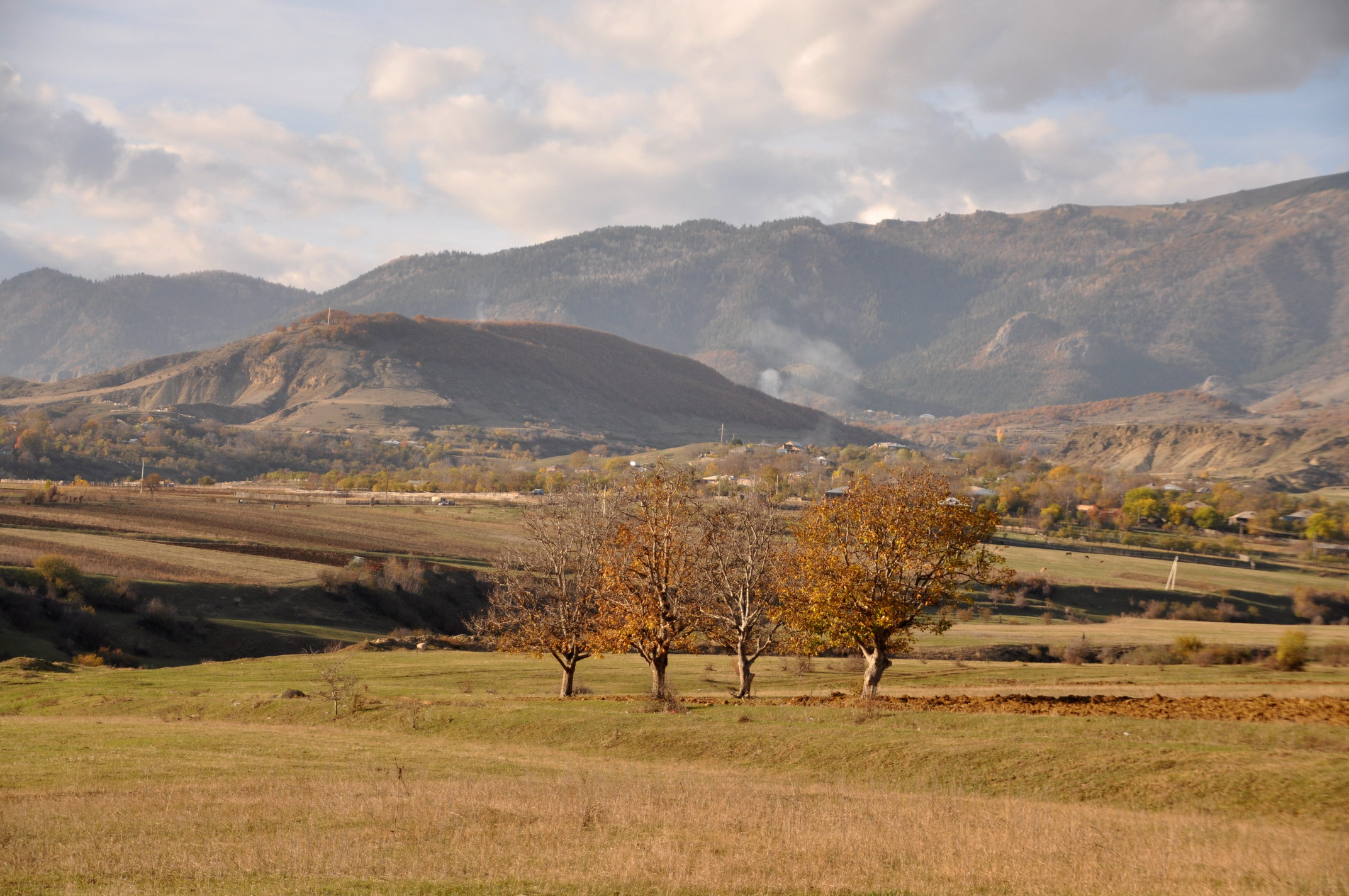
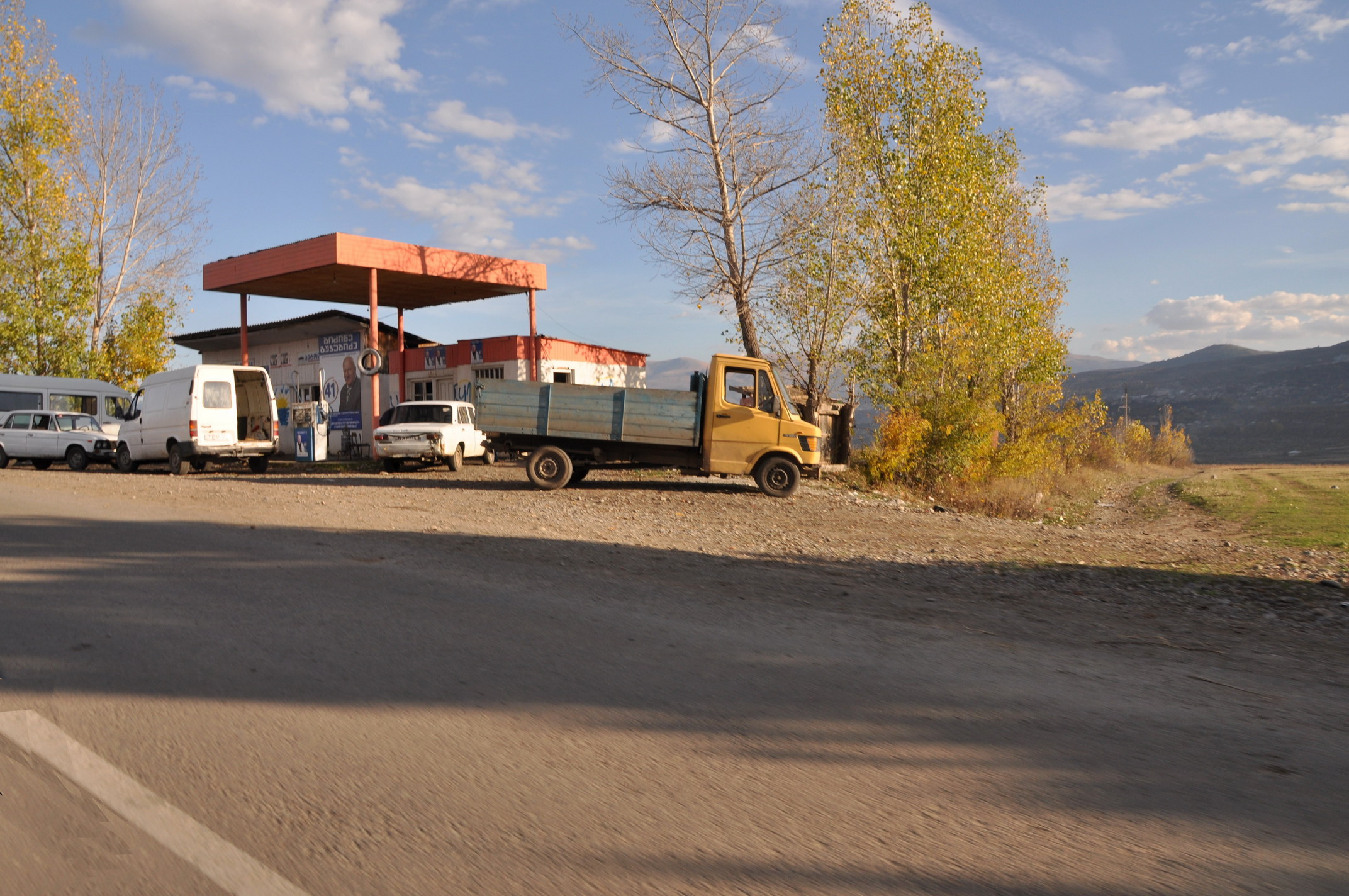
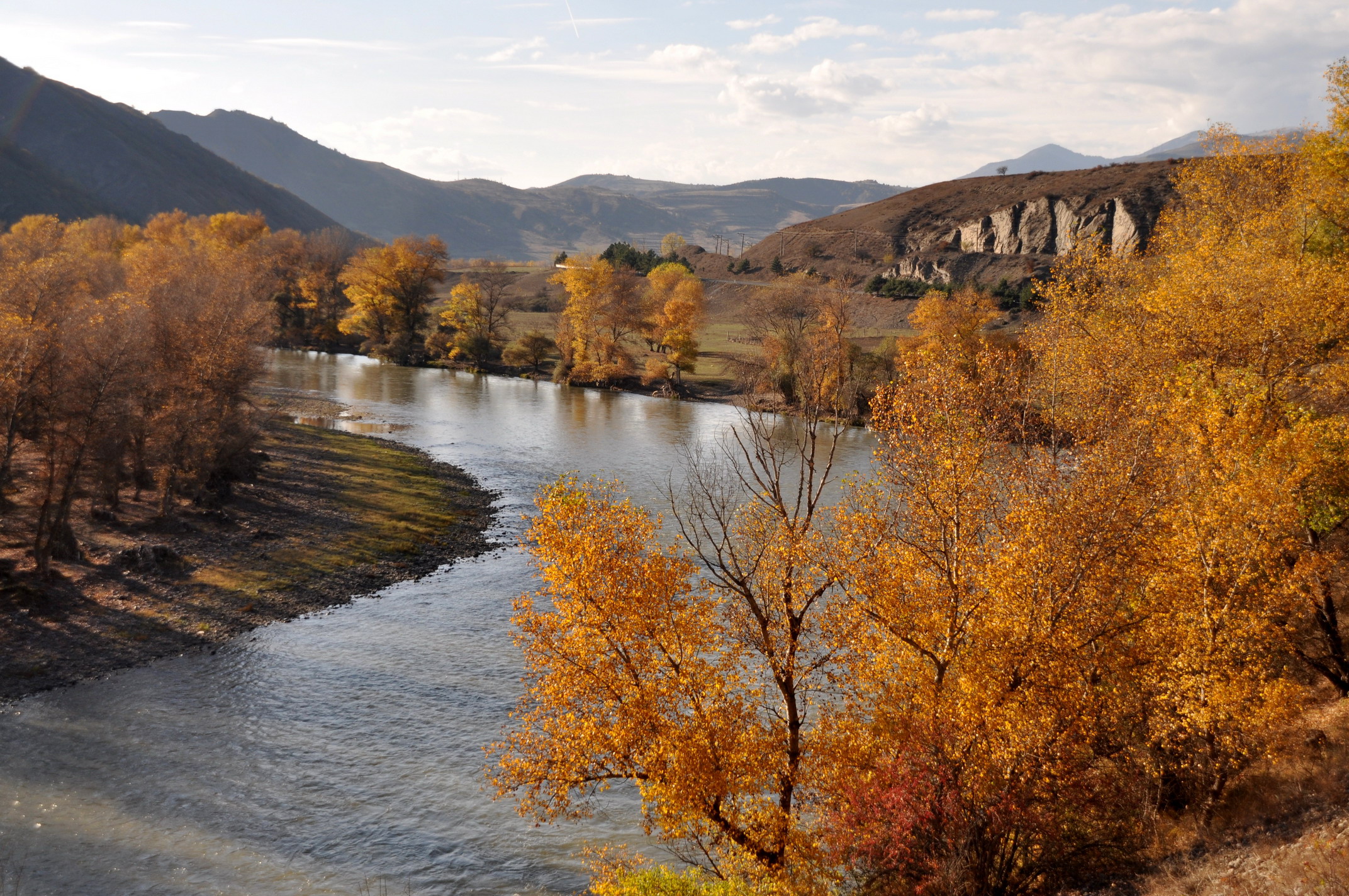
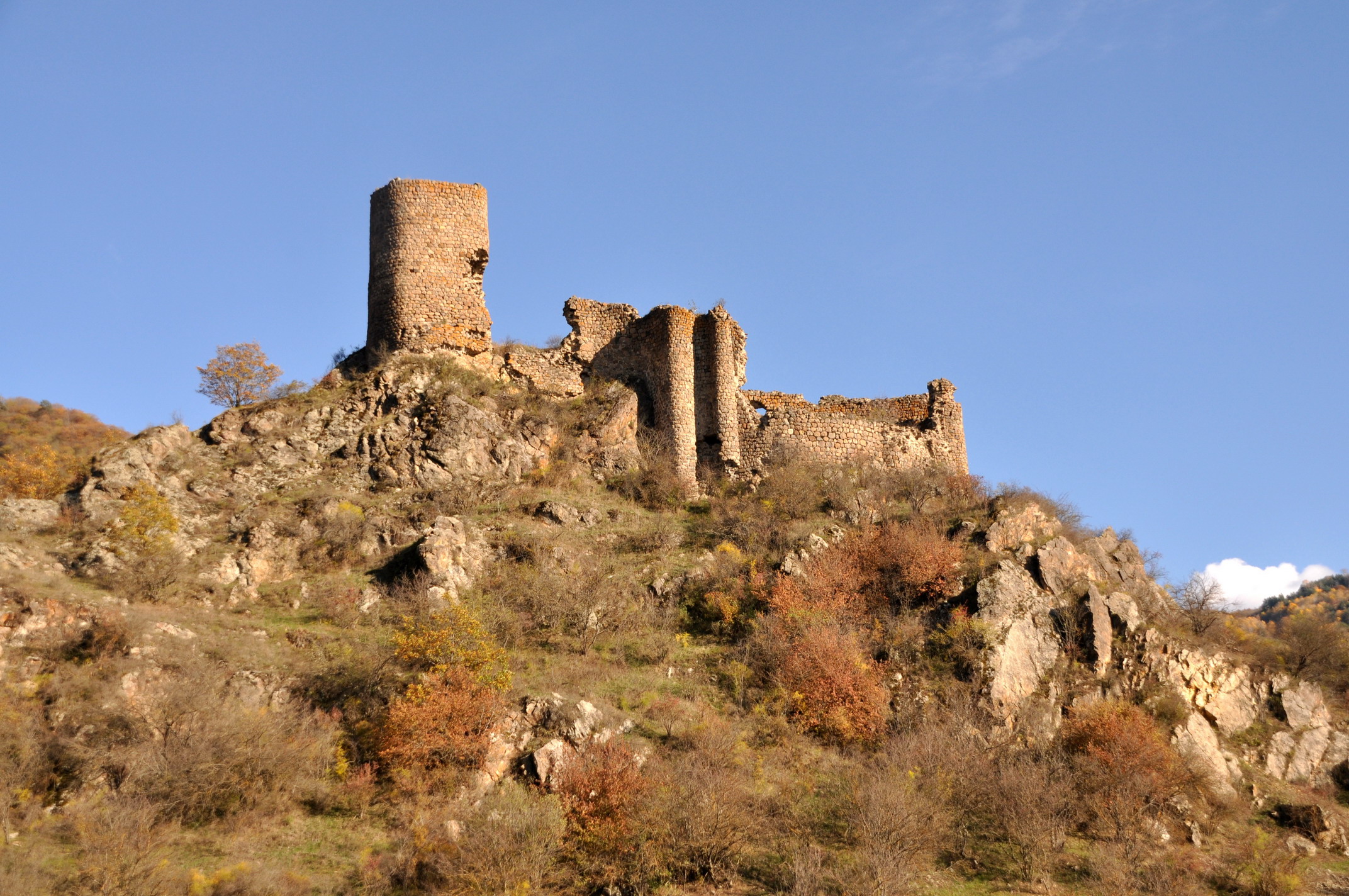
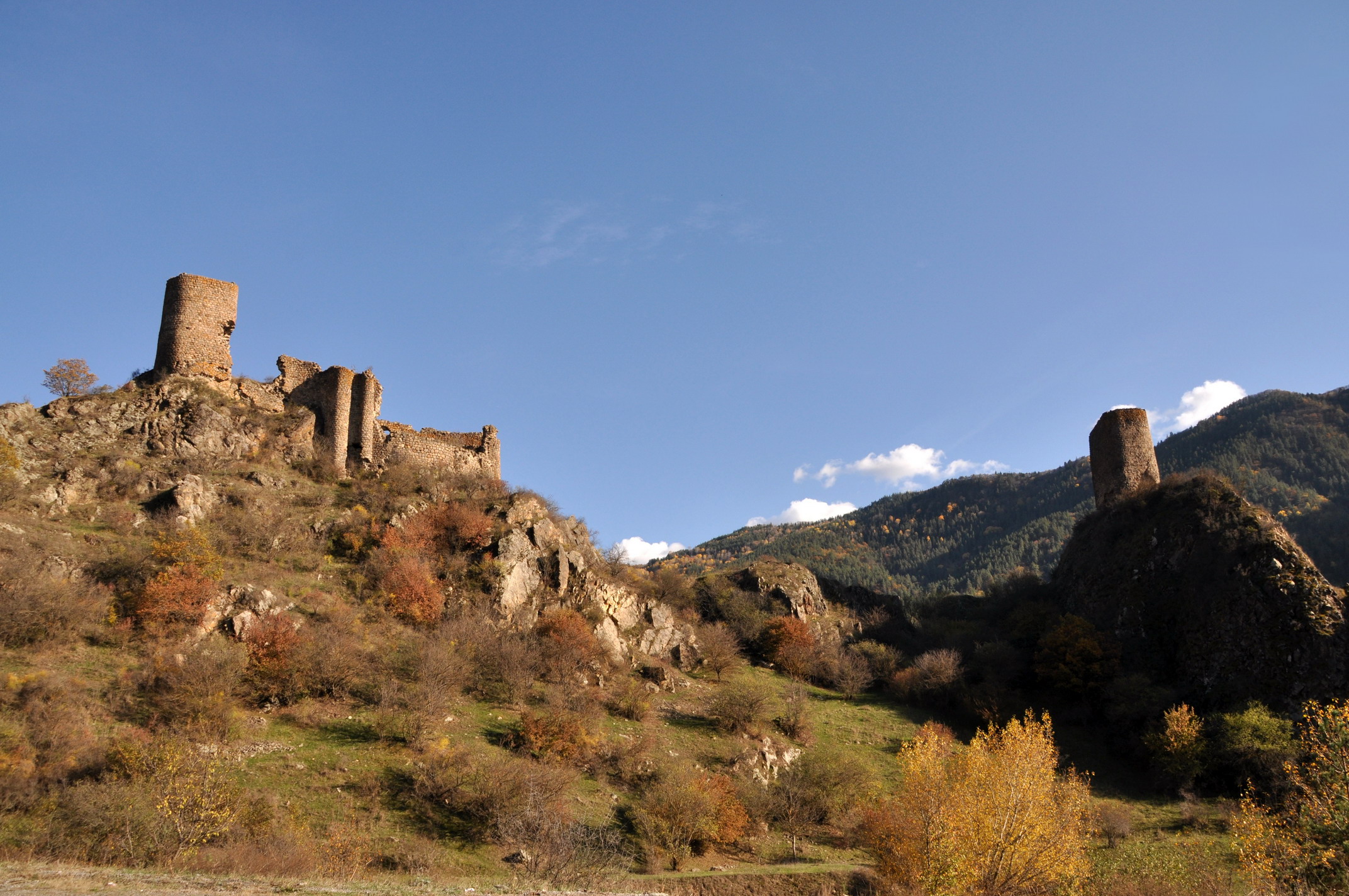
The road runs through a wide river valley alongside a railway. The route of the Baku–Tbilisi–Ceyhan oil pipeline runs here, too. On the surrounding hills are fortresses and churches. In this part of the country Russia and Turkey fought over the same hills for centuries. Every fortress was bitterly contested, and so many people died. Fascinating country. If only I'd had more time to clamber around each fortress and wander through the villages.
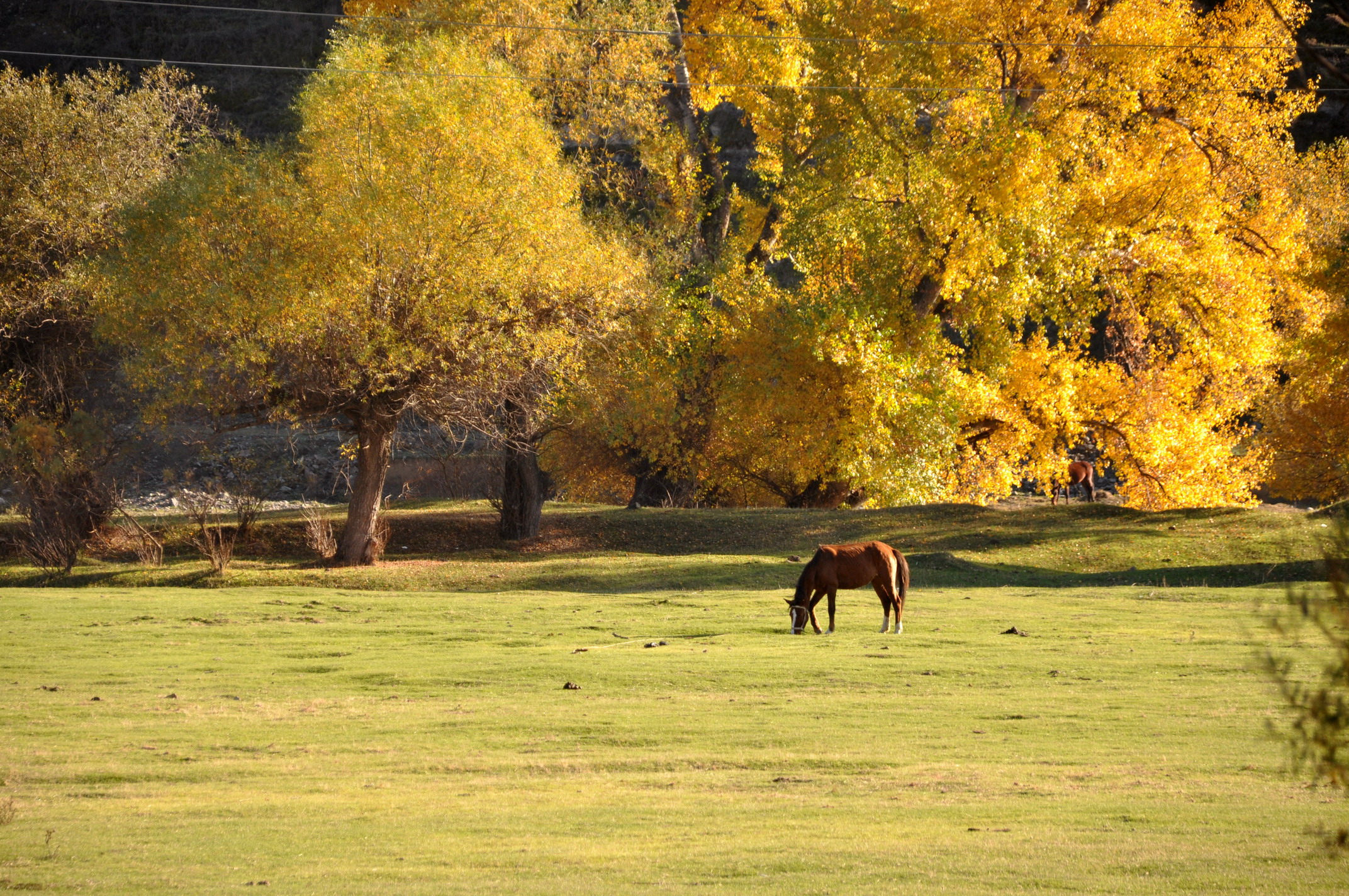
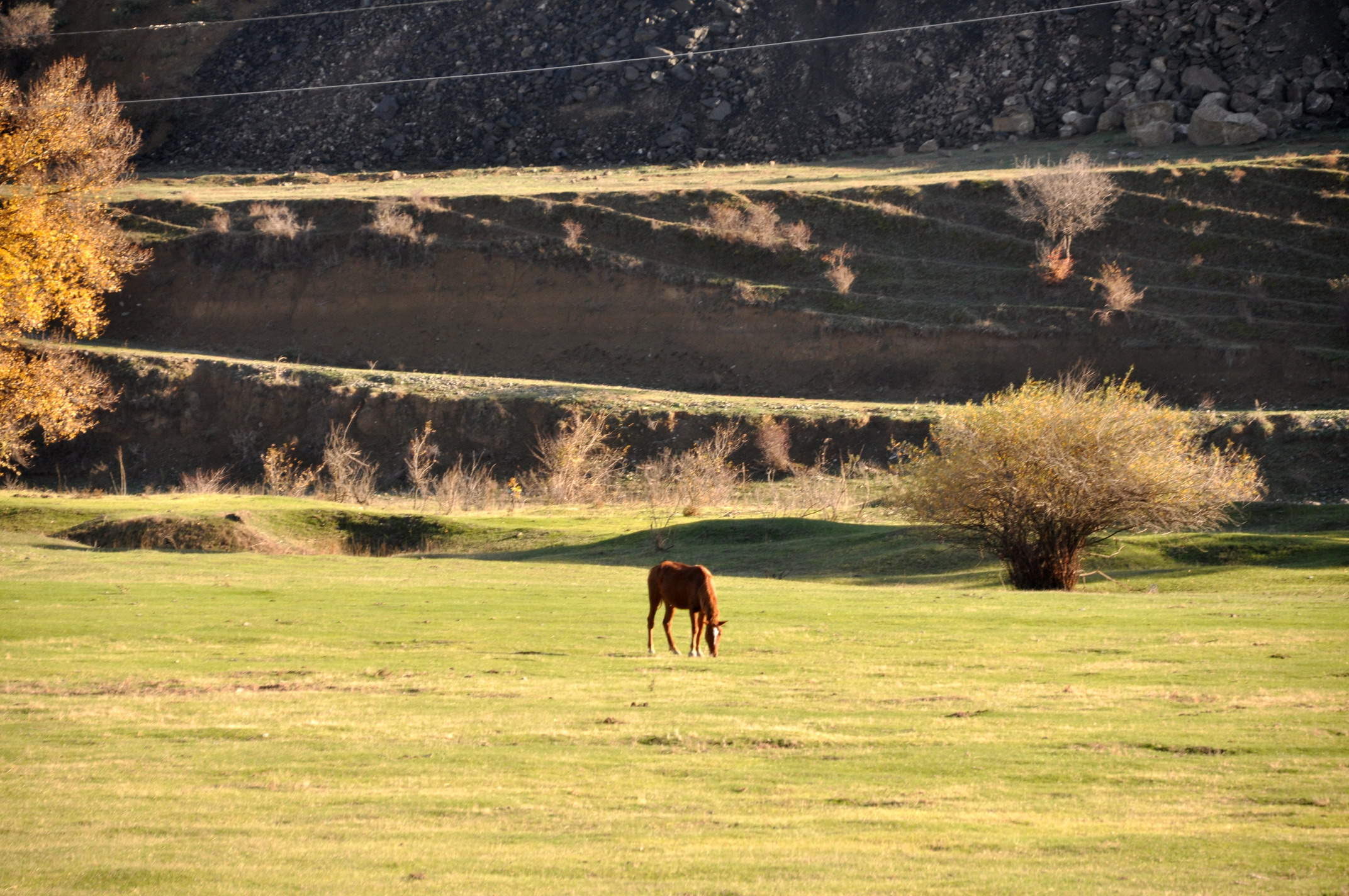
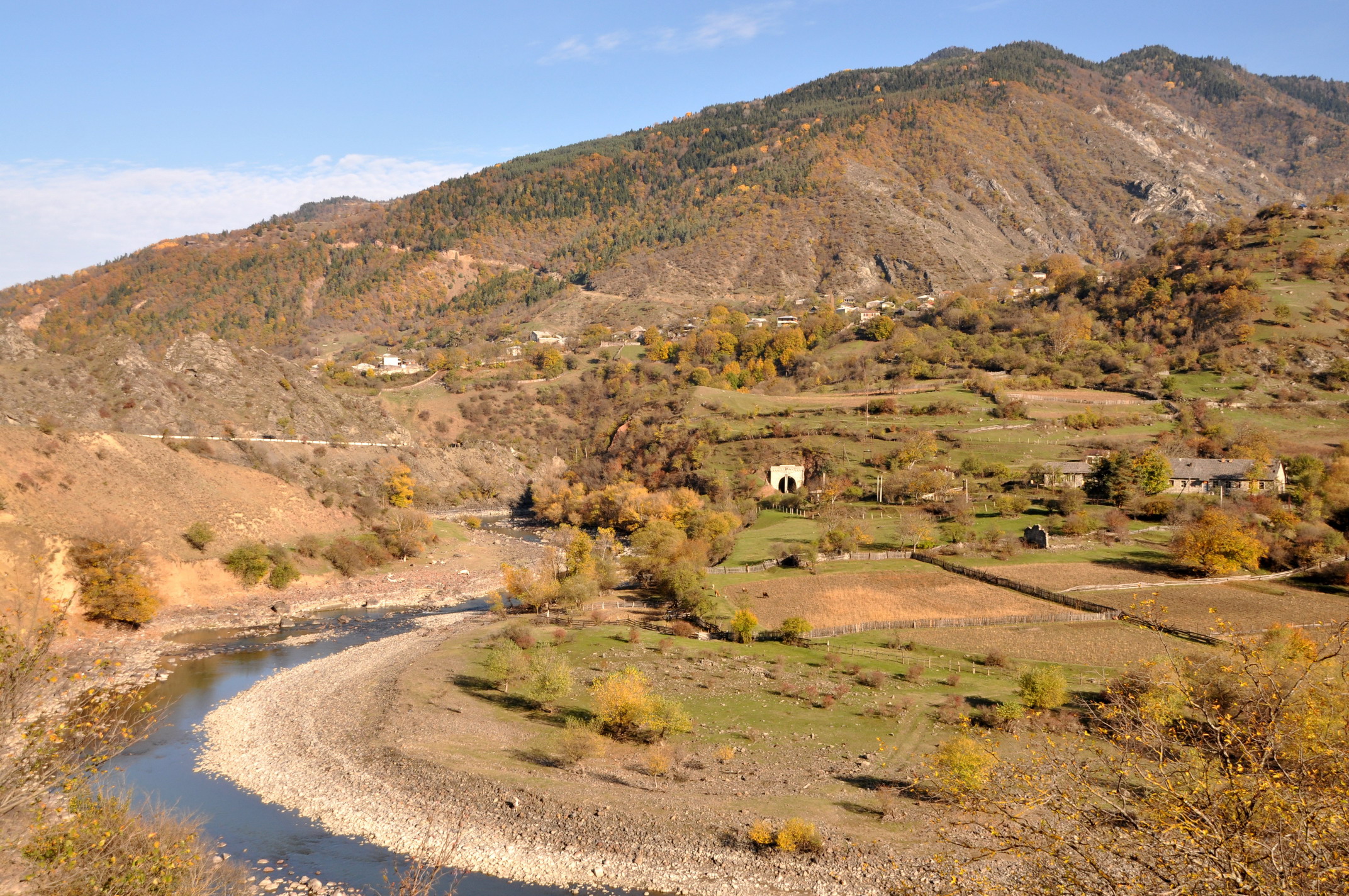
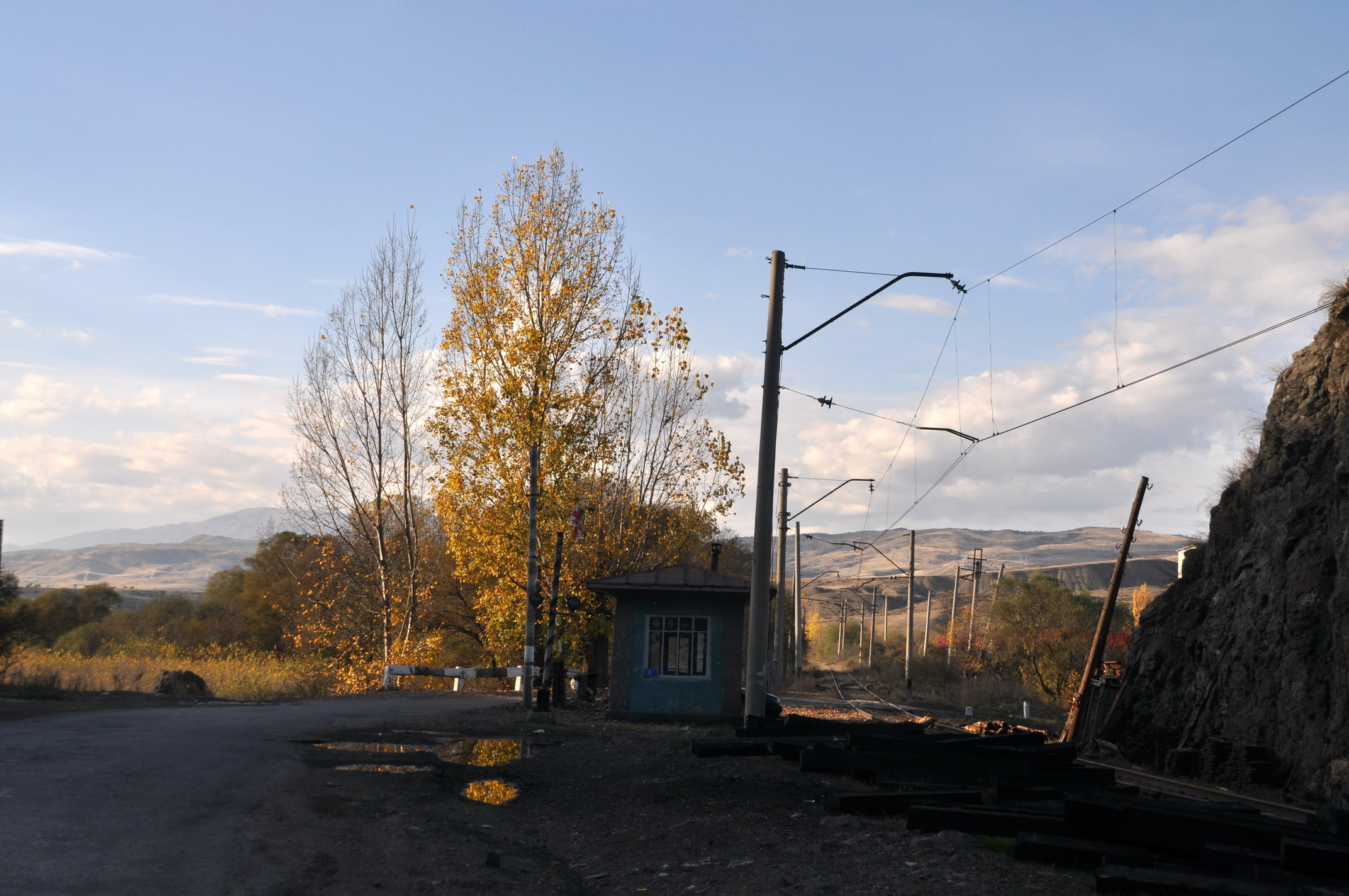
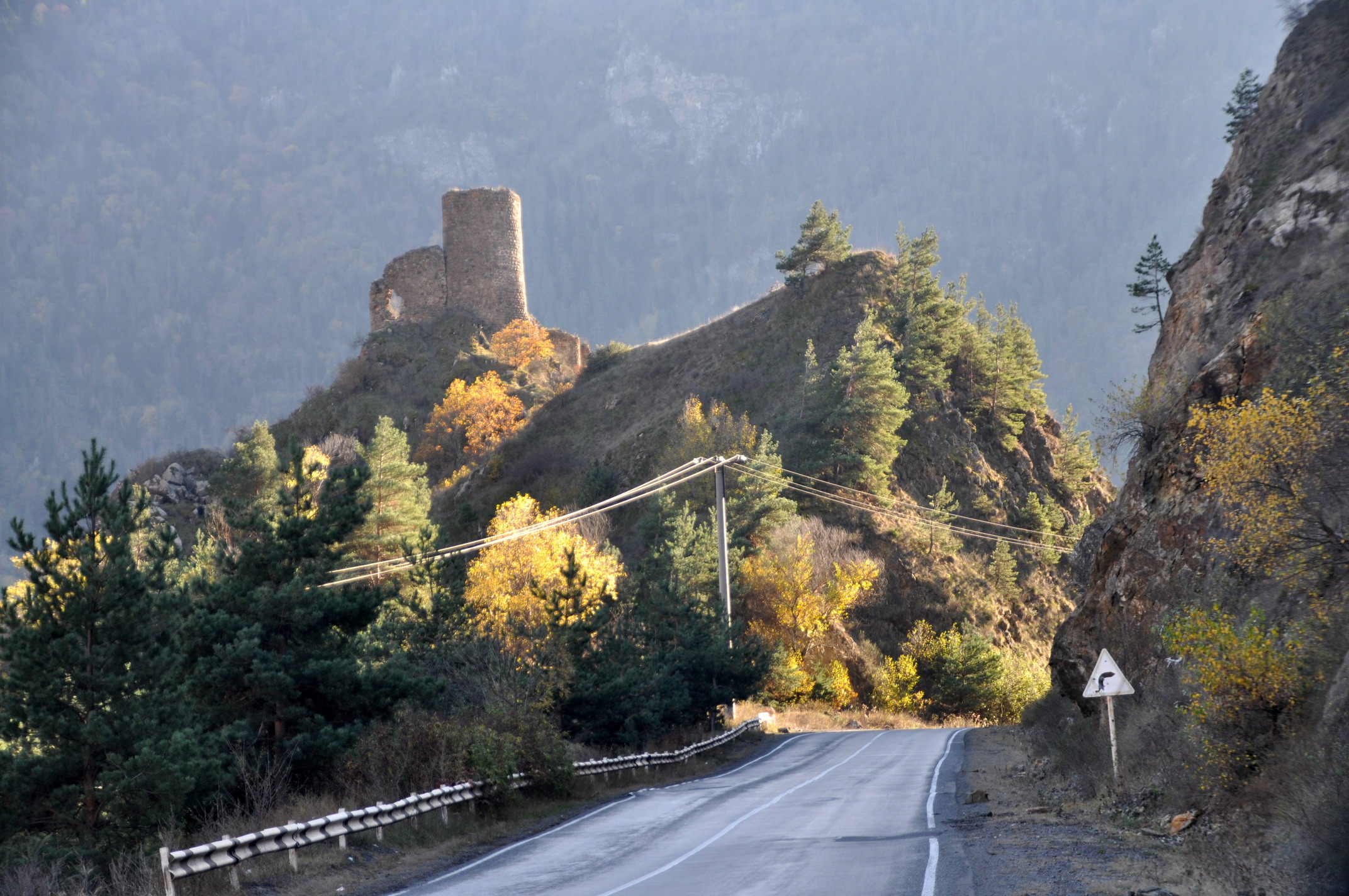
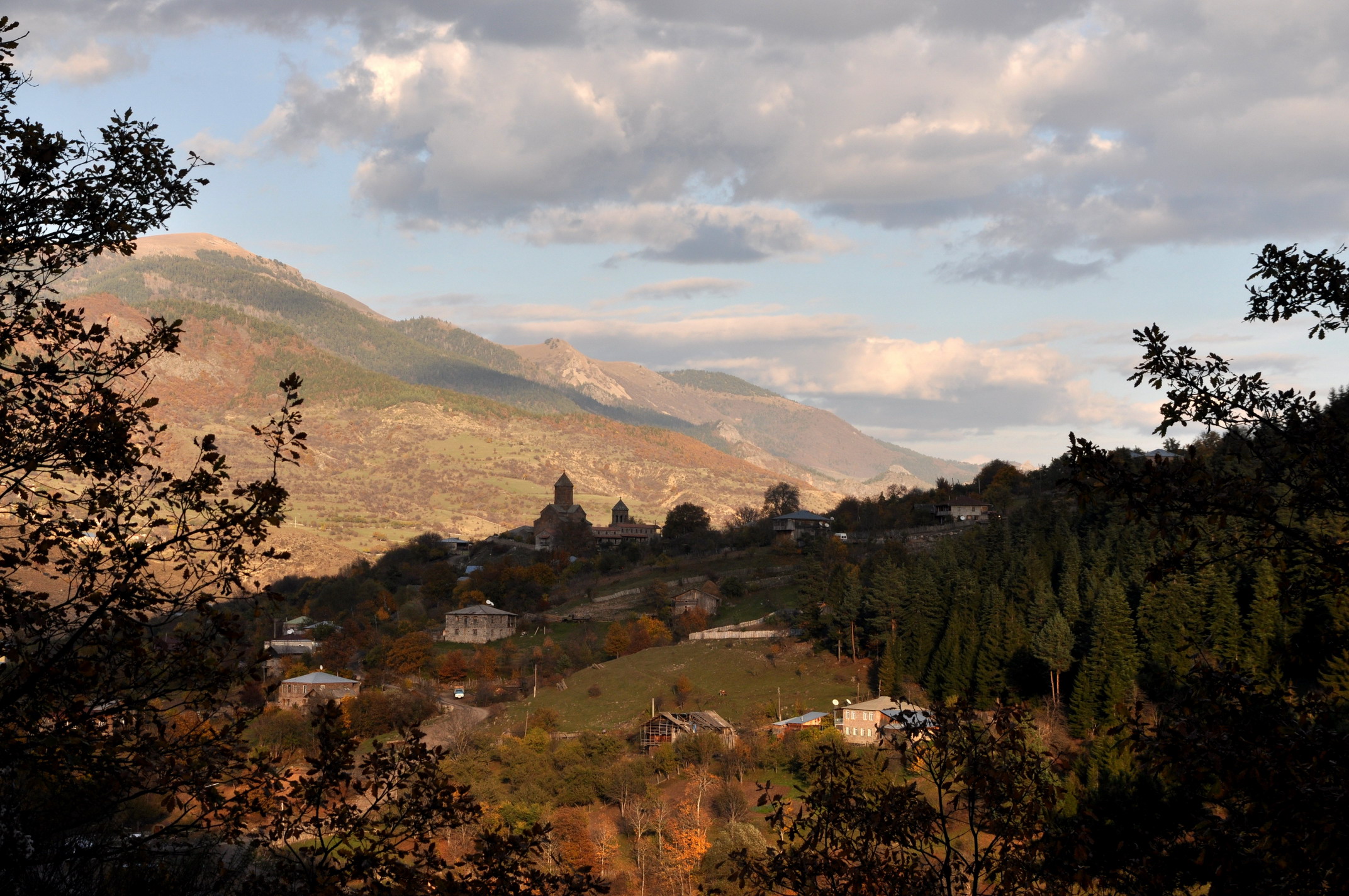
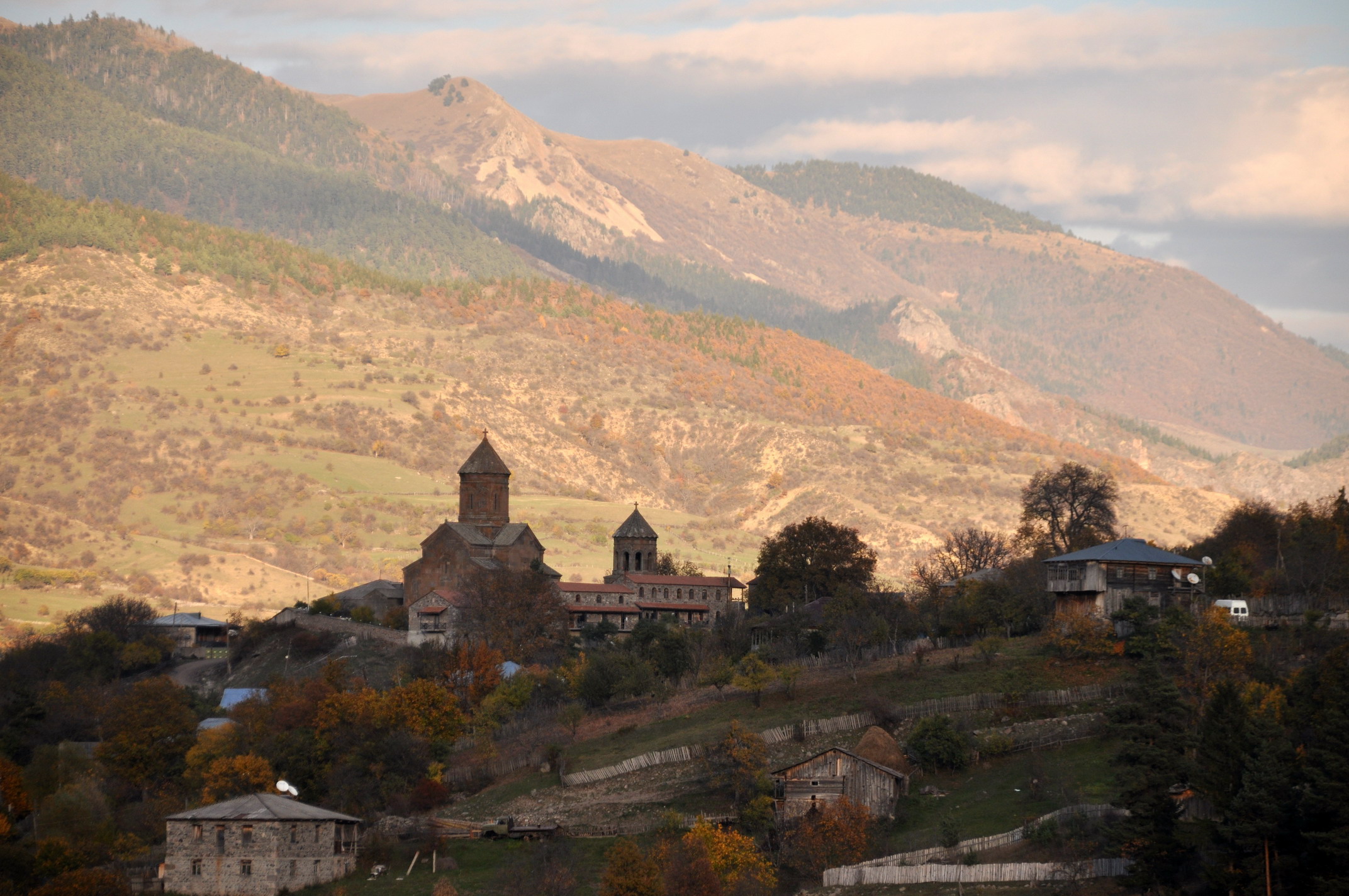
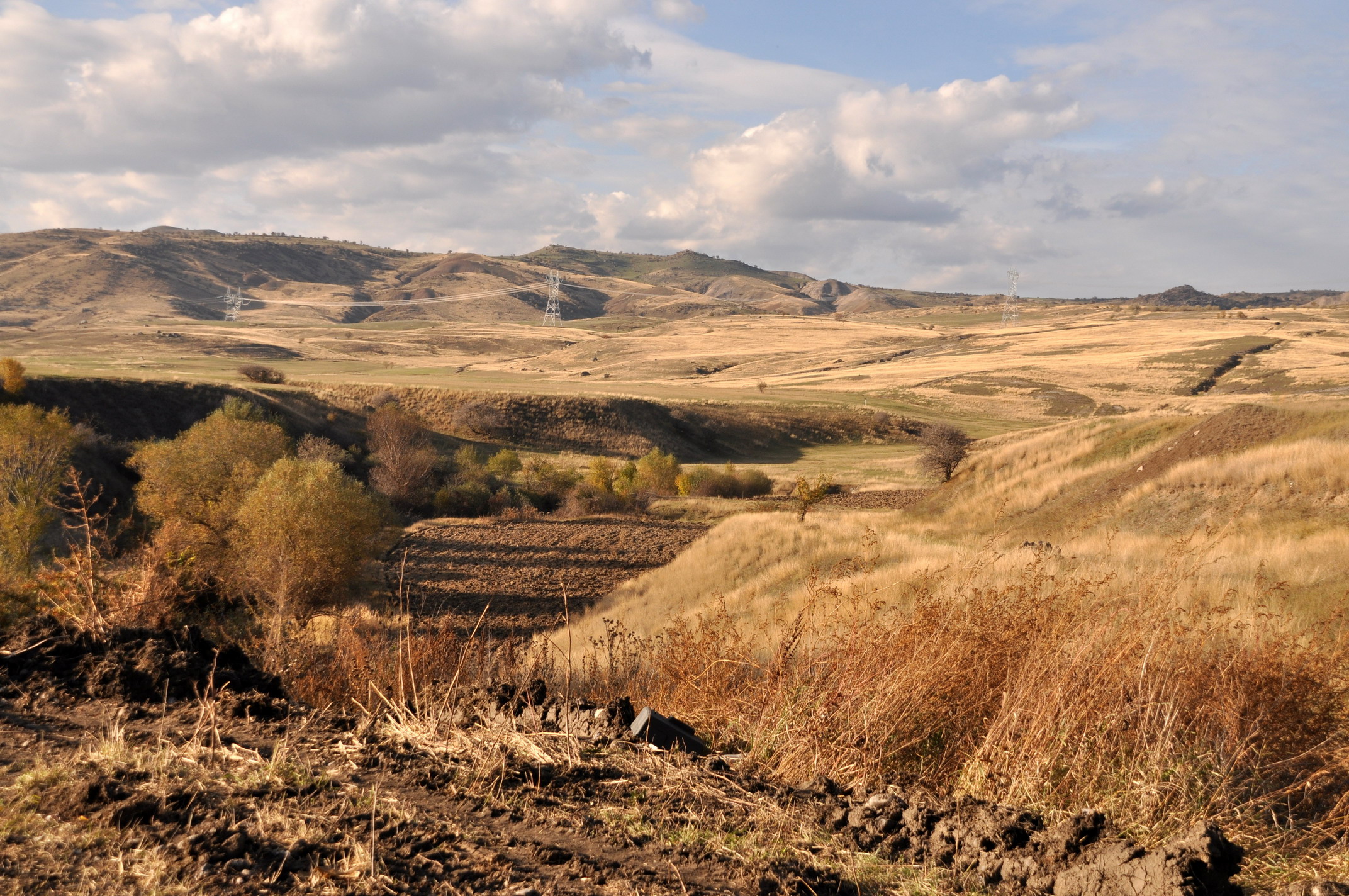
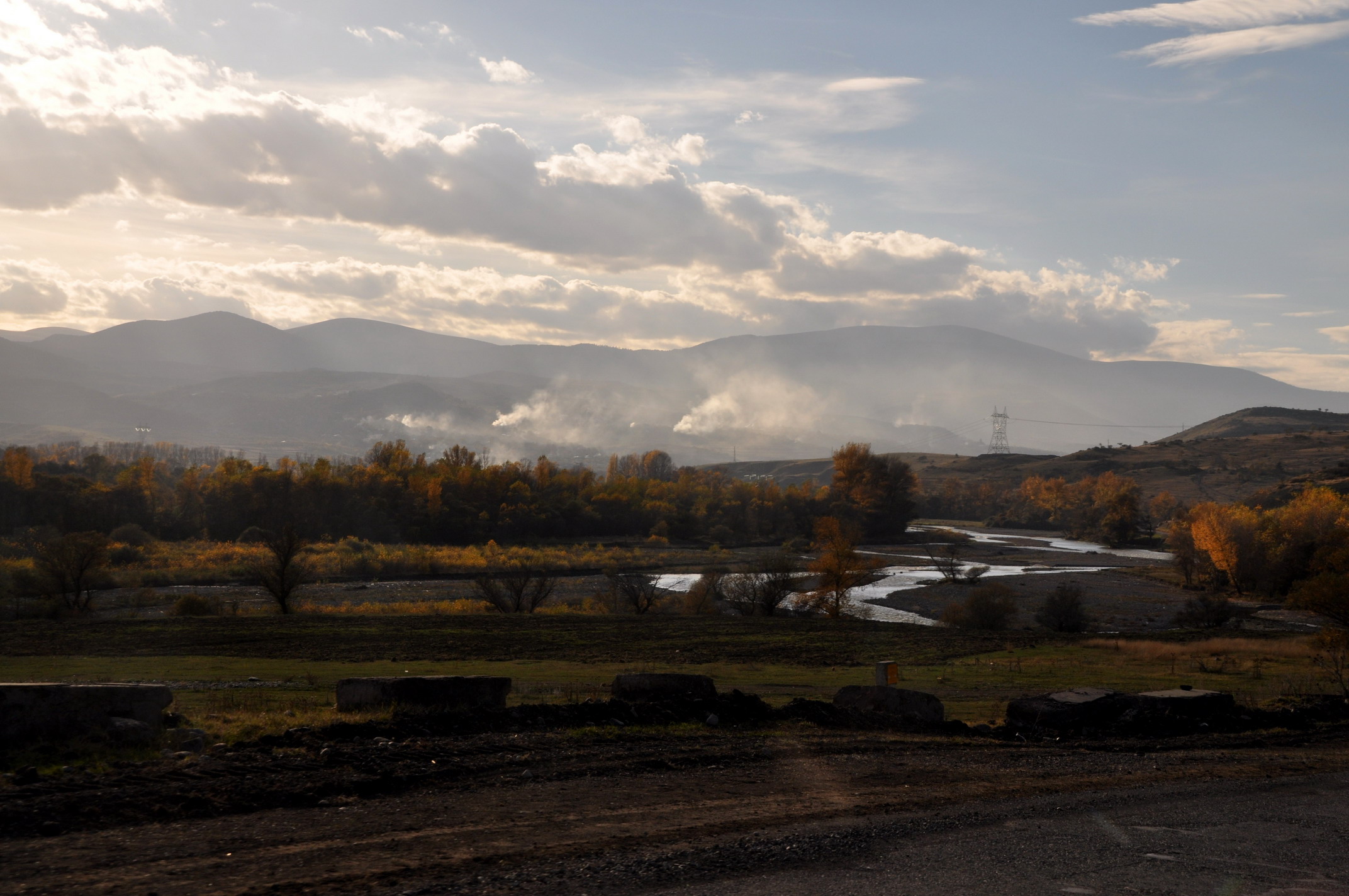
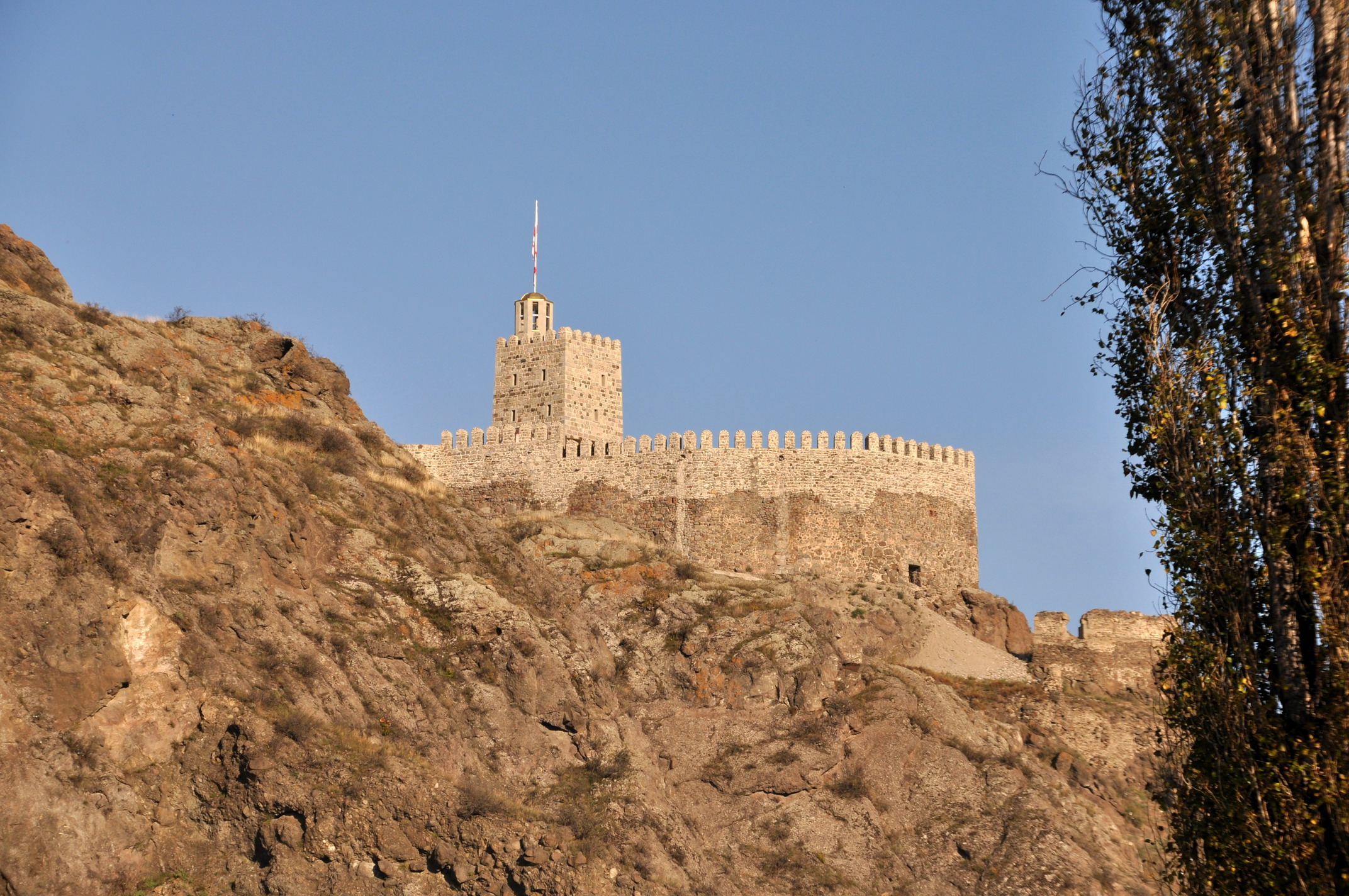
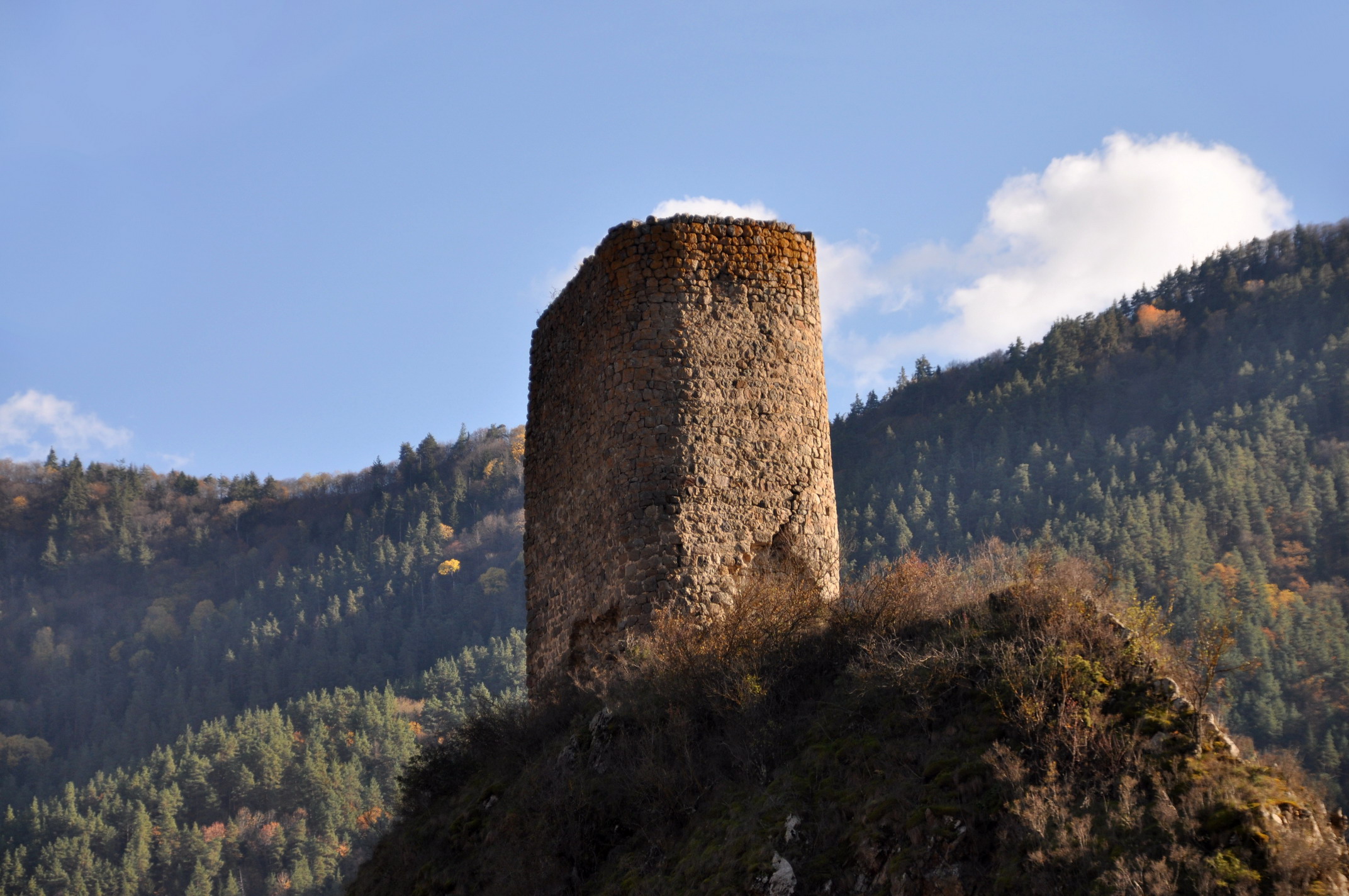
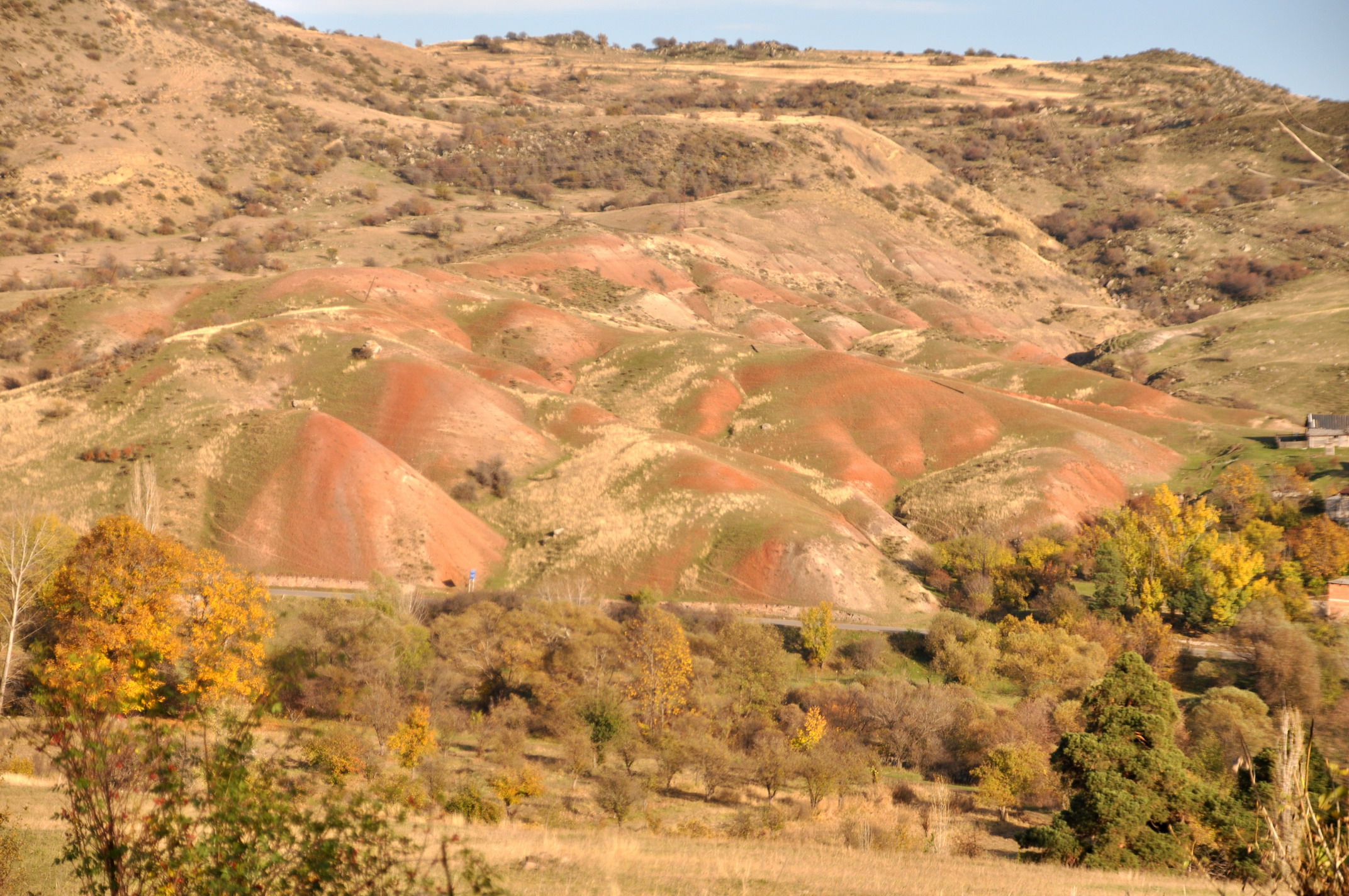
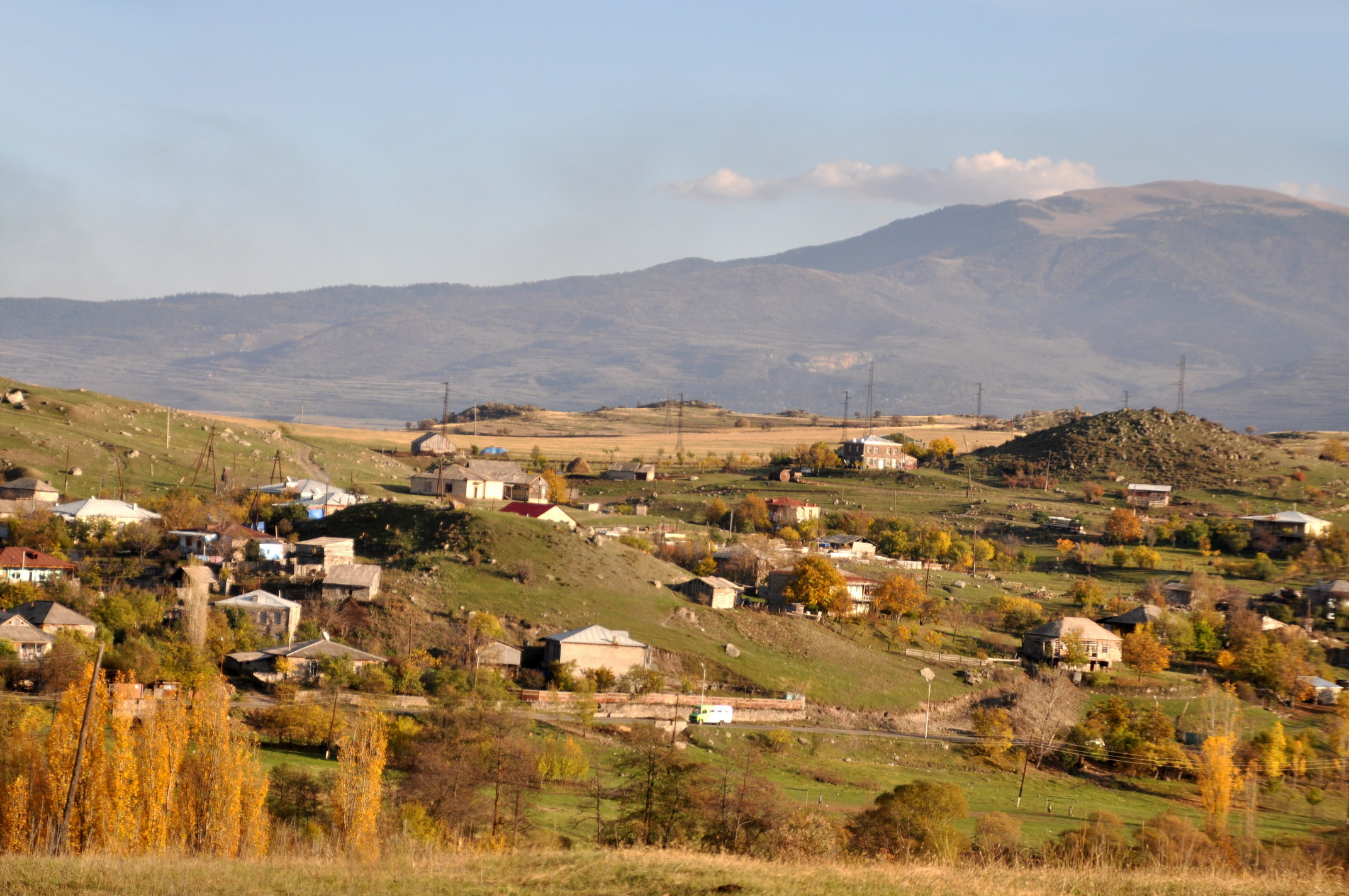
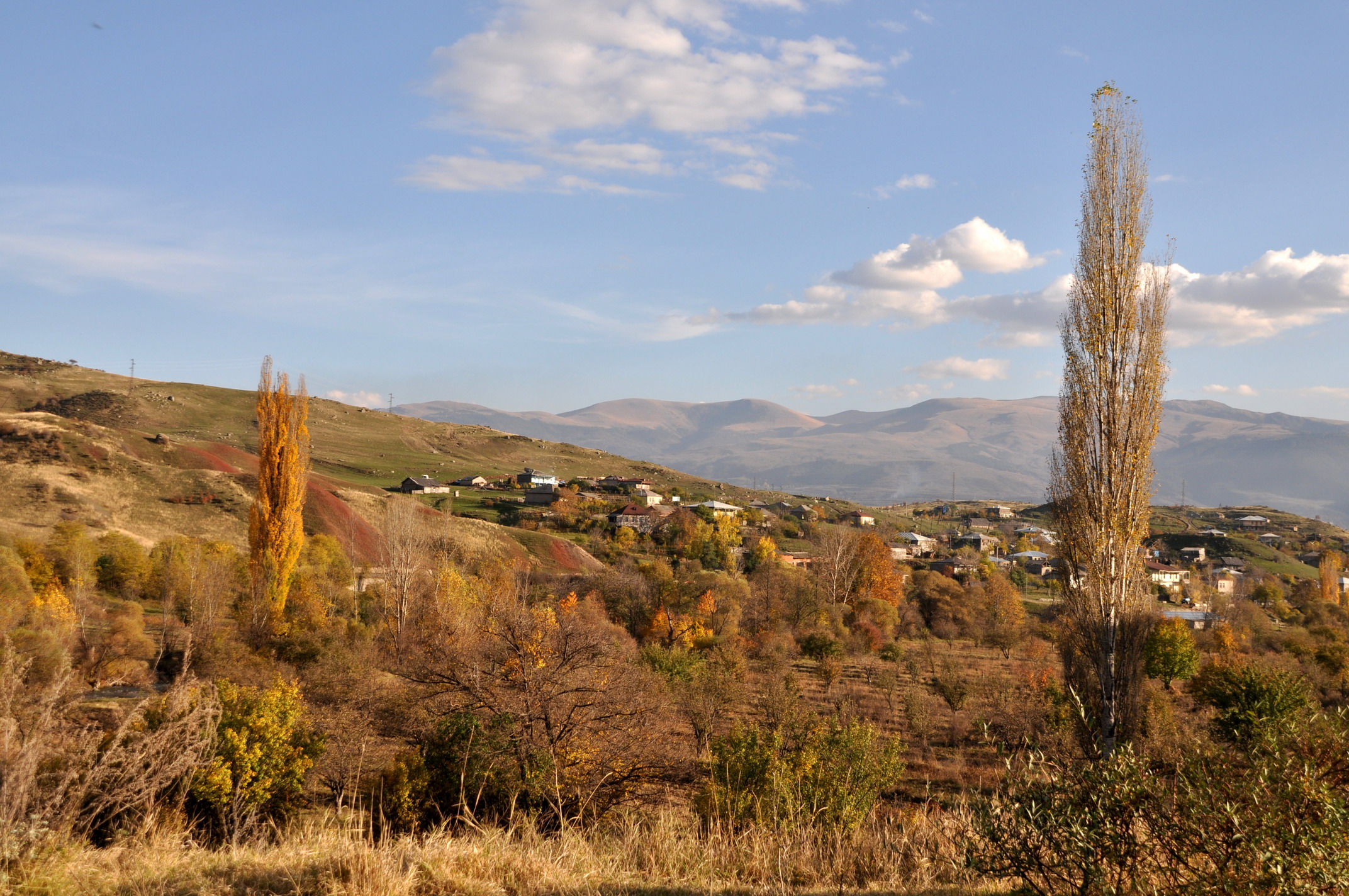
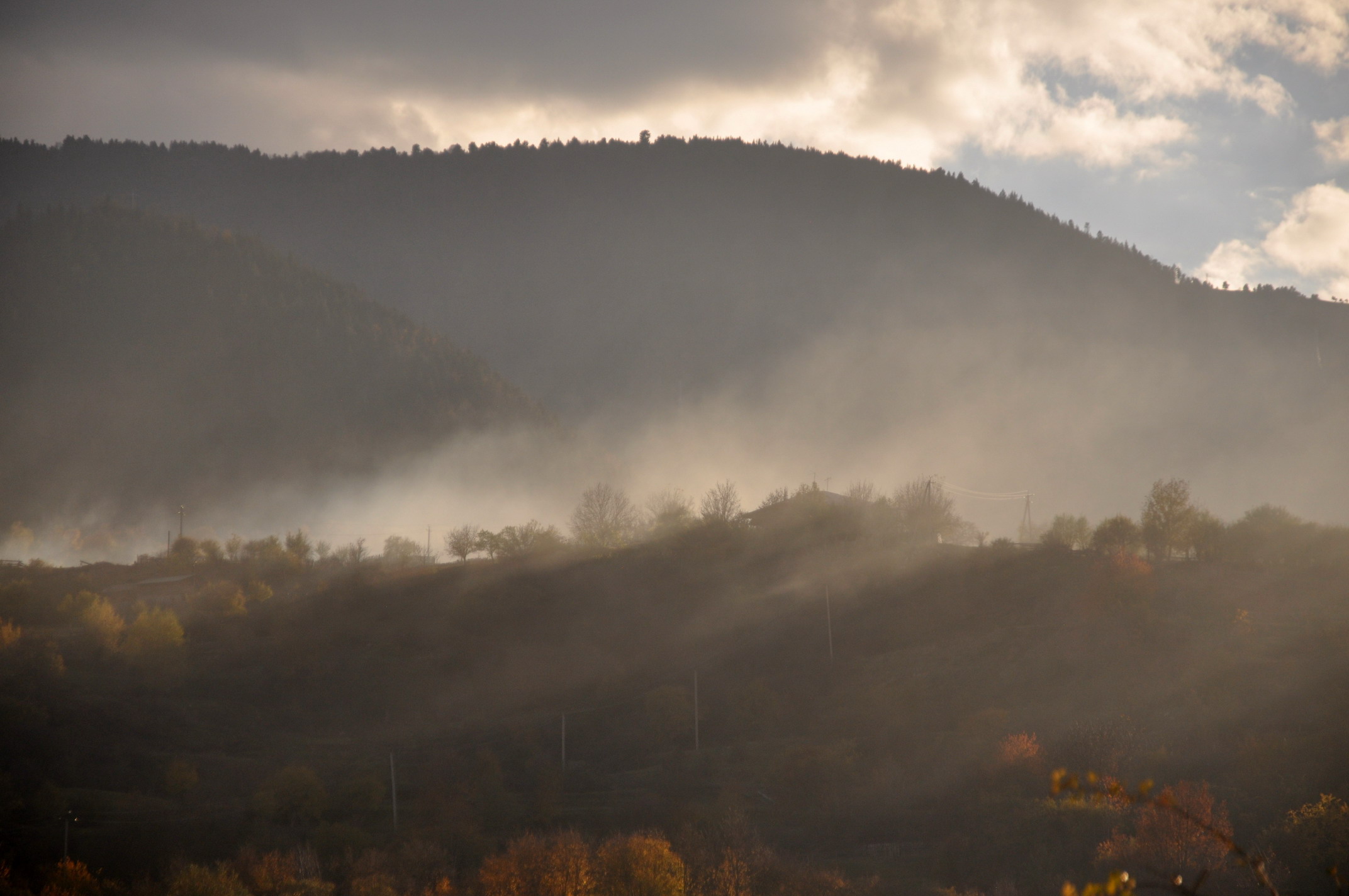
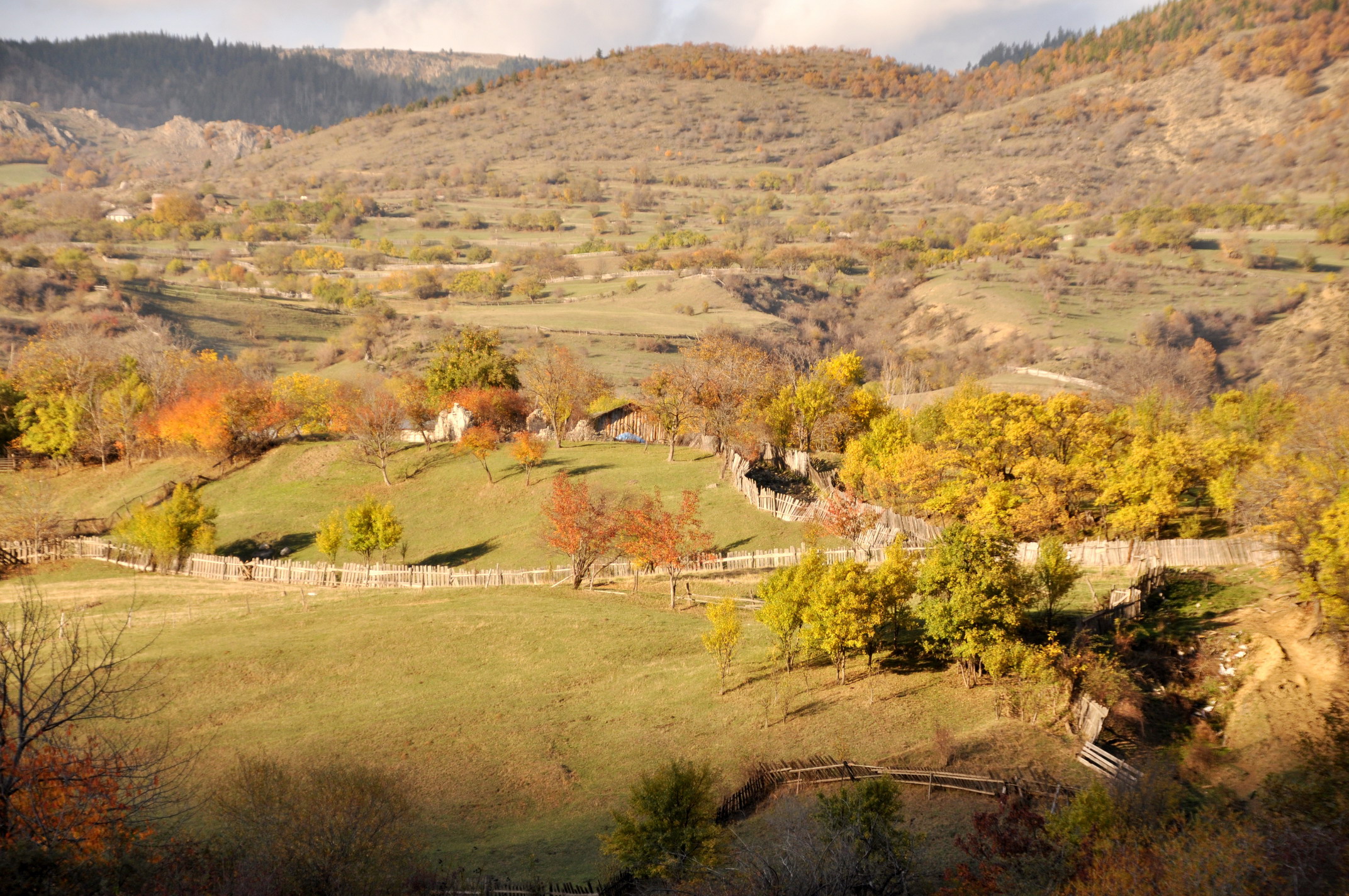
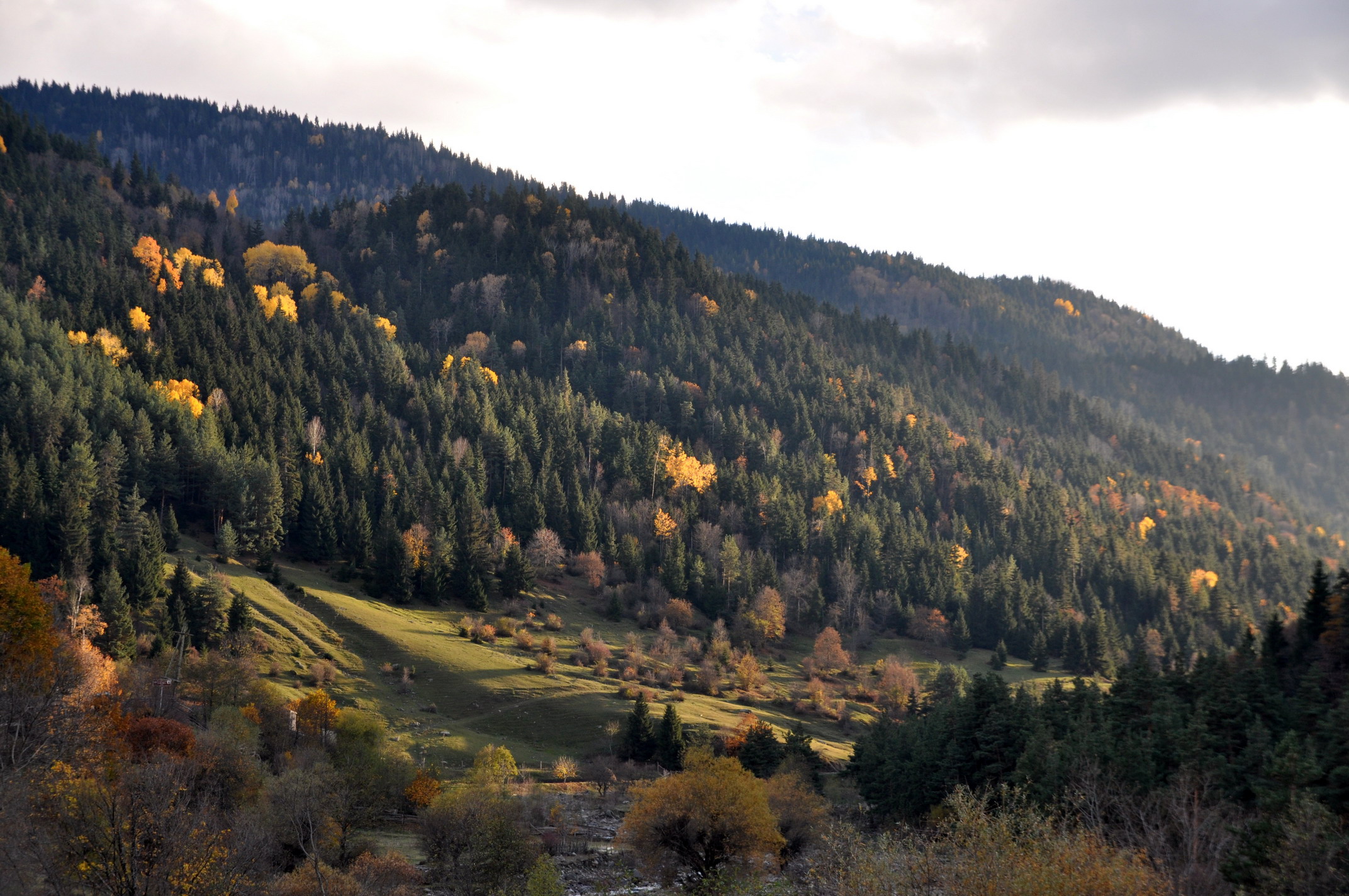
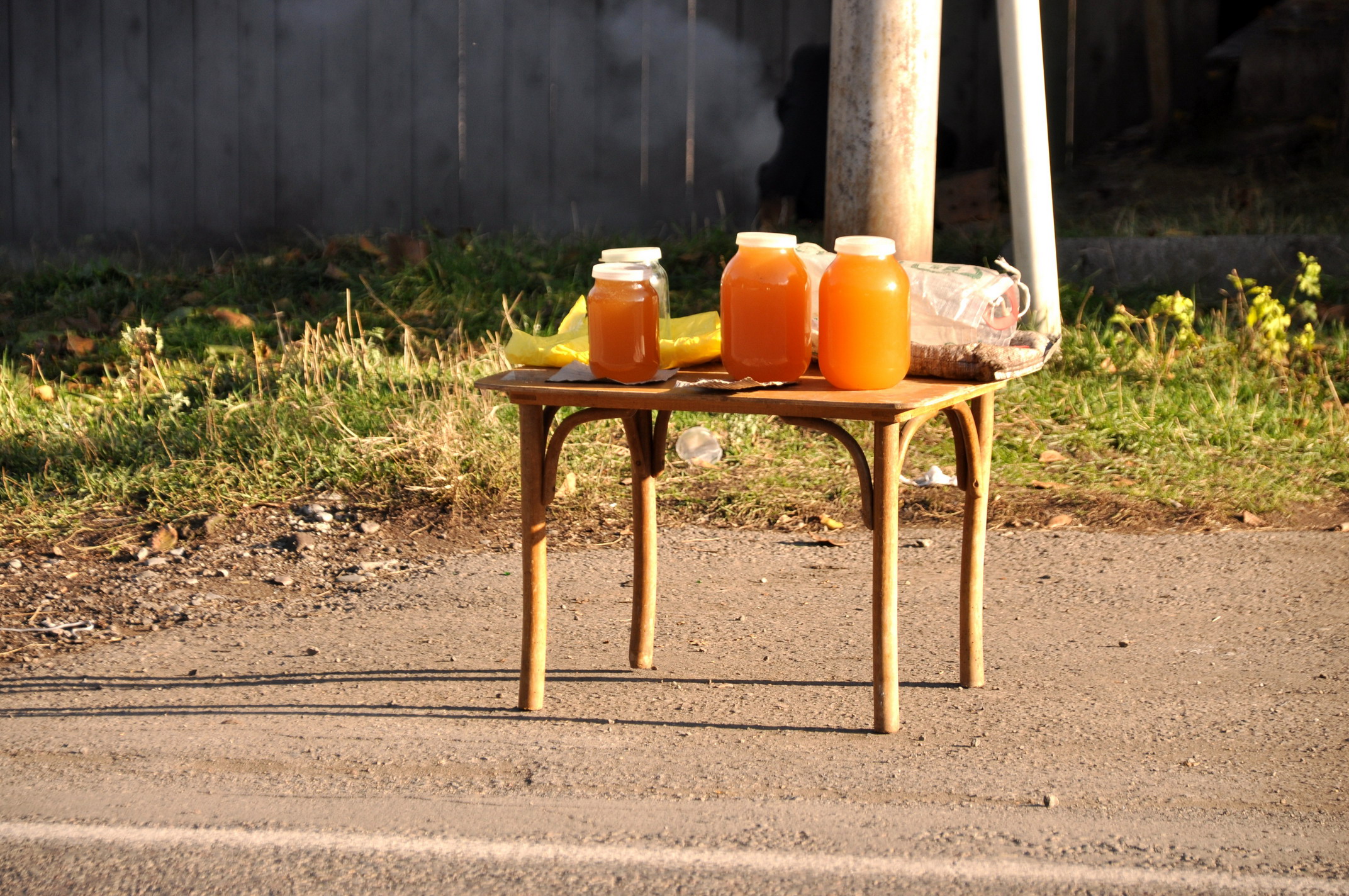
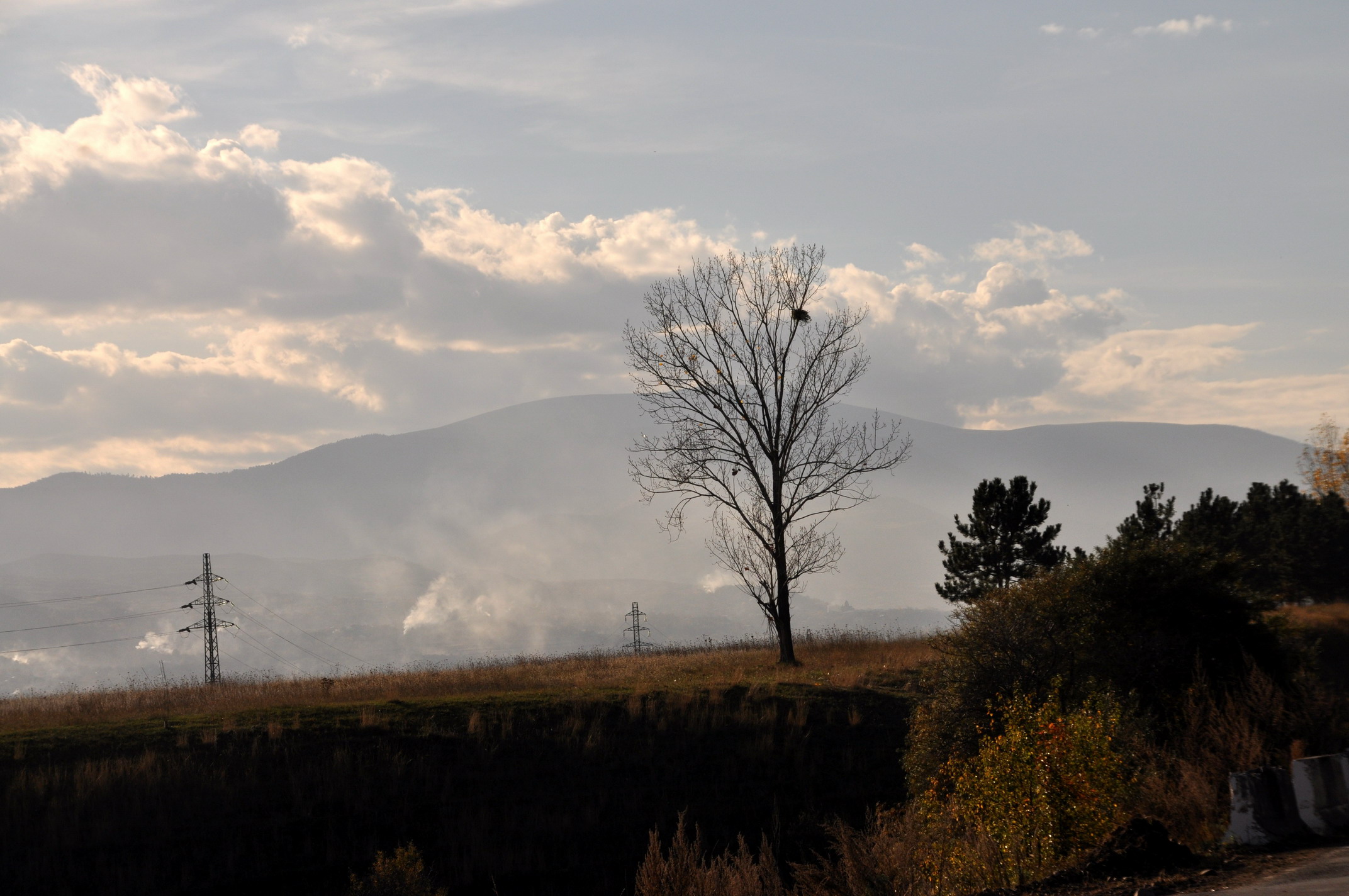
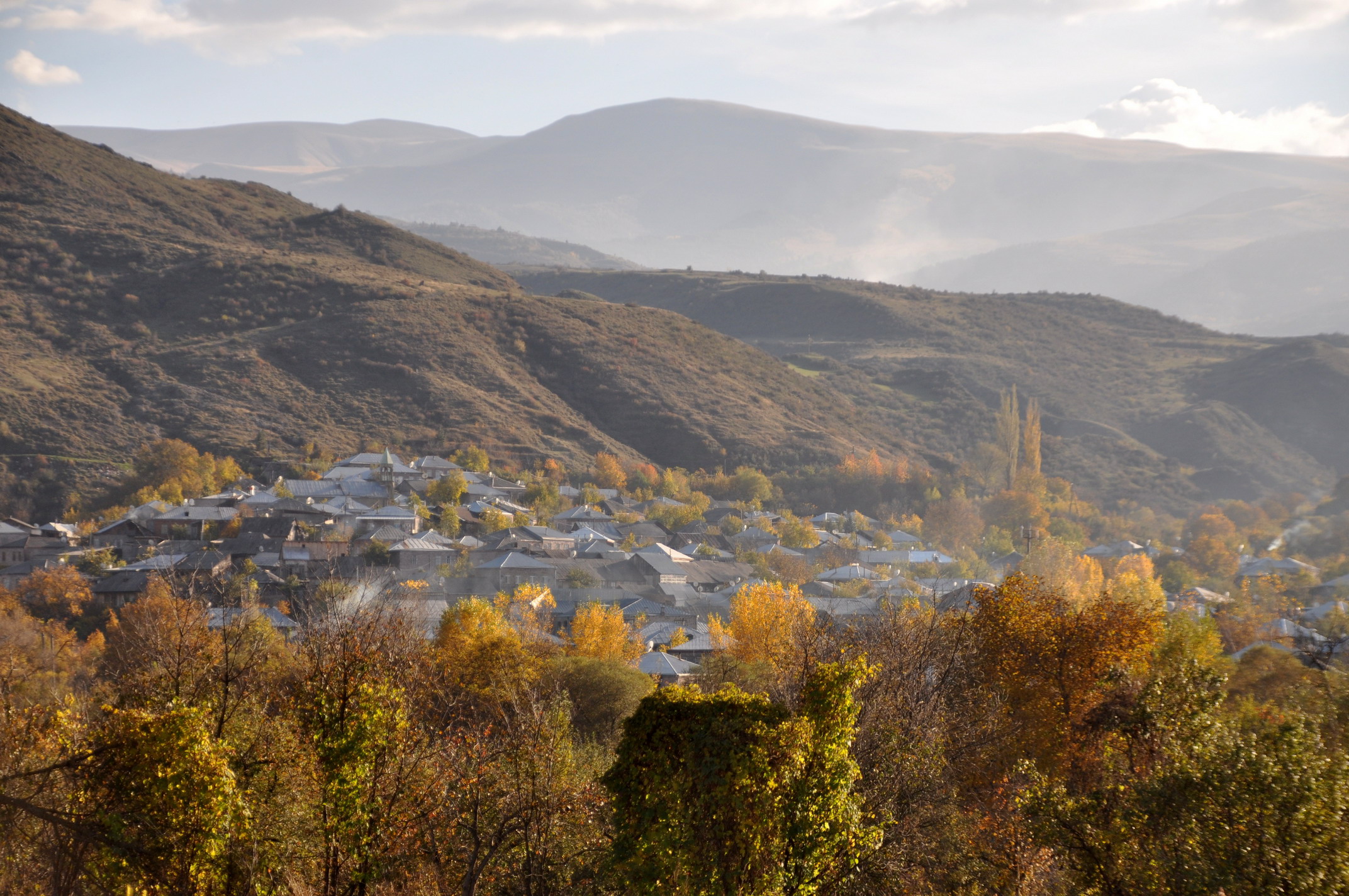
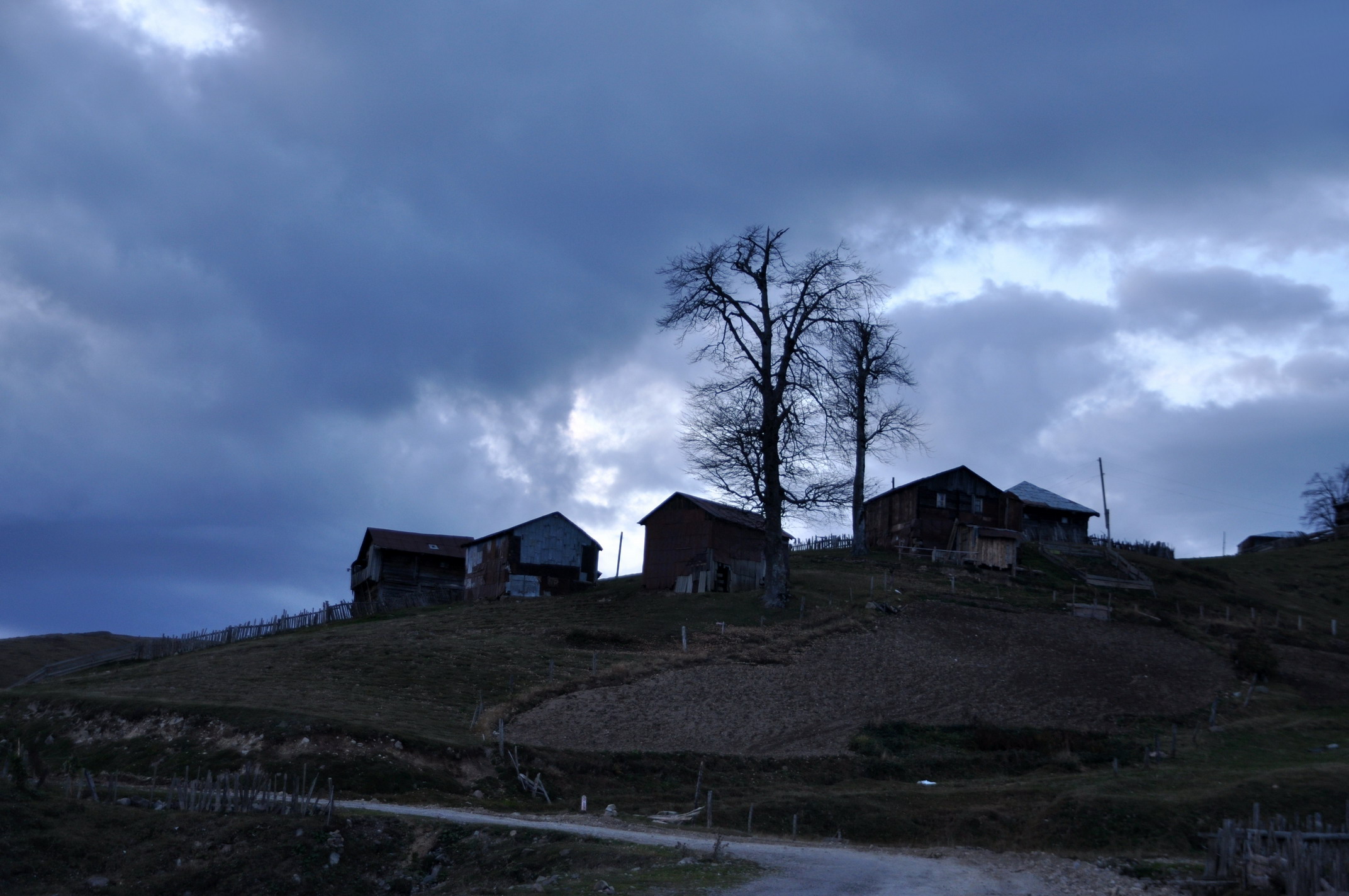
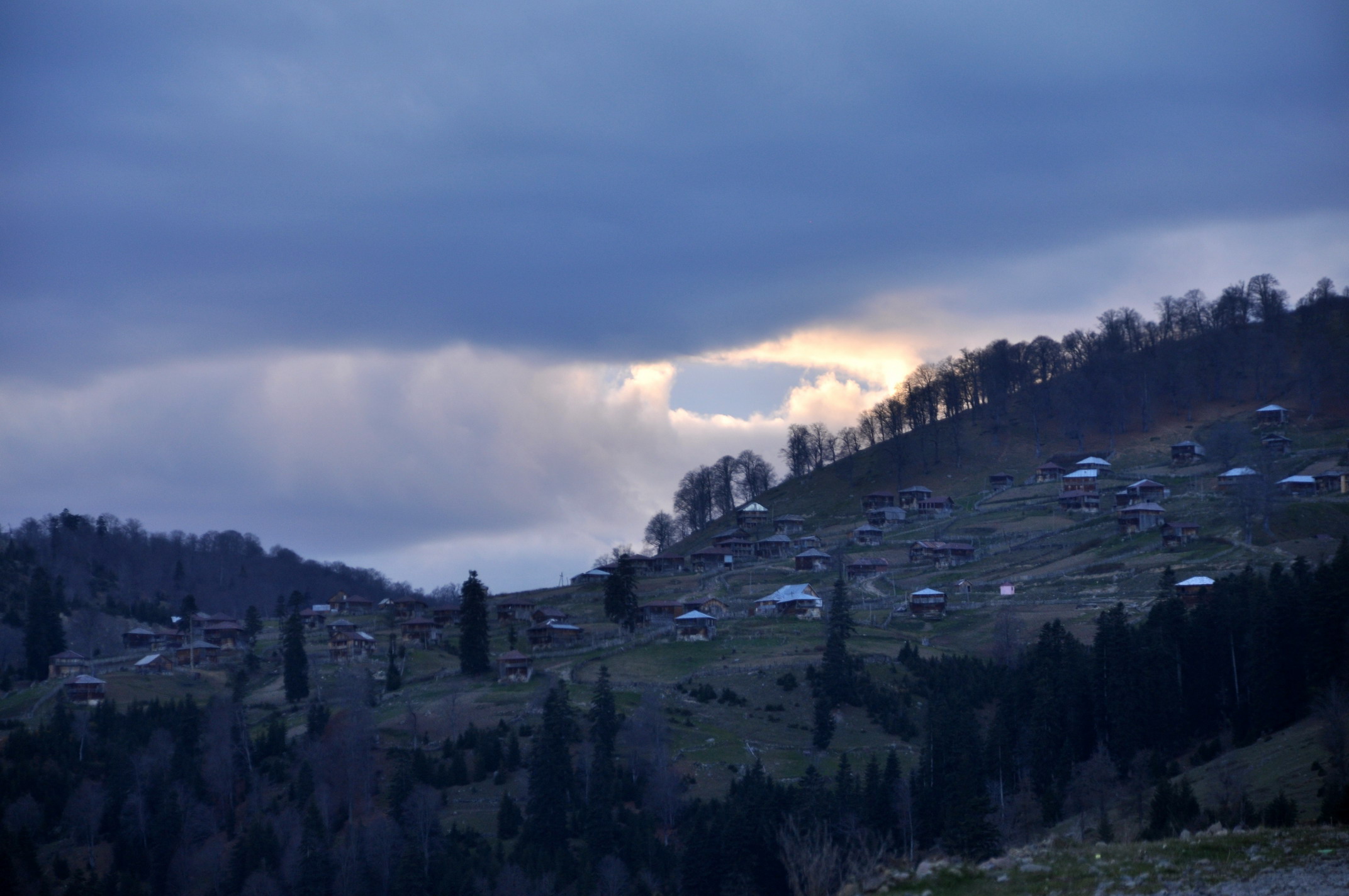
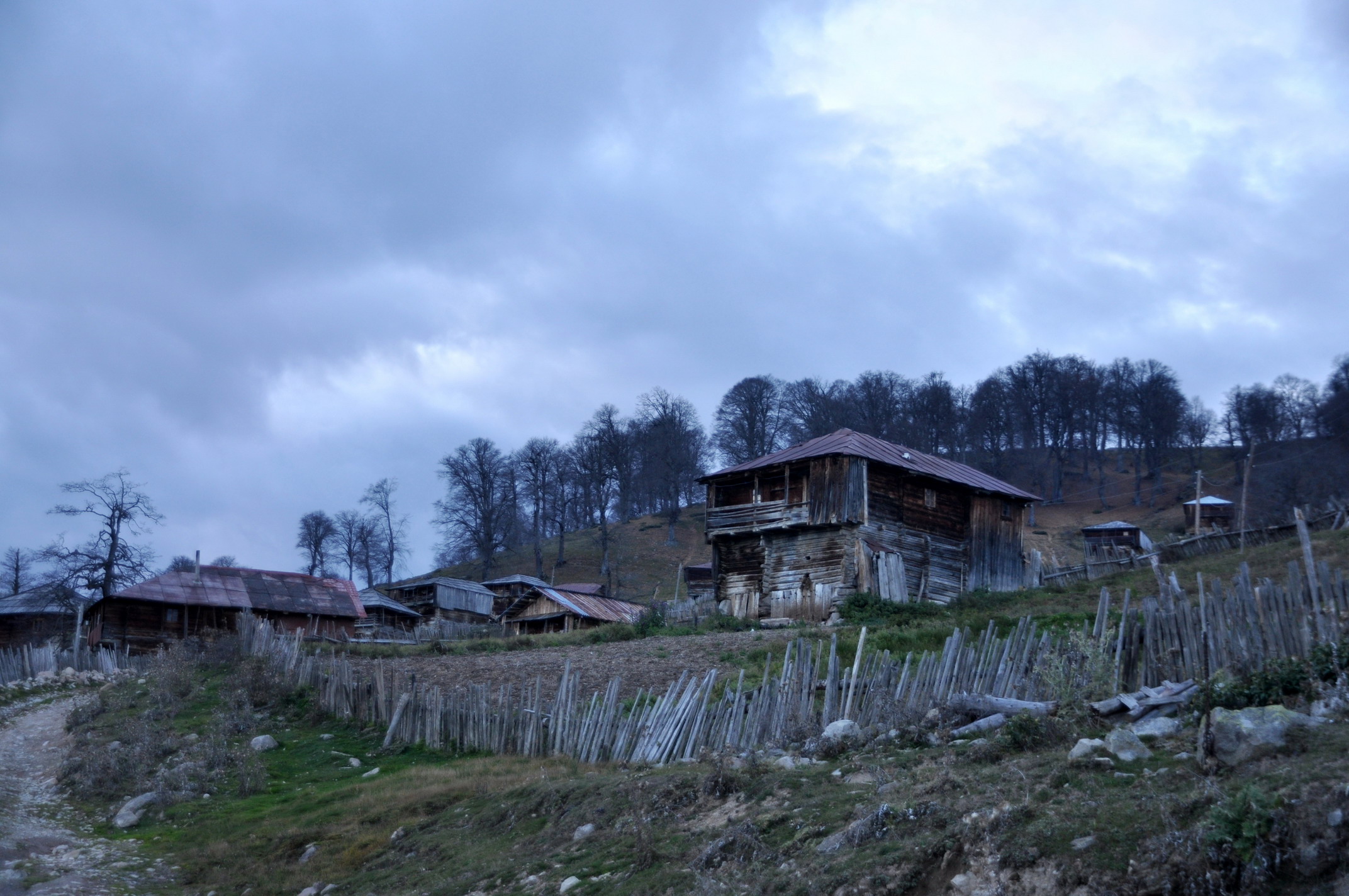
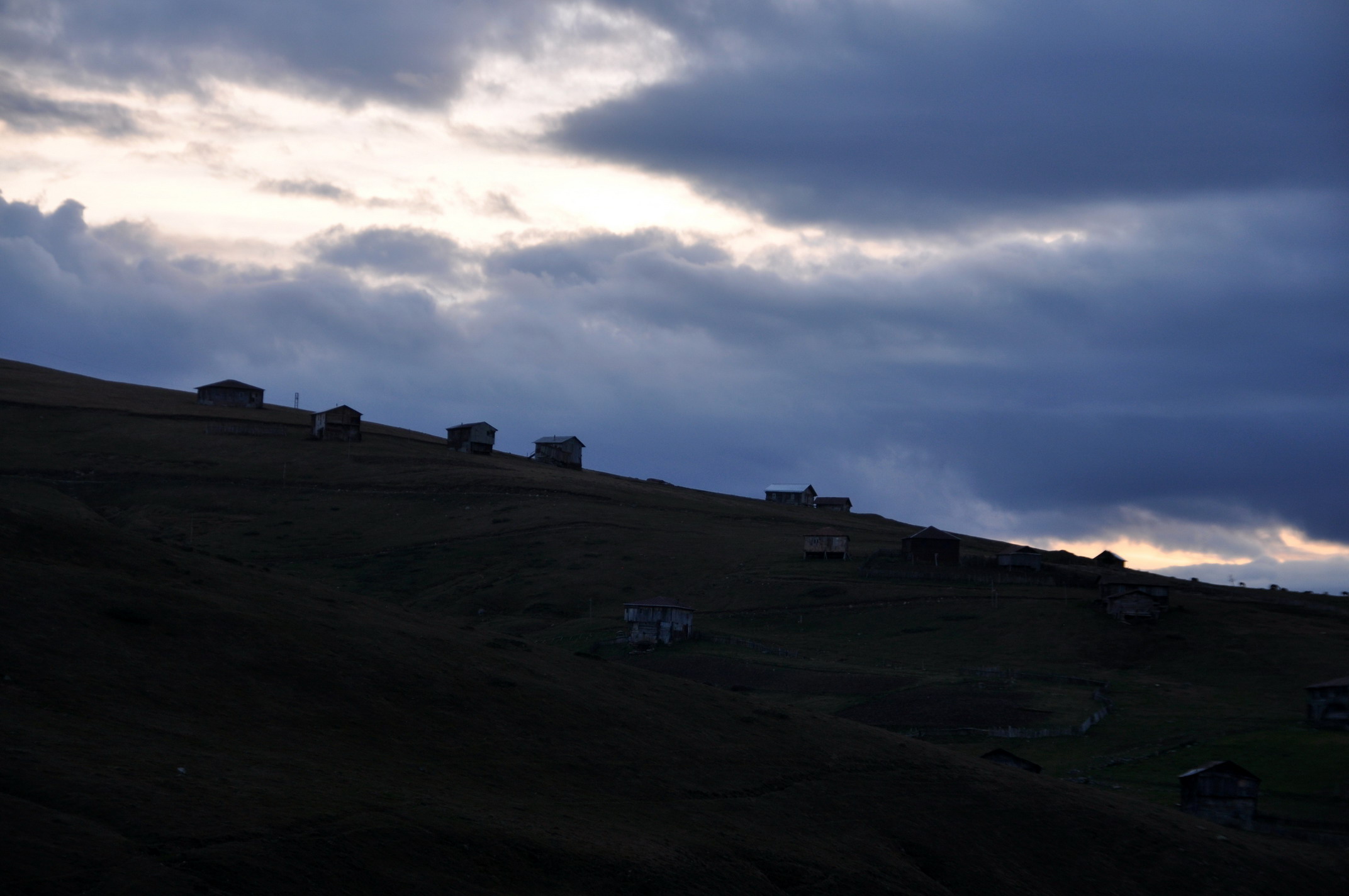
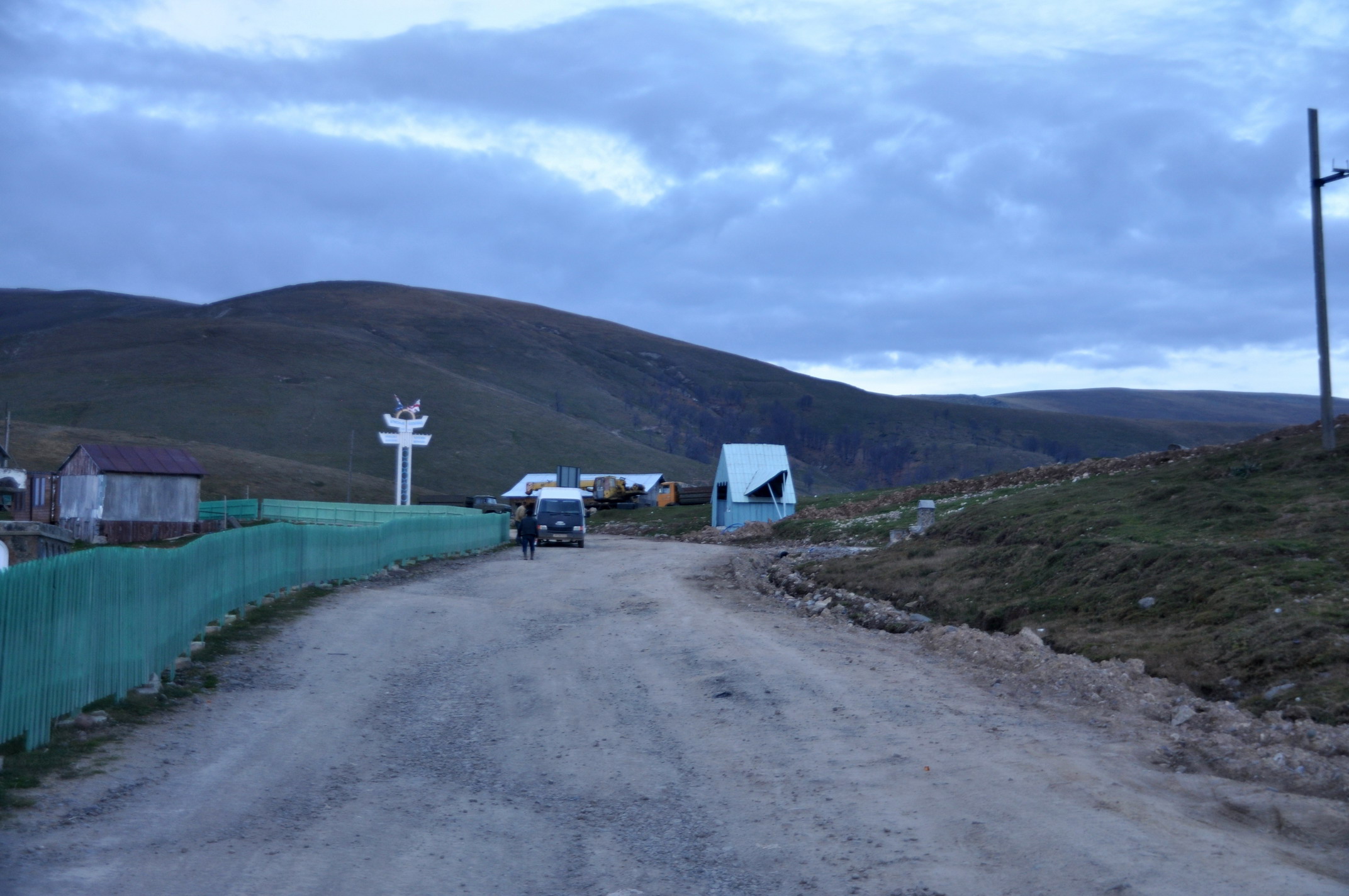
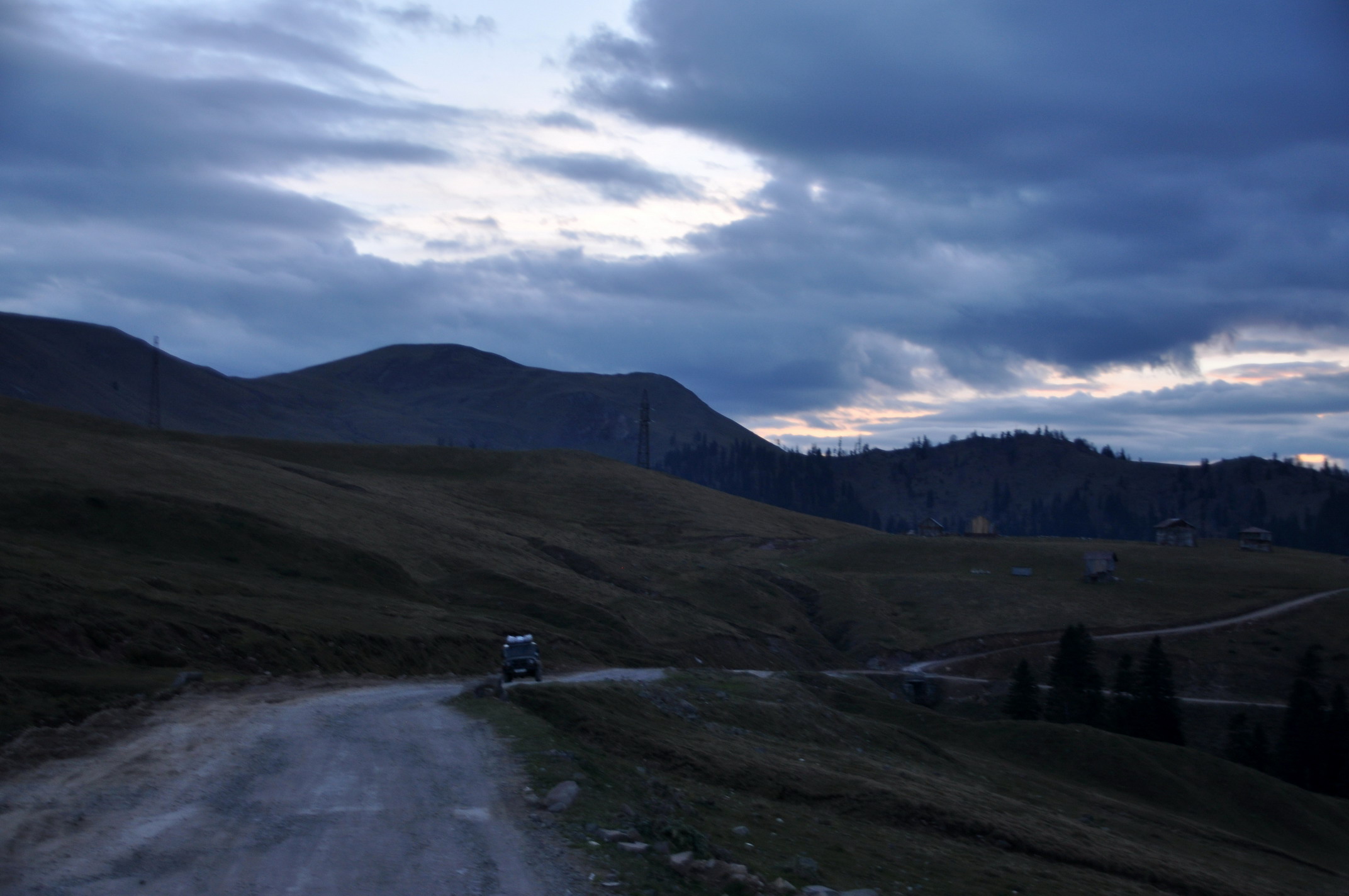
As soon as the Batumi road branches off the highway to Turkey, the tarmac ends. Across the Lesser Caucasus there is a dirt road, better suited to a high-clearance vehicle.
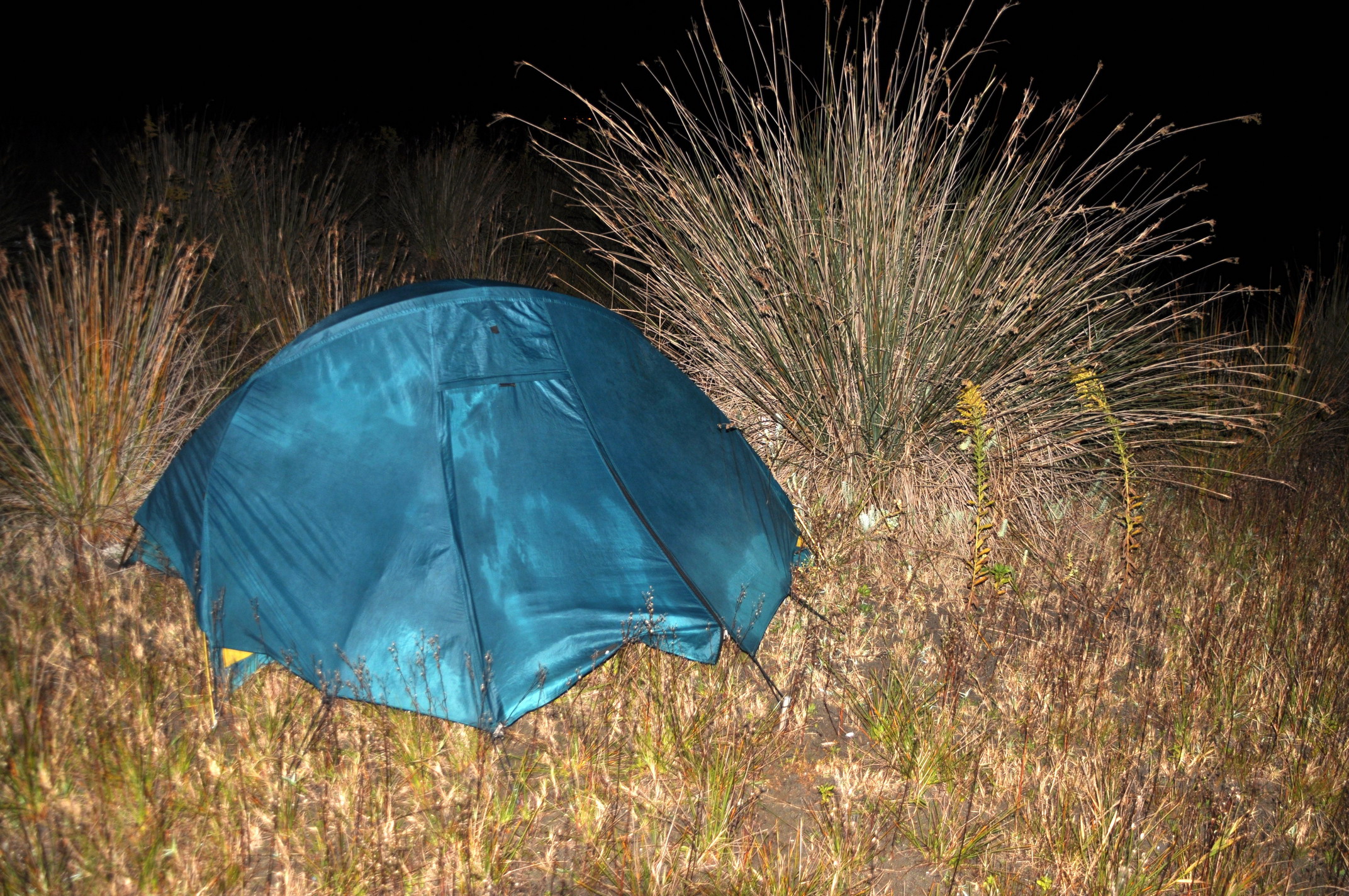
The pass is near the village of Beshumi (ბეშუმი), a colourful little place catering to visitors. Beyond it the road drops sharply to the Black Sea. Unfortunately the sun went down again, and all I could see was the tarmac that soon reappeared in my headlights. I put up my tent for the night on an overgrown driveway to somebody's plot (41°32.420′N, 41°43.514′E, elevation 80 m). The grass was so tall that no one could have driven that way in a long time. I doubted anyone would disturb me.
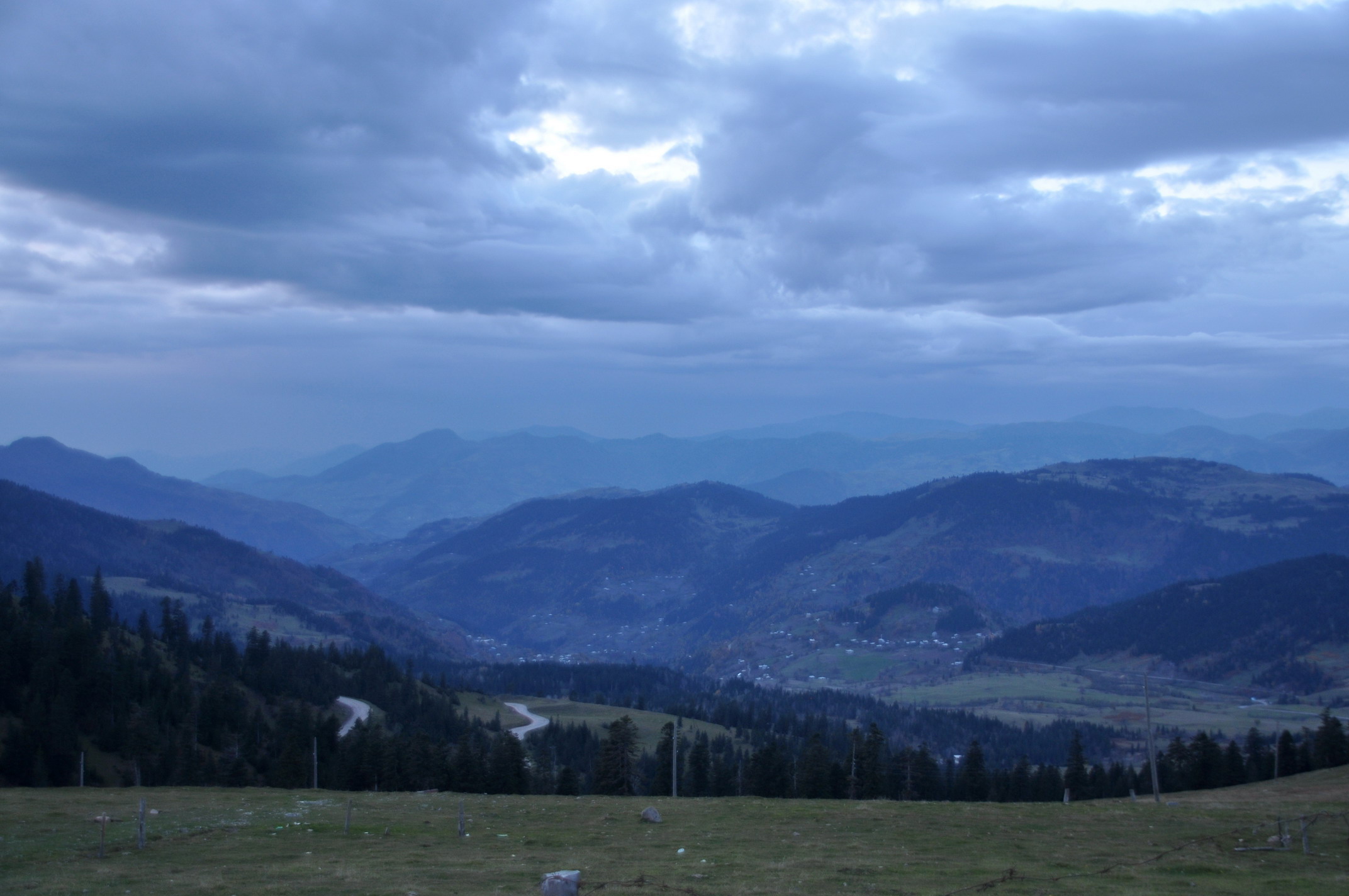
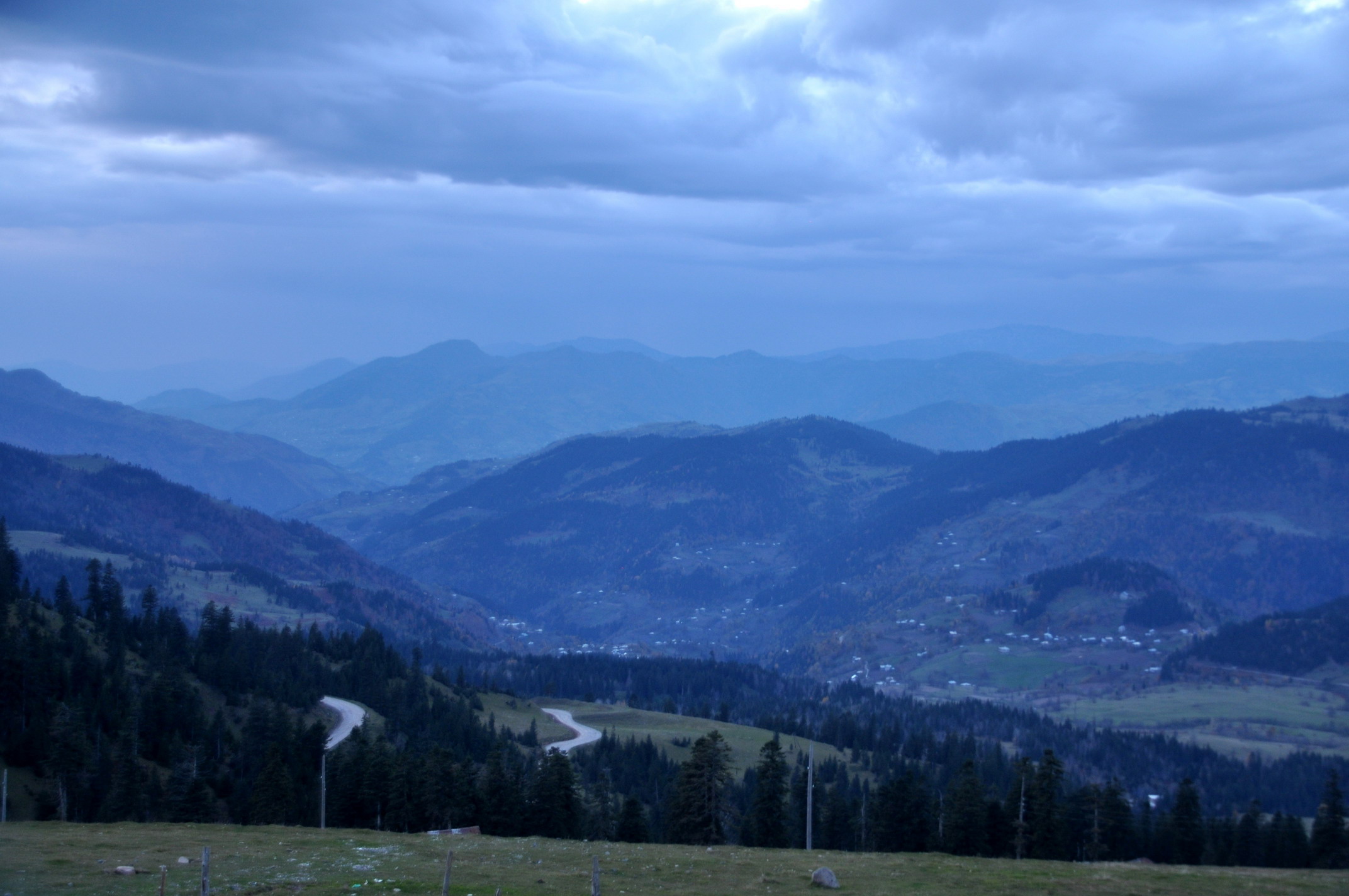
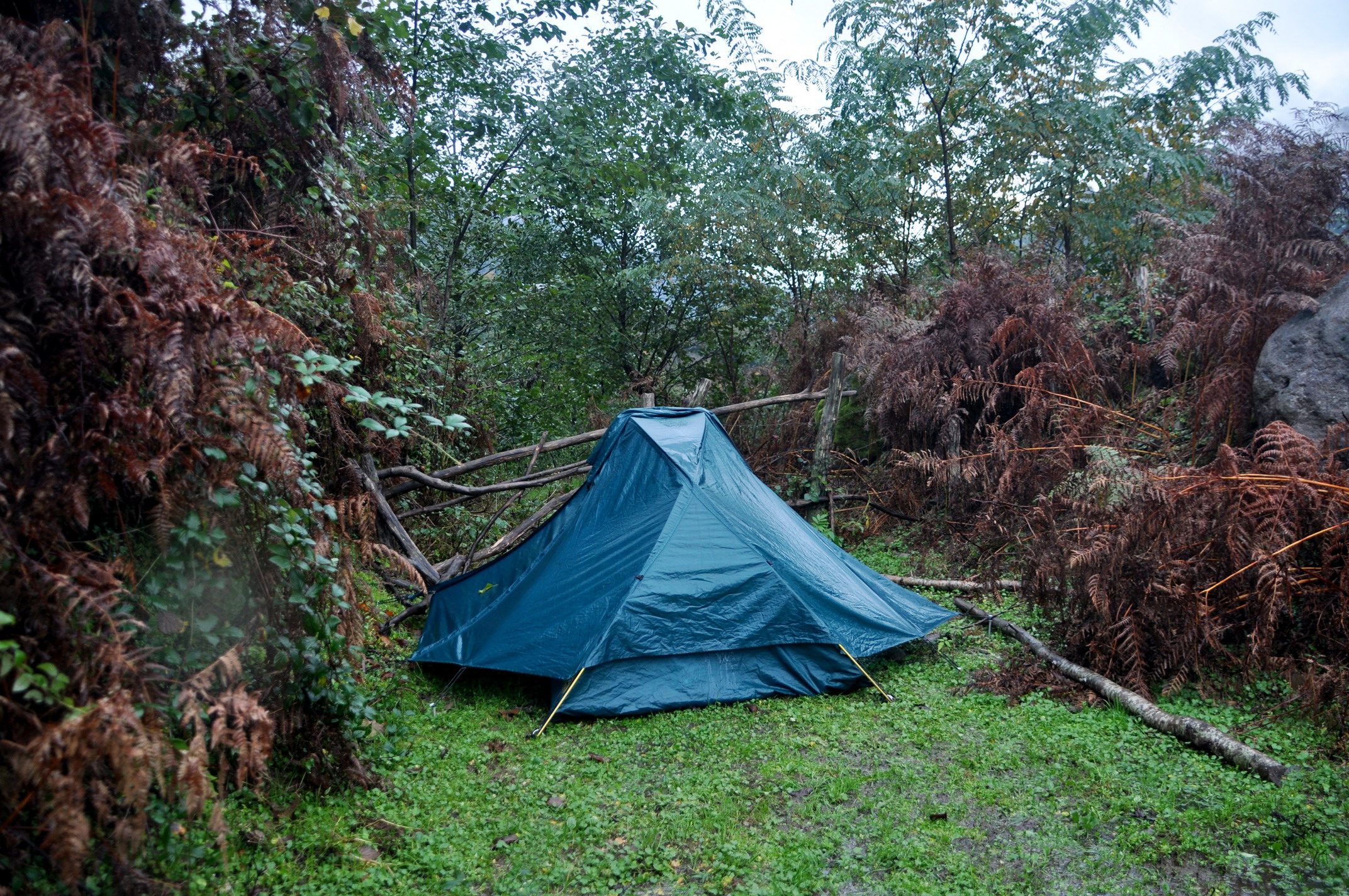
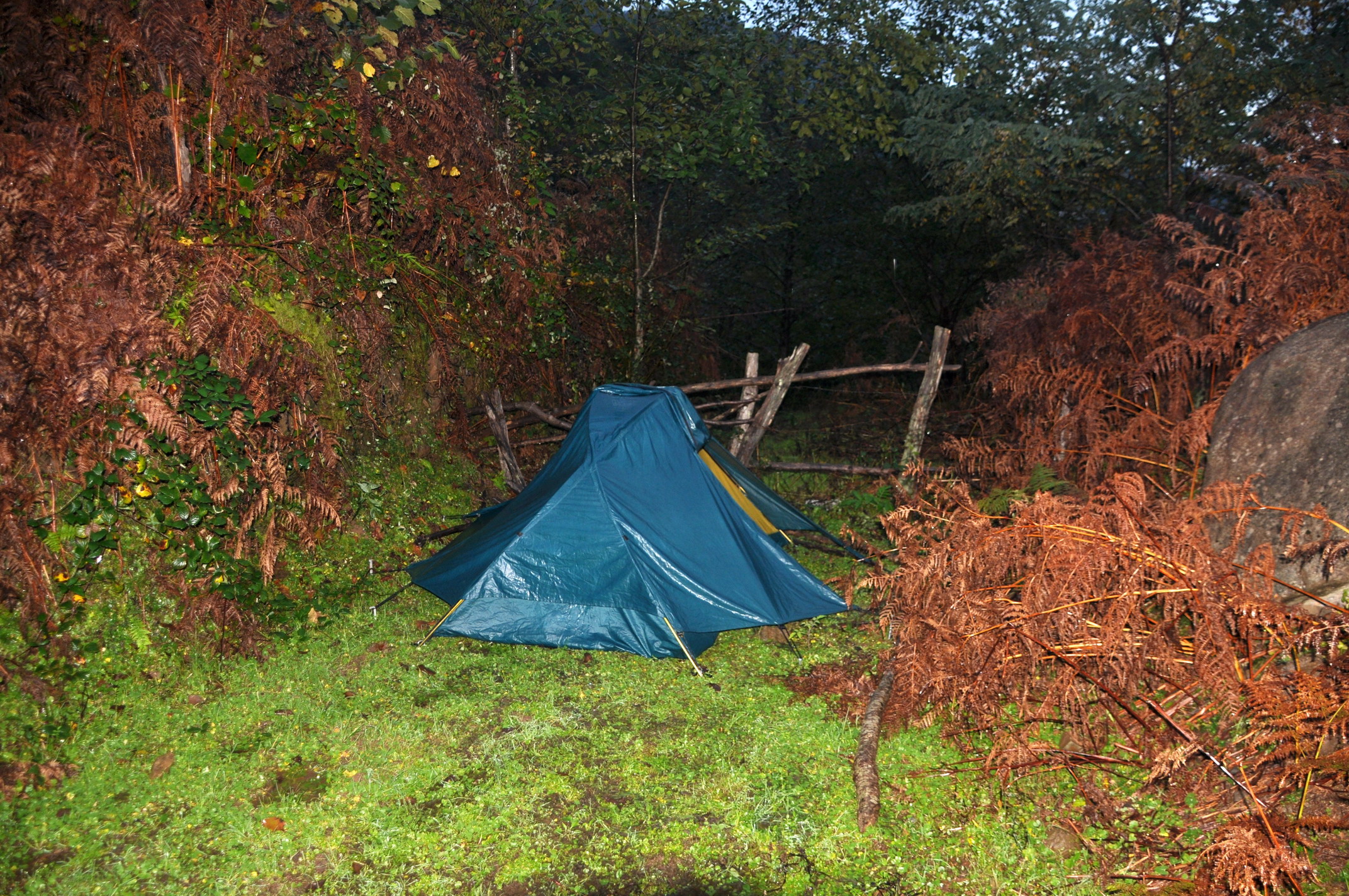
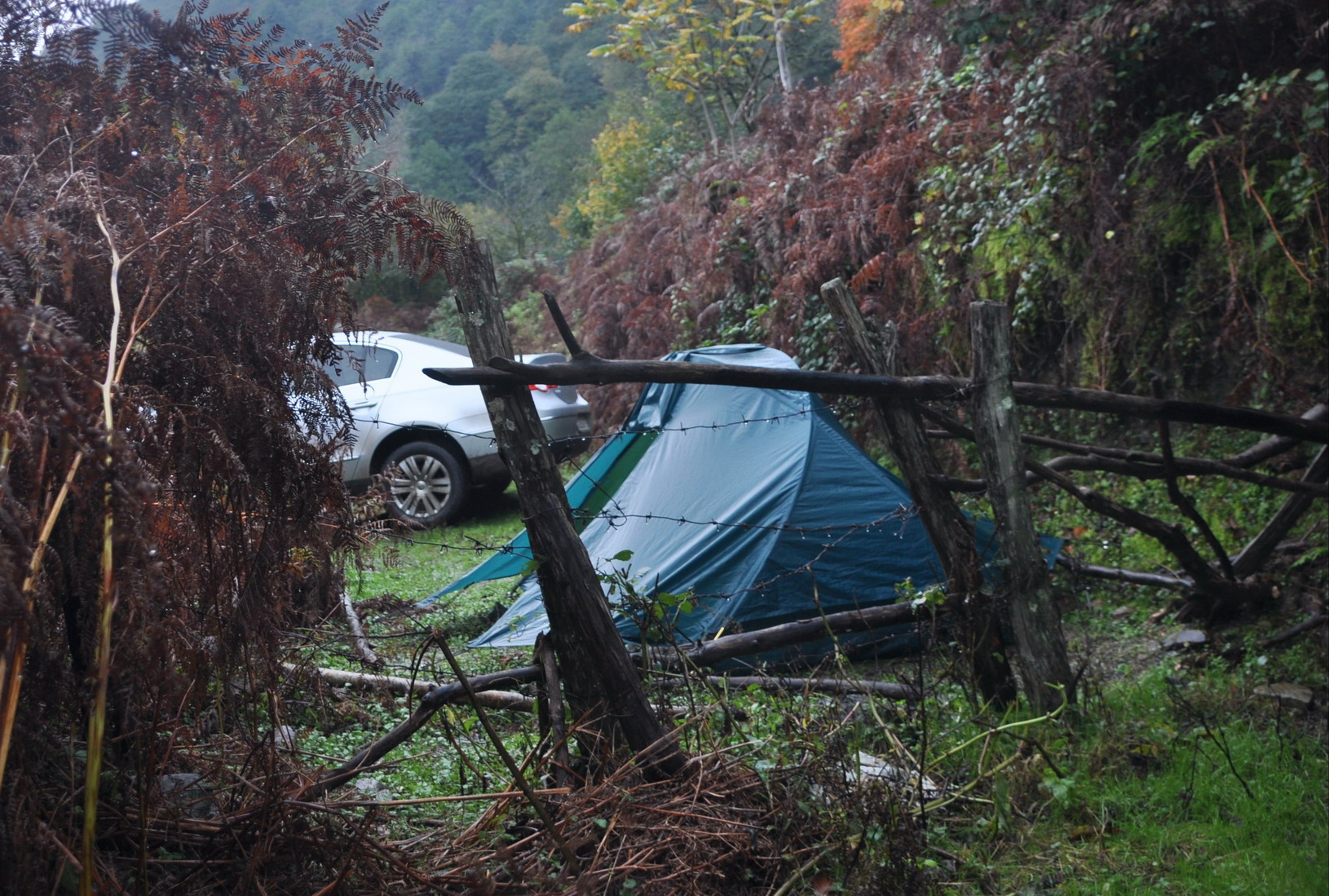
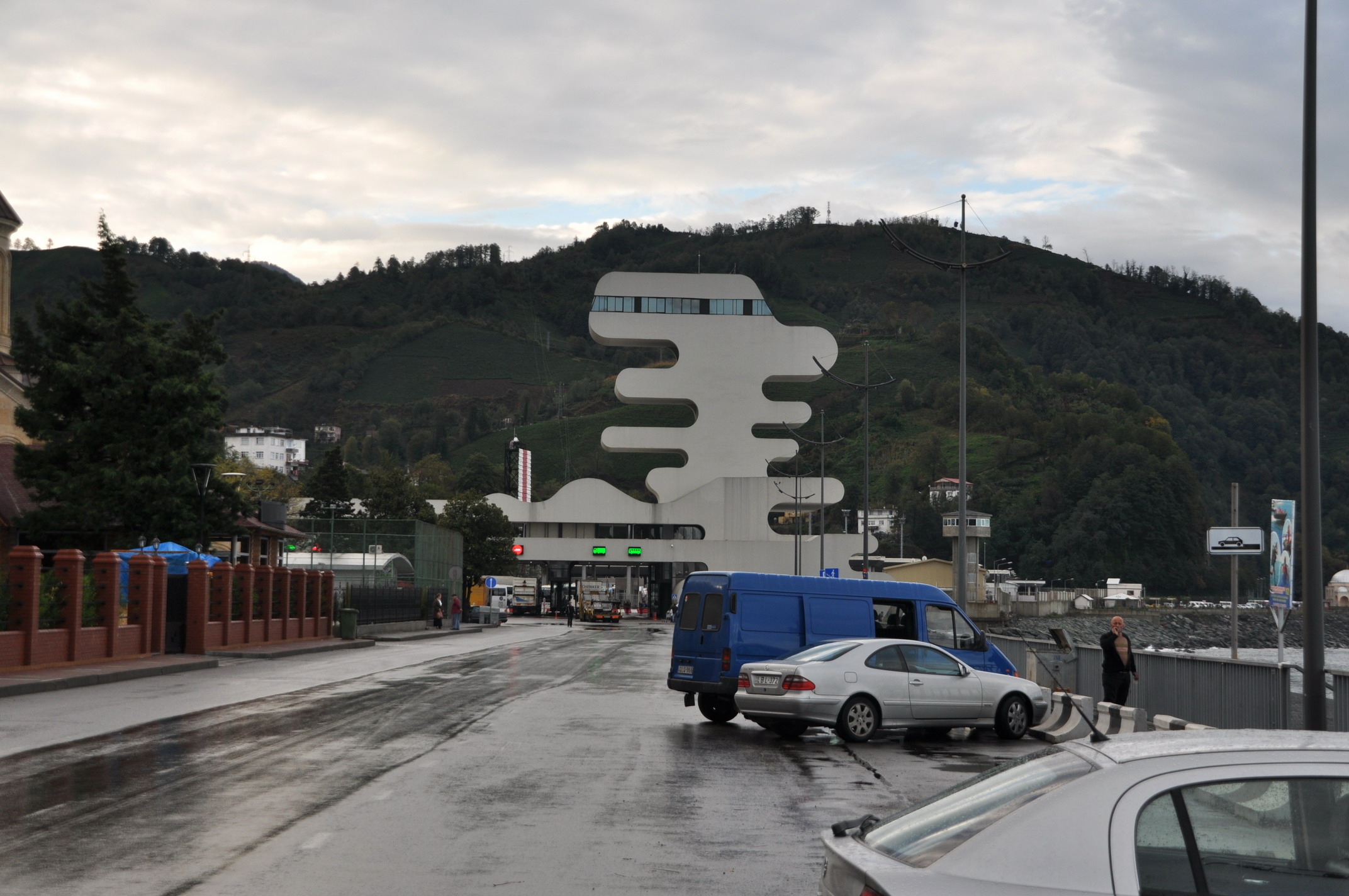
The weather turned overnight and it rained. In the morning I came down out of the mountains to the sea and the Turkish border. It was a well-organised crossing with no real queue. I would have gone across but the car wasn't mine, so they wouldn't have let me through.
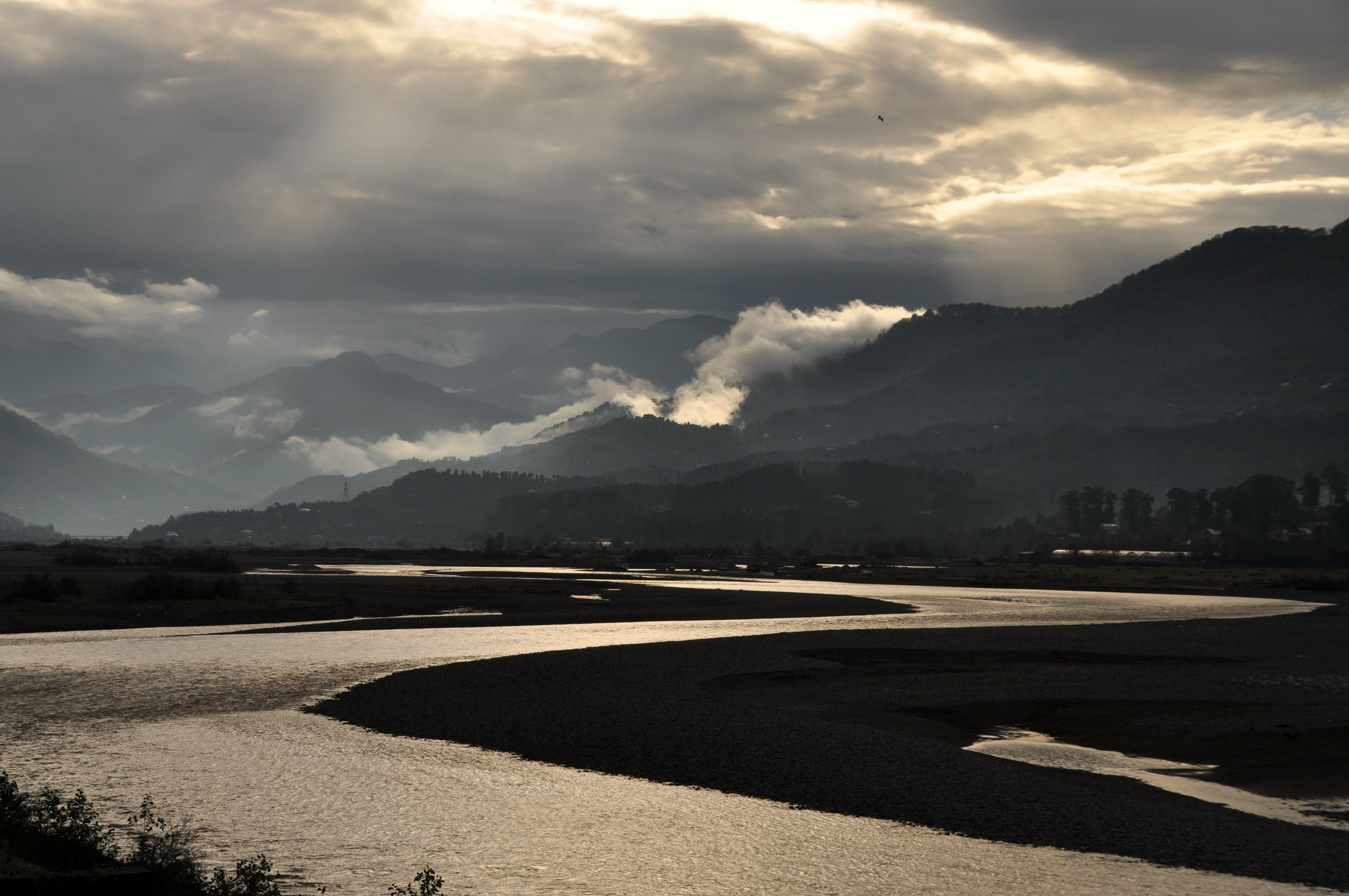
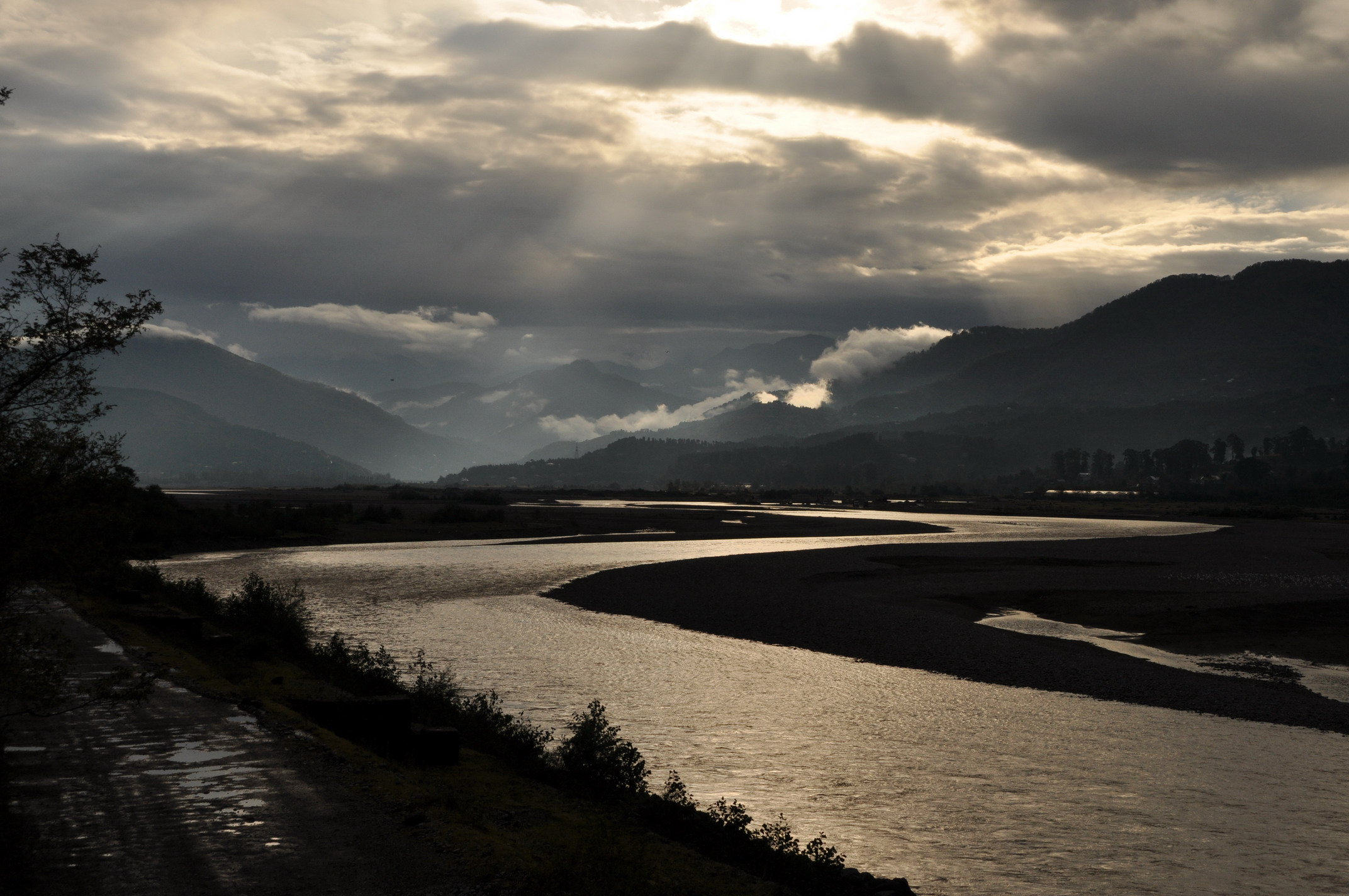
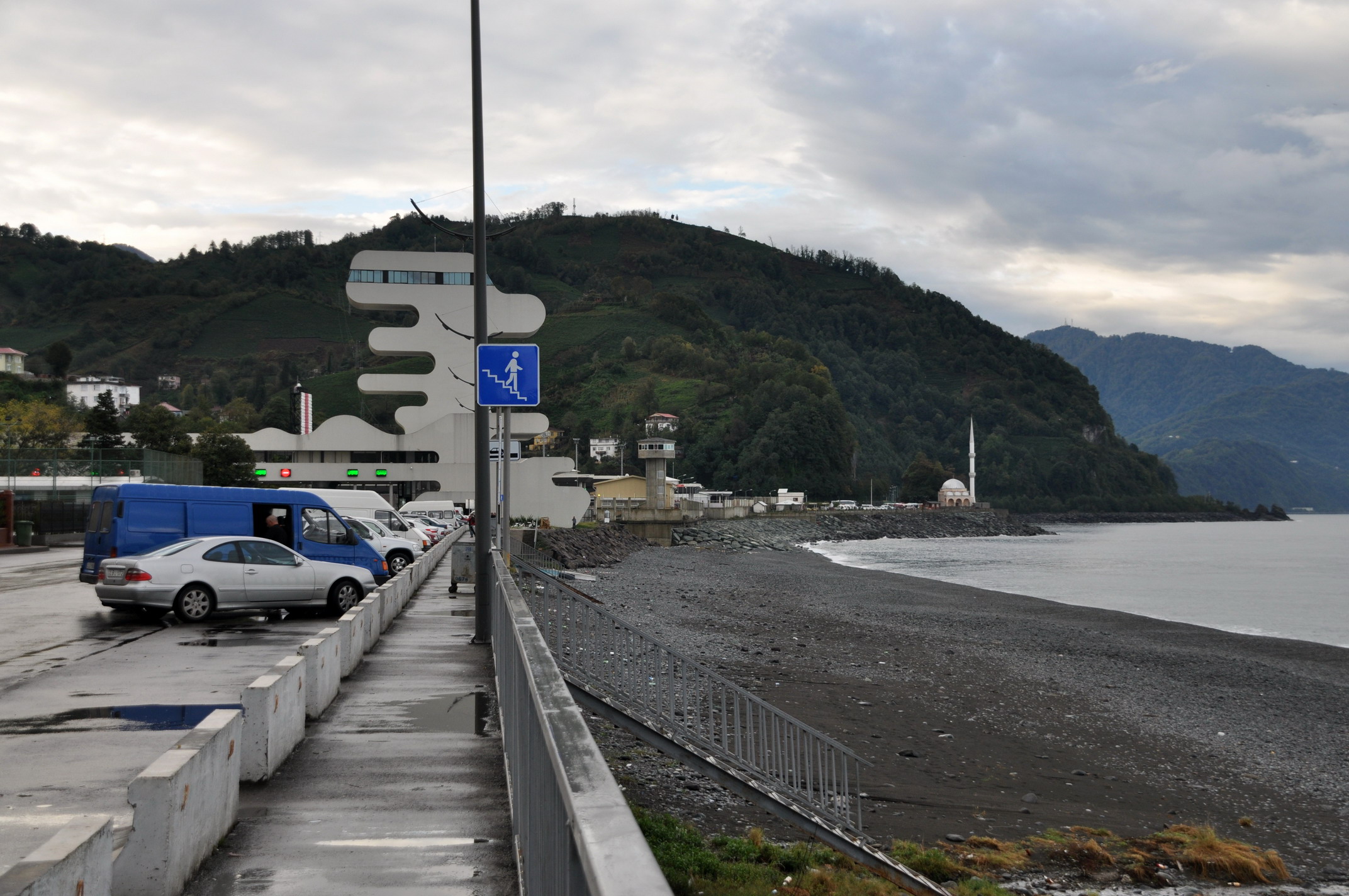
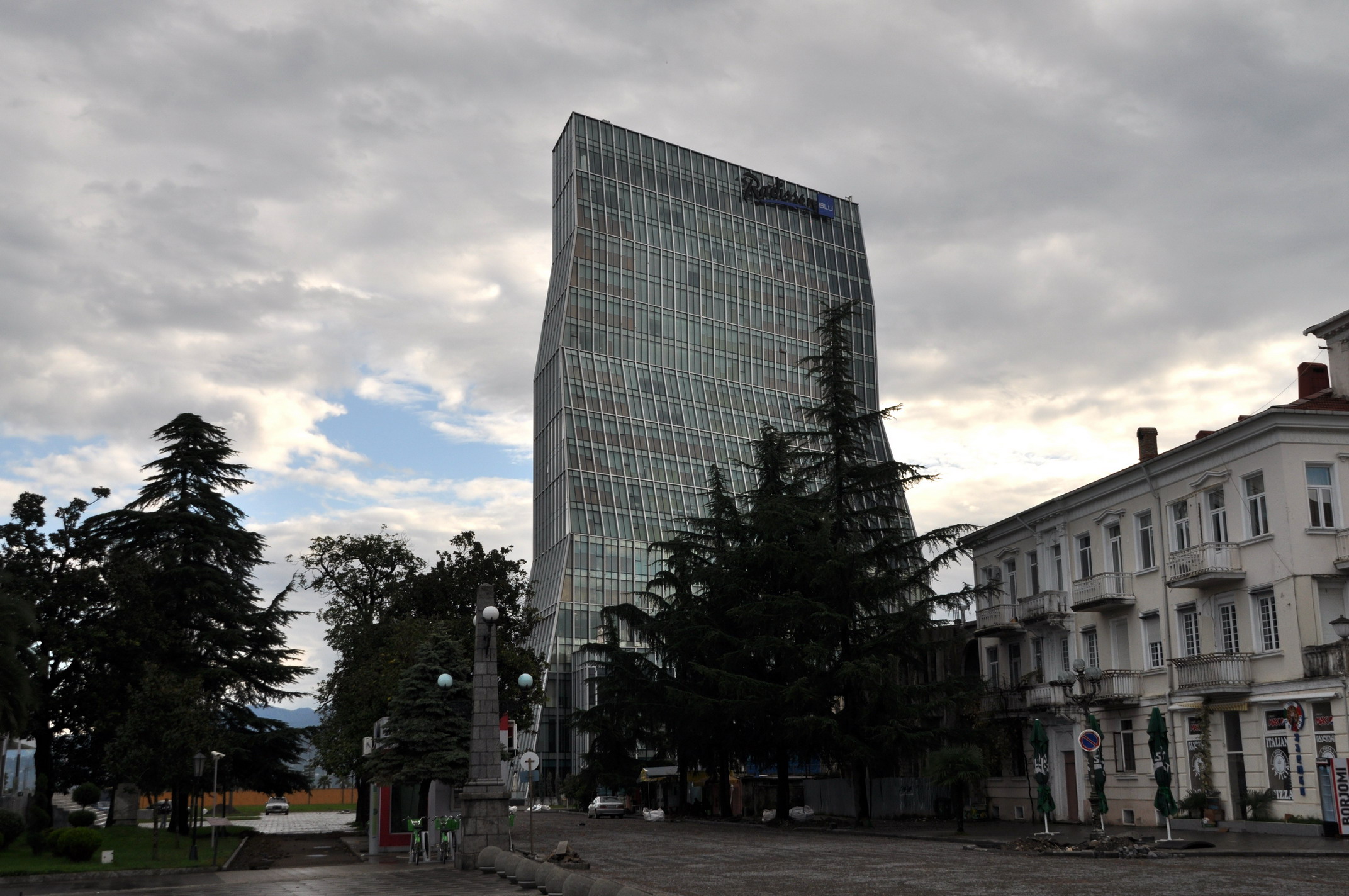
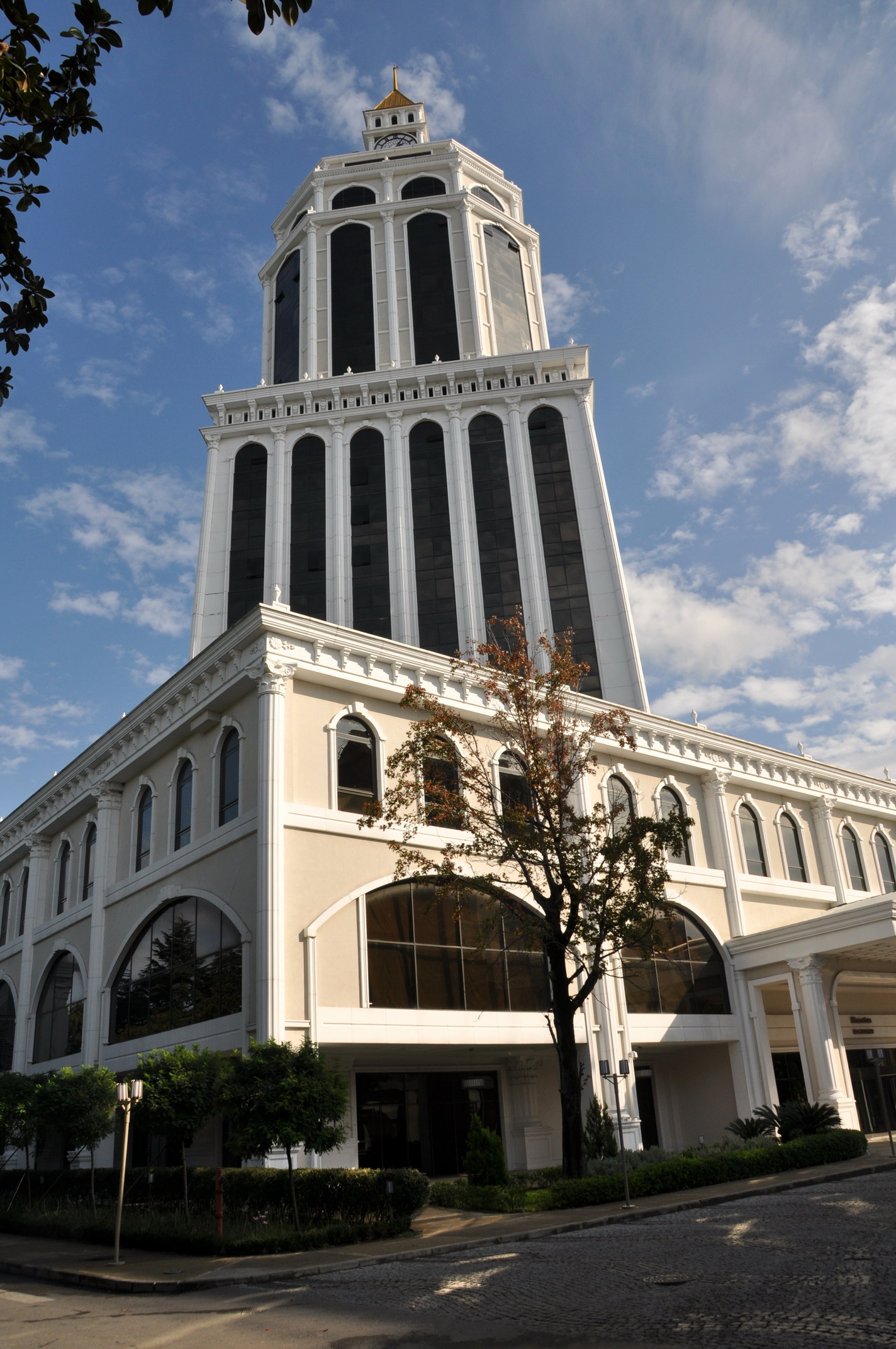
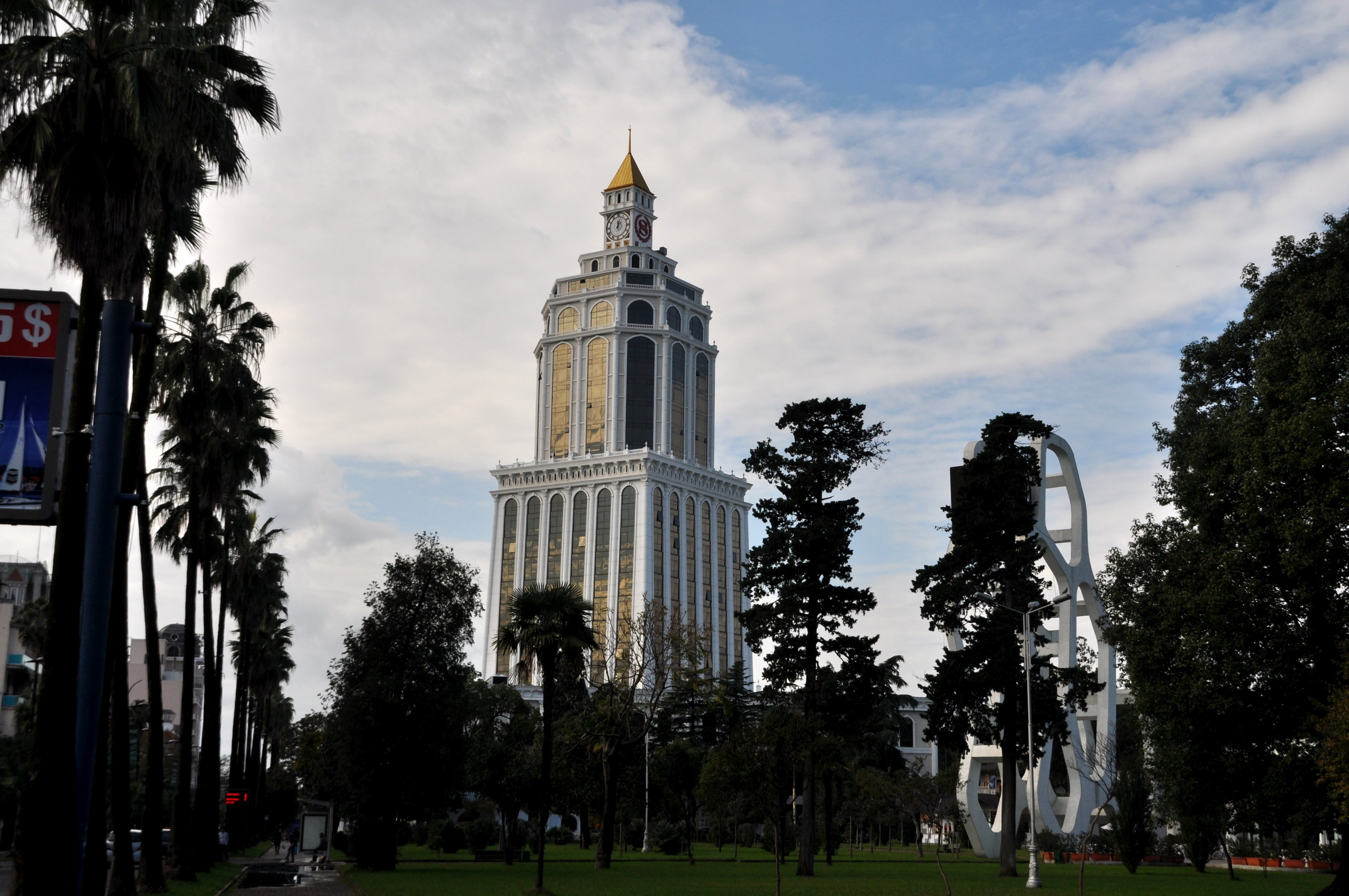
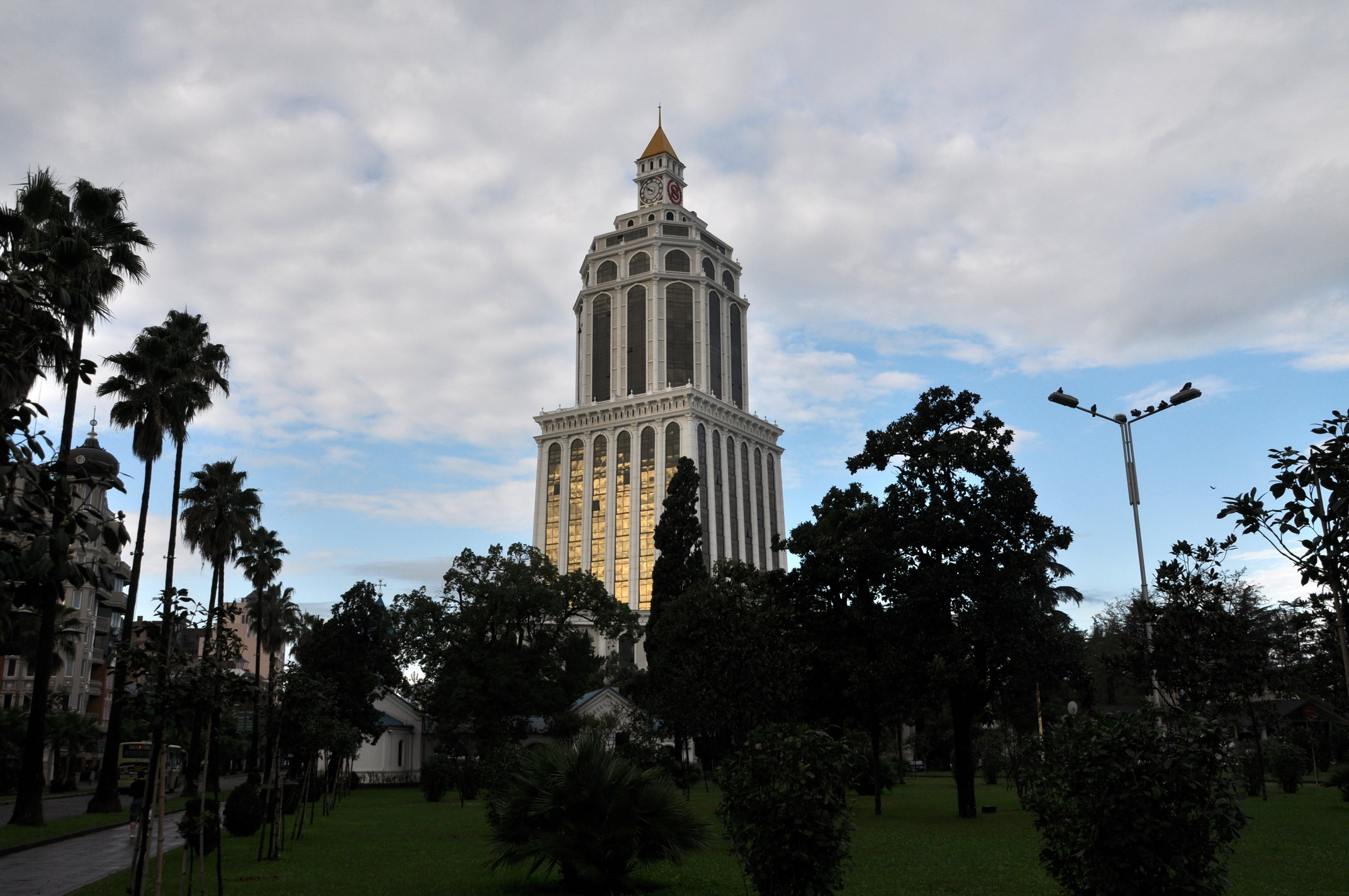
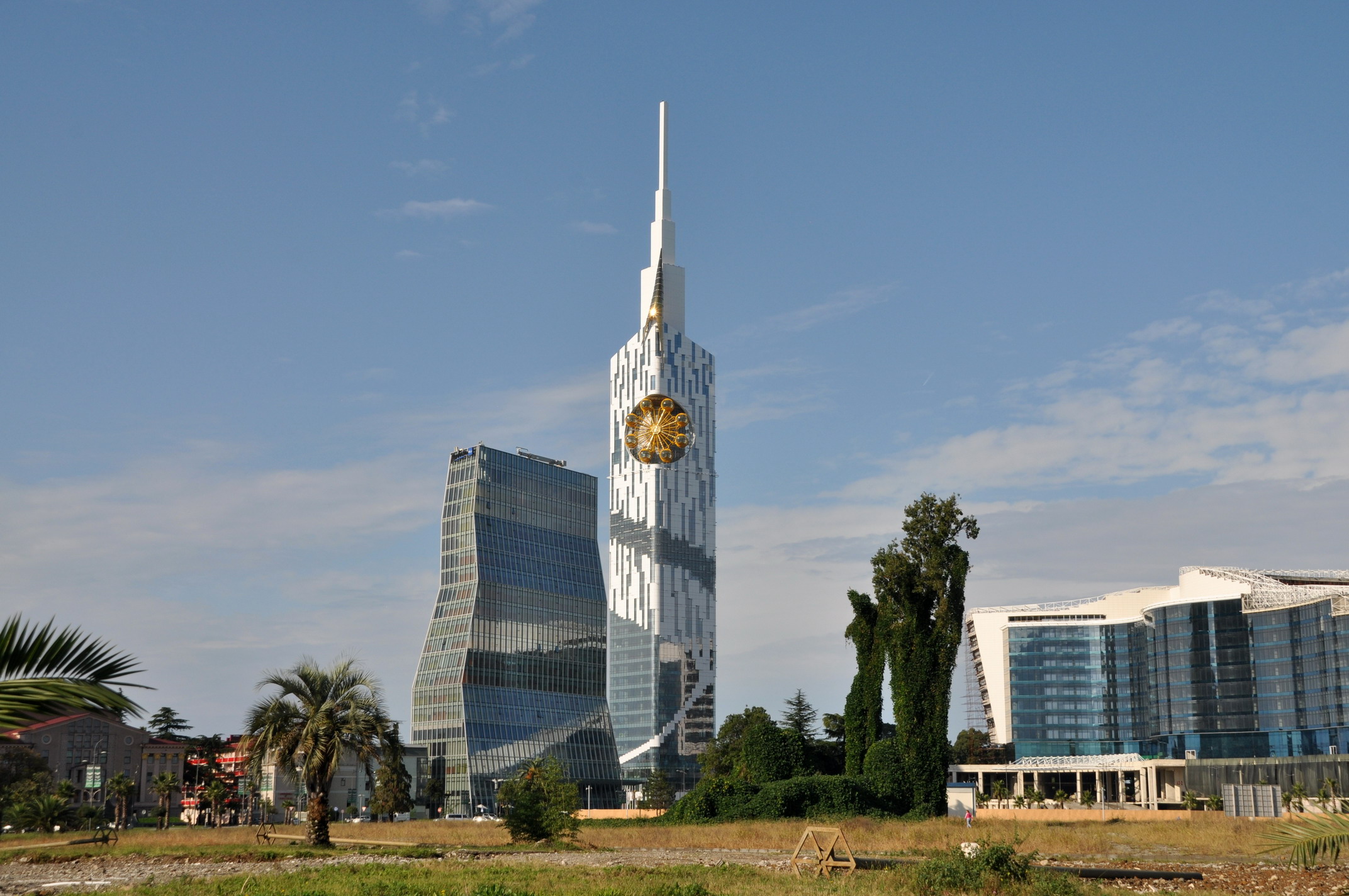
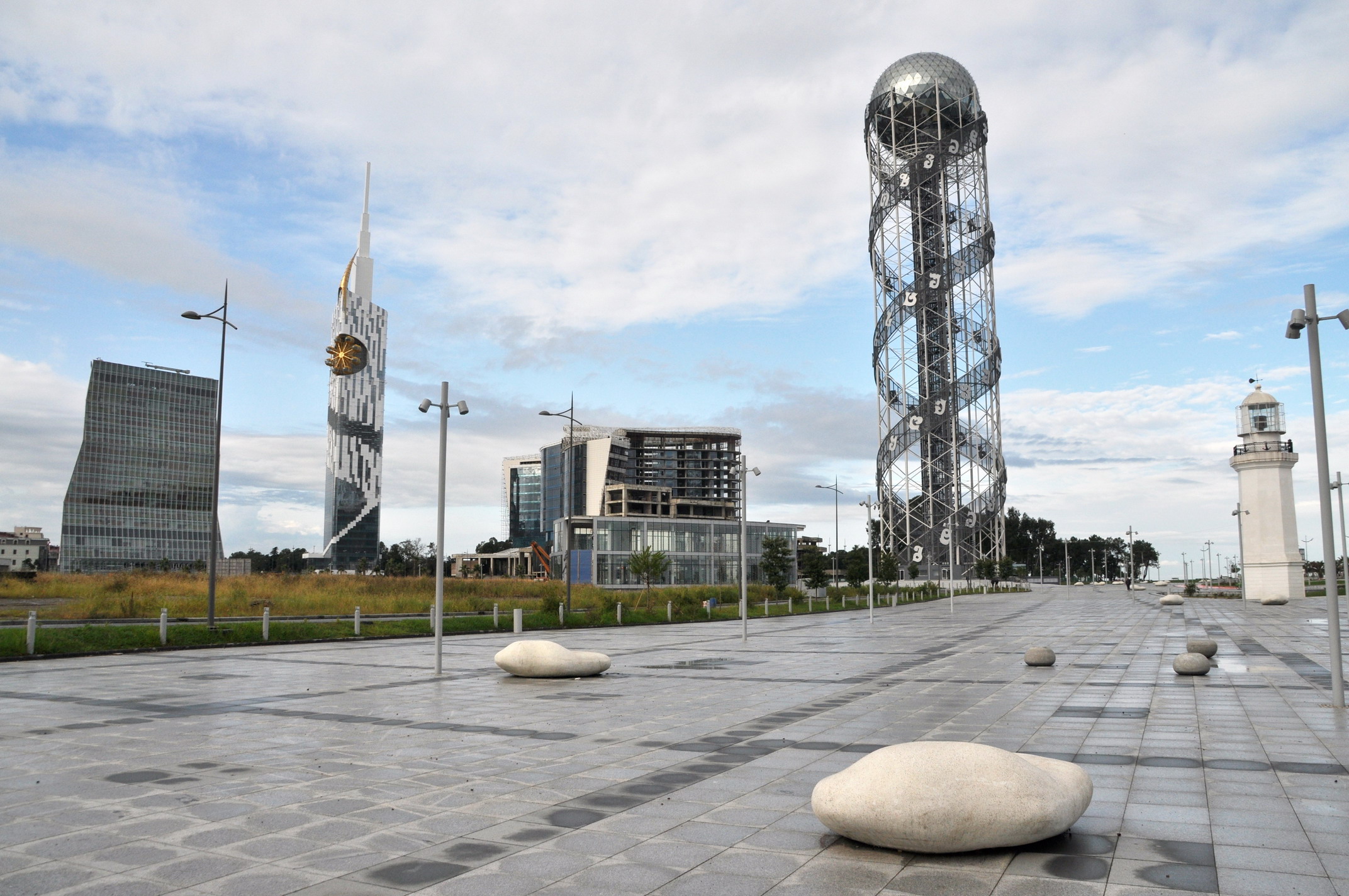
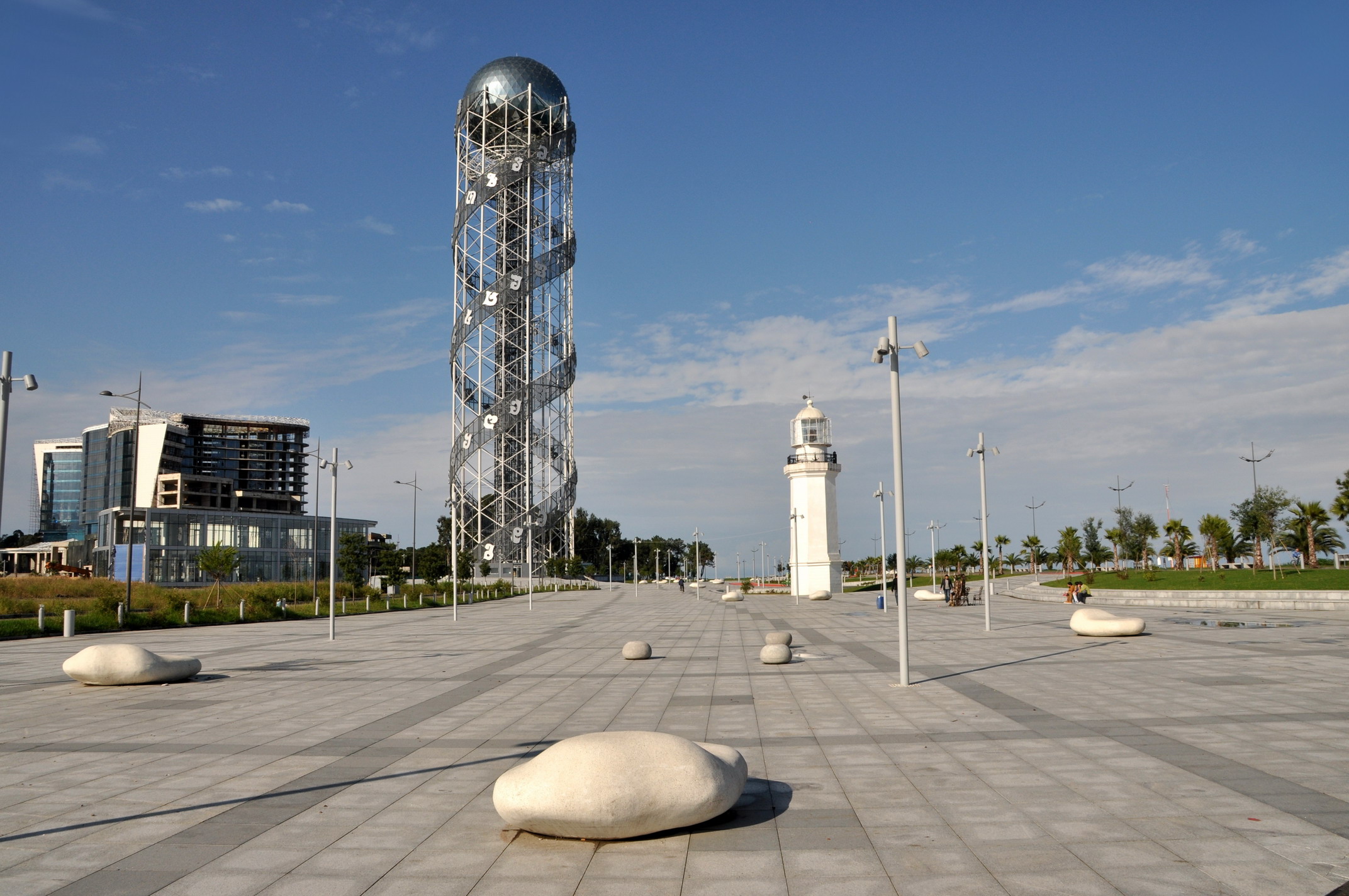
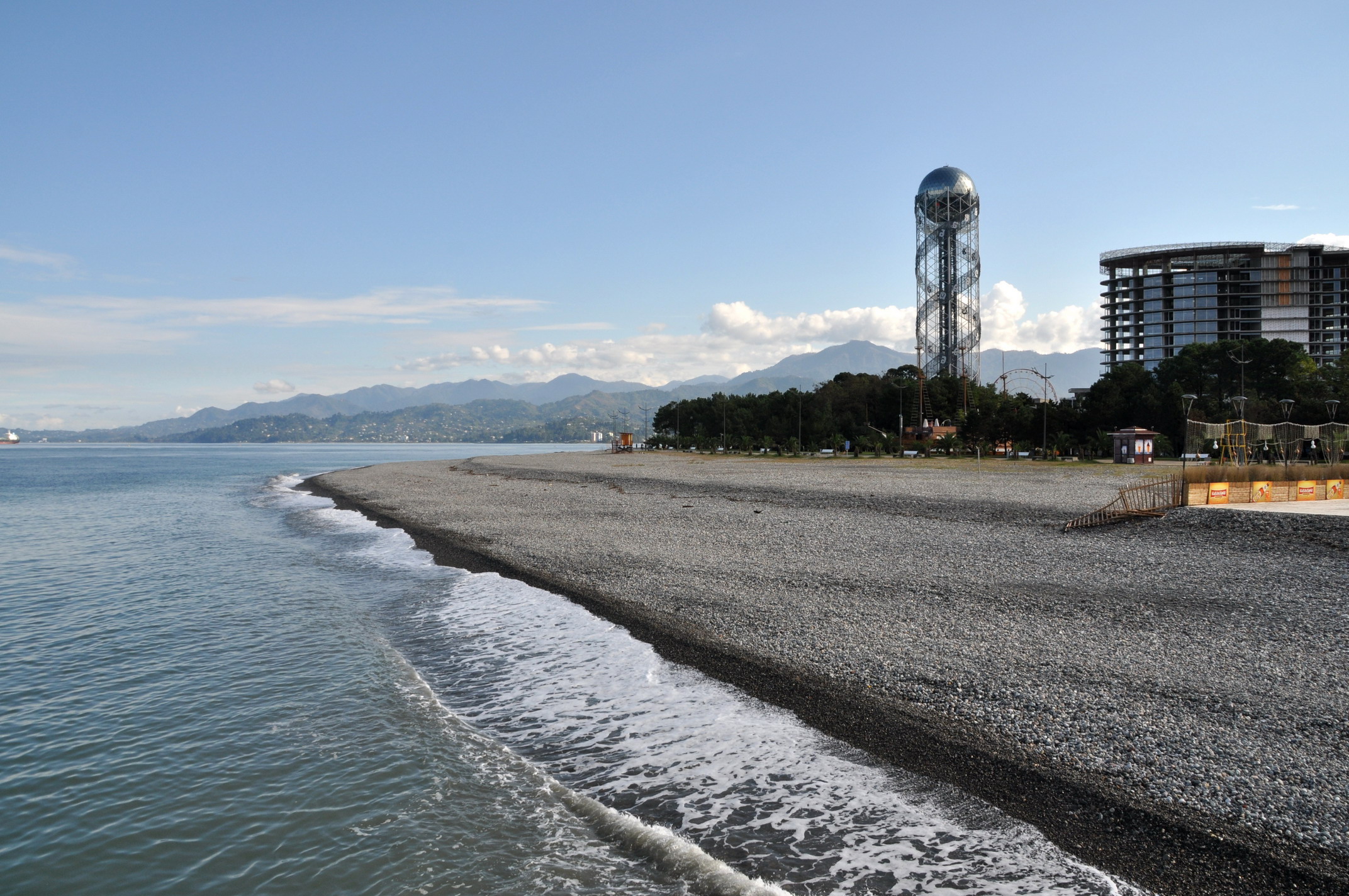
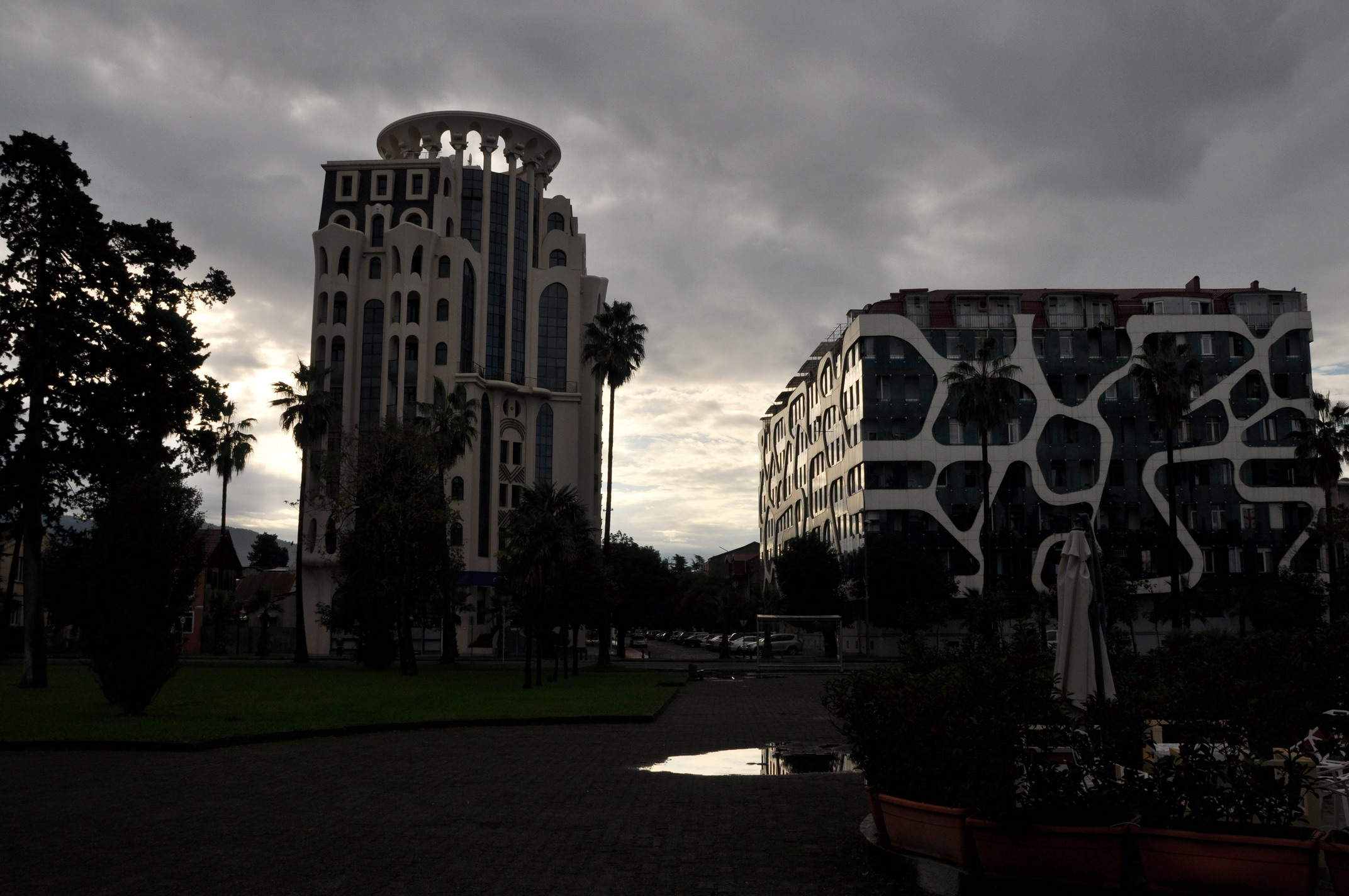
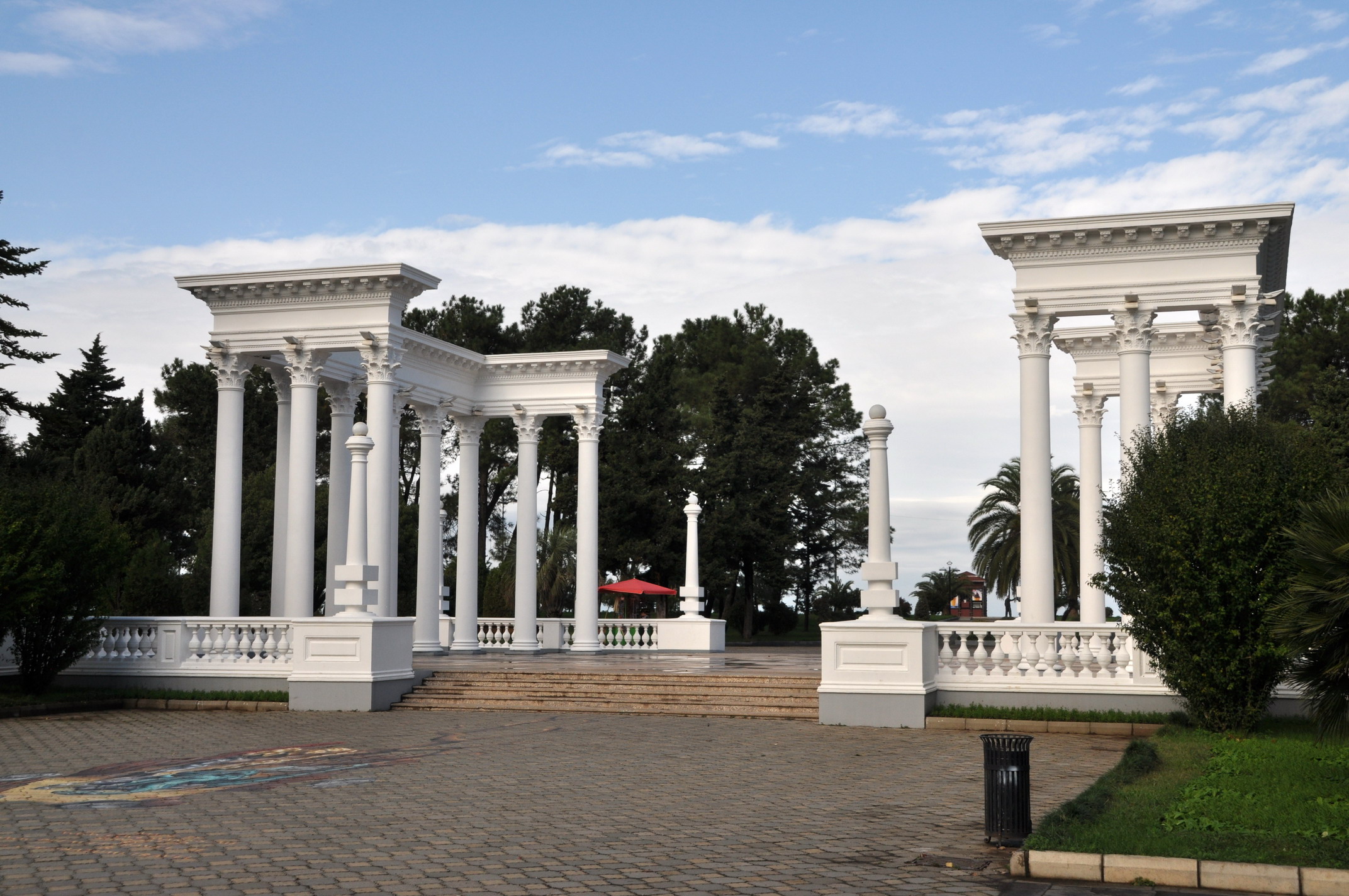
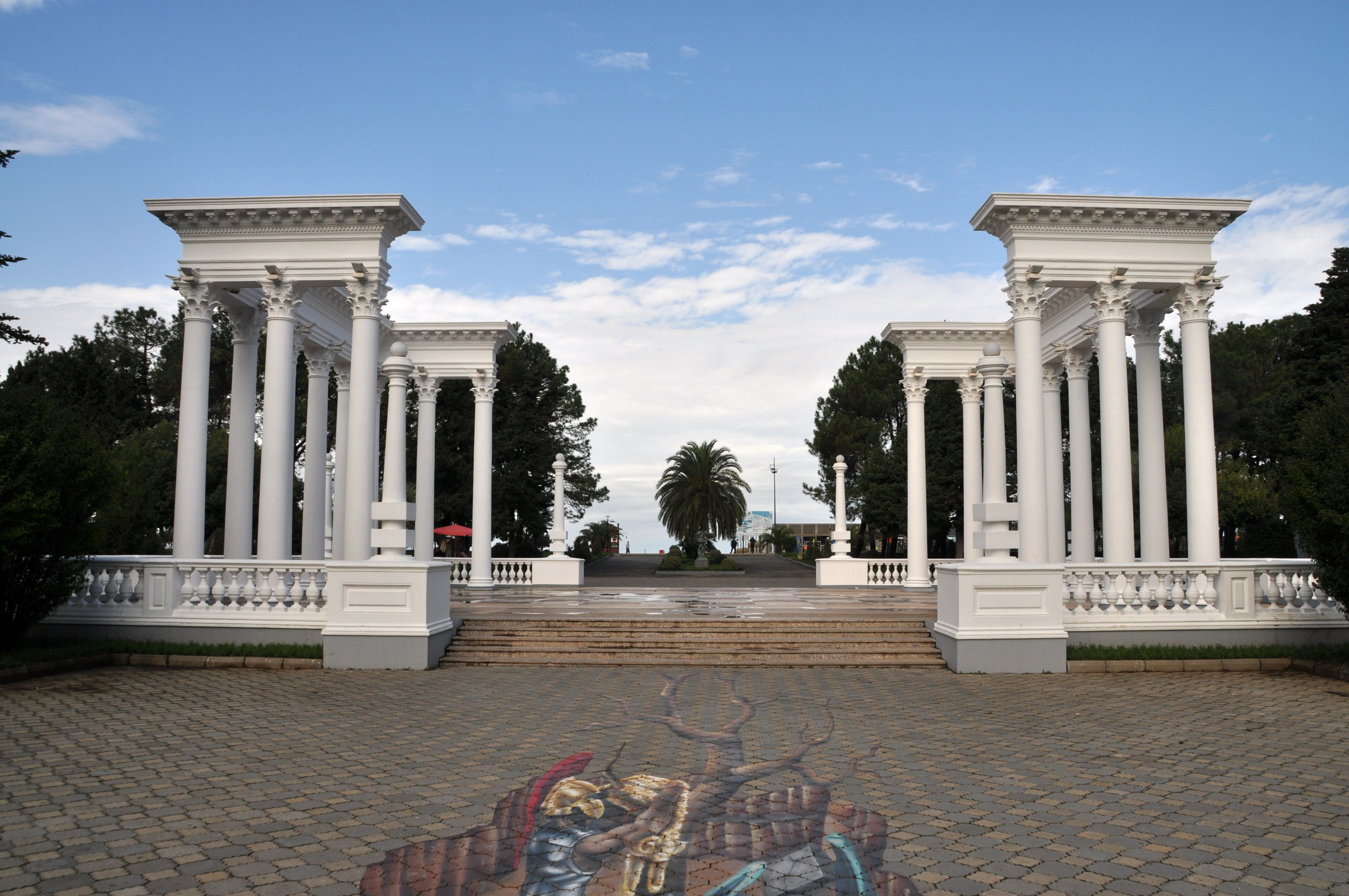
The sun began to break through the clouds, and I had a fine walk around Batumi (ბათუმი). The city really was hard to recognise. Outlandish skyscrapers had sprung up everywhere.
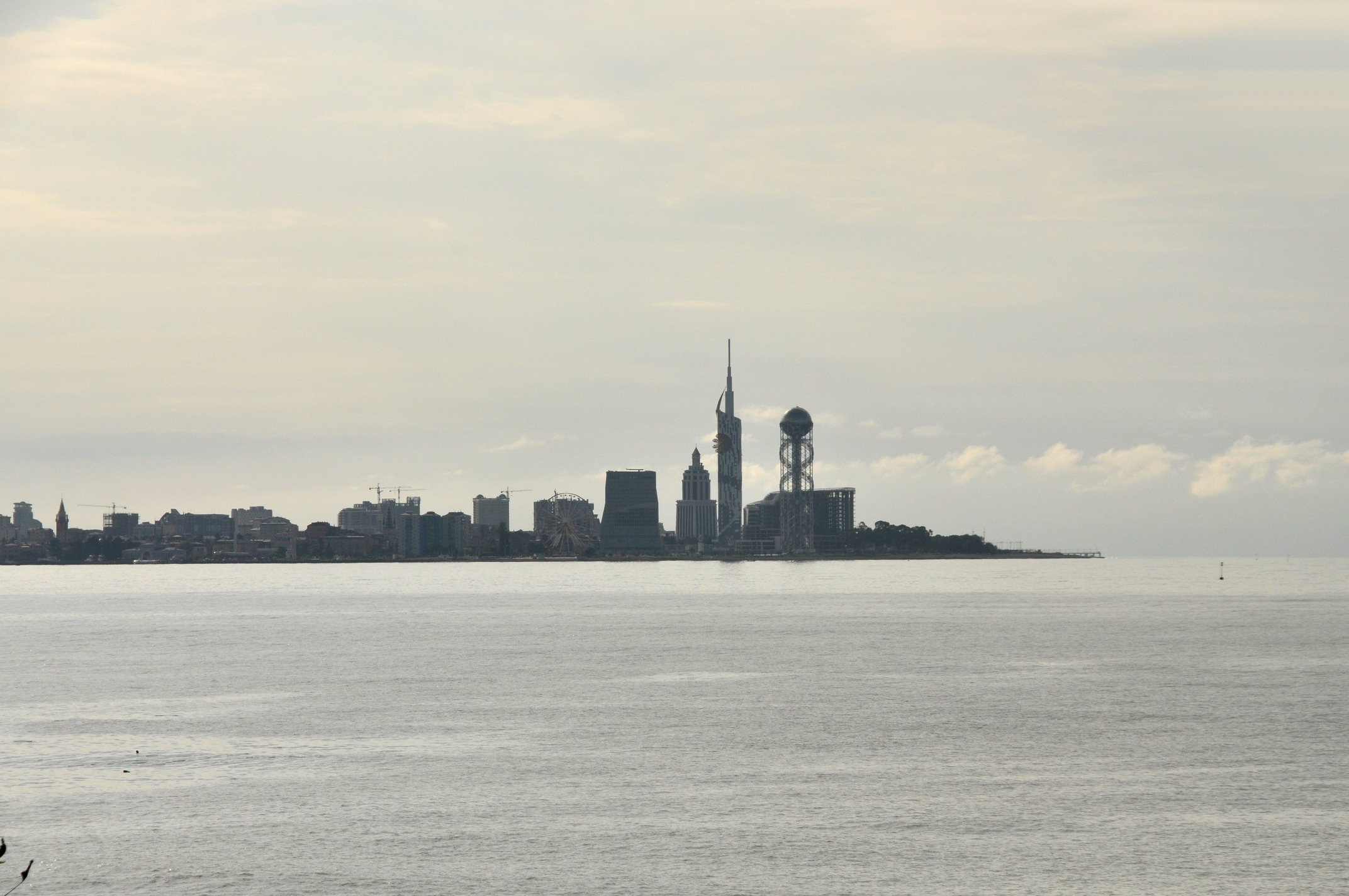
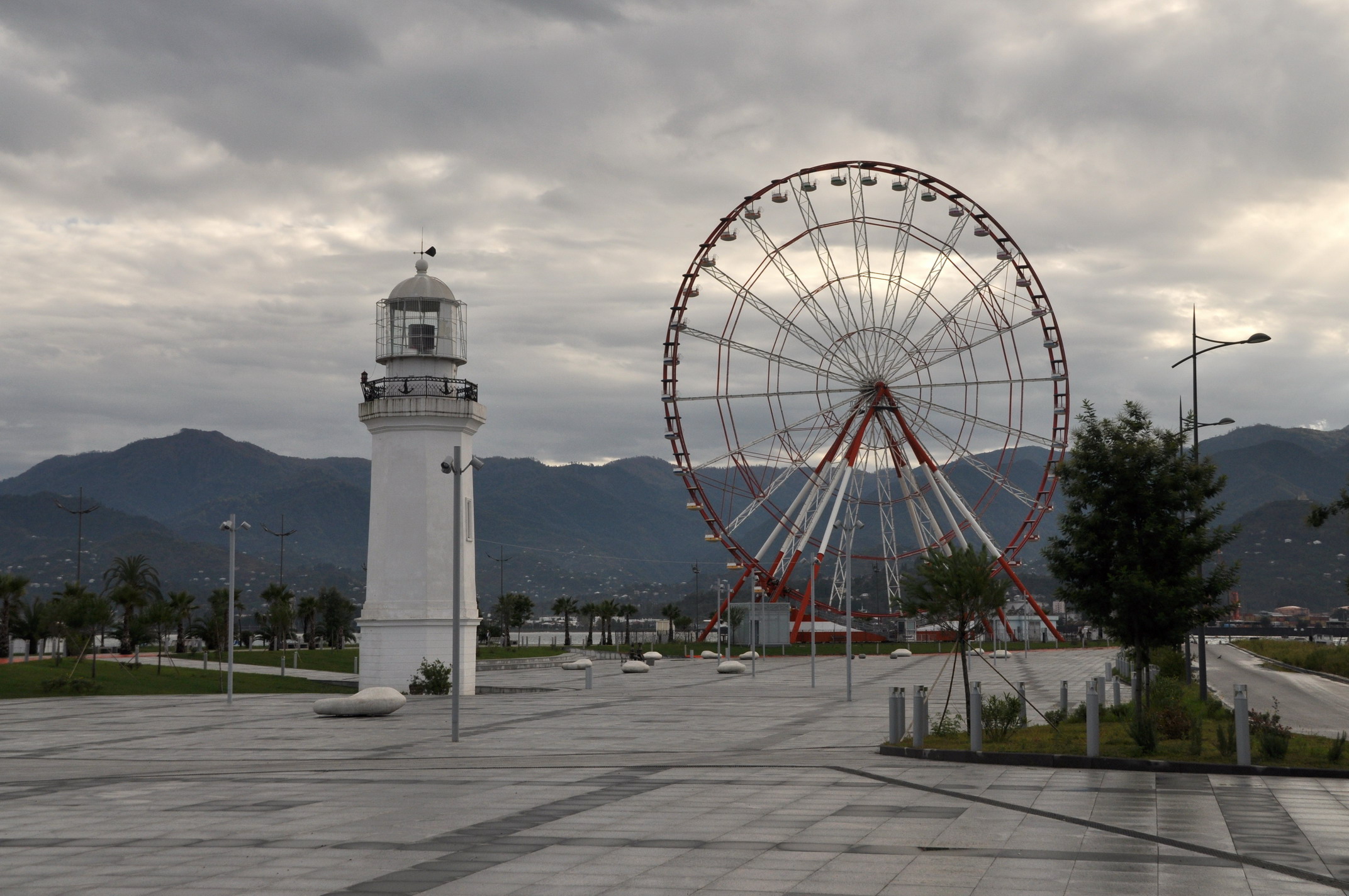
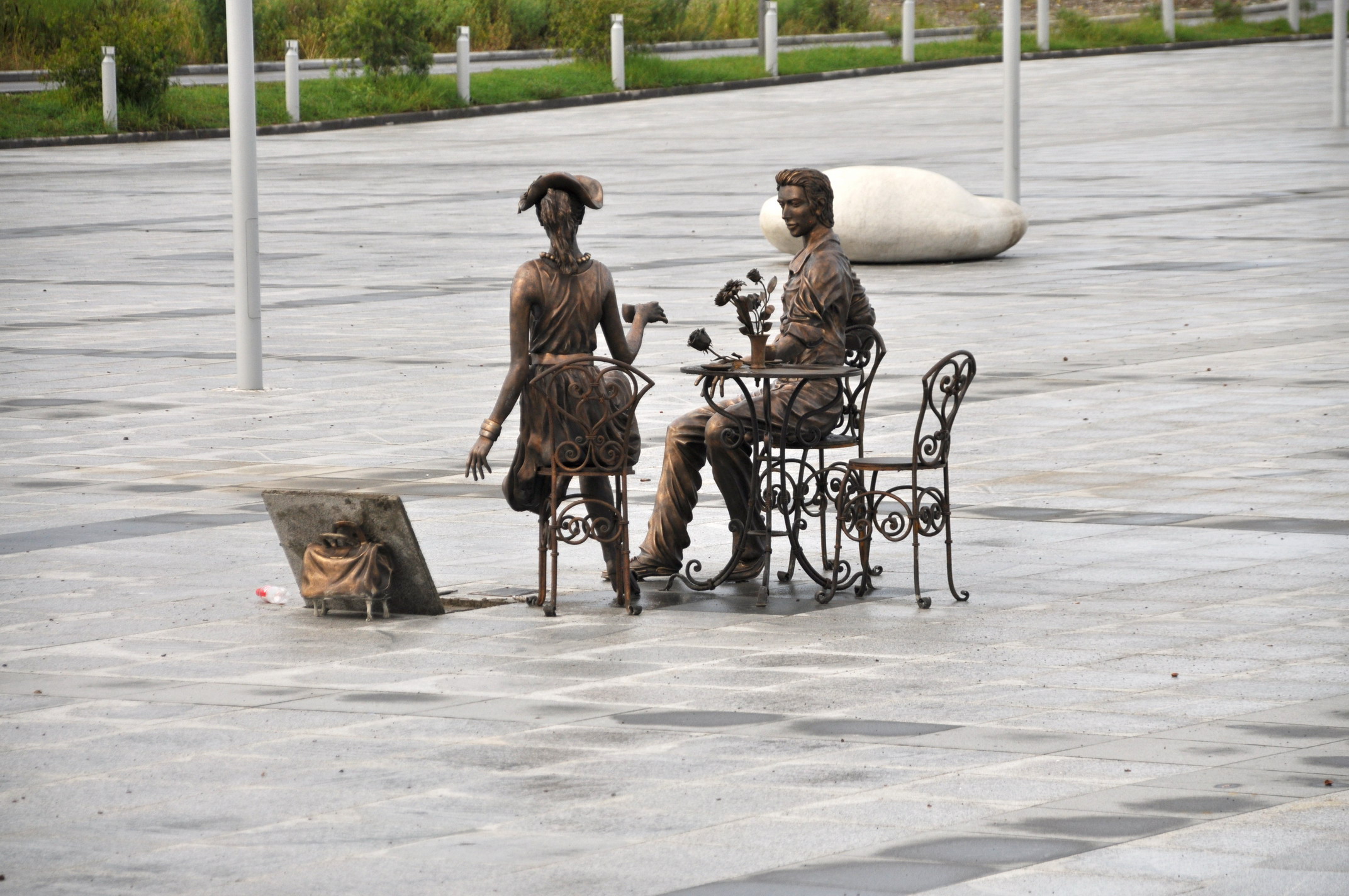
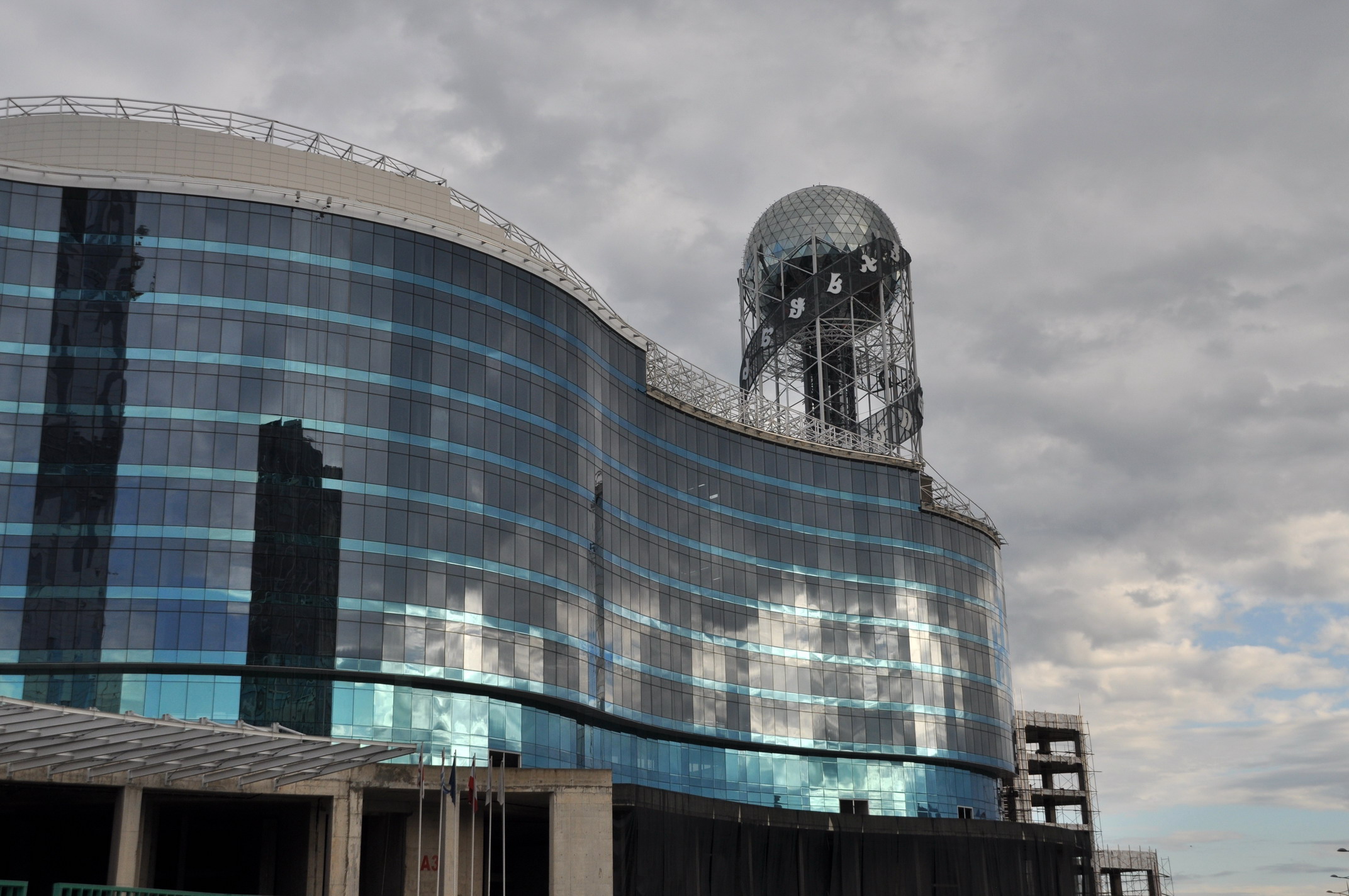
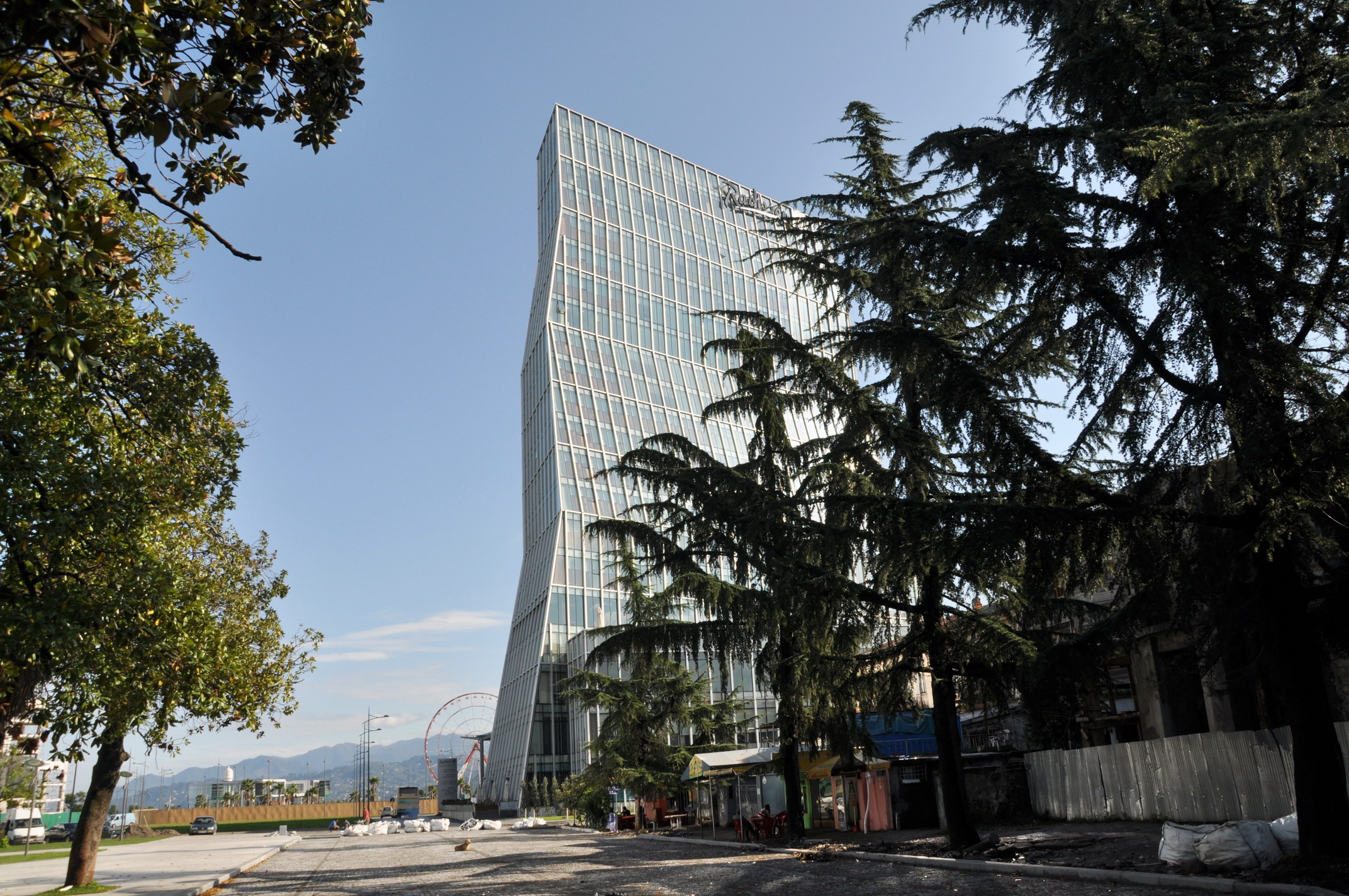
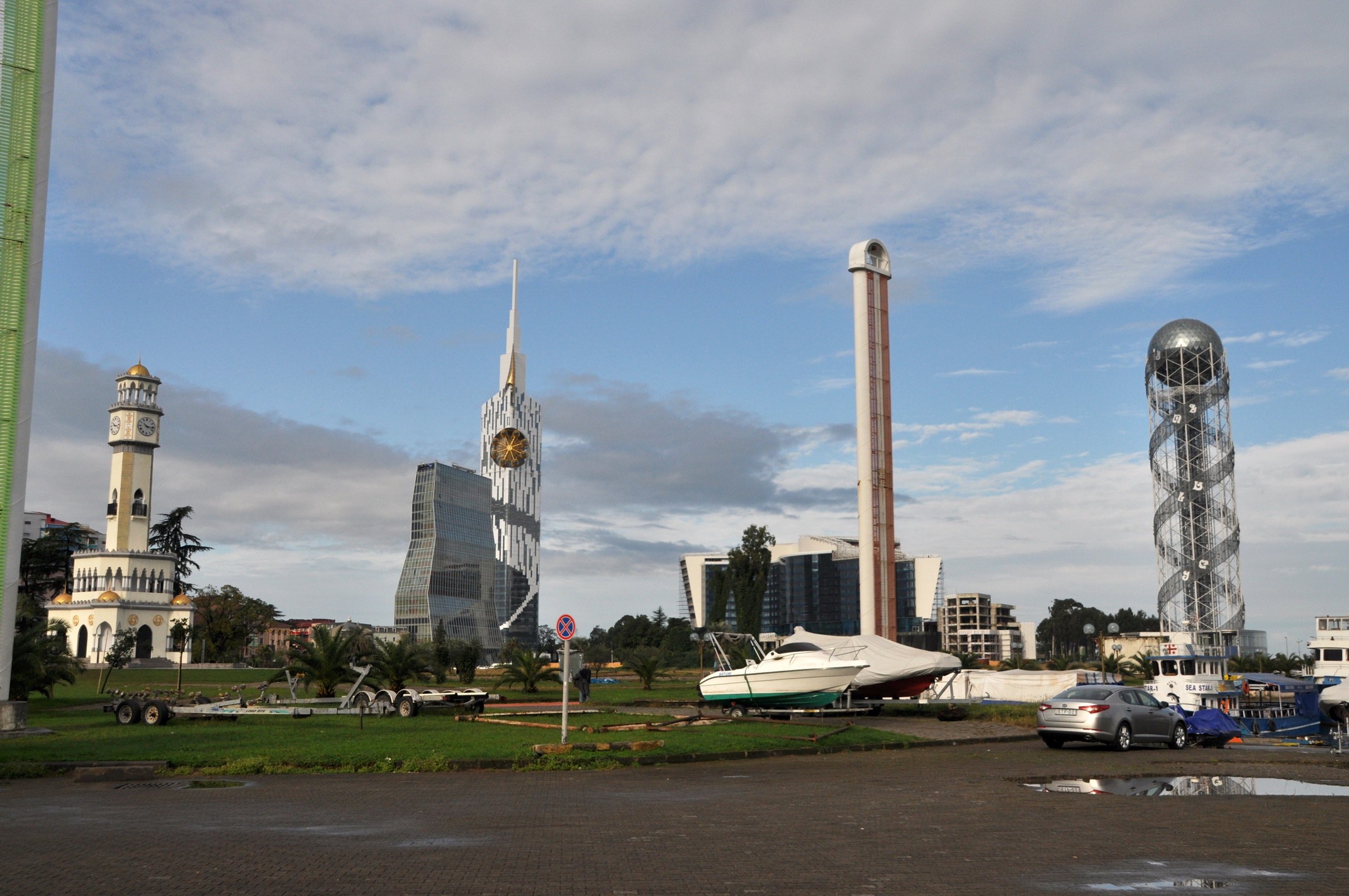
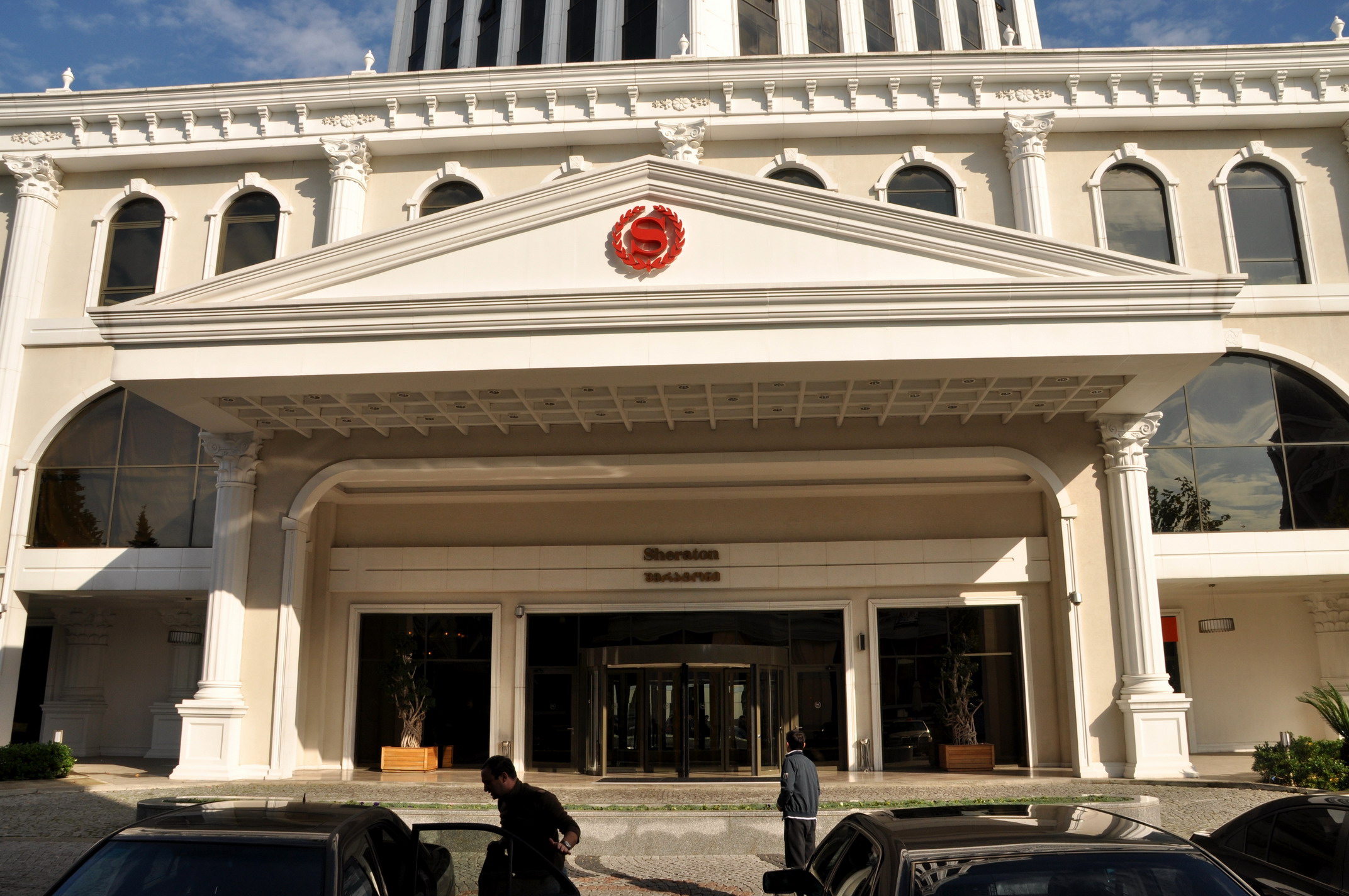
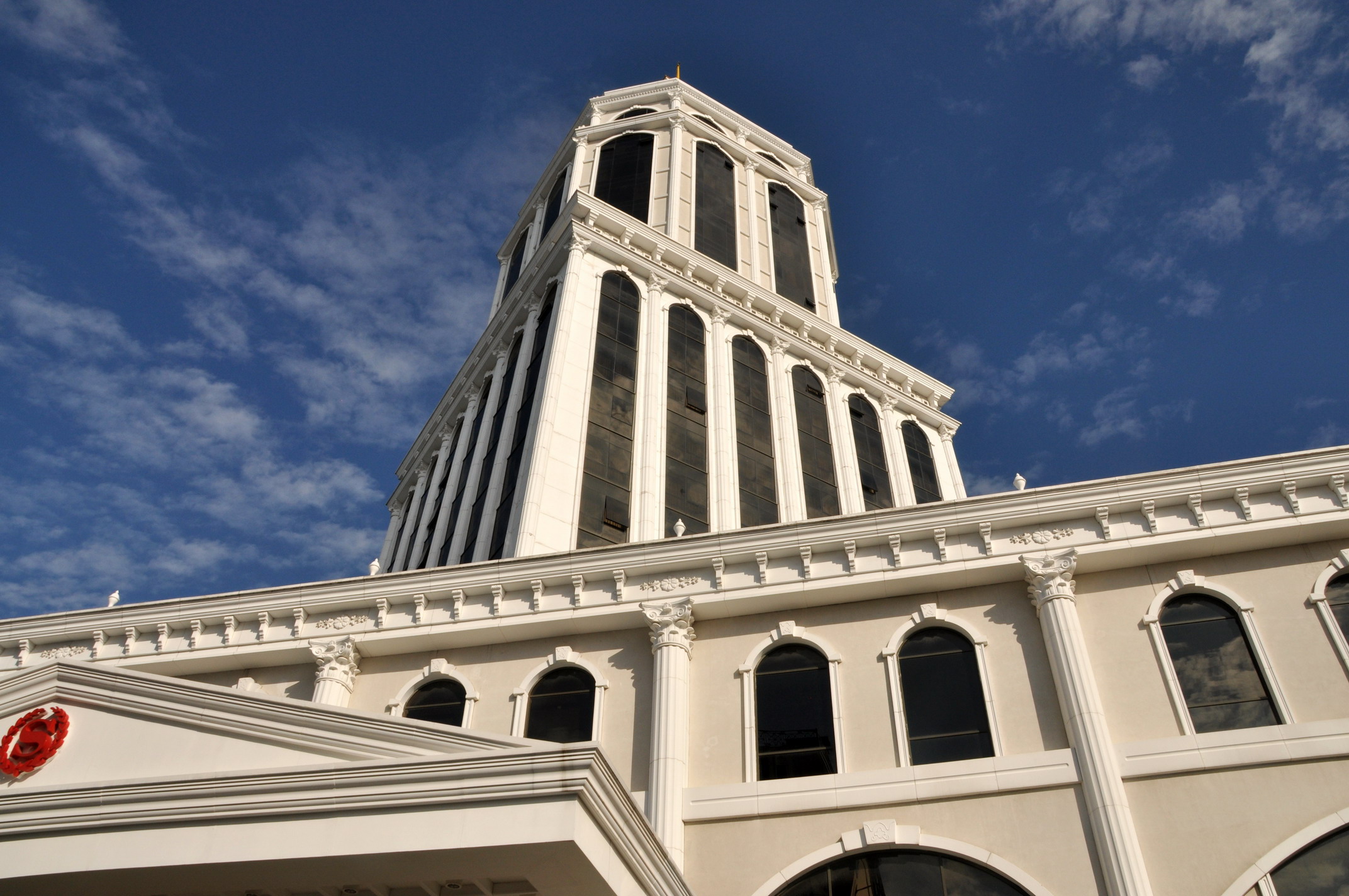
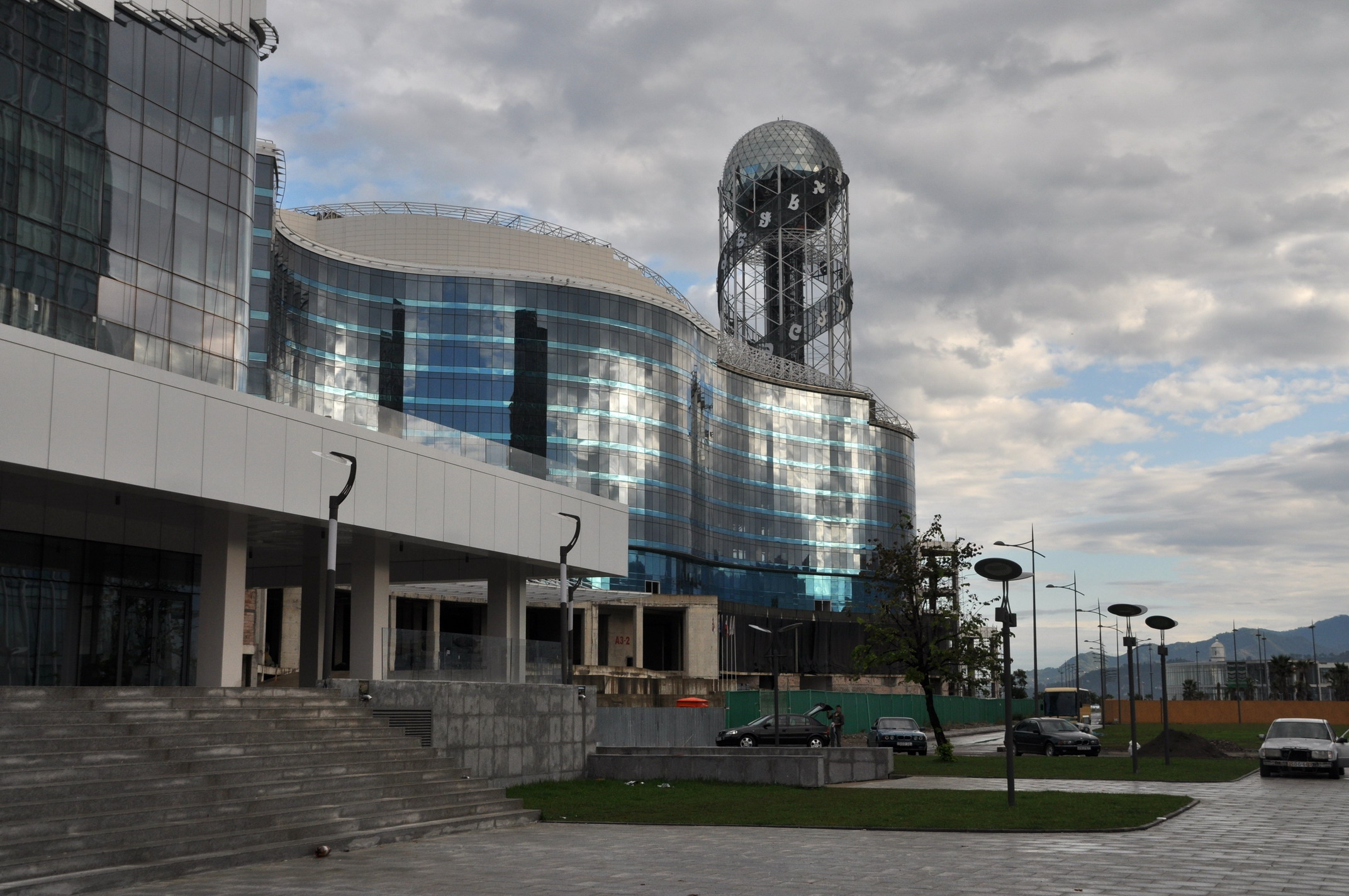
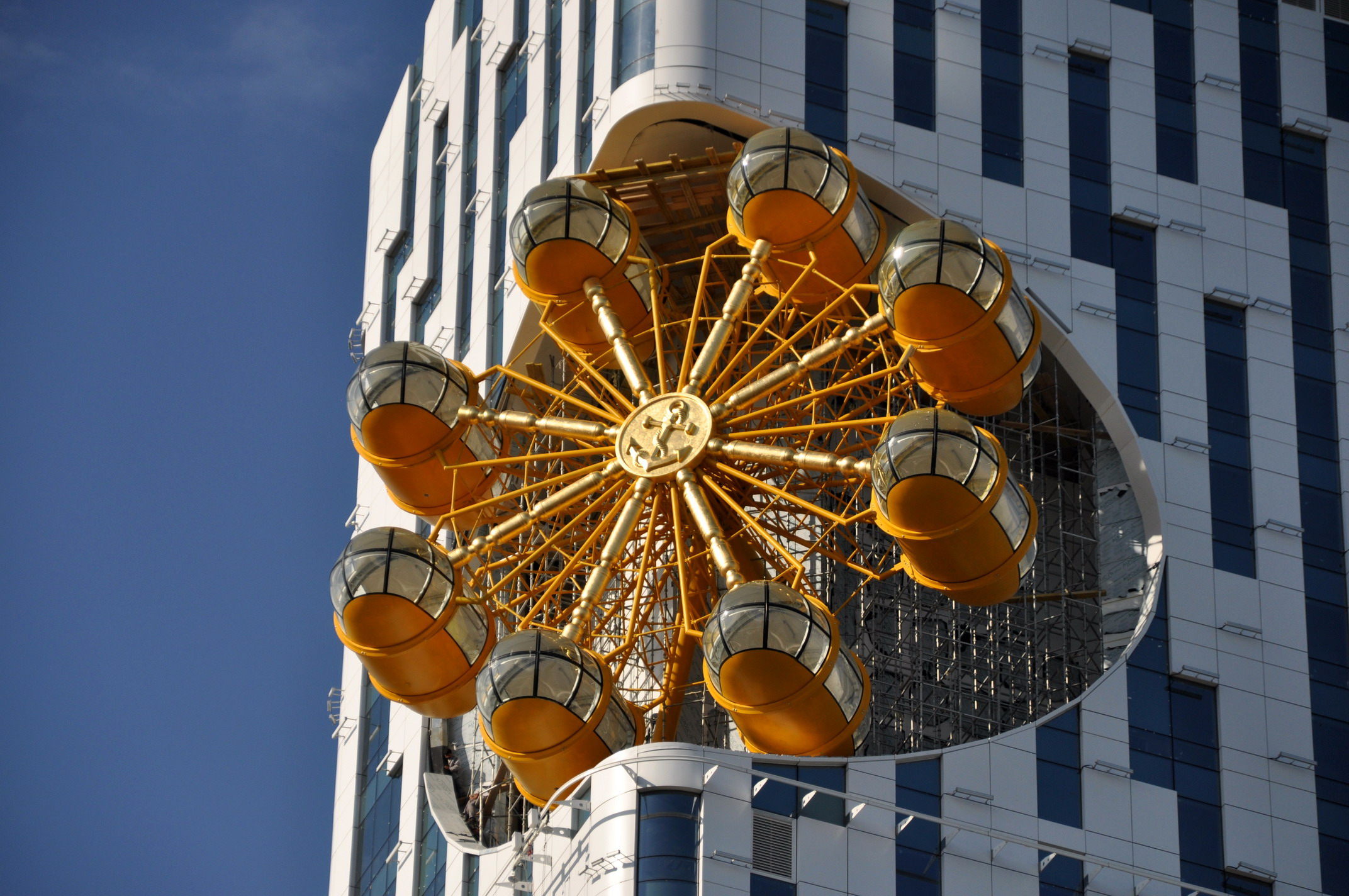
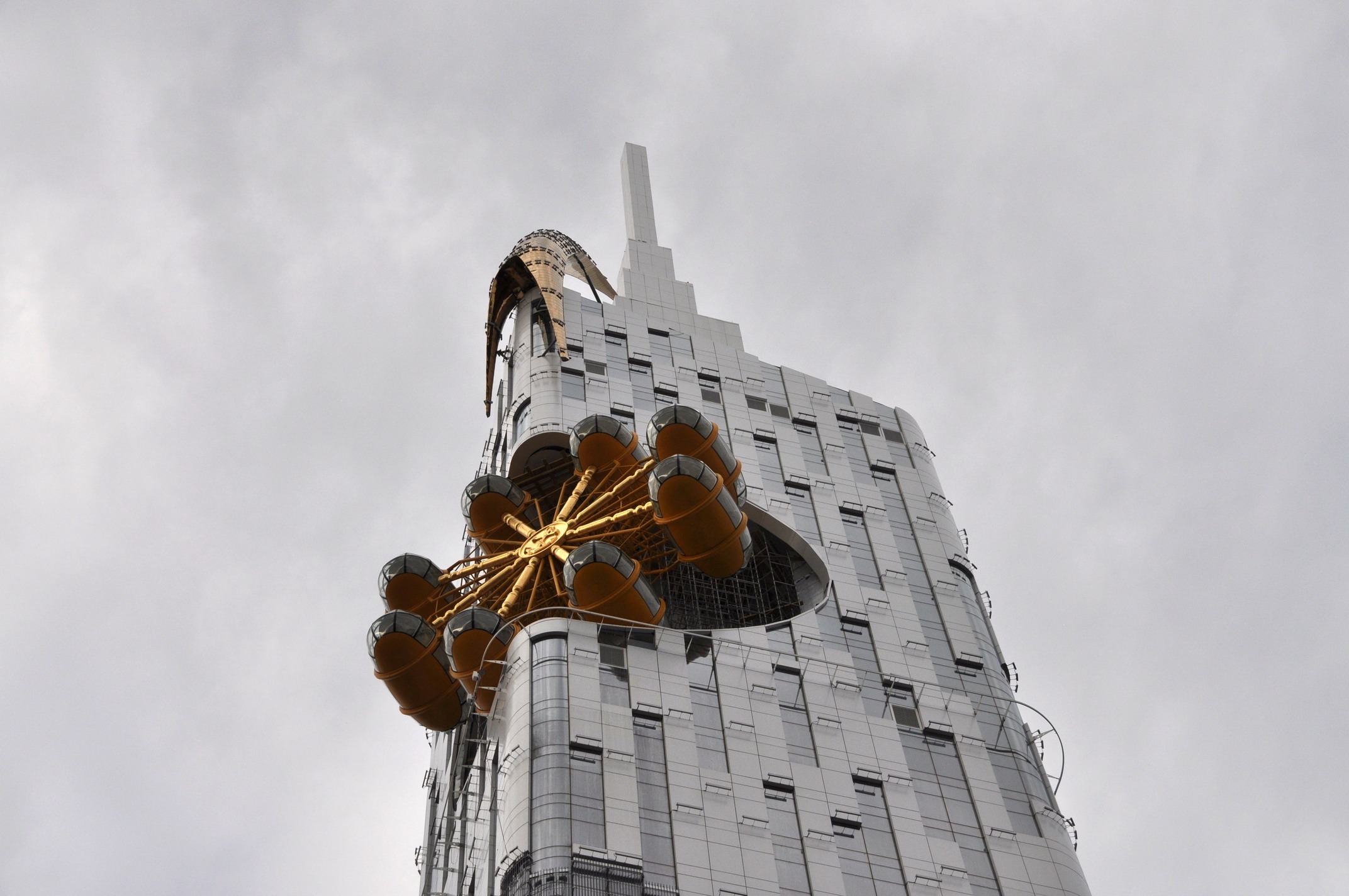
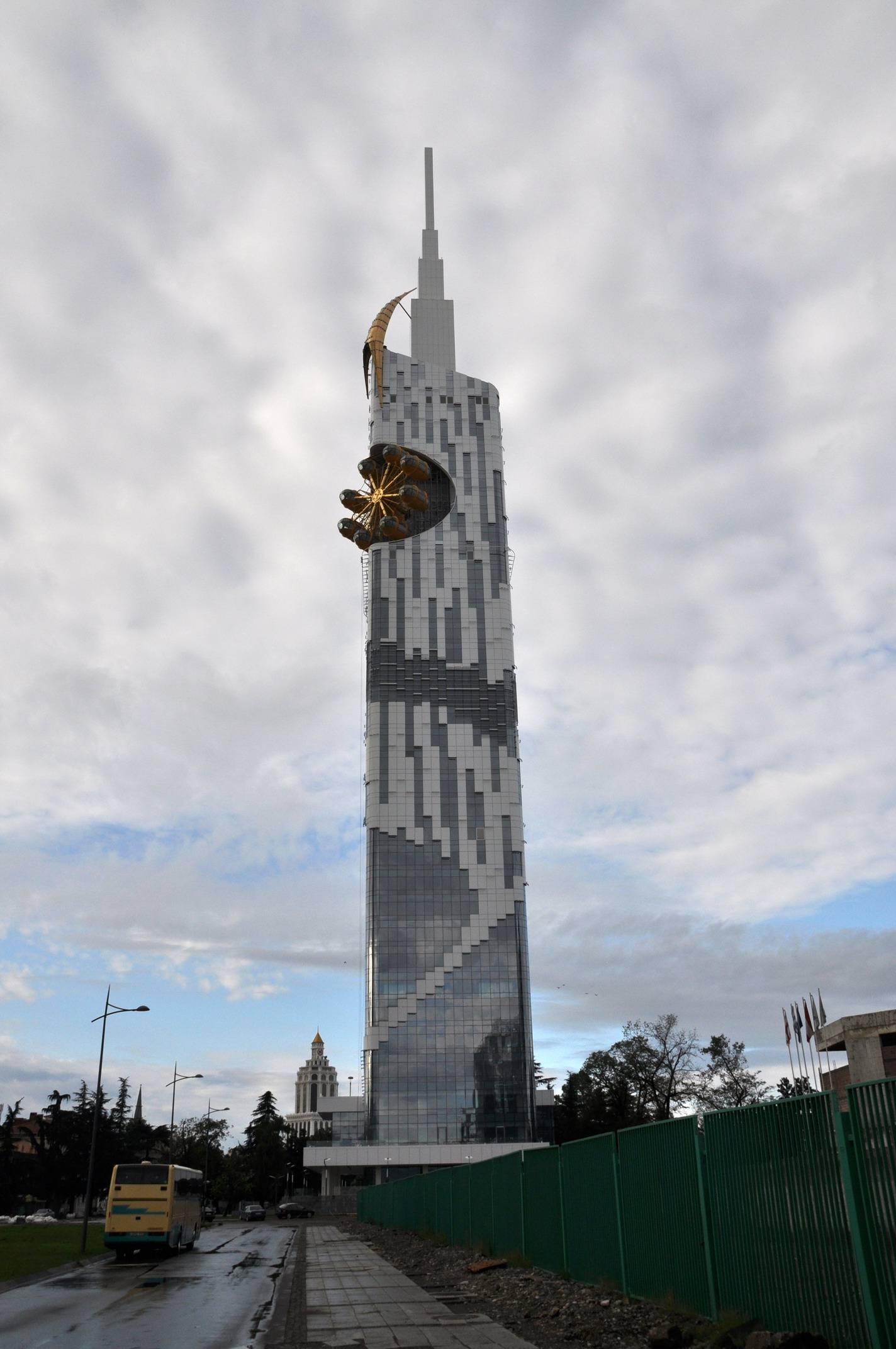
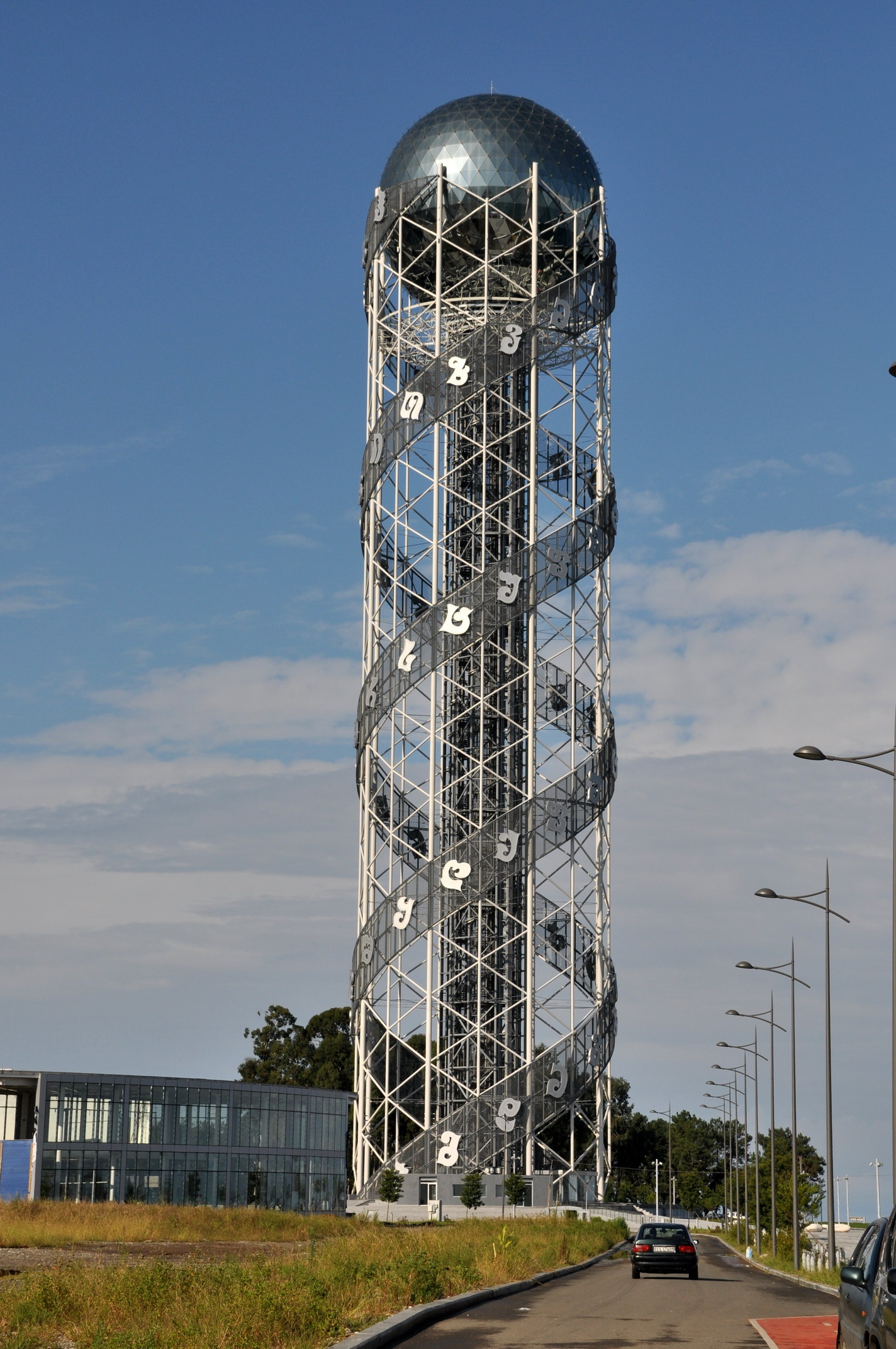
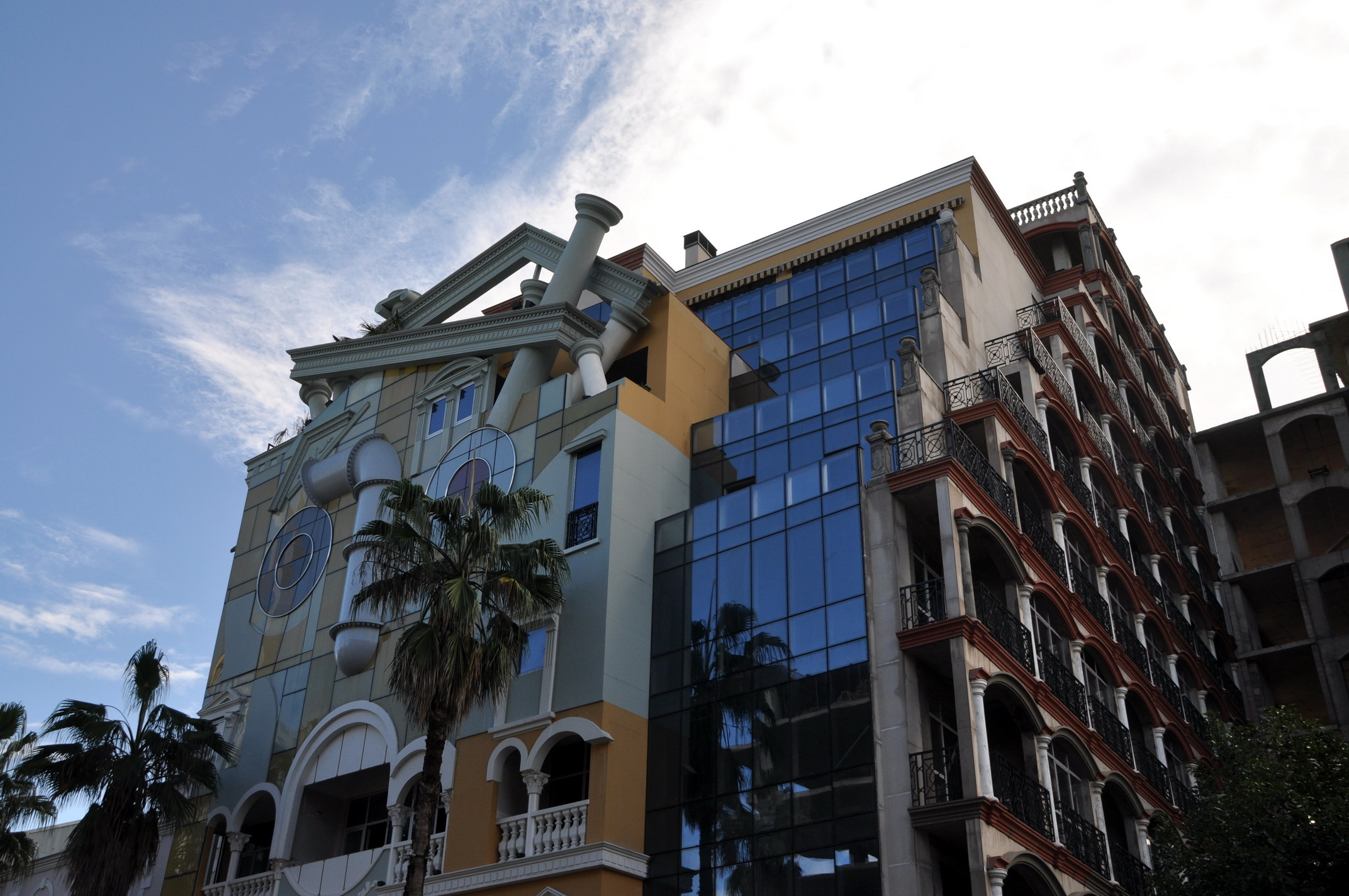
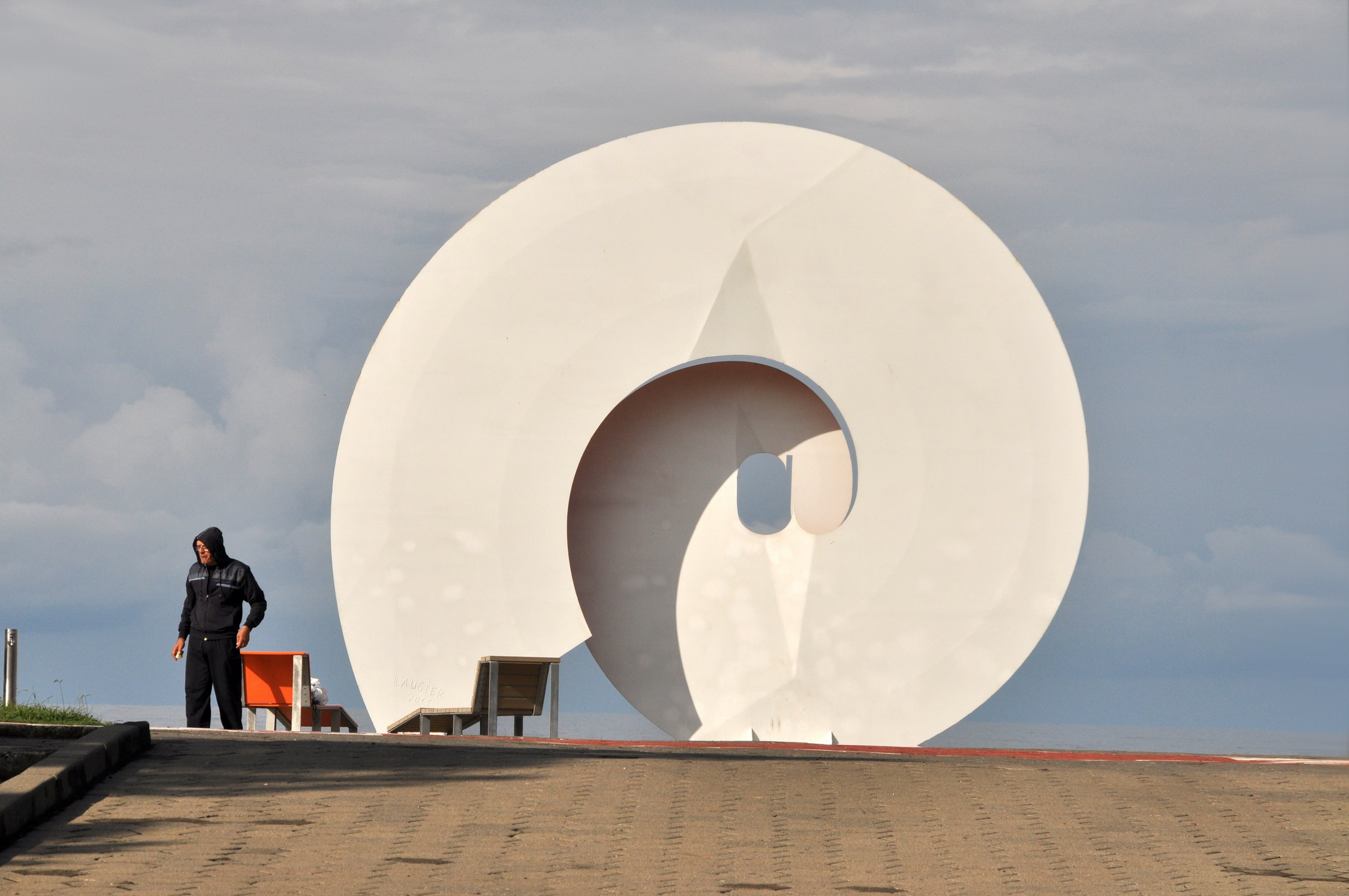
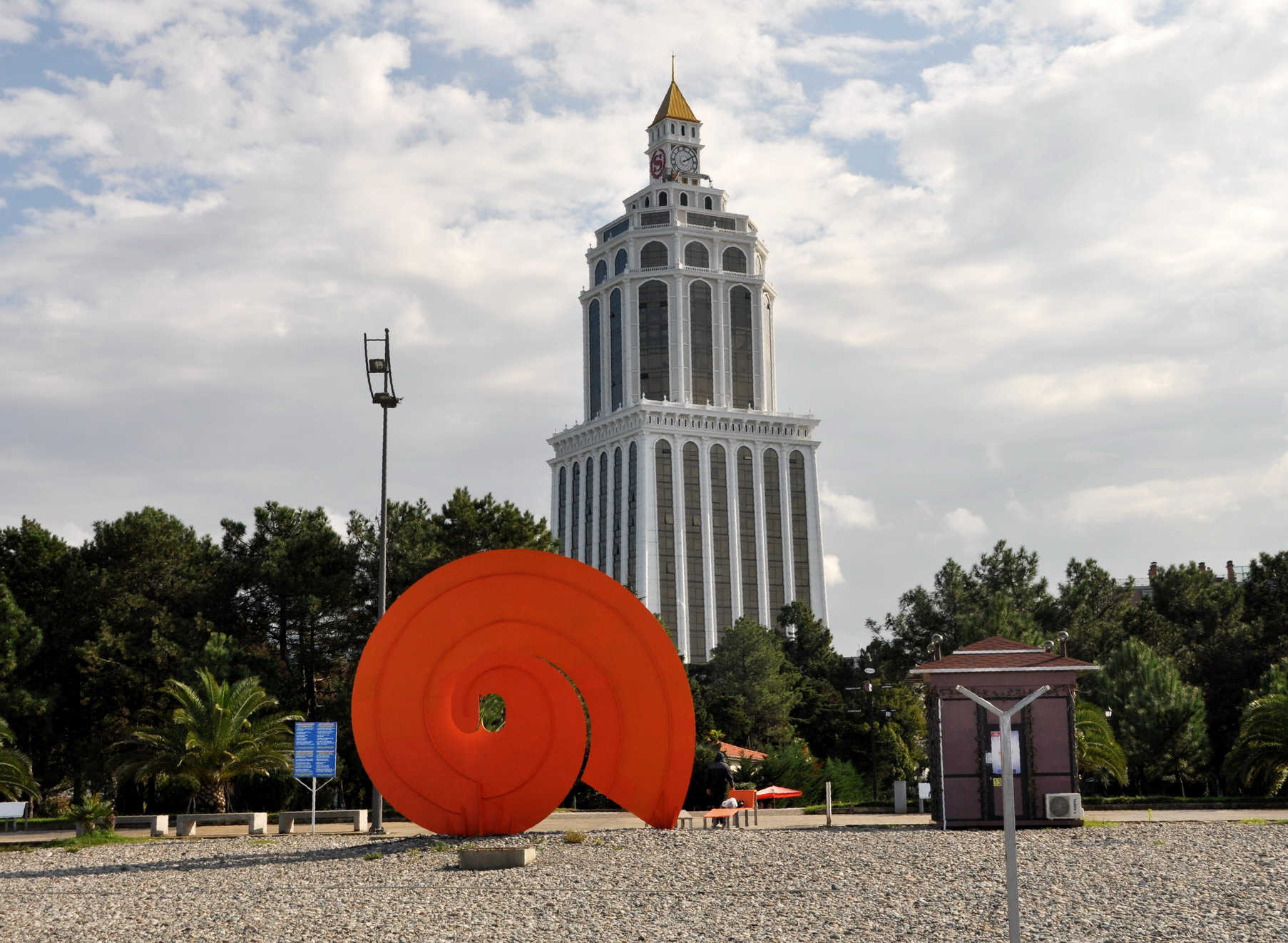
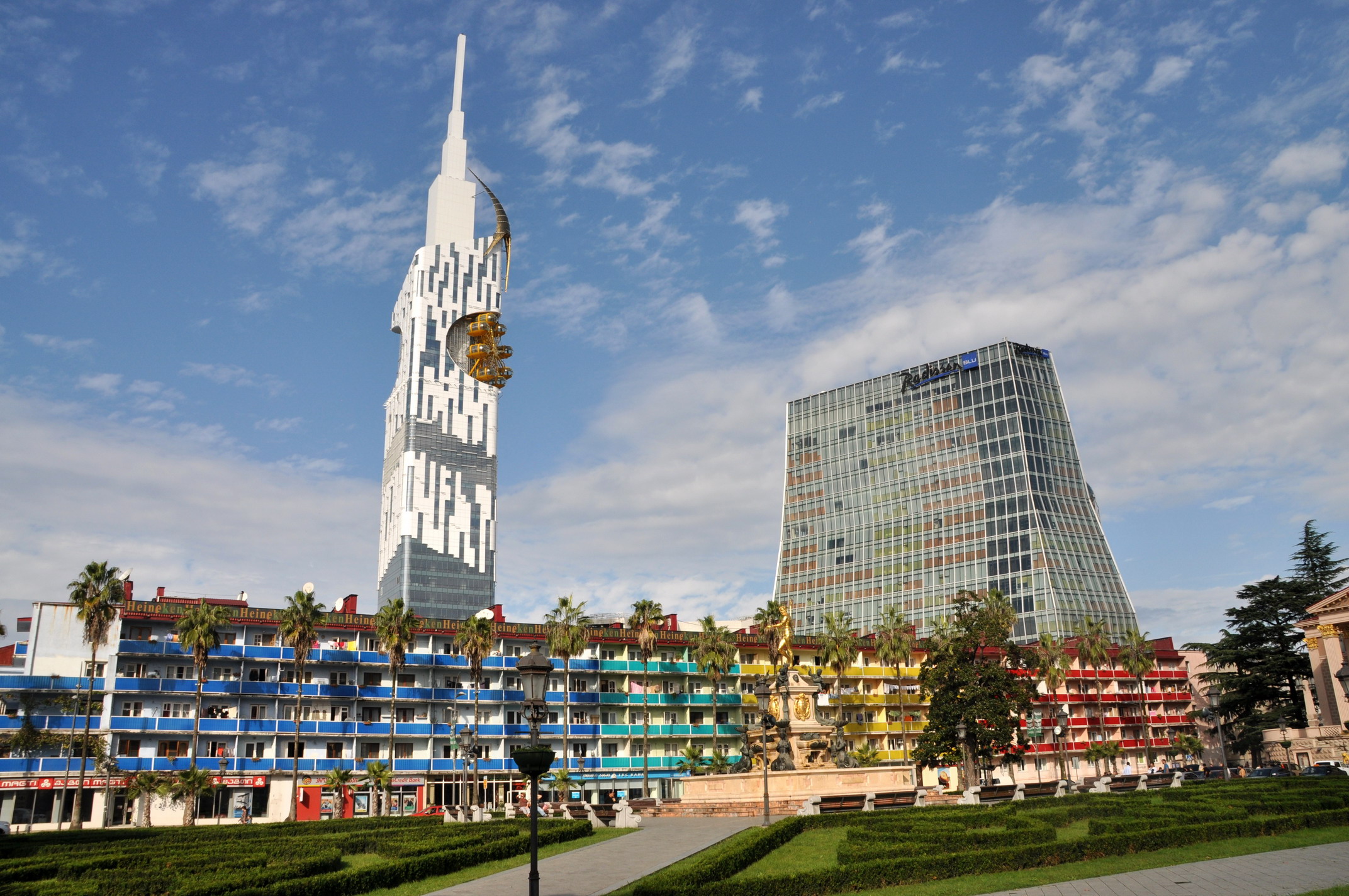
First there was a copy of the Tower of Babel, the Sheraton hotel. Then there was a Ferris wheel and restaurant grafted onto the fortieth floor of a tower. And another tower simply celebrated the Georgian alphabet. There was plenty of modern architecture, and the Internet age was marked by a monument to the @ sign.
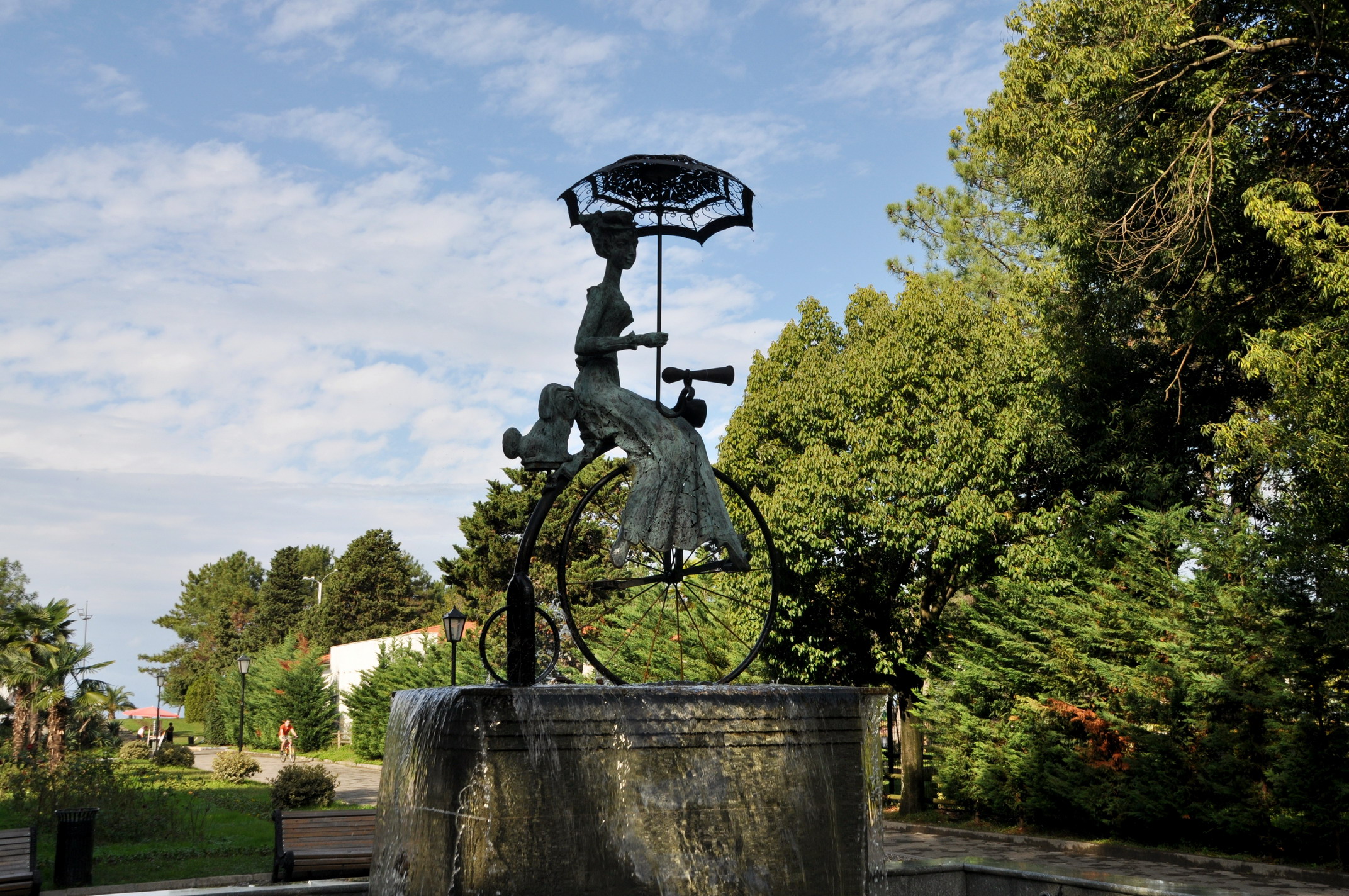
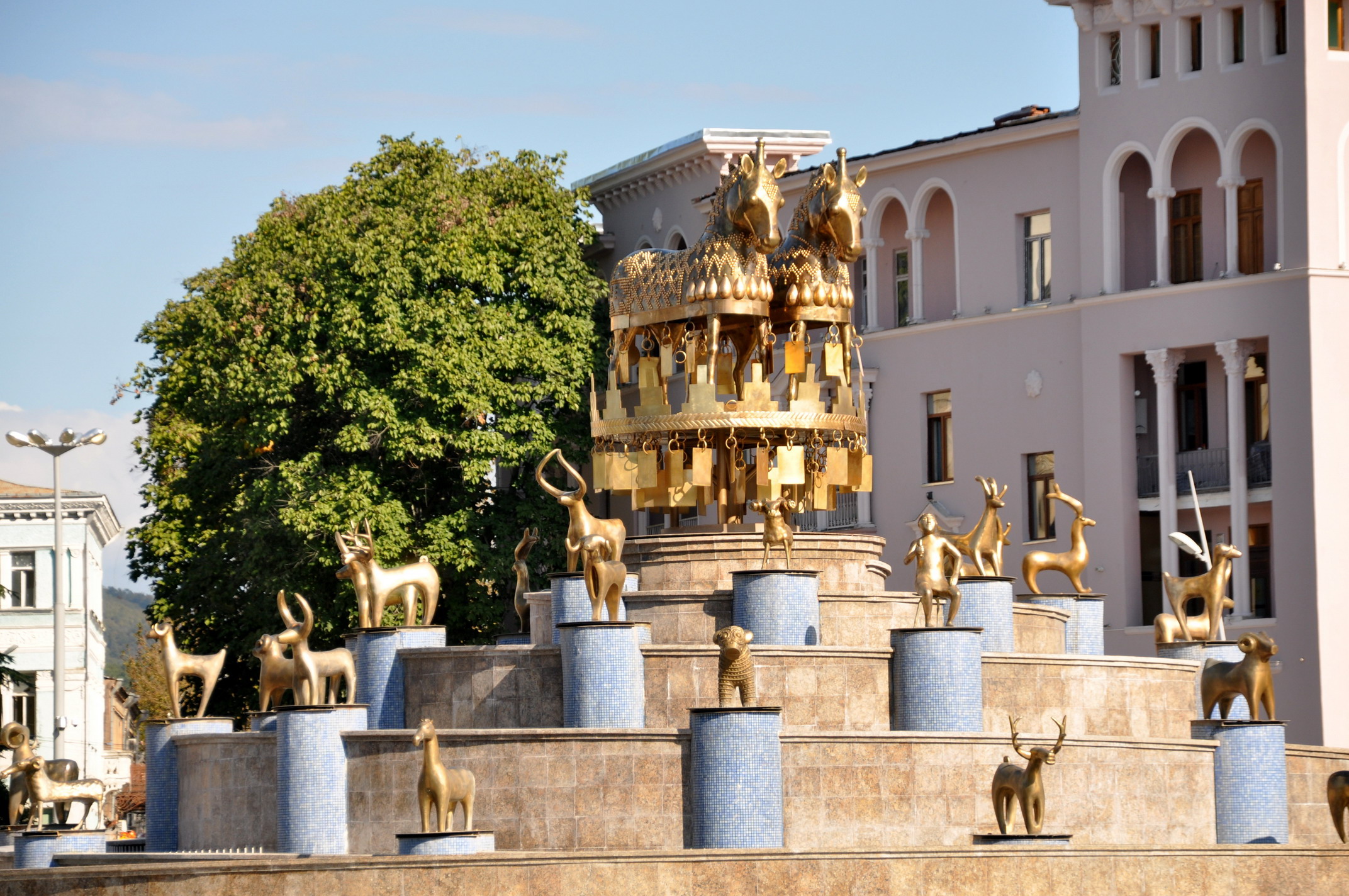
On the main square stood a column bearing the Golden Fleece. Nearby there was a fountain to rival Rome's Trevi. There were cafés offering cuisines from all over.
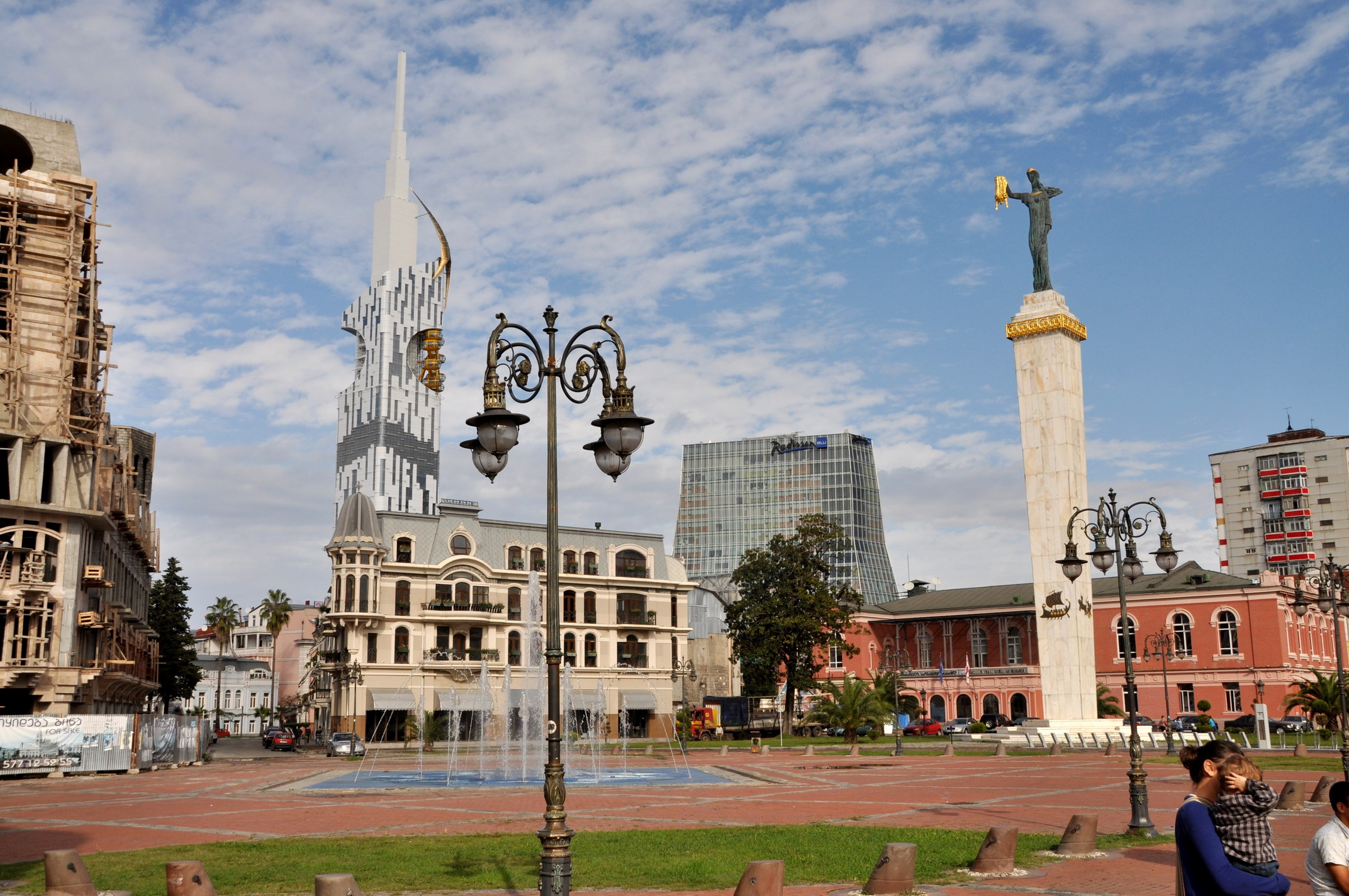
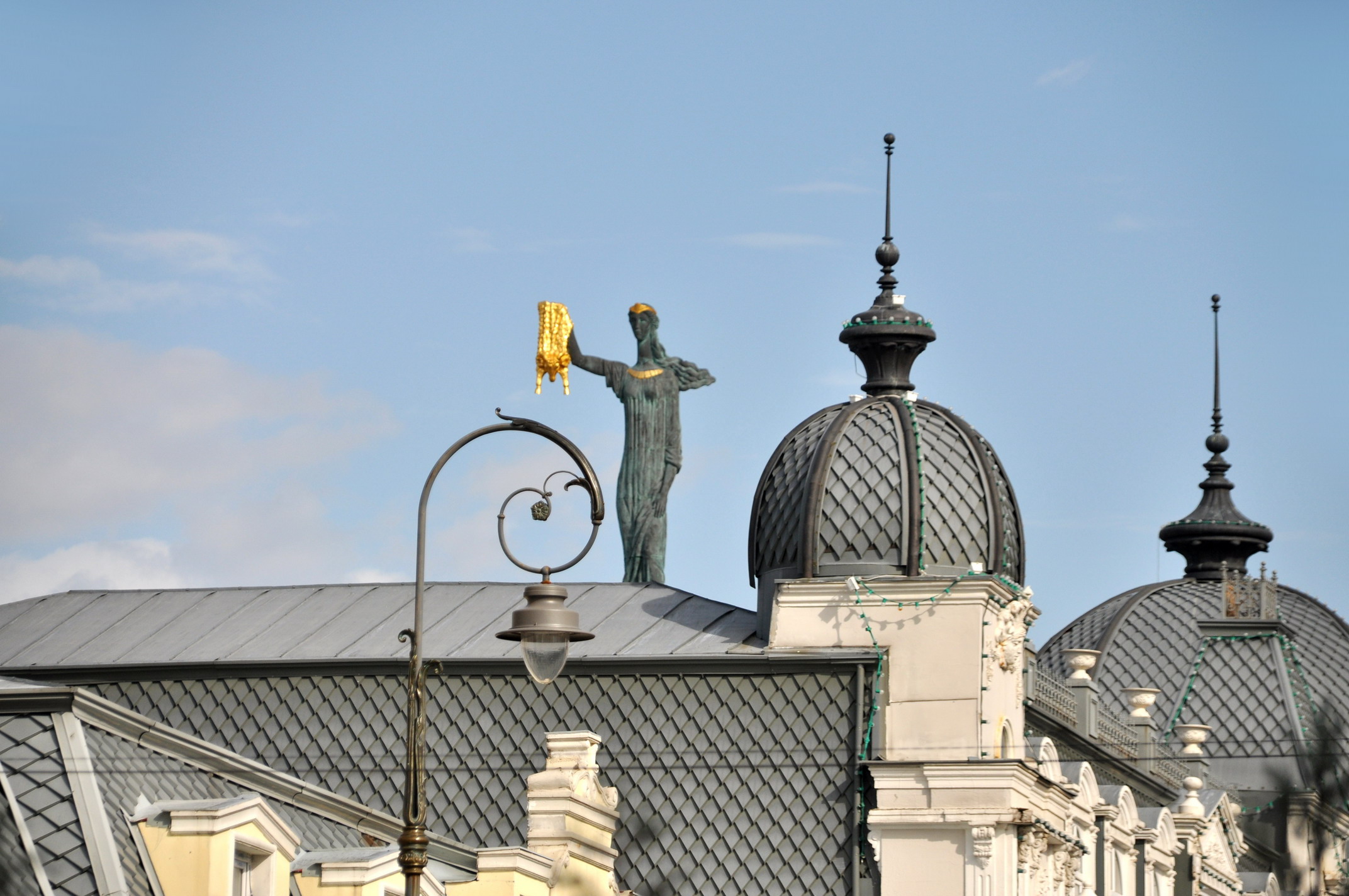
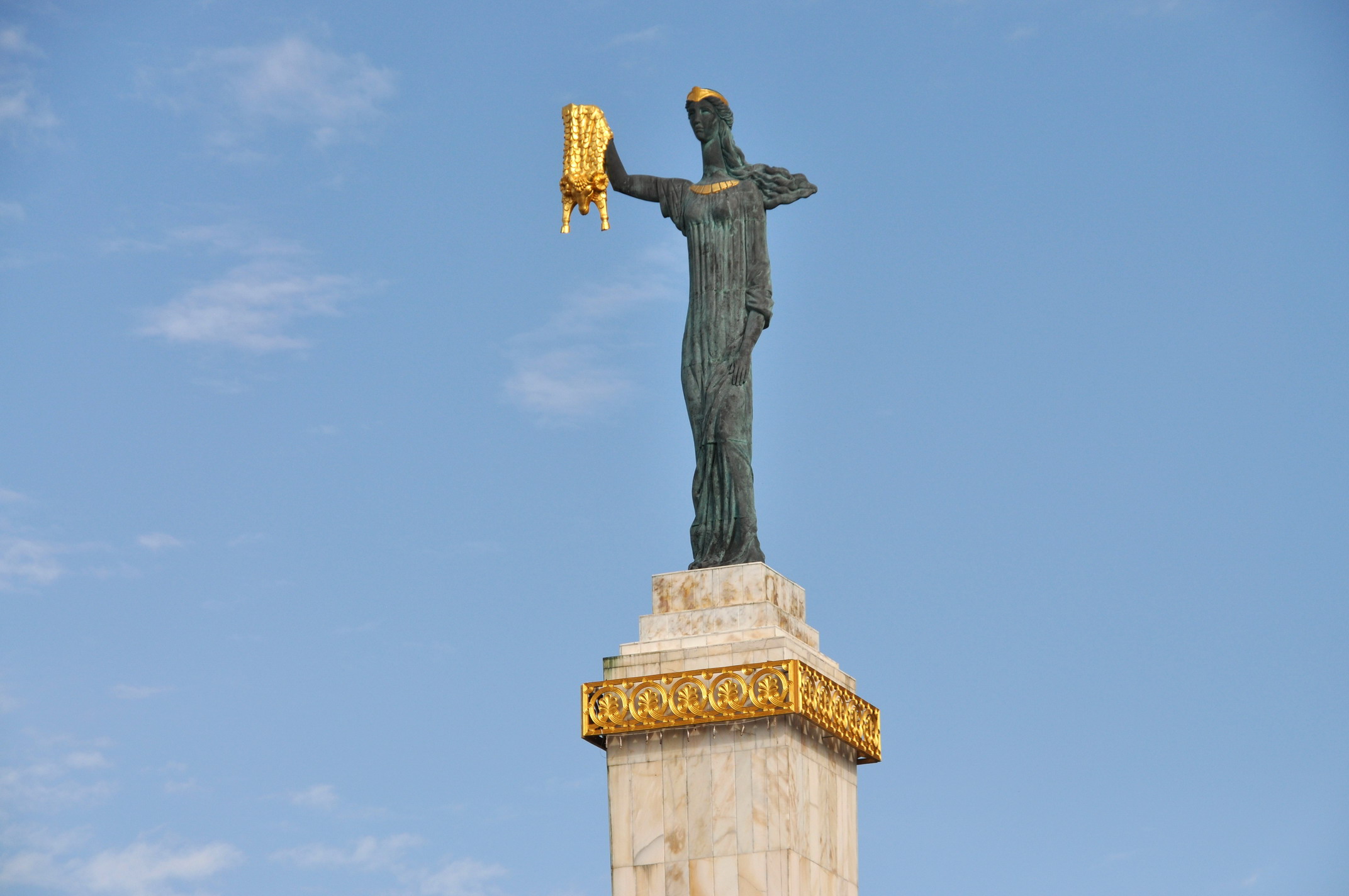
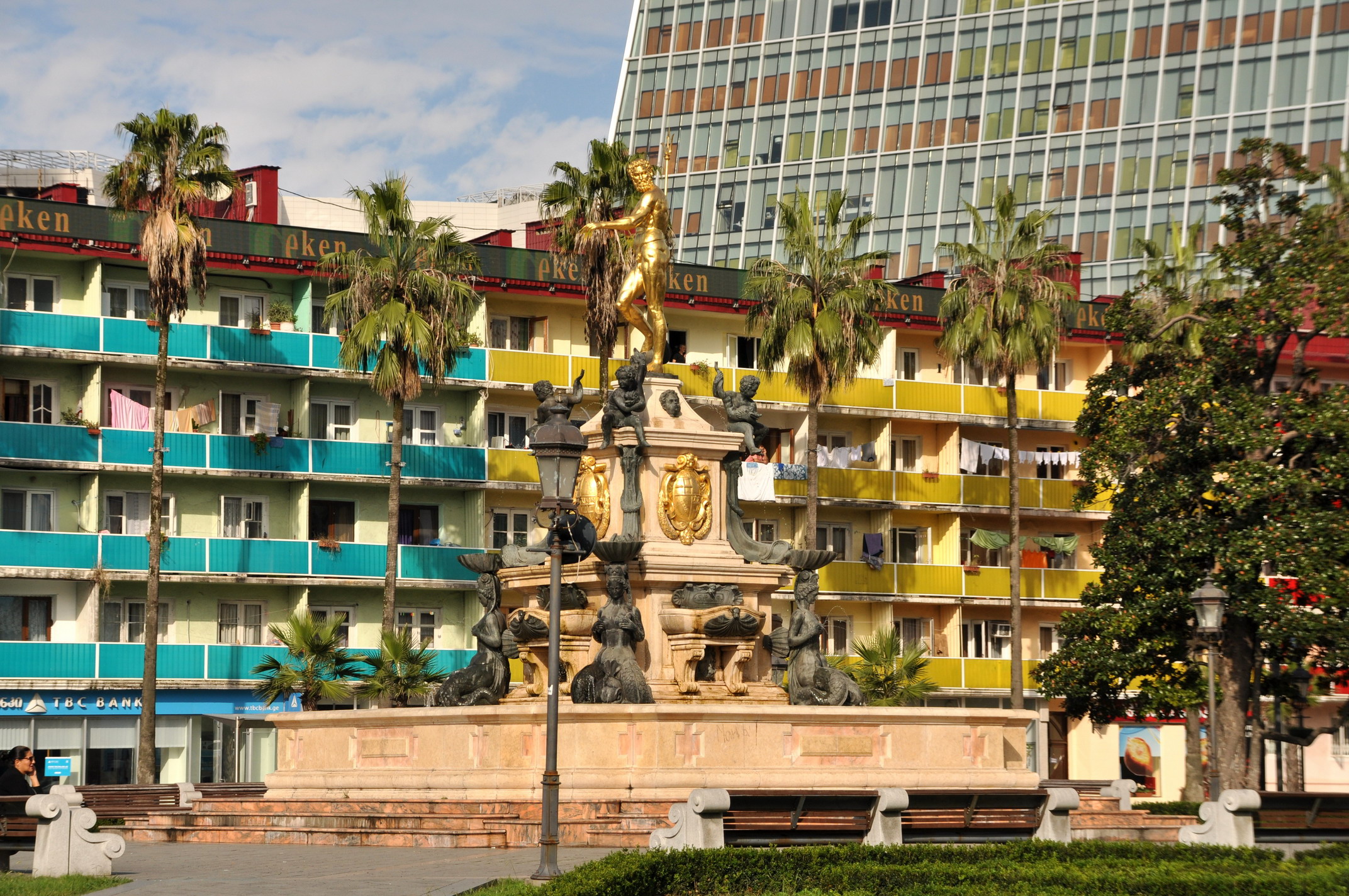
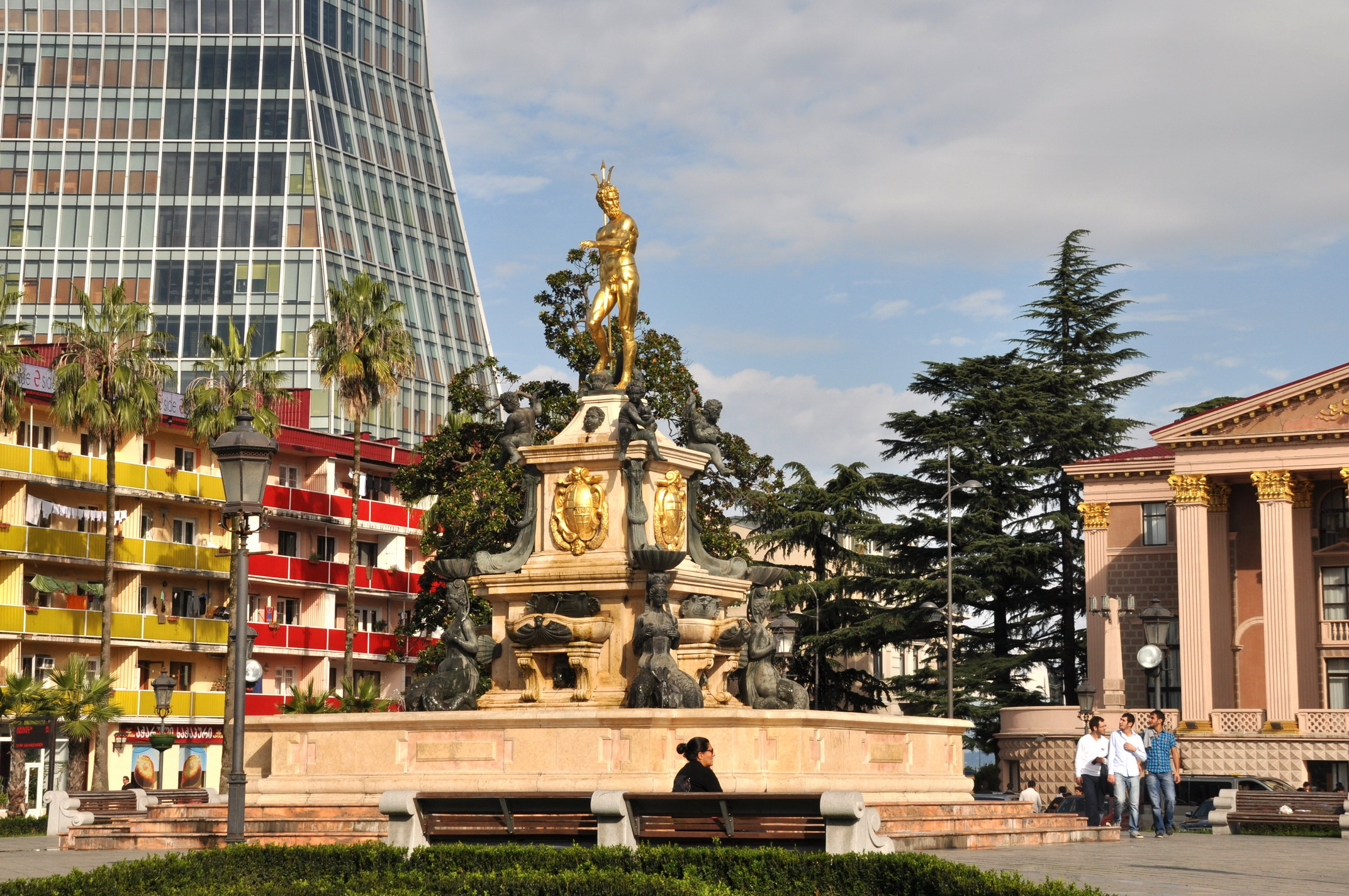
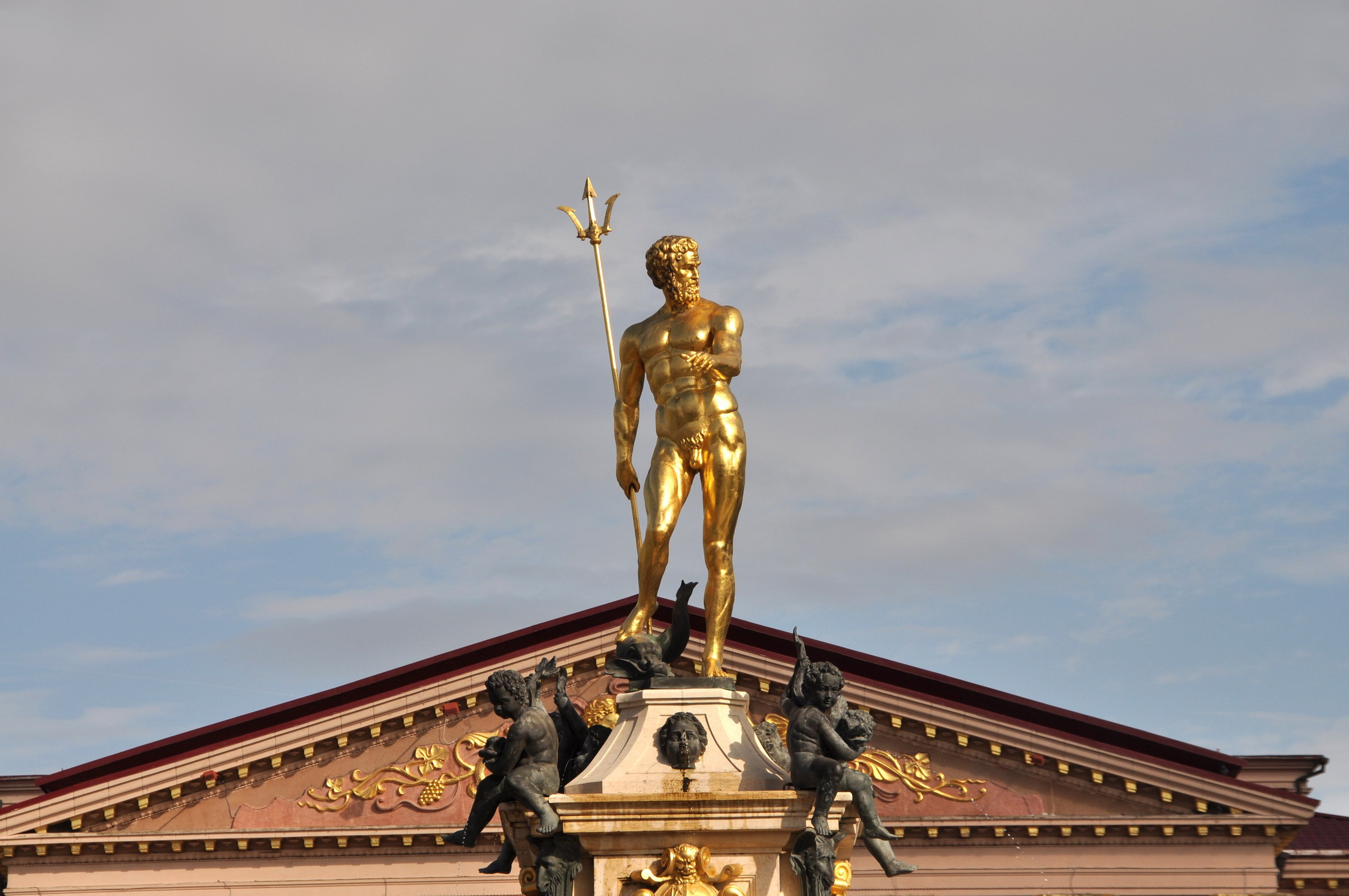
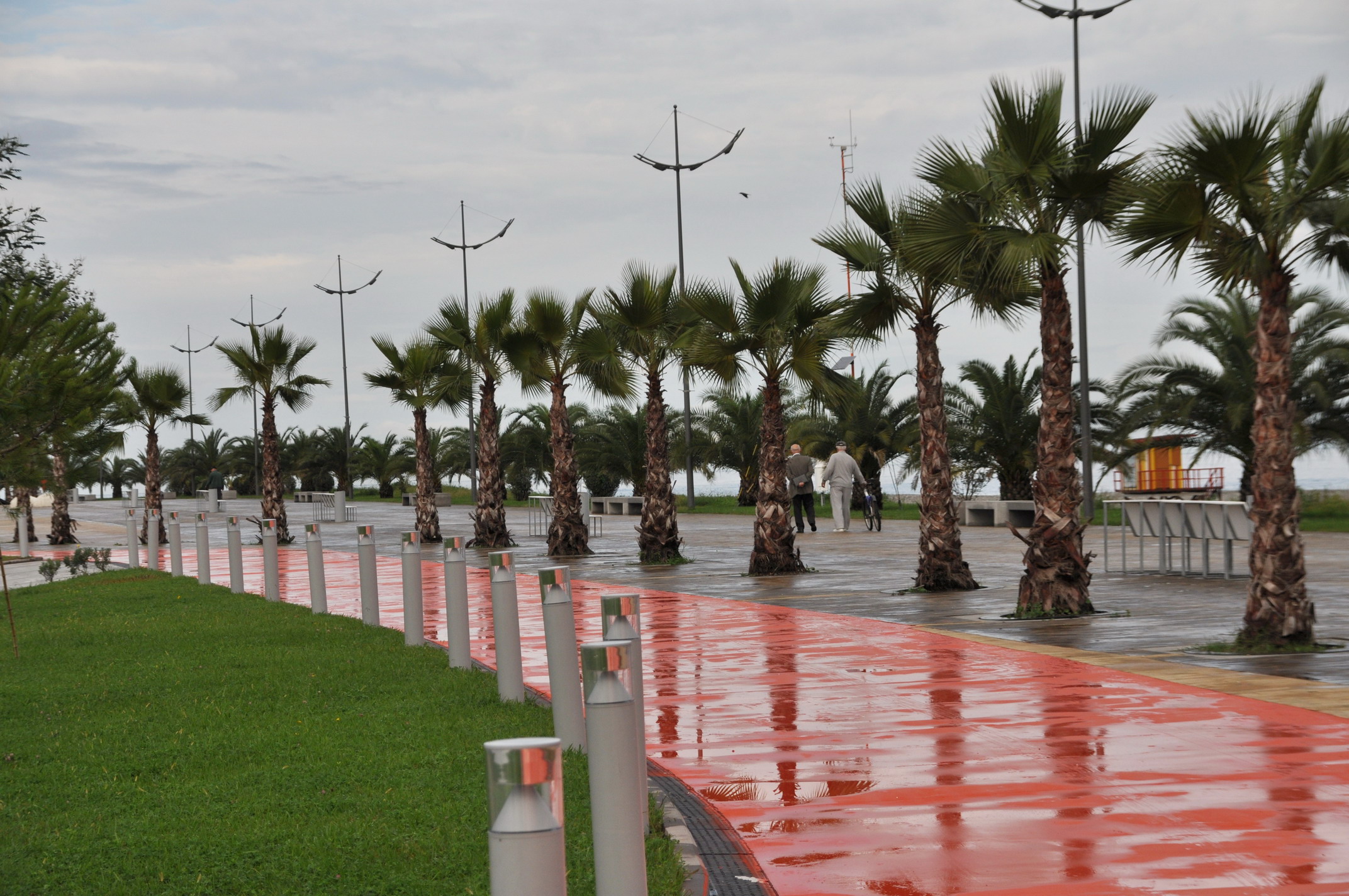
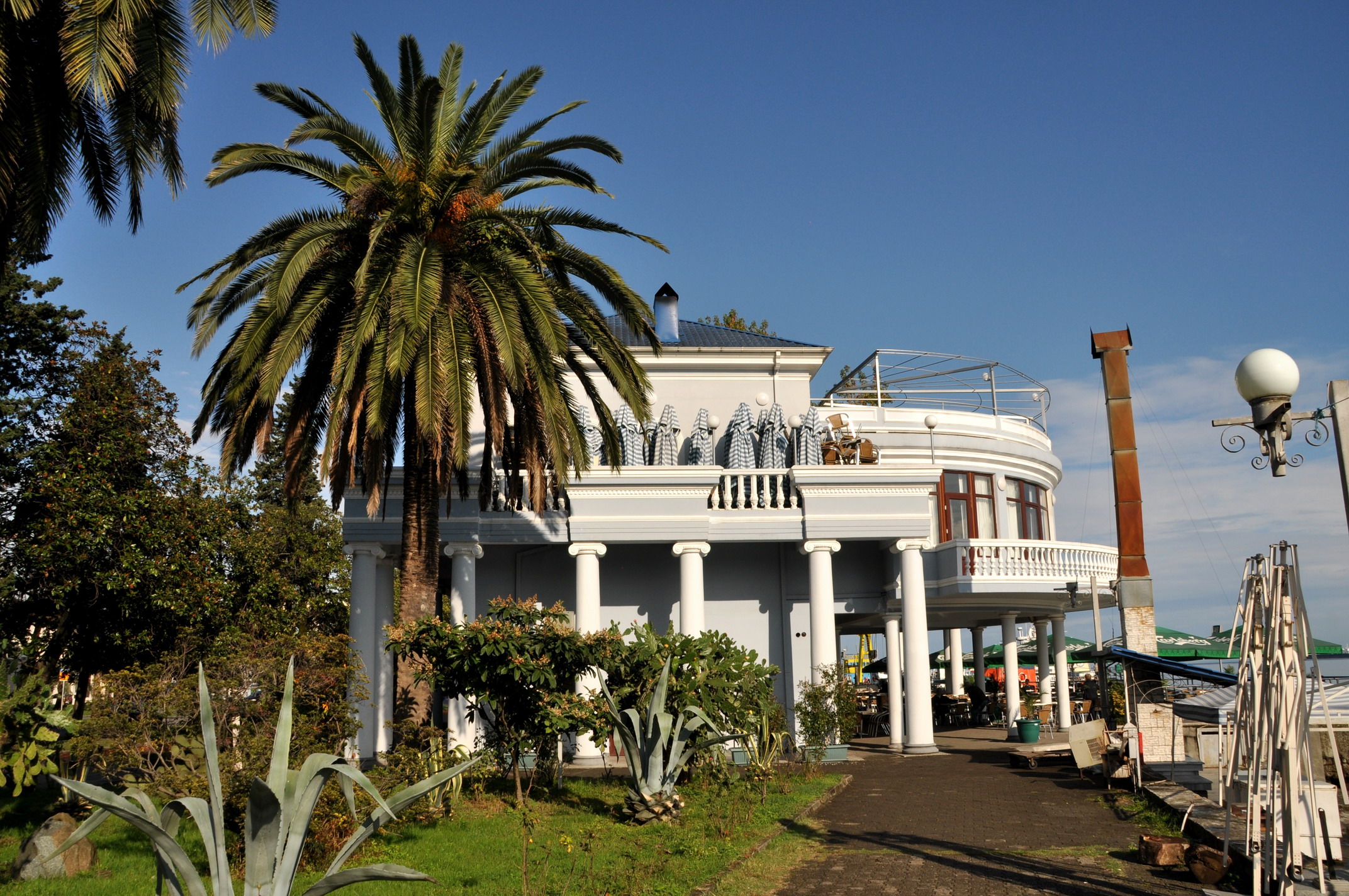
As at any of the world's top resorts, there were bicycles for hire from automated stands, and cycle lanes to match, with a perfectly smooth surface. In all, it was striking what could be achieved without oil, gas or other raw materials, and with nothing but ruin to start from. Imagine what Russia might look like if the national ideal were a good life for its people, rather than war and theft.
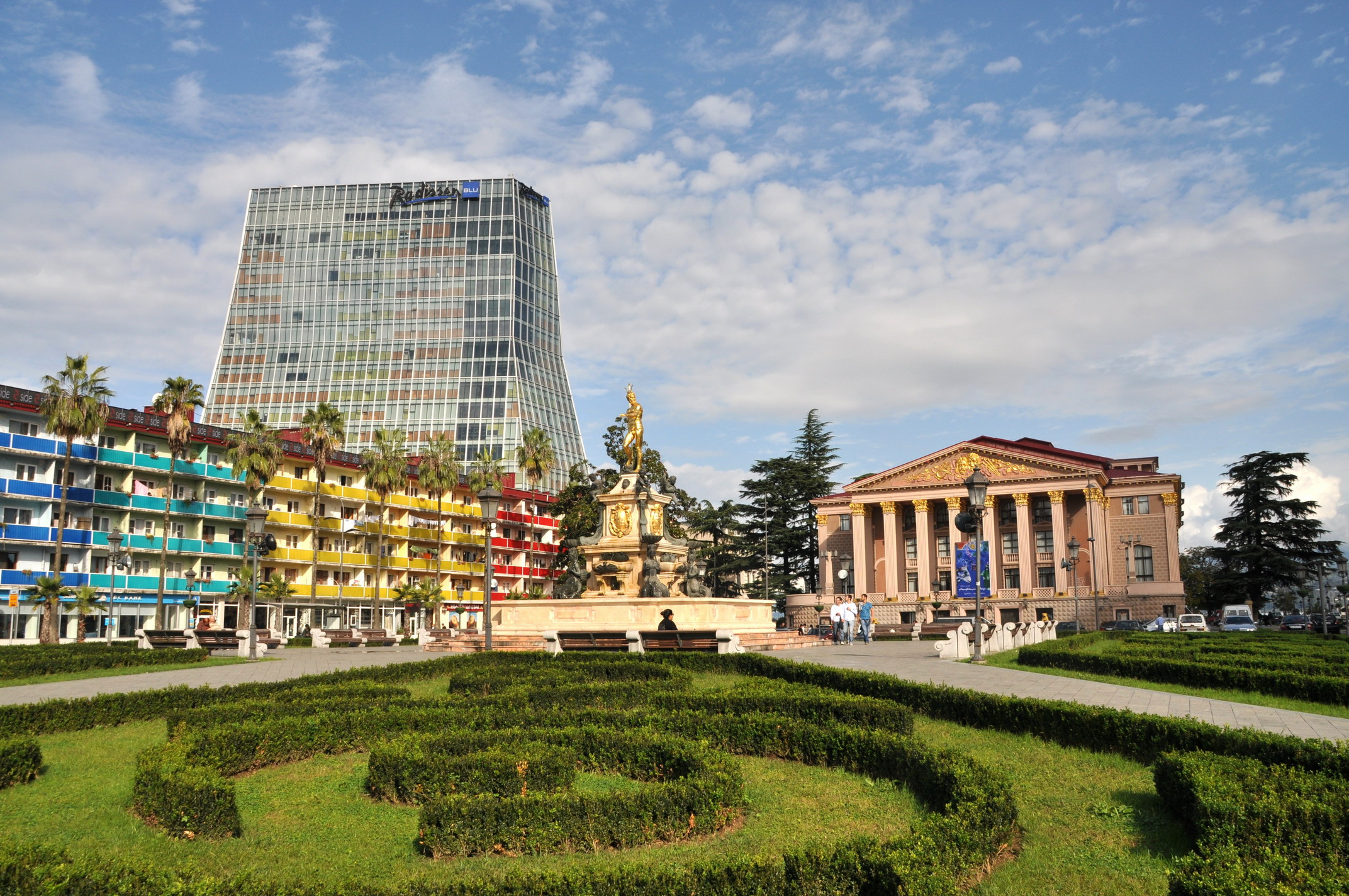
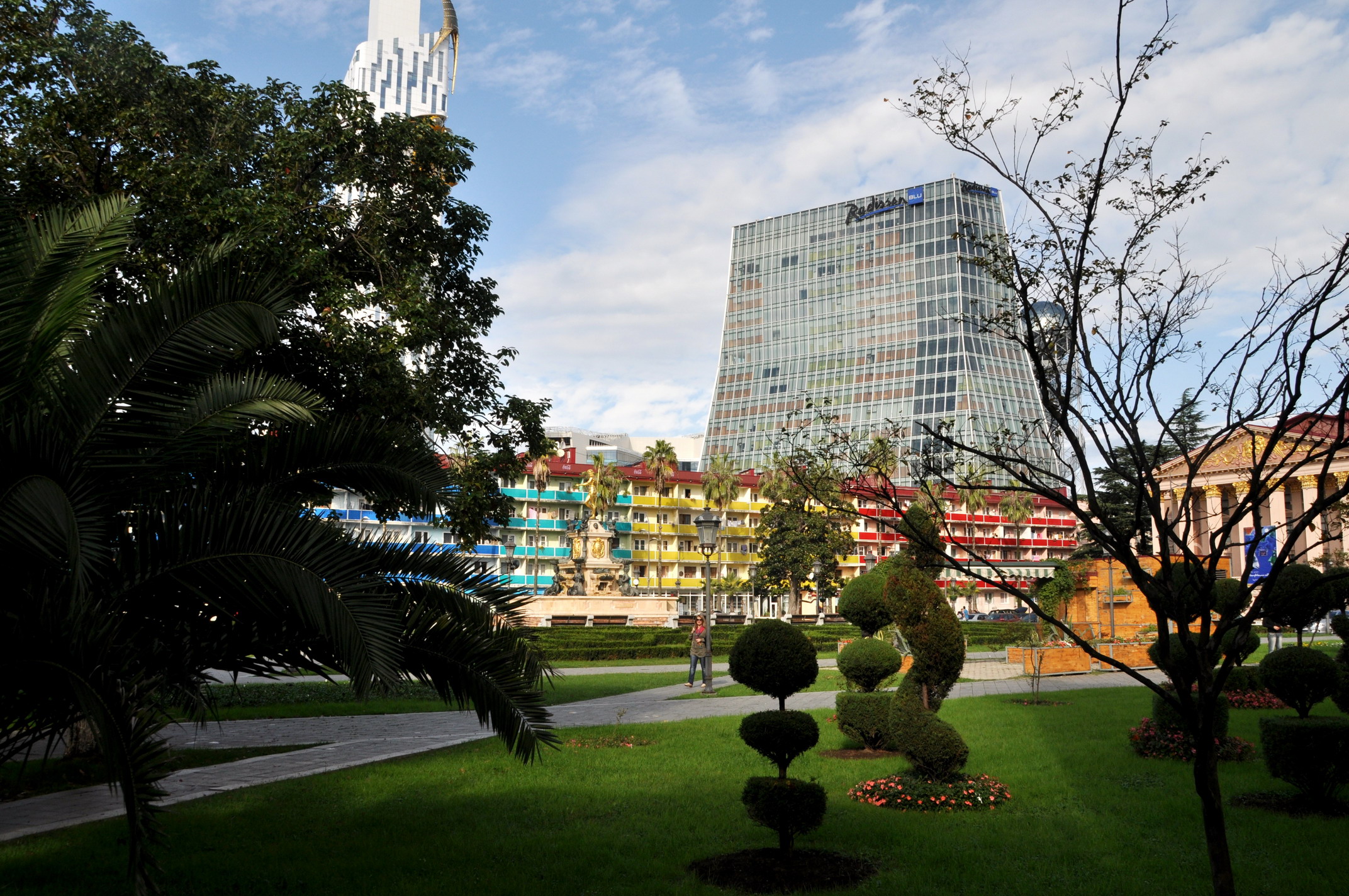
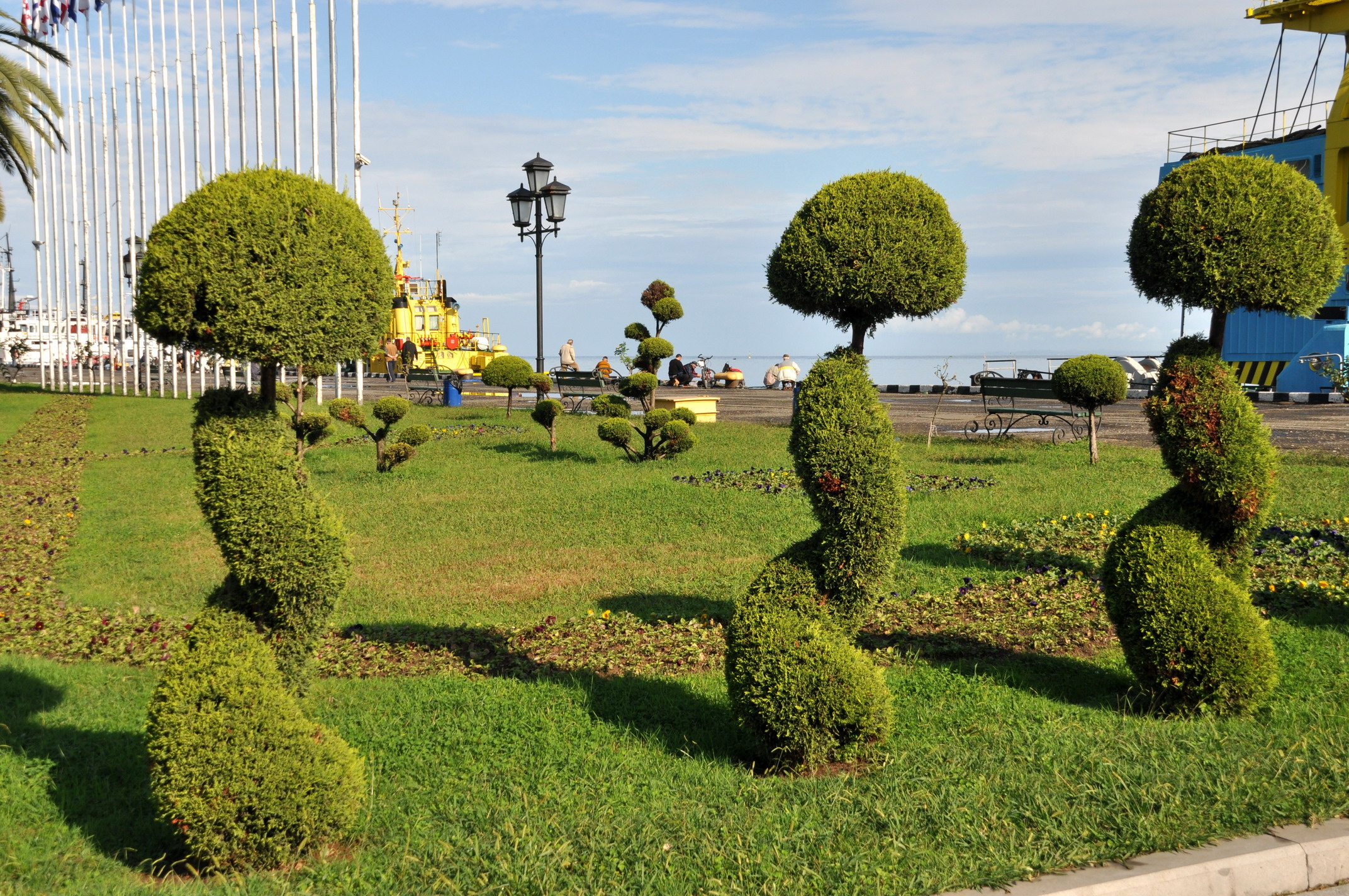
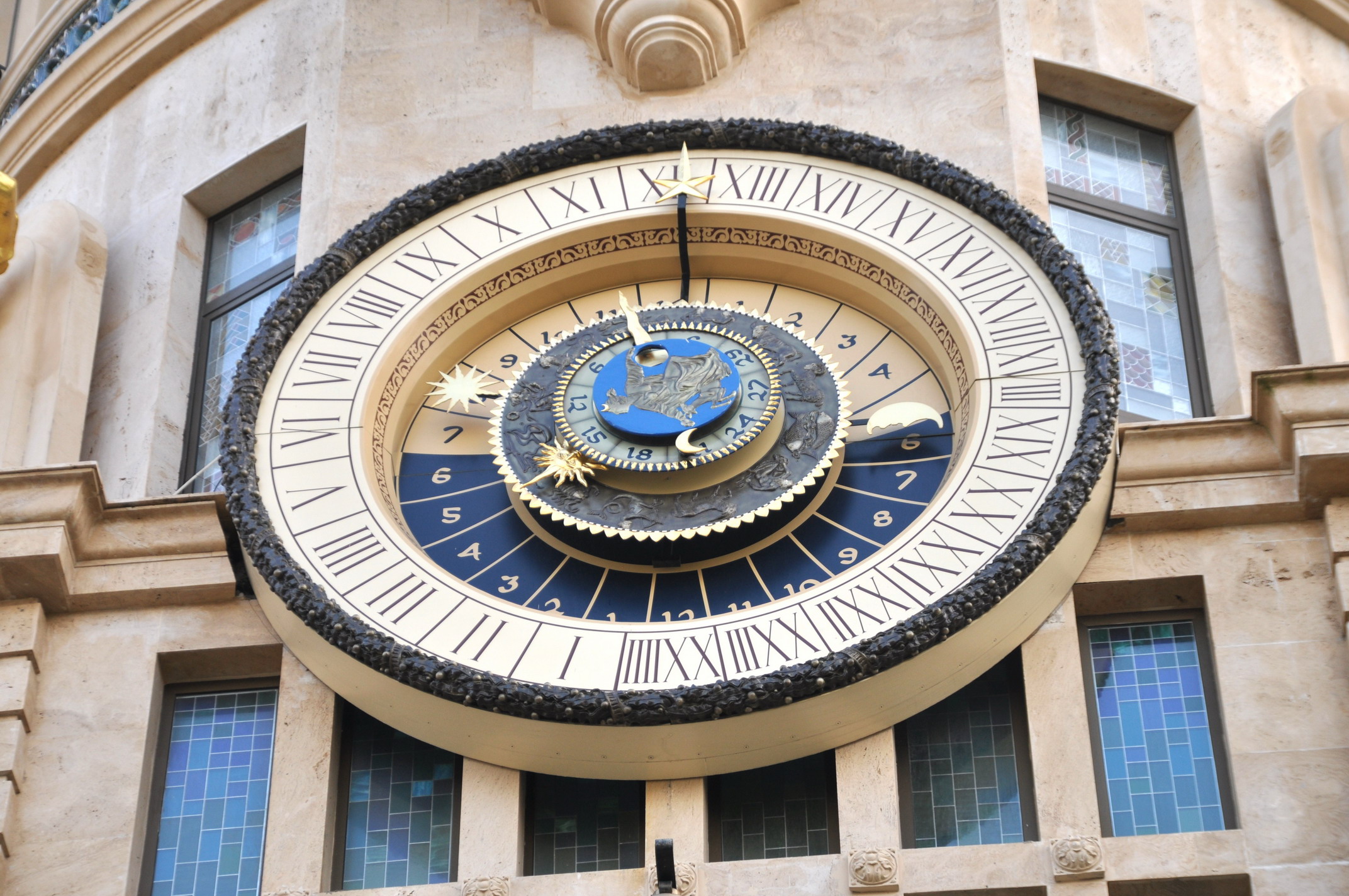
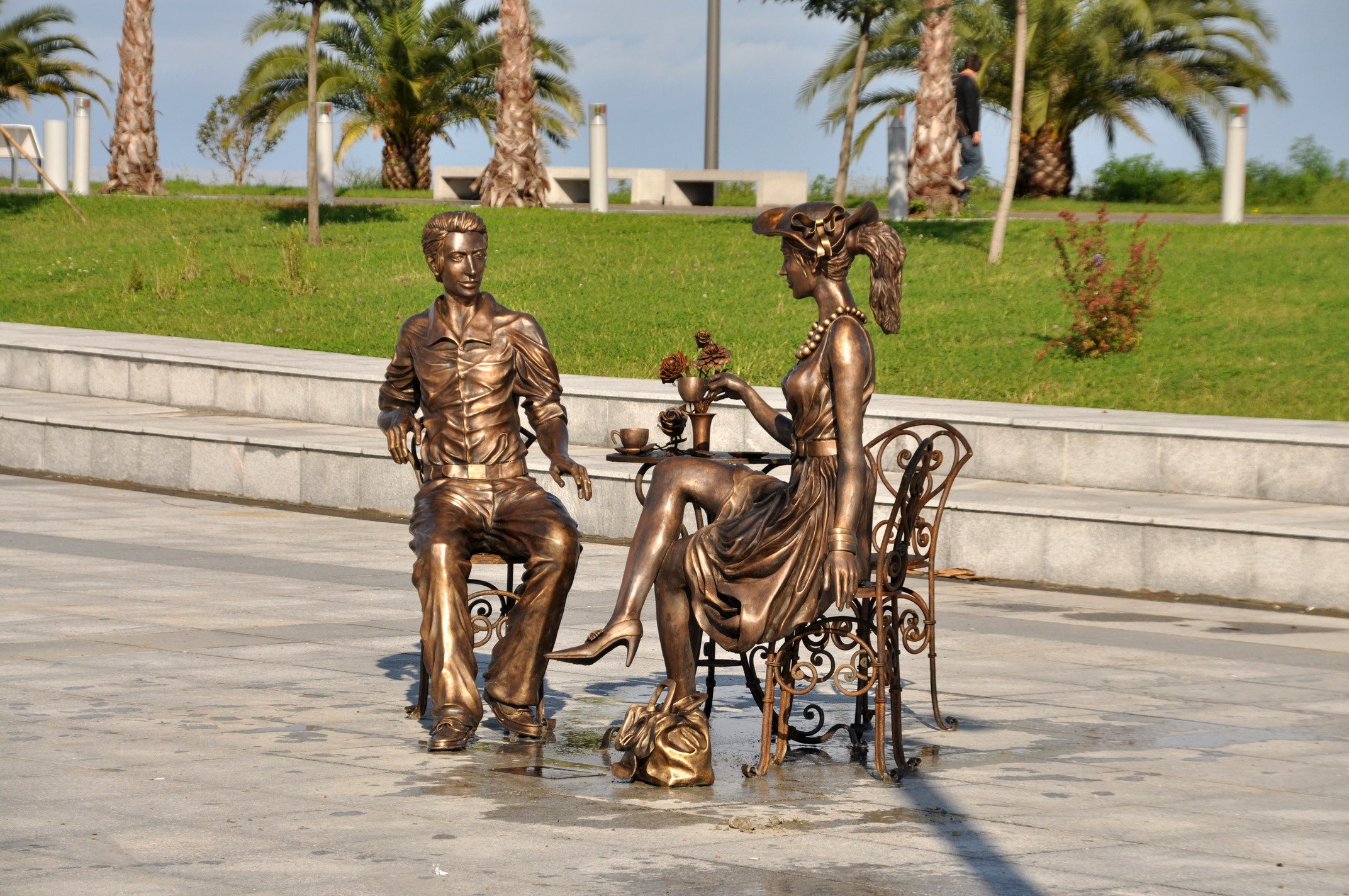
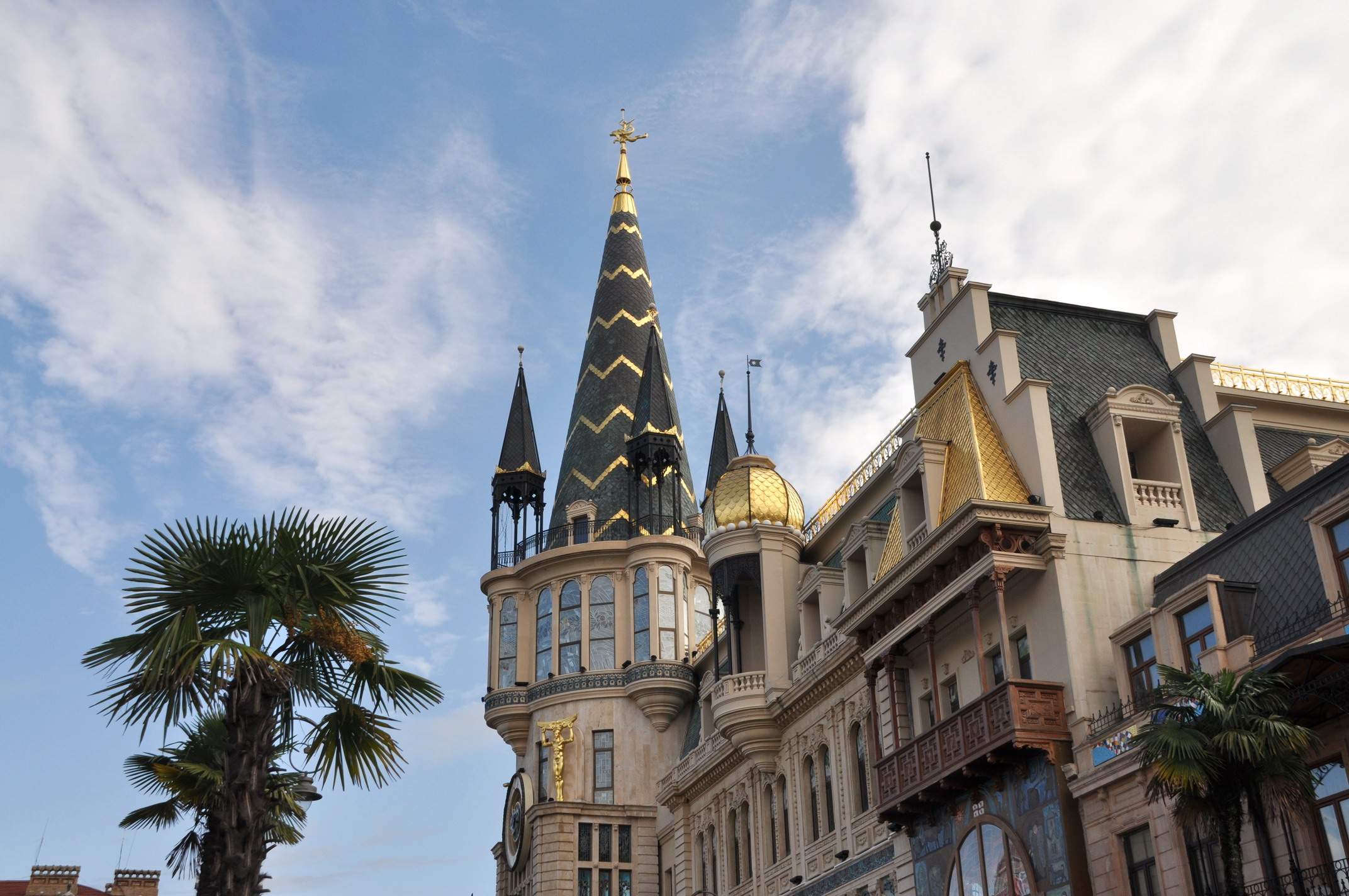
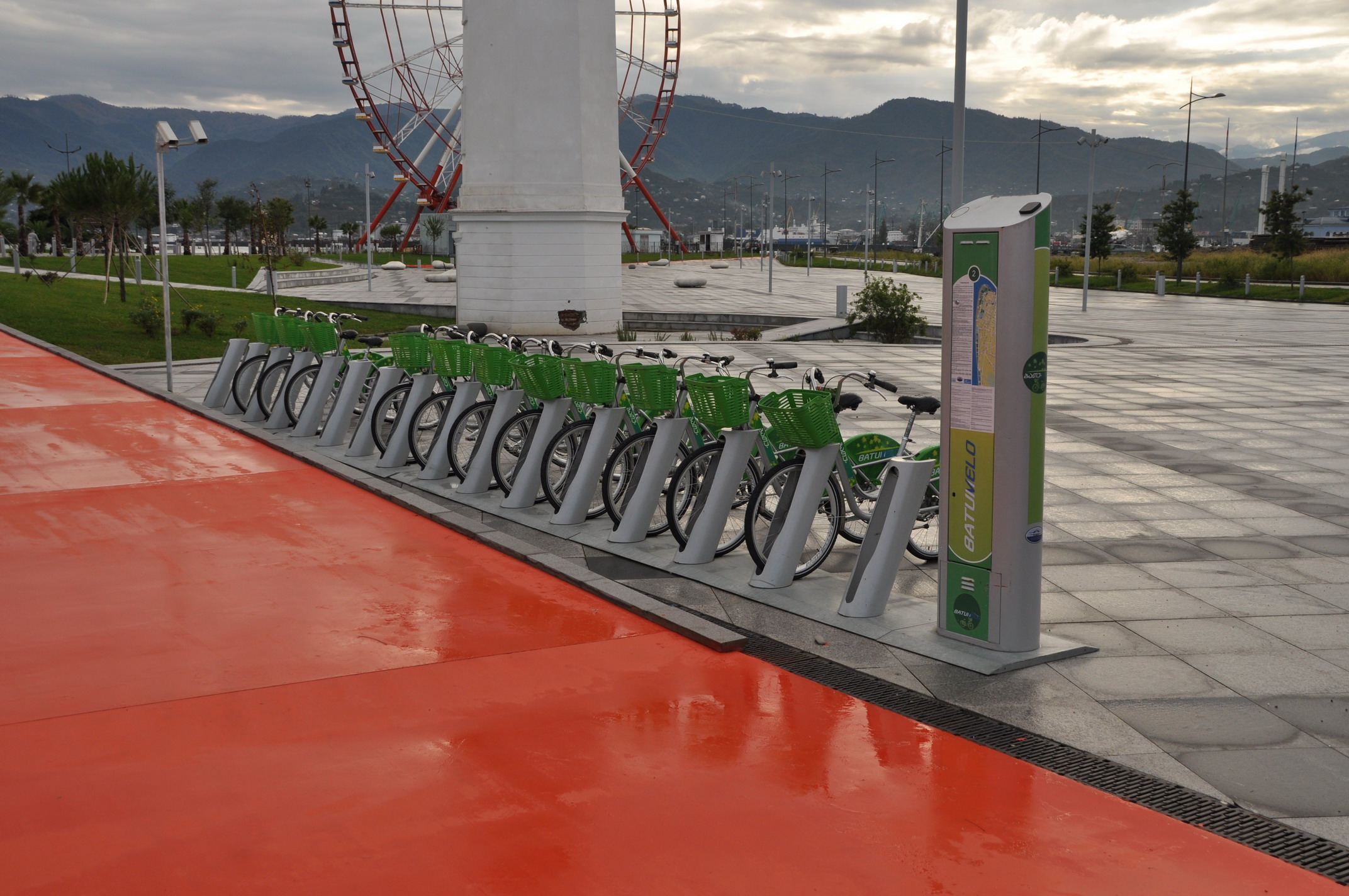
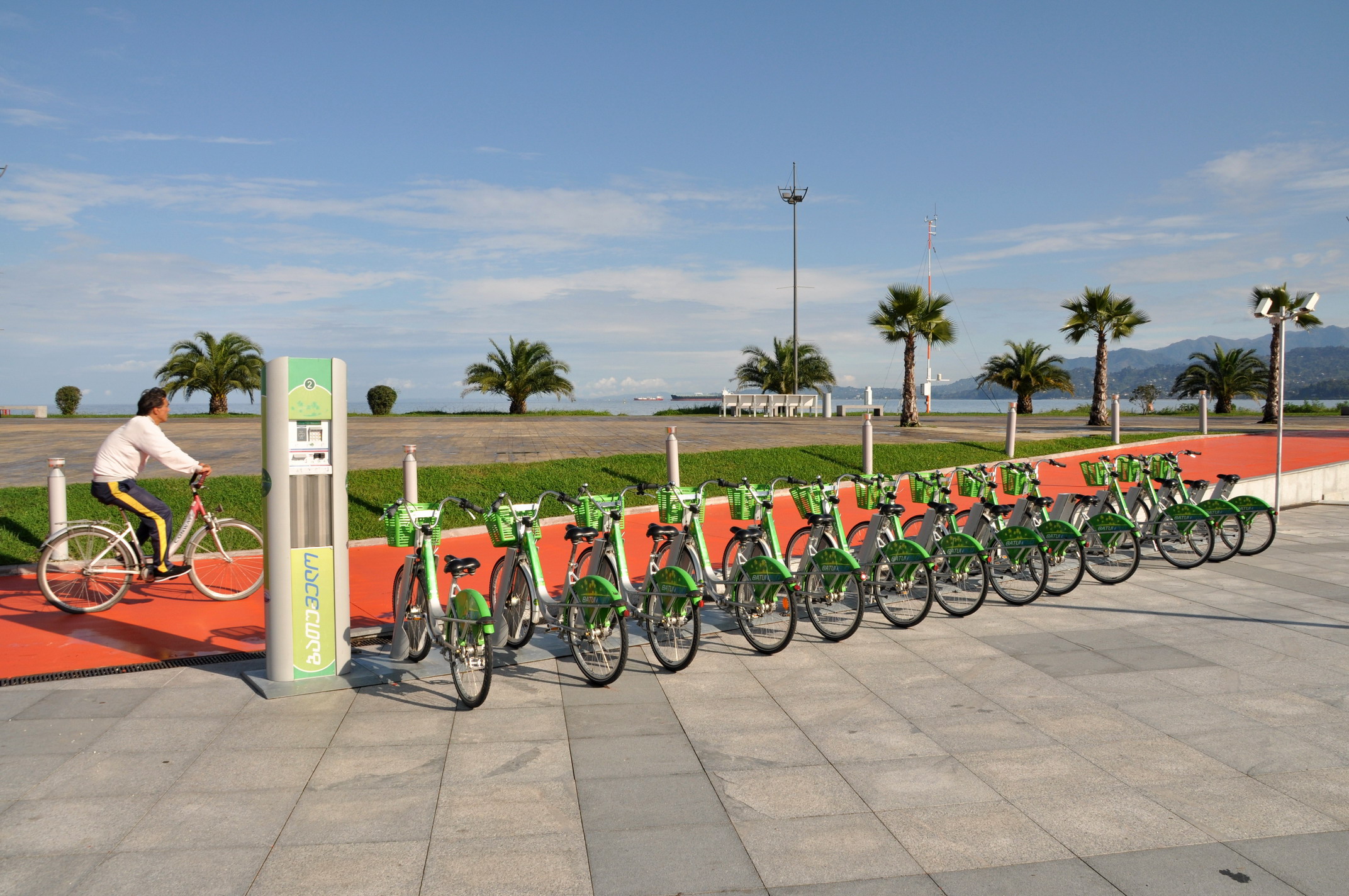
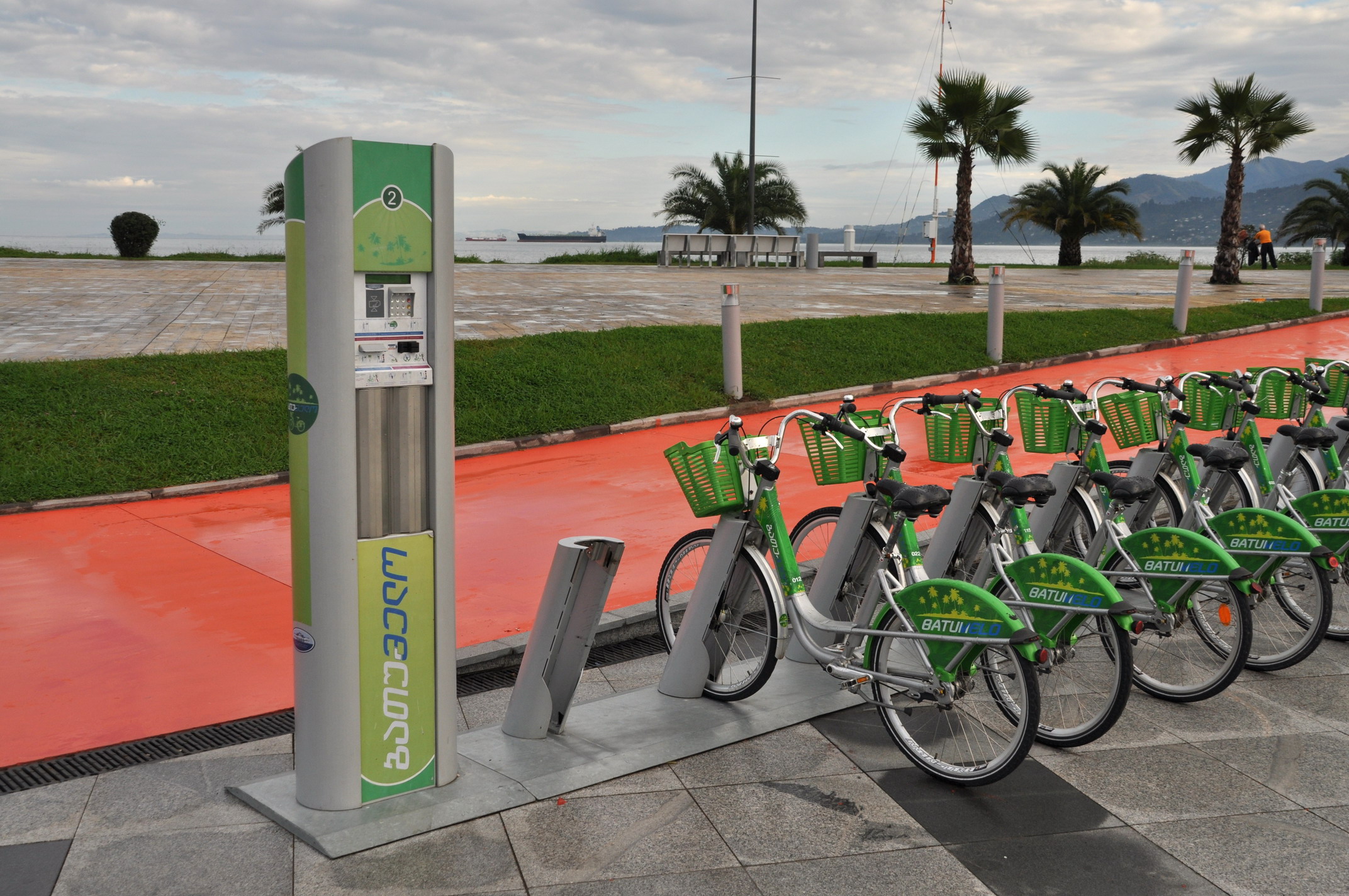
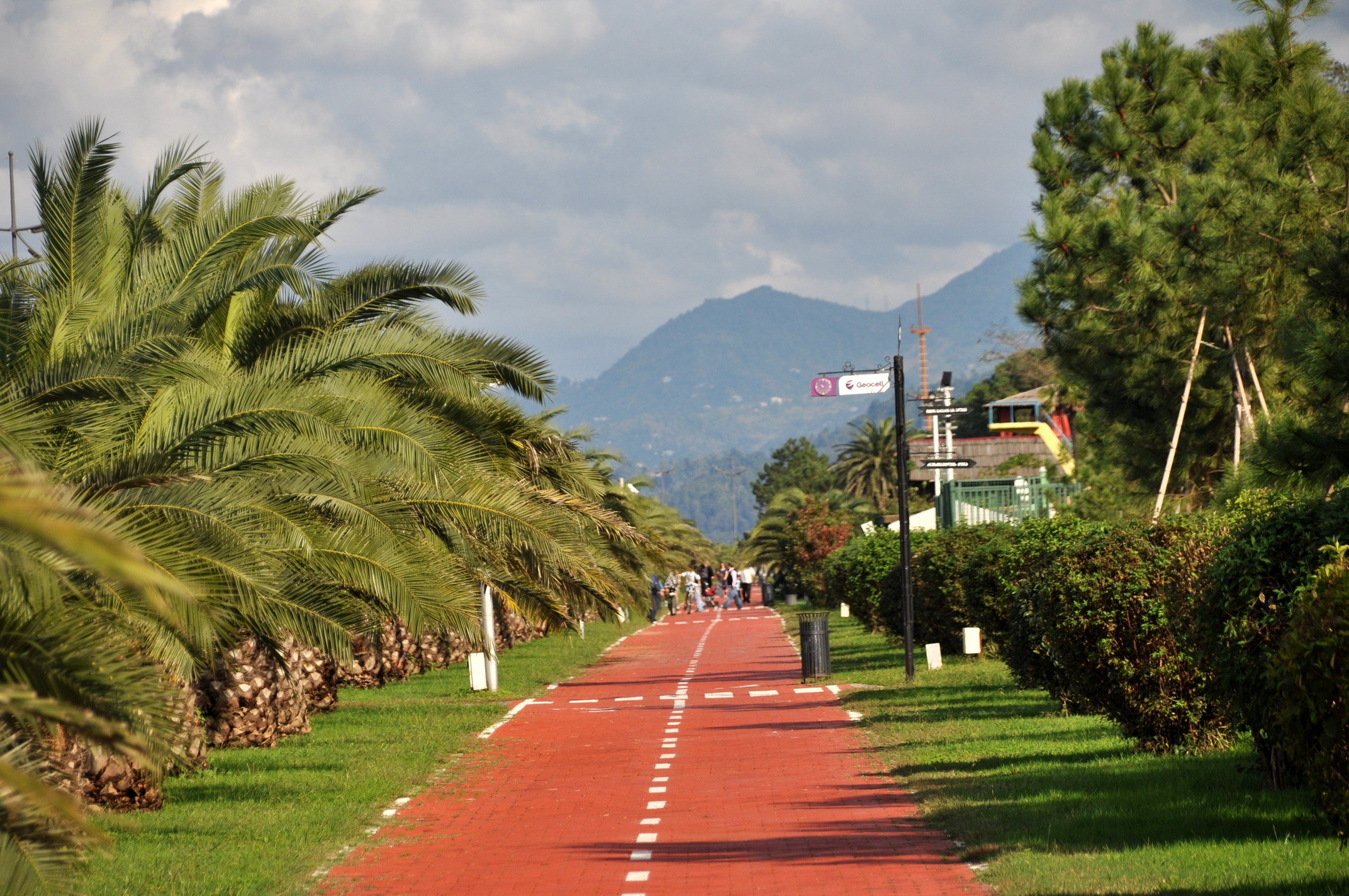
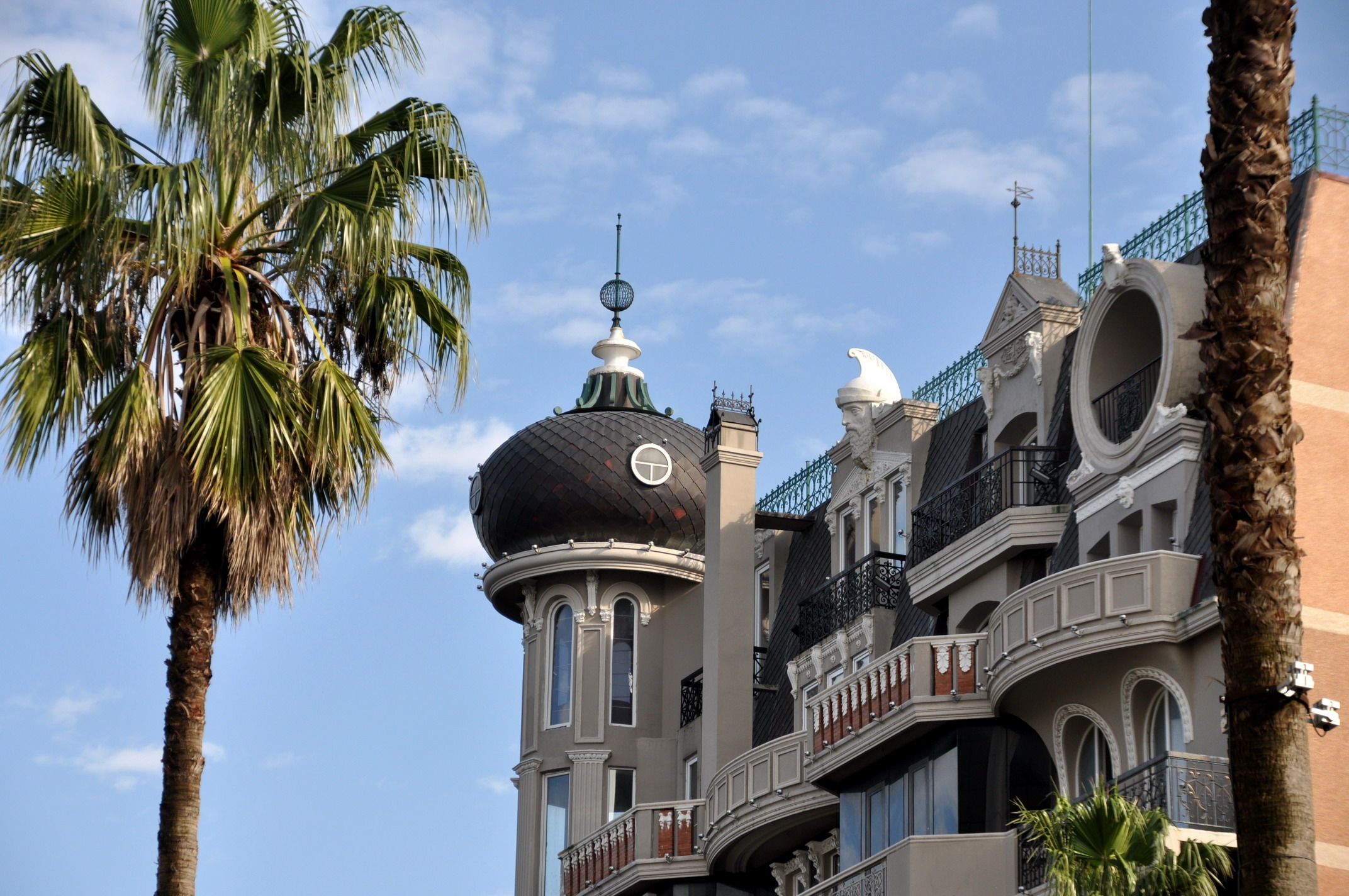
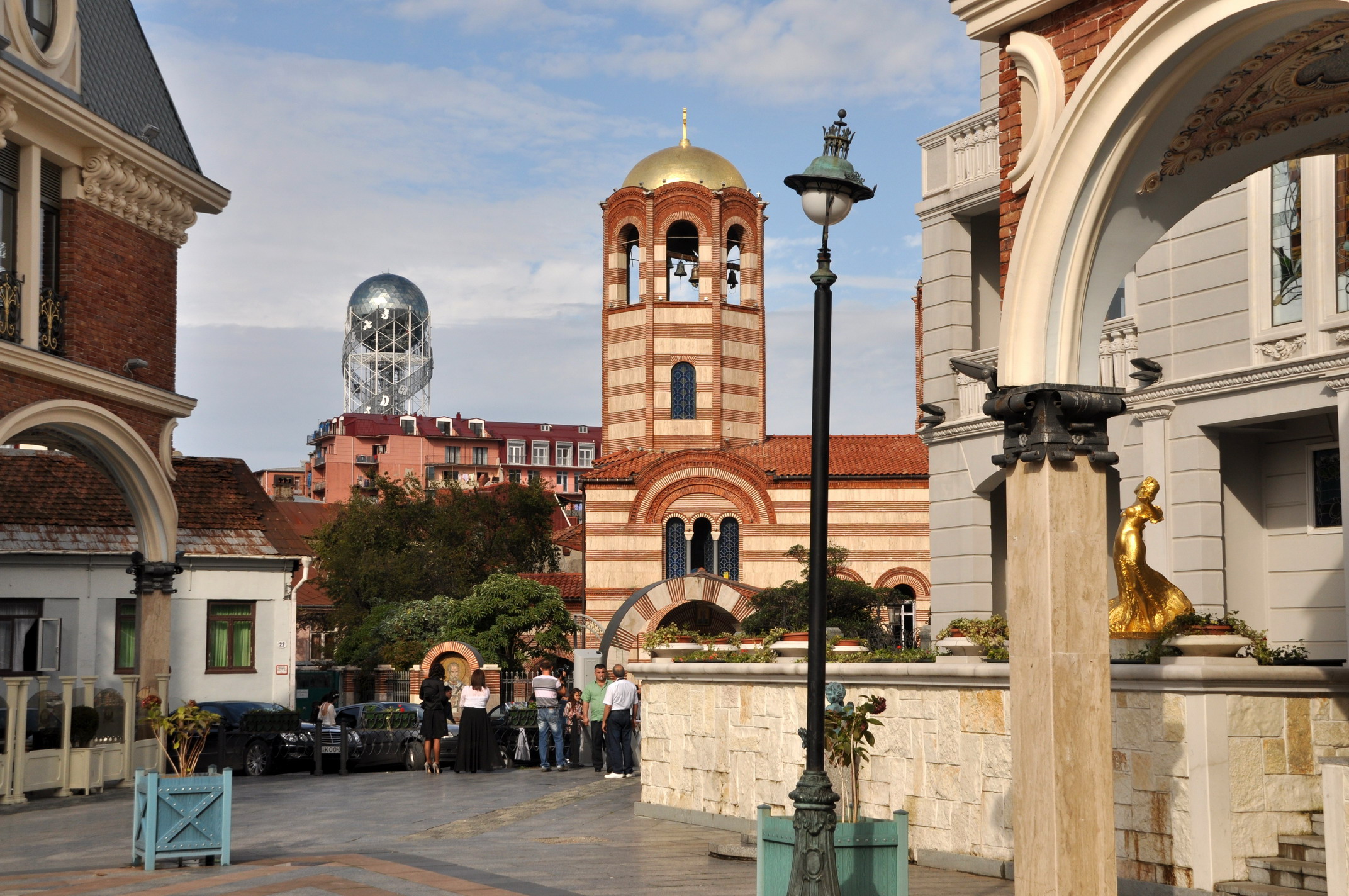
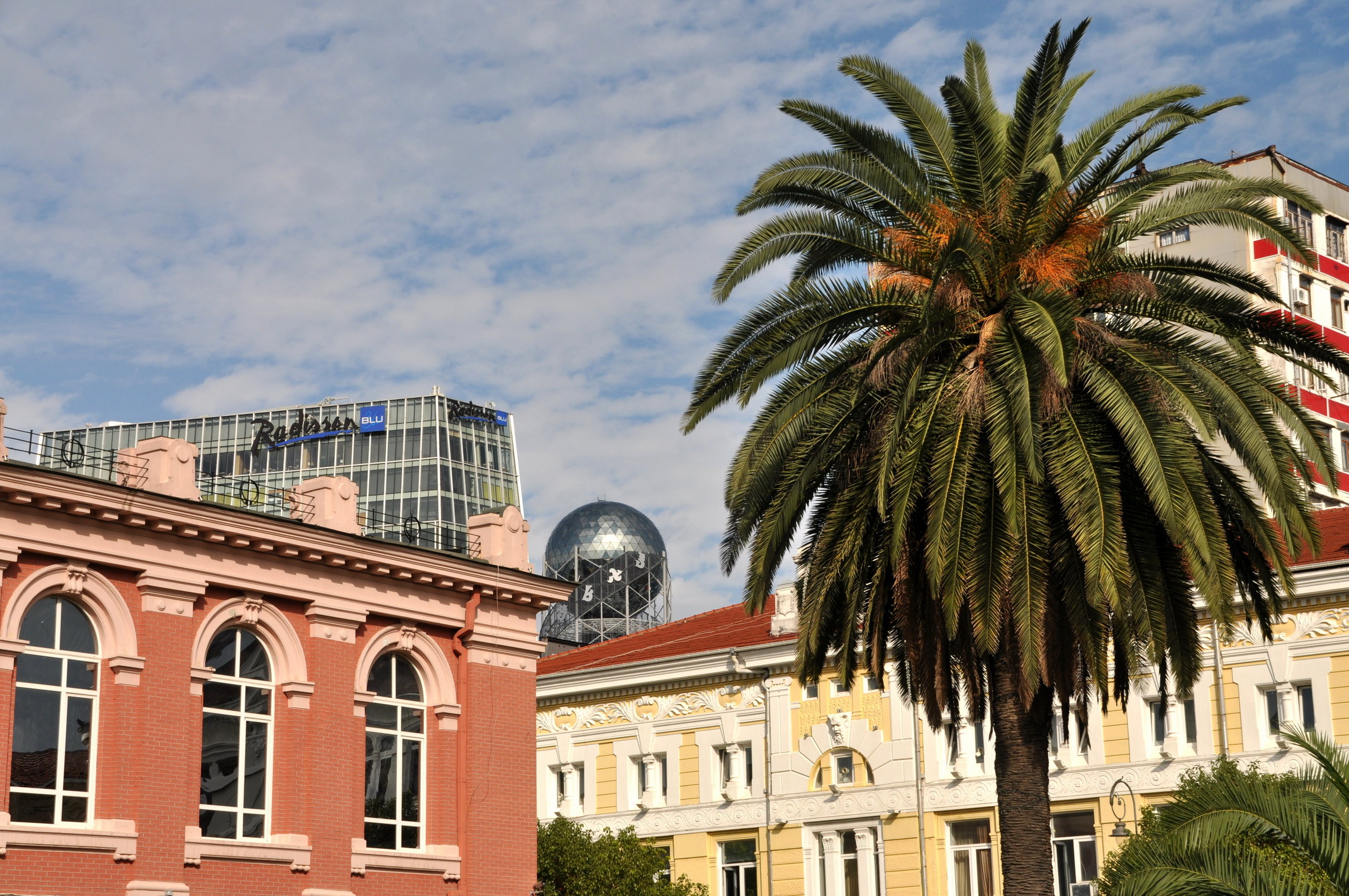
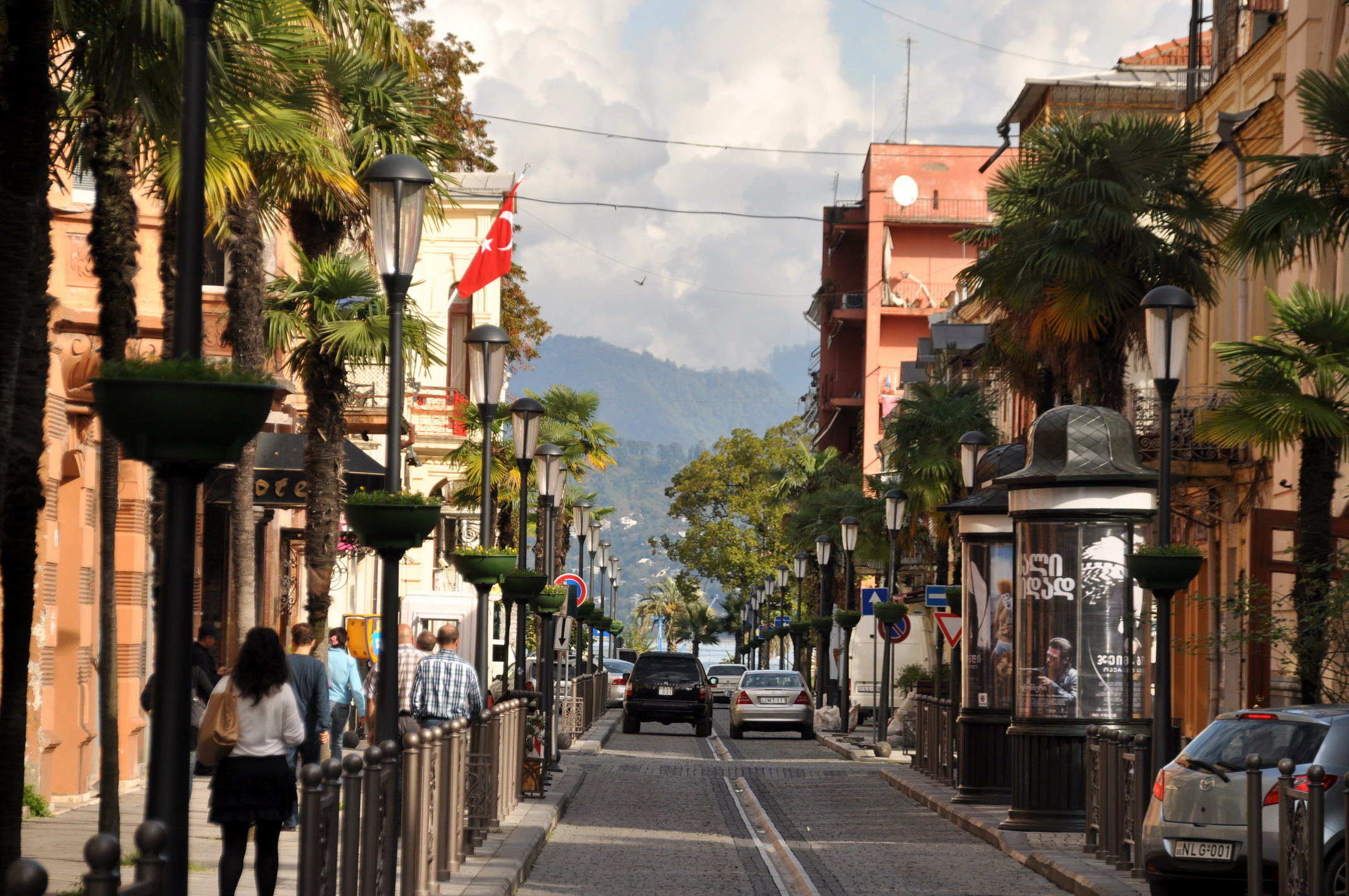
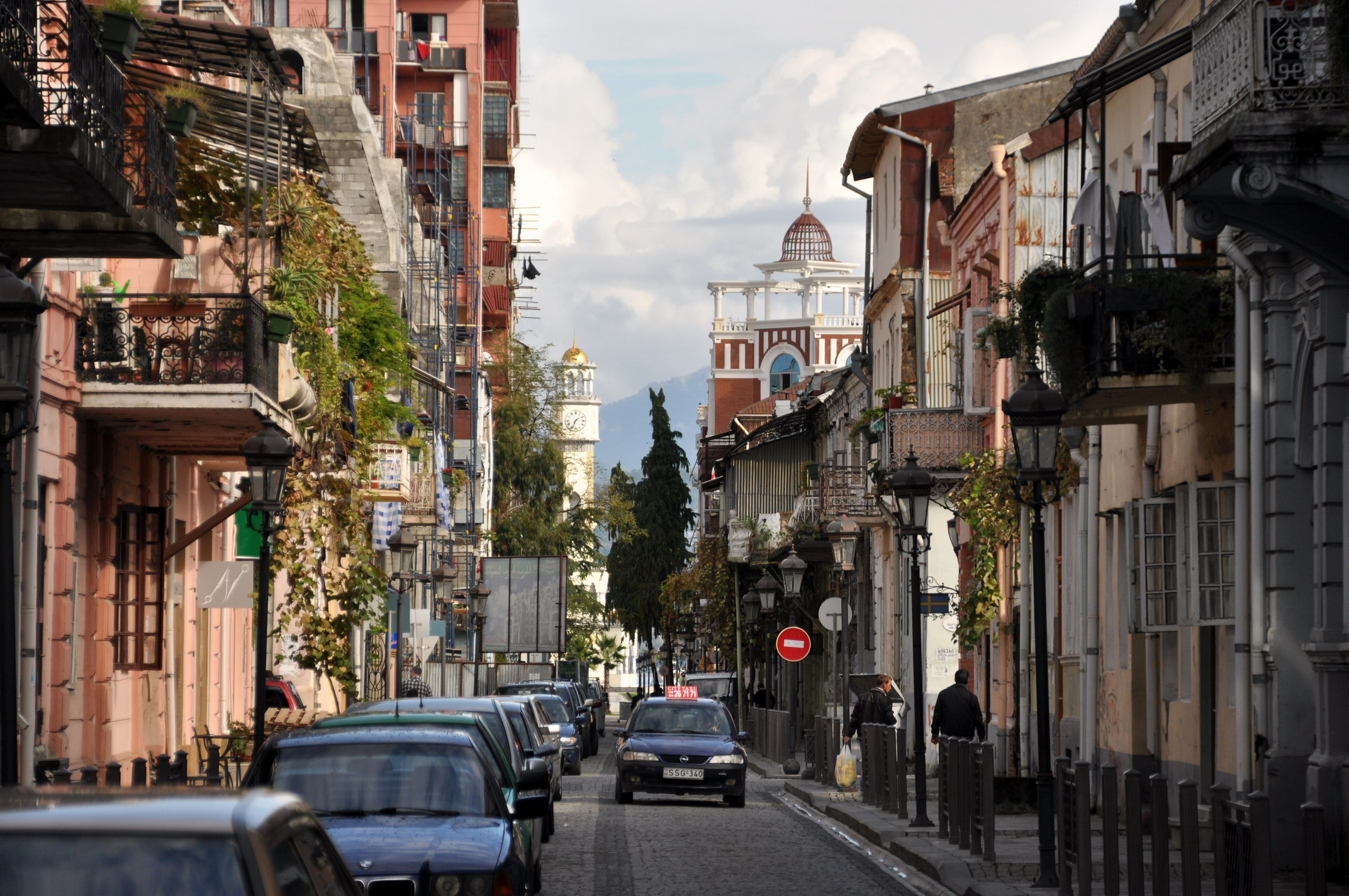
And all of it was being used. The cafés' tables were full. I could hear English everywhere. Staff generally spoke enough English to get by, and Russian was widely understood. The bikes were in use as well, even in the off-season.
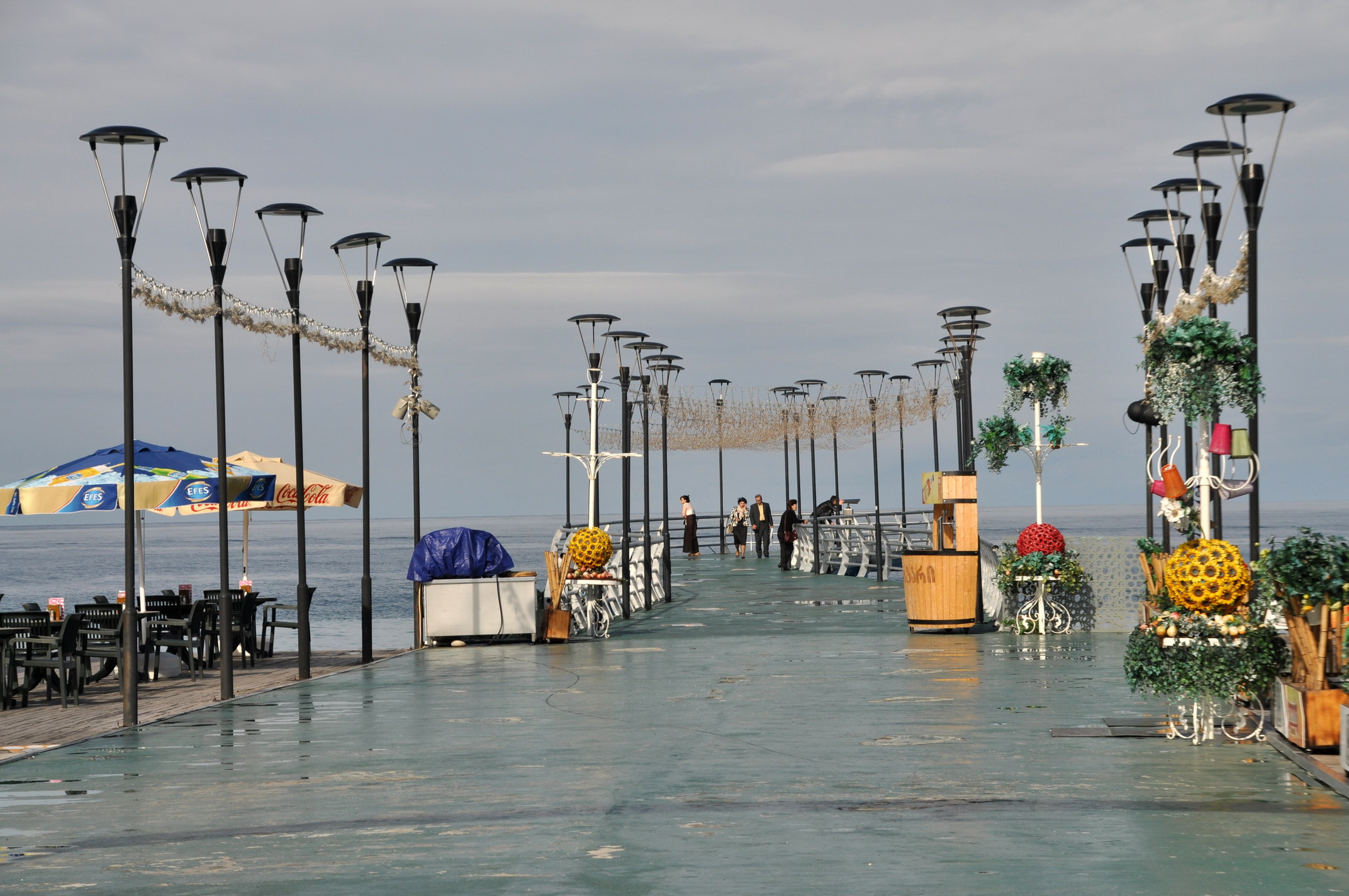
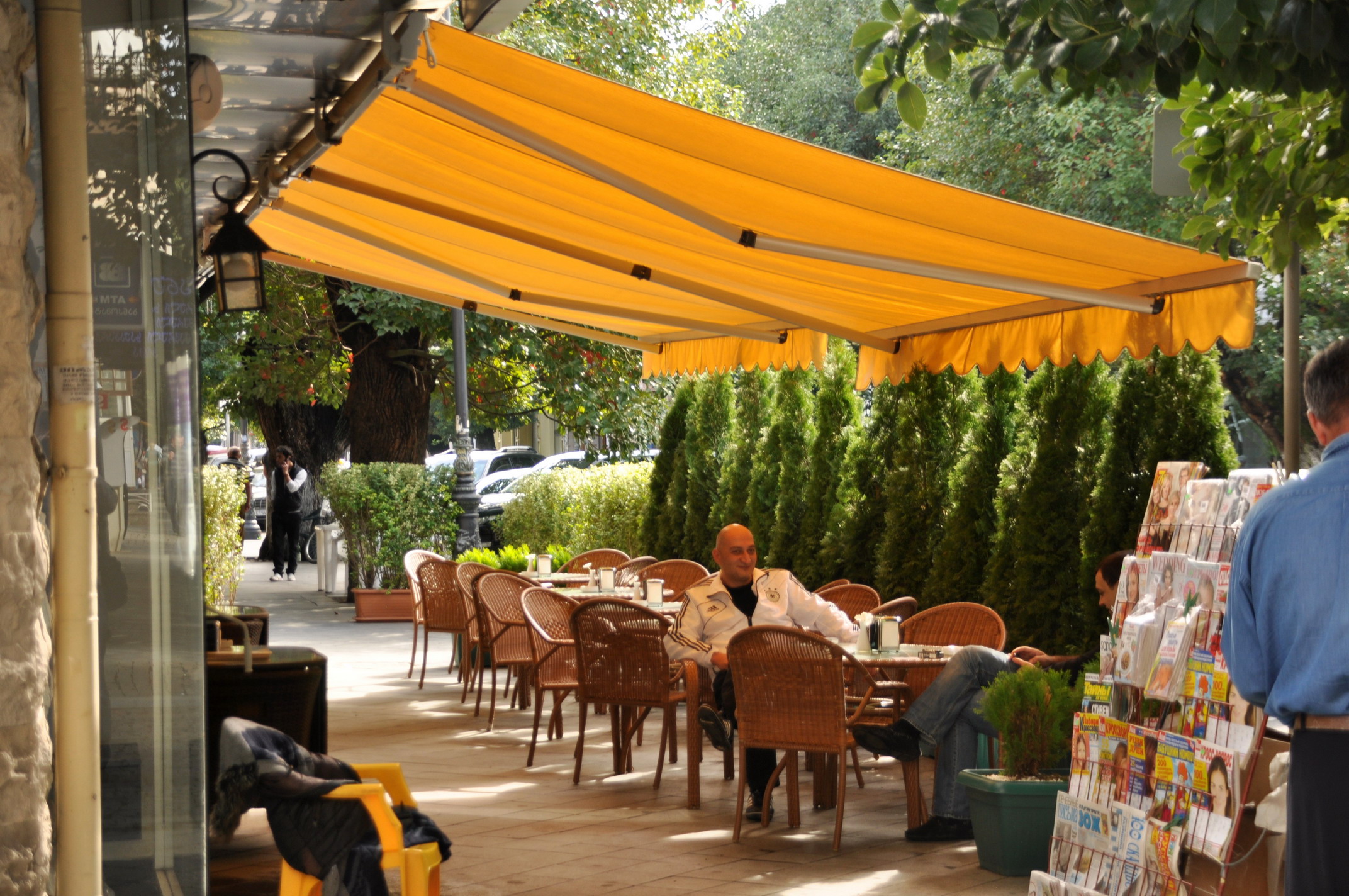
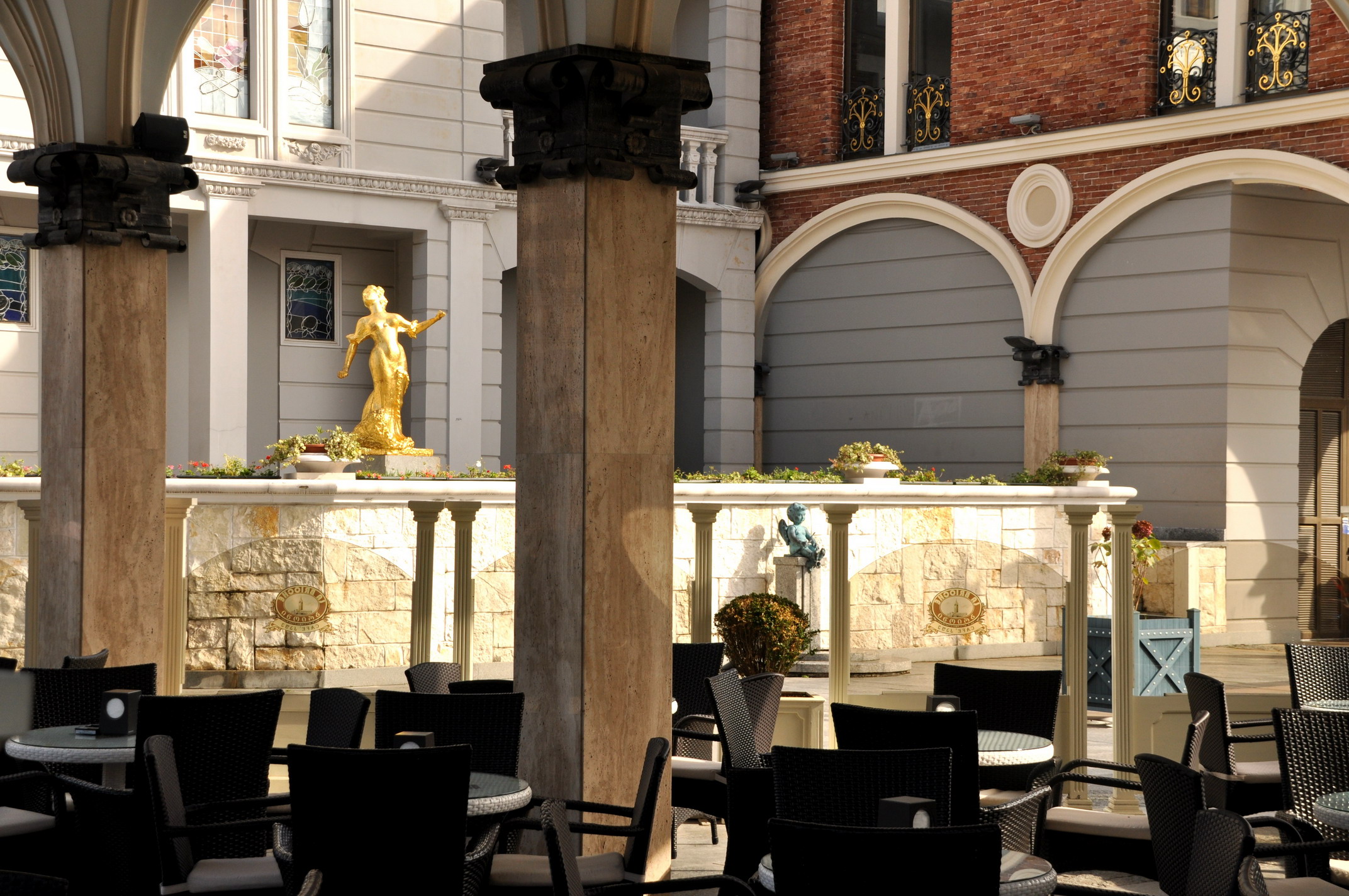
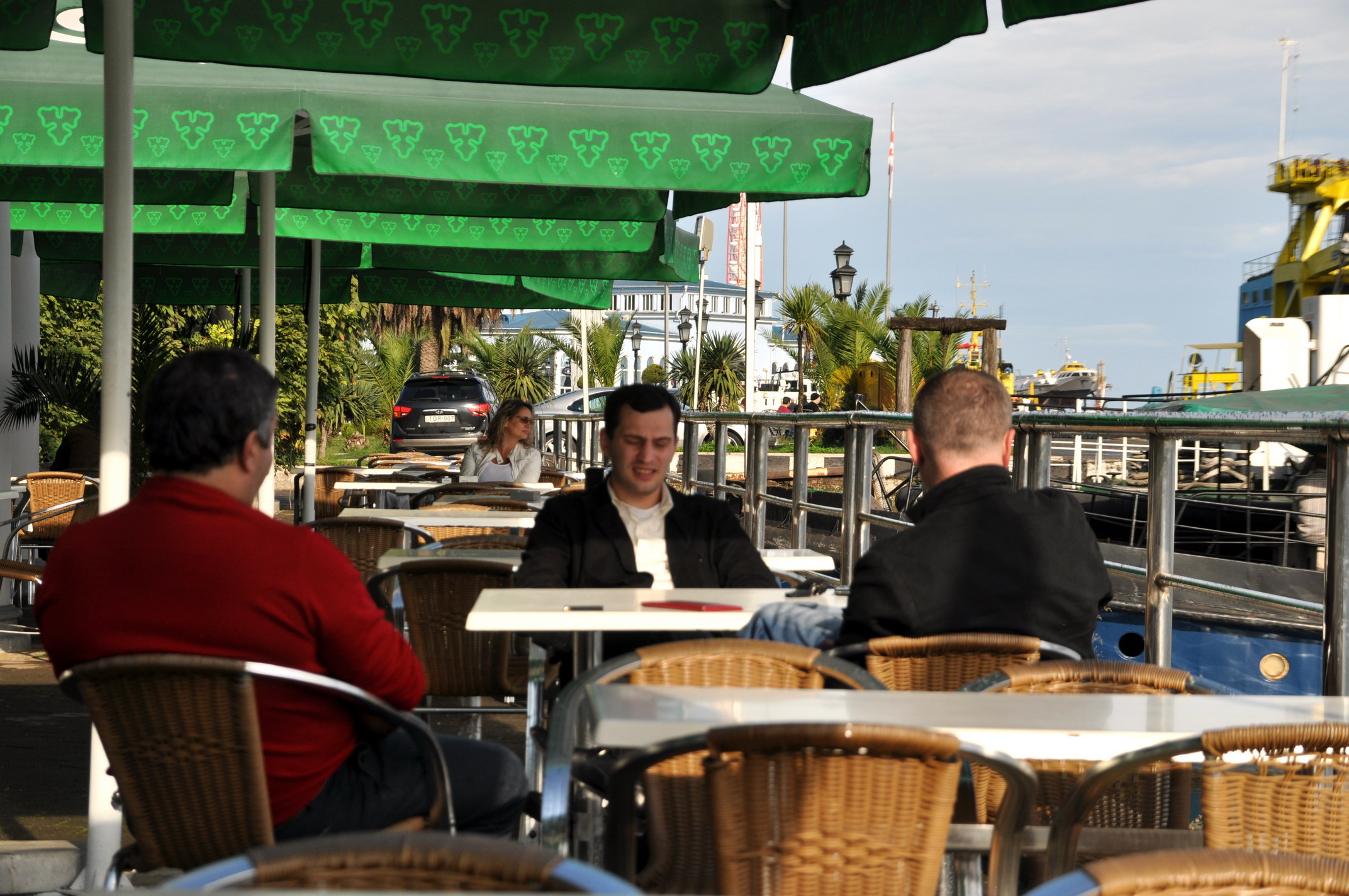
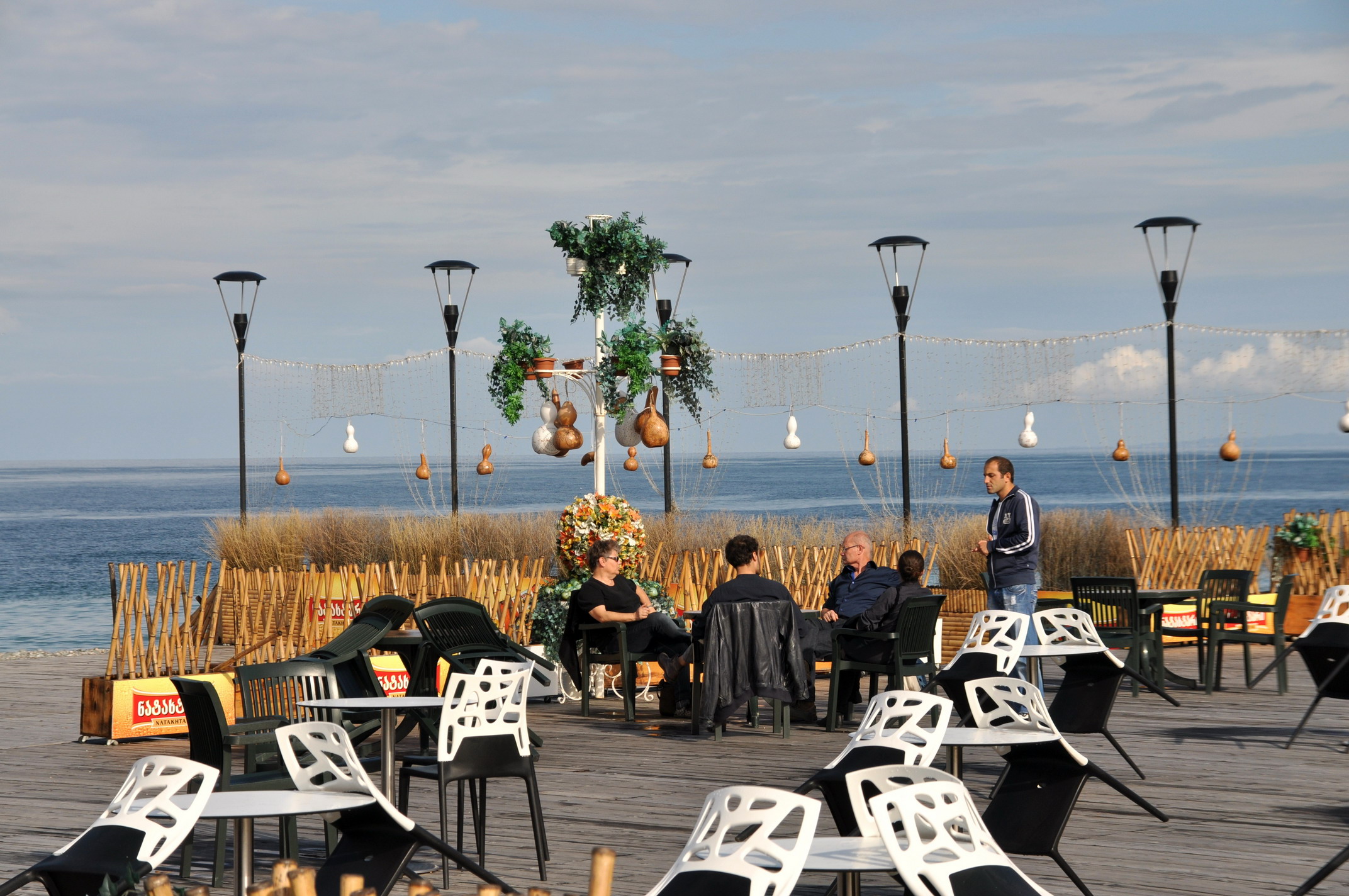
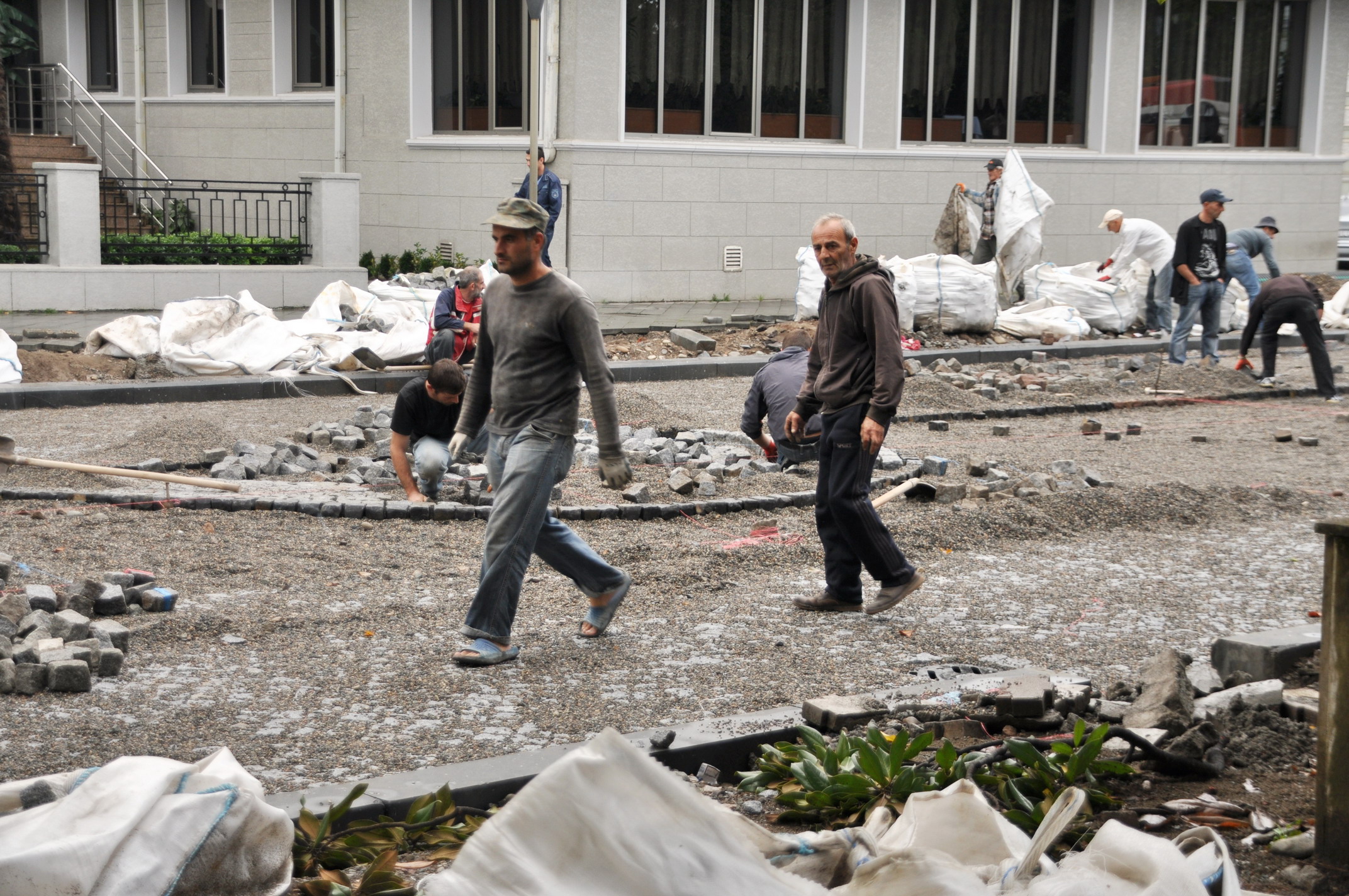
Building work was still going on. One thing worth noting was that the pavement tiles were being laid by respectable-looking young men, all working hard. Who would have guessed that was possible in the modern world without Muslim migrant workers?
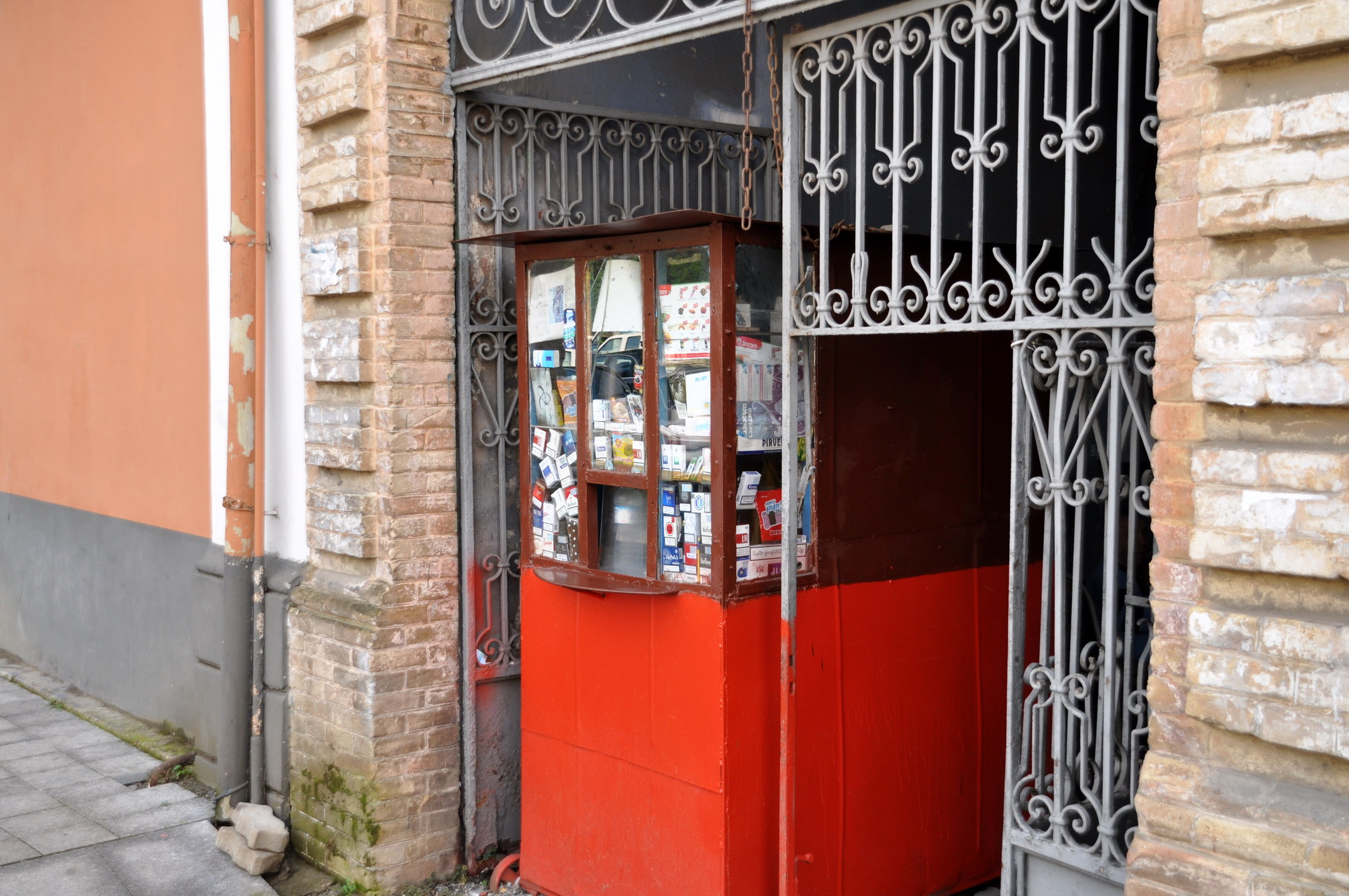
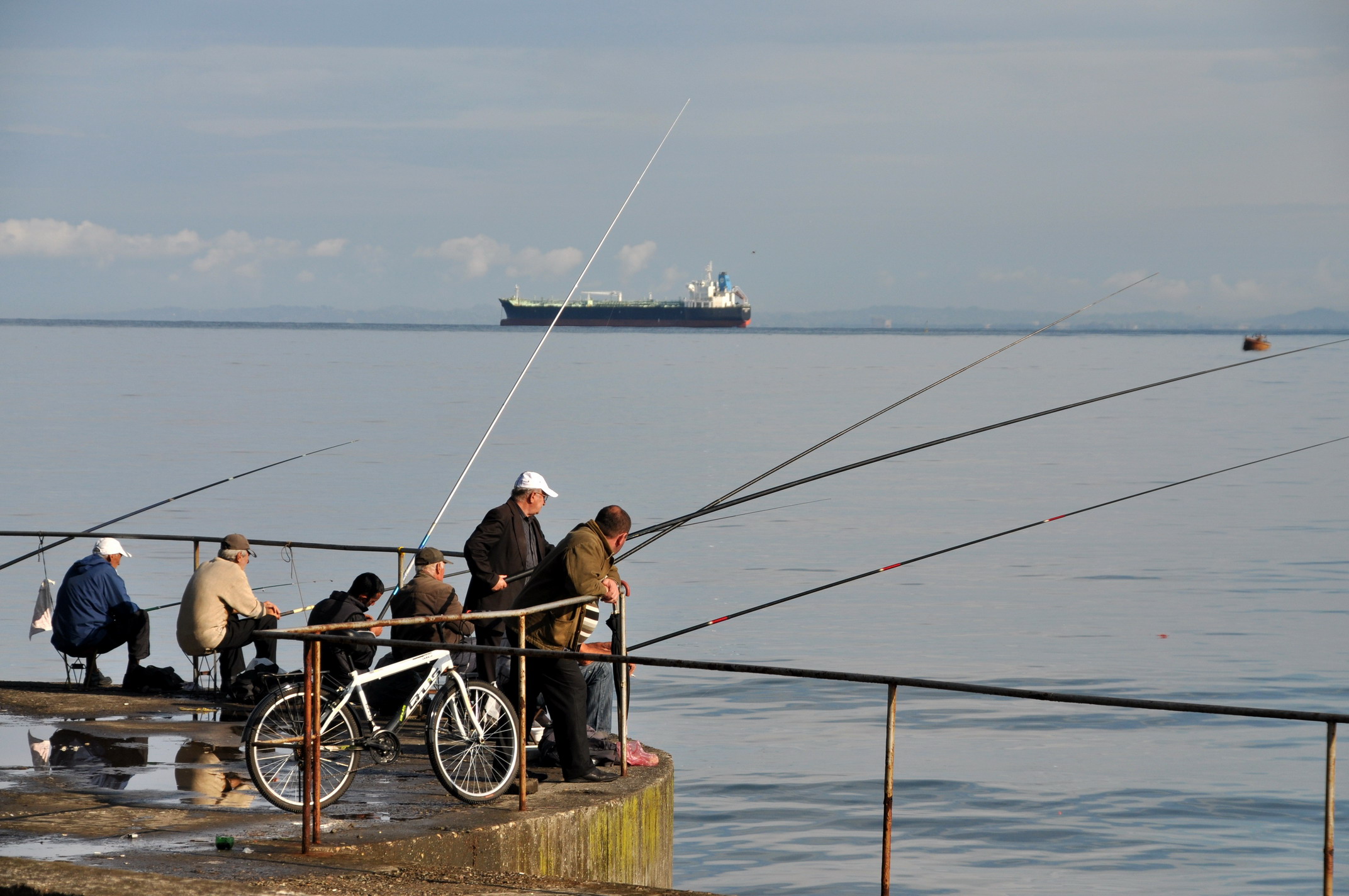
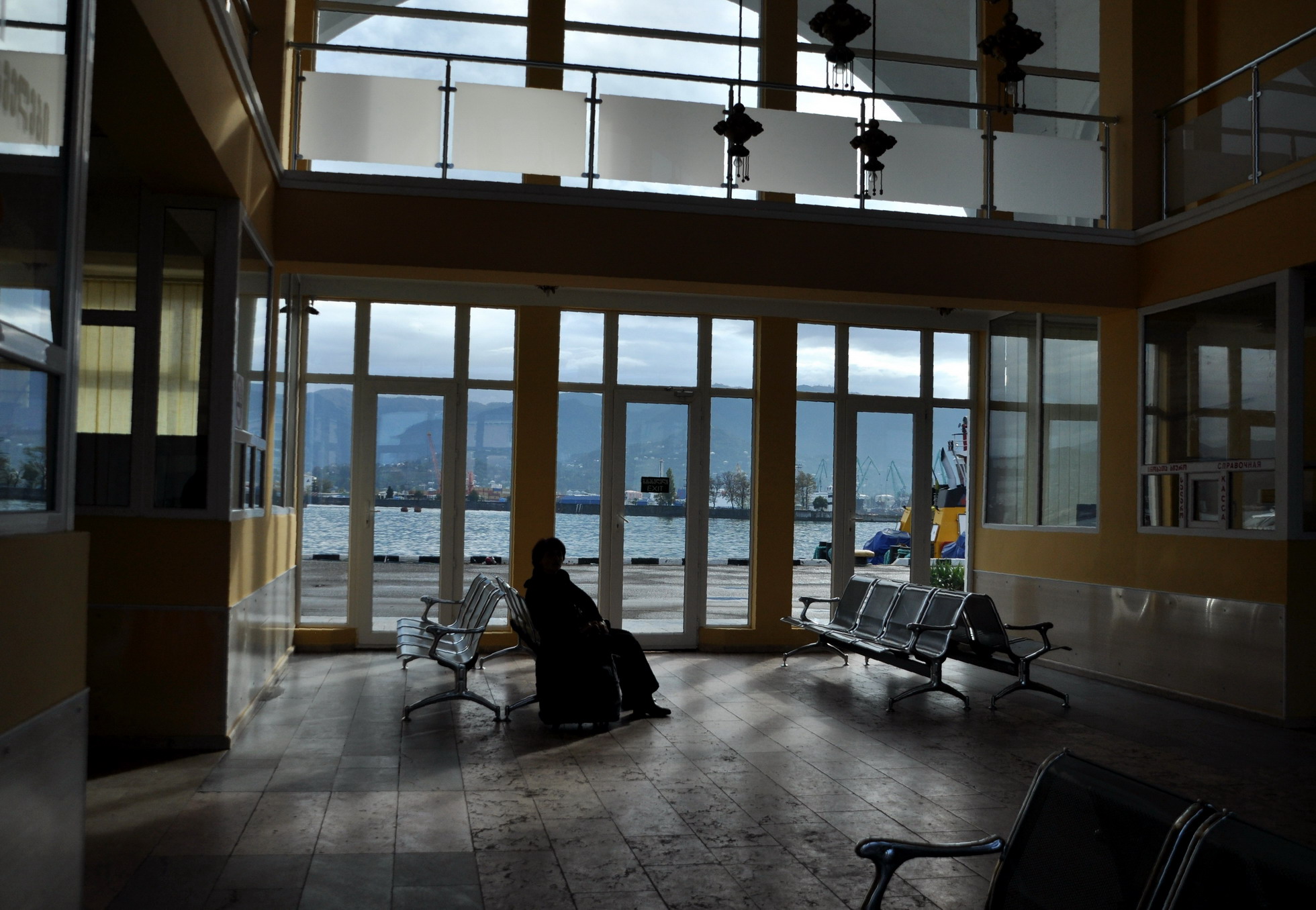
The seaport and the passenger terminal had been refurbished, and a Kometa hydrofoil ran to Sochi from the port.
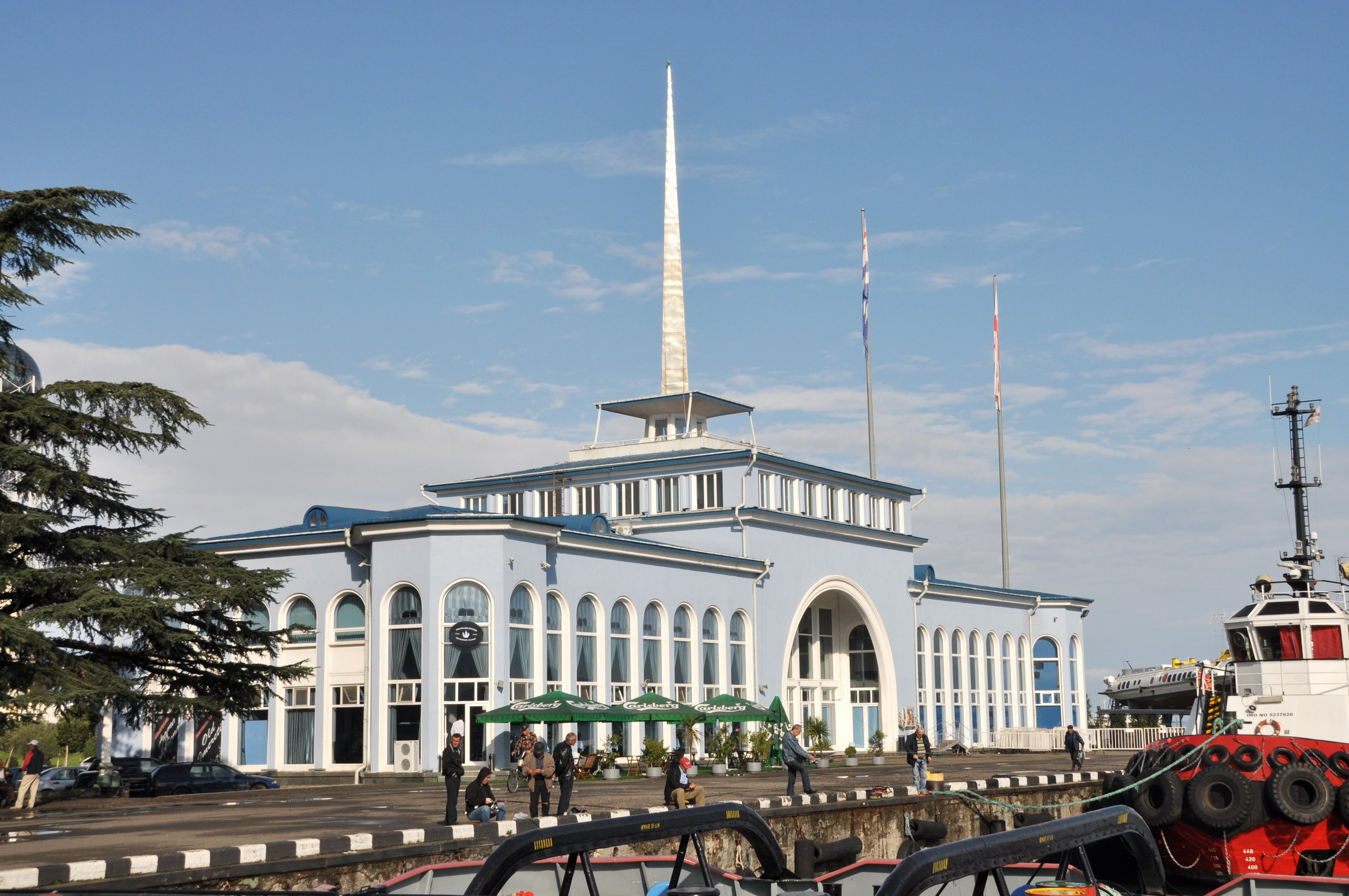
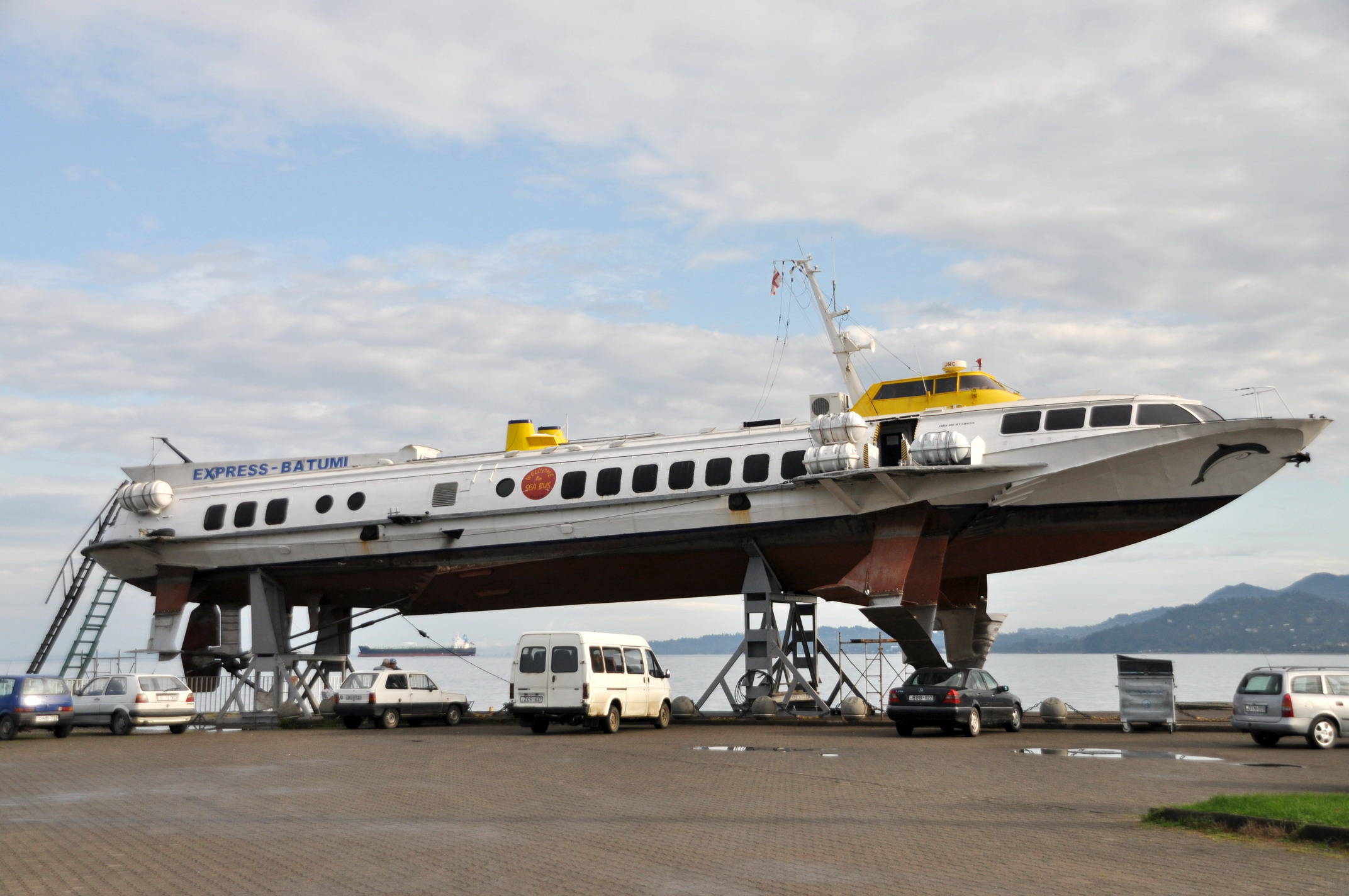
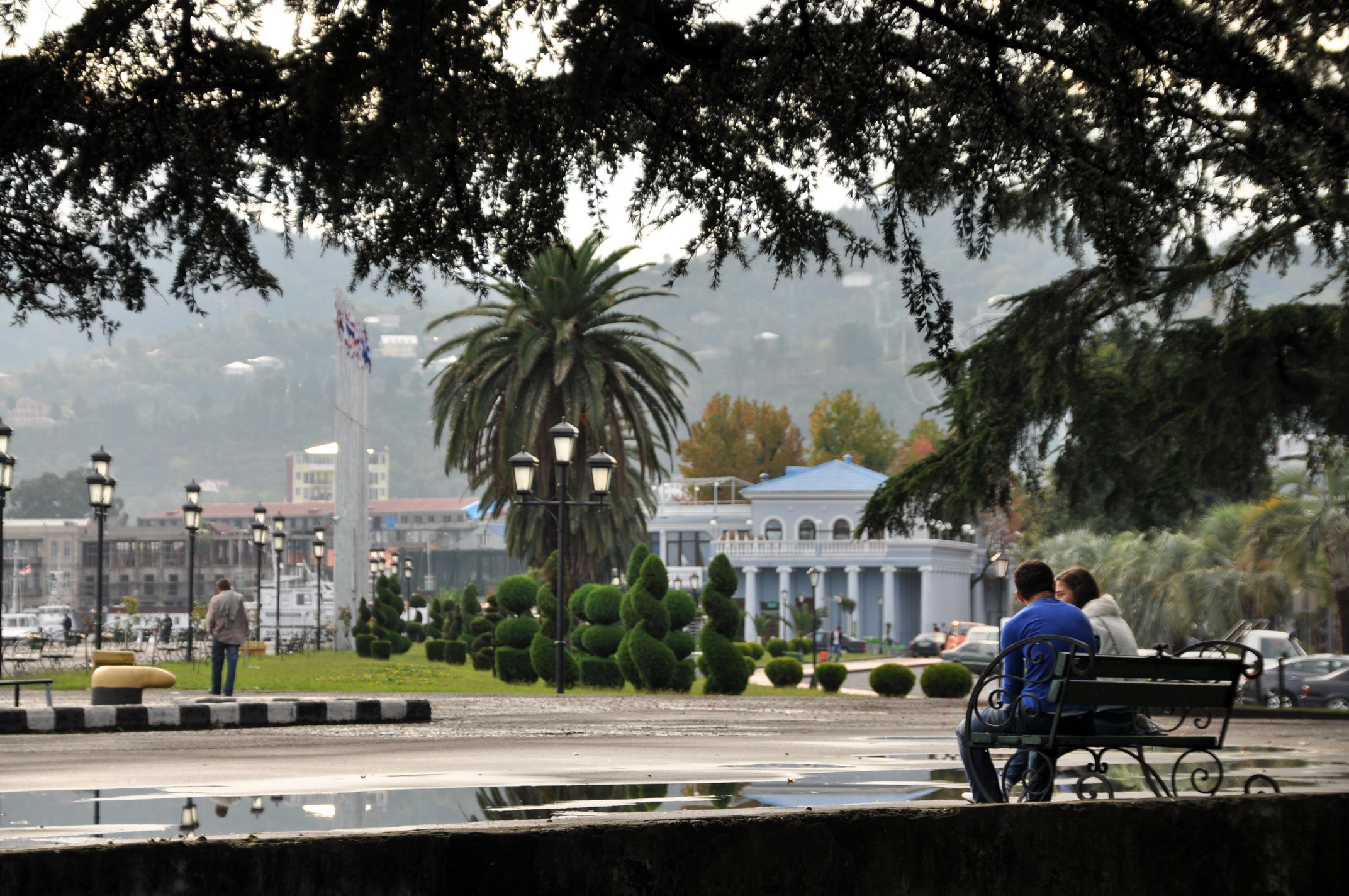
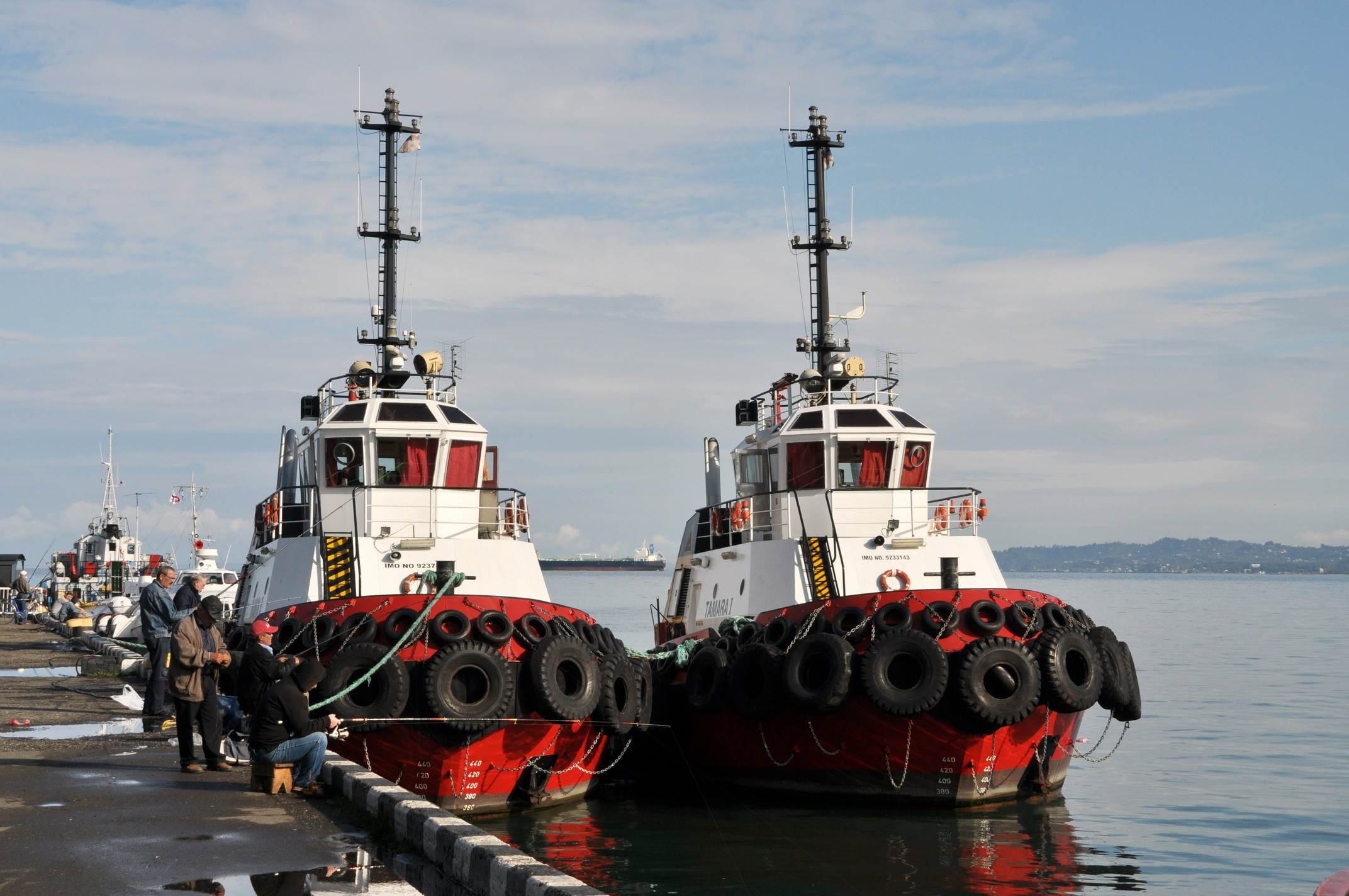
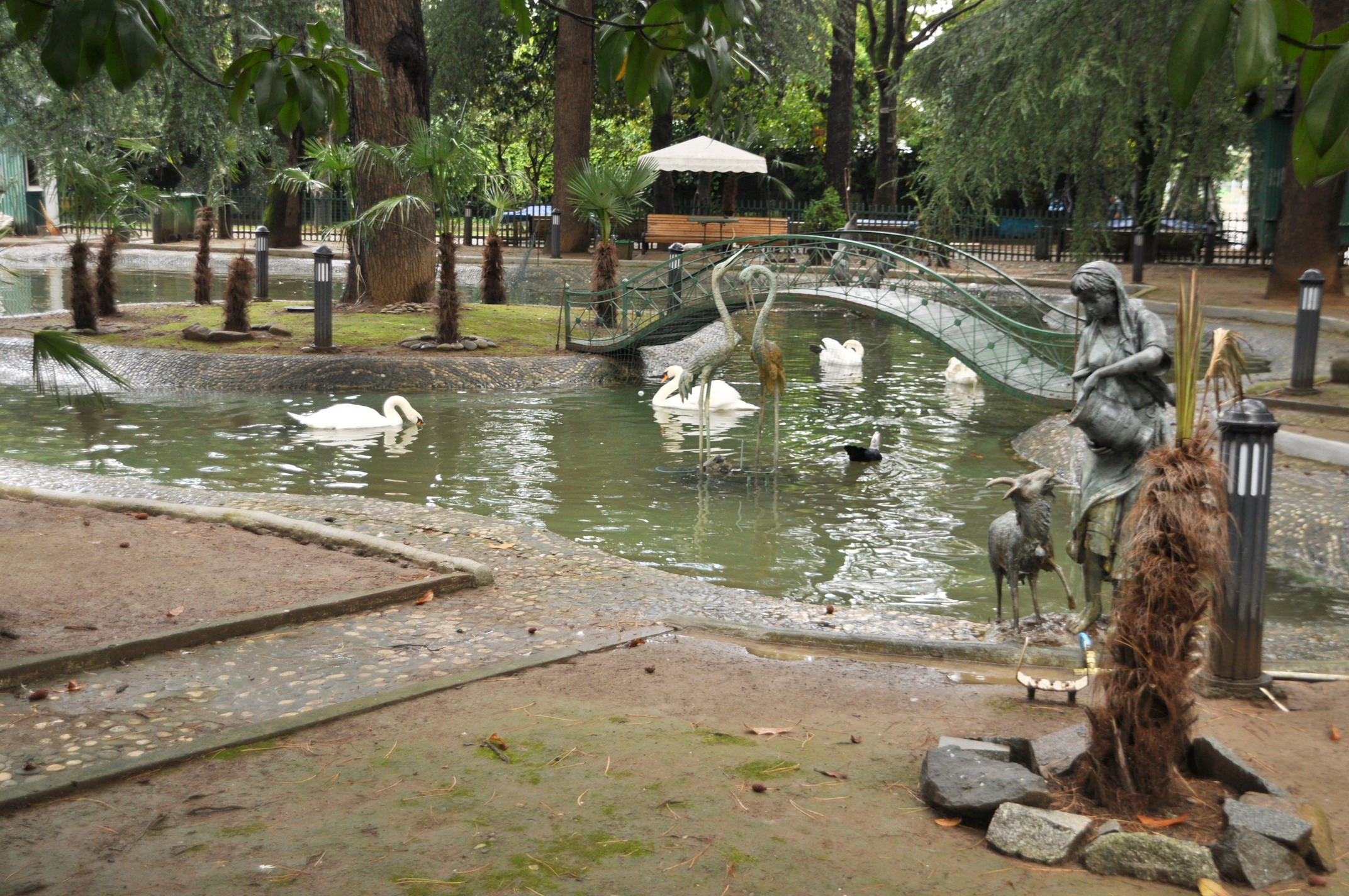
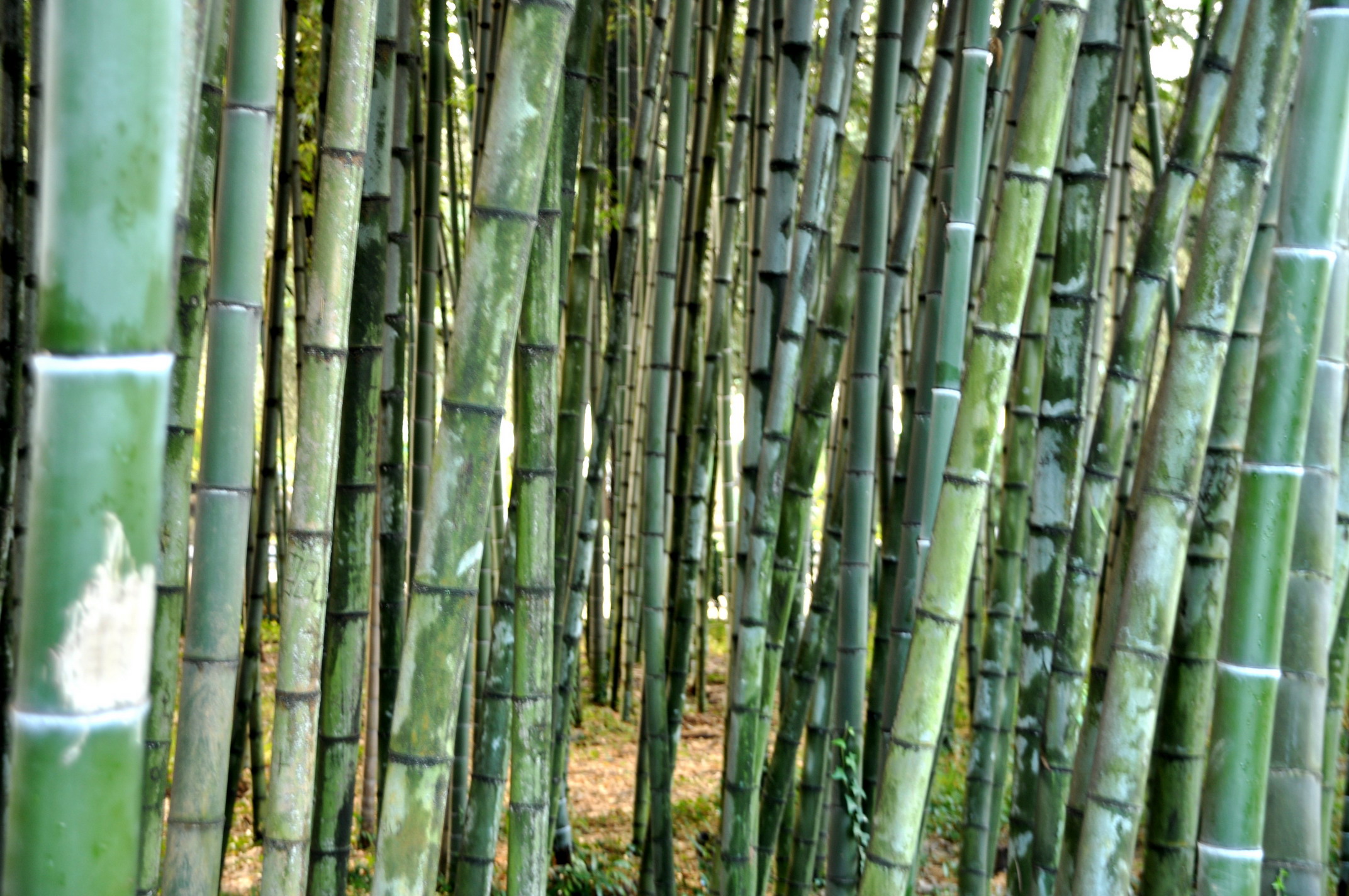
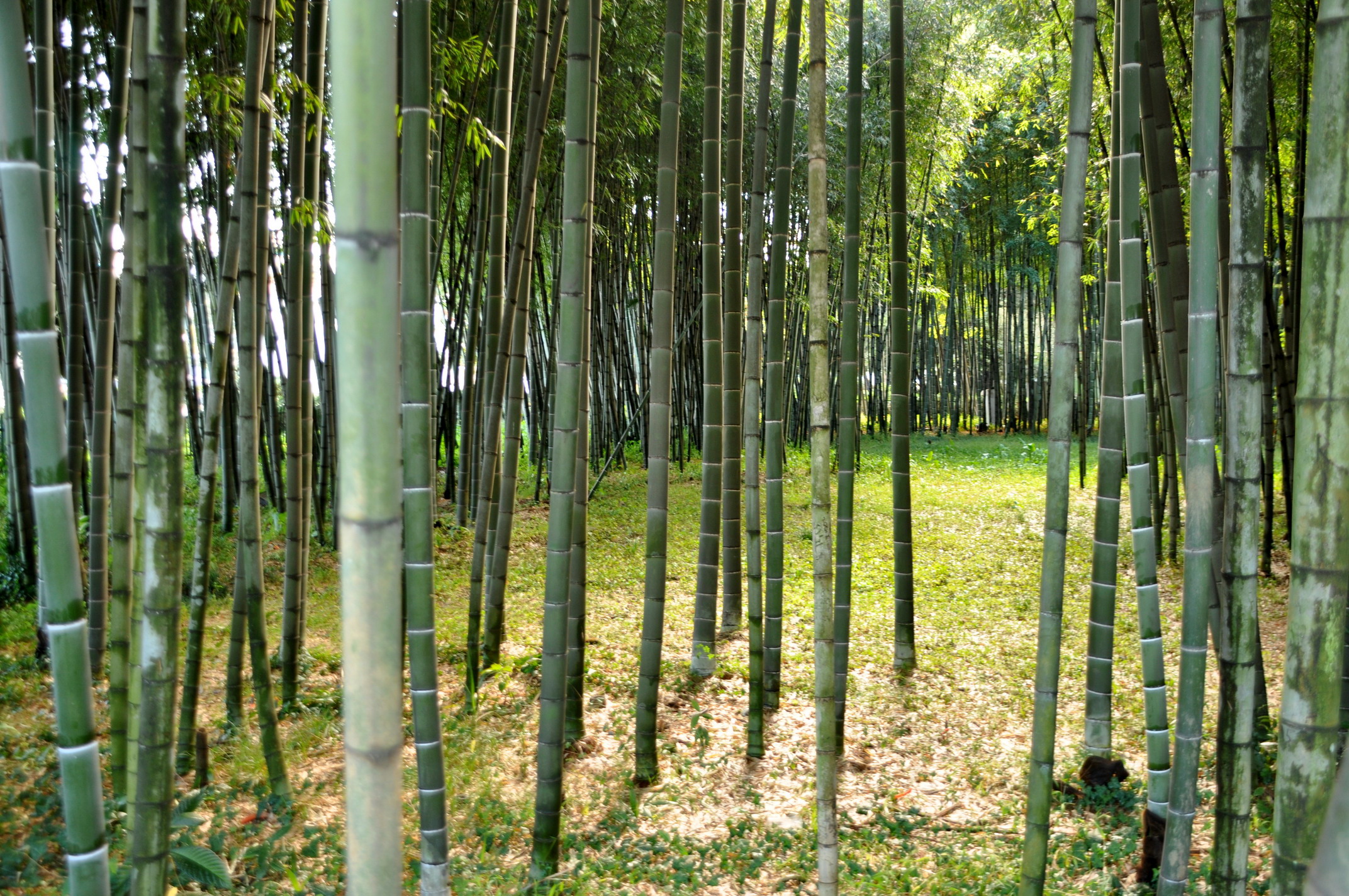
In Batumi there was also a botanical garden. I remembered my grandfather telling me about its marvels, about bamboo and magnolias with leaves you could write a letter on, stick a stamp on and put in the post. He also told me about the longed-for Turkish coast you could see through the haze on the horizon. Of course, after the real tropics and dozens of countries, none of that was likely to surprise me. Still, it was interesting to see in person what I'd dreamed about as a child.
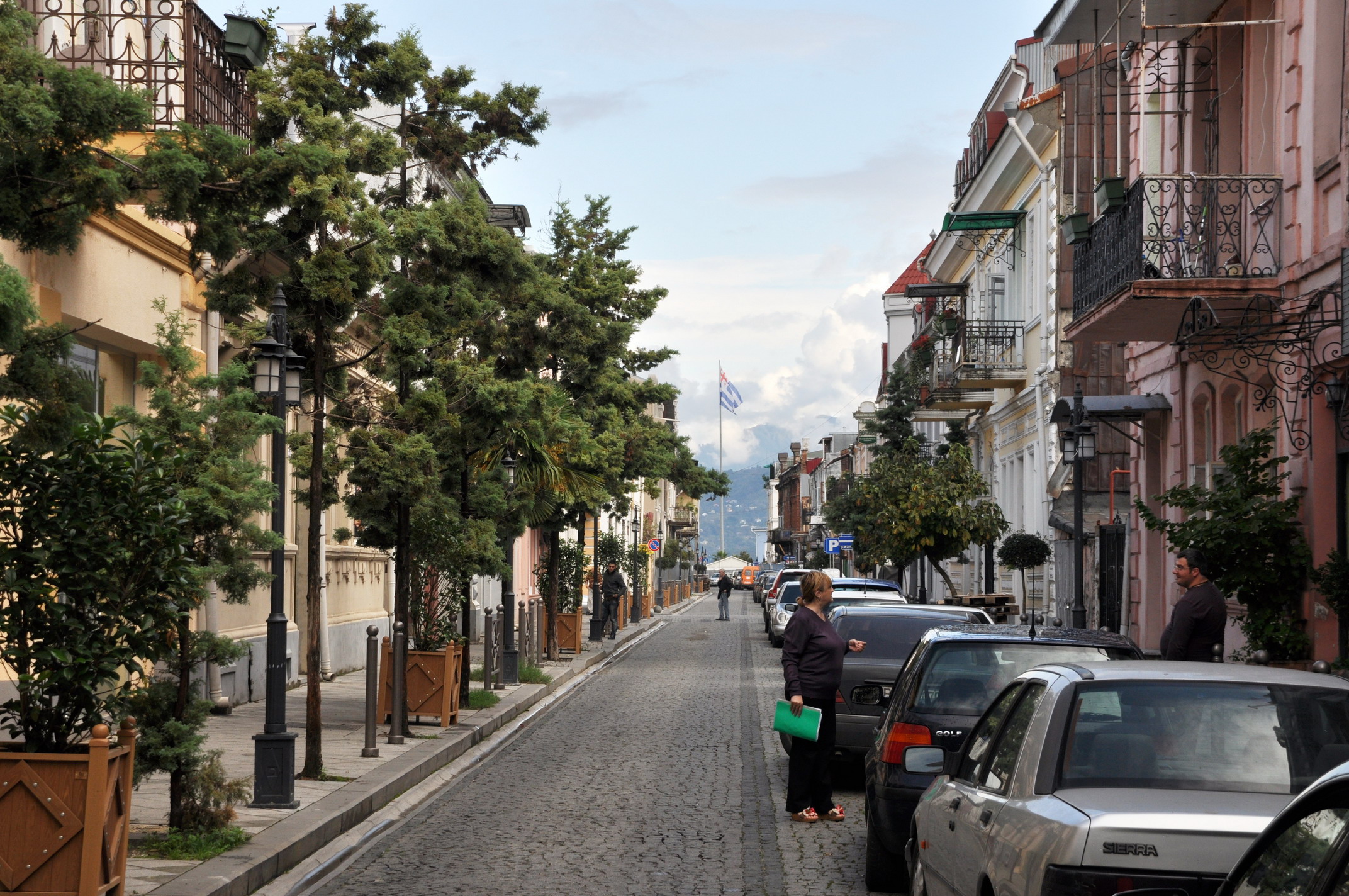
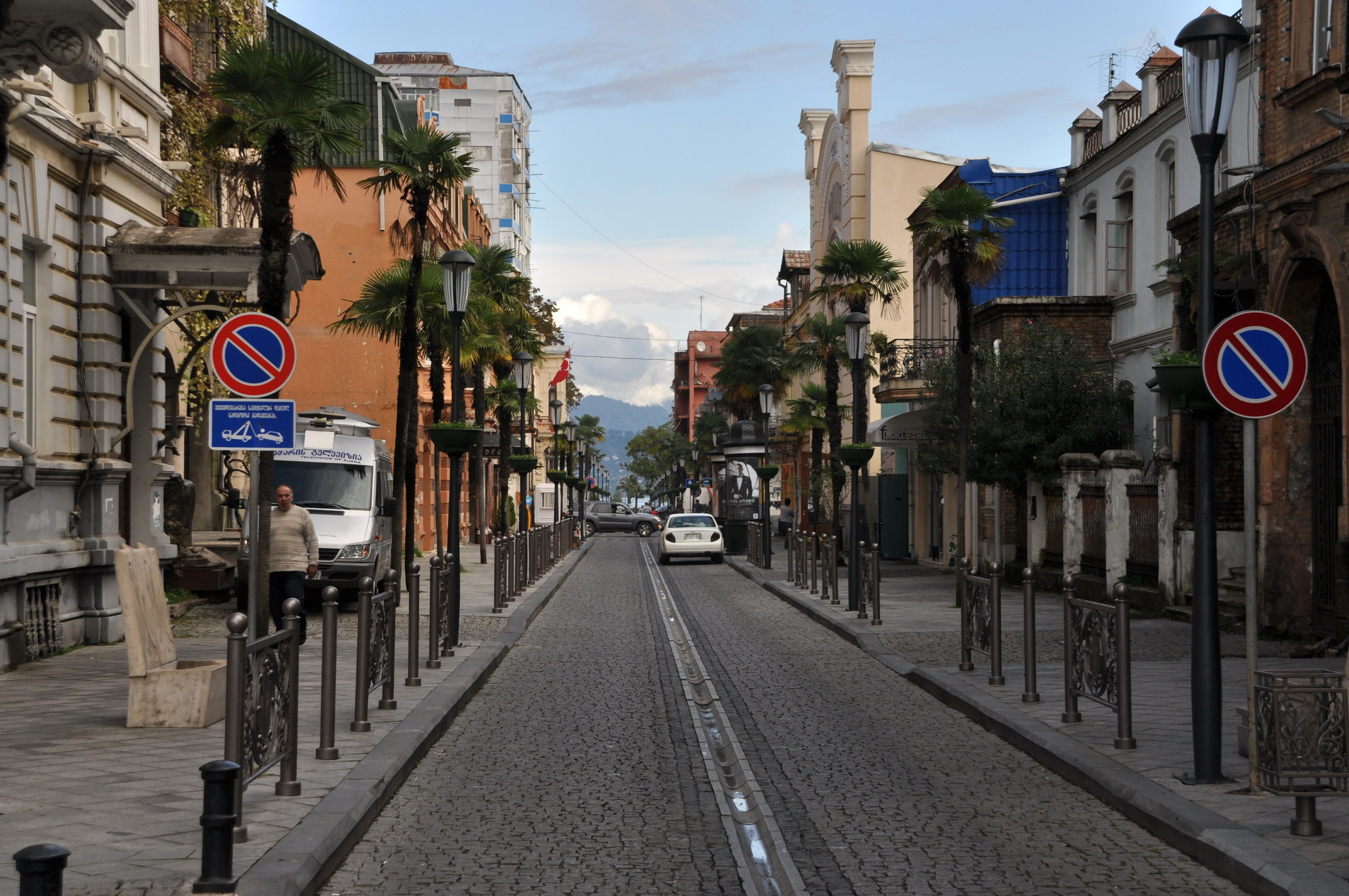
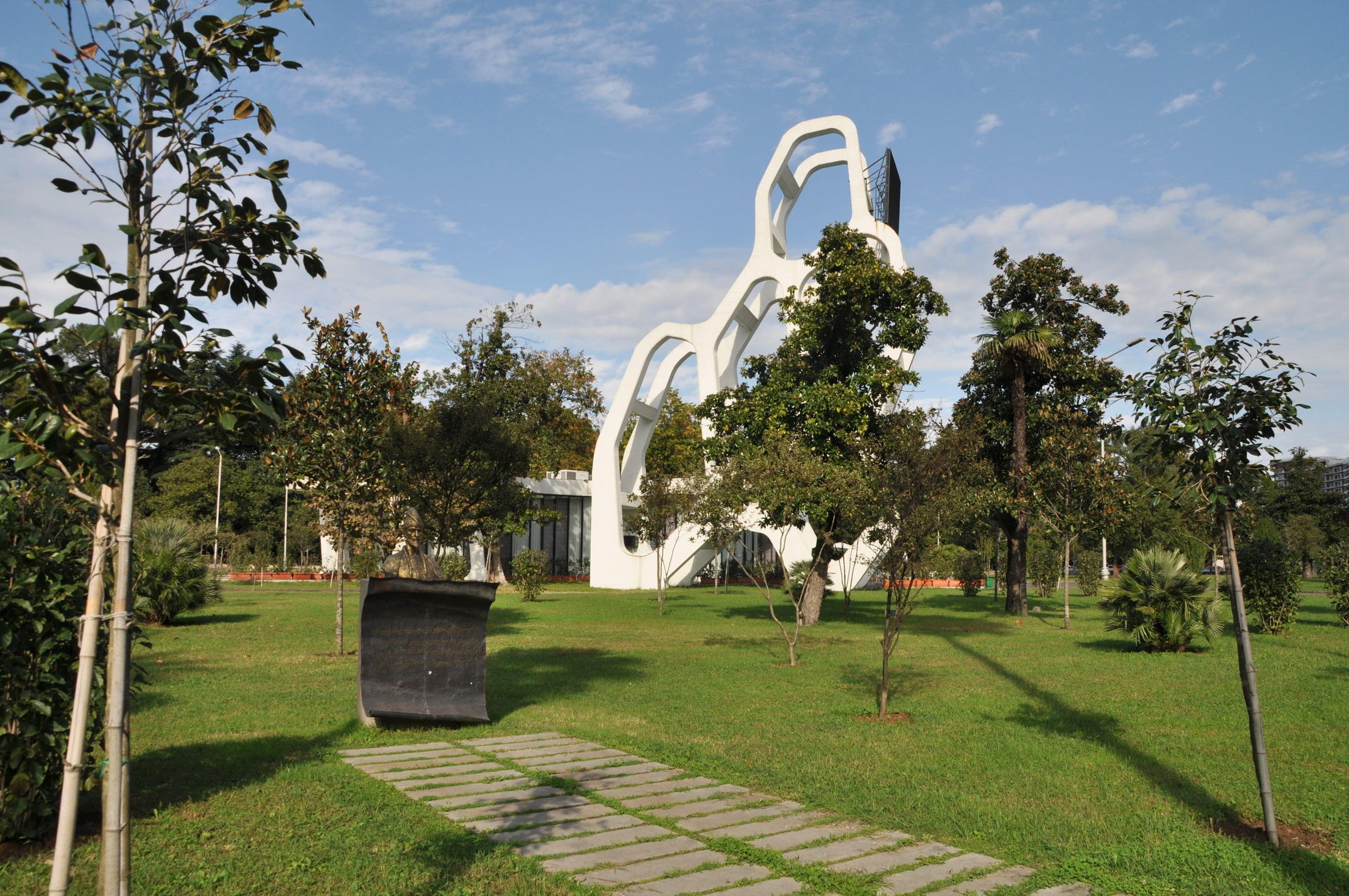
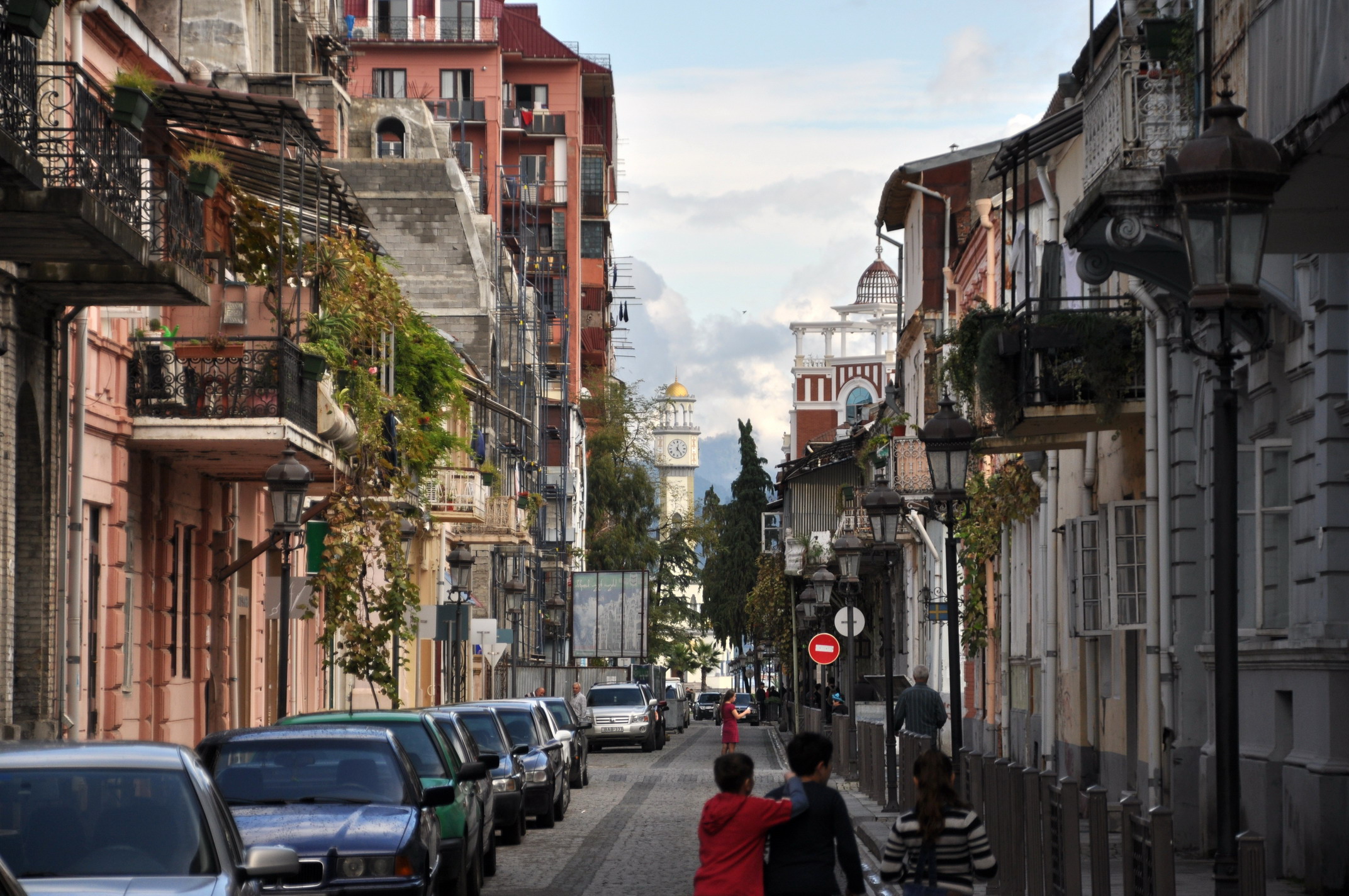
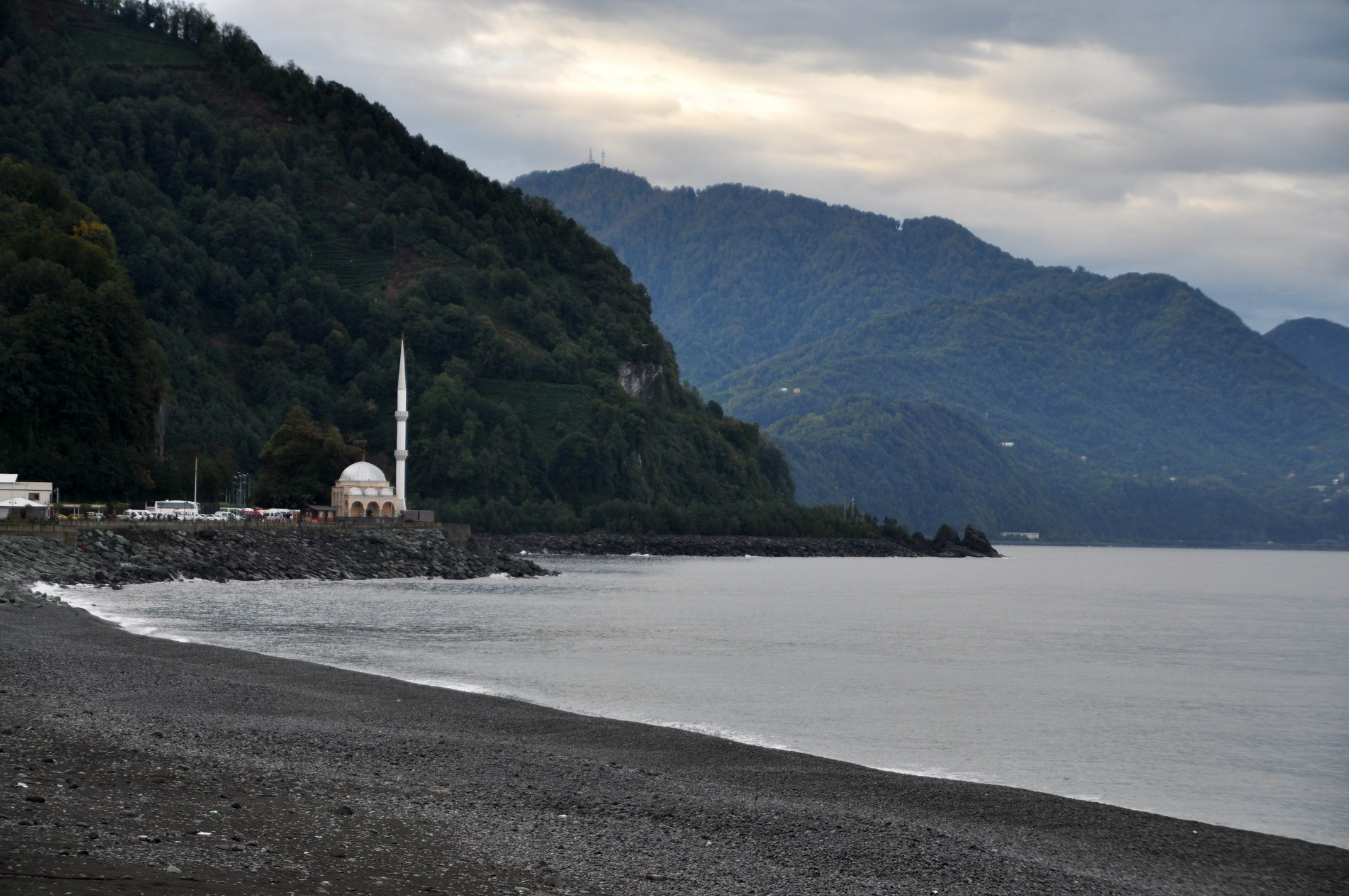
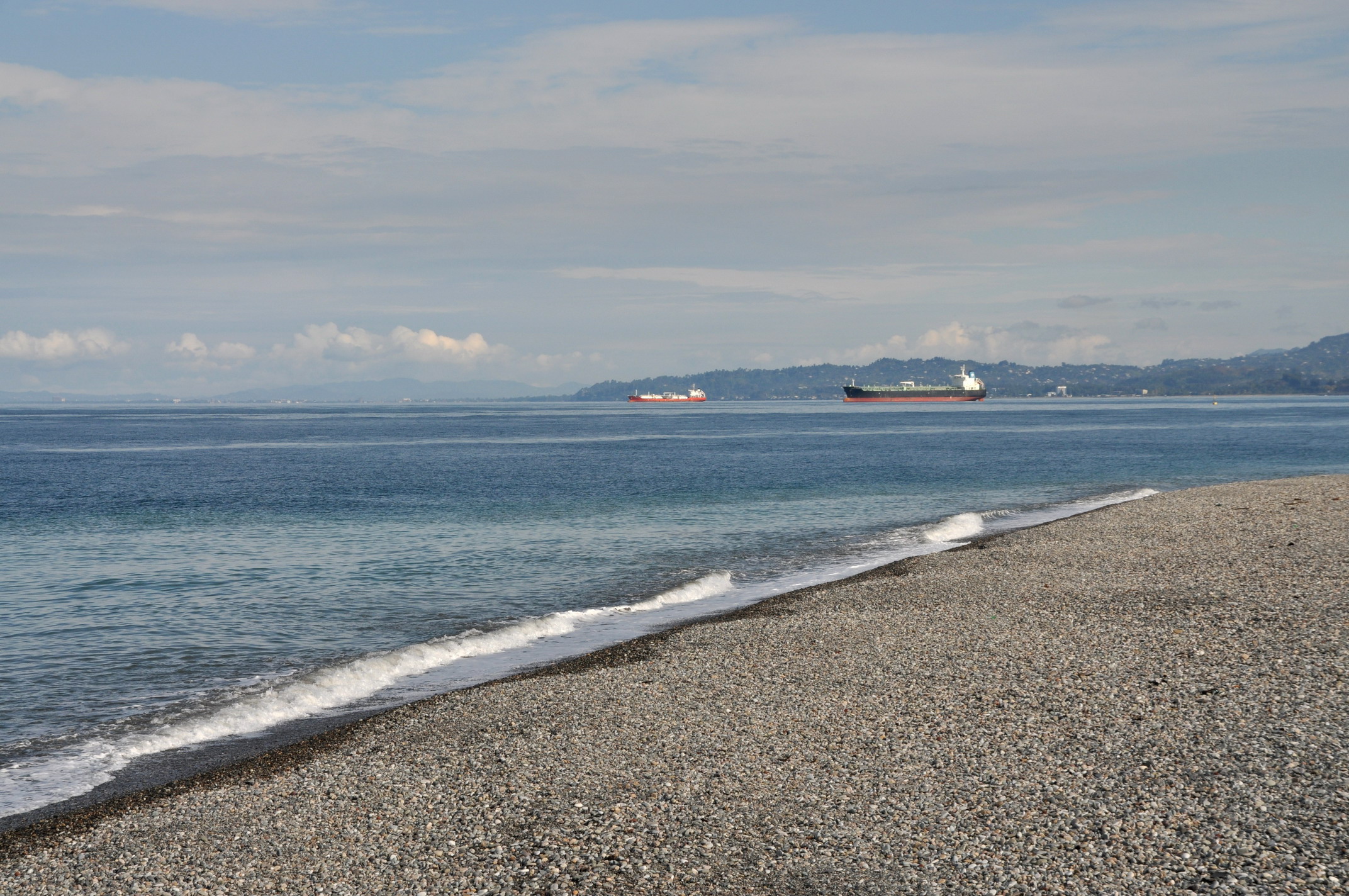
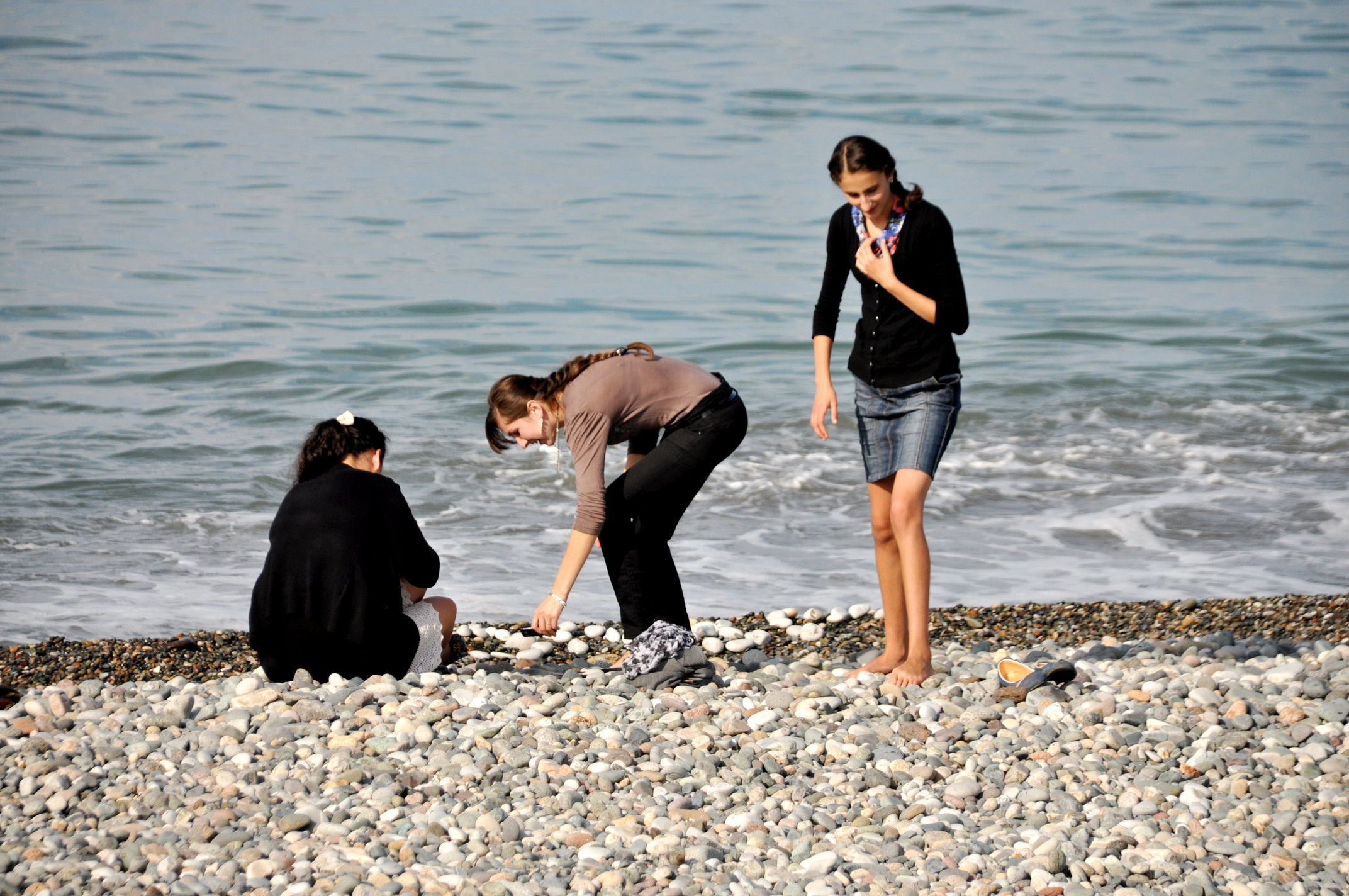
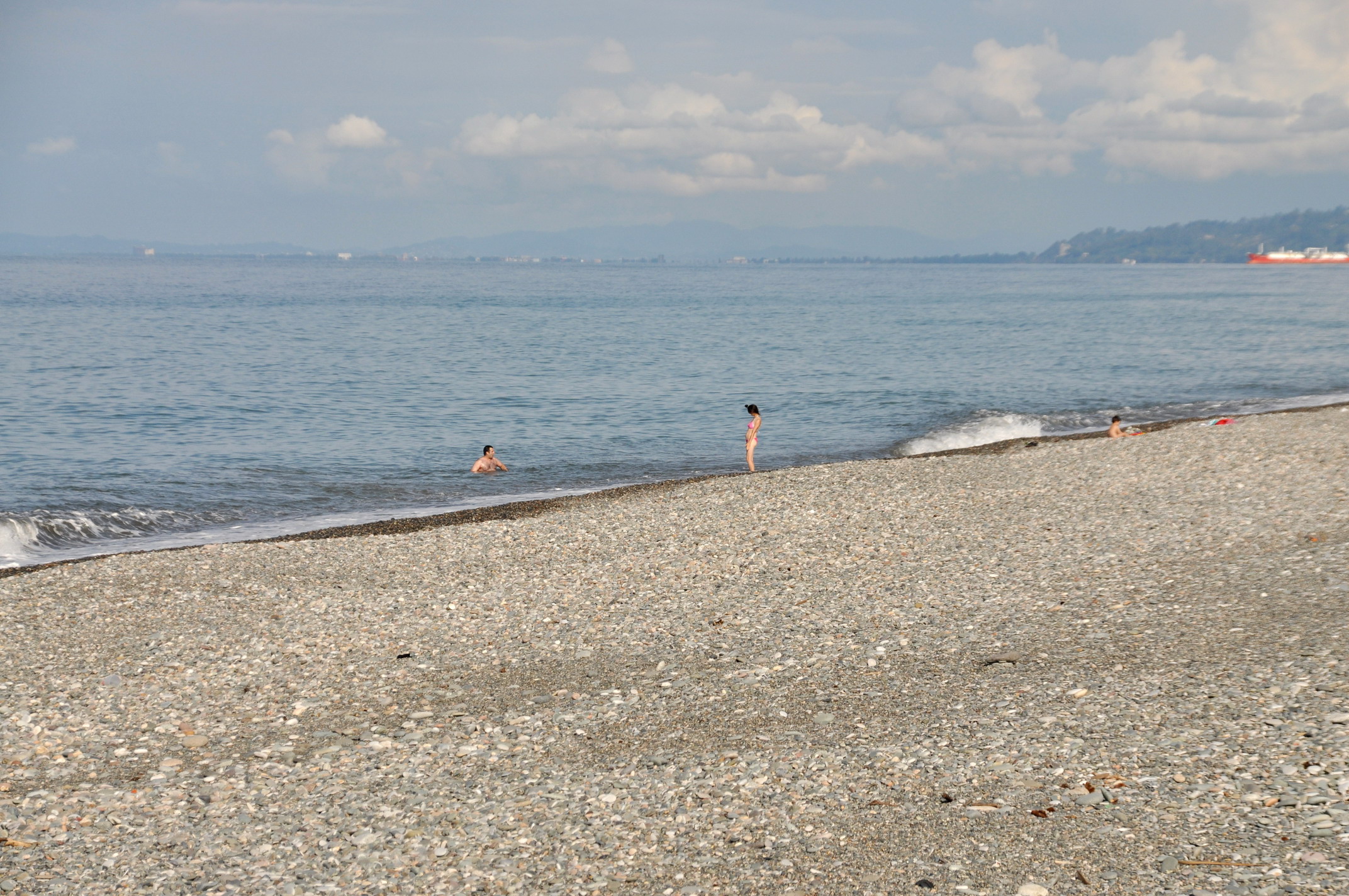
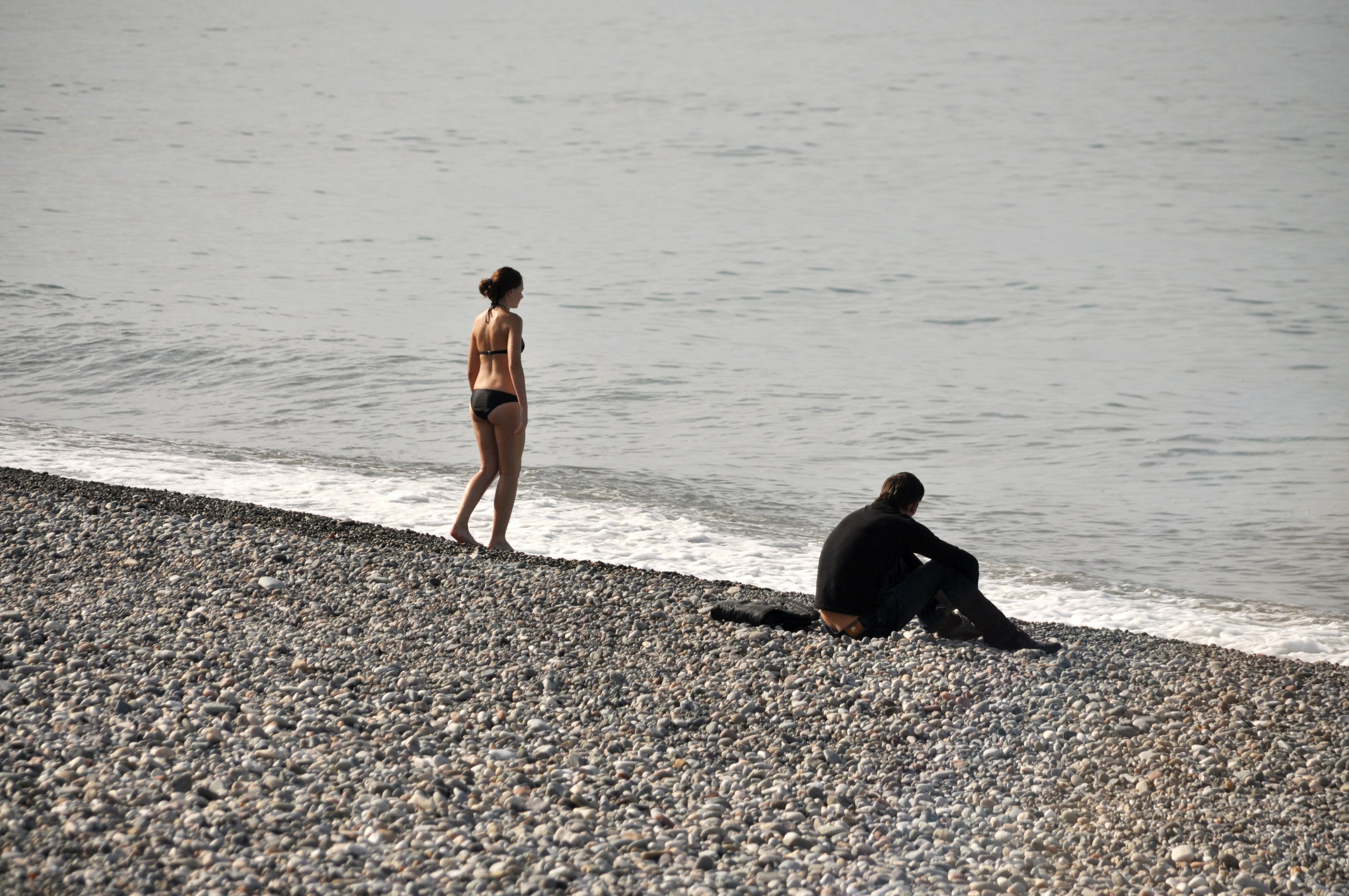
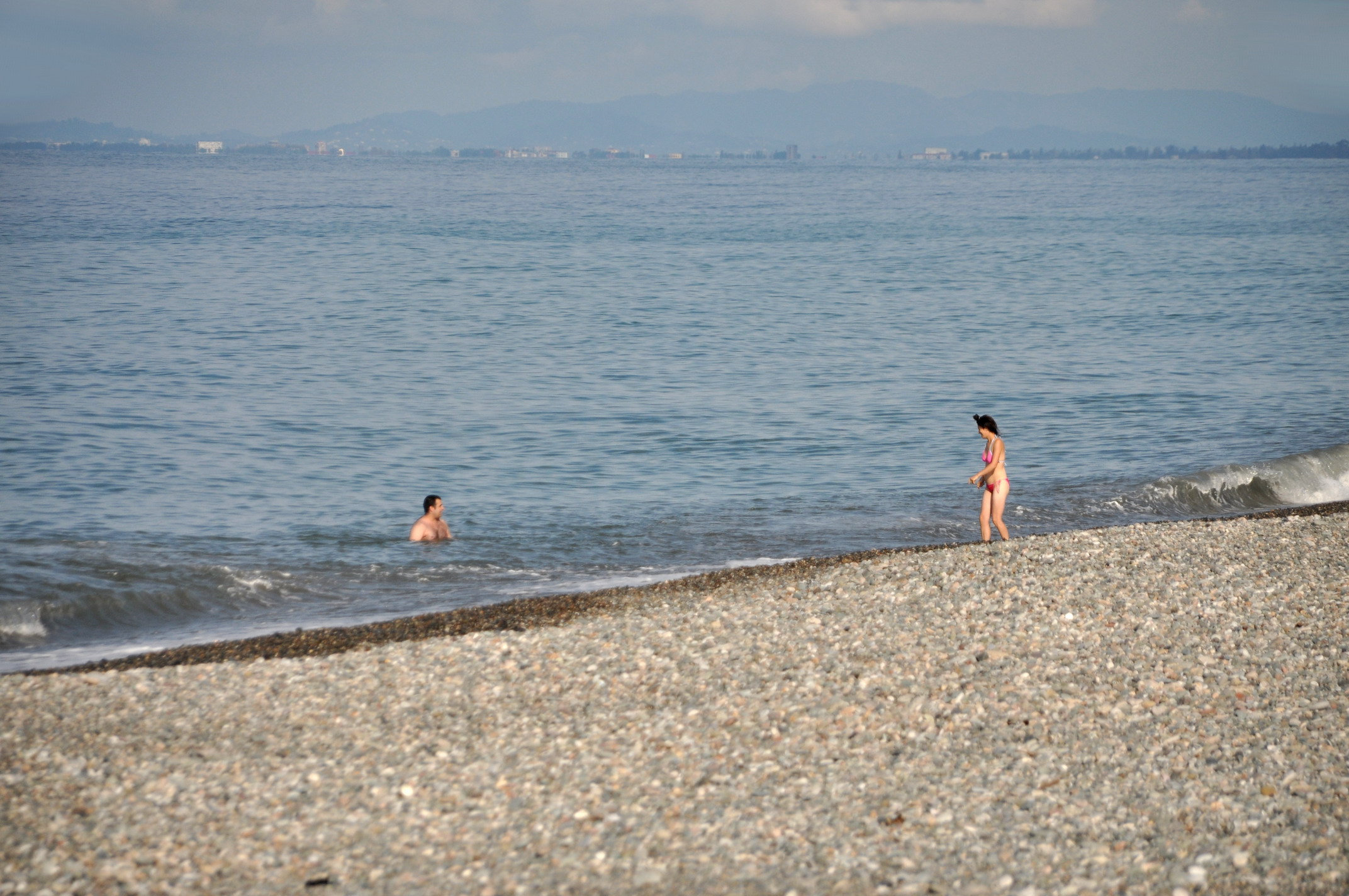
The sea, alas, was cold. Few people dared go swimming.
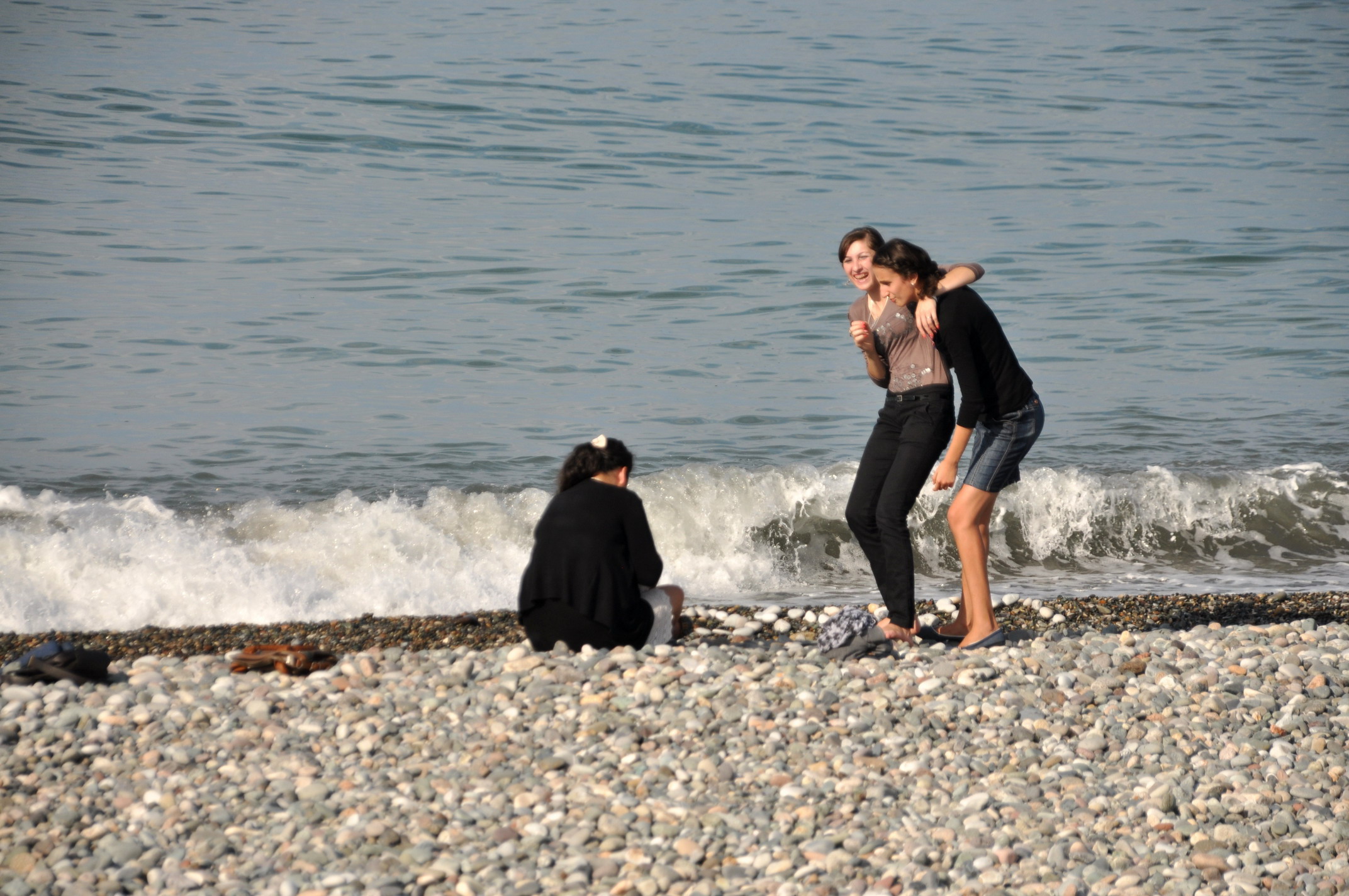
Of course, alongside the modern skyscrapers were quite a few shabby privately owned houses. Some looked especially run down. What can you do? Private property is sacred here. In 2011 Georgia passed an ultra-liberal law on keeping the state out of the economy. All that remained was to wait until the residents got richer and themselves brought their homes up to the same standard. In the meantime, it gave the city a charm of its own.
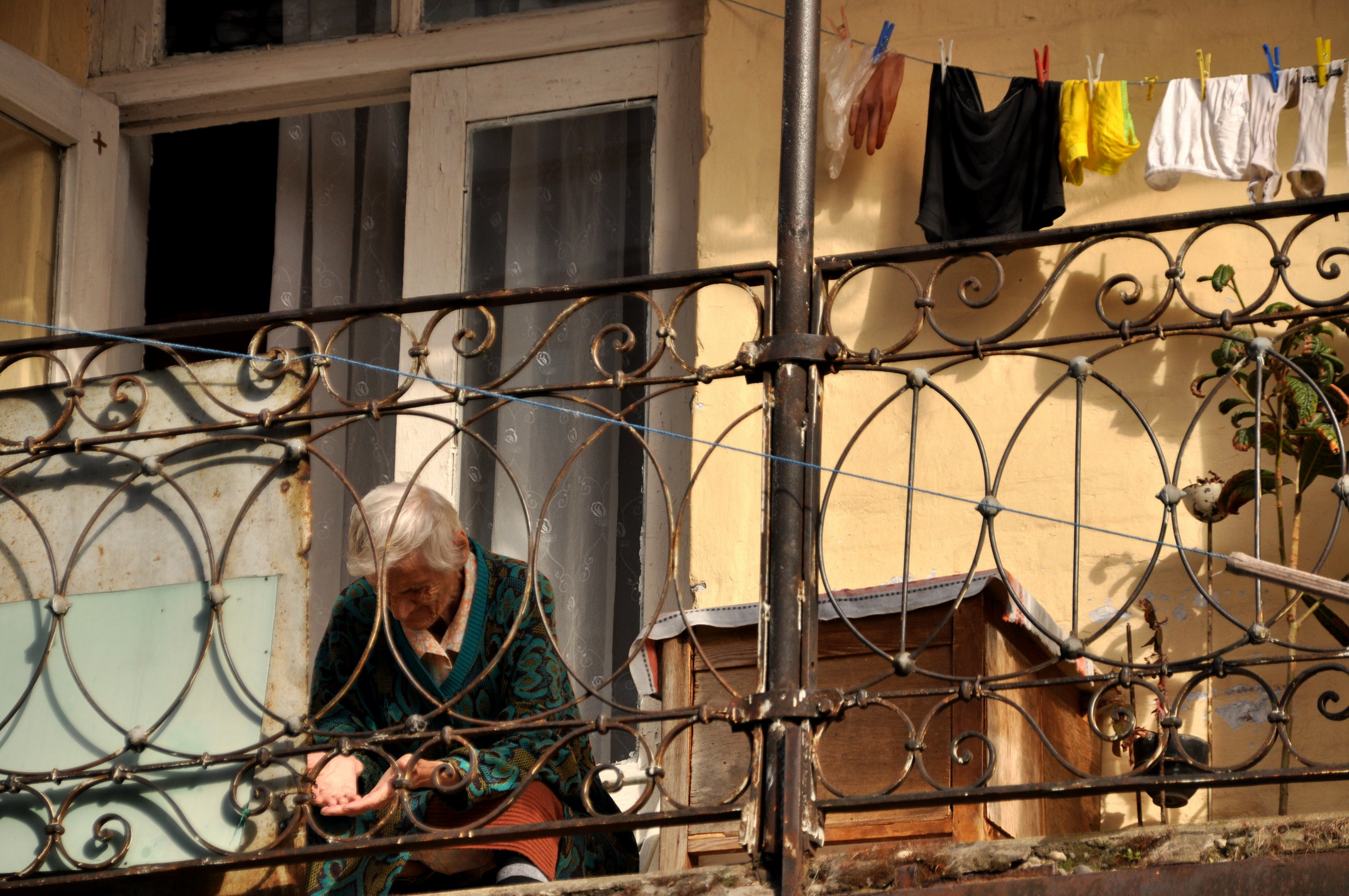
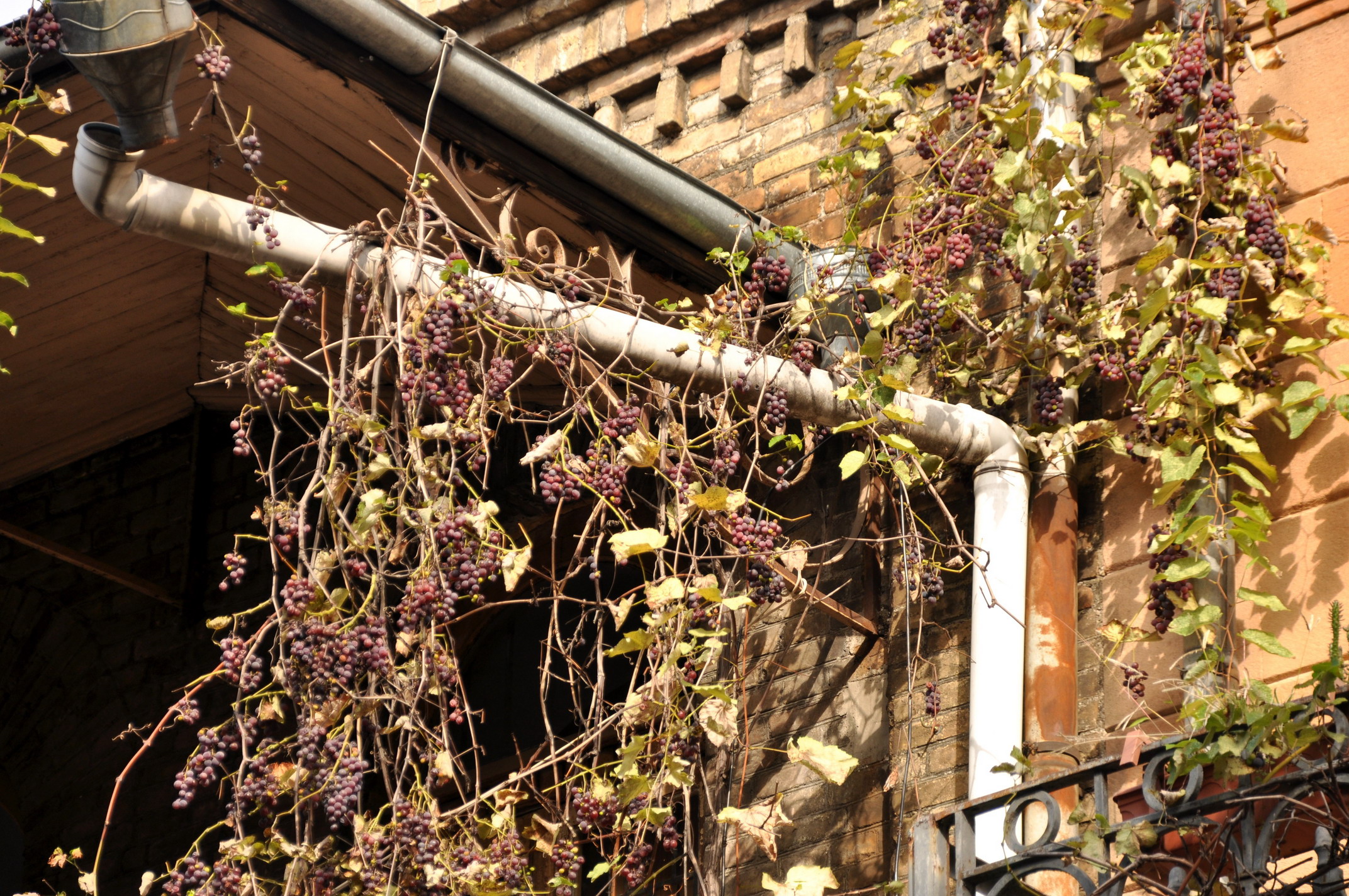
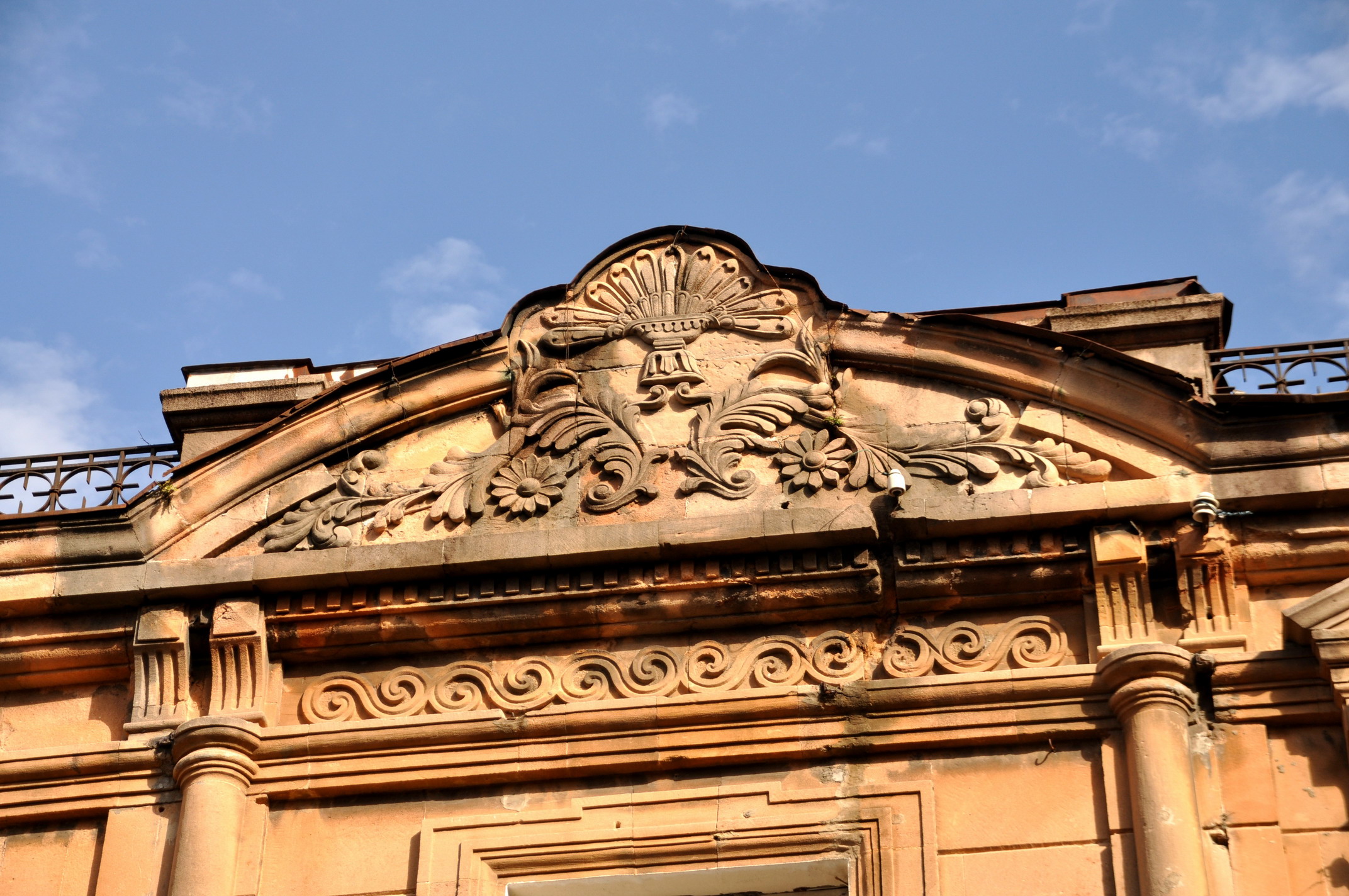
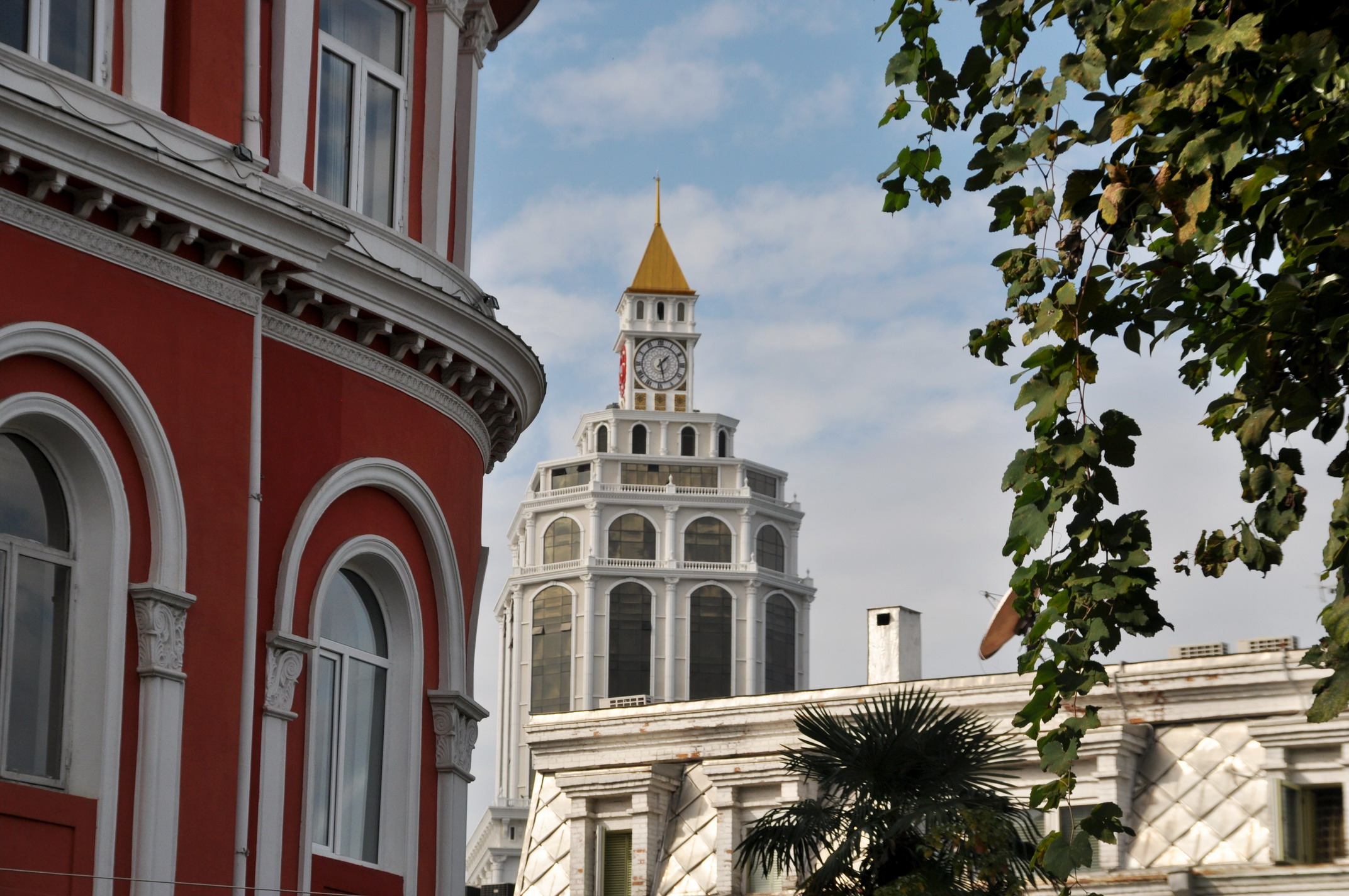
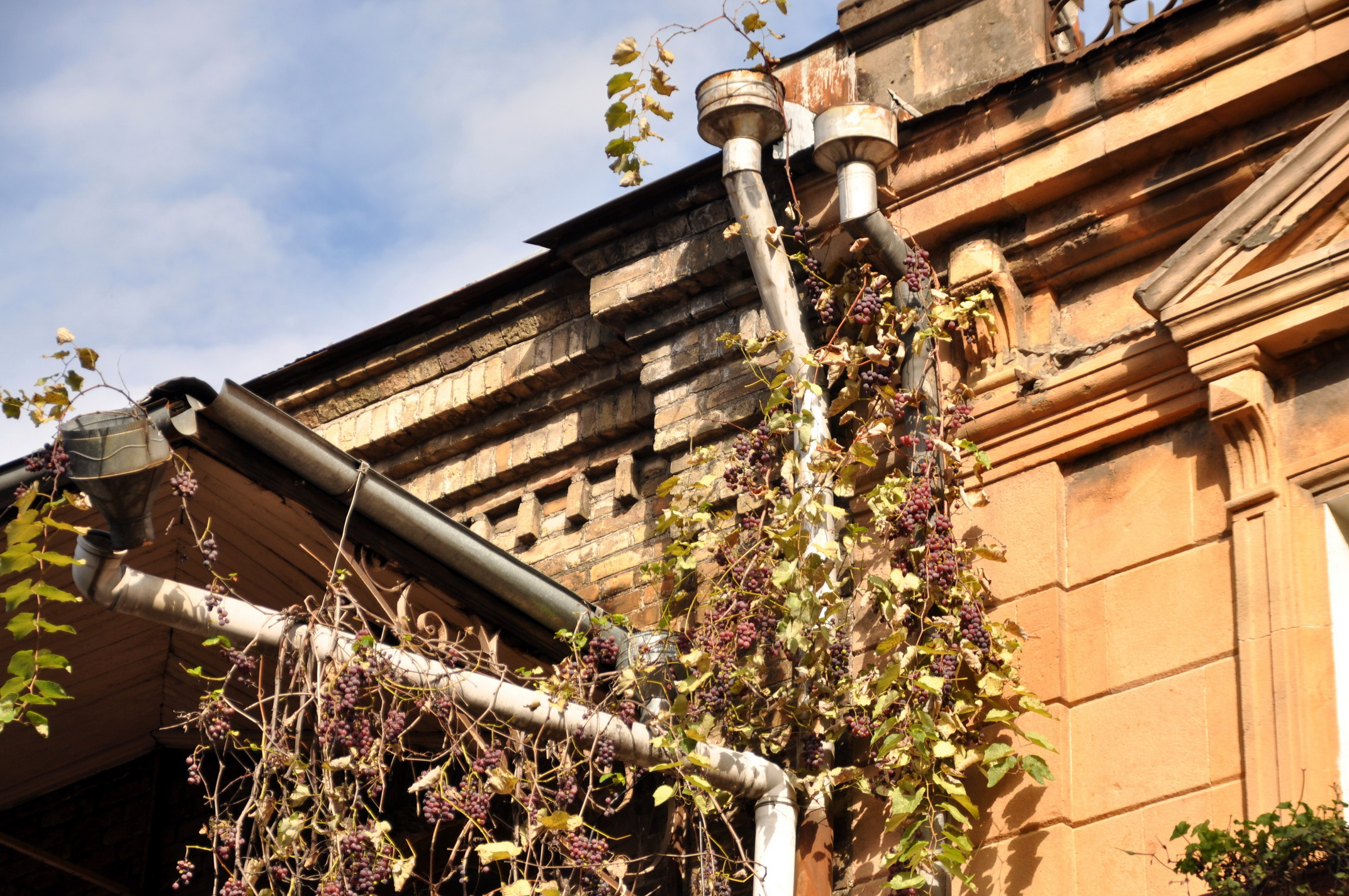
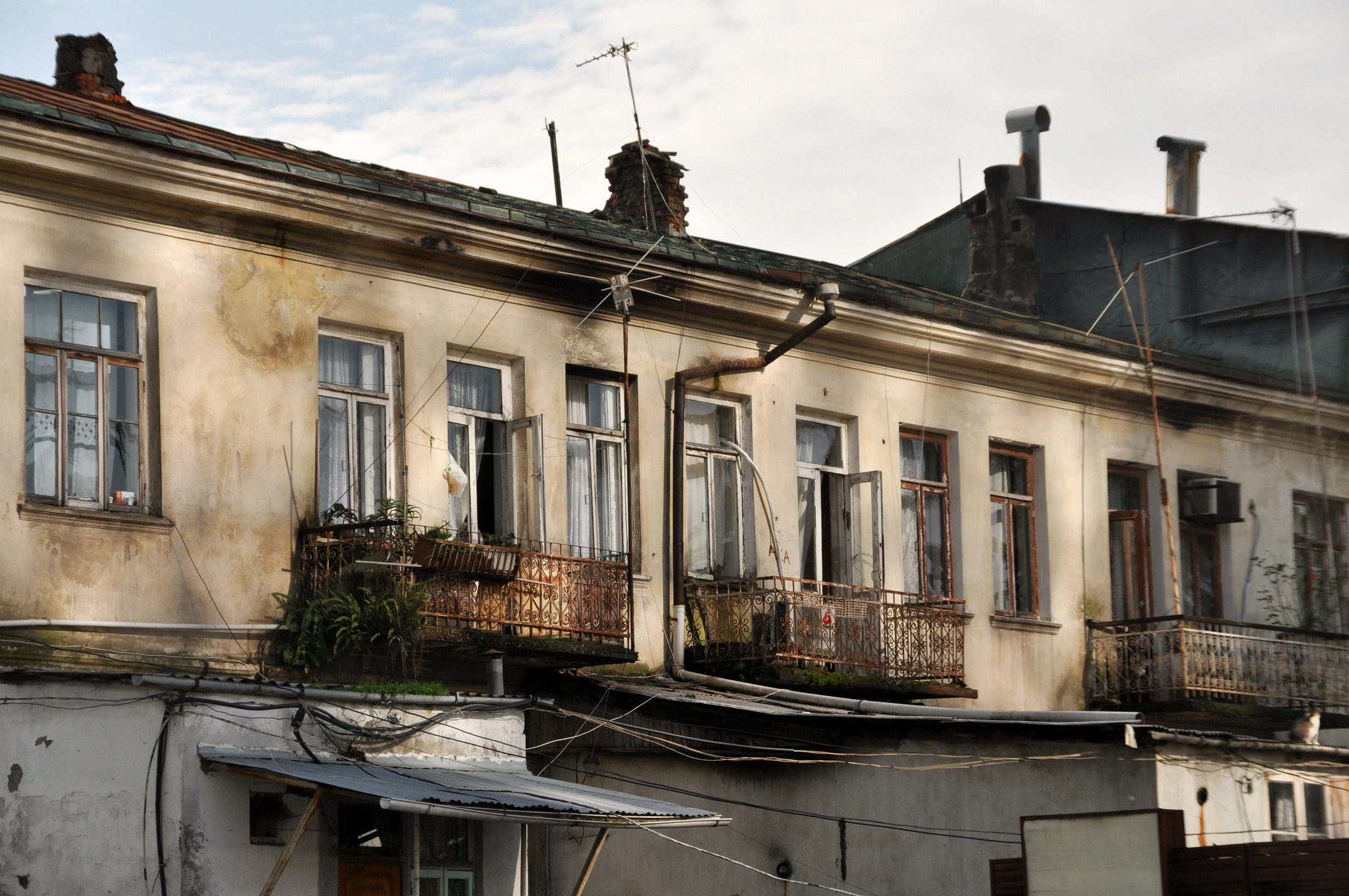
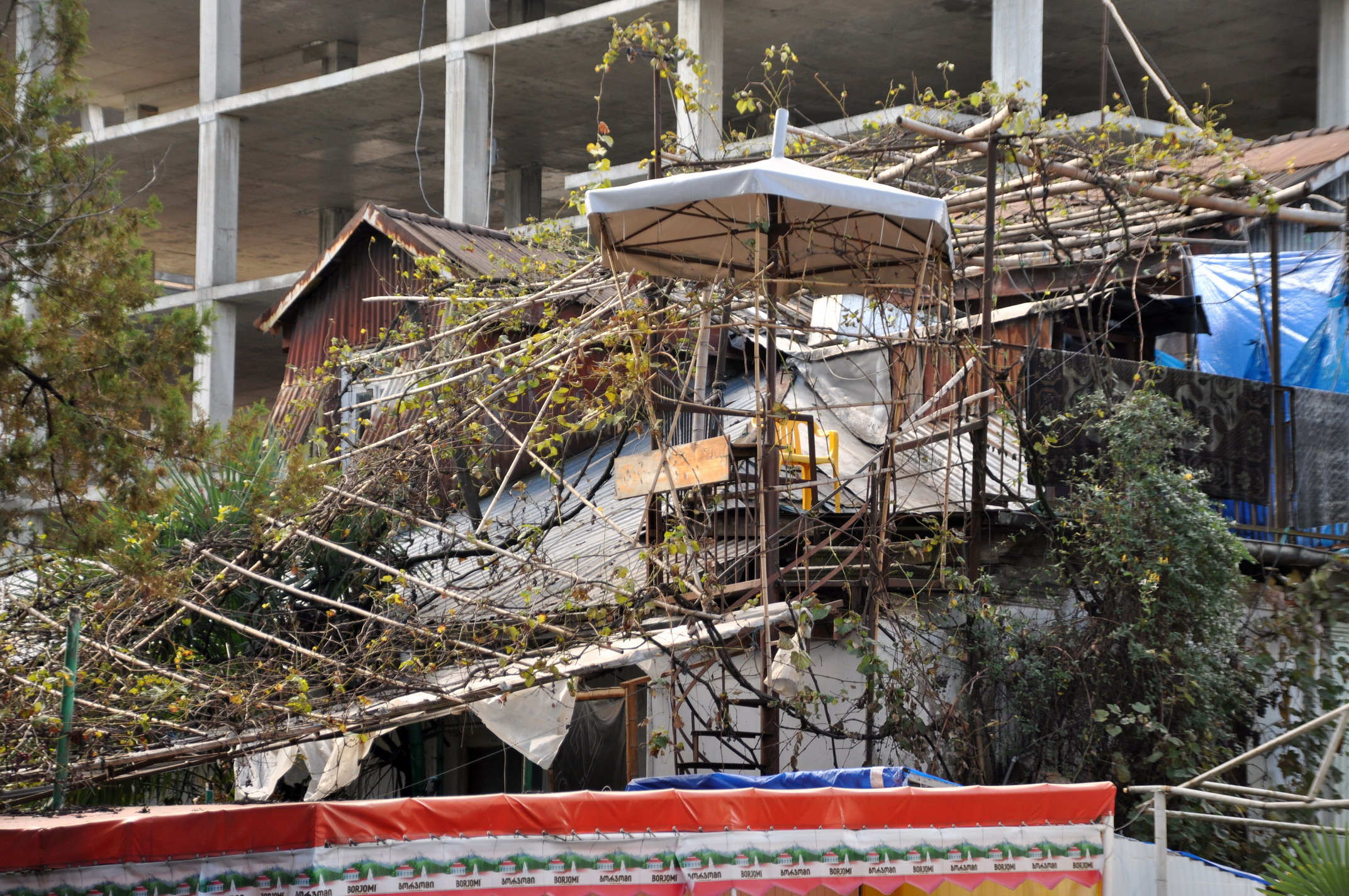
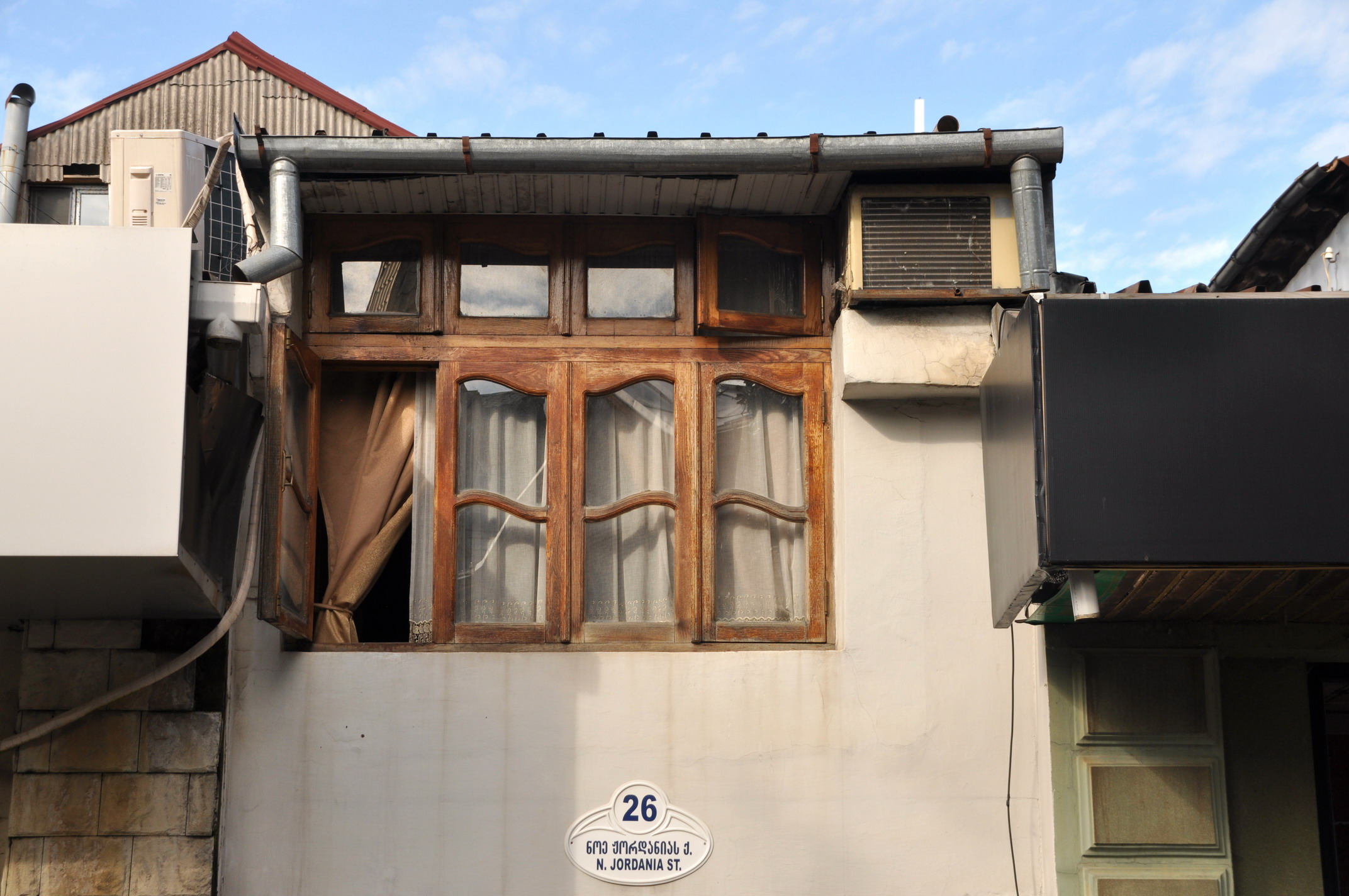
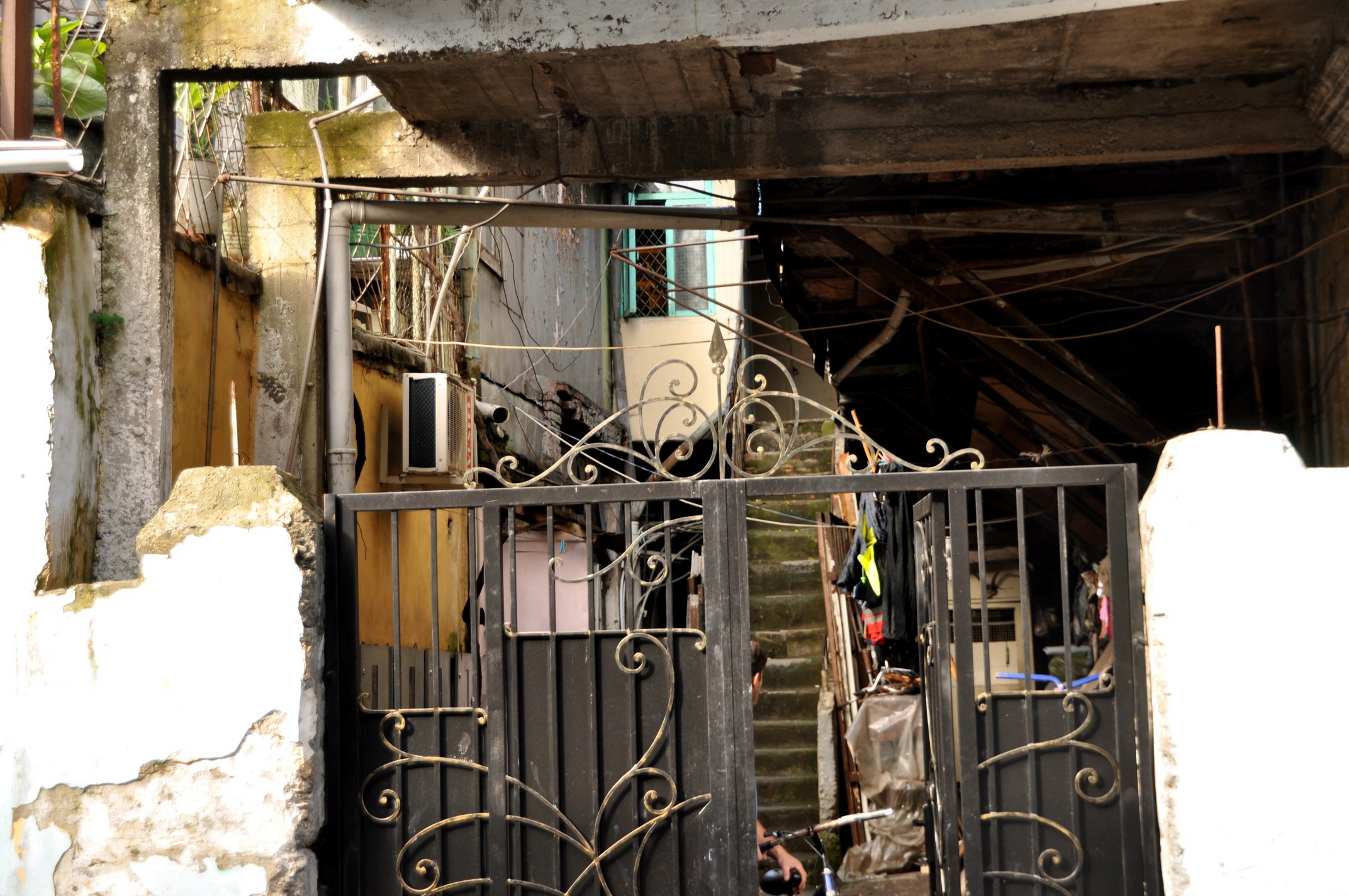
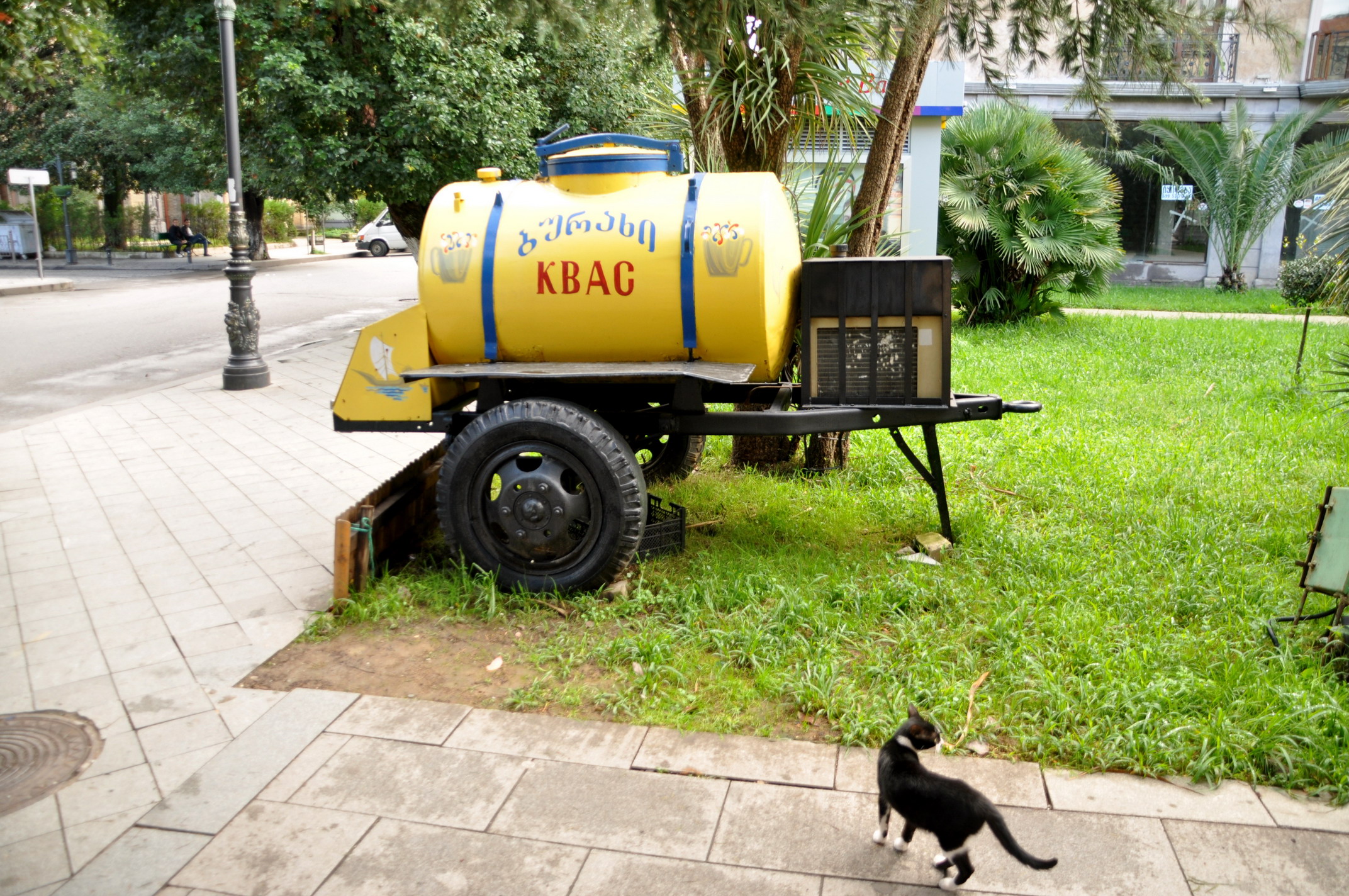
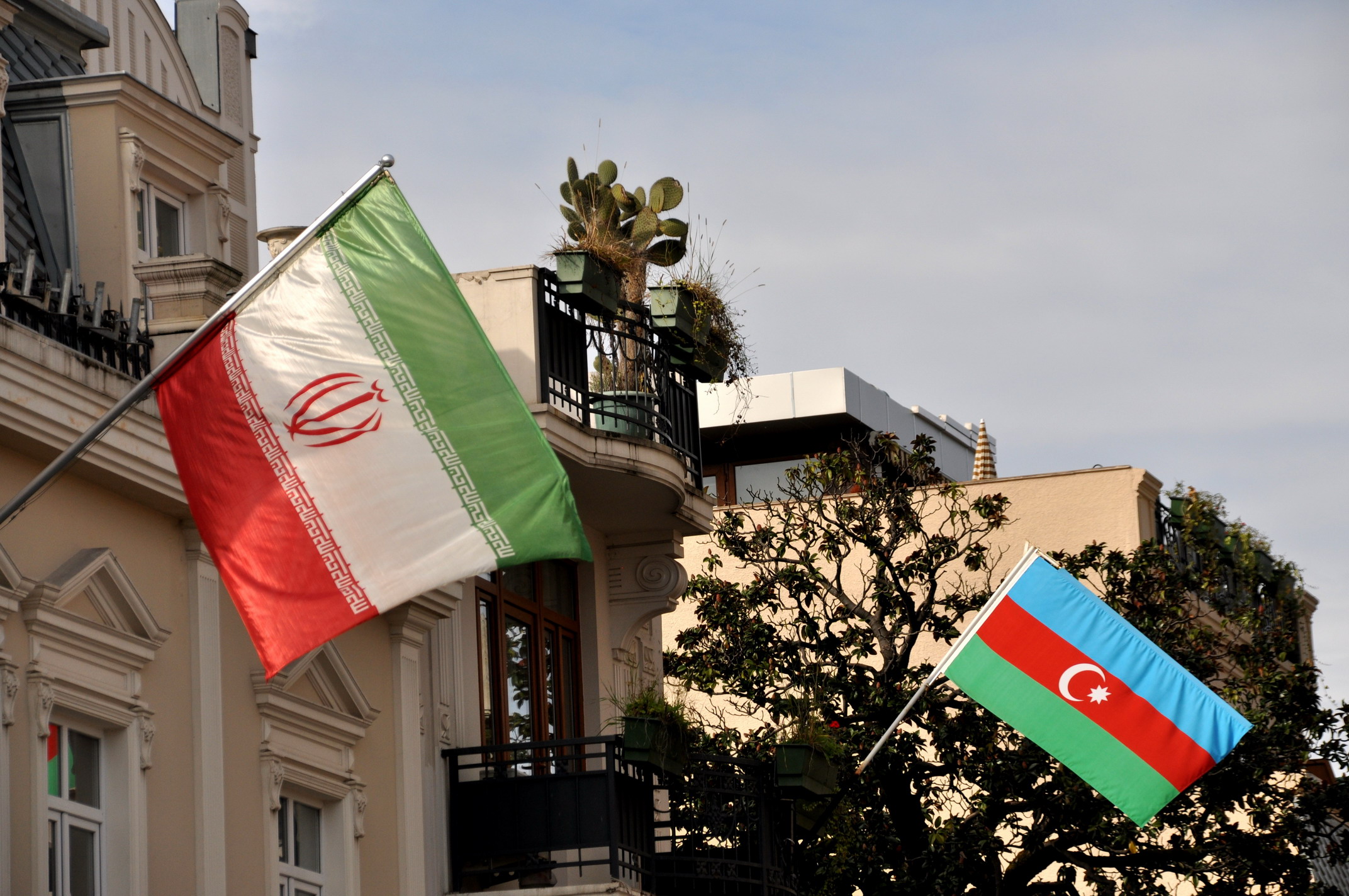
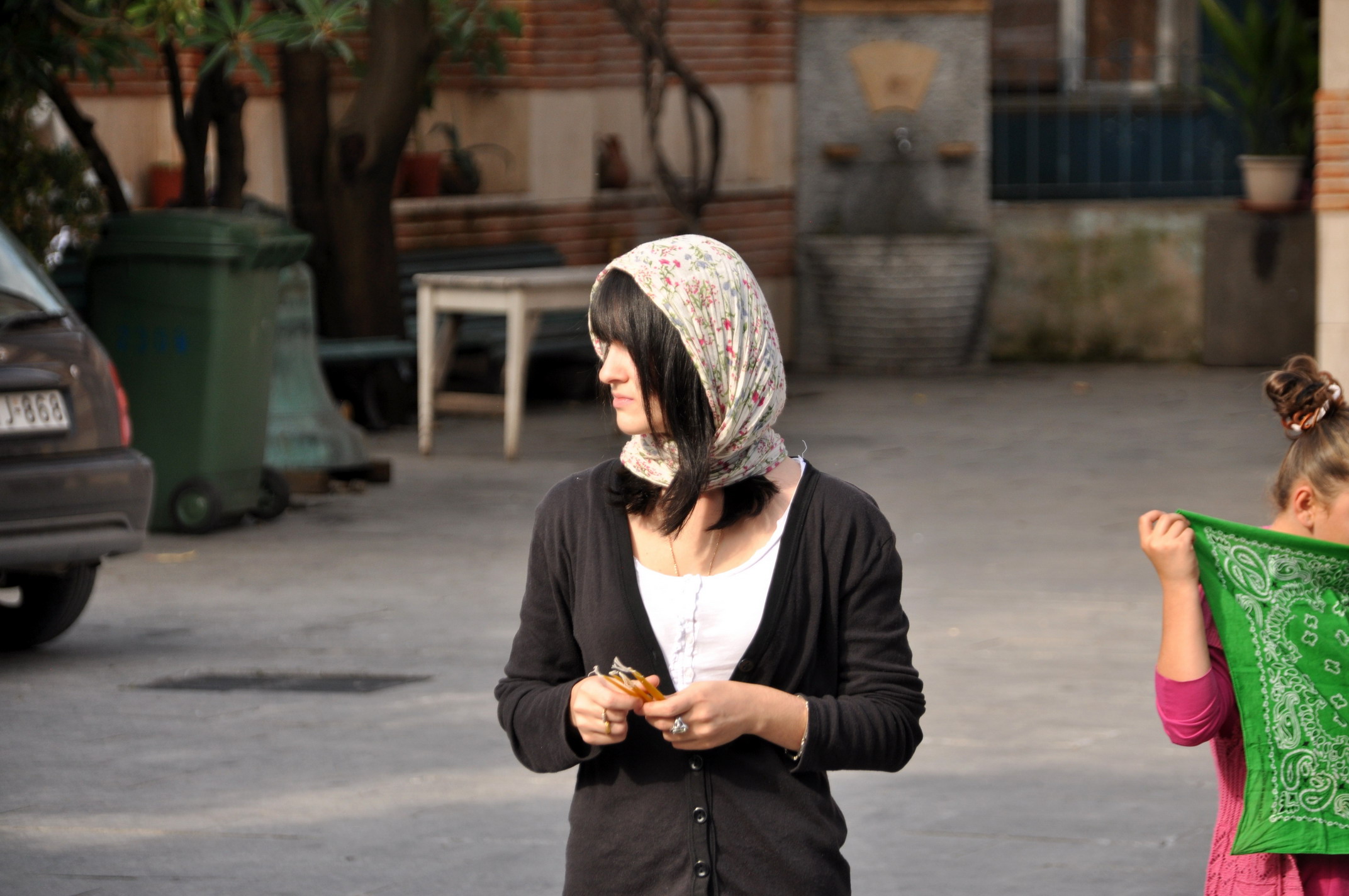
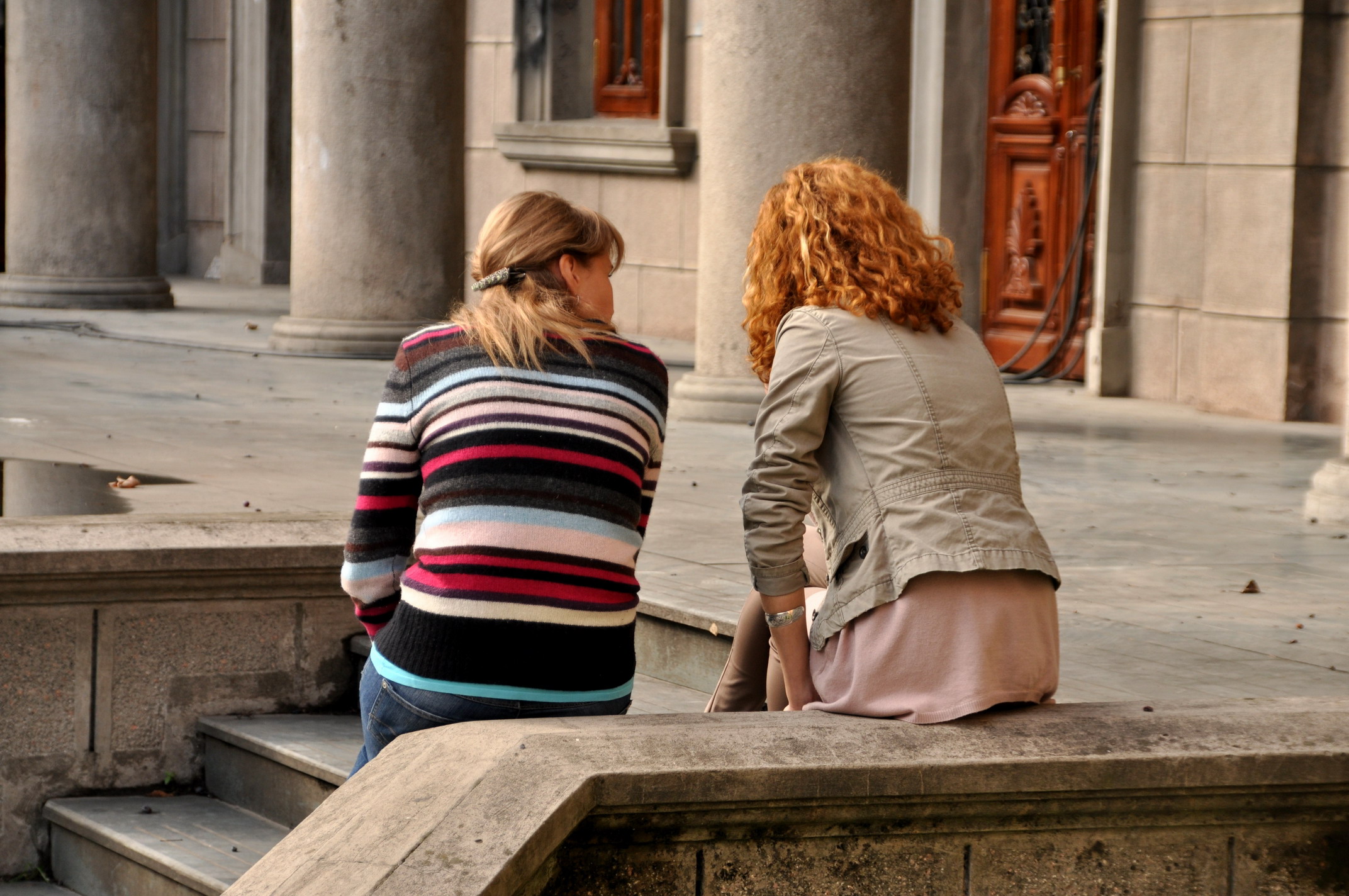
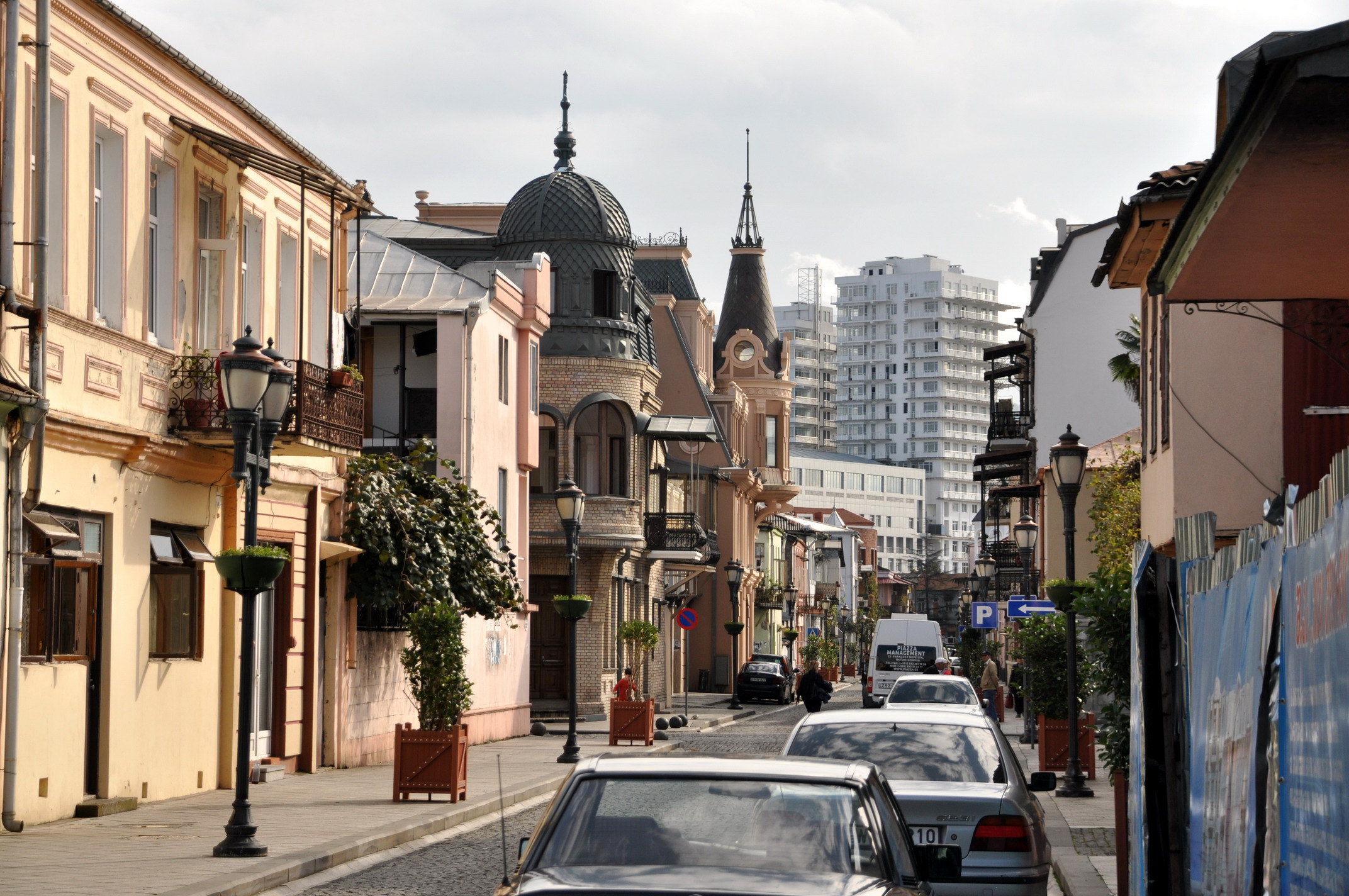
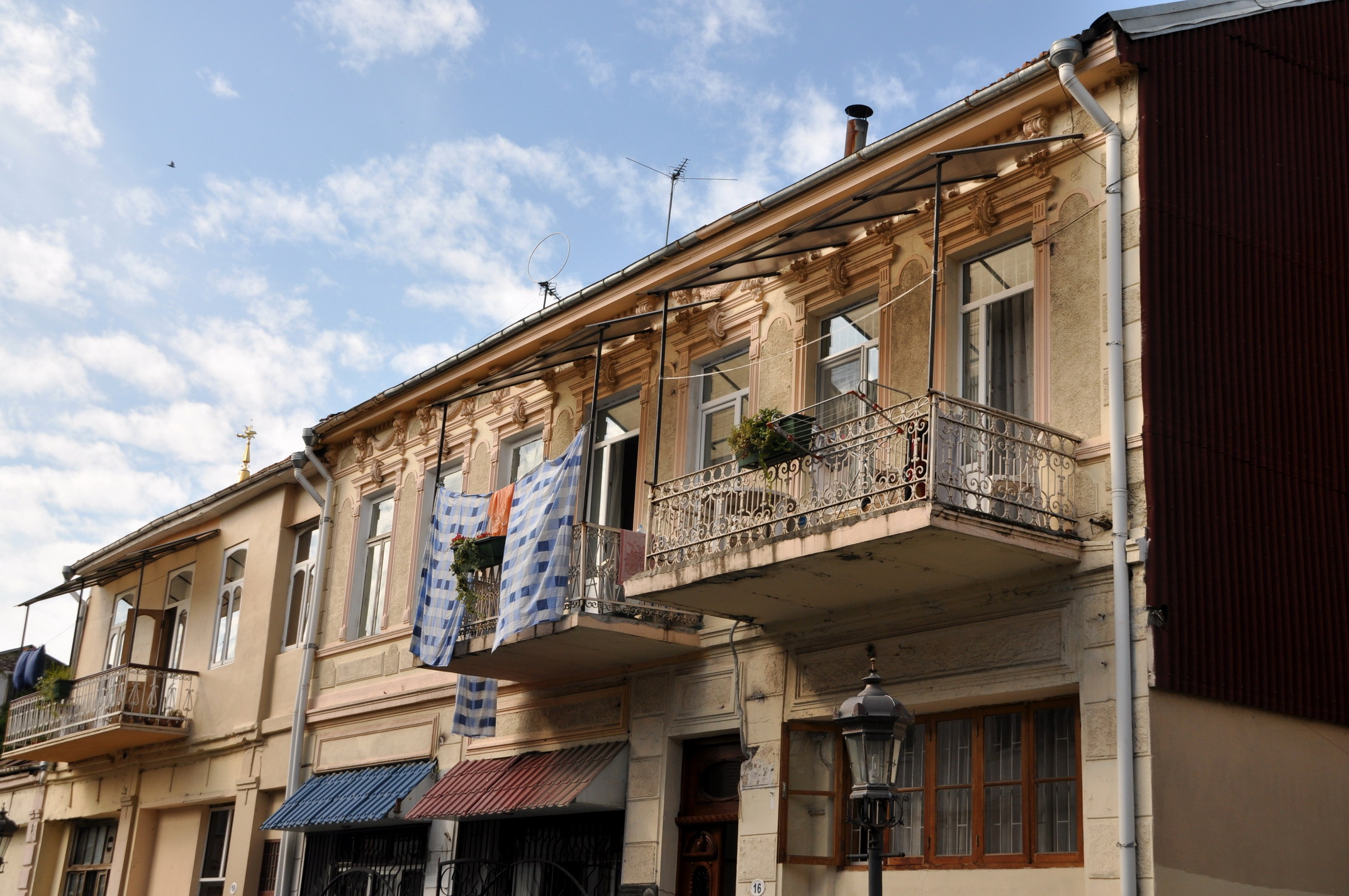
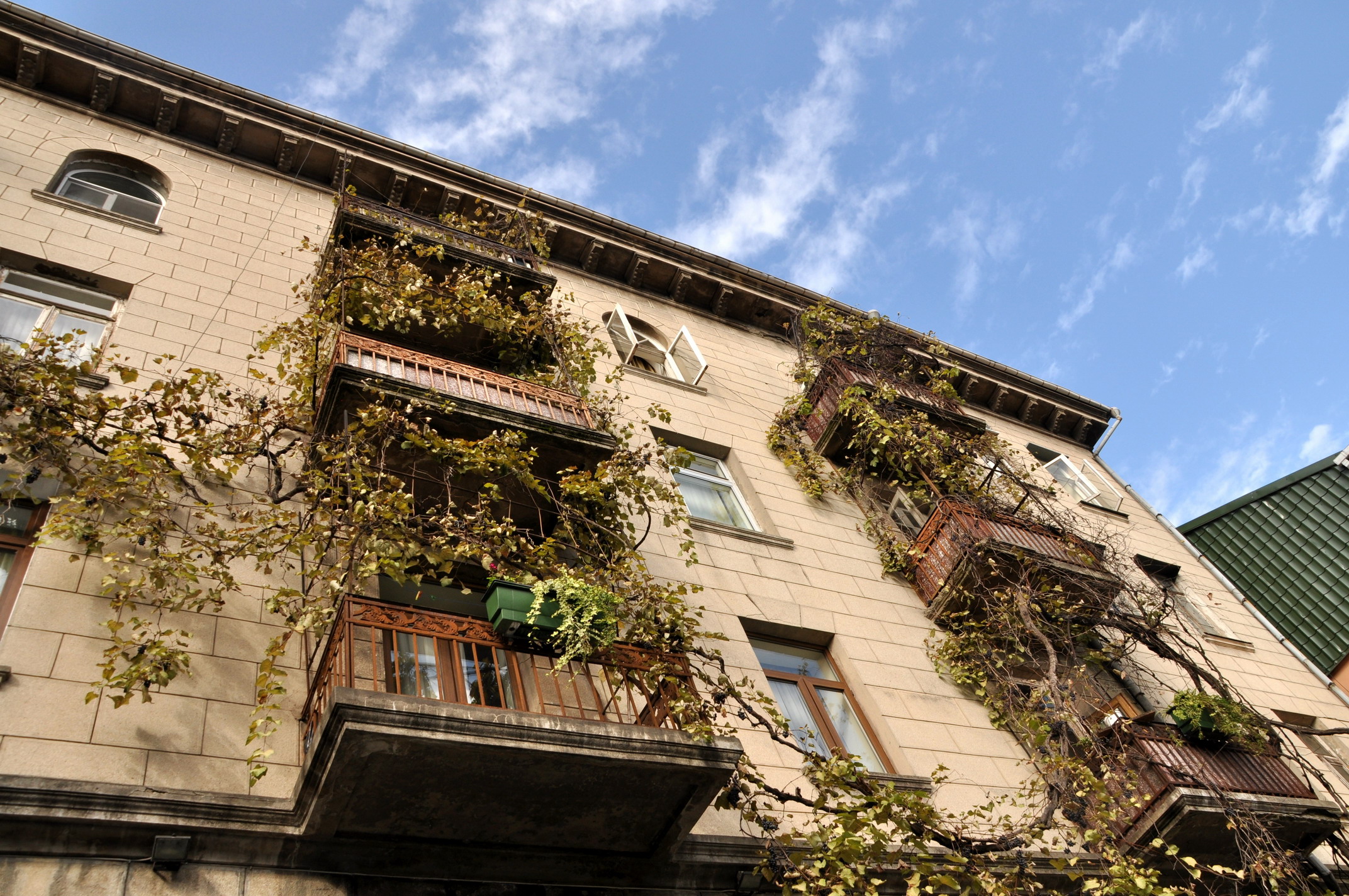
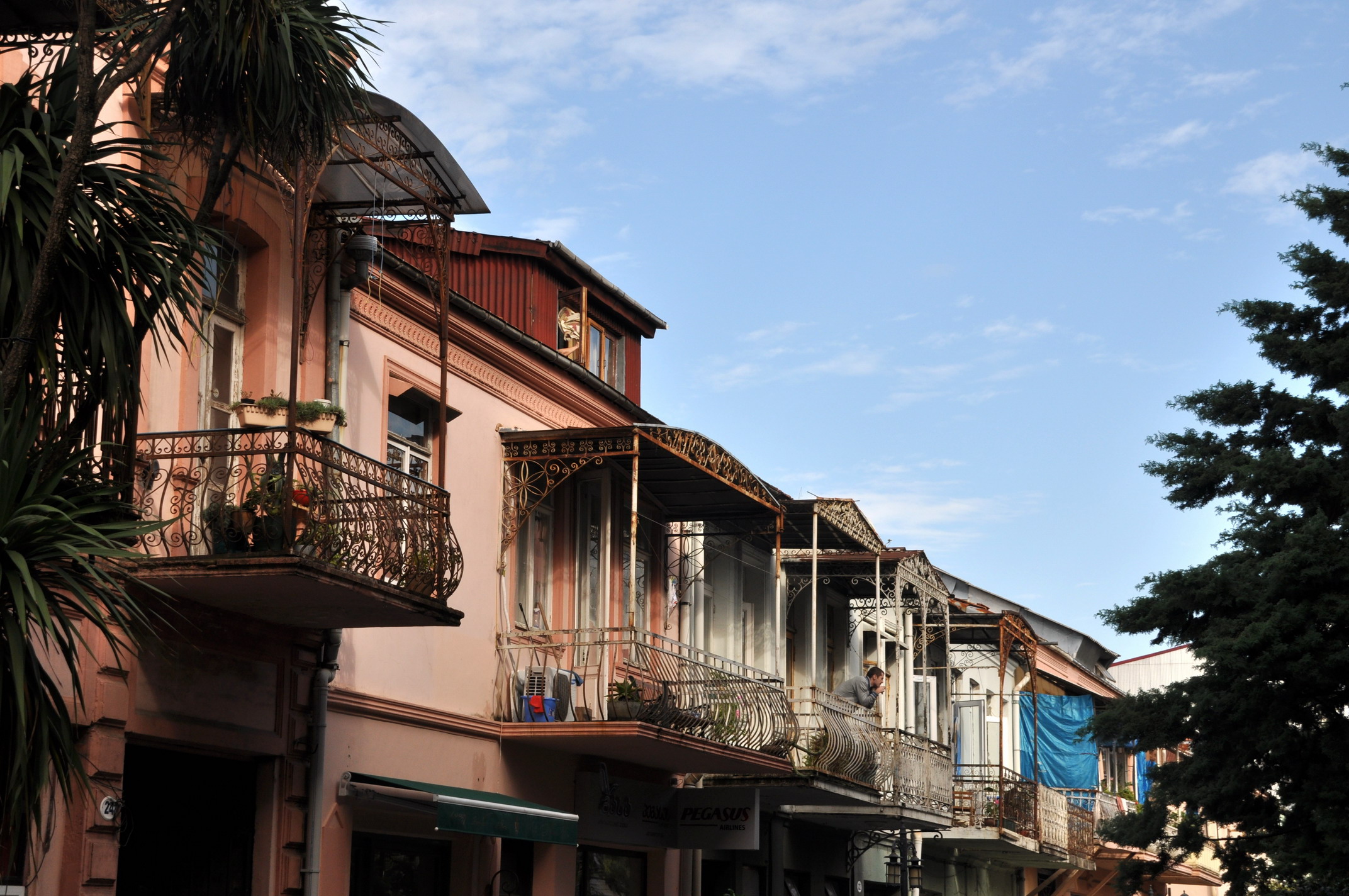
I'd single out Batumi as one of the best seaside cities in the world. It's worth seeing. And how might Sukhumi have looked if Abkhazia, like Adjara, had joined in Saakashvili's reforms?
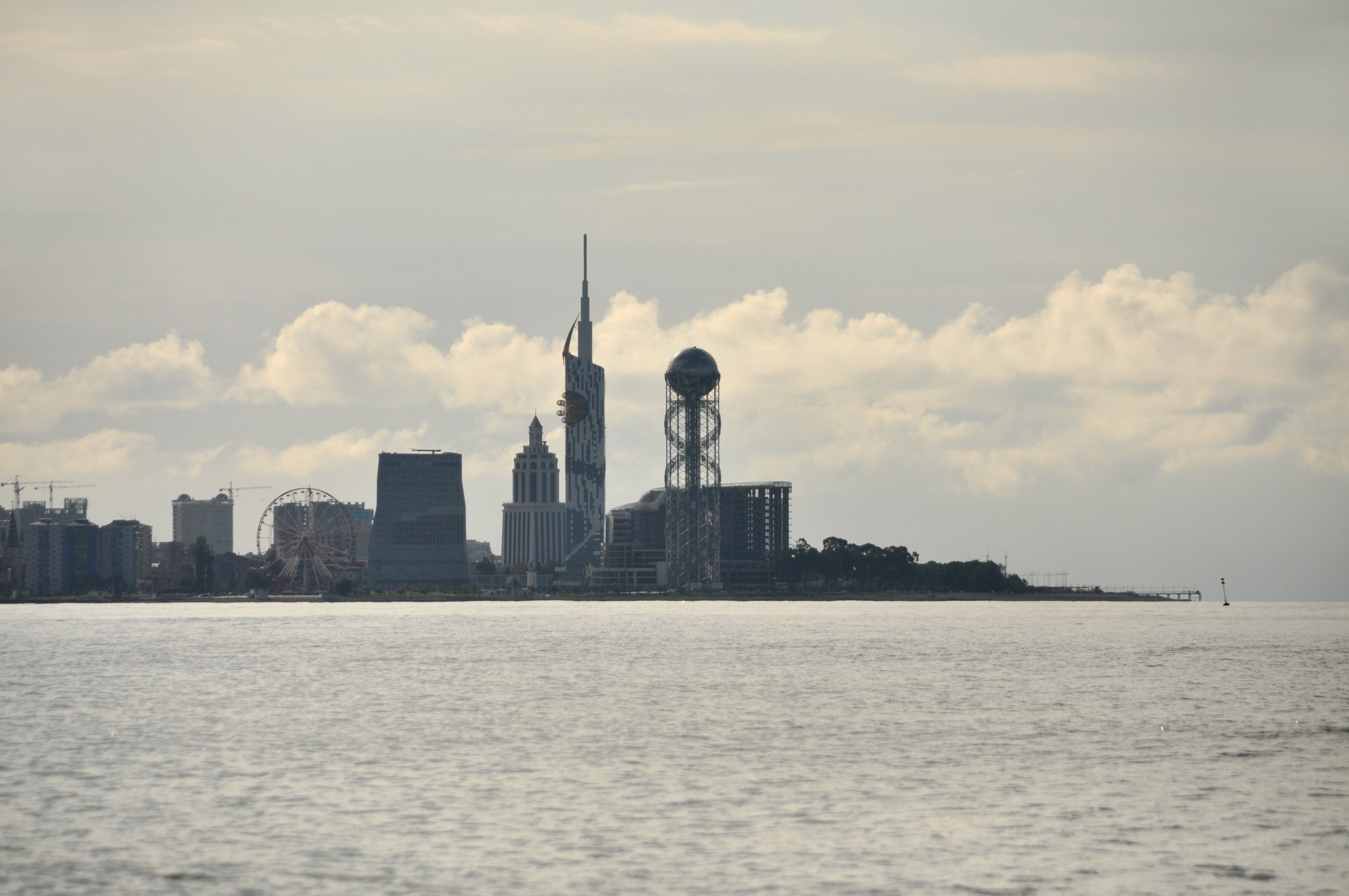
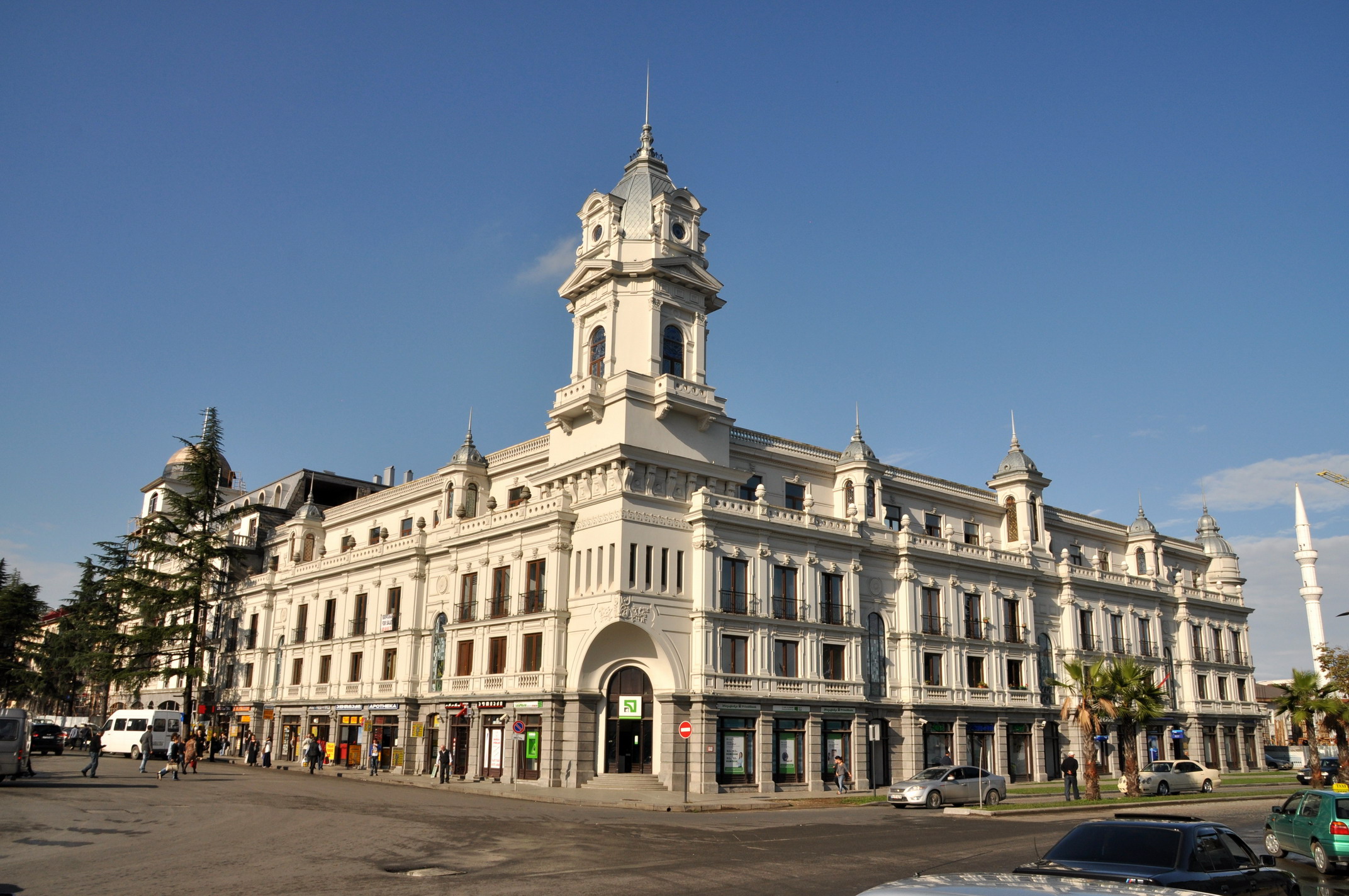
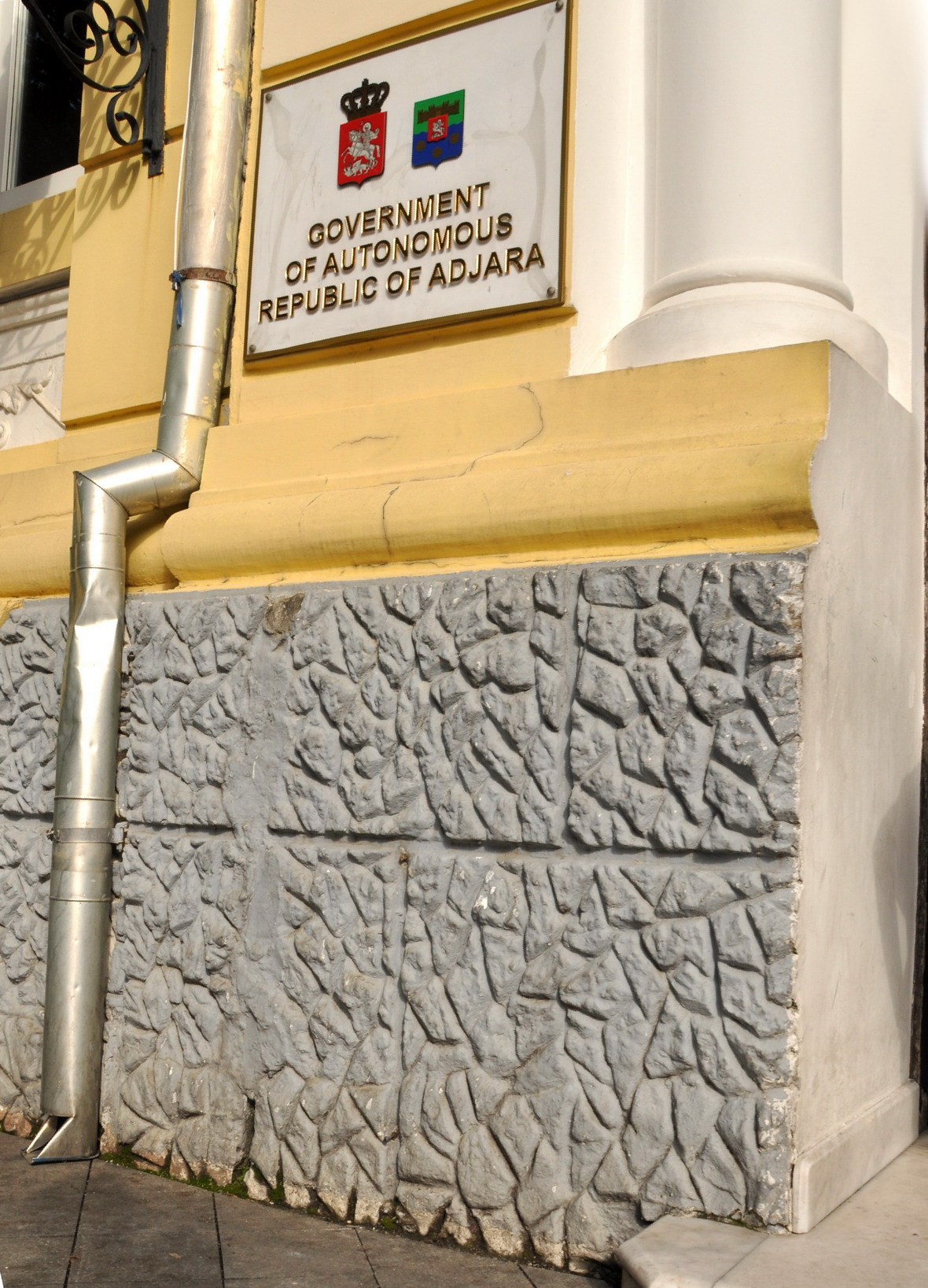
It was my birthday, so I denied myself nothing. I had coffee with buns, espressos and cappuccinos, chakhokhbili chicken stew and shashlik.
Poti, Kutaisi and Tbilisi
I decided to spend the night in Poti (ფოთი). The road along the Black Sea was congested and there was no moving fast. Here the resort ended and the seashore was simply the verge.
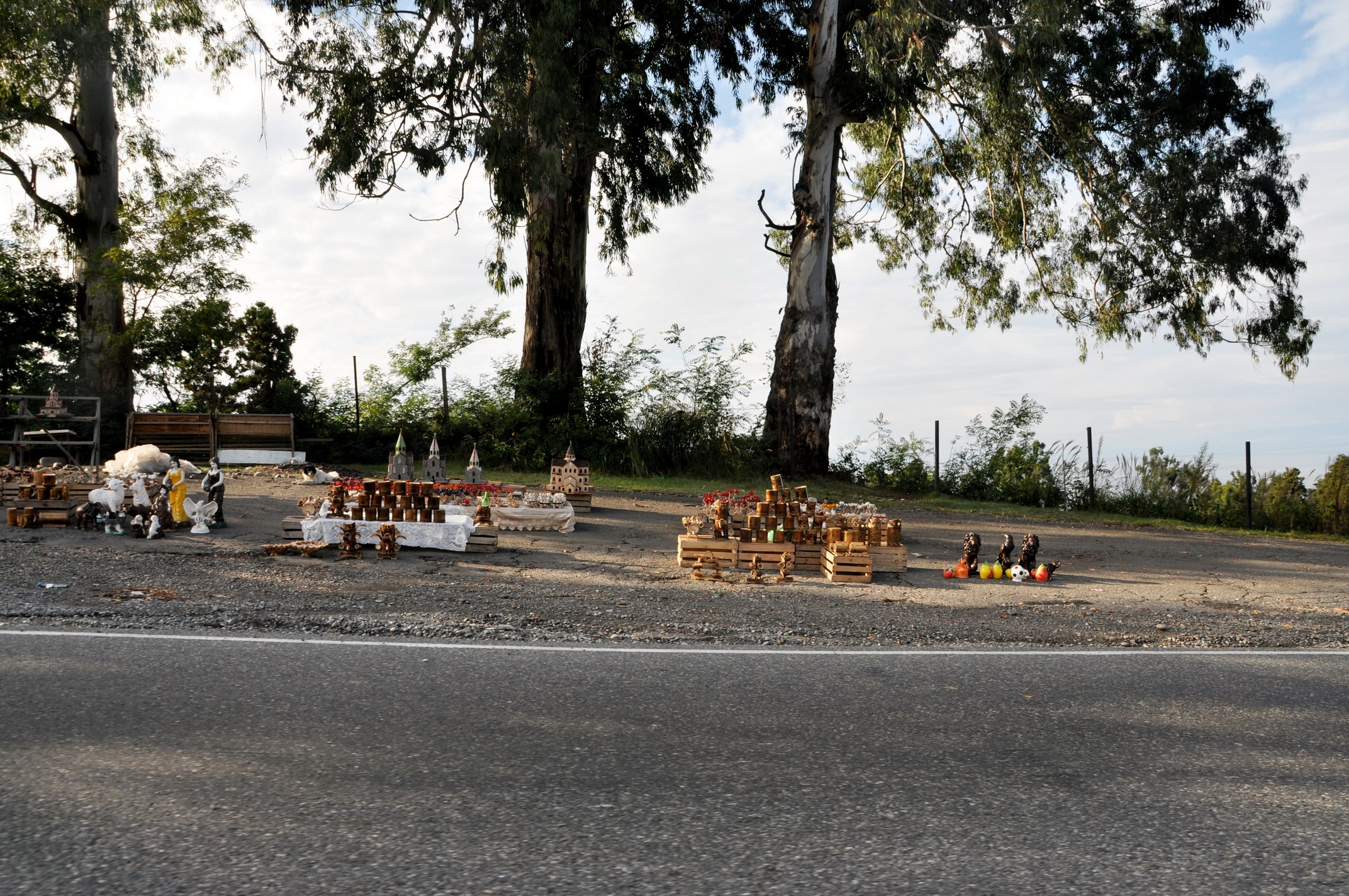
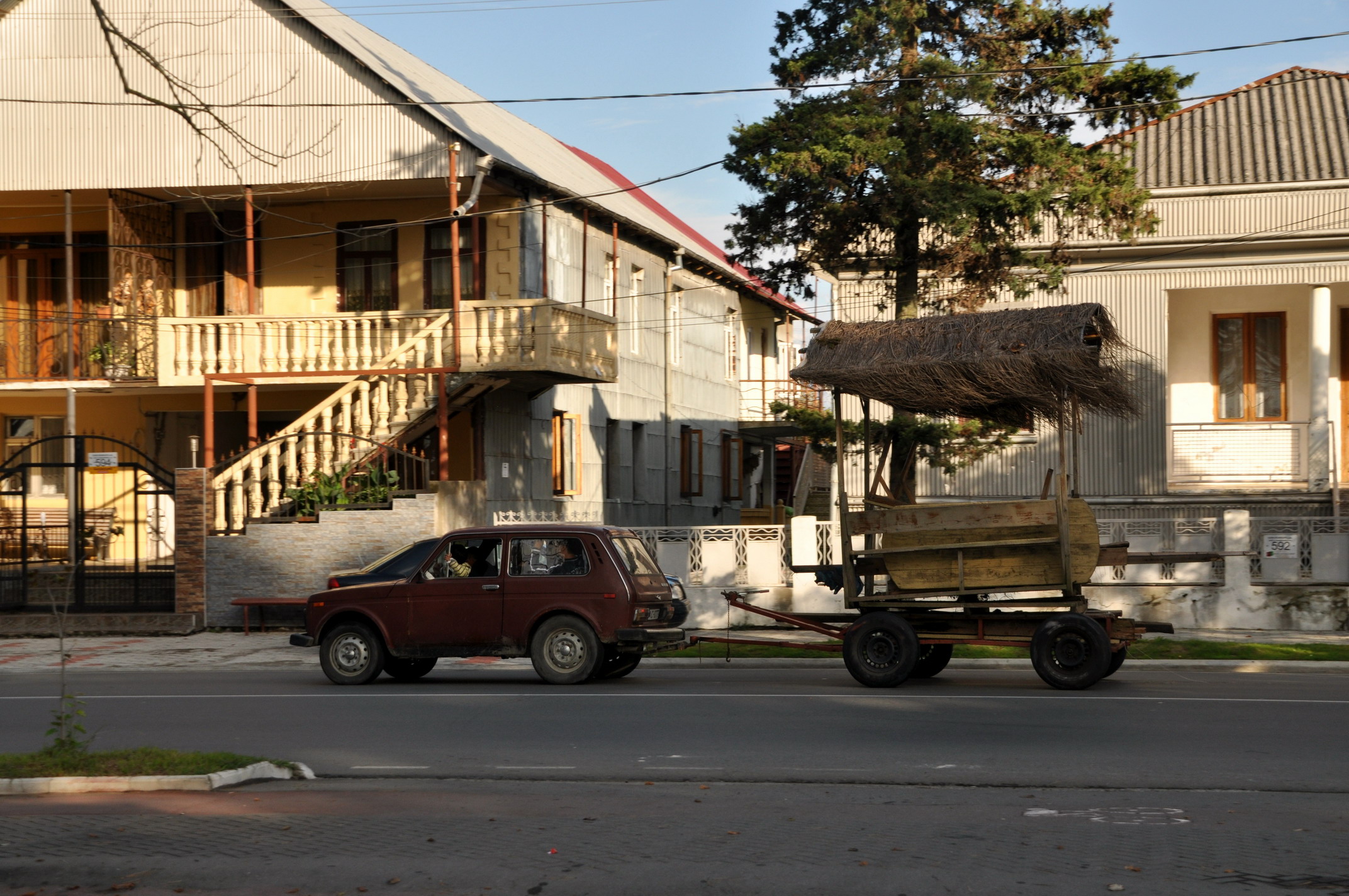
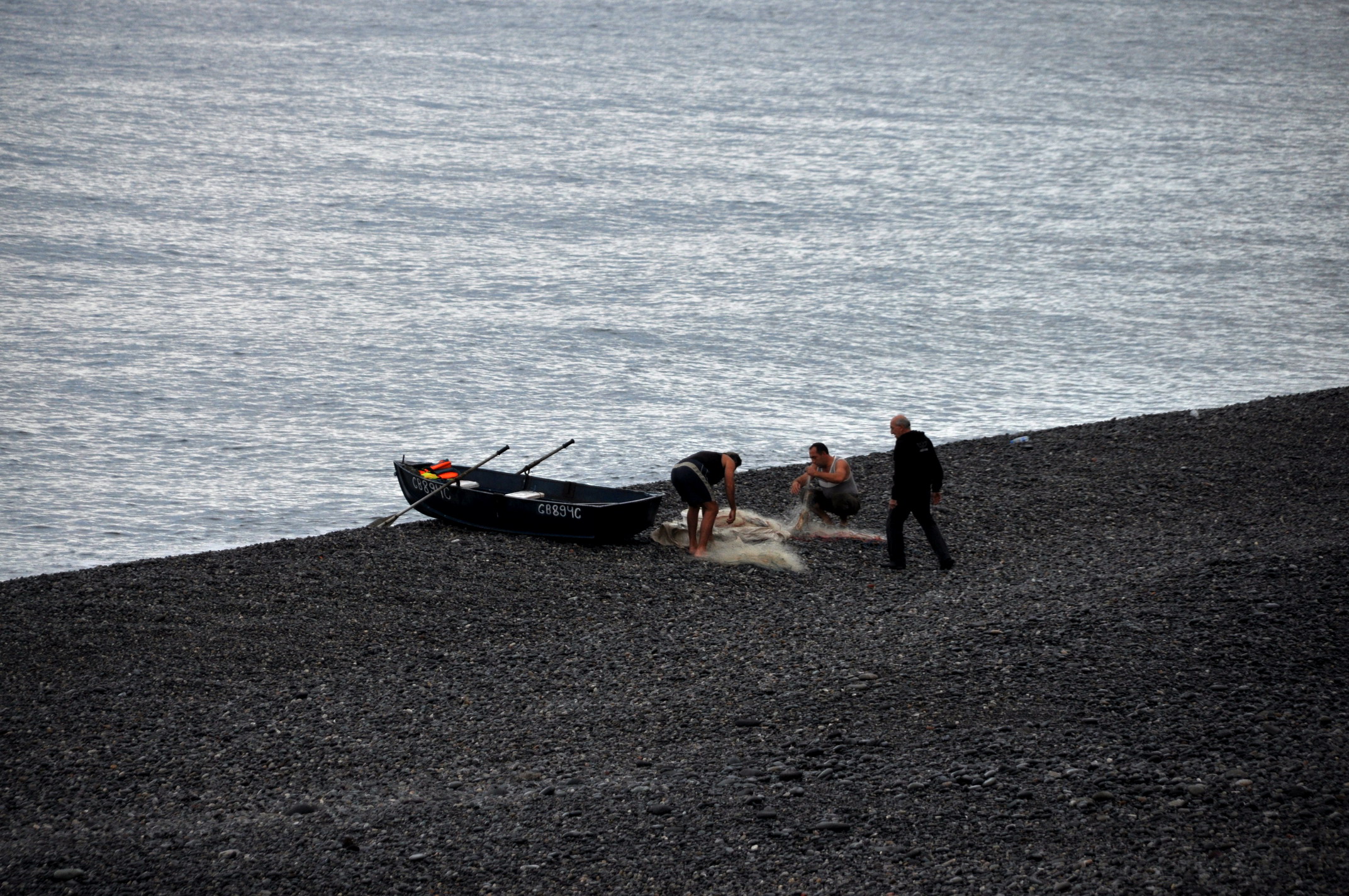
I found a good spot to swim. It was cold, but this was the Black Sea I'd yearned for so long and dreamed about on dark nights back in Saint Petersburg. To get there and not go in, however briefly, would be a sin.
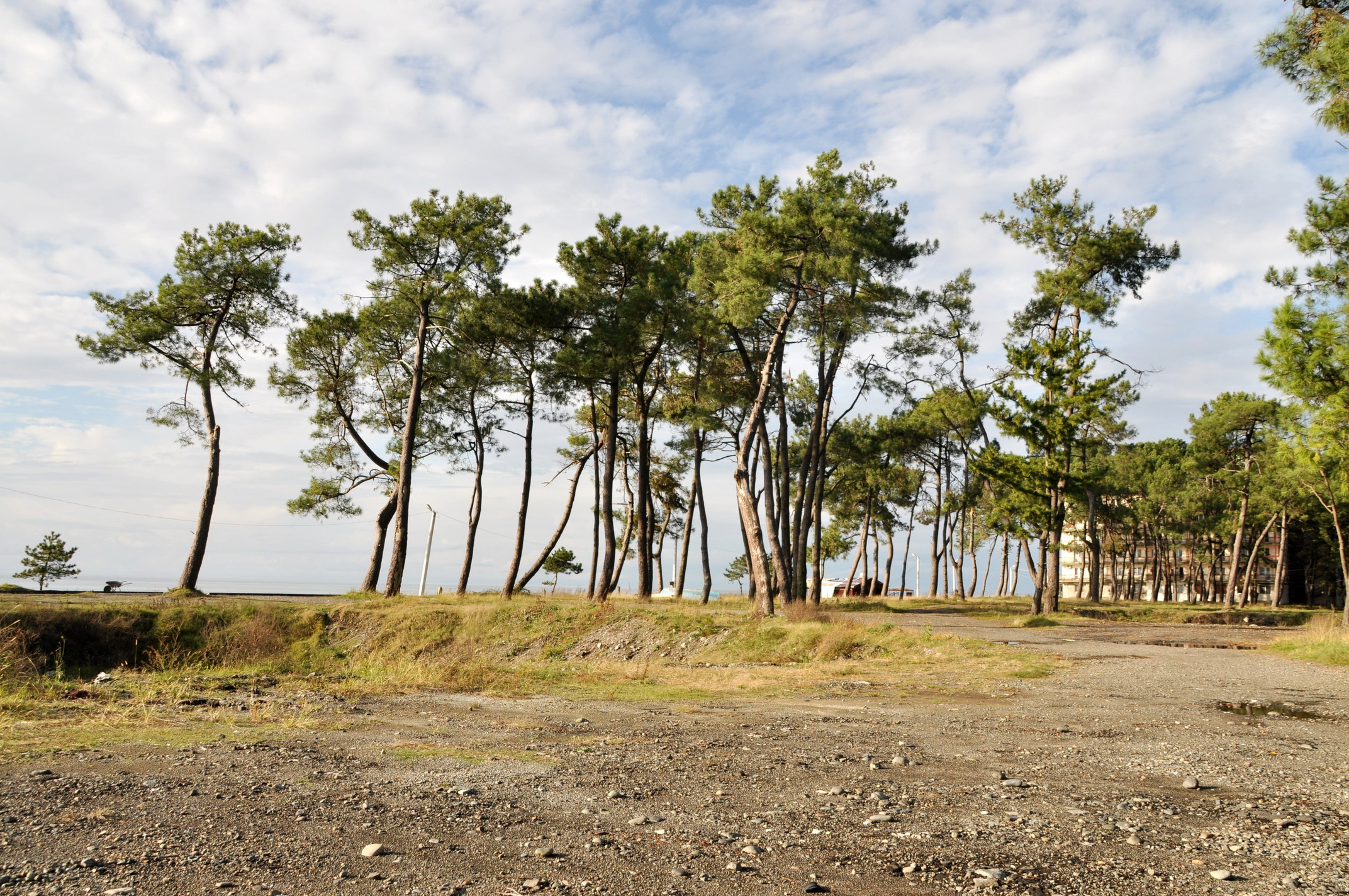
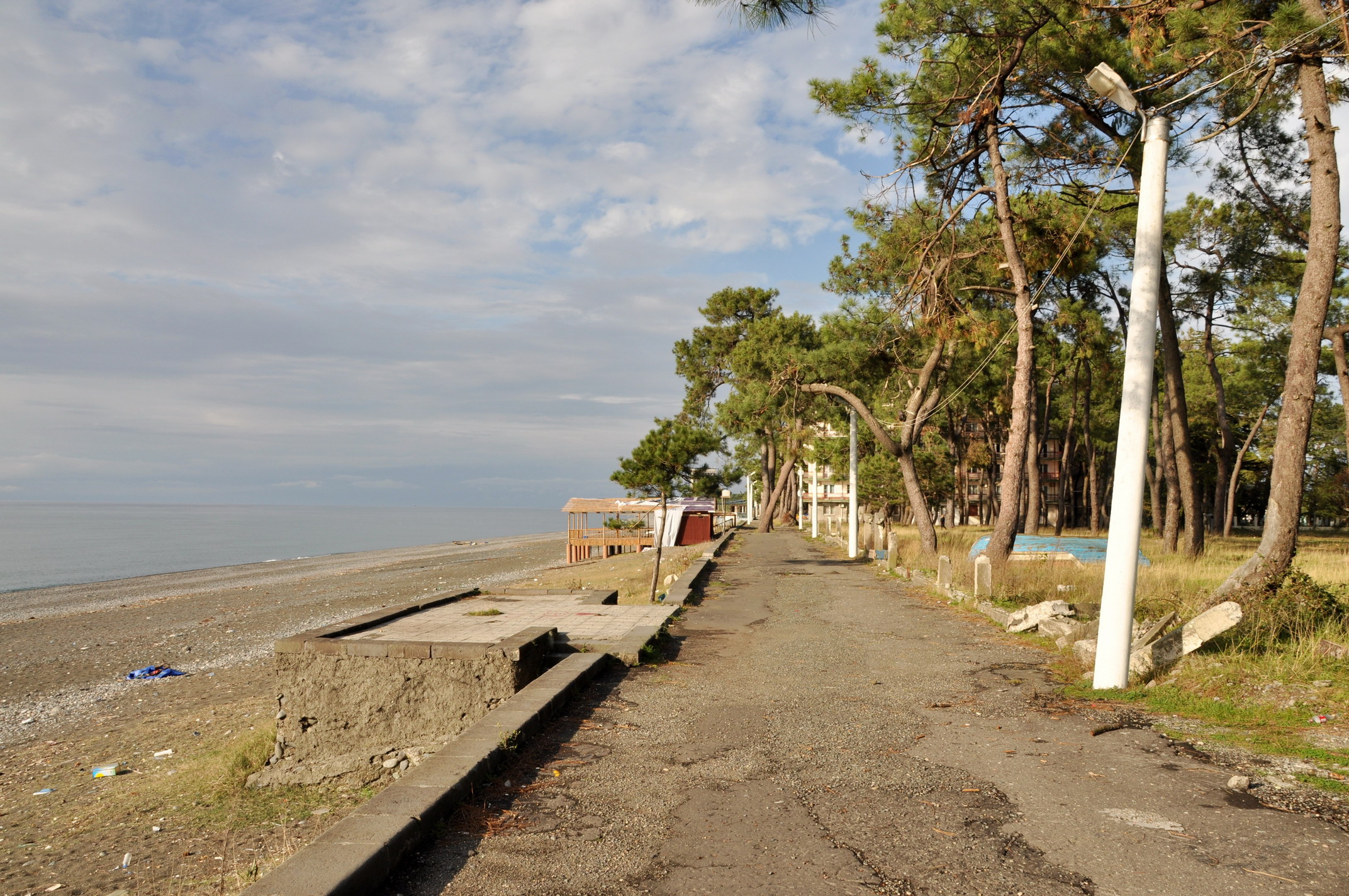
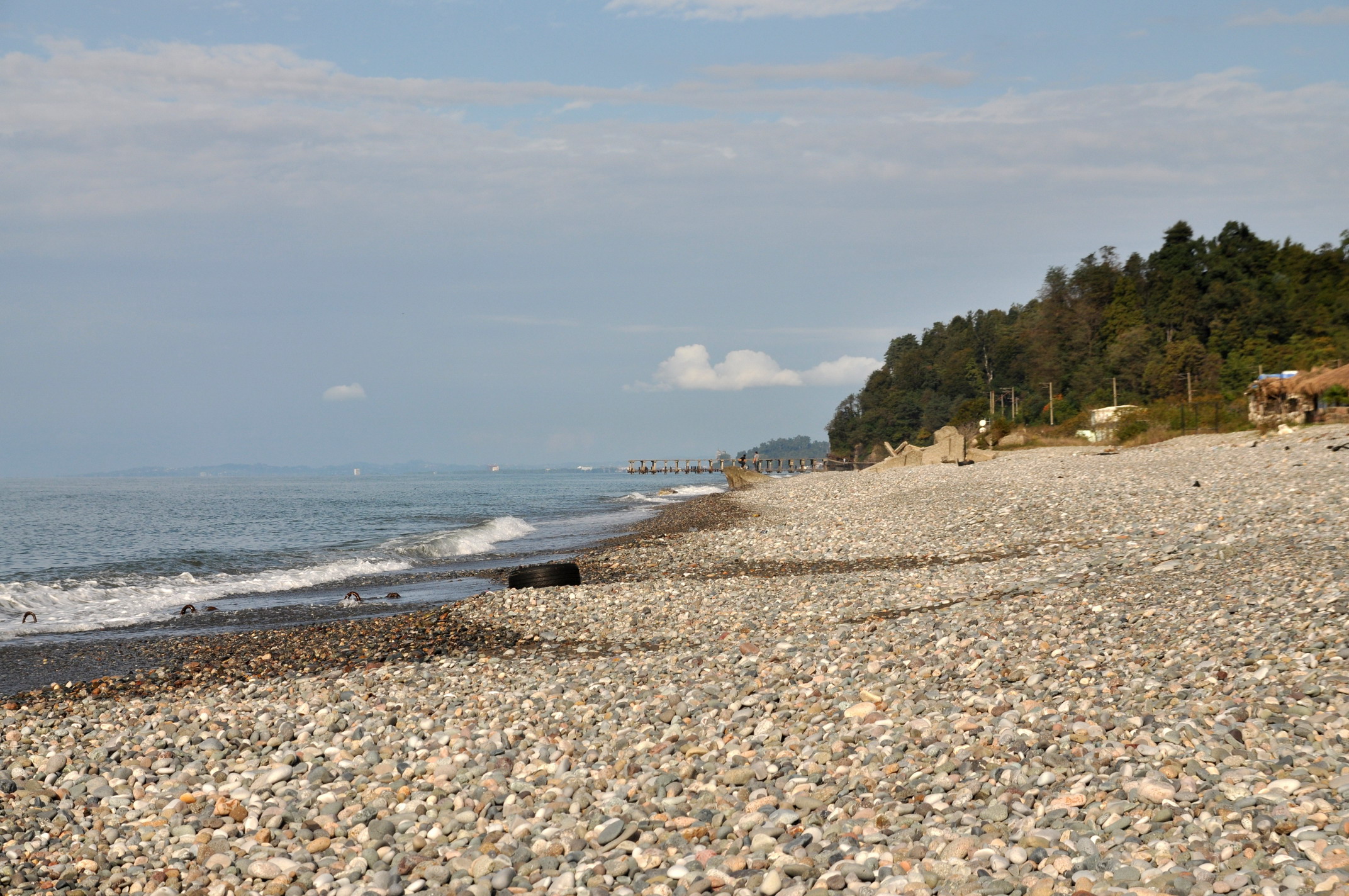
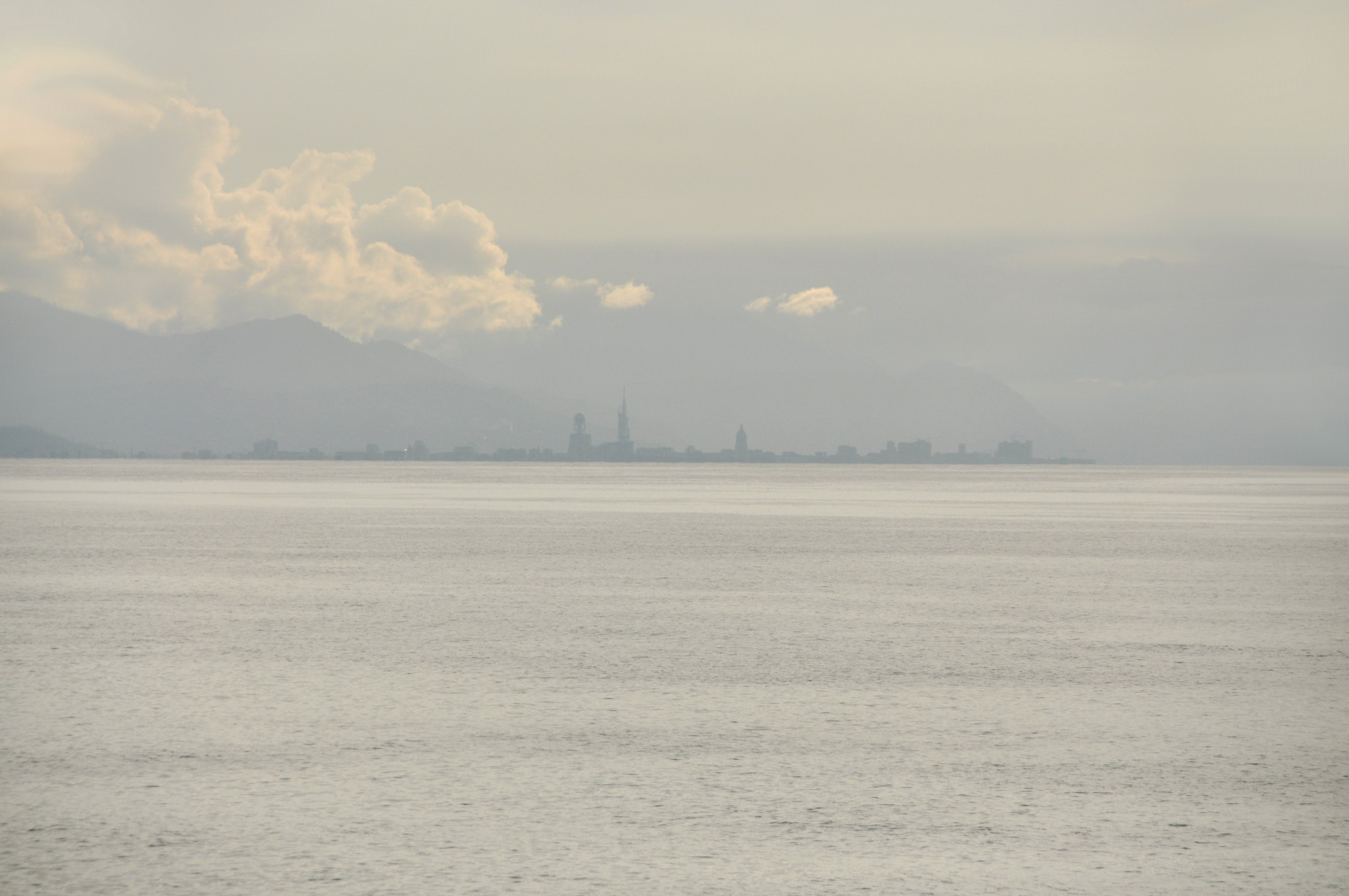
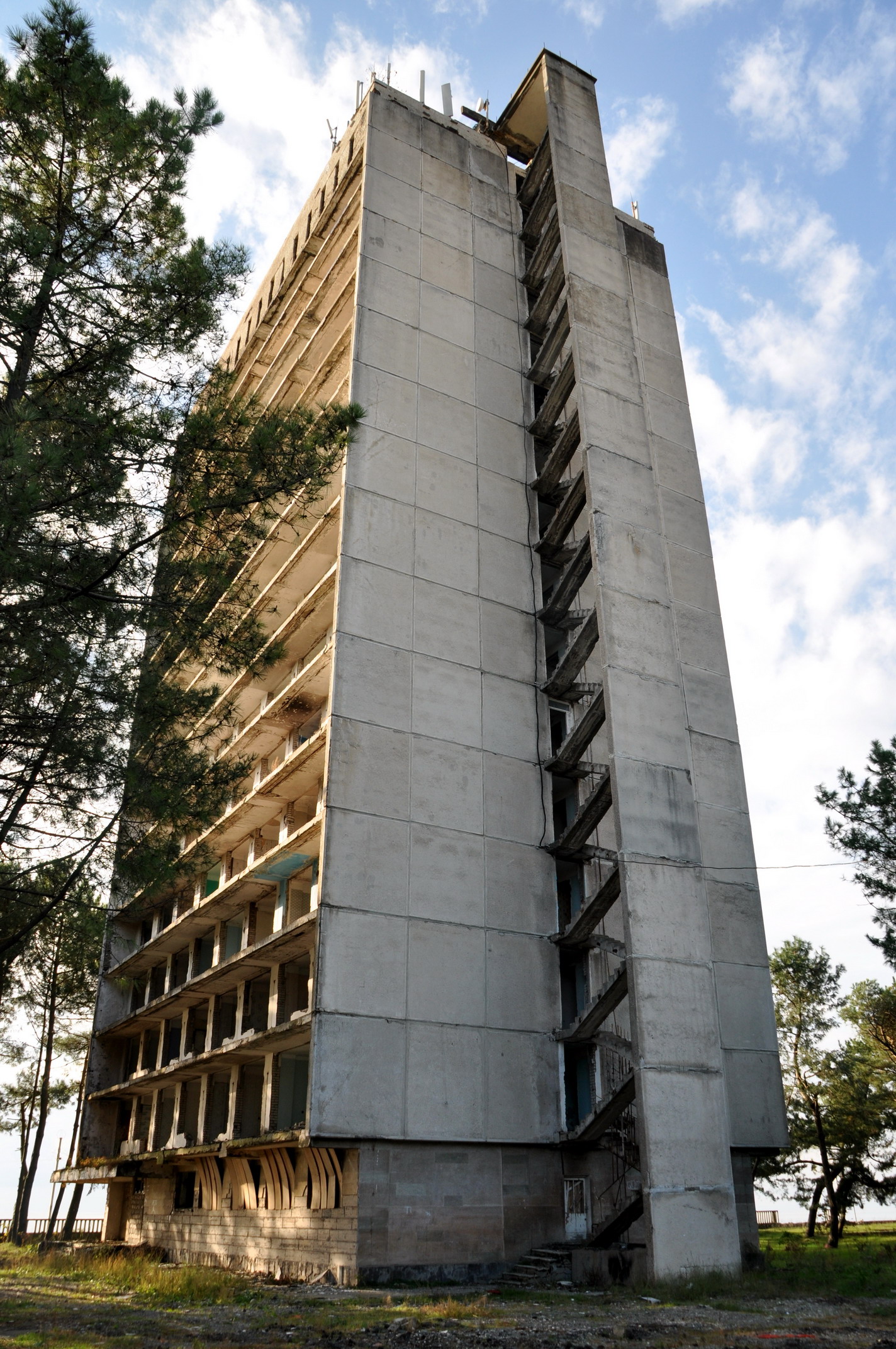
Here and there stood abandoned Soviet tower blocks. A different age called for very different things. Life by the whistle, in little cells in an anthill with a canteen on the ground floor, was no longer in demand. No one had got around to removing these skeletons.
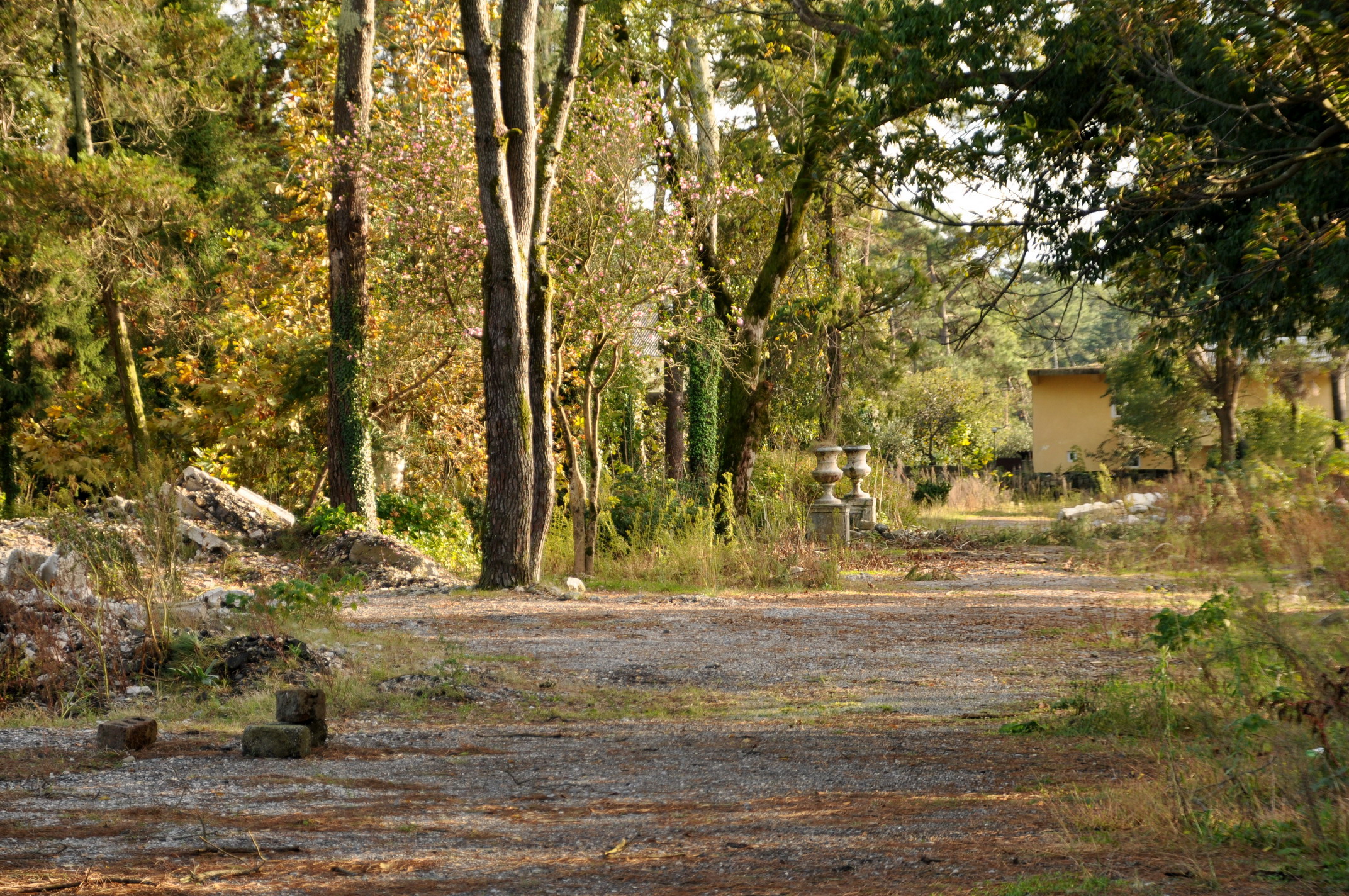
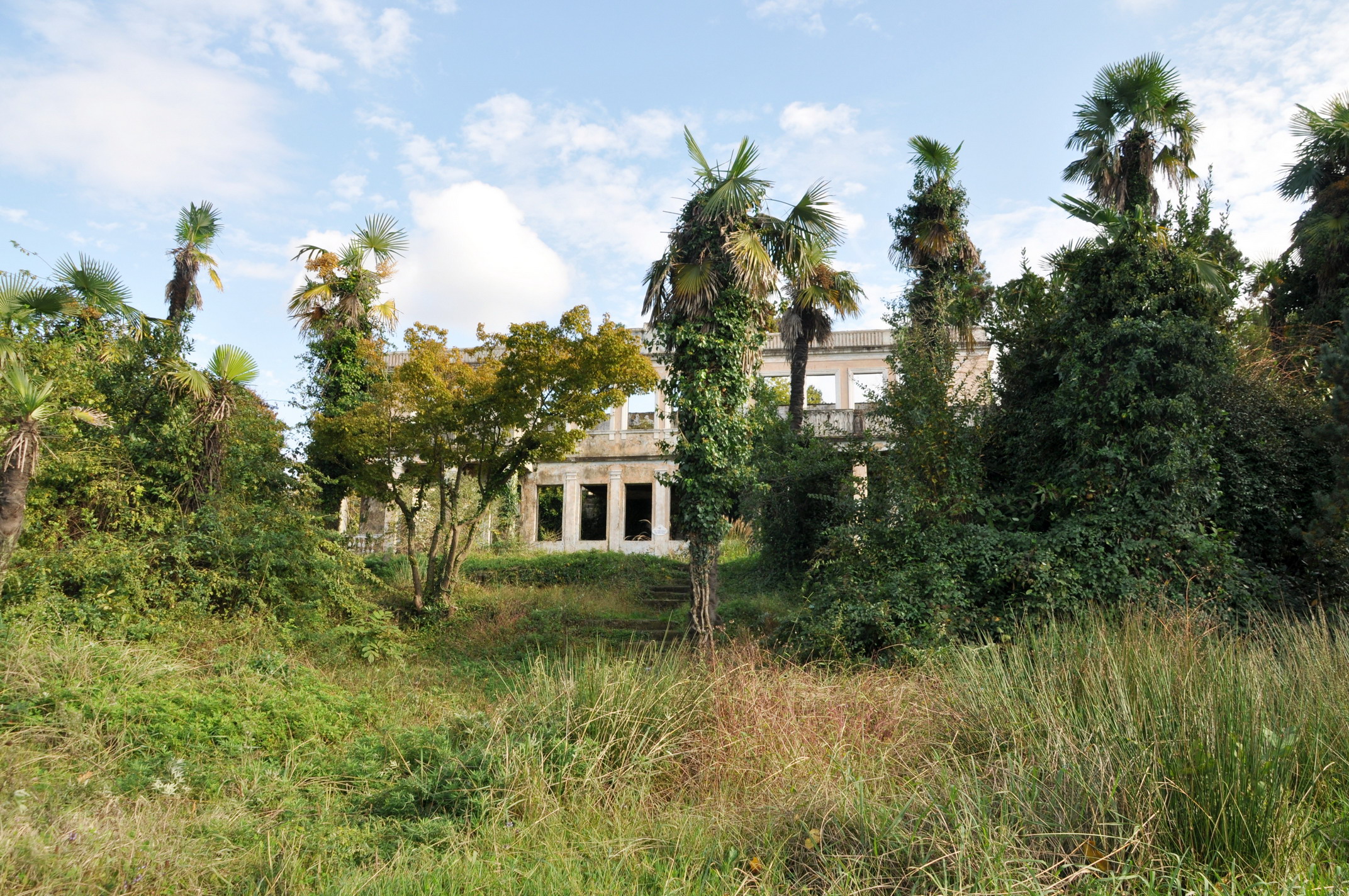
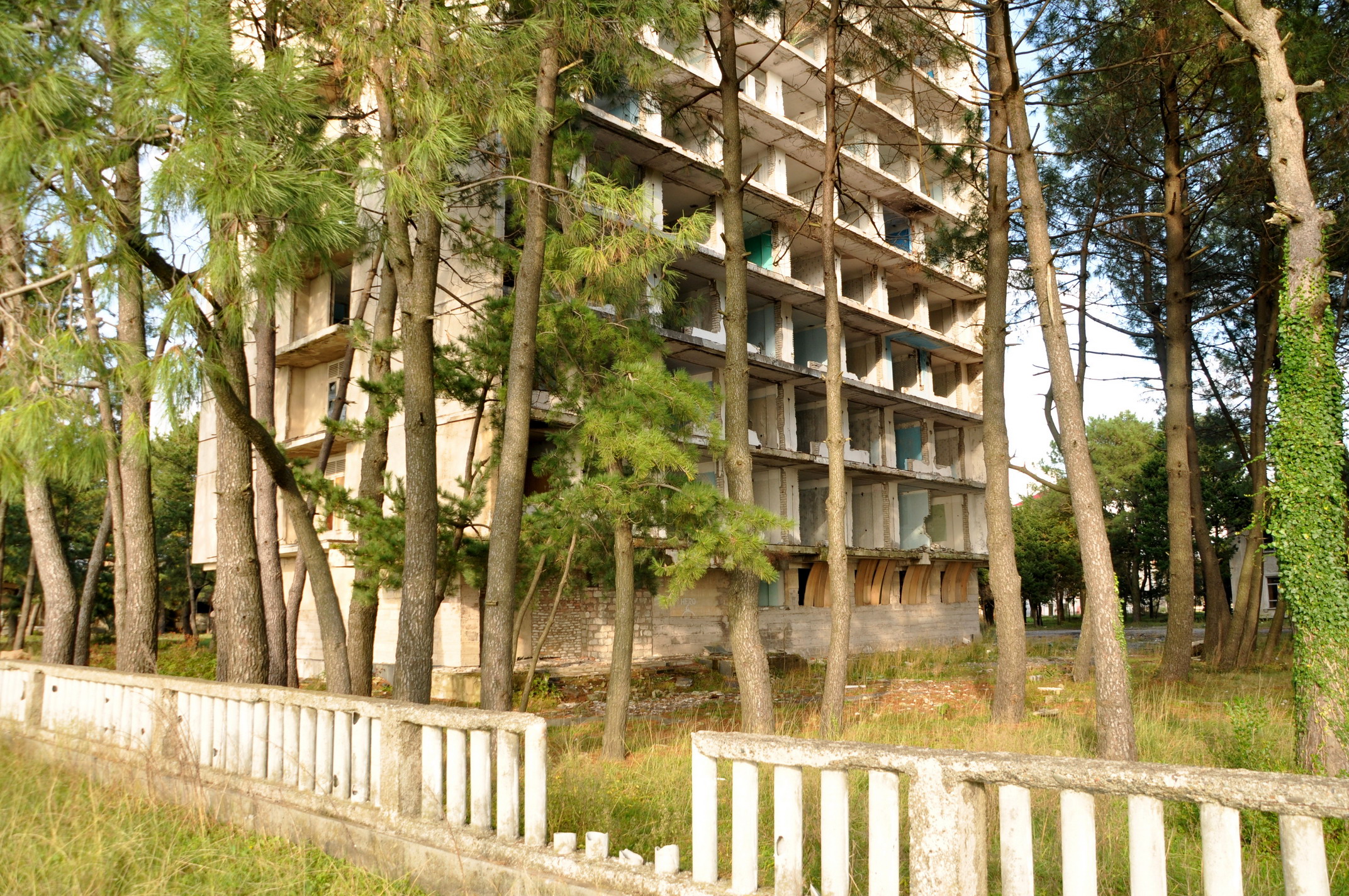
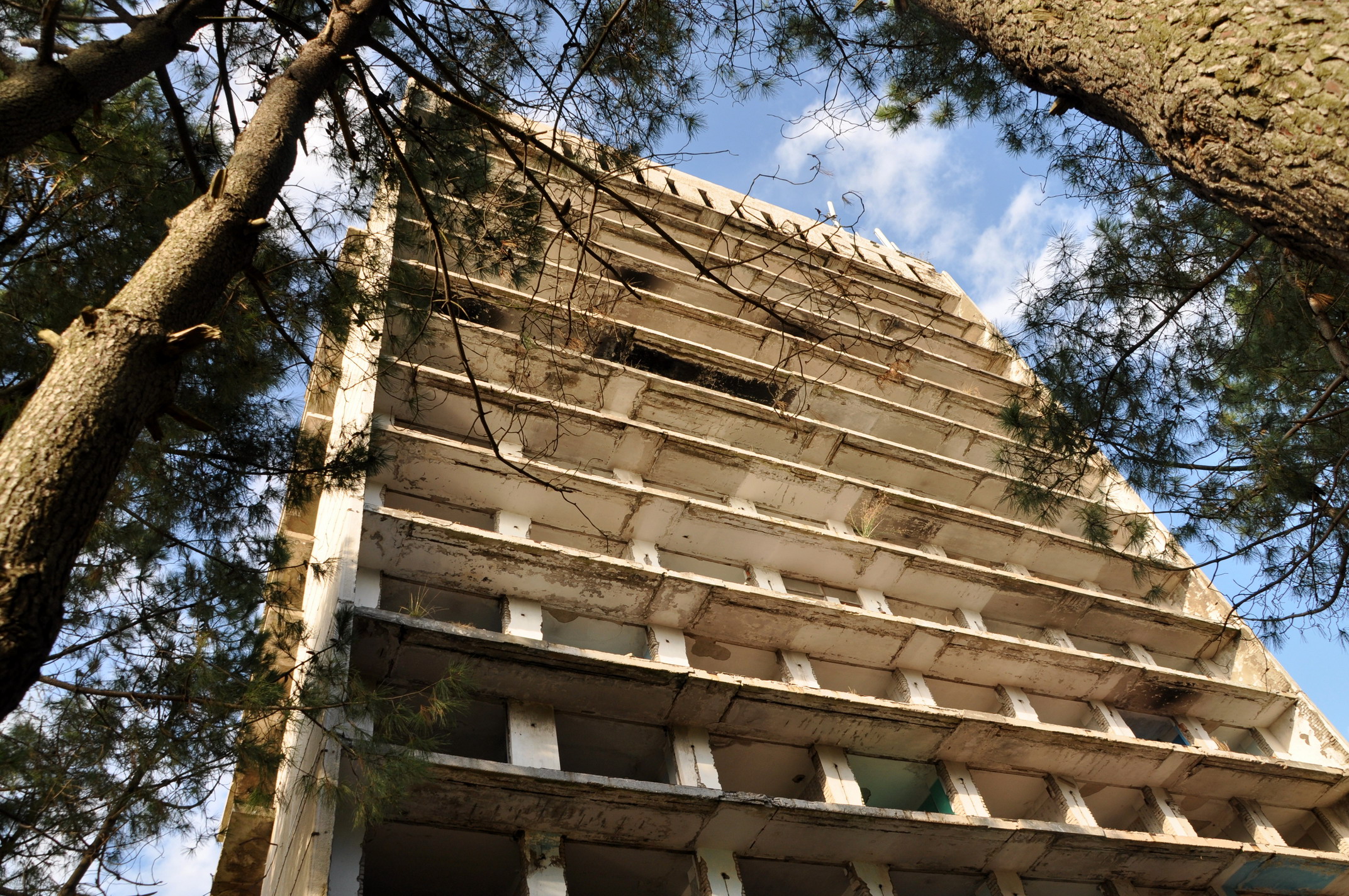
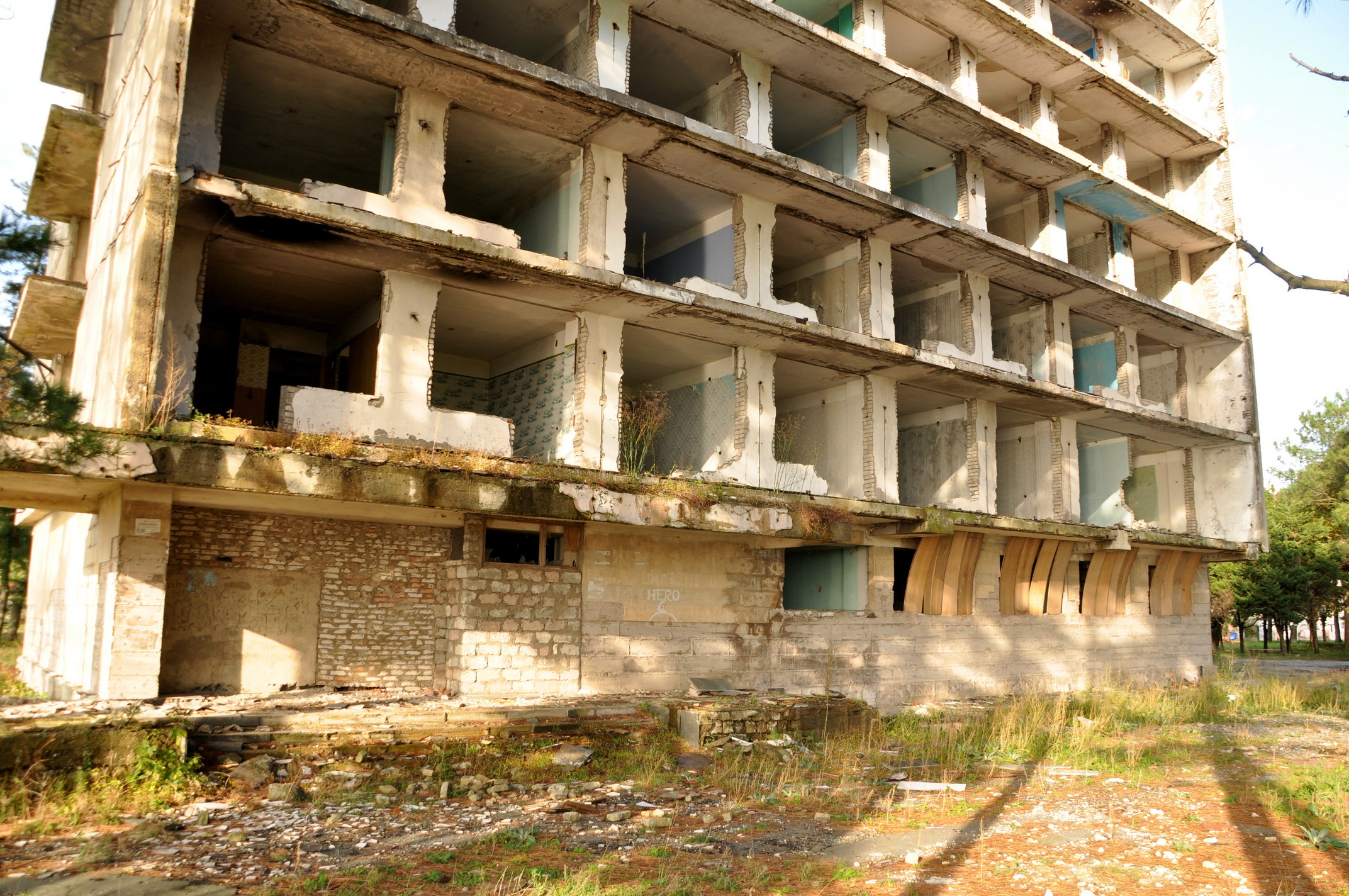
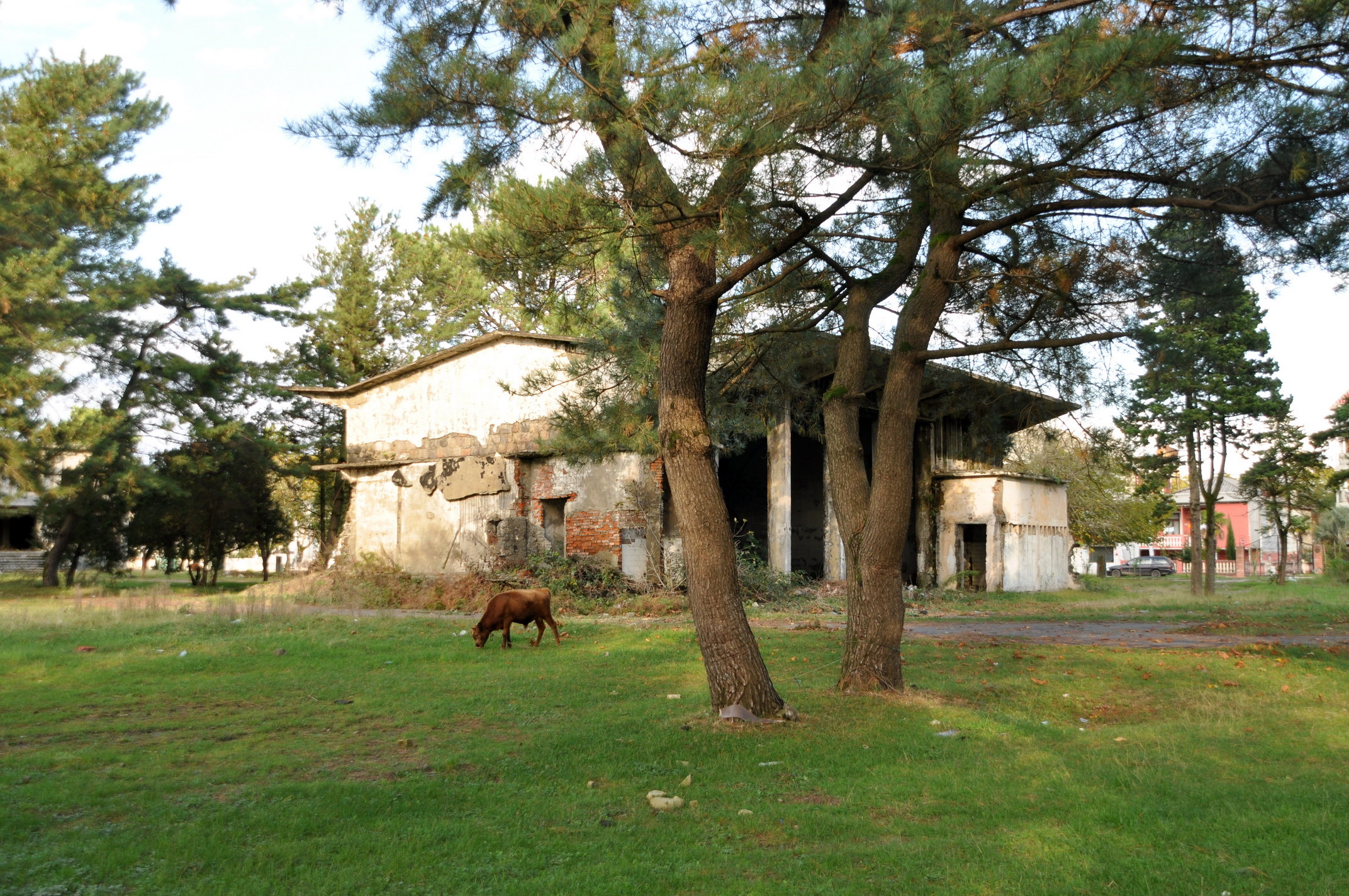
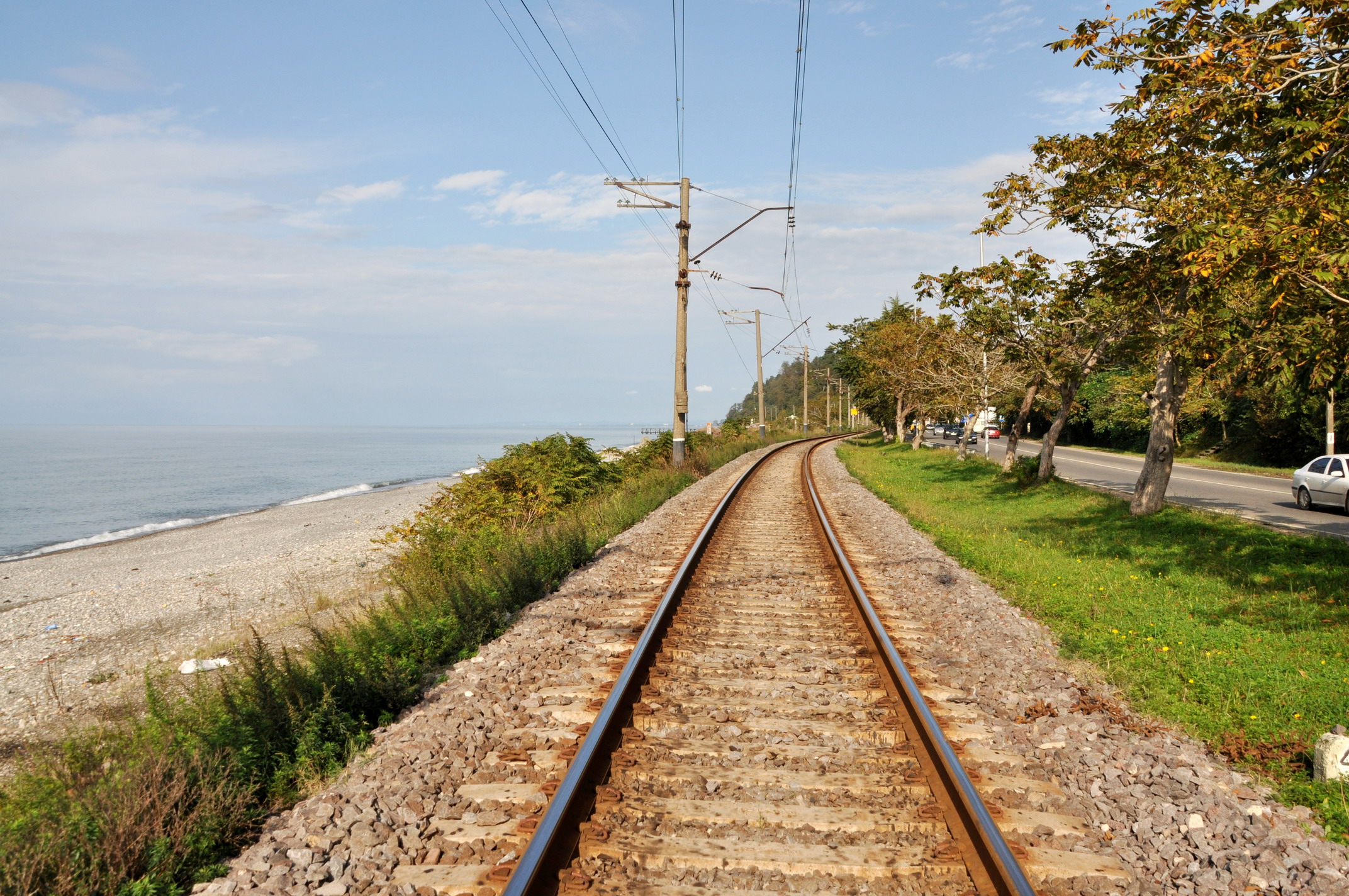
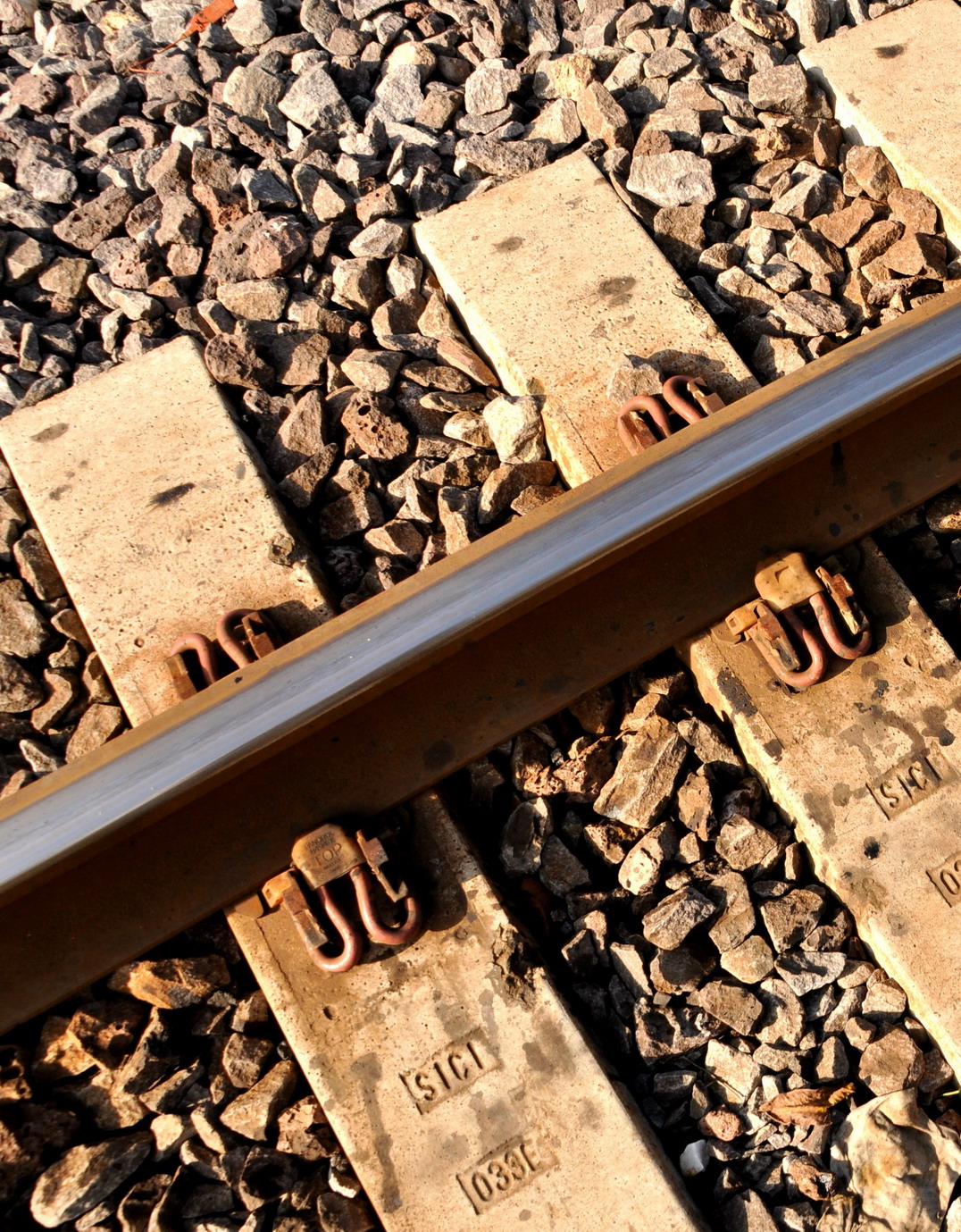
A railway followed the coast, rebuilt using Western technology. The rails were polished by use. On the main road, great signs pointed to Sukhumi. On the maps, of course, the occupied territories were marked as Georgia. An unsuspecting Western tourist might have had no idea that to get down the road they'd need an armoured army, and even then might not get through. Will there really be no borders here one day? Will we live to see it?
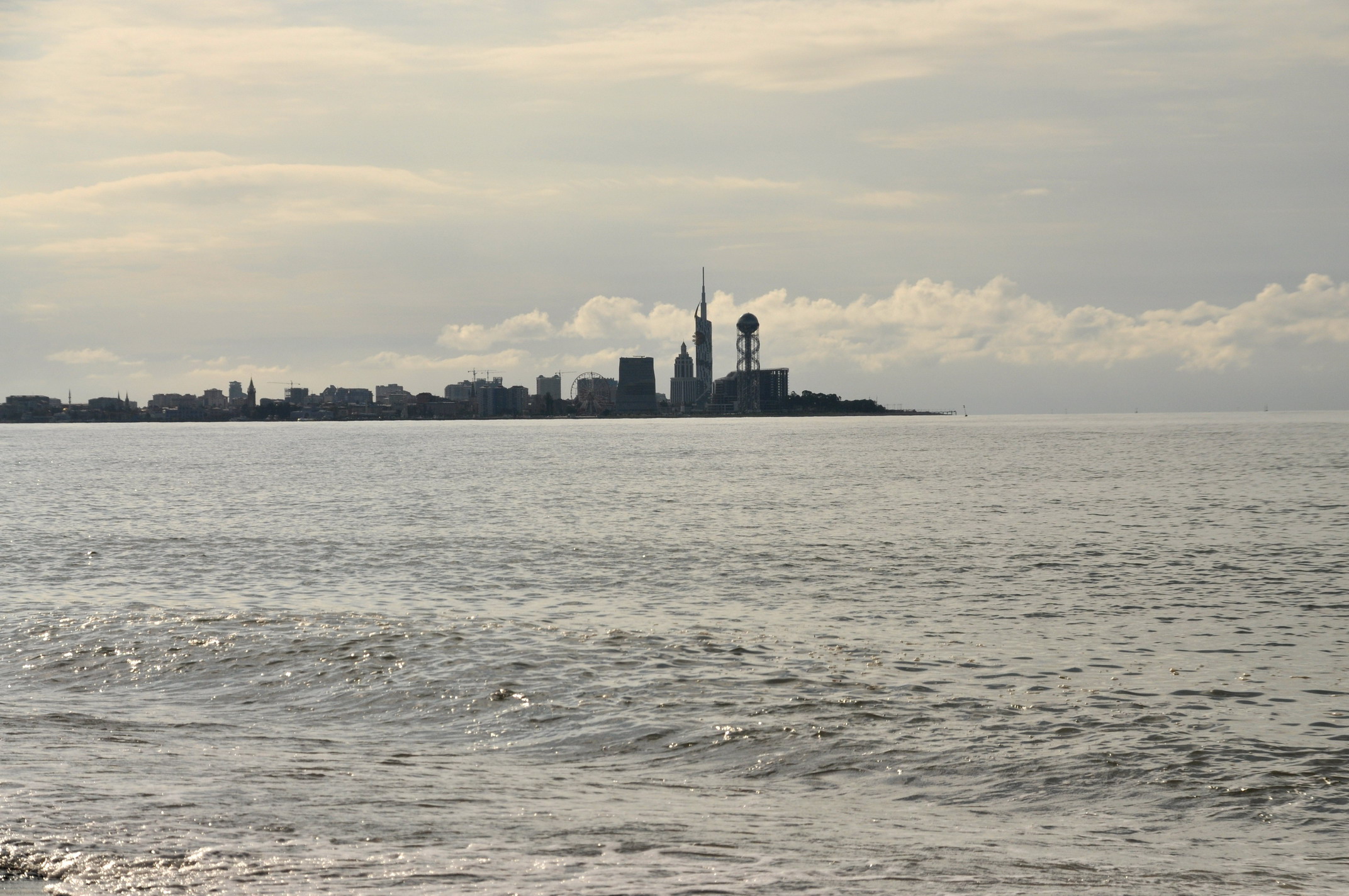
Poti turned out to be a working port town, where there wasn't even a place to stay the night.
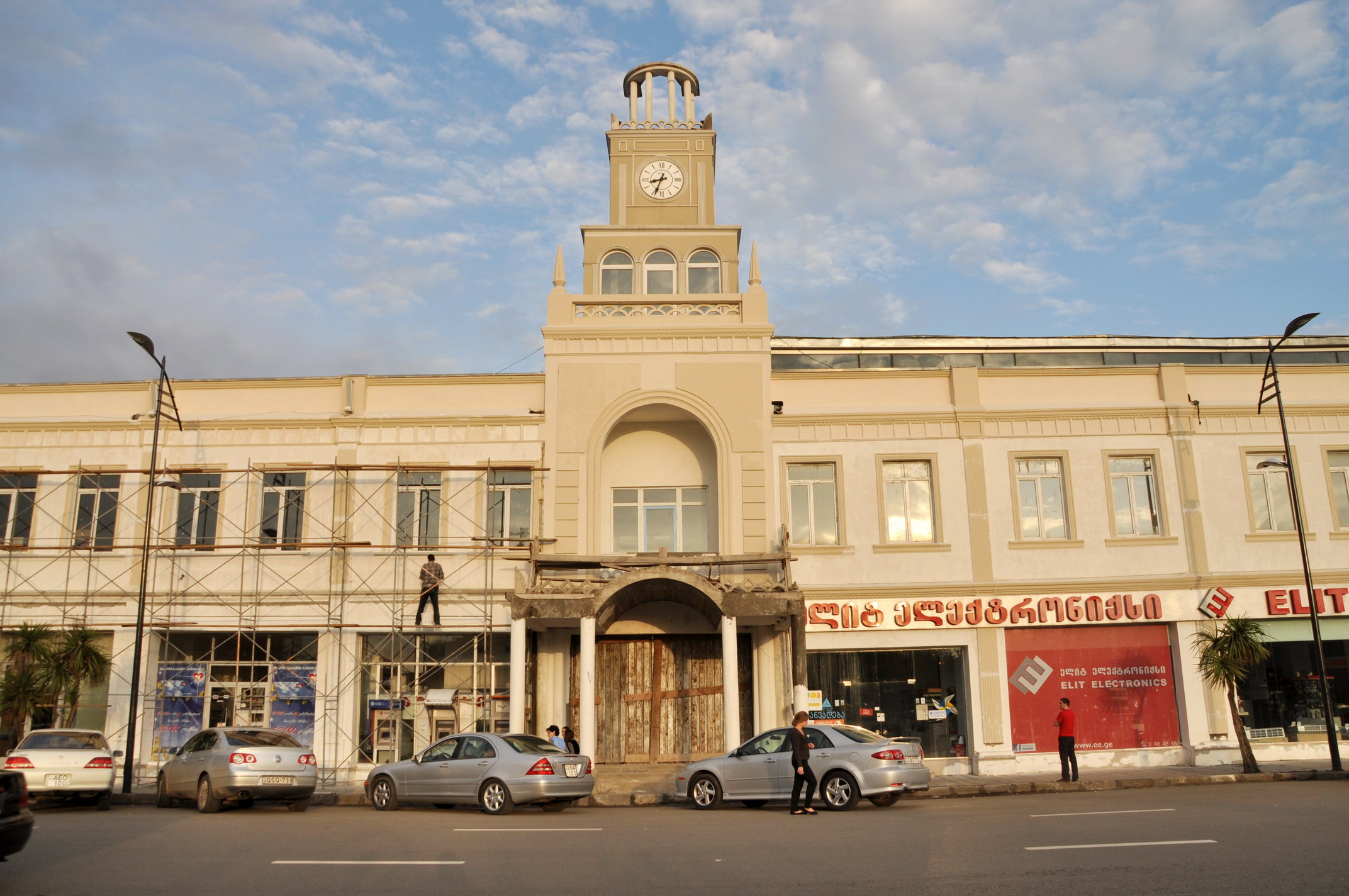
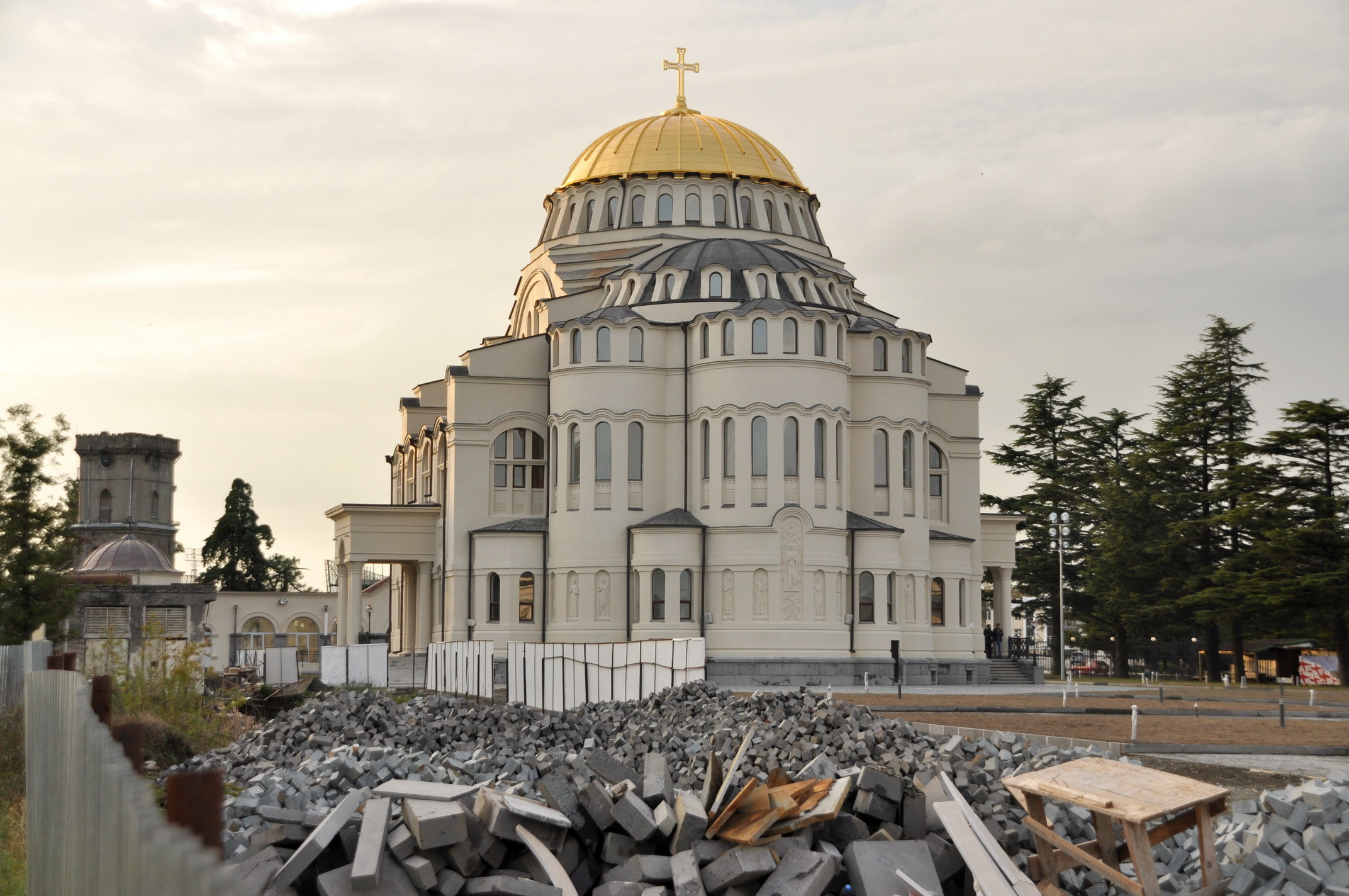
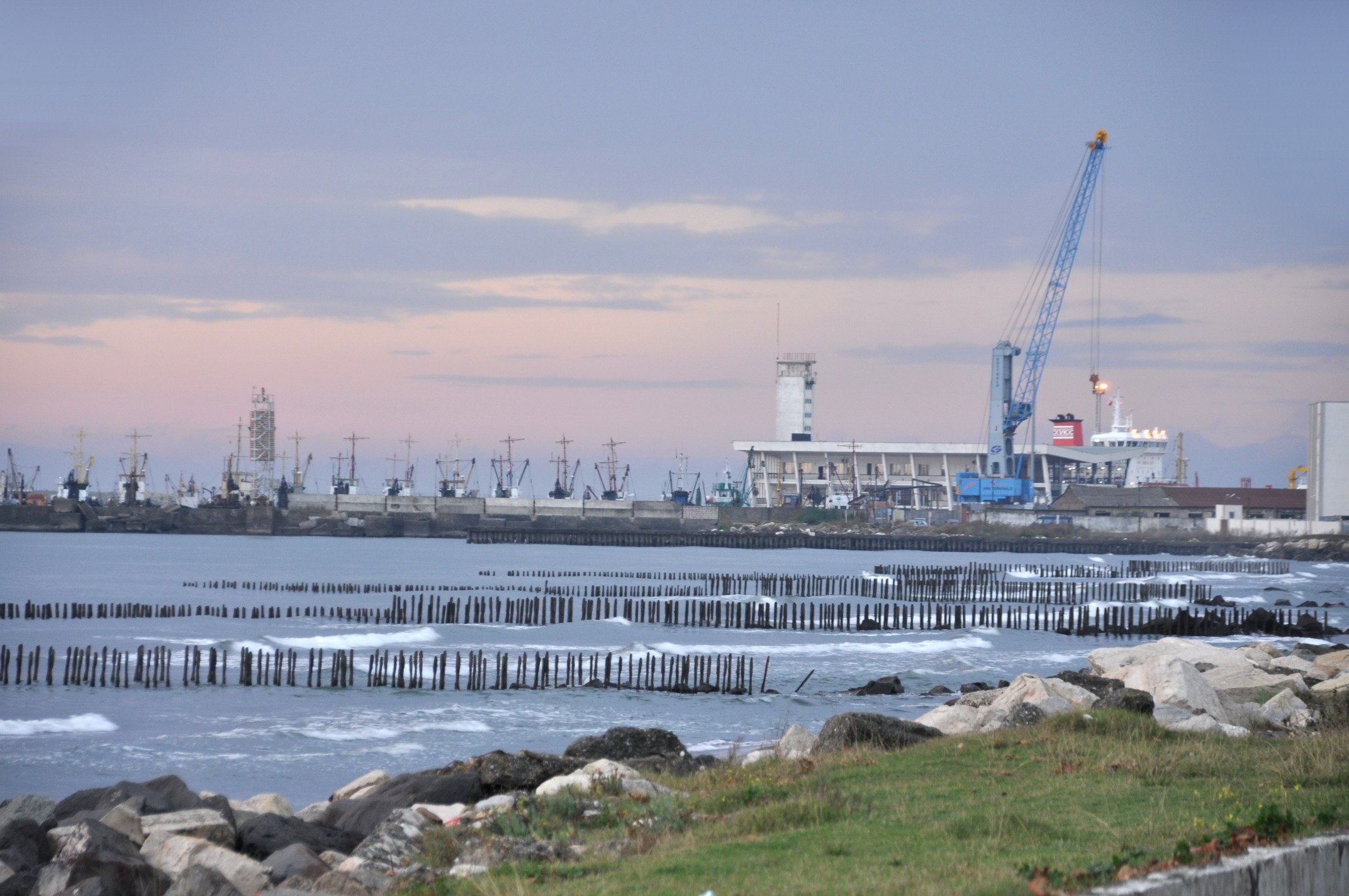
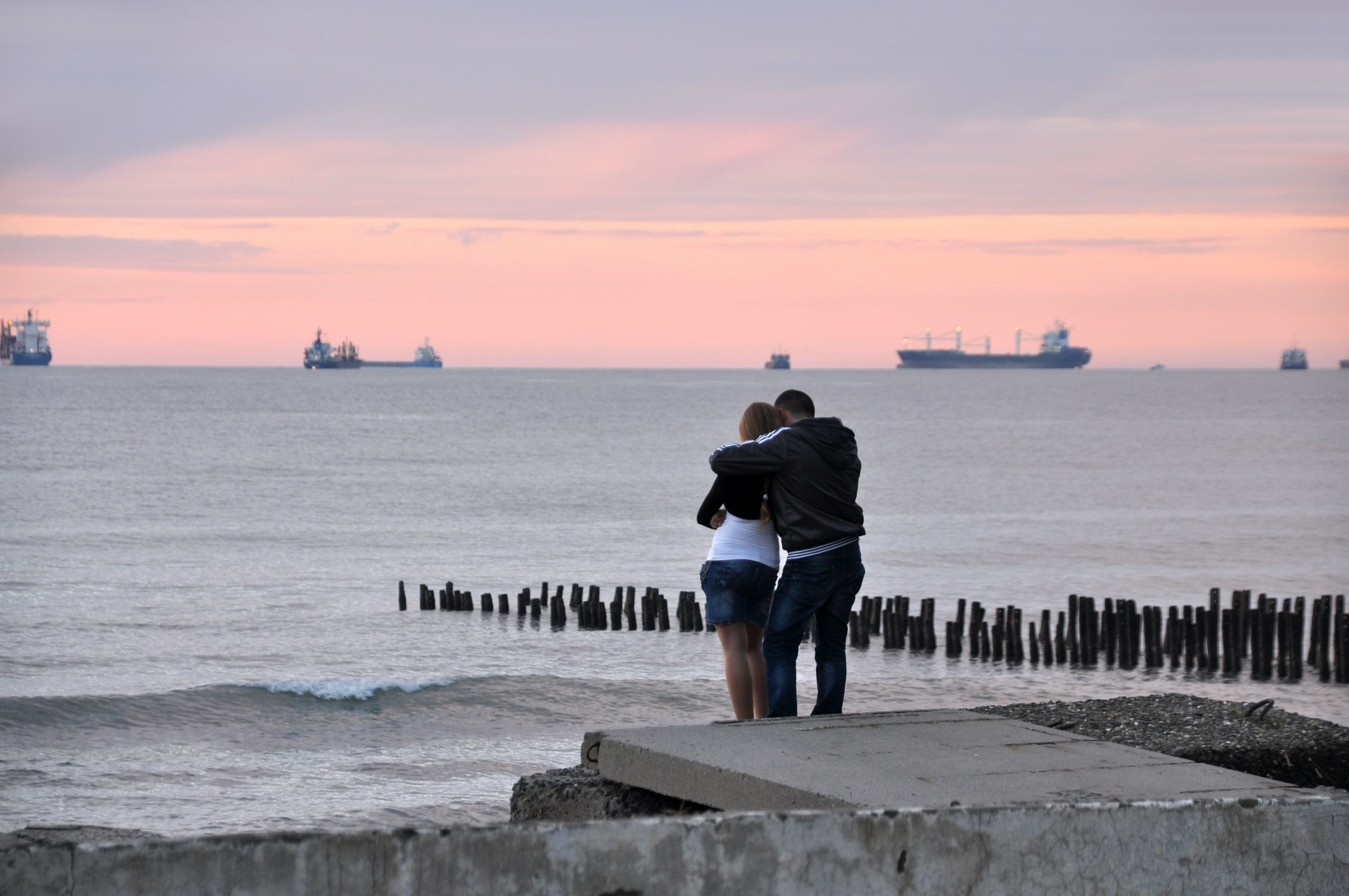
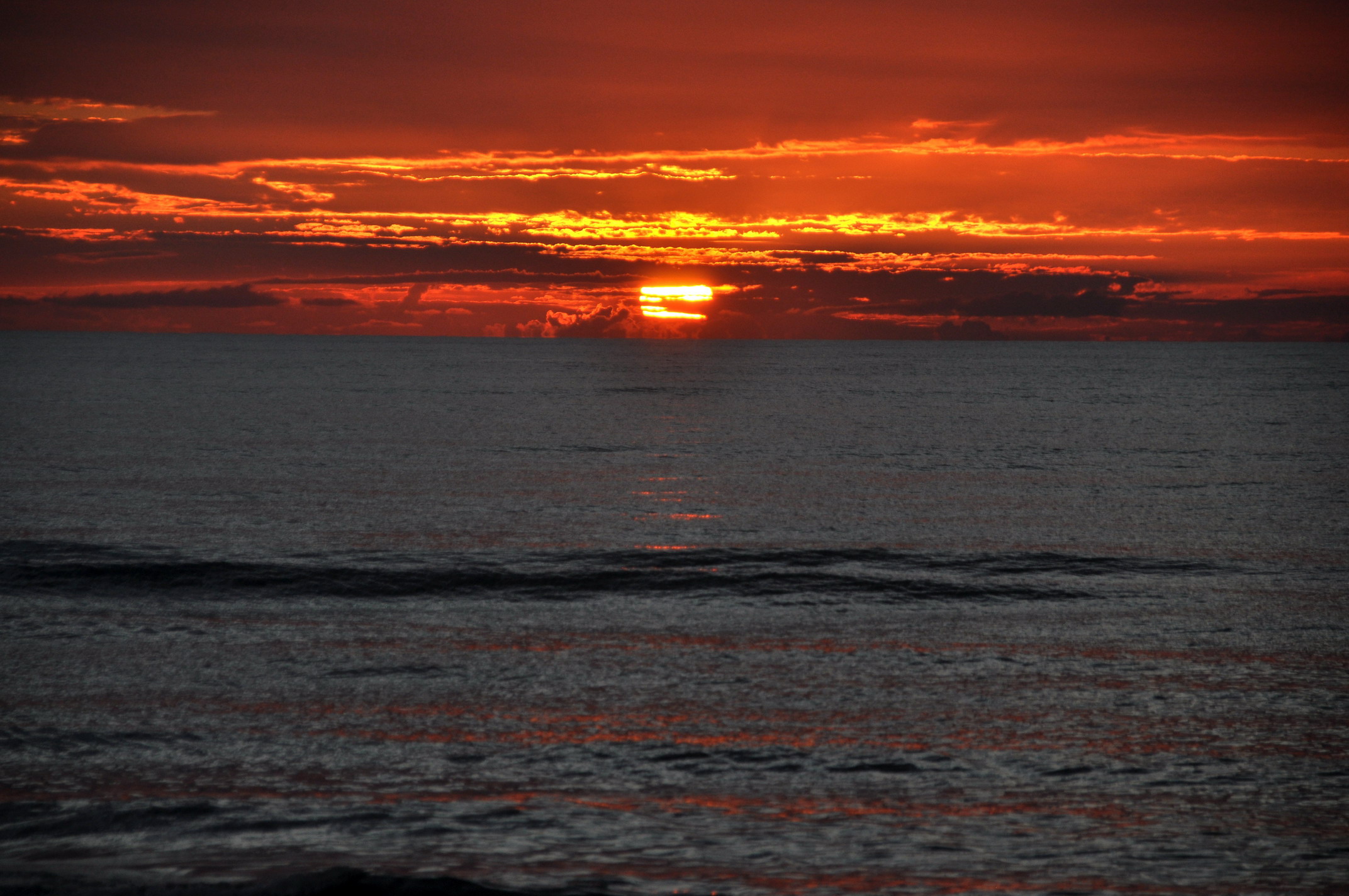
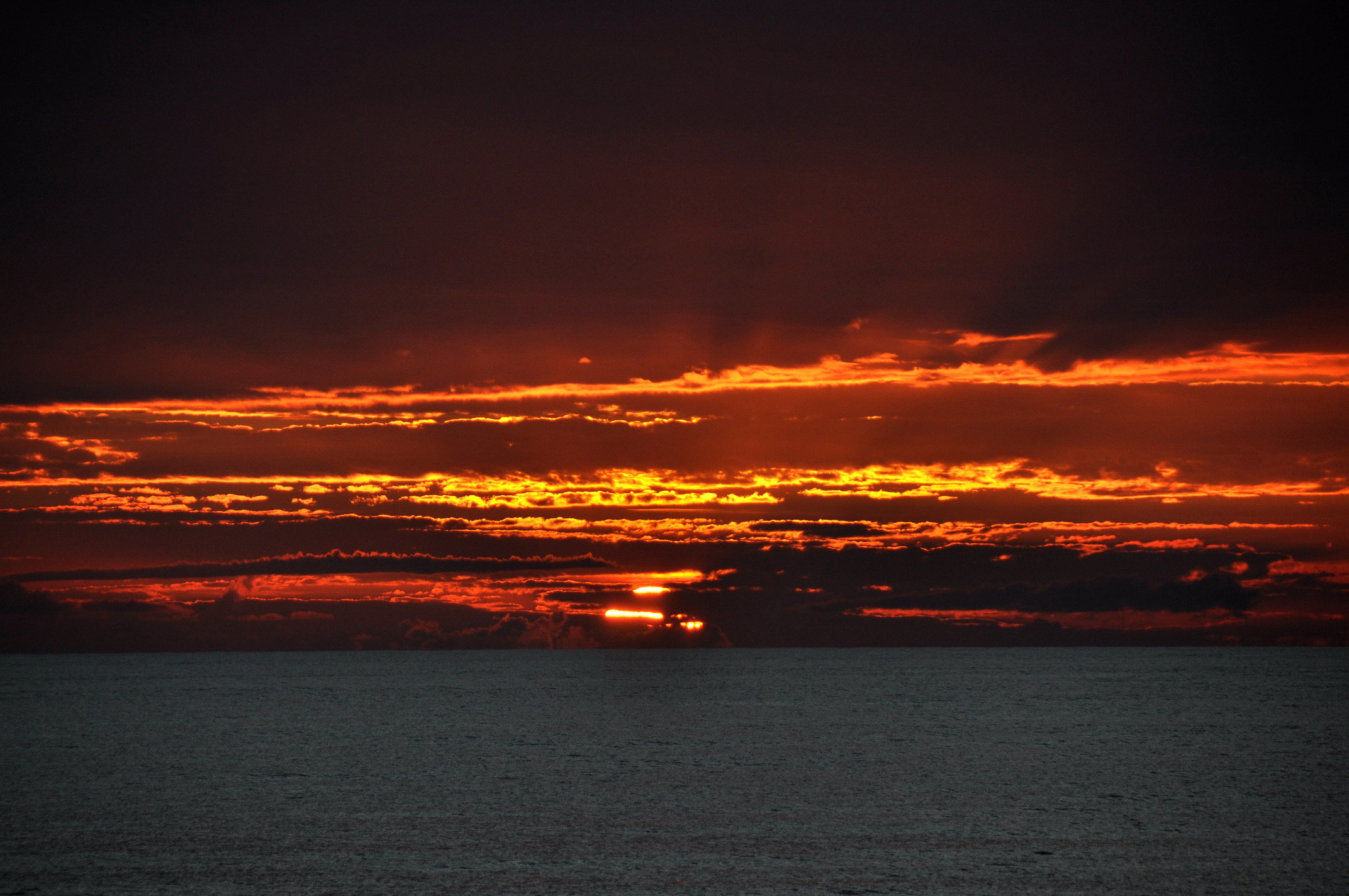
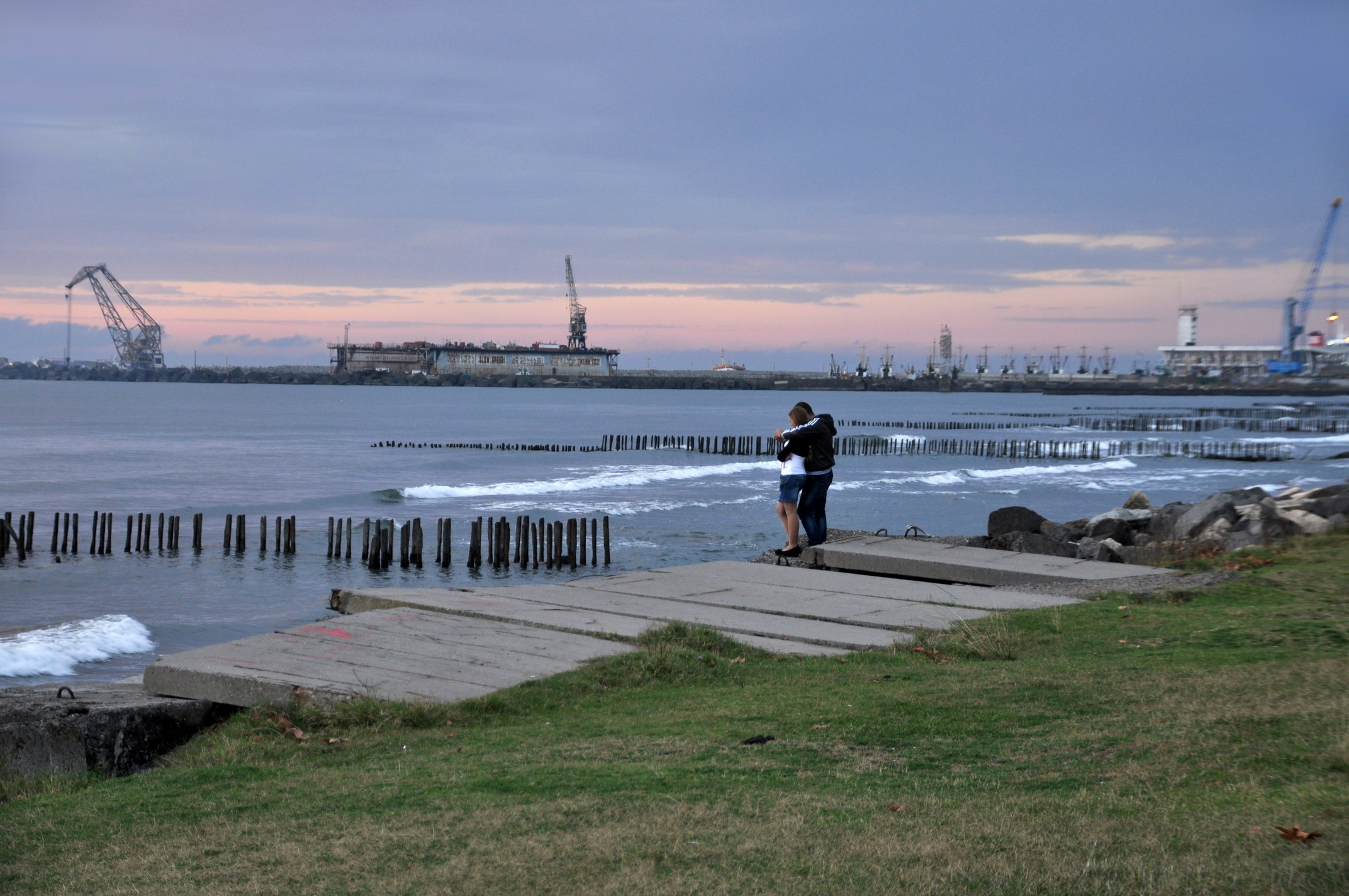
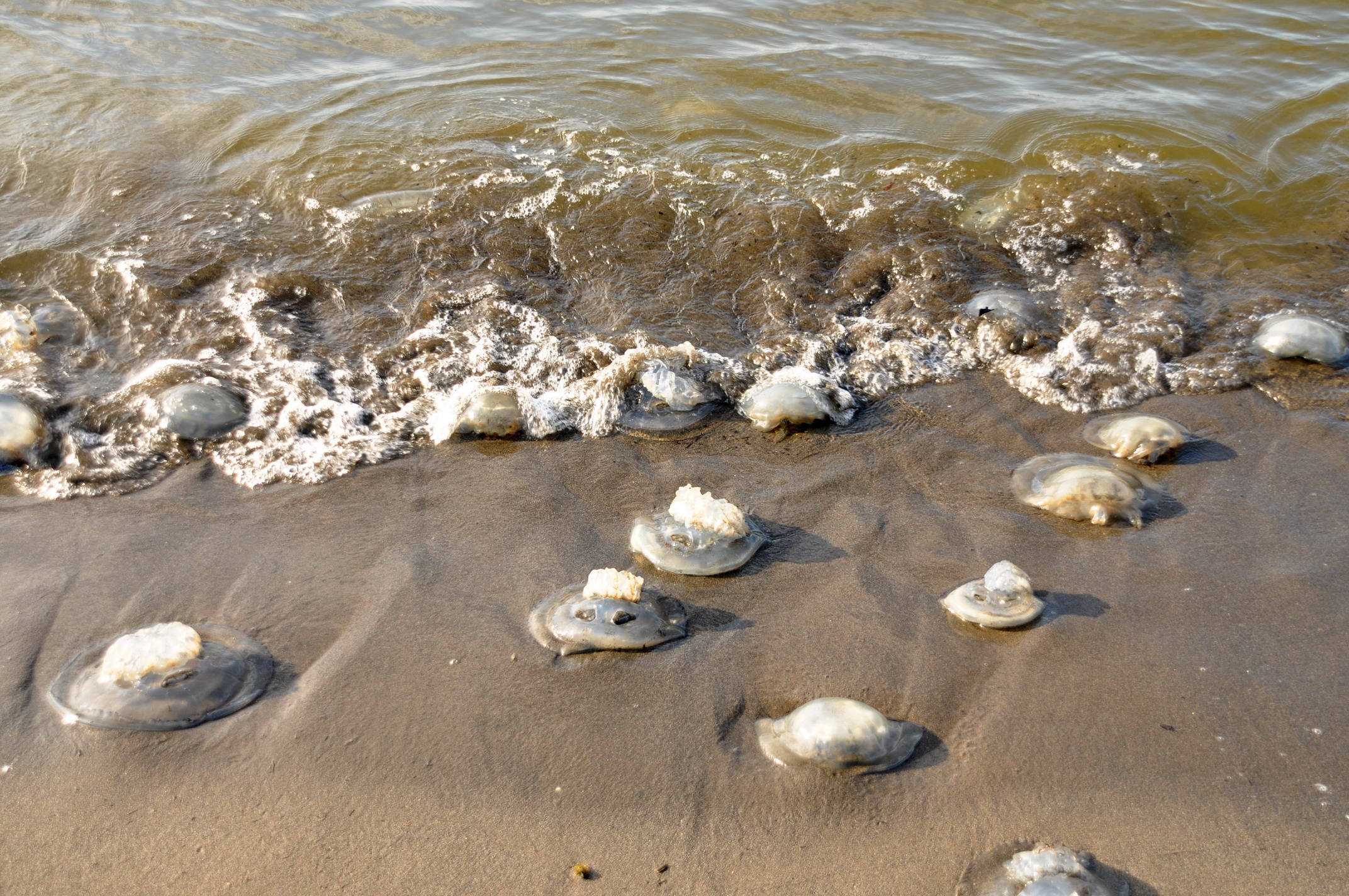
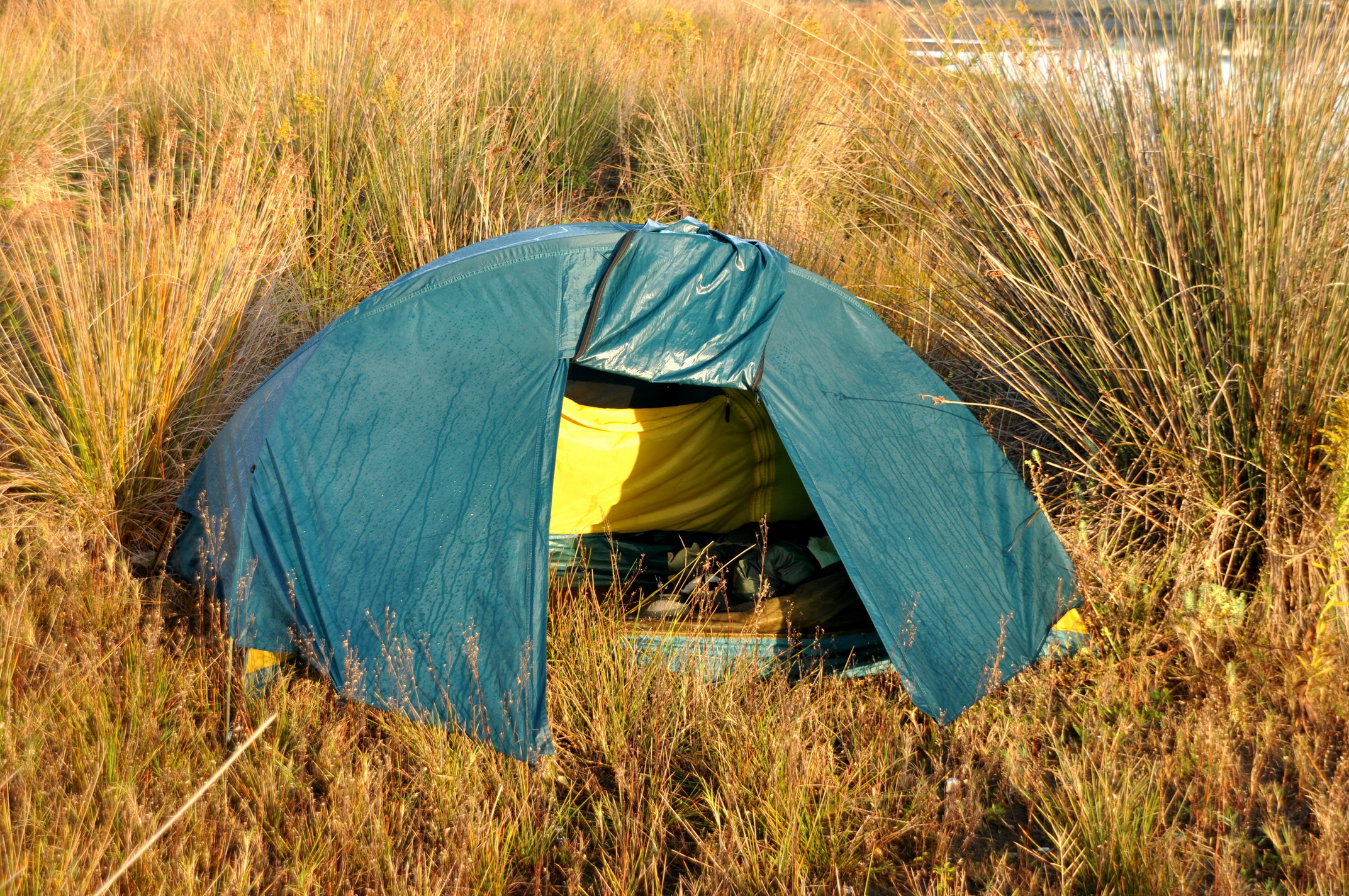
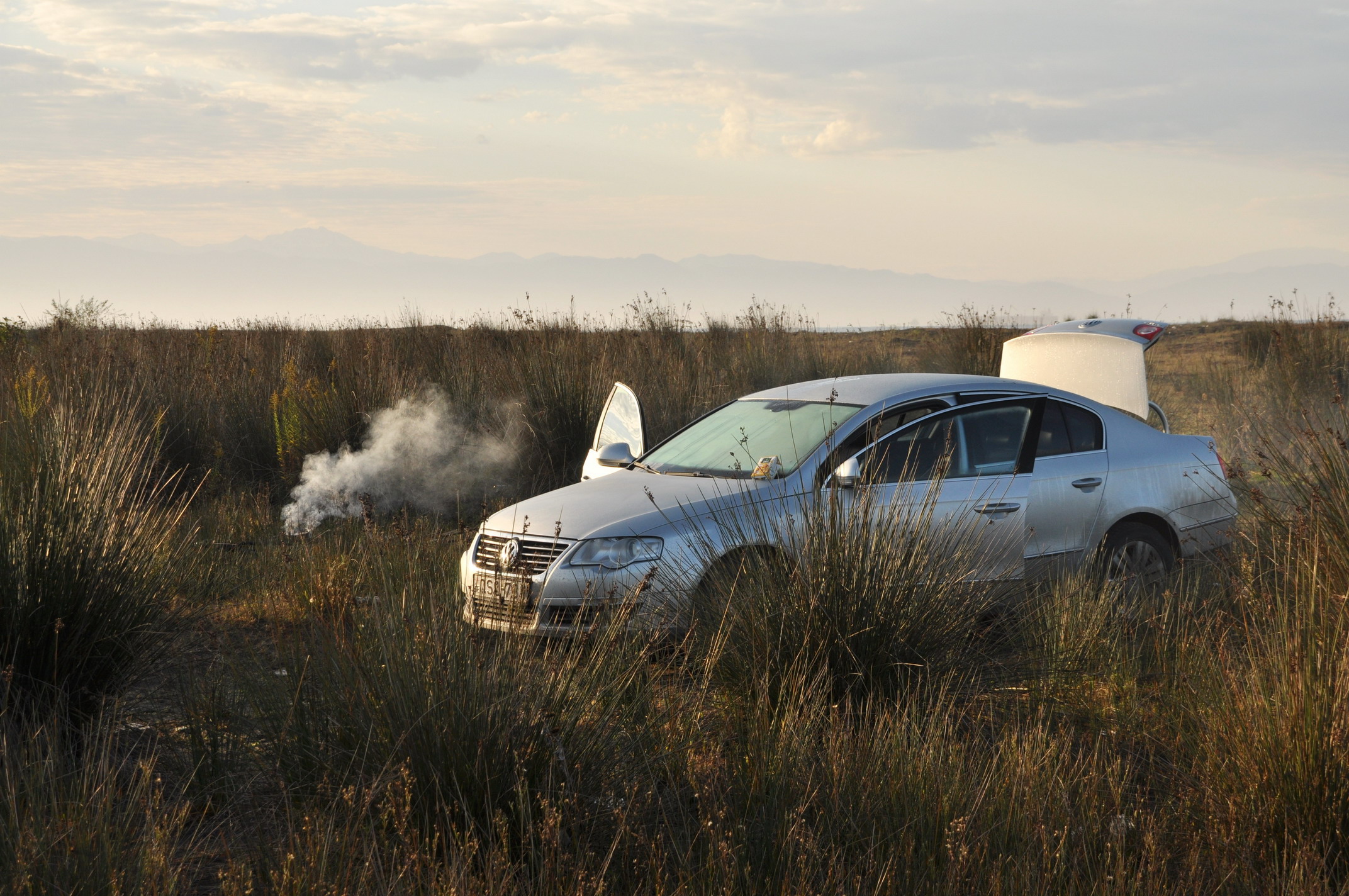
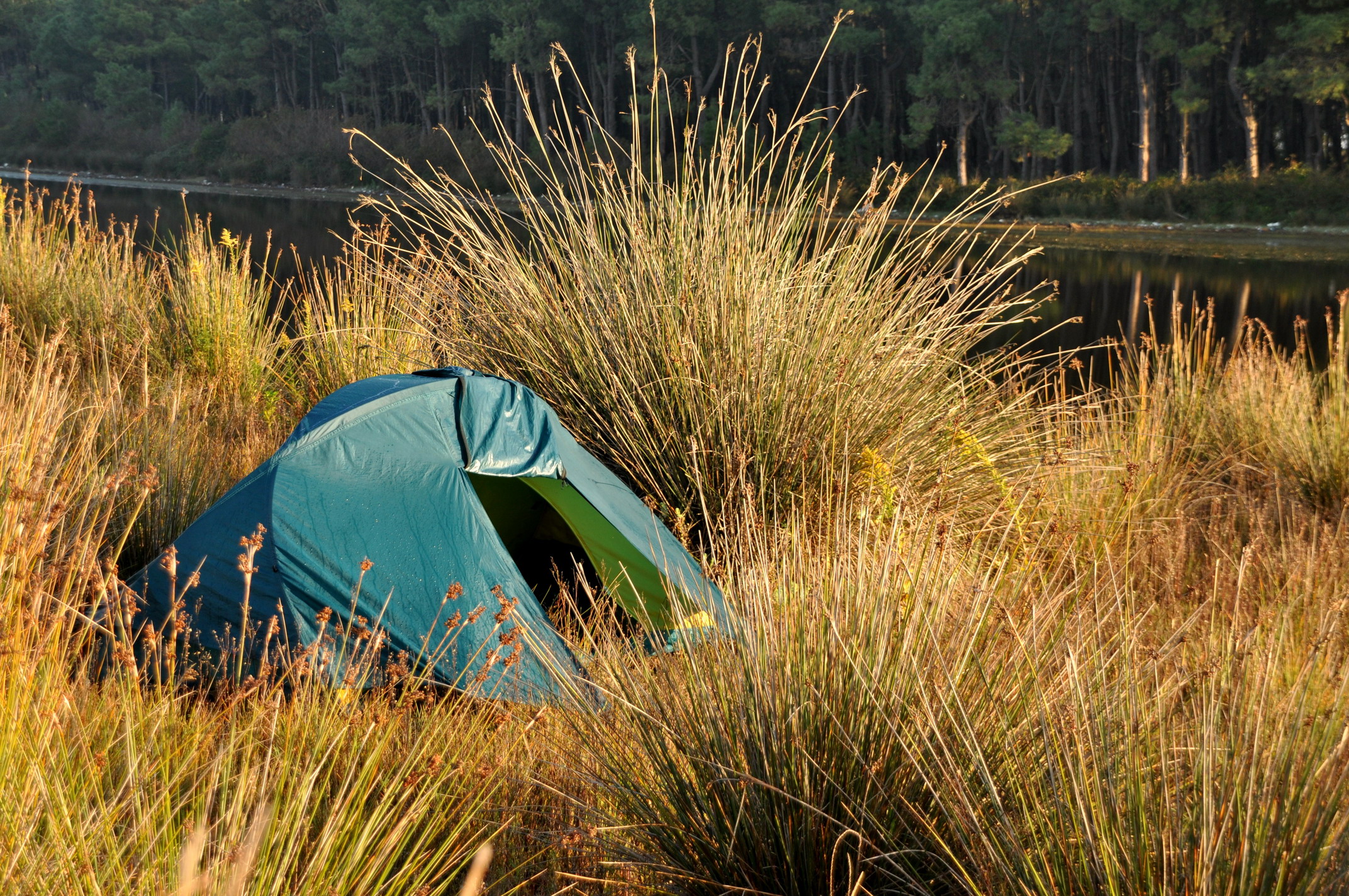
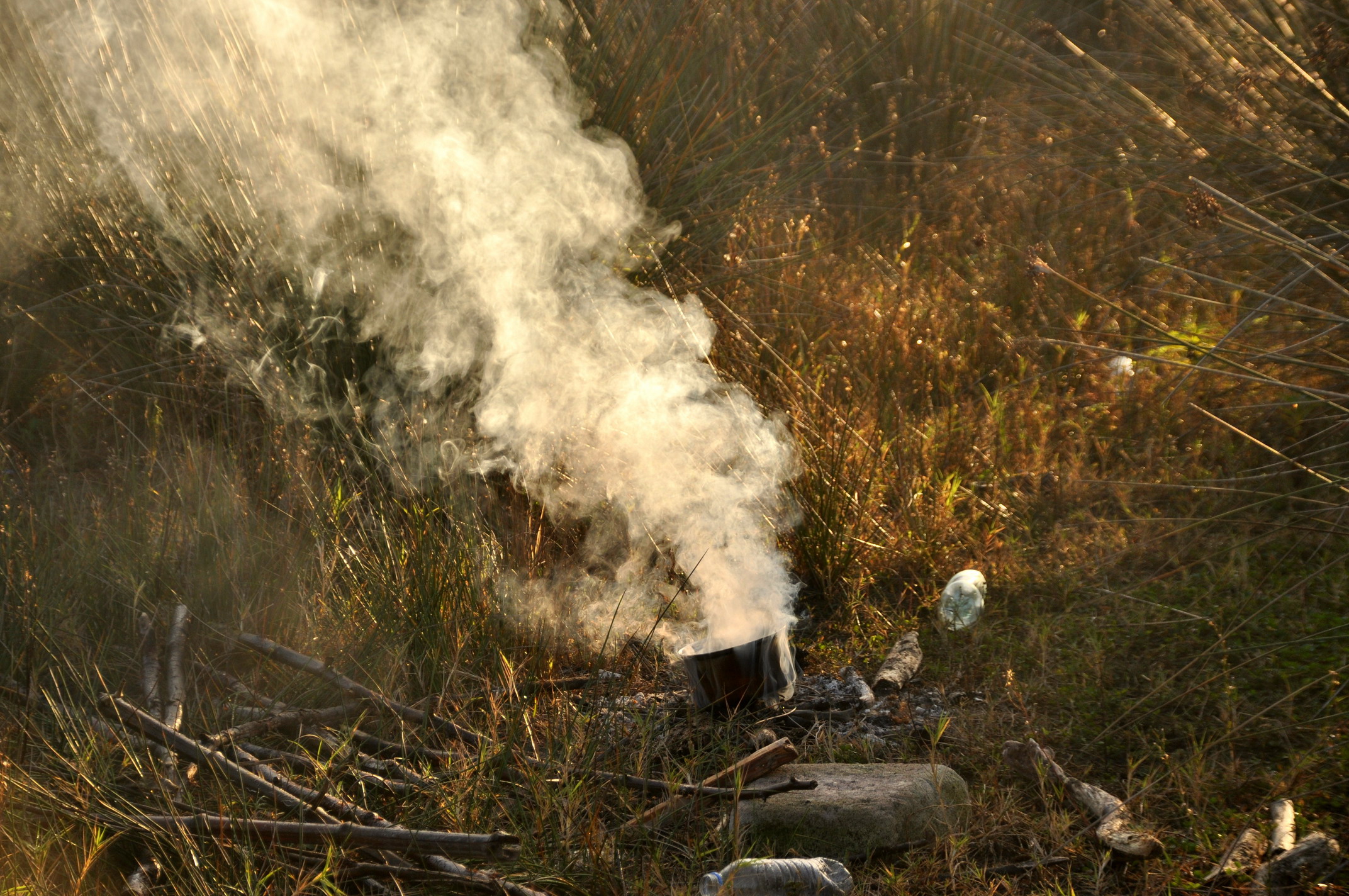
Just before Poti, however, there was an excellent spit with sand dunes. You could drive right onto it in your car, pitch a tent, light a campfire, walk along the shore and swim. There were rather a lot of jellyfish. There was no one around, apart from a fisherman or two with their cars. So that was where I stopped for my birthday (42°05.186′N, 41°42.271′E).
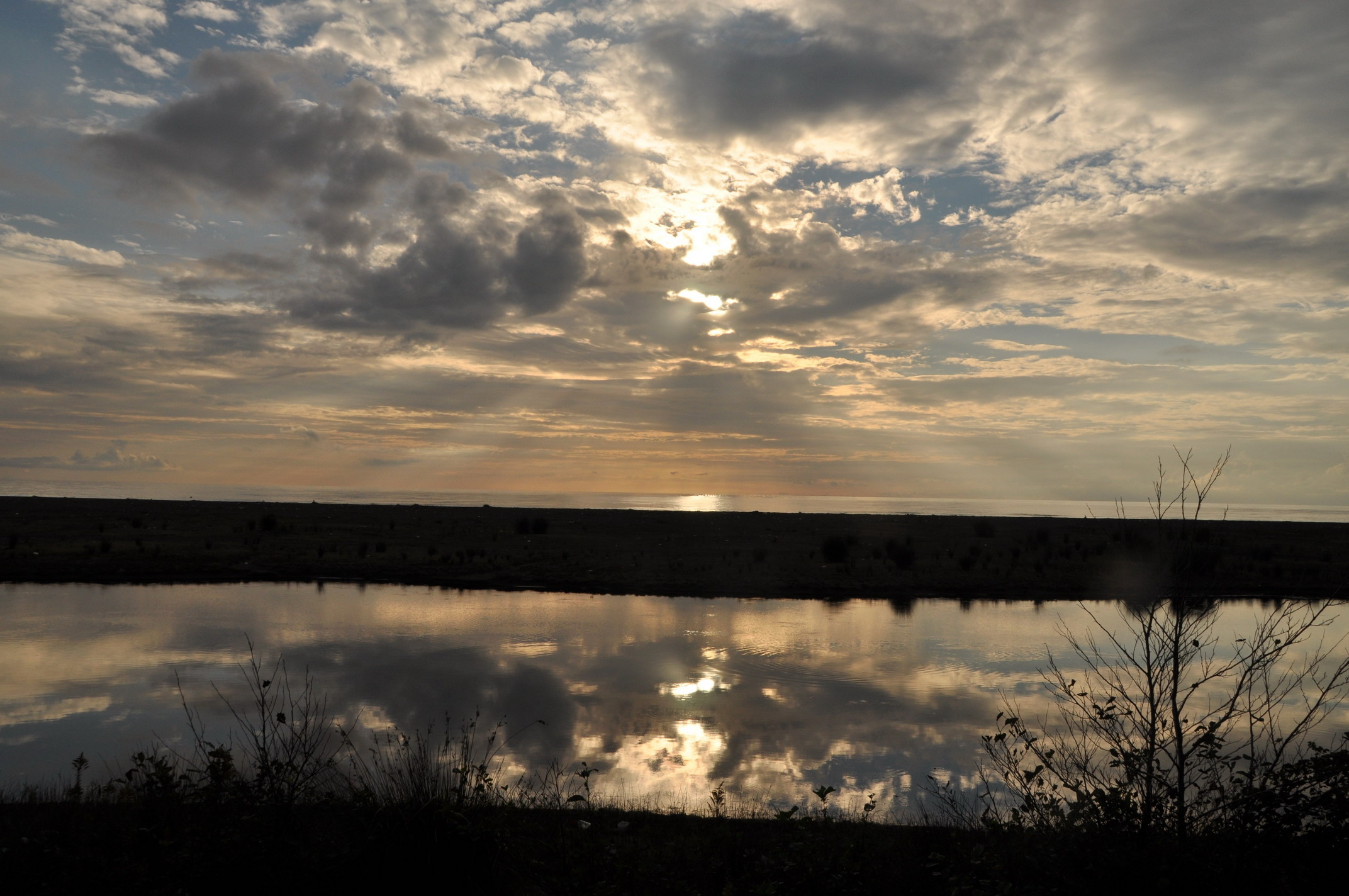
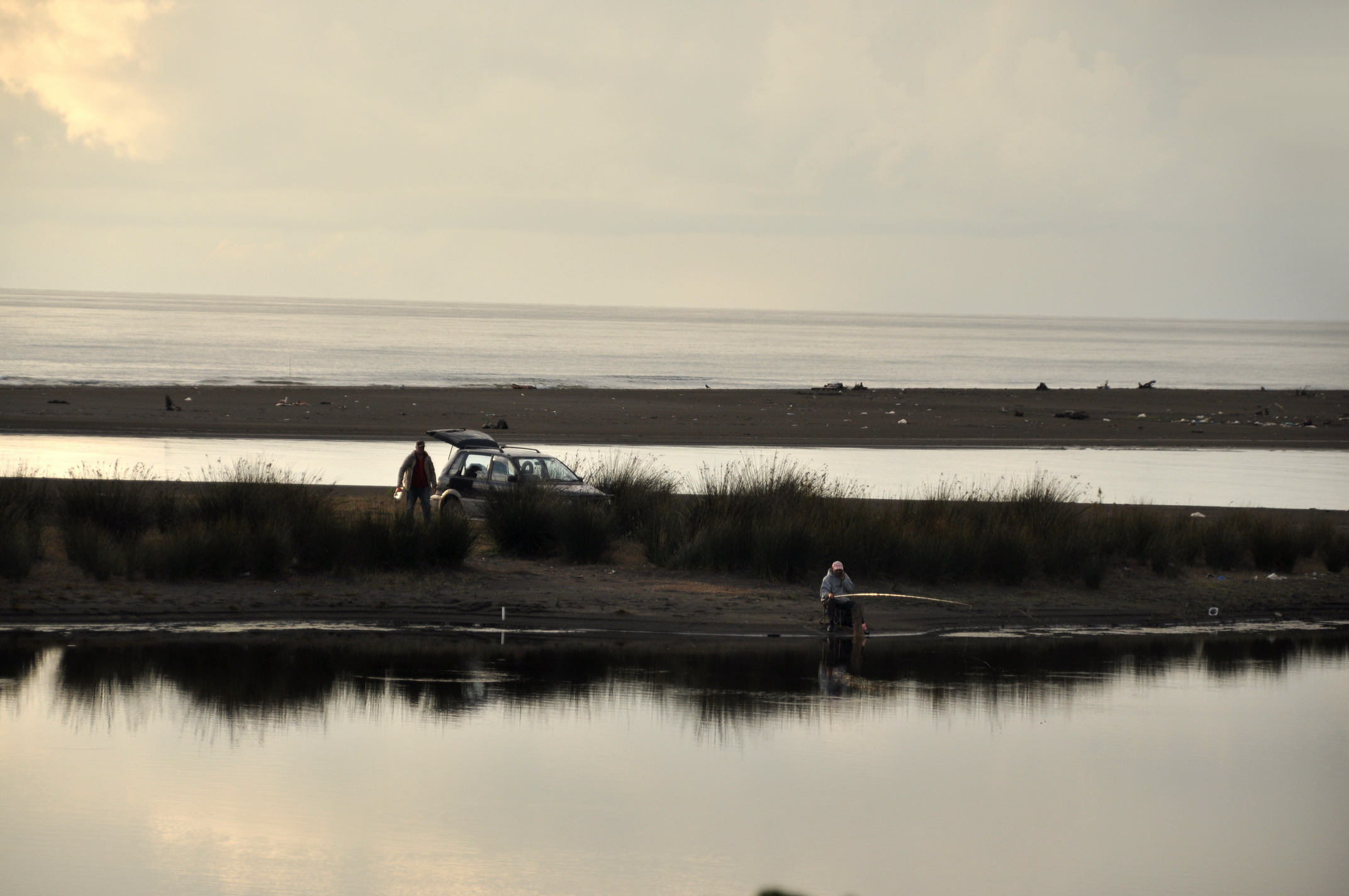
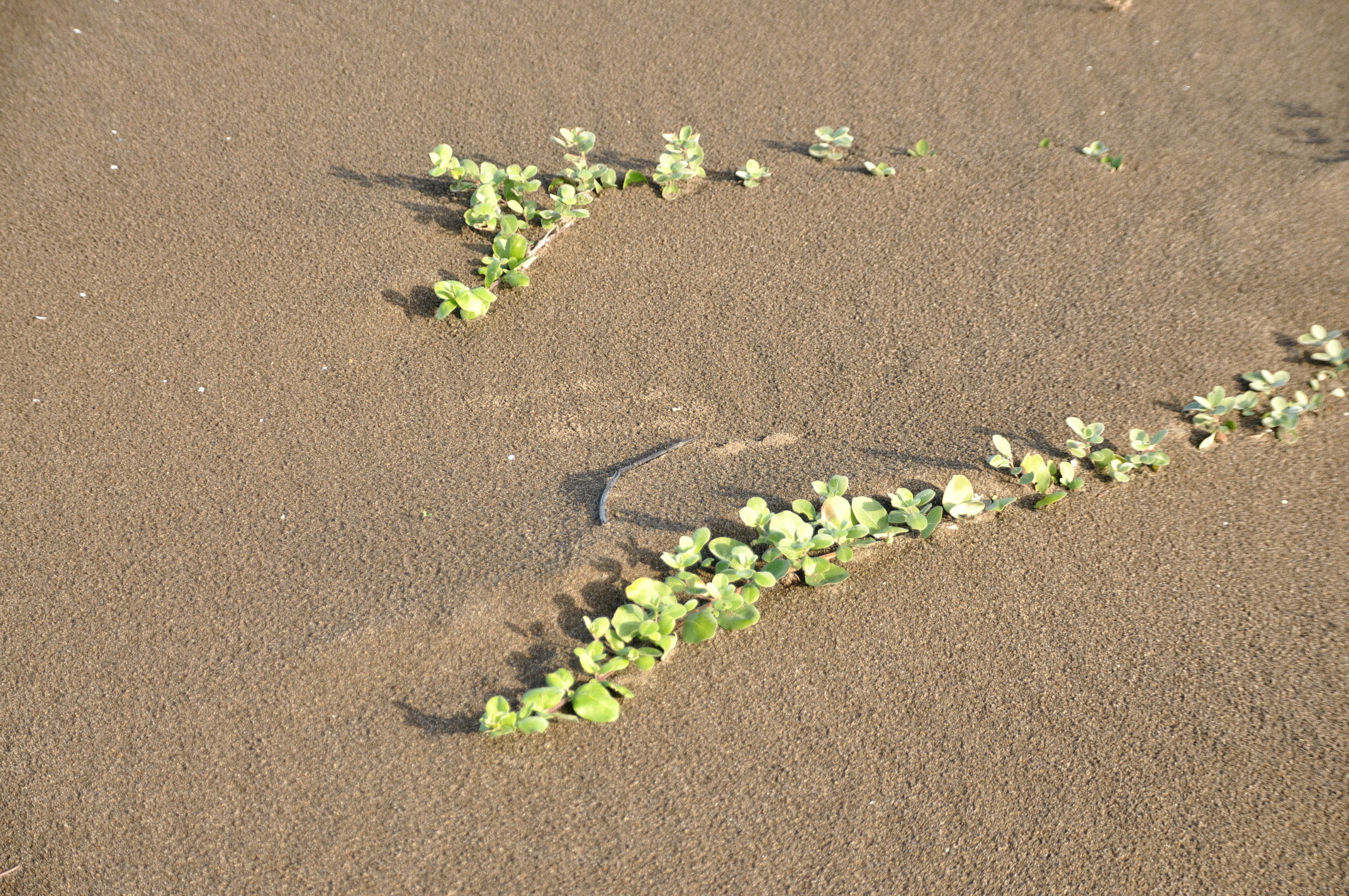
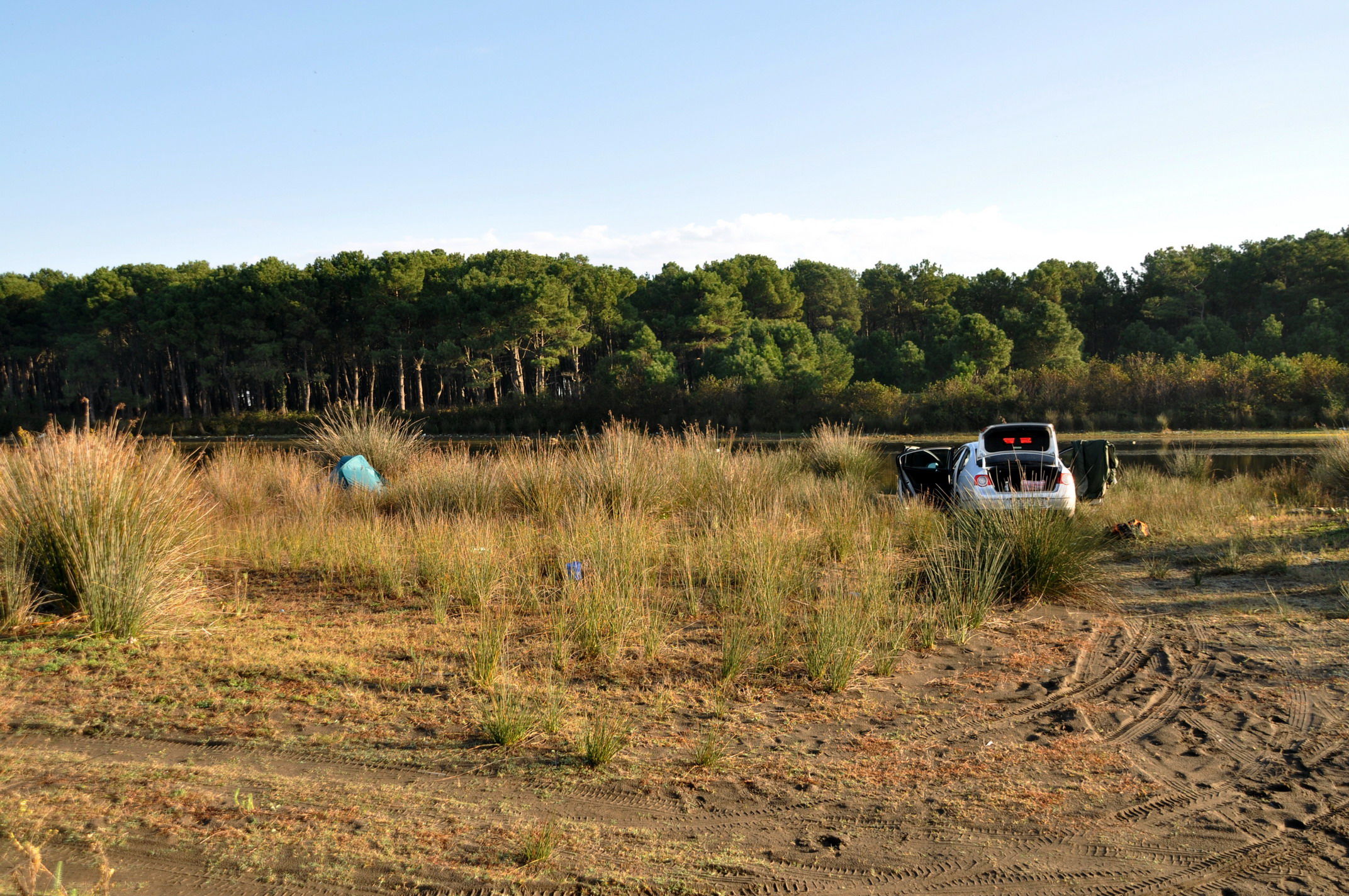
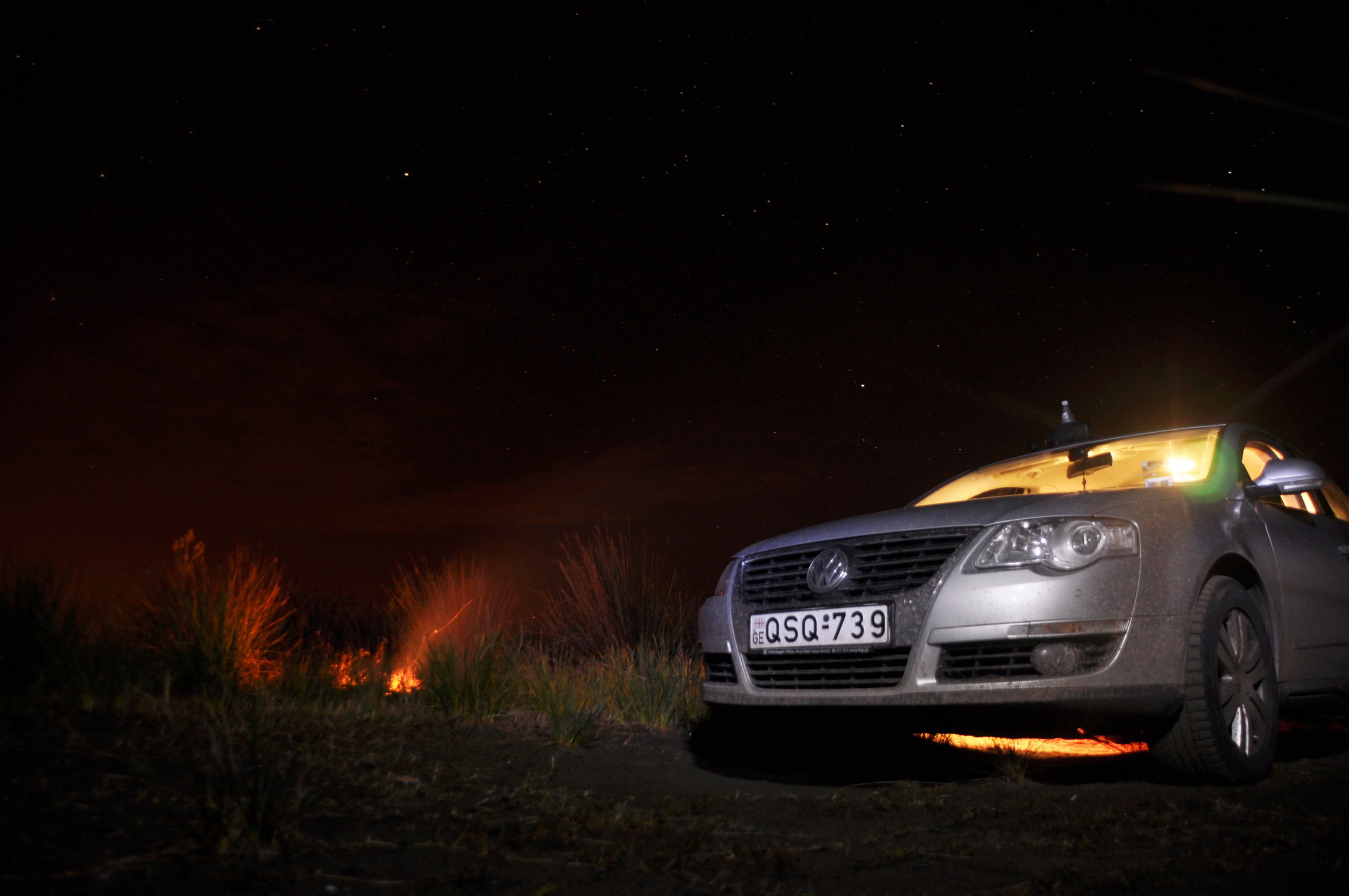
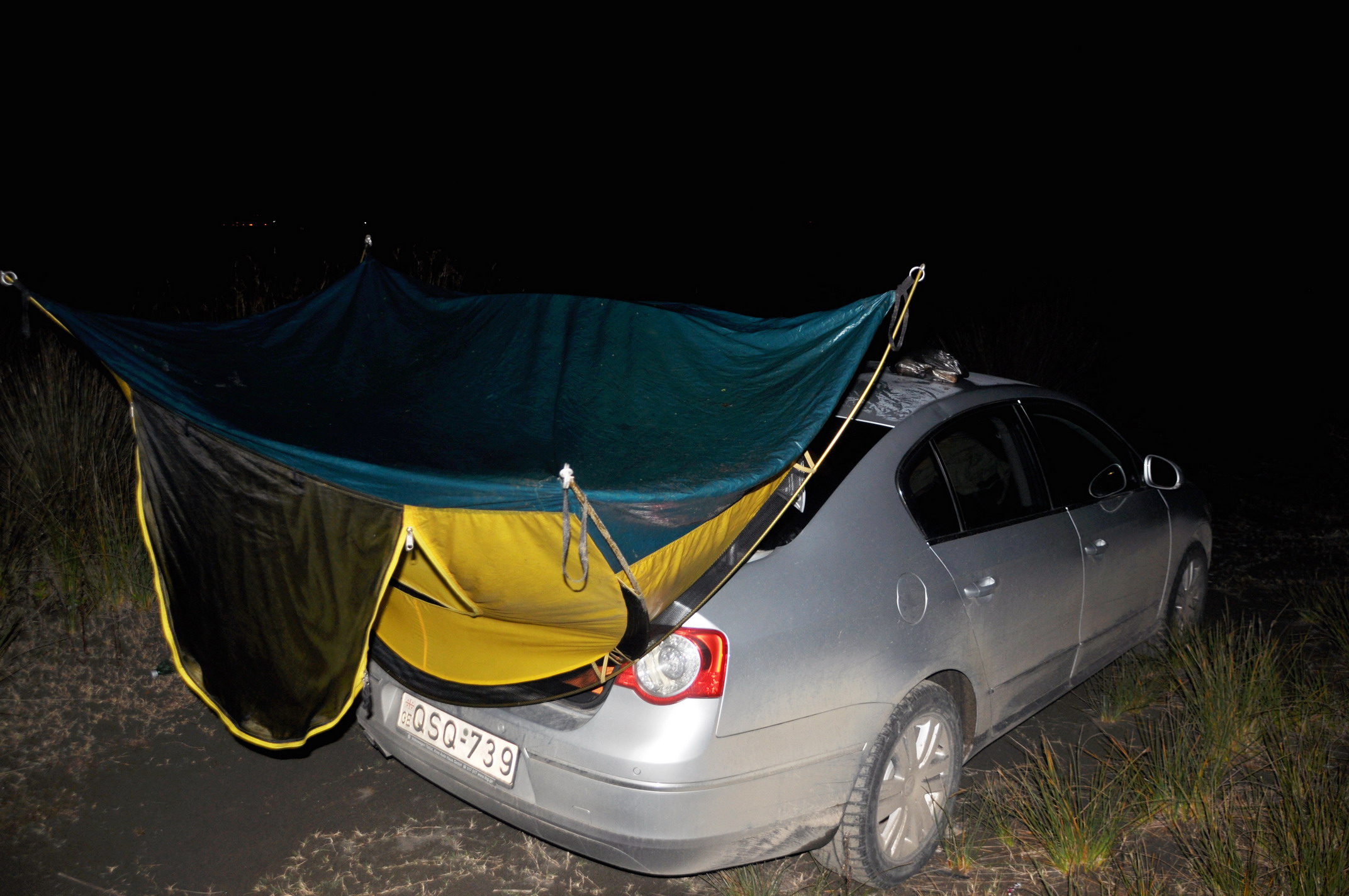
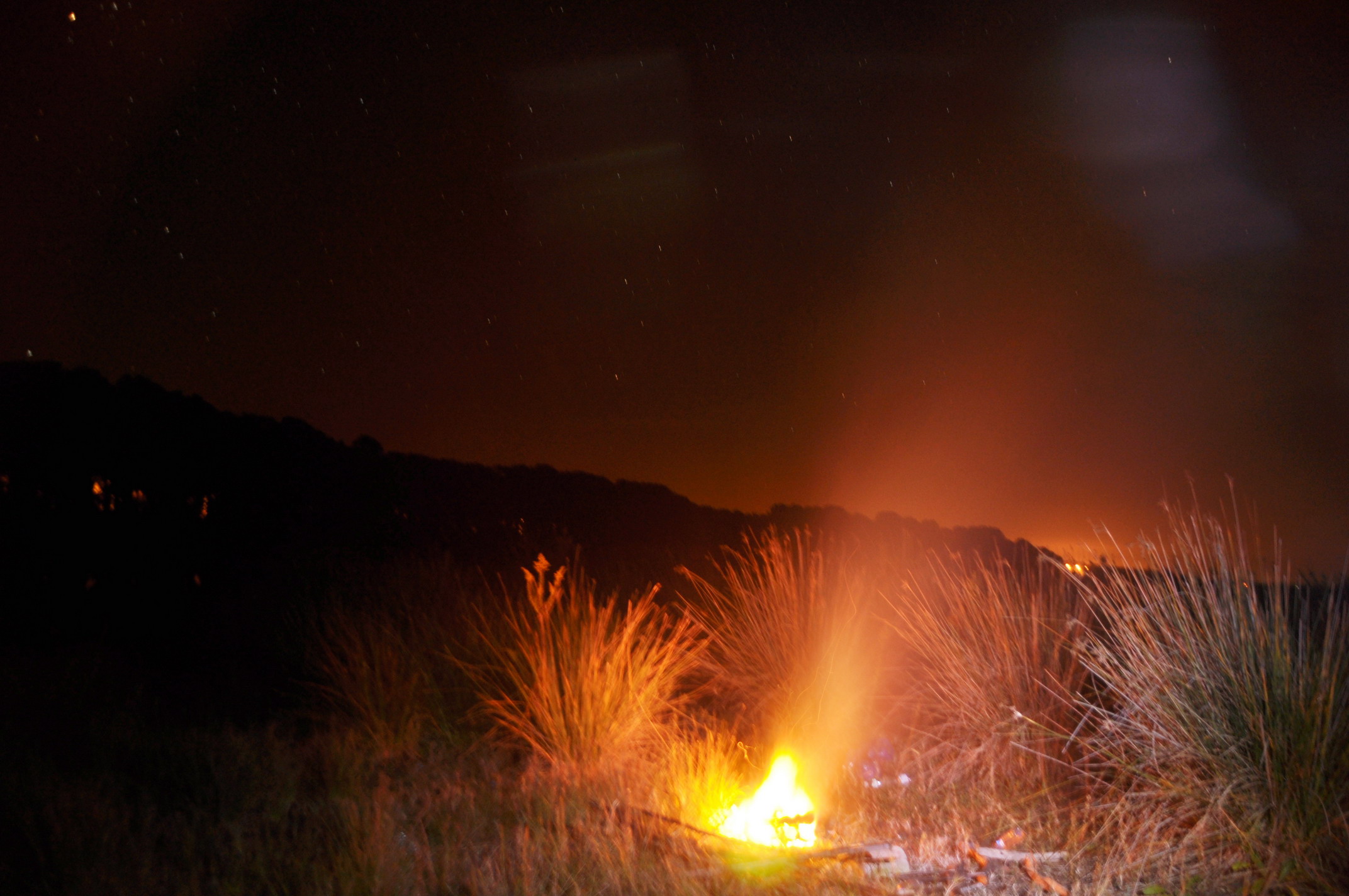
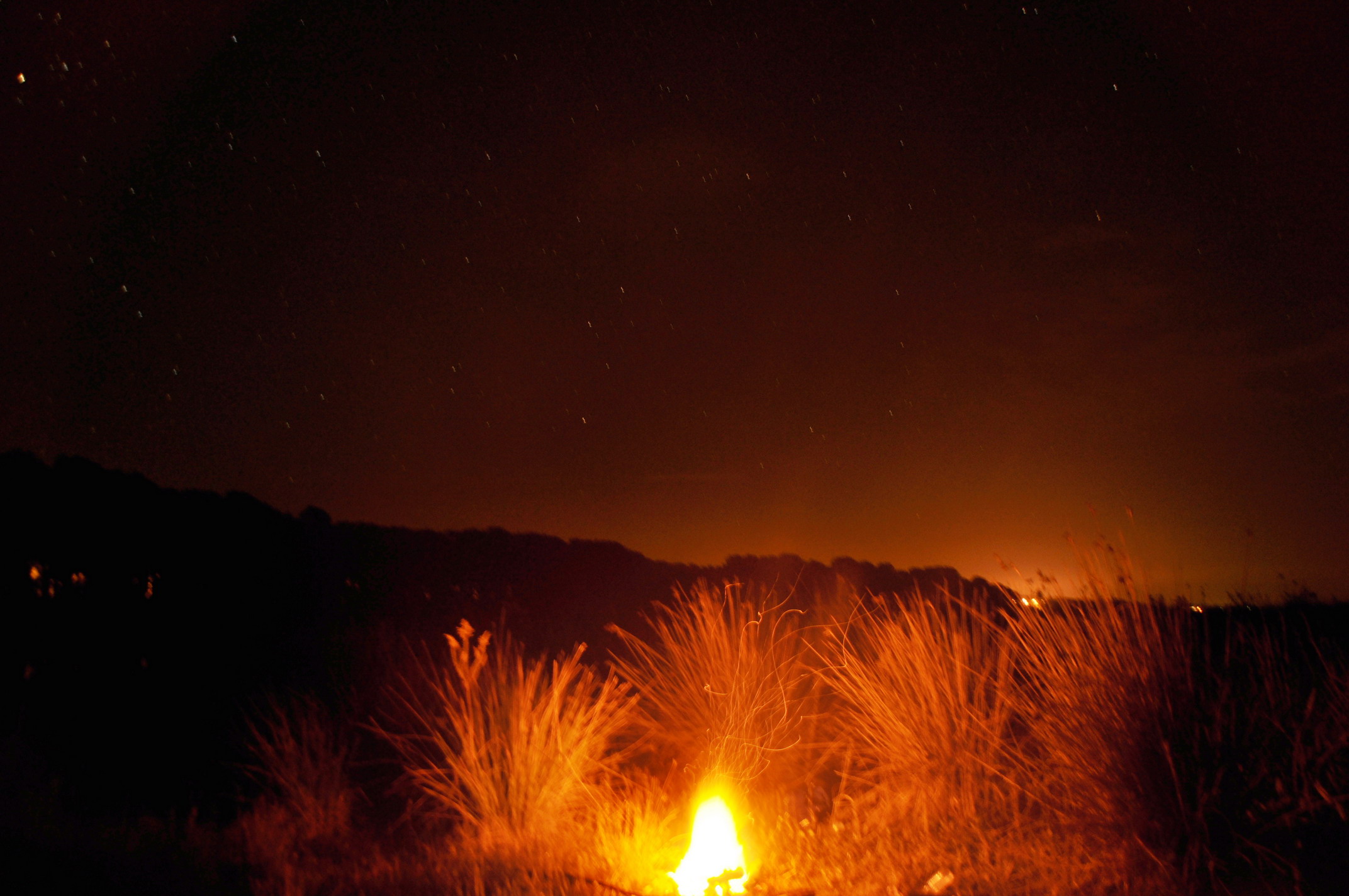
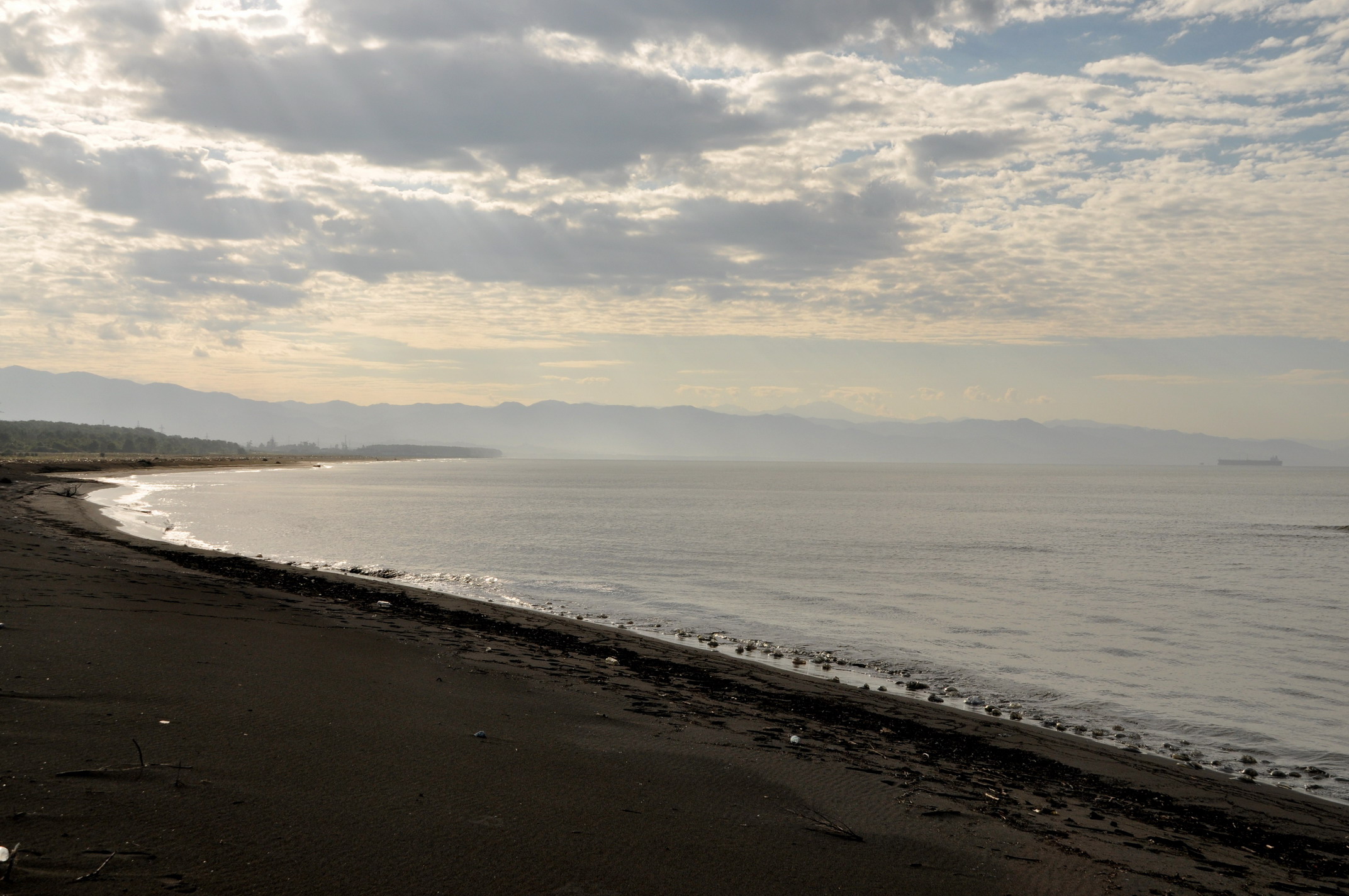
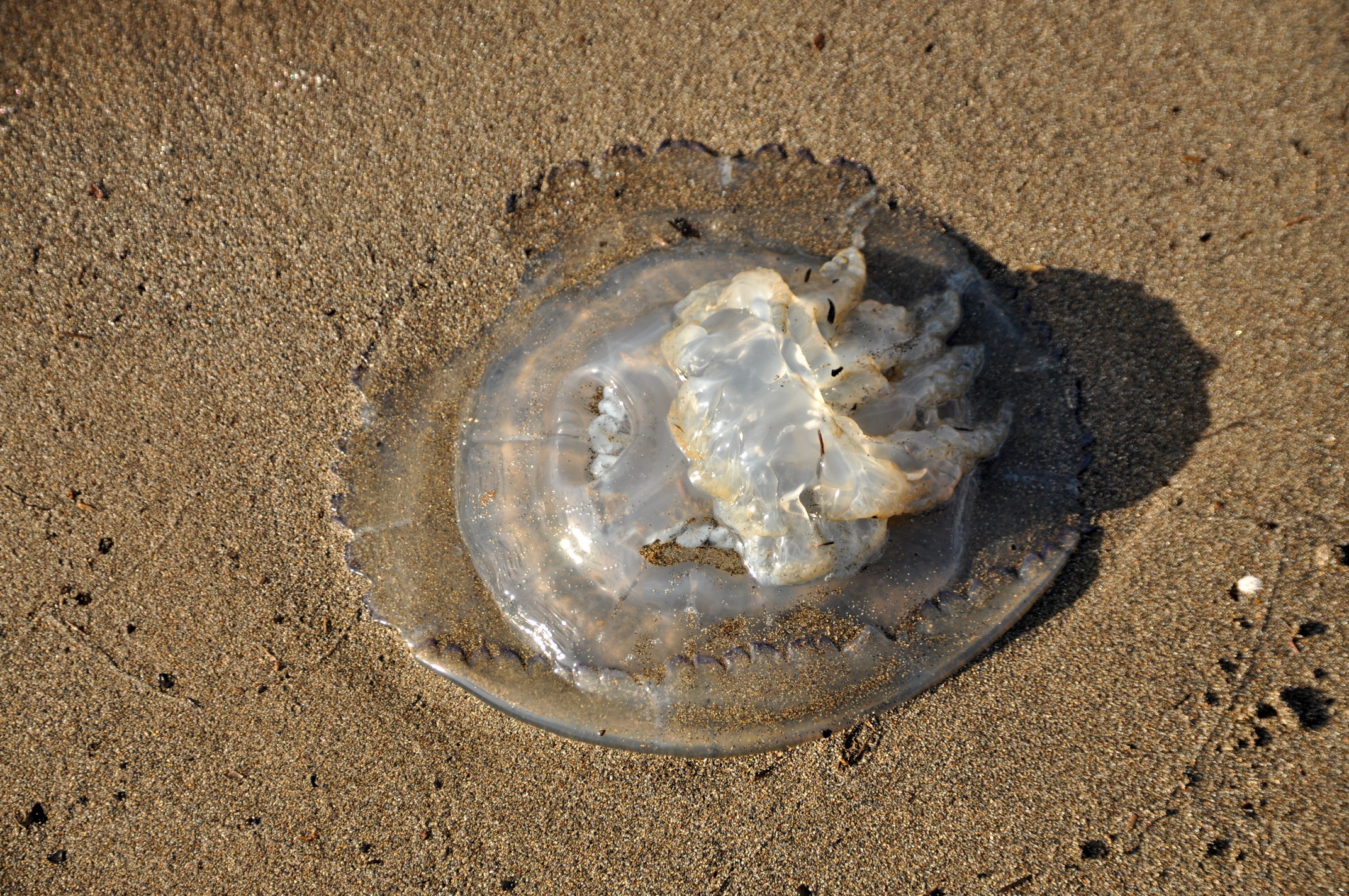
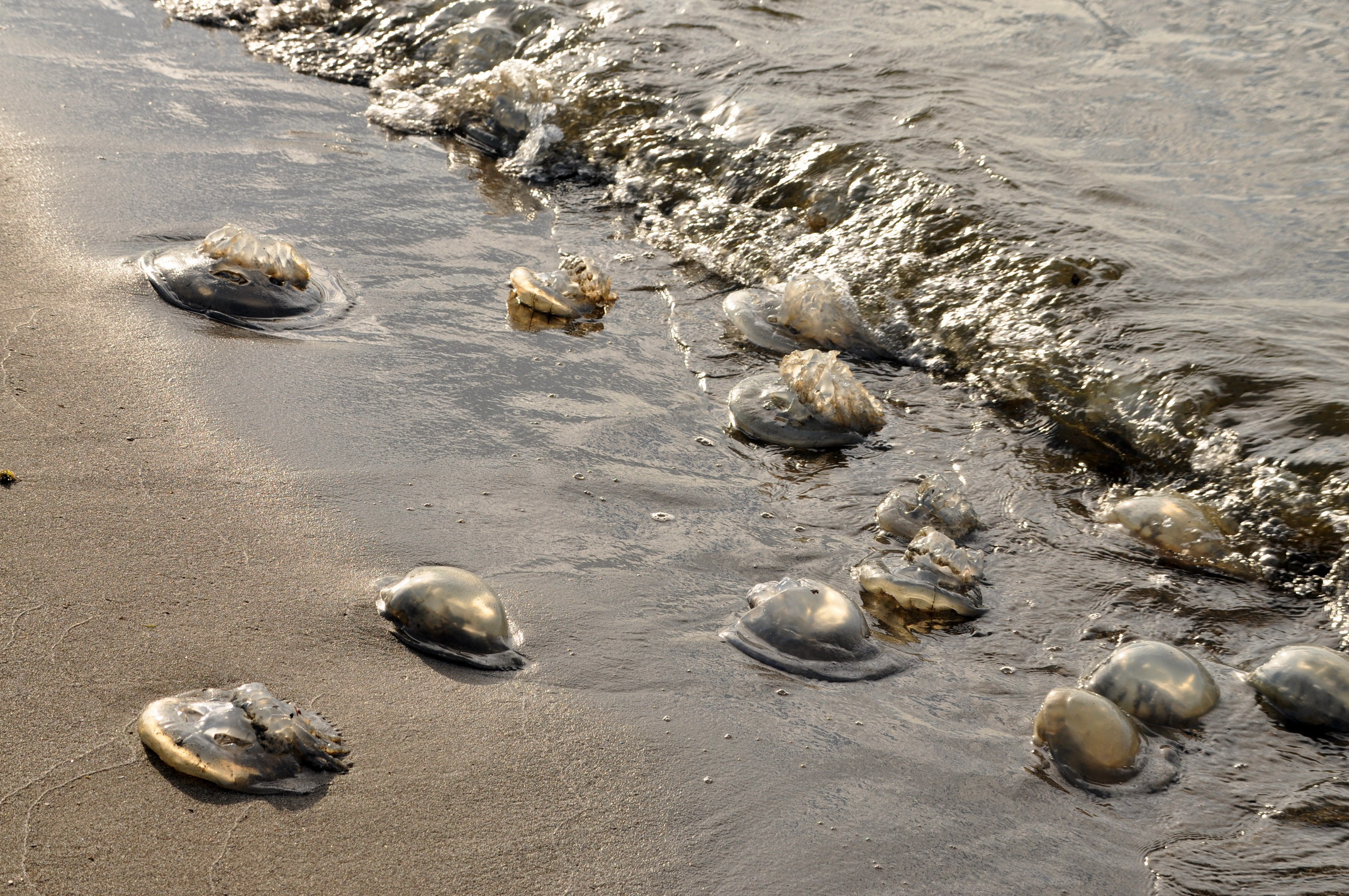
The clouds finally dispersed, leaving the stars to decorate the occasion. It was so cosy sitting beside the fire, listening to the surf under a southern sky and talking to my family on the phone. Much better than a drinking session around a table. There would still be time for that the next weekend.
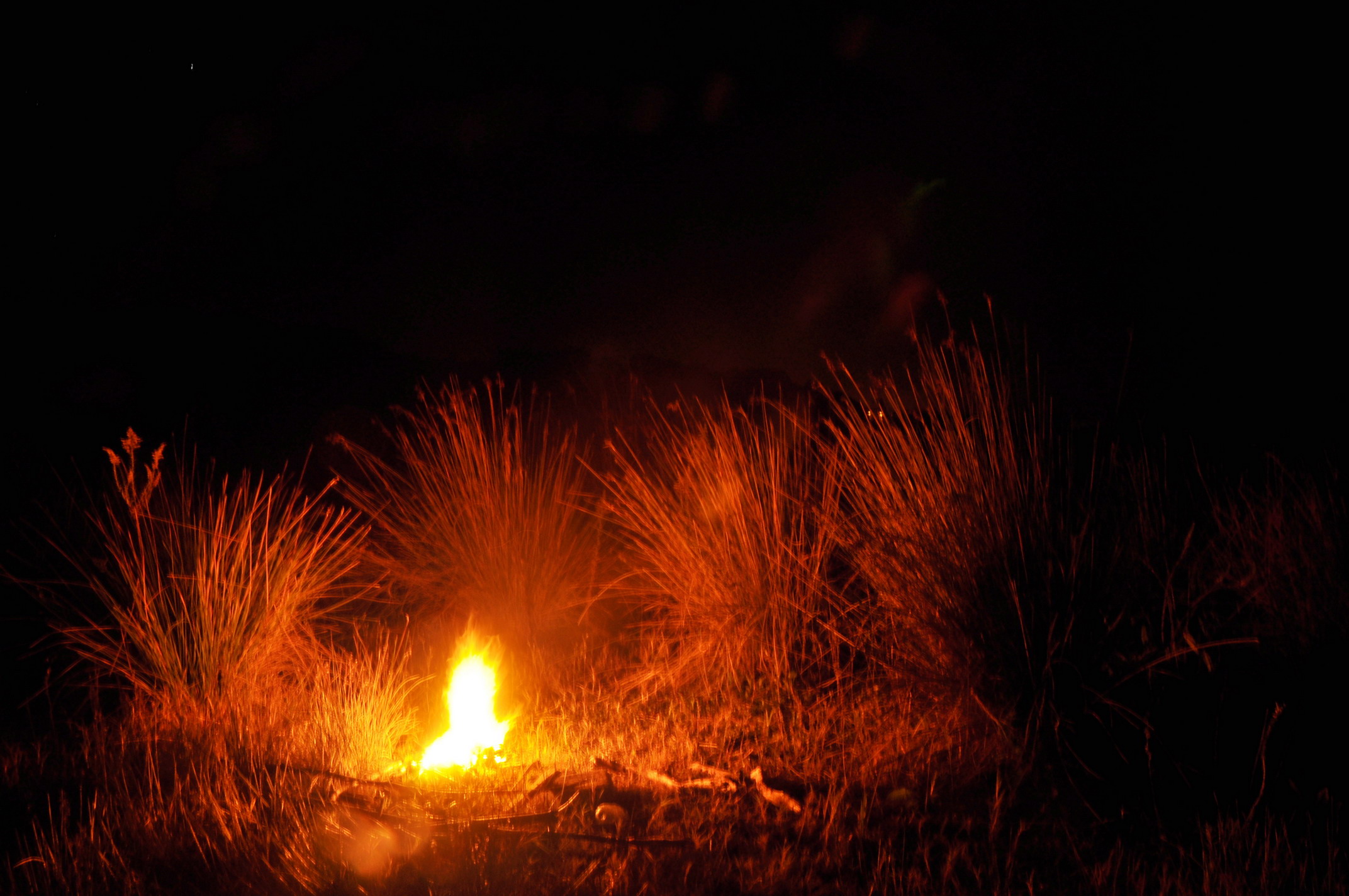
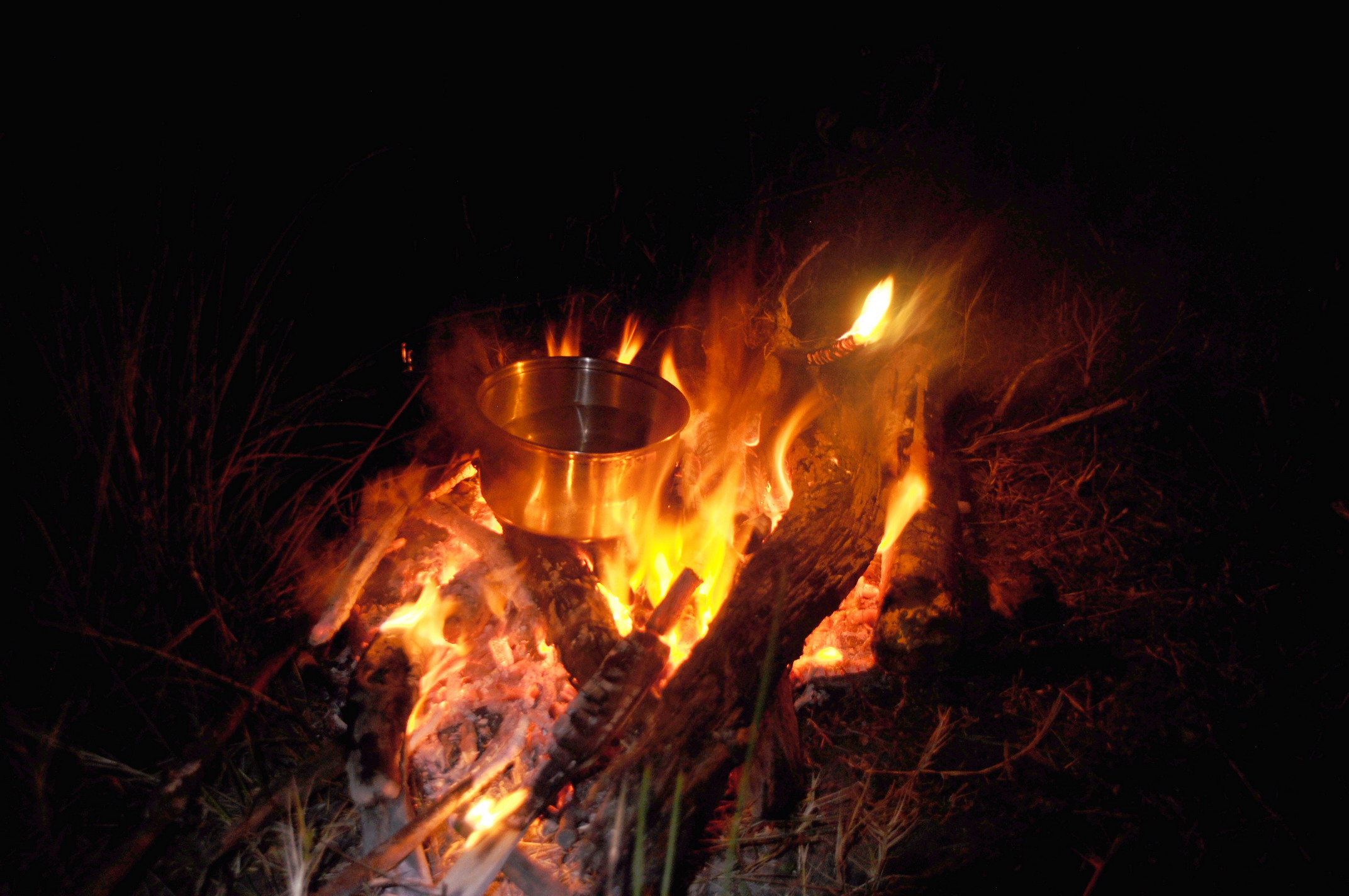
The next morning I woke up to the sun. It looked like a fine clear day ahead. I got up lazily and put on my morning coffee, which merged into breakfast.
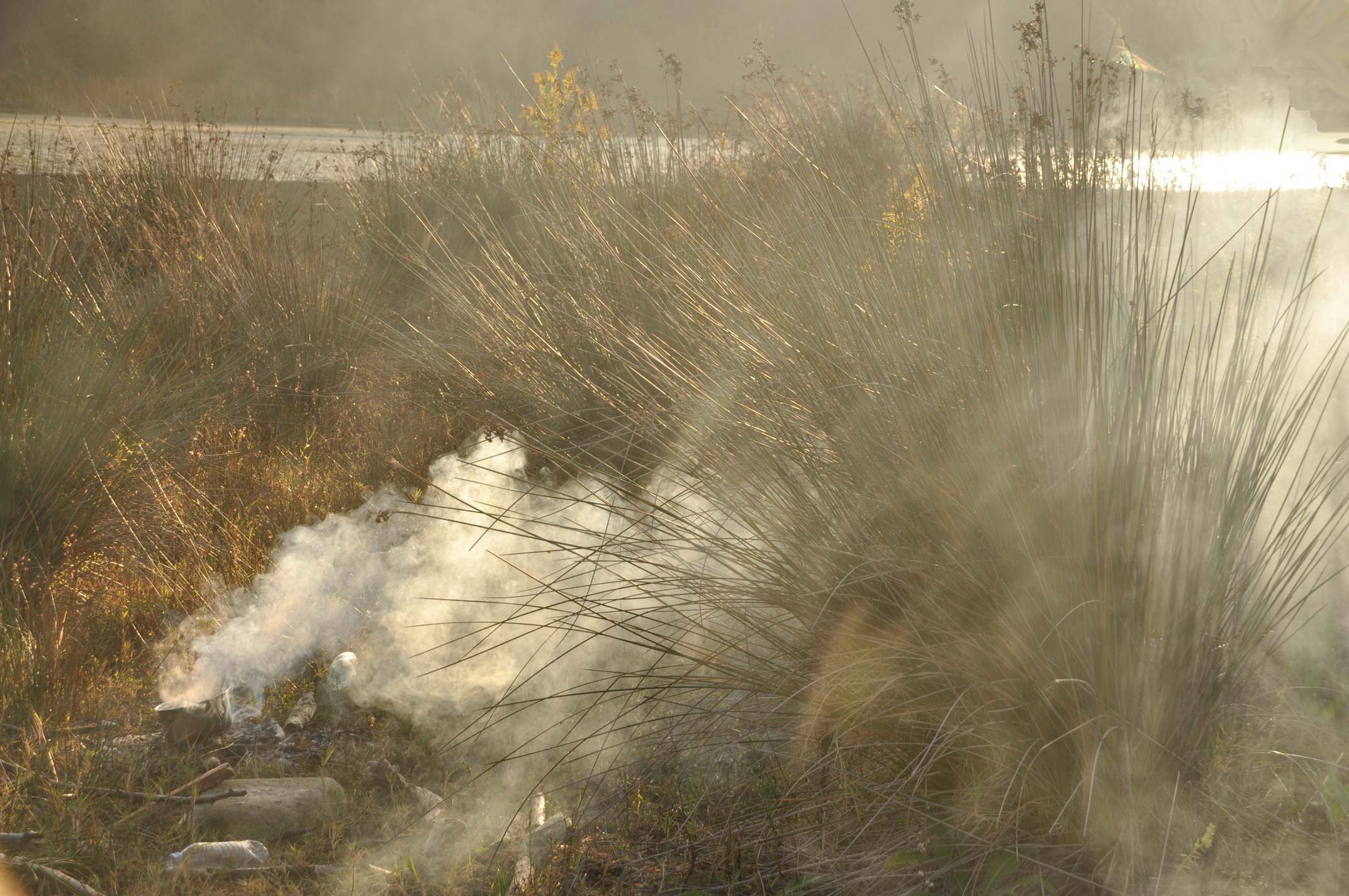
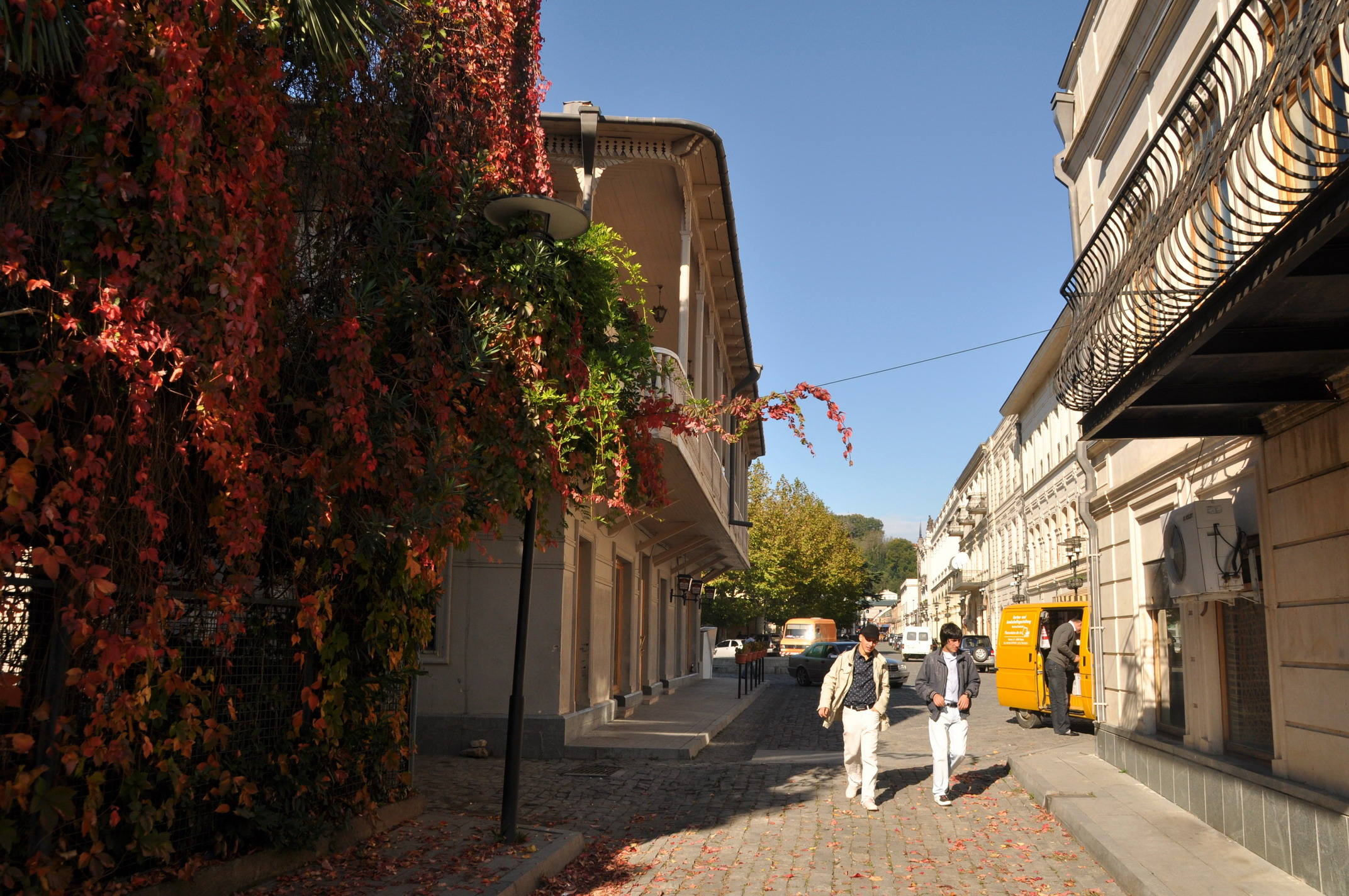
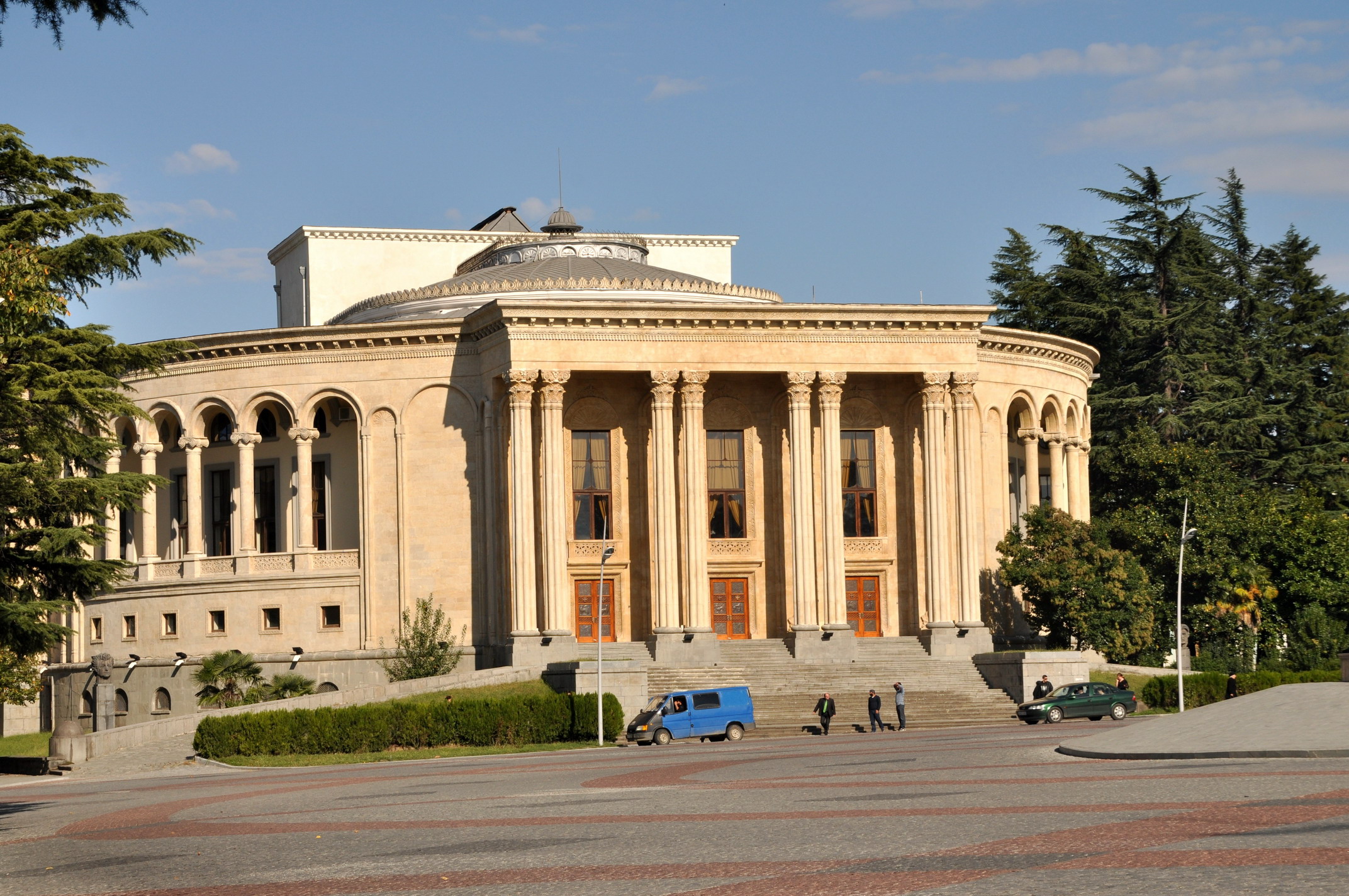
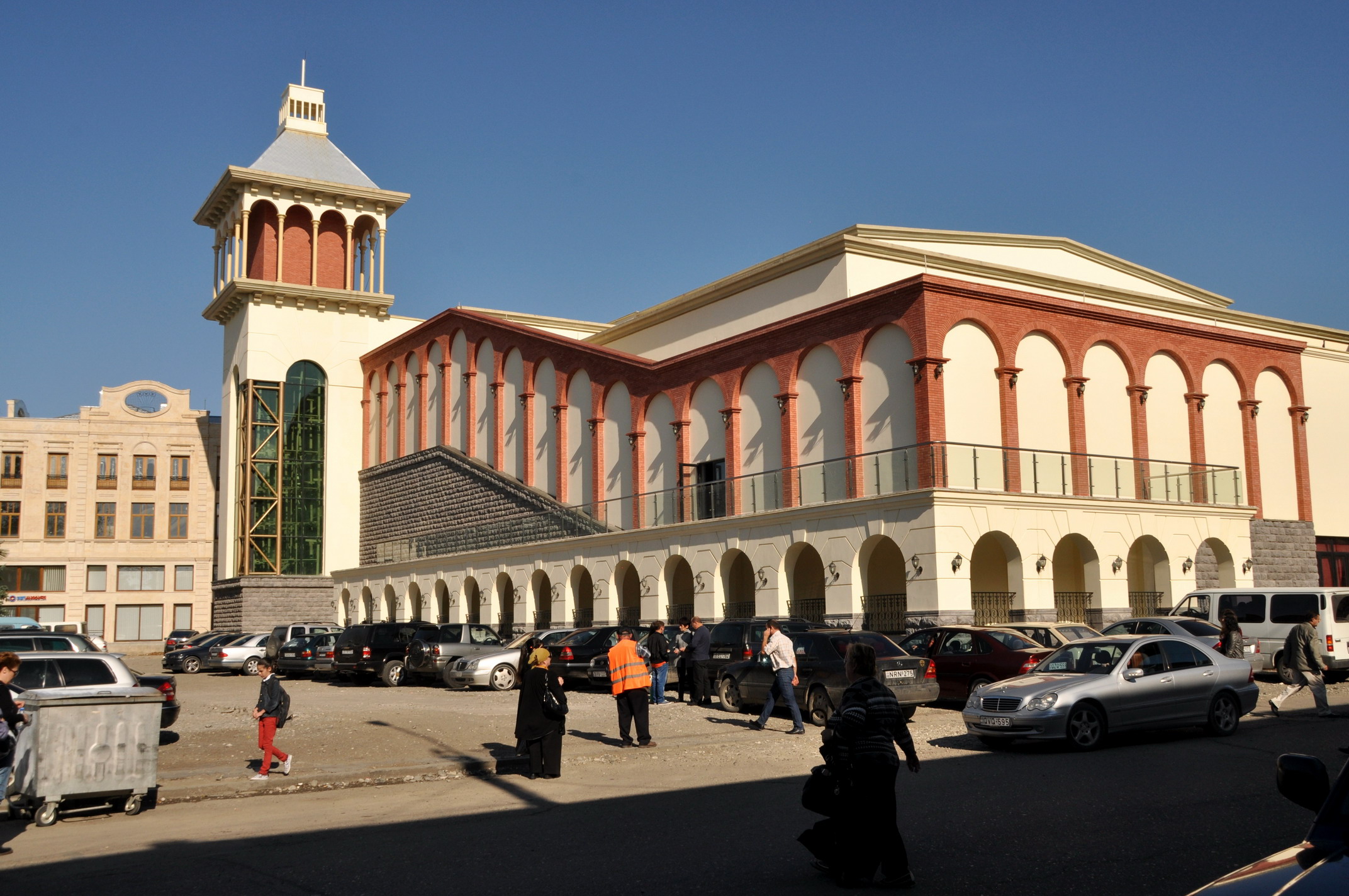
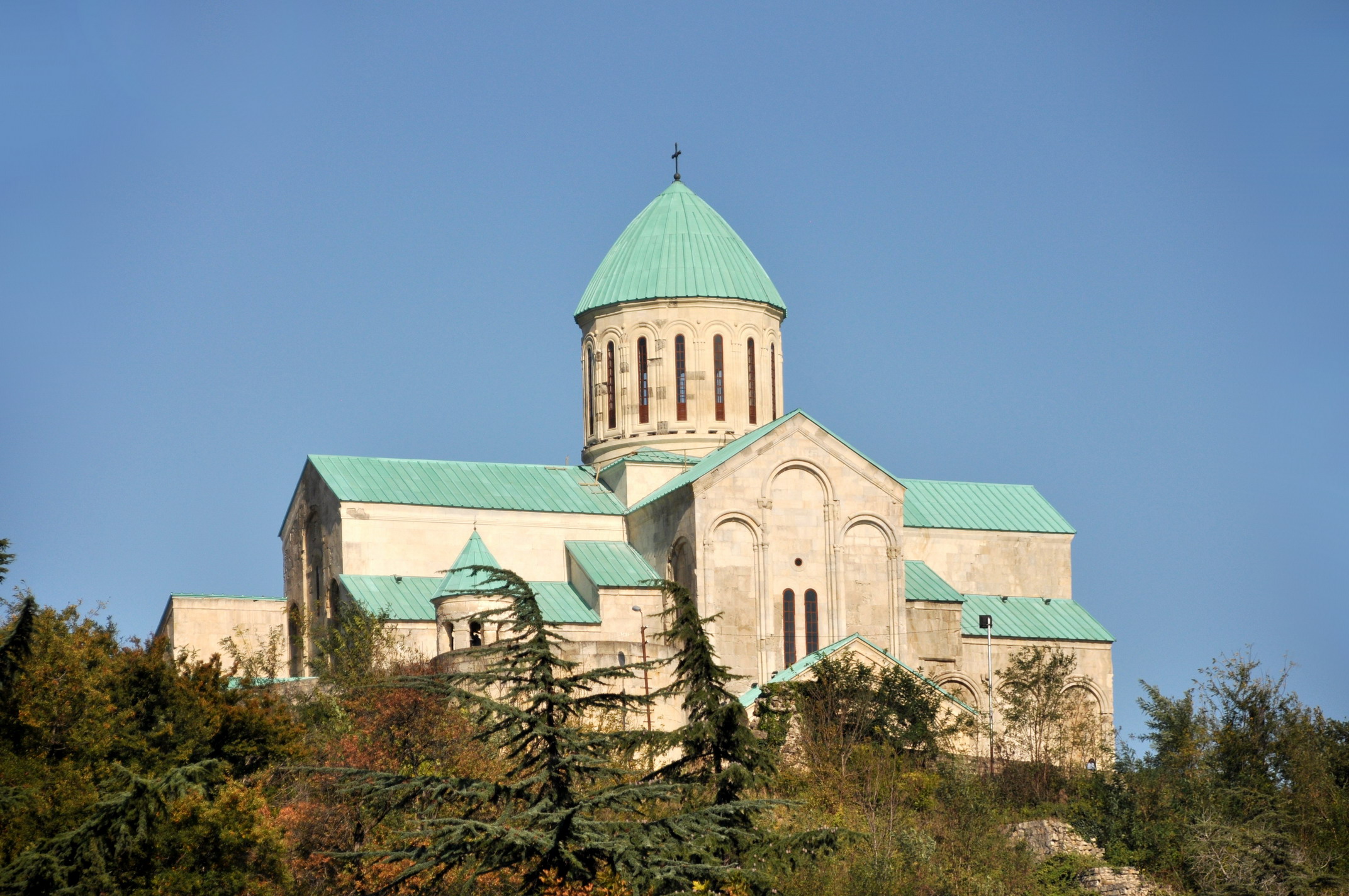
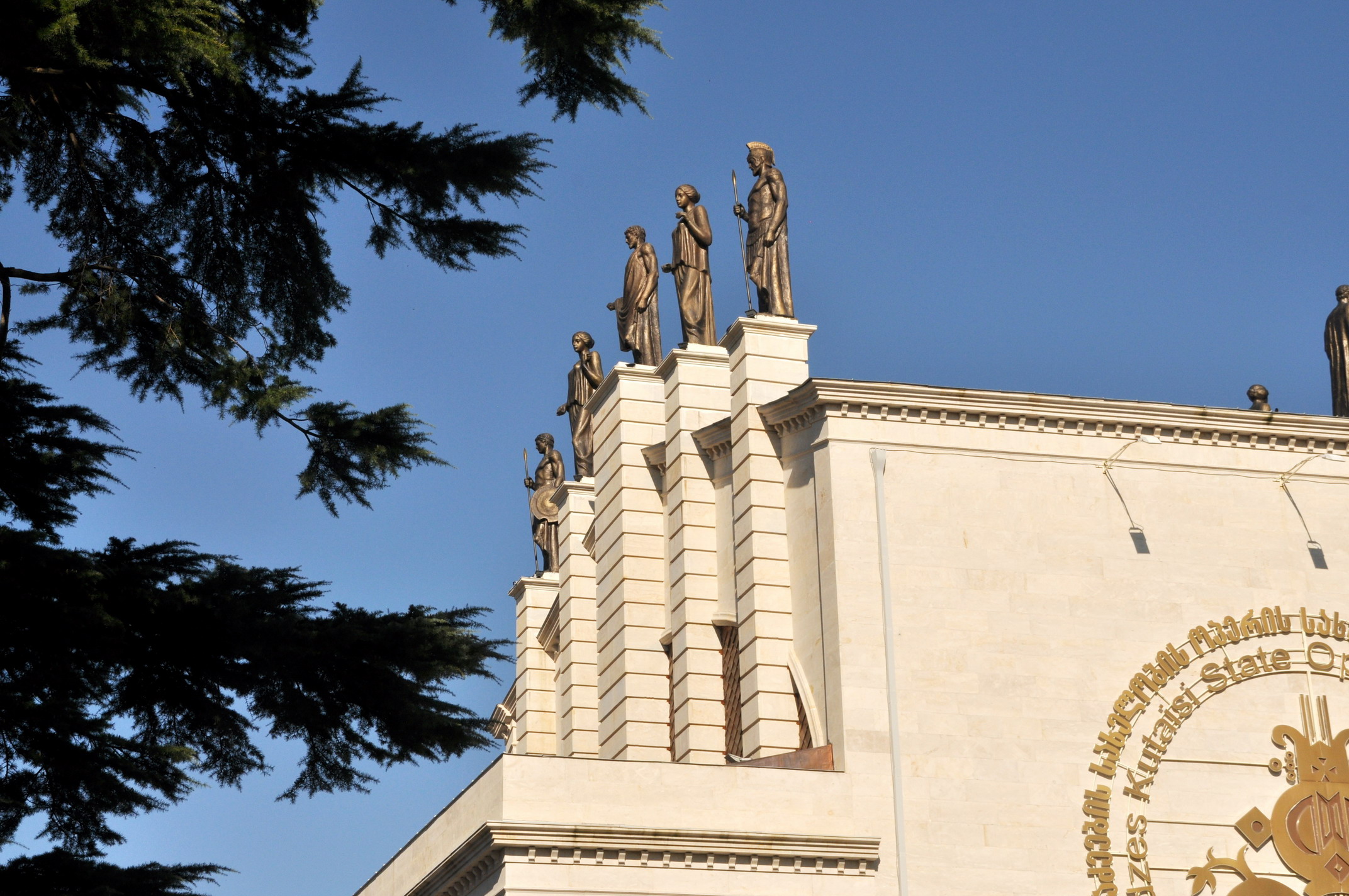
A few hours later and I was in Kutaisi (ქუთაისი). The city had also been cleaned up and improved in recent years. Of course, it wasn't quite as spectacular as Batumi, but it was pleasant to walk around.
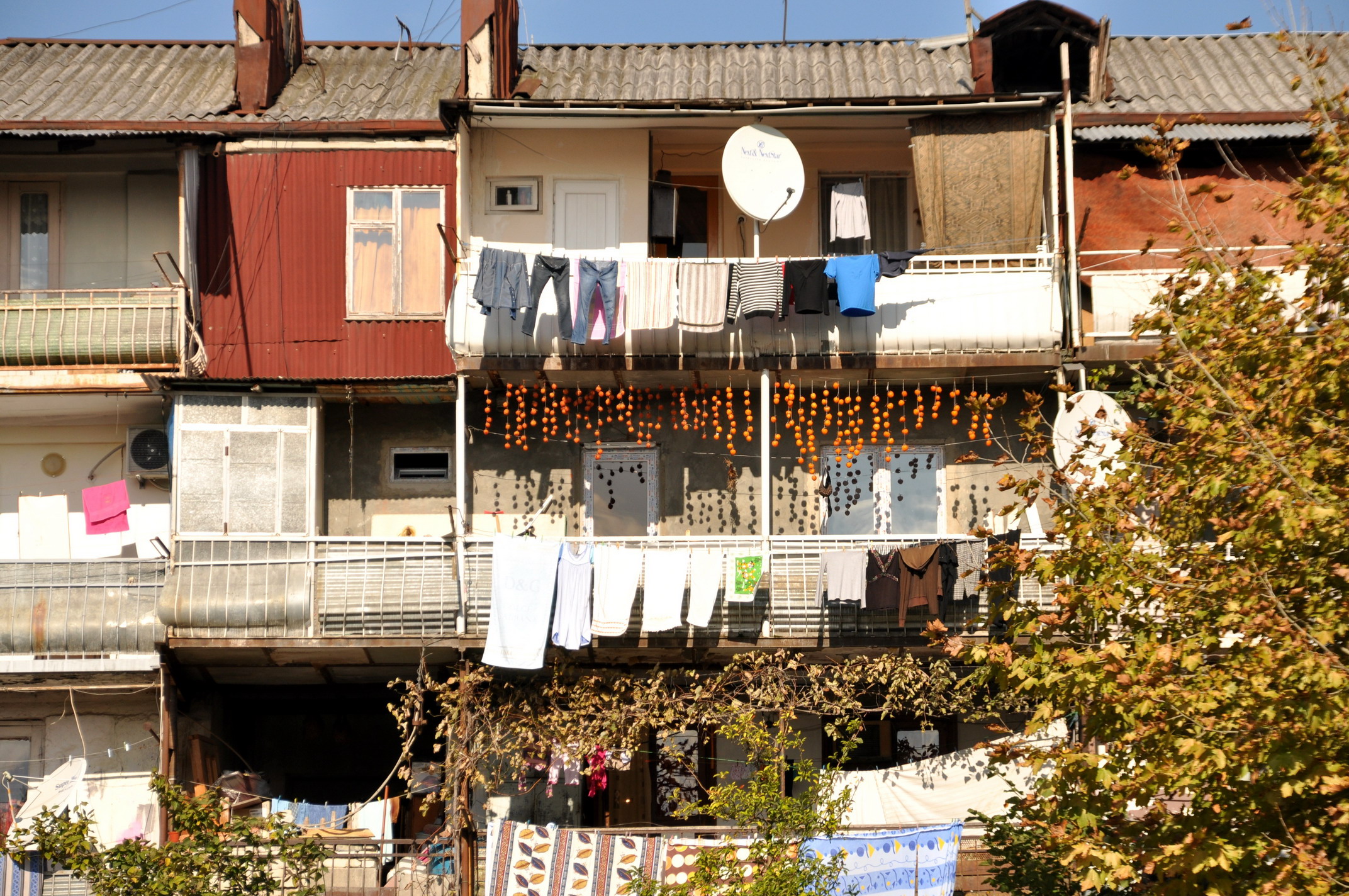
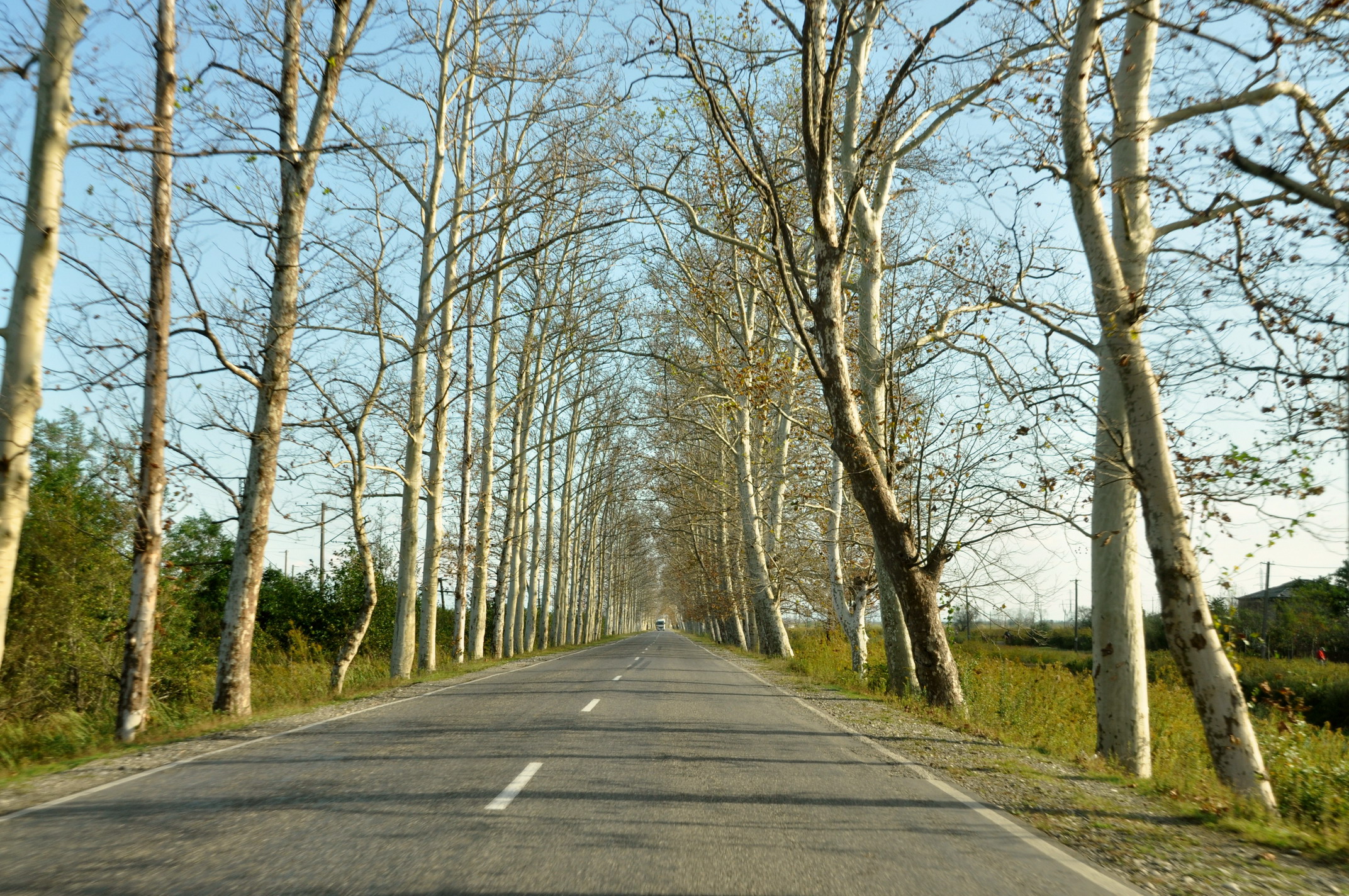
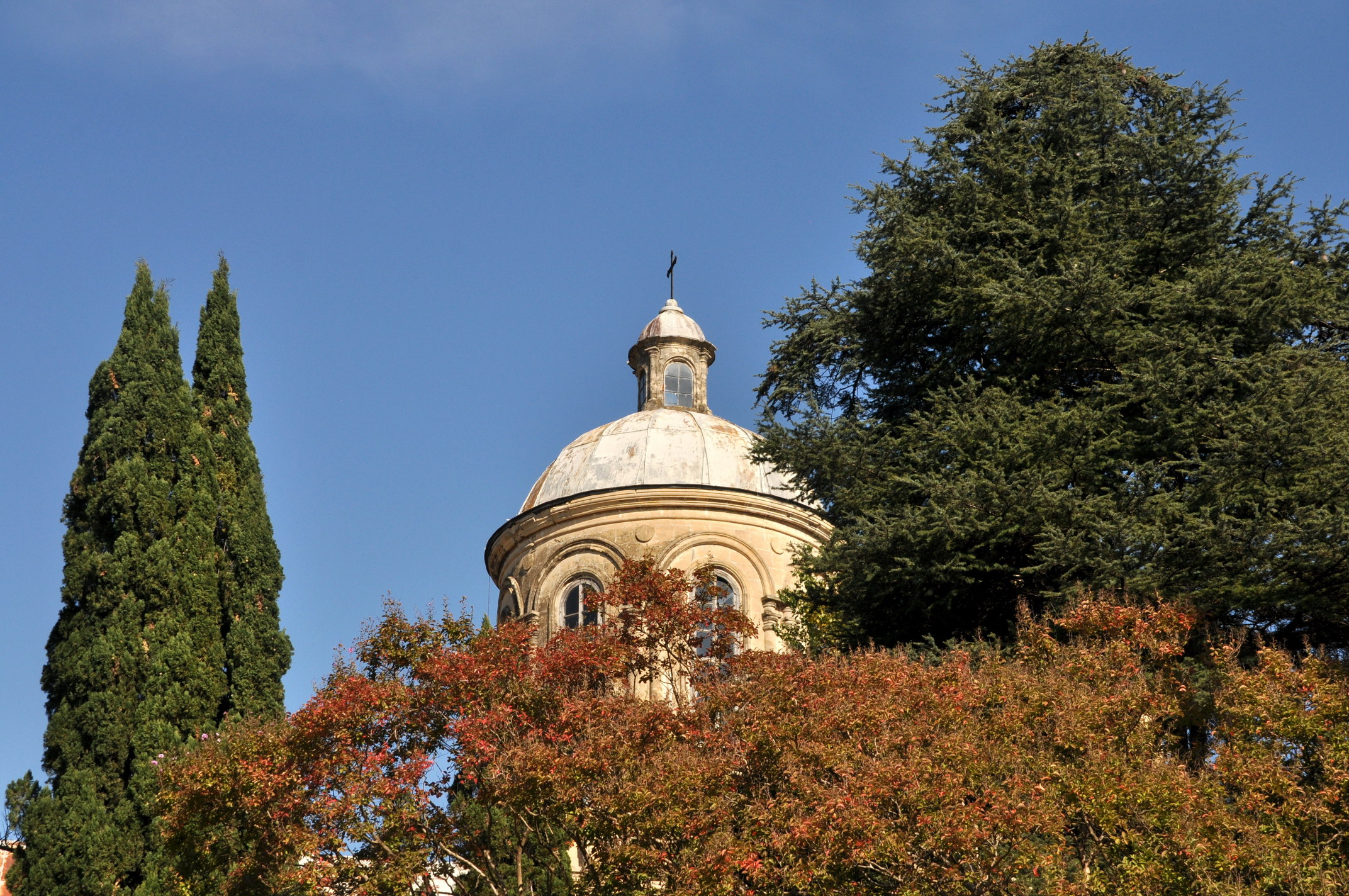
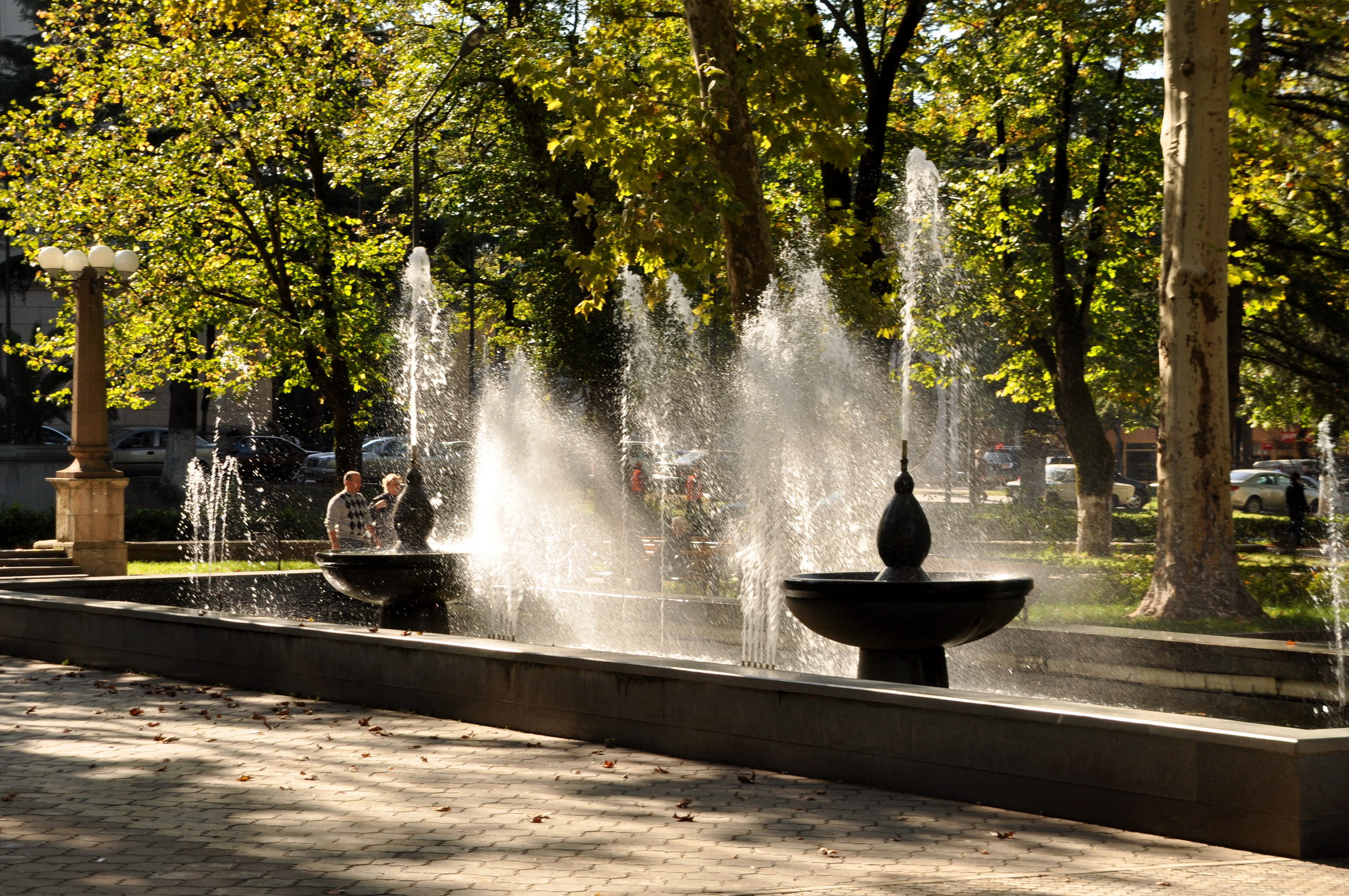
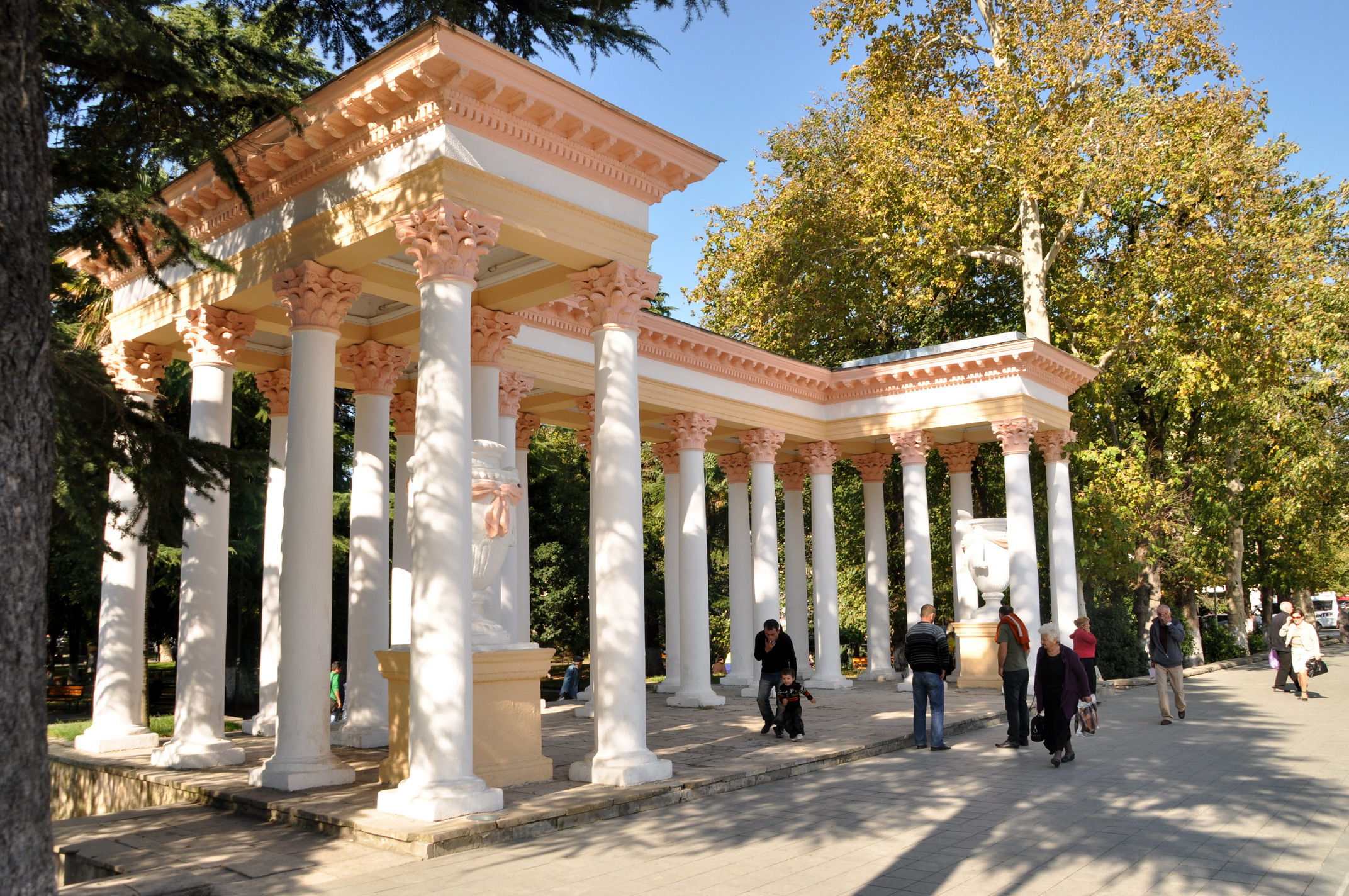
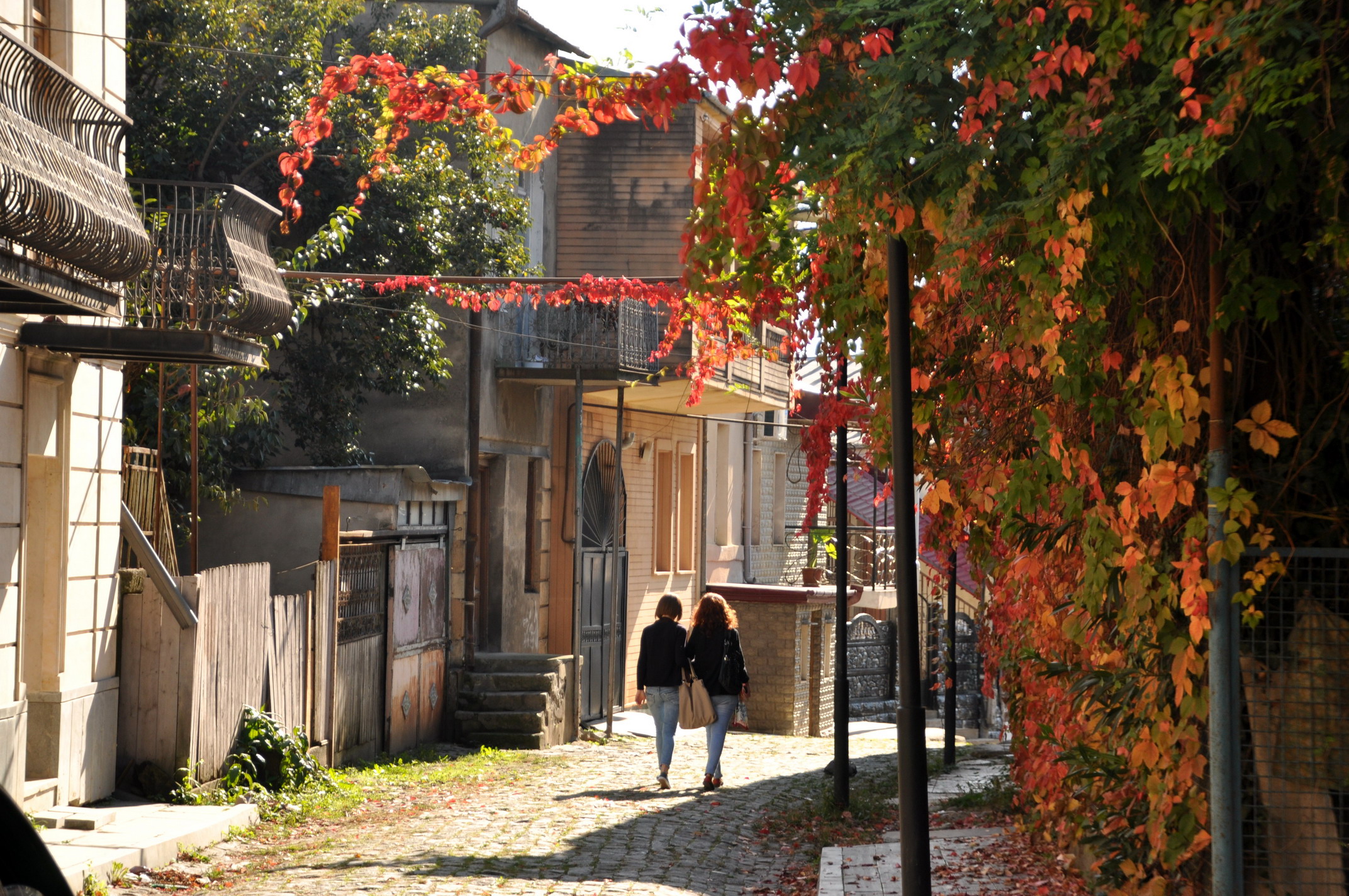
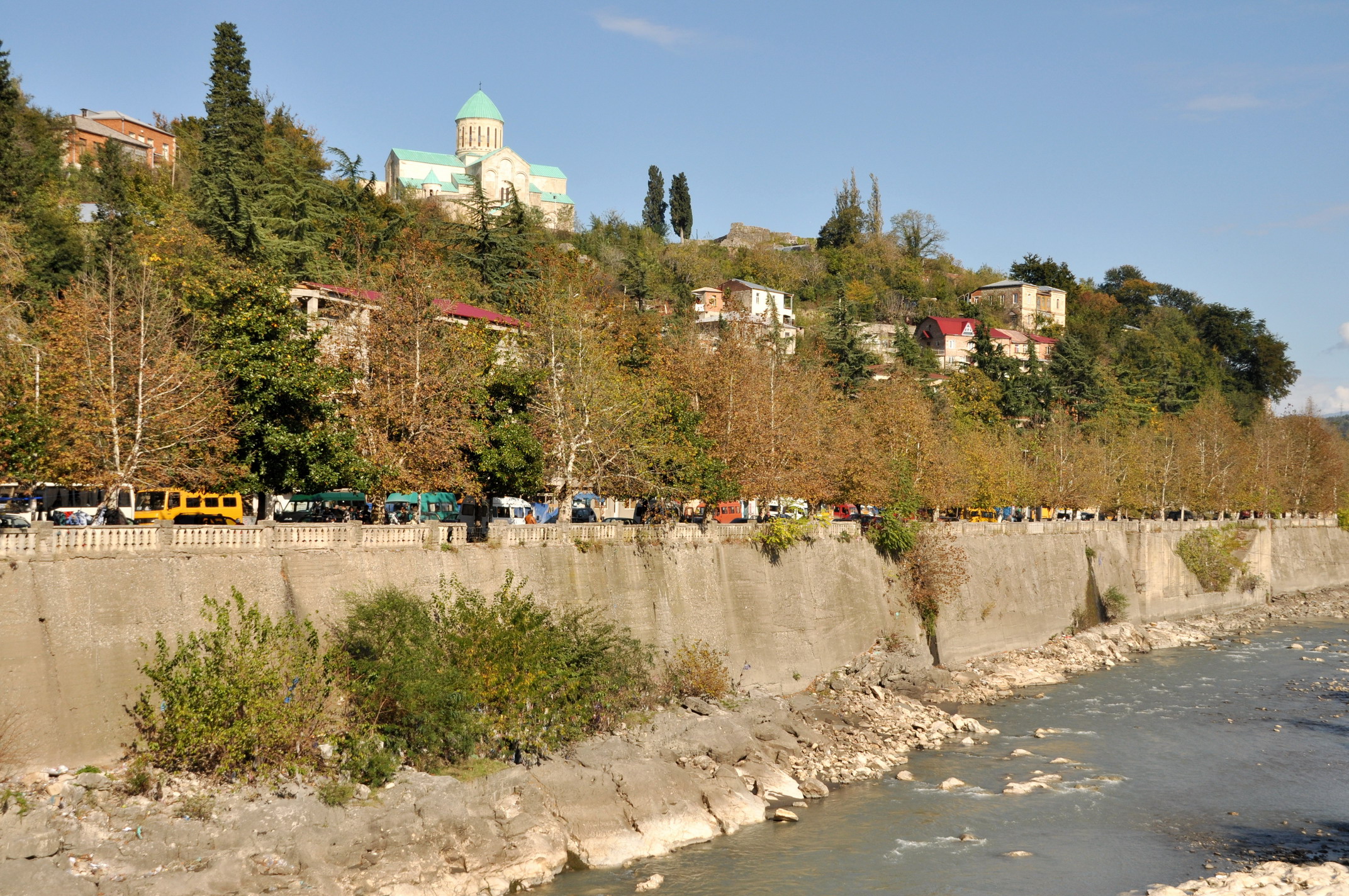
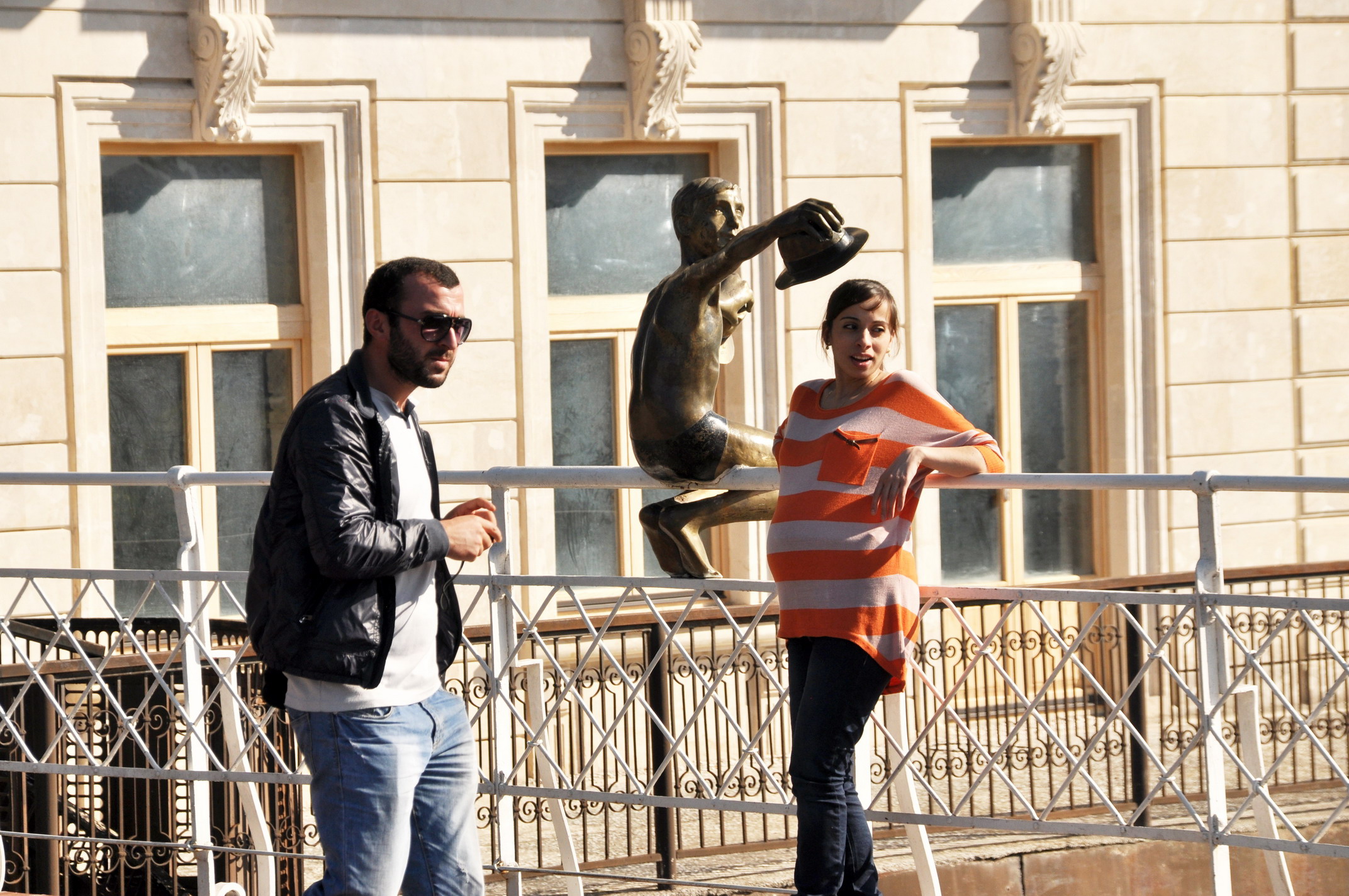
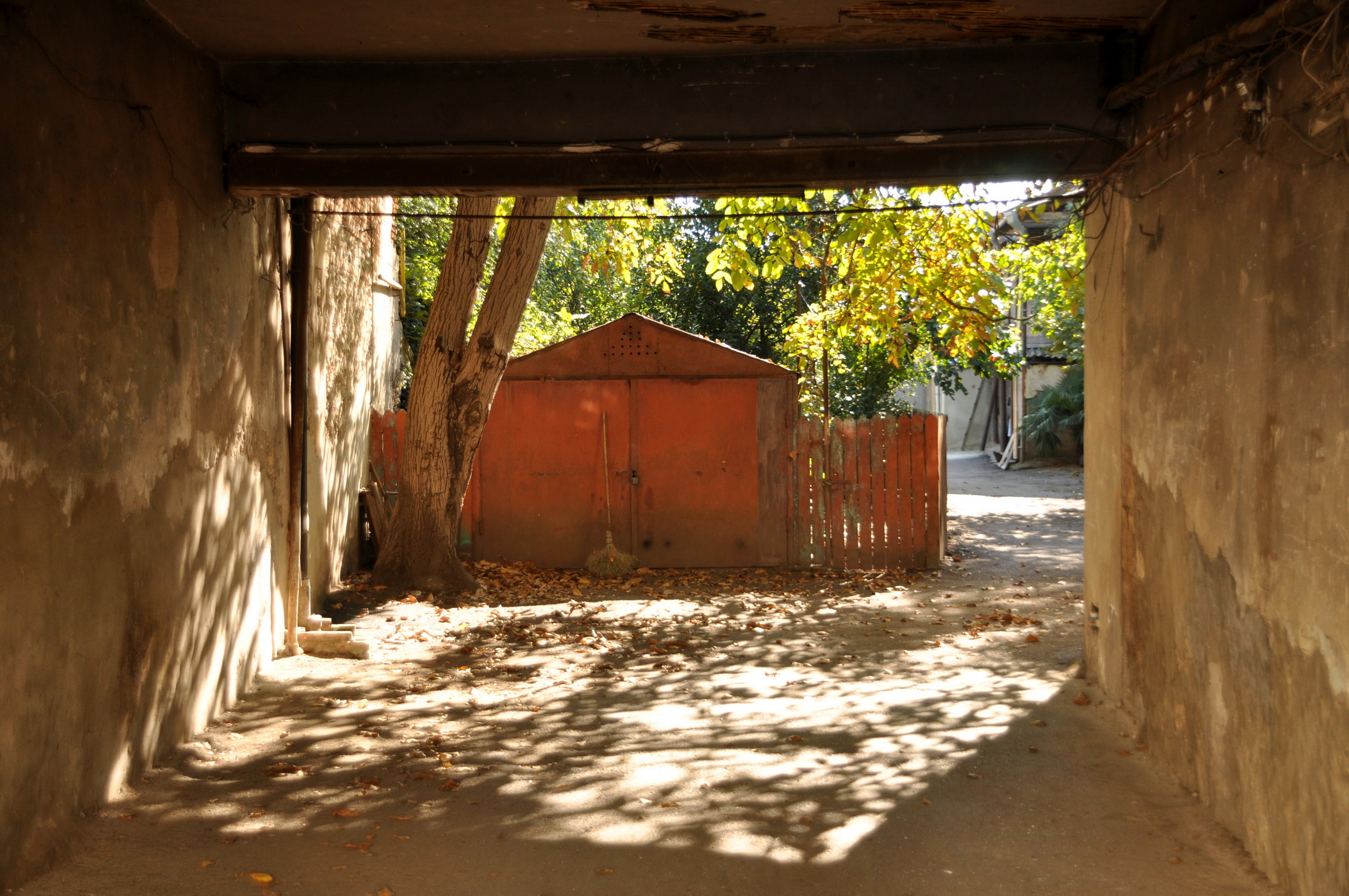
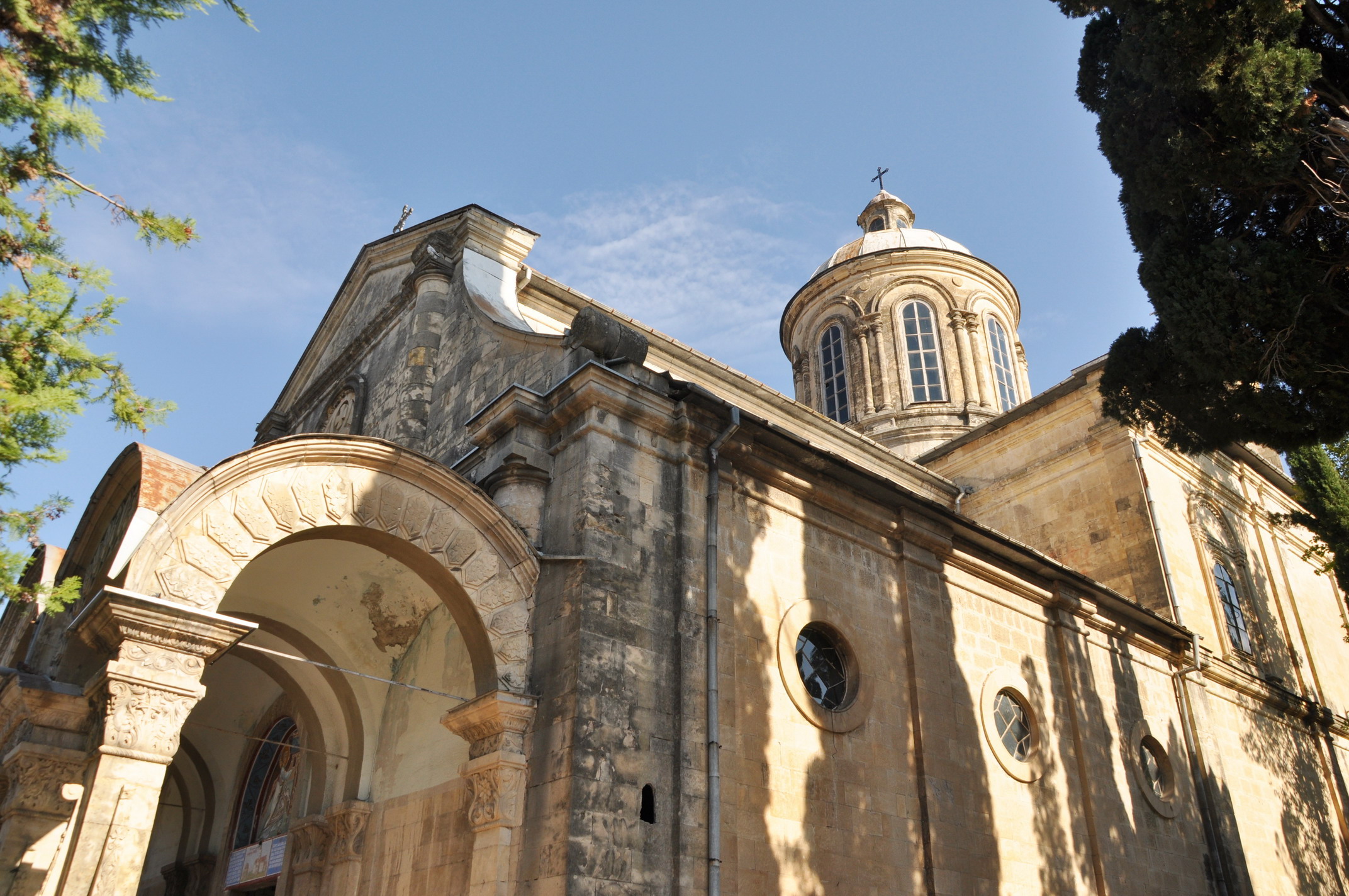
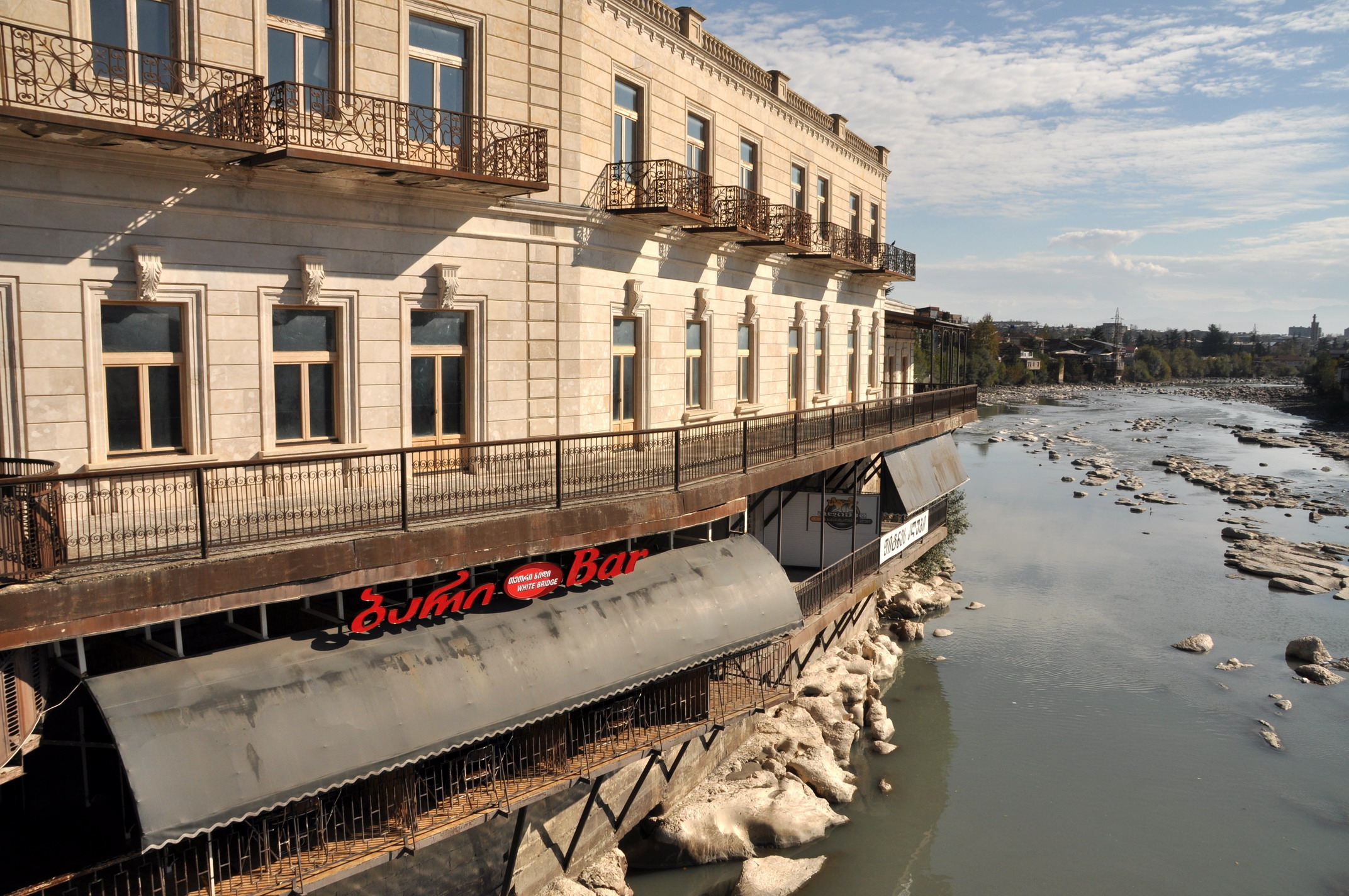
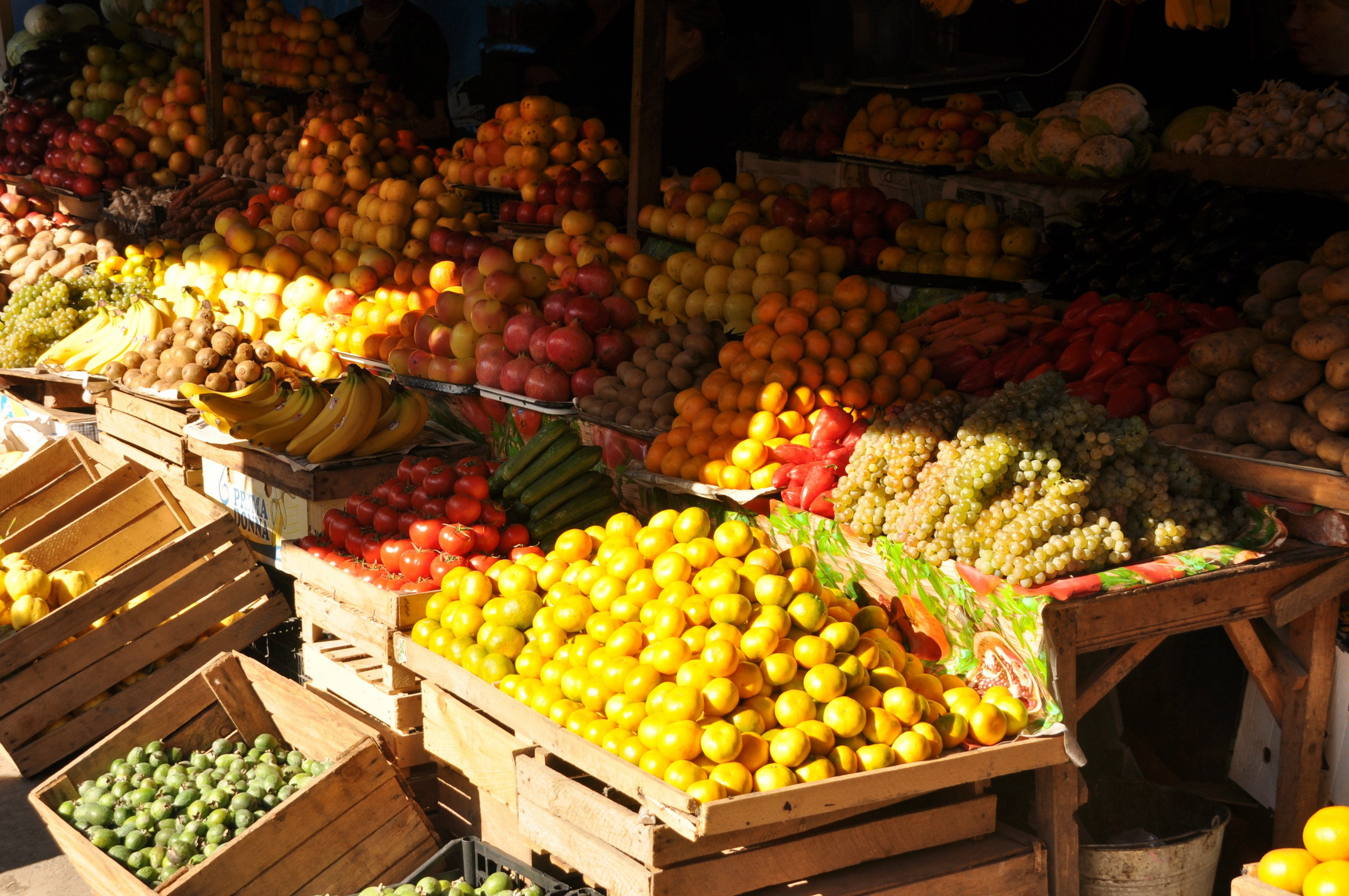
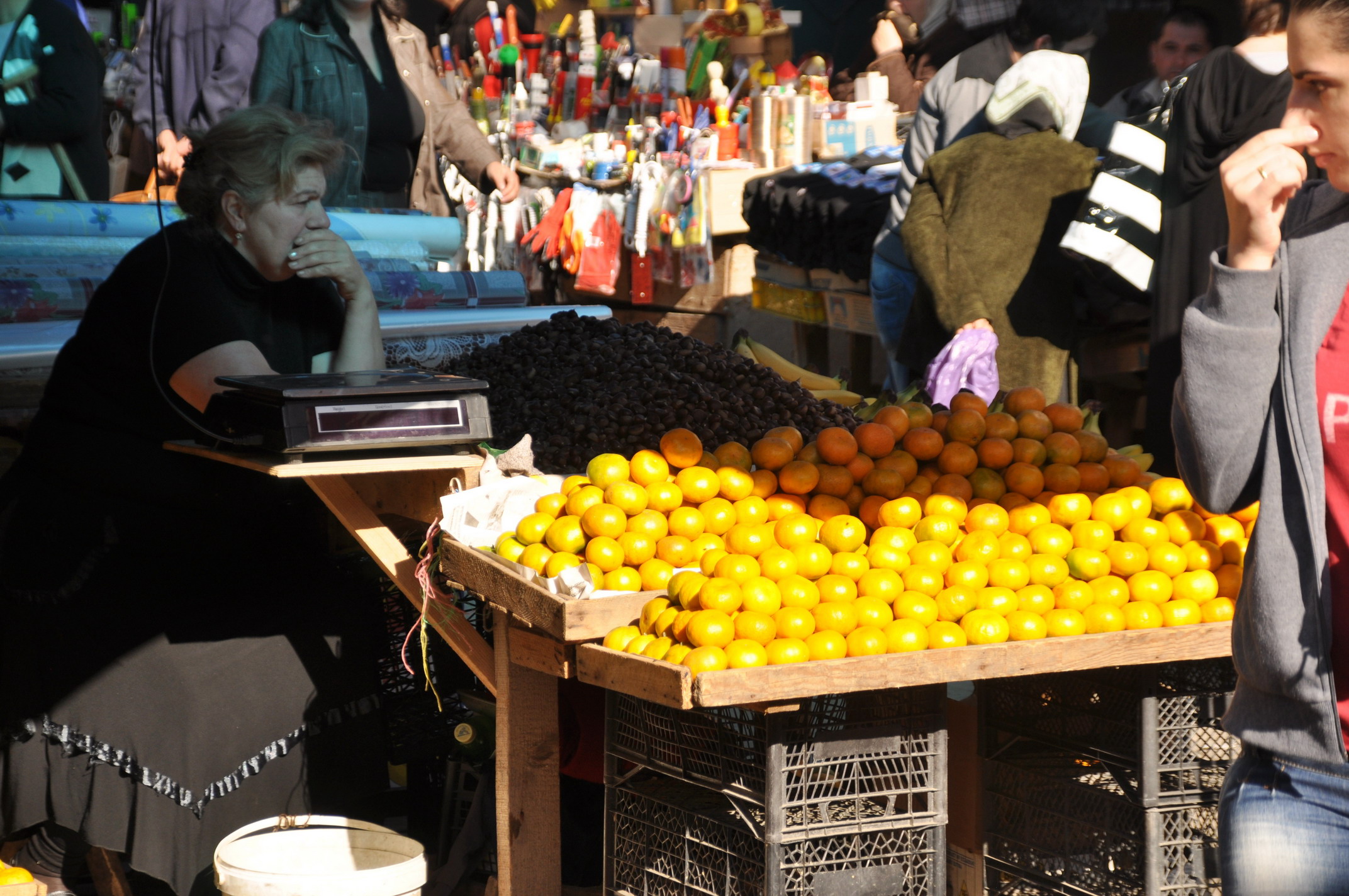
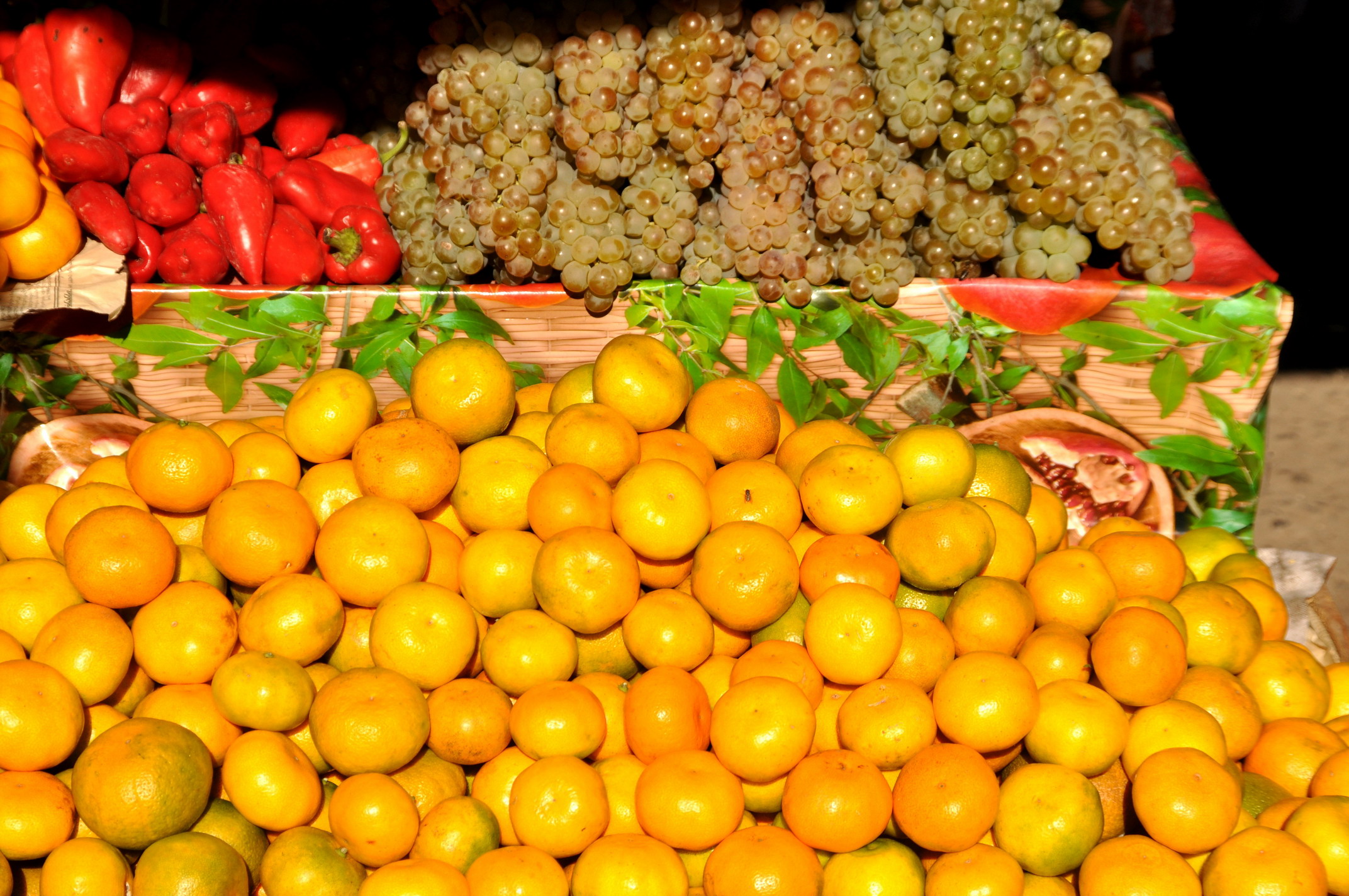
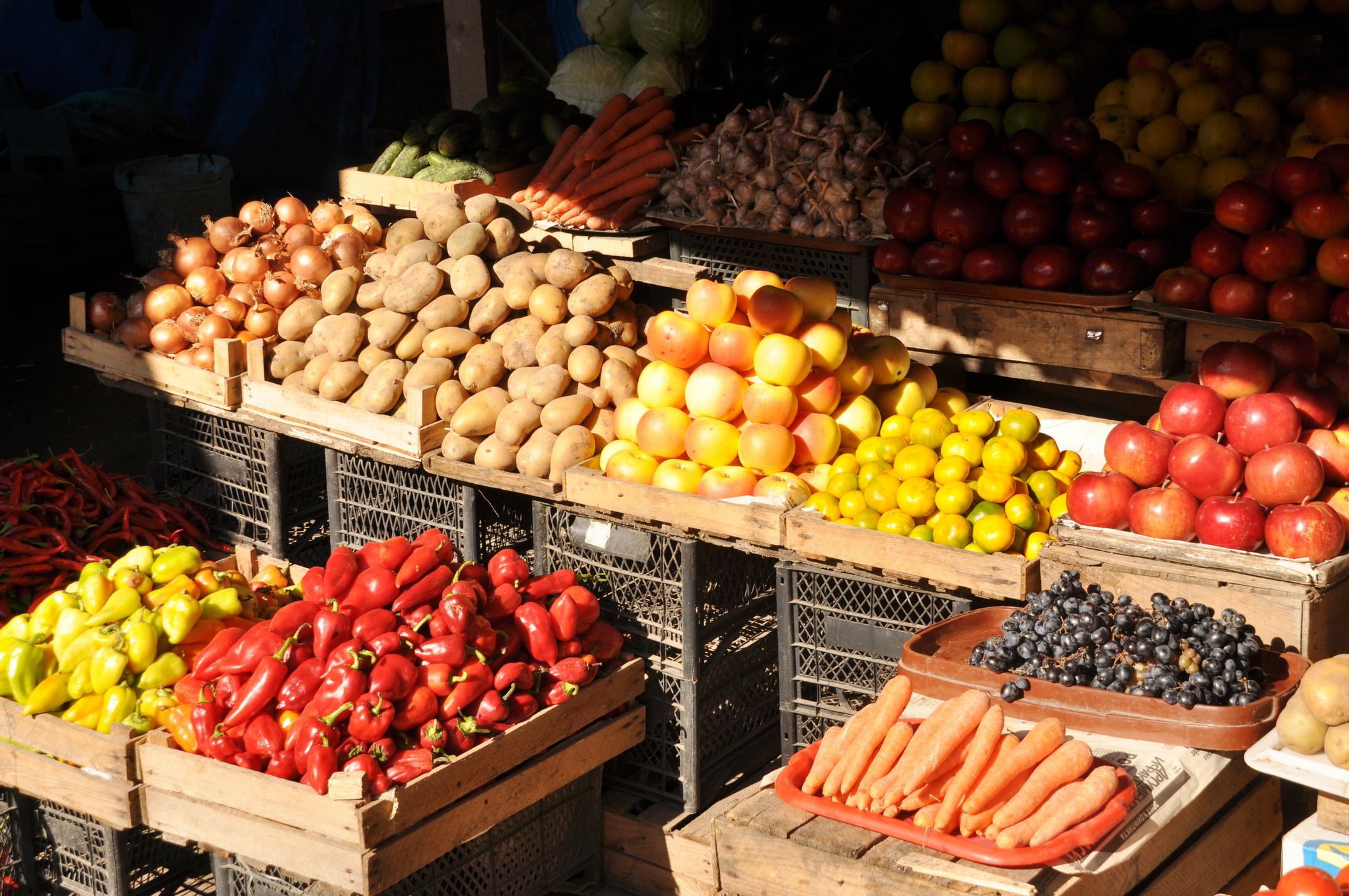
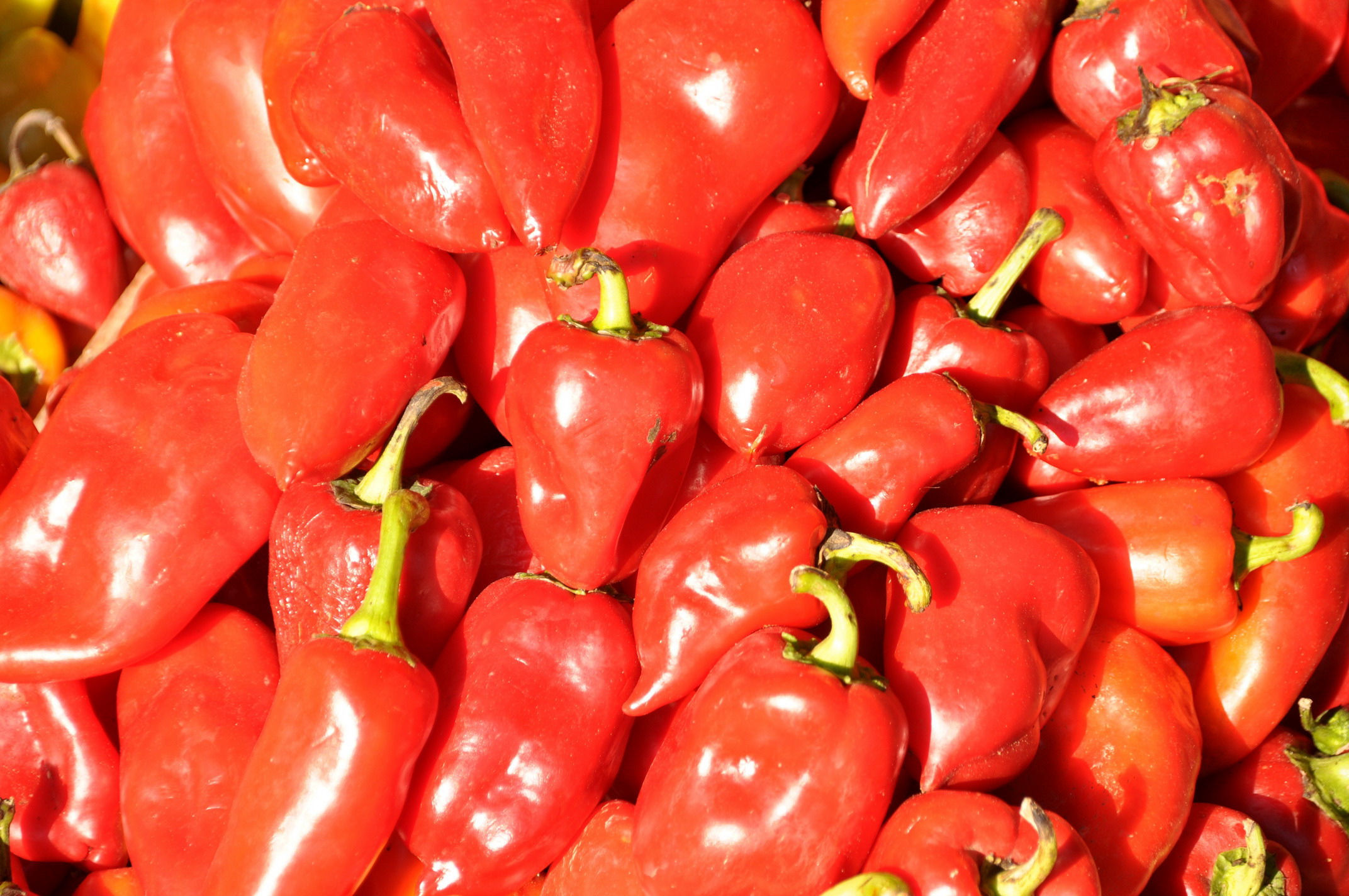
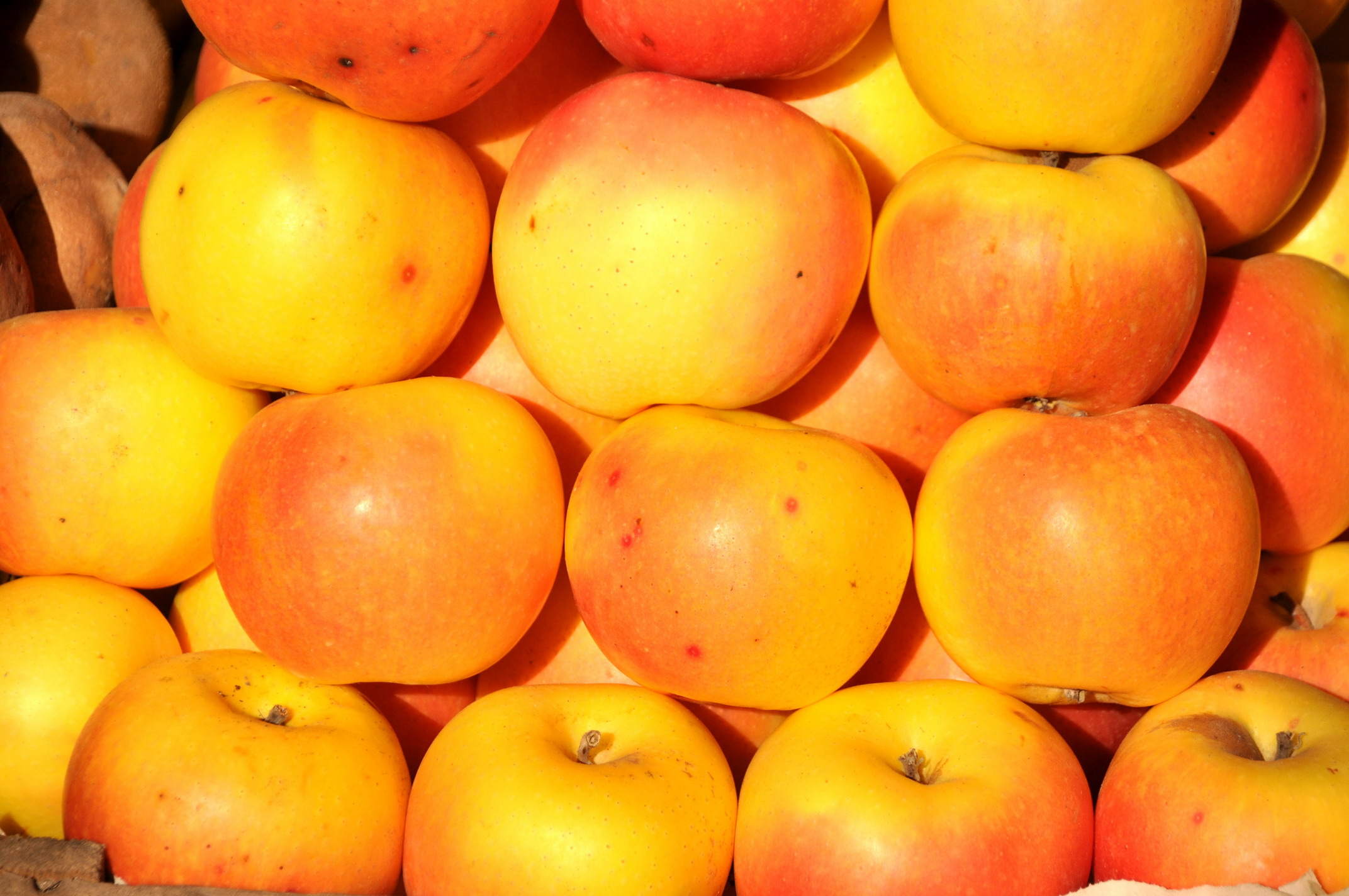
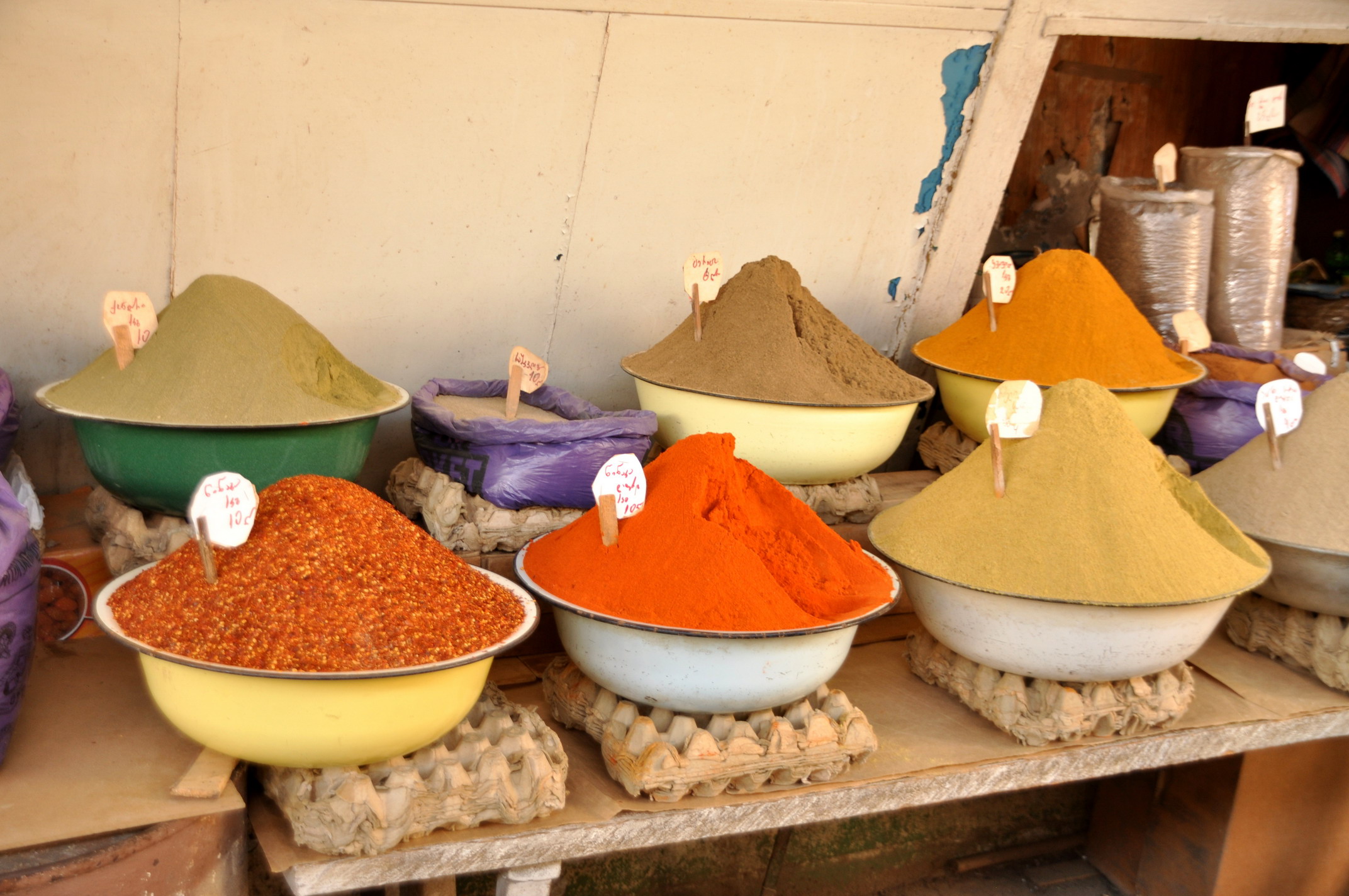
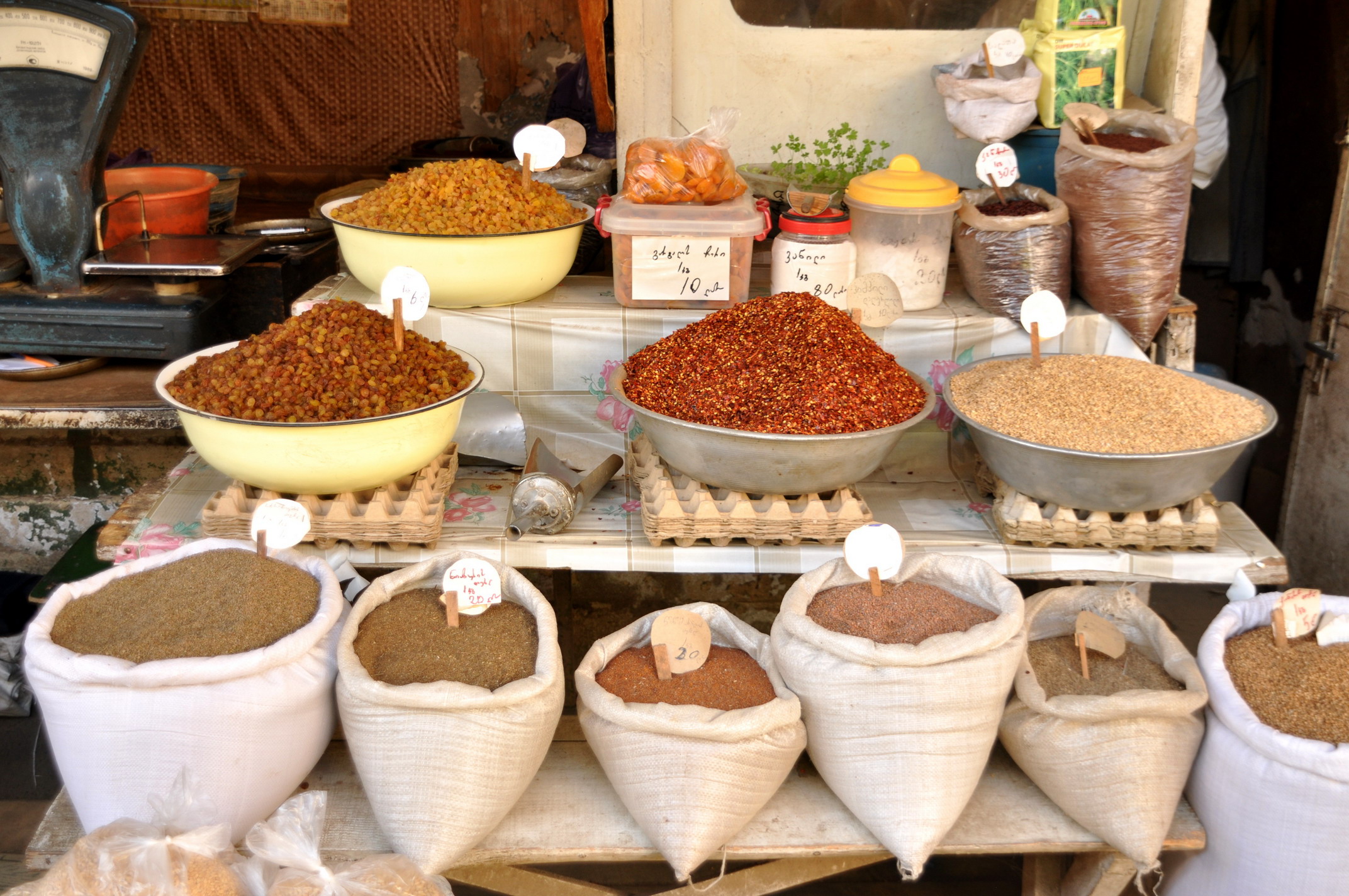
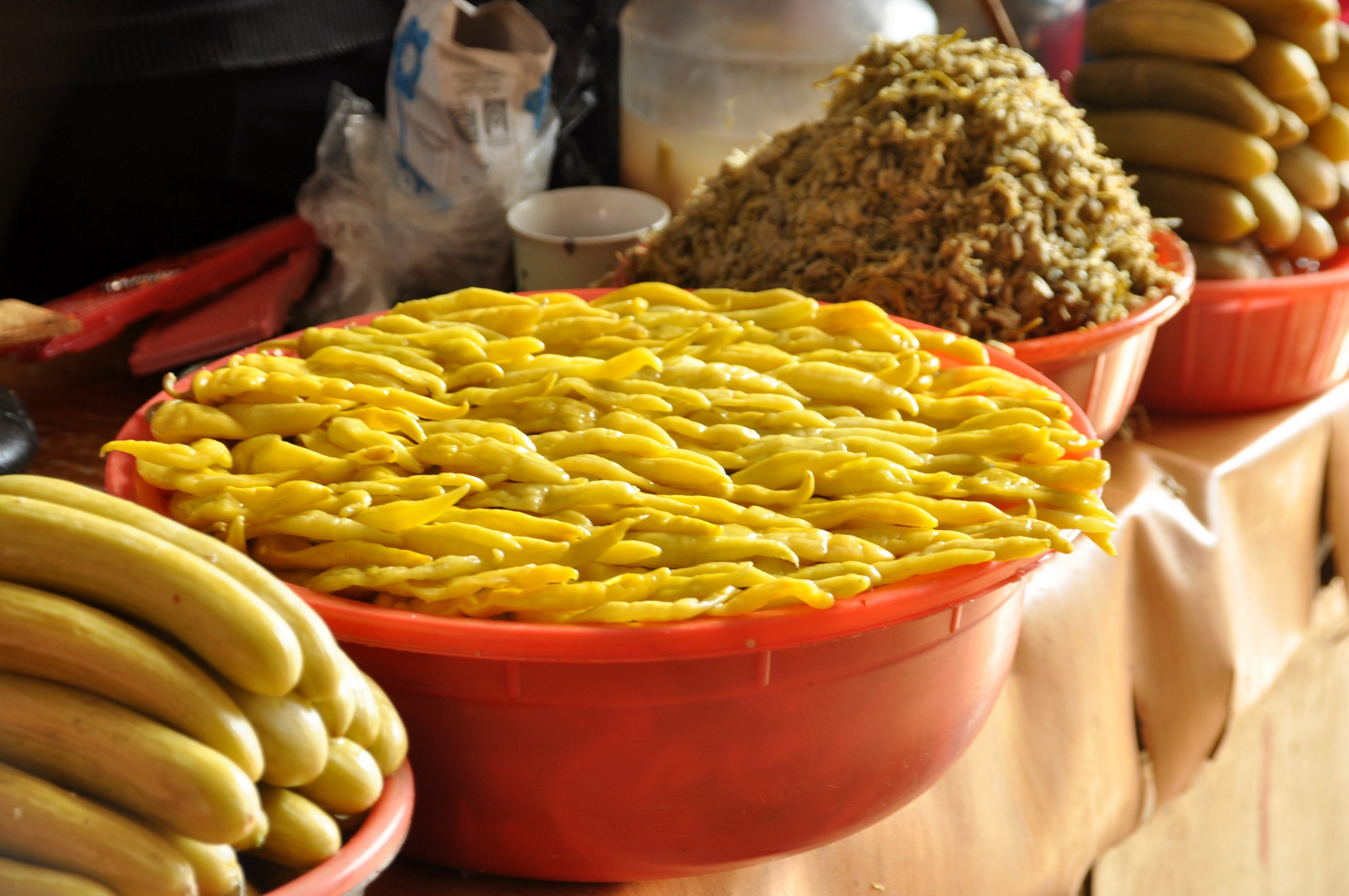
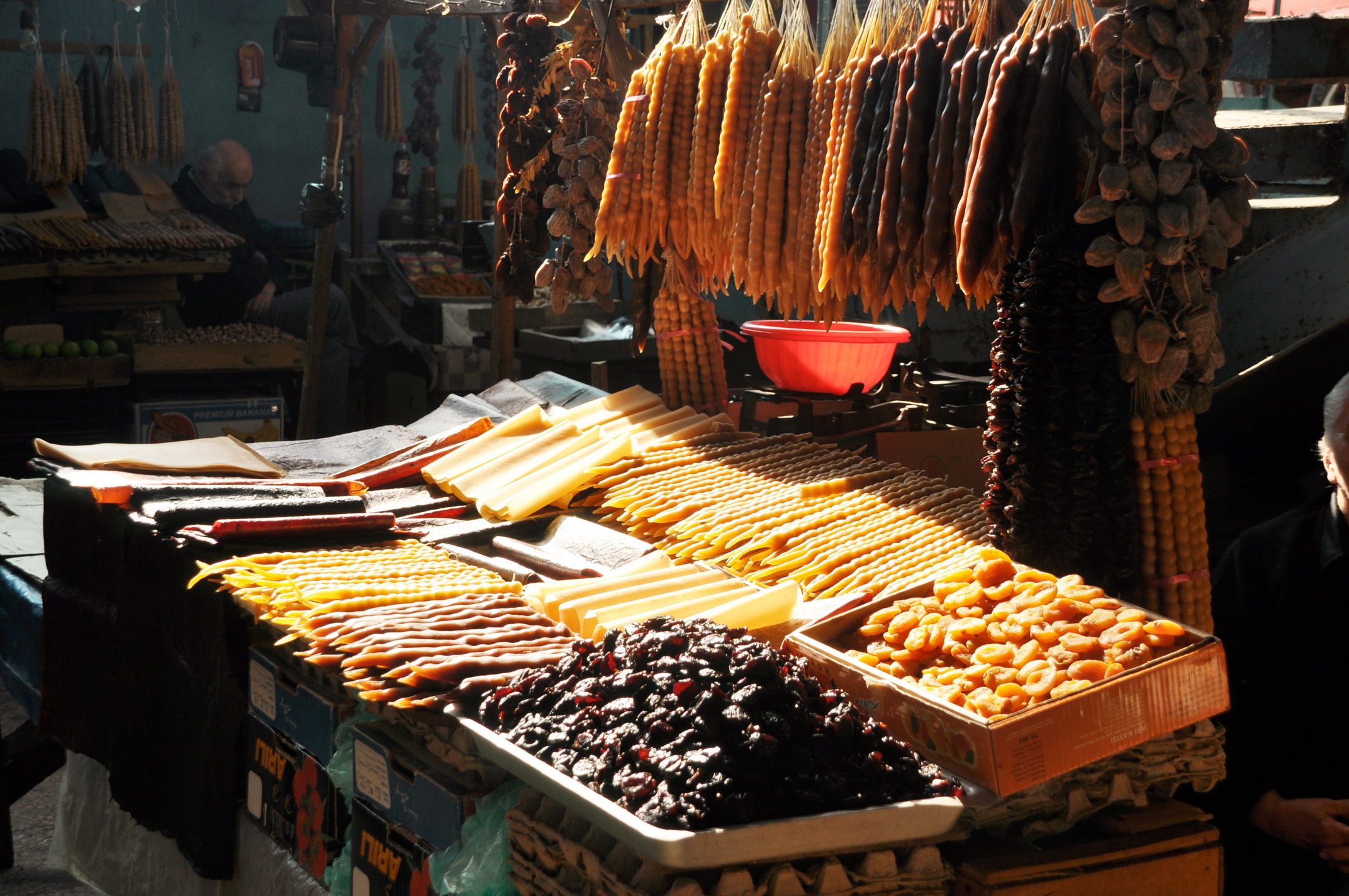
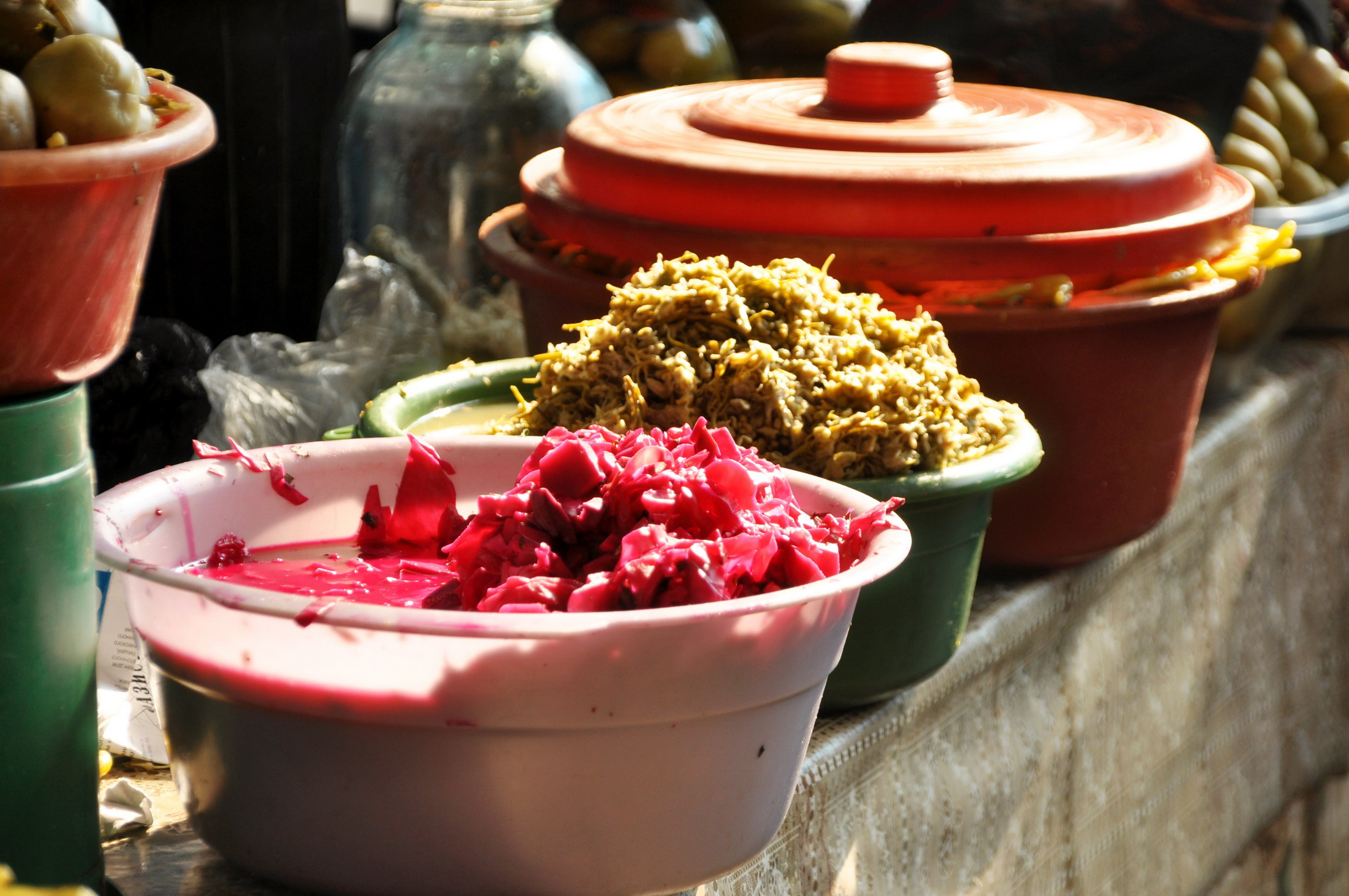
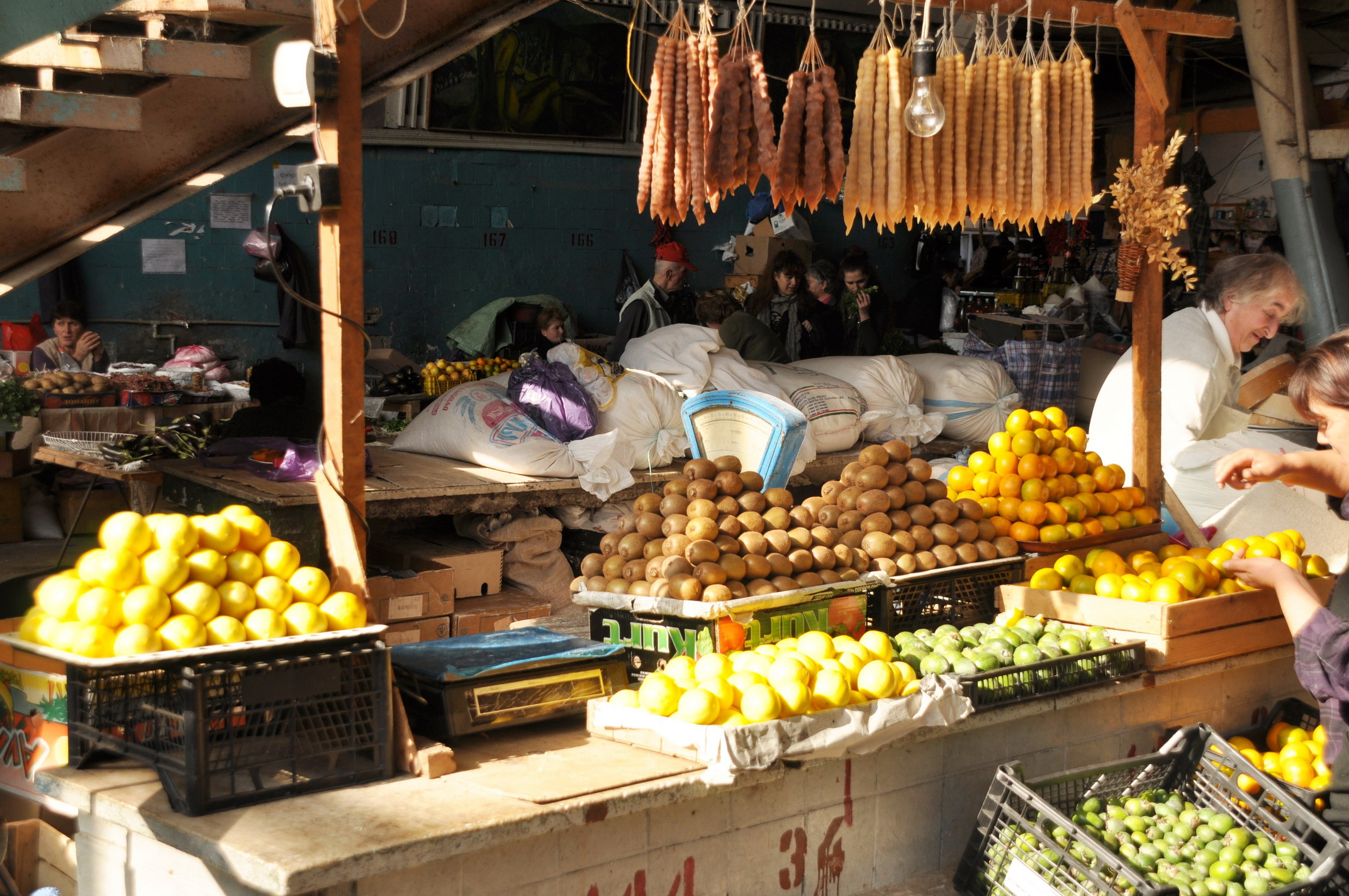
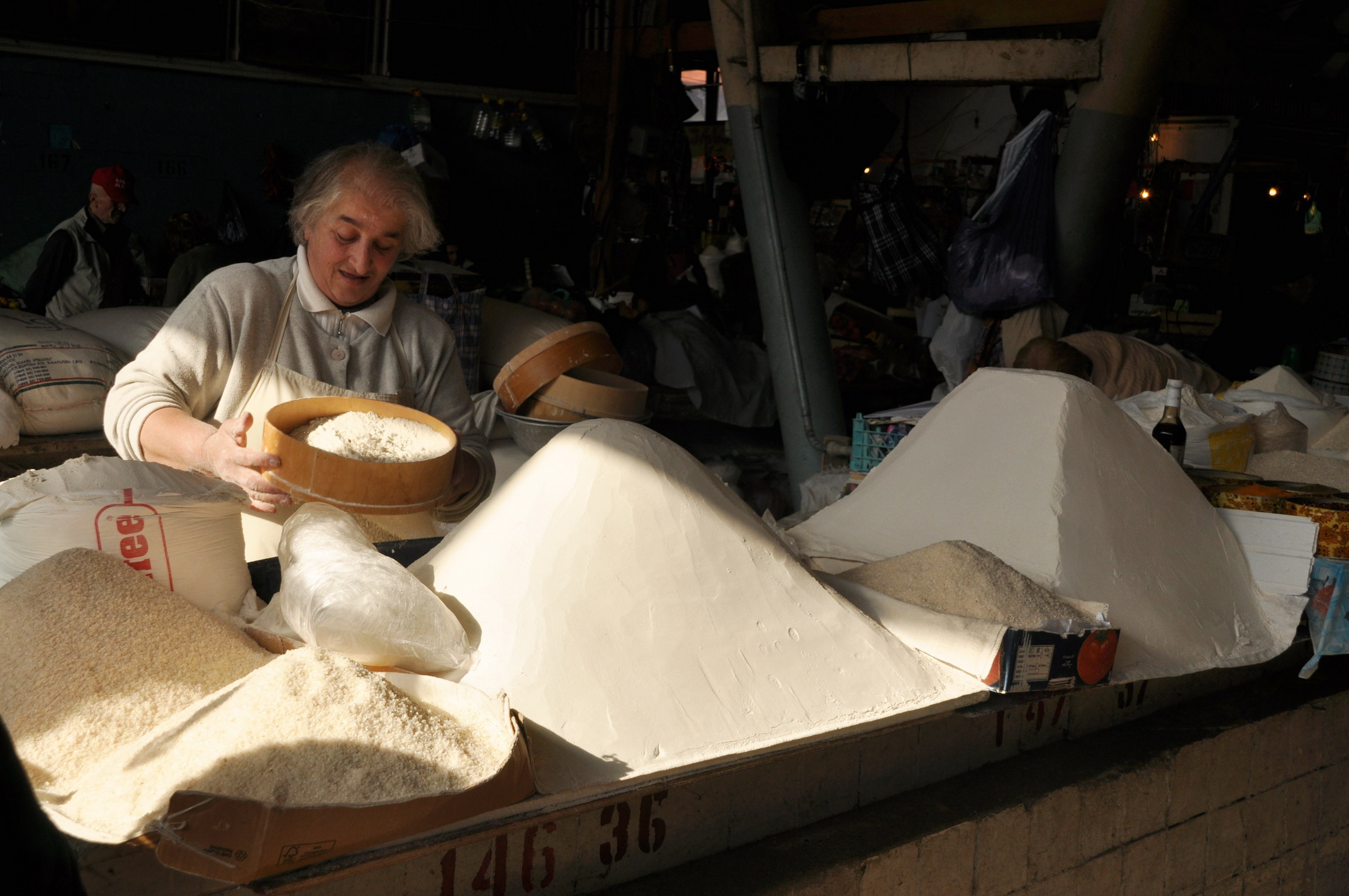
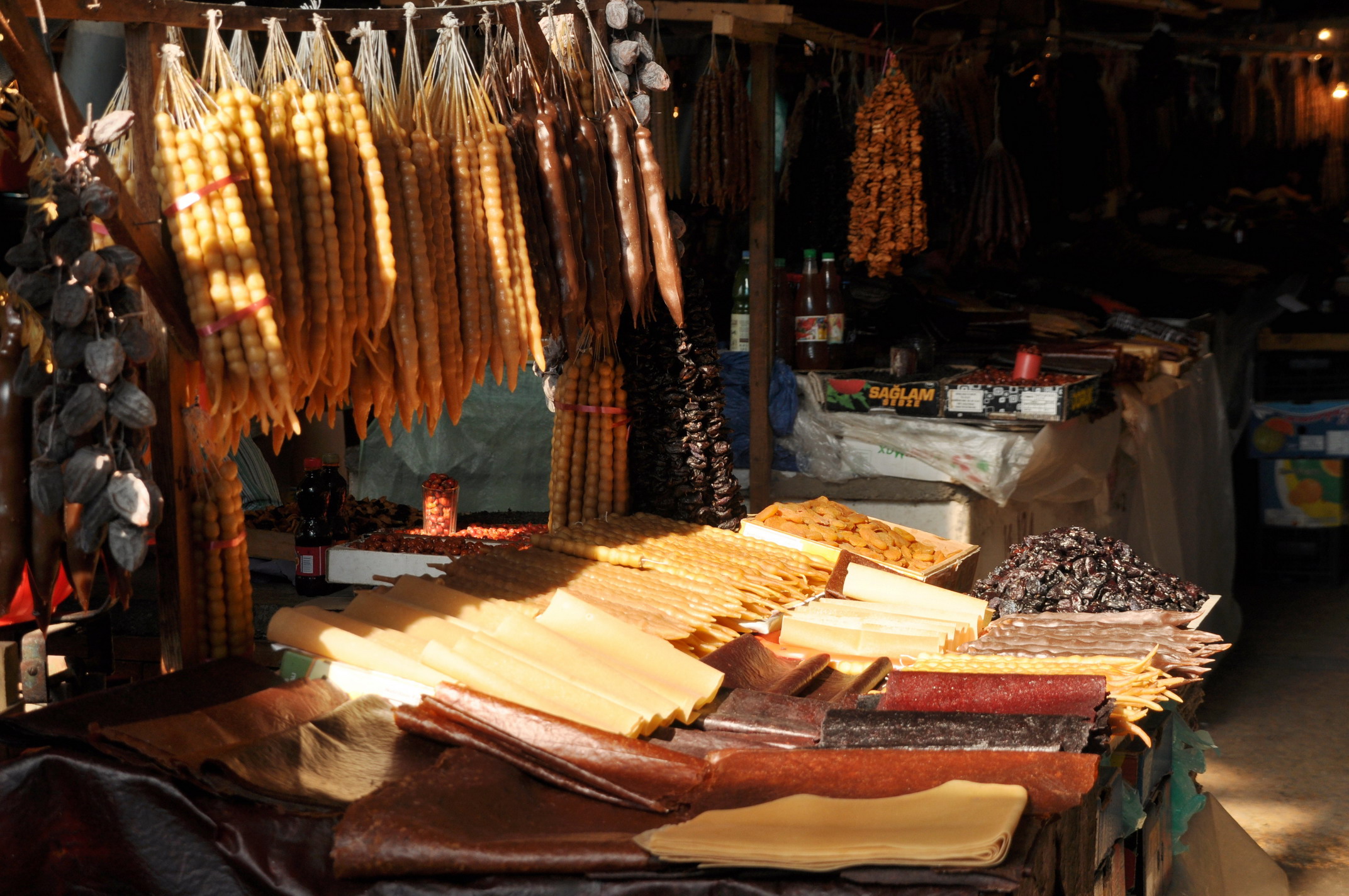
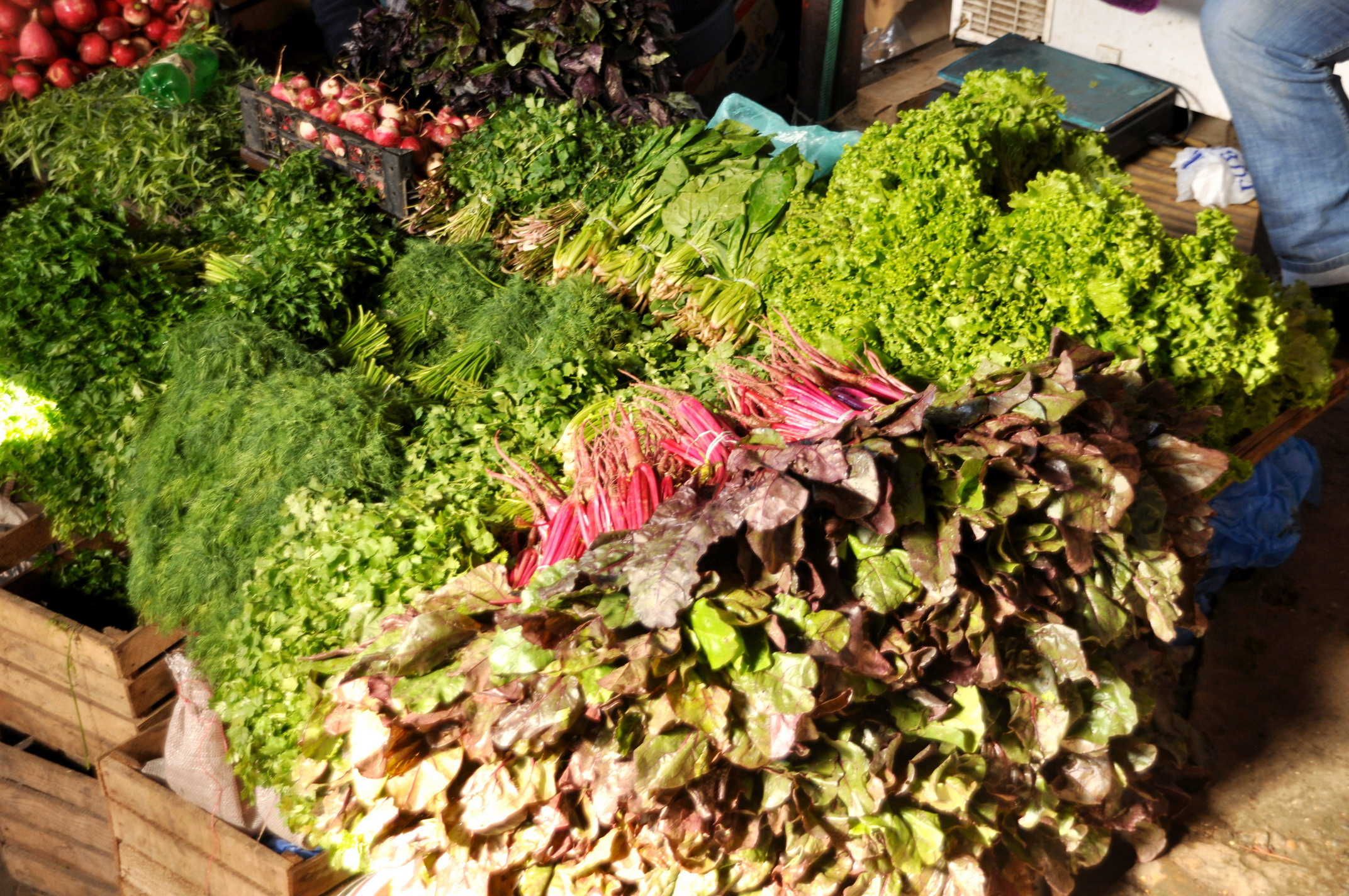
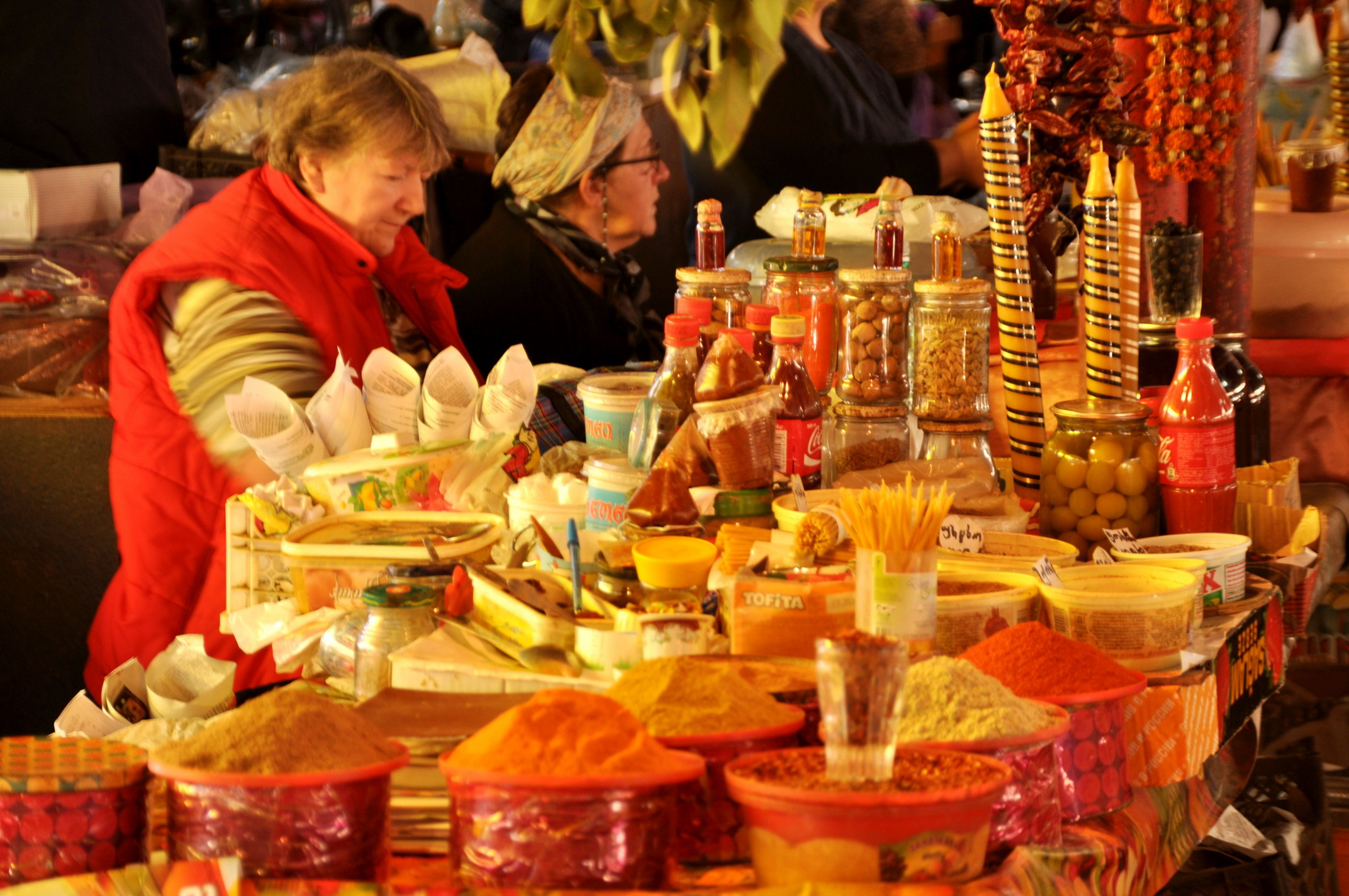
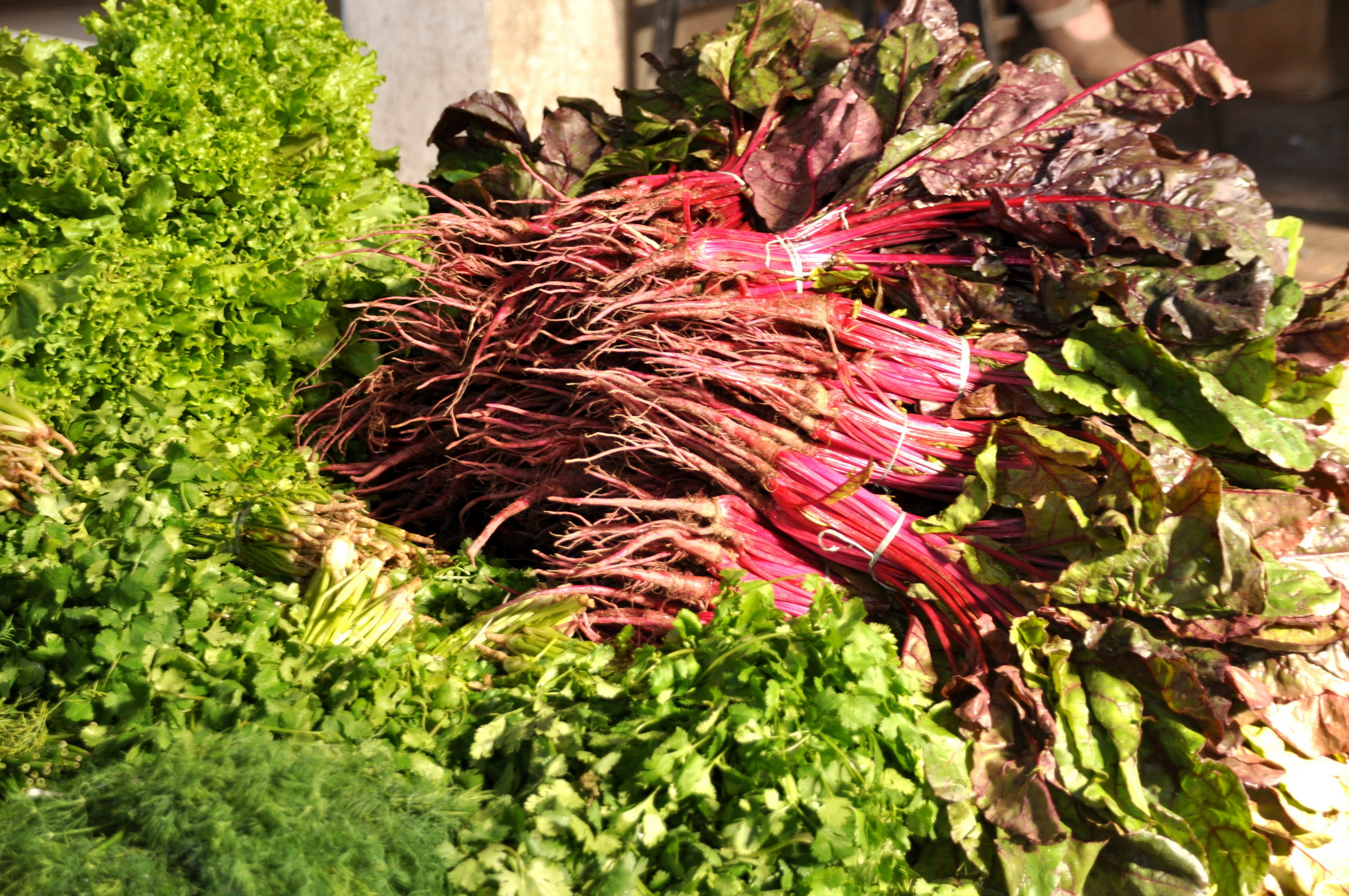
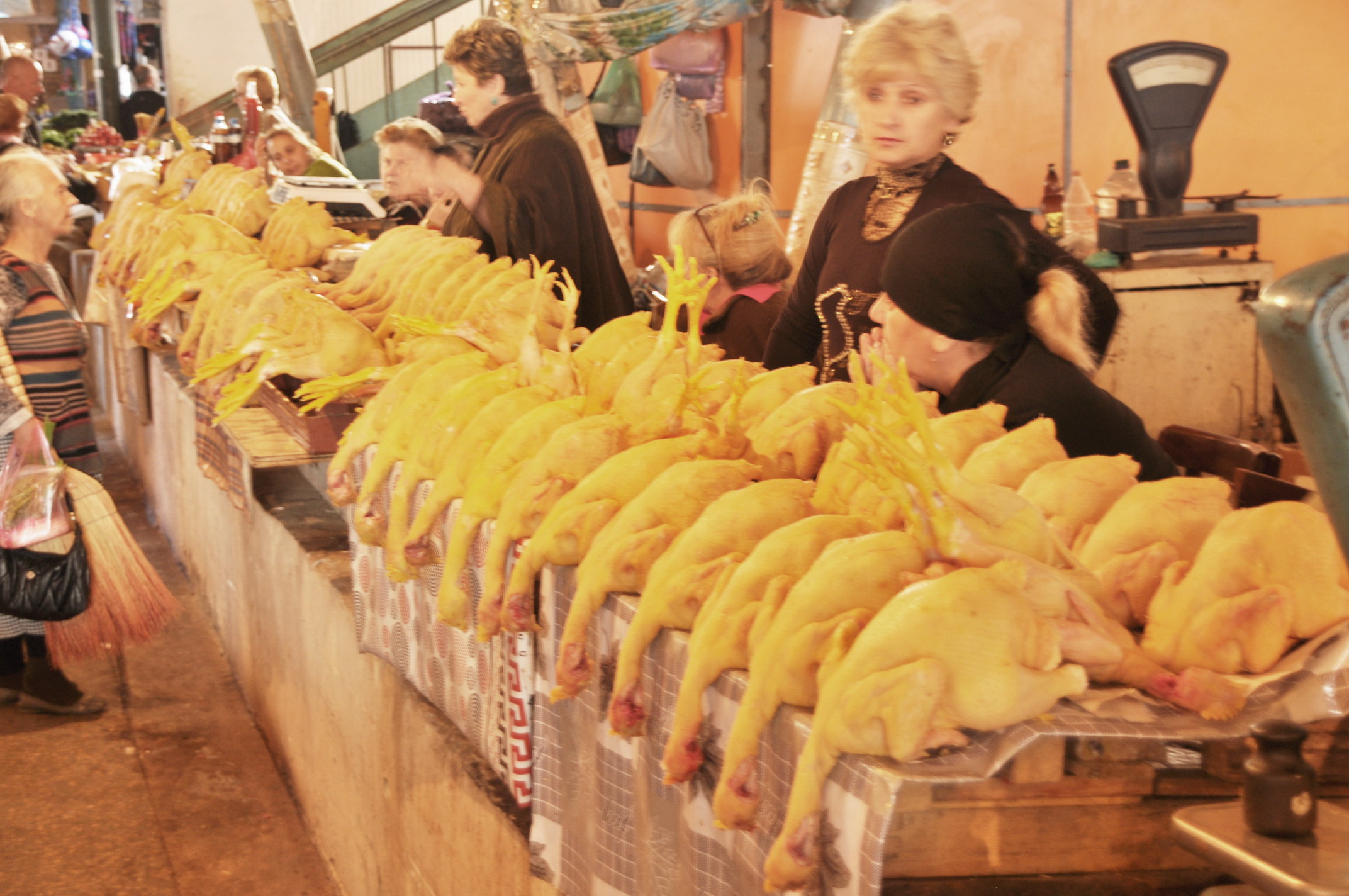
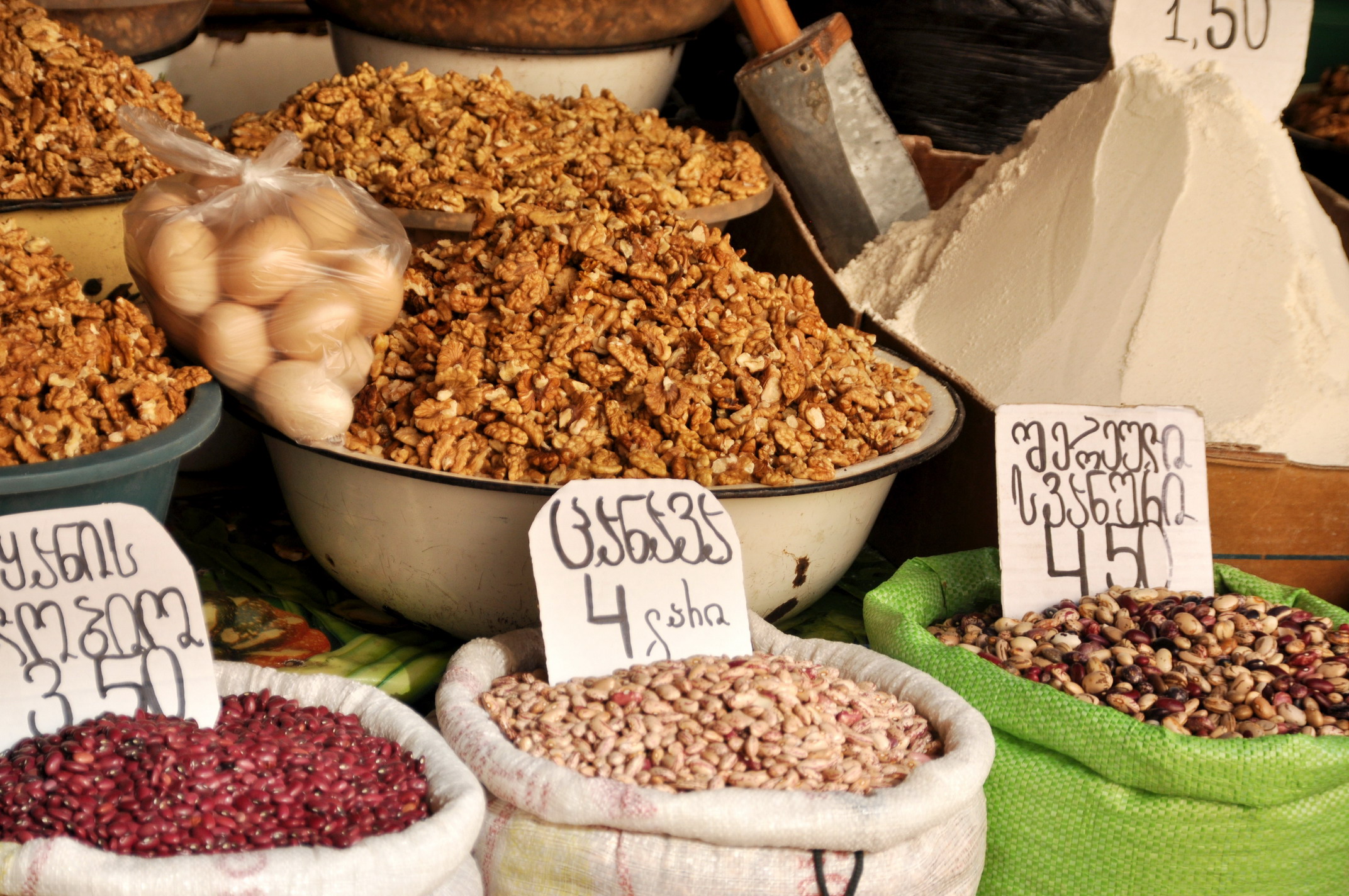
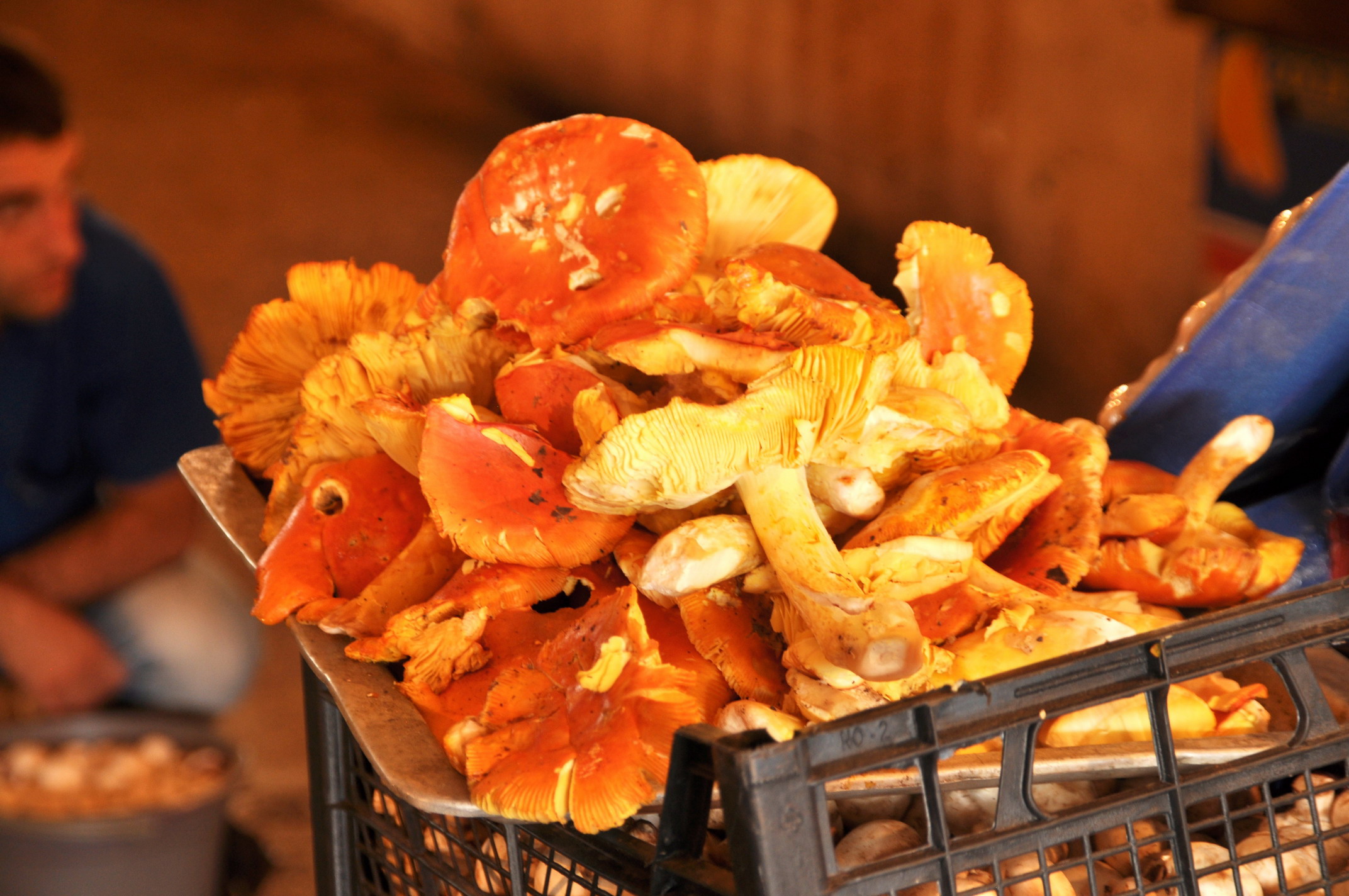
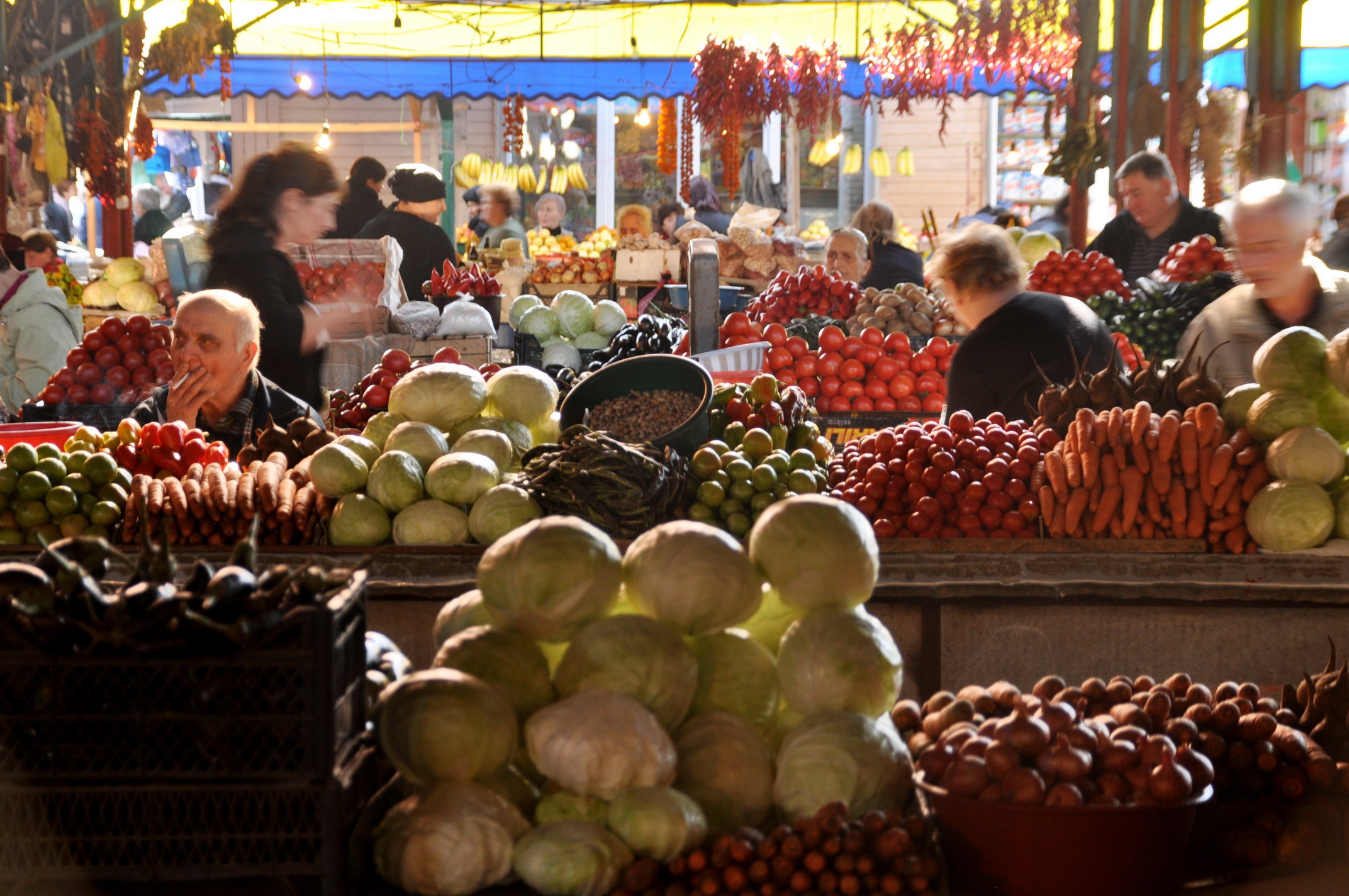
I stumbled upon a colourful food market. Everything was so beautifully and neatly laid out that I wanted to buy it all. But, alas, I couldn't eat that much on my own.
By evening I reached Tbilisi (თბილისი). I'd meant to stop in Gori, then thought better of it. I'd been a quarter of a century earlier and that was enough. The city that gave the world the vilest dictator of all time, and has a museum to him, didn't deserve another visit from me.
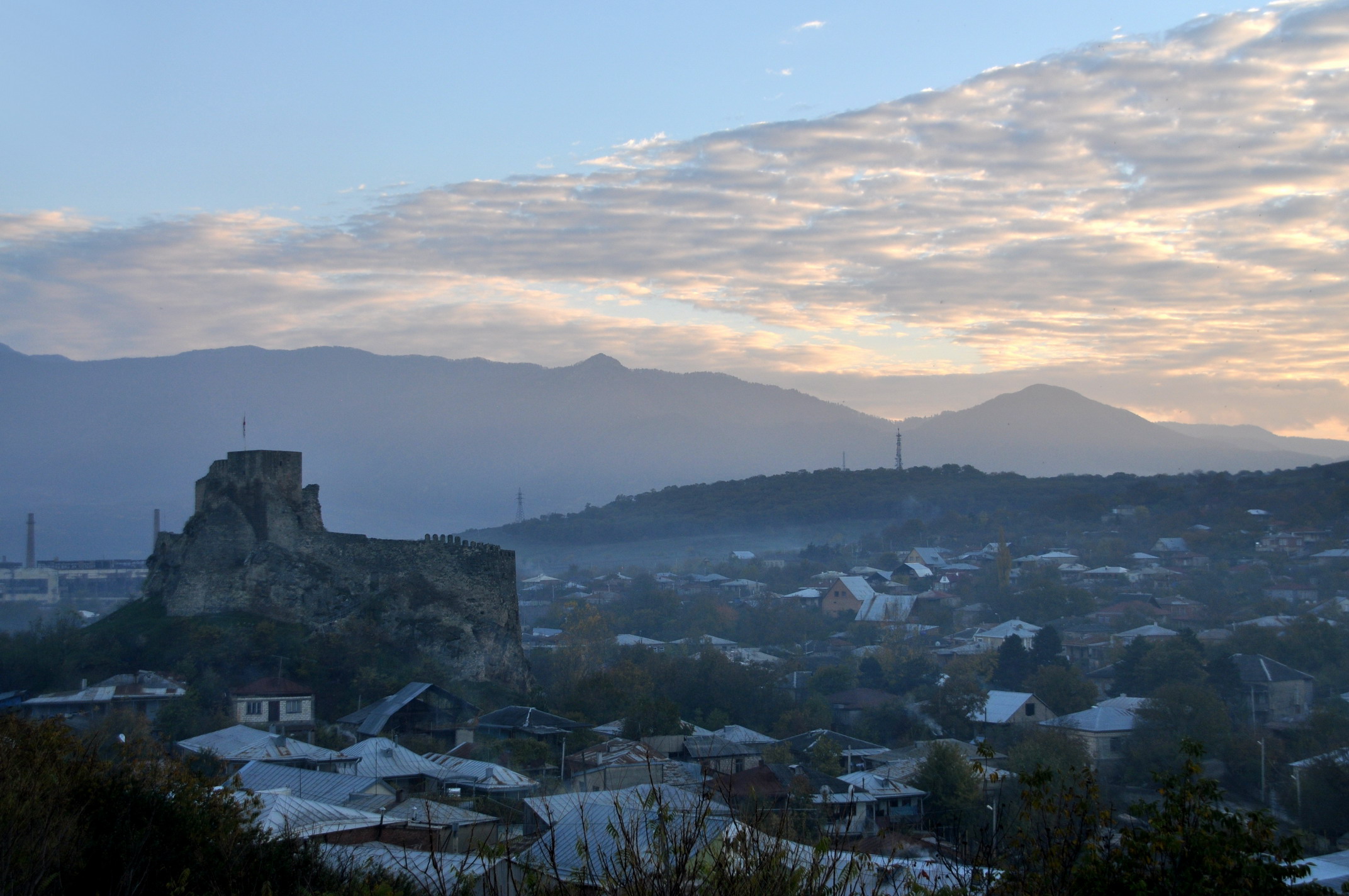
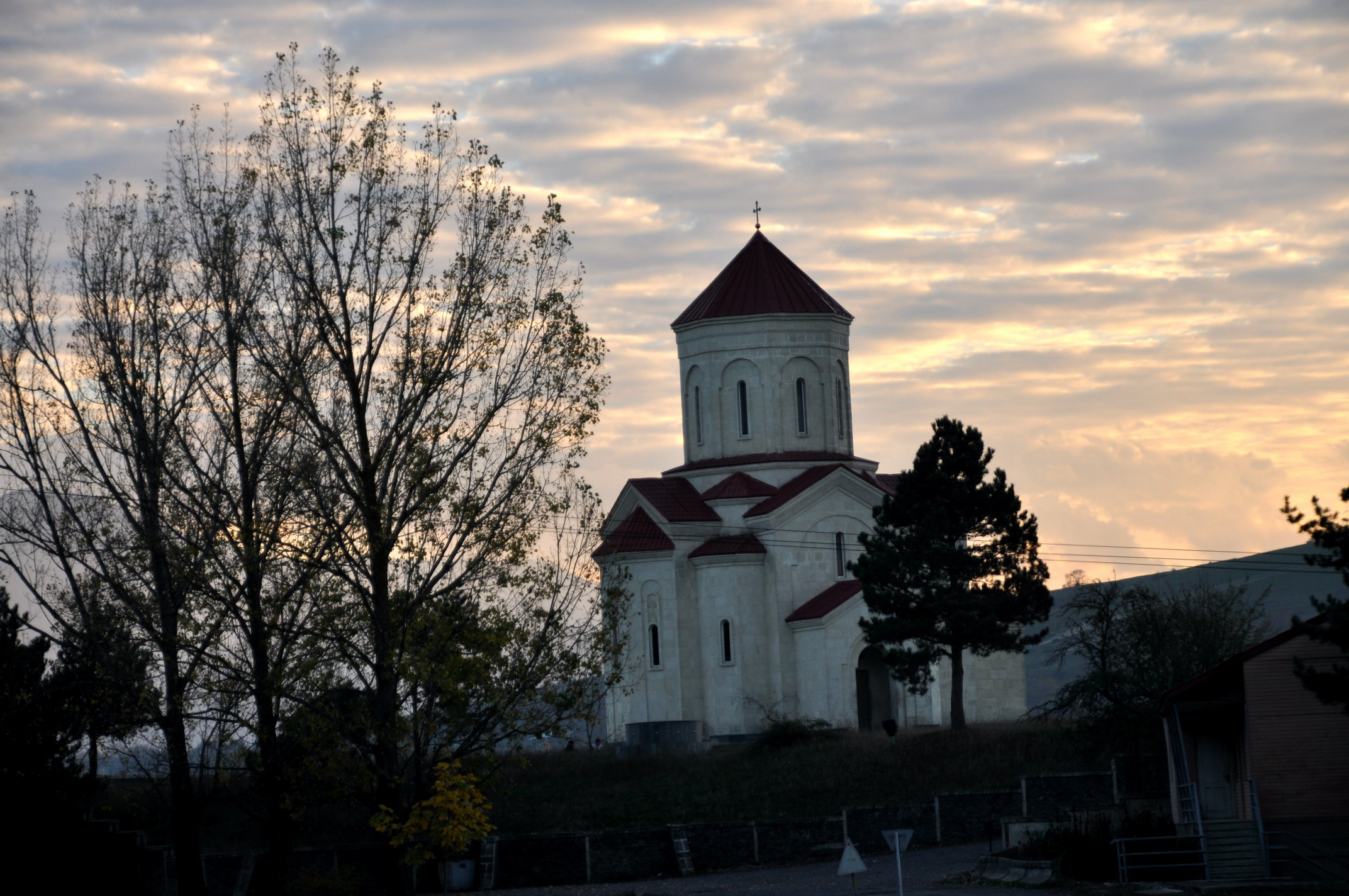
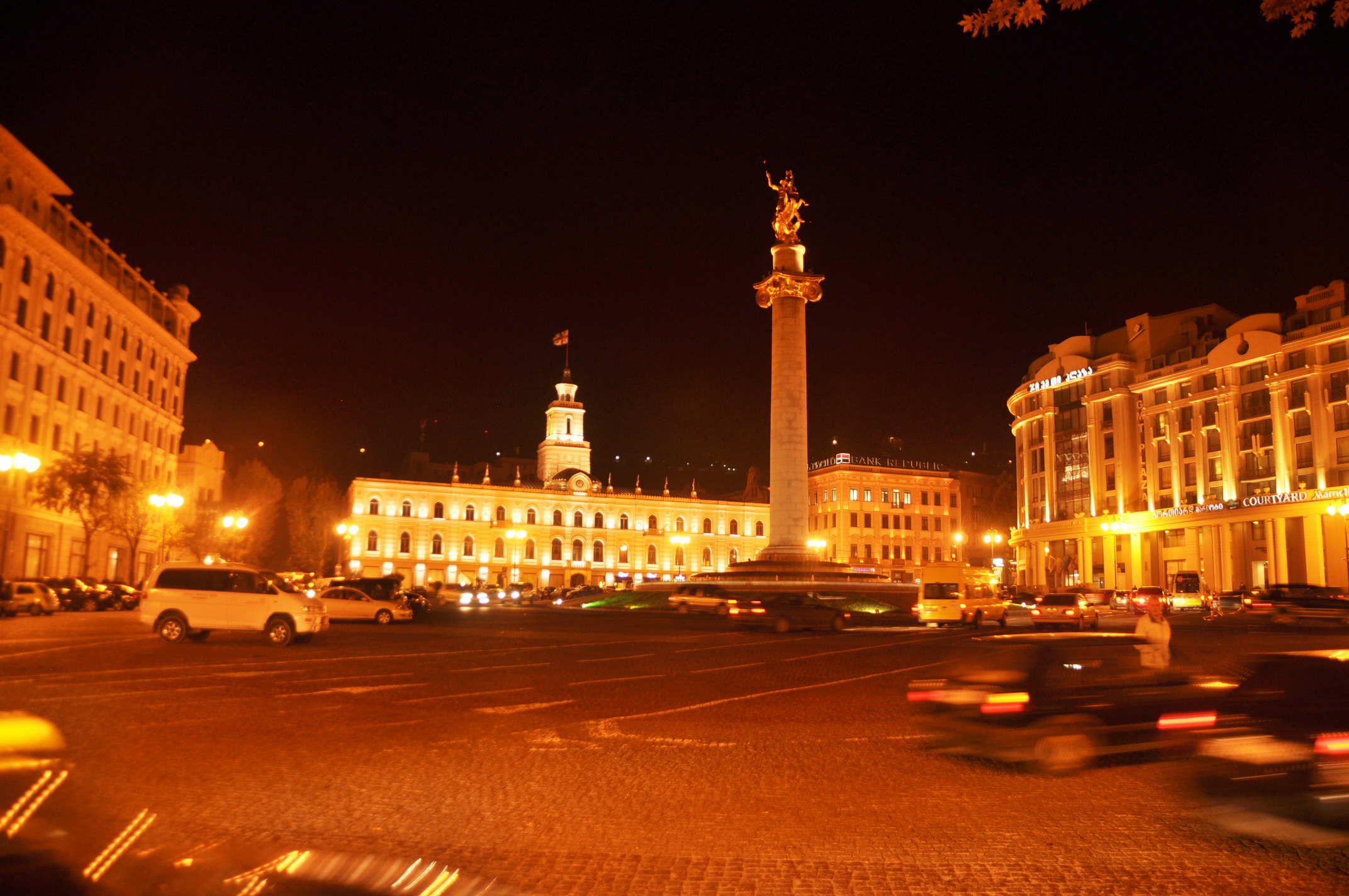
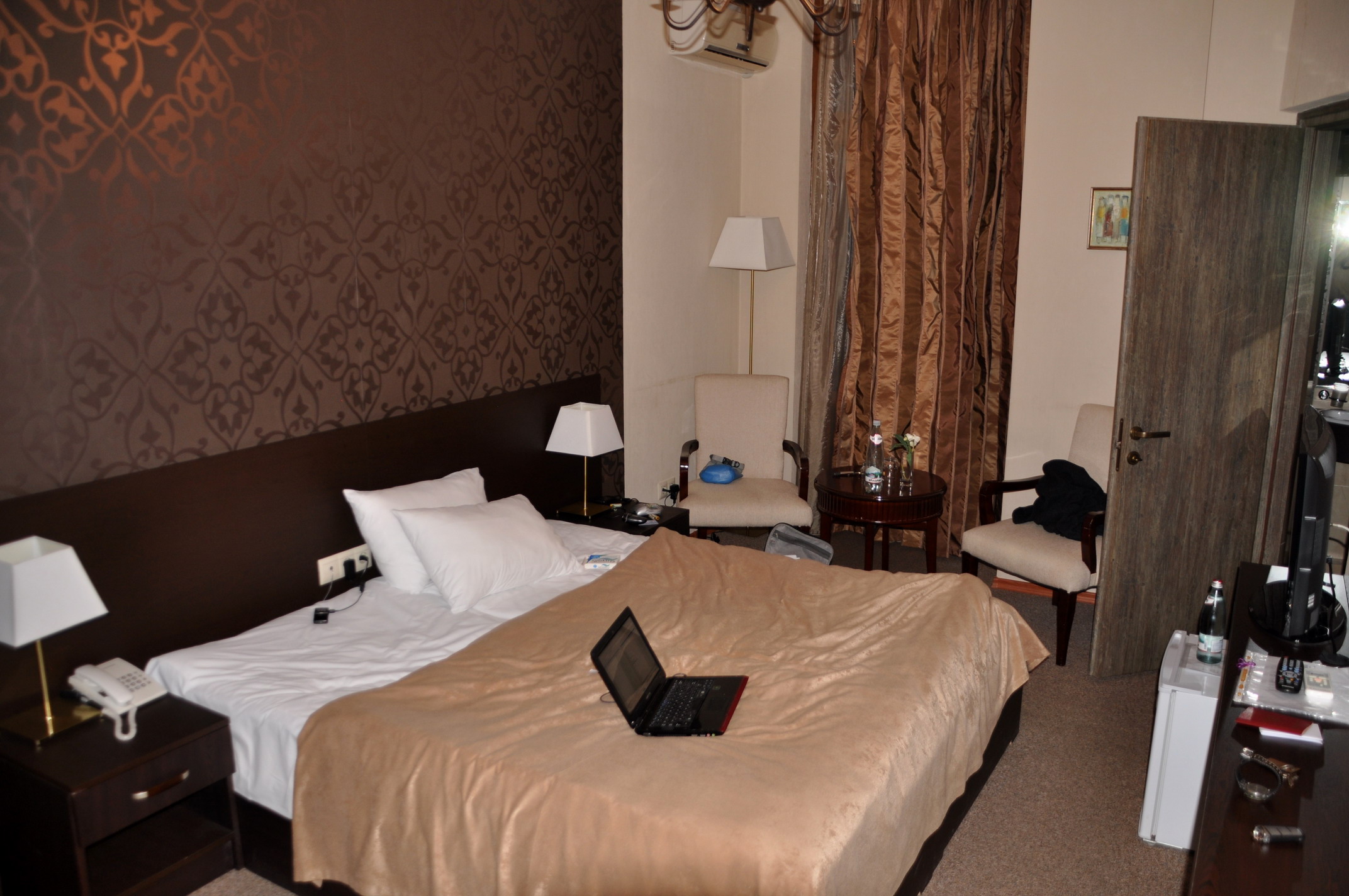
In Tbilisi I stayed at the City Hotel (41°41.564′N, 44°48.189′E) and set out for an evening walk. In the morning I walked around the city again in daylight. I hadn't been back since 1989, when I'd arrived in time to witness the notorious crackdown on demonstrators. The city was in turmoil then. Now, despite the war, all was calm. People were friendly towards Russians, though the war was only four years behind them.
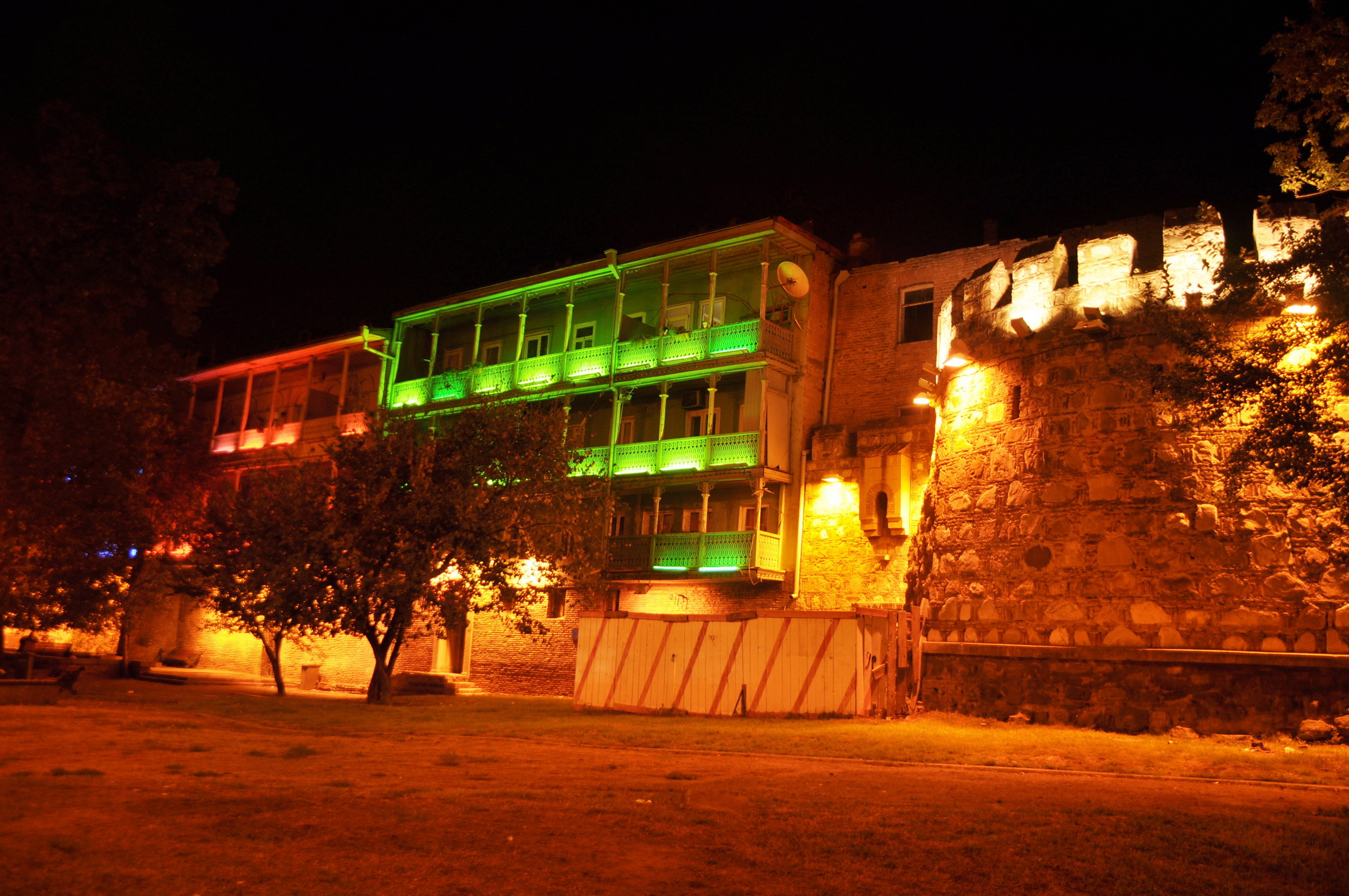
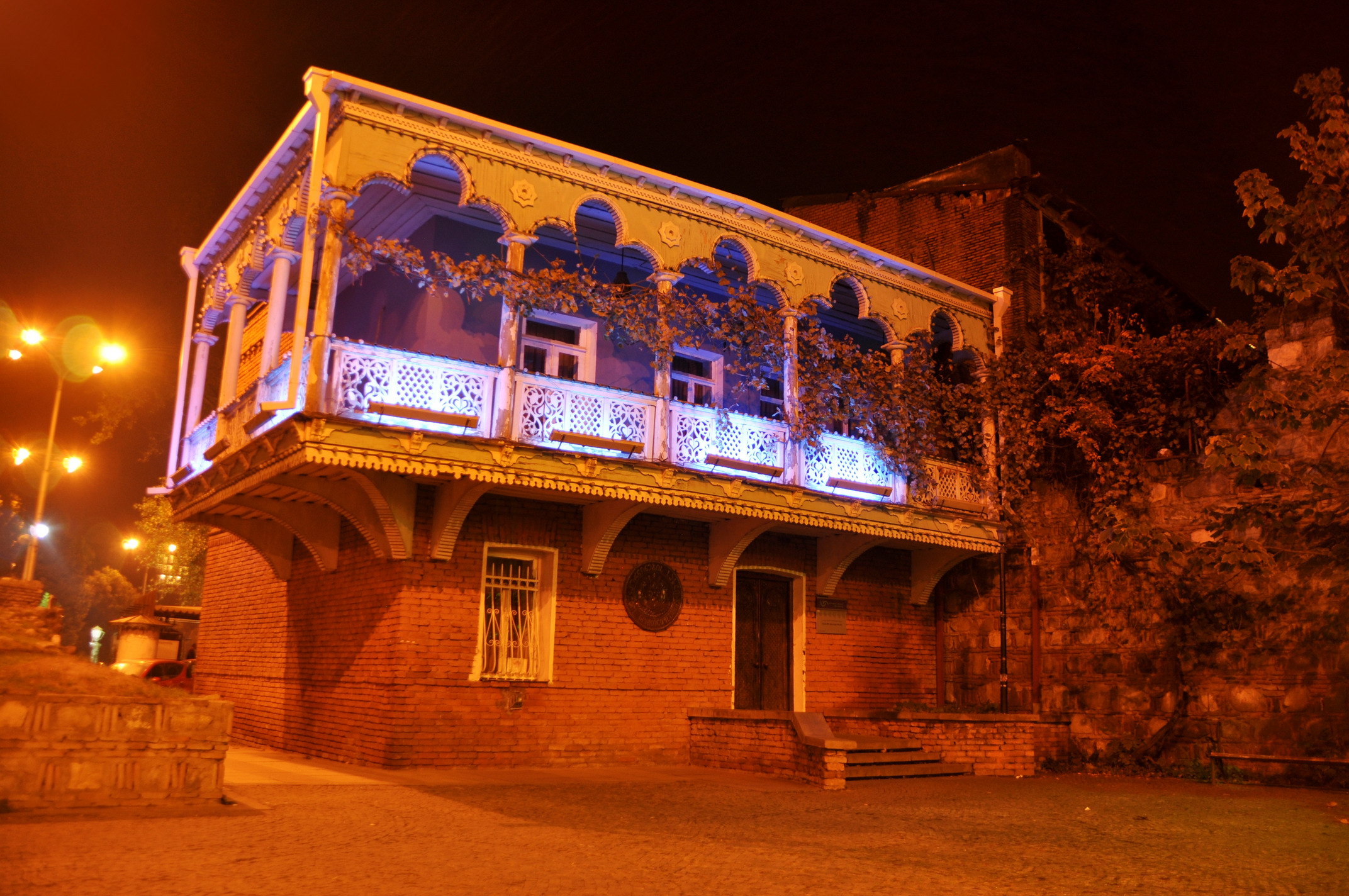
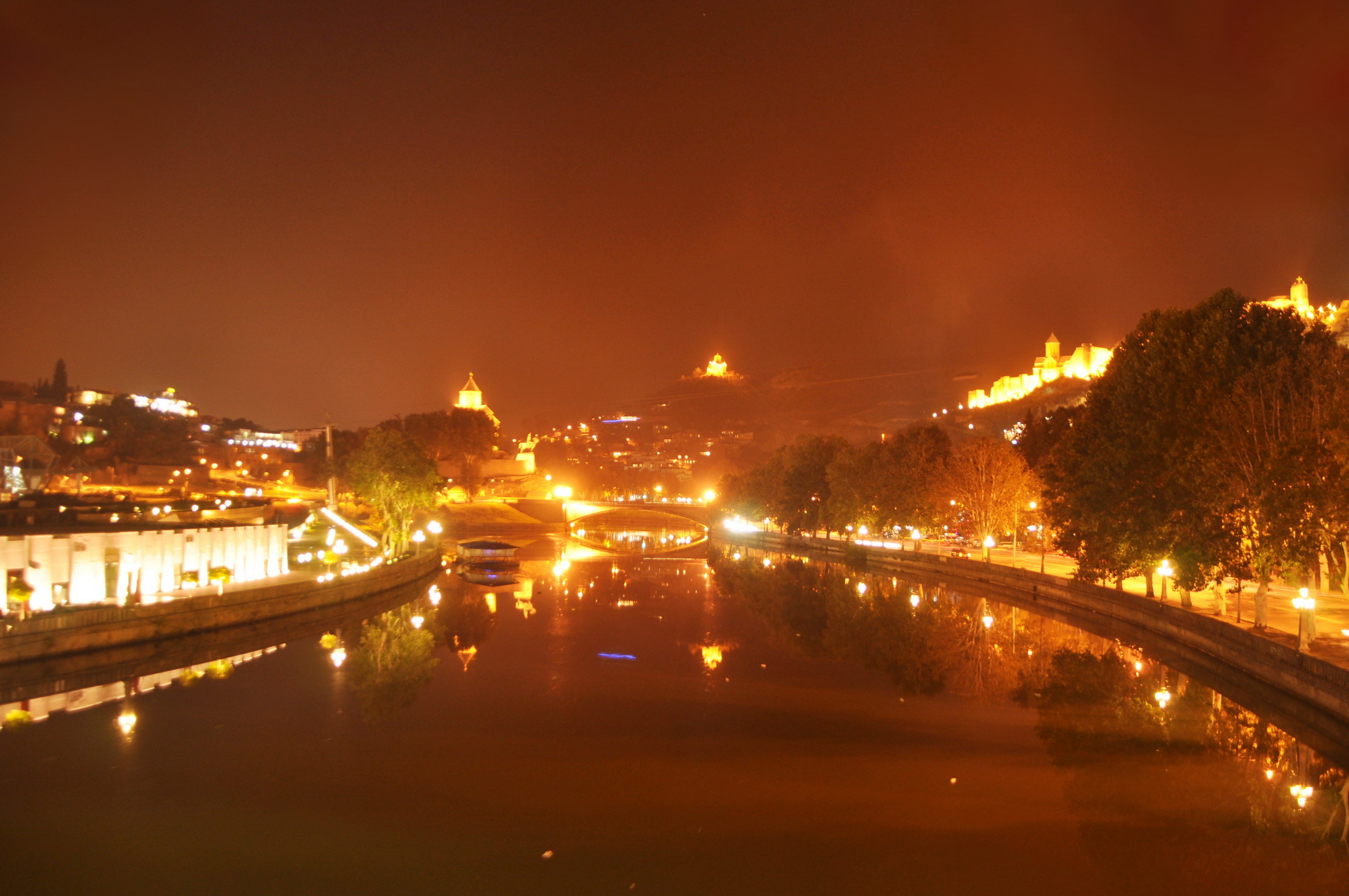
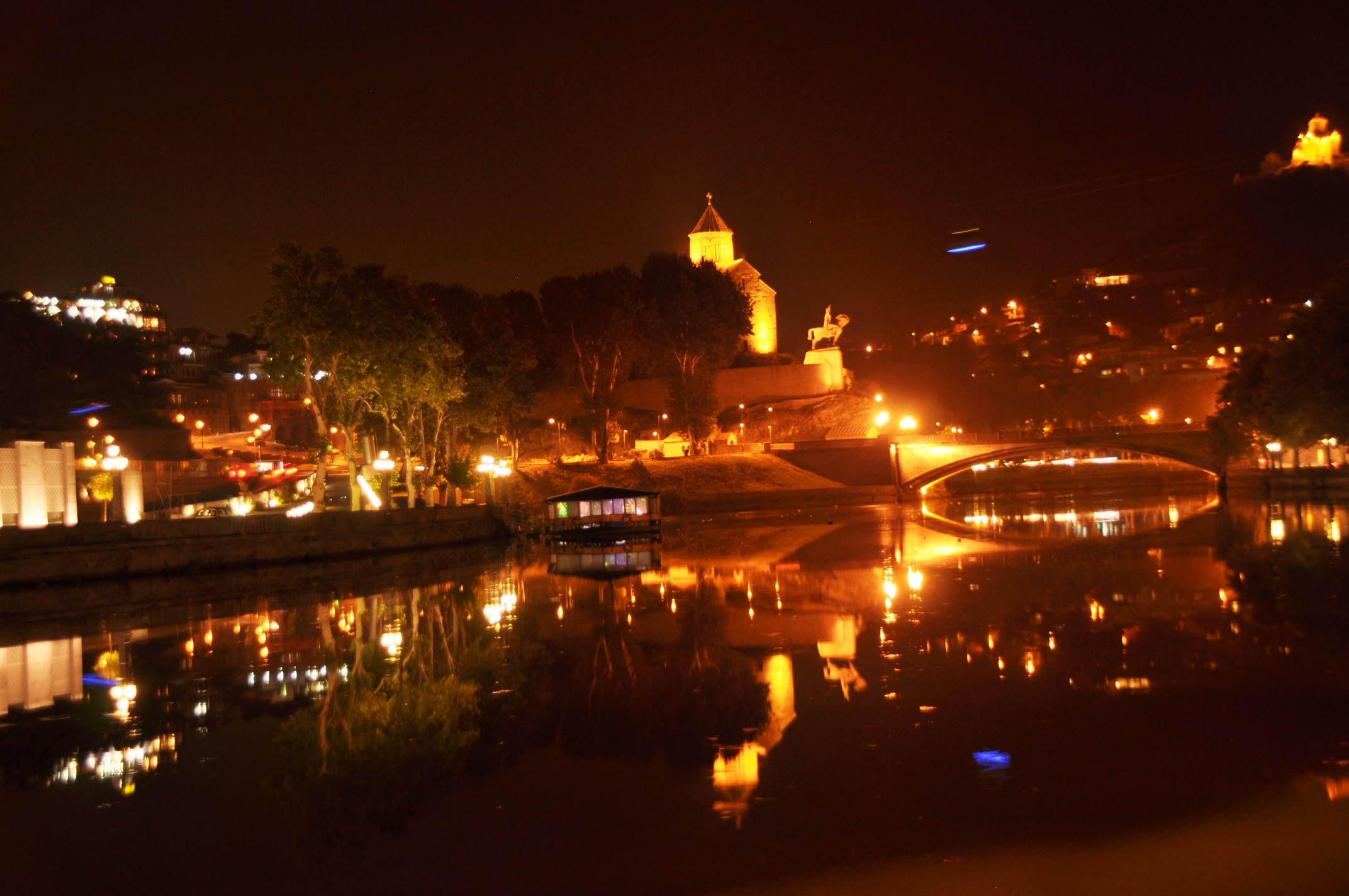
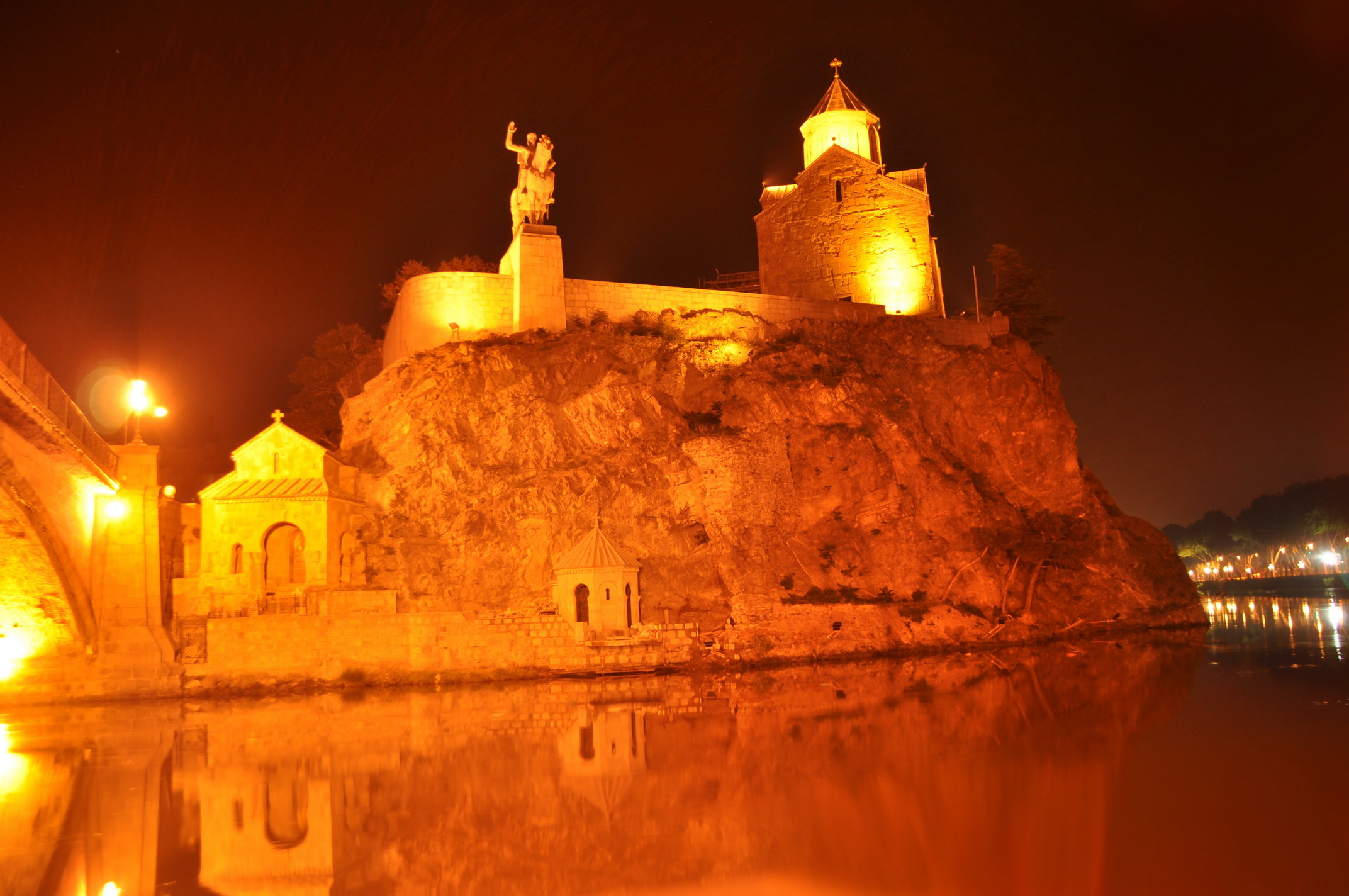
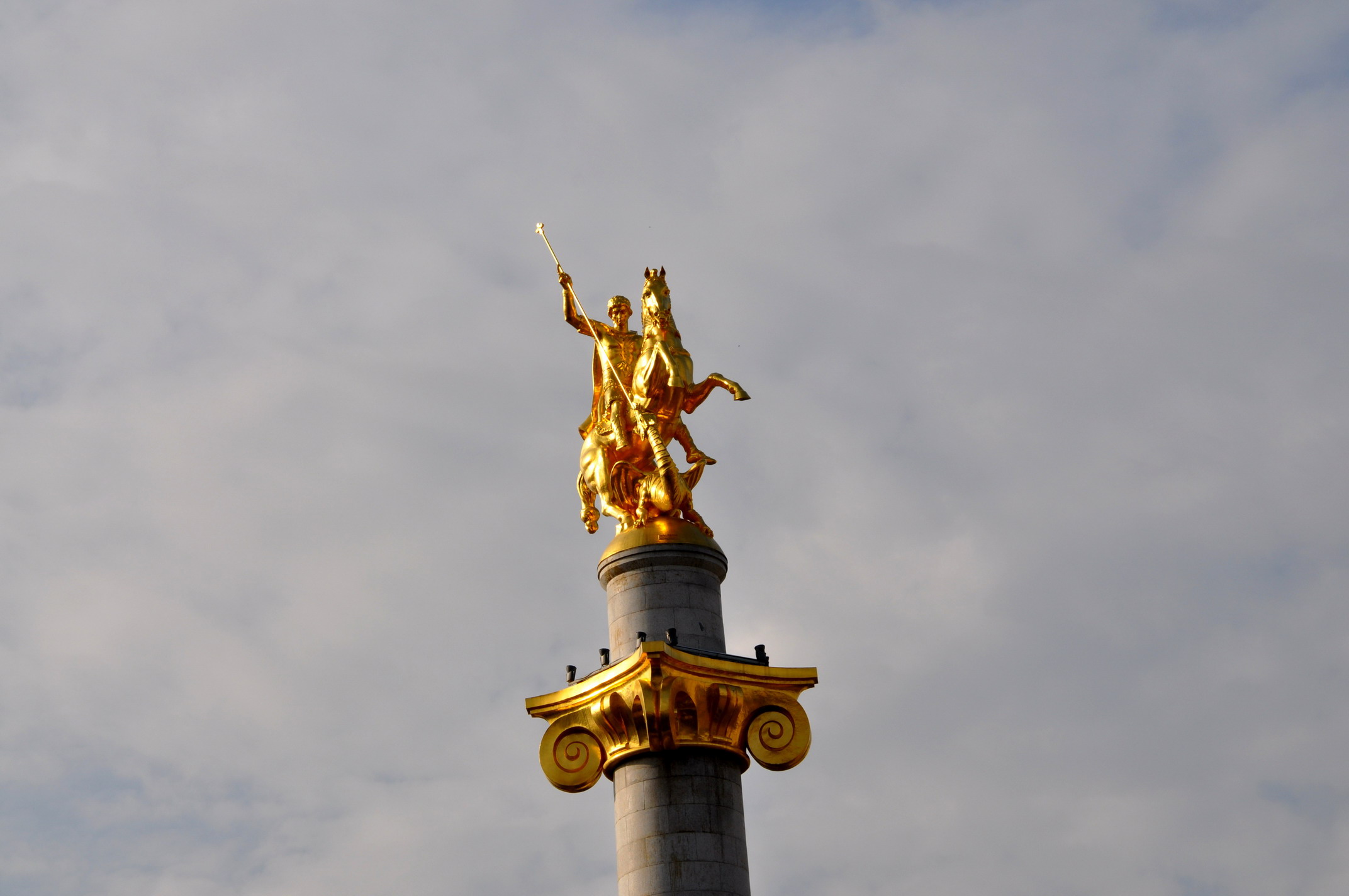
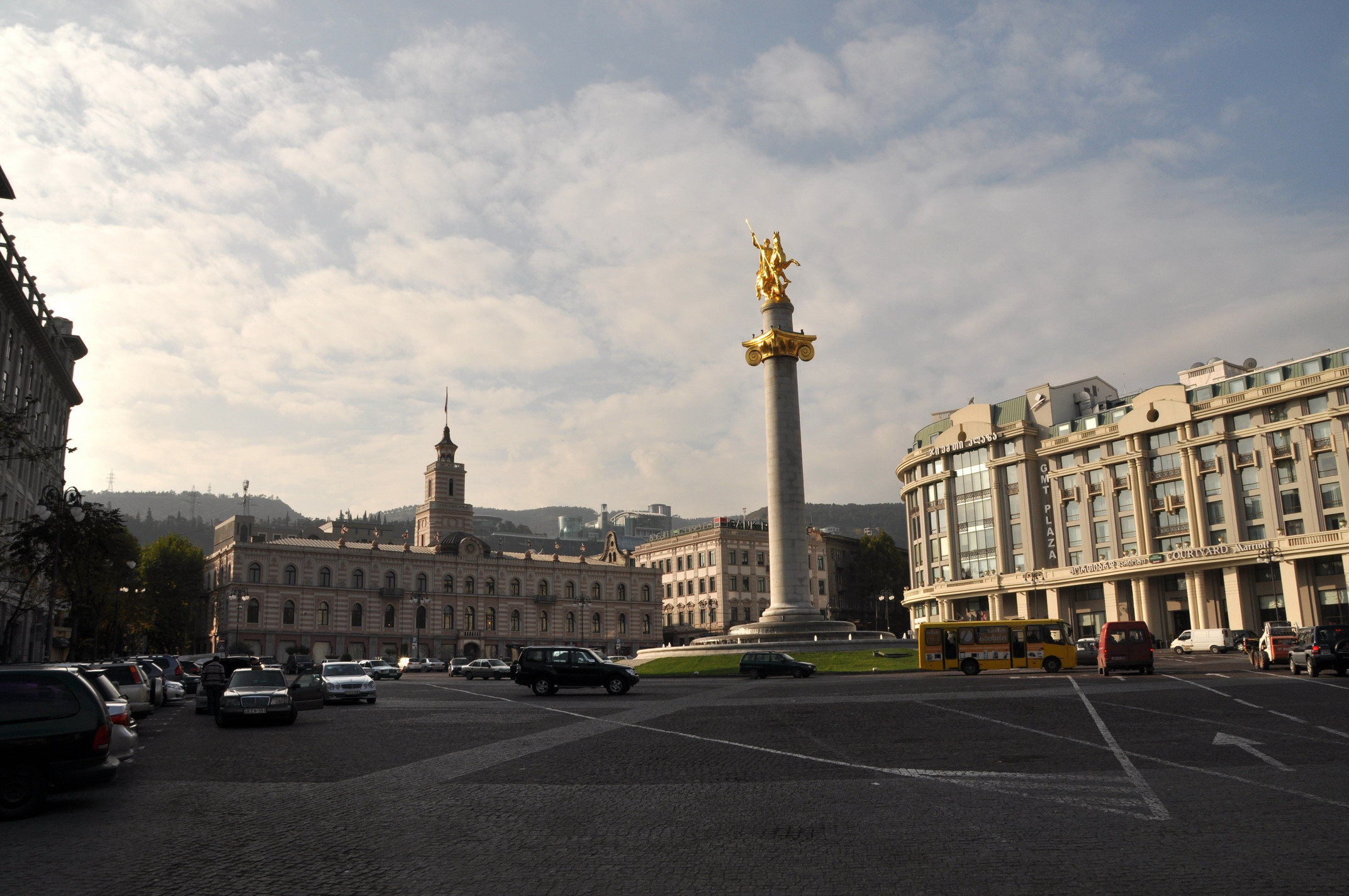
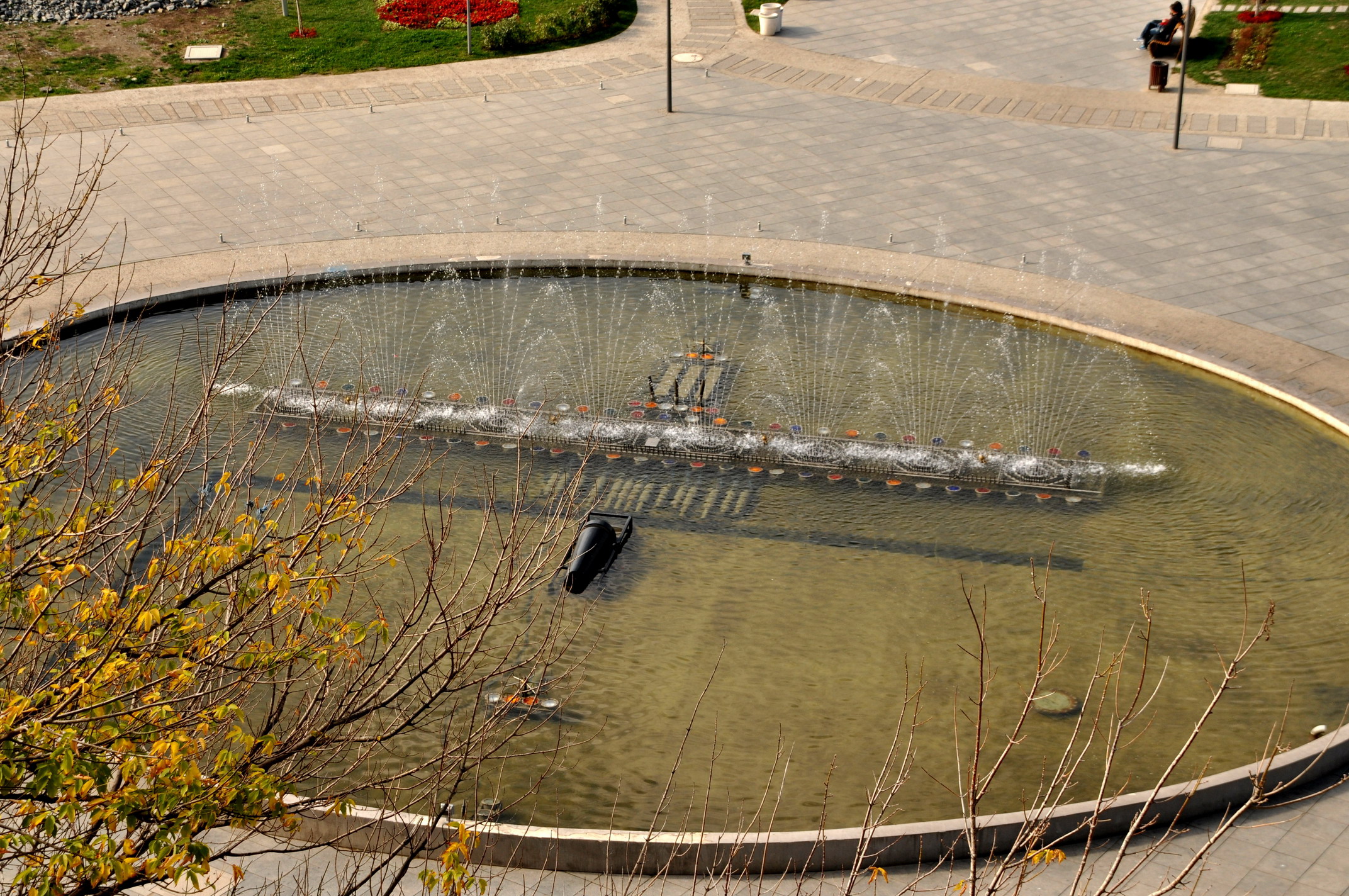
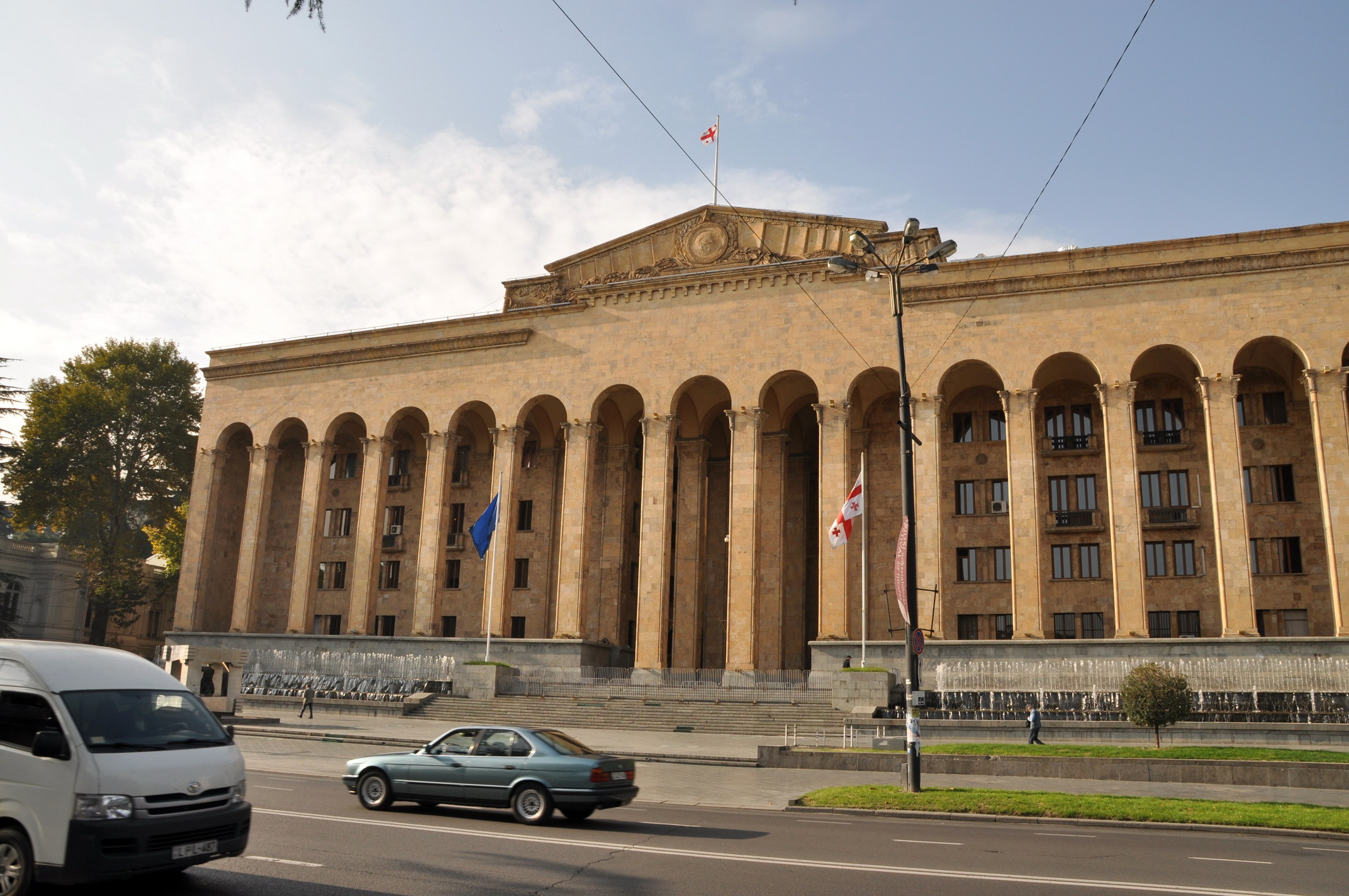
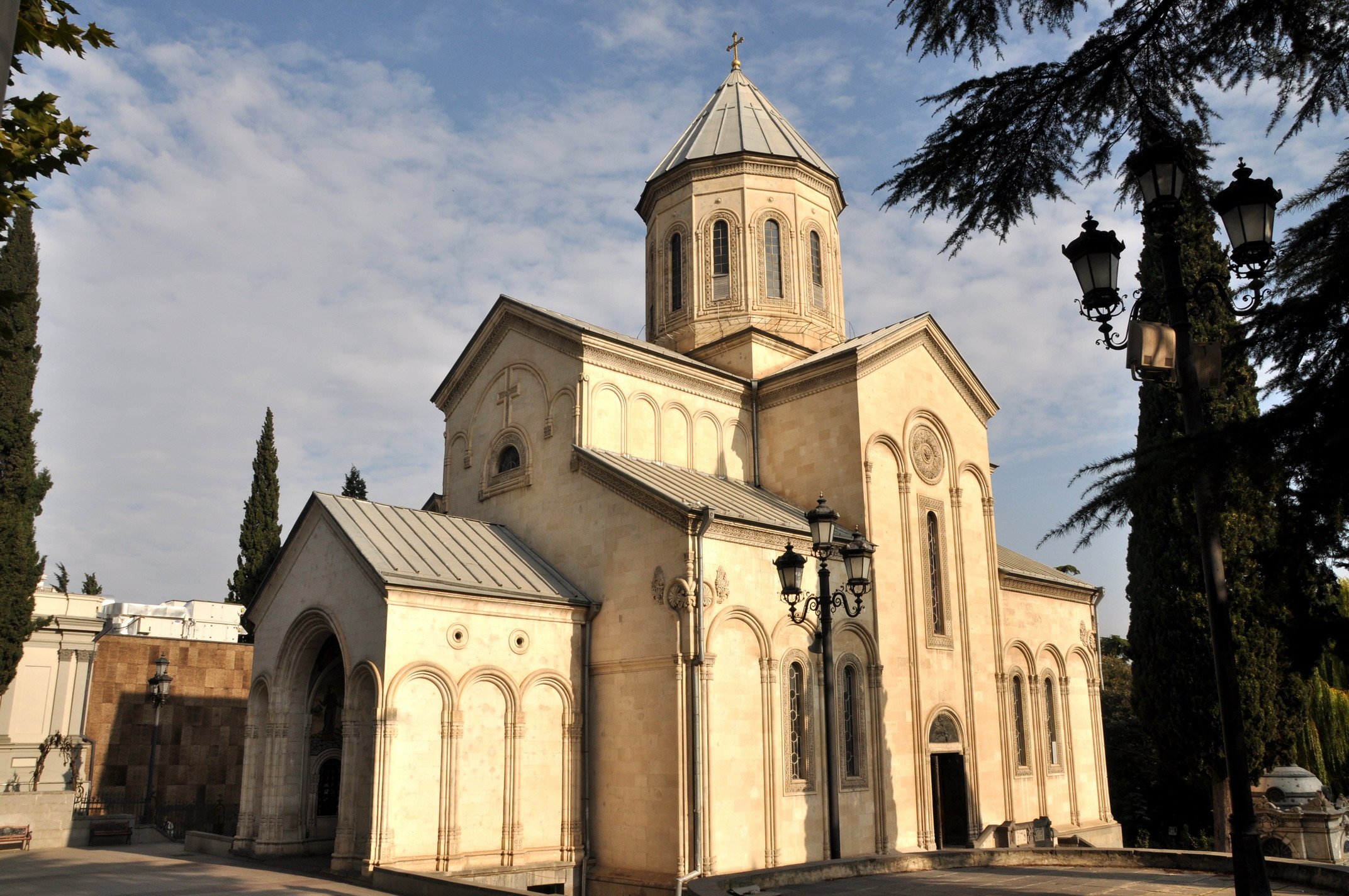
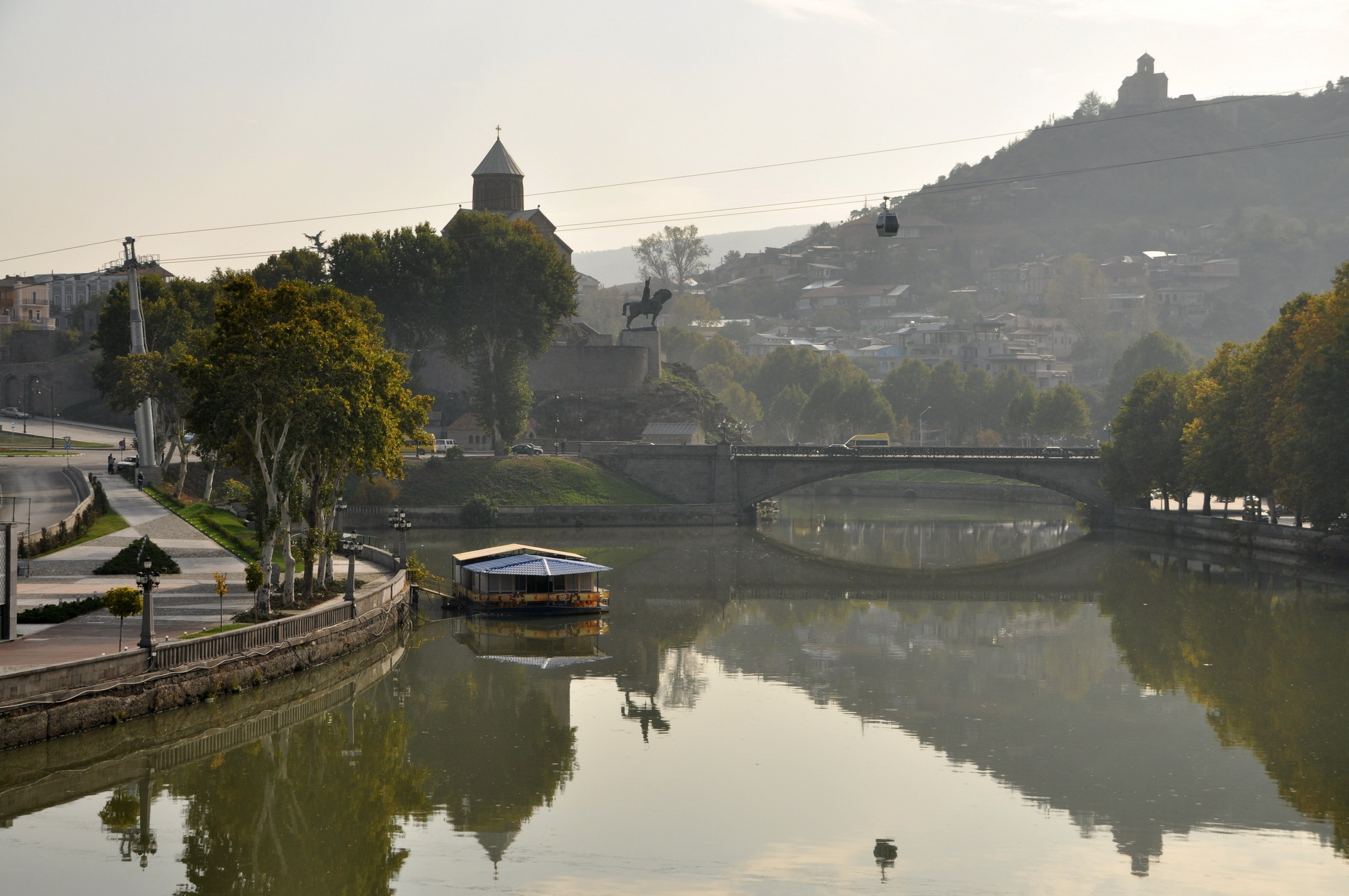
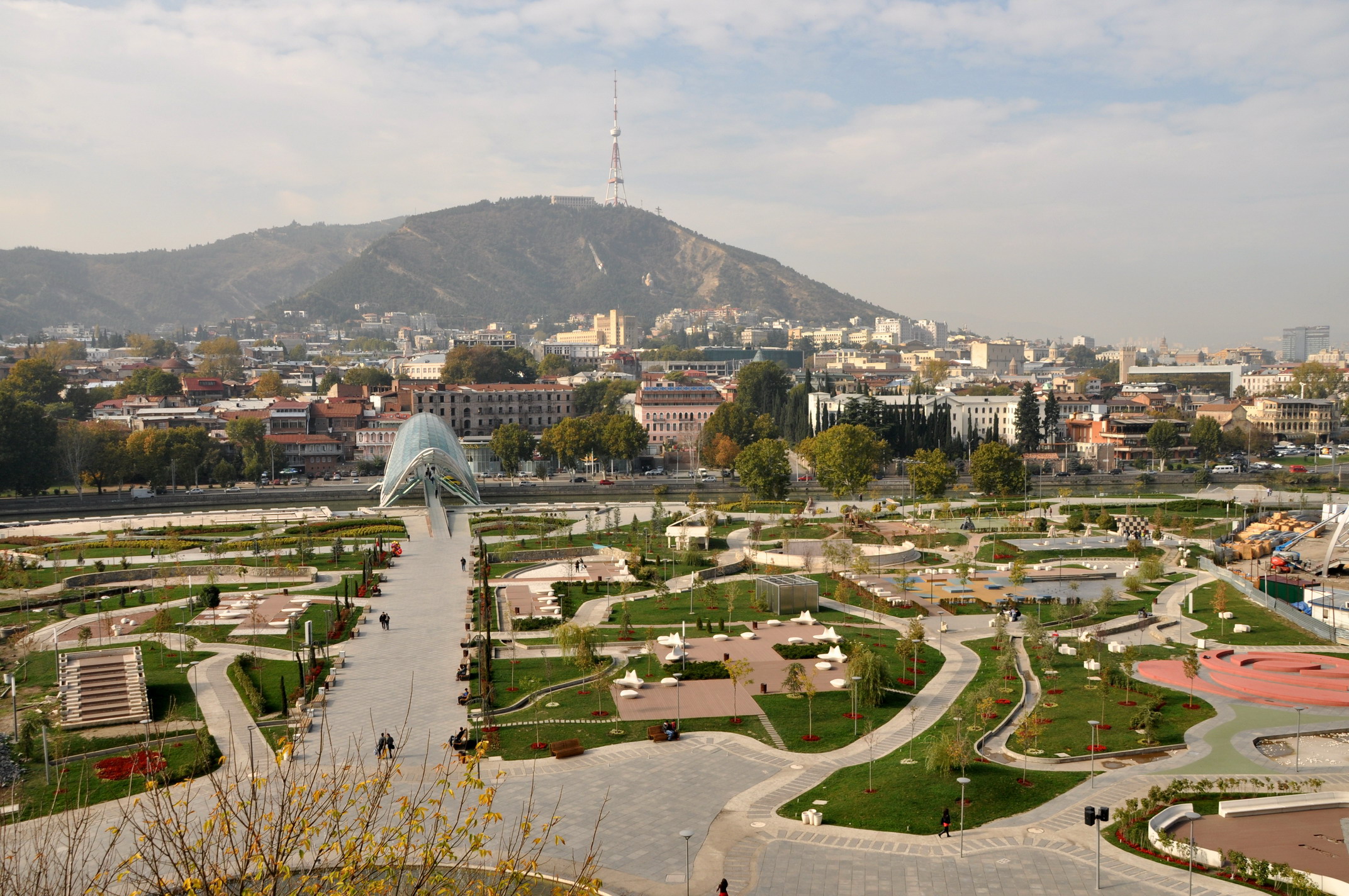
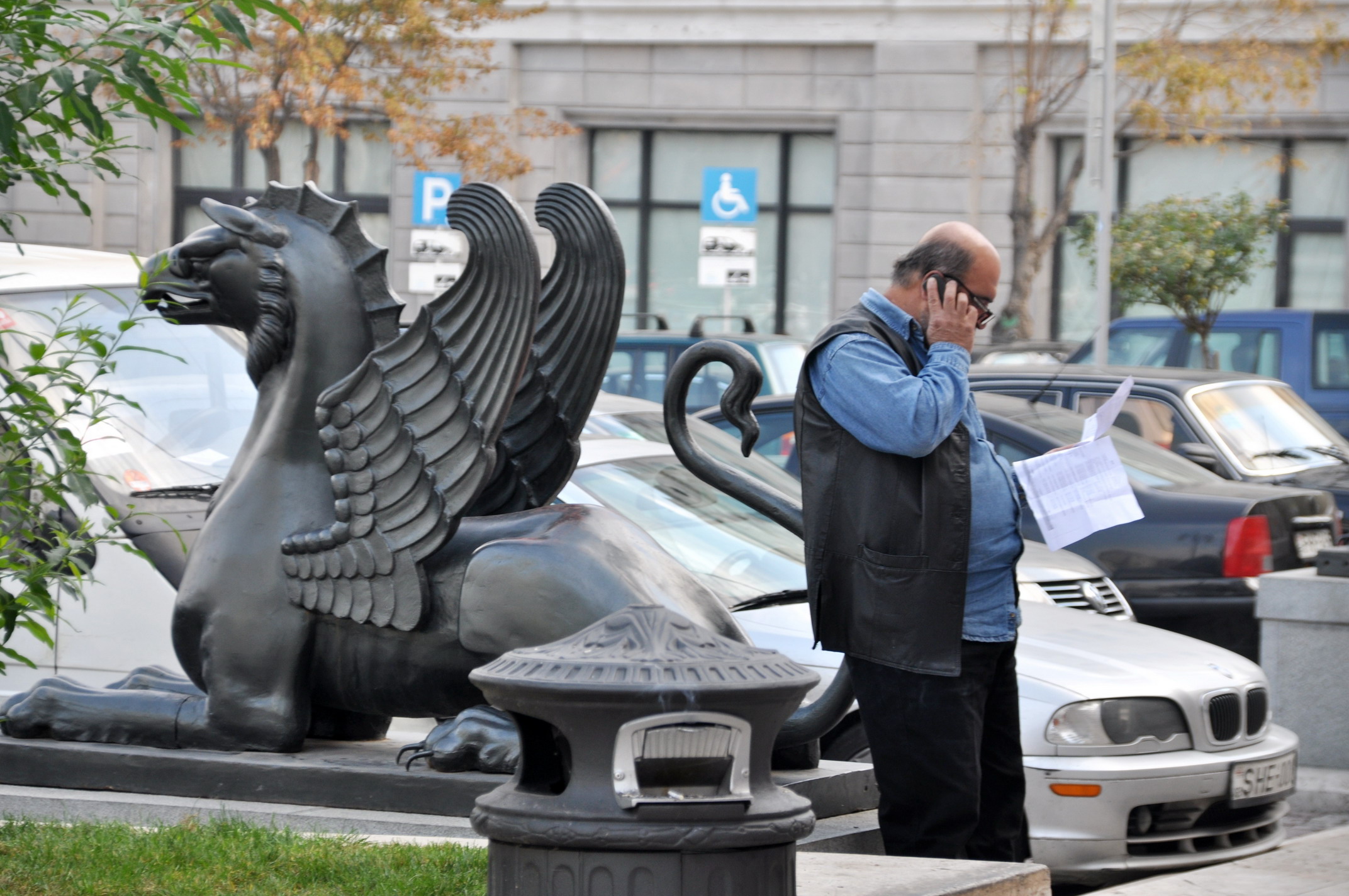
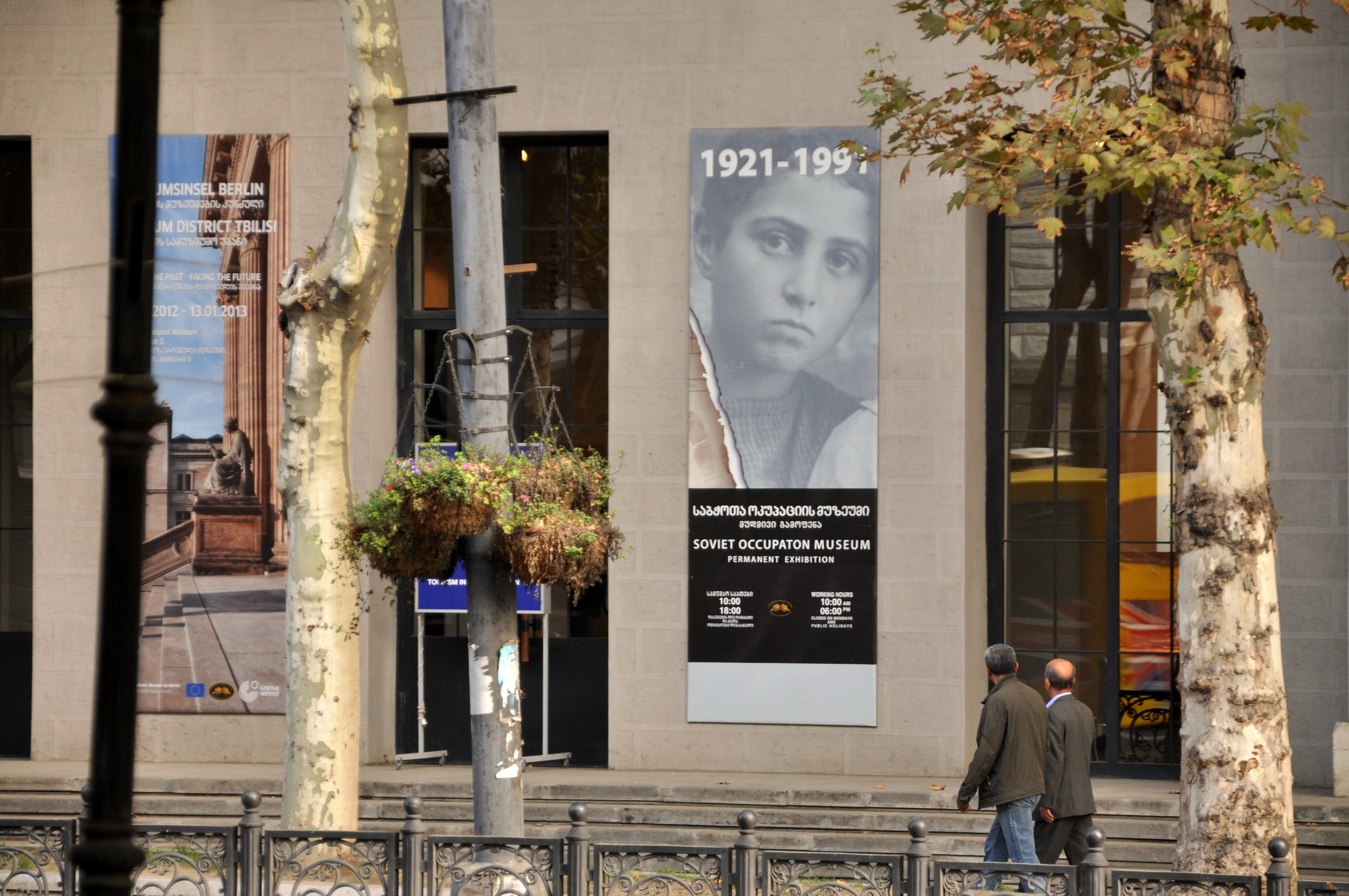
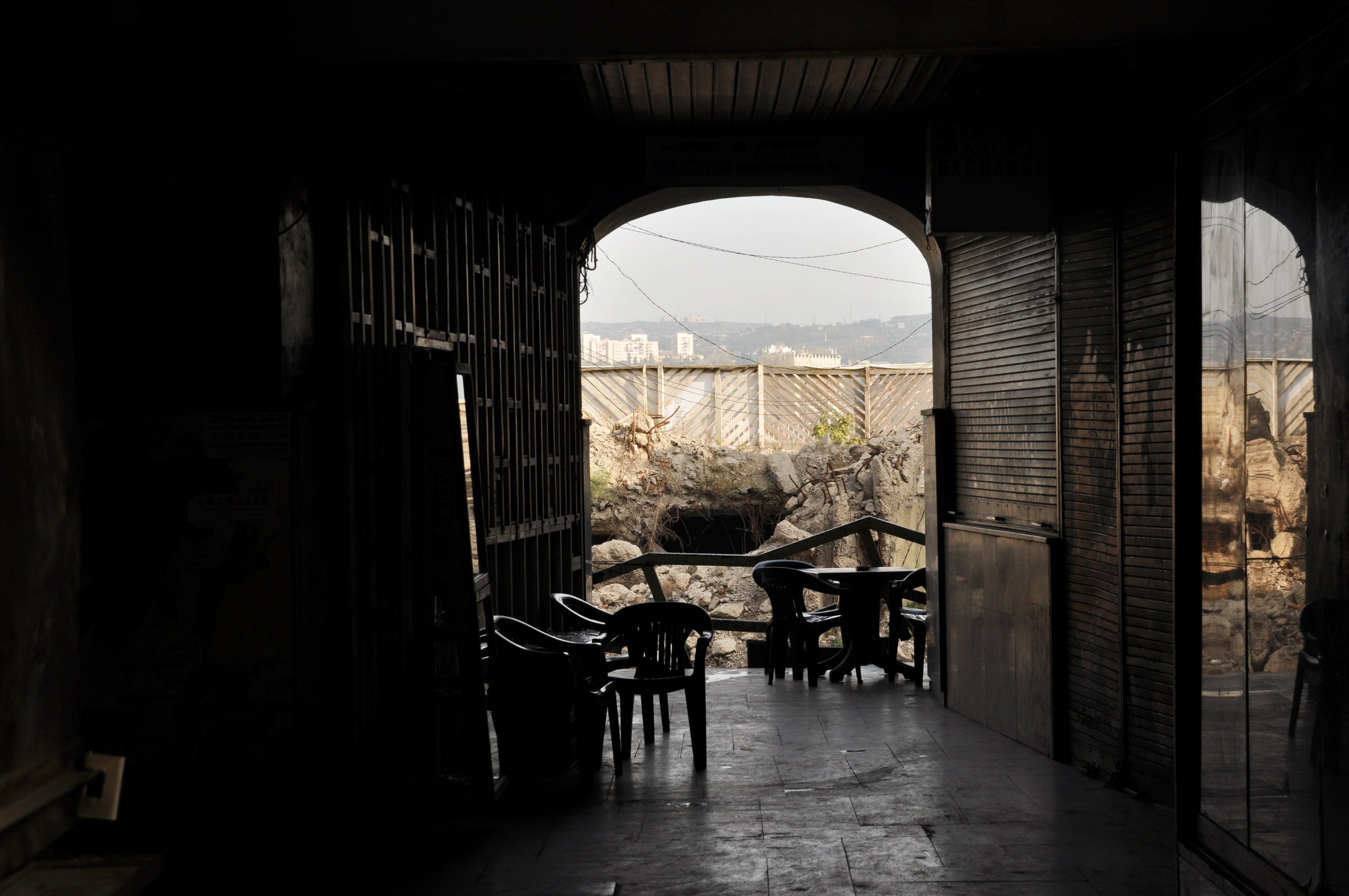
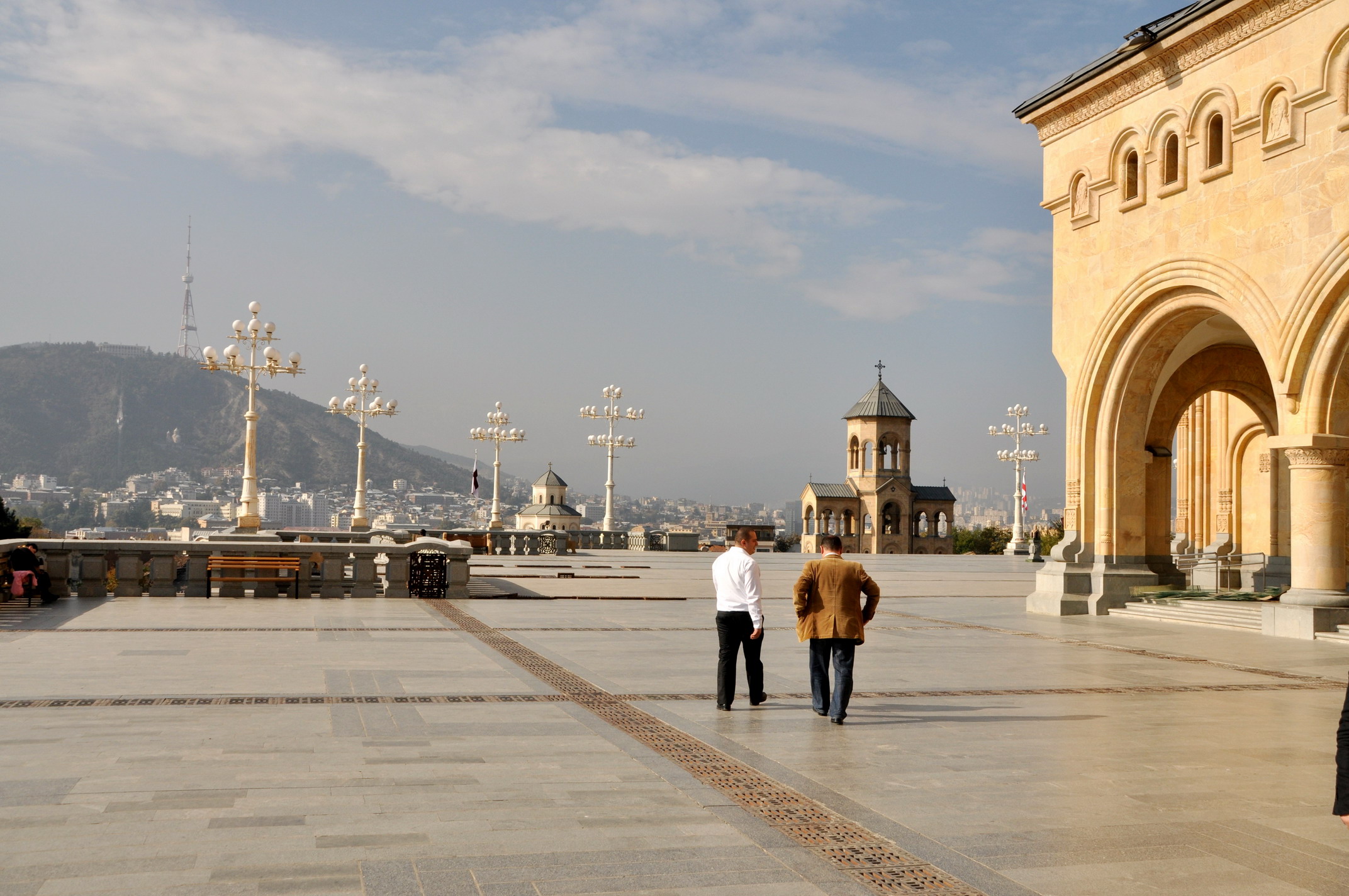
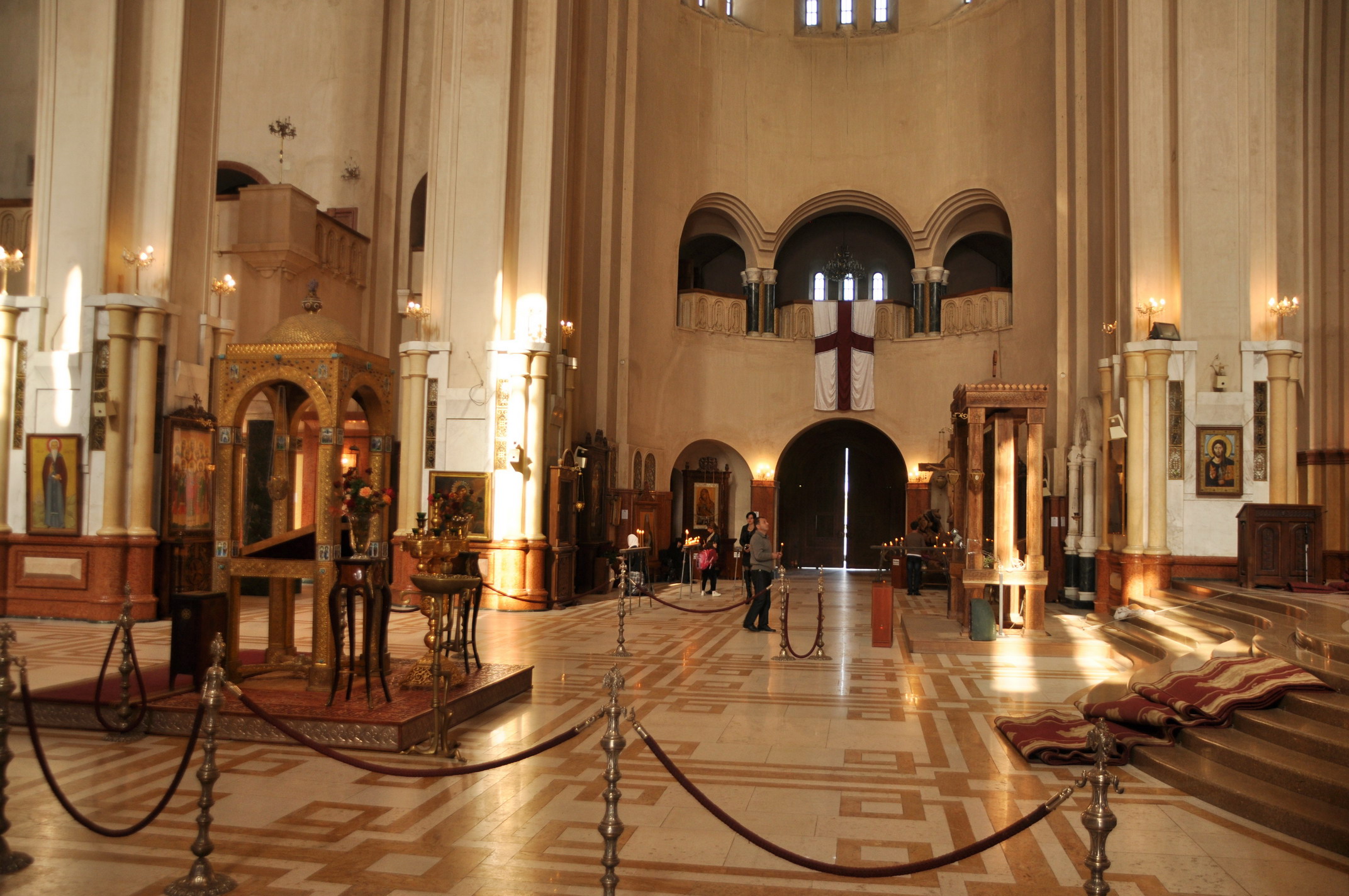
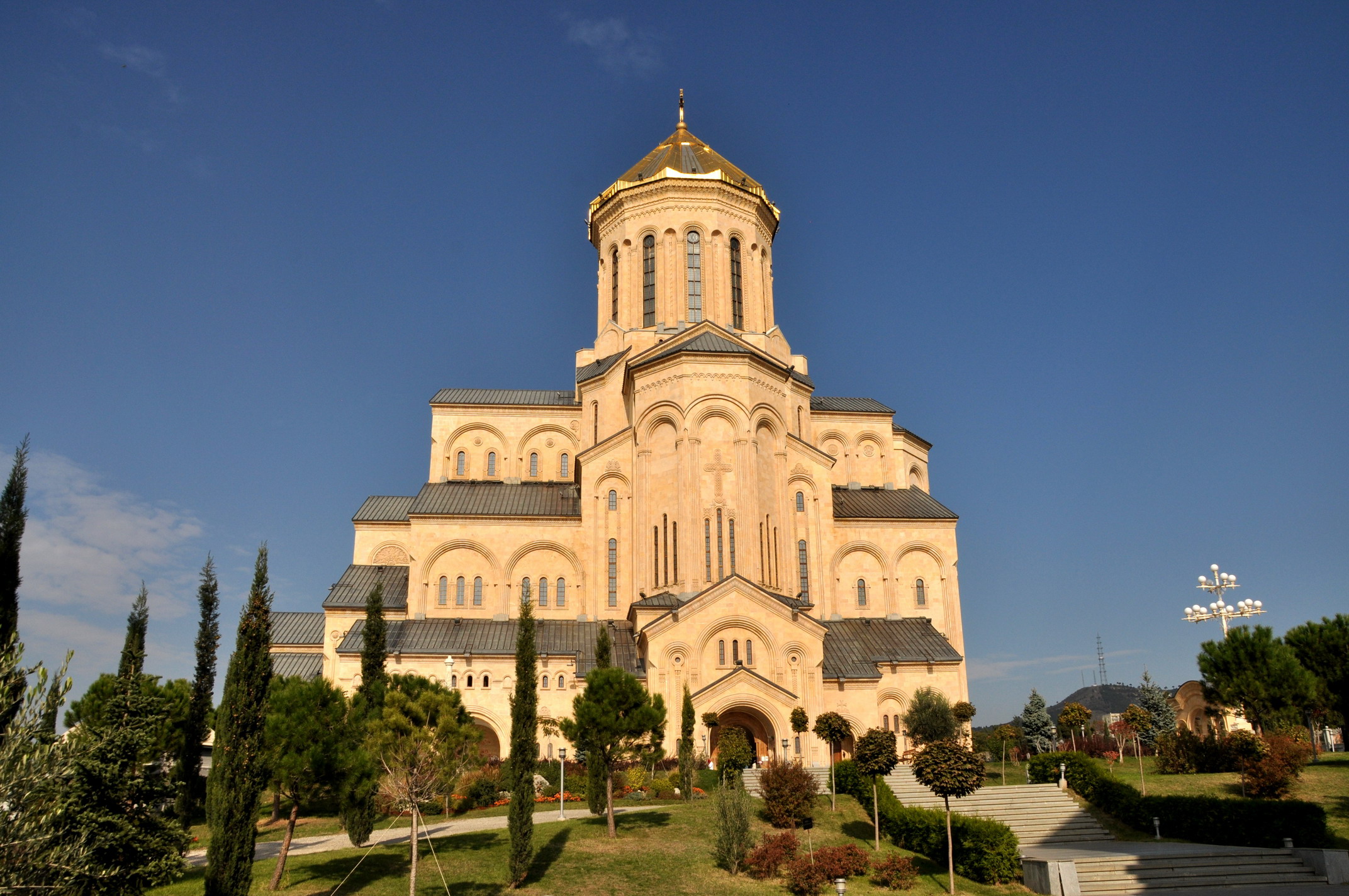
The city had been transformed. Everywhere there were countless buildings showing the power of modern technology. It was a pleasure to walk around. The old town had also been restored and freshly painted. Of course Tbilisi is large and there were places nobody had got to yet. In style it reminded me a little of Moscow. Here, incidentally, they had even built their own cathedral for their patriarch.
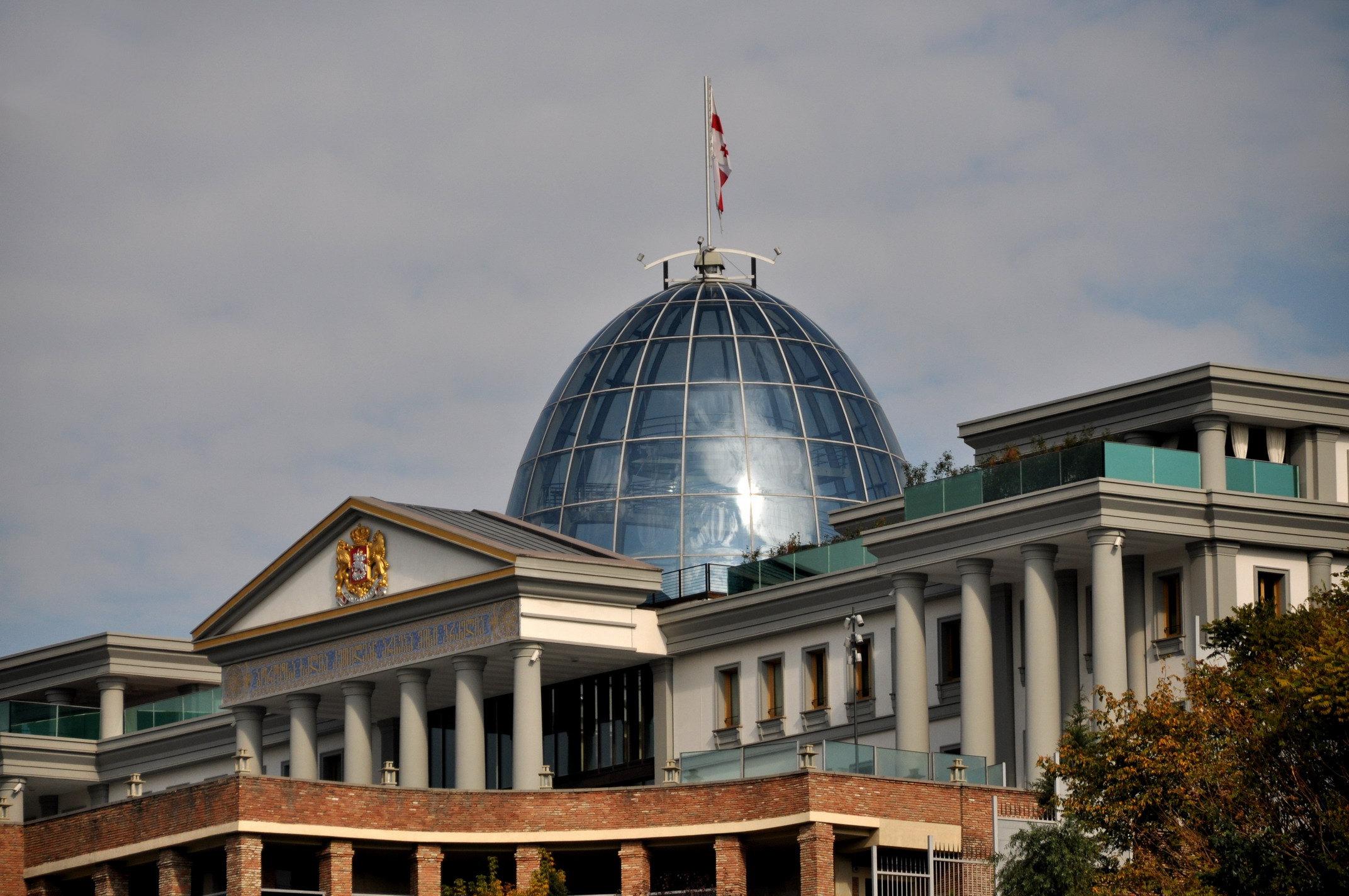
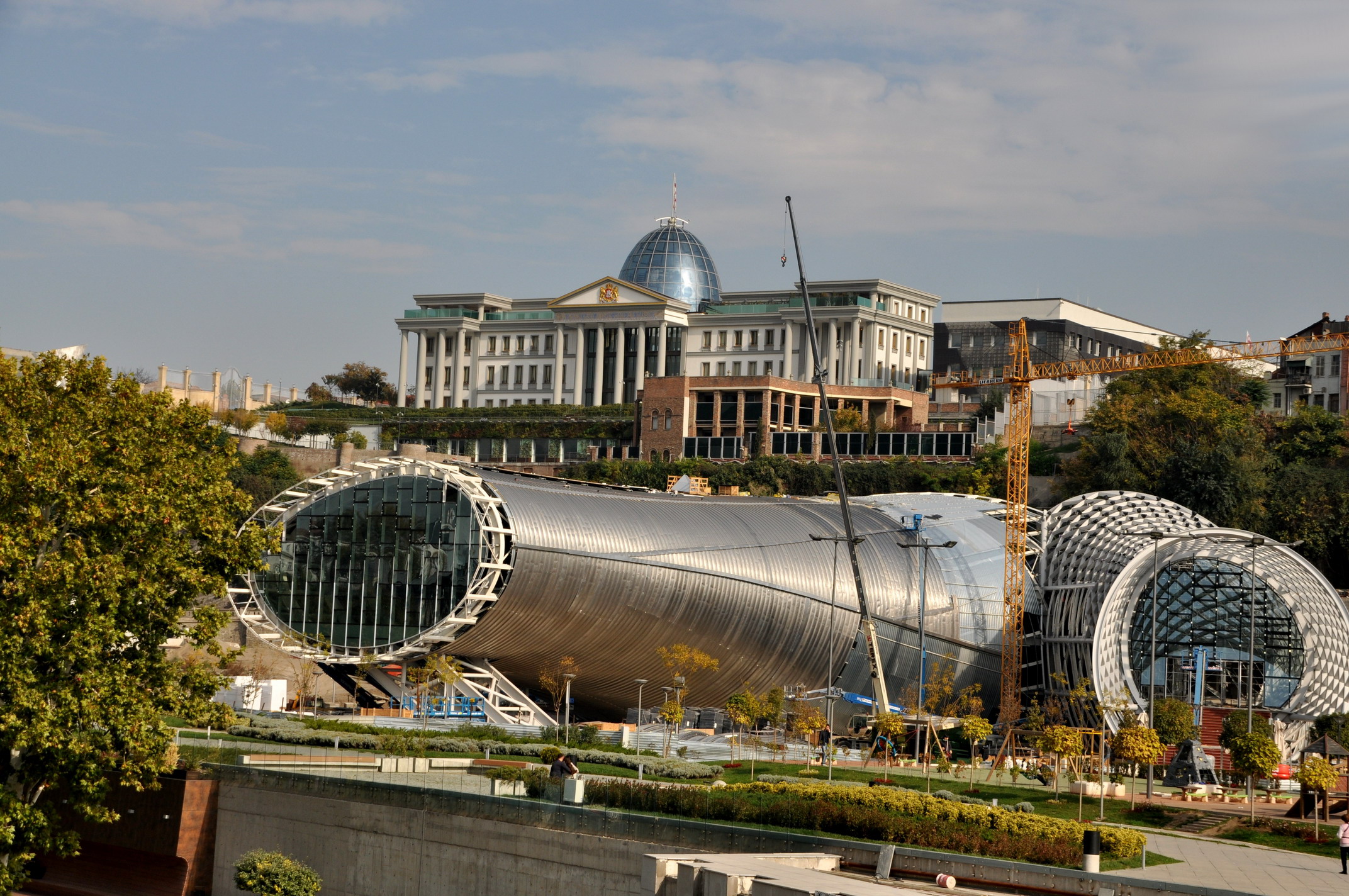
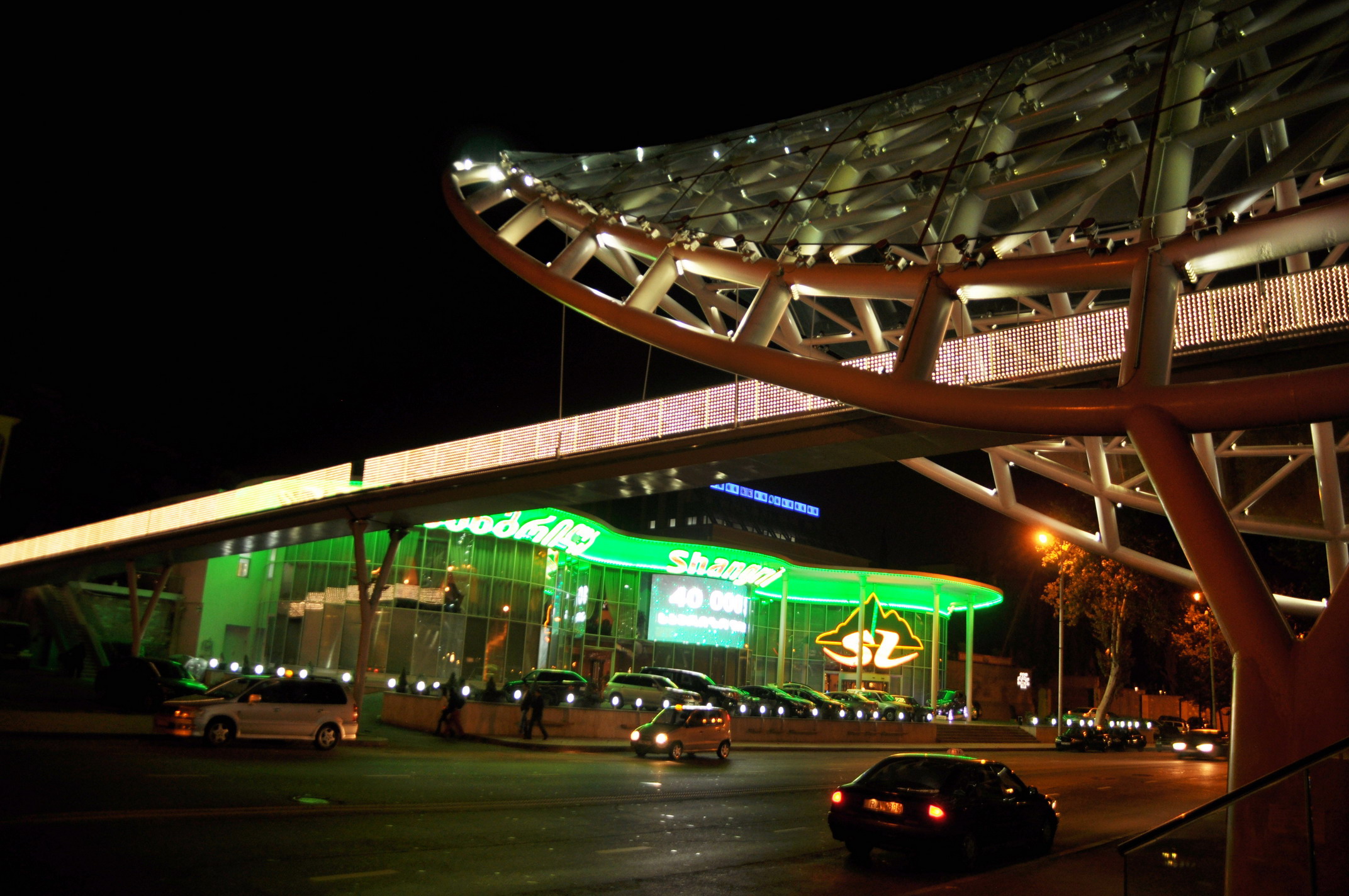
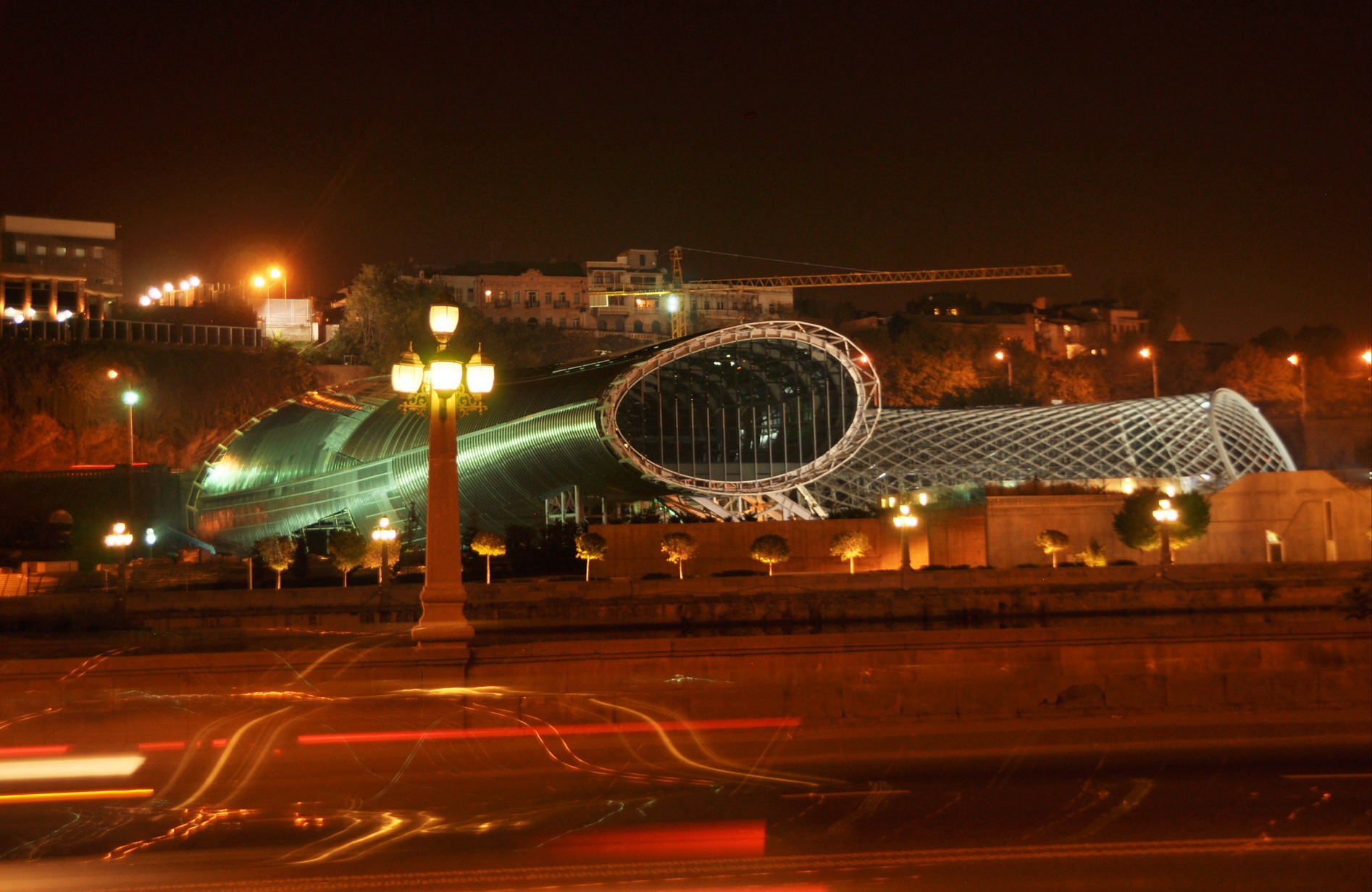
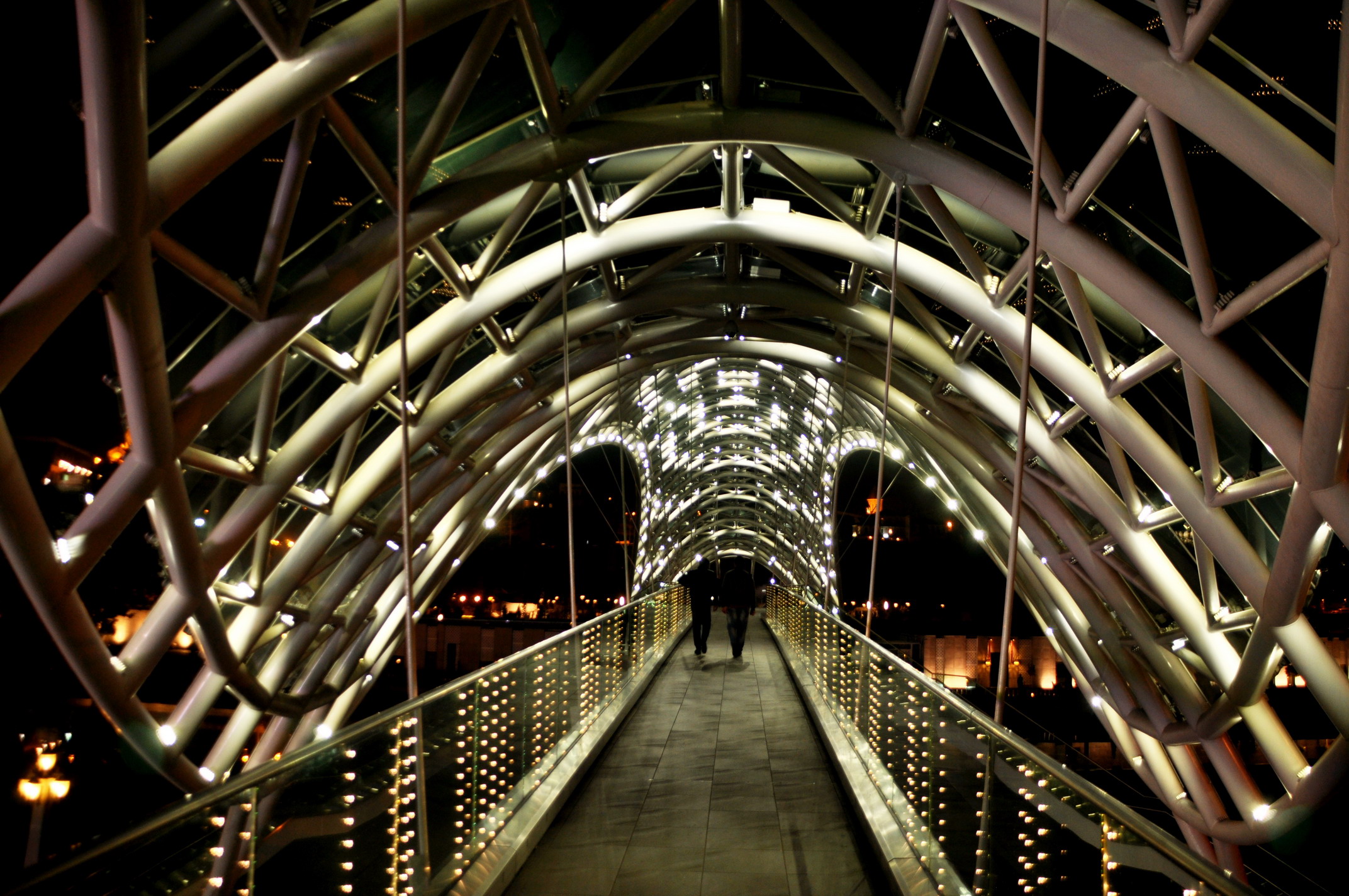
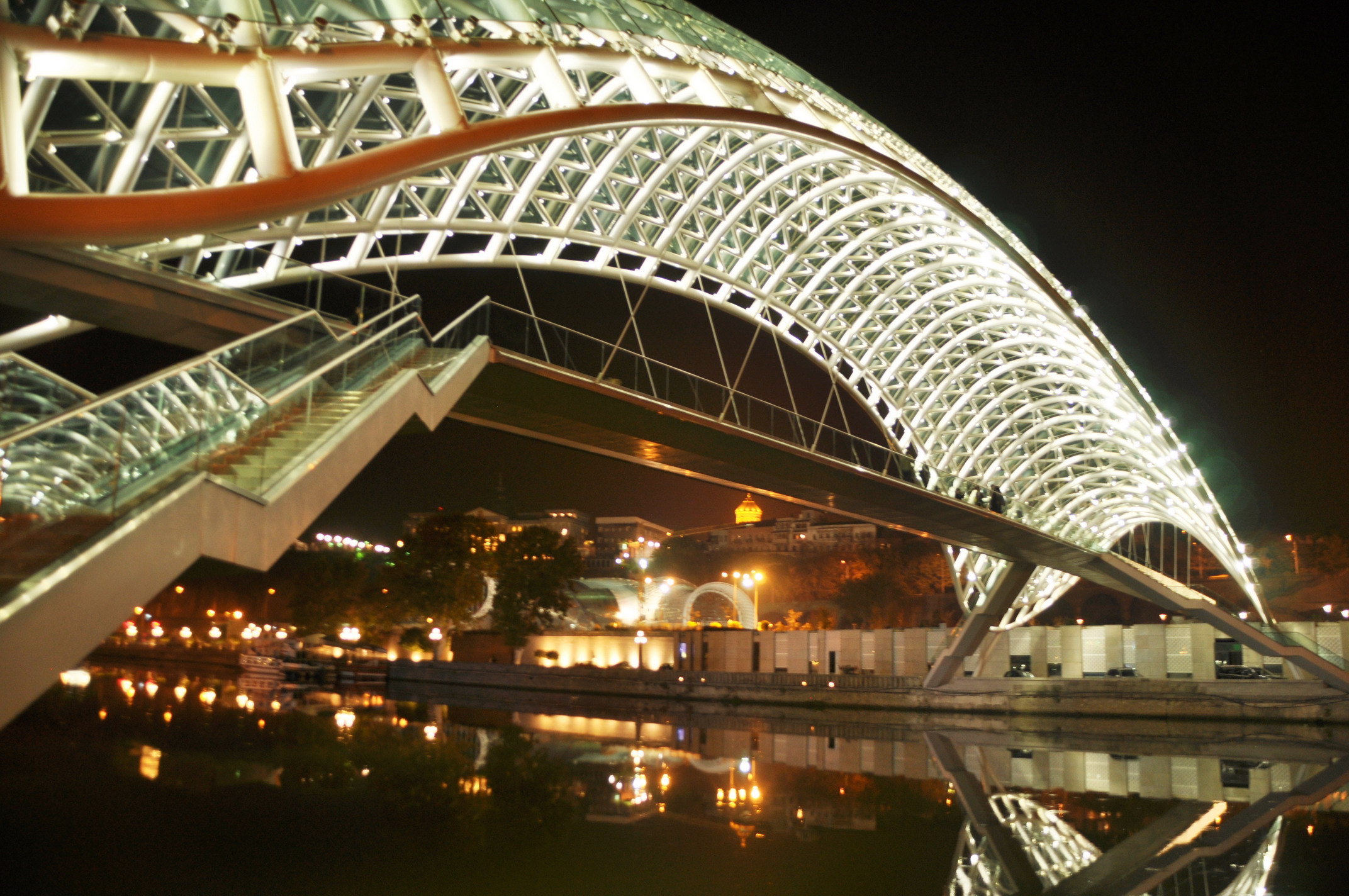
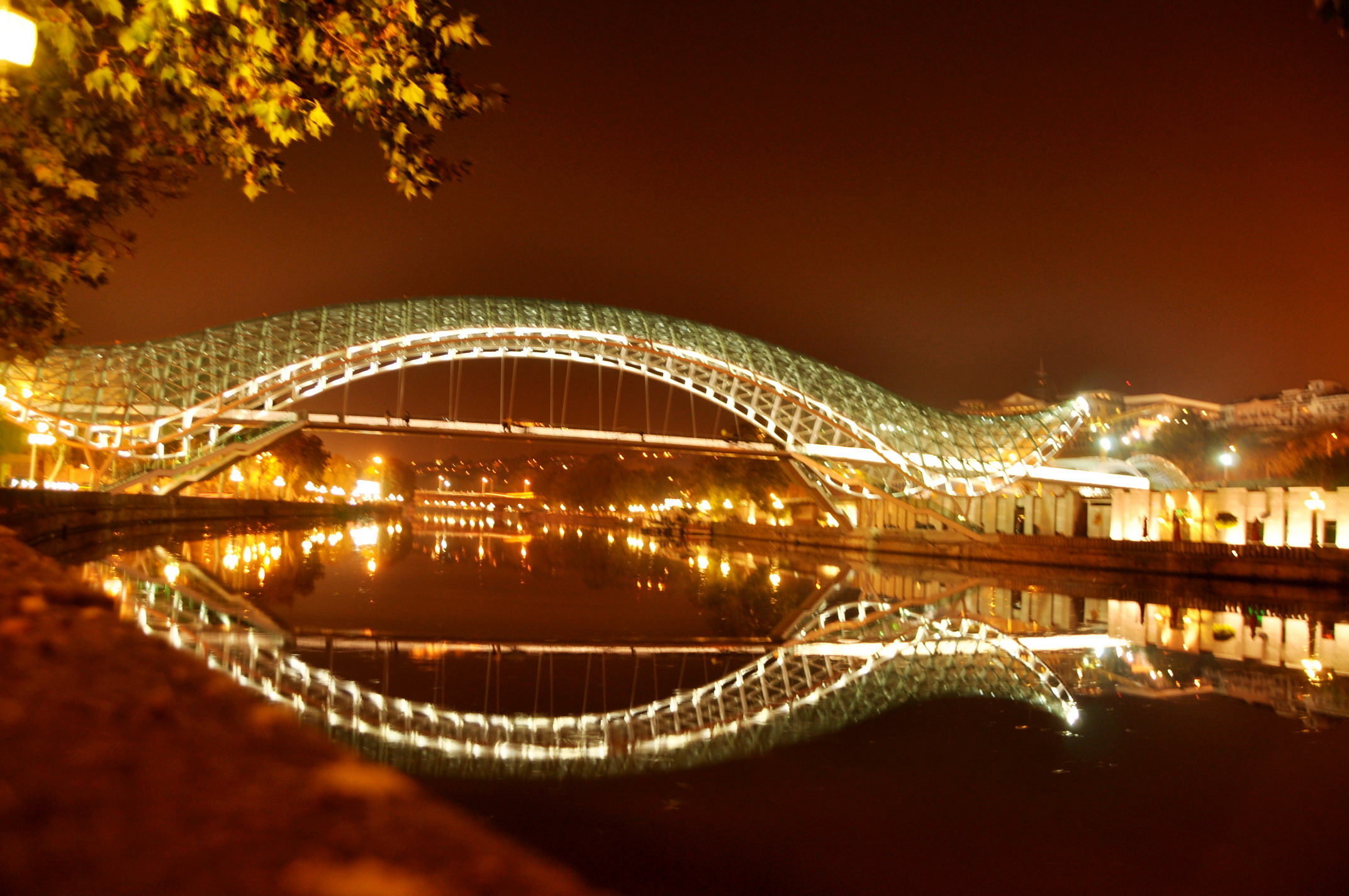
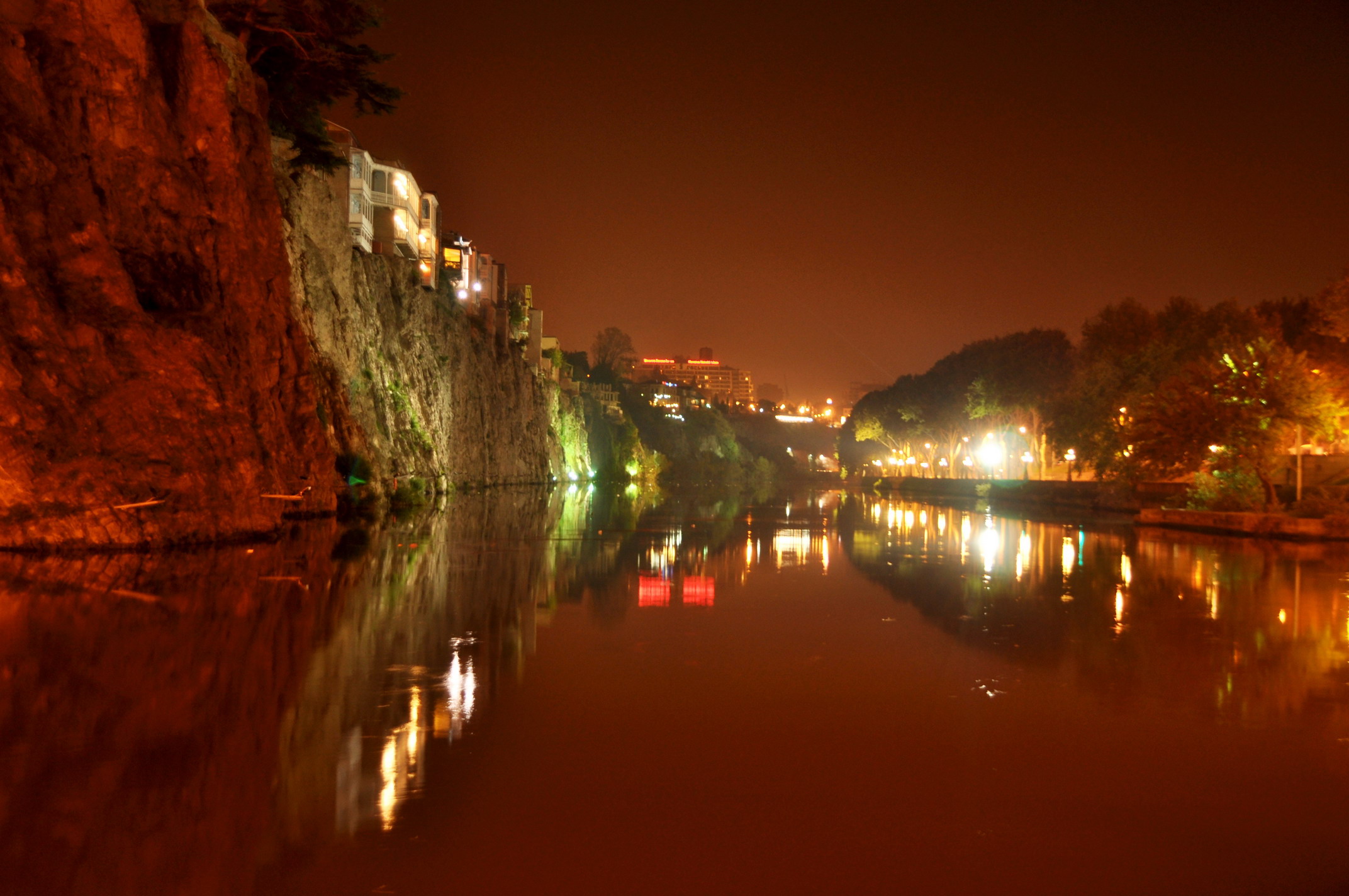
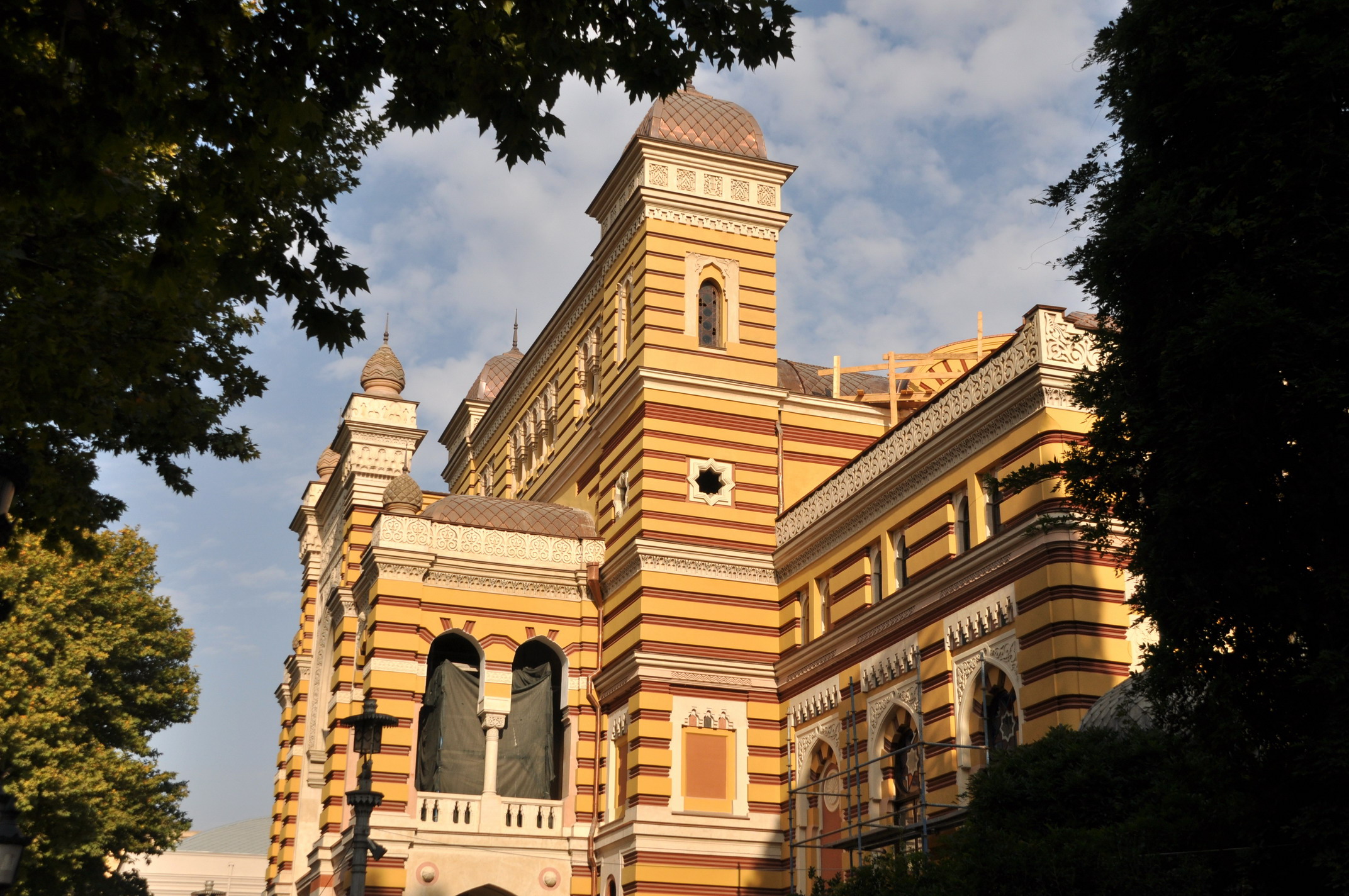
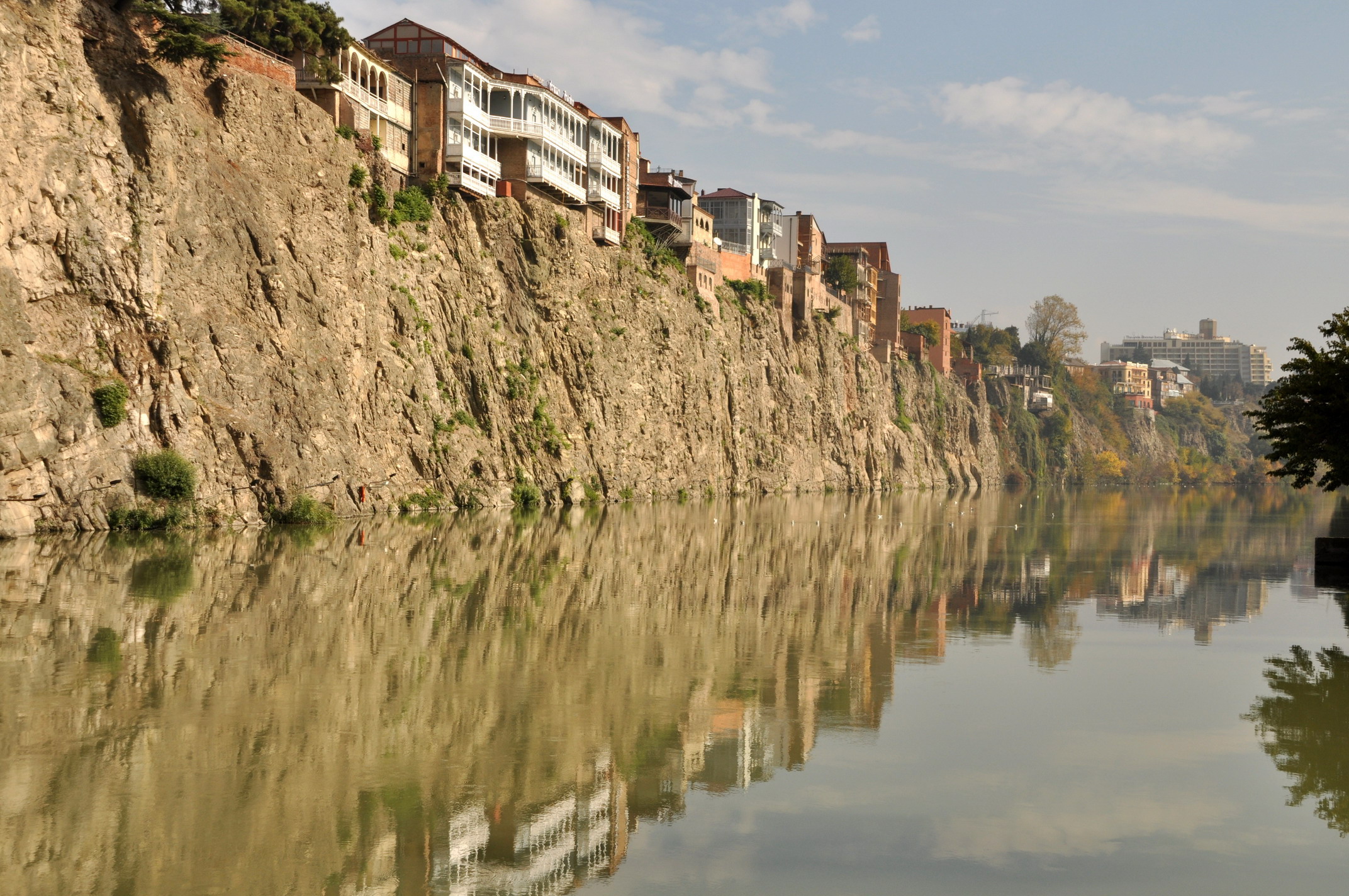
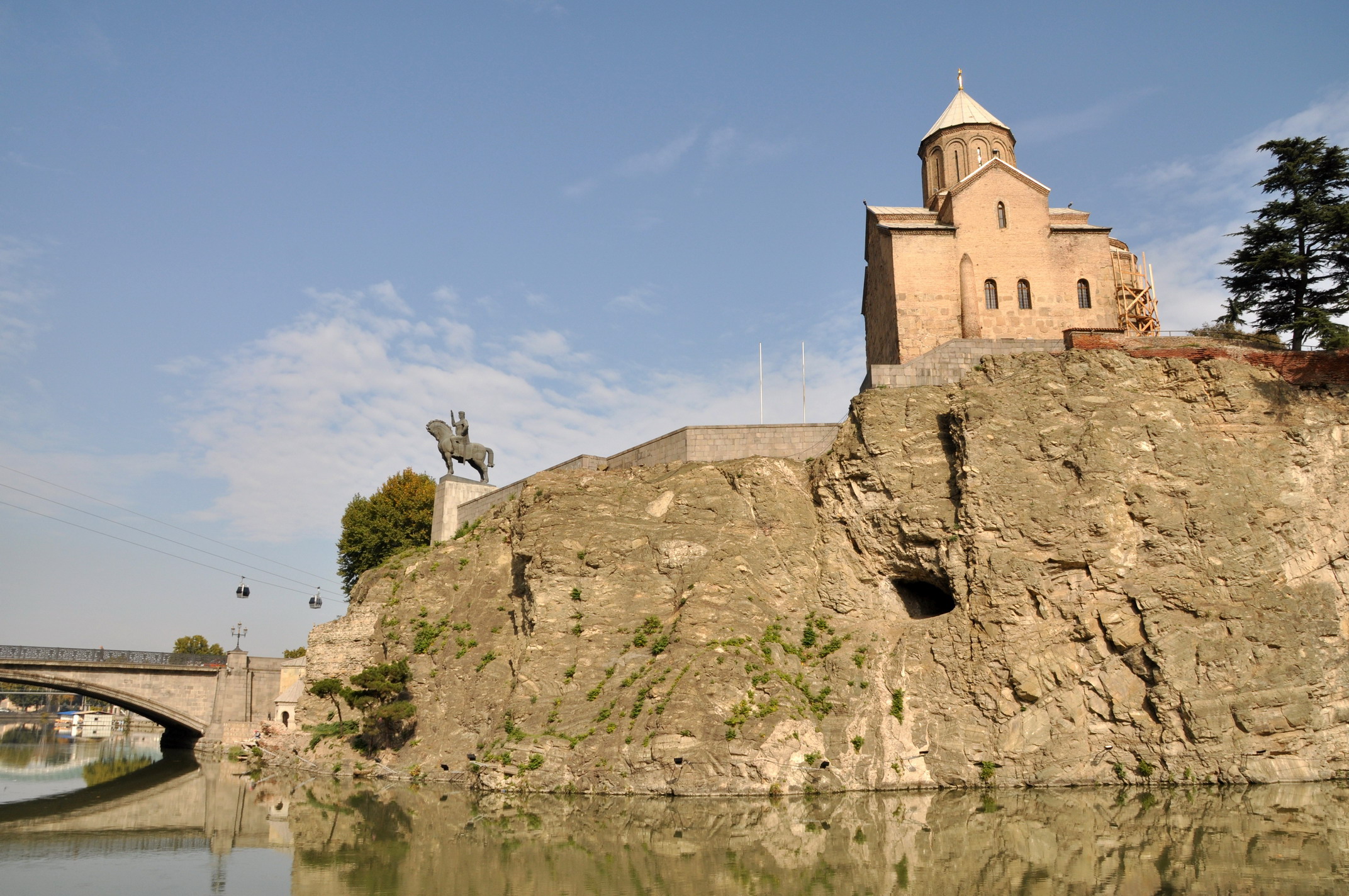
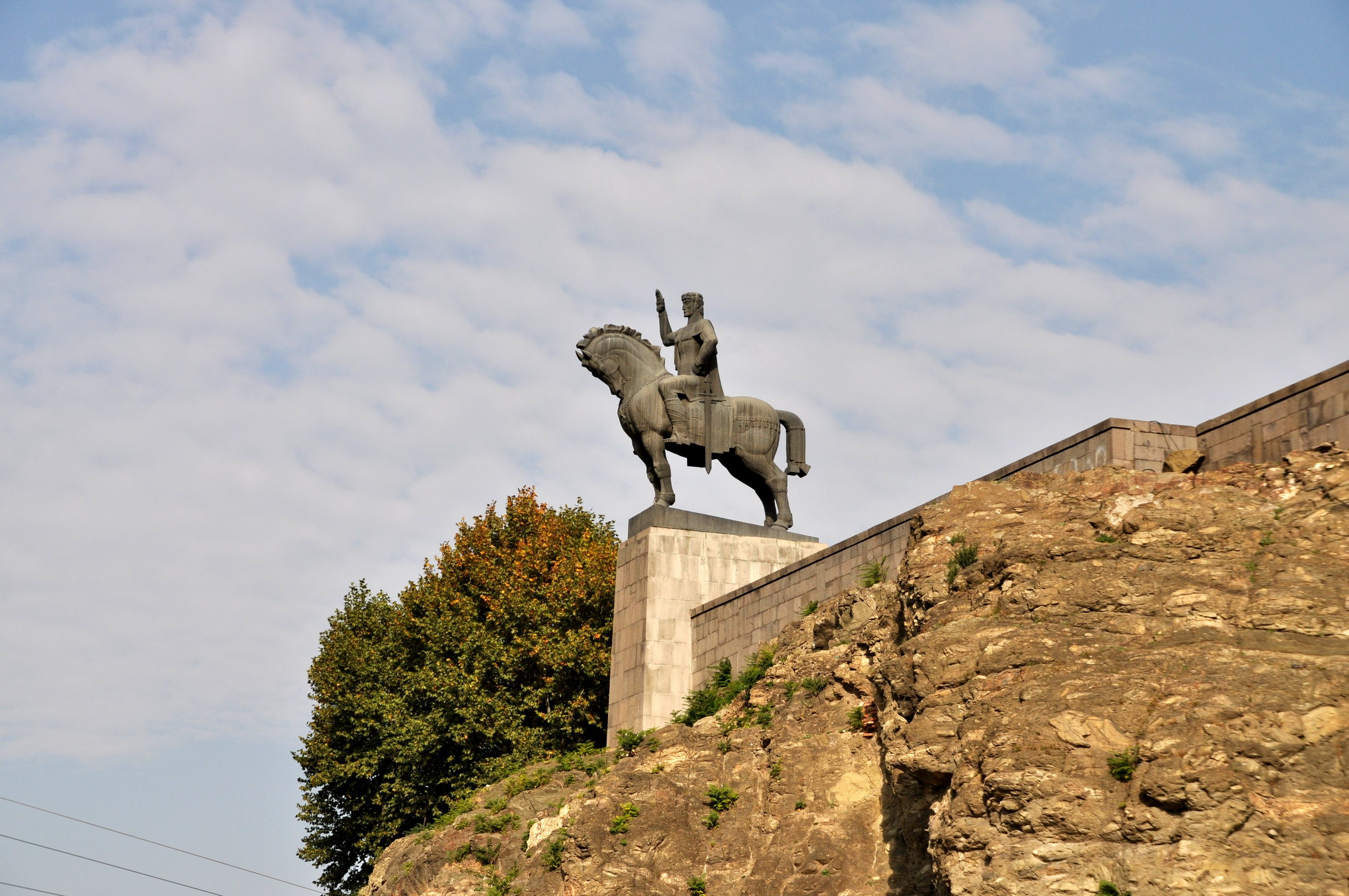
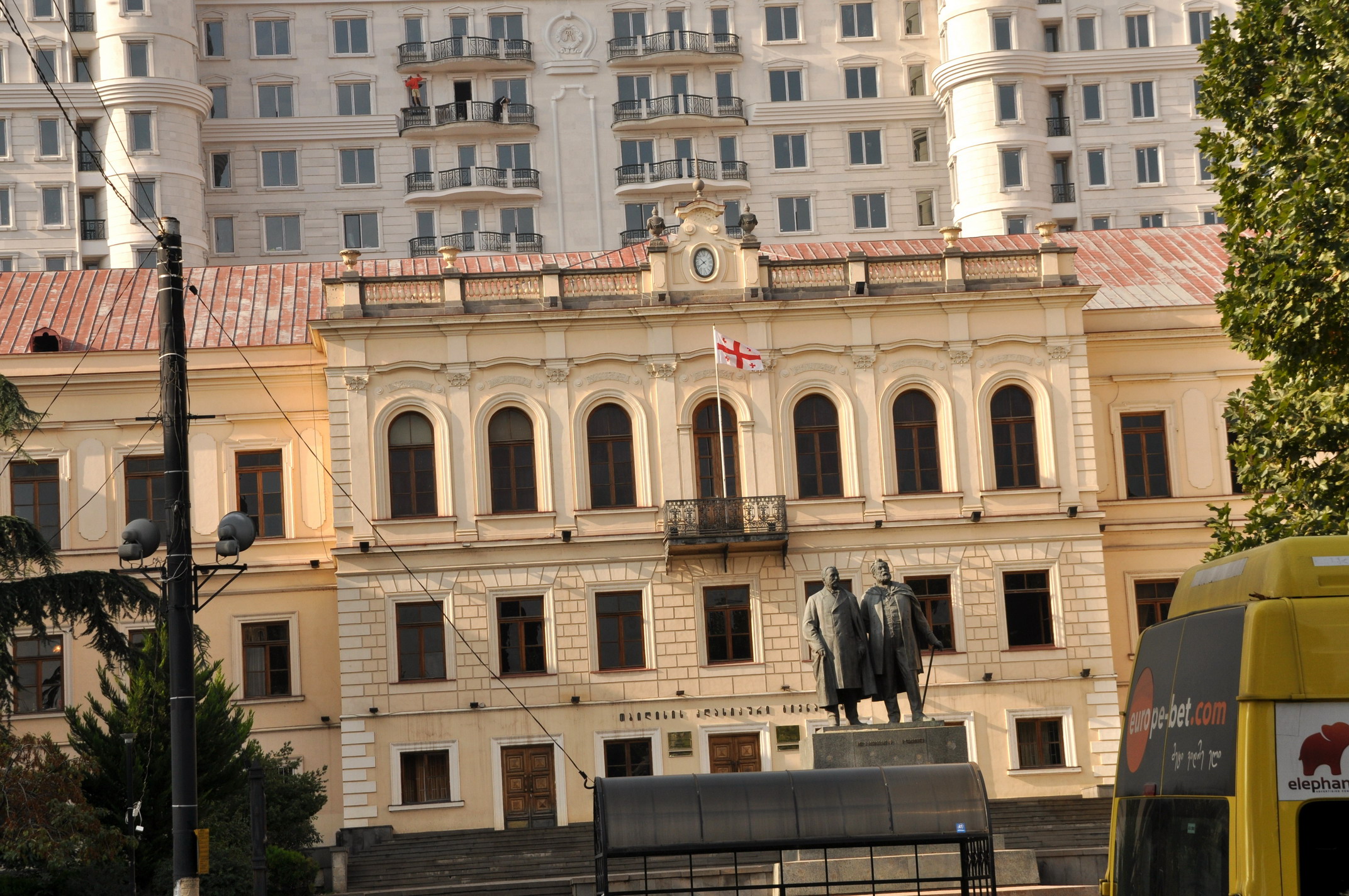
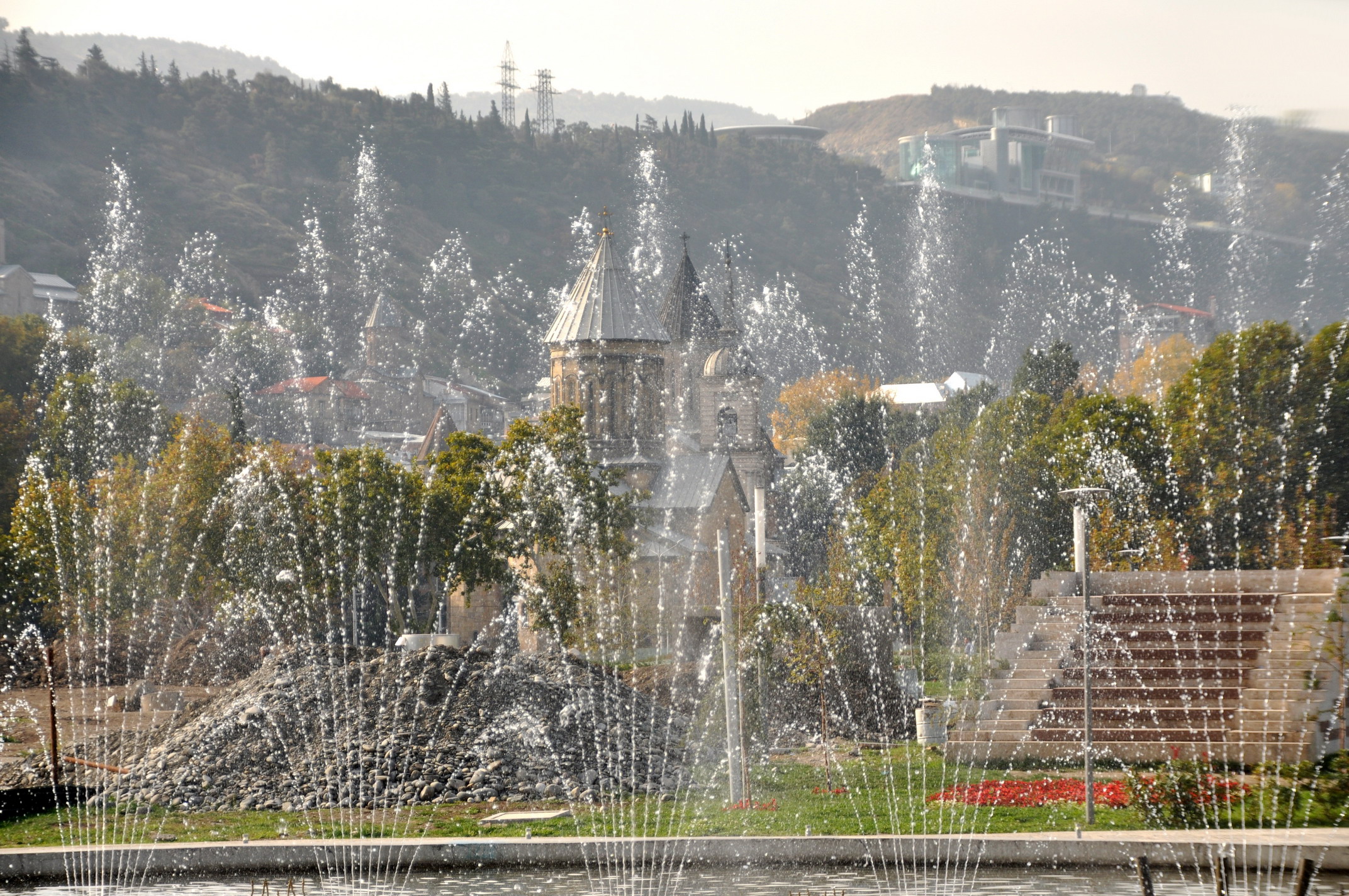
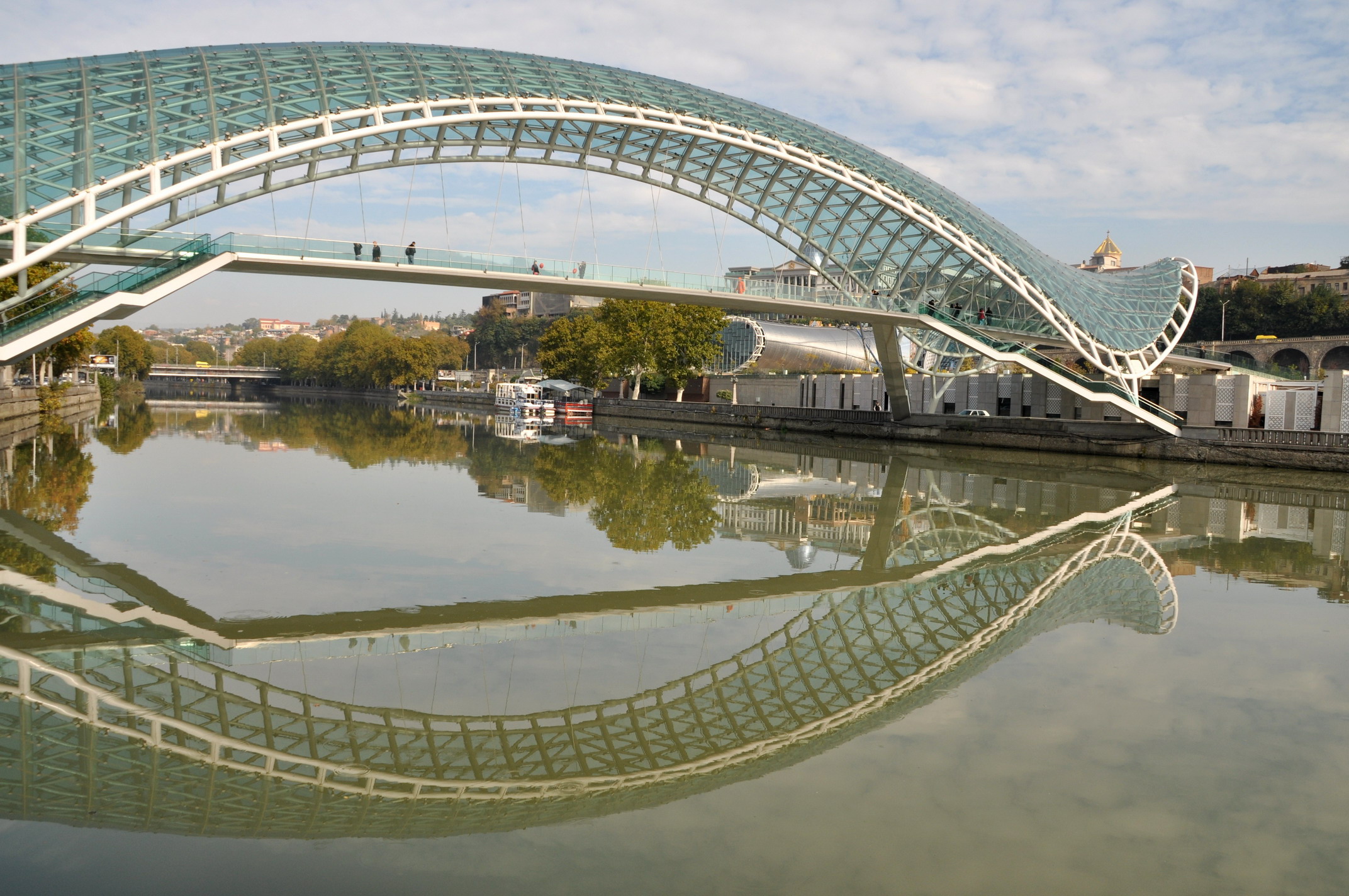
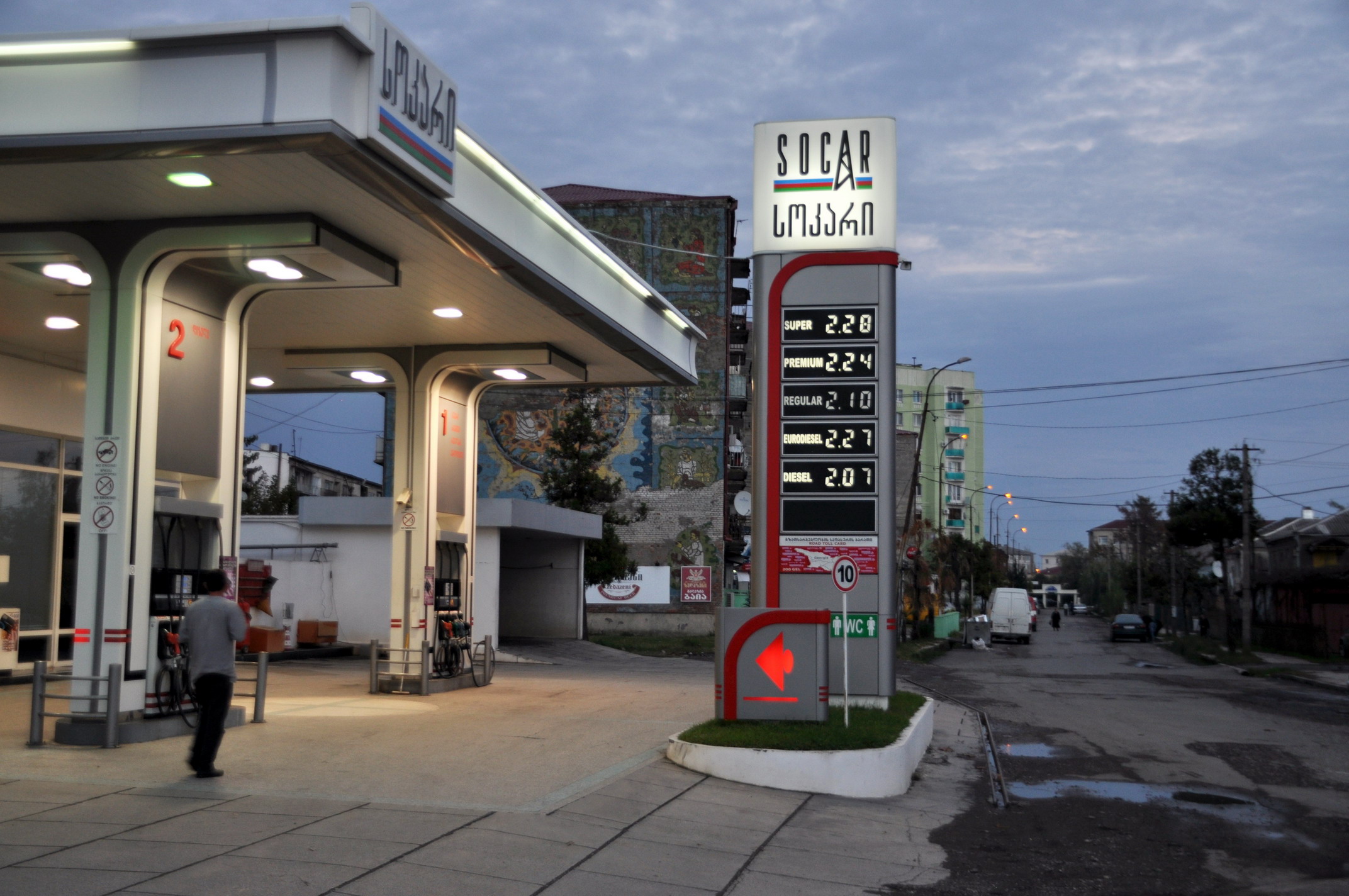
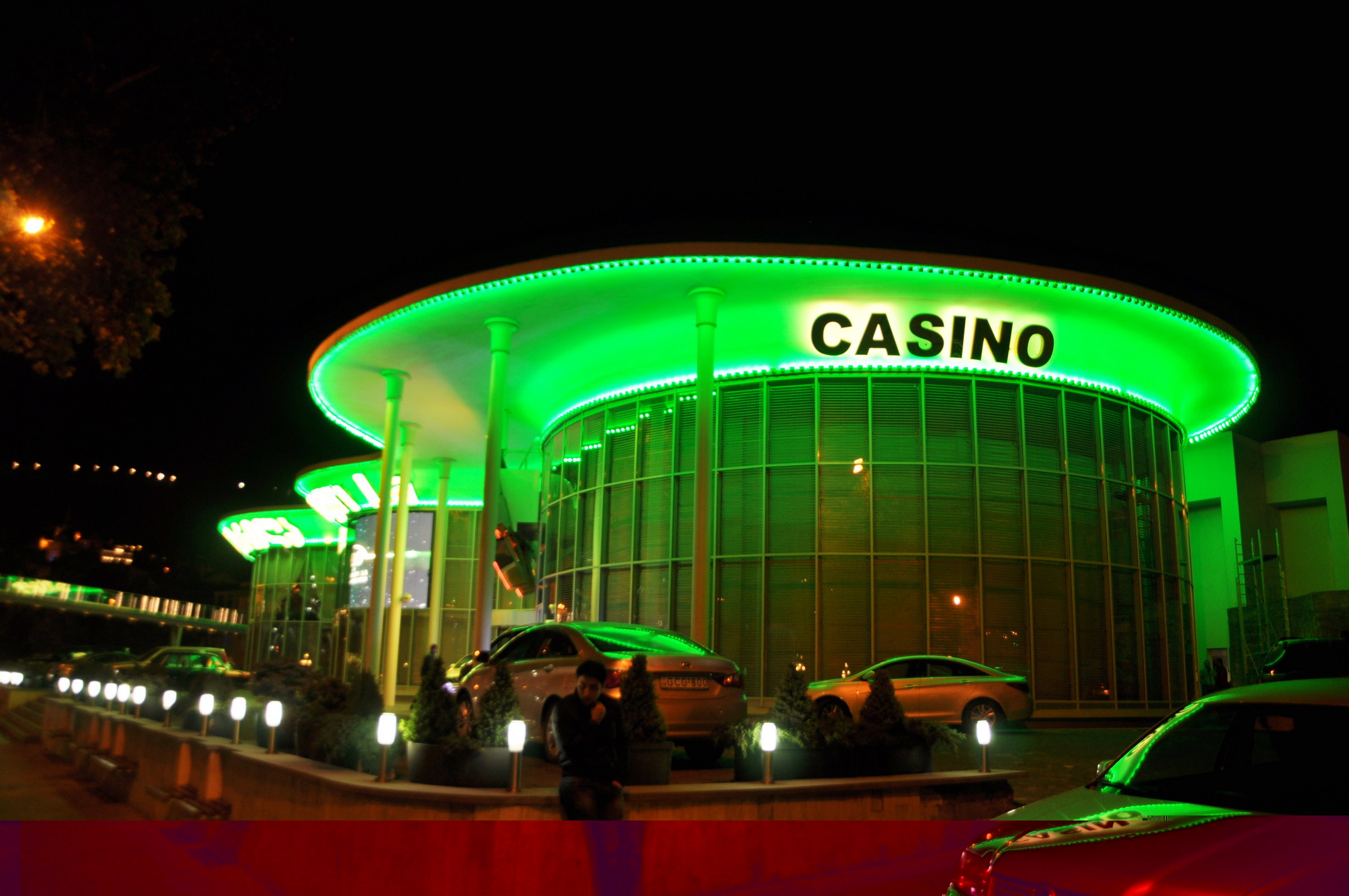
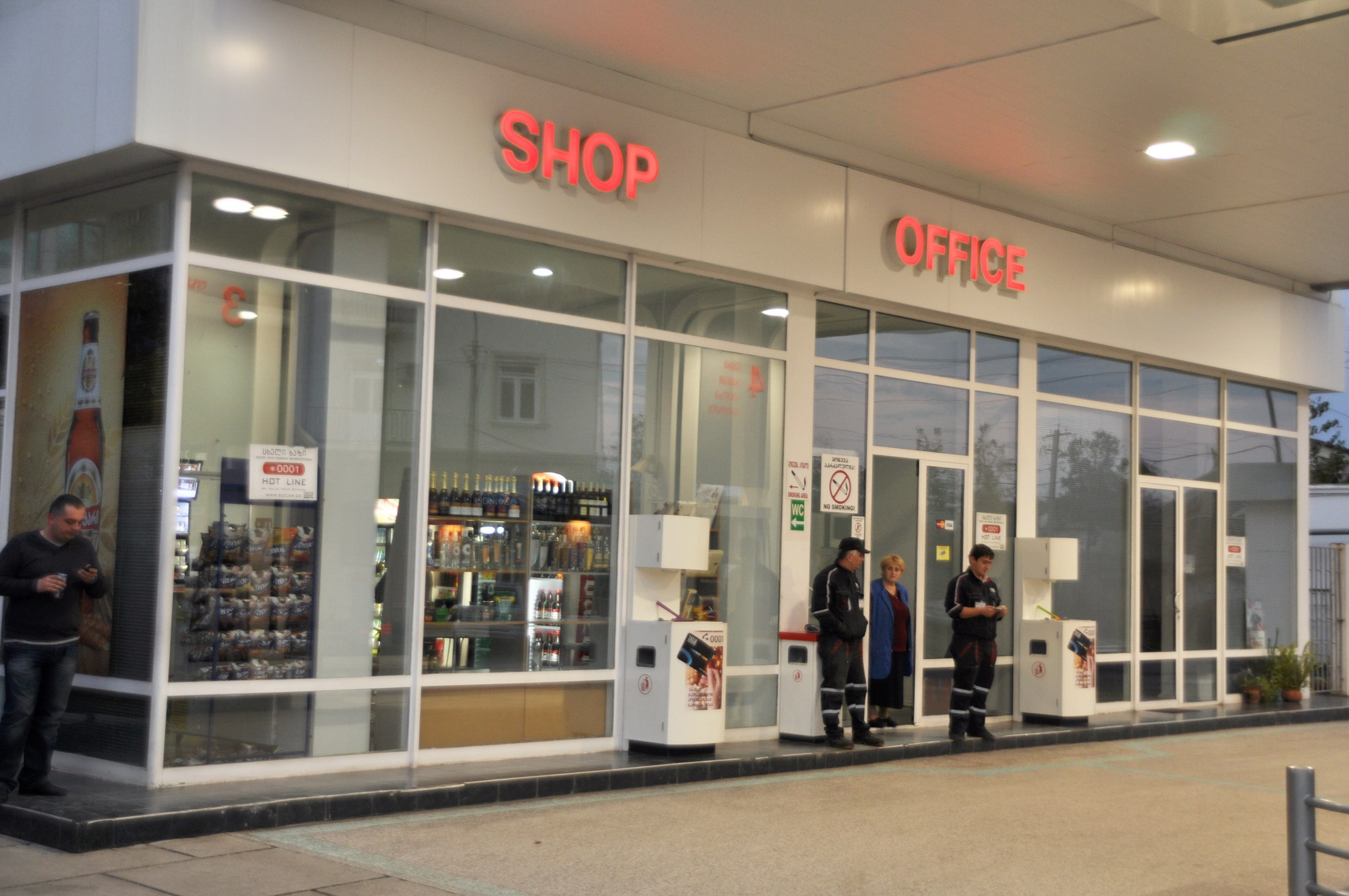
Casinos were legal in Georgia. Petrol stations sold alcohol, and the country generally seemed to be enjoying itself. Mobile networks were well developed, and roaming with Russia worked reliably. The local currency was the lari (₾), quite stable at the time and worth roughly half a US dollar. There were plenty of cash machines in the larger cities.
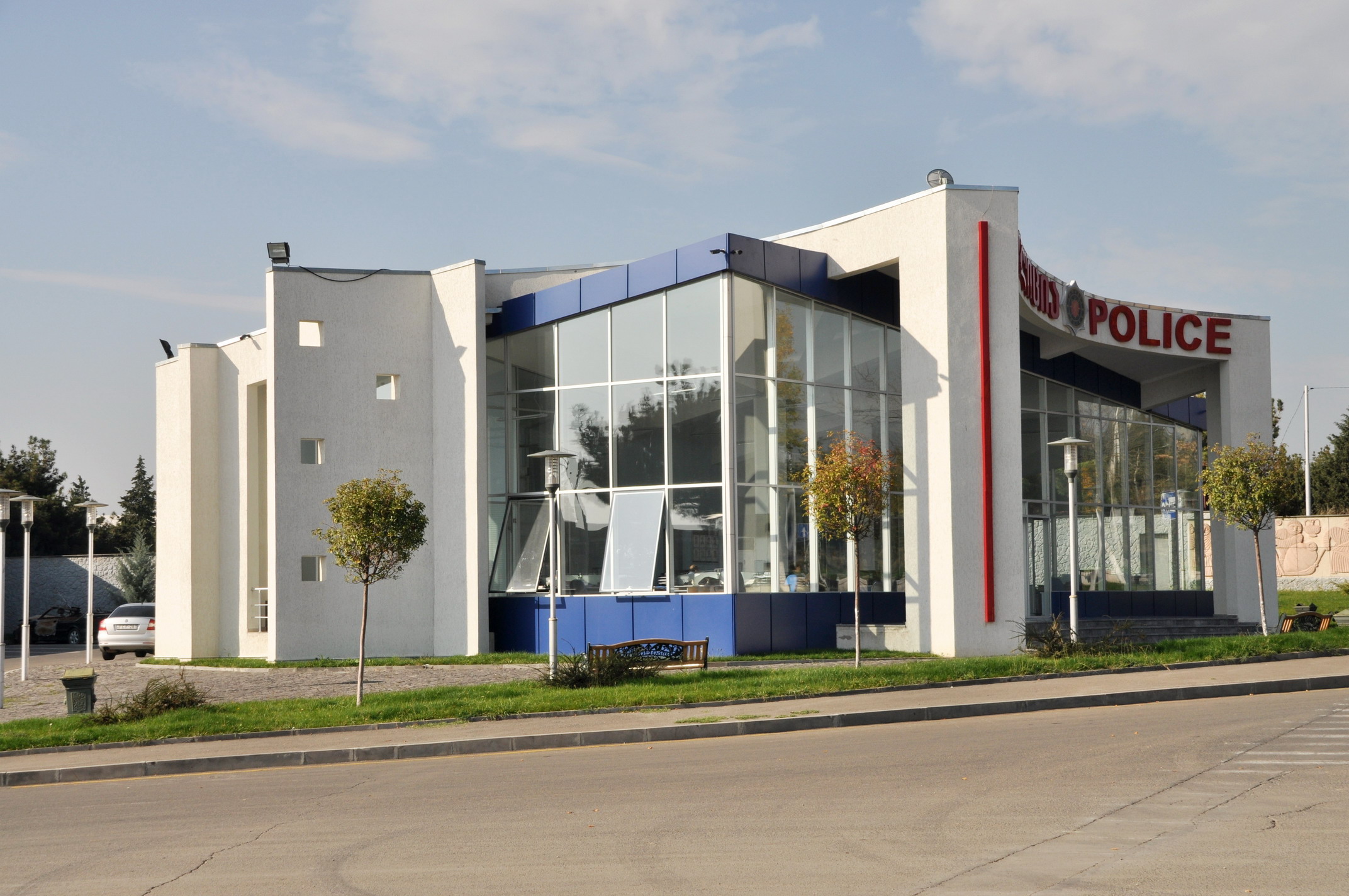
Another Georgian sight was the reformed police force, famous for refusing bribes. According to the locals, it really was true. They were friendly people, housed in glass offices for complete transparency. I couldn't believe they would take it that far. Surely the toilets… Don't worry. The toilets weren't transparent.
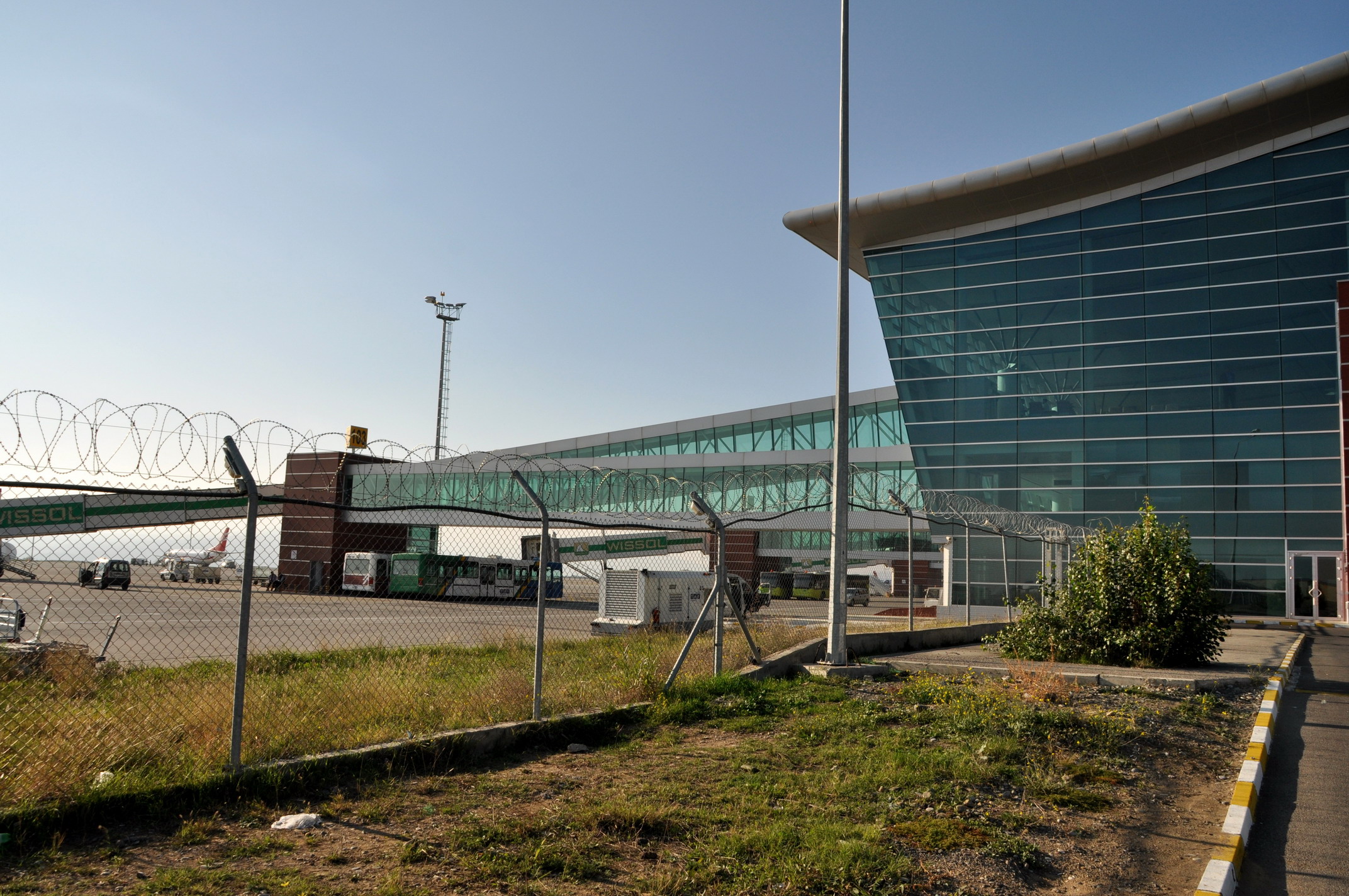
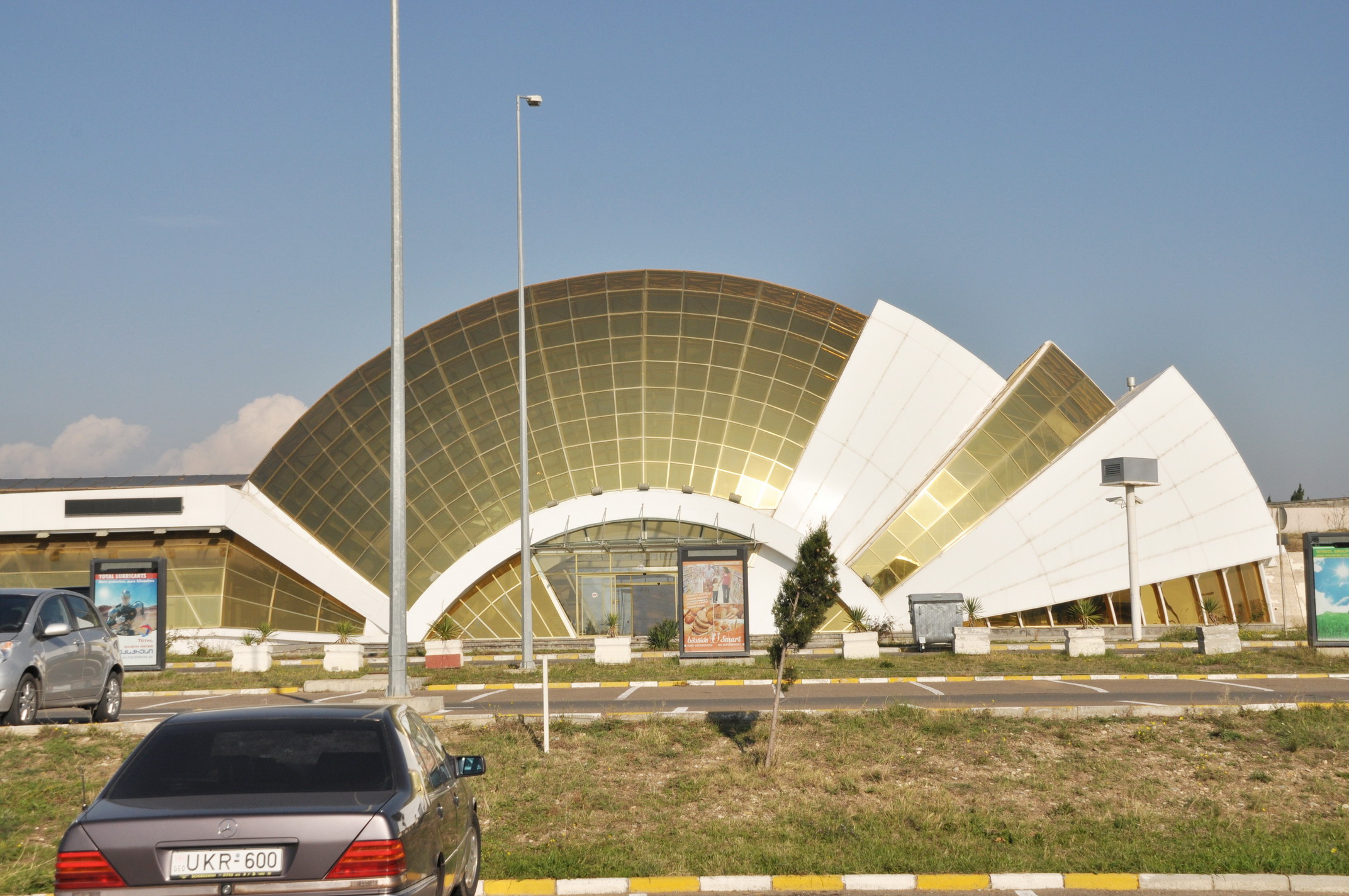
Sadly my short holiday was coming to an end. I was already waiting for my plane. I'd arrived at the airport early and was walking through the autumn grass in the warm sunshine, trying to store up enough for the cold northern months of November and December. Who could say when I'd be somewhere warm again?