Trip report
France, Paris. I think France was the first country I fell in love with. When I was very small and my parents had to leave me at home on my own, they would give me books of Jean Effel’s cartoons. That was where I first saw how wide the world was, far wider than the one on television, anyway.
At night I dreamed I was climbing the Eiffel Tower. I dreamed of the big, cheerful country from French comedies, a place full of French women who looked beautiful to me and seemed a world away from the Americans I saw on screen. I’ve since noticed how much my Tanya resembles that first picture I had in my mind.
I went on to see and understand a great deal more. I love England now, yet my heart still tightens when I hear the words Paris, Nice or the Côte d’Azur. That’s settled, then. I want to go back to Paris.
It was time we showed our son Europe. Once we moved to New Zealand, it would be a long way back. For my birthday we decided to fly to France, to Paris.
It’s hard to write about a journey to the former centre of the world. Everything here is steeped in history and there’s a book in every little town. Those books have long since been written. Besides, nearly everybody who would enjoy reading them has been to Europe, visited the museums and drawn their own conclusions. I’ll stick to what I felt along the way.
The plane landed in Paris and we hurried to the car hire desk, where a surprise was waiting. They would only rent a car to residents of Russia on presentation of two credit cards. They said that there had been enough fraud involving Russian cards to make two of them feel safer. Luckily I’d come prepared, but they could have said so beforehand. Few people bother having two credit cards, and in ordinary life there’s little reason to.
Anyway, they gave us a car, we’d got through the checks and collected the stamps, and we were free to go. Proper European roads began to flash past the window, with their glowing markings and advertisements. We had arrived in civilisation.
We spent that first night in a suburb of Paris, at the Saphir Hotel in Pontault-Combault (48°47.504′N, 2°37.083′E). We’d flown in that evening and it was too late for a walk. All we needed was a place to sleep.
We began the morning with breakfast. The French we met were practically wild when it came to English, even a few words of it, but we had Denis, who’d studied French as a second language. Now he could earn his keep. Go forth, child, and bring back a good, substantial breakfast. He did, too.
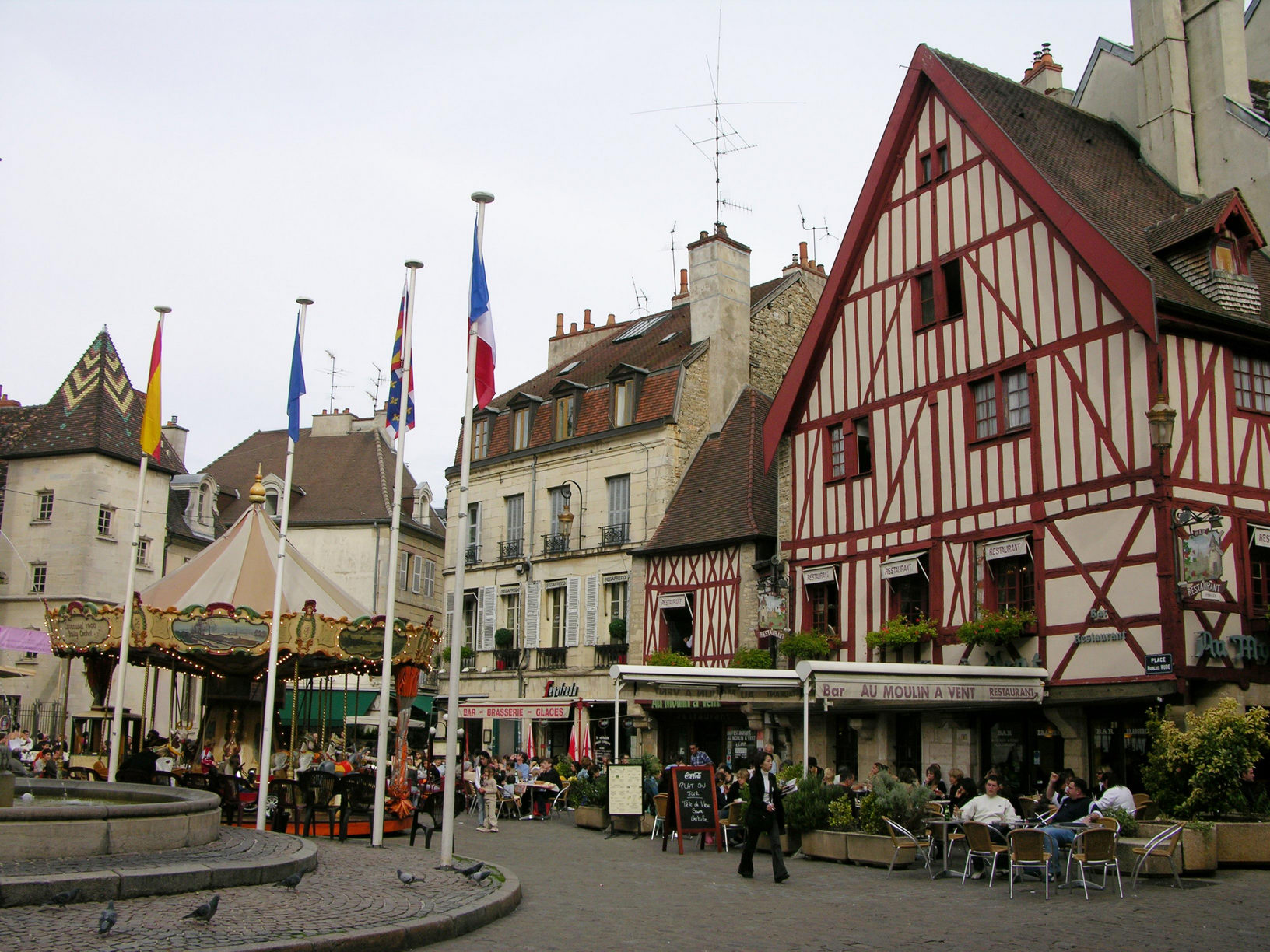
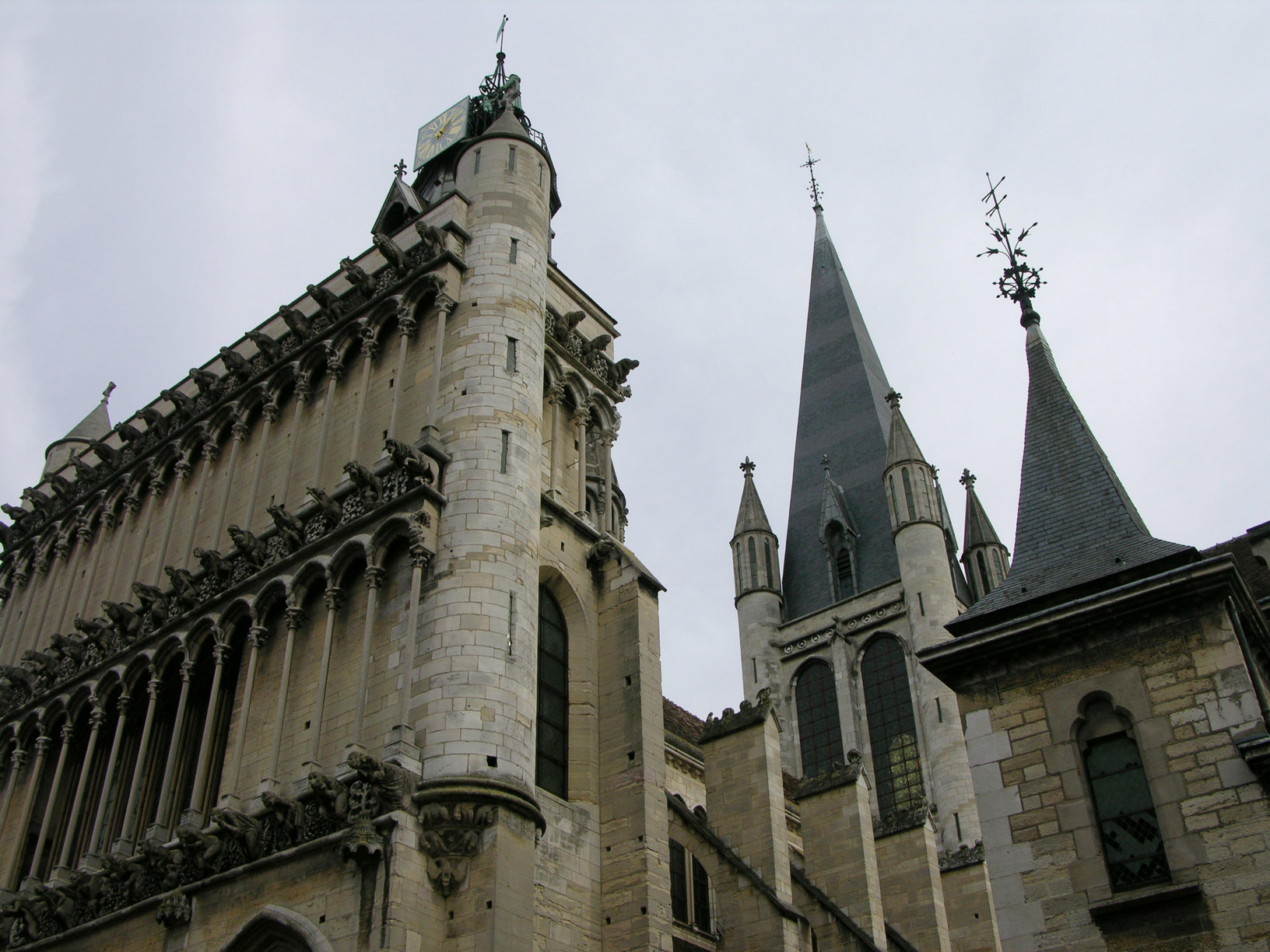
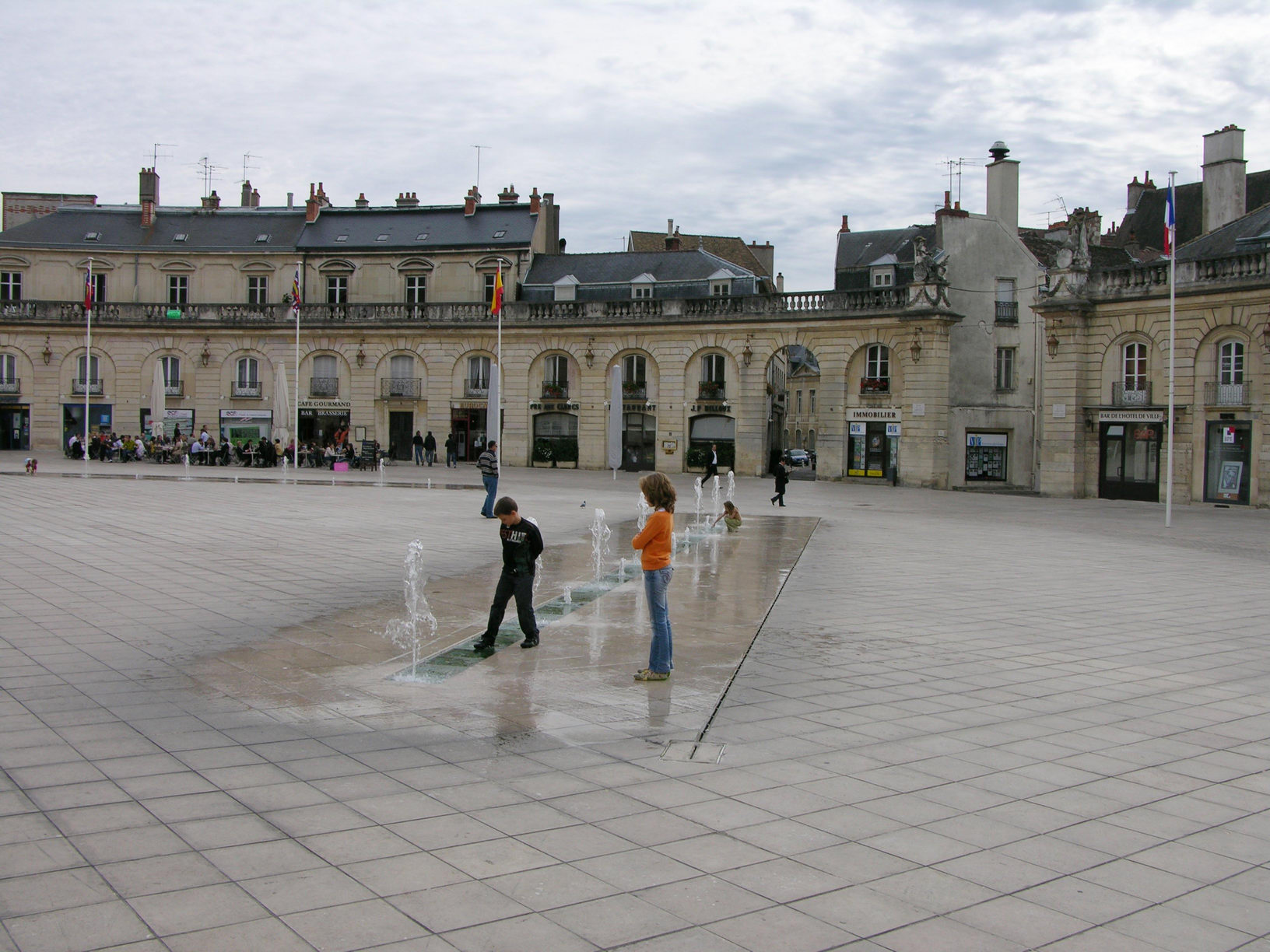
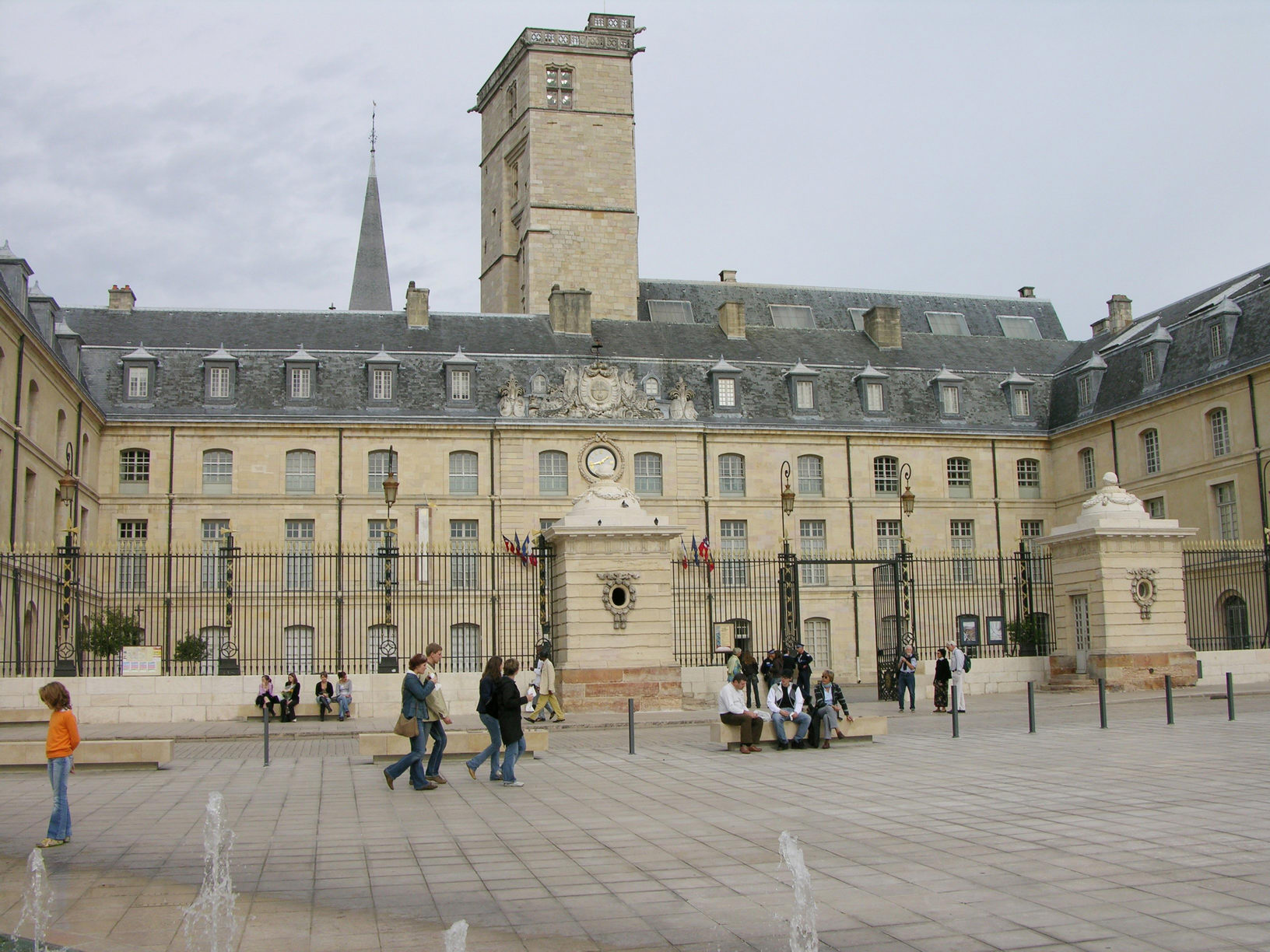
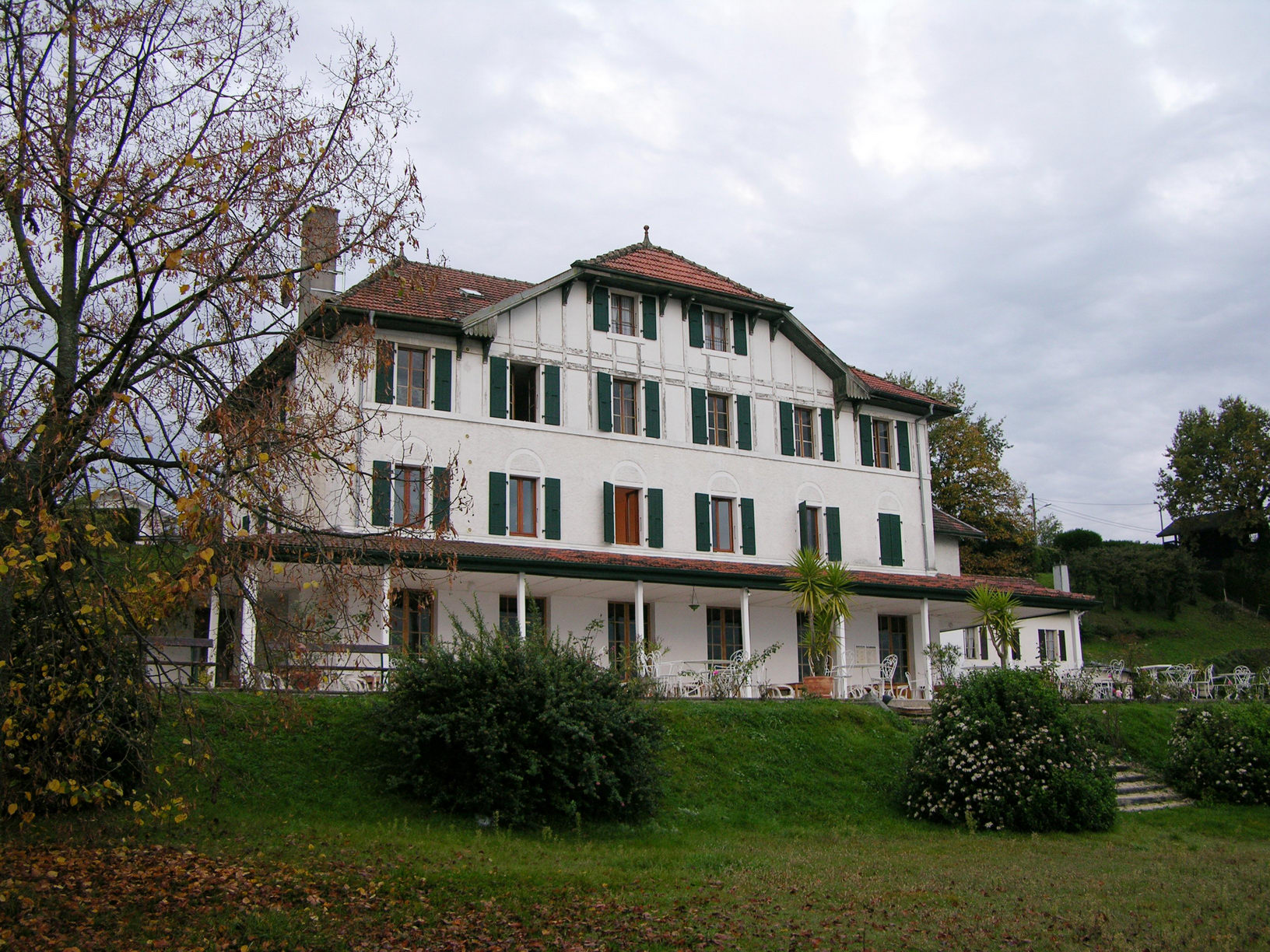
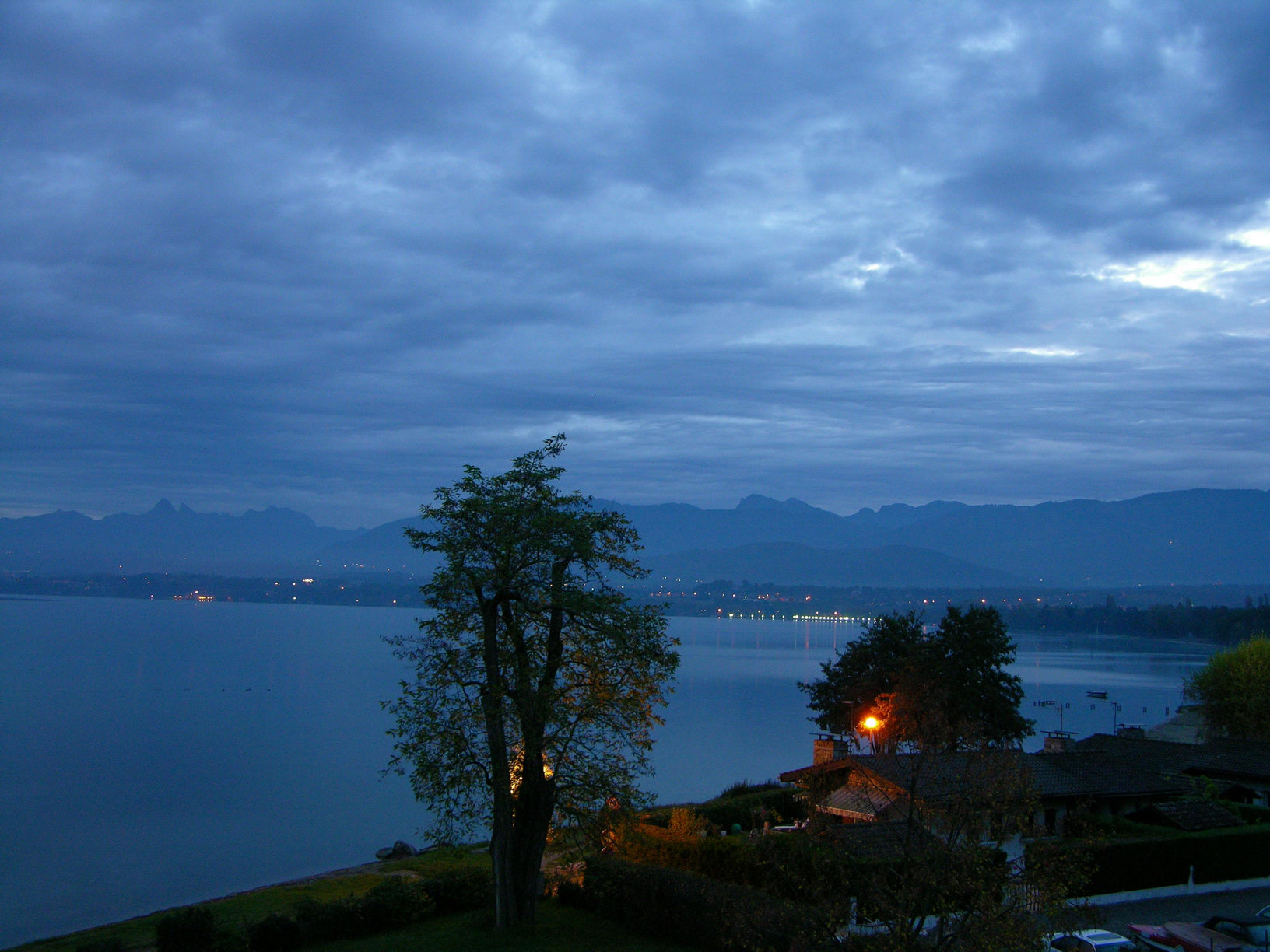
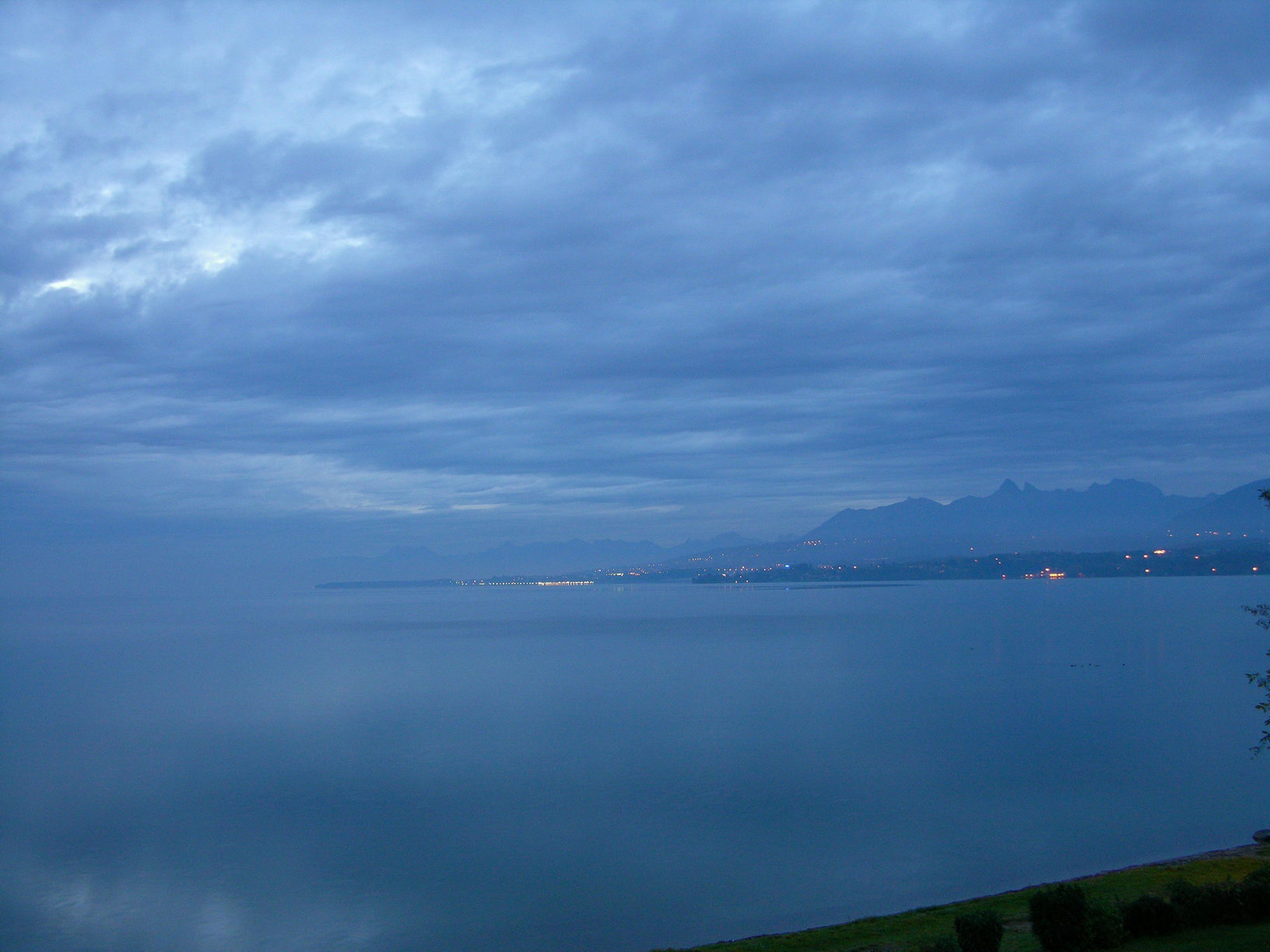
The first city we came to was Dijon (another view). We had plenty of time, the trip had only just begun, and we had a good look around. Then we checked the time and realised we ought to be looking for somewhere to sleep. We made it to Lake Geneva. Most of it is Swiss and we needed a visa for Switzerland, so we settled for looking towards the free city of Geneva from the southern shore of the lake, which belongs to France.
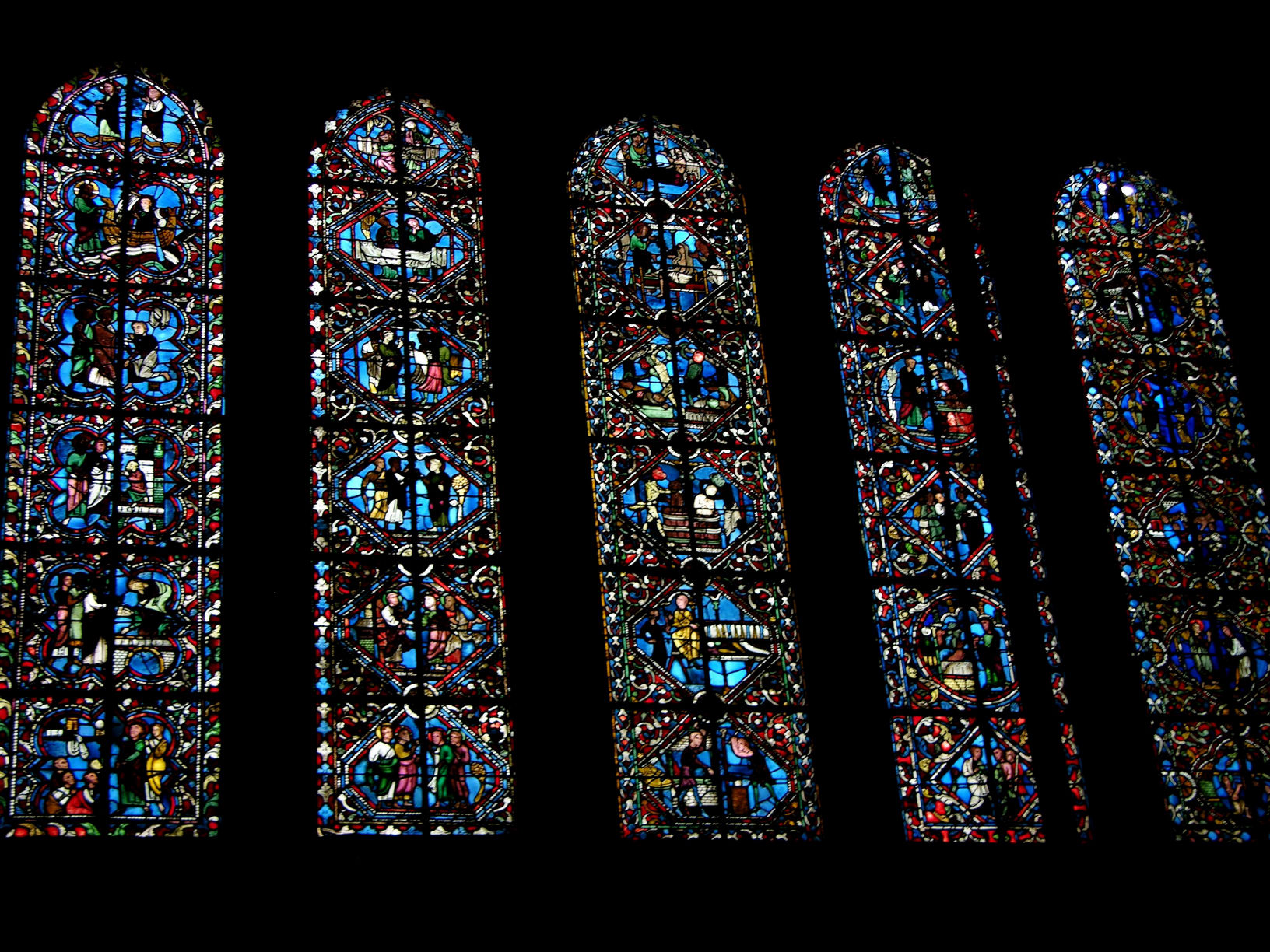
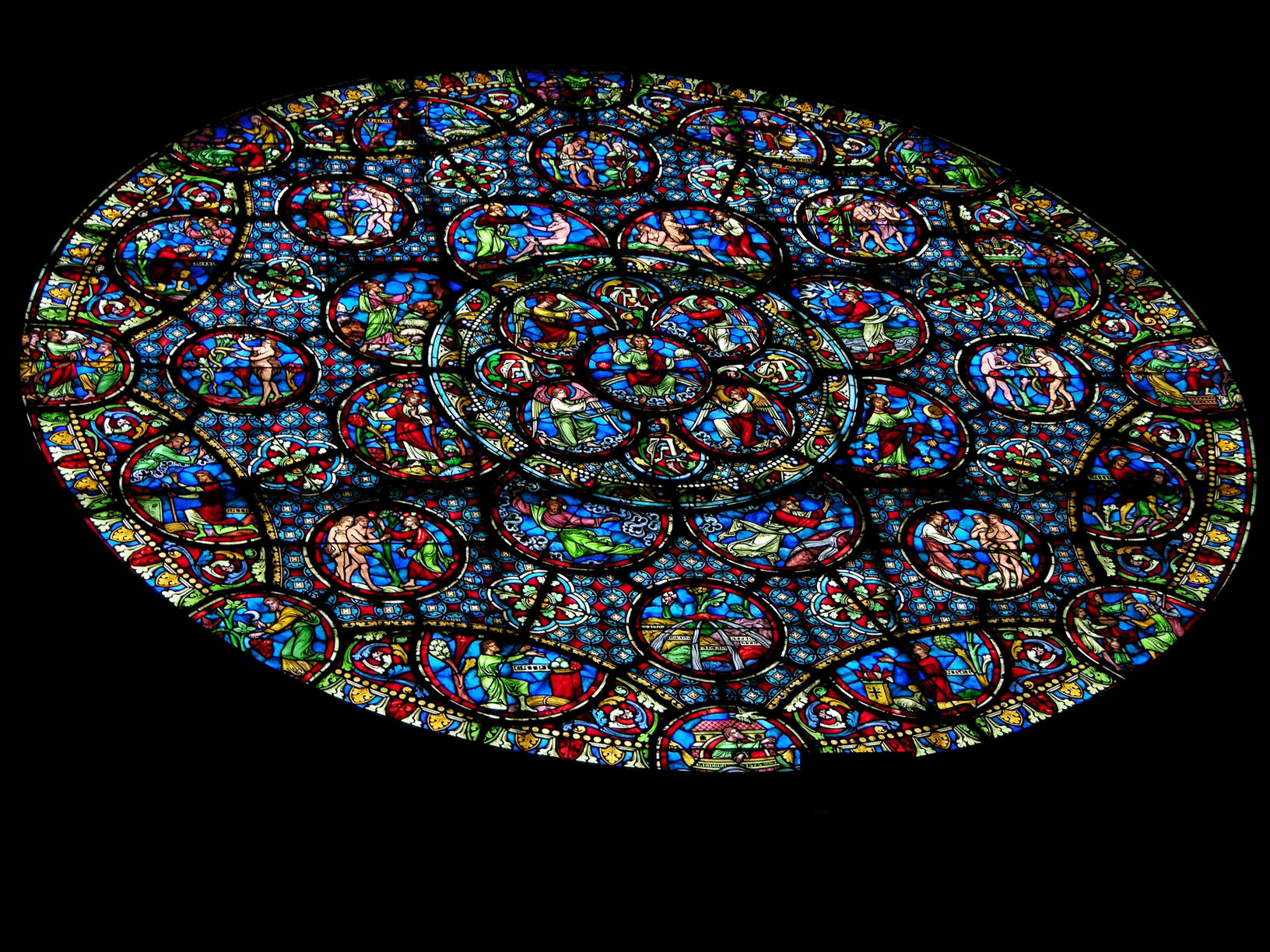
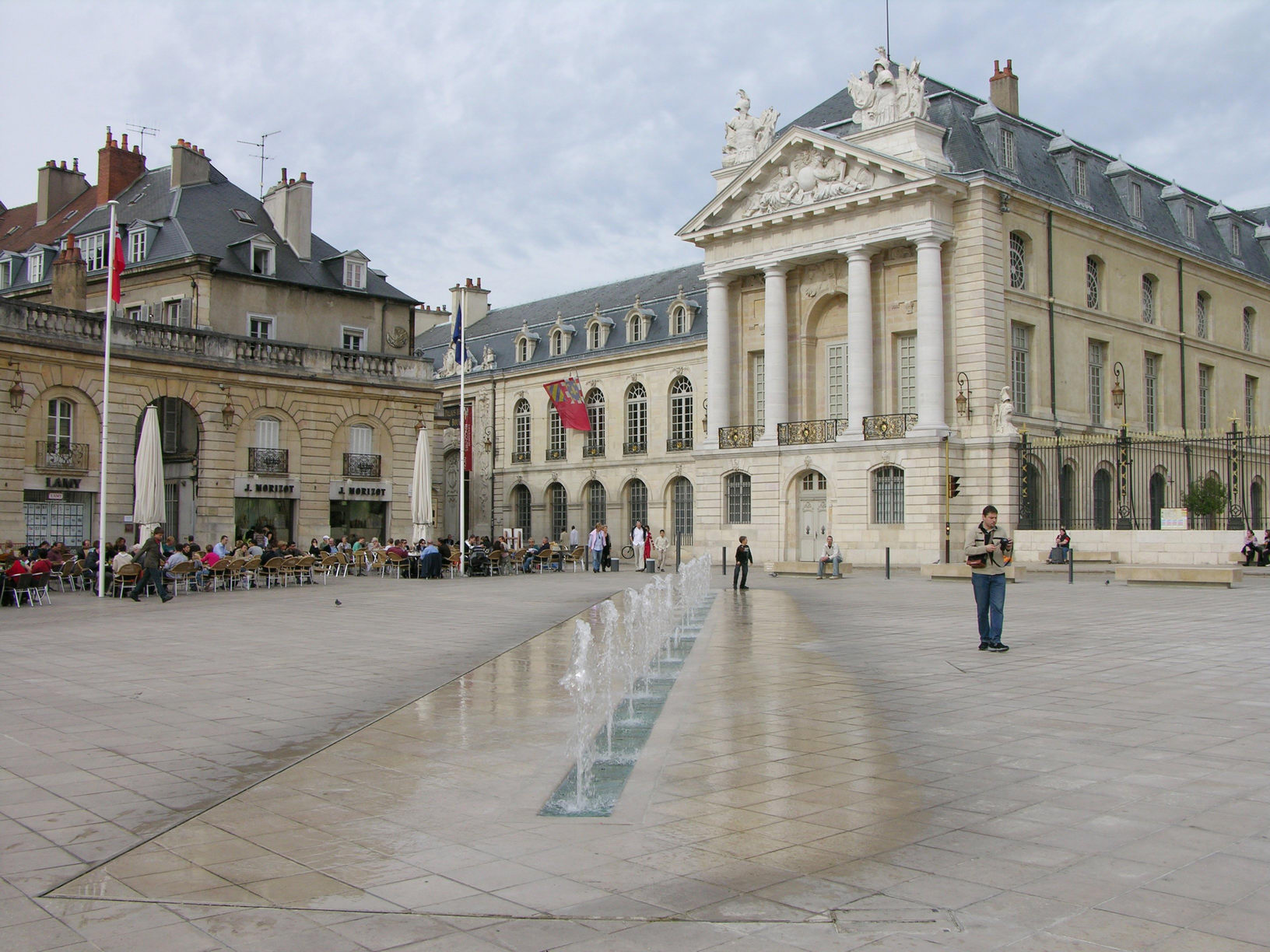
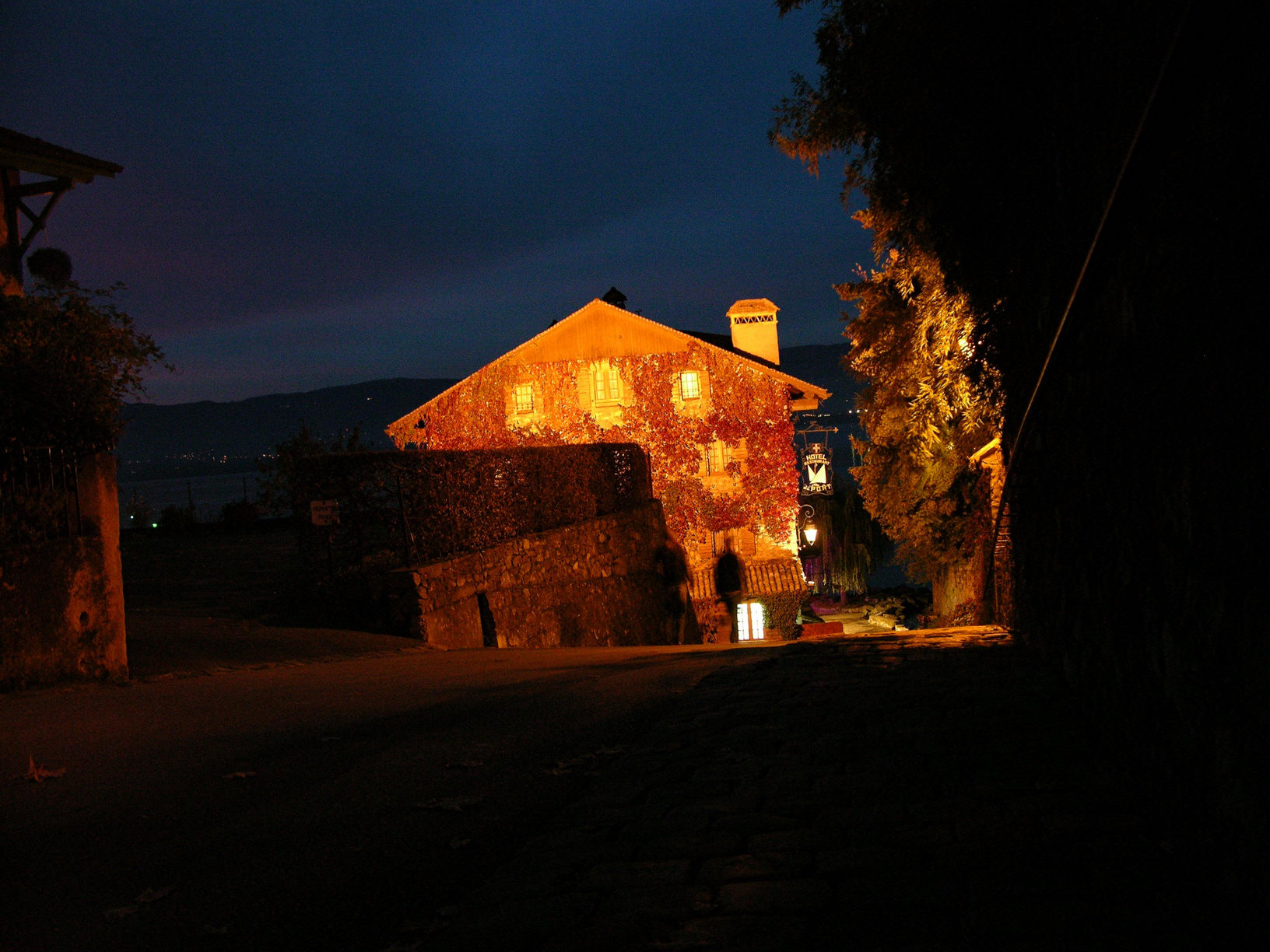
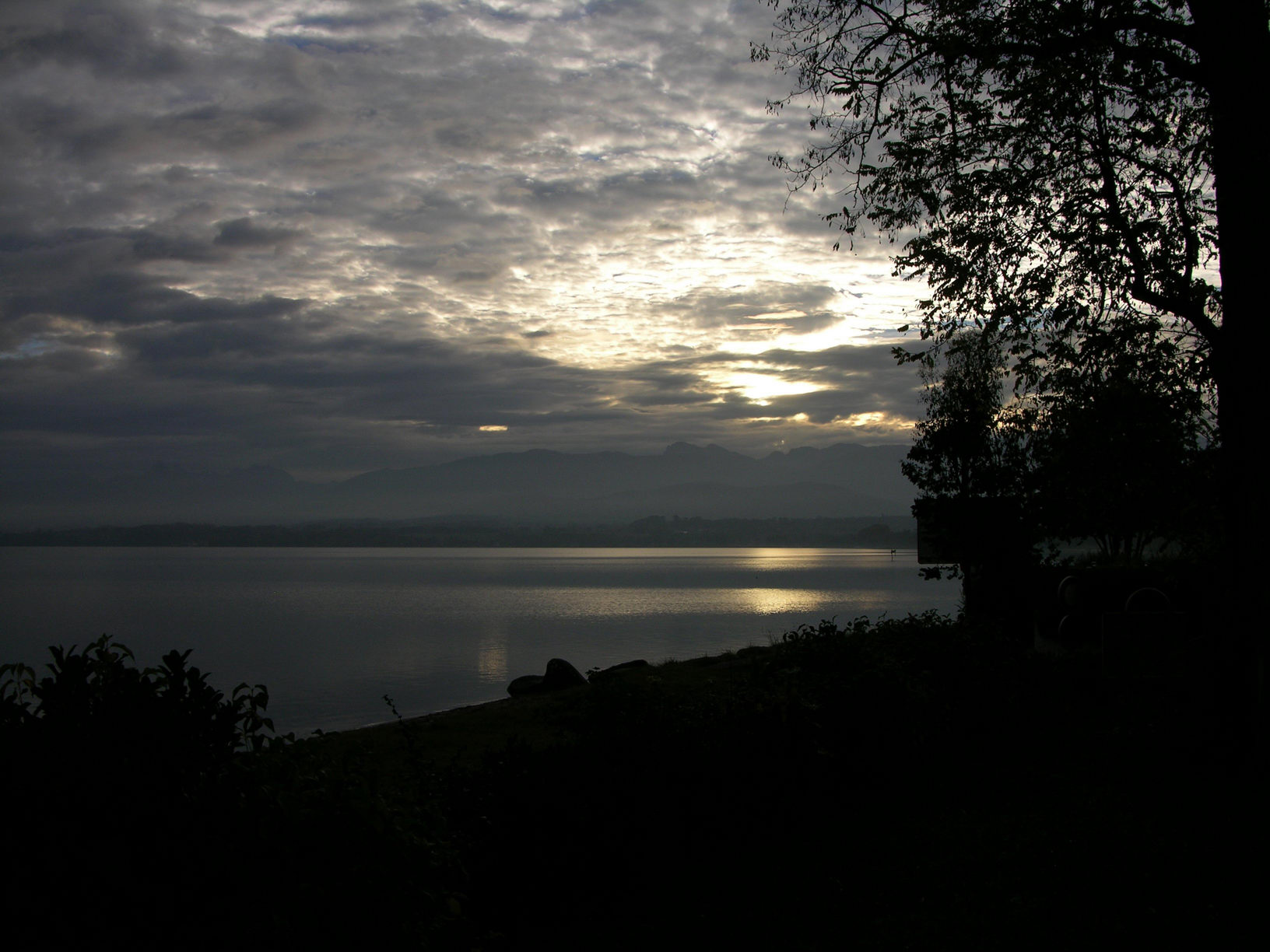
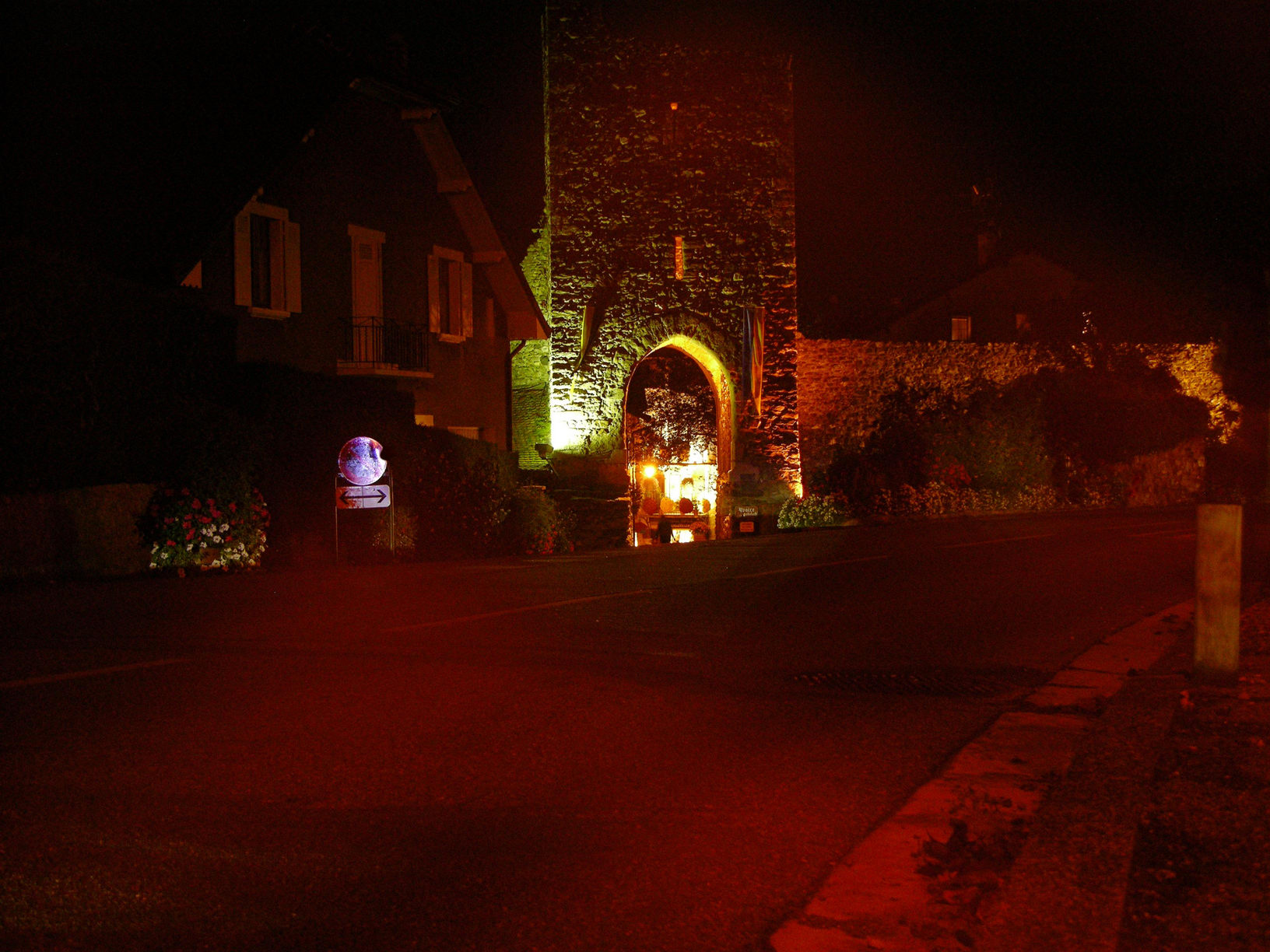
We stayed at a very cosy hotel with a view of the lake (46°21.085′N, 6°21.349′E).
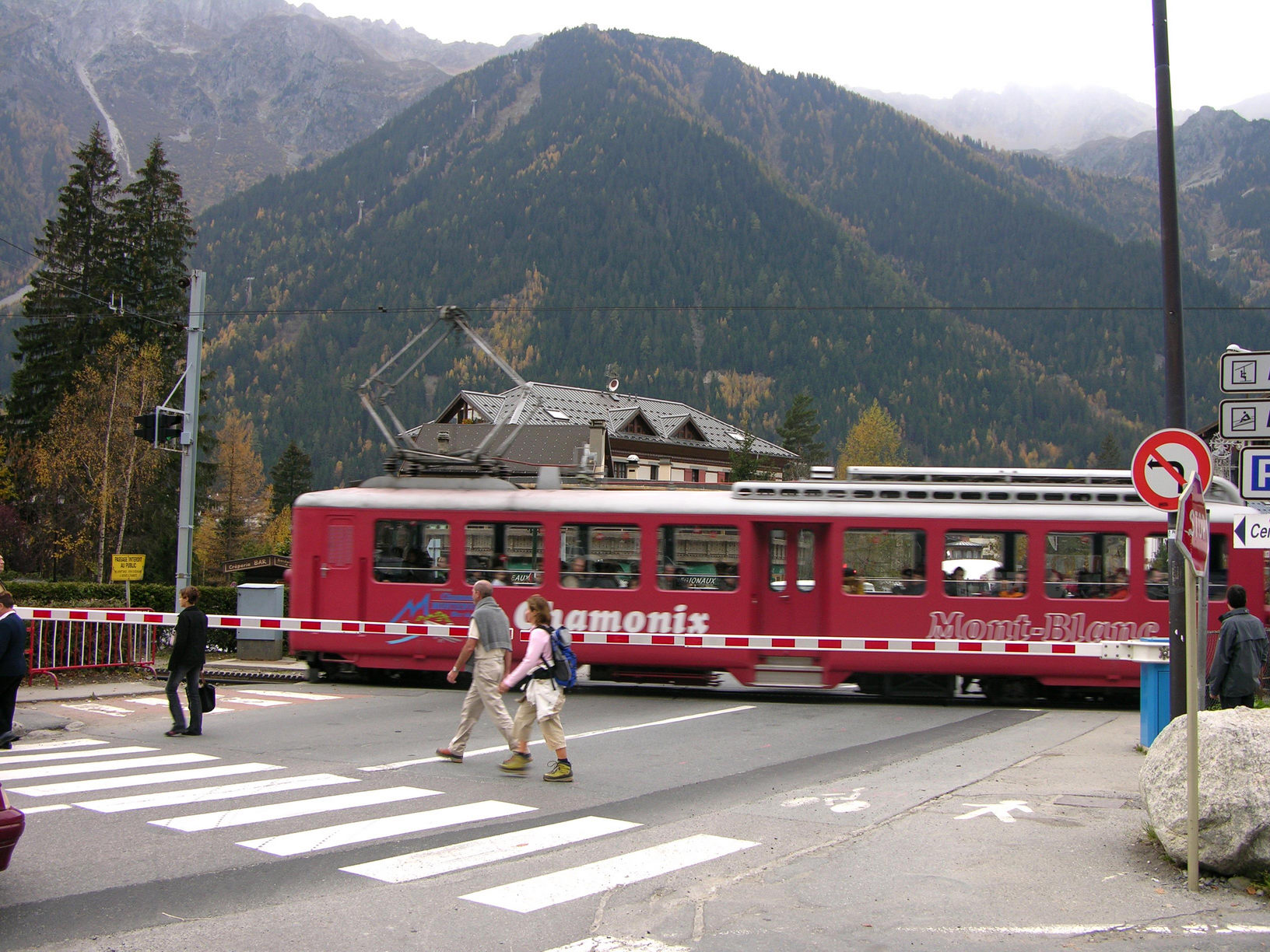
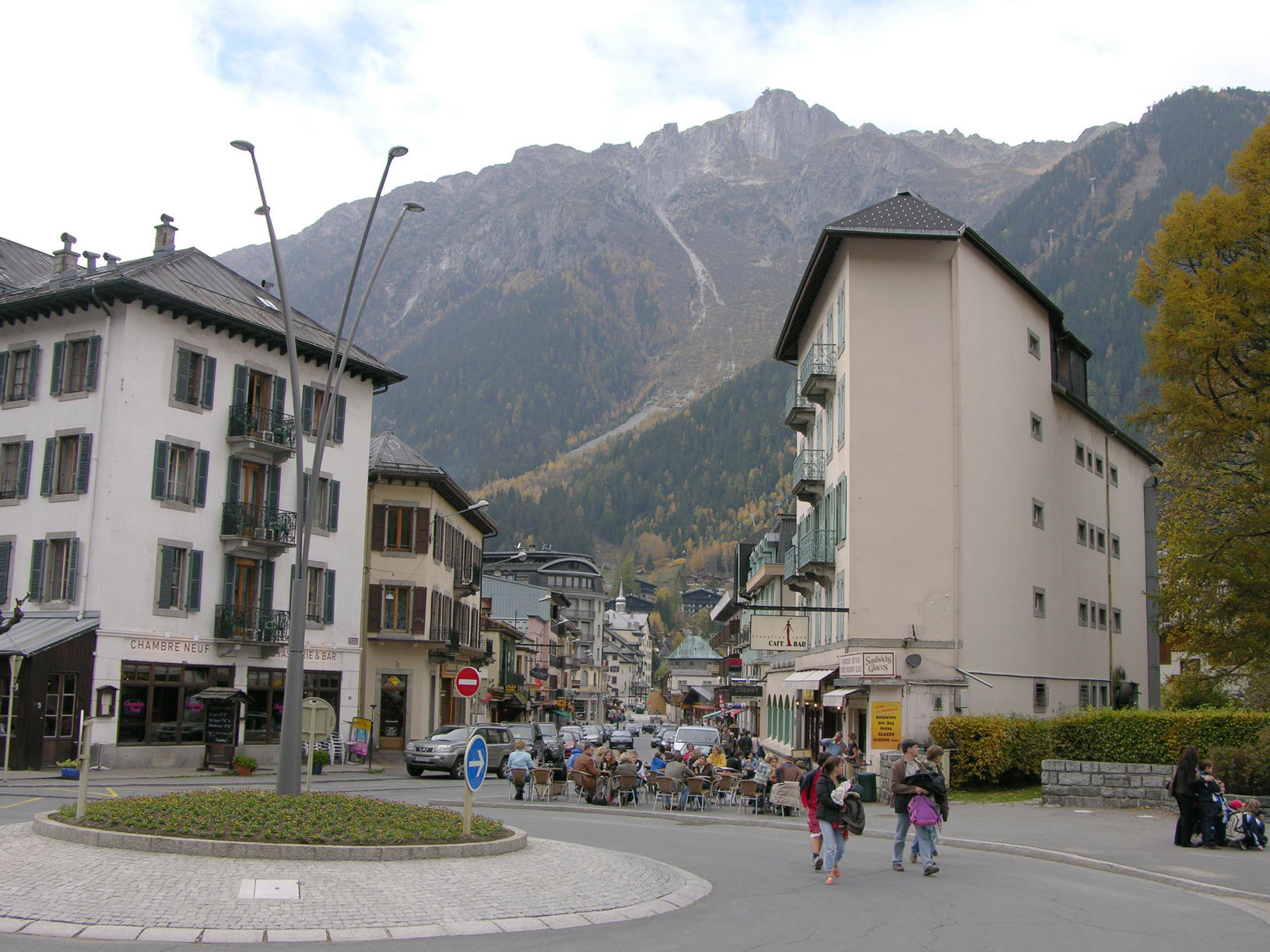
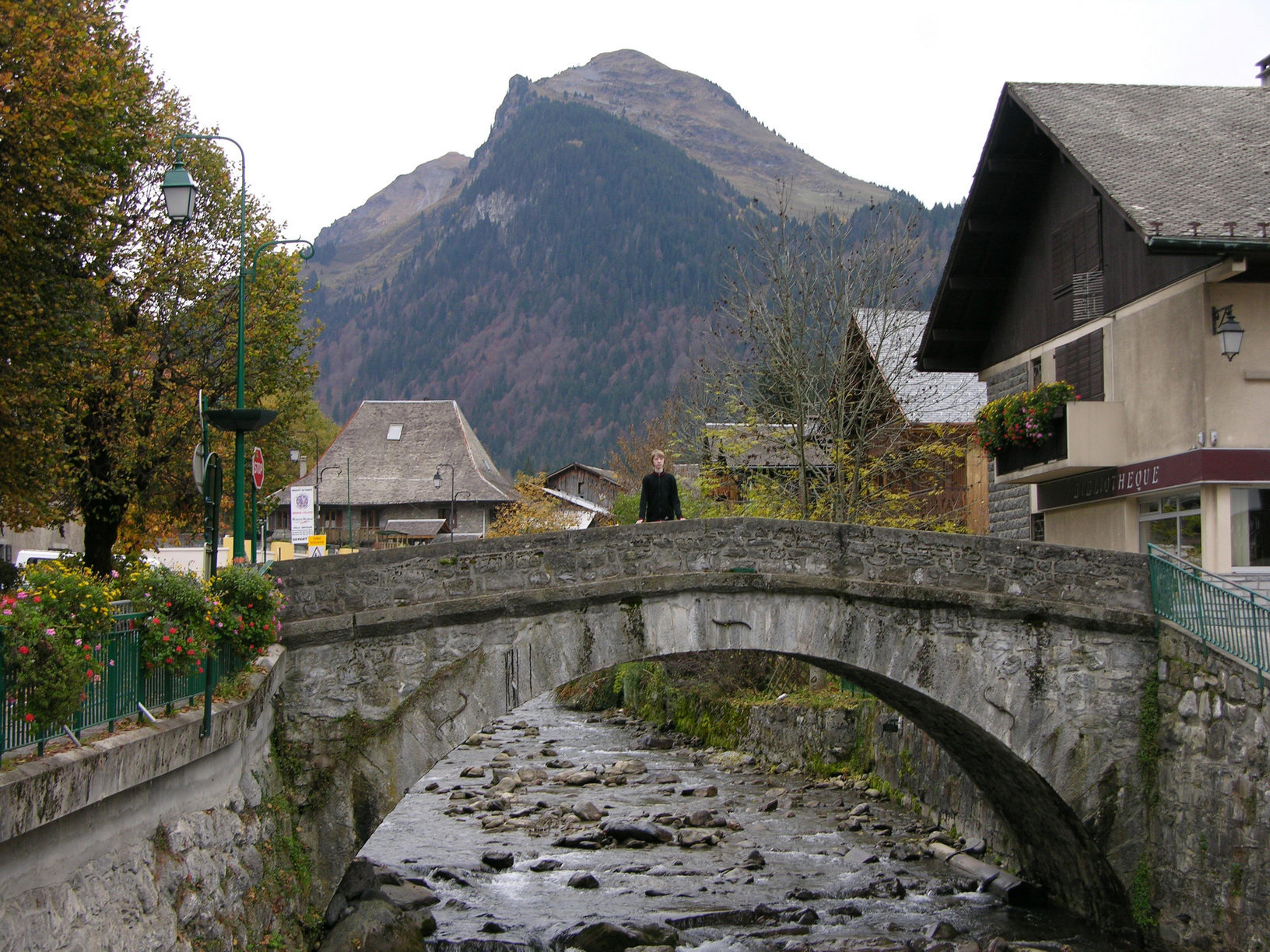
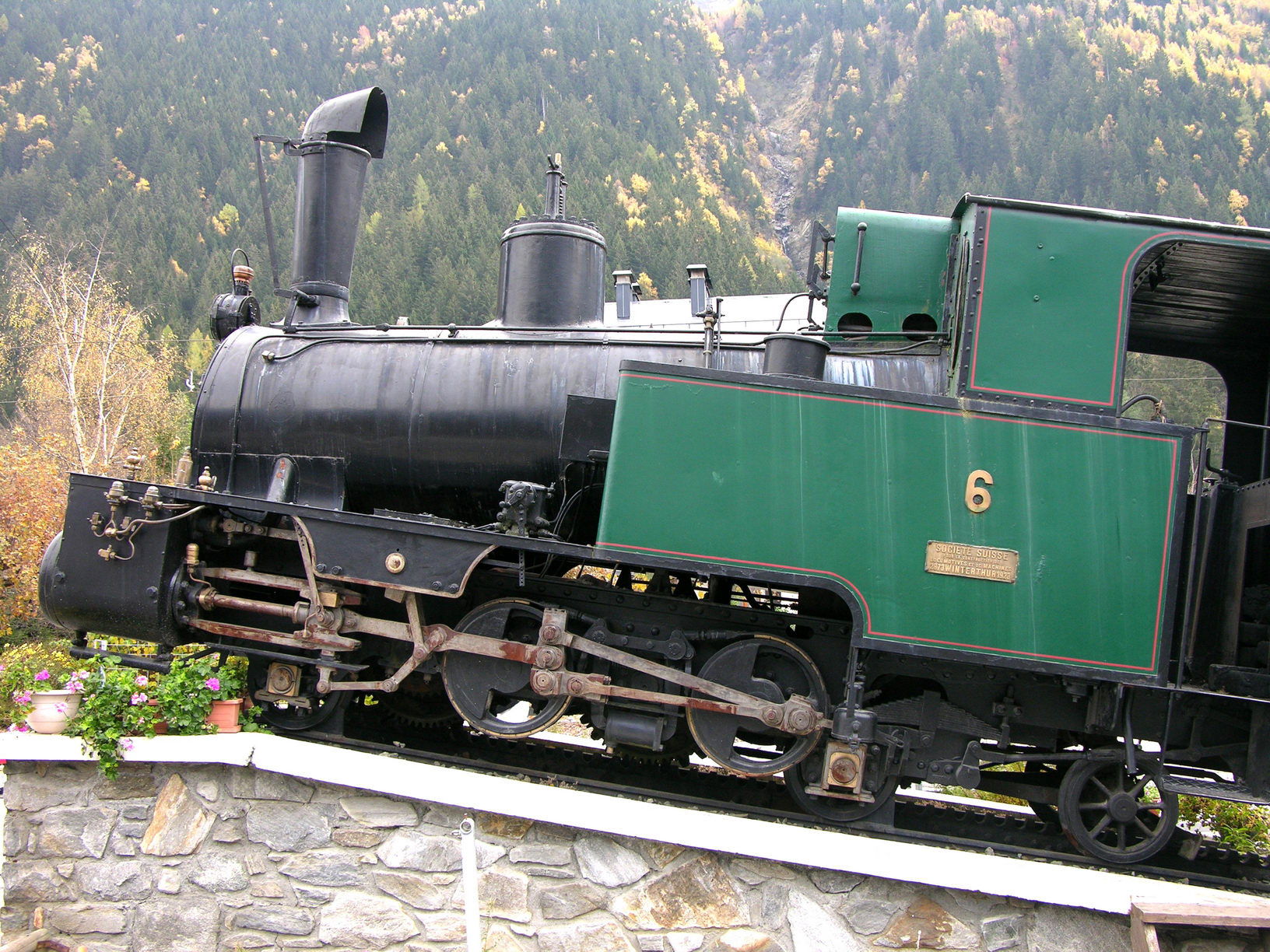
In the morning we drove into the French Alps, to Savoy and the town of Chamonix at the foot of the highest mountain in the Alps, Mont Blanc, then given as 4,810 metres. Elbrus, at 5,642 metres, is higher. Its place in Europe depends on where one draws the boundary, which is why Mont Blanc has often had the European title to itself.
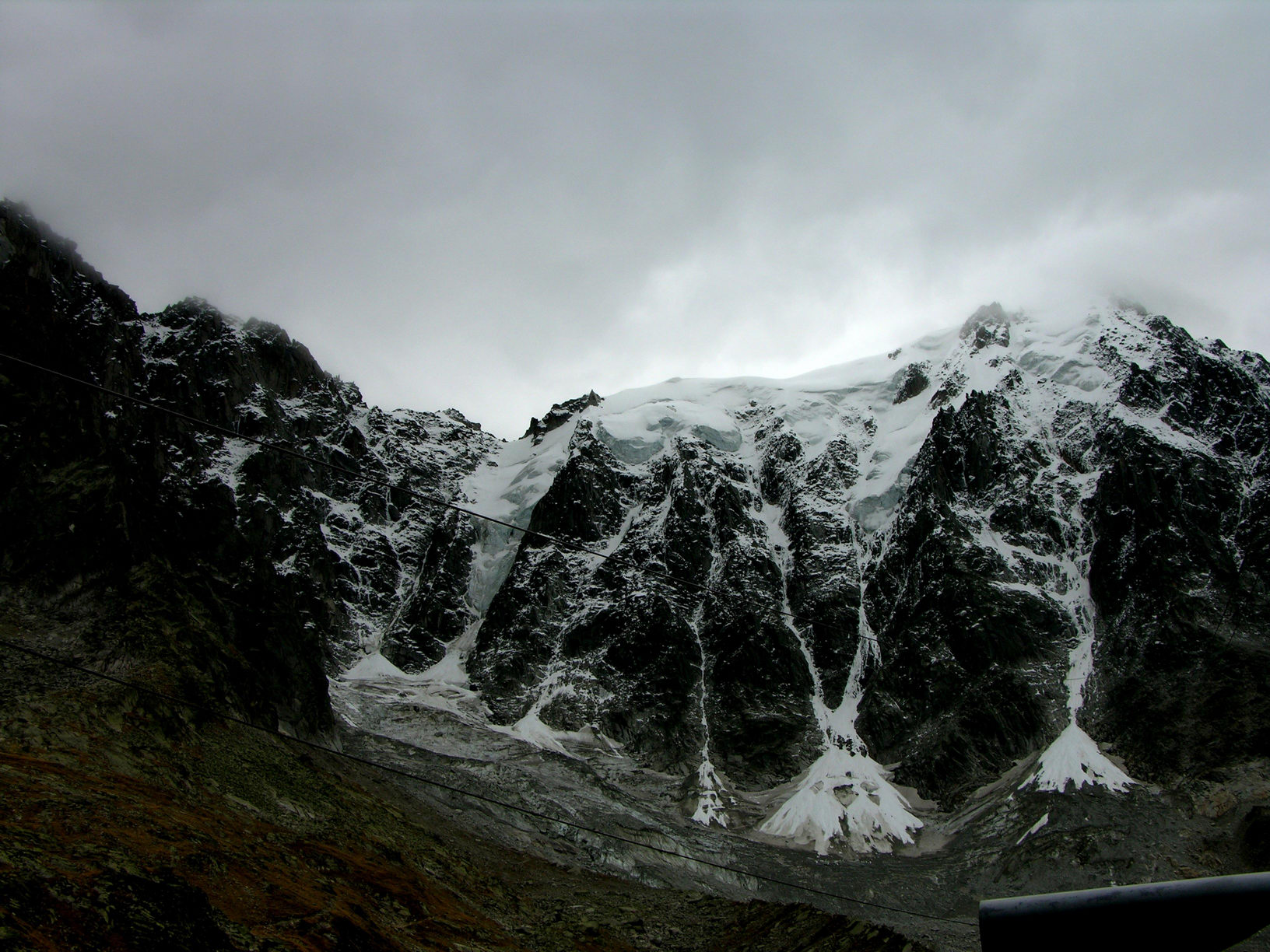
You can get up to 3,842 metres on the cable car. They’ve put in walkways, viewing platforms, tunnels through the ice, cafés and even a mobile phone base station.
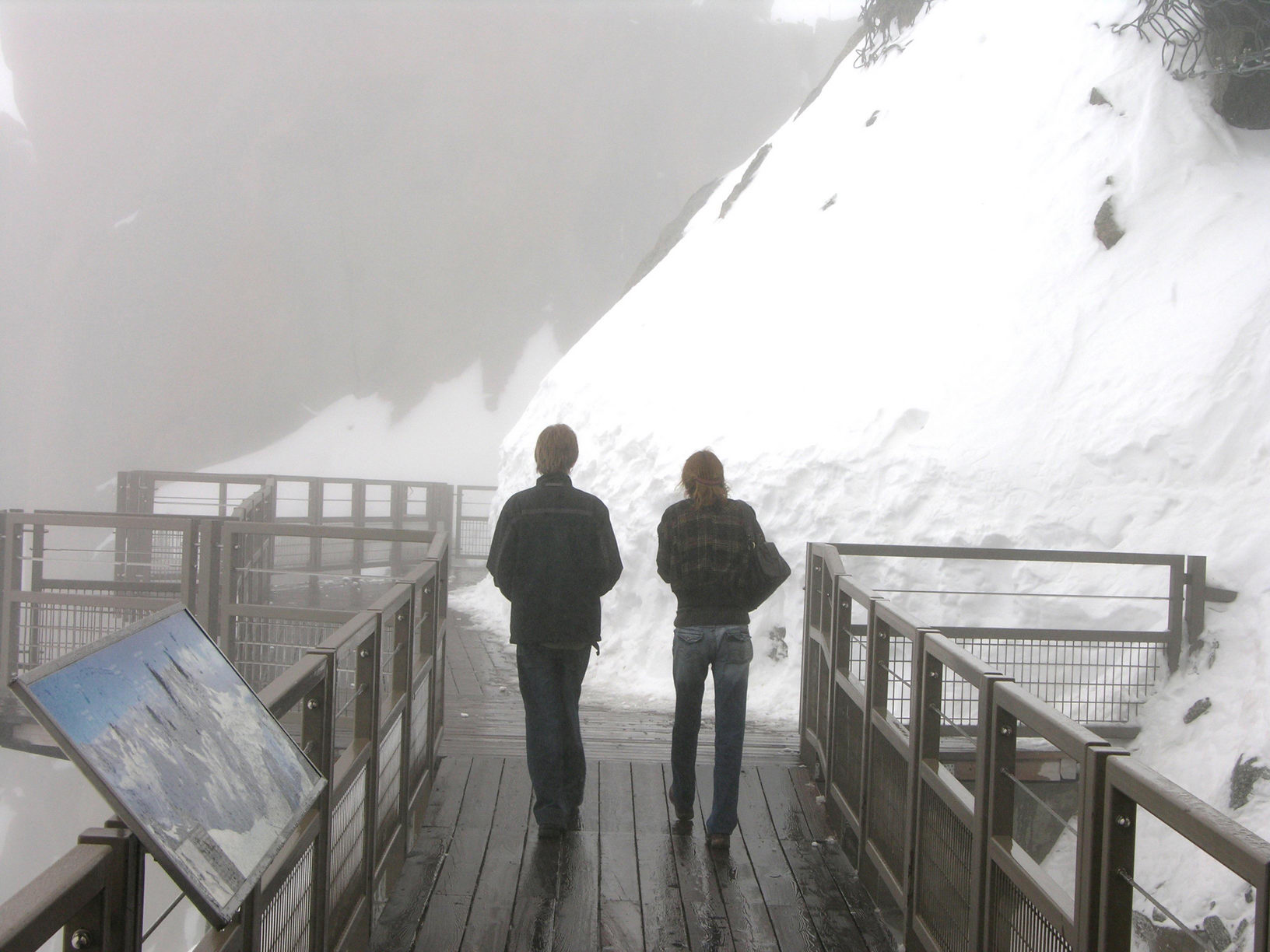
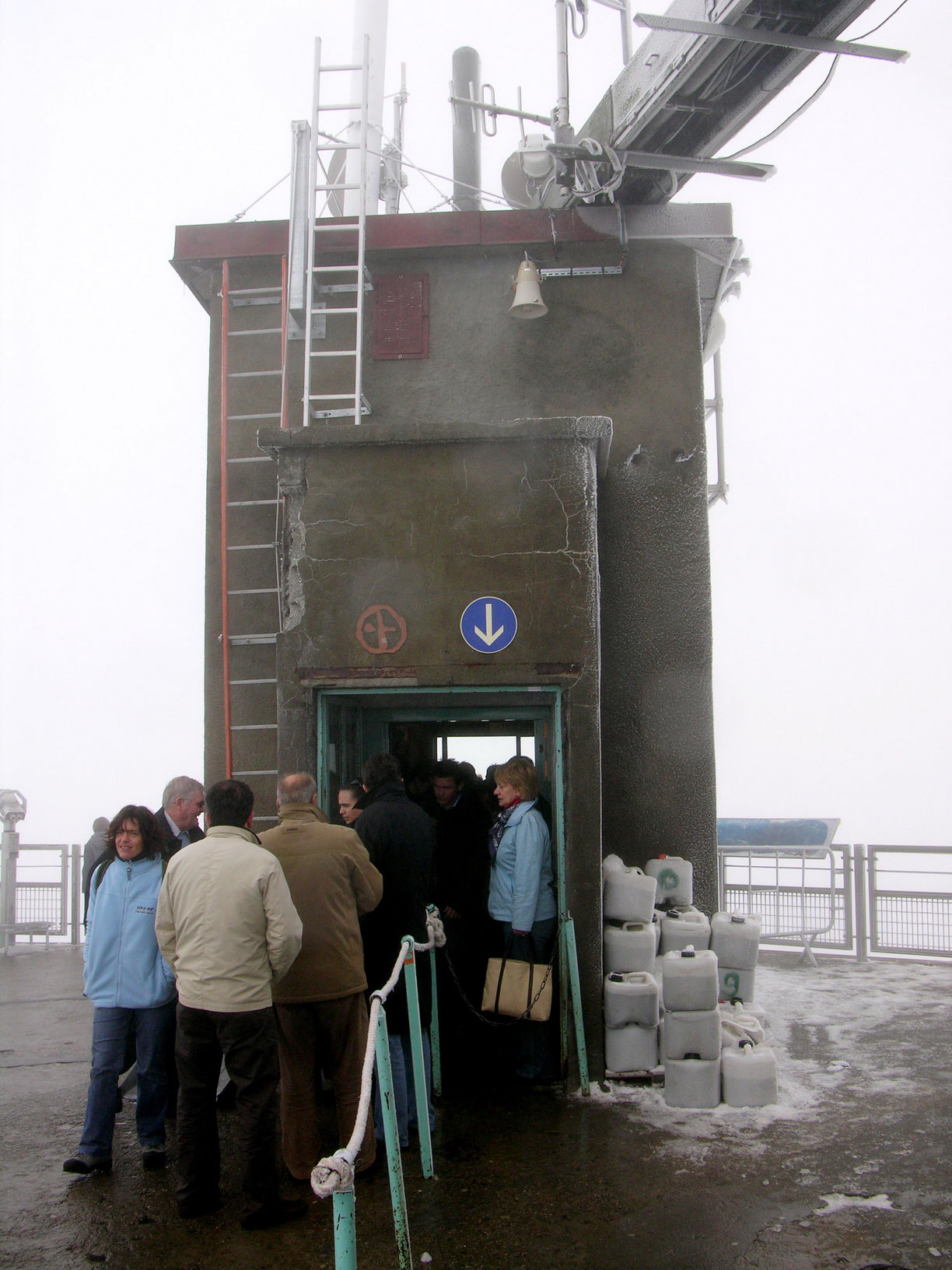
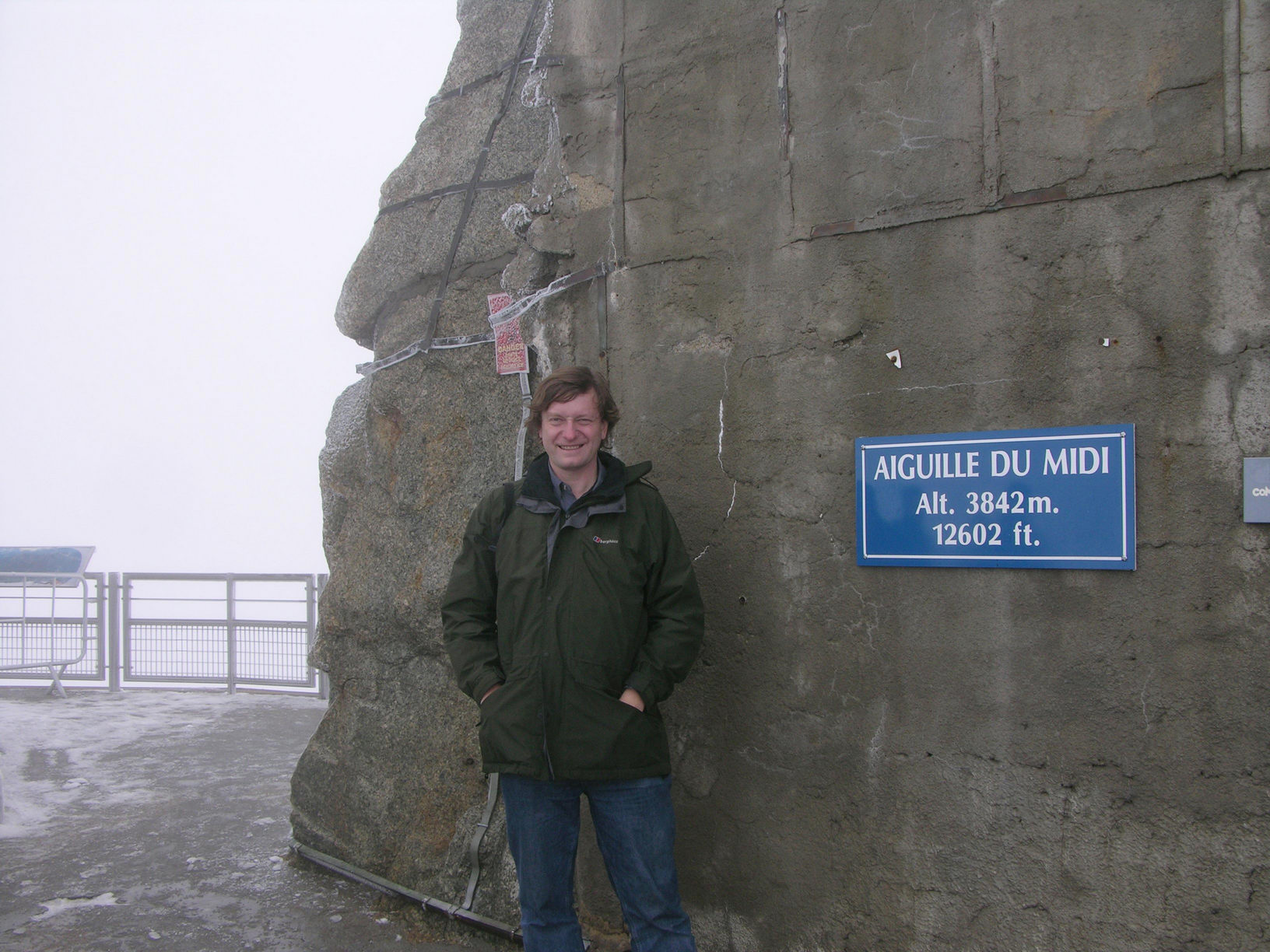
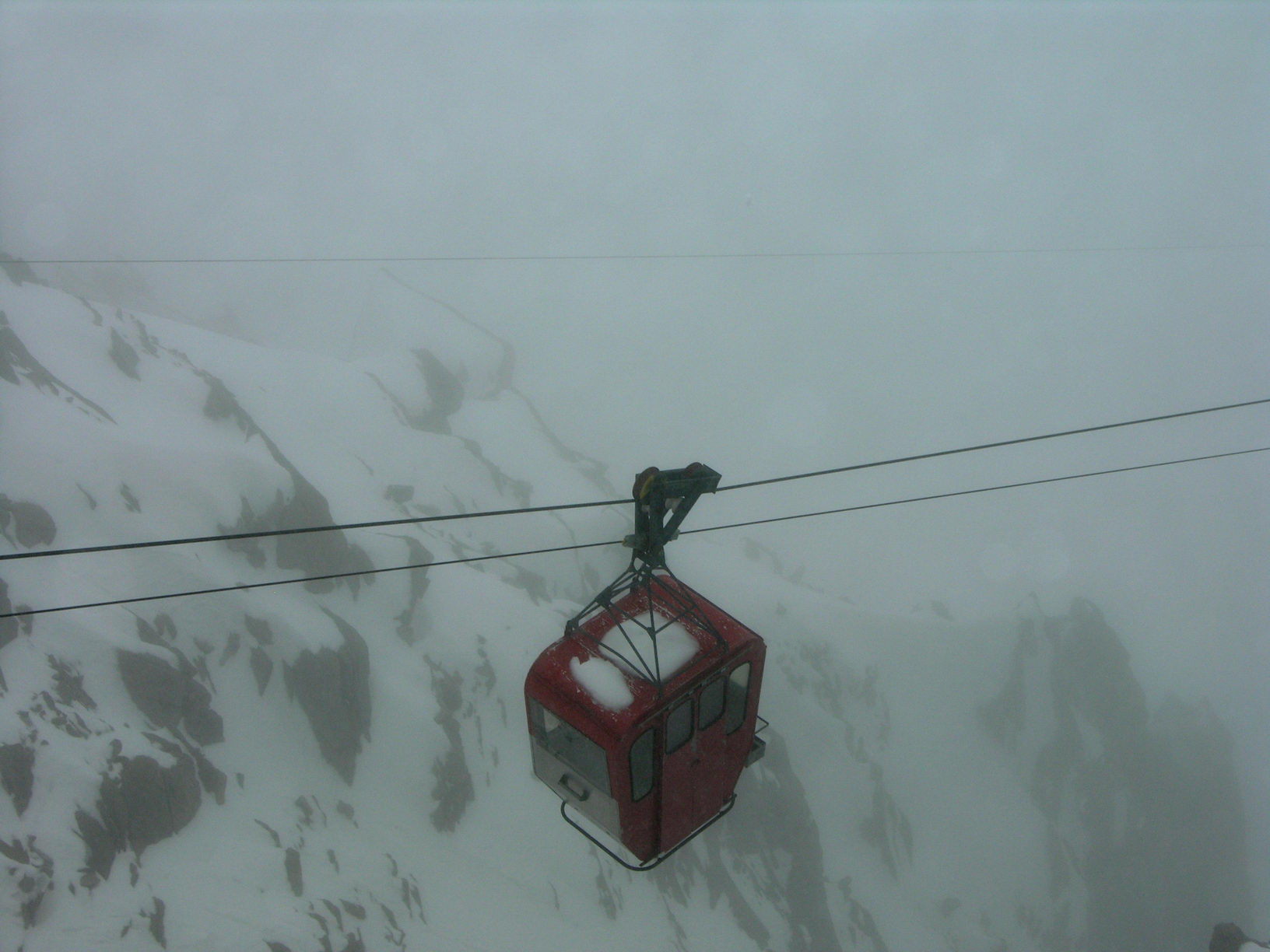
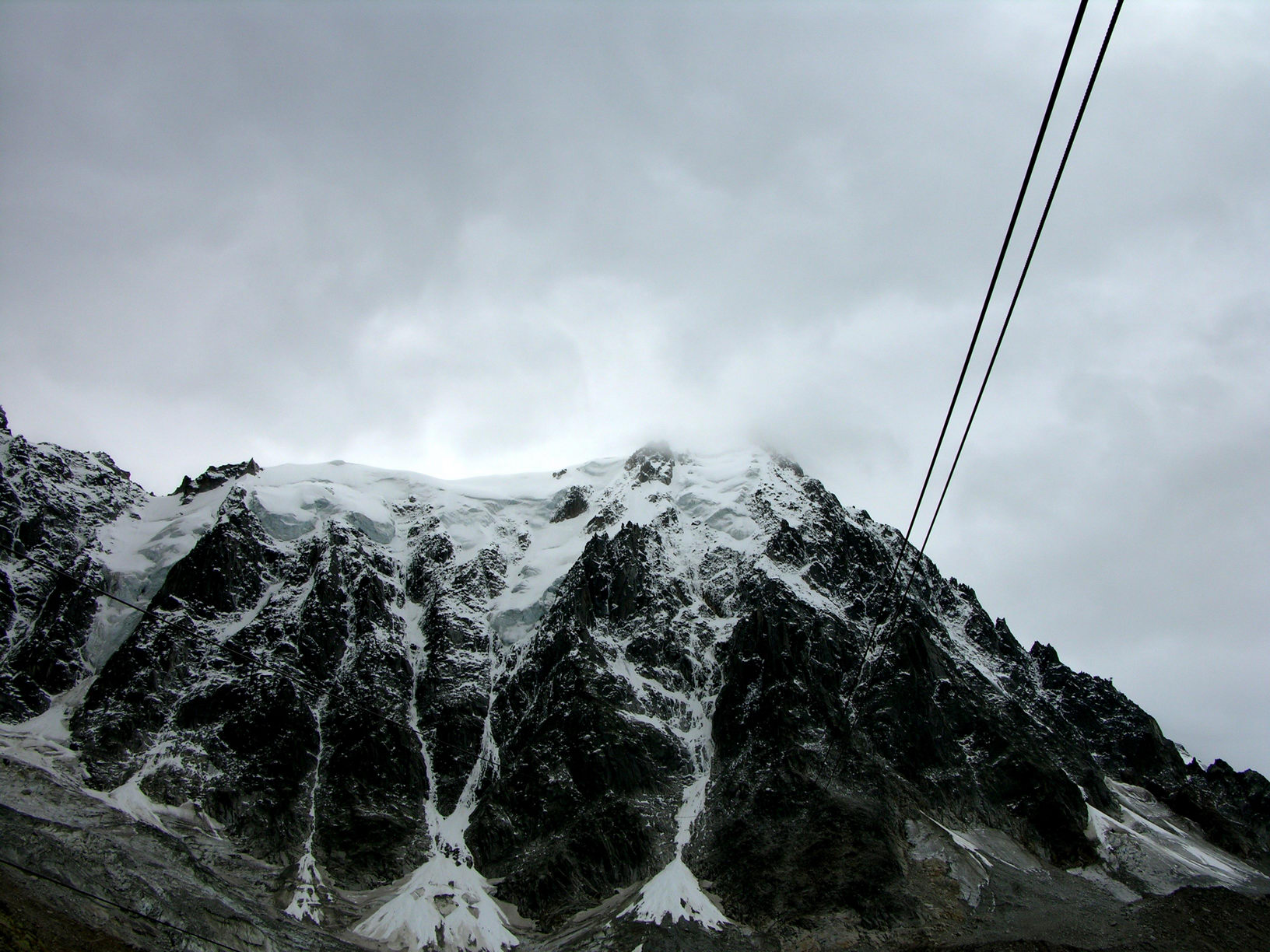
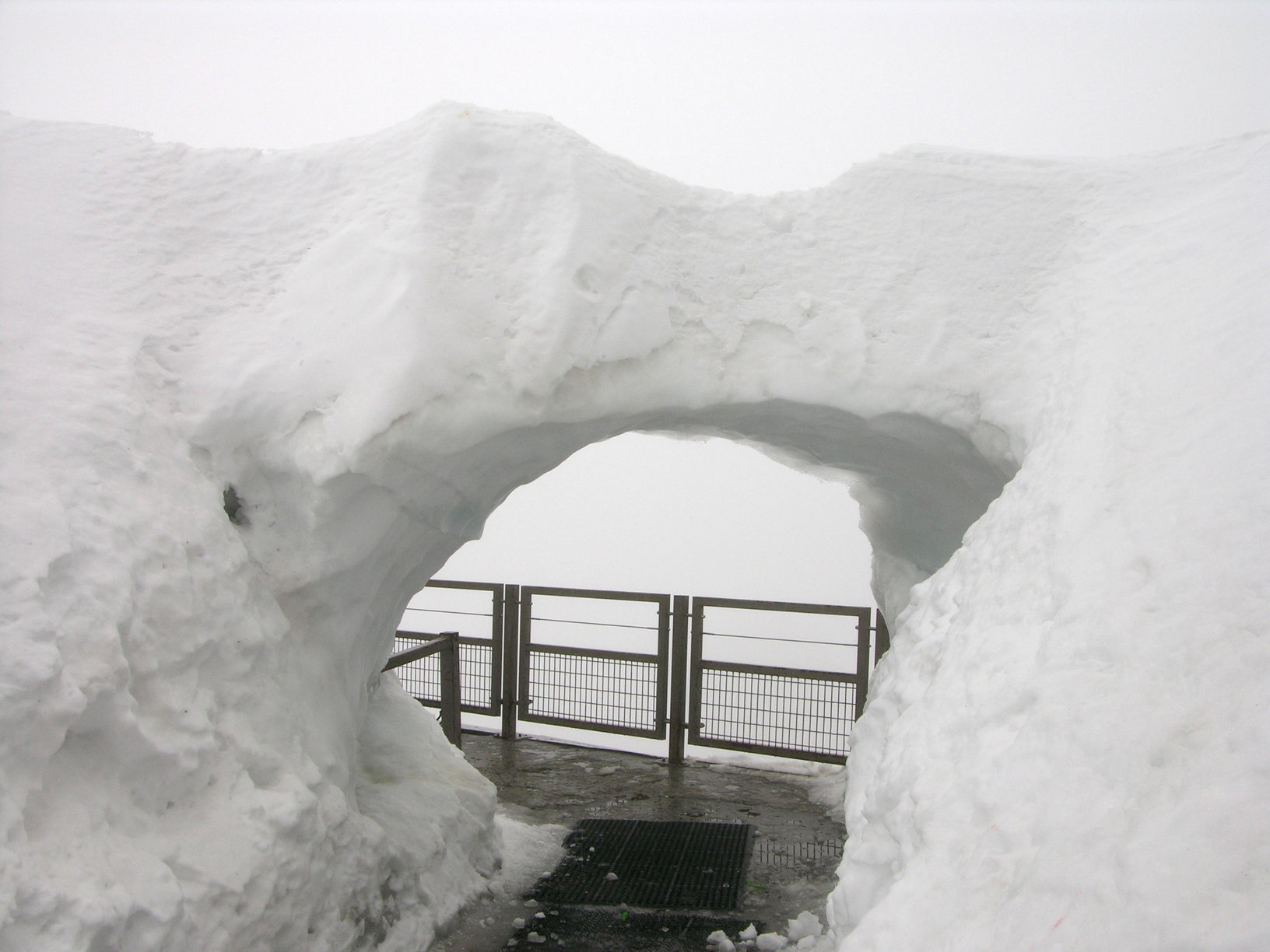
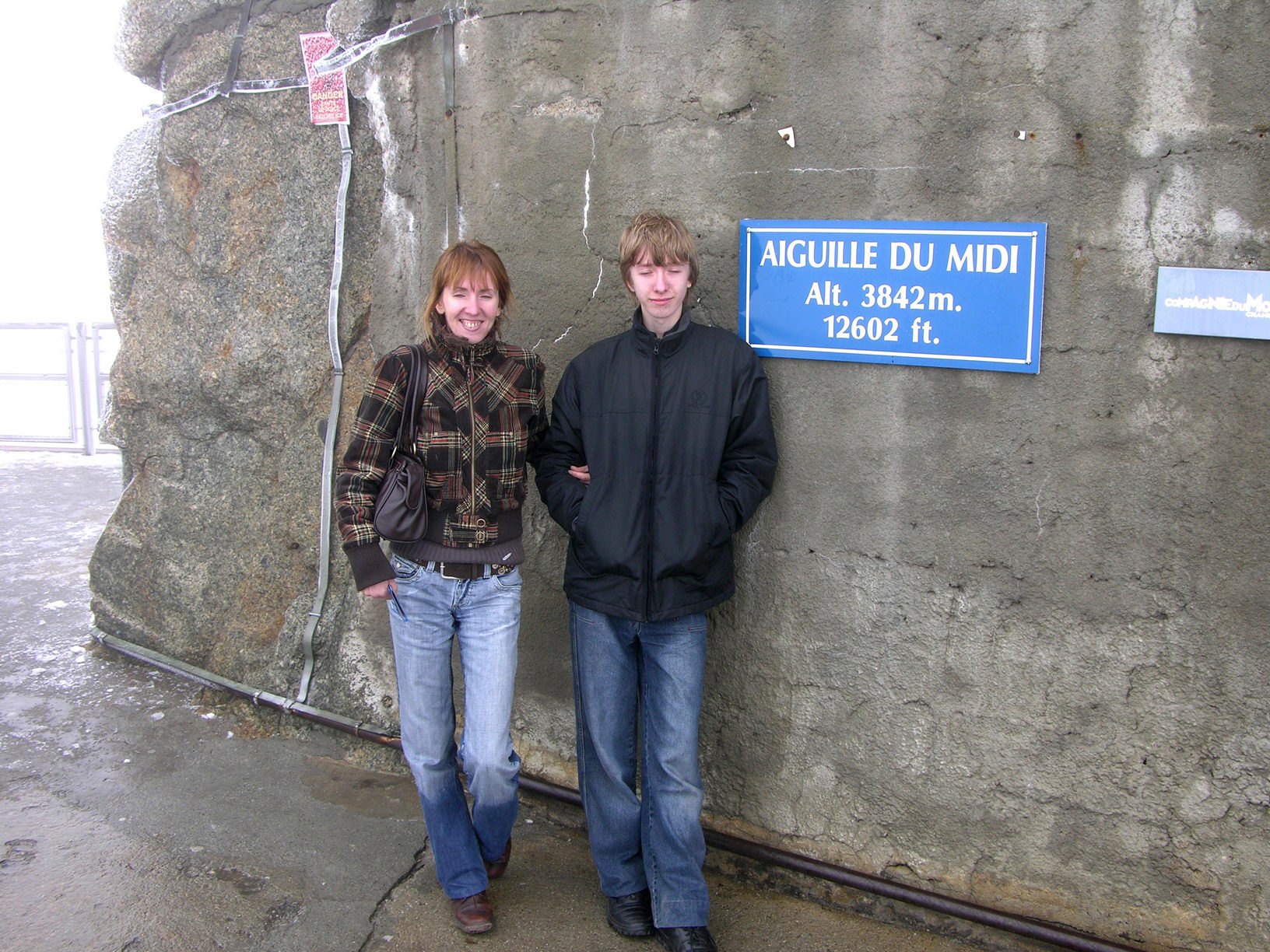
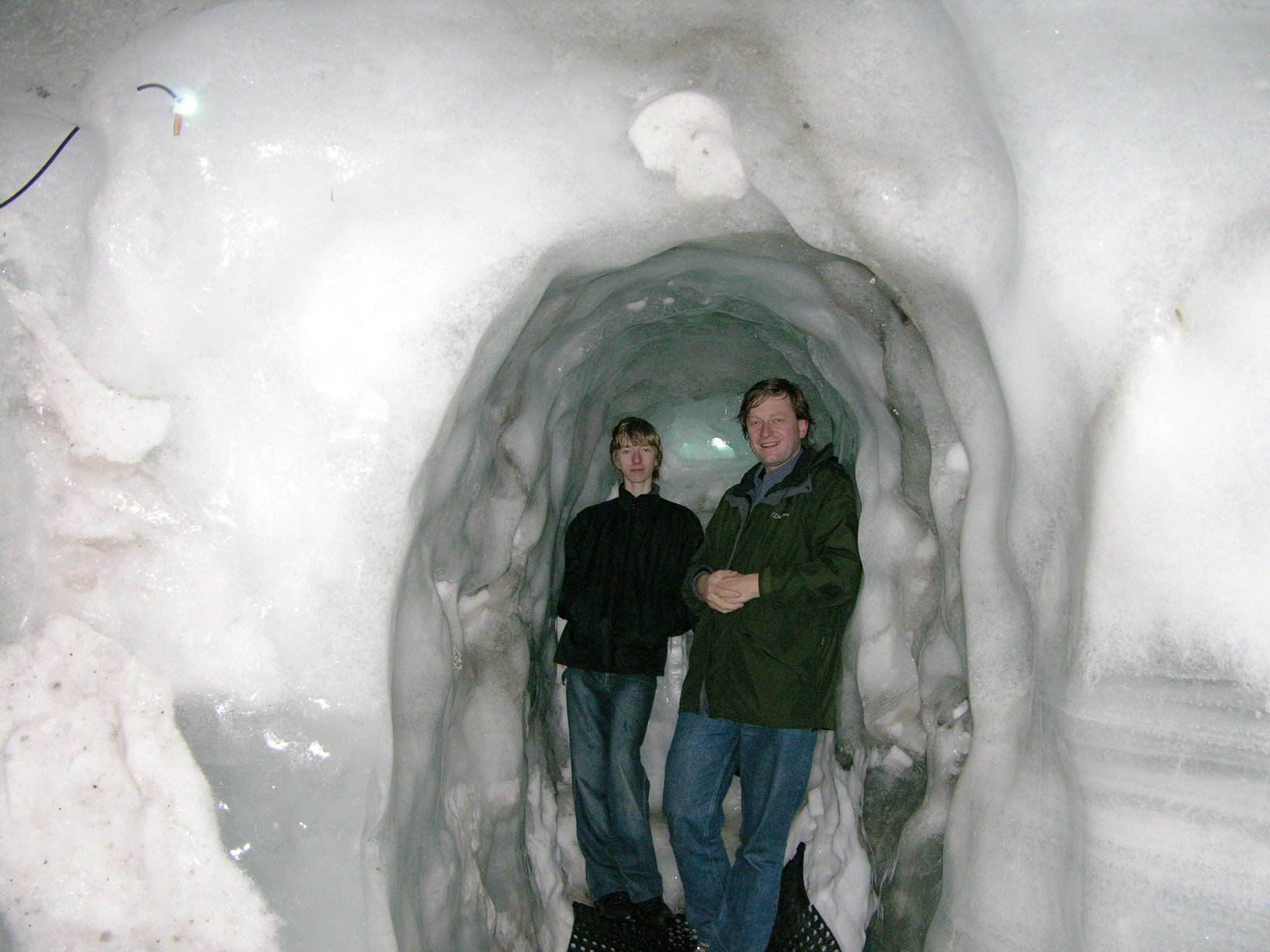
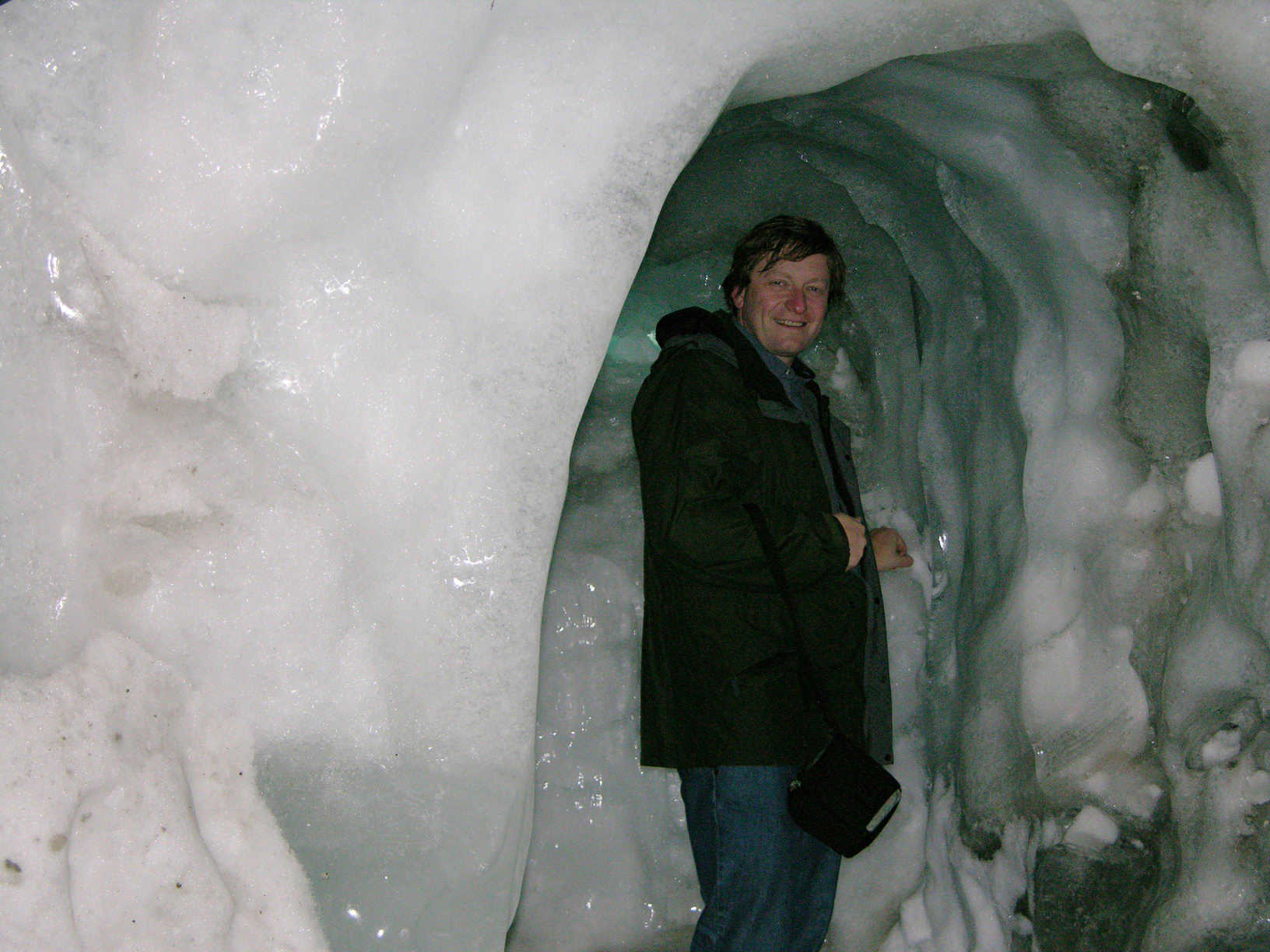
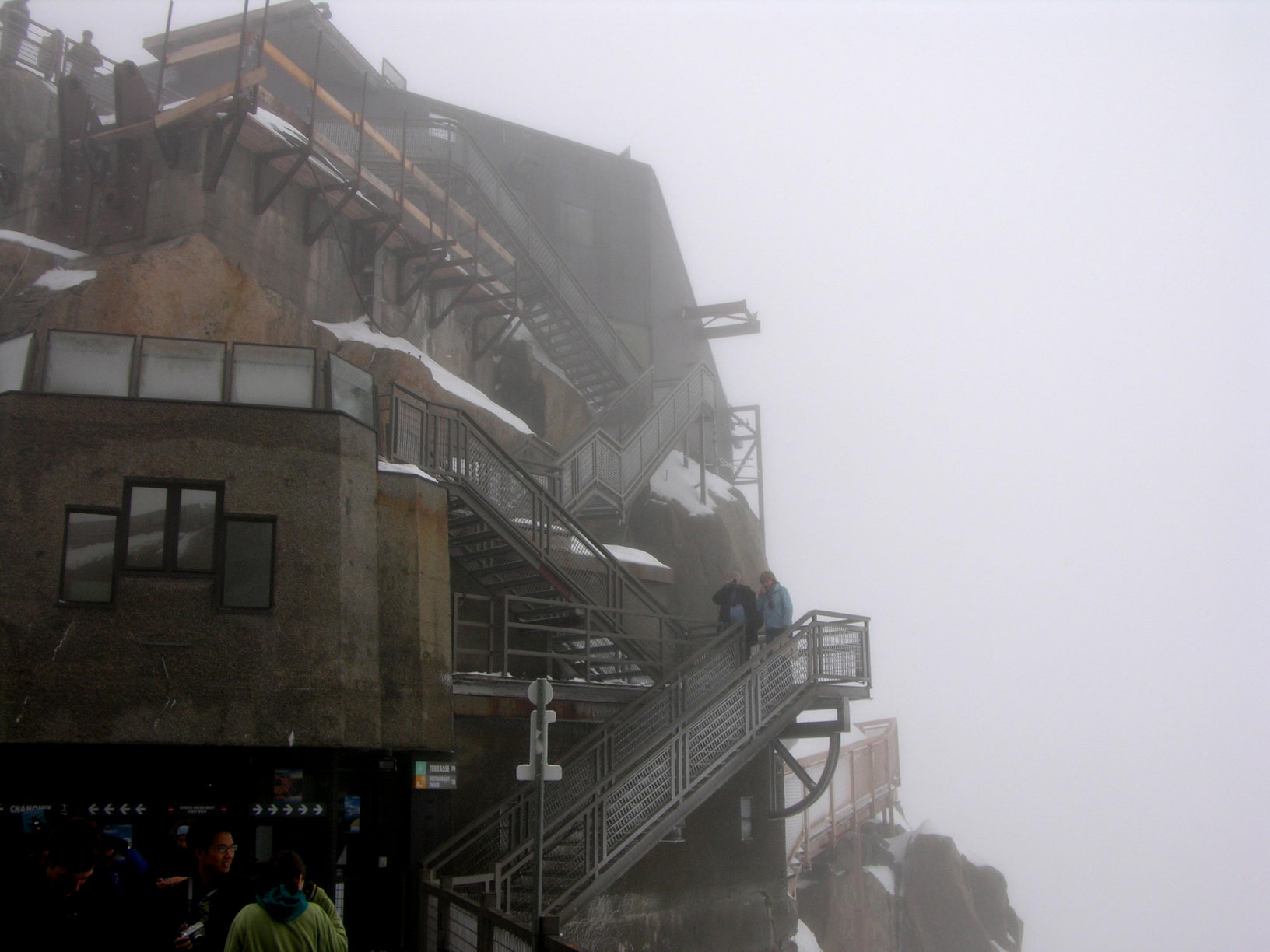
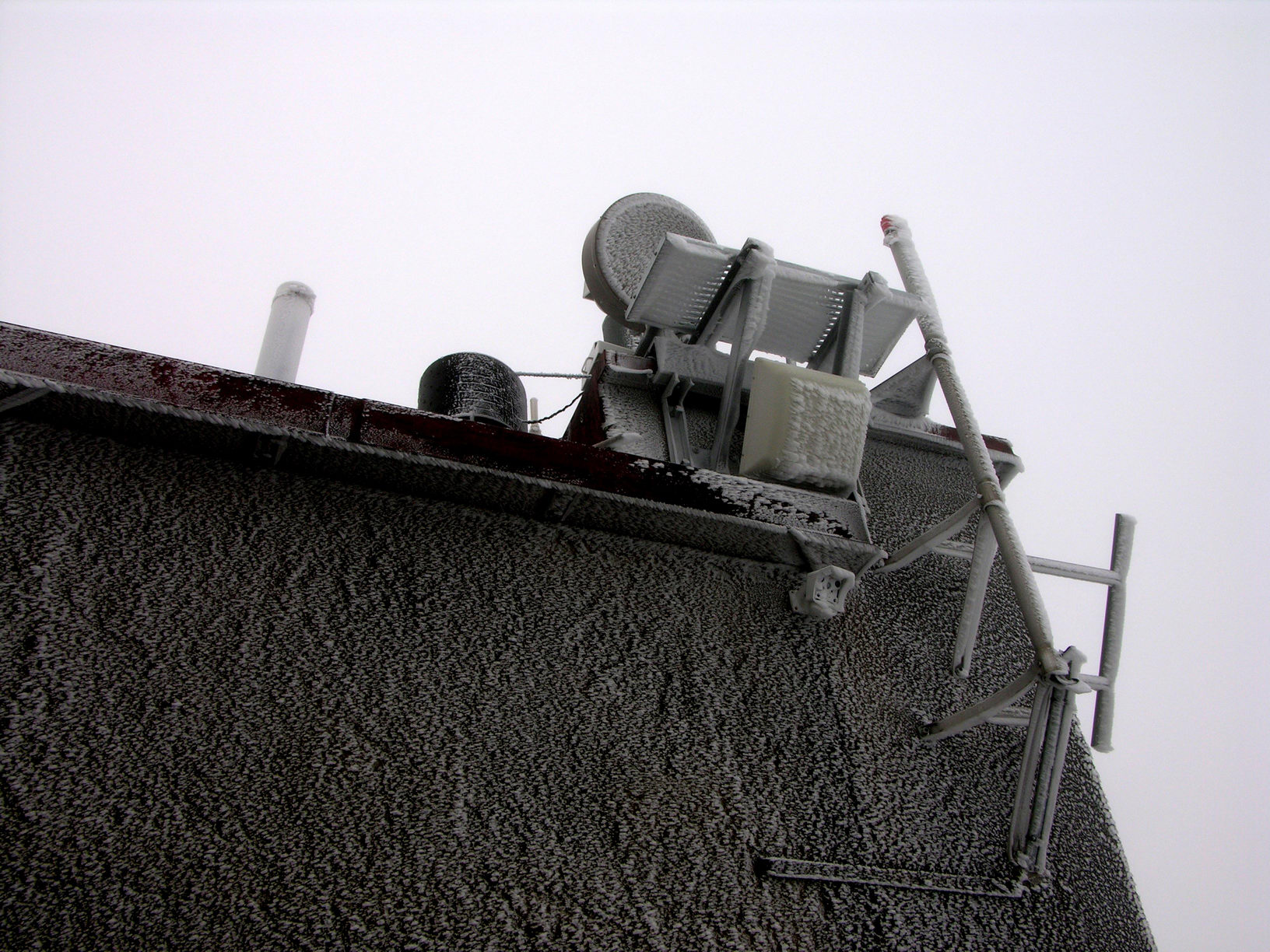
A door there opens onto the high-mountain route towards the summit. There’s a little under a kilometre of difference between the two elevations, though the actual route involves more climbing. Even on a foggy November day there were plenty of people eager to try, with crampons and ice axes. We gave it a miss. The boy had his whole life ahead of him.
Chamonix itself is a sweet little resort town. Sleeping there is expensive, and we wanted to drive a little farther. Before long we reached the pass of Saint Bernard. In the old stories the dogs of the same name dig daring travellers and smugglers out of the snow, a little barrel of brandy round their necks. A year-round road makes things simpler now. The dog has a monument.
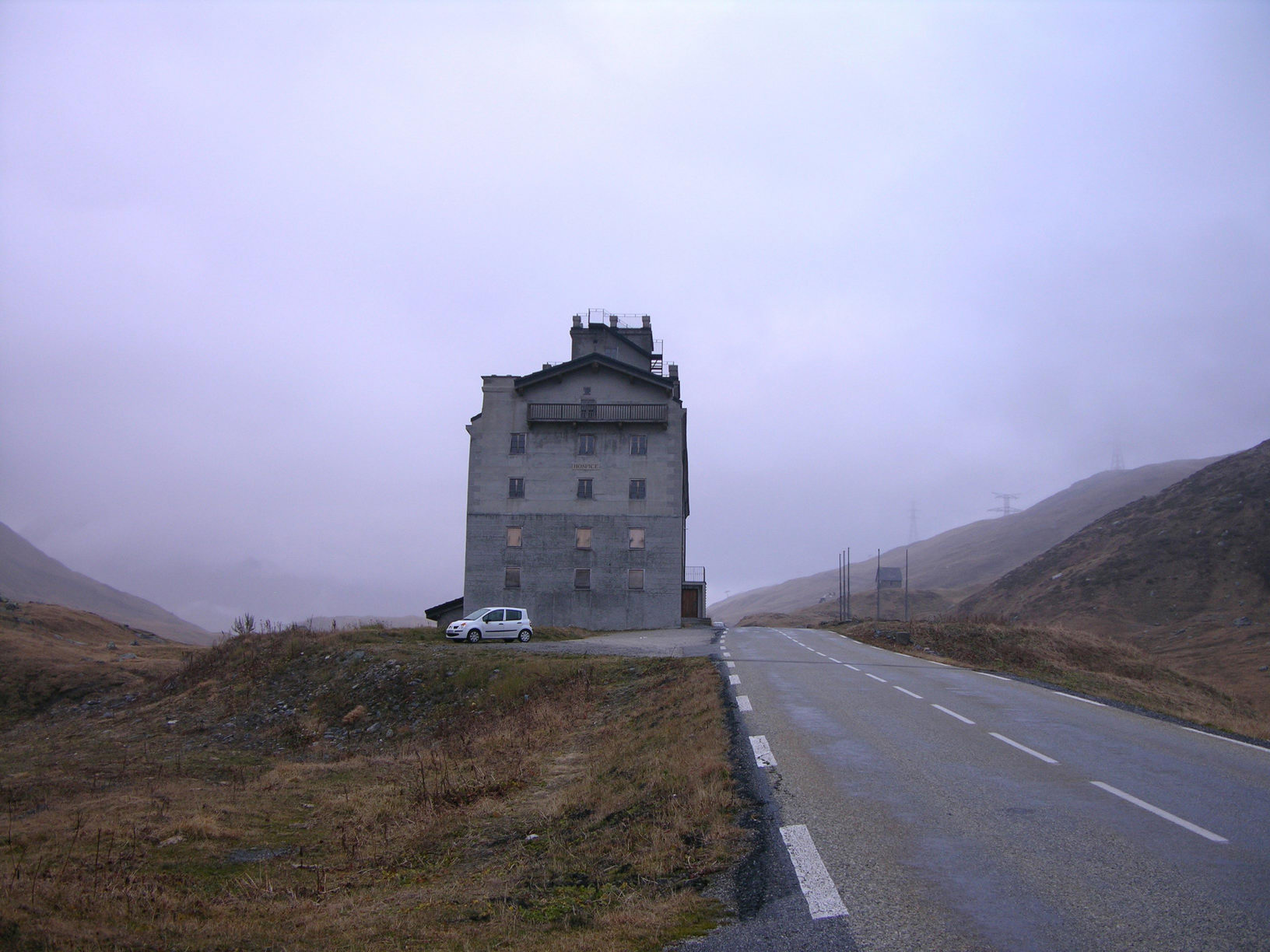
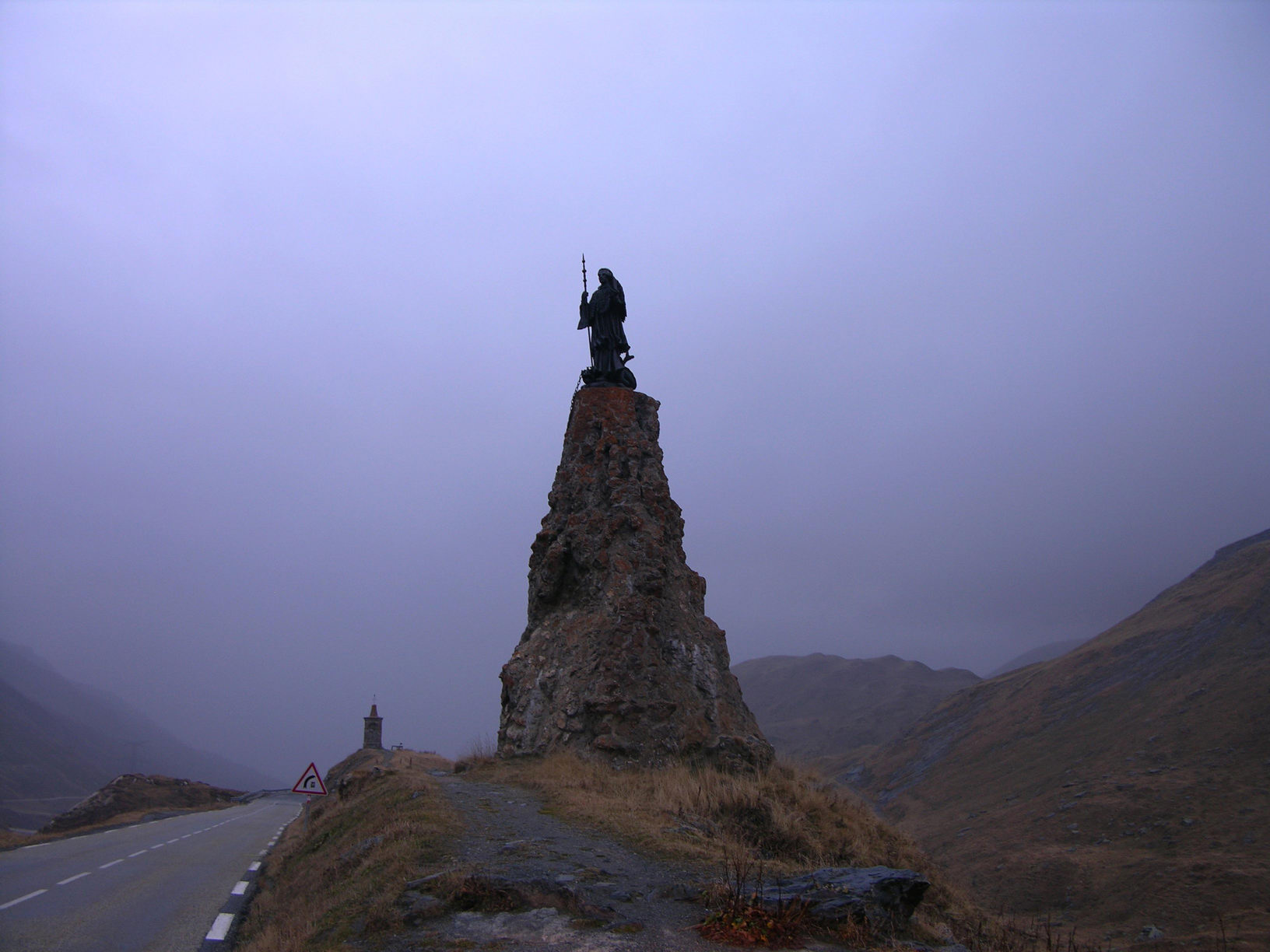
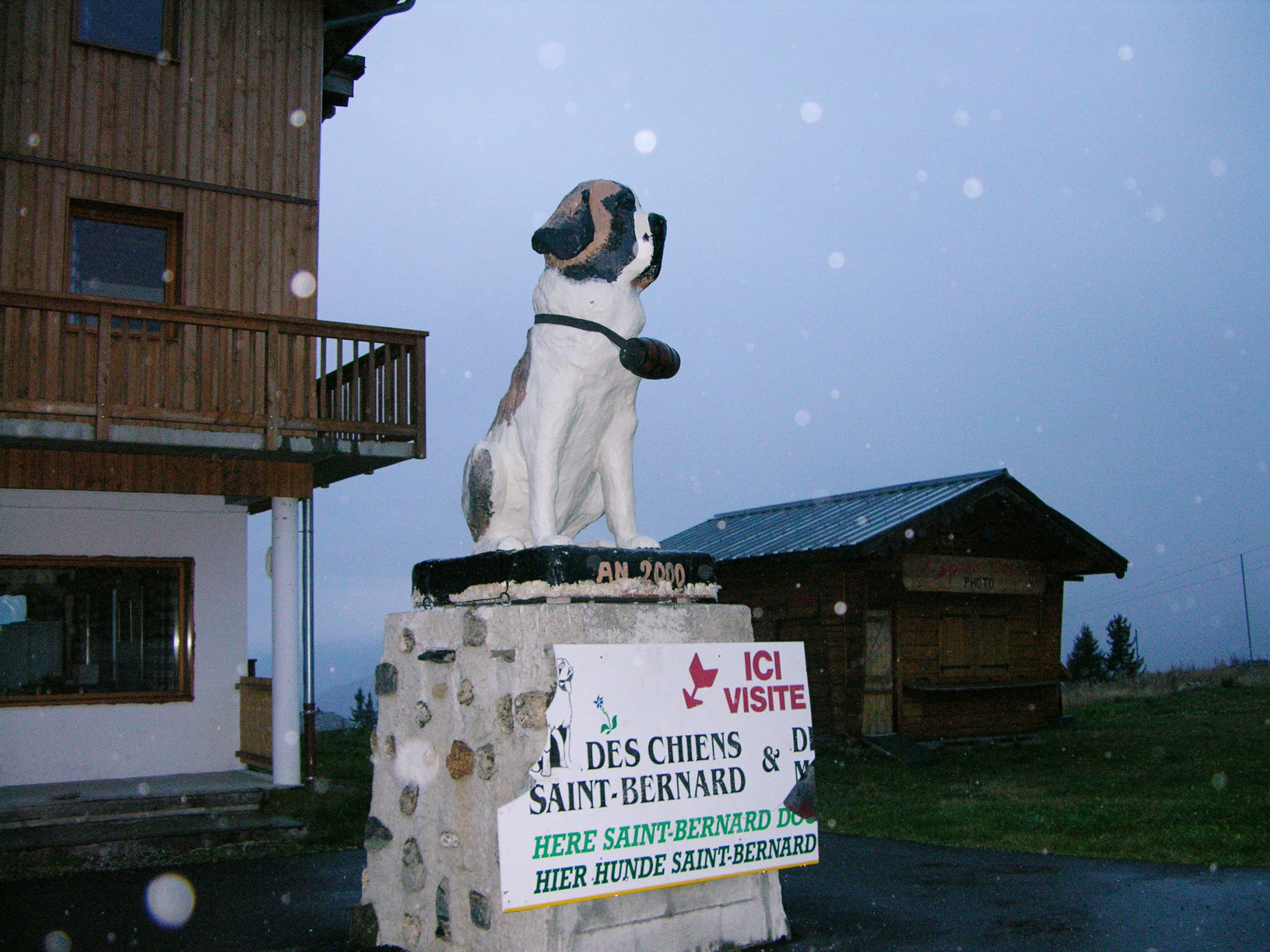
We soon found a room in Moûtiers at the Hôtel Auberge de Savoie (45°29.110′N, 6°31.870′E).
In 2006, after the raspberry jacket and the Mercedes 600 went out of fashion, the Russian nouveau riche simply had to take up downhill skiing, specifically in Courchevel.
I don’t like skis or snow, but we couldn’t resist visiting Courchevel. We had to send our acquaintances a postcard: “Greetings from Courchevel. It’s windy this year and dreadfully dull.” They’d worn us out. We’d tell them about the Amazon or the penguins and they’d say, what do we care about the jungle at dawn? Vasya’s been to Courchevel...
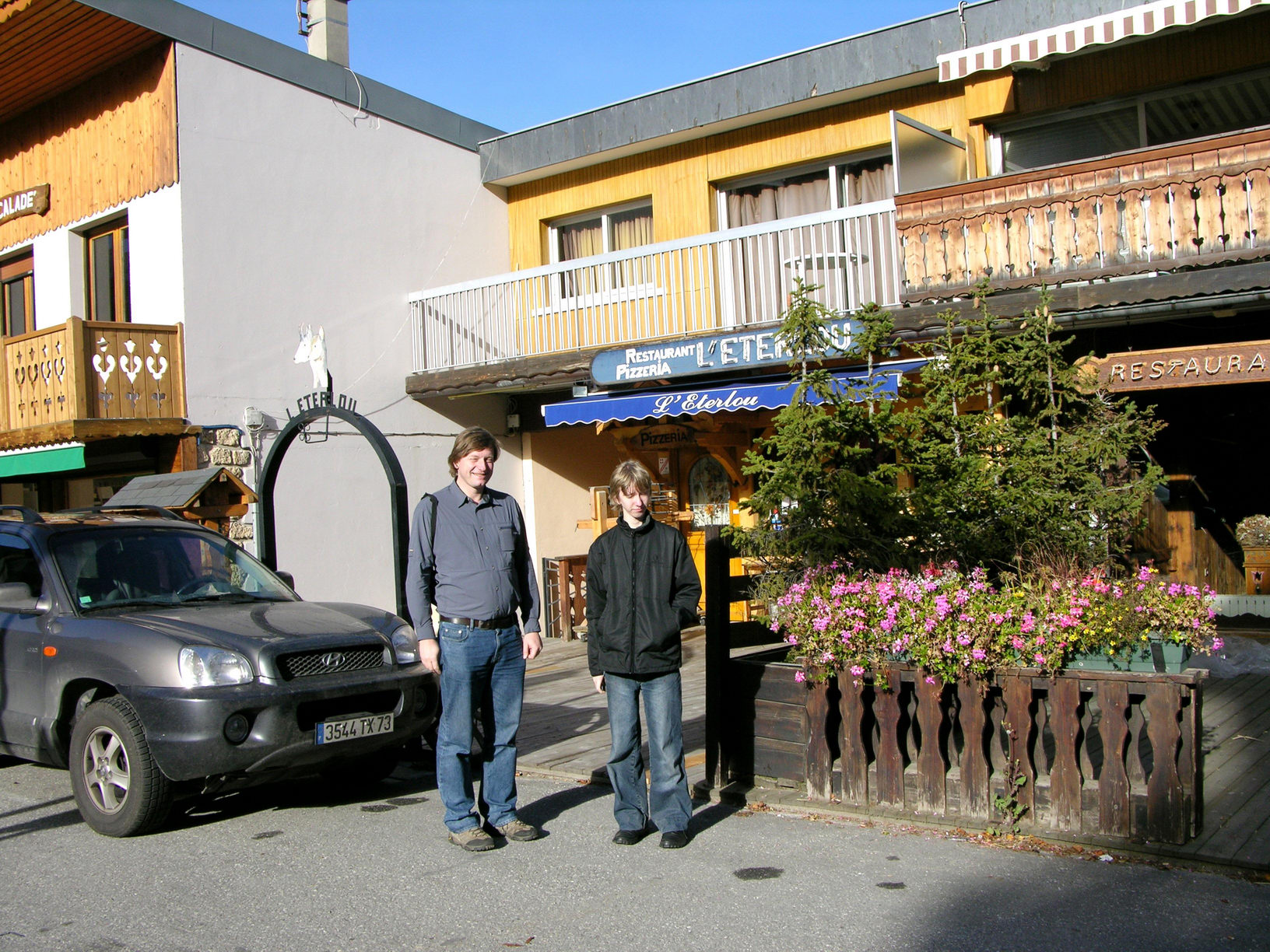
The setting is beautiful. The town itself came as no great surprise. If I hadn’t known, I’d never have guessed this was the last word in luxury. There are expensive houses, but also plenty of ordinary hotels with hundreds of rooms, at perfectly reasonable prices. We had a coffee and it didn’t break the bank.
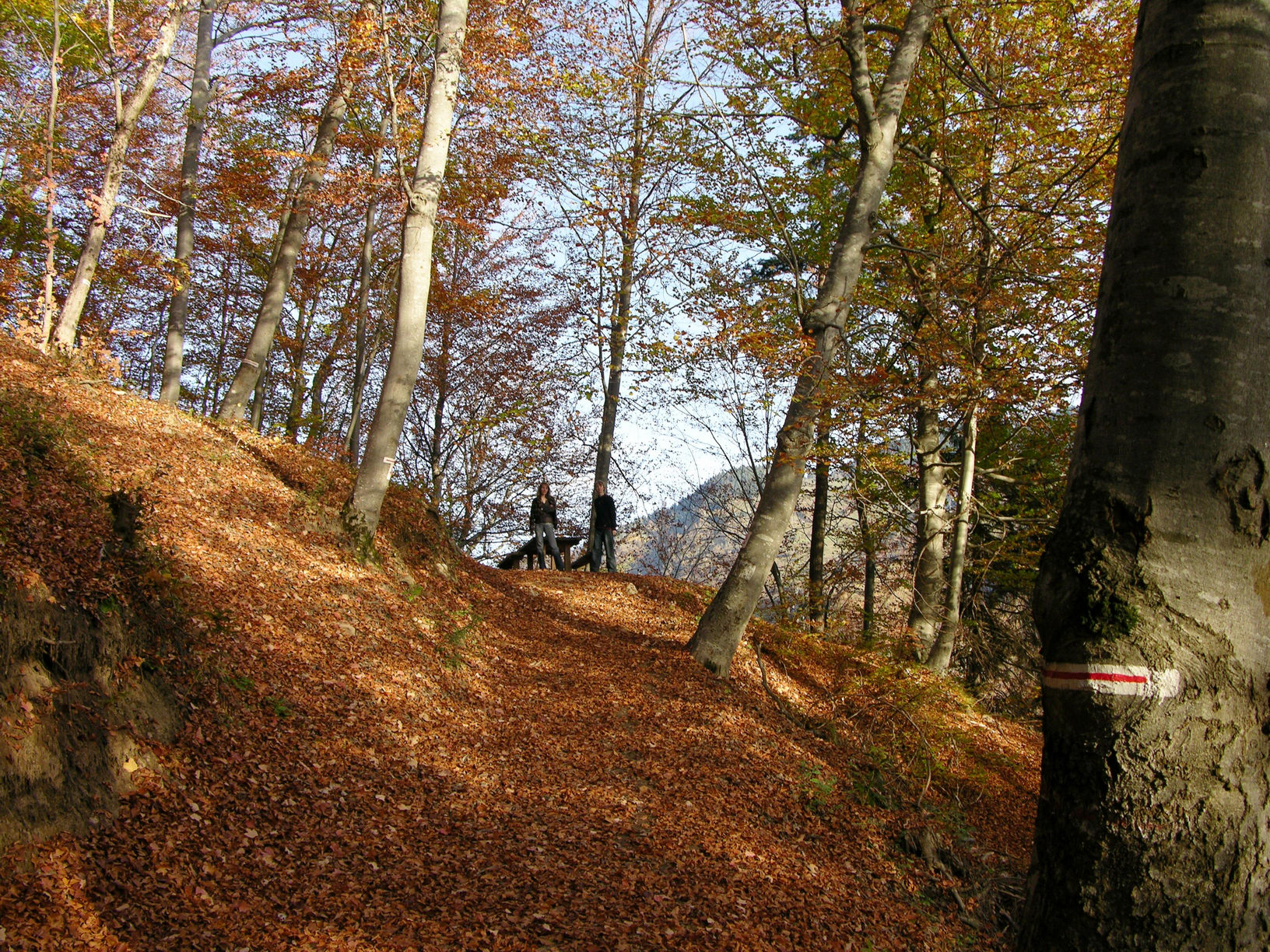
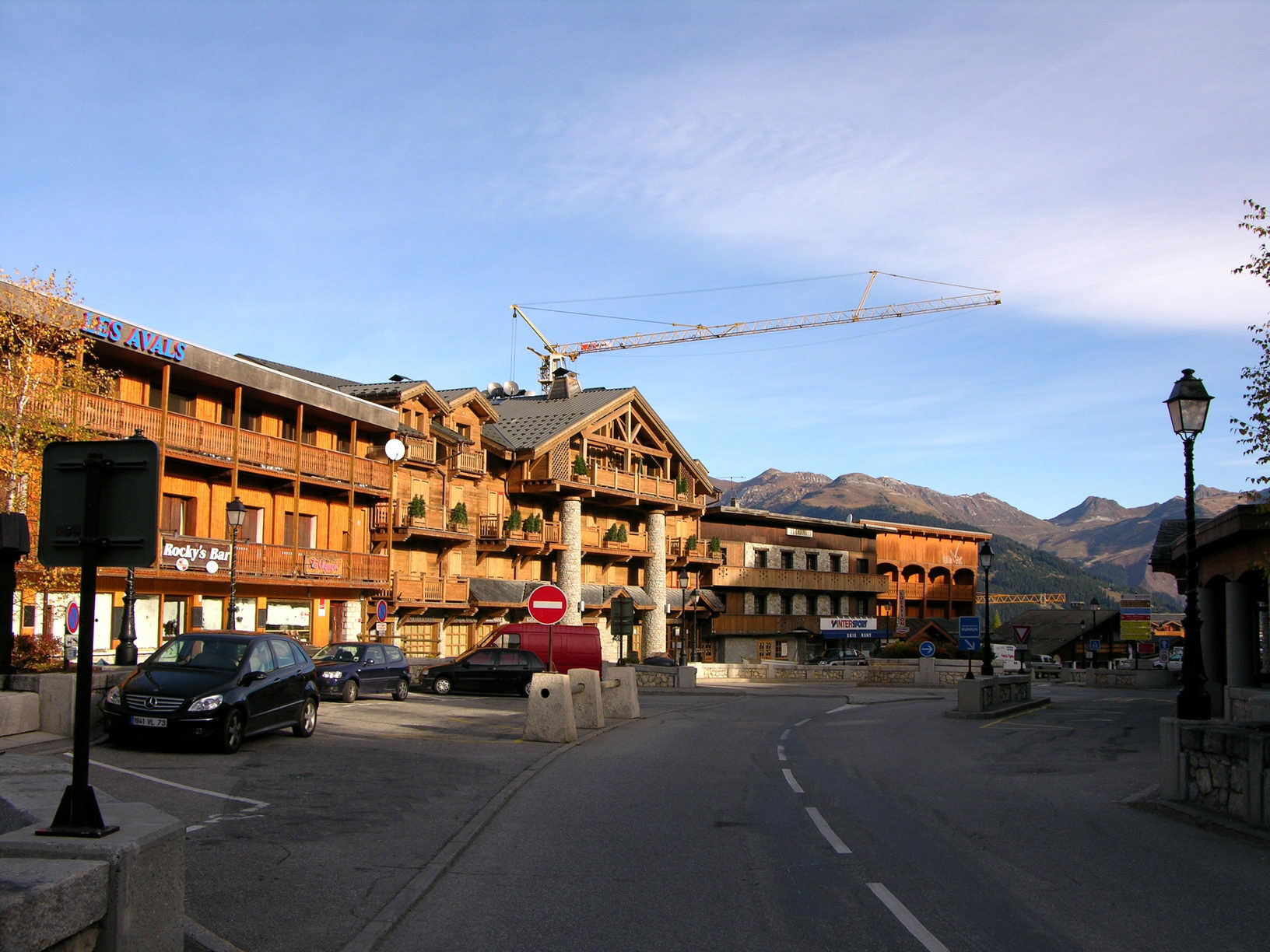
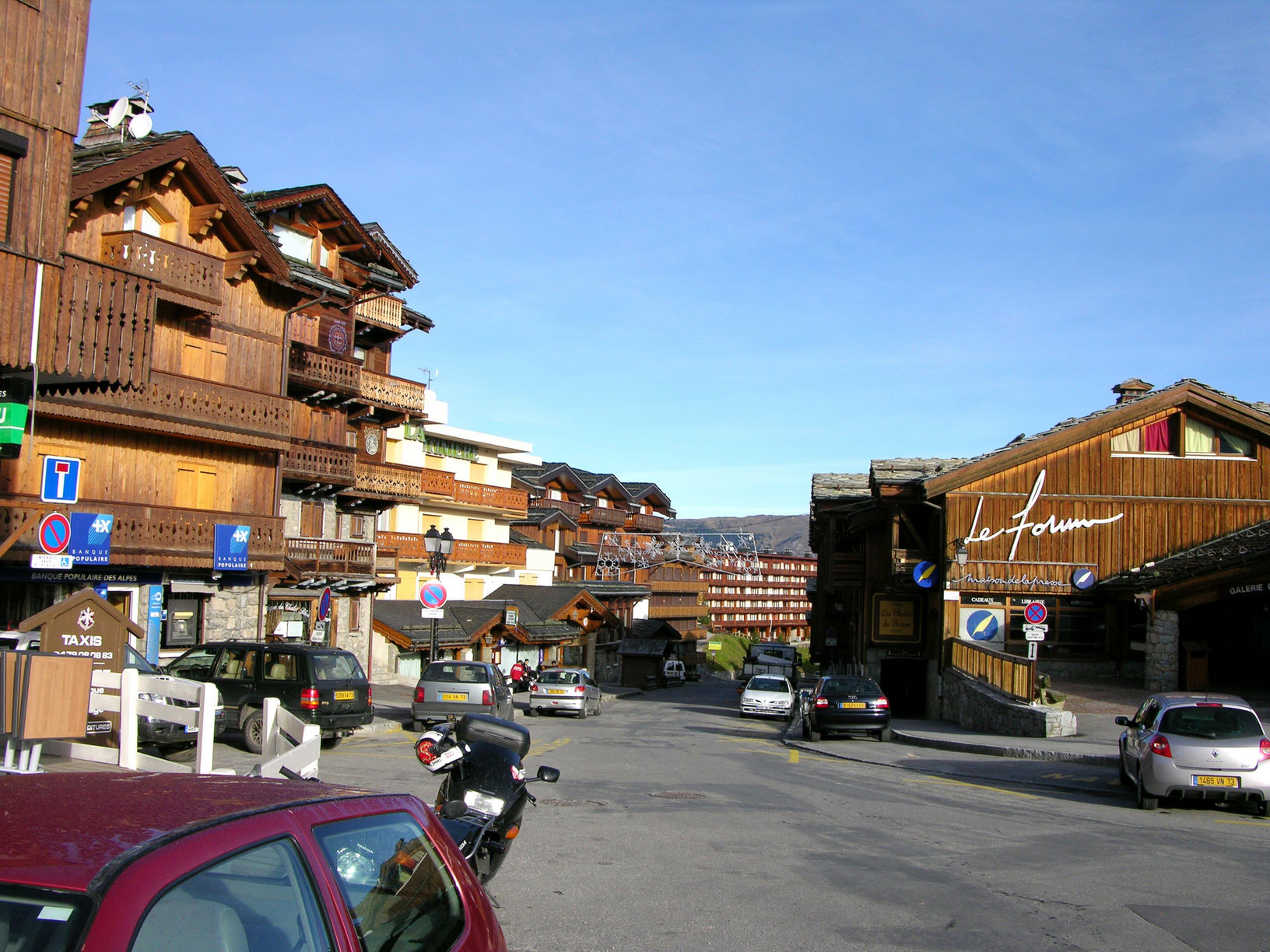
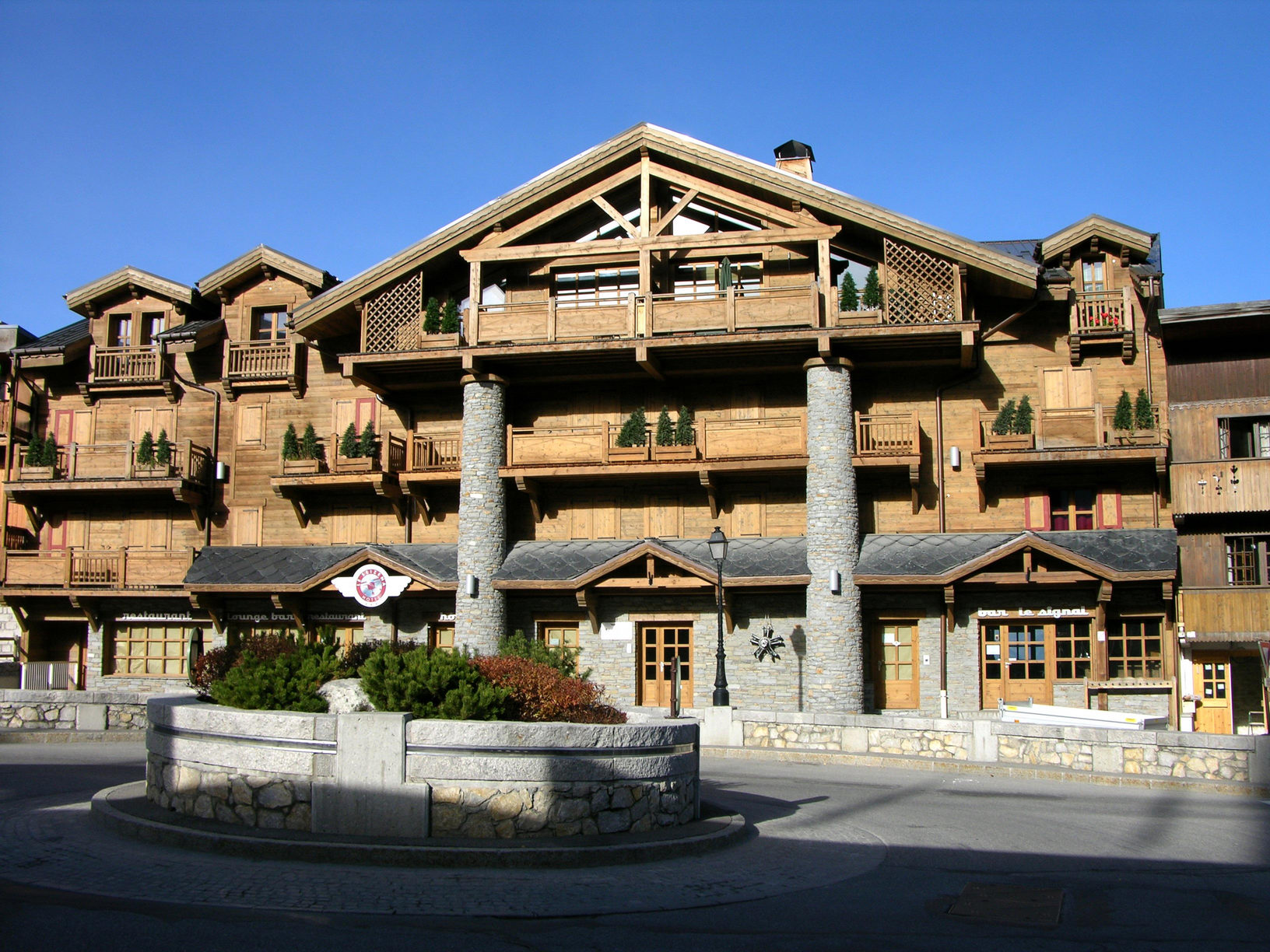
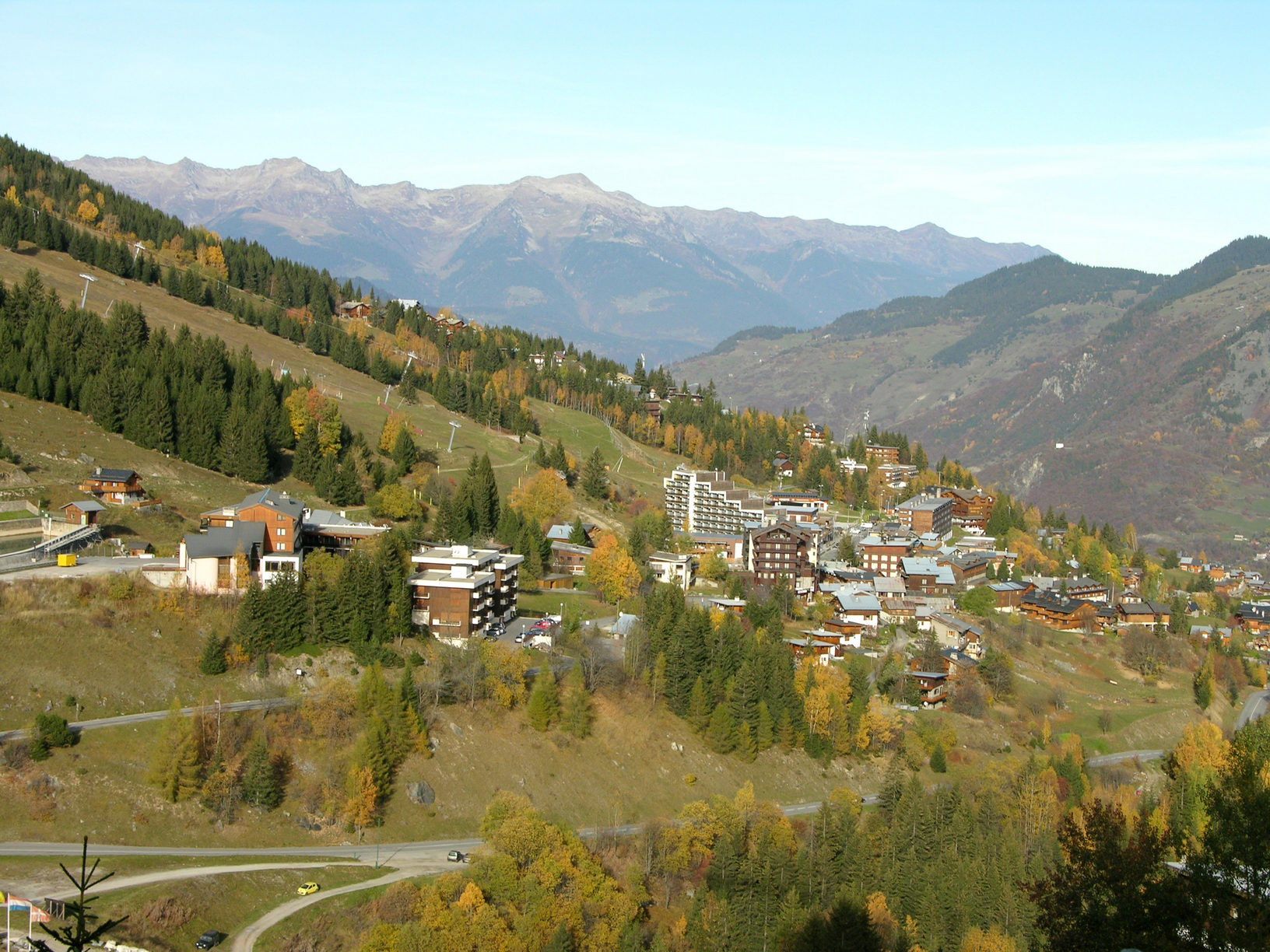
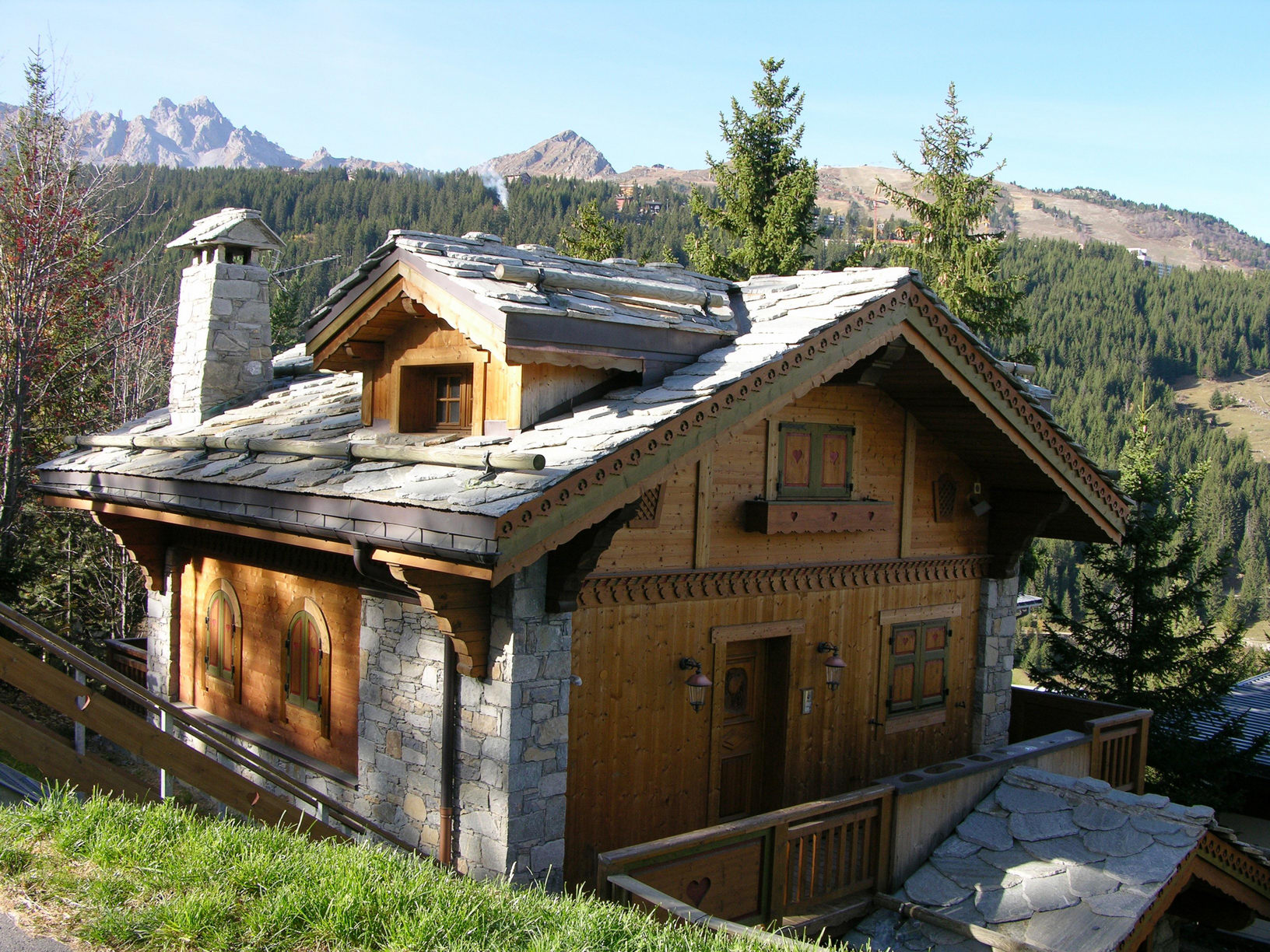
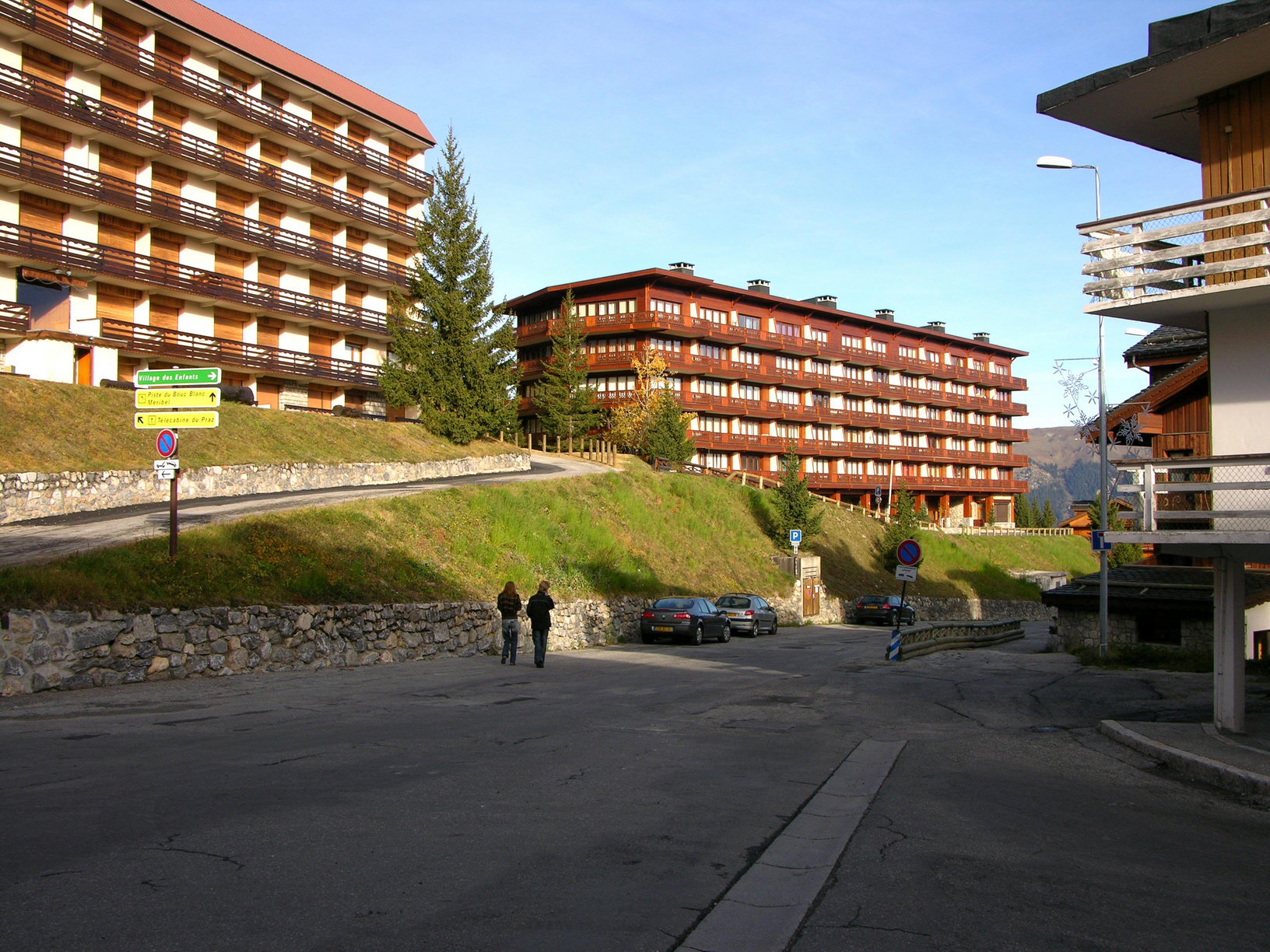
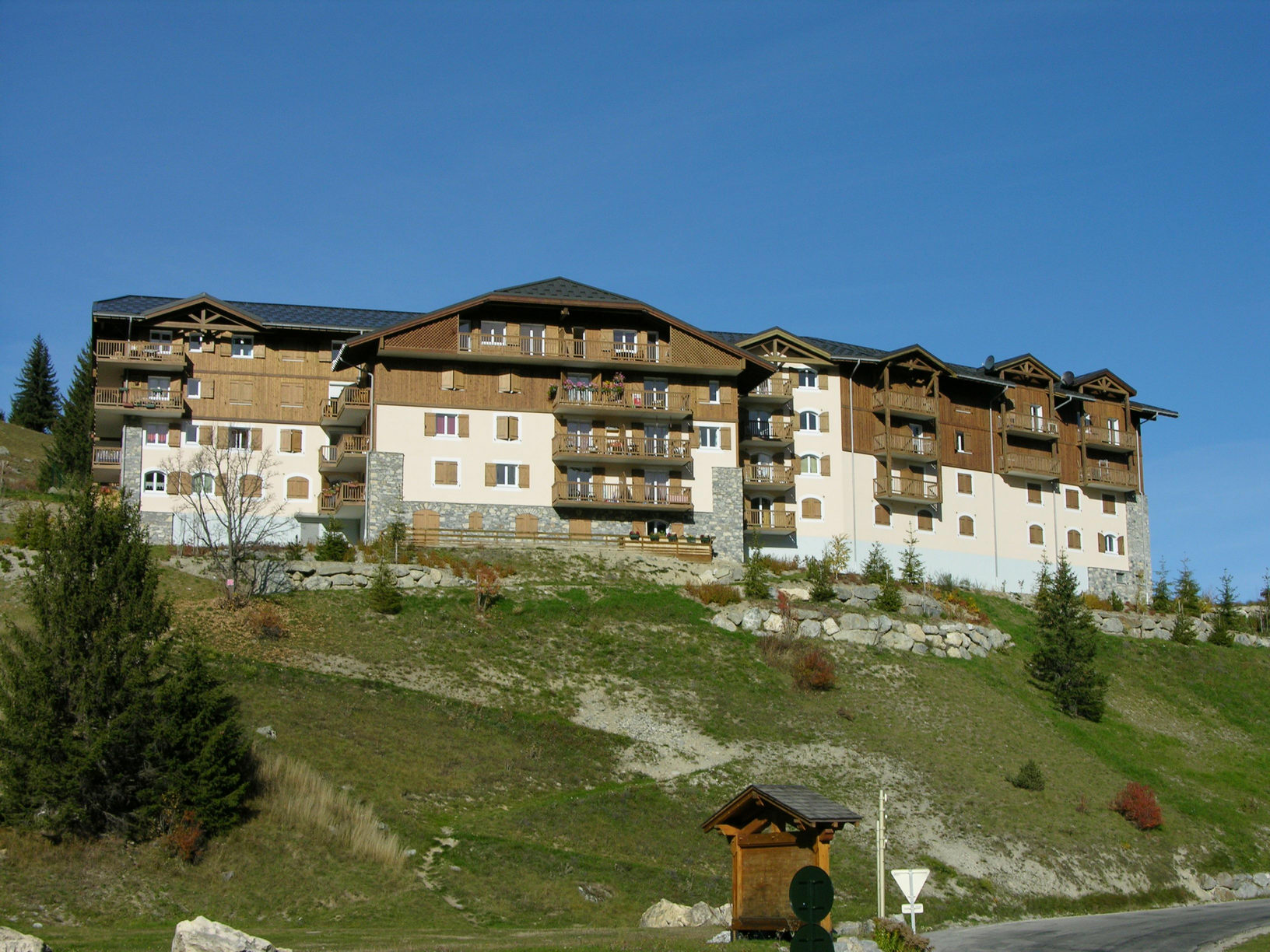
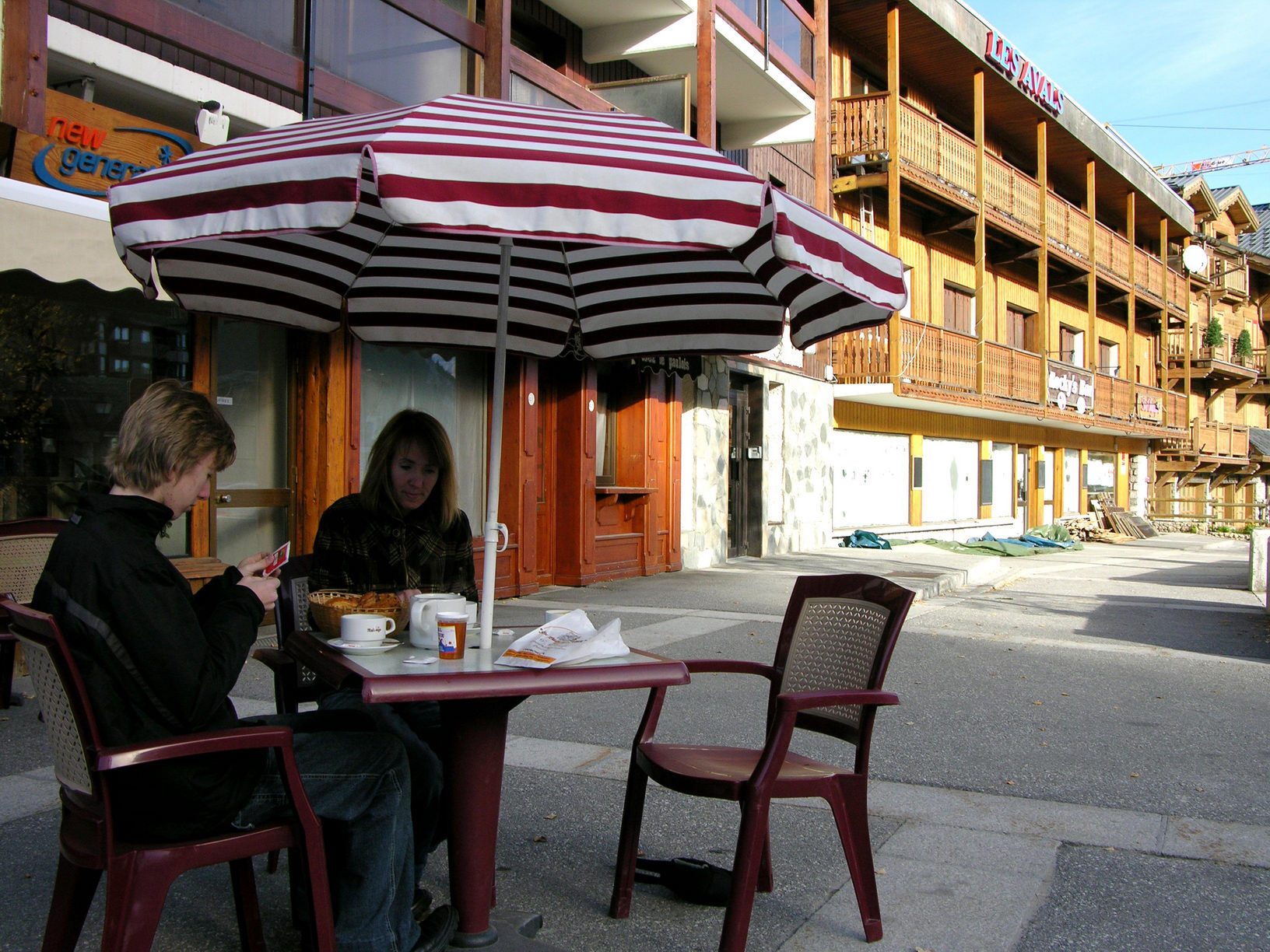
Of course the country all round it is lovely, with mountains, little rivers and broadleaf woods where the autumn leaves had barely finished falling.
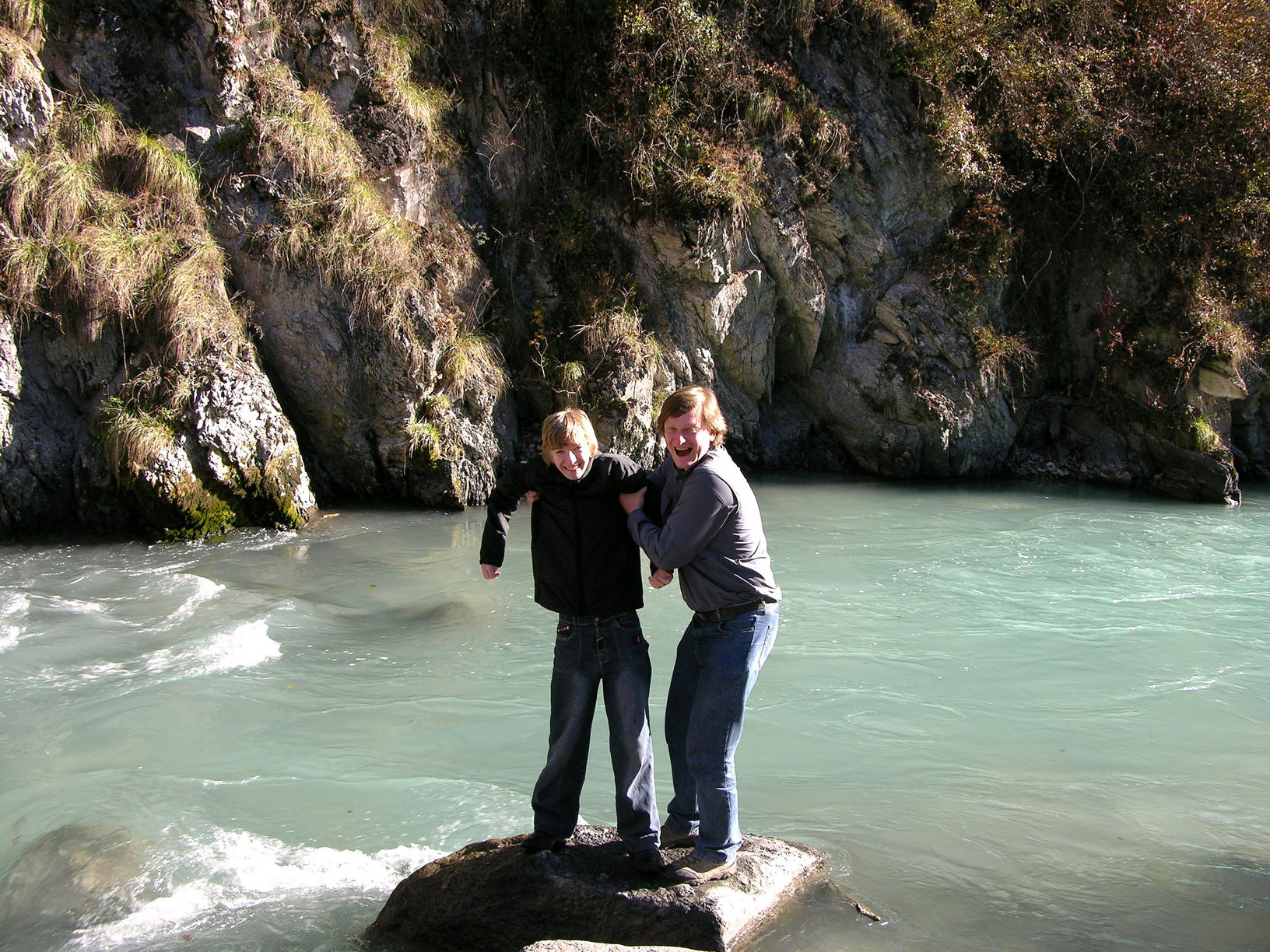
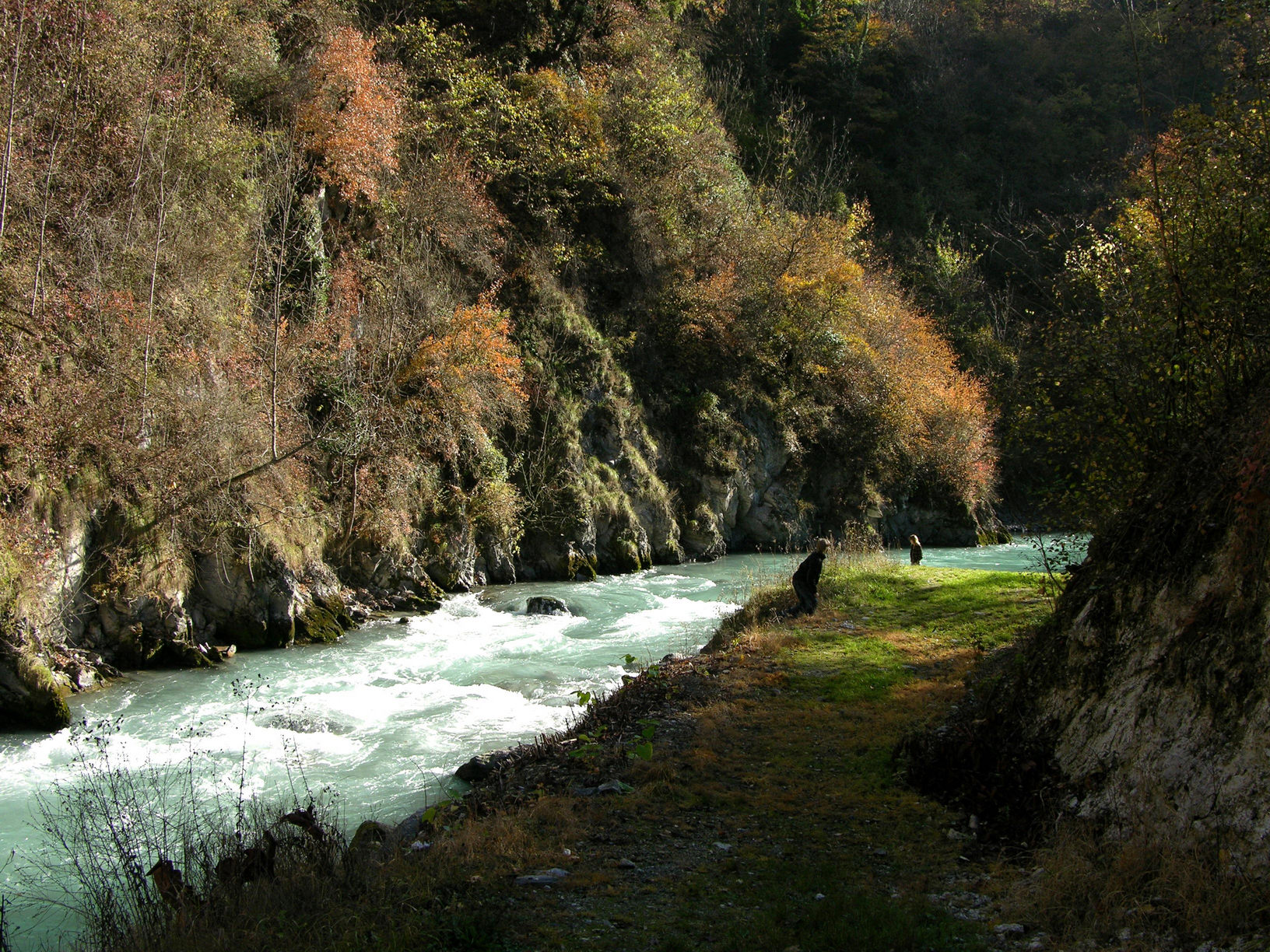
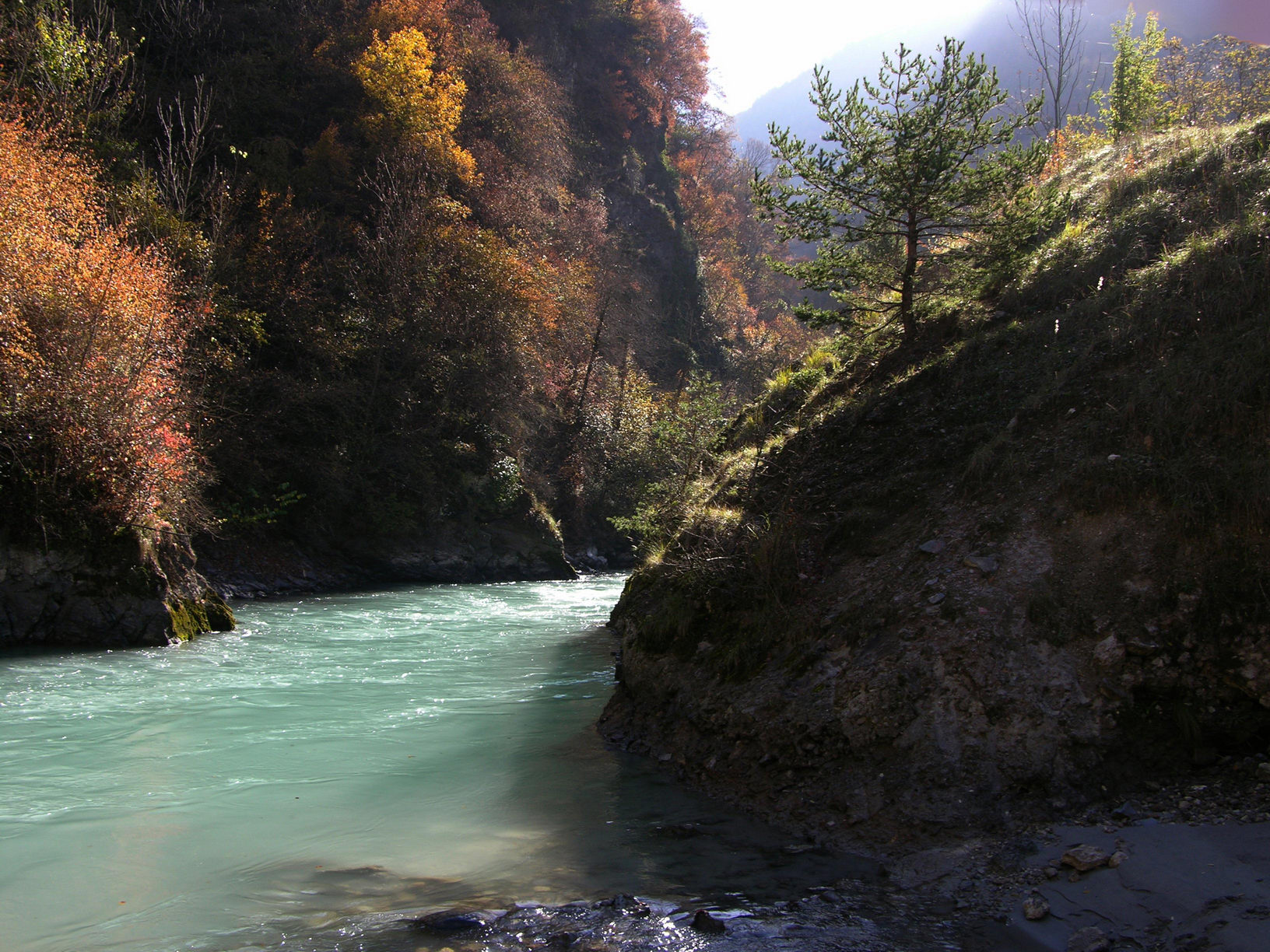
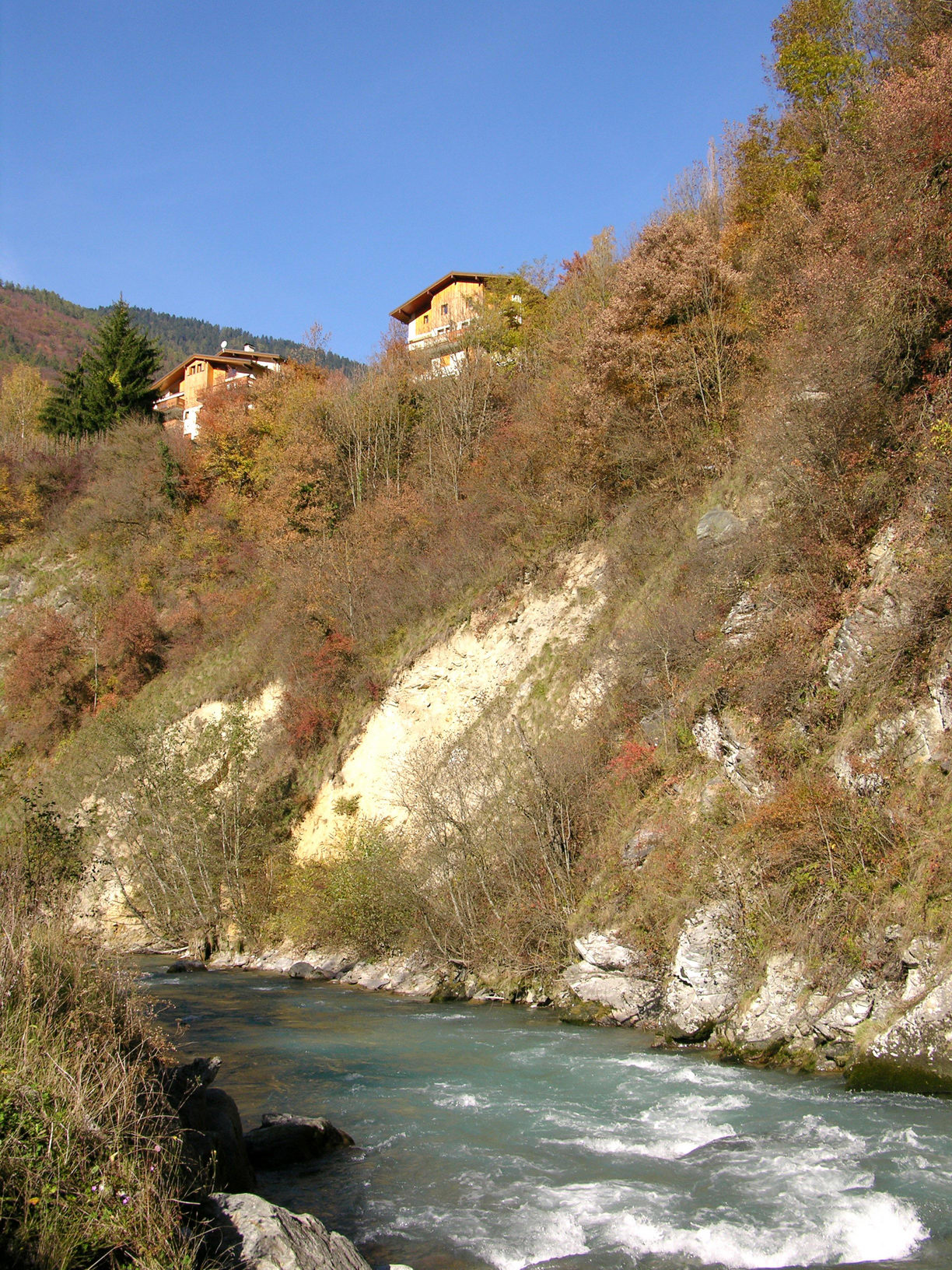
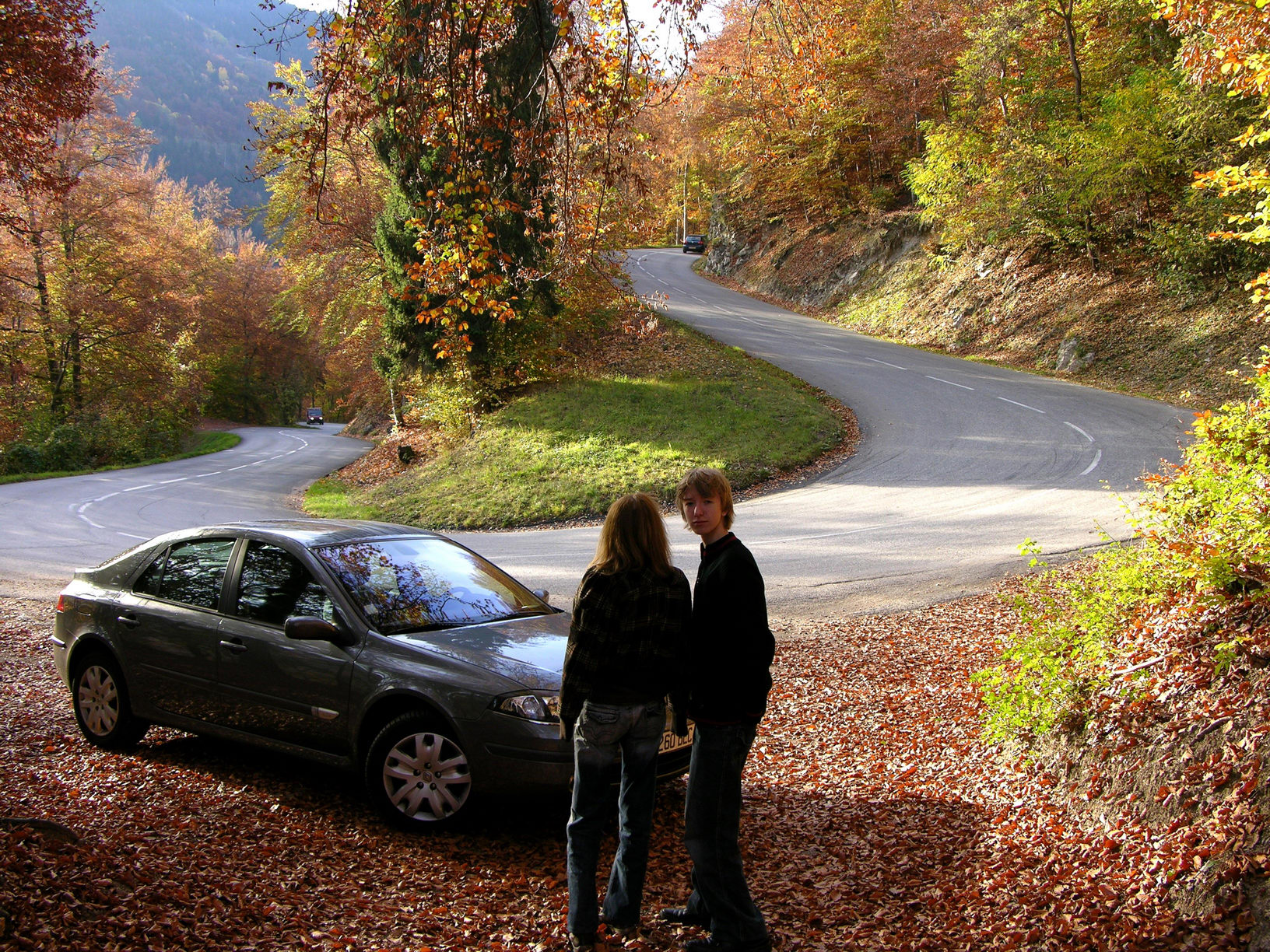
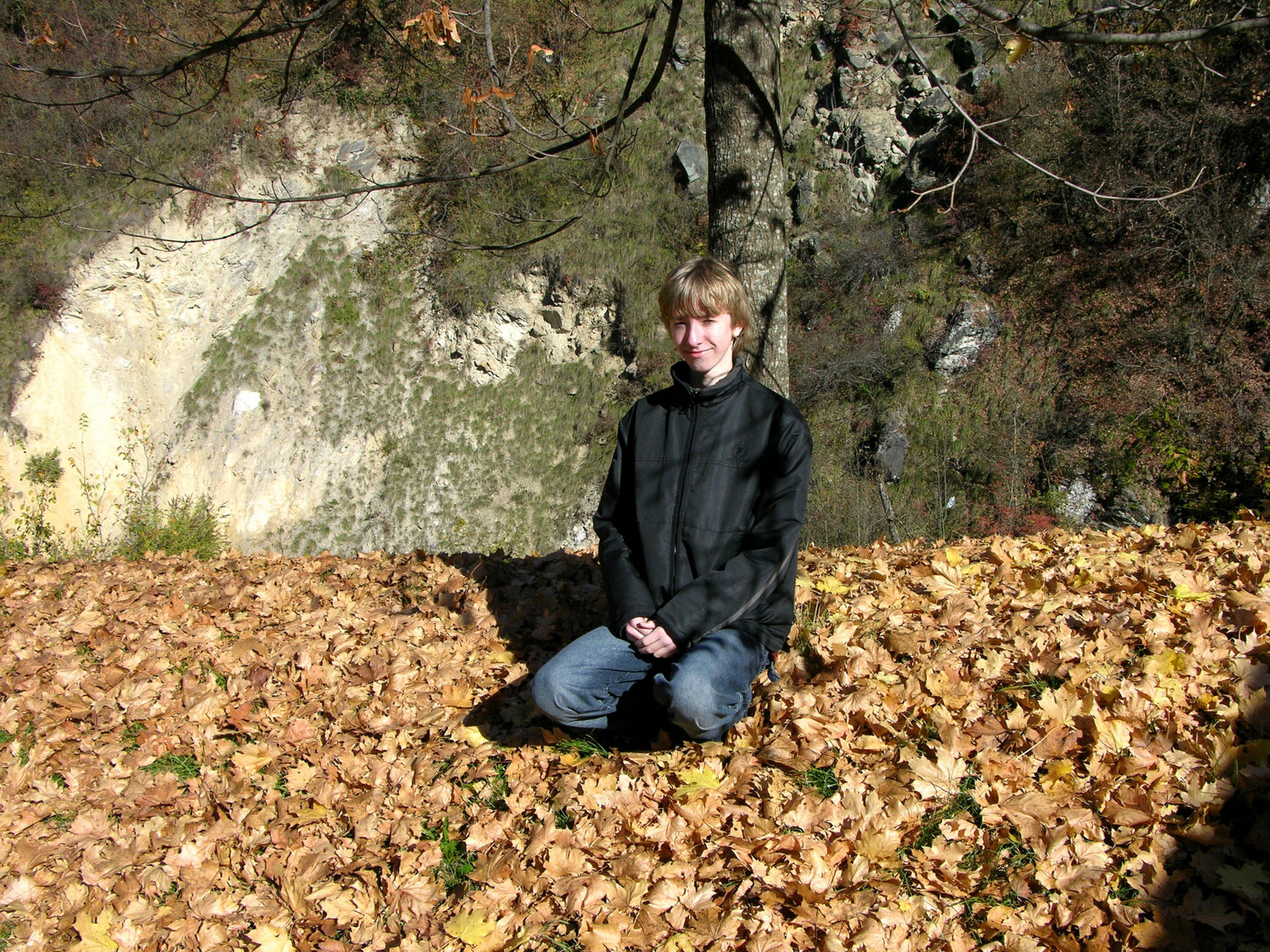
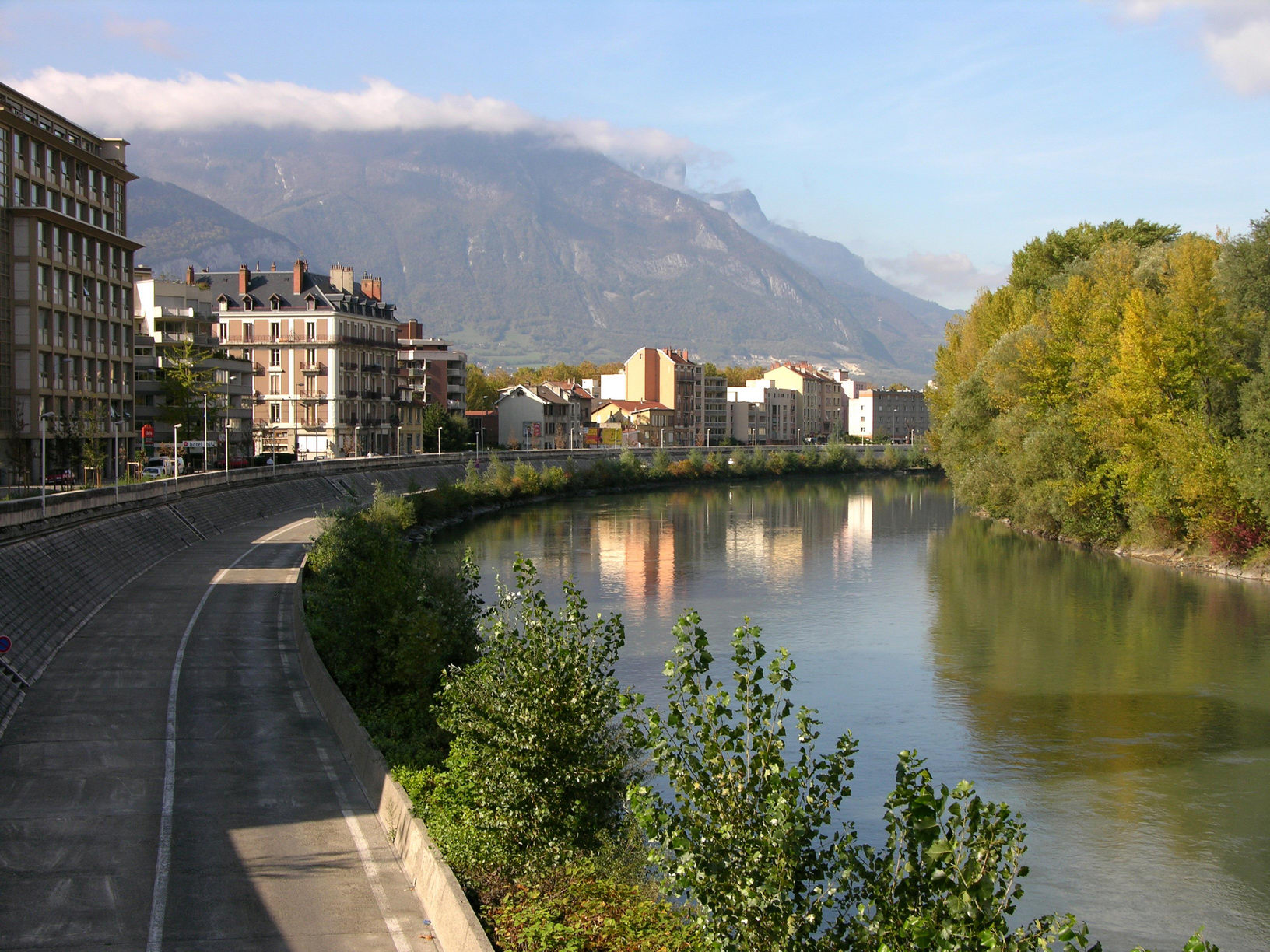
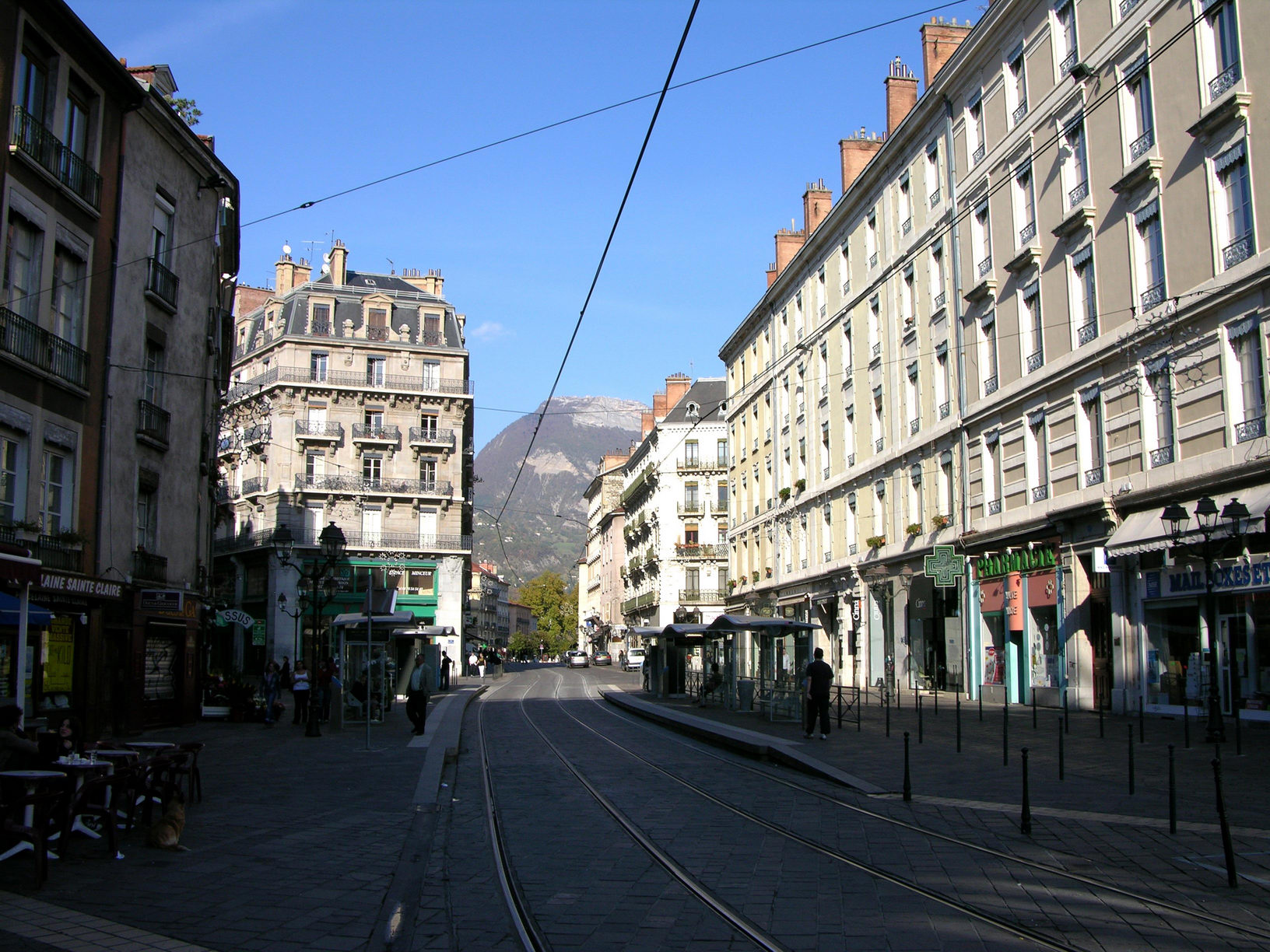
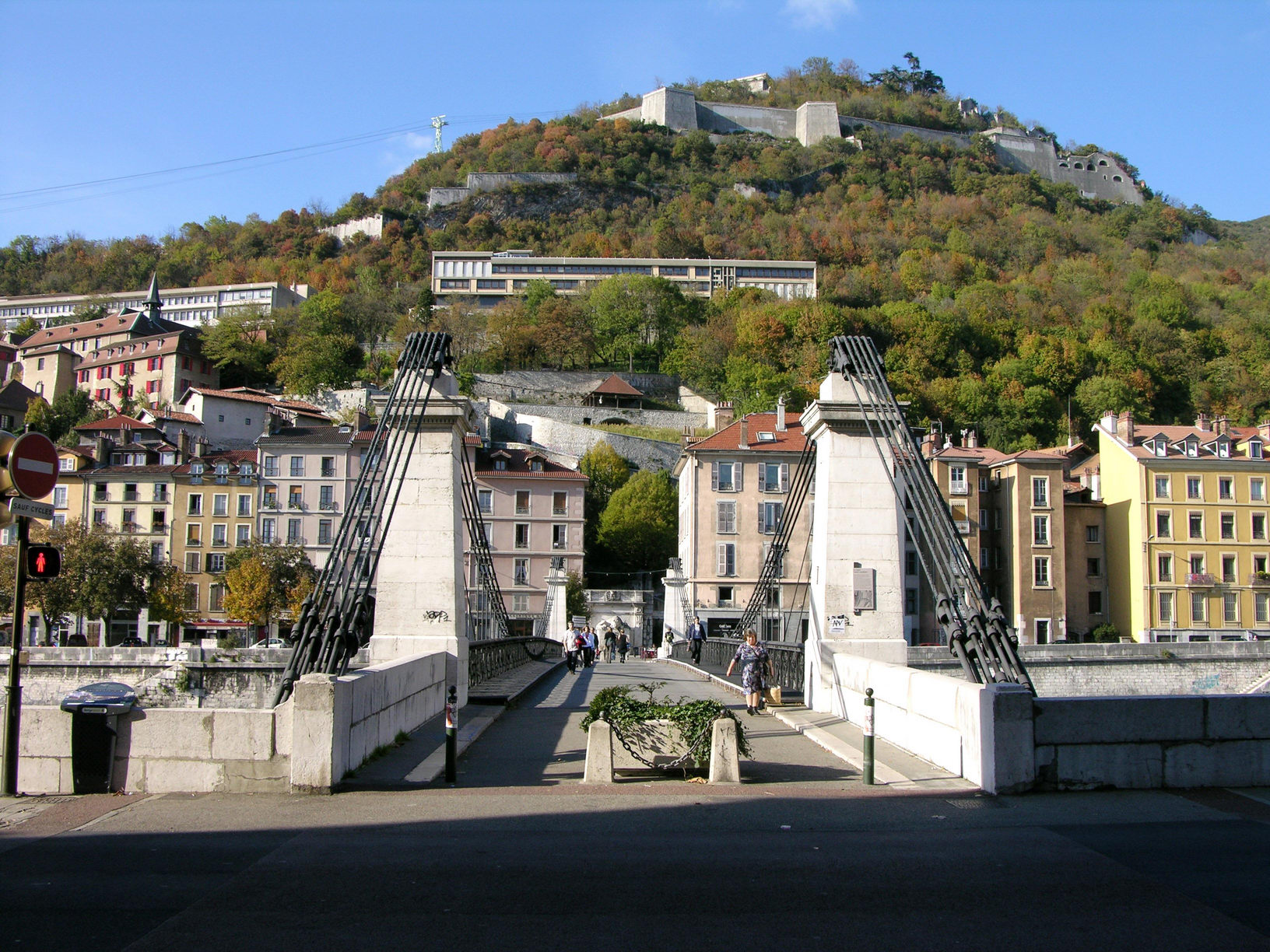
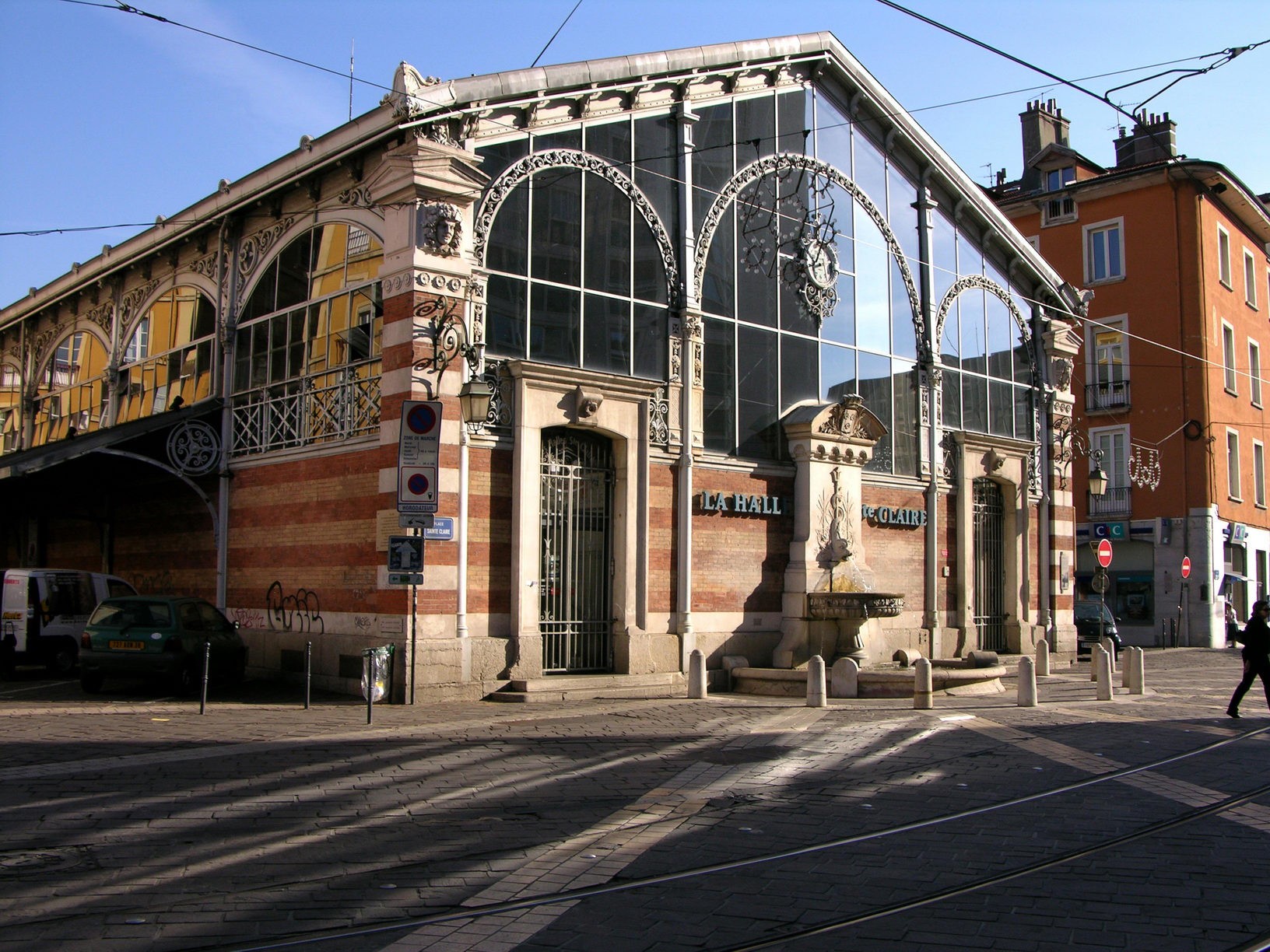
Wandering through little towns, we gradually made our way to Grenoble. The name of this city has stayed with me since childhood. It held the Olympic Games in 1968. I still watched them on television in those days and cheered for our side. I turned thoroughly against the Soviet system a little later that year, when tanks crushed the Prague Spring.
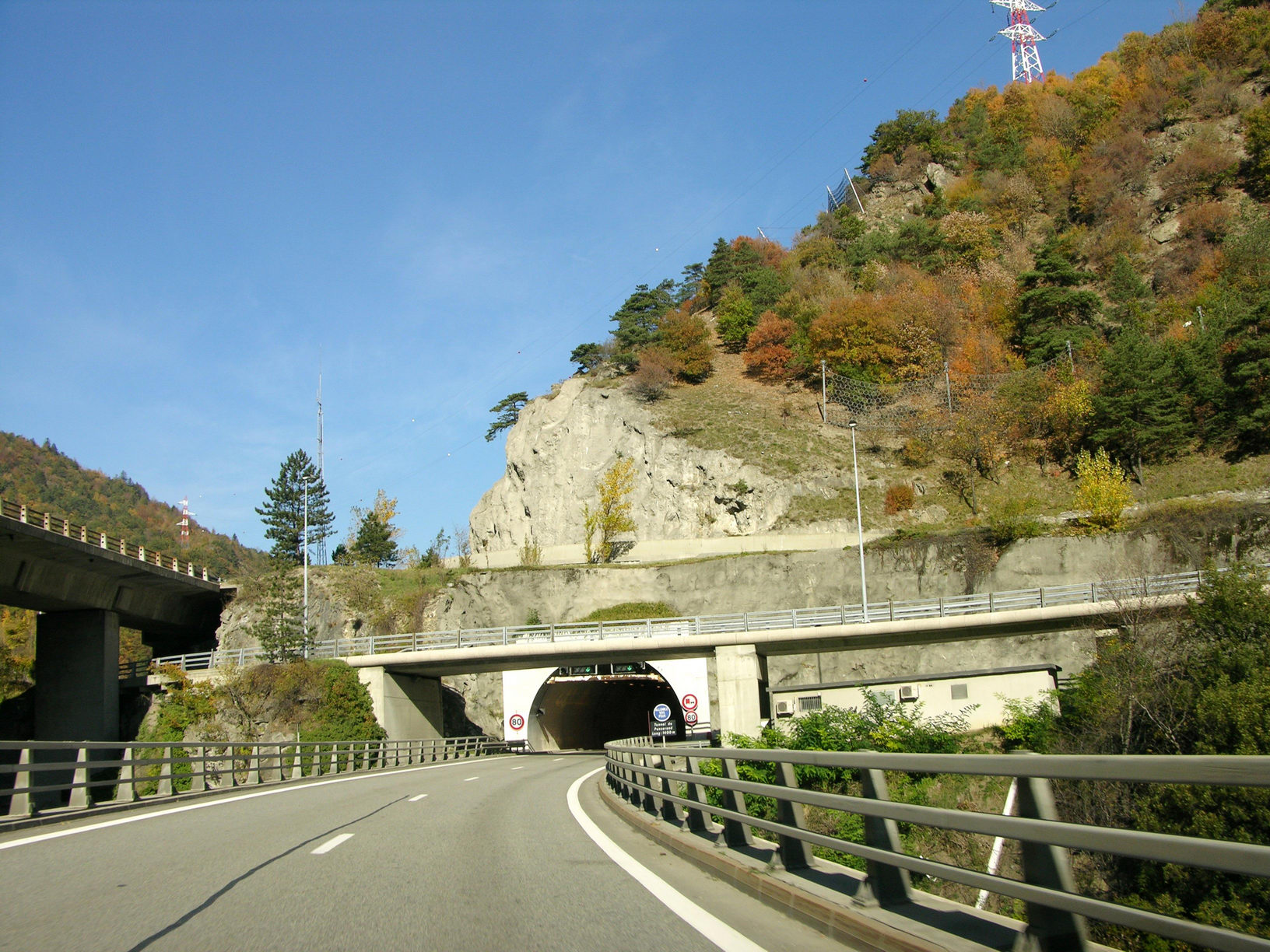
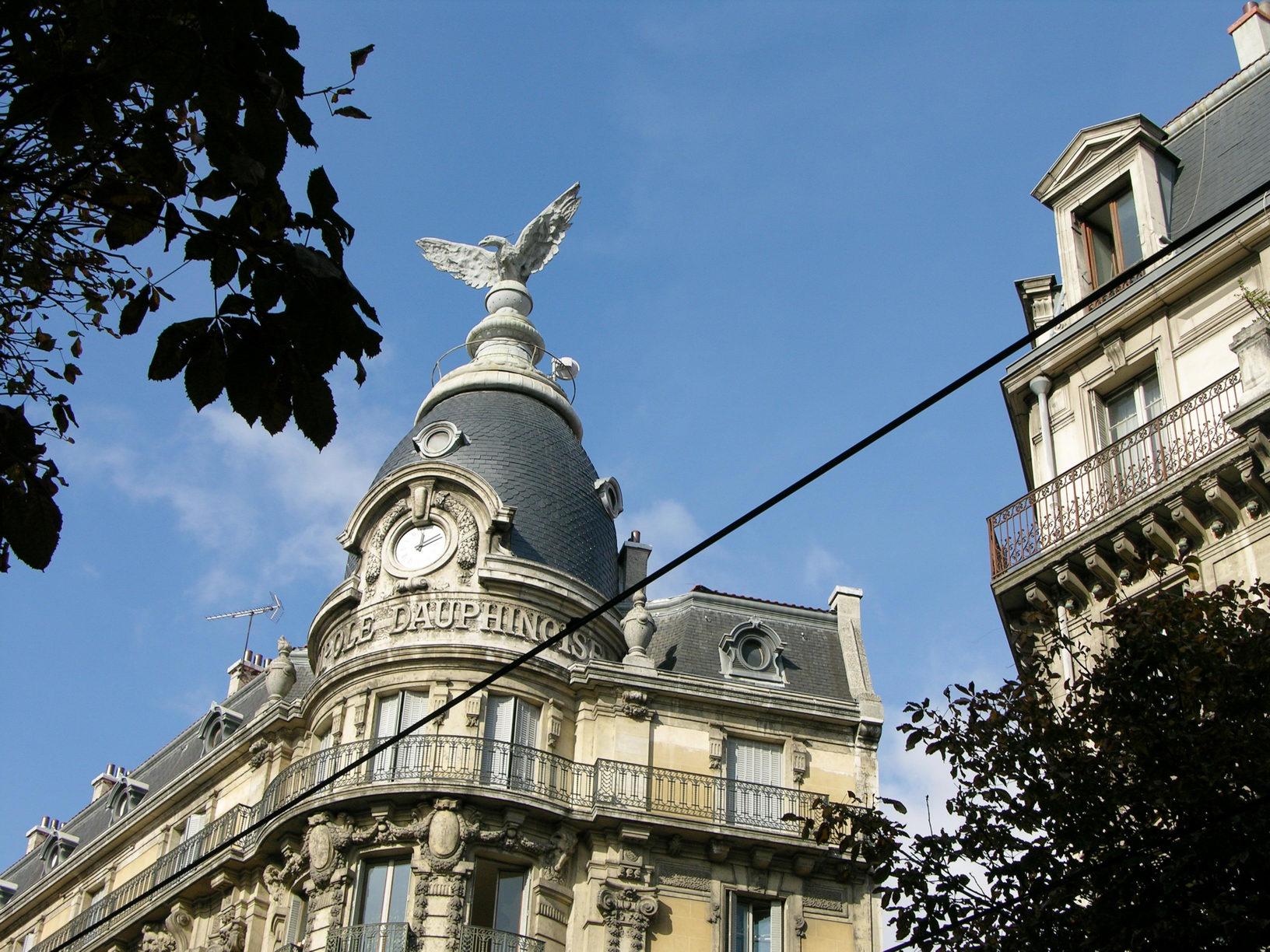
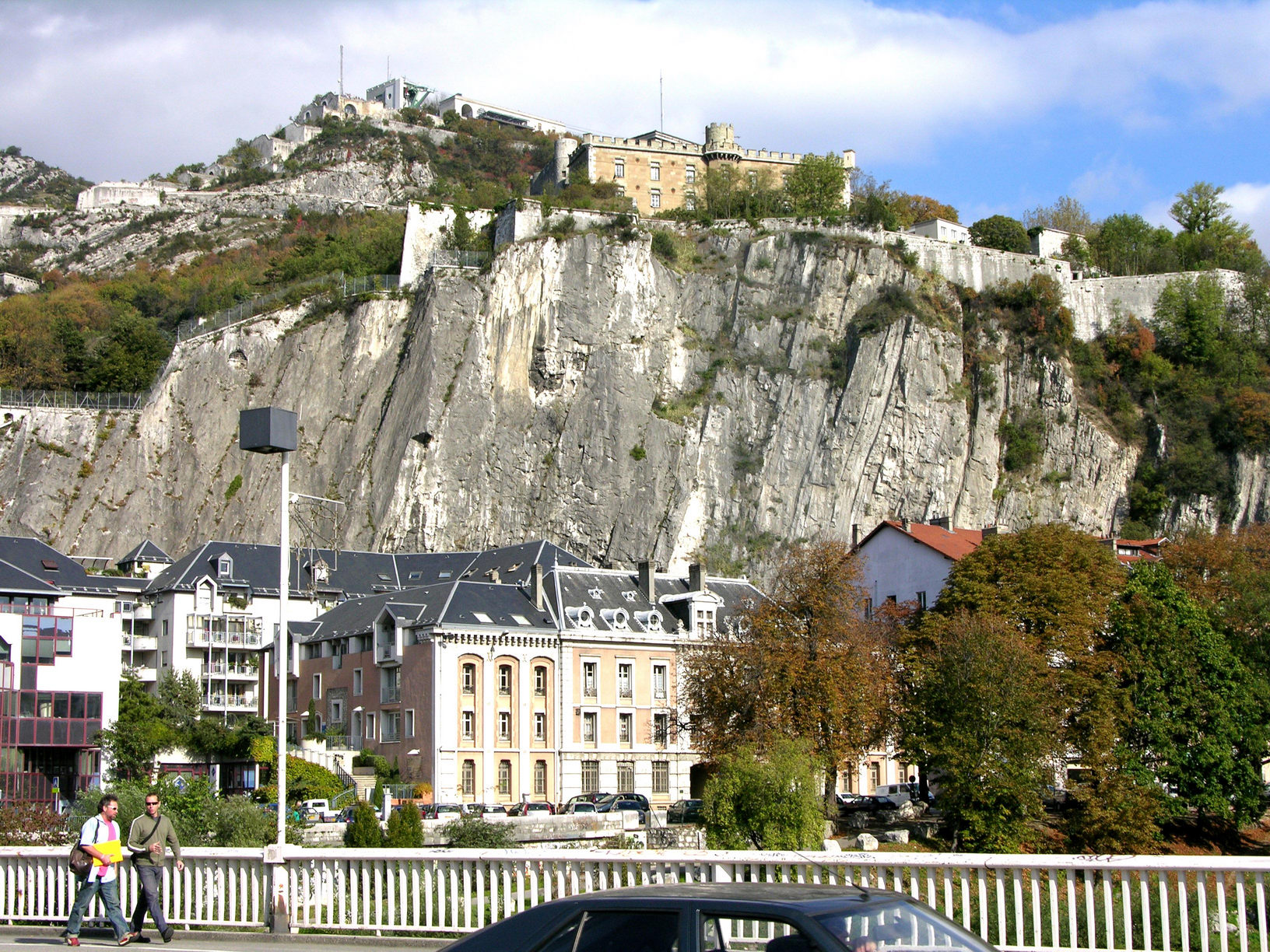
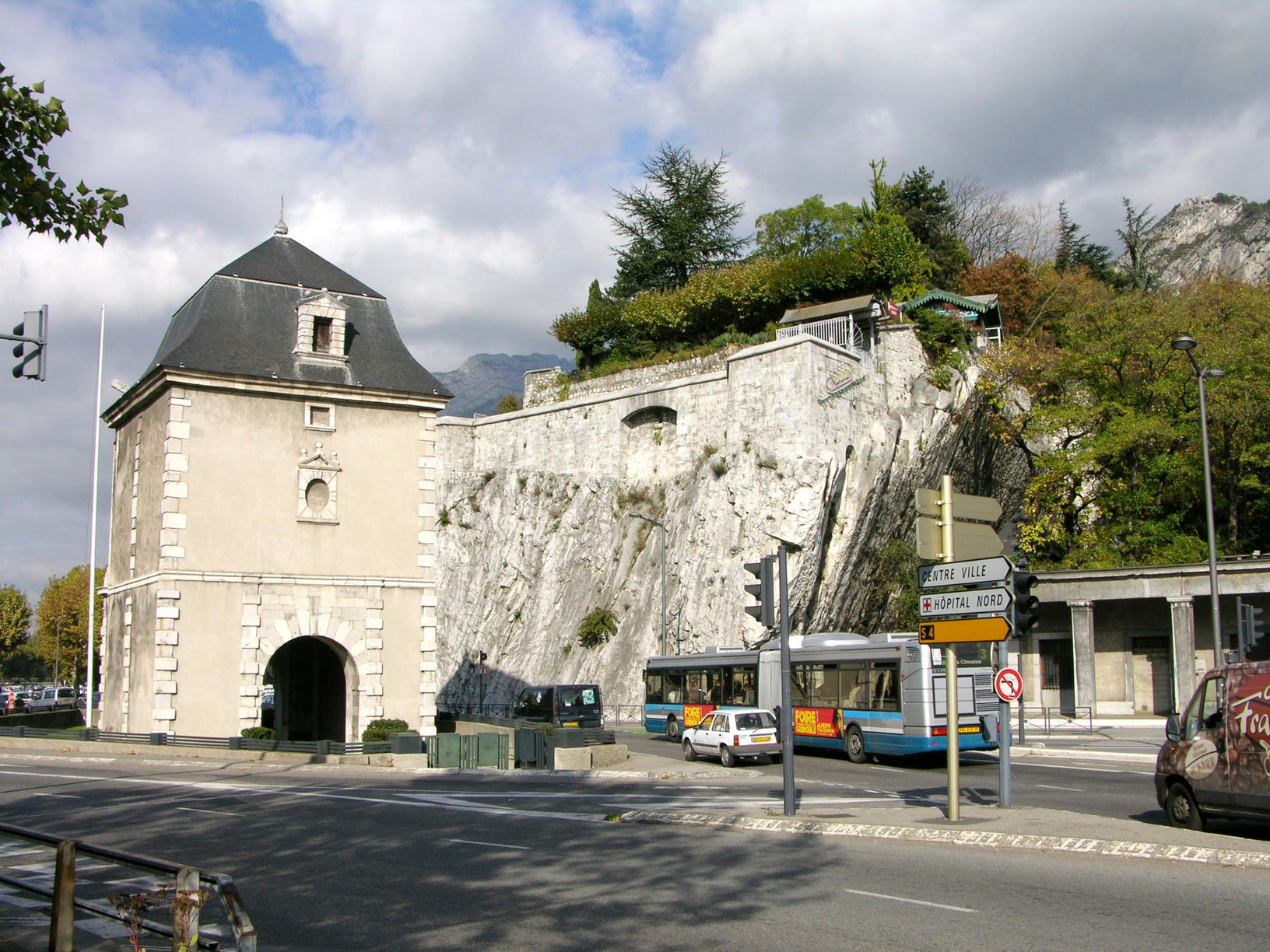
I remember Charles de Gaulle opening the Games. I can’t remember who beat whom, but I remember a beautiful country out of a fairy tale. Oh, how I wanted to go. “Mum, Dad, I want to...” “You can’t, son. You know how hard it is to go abroad. People like us can’t go at all. Study well, learn French and perhaps one day...”
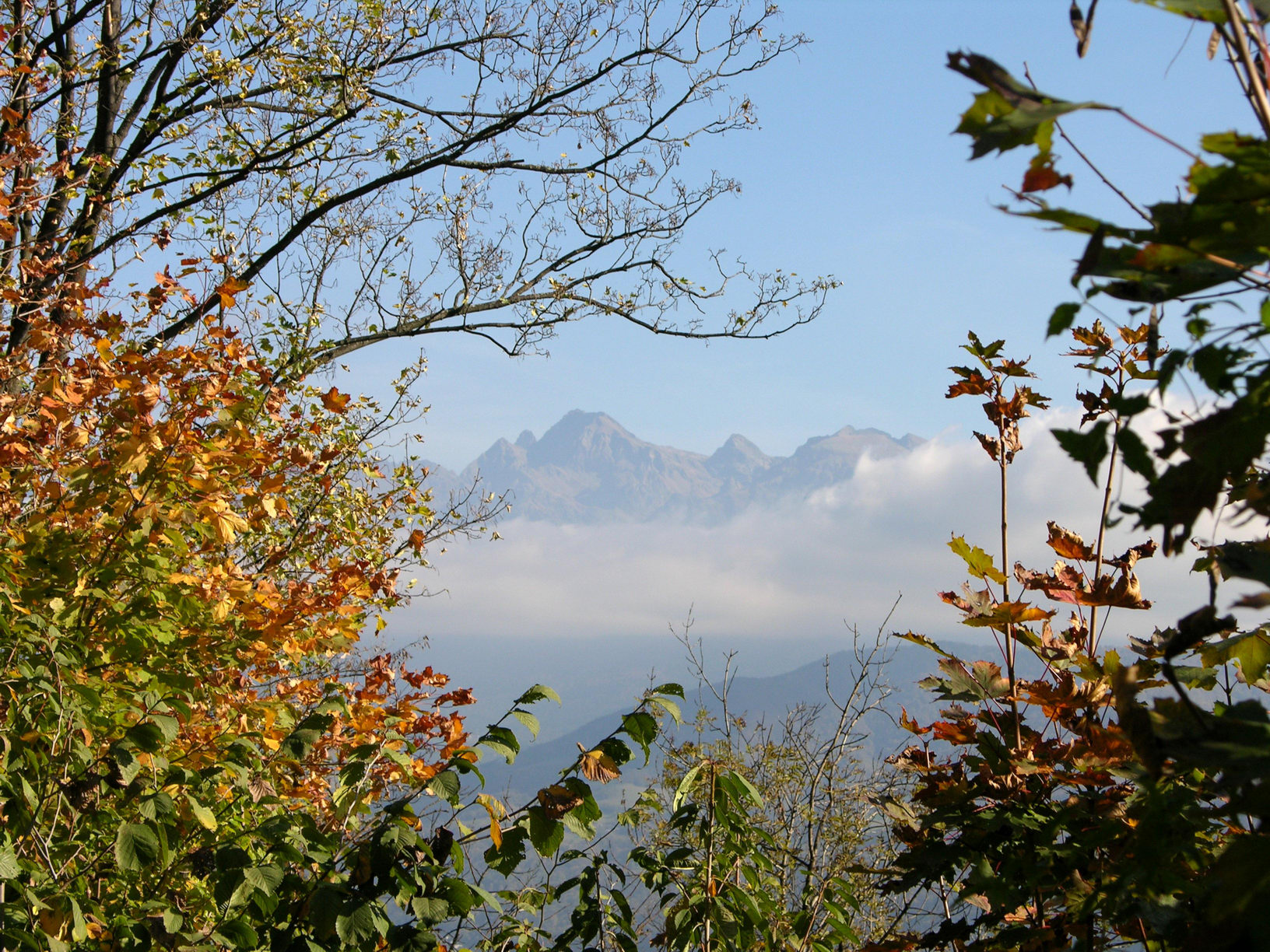
I did well enough at school. My attempt to learn French amounted to opening a Russian–French dictionary once. But here I was in Grenoble. The city really is beautiful, even if the mountains look a little low after the Andes. France had long since fallen far down my list of places worth visiting. Still, it would do. The main thing was that I’d seen it.
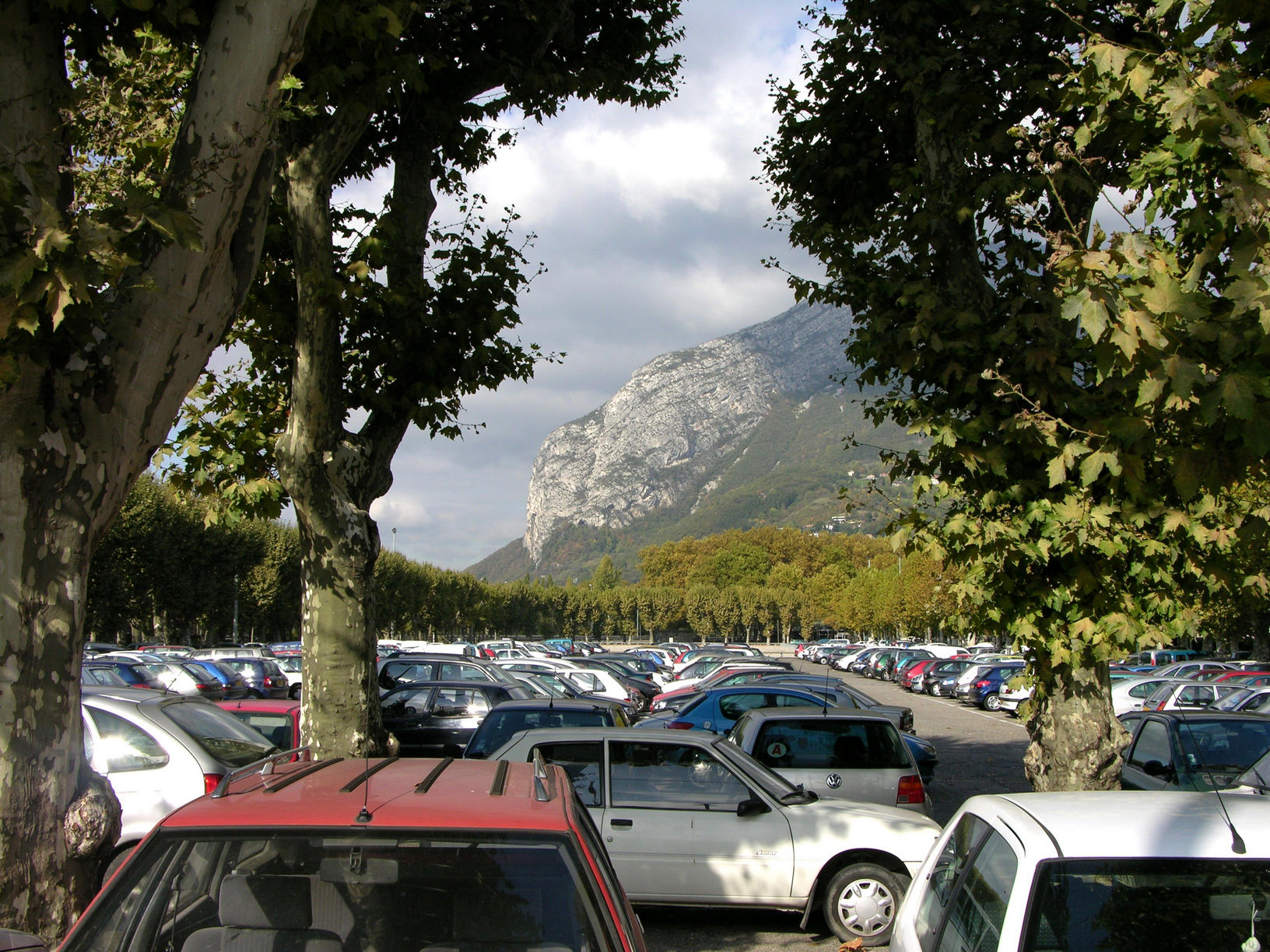
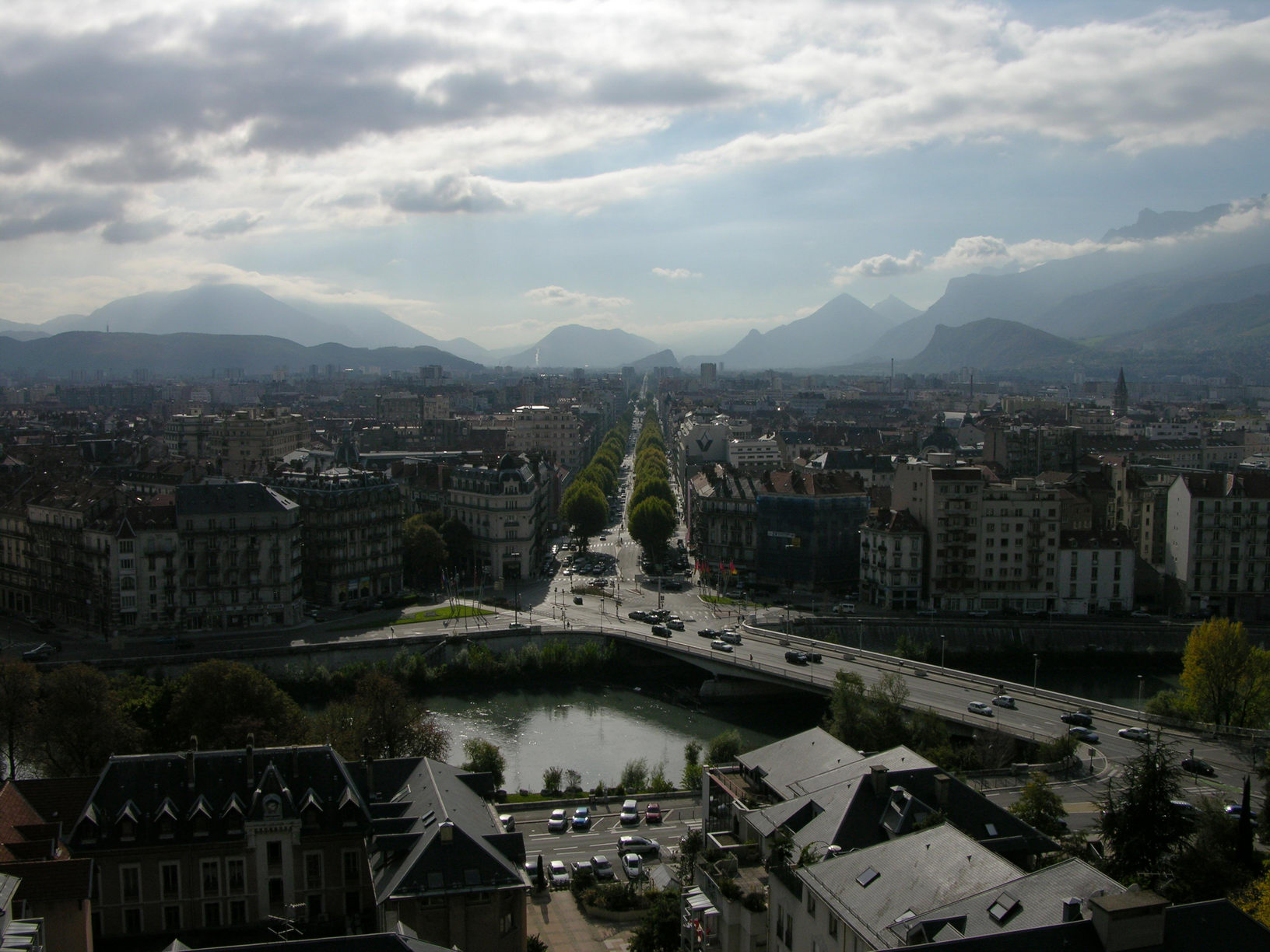
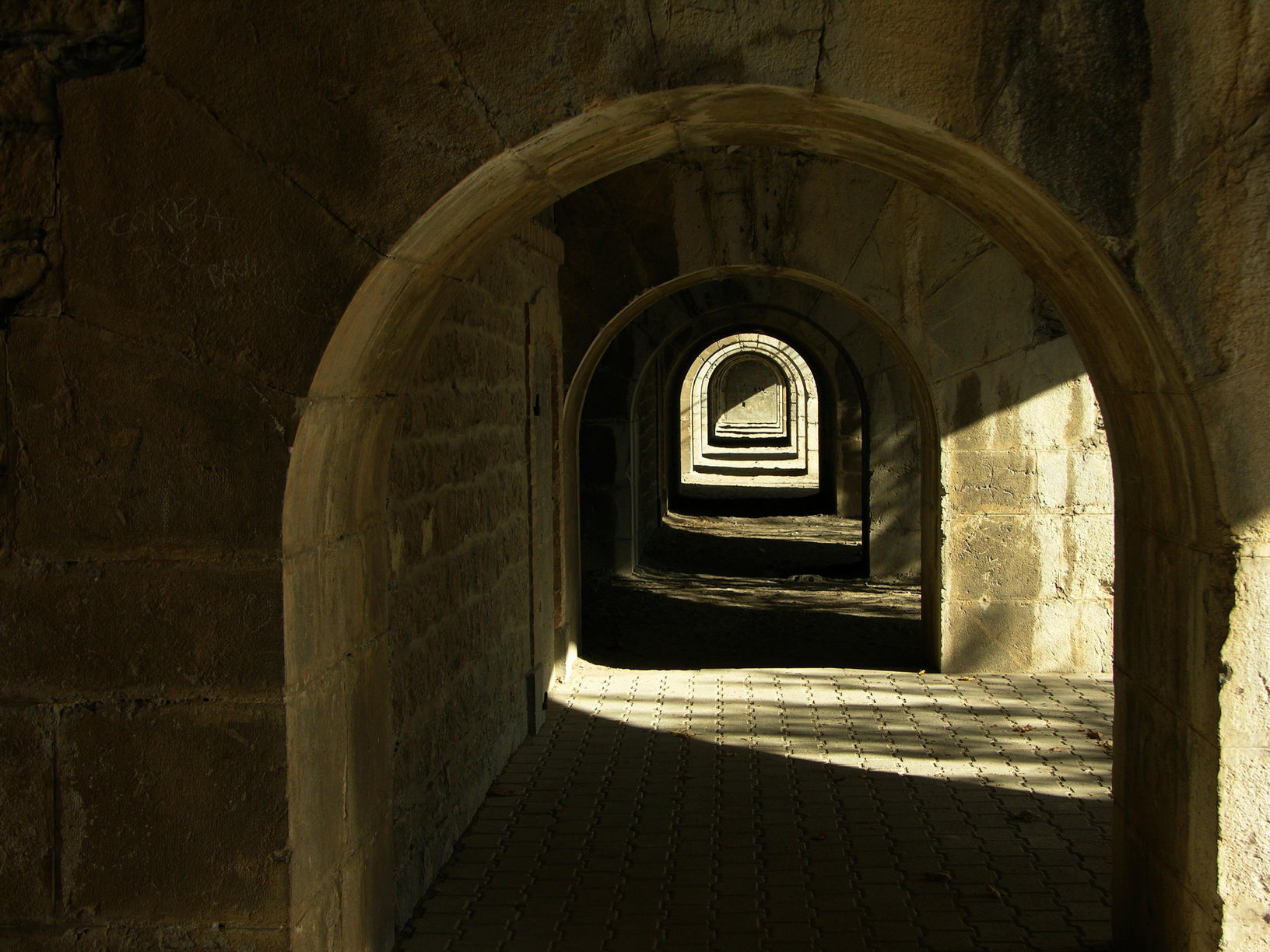
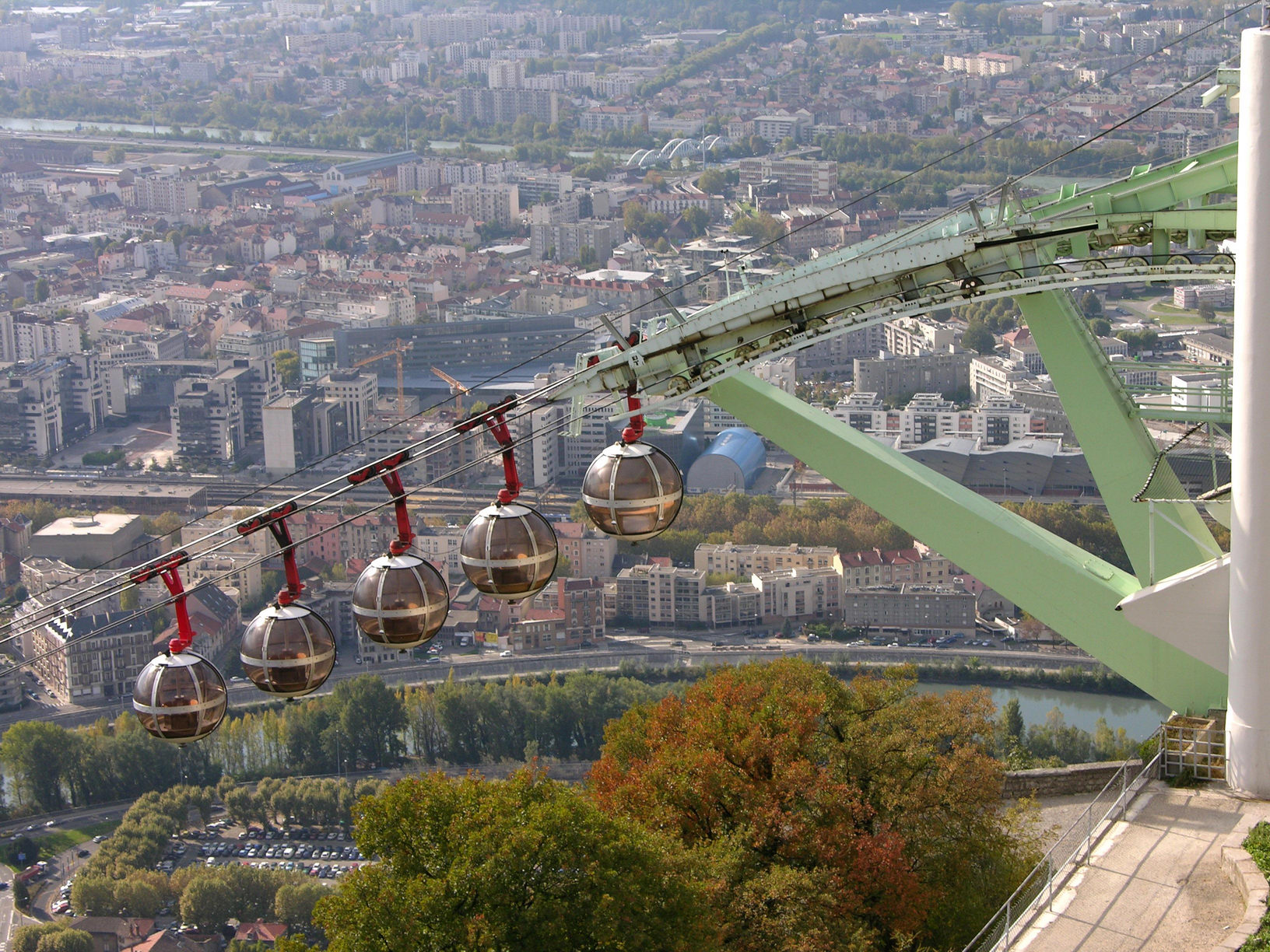
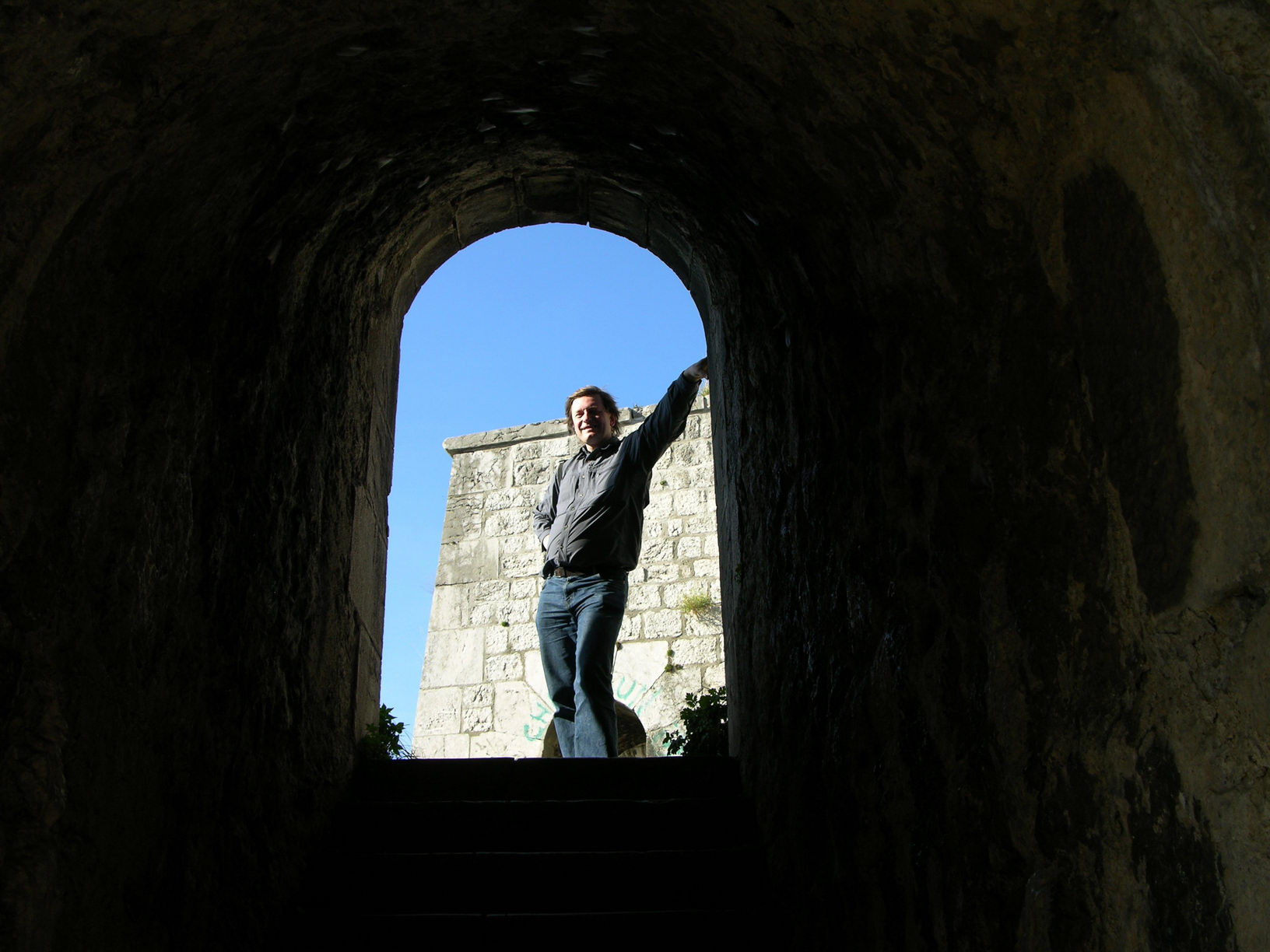
After Grenoble we drove to Turin. Unfortunately we arrived in darkness and fog and didn’t get a proper look at the city. We turned south and found ourselves in an endless network of motorways.
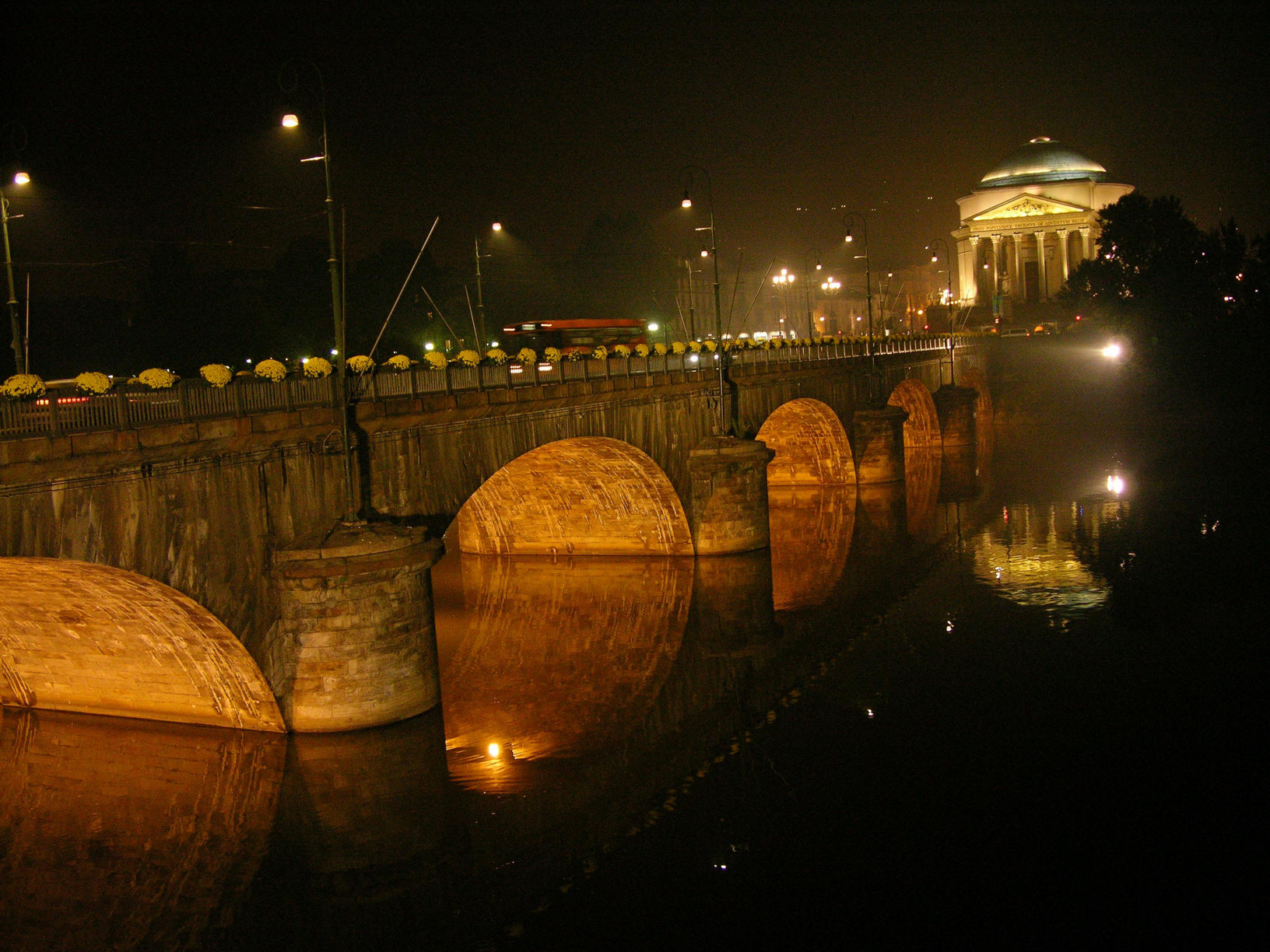
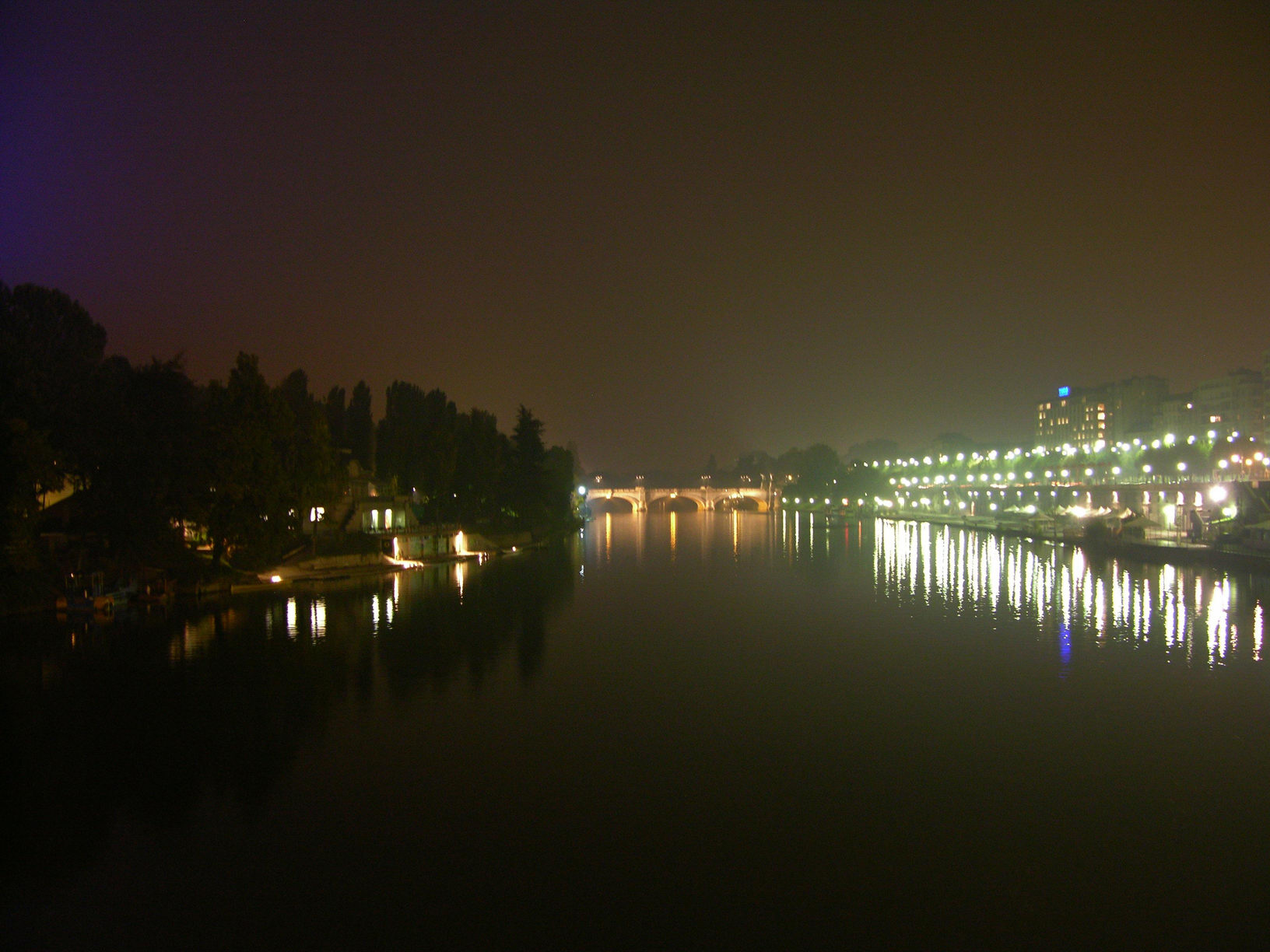
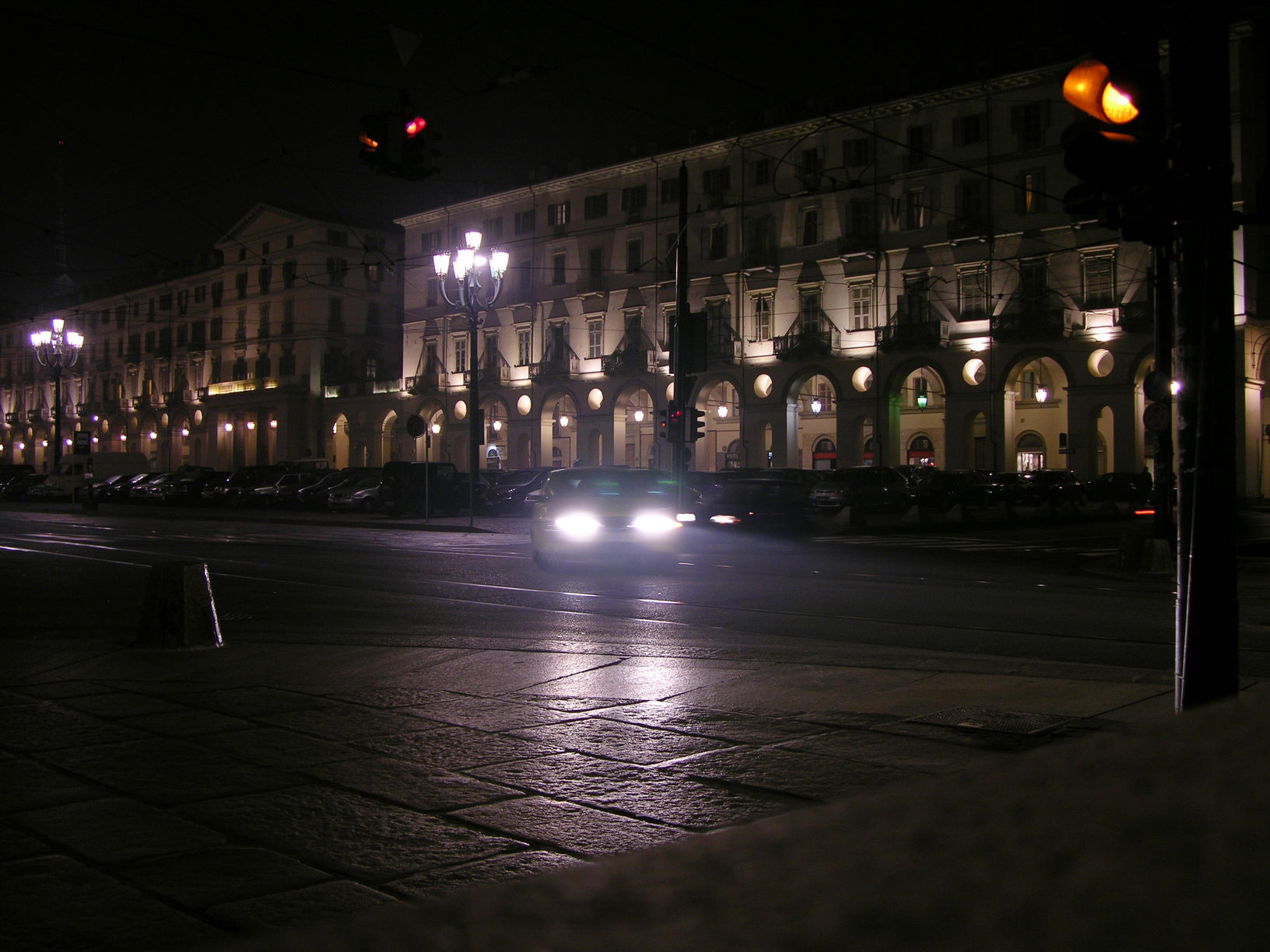
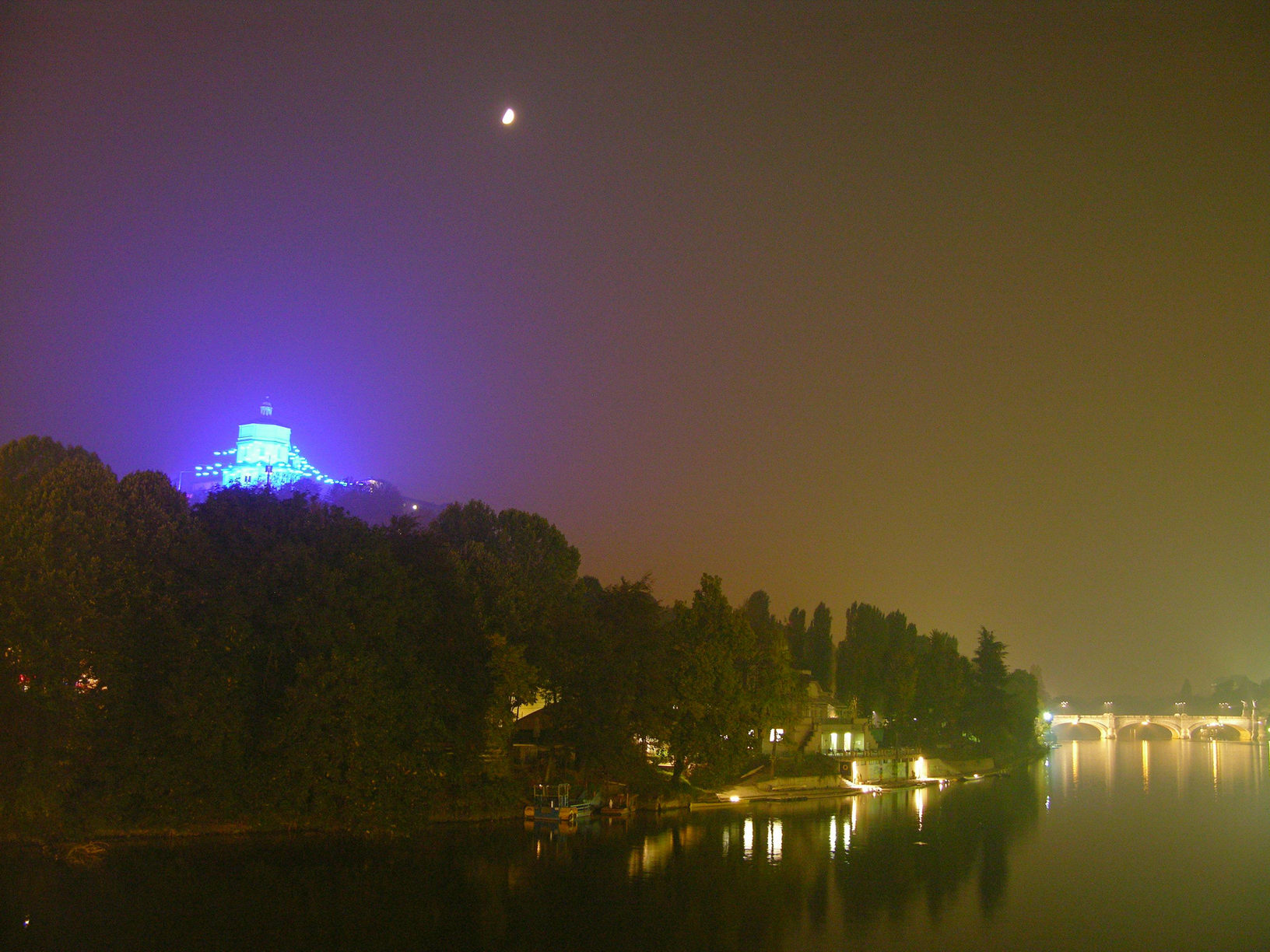
We were now in Italy, which has the best roads in Europe. Tunnels through the mountains turn straight into viaducts. Everybody drives fast, even the lorries well over the limit. It all moves quickly. We couldn’t work out where to turn off for the night and had hardly stopped before we were out at the Mediterranean in Savona. It’s a resort, so a hotel was easy to find (44°17.705′N, 8°27.191′E).
We woke in the morning to a red glow. Sun, warmth, almost summer. We were on the Riviera.
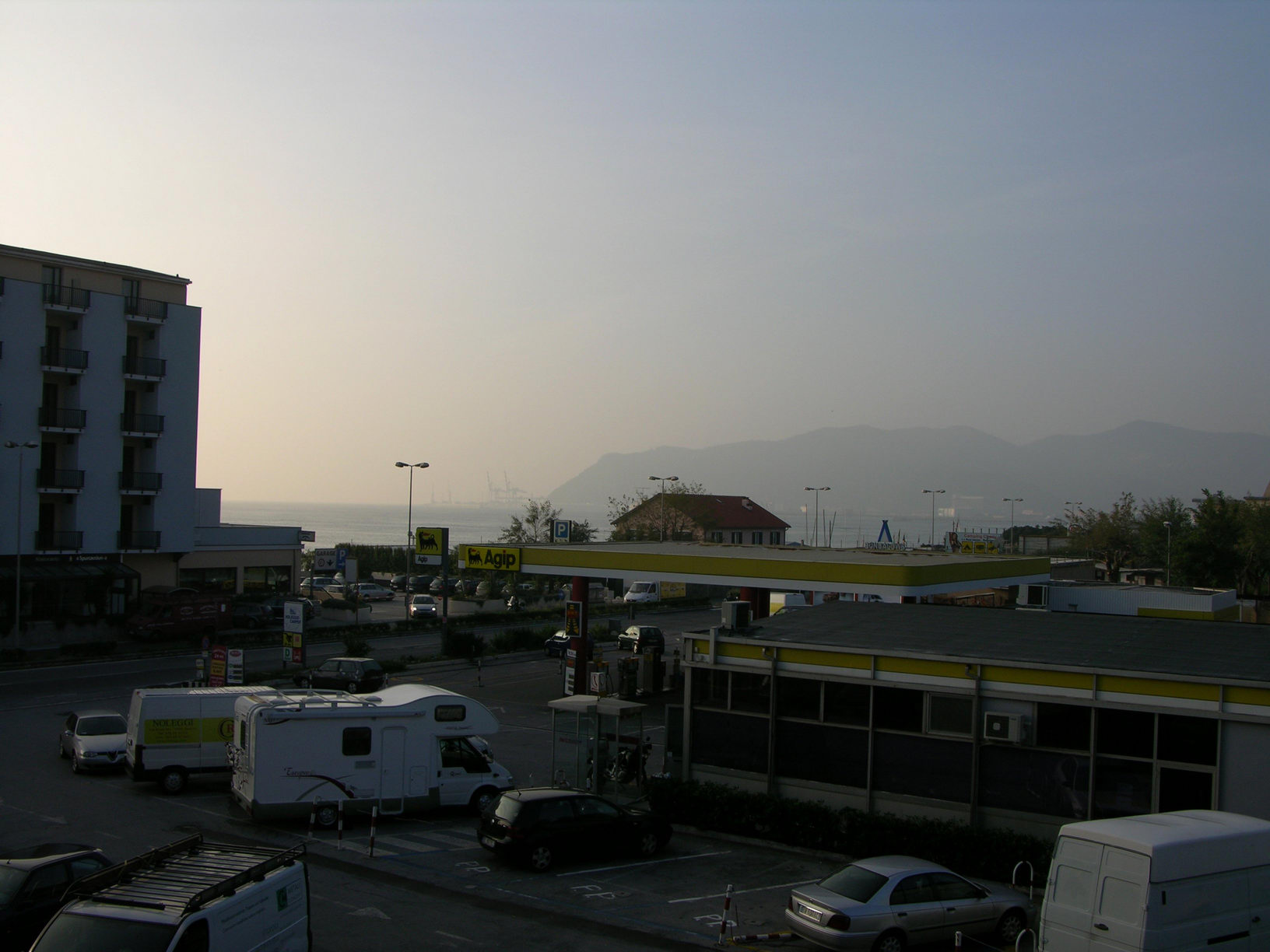
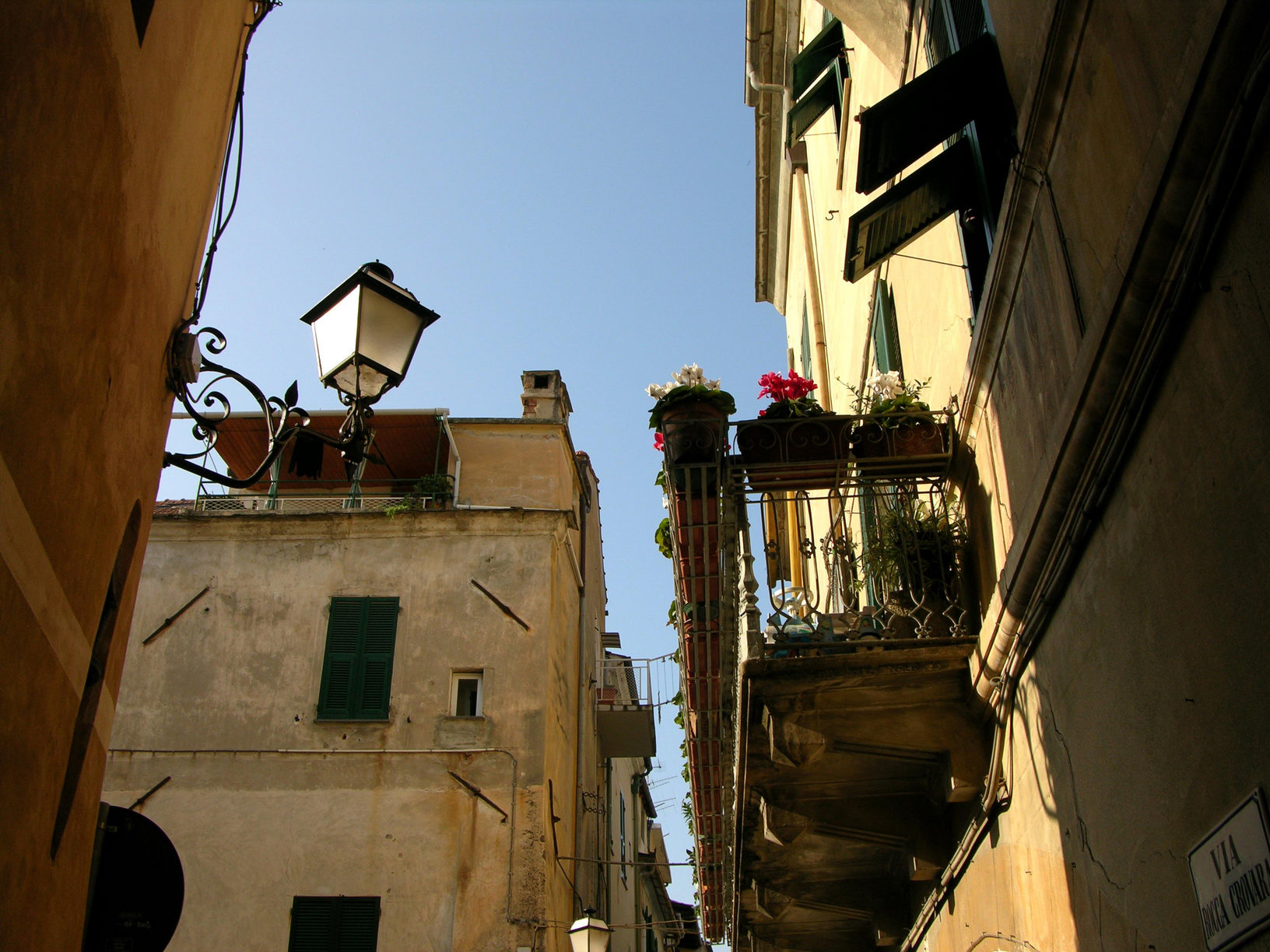
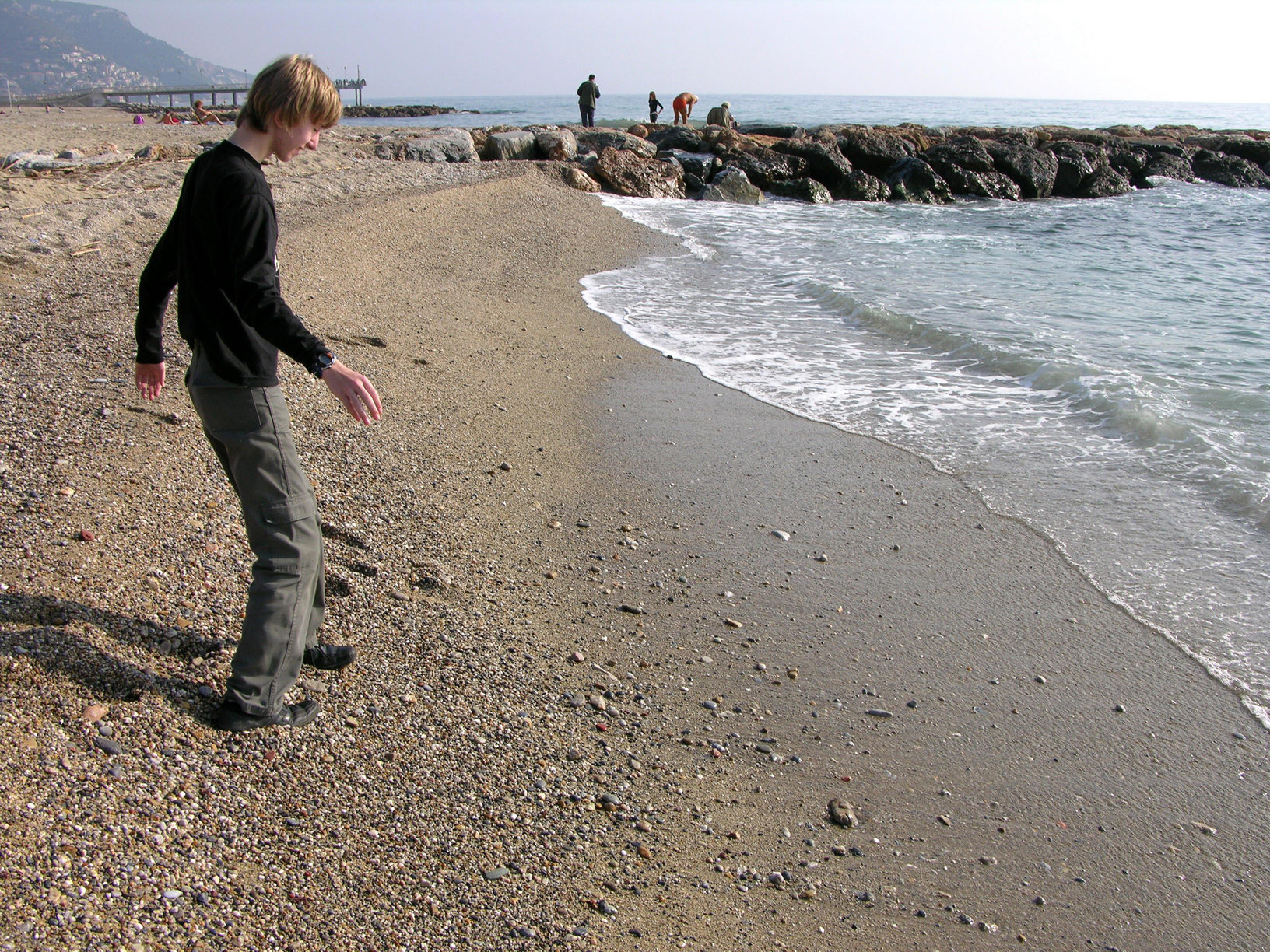
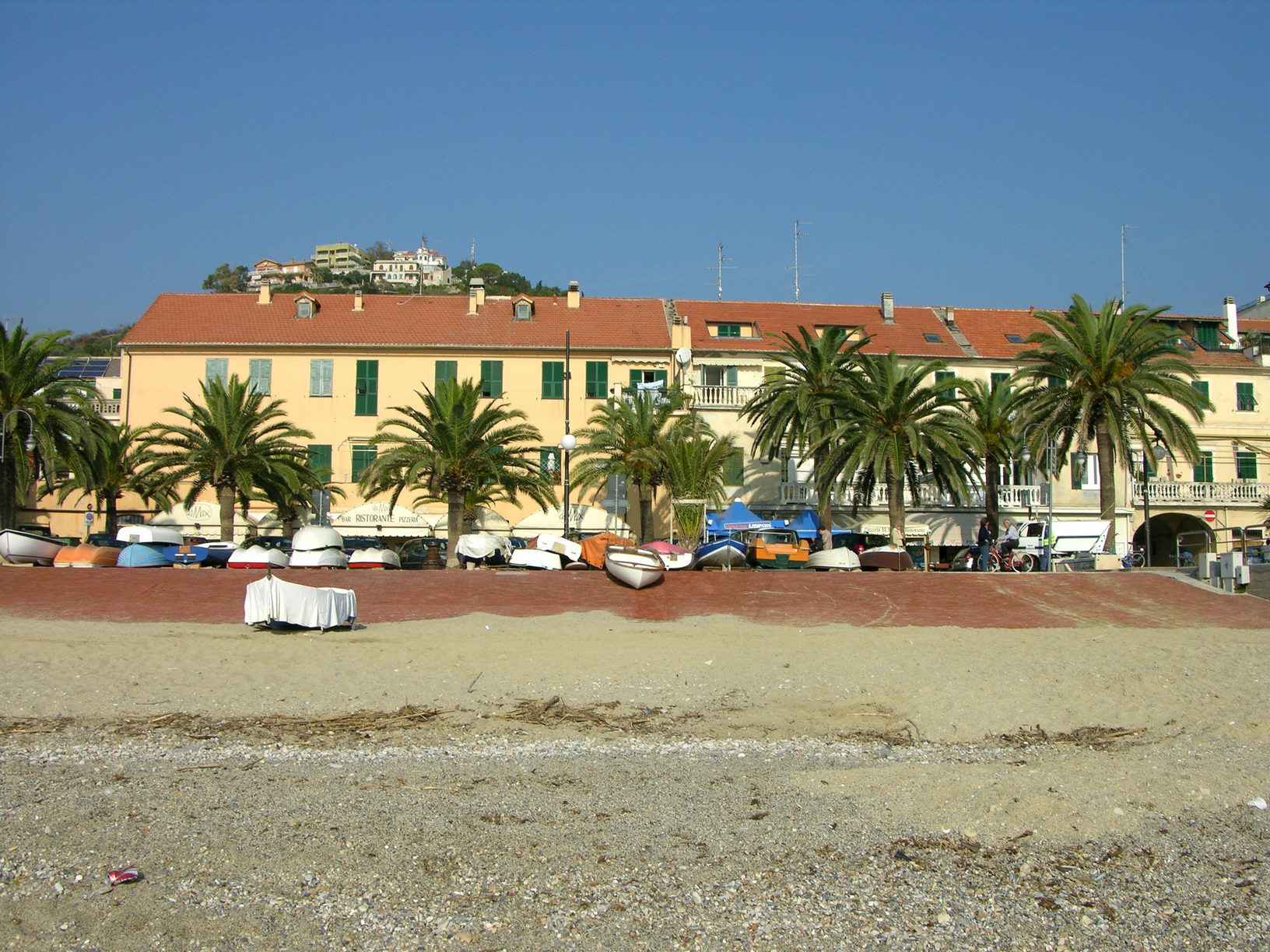
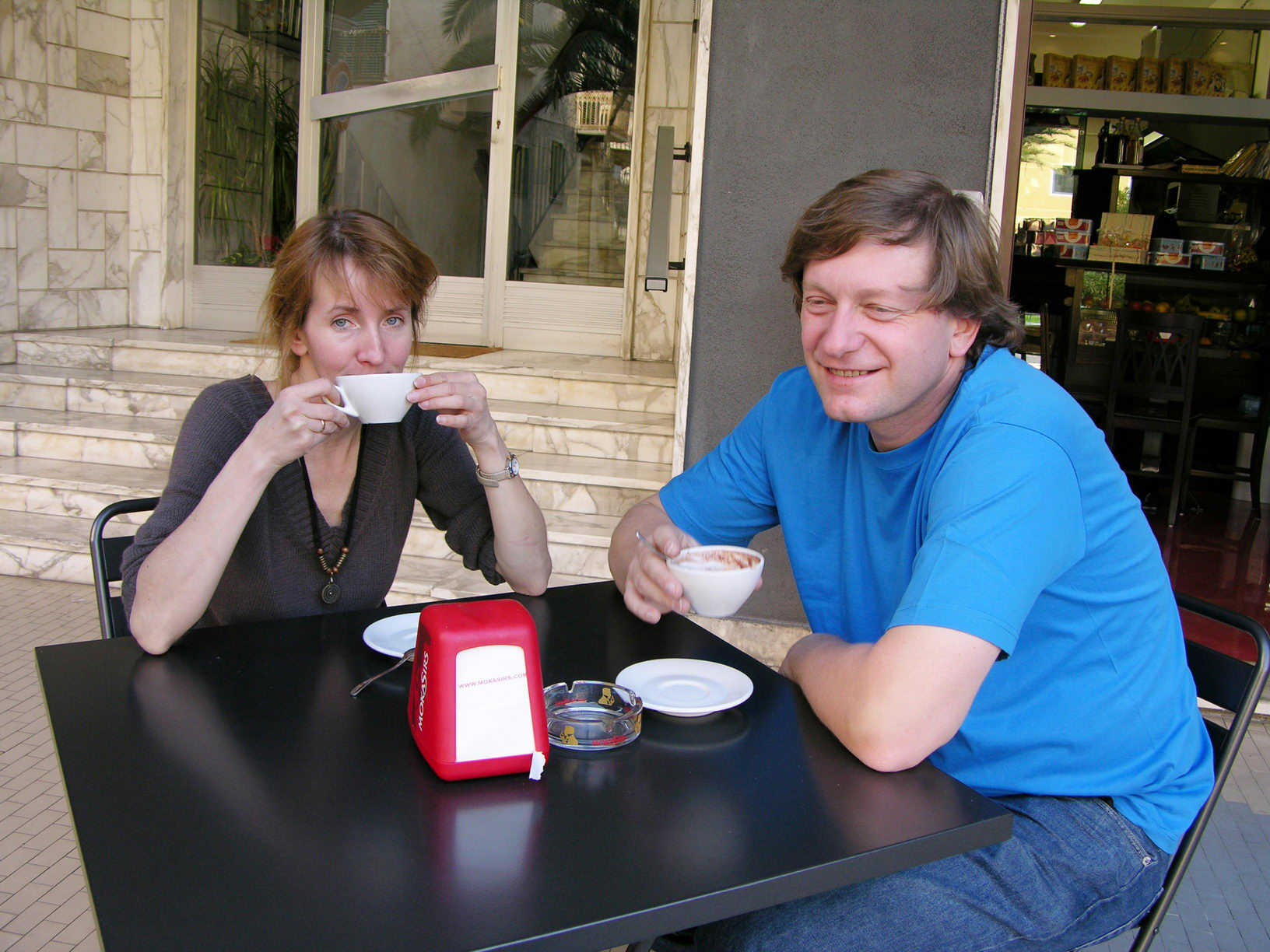
The first town on our way was Pietra Ligure. We had hot chocolate and took a walk along the sea.
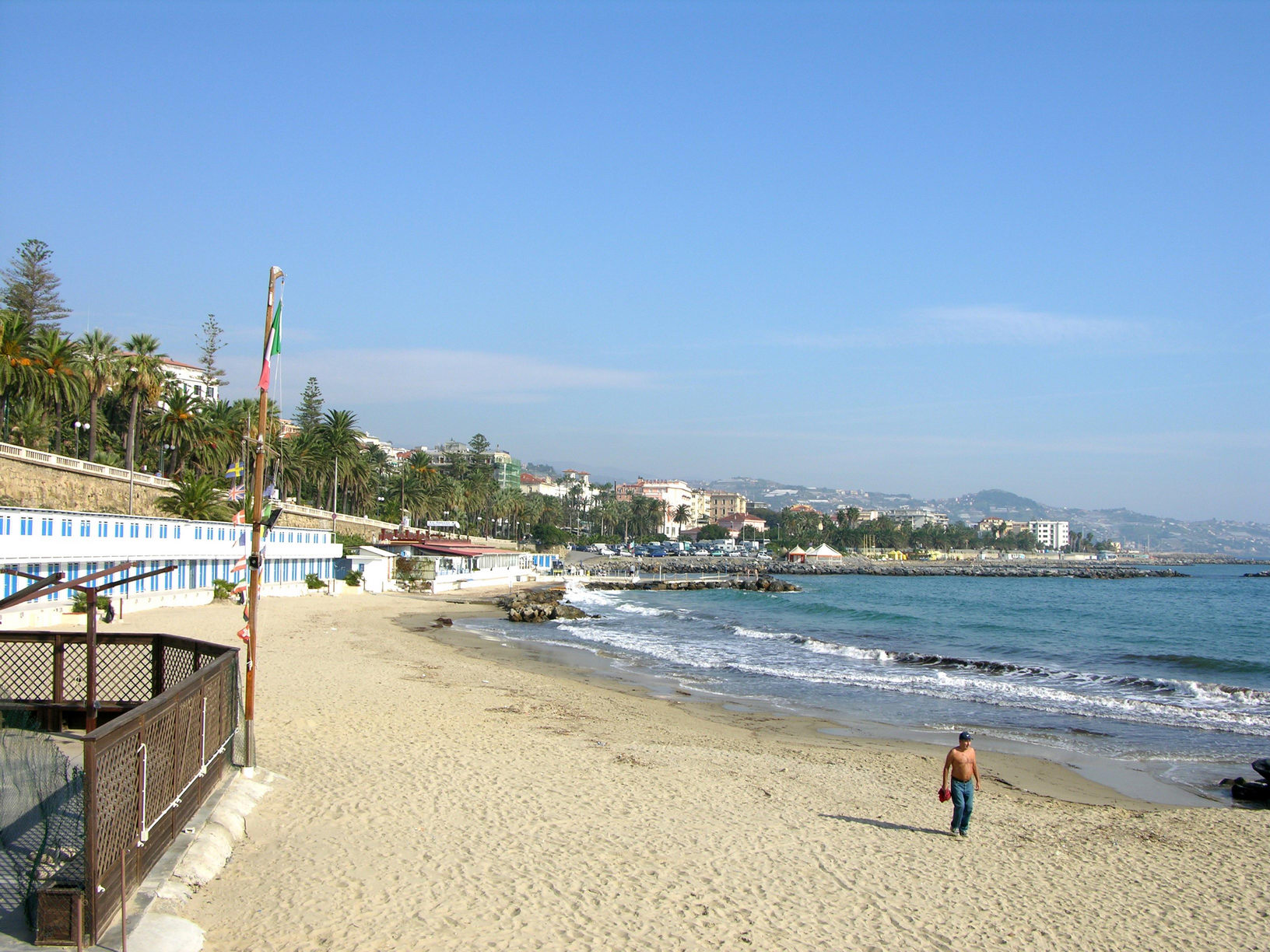
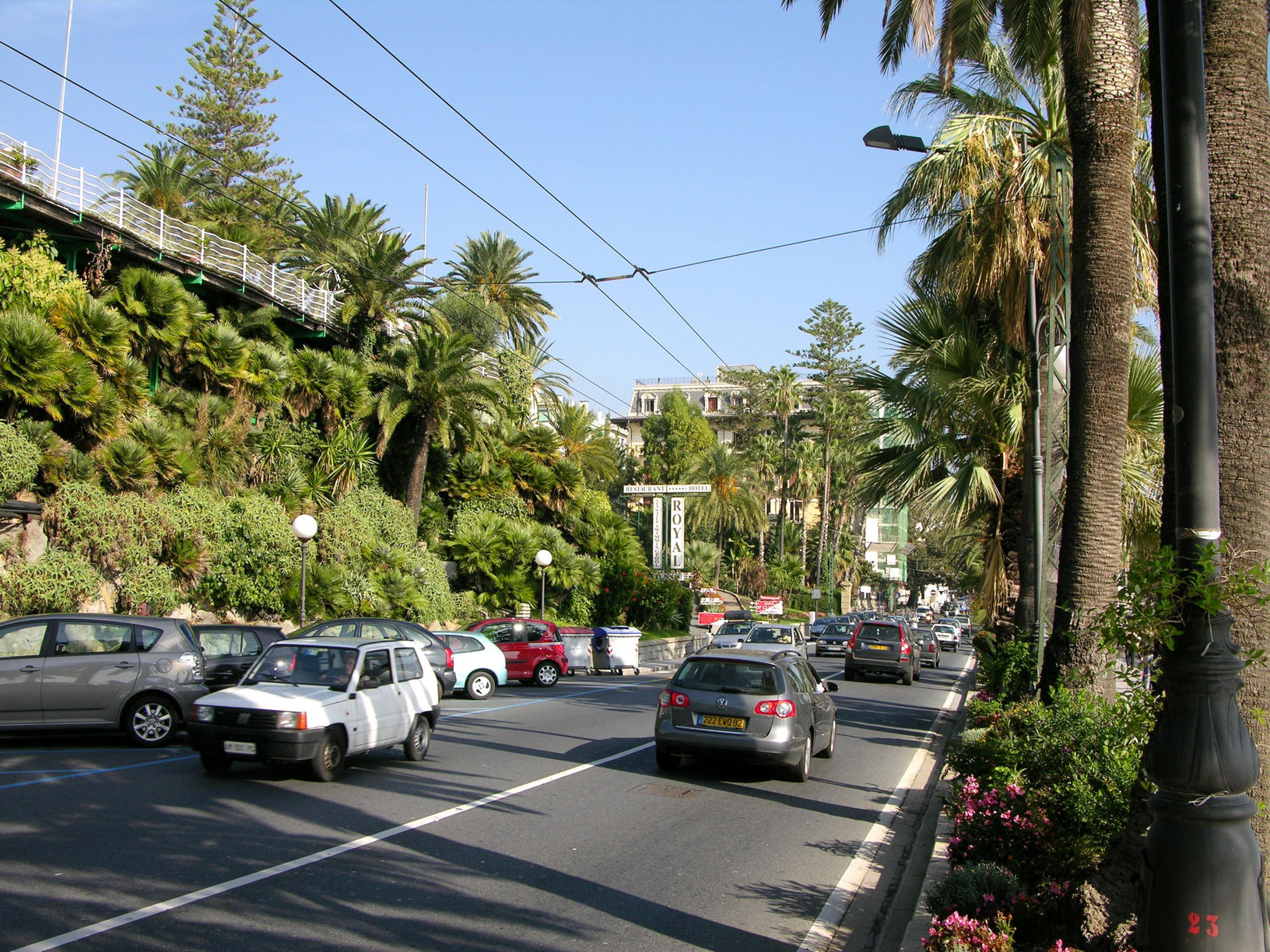
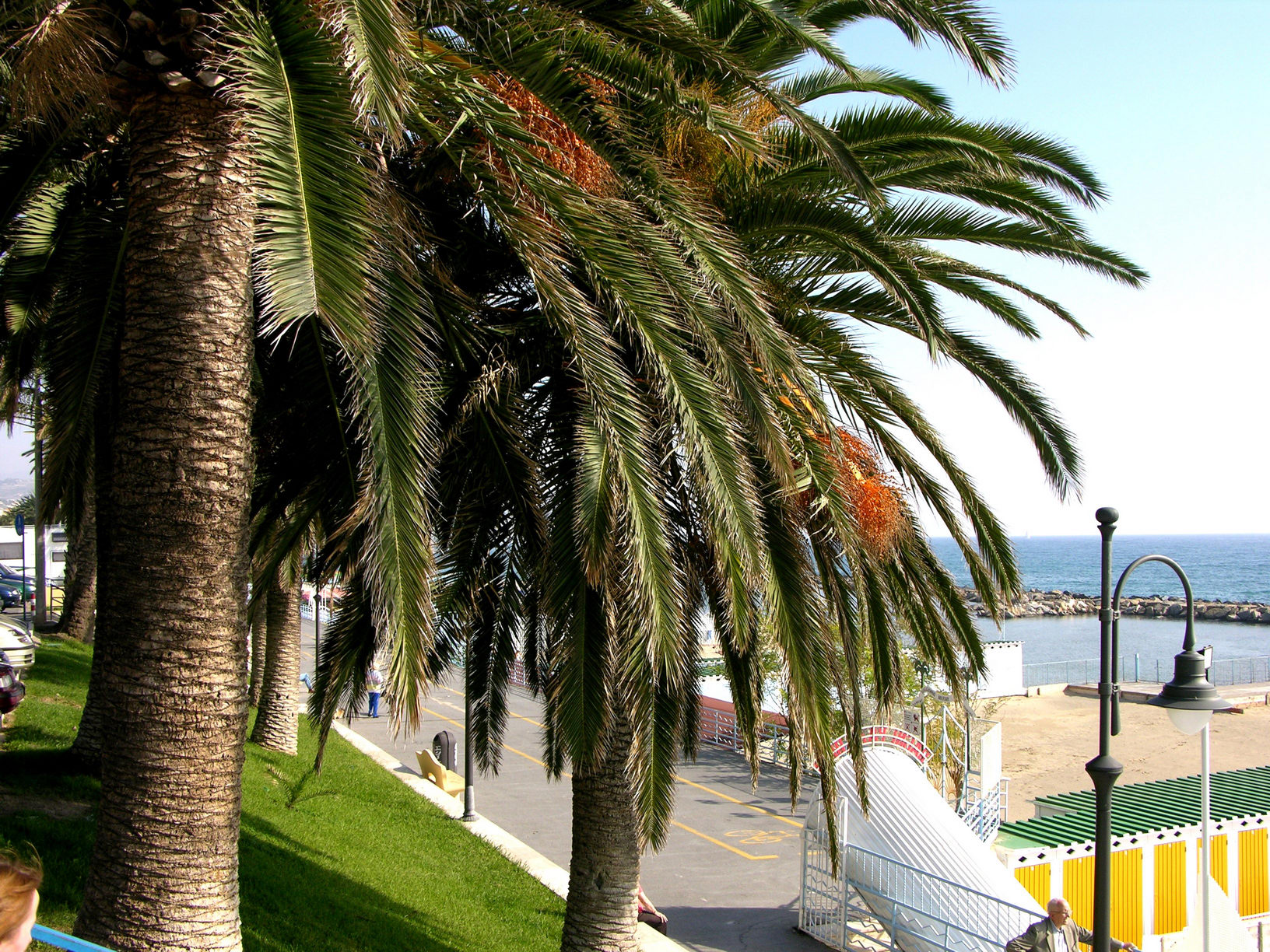
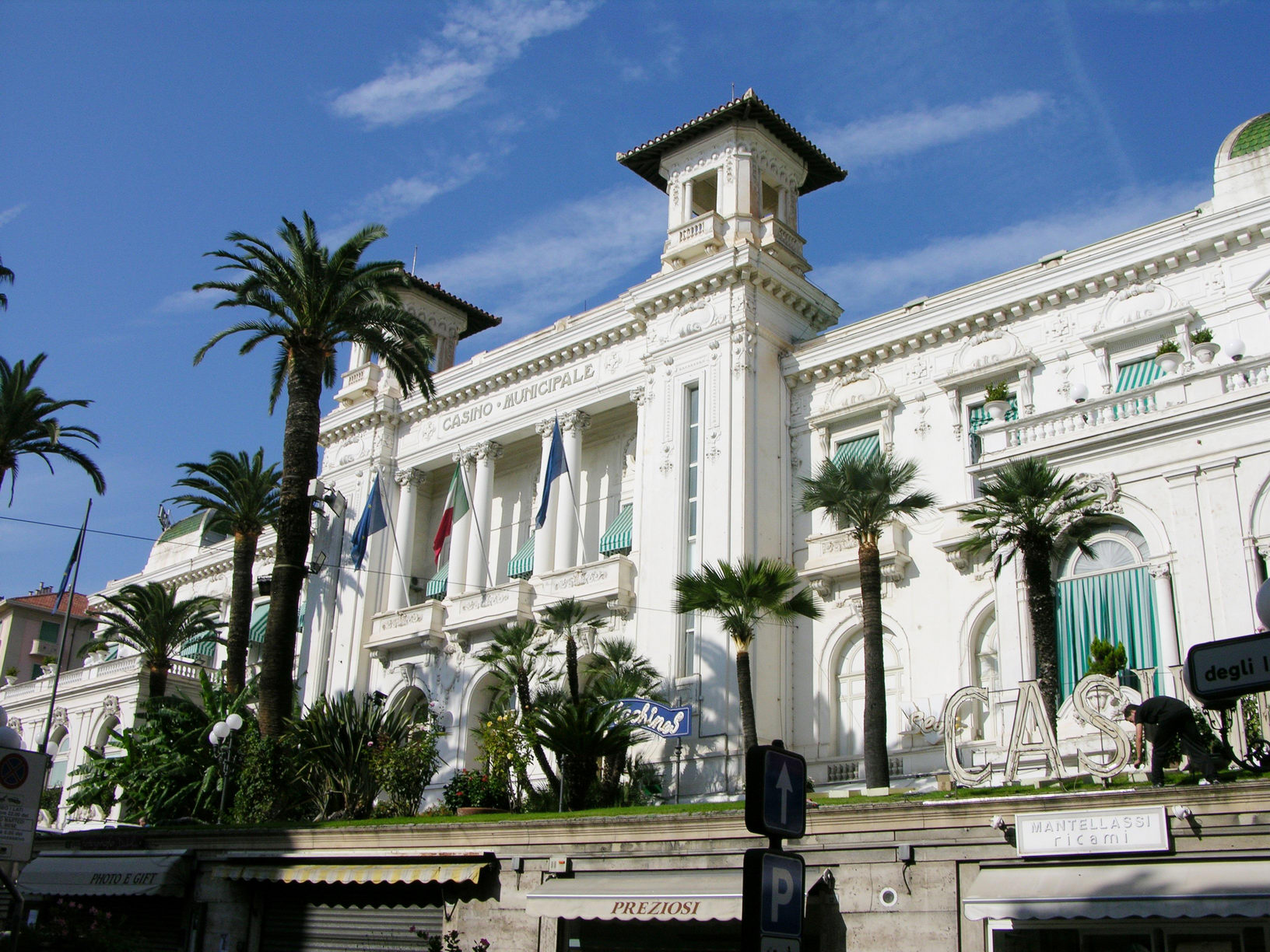
Next was San Remo, Sanremo, another name straight out of Soviet times. The Sanremo Festival was a tiny piece of “the West” that could be shown in the USSR, a chance to hear some real music beyond the repertoire approved by the Composers’ Union.
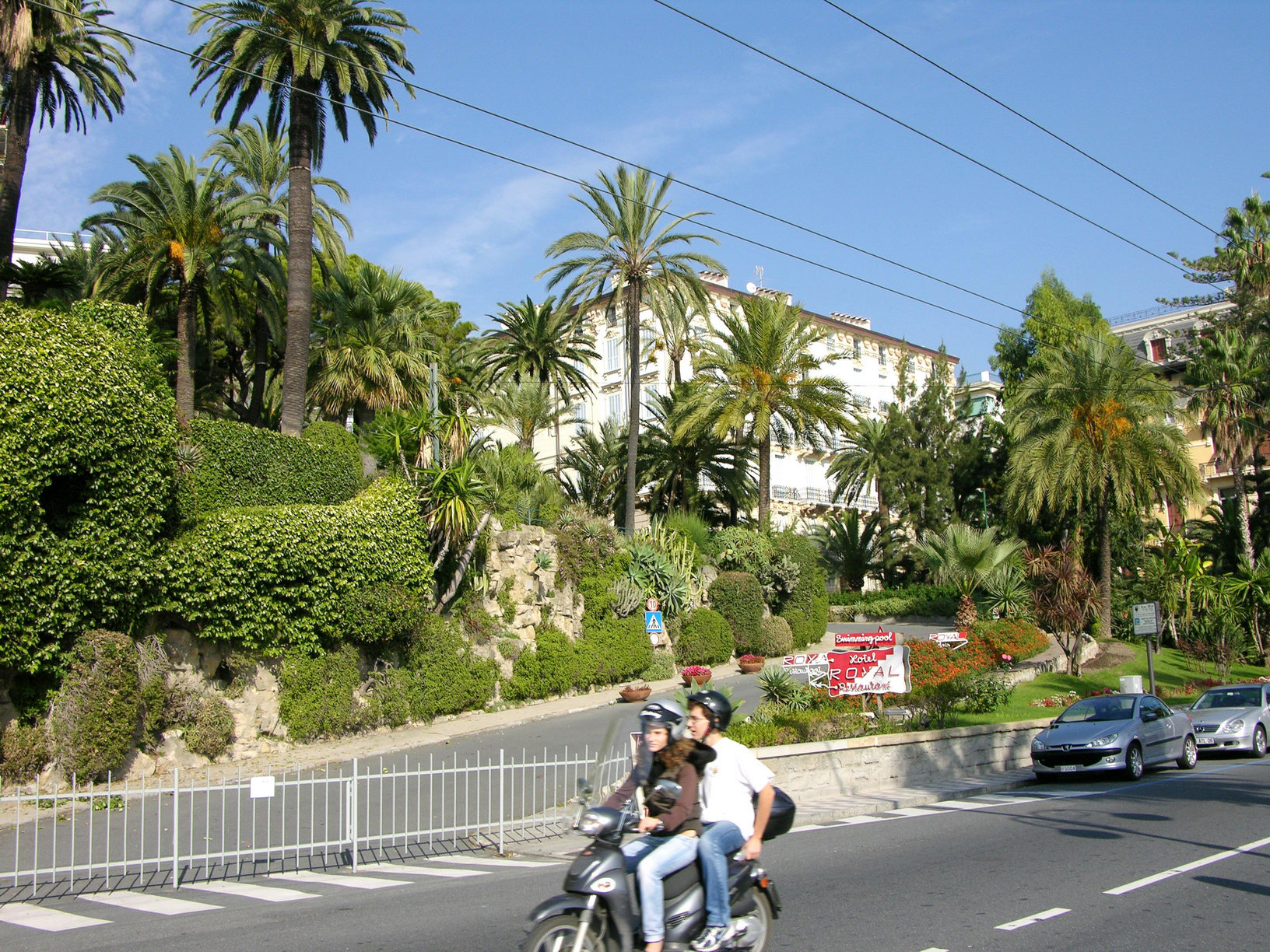
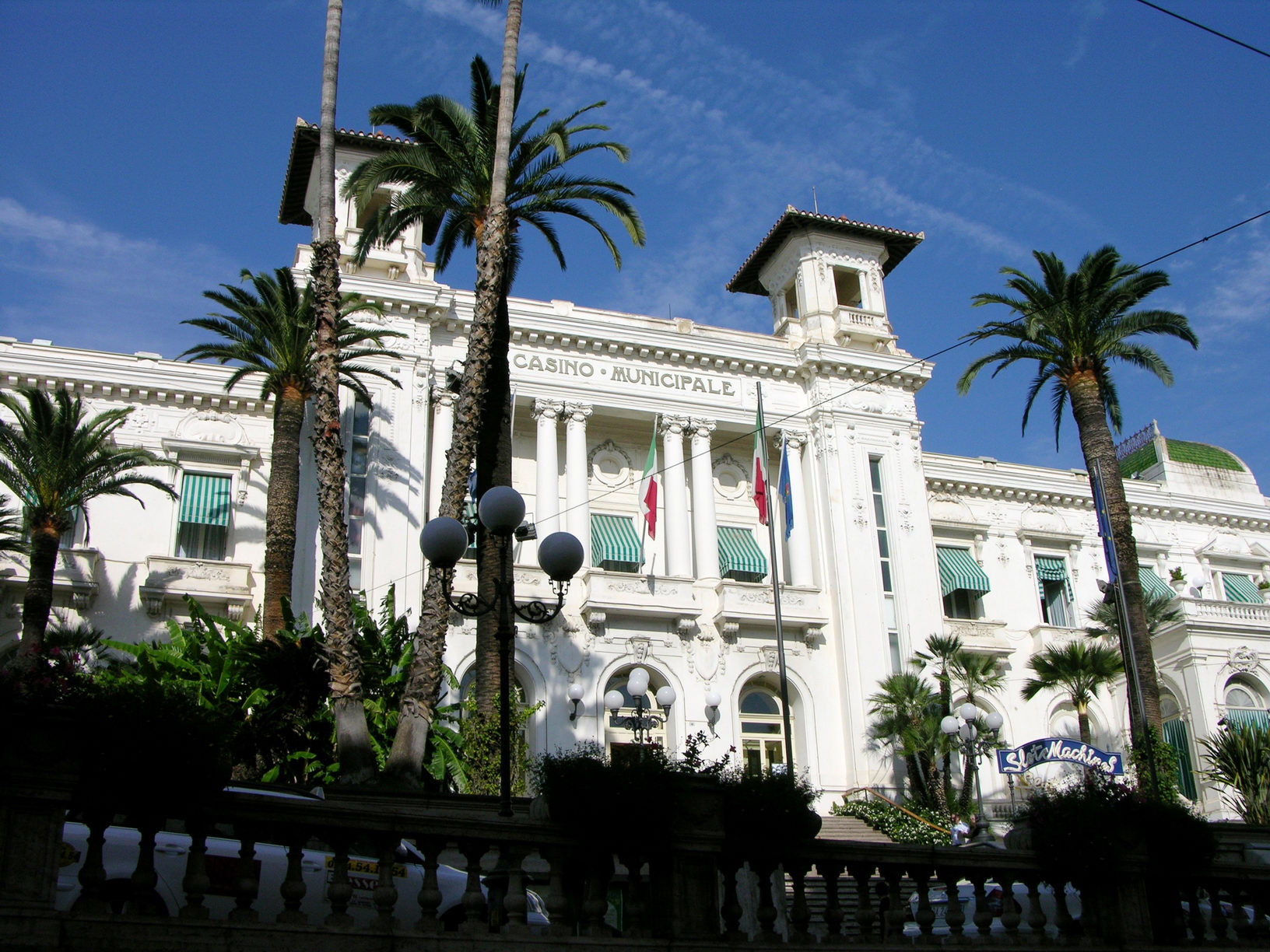
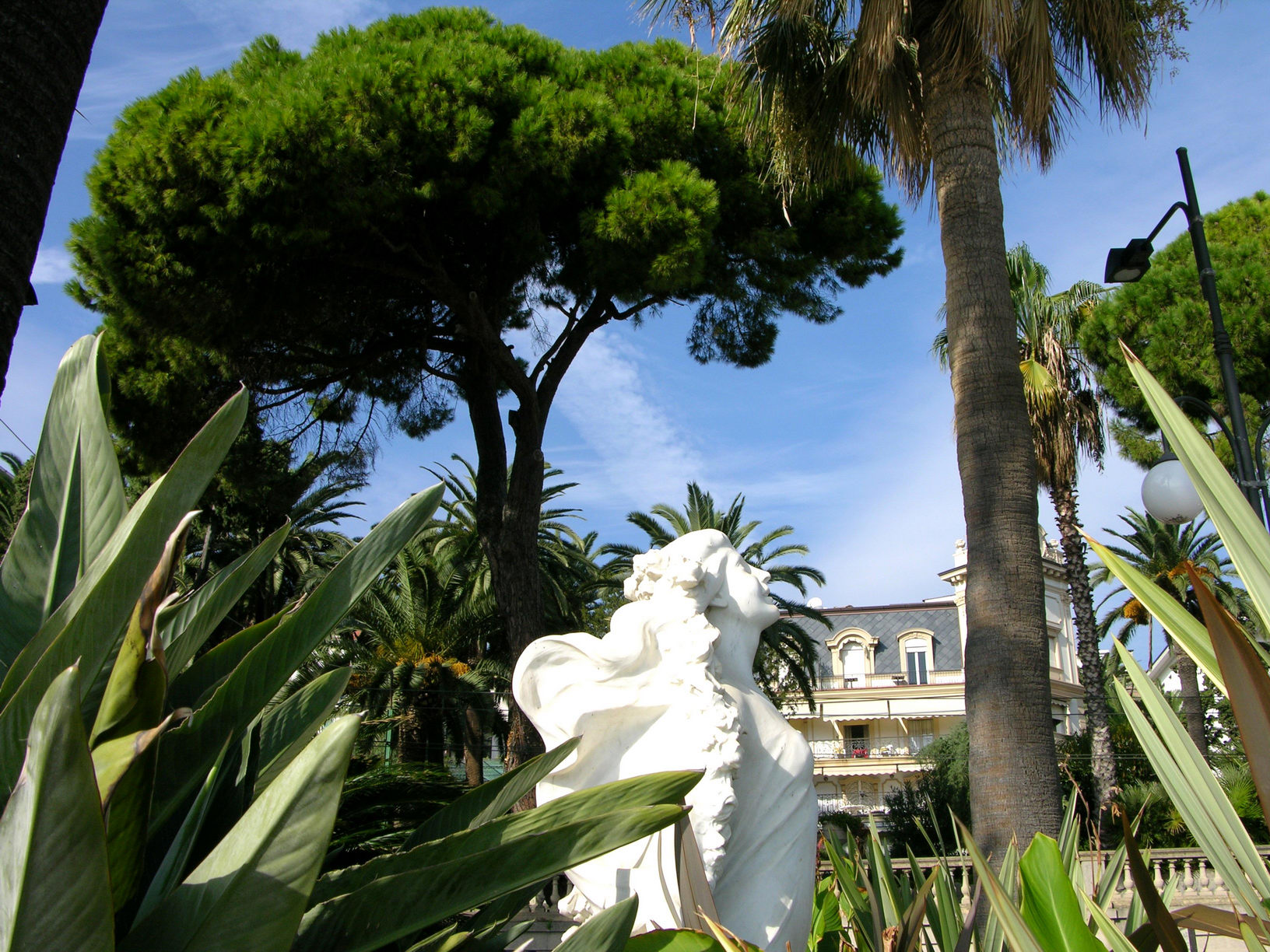
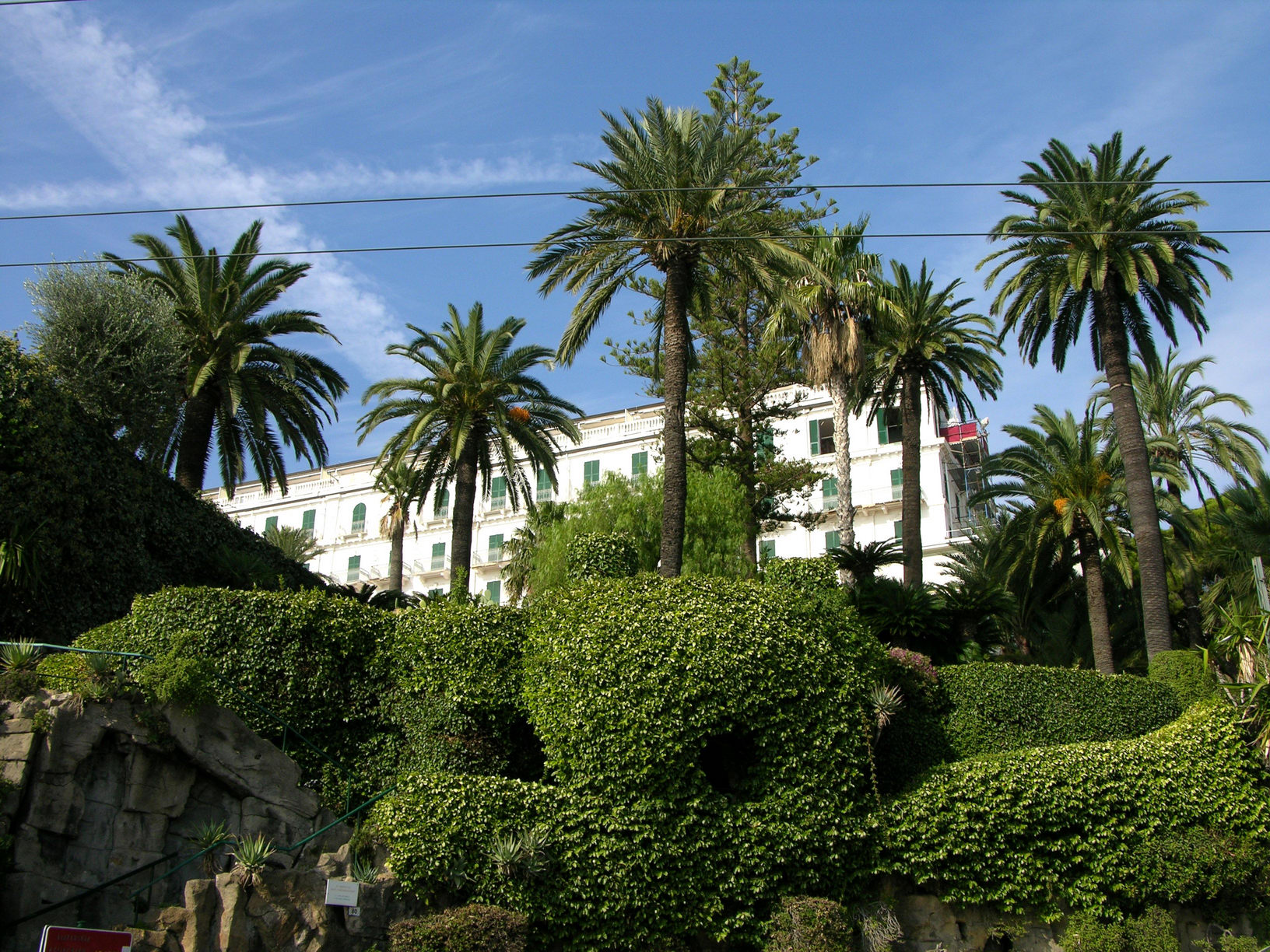
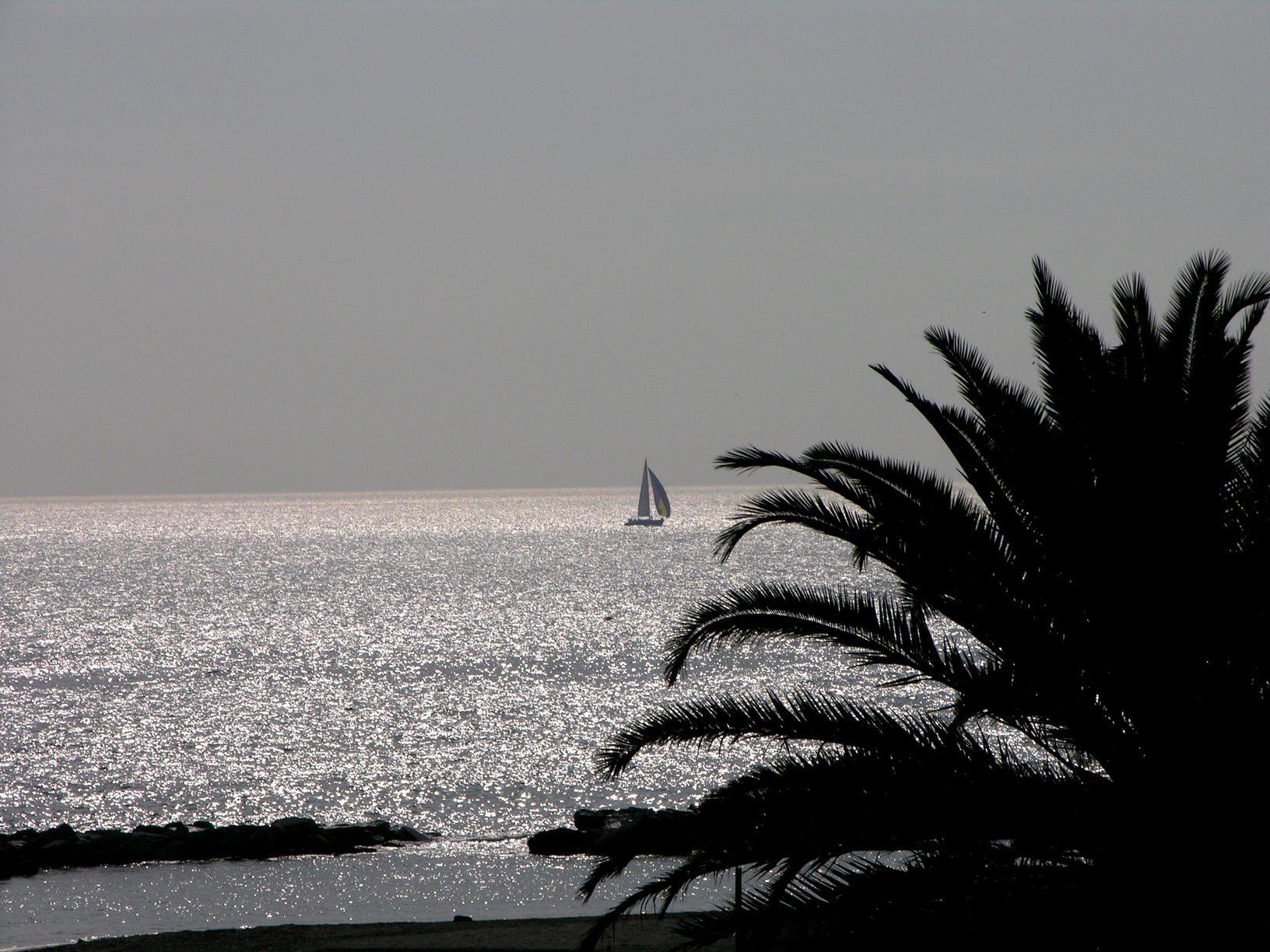
Sanremo is a well-kept little town. It has plenty of beautiful houses overlooking the sea. There are so many stories about every house that there’s scarcely enough time to read them all, let alone write them.
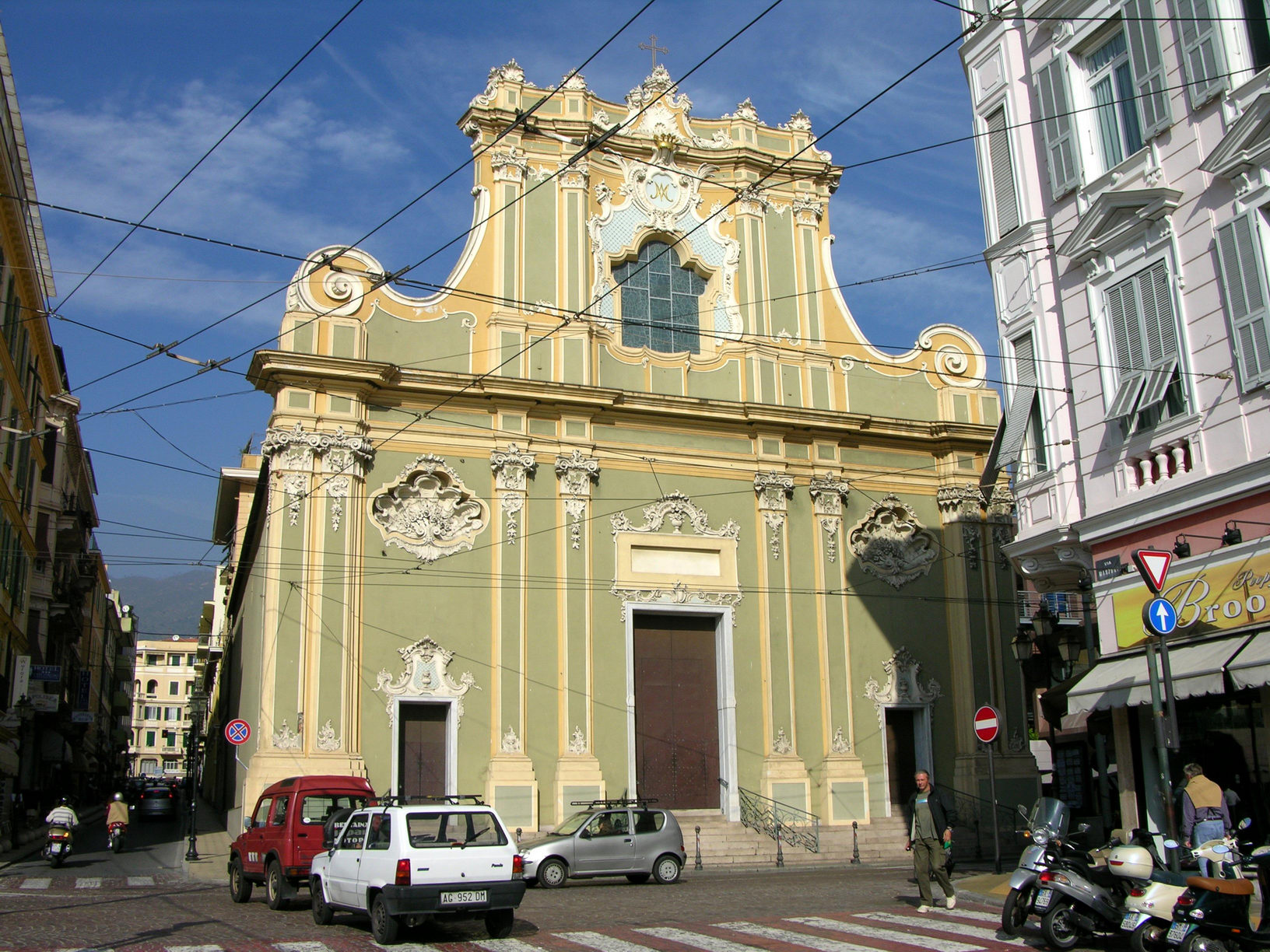
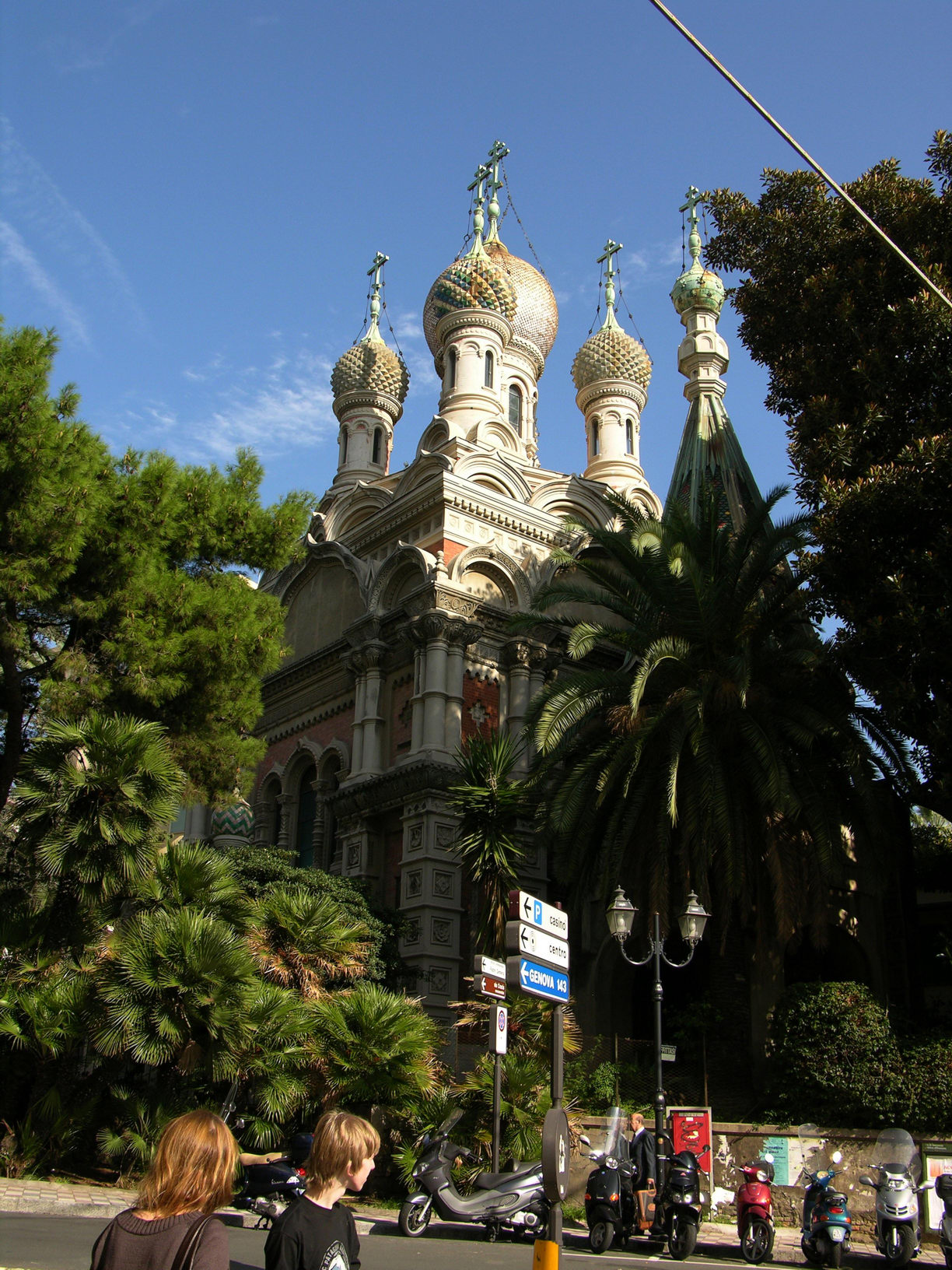
The Russian church deserves a mention. It was built in 1913 for Russian visitors to the resort, to a design associated with Alexei Shchusev. It rather reminds me of Saint Basil’s Cathedral in Moscow. Shchusev dreamed of building something in Red Square and hadn’t been allowed to. The idea stayed with him, and he built a little something from Red Square in Sanremo. He never gave up the bigger dream. When his moment came under the Bolsheviks, he built the Mausoleum.
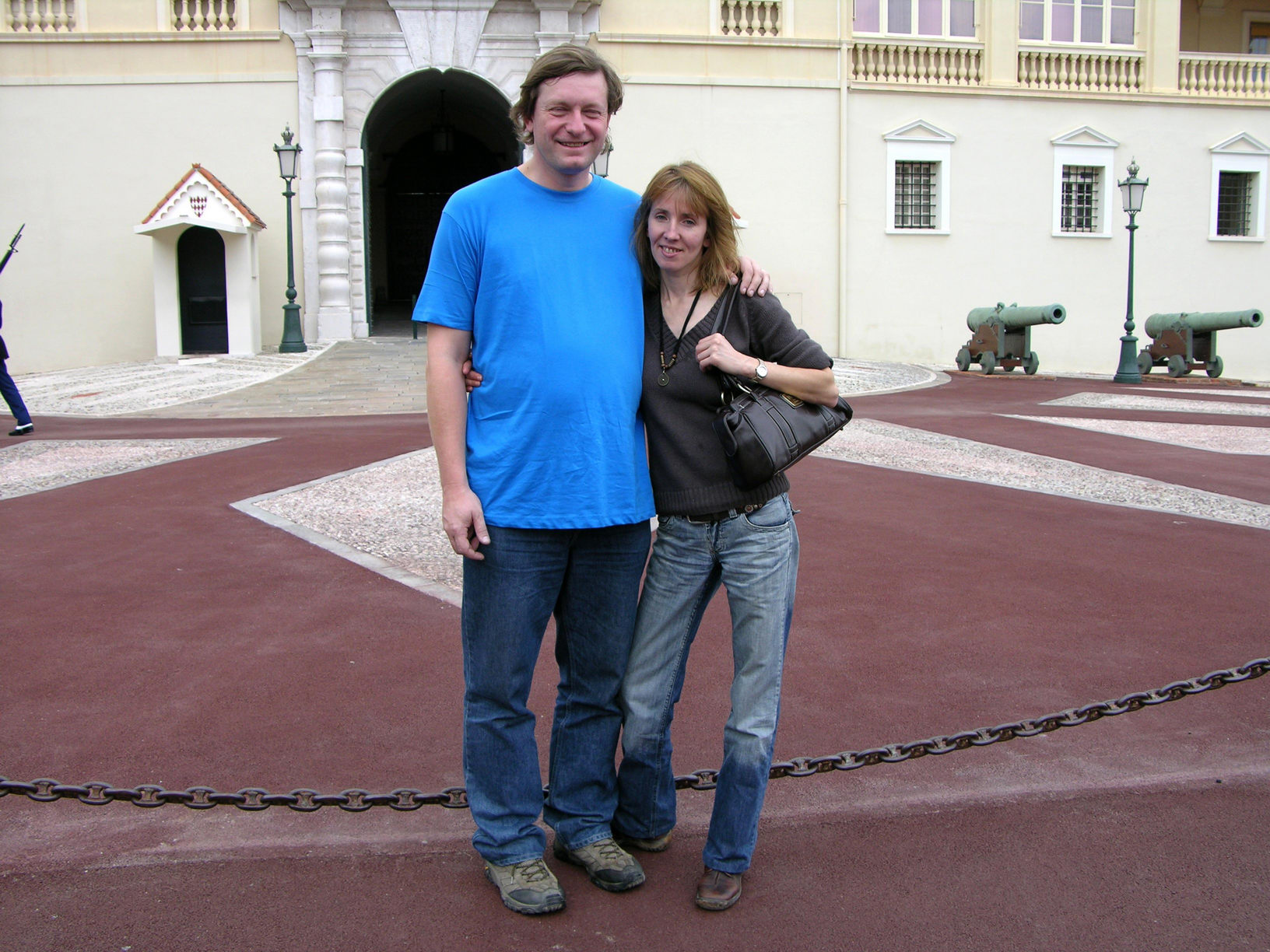
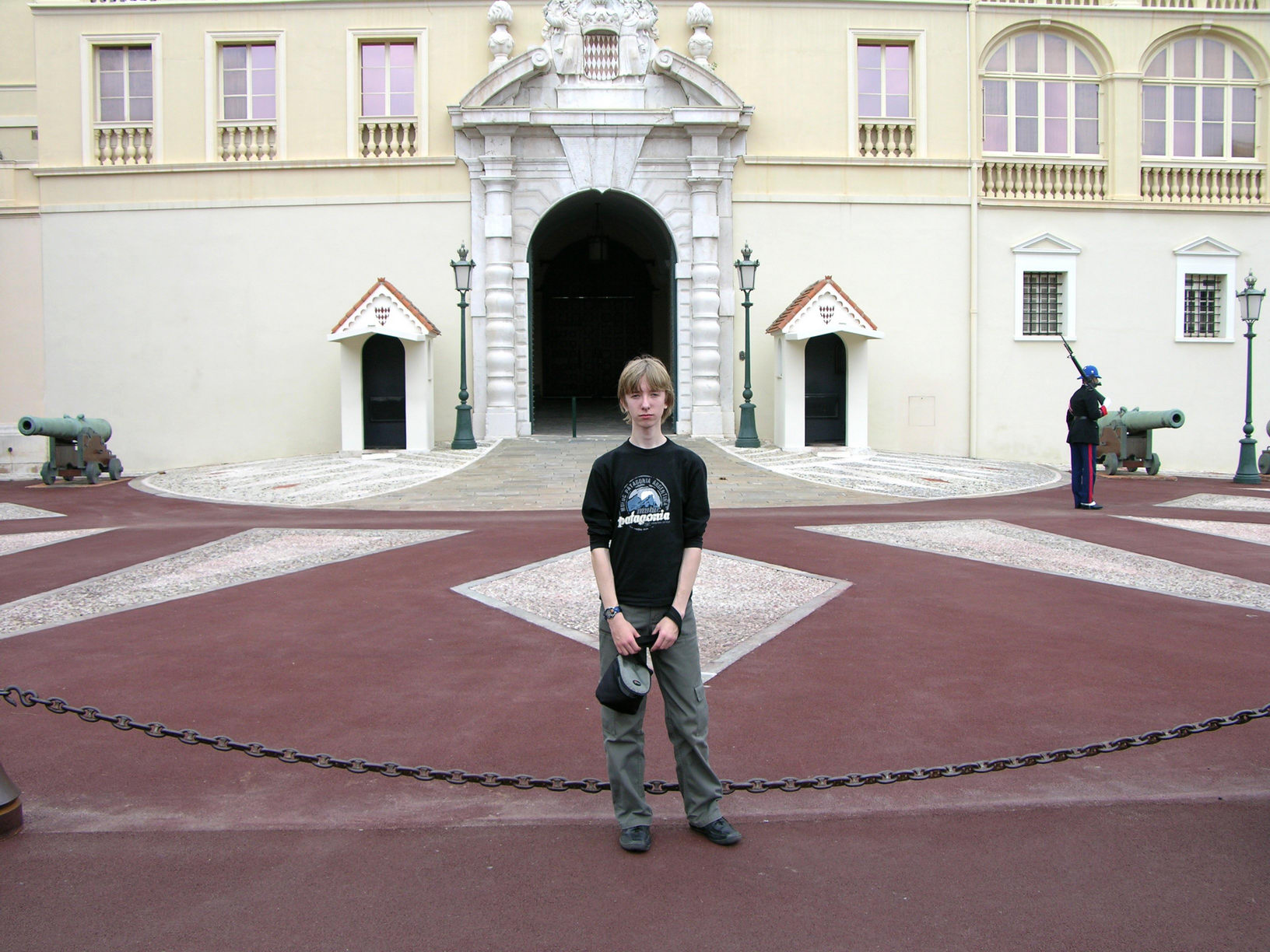
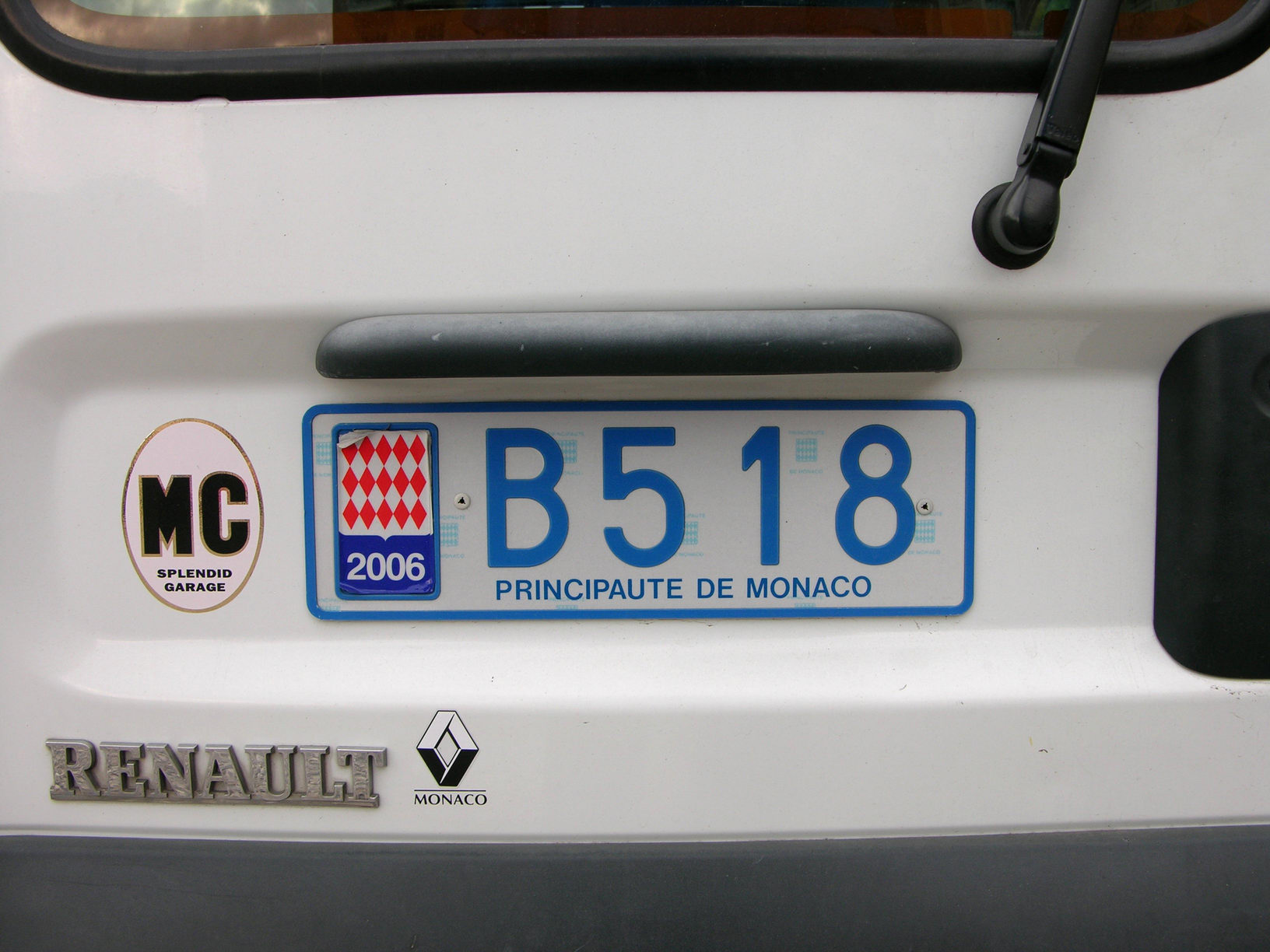
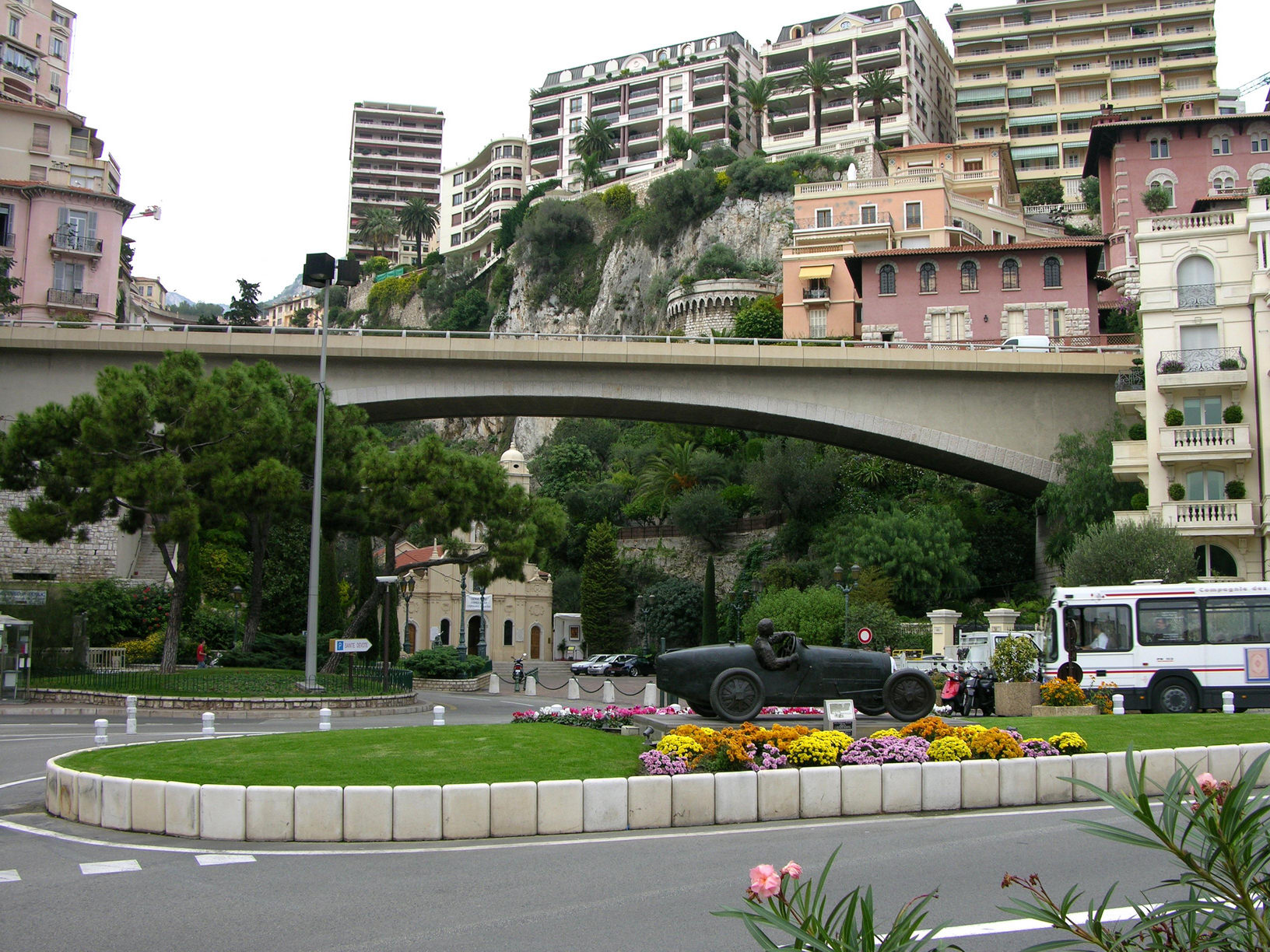
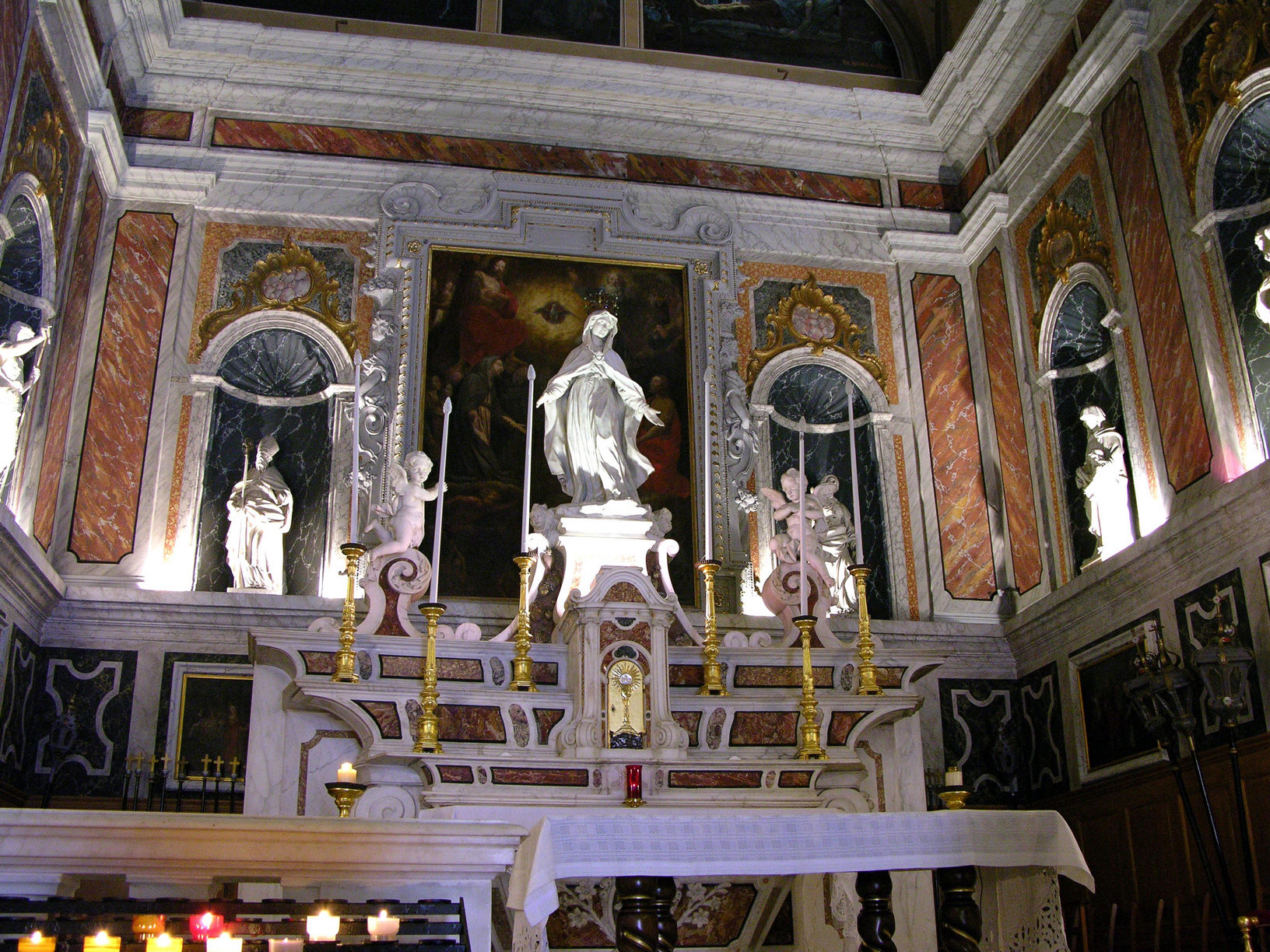
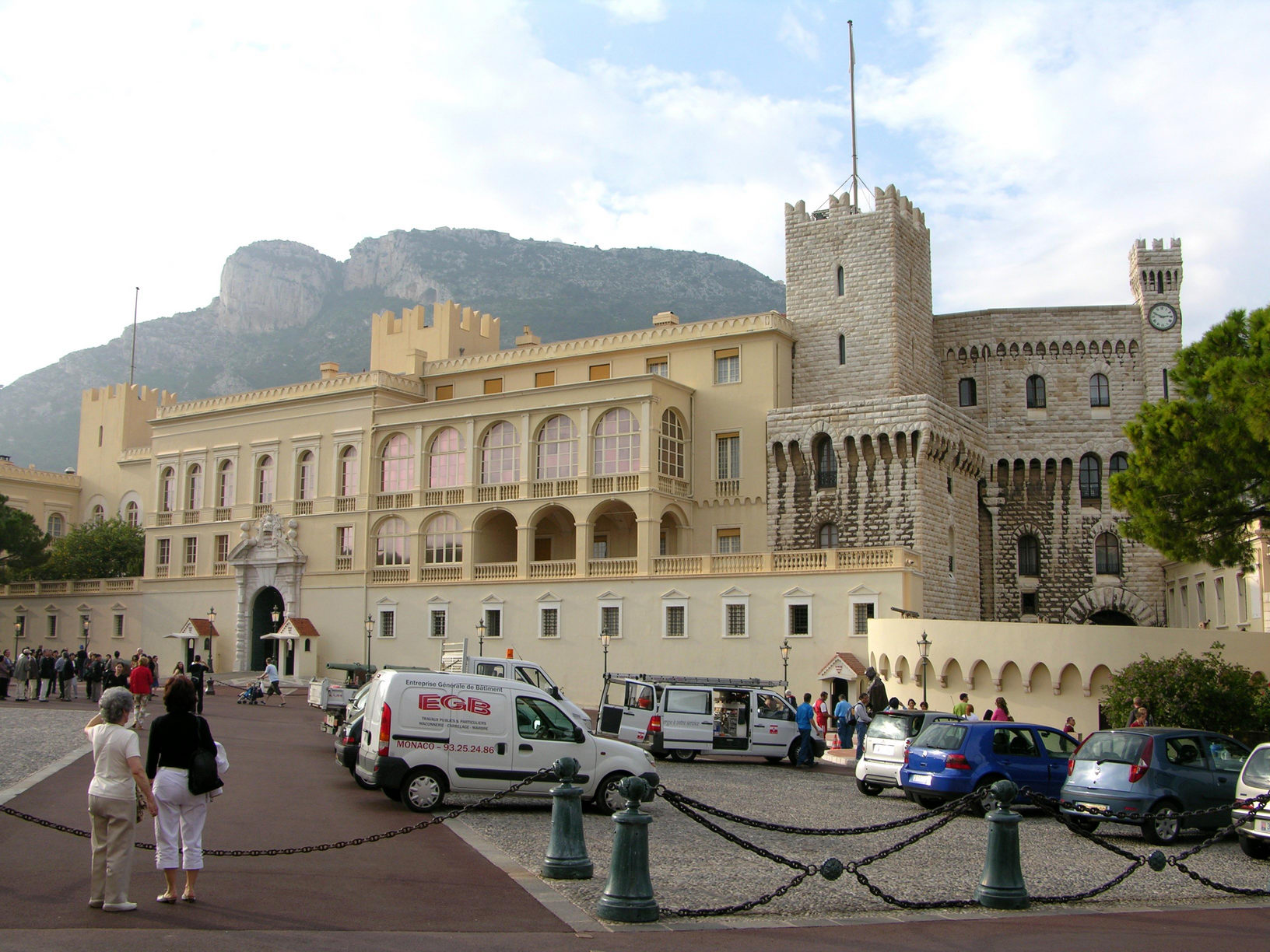
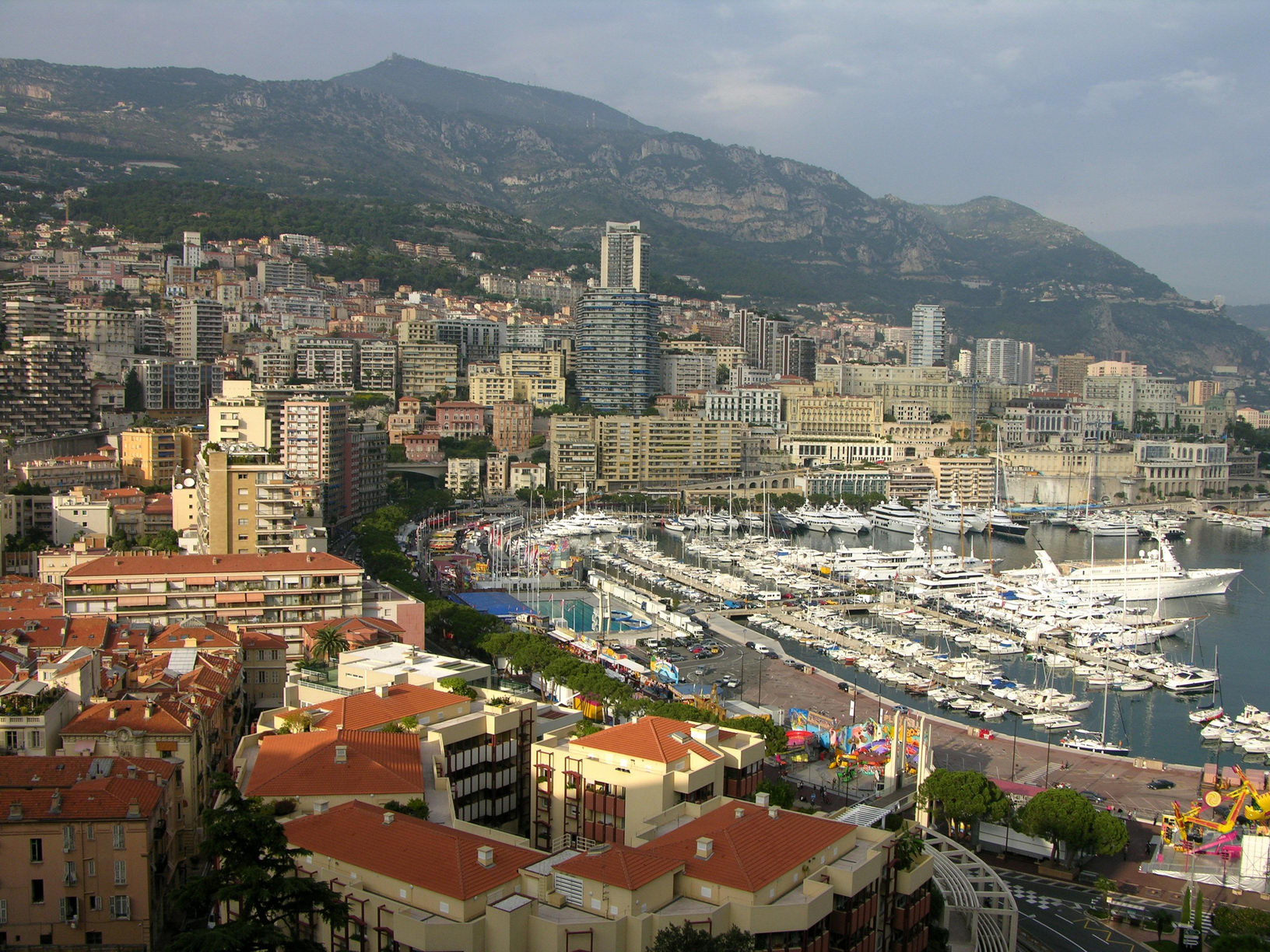
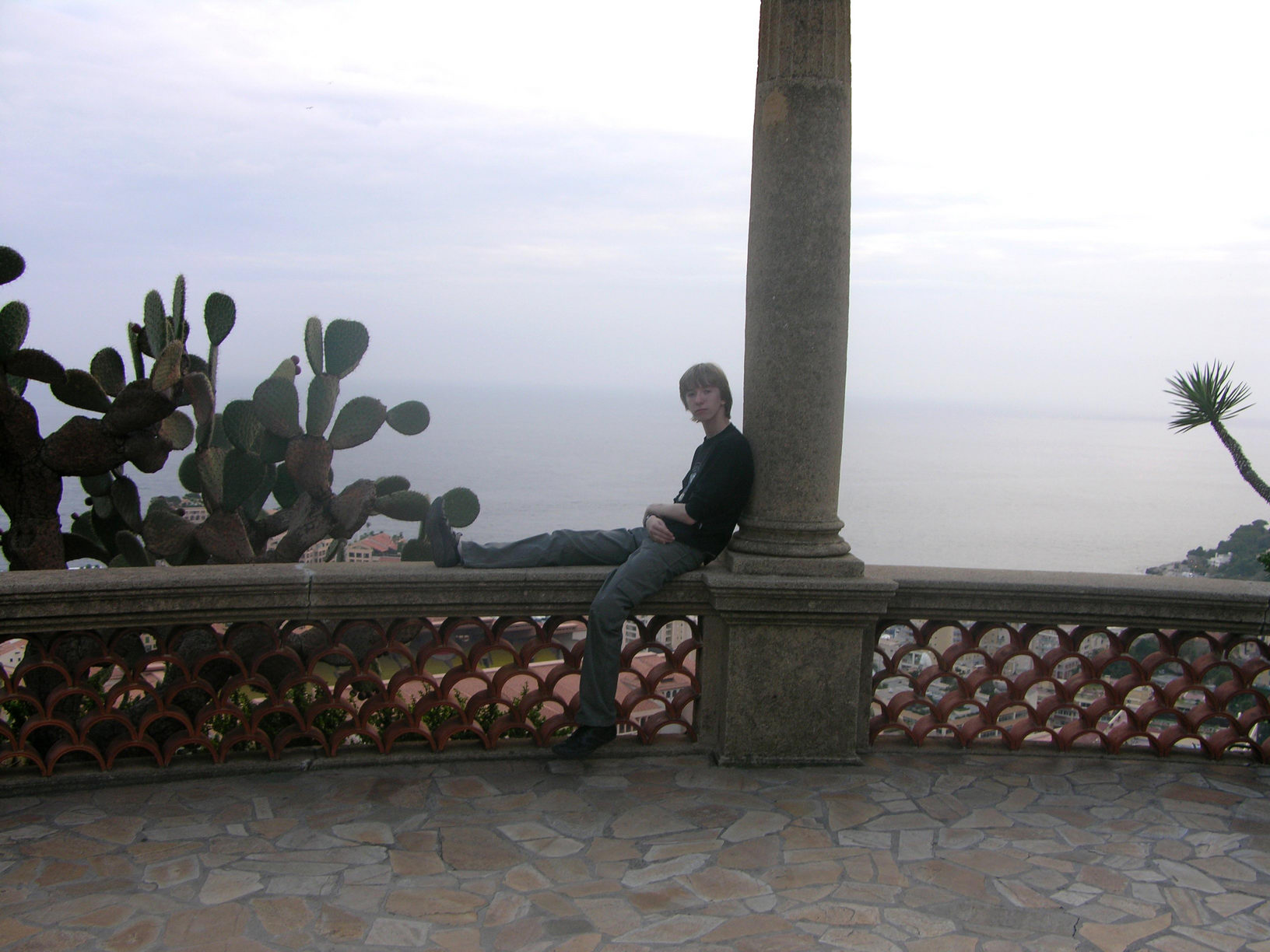
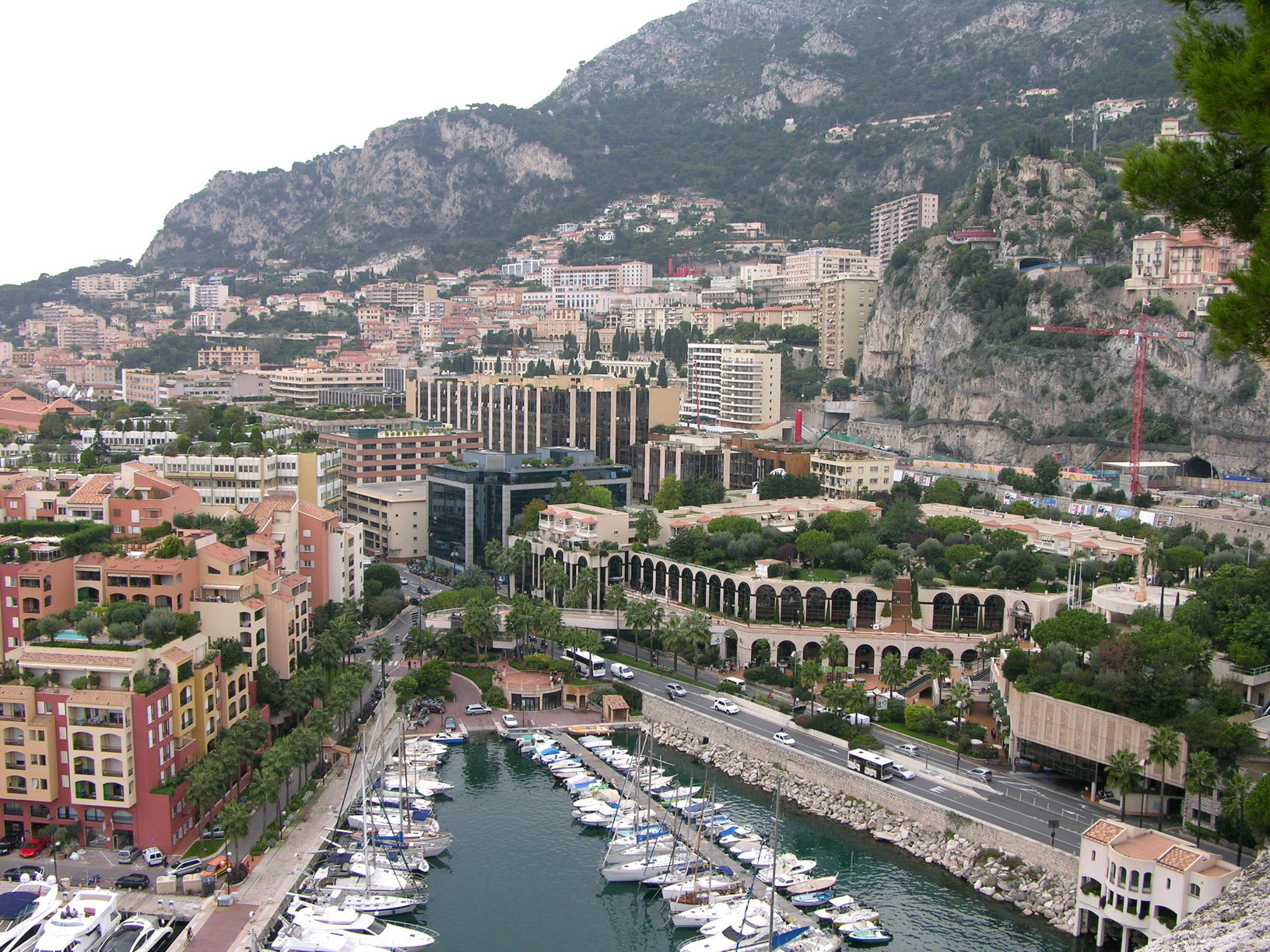
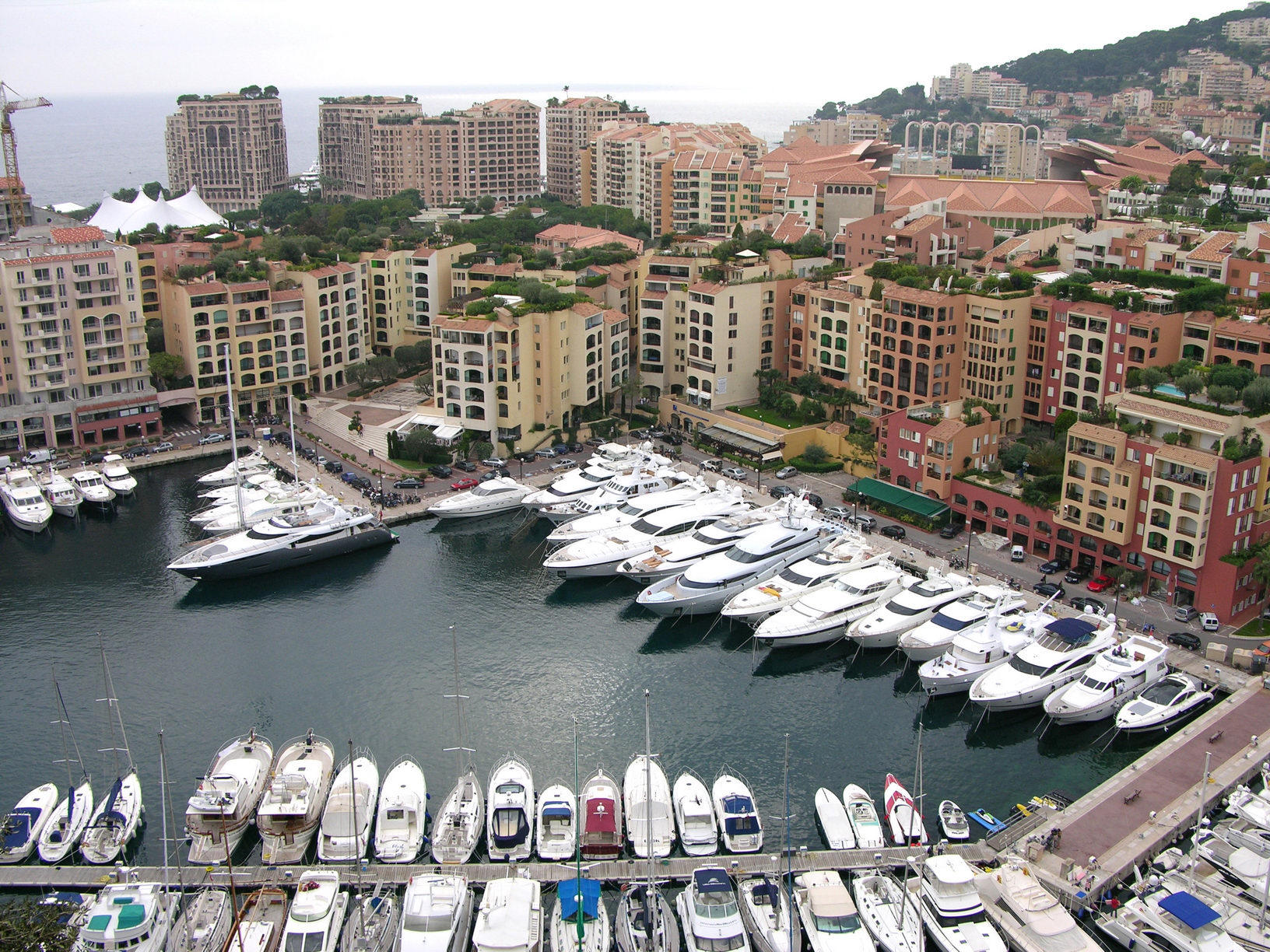
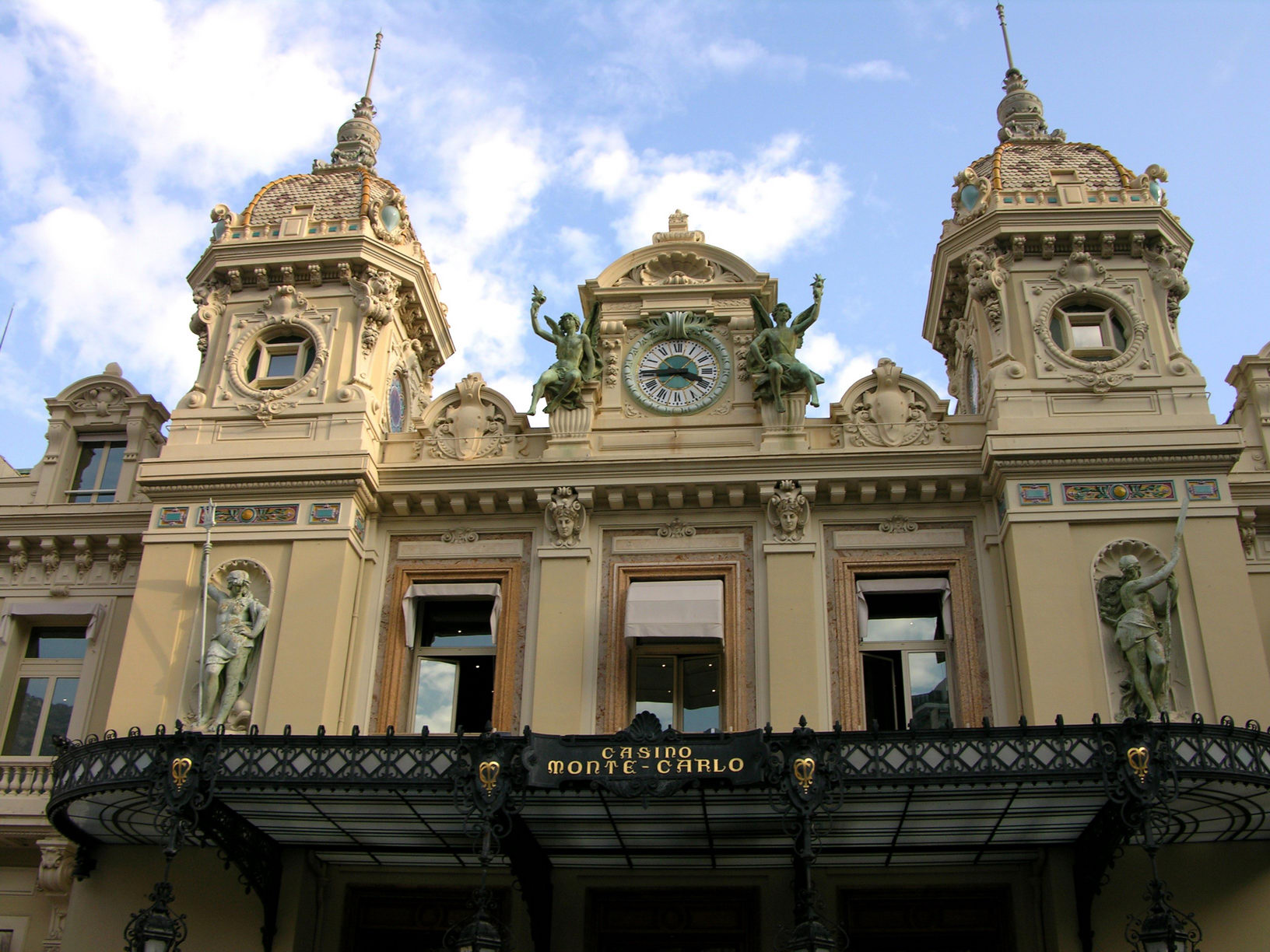
Just a couple of hours later we were in a new country, Monaco, the famous offshore centre of Europe and home of the Old World’s foremost casino. The life people lead here is plainly a wealthy one. Monaco has a fine harbour and an untold number of yachts. The casino building isn’t as huge as one you might see in Macau, but the clientele looks distinguished. It isn’t only the clothes. They look as if they come from money. There are some fine cars out front, too. Passing tourists try to have their picture taken beside them. Sometimes there’s even a queue.
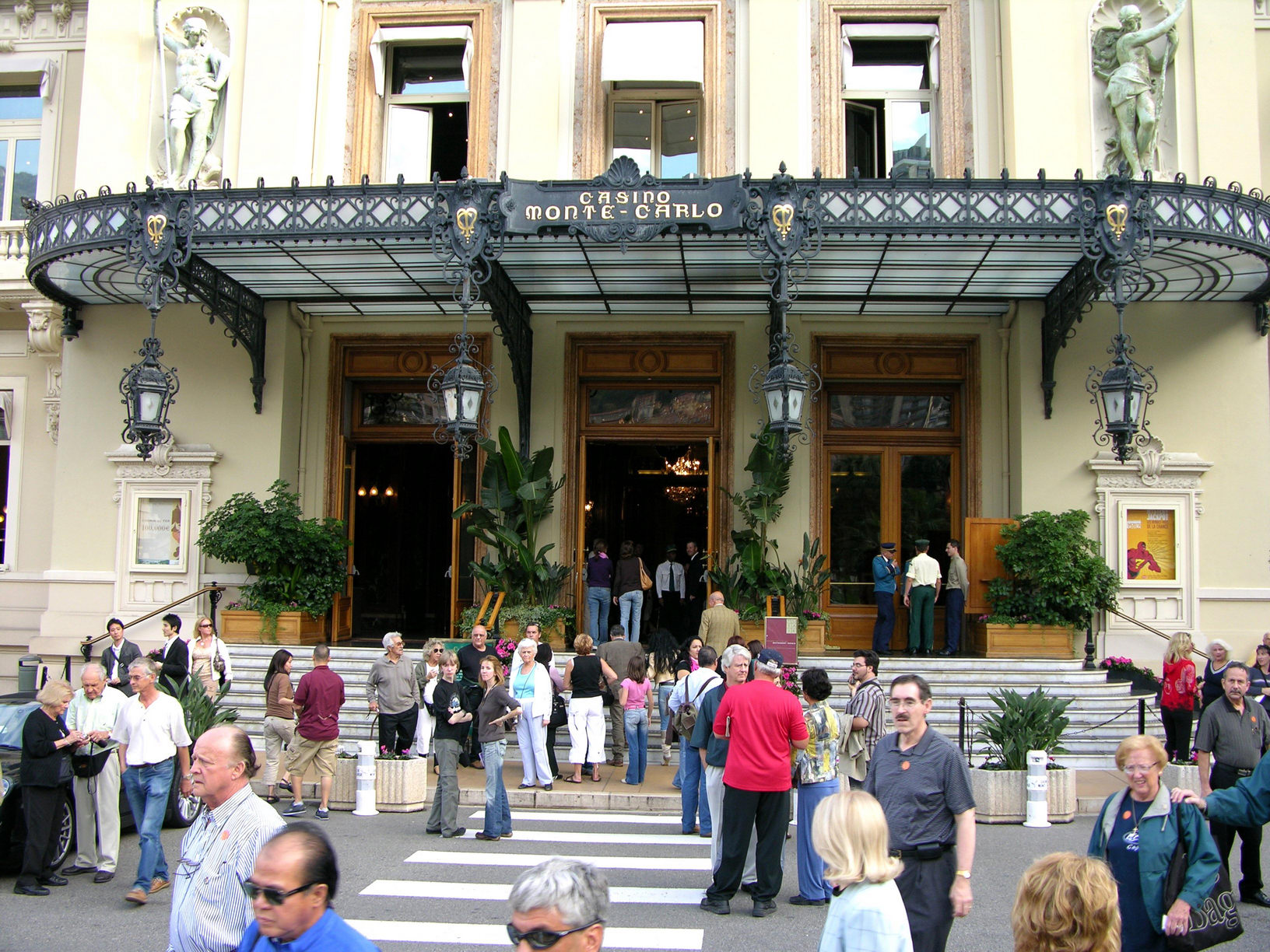
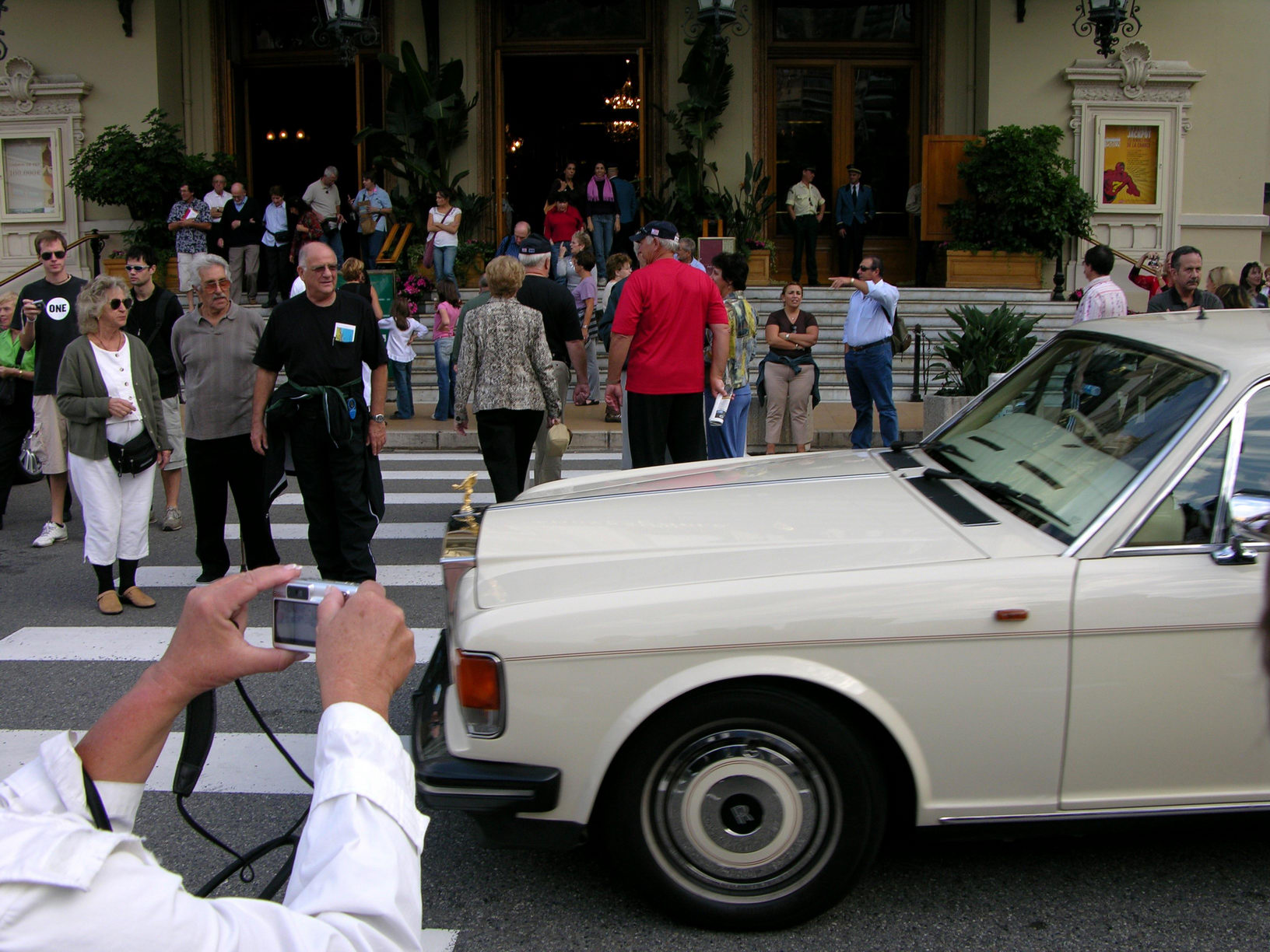
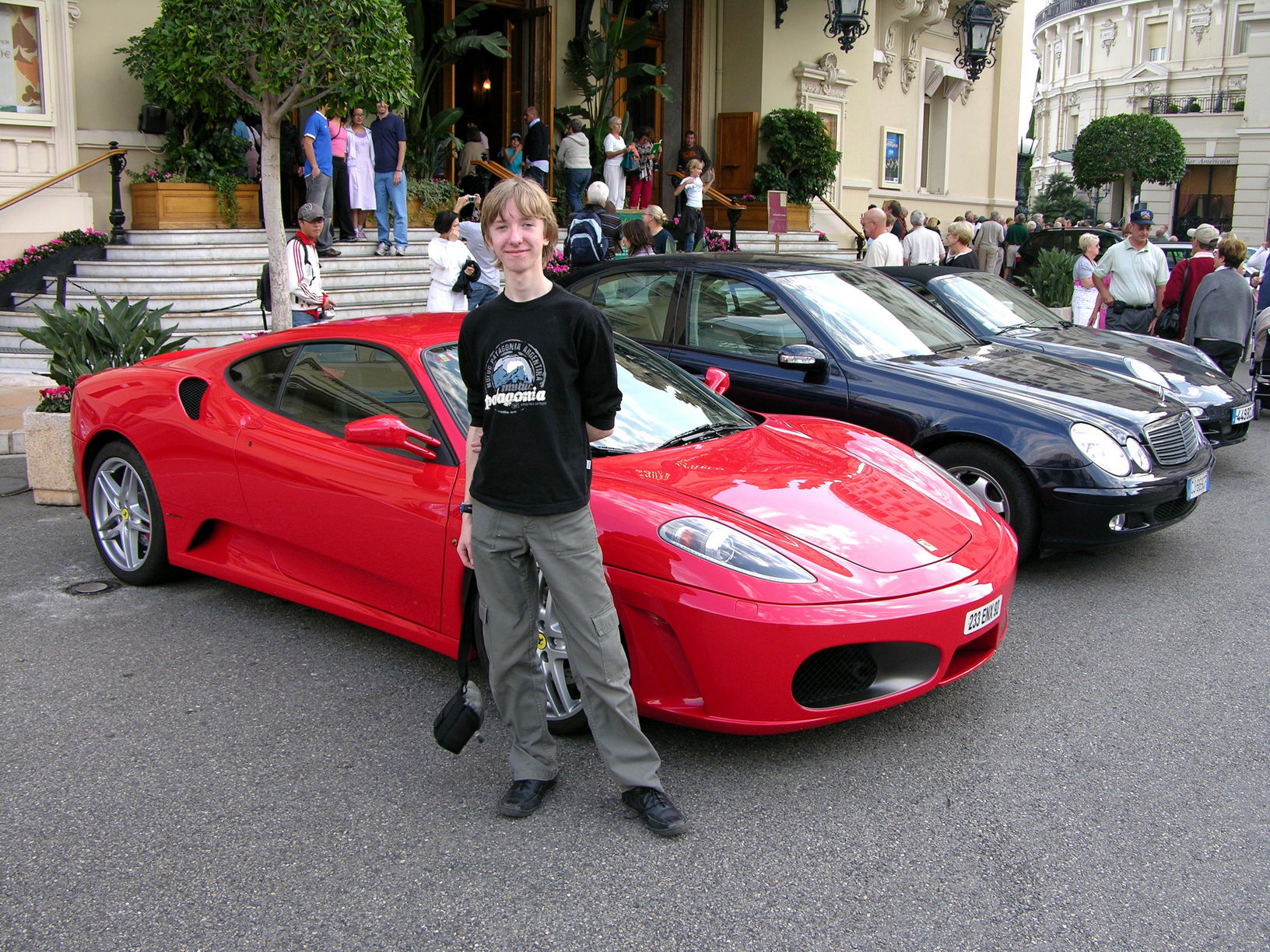
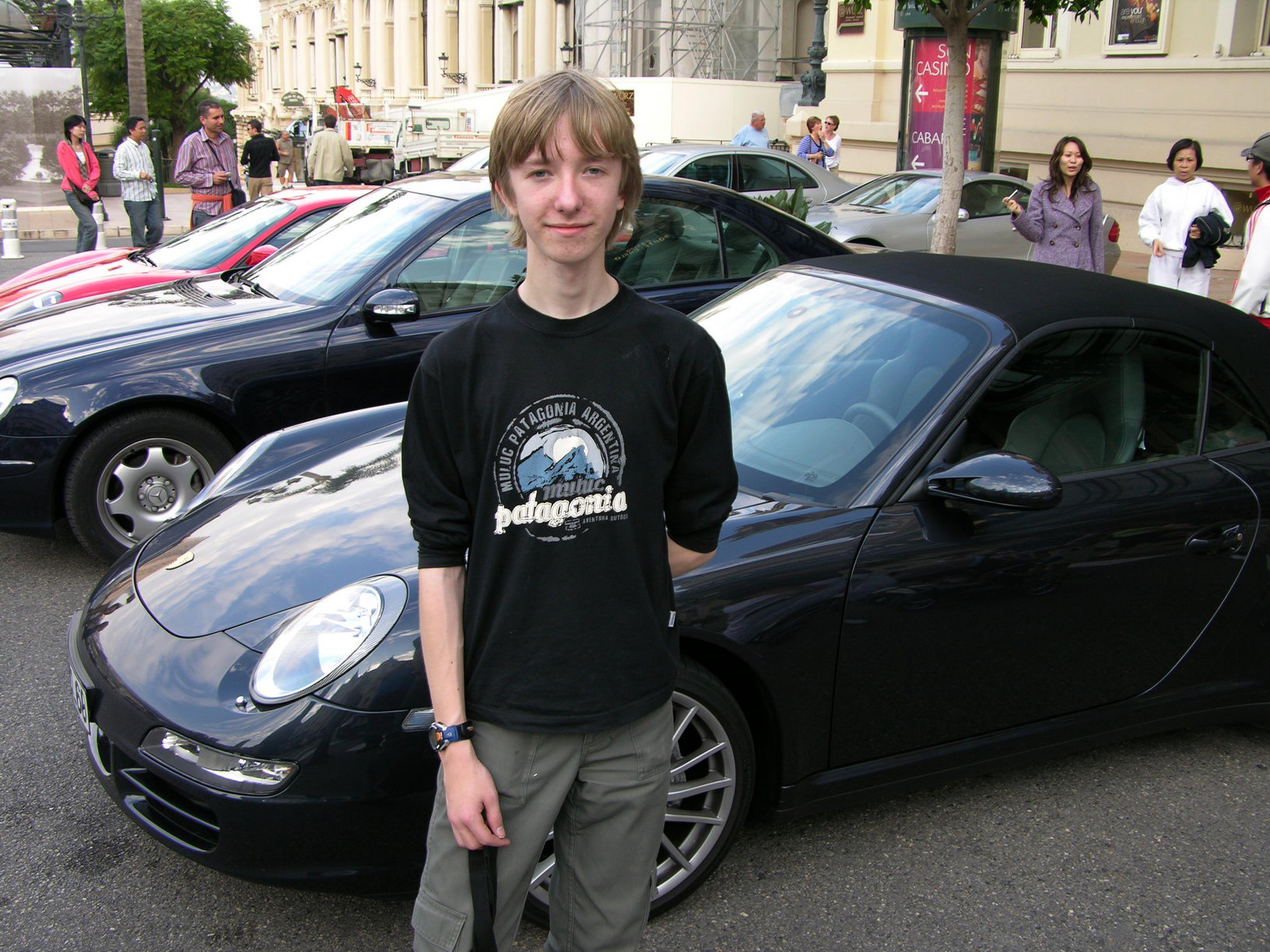
You can hire a Ferrari in Monaco. A fine means of impressing young women. Just a few thousand euros and you’re somebody.
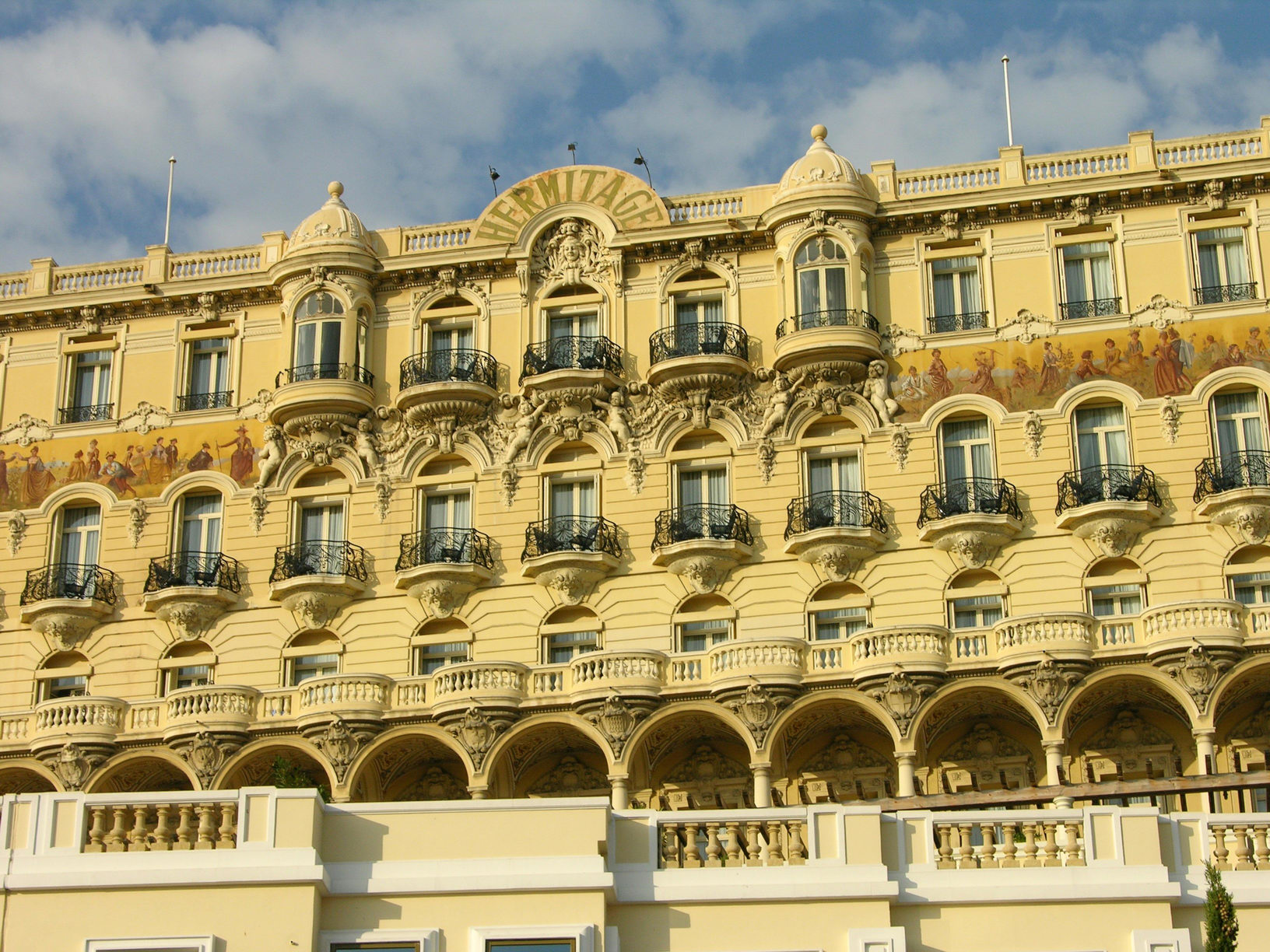
The Grimaldi family rules Monaco. Their story goes back to Genoa in the Middle Ages. We go looking for even one nobleman among our ancestors, while these people really did have a hand in the affairs of the world, deciding things as far away as Byzantium. There’s even a Grimaldi crater on the Moon, though it’s named for a scientist of that name.
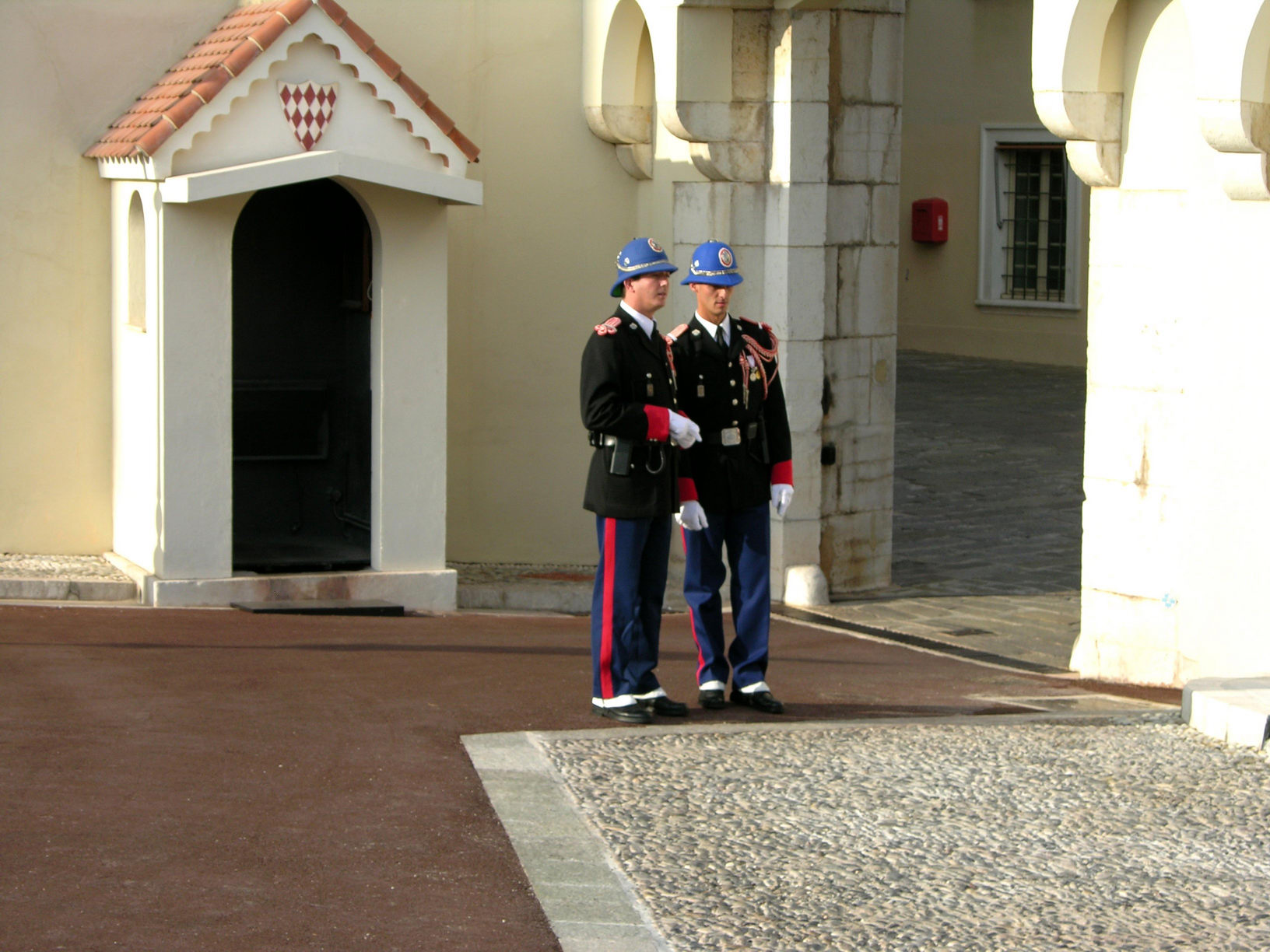
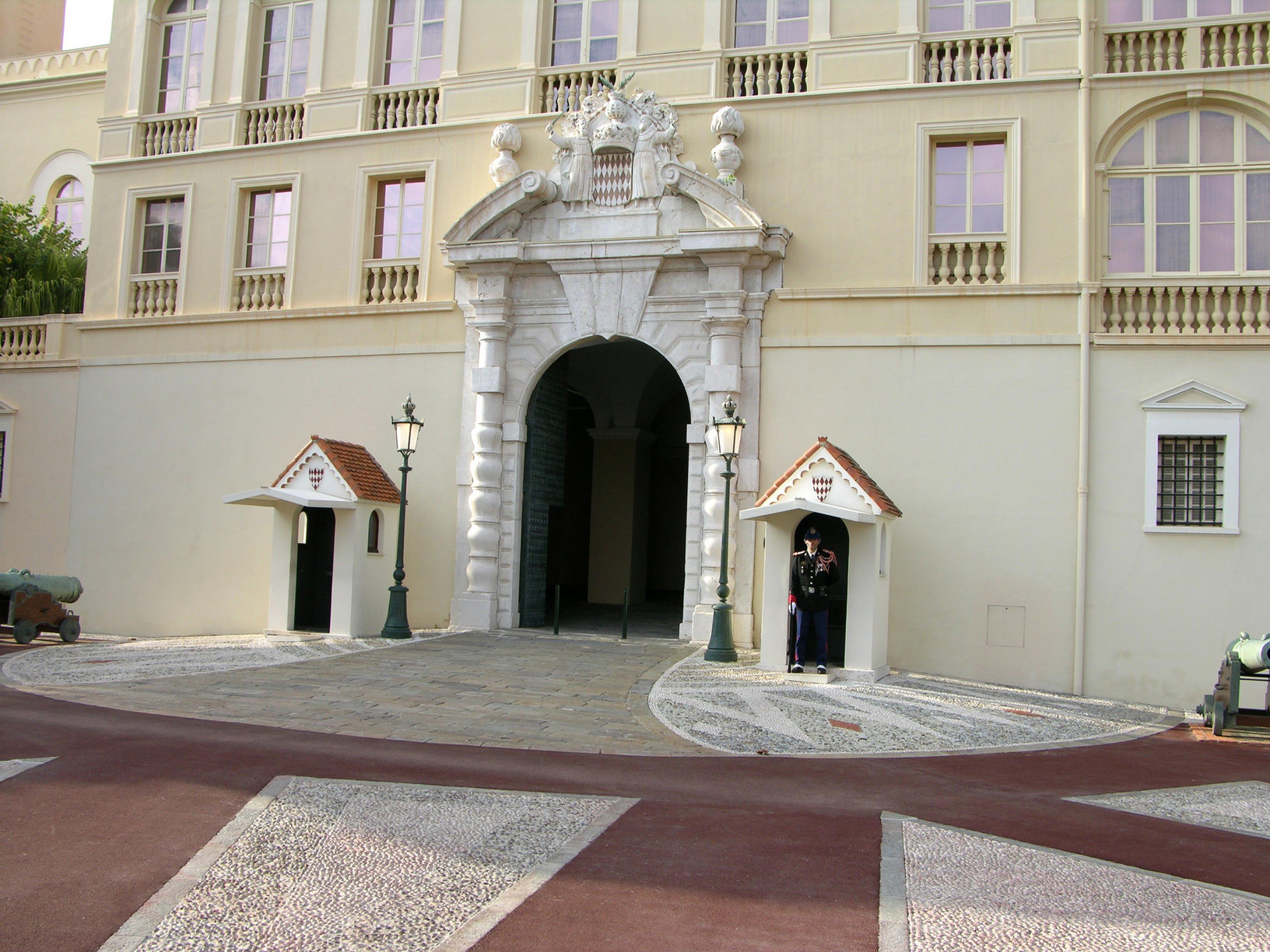
Recently the family hasn’t behaved all that royally. There are children born out of wedlock, marriages to American actresses like Rainier III’s, and a princess, Stéphanie, who performs in pop groups.
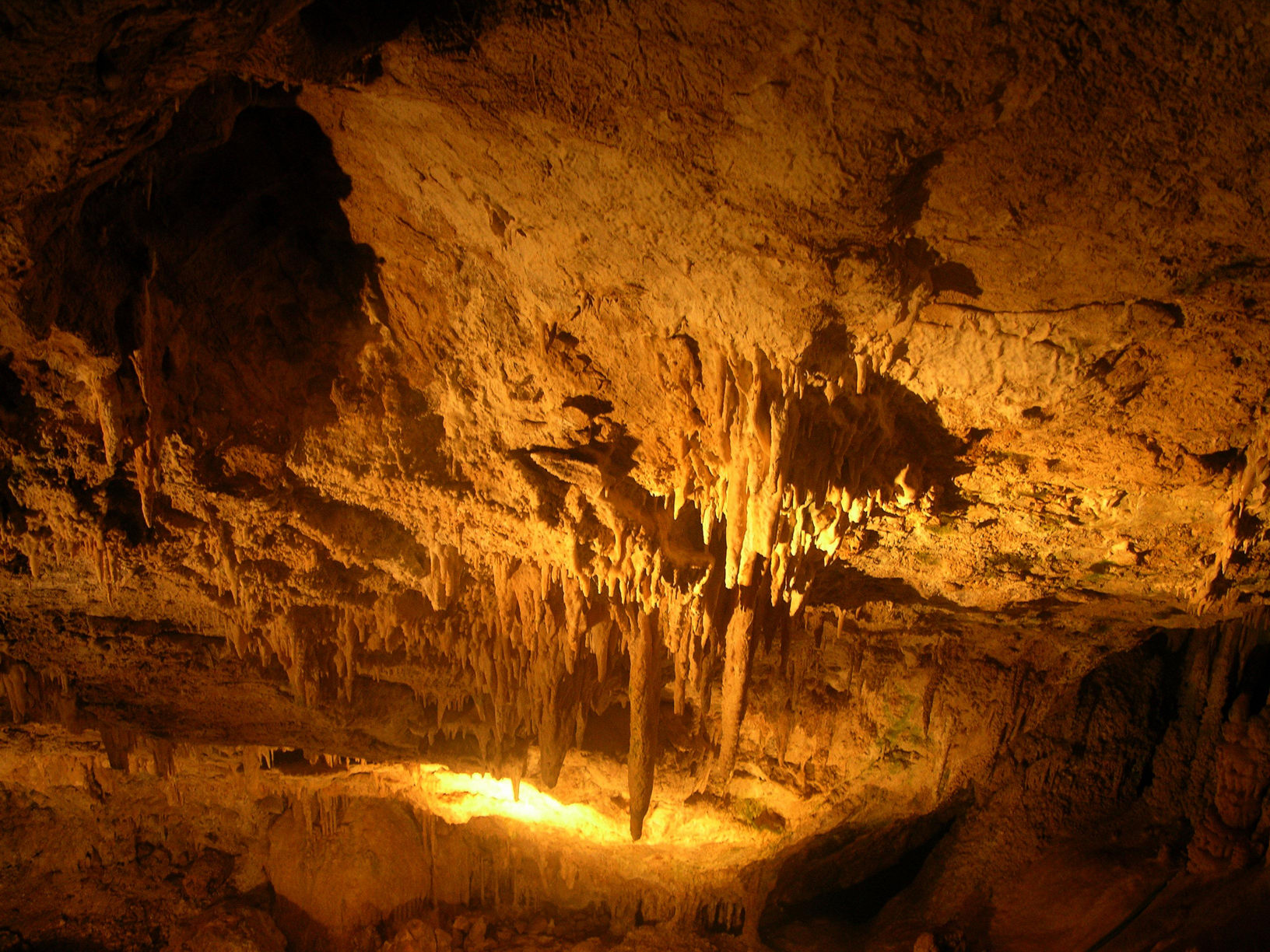
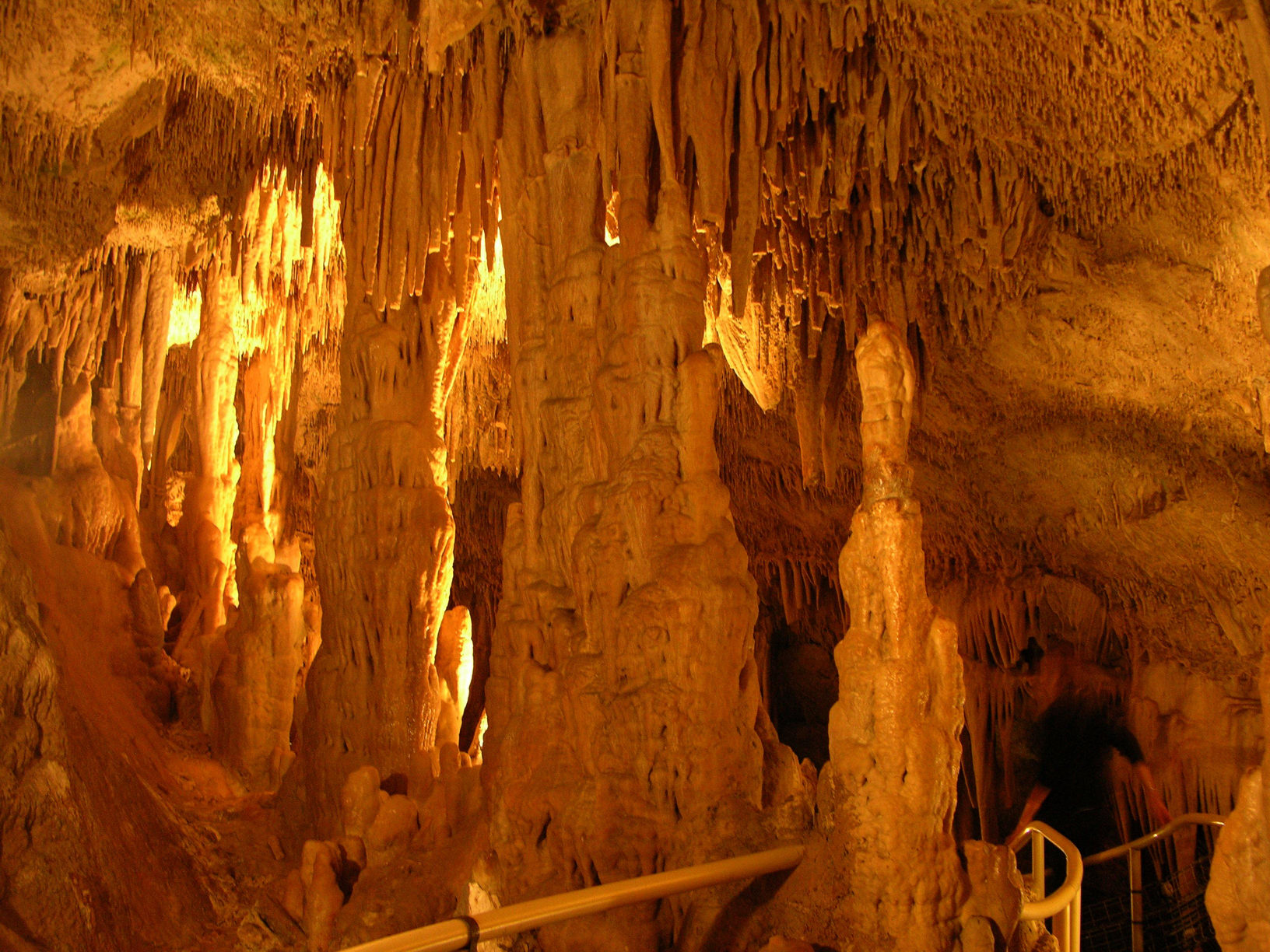
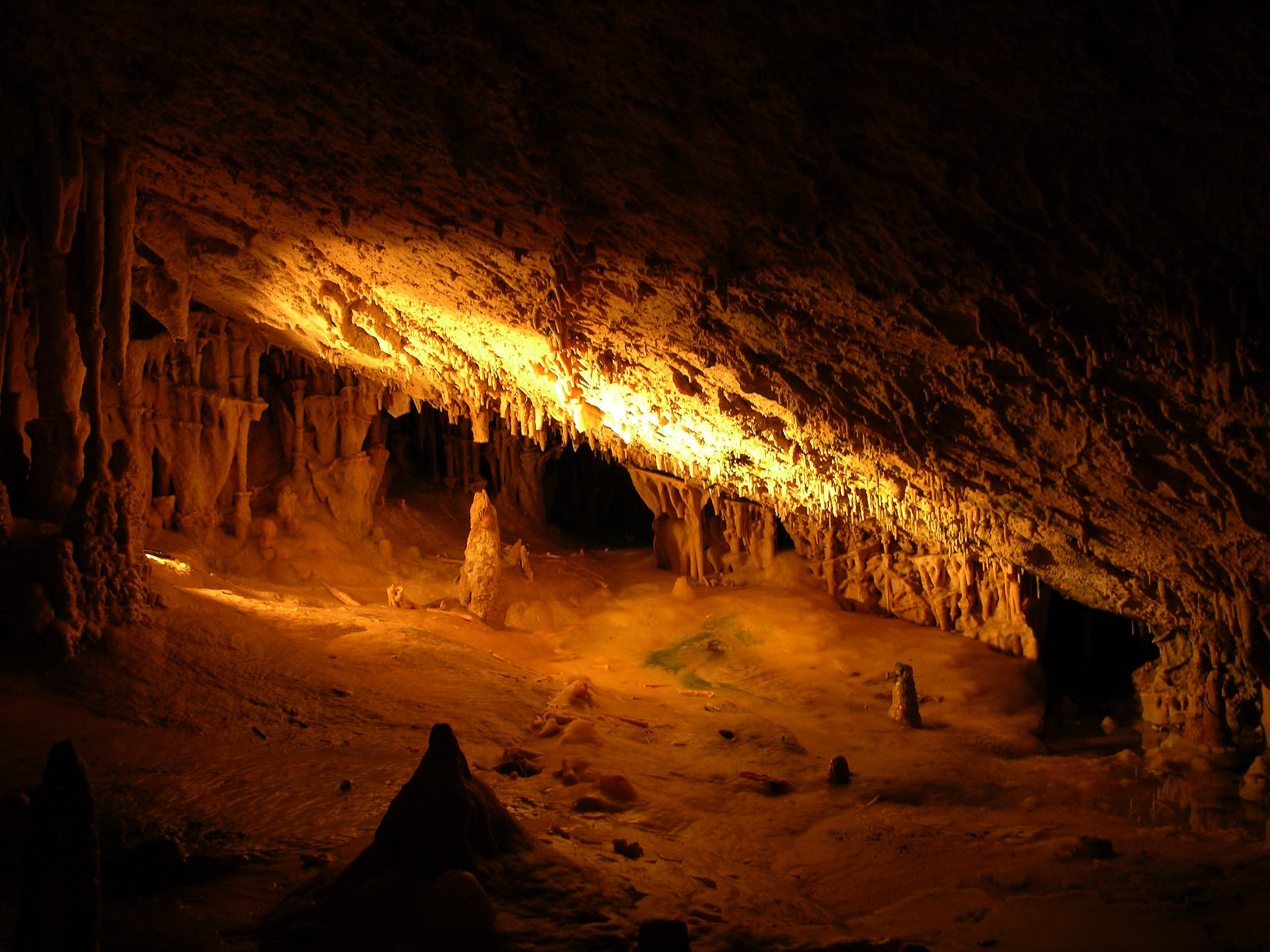
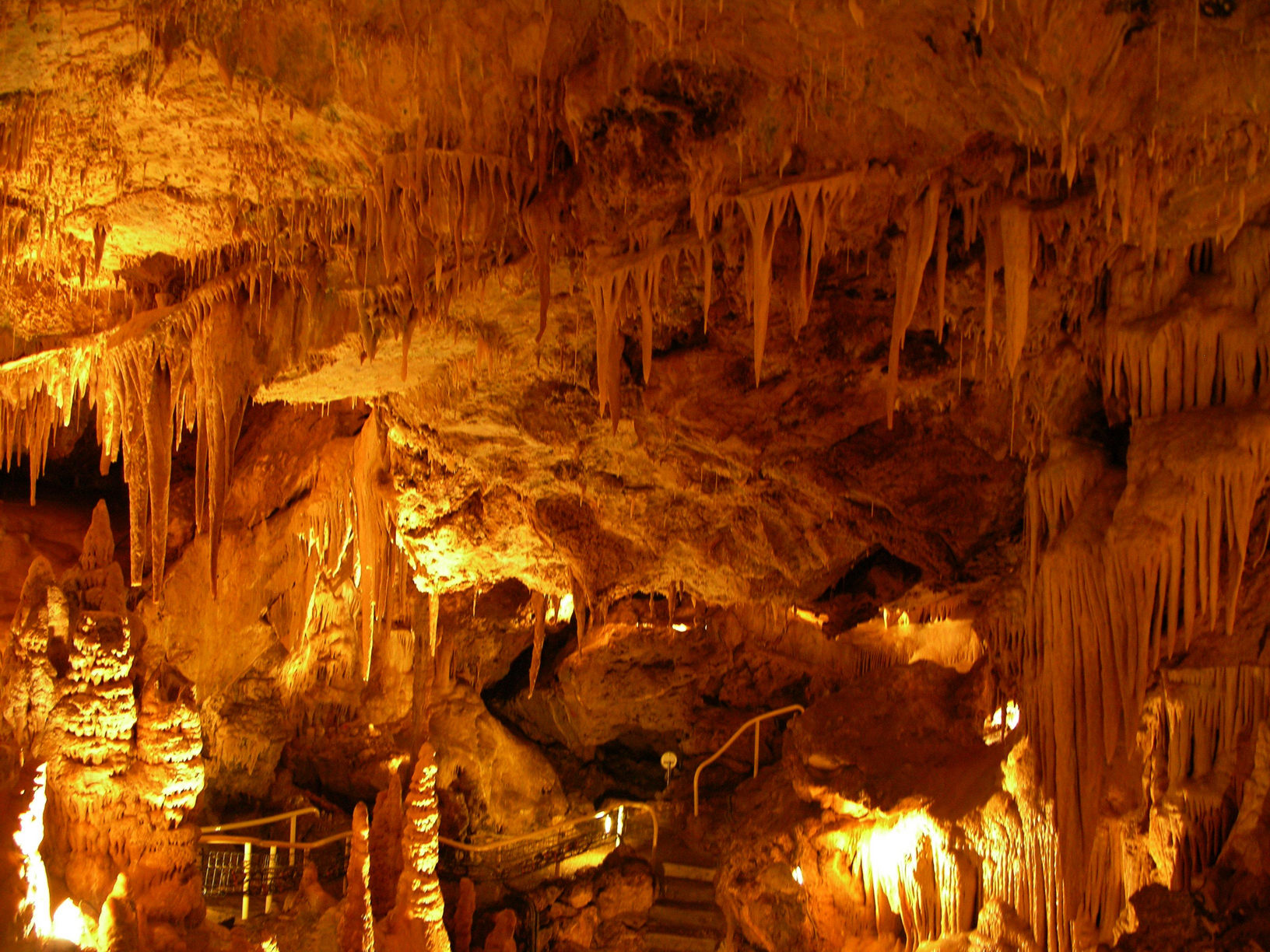
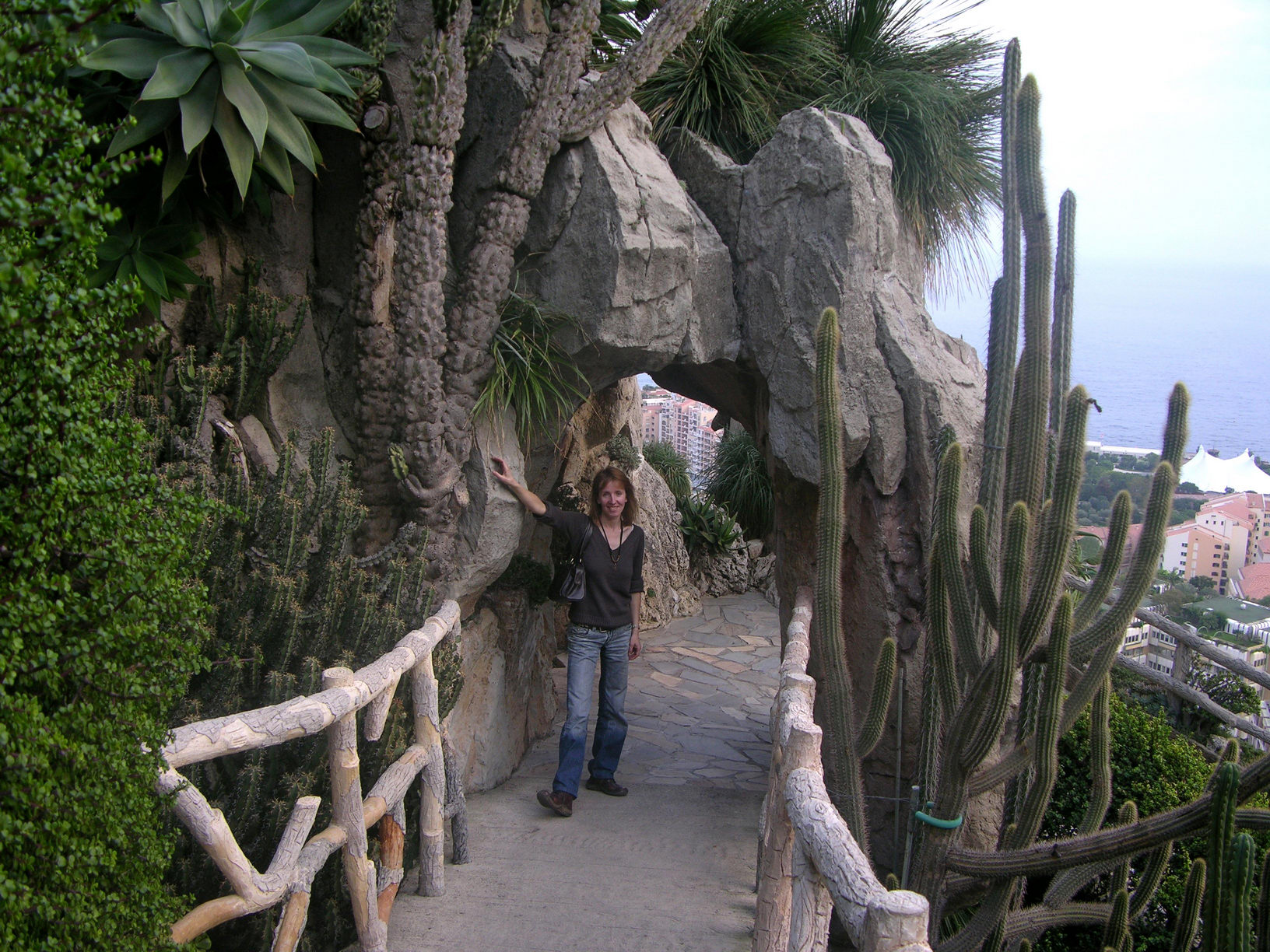
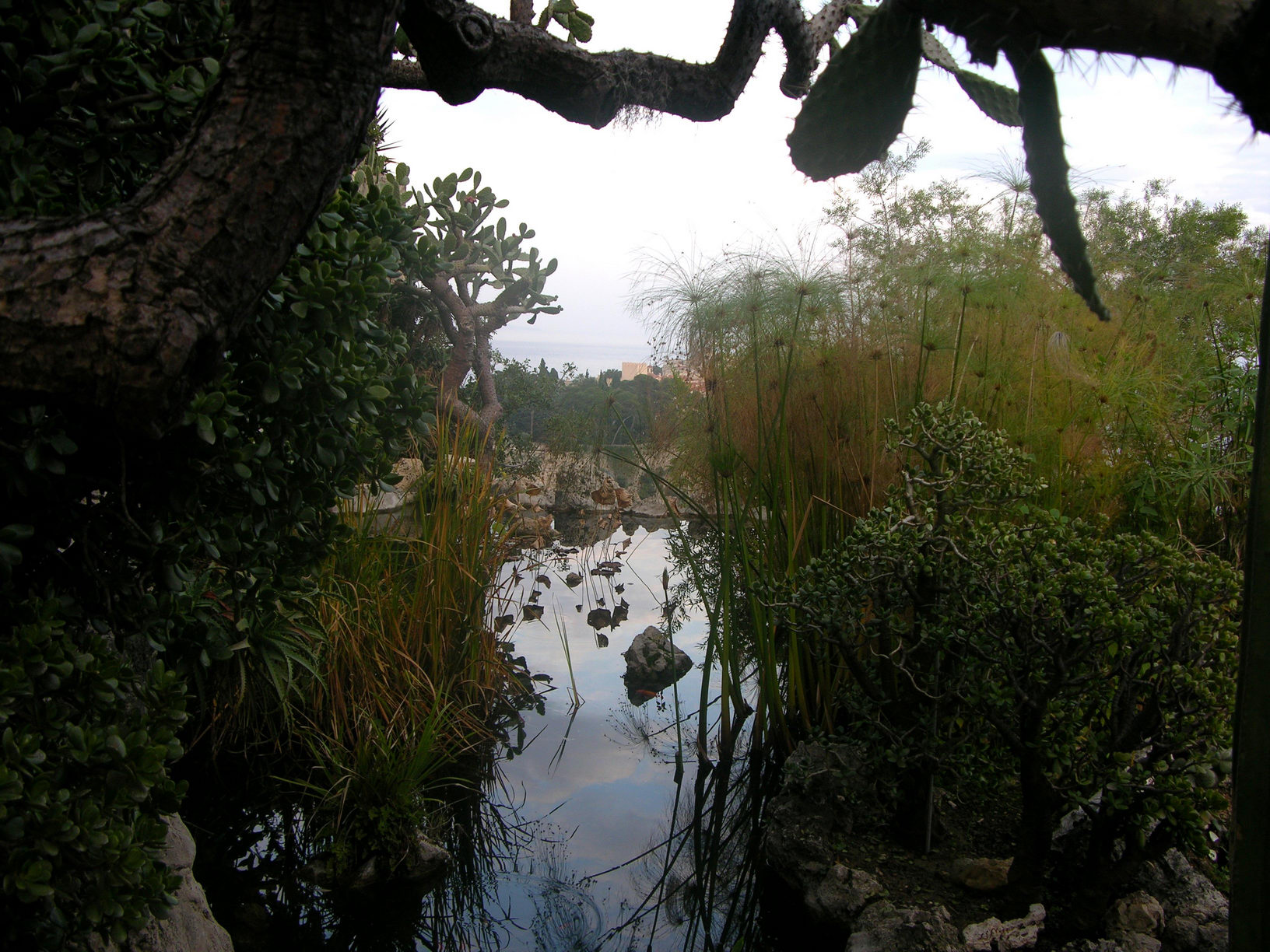
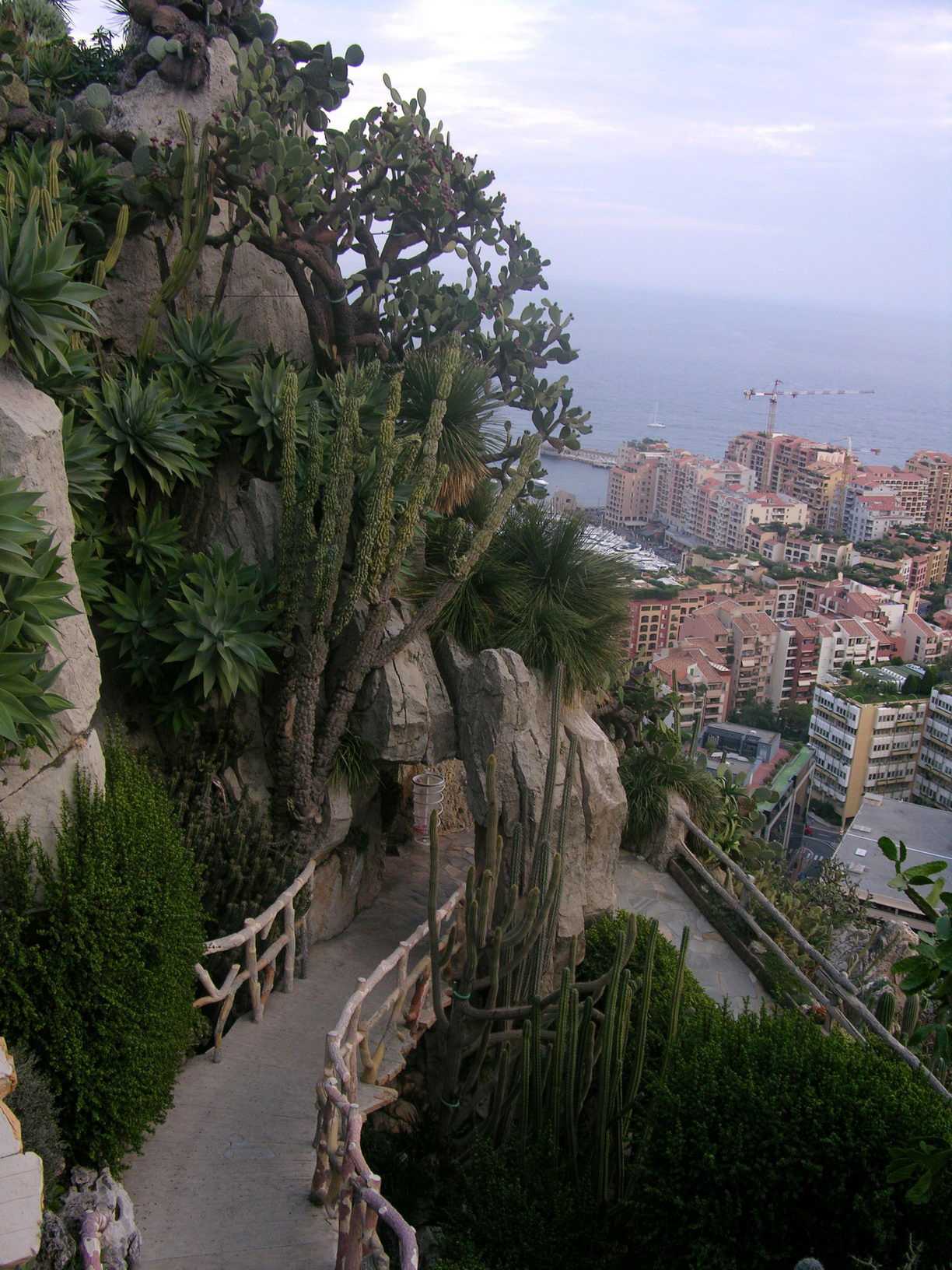
One surprise for me was a limestone cave, quite large, with paths and lighting. At the entrance is a small botanical garden. I hadn’t expected such an urban country to have natural sights to see as well.
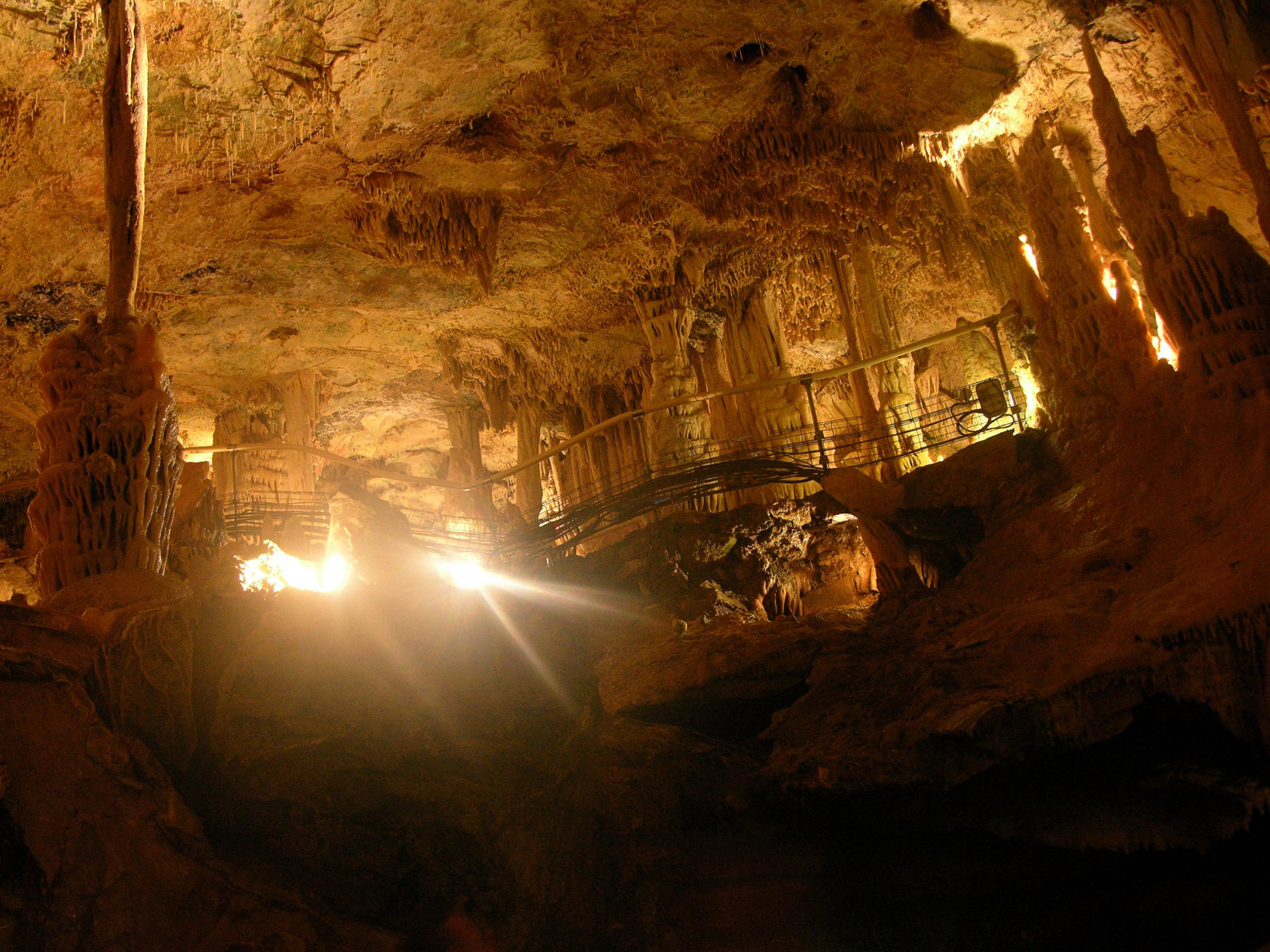
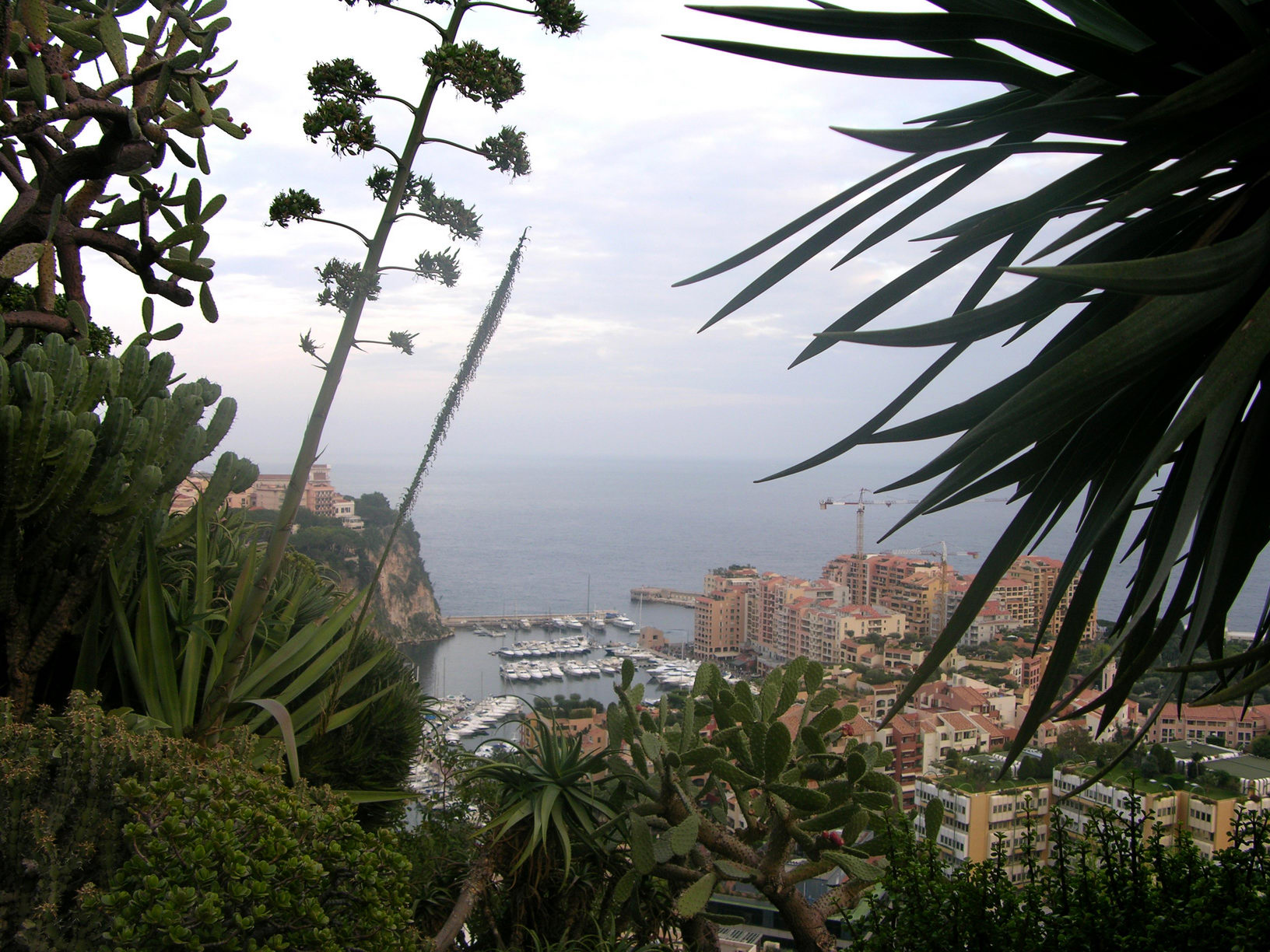
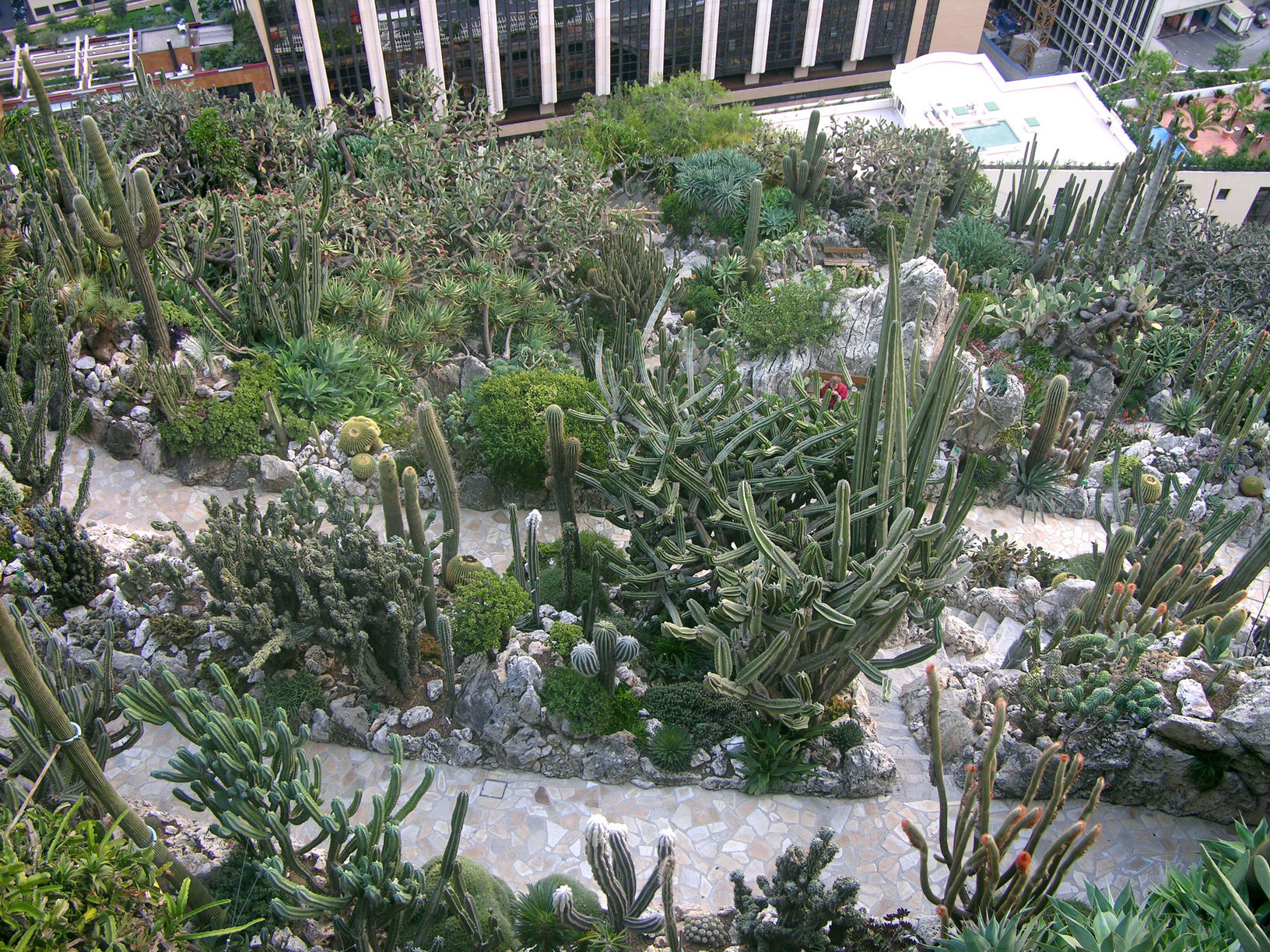
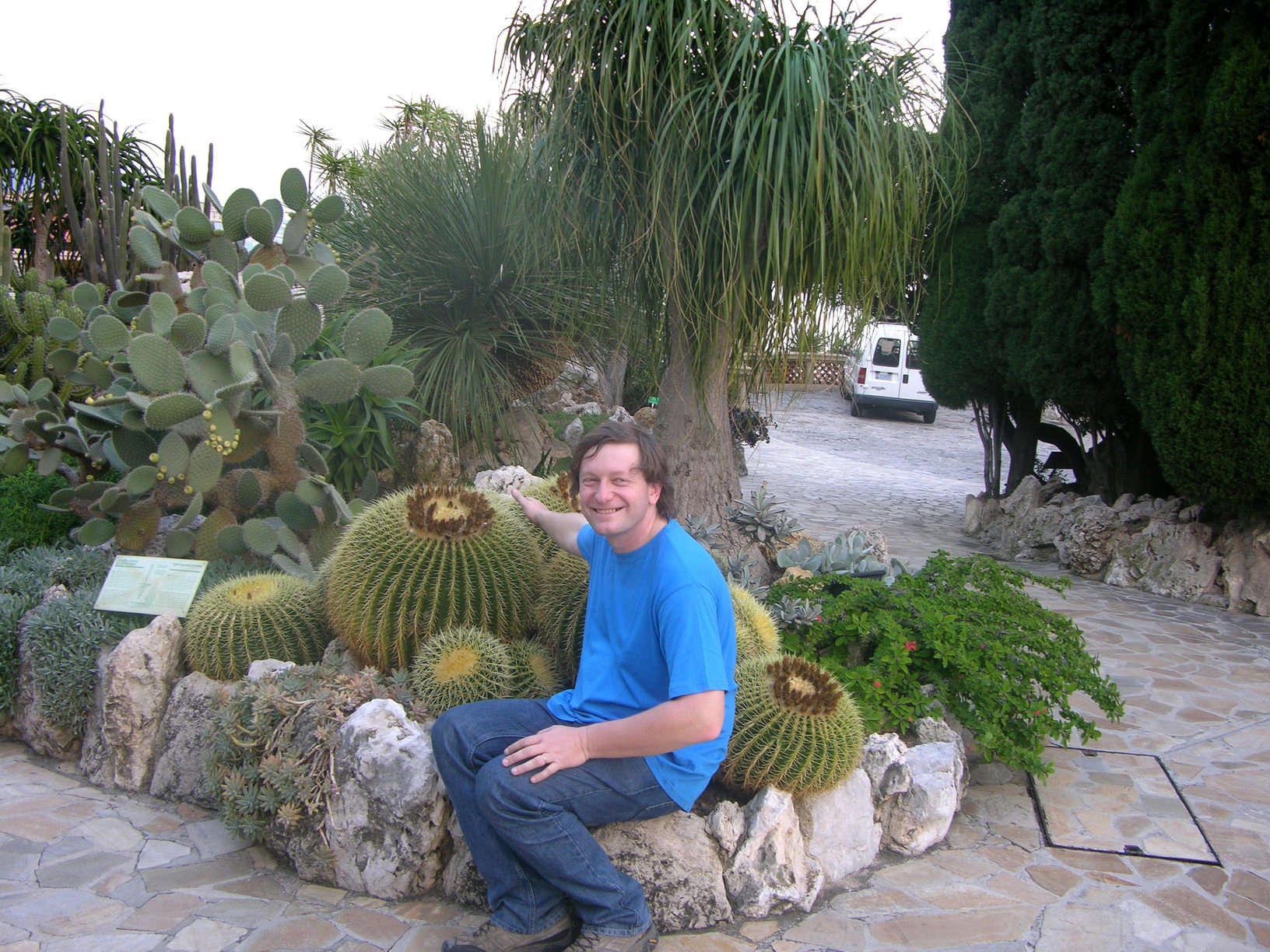
We went on to Nice to sleep. It’s a name to set any Russian heart fluttering. It was a favourite resort before the Revolution, and a Russian community settled here after fleeing the Bolsheviks. Nicholas, the son and heir of Alexander II, died of meningitis here. Had he lived, I think Russia’s fate might have been happier. He was a very different man from his brother Alexander III. Even my grandmother used to say something about Nice and the Hotel Swiss.
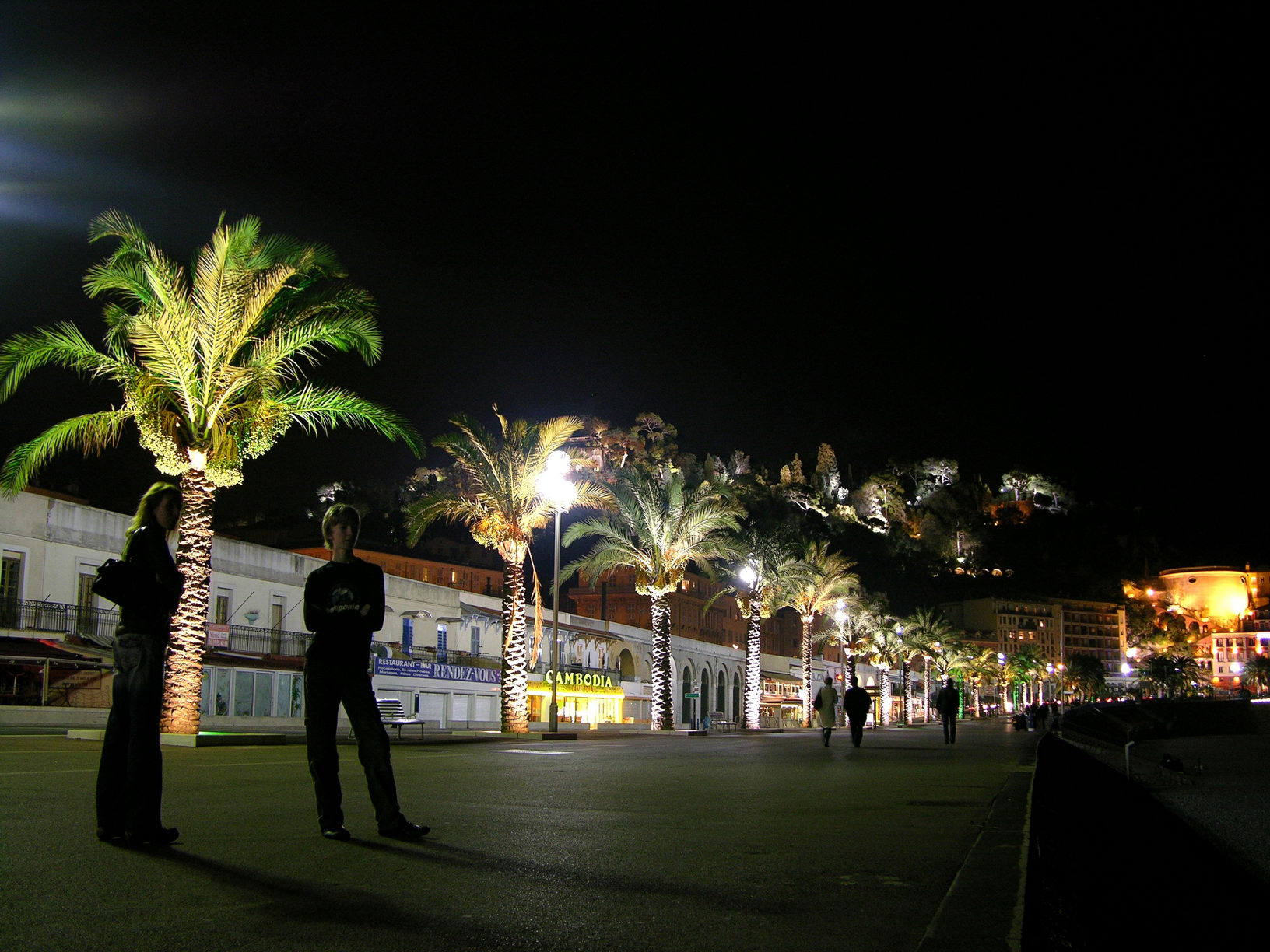
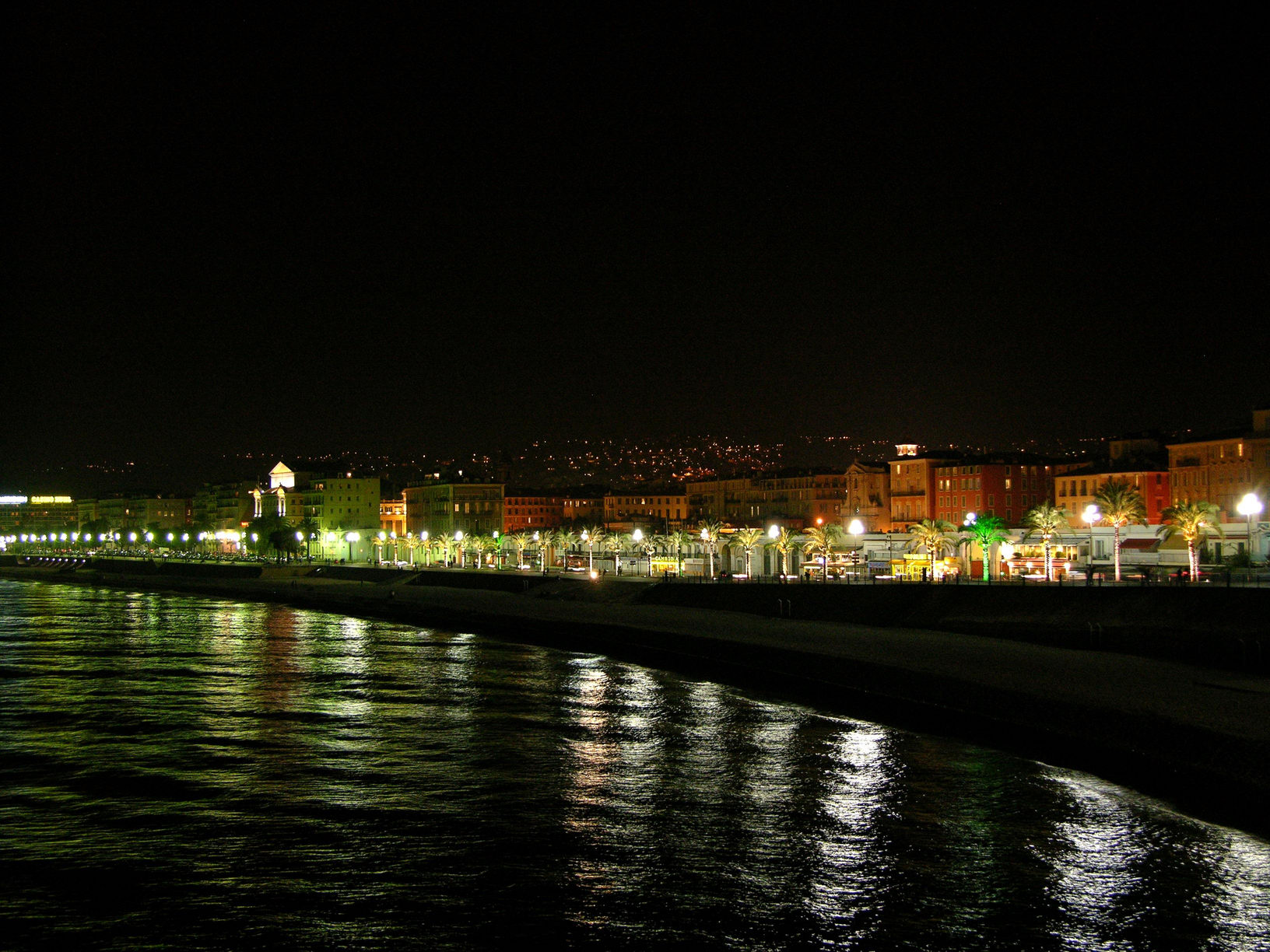
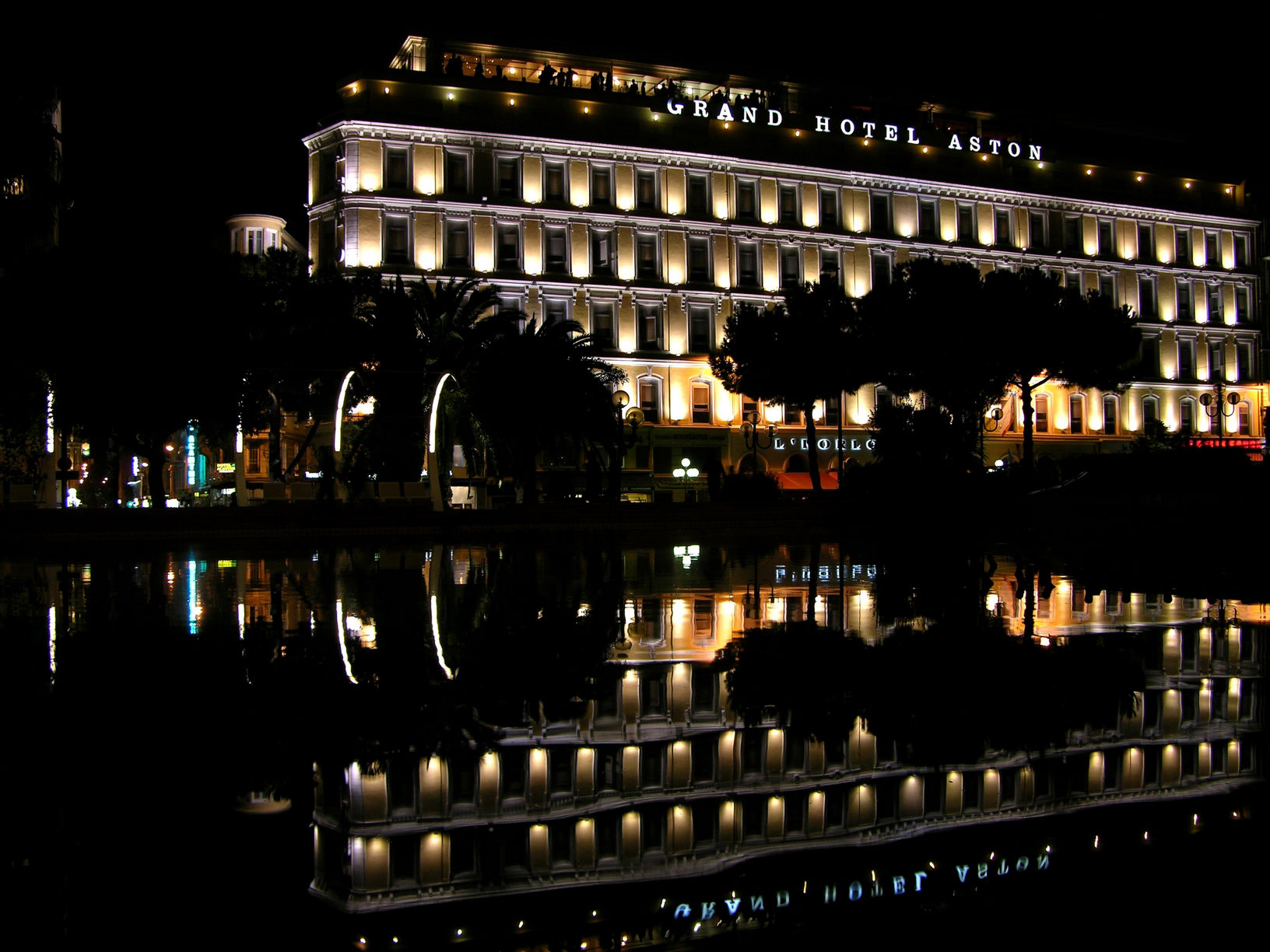
Surprisingly, a room in Nice can be had at quite ordinary French prices. We stayed at the Hôtel Lépante (43°42.193′N, 7°16.244′E).
It was my birthday, and people rang to congratulate me and ask where I was. I tried to answer in a suitably unassuming way. “In a restaurant in Nice, waiting for pudding.”
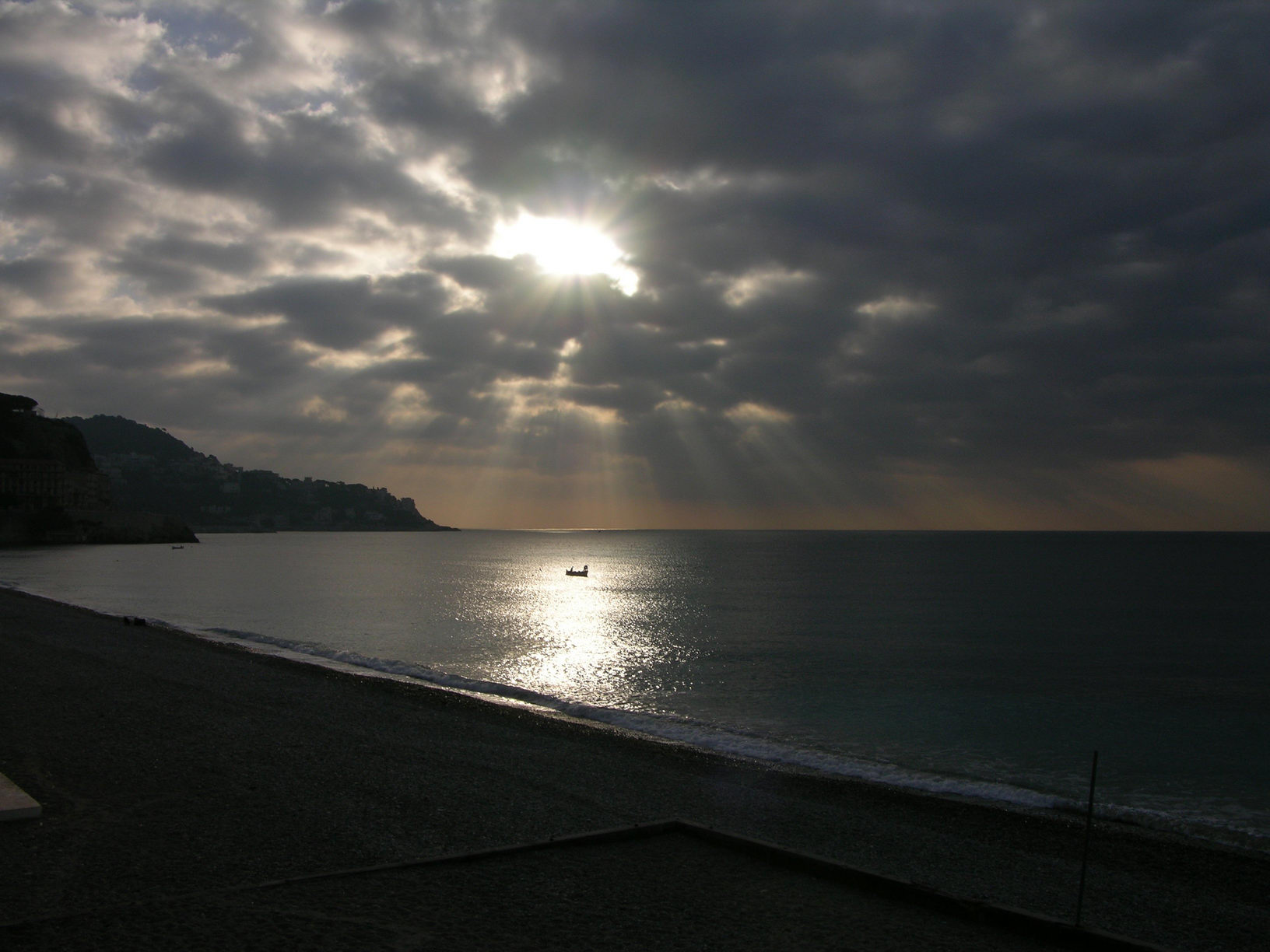
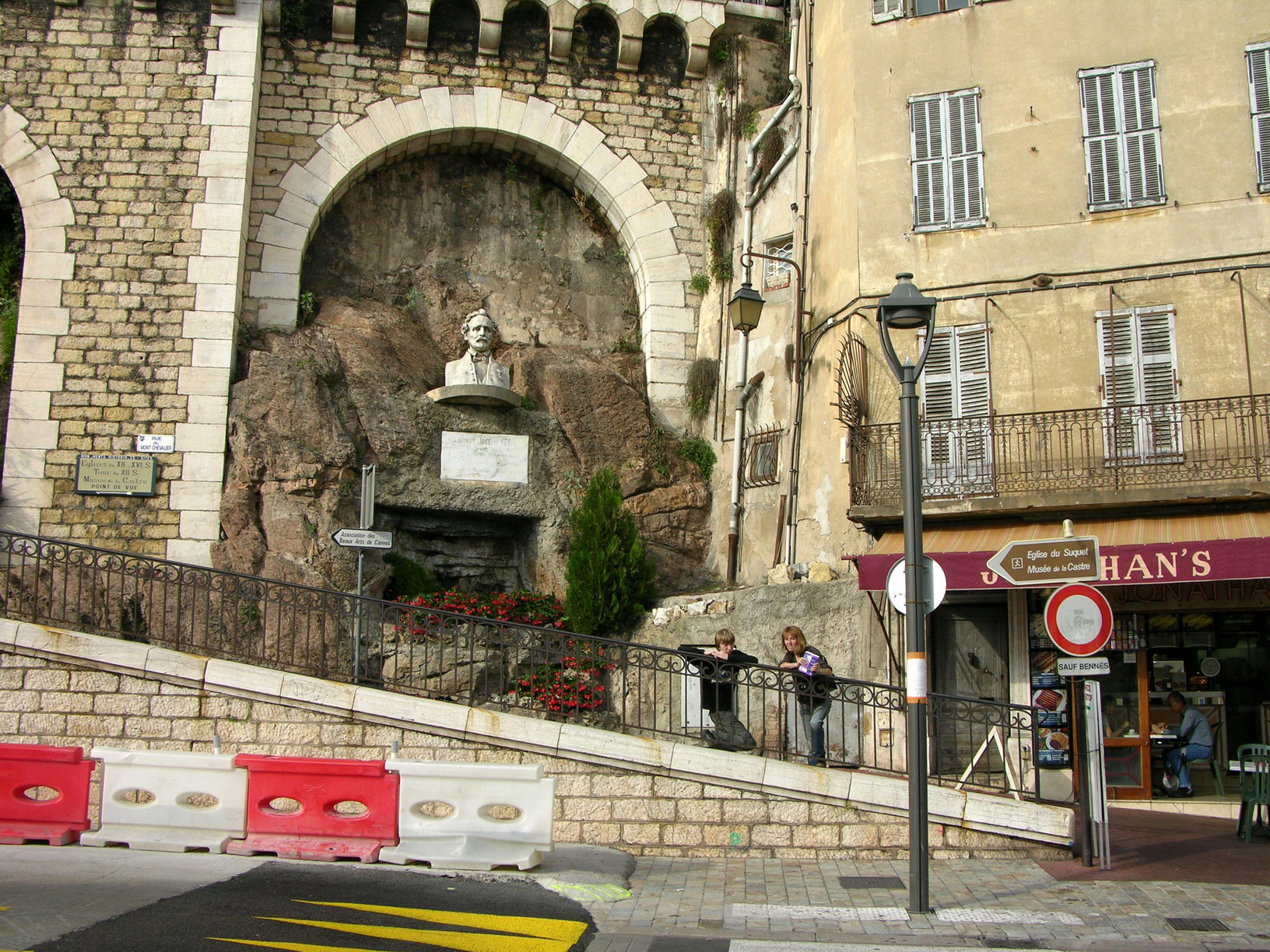
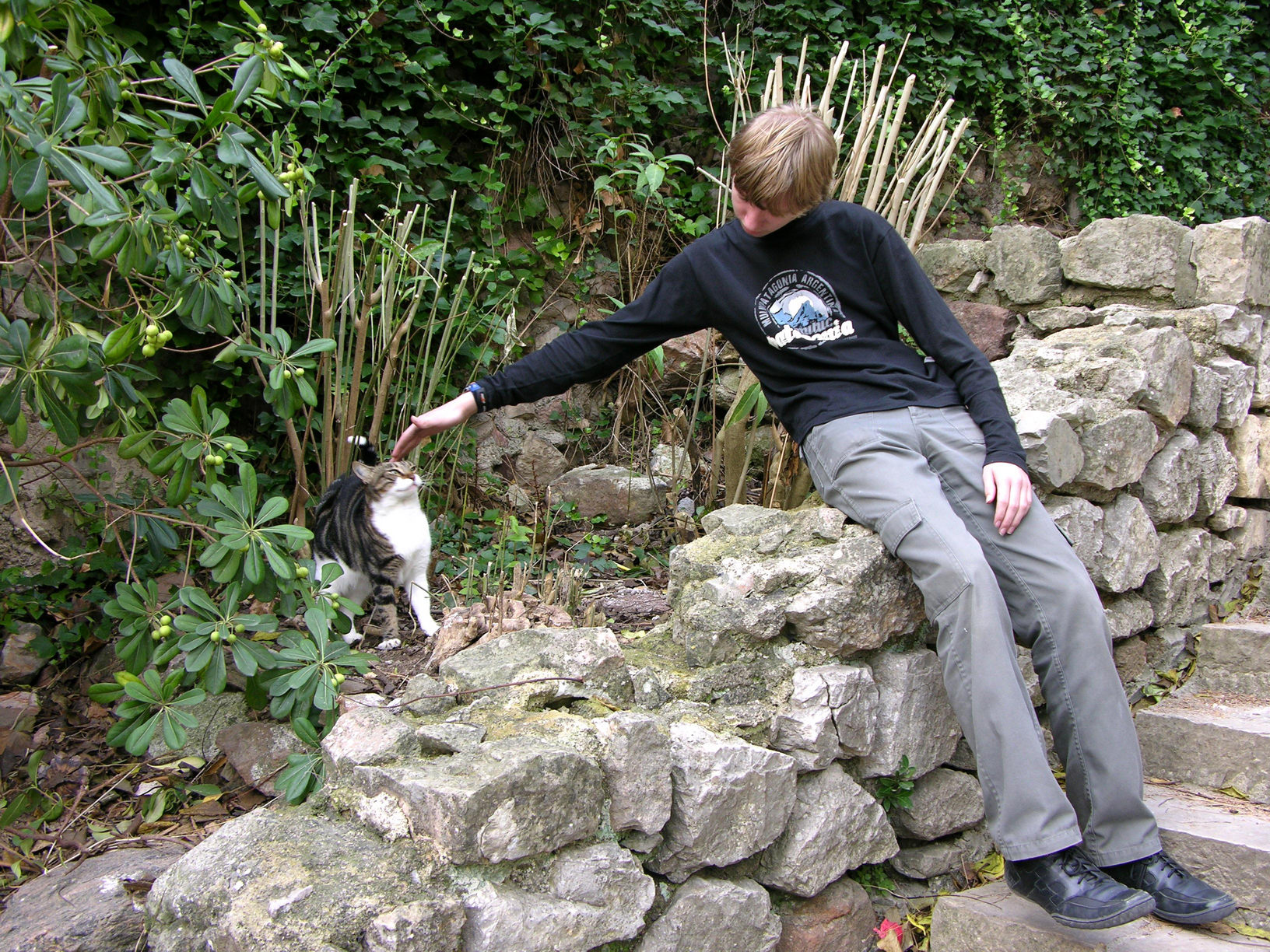
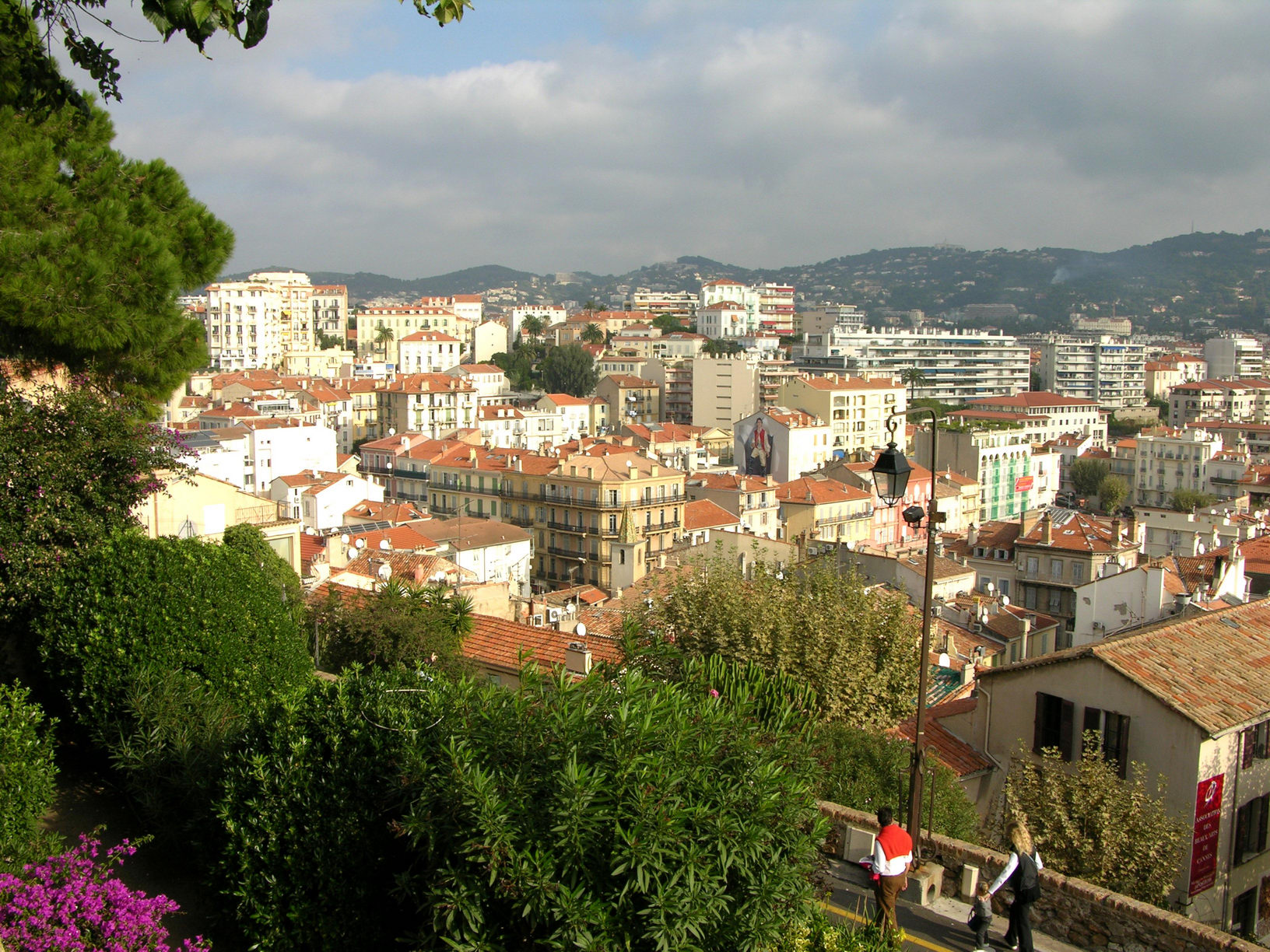
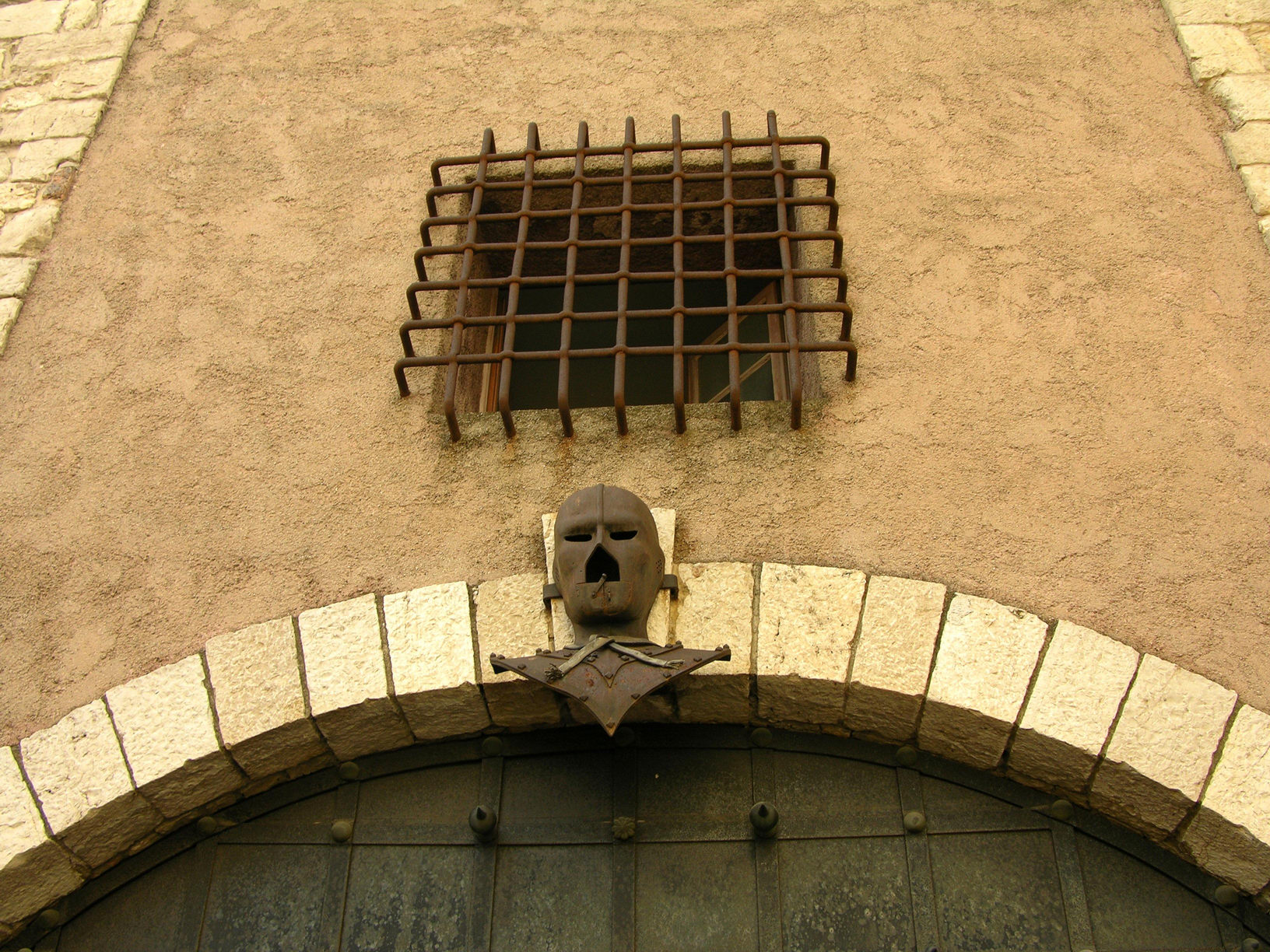
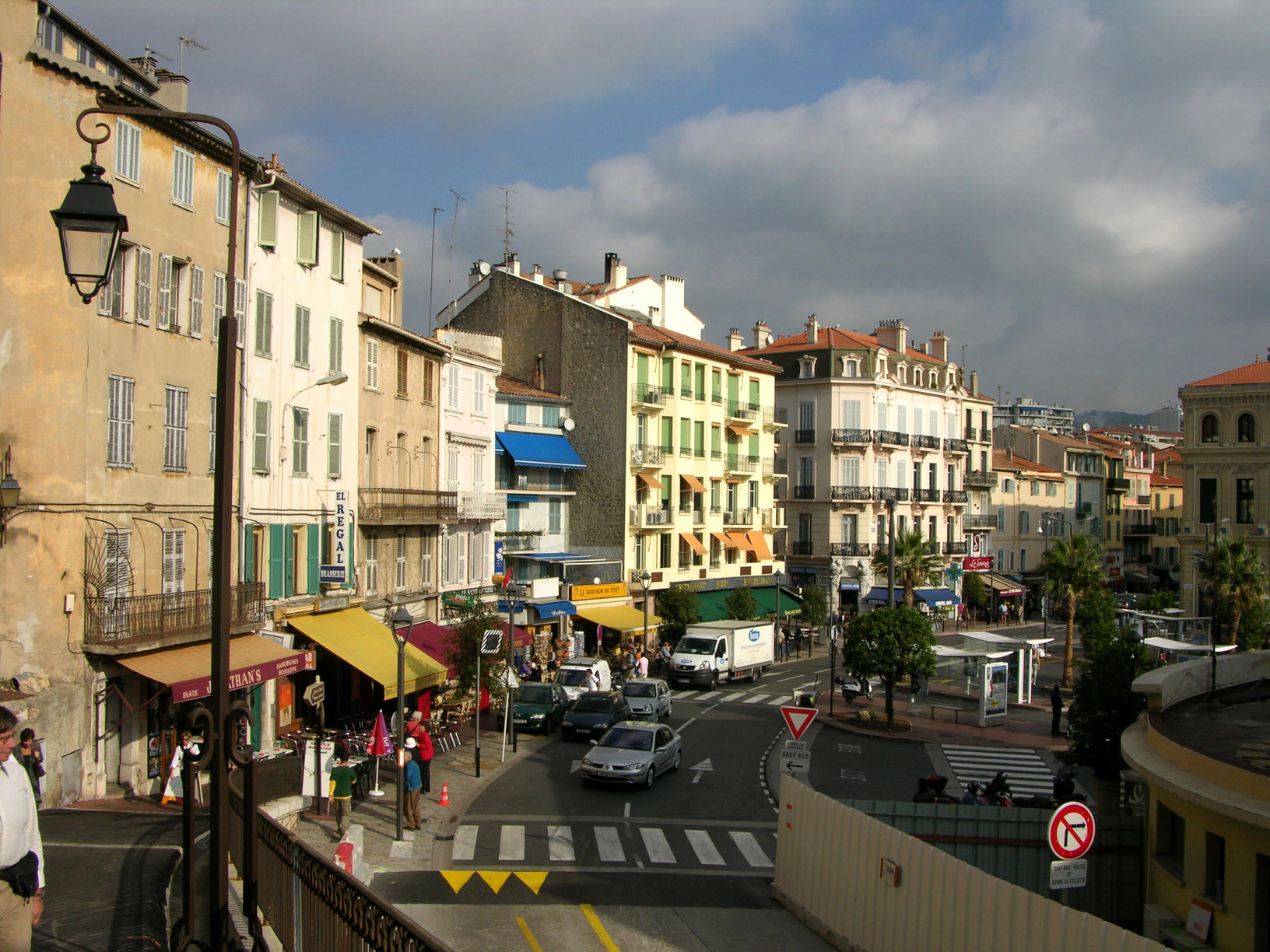
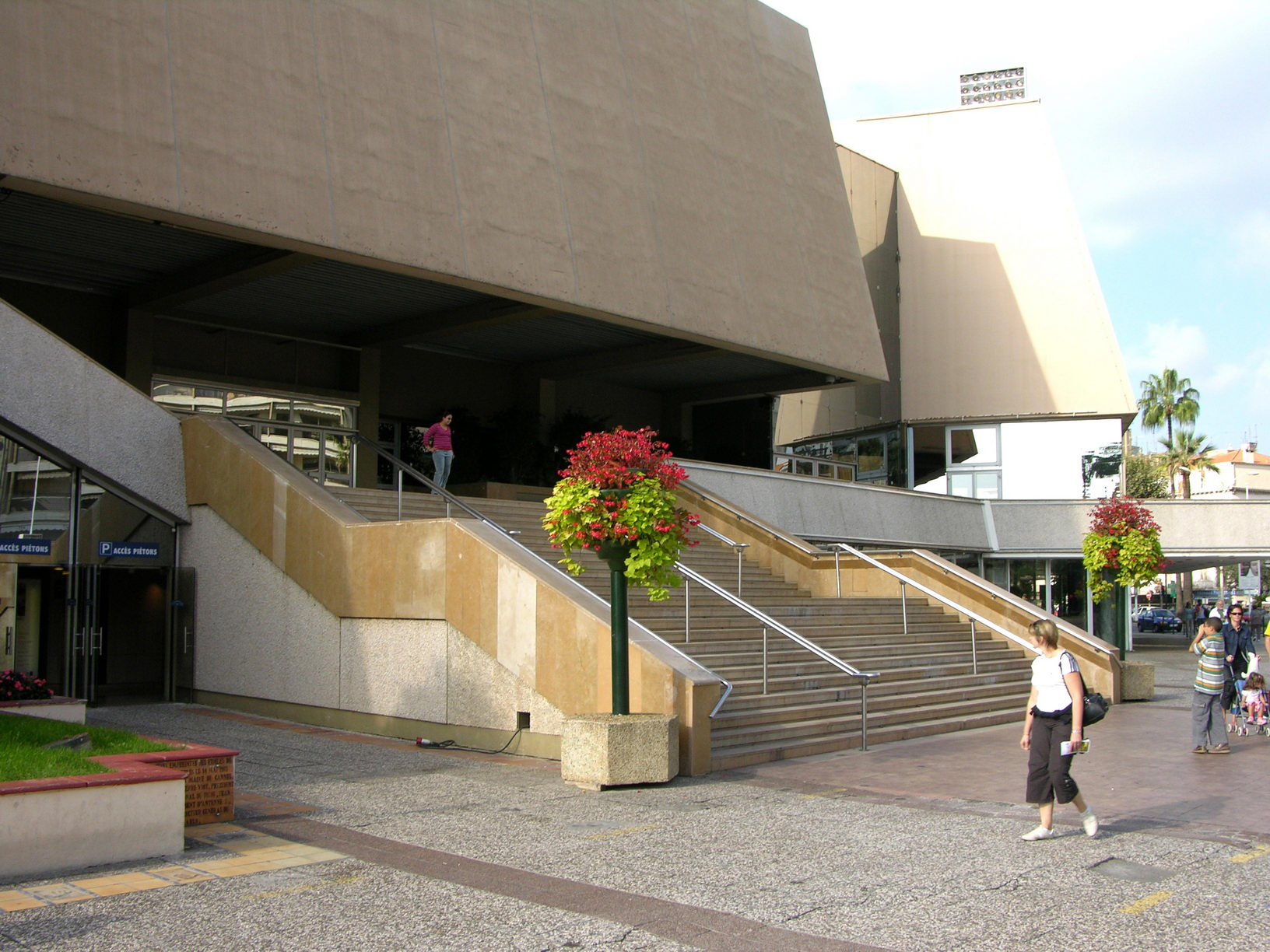
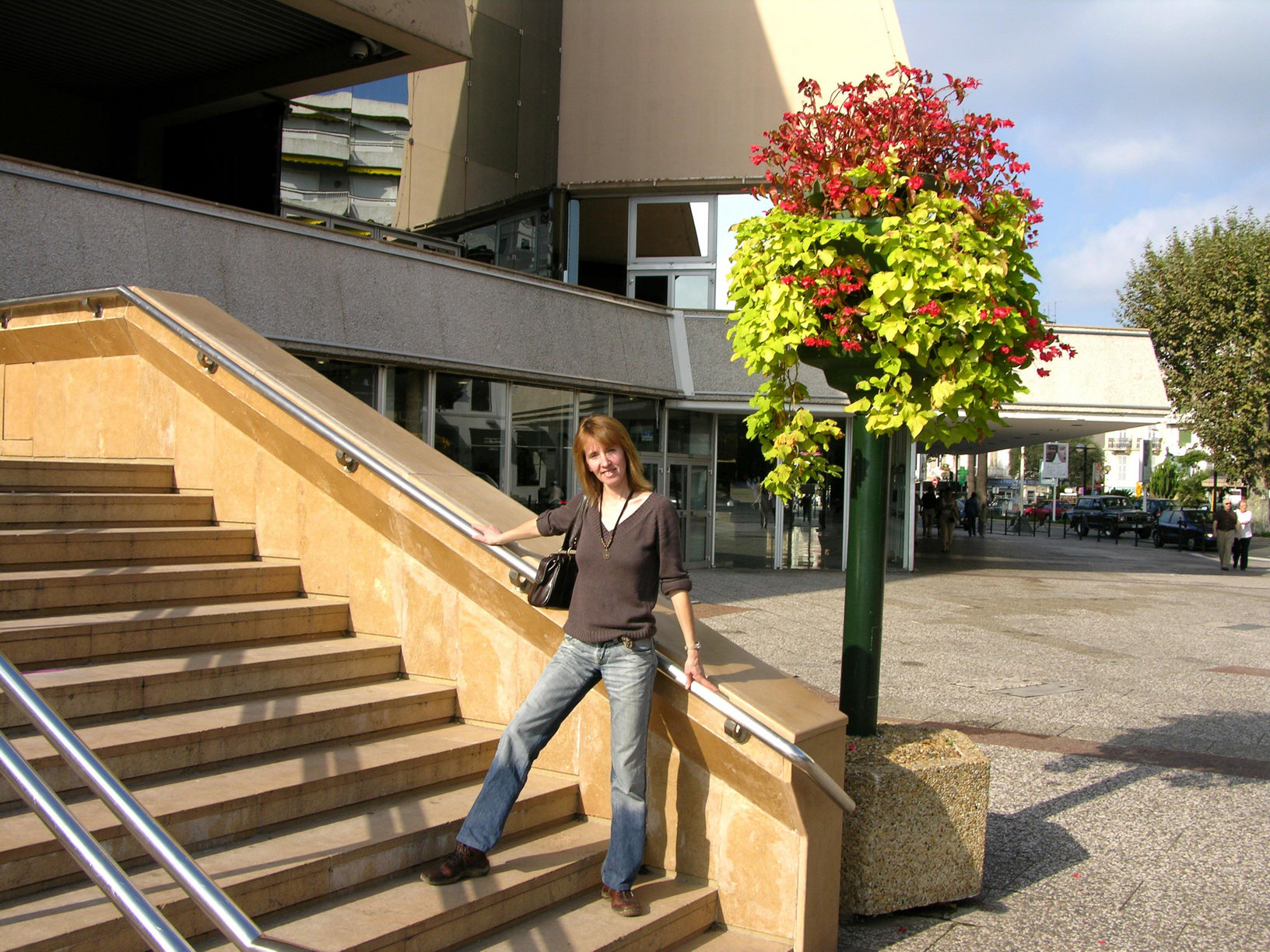
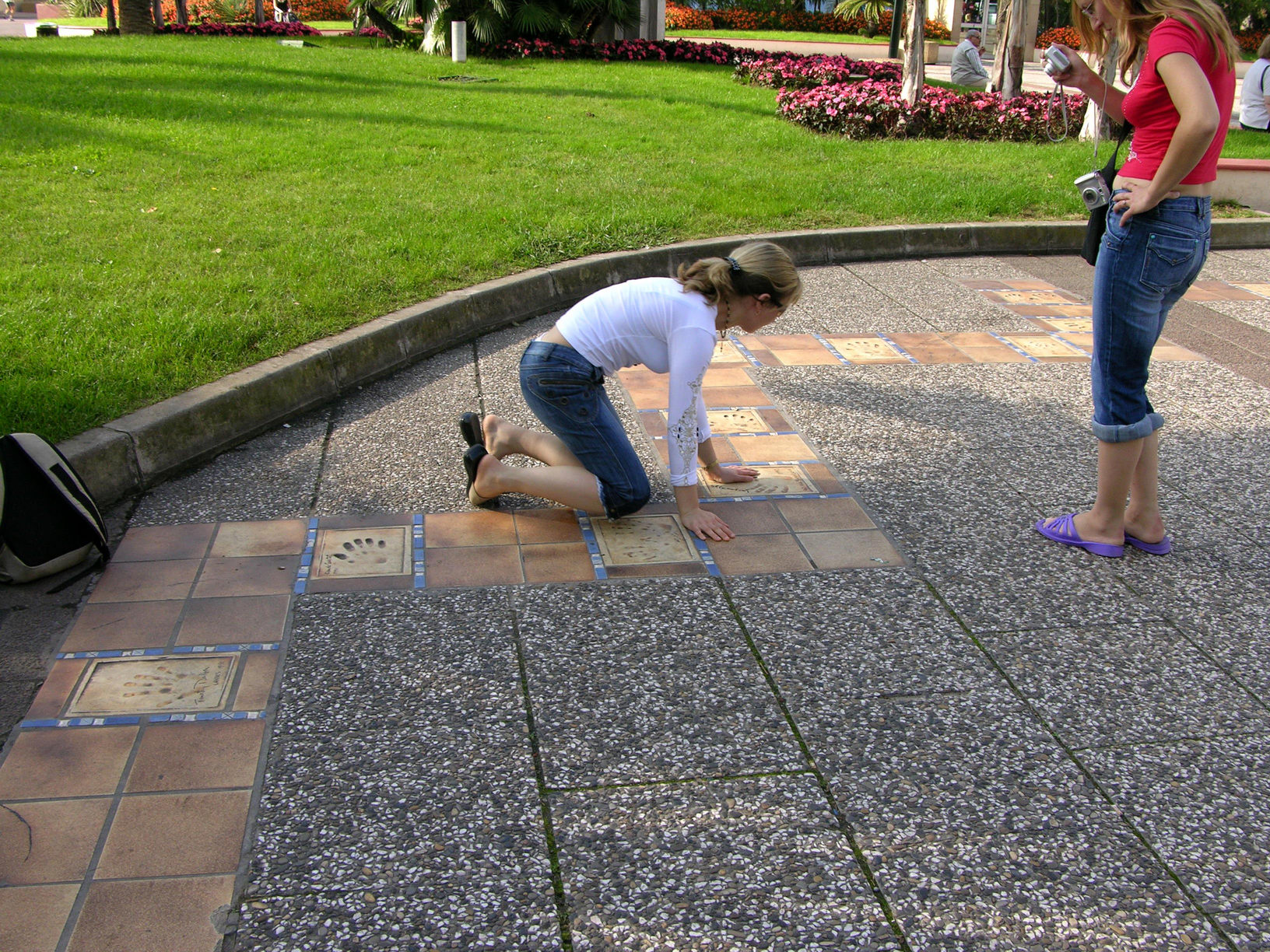
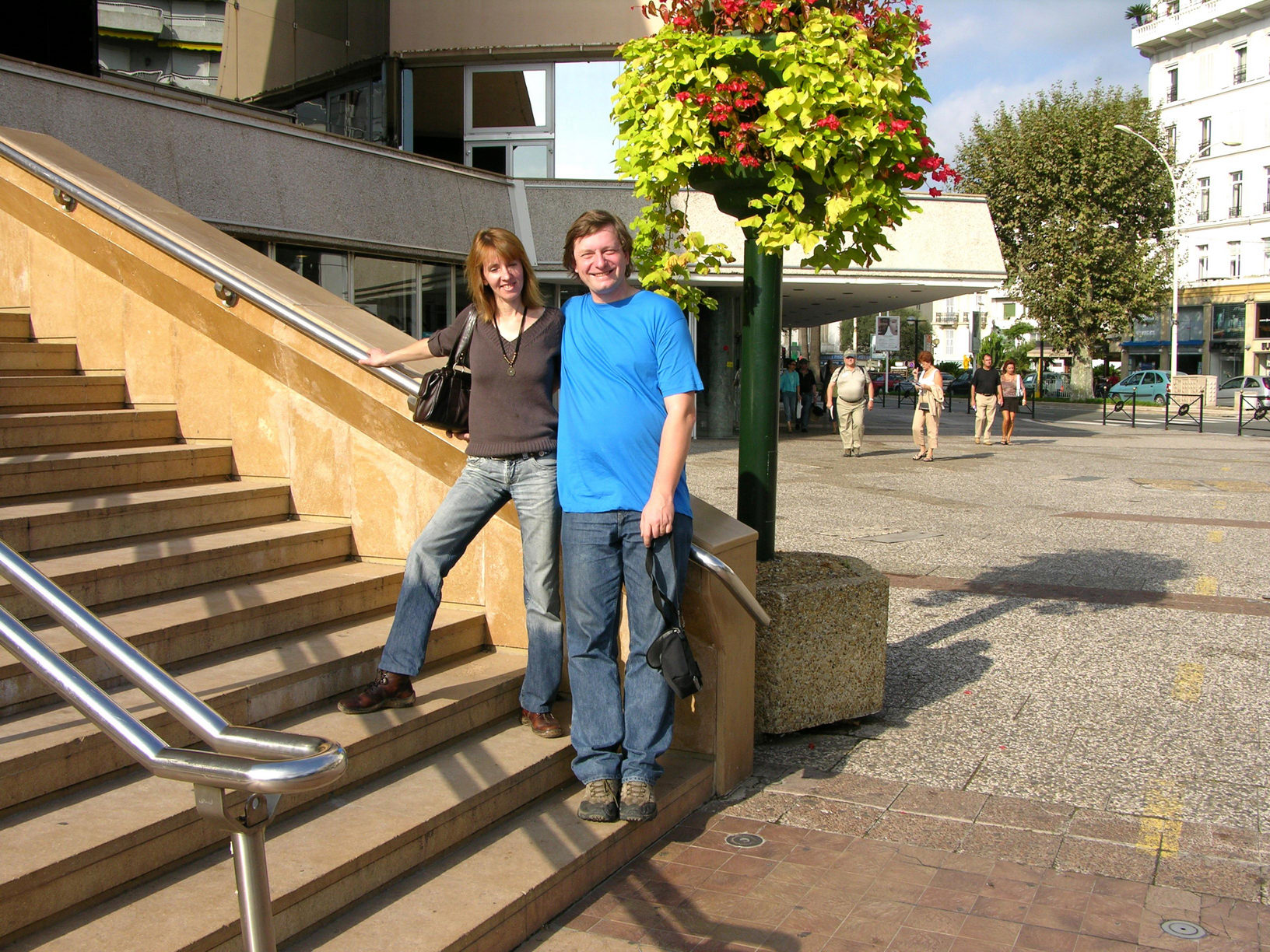
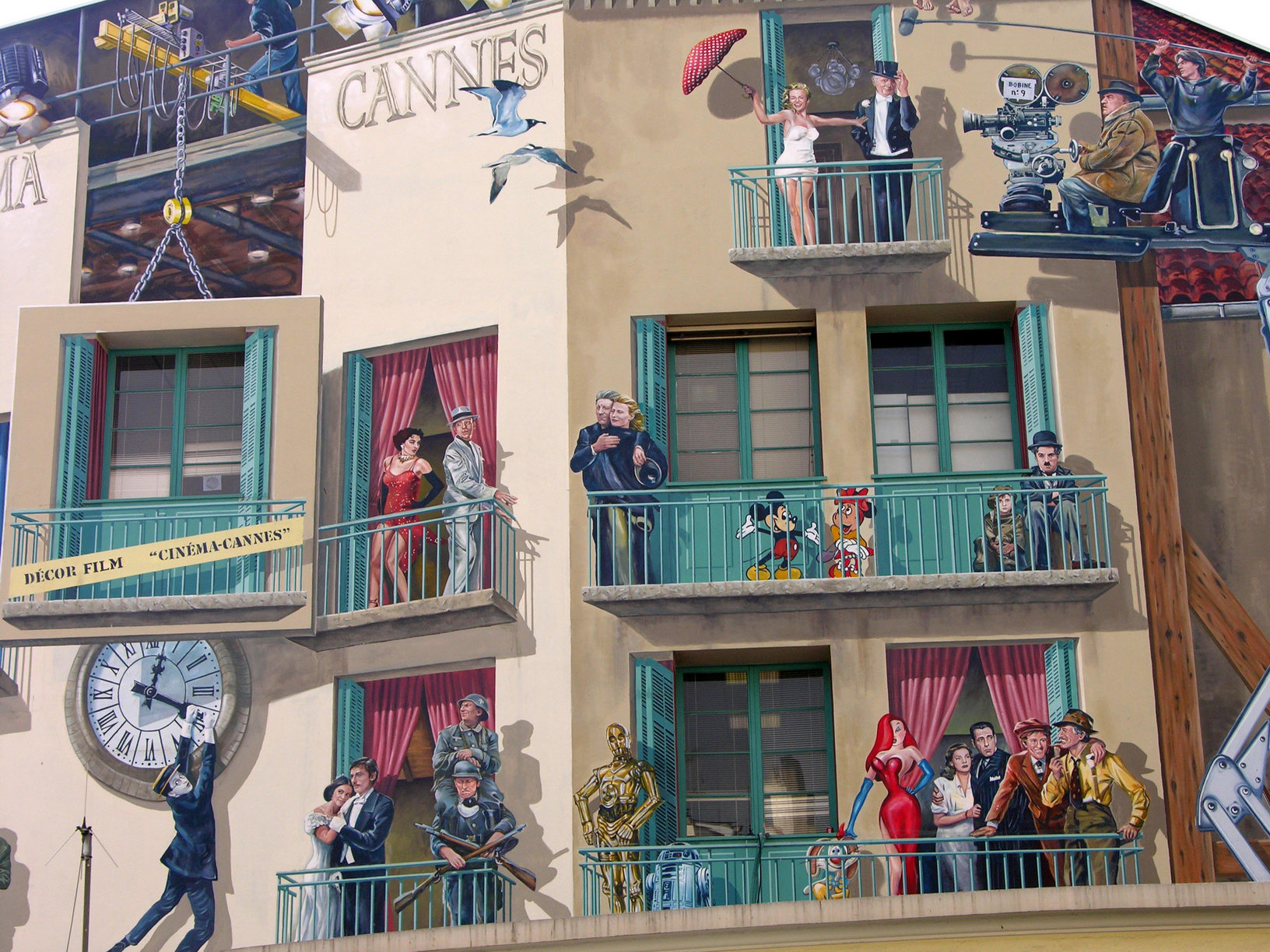
In the morning we walked around town, bought some clothes and drove west to Cannes. Here, of course, you have to walk up the famous steps where the stars walk at the film festival. They’re very ordinary steps, no finer than you’d find at any district cultural centre. They could at least have made them of marble.
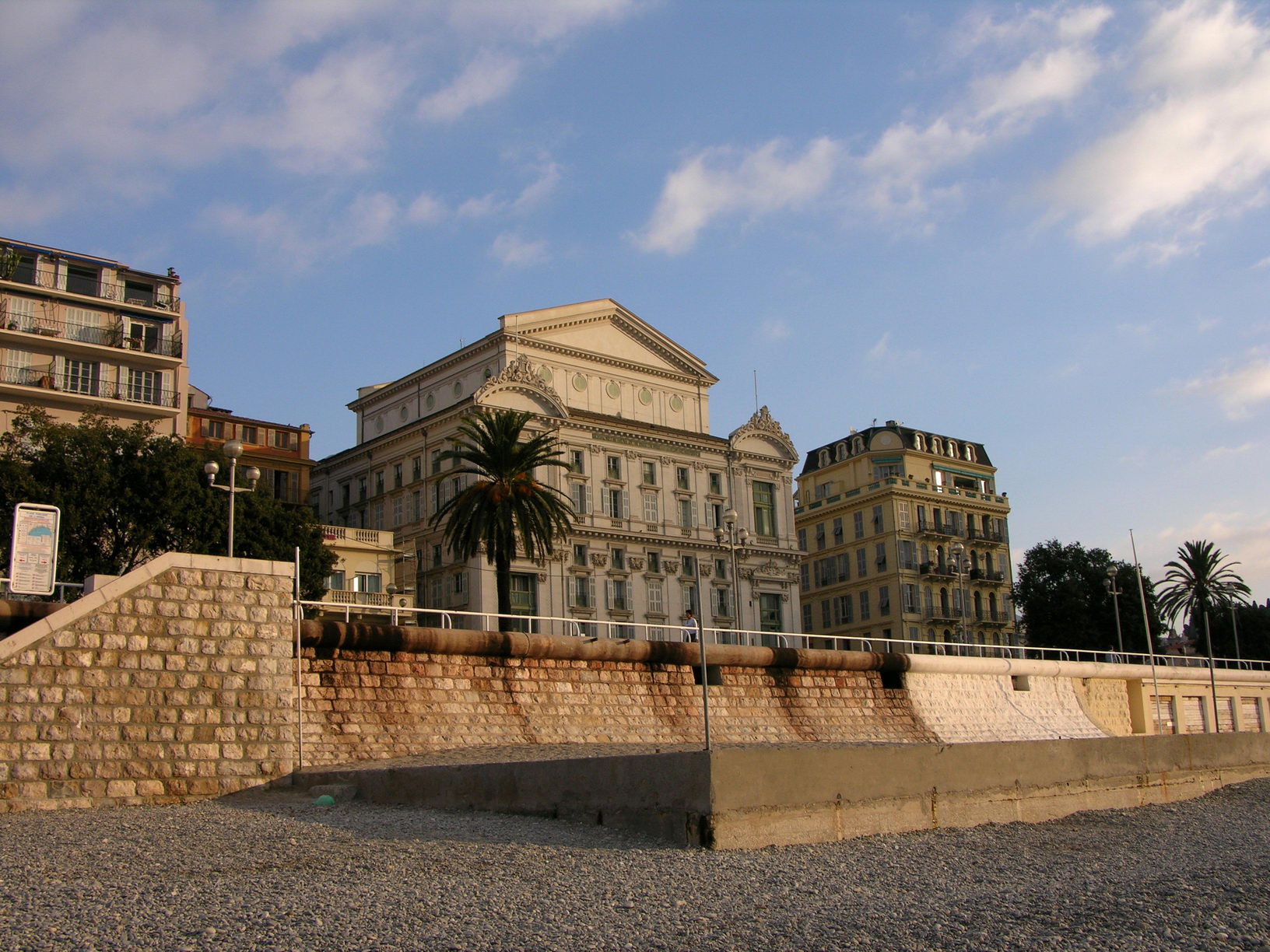
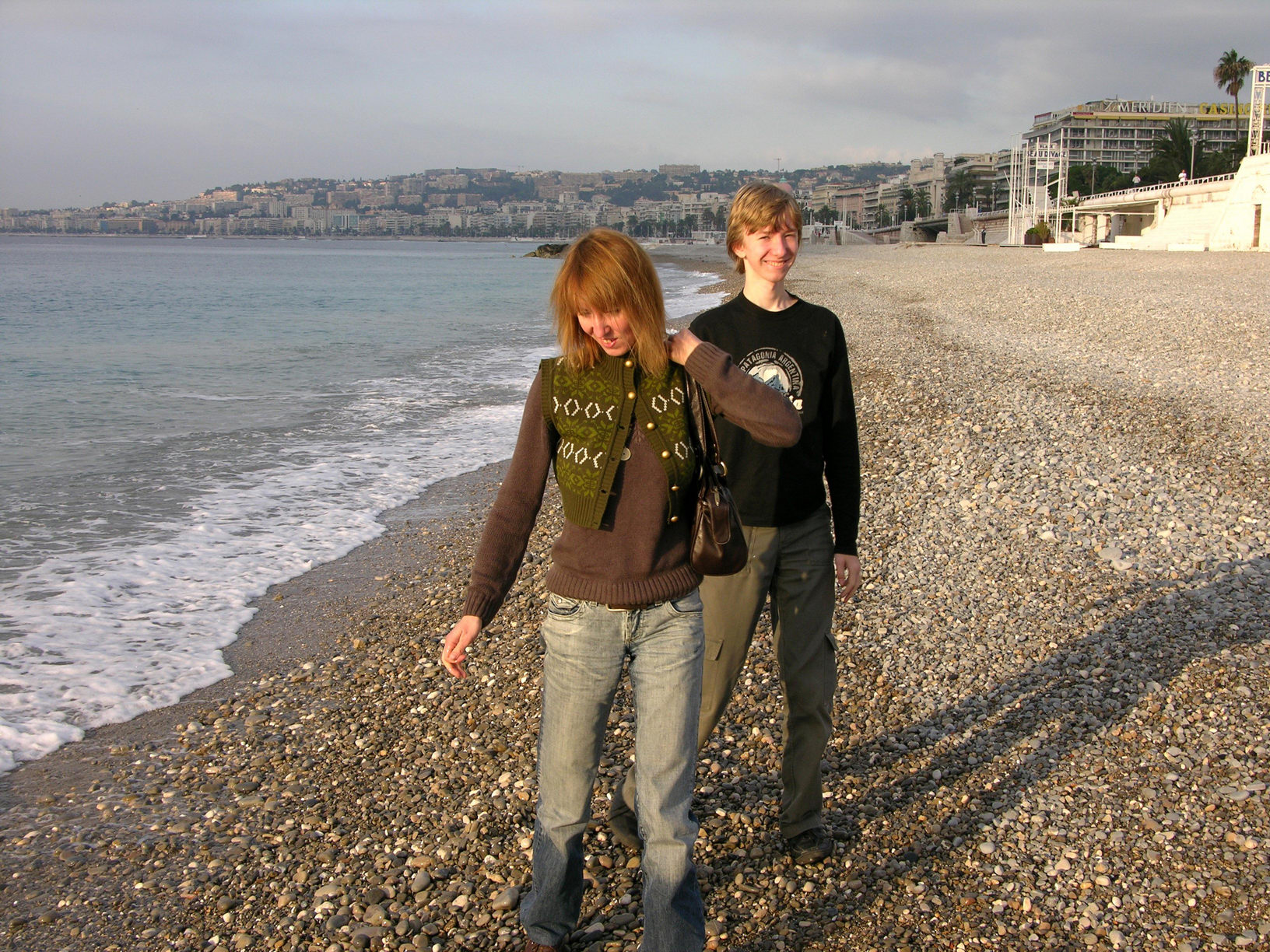
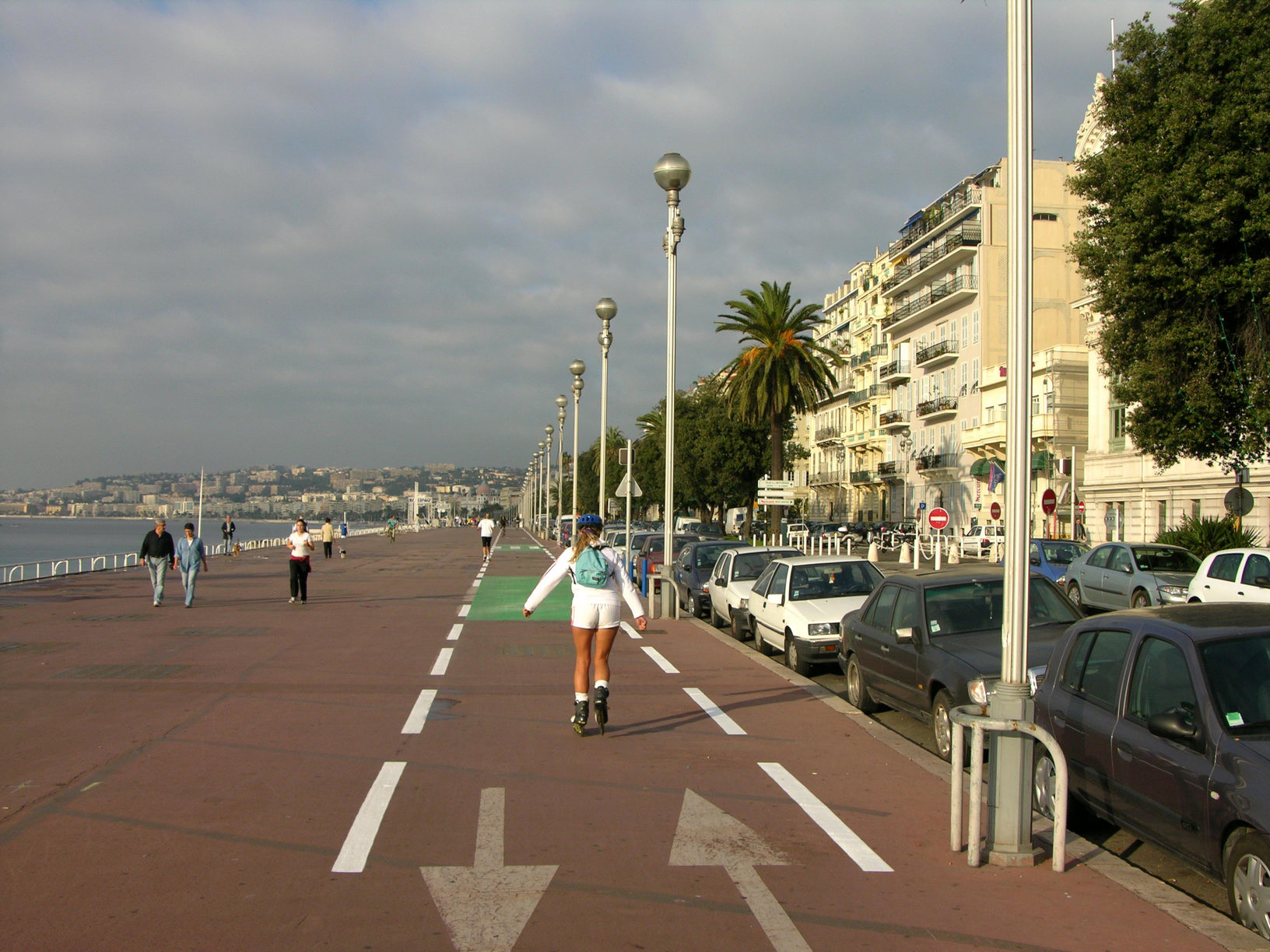
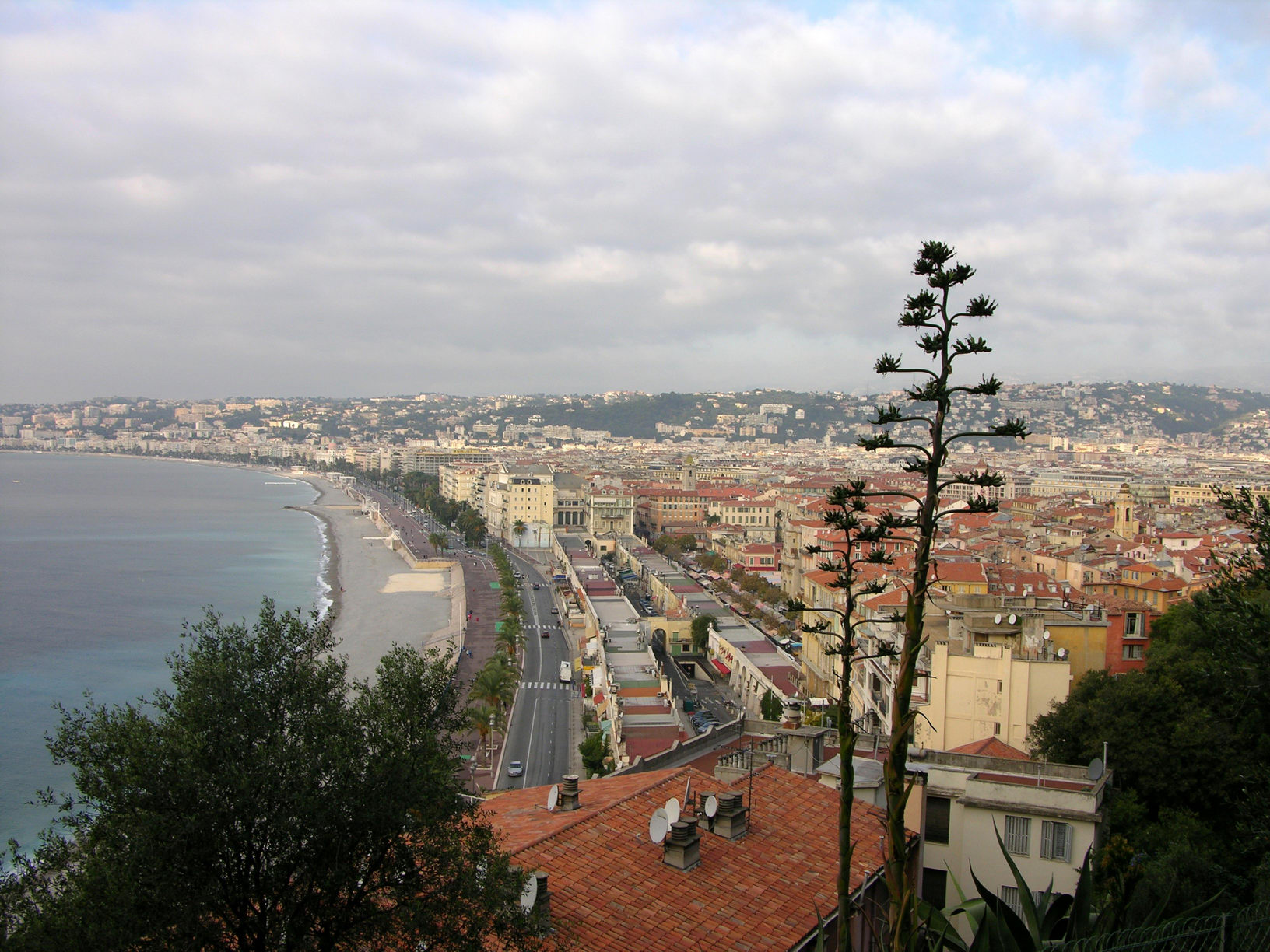
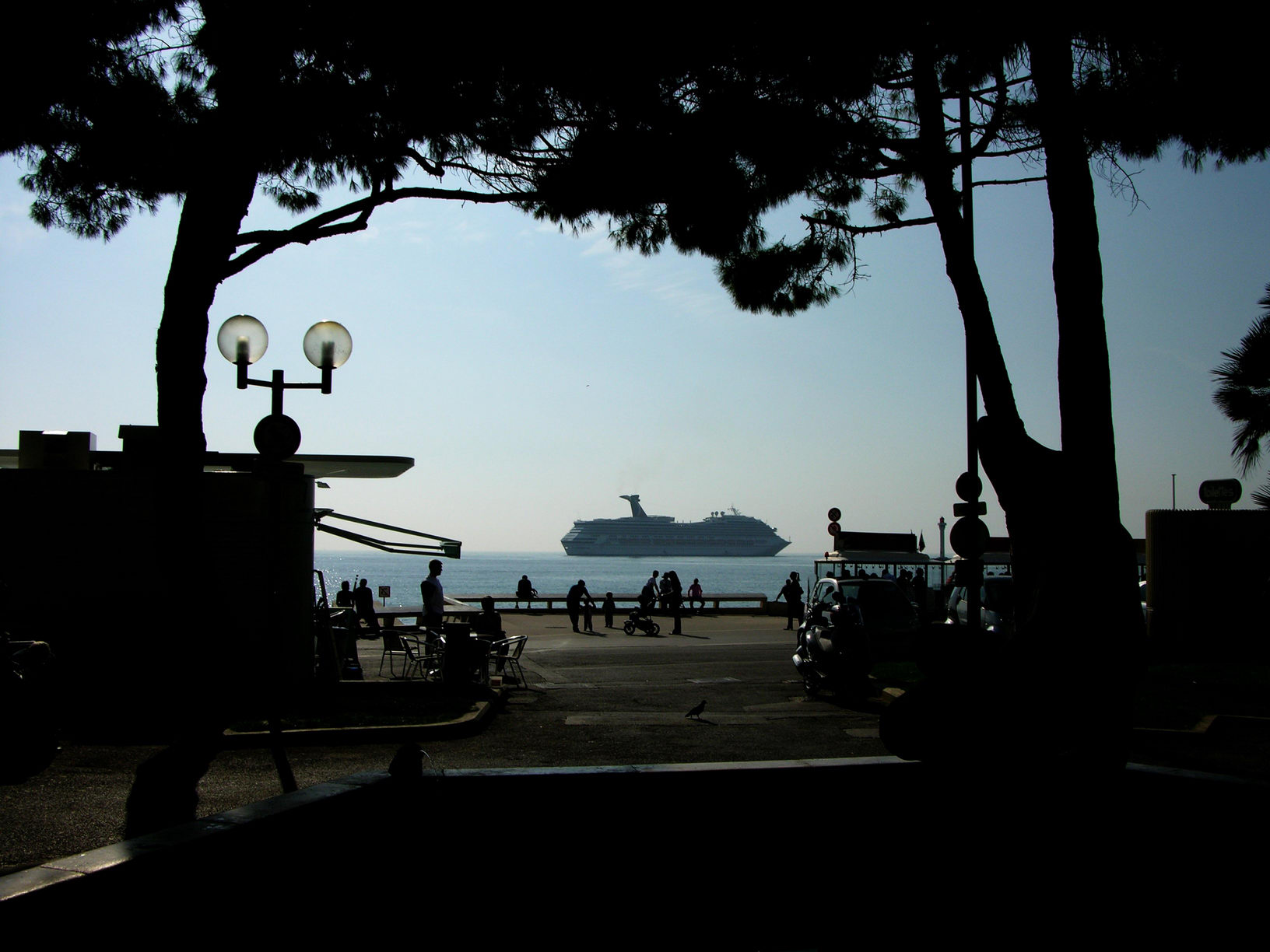
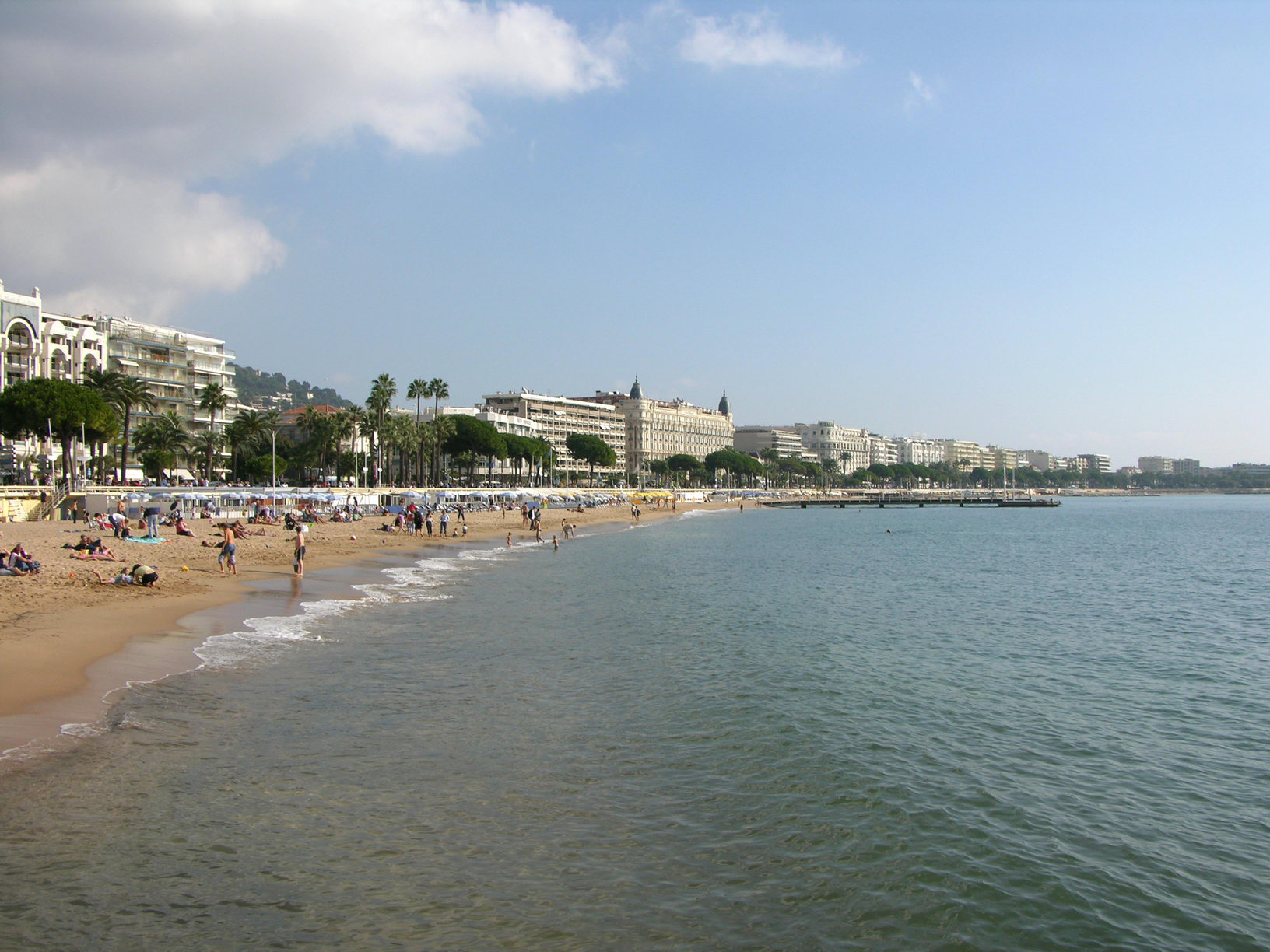
It was November, yet the Mediterranean Sea was still warm enough for sunbathing or swimming. In Nice, as elsewhere in France, women can do that topless. A pleasant sight. If only it were the same everywhere. We went for a swim too.
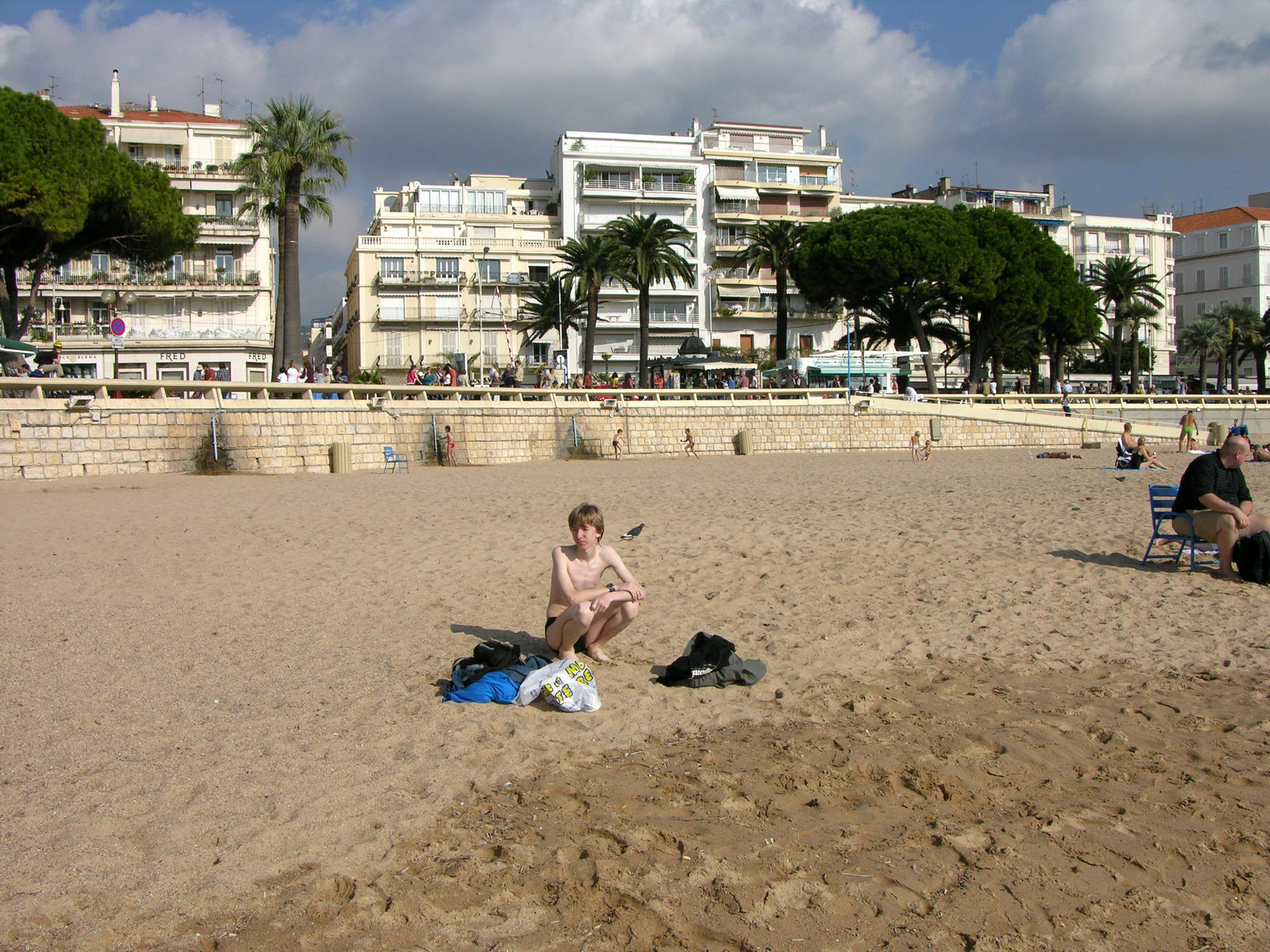
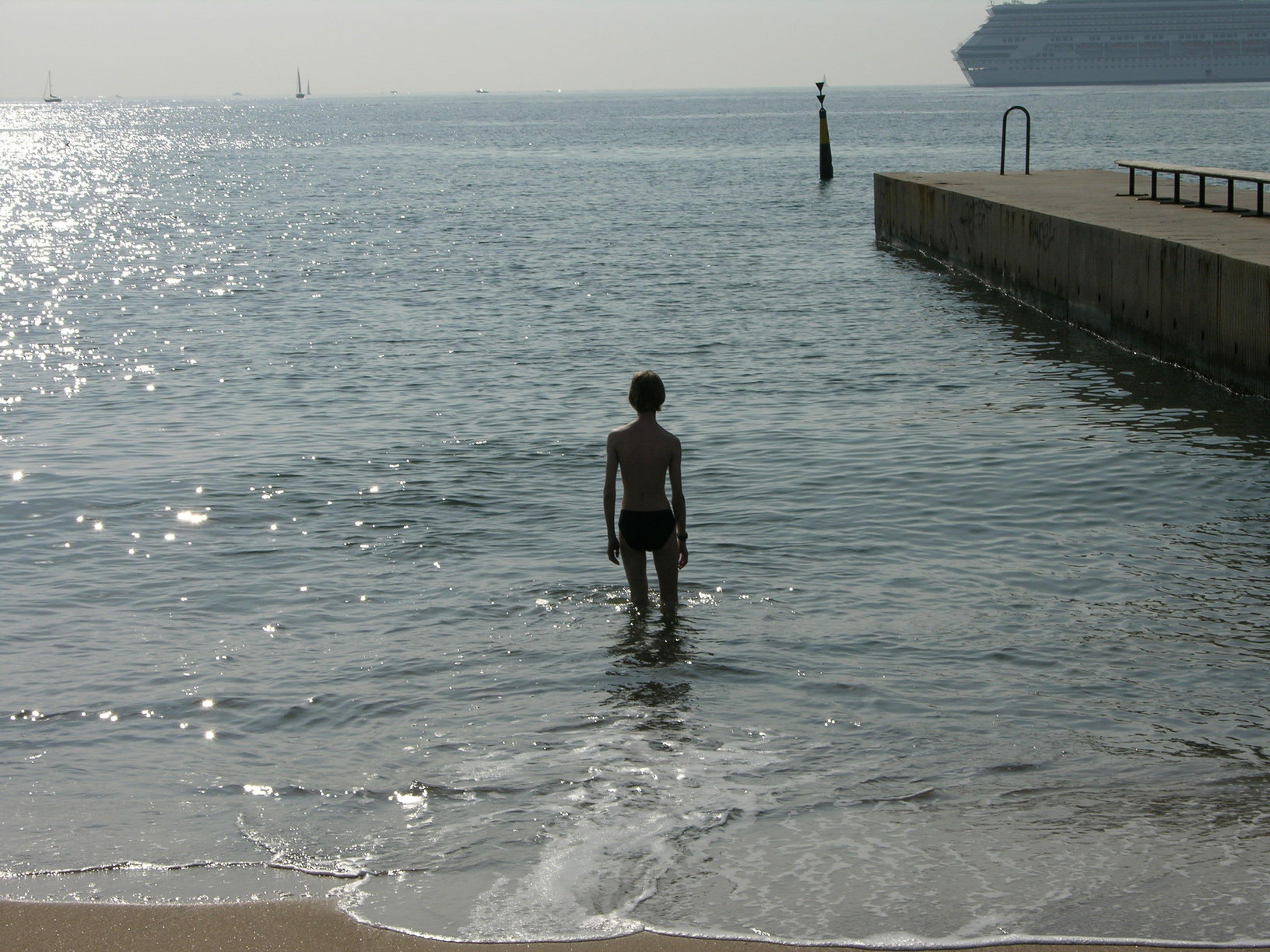
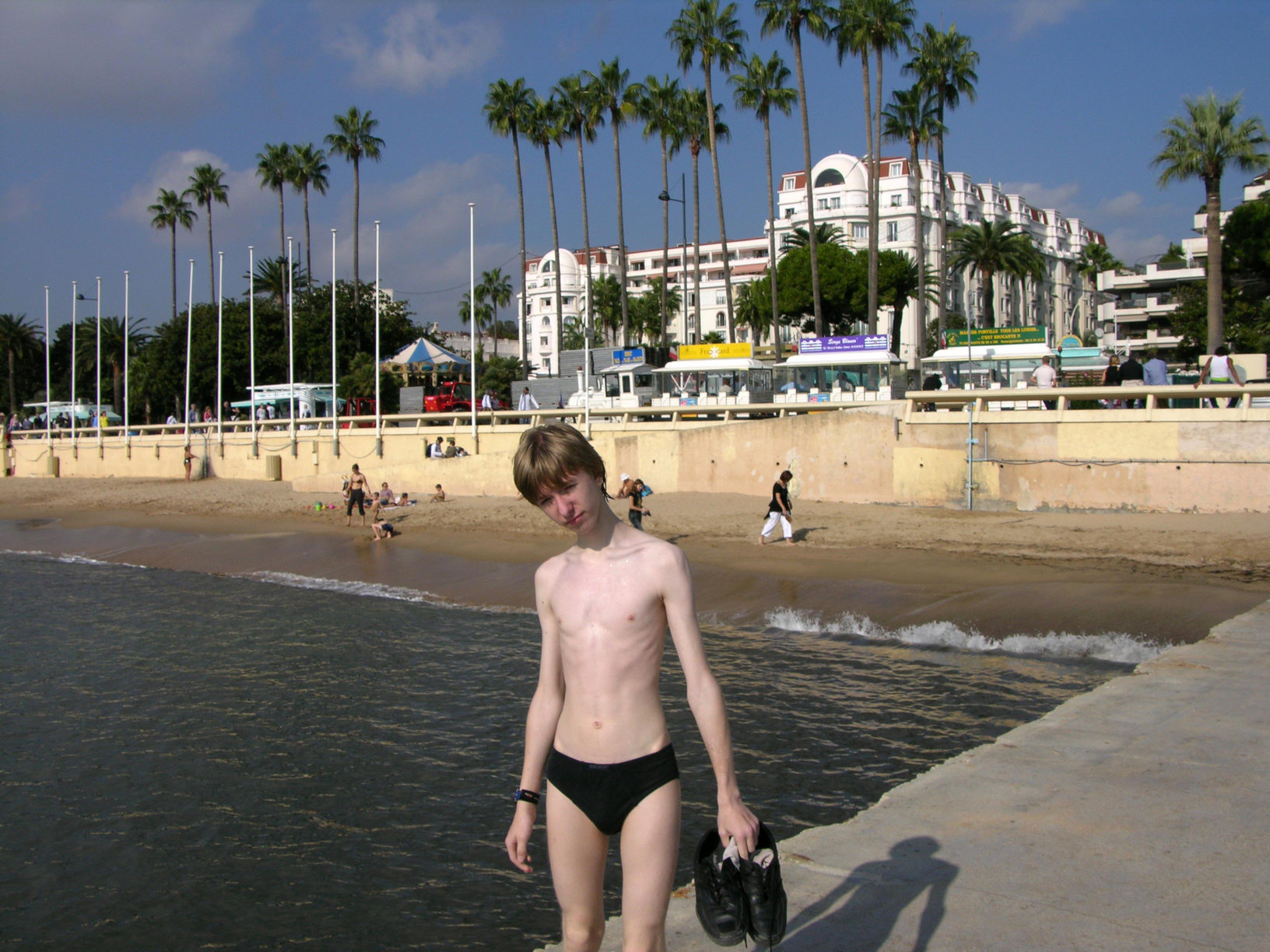
Farther west, the country becomes less built up. Saint-Tropez has grown beyond the charming fishing village it once was, but it’s nowhere near the size of Nice. The motorway to Marseille turns inland and the Riviera proper comes to an end.
Marseille is France’s principal port. Today it’s a big city with an old centre. A superb view opens up from the hill with the Basilica of Notre-Dame de la Garde on top.
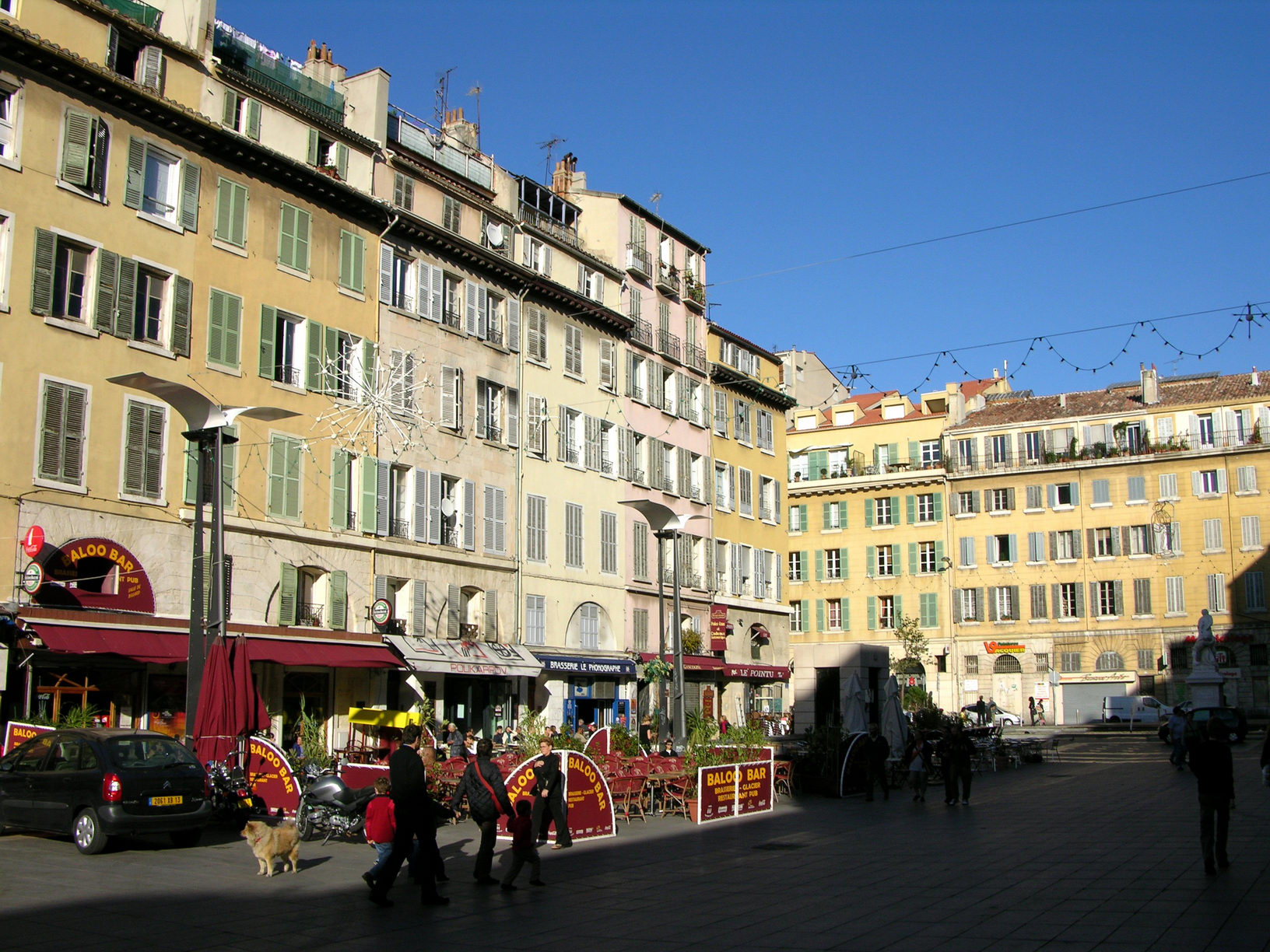
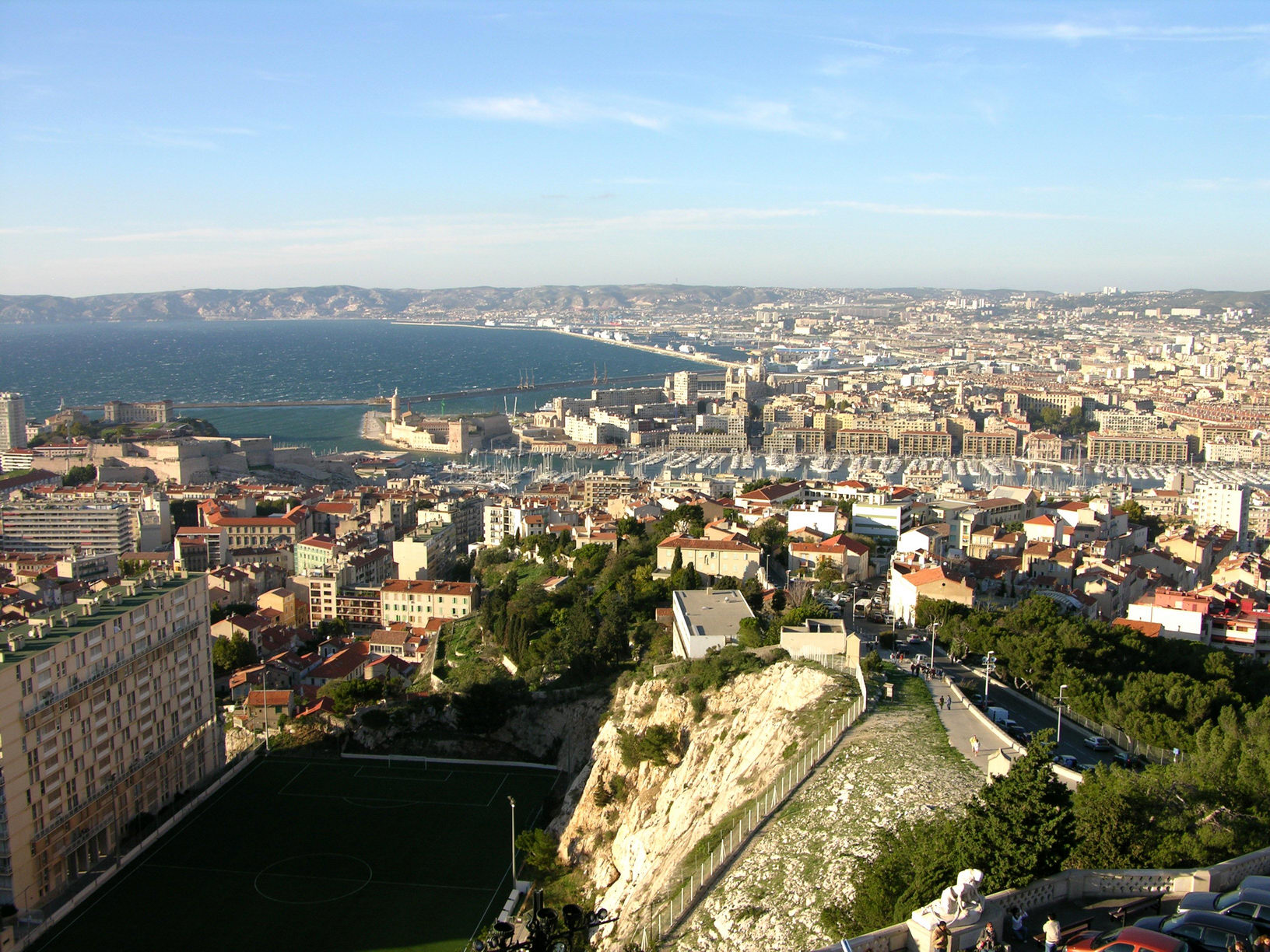
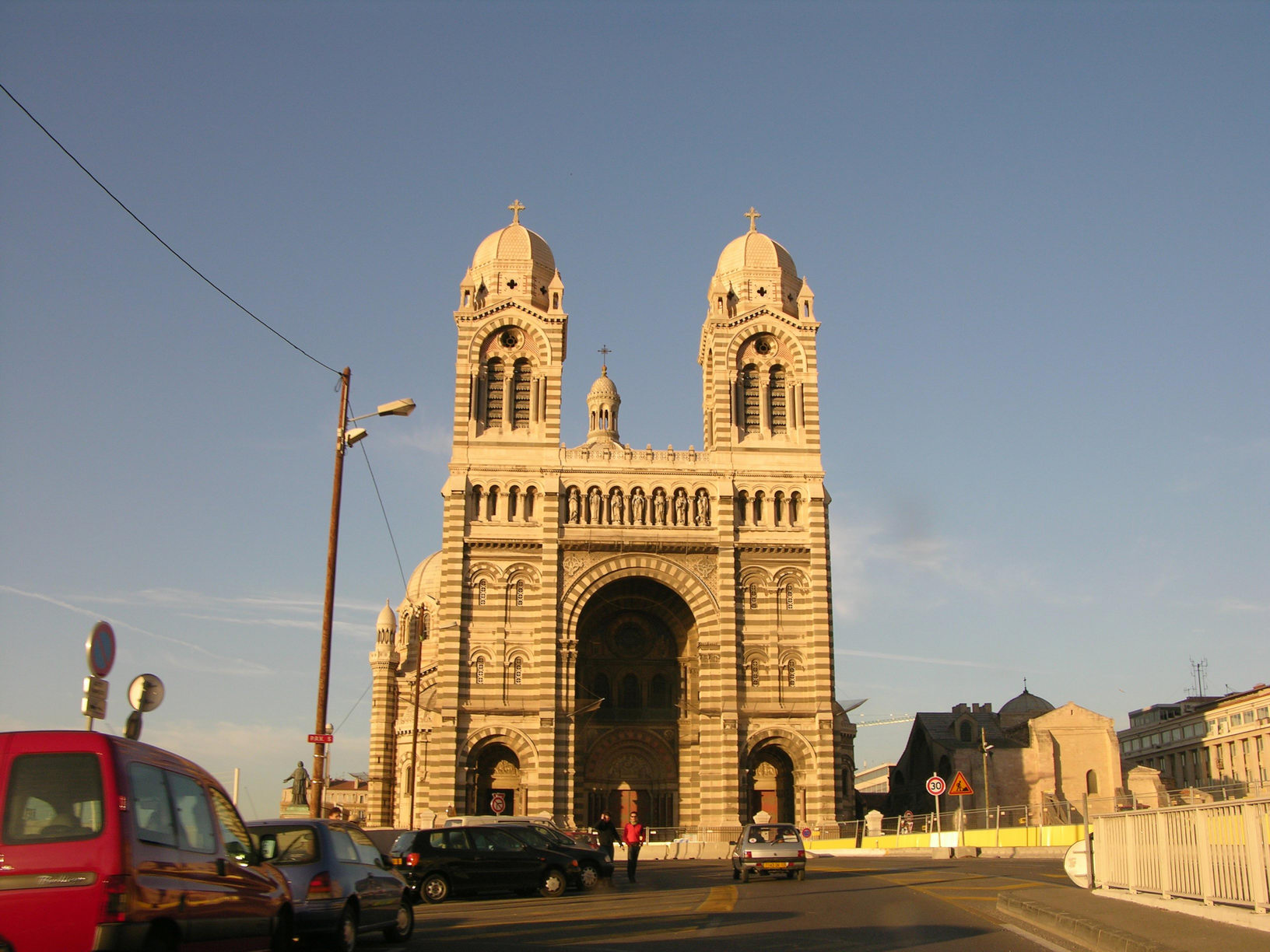
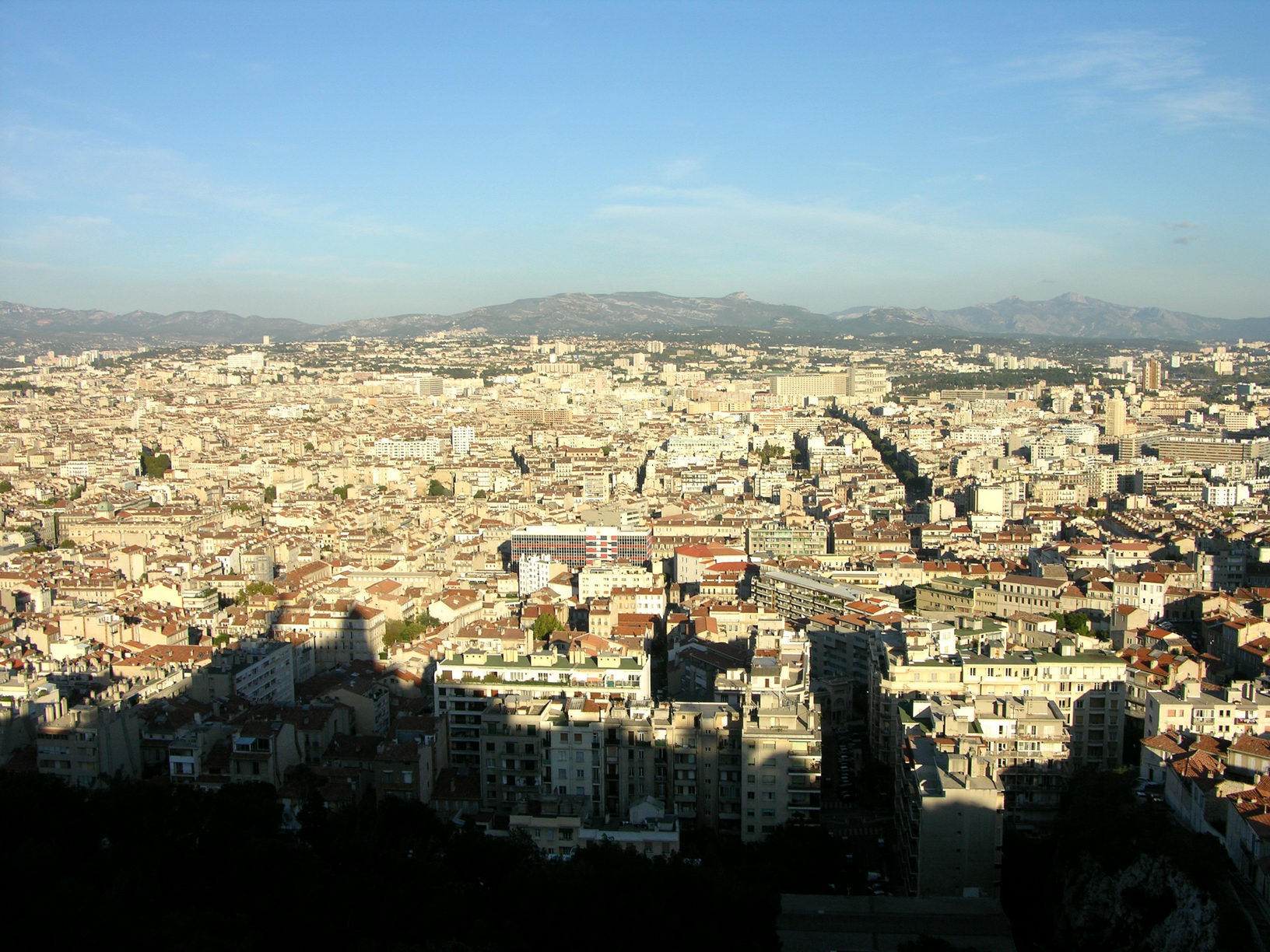
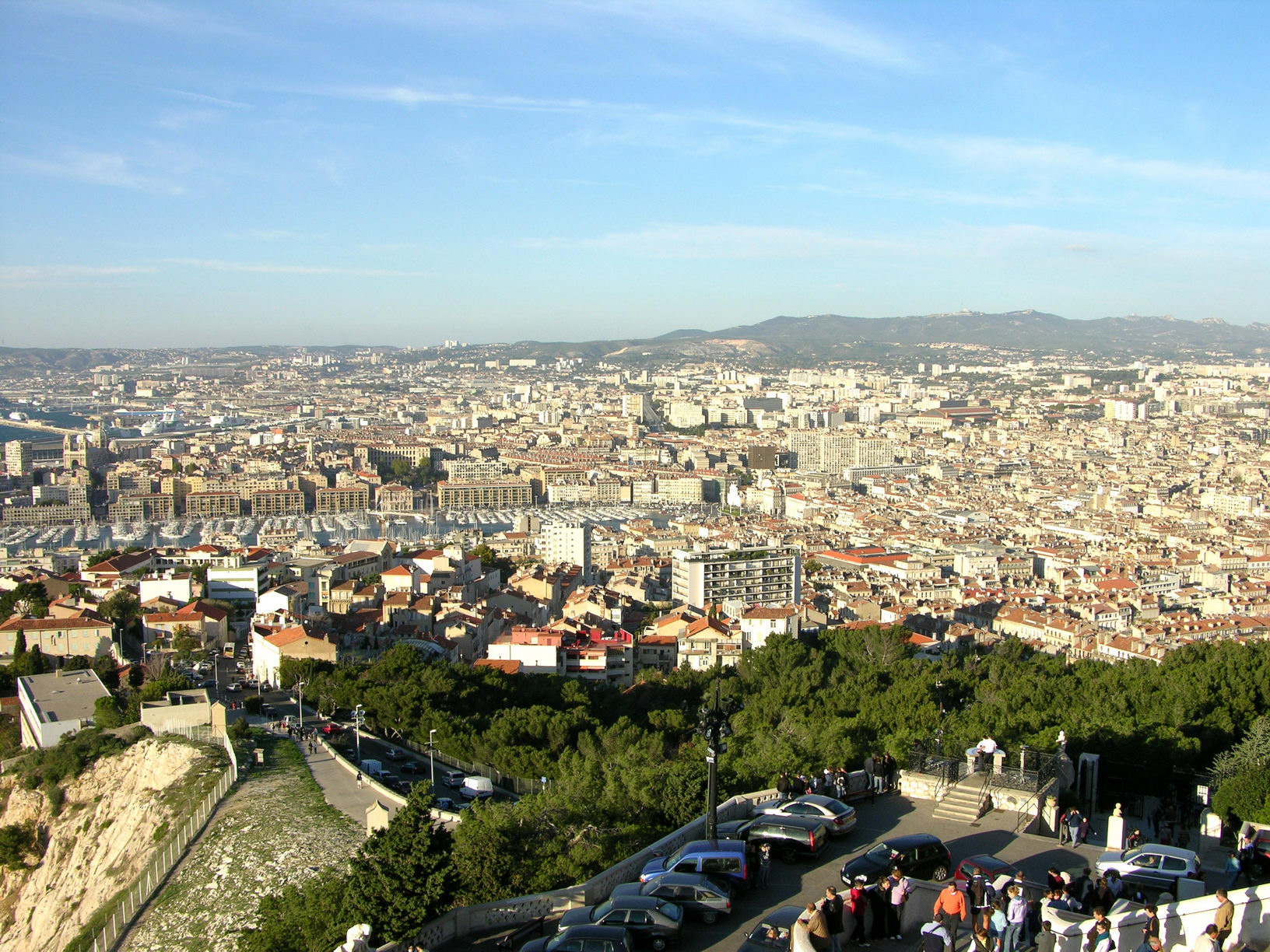
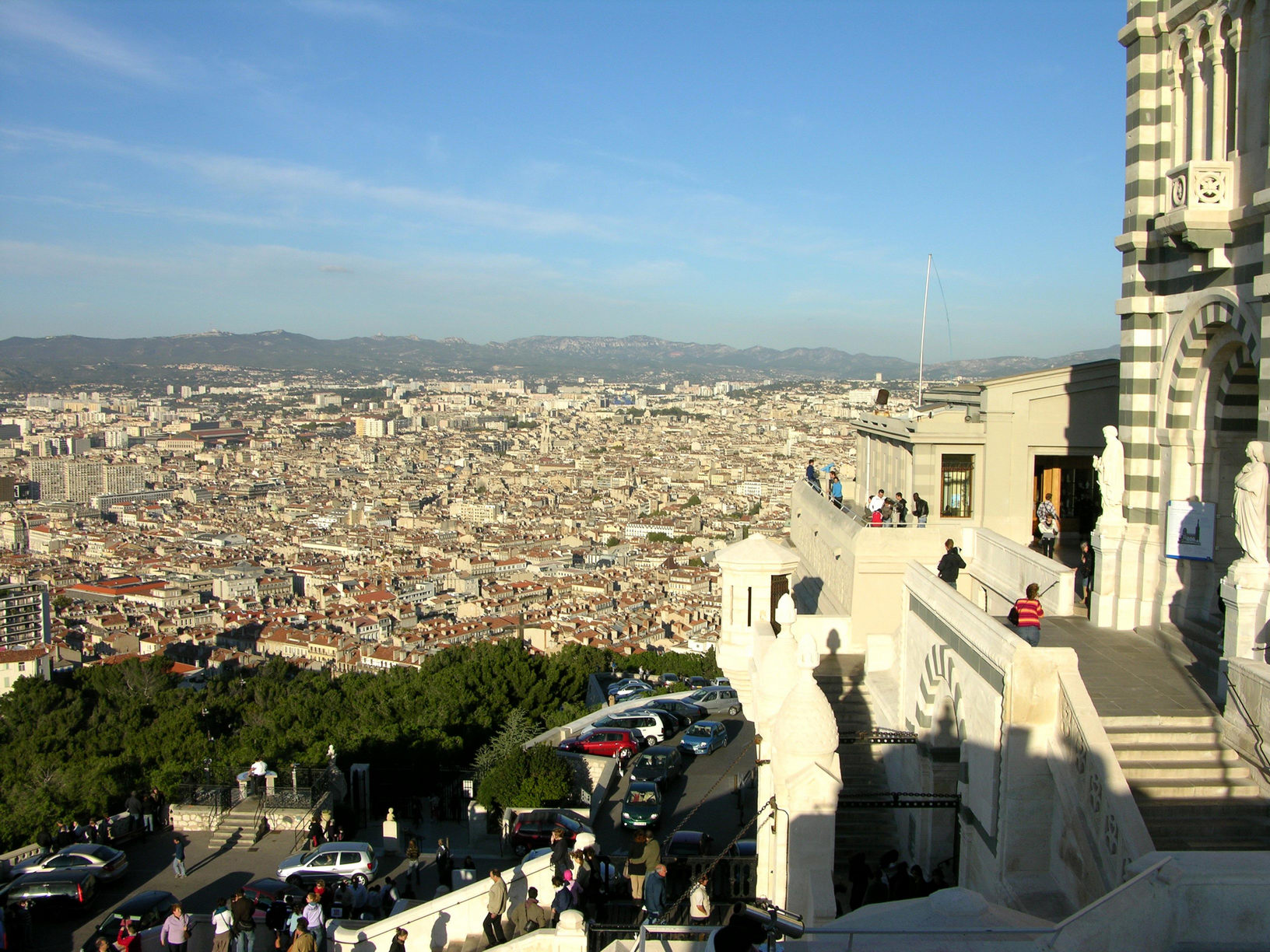
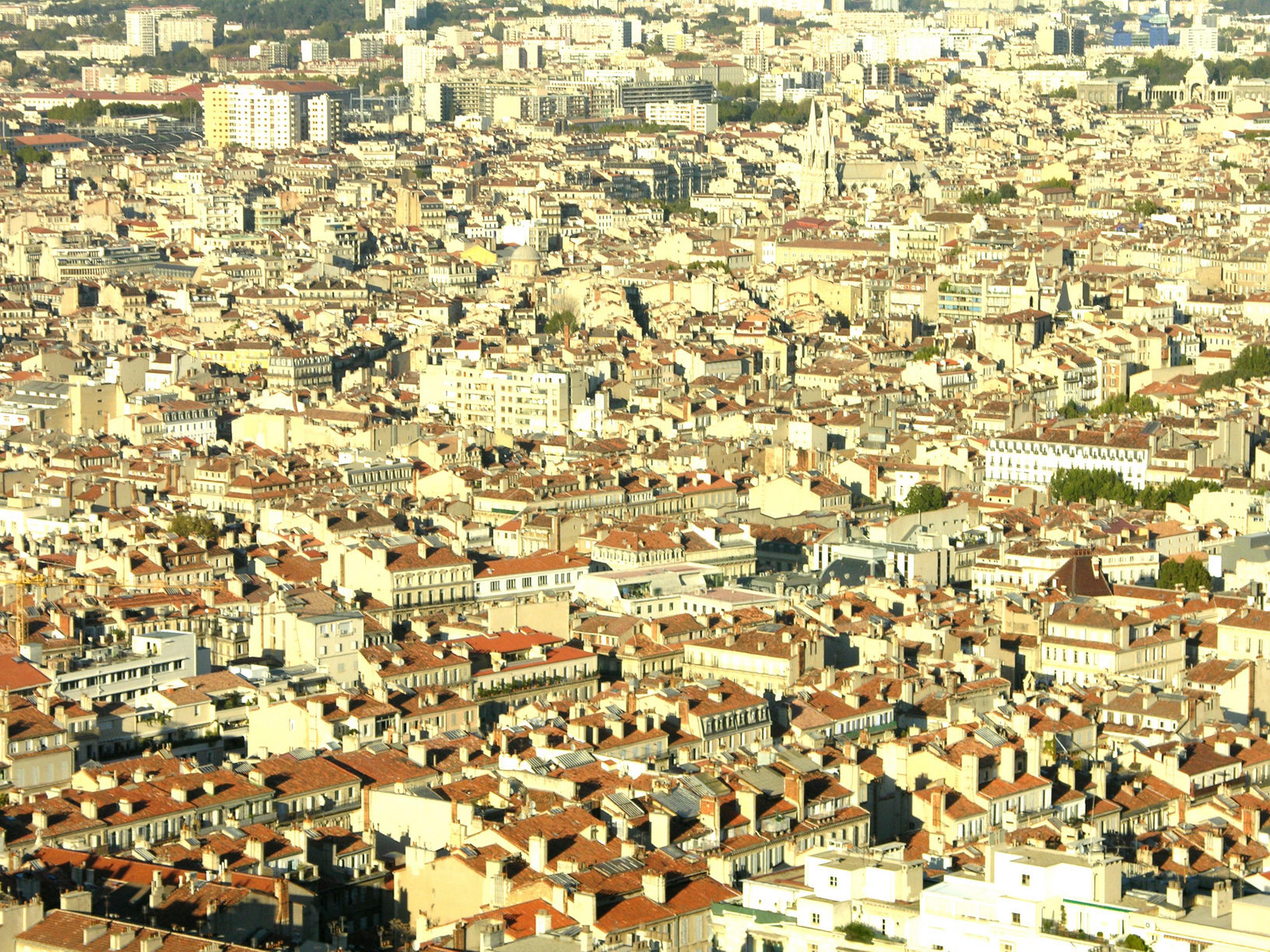
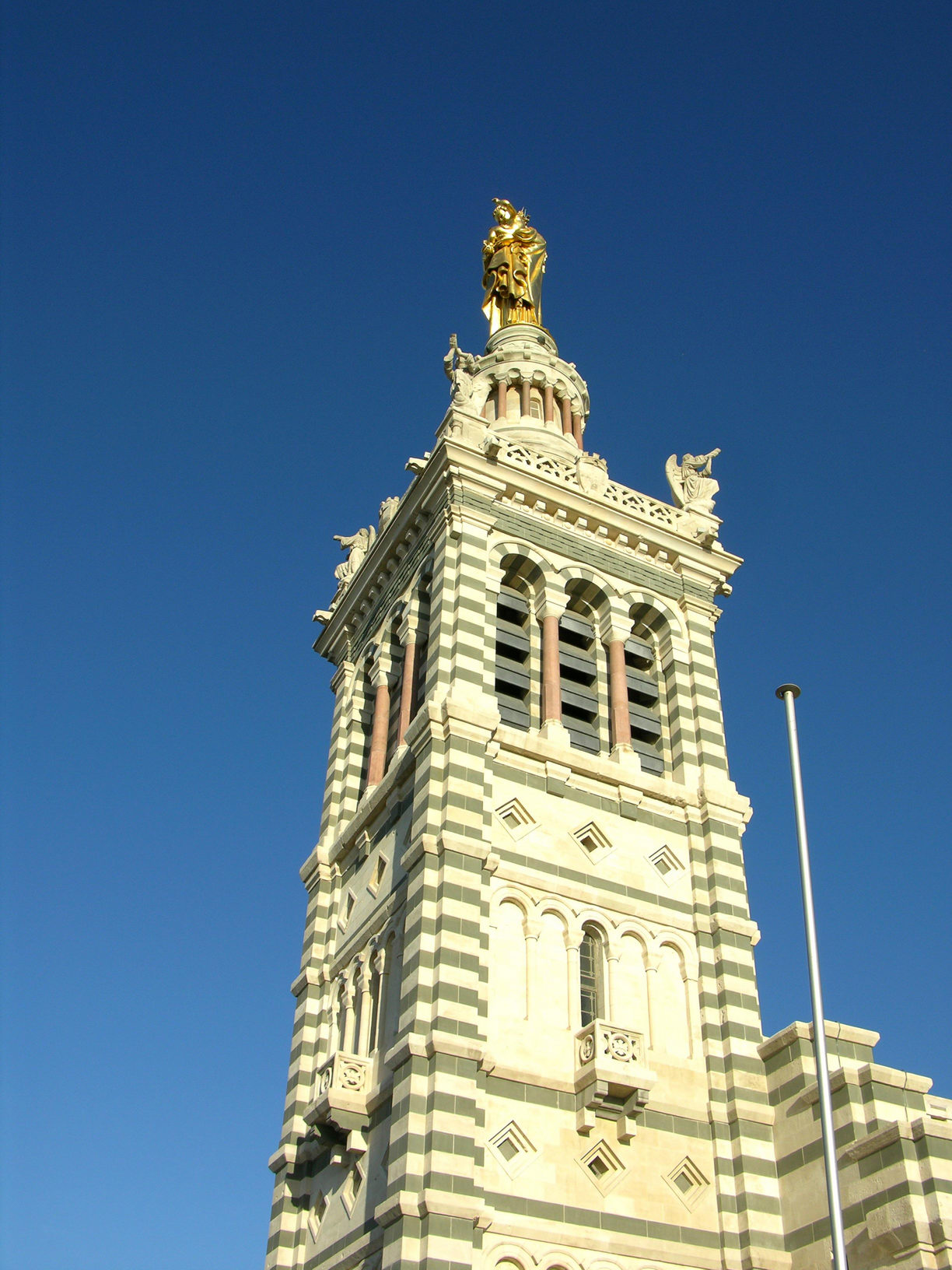
The streets are narrow yet traffic seldom jams up. A network of tunnels links deep underground car parks in the centre. In each little street there’s a small building with a lift down. An object lesson for the hopeless mayors who insist that old city streets and private cars can’t coexist. They can. It takes building rather than talk.
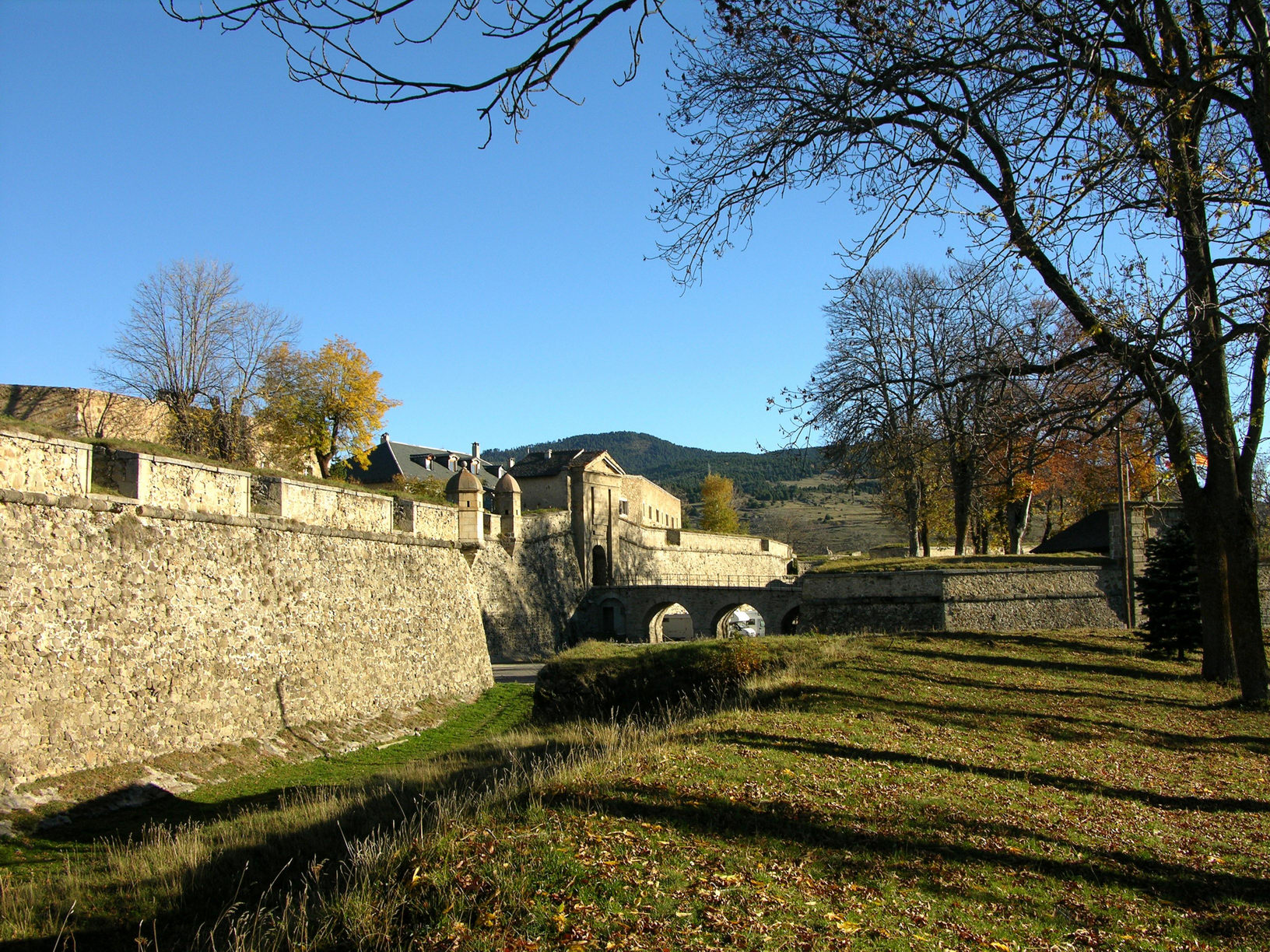
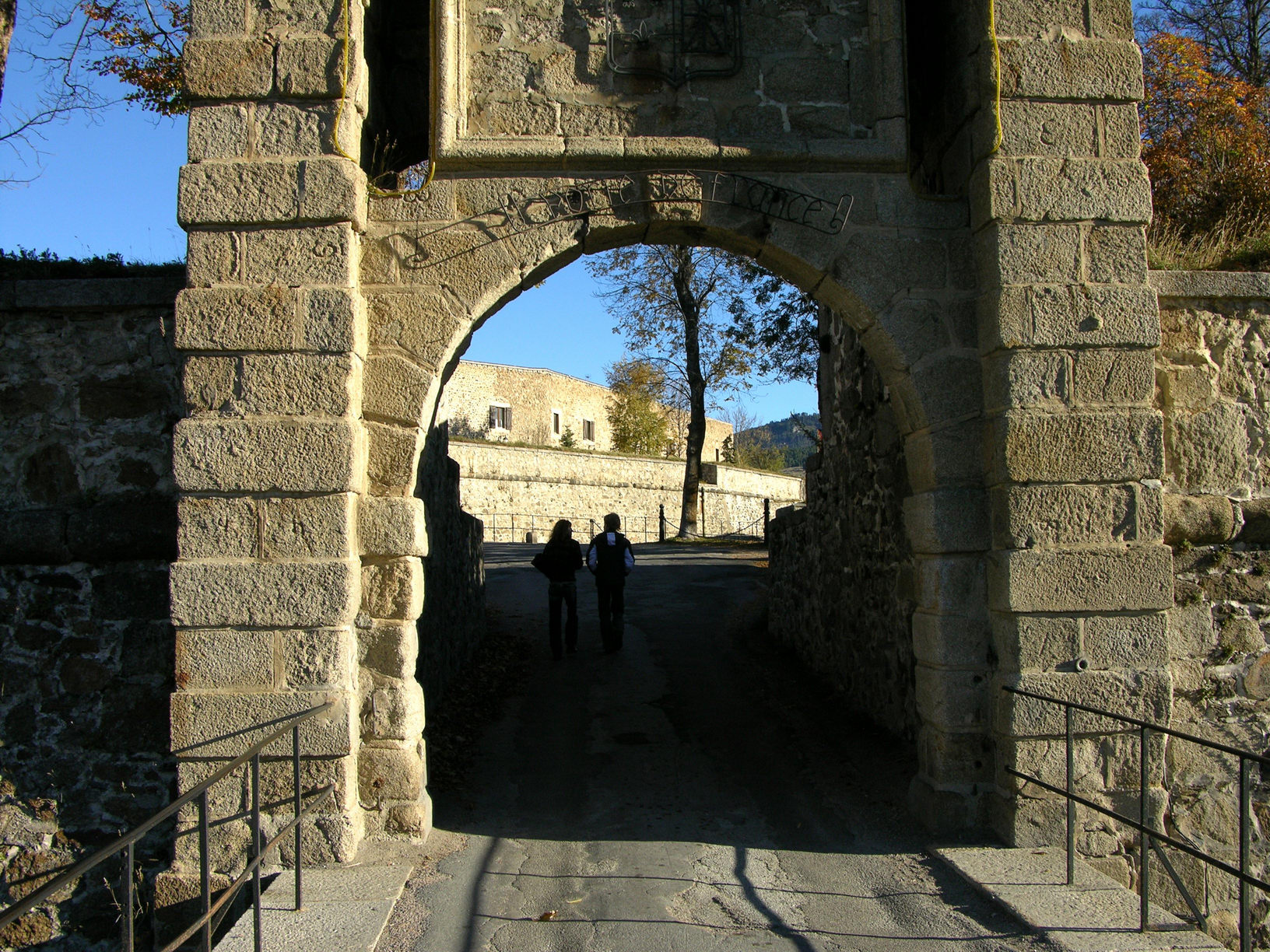
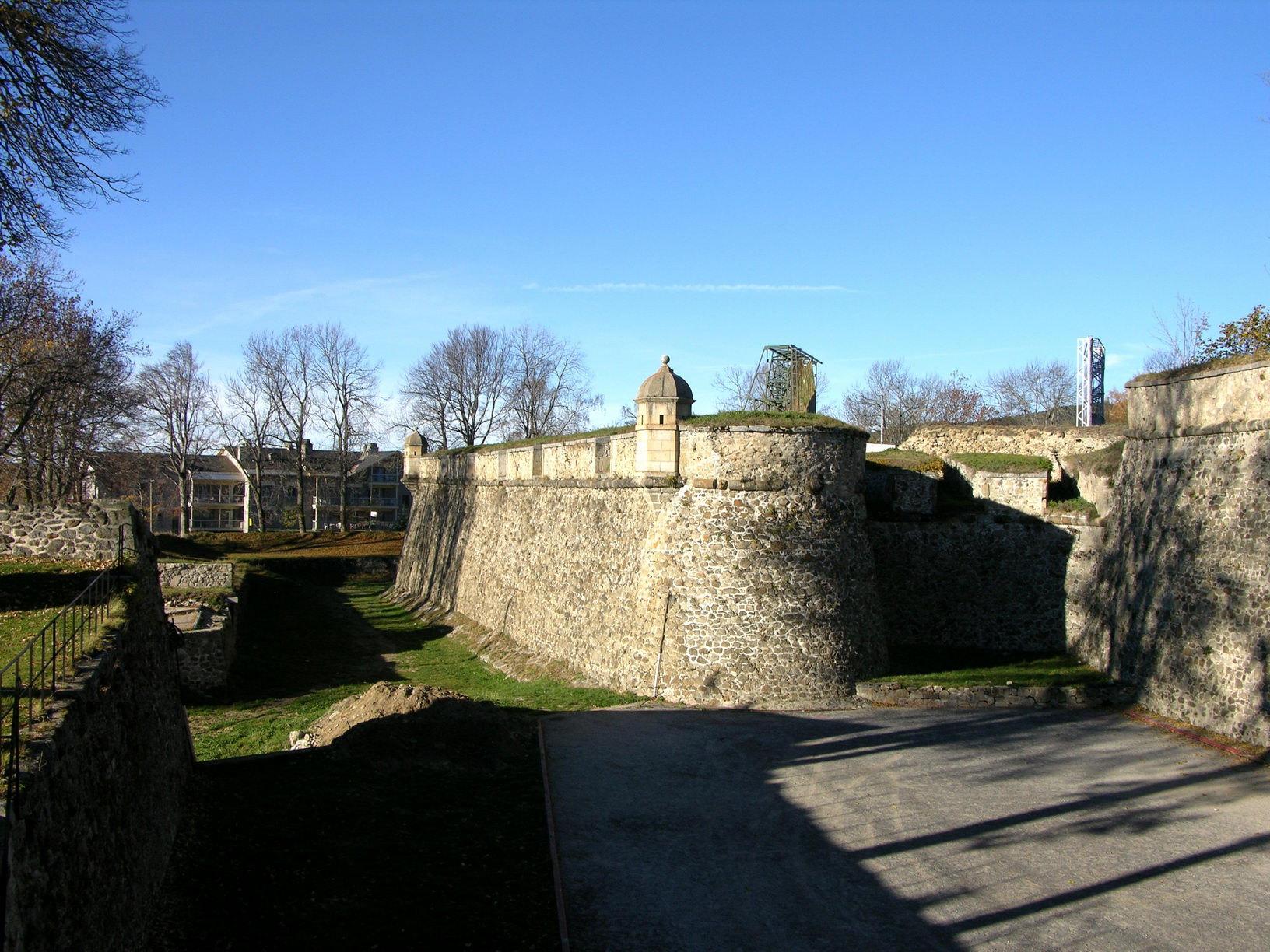
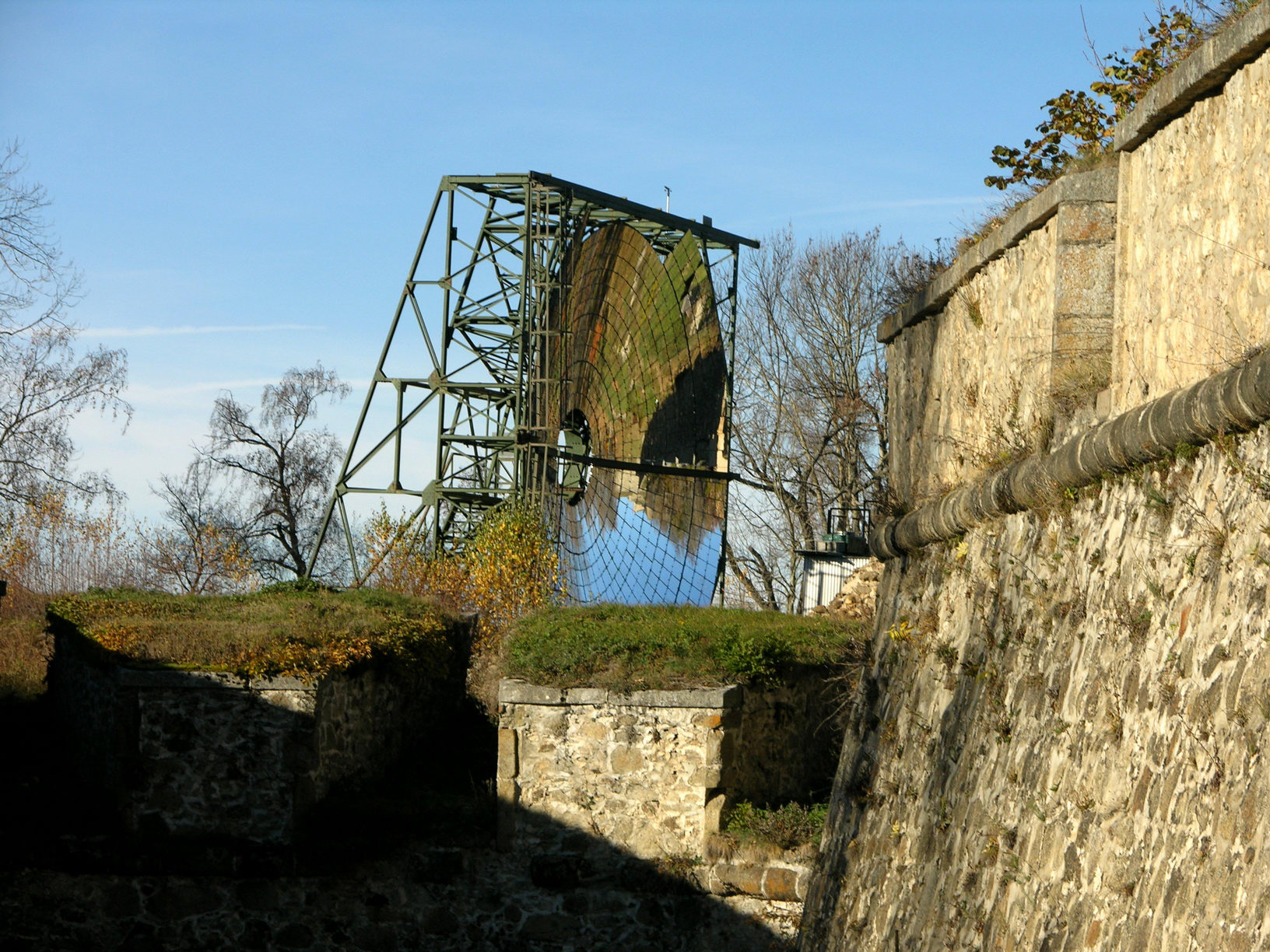
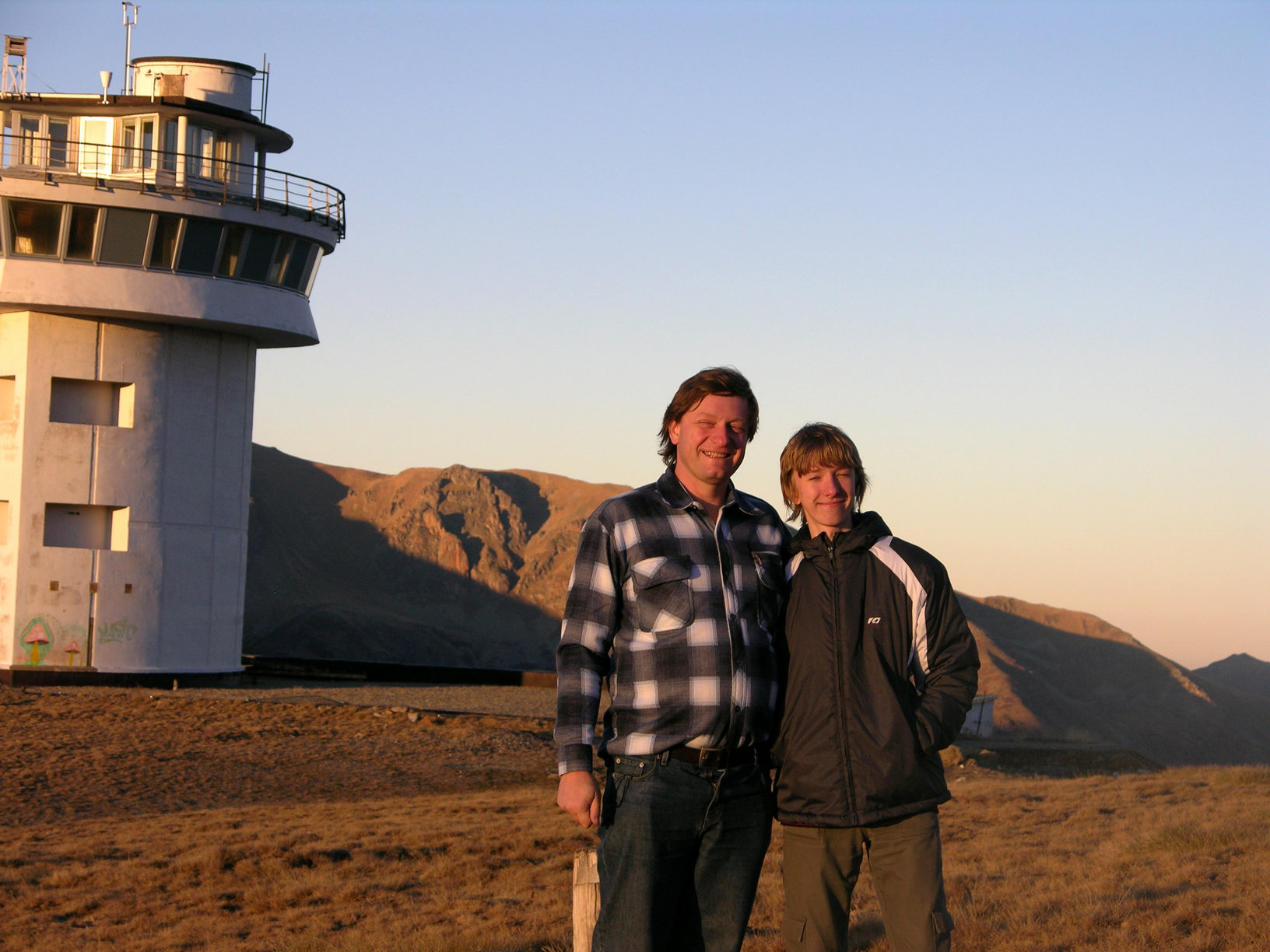
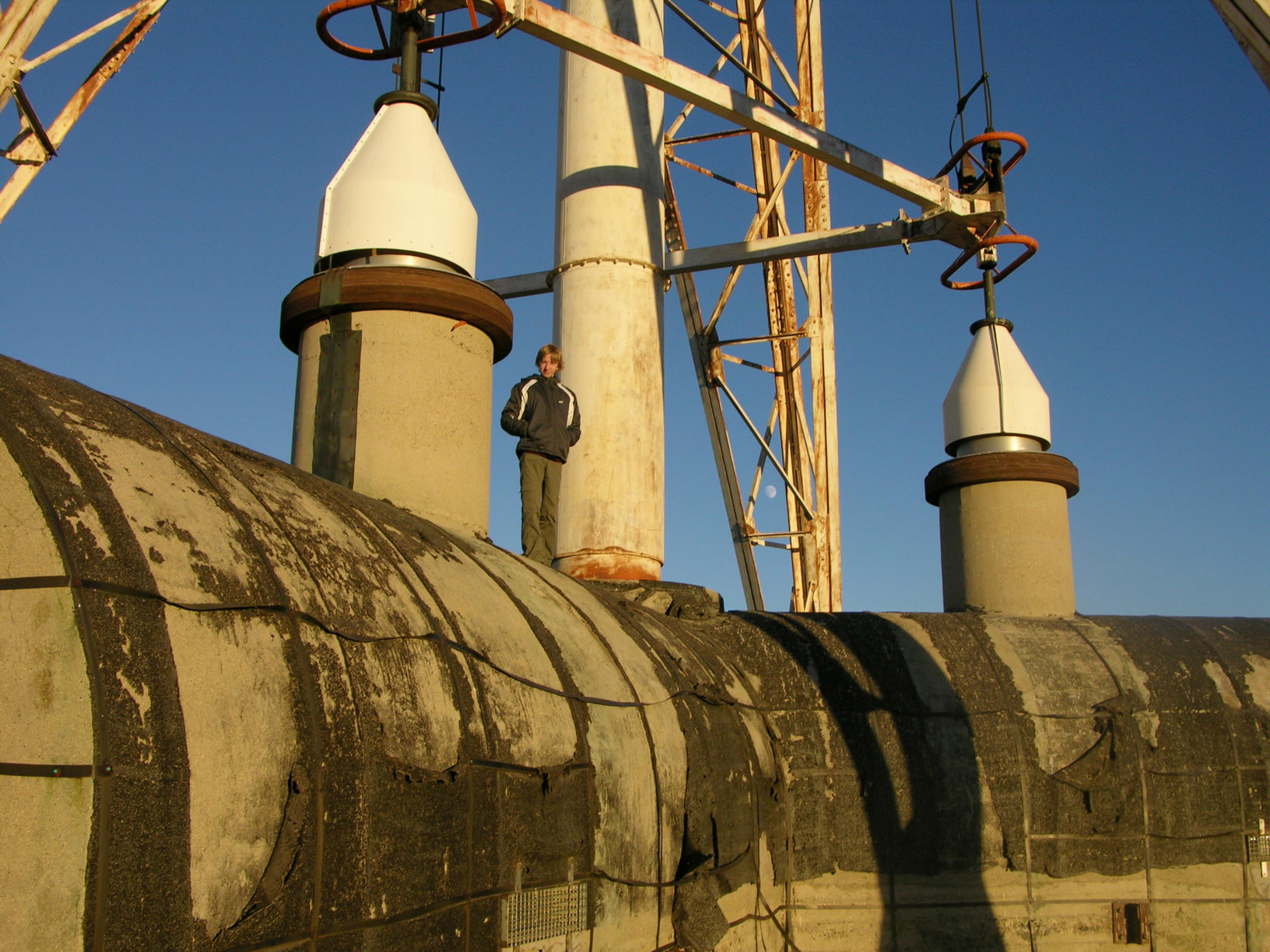
We stopped short of the Spanish border for the night in Mont-Louis (42°30.521′N, 2°07.226′E), a little town with an old fortress fitted with solar reflectors. We couldn’t decide if they’d been making a film of The Hyperboloid of Engineer Garin or collecting solar power to the delight of the greens.
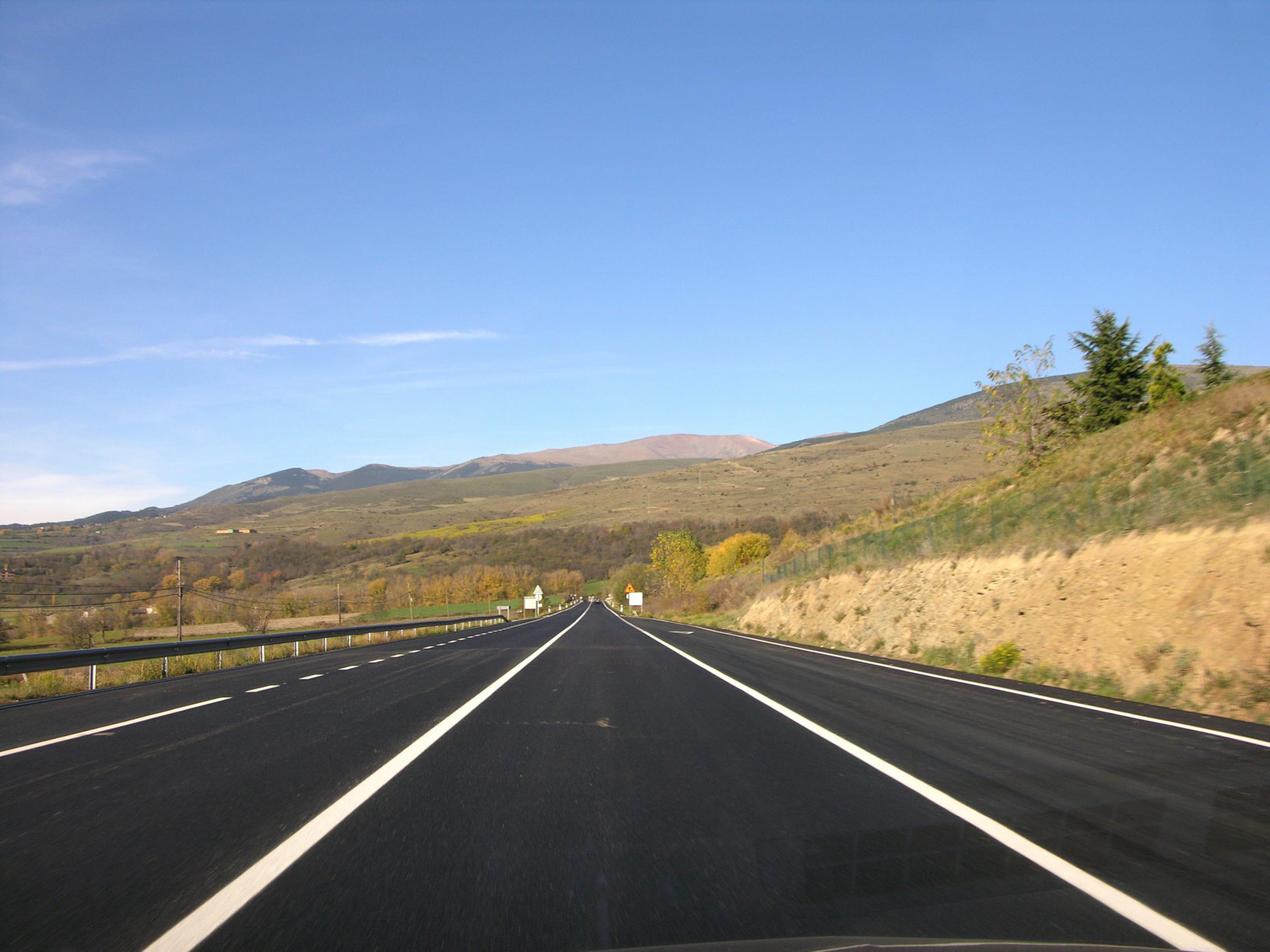
We entered Spain the next morning. At last we could say something in a shop or café without Denis’s help. Six months in Latin America had taught us a little Spanish. We managed to stop in just one town, La Seu d’Urgell.
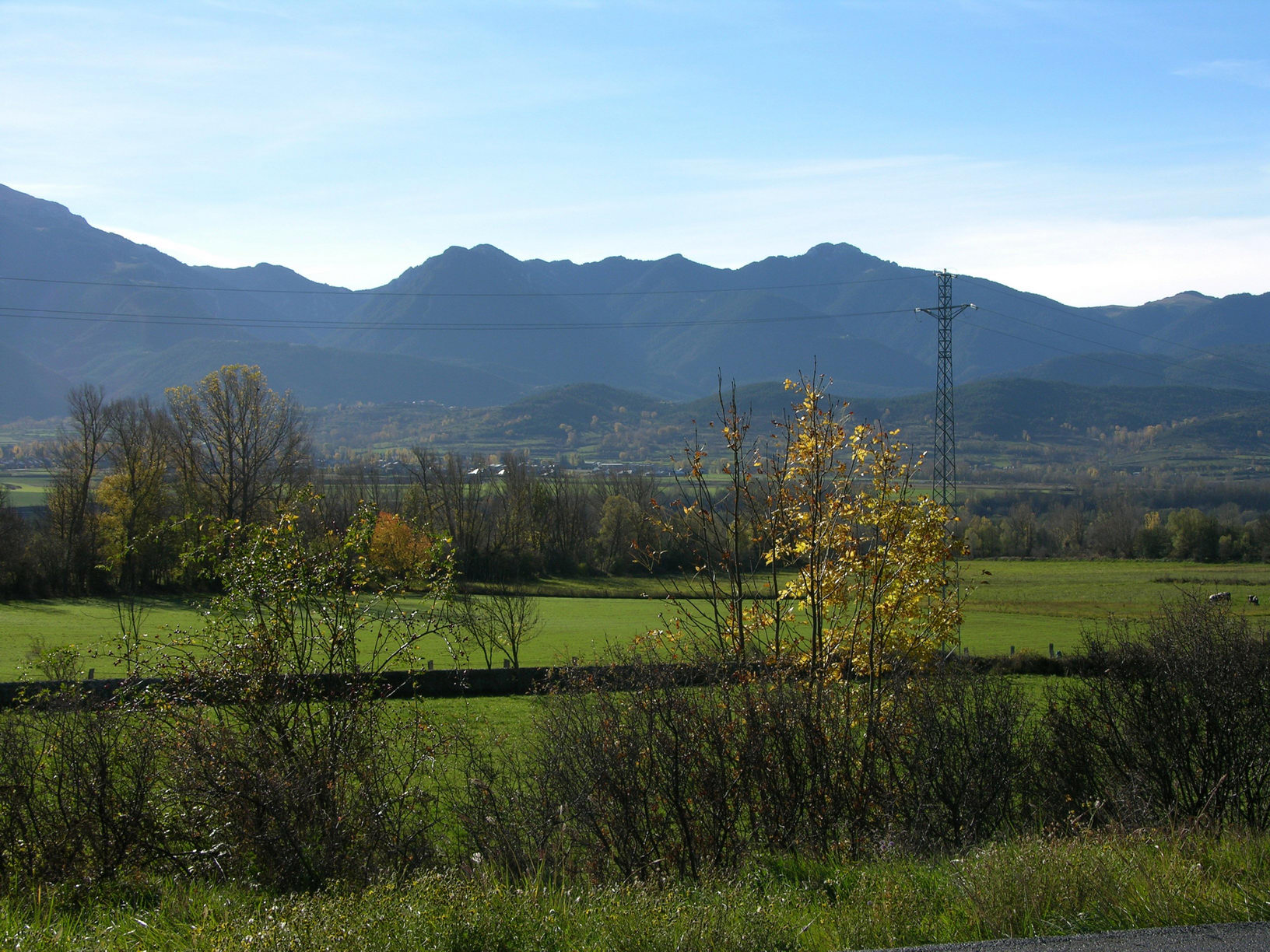
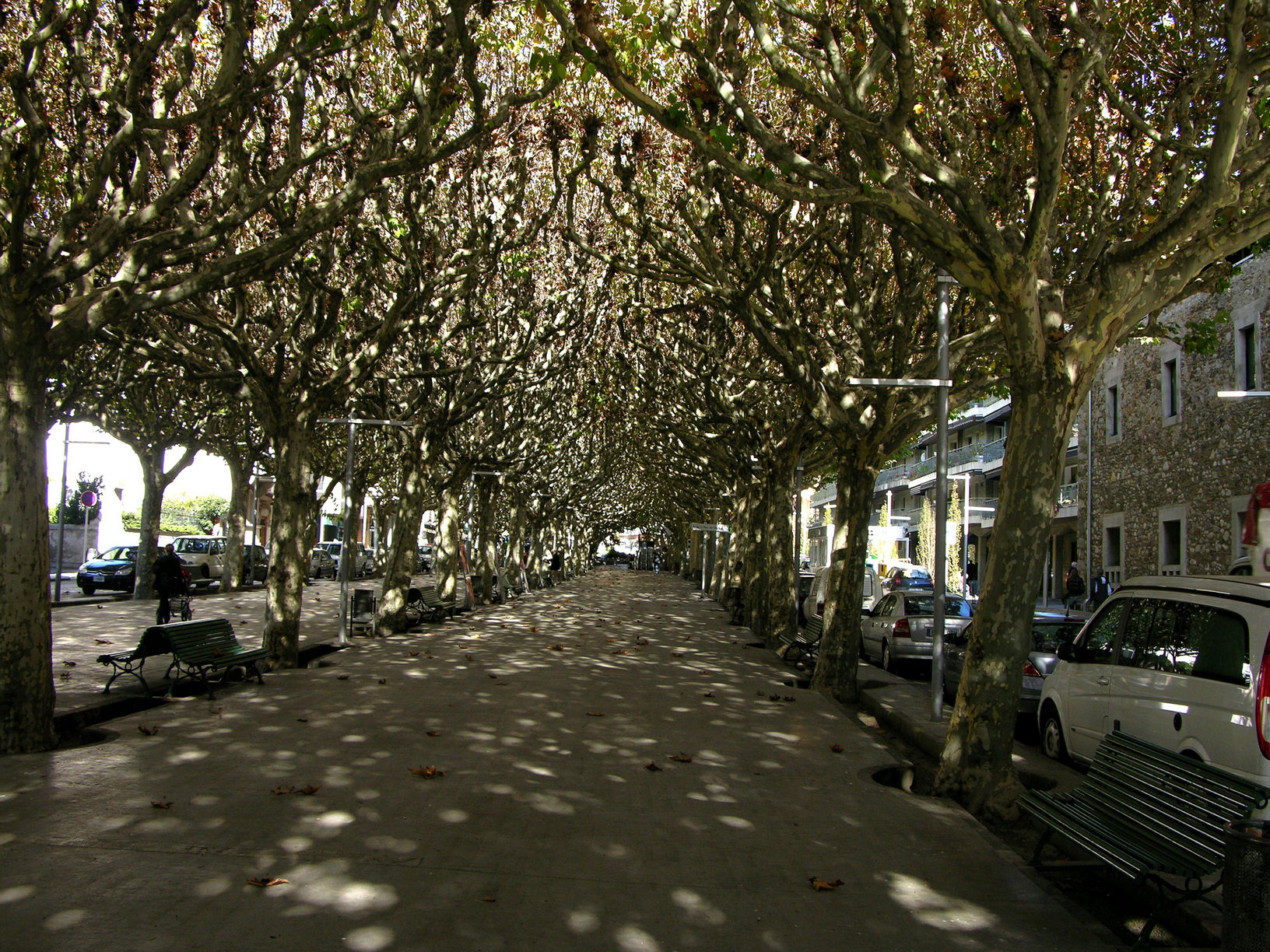
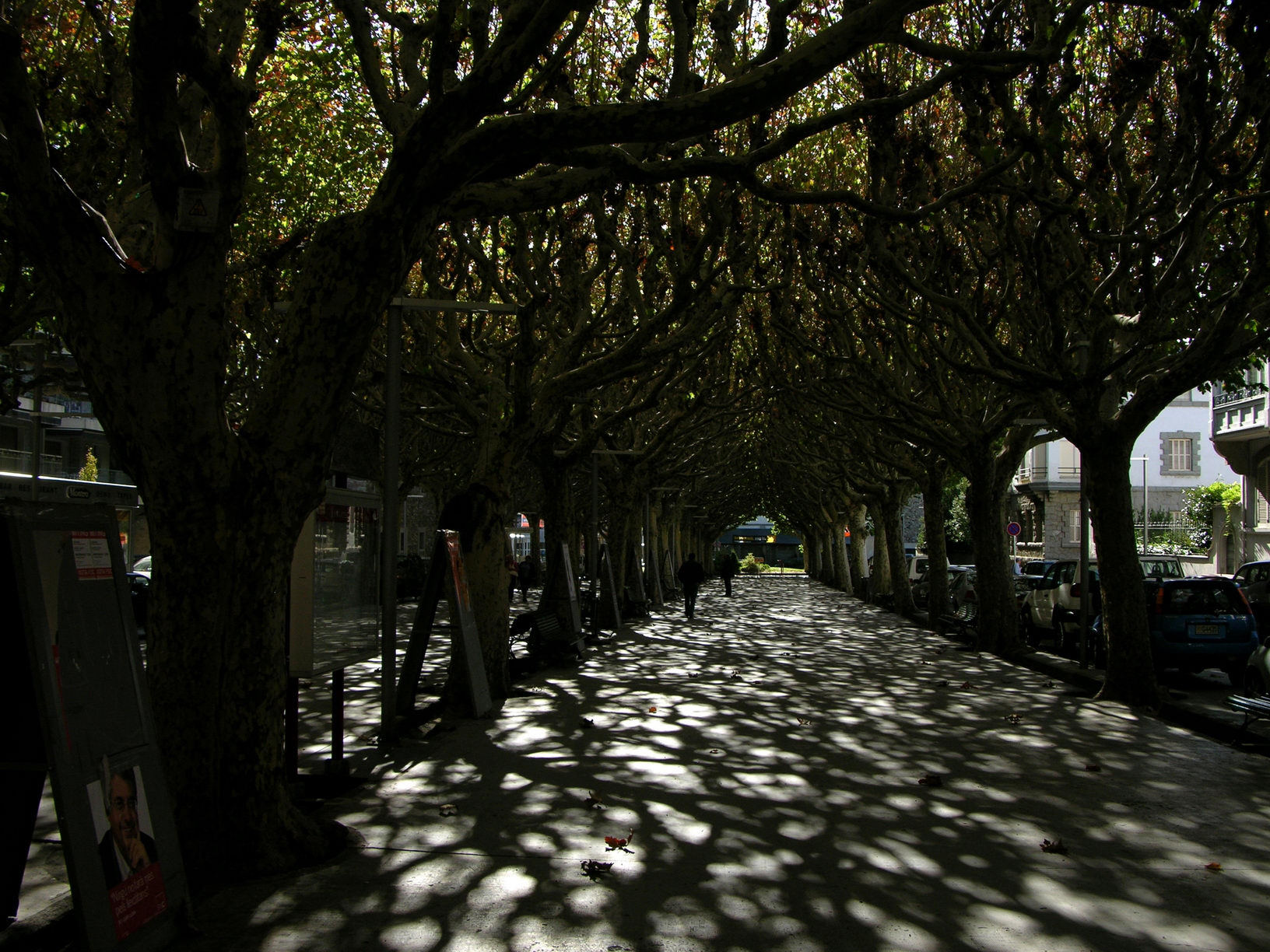
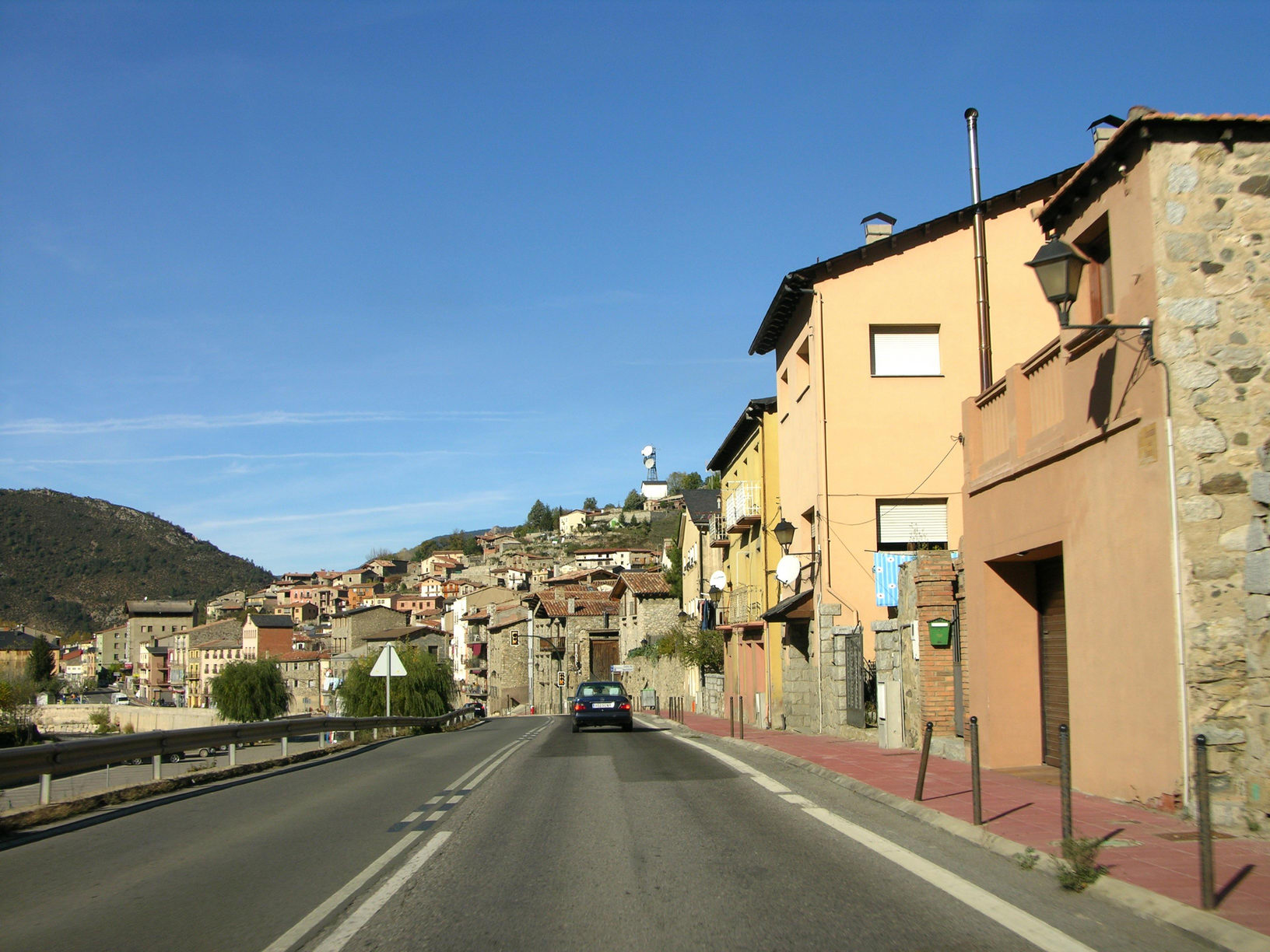
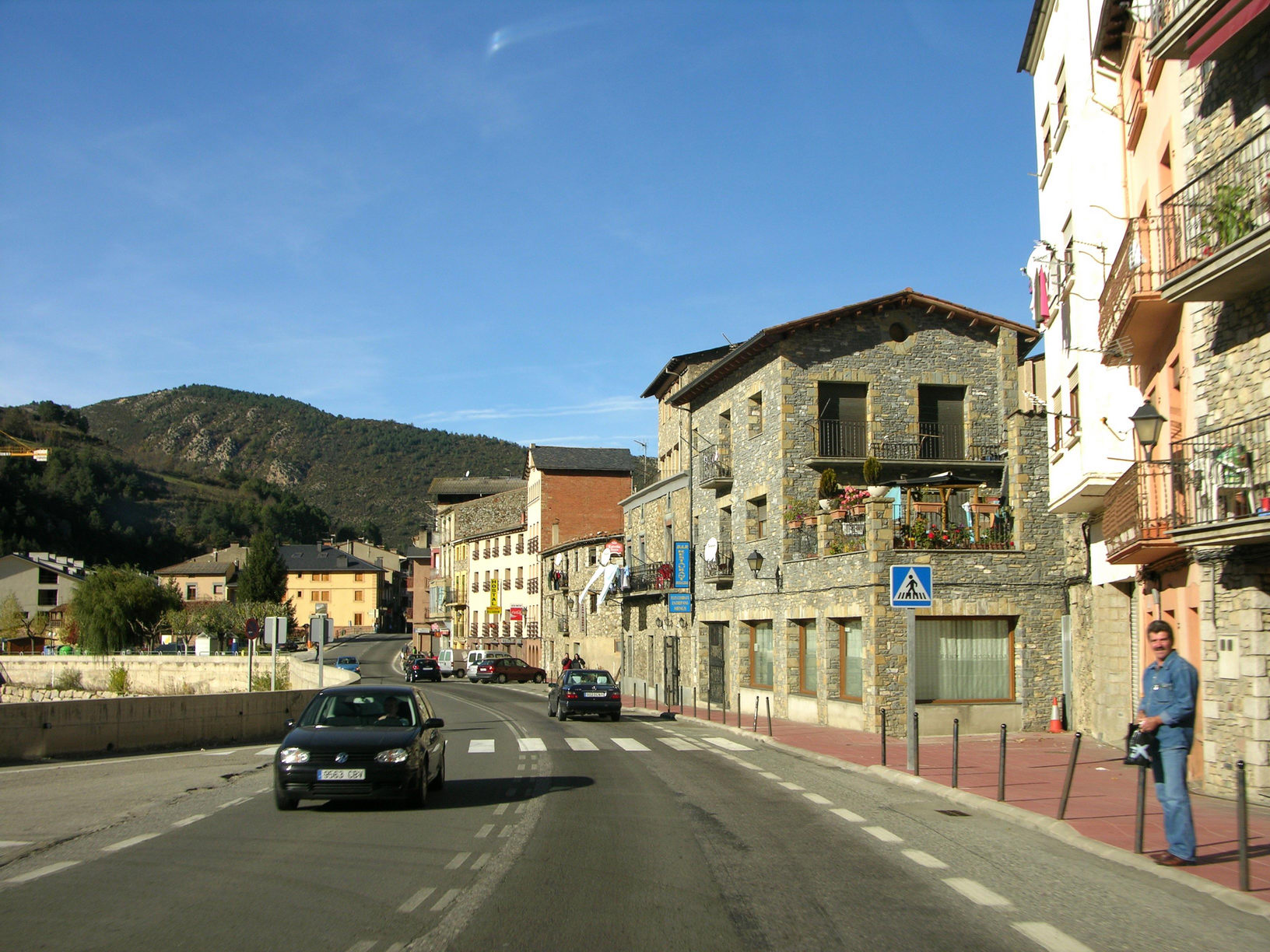
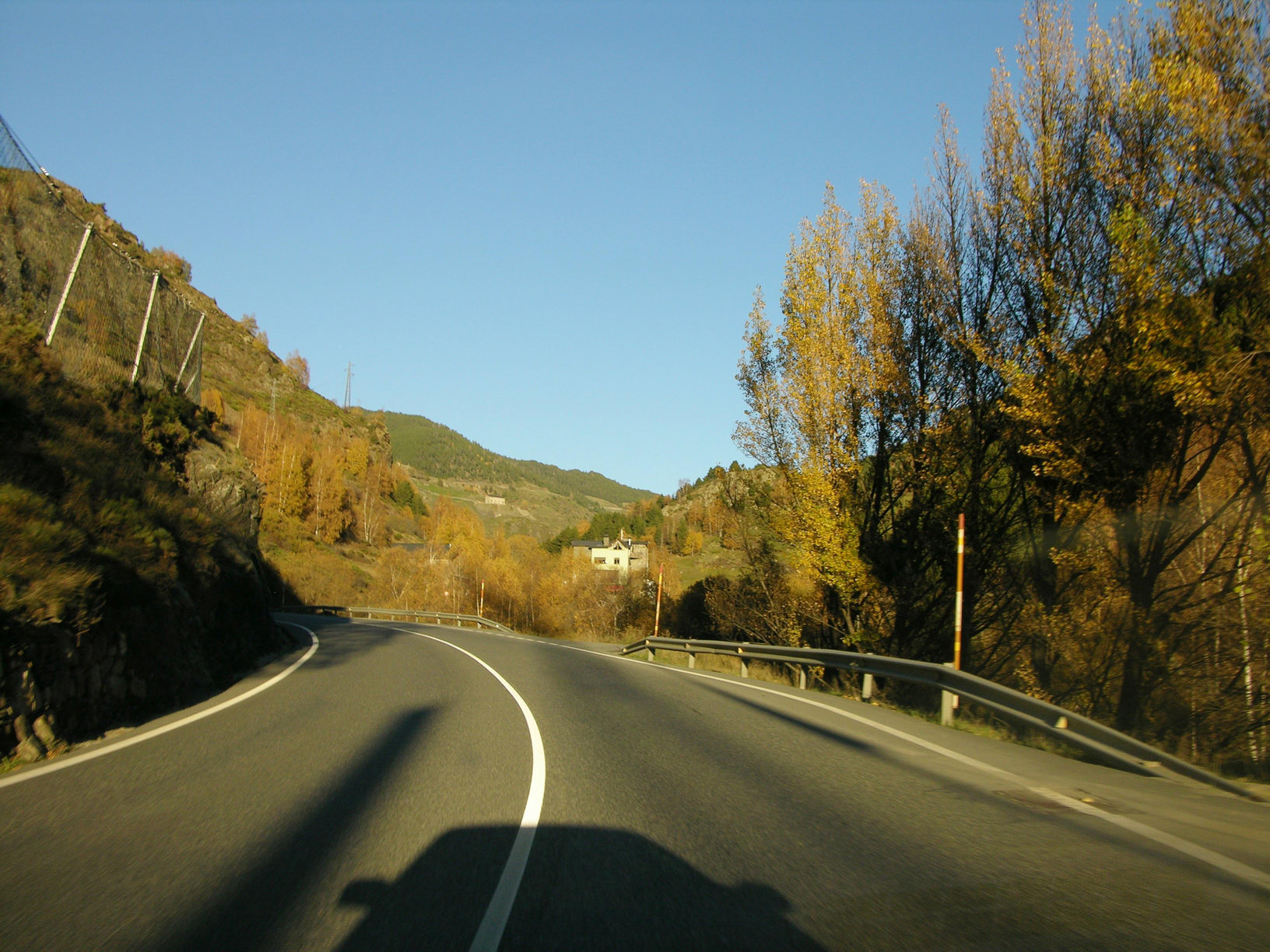
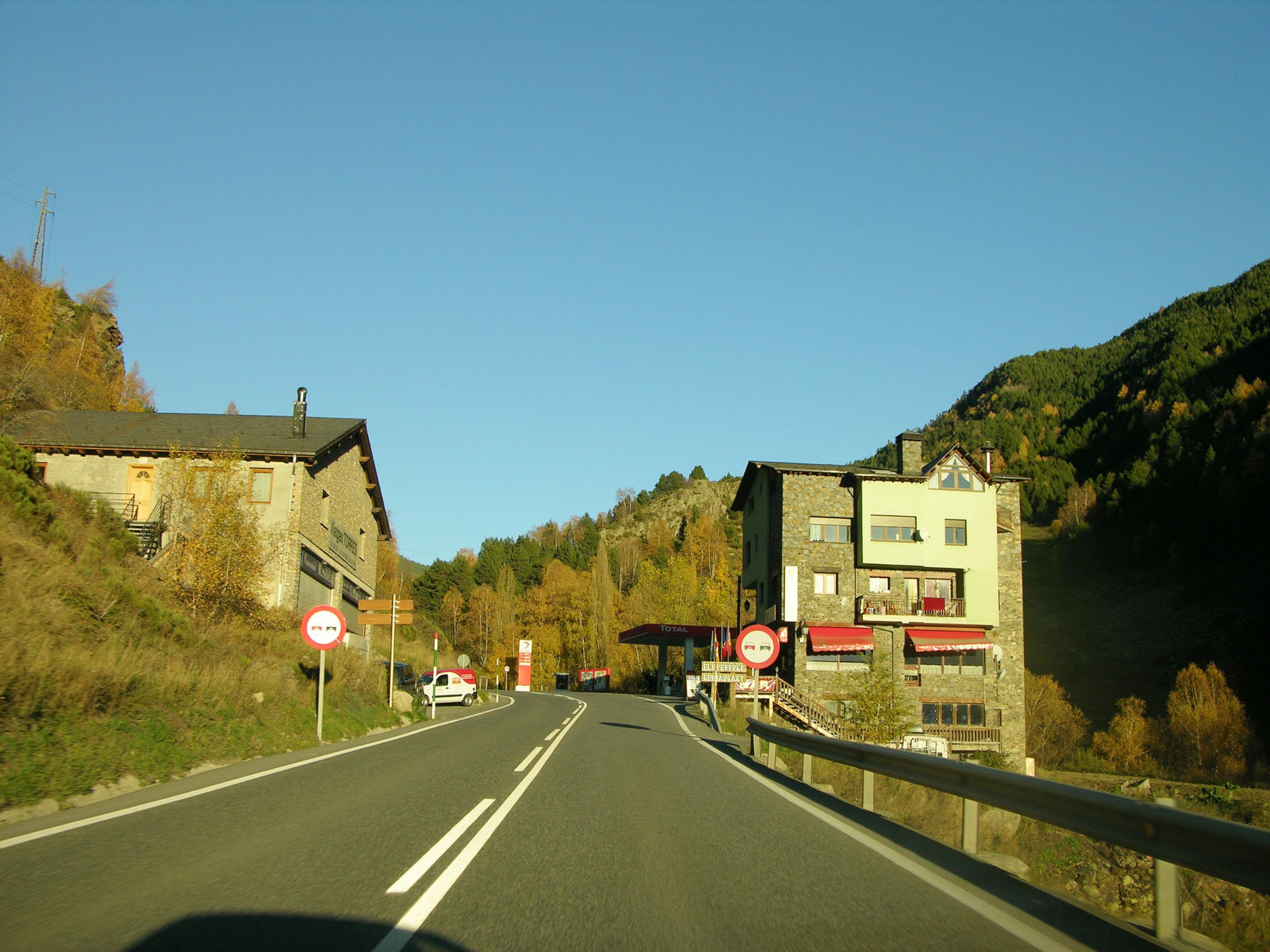
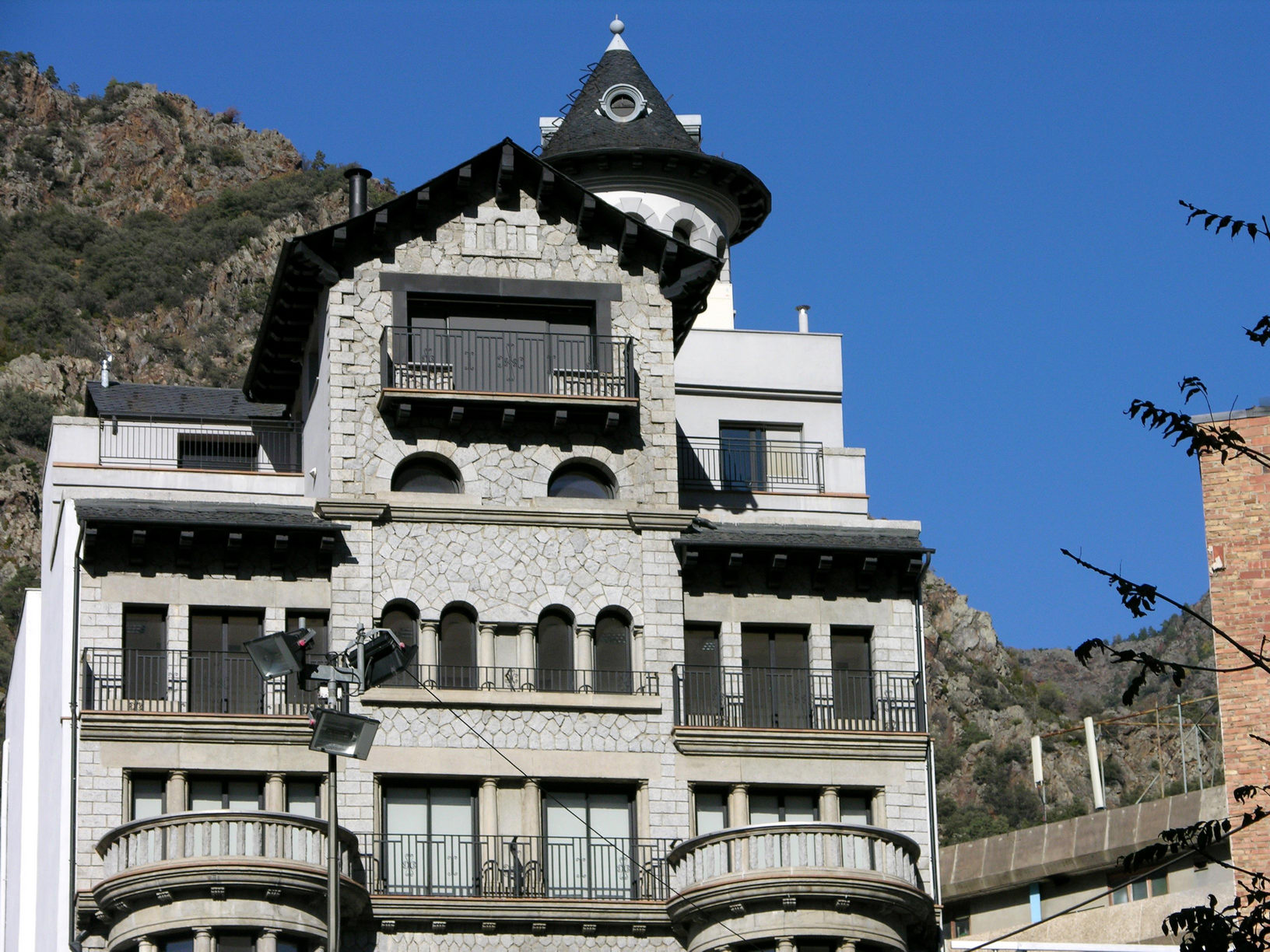
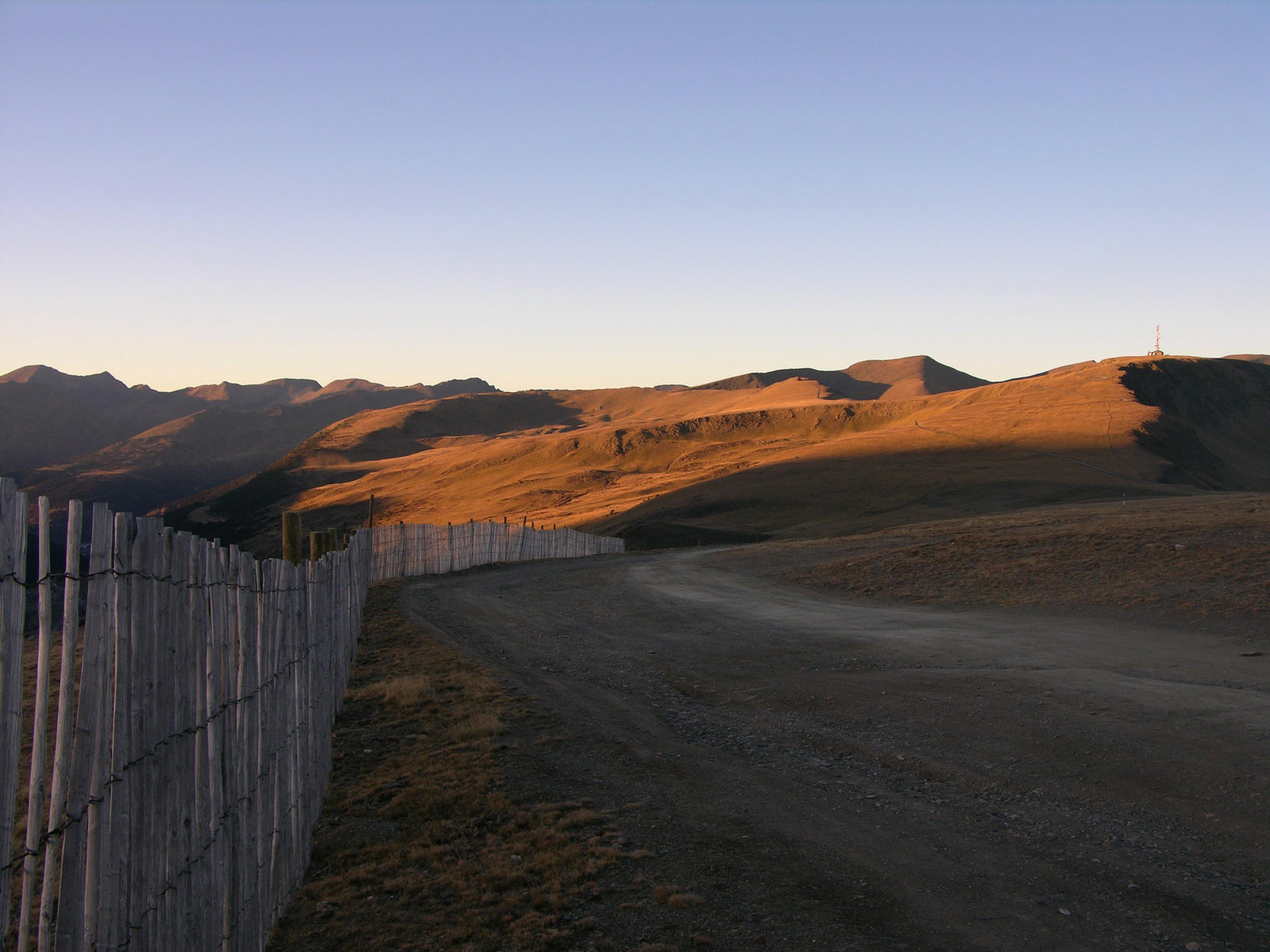
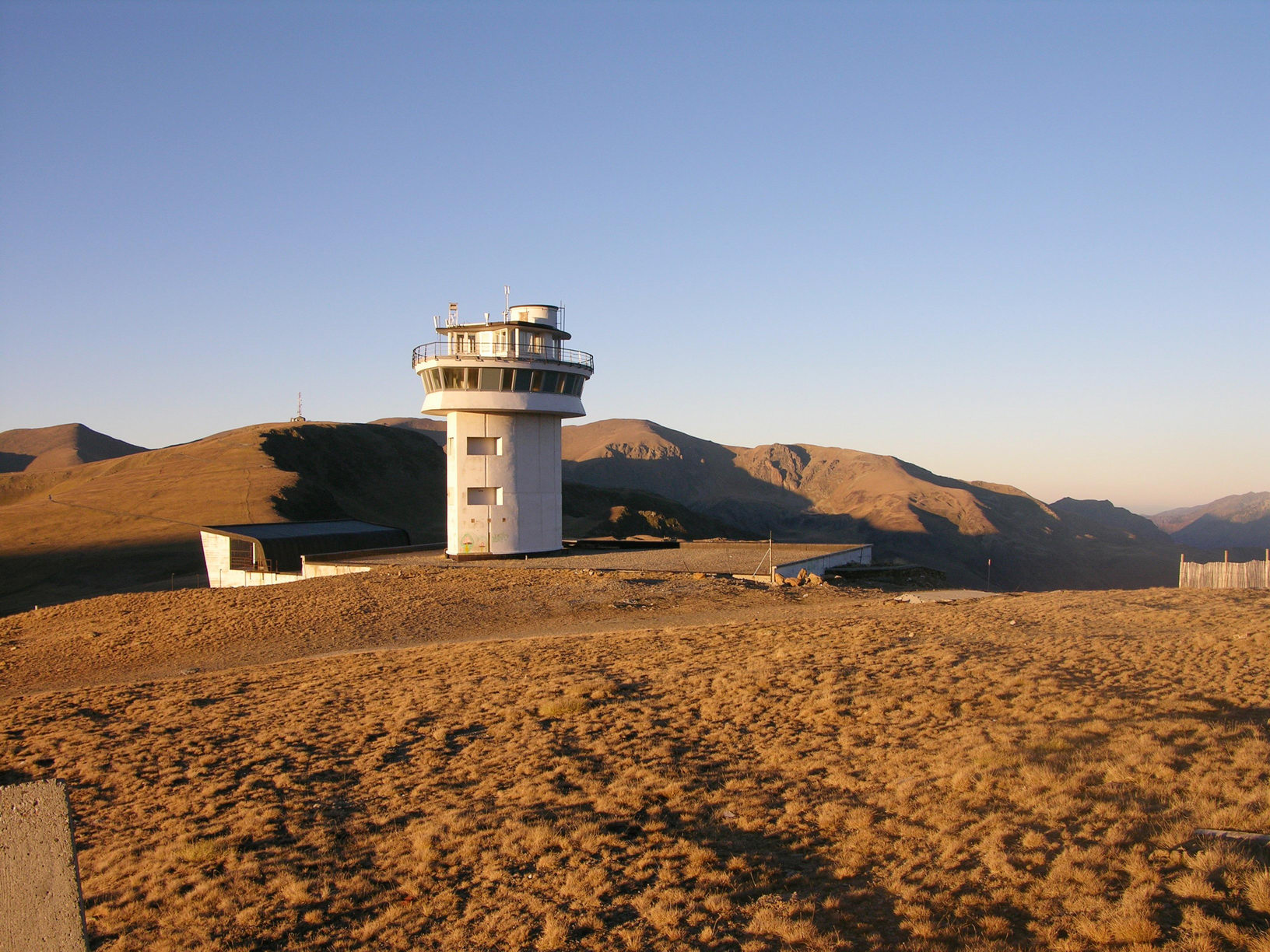
Next was Andorra. To this day we aren’t sure if we were entitled to go there. It’s formally outside the Schengen Area. Even if they let us in, with a single-entry visa it might be hard to get back out. They check people at random, but we got lucky and made it in and out. Andorra’s tax rules differ from the EU’s, so much of what was on sale was considerably cheaper. Crowds of French and Spanish shoppers came to stock up.
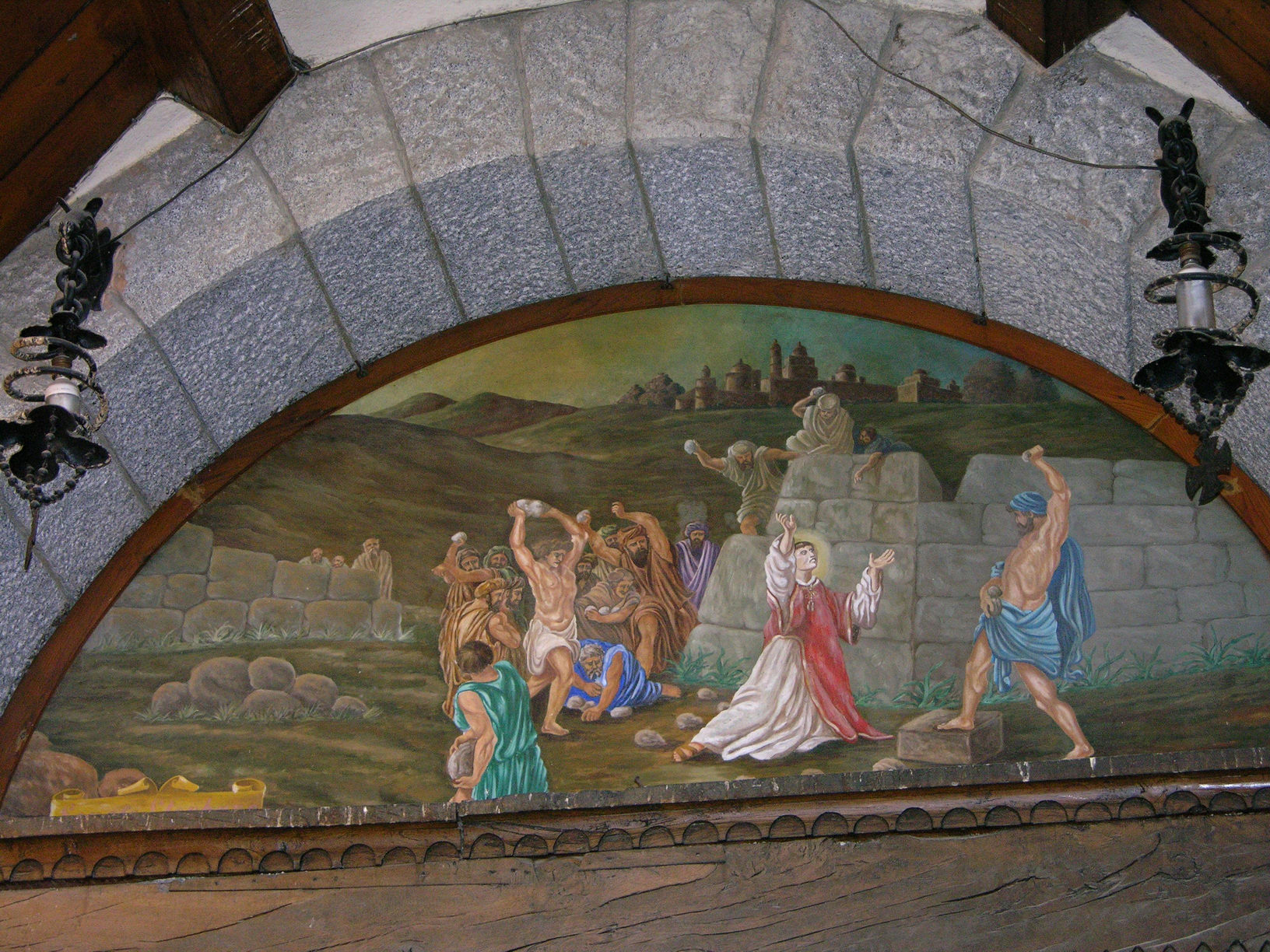
In principle, we expected to pay VAT on what we’d bought when returning to the EU. In practice the checks were selective. If you got stopped, you paid. If you sailed through, you saved it. At a border I always felt it was best to put on all the new clothes. Then they were your own things, and the extortionists could rummage through dirty laundry if they liked. What really discouraged people from heading to offshore Andorra for bread and petrol every day was the traffic. We waited in queues for hours in either direction.
Andorra is an independent state and a co-principality. The French share of sovereignty passed to the kings of France through the line of Navarre and Henry IV. Centuries later the French president still takes the title of co-prince on winning a French election. I don’t know what Robespierre did with it. The other co-prince is the bishop of Urgell.
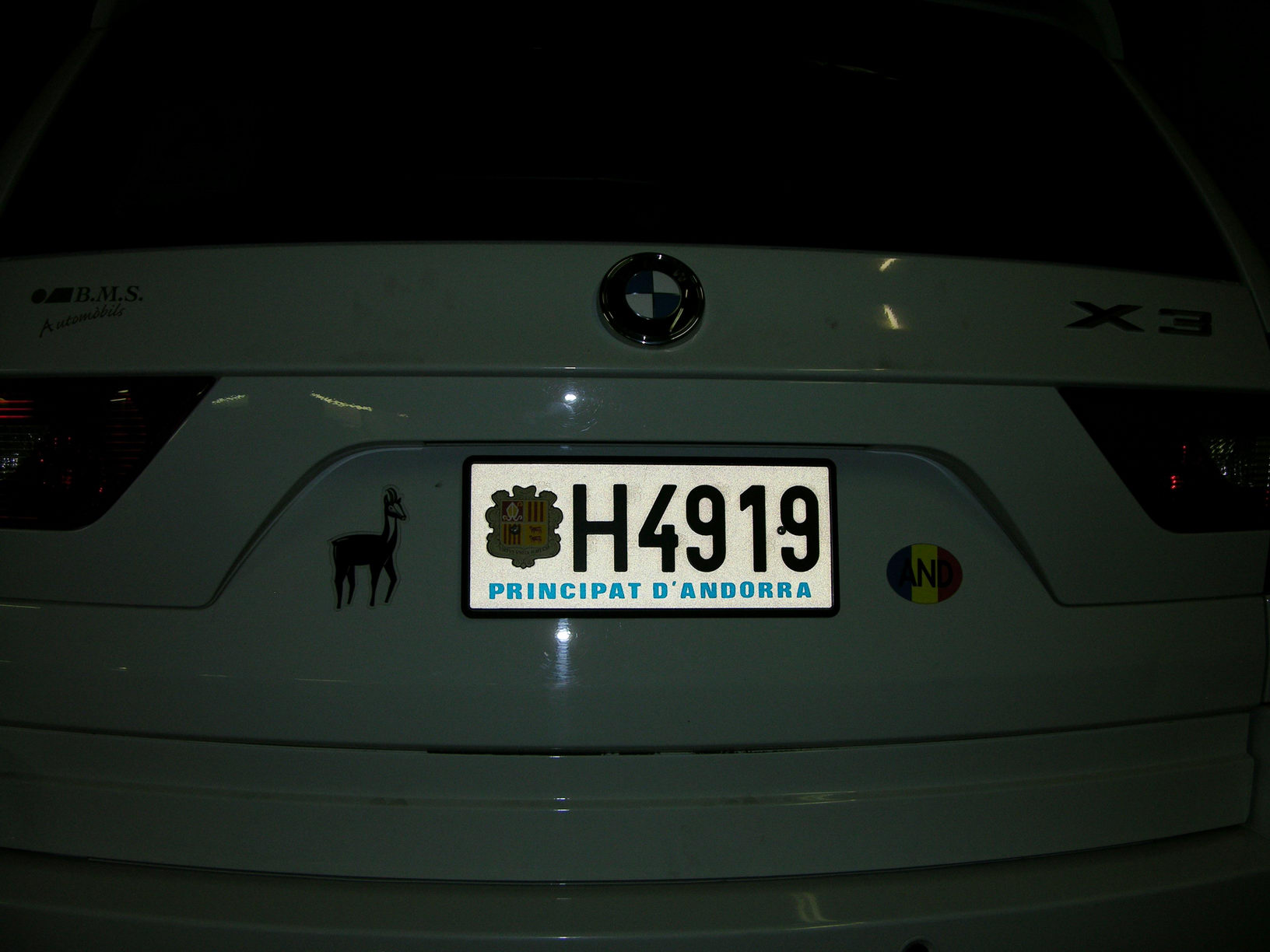
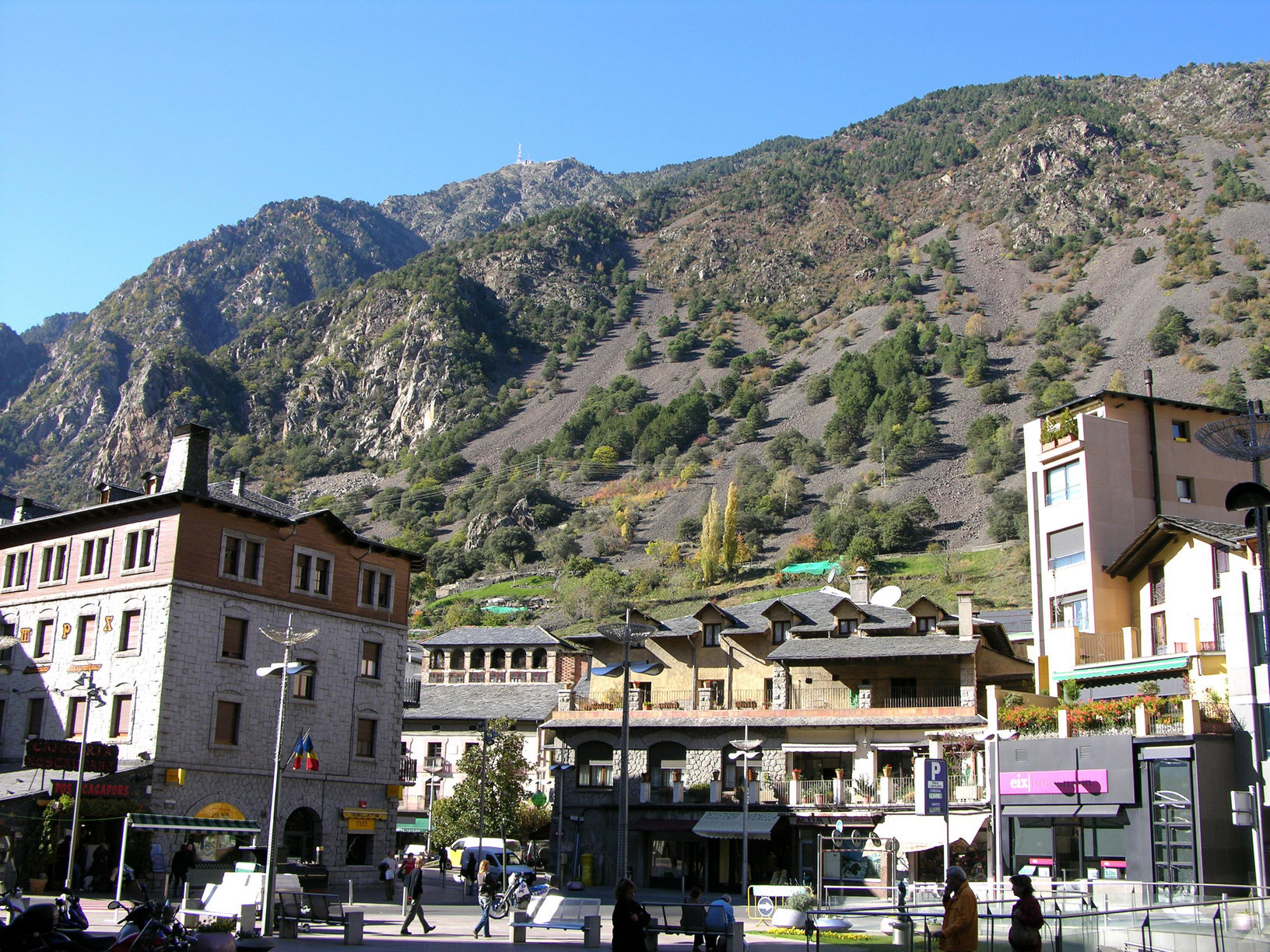
Catalan is the official language. On the ground I heard more French and Spanish, and in the shops I heard English. Andorra doesn’t have an airport. The two main roads to the outside world go to Spain and France.
The country has one proper city, as I saw it, and a few villages. The city is called Andorra la Vella. What you mainly see are rows of buildings housing shopping centres. Besides shopping, there are several ski resorts.
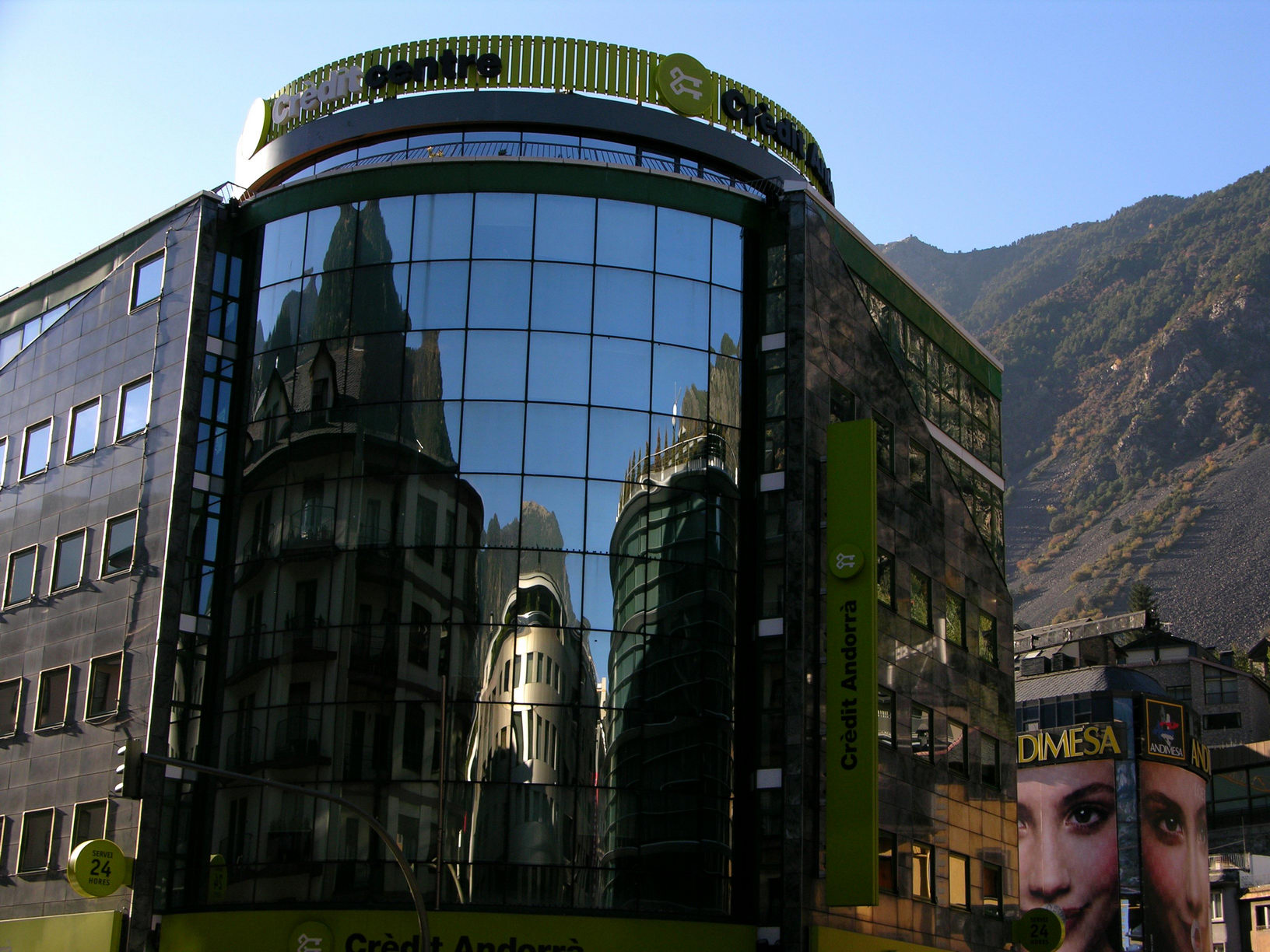
We’d bought quite a lot of clothes and preferred to avoid being stopped at the border. We first tried to leave for France, ran into a never-ending queue and turned back towards the Spanish border instead.
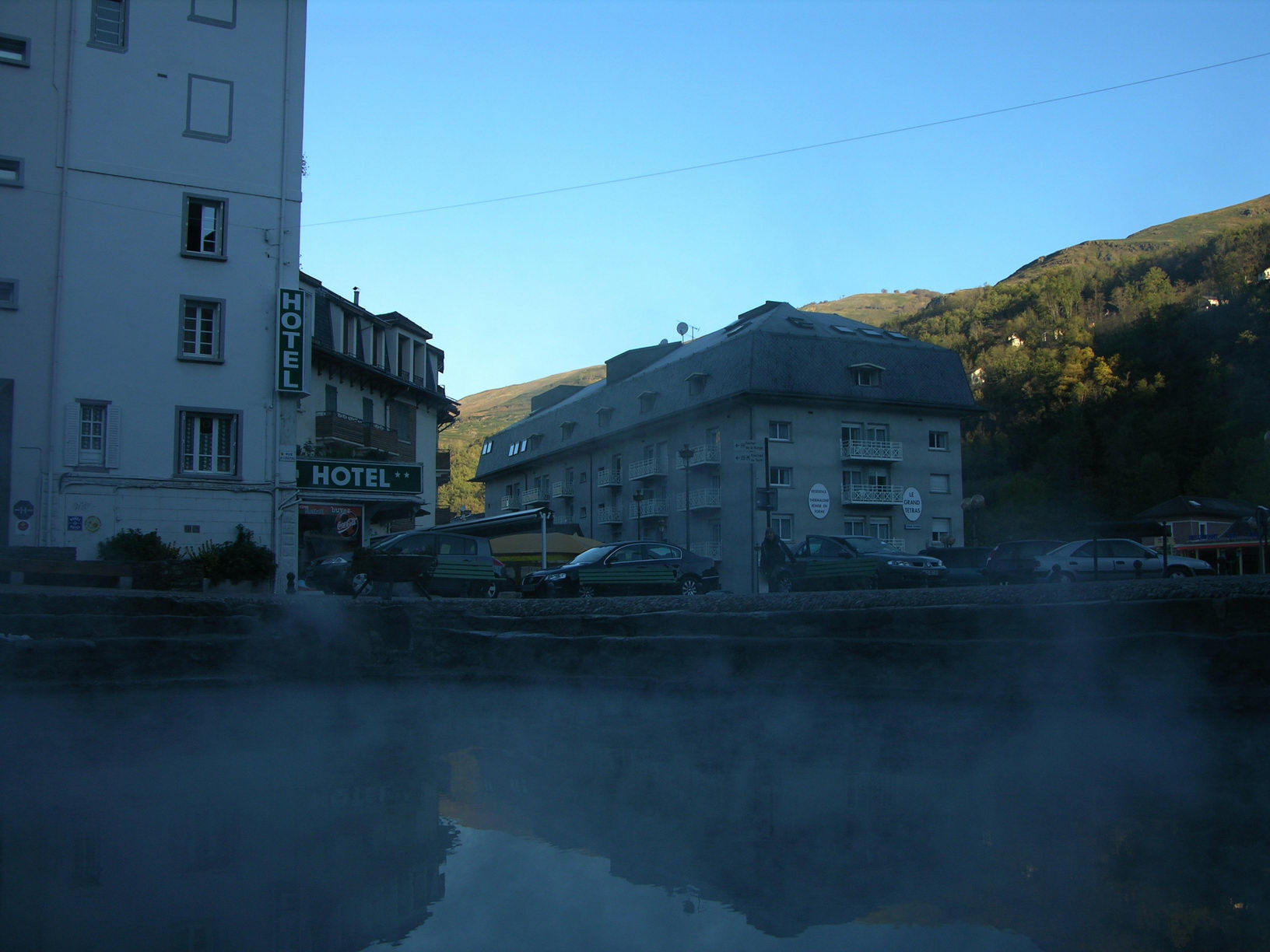
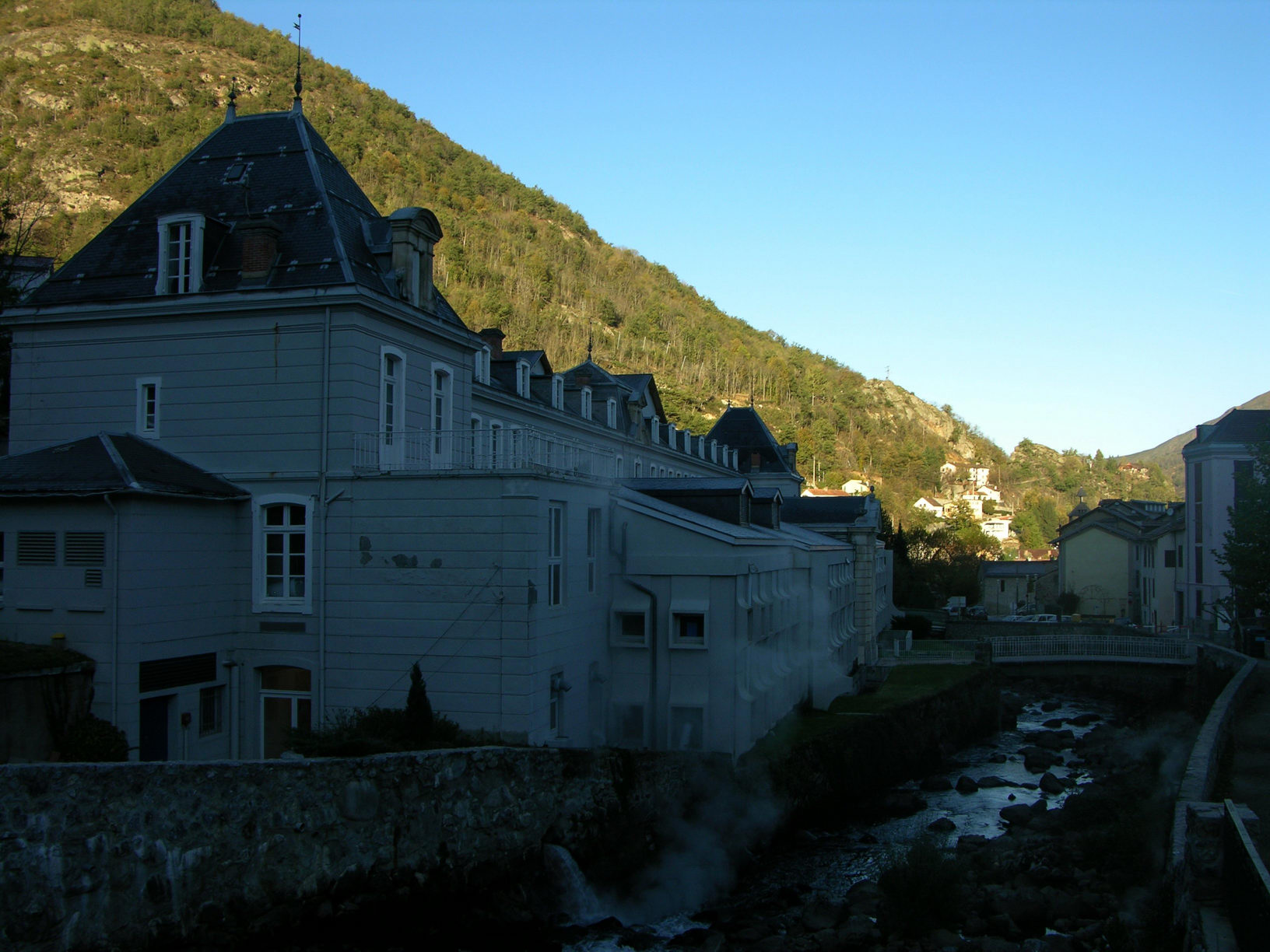
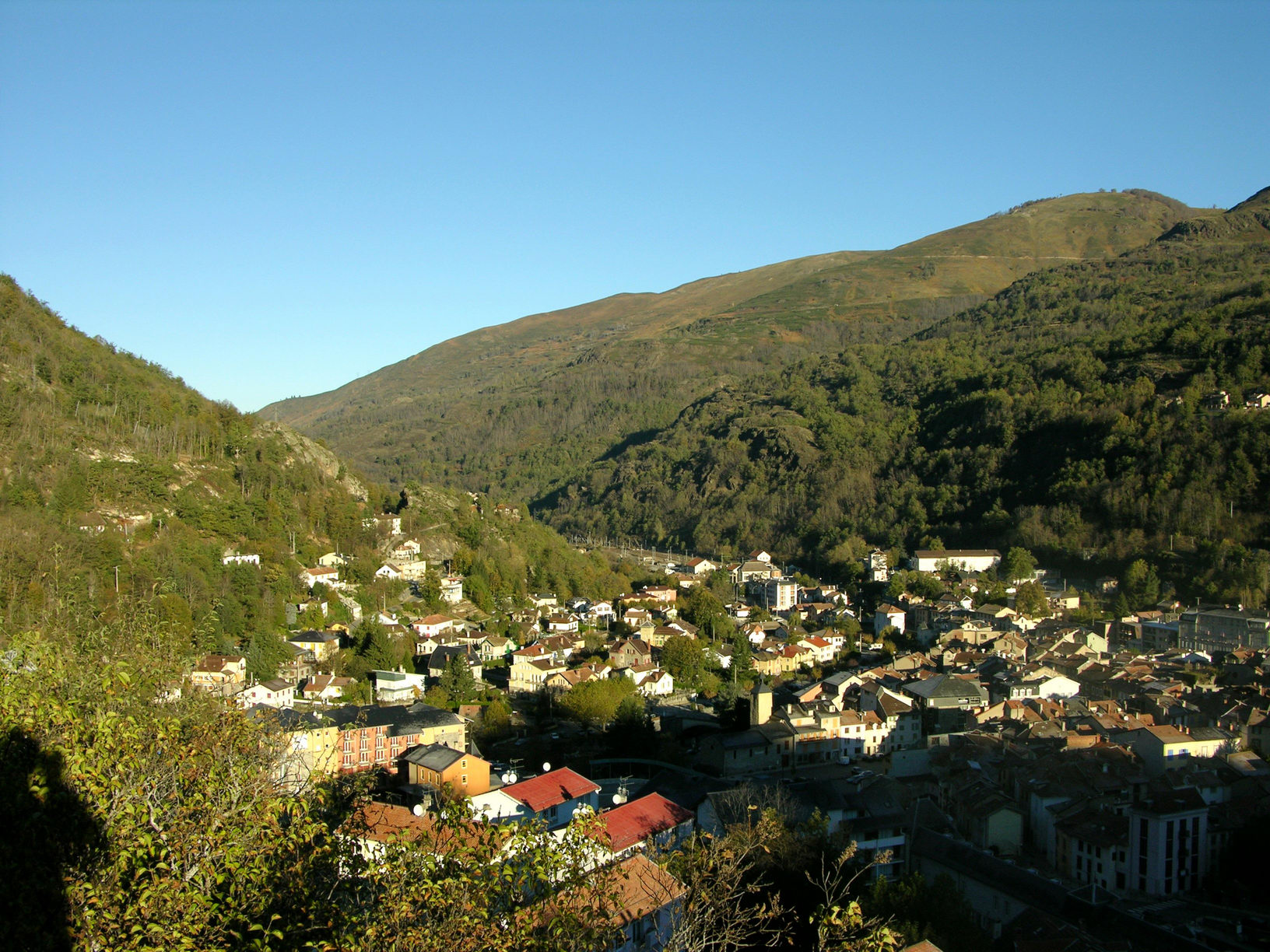
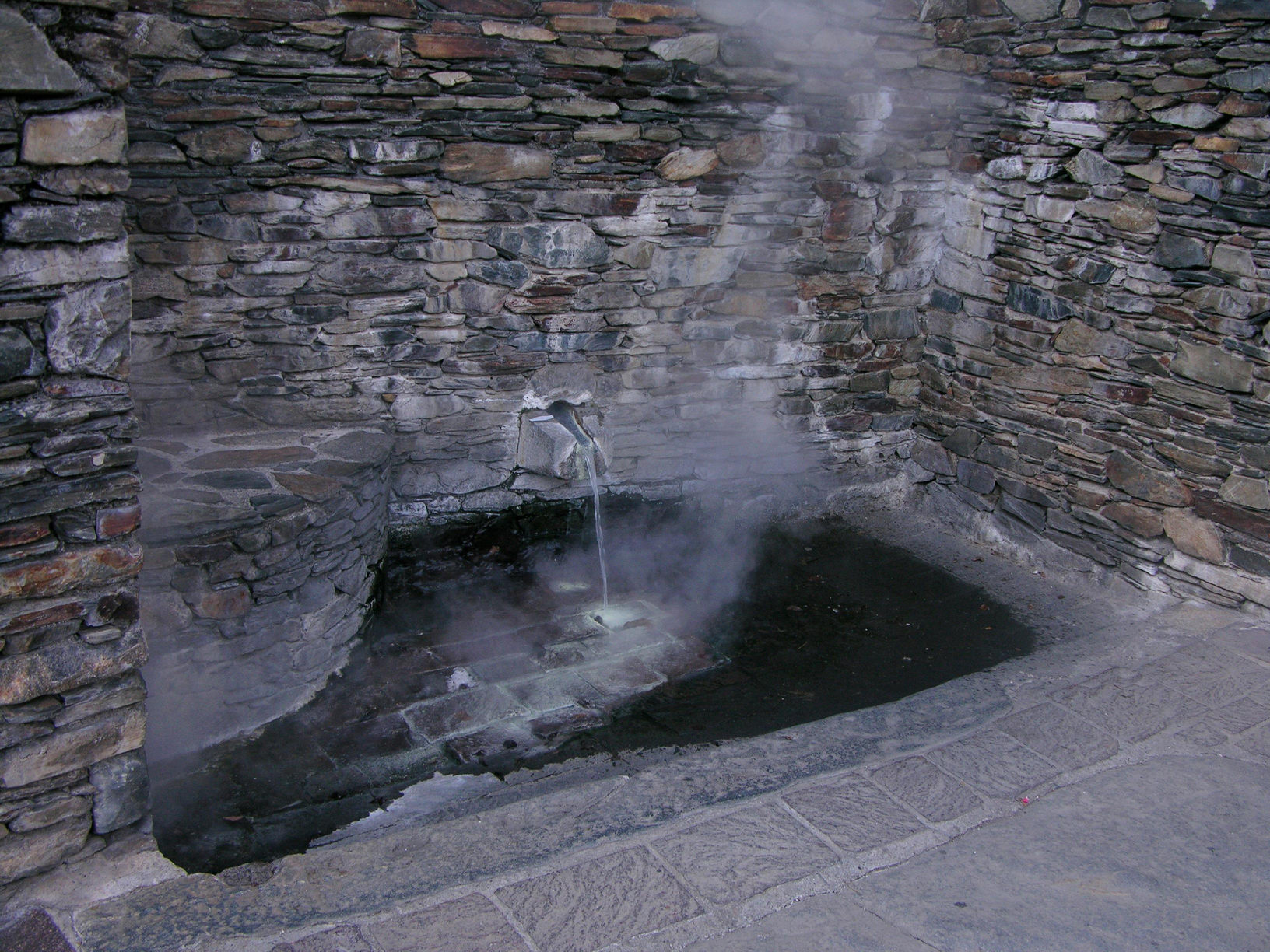
We stayed in the small town of Ax-les-Thermes beside the hot springs (42°43.197′N, 1°50.365′E).
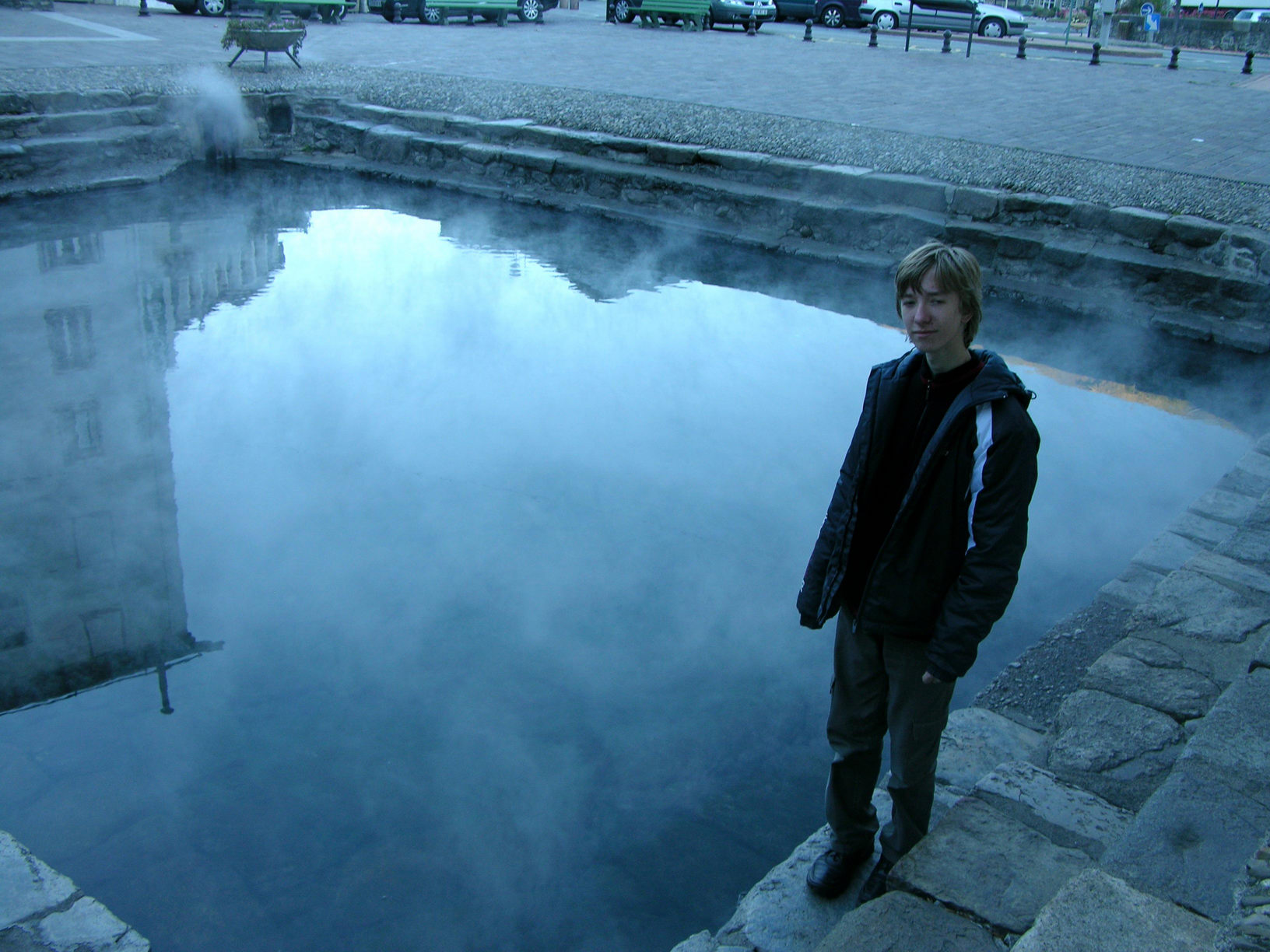
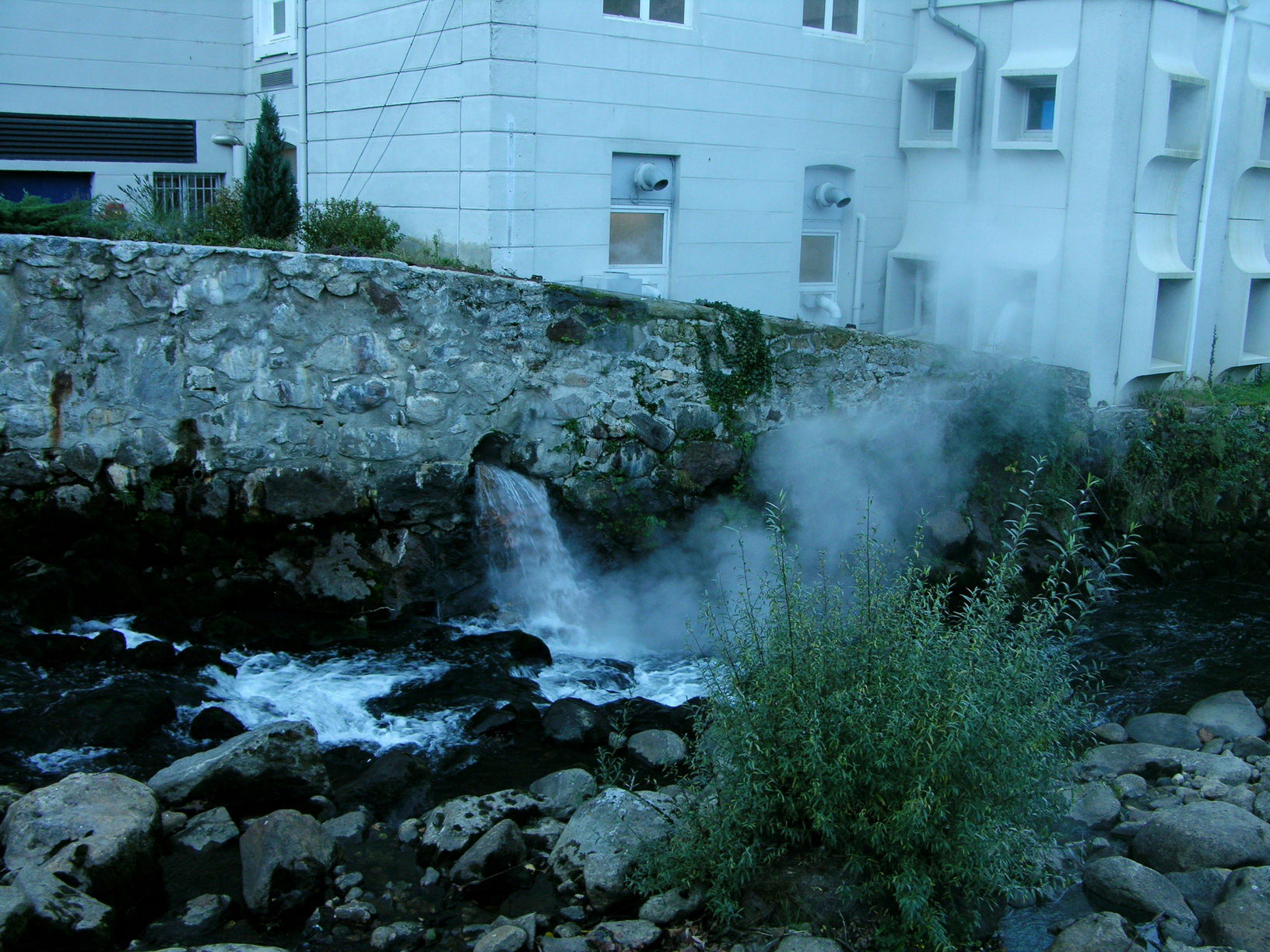
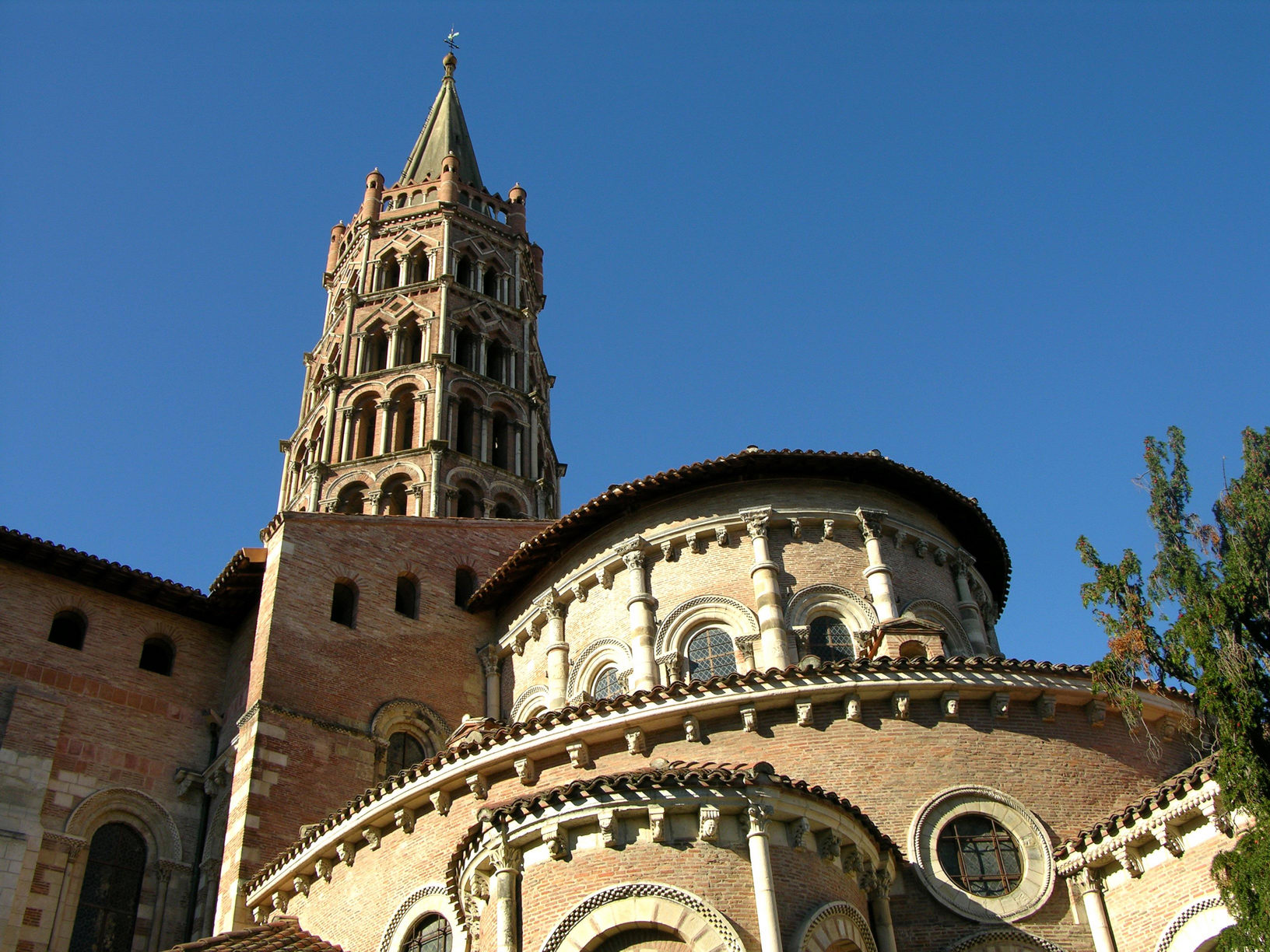
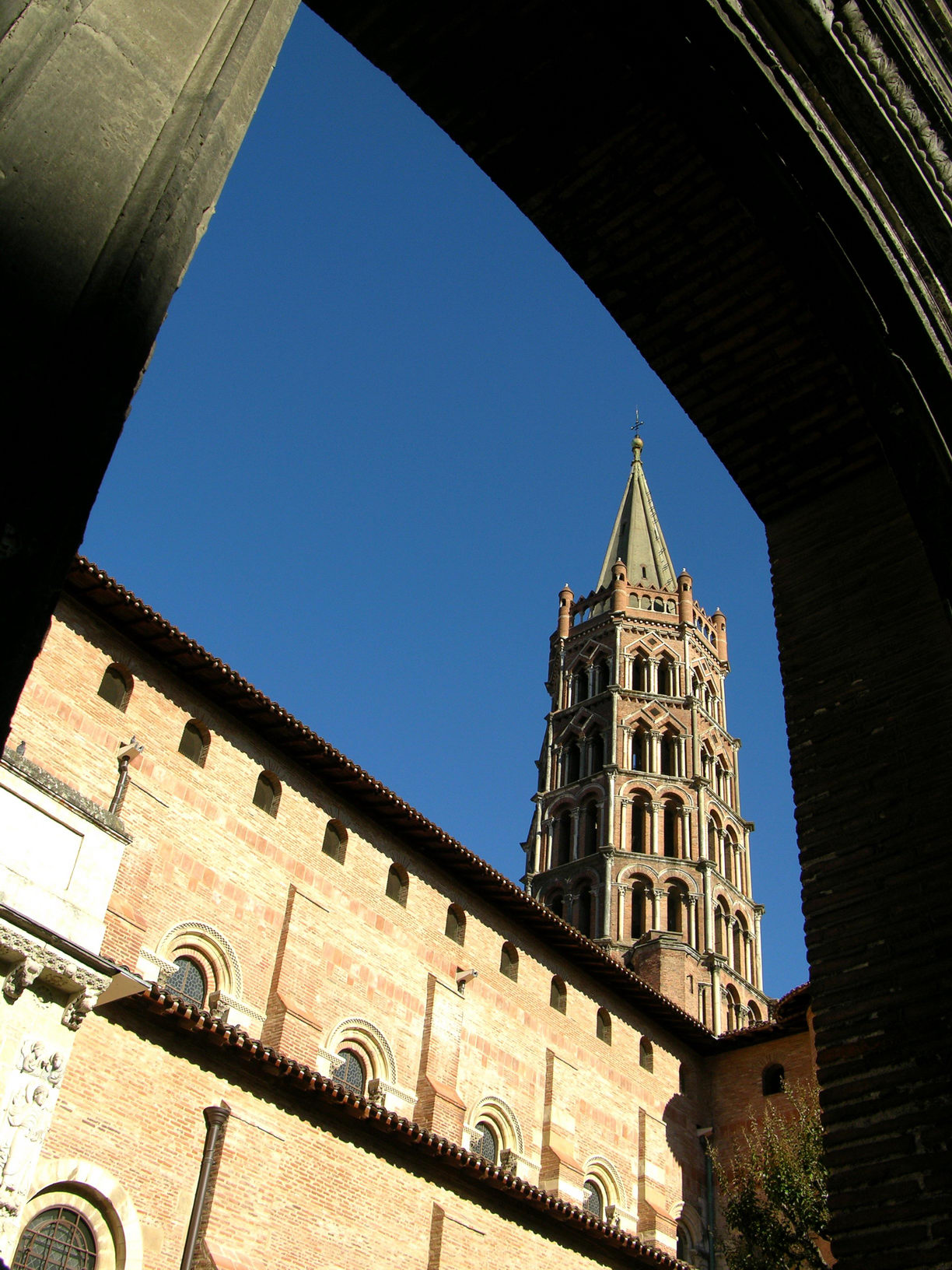
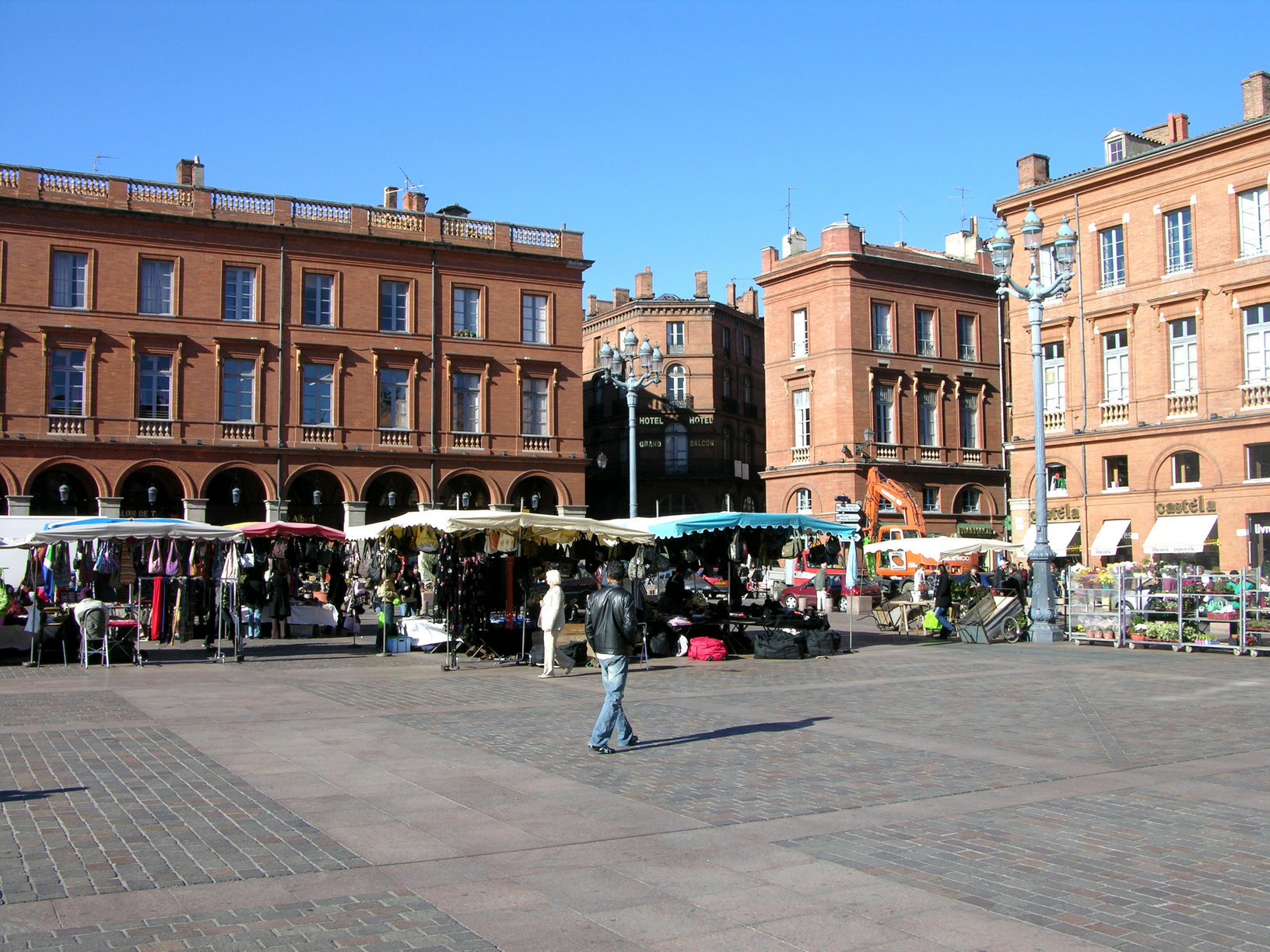
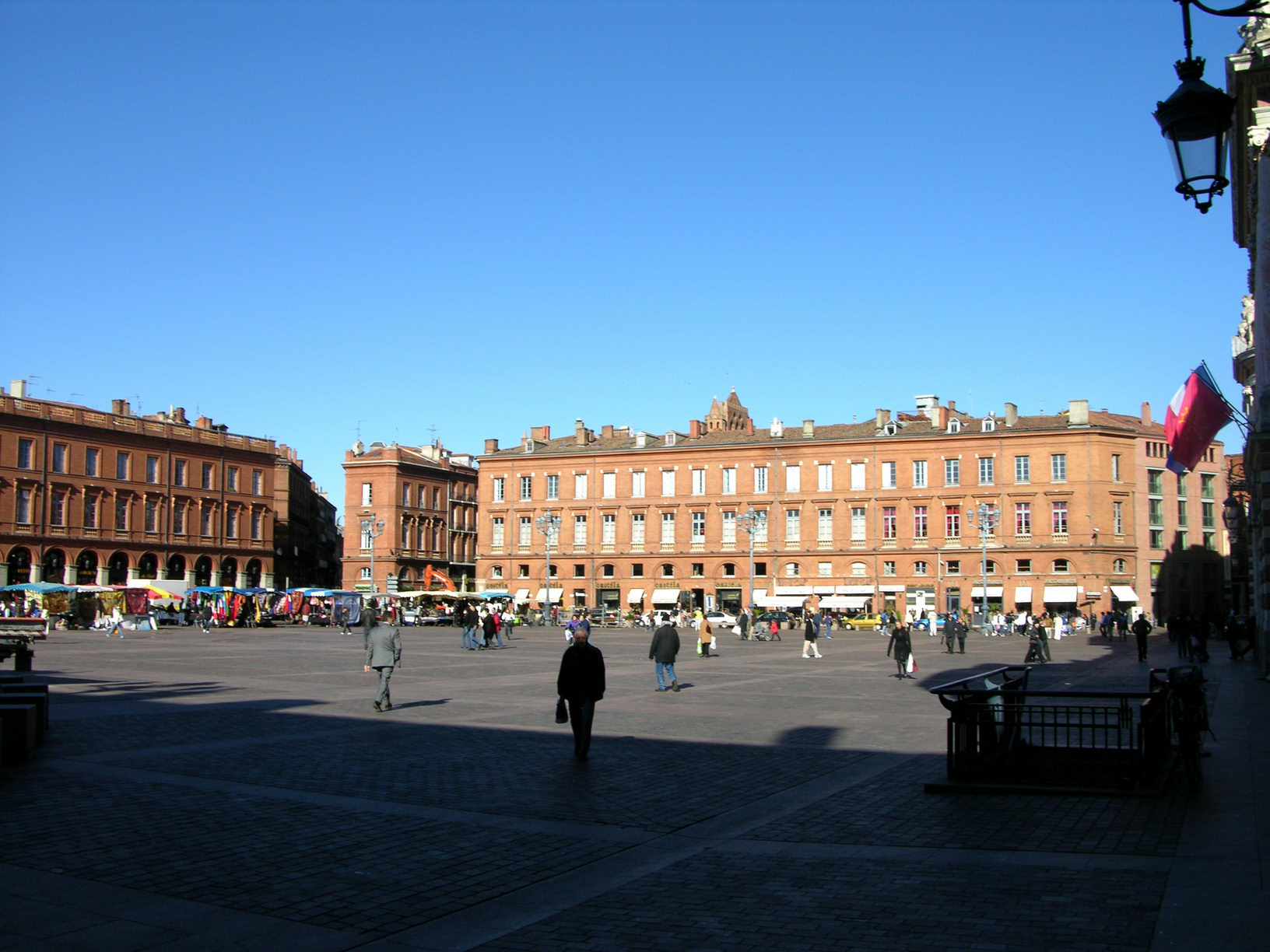
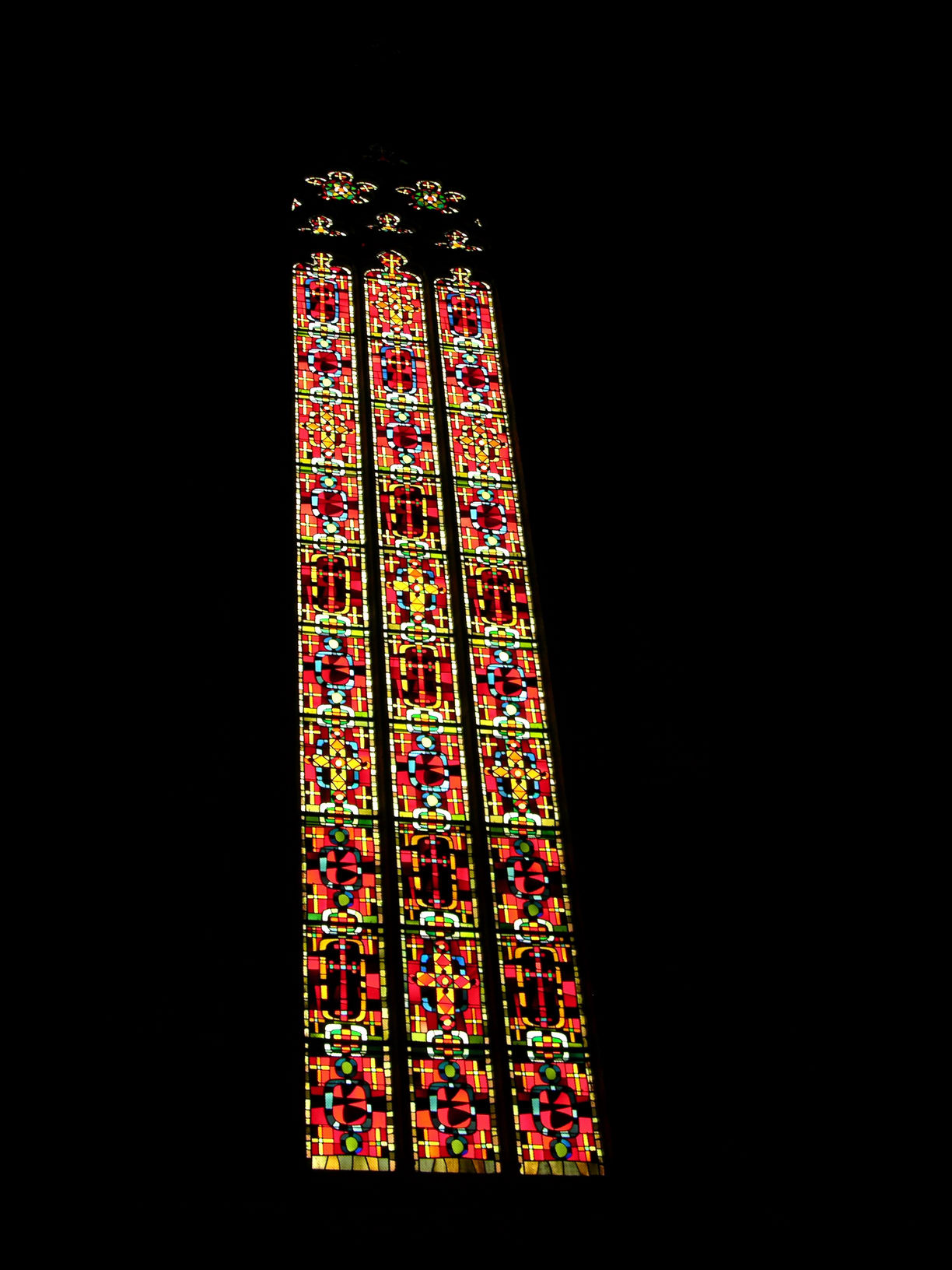
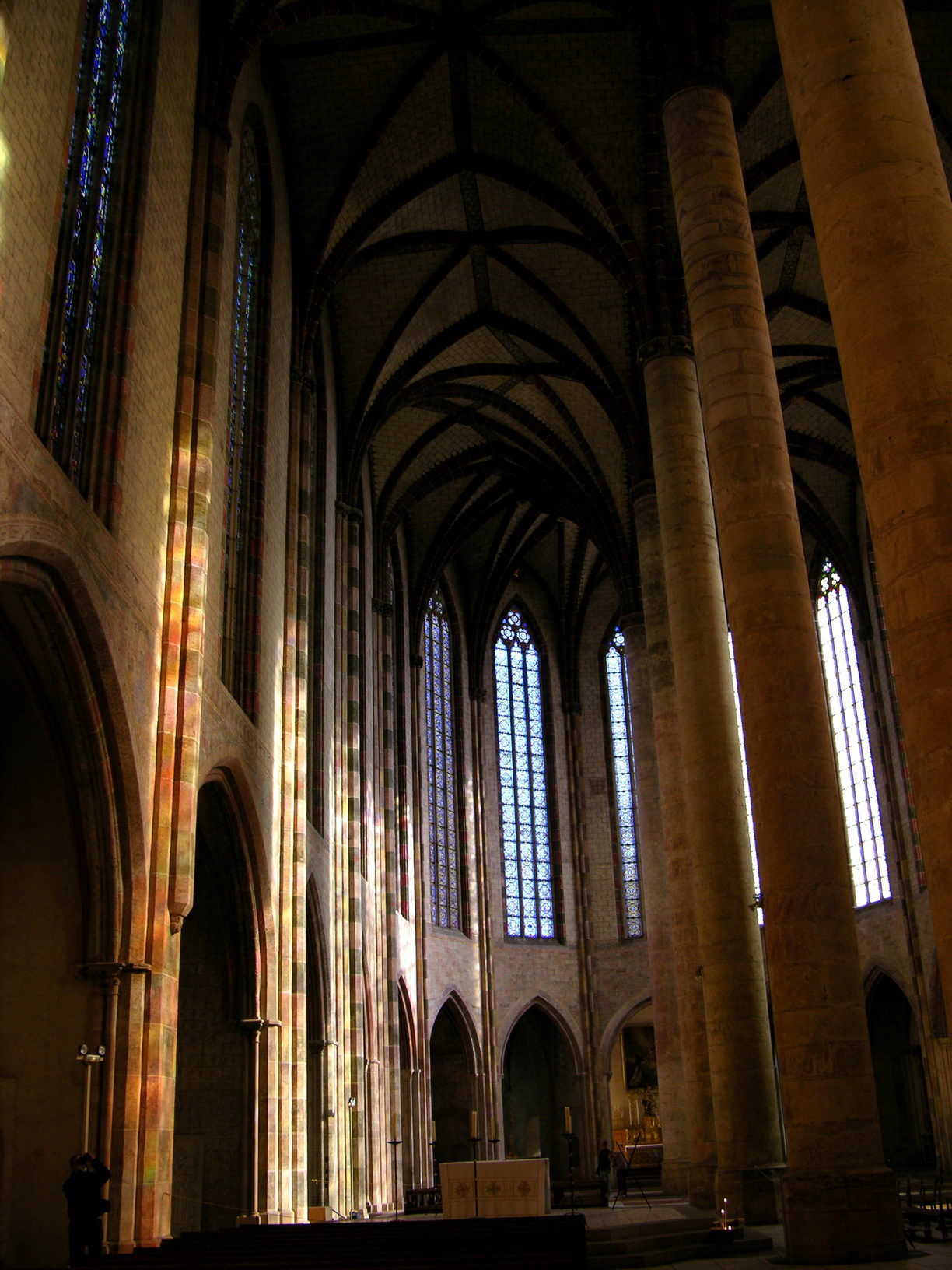
The next day we stopped in Toulouse, the home of Airbus, a beautiful old city. We ought to have stayed there longer, but we were running short of time. Paris lay ahead. We’d passed through it before and finally planned to spend some time there.
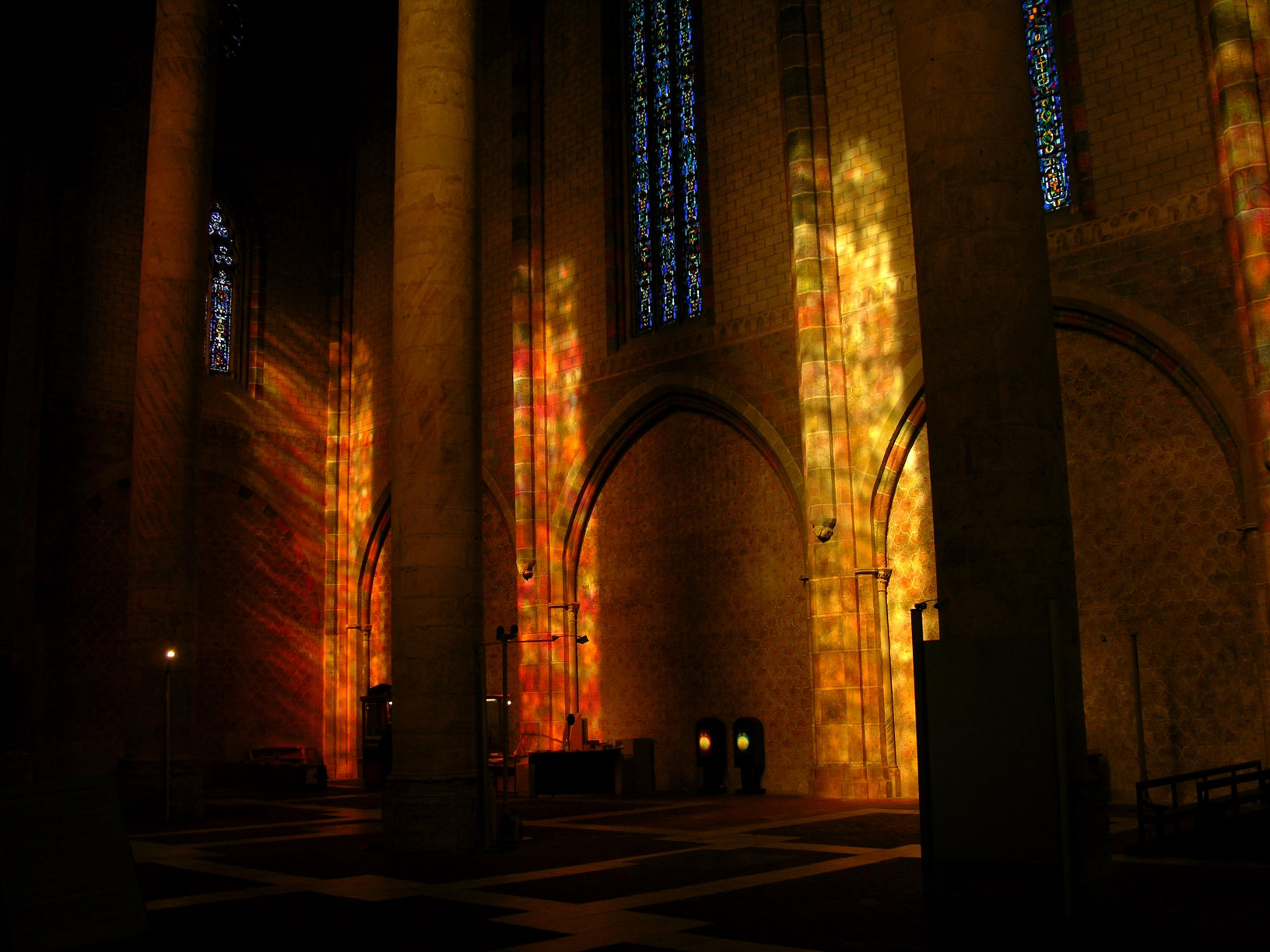
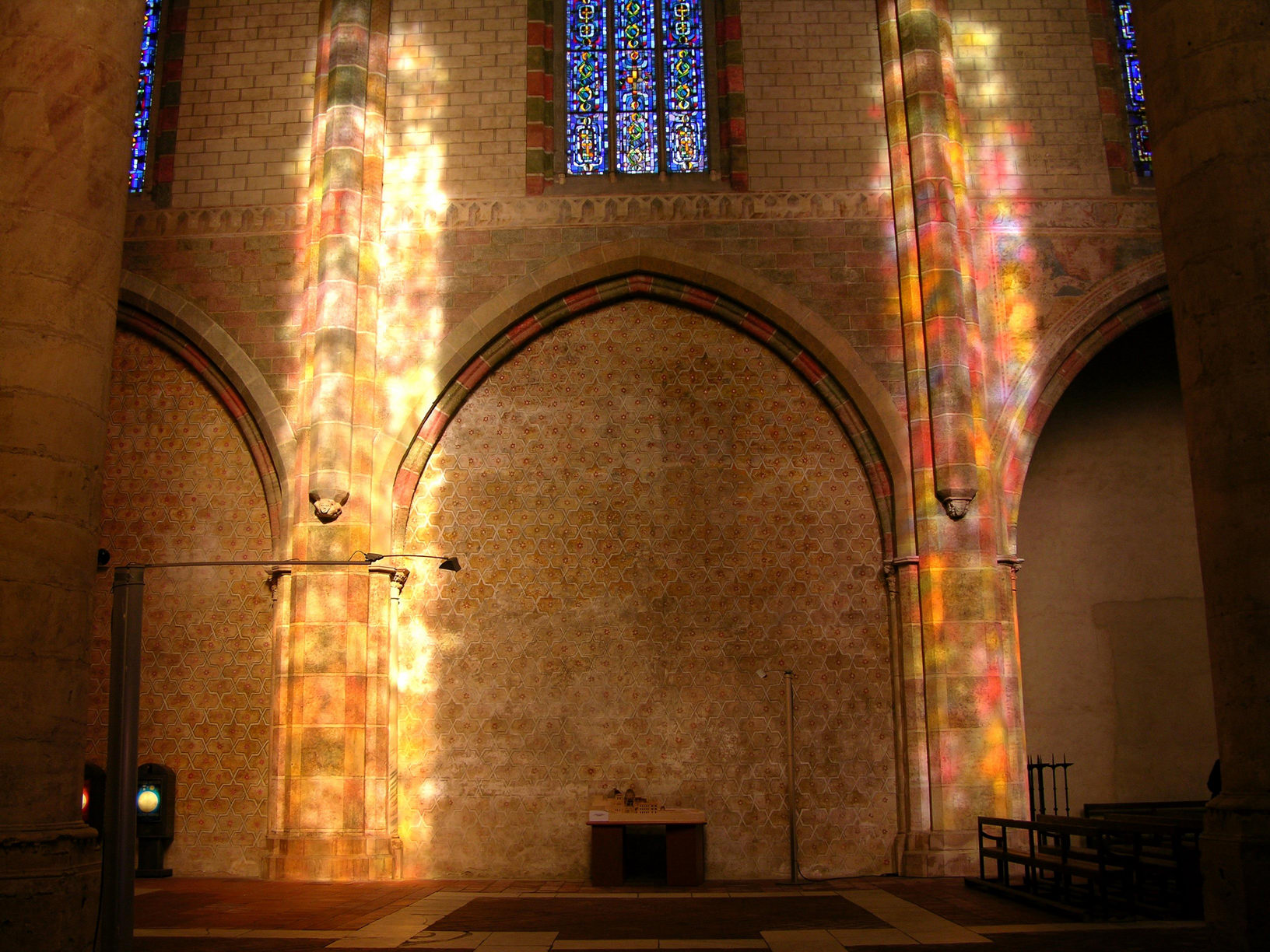
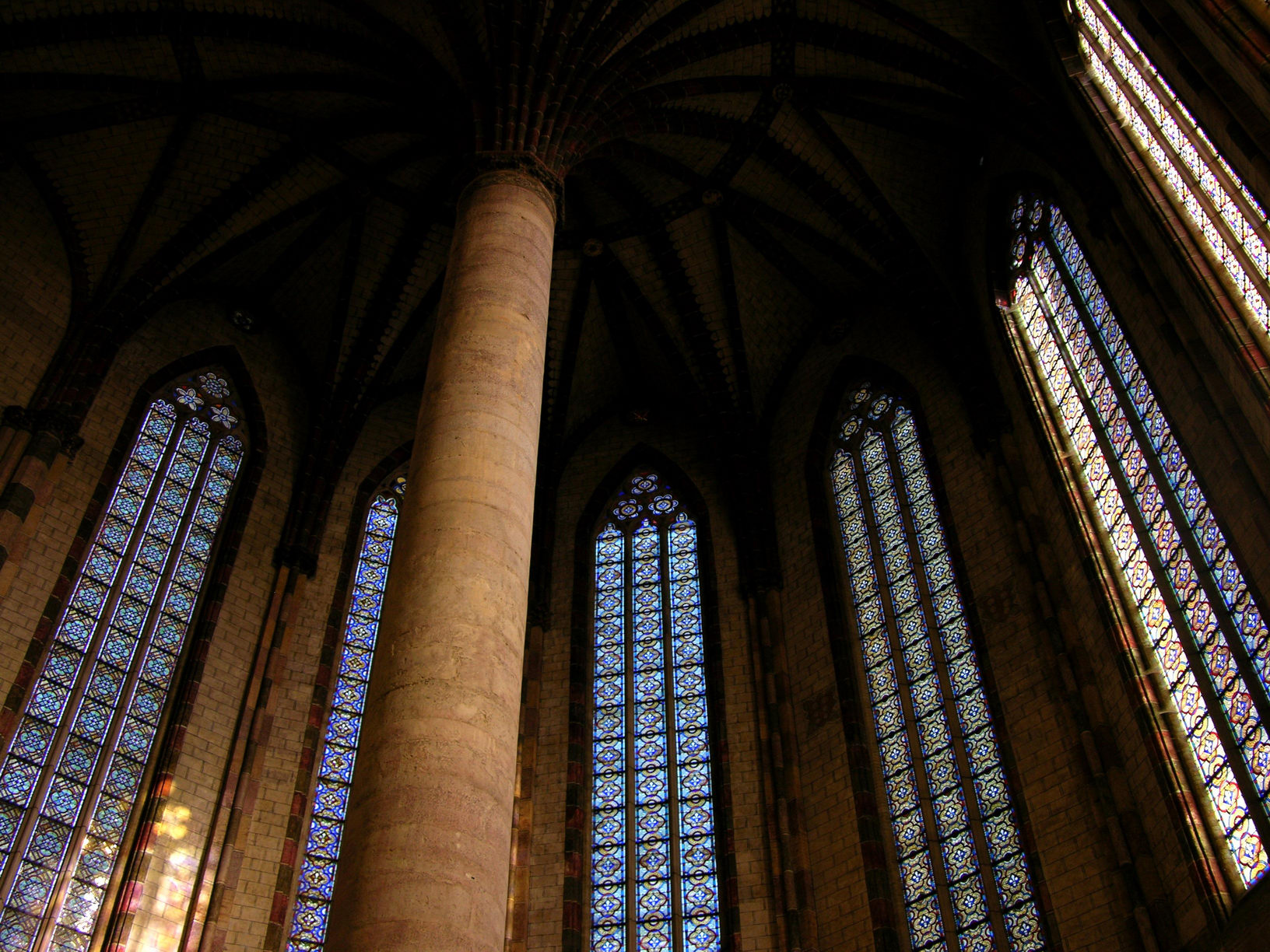
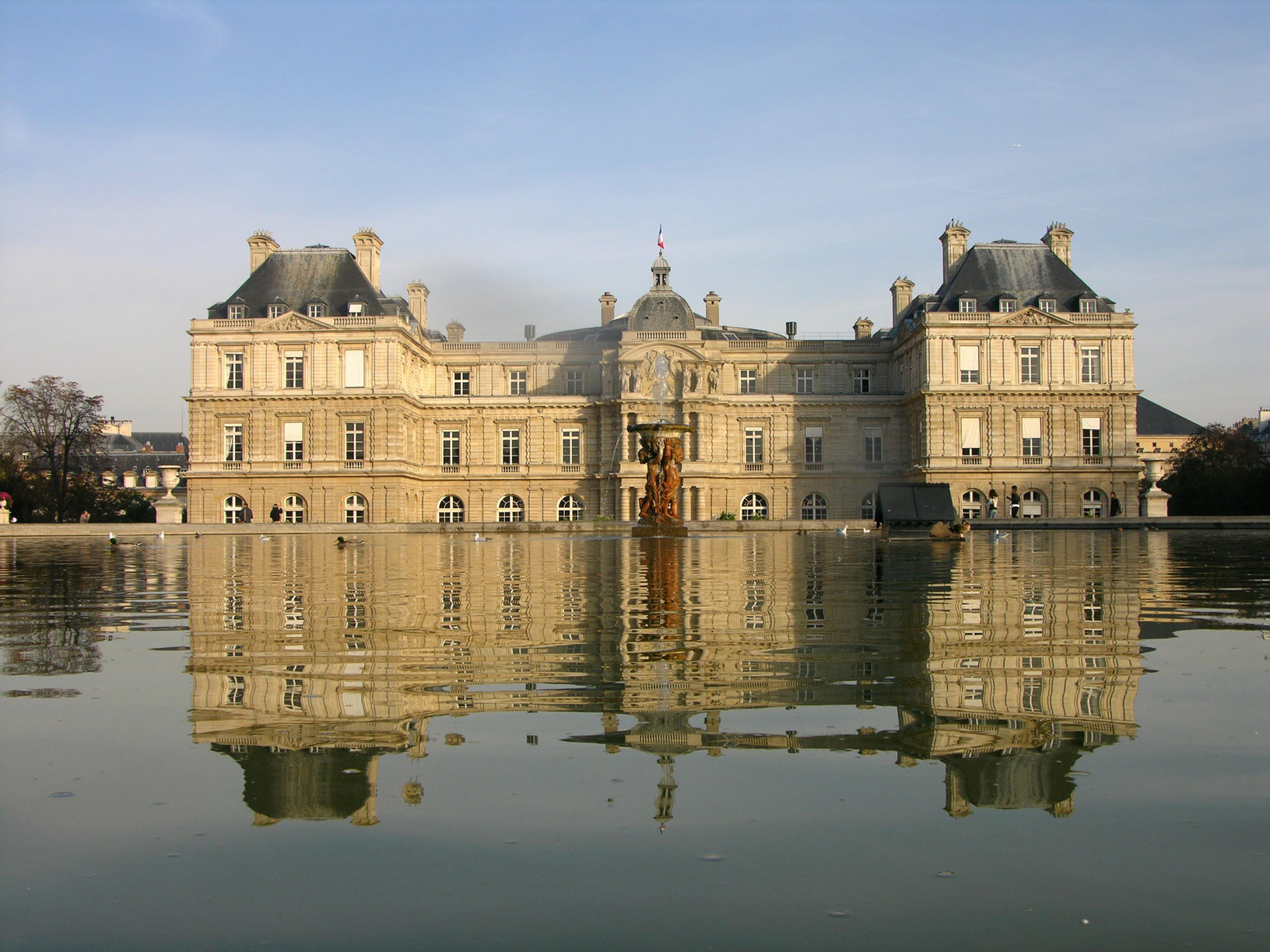
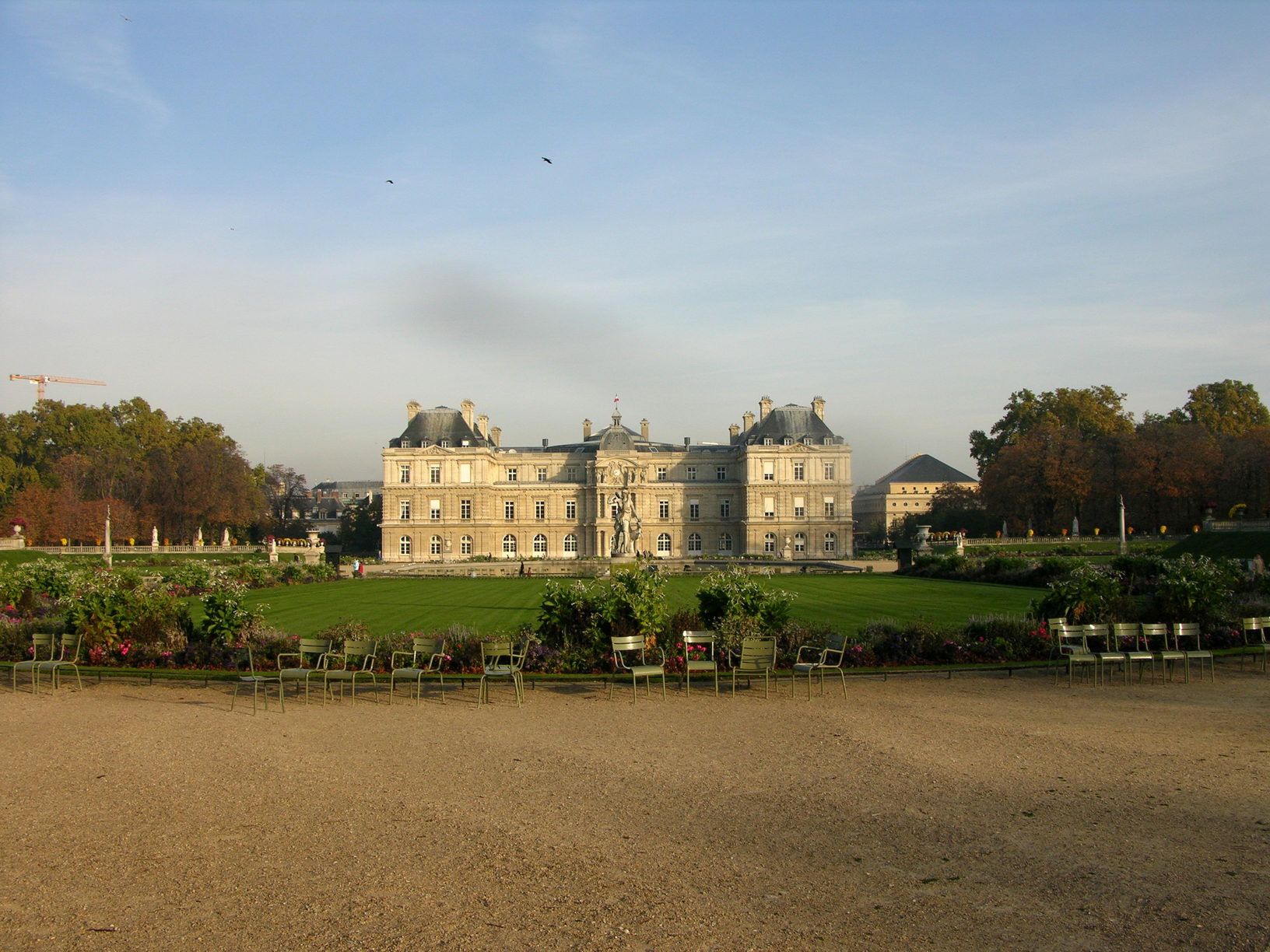
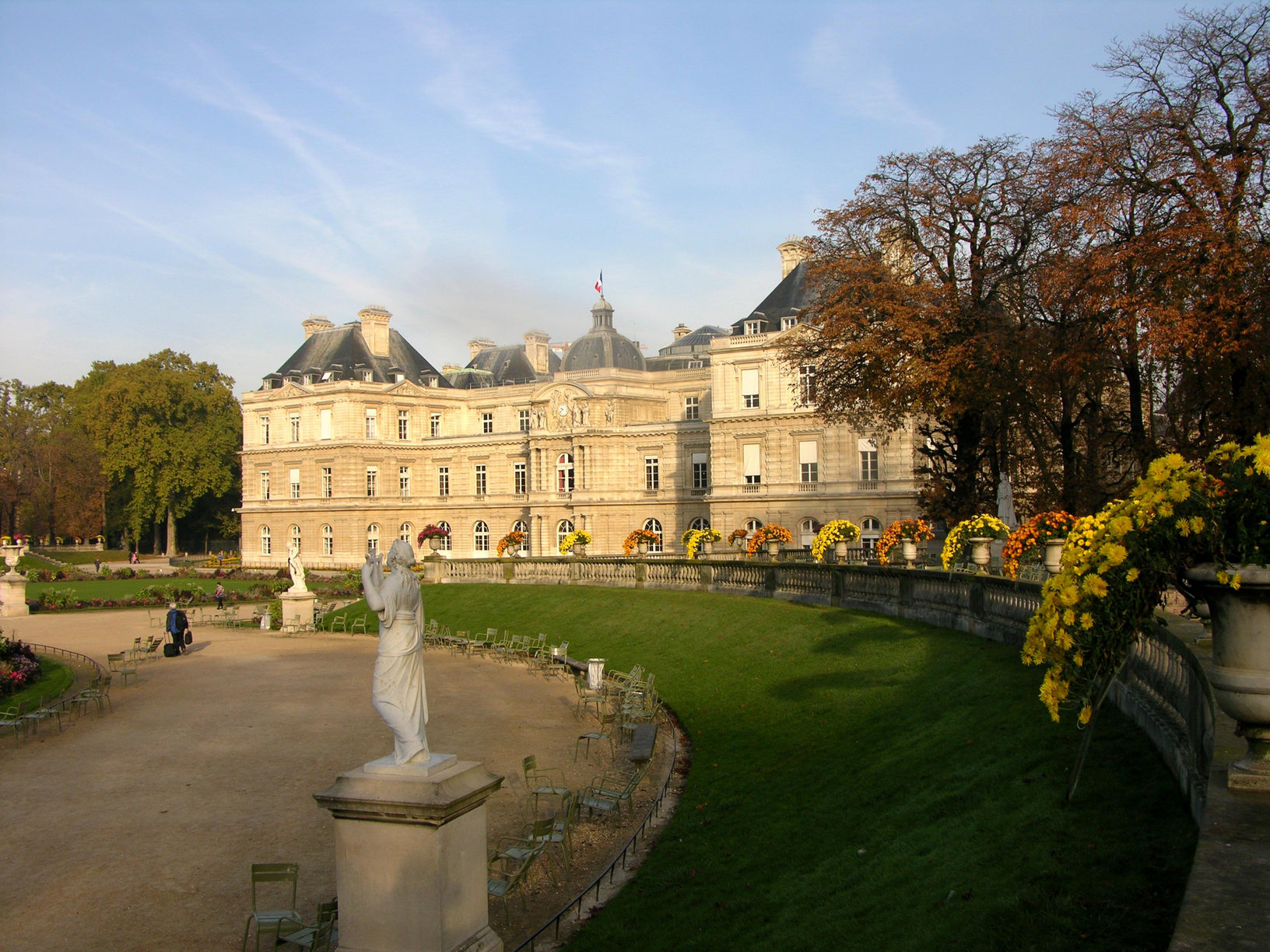
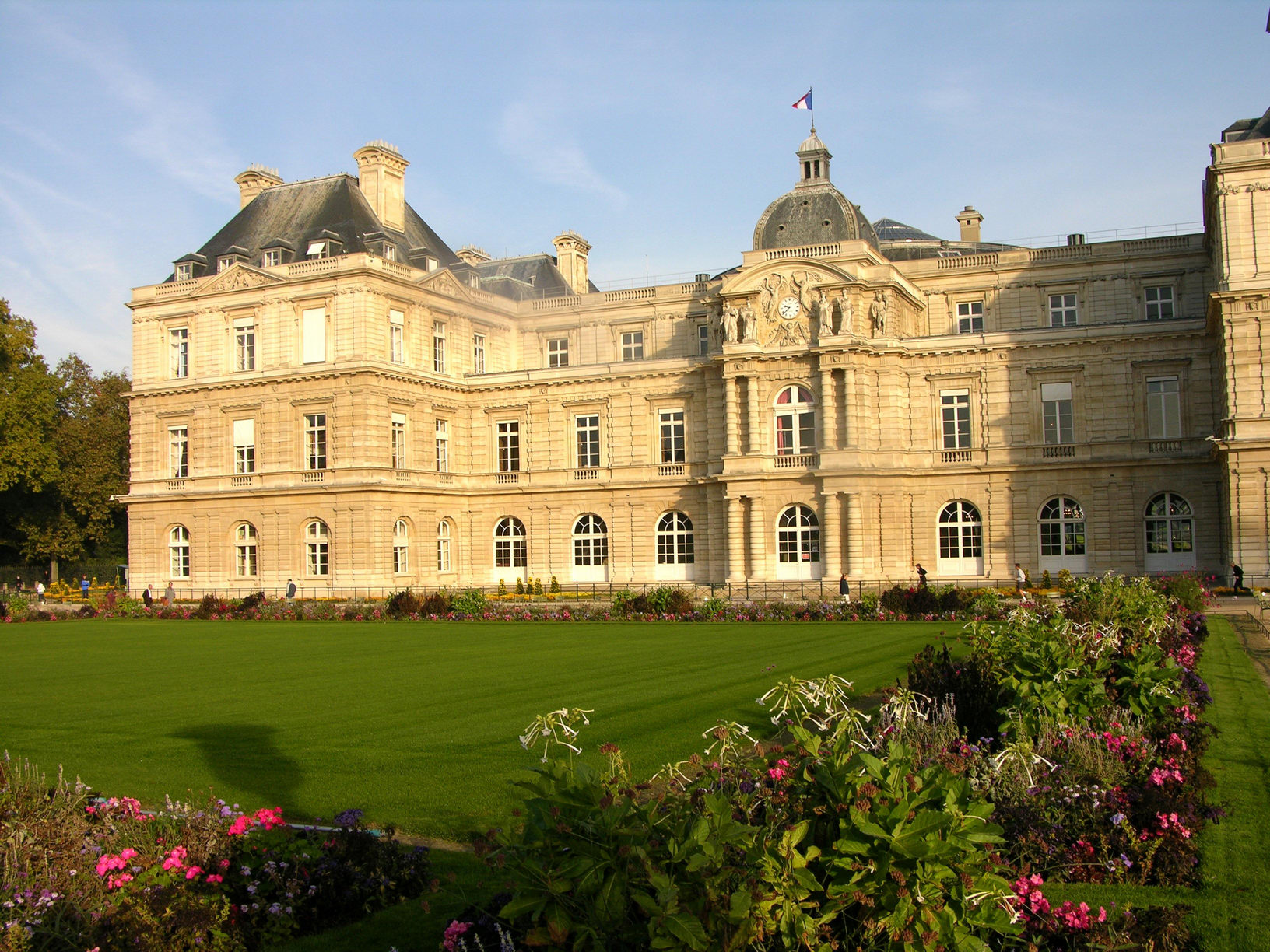
We stayed by the Luxembourg Gardens (48°50.817′N, 2°19.899′E). The park was visible right from our window.
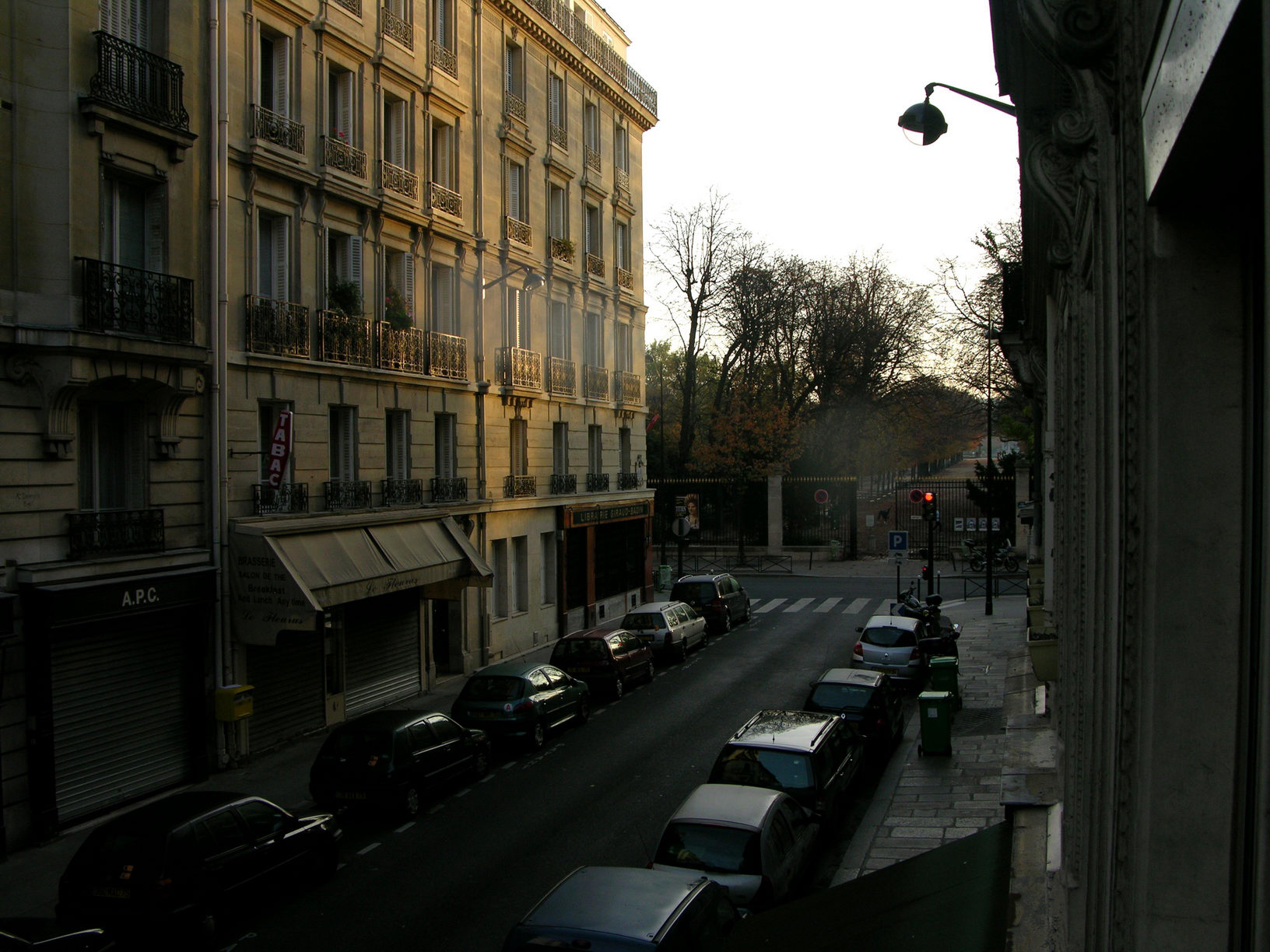
If you want trouble parking, try Paris. I spent a long time trying to squeeze in somewhere and finally found a place. I’d barely parked when a Parisian woman appeared and angrily told me off for leaving half a metre in front of the next car. That simply wouldn’t do. People park with no space between them and leave the handbrakes off so that drivers arriving or moving away can use their bumper to nudge the empty car and clear a space. Parisian bumpers are always badly dented.
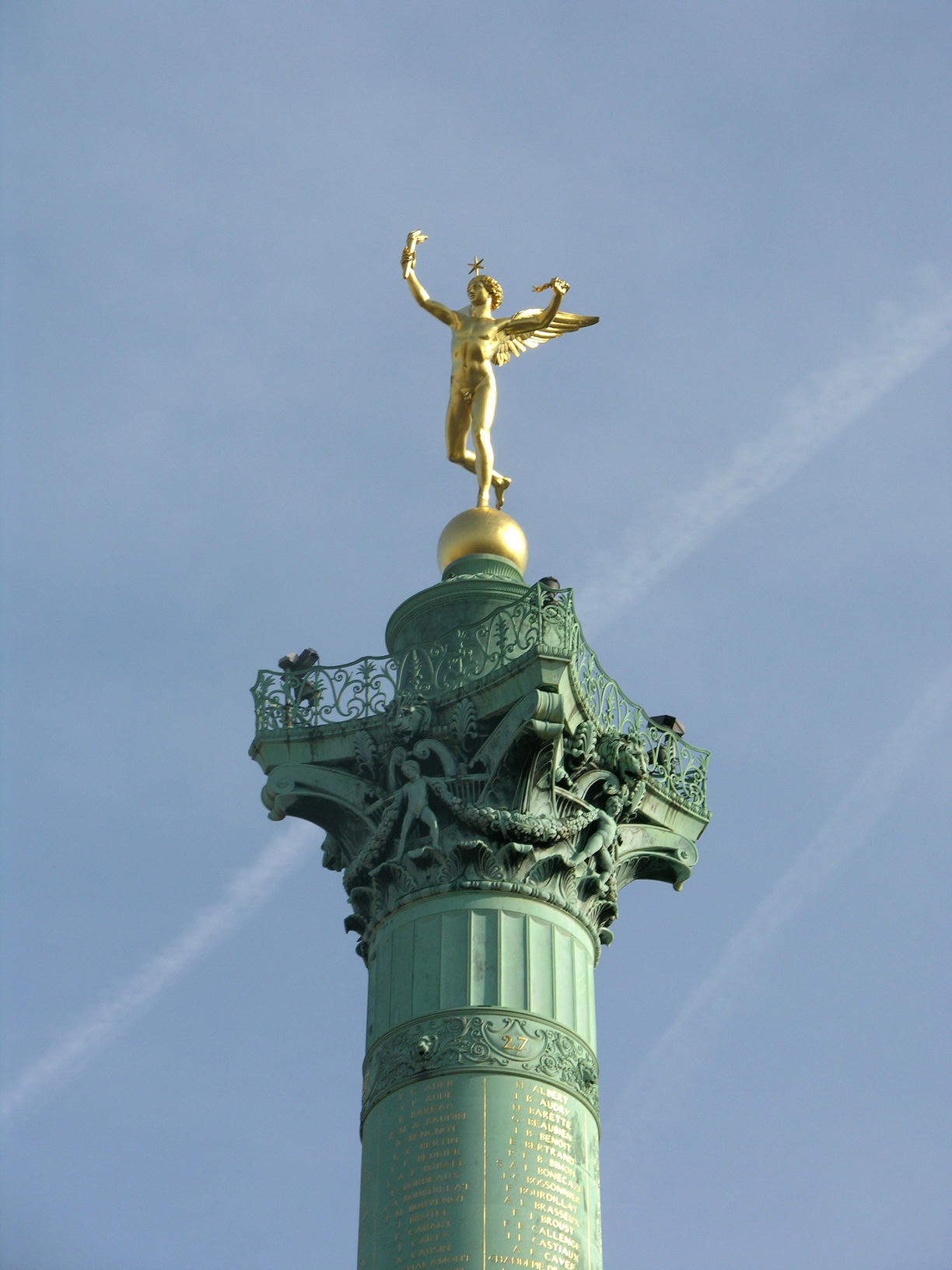
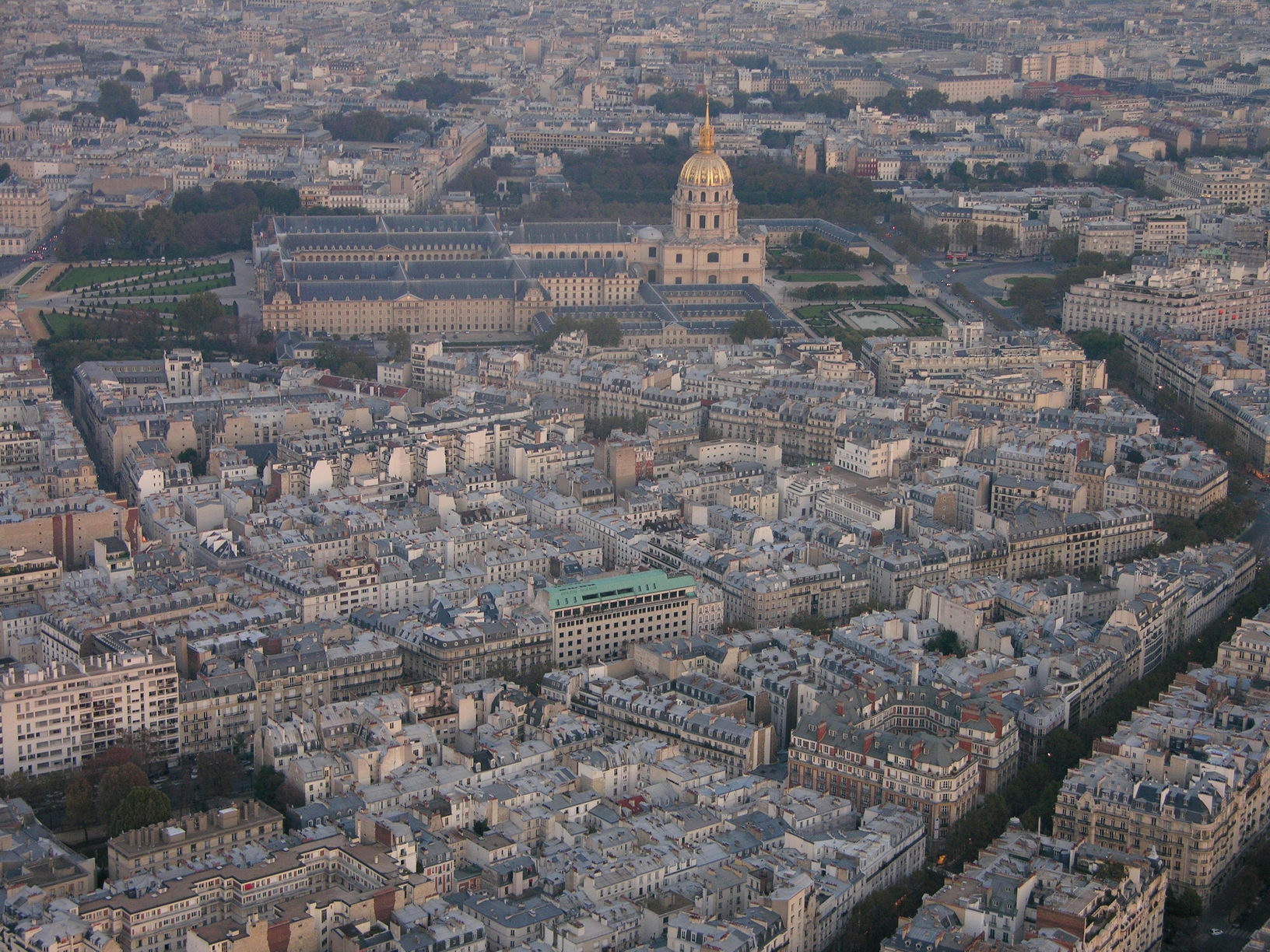
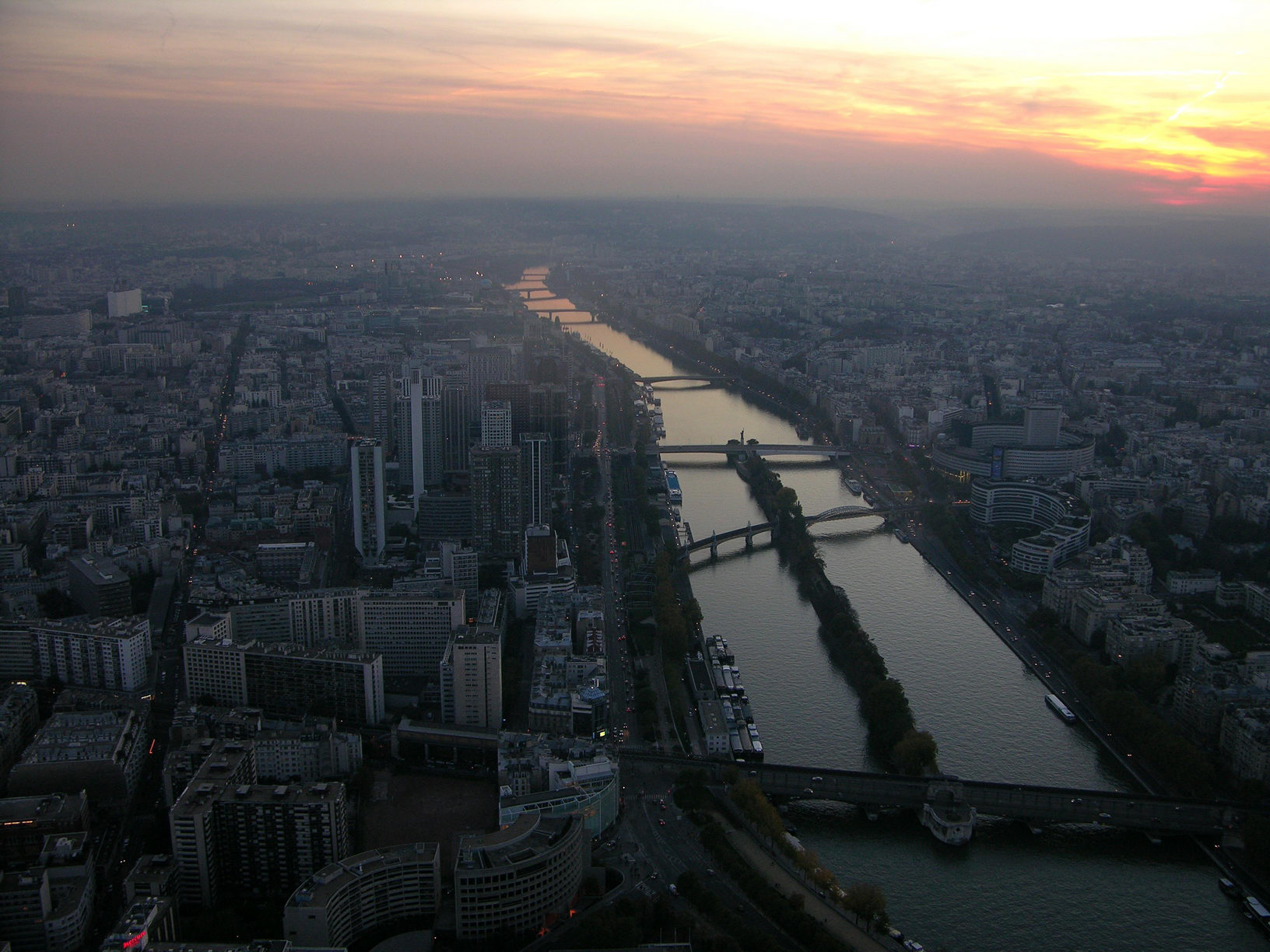
I won’t describe our tour of the great city, the former capital of Europe. Except, perhaps, the Eiffel Tower. I’d wanted to climb it since I was little. I even used to dream that I had somehow got out of the USSR and found myself passing through Paris, with the tower right in front of me. And then something would always happen to stop me reaching the top I’d longed for.
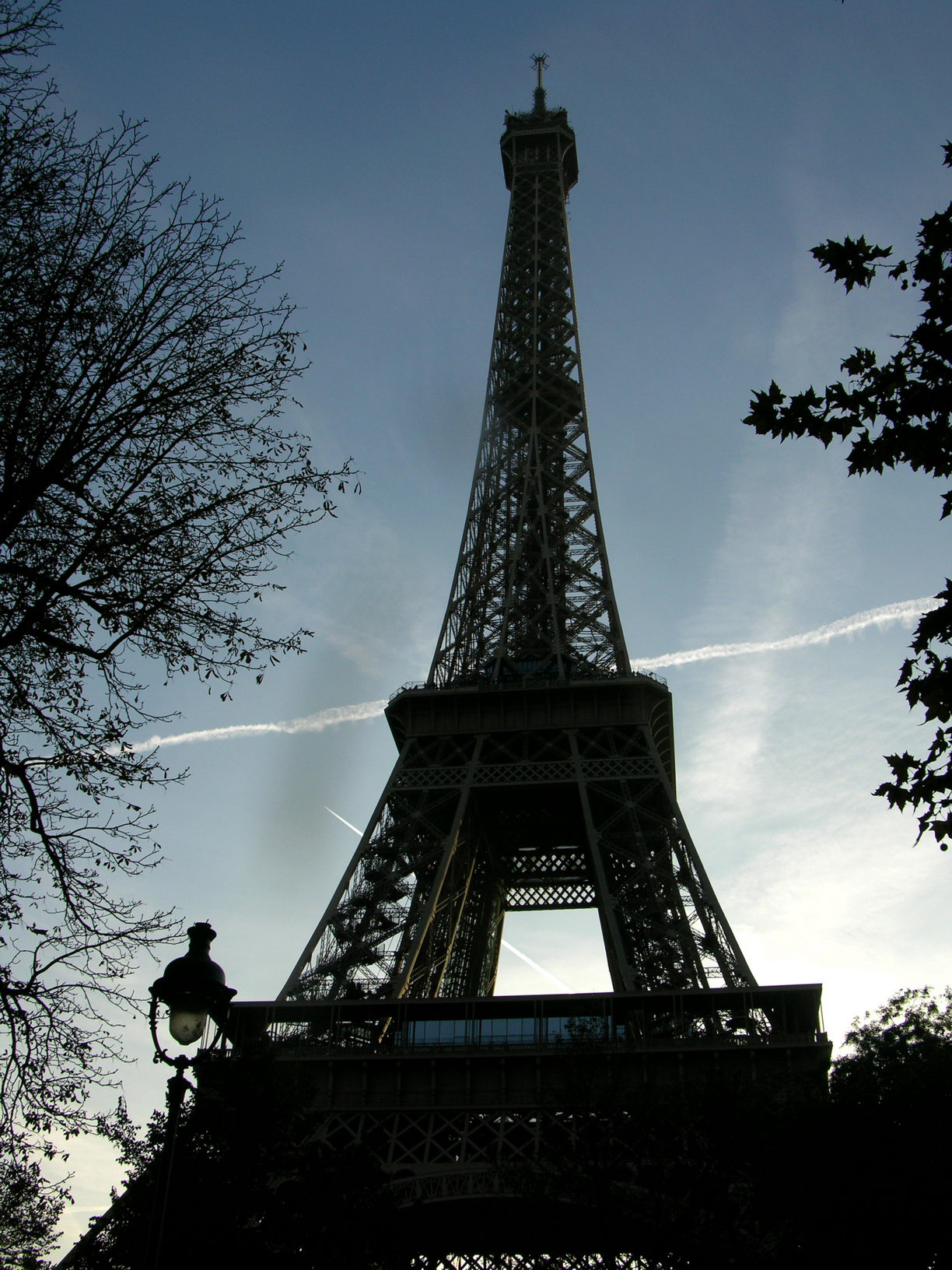
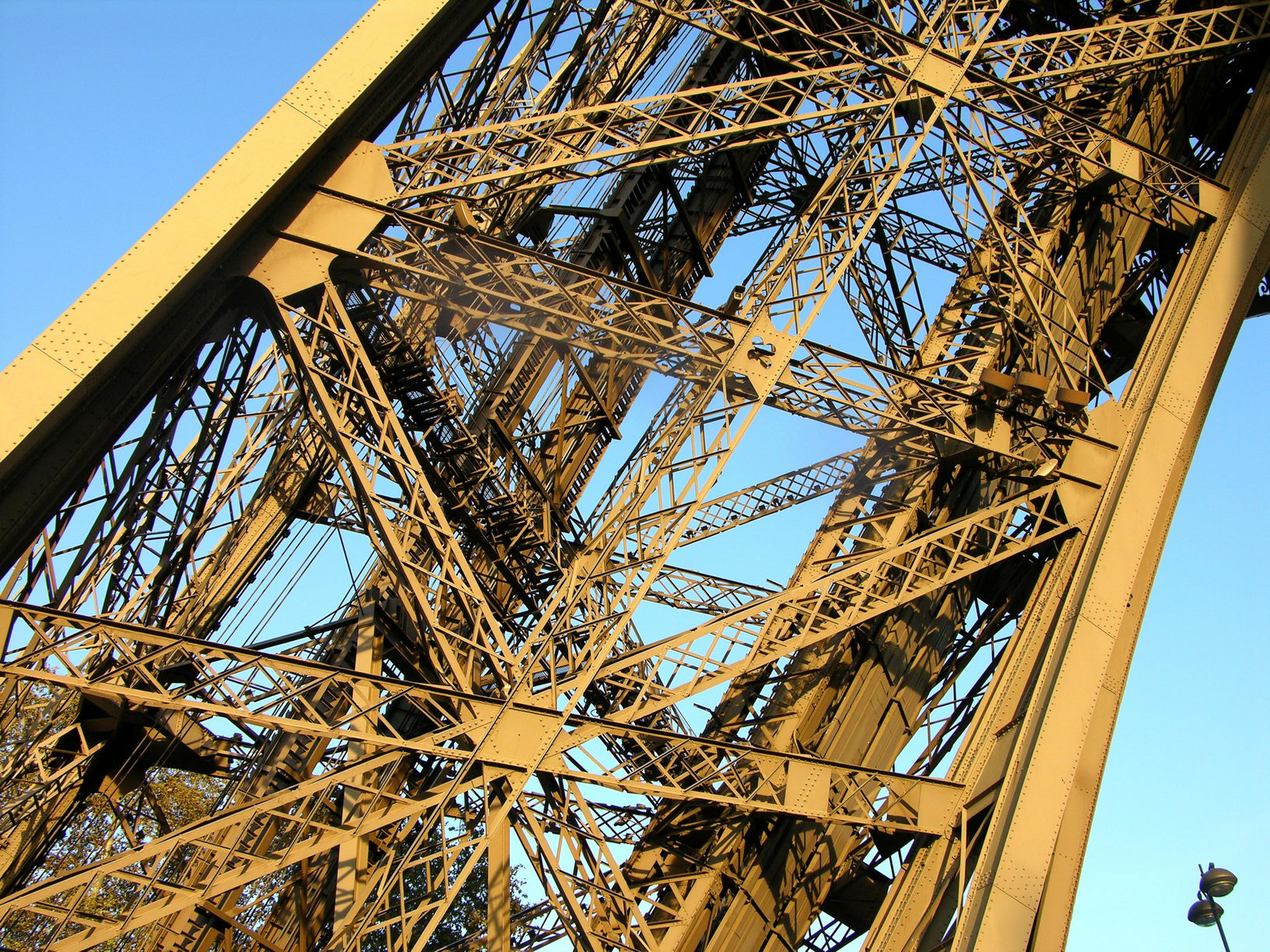
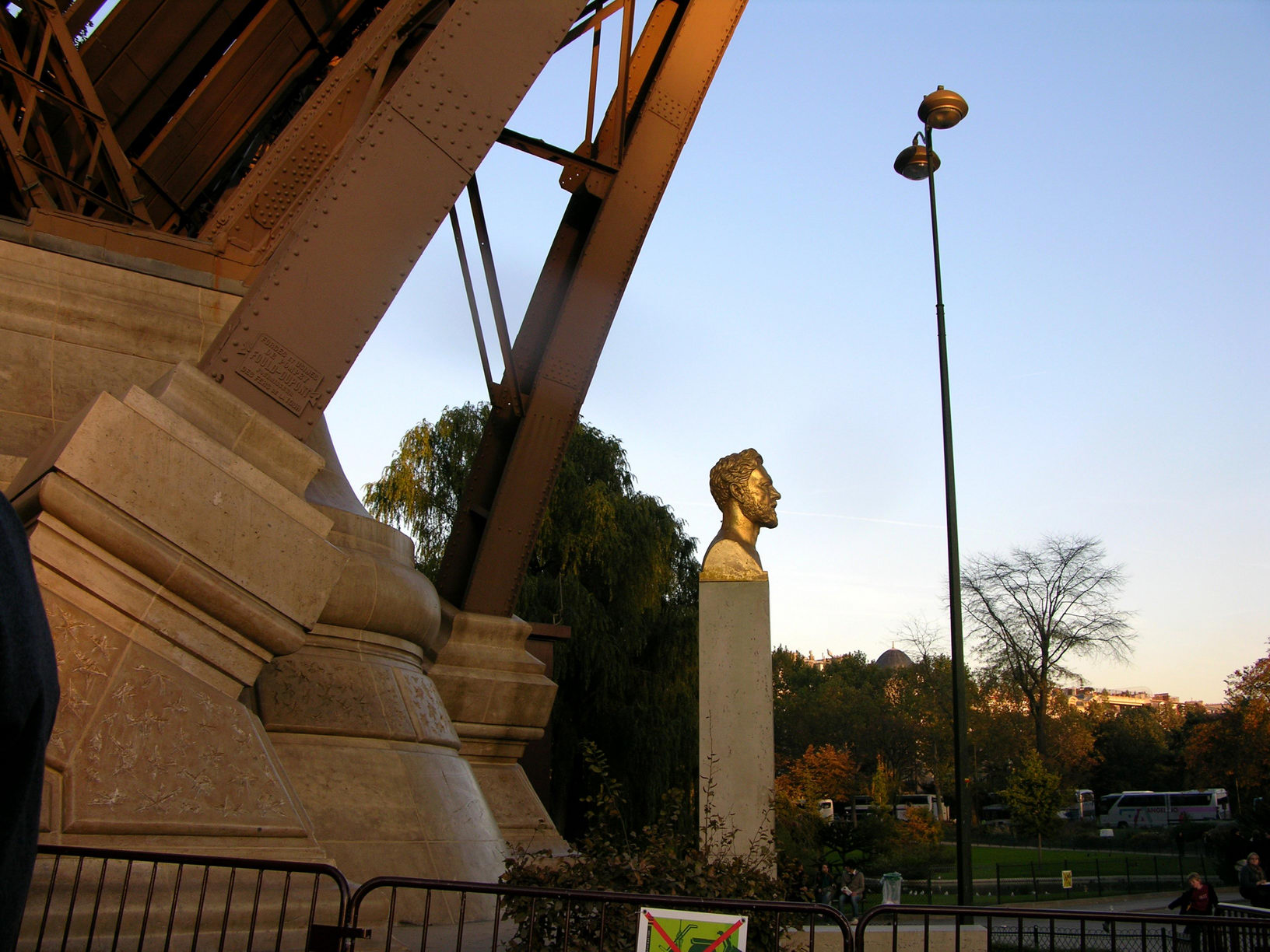
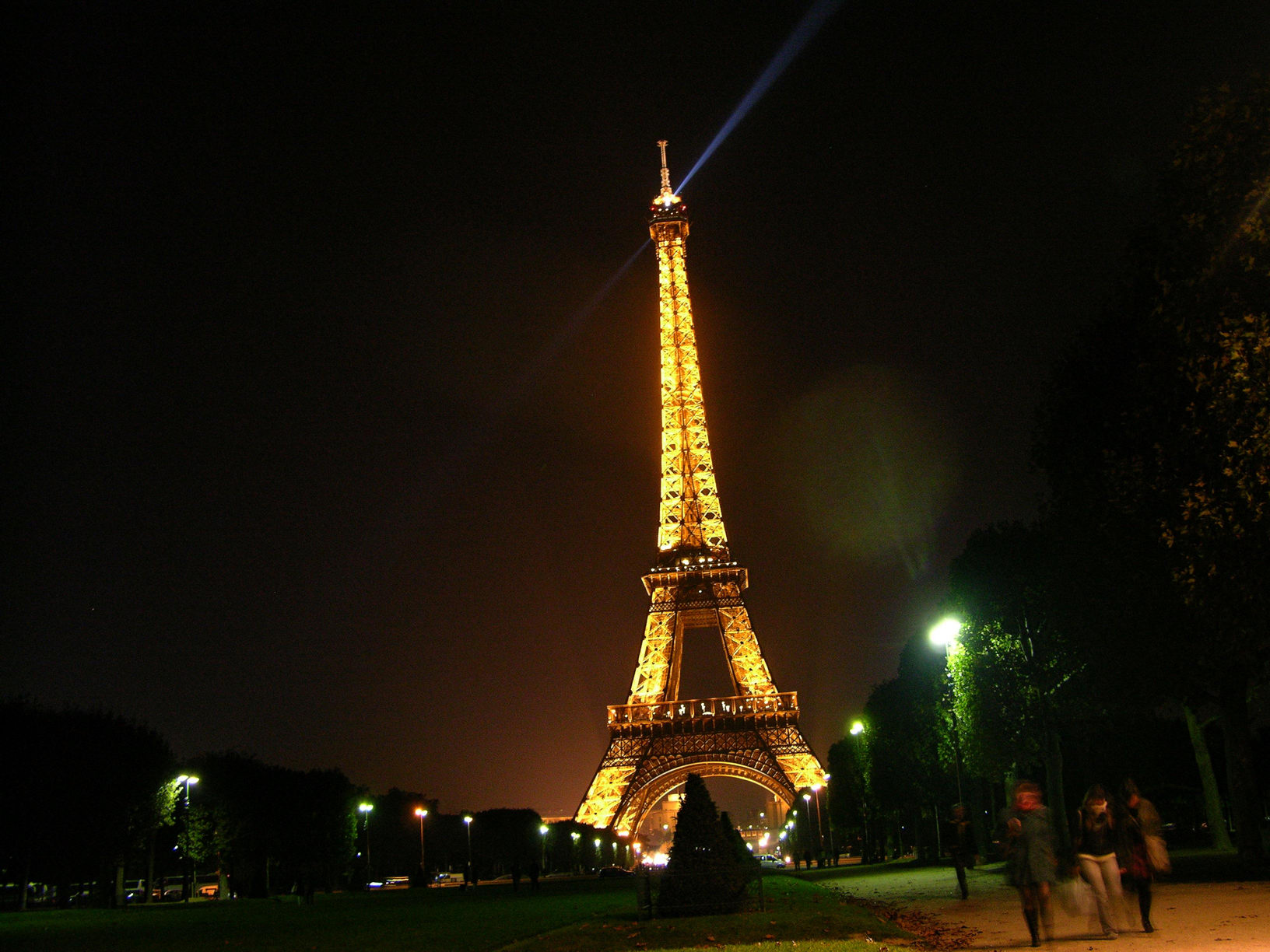
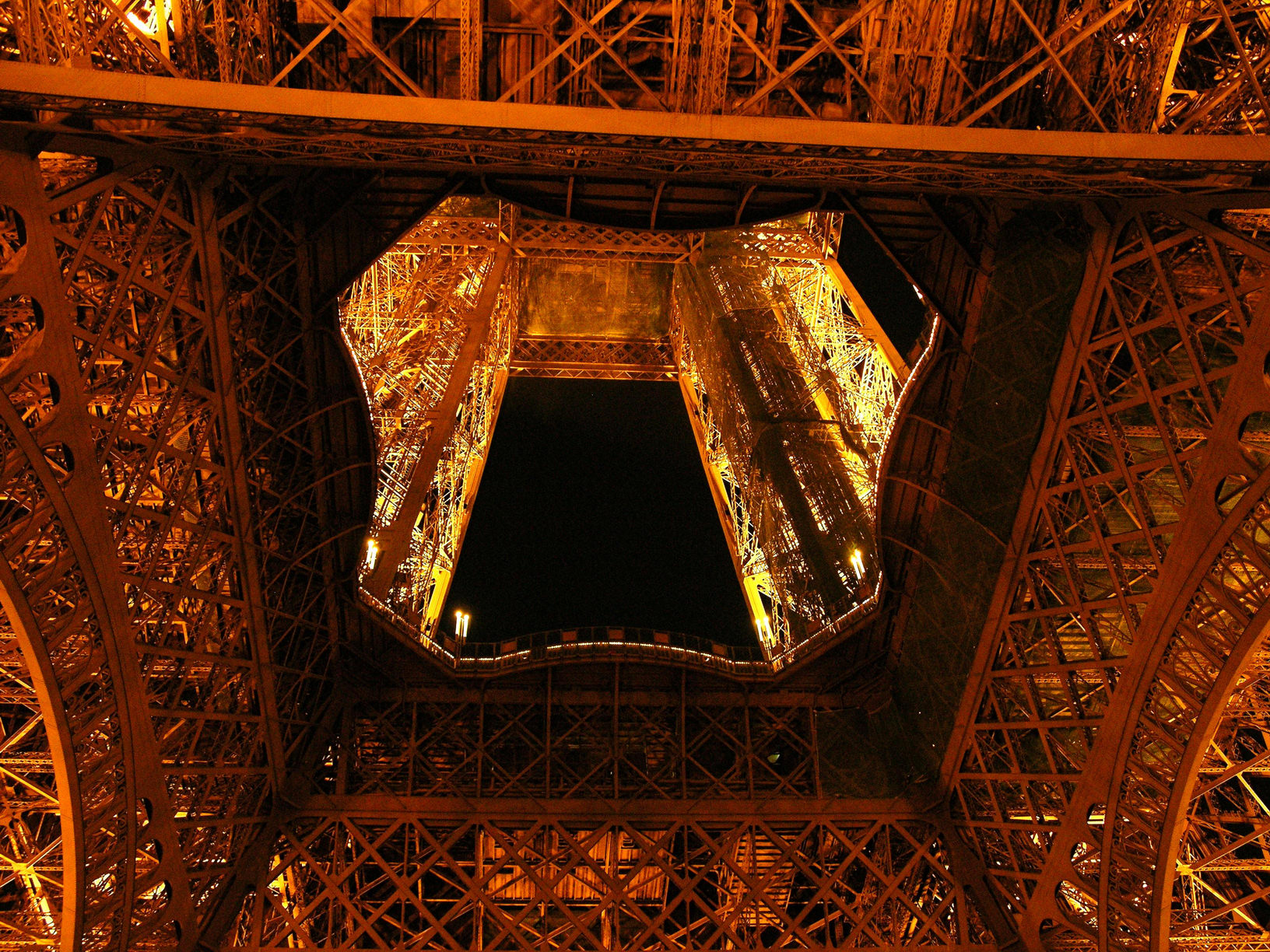
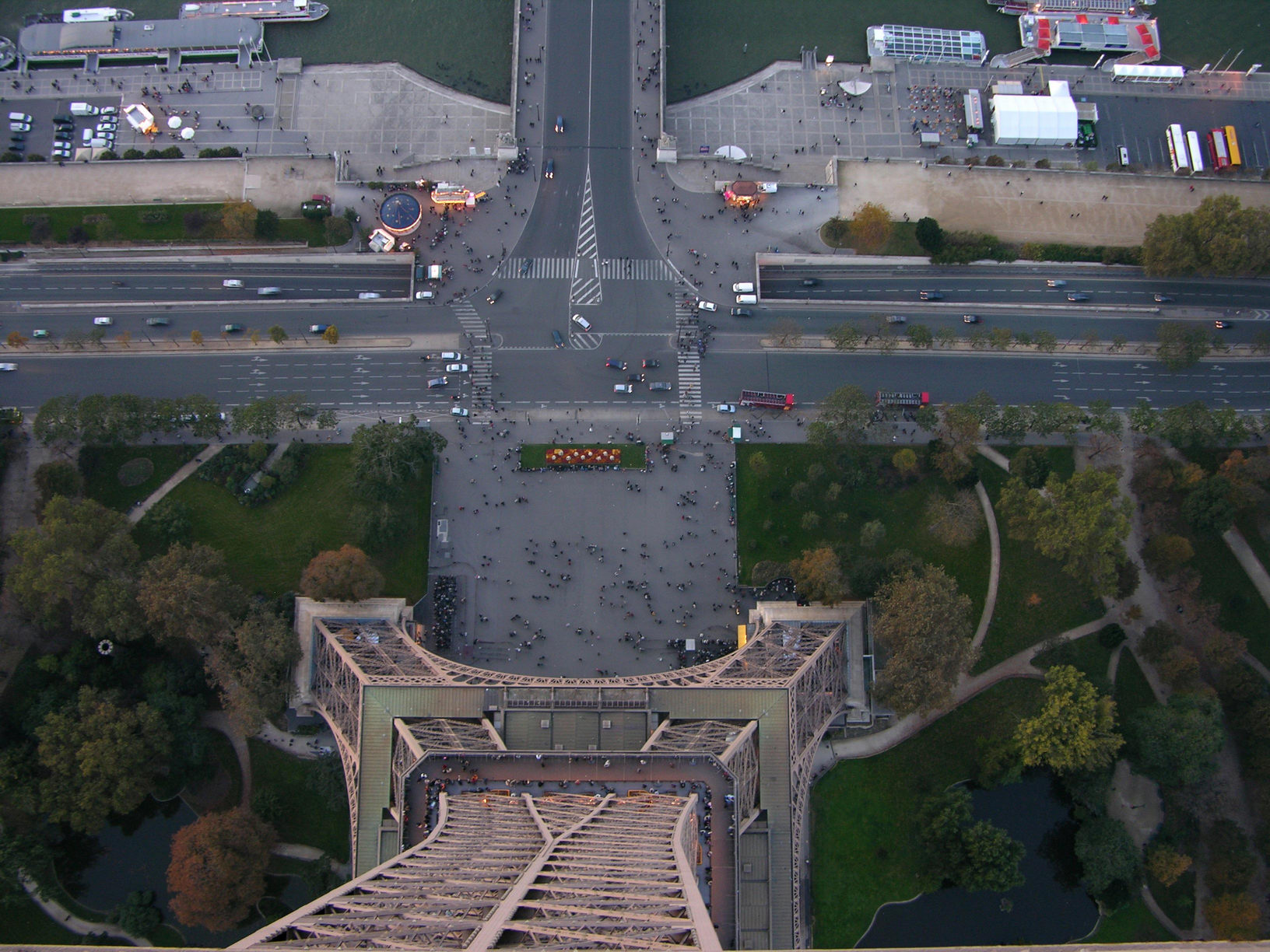
This time nothing got in the way. You can’t always go up, by the way. Places are limited, particularly at the very top. We got lucky. At first there were no tickets, then a couple of places opened up for us by chance.
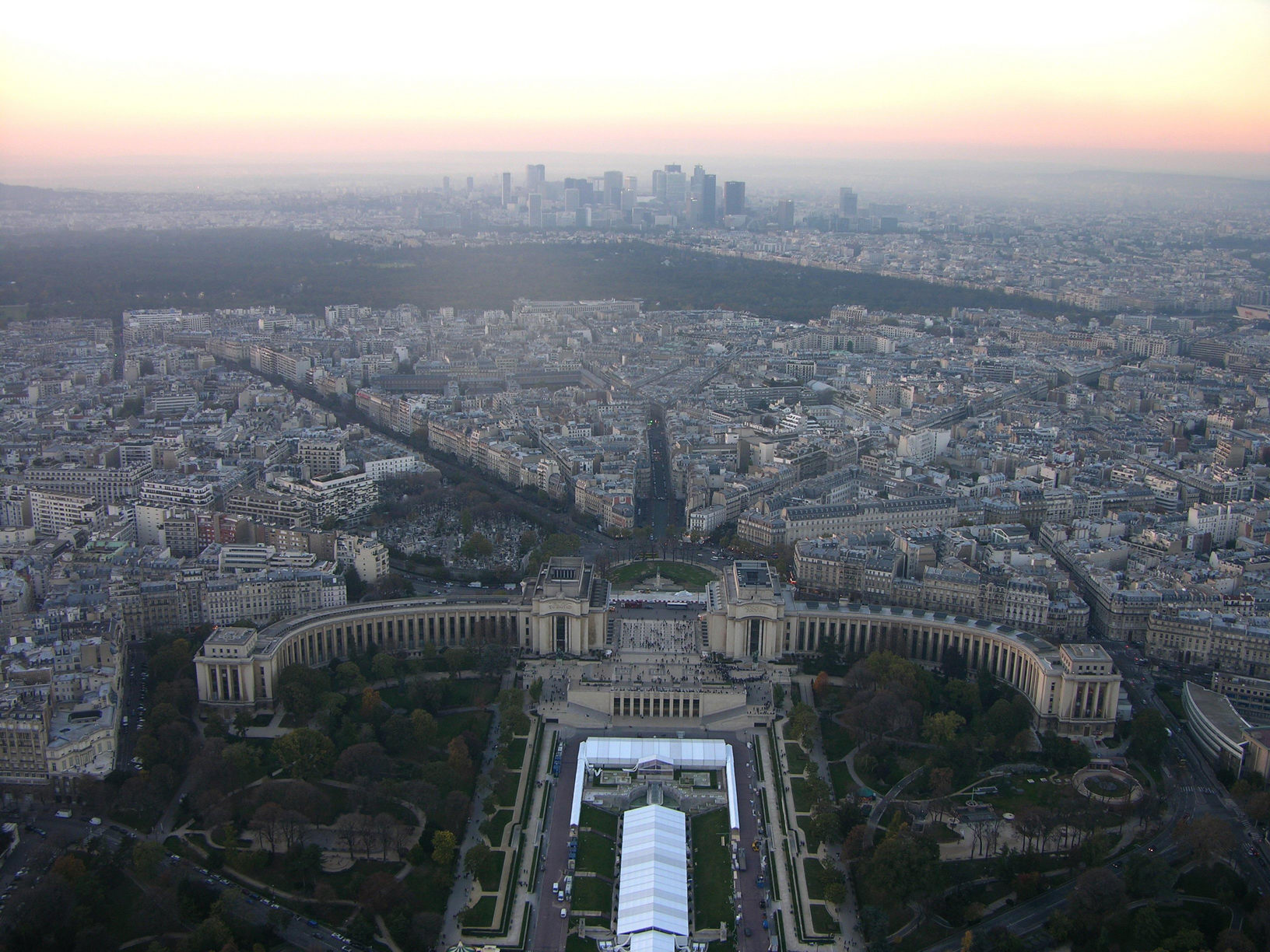
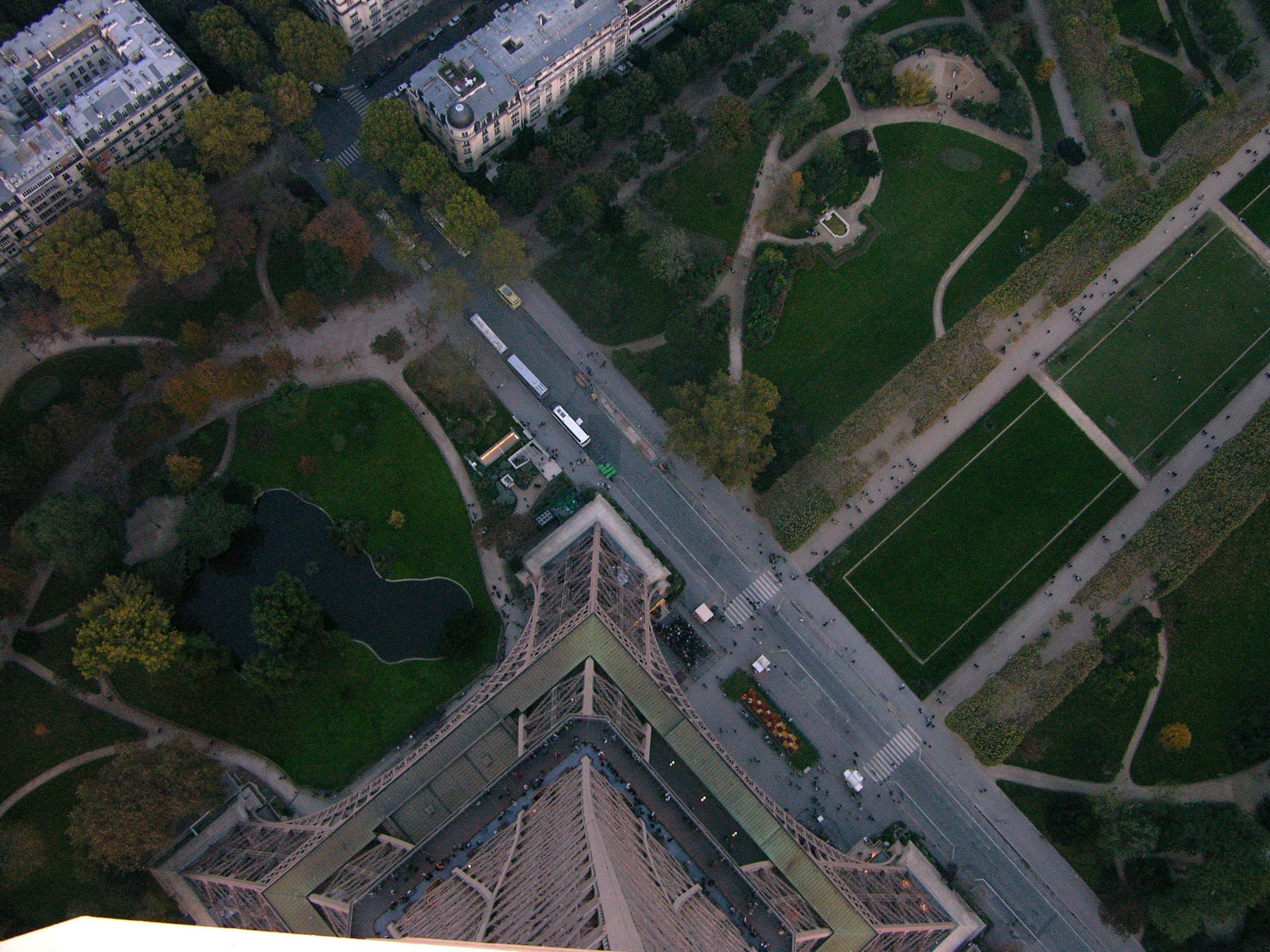
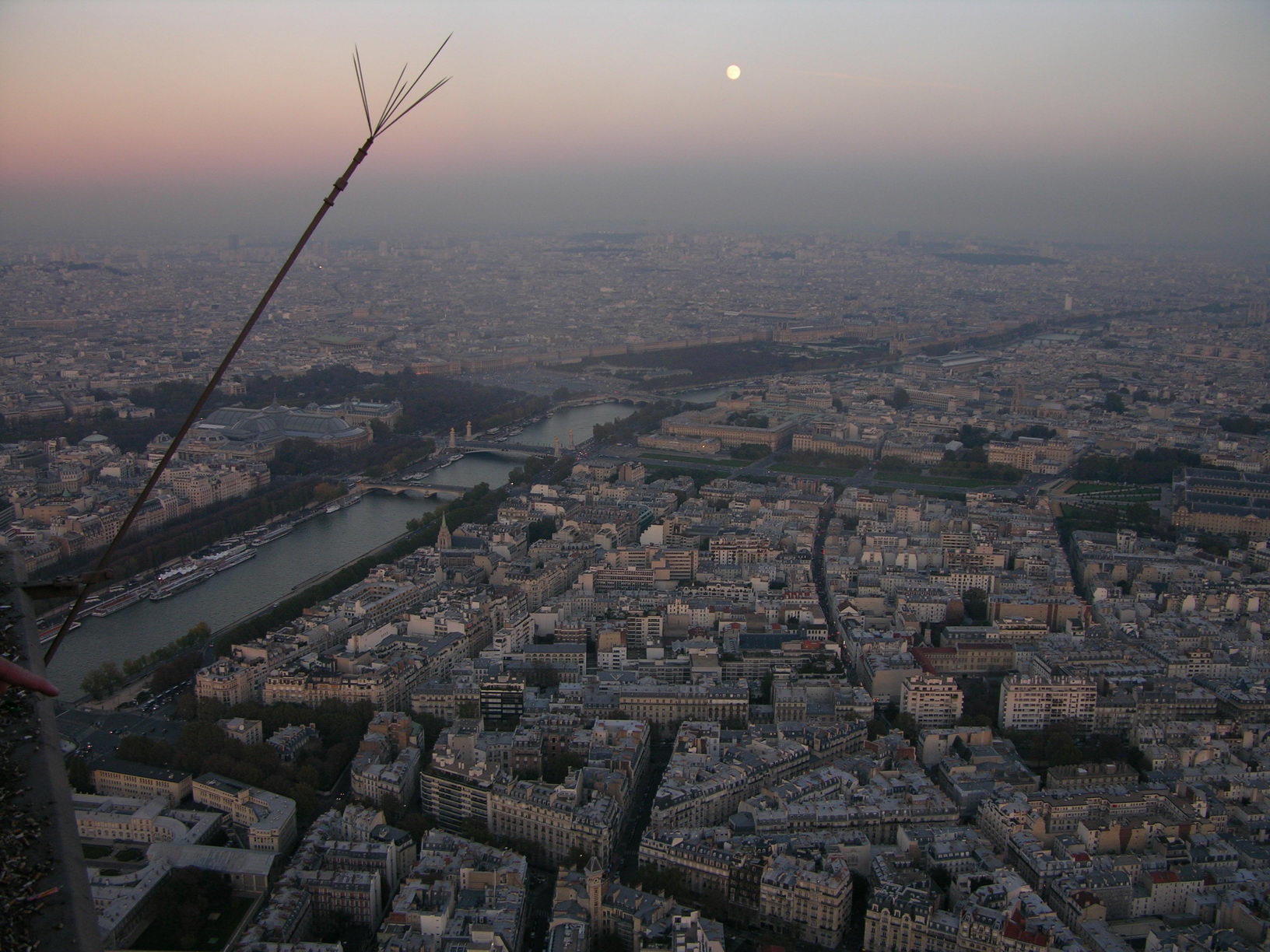
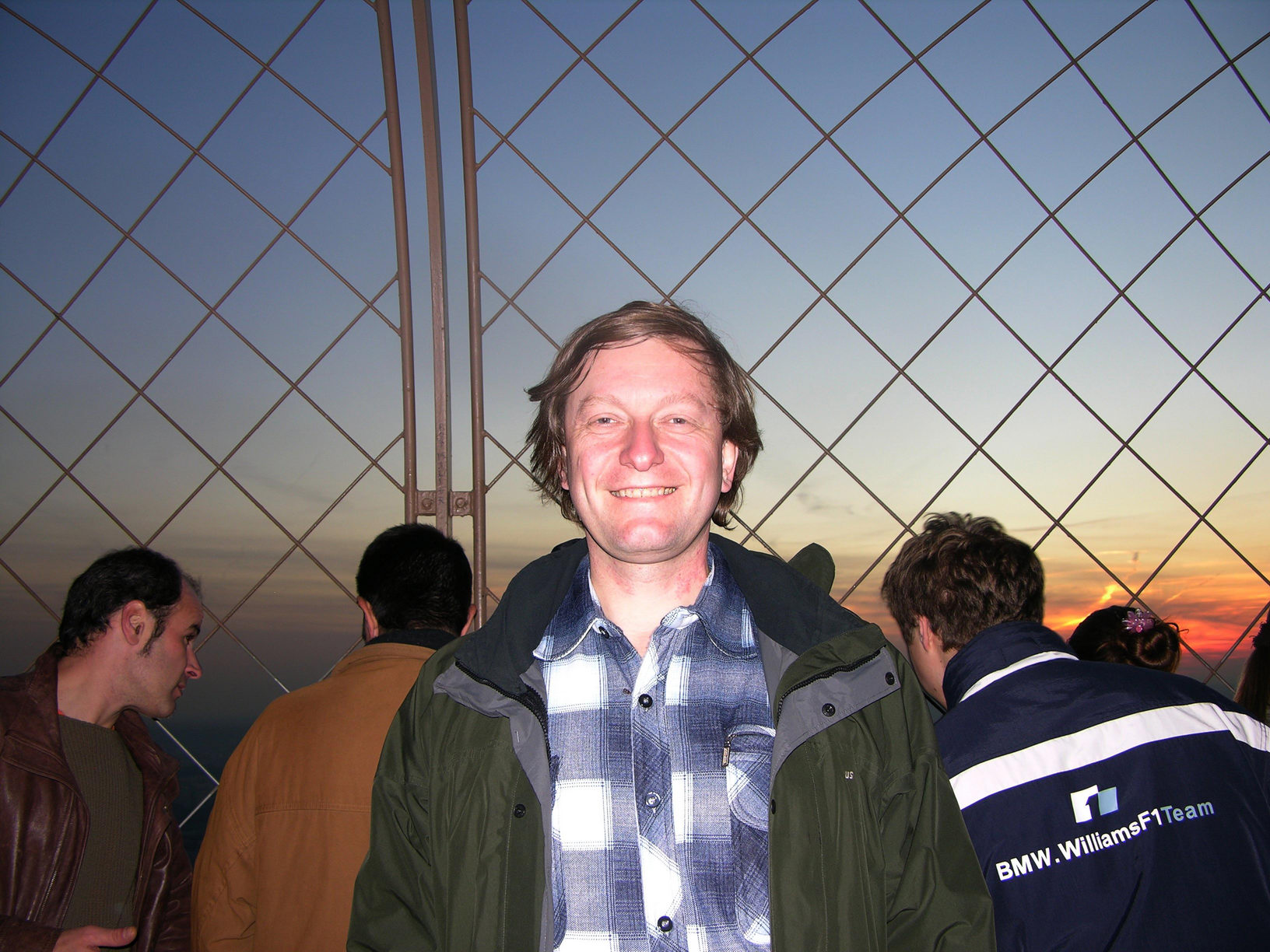
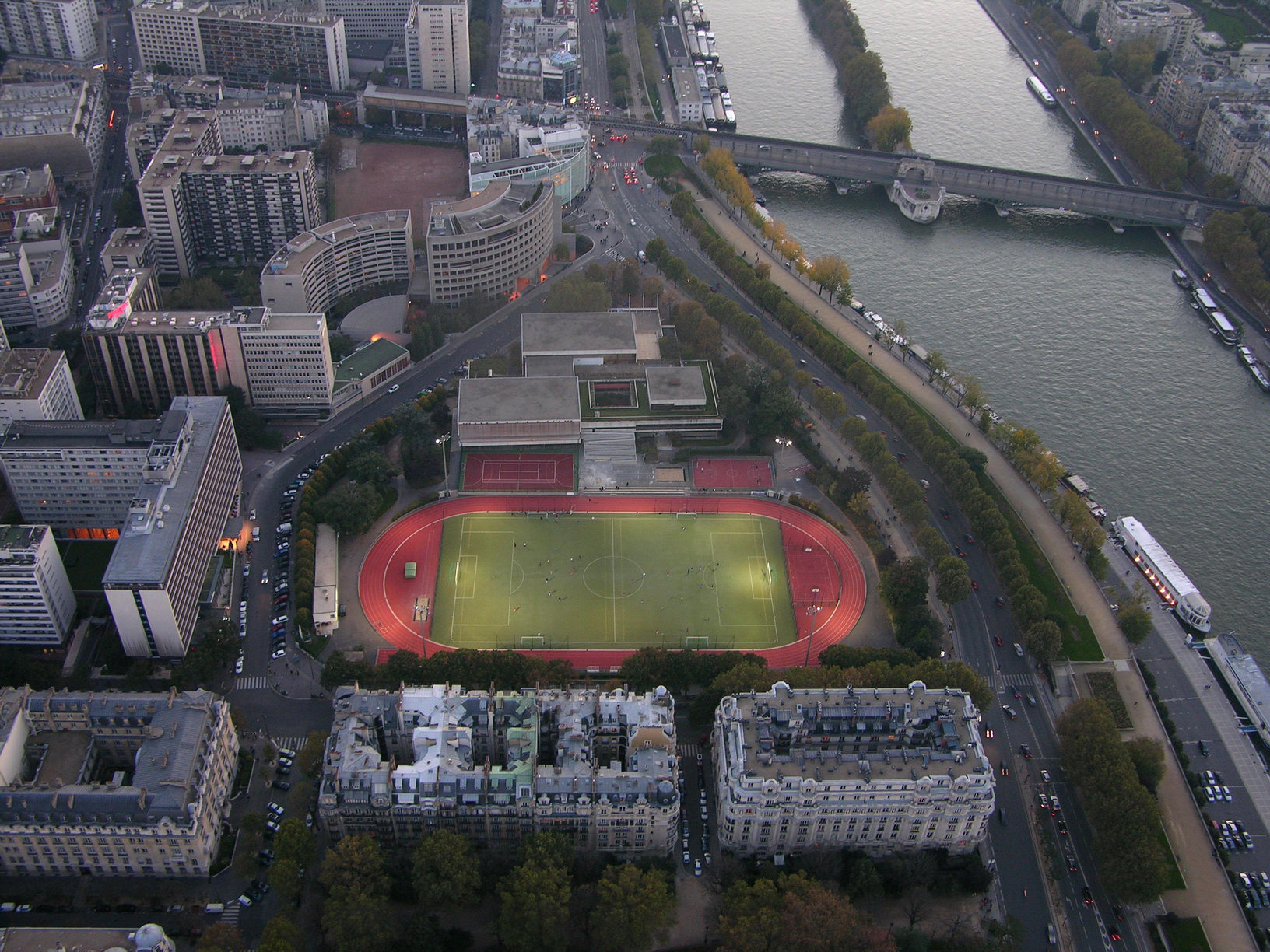
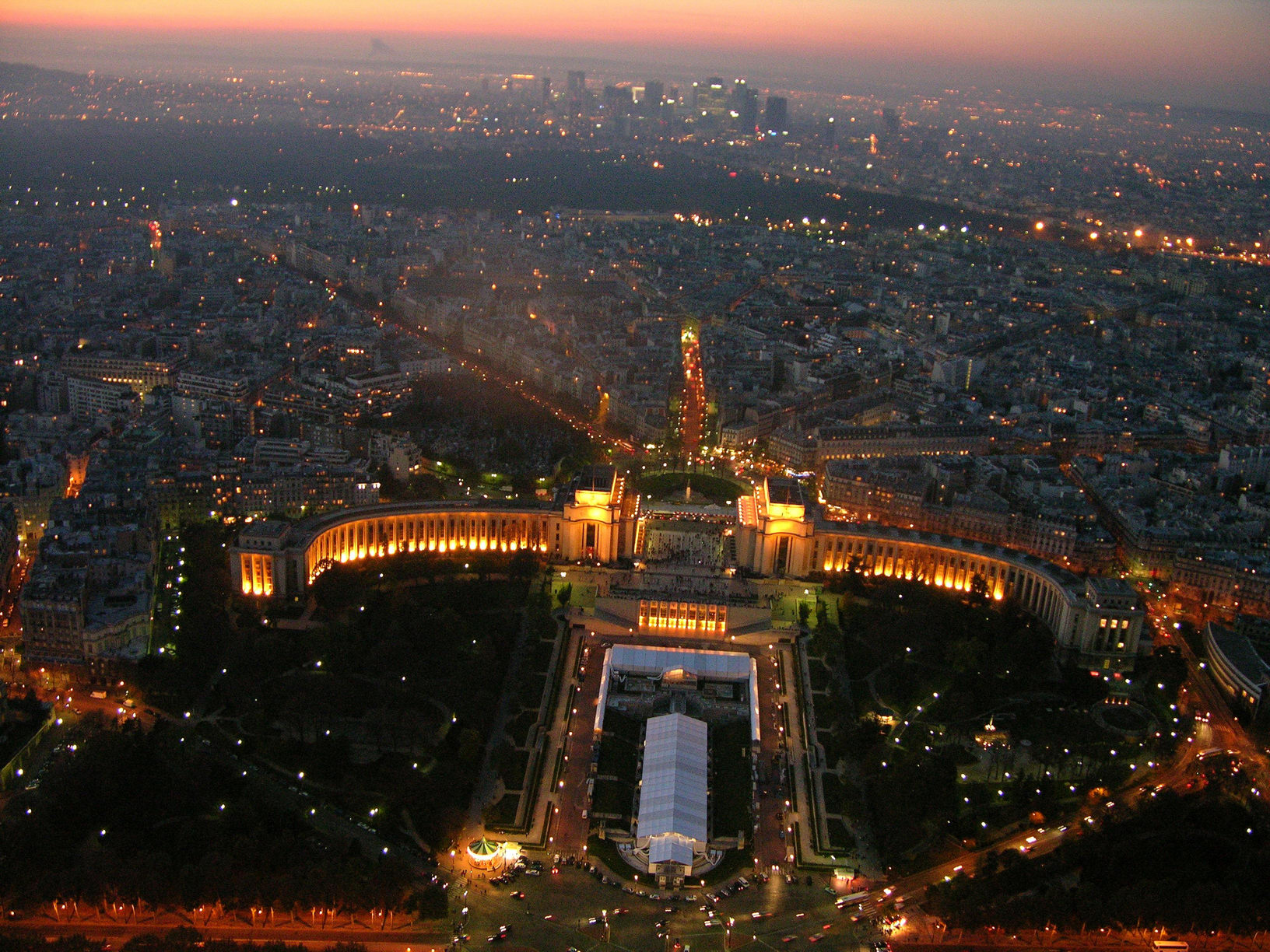
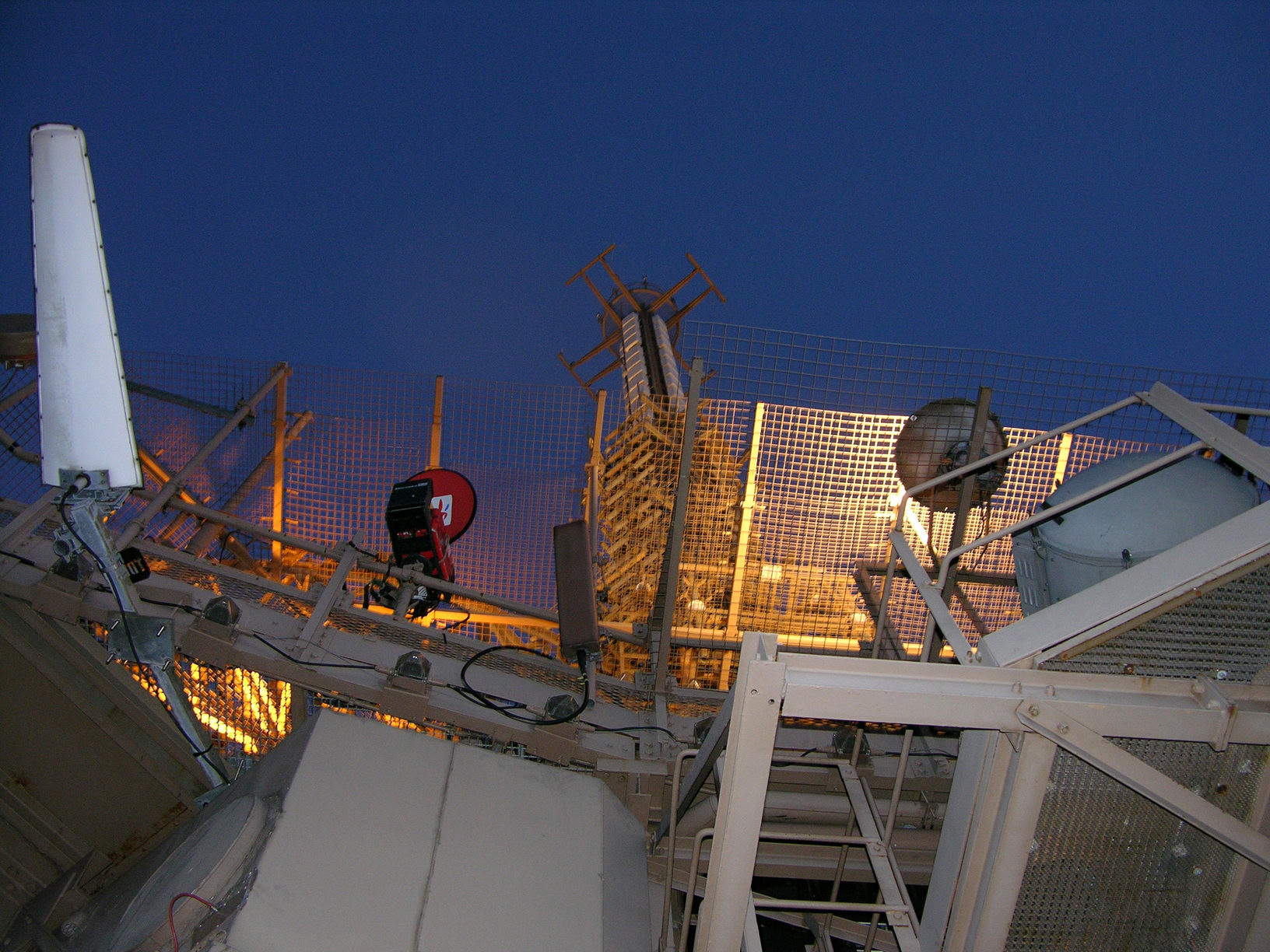
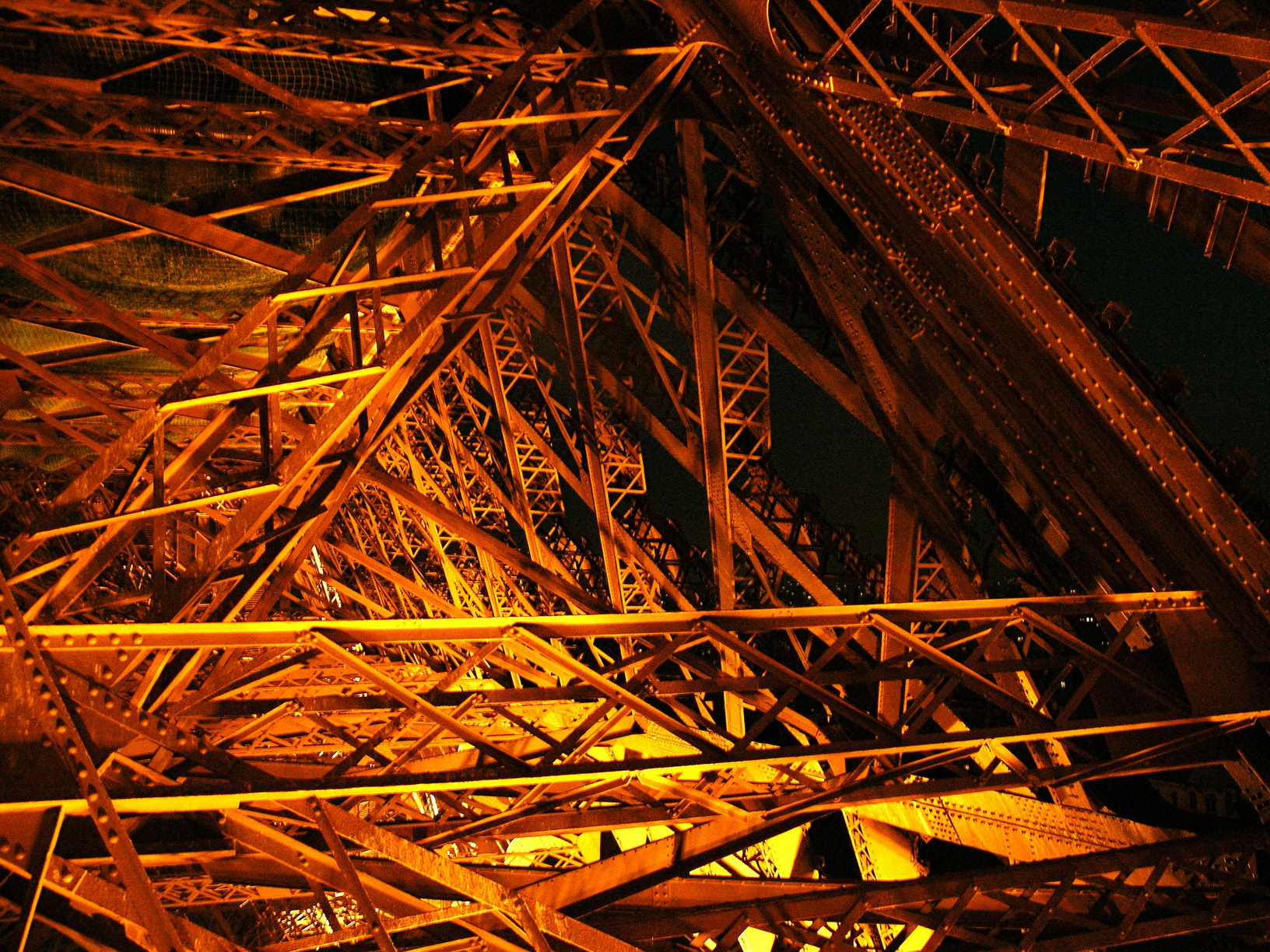
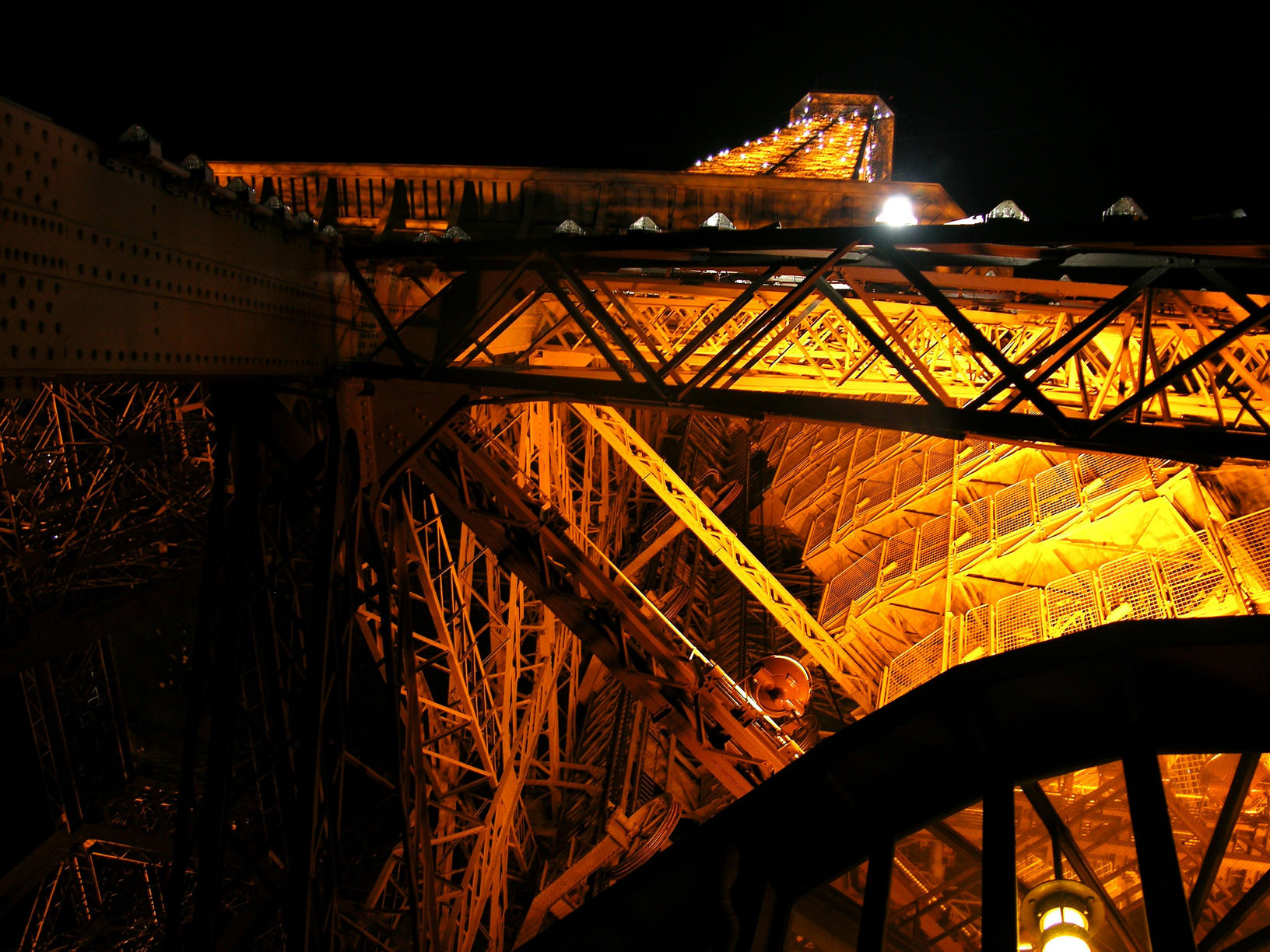
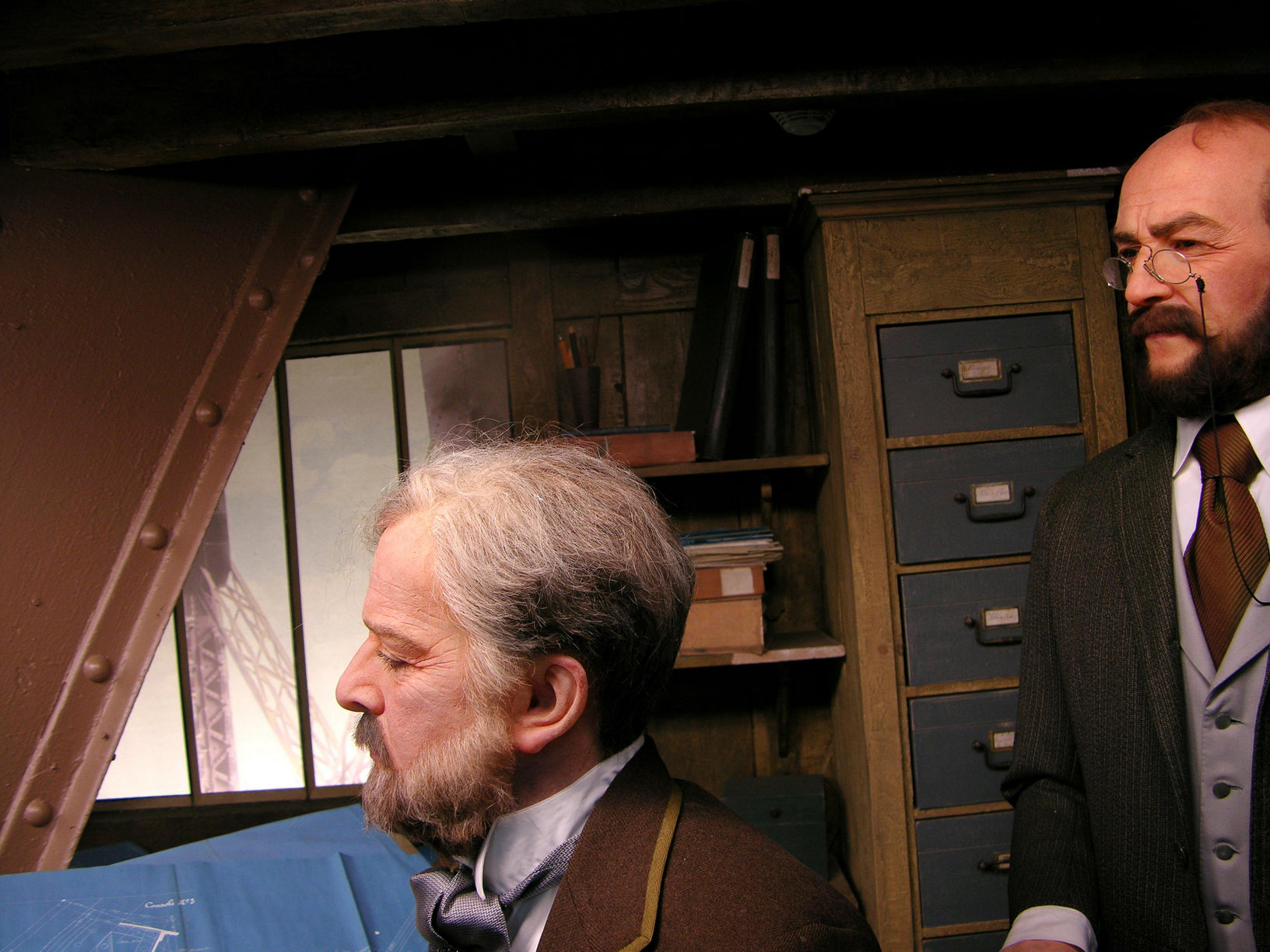
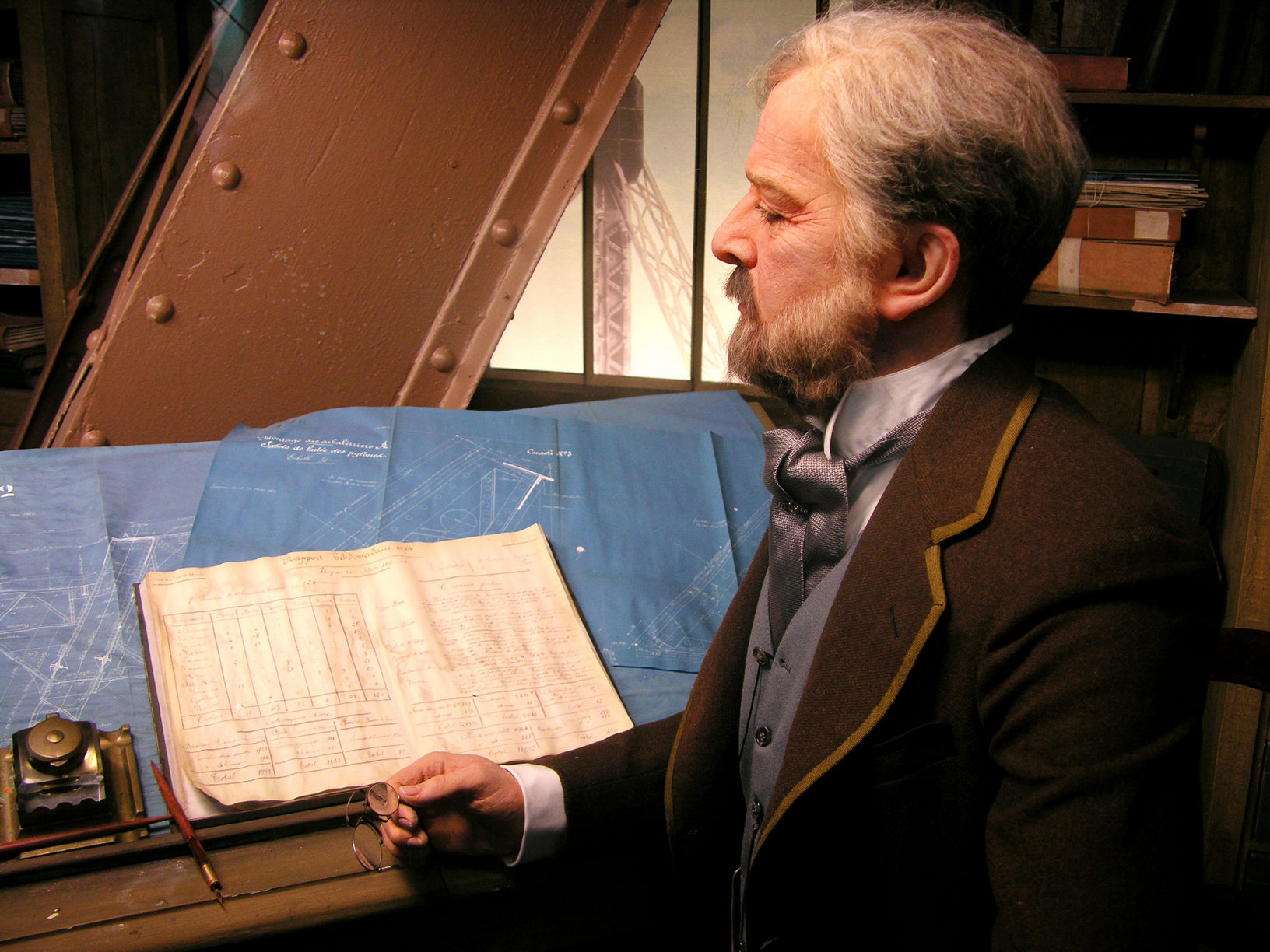
You can walk up or take a lift. We went up in the lift and walked down. The view is magnificent, though it’s crowded and the safety grilles get in the way. At the very top are a few little rooms. There’s a wax figure of Eiffel in one and a toilet in another.
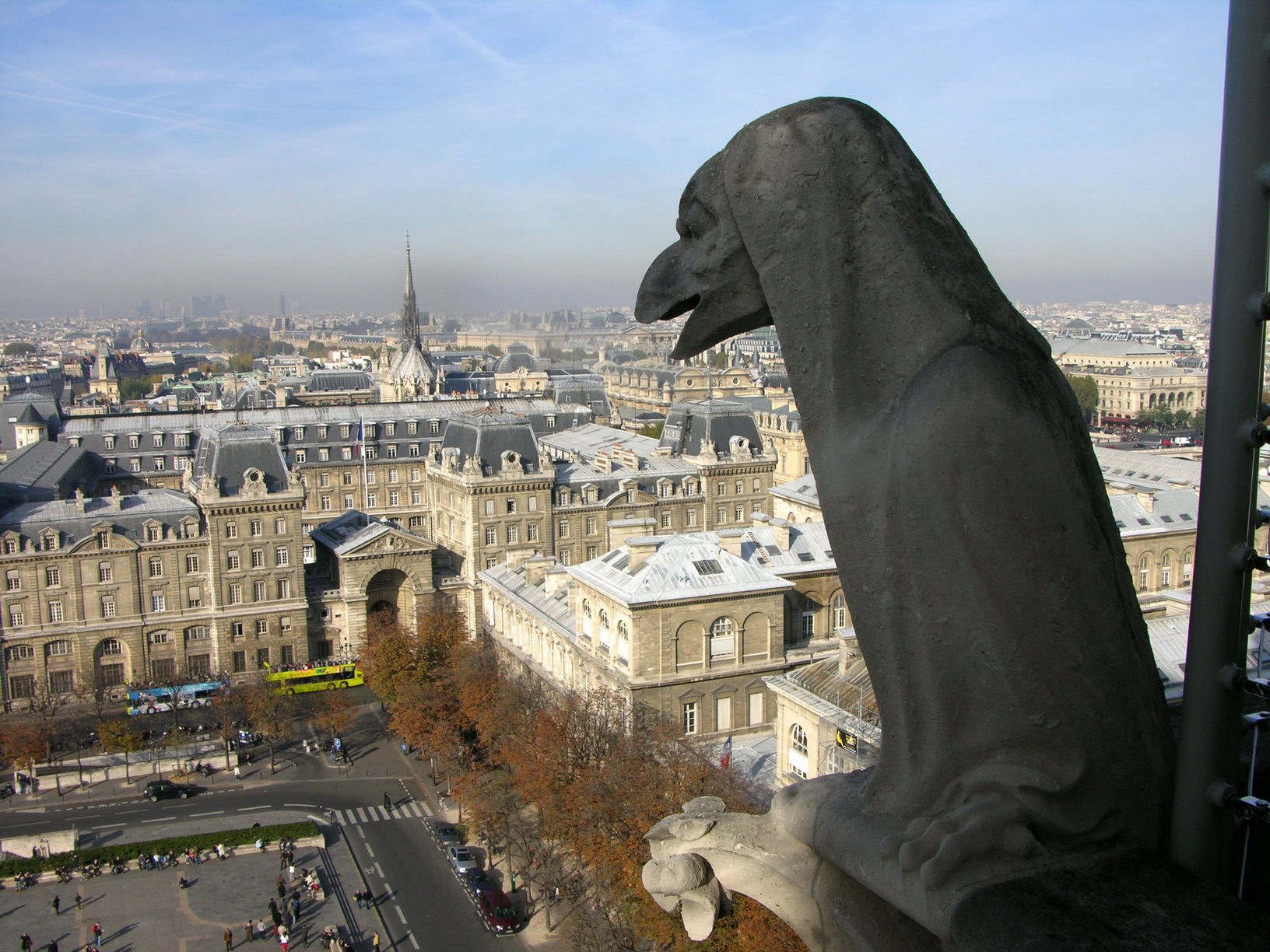
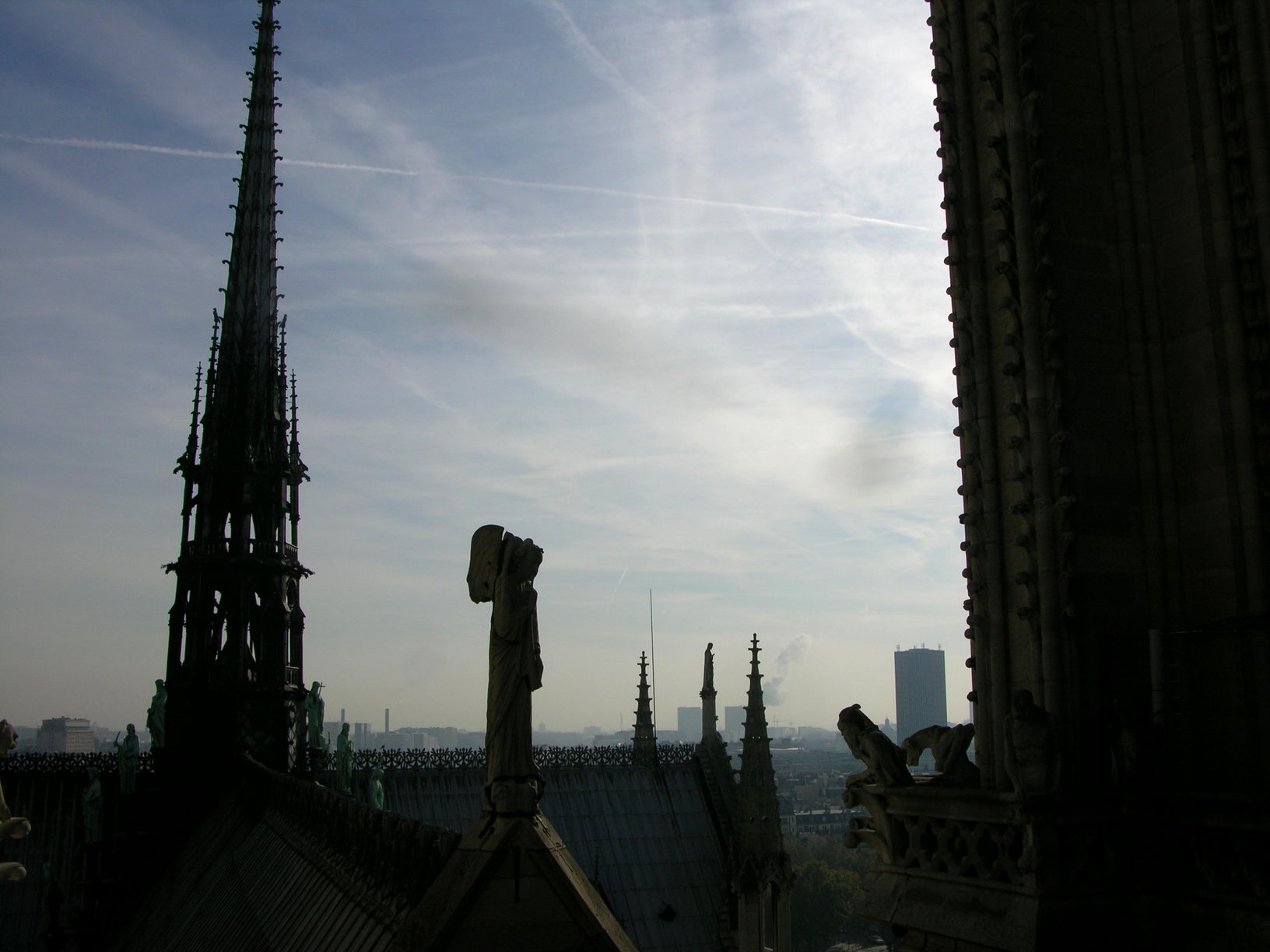
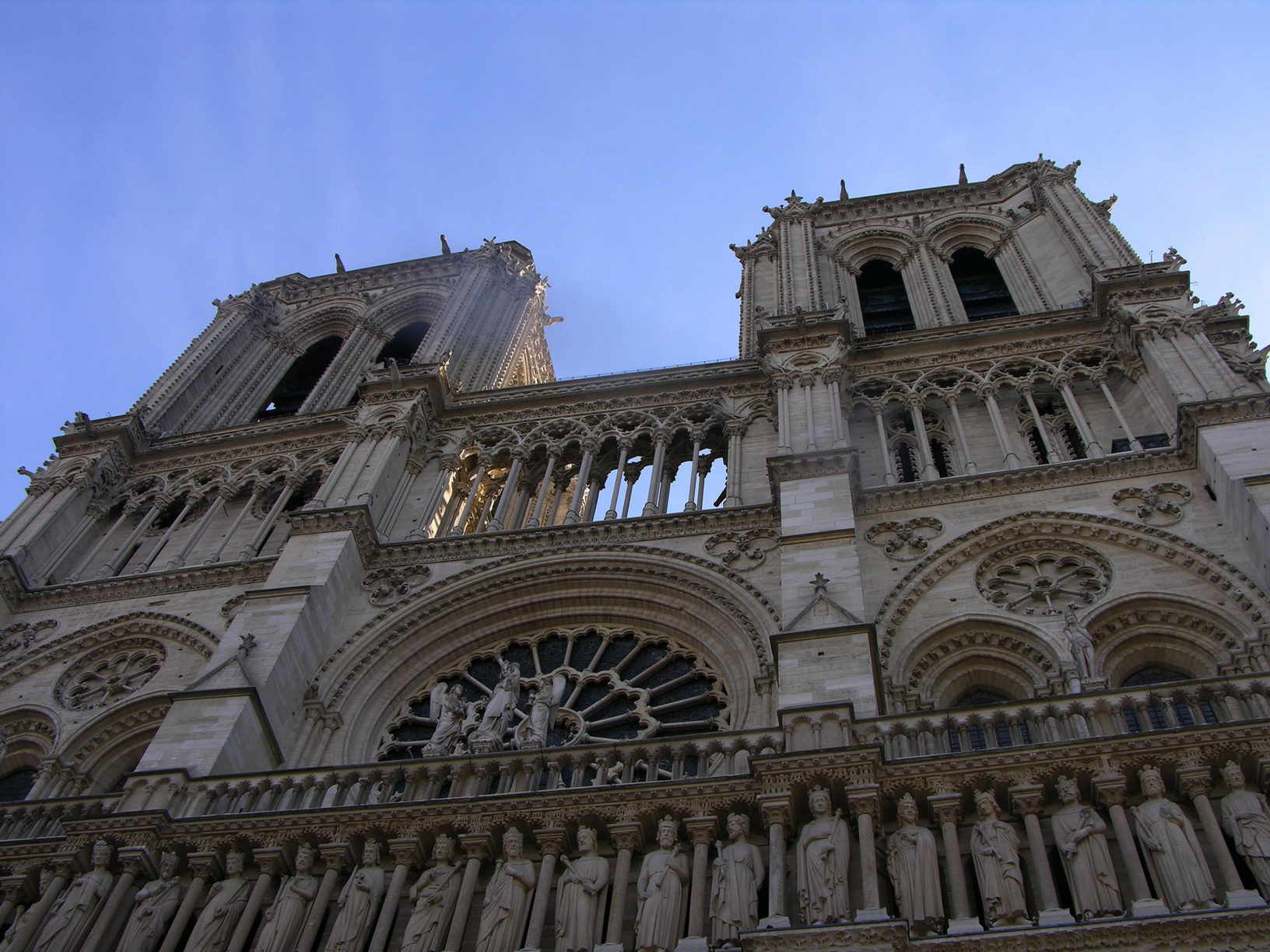
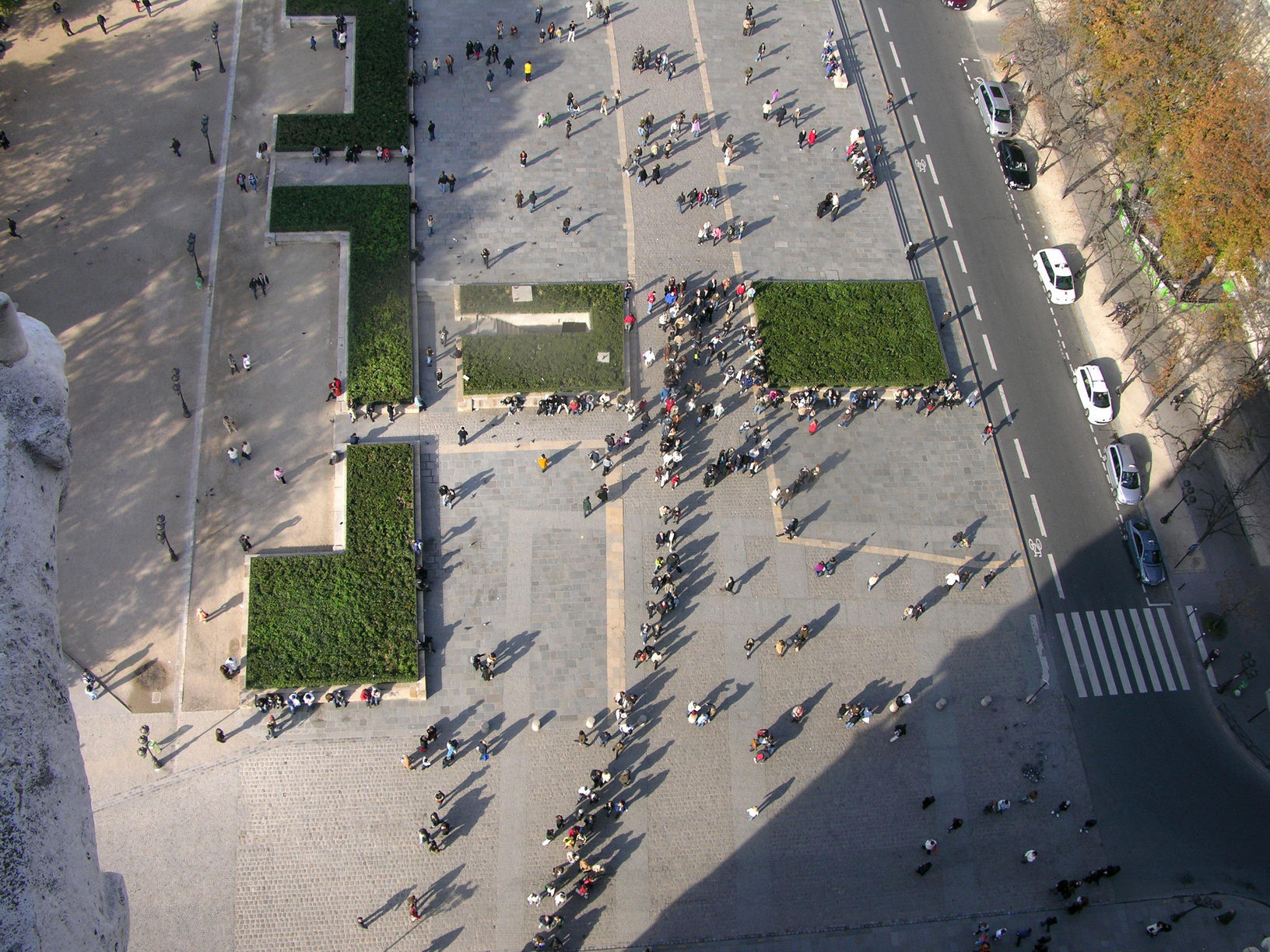
A little lower, but just as interesting, is the climb up the cathedral of Notre-Dame de Paris, which we of course did.
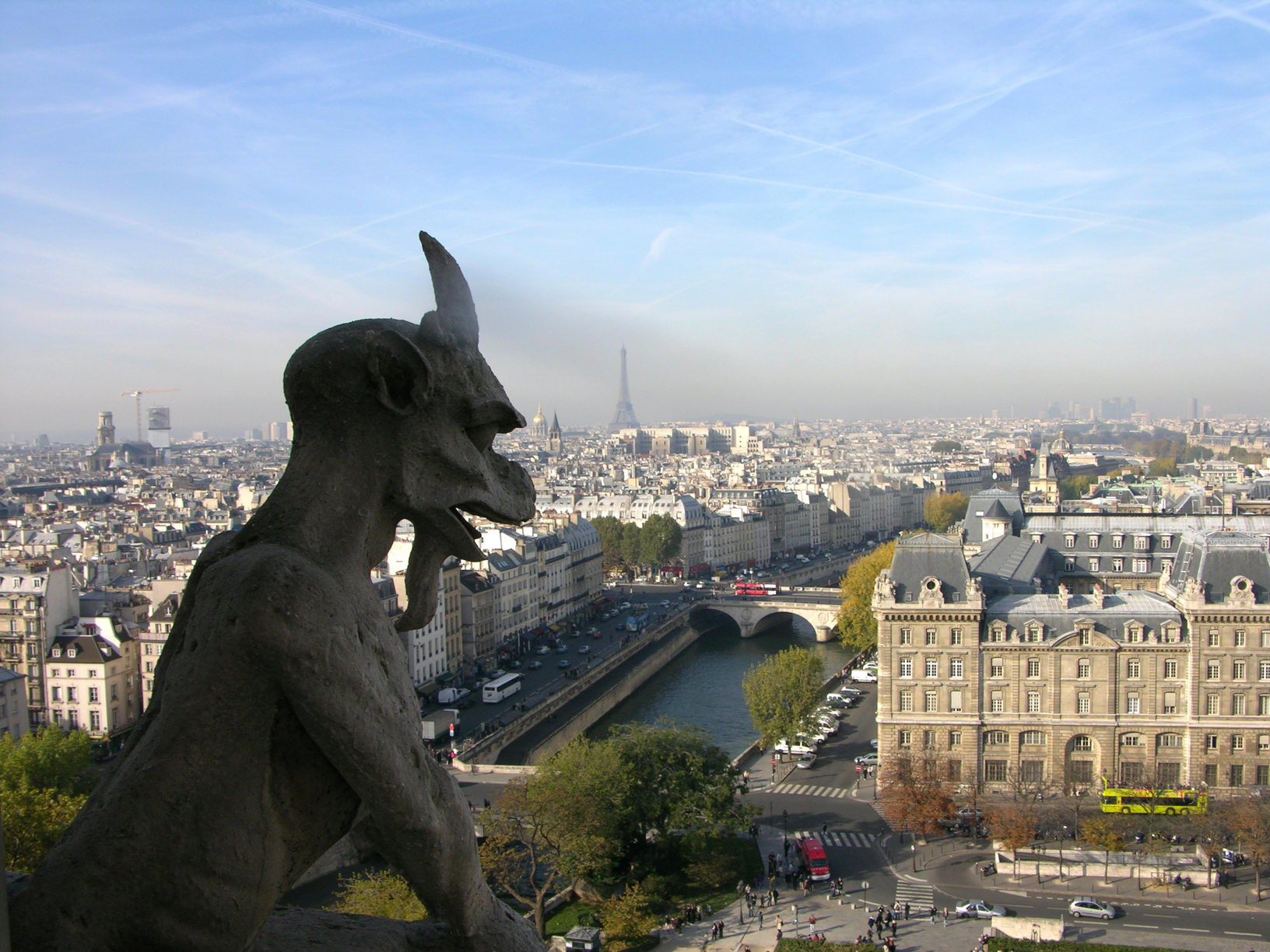
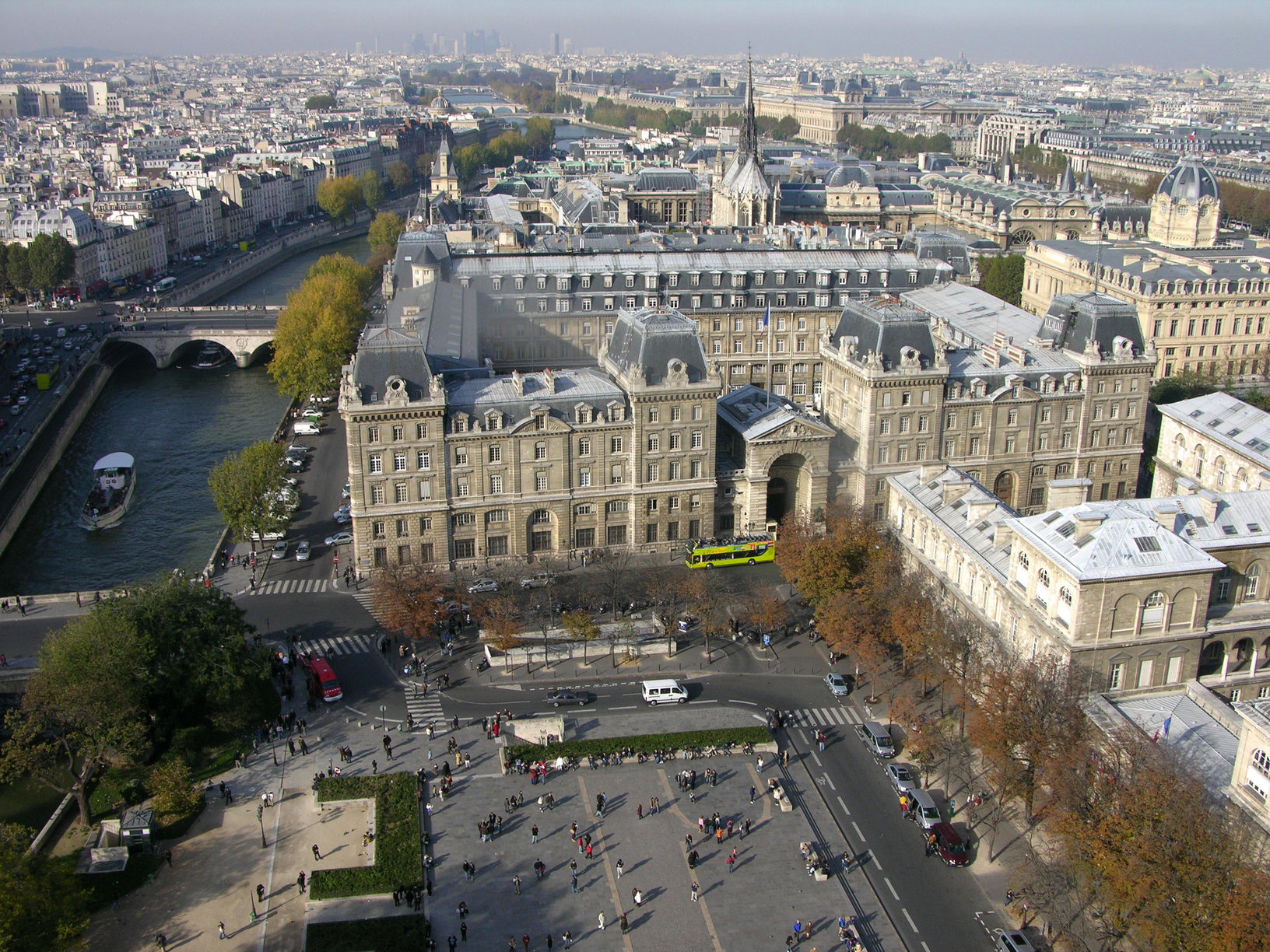
One thing did surprise us. There weren’t all that many cafés in Paris. On the Champs-Élysées we had trouble finding a place to eat. It’s much better to walk the banks of the Seine.
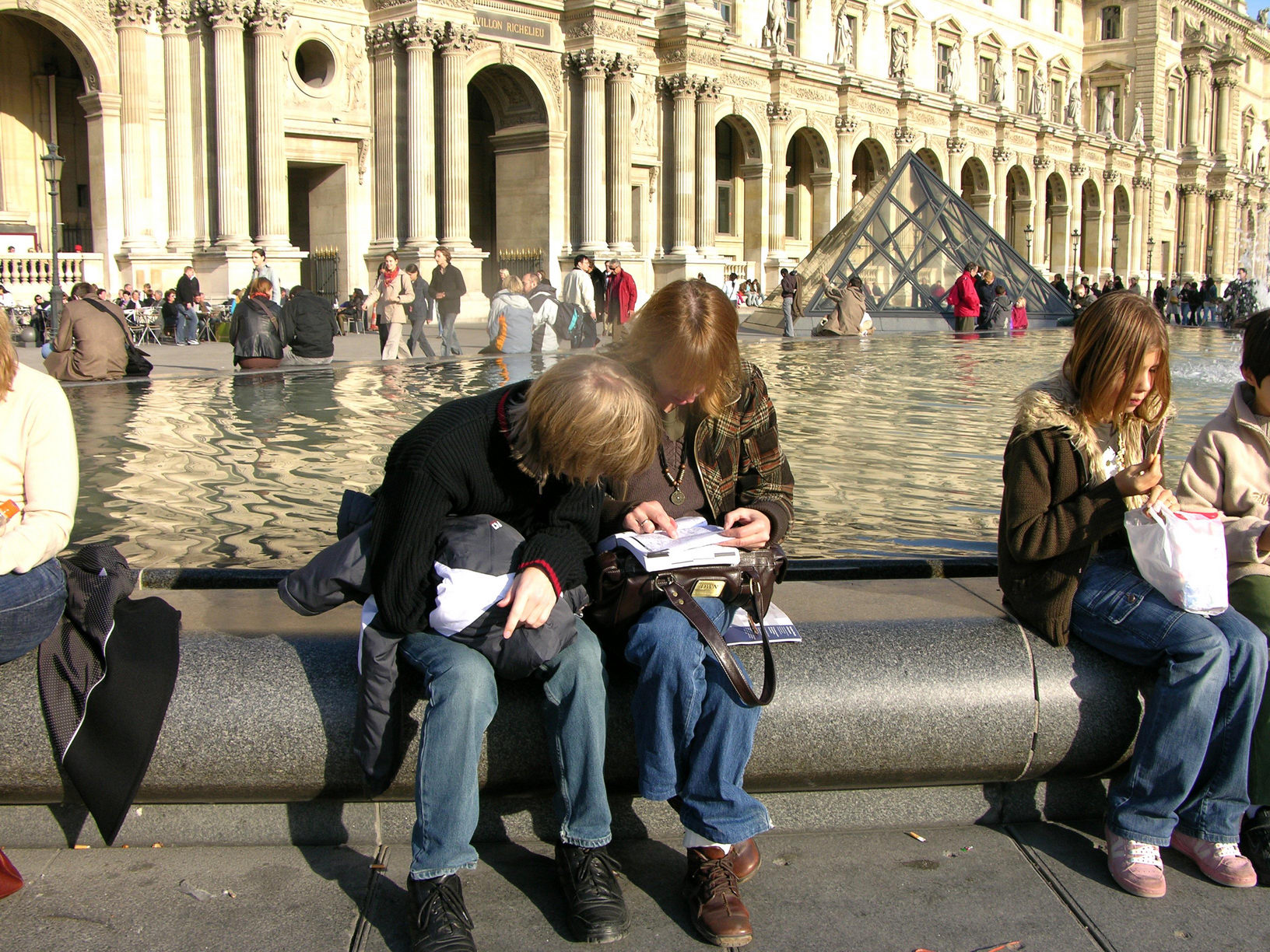
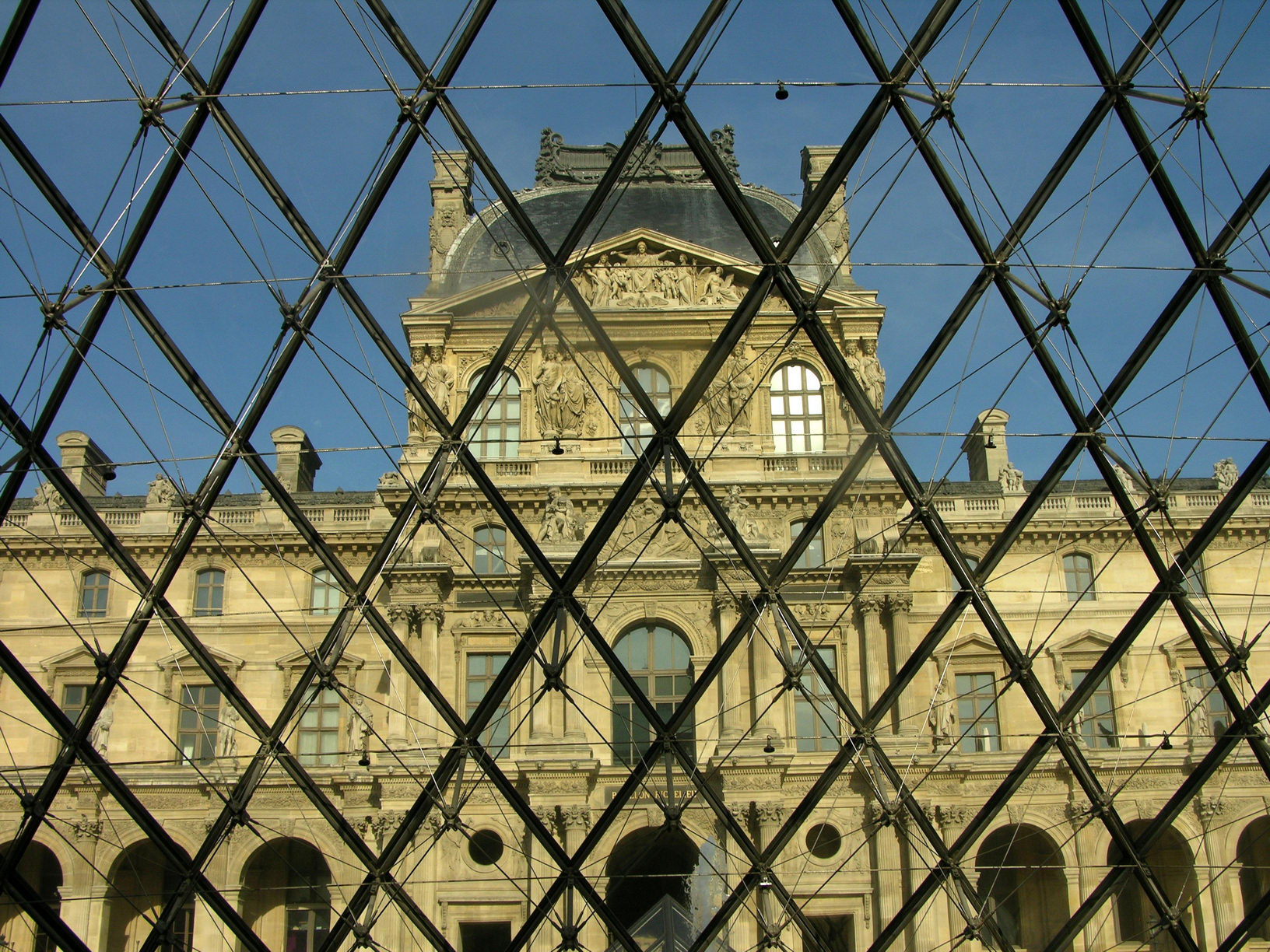
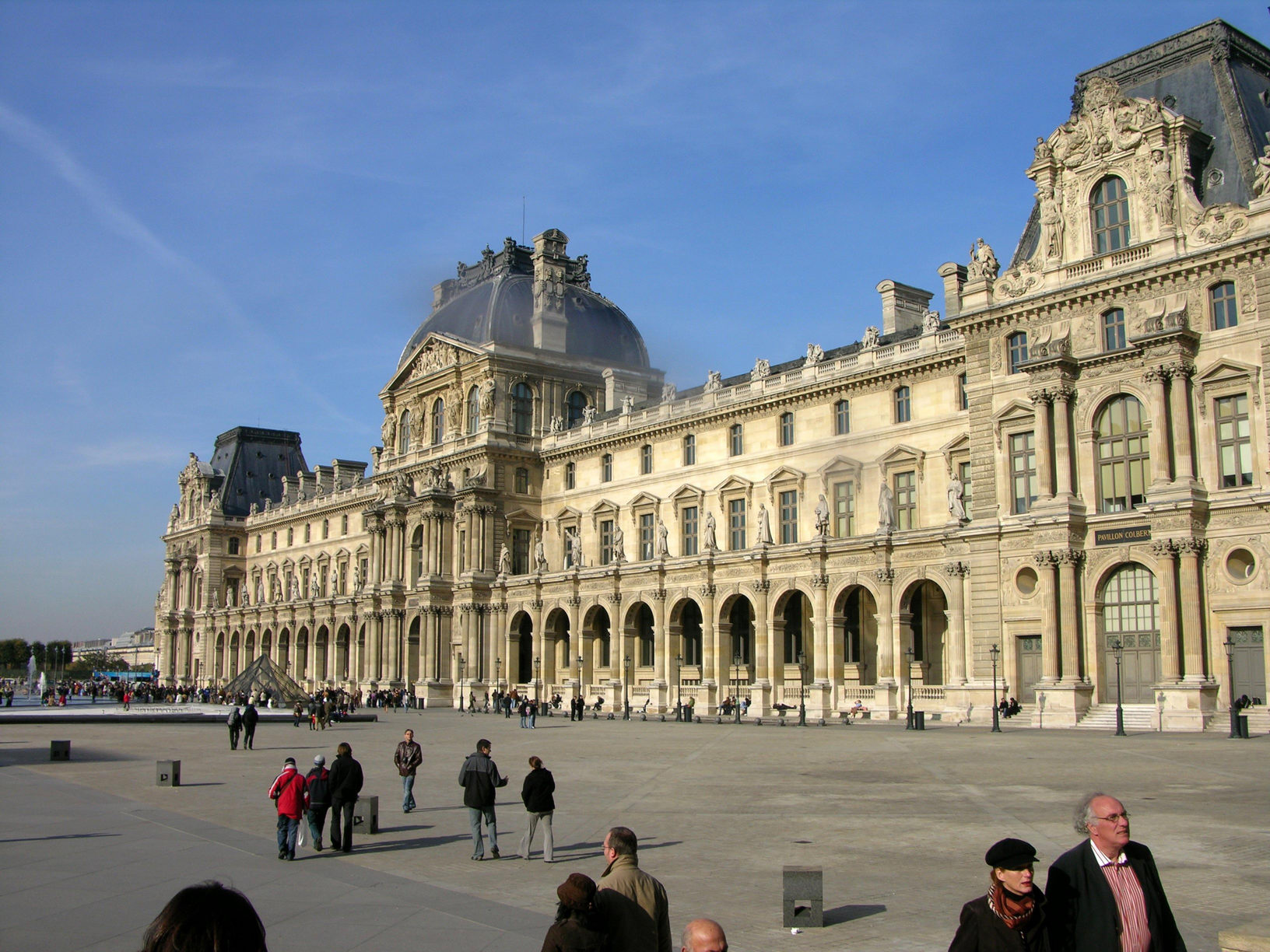
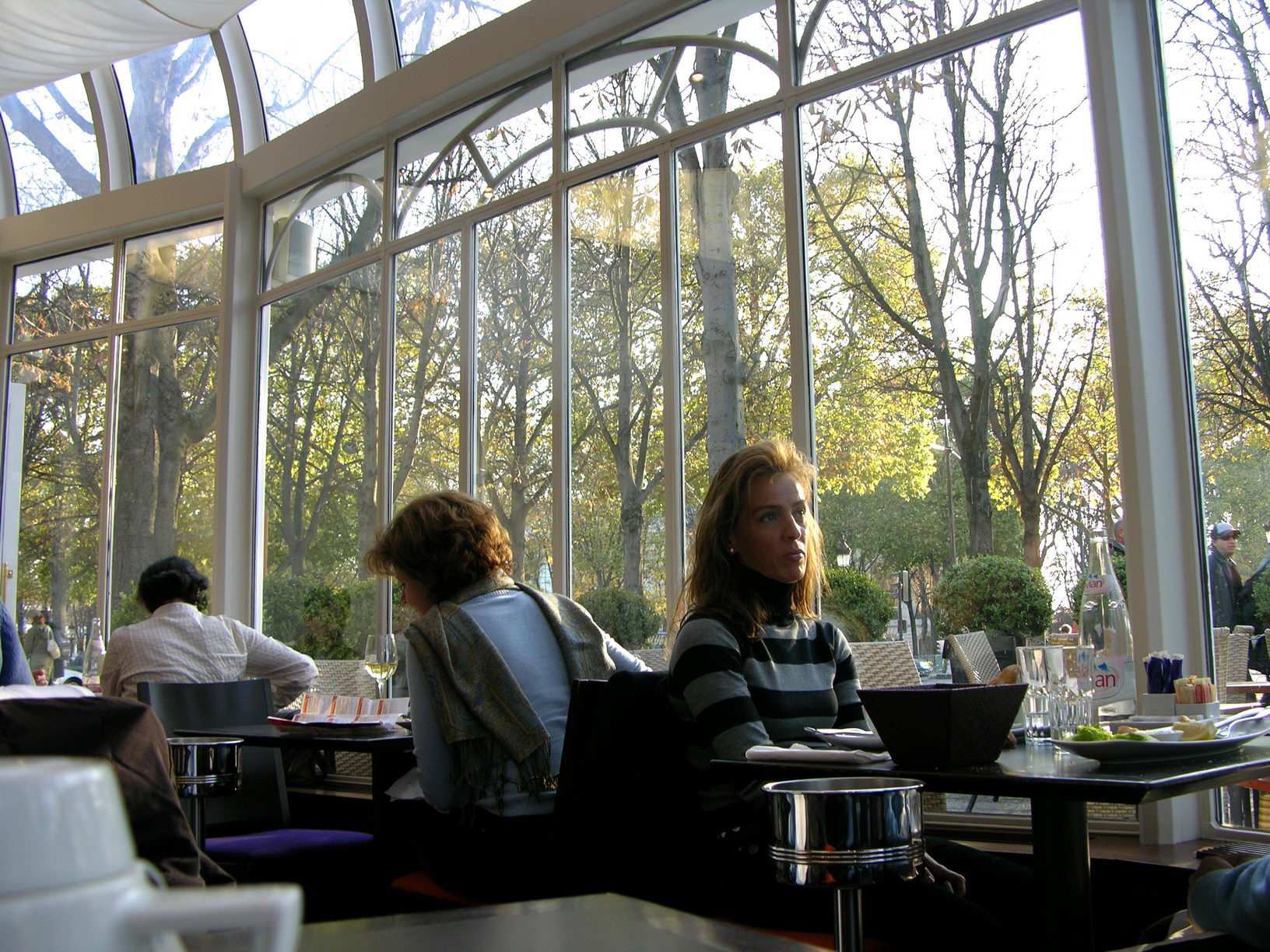
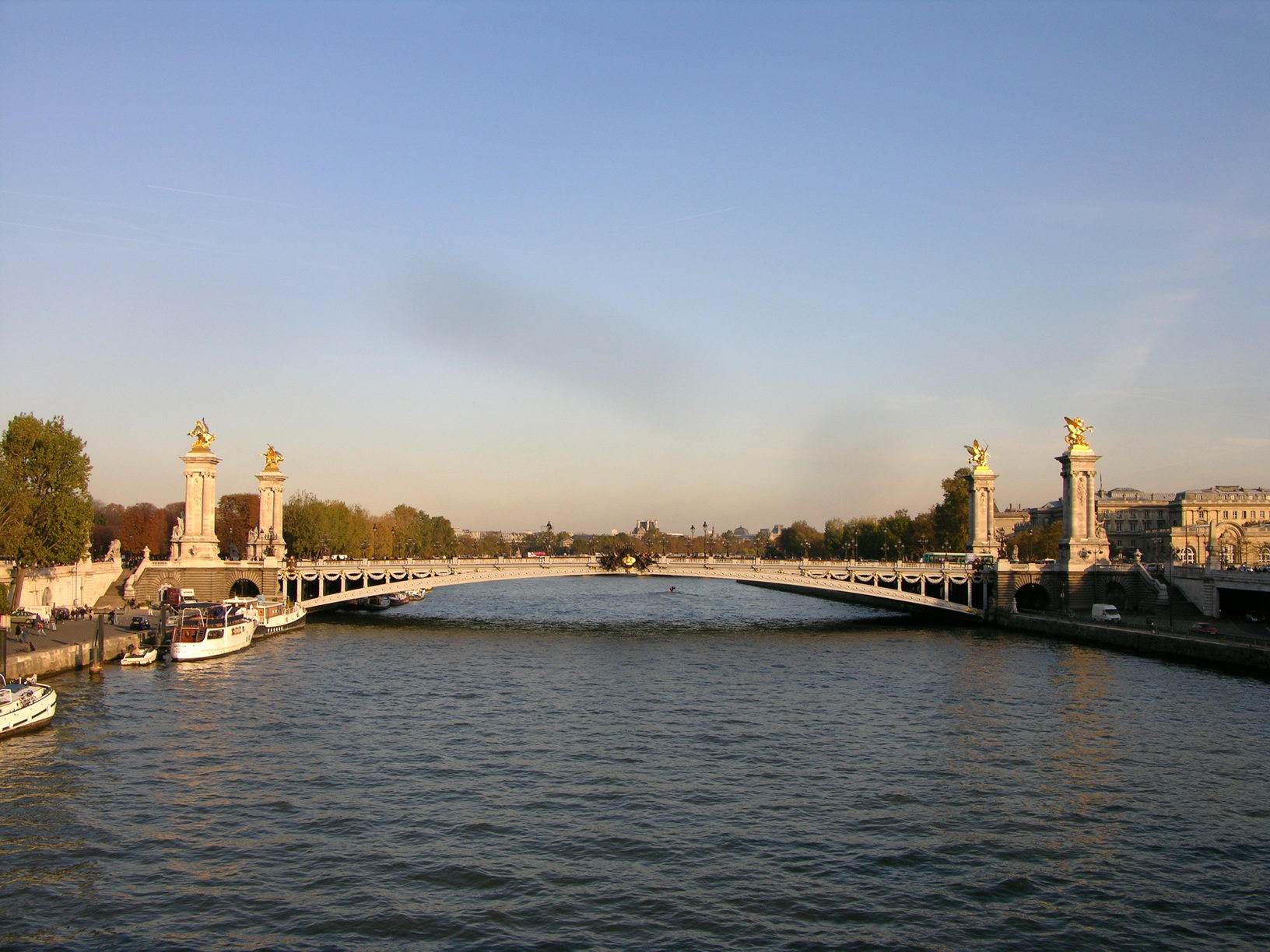
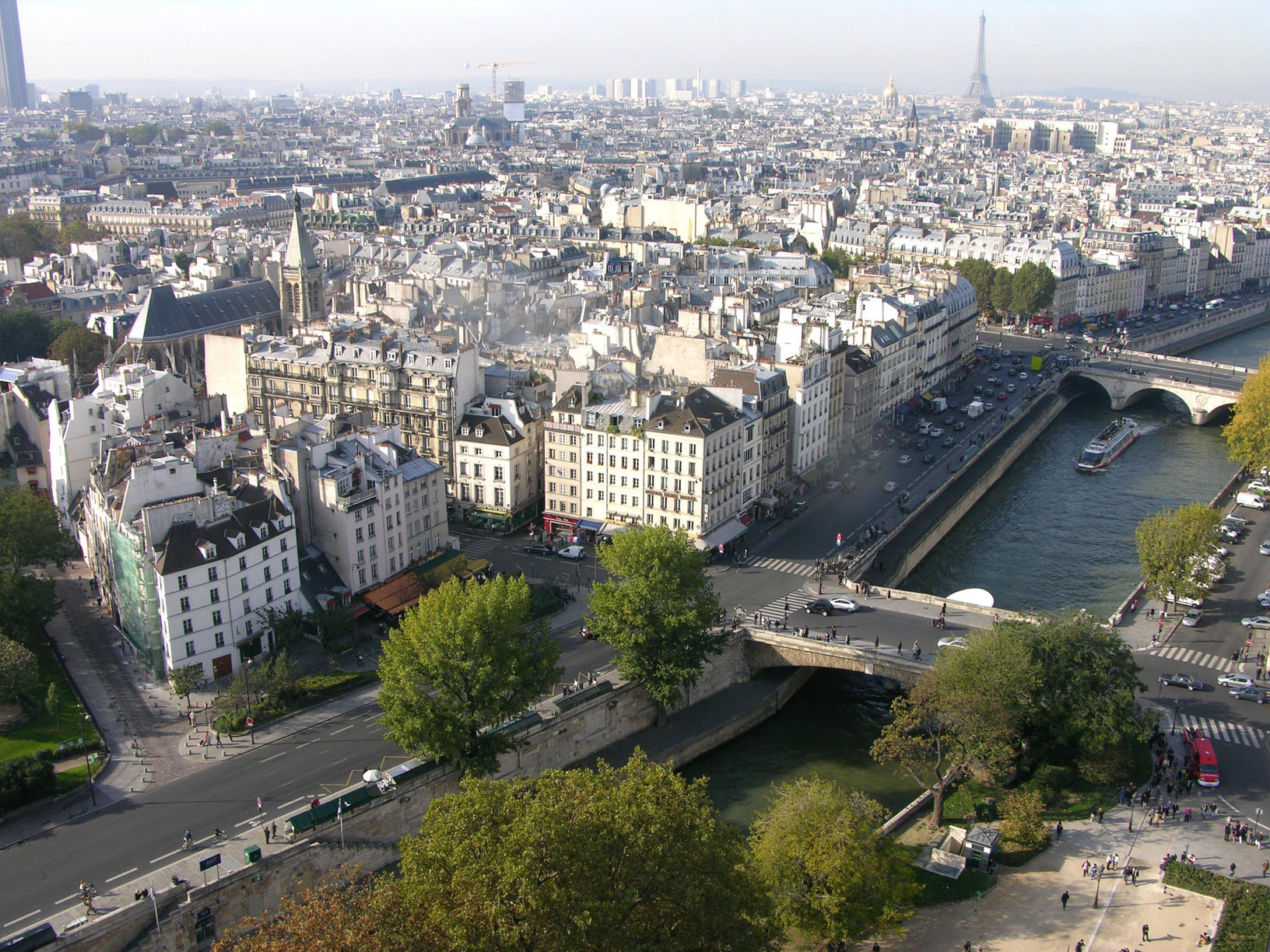
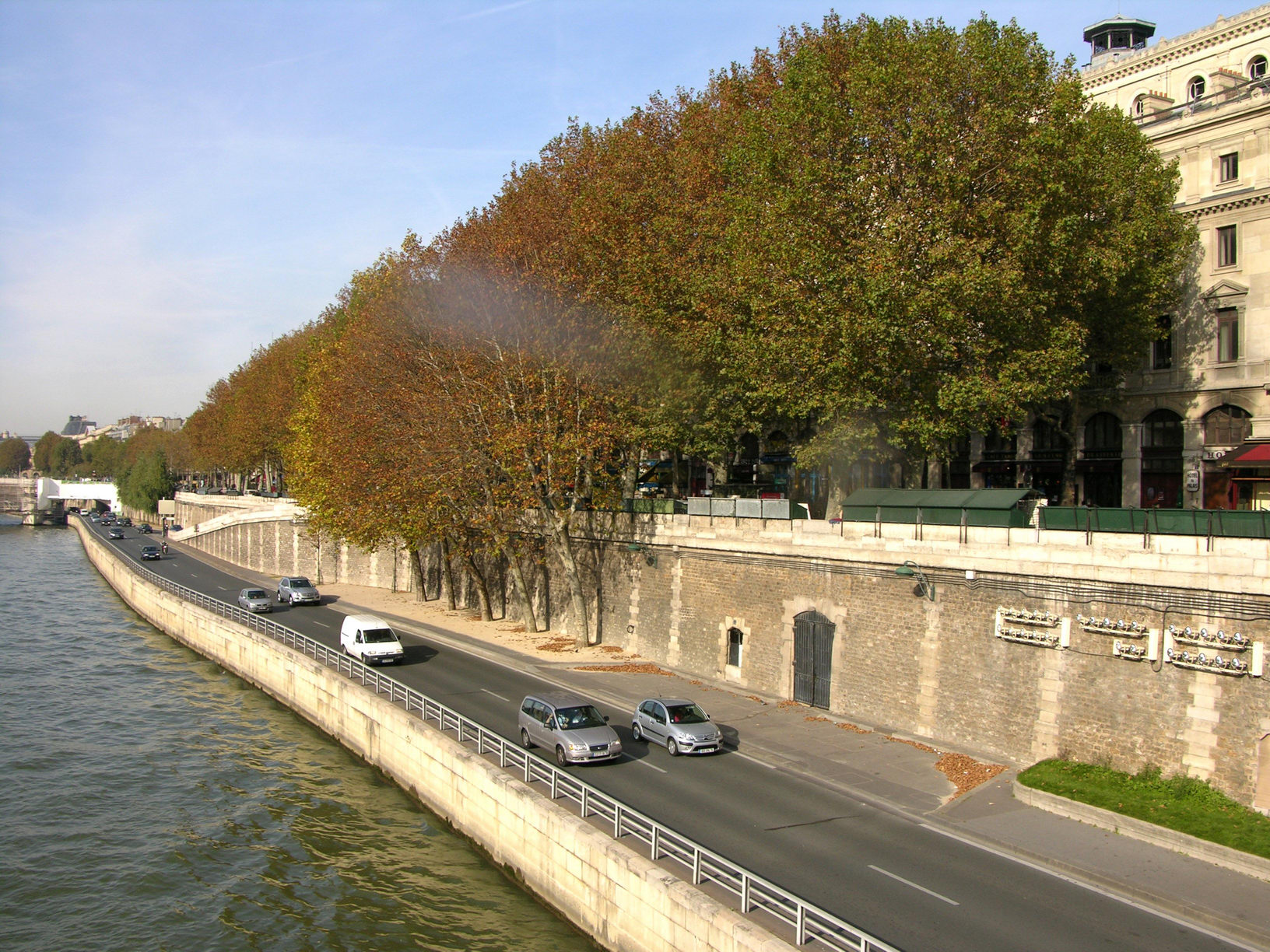
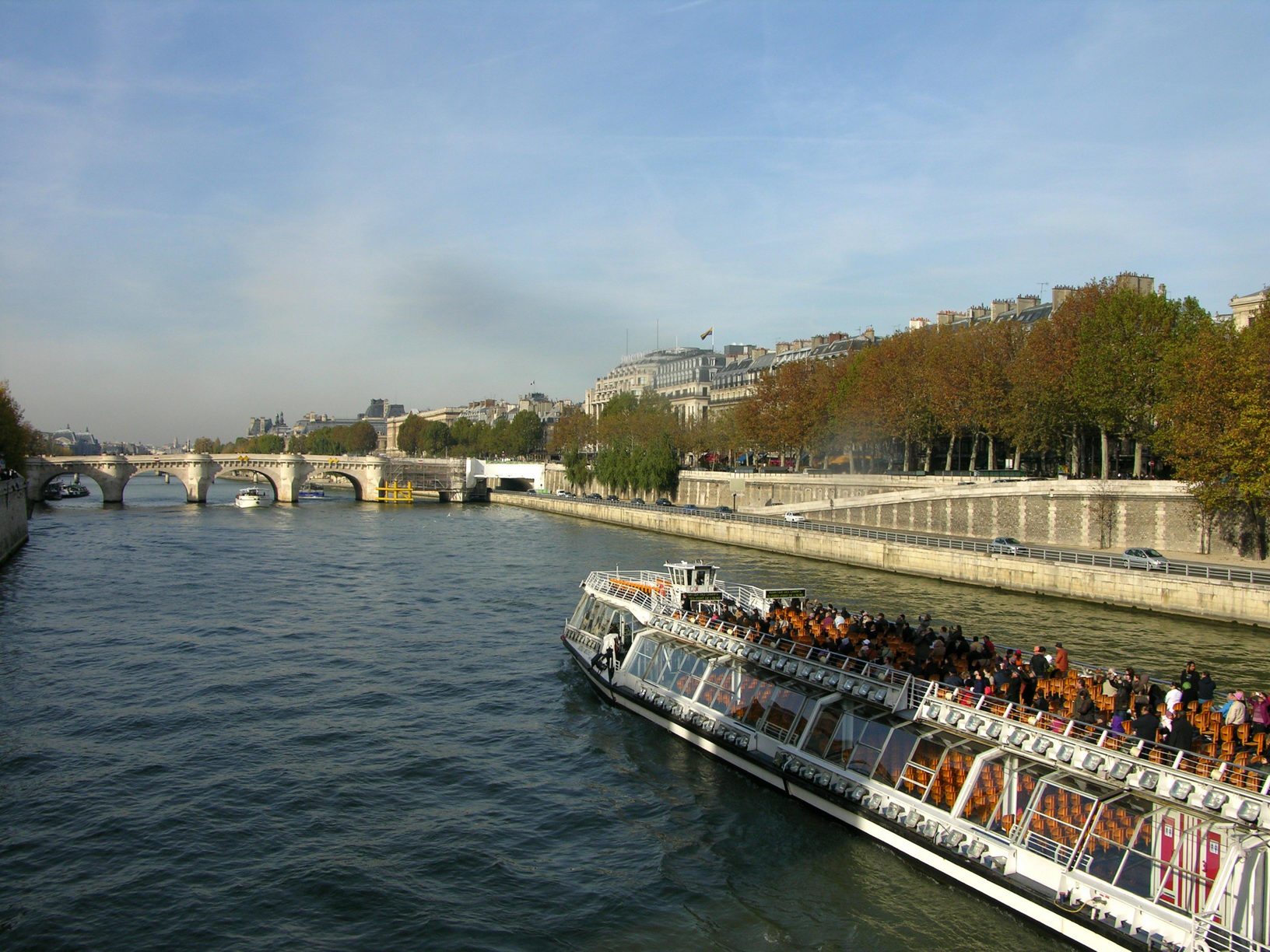
In Paris you can’t shake the feeling that you’ve walked into a French film and Belmondo or Fantômas is about to jump out from round the next corner. On the whole, I liked London better.
The important thing was that we’d seen Paris. I could die happy. I’d still like to go again, though, just once. As it happened, we were back in Paris a month later, on our way to the Amazon jungle.