Trip report
There are more than two hundred countries in the world, and new ones keep appearing. Lately nobody seems keen to unite, but breaking away is a delight. So it went with East Timor, which until recently was the world's newest state.
It was hardly a quiet place, which was part of the attraction. My usual way to find somewhere interesting was to look at the list of countries the US State Department discouraged its own people from visiting. It suggested that something out of the ordinary was afoot. There was no anti-Americanism in that. It simply meant that the country didn't fit neatly anywhere. Excitement was guaranteed, and East Timor had been on the list for a long time.
East Timor was a Portuguese colony. Life went on until the 1974 revolution in Portugal, with its swing to the left. On principle, colonies were a bad thing. A decree was duly issued to free this one from oppression. The Marxist textbooks hadn't reckoned with the bloodshed that would follow.
People certainly took to killing one another. As I'd understood it before the trip, half the population was Muslim, as in the west of the island, and the rest counted as Catholic. To my mind it was fuel enough for war. Indonesia quickly occupied the eastern half. I had read estimates that as many as one in three inhabitants died under the occupation.
A change of regime in Indonesia then gave Timor the chance to vote for independence, and a fresh outbreak of violence immediately followed. I won't go into the details of who killed whom or how many. The result, by the time of my visit, was an independent country full of UN troops. People were still apt to settle scores. The census put the Muslim population at one per cent. Christians could defeat Muslims too, I reflected, if they were willing to be fiercer and more brutal.
I arrived just before the elections. In my view elections here often meant war afterwards, but before the vote there was time to see how people lived.
From Darwin to Baucau
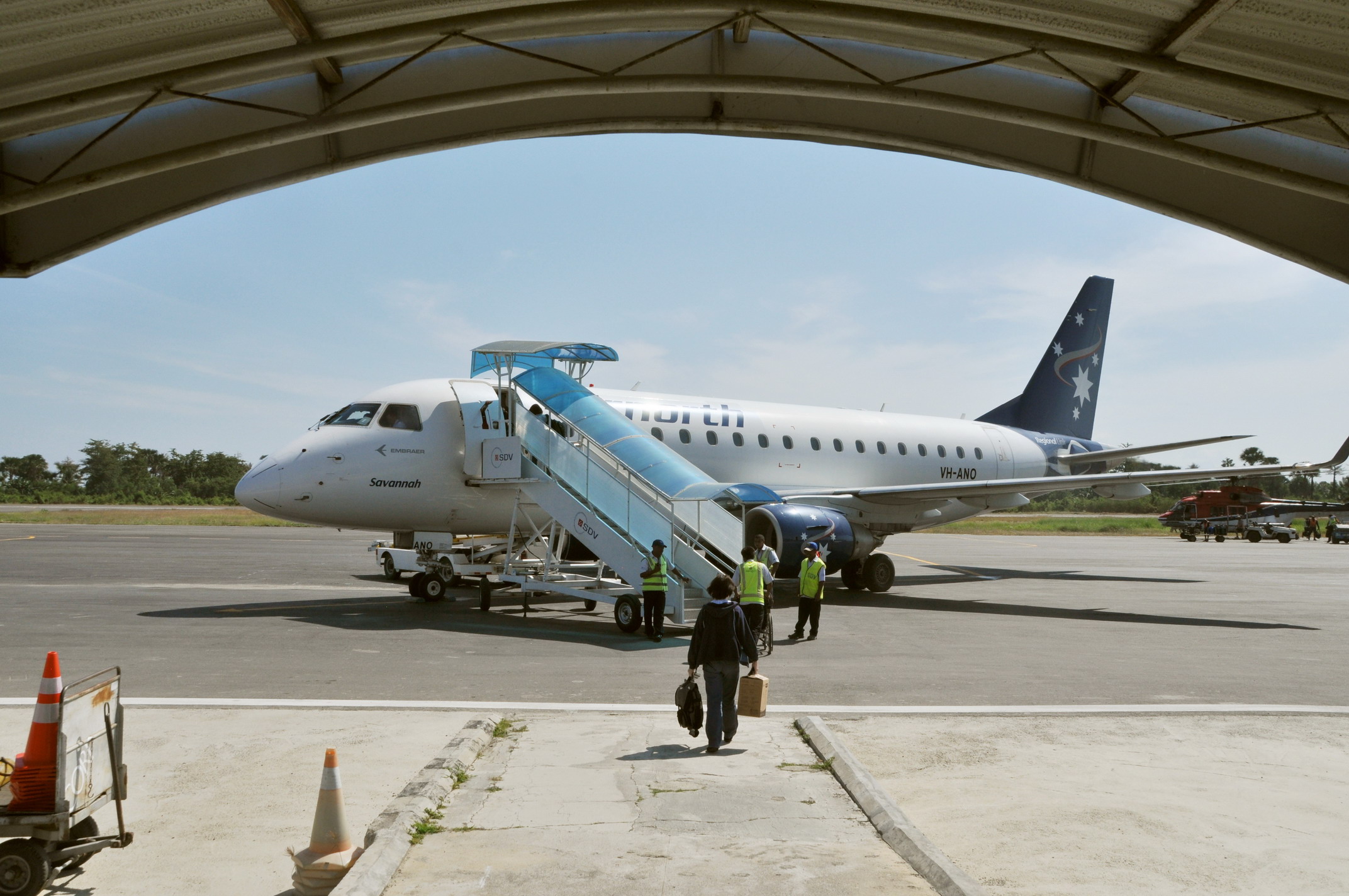
East Timor could be reached by air from Darwin in Australia or from Indonesia. Darwin was more convenient for me. Airnorth, a northern Australian airline, flew a little Embraer E170 twice a day. The flight was only an hour. The passengers were mainly white, travelling with the UN.
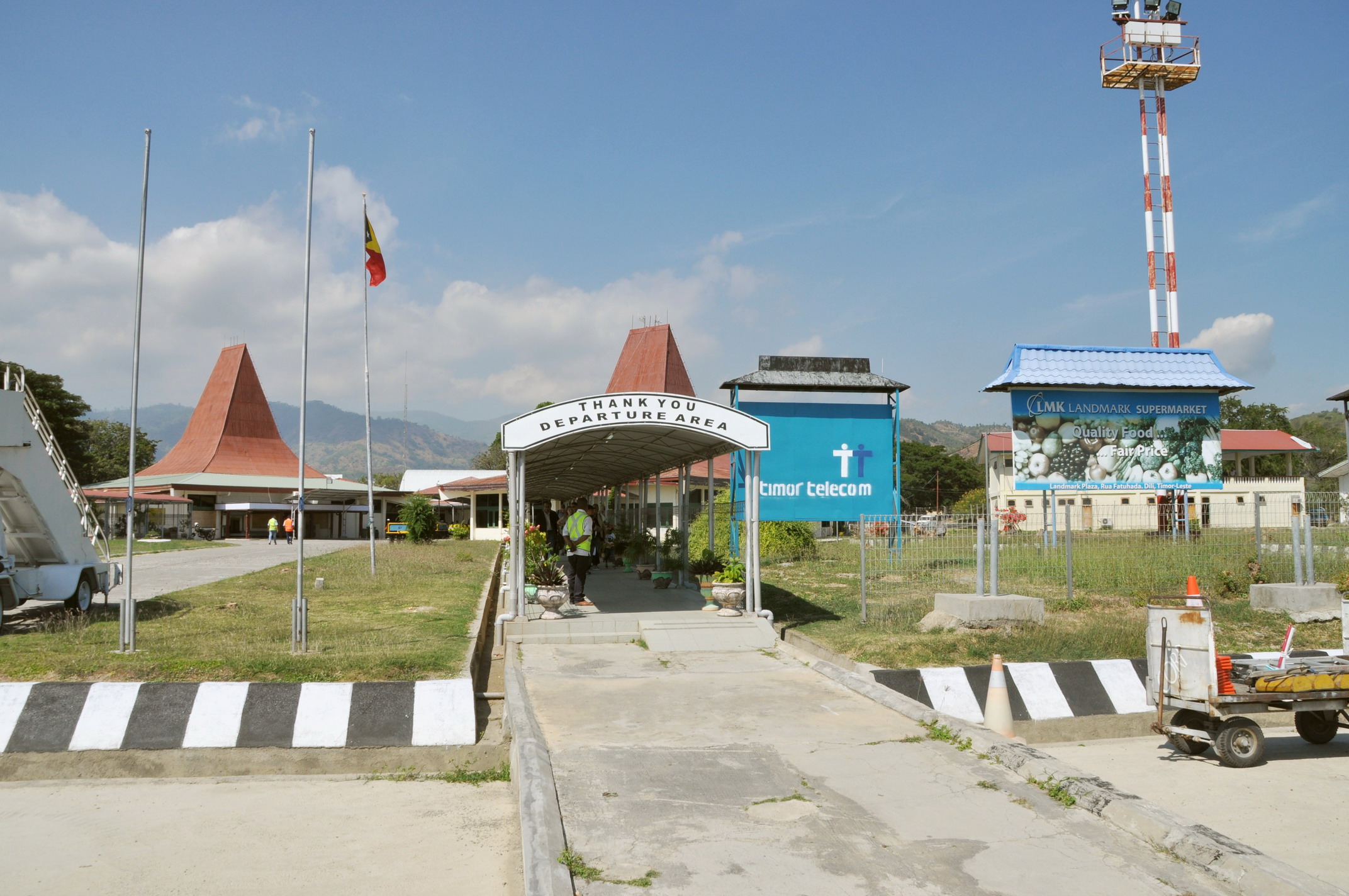
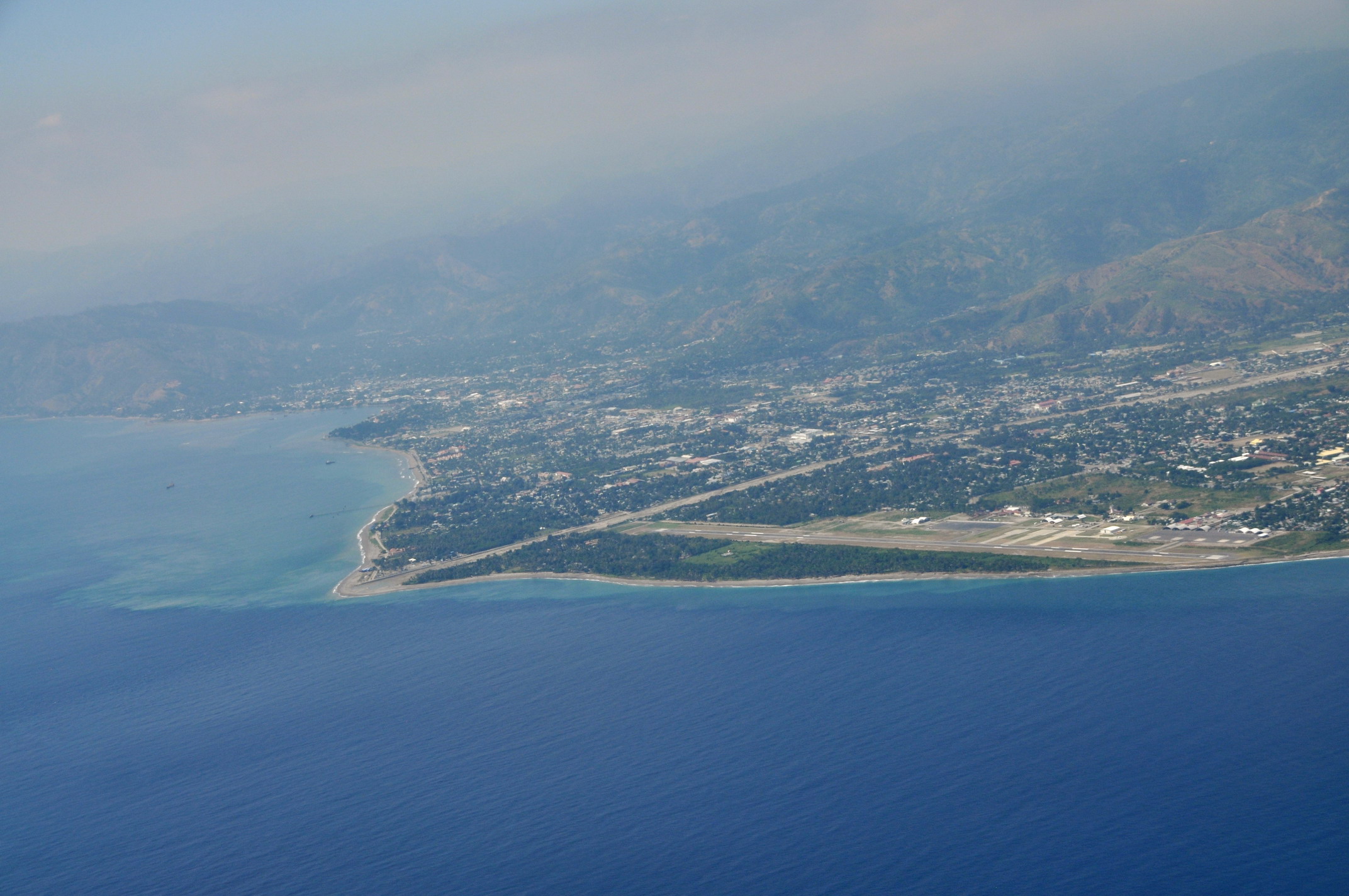
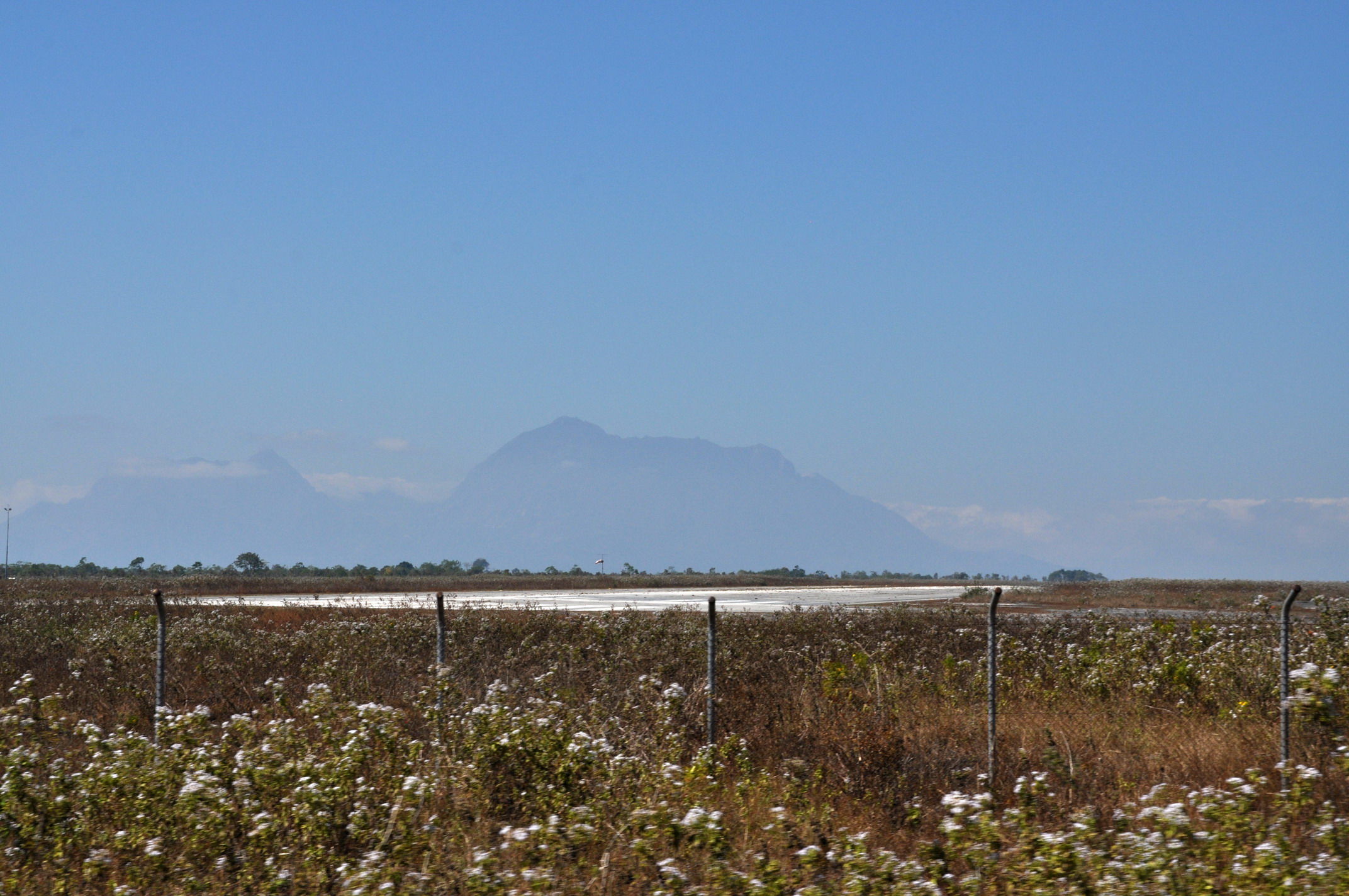
East Timor had two airports, one in the capital, Dili, and another in the east at Baucau, where a Russian Ilyushin Il-76 had crashed. The only one serving regular passengers then was the international airport in the capital.
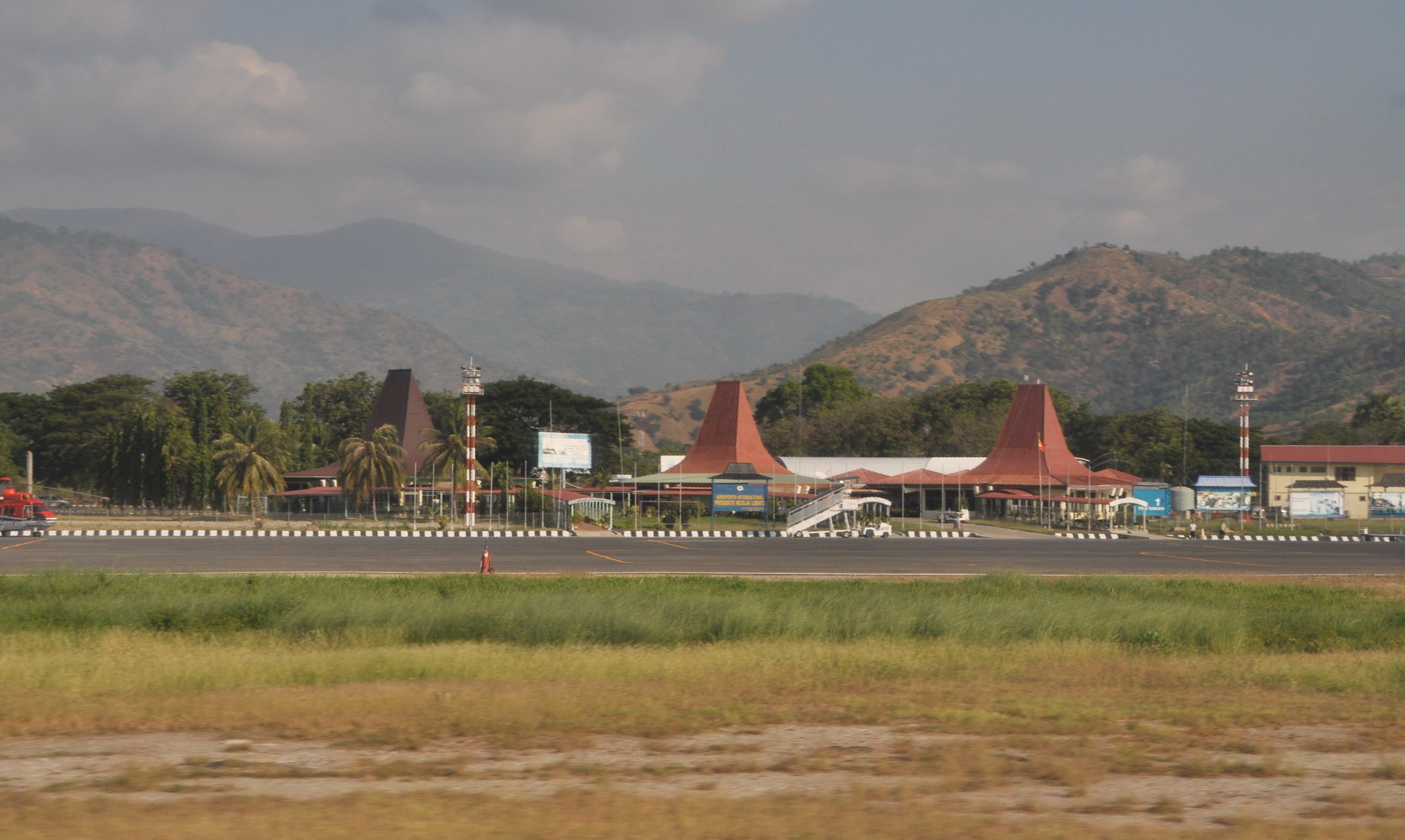
The East Timorese government, as I understood it, didn't believe in visas. We're the newest country, we haven't had time to fall out with anyone yet, so welcome! There was still a $25 charge to enter. They put a big stamp in your passport, which I would have called a visa. According to the authorities it was just a stamp. They gave me thirty days. I didn't ask for more, as there was clearly nothing for me to do for even thirty.
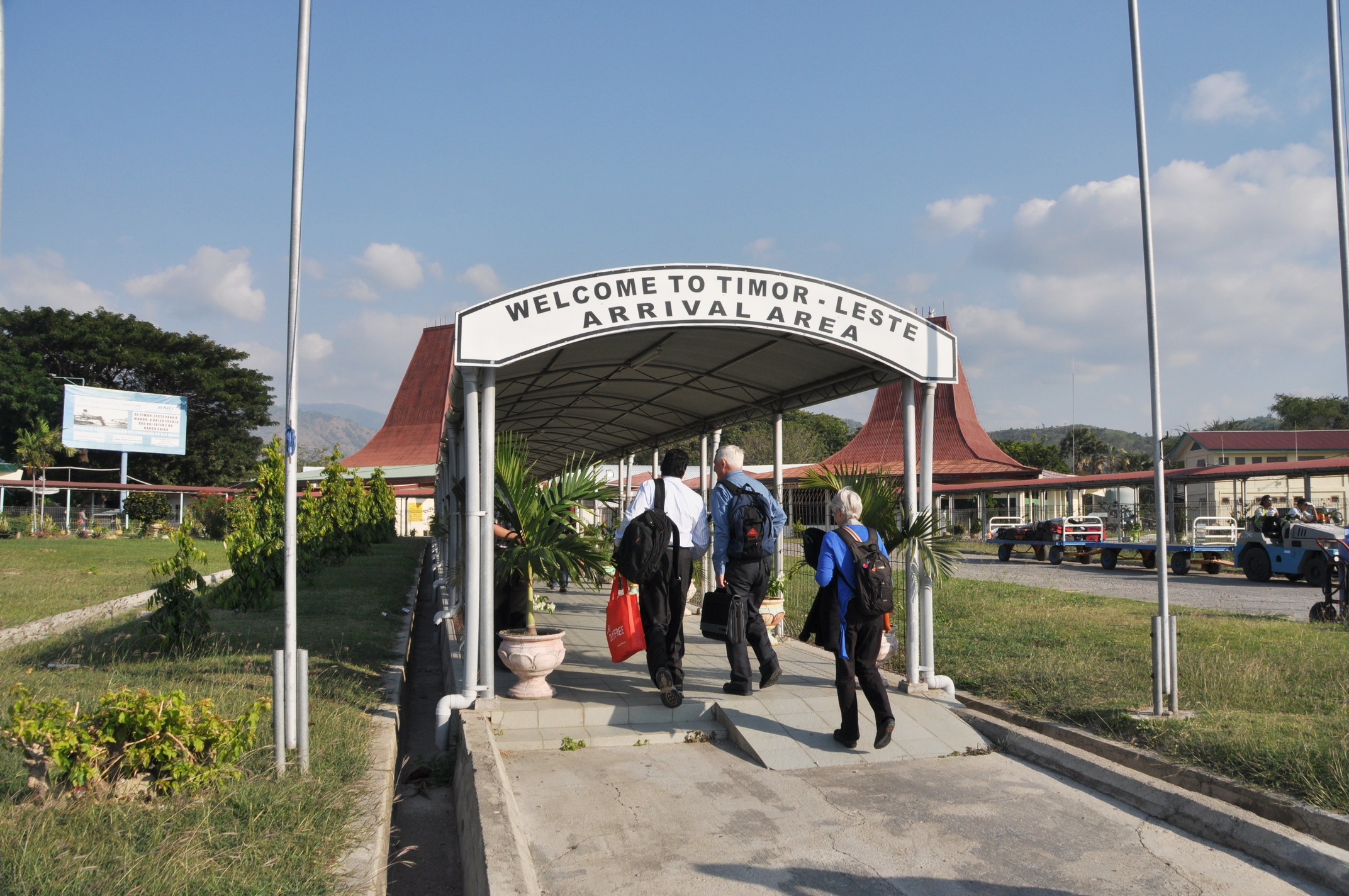
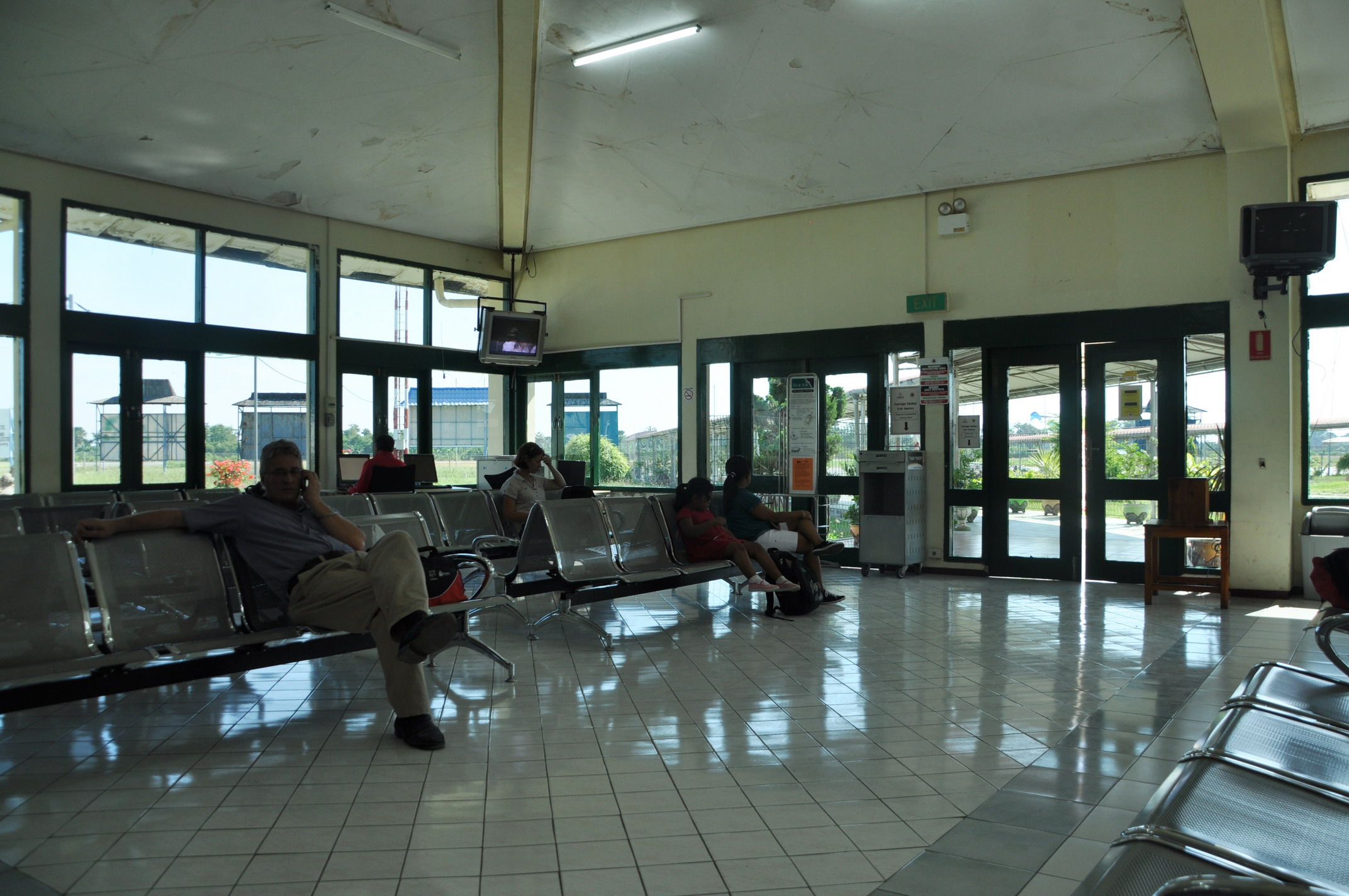
Passport control and customs were scarcely more than a formality. It might have been different on flights from Indonesia, but what did they have to check on a plane full of white people from Australia?
I'd brought a rucksack with the bare essentials and was besieged by taxi drivers straight outside. They pressed in on me in the worst traditions of the East. I told them I wanted to go to Baucau, at the other end of the country. This surprised them enormously, as though nobody had ever asked before. One quoted $500, another $200. Timor used the US dollar, although the coins were local and copied American sizes and denominations with different pictures.
The drivers tried to persuade me to go to Dili, spend the night and consider the trip the following week. They plainly lived at a different pace. I wanted to go that day, or I'd take a bus. Once he understood I meant it, one driver agreed to take me for $100. He drove into the city and started going round in peculiar circles. I realised he was looking for a friend to sell me on to. Nothing came of it and I was wasting time, so I told him to drop me where the buses left.
It would have been generous to call it a bus station. I paid him the ten dollars for the trip into town and set out to make my own arrangements, but he stuck with me and tried to hand me over to a minibus driver. Here was a white man willing to pay $100. The minibus fare was seven. Ah, he said, that is if I hadn't brought you and you were a local. I had to let the first bus go so I could bargain for the next one myself.
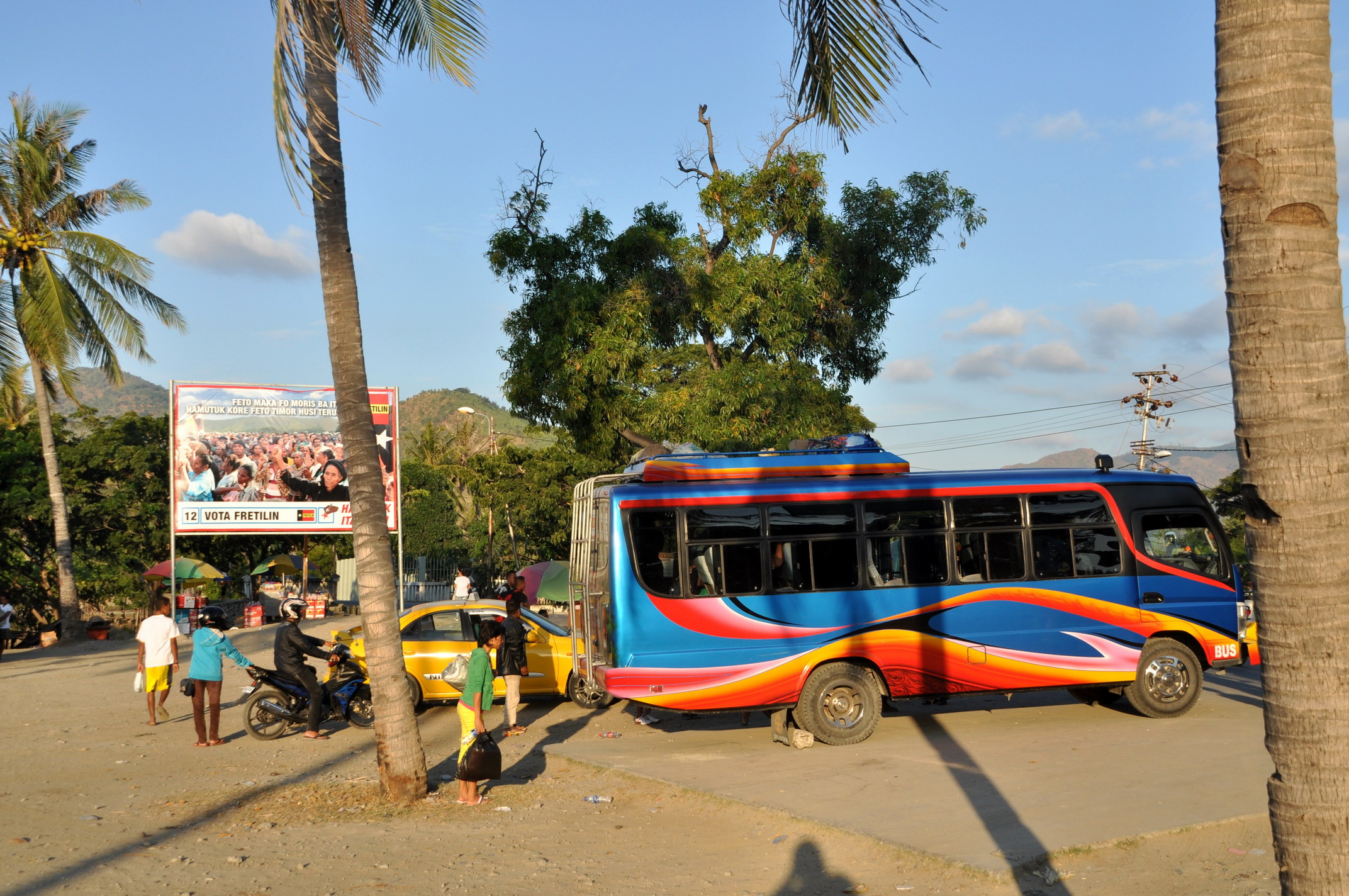
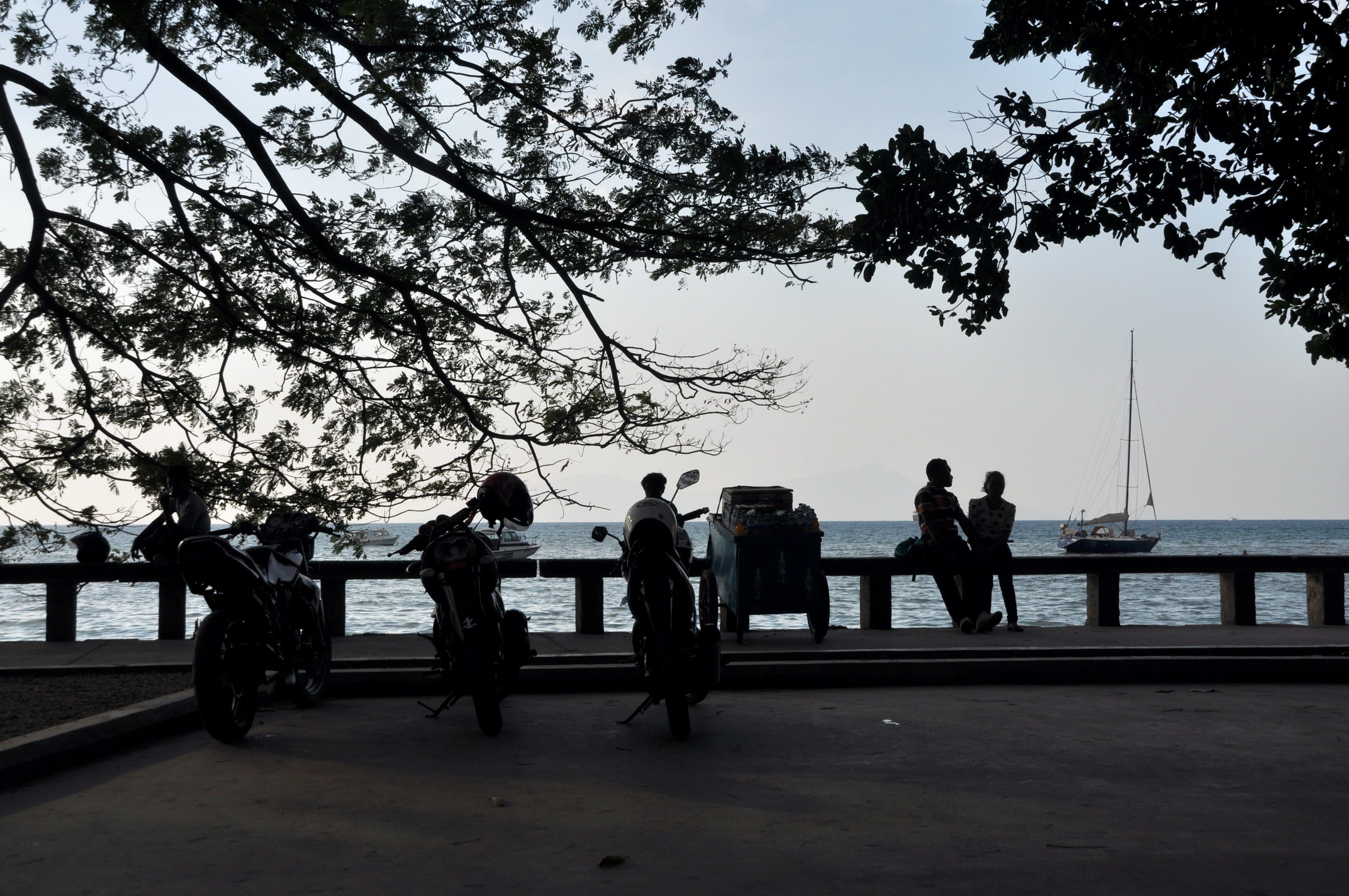
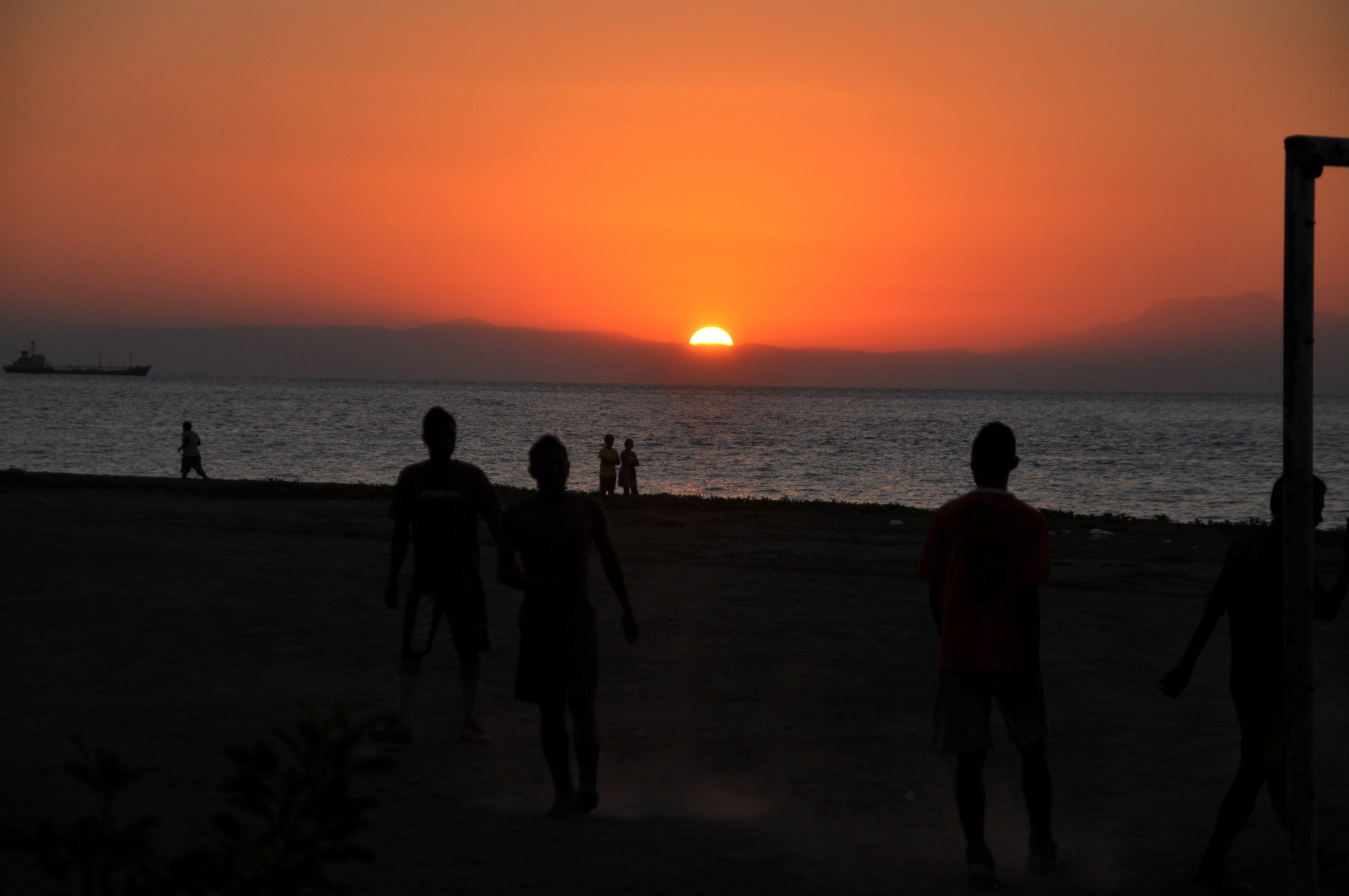
It was already getting late. The sun was setting into the ocean. I needed to hurry. As it turned out, minibuses ran till late, leaving when full. It was a six-hour trip, so I'd only get there around midnight. I was going anyway.
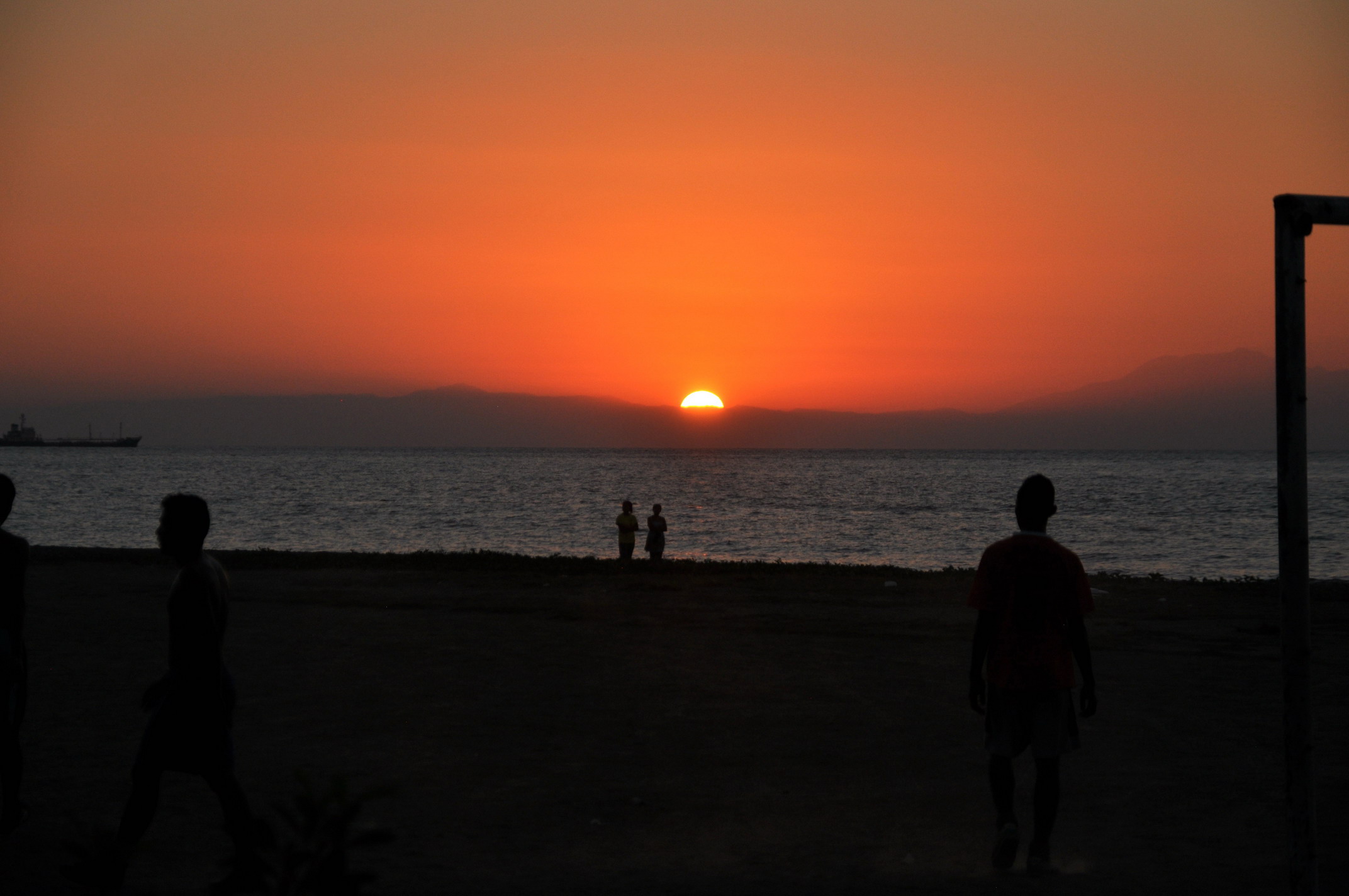
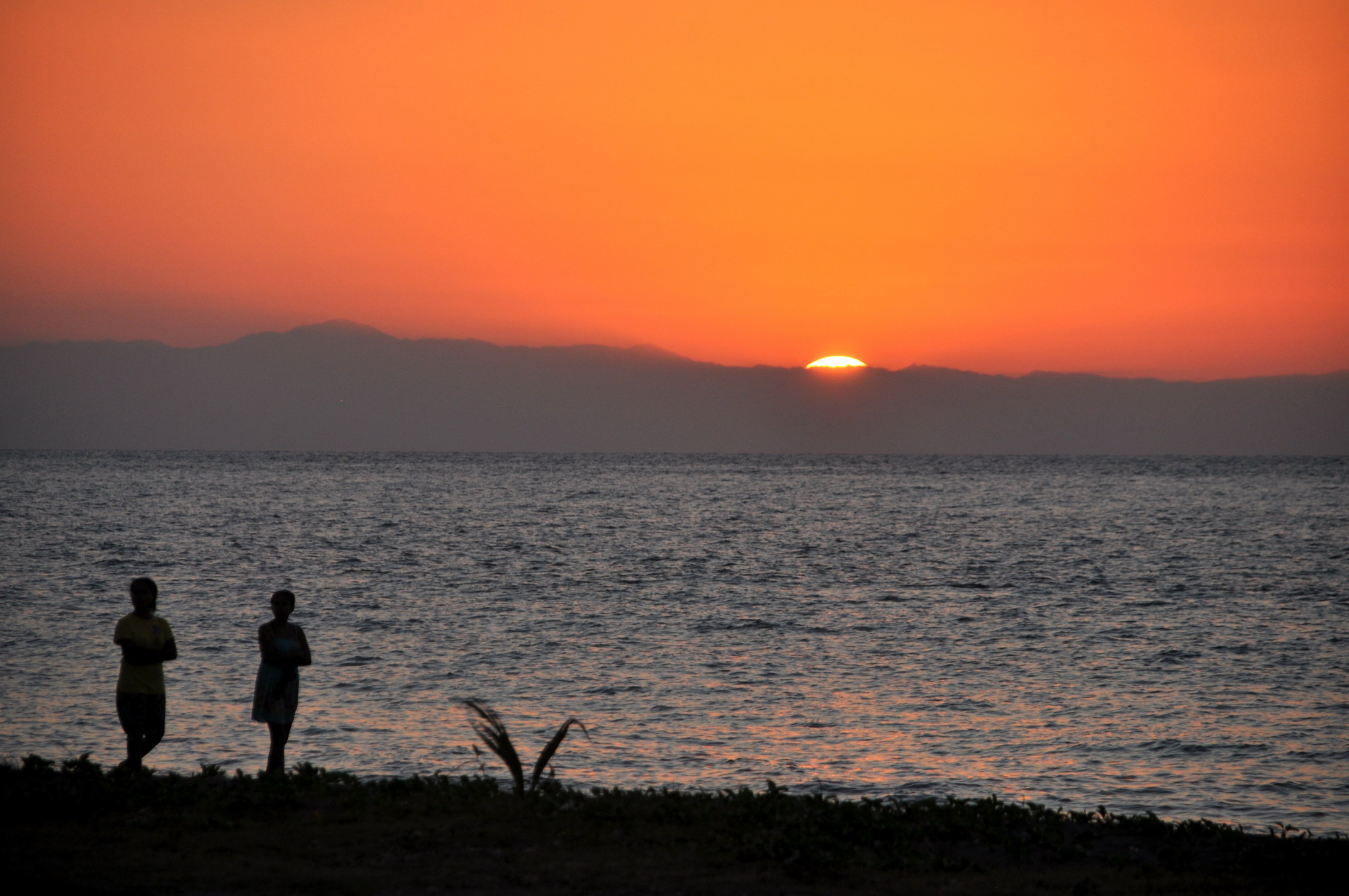
The minibus had two tiers of seats, as many on the roof as inside, above the luggage. I declined the roof. That was a bit much for my first day in the country. The young woman beside me was sharp and spirited, a local democrat deeply concerned with the election. She reminded me a little of Yavlinsky's voters in Russia. She was astonished I didn't yet have a local SIM and wanted to sell me hers. I tried to sidestep the offer rather than be taken for a fool, but she was even willing to give me one of her cards. She couldn't understand how a white gentleman could travel without a phone. I decided to decline even a free one.
East Timor was very poor. There was scarcely enough to eat, and many clearly lacked decent housing or clothes, but a mobile phone was sacred. In New Zealand, two millionaires wouldn't dream of calling one another on a mobile because it was extravagant and therefore improper. In East Timor everyone was forever gossiping on the phone. There was no power in the villages, so people charged their phones from car batteries. When the car batteries went flat, they carried them to town to be charged.
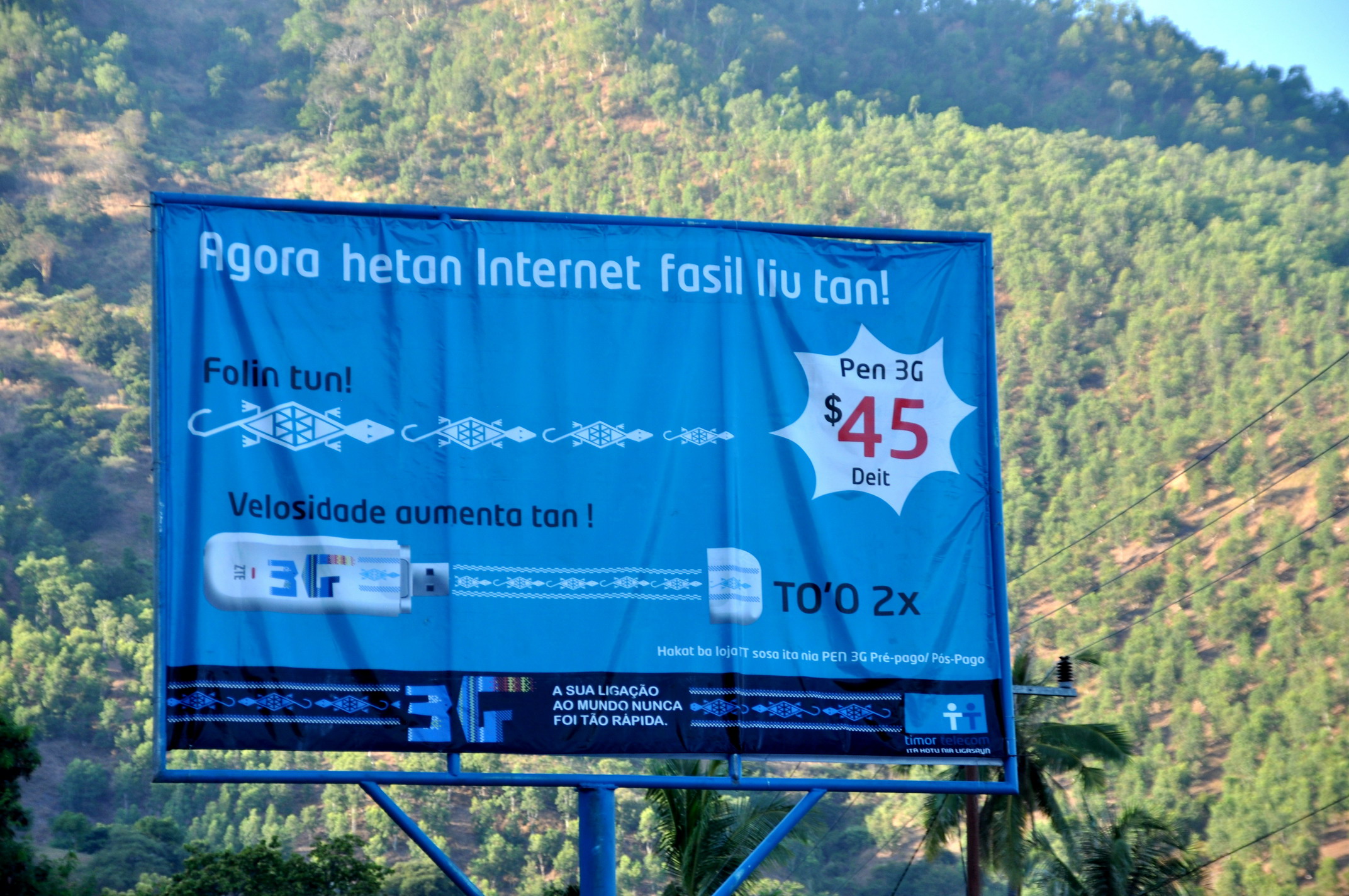
The road was only 120 kilometres, but badly broken up. In places even the bomb craters hadn't been filled in. Some bridges had simply washed away. We stopped everywhere. My travelling companion gave me a spirited account of the latest local politics. To be honest, I understood very little. You'd have to live there all your life to make sense of it. What I did gather was that they had a new president, and there were going to be changes like nothing before. Whenever it dawned on them that I hadn't understood, somebody would quickly pull up a site on a tablet, something like our Echo of Moscow.
The capital theoretically had electricity, except when it was off. An international aid project had brought it, or at least was supposed to bring it, along the road to Baucau. There were indeed new poles and wires everywhere. Here and there someone had hooked an extension cord to the wires and run it to a hut, where it was tied to a bundle of straw. A bare energy-saving bulb was stuck straight into the cord, without a socket.
Even that was only in some places. Everywhere else was dark. People sat warming themselves at fires, playing Portuguese ballads on their guitars. It was winter for them. Temperatures could fall to twenty degrees at night, easy to freeze without a fire, apparently.
Halfway there we stopped. Men and women shared one toilet, the sort that's a hole in the floor. My seatmate decided she had to show me to it. I could probably have held on, but I was given strict directions and she made sure I'd found the way. She even lit it with an LED torch.
The fare was a whole subject of its own. White people generally didn't ride minibuses. If they did, any question about the fare started at $100. By then I had talked to enough locals to make me a little less white in their eyes. We settled on $50 instead of seven. Expensive, but never mind. The first day always costs you something.
Baucau
We reached Baucau, known as Vila Salazar under the Portuguese, after midnight. I'd hoped the woman beside me might find me a place to sleep, if not with her, then with the village headman. Instead she got off earlier and left me to my fate. And the cannibals hadn't entirely disappeared, had they? Well, I knew where I was going.
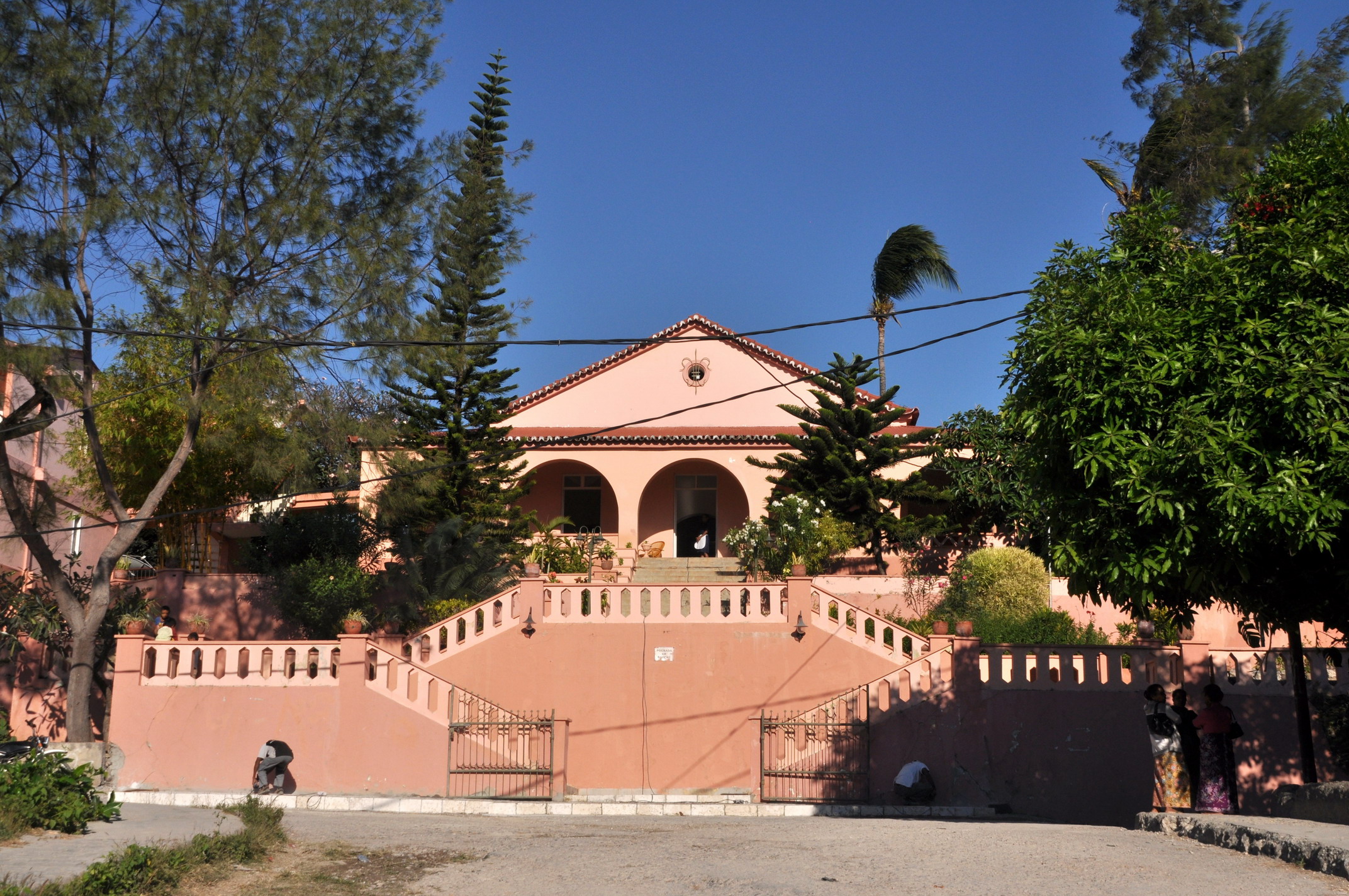
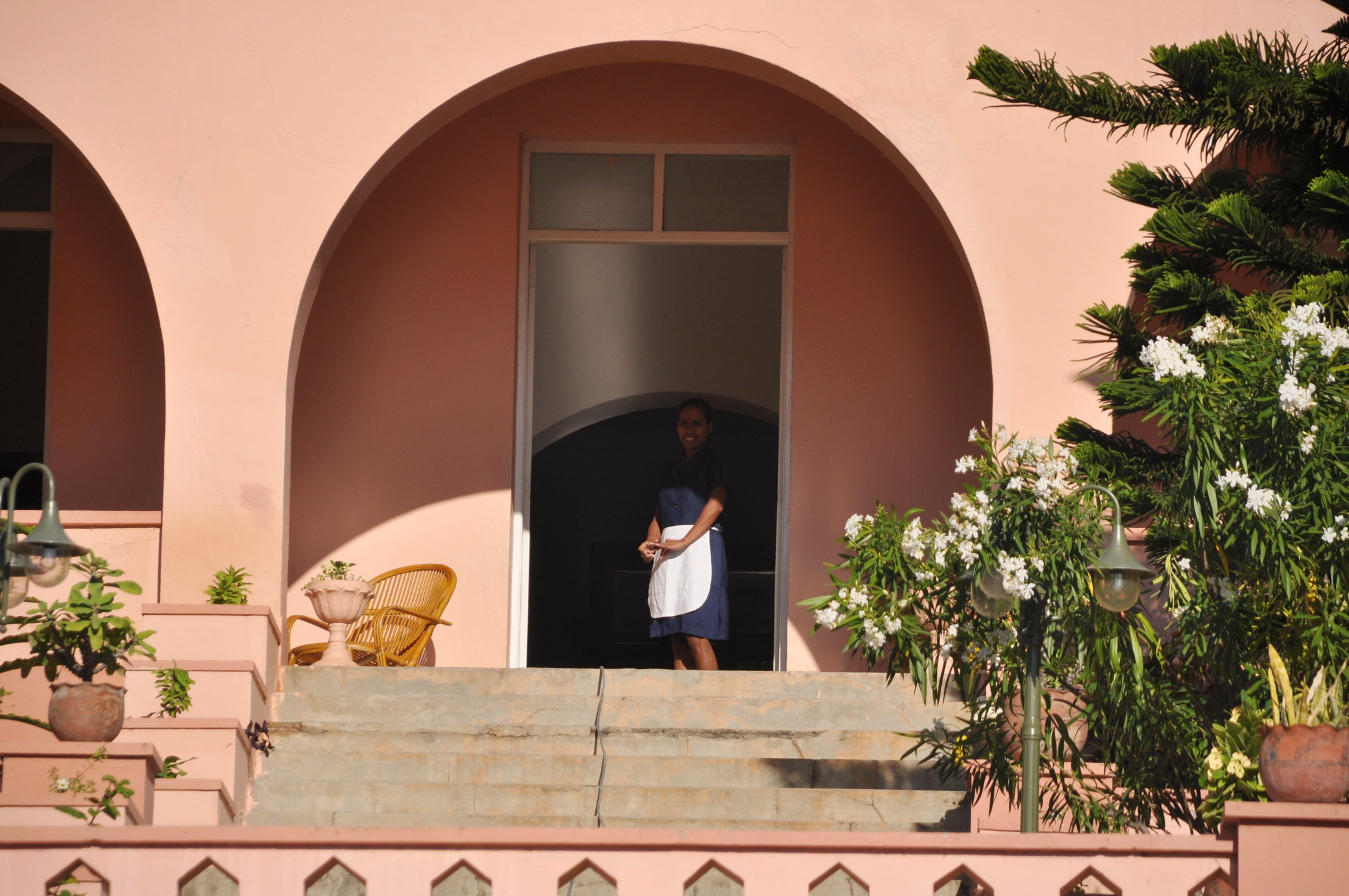
The driver pointed me towards a gleaming former palace, now a hotel. It was lovely, with local women in white aprons. Lovely, but full. It was the election, and there were plenty of observers. I asked where I could spend the night. They tried to explain in Portuguese. Some Spanish helped, and I thought of Jacques Paganel learning the wrong language. From their directions I understood that it was some way off. The chambermaid's account was so elaborate I wouldn't have remembered it in Russian either.
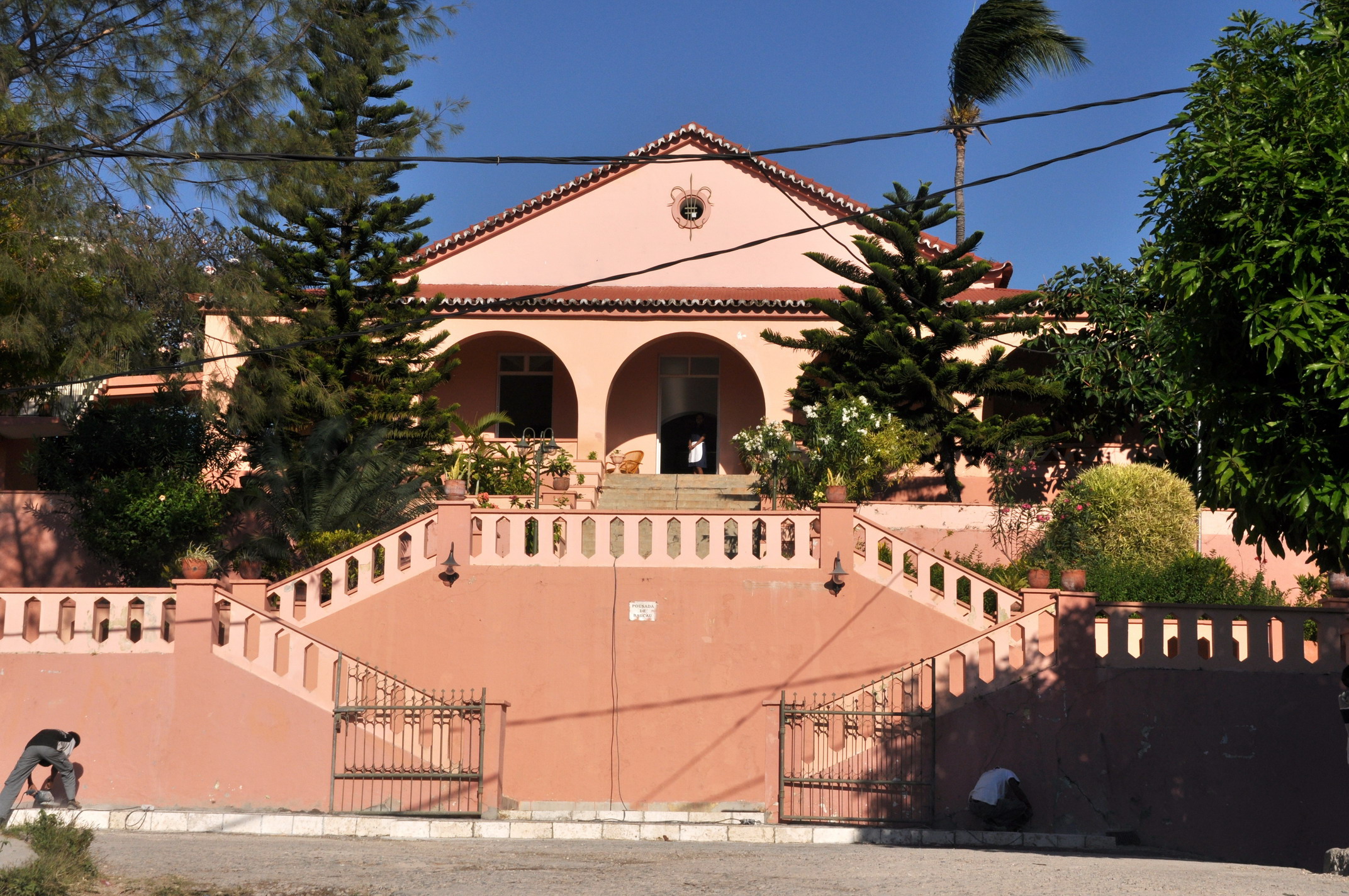
So there I was, walking at night through a town in the far corner of a country that felt wild to me. Where would I sleep? People here could sleep even on the sand. In a pinch I'd do the same, with plenty of straw so nobody would recognise a foreigner before dawn.
With a mixture of Spanish, Portuguese and English I managed to find a hostel, the East Melita Guest House (08°27.542′S, 126°27.012′E, elevation 312 m). I settled in, even got hold of a bottle of water and charged my batteries before they turned the generator off.
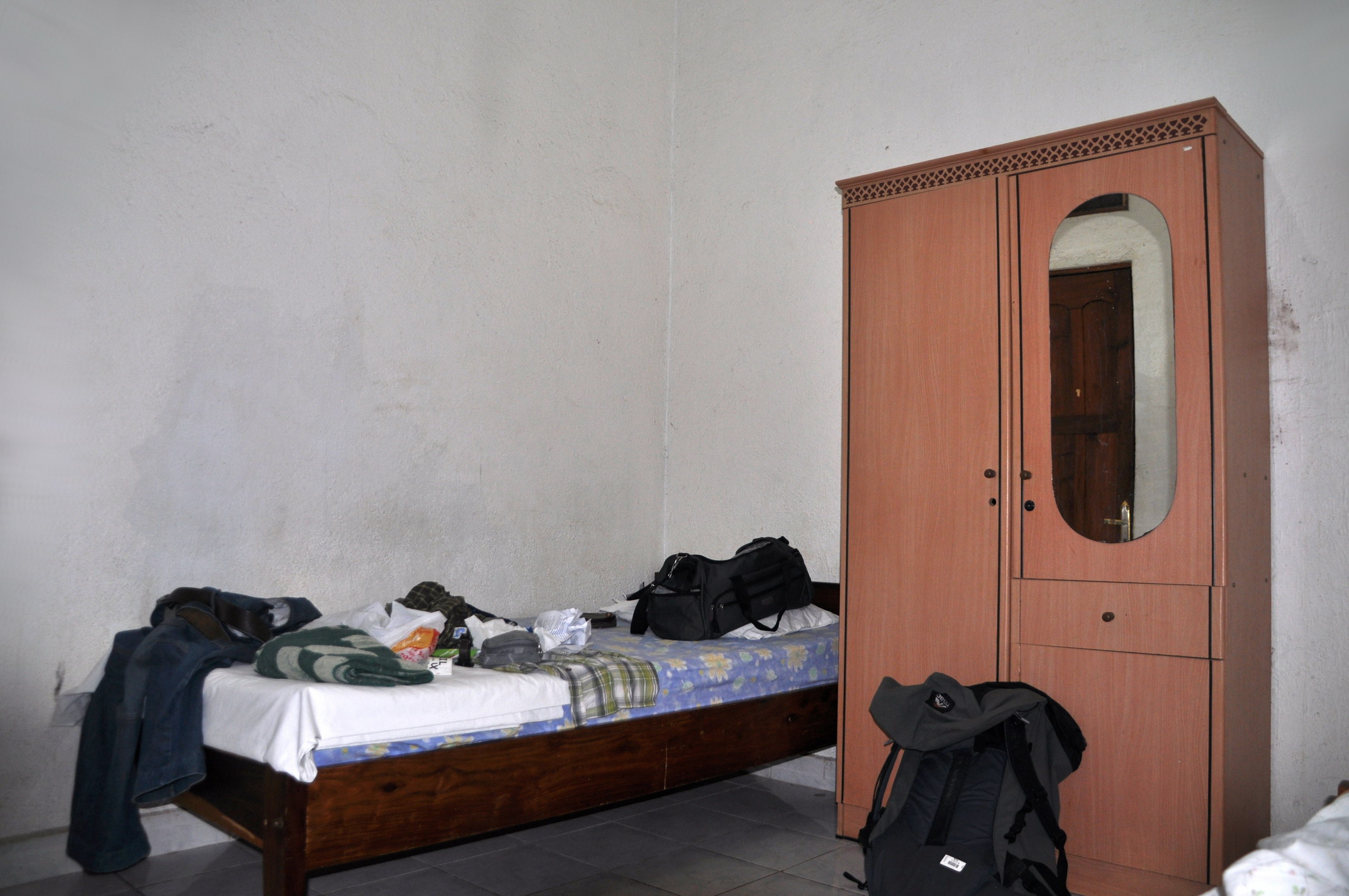
I awoke to birdsong after a wonderful sleep. Where was I? What paradise was this? Oh, yes. Three days flying, then the road, and here I was in a far corner of East Timor. How had I ended up here? These things happen.
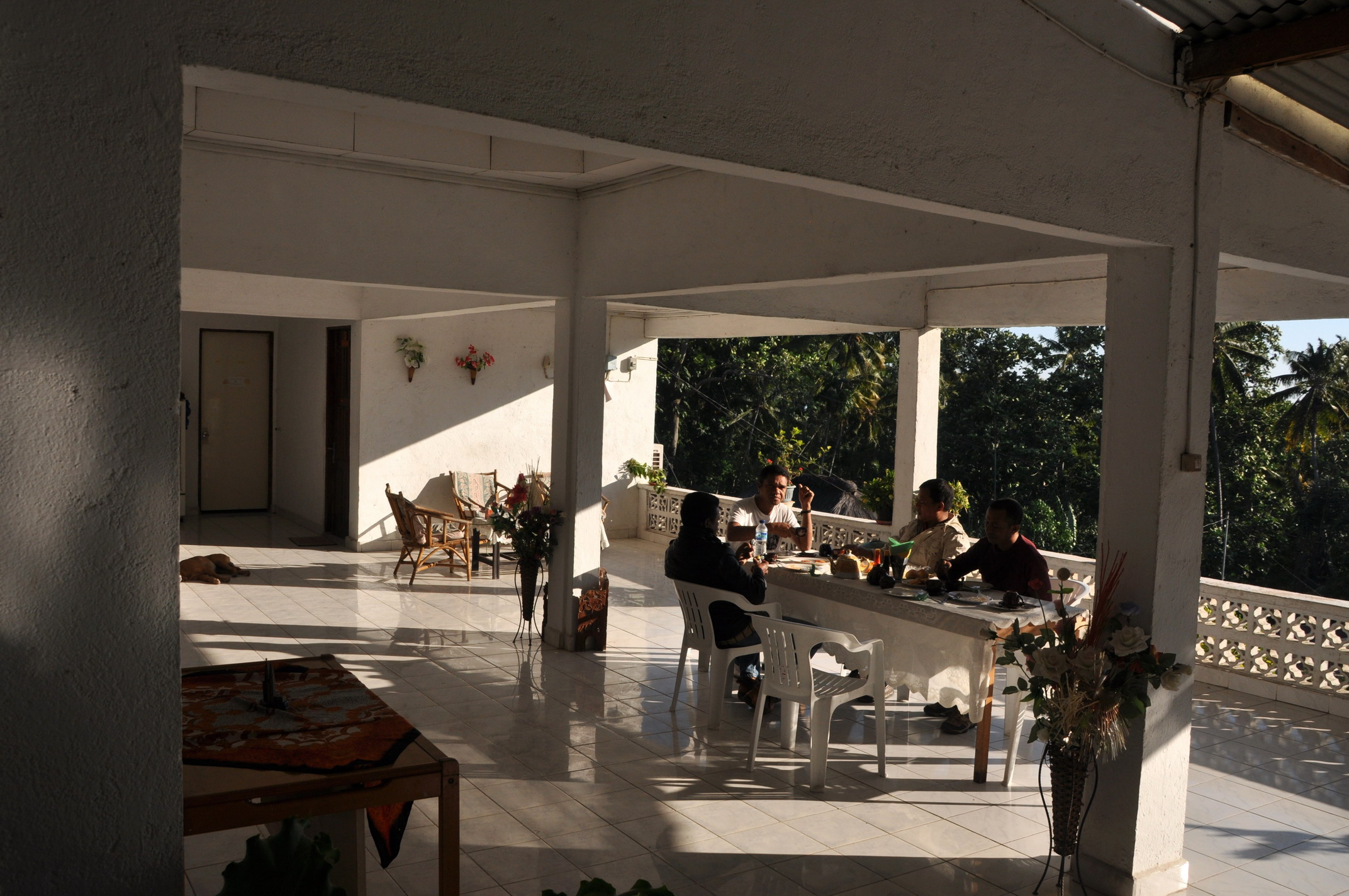
I went out into the courtyard and found that breakfast was included. A man paced nervously, and a young white woman sat at a table. On seeing another European she smiled and said hello. We sat together. She was Belgian. The pacing man was something like her dissertation supervisor. They were election observers and sociologists, studying local customs and voter preferences. I tried to tell her about my work as an observer in Russia and find out what was happening here. What was there to say, she joked? It all followed the standard theory of the Middle Ages. If I wanted specifics, I should ask her boss. He was no good for anything but studying the habits of troglodytes.
It was a remarkably transparent hint. ‘Sorry, but I'm leaving today. I fly out tomorrow…’ How I wished I were young enough to try changing my whole life on the spot. The trouble is that when you're young you have no money. You can't get to Timor, and the women aren't likely to smile at you. The only thing for it is to be born a pretty woman in the next life. And I regretted all the more that we'd wasted our youth on collective farms behind the Iron Curtain.
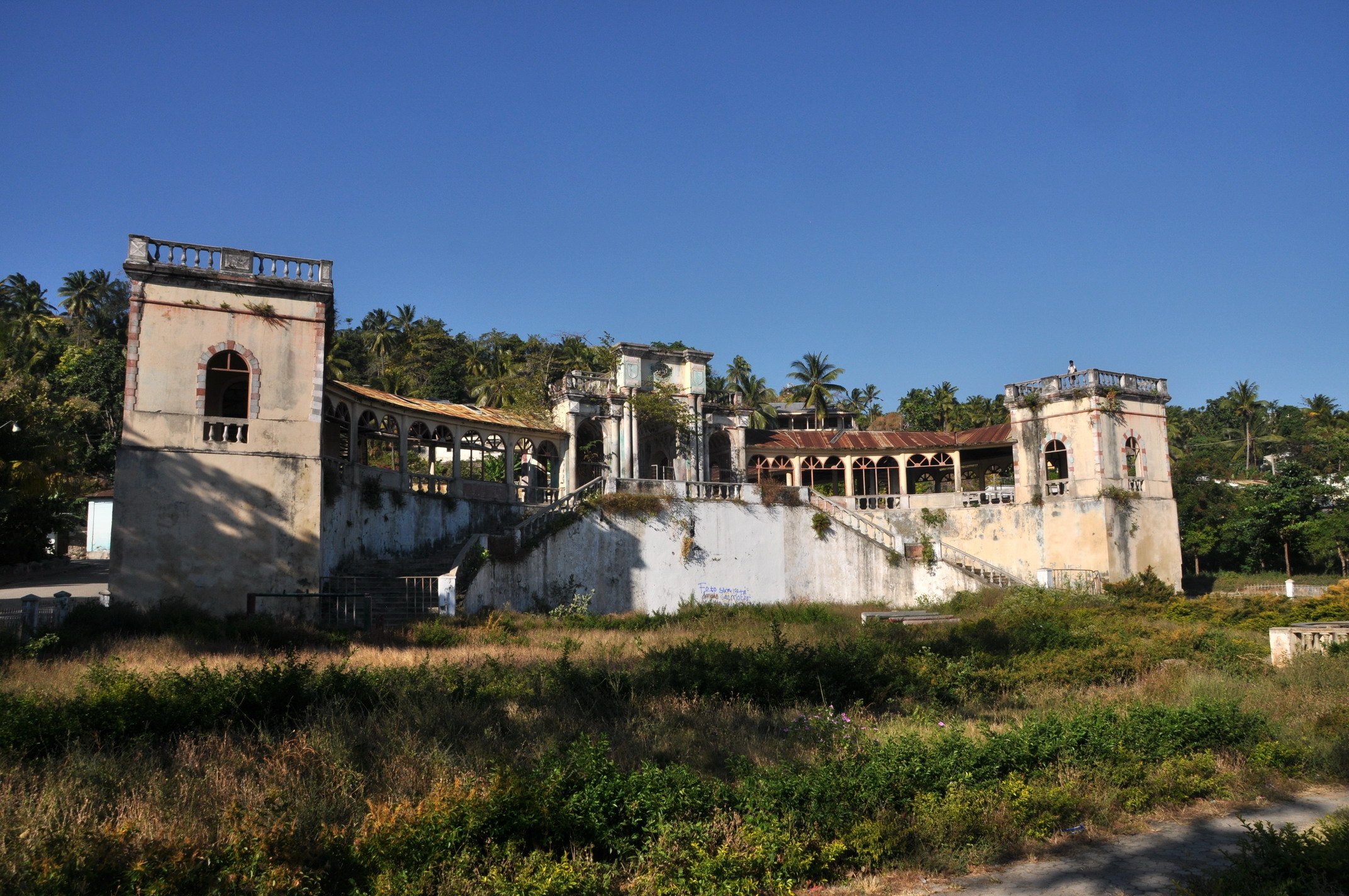
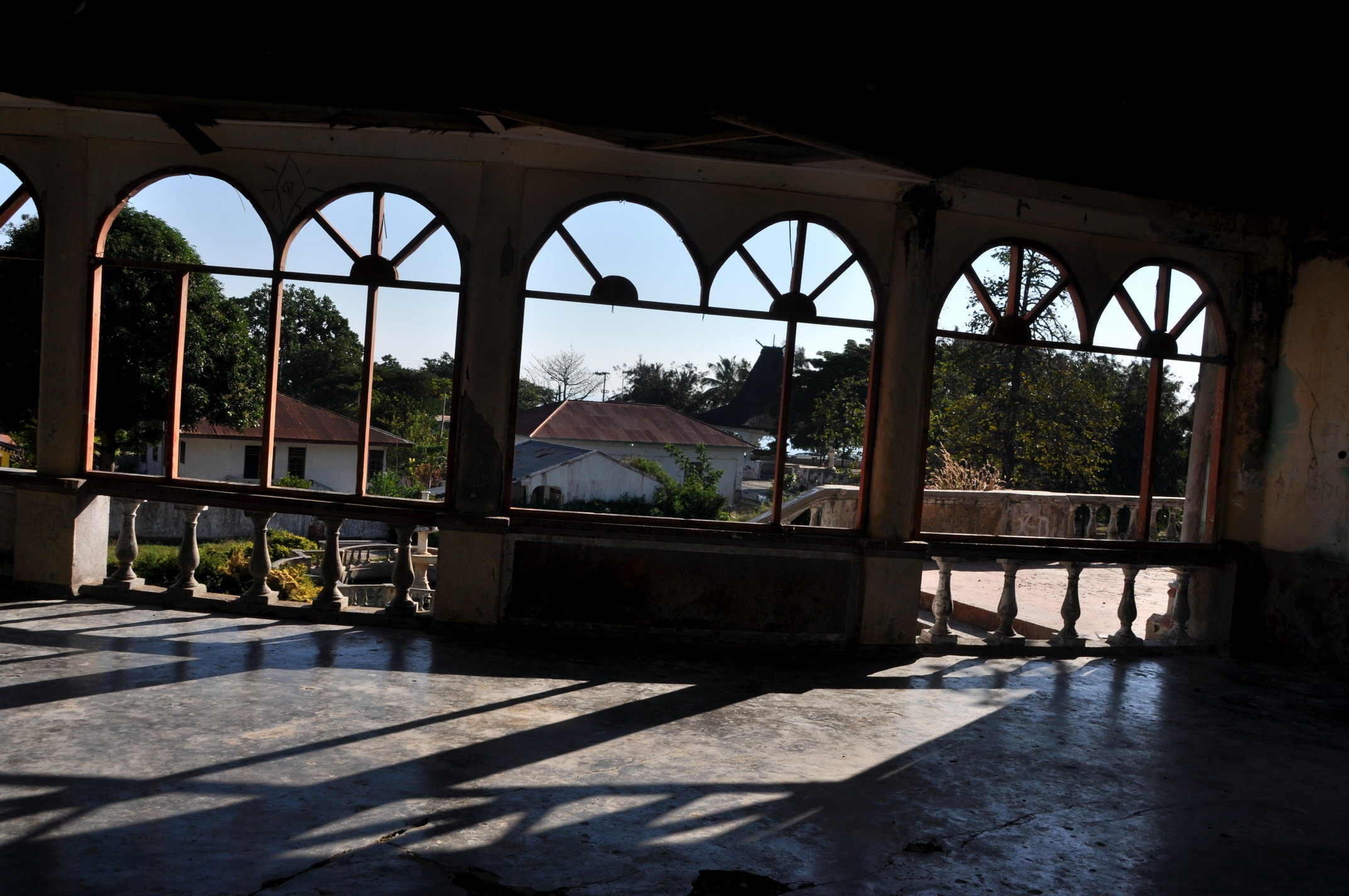
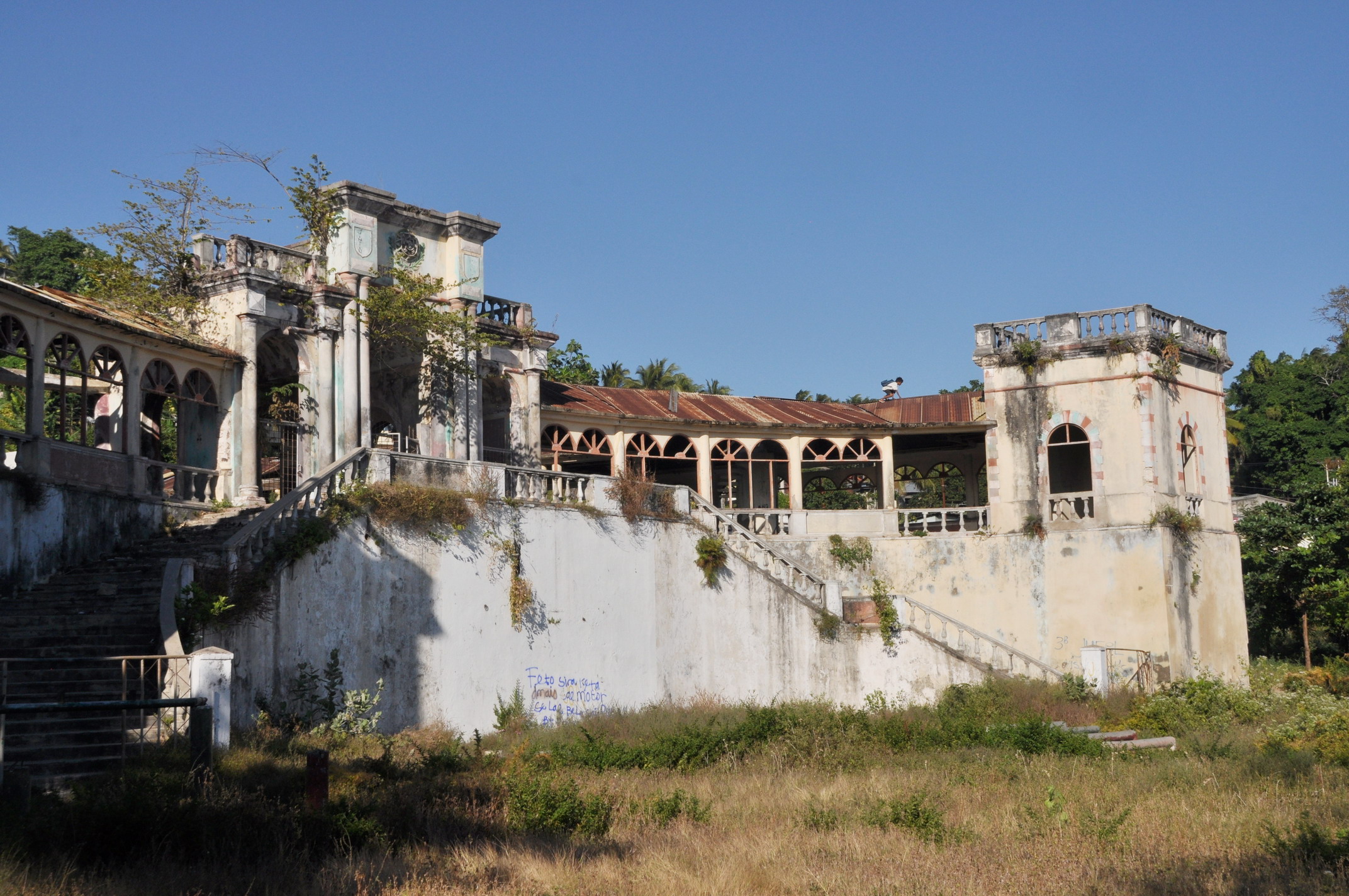
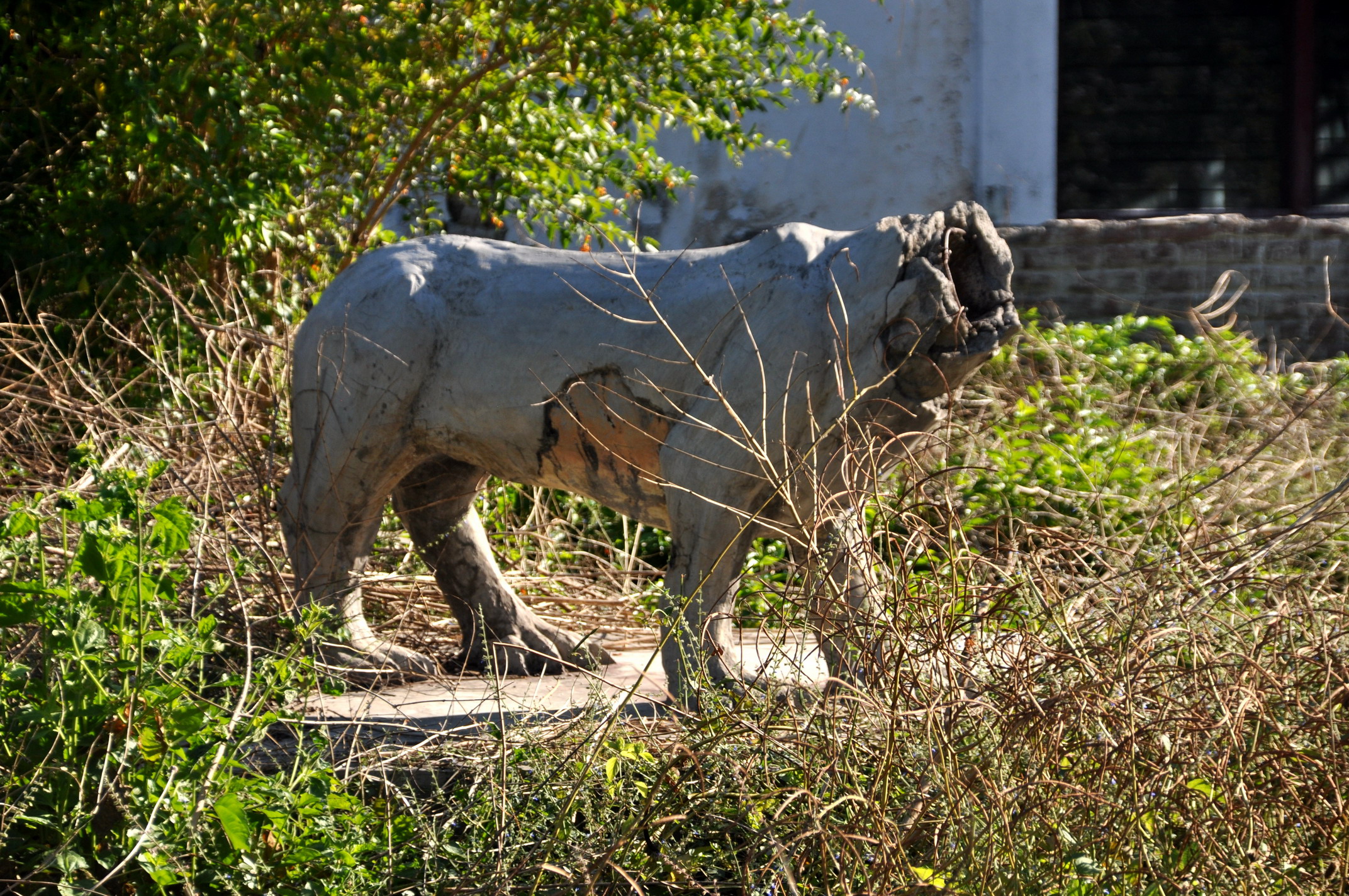
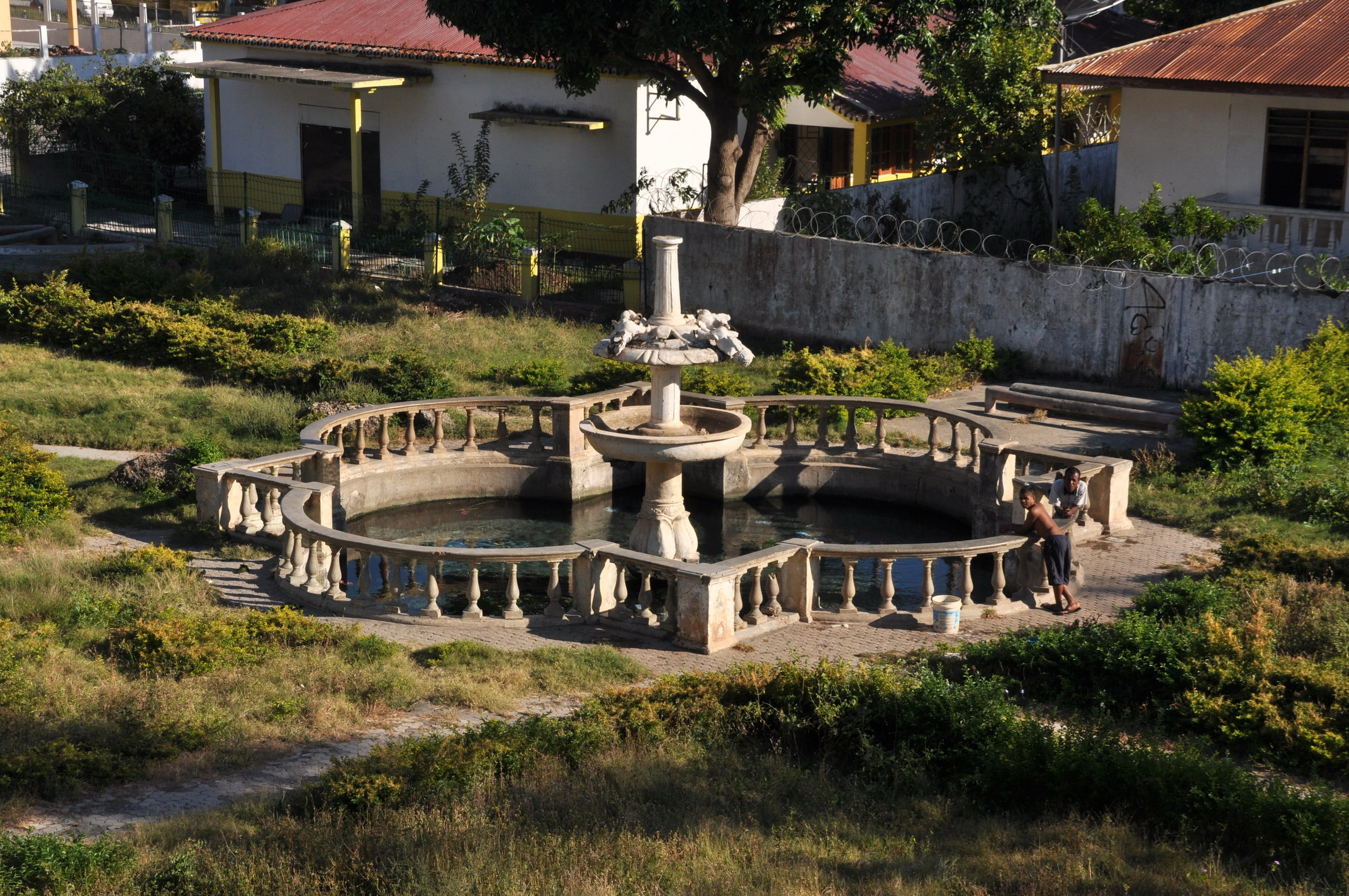
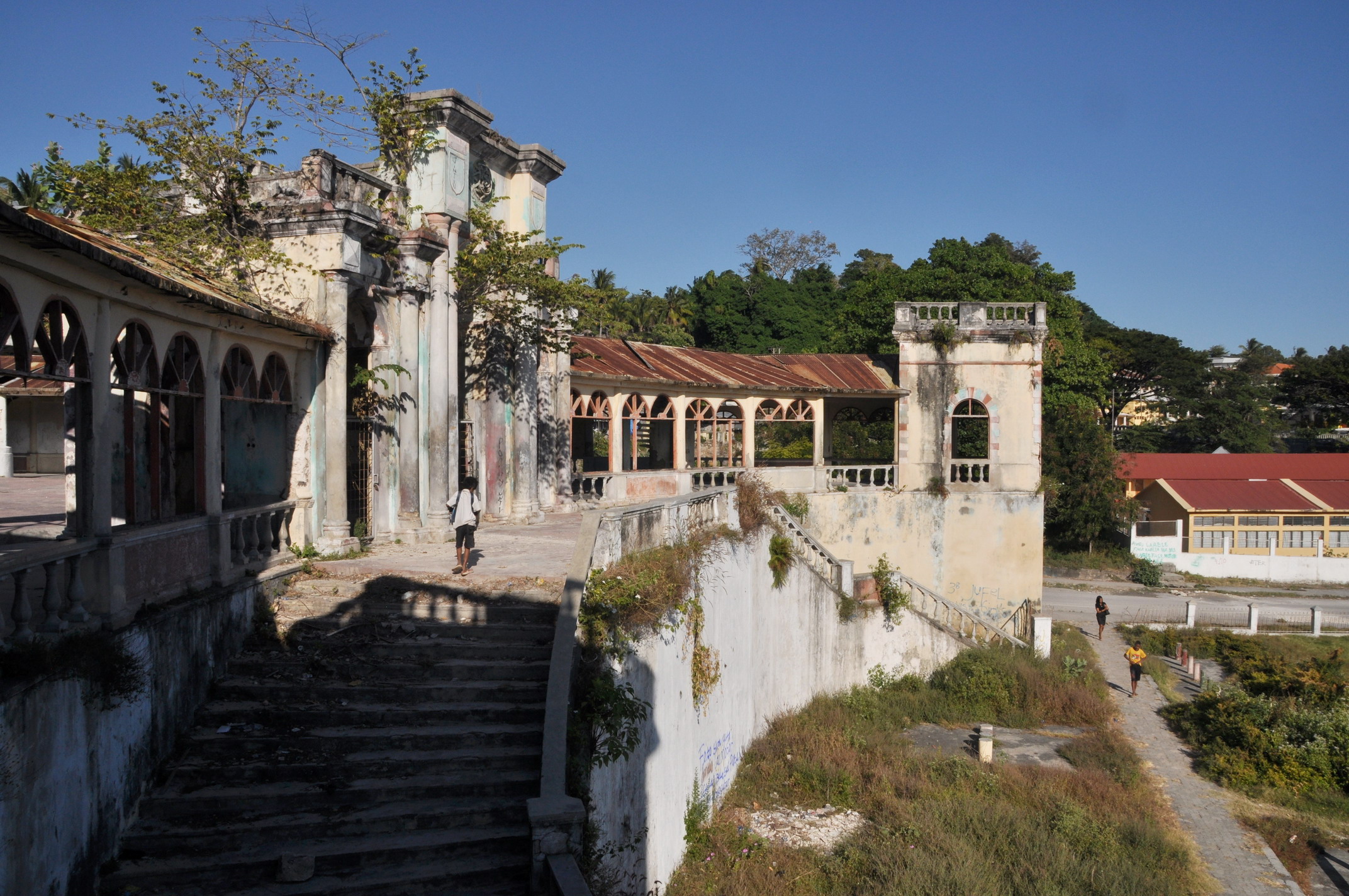
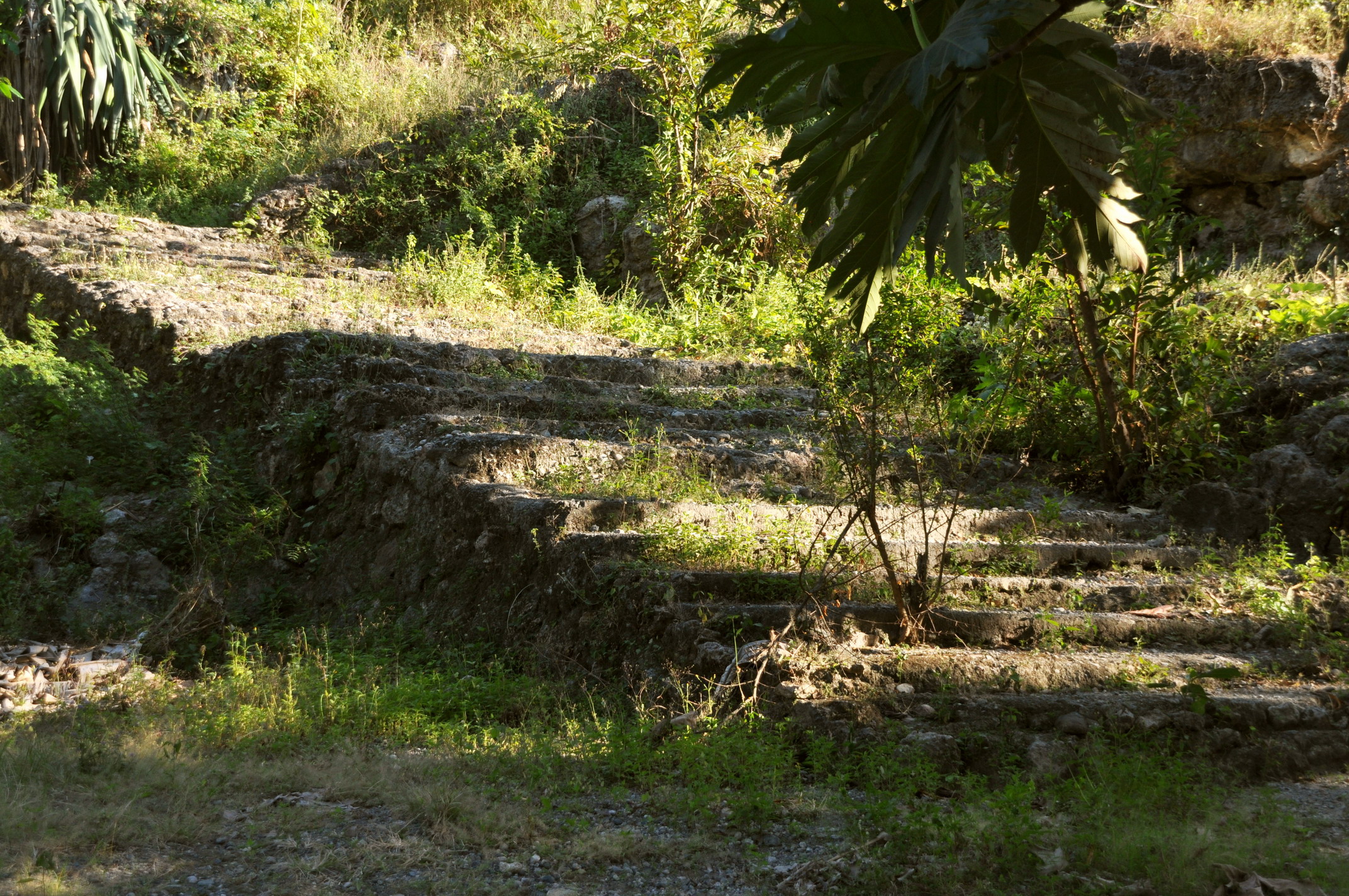
Still, it had quite cheered me up. Birds, women, butterflies. And all around me was a remarkably primitive-looking world. Under the Portuguese there had been marble palaces, statues of lions and fountains. Now there were only ruins covered with creepers. Mind you, the UN administration looked quite presentable. I thought it might all go to ruin when they left, but for now it stood intact.
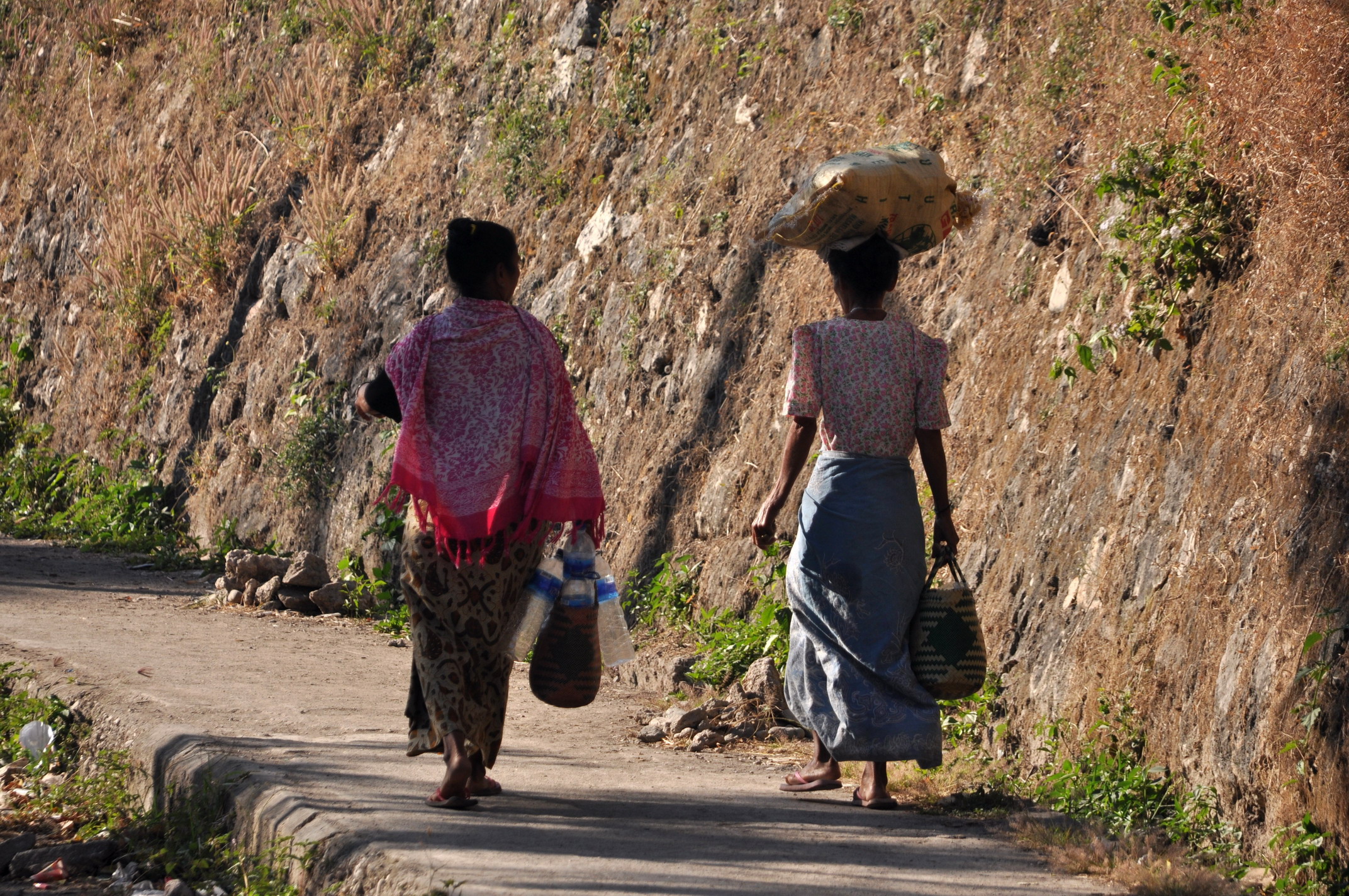
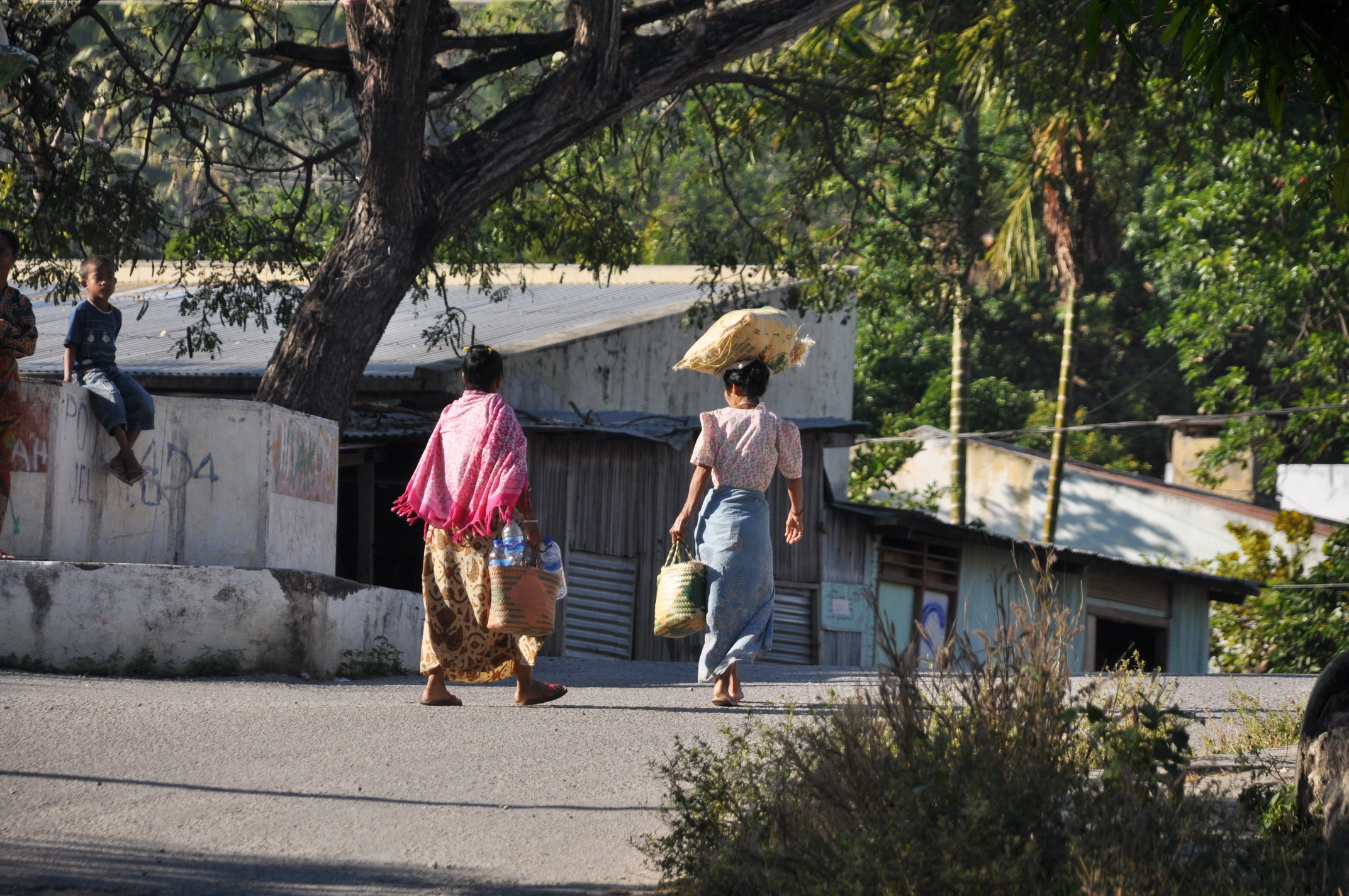
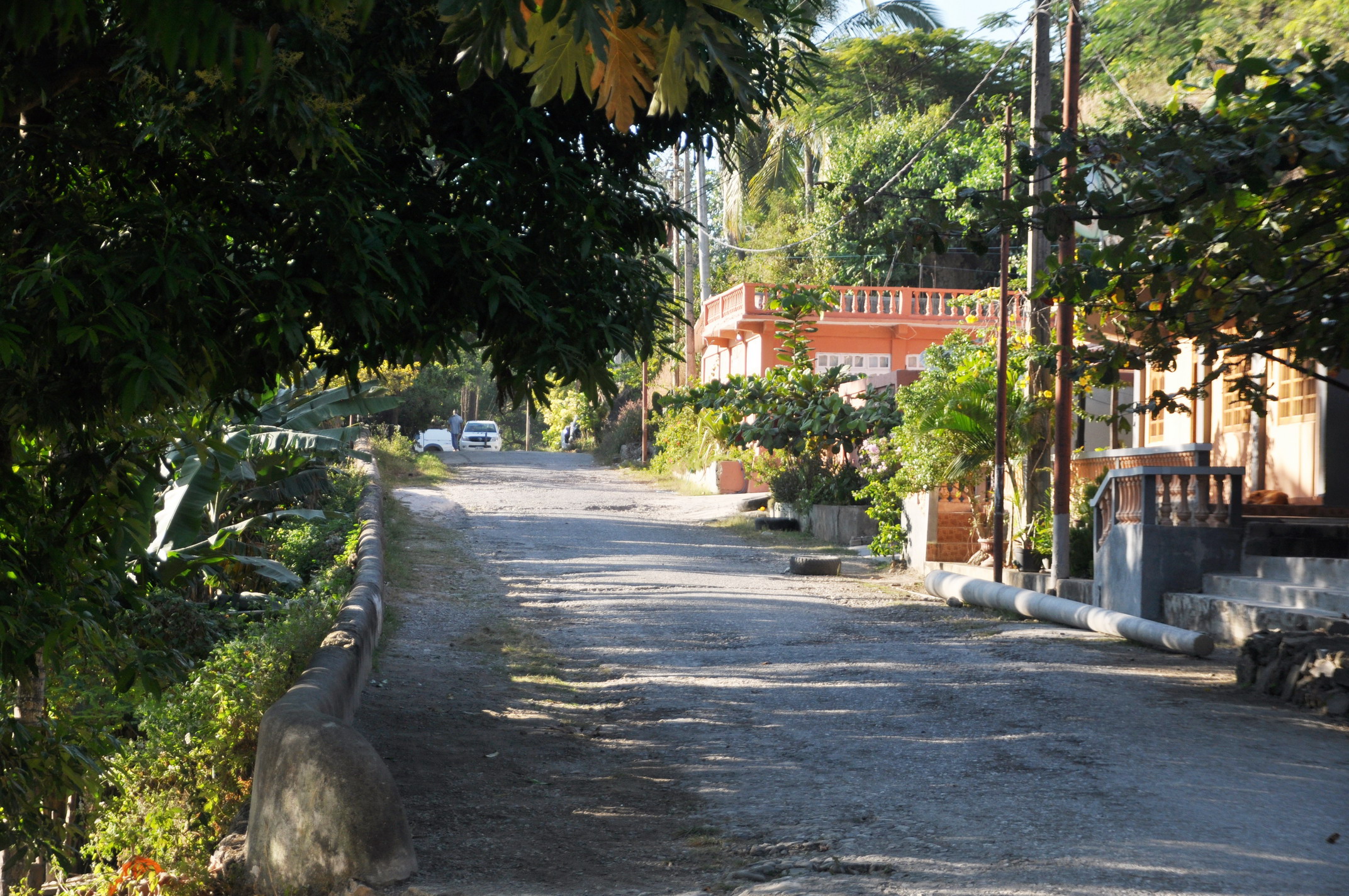
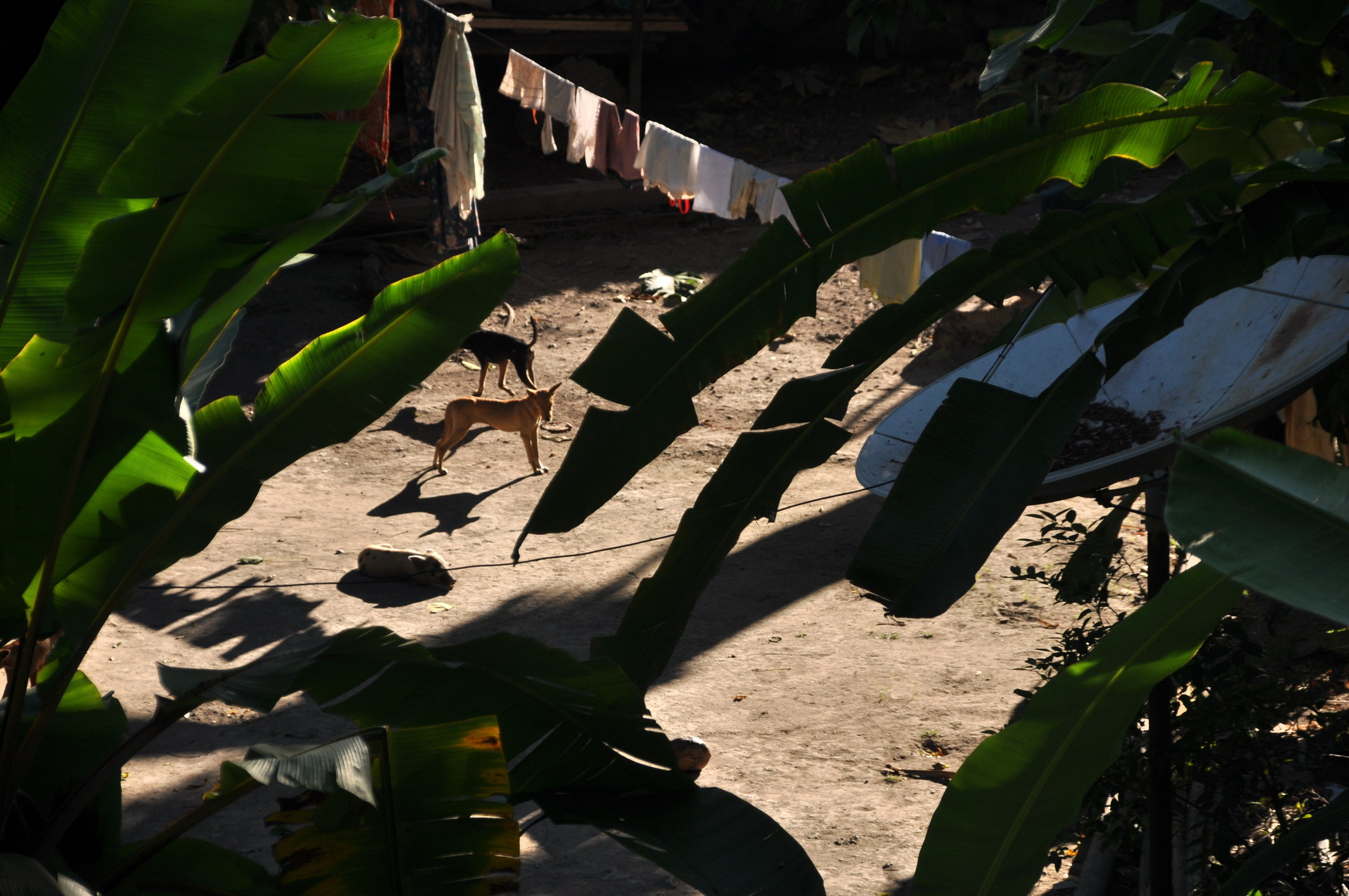
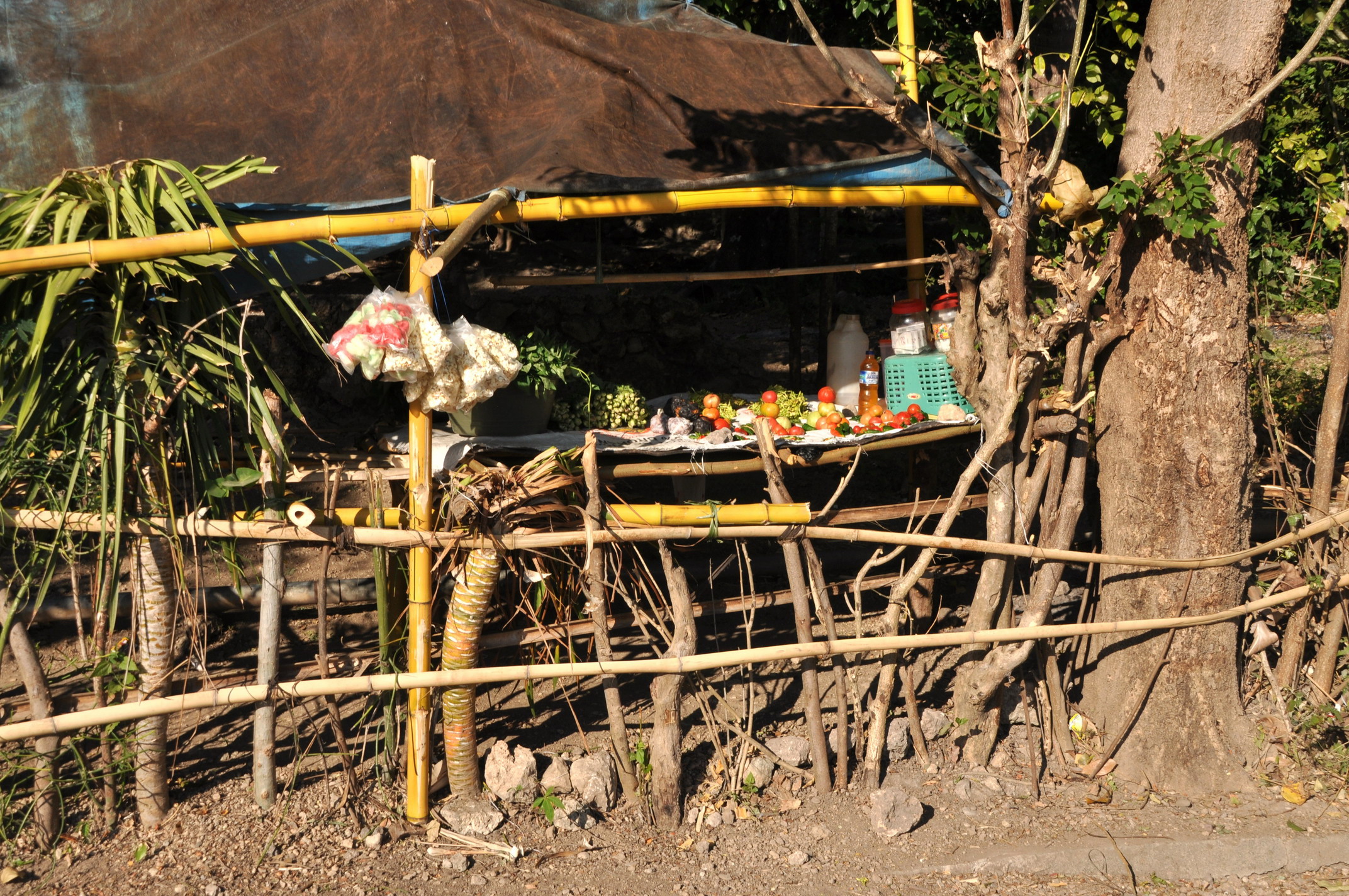
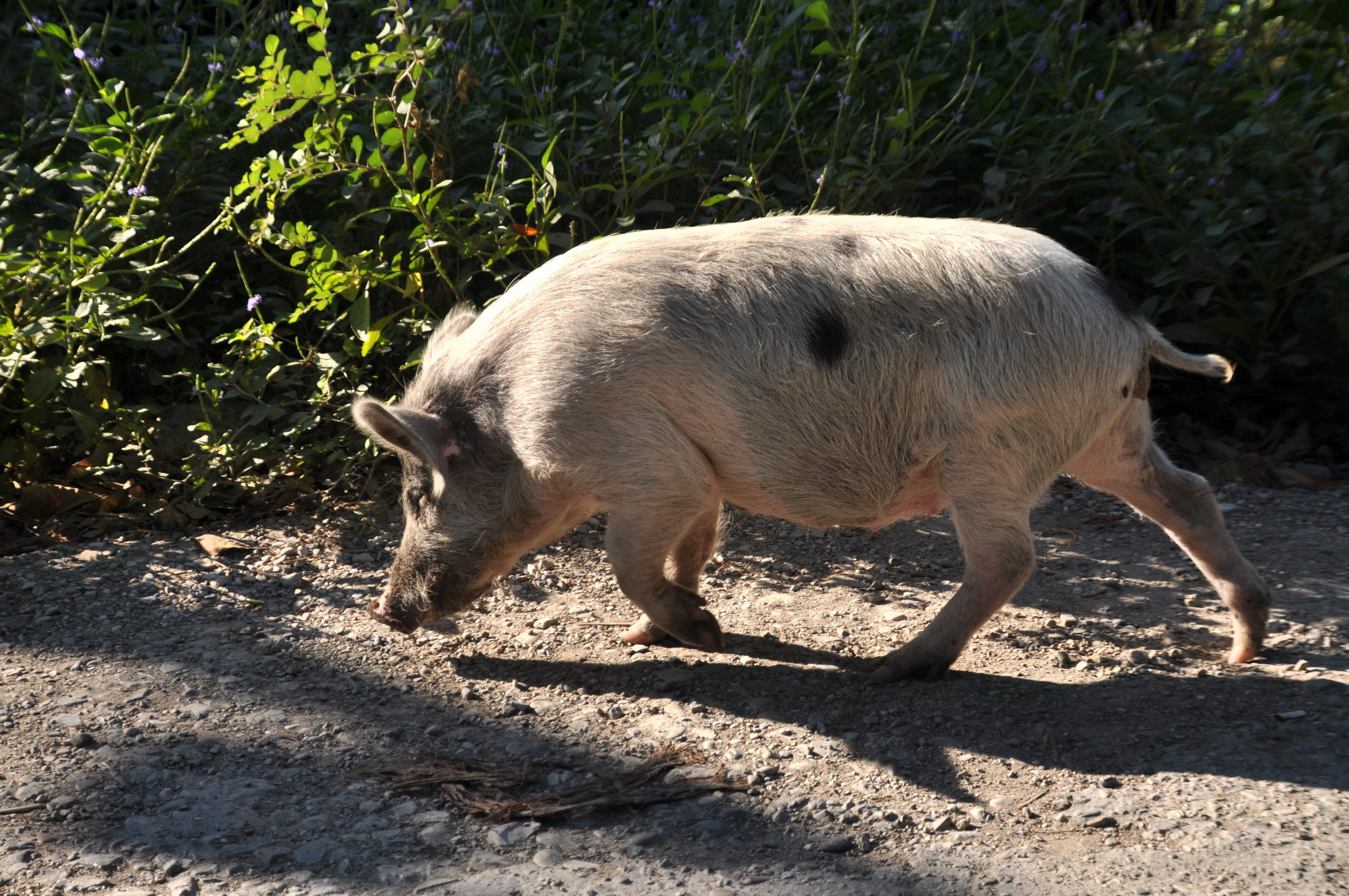
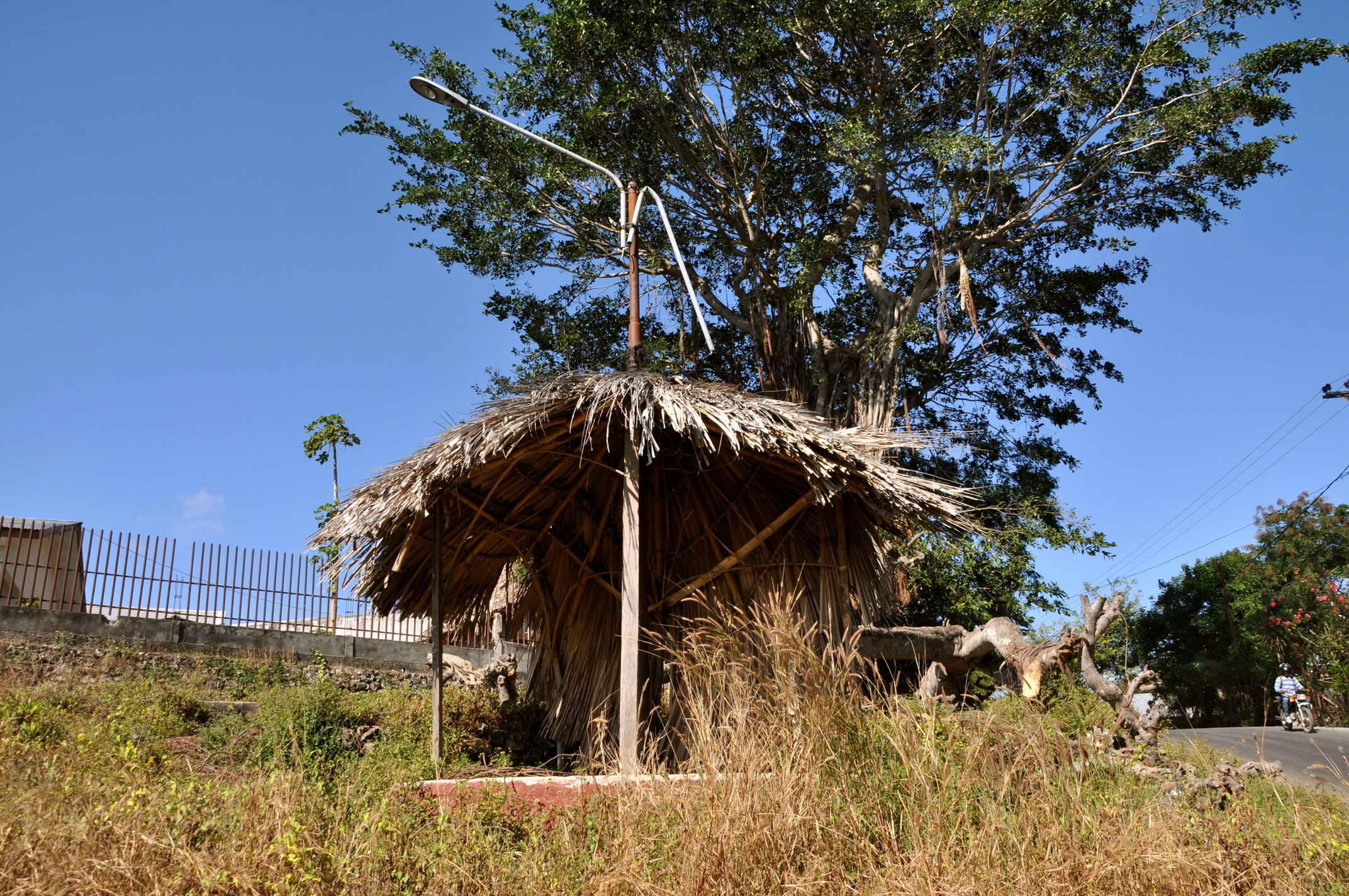
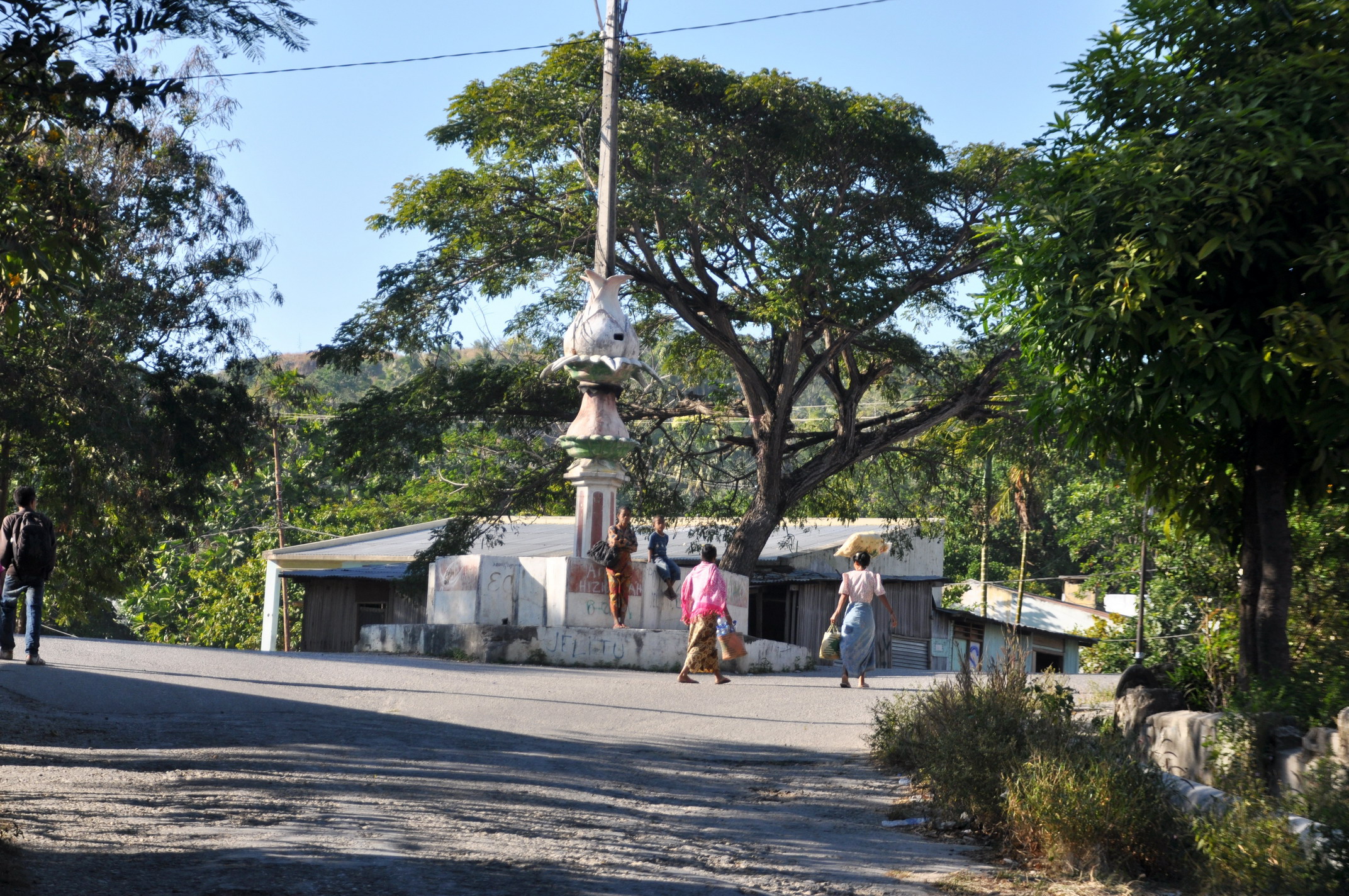
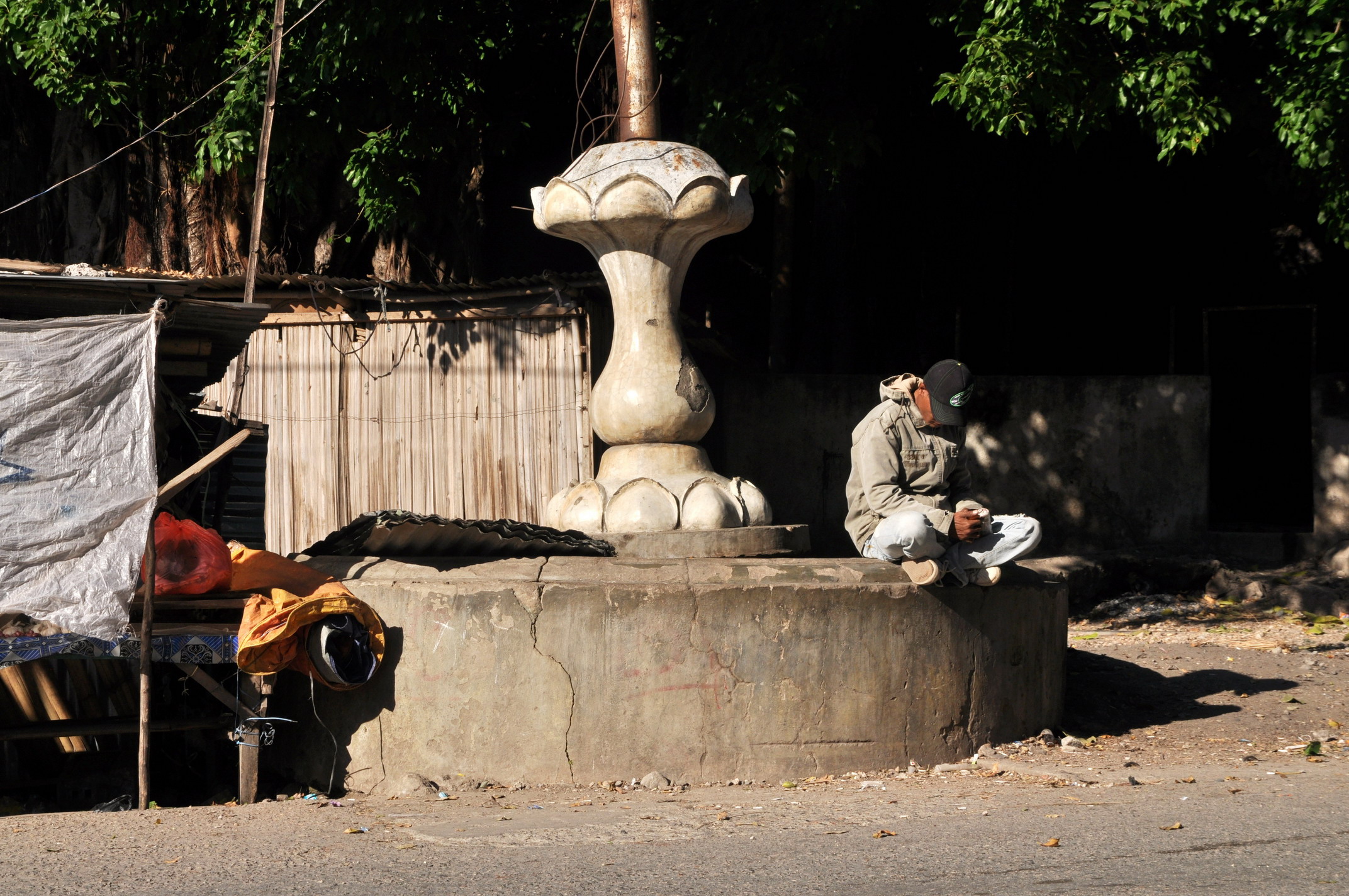
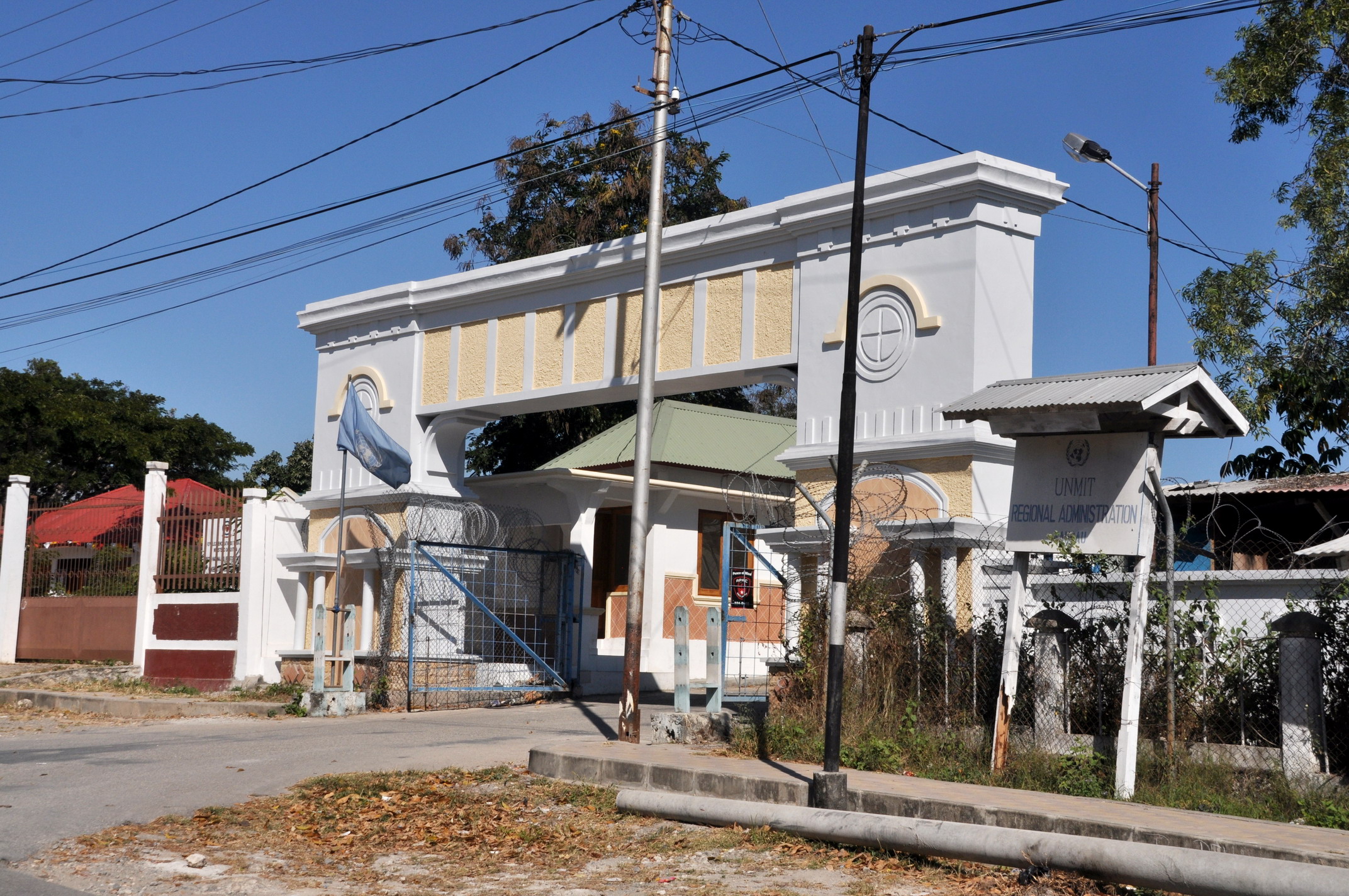
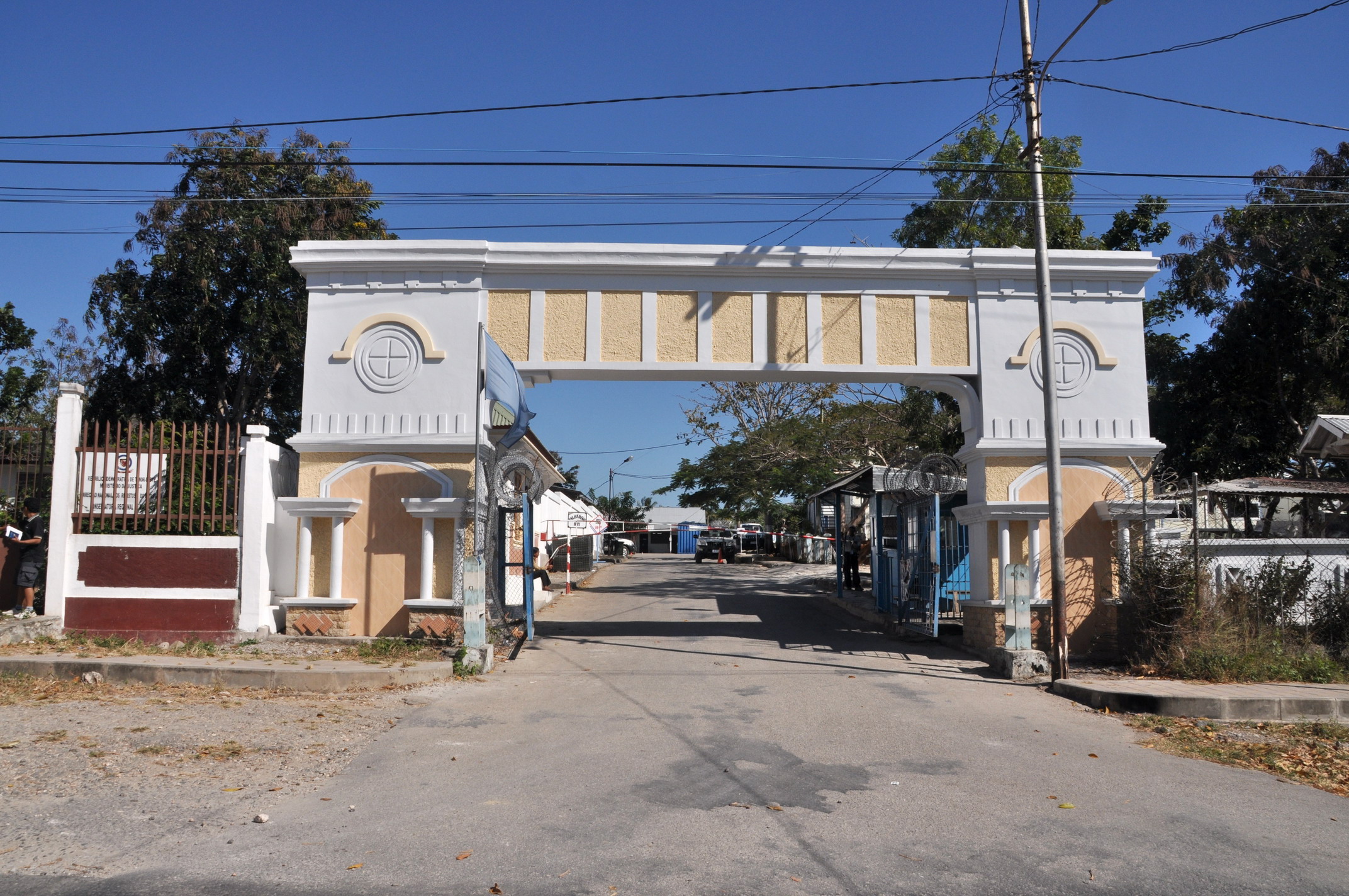
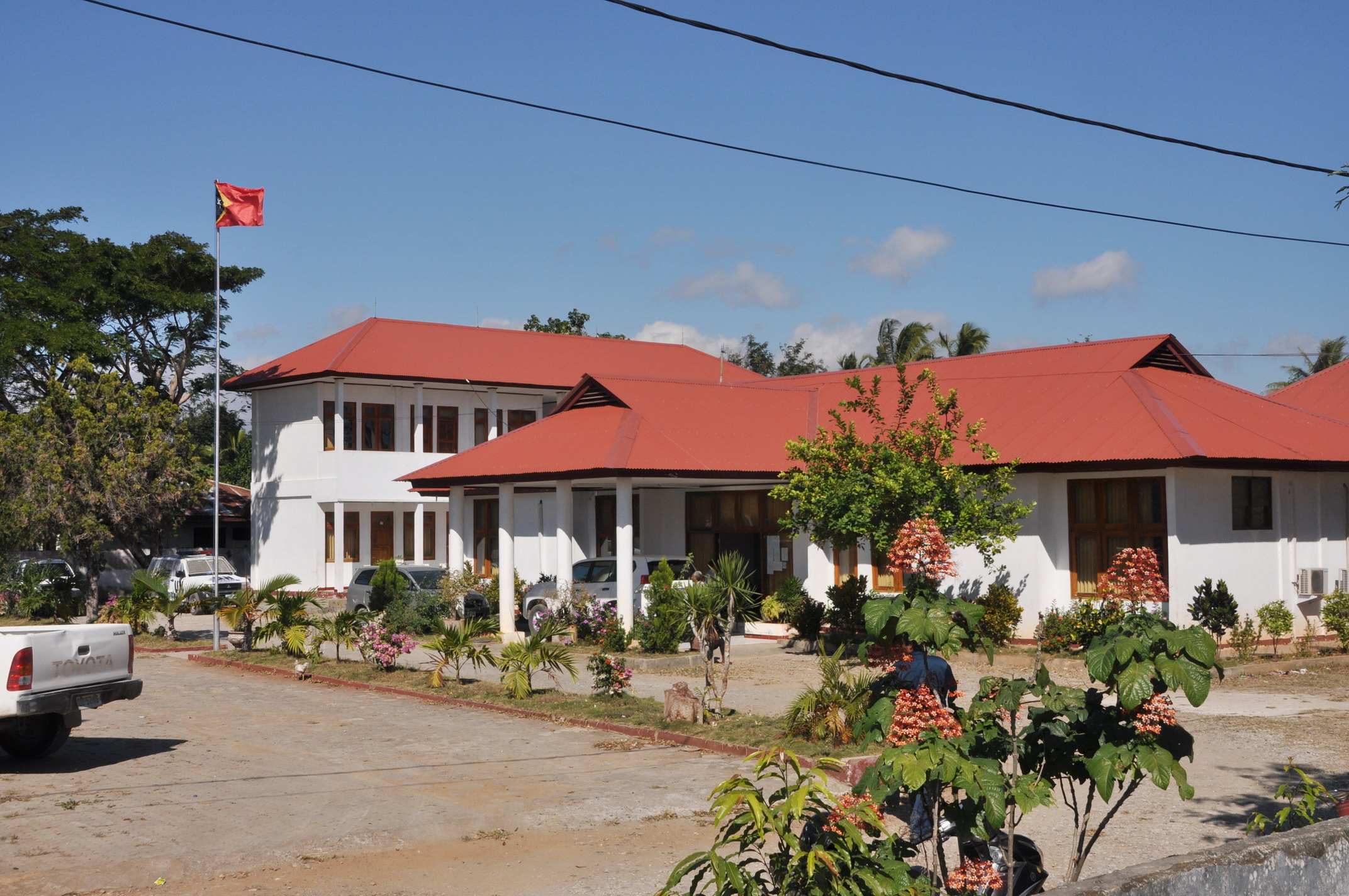
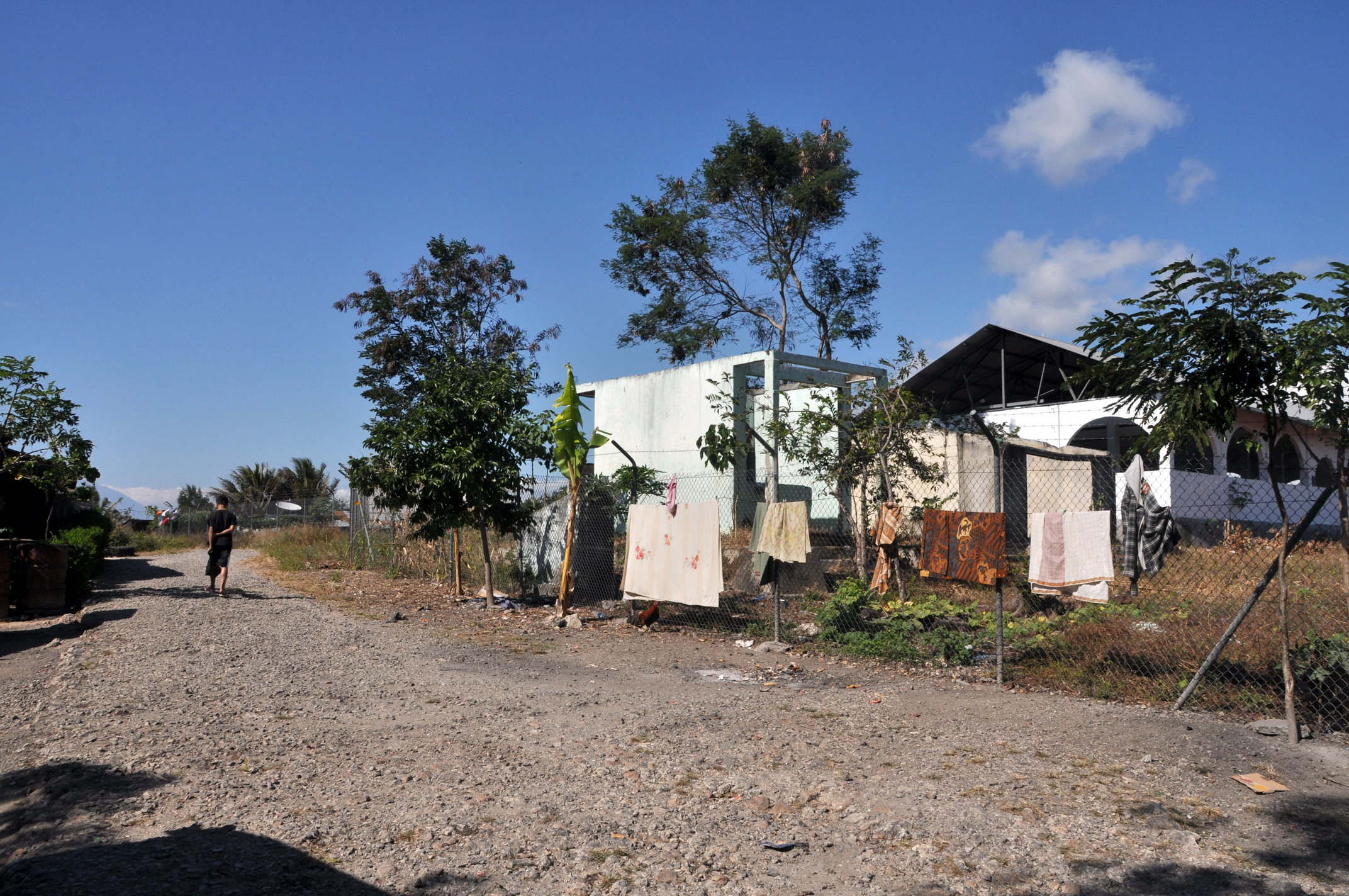
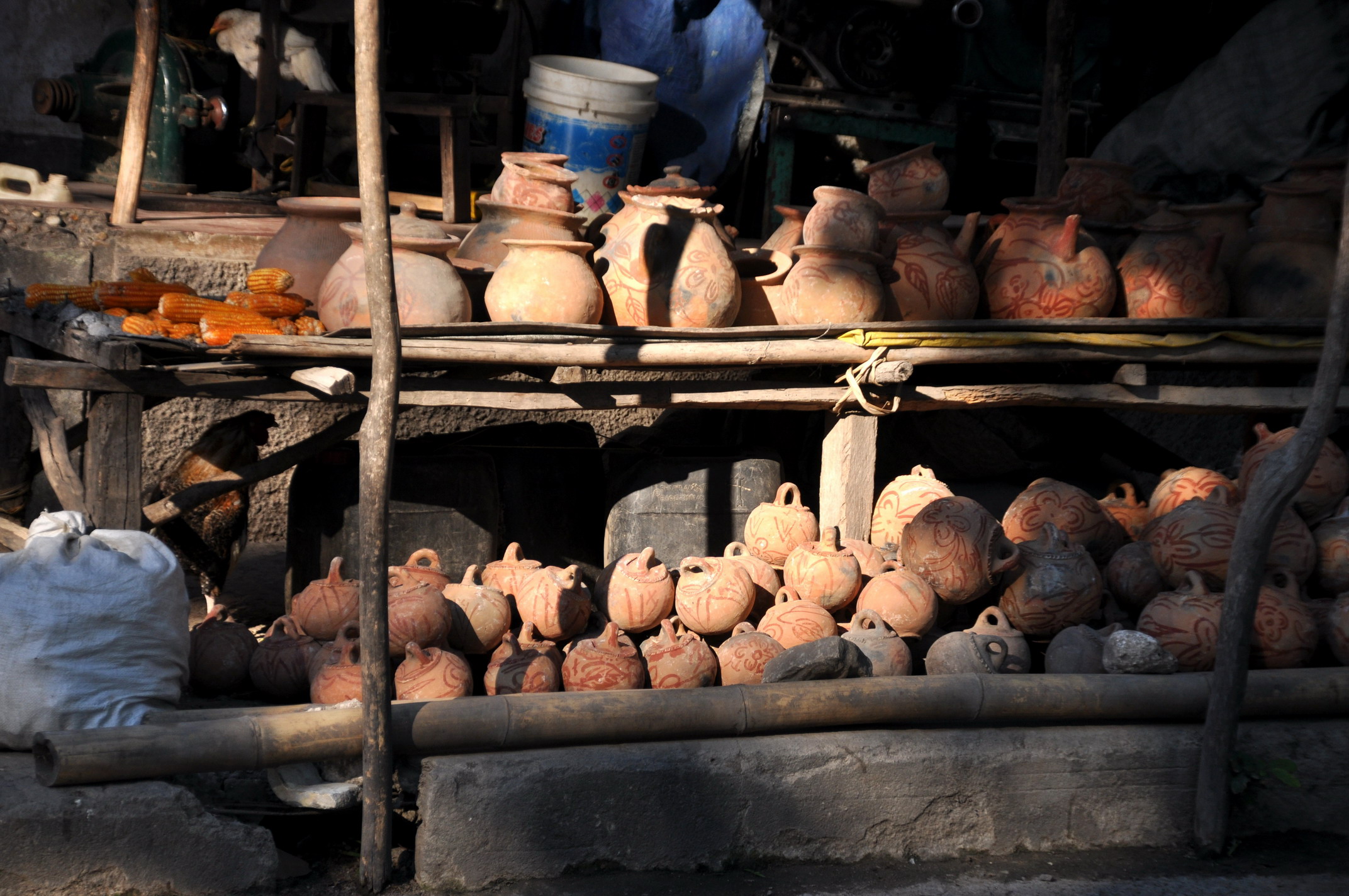
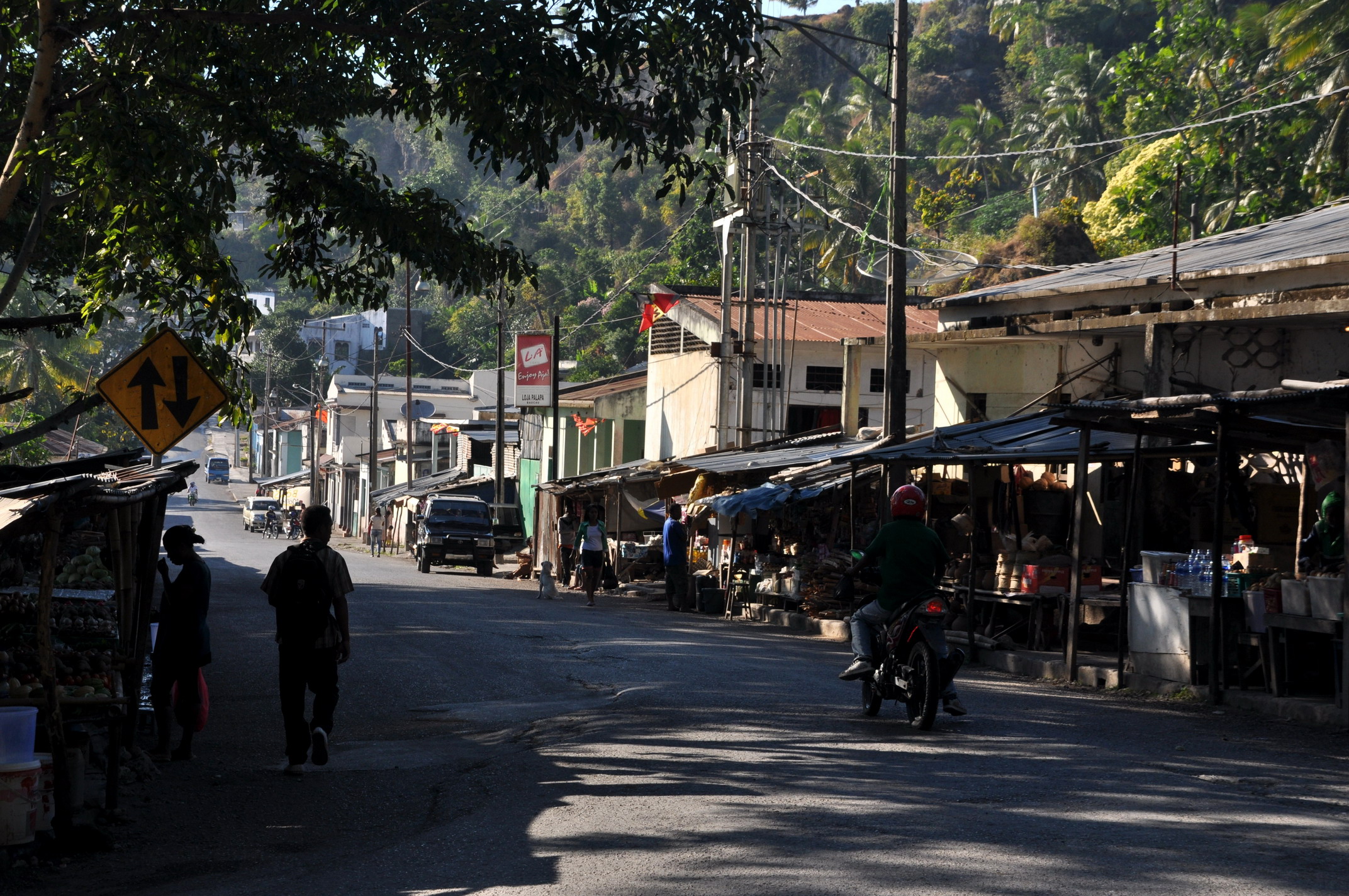
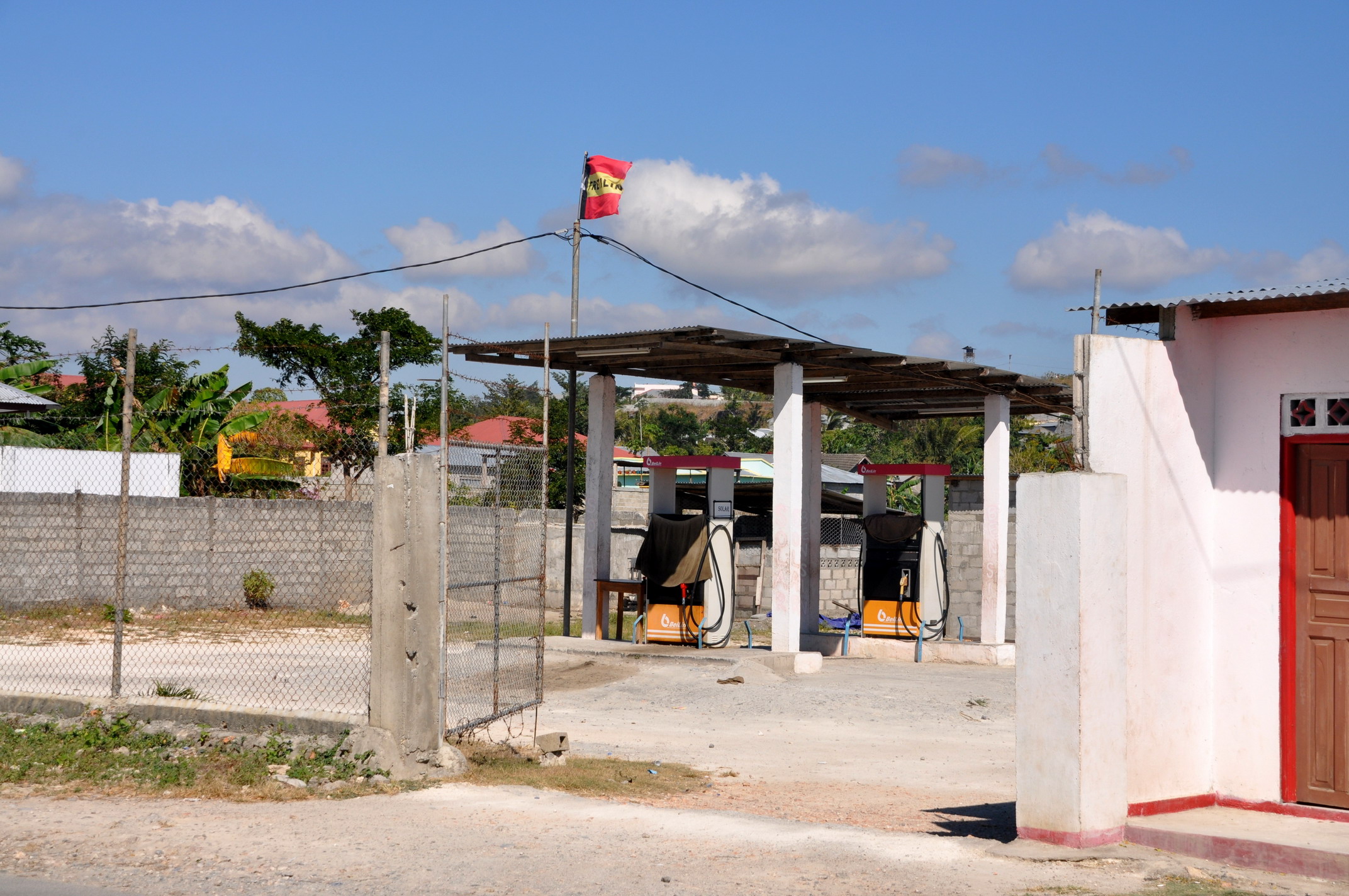
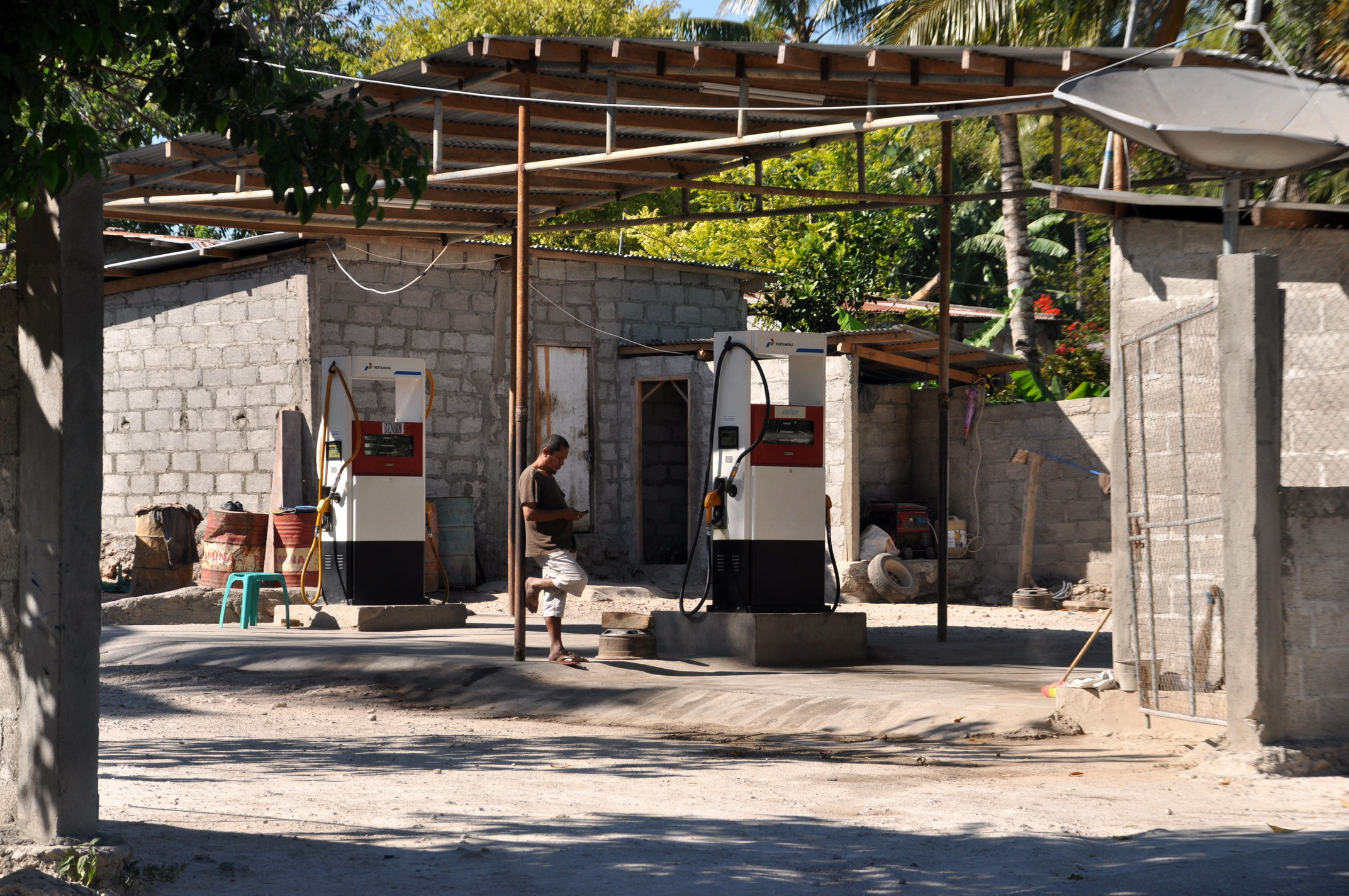
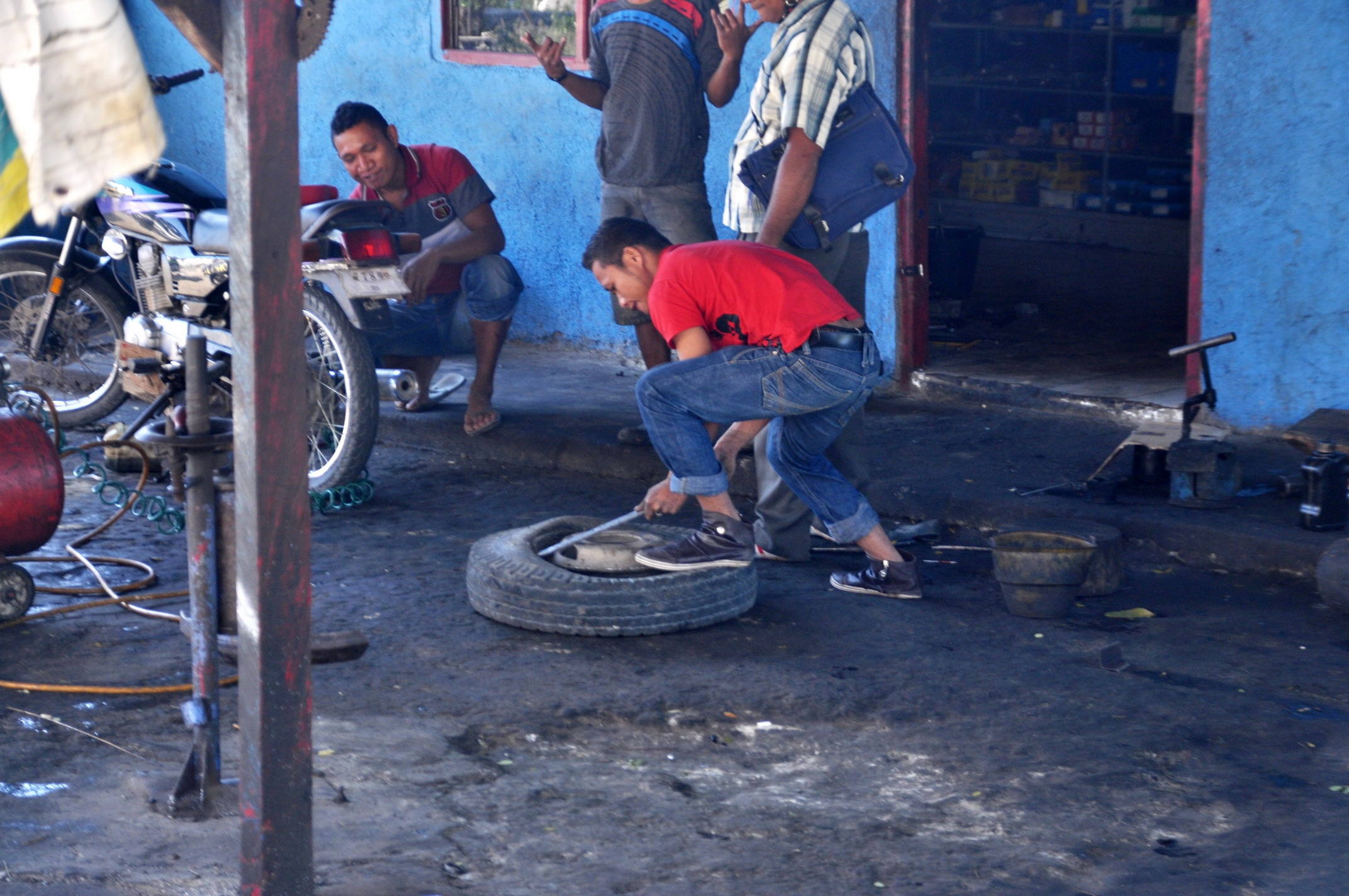
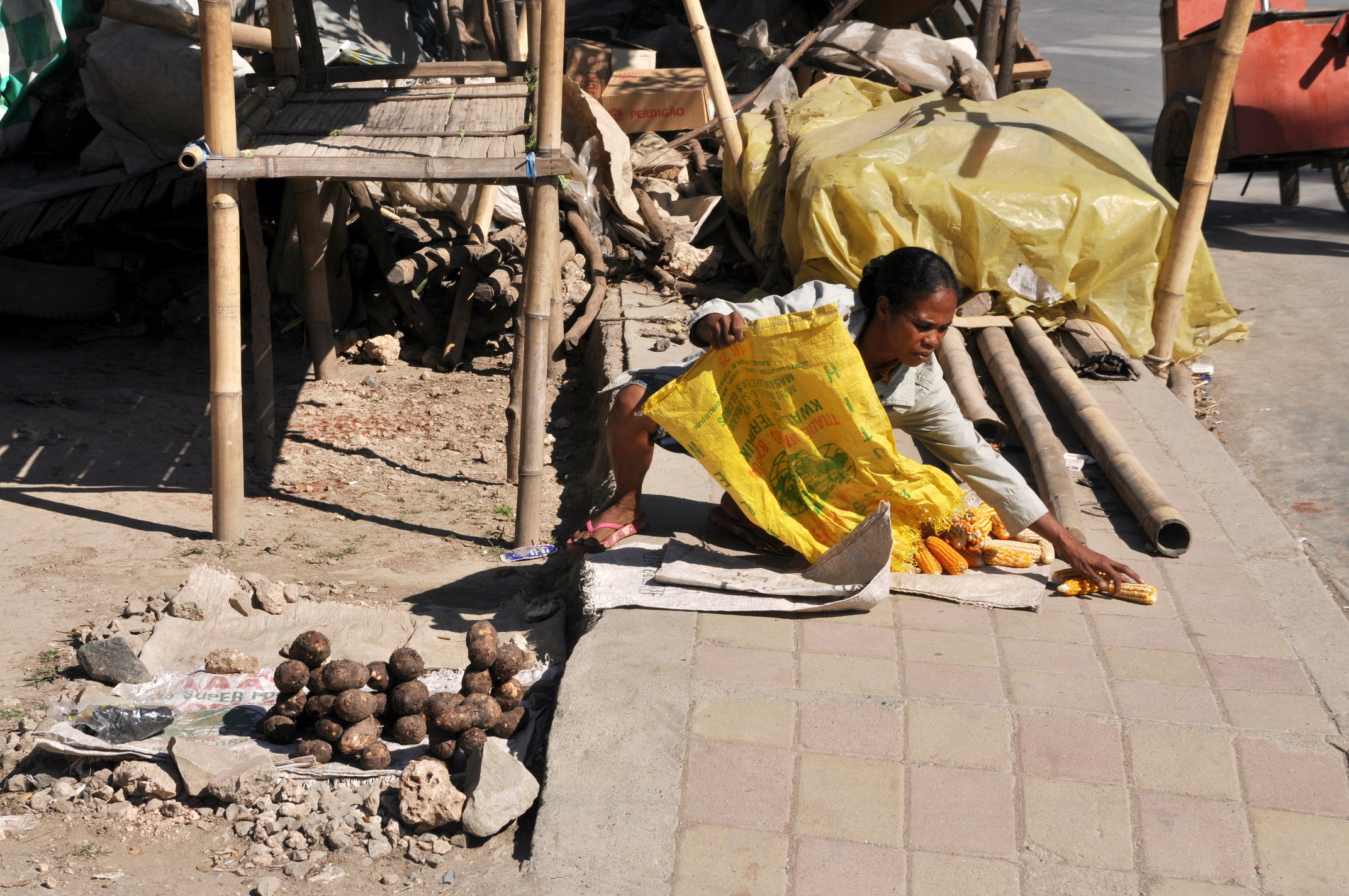
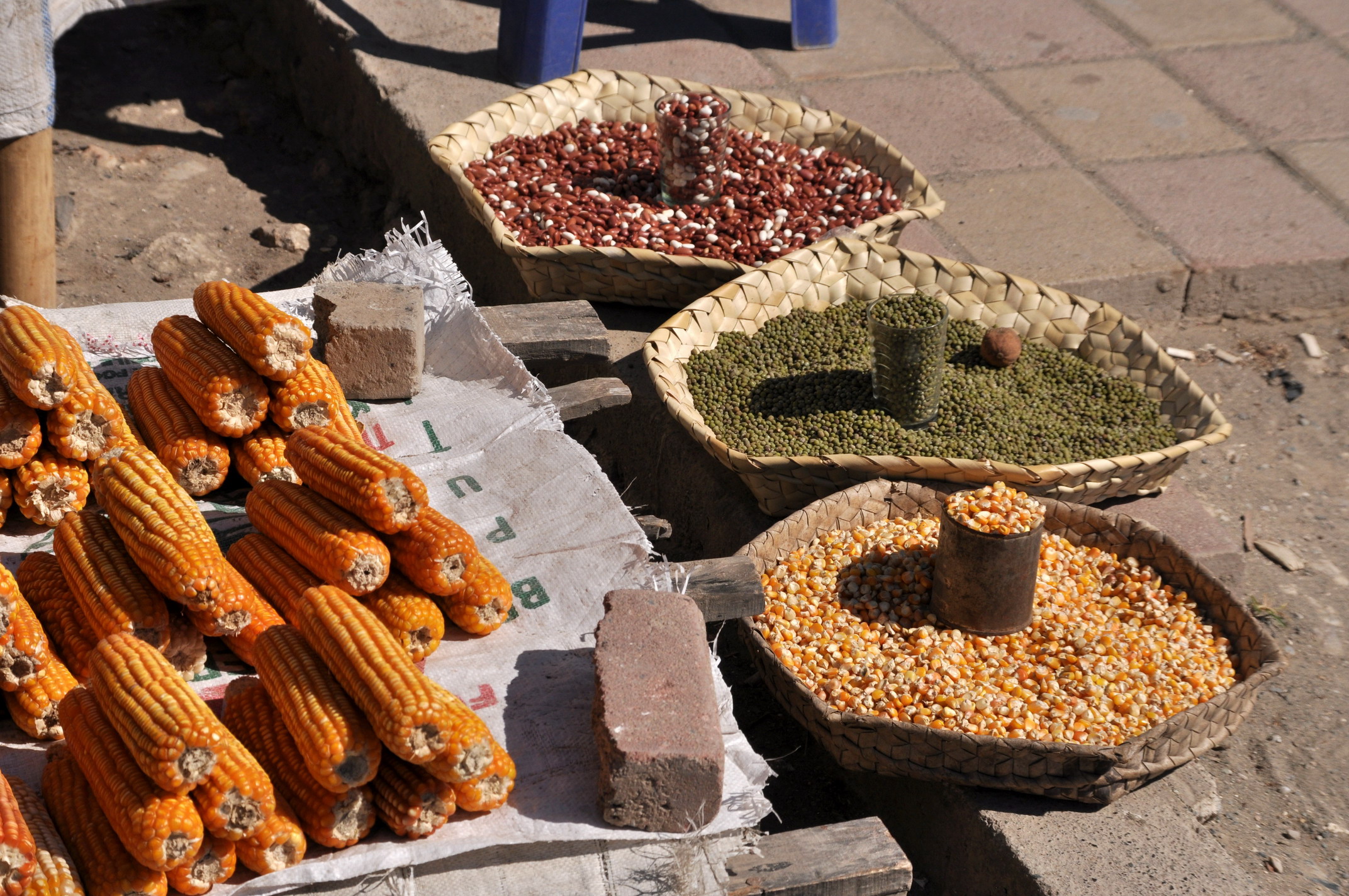
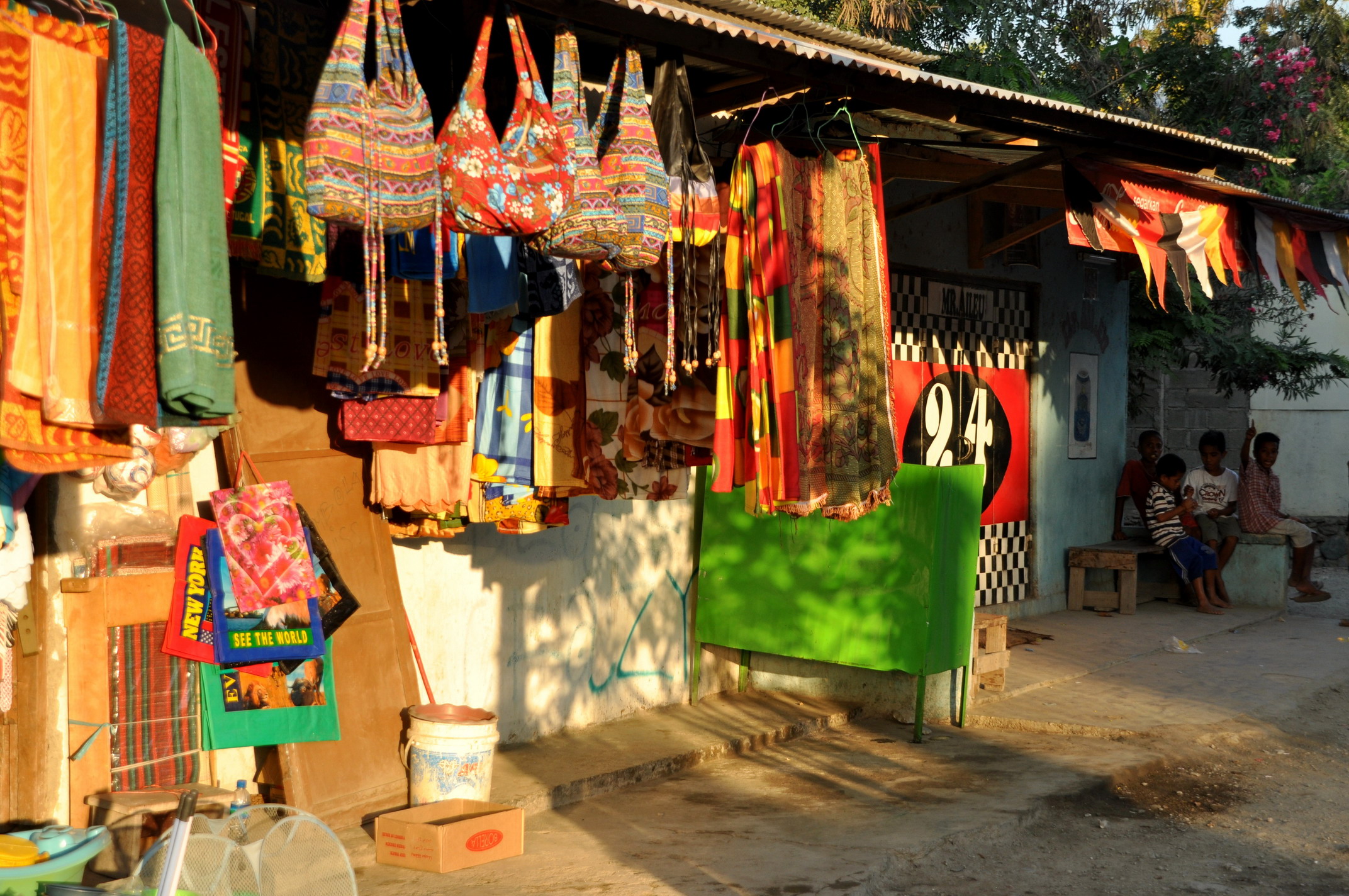
The town even had two petrol stations. At the tyre shop they fitted tubeless tyres with a crowbar. Traders laid their wares right on the ground. Such stalls as I was used to seemed to be a stage of development this society hadn't reached yet. To make vegetables look fresh, they sprayed them with water from a plastic bottle with a few pinholes in it.
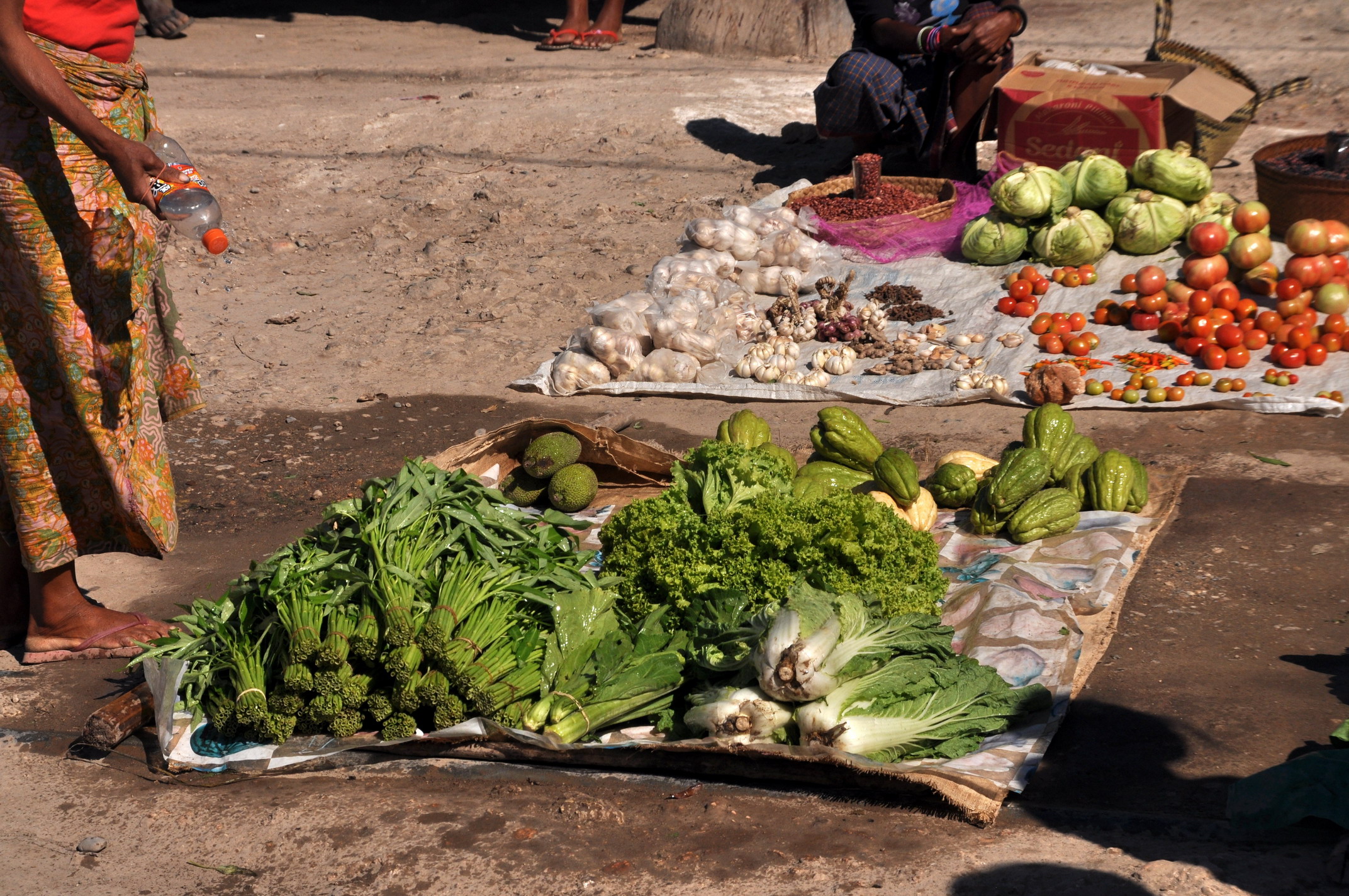
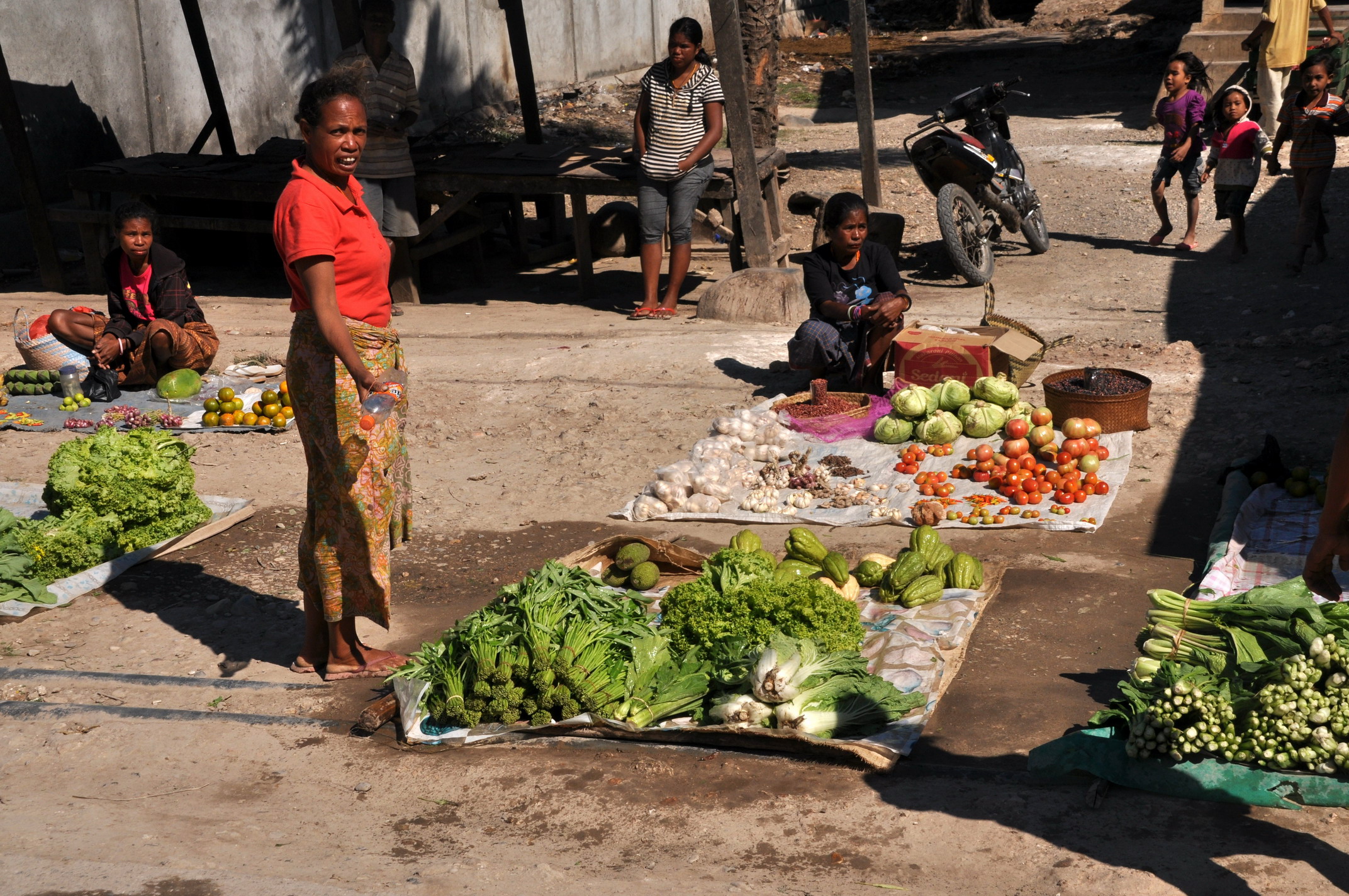
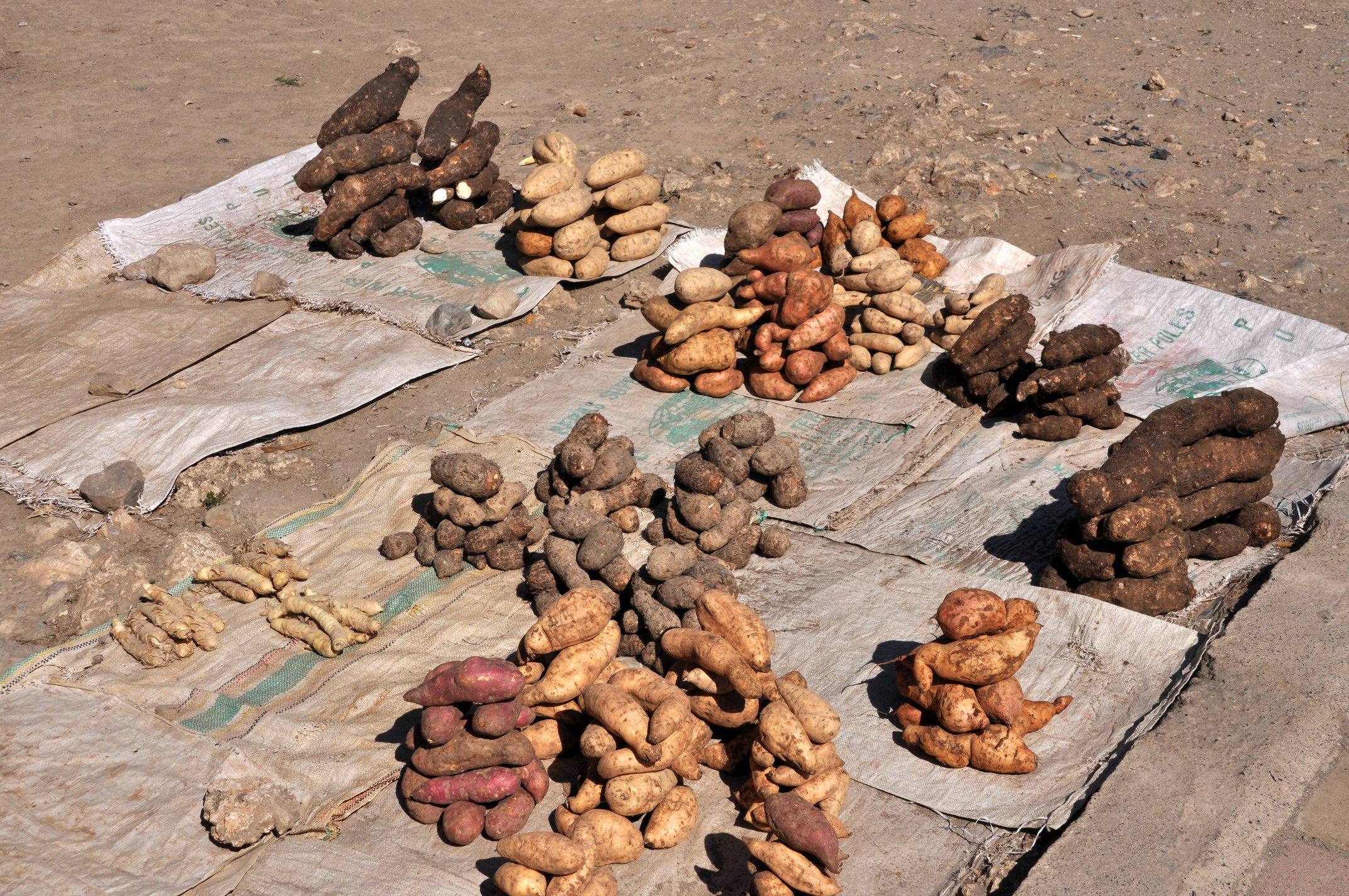
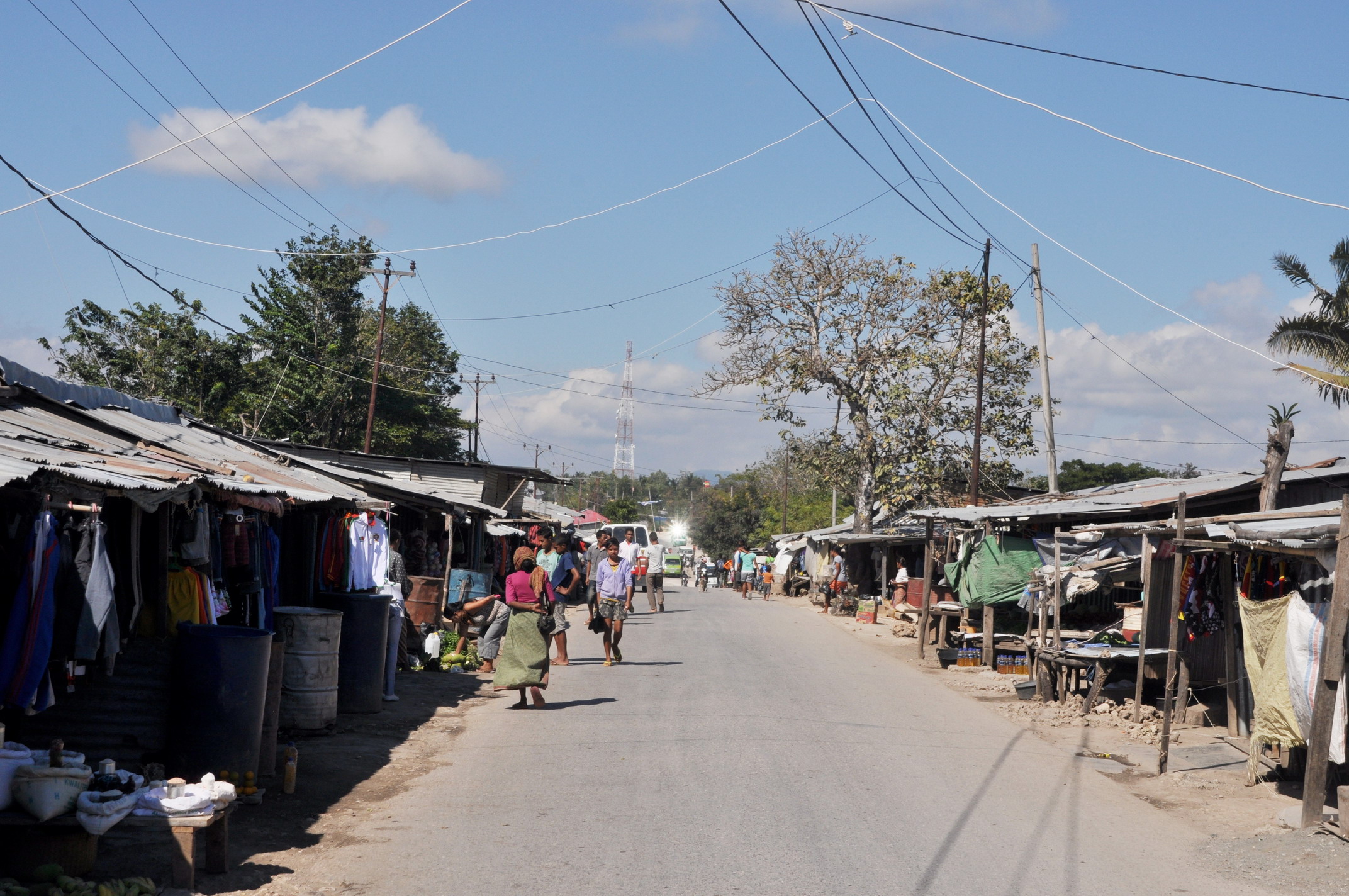
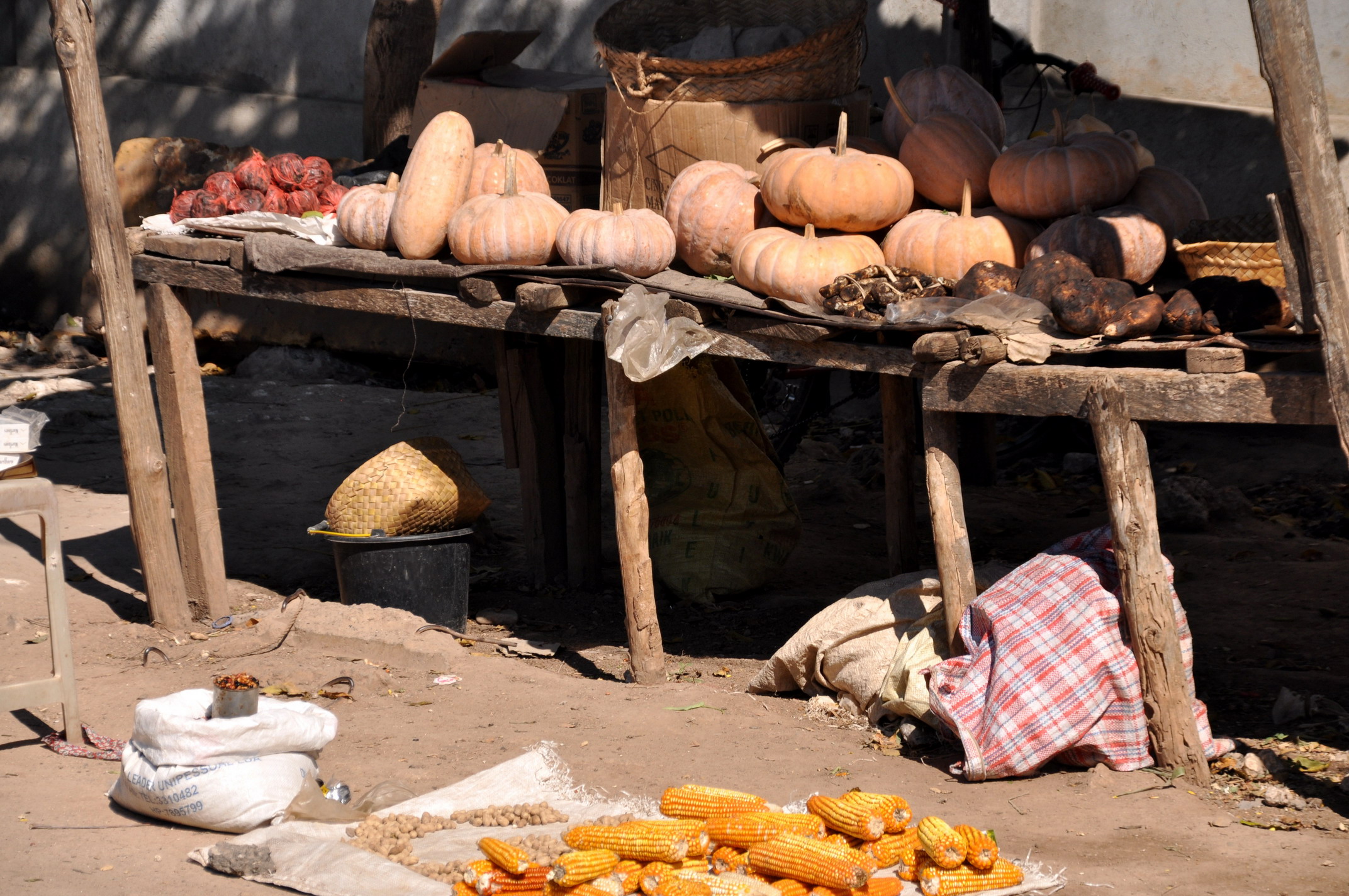
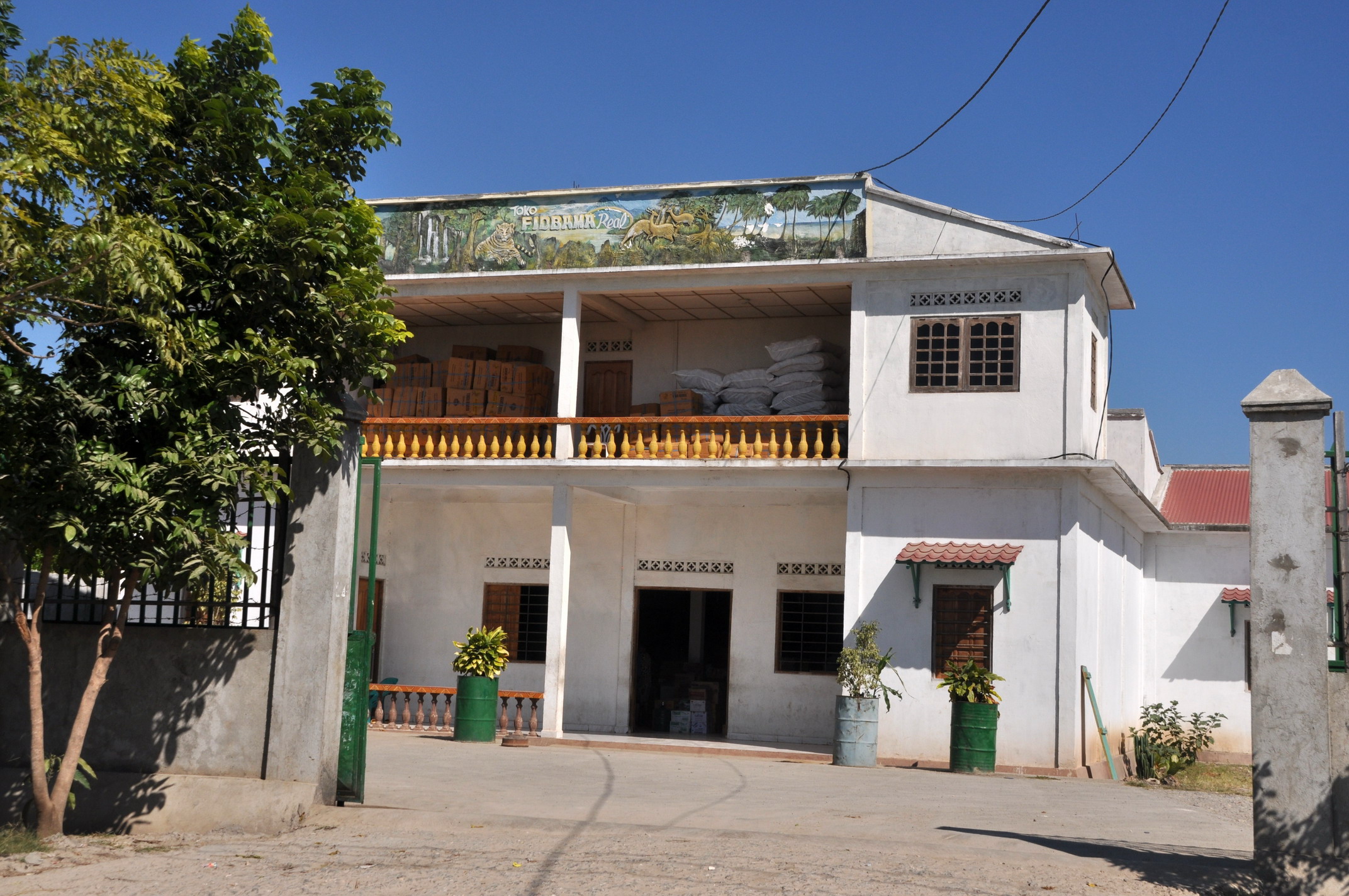
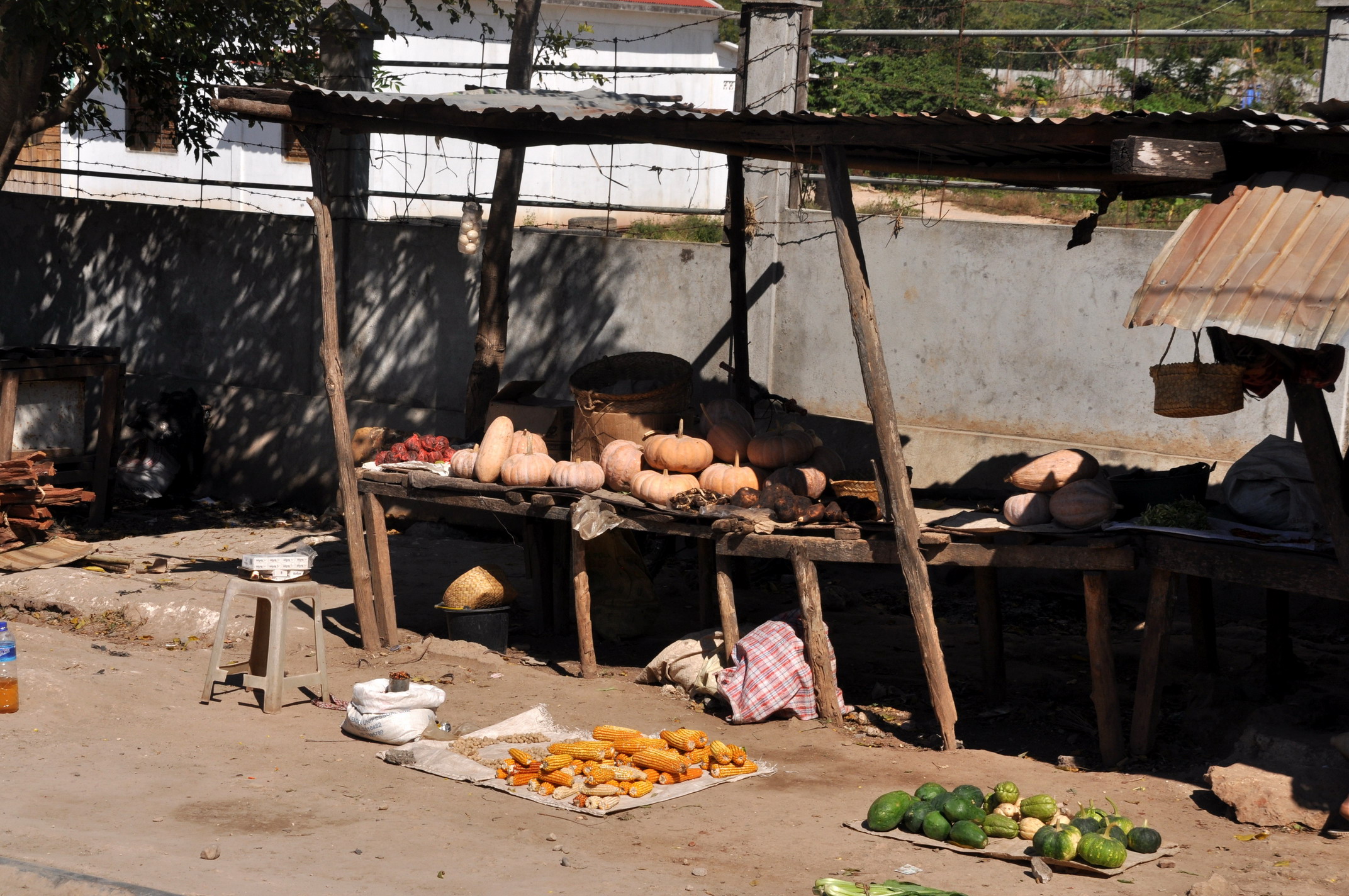
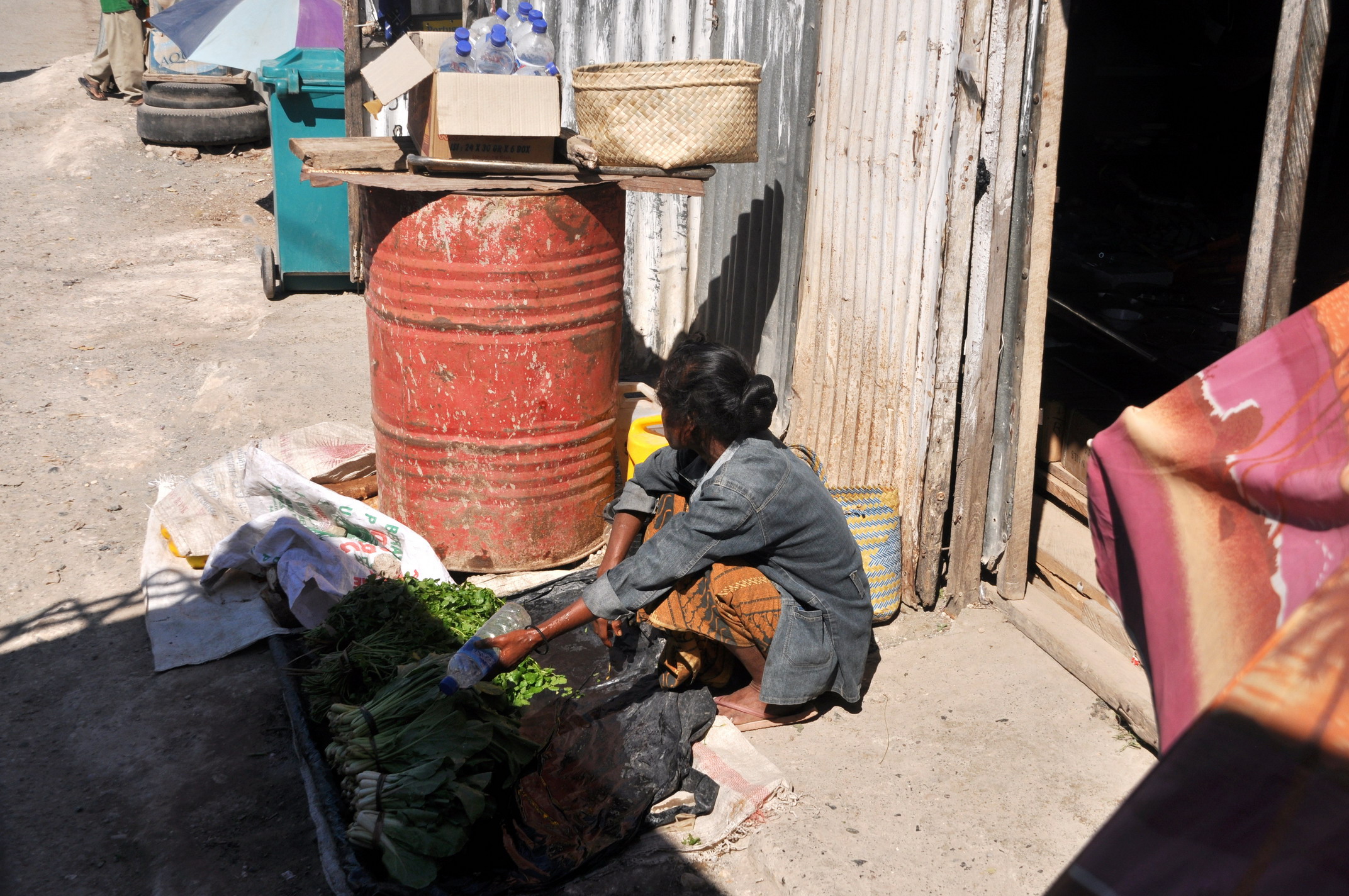
And here was the school. The children were quite smartly dressed. They all had phones and earbuds in their ears. They were probably listening to the same things as children in California. Nearby were some preschoolers in rags. School was supposed to be for everyone. Could poor families not afford to get their children ready for it, or were children dressed up only for school? In one corner of the yard a table with buns served as the school canteen.
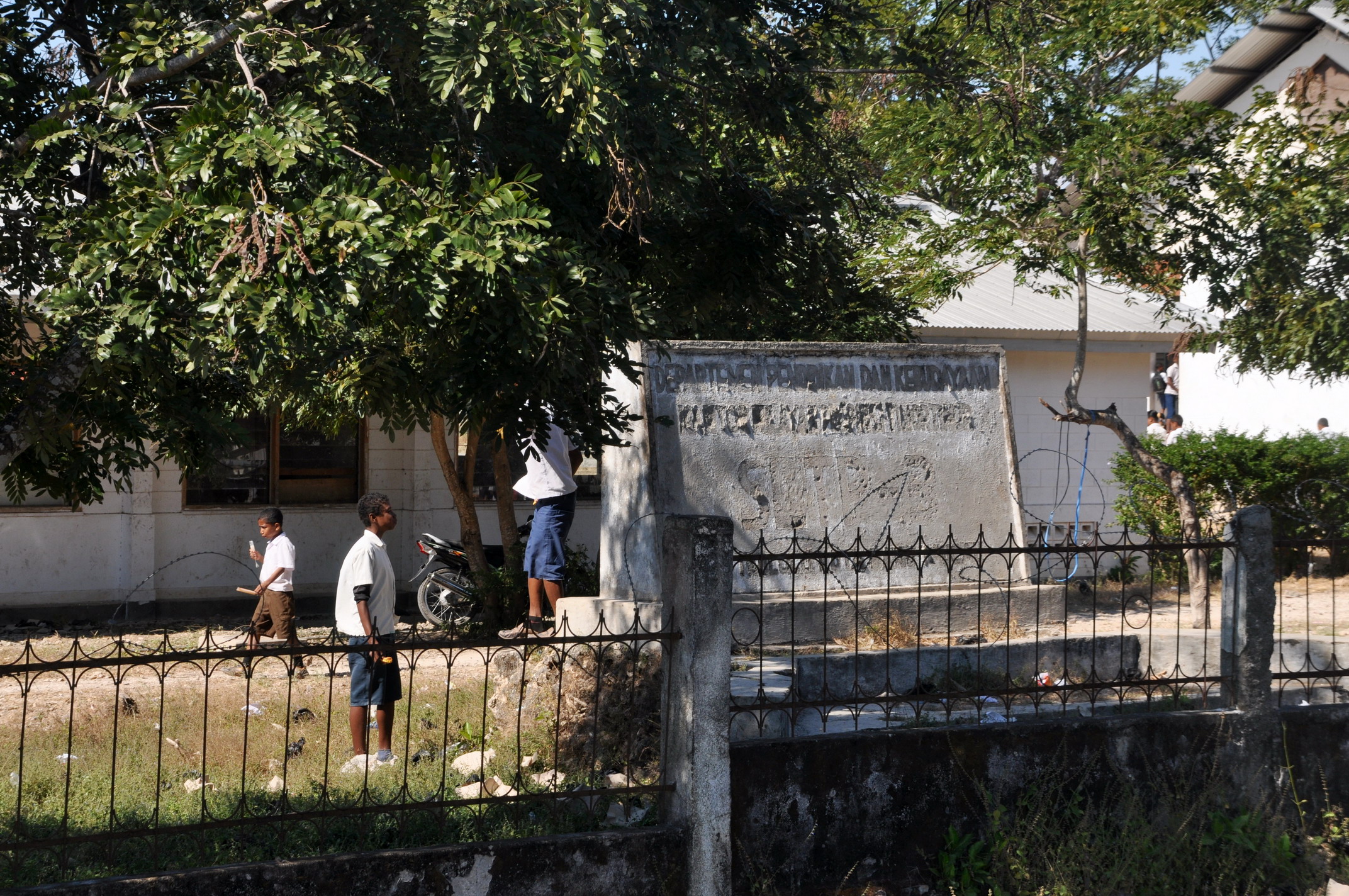
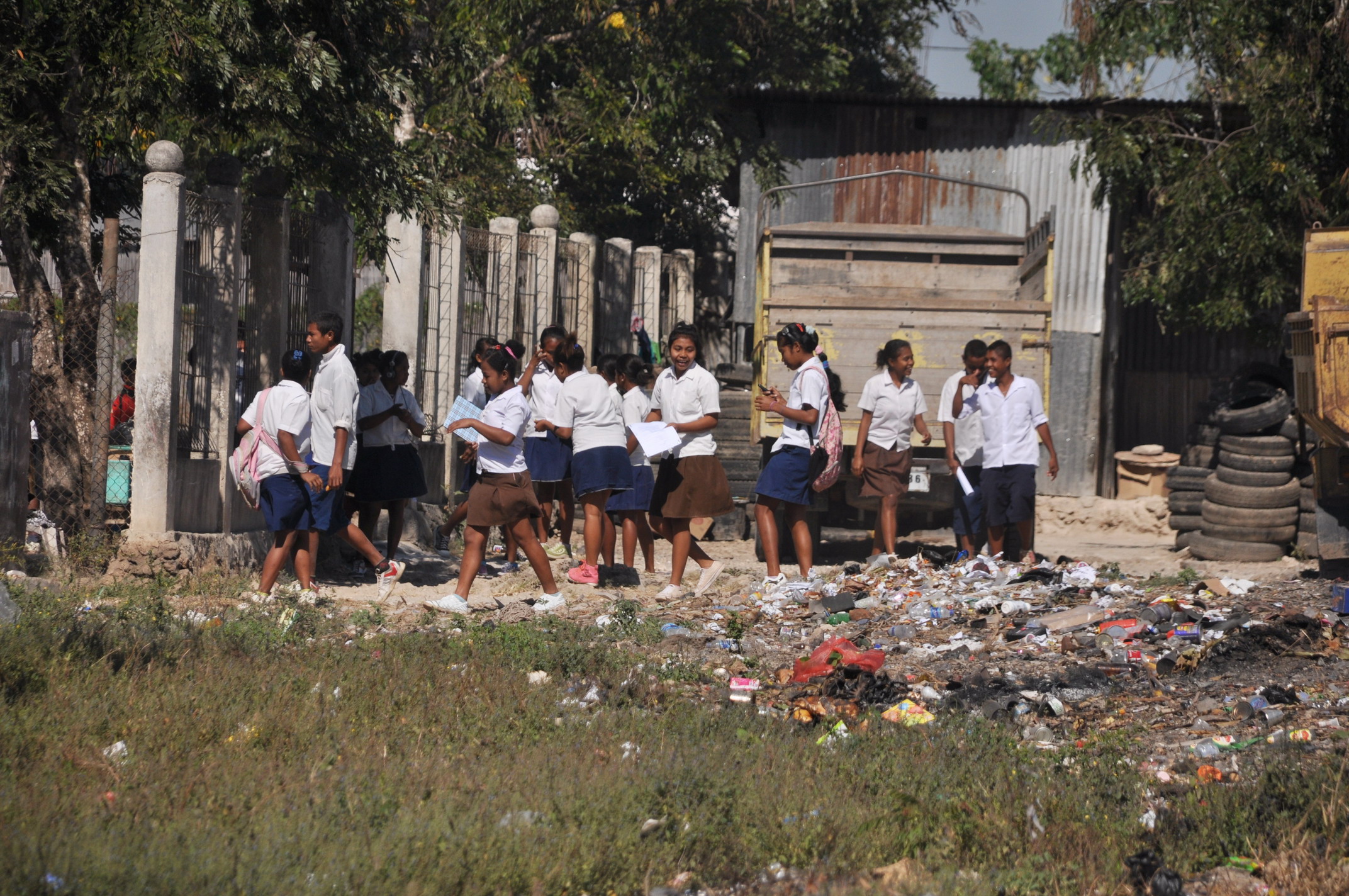
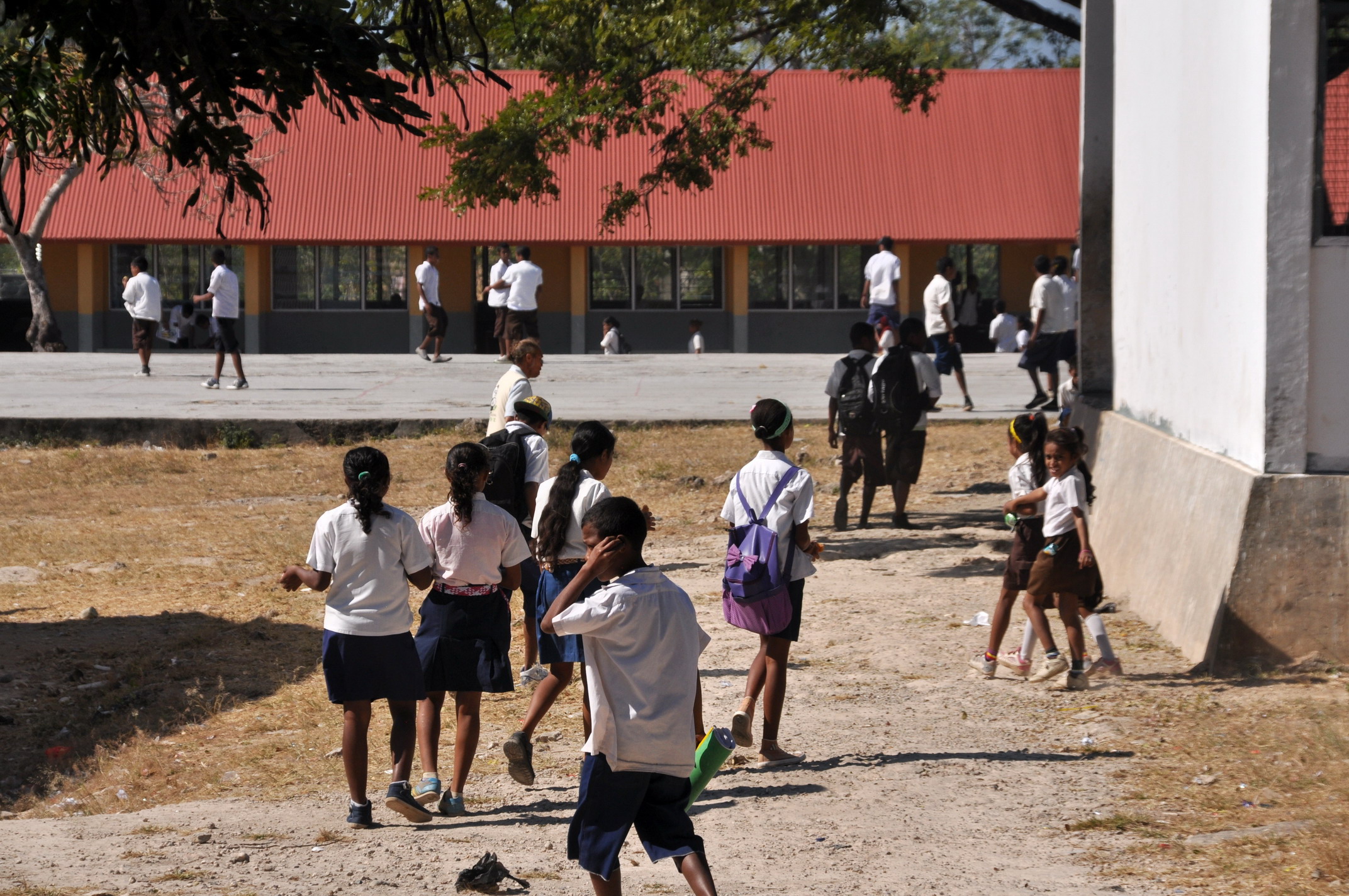
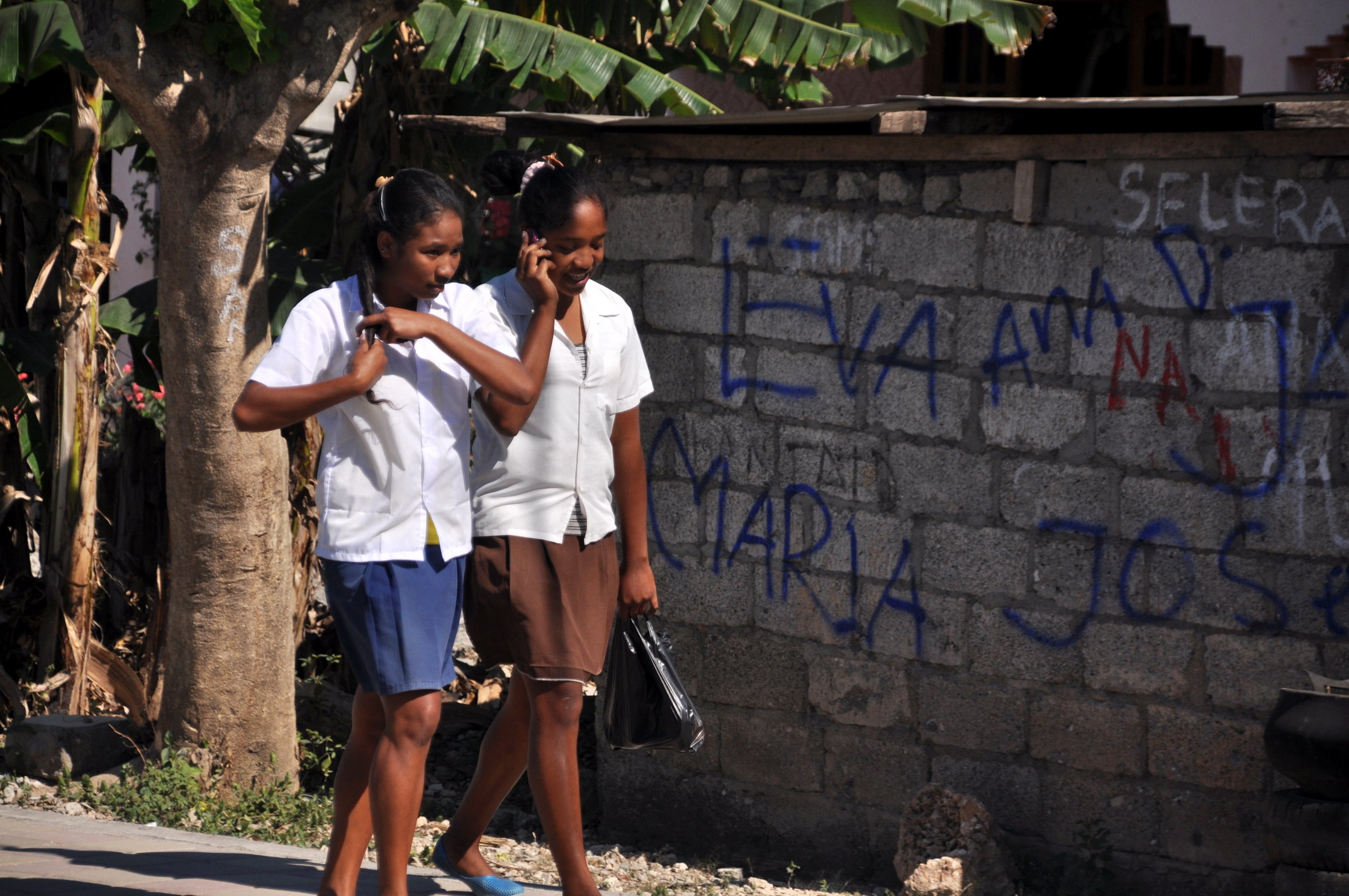
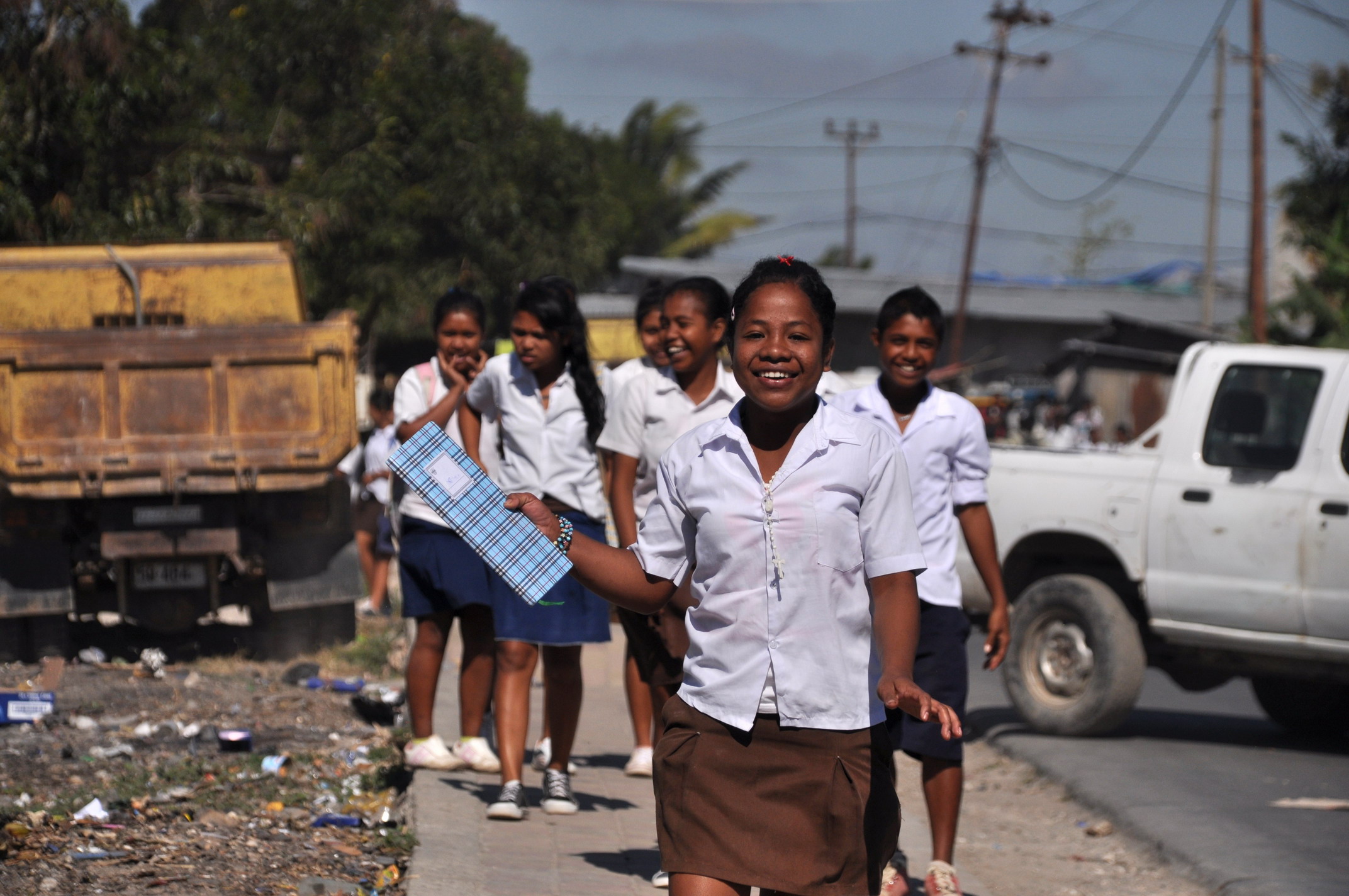
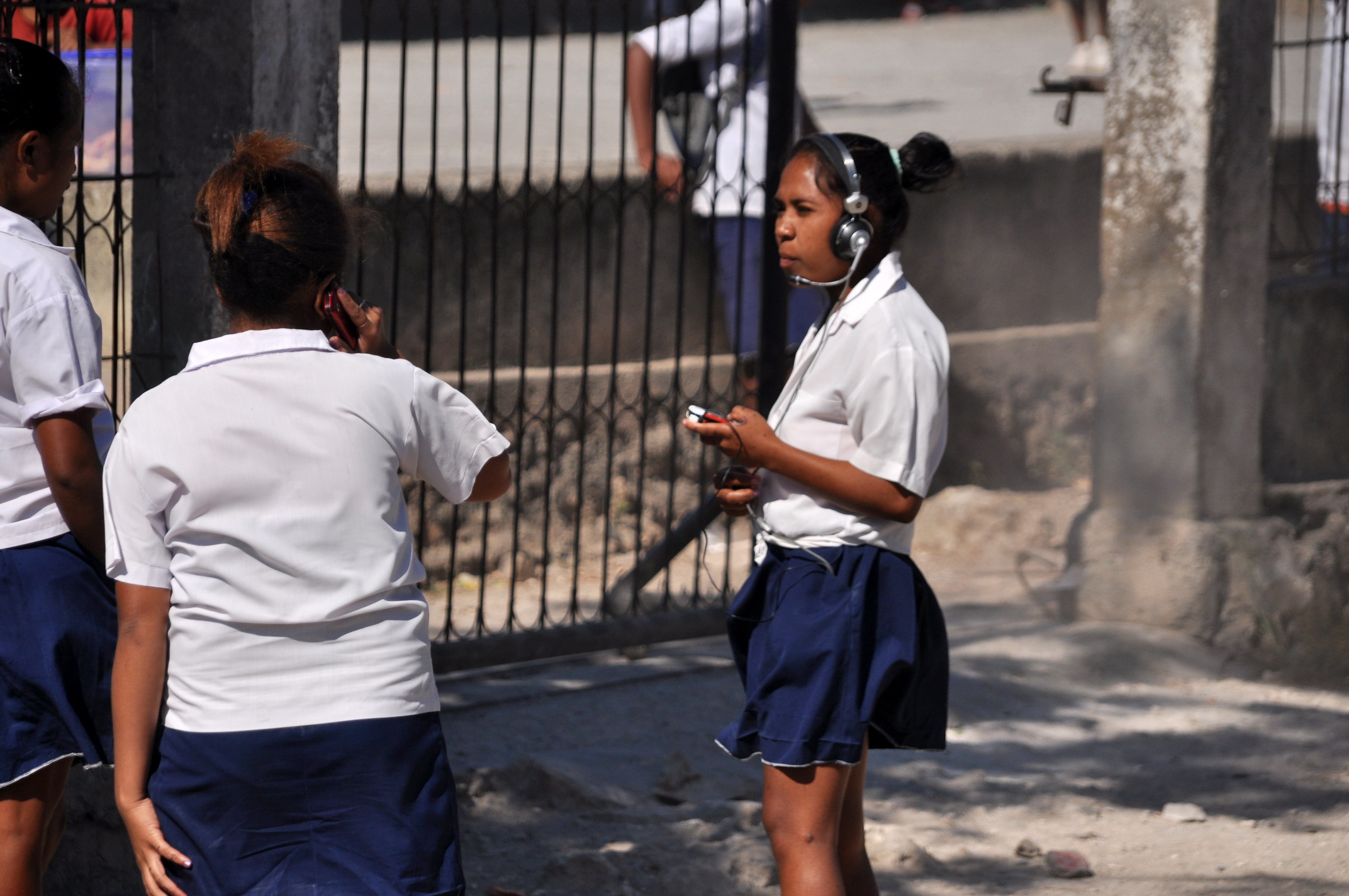
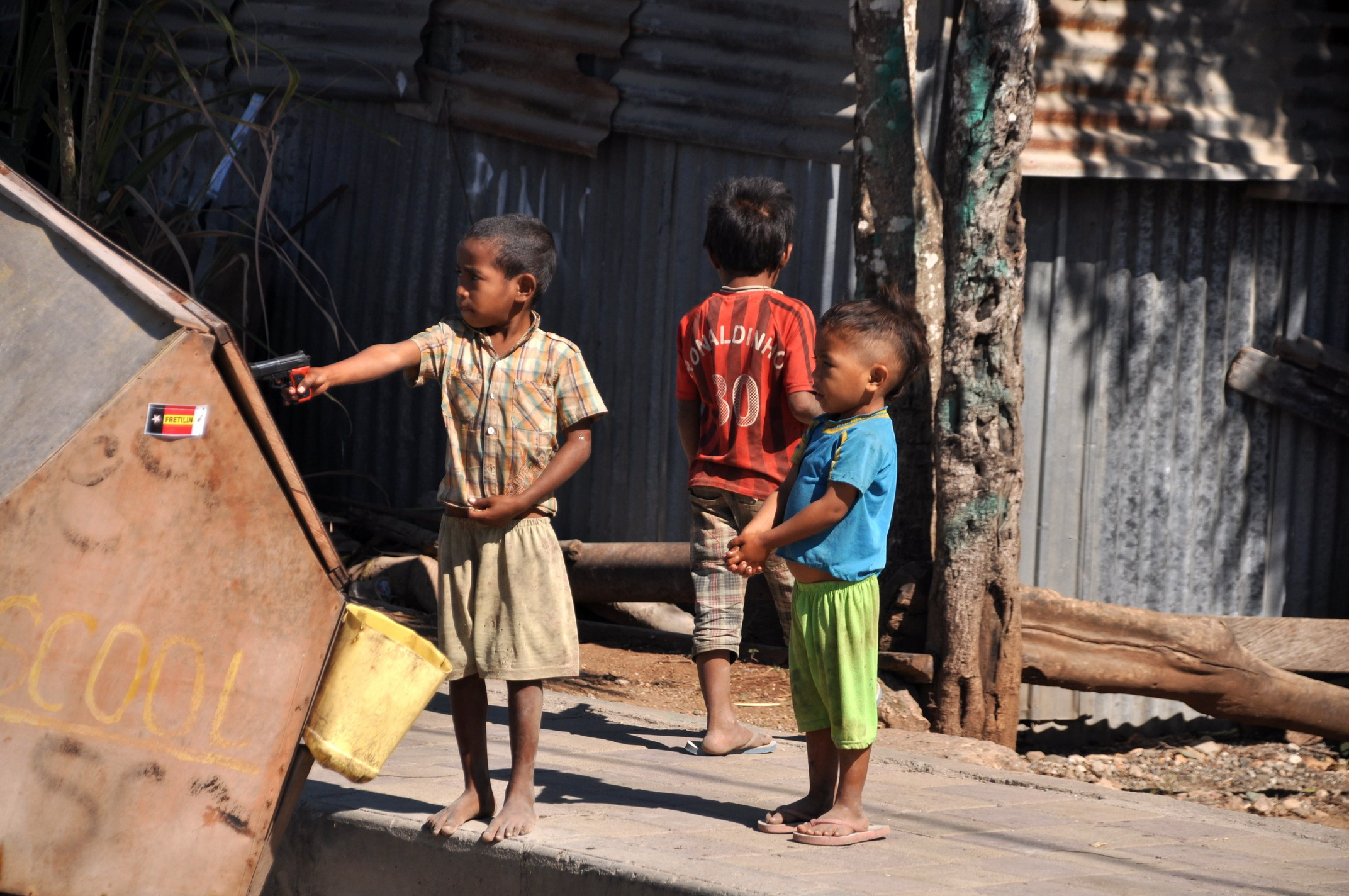
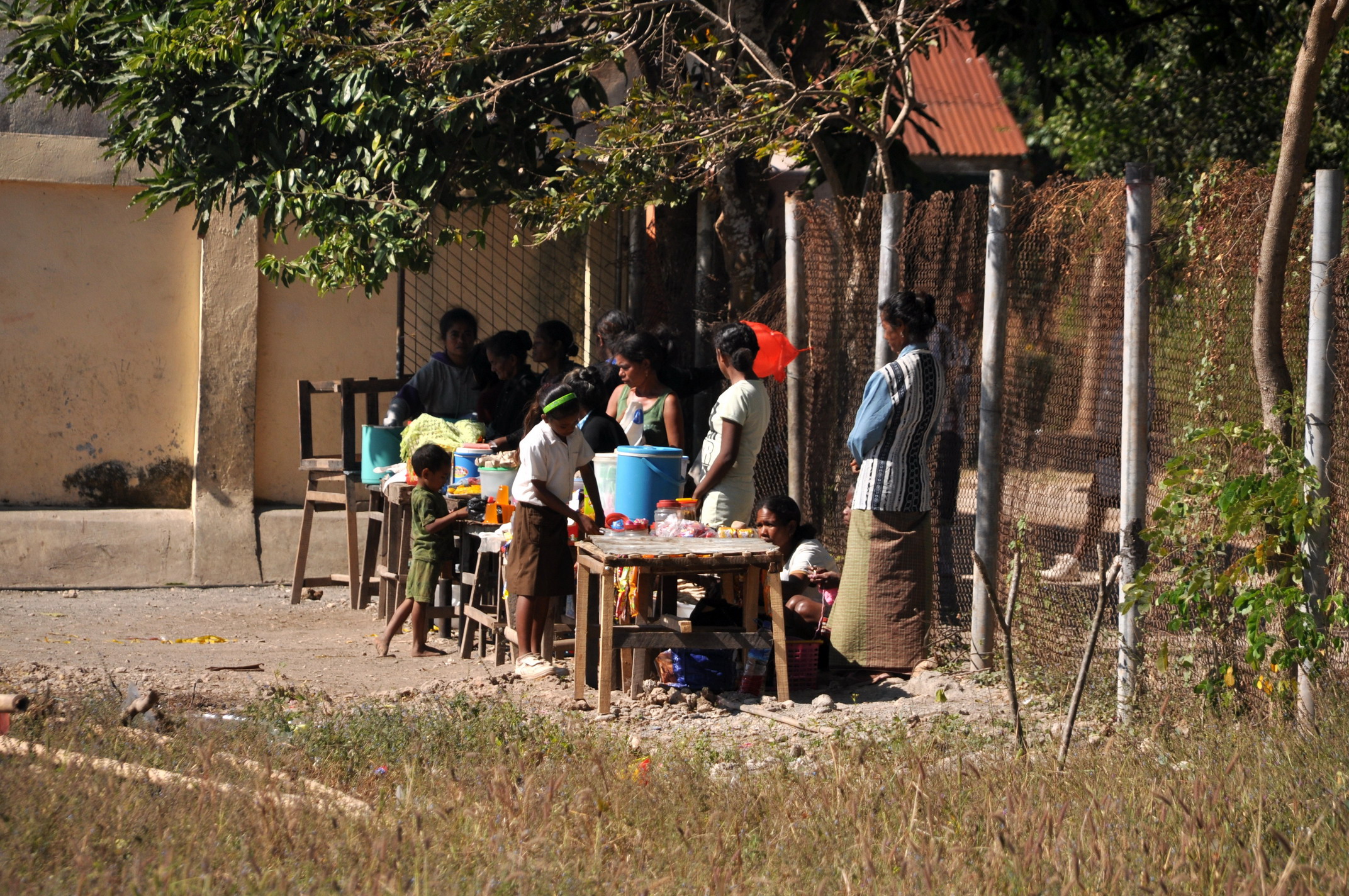
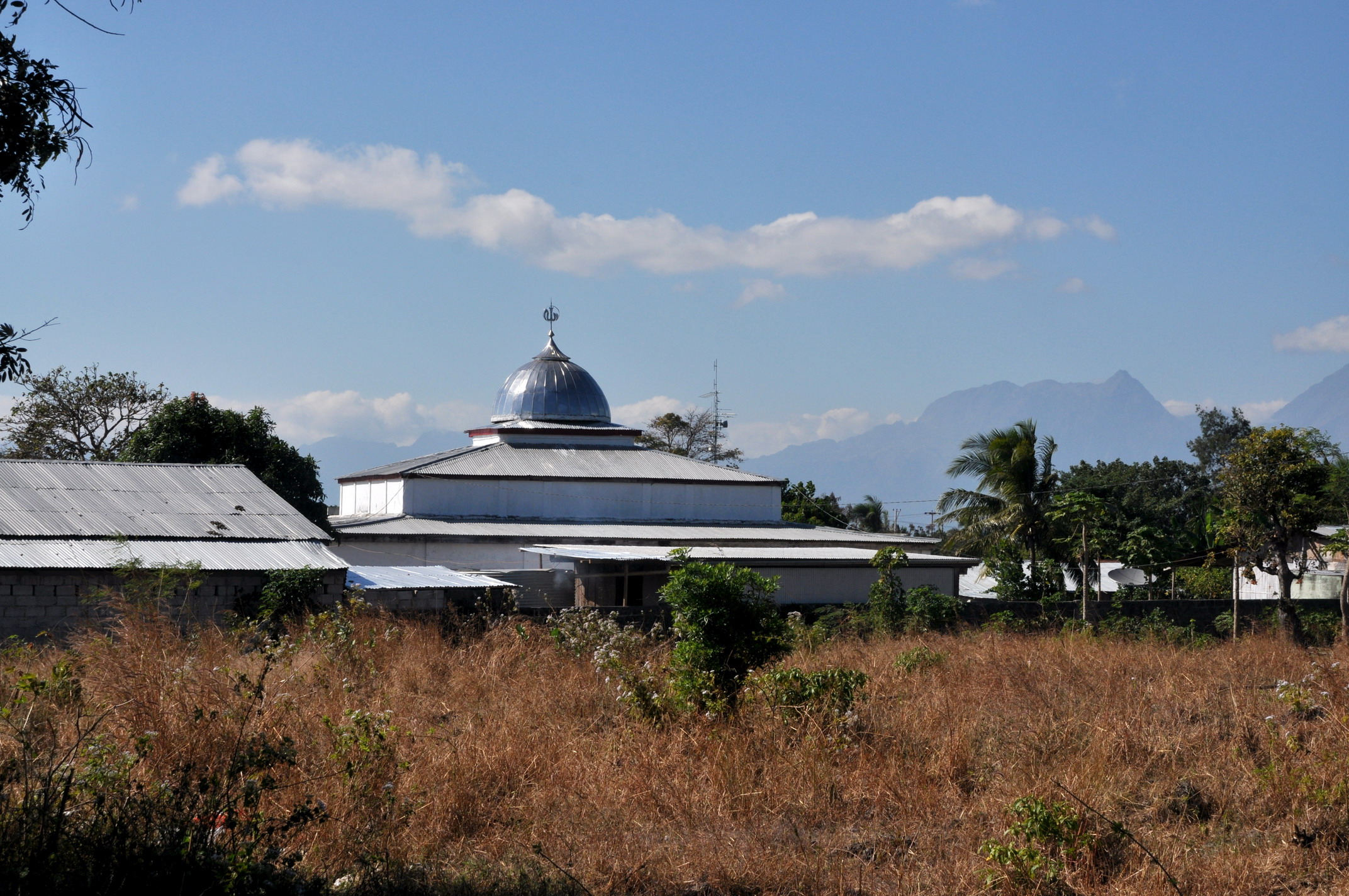
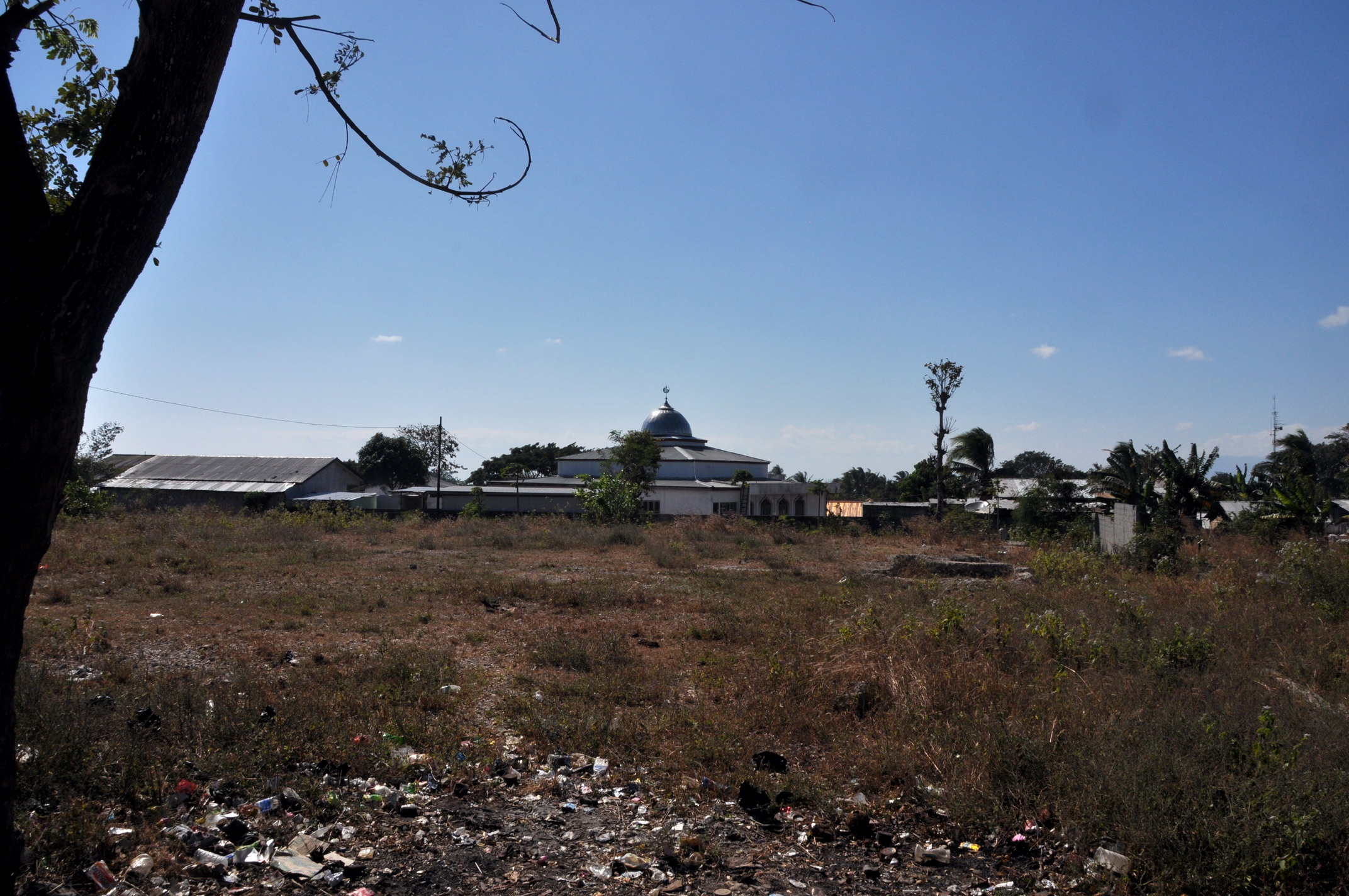
Near the UN troops stood a mosque. Would it still stand if it were on the outskirts? Even here it looked deserted. Nobody was wearing a hijab.
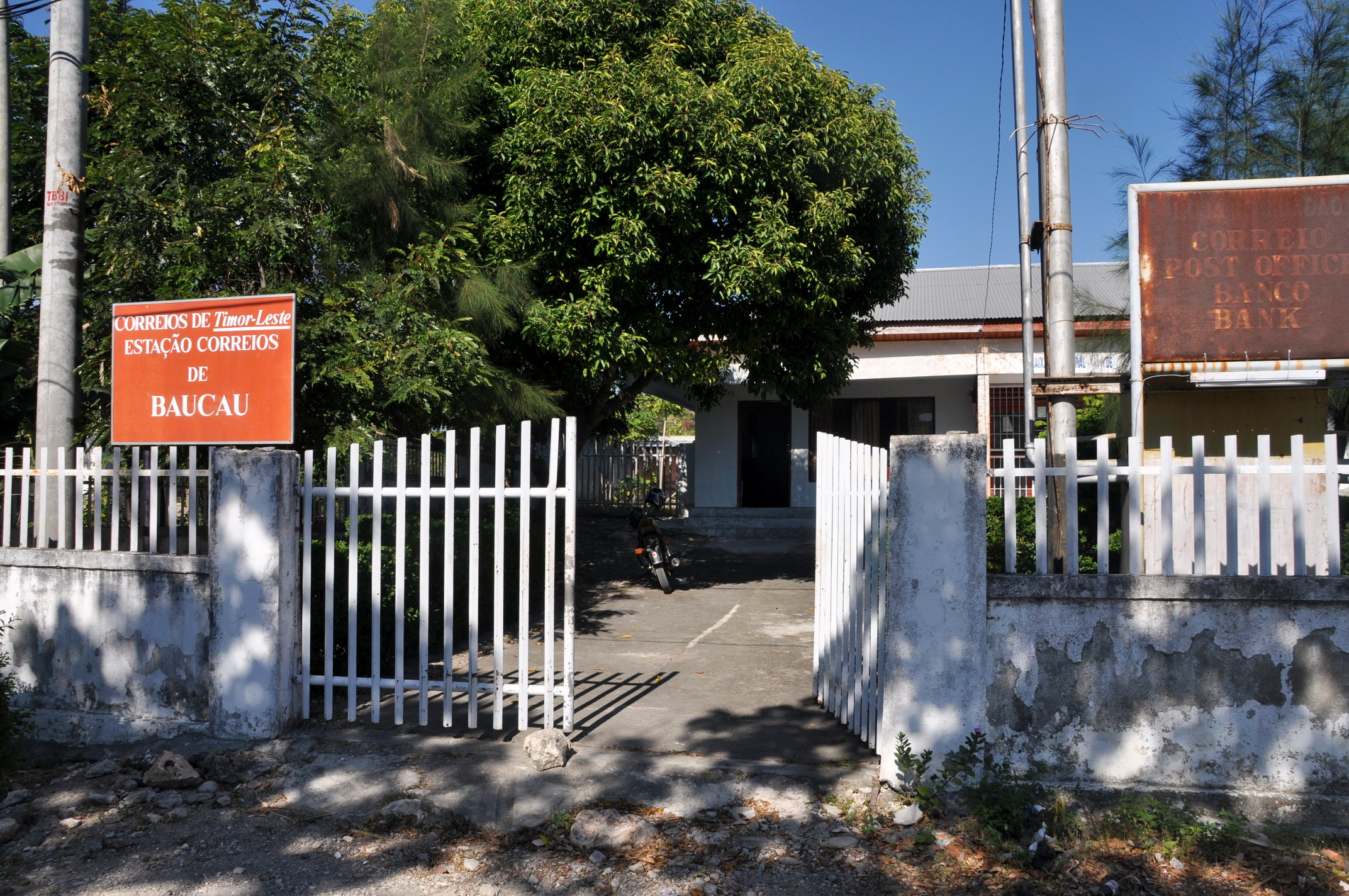
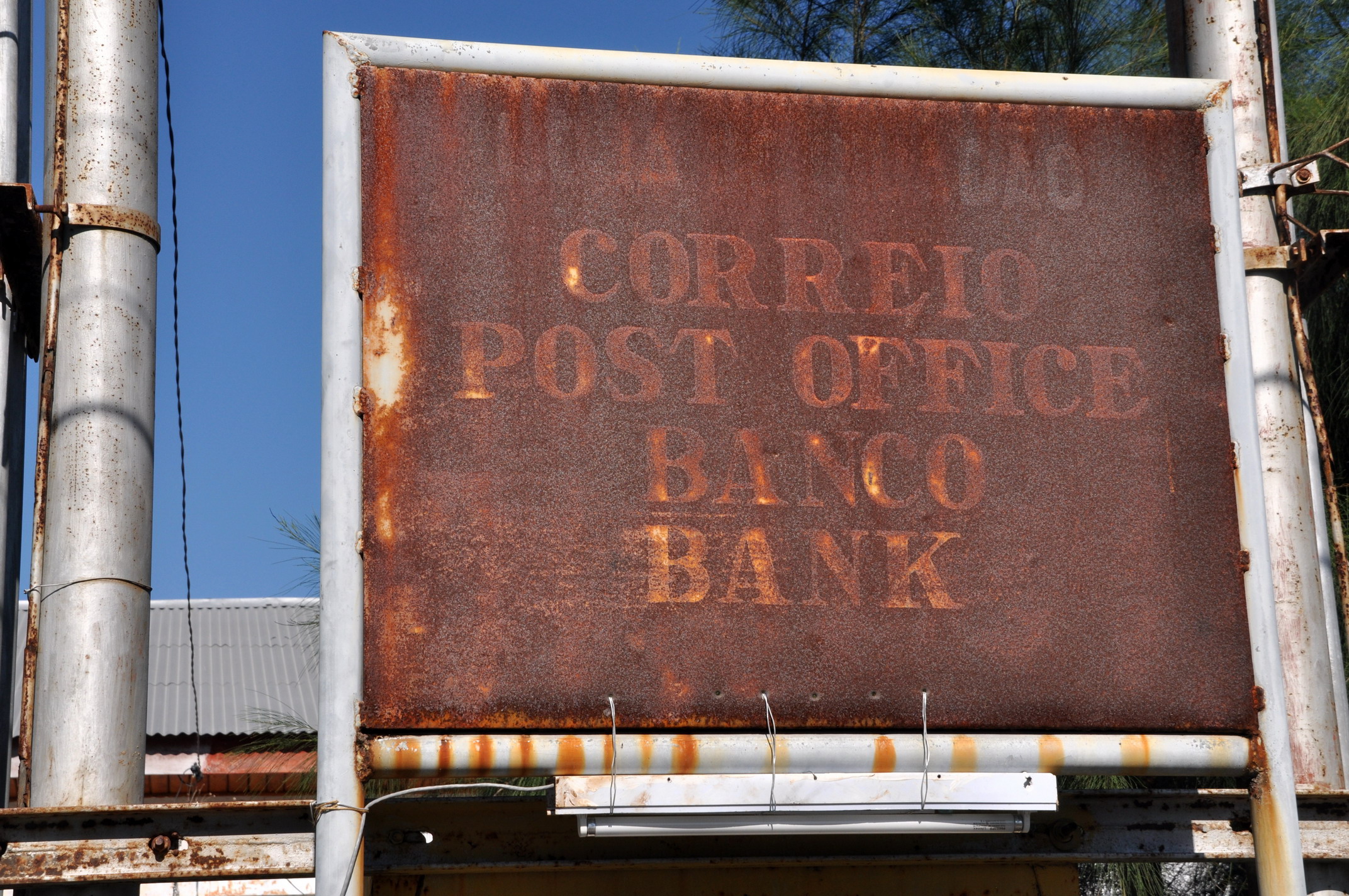
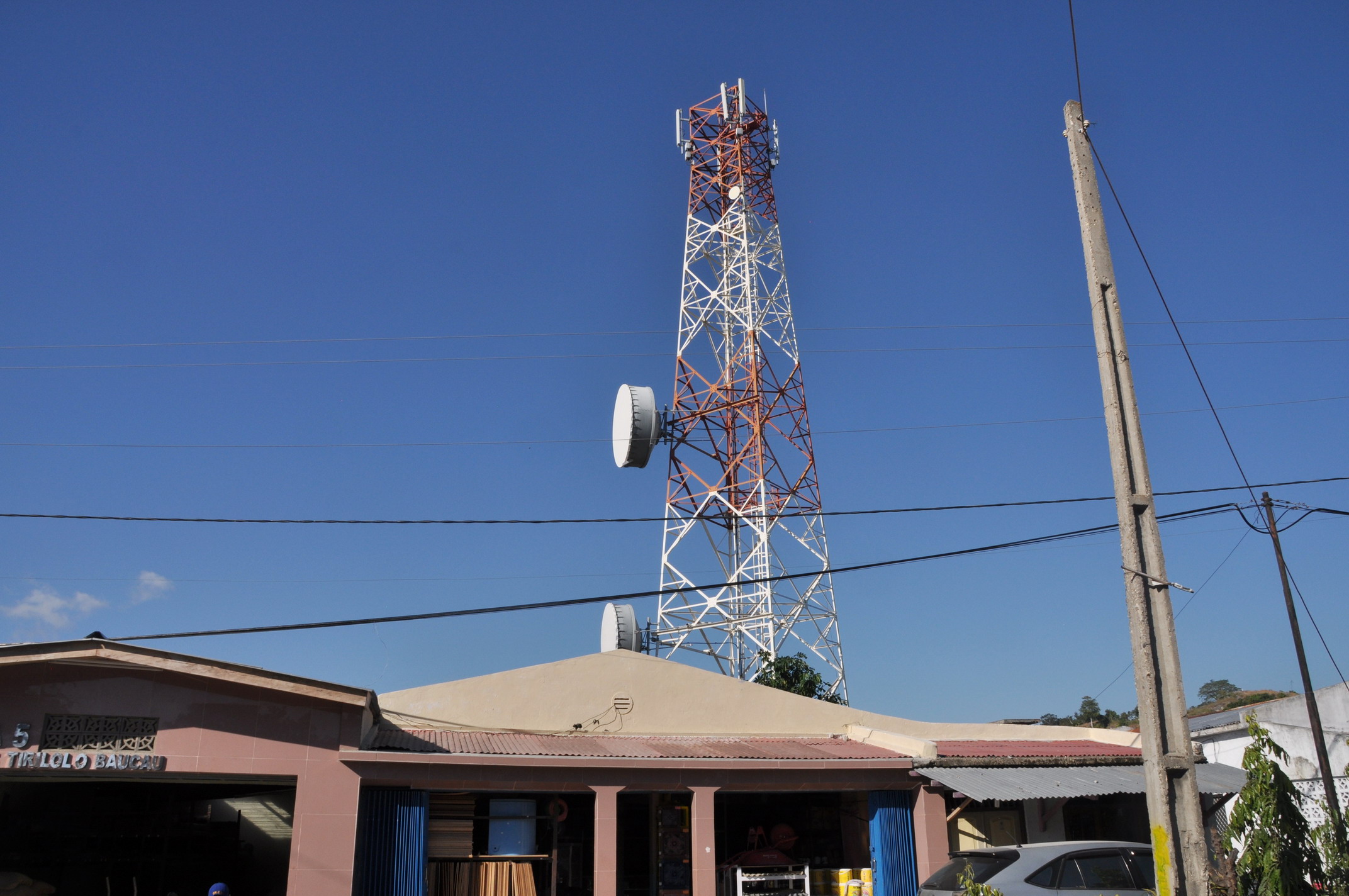
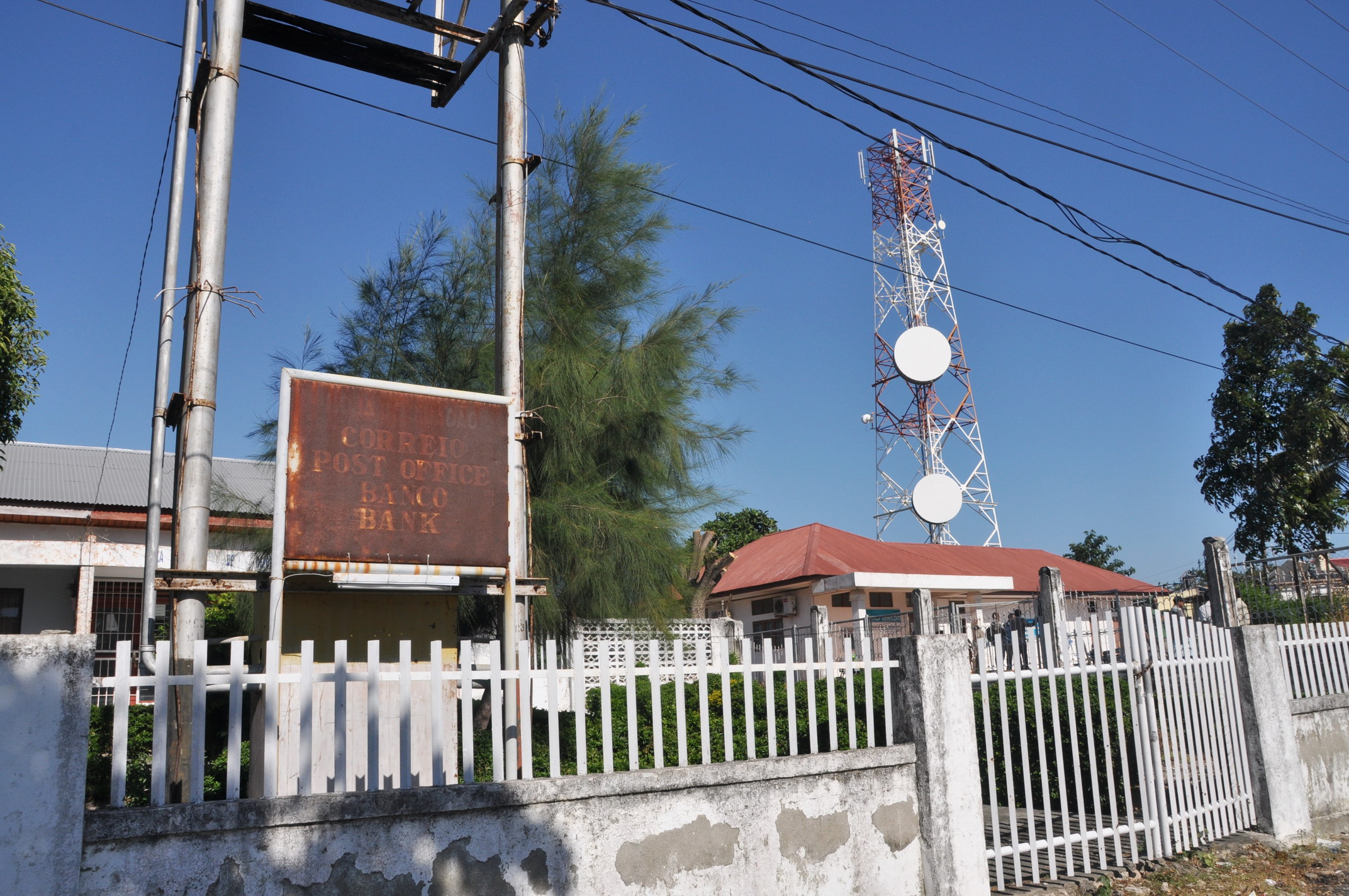
I found the post office. Like in other young countries, it was easy to spot from the tower for the mobile network overhead. I bought stamps and postcards. Sitting on a stone step, I wrote a stack of messages to friends. It felt like a different world altogether, but the local post still worked and would bring my cards to all sorts of countries. They arrived almost at once everywhere except Russia.
Back to Dili
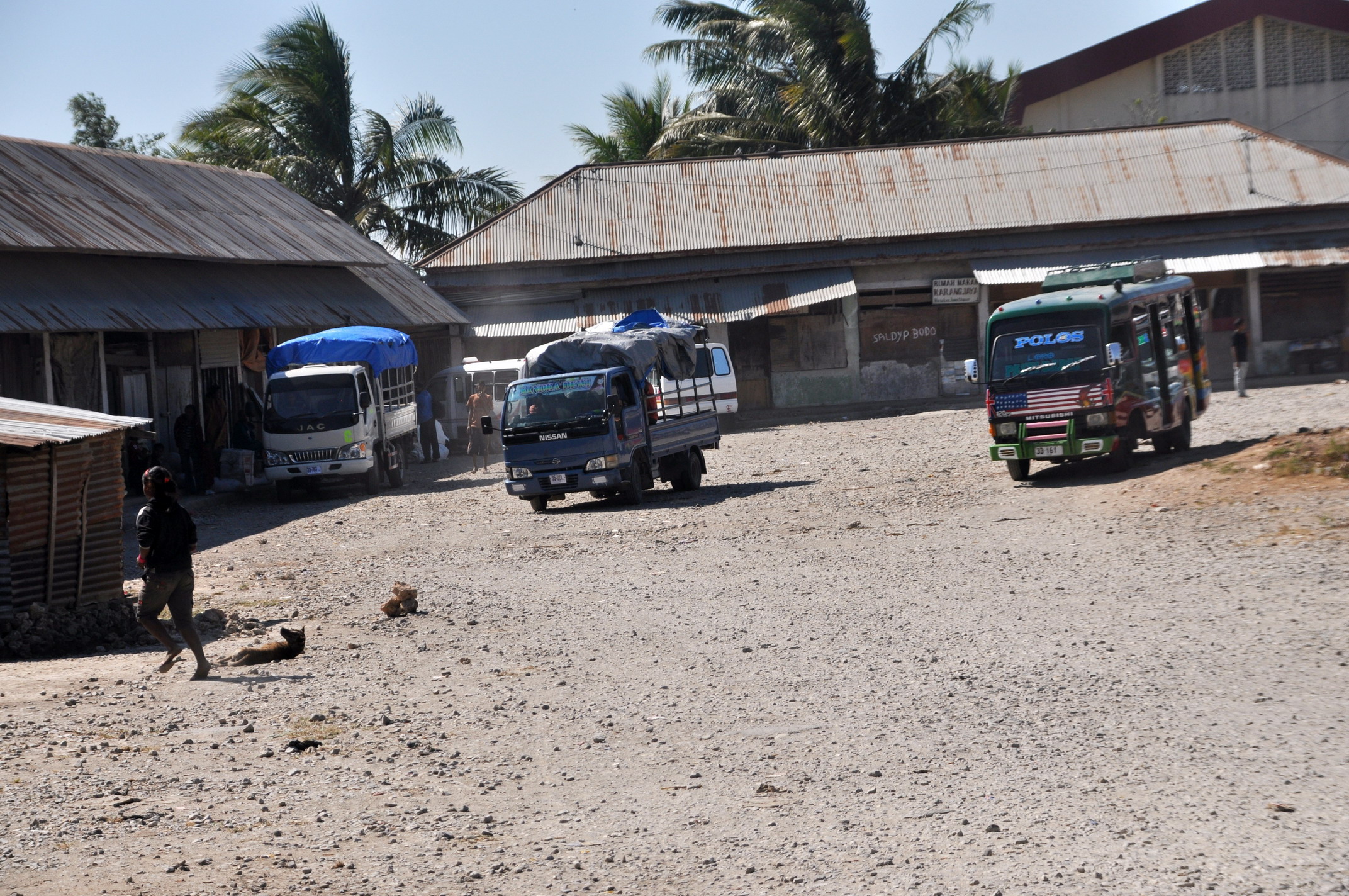
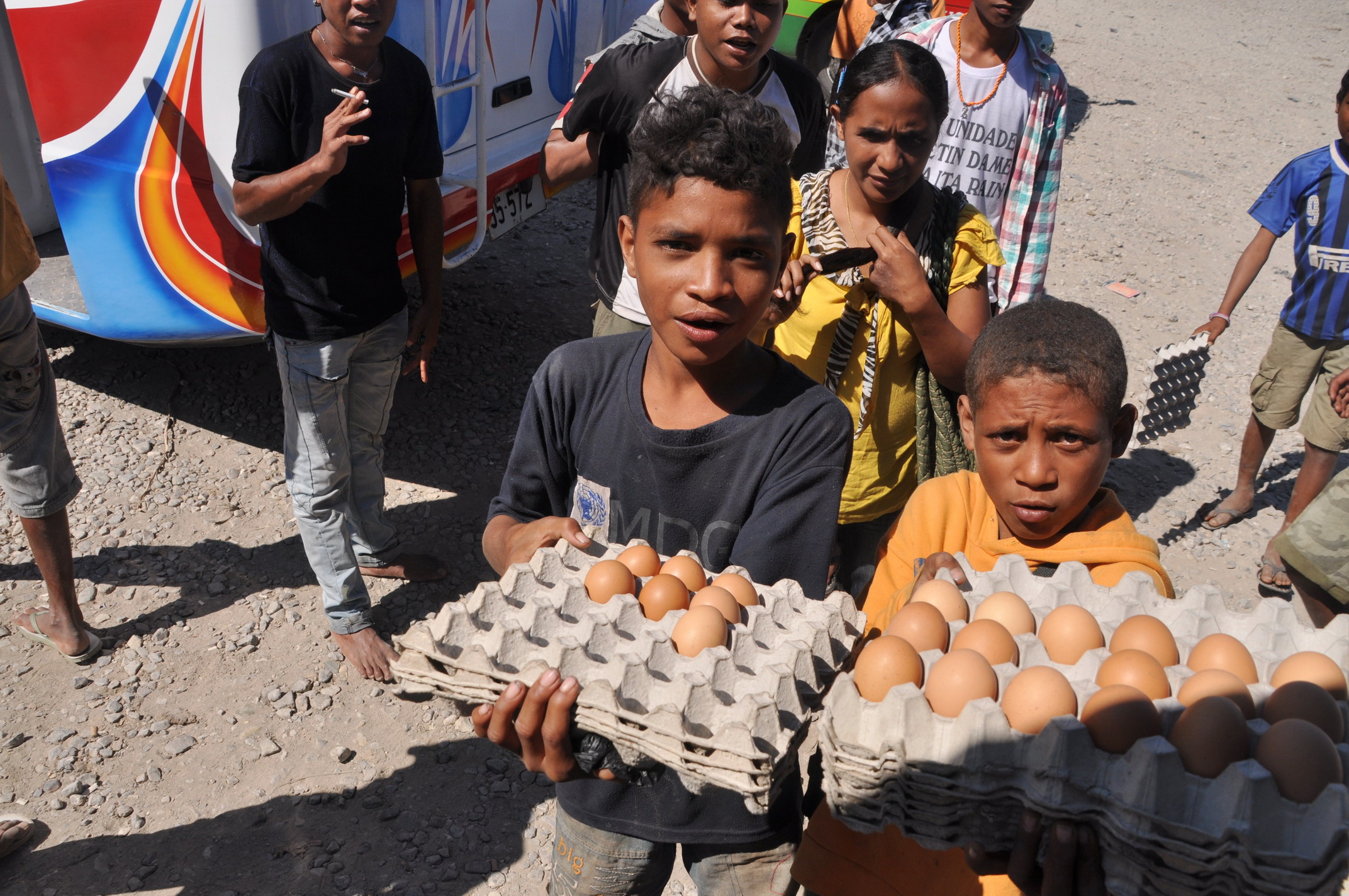
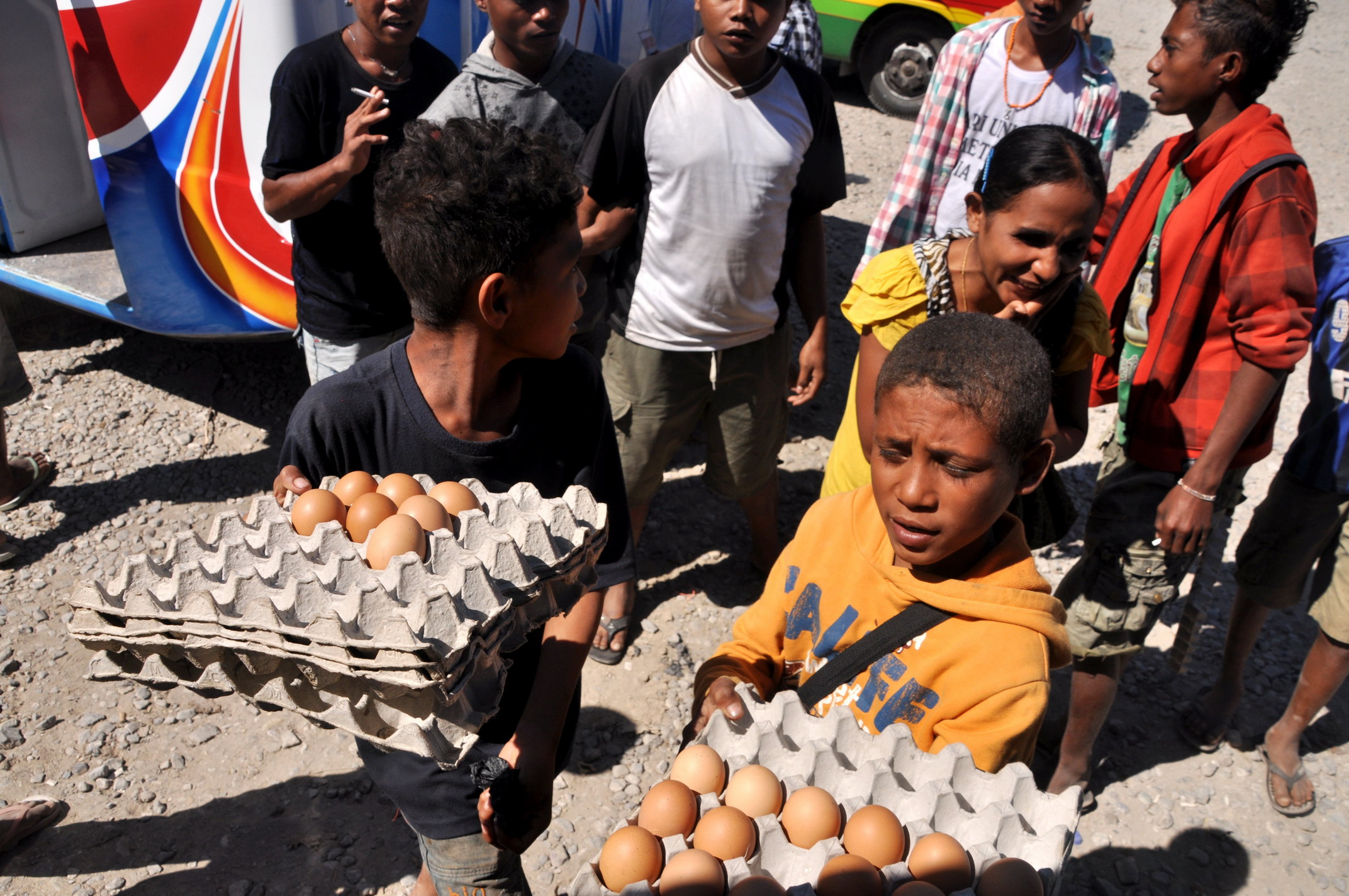
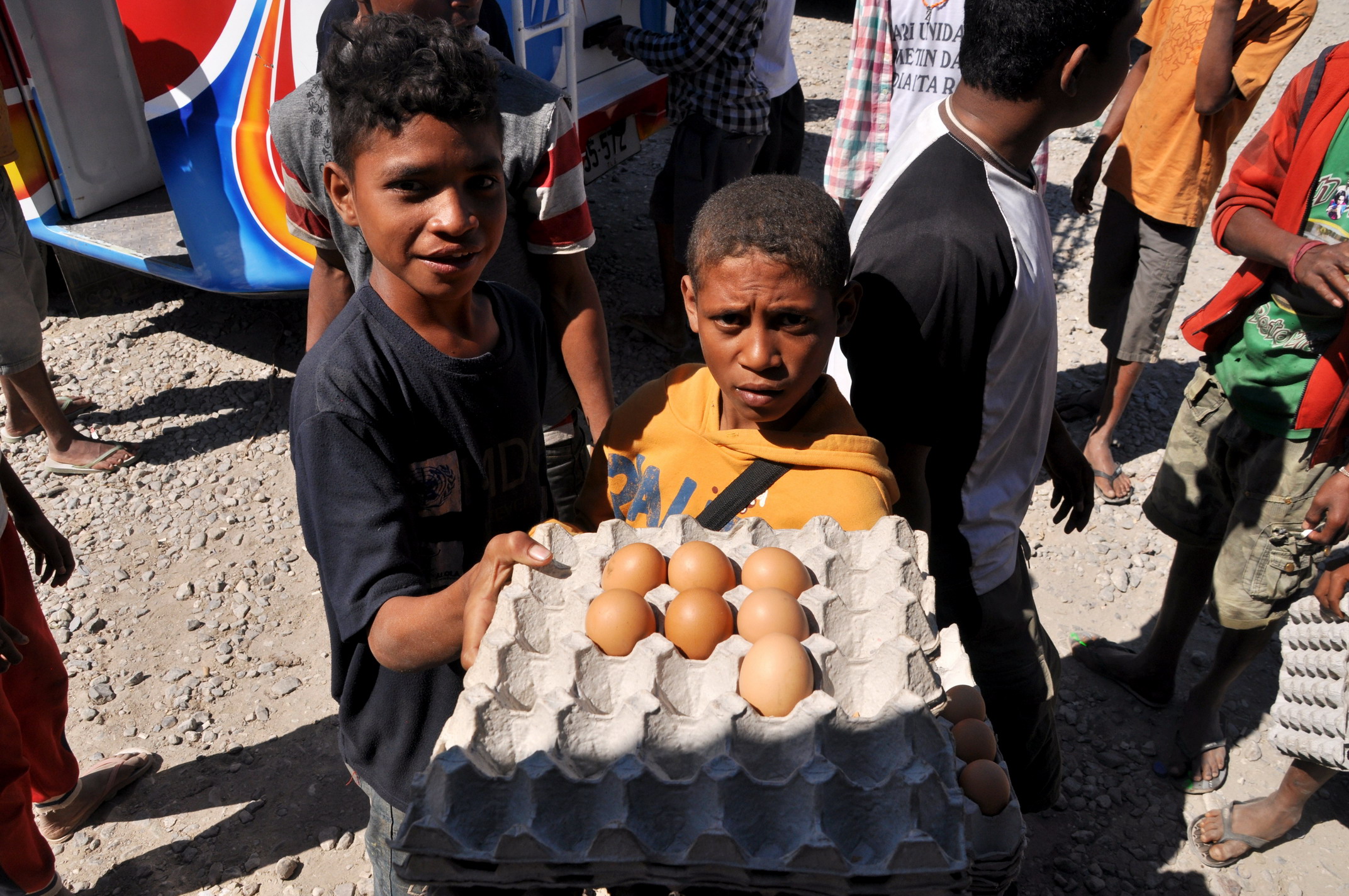
After seeing the sights I found the bus station and got on a minibus to Dili. It looked about to leave on the spot, but there were still empty seats. The driver made another circuit of the central square and staged the departure again. I wondered who the performance was for, since all the locals knew the trick. Each time we stopped, local children came up again to sell me hens' eggs. What did they expect me to do with them?
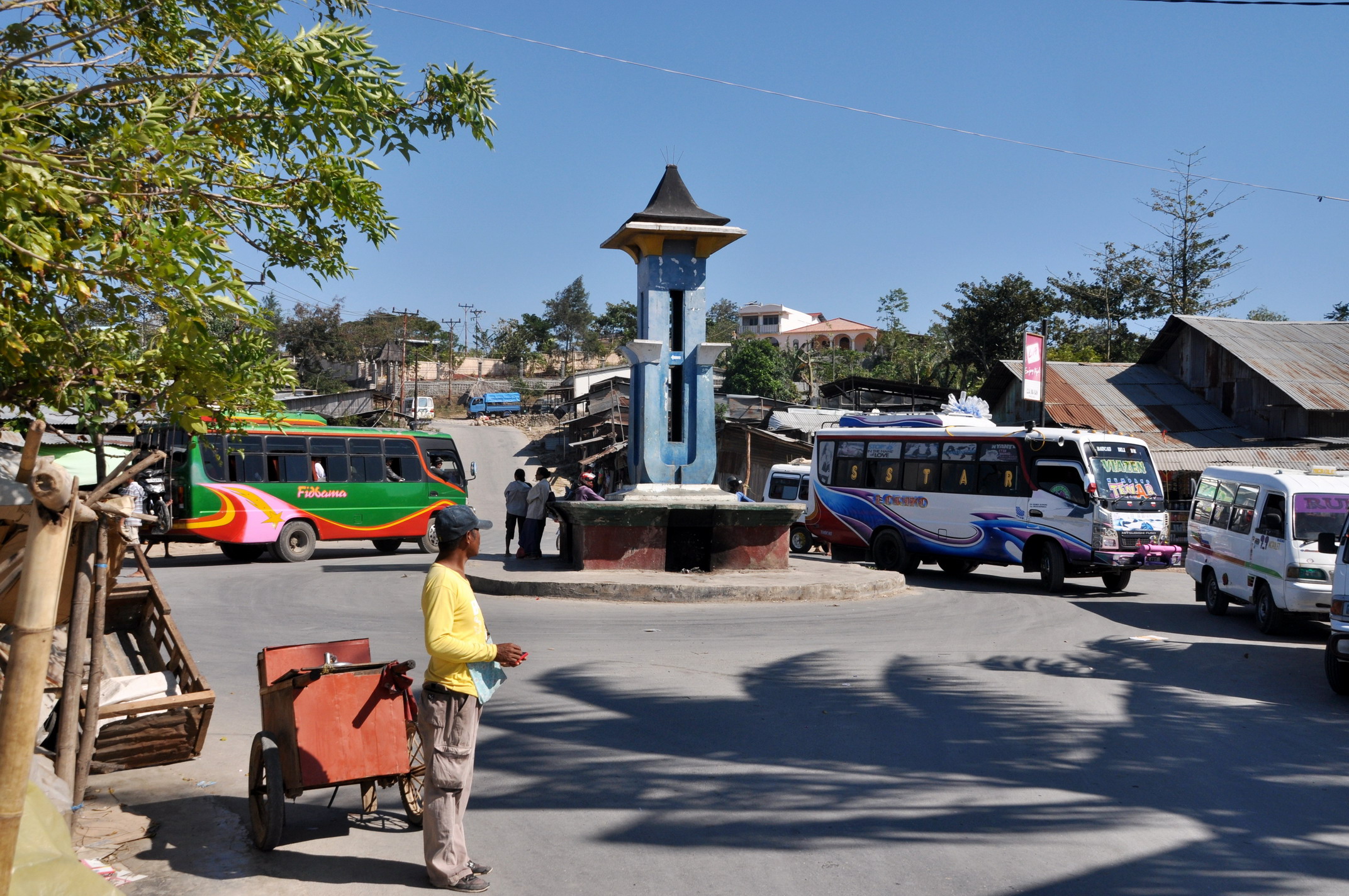
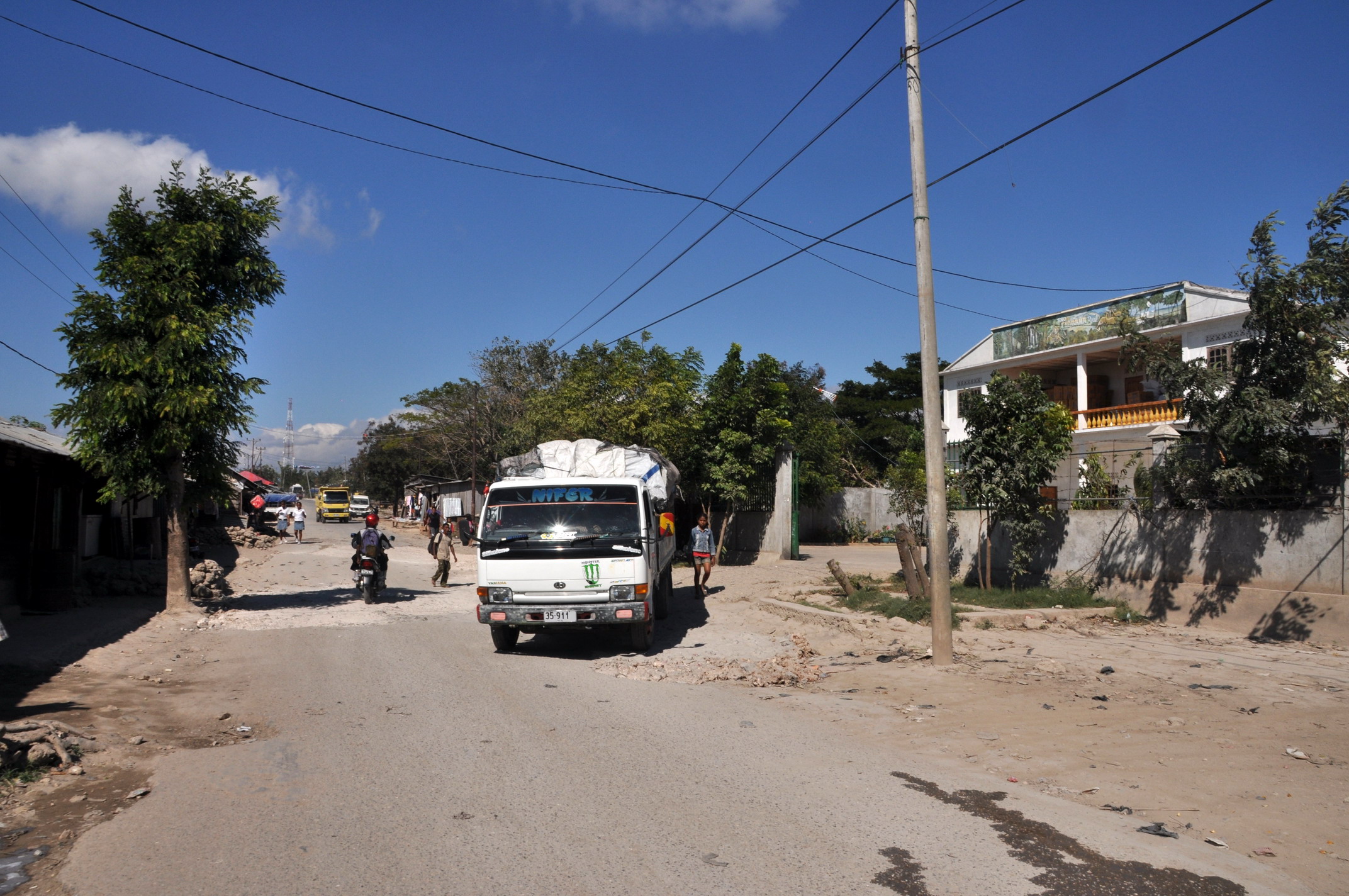
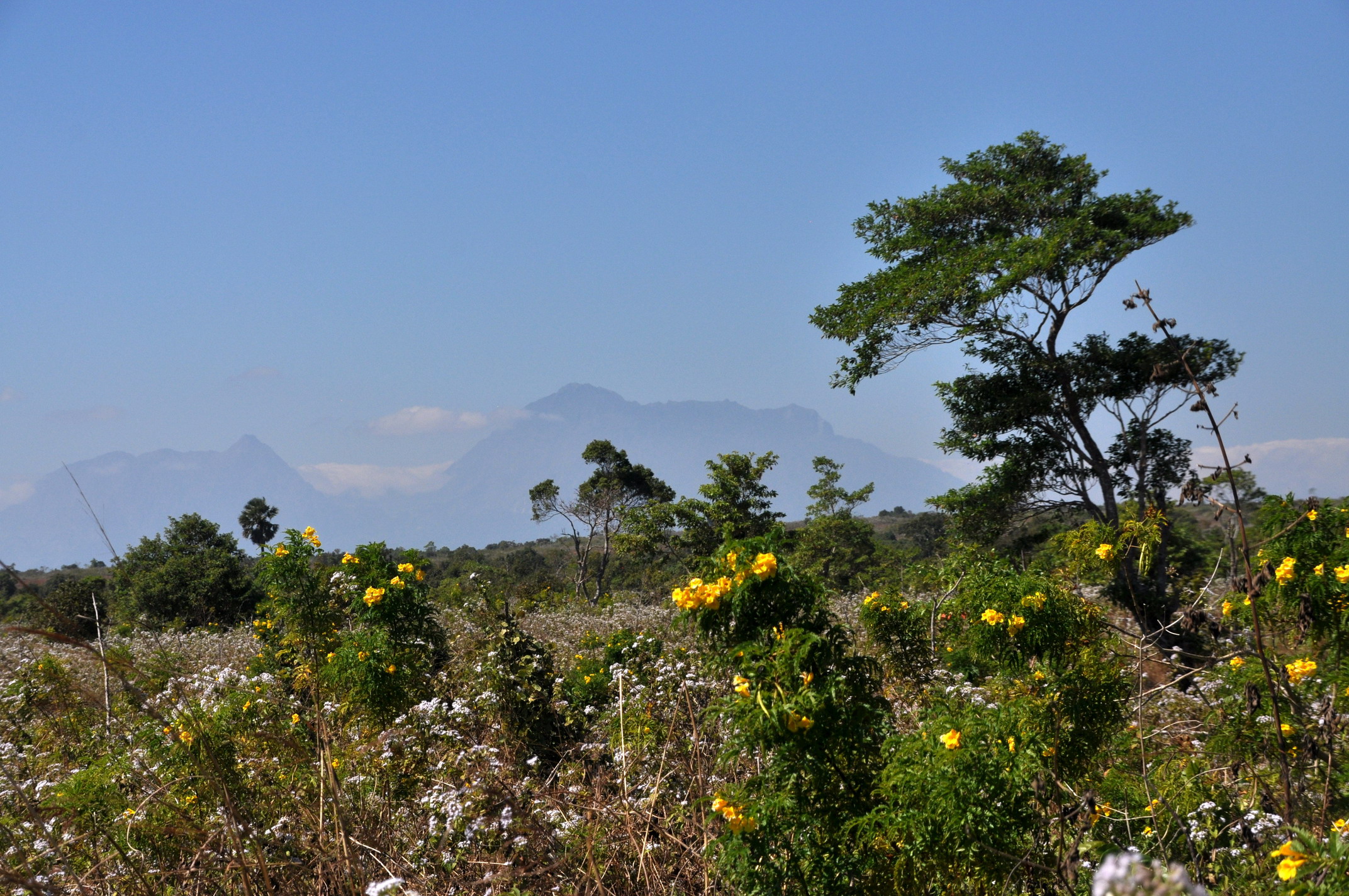
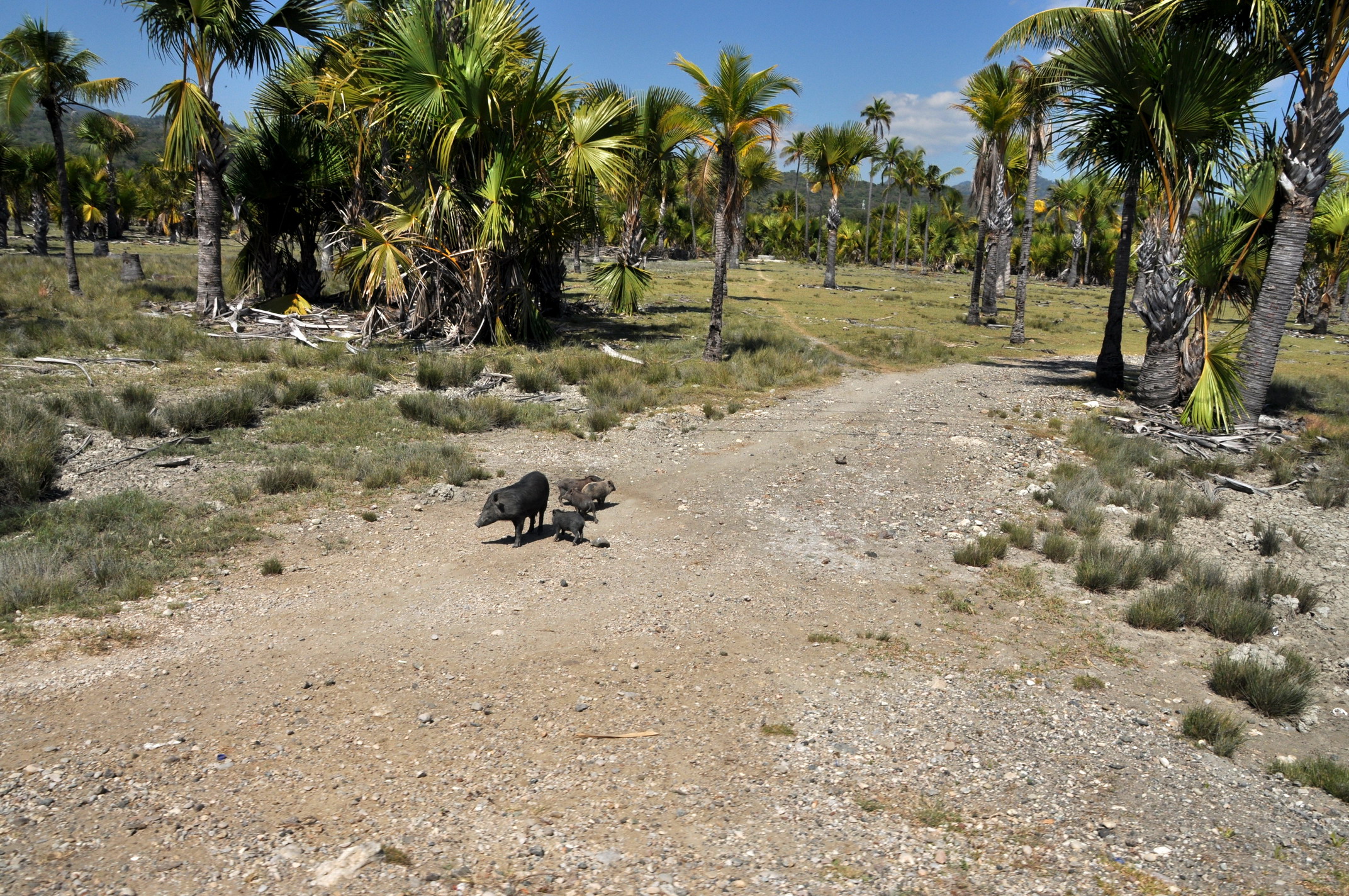
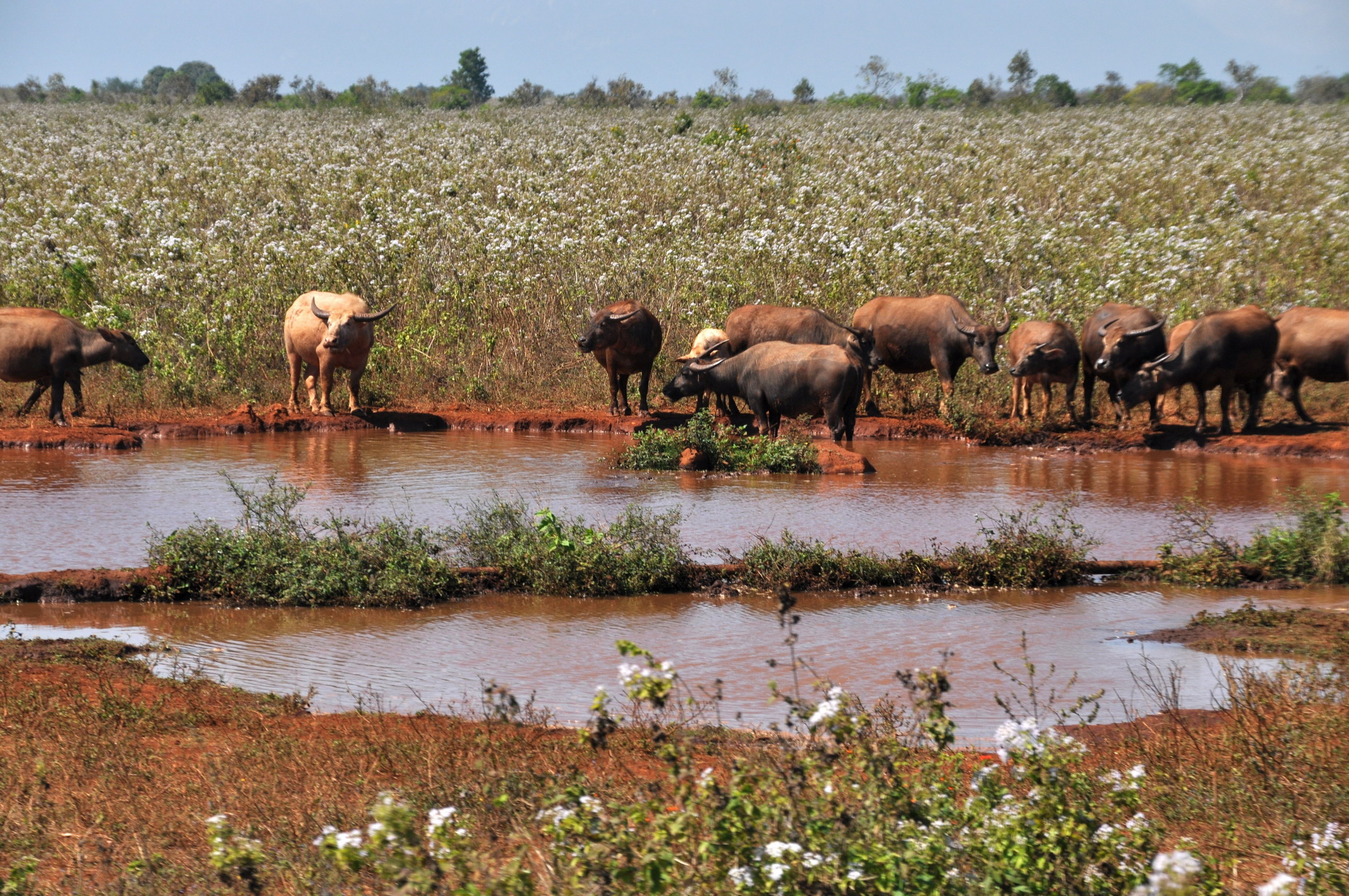
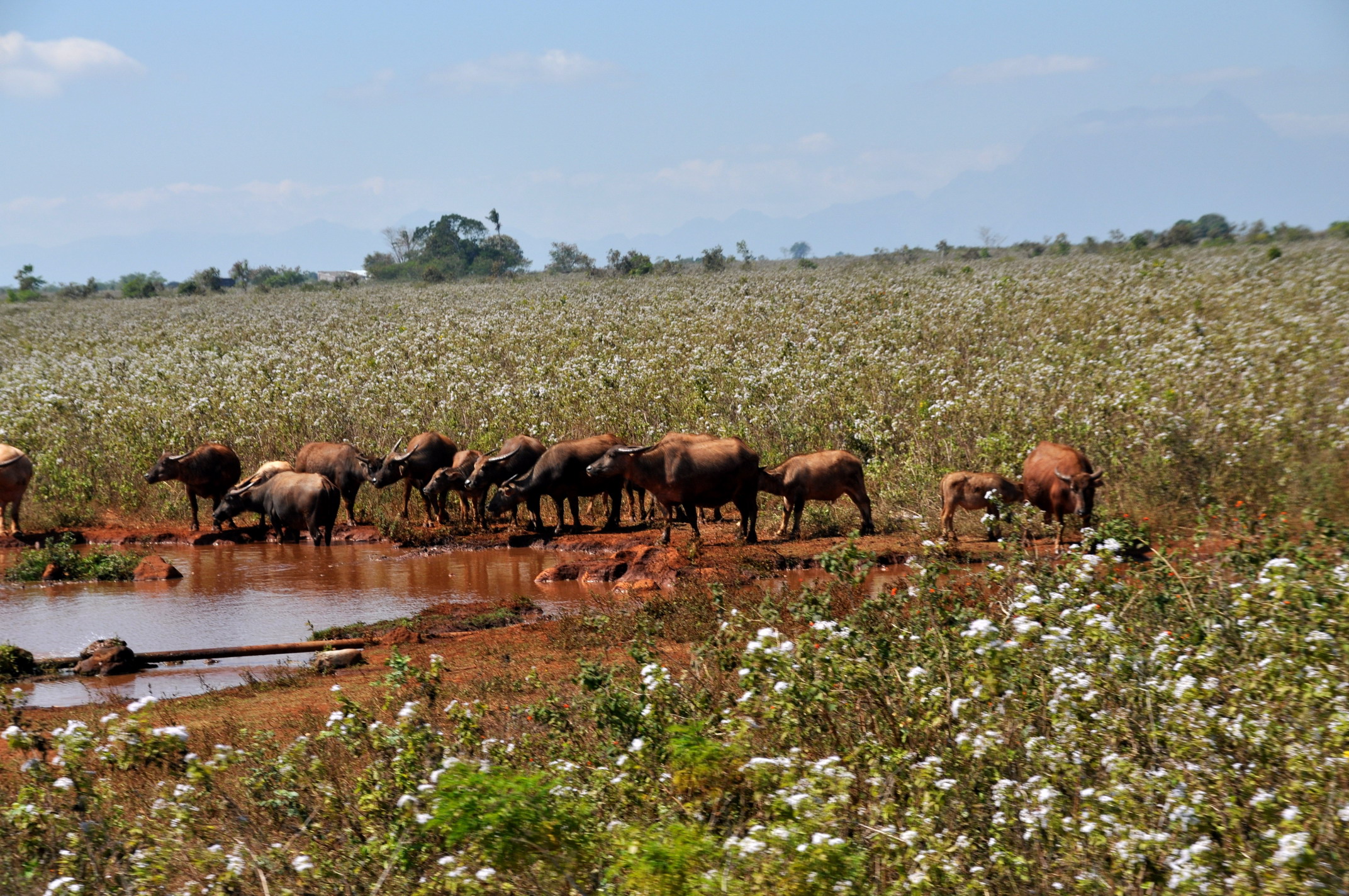
The drive back was in daylight. I could sit and take photographs through the window. Water buffalo were bathing in puddles. Farmers went about their business around their huts.
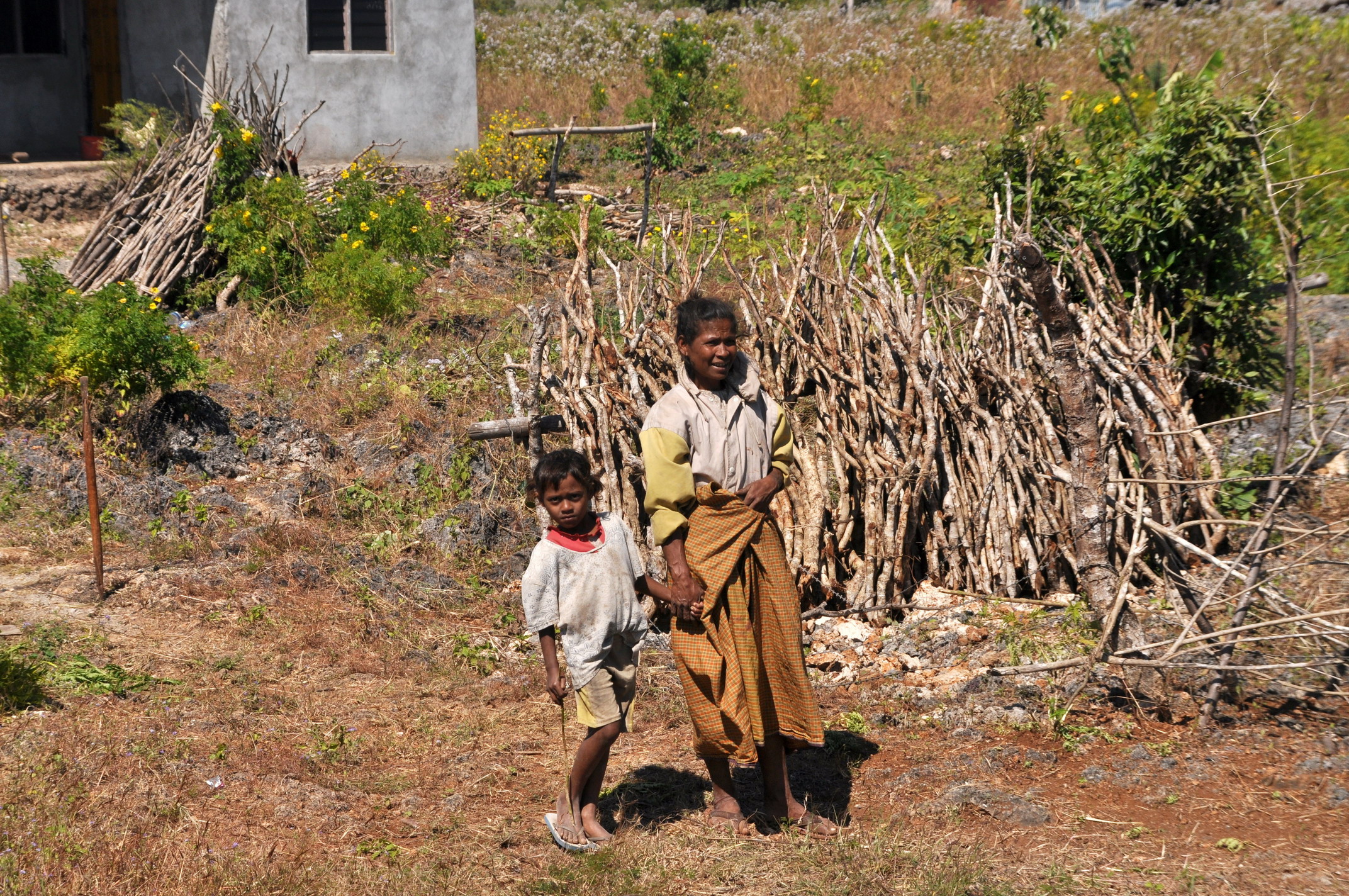
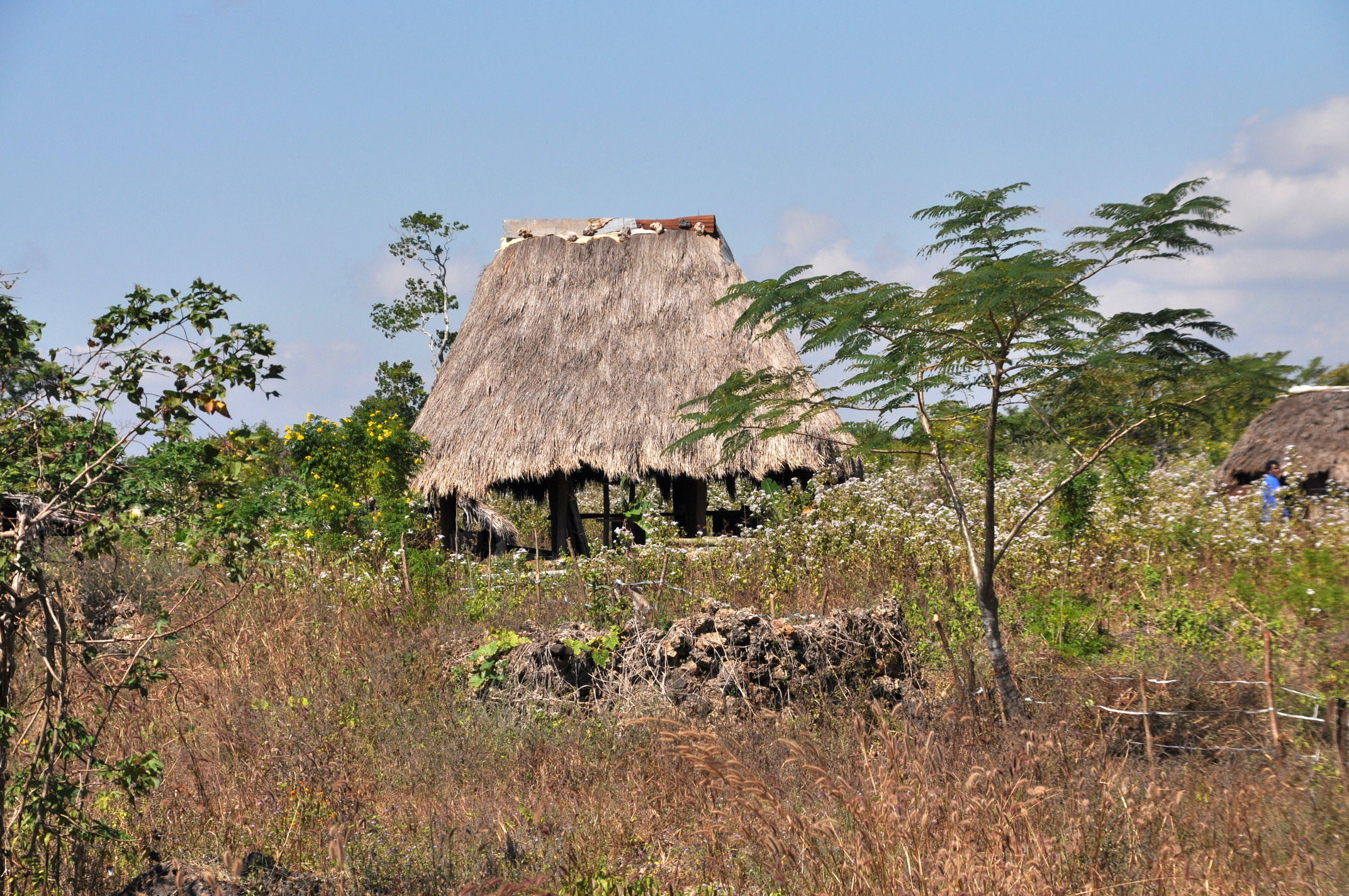
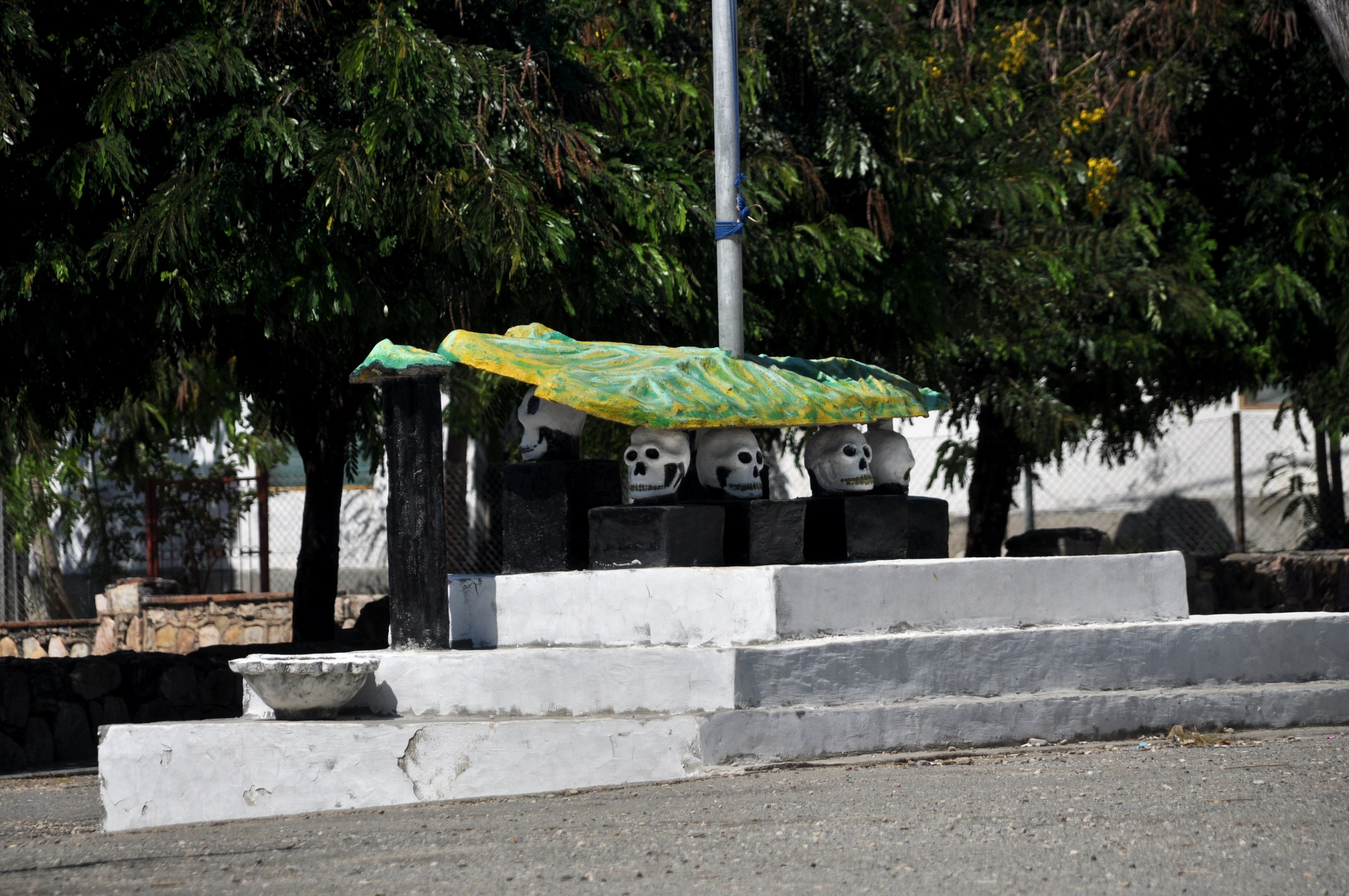
The main square in Laleia took me aback. A model of the country rested on a whole pile of plaster skulls. Had they officially decided that the state rested on the mass killing of its own people? What else could it mean? Perhaps historians really should come here to understand the customs of the ancient world.
There were few cars on the road, but up ahead we encountered an army on the move. Soldiers with rifles ran across the field and armoured personnel carriers moved down our road. The driver leaned on the horn. The war could wait, he had people to carry. It worked. The armoured vehicles moved to the shoulder and the minibus overtook the advancing army. Most likely it was an exercise, but it was still pleasing.
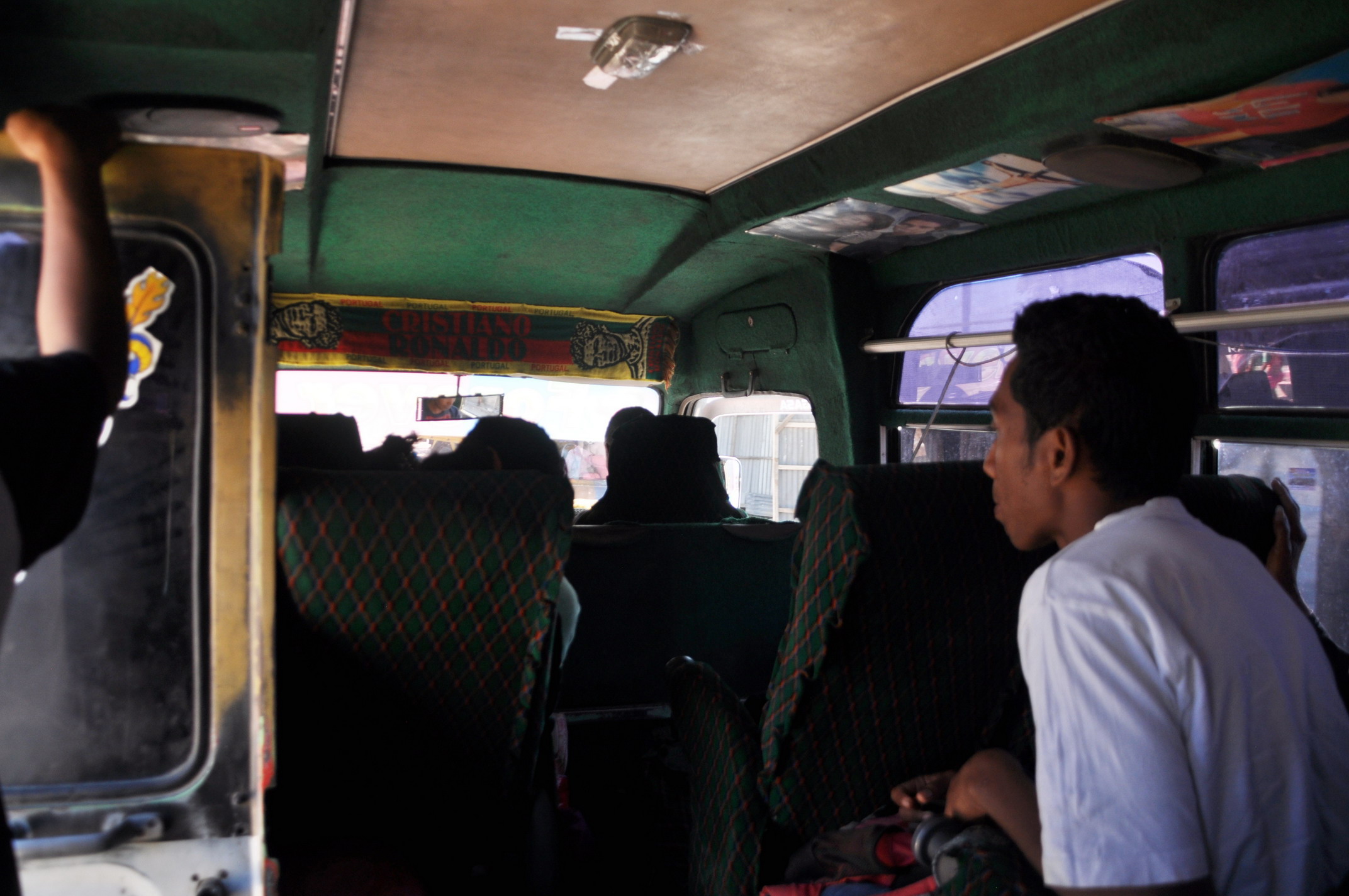
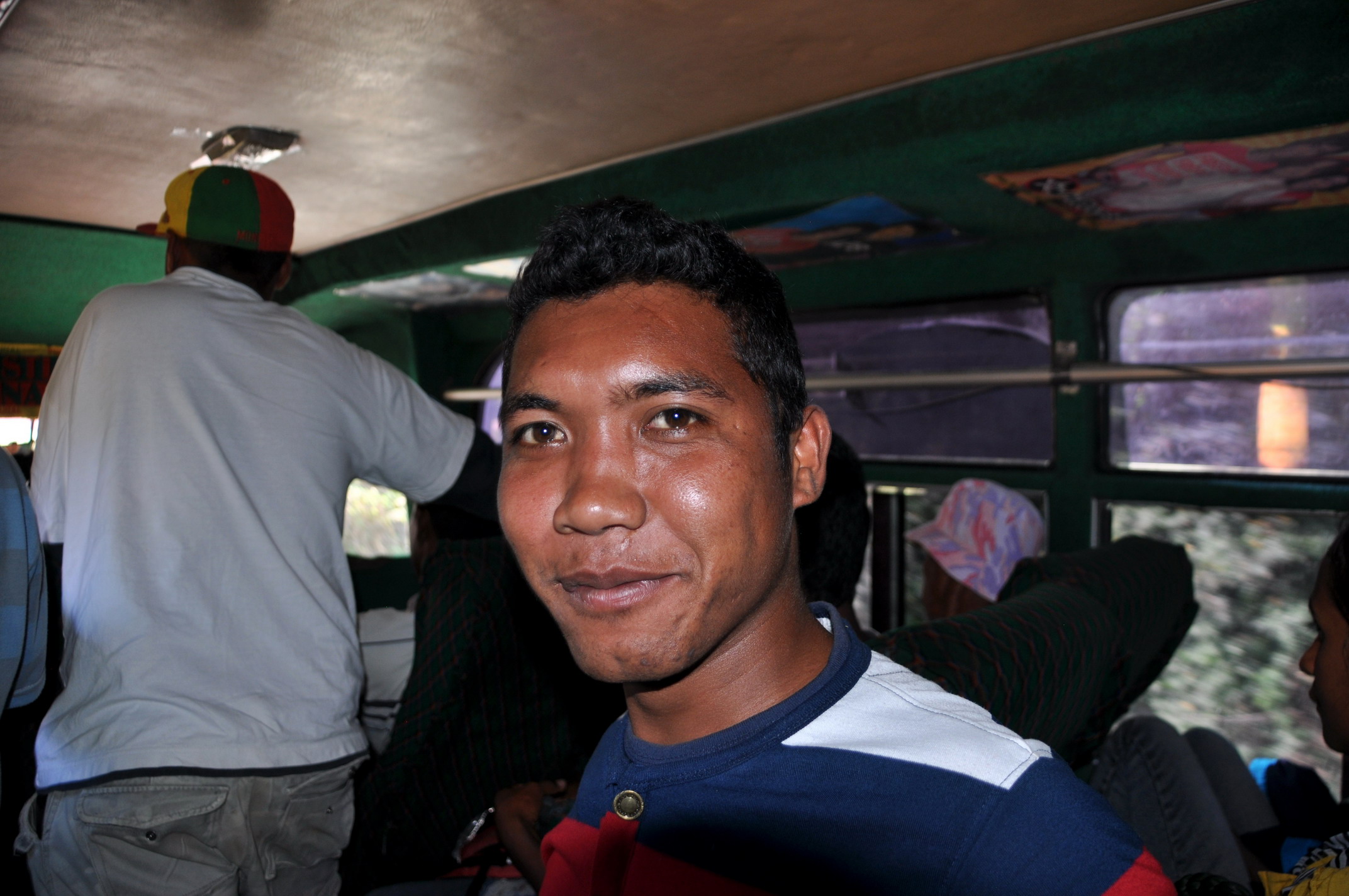
The minibus had one conductor for the inside and the roof. With the agility of a monkey, he went out of a window while we were moving and up onto the roof, and then back. Suddenly a pair of legs would come through the window in front of your face, followed by the rest of the ticket seller. I had a long argument with him over the fare. I rejected his opening price of a hundred dollars, gave him ten and asked for change. He asked for another hundred. Gradually the whole bus joined in the discussion of a fair fare. My main argument was that I was human, too. I just hadn't tanned properly yet. By the end we shook hands on ten dollars, with no change. He asked me to take his photograph as a souvenir. I pressed the button, then asked for three dollars for the photo. Equipment was expensive, I explained. Everything had its price. The bus collapsed in laughter.
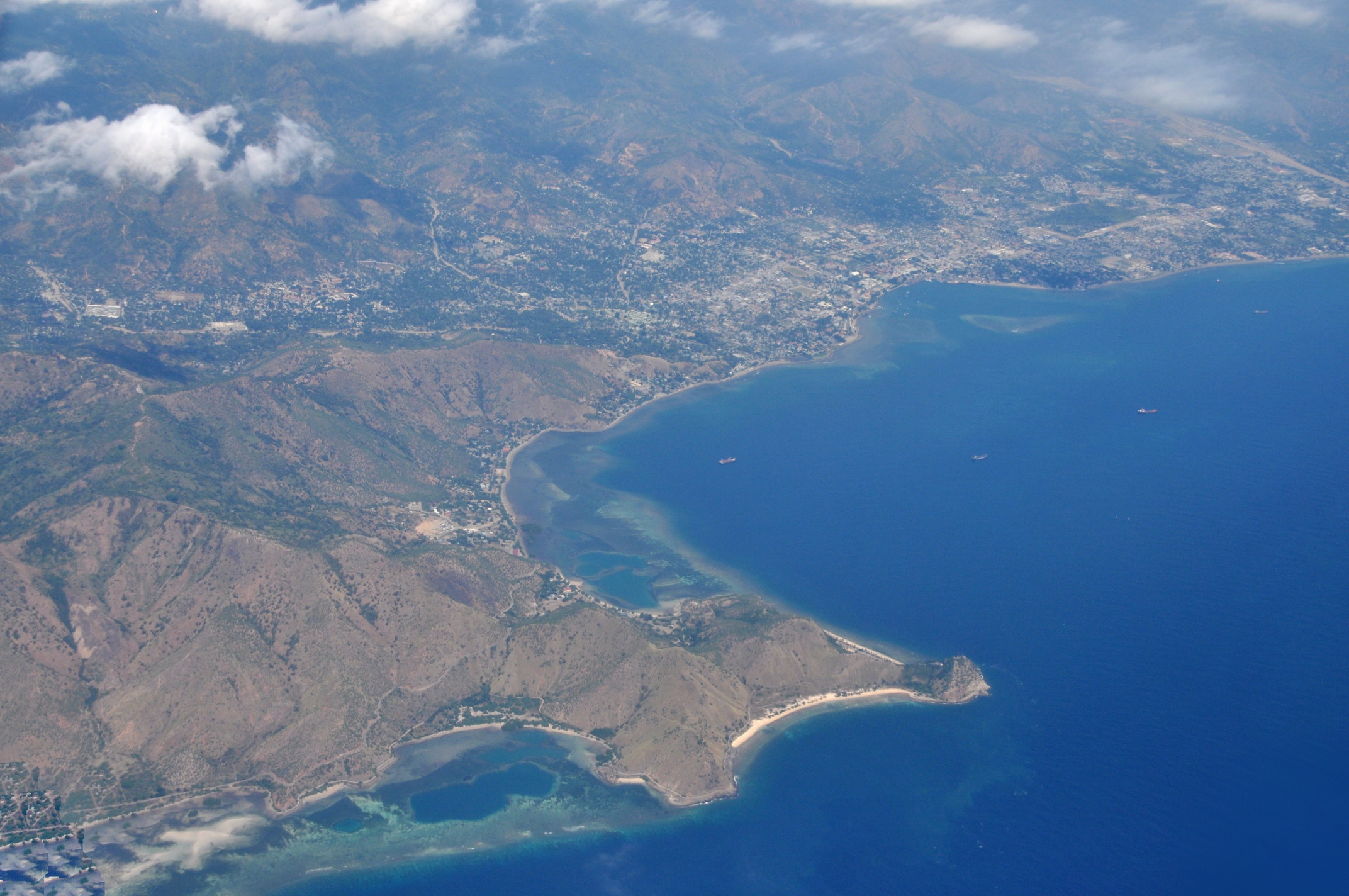
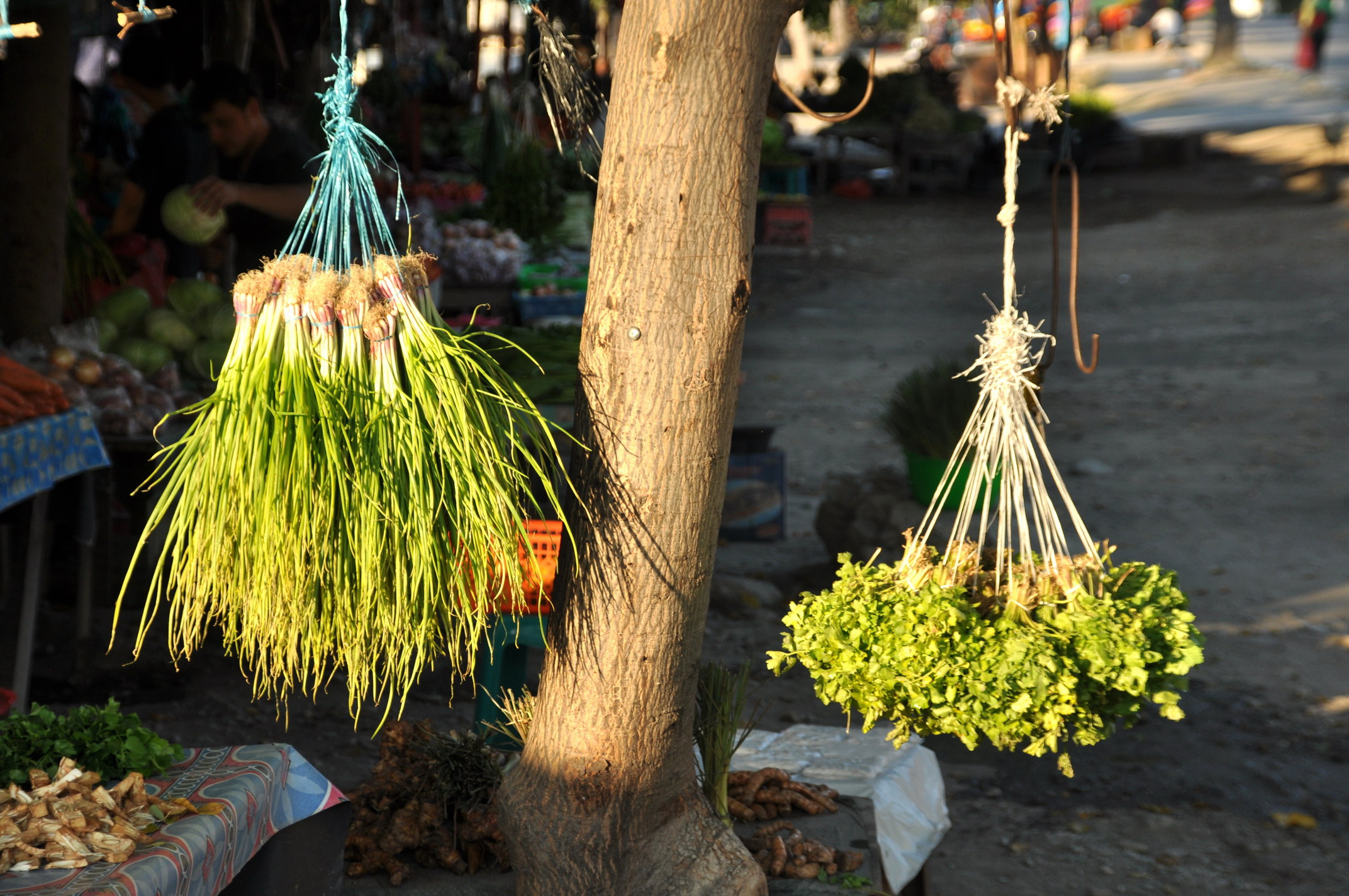
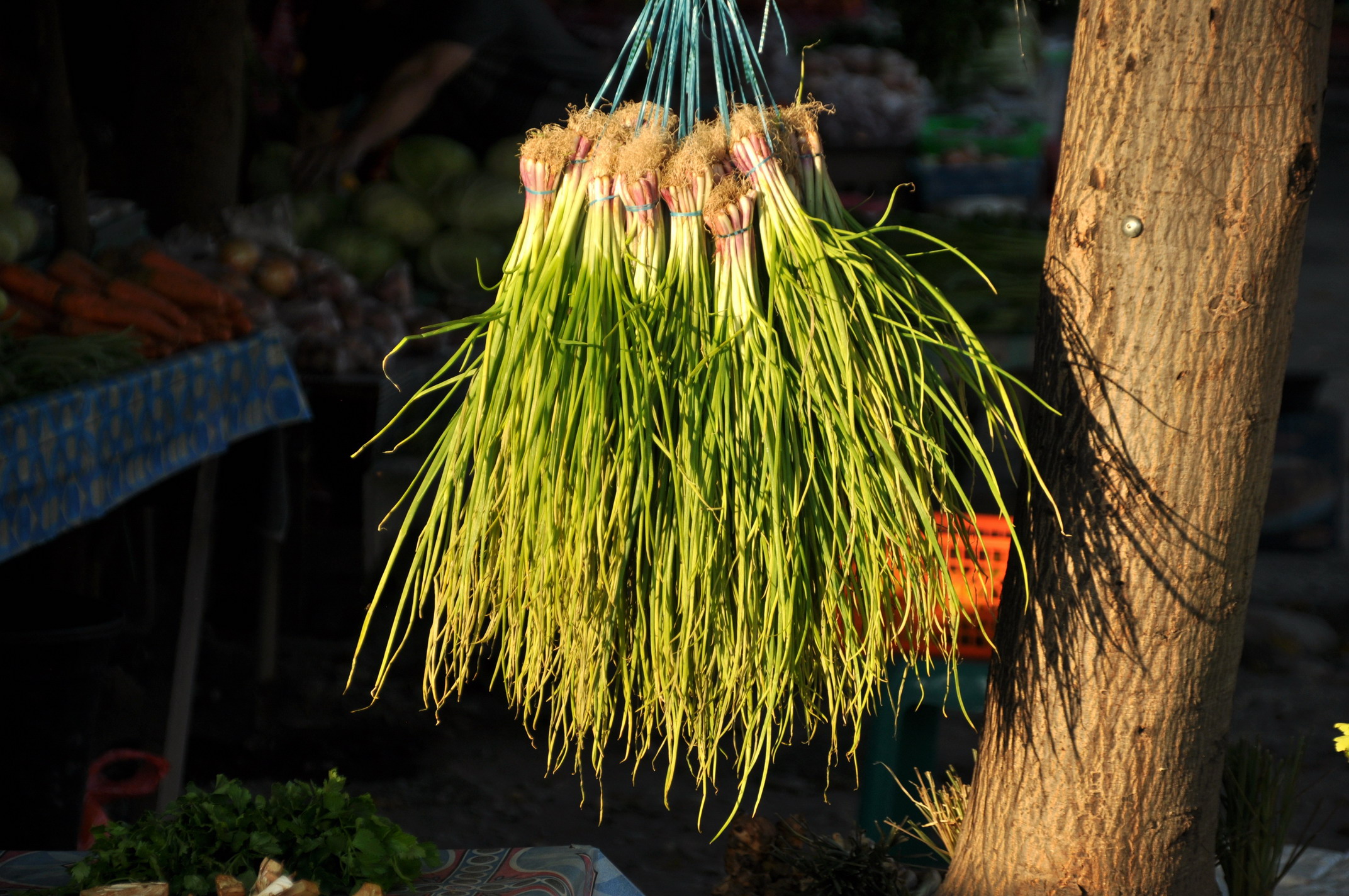
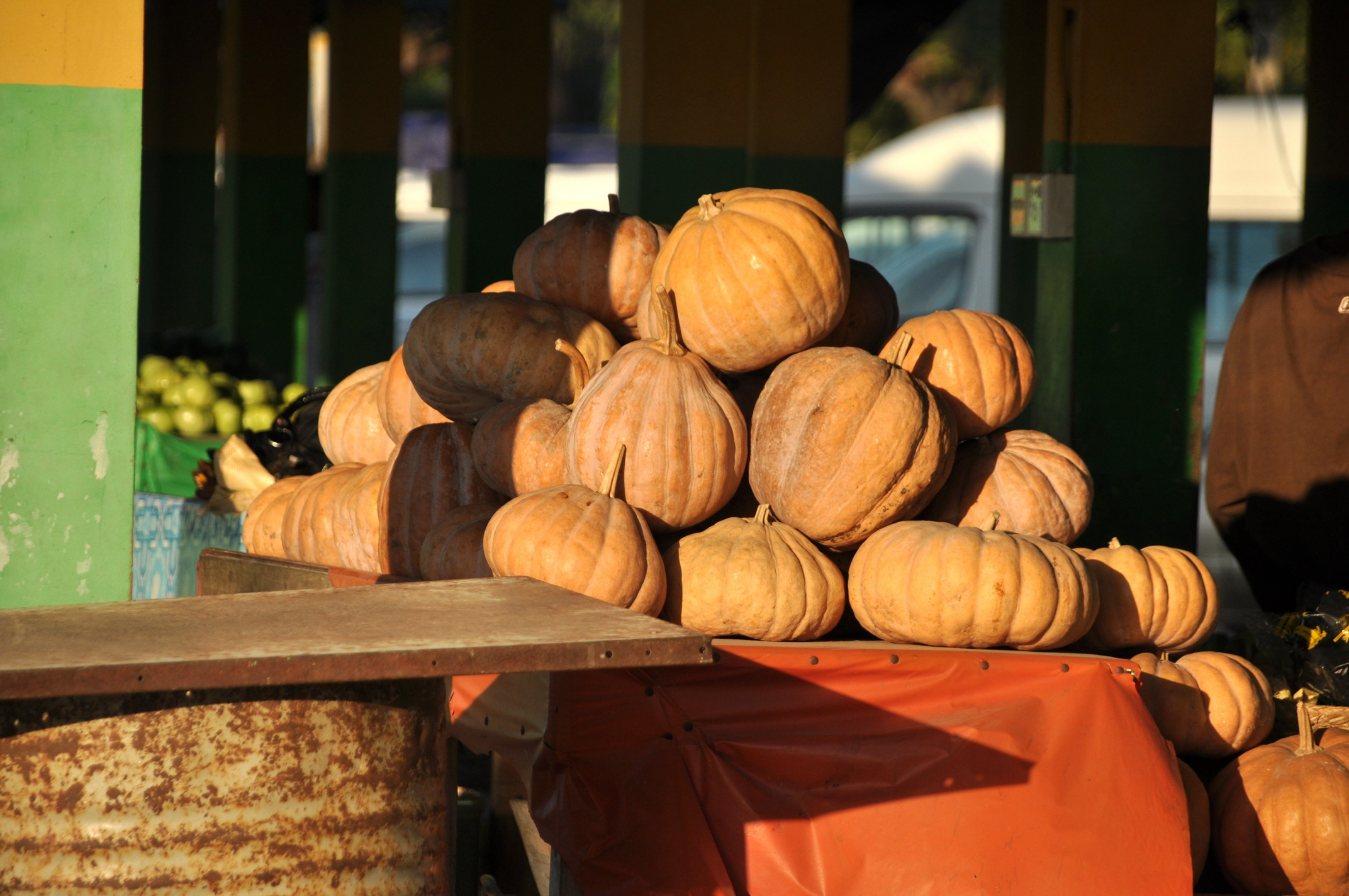
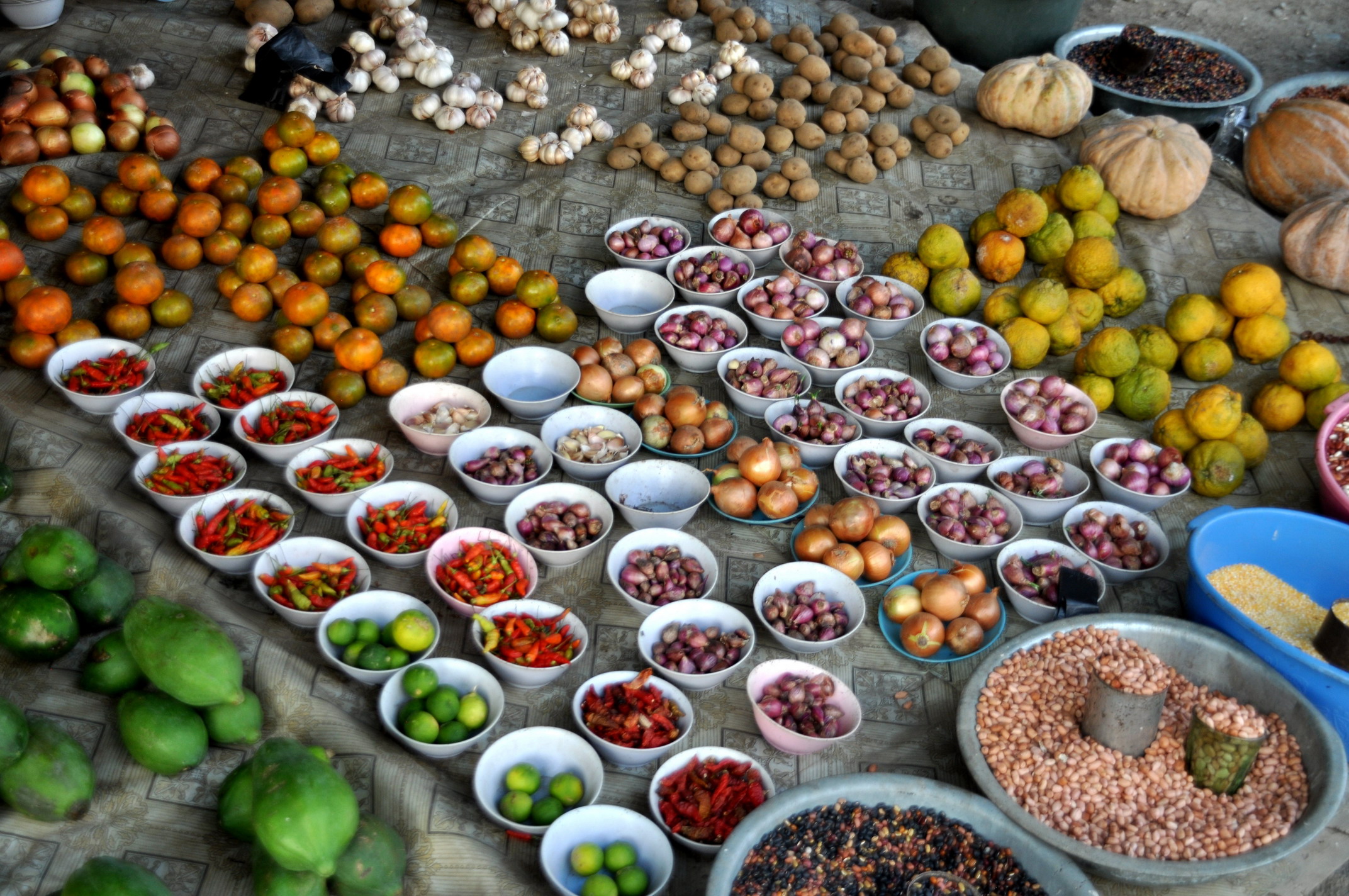
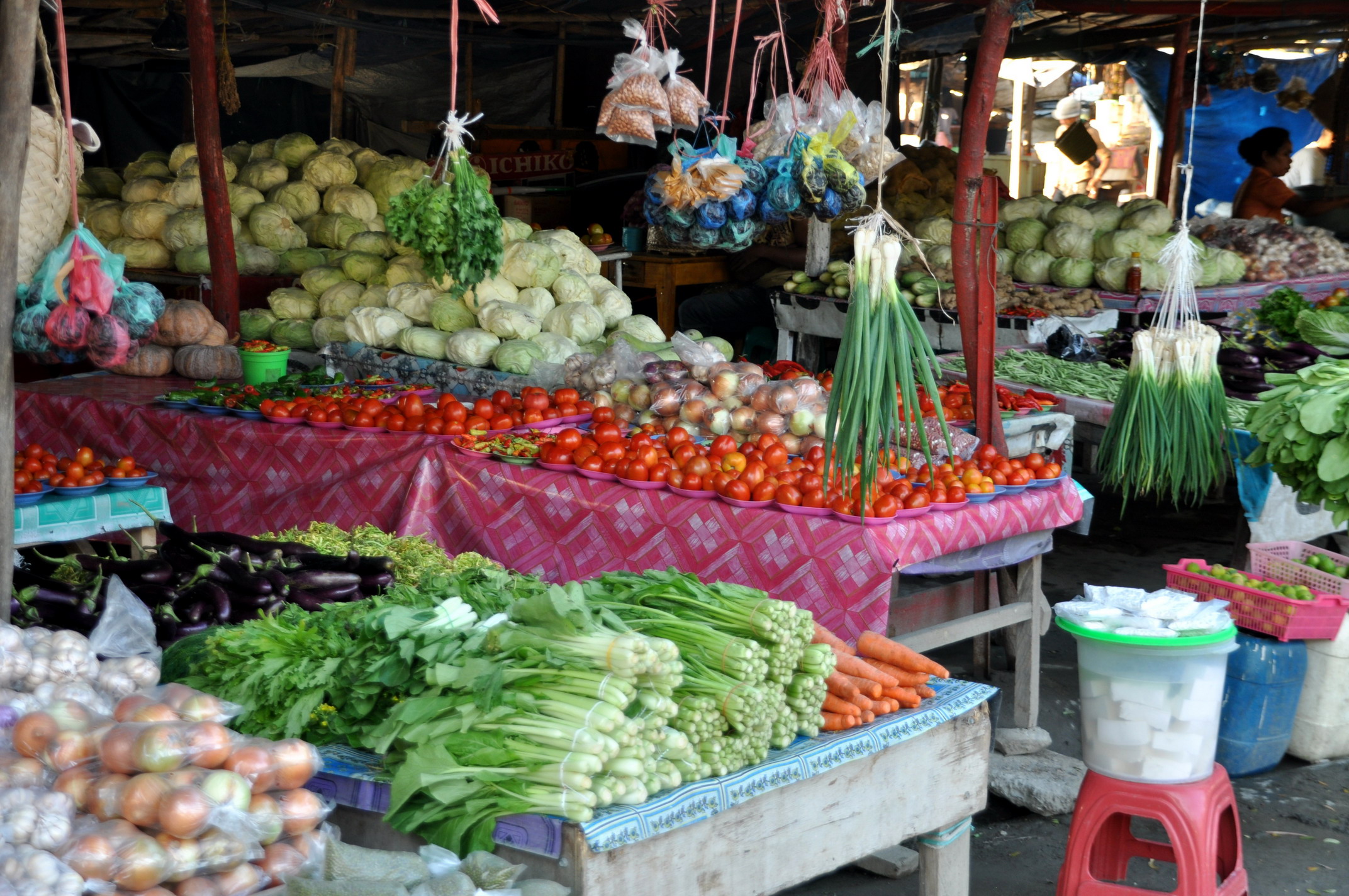
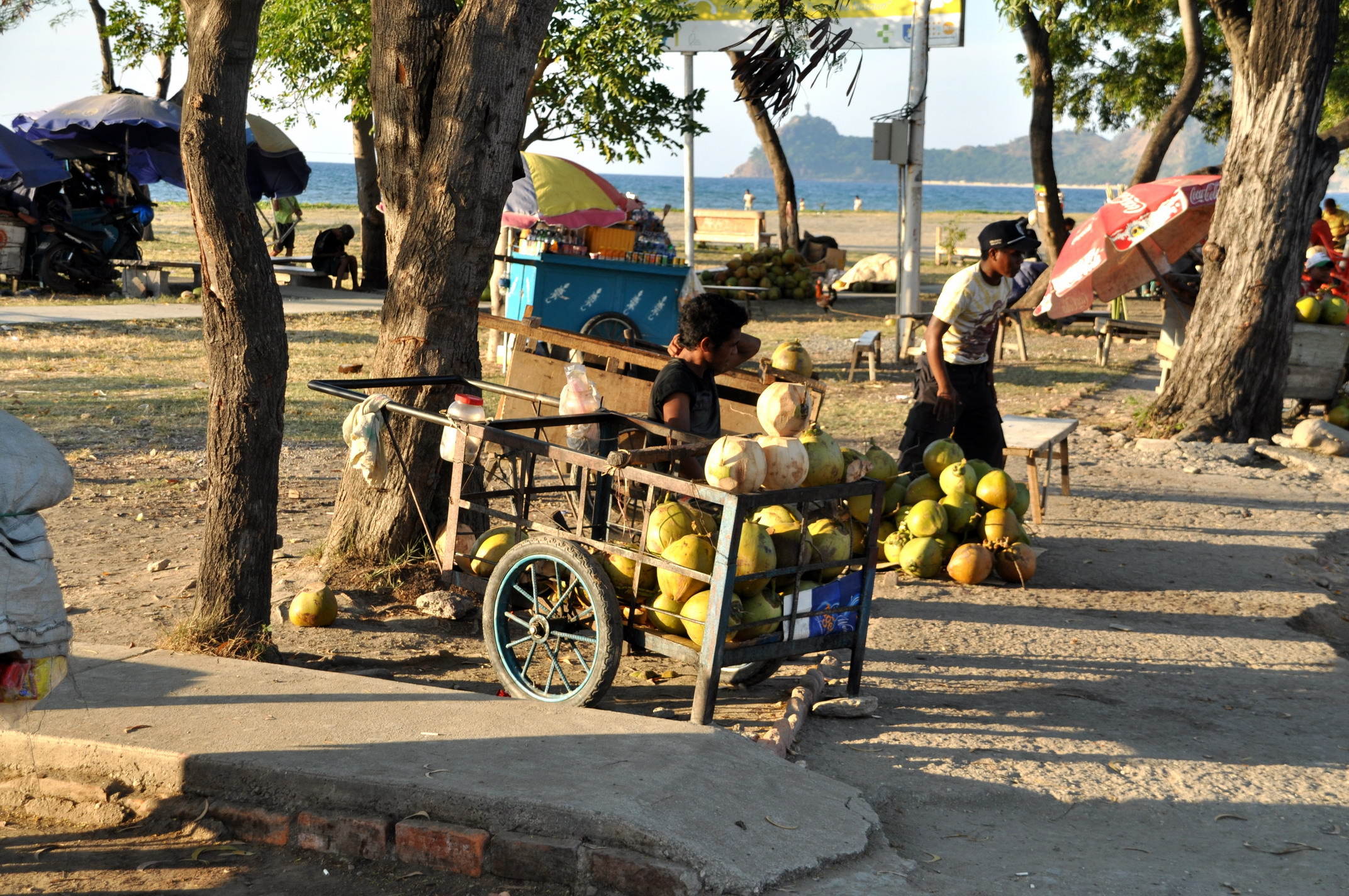
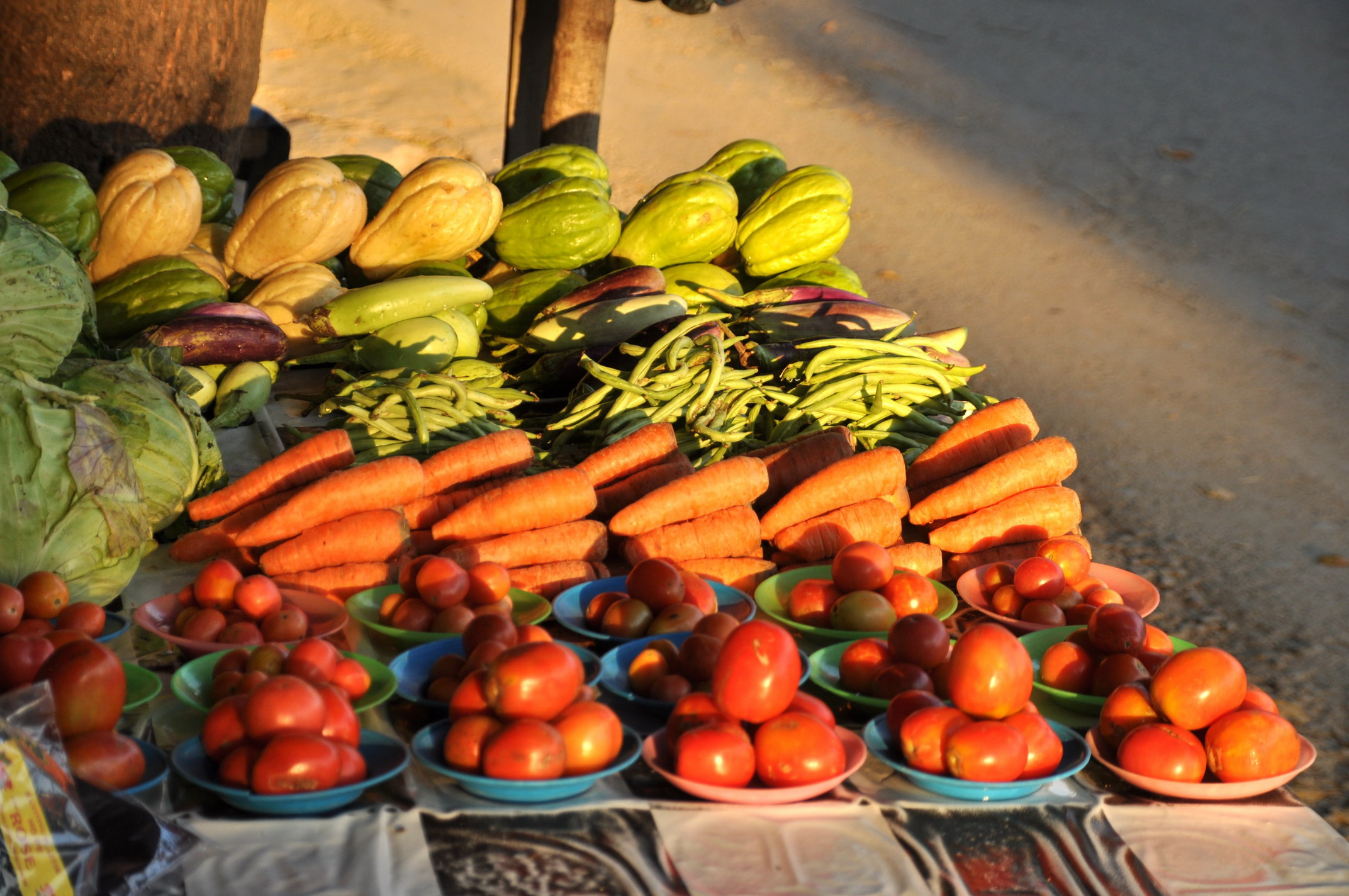
In the capital I set off on a long walk around town. The central streets were well kept, but go a little further in and you soon came to heaps of rubbish. On the waterfront was a food market. Everything was very fresh and attractive, all very neatly laid out. It was a real pleasure to walk around and look. You could buy coconuts here as well, at a dollar each, rather expensive. I supposed only foreigners drank them.
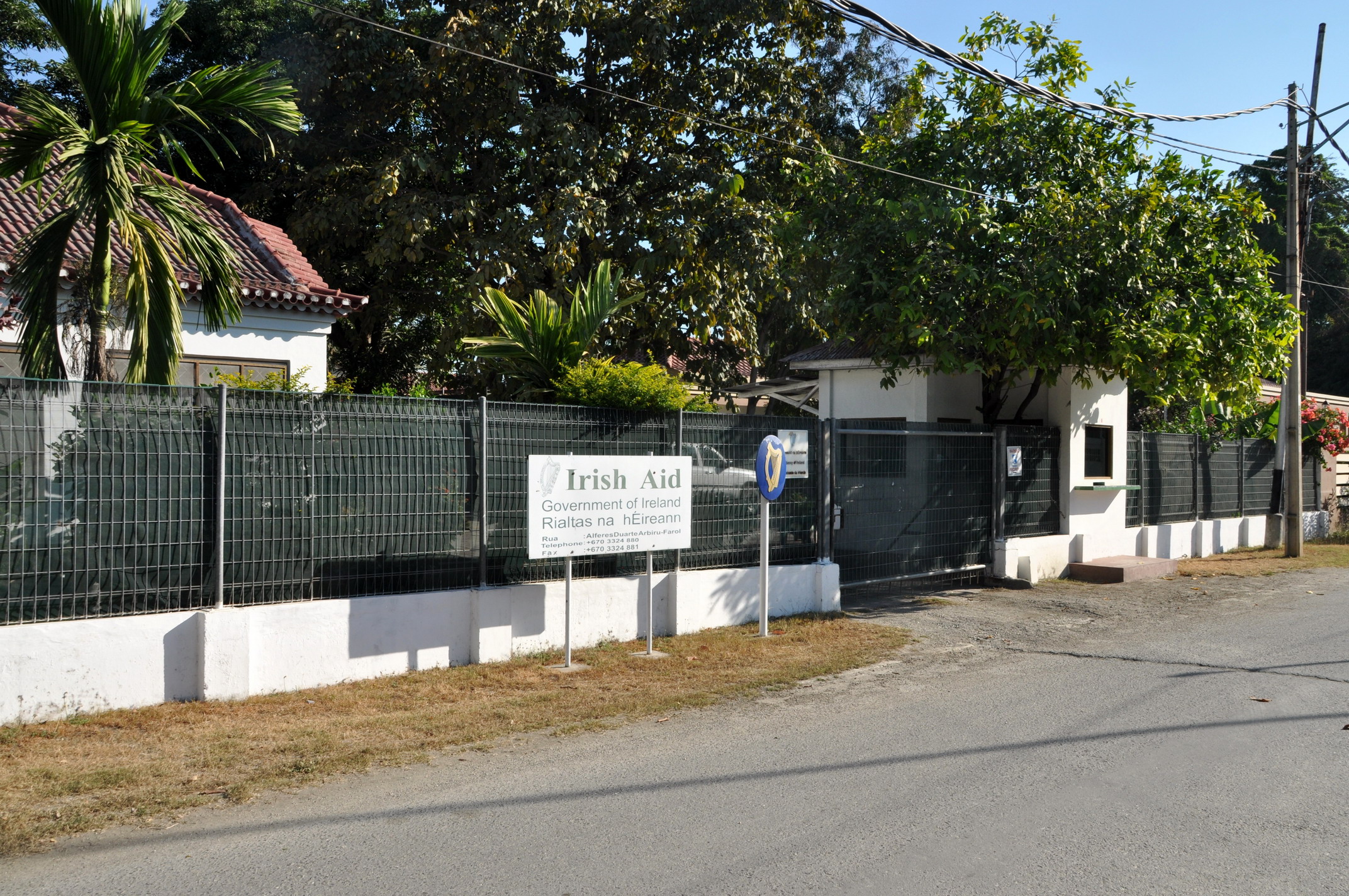
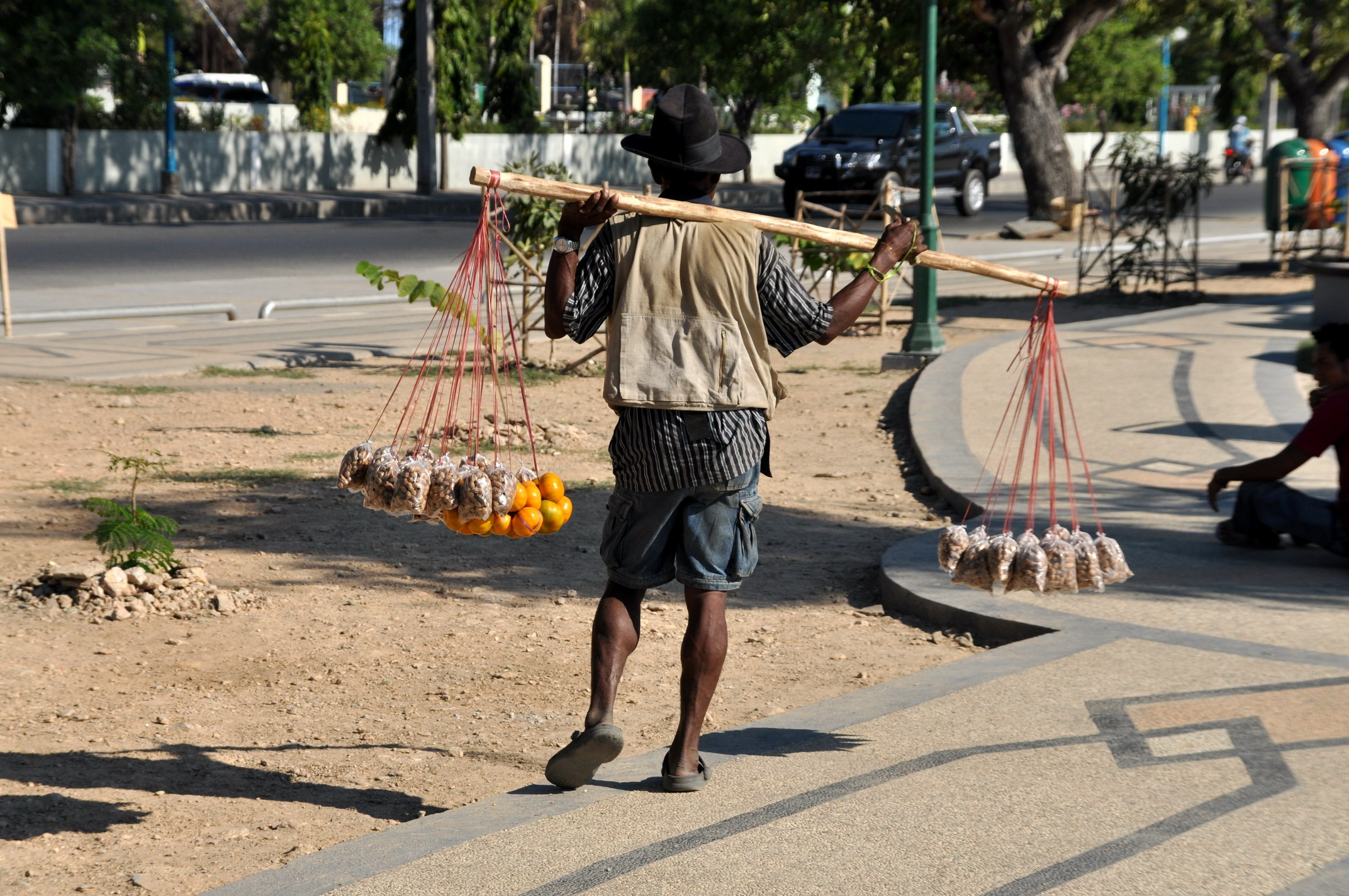
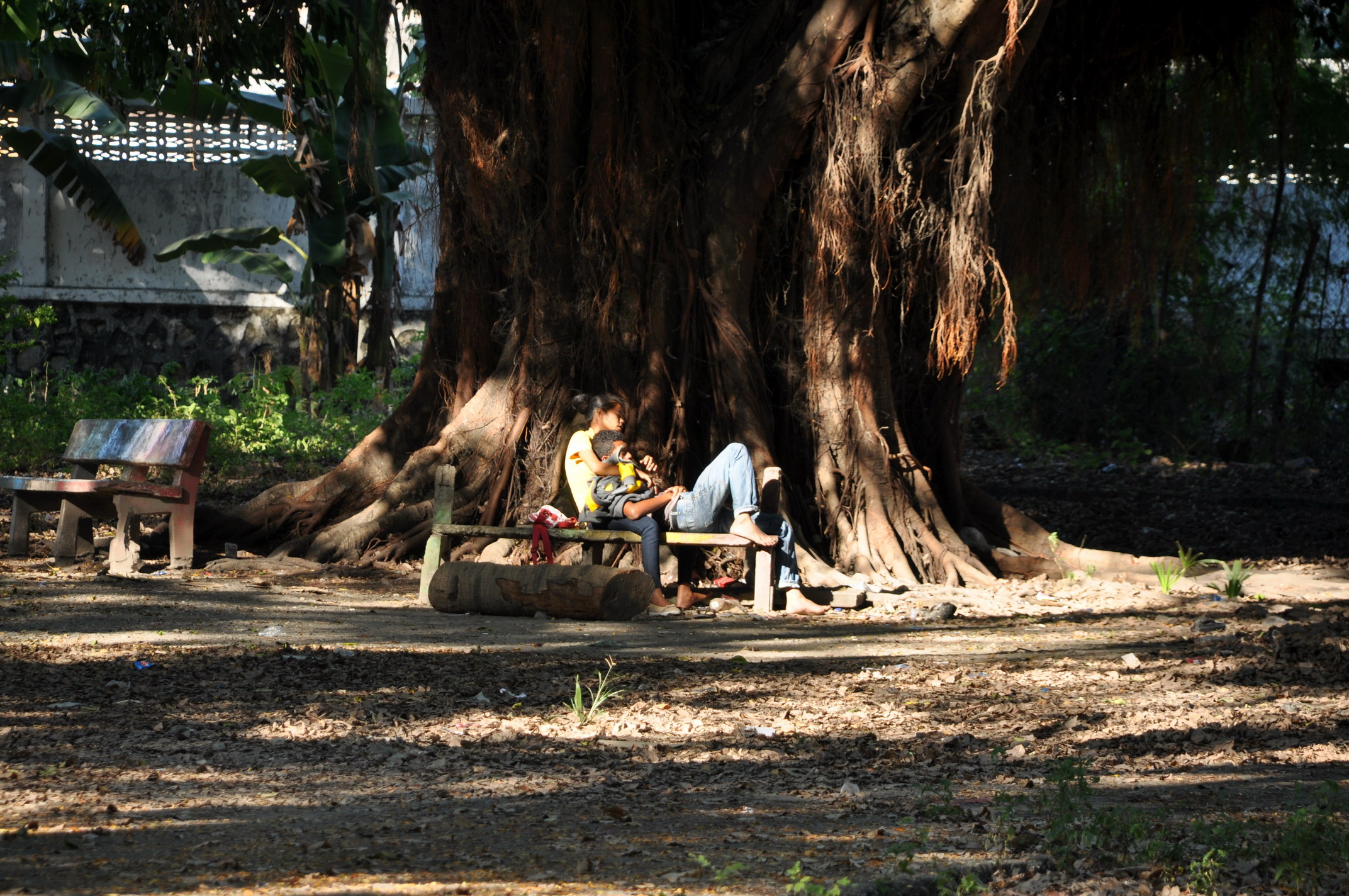
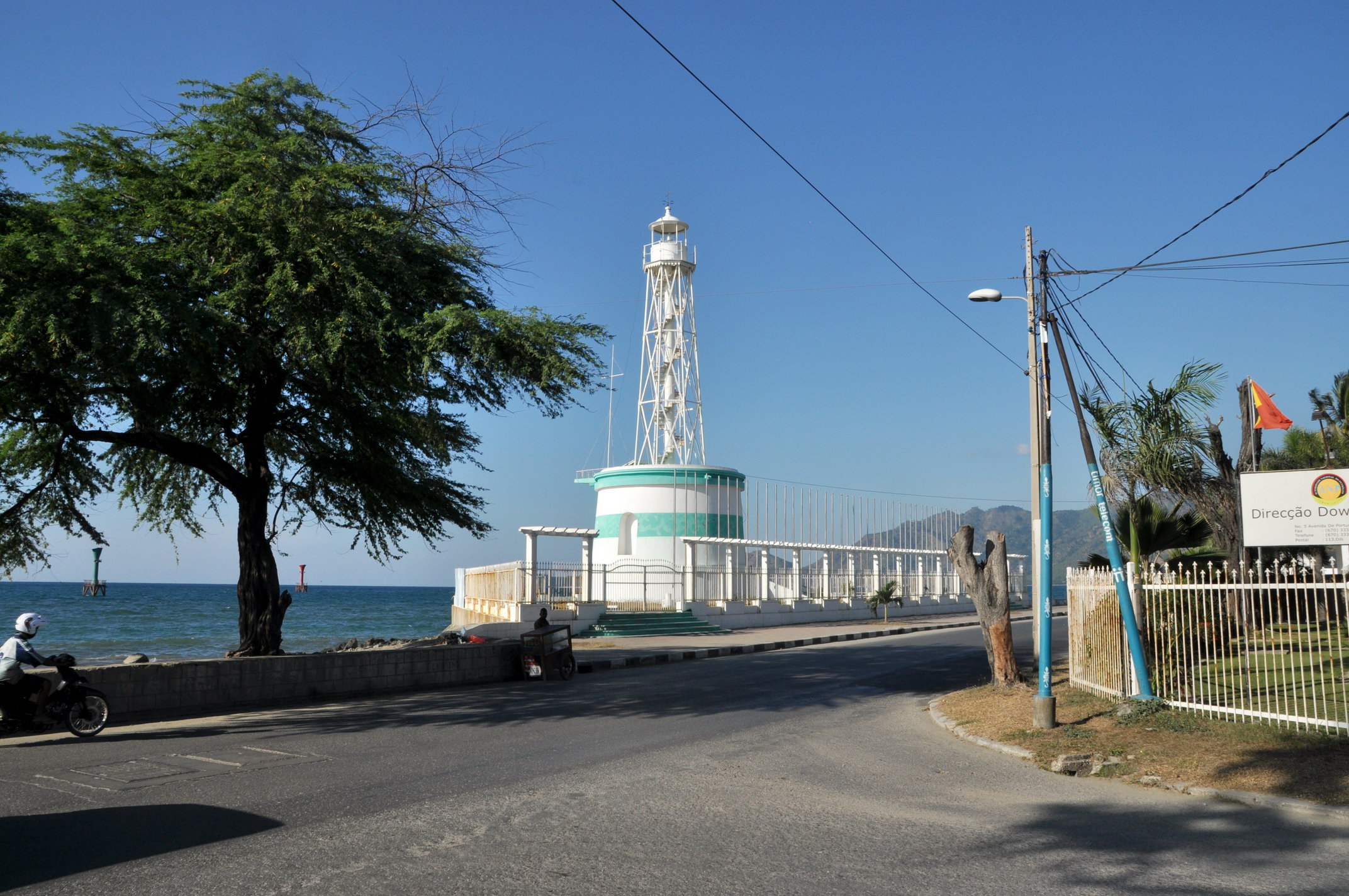
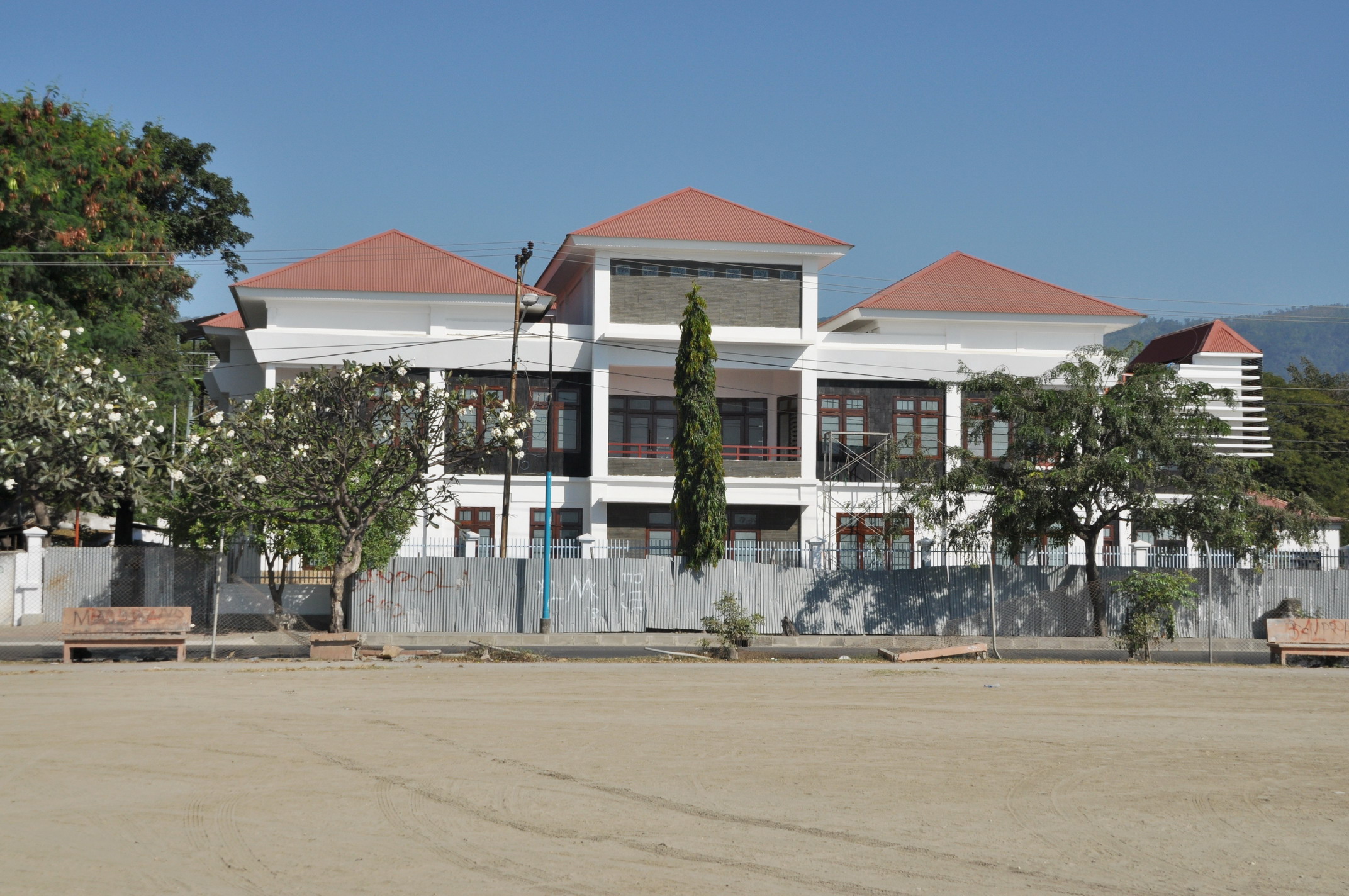
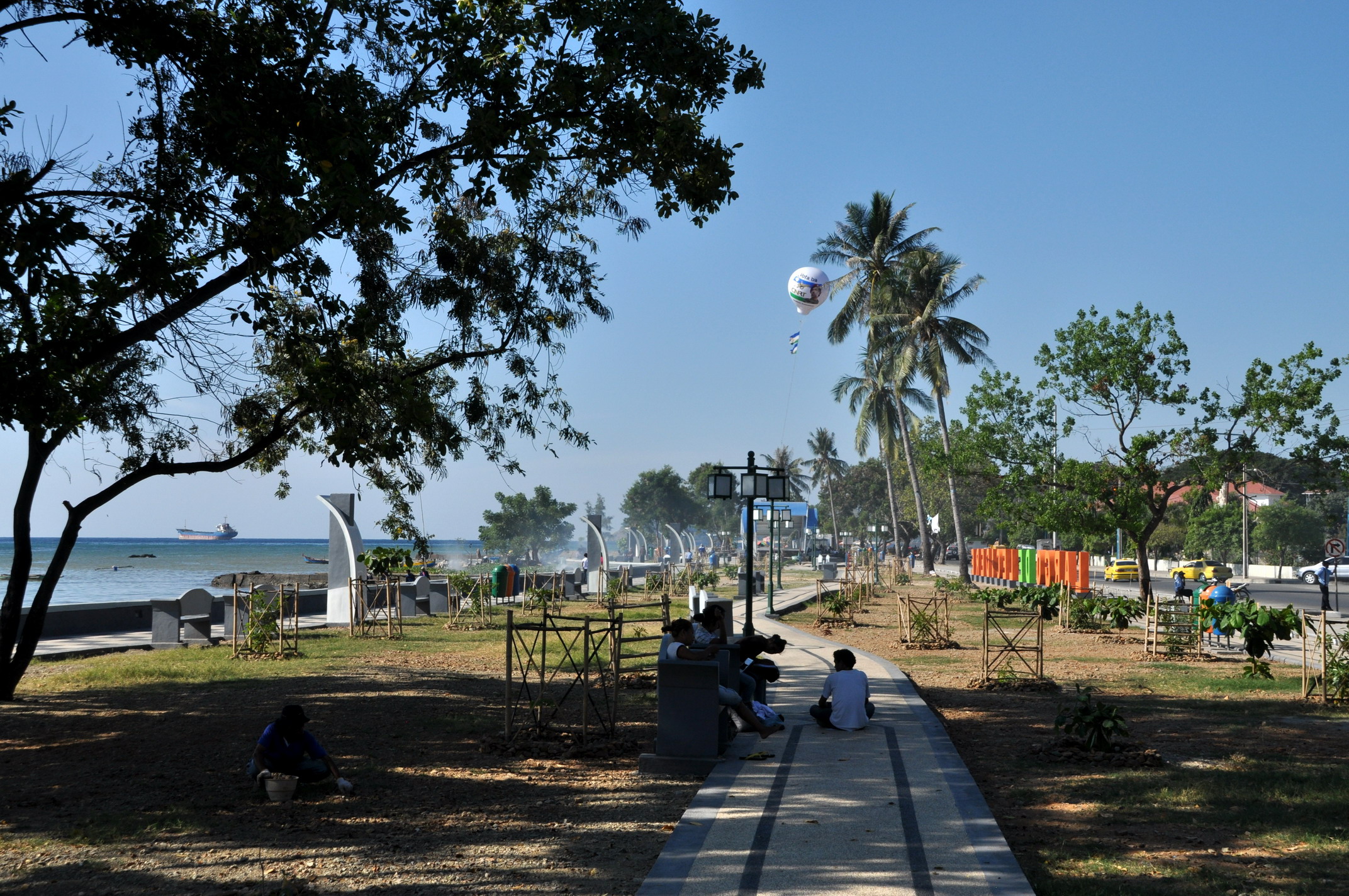
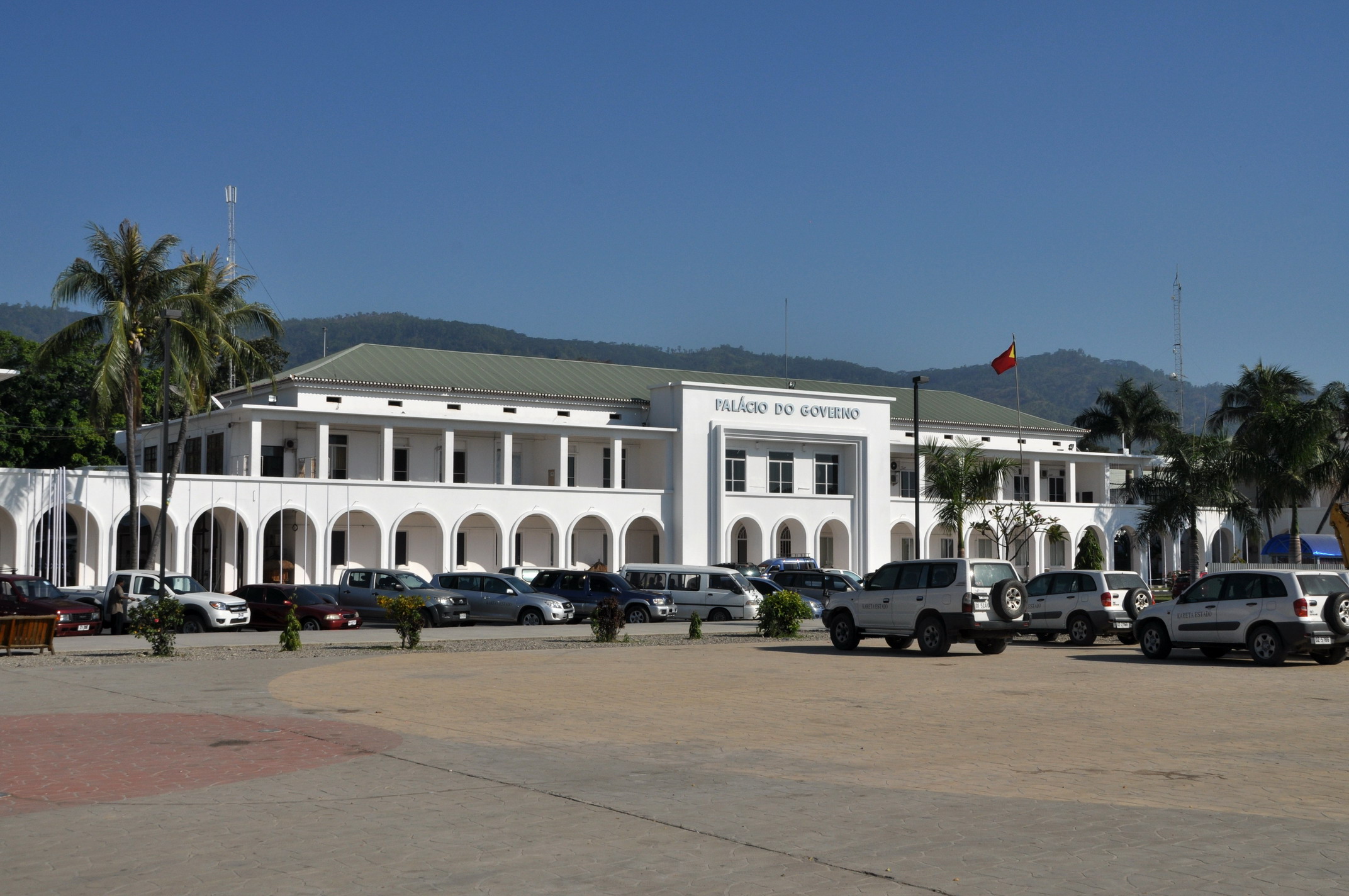
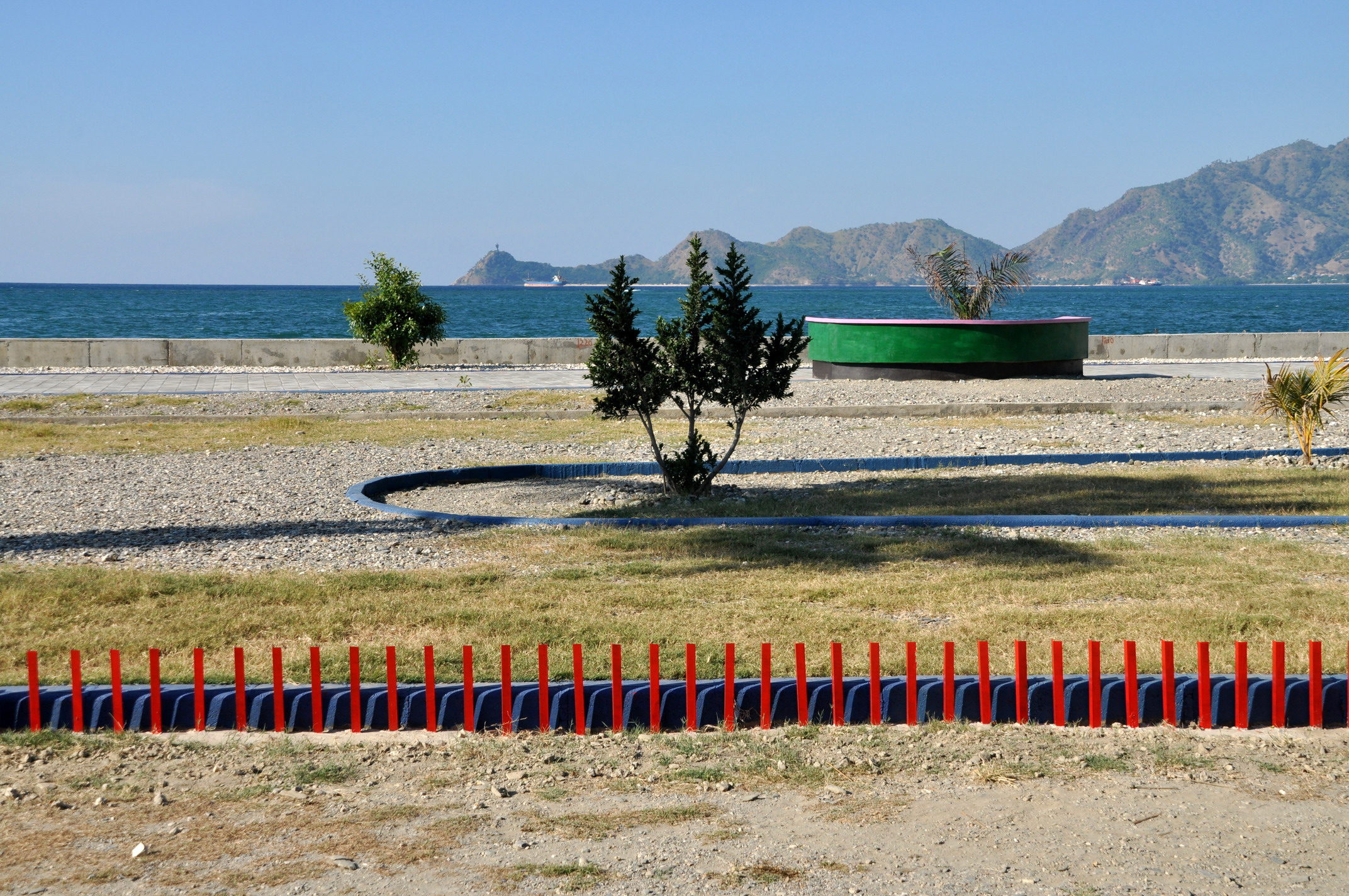
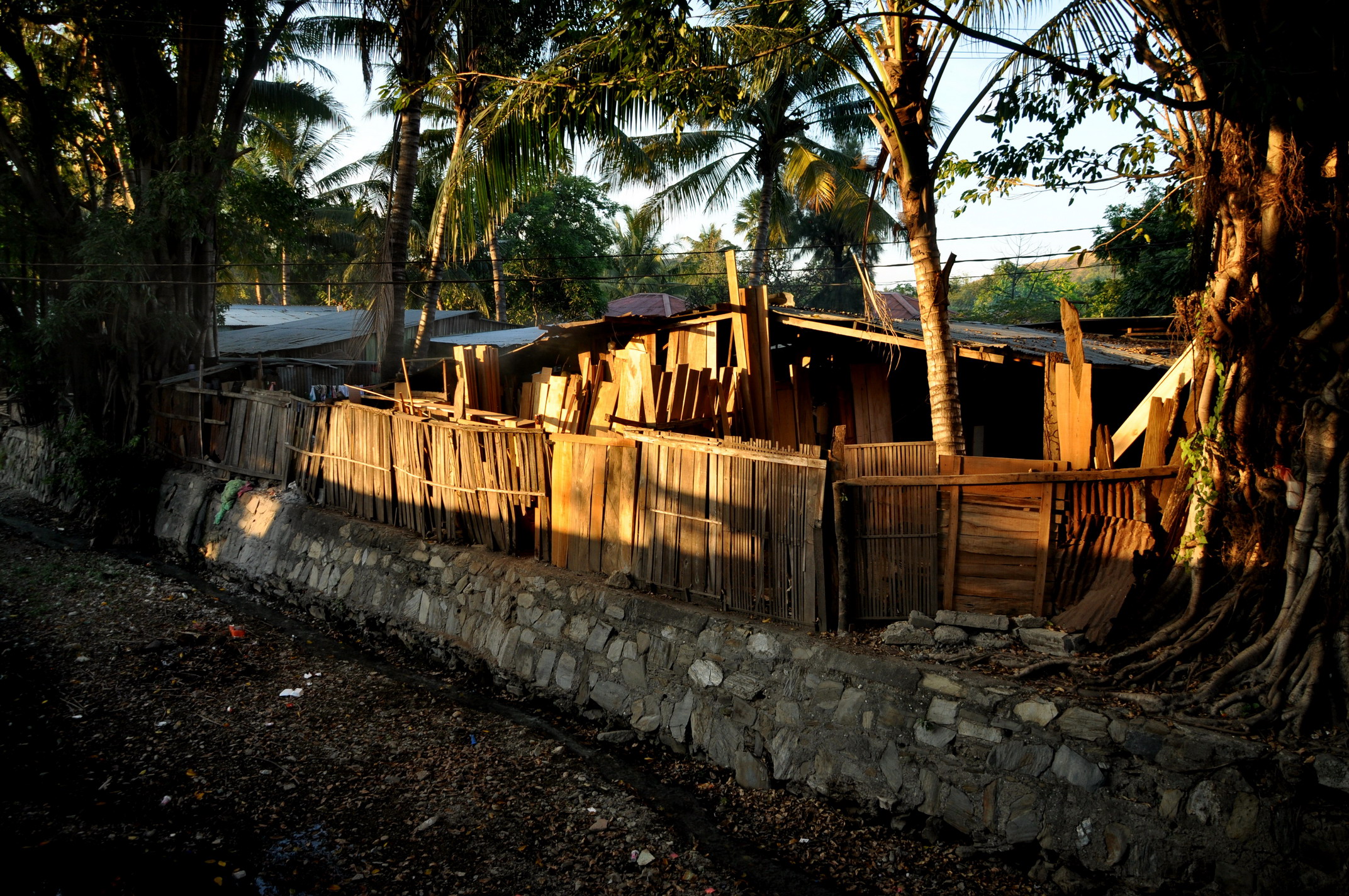
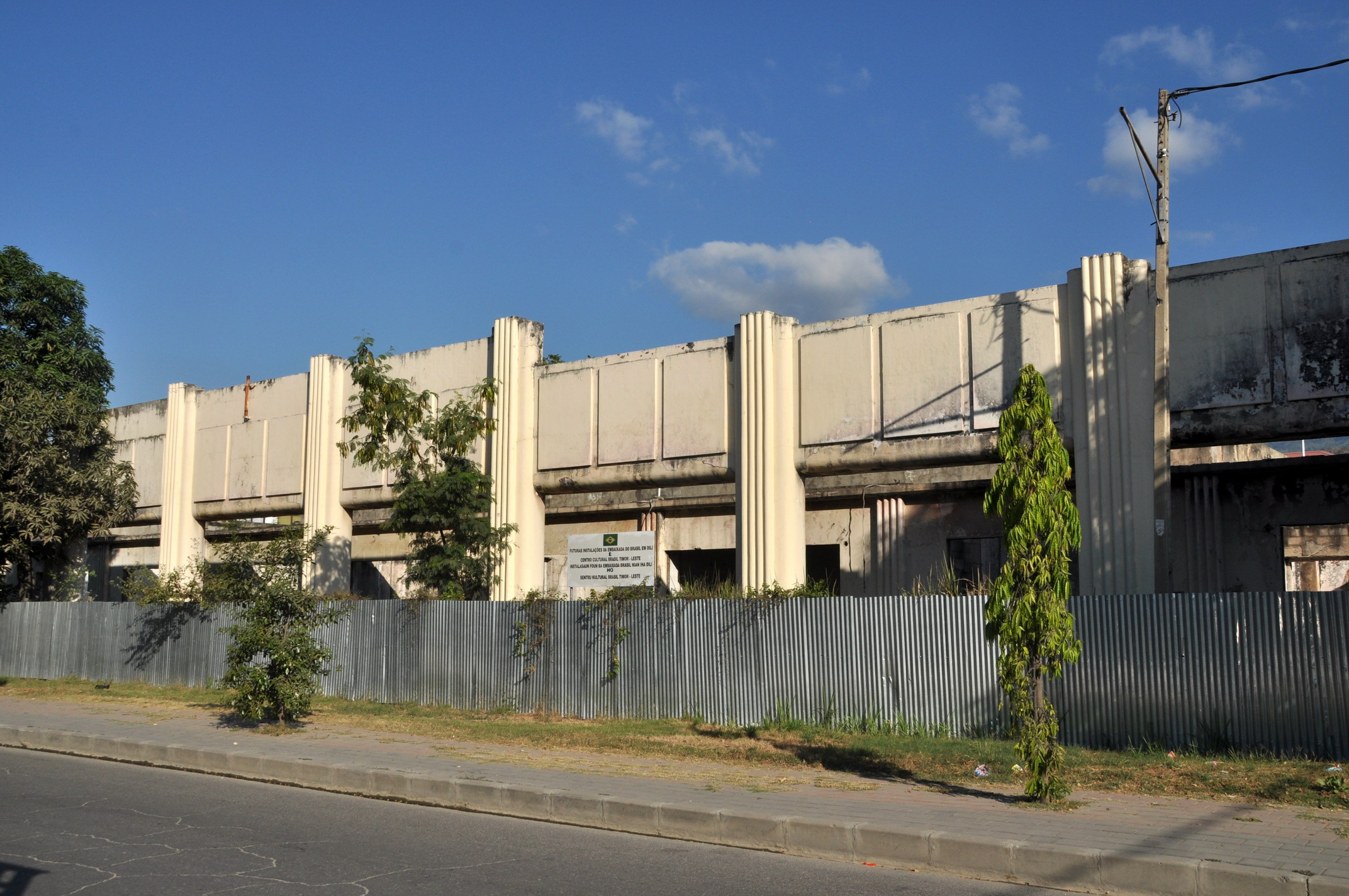
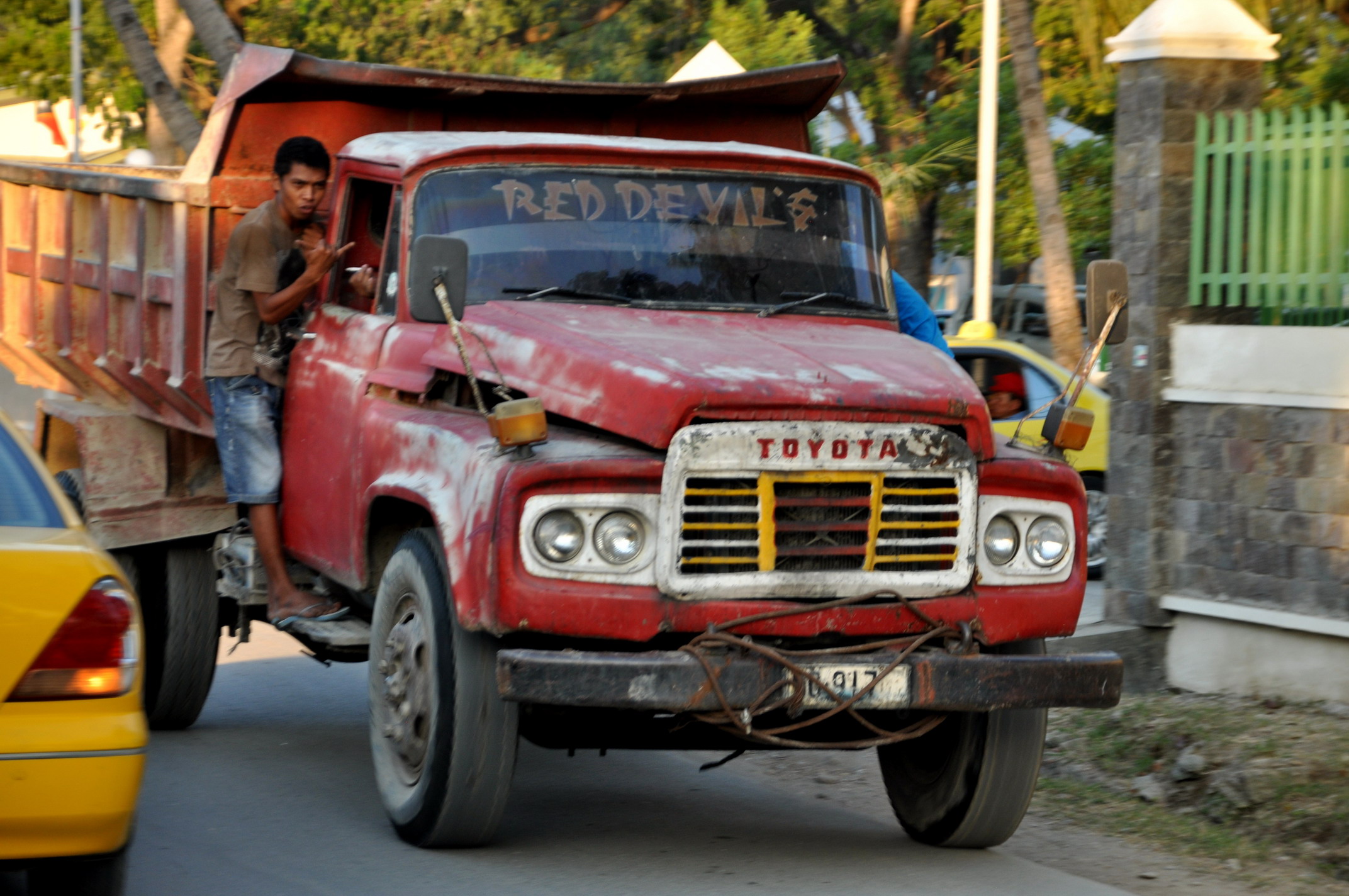
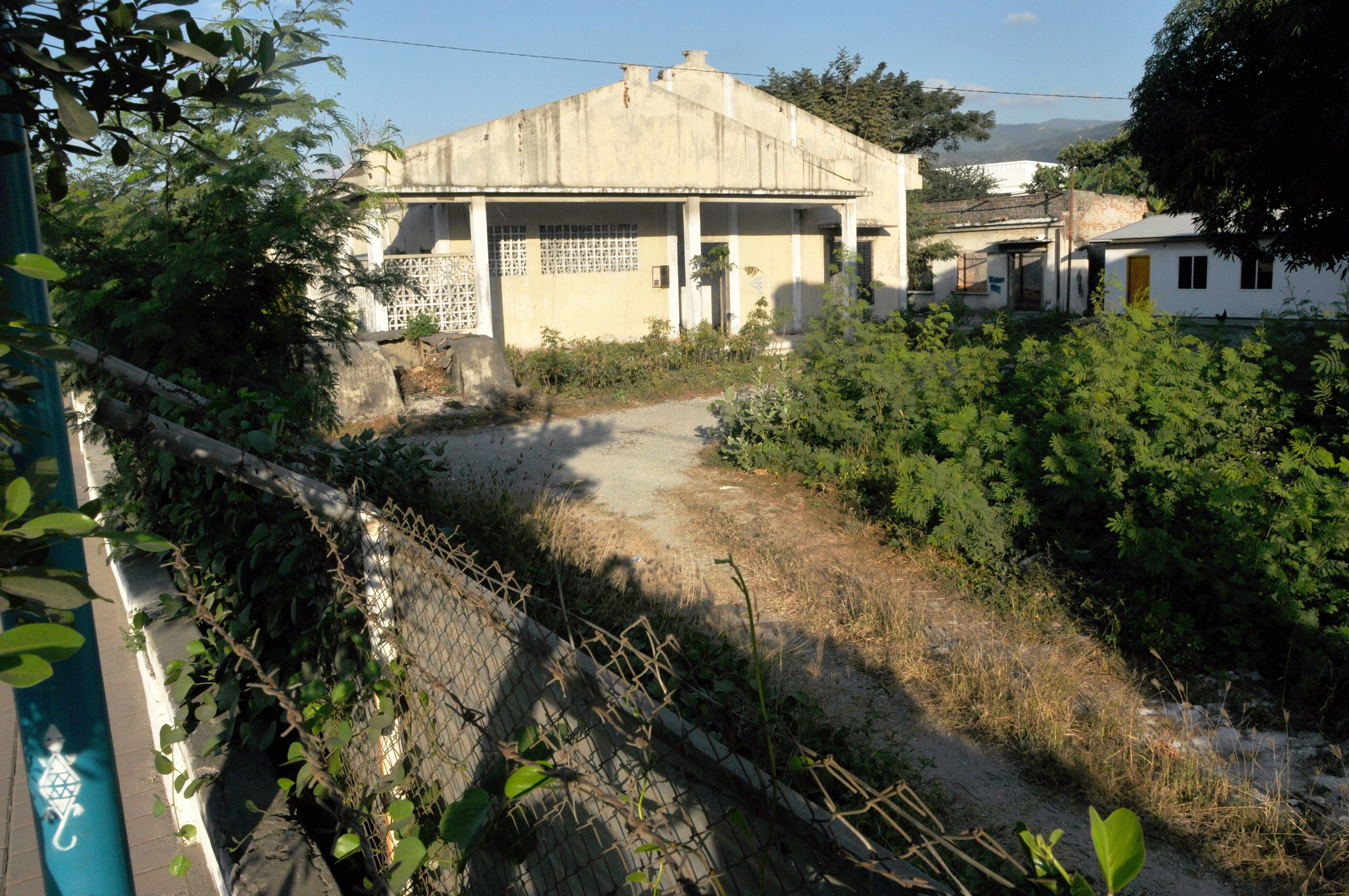
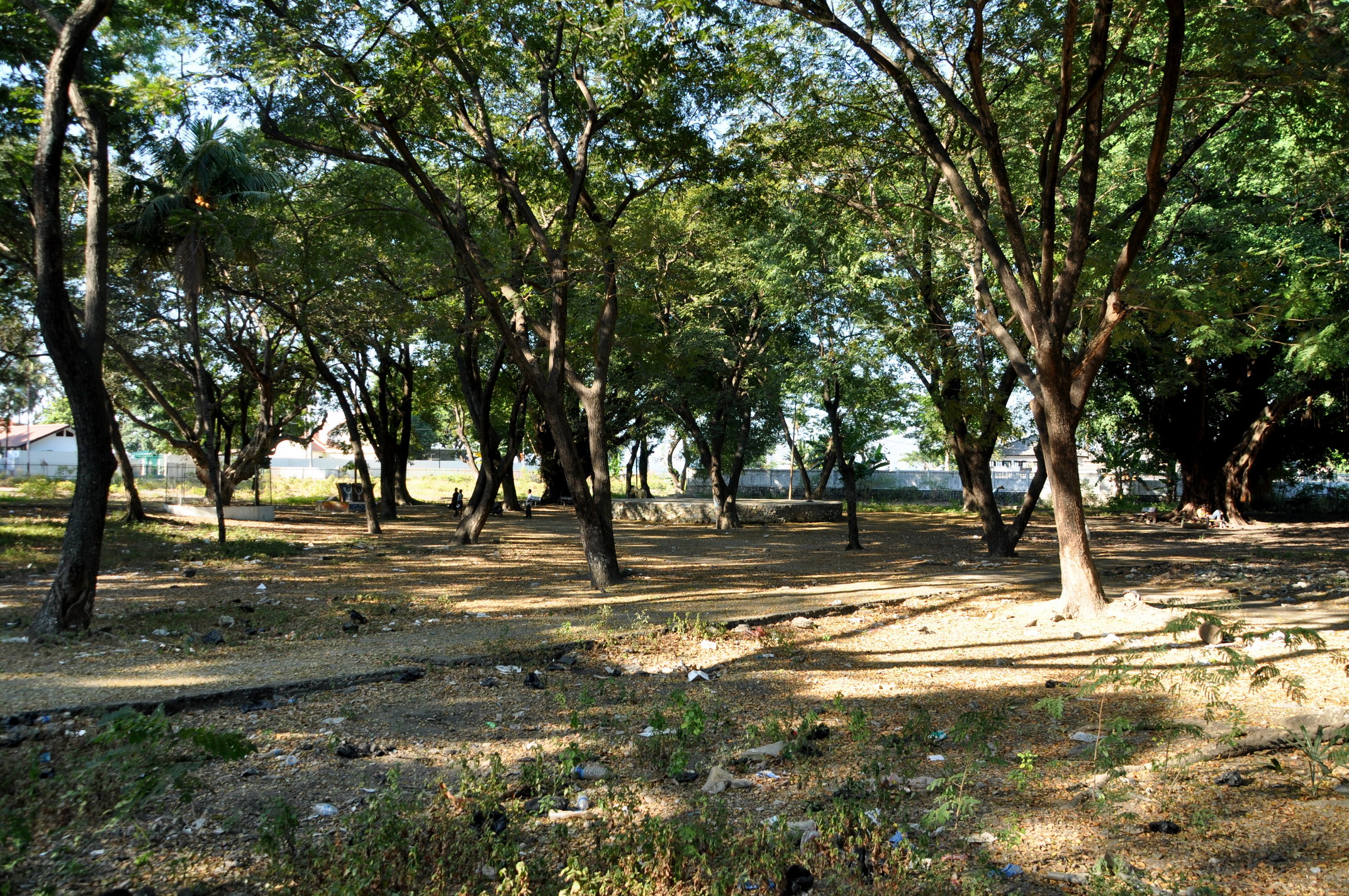
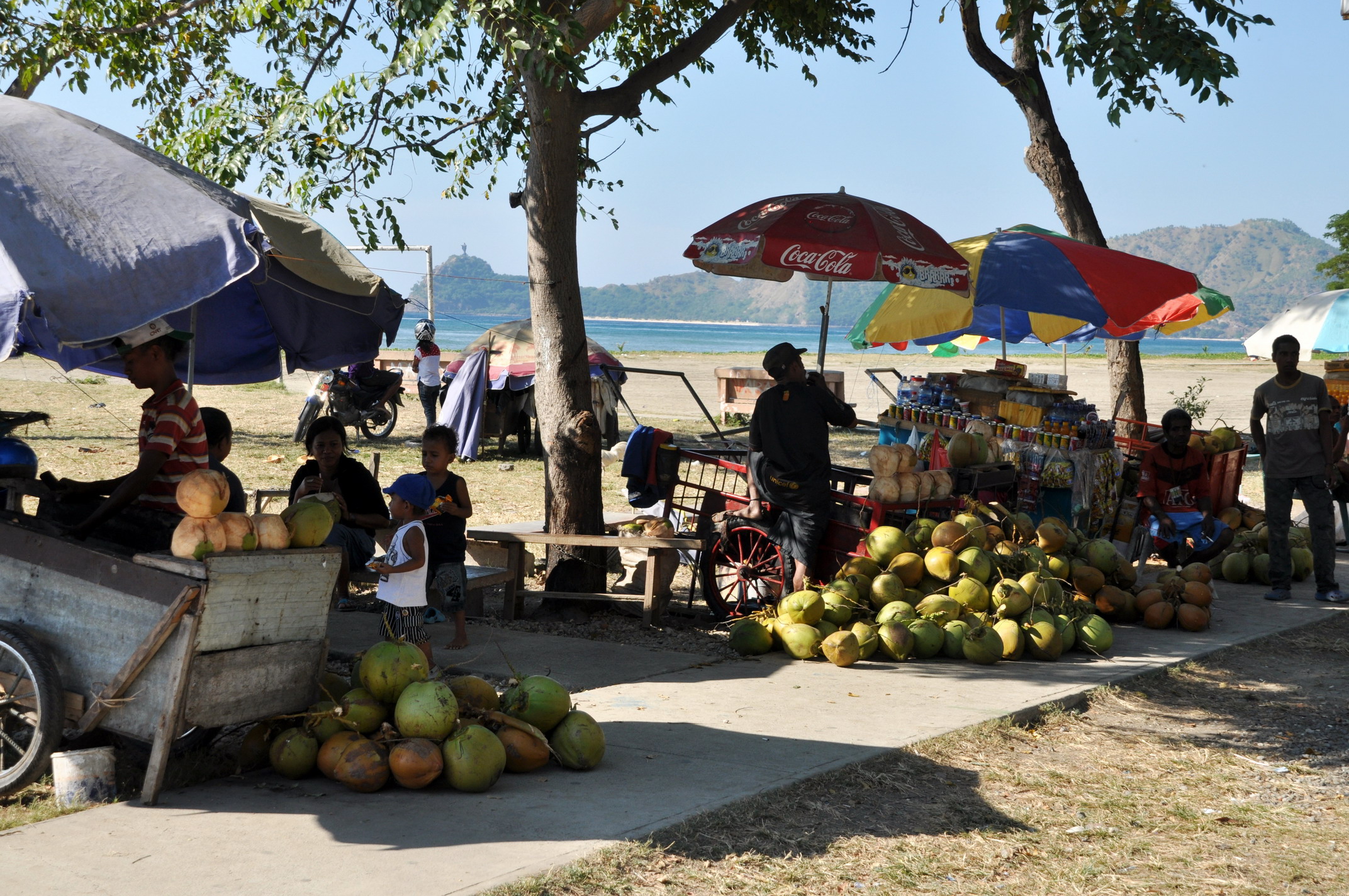
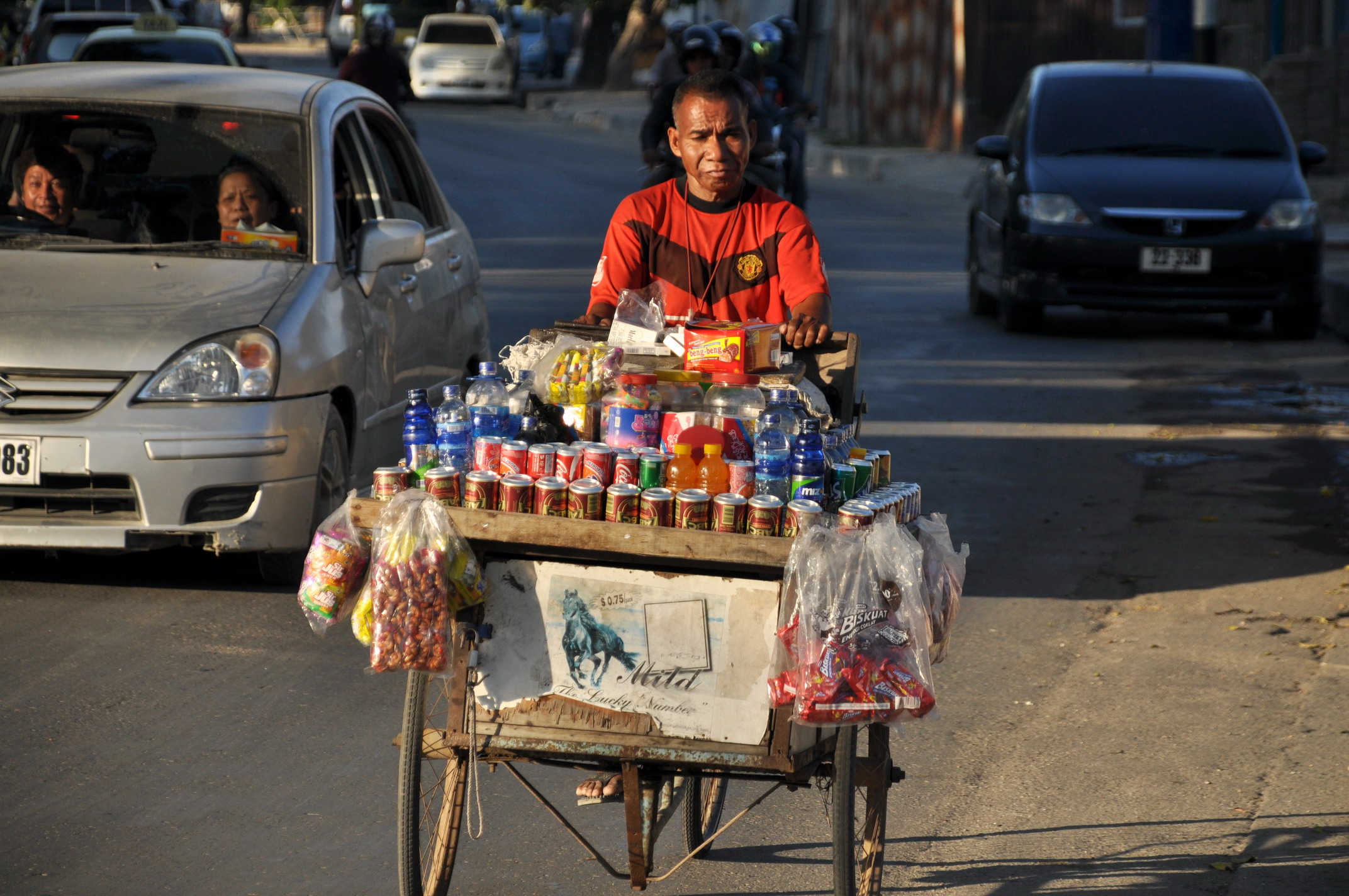
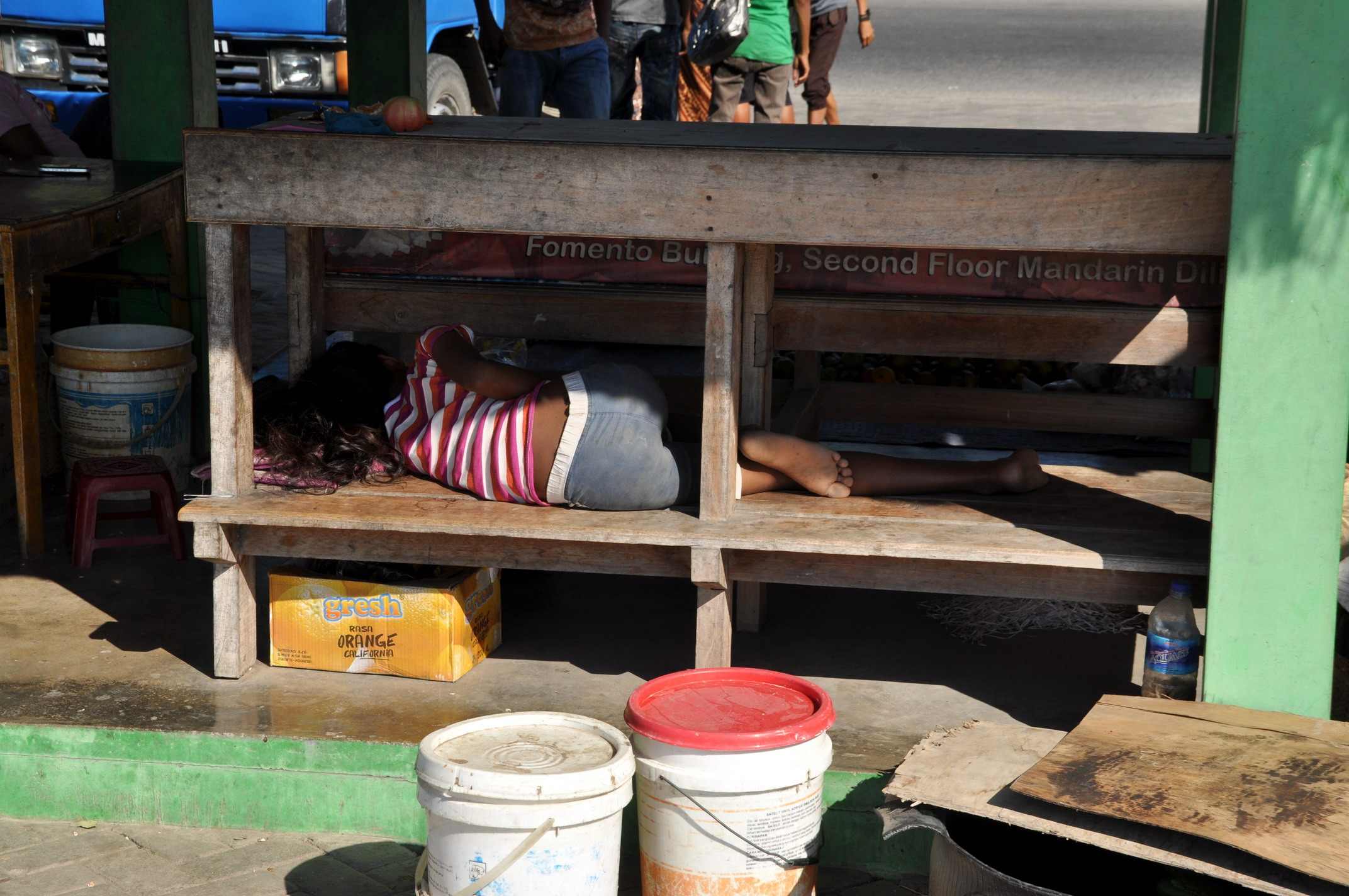
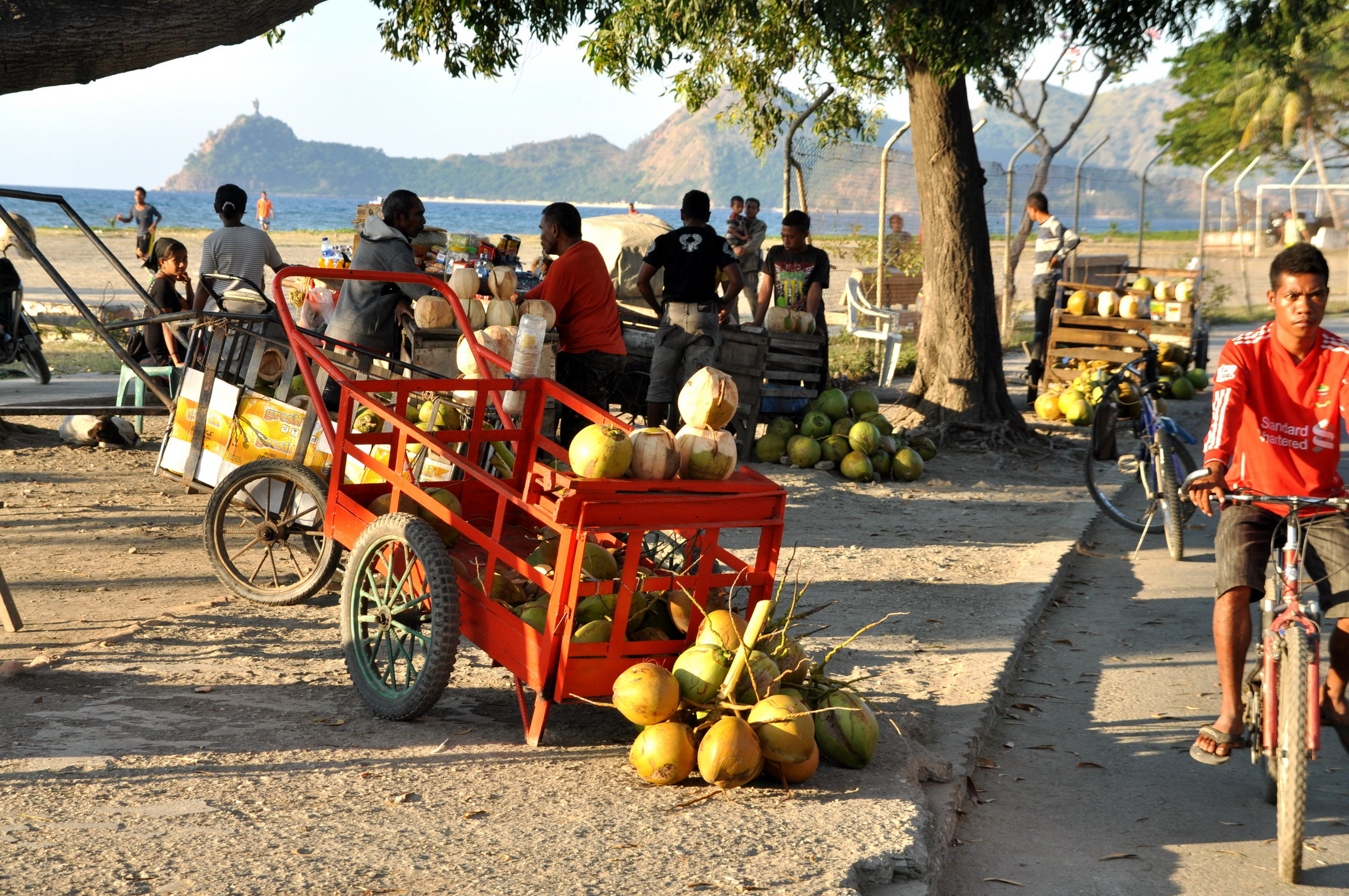
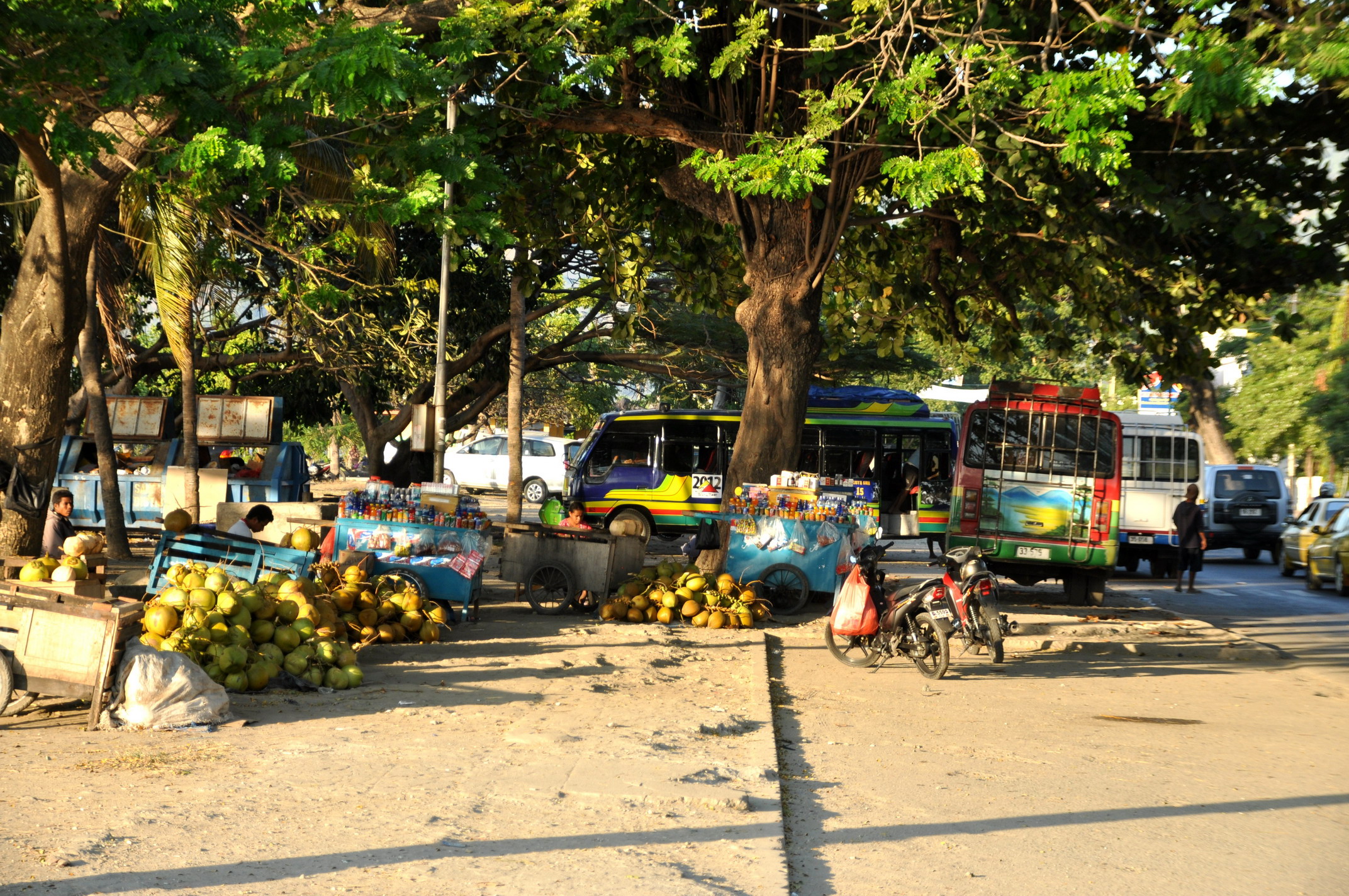
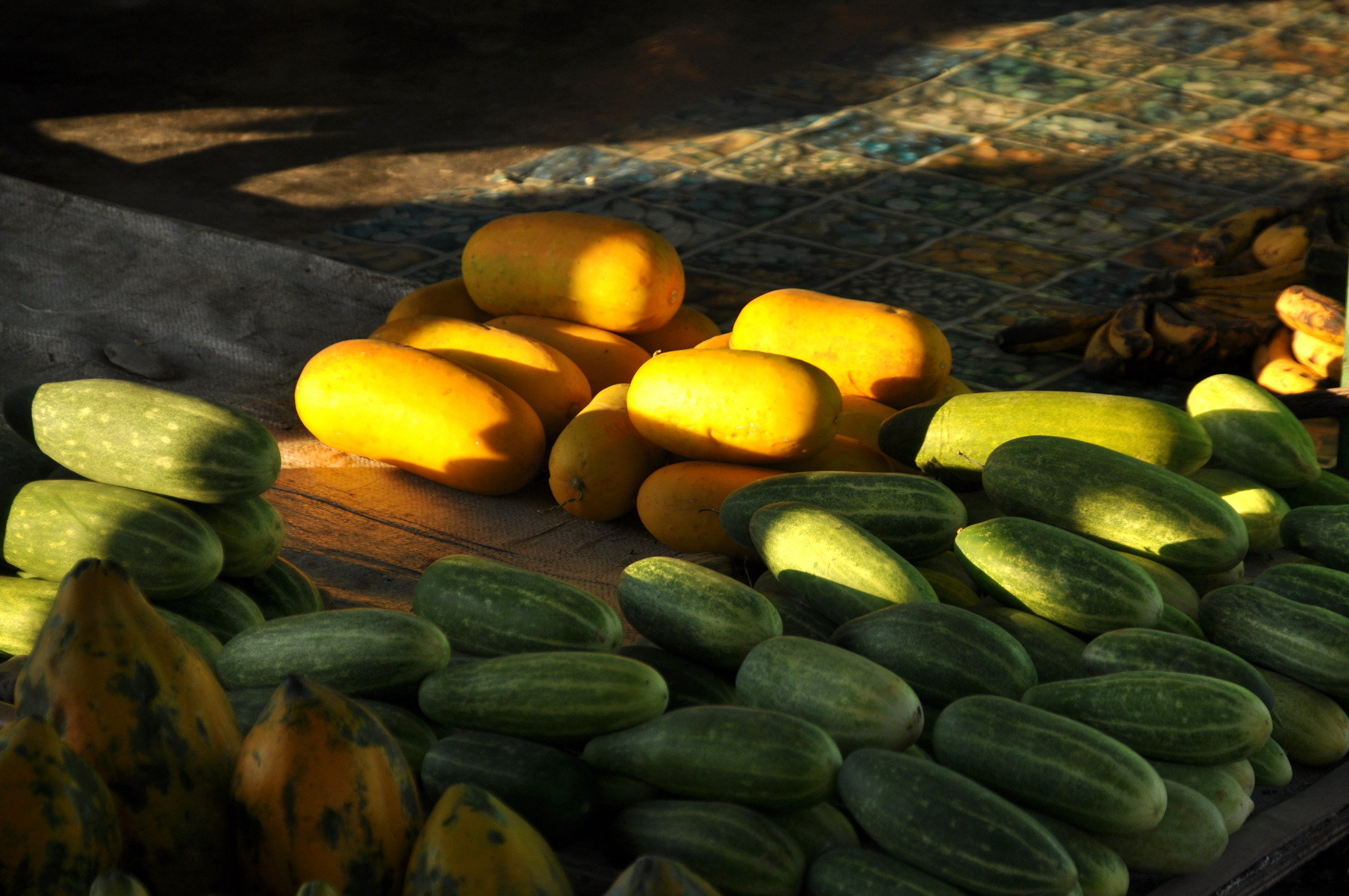
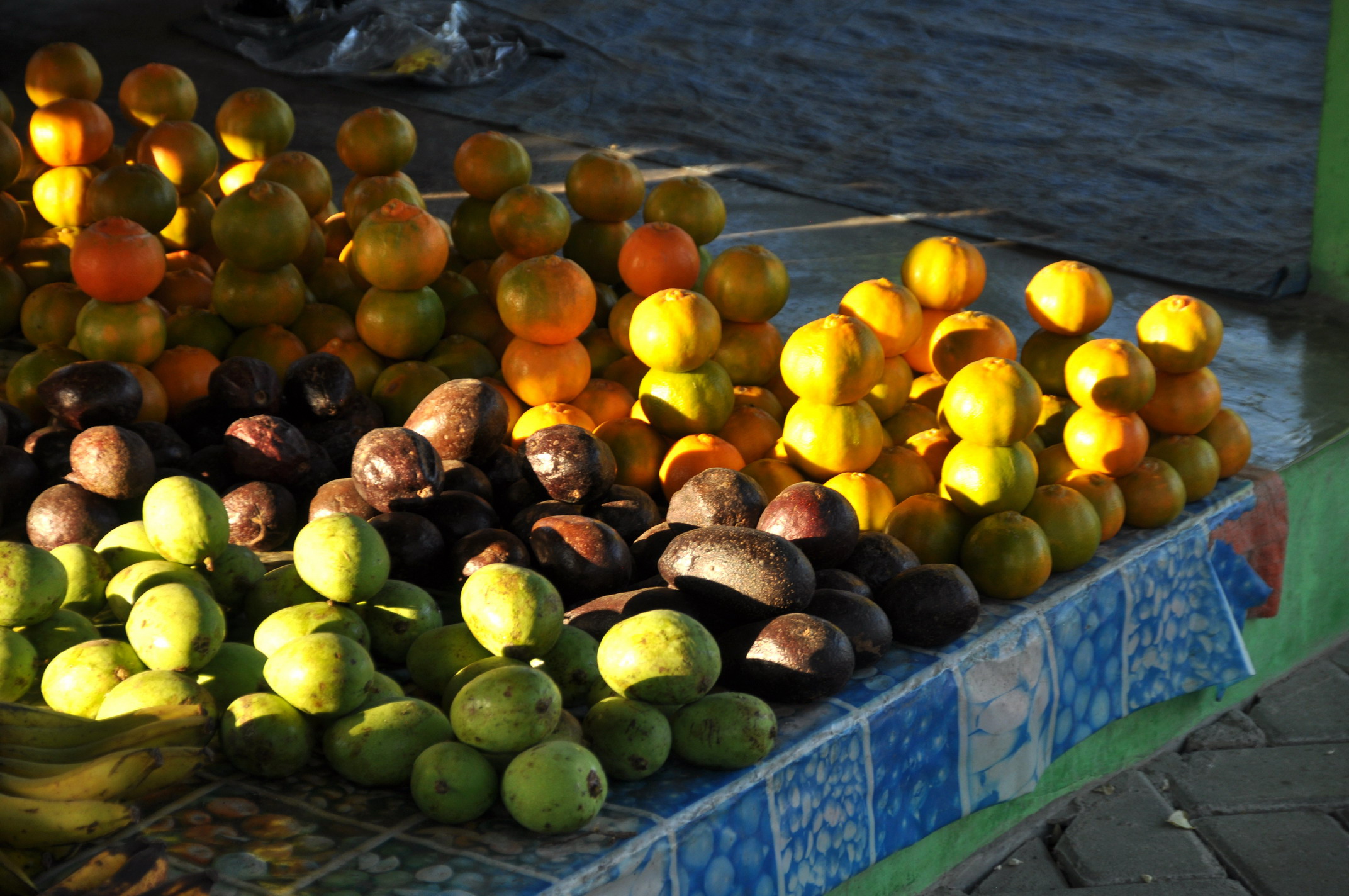
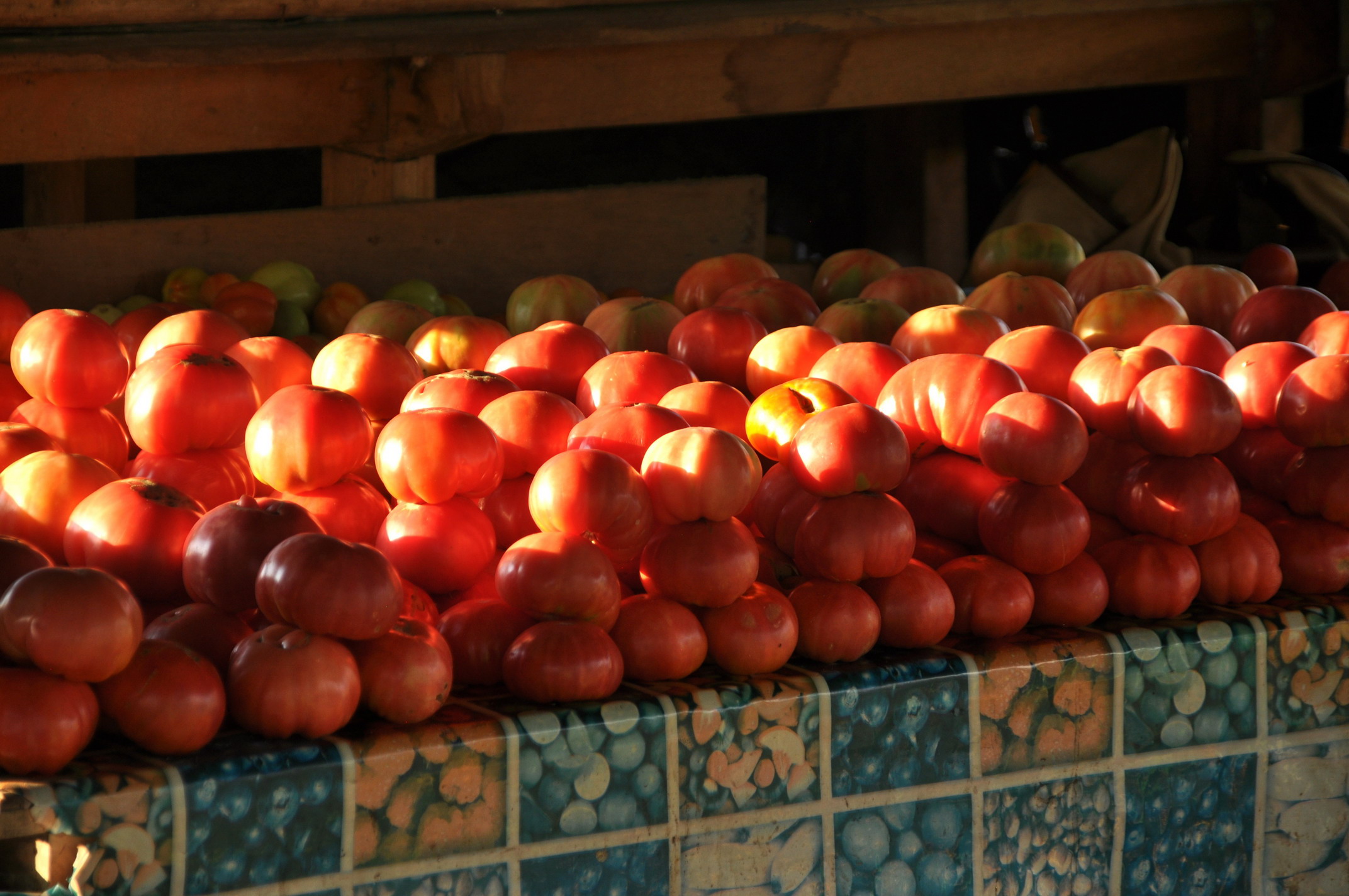
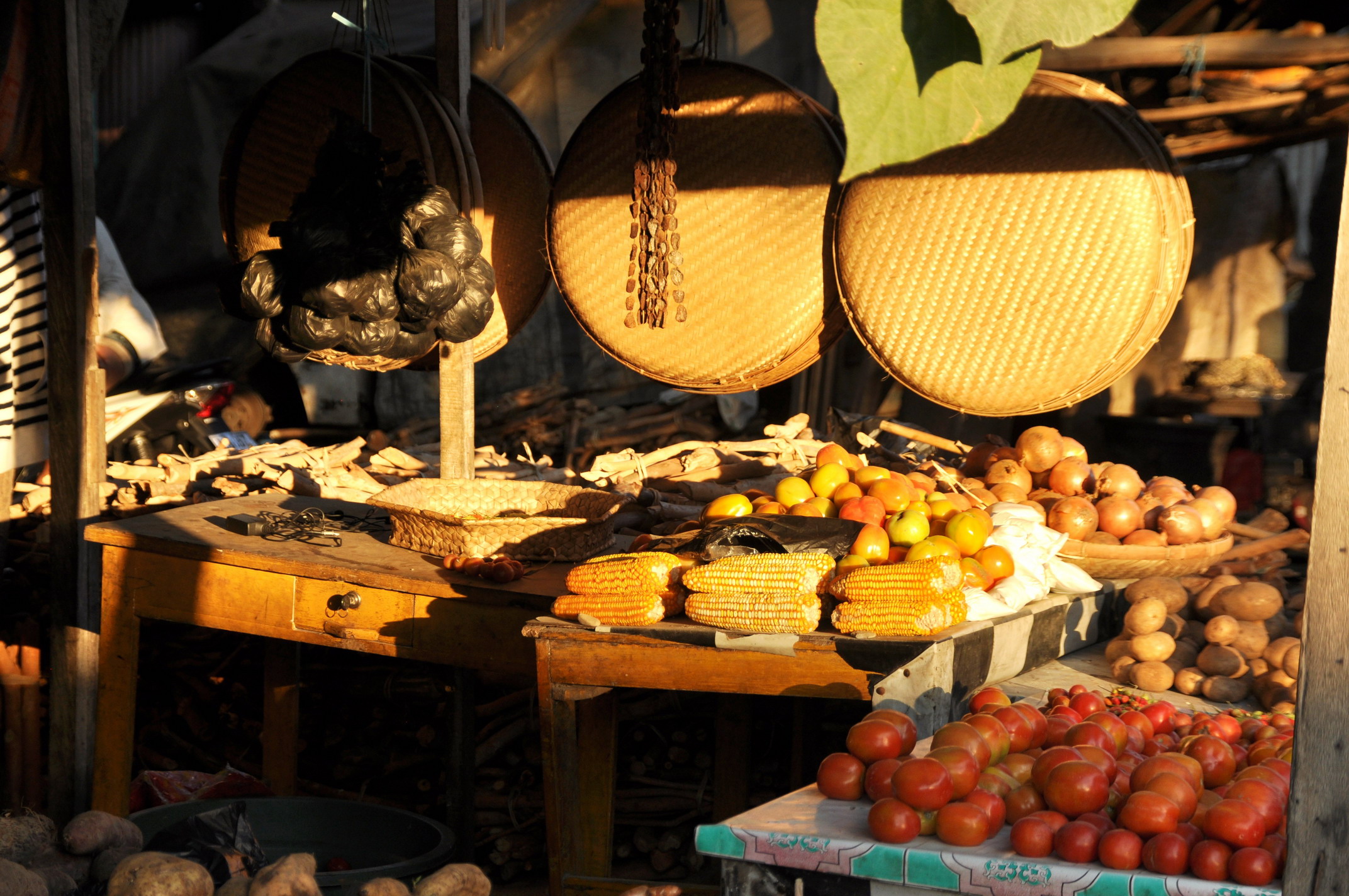
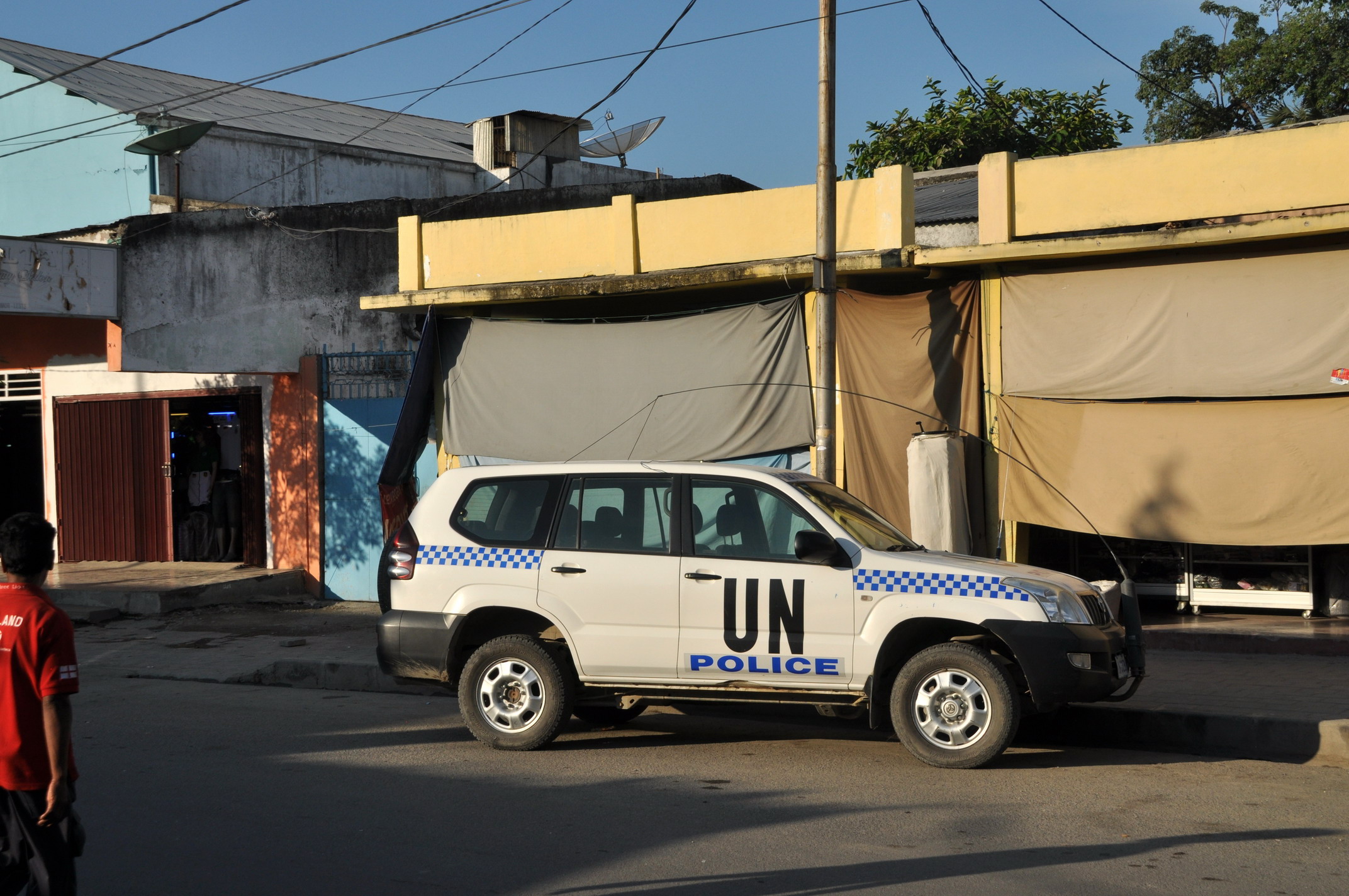
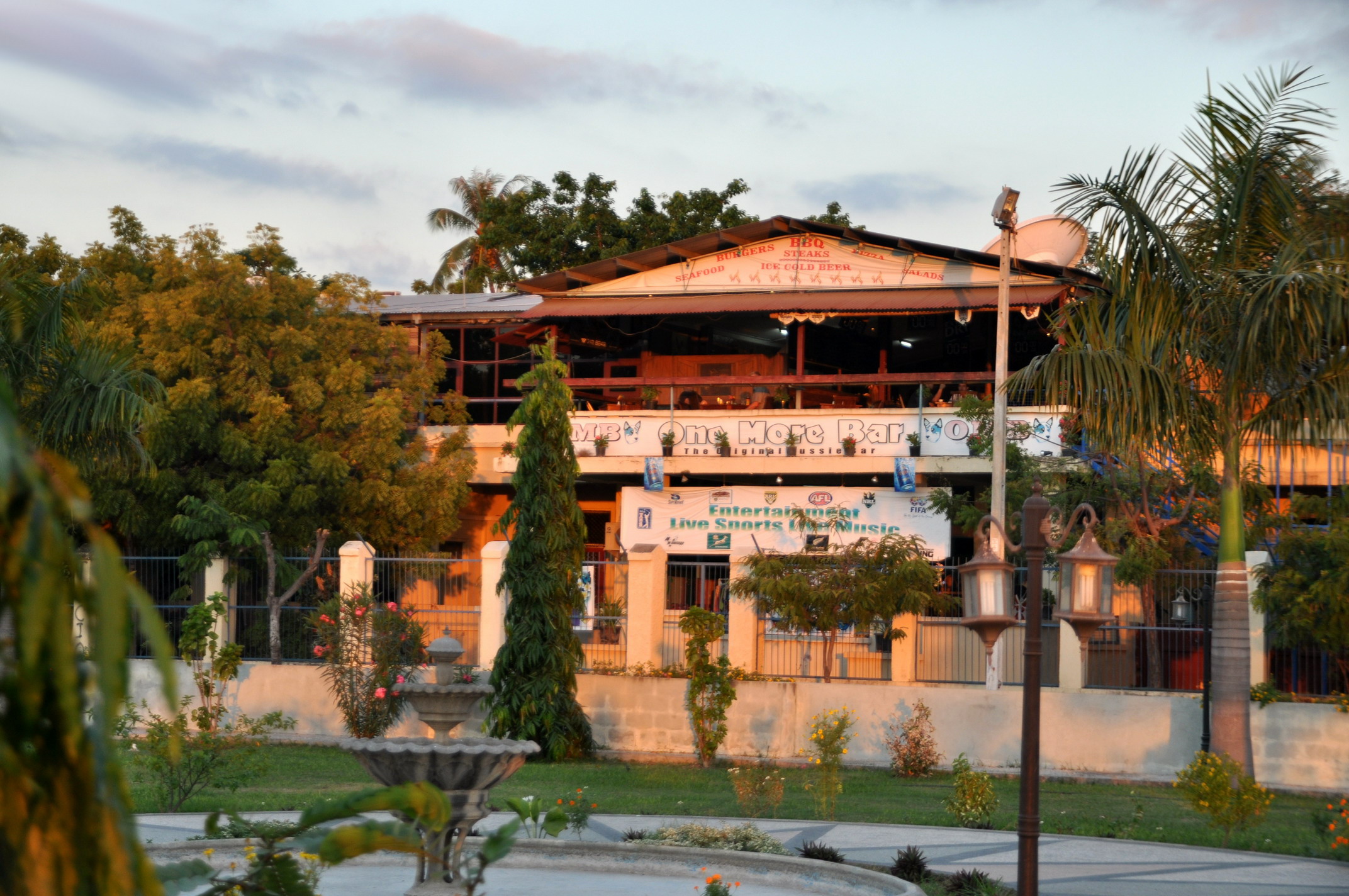
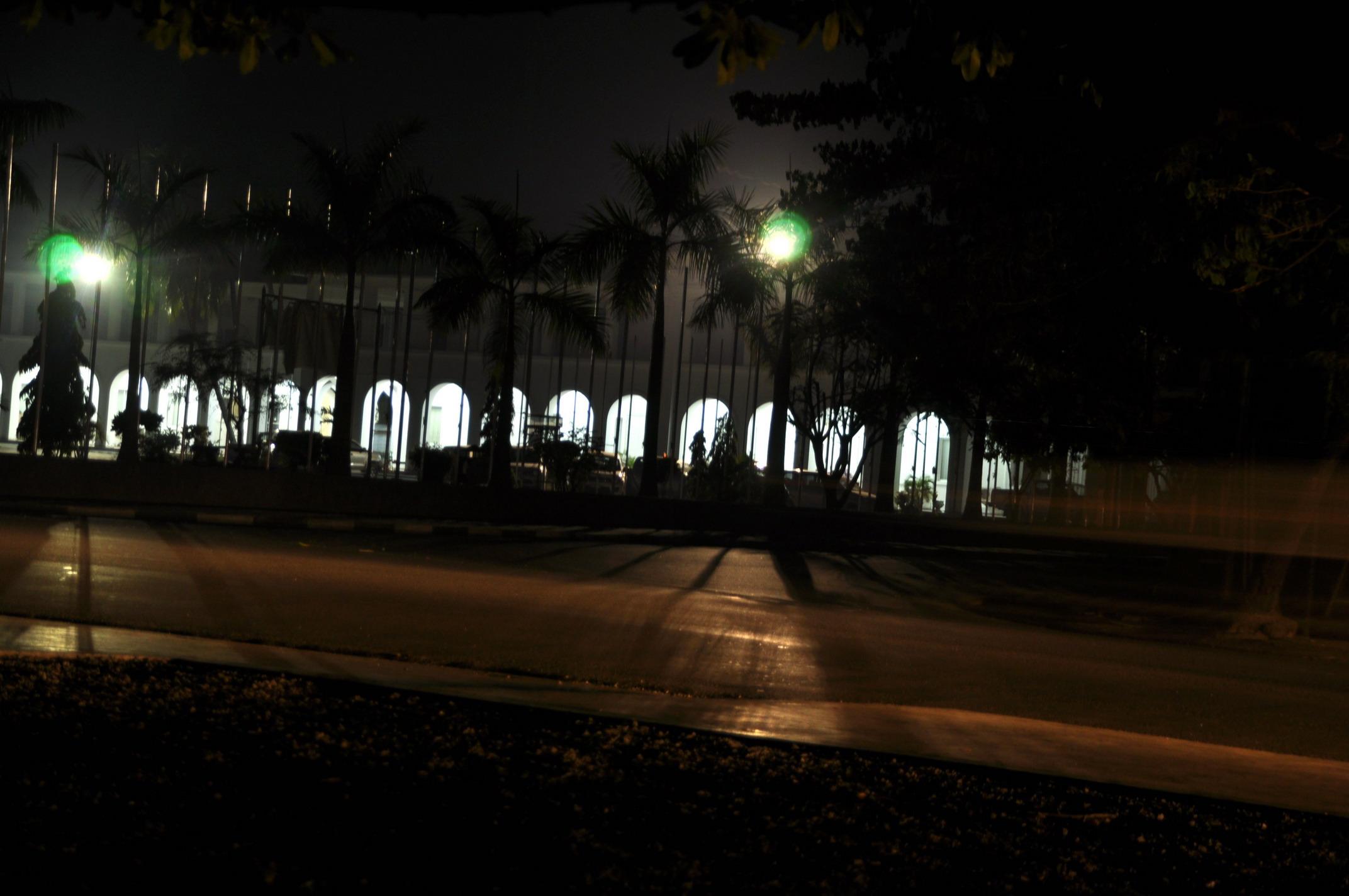
There were plenty of foreigners. The roads were full of standard white four-wheel drives, with well-groomed Europeans sitting in air-conditioned comfort behind darkened glass. I couldn't say local people hated them, though they didn't love them either. They lived like gods, generally indifferent to everything around them. There were a few cafés for foreigners in town, but I didn't happen to find them and didn't try. I could find places like that in Paris. At night the lights went off, diesel generators started up at their houses and those houses shone in the dark. There were plenty of generators in Dili, at every institution that took itself seriously. First the lights would go out, then this or that diesel engine would roar into life.
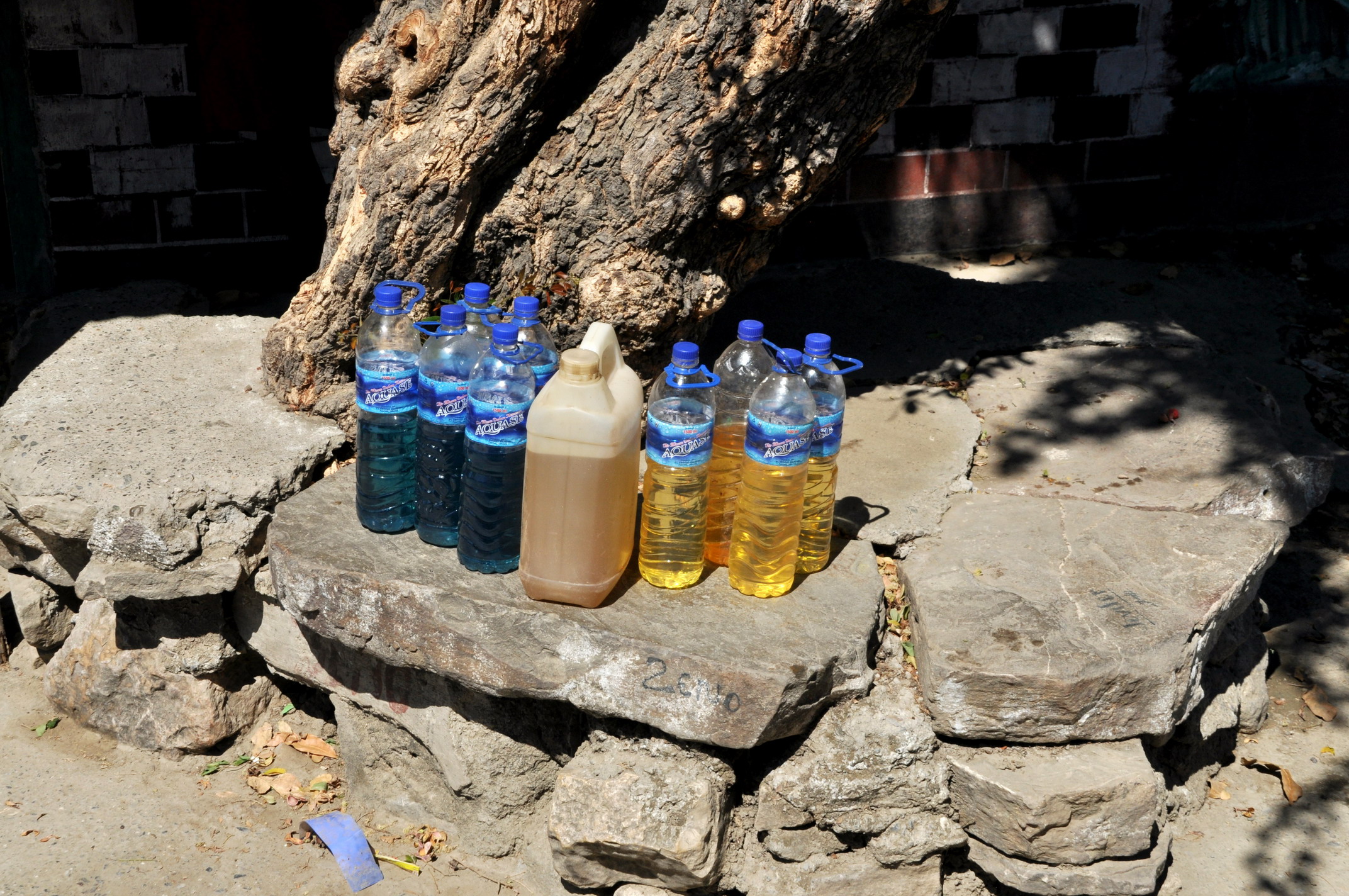
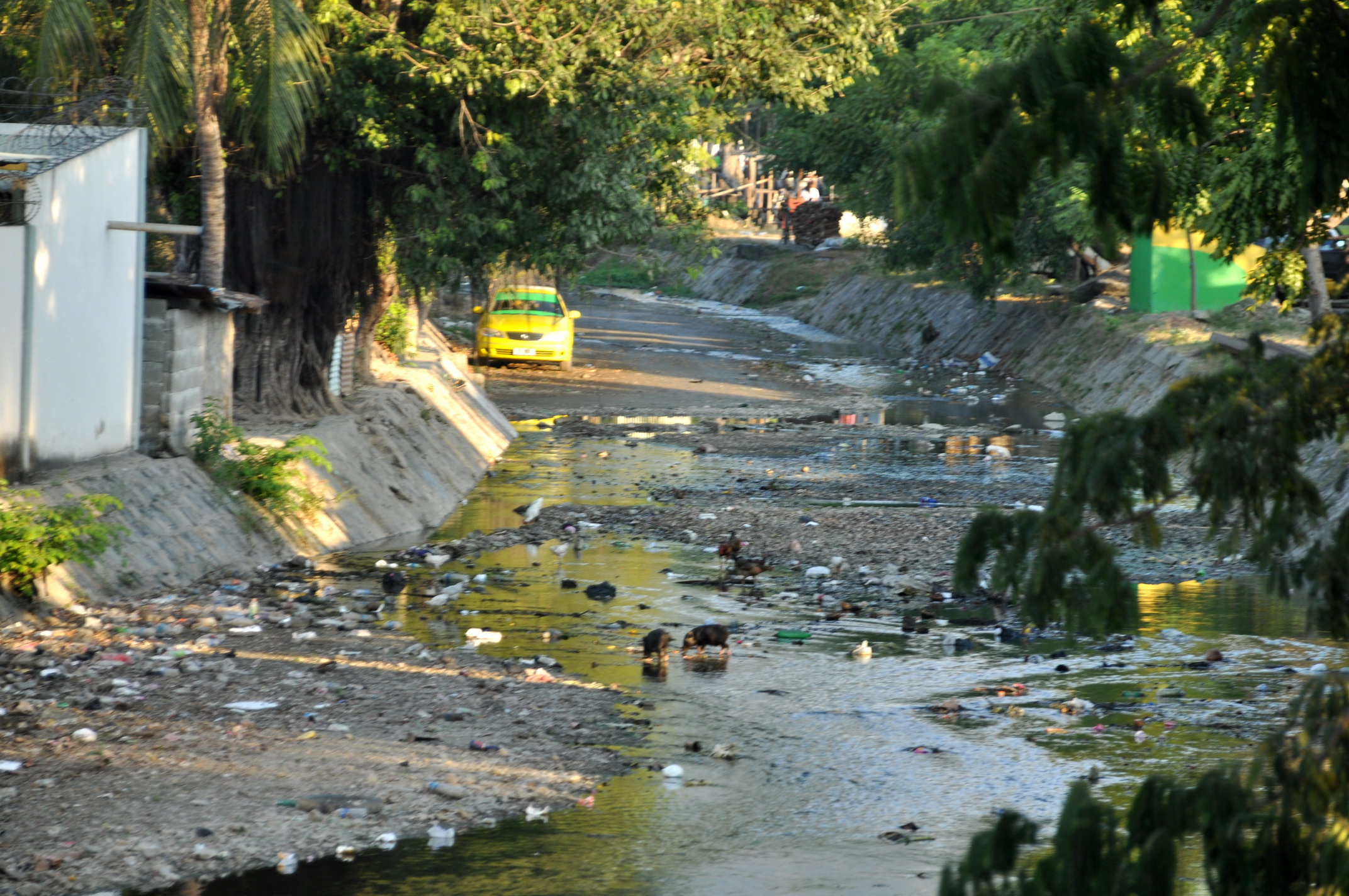
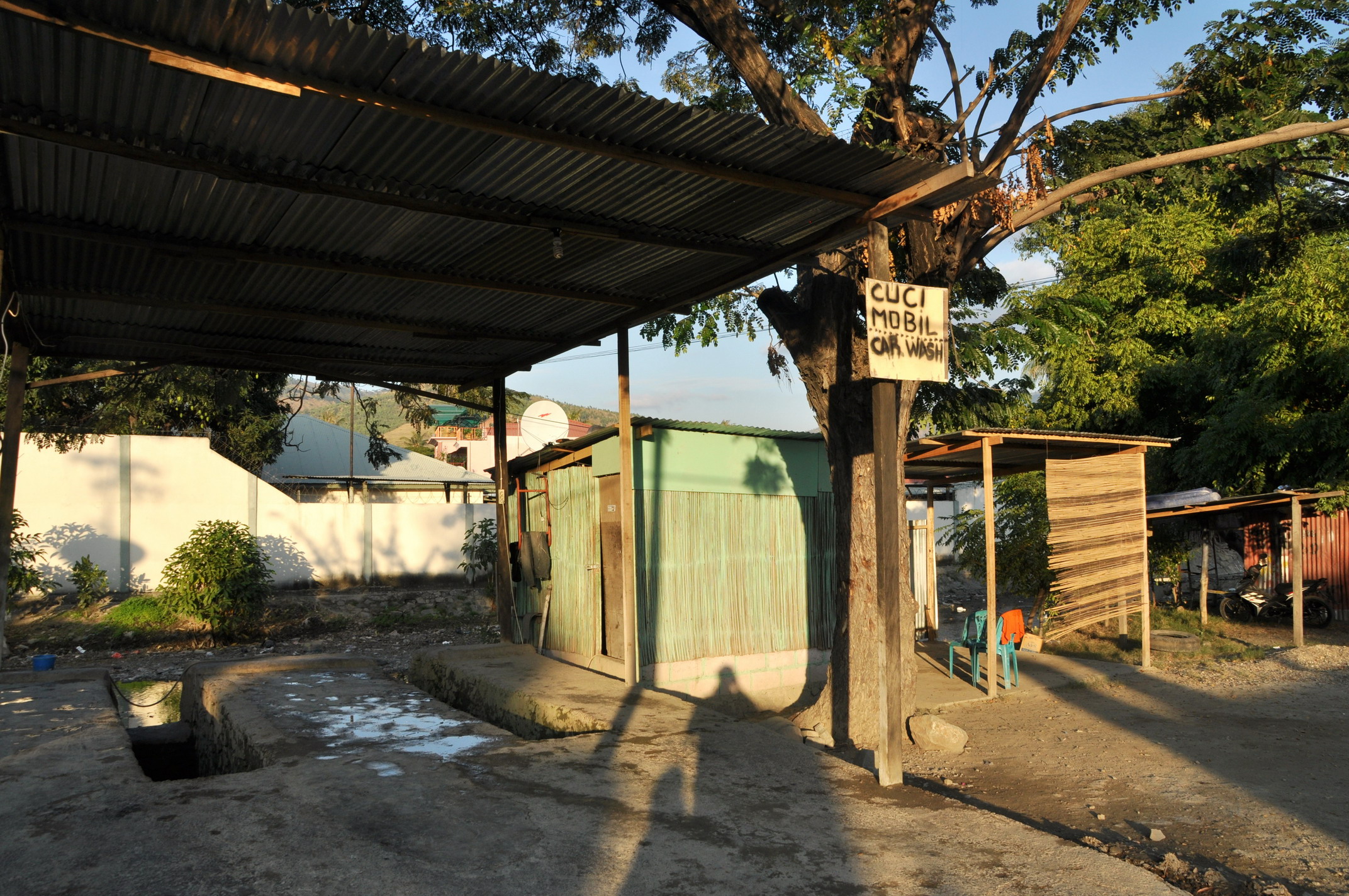
Petrol and diesel for white people were sold at petrol stations. Locals usually bought it in bottles, which was cheaper than filling up in one go. A full tank was an unaffordable luxury. Ten kilometres to the next village? In goes a litre, and then you'll see. Cars were washed in streams, although the capital had car washes.
Street money changers exchanged currency. There were banks too, such as ANZ, with ATMs, and there was another ATM at the airport. The expensive hotels took credit cards. Apart from them, I found just one shop in the entire country that took one, at the airport, where I bought the Lonely Planet guide to Fiji. Citibank blocked my card on the spot. Its fraud people must have been horrified at a transaction in such a country.
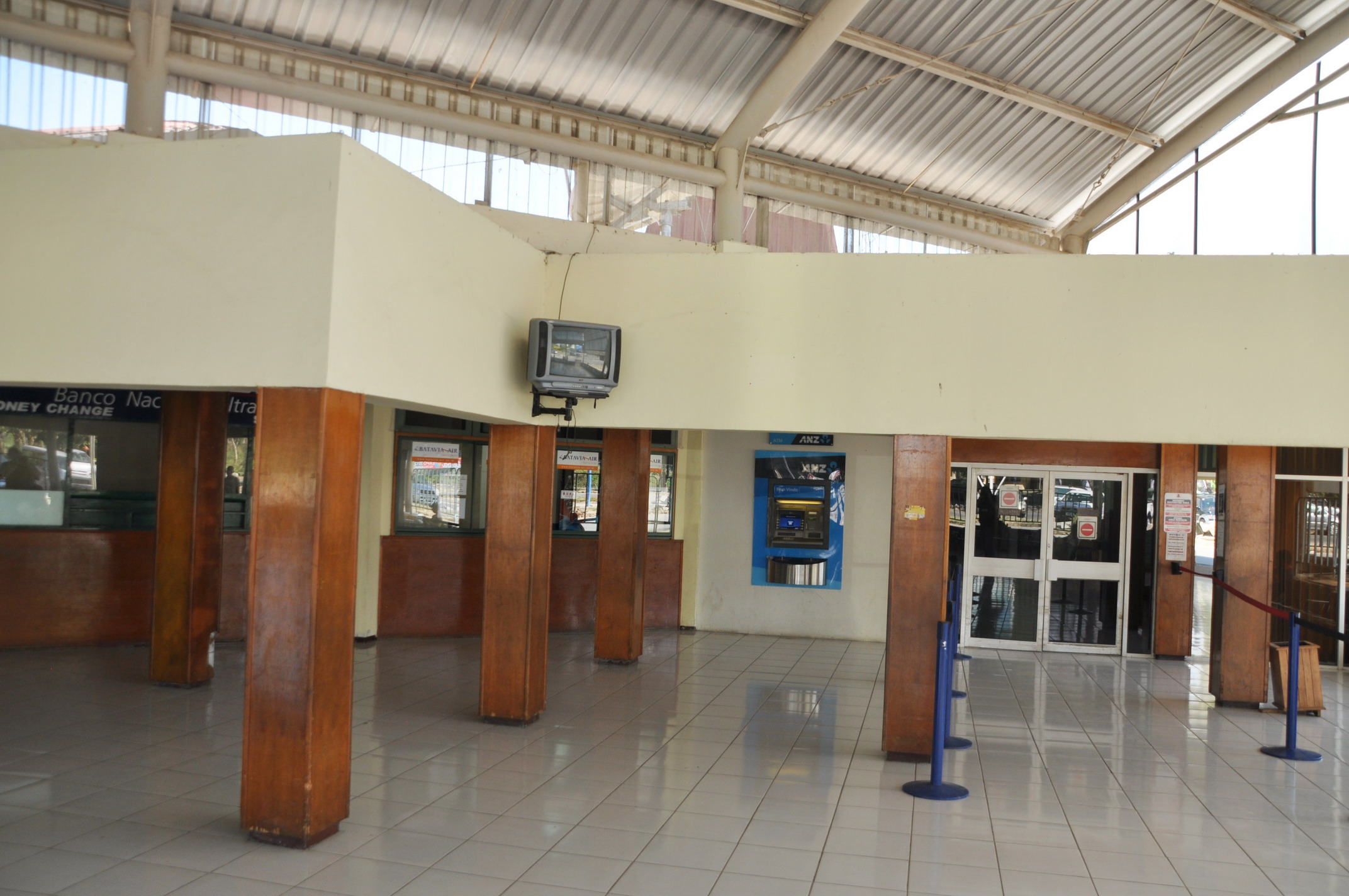
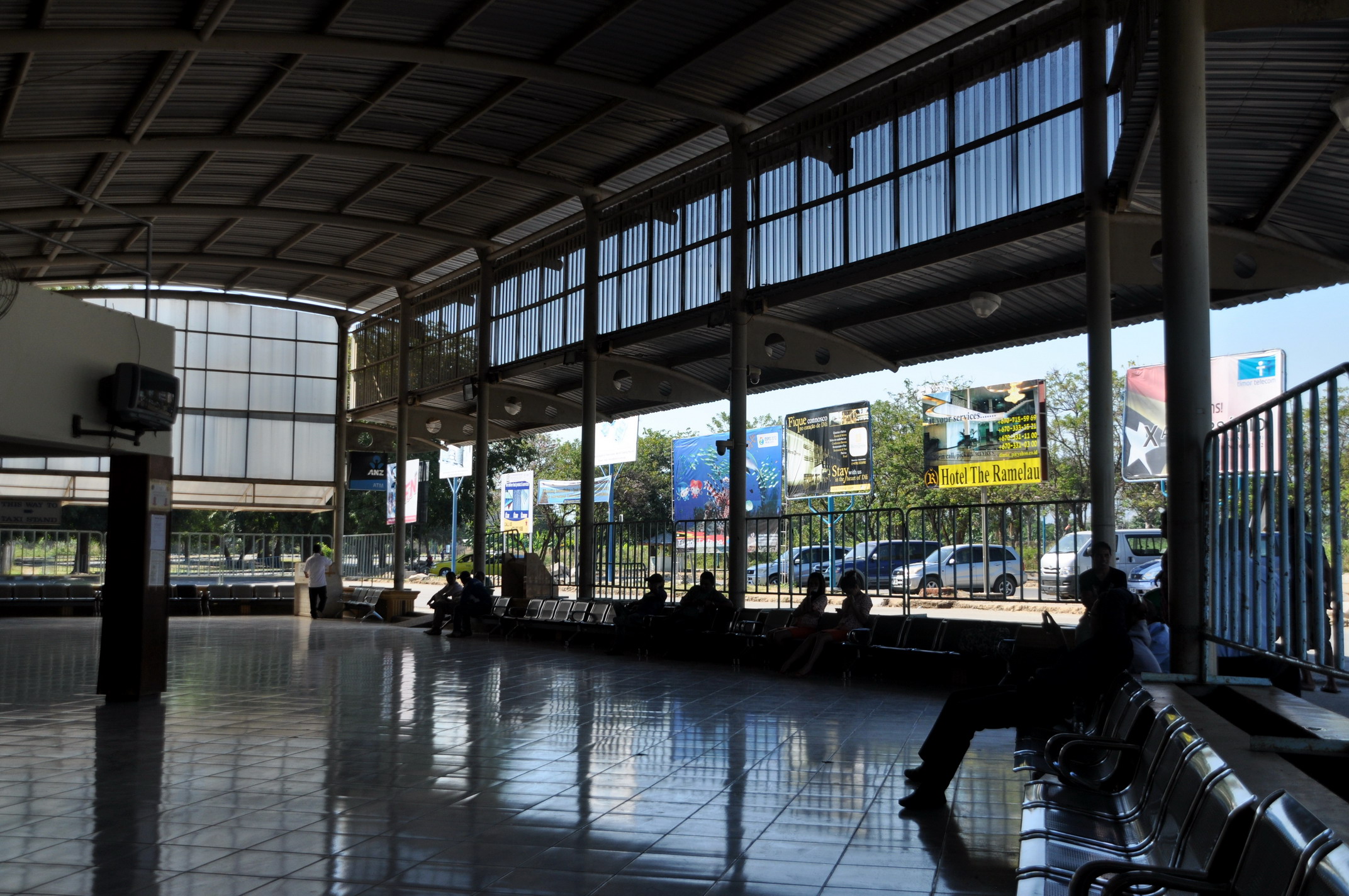
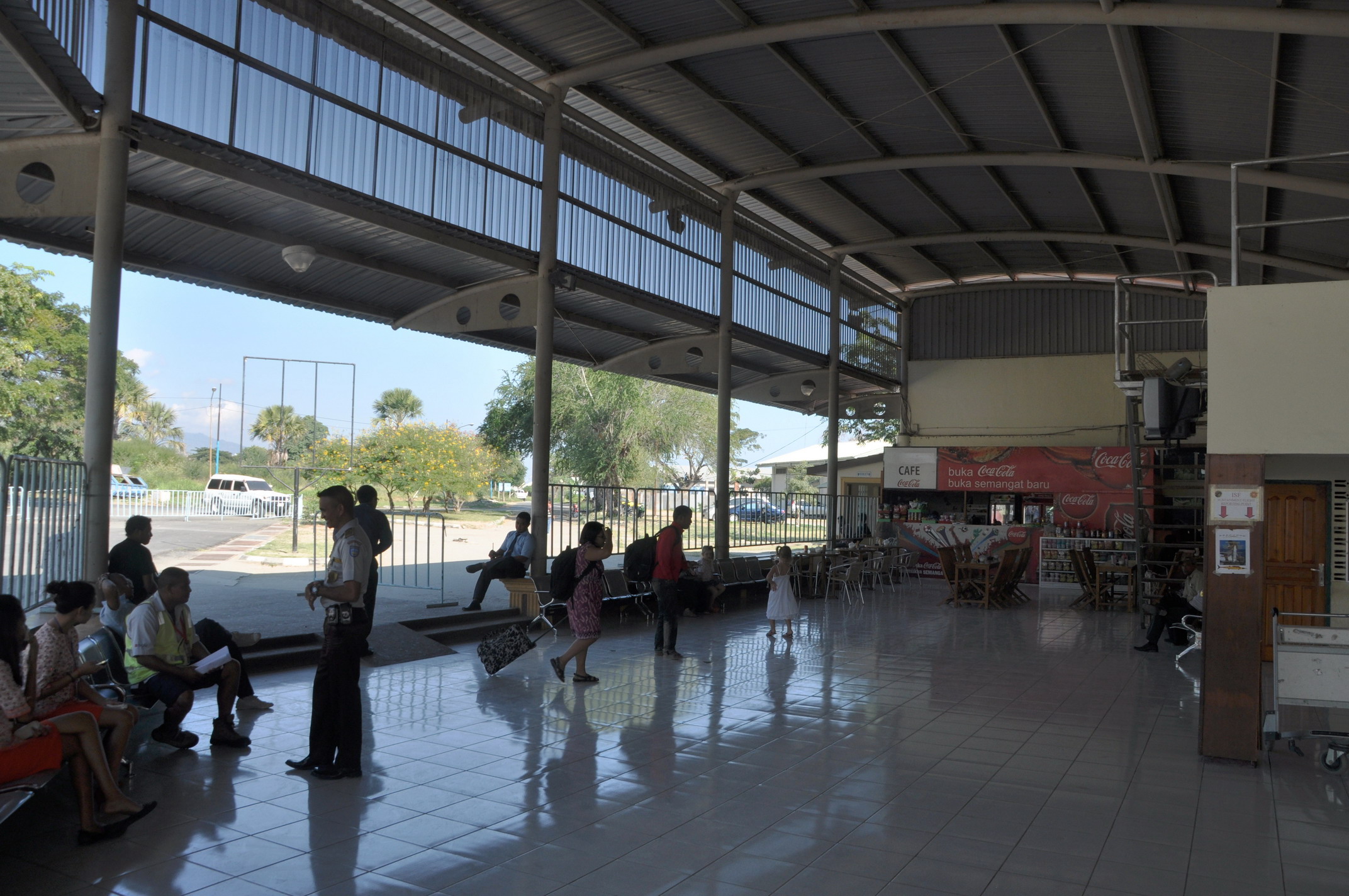
It was hard to buy things in town, even a souvenir. The airport was the place for flags, magnets and the other nonsense you're supposed to bring your friends. There was also the chief local export, Timorese coffee. I bought four kilos and got it through Australia and New Zealand without trouble.
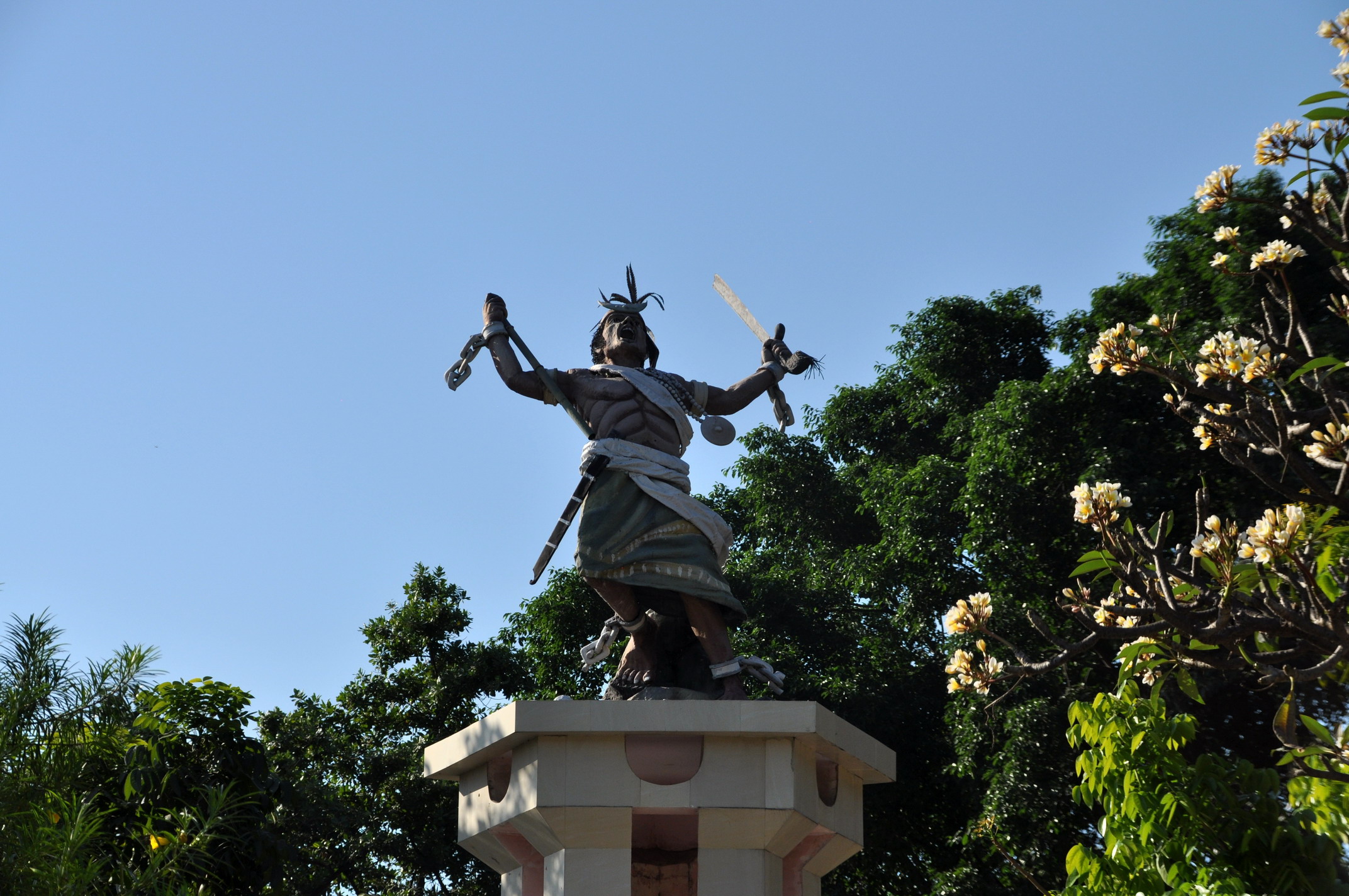
Another local souvenir was a person carved in sandalwood. I thought it unlikely Australia would let one in, both because the wood was untreated and because rare tropical trees are protected. Sandalwood, incidentally, survived only in a few remote spots in the eastern mountains. It wasn't easy to get there. I should have come for a week.
It seemed to me at the time that the Timorese had wiped out both their sandalwood and their crocodiles. How wonderful, I thought. I could wade across any river or go swimming. Anyone who might have taken a bite of a human had long since been eaten by humans. It filled me with pride in the species. These were no feeble vegetarians.
Editor’s note. Crocodiles do live in Timor-Leste. They have been reported on beaches and inland waterways, including around Dili and Baucau. Ask locally before entering the water. Australian Government travel advice
They do eat meat, but who's going to give it to them? On feast days, perhaps. Otherwise there's rice, which grows beautifully here. Meat was mainly chicken or tropical cattle. Chicken was easier. Keeping a chicken coop doesn't take capital investment. There were no refrigerators, and a chicken could be taken along and tethered by one leg at a café. A customer wanted soup, and in she went. No customer, and that evening she went back to the coop.
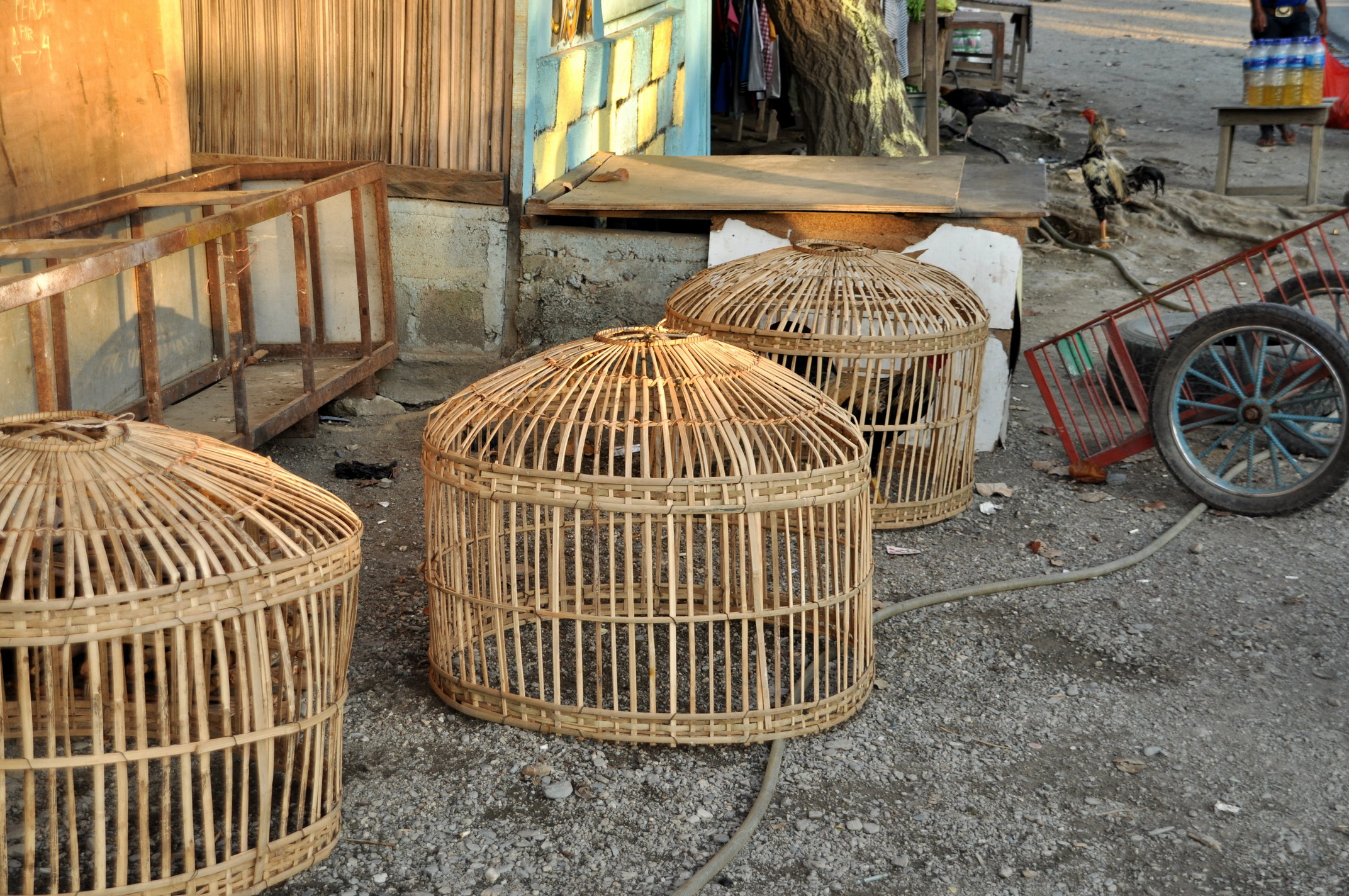
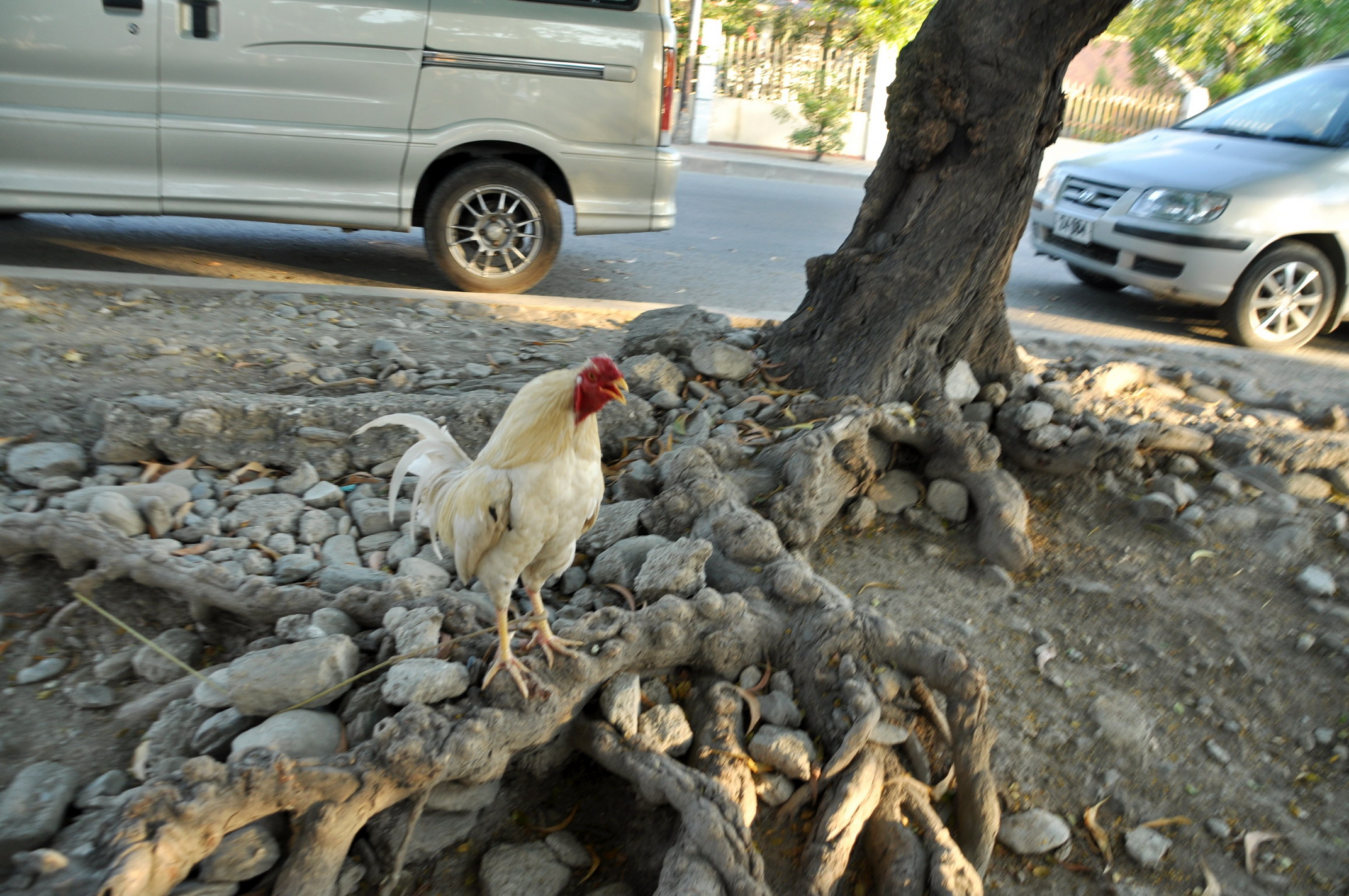
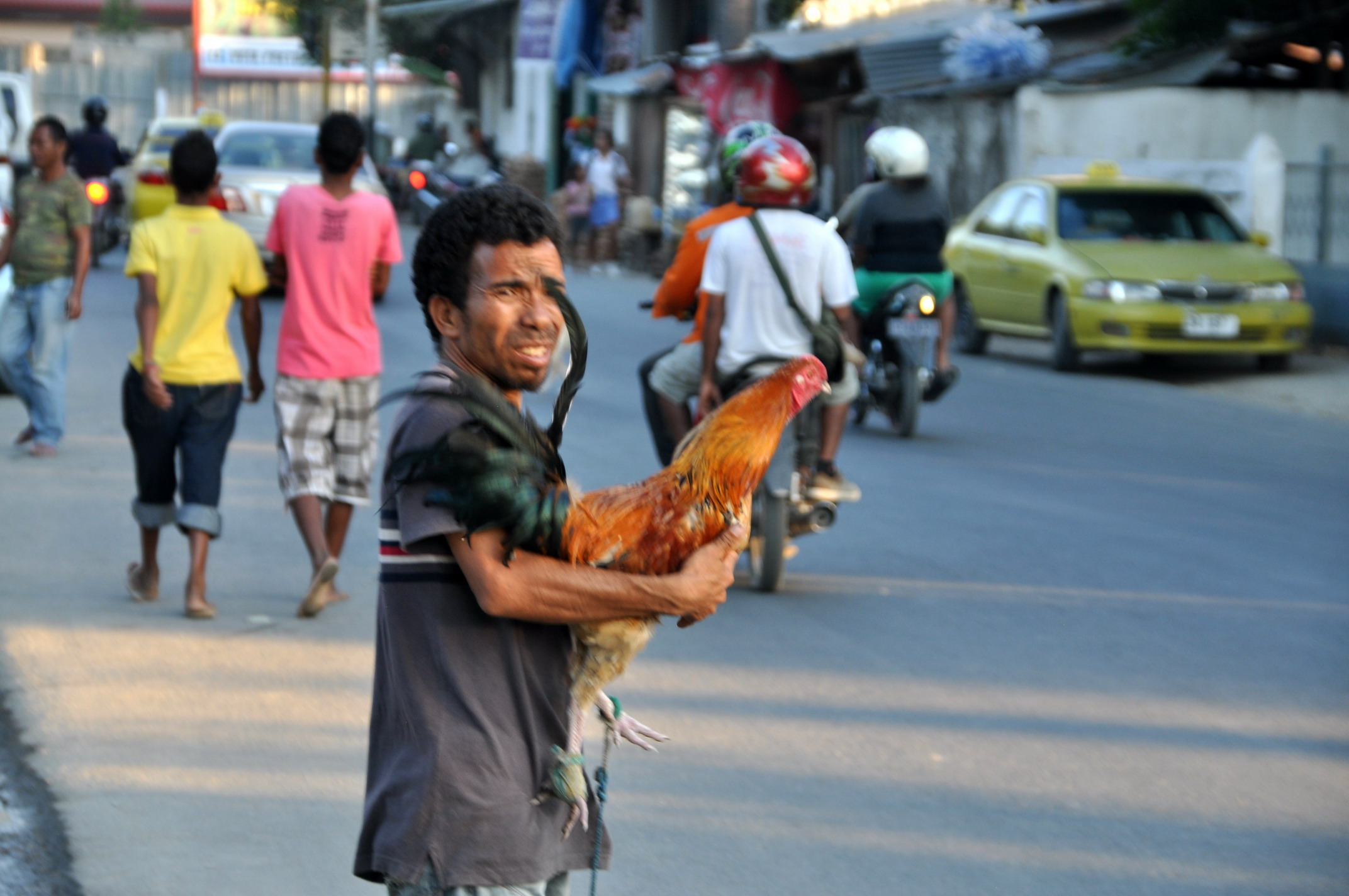
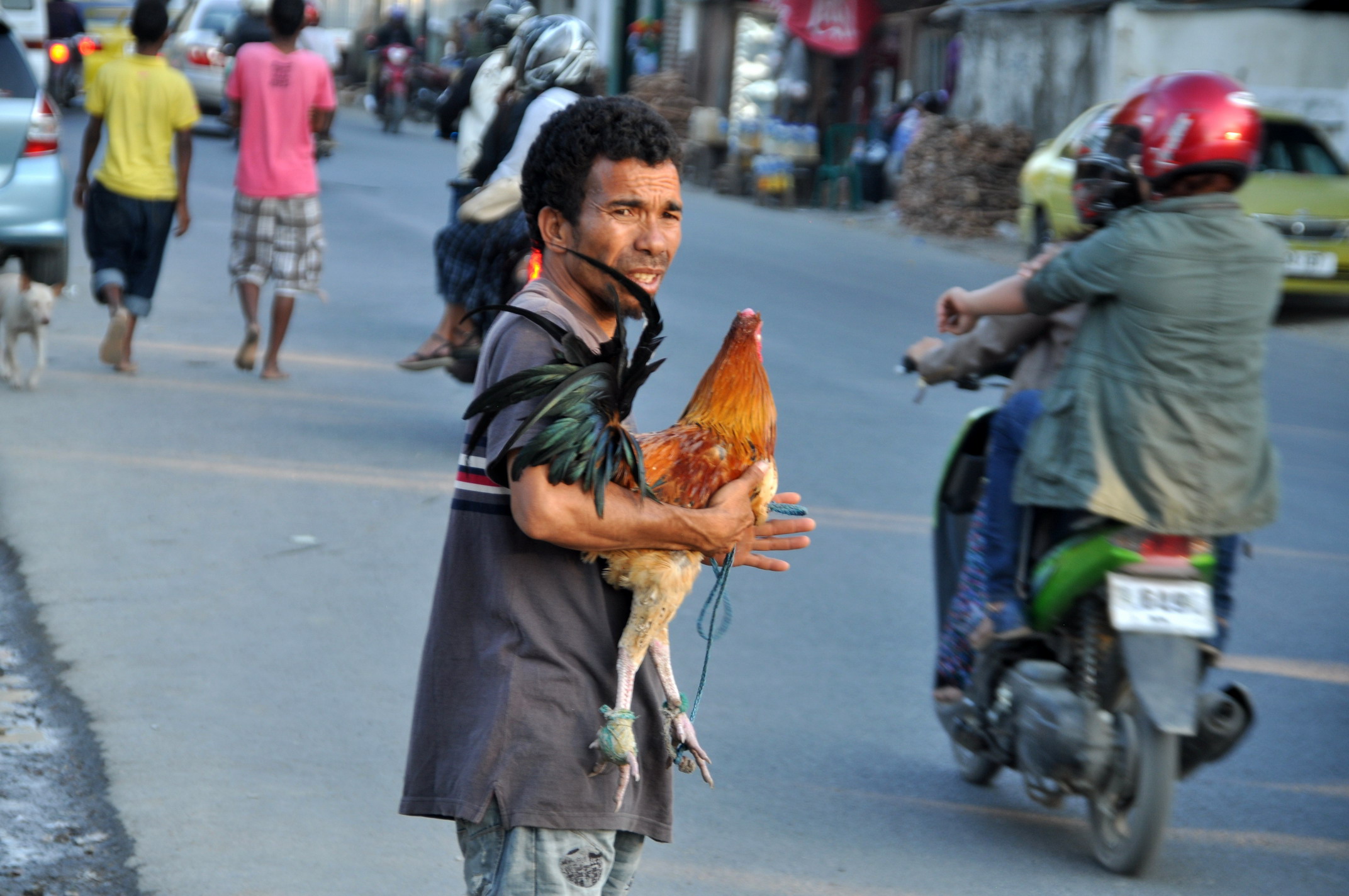
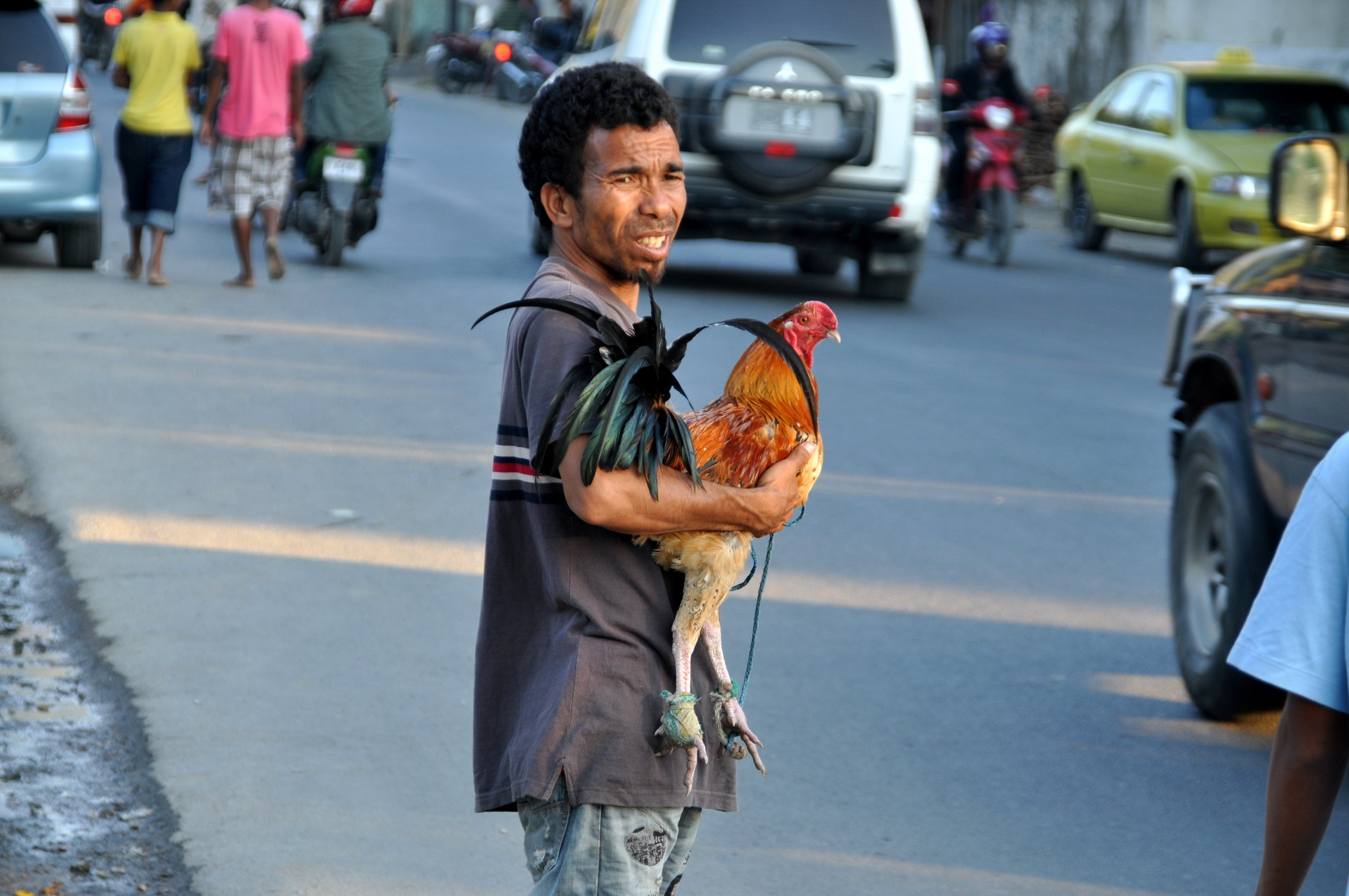
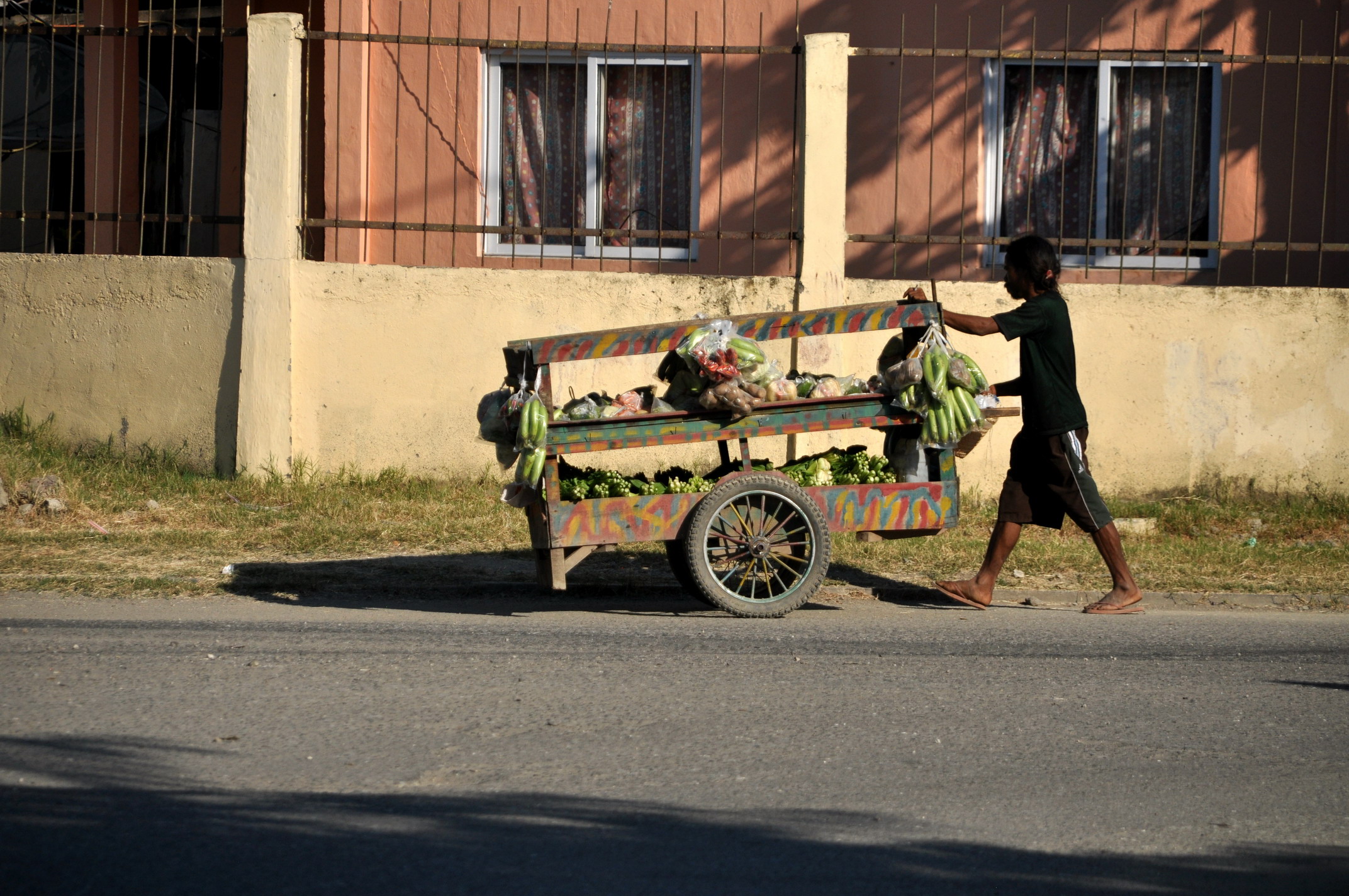
People ate after dark. They got braziers going on every corner and grilled little skewers in front of you. They cost a dollar, even for locals, though that was for those who could afford it. Poor people didn't eat on the city streets. The skewers were good, incidentally. I ate them in one place after another and enjoyed every serving.
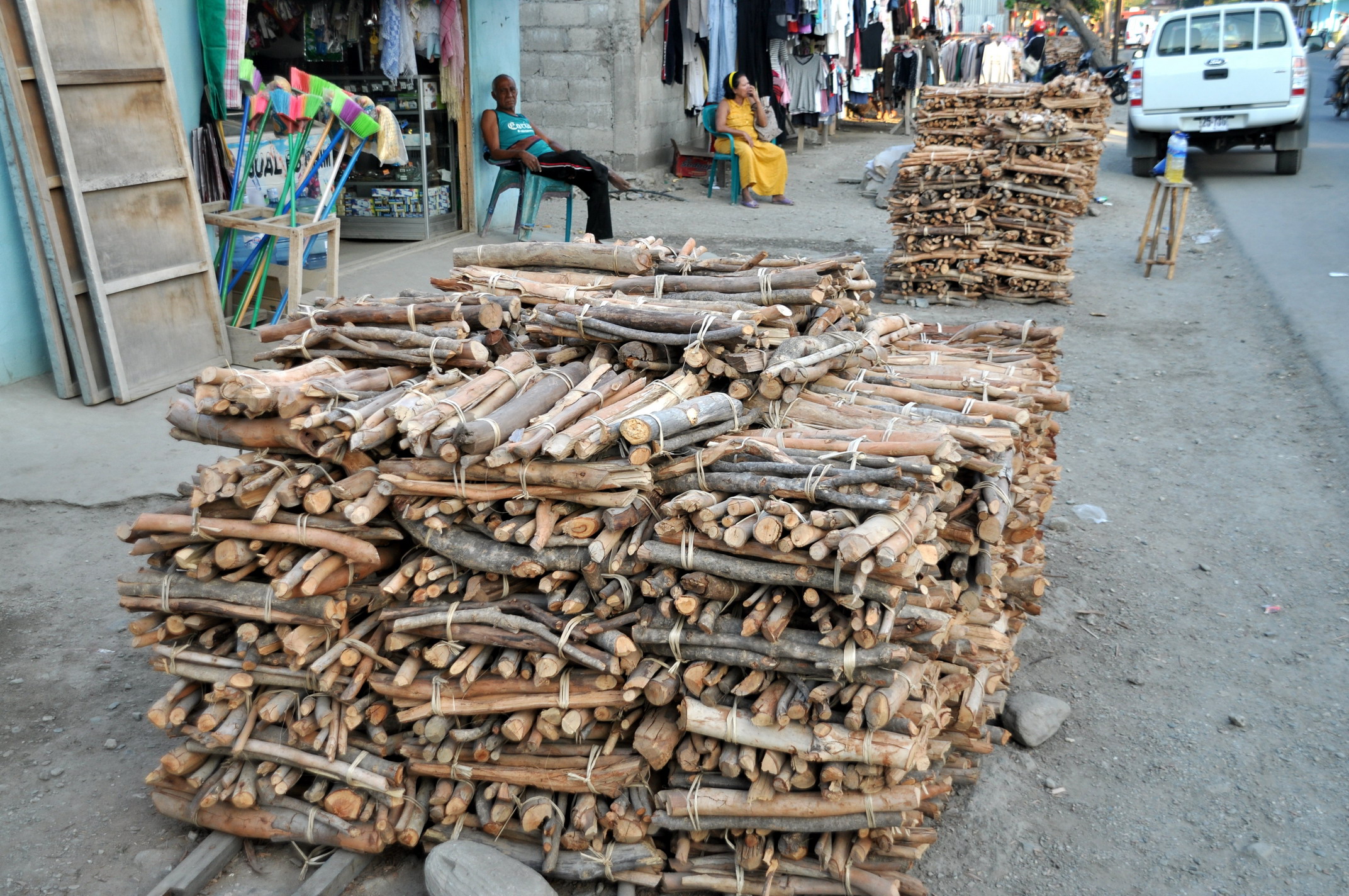
The bundles of wood for heating and cooking the street food gave the place some colour of its own. They were piled up along shopping streets all over the city.
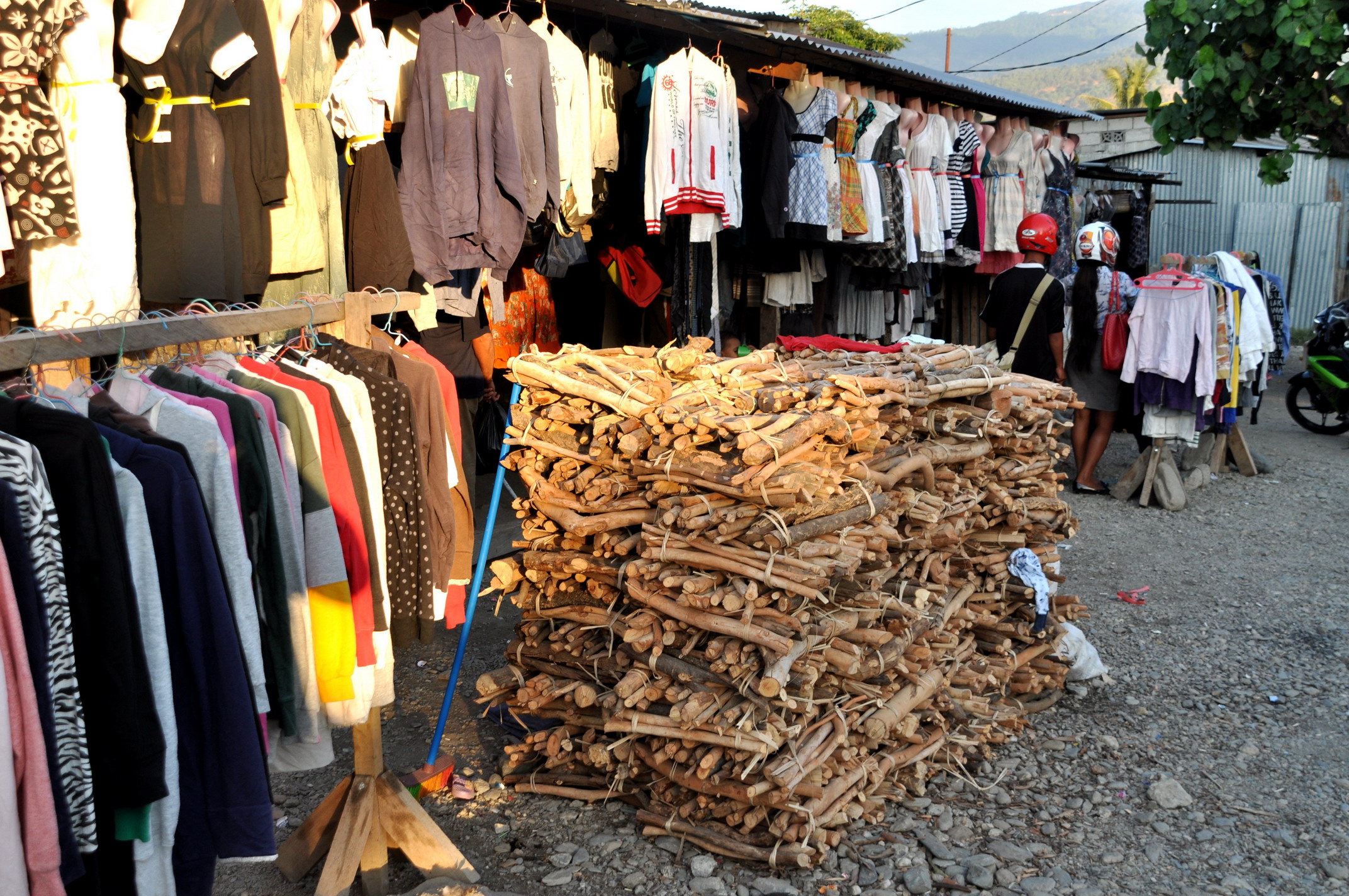
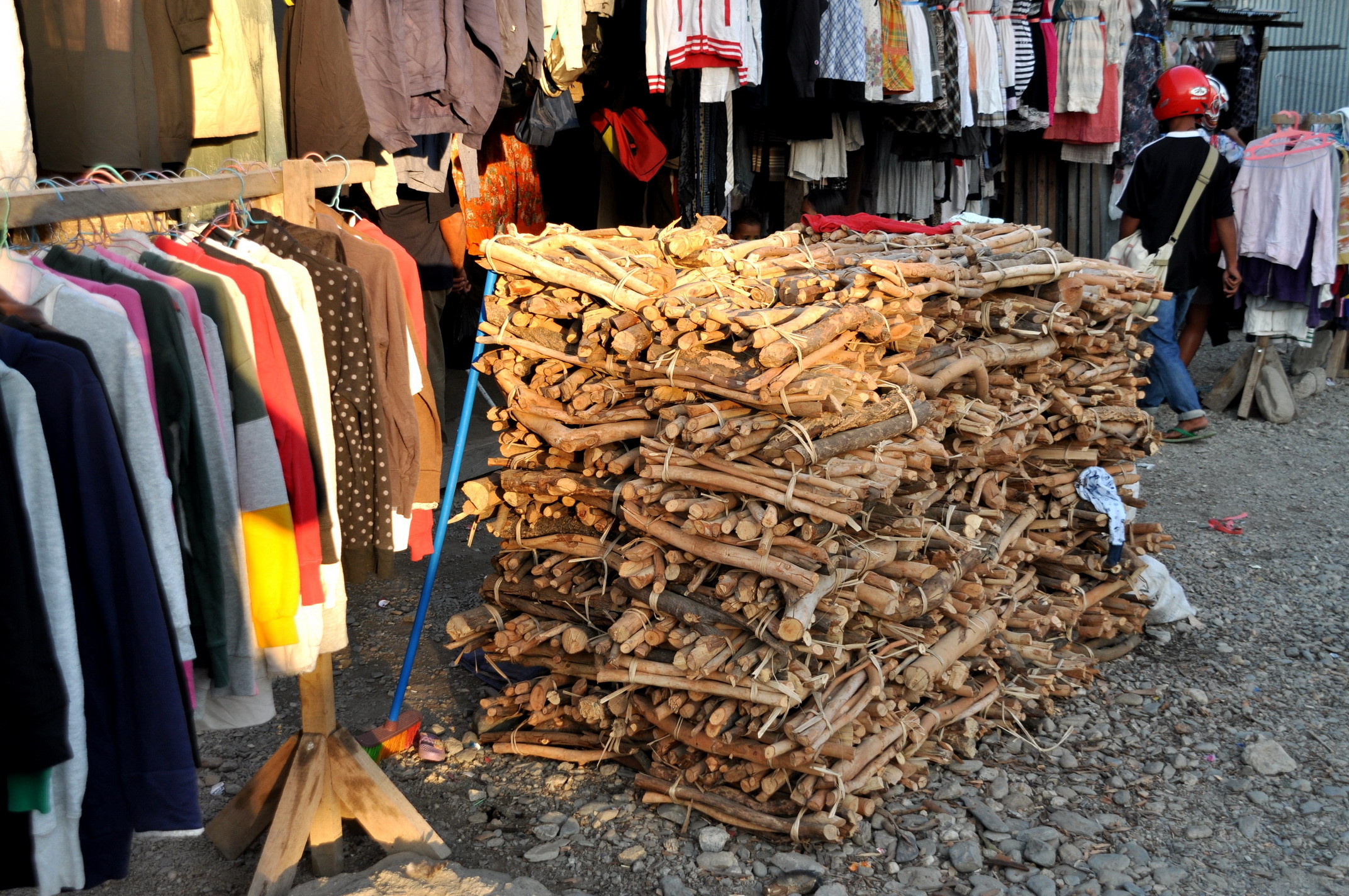
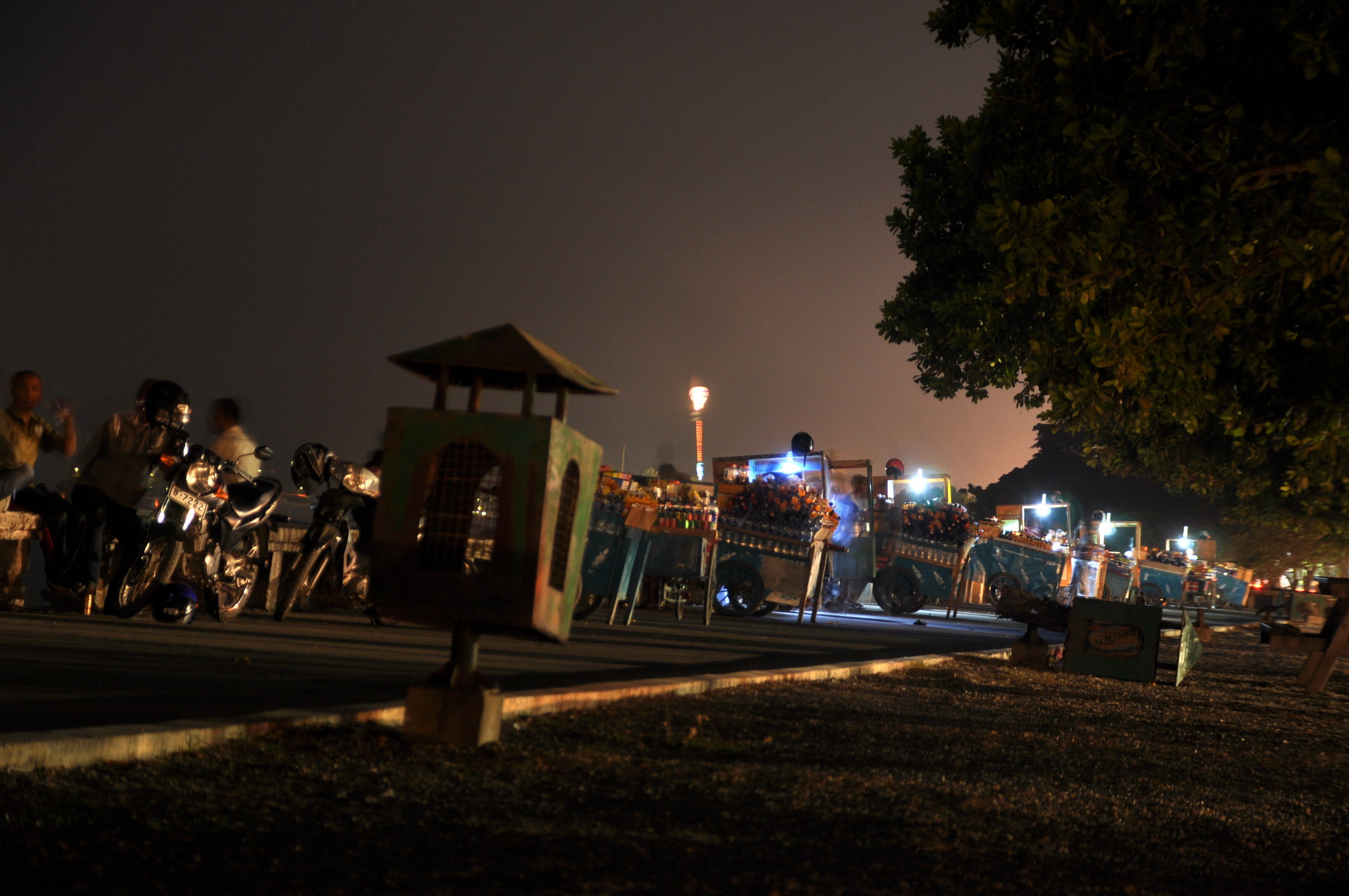
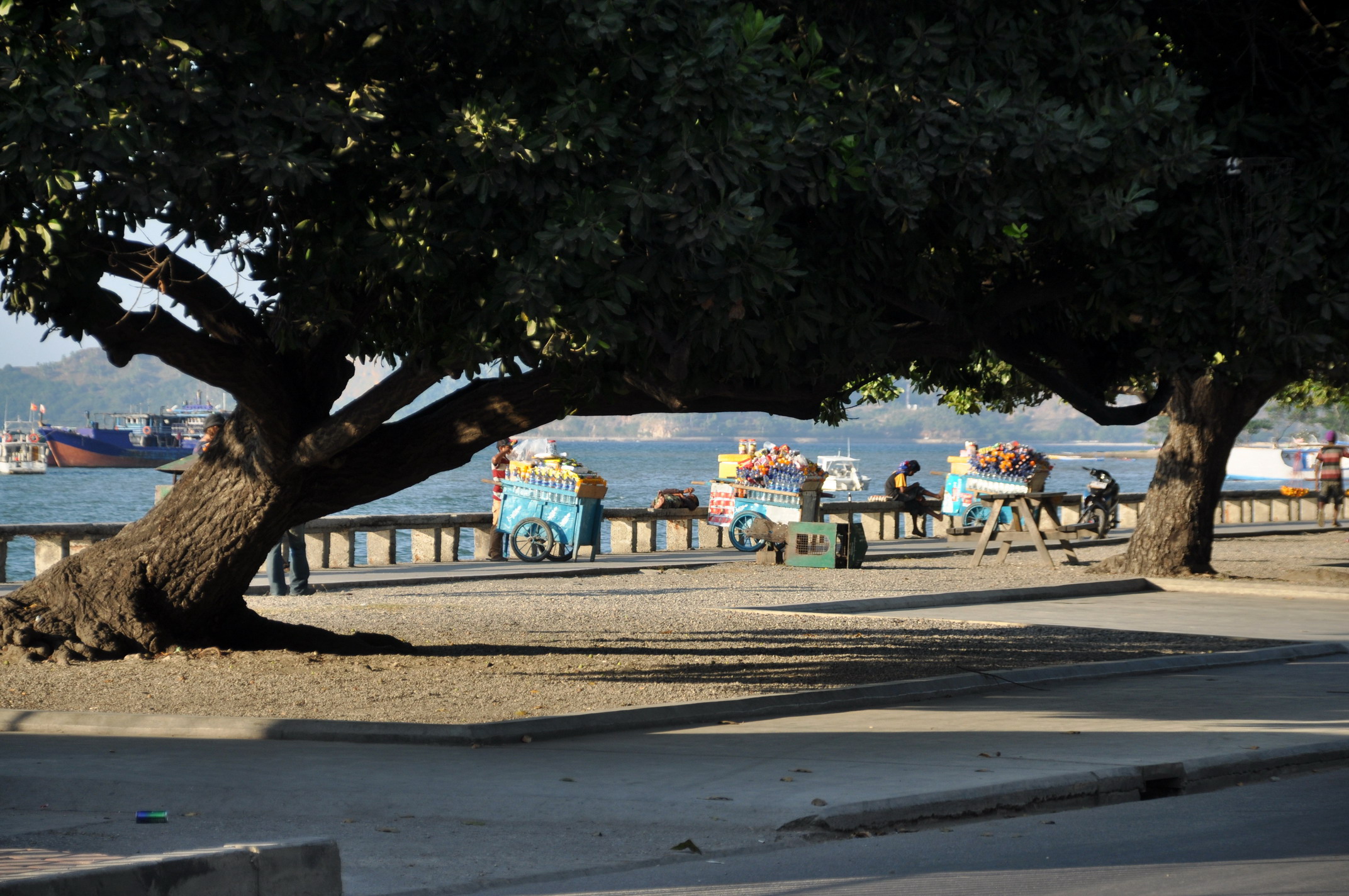
The café menus looked much like those in other Asian countries. Portuguese food survived in expensive restaurants, and the same was true of coffee. Timor grew it but didn't drink it, bar the Europeans spending three dollars on a cup in a European café. I saw no fast-food chains. The sweet rolls were also worth noting. Nearer nightfall, vendors brought out carts, particularly on the seafront promenade, and sold Asian dishes and sweets by torchlight. They didn't have skewers anymore. In the darkness, their islands of light looked very appetising.
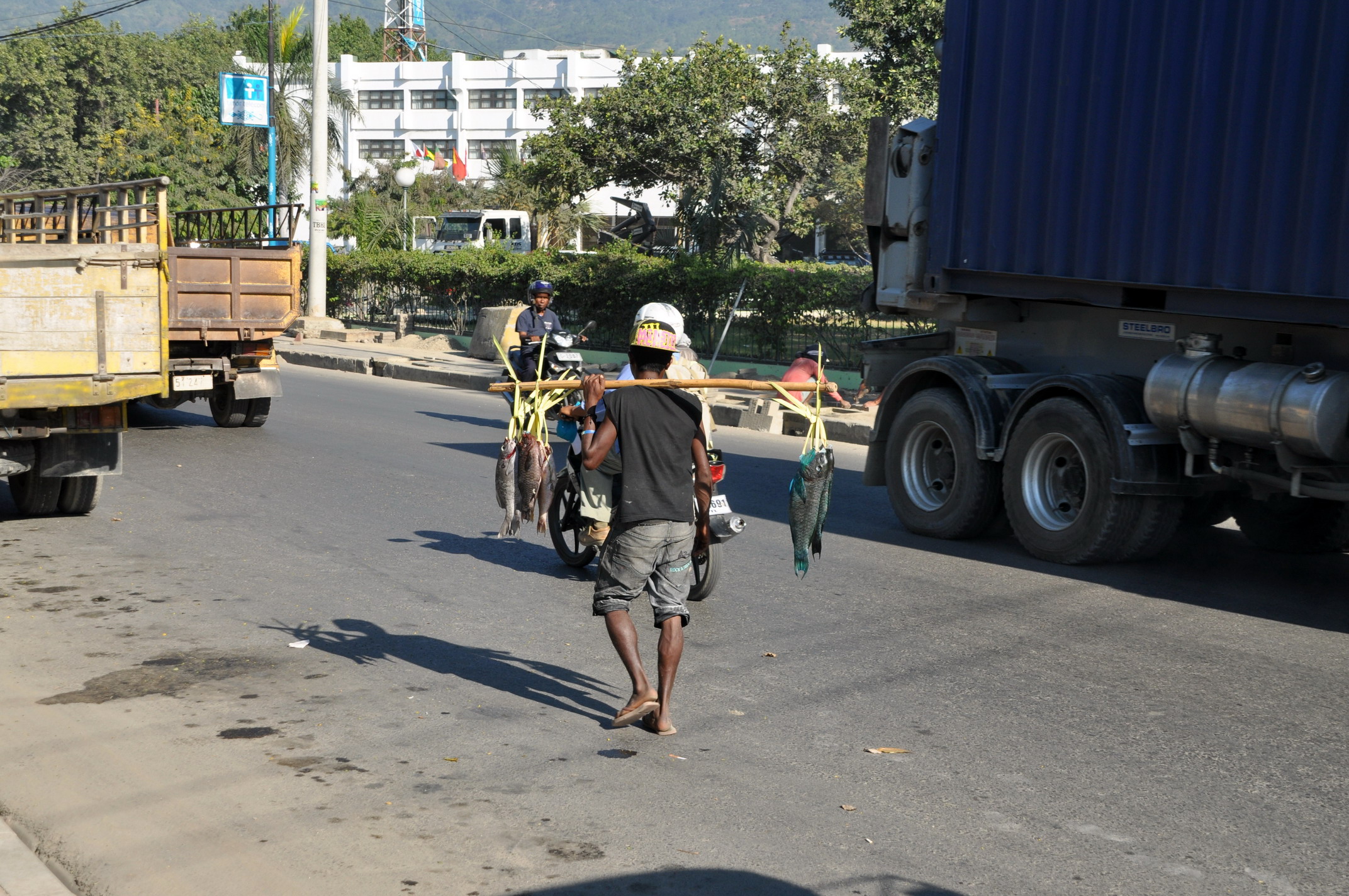
There was fish for sale in town, too, but on its own timetable. One day the entire town was full of sellers with fresh fish. At the same hour the following day nobody was selling any. In any case, you'd have trouble starving here. Unless it was in the morning, when I couldn't work out what to eat that would fill me up.
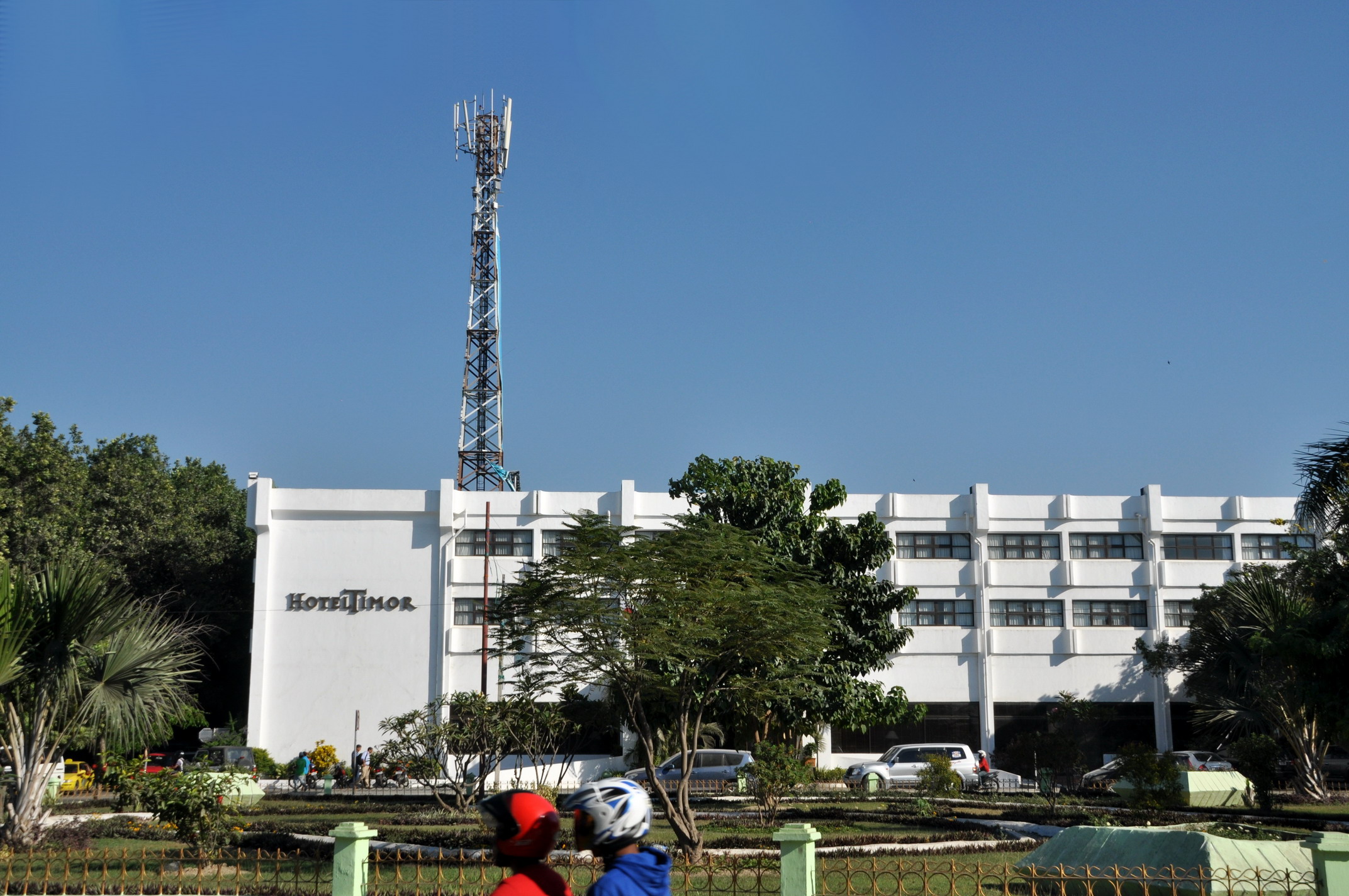
Dili was full of hotels, with signs that took some spotting. There were big, handsome and expensive central hotels for foreigners, like the Soviet Intourist, and perfectly decent places for local people too. I stayed at Hotel Colmera (08°33.349′S, 125°34.311′E, elevation 20 m).
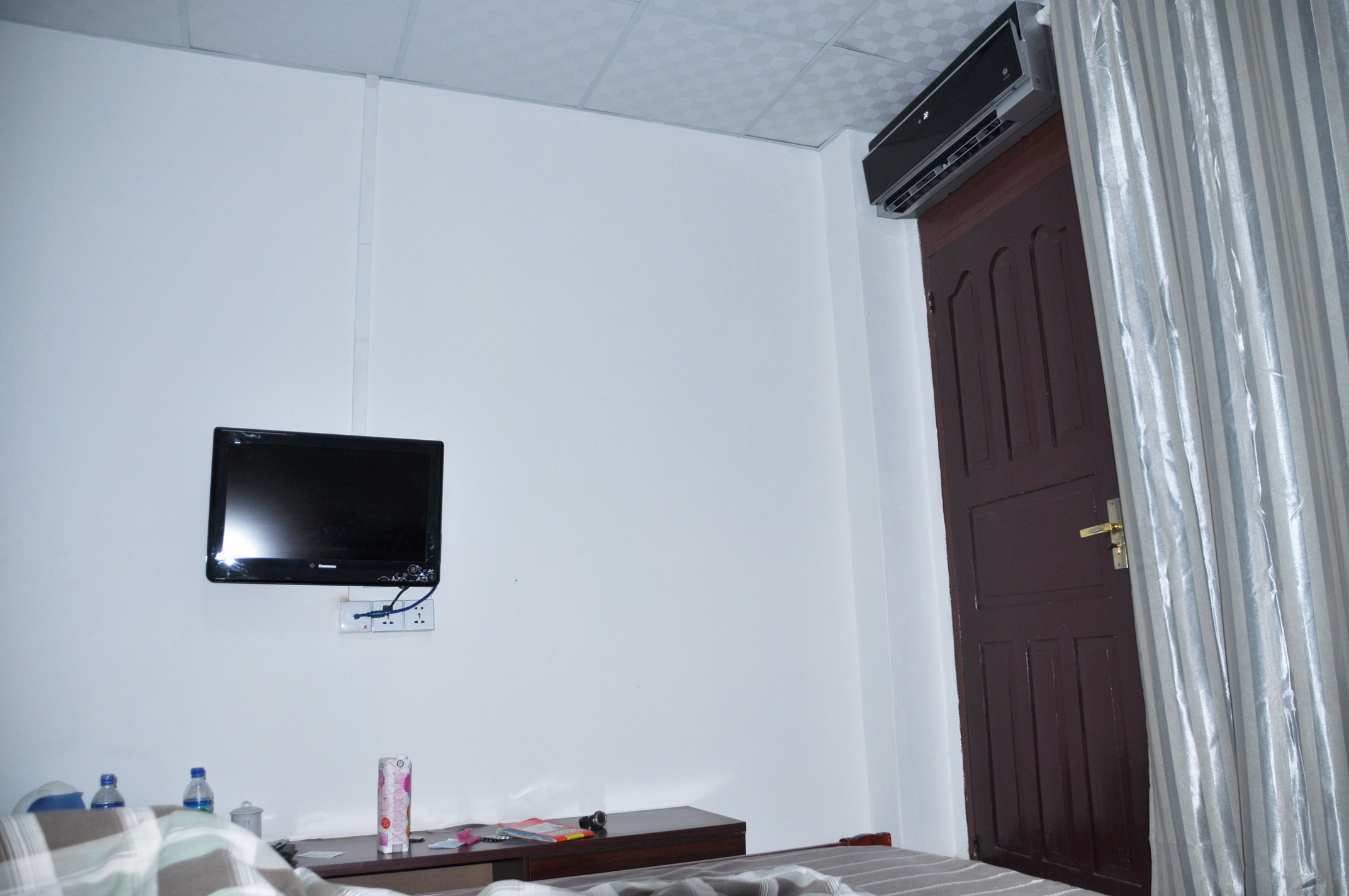
For $40 I got a room with a shower and even water in it, working air conditioning and a television with Portuguese-language channels from all over the world, including Brazil and Macau. I never saw the local channel. There was no power, so the transmitter wasn't working. Independent travellers spoke well of the local backpackers' hostel, but I didn't find it, though I didn't try very hard.
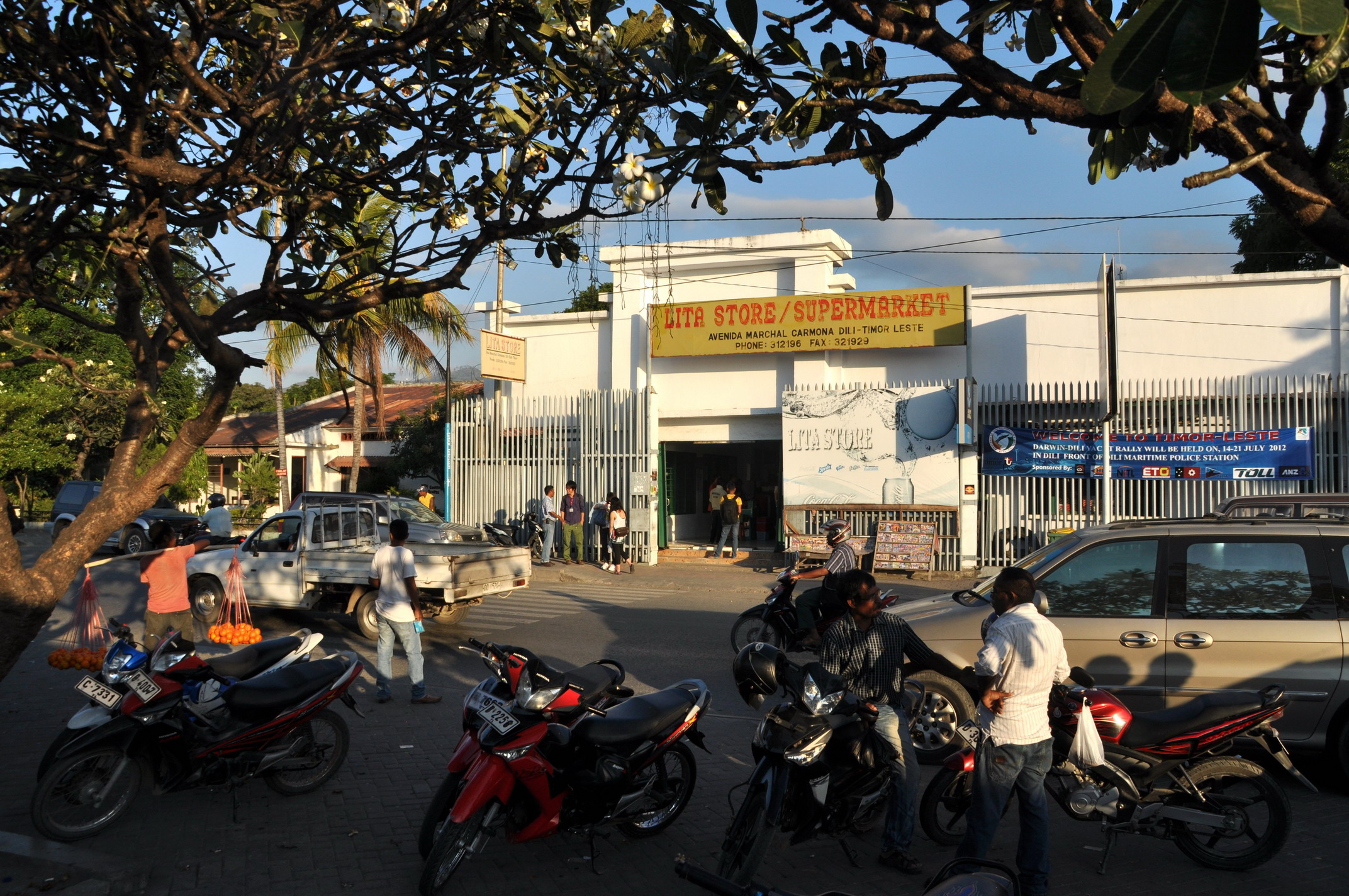
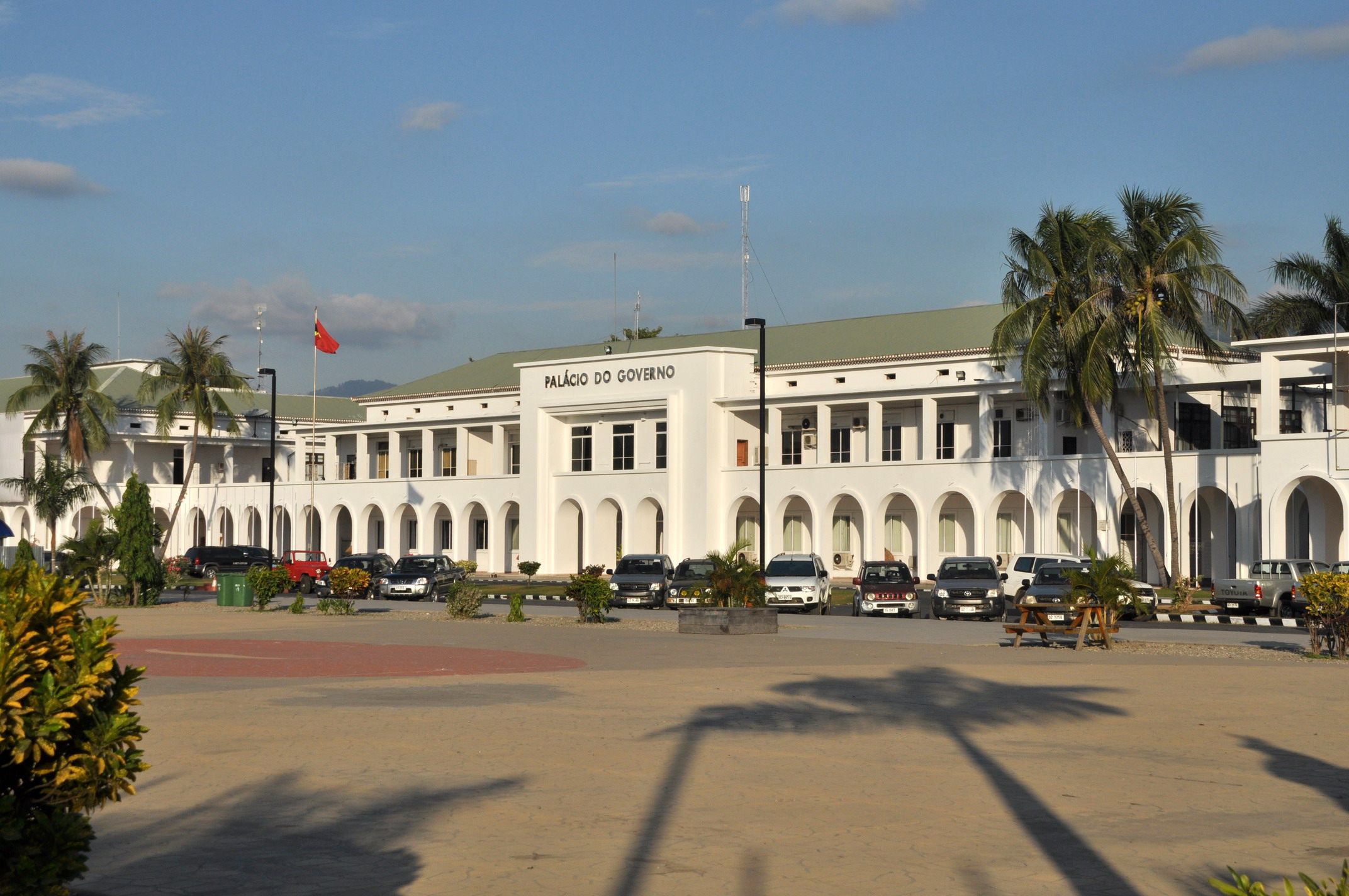
In the centre, near the Government Palace, was a supermarket with a thoroughly European assortment. No one had to go without their favourite beer or Coke. Dili's main post office had recently moved and it took me a while to find it.
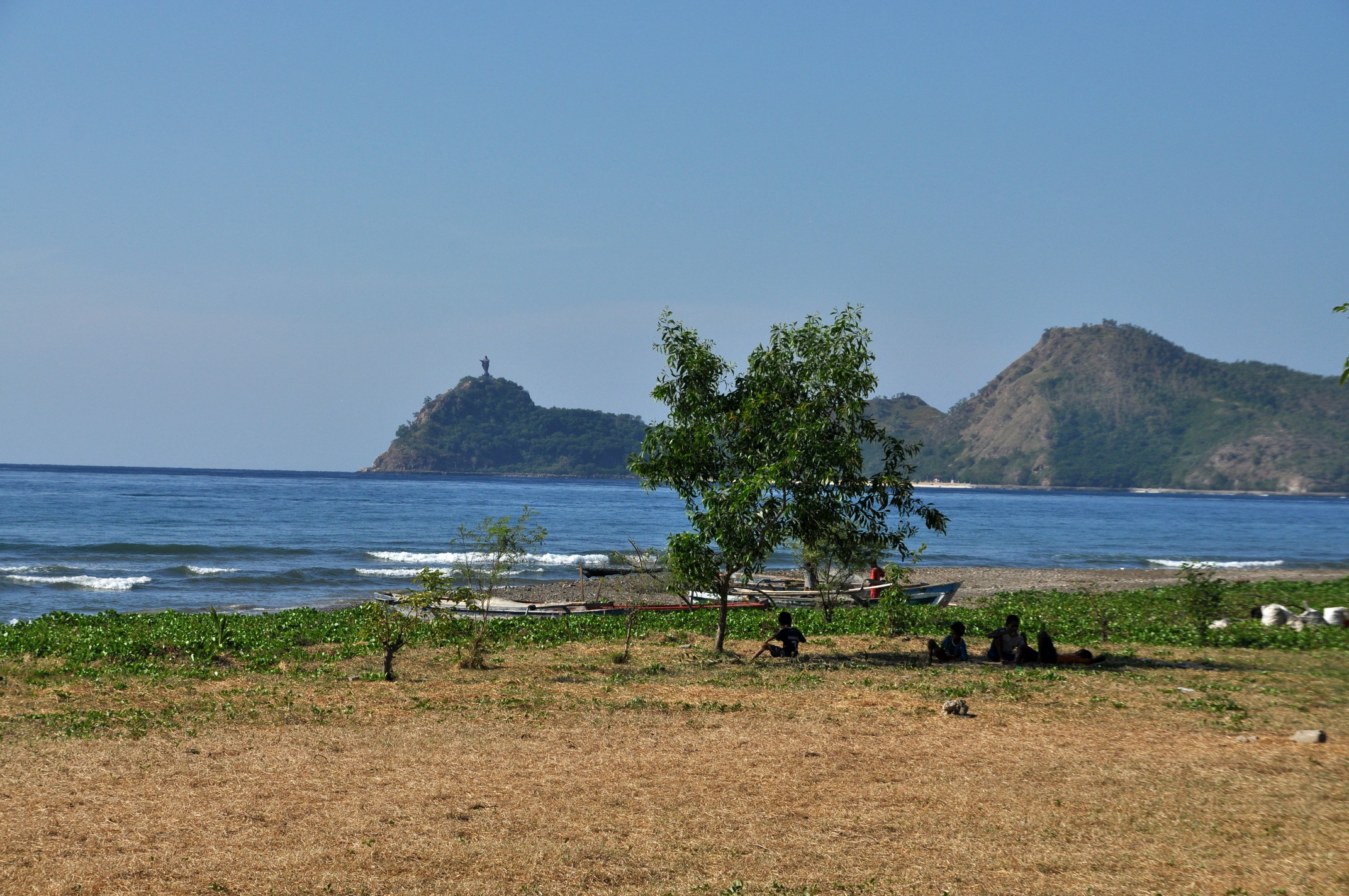
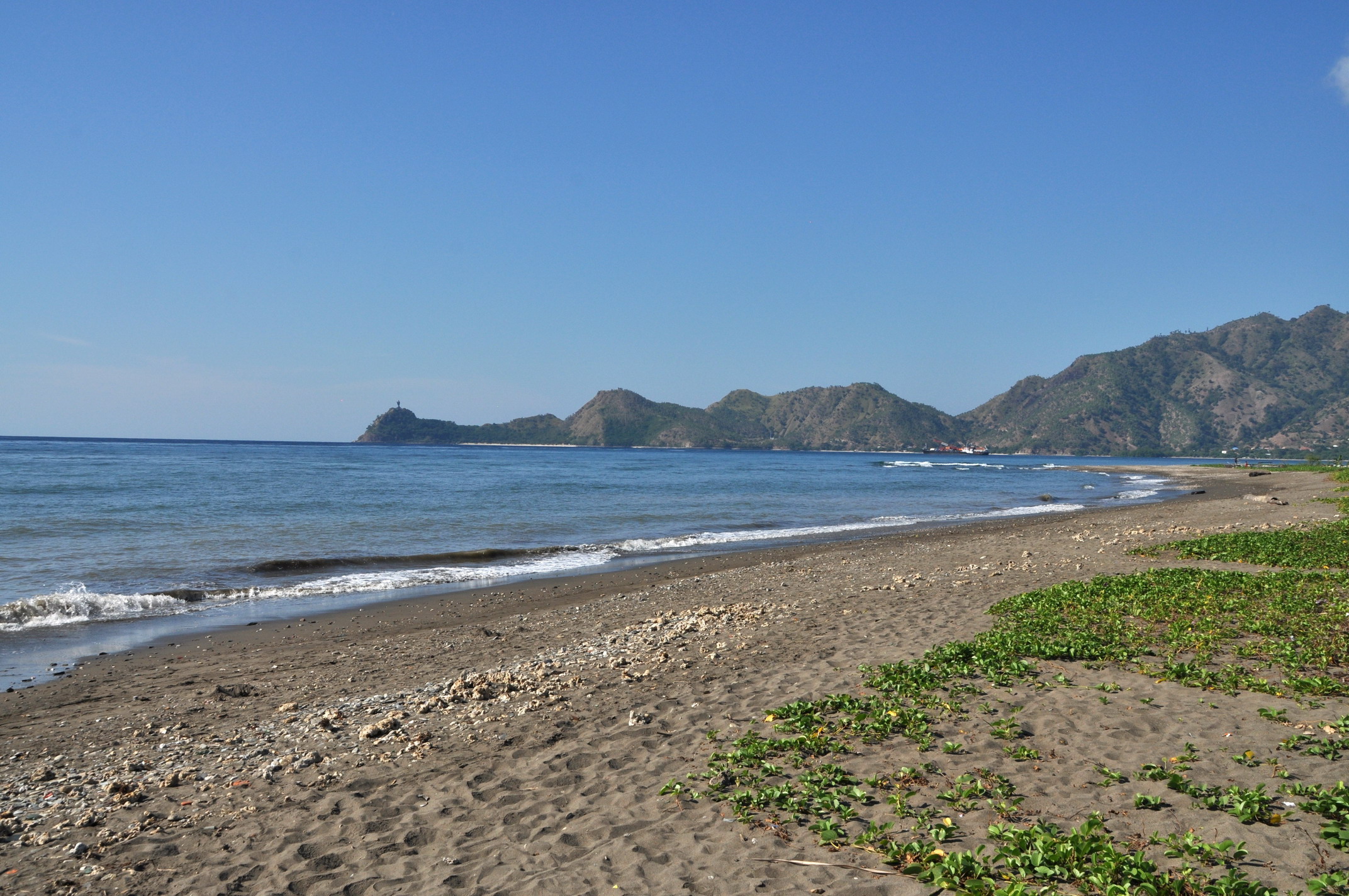
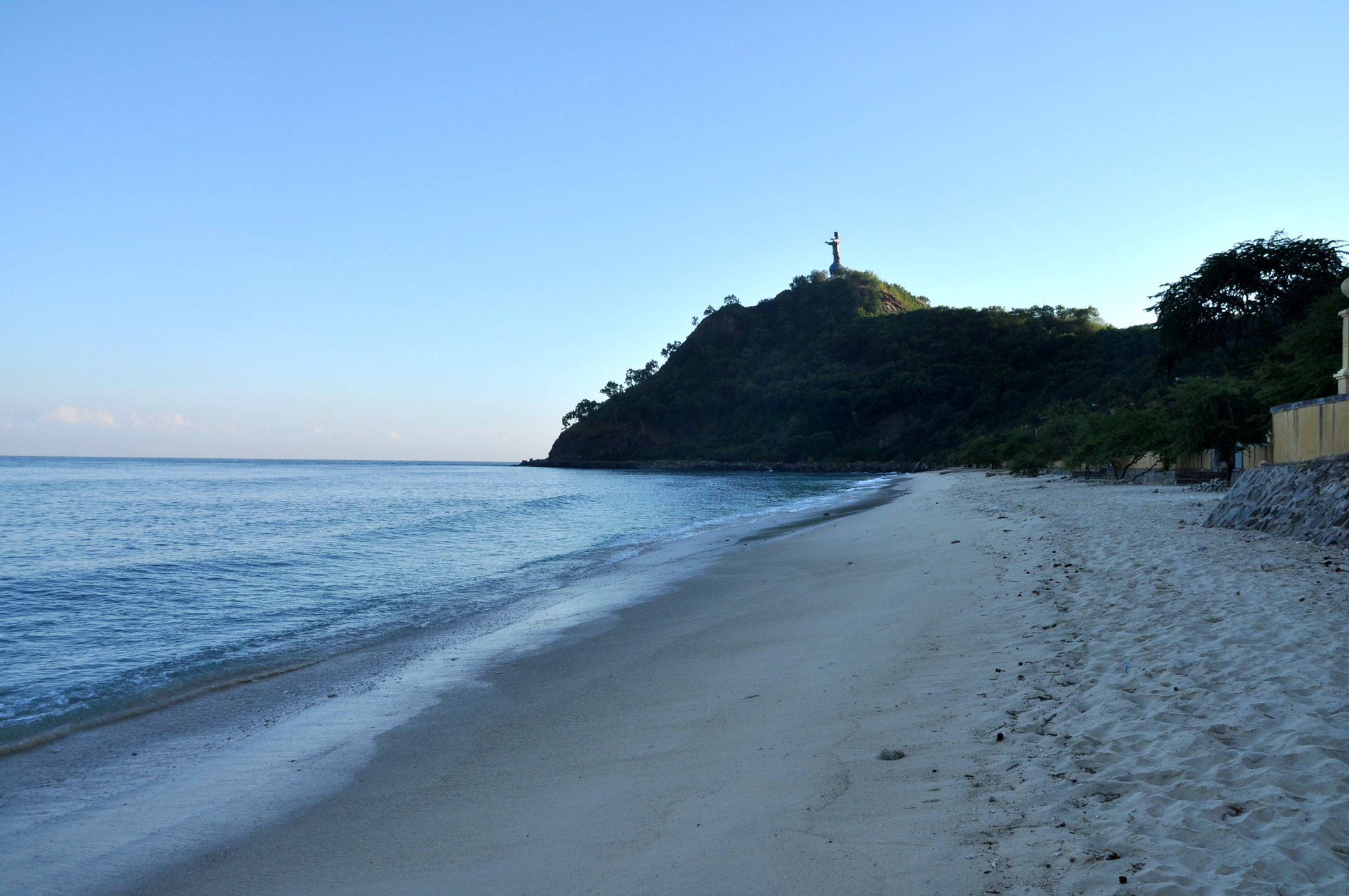
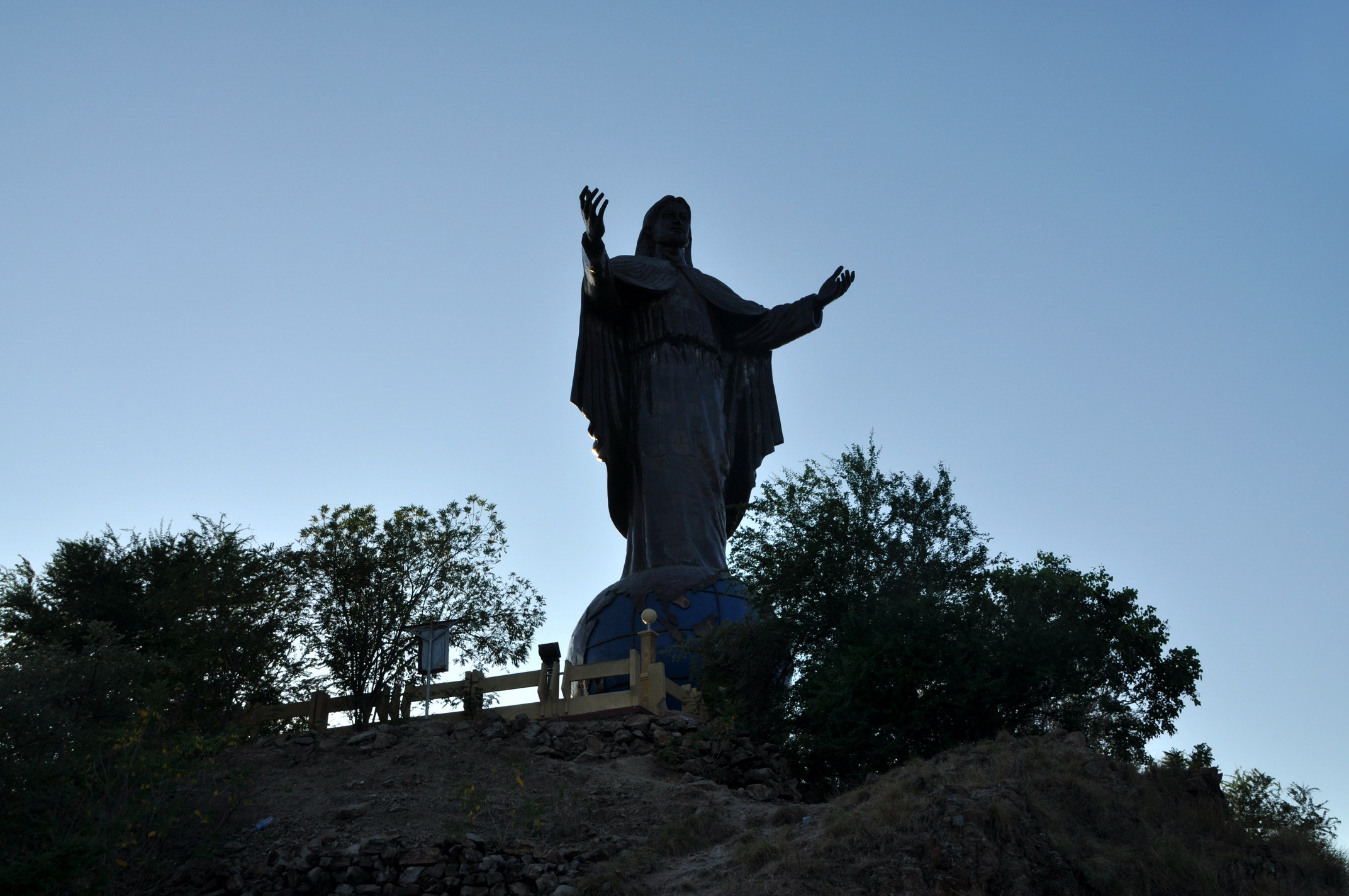
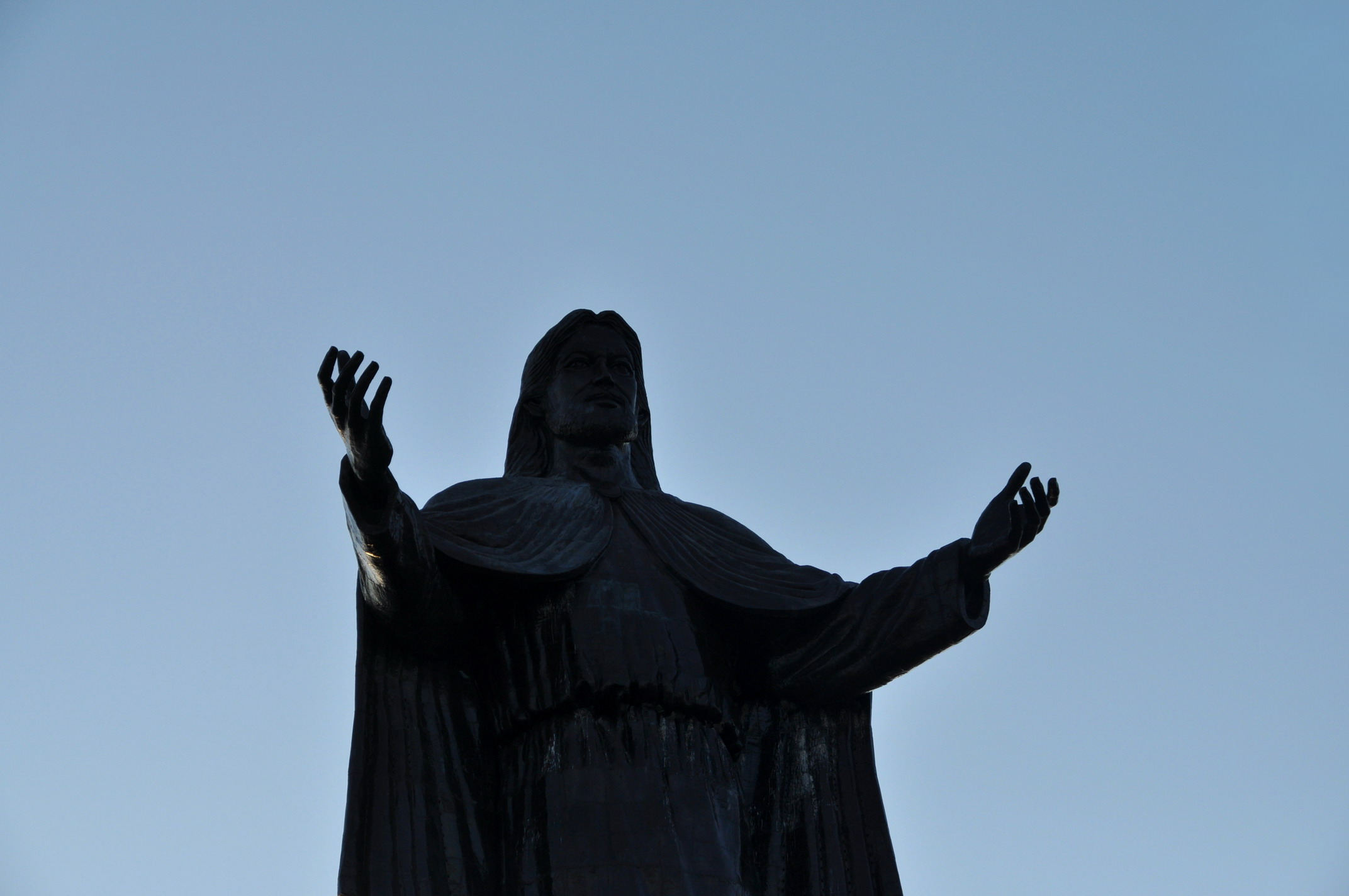
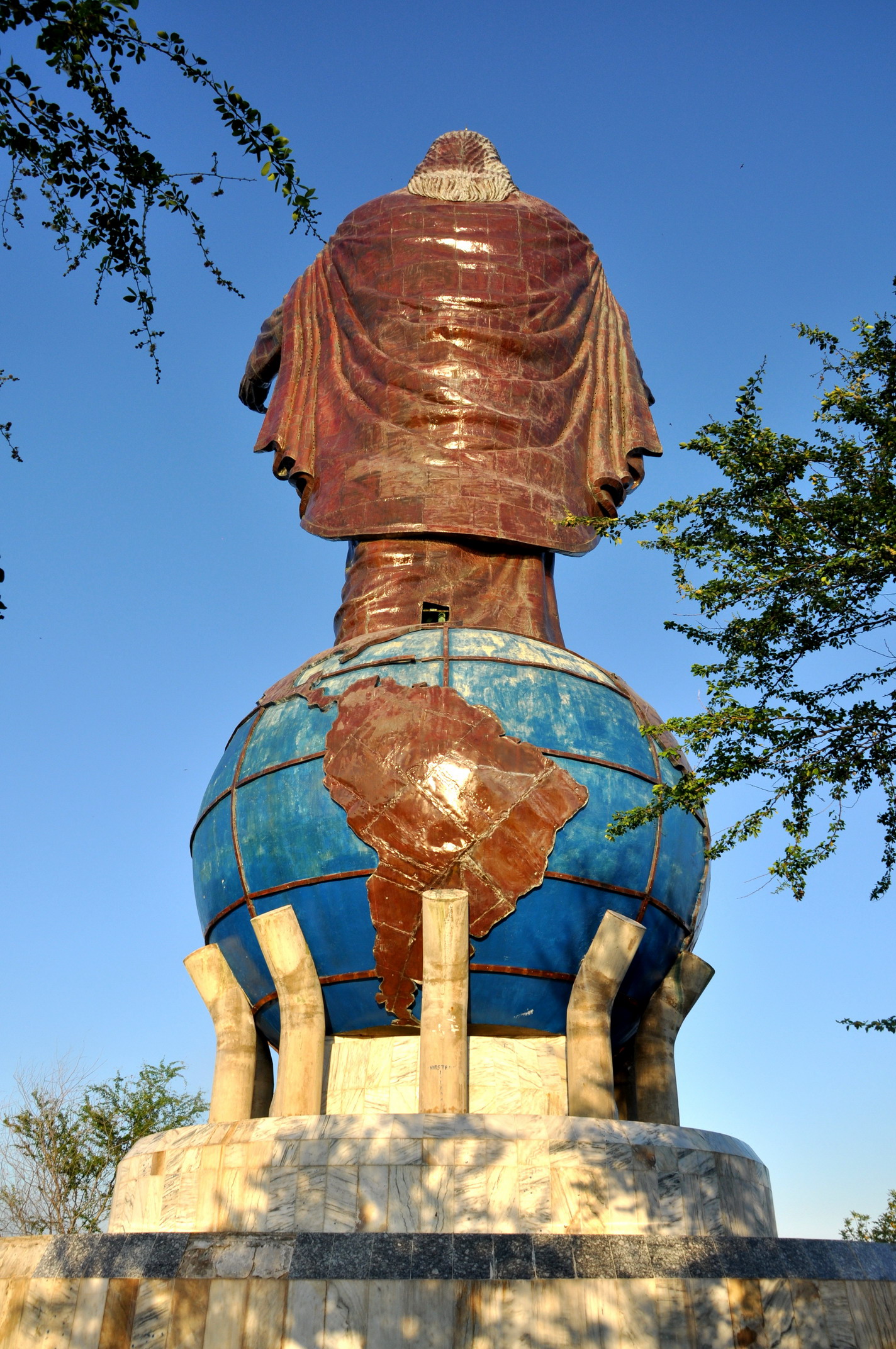
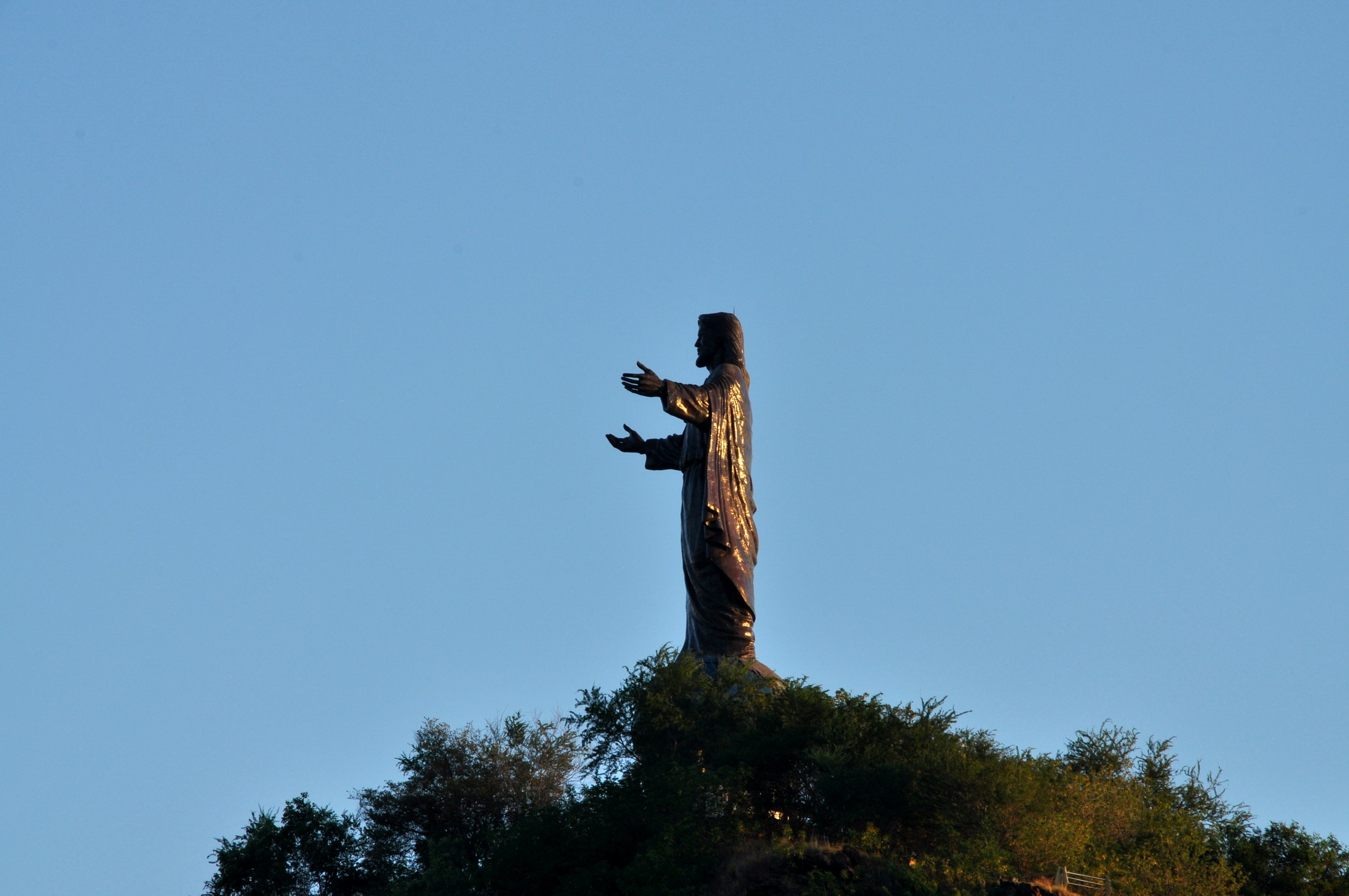
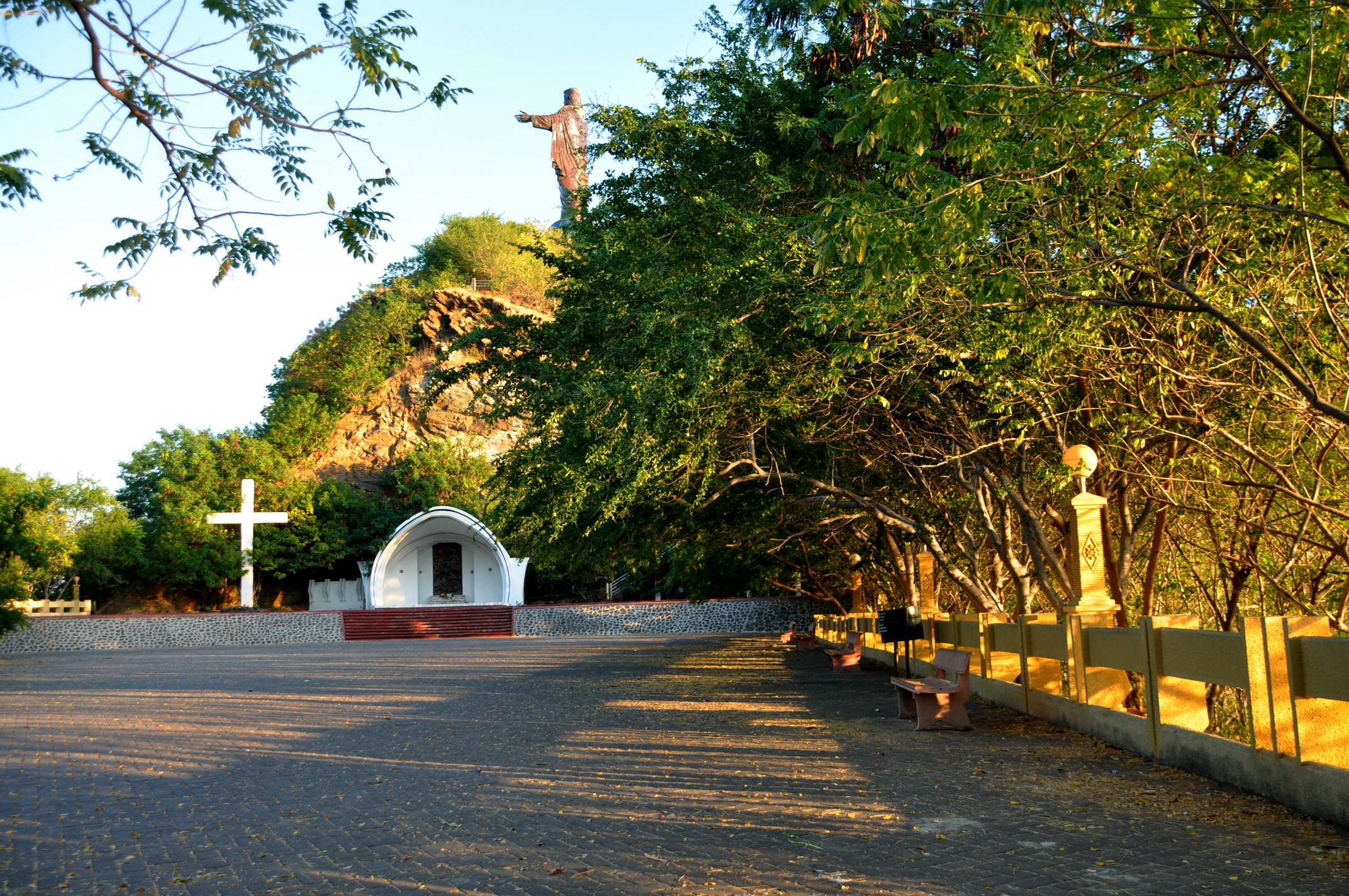
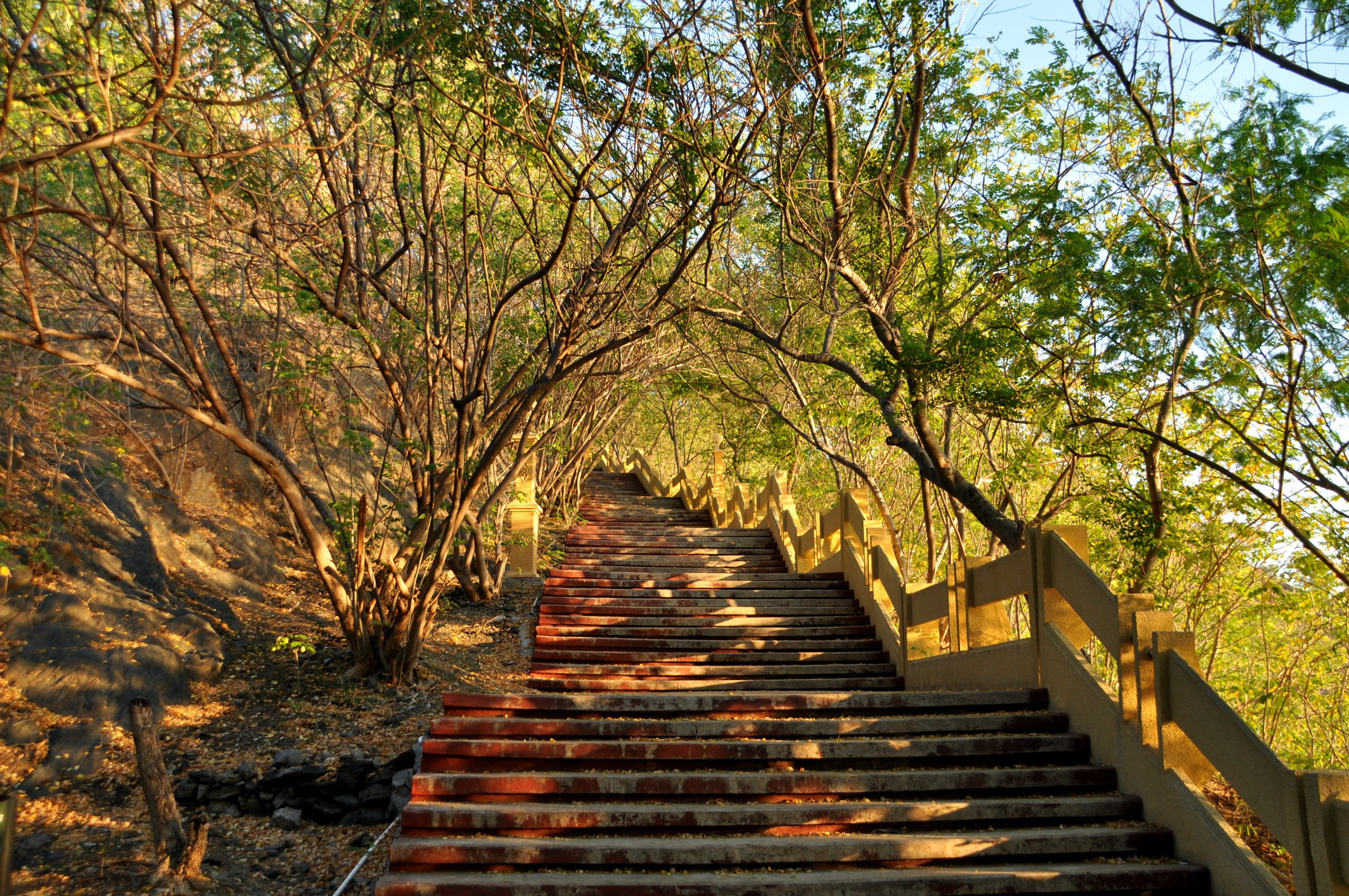
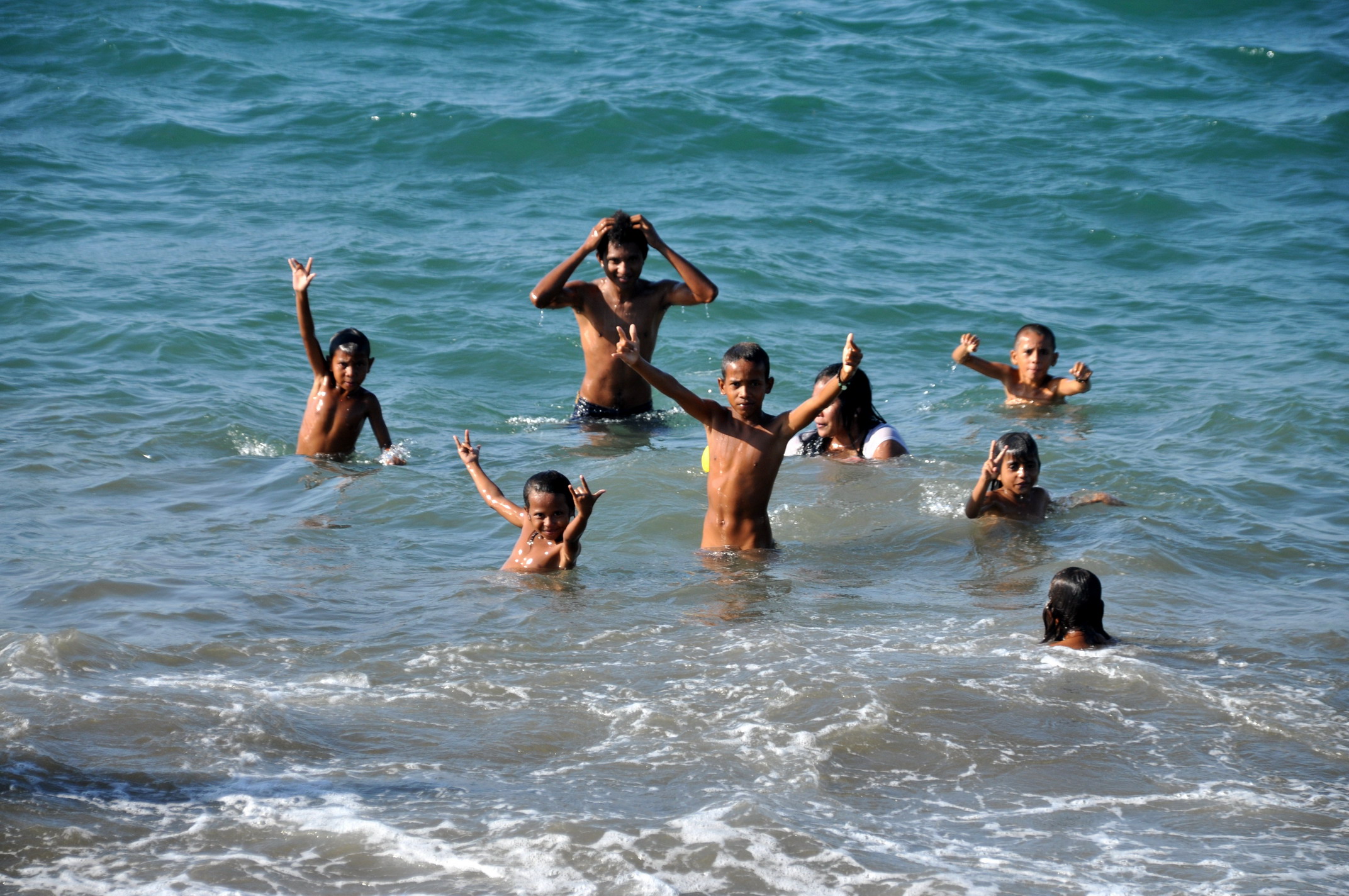
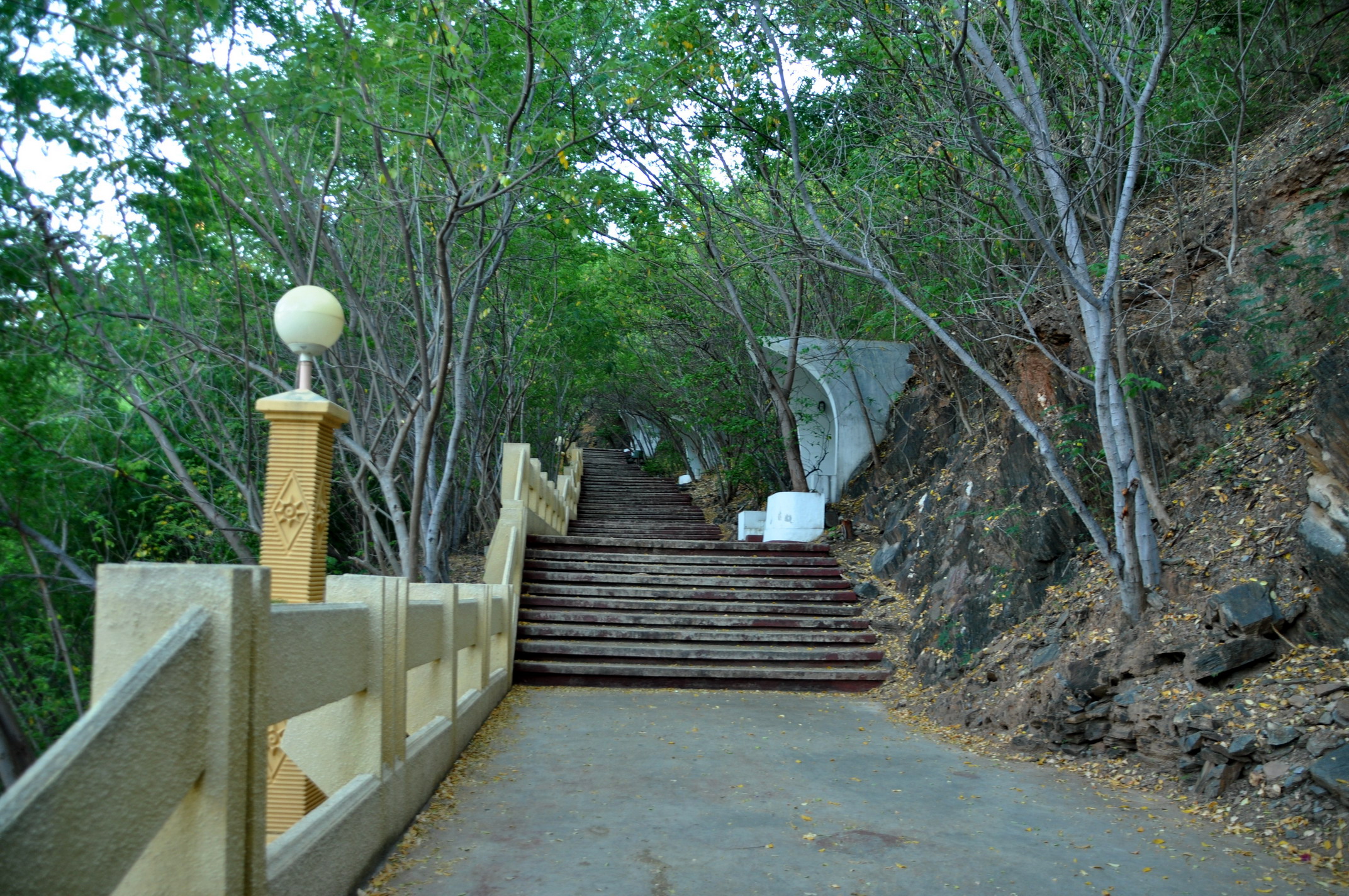
Safety was another question. People said the country was full of thieves, but I didn't encounter any, nor did the many foreigners happily walking round the capital with their cameras. People said it was deadly dangerous to go and see the national landmark, the statue of Christ in the style familiar from Portugal and Brazil. I went out there early one morning, and climbed up everywhere I could possibly get to. I met Europeans out jogging and swam at the nearest beach. Nothing happened. I supposed there were just too few tourists for robbing them to provide a steady income. A thief might also get the wrong person and rob a UN worker who was practically a local by then. That wouldn't be so easily forgiven.
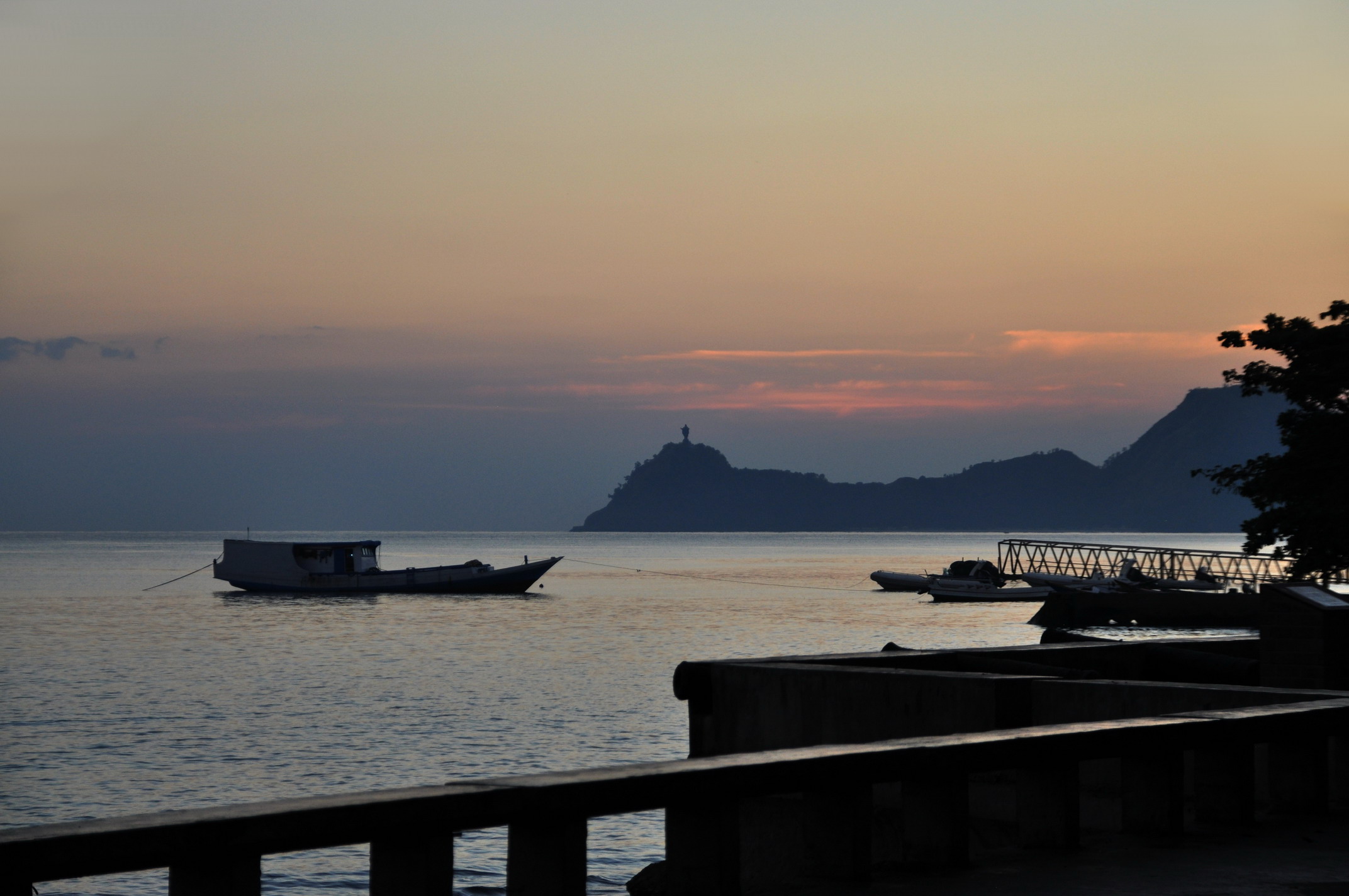
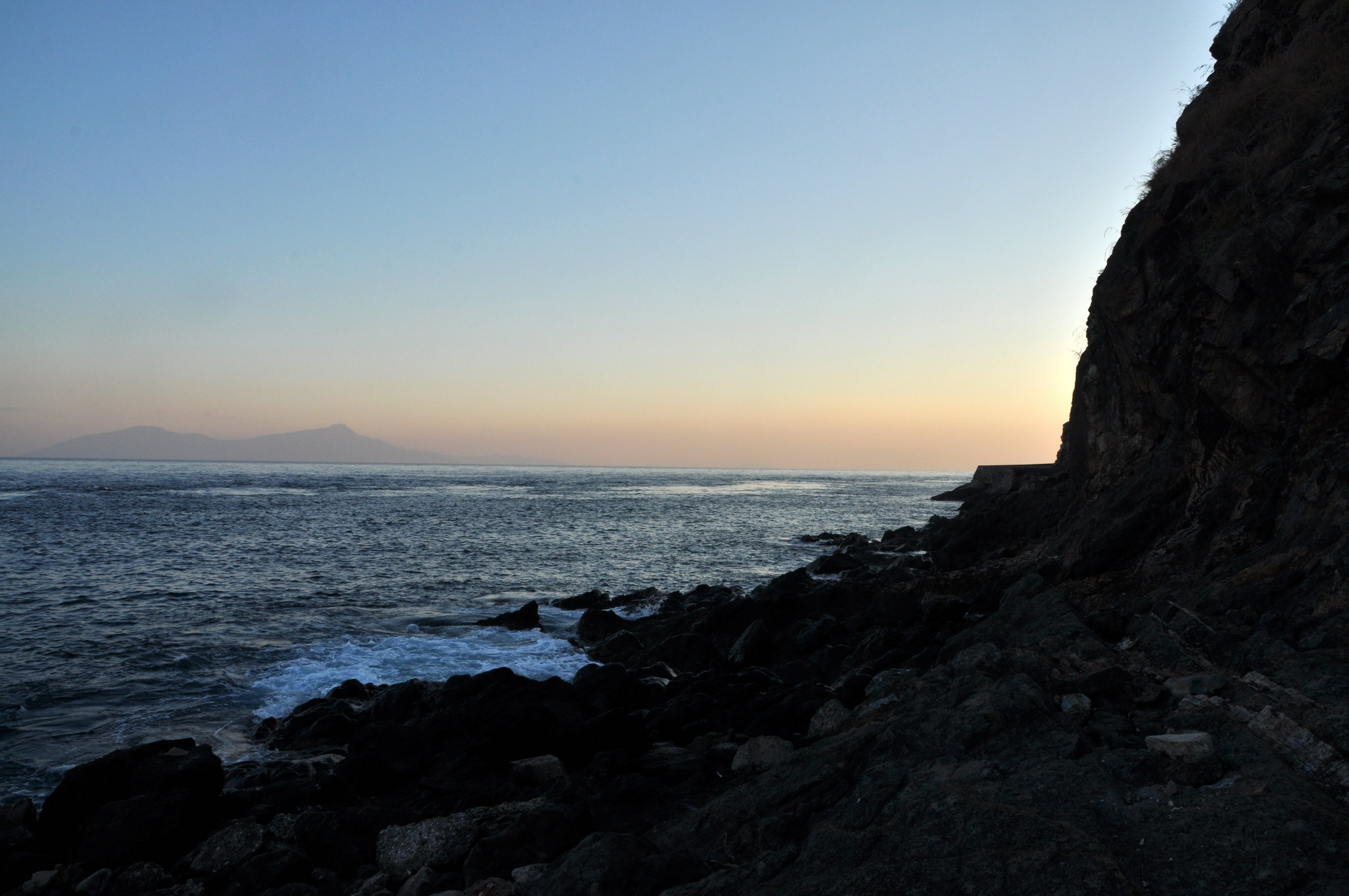
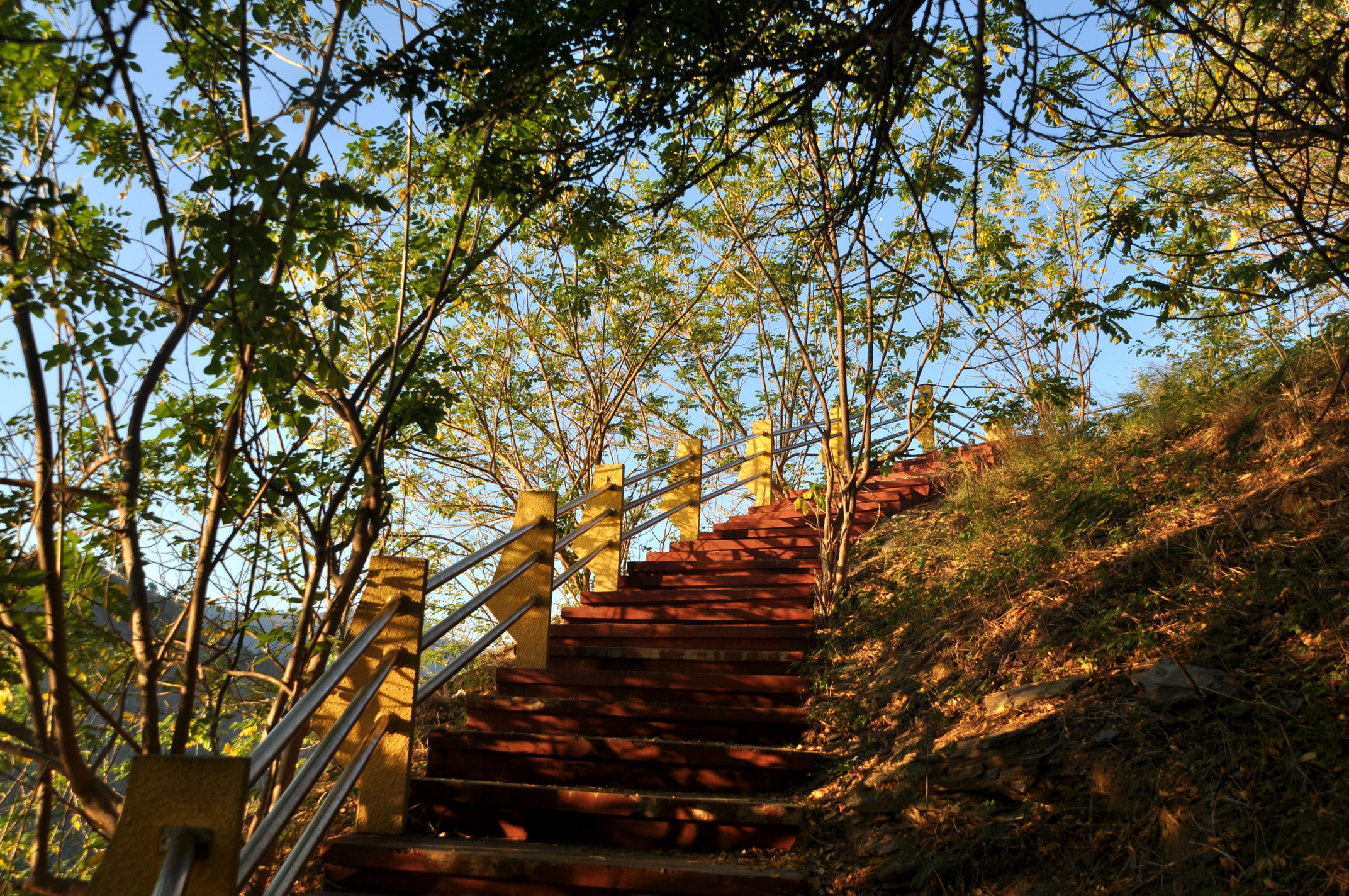
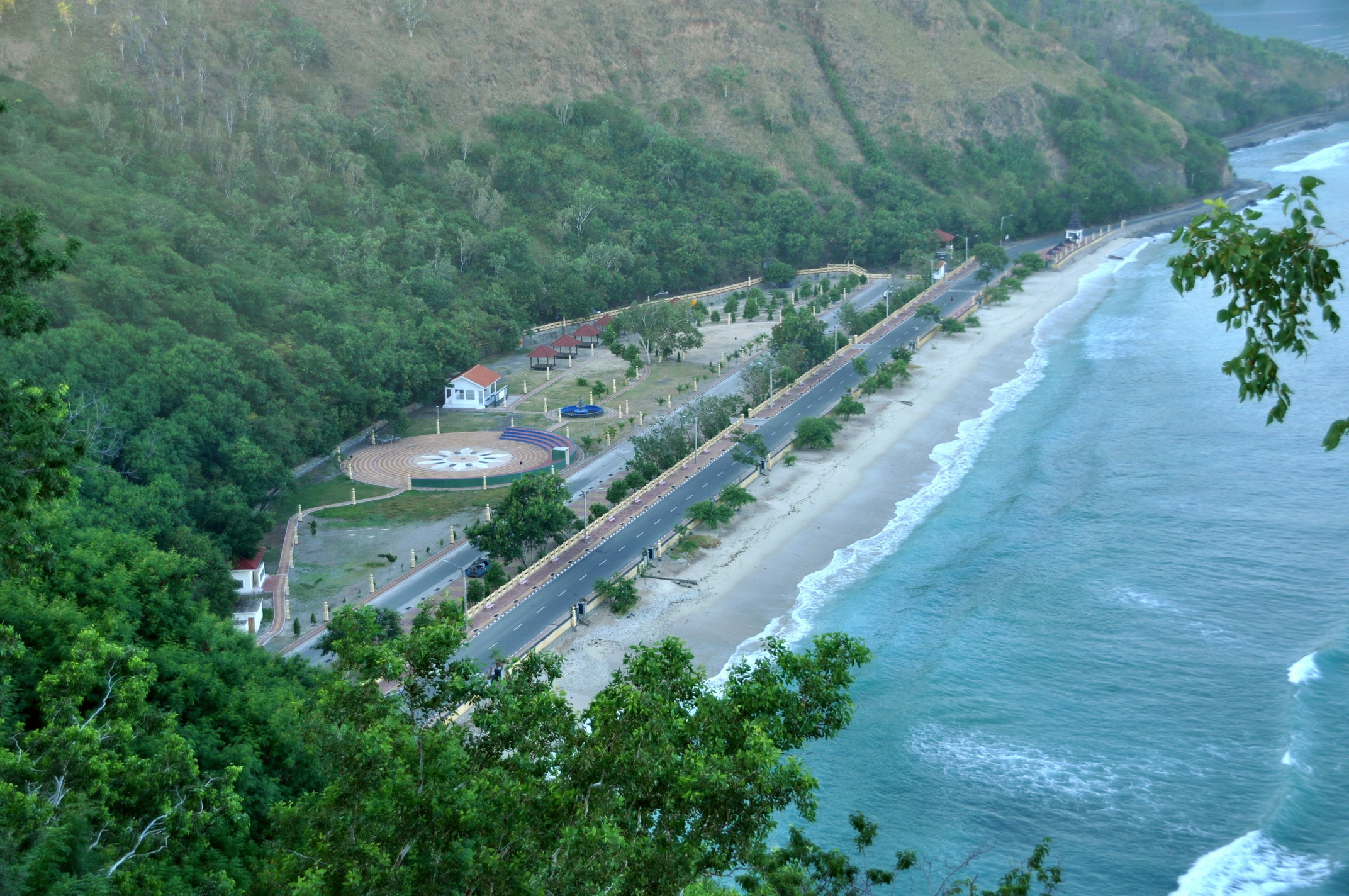
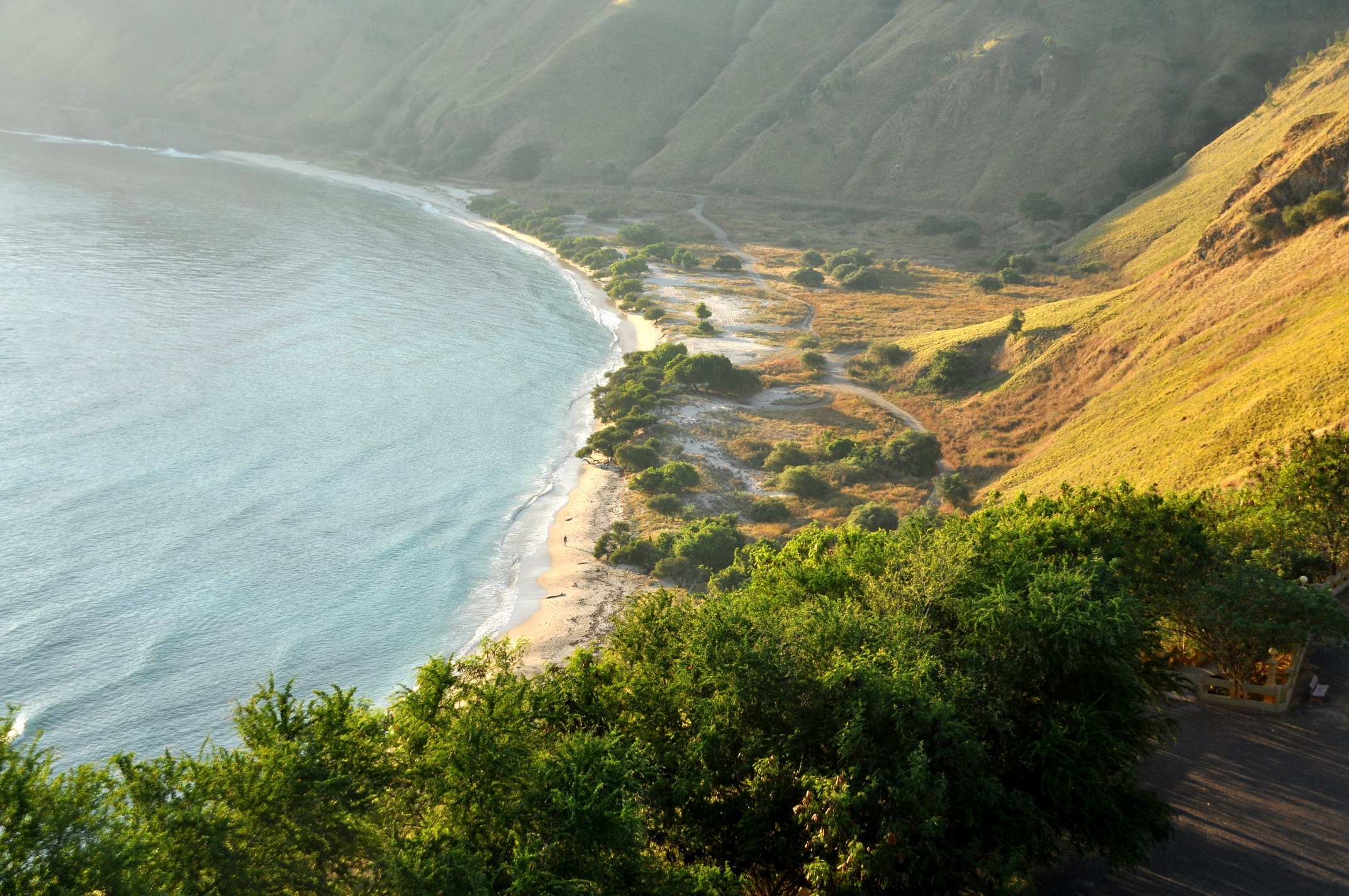
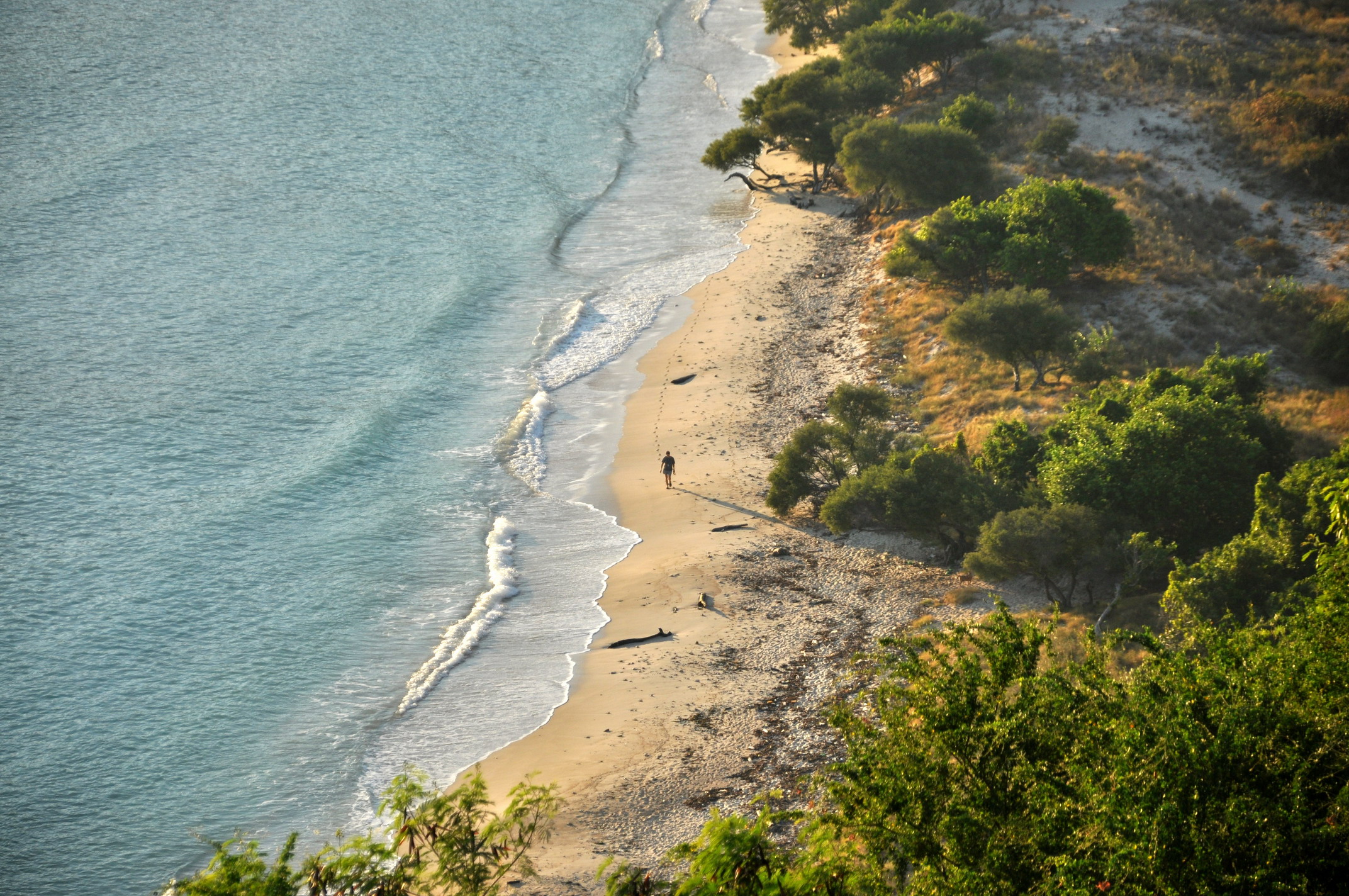
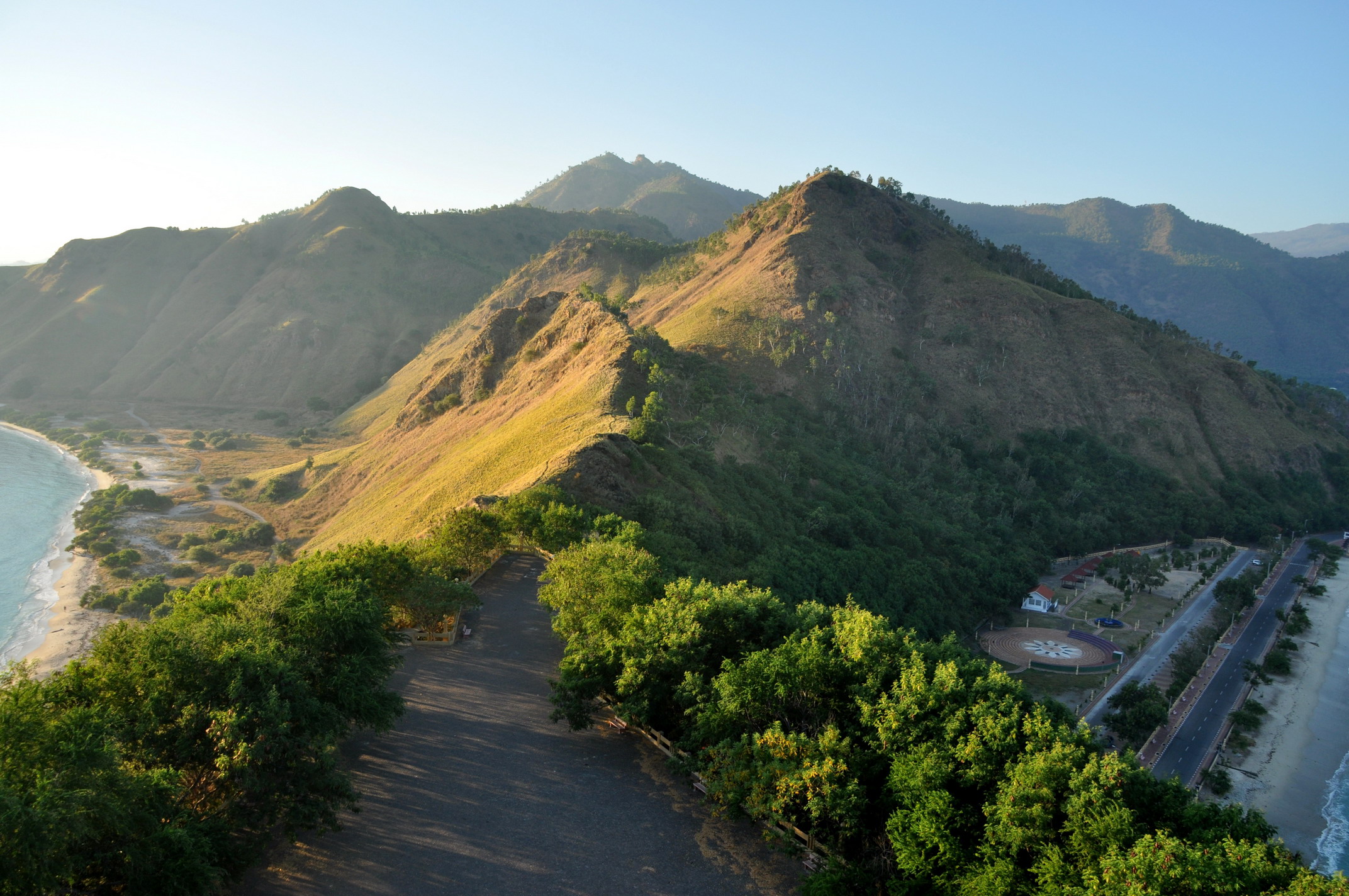
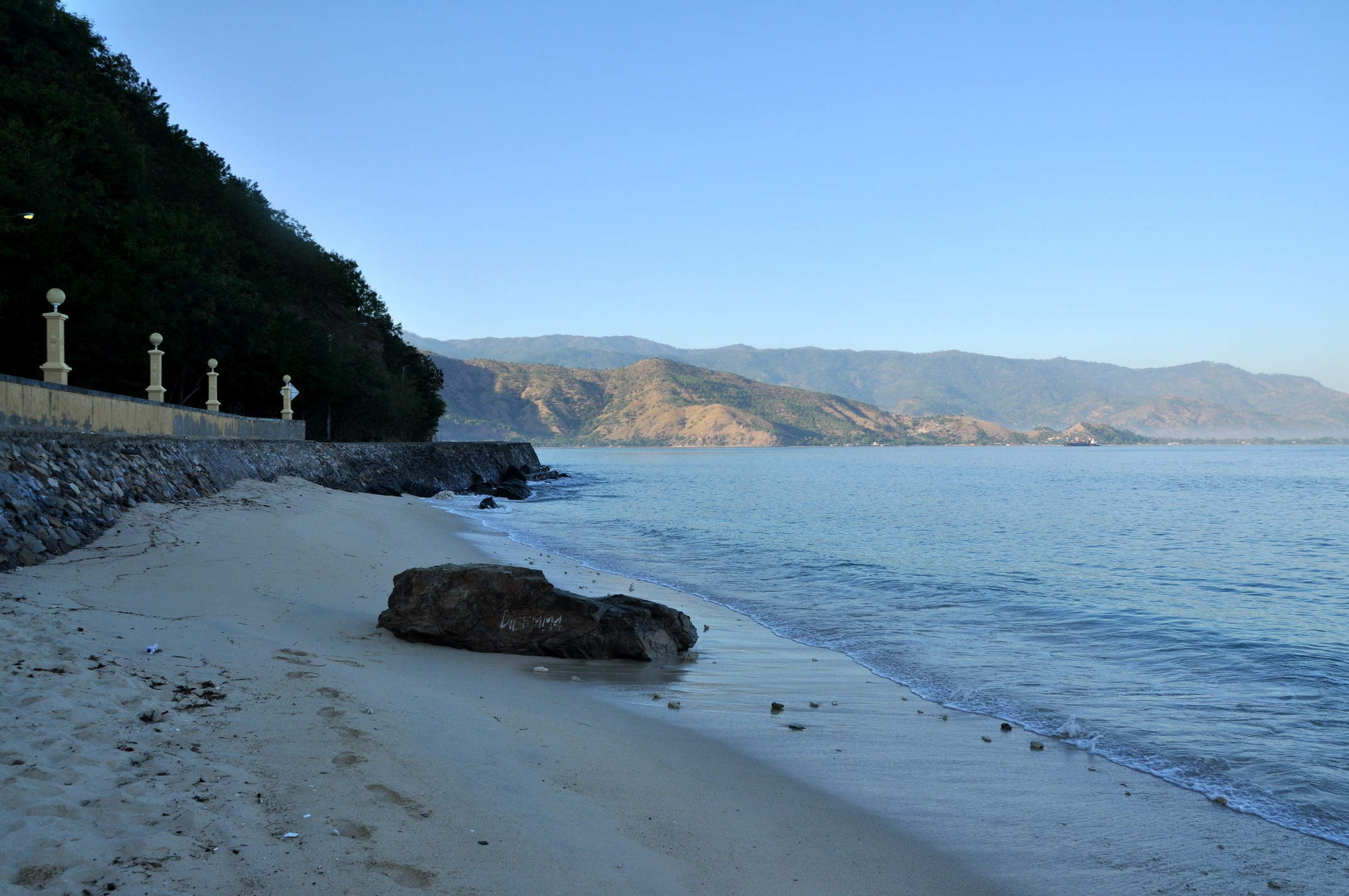
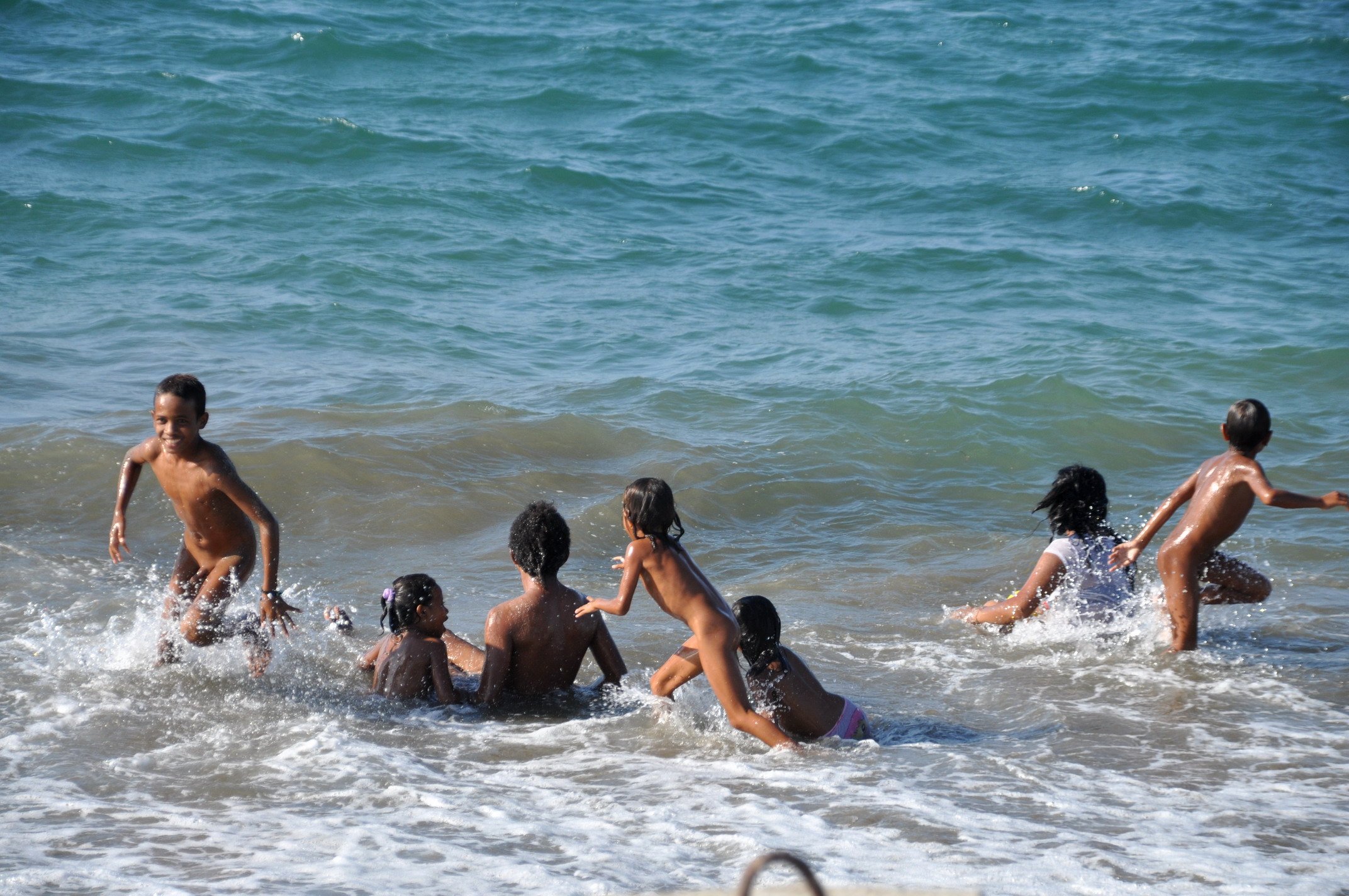
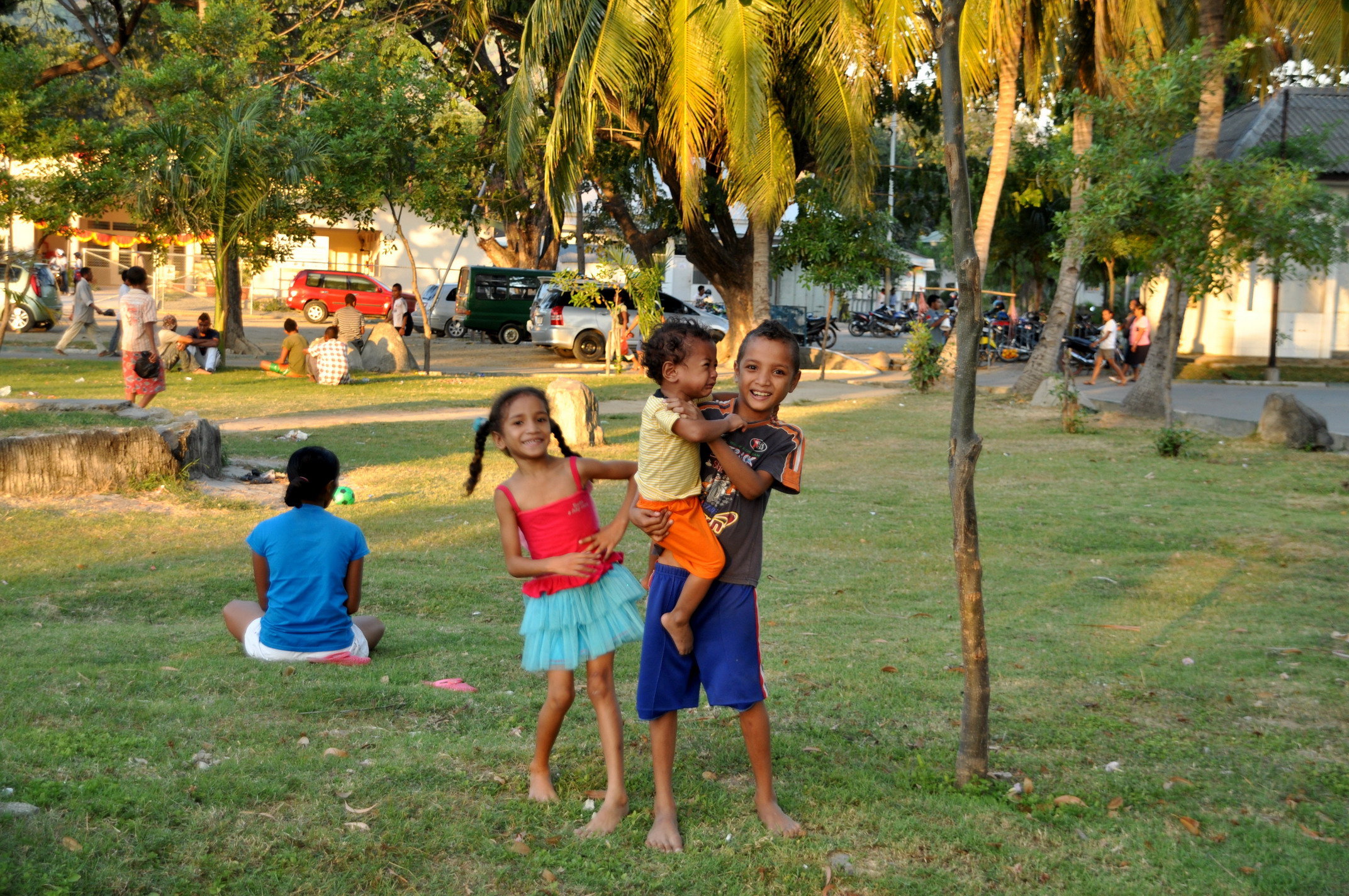
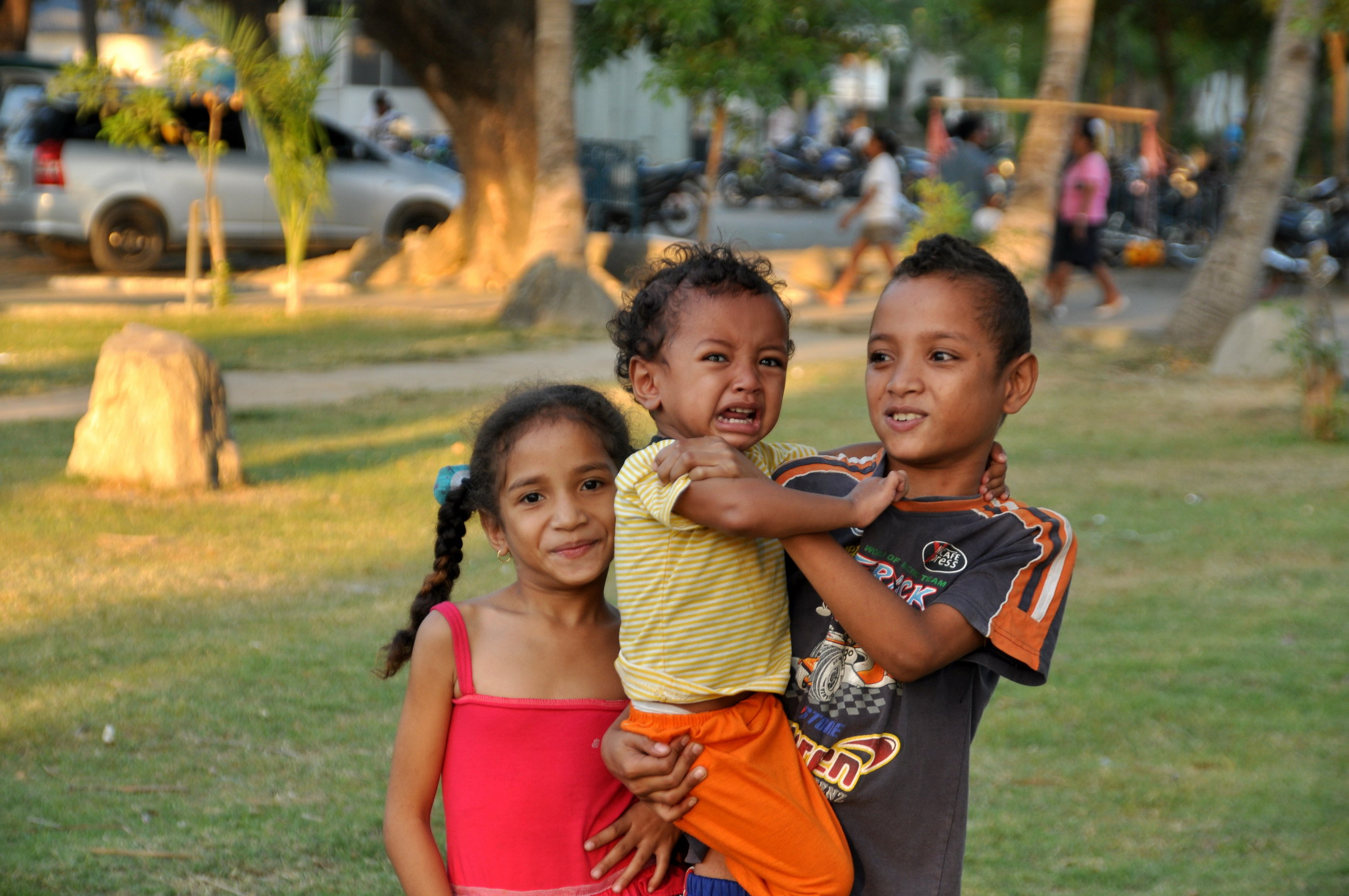
It felt safer to me than Lima, La Paz, Rio and many other cities. People were generally open and happy to talk. If you photographed them, they gladly posed. Children especially would come running from all around just to be in the picture. Apart from the persistent airport taxi drivers, people didn't throw themselves at your feet to sell you anything. You could walk around in peace. Nobody much cared what you were doing.
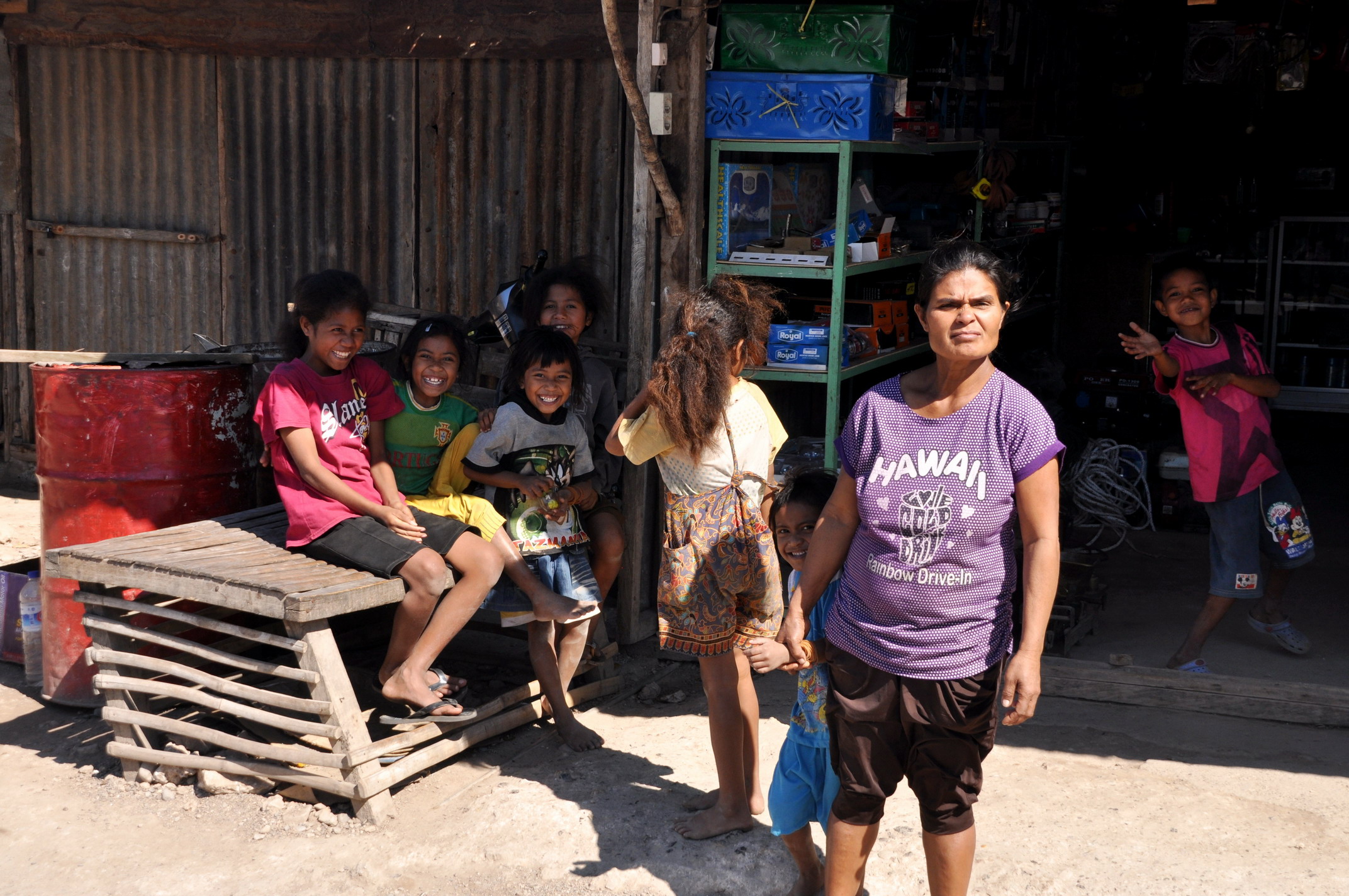
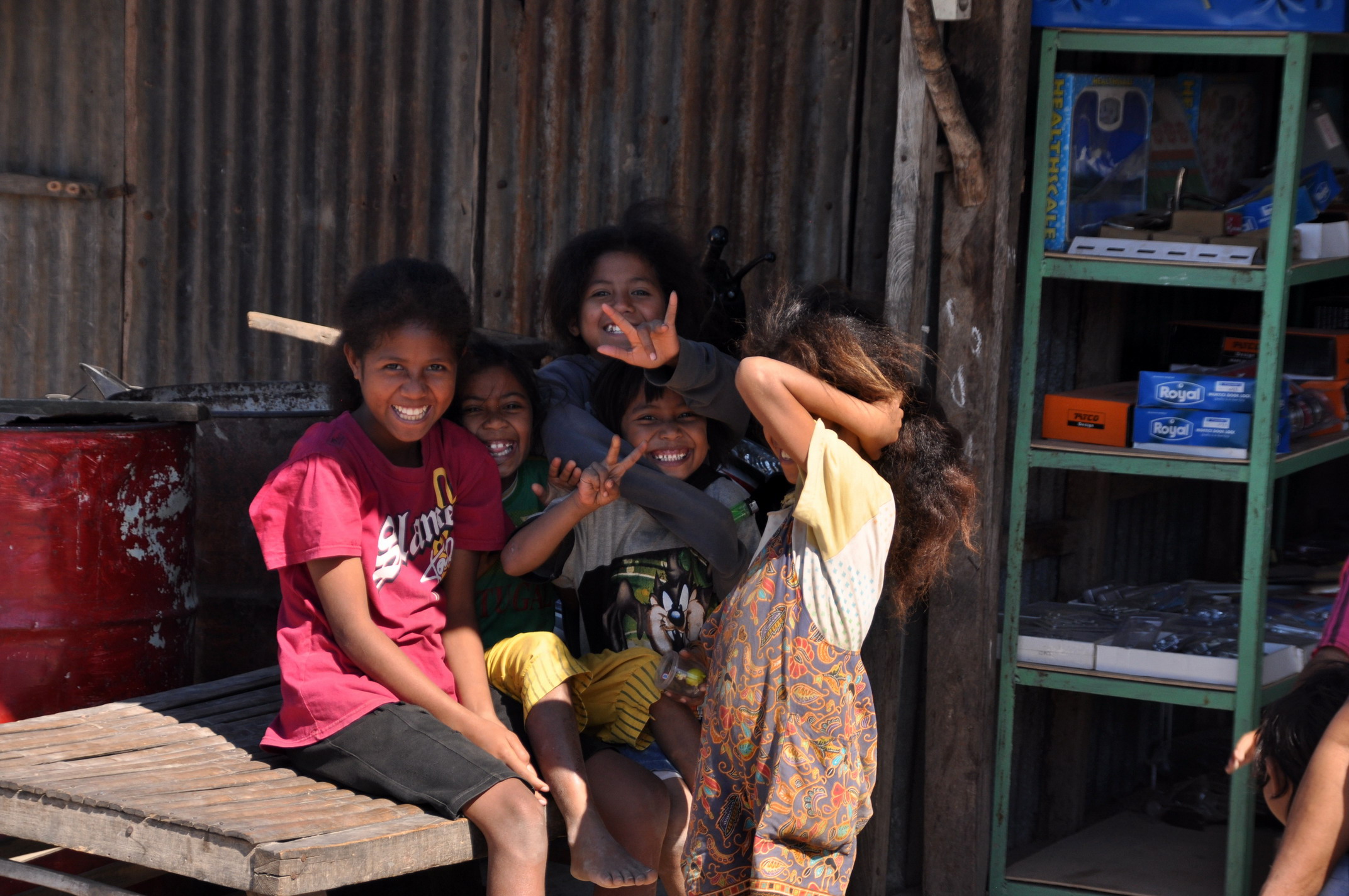
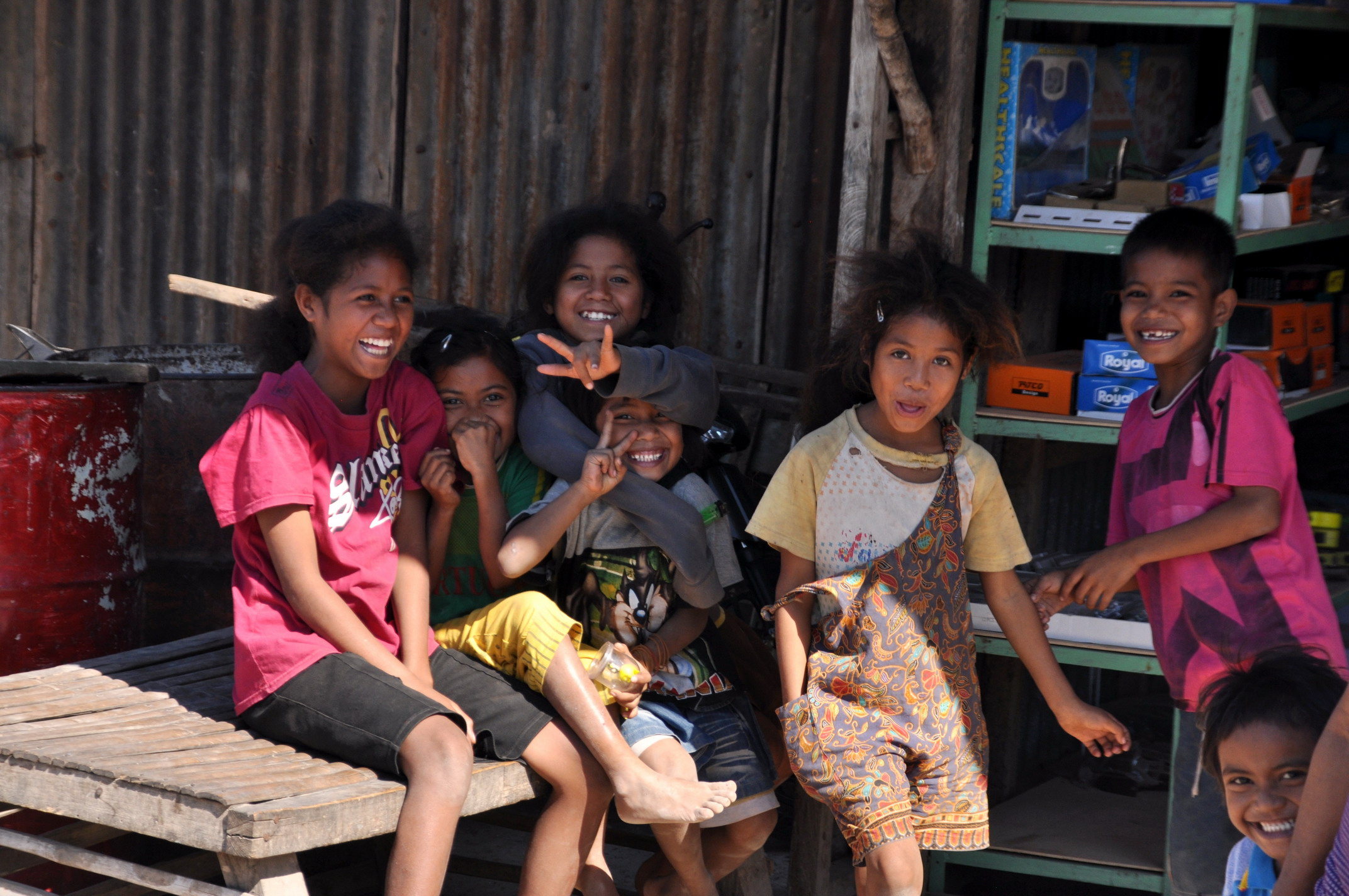
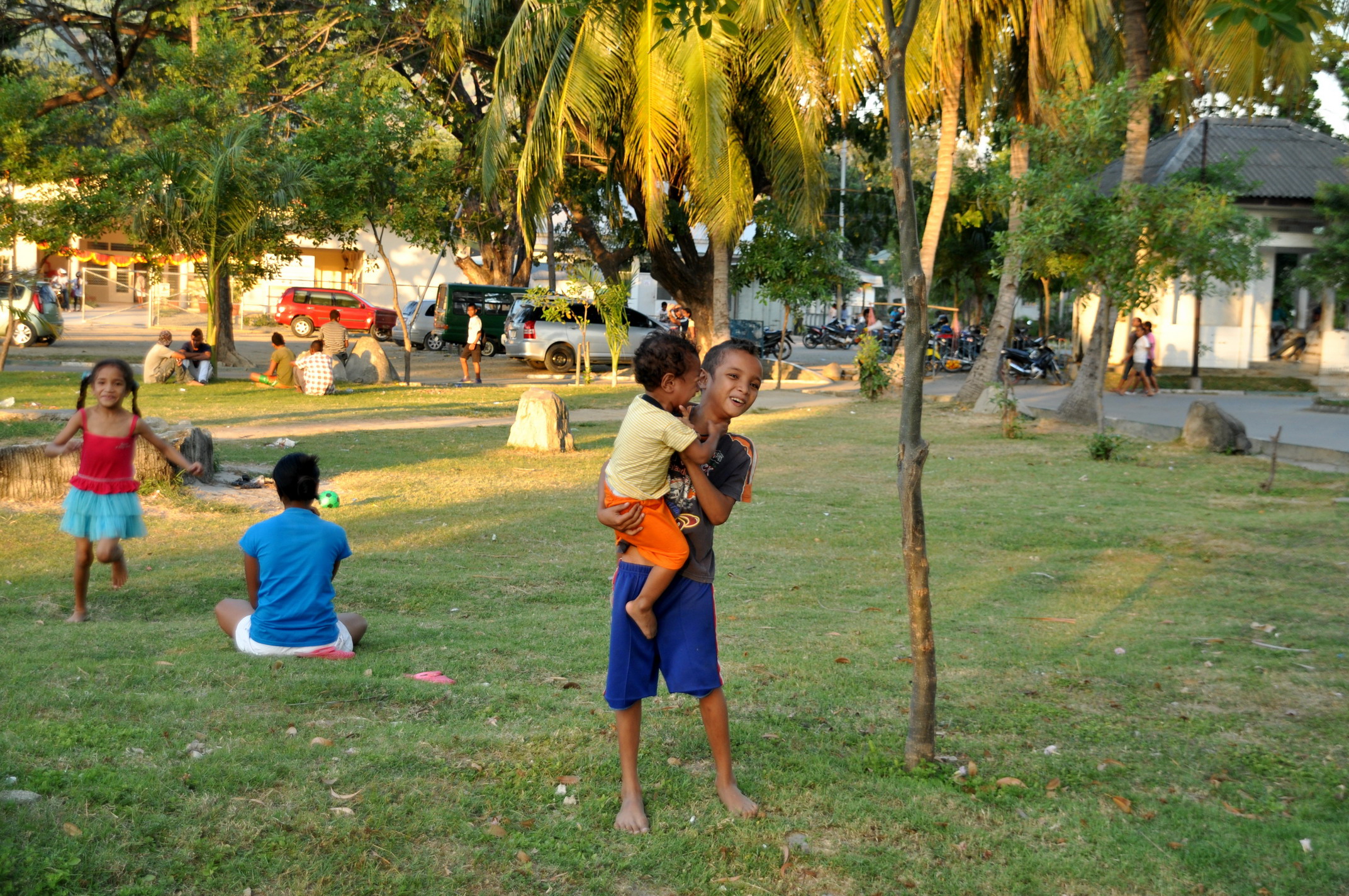
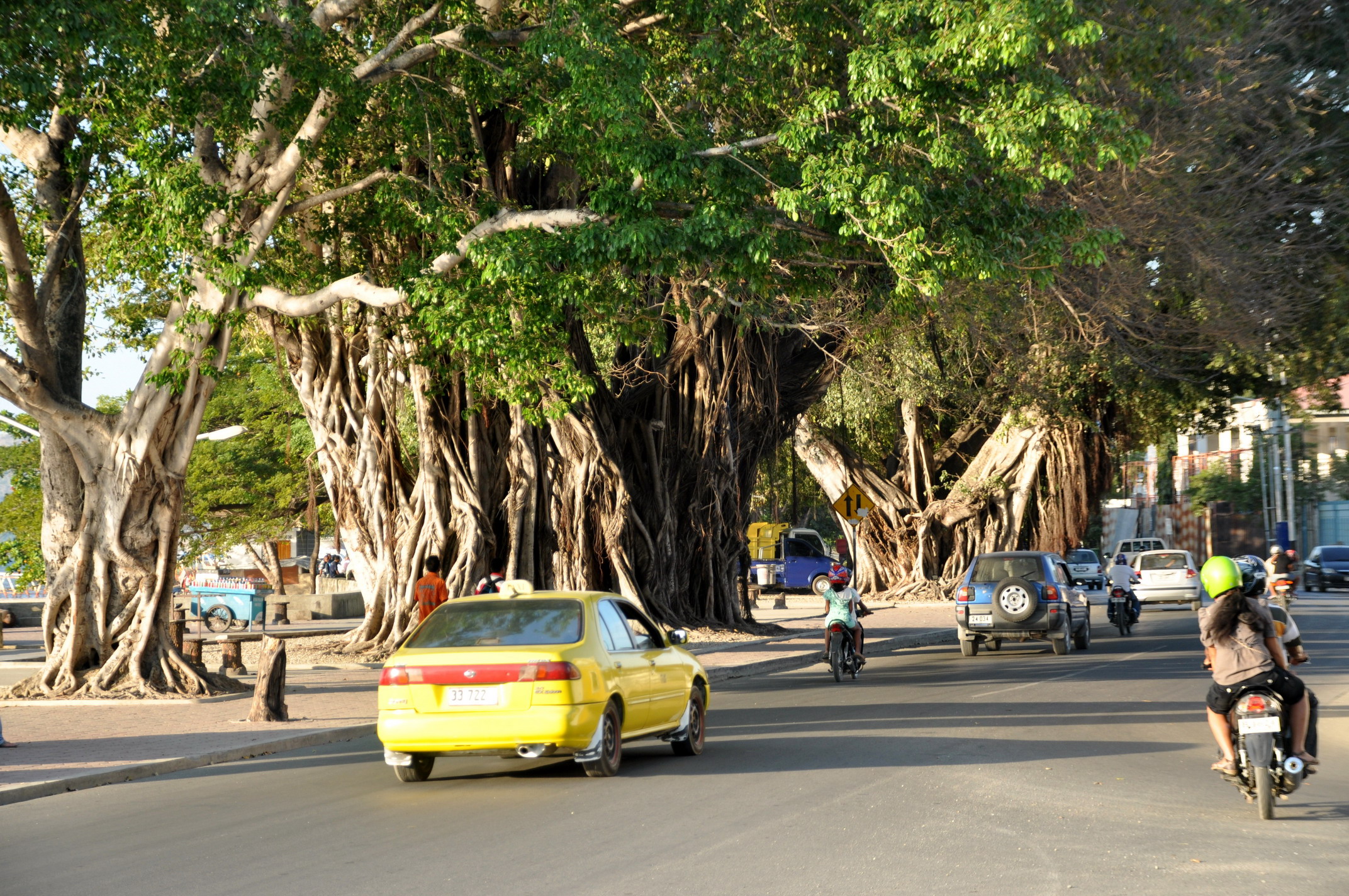
Local transport meant taxis. They were very cheap around town and easy to find. The only place I couldn't find one was the statue of Christ, which stands about ten kilometres outside the city. I had to walk on foot for a long time before getting to town, where I finally saw a car. This was particularly nerve-racking because I was running late for my flight.
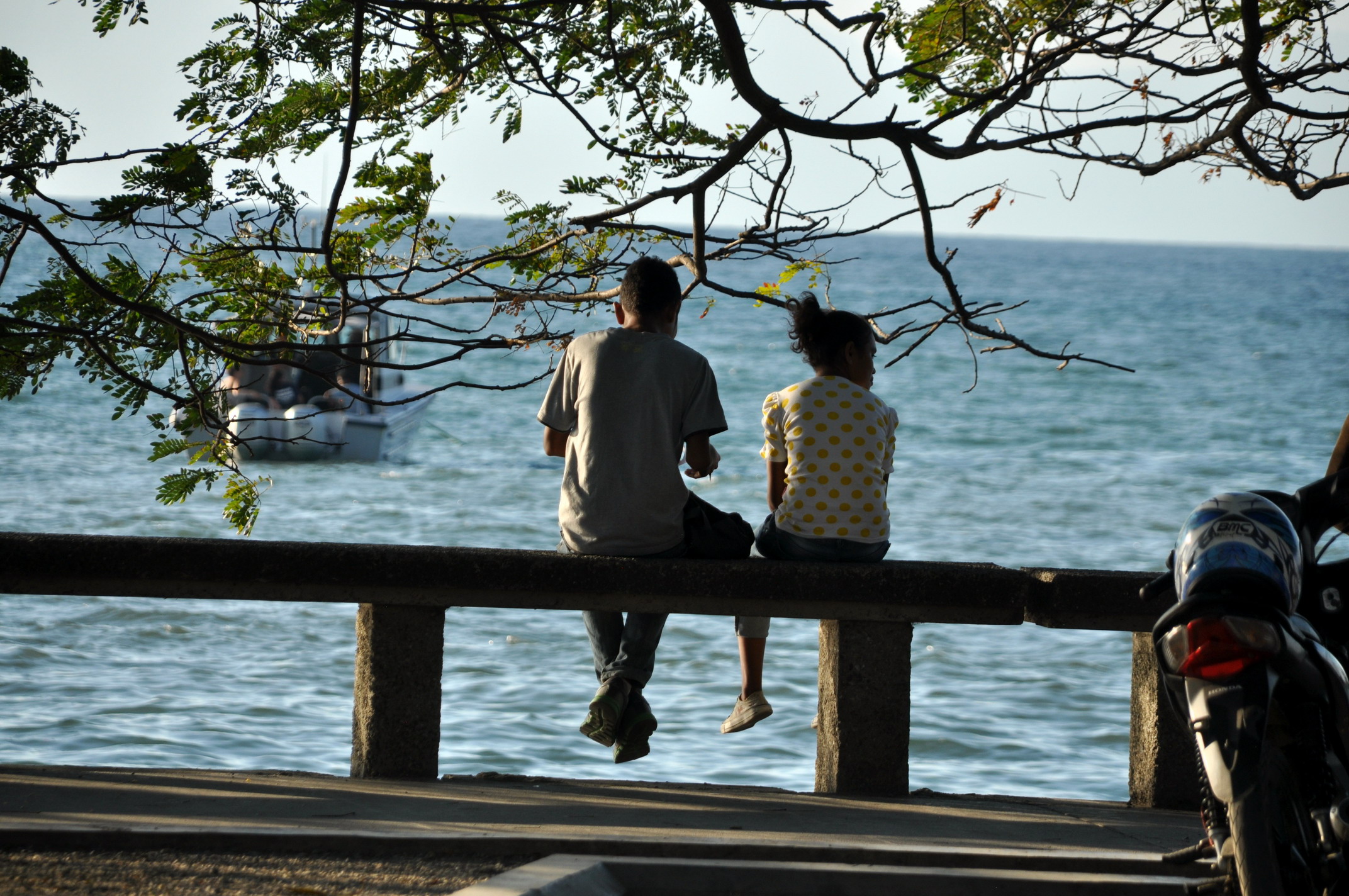
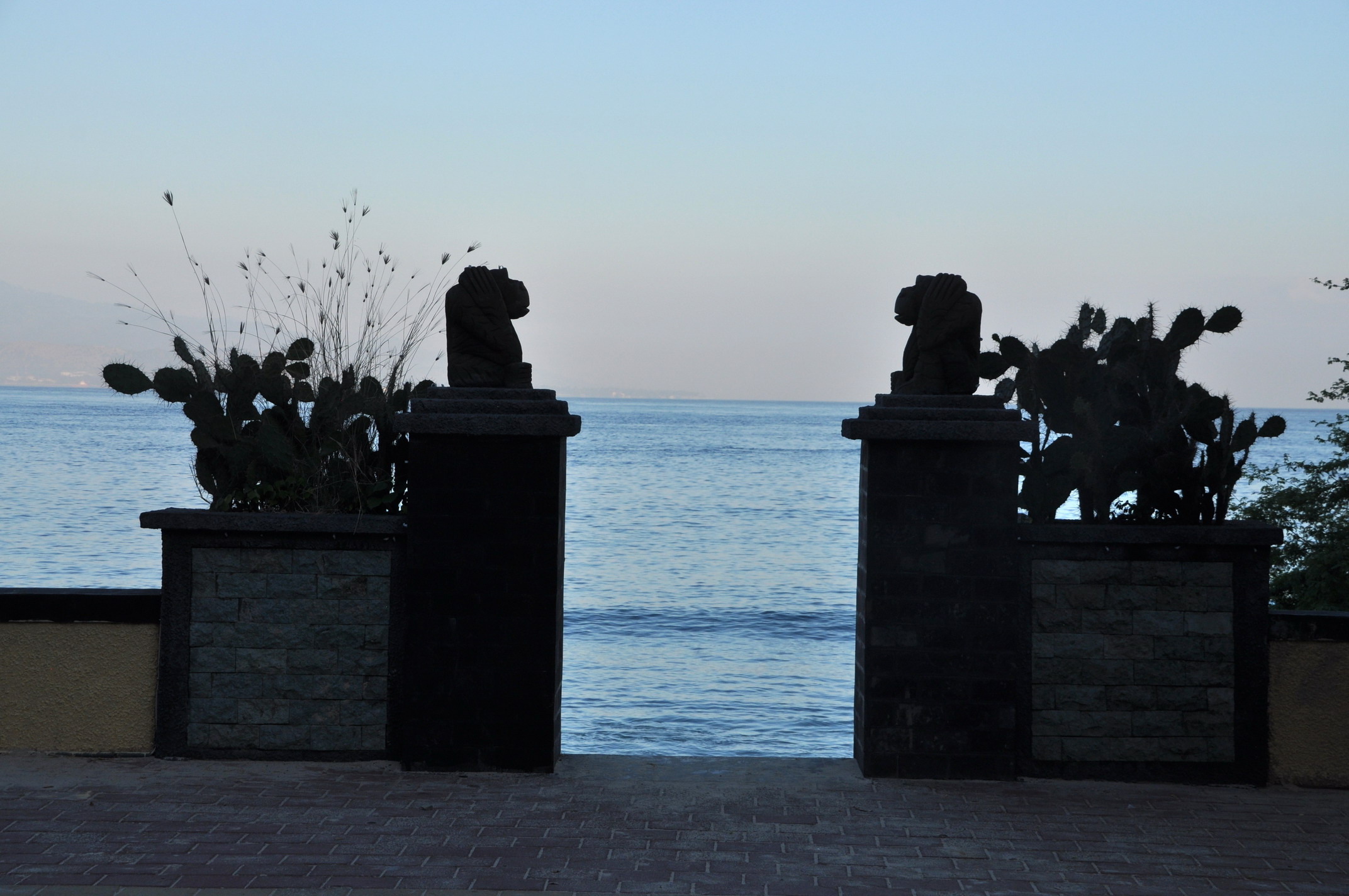
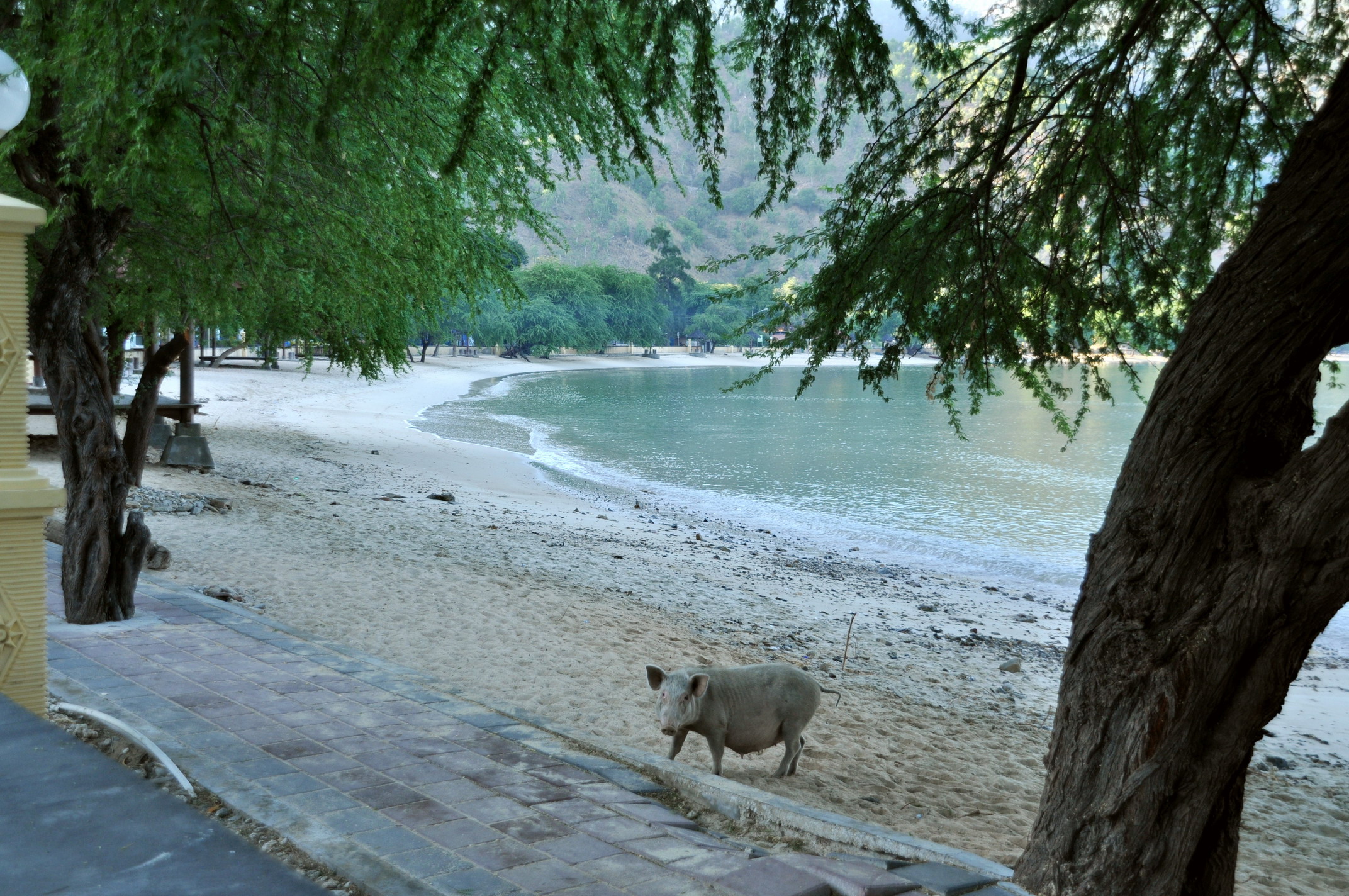
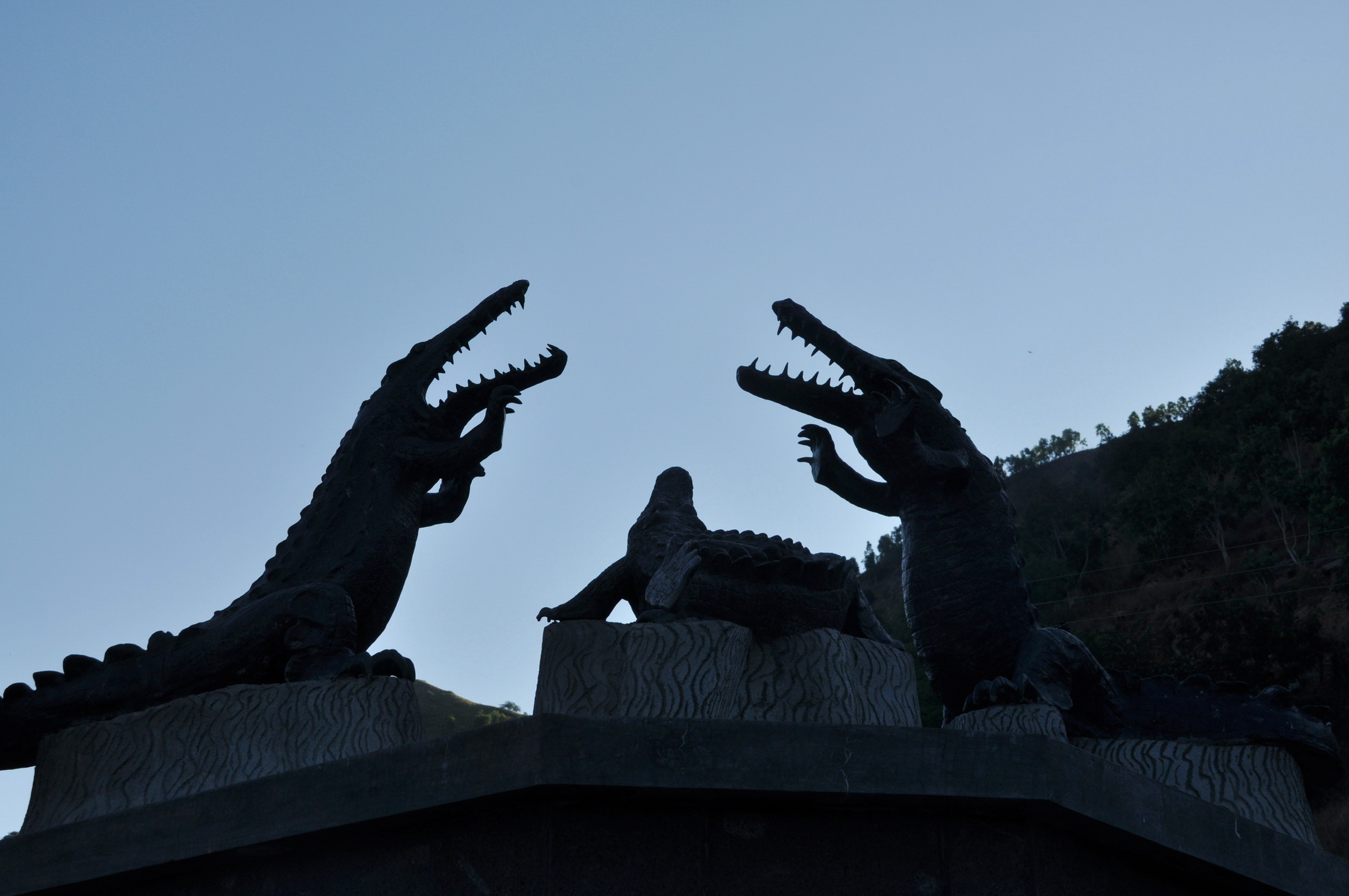
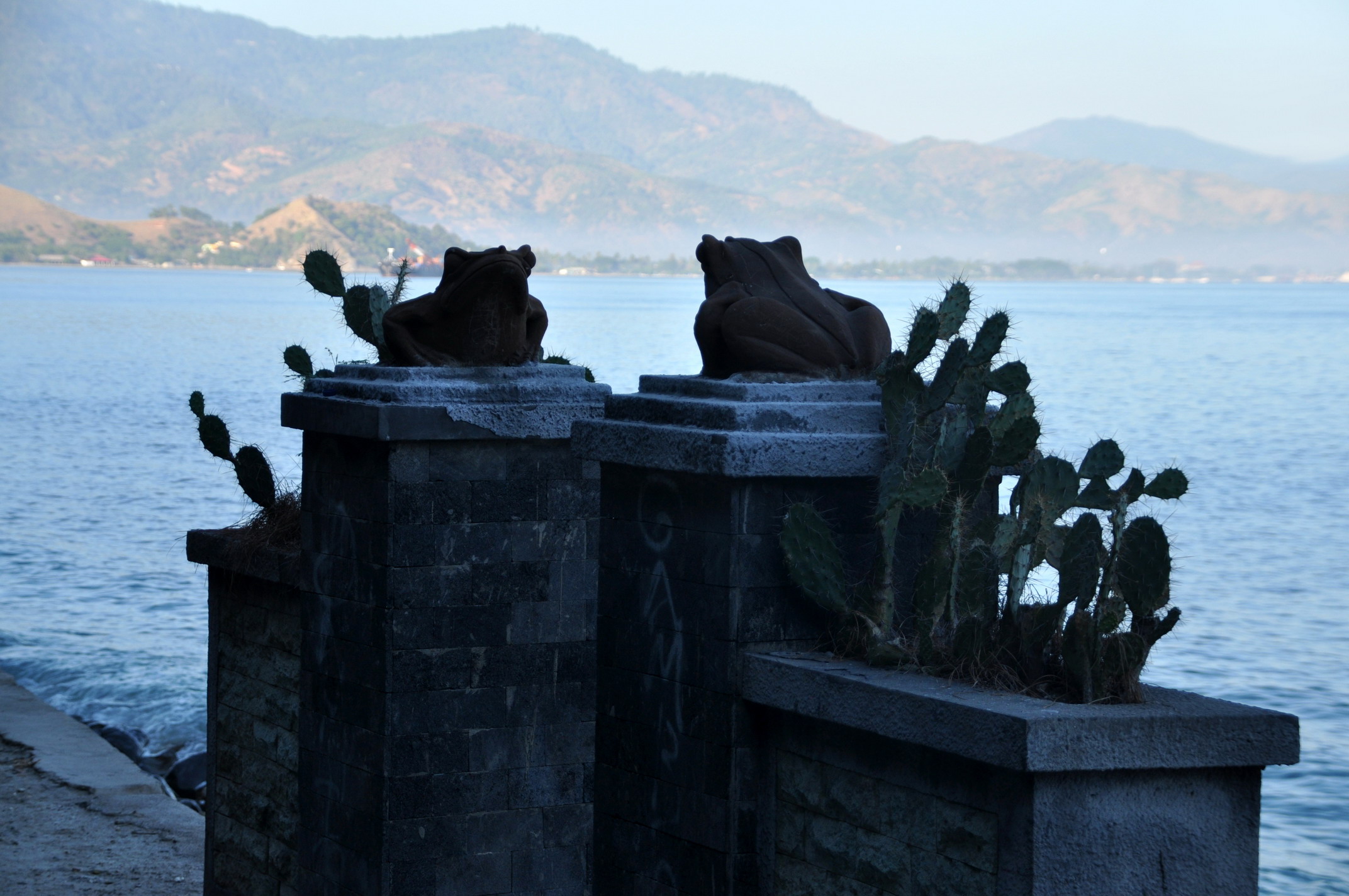
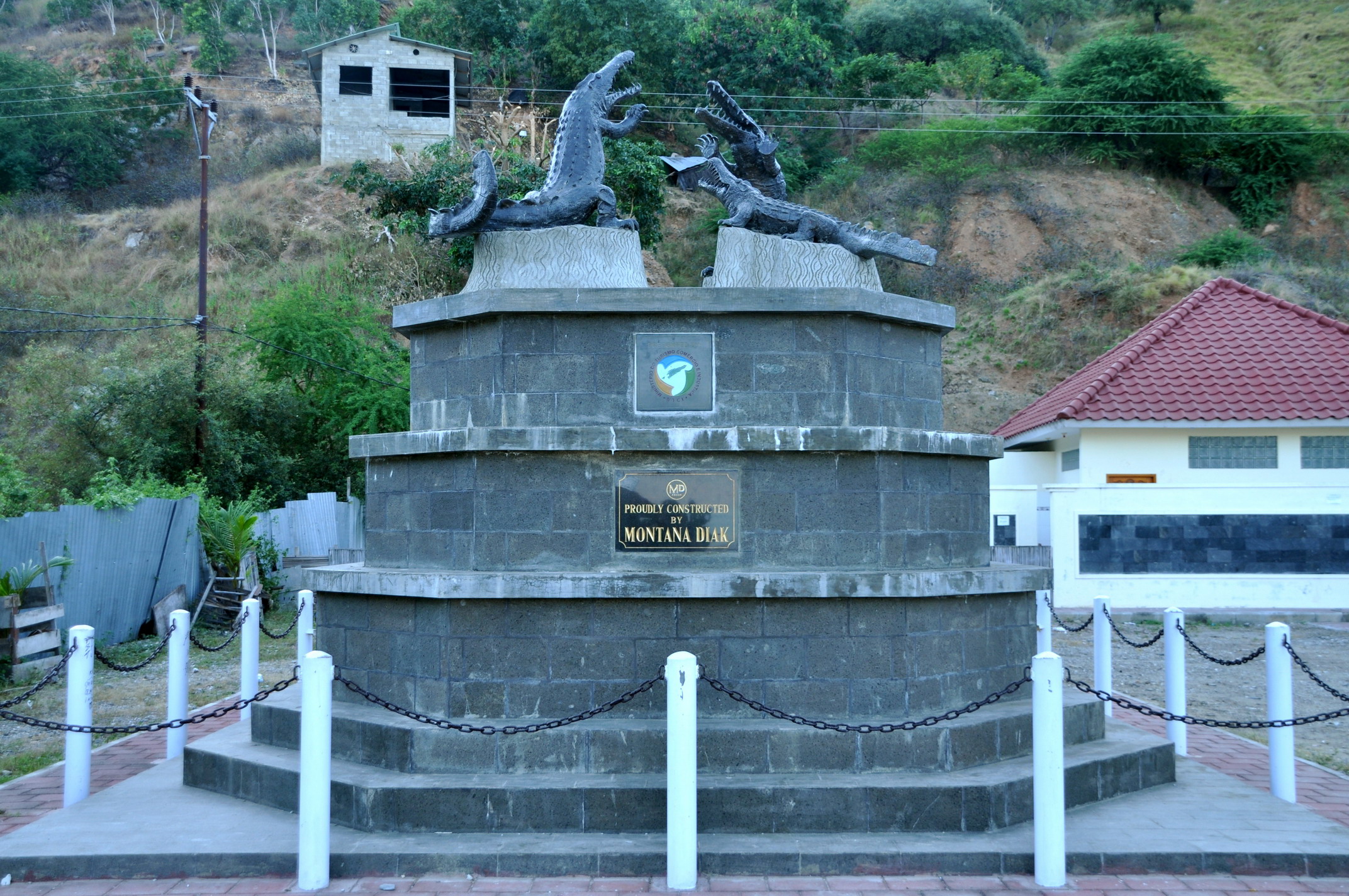
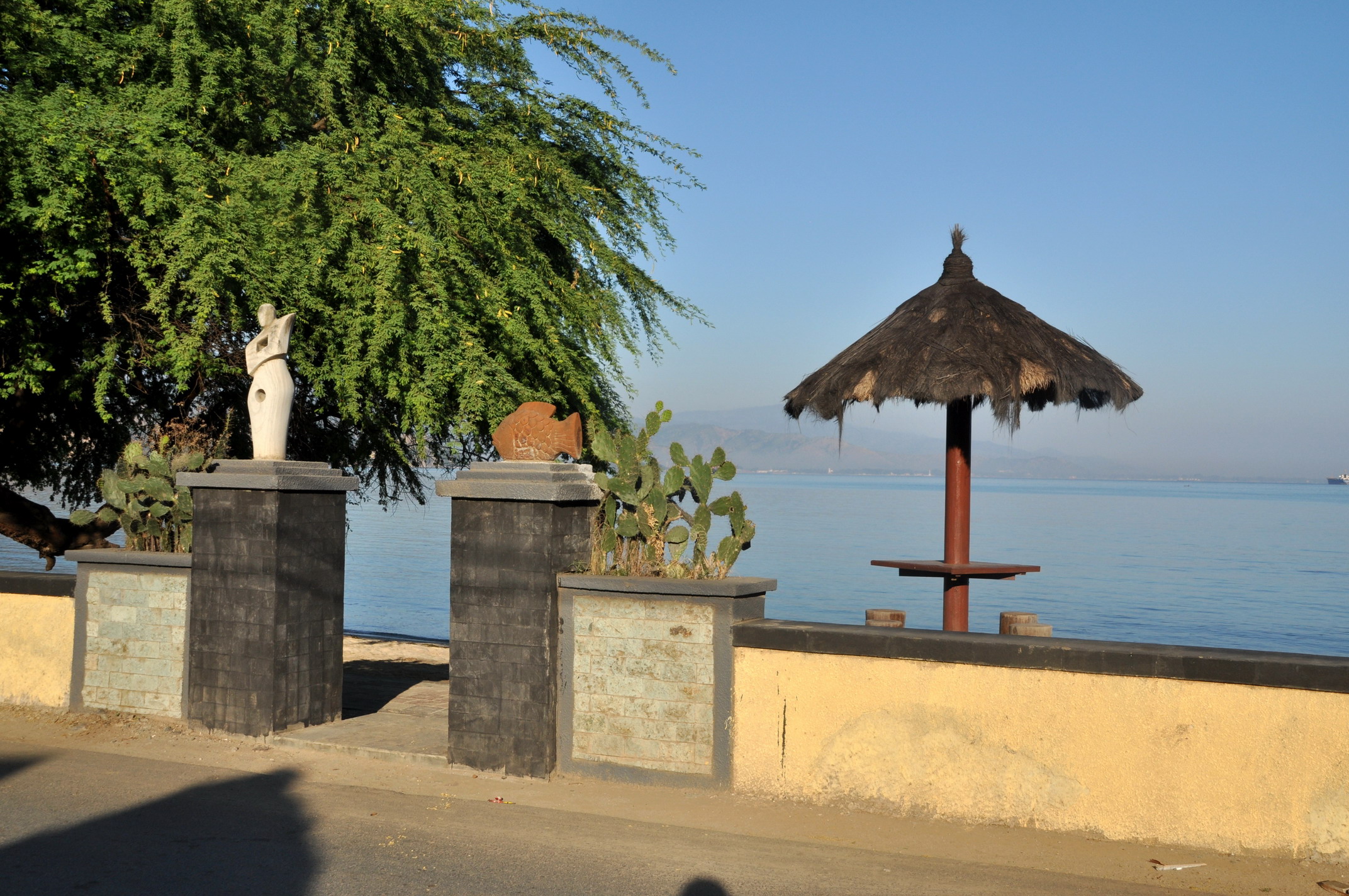
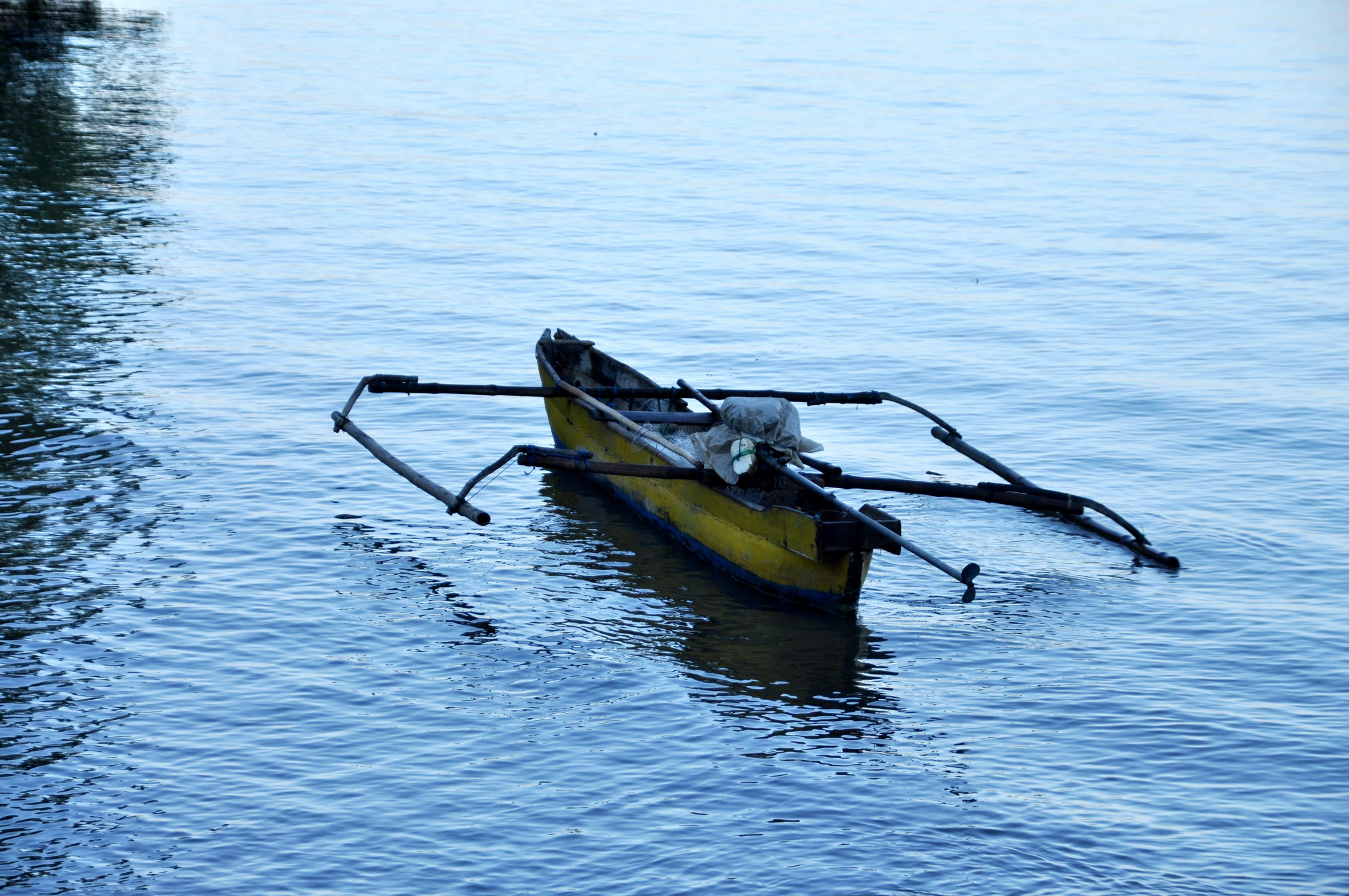
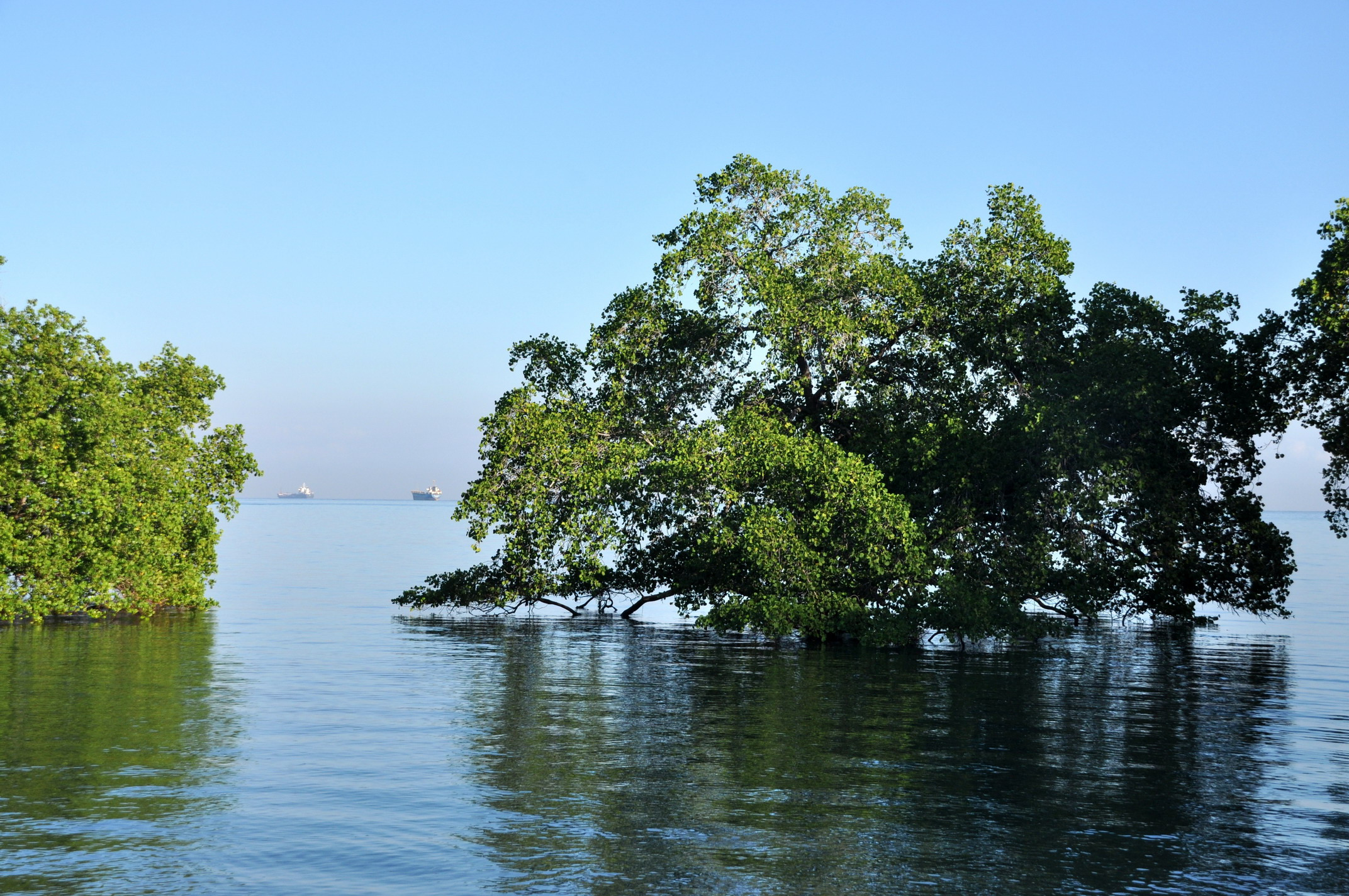
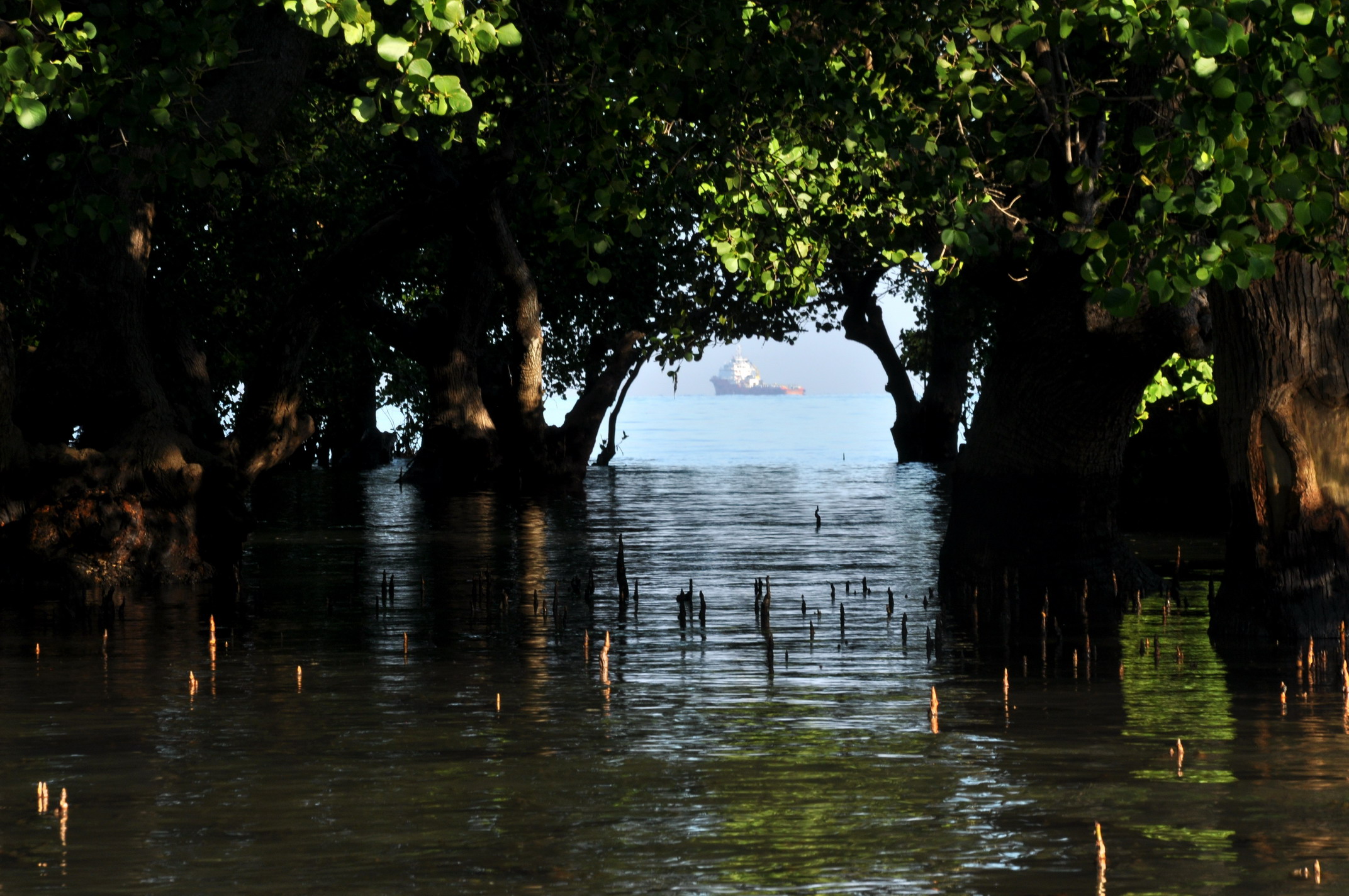
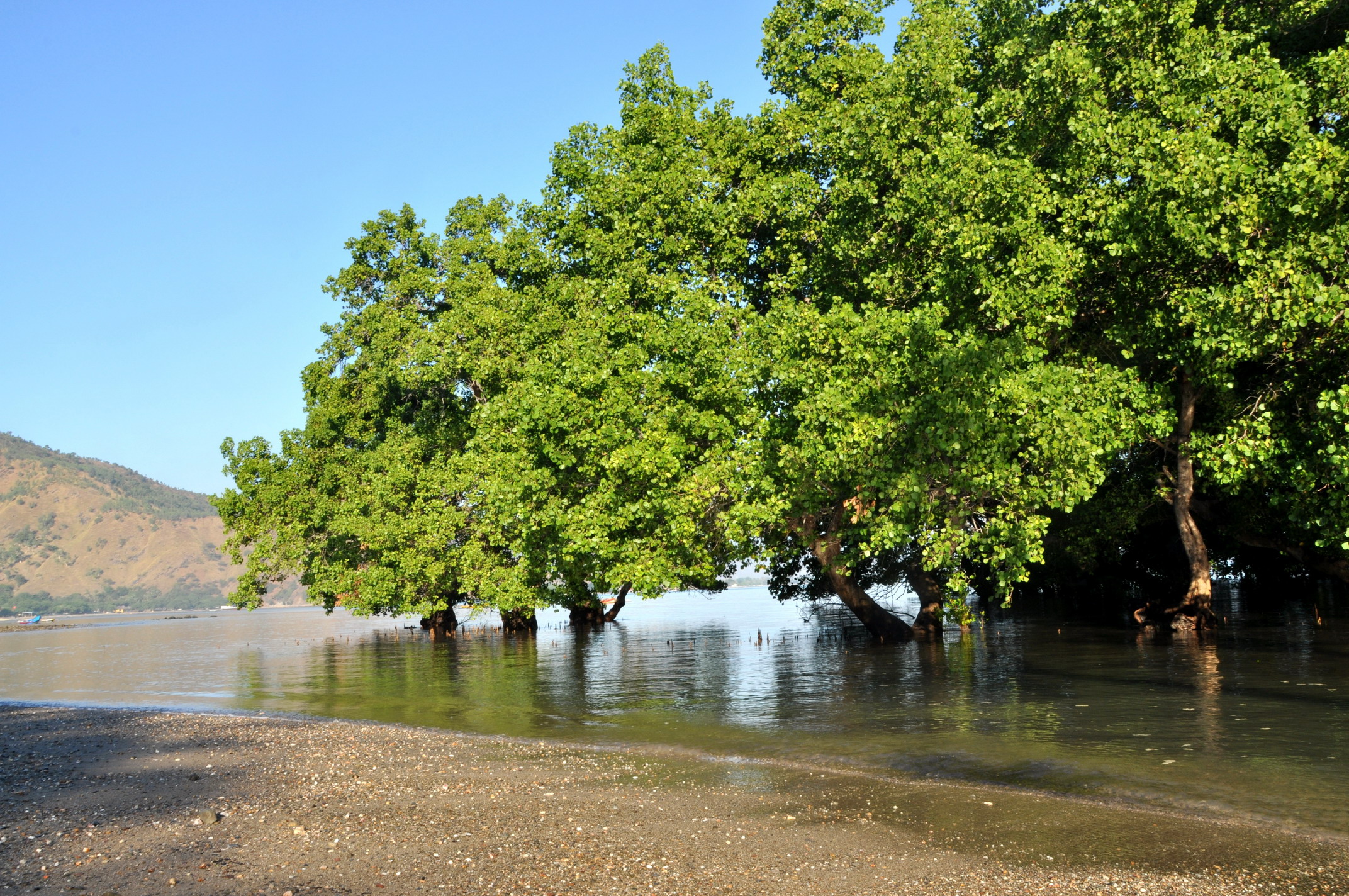
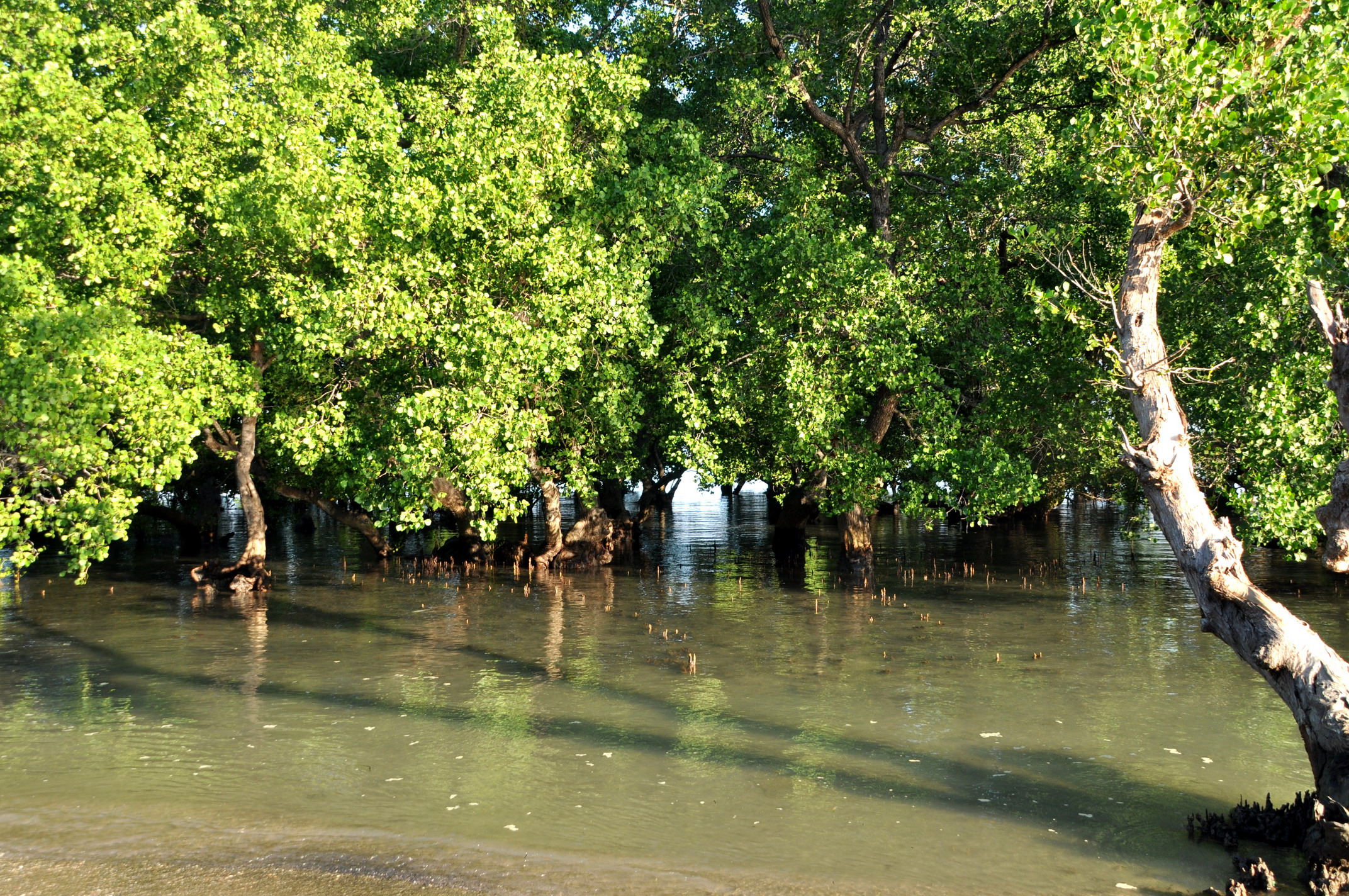
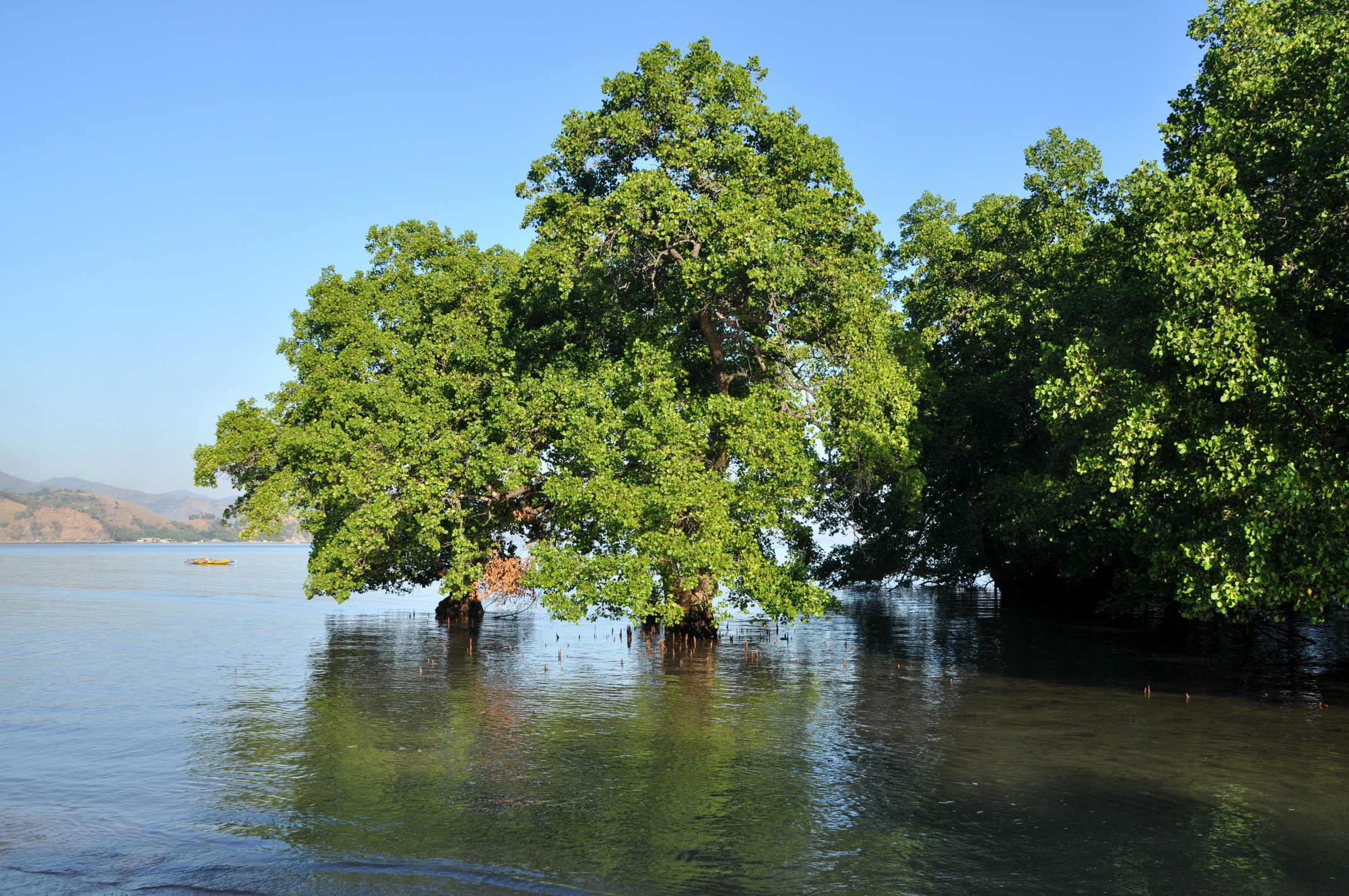
Ordinary beach holidays hadn't caught on. I didn't see any enclaves for foreign tourists. Outside the hotel walls, life went on in all its rawness. The exception was perhaps a couple of streets by the Government Palace, where there were the first signs of what I recognised as civilisation.
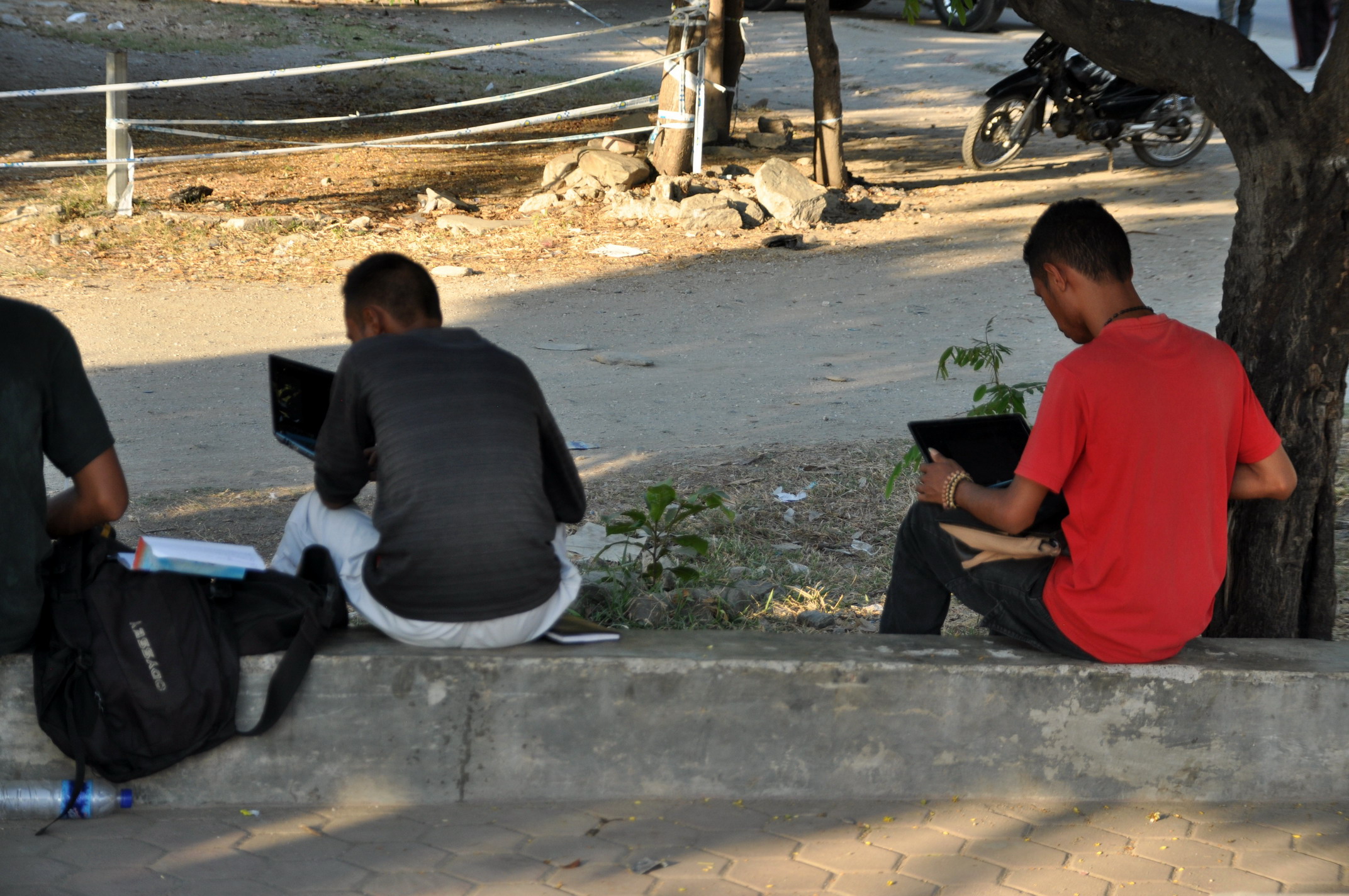
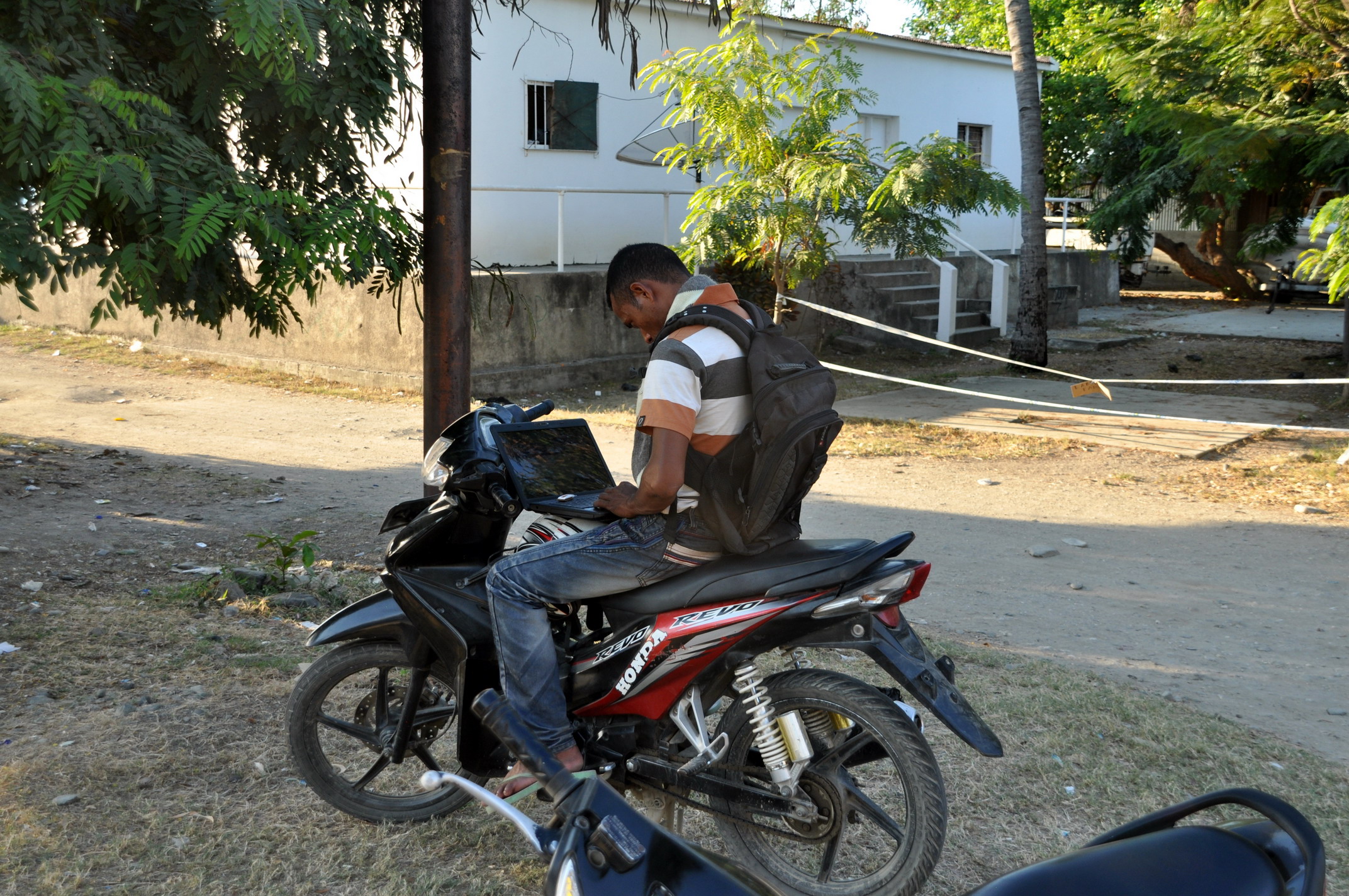
You could even pick up free Wi-Fi there. People converged with their laptops and tablets to join the worldwide network. I'd left my own smartphone and computer in storage at Darwin airport. Mobile coverage was present everywhere I went, but there was no roaming with the outside world. The rural areas, of course, had no cell towers. On the southern coast and in the interior, there was no electricity to run them.
Small as the country is, Timor also has a coastal enclave entirely surrounded on land by Indonesia. A ferry went there every few days. I saw it being loaded early in the morning, still dark. By torchlight, people went aboard the rusty old ferry, leading livestock and pulling carts laden with every kind of possession. They were dressed in ways that struck me as strange. The second-hand clothing trade hadn't yet reached them. The scene reminded me of films set in medieval or even biblical times. It is hard to put into words. You have to see it.
The election and the flight home
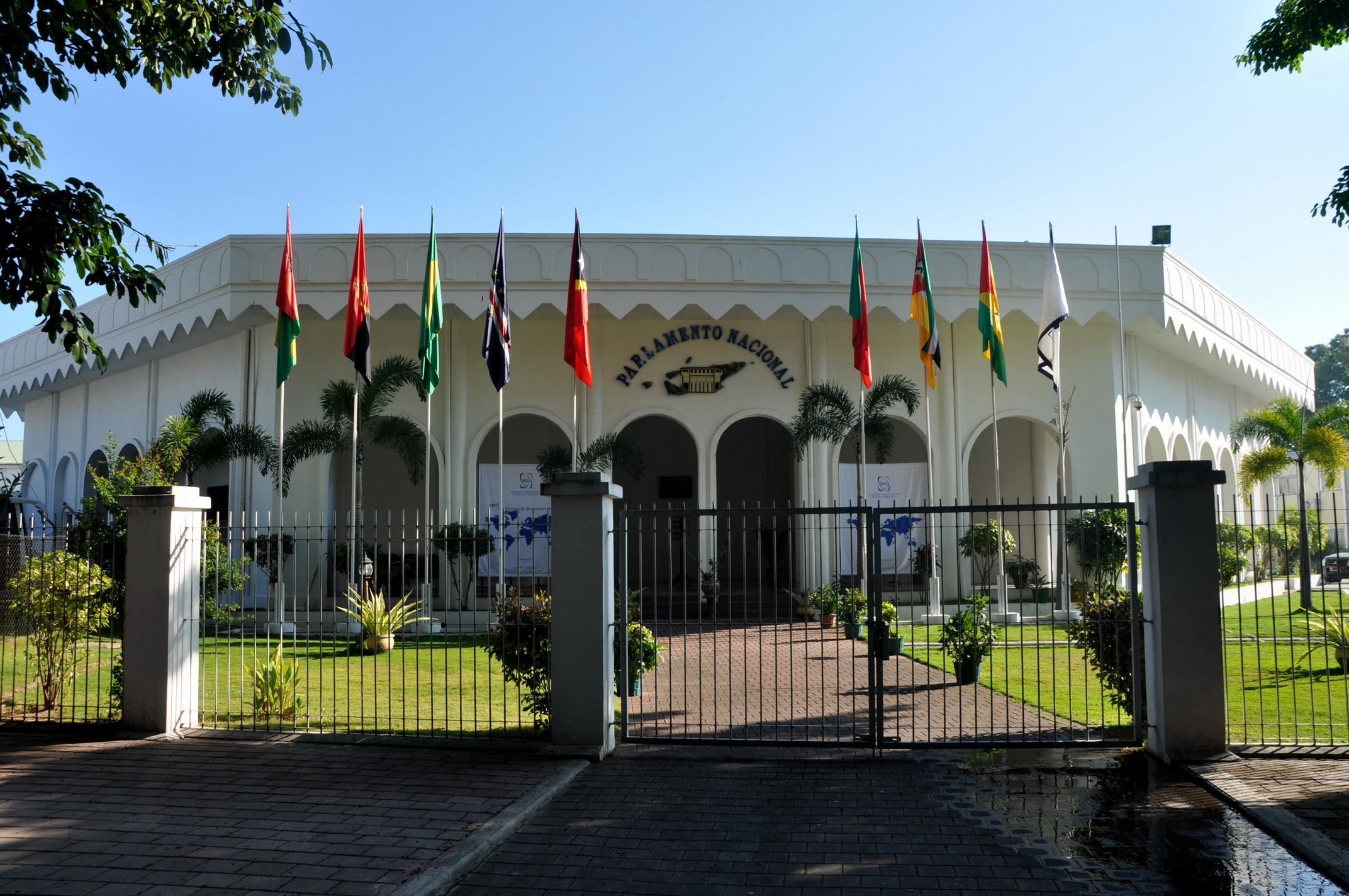
Finally, politics. Timor had already had elections after independence, and they had ended in bloodshed. I was there for the second election. This time it seemed to pass peacefully. They managed to let everyone who wanted to take part, and to count honestly enough that those who still didn't believe in the result were in the minority. It was rather embarrassing that this place I had thought so medieval put on a fairer election than Russia. The UN troops had helped, of course. What would happen when they left again? I thought of Hard to Be a God.
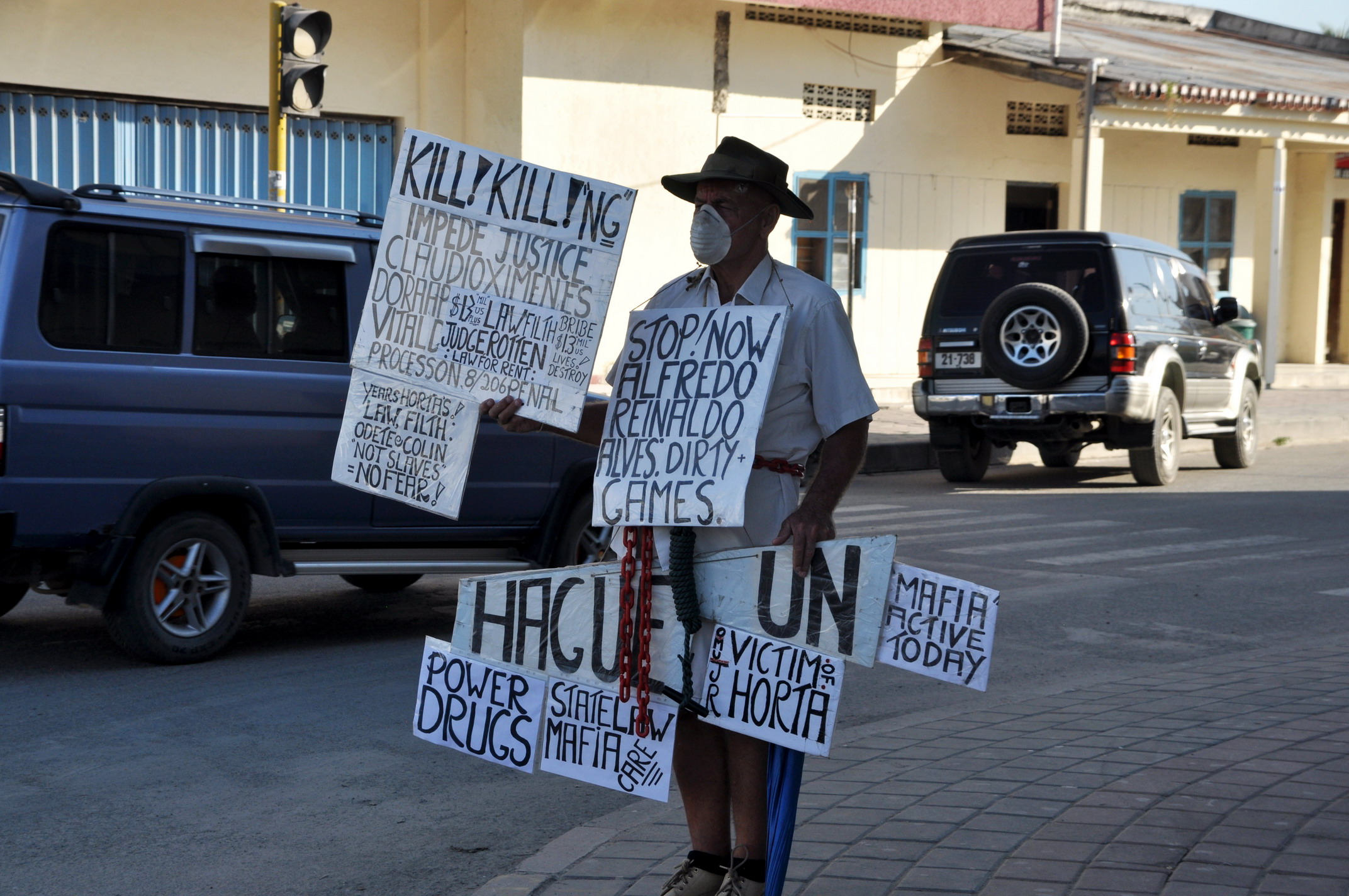
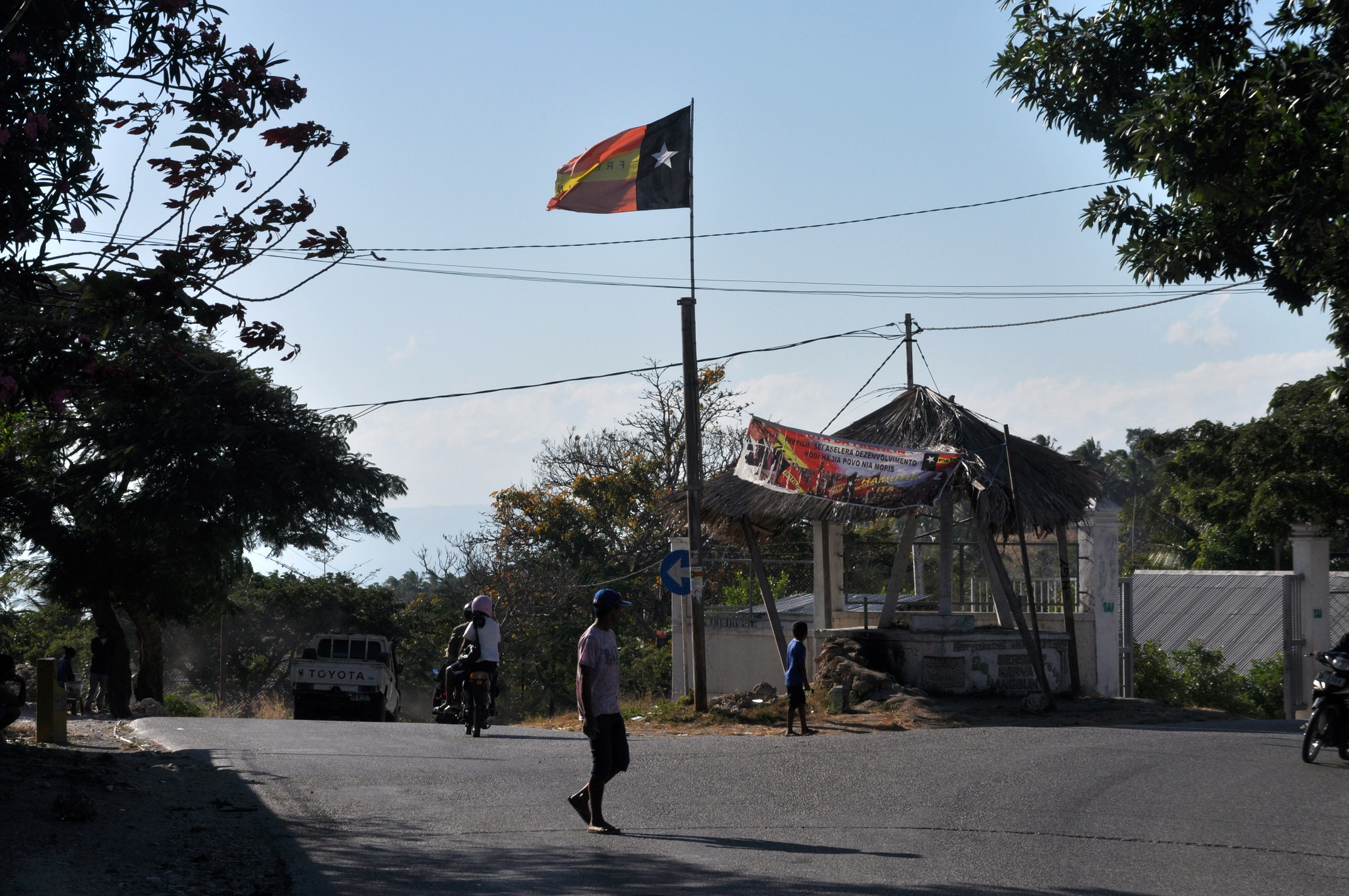
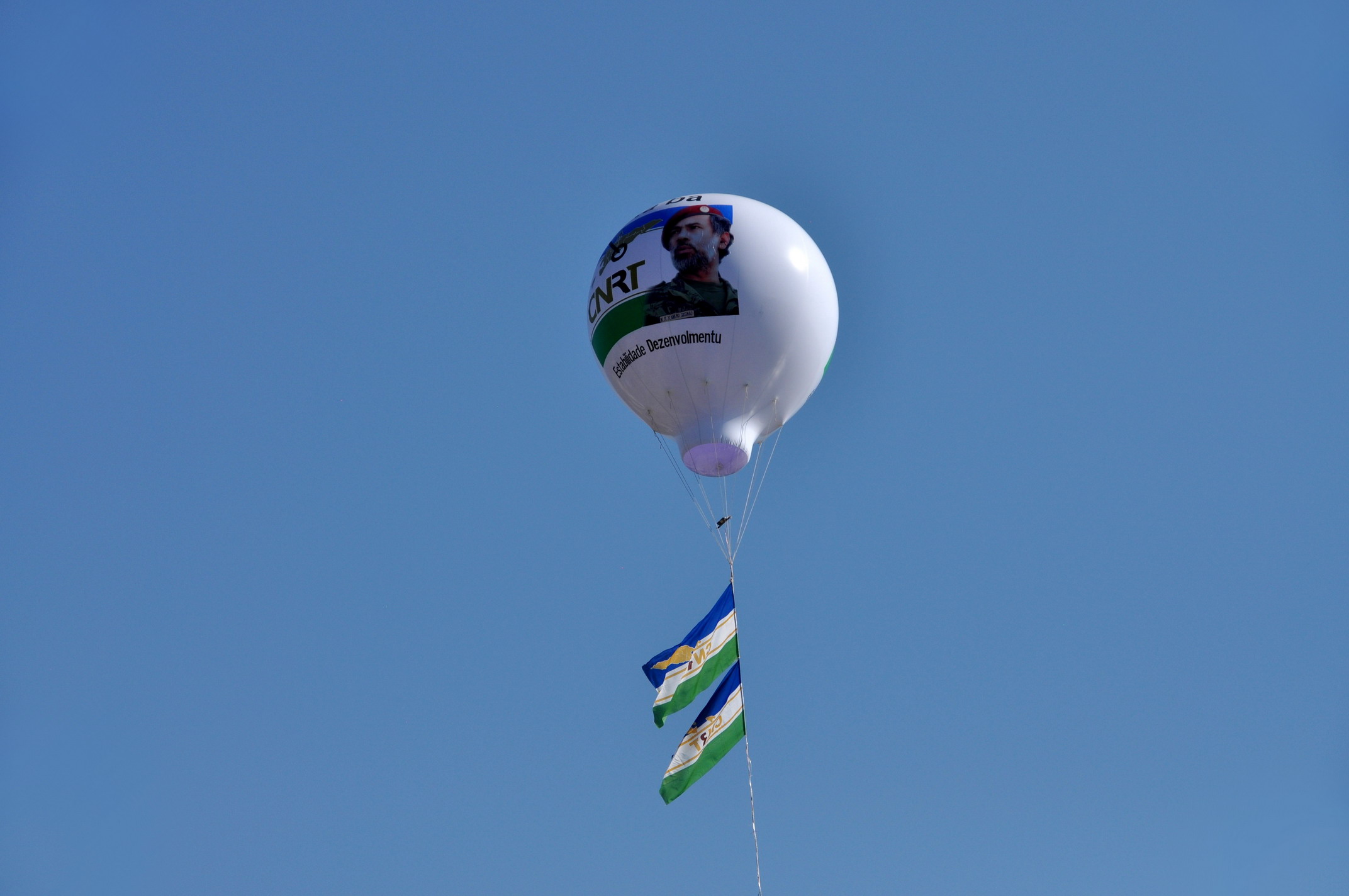
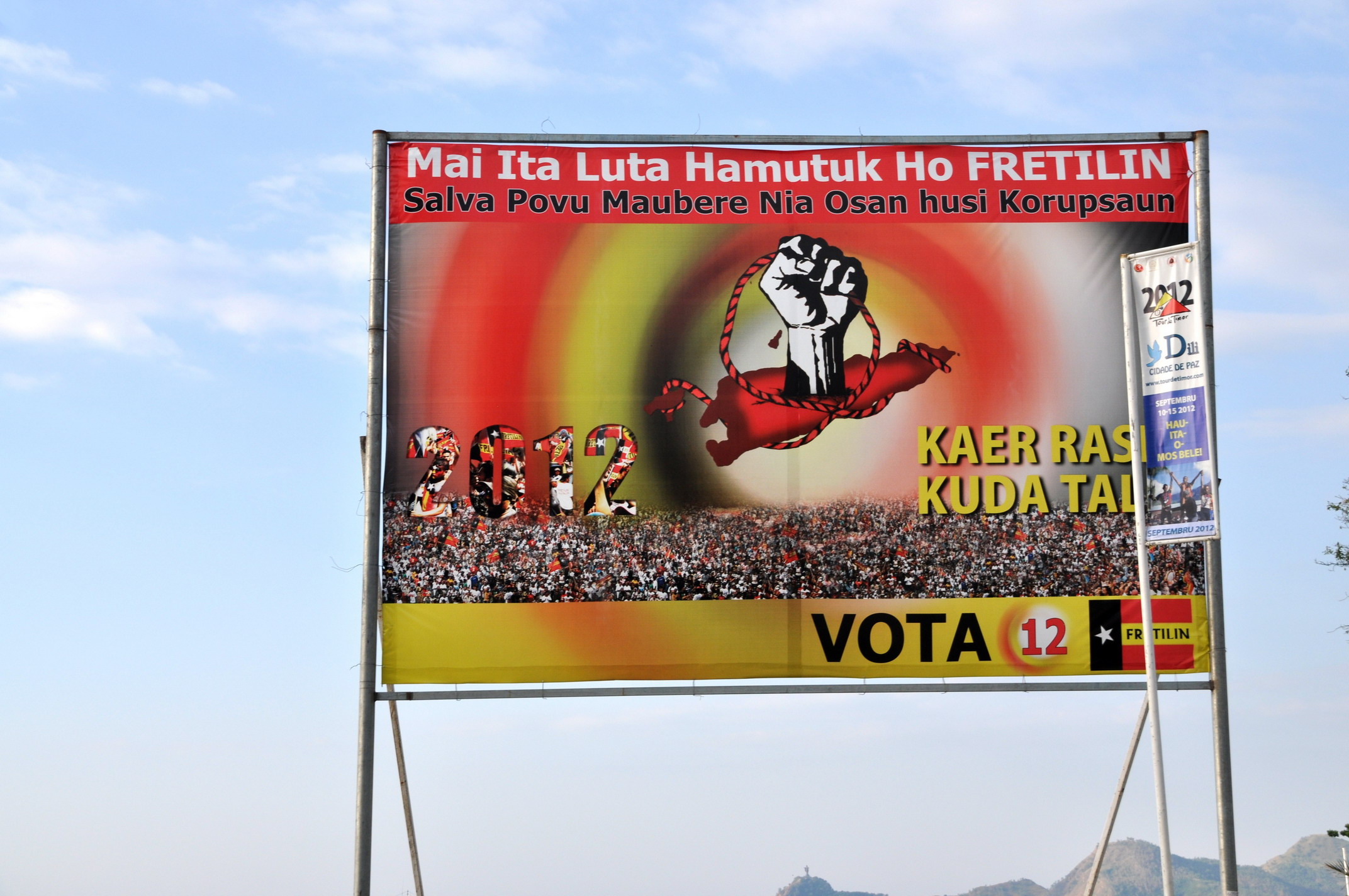
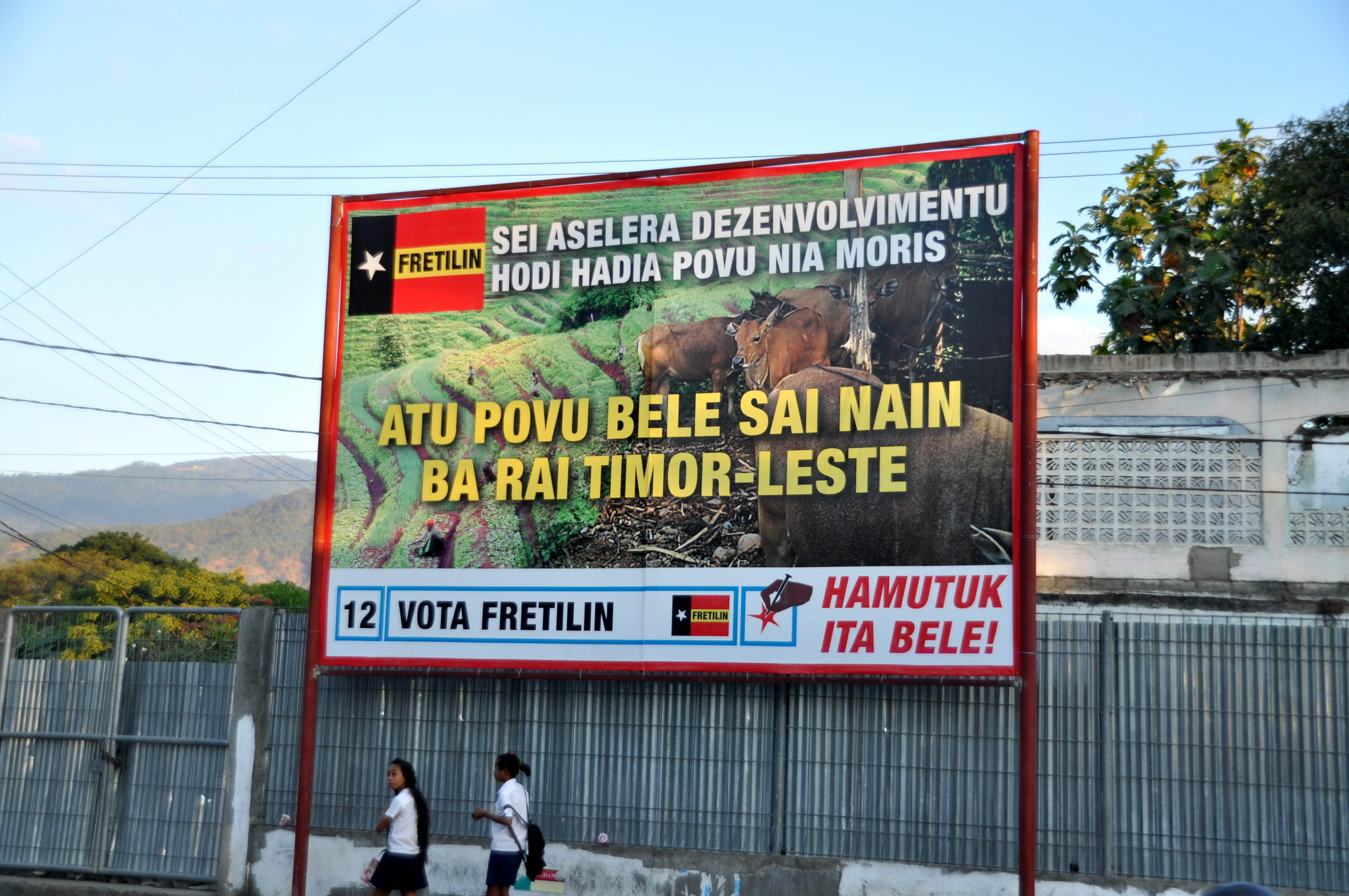
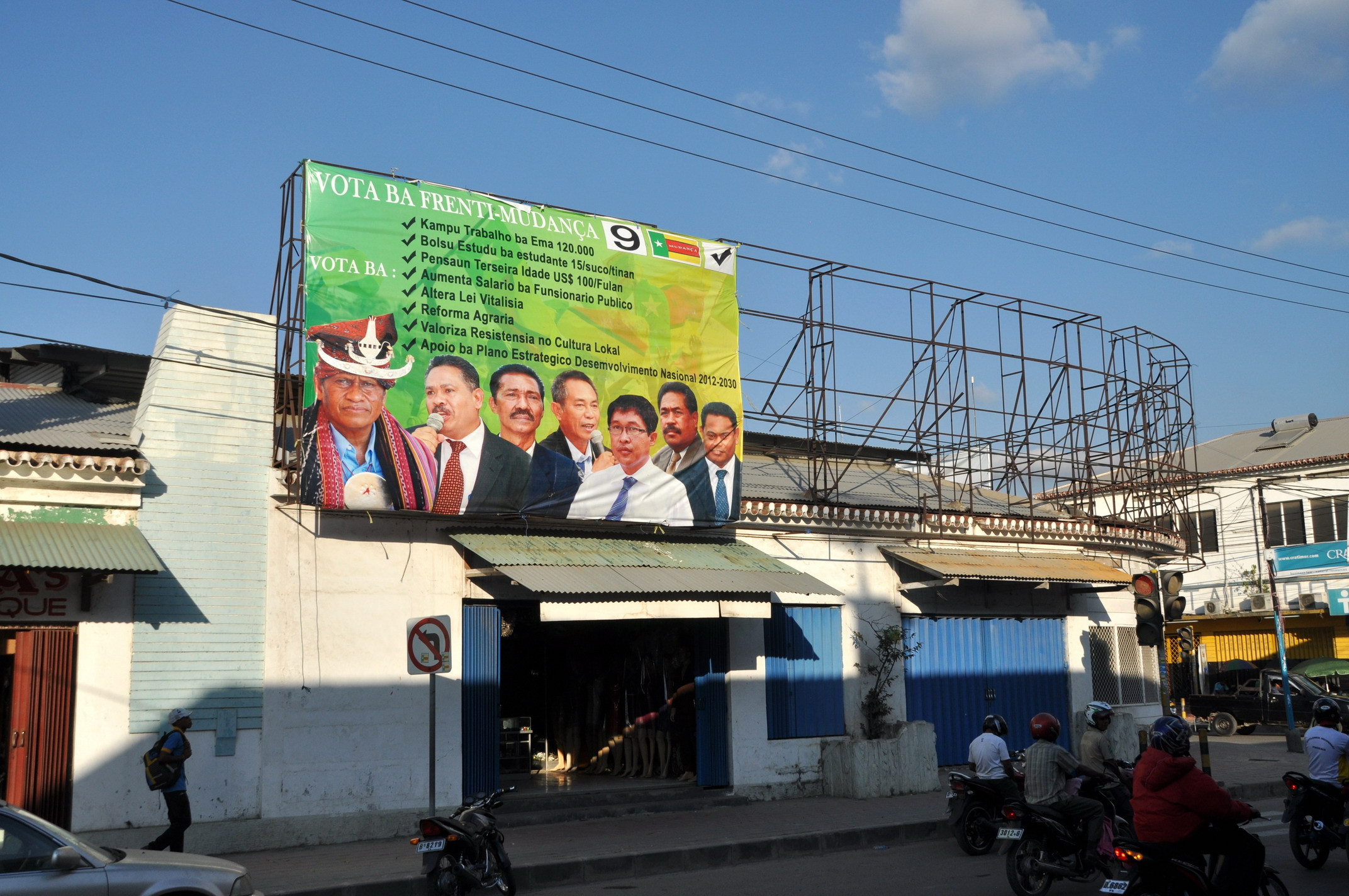
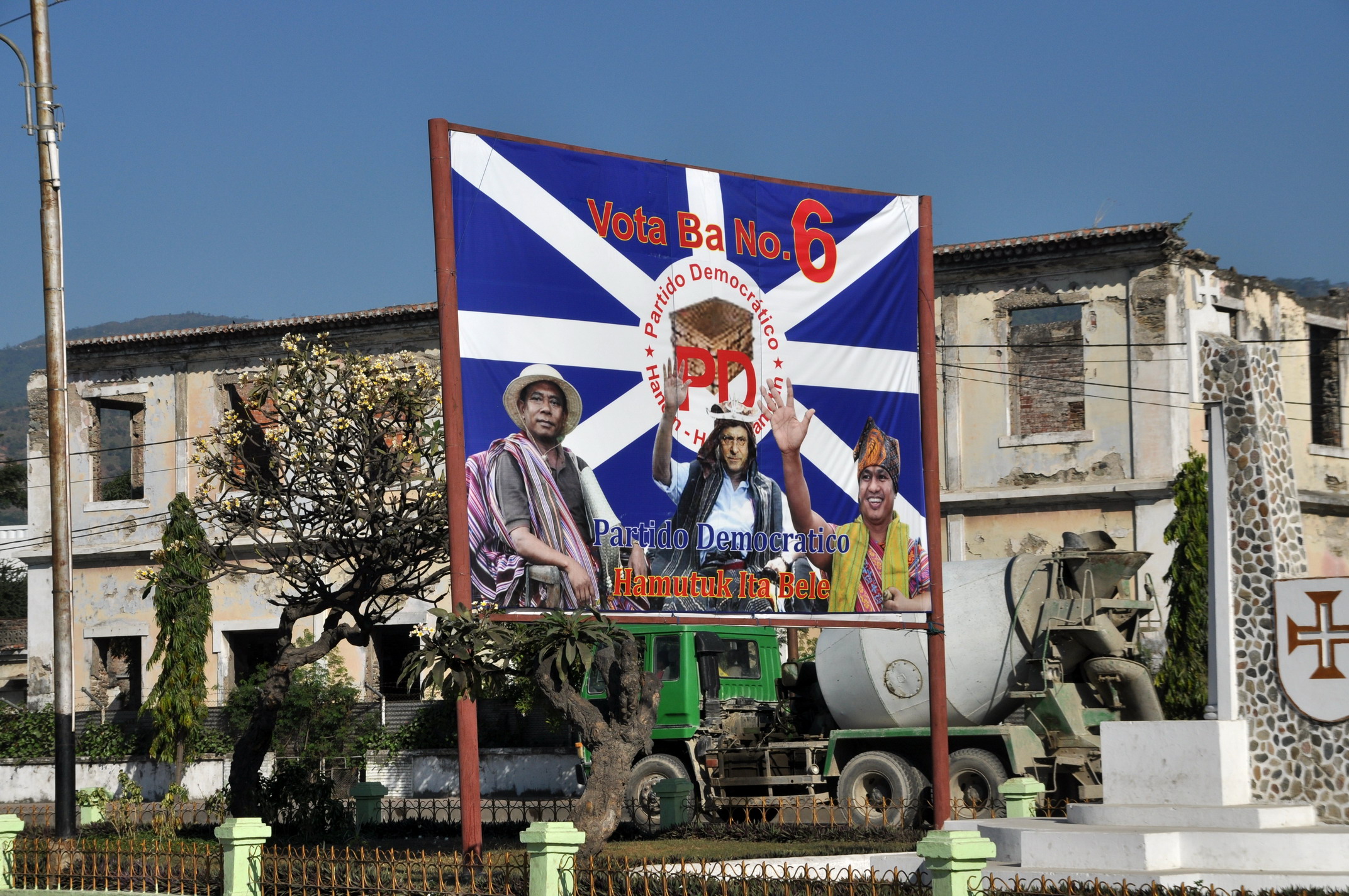
The political advertising really surprised me. Nearly every example had negative associations for me. In one advertisement for the local ruling party, the outline of the country was red, pierced by a fist holding a rope. What were the designers thinking when they drew it? Or were the conventions entirely different here? And who drew that beast on the party's banner? The rest of the field didn't look especially tempting to vote for either.
I flew back on the same flight to Darwin. As I flew, part of me regretted how little time I'd had and another part was pleased to trade my impression of the Middle Ages for modern Australia again. In any event, I was glad I'd gone. It was an unusual country, and an experience that made me think about how the world works.