Trip report
The Baltic Spit
In the late Soviet years the Curonian Spit, north of Kaliningrad, or Königsberg, was all the rage. It was proclaimed a unique wonder. You couldn’t even spit on it, the story went, without upsetting the natural balance and having the whole thing wash away.
There are plenty of spits like it all over the world, including Russia. Quite a lot of the Arctic Ocean coastline consists of spits. They really do shift, appearing quickly and disappearing just as quickly. It’s a natural process and hard for people to stop. In Christchurch, New Zealand, they built a whole town on one. Children and dogs have run all over it. They’ve built promenades, and nothing awful has happened.
In the more settled part of Russia, though, there are only two such spits. One is the Curonian and the other is the Baltic, also known as the Vistula Spit.
The second, on the Polish border, was a tightly guarded border zone, an airfield and an air-defence base. You weren’t even allowed to mention it, much less go there for a camping holiday.
The Curonian Spit was a border zone too, though less strictly guarded. It was made into a nature reserve, with fences and prohibition signs everywhere. Those restrictions were still in force at the time of my trip. There was even an admission charge by then. Tents were forbidden except in a couple of small designated campsites.
In the summer of 2012 work took me to Königsberg many times. I made the most of every trip. I’d rent a car and drive around the old Prussian towns. I camped on the Curonian Spit, then found out that Russian citizens could now visit the Baltic Spit freely. That gave me the idea of walking as far down the Baltic Spit towards Poland as I could.
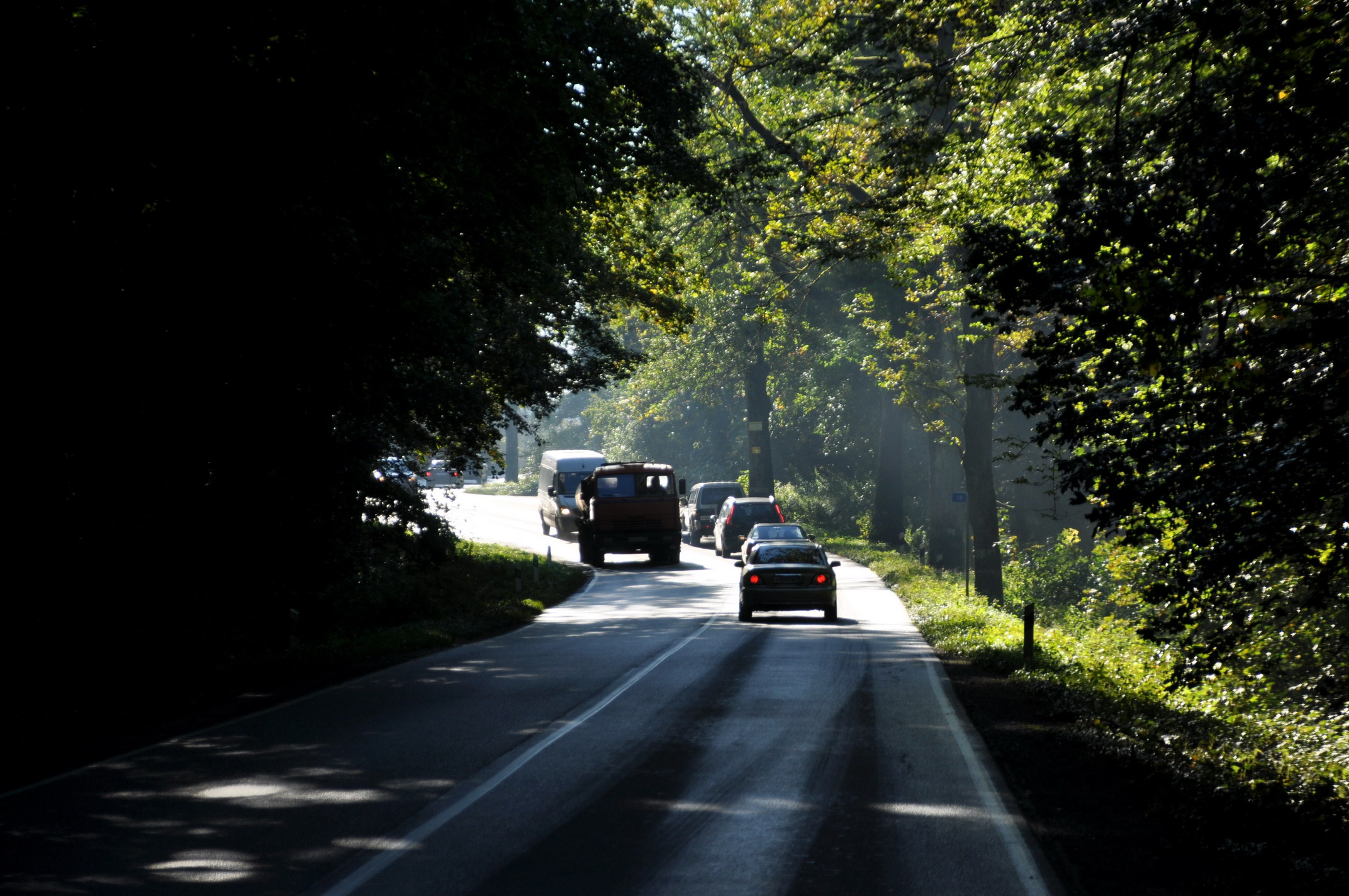
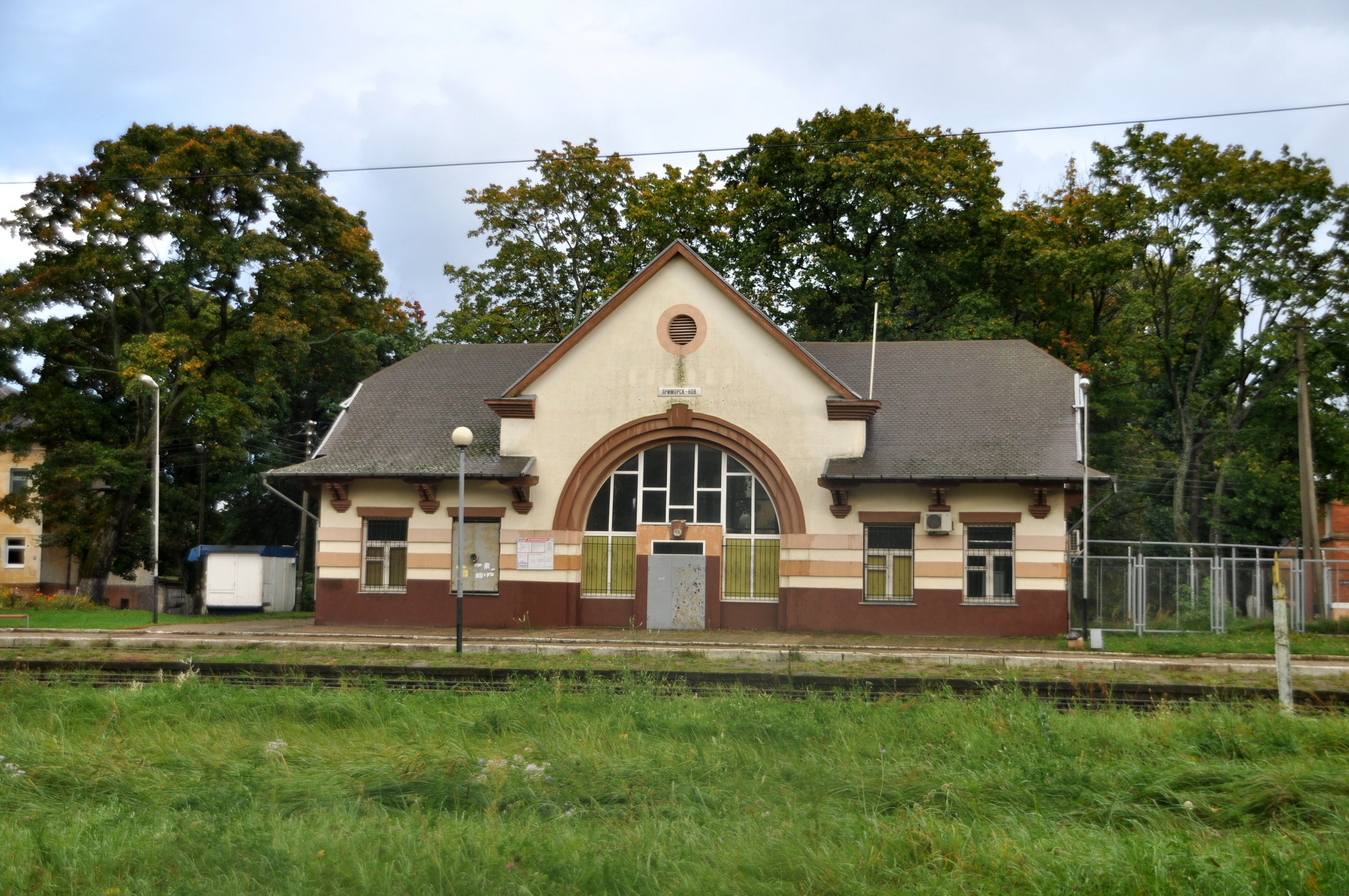
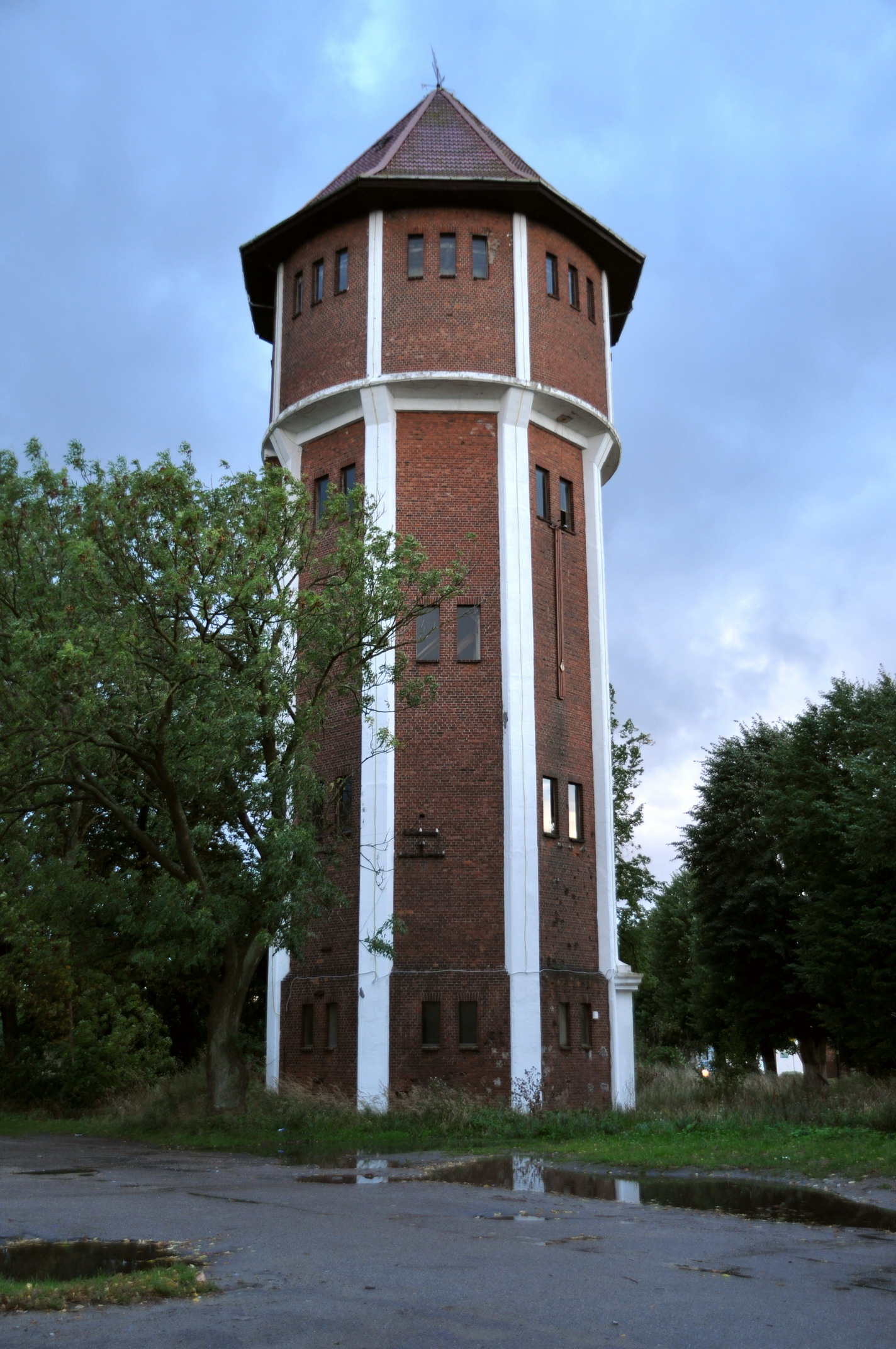
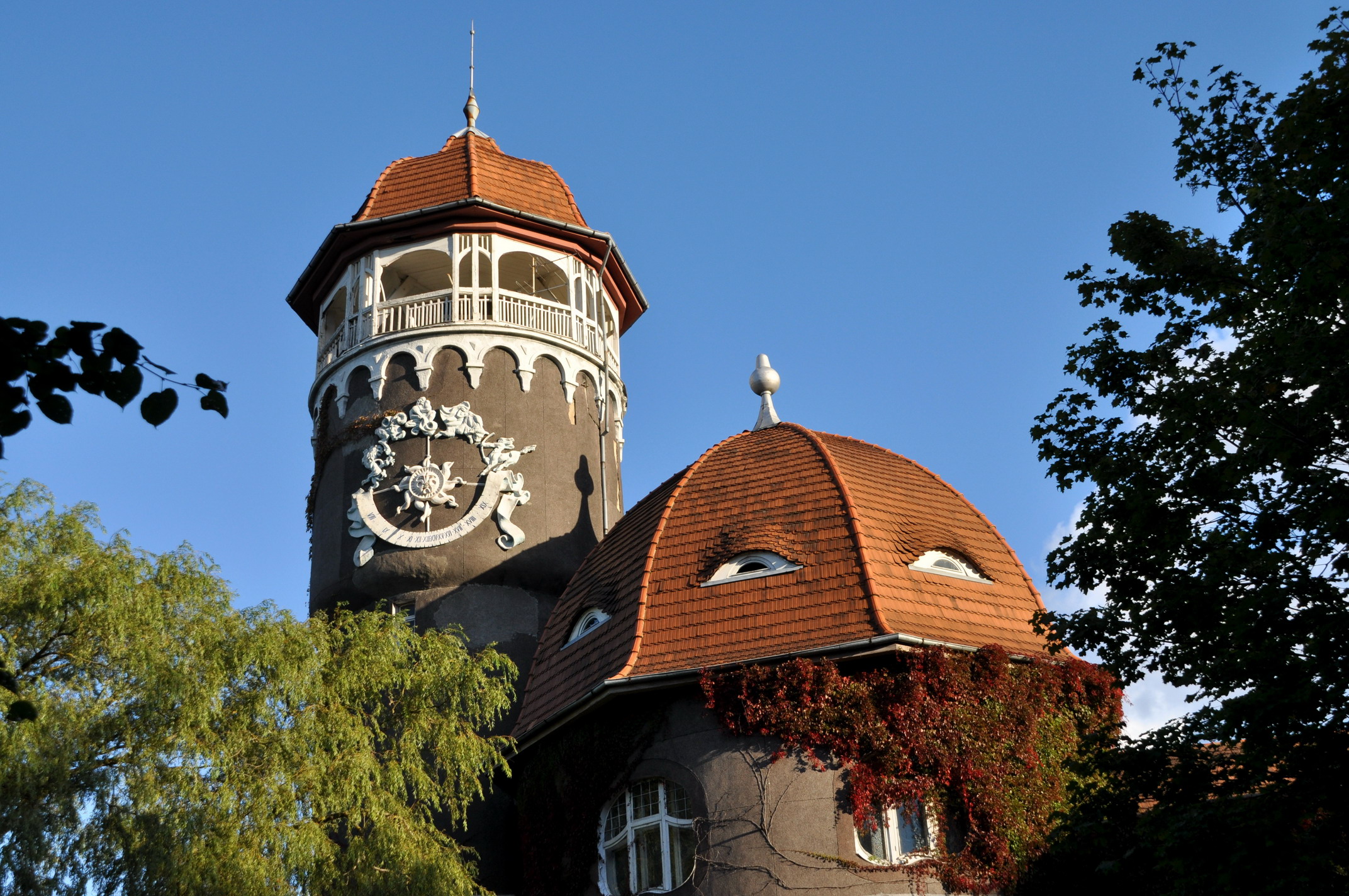
Across the strait
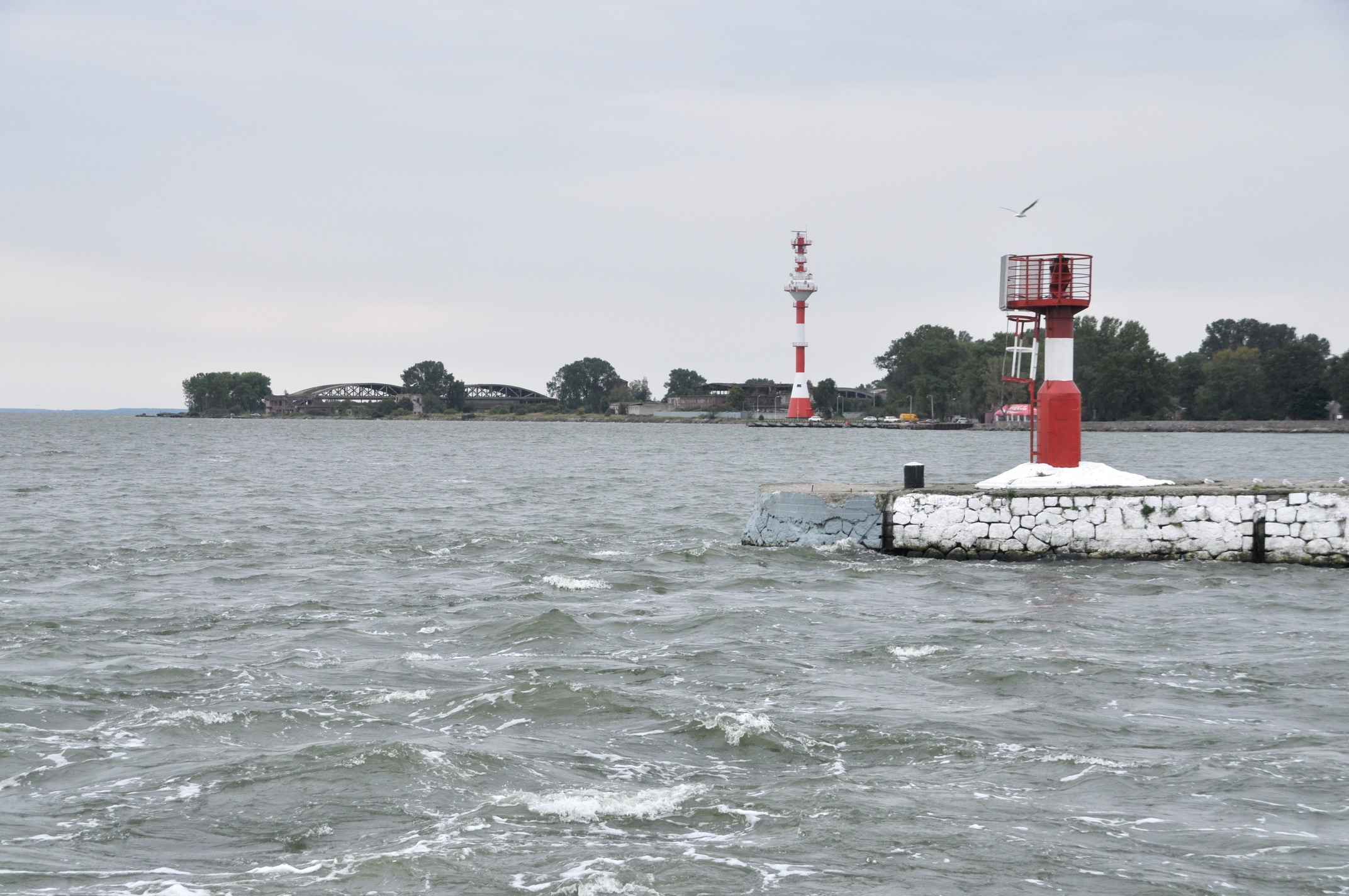
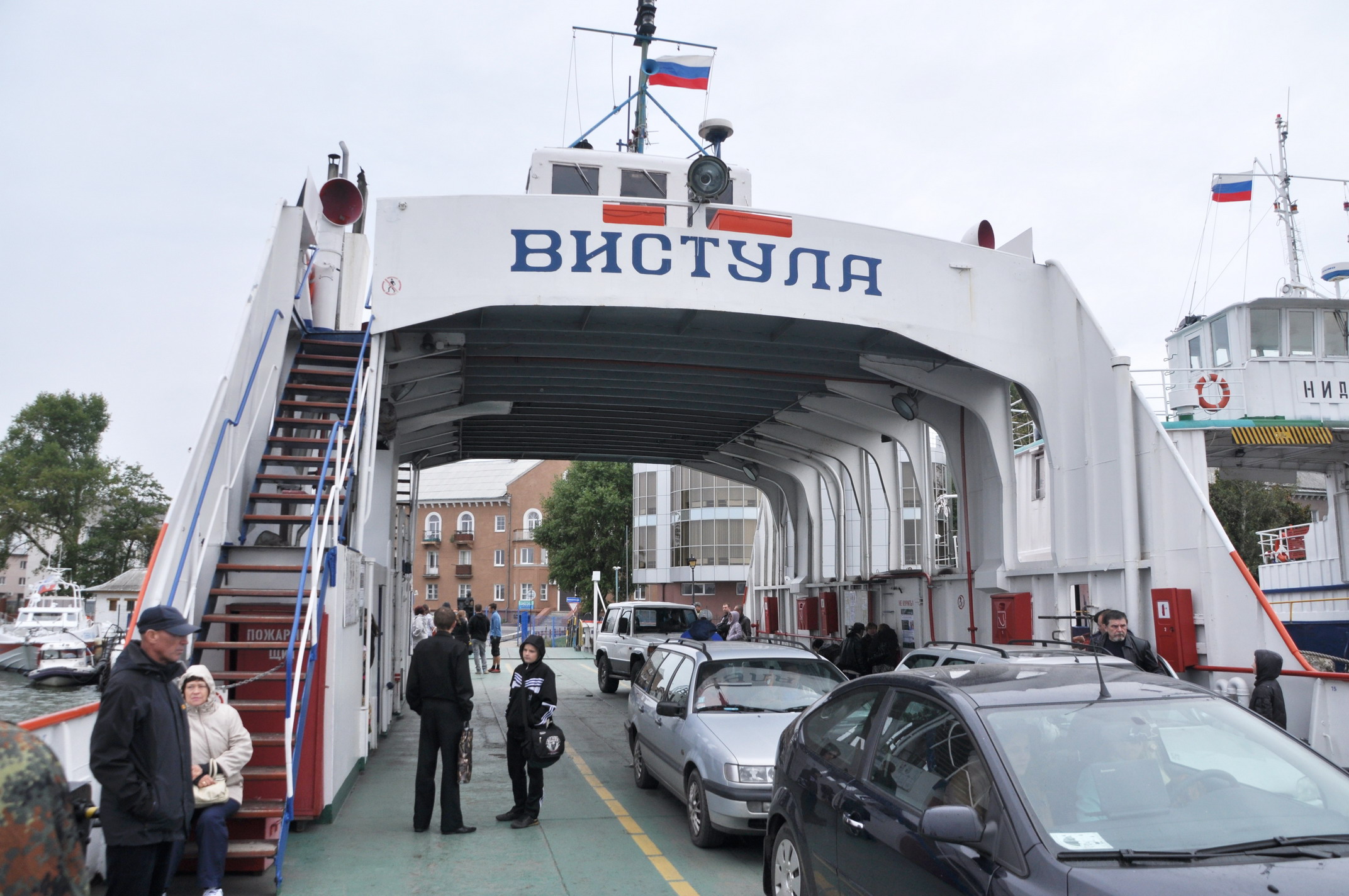
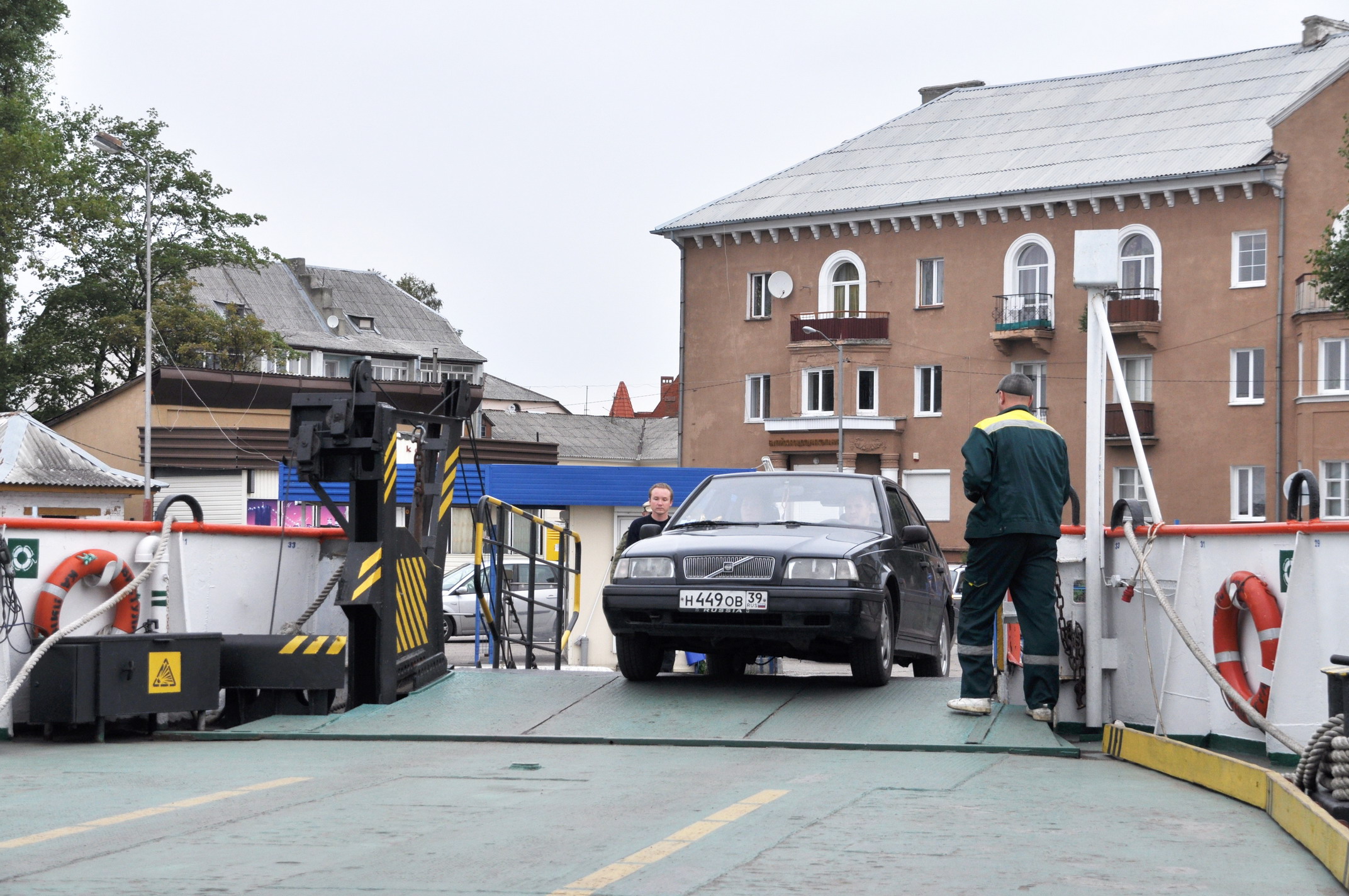
The Russian part of the spit is cut off by a strait. You could cross on the ferry from Baltiysk, formerly Pillau. The ferry ran about every two hours. You could take a car, though there wasn’t much point. Without a powerful four-wheel drive you could only drive a few kilometres from the ferry. Farther on an S-300 air-defence installation blocked the road. It was highly secret, so going through the base required a special permit from the FSB. Walking around the fence was easy, though, and didn’t actually break any law at the time. The border zone began three kilometres from Poland.
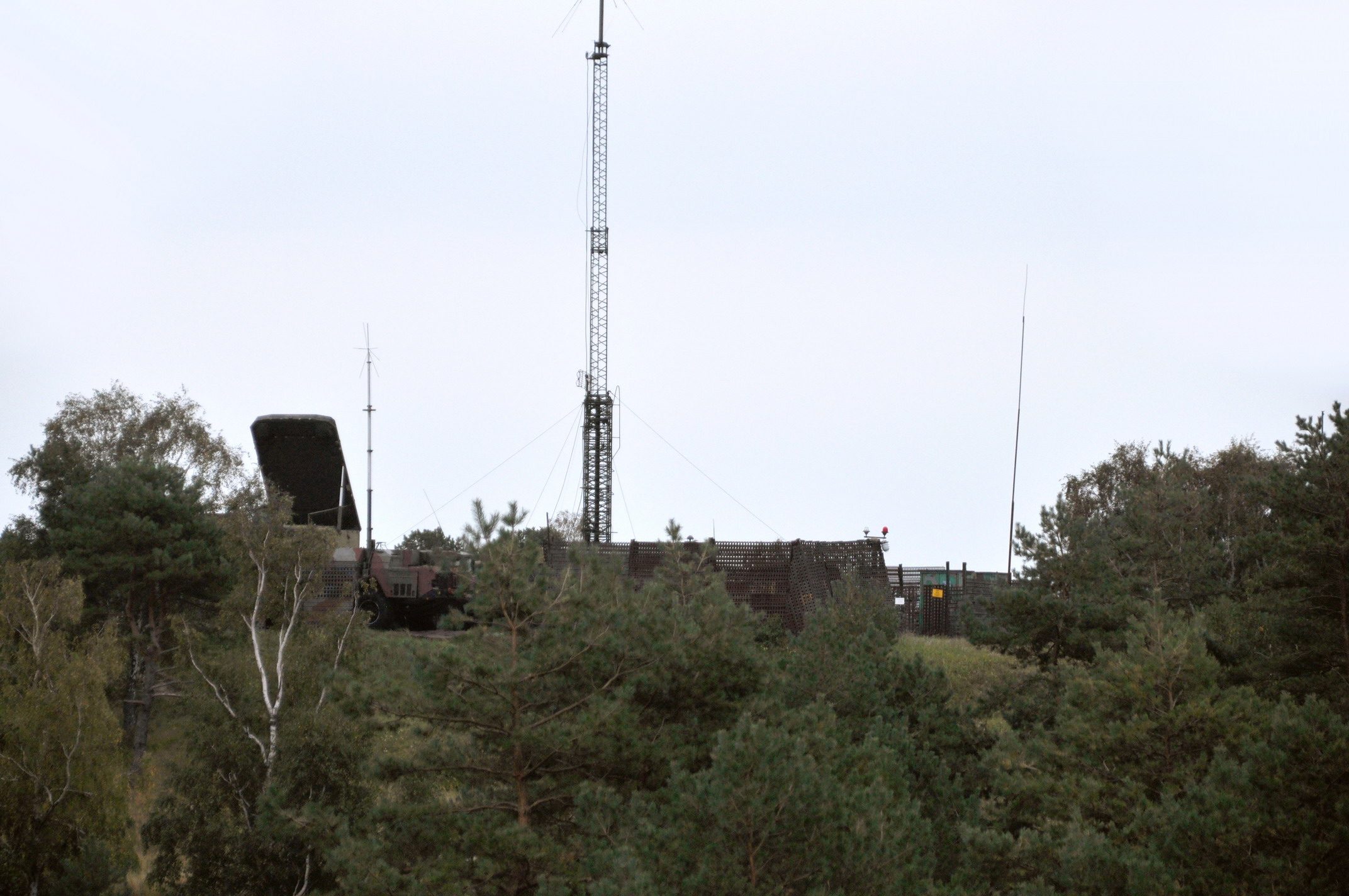
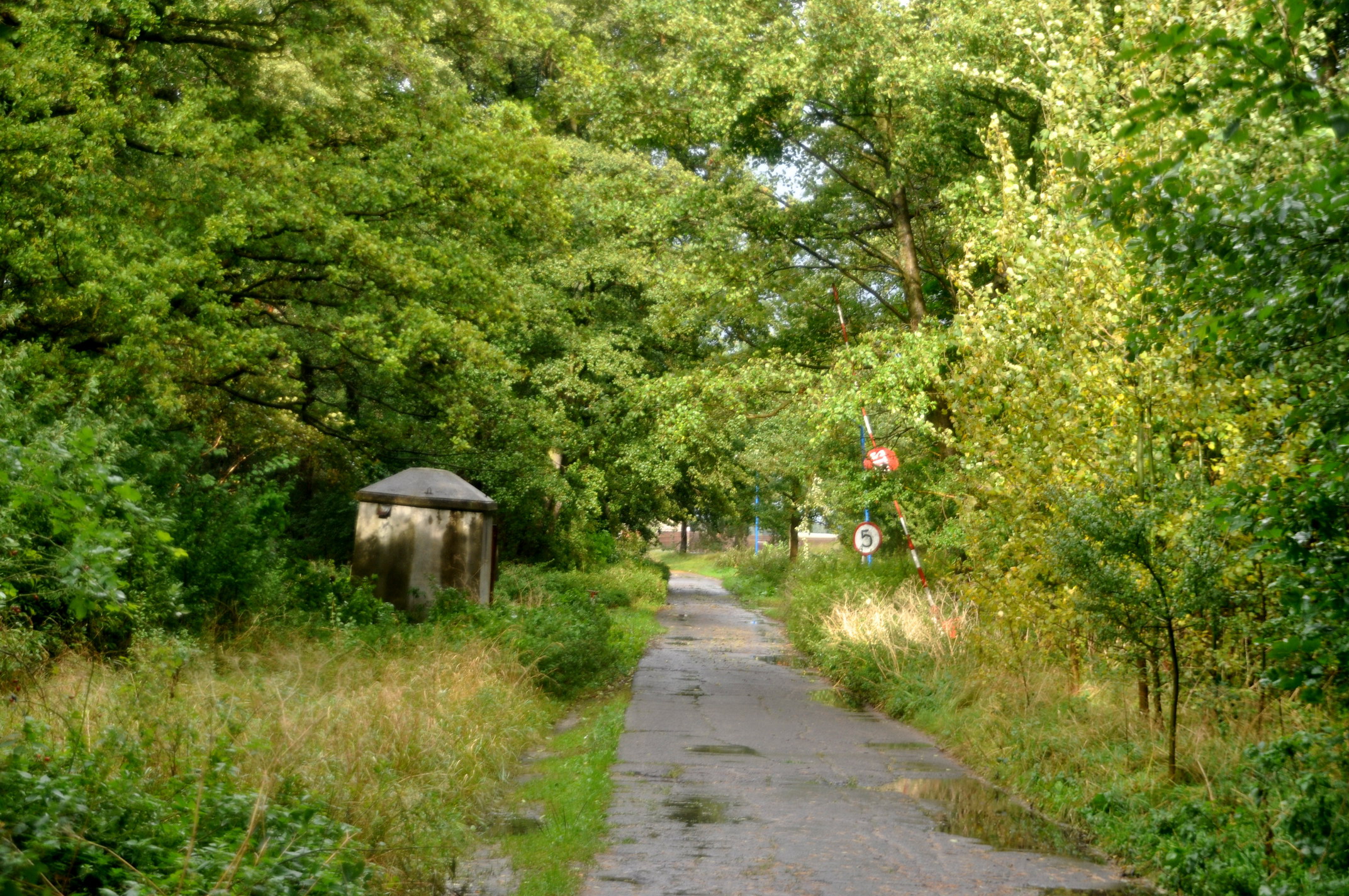
Beyond the base a decent road ran along the spit. There were turnings down to the sea and cosy camping spots, but, sadly, these were only for people who could cross the base, usually officers stationed there, border guards and a handful of locals. A car came along about once an hour, so hitchhiking was possible.
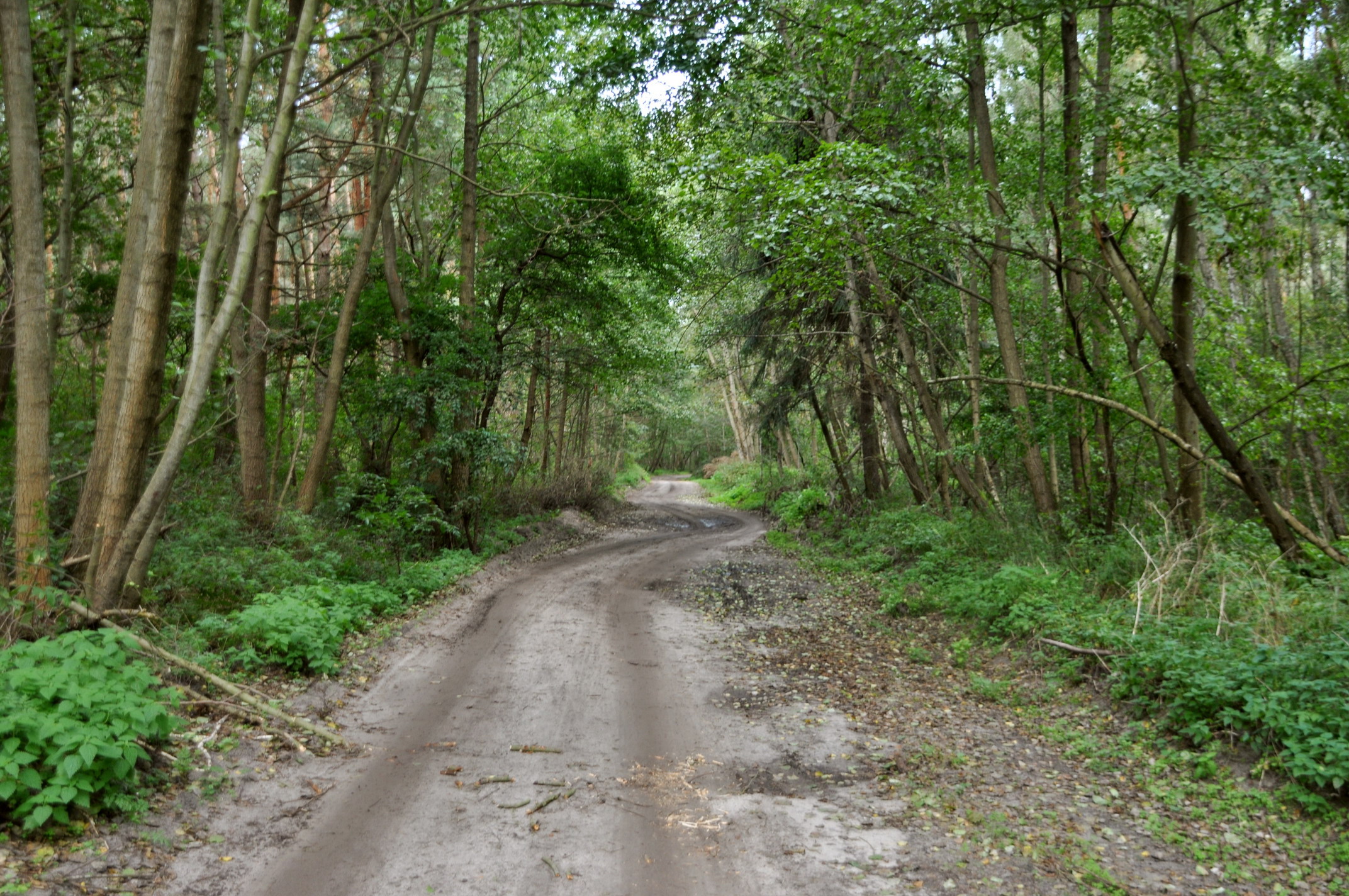
In a good four-wheel drive it was technically easy to get over the coastal dunes and drive along the beach on the seaward side of the spit. Driving on the dunes was supposed to be forbidden. Signs everywhere warned of a 5,000-rouble fine, although it wasn’t clear who would enforce it, or even what counted as a dune. It took quite a stretch of the imagination to call the beach itself a dune.
I left the car behind and went on foot. I didn’t want to break the car, and I had to be at work early on Monday. There was no time for adventures. My own two feet seemed a safer bet.
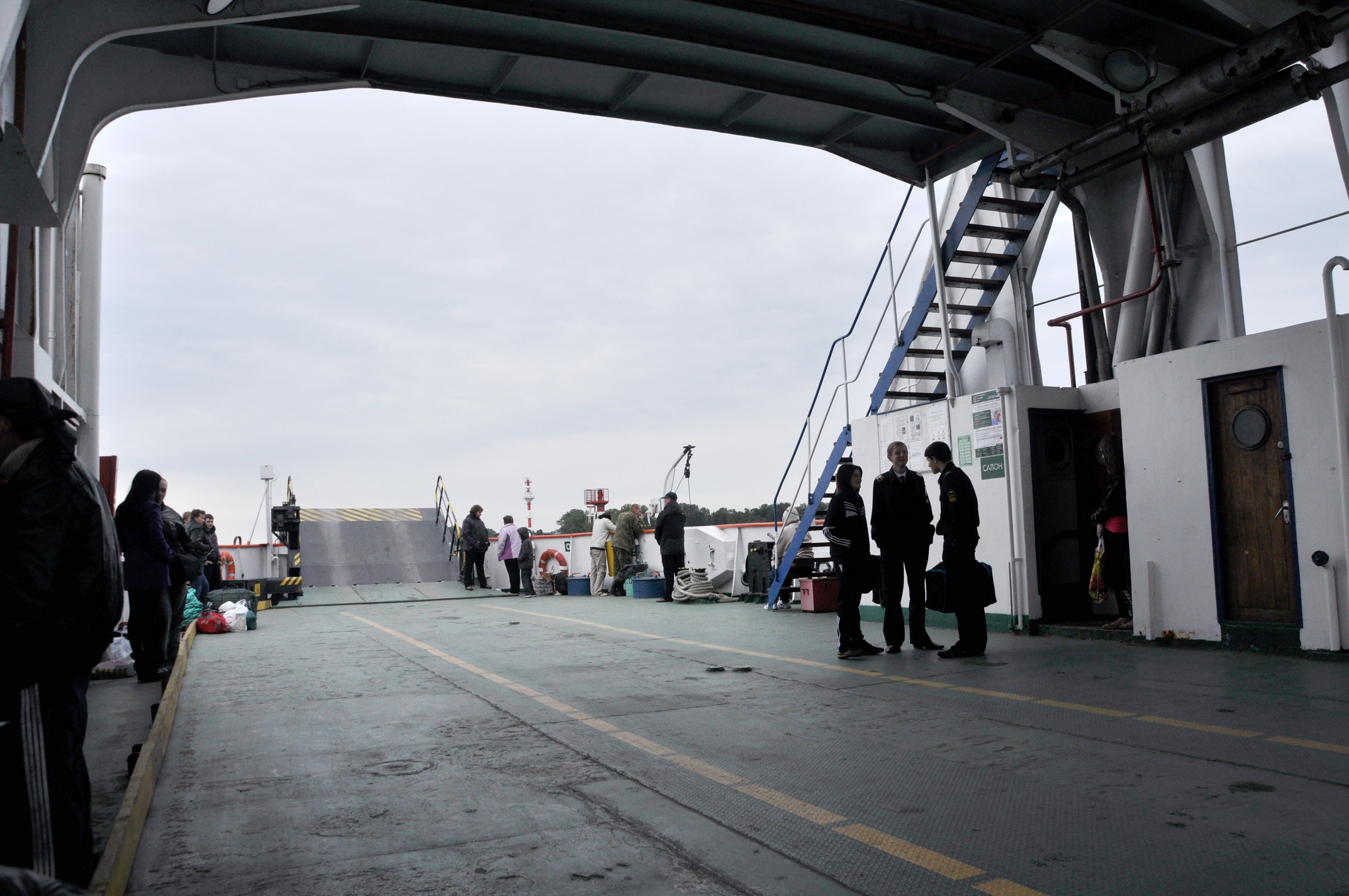
It took ten minutes to cross the strait. There was a guard of some sort at the ferry entrance, but everyone was let through without even being asked for papers. A small settlement near the landing had a shop that was open.
The old airfield
There was once a large airfield here. There’s an account of the airfield and a saved copy of its main page.
The Germans built it back in 1939. It was state-of-the-art for its day. It had a heated runway and even a seaplane harbour with heated water, to keep it from freezing in winter. Steam was released through pipes below the surface.
The spit was heavily fortified. The shores are full of wrecked pillboxes and other concrete defences. You can see where the guns were mounted. Heaps of twisted concrete everywhere.
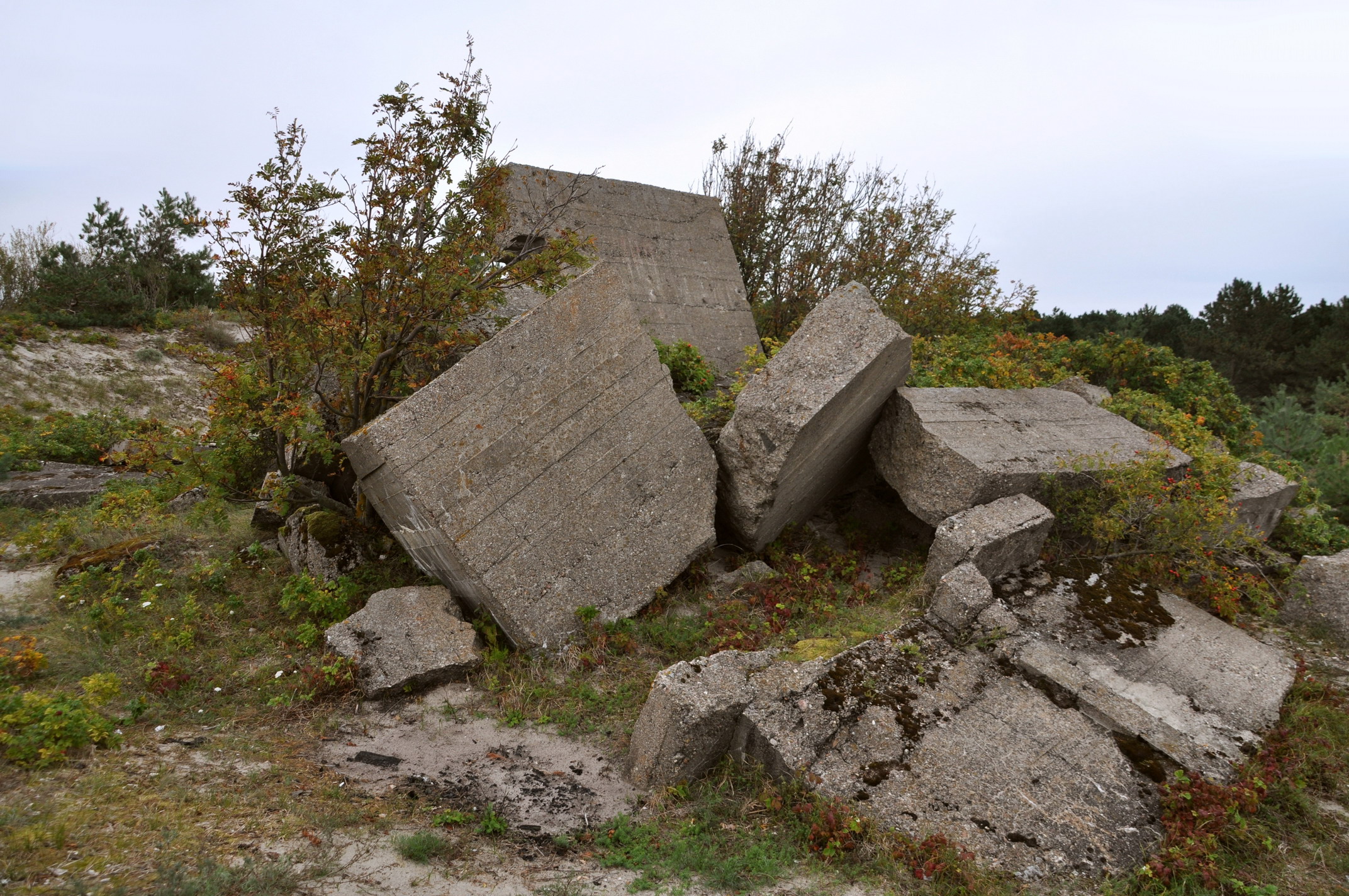
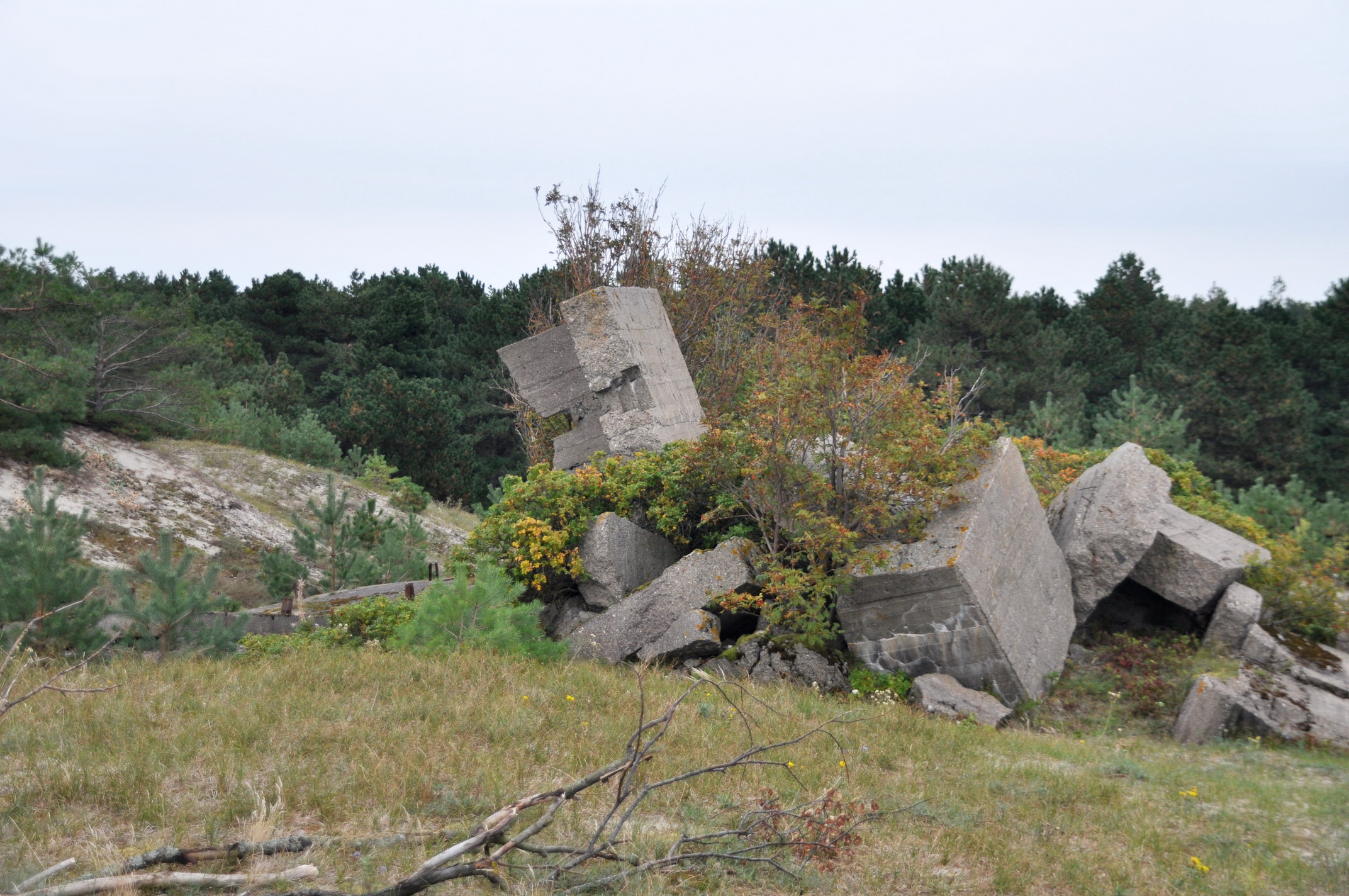
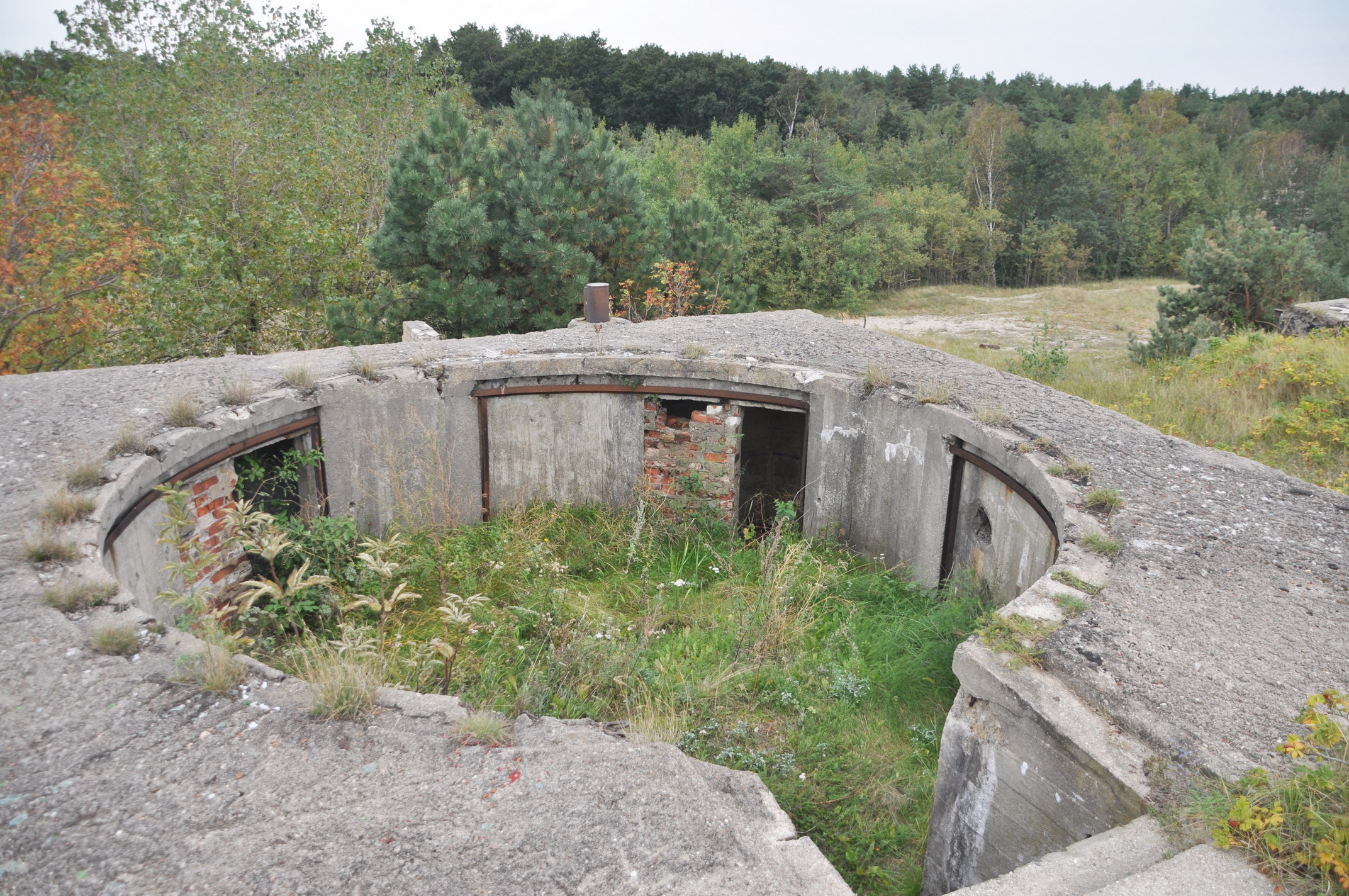
They took the spit by storm in 1945. A great many men were lost. The Soviets later used the German airfield as a base of their own, which lasted into the new Russia. It was disbanded in 1998. That’s when ordinary people could get onto the spit.
By then the runway and taxiways had become overgrown with trees. The huge aircraft hangars were still standing, though stripped by scrap-metal hunters.
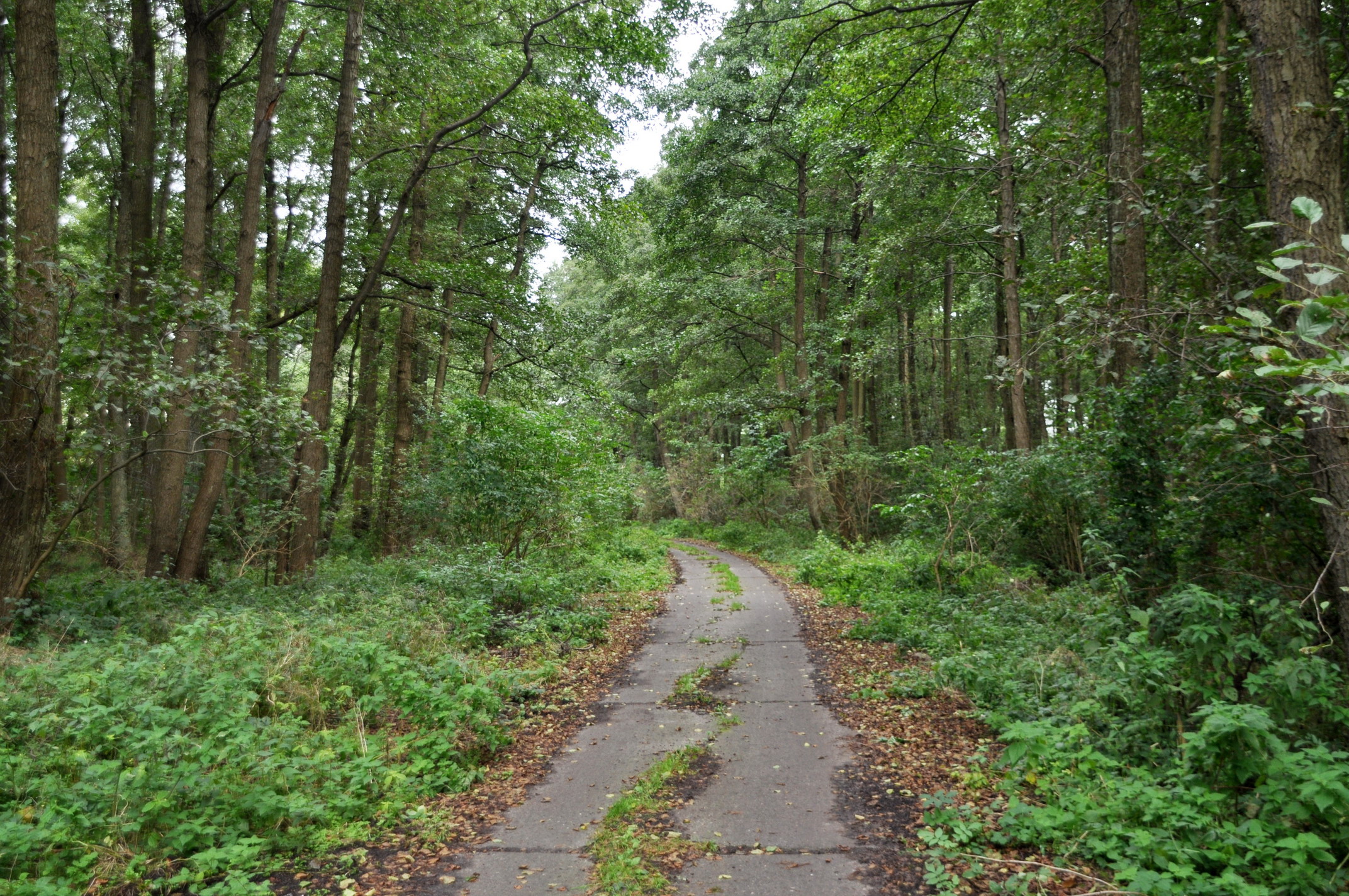
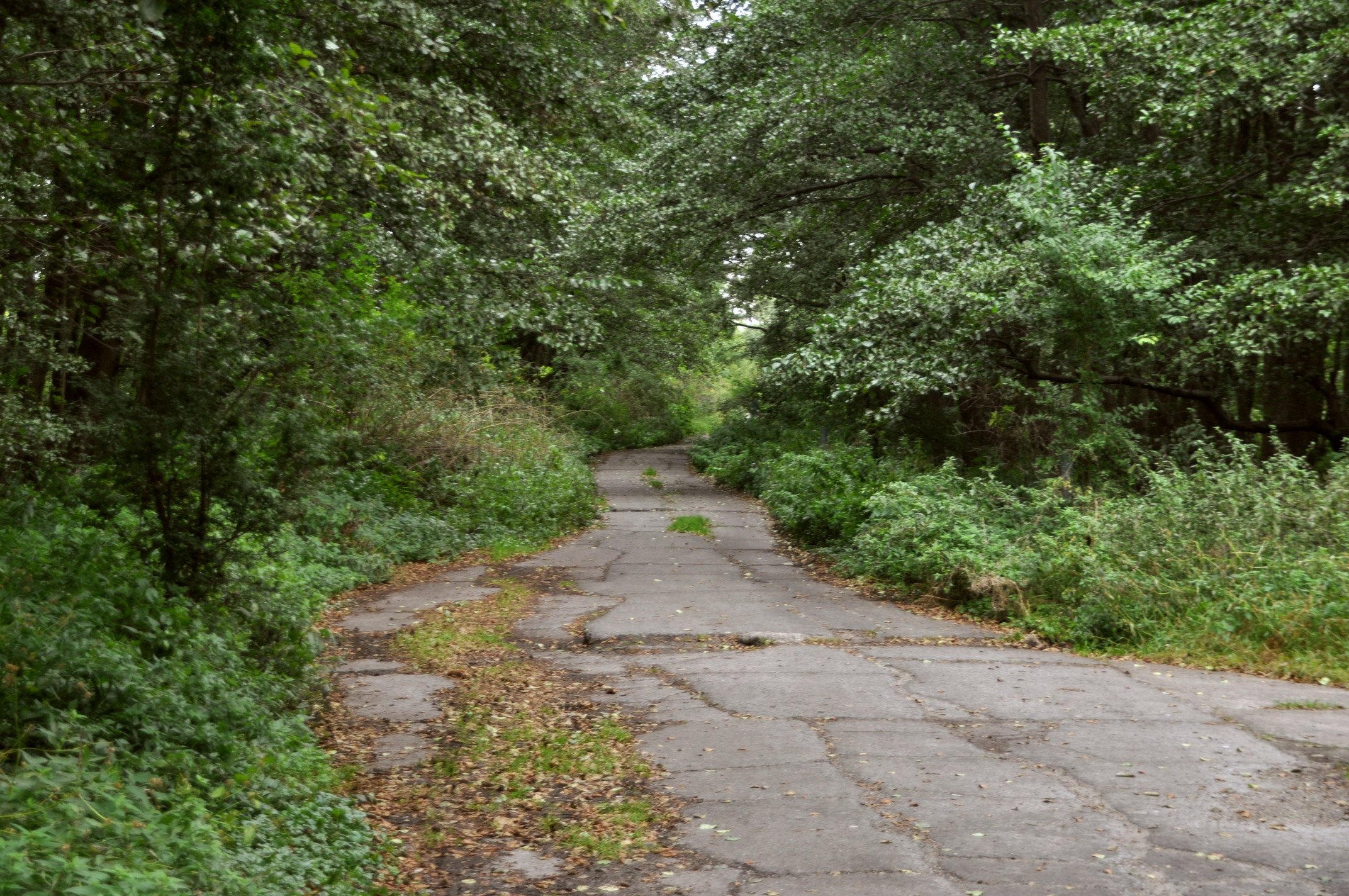
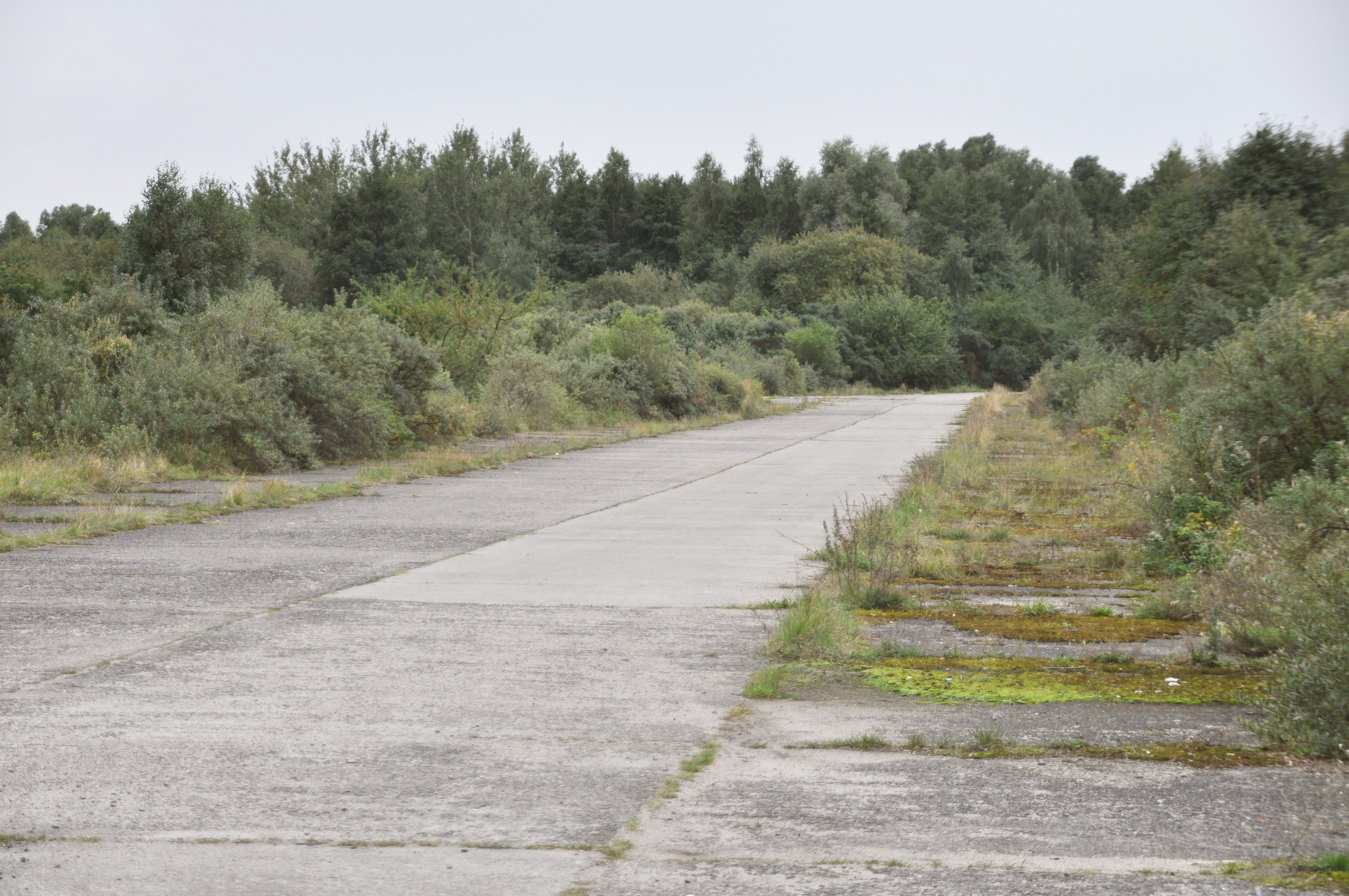
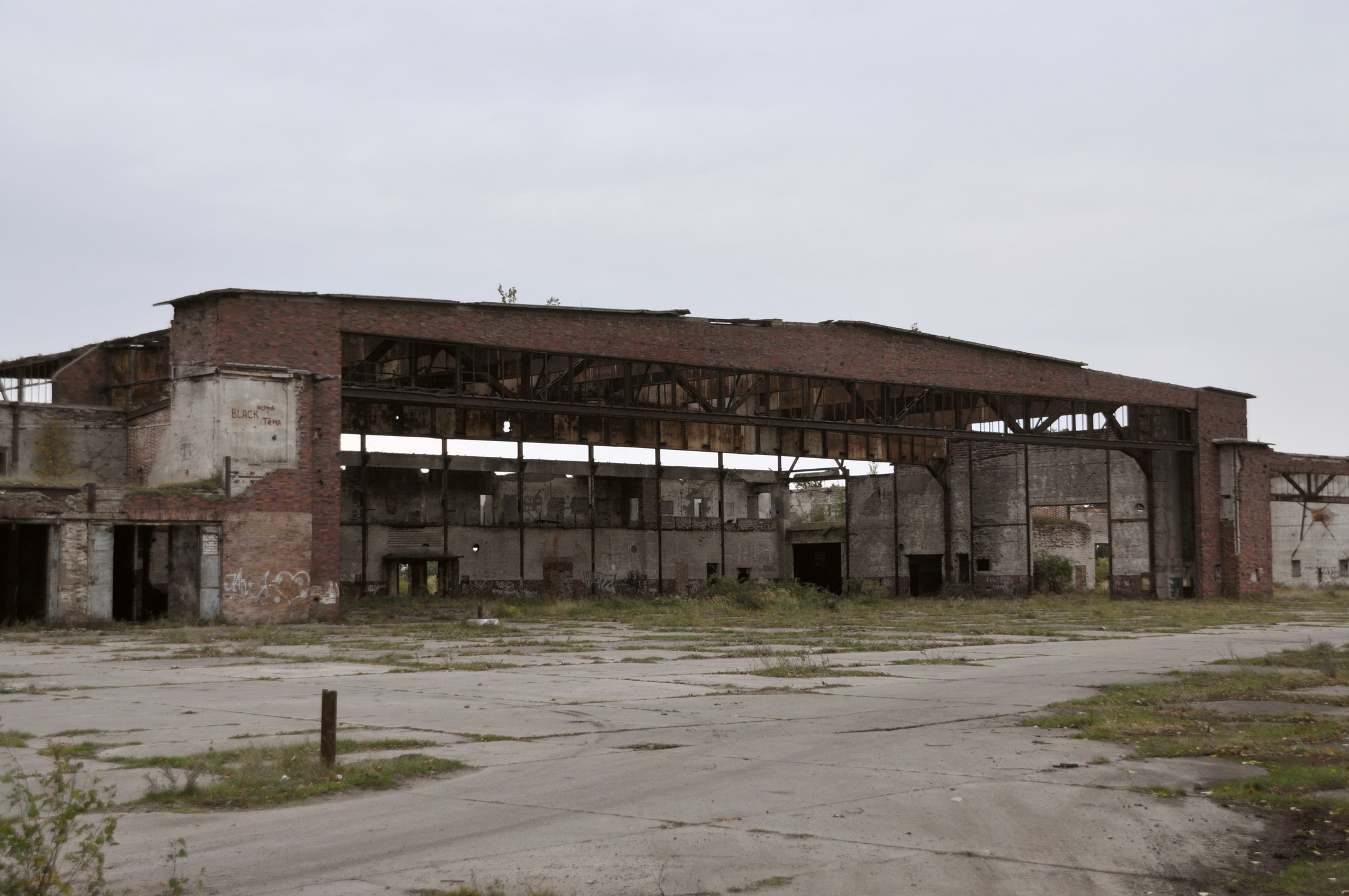
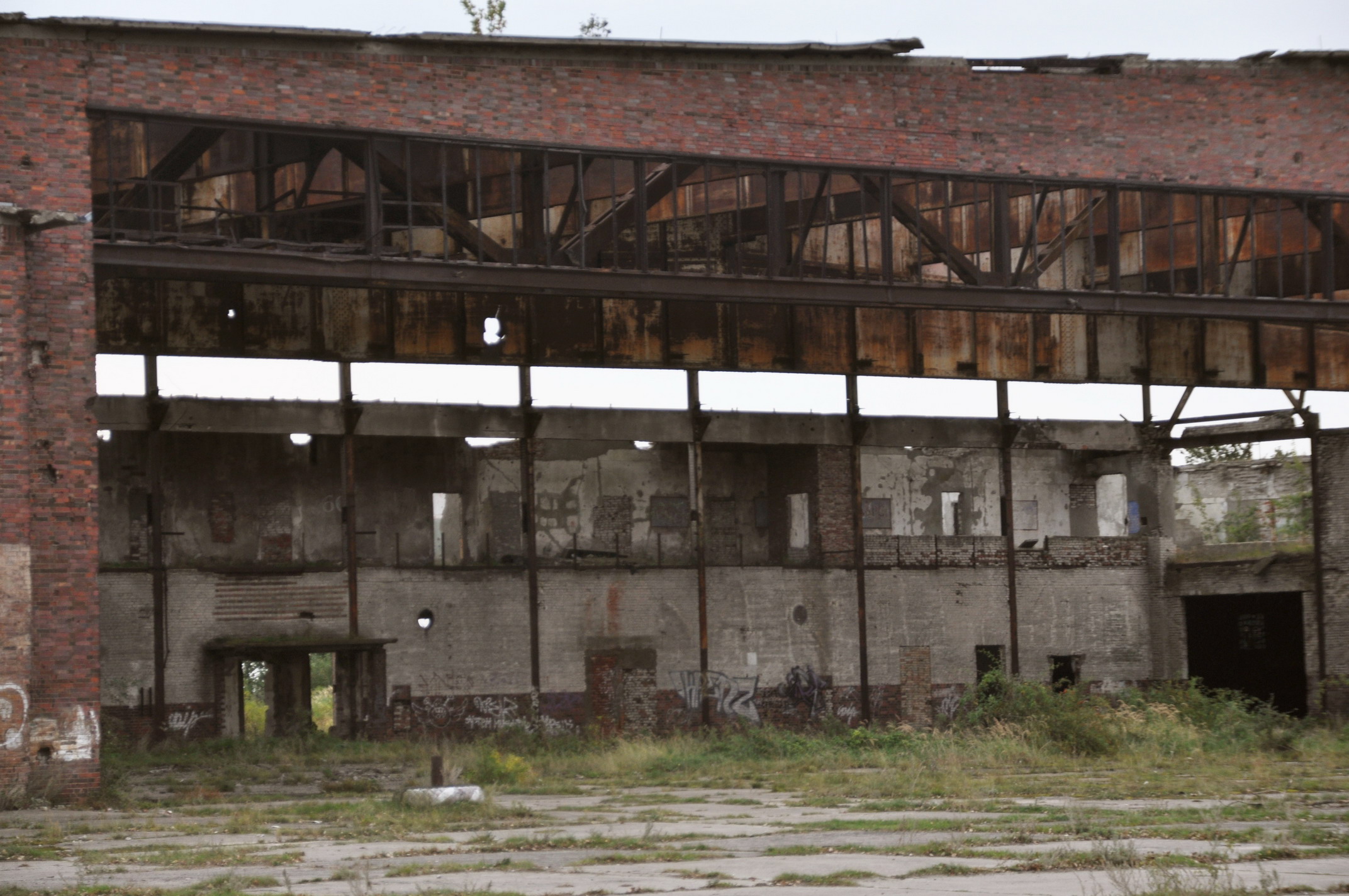
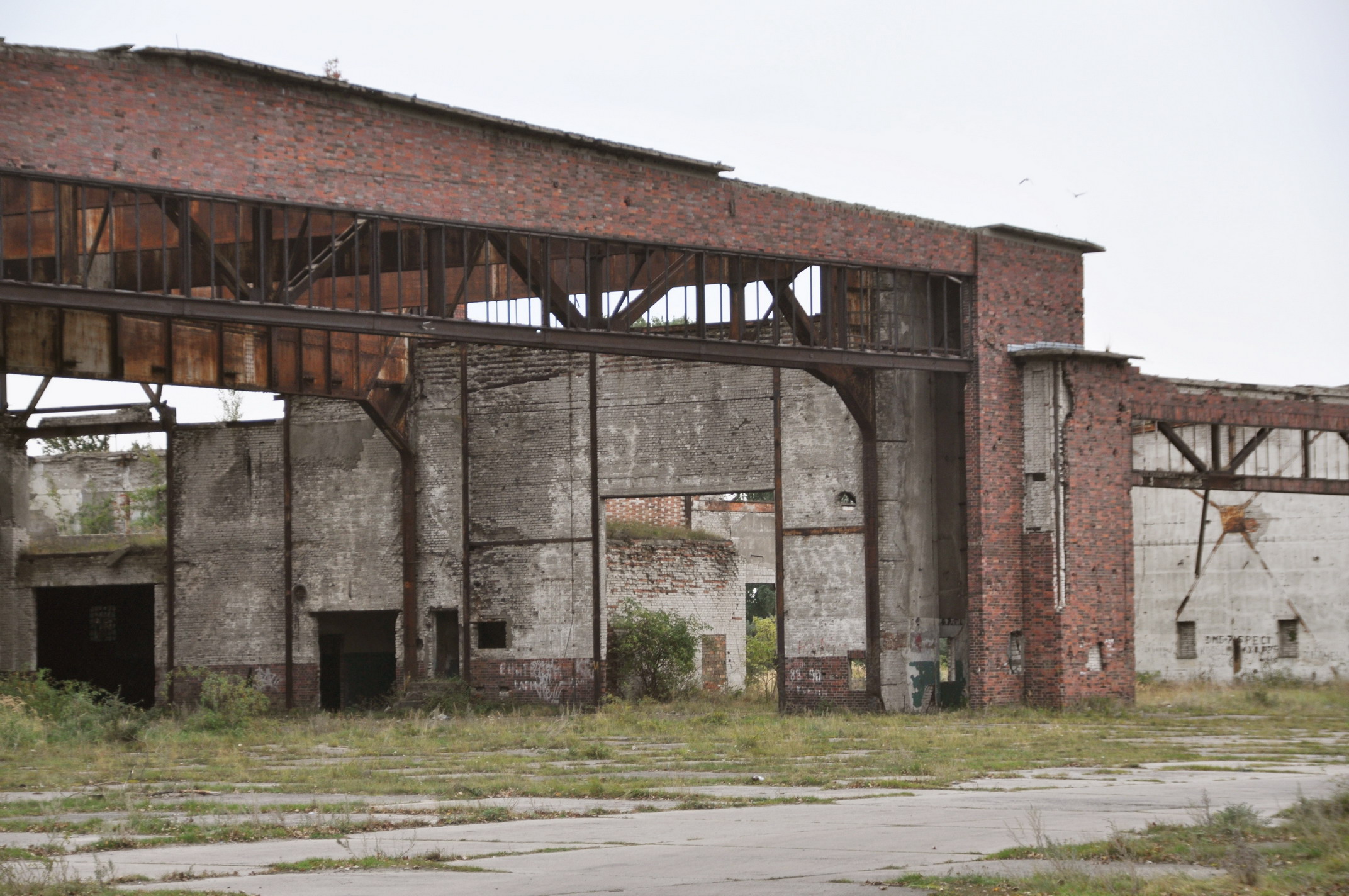
The German walls still stood. The Soviet ones were already falling down.
The cheering thing was that the fences had fallen and you could poke around everywhere, through the airfield and the fortifications, even in the border watchtowers. So much of so many lives had been wasted there on pointless duty. In the end it turned out they could shut the whole thing down and nothing would happen.
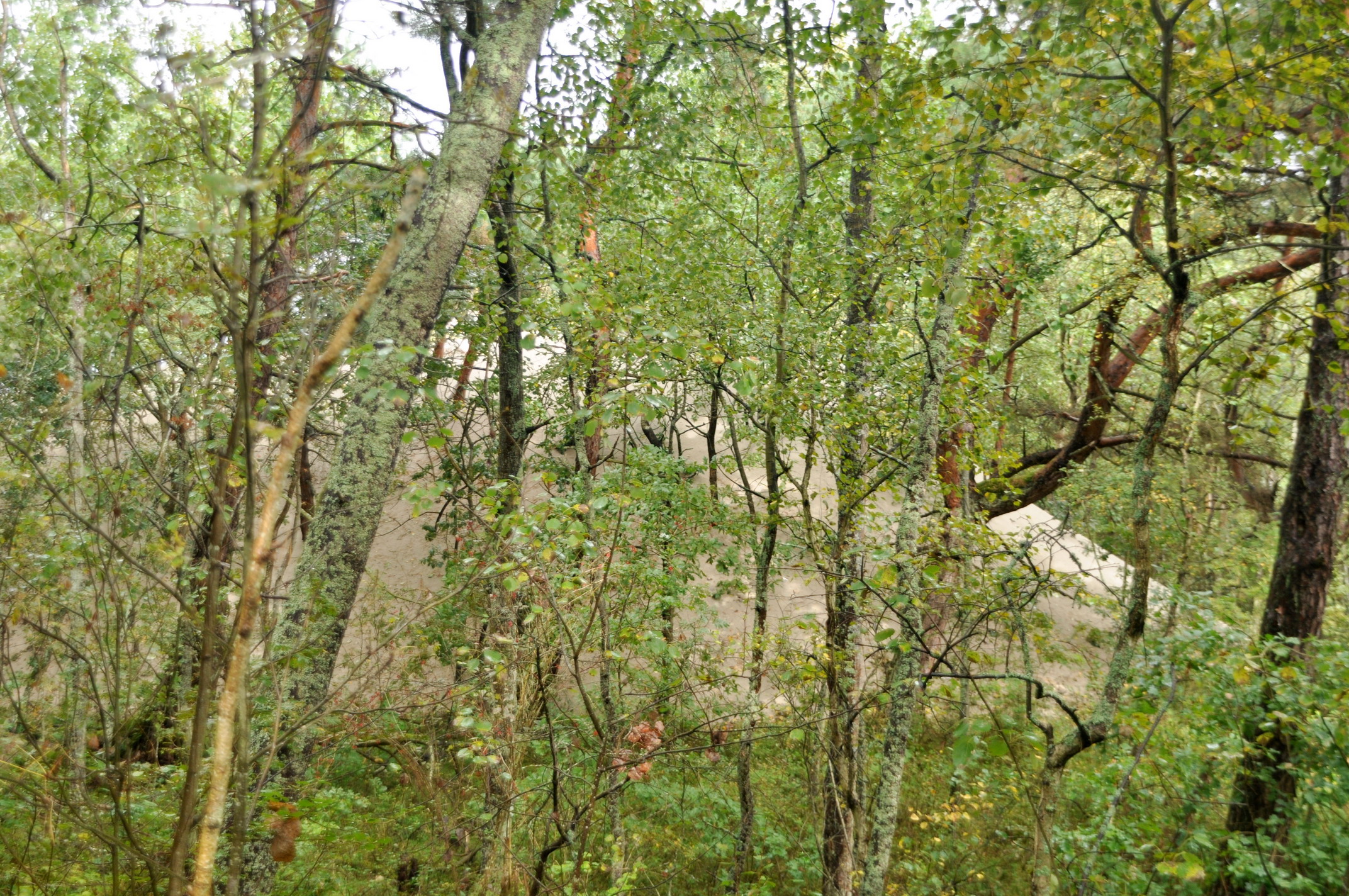
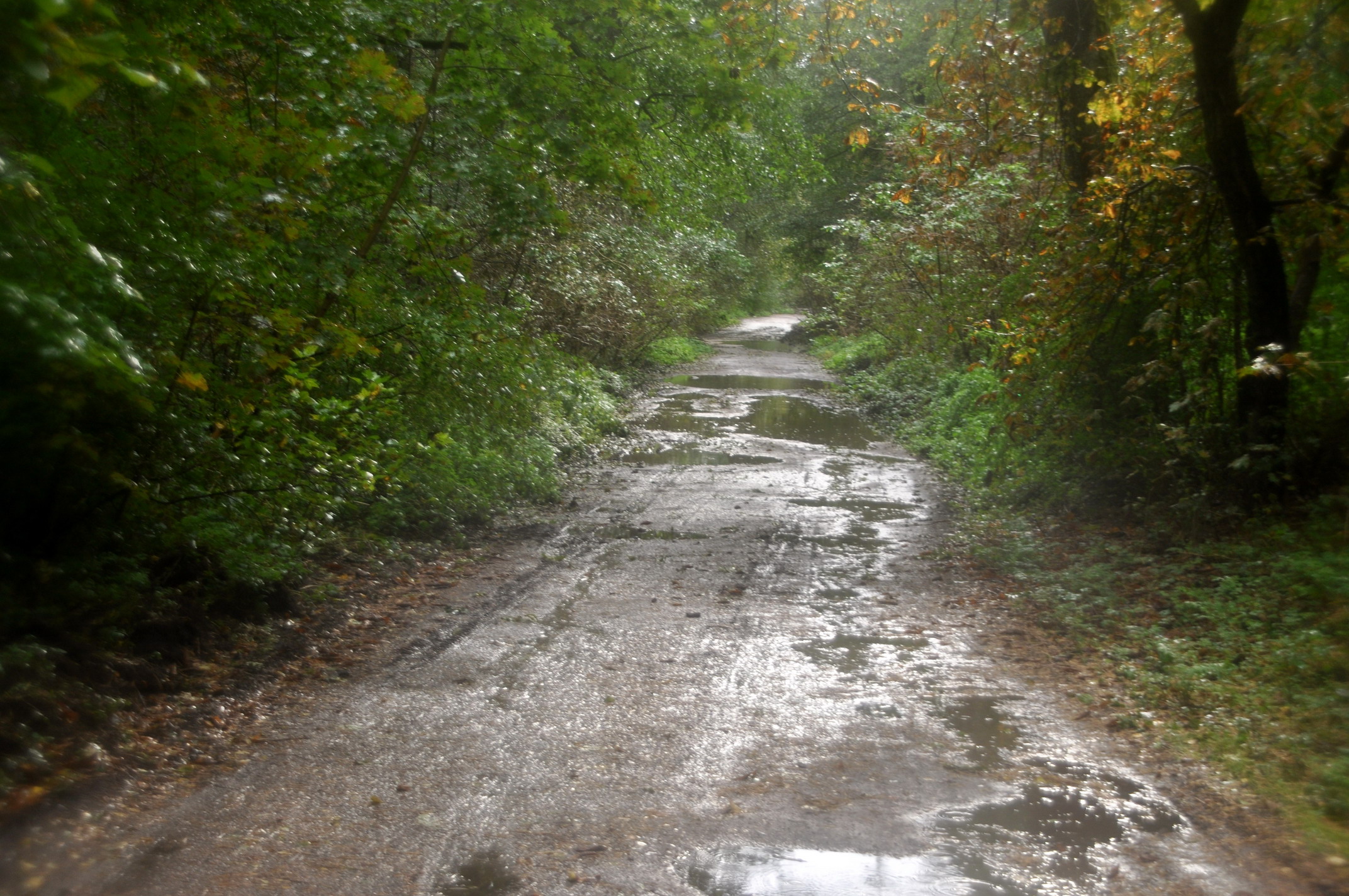
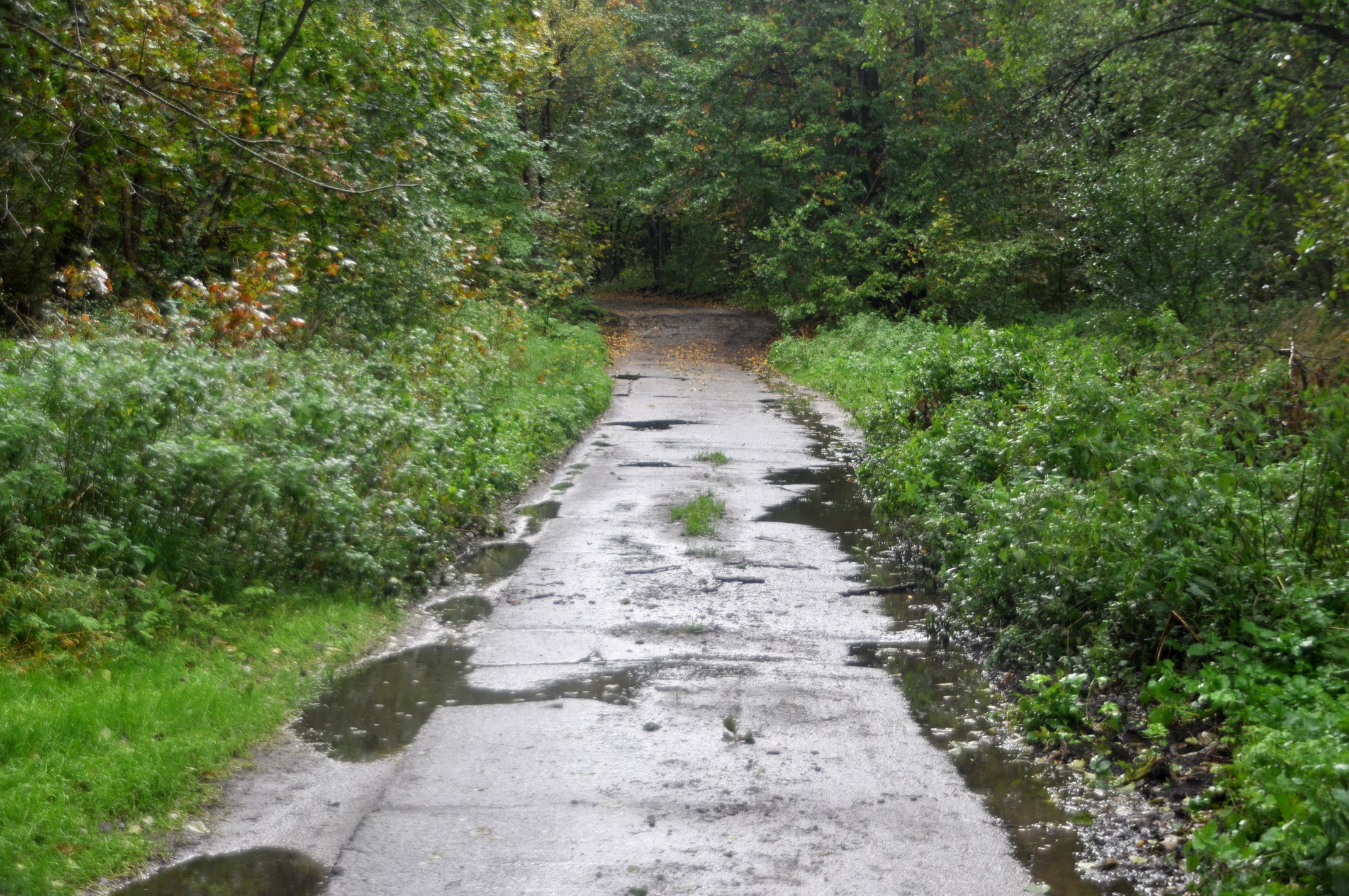
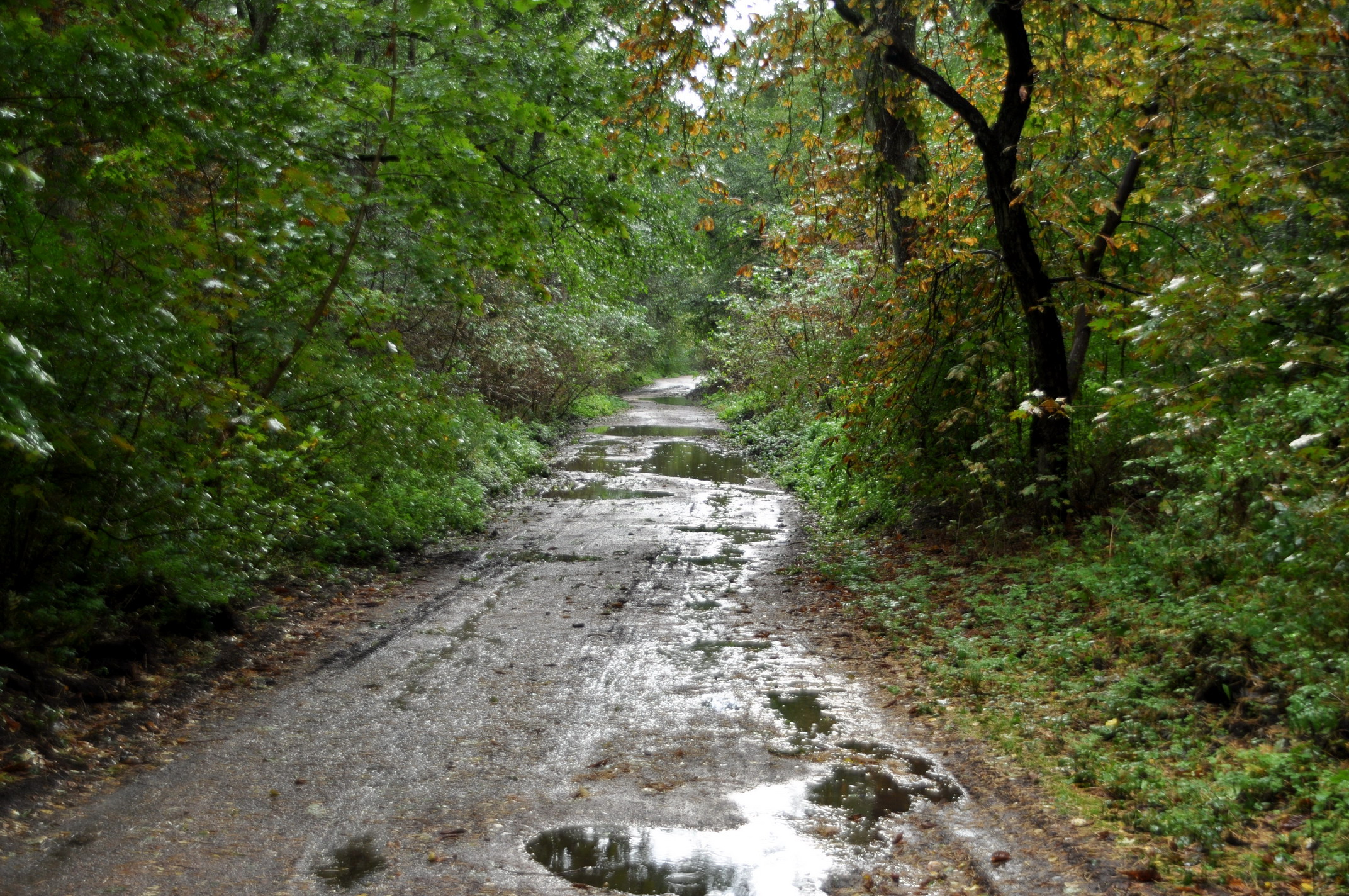
A road followed the runway to the air-defence base. On the way there I decided to give the military installations a wide berth by walking along the beach. The sand was fairly loose and hard going for any length of time. Once I was well past the base, I tried to get back to the road. It wasn’t easy pushing through the woods in the middle of the spit. The storm-felled trees were piled up in earnest.
The road was much easier to walk on, of course. I had to get a move on. Evening was coming, and I hadn’t set out until after lunch, as I’d flown in from Saint Petersburg that same day.
A night on the dunes
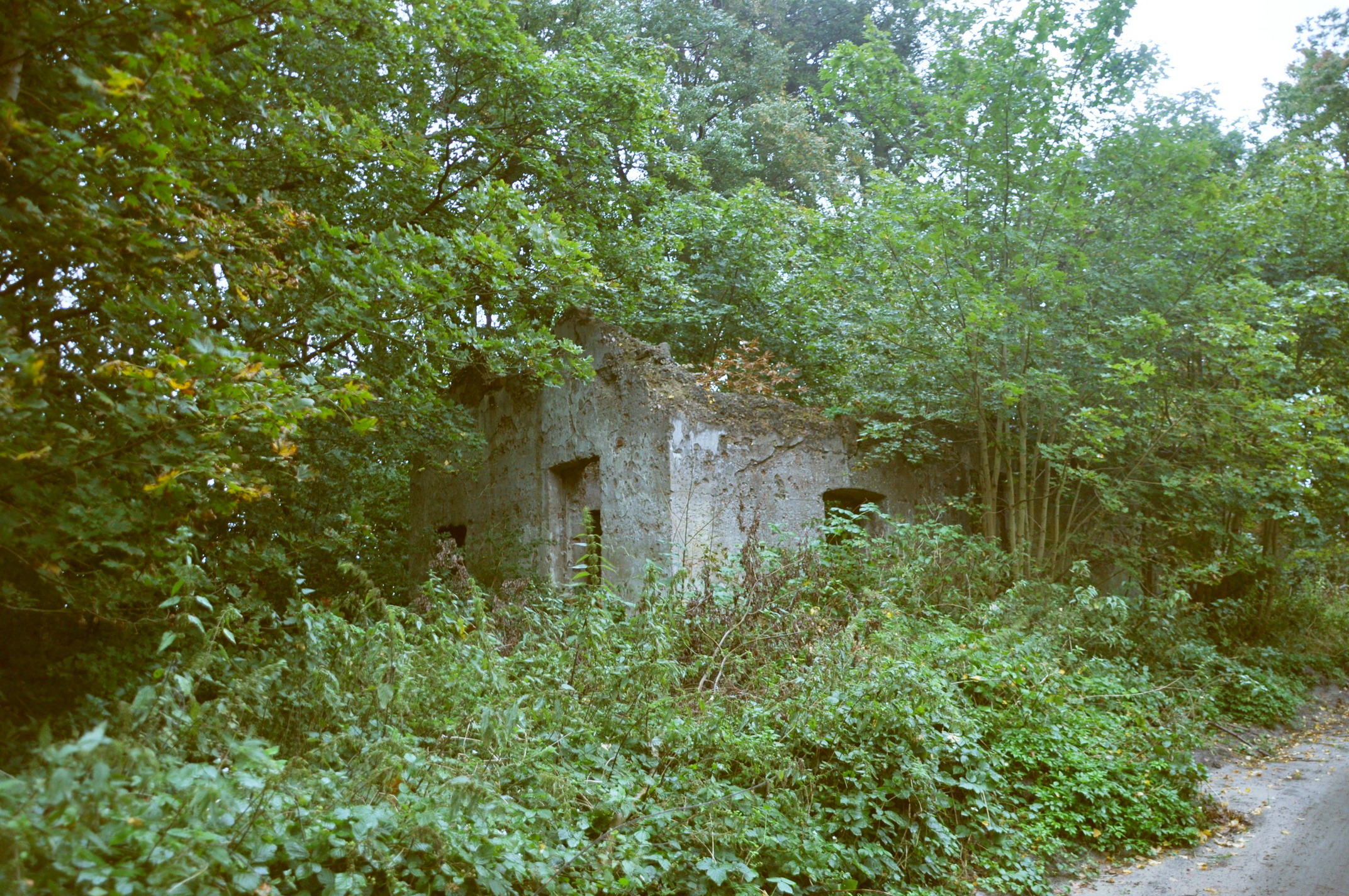
It was dark by the time I reached the former country house of Erich Koch. Only ruins remained. It was quite a modest little place. Göring used to visit. The defence of Königsberg was directed from here when Soviet troops were already inside the city.
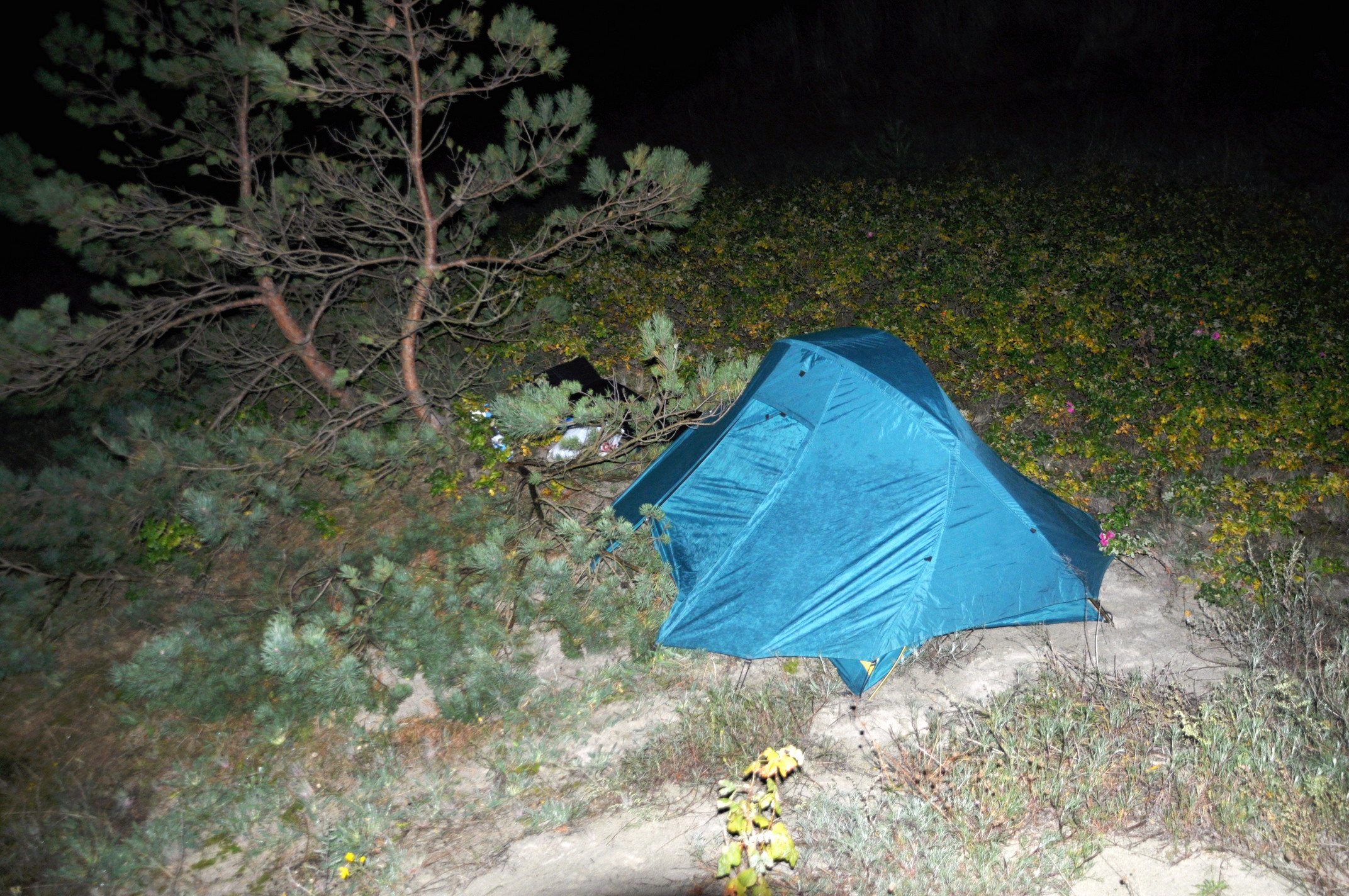
It was pitch dark when I made camp, about ten kilometres short of the Polish border, at 54°31.192′N, 19°43.972′E.
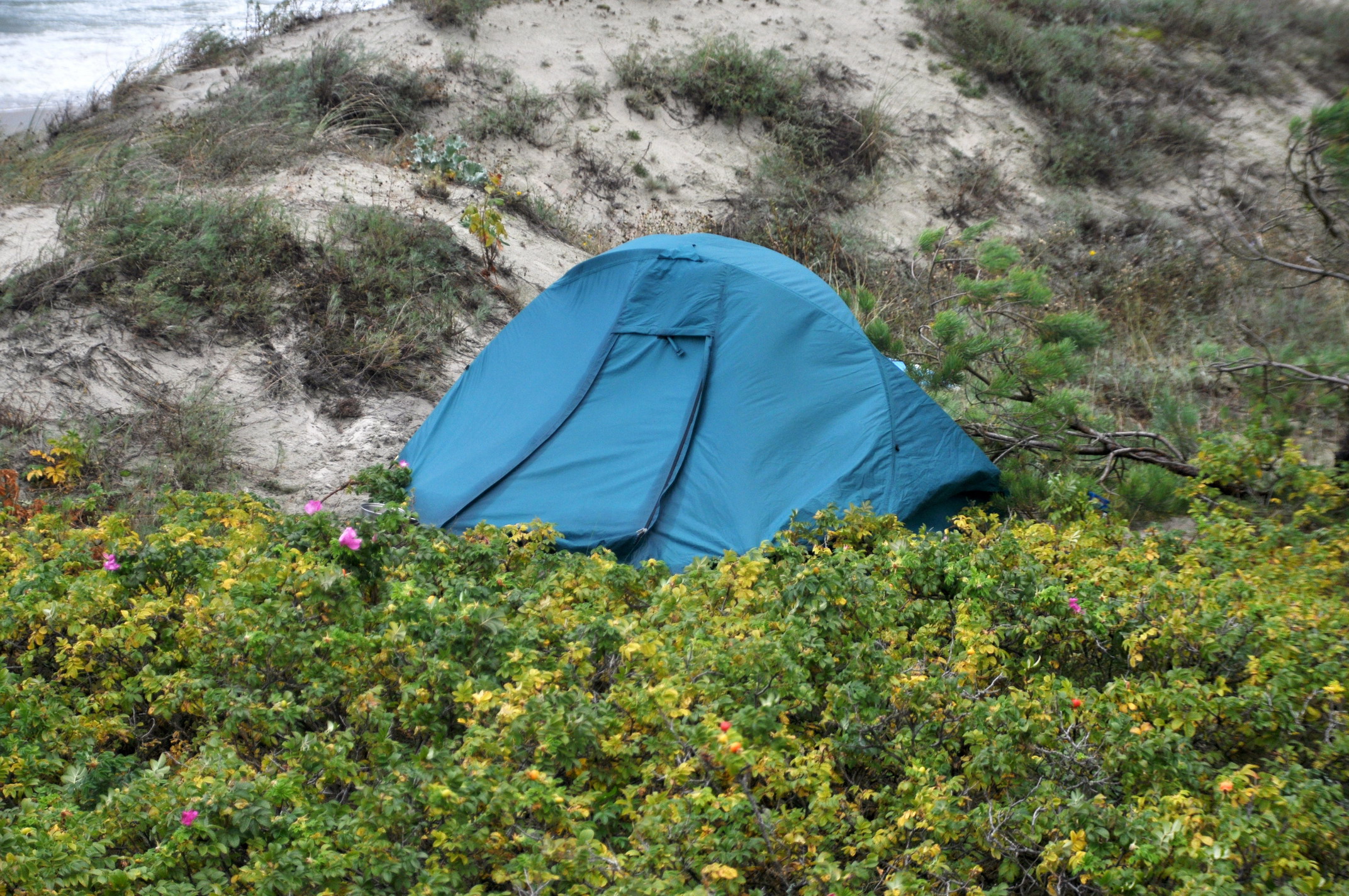
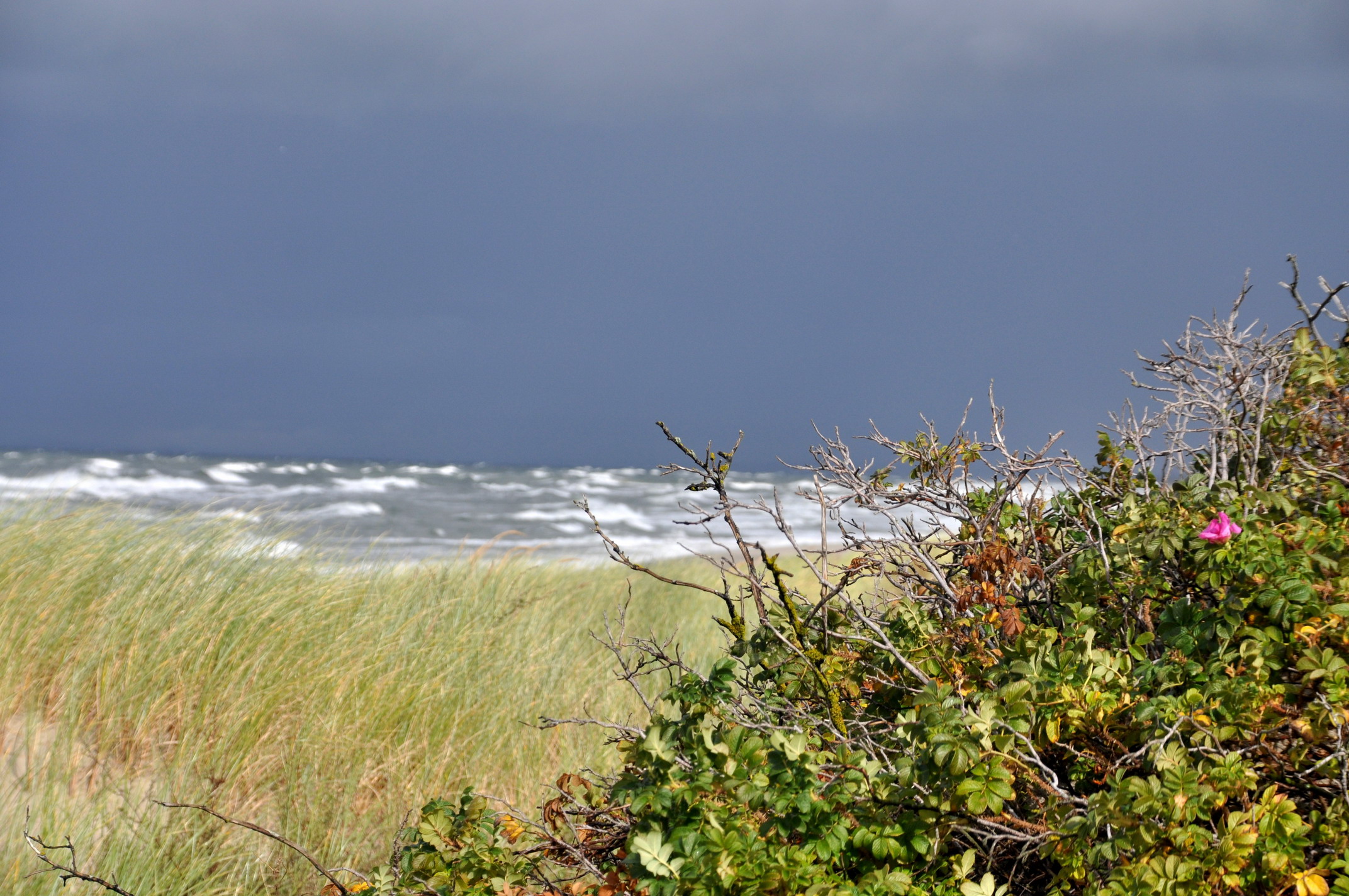
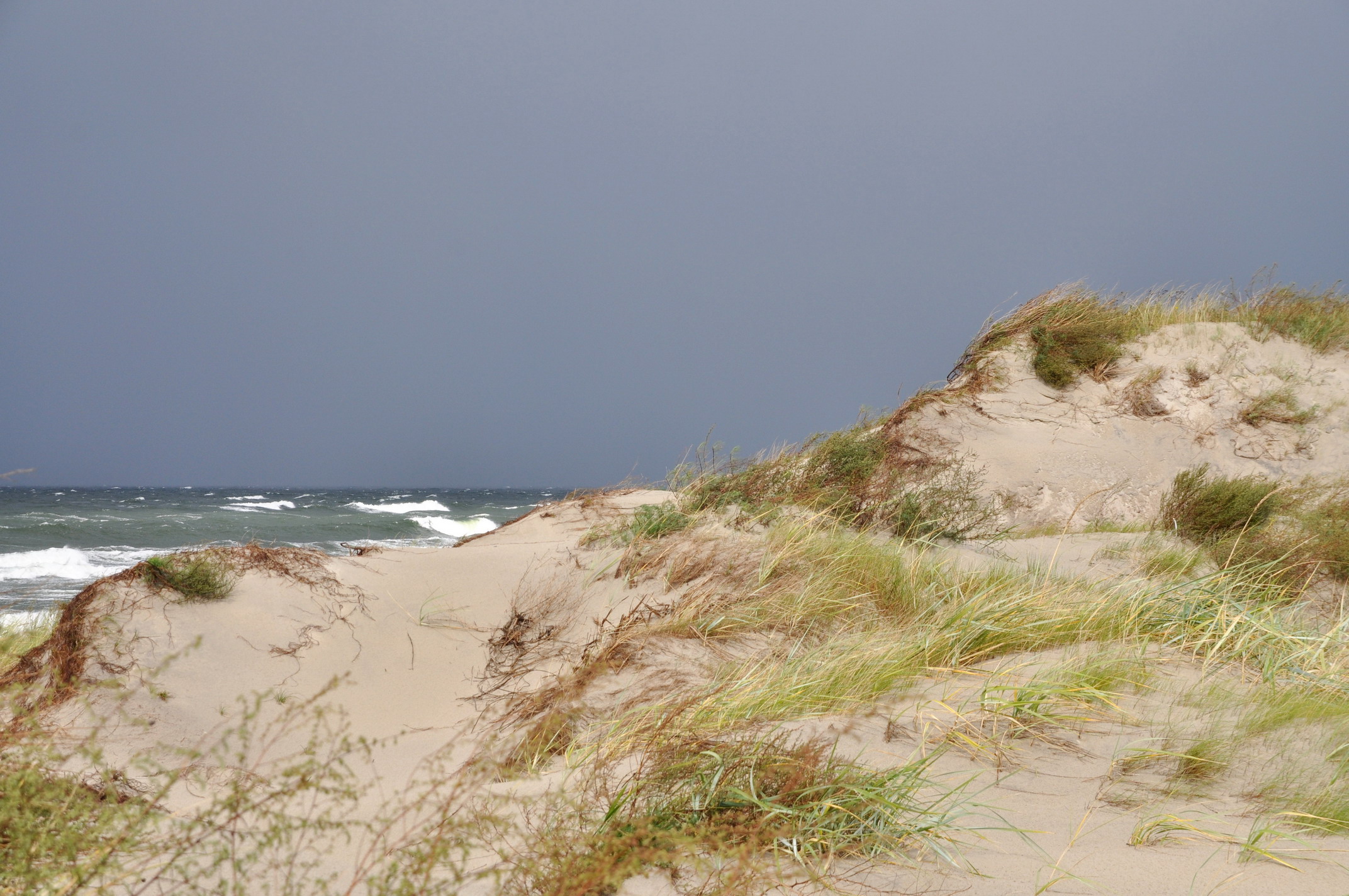
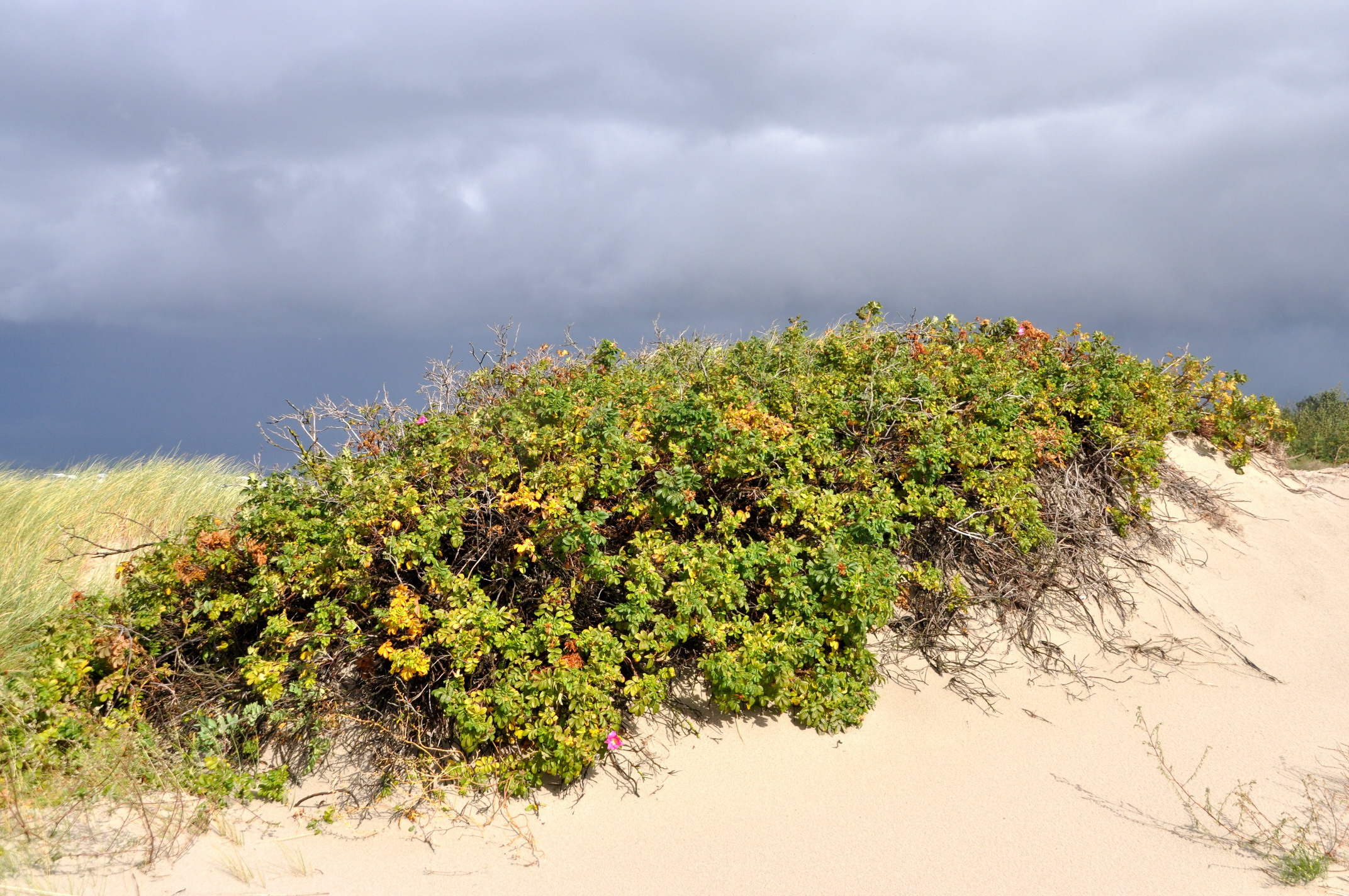
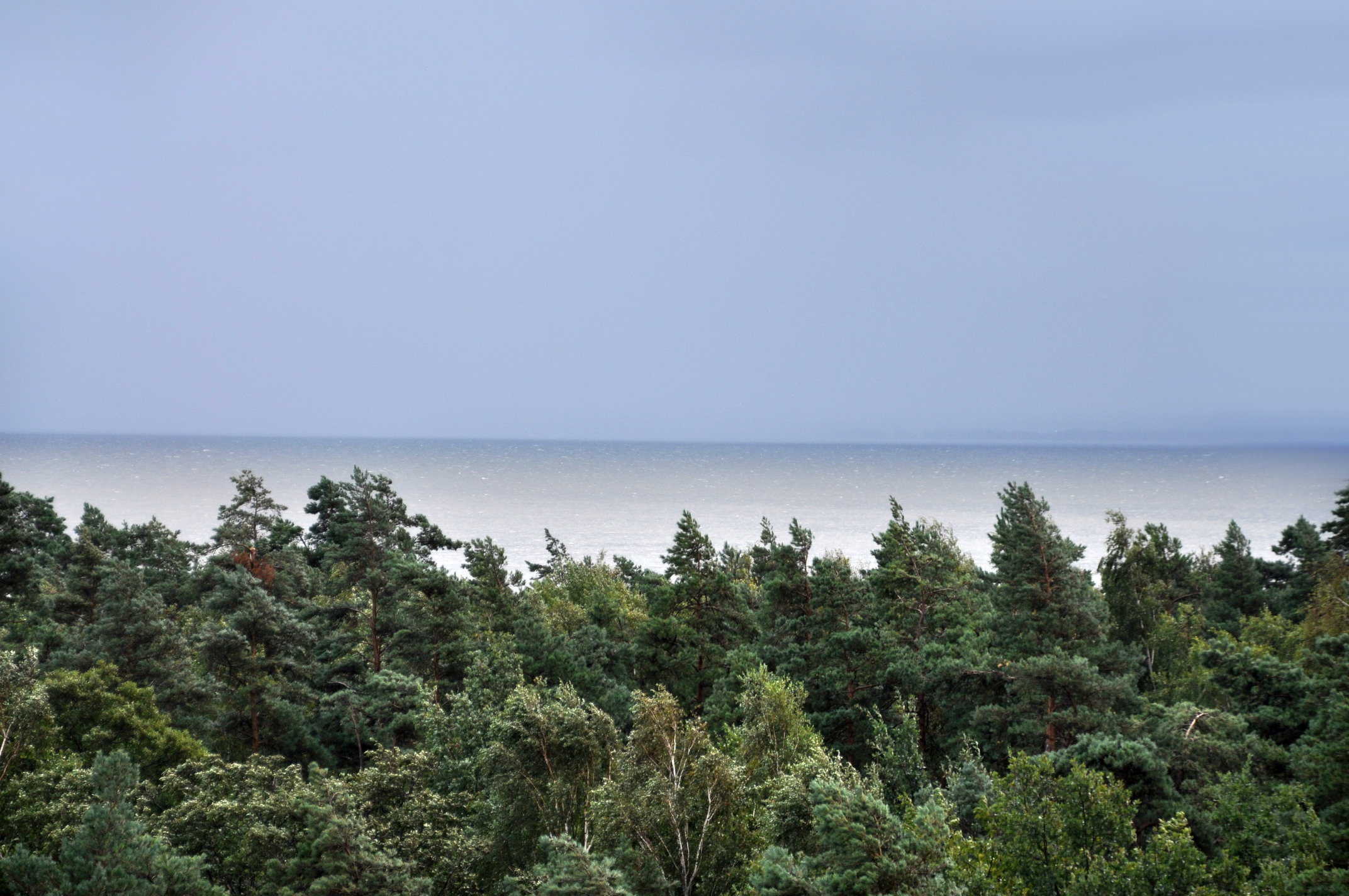
For my camping spot I chose a high dune among the rose thickets, with a magnificent sea view. The Polish part of the spit is inhabited. In the distance the lights of resorts, cafés and shops twinkled. On that side you could go right up to the border. Beyond it was the European Union, with no borders all the way to Portugal. Here there was darkness and there were ruins. Even my mobile was picking up a Polish network. But at least there were no restrictions here. You could camp on the spit. The land belonged to no one, and I was alone for miles around.
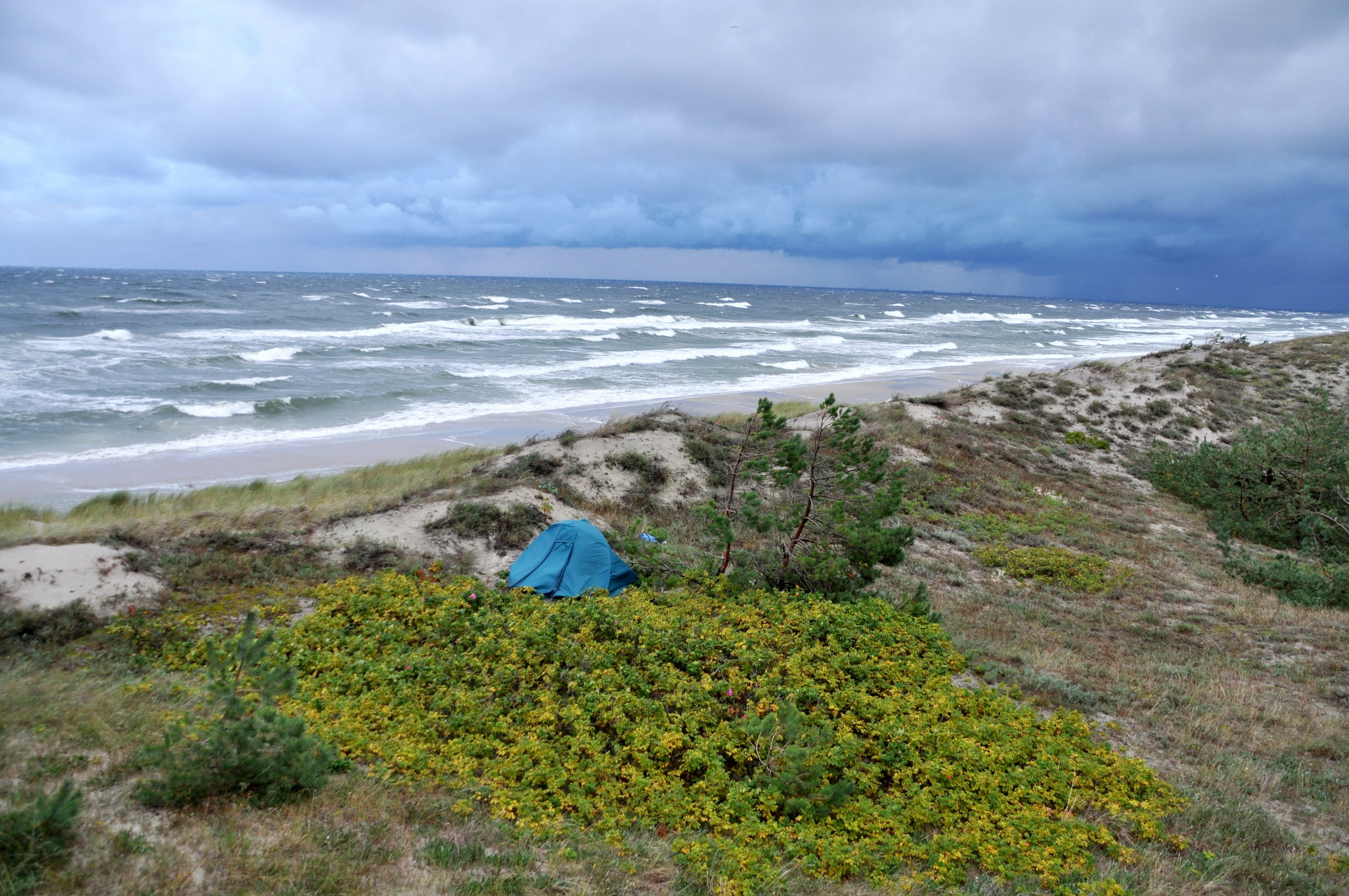
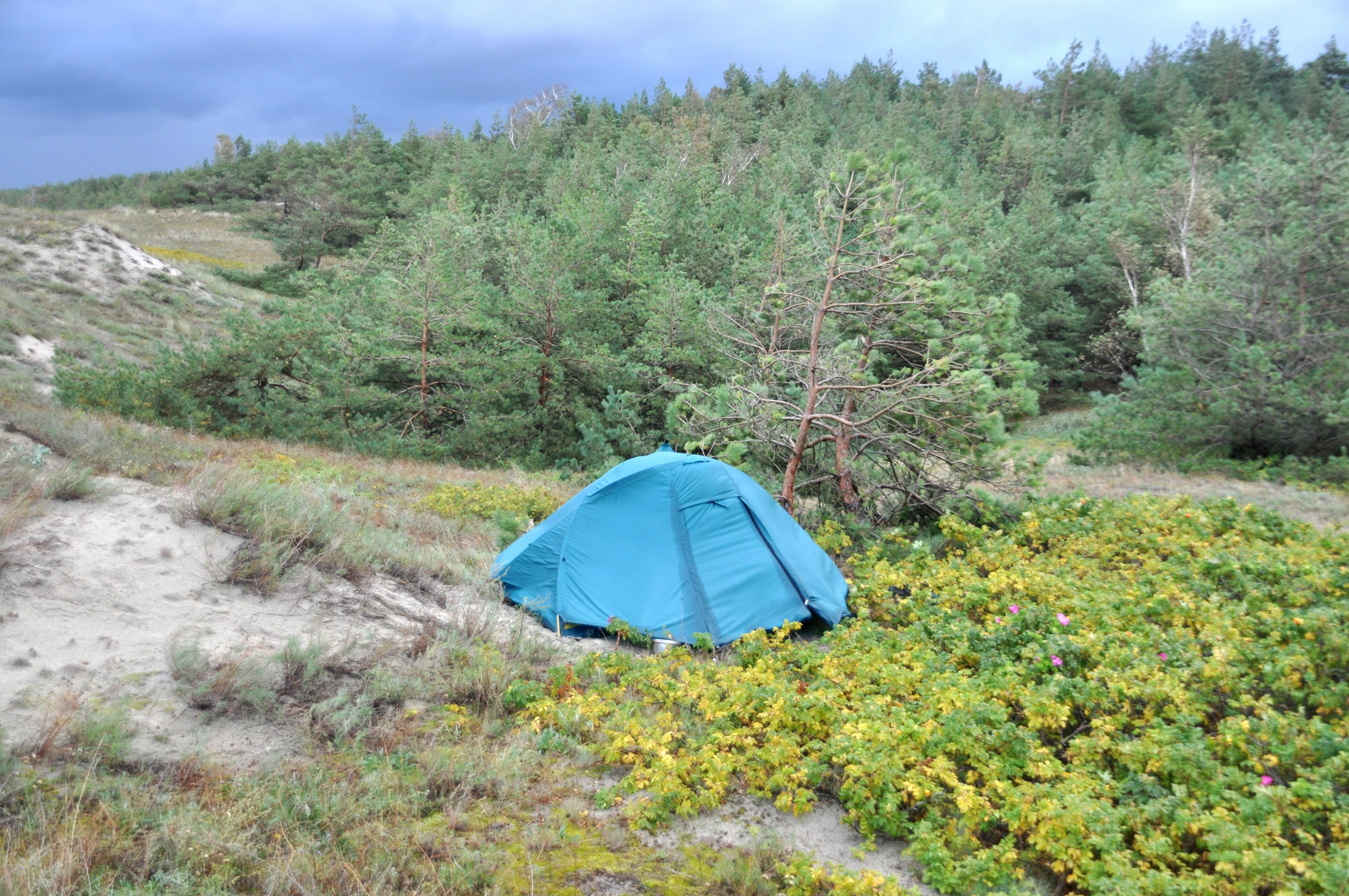
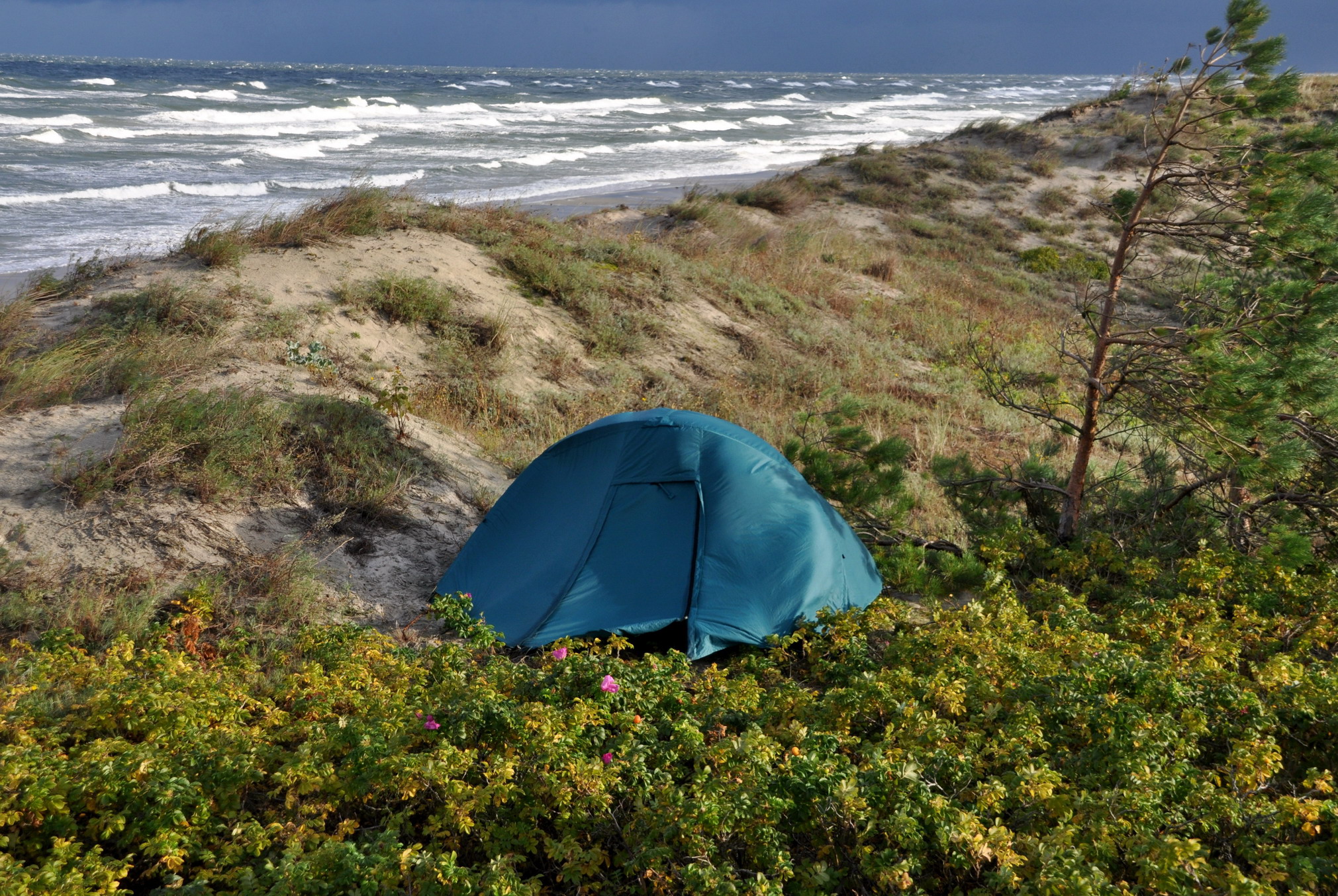
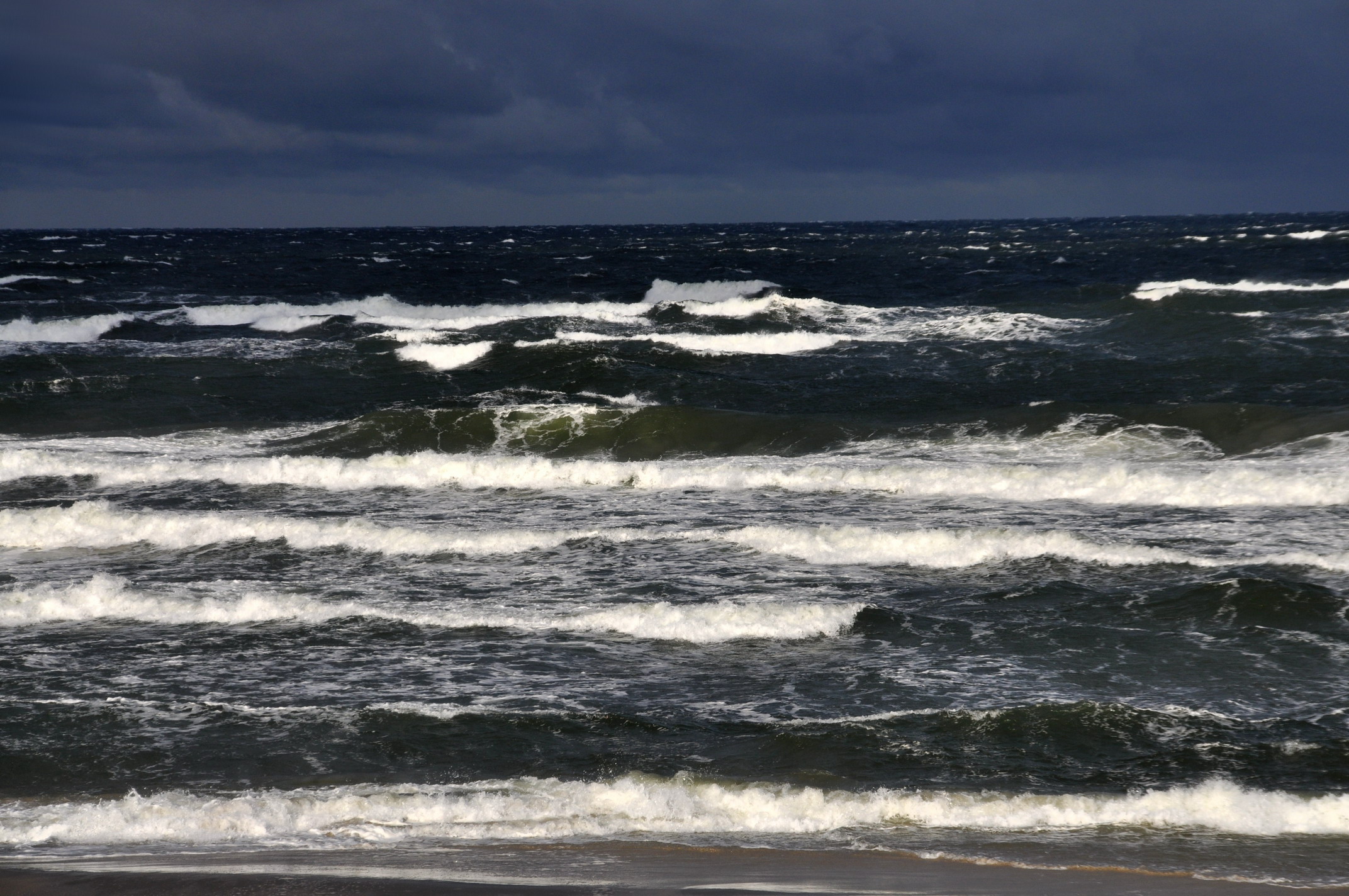
It drizzled now and then. The wind howled. The forecast for tomorrow was bad, with a storm on the way, but I had my little house and I was cosy in it. I could make tea and cocoa. I’d had to carry water, because the Baltic Sea is salty, if only a little. I was so glad I’d got myself organised and come out here instead of giving in to laziness.
At night the rain came down in sheets. The wind shook the tent, but I was used to it. Compared with storms in New Zealand, you could hardly call that wind. Inside the tent I was warm, dry and comfortable.
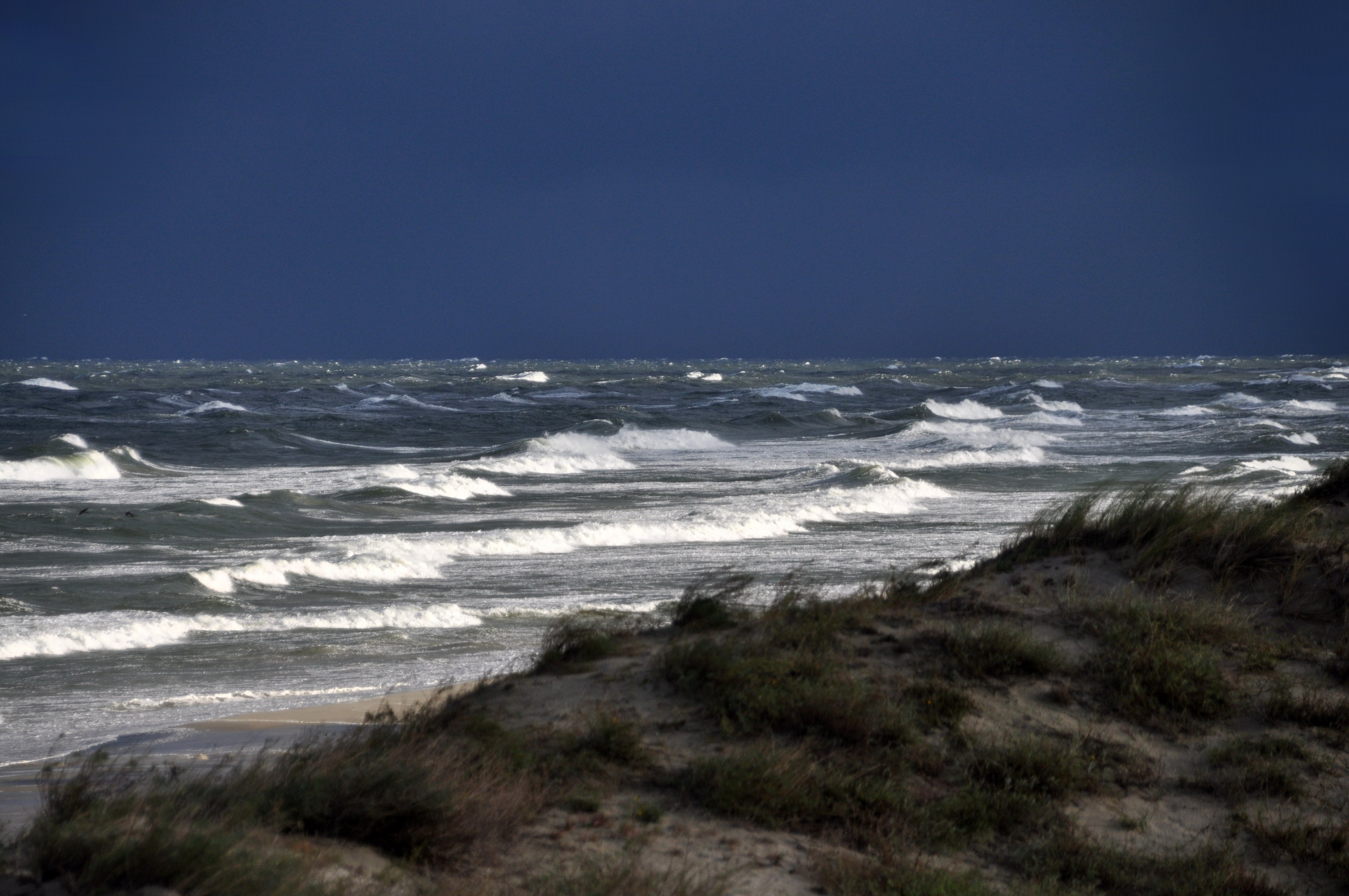
The downpour stopped in the morning, and the sun came out unexpectedly. I opened the tent and saw a white-tailed eagle flying past, the spitting image of the one on the American coat of arms. That’s what comes of being in the westernmost corner of Russia. I was west of Warsaw, at much the same longitude as Stockholm. Europe was right next door. And here was a white-tailed eagle to prove it. What were the Russian patriots thinking? This was obviously the work of the US State Department. An assault on sovereignty…
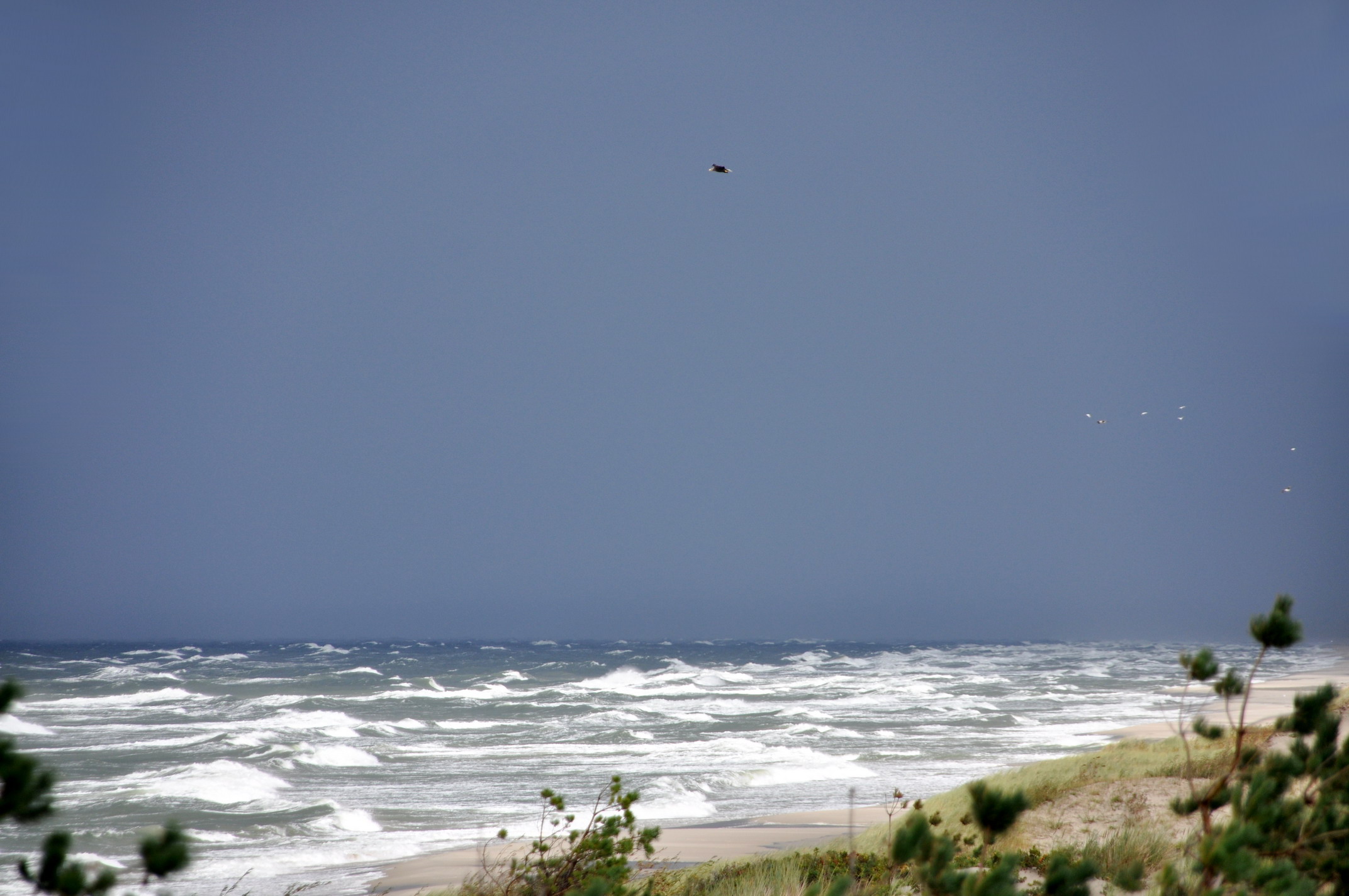
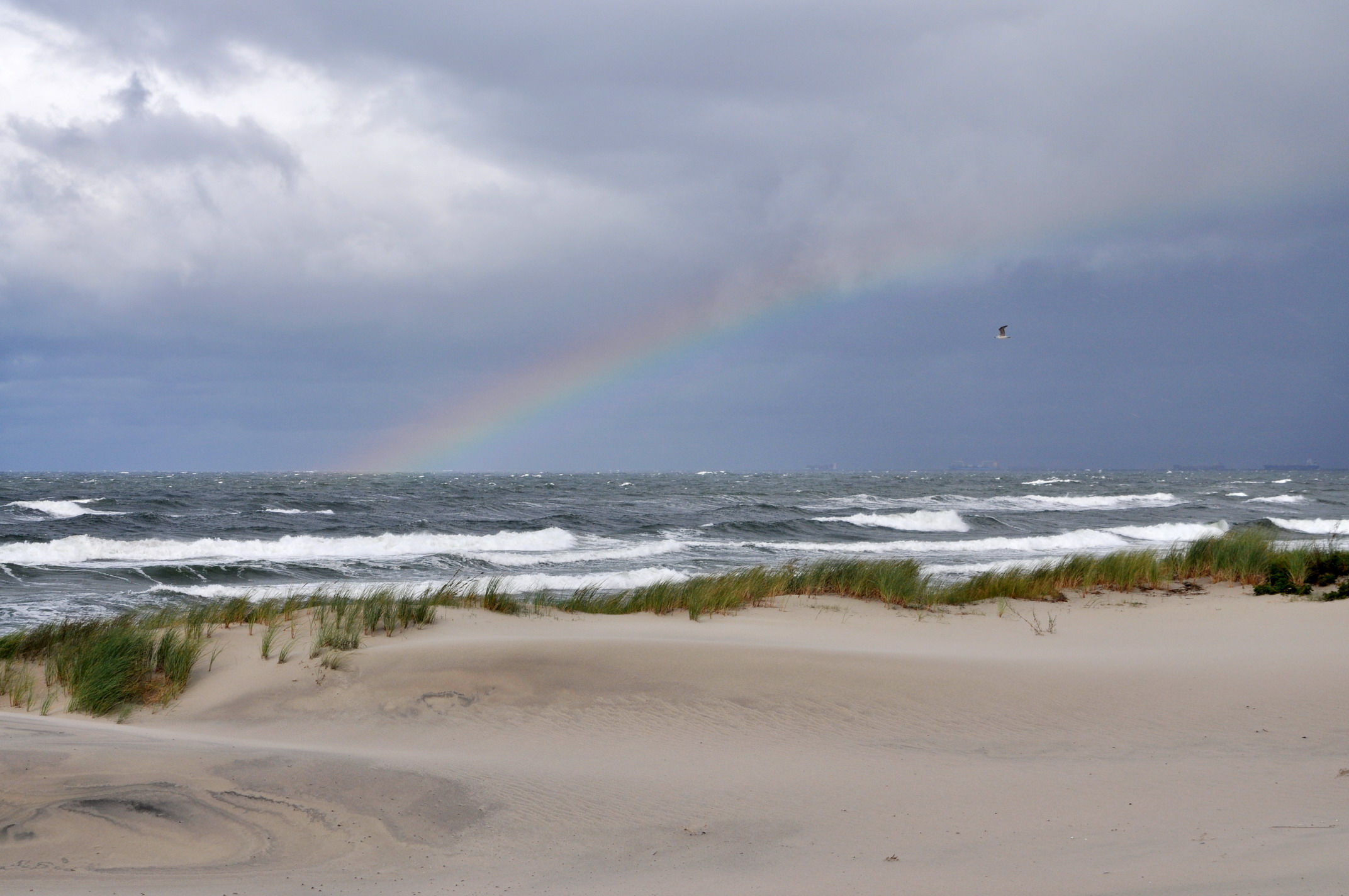
By the time I got the camera out, the eagle was gone and the sun had gone in.
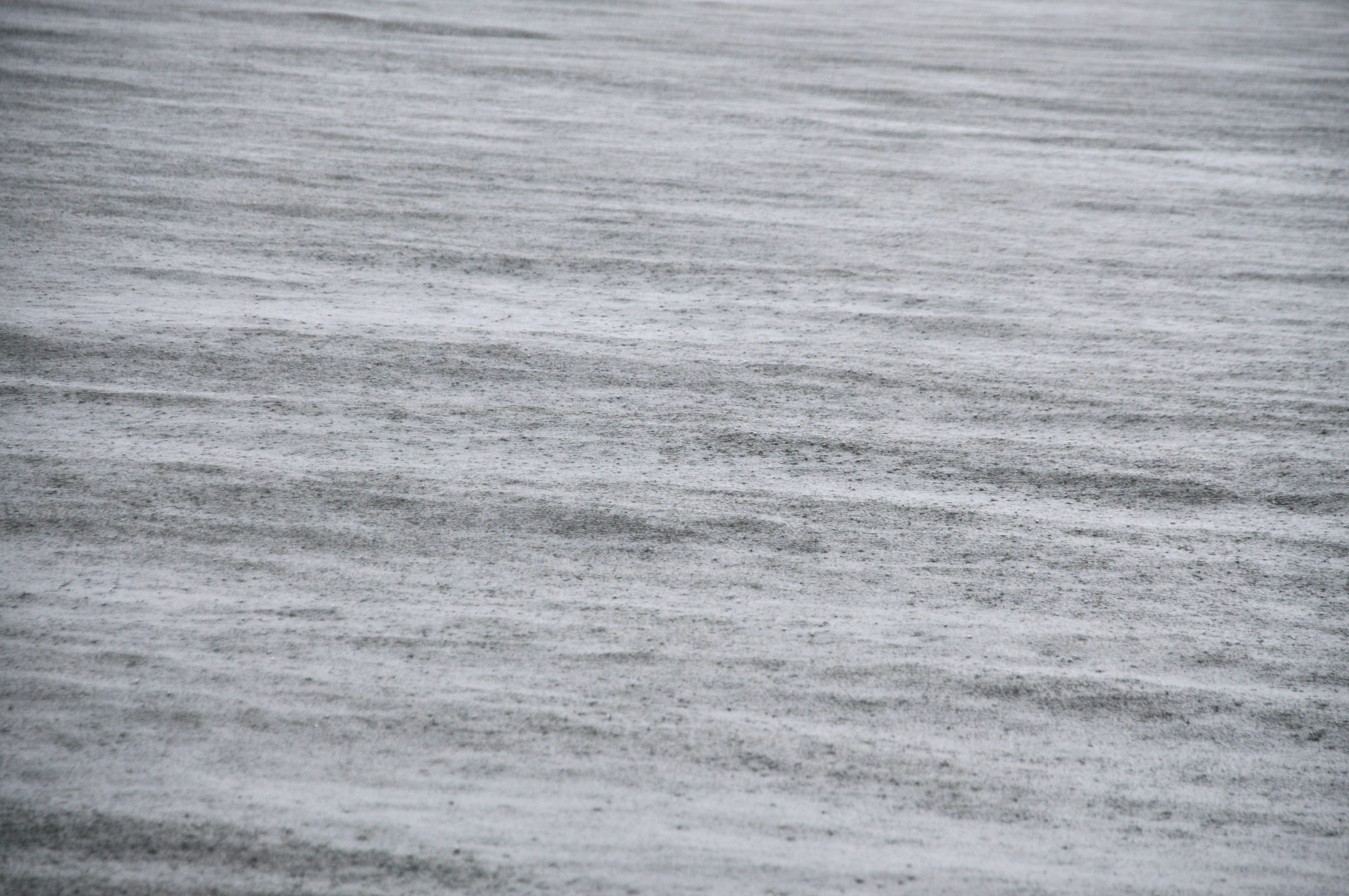
I tried to make breakfast from a New Zealand camping meal, but the wind kept blowing out the Campingaz stove and sand kept getting into the food. I had to take everything well back into the coastal bushes, out of the wind and blowing sand, and cook there.
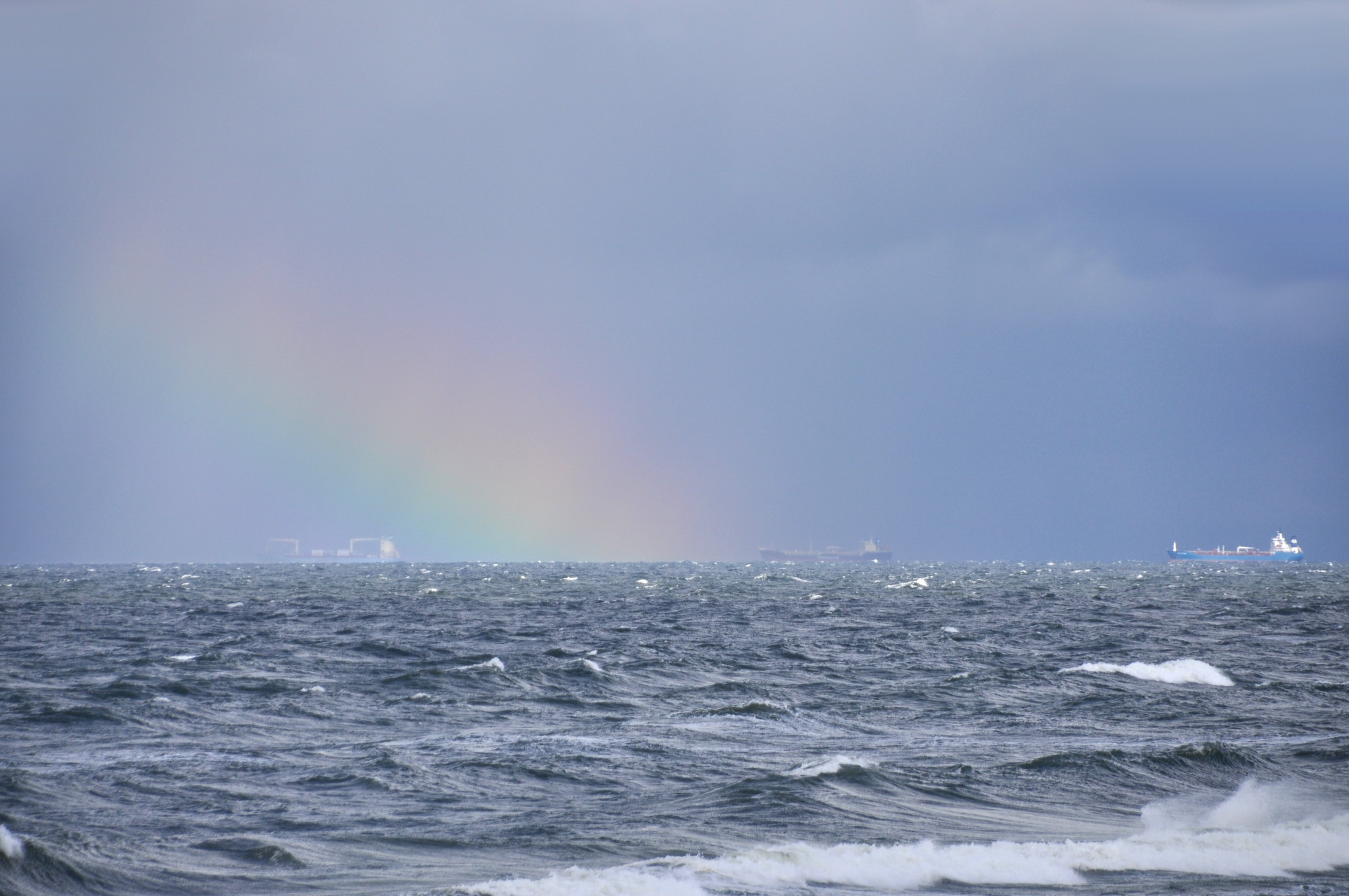
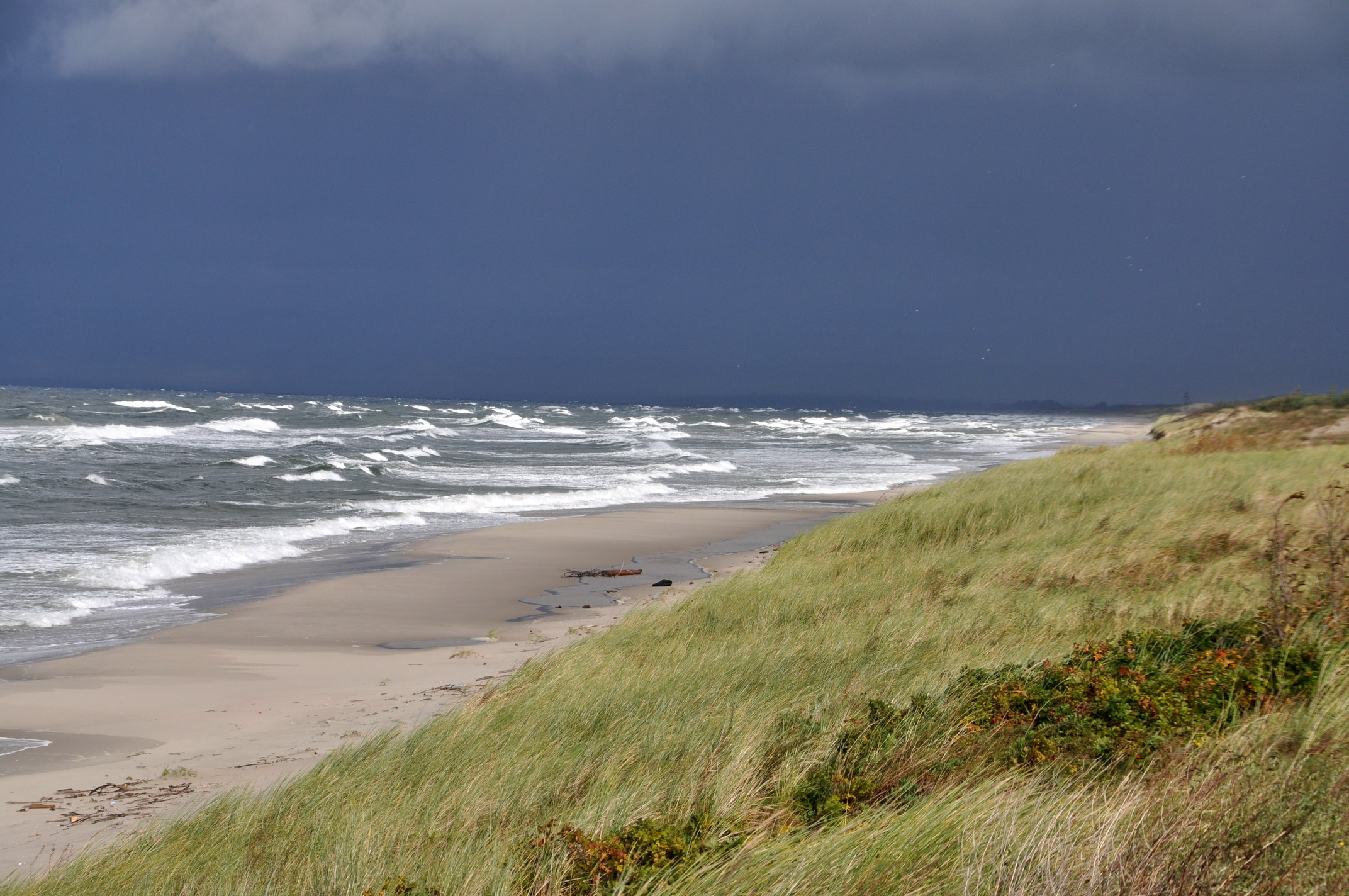
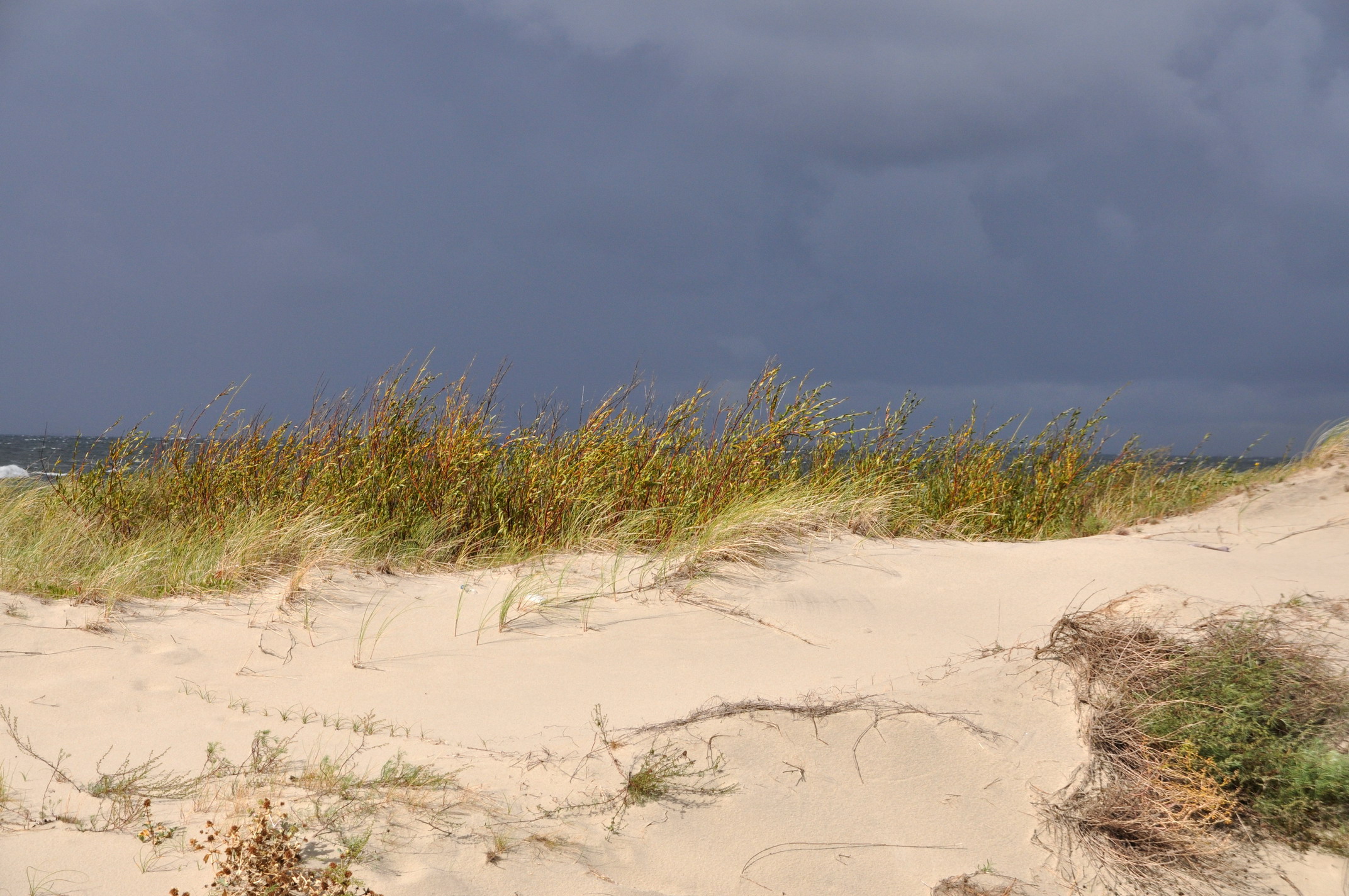
In the meantime, the weather was improving in fits and starts. The sun came out more and more often. The blue storm clouds had moved east and were looking lovelier by the minute.
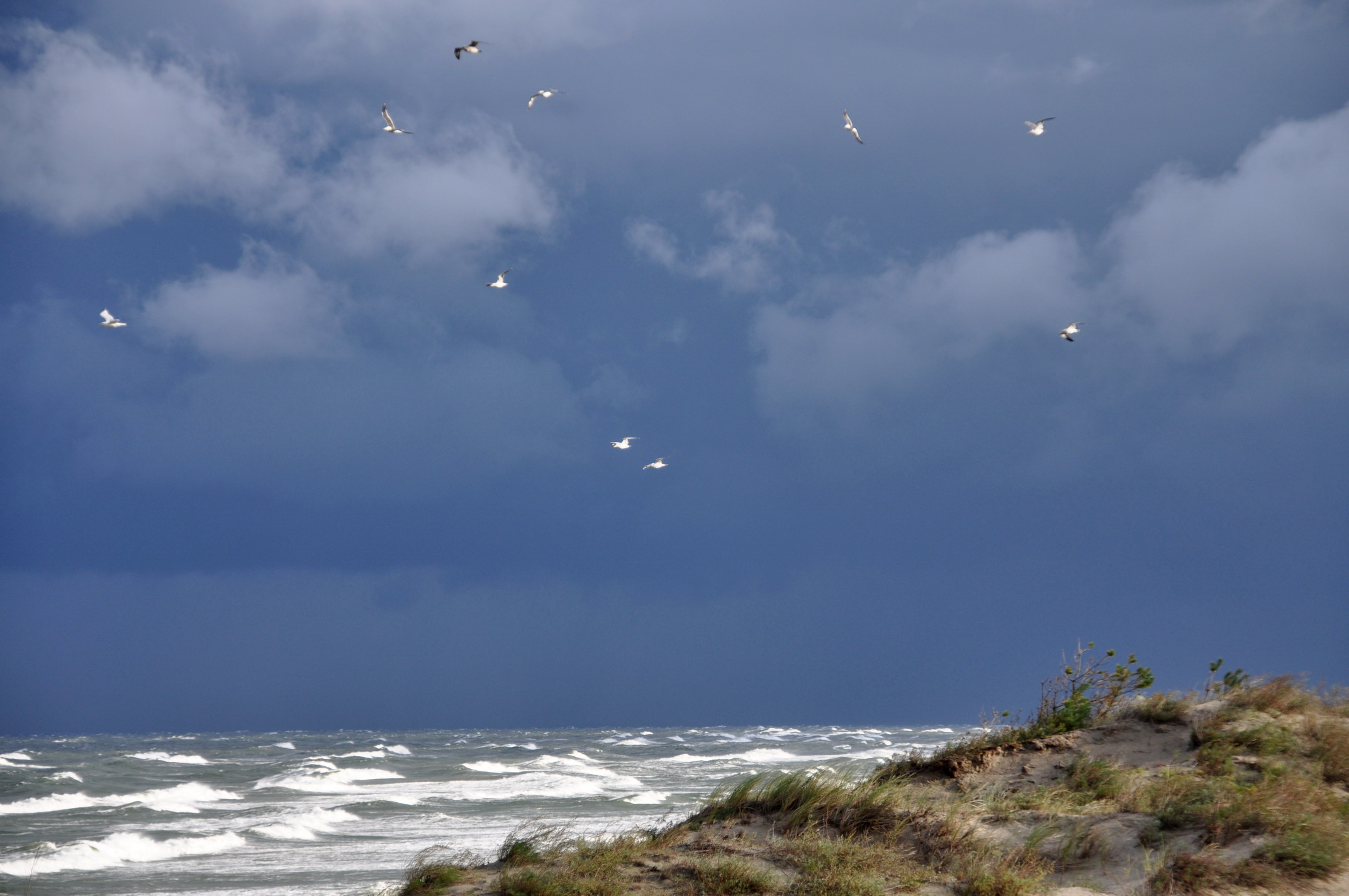
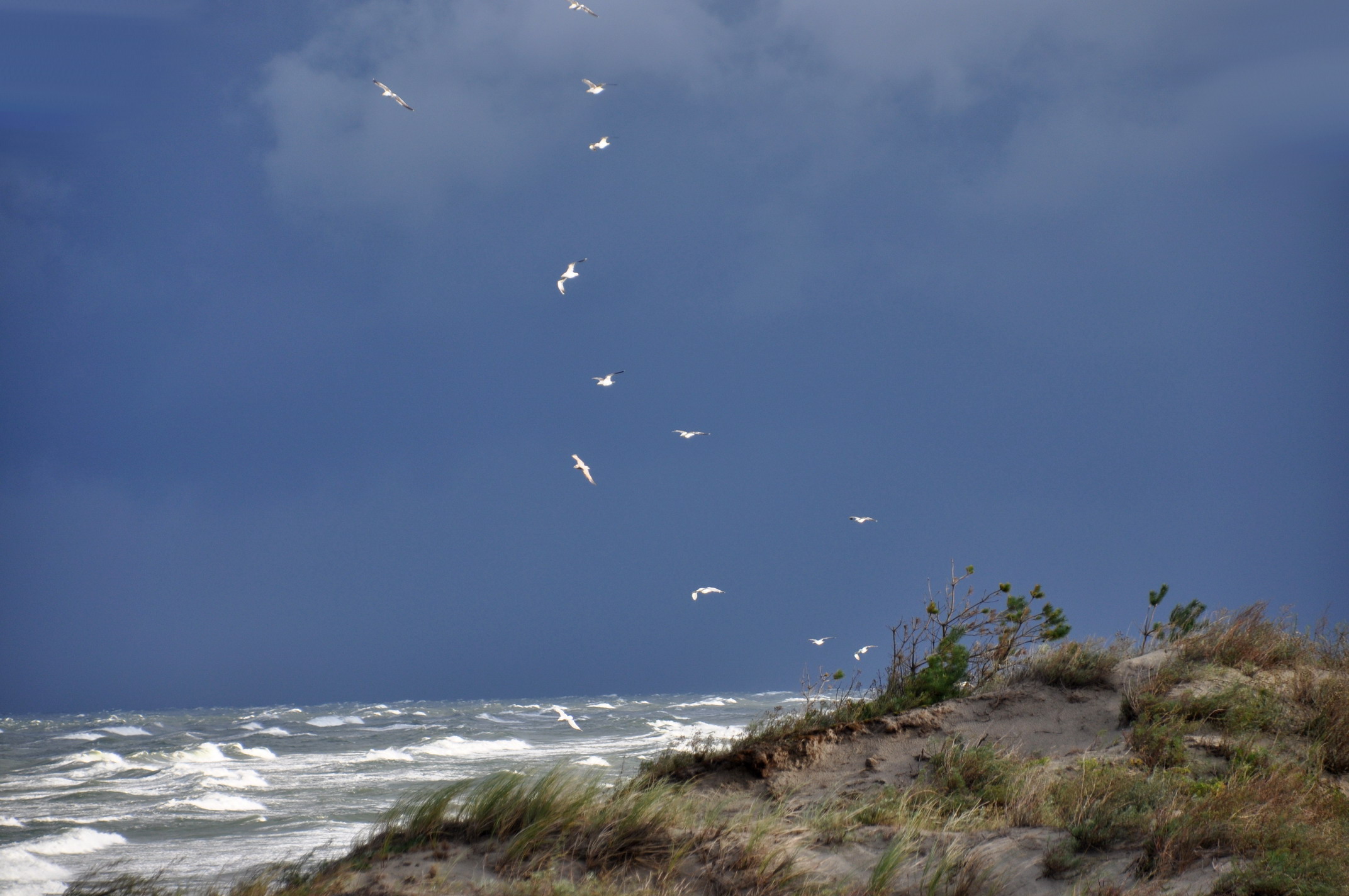
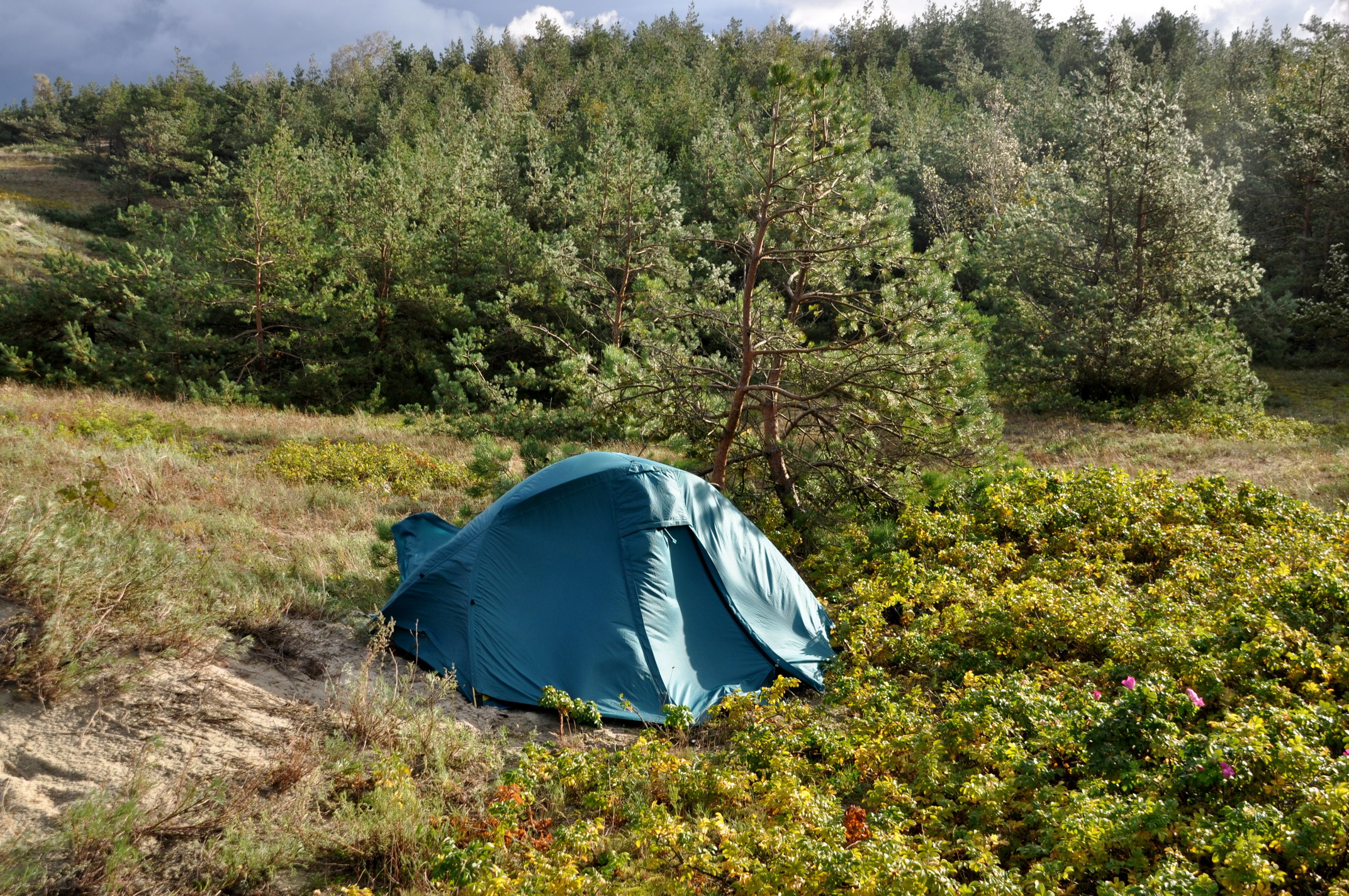
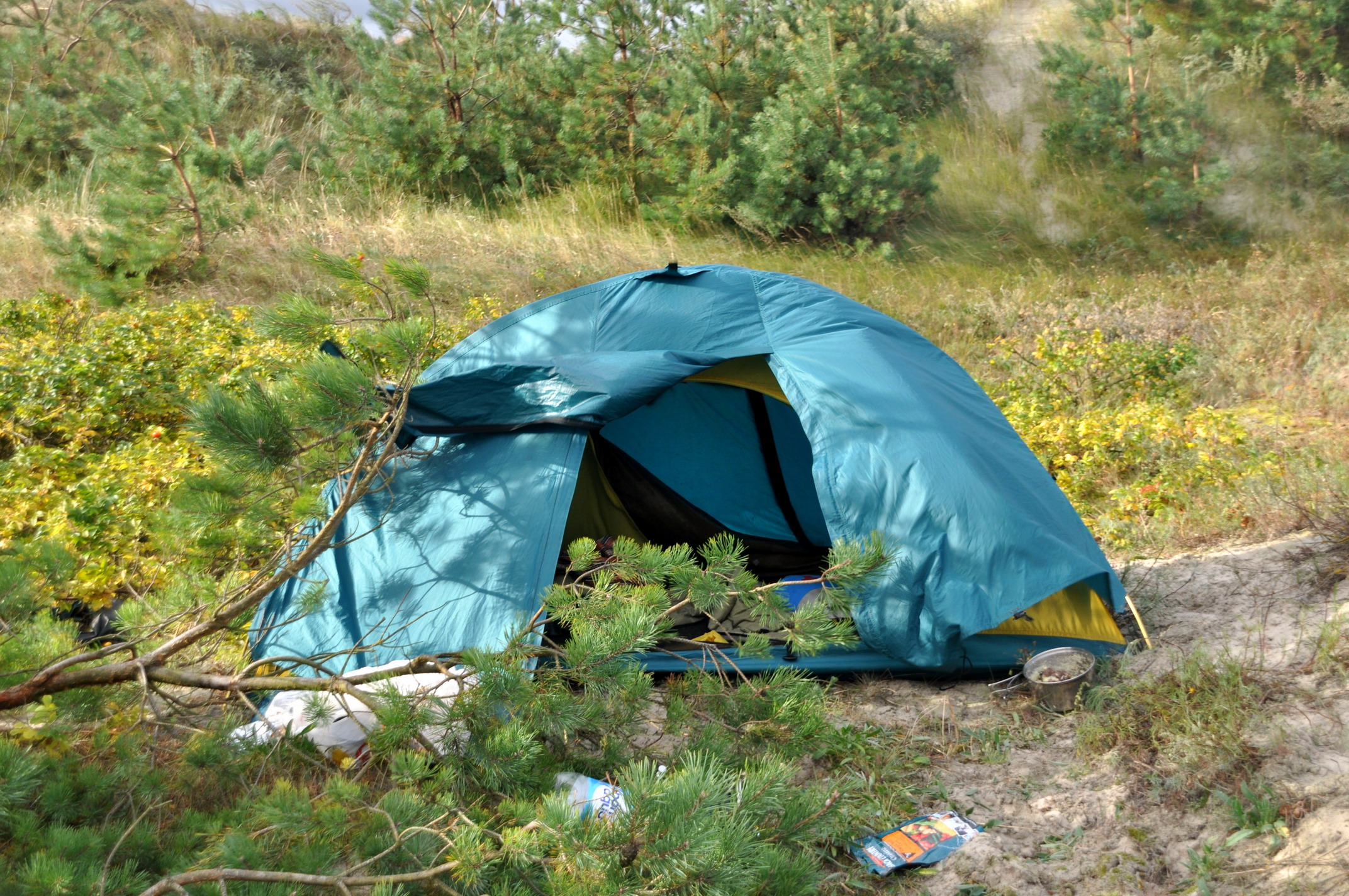
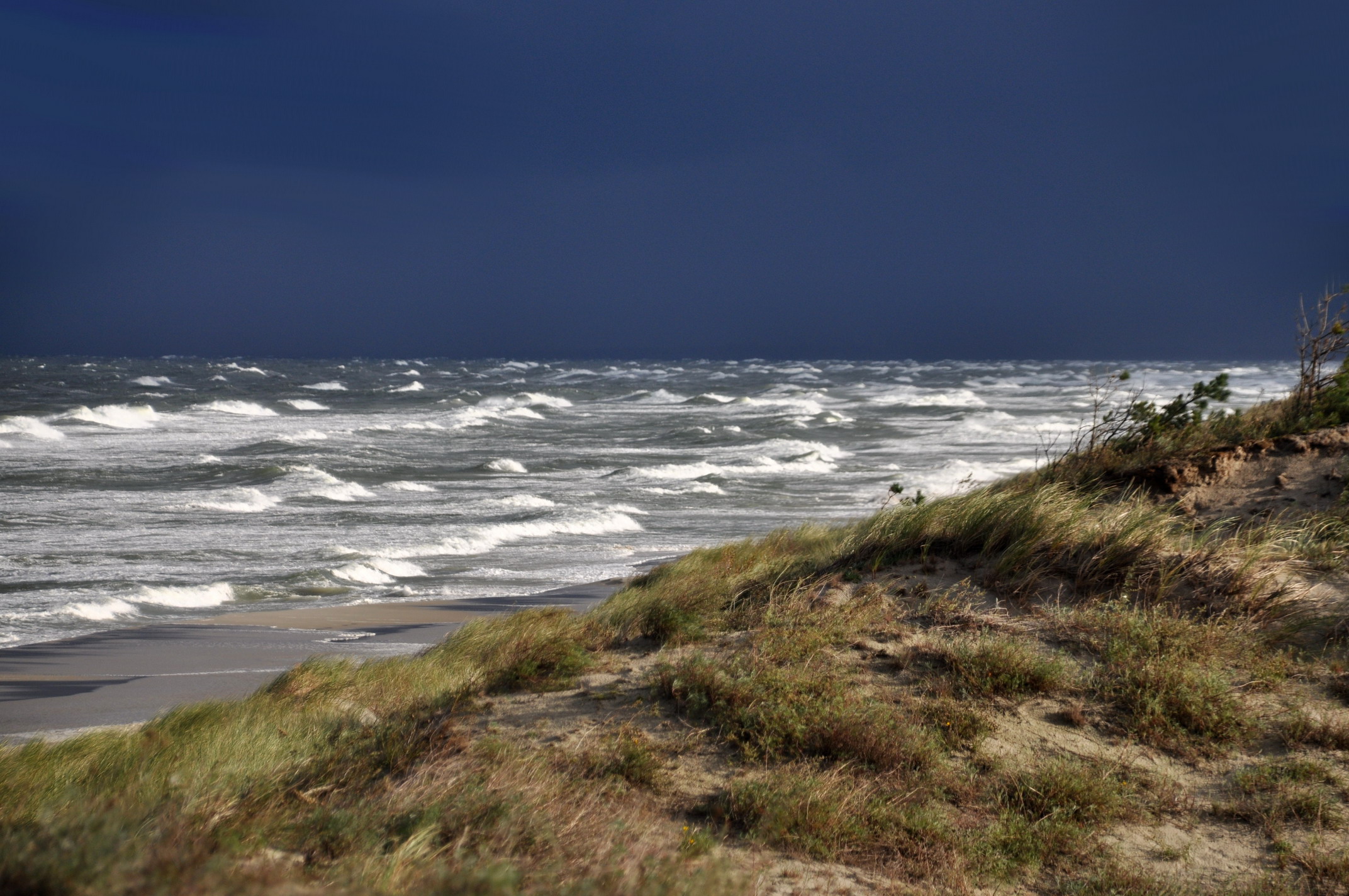
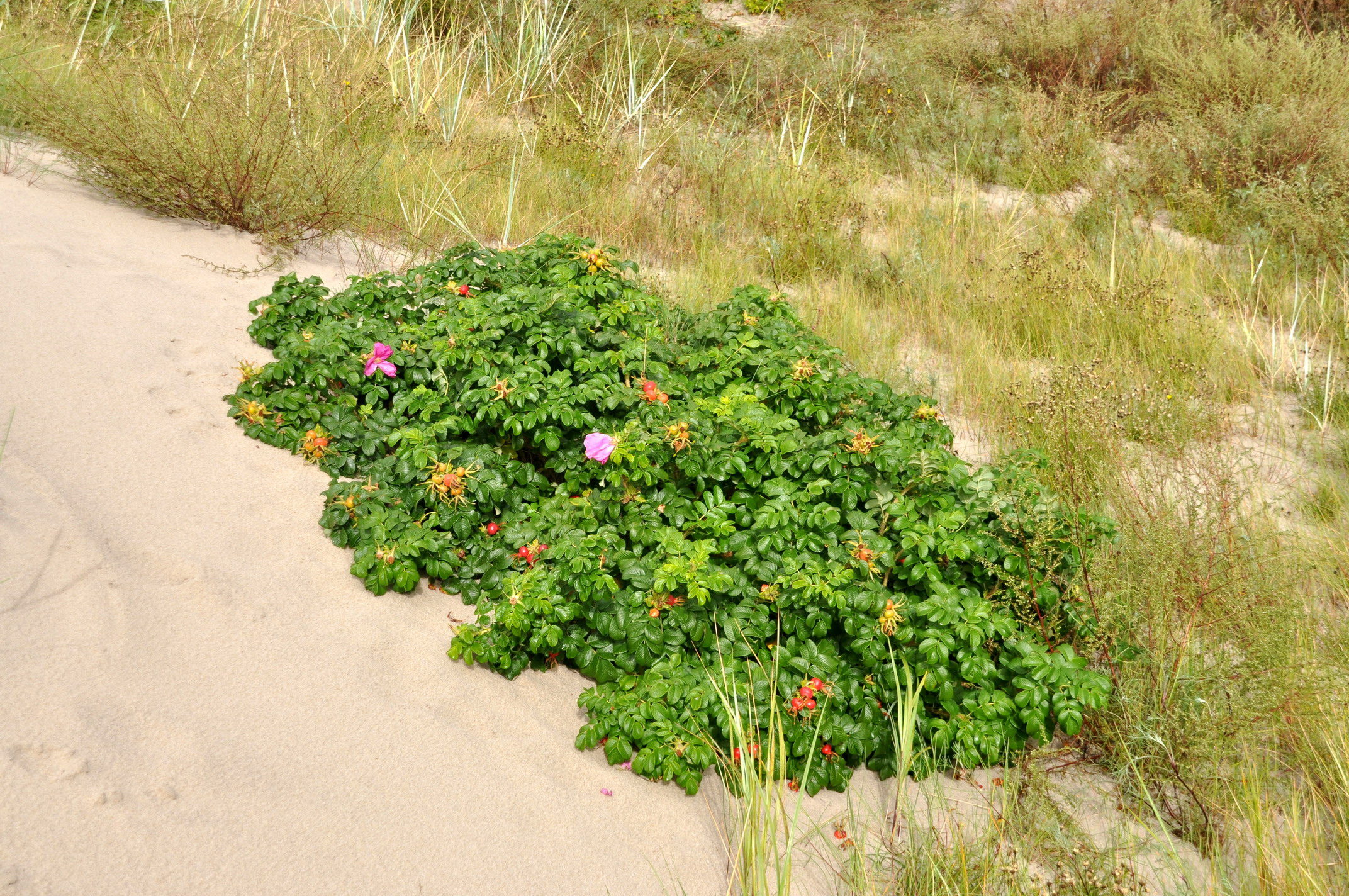
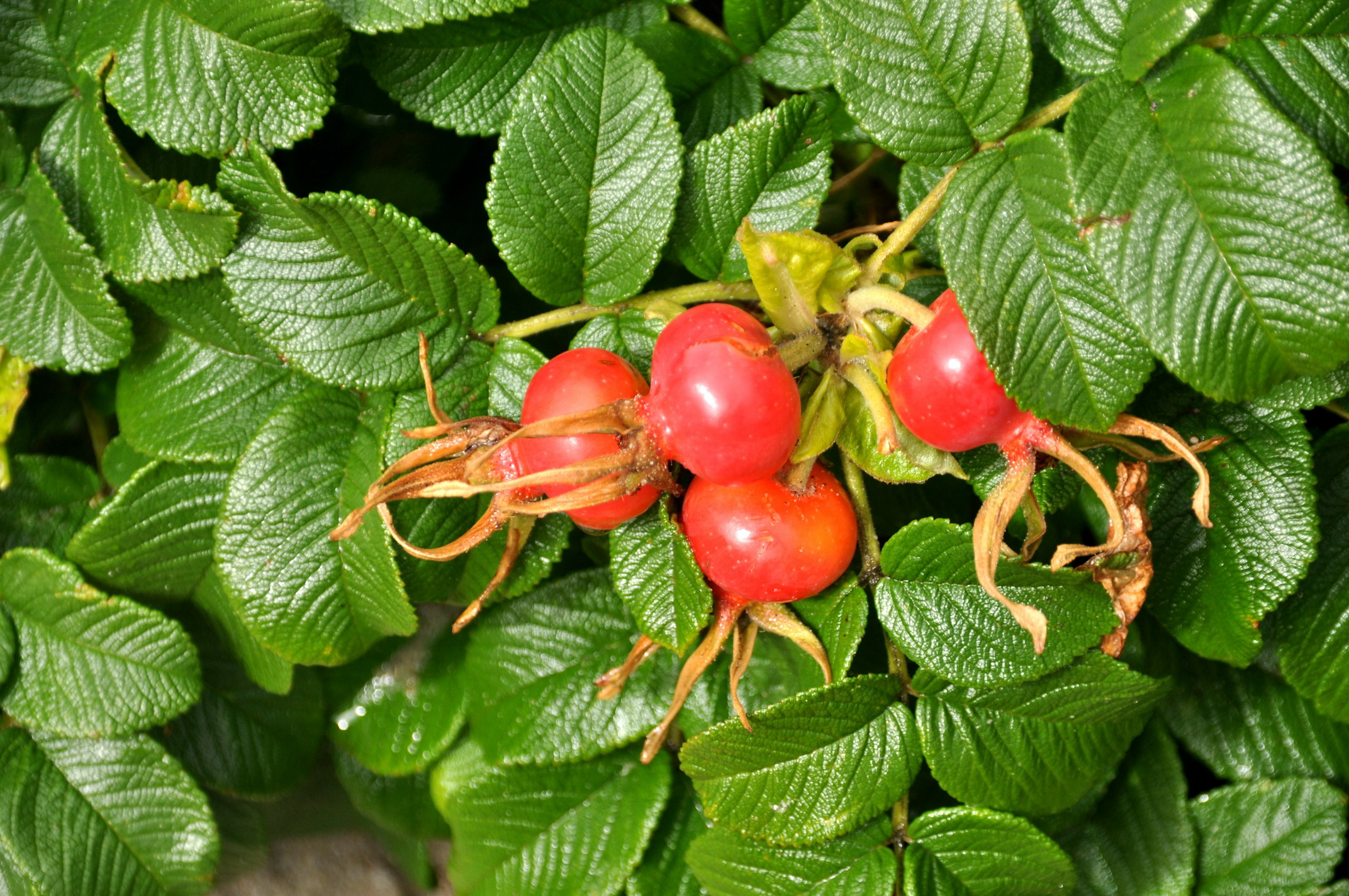
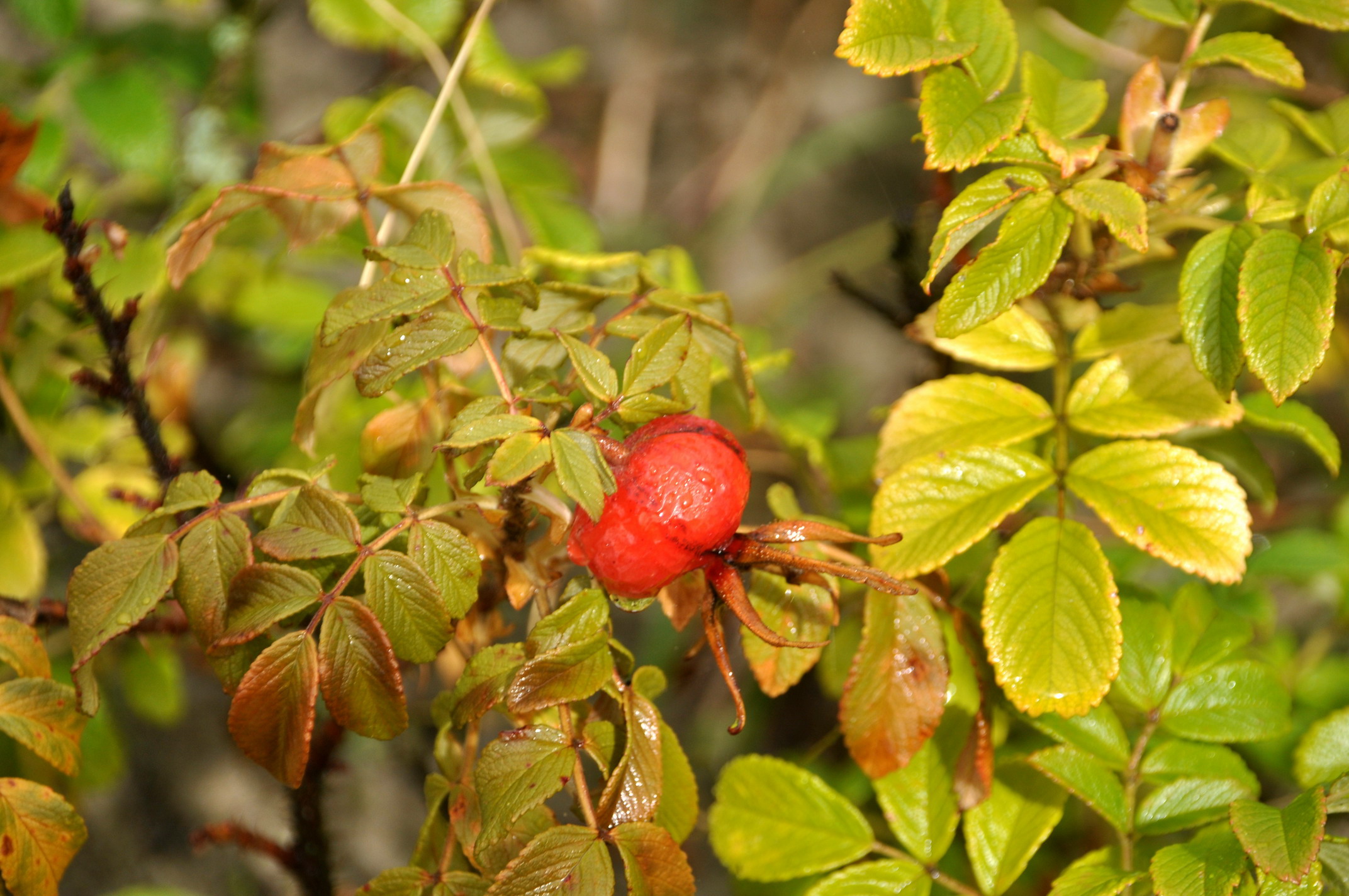
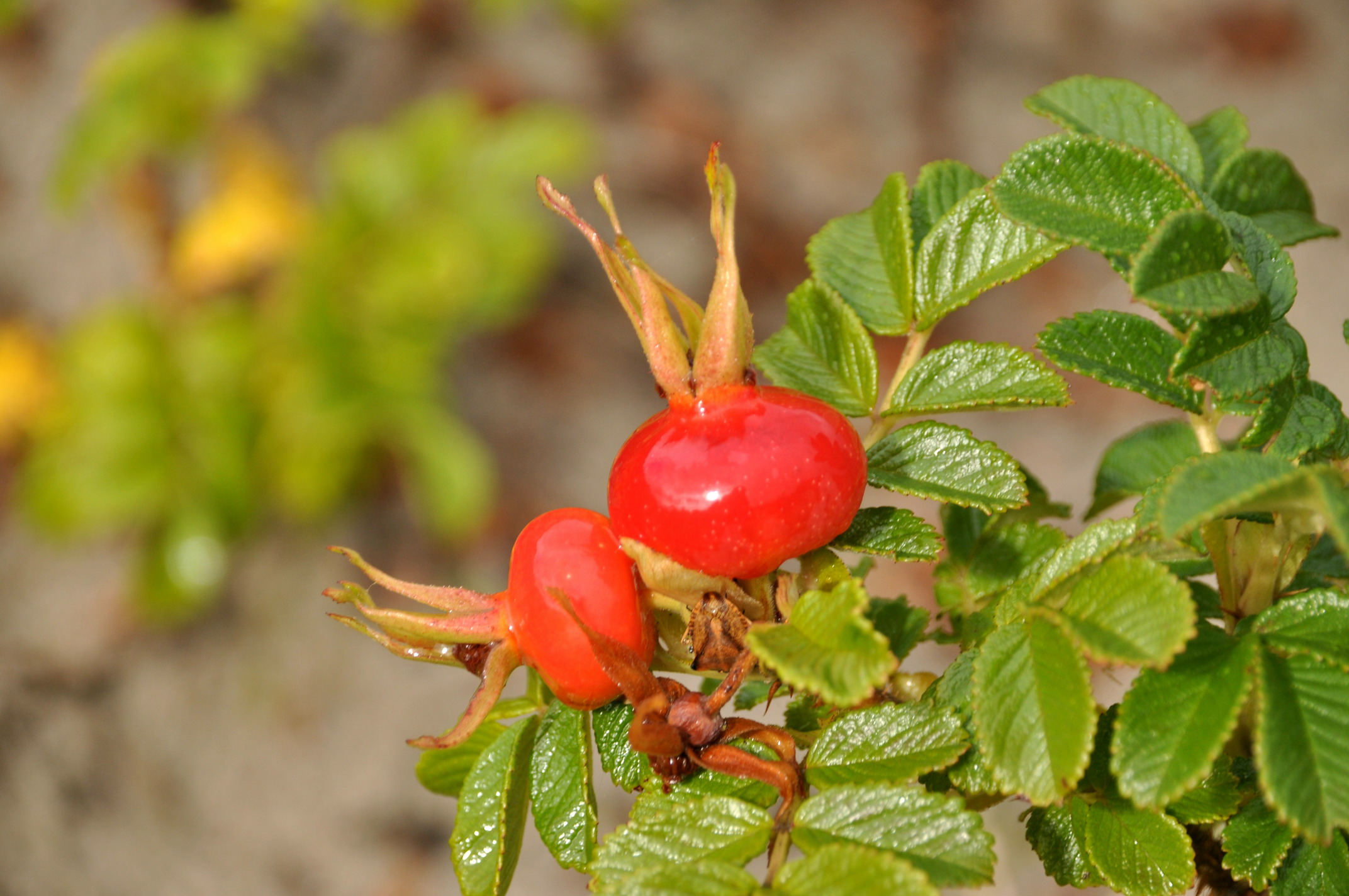
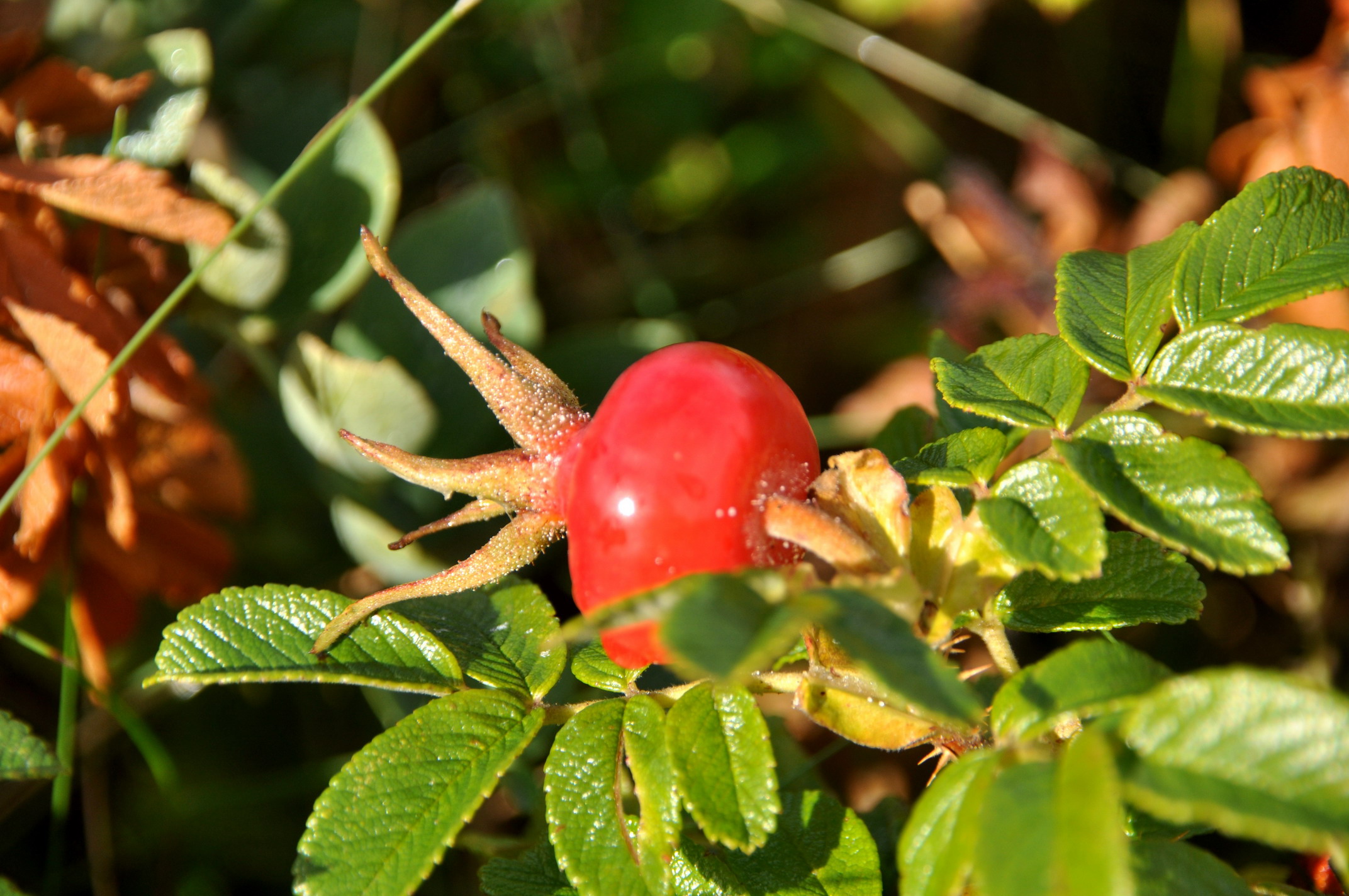
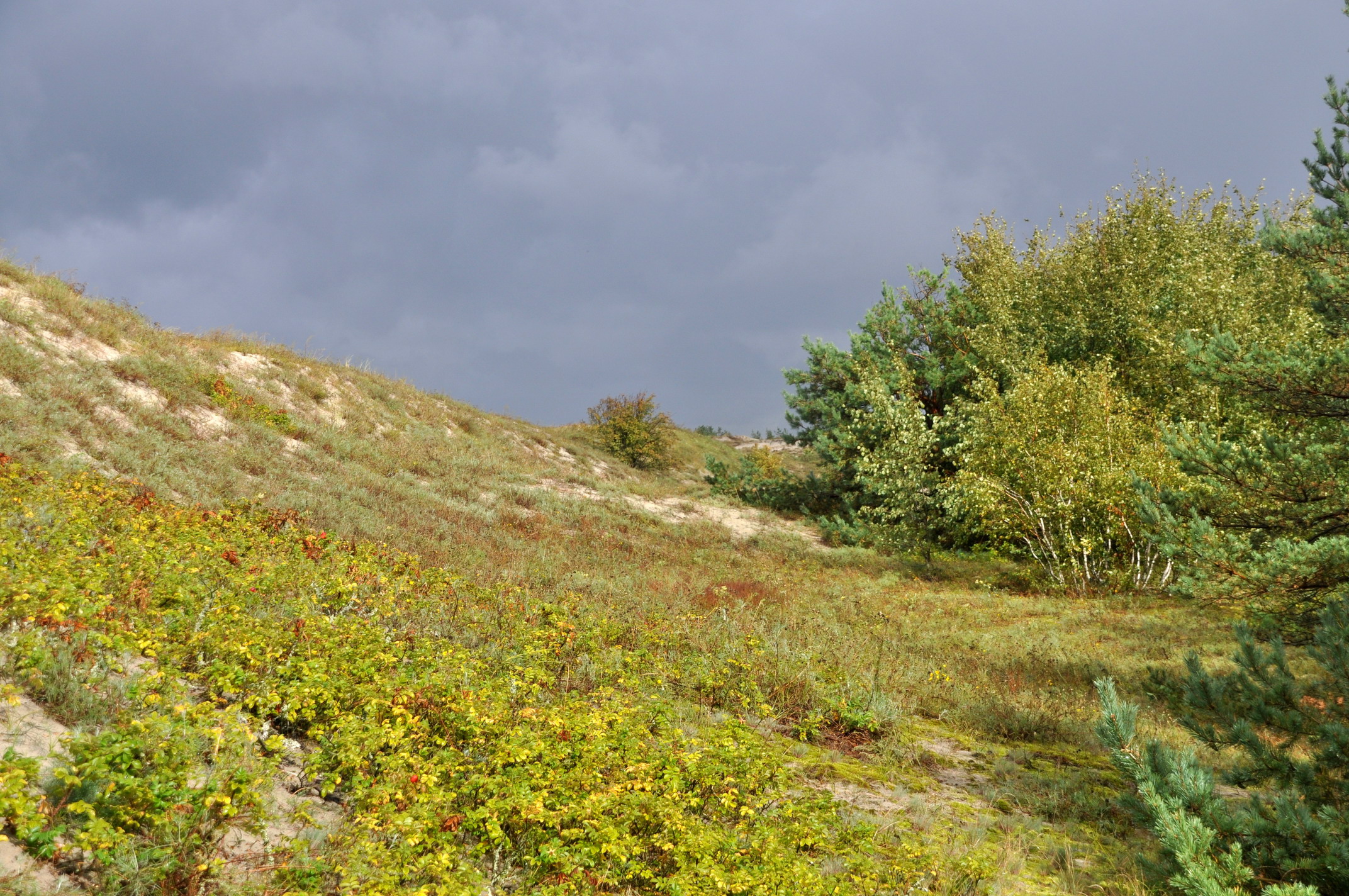
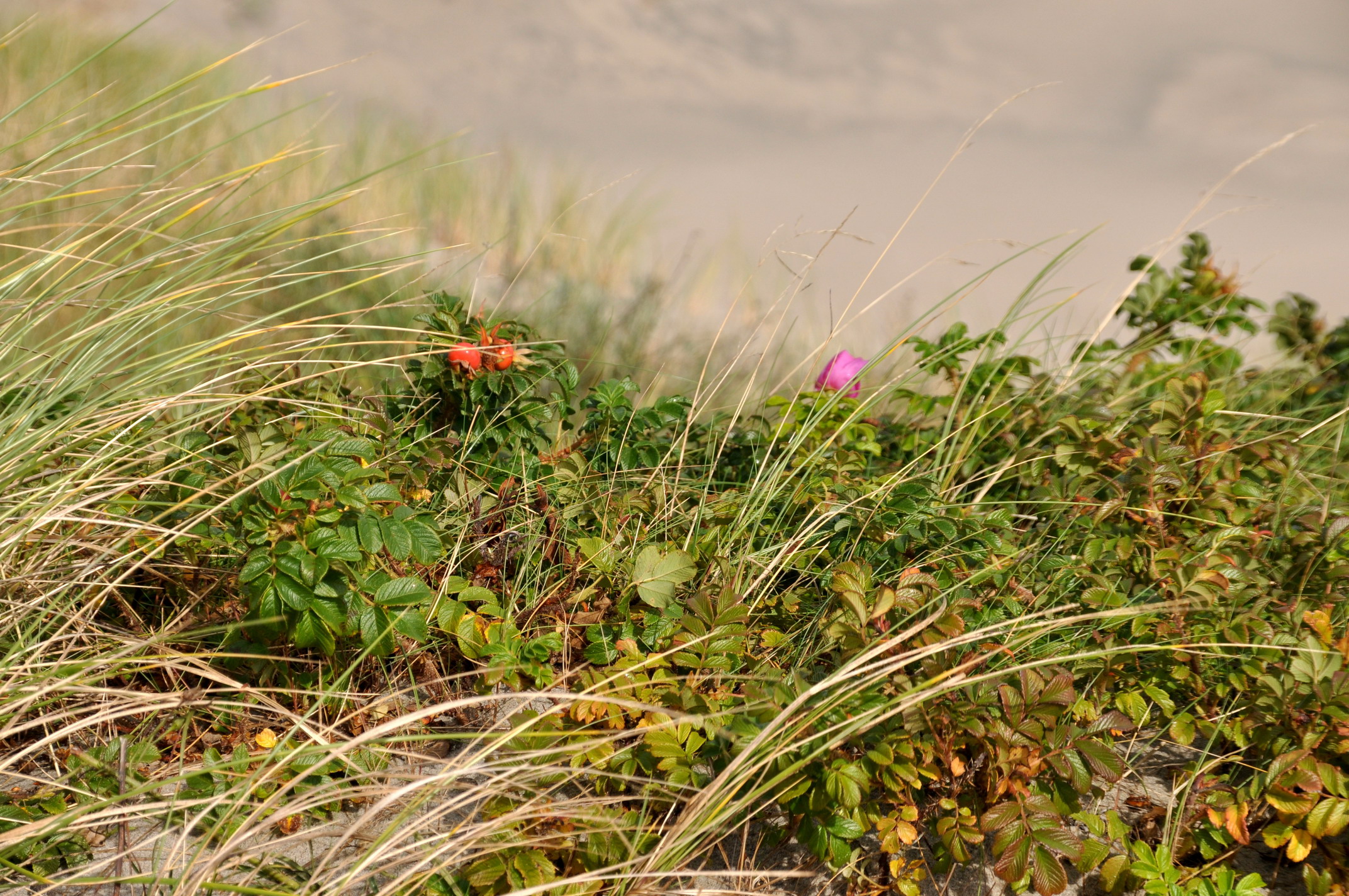
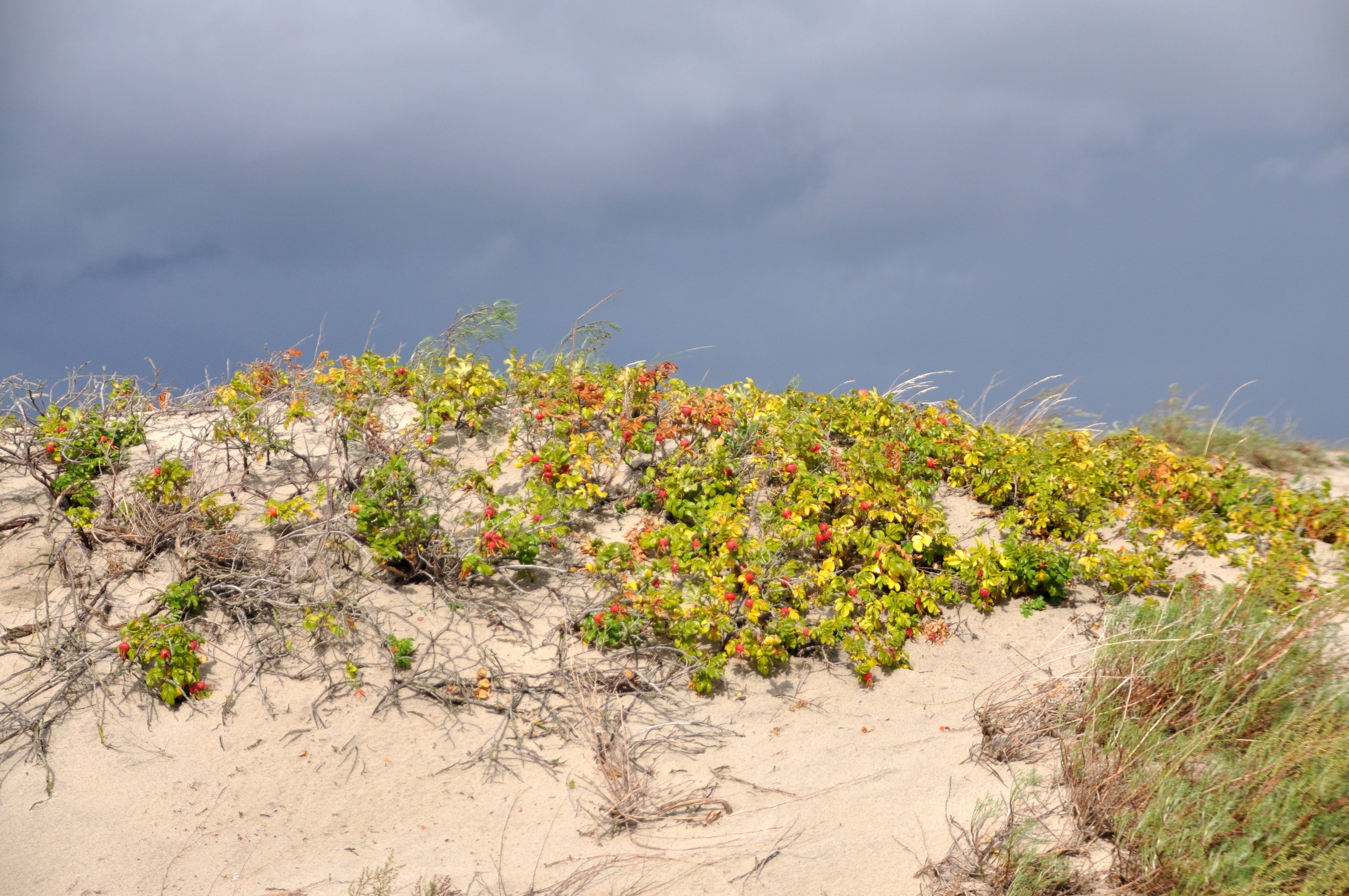
There were wild rose bushes all around, with red hips you could even eat.
The way back
I packed up the tent and started back. I had all day and didn’t need to hurry.
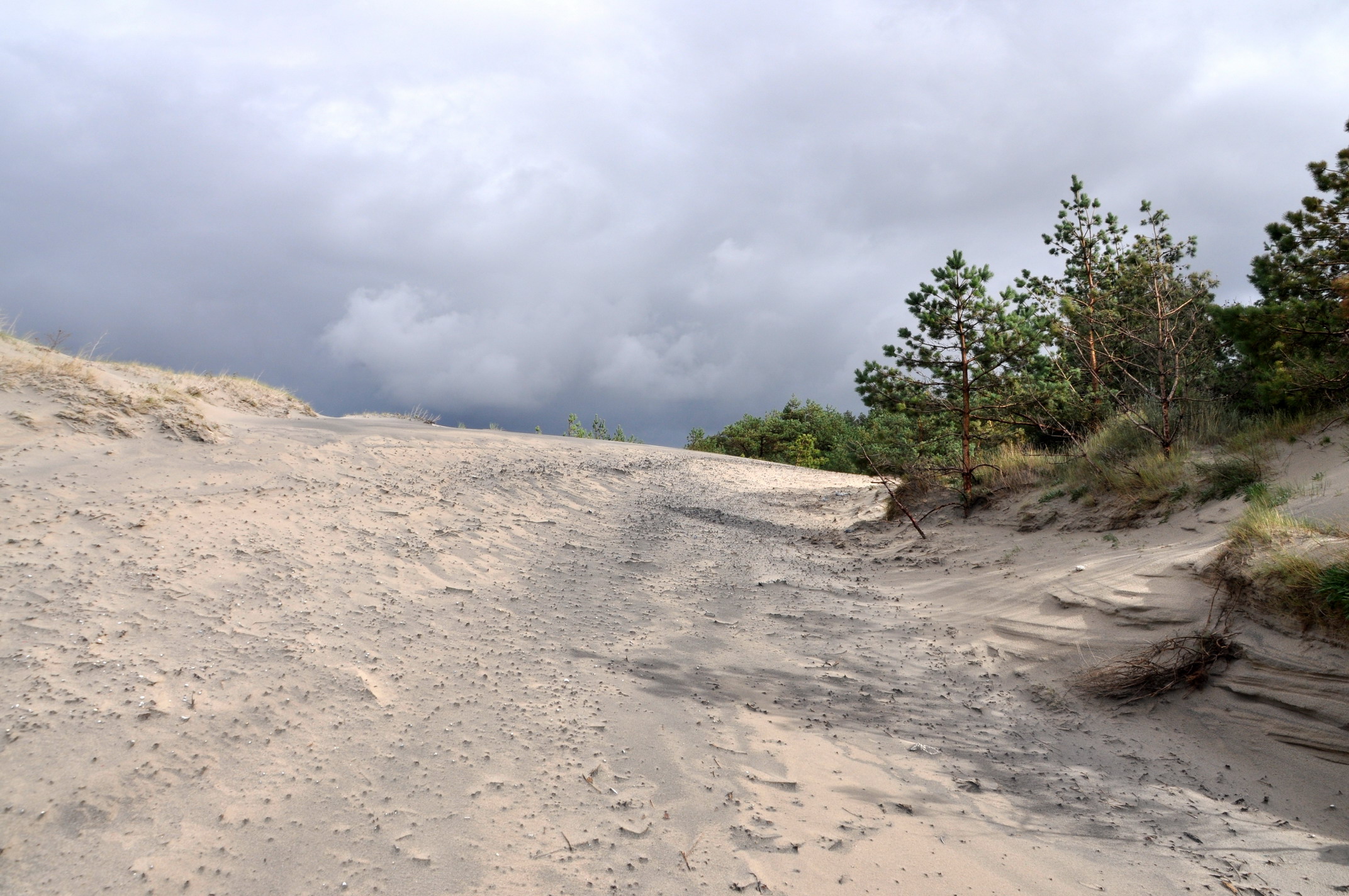
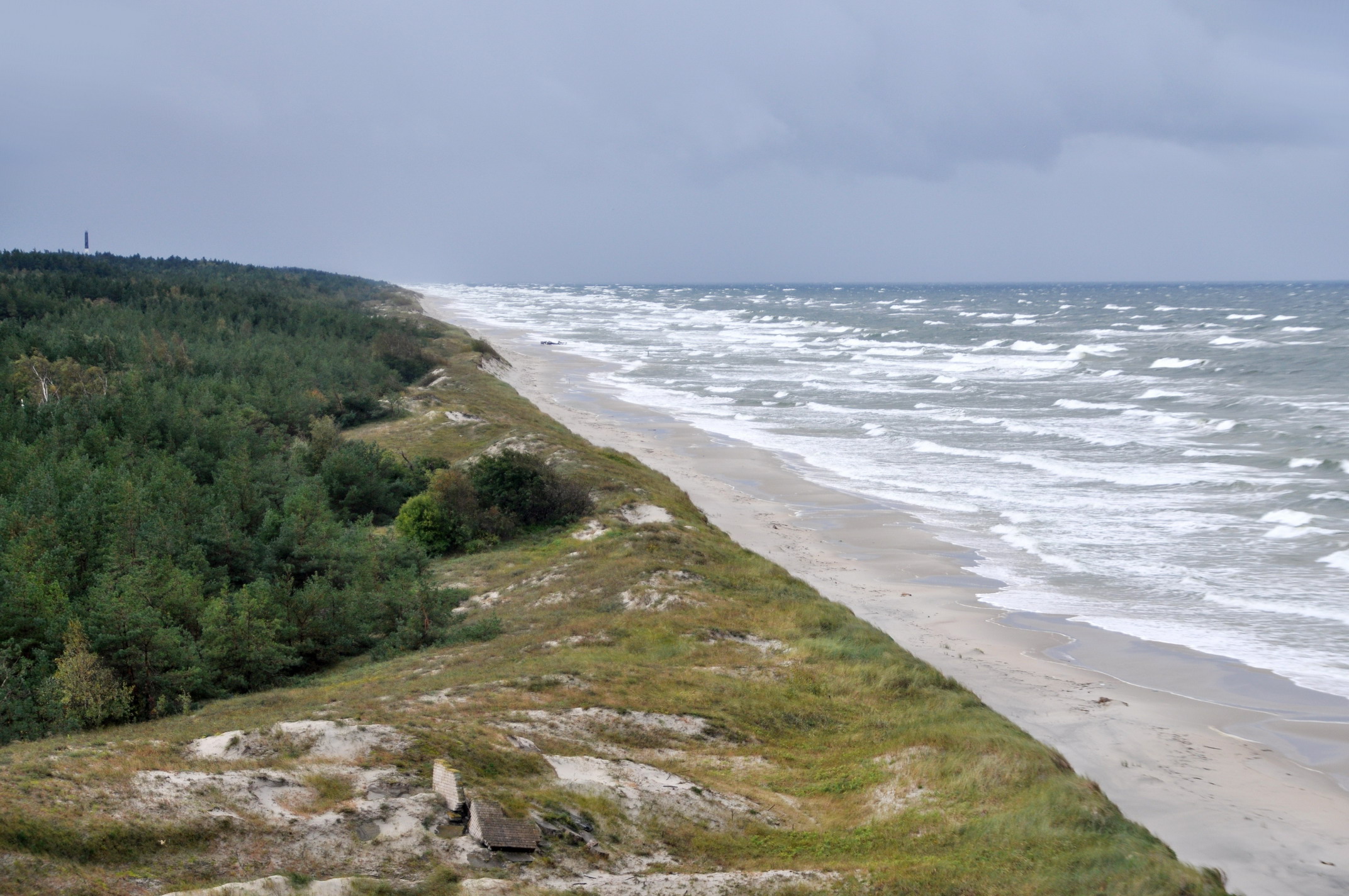
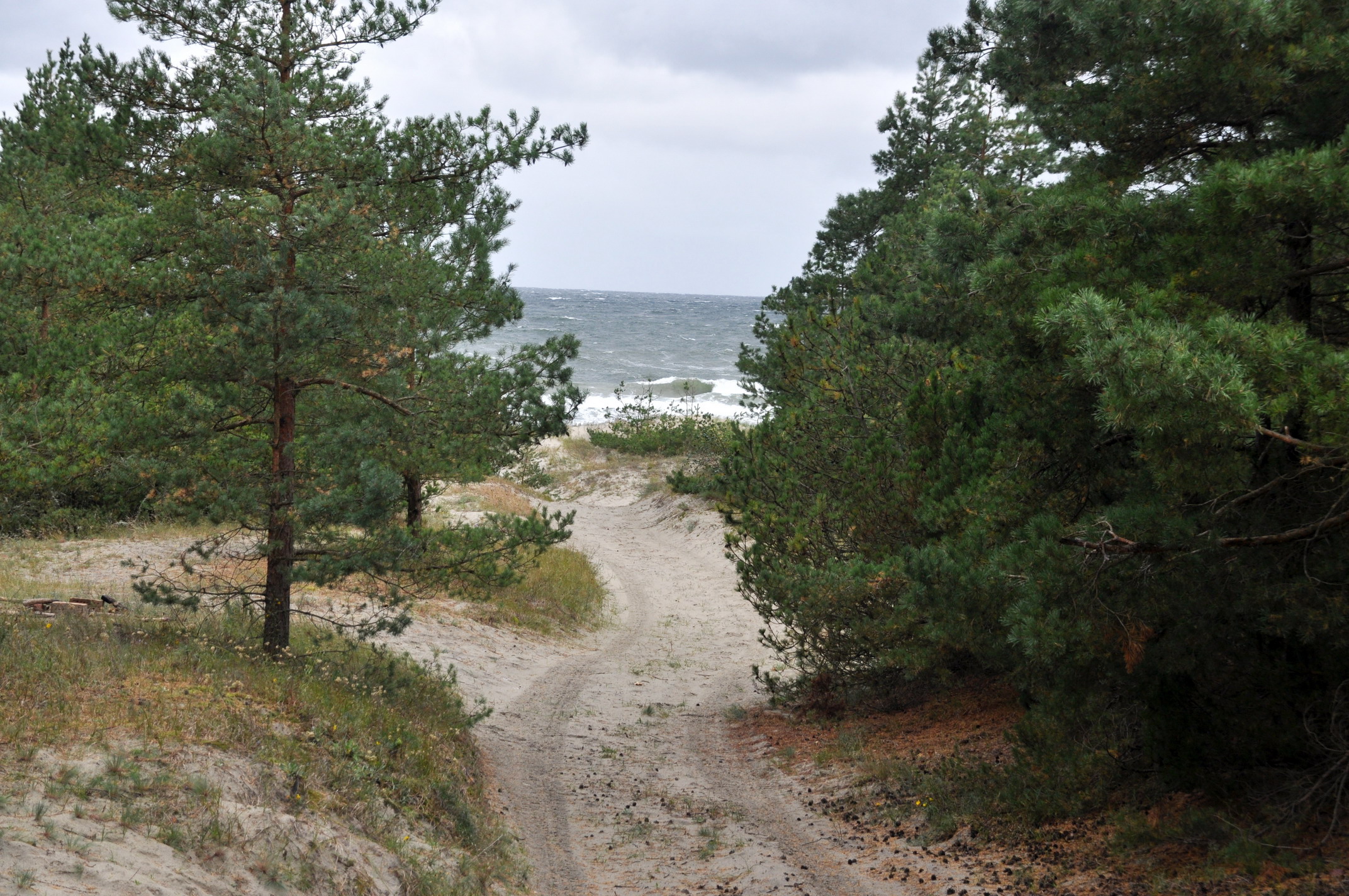
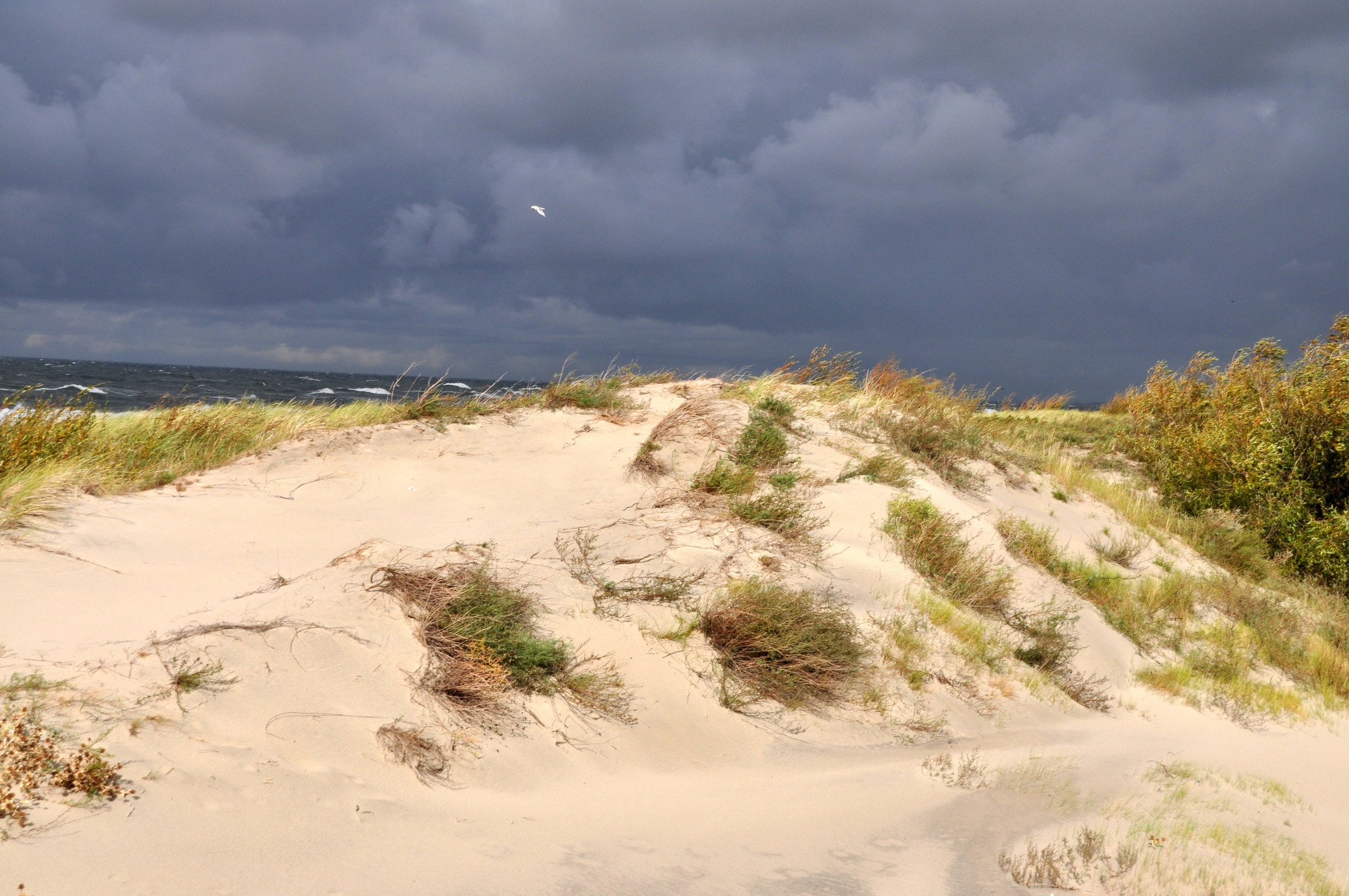
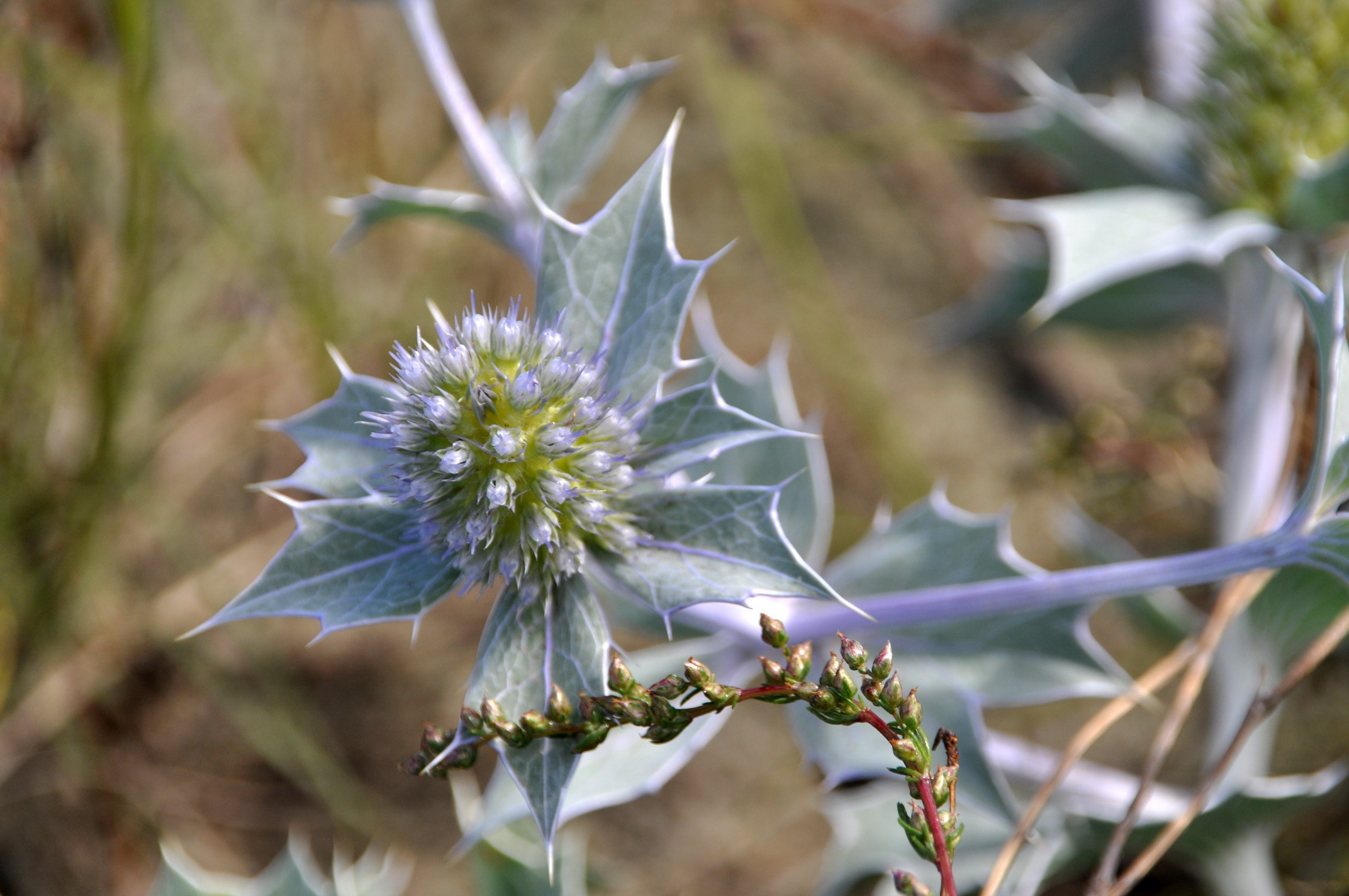
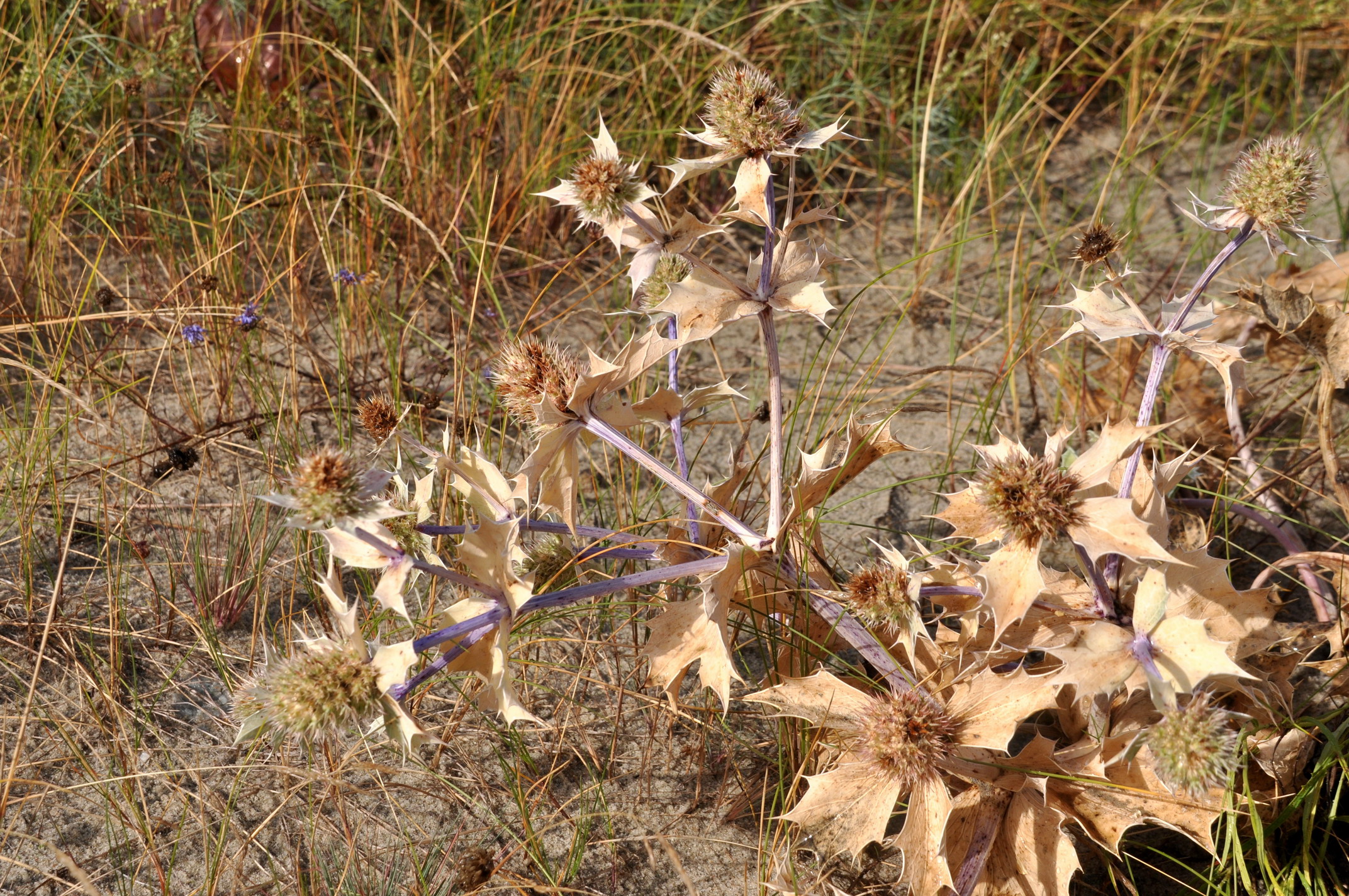
The easiest way to walk was along the edge of the dunes and the woods. Here the sand was for the most part covered with grass, so you didn’t sink in. The vegetation was very varied. You come across barberry, wild rose and even sea buckthorn. The woods on the spit were mixed, in their autumn colours. The beginning of golden autumn.
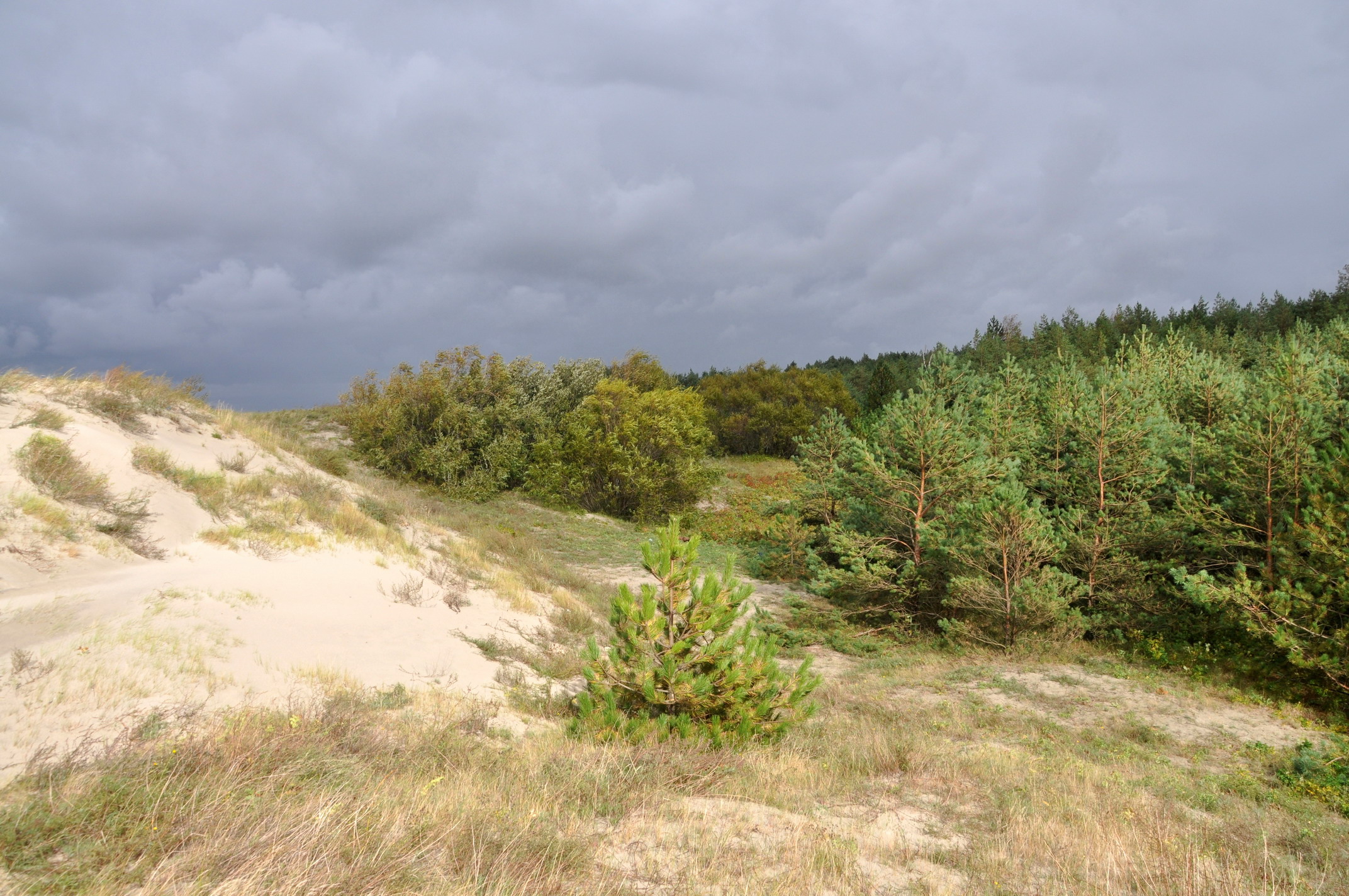
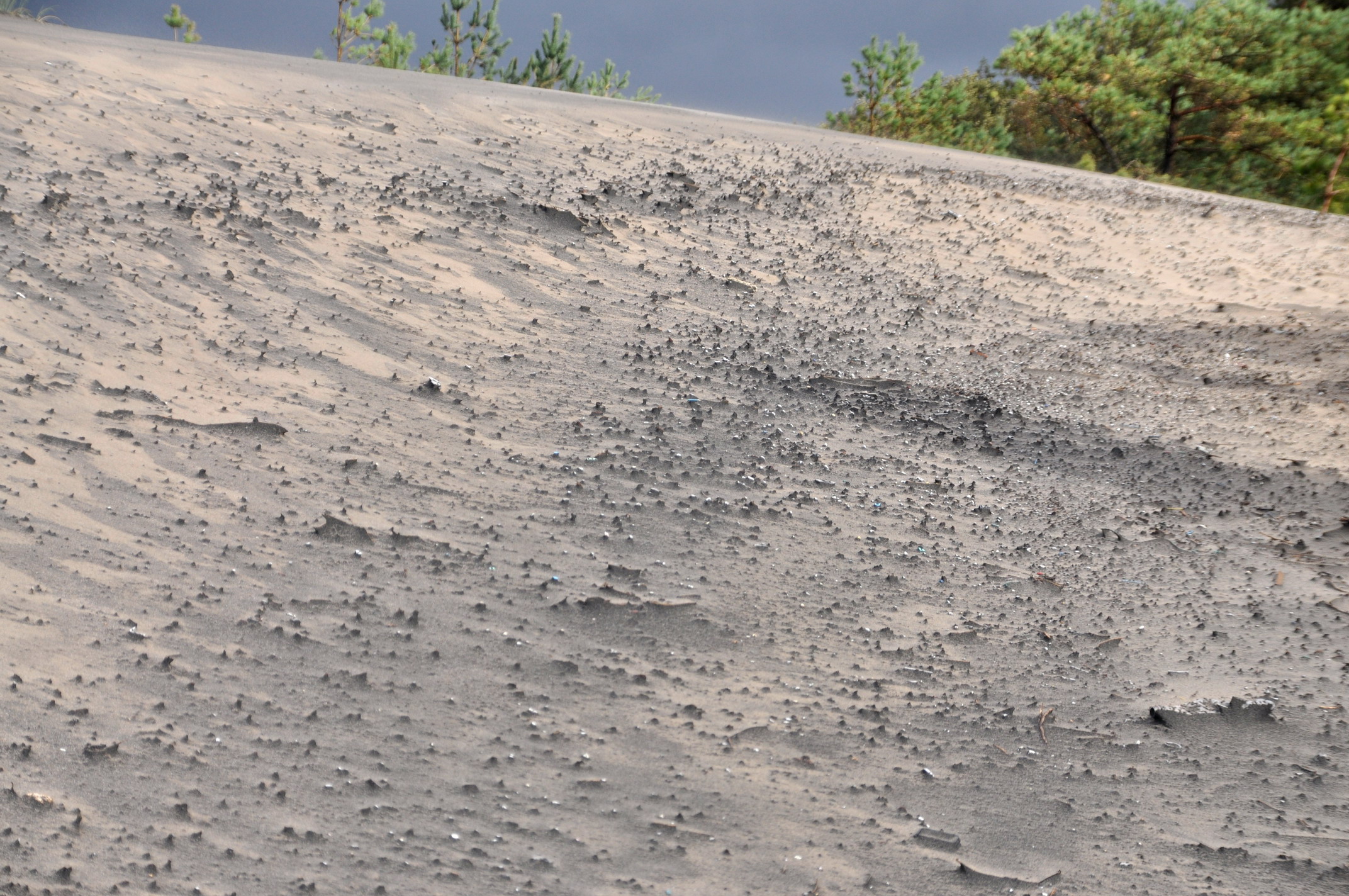
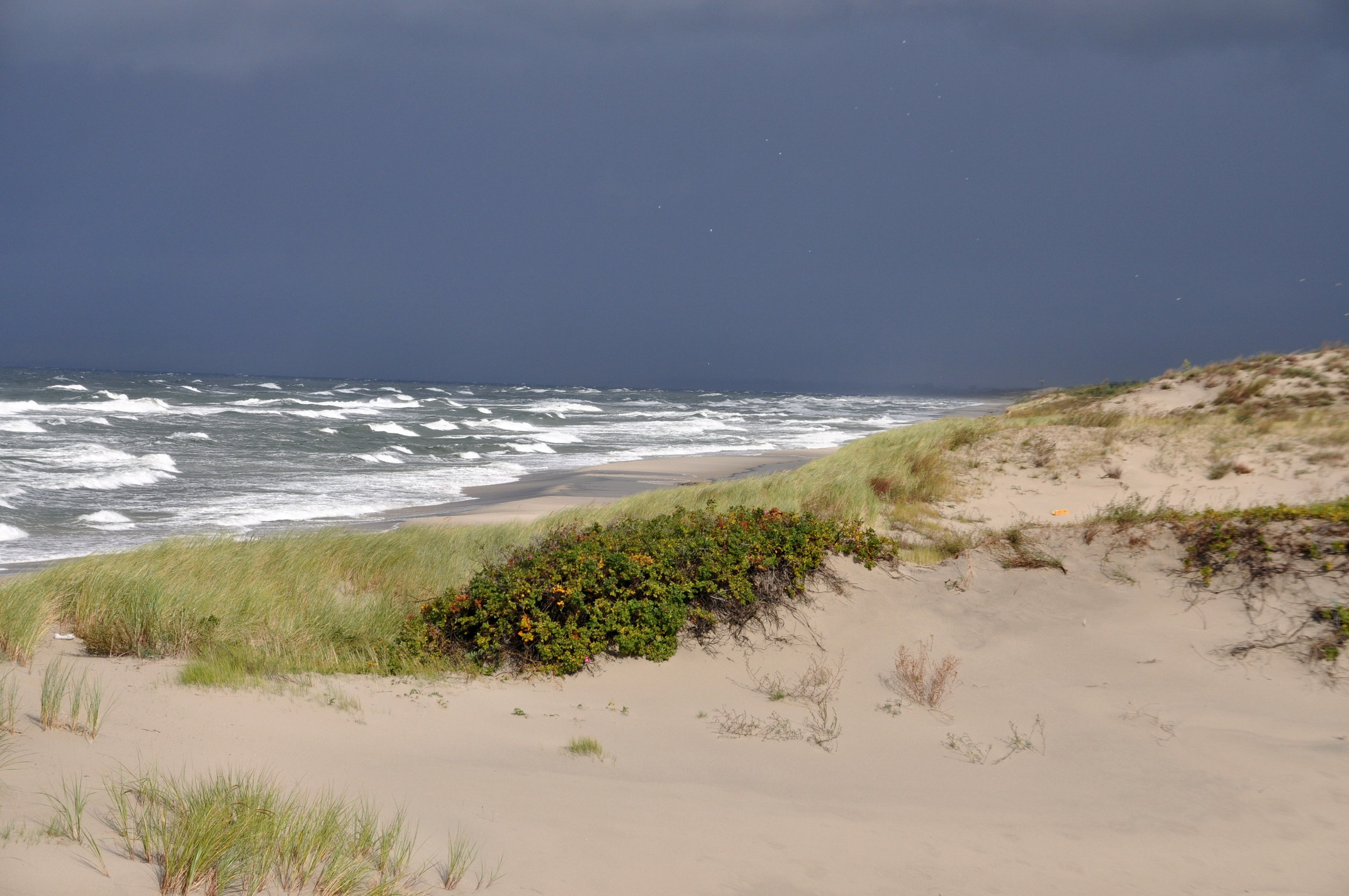
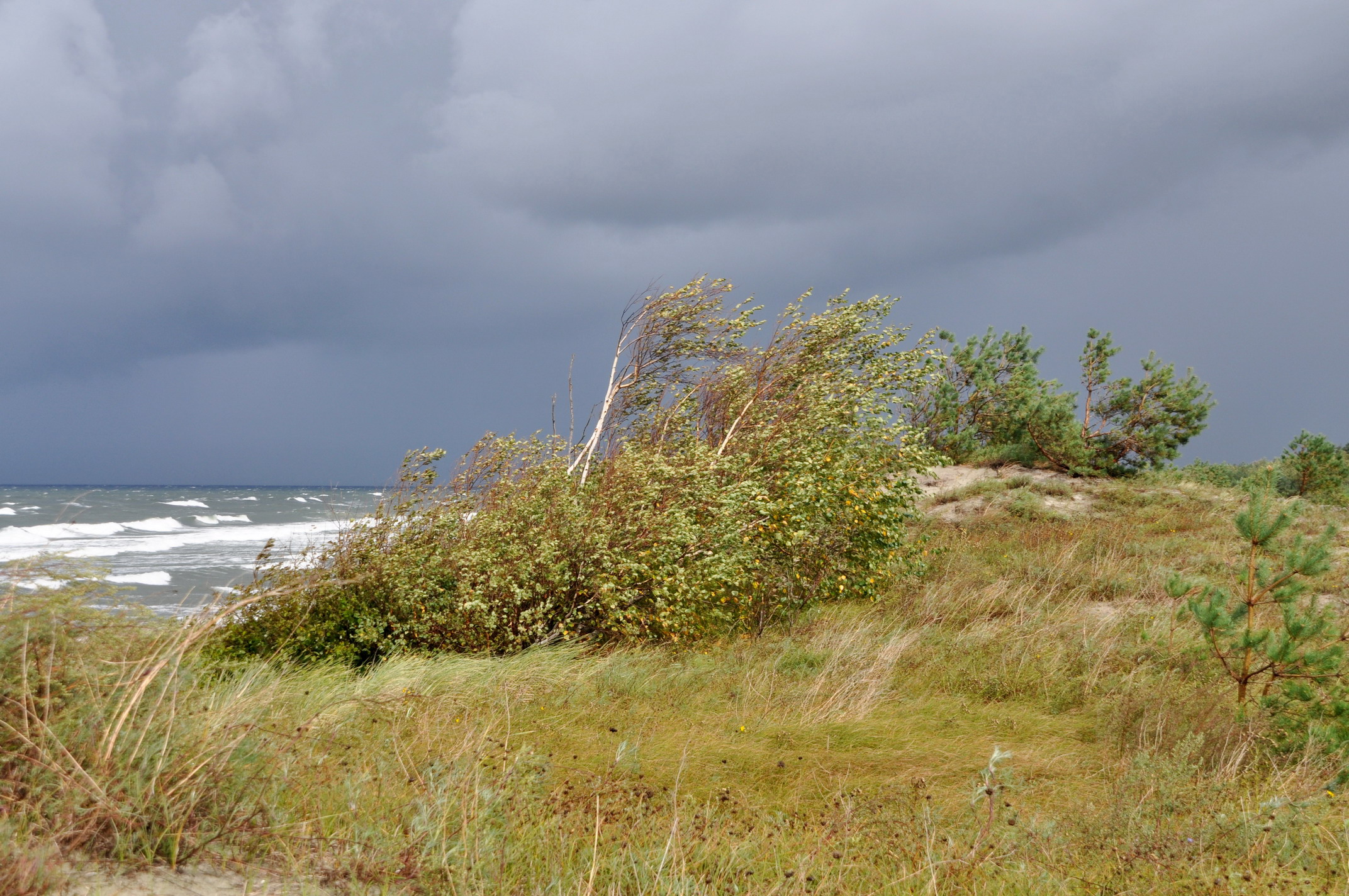
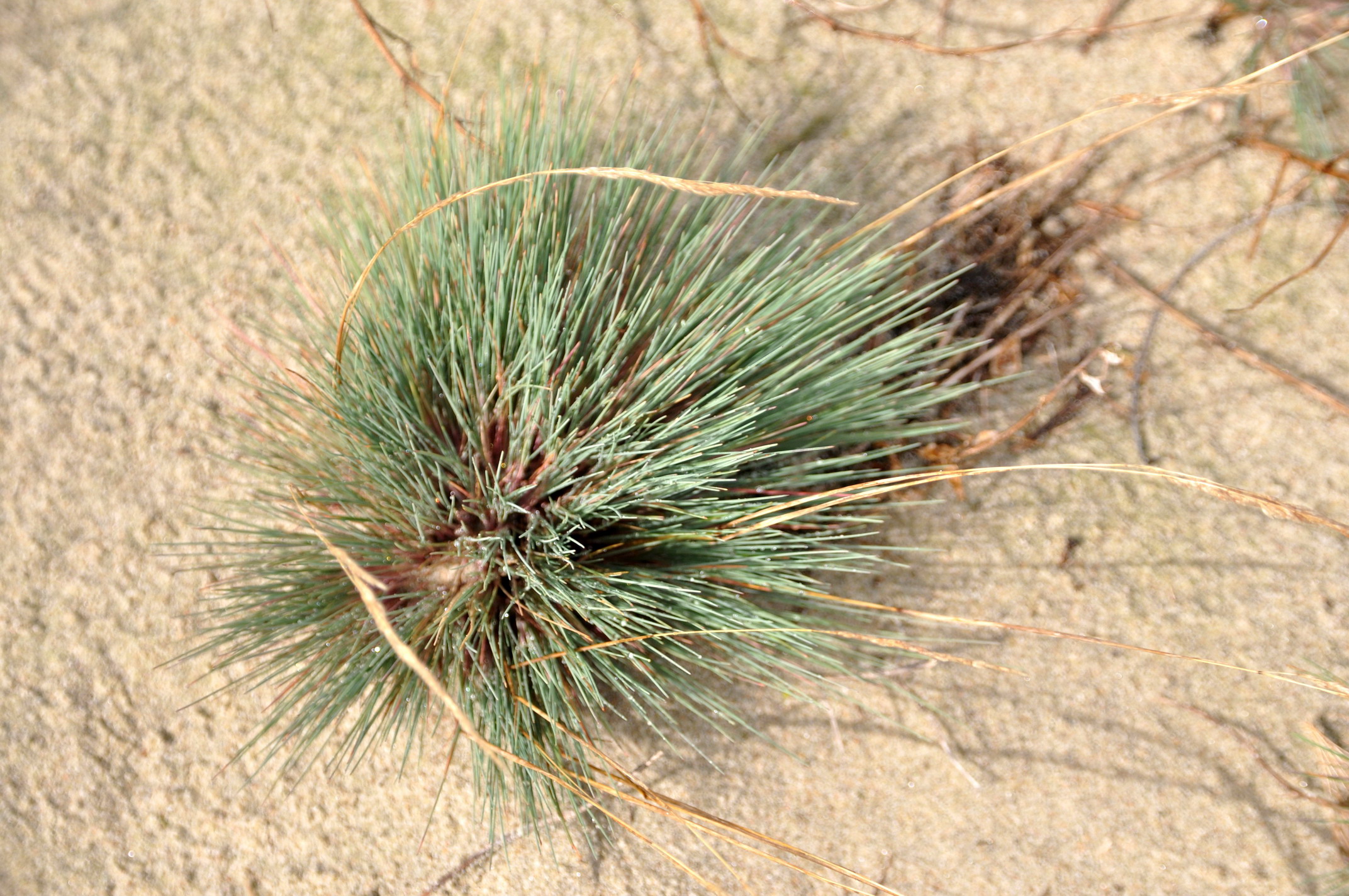
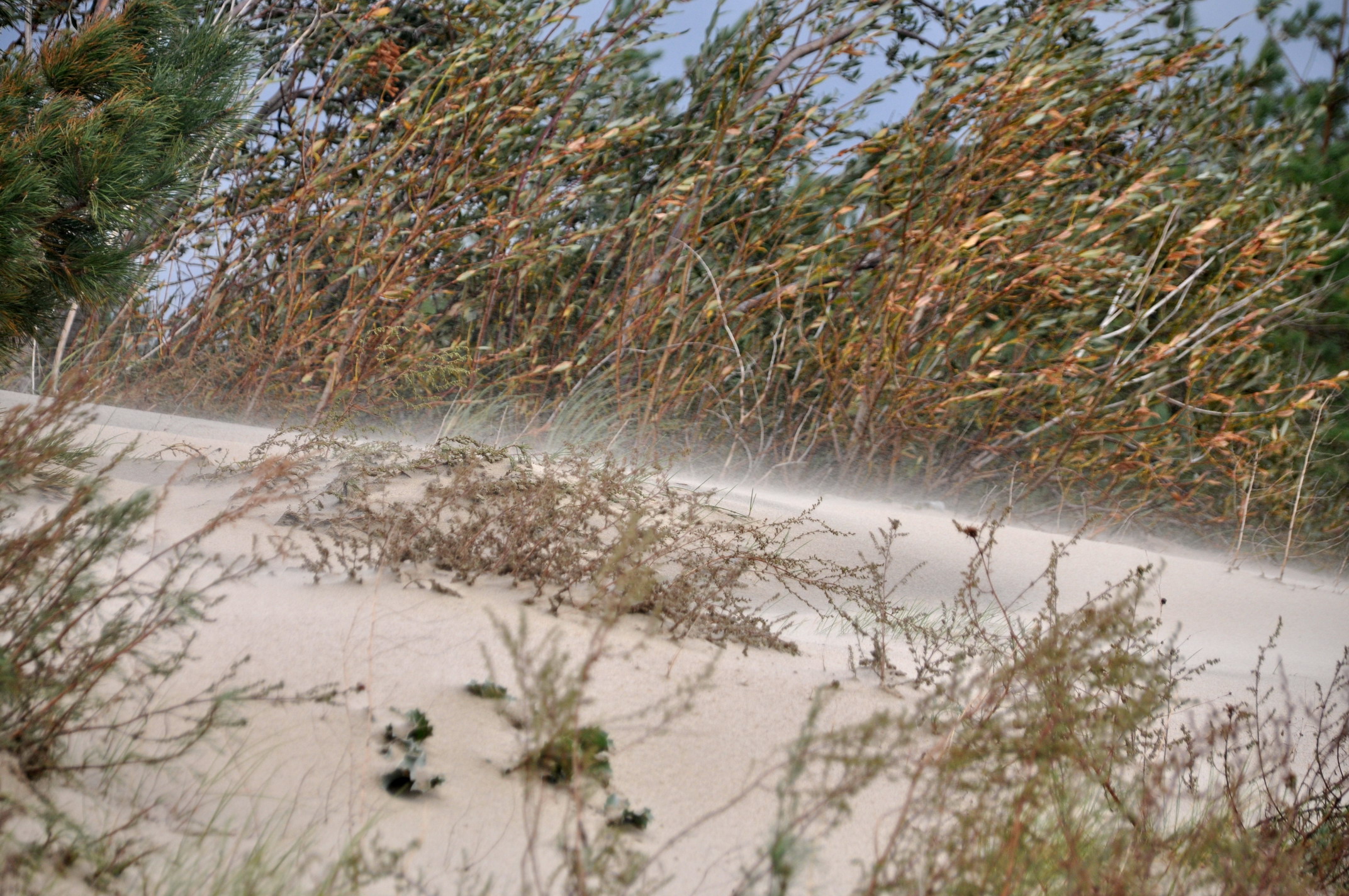
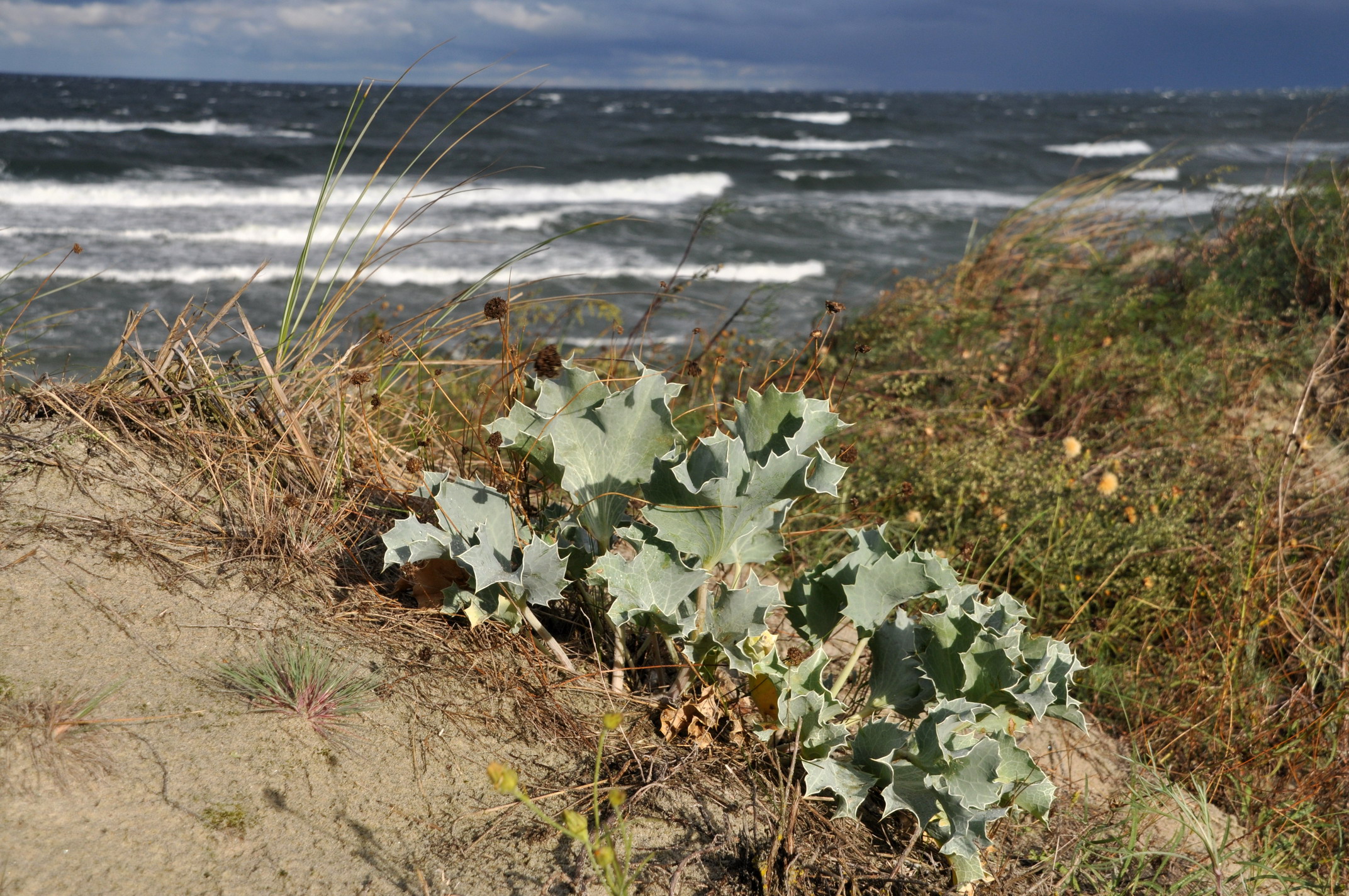
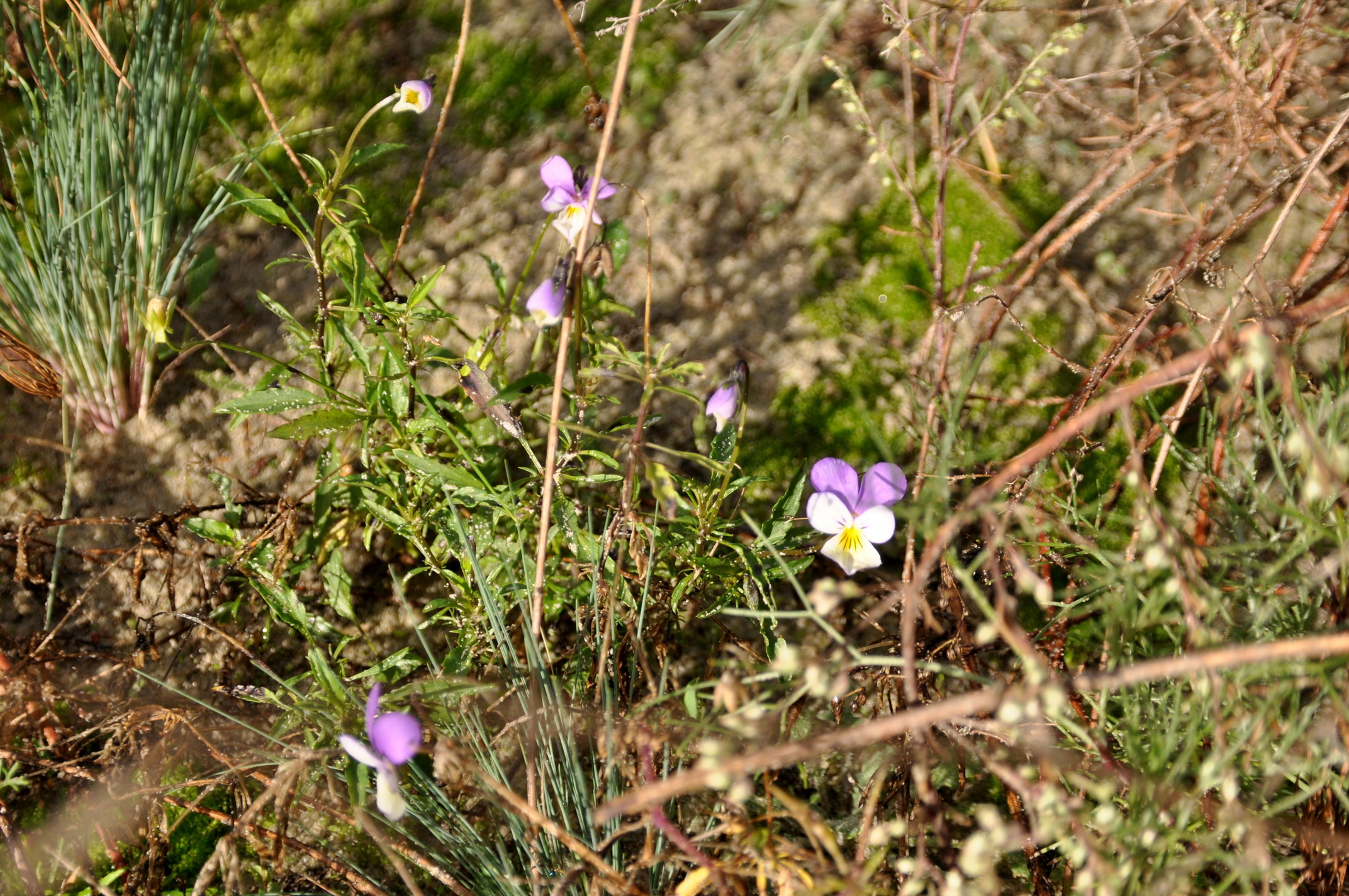
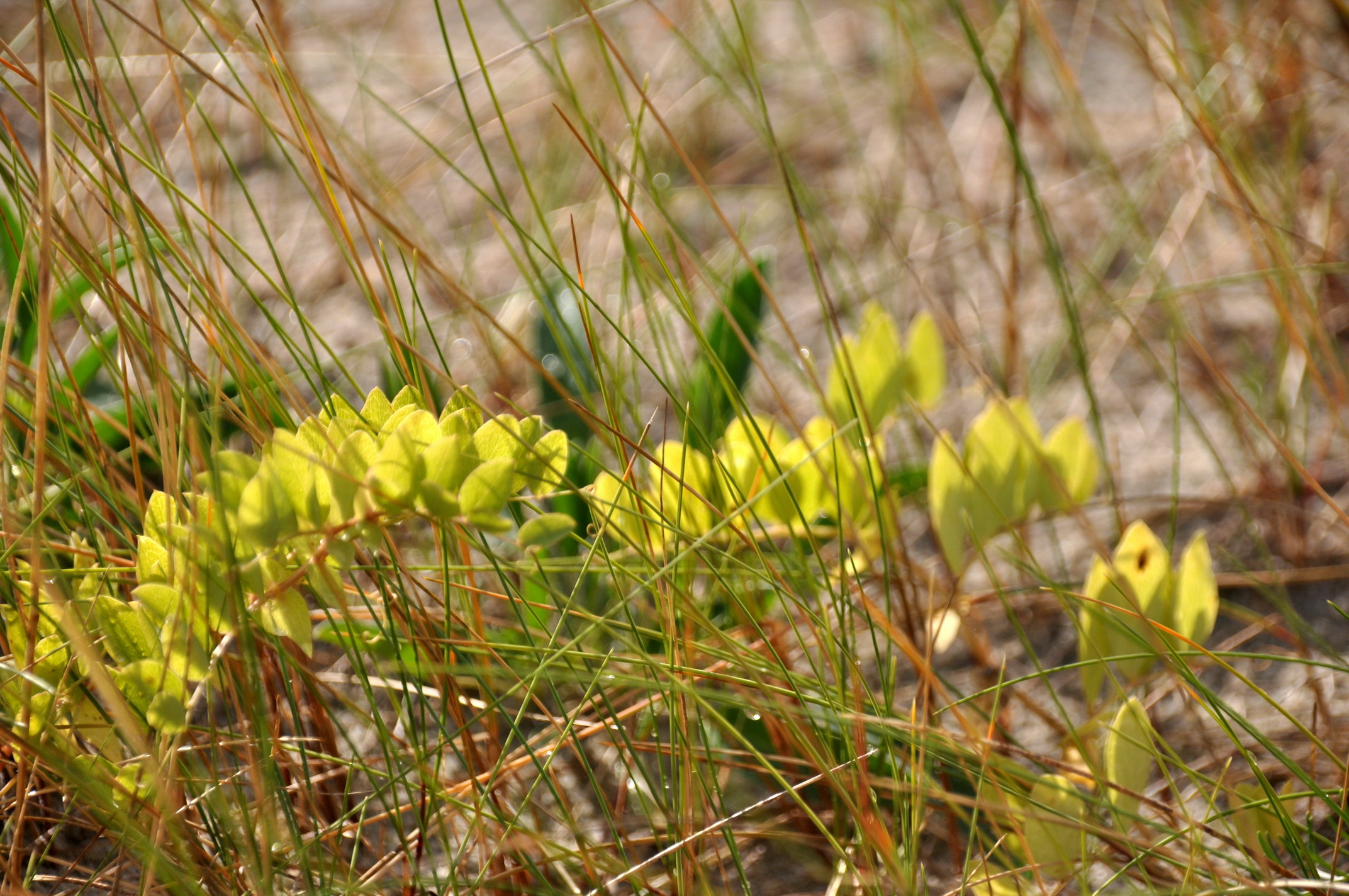
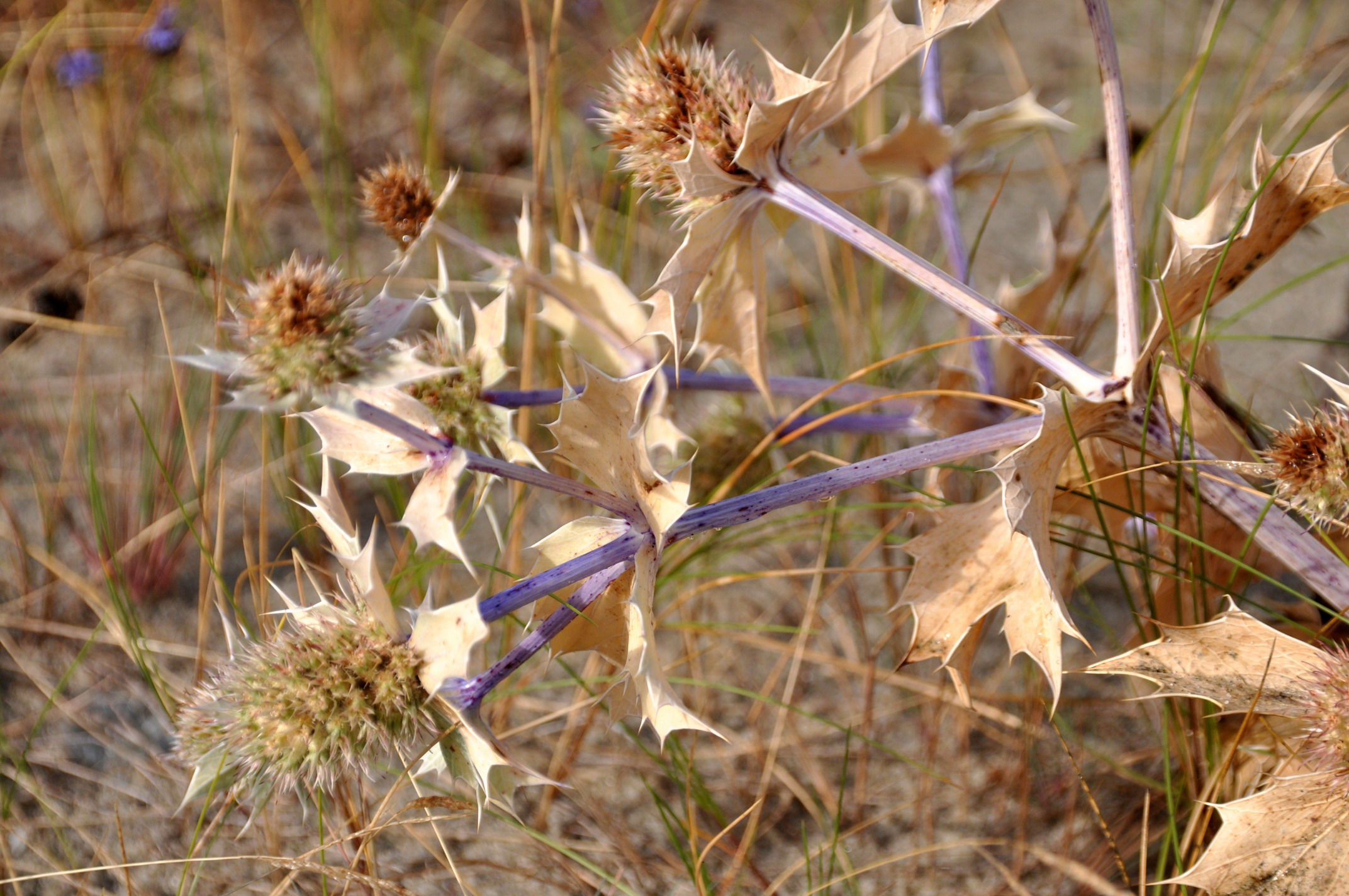
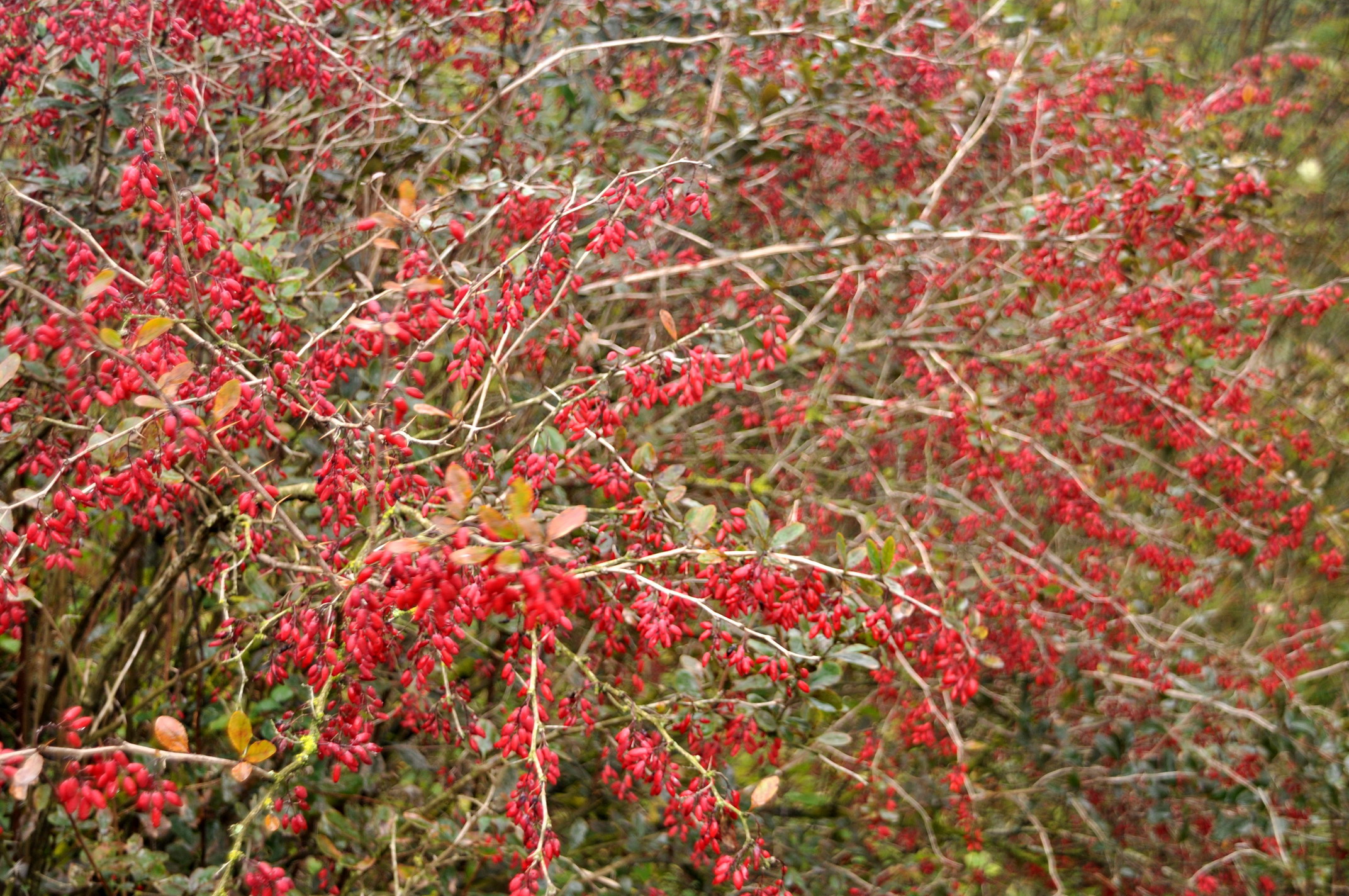
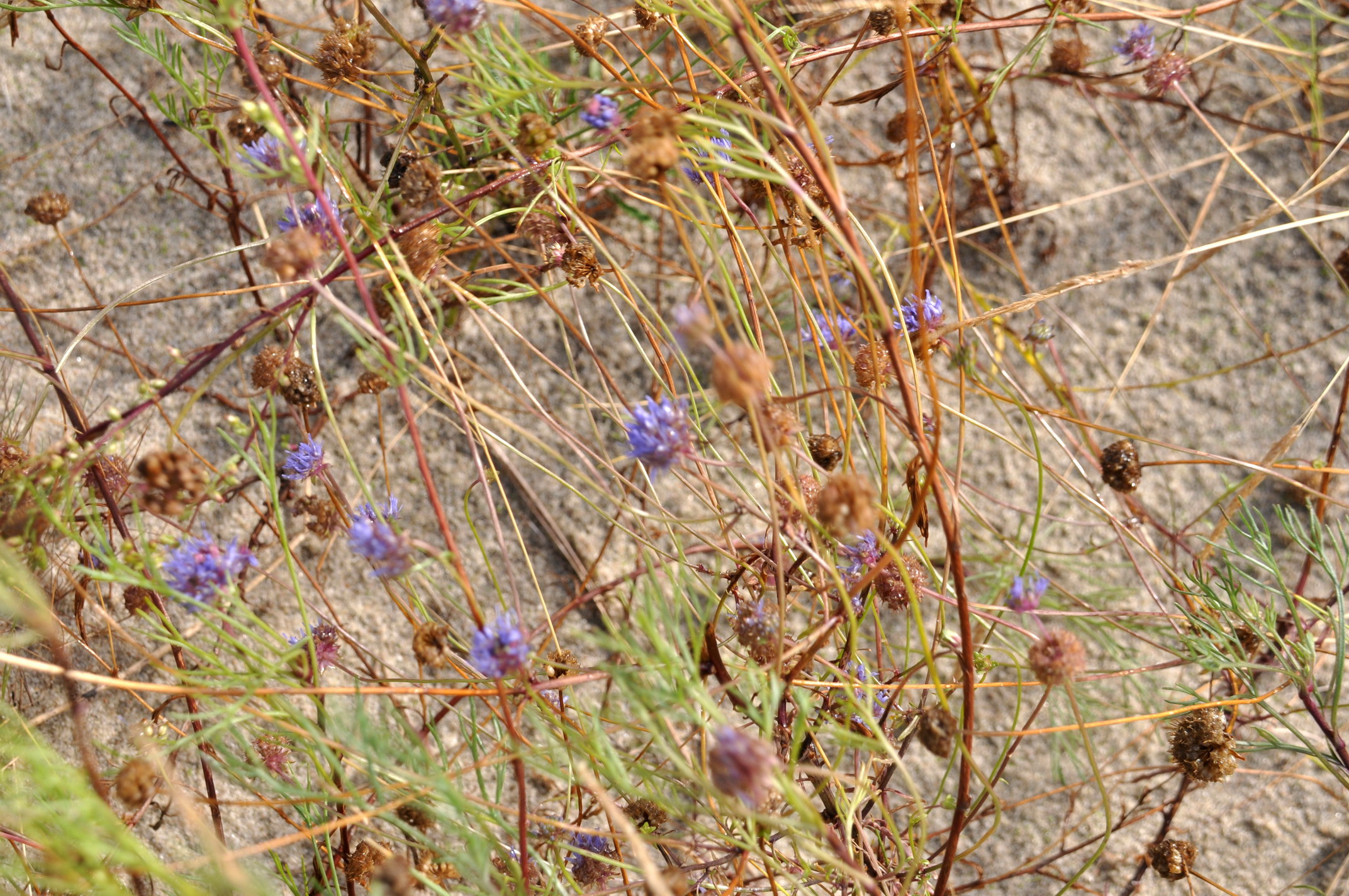
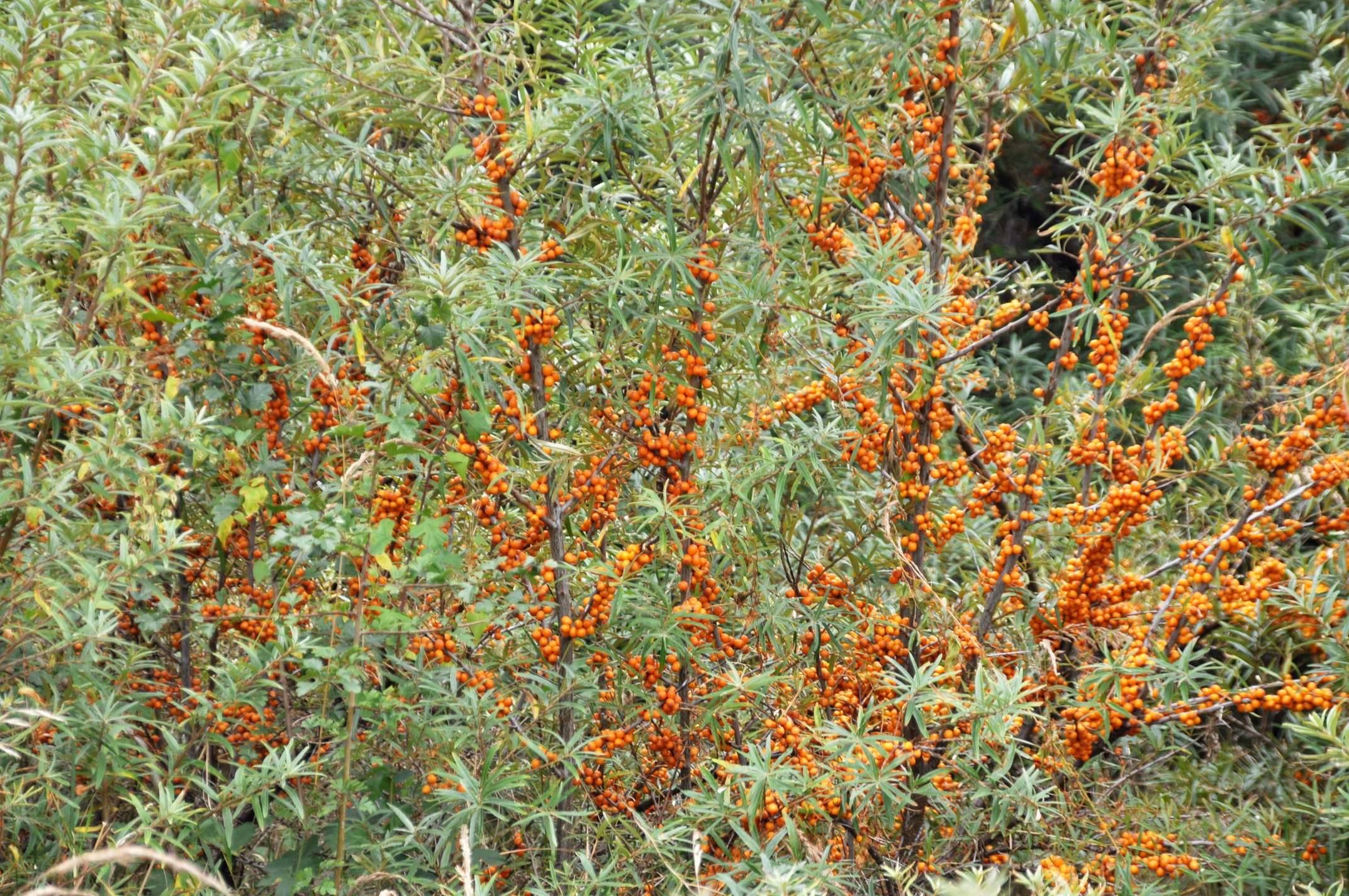
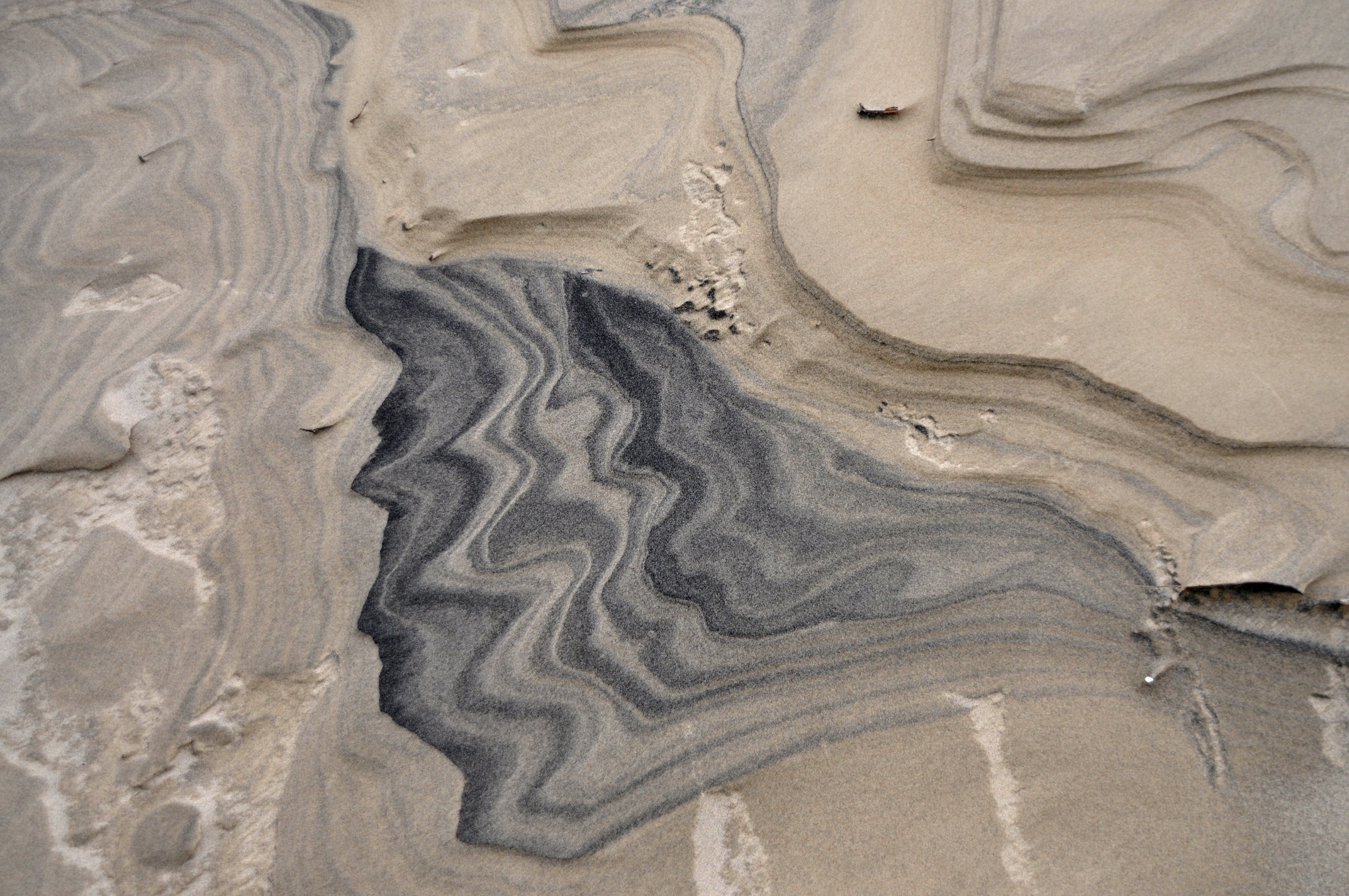
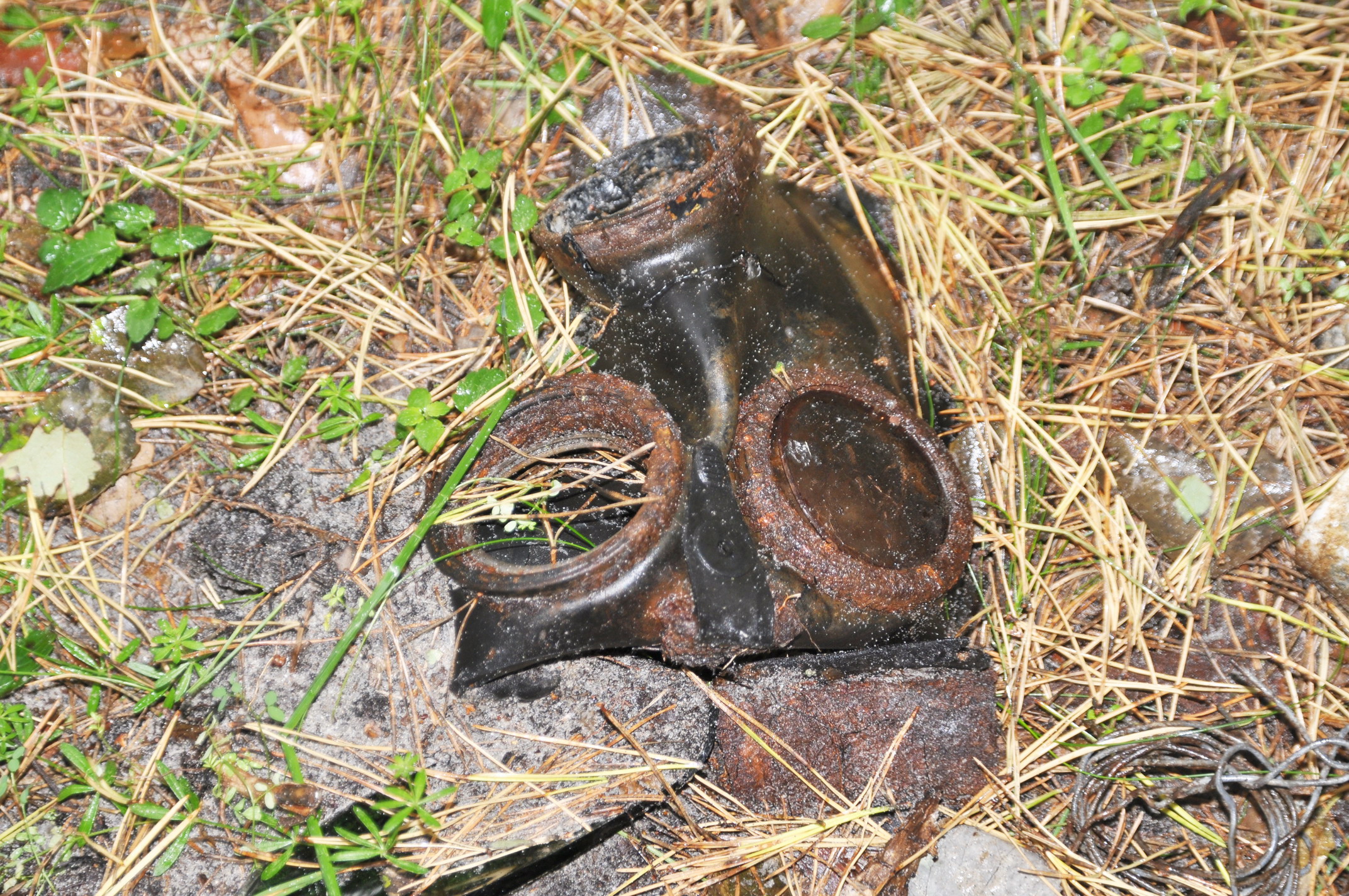
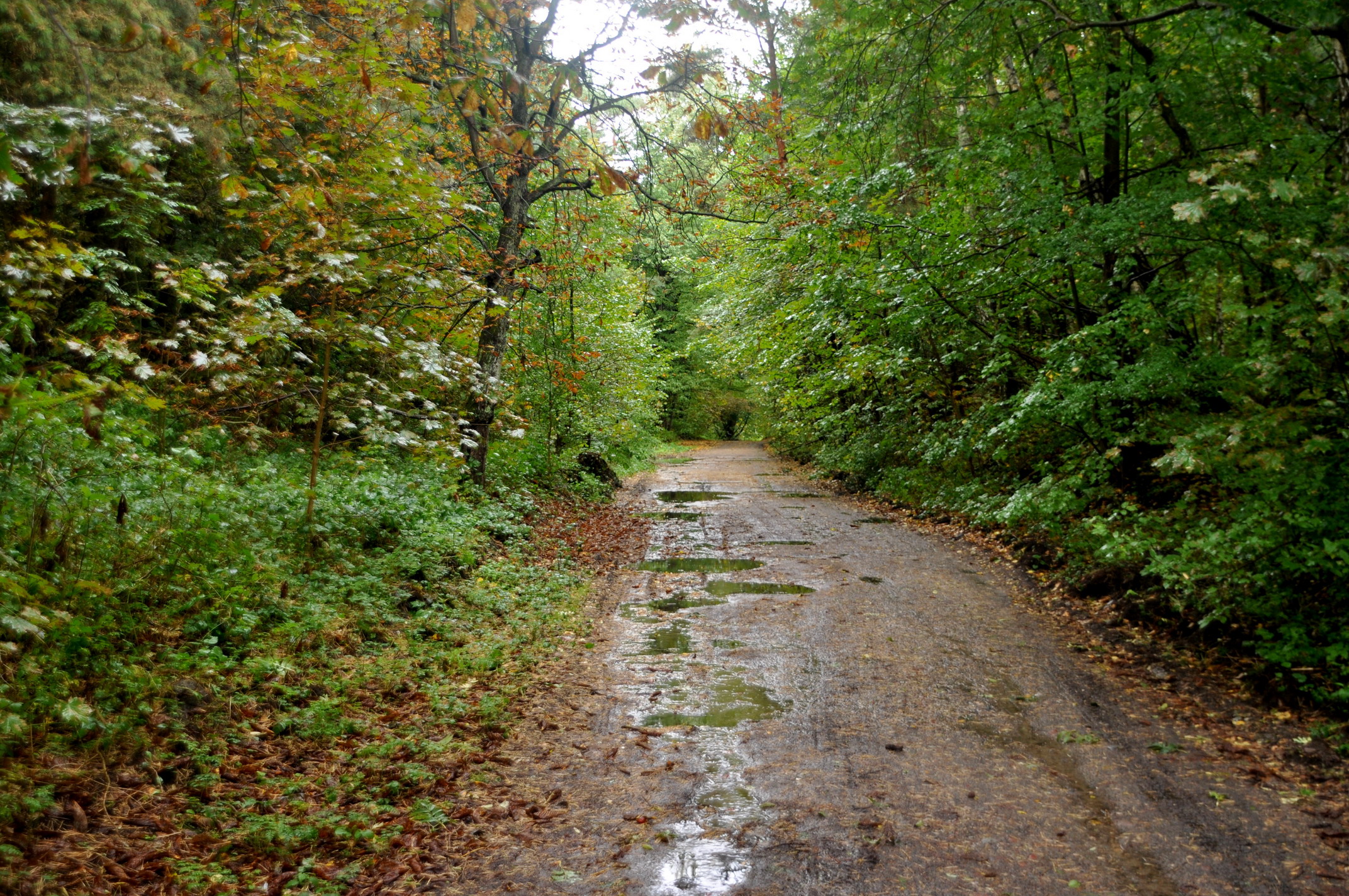
There were quite a few roads on the spit, mostly tyre ruts through the woods. When it opened to the public, treasure hunters poured in. The fighting here had been fierce at the end of the war, and until recently you couldn’t dig. Now the entire forest had been turned upside down.
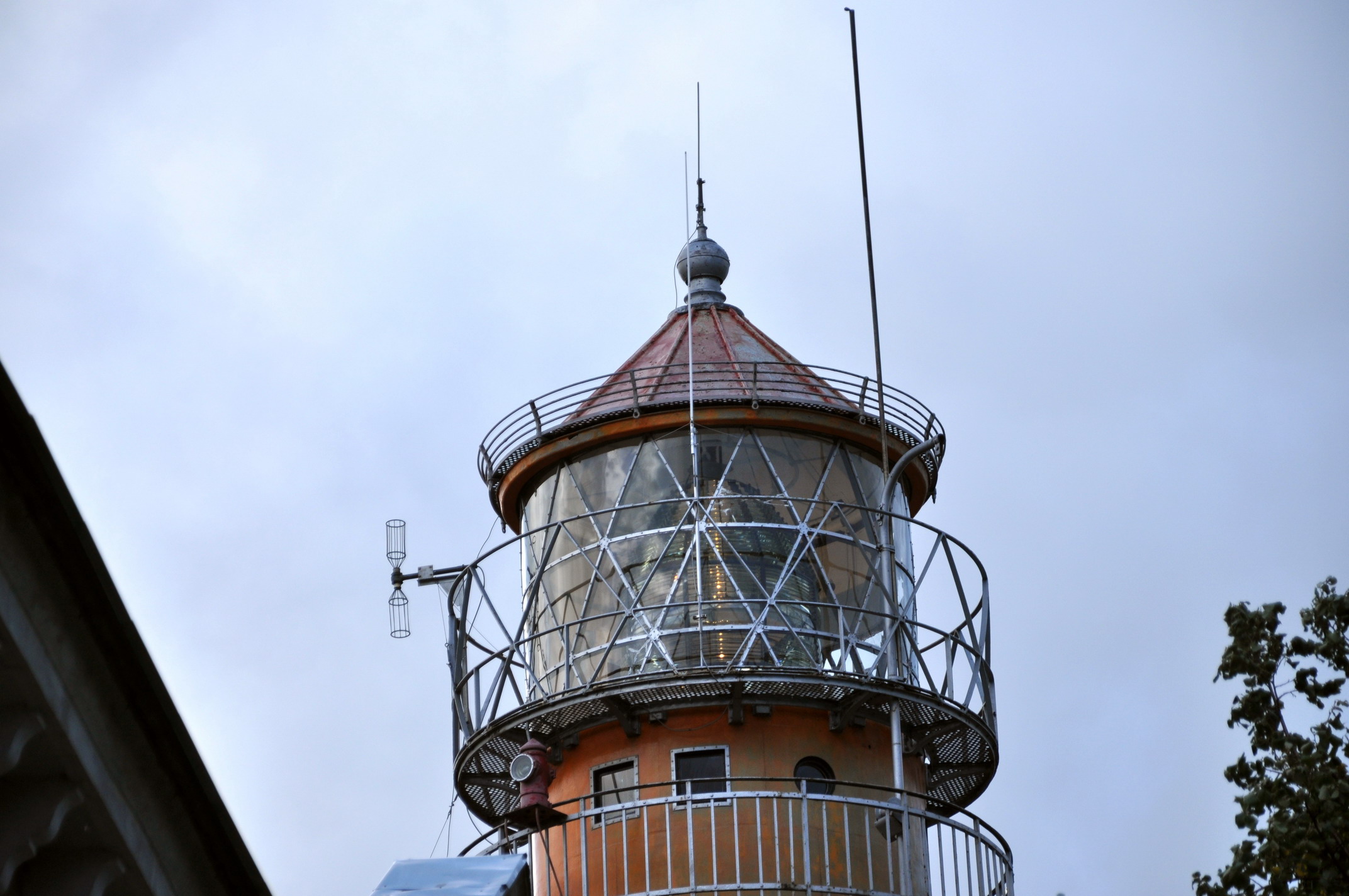
A few structures on the spit hadn’t quite collapsed. The first one I came across was a lighthouse, still in working order. Farther on, at a narrow point of the spit, a border watchtower was still standing. It had been abandoned for years, though it was still possible to climb it. The floorboards in the hut and on the balcony at the top had rotted, so you had to be careful.
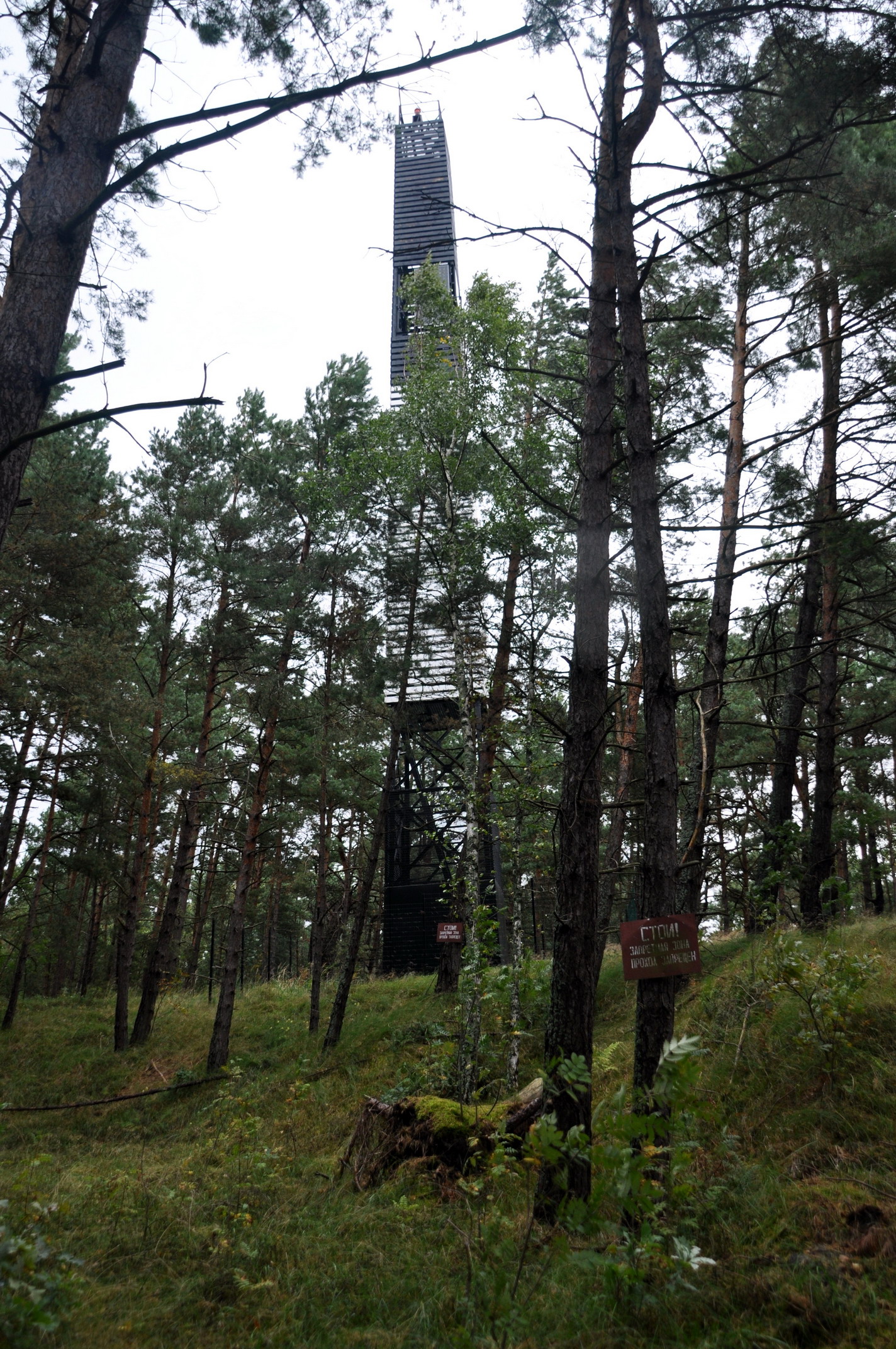
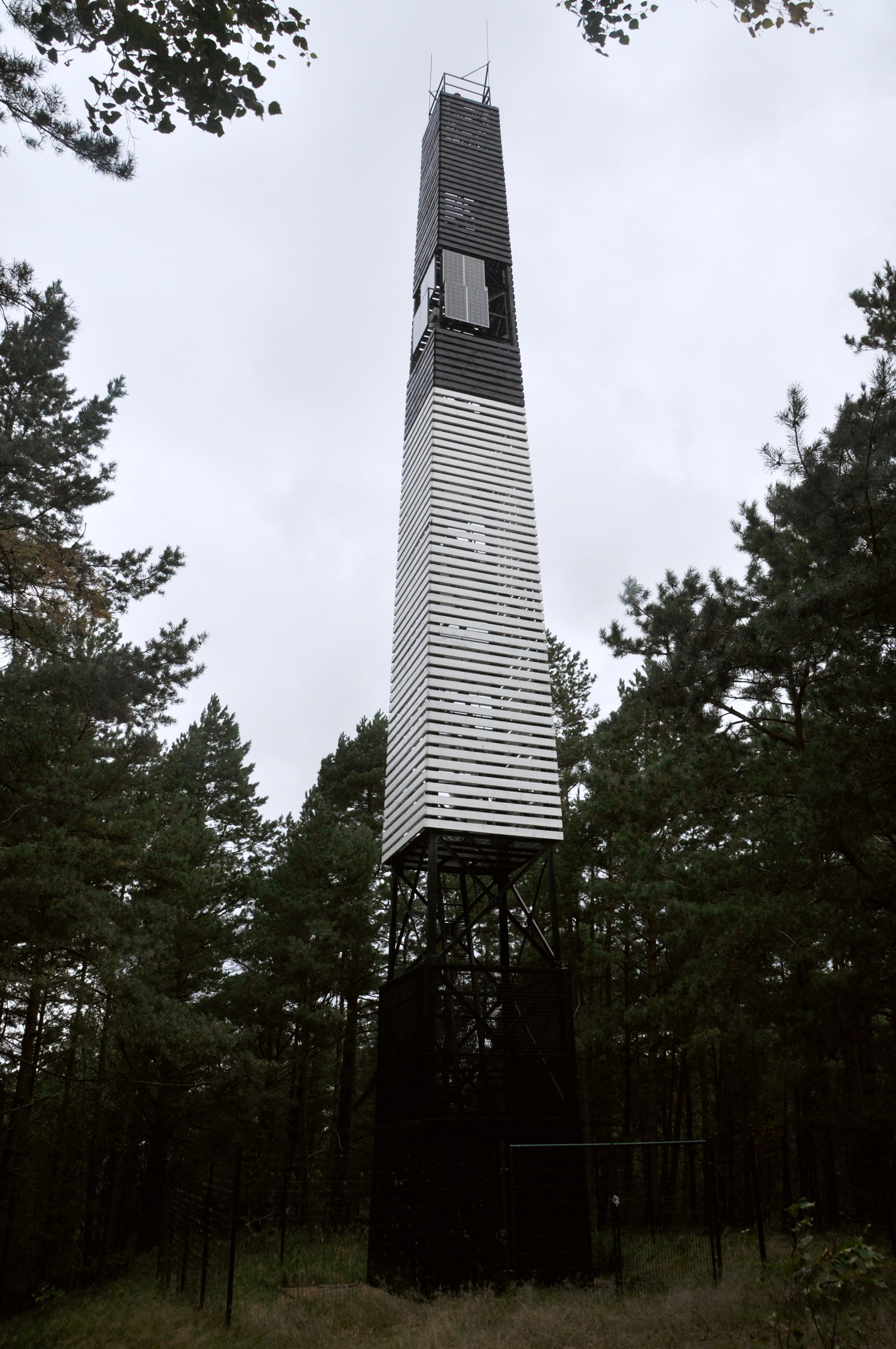
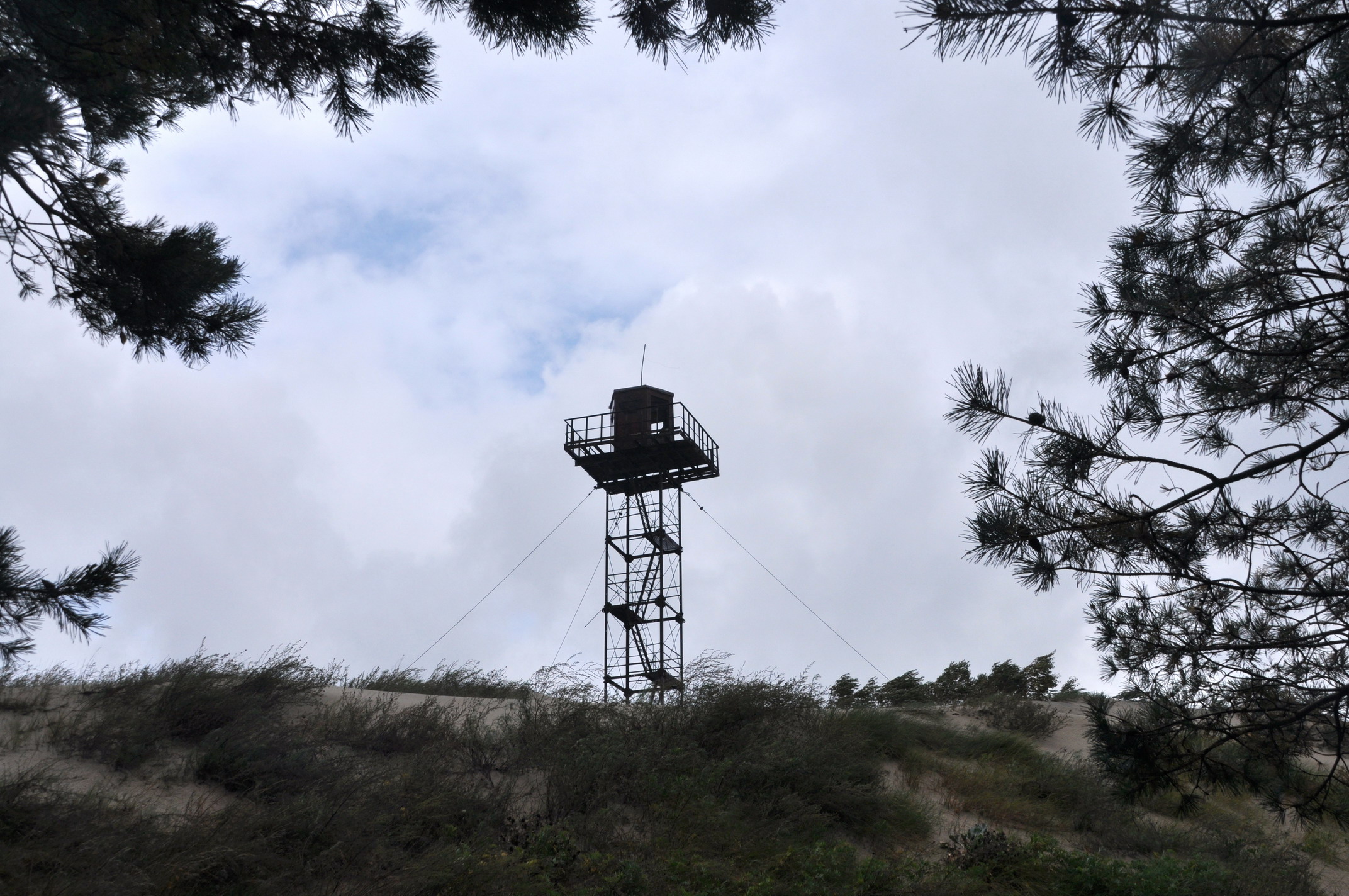
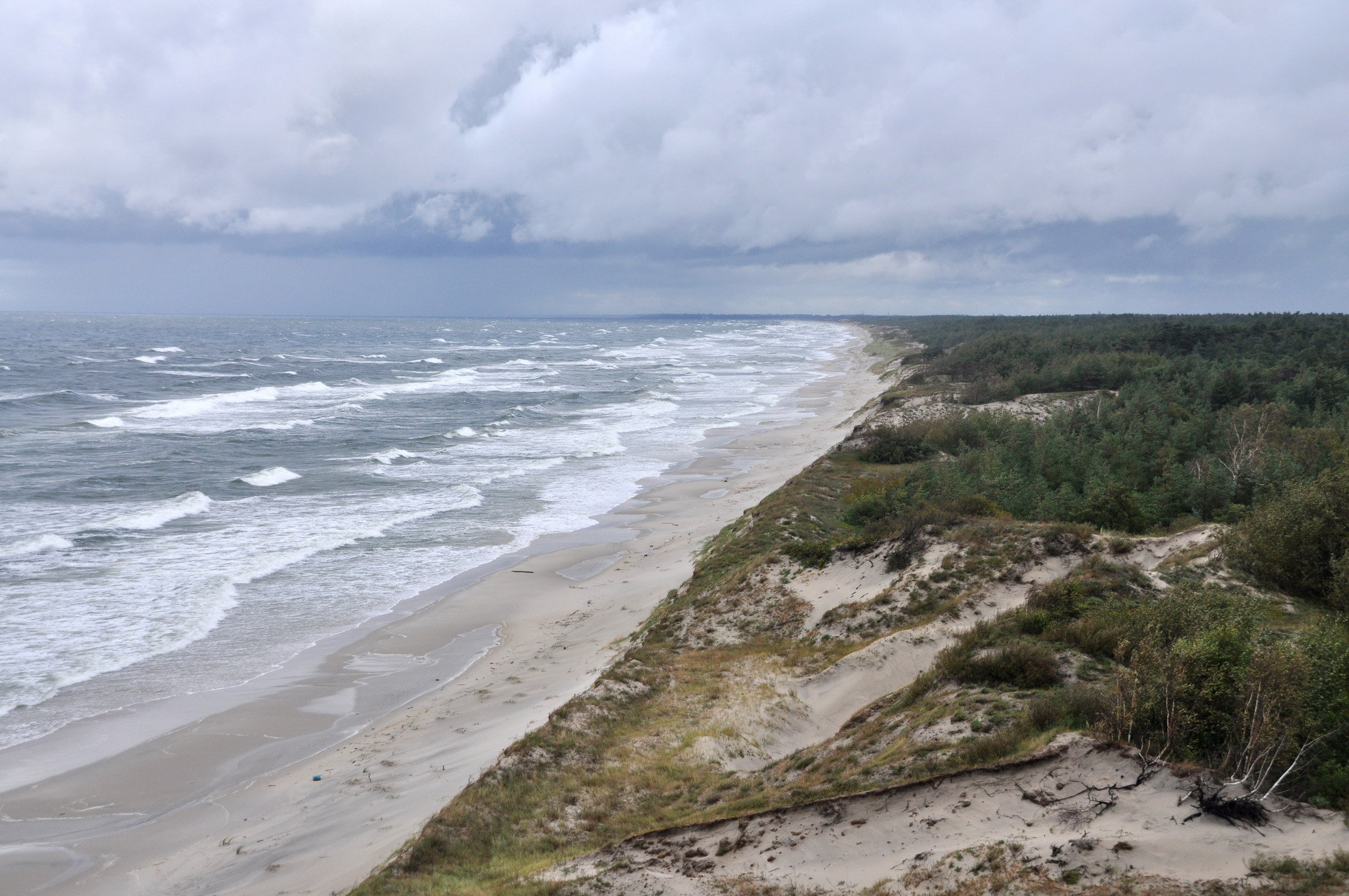
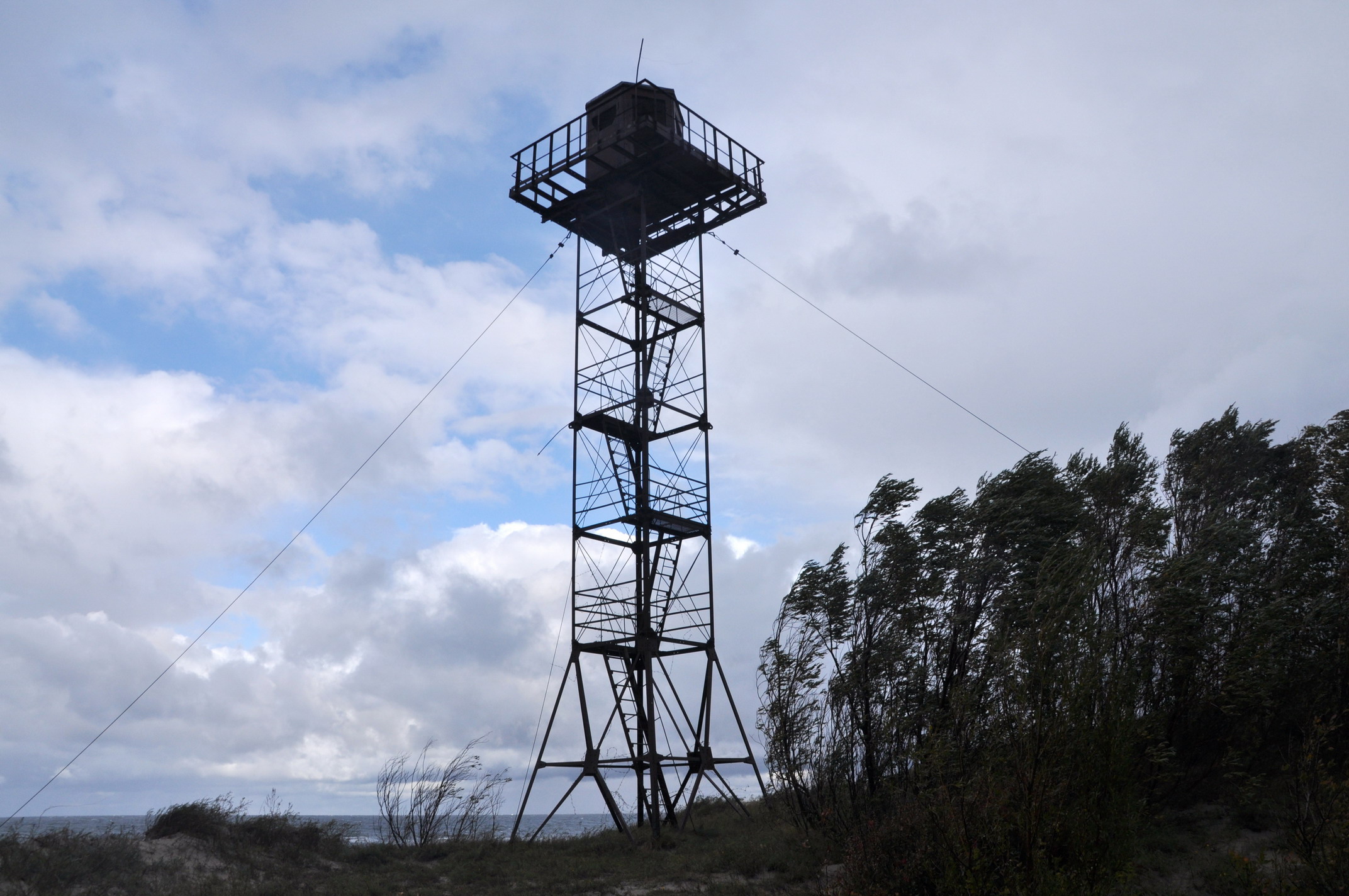
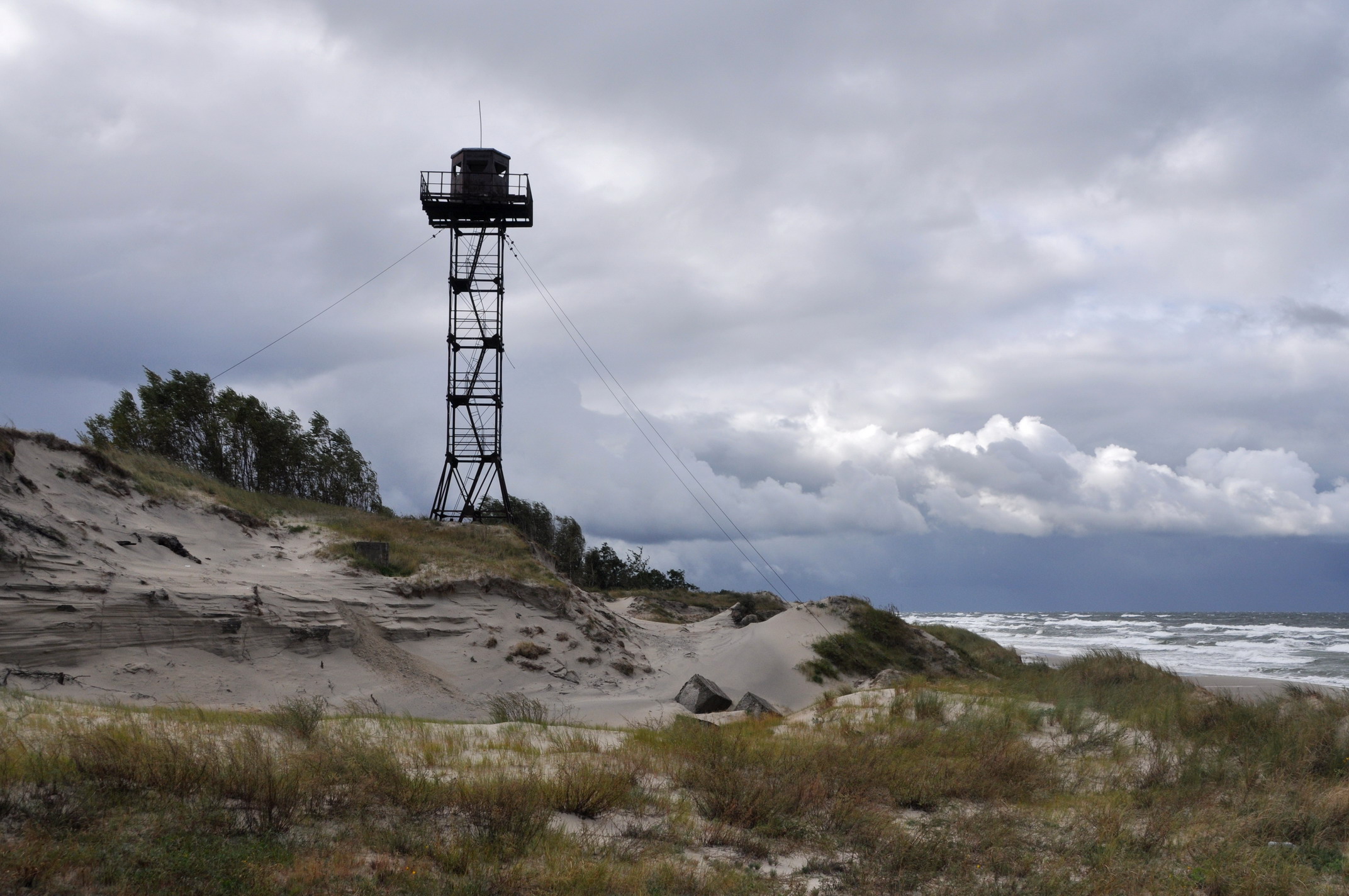
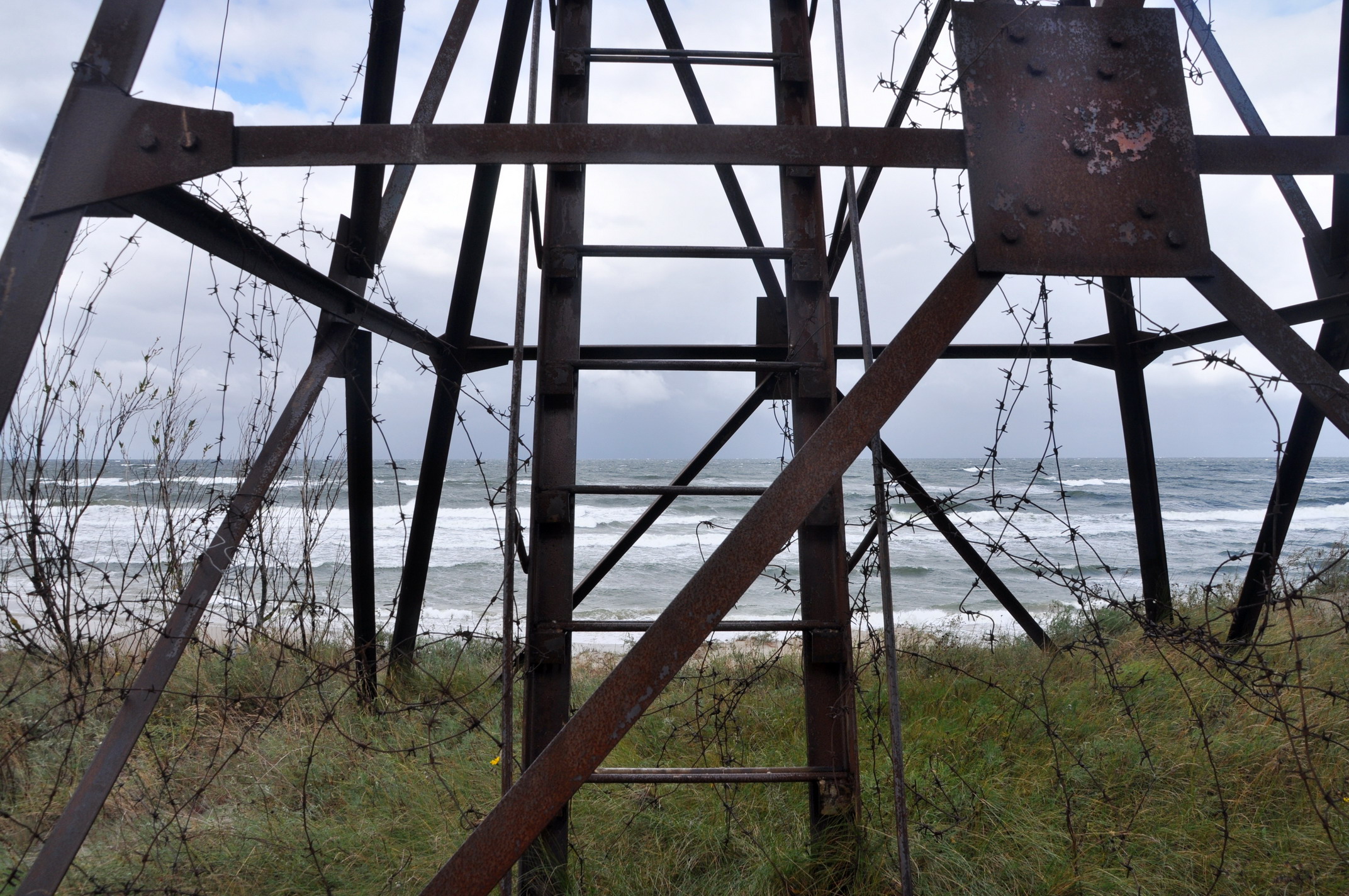
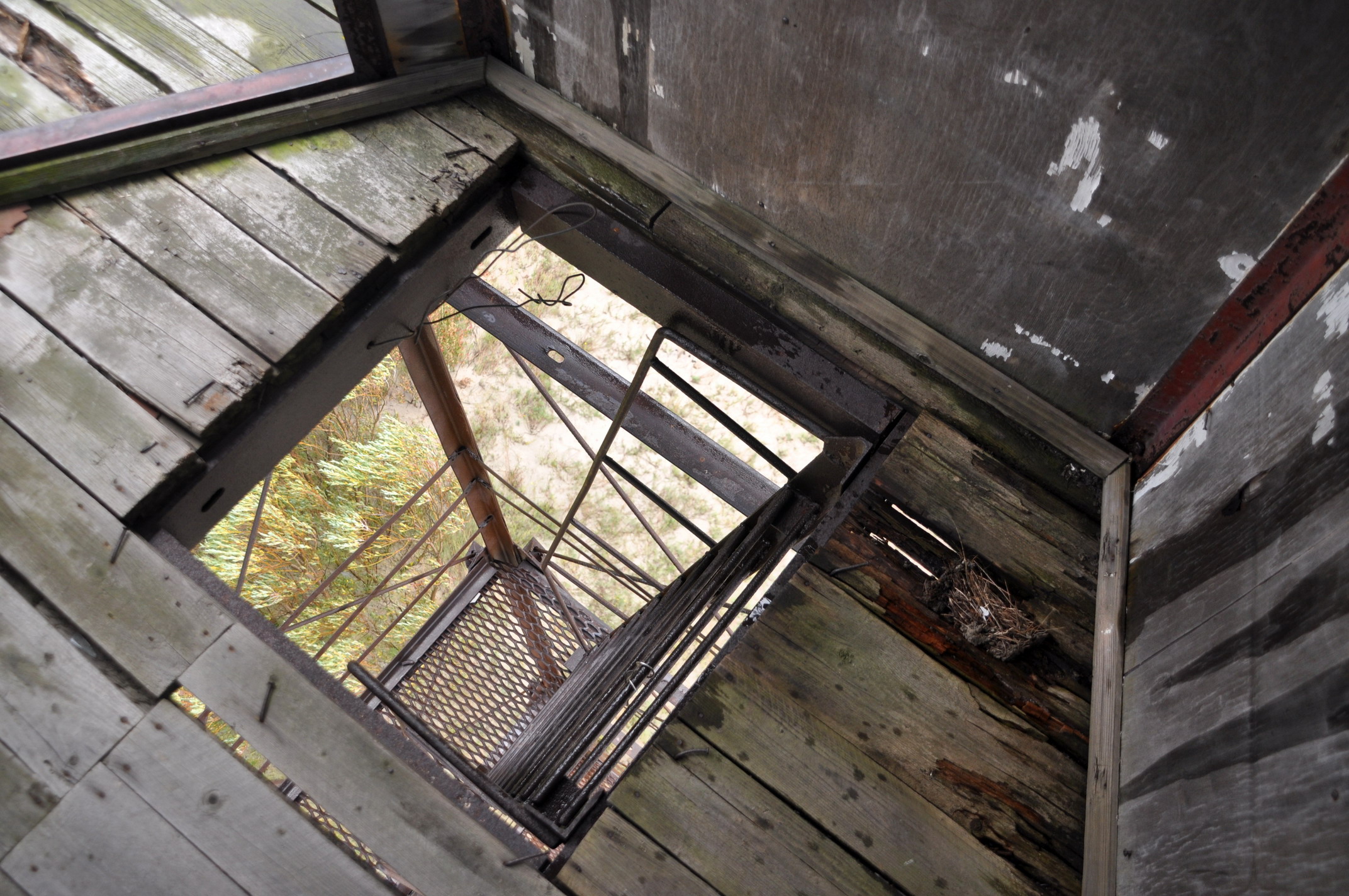
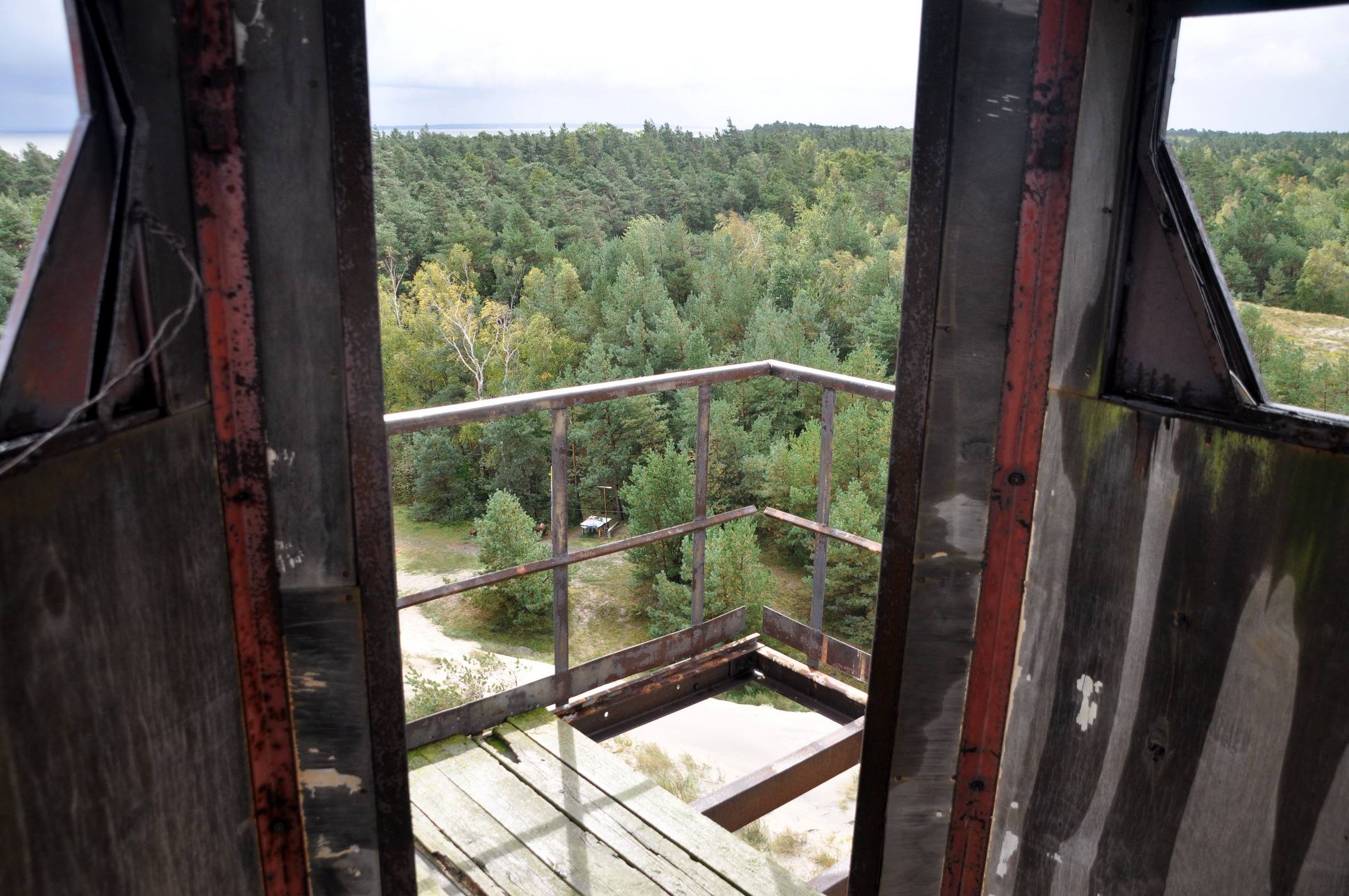
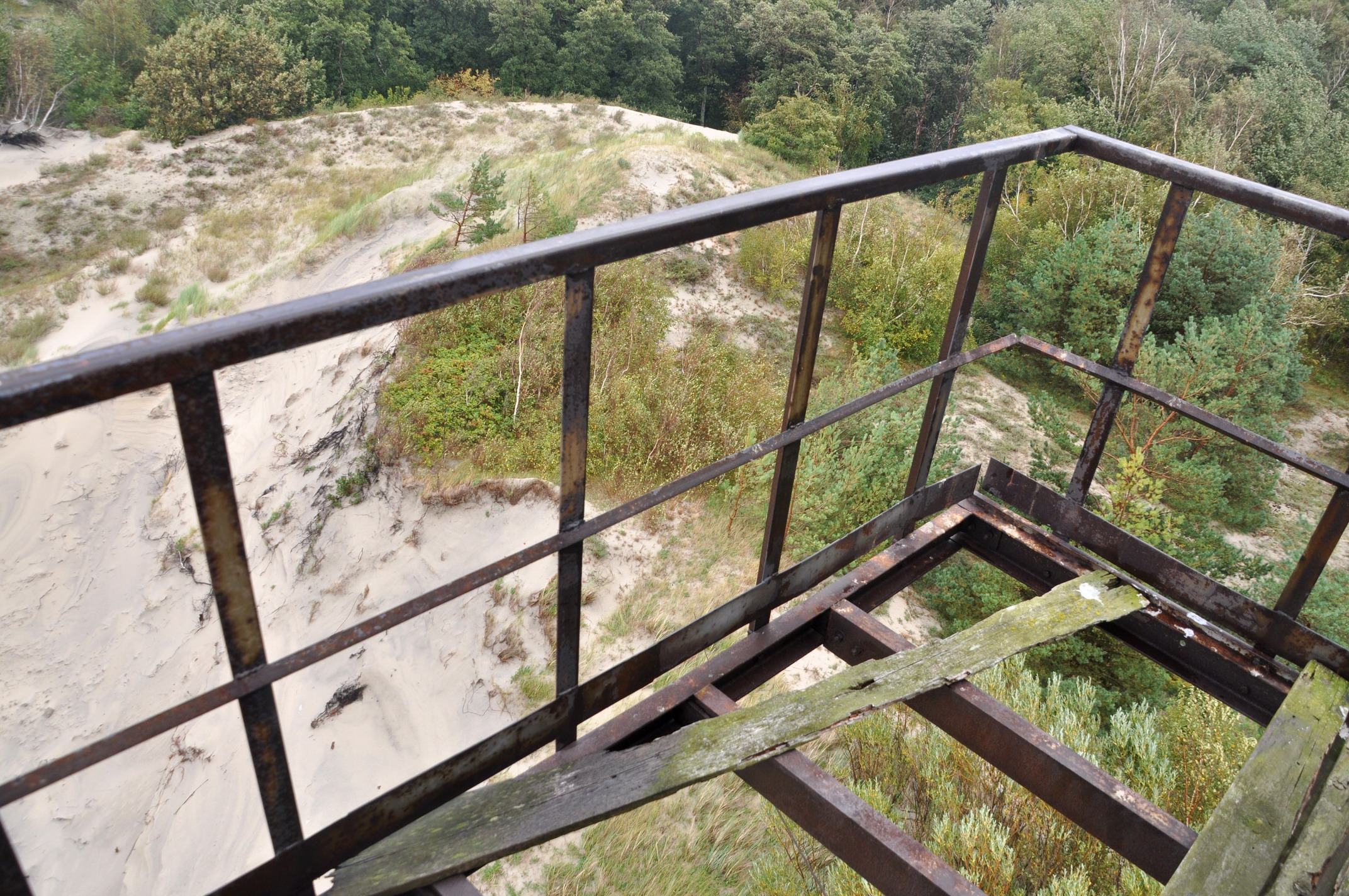
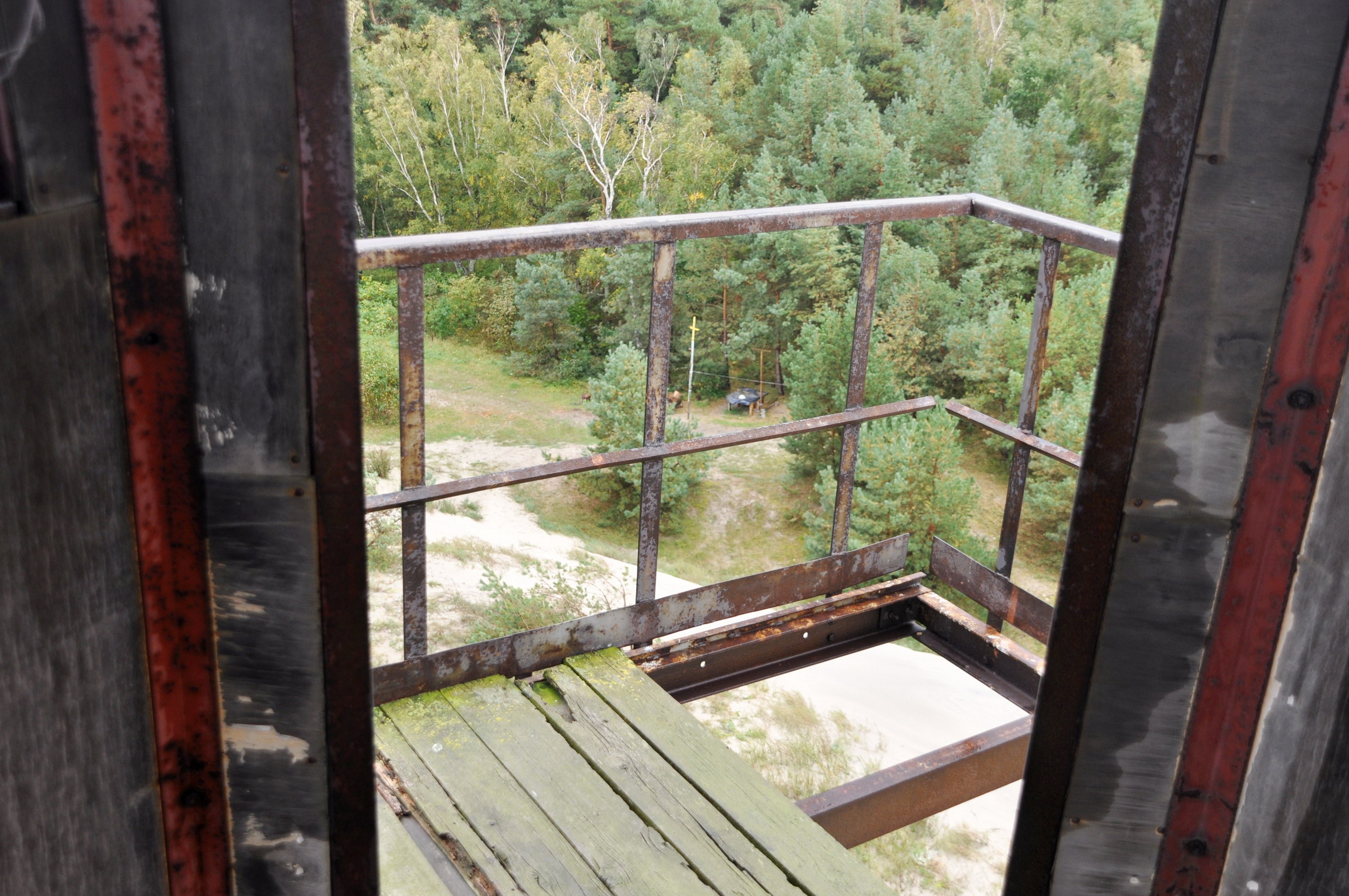
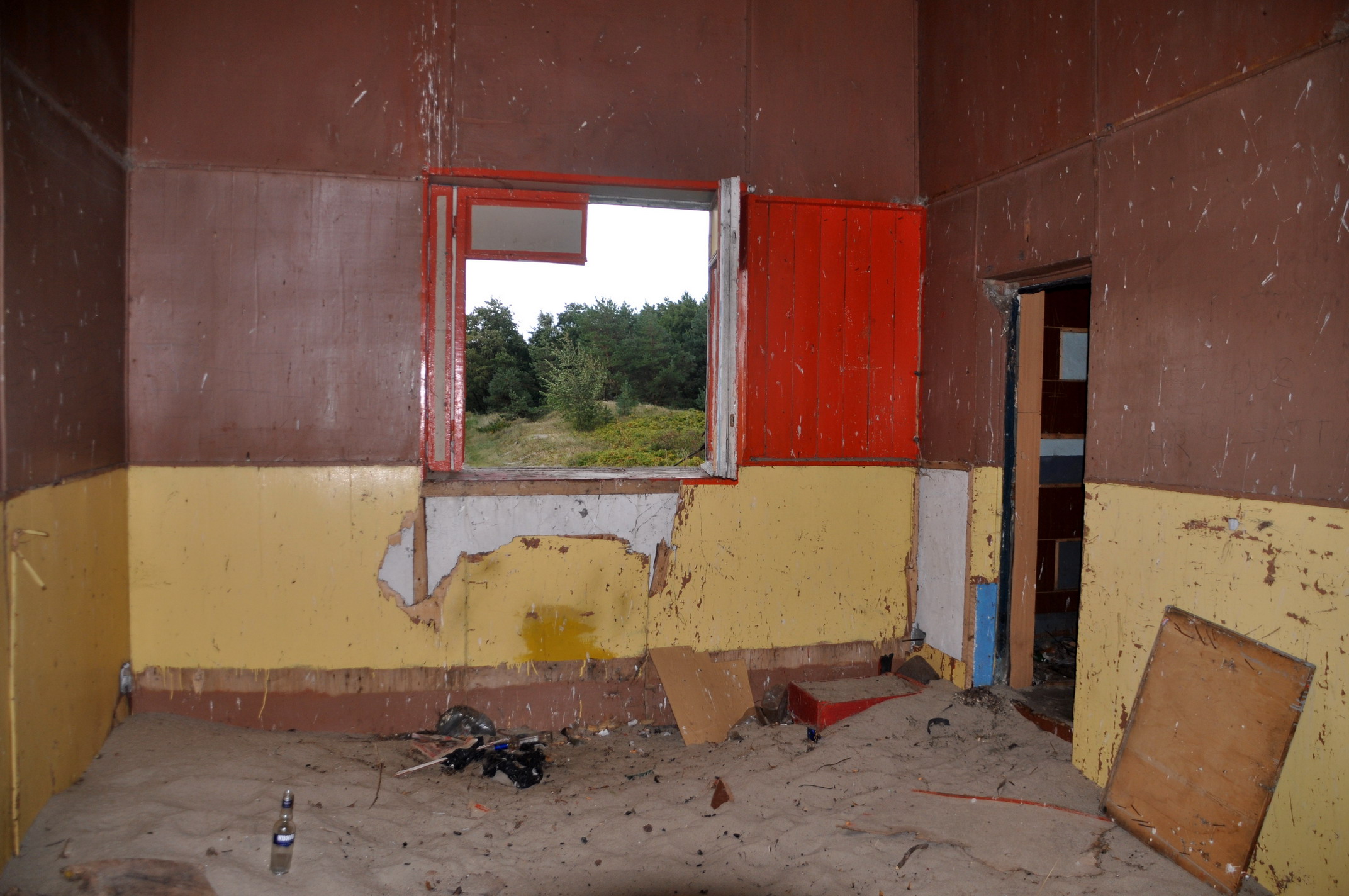
Still farther northeast stood the next border watchtower. It was harder to climb, as the ladder had disappeared somewhere. But the little guardhouse still stood, half buried in sand. I waited out another downpour in it.
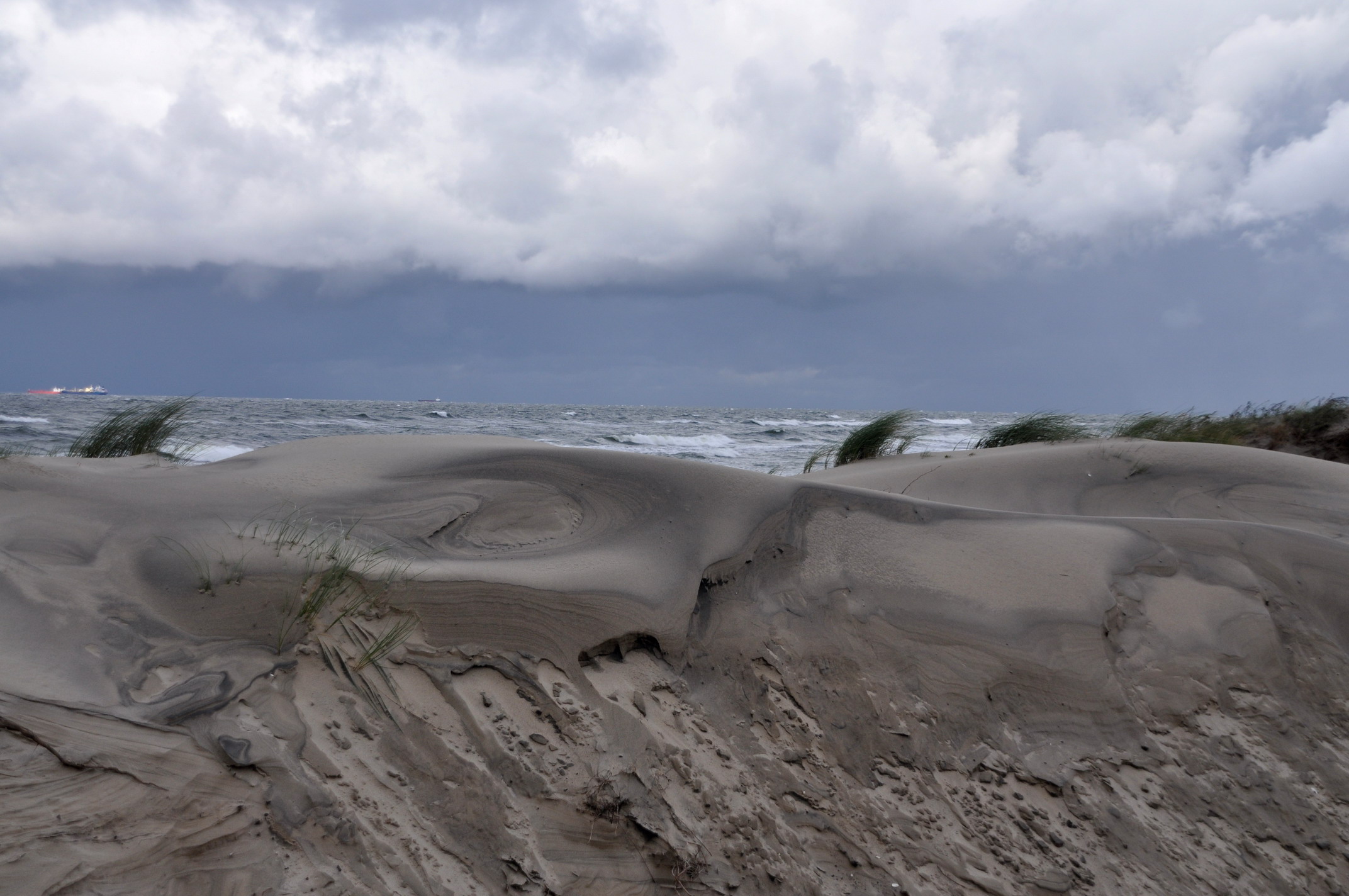
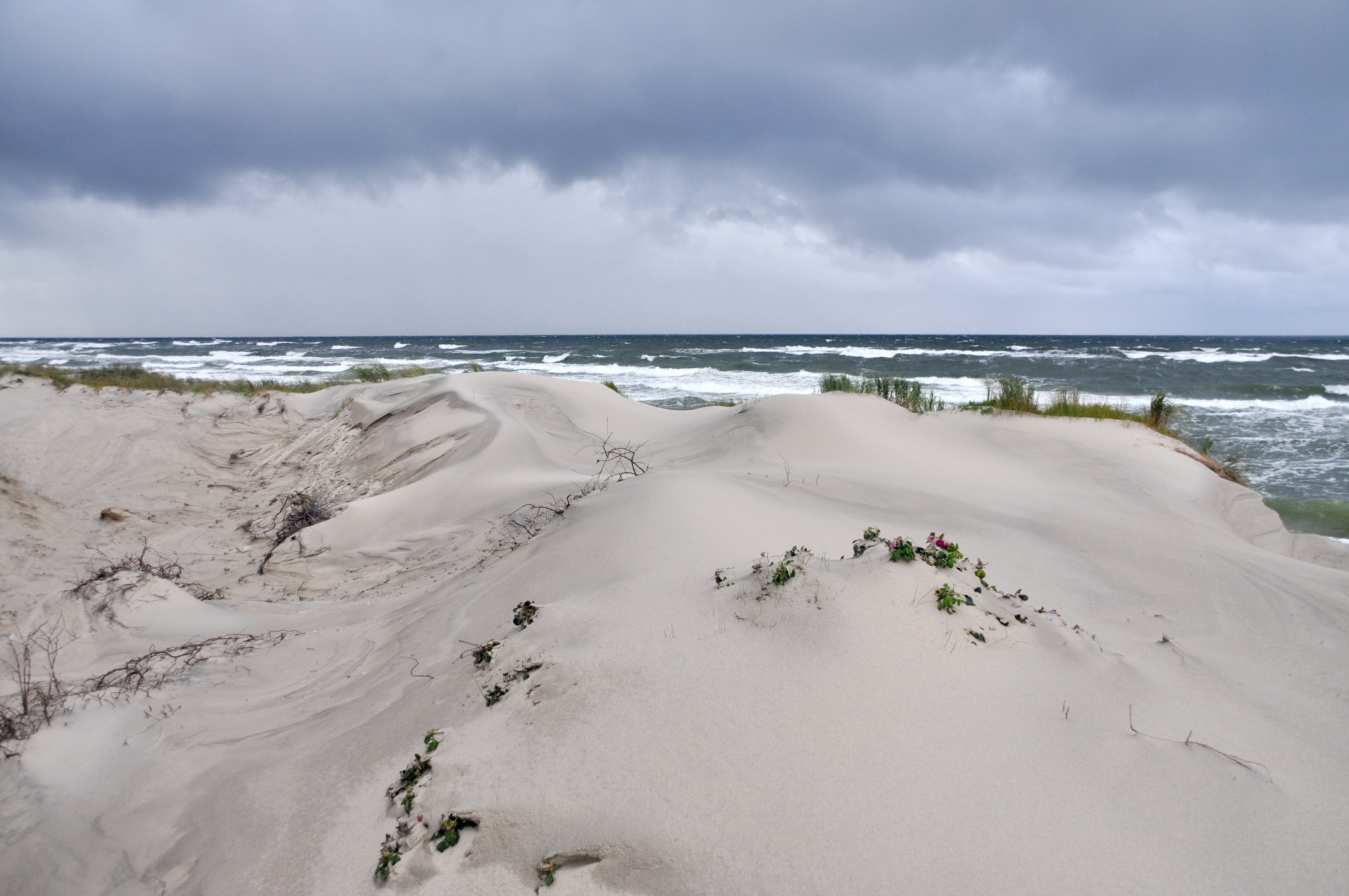
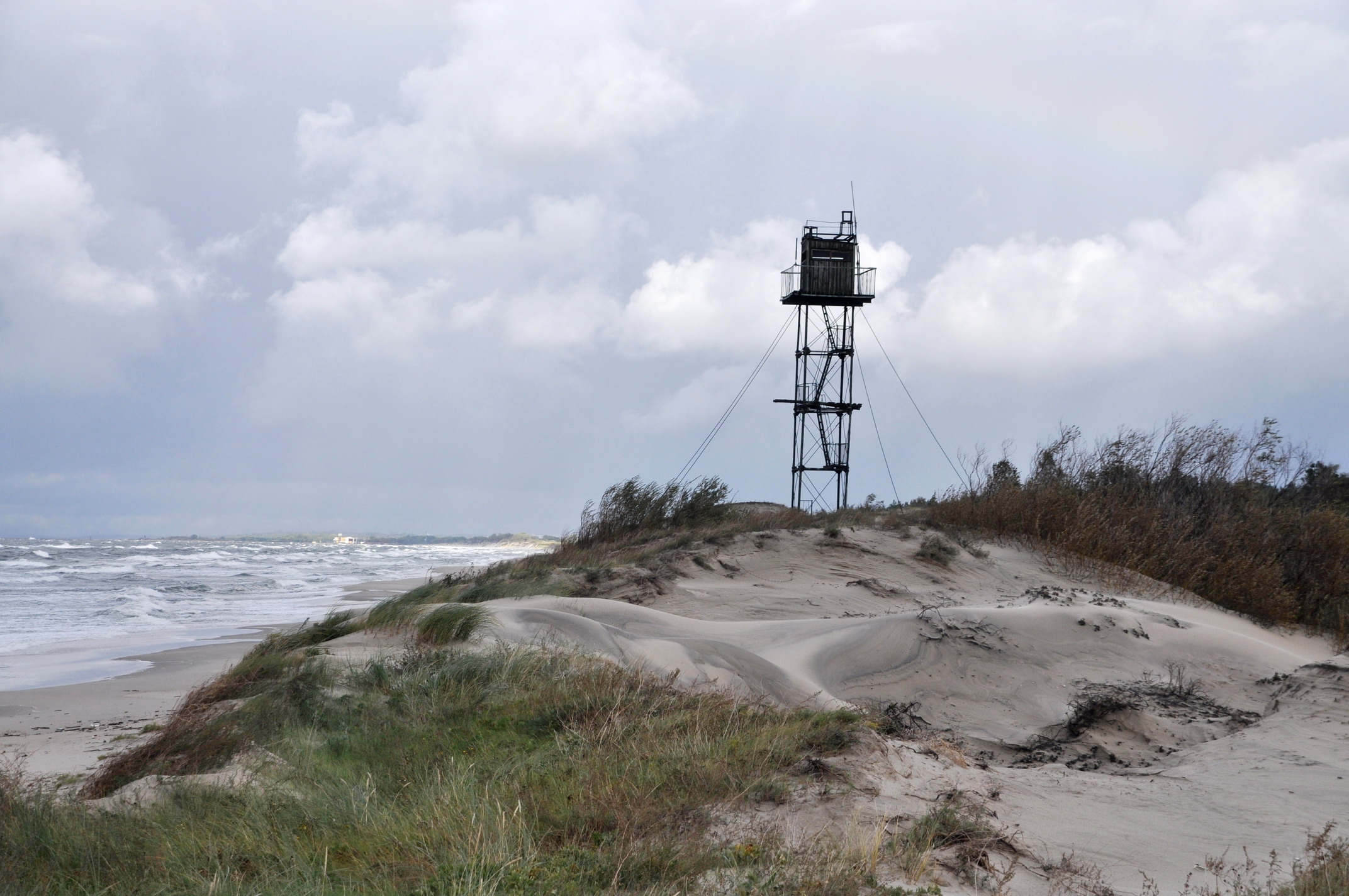
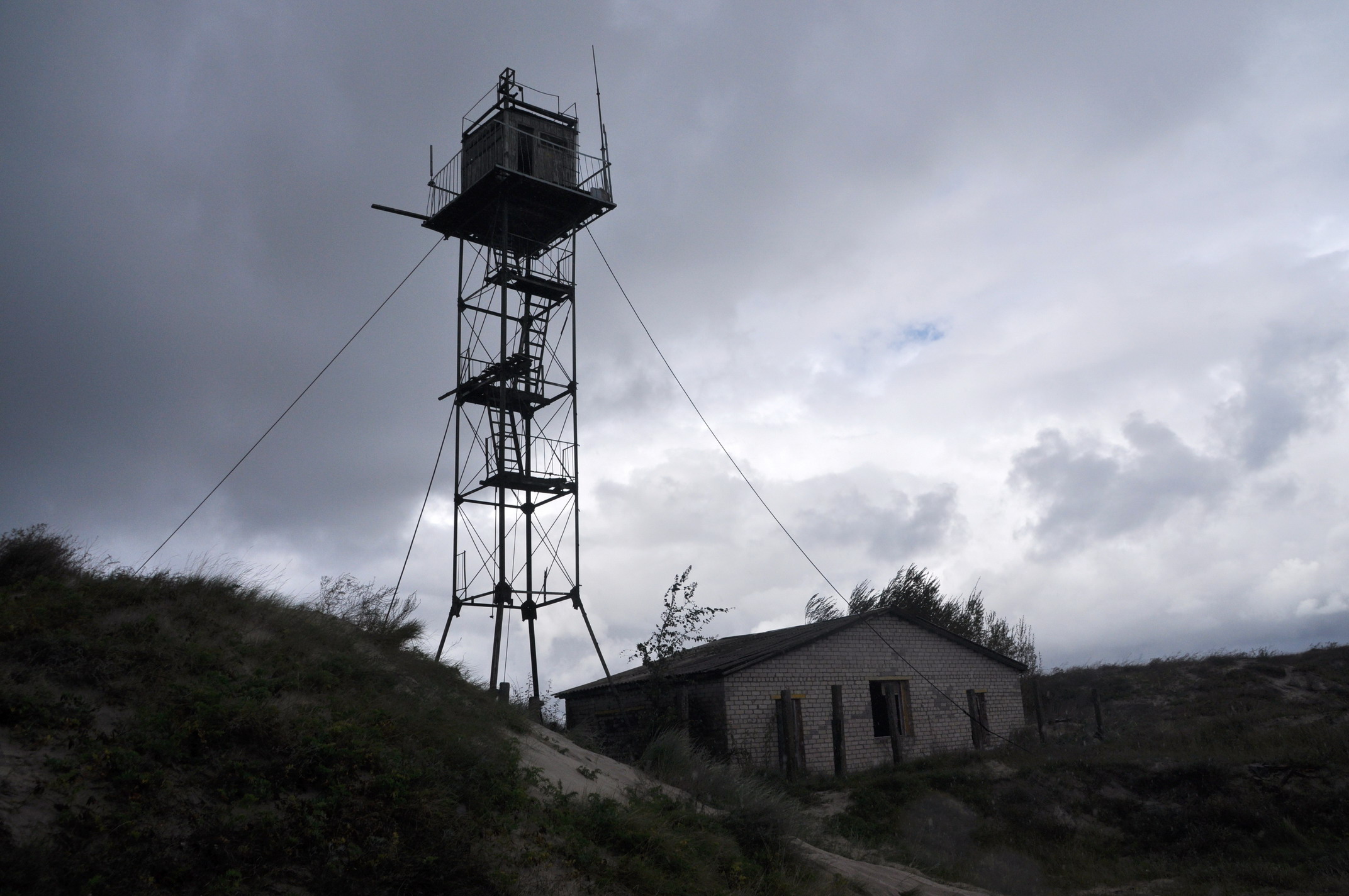
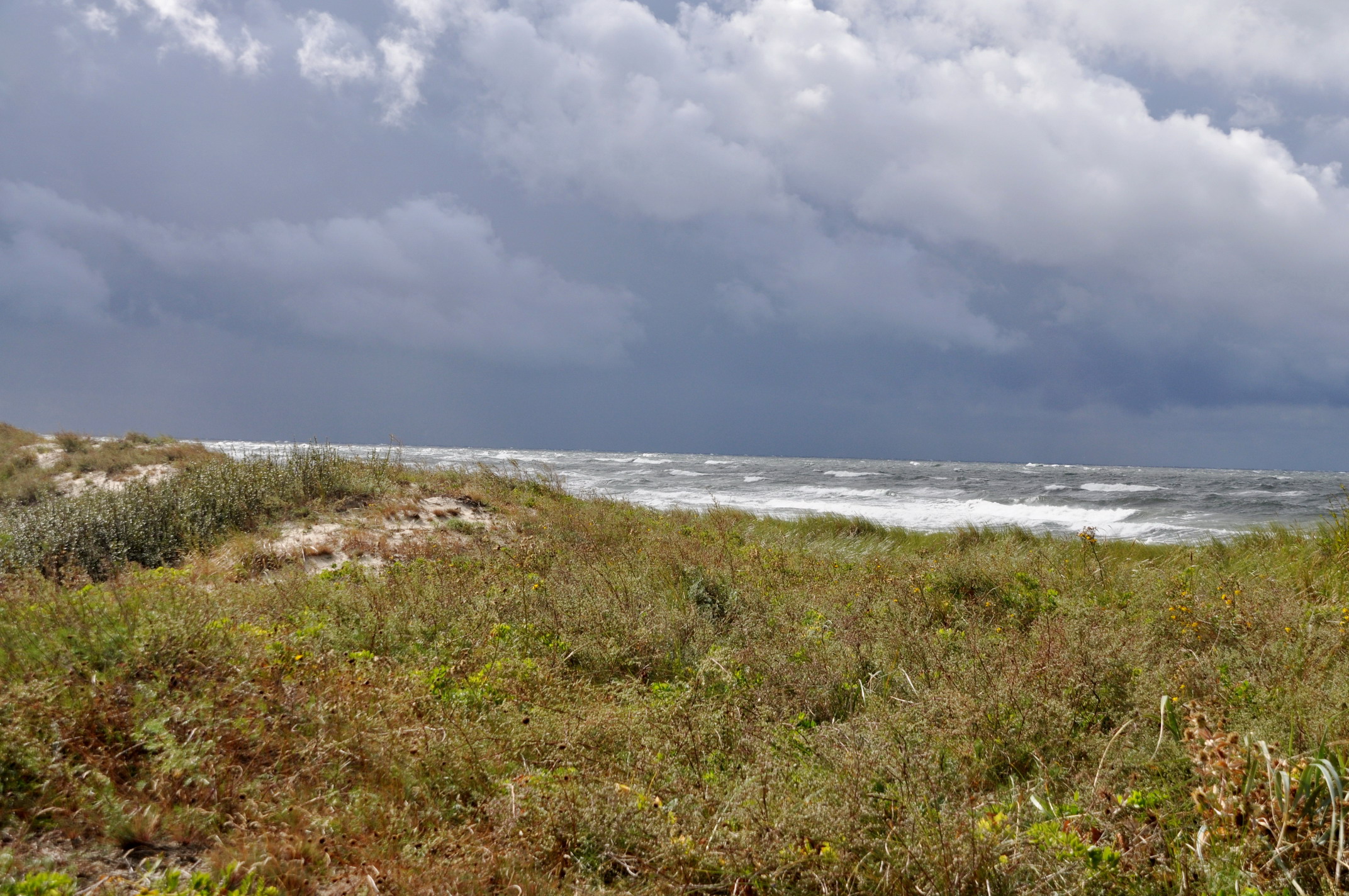
The weather was certainly beautiful. Clouds and sun are always marvellous together and make for good photographs. I have a feeling I managed to photograph every minute of sunshine. The walking was done in the rain, and I was soaked through.
At the second watchtower I took a track towards the main road along the spit, which ran mostly along the inner shore.
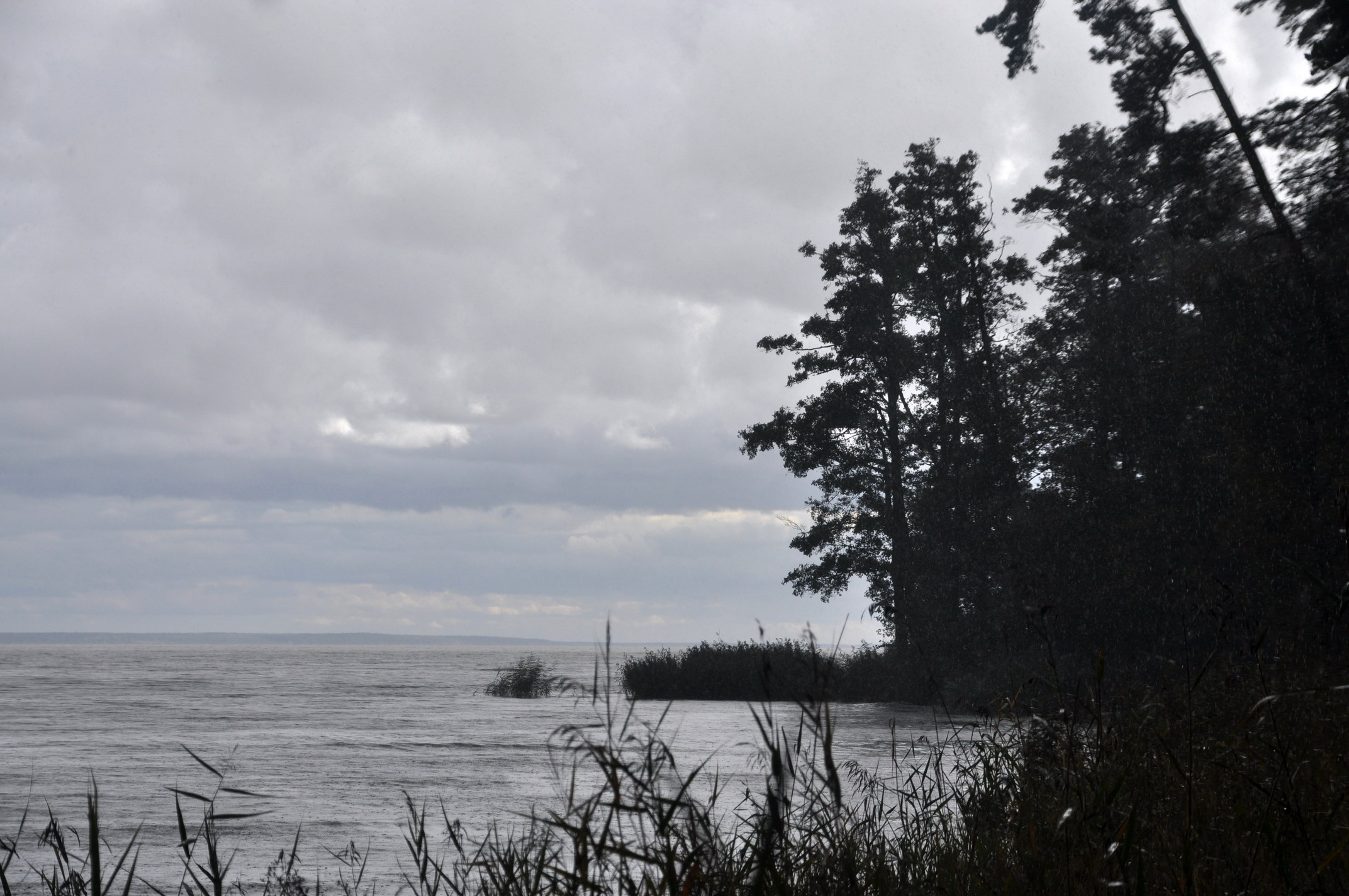
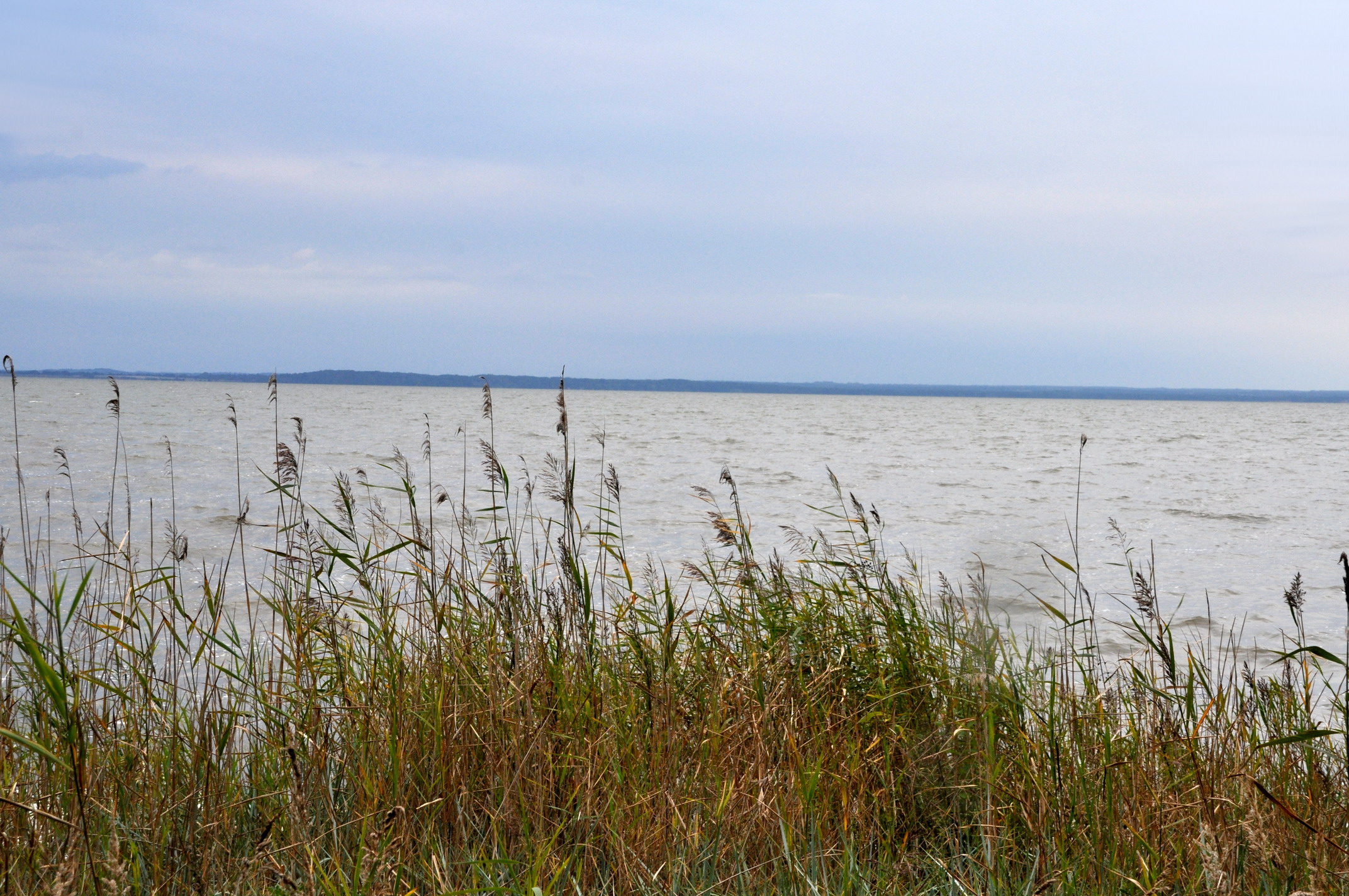
I was planning to stop for lunch there, in the hope that the water in the lagoon would be fresh. No such luck. Even there it was brackish. You could cook lunch with it, but it made dreadful tea.
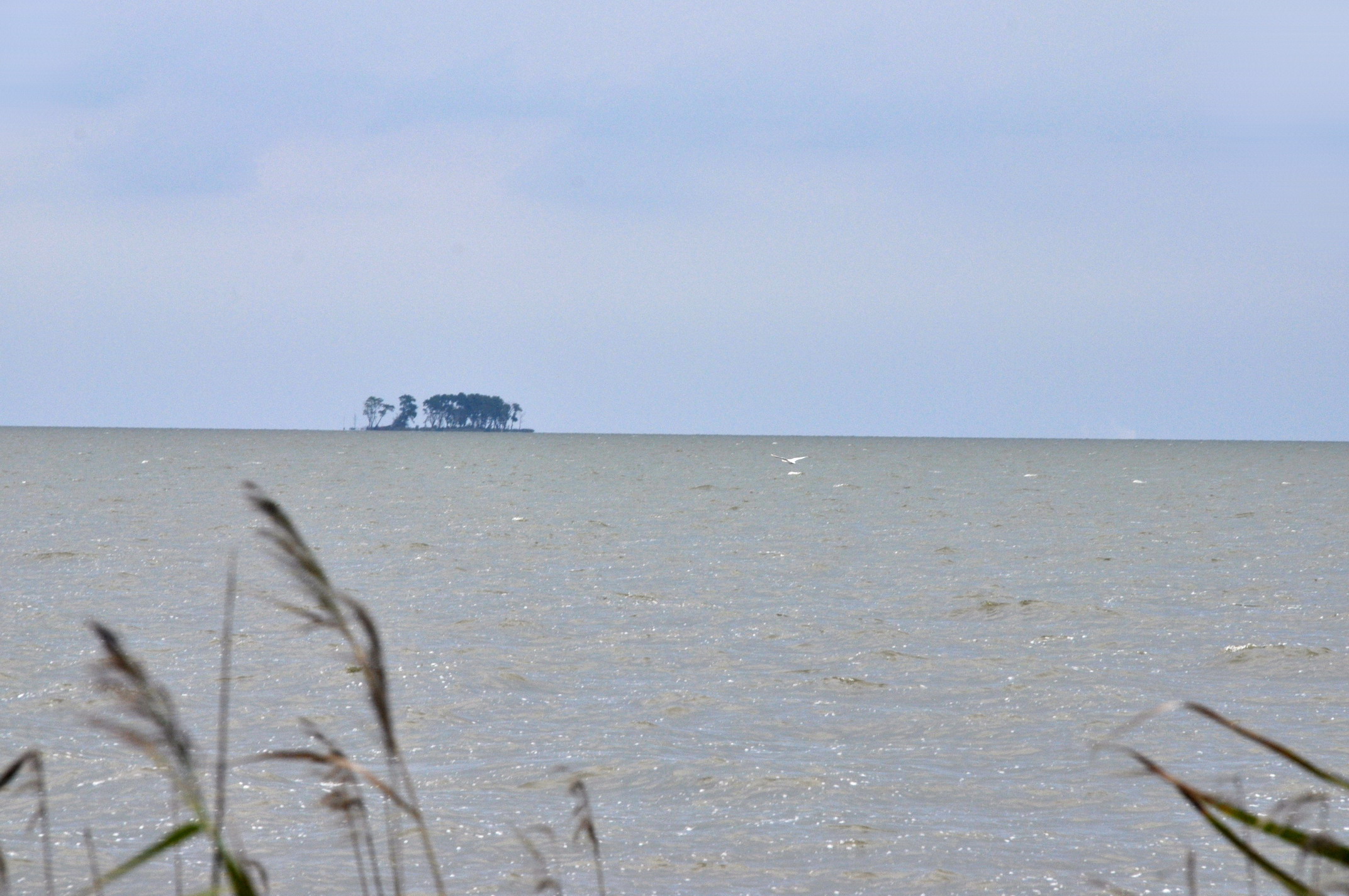
By then the sun had gone in, and I walked on in pouring rain.
On the way back I decided to try the air-defence base after all. I passed through the military housing and found a sentry, who told me there was no way through.
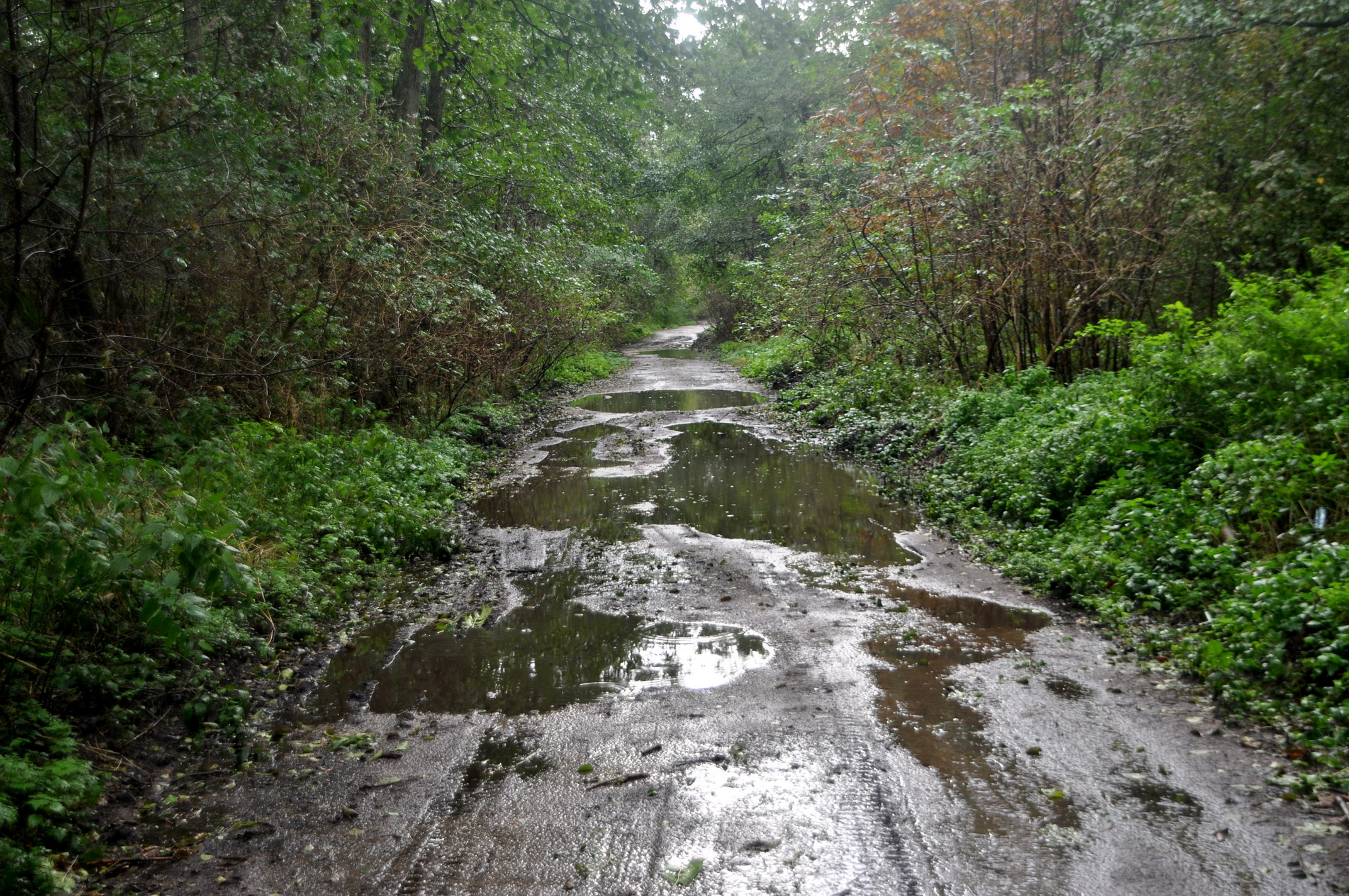
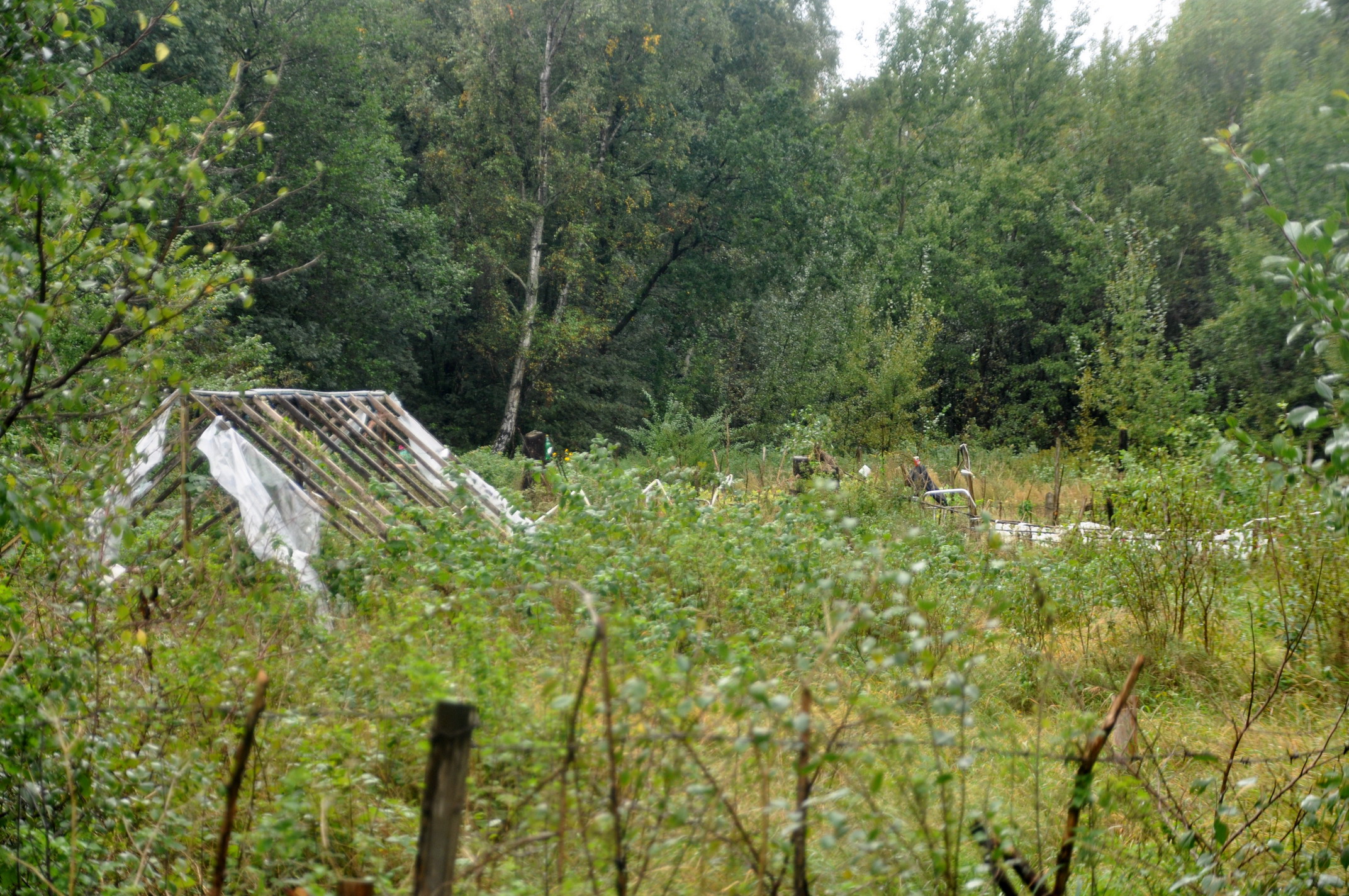
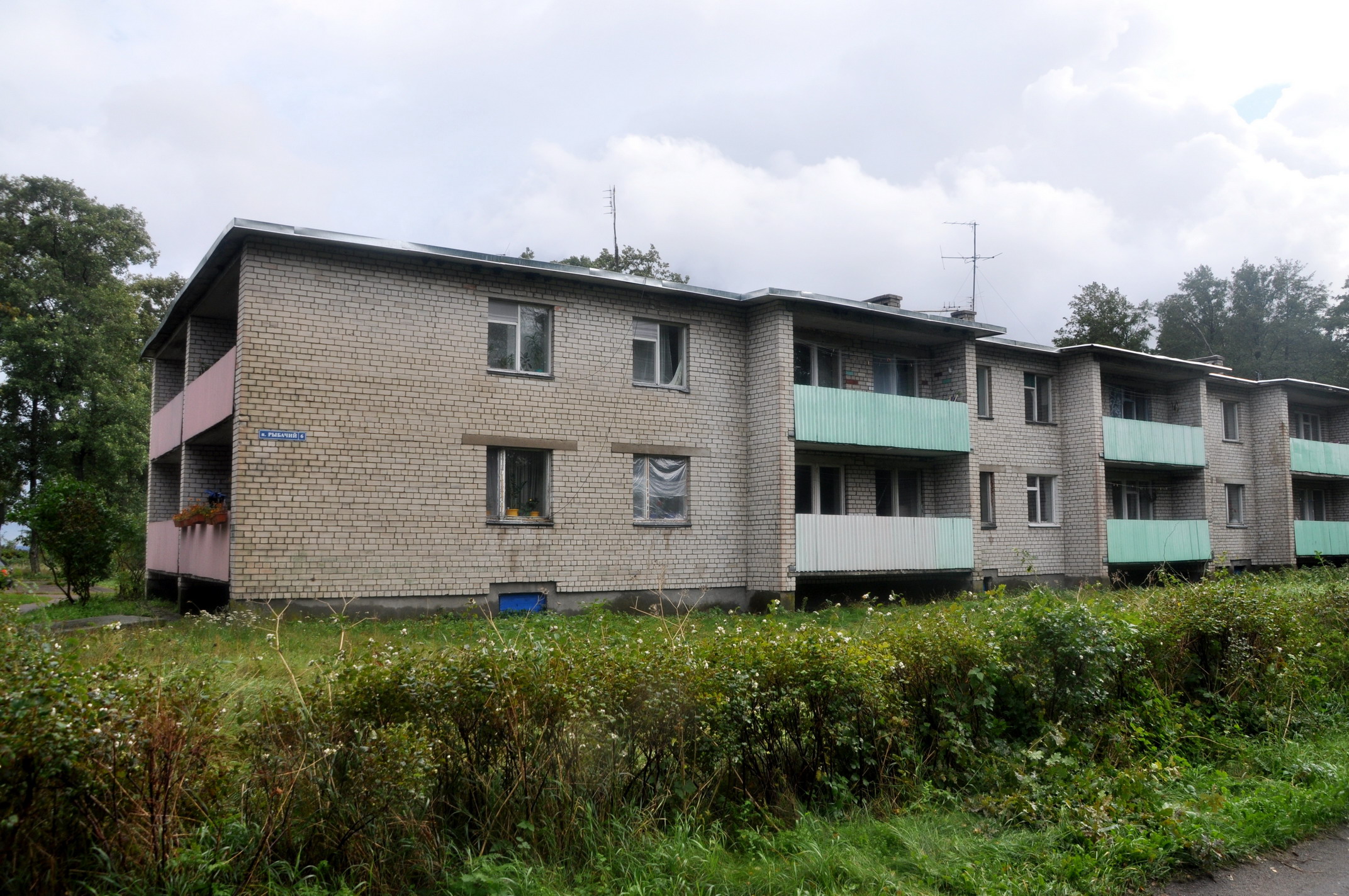
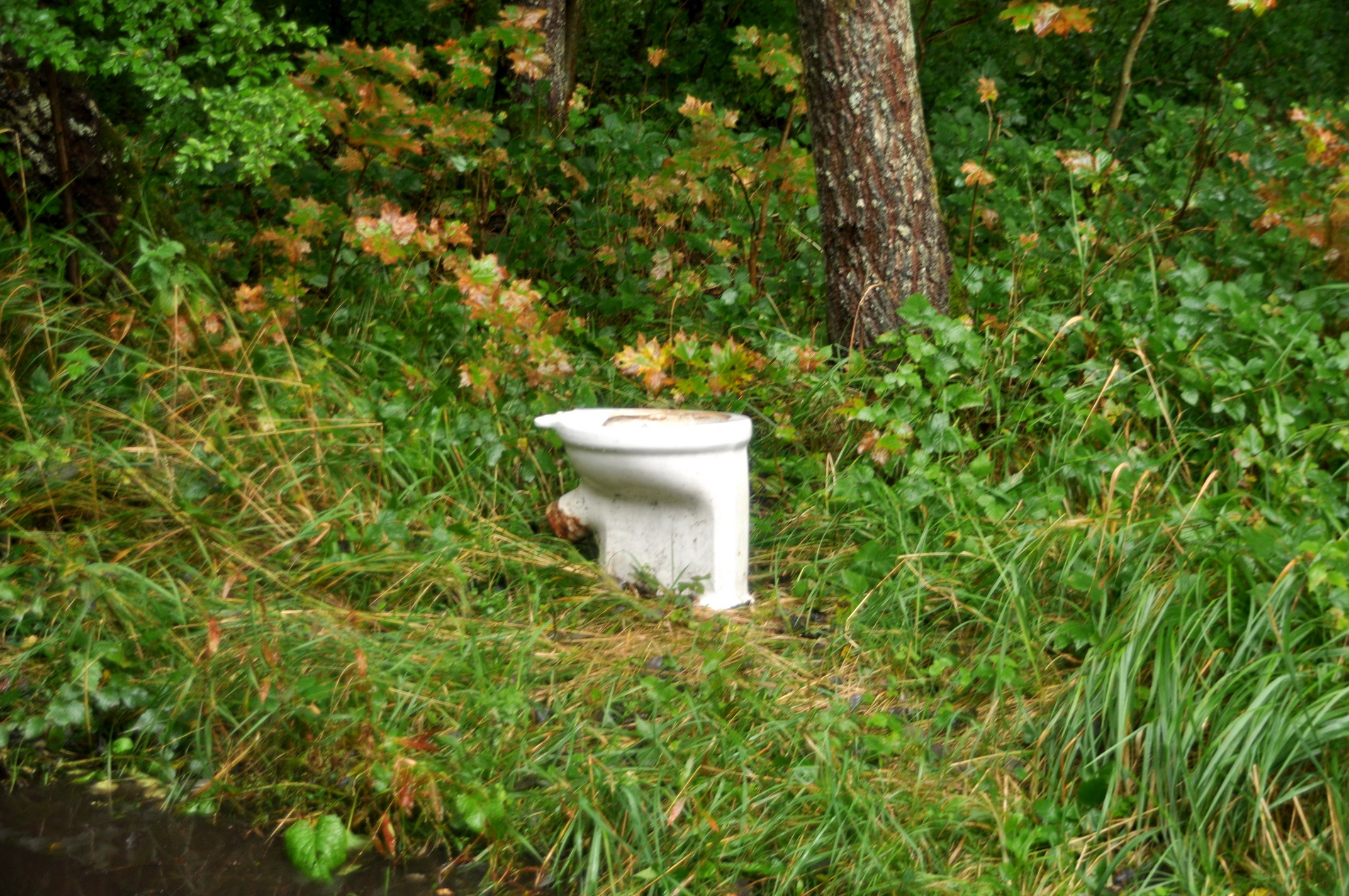
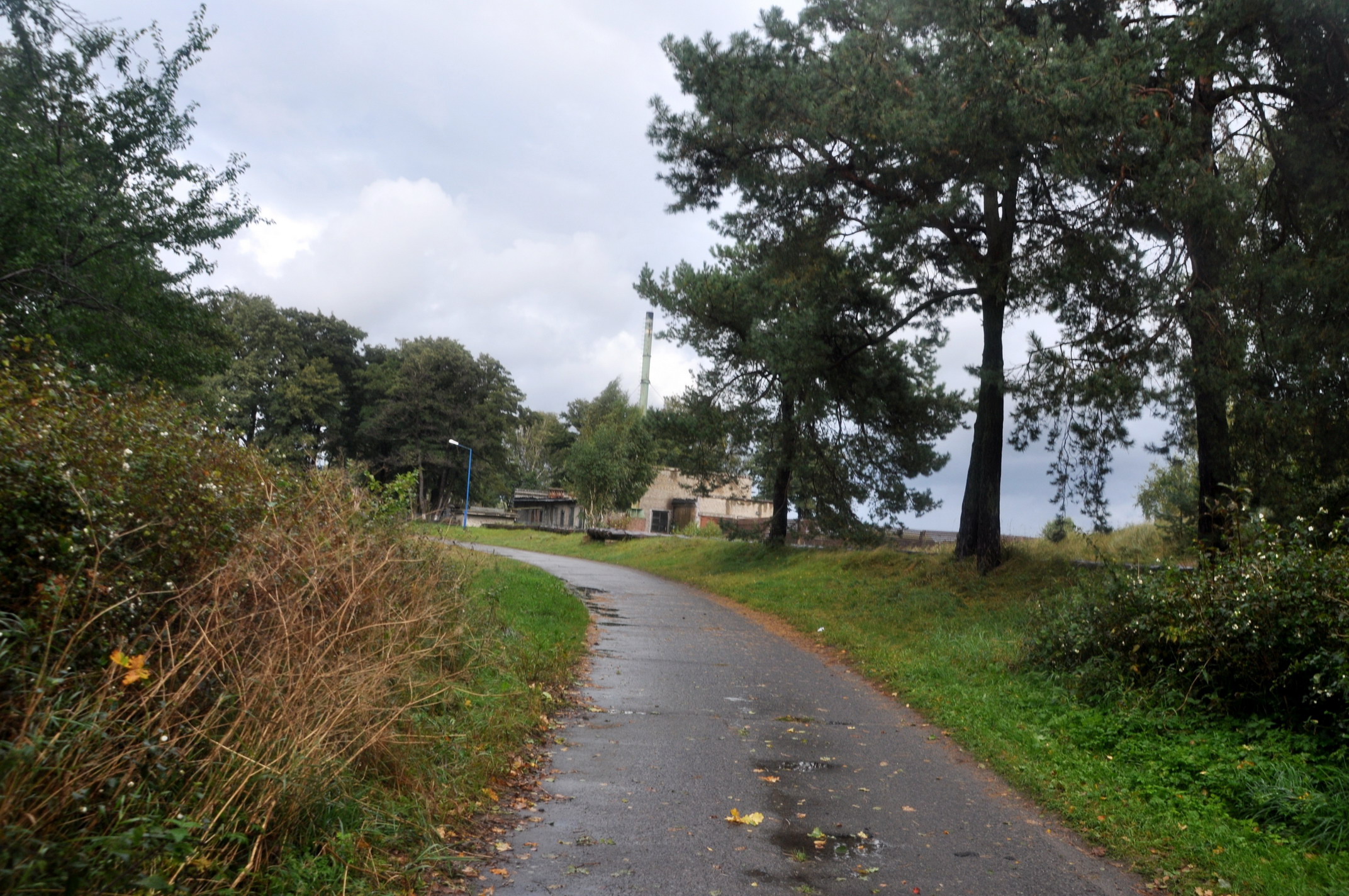
Fair enough. I went around. I ran into those wretched border guards and had to show my papers. That was enough for them, and they let me go.
The rest of the walk to the village followed the old runway.
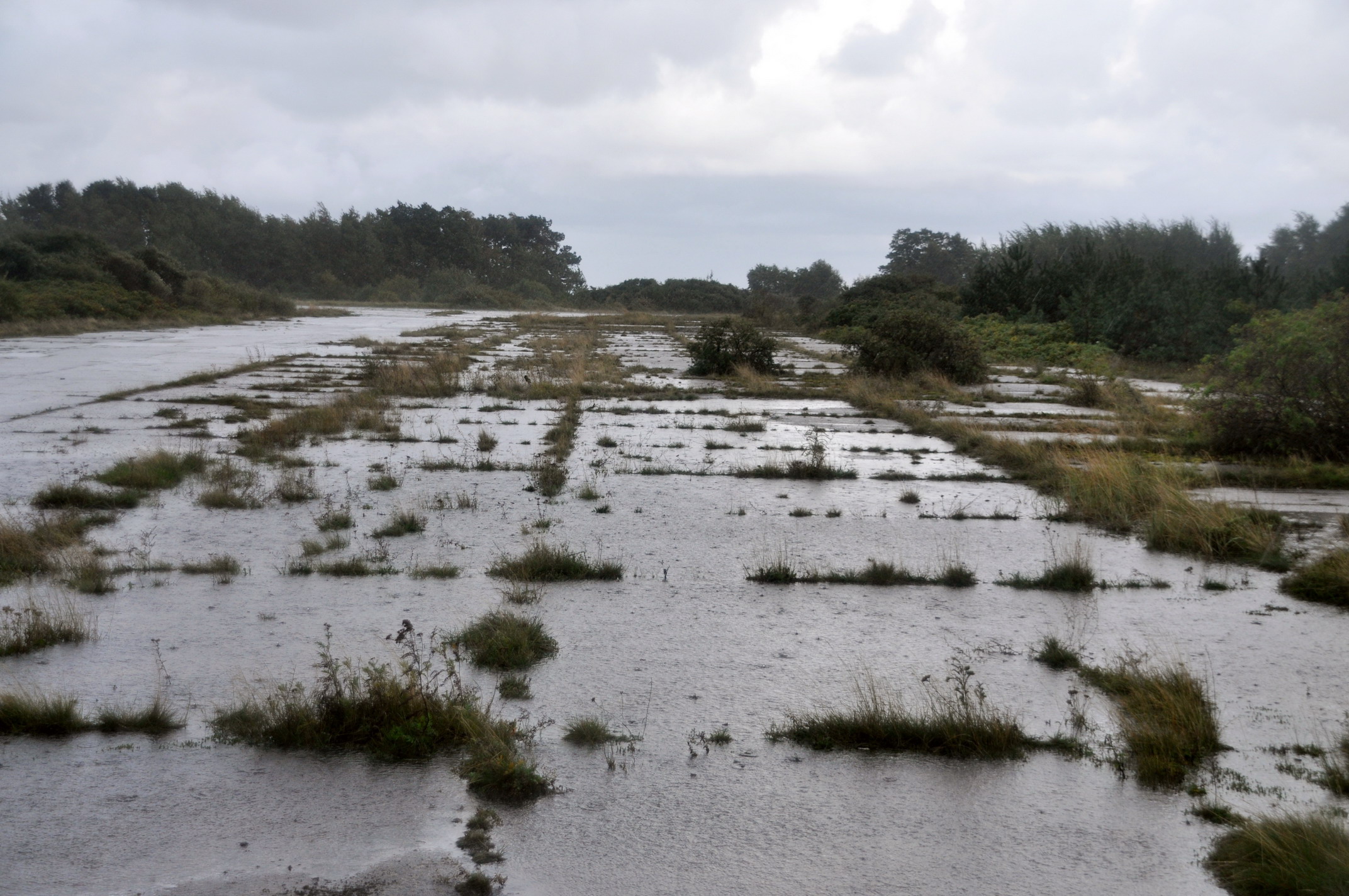
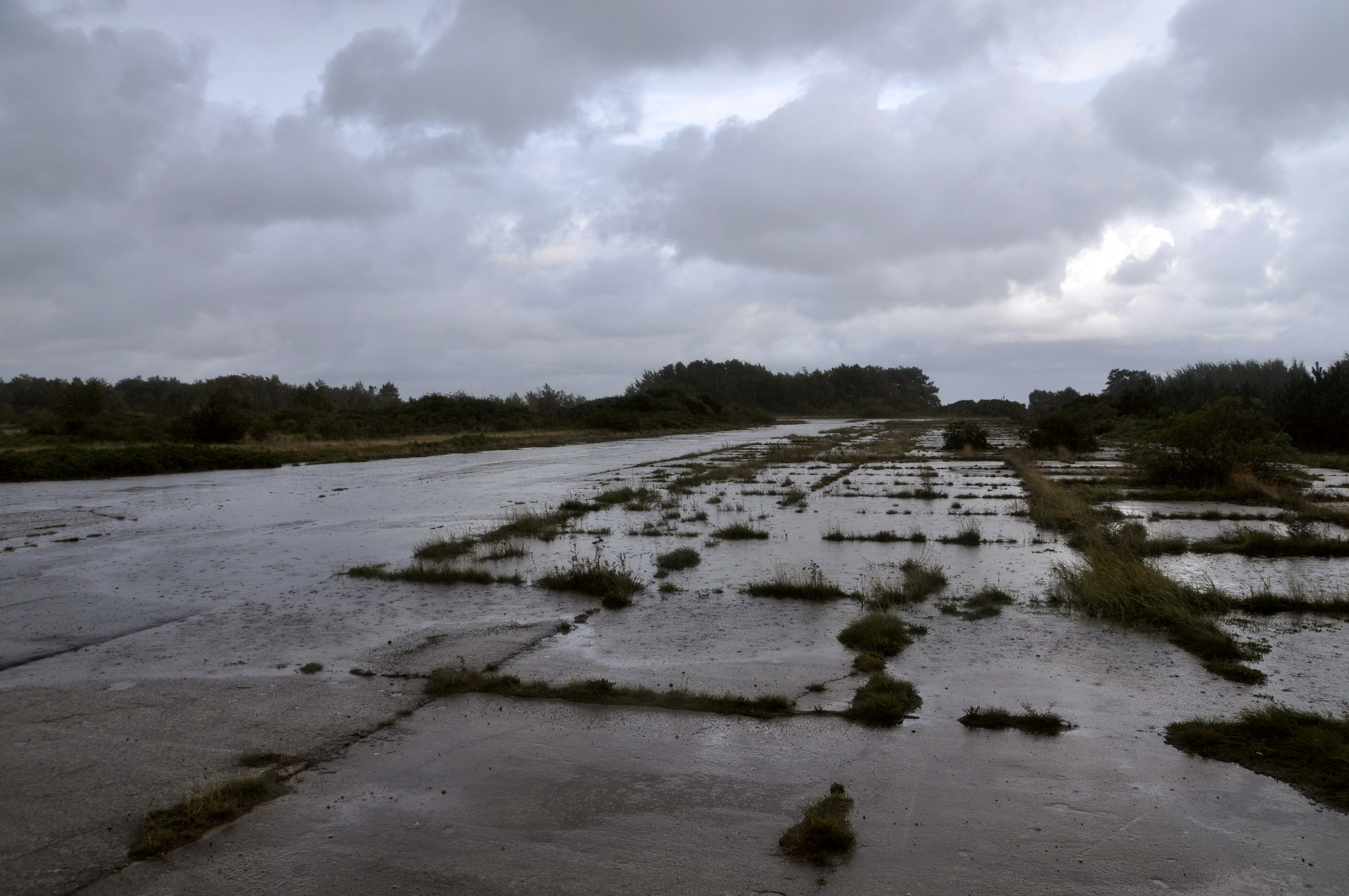
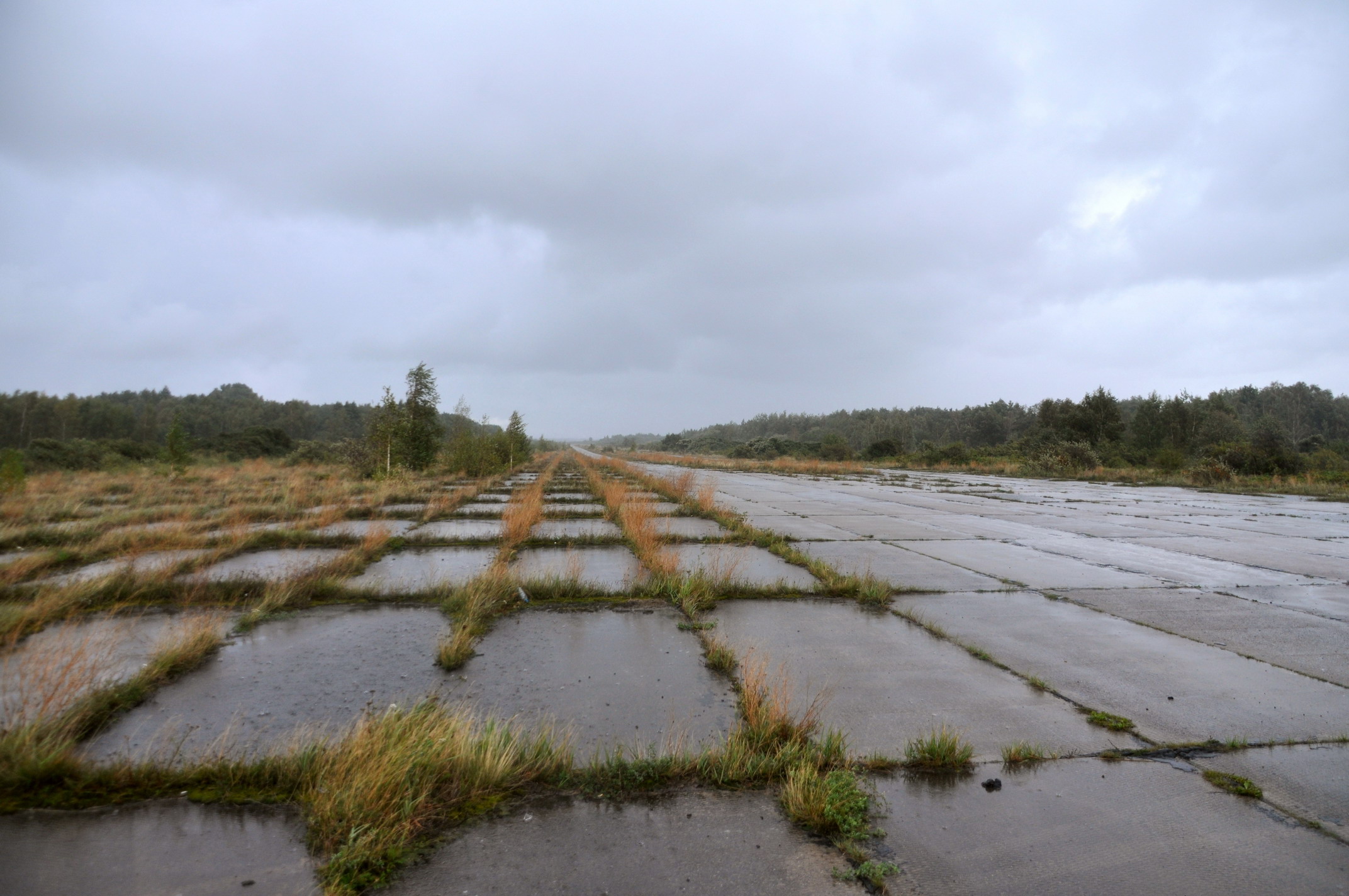
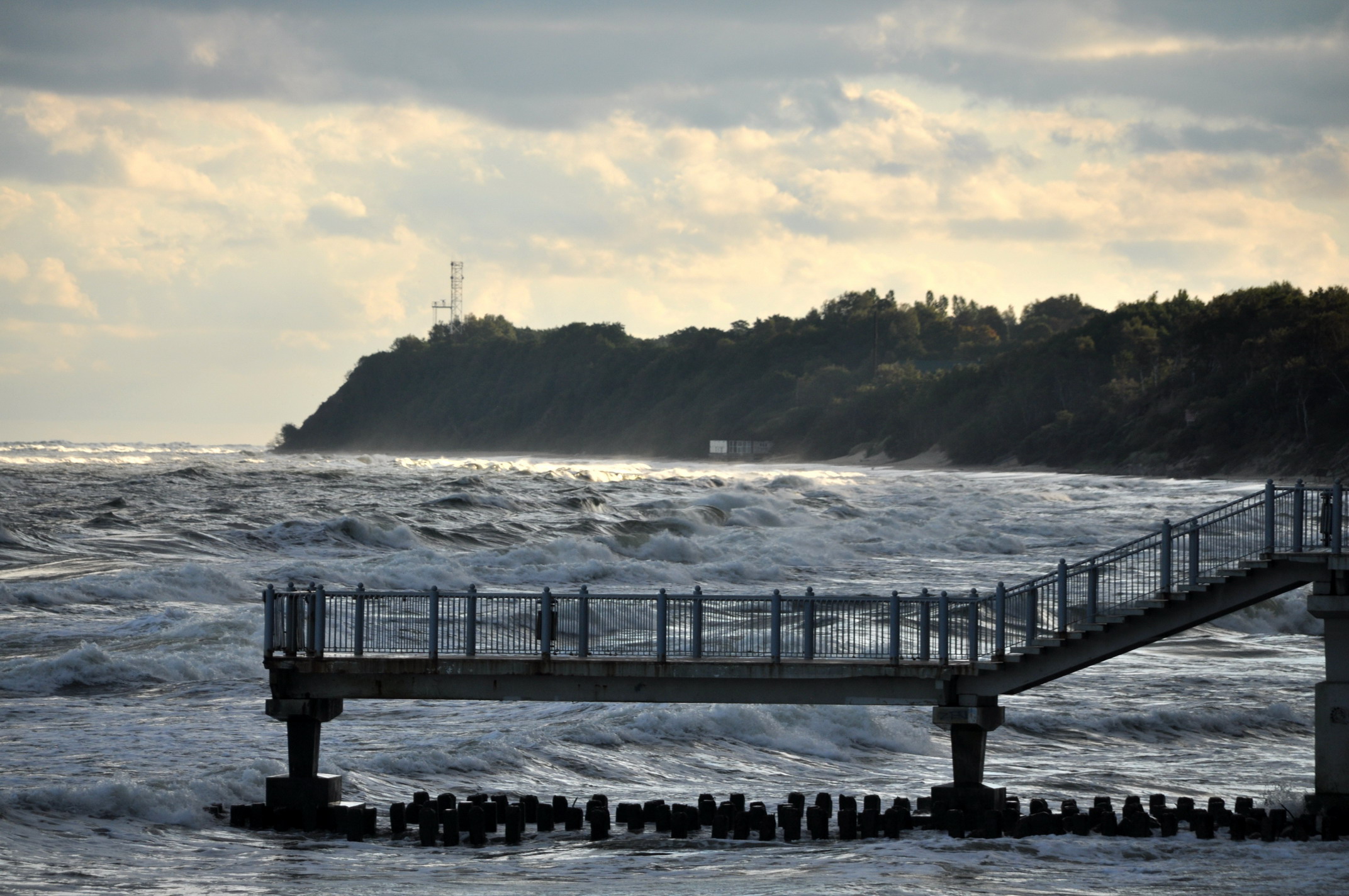
When I reached the ferry, I found that what I’d been walking through counted as a dreadful storm by local standards. The ferry wasn’t running. They’d even sent the big ships out of the lagoon to the roadstead and closed the channel.
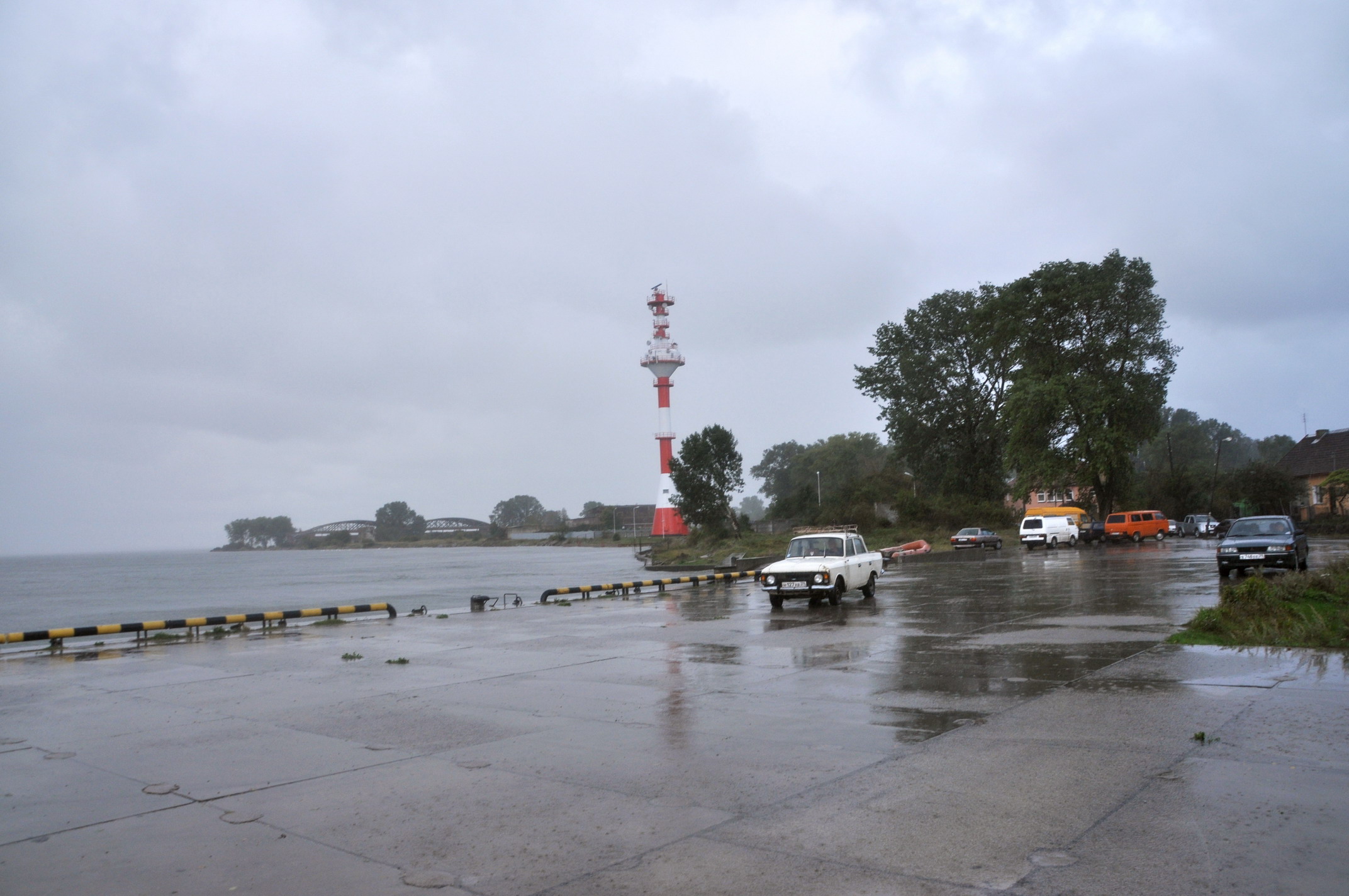
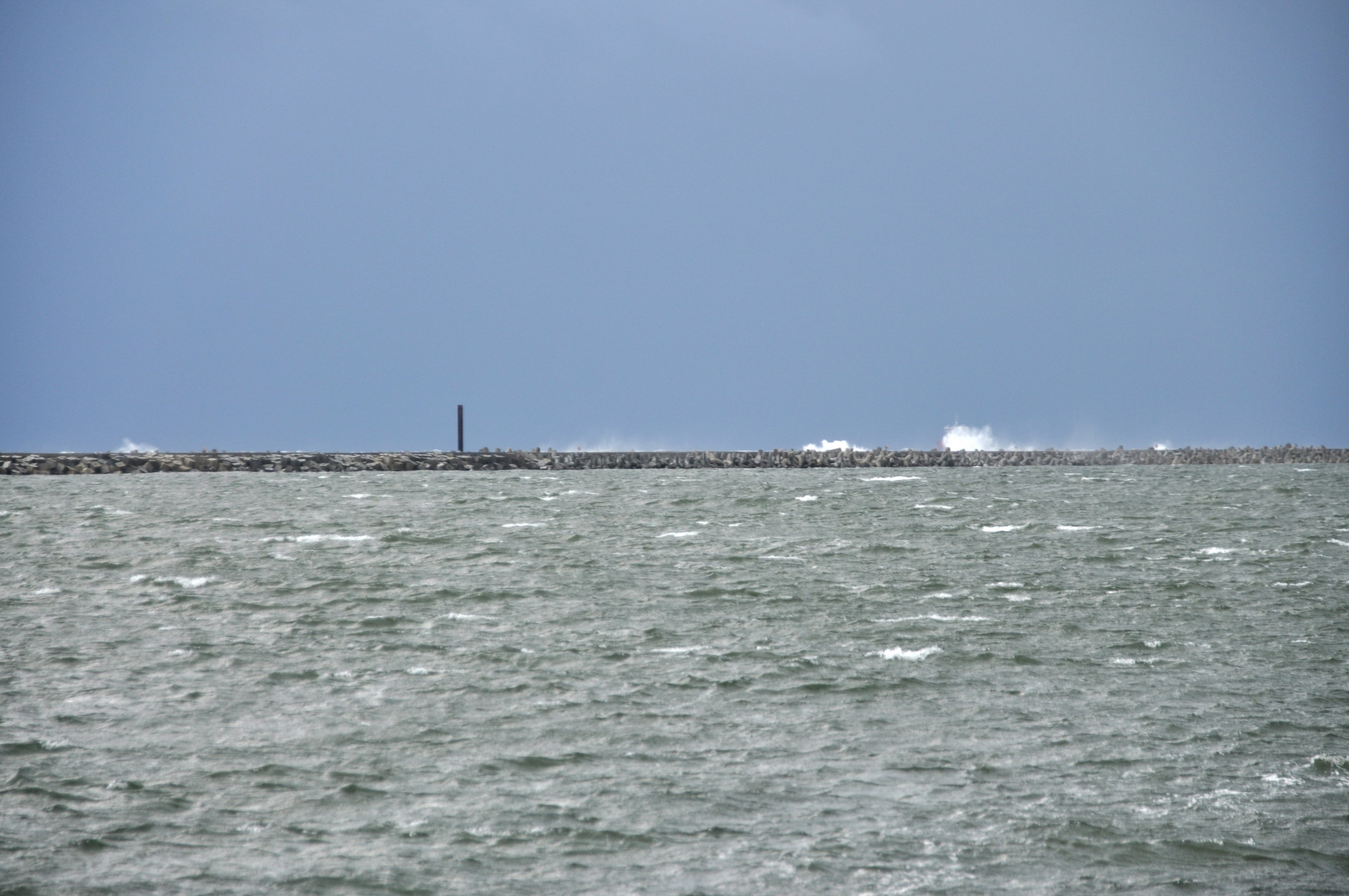
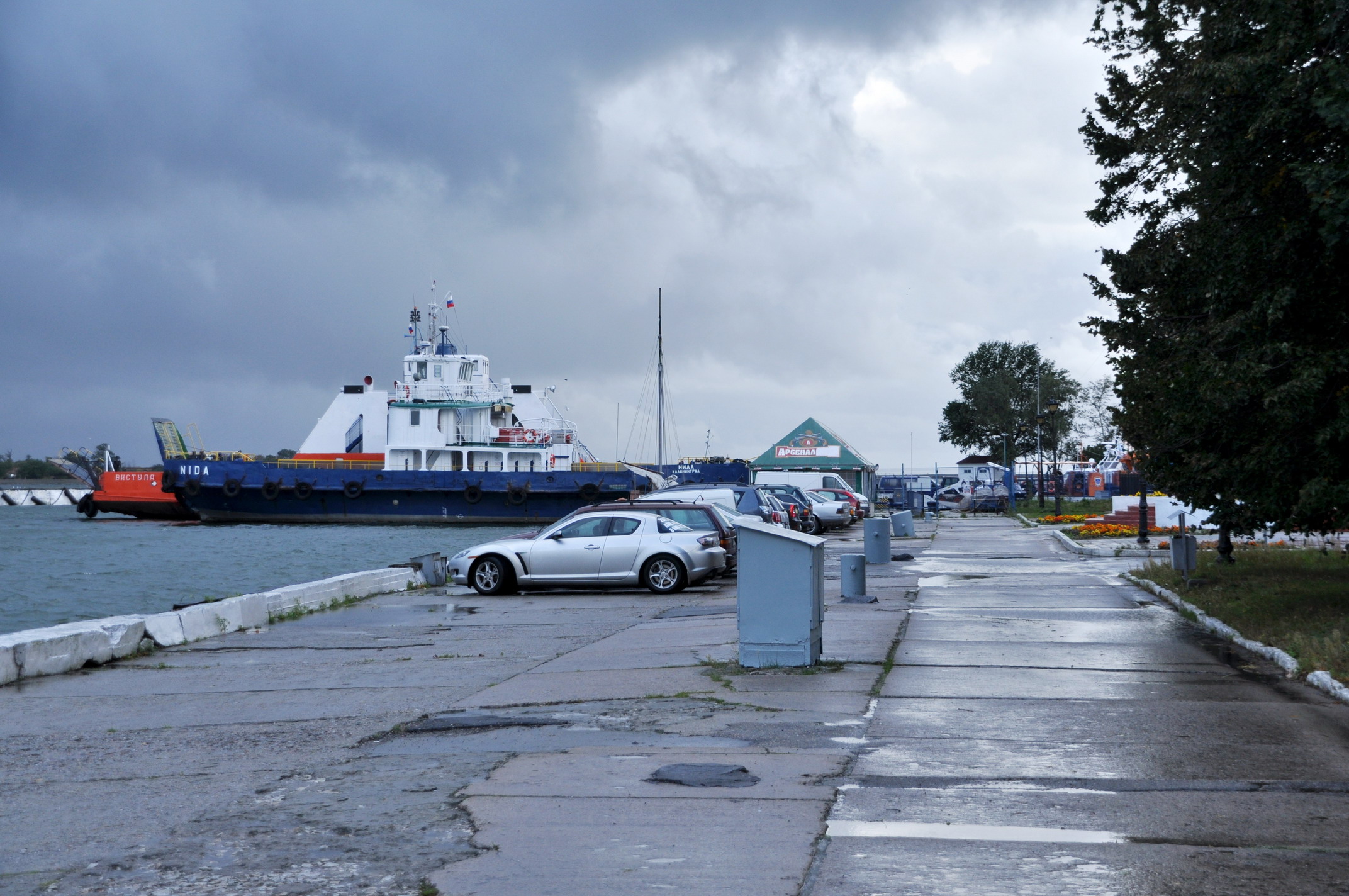
Fortunately the channel might have been closed, but private operators were still in business. You could get across by motor boat. Long live private enterprise. On the way over a wave broke right over my head. Now I really was soaked, along with everything I was carrying. I didn’t mind. My car was waiting for me ashore, with dry clothes in it.
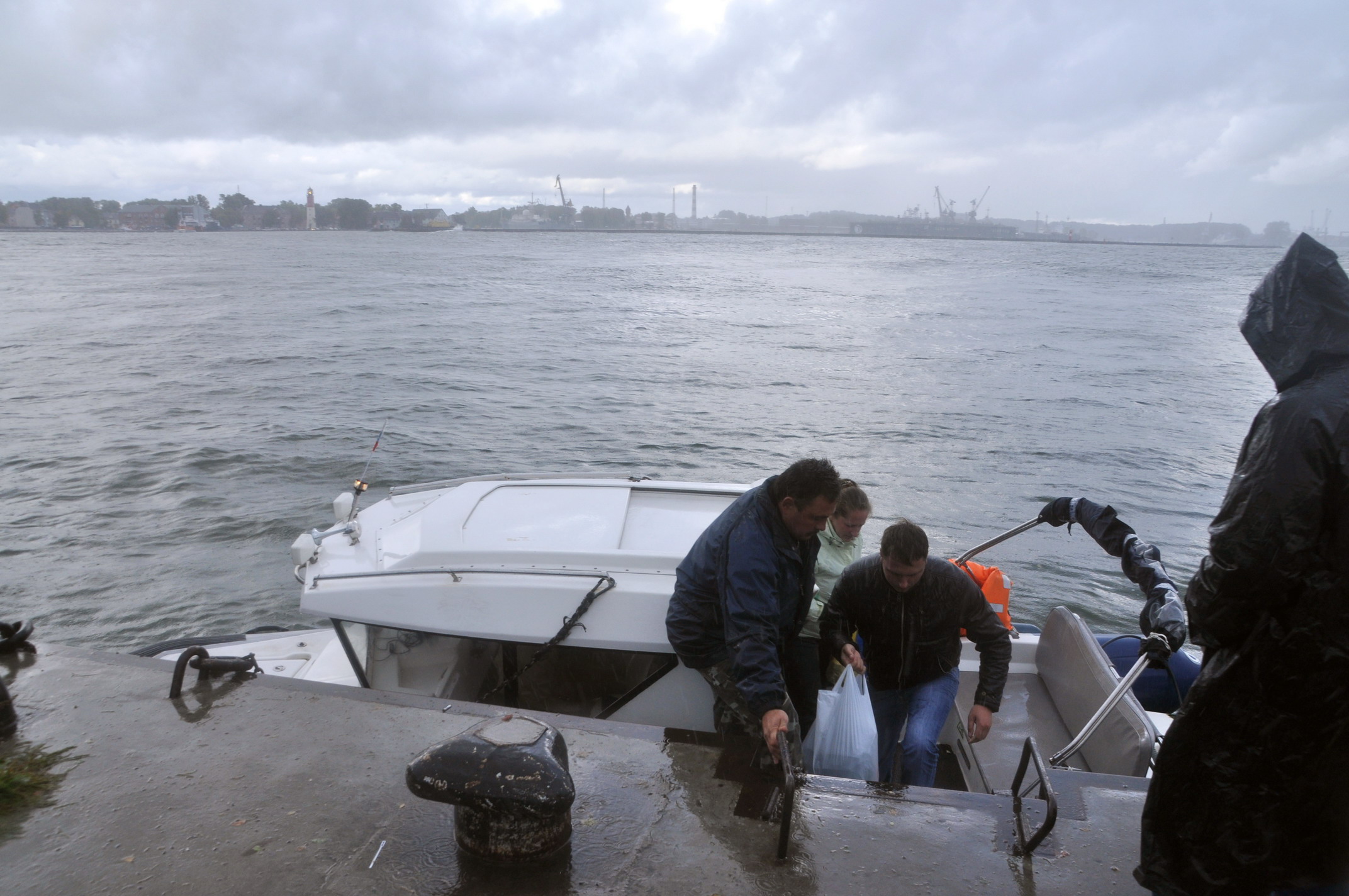
Just as well I hadn’t taken the car across. How would I have brought it back? I remembered my recent experience in Fiji, when I’d promised myself over and over that I would never take a rental car to an island again.
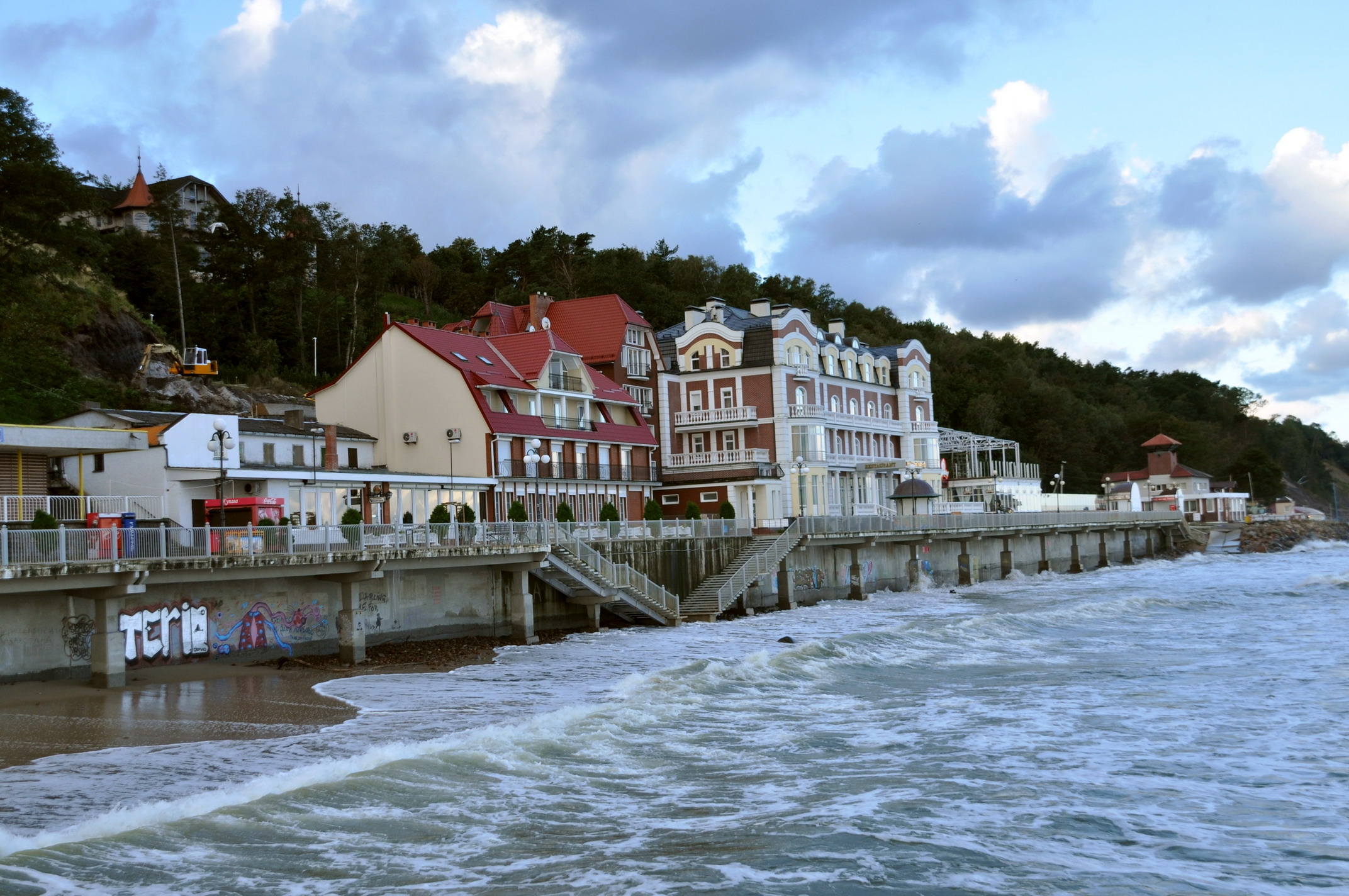
Meanwhile it turned out Baltiysk, or Pillau, was flooded. The streets were under water. I barely got out in my little car.
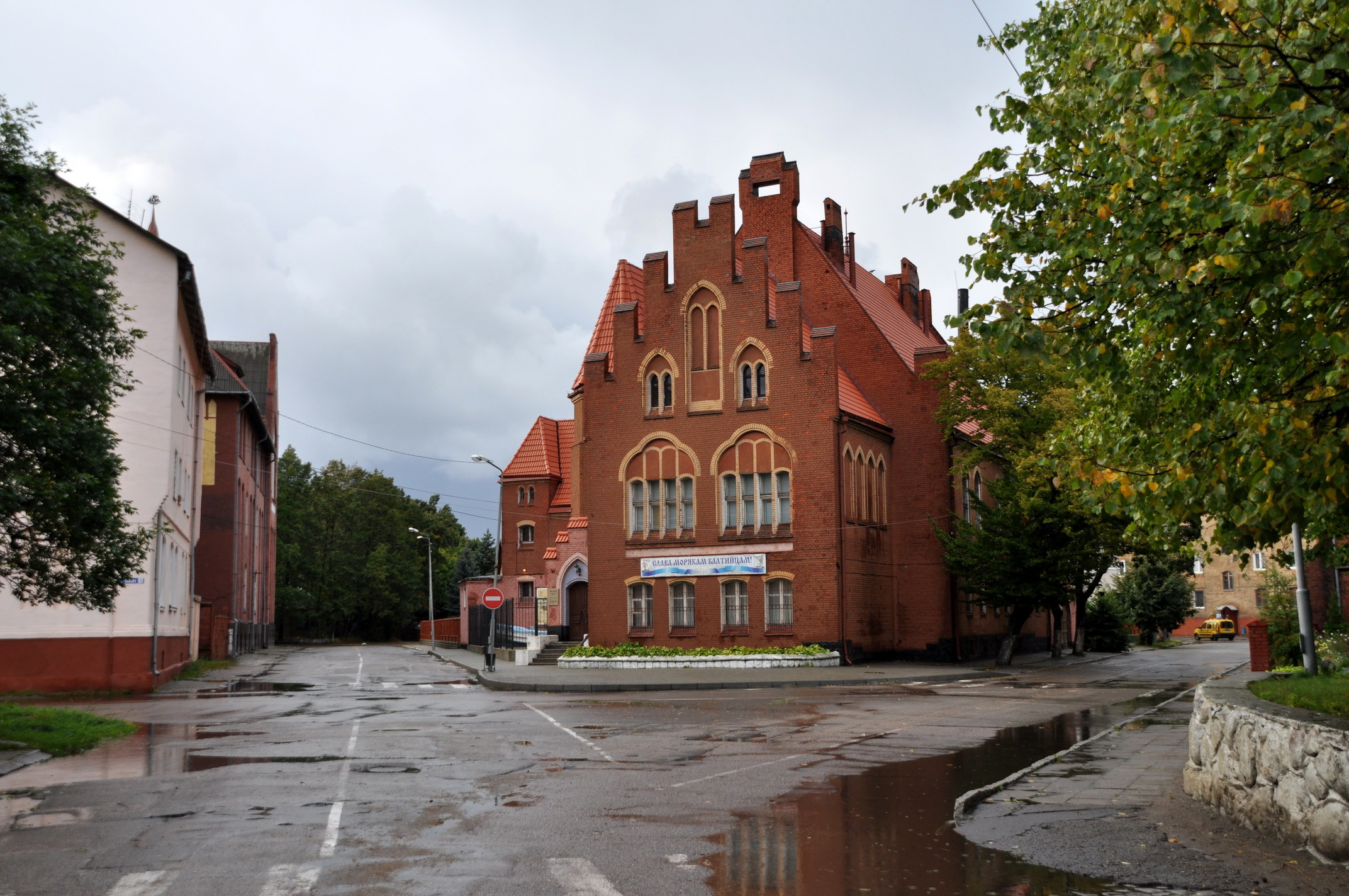
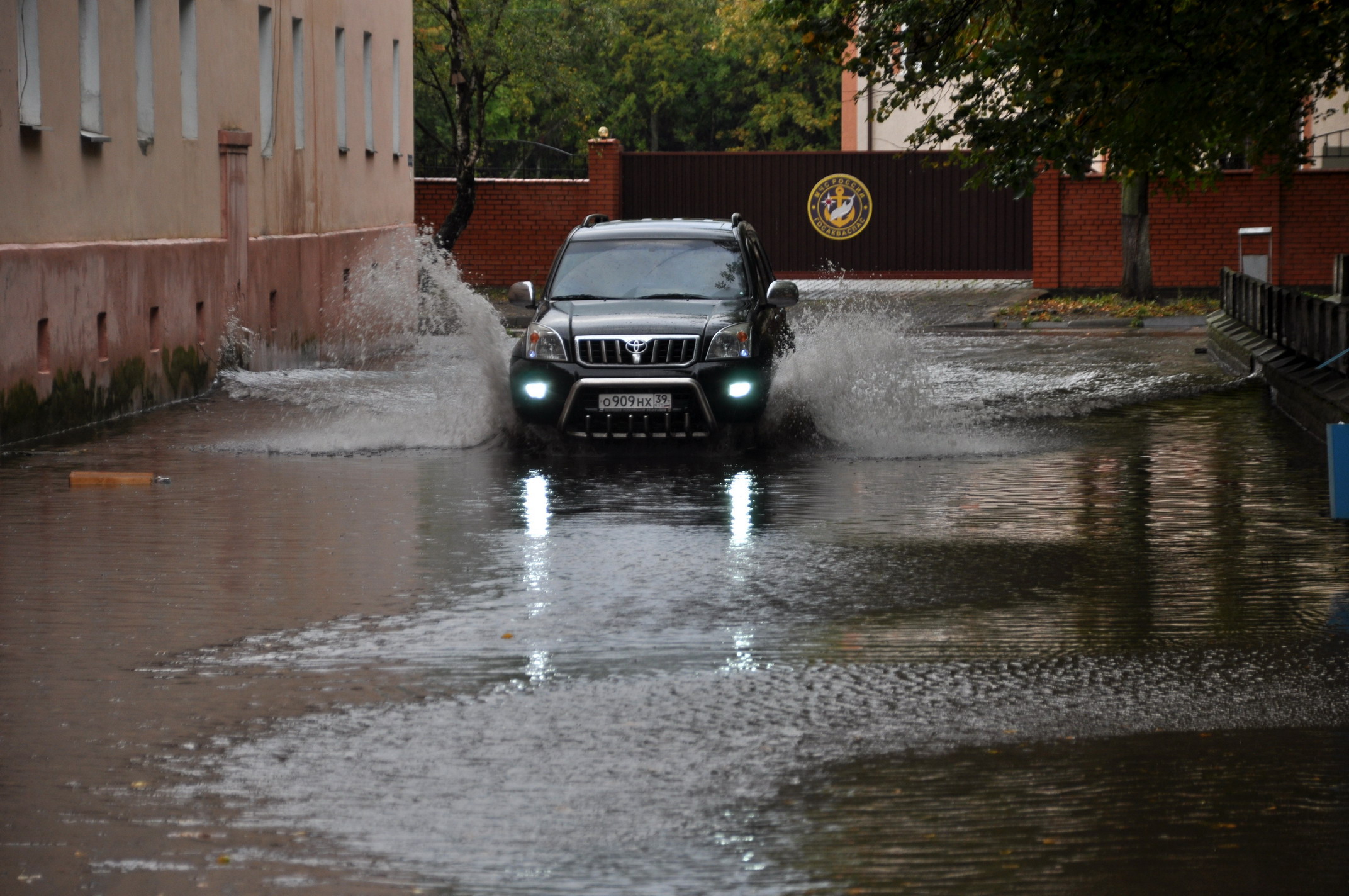
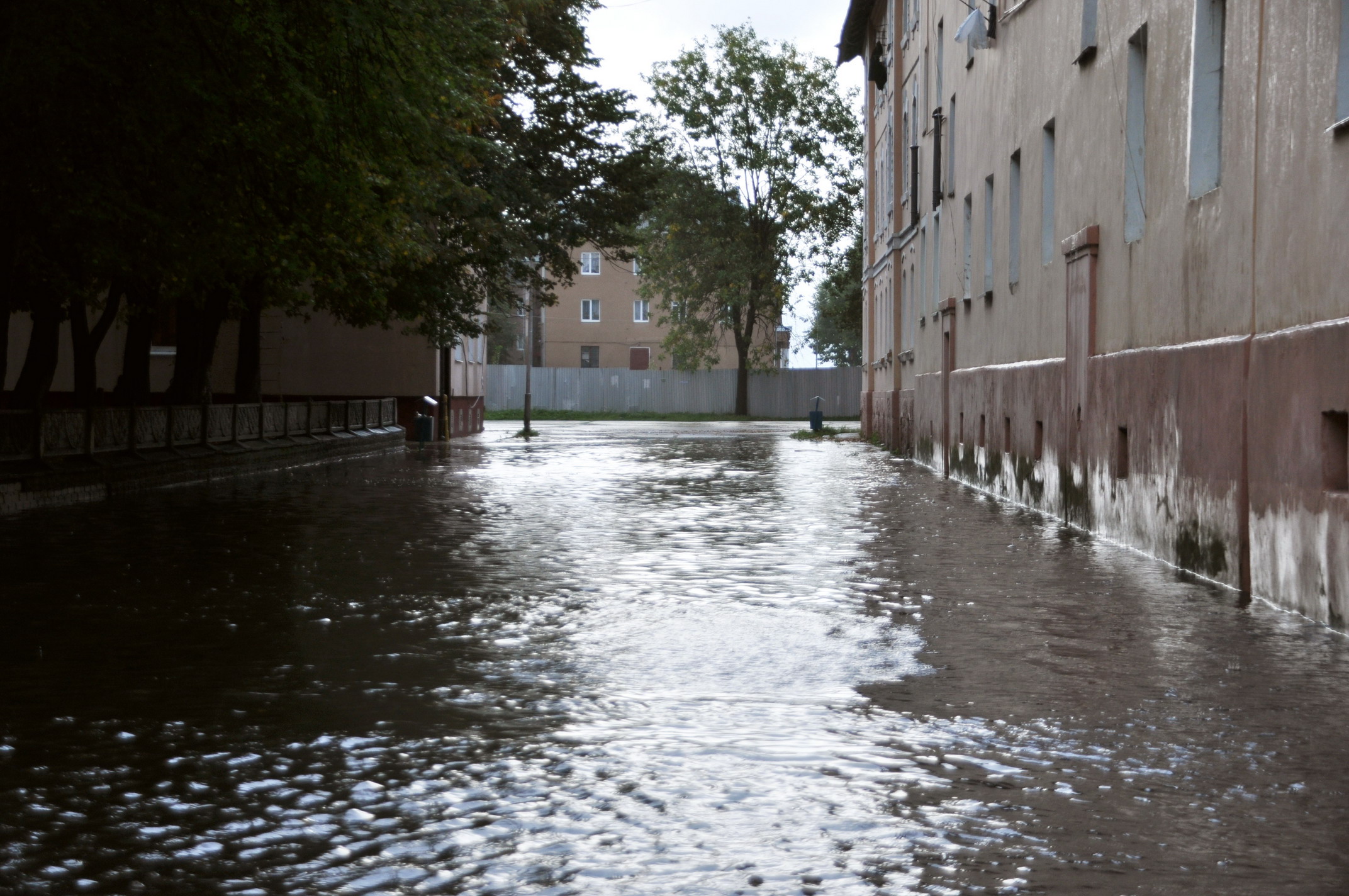
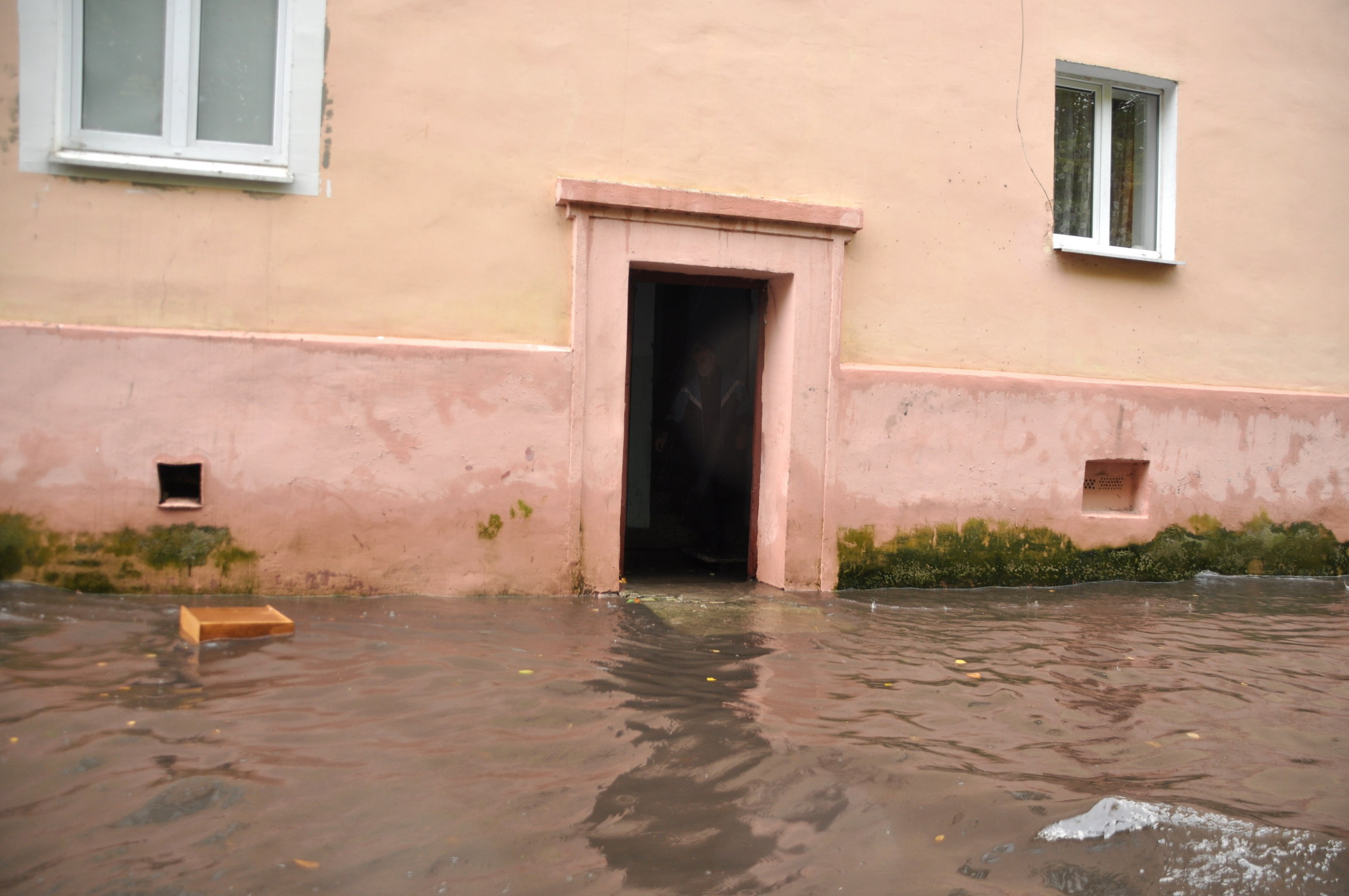
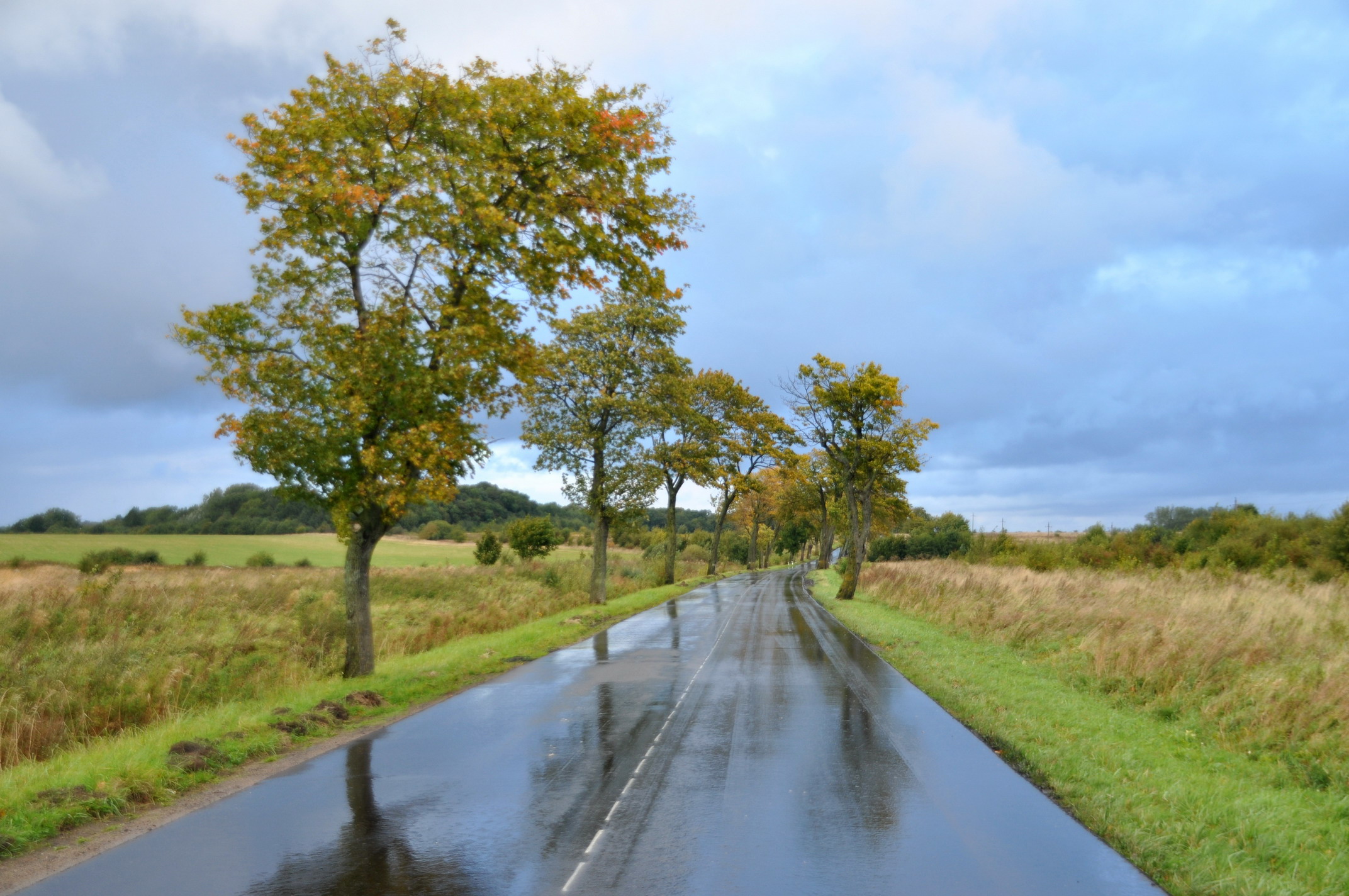
It was certainly a wet hike, but a very interesting one.
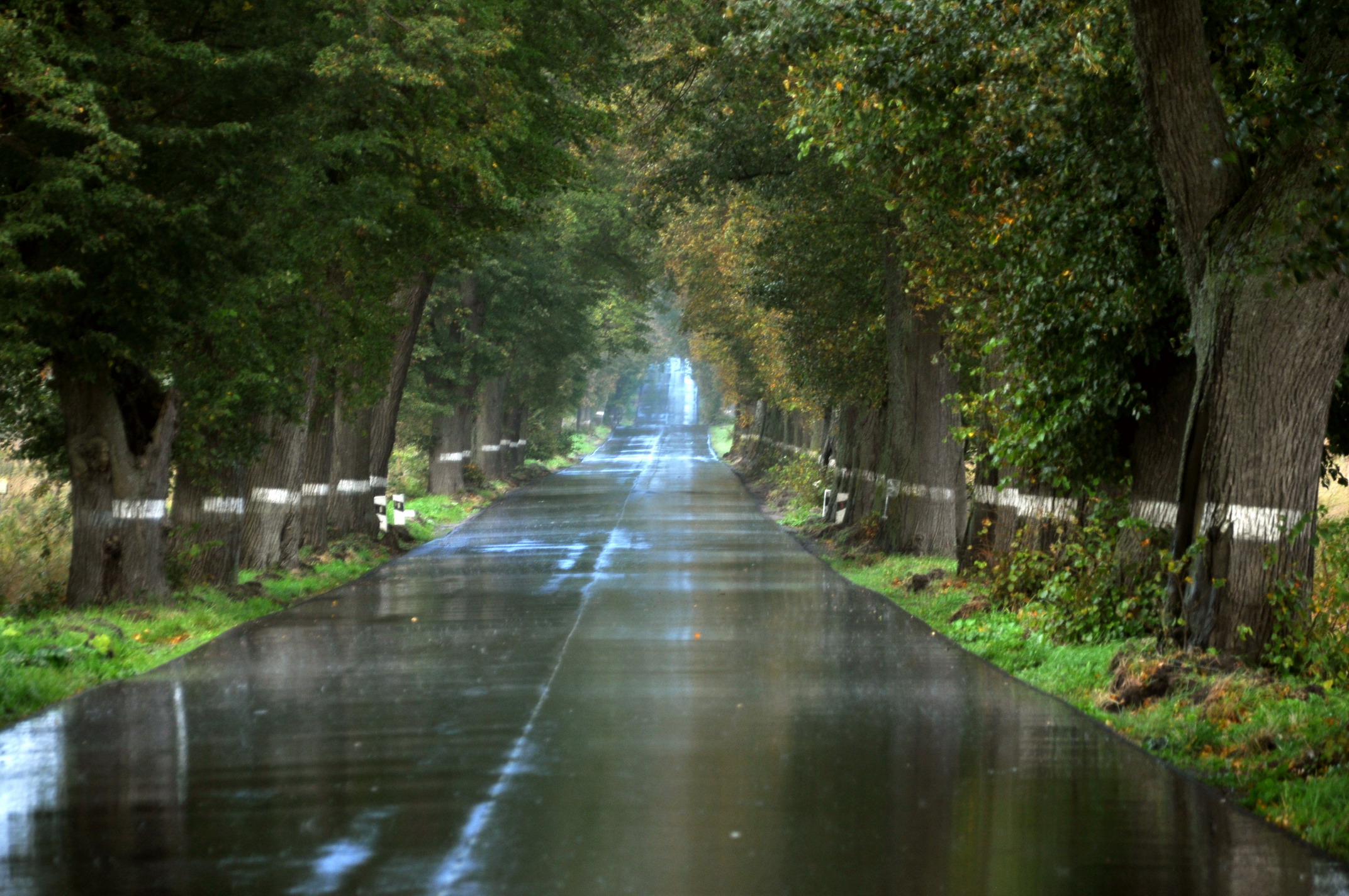
My feeling at the time was that this was the moment to visit the Baltic Spit, before it either shut again in some fit of anti-Western hysteria or the conservation people rushed in and put up fences everywhere, which might be worse.