Trip report
From 7 July to 5 August 1997 we travelled from Severobaykalsk to Khuzhir. Some of the information below was updated in August 2000.
There were four of us. Sasha and Tanya Simo paddled a Taimen-3 kayak, and Sasha and Marina Sochava paddled a Taimen-2. The Sochavas have their own page about the trip.
Weather
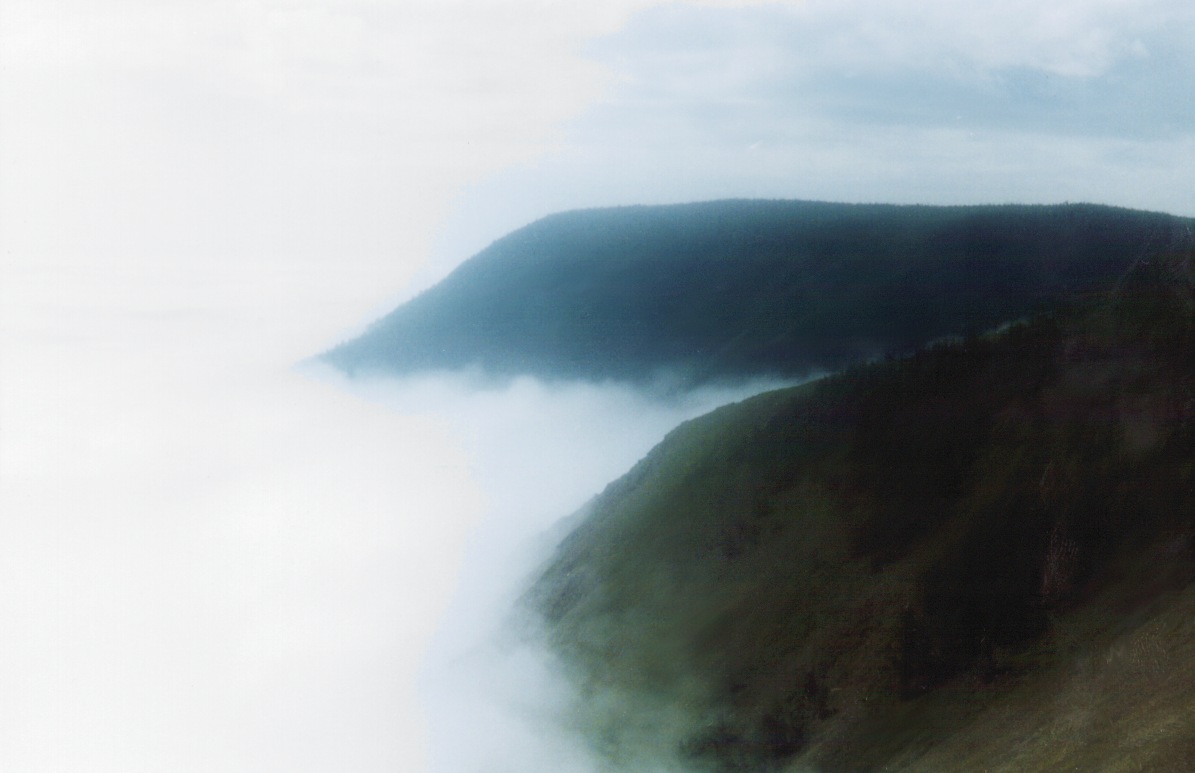
This is what we saw in late July 1997. It is much colder out on the lake than it is twenty metres inland. The weather can change abruptly several times in a day. In the morning it is 25°C in the shade. Around lunchtime a thunderstorm can blow up in ten minutes. Then the sun comes out again, followed by a cold wind, and by evening it is down to about 10°C. Nights are cold, just above freezing. We had three days of thick fog and navigated by compass. Plenty of warm clothes came in handy.


Wind
The wind changes very quickly. The lake’s winds have names of their own. These are the main ones.
Kultuk. A strong, cold southerly that blows north along the lake and raises high waves. In our experience it comes up in the afternoon and blows until sunset.
Verkhovik. It blows from north to south along the lake. We encountered it only at the north end.
Gornyak. This wind blows offshore down the mountain gorges and takes its name from whichever river it follows. The best known are the Sarma and Barguzin. The other rivers are in uninhabited country and few people know them.
A gornyak can blow hard enough to strip the crests off the waves. We struggled to make headway even three metres from shore. It knocks over your mug of tea, blows the soup out of your bowl and flips a kayak that is already on land. We tied ours to a Siberian pine. It can snap a five-millimetre nylon tent guy. When you paddle along the shore it blows down from above, and depending on the terrain it can reverse direction within seconds and blow just as hard, at 30–40 m/s.
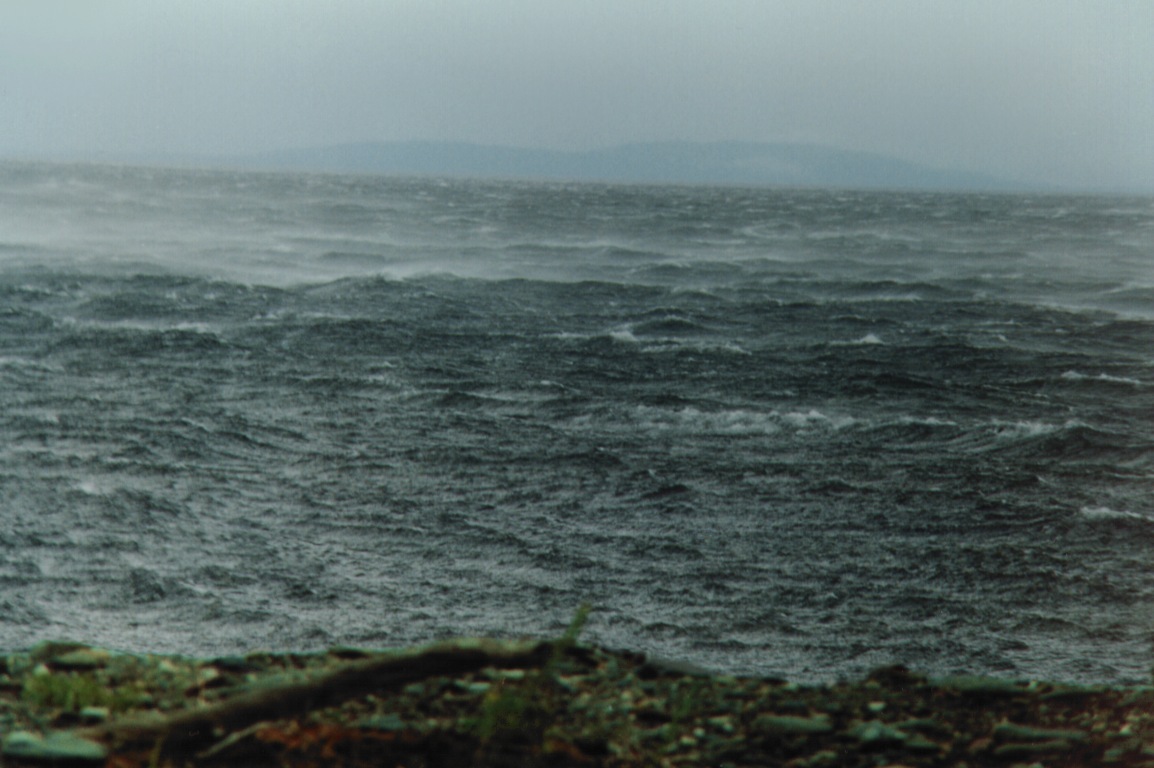
Barguzin. This is a kind of gornyak, but it travels a long way south along the lake from the Barguzin River valley. It raises high waves. It is slower than the Sarma but steadier and more persistent.
Even in perfect weather the wind can rise at any moment and leave you unable to paddle ashore. We had the most trouble between 2 and 8 p.m.
Waves
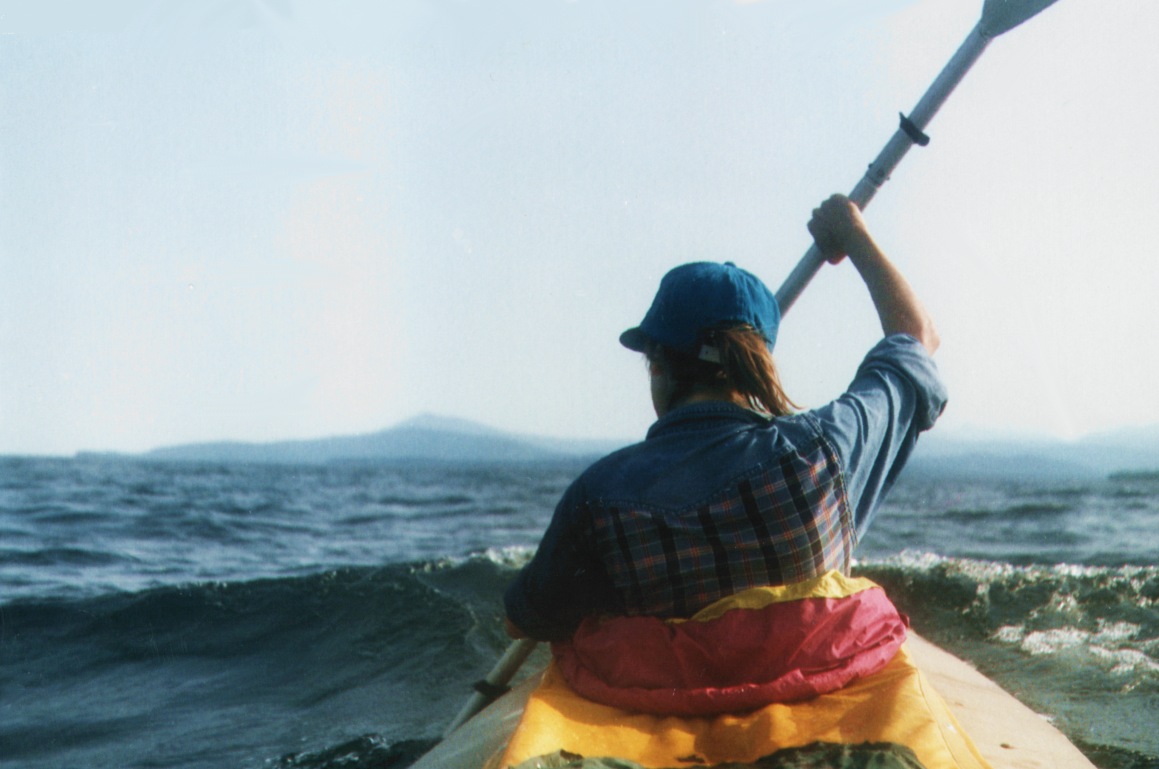
The waves are very steep and difficult to paddle through. They are not especially high, but they can still flip a kayak, especially in a strong wind.
Cliffs along the shore
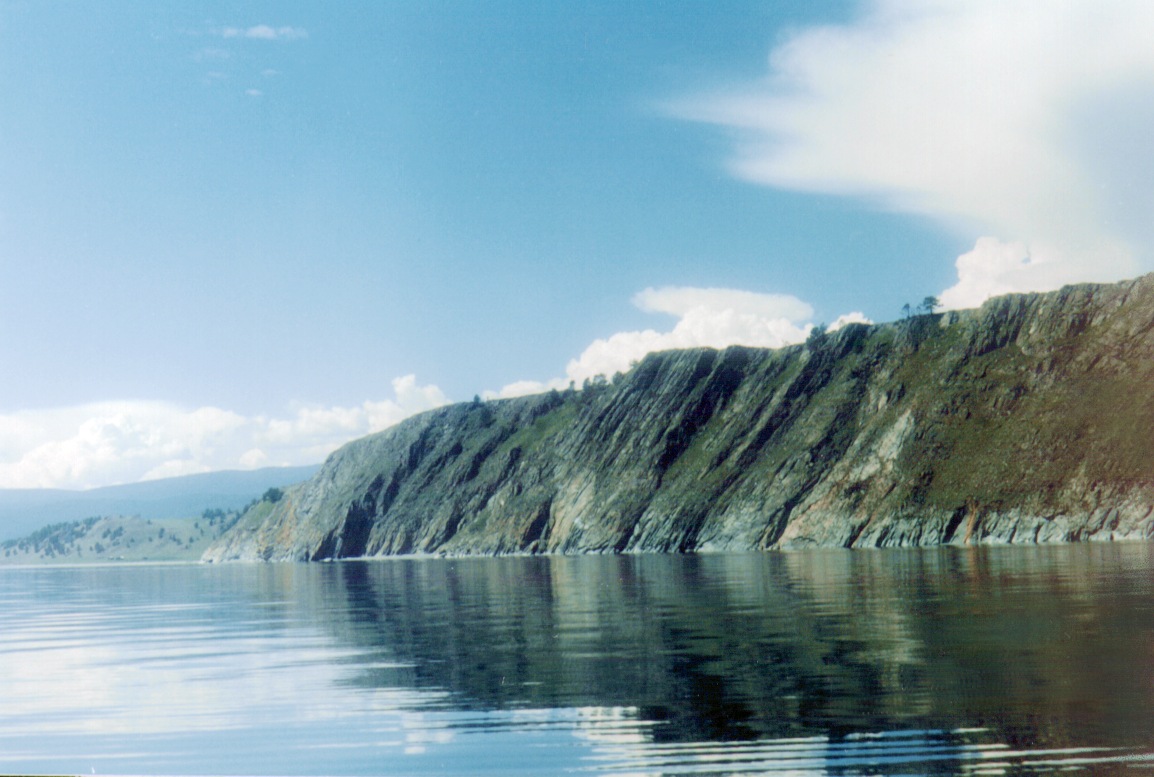
Before we set out, people warned us about cliffs that would run for kilometres and leave us unable to land in an emergency. In practice we could land and even pitch camp almost anywhere. The longest stretch of unbroken cliff we saw was about 200 metres.
Campsites
The best places to camp are on the headlands. Good campsites are marked with an exclamation point on the map. Our own campsites are numbered. These are good sites as well, and there are not many of them. In the bays the surf washes against big rocks, followed by a low bank you can climb easily and then the taiga. We avoided camping in the bays unless we had to. There was plenty of firewood except on the shores of the Little Sea, where there was none at all.
Water
| Location | Date | Water temperature (°C) |
|---|---|---|
| Beach in Severobaykalsk | 14 July 1997 | 18 |
| Near Cape Kotelnichny | 18 July 1997 | 11 |
| Cape Yuzhny Kedrovy | 24 July 1997 | 8 |
| Little Sea, near Khuzhir | 31 July 1997 | 11 |
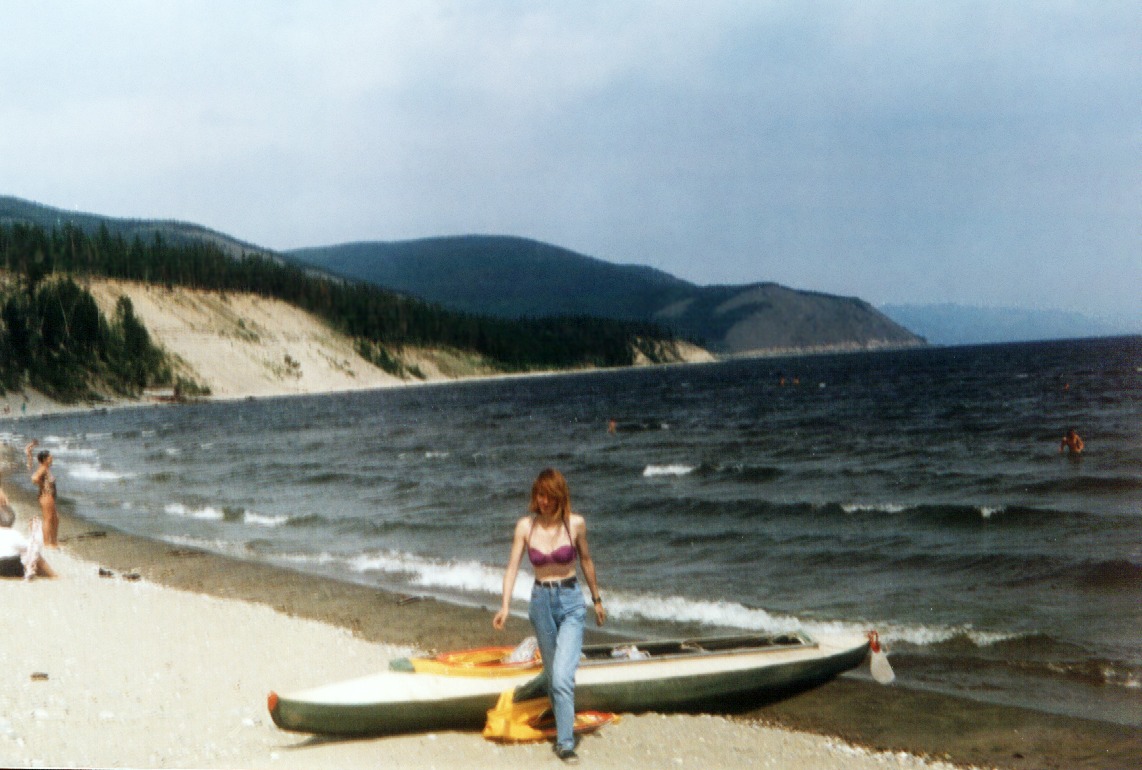
Cold, on the whole, although we did swim. Some headlands have little lakes cut off from Baikal, where the water is much warmer, about 18–20°C.
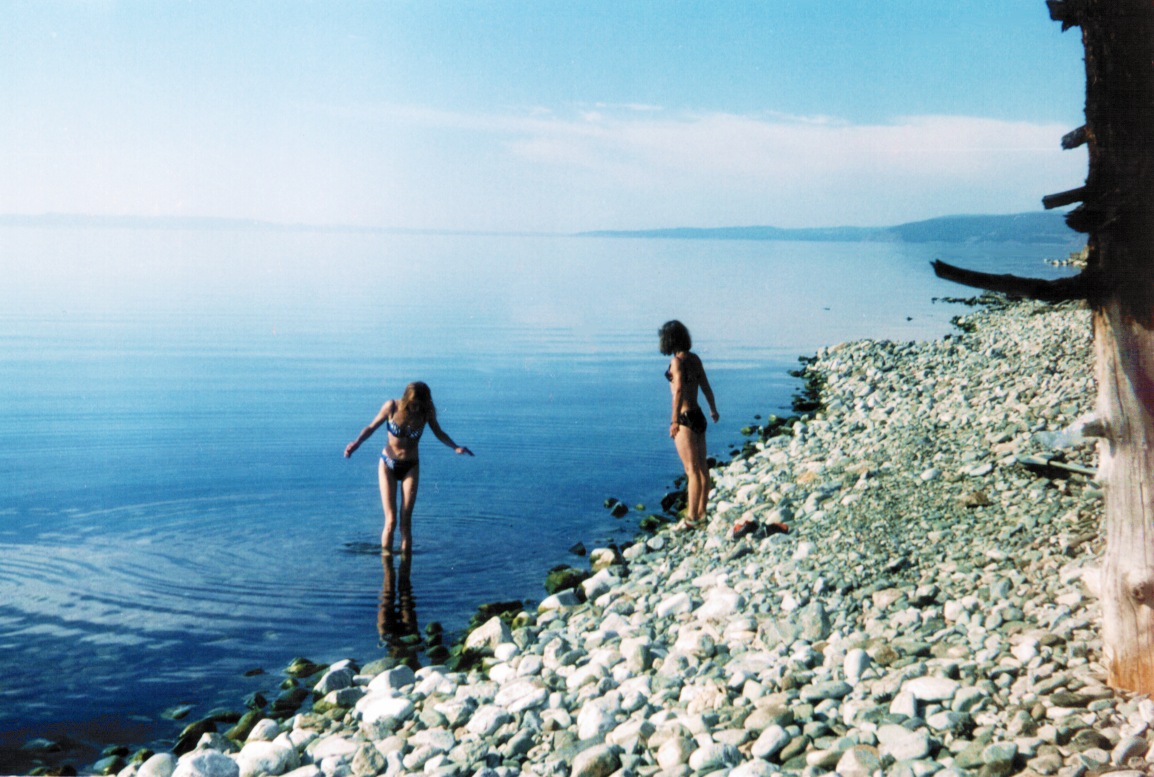
The water near Severobaykalsk is cloudy and warm, and in the reserve it is perfectly clear. In the Little Sea it is murky, with a lot of algae.
Ticks
Between 14 and 31 July 1997 we did not see a single one, even though it was a bad year for ticks. It was the wrong time of year for them.
Mosquitoes
There are some, but not many.
Midges
Few of these, either. In summer I get more in my room, sixty kilometres from Saint Petersburg, than we saw outdoors at Baikal.
Bears
We heard there were a lot of bears, one per kilometre, but we only saw tracks.
Rangers
There are rangers in the reserve. They charged US$2 per person per day, with discounts for groups and stays longer than five days. Foreign visitors paid US$5 per day. Pensioners and scientific expeditions got in free. The rangers were diligent about stopping people, and it was hard to slip past by water. They were reluctant to strike any informal bargain for fear of inspections. Once you paid, you could go where you liked, light a fire, fish and pick mushrooms and berries.
There is a trail to the source of the Lena from Cape Pokoyniki, where the reserve office and weather station are also located. They can provide a guide and even a horse. They like tourists there. From the north the rangers stop people at Cape Elokhin. The ranger there was Fyodor Fyodorovich. The map shows the area near Zavorotny as outside the reserve, but the rangers saw things differently. We met no rangers outside the reserve.
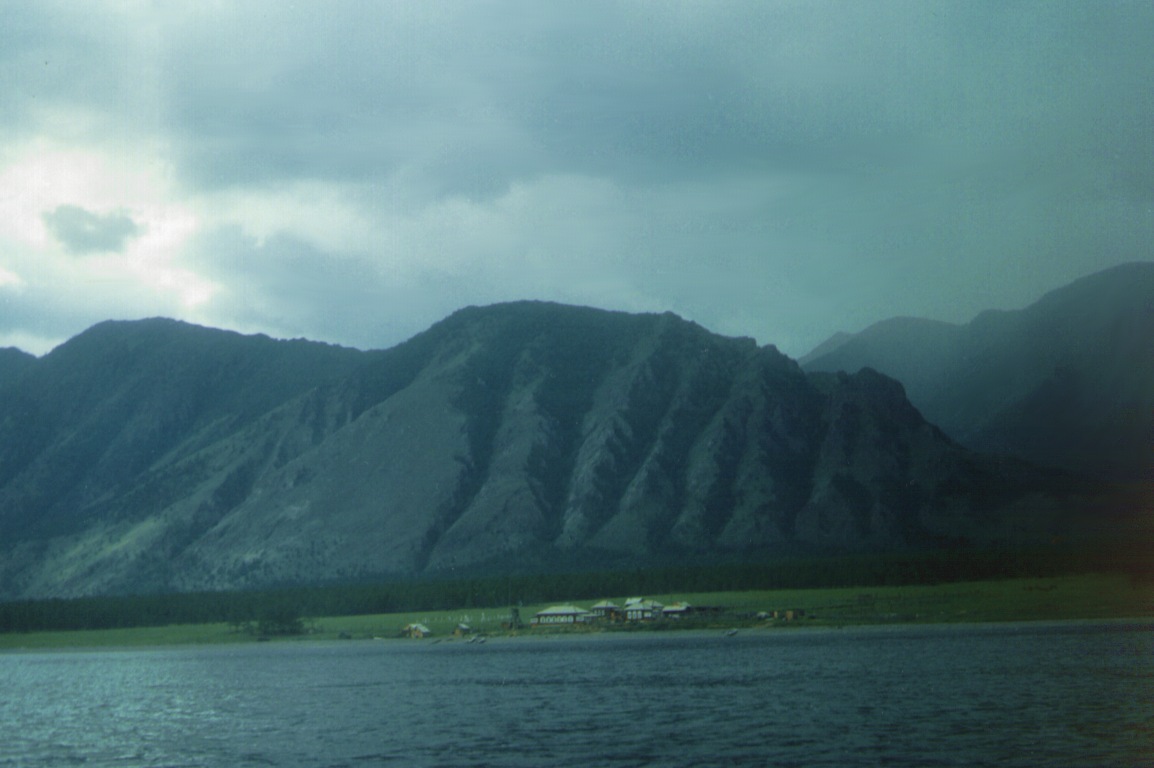
Olkhon and the shore of the Little Sea are part of a national park with an entry fee. The checks amounted to monitoring the road at Yelantsy, if I have the place right, and the scheduled boats. On the way out we passed for Buryats and paid nothing. The charge was 5,000 roubles a day. In 2000 it was 8 roubles per person.
Other animals
Ground squirrels are everywhere. They are huge and fat and run around eating whatever they find. We saw a fox. Horses graze along the shore. They are certainly domestic, though there is no sign of people anywhere nearby.
Local people
As soon as we arrived, we asked a local man for the shortest way to the lake. He told us to keep away in the evening because of the local toughs, and to stay clear of the shore at Baykalskoye because of the drifters and exiled followers of Semyonov. He warned us about Buryat nationalists who would kill us at the slightest provocation and bandits farther into the taiga who fired carbines for no reason. I think he meant the rangers. Then he added that even his neighbours were afraid of him because he owned two carbines and was in the habit of shooting first and thinking later.
He ended up taking us back to his flat, feeding us and giving us two buckets of potatoes for the journey.
In the morning we met the local toughs, who were happy to treat us to beer. Baykalskoye turned out to be a peaceful village where anglers gave visitors fish for free. The Buryats liked a good chat, and to the rangers we were their livelihood and the source of all good things.
By and large the locals were friendly. In Severobaykalsk and Baykalskoye, though, young people drank on the shore in the evenings. Depending on their mood, they could be dangerous.
Settlements along the shore
There are signs of civilisation between Severobaykalsk and Baykalskoye. Beyond that, all the way to the southern boundary of the Baikal–Lena Nature Reserve, the country is practically deserted. In 200 kilometres there is the pool at Cape Kotelnichny, a ranger’s cabin at Cape Elokhin, ten houses at Zavorotny and the reserve office and weather station at Cape Pokoyniki. On this stretch we passed a group in catamarans and overtook a solo kayaker, Vladimir Yakovlevich Bezmenov, aged 65, from Moscow.
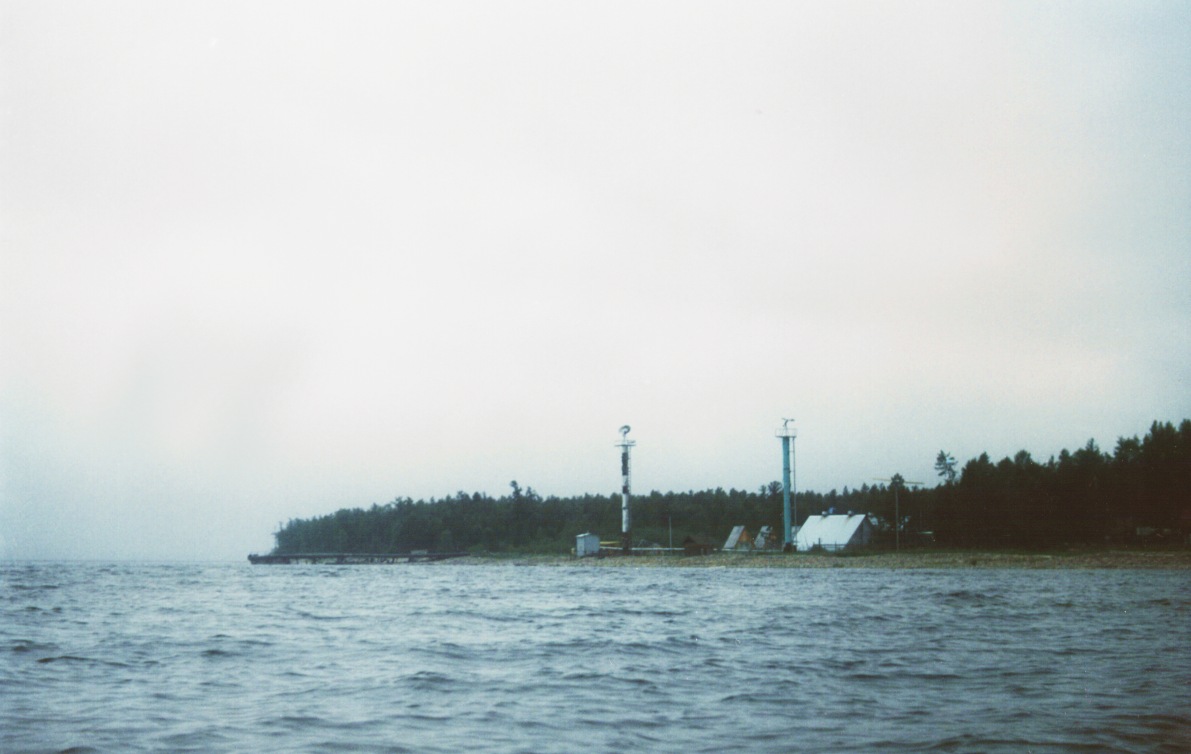
The first village is Onguryon. The shore of the Little Sea is packed with a ridiculous number of tourists with cars. My guess is one person for every one to five metres of shoreline. There is no firewood. Olkhon’s shore is a little less crowded, but wood is even scarcer because there is no forest there.
Siberian pines
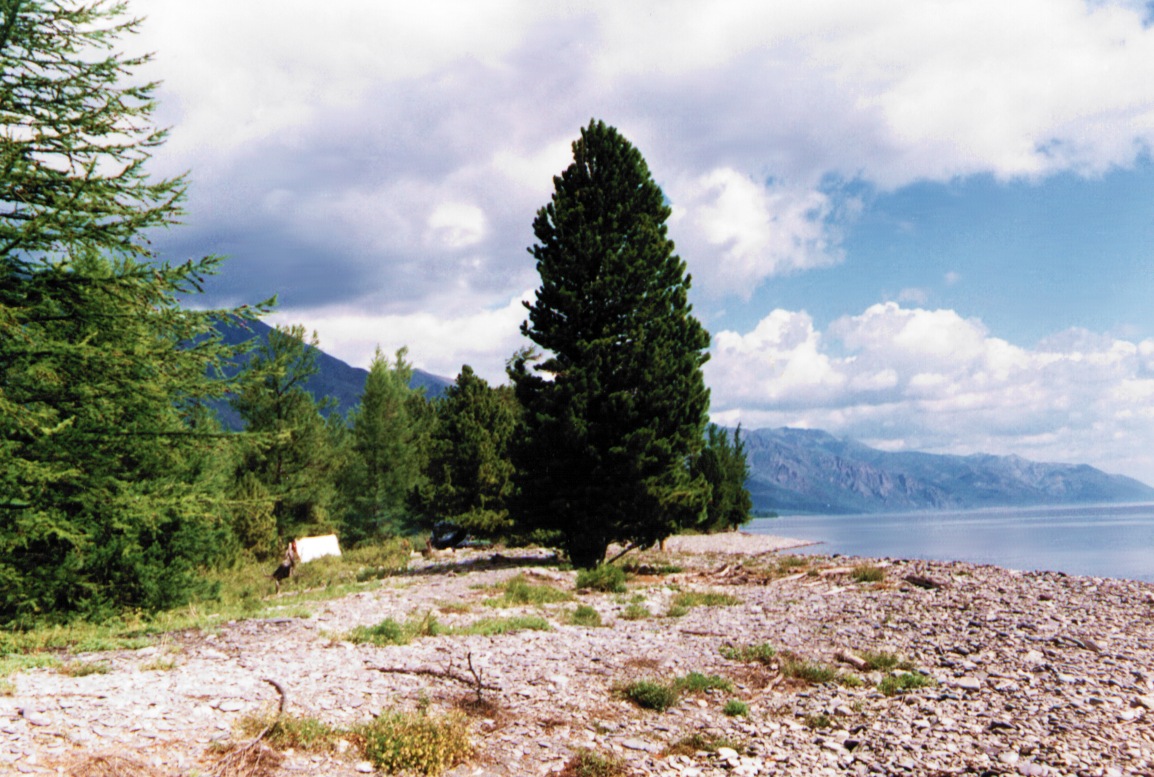
They grow here in great numbers, and there are even more cones. By late July there are fresh pine nuts to eat. It is no use looking for last year’s crop. It has all been eaten. In the reserve the rangers fine you for picking cones.

Berries and mushrooms
There are few mushrooms of the kinds we know from European Russia. Local people eat mushrooms that look like slippery jacks, but are grey or brown. If you meet any locals, take a look at what they eat. There are plenty of lingonberries in the mountains. Berries are scarce along the shore, though you can find raspberries and currants. South of the mouth of the Kurkula there are many Arctic raspberries.
Other plants
The forest is taiga. Breaking your own trail is hard and you make no more than two kilometres an hour. The main trees are larch, Siberian pine, pine and birch.
There are thickets of Siberian dwarf pine in the mountains. They are hard to push through as well. The forest floor near the shore is carpeted with bergenia.
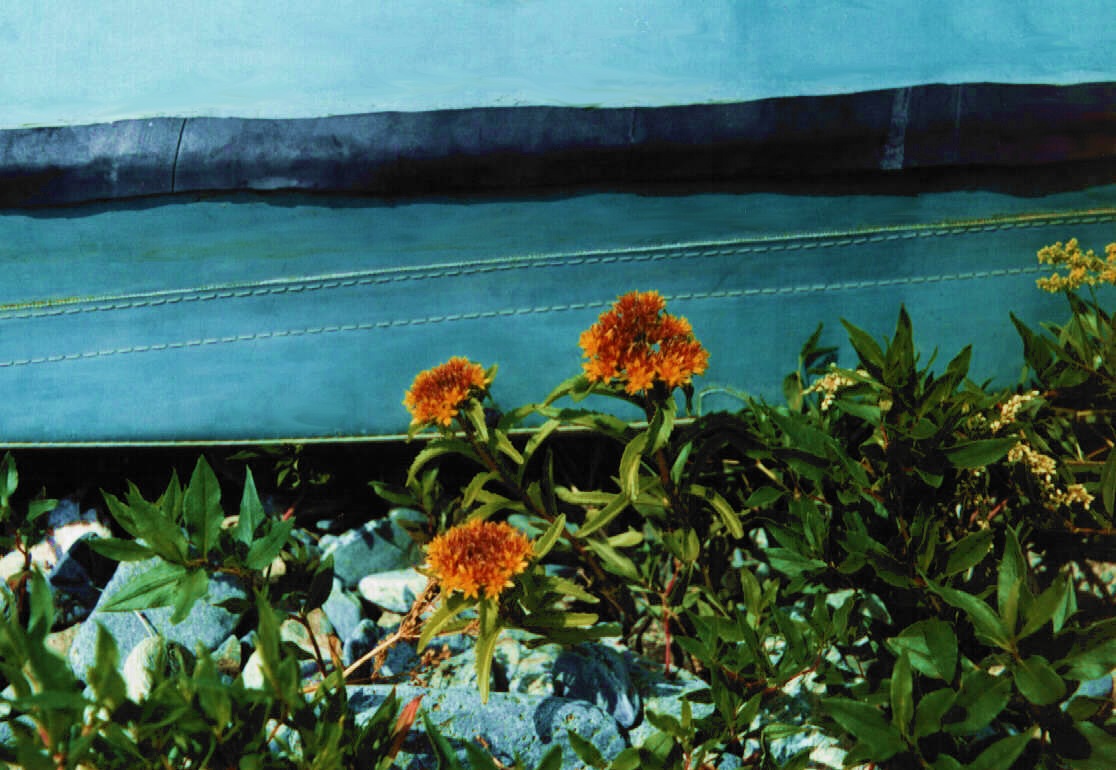
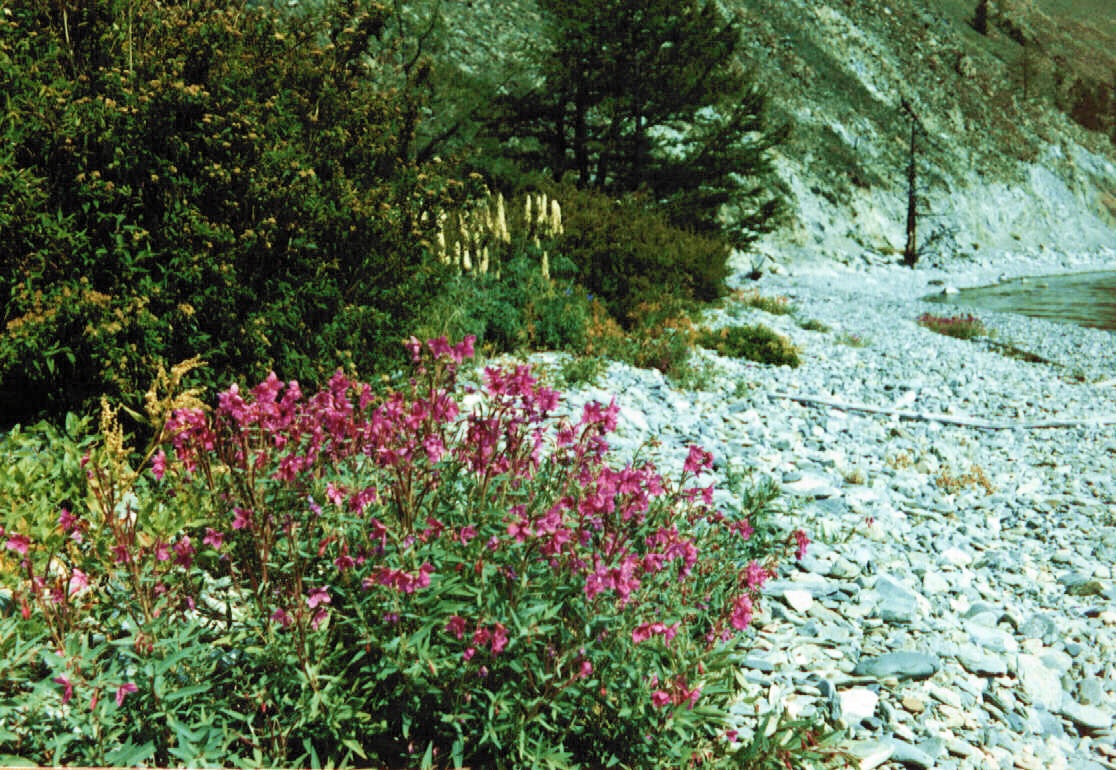
Wild onions and sorrel grow on the beaches and make good greens for the table. There are flowers everywhere. What is remarkable is that forget-me-nots, poppies, tansy, rhododendrons and a host of unfamiliar flowers all bloom at the same time in July.
Fish
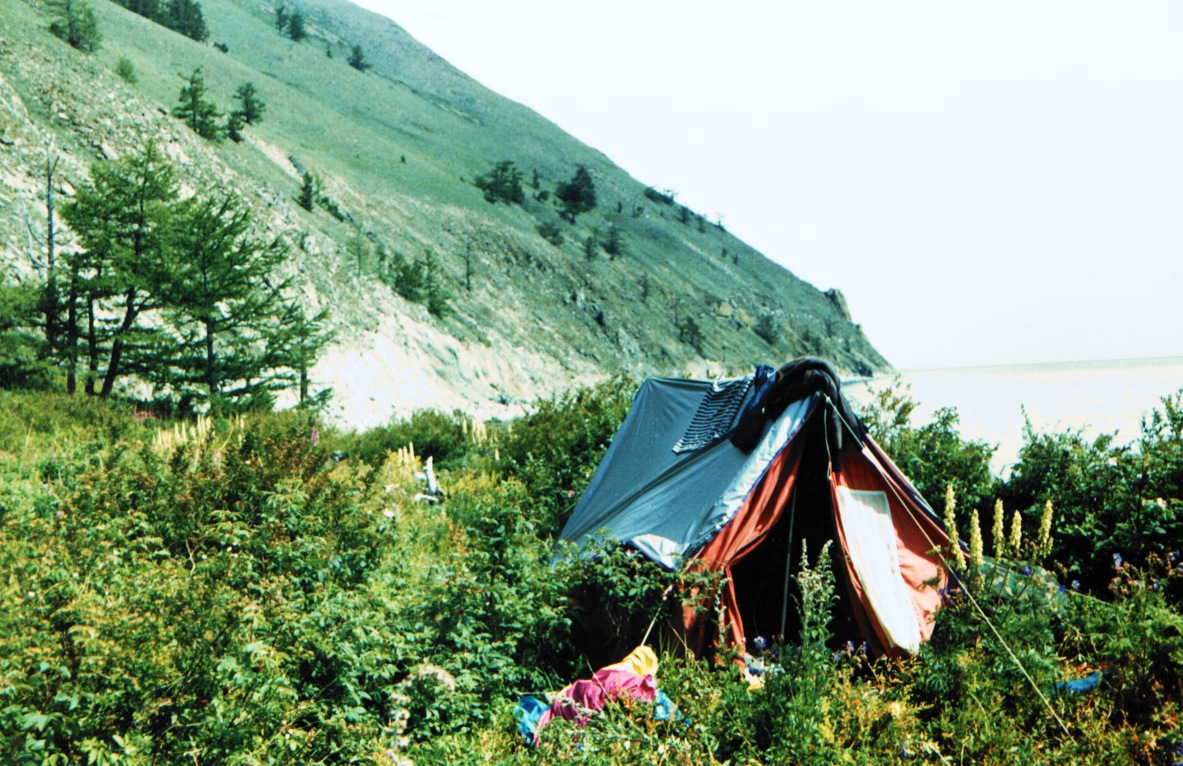
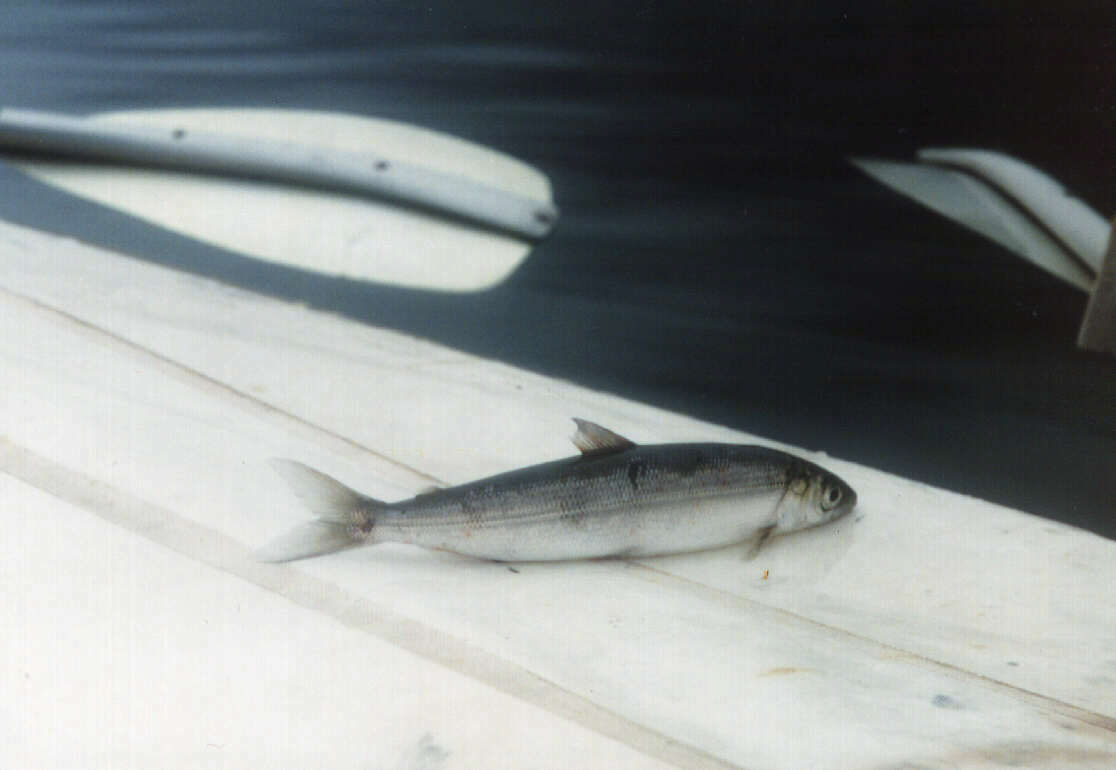
There are plenty of fish, but we do not know how to catch them. People were surprised to see us without fish and gave us omul and grayling, which they catch in the rivers. You can buy some magnificent fish.
Baikal seals
There are lots of them. They are shy and will not let you get close. From what we saw, the rumours of their demise were greatly exaggerated.
Radio
At the north end of Baikal there was complete silence on medium wave, long wave and VHF during the day. In the evening we could just about pick up Radio Rossiya on medium wave, plus Chinese radio in Russian and plenty of it in Chinese.
Pool at Cape Kotelnichny
There is a 70°C hot spring at Cape Kotelnichny with a swimming complex built over it. You can go at any time. There are two pools, one outdoors and one indoors, both at 40°C. Entry cost 15,000 roubles. People come from Severobaykalsk for a swim, by motorboat in summer and car in winter. You can buy fish from the owner.
Trail around Lake Baikal
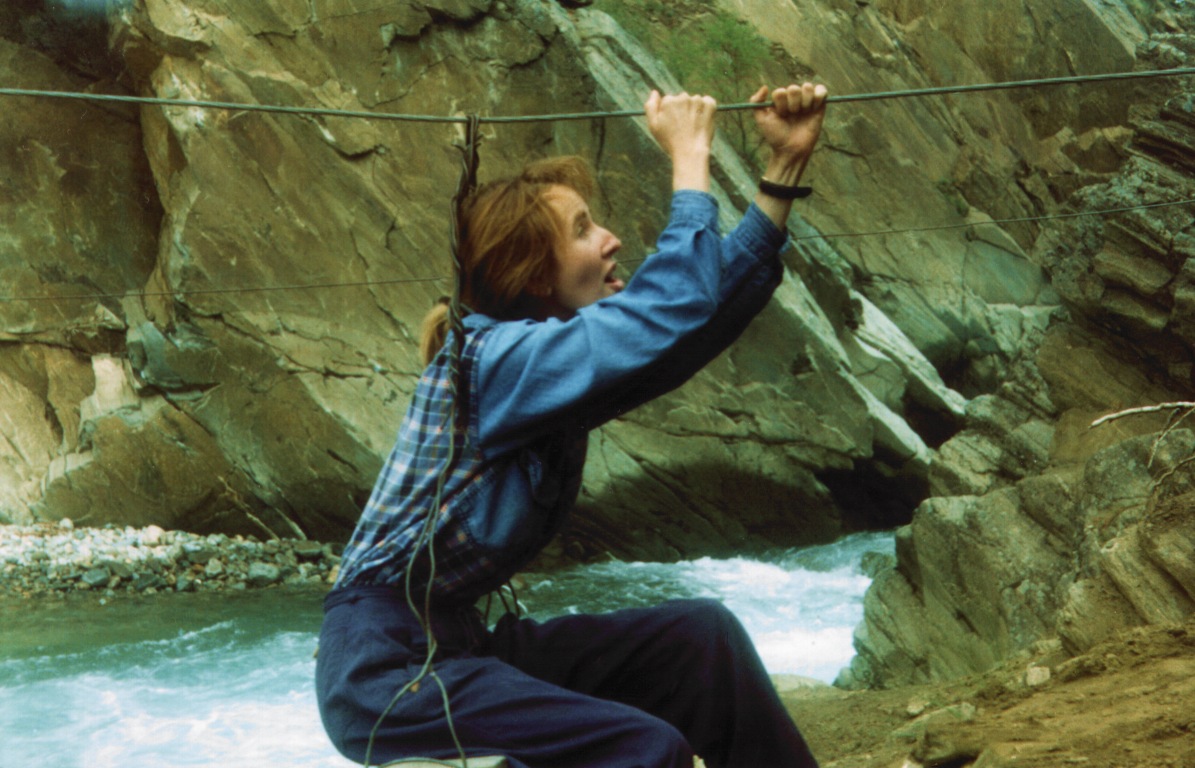
It does exist. You can walk all along the shore. There are even river crossings.
Mountains
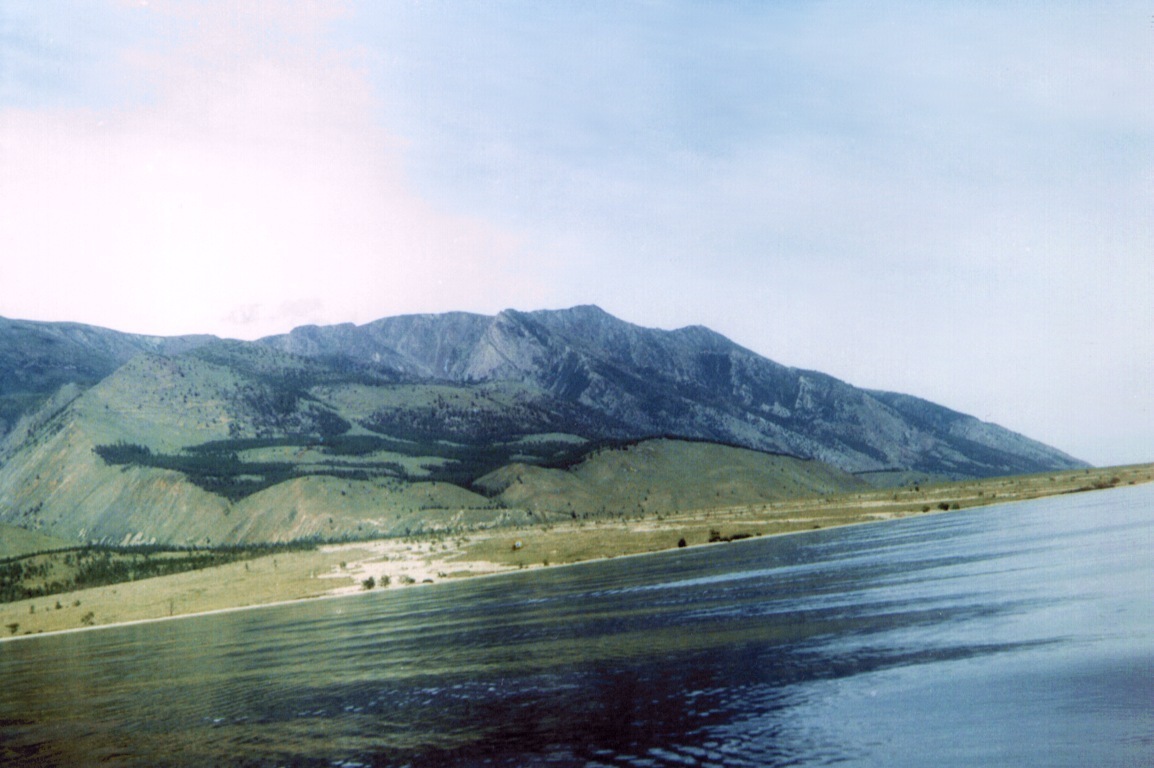
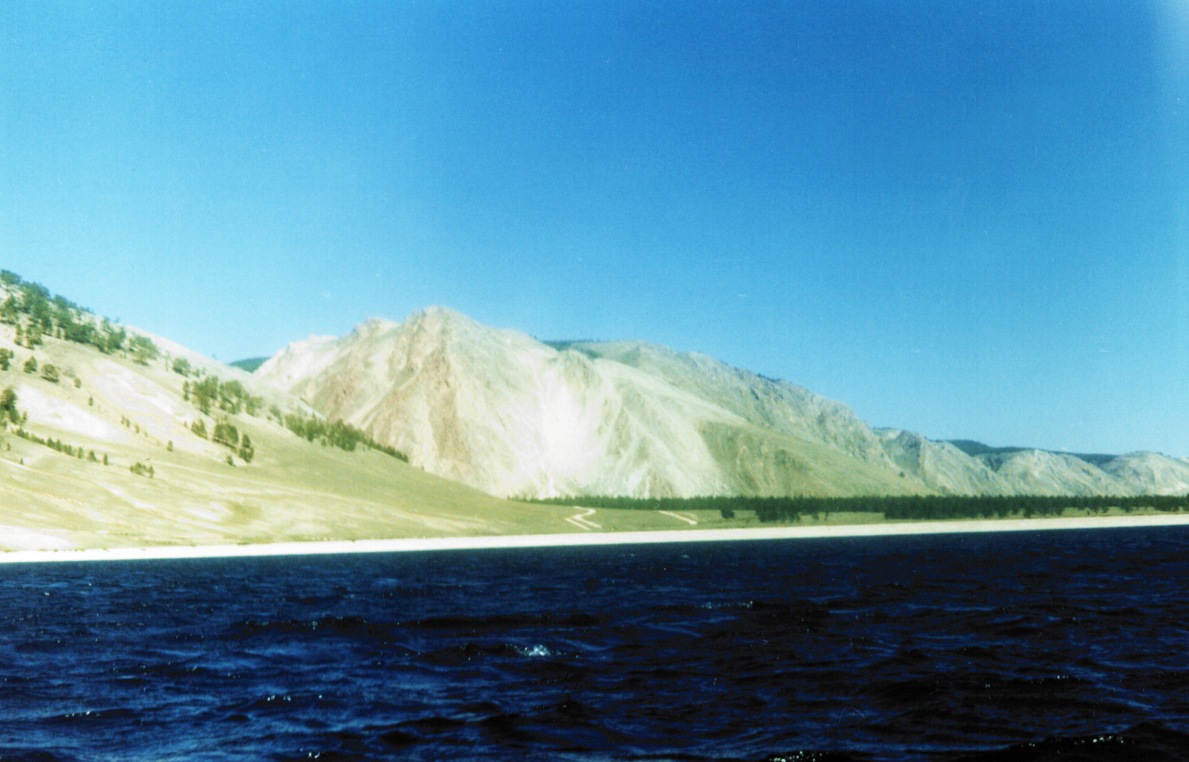
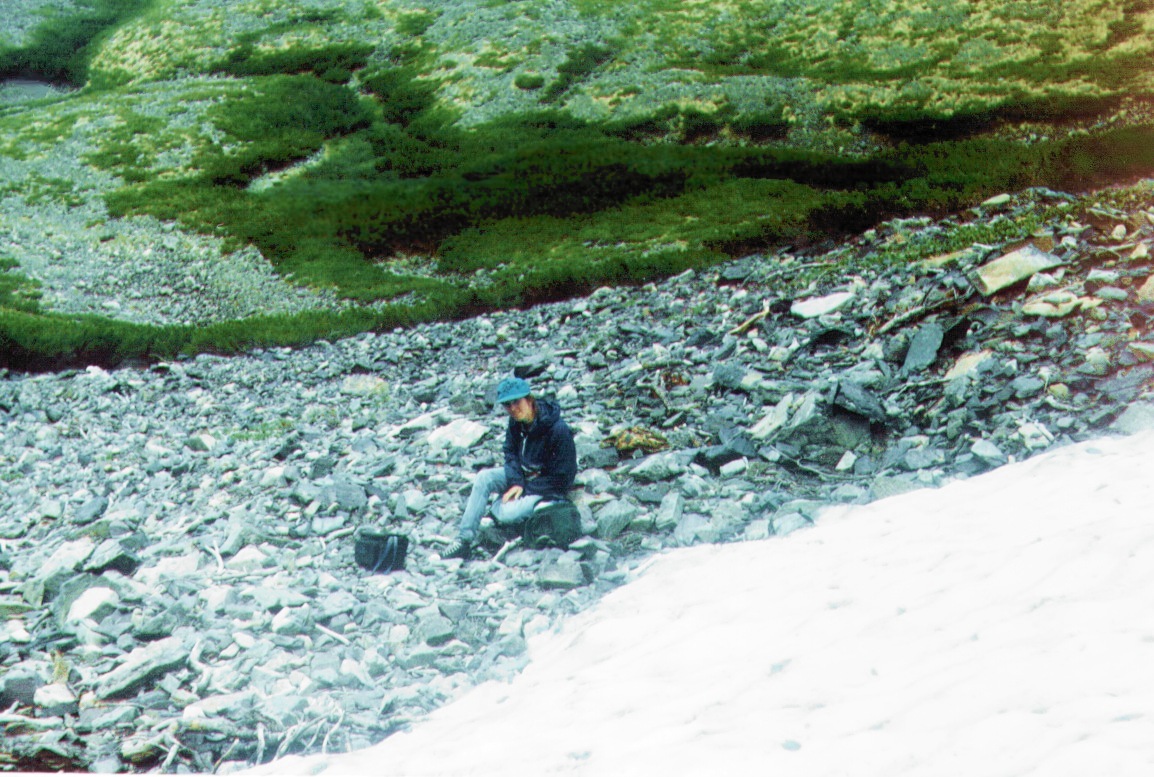
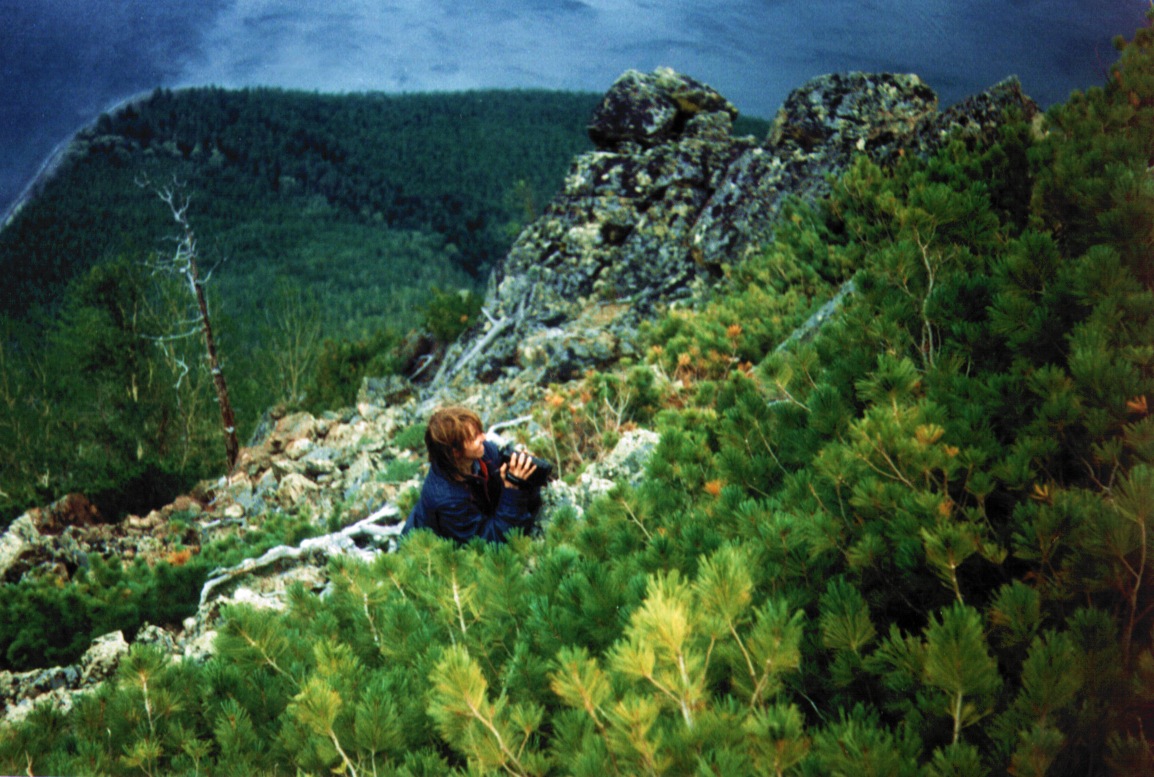
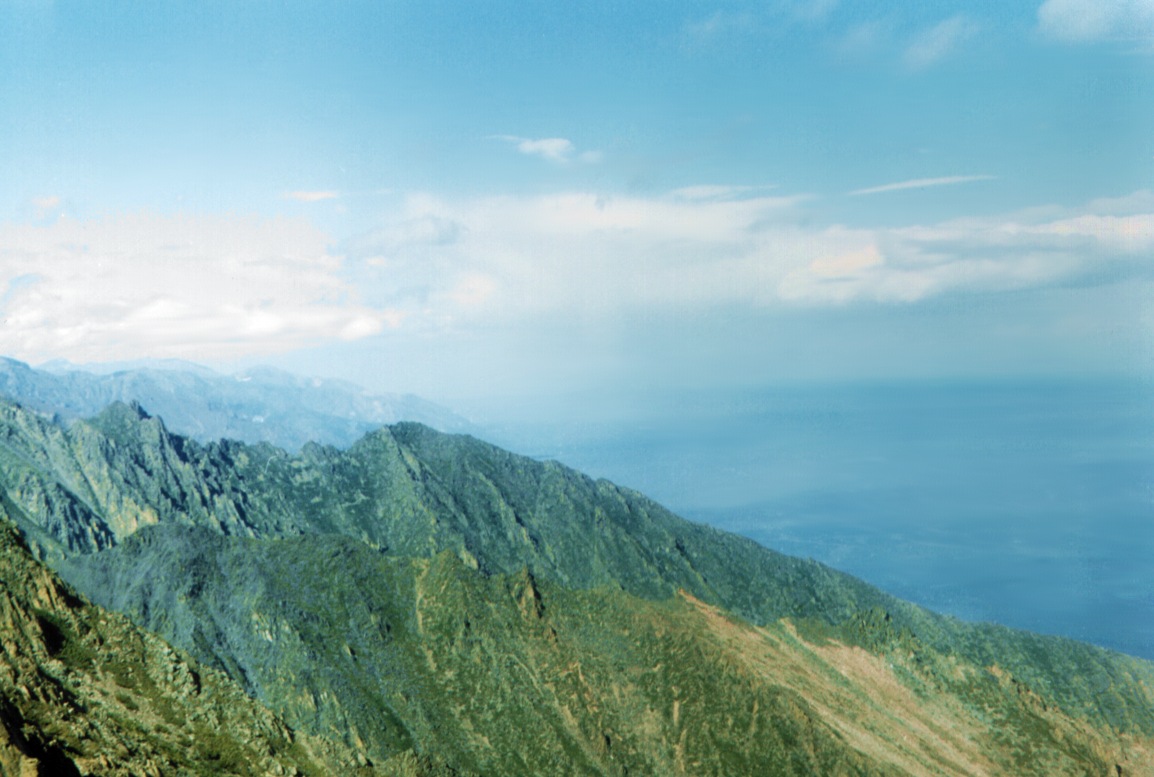
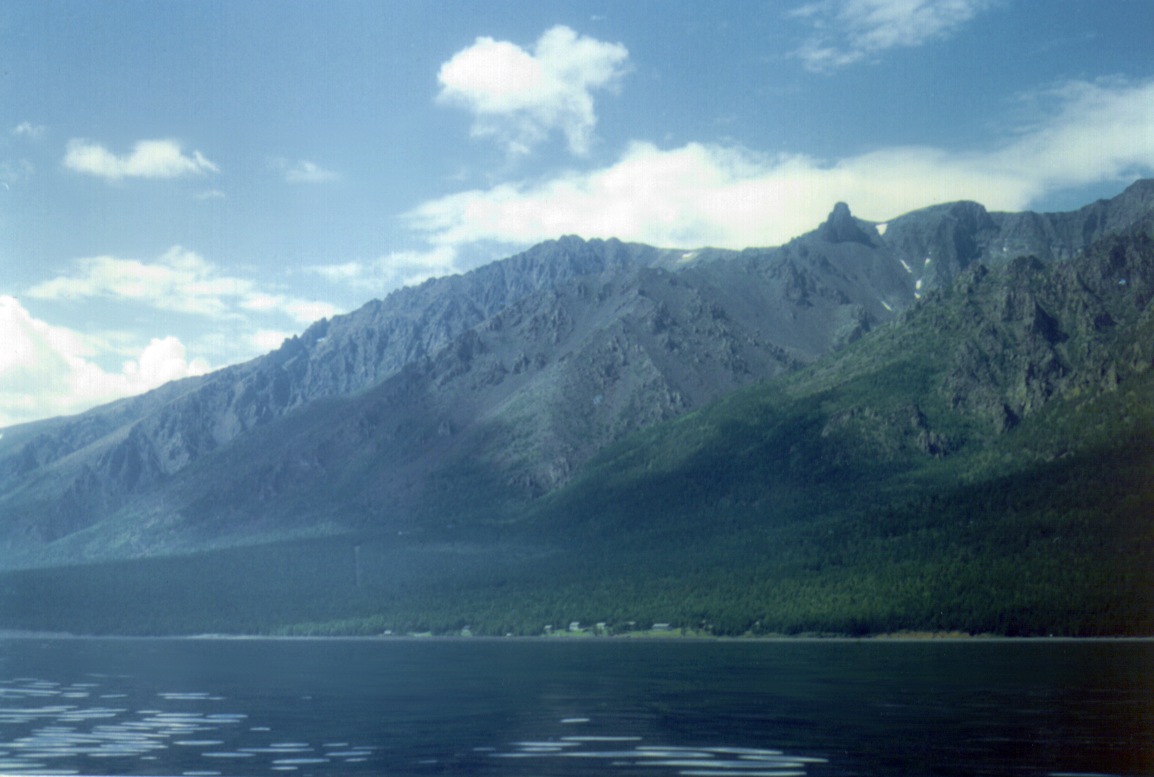
They are beautiful. You can climb almost any of them, though of course there are rock faces that require equipment. There are snow patches from about 1,000 metres up. The slopes are covered in Siberian dwarf pine, and the thickets are hard to get through. The mountains are made of limestone in various colours and marble, with many scree slopes. There are beautiful stones everywhere and, naturally, the same rocks make lovely pebbles on the shore. We lugged forty kilos back to Saint Petersburg as souvenirs. We climbed a summit near Cape Yuzhny Kedrovy.

Beaches
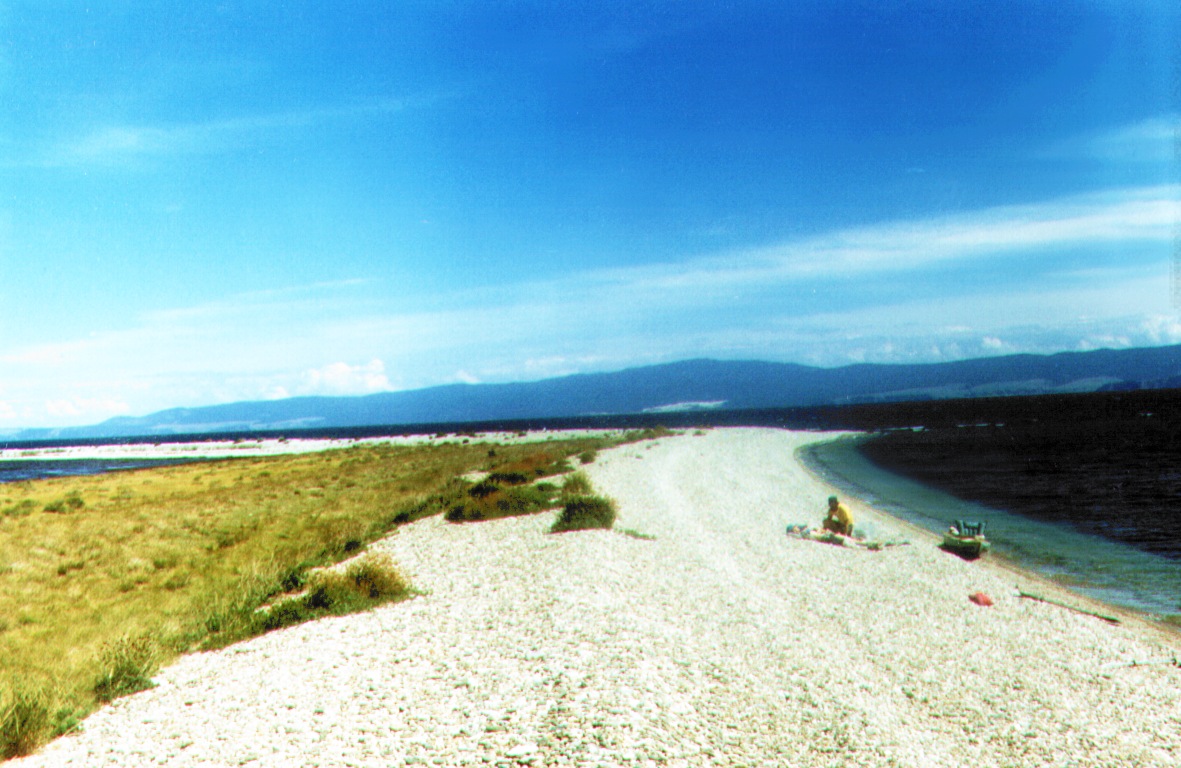
Most are stony, but the stones are colourful and beautiful. There are few sandy beaches.
Transport
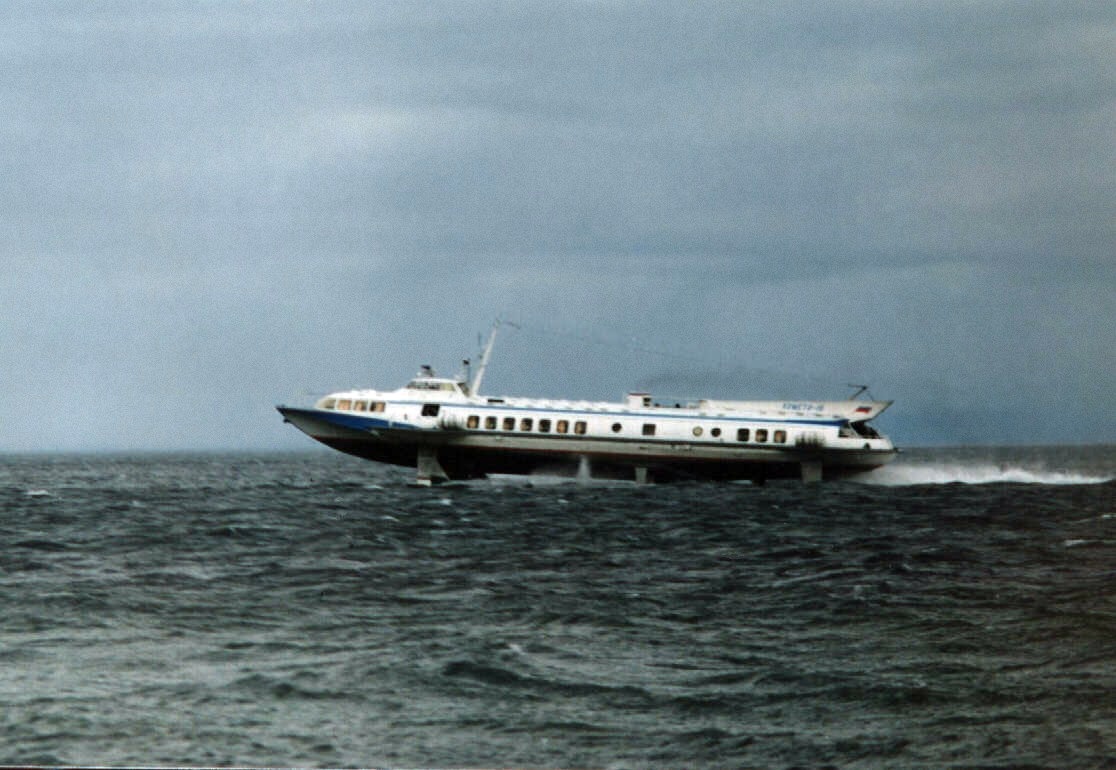
The Kometa hydrofoil between Irkutsk and Severobaykalsk ran regularly three times a week. A ticket cost 490 roubles in 2000. It took a day each way, stopping wherever needed. You could send a radio message, for example for 50,000 roubles from the ferry, to improve the chances of the Kometa stopping where you wanted. It sometimes called at Khuzhir or MRS to drop off or pick up tour groups. The pier had rotted, so the Kometa could not tie up and passengers were transferred by small boat.
You could arrange a flight from Khuzhir to Irkutsk, but it was expensive and nobody ever told us the price. In the off-season it ran regularly.
There was a regular daily bus from Irkutsk to Khuzhir for 70,000 roubles and one from Irkutsk to MRS for 55,000 roubles. The bus broke down when we needed it. A free ferry to Olkhon was scheduled to run every two to three hours from MRS.
Severobaykalsk is on the Baikal–Amur Mainline and has a regular rail service. As of August 2000, trains 76 and 77 between Moscow and Tynda ran every other day, as did trains from Moscow, Krasnoyarsk (197 and 198) and Irkutsk to Severobaykalsk. The Kislovodsk–Tynda train ran twice a week. The station is about 200 metres from the lake and closes at night.
Various boats run frequently from Severobaykalsk to Cape Kotelnichny, with no fixed schedule. People take them to swim in the hot spring pools.
Settlements, shops and post offices
Severobaykalsk. You can buy almost anything. Vegetables are scarce and expensive. The town is well equipped, with a post office, banks, hospitals, restaurants and so on. Prices are 1.1 to 1.5 times those in Saint Petersburg. You can buy dark bread here. Many nearby towns have only white. There is an inexpensive café at the station.
Baykalskoye. Population a few hundred, with a shop. Everything costs 1.2 to 2 times as much as in Saint Petersburg. There is bread, gingerbread, tinned food and pasta. There is a post office, telegraph and electricity. There is an unpaved road. You can get a lift, though it is hard, and there is a GAZelle minibus service.
Onguryon. Population a few hundred. The shop opens on weekdays. Everything costs two to five times as much as in Saint Petersburg. The shop never has bread, because everyone bakes their own. There is tinned food, beer and pasta. There were no grains for sale. There is a post office and telegraph. There is no electricity and there never has been. There is an unpaved road. You can get a lift, though it is hard. Tudugu is the landing. From there you have to walk three kilometres to Onguryon.
Khuzhir. Several shops and locally baked white bread. Prices are 1.2 to 2 times those in Saint Petersburg. We found no vegetables. There is a post office and telegraph. There used to be electricity, but it had stopped by the time we came. They had run out of diesel and the generator had broken. There was a regular daily bus from Irkutsk to Khuzhir for 70,000 roubles. There are lots of tourists and a canteen. It was easy to get a ride to MRS, and a ride to Irkutsk was possible too. We took a minibus for nine people for 900,000 roubles.
MRS, or Sakhyurta. Sakhyurta is the name on the map. Locals call it MRS, short for Little Sea Fishing Station. There are many shops, a hotel, crowds of tourists and a ferry to Olkhon.
Zama, Yelga, Khaday and Zavorotnaya. A few houses, with no shops or other services.

Kochernikova. People say there is no such place.
What to drink
There are various Moscow beers, Baltika in Severobaykalsk and beers from Irkutsk. We liked Admiral Kolchak and Nasha Marka. For bottled water there is Rosinka from Severobaykalsk. Severobaykalsk is the only place with much choice of alcohol. Everywhere else it is cheap vodka and rotgut.
Places of interest
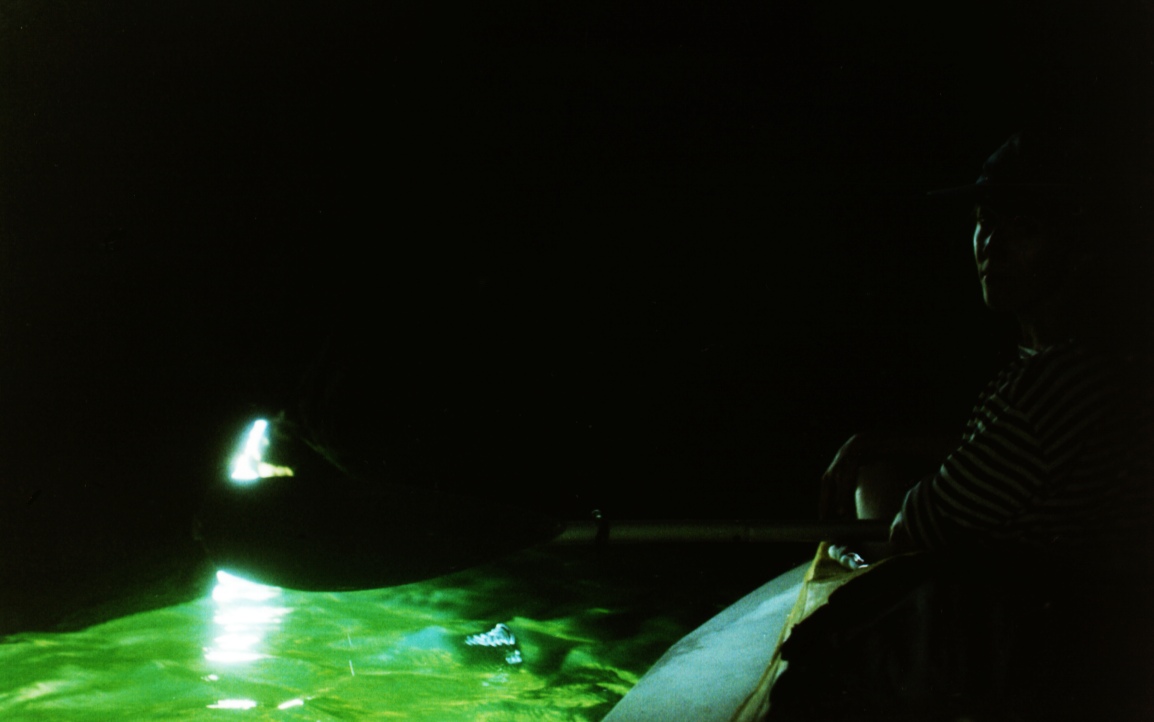
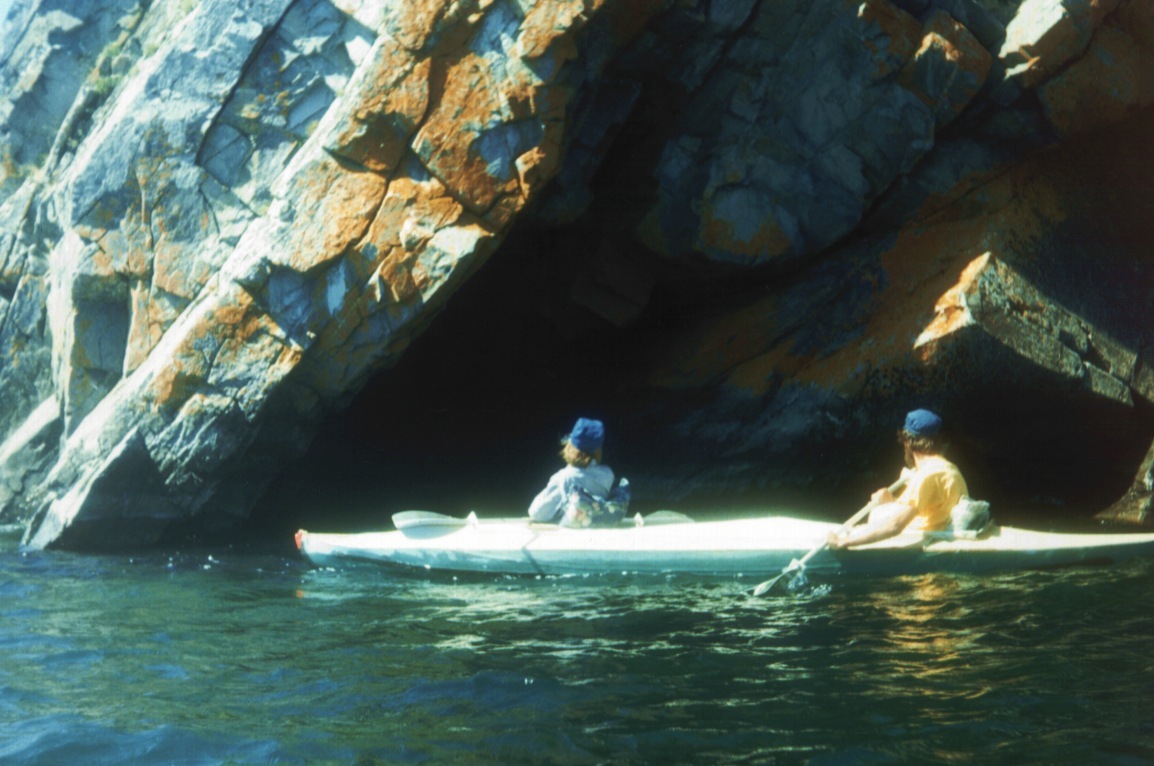
The mouth of the Kurkula in eight photos, 1, 2, 3, 4, 5, 6, 7 and 8. Solontsovaya Bay. Cape Ryty. Cape Aral, where you can enter a cave from the water. Mount Zunduk. Cape Khuzhir. Cape Burkhan, also called Shamanka Rock, in Khuzhir.